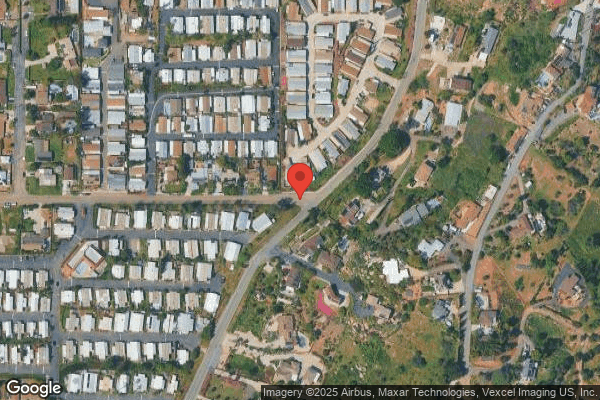

THE ROYAL HOME

12436 ROYAL ROAD, EL CAJON, CA 92021 (619) 443-3886
For profit - Individual 19 Beds Independent Data: November 2025
Trust Grade
60/100
#699 of 1155 in CA
Last Inspection: December 2023

Within standard 12-15 month inspection cycle. Federal law requires annual inspections.

Overview

The Royal Home in El Cajon, California, has a Trust Grade of C+, indicating that it is decent and slightly above average compared to other facilities. It ranks #699 out of 1155 in California, placing it in the bottom half, and #68 out of 81 in San Diego County, meaning only a few local options are better. Unfortunately, the facility is worsening, with issues increasing from 9 in 2022 to 13 in 2023. Staffing is a significant concern, rated at only 1 out of 5 stars, with a high turnover rate of 52%, suggesting that staff frequently leave, impacting the care residents receive. Although there have been no fines, recent inspections revealed serious issues, such as kitchen staff not maintaining proper hygiene and sanitation, which could lead to foodborne illnesses for residents. On the positive side, the facility has a strong performance in quality measures, rated 5 out of 5 stars, and there are no critical fines on record. However, the lack of adequate RN coverage, falling below 79% of California facilities, raises red flags about medical oversight. Families should weigh these strengths against the weaknesses when considering The Royal Home for their loved ones.

Trust Score
C+
60/100
In California
#699/1155
Bottom 40%
Safety Record
Low Risk
No red flags
Inspections
Getting Worse
9 → 13 violations
Staff Stability
⚠ Watch
52% turnover. Above average. Higher turnover means staff may not know residents' routines.
Penalties
✓ Good
No fines on record. Clean compliance history, better than most California facilities.
Skilled Nurses
⚠ Watch
Each resident gets only 17 minutes of Registered Nurse (RN) attention daily — below average for California. Fewer RN minutes means fewer trained eyes watching for problems.
Violations
⚠ Watch
31 deficiencies on record. Higher than average. Multiple issues found across inspections.
★★★☆☆
3.0
Overall Rating
★☆☆☆☆
1.0
Staff Levels
★★★★★
5.0
Care Quality
★★★☆☆
3.0
Inspection Score
Stable
2022: 9 issues
2023: 13 issues

The Good

  • 5-Star Quality Measures · Strong clinical quality outcomes
  • Full Sprinkler Coverage · Fire safety systems throughout facility
  • No fines on record

Facility shows strength in quality measures, fire safety.

The Bad

3-Star Overall Rating

Near California average (3.1)

Meets federal standards, typical of most facilities

Staff Turnover: 52%

Near California avg (46%)

Higher turnover may affect care consistency

The Ugly 31 deficiencies on record

Dec 2023 13 deficiencies
CONCERN (D)

Potential for Harm - no one hurt, but risky conditions existed

Deficiency F0552 (Tag F0552)

Could have caused harm · This affected 1 resident

**NOTE- TERMS IN BRACKETS HAVE BEEN EDITED TO PROTECT CONFIDENTIALITY** Based on interview and record review, the facility failed to ensure informed consent was accurately obtained and documented for ...

Read full inspector narrative →
**NOTE- TERMS IN BRACKETS HAVE BEEN EDITED TO PROTECT CONFIDENTIALITY** Based on interview and record review, the facility failed to ensure informed consent was accurately obtained and documented for the medication doses, prior to administering psychotropic medications (medications which affect behavior, mood, thoughts, or perception and could have serious side effects) for two of five residents (Resident 2 and 13), reviewed for Resident Rights. As a result, Resident 2 and Resident 13, along with their conservators (when a judge appoints another person to act or make decisions on behalf of the resident), were not informed of the higher daily doses being received, which increased their risk of side effects and serious medication risk. Findings: 1. Resident 2 was admitted to the facility on [DATE], with diagnoses which included schizoaffective disorder, (a mental disorder that affects one's thoughts, mood and behavior), per the facility's admission Record. On 12/13/23, Resident 2's clinical record was reviewed for psychotropic use. Per the facility's Informed Consent for Psychotherapeutic Drugs, dated 6/24/22, the conservator consented and signed for the administration of Clozapine (used to treat severely ill patients with schizophrenia) 200 milligrams (mg) every night before bed. According to the physician's order, dated 7/8/23, Clozapine 100 mg tablet by mouth every morning .Clozapine two tablets (200 mg) by mouth before bed time . The Medication Administration Record (MAR) for July 1, 2023 through July 31, 2023 was reviewed. Resident 2 received Clozapine 100 mg every morning at 9 A.M. and received Clozapine 200 mg every evening at 9 P.M., for a total daily dose of 300 mg. There was no documented evidence an informed consent had been updated or prepared for the increased amount of Clozapine. On 12/13/23 at 9:20 A.M., an interview and record review was conducted with LN 1. LN 1 stated all medication nurses were responsible for verifying Informed Consent was obtained prior to the administration of a psychotropic medication. LN 1 stated Informed Consents were important to confirm a resident or their conservator was informed of why they were being prescribed the medication, the risk and benefits, and possible side effects. LN 1 reviewed the consent and physician orders for Resident 2's Clozapine, and stated the consent did not match the physician's order, since the medication dose was higher than listed on the consent. LN 1 stated the resident and conservator was not informed they were taking a higher dose, which increased the risk and side effects. On 12/13/23 at 9:27 A.M., an interview and record review was conducted with the DON. The DON stated informed consents were important to inform the responsible party's of the risk and it confirmed they agree with the current treatment plan. The DON reviewed Resident 2's Informed Consent, physician's order, and MAR. The DON stated the consent did not match the physician's order from July 2023, and the medication should not have been administered until the consent was updated with the correct daily dose of Clozapine. The DON stated he expected the LNs to confirm an accurate consent was on file, before the medication was administered. The DON stated Resident 2's conservator was not provided the correct information and was unaware the resident was receiving a higher dose. 2. Resident 13 was admitted to the facility on [DATE], with diagnoses which included psychosis (a severe mental disorder when one loses touch with reality) and tardive dyskinesia (a neurological disorder characterized by involuntary movements of the face and jaw caused by certain medications), per the facility's admission Record. On 12/13/23, Resident 13's clinical record was reviewed for psychotropic use. Per the facility's Informed Consent for Psychotherapeutic Drugs, dated 6/24/22, the conservator consented and signed for the administration of Lorazepam (used to treat anxiety) 0.5 mg every night before bed. According to the physician's order, dated 6/27/22, Lorazepam 0.5 mg tablet, take 2 tablets (1 mg) by mouth every morning .Lorazepam 0.5 mg tablet, take 1 tablet by mouth at bedtime . The Medication Administration Record (MAR) for July 1, 2023 through July 31, 2023 was reviewed. Resident 13 received Lorazepam 1 mg by mouth every morning at 7 A.M. and received Lorazepam 0.5 mg every evening at 9 P.M., for a total daily dose of 1.5 mg. There was no documented evidence an informed consent had been updated or prepared for the increased amount of Lorazepam. On 12/13/23 at 10:43 A.M., an interview and record review was conducted with the DON of Resident 13's Informed Consent, physician's order, and July 2023 MAR. The DON stated the consent was not accurate, because Resident 13 was receiving a higher dose of Lorazepam, then first informed. The DON stated the higher dose, increased the risks and side effects. On 12/14/23 at 2:18 P.M., an interview was conducted with the Pharmacy Consultant (PC). The PC stated when he conducts his monthly medication reviews, he reviews the physician's order and the MAR. The PC stated he does not review the Informed Consents, because that was a nursing function. According to the facility's policy, titled Informed Consents, undated, .a .1. The right to receive all information in advance that is material to a decision to accept or refuse treatment .B. This shall be documented in the resident's health record .
CONCERN (D)

Potential for Harm - no one hurt, but risky conditions existed

Safe Environment (Tag F0584)

Could have caused harm · This affected 1 resident

**NOTE- TERMS IN BRACKETS HAVE BEEN EDITED TO PROTECT CONFIDENTIALITY** Based on observation and interview, the facility failed to provide a homelike environment for two of three resident's (Resident ...

Read full inspector narrative →
**NOTE- TERMS IN BRACKETS HAVE BEEN EDITED TO PROTECT CONFIDENTIALITY** Based on observation and interview, the facility failed to provide a homelike environment for two of three resident's (Resident 2 and Resident 16), reviewed for Environment. As a result, Resident 2 verbalized being afraid and Resident 16 verbalized being uncomfortable while in their beds. 1. Resident 2 was admitted to the facility on [DATE], with diagnoses which included schizoaffective disorder, (a mental disorder that affects one's thoughts, mood and behavior), per the facility's admission Record. On 12/12/23 at 2:16 P.M., an observation and interview was conducted with Resident 2 in her room. Resident 2 had the only single bedroom in the facility. Resident 2 was sitting up in bed, dressed, and reading a bible, with all her privacy curtains pulled around the bed. A mechanical lift (a large metal piece of equipment with a sling in the middle, used by medical staff to lift or move a non-ambulatory person from one place to another) was positioned with the base of the lift stored under the foot of her bed, and the two metal overhead sling arms hanging above the foot of the bed. Resident 2 stated she did not need or use the piece of equipment and she did not know why it was in her room, but it had been there for years. Resident stated, it scares me and she did not like having, that thing in her room. During initial tour of the facility, no residents were identified as needing a mechanical lift for assistance as all residents ambulated on their own. On 12/14/23 at 8:20 A.M., an observation and interview was conducted with the DON of Resident 2's room. Resident 2 was dressed and sitting up in bed with all the privacy curtains pulled around the bed. The DON observed the mechanical lift positioned at the foot of Resident 2's bed. Resident 2 stated, I have to look at it all the time and it's scary. The top metal sling arms were covered in dust. The DON stated the lift had been there as long as he had been at the facility (one year), and he was unaware it scared the resident. The DON stated the mechanical lift was not currently being used and it should be stored in the outside shed. The DON stated storing equipment in the resident's room did not promote a homelike environment and if it scared Resident 2, it should not be kept there. 2. Resident 16 was admitted to the facility on [DATE], with diagnoses which included schizophrenia (a mental disorder that affects one's thoughts, mood and behavior), per the facility's admission Record On 12/12/23 at 9:03 A.M., an observation and interview was conducted with Resident 16 in his room. Resident 16 was dressed and lying on top of his bed. Resident 16 stated, I don't like my bed, I can feel the metal, can you help me get rid of the metal, it's very uncomfortable? Resident 16 lifted the bed sheet and there was no mattress pad. The mattress had several linear tears on the surface and circular metal springs could be seen protruding on the top of the mattress. Resident 16 stated he like to stay in bed, but the metal was uncomfortable, and he asked if he could have a different mattress. On 12/13/23 at 8:31 A.M., an interview was conducted with the DON. The DON stated they did not have a maintenance book. The DON stated if there was an issue, the staff would inform him or the administrator, who would call a company to come make the needed repairs. The DON stated they have a list of repair companies they use, because they do not employ a maintenance person. On 12/14/23 at 8:15 A.M., an observation and interview was conducted with the DON of Resident 16's room. Resident 16 was sitting on top of his bed and told the DON, the metal on my bed is very uncomfortable. Resident 16 lifted the bottom sheet and exposed the mattress. The DON ran his hand over the mattress and stated, I understand what you mean. The DON stated the mattress looked uncomfortable and was not homelike. On 12/14/23, the DON stated the faciity did not have a policy related to Homelike Environment.
CONCERN (D)

Potential for Harm - no one hurt, but risky conditions existed

Assessment Accuracy (Tag F0641)

Could have caused harm · This affected 1 resident

**NOTE- TERMS IN BRACKETS HAVE BEEN EDITED TO PROTECT CONFIDENTIALITY** Based on observation, interview, and record review, the facility failed to ensure a Minimum Data Set Assessment (MDS, a comprehe...

Read full inspector narrative →
**NOTE- TERMS IN BRACKETS HAVE BEEN EDITED TO PROTECT CONFIDENTIALITY** Based on observation, interview, and record review, the facility failed to ensure a Minimum Data Set Assessment (MDS, a comprehensive assessment) for one of eight residents (Resident 1) was accurate when Resident 1 was assessed as having a trach (opening into the trachea and breathing tube) and using a restraint (device that prevents freedom of movement). This failure had the potential to affect the care provided to Resident 1. Findings: A review of Resident 1's admission Record indicated the resident was admitted to the facility on [DATE]. A review of Resident 1's MDS assessment dated [DATE], indicated under Section O for respiratory care, that the resident was marked as yes for having received tracheostomy (trach) care. The same MDS assessment under Section P for physical restraints, had the resident marked as having used a restrain in chair/out of bed. On 12/12/23 at 8:02 A.M., an observation of Resident 1 was conducted in the resident's room. Resident 1 was lying in bed with her eyes closed. Resident 1 was not observed to have a trach or a restraint. On 12/13/23 at 7:20 A.M., an interview was conducted with licensed nurse (LN) 1. LN 1 stated she had never seen Resident 1 with a trach or using a restraint of any kind. On 12/13/23 at 2:35 P.M., a joint interview and record review was conducted with the director of nursing (DON). The social services director was also present. The DON was responsible for ensuring the completion and accuracy of MDS assessments. The DON reviewed Resident 1's MDS assessment dated [DATE], and stated the resident did not have a trach and did not use restraints. The DON stated the MDS assessment had errors and was inaccurate. On 12/15/23 at 8:35 A.M., an interview was conducted with the DON. The DON stated the facility did not have a policy for conducting MDS assessments but that it was his expectation that MDS assessments be completed accurately and for the Resident Assessment Instrument (RAI) manual to be followed when completing MDS assessments.
CONCERN (D)

Potential for Harm - no one hurt, but risky conditions existed

PASARR Coordination (Tag F0644)

Could have caused harm · This affected 1 resident

**NOTE- TERMS IN BRACKETS HAVE BEEN EDITED TO PROTECT CONFIDENTIALITY** Based on observation, interview, and record review, the facility failed to ensure a Preadmission Screening and Resident Review (...

Read full inspector narrative →
**NOTE- TERMS IN BRACKETS HAVE BEEN EDITED TO PROTECT CONFIDENTIALITY** Based on observation, interview, and record review, the facility failed to ensure a Preadmission Screening and Resident Review (PASARR-a federal requirement to help ensure that individuals are not inappropriately placed in nursing homes for long term care) Level 2 score (indicates resident with intellectual disability) assessment was conducted in a timely manner for one of one resident (Resident 12) reviewed for Resident Assessment. As a result, Resident 12 did not have life enrichment opportunities available to her when indicated as a possibility following a positive PASARR Level 1 score (positive indicates a Level 2 assessment was required). Findings: Resident 12 was admitted to the facility on [DATE], with diagnoses which included schizophrenia (a serious mental illness that affects how a person thinks, feels, and behaves), per the facility's admission Record. On 12/12/23 at 8:59 A.M., an observation and interview was conducted with Resident 12 within her room. Resident 12 was dressed, sitting on the side of the bed. Resident 12 was folding clean Kleenex tissues into smaller squares and had an open bible next to her. Resident 12 stated she enjoyed playing the piano, reading, sitting outside, and exercising. On 12/12/23, Resident 12's clinical record was reviewed. According to the facility's admission PASARR, dated 12/22/21, a Level 1 was positive, indicating a Level 2 assessment was required to be conducted. There was no documented evidence located in the resident's clinical record, indicating a Level 2 assessment was completed, which would have offered outside education and activities for those residents who qualify. On 12/13/23 at 3:47 P.M., an interview and record review was conducted with the DON of Resident 12's clinical record. The DON stated if a PASARR Level 1's was positive, it meant a PASARR Level 2 assessment needed to be conducted. The DON stated nursing staff were responsible for completing part of the form and then an outside agency would come to the facility to complete the assessment and to make recommendations. The DON stated back in 2021, the ADM and ADM Assistant would usually monitor the PASARR assessments. The DON stated he could not locate any documented evidence a PASARR Level 2 had been conducted for Resident 12. The DON stated he would research and call the outside agency to see when Resident 12's PASARR Level 2 was completed. On 12/14/23 at 12:31 P.M., a follow up interview was conducted with the DON. The DON stated they called the outside agency and was referred to a web site, which showed Resident 12's PASARR Level 2 assessment was, in process, since 2021. The site indicated the outside agency was notified an assessment was required, but there was no indication the assessment was ever completed. The DON stated there was no documented evidence between the facility and the outside agency to inquire why the assessment had not been completed. The DON stated the outside authorities missed it and so did the facility. The DON stated with the delay of the Level 2 assessment, Resident 12 could have missed out on potential activities and classes which would have enriched her quality of life. On 12/14/23, the DON stated the facility did not have a policy related to PASARR assessments.
CONCERN (D)

Potential for Harm - no one hurt, but risky conditions existed

Drug Regimen Review (Tag F0756)

Could have caused harm · This affected 1 resident

**NOTE- TERMS IN BRACKETS HAVE BEEN EDITED TO PROTECT CONFIDENTIALITY** Based on interview and record review, the facility's pharmacy consultant (PC) failed to identify irregularities during the month...

Read full inspector narrative →
**NOTE- TERMS IN BRACKETS HAVE BEEN EDITED TO PROTECT CONFIDENTIALITY** Based on interview and record review, the facility's pharmacy consultant (PC) failed to identify irregularities during the monthly drug regimen review (DRR) for one of eight residents (Resident 14), when Resident 14 received olanzapine (a psychotropic medication used to treat mental illness) without adequate indication for use and adequate monitoring. As a result, there was a potential for Resident 14 to receive unnecessary psychotropic medication. Findings: A review of Resident 14's admission Record indicated the resident was admitted to the facility on [DATE] with diagnosis to include traumatic brain injury and organic brain disease. A review of Resident 14's physician's orders dated 4/30/21, indicated olanzapine 2.5 mg (milligrams) take half a tablet PO (by mouth) every other day. Resident 14 Physician's Order dated 4/4/23, further indicated, Monitor episodes of agitation AEB [as evidenced by] refusing PO -[olanzapine] every shift. A review of Resident 14's Psychotropic Medication assessment dated [DATE] and 10/1/23, indicated there were zero episodes of refusing to take olanzapine observed in June, July, August, September, October, and November 2023. On 12/13/23 at 7:20 A.M., a joint interview and record review was conducted with licensed nurse (LN) 1. LN 1 reviewed Resident 14's physician orders dated 4/30/21 for olanzapine. LN 1 stated the physician's order should have clearly indicated what the medication was treating. LN 1 stated, I don't know why [Resident 14's] taking it. LN 1 reviewed Resident 14's clinical record and stated the resident did not have a psychiatric diagnosis (mental illness) but had a brain injury. LN 1 reviewed Resident 14's physician's order dated 4/4/23 for monitoring the resident's agitation AEB refusing olanzapine. LN 1 stated to take olanzapine for agitation when refusing to take olanzapine doesn't make sense. On 12/13/23 at 8 A.M., an interview was conducted with Resident 14. Resident 14 stated he only took one medication aside from vitamins and eye drops. Resident 14 stated he took olanzapine, half a pill, every other day. Resident 14 stated he did not know why he had to take olanzapine and that he would ask staff why and did not get an answer. Resident 14 stated years ago someone told him they thought he had schizophrenia (a mental illness). On 12/13/23 at 8:40 A.M., a joint interview and record review was conducted with the director of nursing (DON). The DON reviewed Resident 14's clinical record and stated he was not sure why the resident was taking olanzapine. The DON stated the physician's order did not have a clear indication for the use of olanzapine. The DON stated it should be clearly understood why Resident 14 was taking olanzapine, or there could be the potential the resident was receiving an unnecessary medication which could cause harm. The DON further stated there was no documentation of an appropriate diagnosis for the administration of olanzapine in the resident's active clinical chart. The DON stated Resident 14's behavior monitoring for agitation AEB refusing to take olanzapine doesn't make sense and circles around. The DON stated it was not acceptable to give olanzapine for refusing olanzapine and that the resident's order needed clarification. On 12/14/23 at 2:20 P.M., a telephone interview was conducted with the facility's pharmacy consultant (PC). The PC stated Resident 14's olanzapine monitoring was not appropriate and there should have been an adequate indication for the use of olanzapine in the physician's order. The PC stated Resident 14's order for olanzapine needed to be clarified. The PC stated he should have identified this as an irregularity during Resident 14's monthly DRR. A review of the facility's policy titled 9.2 Interim Medication Regimen Review revised 1/1/13, did not provide guidance related to identifying medication irregularities.
CONCERN (D)

Potential for Harm - no one hurt, but risky conditions existed

Deficiency F0883 (Tag F0883)

Could have caused harm · This affected 1 resident

**NOTE- TERMS IN BRACKETS HAVE BEEN EDITED TO PROTECT CONFIDENTIALITY** Based on interview and record review, the facility failed to ensure one of five residents (Resident 7) reviewed for vaccines, ha...

Read full inspector narrative →
**NOTE- TERMS IN BRACKETS HAVE BEEN EDITED TO PROTECT CONFIDENTIALITY** Based on interview and record review, the facility failed to ensure one of five residents (Resident 7) reviewed for vaccines, had been offered the pneumococcal vaccine (used to prevent pneumonia infections). In addition, there was no documentation of the risks and/or benefits of the pneumococcal vaccine had been discussed with the resident or responsible party (RP). This failure had the potential for Resident 7 to not be adequately informed and protected from contracting pneumonia (a lung disease). Findings: A review of Resident 7's admission Record indicated the resident was admitted to the facility on [DATE]. A review of the undated facility infection prevention nurse (IPN) document titled (Facility Name) Immunization (a list of all 19 residents' vaccination status) indicated Resident 7 refused (no date listed) to receive the pneumococcal vaccine. On 12/13/23 at 2:51 P.M., a joint interview and record review was conducted with the facility's IPN. The IPN reviewed Resident 7's clinical record and stated there was no documentation of when the resident had been offered the pneumococcal vaccine or if the resident and RP had been informed of the potential risks and/or benefits of receiving the pneumococcal vaccine. The IPN stated Resident 7's refusal of the pneumococcal vaccine was not documented in the resident's clinical record. The IPN stated Resident 7 and the resident's RP should have been offered the pneumococcal vaccine more than once, educated on potential risks and benefits, and it should have been documented in the resident's clinical record. A review of the undated facility policy titled [Facility Name] Influenza and Pneumonia Vaccination Policy and Procedure, indicated, .It is also our policy to offer the vaccination for pneumonia to all residents
CONCERN (E)

Potential for Harm - no one hurt, but risky conditions existed

Medication Errors (Tag F0758)

Could have caused harm · This affected multiple residents

**NOTE- TERMS IN BRACKETS HAVE BEEN EDITED TO PROTECT CONFIDENTIALITY** Based on observation, interview, and record review, the facility failed to ensure three of six residents (3, 5, 14) were free fr...

Read full inspector narrative →
**NOTE- TERMS IN BRACKETS HAVE BEEN EDITED TO PROTECT CONFIDENTIALITY** Based on observation, interview, and record review, the facility failed to ensure three of six residents (3, 5, 14) were free from unnecessary psychotropic medications (drugs that affect the way a person thinks, feels, or acts) when, 1. Resident 14 was administered olanzapine (a psychotropic medication used to treat mental illness) without a clear indication for use, had contradictive monitoring for its use, and did not have an active diagnosis documented related to the necessity for use of olanzapine. 2. Resident 3's behavior monitoring for quetiapine (a psychotropic medication) was unclear. 3. Resident 5 was administered Trazadone (a psychotropic medication) for sleep, a non-FDA approved indication for use, without documented evidence of having the cause of the resident's inability to sleep reviewed and non-pharmacological interventions attempted first. As a result, there was the potential for residents to receive unnecessary psychotropic medications which could cause harm or serious side effects. Findings: 1. A review of Resident 14's admission Record indicated the resident was admitted to the facility on [DATE] with diagnosis to include traumatic brain injury and organic brain disease. A review of Resident 14's Physician's Orders dated 4/30/21, indicated olanzapine 2.5 mg (milligrams) take half a tablet PO (by mouth) every other day. Resident 14's Physician's Orders dated 4/4/23, further indicated, Monitor episodes of agitation AEB [as evidenced by] refusing PO -[olanzapine] every shift. A review of Resident 14's Psychotropic Medication assessment dated [DATE] and 10/1/23, indicated there were zero episodes of refusing to take olanzapine observed in June, July, August, September, October, and November 2023. On 12/13/23 at 7:20 A.M., a joint interview and record review was conducted with licensed nurse (LN) 1. LN 1 reviewed Resident 14's physician orders dated 4/30/21 for olanzapine. LN 1 stated the physician's order should have clearly indicated what the medication was treating. LN 1 stated, I don't know why [Resident 14's] taking it. LN 1 reviewed Resident 14's clinical record and stated the resident did not have a psychiatric diagnosis (mental illness) but had a brain injury. LN 1 reviewed Resident 14's physician's order dated 4/4/23 for monitoring the resident's agitation AEB refusing olanzapine. LN 1 stated to take olanzapine for agitation when refusing to take olanzapine doesn't make sense. On 12/13/23 at 8 A.M., an interview was conducted with Resident 14. Resident 14 stated he only took one medication aside from vitamins and eye drops. Resident 14 stated he took olanzapine, half a pill, every other day. Resident 14 stated he did not know why he had to take olanzapine and that he would ask staff why and did not get an answer. Resident 14 stated years ago someone told him they thought he had schizophrenia (a mental illness). On 12/13/23 at 8:40 A.M., a joint interview and record review was conducted with the director of nursing (DON). The DON reviewed Resident 14's clinical record and stated he was not sure why the resident was taking olanzapine. The DON stated the physician's order did not have a clear indication for the use of olanzapine. The DON stated it should be clearly understood why Resident 14 was taking olanzapine, or there could be the potential the resident was receiving an unnecessary medication which could cause harm. The DON further stated there was no documentation of an appropriate diagnosis for the administration of olanzapine in the resident's active clinical chart. The DON stated Resident 14's behavior monitoring for agitation AEB refusing to take olanzapine doesn't make sense and circles around. The DON stated it was not acceptable to give olanzapine for refusing olanzapine and that the resident's order needed clarification. On 12/14/3 at 2:20 P.M., a telephone interview was conducted with the facility's pharmacy consultant (PC). The PC stated the indication for the use of a psychotropic medication should be clearly understood in the order and the diagnosis for the medication and behavior monitoring should be appropriate. The PC stated Resident 14's order for olanzapine needed to be clarified. 2. A review of Resident 3's admission Record indicated the resident was admitted to the facility on [DATE] with diagnosis to include depression (a mood disorder that causes persistent feelings of sadness), recurrent psychotic features (disconnection from reality), bipolar affective disorder (disorder characterized by extreme mood swings), schizoaffective disorder (mental illness that includes schizophrenia and mood disorder). A review of Resident 3's physician's orders dated 9/17/18, indicated quetiapine 600 mg by mouth at bedtime for schizoaffective disorder AEB repetitively asking people questions and aggressive behavior (i.e. threatening others). The physician's orders also indicated the resident was to be monitored for these behaviors every shift. A review of Resident 3's Psychotropic Medication assessment dated [DATE], indicated quetiapine related behavior .Repetitively question . was observed 153 times in October and 124 times in November 2023. A review of Resident 3's medication administration record for December 2023 indicated the behavior of both asking repetitive questions and threatening others was documented with a single hashmark each time it was observed. The monitoring did not distinguish between observing repetitive questions or threatening others. From 12/1/23 through 12/13/23 there was a total of 55 hashmarks. A review of Resident 3's pharmacy Consultation Report dated 10/31/23, indicated the pharmacist reviewed the resident's medication and made a recommendation related to quetiapine.A GDR [gradual dose reduction- slowly lowering the dosage of a psychotropic medication] is not recommended at this time behaviors noted On 12/13/23 at 11 A.M., an observation was conducted in the common area. A coloring activity was arranged out on one of the tables. Resident 3 was observed approaching the activity table and was heard asking, Is this for me? Can I do this? A few minutes later after having not received an answer to her question, Resident 3 was heard asking again while standing at the activity table, Can I do this? Resident 3 appeared calm and appropriate. On 12/14/23 at 8:21 A.M., a joint interview and record review was conducted with the DON. The DON stated Resident 3 had poor recall and memory issues and would sometimes ask a question more than once because she forgot. The DON reviewed Resident 3's clinical record, including the resident's physician order for quetiapine and behavior monitoring AEB repetitively asking questions and threatening others. The DON stated he had worked in the facility for a year and had never seen Resident 3 threatening others. The DON stated behavior monitoring was reviewed with the psychiatrist to determine the appropriateness of the psychotropic medication, dosage, and if a GDR should be attempted. The DON stated Resident 3's behavior monitoring was unclear and that asking questions was very different from threatening others. The DON stated it was also unclear why asking repetitive questions would warrant receiving quetiapine as the resident had a poor memory. The DON stated the behavior that needed monitoring should have been repetitive questions related to fixating on something which was a psychotic feature and not a memory issue. The DON stated asking questions and threatening others were two distinct issues requiring separate monitoring and that it could not be determined which behavior the resident had when represented by one hashmark. The DON stated staff may have been documenting when the resident asked general questions or forgot and asked again which was not a behavior that required quetiapine. The DON stated this order for quetiapine and its monitoring needed clarification as there was a potential the resident may have been receiving an unnecessary psychotropic medication. On 12/14/23 at 2:20 P.M., a telephone interview was conducted with the facility's PC. The PC stated Resident 3's behavior monitoring for the use of quetiapine should have been clear. The PC stated administering quetiapine for asking repetitive questions due to memory issues would not be an appropriate use of a psychotropic medication. 3. A review of Resident 5's admission Record indicated the resident was admitted to the facility on [DATE] with diagnosis to include schizophrenia, schizoaffective disorder, major depression, and delusional disorder. A review of Resident 5's physician's orders dated 9/16/19 indicated, Trazodone 50mg at bedtime for insomnia (sleep disorder). On 12/14/23 at 1:50 P.M., a joint interview and record review was conducted with the DON. The DON reviewed Resident 5's clinical record and stated there was no documentation the causes of the resident's insomnia had been investigated. The DON stated there was no documentation non-pharmacological interventions were attempted to help the resident sleep before administering a psychotropic medication. The DON stated this should have been attempted first. The DON stated Resident 5's Trazodone was being used off label (not for its intended use). The DON stated without investigating the causes of Resident 5's insomnia and attempting non-pharmacological interventions to address sleep, there was a potential for the resident to receive unnecessary medications. On 12/14/23 at 2:20 P.M., a telephone interview was conducted with the facility's PC. The PC stated the facility should investigate why a resident was having trouble sleeping and attempt non-pharmacological interventions to address the identified causes prior to administering a psychotropic medication for sleep. A review of Pragma Pharmaceuticals, LLC, (the manufacturer of Trazodone) Medication Guide dated 6/2017, indicated, .(Trazodone) DESYREL .indicated for the treatment of major depressive disorder (MDD) (1). DOSAGE AND ADMINISTRATION, Starting dose: 150 mg in divided doses daily. May be increased by 50 mg per day every three to four days. Maximum dose: 400 mg per day in divided doses (2.1) https://www.accessdata.fda.gov. The Medication Guide did not indicate Trazodone could be used for sleeping purposes or administered once a day at bedtime. A review of the facility's policy titled 3.8 Psychopharmacological Medication Use, revised 11/31/11 [sic], indicated, .1. Facility should comply with the .Center for Medicare and Medicaid Services (CMS), the State Operations Manual, and all other applicable law relating to the use of psychopharmacologic medications
CONCERN (F)

Potential for Harm - no one hurt, but risky conditions existed

Deficiency F0802 (Tag F0802)

Could have caused harm · This affected most or all residents

Based on observation, interview, and document review, the facility did not ensure food and nutrition service staff were able to competently carry out their job duties when: 1. DA 11 did not contain al...

Read full inspector narrative →
Based on observation, interview, and document review, the facility did not ensure food and nutrition service staff were able to competently carry out their job duties when: 1. DA 11 did not contain all her hair within a hairnet; 2. DA 11 did not wash her hands upon entering the kitchen; 3. DA 11 did not know how to prepare a red bucket for sanitation purposes. As a result, this could have led to foodborne illness to all 19 residents at the facility. (Cross Reference F-812) Findings: 1. On 12/12/23 at 12:02 P.M., an observation outside the kitchen area of the kitchen staff was conducted, during the initial resident dining room observation. DA 11 was inside the kitchen, wearing a hairnet, which partially covered the back of her head. The hairnet came to the middle of her back scalp, and 4-5 inches of straight dark hair was hanging down, to her neck, uncovered and uncontained. On 12/12/23 at 2:44 P.M., an interview was conducted with DA 11. DA 11 stated she was usually the housekeeper, but was asked to help out in the kitchen his week since the regular DA was on vacation. DA 11 stated she did received training on kitchen duties, but she was not aware her hair had to be completely covered with the hairnet. DA 11 stated the hairnet was probably necessary to prevent hair from falling into the food. 2. On 12/13/23 at 11:49 A.M., an observation was conducted of DA 11, during the lunch tray line observation. DA 11 entered the kitchen and did not perform handwashing. DA 11 was observed removing plates, bowls and serving utensils. At 11:52 A.M., DA was reminded to perform hand hygiene when entering the kitchen and she stated, I did not know I needed to. 3. On 12/14/23 at 07:54 A.M., CK 11 was asked to perform a chemical test strip on the solution in the red disinfectant bucket after she was seen wiping down the surface tops following breakfast. The chemical test strip did not register. CK 11 stated the test strip should register 50-100 parts per million (ppm), indicating the disinfectant solution was appropriate for sanitizing surfaces. On 12/14/23 at 7:57 A.M., CK 11 asked DA 11, how many pumps of the disinfectant she added to the water in the red bucket. DA 11 stated she was unaware she was supposed to measure the chemicals when adding it to water. CK 11 stated without the proper disinfectant added, surfaces were not being properly cleaned and sanitized, which could lead to residents getting sick. On 2/14/23 at 8:02 A.M., an interview and record reviewed was conducted with CK 11 of DA 11's training. CK 11 stated DA 11 had never worked in the kitchen until this week and was considered the emergency back-up DA. CK 11 provide a 30 question kitchen test, DA 11 took on 9/30/22. CK 11 stated DA 11 watched a video first and then was provided the test to make sure she understood the training. CK 11 stated she was unaware if DA 11 had any training since 9/30/22. CK 11 stated she had not trained DA 11 on the importance of red buckets and chemical testing, and she should have. CK 11 stated she had never performed any observations of DA 11 to ensure she safely and properly performed any kitchen tasks. On 2/14/23 at 9:22 A.M., an interview was conducted with the RD. The RD was informed of DA 11 not washing her hands when entering the kitchen and not knowing the importance of preparing a red bucket solution. The RD she was unaware DA 11 had never worked in the kitchen before and expected all kitchen staff to have training and competency. The RD stated to her knowledge, CK 11 preformed all the training to kitchen staff. The RD stated she was a contracted employee and came to the facility once a month, which included a quick walk through of the kitchen, discussing issues with CK 11, asking if there were any issues, and then reviewing resident charts, and meeting with the residents. The RD continued, stating she was aware CK 11 did not have consistent help with DAs. The RD stated she did not provide training to the DAs, and was never asked to. The RD stated she identified food storage issues in the last two kitchen audits. The RD stated the very last audit was conducted in August 2023. The RD stated if kitchen staff were not trained properly it could lead to cross contamination for the residents when food was ingested. On 12/15/23 10:05 A.M., an interview was conducted with the ADM. The ADM states DA 11 was the facility's emergency back-up person for dietary assistance. The ADM stated he was unaware if this week was DA 11's first time in the kitchen or not. The ADM stated he expected CK 11 to be training staff and for the RD to oversee the training. The ADM stated he received the RD's kitchen audits every quarter, when the QA (Quality Assurance) committee met. The ADM was unaware there were current kitchen issues with DA 11's performance and competencies. According to DA 11's competency test, dated 9/30/22, four mutilple chose questions of 30 were marked incorrect. The four questions were related to best handwashing practices, how germs ae commonly spread, proper handwashing techniques, and sanitizing surfaces. According to the facility's job description for Dietary Manager, undated, .1. The Dietary Manager will schedule and supervise the dietary staff and provide in-services training when necessary. Assure all dietary staff are oriented per policy form . According to the facility's job description for Dietary Assistant, undated, .Performs designated work and cleaning routines for the dietary Department.
CONCERN (F)

Potential for Harm - no one hurt, but risky conditions existed

Food Safety (Tag F0812)

Could have caused harm · This affected most or all residents

Based on observation, interview, and record review, the facility did not maintain sanitary conditions for food safety in the kitchen according to Federal Food and Drug Administration's standards of pr...

Read full inspector narrative →
Based on observation, interview, and record review, the facility did not maintain sanitary conditions for food safety in the kitchen according to Federal Food and Drug Administration's standards of practice when: 1. Food was not dated and stored properly in two of two refrigerators; 2. A hairnet was not worn properly by one of two kitchen staff (DA 11); 3. Handwashing was not performed by one of two kitchen staff (DA 11), when entering the kitchen to perform kitchen duties; and 4. One of two sanitation red buckets was not prepared properly for cleaning and disinfecting. As a result, there was the potential to spread food borne illnesses to 19 residents. Findings: 1. On 12/12/23 at 7:35 A.M., an initial tour was conducted with CK 11 of the refrigerator within the kitchen. a. Cut celery sticks were inside a clear plastic zip bag, with no date labeled. b. An opened package of hotdog's was inside a clear unsealed plastic bag, with no date labeled and juice leaked out when picked up. c. Slices of white cheese (approximately 15 slices) were wrapped within cellophane wrap, with no date labeled. At 7:39 A.M., an interview was conducted wit CK 11. CK 11 stated all the undated items needed to be thrown away because there was no date of how long they have been in the refrigerator and the packaged hotdog's were not properly sealed. On 12/12/23 at 7:42 A.M. an initial tour was conducted with CK 11 of the refrigerator within in the dry storage room. d. Shredded cheese was placed in multiple clear zip bags with no date labeled. There were three small bags of shredded white cheese and five bags of shredded orange cheese. e. A head of romaine lettuce was in a clear plastic bag with no date labeled. At 7:49 A.M., an interview was conducted with CK 11. CK 11 stated the cheese was delivered on 12/8/23, and was broken down to smaller bags, which should have been dated and labeled at that time. CK 11 stated all produce needed to be dated when removed from its original packaging. 2. On 12/12/23 at 12:02 P.M., an observation outside the kitchen was conducted of the kitchen staff during the initial resident dining room observation task. DA 11 was inside the kitchen, wearing a hairnet, which partially covered the back of her head. The hairnet came to the middle of her back scalp, and 4-5 inches of straight dark hair was hanging down, to her neck, uncovered and not contained. On 12/12/23 at 2:44 P.M., an interview was conducted with DA 11. DA 11 stated she was usually the housekeeper, but was asked to help out in the kitchen his week, since the regular DA, was on vacation. DA 11 stated she did received training on kitchen duties, but she was not aware her hair had to be completely covered within the hairnet. DA 11 stated the hairnet was probably necessary, to prevent hair from falling into the resident's food. On 12/13/23 at 9:04 A.M., an interview was conducted with the RD. The RD stated labeling, dating and securing food stored in the refrigerator was important to ensure the food was safe for consumption. The RD stated if the food was not dated or sealed, it needed to be thrown away. The RD stated undated and unsealed food could lead to residents getting sick or having gastrointestinal upset. The RD stated all head and facial hair needed to be covered and contained for anyone entering the kitchen. The RD stated hair could fall out and contaminate the food, counters, and dinnerware. 3. On 12/13/23 at 11:49 A.M., an observation was conducted of the DA 11, during the lunch tray line observation. DA 11 entered the kitchen and did not perform handwashing. DA 11 was observed removing and organizing plates, bowls and serving utensils. At 11:52 A.M., DA 11 was reminded to perform hand hygiene when entering the kitchen and she stated, I didn't know I needed to. 4. On 12/14/23 at 07:54 A.M., CK 11 was asked to perform a chemical test strip on the red solution disinfectant bucket after she was seen wiping down the surface tops following breakfast. The chemical test strip did not register. CK 11 stated the test strip should register 50-100 parts per million (ppm), indicating the disinfectant solution was appropriate for sanitizing the surfaces. On 12/14/23 at 7:57 A.M., CK 11 asked DA 11, how many pumps of the disinfectant she added to the water in the red bucket. DA 11 stated she was, not aware she was supposed to measure the chemicals when adding it to water. CK 11 stated without the proper disinfectant added, surfaces were not being properly cleaned and sanitized, which could lead to residents getting sick. On 12/14/23 at 8:02 A.M., an interview and record reviewed was conducted with CK 11 of DA 11's training. CK 11 stated DA 11 has never worked in the kitchen until this week and was considered the emergency back-up assistant. CK 11 reviewed DA 11's kitchen training, which consisted of a video and then a written test. CK 11 produced the written test which was dated 9/30/22. CK 11 stated she was unaware if DA 11 had any additional training since 9/30/22. CK 11 stated she had not trained DA 11 on the importance of red solution buckets and chemical testing, and she should have. CK 11 stated she had never performed any observations of DA 11 to ensure she safely and properly performed any kitchen tasks. On 12/14/23 at 9:22 A.M., a follow-up interview was conducted with the RD. The RD was informed of DA 11 not washing her hands when entering the kitchen and not knowing the importance of preparing a red soluntion bucket. The RD she was unaware DA 11 had never worked in the kitchen before and expected all kitchen staff to have training and competency. The RD stated CK 11 was responsible for training the kitchen staff. The RD stated she was a contracted employee and only came to the facility once a month, which included a quick walk through of the kitchen, discussing issues with CK 11, asking if there were any issues, and then reviewing menus, resident charts, and meeting with the residents. The RD further stated her last kitchen audit was August 2023, which identified food not being labeled and dated. The RD stated with food not being dated, hair not contained in a hair nets, handwashing not being performed, and red sanitation buckets bucket not testing properly, could lead to cross contamination for the residents when food was ingested. On 12/15/23 10:05 A.M., an interview was conducted with the ADM. The ADM states DA 11 was the facility's emergency back-up person for dietary assistance. The ADM stated he was unaware if this week was DA 11's first time in the kitchen or not. The ADM stated he expected CK 11 to be training staff and for the RD to oversee the training. The ADM stated he received the RD's kitchen audits every quarter, when the QA (Quality Assurance) committee met. The ADM was unaware there were current kitchen issues with DA 11's performance and competencies. According to the facility's policy titled Refrigerated Left-over Storage, undated, .2. Date .8. All food stuffs [sic] are to be dated . According to the facility's policy, titled Food Preparation, undated, All food employees preparing, serving, or handling food or utensils shall wear hair restraints, such as hats, hair coverings, or nets which are designed and worn to effectively keep hair from contacting non-prepackaged food. According to the 2017 Federal Food and Drug Administration (FDA) Food Code, Section 2-301.12, Cleaning Procedure (B) FOOD EMPLOYEES shall use the following cleaning procedure in the order stated to clean their hands and exposed portions of their arms, including surrogate prosthetic devices for hands and arms: (1) Rinse under clean, running warm water; (2) Apply an amount of cleaning compound recommended by the cleaning compound manufacturer; P (3) Rub together vigorously for at least 10 to 15 seconds According to the 2017 Federal Food and Drug Administration (FDA) Food Code, Section 4-601.11, Equipment .Food-contact surfaces (C ) .food-contact surfaces shall be effectively washed to remove or completely loosen soils by using .manual .means necessary such as the application of detergents .rinsed .and sanitized after cleaning .; Inability to effectively wash, rinse, and sanitize the surfaces of food equipment and food contact surfaces may lead to buildup of pathogenic organisms transmissible through food .
CONCERN (F)

Potential for Harm - no one hurt, but risky conditions existed

QAPI Program (Tag F0867)

Could have caused harm · This affected most or all residents

Based on observation, interview, and record review, the facility's Quality Assurance Performance Improvement program (QAPI - a data driven and proactive approach to quality improvement) failed to iden...

Read full inspector narrative →
Based on observation, interview, and record review, the facility's Quality Assurance Performance Improvement program (QAPI - a data driven and proactive approach to quality improvement) failed to identify areas of improvement related to: 1. Developing a water management program (see F-880). 2. Competency of kitchen staff (see F-802). 3. Kitchen sanitation (see F-812). These failures had the potential to affect the health and safety of the facility staff and 19 of 19 residents. Findings: On 12/15/23 at 10:10 A.M., an interview was conducted with the administrator (ADM), the director of nursing (DON), and the administrative assistant. The ADM stated the QAPI committee did not review and discuss the Centers for Medicare and Medicaid Services (CMS) Quality, Safety, Oversight group (QSO) letters unless they were pertinent enough and related to resident care and safety. The ADM stated since having a water management program was a requirement in the State Operations Manual and on QSO letters, it should have been discussed and identified as an area of improvement by the facility's QAPI and a water management program, policy, and procedure, should have been developed. The ADM stated kitchen audits conducted by the registered dietitian were presented during the quarterly QAPI meetings. The ADM stated he had been unaware of any issues in the kitchen. The ADM stated kitchen competency should have been assessed for DA 11 and all kitchen staff. A review of the facility's undated policy titled Policy and Procedure: QAPI, indicated, .It is the policy of [facility name] to continually improve the well-being of our residents . Through QAPI, we focus on particular issues that could benefit from a sharper focus . Then we make a goal for the facility to improve this particular problem
CONCERN (F)

Potential for Harm - no one hurt, but risky conditions existed

Infection Control (Tag F0880)

Could have caused harm · This affected most or all residents

Based on observation and interview, the facility failed to develop a water management program with measures to assess, prevent, and monitor the facility's water systems for the presence of Legionella ...

Read full inspector narrative →
Based on observation and interview, the facility failed to develop a water management program with measures to assess, prevent, and monitor the facility's water systems for the presence of Legionella (a bacteria that colonizes pipes and other water systems that can cause a serious pneumonia called Legionnaire's Disease) and other opportunistic waterborne pathogens. As a result, all departments and all 19 residents who used the facility's water were potentially put at risk for contracting Legionnaire's Disease and/or other waterborne illnesses. Findings: According to the Centers for Medicare and Medicaid Services (CMS) Quality, Safety, Oversight group (QSO) QSO 17-30 (a federal document guiding practice in nursing homes) revised 7/6/18, .Subject: Requirement to Reduce Legionella Risk in Healthcare Facility Water Systems to Prevent Cases and Outbreaks of Legionnaire's Disease (LD) . CMS expects Medicare and Medicare/Medicaid certified healthcare facilities to have water management policies and procedures to reduce the risk of growth and spread of Legionella and other opportunistic pathogens in building water systems. Facilities must have water management plans and documentation that, at a minimum, ensure each facility conducts a facility risk assessment to identify where Legionella and other opportunistic waterborne pathogens could grow and spread . develops and implements a water management program [adhering to professional standards] . specifies testing protocols and acceptable ranges for control measures, and document the results . Healthcare facilities are expected to comply with CMS requirements . Those facilities unable to demonstrate measures to minimize the risk of LD are at risk of citation for non-compliance A review of the facilty's Disaster Manual Policies and Procedures review date 6/14/23, did not include any water management and/or Legionella plans. On 12/12/23 at 10:41 A.M., an interview was conducted with the facility's administrator (ADM). The ADM stated the facility's water should be fine as it came from the county and the county was responsible for testing and ensuring its quality. The ADM stated the facility did not have a water management system in place and was unaware there was a requirement. On 12/13/23 at 11:05 A.M., an interview was conducted with the facility's IPN. The IPN stated the facility did not have a process or system to assess, monitor, and prevent the growth of Legionella and other waterborne pathogens in its water systems. The IPN stated there was no policy to guide the facility's water management practice. On 12/13/23 at 4 P.M., an observation of the facility indicated there were four resident/staff bathrooms with a total of four sinks, three shower heads, and four toilets. The facility was also observed to have one laundry room sink, one washing machine, one water heater, one sink in the nurses' station, one sink in the kitchen, and outside hoses and faucets. On 12/14/23 at 8:21 A.M., an interview was conducted with the director of nursing (DON). The DON stated the facility should have a process to assess, monitor, and prevent the growth of Legionella and other waterborne pathogens in its water systems. The DON stated a water management system should be in place to ensure the water supply available to residents and staff was free of opportunistic pathogens.
MINOR (B)

Minor Issue - procedural, no safety impact

Deficiency F0911 (Tag F0911)

Minor procedural issue · This affected multiple residents

**NOTE- TERMS IN BRACKETS HAVE BEEN EDITED TO PROTECT CONFIDENTIALITY** Based on observation, interview, and record review, the facility failed to ensure two of five resident rooms accommodated no mor...

Read full inspector narrative →
**NOTE- TERMS IN BRACKETS HAVE BEEN EDITED TO PROTECT CONFIDENTIALITY** Based on observation, interview, and record review, the facility failed to ensure two of five resident rooms accommodated no more than four residents. Findings: During the initial tour on 12/12/23 at 7:30 A.M., there were five residents in room [ROOM NUMBER], and eight residents in room [ROOM NUMBER]. All residents in both rooms were ambulatory. Throughout the survey, the residents housed in rooms [ROOM NUMBERS] were observed spending time in activities, taking walks, spending time in the patio, and in the dining room for meals. A review of the facility's Analysis of Accommodations indicated there were two resident rooms that accommodated more than four residents as follows: room [ROOM NUMBER] accommodated five residents (17, 10, 14, 16, and18). room [ROOM NUMBER] accommodated eight residents (9, 15, 8, 19, 5, 1, 7, and 11). During resident interviews, residents voiced no complaints related to privacy, comfort, or the environment of their shared rooms. Most residents were observed spending time in areas other than their rooms unless they were sleeping. There were no observed quality of care or quality of life concerns that negatively impacted the residents residing in these two rooms. The Department recommends continuance of the waiver.
MINOR (B)

Minor Issue - procedural, no safety impact

Deficiency F0912 (Tag F0912)

Minor procedural issue · This affected multiple residents

**NOTE- TERMS IN BRACKETS HAVE BEEN EDITED TO PROTECT CONFIDENTIALITY** Based on observation, interview and record review, the facility failed to meet the minimum requirement of 80 square feet per res...

Read full inspector narrative →
**NOTE- TERMS IN BRACKETS HAVE BEEN EDITED TO PROTECT CONFIDENTIALITY** Based on observation, interview and record review, the facility failed to meet the minimum requirement of 80 square feet per resident for two of five resident rooms. Findings: During the initial tour on 12/12/23 at 7:30 A.M., five resident rooms were observed. The rooms were tidy, and free of clutter or hazards. A majority of the residents were observed to be ambulatory, and they spent time in activities, taking walks outside, spending time in the patio, and in the dining room for meals. During resident interviews, residents voiced no complaints related to privacy, comfort, or the environment of their shared rooms. Most residents were observed spending time in areas other than their rooms unless they were sleeping. A review of the facility's Analysis of Accommodations indicated there were two resident rooms that did not meet the minimum room size requirement, as follows: room [ROOM NUMBER] measured 238.65 square feet and housed three residents (3, 4, and 6). The allocated space for each resident measured 79.55 square feet. room [ROOM NUMBER] measured 361.90 square feet and housed five residents (17, 10, 14, 16, and18). The allocated space for each resident measured 72.38 square feet. The variations in room size requirements was not observed to adversely affect the residents' health, safety, quality of care, or quality of life during the survey. The Department recommends continuance of the room size waiver.
Feb 2022 9 deficiencies
CONCERN (D)

Potential for Harm - no one hurt, but risky conditions existed

Pharmacy Services (Tag F0755)

Could have caused harm · This affected 1 resident

**NOTE- TERMS IN BRACKETS HAVE BEEN EDITED TO PROTECT CONFIDENTIALITY** Based on observation, interview, and record review, the facility failed to ensure medications were administered according to the...

Read full inspector narrative →
**NOTE- TERMS IN BRACKETS HAVE BEEN EDITED TO PROTECT CONFIDENTIALITY** Based on observation, interview, and record review, the facility failed to ensure medications were administered according to the physician's order for two residents (Resident 14 and 17) when: 1. The physician's instructions were not followed when pantoprazole sodium (a medication to treat acid reflux) was administered to Resident 14. 2. Resident 17 was administered acetaminophen without an active physician's order. These deficient practices had the potential for the facility to not be able to ensure pharmaceutical services were safely provided to the residents. Findings: 1. A review of Resident 14's admission Record indicated the resident was admitted to the facility on [DATE] with diagnoses to include GERD (gastroesophageal reflux disease, a chronic disease where stomach acid irritates the food pipe lining). On 2/9/22 at 7 A.M., a medication administration observation was conducted with LN 5. At 7:05 A.M., LN 5 prepared medications for Resident 14. LN 5 prepared 10 medications to administer to Resident 14. Of those 10 medications, was one tablet of pantoprazole sodium. At 7:15 A.M., LN 5 stated she was ready to administer the medications to Resident 14. Resident 14 was in the dining area and was eating breakfast. Resident 14 stopped eating breakfast and took all the oral medications. A review of Resident 14's Physician's Orders dated 9/6/19, indicated, pantoprazole sodium tablet, take one tablet by mouth every morning at 6 A.M. before breakfast for GERD. On 2/9/22 at 7:50 A.M., a joint interview and record review was conducted with LN 5. LN 5 reviewed Resident 14's physician's order for pantoprazole sodium and stated the order's instructions had not been followed when the medication was given at 7:15 A.M. instead of 6 A.M. LN 5 stated the medication should have been given before breakfast and not during breakfast. LN 5 stated the physician's order had not been followed. On 2/9/22 at 9:40 A.M., a joint interview and record review was conducted with the director of nursing (DON). The DON reviewed Resident 14's physician's order dated 9/6/19 for pantoprazole sodium and stated the order had not been followed. The DON stated the medication should have been given before breakfast as was ordered. 2. A review of Resident 17's admission Record indicated the resident was admitted to the facility on [DATE]. On 2/9/22 at 8:10 A.M., a medication administration observation was conducted with LN 5. Resident 17 had approached LN 5 and complained of right shoulder pain. LN 5 prepared two acetaminophen tablets and administered them to Resident 17. A review of Resident 17's February 2022 Physician's Orders indicated no active order for acetaminophen. On 2/9/22 at 9:40 A.M., a joint interview and record review was conducted with the director of nursing (DON). The DON stated each month the facility received a new physician order sheet from the pharmacy and it contained all active orders. The DON reviewed Resident 17's February 2022 Physician's Orders and stated the resident did not have an order for acetaminophen. The DON reviewed Resident 17's clinical record and stated the resident had an order dated 12/30/21 for acetaminophen to treat COVID-19 symptoms, but that order was no longer active. The DON stated Resident 17 should not have received a medication that was not actively ordered by the physician. The facility's undated policy titled Policy and Procedure for Medication Administration did not provide guidance related to following physician's orders.
CONCERN (D)

Potential for Harm - no one hurt, but risky conditions existed

Deficiency F0761 (Tag F0761)

Could have caused harm · This affected 1 resident

**NOTE- TERMS IN BRACKETS HAVE BEEN EDITED TO PROTECT CONFIDENTIALITY** Based on observation, interview, and record review, the facility failed to ensure medications were safely stored when a resident...

Read full inspector narrative →
**NOTE- TERMS IN BRACKETS HAVE BEEN EDITED TO PROTECT CONFIDENTIALITY** Based on observation, interview, and record review, the facility failed to ensure medications were safely stored when a resident's (Resident 14) vial of insulin (injectable hormone that controls a person's blood glucose levels) was stored in the medication cart and ready for resident use after being opened for longer than 28 days. This failure had the potential for Resident 14's insulin to no longer be effective. Findings: A review of Resident 14's admission Record indicated the resident was admitted to the facility on [DATE] with diagnoses to include diabetes (a disease characterized by the body's inability to control blood glucose levels). On 2/9/22 at 7 A.M., a medication administration observation was conducted with LN 5. LN 5 performed a blood glucose check for Resident 14 and determined by physician's order that the resident required a dose of insulin. At 7:05 A.M., LN 5 prepared Resident 14's insulin aspart (a short acting injectable insulin). The insulin aspart was uncapped, had an open sticker on the bottom of the vial dated as opened 10/14/21 and was approximately half full of a clear liquid. LN 5 stated the facility needed to reorder the medication from the pharmacy since the vial of insulin had been opened since October 2021. At 7:15 A.M., LN 5 went to administer the insulin aspart dose to Resident 14. Resident 14 refused the injection of insulin. LN 5 then disposed of the syringe. On 2/9/22 at 7:25 A.M., a joint observation and interview was conducted with LN 5. LN 5 observed Resident 14's insulin aspart and read the opened sticker on the bottom of the vial and stated the vial had been opened on 10/14/21. LN 5 stated insulin opened and stored a room temperature had to be disposed of after 30 days. LN 5 stated the vial of insulin aspart had been opened for about four months and that was too long. No other vials of insulin aspart for Resident 14 were stored in the medication cart. A review of Resident 14's medication administration record for February 2022 indicated the resident received an insulin aspart injection on 2/1, 2/3, 2/4, 2/7, and 2/8/22. On 2/9/22 at 9:40 A.M., a joint observation and interview was conducted with the director of nursing (DON). The DON observed Resident 14's insulin aspart and the opened sticker on the bottom of the vial. The DON stated the sticker on the bottom of the vial indicated the insulin aspart had been opened on 10/14/21. The DON stated once opened, insulin was good for 28 days and then had to be discarded. The DON stated the insulin aspart opened in October 2021 should not have been prepared or offered to Resident 14 during medication administration. The DON stated the insulin aspart should have been discarded 28 days after being opened on 10/14/21. A review of the manufacturer's guidance for insulin aspart indicated, .Storage after use[:] Keep at room temperature (below 86 [degrees Fahrenheit]) or refrigerated for up to 28 days . Dispose after 28 days, even if there is insulin left in the pen or vial A review of the facility's undated policy titled Policy and Procedure: Insulin Administration, indicated, .Examine the insulin vial for signs of discoloration, deterioration, the manufacturer's expiration date, as well as the use by date. (Vials can only be used for 28 days from when they are first opened)
CONCERN (D)

Potential for Harm - no one hurt, but risky conditions existed

Dental Services (Tag F0791)

Could have caused harm · This affected 1 resident

**NOTE- TERMS IN BRACKETS HAVE BEEN EDITED TO PROTECT CONFIDENTIALITY** Based on observation, interview, and record review, the facility failed to ensure prompt replacement of Resident 3's lost bottom...

Read full inspector narrative →
**NOTE- TERMS IN BRACKETS HAVE BEEN EDITED TO PROTECT CONFIDENTIALITY** Based on observation, interview, and record review, the facility failed to ensure prompt replacement of Resident 3's lost bottom partial denture. Resident 3's bottom partial denture has been missing for six months. This failure had the potential to effect the resident's ability to effectively chew food and increased the resident's risk for weight loss. Findings: A review of Resident 3's admission Record indicated the resident was admitted to the facility on [DATE]. On 2/9/22 at 2:03 P.M., a telephone interview was conducted with Resident 3's family member (FM). Resident 3's FM stated she was concerned about the resident's missing dentures. The FM stated she did not observe Resident 3 wearing her dentures during a brief visit that took place about a couple hours ago. The FM stated she had been informed the dentures were lost months ago. The FM stated the facility did not replace them when they got lost. On 2/9/22 at 4:30 P.M., an observation and interview was conducted with Resident 3. Resident 3 smiled and was observed having and absence of teeth on the upper jaw and a few missing teeth on the bottom jaw. Most of Resident 3's front bottom teeth were naturally present. Resident 3 was asked about her teeth and stated, They're here, honey. Resident 3 was observed opening a large handbag and pulled out an object wrapped with two brown paper towels. Resident 3 opened the paper towels and a full upper denture was inside. The denture was intact with some areas having clumps of a white solid residue. Resident 3 stated she did not feel like wearing the denture this afternoon, and kept it in her purse where it would be handy. Resident 3 stated her bottom partial denture had gotten lost a while ago. Resident 3 pointed to the staff in the nurses' station and stated that they knew about it. Resident 3 stated she wanted her missing teeth. On 2/10/22 at 8:25 A.M., an interview was conducted with certified nursing assistant (CNA) 3. CNA 3 stated she worked at the facility for about nine months and knew Resident 3 to keep her things in its perfect spot. CNA 3 stated Resident 3 seemed responsible and that she did not worry about the resident losing items. CNA 3 stated the staff did not monitor or supervise Resident 3's dentures or the denture care. CNA 3 stated Resident 3 did not have a bottom partial denture. CNA 3 stated, I've never seen them. On 2/10/22 at 8:55 A.M., a joint interview and record review was conducted with the social services director (SSD). The SSD stated resident belongings that had a sentimental value or a high monetary value had to be itemized by staff and recorded on the resident's inventory list, Because the facility is responsible for them. The SSD reviewed the document titled Resident Inventory of Personal Effects for Resident 3. The document listed under Prosthetic Devices that Resident 3 had a full upper denture and a partial lower denture. The document was signed by Resident 3 and the SSD on 12/01/19. The SSD stated when a resident's belonging goes missing, the facility performed a search for the missing item, and if it was not found, then a theft and loss report would be made and given to the administration. The SSD stated the facility had been unable to locate Resident 3's lost partial bottom denture and that she had filed a theft an loss report and gave it to the administrative assistant. The SSD stated the administrator (ADM) was aware of Resident 3's missing bottom partial denture. The SSD stated the facility was responsible to replace missing items that were on the resident's inventory list. A review of Resident 3's Social Service Notes indicated: On 8/10/21, [Resident 3] reports to SSD that her lower denture is missing. We helped her find the denture in her room, but we couldn't [sic]. Also, we tried to search inside the building, but we couldn't find it. Notified charge nurse. On 8/11/21, [Resident 3's] sister called the [facility's name] that [Resident 3's] lower denture was missing. She told SSD that it needed to be replaced. On 8/12/21, I made a report that [Resident 3's] lower denture was missing. See the lost and theft log report at the admin office. Also, I talked to [name omitted], the admin (administrator), about [Resident 3's] missing lower denture . A review of Resident 3's Theft and Lost Log dated 8/18/21, indicated, .Description of Item/Article: Lower denture . Estimated Value $ [left blank] .Action Taken: [Resident 3] complained that her lower denture is missing. The CNAs helped look for it, but they could not find it. [Resident 3's] complaint was reported to social services and the administrator On 2/10/22 at 9:15 A.M., a joint observation and interview was conducted with LN 1. LN 1 stated the presence or absence of a resident's dentures could effect the resident's self-image and ability to eat. LN 1 stated a resident who was missing dentures or partials could develop weight loss. LN 1 stated if dentures were lost, the facility had to replace them. LN 1 approached Resident 3 and asked to see her dentures. Resident 3 pulled her upper denture out of her handbag. The denture had been wrapped in two brown paper towels. The denture had clumps of white areas along sections of the gum line. LN 1 stated Resident 3's dentures needed to be stored in a case to prevent loss or damage. LN 1 stated Resident 3's upper dentures being wrapped in brown paper towels had resembled a wad of trash. LN 1 stated if Resident 3's lost partial bottom denture had been stored like that, and had been left out, someone may have mistaken it for trash and threw it away. LN 1 stated the resident's upper denture did not look fully cleaned. LN 1 stated Resident 3 could use some assistance from staff to ensure the upper denture was clean. LN 1 further stated the facility needed to provide closer monitoring and supervision of the resident's dentures to prevent further loss and replacement issues. On 2/10/22 at 9:30 A.M., an interview was conducted with the director of nursing (DON). The DON stated dentures were important in preventing a resident from having chewing issues and weight loss. The DON stated she saw Resident 3 with her full upper and lower partial dentures. The DON stated Resident 3's bottom partial denture got lost sometime around Fall of 2021. The DON stated Resident 3's dentures were not replaced. The DON stated residents' belongings were inventoried because the facility was responsible for replacing those items if they became lost. The DON stated Resident 3 needed her bottom partial denture and that it had to be replaced. The DON further stated Resident 3 should not have been storing her upper denture in brown paper towels. The DON stated staff needed to closely supervise Resident 3 with her upper denture to make sure it was fully cleaned and did not get lost or damaged. A review of the facility's undated policy titled Policy and Procedure: Residents Dentures indicated, . It is the policy of the facility to provide ongoing assessment and care of the resident with dentures. In the event that the resident's dentures are damaged or lost, the facility will be notified and help the resident regain the dentures A review of the facility's undated policy titled (facility's name)Loss and Theft Policy and Procedure indicated, .4. A written resident personal property inventory is established upon admission and retained during the resident's stay in the skilled nursing facility . Subsequent items brought in or removed from the facility shall be added or deleted from the inventory by the facility at the written request of the resident, the resident's family, . 12. Once all attempts have been exhausted to find an item included in a resident's inventory and reported on a Theft and Loss Report Form, the facility may reimburse the resident at current value price for their loss
CONCERN (D)

Potential for Harm - no one hurt, but risky conditions existed

Medical Records (Tag F0842)

Could have caused harm · This affected 1 resident

**NOTE- TERMS IN BRACKETS HAVE BEEN EDITED TO PROTECT CONFIDENTIALITY** Based on interview and record review, the facility failed to ensure verification of informed consent for psychotropic medication...

Read full inspector narrative →
**NOTE- TERMS IN BRACKETS HAVE BEEN EDITED TO PROTECT CONFIDENTIALITY** Based on interview and record review, the facility failed to ensure verification of informed consent for psychotropic medications (drugs that affect behavior, mood, thoughts, or perceptions) was complete and accurate for two residents (Resident 12 and 14). As a result, it could not be determined that informed consent had been verified according to the facility's policy. Findings: 1. A review of Resident 14's admission Record indicated the resident was admitted to the facility on [DATE] with diagnoses to include schizophrenia (disorder affecting a person's ability to think, feel, and behave clearly), schizoaffective disorder (disorder with a combination of schizophrenia symptoms and a mood disorder symptoms such as depression), major depression, post traumatic stress disorder, anxiety, and delusional disorder. The admission Record further indicated Resident 14 was conserved by the public conservator (court appointed person who makes decisions on behalf of a person deemed gravely ill). On 2/9/22, Resident 14's clinical record was reviewed. Resident 14's physician's orders active for February 2022 indicated the resident was ordered the following psychotropic medications: Haloperidol twice daily (order date 6/21/21) Quetiapine Fumarate daily (order date 9/23/19) Risperidone at bedtime (order date 4/21/20) Trazodone at bedtime (order date 9/16/19) Resident 14's medication administration record for February 2022 indicated the resident had received haloperidol, quetiapine fumarate, risperidone, and trazodone as was ordered. Resident 14's clinical record did not contain verification of informed consent for haloperidol, risperidone, and trazodone. Resident 14's clinical record contained a form titled Facility Verification of Informed Consent to Physical Restraints, Psychotherapeutic drugs or Prolonged Use of a Device dated 9/6/19, and indicated the resident was receiving [quetiapine fumarate]. The form's section Signature of physician who obtained informed consent was blank, the section Resident/Responsible Party Signature was blank, and the form did not indicate if consent had been obtained and who had given consent. Resident 14's clinical record contained another form titled Informed Consent Verification that had the resident's name on it but lacked a date or any other pertinent information. 2. A review of Resident 12's admission Record indicated the resident was admitted to the facility on [DATE] with diagnoses to include depression, recurrent psychotic features (disconnection from reality), bipolar affective disorder (characterized by moods that alter between mania and depression), and schizoaffective disorder. The admission Record further indicated Resident 12 was conserved by the public conservator. On 2/9/22, Resident 12's clinical record was reviewed. Resident 12's forms titled Verification of Informed Consent for Antipsychotic Medication were reviewed as followed: Dated 1/24/20, [sodium valproate] twice daily. The form was signed by the physician and licensed nurse, but did not indicate who had given consent or if consent had been obtained. Dated 1/24/20 [aripiprazole] 7.5 mg 1/2 tablet. The exact dosage per day was unclear on the form. The form was signed by the physician and licensed nurse. The form indicated the medication, clinical indications, and potential risks had been discussed with Resident 12. Dated 1/24/20, [quetiapine fumarate] two tablets at bedtime. The form was signed by the physician and licensed nurse, but did not indicate who had given consent or if consent had been obtained. Dated 1/24/20, Resident name: [a psychotropic medication] expected dosage range: 60 mg tablet daily. The form did not indicate the resident's name. The form was signed by the physician and licensed nurse, but did not indicate who had given consent or if consent had been obtained. On 2/9/22 at 3:30 P.M., a joint interview and record review was conducted with licensed nurse (LN) 1 and the director of nursing (DON). LN 1 and the DON reviewed Resident 12 and Resident 14's clinical records for verification of informed consent. LN 1 and the DON both stated the verification of informed consent forms were not clearly documented as to who gave consent. LN 1 and the DON both stated neither resident was capable of making medical decisions or giving consent. LN 1 stated both residents' verification of informed consent forms were incomplete and not consistently accurate. The DON stated the verification of informed consent for psychotropic medications needed improvement. On 2/11/22 at 9 A.M., a joint interview and record review was conducted with the DON. The DON stated there had to be a verification of informed consent before giving a resident a psychotropic medication. The DON stated the licensed nurse was responsible to verify the physician obtained consent from the responsible party and to document who it was that gave consent. The DON stated she searched the medical record and there was no documentation of verification of informed consent for Resident 14's use of haloperidol, risperidone, and trazodone. The DON stated the facility's verification of informed consent had been a combination of inaccurate, incomplete, and unclear documentation. A review of the facility's undated policy titled Policy and Procedure on Documentation indicated, .It is the policy of the facility to provide and make sure documentation is done correctly A review of the facility's undated policy titled Policy and Procedure for Verifying Informed Consent indicated, .The charge nurse will insure [sic] that informed consent was obtained by the physician from the conservator or responsible party prior to administration of psychotherapeutic drugs by the charge nurse. For the documentation the charge nurse should ensure that the doctor who ordered the medication has informed the conservator or the responsible party about the ordered medication. Verify with the doctor to whom the consent was obtained and document it . The medical record [sic] will assist in obtaining signature of the doctor and to ensure the completeness of the informed consent
CONCERN (D)

Potential for Harm - no one hurt, but risky conditions existed

QAPI Program (Tag F0867)

Could have caused harm · This affected 1 resident

Based on observation, interview, and record review, the facility's Quality Assessment and Assurance (QAA) Committee failed to identify, develop, and implement an action plan related to acceptable stan...

Read full inspector narrative →
Based on observation, interview, and record review, the facility's Quality Assessment and Assurance (QAA) Committee failed to identify, develop, and implement an action plan related to acceptable standards of practice for hand hygiene and glove use among staff and residents (Cross reference F880). This failure had the potential to affect the health and safety of the residents. Findings: On 2/11/22 at 2:50 P.M., an interview was conducted with the facility's administrator (ADM), director of nursing, social services director, dietary manager, and administrative assistant regarding the facility's QAA committee. The ADM stated the QAA committee met quarterly and identified concern areas through multiple sources, which included: findings from complaint investigations, resident council meetings, employee, resident, and family feedback, and staff meetings. The ADM stated the QAA committee had been working on a program improvement project for resident mobility. The ADM stated the facility's last QAA meeting was on 12/15/21 and had focused on the following areas of concern: COVID-19 vaccine boosters, the green fence around the facility's perimeter, conservator's functions and guidelines, and COVID-19 cases. The ADM stated the infection preventionist (IP) gave some feedback to the administration but was did not attend the QAA meetings. The survey team's identification of deficient infection control practices related to hand hygiene and glove use was discussed. The ADM stated the facility had not identified the issues with hand hygiene and glove use. The ADM stated the facility's IP should have identified the deficient infection control practice and notified the facility's QAA. The ADM stated the IP was new and needed more training. A review of the facility's undated policy titled Policy and Procedure: QAPI (Quality Assurance and Performance Improvement) did not provide guidance related to comprehensive identification of clinical care issues.
CONCERN (D)

Potential for Harm - no one hurt, but risky conditions existed

Deficiency F0883 (Tag F0883)

Could have caused harm · This affected 1 resident

**NOTE- TERMS IN BRACKETS HAVE BEEN EDITED TO PROTECT CONFIDENTIALITY** Based on interview and record review, the facility failed to provide documented evidence that 3 of 6 residents (Resident 12, 18,...

Read full inspector narrative →
**NOTE- TERMS IN BRACKETS HAVE BEEN EDITED TO PROTECT CONFIDENTIALITY** Based on interview and record review, the facility failed to provide documented evidence that 3 of 6 residents (Resident 12, 18, and 19) were screened, offered, and that a clinical discussion between the residents/responsible party (RP) and the physician, regarding the pneumonia vaccines, was conducted in accordance with acceptable infection control standards. This failure had the potential for residents to contract pneumonia. Findings: 1. A review of Resident 12's admission Record indicated the resident was admitted on [DATE]. On 2/9/22, Resident 12's clinical record was reviewed. There was no documentation in Resident 12's clinical record to indicate the resident had been screened for or offered pneumoccocal vaccines. There was no documentation of any clinical discussions taking place with the resident's physician and RP related to administering pneumoccocal vaccines. On 2/11/22 at 12:25 P.M., a joint interview and record review was conducted with the director of nursing (DON). The DON reviewed Resident 12's clinical record and stated there was no documentation the resident had been screened for pneumoccocal vaccines. The DON stated there was no documentation of the clinical discussion with the physician and RP related to administering pneumoccocal vaccines. The DON stated there should have been clear documentation of the screening process and clinical decision making related to pneumoccocal vaccines as vaccines were important for all residents. 2. According to a review of Resident 18's admission Record, the resident was currently over age [AGE] and was admitted to the facility on [DATE]. According to a review of Resident 18's medical record, the resident received a pneumococcal vaccine on 6/22/17. However, the record did not indicate which specific pneumococcal vaccine the resident received. During an interview with LN 1 on 2/11/22 at 9 A.M., LN 1 stated since the resident's record did not indicate which pneumococcal vaccine Resident 18 received, there was no way to determine if there was a need for future follow-up. 3. According to a review of Resident 19's admission Record, the resident was currently over [AGE] years old and was admitted to the facility on [DATE]. According to a review of Resident 19's medical record, there was no indication the resident received a pneumococcal vaccine. During an interview with LN 1 on 2/11/22 at 9 A.M., LN 1 stated according to Resident 19's record; there was no indication the pneumococcal vaccine was discussed or given. During an interview with the director of nursing (DON) on 2/11/22 at 11:31 A.M., the DON stated the facility needed to track and monitor if residents were offered or given the pneumococcal vaccine. In addition, the DON stated it was necessary to know which vaccine a resident received; this information determined if a resident needed a follow-up vaccine. According to a review of the facility's undated policy titled Influenza and Pneumonia Vaccination Policy and Procedure, .It is also our policy to offer the vaccination for Pneumonia to all Residents residing at [the facility name] during this season that are over 65 and have not had the vaccination within the last 5 years. The results of the offers shall be logged .
CONCERN (F)

Potential for Harm - no one hurt, but risky conditions existed

Infection Control (Tag F0880)

Could have caused harm · This affected most or all residents

Based on observation, interview, and record review, the facility failed to implement infection control standards of practice when: 1. Staff failed to change gloves or do hand hygiene between residents...

Read full inspector narrative →
Based on observation, interview, and record review, the facility failed to implement infection control standards of practice when: 1. Staff failed to change gloves or do hand hygiene between residents when taking vital signs (VS- blood pressure, oxygen saturation, and temperature). 2. Staff failed to change gloves or do hand hygiene between resident interactions at mealtimes. 3. Proper handwashing was not consistently implemented in the kitchen. 4. The medication nurse did not do hand hygiene after changing gloves between administering medications to different residents. 5. Residents were not offered hand hygiene before meals. These failures had the potential to expose residents to infection or foodborne illnesses. Findings: 1. During an observation on 2/8/22 at 9:50 A.M., certified nursing assistant (CNA) 2 took vital signs on Resident 2. CNA 2 wore gloves, removed the blood pressure wrist monitor, oxygen (O2) pulse oximeter (a device placed on the finger to measure O2 saturation), and put the equipment into a tray. At 9:52 A.M., CNA 2 carried the tray of VS equipment to the next room, then placed them on Resident 7. CNA 2 did not clean the VS equipment, change gloves, or do hand hygiene between residents. During an interview with CNA 2 on 2/8/22 at 9:54 A.M., CNA 2 stated she did not clean the equipment or change her gloves between residents. During an observation of CNA 1 on 2/8/22 between 11:39 A.M. and 11:55 A.M., CNA 1 took VS on three different residents in the common room before the residents sat down for lunch. At 11:41 A.M., the first resident had their VS taken; at 11:43 A.M., CNA 1 sanitized the VS equipment with alcohol wipes before taking VS on the second resident at 11:44 A.M. CNA 1 did not change gloves or do hand hygiene before taking VS on the second resident. At 11:46 A.M., CNA 1 sanitized the VS equipment. At 11:47 A.M., CNA 1 removed their gloves and donned new gloves without performing hand hygiene. At 11:48 A.M., CNA 1 took the third resident's VS. At 11:51 A.M., CNA 1 sanitized the VS equipment with alcohol wipes. At 11:52 A.M., wearing the same gloves donned (put on) at 11:47 A.M., CNA 1 took keys from their pocket, unlocked the nursing station door, and returned the keys to their pocket. At 11:53 A.M., CNA 1 removed gloves, donning a new pair without performing hand hygiene. At 11:53 A.M., CNA 1 answered the phone from the nursing station, removed keys from their pocket to unlock the downstairs door, and returned the keys to their pocket while talking on the phone. At 11:55 A.M., CNA 1 returned the phone to the nursing station without sanitizing the phone. CNA 1 finally removed their gloves and did hand hygiene after touching multiple unclean surfaces (phone, keys, doors.) 2. During the lunch meal observation on 2/8/22 at 11:59 A.M., three CNAs (CNA 1, 2, and 3) were observed taking a tray of food from the kitchen and placing plates, bowls, and cups onto a placemat on the dining table in front of each resident. The CNAs all wore gloves to take the residents' meal from the kitchen to the tables. Each CNA served food to multiple residents without changing gloves or performing hand hygiene between residents. During the dinner meal observation on 2/8/22 at 4:45 P.M., CNA 1 and CNA 2 stood near the kitchen entry; both wore double gloves, the first pair of gloves worn were healthcare gloves (nitrile gloves), and the top pair were food service gloves. CNA 1 stated there were 15 more minutes until food service began. After that, residents started coming into the dining and common area and sitting at the dining tables. On 2/8/22 at 4:50 P.M., CNA 1 was still wearing the same double gloves observed at 4:45 P.M. CNA 1 went down the hall to the residential units. CNA 1 went into the farthest room and guided some residents to the dining hall. CNA 1 stopped in the doorway by the hallway and readjusted the N95 (respirator), and touched their face with their gloved hands. Then, CNA 1 went back to the dining area and stood near the kitchen entry. Again, CNA 1 did not perform hand hygiene or change gloves. On 2/8/22 at 5 P.M., CNA 1, still wearing the double gloves first observed at 4:45 P.M., began assisting with meal service and served plates of food from trays to multiple residents seated at the dining tables. On 2/8/22, at 5 P.M., CNA 1 and CNA 2 were wearing double gloves, and CNA 3 was wearing a single pair of foodservice gloves to take trays of food from the kitchen to the residents seated at dining tables. Hamburgers were the dinner entrée for the residents' dinner, and each CNA (1, 2 and 3) applied condiments (mustard, ketchup) to each resident's hamburger per the residents' preference from large condiment containers. Each CNA did not change gloves or do hand hygiene between serving residents or touching the outside of the condiment container with the same gloves. At 5:10 P.M., CNA 1 applied mustard onto a resident's hamburger from the condiment container, then placed the bun on top of the hamburger, touching the bun's top with the palm of their gloved hand. CNA 1's gloves had been donned 25 minutes earlier, after touching numerous objects and serving multiple resident's meals without changing gloves or doing hand hygiene. At 5:12 P.M., all three CNAs began clearing finished resident plates with the same gloves they used to serve all the residents. During an interview with the infection preventionist (IP) on 2/10/22 at 2:18 P.M., the IP stated she had trained the staff on proper glove use and hand hygiene. The IP stated she expected all staff to adhere to infection control standards; including sanitizing VS equipment, changing gloves between each resident, and performing hand hygiene between gloves changes. The IP stated that if staff wore gloves for multiple resident encounters, it increased the risk of spreading germs throughout the facility. During an interview with the director of nursing (DON) on 2/10/22 at 3:45 P.M., the DON stated she expected adherence to proper glove use and hand hygiene practices from all staff. The DON stated these infection control practices were essential to limit the spread of germs and avoid cross-contamination (unintentional transfer of germs from one object to another with harmful effect) when using gloves. According to a review of the facility's undated policy titled Policy and General Procedure for Hand Hygiene, Because Hand Hygiene is generally considered the most important single procedure of preventing HAI's (Healthcare Acquired Infections), it is important that proper procedures be followed. All personnel are required to wash their hands or use alcohol hand sanitizer after each direct resident contact for which handwashing is indicated by accepted professional practice . Personnel should always perform hand hygiene: . 7. Between contact with different residents . 8. After removing gloves . Gloves are not a substitute for hand Hygiene. According to a review of the facility's undated policy titled Policy on Gloves, .Gloves are changed between resident contacts . According to a review of the facility's undated procedure titled Procedure for Gloving, .Glove Removal and Disposal: .3. Wash hands . after each gloves [sic] removal . 3. During a kitchen observation on 2/9/22 between 7:05 A.M. and 8:20 A.M., the dietary manager (DM) did not do proper handwashing on three occasions and the dietary assistant (DA) on numerous occasions. On 2/9/22 at 7:35 A.M., the DM washed her hands and donned new gloves before emptying the clean dishes from the dishwasher. At 7:37 A.M., the DM loaded dirty dishes into the dishwasher. At 7:38 A.M., the med nurse handed the DM the jar of applesauce used for medication administration. The DM wiped the applesauce container with a damp towel before putting the container in the refrigerator. At 7:42 A.M., the DM opened the dishwasher and unloaded clean dishes wearing the same gloves donned at 7:35 A.M. During an observation on 2/9/22 at 7:18 A.M., the DA removed her gloves and put on new gloves without washing her hands in between. On 2/9/22, the DA loaded dirty dishes in the dishwasher at 7:55 A.M. and again at 7:59 A.M. At 8 A.M. the DA changed gloves without handwashing before donning new gloves and proceeded to put leftover eggs into a bowl and cover with plastic. During observations on 2/9/22 at 7:21 A.M.; 7:57 A.M.; 8:06 A.M.; 8:09 A.M.; 10:15 A.M.; 10:30 A.M.; and 10:58 A.M., the DA was observed to wash her hands and turn off the facet with her clean hands before drying with a paper towel. During an interview with the DM on 2/10/22 at 8:52 A.M., the DM stated it was important to do proper handwashing consistently in the kitchen to avoid contamination of resident food that may make them sick. According to a review of the facility's undated procedure titled Procedure for Handwashing, .Handwashing Procedure: .6. Use paper towels to dry hands well . 8. Use paper towel to turn off the faucet (if hand control) and discard . 4. During an observation of the medication nurse (LN) 1 on 2/10/22 at 11:56 A.M., LN 1 donned gloves without performing hand hygiene and gave medications to a resident. When returning to the medication cart, LN 1 removed her gloves and put new gloves on. LN 1 did not do hand hygiene between changing gloves. At 11:58 A.M., LN 1 gave medication to Resident 10. LN 1 had gloves on during the medication administration. LN 1 removed the gloves upon return to the medication cart. LN 1 did not perform hand hygiene before donning new gloves. At 12:02 P.M., LN 1 brought oral medication and administered it to Resident 14. LN 1 removed her gloves and donned new gloves. LN 1 did not perform hand hygiene. During an interview with LN 1, on 2/10/22 at 12:20 P.M., LN 1. stated she should have used hand sanitizer or washed her hands between glove use and after resident contact during medication administration. During an interview with the infection preventionist (IP) on 2/10/22 at 2:18 P.M., the IP stated she had trained the staff on proper glove use and hand hygiene. The IP stated she expected all staff to adhere to infection control standards. Including changing gloves between each resident and performing hand hygiene between glove changes. The IP stated that if staff wore gloves for multiple resident encounters, it increased the risk of spreading germs throughout the facility. During an interview with the director of nursing (DON) on 2/10/22 at 3:45 P.M., the DON stated she expected adherence to proper glove use and hand hygiene practices from all staff. The DON stated these infection control practices were essential to limit the spread of germs and avoid cross-contamination (unintentional transfer of germs from one object to another with harmful effect) when using gloves. According to a review of the facility's undated policy titled Policy and General Procedure for Hand Hygiene, Because Hand Hygiene is generally considered the most important single procedure of preventing HAI's (Healthcare Acquired Infections), it is important that proper procedures be followed. All personnel are required to wash their hands or use alcohol hand sanitizer after each direct resident contact for which hand washing is indicated by accepted professional practice . Personnel should always perform hand hygiene: . 7. Between contact with different residents . 8. After removing gloves . Gloves are not a substitute for hand Hygiene. According to a review of the facility's undated procedure titled Procedure for Gloving, .Glove Removal and Disposal: .3. Wash hands . after each gloves [sic] removal . 5. During the lunch meal observation on 2/8/22 at 11:59 A.M., residents were seated at tables in the common room dining area. Residents were not offered hand hygiene before being served their meal. On 2/8/22 at 4:45 P.M., Residents began coming into the dining/common area, and they sat down at the dining tables. On 2/8/22 at 4:52 P.M., Resident 6 was observed wearing double nitrile gloves in the dining/common area. Resident 6 made a phone call using the communal phone. At 4:58 P.M., Resident 6 put the phone back at the nurses' station and played the communal piano. During the dinner meal observation on 2/8/22 at 5:10 P.M., Resident 6 was seated at a dining table and still wearing the double gloves observed at 4:52 P.M. Resident 6 was served food. Resident 6 took a bite of her hamburger. Resident 6 was not observed performing hand hygiene or being encouraged to remove or change her gloves. During an observation of the dinner meal on 2/8/22, approximately 19 residents ate hamburgers, with no observation of hand hygiene or hand hygiene offered to residents. Before a lunch meal observation in the dining and common area on 2/10/22 at 11:30 A.M., Resident 3 was pacing back and forth. Resident 6 was pacing back and forth while using the communal phone. Resident 1 watched TV, then got up and began playing the piano. At 11:35 A.M., staff began placing placemats on the dining tables. Resident 12 came out of her room and sat down at a dining table. Resident 16 also sat down at a dining table. On 2/10/22 at 11:36 A.M., Residents 14, 8, 18, 17, 10, and 19 were observed in bed with their eyes closed. At 11:41 A.M., Resident 15 was in her room and took the clothing out of her closet and put them into black bags. At 11:43 A.M., Resident 5 got up from bed and left the room. Resident 4 left the room and went to Resident 18, who was still in bed with his eyes closed and held his hand. At 11:45 A.M., Resident 4 left the resident unit and walked down the hall towards the dining and common area. Resident 4 used the handrail to steady herself. At 11:48 A.M., Resident 12 was sitting at the dining table playing with cards. At 11:49 A.M., CNA 2 went from room to room and bed to bed, calling residents by name and informing them it was time for lunch. At 11:50 A.M., Resident 3 came from the residential units and sat down at a dining table. Resident 13 came out of her room and sat down at a dining table. At 11:51 A.M., Resident 8 walked down the hallway and went to sit at the table in the dining area for lunch. Residents 2, 14, and 9 came from the residential unit and sat down at a dining table. Resident 14 stated, I just woke up. At 11:53 A.M., Resident 19 came from his room and sat down at a dining table. At 11:54 A.M., Resident 11 and one more resident came from the residential units and sat down at a dining table. Resident 10 came from his room and sat down at a dining table. At 11:55 A.M., Resident 6 put the phone down at the nurses' station and sat down at a dining table. Resident 6 was still wearing nitrile gloves. At 11:56 A.M., staff served food to Resident 13, Resident 9, and other residents. Fifteen residents were seated at the dining tables. None were offered hand hygiene or asked if they had performed hand hygiene before sitting at the dining tables. Resident 18 came from the resident unit and sat down at a dining table. At 11:58 A.M., Resident 5 used her fingers to guide food onto the fork. Residents had food served with chips and salsa. Residents used their fingers to eat the chips and salsa. At 12:02 P.M., Staff served Resident 6 food. Resident 6 ate the food and used her gloved hands to eat chips. At 12:06 P.M., CNA 6 removed her gloves and did not do hand hygiene. The CNA then went across the room and set up a table and chair for Resident 7. Next, CNA 6 went to Resident 7's room pulled the resident's shoes from under the bed, assisting the resident in stepping into the shoes. Then, the CNA assisted the resident to don a safety helmet and positioned Resident 7's walker in front of the resident. Finally, CNA 6 provided stand-by assistance as the resident walked to the dining room and sat at her table. At 12:08 P.M., Resident 7 began drinking her milk and attempted to feed herself with CNA 6 trying to assist. CNA 6 did not do hand hygiene since removing her gloves at 12:06 P.M. Hand hygiene was not offered to Resident 7 before helping the resident with the lunch meal. On 2/10/22 during the lunch meal observation, all 19 residents were observed to have not been offered hand hygiene before their meal. During an interview on 2/10/22 at 12:15 P.M., Resident 10 stated he did not usually wash his hands before meals. Resident 8 stated the staff do not ask or offer the residents to wash their hands before meals, but the resident stated, I usually do. During an interview on 2/10/22 at 12:16 P.M., Resident 18 stated, I wash my hands after using the bathroom, but not before meals. During an interview with the IP on 2/10/22 at 2:29 P.M., the IP stated residents' handwashing before meals should be encouraged for basic hygiene. The IP further stated the residents were all independent, and she was unsure if they were offered hand hygiene before meals. During an interview with the DON on 2/10/22 at 3:45 P.M., the DON stated she expected that residents were offered hand hygiene before meals. The DON stated, In a communal living environment, germs can be easily transmitted to each other. According to a review of the facility's undated procedure titled Procedure for Handwashing, Purpose: To remove organisms and other materials which, can be transferred to other personnel, residents and self from the hands .
MINOR (B)

Minor Issue - procedural, no safety impact

Deficiency F0911 (Tag F0911)

Minor procedural issue · This affected multiple residents

**NOTE- TERMS IN BRACKETS HAVE BEEN EDITED TO PROTECT CONFIDENTIALITY** Based on observation, interview, and record review, the facility failed to ensure two of five resident rooms accommodated no mor...

Read full inspector narrative →
**NOTE- TERMS IN BRACKETS HAVE BEEN EDITED TO PROTECT CONFIDENTIALITY** Based on observation, interview, and record review, the facility failed to ensure two of five resident rooms accommodated no more than four residents. Findings: During the initial tour on 2/8/22 at 9:19 A.M., there were five residents in room [ROOM NUMBER], and eight residents in room [ROOM NUMBER]. All residents in both rooms were ambulatory. Throughout the survey, the residents housed in Rooms A and B were observed spending time in activities, taking walks, spending time in the patio, and in the dining room for meals. A review of the facility's Analysis of Accommodations indicated there were two resident rooms that accommodated more than four residents as follows: room [ROOM NUMBER] accommodated five residents (10, 19, 17, 18, and 8). room [ROOM NUMBER] accommodated eight residents (5, 3, 15, 1, 14, 11, 16, and 4). During a group interview on 2/8/22, residents voiced no complaints related to privacy, comfort, or the environment of their shared rooms. Most residents were observed spending time in areas other than their rooms unless they were sleeping. There were no observed quality of care or quality of life concerns that negatively impacted the residents residing in these two rooms. The Department recommends continuance of the waiver.
MINOR (B)

Minor Issue - procedural, no safety impact

Deficiency F0912 (Tag F0912)

Minor procedural issue · This affected multiple residents

Based on observation, interview and record review, the facility failed to meet the minimum requirement of 80 square feet per resident for two of five resident rooms. Findings: During the initial tour ...

Read full inspector narrative →
Based on observation, interview and record review, the facility failed to meet the minimum requirement of 80 square feet per resident for two of five resident rooms. Findings: During the initial tour on 2/8/22 at 9:19 A.M., five resident rooms were observed. The rooms were tidy, and free of clutter or hazards. A majority of the residents were observed to be ambulatory, and they spent time in activities, taking walks outside, spending time in the patio, and in the dining room for meals. During a group interview on 2/8/22, residents voiced no complaints related to privacy, comfort, or the environment of their shared rooms. Most residents were observed spending time in areas other than their rooms unless they were sleeping. A review of the facility's Analysis of Accommodations indicated there were two resident rooms that did not meet the minimum room size requirement, as follows: Room A measured 238.65 square feet and housed three residents (9, 13, and 12). The allocated space for each resident measured 79.55 square feet. Room B measured 361.90 square feet and housed five residents (10, 19, 17, 18, and 8). The allocated space for each resident measured 72.38 square feet. The variations in room size requirements was not observed to adversely affect the residents' health, safety, quality of care, or quality of life during the survey. The Department recommends continuance of the room size waiver.
Aug 2019 9 deficiencies
CONCERN (D)

Potential for Harm - no one hurt, but risky conditions existed

Deficiency F0657 (Tag F0657)

Could have caused harm · This affected 1 resident

**NOTE- TERMS IN BRACKETS HAVE BEEN EDITED TO PROTECT CONFIDENTIALITY** Based on interview and record review, the facility failed to ensure written behavior contracts for one of four residents (3) wer...

Read full inspector narrative →
**NOTE- TERMS IN BRACKETS HAVE BEEN EDITED TO PROTECT CONFIDENTIALITY** Based on interview and record review, the facility failed to ensure written behavior contracts for one of four residents (3) were reviewed and approved by the IDT committee, and incorporated into a care plan. This failure had the potential to affect the coordination of care between staff and Resident 3. Findings: Resident 3 was admitted to the facility on [DATE] with diagnoses which included Bipolar Disorder (a mental health condition that causes extreme mood swings) and Schizoaffective Disorder (a mental health condition that includes hallucinations or delusions), per the admission Record. The admission Record also indicated the resident was under public conservatorship and was assigned a CM. On 8/22/19 at 7:10 A.M., the clinical record was reviewed. According to the resident's quarterly MDS, dated [DATE], Resident 3 was assessed as cognitively intact, with a BIMS score of 15. The MDS also indicated Resident 3 exhibited behaviors not directed towards others on a daily basis. In the clinical record were handwritten behavior contracts. One behavior contract, dated 1/10/19, indicated, I [resident] will purchase 1 [one] peripad [incontinence pad] from Activities for use during the day till I go to bed at bedtime. $1.00. If I leave on a wet peripad and get a rash, I will lose my trip that month. The contract was signed by Resident 3 and the DON. Another behavior contract, dated 3/25/19, indicated, I [resident] will donate any money found to Activities fund. The contract was signed by Resident 3 and the DON. There was no documentation in Resident 3's clinical record to indicate the written behavior contracts had been reviewed and approved by the IDT committee or Resident 3's physician. There were no care plans that had been developed or updated to include the behavior contracts. During an interview on 8/22/19 at 10:26 A.M., Resident 3 stated that while on a walk, she found a $20 bill on the curb with rows of coins on it. According to Resident 3, facility staff later took the $20 from her and did not provide a reason why the money was taken from Resident 3. On 8/22/19 at 10:50 A.M., the DON was interviewed. The DON stated during the holidays, Resident 3 would stop and ask people for money during group walks around the neighborhood,without staff knowledge. According to the DON, the resident had a $20 bill that was either found or was given to her during a walk. The $20 bill was given to the resident's CM, who used it to purchase items for Resident 3 over the holidays. Per the DON, any other money that Resident 3 found, the resident could keep if the money was in a coin currency but not if the money was in bills. The DON also stated Resident 3 did pay $5 once for peripads, but then that money was later given to the CM who used it to purchase a backpack and art supplies for Resident 3. The DON stated Resident 3 did not have to donate any money to the Activities fund. The DON acknowledged the Resident 3's behavior contracts had not been reviewed and approved by the IDT committee. The DON also stated the behavior contracts were not part of any care plan. The AD was interviewed on 8/22/19 at 11:22 A.M. The AD stated that she had purchased a box of incontinence pads for all residents to use. According to the AD, Resident 3 paid $3 once for peripads, but the AD told the DON, We can't do that. The money was not returned to Resident 3, but instead given to the CM. The AD stated, Any money for activities fund comes from the Administrator, not residents. On 8/22/19 at 4:17 P.M., Resident 3 was sitting on the bed sorting various coins. When interviewed, the resident stated she remembered signing the contracts, but, I didn't really know what they were about. I think they were about money. Resident 3 further stated, It wasn't explained to me. I just signed them. When interviewed on 8/27/19 at 2:25 P.M., the Administrator stated he was unaware of the behavior contracts for Resident 3. The Administrator acknowledged that it was inappropriate for a resident to donate money to Activities, or have a resident use money to purchase incontinence supplies. According to the facility's policy, Resident Assessment and Care Planning, dated April 2001, The comprehensive care plan is prepared by an Interdisciplinary Team that includes input from attending physician, a registered nurse with responsibility for the resident, and appropriate health professionals involved in meeting the needs of the resident. According to the facility's policy, Resident Care Planning, dated April 2001, .the interdisciplinary team's collective actions provide the most effective effort toward resolution of the resident's problems. Each discipline should be aware of all of the resident's care plan.
CONCERN (D)

Potential for Harm - no one hurt, but risky conditions existed

Staffing Information (Tag F0732)

Could have caused harm · This affected 1 resident

Based on observation and interview, the facility failed to post the daily census and the nurse staffing hours as required on the 2 of 2 public bulletin boards in the facility. As a result, the public ...

Read full inspector narrative →
Based on observation and interview, the facility failed to post the daily census and the nurse staffing hours as required on the 2 of 2 public bulletin boards in the facility. As a result, the public did not have access to this information. Findings: On 8/21/19 at 10 A.M., an observation was conducted of the facility's two bulletin boards in the main room. There was no posting for the daily census or the daily nurse staffing hours. On 8/21/19 at 10:06 A.M., an interview was conducted with the DON. The DON stated she had not been posting the census and the nurse staffing hours; it was kept in a binder at the nurses station. On 8/27/19 at 10:14 A.M., a follow up interview was conducted with the DON. The DON stated she had not been posting the census and the nurse staffing hours since she started as the DON in November 2018. The DON stated she was not aware she needed to post it daily for the public to view. The facility did not have a policy on posting census and nurse staffing hours.
CONCERN (D)

Potential for Harm - no one hurt, but risky conditions existed

Pharmacy Services (Tag F0755)

Could have caused harm · This affected 1 resident

**NOTE- TERMS IN BRACKETS HAVE BEEN EDITED TO PROTECT CONFIDENTIALITY** Based on observation, interview, and record review, the facility failed to clarify and document a change in physician's order fo...

Read full inspector narrative →
**NOTE- TERMS IN BRACKETS HAVE BEEN EDITED TO PROTECT CONFIDENTIALITY** Based on observation, interview, and record review, the facility failed to clarify and document a change in physician's order for one of six randomly observed residents (14) who received a new order for heart medication. This failure resulted in a medication error when Resident 14 did not receive four doses of his heart medication. Findings: Resident 14's record was reviewed: Resident 14 was admitted to the facility on [DATE] with diagnoses which included congestive heart failure and hypertension, per the admission Record. Resident 14 visited the cardiovascular clinic on 8/19/19 and was prescribed additional medications, including Entresto (a medication for heart failure) with the first dose starting on 8/21/19. On 8/22/19 at 7:09 A.M., an observation of a medication administration process was conducted with LN 2. At 7:20 A.M., LN 2 administered seven medications to Resident 14 and stated these were all the medications for this resident at this time. LN 2 did not administer Entresto. On 8/22/19 at 12:35 P.M., an observation, interview, and record review was conducted with the DON. The DON reviewed the fax sent to the pharmacy, dated 8/19/19, and stated the facility did not receive the new medication, Entresto, for Resident 14. The DON stated she had forgotten to call the pharmacy to follow up. The DON was observed calling the pharmacy, saying the medication was supposed to be started this morning. On 8/27/19 at 9:59 A.M., a record review of Resident 14's MAR was conducted. The MAR for August 2019 indicated Resident 14 did not receive four doses of Entresto on 8/21/19 to 8/22/19. On 8/27/19 at 10:50 A.M., an interview and record review was conducted with the DON. The DON reviewed Resident 14's new orders from the cardiovascular clinic dated 8/19/19. The DON stated she had spoken with the nurse at the cardiovascular clinic, who said to wait three days after stopping lisinopril (a medication for heart failure and high blood pressure) before starting Entresto. The DON stated the new start date for Entresto would have been 8/22/19 at 7 A.M. The DON stated she did not document it in Resident 14's chart nor did she get a new order from the prescriber. The DON stated she should have documented it. Per the facility's undated policy, titled Implementation of Orders (Noting), It is the policy of this facility to ensure proper verification of orders.
CONCERN (D)

Potential for Harm - no one hurt, but risky conditions existed

Unnecessary Medications (Tag F0759)

Could have caused harm · This affected 1 resident

Based on observation, interview, and record review, the facility failed to ensure the medication error rate was five percent or less. The facility's medication error rate was 20.5 percent. Eight medic...

Read full inspector narrative →
Based on observation, interview, and record review, the facility failed to ensure the medication error rate was five percent or less. The facility's medication error rate was 20.5 percent. Eight medication errors were observed with a total of 39 opportunities during the medication administration process for three of six randomly observed residents (7, 10, and 14). As a result, the facility did not ensure medications were administered per physician's orders to all residents. Findings: 1. On 8/22/19 at 7:02 A.M., an observation of a medication administration process was conducted with LN 2. At 7:04 A.M., LN 2 administered benztropine (a medication to treat the side effects of antipsychotics) to Resident 7 and stated there was only one medication for Resident 7 at this time. On 8/22/19, a record review of Resident 7's physician's orders was conducted. On 3/22/19, the prescriber ordered Benefiber (a natural fiber supplement) to be administered every morning. LN 2 did not administer the Benefiber. On 8/22/19 at 3:27 P.M., a record review of Resident 7's MAR was conducted. The Benefiber was marked as discontinued on 8/7/19 on the MAR. A discontinuation order for the Benefiber from the prescriber was not found in Resident 7's record. On 8/27/19 at 10:23 A.M., an interview was conducted with the DON. The DON stated the facility kept the prescriber's orders for the last three months in the resident's chart. The DON stated when an order was discontinued by the prescriber, the LN should mark it as discontinued on both the current month's recapitulation order and the MAR. The DON stated it was a problem if an order was discontinued and it was not marked on both the recapitulation order and the MAR. The DON stated she could not find an order from the prescriber discontinuing the Benefiber for Resident 7. Per the facility's undated policy, titled Implementation of Orders (Noting), It is the policy of this facility to ensure proper verification of orders .4. Changes to existing medication .orders shall be handled as follows: a. Discontinue the previous order on the MAR .Indicate 'Orders Changed' and date. [NAME] an 'X' in the 'delete' column on the physician's order form . 2. On 8/22/19 at 7:09 A.M., an observation of a medication administration process was conducted with LN 2. At 7:20 A.M., LN 2 administered seven medications to Resident 14 and stated these were all the medications for this resident at this time. On 8/22/19, a record review of Resident 14's physician's orders was conducted. The following three medications were not administered to Resident 14 during the medication administration process. On 8/19/19, the physician ordered Maalox Max (a medication to treat heartburn) and colace (a medication for constipation). On 8/21/19, the physician ordered Entresto (a medication for heart failure). On 8/27/19 at 11:16 A.M., an interview was conducted with the DON. The DON stated she expected LNs to follow the physician's order when administering medications. On 8/27/19 at 2:39 P.M., the DON stated she could not find a policy related to following a physician's order. Per the facility's undated policy, titled Implementation of Orders (Noting), It is the policy of this facility to ensure proper verification of orders. 3. On 8/22/19 at 7:31 A.M., an observation of a medication administration process was conducted with LN 2. LN 2 prepared and administered medications to Resident 10 after breakfast, including one tablet of the oyster shell calcium 250 mg plus Vitamin D 125 IU, levothyroxine (a medication to treat low thyroid levels), and Linzess (a medication to treat constipation). The oral medications were administered together. LN 2 did not ask Resident 10 if she had a loose bowel movement prior to administering the Linzess. At 7:52 A.M., LN 2 administered the nasal spray into the resident's right nostril. On 8/22/19 at 8:11 A.M., an interview was conducted with LN 2. LN 2 stated Resident 10 did not like taking some of her medications before breakfast. LN 2 stated she should have given the levothyroxine at 6 A.M. LN 2 further stated she was supposed to follow the physician's orders when administering medications. On 8/22/19, a record review was conducted of Resident 10's physician's orders and the MAR: On 5/18/18, the prescriber ordered one tablet of the oyster shell calcium 500 mg with Vitamin D 200 IU. On 5/18/18, the prescriber ordered levothyroxine to be administered at 6 A.M. On 8/14/19, the prescriber ordered Linzess to be administered 30 minutes before breakfast and to hold the medication for loose bowel movement. On 5/18/18, the prescriber ordered nasal spray to be administered into the alternate nostril. Per the MAR, LN 2 documented she administered the nasal spray into the resident's left nostril. On 8/27/19 at 11:16 A.M., an interview was conducted with the DON. The DON stated she expected LNs to follow the physician's order when administering medications. The DON further stated LN 2 should have administered the nasal spray into Resident 10's left nostril. The DON stated LN 2 should have asked Resident 10 if she had a loose bowel movement prior to administering the Linzess. On 8/27/19 at 2:39 P.M., the DON stated she could not find a policy related to following a physician's order. Per the facility's undated policy, titled Preparation of Doses, General Instructions, It is the policy of this facility to administer medication timely .1. Doses shall be .administered within one (1) hour of the scheduled dose time.
CONCERN (D)

Potential for Harm - no one hurt, but risky conditions existed

Deficiency F0761 (Tag F0761)

Could have caused harm · This affected 1 resident

Based on observation, interview, and record review, the facility failed to ensure medications were secured from unauthorized people. In addition, the facility failed to match the physician's order wit...

Read full inspector narrative →
Based on observation, interview, and record review, the facility failed to ensure medications were secured from unauthorized people. In addition, the facility failed to match the physician's order with the pharmacy's drug label for two of 35 medications observed during the medication administration process. These failures had the potential for medications to be accessible to unauthorized people and for residents to not receive the full therapeutic benefits of the medications. Findings: 1. On 8/22/19 starting at 6:55 A.M., an observation of a medication administration process was conducted with LN 2 in the dining area. At 6:56 A.M., LN 2 started the medication pass for Resident 18 by removing two blister packs of medications from the medication cart and popping out the pills into the medication cup. At 6:57 A.M., LN 2 left the medication cart with medications on top of the cart and the medication cart unlocked. LN 2 walked to the nurses station, opened the door to the nurses station, and went inside. There were multiple residents in the dining area eating and within reach of the medication cart. At 7:31 A.M., LN 2 started the medication pass for Resident 10 and removed 15 medications. There were 13 pills in a medication cup, 13 blister packs of medications, one medication cup of liquid medication, and one nasal spray on top of the medication cart. At 7:48 A.M., LN 2 walked away from the medication cart and went to the kitchen to get a spoon, leaving the medications on top of the cart and the medication cart unlocked. There were multiple residents in the dining area within reach of the medication cart. At 7:49 A.M., LN 2 entered Resident 10's room to administer medications. At 7:51 A.M., LN 2 handed a medication cup with a liquid medication to Resident 10 and said to the resident, hang on while I get some more water. LN 2 exited Resident 10's room leaving the medication with the resident, walked down the hallway past two rooms, opened the door to the hallway, and disappeared. Two unlicensed nursing staff were in the hallway. On 8/22/19 at 8:11 A.M., an interview was conducted with LN 2. LN 2 stated LNs were supposed to be right there with the medications and if they leave the medication cart, they were supposed to lock it. LN 2 further stated it was acceptable to be within three feet of the medication cart when there were medications on top of the cart. LN 2 stated she did not know the facility's policy related to leaving medications on top of the cart; she was going by what she had done at other facilities. LN 2 stated she should not have left medications on top of the cart and should not have left Resident 10 alone with the medication. On 8/27/19 at 8:34 A.M., an observation was conducted of the DON during the medication administration process. The DON walked away from a unlocked medication cart then opened the door to the nurses station, and went inside the station. The medication cart was left unlocked. Two unlicensed staff were in the area of the unlocked medication cart. At 8:45 A.M., the DON walked away from the medication cart and went to administer medications to a resident more than three steps from the medication cart. The medication cart was left unlocked. On 8/27/19 at 11:23 A.M., an interview was conducted with the DON. The DON stated LNs were not allowed to leave medications unattended and were not allowed to leave the medication cart unlocked. The DON further stated LNs could not be more than three steps away from the medication cart when it was unlocked. The DON acknowledged she left the cart unlocked during medication administration and should have locked it before walking away. The DON stated LN 2 should not have left the medications on top of the medication cart; she should have put away the medications into the cart and locked the cart before walking away. The DON stated LN 2 should not have left the liquid medication with Resident 10; instead she should have taken the medication with her to get more water. Per the facility's undated policy, titled Preparation of Doses - General Instructions, 4. The nurse shall maintain the security of the medications during the preparation of doses and while medications are being administered. An unlocked medication .cart must be attended .by licensed nurse . 2. On 8/22/19 at 7:31 A.M., an observation of a medication administration process was conducted with LN 2. LN 2 prepared Resident 10's medications. The pharmacy label for levothyroxine (a medication to treat low thyroid levels) indicated, Do not take antacids within 4 hours of this medication. Take on empty stomach . The pharmacy label for omeprazole (a medication to reduce stomach acid) indicated, Take before food/meal . A record review was conducted of Resident 10's physician's orders. On 5/18/18, the prescriber ordered levothyroxine but the order did not indicate any precautions or restrictions. On 1/18/19, the prescriber ordered omeprazole but the order did not indicate any precautions or restrictions. On 8/27/19 at 11:06 A.M., an interview was conducted with the DON. The DON stated if the pharmacy label was different from the physician's order, then the LN was expected to call both the pharmacy and the prescriber to verify the information, including any precautions or restrictions. The DON stated she was not aware Resident 10's pharmacy labels for levothyroxine and omeprazole were different from the physician's orders. Per the facility's undated policy, titled Implementation of Orders (Noting), It is the policy of this facility to ensure proper verification of orders. Per the facility's undated policy, titled Preparation of Doses - General Instructions, 5. The medication label shall be verified against the medication sheet for accuracy .
CONCERN (D)

Potential for Harm - no one hurt, but risky conditions existed

Deficiency F0838 (Tag F0838)

Could have caused harm · This affected 1 resident

Based on interview and record review, the facility failed to conduct a comprehensive facility-wide assessment as required. This failure had the potential to place residents at risk of not identifying...

Read full inspector narrative →
Based on interview and record review, the facility failed to conduct a comprehensive facility-wide assessment as required. This failure had the potential to place residents at risk of not identifying their needs and evaluating the resources needed to provide the necessary care and services the residents required. Findings: On 8/21/19 at 4:08 P.M., an interview was conducted with the ADM. The ADM stated he did not know what a facility assessment was and was not sure it was done last year. On 8/22/19 at 11:19 A.M., a record review was conducted of the facility assessment, dated 8/22/19. The facility assessment was a half page document with a generic overview of the facility. It did not contain a comprehensive assessment of the required elements of a facility assessment, including the details of the resident population, the facility's resources, and a risk assessment. On 8/27/19 at 1:49 P.M., a follow up interview was conducted with the ADM. The ADM stated he updated the date of the facility assessment to 8/22/19 from last year's facility assessment. The ADM stated they currently had residents with organic brain trauma and bipolar, which was not reflected on the facility assessment. The ADM further stated he was not aware of the federal requirements for a facility assessment, including updating it annually to include the required elements of a facility assessment.
CONCERN (E)

Potential for Harm - no one hurt, but risky conditions existed

Food Safety (Tag F0812)

Could have caused harm · This affected multiple residents

Based on observation, interview, and record review, the facility failed to ensure sanitary conditions were met in the kitchen when: 1) Raw meat was stored on top of vegetables in the refrigerator; 2)...

Read full inspector narrative →
Based on observation, interview, and record review, the facility failed to ensure sanitary conditions were met in the kitchen when: 1) Raw meat was stored on top of vegetables in the refrigerator; 2) A container of expired condiment sauce was not discarded and available for use; 3) Food items were not dated. These failures had the potential to increase the risk of foodborne illness in a highly susceptible resident population. Findings: 1. On 8/21/19 beginning at 7:38 A.M., an observation of the kitchen and food storage was conducted with KS 1. Inside the refrigerator on the second shelf was a pan containing raw meatloaf covered in foil that was not dated. The pan of raw meatloaf was stacked on top of a small open container of vegetables. On the bottom shelf of the refrigerator, there were other food items stored directly below the second shelf containing the raw meatloaf. During a concurrent interview, KS 1 stated, the pan with the raw meatloaf was very large and there's no room in the refrigerator. During an interview on 8/21/19 at 8:10 A.M., the DSS stated that raw meat should be stored on the lowest shelf of the refrigerator and not on top of anything. According to the facility's undated policy and procedure, Food Storage, Raw meat is to be stored separately from cooked meats and other raw foods at temperatures below 41 degrees F. 2. On the counter was an opened container of condiment sauce that had a best-by date of 2/2/18, 18 months past expiration. During a concurrent interview, KS 1 acknowledged the condiment sauce was expired. The DSS stated during an interview on 8/27/19 at 8:14 A.M, night shift is responsible to inventory food items once a week. The DSS stated the policy on expired food items was, You have to throw it away. 3. On 8/21/19 at 7:53 A.M., the following food items in the kitchen cabinet were not dated: one package of chicken flavored soup base, one package of beef flavored soup base, and one package of instant brown gravy. In the refrigerator was a carton of eggs that was also not dated. In addition, there was an opened container of taco sauce on the counter that was not dated. The container had a best-by date of 8/22/19. During a concurrent interview, KS 1 stated she thought food was good for one week once opened, but was not sure when the taco sauce was opened. KS 1 acknowledged all food items should be dated once opened, and added, I forgot. According to the facility's undated policy and procedure, Food Storage, Dry Storage .Any opened products should be placed in seamless plastic or glass containers with tight fitting lids. Label and date all storage containers. In addition, according to the facility's undated policy and procedure, Receiving Food and Supplies, .All foodstuffs are to be dated.
MINOR (B)

Minor Issue - procedural, no safety impact

Deficiency F0911 (Tag F0911)

Minor procedural issue · This affected multiple residents

**NOTE- TERMS IN BRACKETS HAVE BEEN EDITED TO PROTECT CONFIDENTIALITY** Based on observation, interview, and record review, the facility failed to ensure two of five resident rooms accommodated no mor...

Read full inspector narrative →
**NOTE- TERMS IN BRACKETS HAVE BEEN EDITED TO PROTECT CONFIDENTIALITY** Based on observation, interview, and record review, the facility failed to ensure two of five resident rooms accommodated no more than four residents. Findings: During the initial tour on 8/21/19 at 7:50 A.M., there were five residents in room [ROOM NUMBER], and eight residents in room [ROOM NUMBER]. All residents in both rooms were ambulatory. Throughout the survey, the residents housed in rooms [ROOM NUMBERS] were observed spending time in activities, taking walks, spending time in the patio, and in the dining room for meals. A review of the facility's Analysis of Accommodations indicated there were two resident rooms that accommodated more than four residents as follows: room [ROOM NUMBER] accommodated five residents (7, 8, 14, 16, 19). room [ROOM NUMBER] accommodated eight residents (1, 2, 5, 6, 11, 12, 15, 120). During a group interview, residents voiced no complaints related to privacy, comfort, or the environment of their shared rooms. Most residents were observed spending time in areas other than their rooms unless they were sleeping. There were no observed quality of care or quality of life concerns that negatively impacted the residents residing in these two rooms. The Department recommends continuance of the waiver.
MINOR (B)

Minor Issue - procedural, no safety impact

Deficiency F0912 (Tag F0912)

Minor procedural issue · This affected multiple residents

**NOTE- TERMS IN BRACKETS HAVE BEEN EDITED TO PROTECT CONFIDENTIALITY** Based on observation, interview and record review, the facility failed to meet the minimum requirement of 80 square feet per res...

Read full inspector narrative →
**NOTE- TERMS IN BRACKETS HAVE BEEN EDITED TO PROTECT CONFIDENTIALITY** Based on observation, interview and record review, the facility failed to meet the minimum requirement of 80 square feet per resident for two of five resident rooms. Findings: During the initial tour on 8/21/19 at 7:50 A.M., five resident rooms were observed. The rooms were tidy, and free of clutter or hazards. A majority of the residents were observed to be ambulatory, and they spent time in activities, taking walks outside, spending time in the patio, and in the dining room for meals. During a group interview, residents voiced no complaints related to privacy, comfort, or the environment of their shared rooms. Most residents were observed spending time in areas other than their rooms unless they were sleeping. A review of the facility's Analysis of Accommodations indicated there were two resident rooms that did not meet the minimum room size requirement, as follows: room [ROOM NUMBER] measured 238.65 square feet and housed three residents (3, 4, 13). The allocated space for each resident measured 79.55 square feet. room [ROOM NUMBER] measured 361.90 square feet and housed five residents (7, 8, 14, 16, 19). The allocated space for each resident measured 72.38 square feet. The variations in room size requirements was not observed to adversely affect the residents' health, safety, quality of care, or quality of life during the survey. The Department recommends continuance of the room size waiver.
Understanding Severity Codes (click to expand)
Life-Threatening (Immediate Jeopardy)
J - Isolated K - Pattern L - Widespread
Actual Harm
G - Isolated H - Pattern I - Widespread
Potential for Harm
D - Isolated E - Pattern F - Widespread
No Harm (Minor)
A - Isolated B - Pattern C - Widespread

Questions to Ask on Your Visit

  • "Can I speak with families of current residents?"
  • "What's your RN coverage like on weekends and overnight?"

Our Honest Assessment

Strengths
  • • No major safety red flags. No abuse findings, life-threatening violations, or SFF status.
  • • No fines on record. Clean compliance history, better than most California facilities.
Concerns
  • • 31 deficiencies on record. Higher than average. Multiple issues found across inspections.
Bottom line: Mixed indicators with Trust Score of 60/100. Visit in person and ask pointed questions.

About This Facility

What is The Royal Home's CMS Rating?

CMS assigns THE ROYAL HOME an overall rating of 3 out of 5 stars, which is considered average nationally. Within California, this rating places the facility higher than 0% of the state's 100 nursing homes. This mid-range rating indicates the facility meets federal standards but may have areas for improvement.

How is The Royal Home Staffed?

CMS rates THE ROYAL HOME's staffing level at 1 out of 5 stars, which is much below average compared to other nursing homes. Staff turnover is 52%, compared to the California average of 46%.

What Have Inspectors Found at The Royal Home?

State health inspectors documented 31 deficiencies at THE ROYAL HOME during 2019 to 2023. These included: 25 with potential for harm and 6 minor or isolated issues.

Who Owns and Operates The Royal Home?

THE ROYAL HOME is owned by a for-profit company. For-profit facilities operate as businesses with obligations to shareholders or private owners. The facility operates independently rather than as part of a larger chain. With 19 certified beds and approximately 18 residents (about 95% occupancy), it is a smaller facility located in EL CAJON, California.

How Does The Royal Home Compare to Other California Nursing Homes?

Compared to the 100 nursing homes in California, THE ROYAL HOME's overall rating (3 stars) is below the state average of 3.1, staff turnover (52%) is near the state average of 46%, and health inspection rating (3 stars) is at the national benchmark.

What Should Families Ask When Visiting The Royal Home?

Based on this facility's data, families visiting should ask: "Can you walk me through typical staffing levels on day, evening, and night shifts?" "Can I visit during a mealtime to observe dining assistance and food quality?" "How do you handle medical emergencies, and what is your hospital transfer rate?" "Can I speak with family members of current residents about their experience?" These questions are particularly relevant given the below-average staffing rating.

Is The Royal Home Safe?

Based on CMS inspection data, THE ROYAL HOME has a clean safety record: no substantiated abuse findings (meaning no confirmed cases of resident harm), no Immediate Jeopardy citations (the most serious violation level indicating risk of serious injury or death), and is not on the Special Focus Facility watch list (a federal program monitoring the lowest-performing 1% of nursing homes). The facility has a 3-star overall rating and ranks #100 of 100 nursing homes in California. While no facility is perfect, families should still ask about staff-to-resident ratios and recent inspection results during their visit.

Do Nurses at The Royal Home Stick Around?

THE ROYAL HOME has a staff turnover rate of 52%, which is 6 percentage points above the California average of 46%. Moderate turnover is common in nursing homes, but families should still ask about staff tenure and how the facility maintains care continuity when employees leave.

Was The Royal Home Ever Fined?

THE ROYAL HOME has no federal fines on record. CMS issues fines when nursing homes fail to meet care standards or don't correct problems found during inspections. The absence of fines suggests the facility has either maintained compliance or corrected any issues before penalties were assessed. This is a positive indicator, though families should still review recent inspection reports for the full picture.

Is The Royal Home on Any Federal Watch List?

THE ROYAL HOME is not on any federal watch list. The most significant is the Special Focus Facility (SFF) program, which identifies the bottom 1% of nursing homes nationally based on persistent, serious quality problems. Not being on this list means the facility has avoided the pattern of deficiencies that triggers enhanced federal oversight. This is a positive indicator, though families should still review the facility's inspection history directly.