VICTORIA POST ACUTE CARE
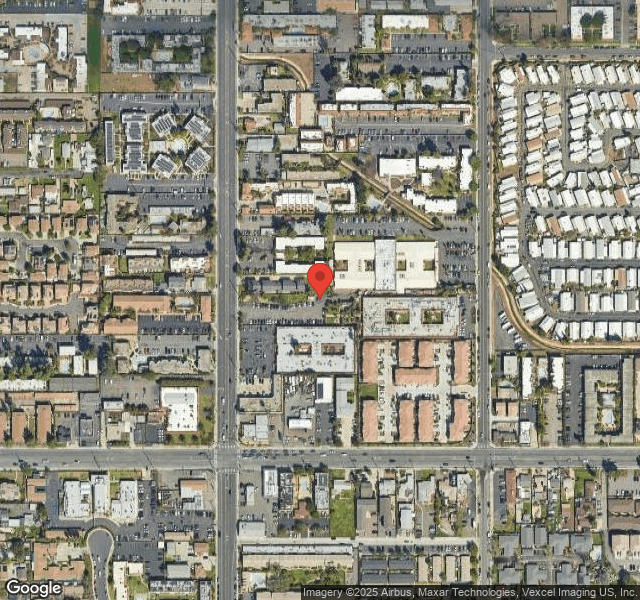
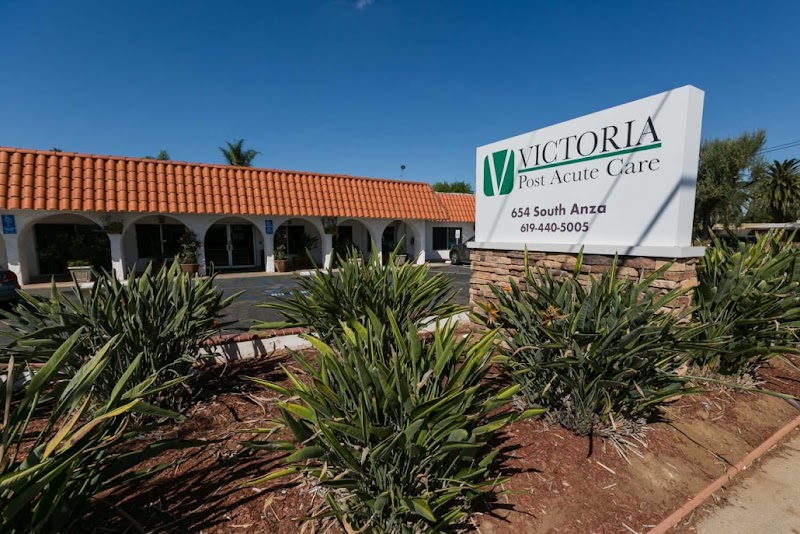
654 S. ANZA, EL CAJON, CA 92020 (619) 440-5005
For profit - Corporation 120 Beds THE ENSIGN GROUP Data: November 2025
Trust Grade
65/100
#493 of 1155 in CA
Last Inspection: September 2024

Within standard 12-15 month inspection cycle. Federal law requires annual inspections.

Overview

Victoria Post Acute Care in El Cajon, California, has a Trust Grade of C+, indicating it is slightly above average but not exceptional. It ranks #493 out of 1,155 facilities in California, placing it in the top half, and #53 out of 81 in San Diego County, meaning there are fewer than 30 better options nearby. The facility is showing improvement, with issues decreasing from 16 in 2024 to just 1 in 2025. Staffing is rated average with a 50% turnover rate, which is concerning compared to the state average of 38%. Notably, the facility has not incurred any fines, indicating compliance with regulations, and it maintains average RN coverage. However, there have been serious concerns raised during inspections. One resident experienced a critical failure in care that led to their death due to a lack of follow-up on low blood pressure. Additionally, there were multiple food safety violations, including improper food storage and preparation practices that could pose health risks to residents. Overall, while there are strengths in the facility’s compliance and quality of care, families should be aware of these serious incidents when considering this home for their loved ones.

Trust Score
C+
65/100
In California
#493/1155
Top 42%
Safety Record
Moderate
Needs review
Inspections
Getting Better
16 → 1 violations
Staff Stability
⚠ Watch
50% turnover. Above average. Higher turnover means staff may not know residents' routines.
Penalties
✓ Good
No fines on record. Clean compliance history, better than most California facilities.
Skilled Nurses
⚠ Watch
Each resident gets only 27 minutes of Registered Nurse (RN) attention daily — below average for California. Fewer RN minutes means fewer trained eyes watching for problems.
Violations
⚠ Watch
36 deficiencies on record. Higher than average. Multiple issues found across inspections.
★★★★☆
4.0
Overall Rating
★★★☆☆
3.0
Staff Levels
★★★★★
5.0
Care Quality
★★★☆☆
3.0
Inspection Score
Stable
2024: 16 issues
2025: 1 issues

The Good

  • 5-Star Quality Measures · Strong clinical quality outcomes
  • Full Sprinkler Coverage · Fire safety systems throughout facility
  • No fines on record

Facility shows strength in quality measures, fire safety.

The Bad

Staff Turnover: 50%

Near California avg (46%)

Higher turnover may affect care consistency

Chain: THE ENSIGN GROUP

Part of a multi-facility chain

Ask about local staffing decisions and management

The Ugly 36 deficiencies on record

1 actual harm
Jul 2025 1 deficiency
CONCERN (D) 📢 Someone Reported This

A family member, employee, or ombudsman was alarmed enough to file a formal complaint

Potential for Harm - no one hurt, but risky conditions existed

Deficiency F0627 (Tag F0627)

Could have caused harm · This affected 1 resident

**NOTE- TERMS IN BRACKETS HAVE BEEN EDITED TO PROTECT CONFIDENTIALITY** Based on interview and record review, the facility failed to ensure a safe and orderly discharge and continuum of care, for one ...

Read full inspector narrative →
**NOTE- TERMS IN BRACKETS HAVE BEEN EDITED TO PROTECT CONFIDENTIALITY** Based on interview and record review, the facility failed to ensure a safe and orderly discharge and continuum of care, for one of three residents (Resident 1), when Resident 1 was discharged to a homeless shelter that was closed and not accepting any admissions for the evening, when reviewed for discharges.This failure resulted in Resident 1 not having a place to sleep or have supervision for the evening of his discharge. Findings:An unannounced visit was made to the facility on 7/31/25, in regard to a complaint regarding an unsafe discharge. Per the complainant, when Resident 1 arrived at the homeless shelter, they were closed for the evening. The resident had no place to go and later presented himself to the emergency room department.Resident 1 was admitted to the facility on [DATE], with diagnoses which included need for assistance with personal care and abnormal gait and mobility, per the facility's admission Record.Resident 1's medical record was reviewed on 7/31/25:According to the care plan, titled Discharge, dated 7/9/25, Resident 1 wished to return/be discharged to the community. Interventions included establishing a pre-discharge plan with the resident, home health or outpatient rehabilitation to be arranged for continuity of care, make arrangements with required community resources to support resident, and needs written instructions. According to the physician's History & Physical, dated 7/10/25, Resident 1 had the capacity to understand and make decisions.According to the Physician's order, dated 7/10/25, discharge to shelter vs Independent Living Facility. According to the Case Manager notes, dated 7/15/25, Met with resident to inform of new MD (medical doctor) order and last covered day 7/15/25, related to health plan provided. Resident declined to appeal and will proceed with discharge to community resource vs independent living facility placement on 7/16/25. Resident offered placement resources and homeless shelters and declined. Resident declined transportation.According to the Case Manager notes, dated 7/16/25, Resident 1 and brother refusing to choose a homeless shelter and transportation. Resident requested name of homeless shelters in El Cajon, stating he wanted to discharge today.According to the nurse's note, dated 7/16/25 at 2:55 P.M., Resident discharged to community of choice, declined transportation. All medications and belongings were given to resident. An interview and record review was conducted with Case Manager Assistant (CM-A) on 7/31/25 at 12:41 P.M. The CM-A stated she tried to work with Resident 1 and his brother, regarding placement multiple times. The CM-A stated they had a plan for a shelter discharge, but the day before discharge, the resident declined and said he would find something on his own. The CM-A stated on the day of discharge, she provided the name and address of a local shelter, that the resident could walk to, because he refused transportation. The CM-A stated the resident left their facility around 5 P.M., and was instructed bed assignments at the shelter closed at 6:P.M.On 7/31/25 at 12:49 P.M. the CM-A called the homeless shelter she referred Resident 1 to. The call was placed on speaker phone. The Shelter (name) stated they only accept clients from 8 A.M. to 4 P.M. The representative stated after 4 P.M., the doors are locked and no admittance was allowed.The CM-A stated she was unaware the shelter closed at 4 P.M. and she should have called the shelter first to the confirm there was a bed, and what time they closed before she sent Resident 1 there. The CM-A stated since the resident was not agreeable to the previous arrangements, she should have signed the resident out AMA (against medical advice), since the discharge was not safe and organized. The lead Case Manager was unavailable for an interview.An interview and record review was conducted with the Social Service Director (SSD) on 7/31/25 at 12:56 P.M. The SSD stated the Interdisciplinary Team (IDT-when department heads meet to discuss resident issues), met on 7/15/25, and had Resident 1's discharged planned to a specific shelter, with follow up care of home health, physical therapy, and occupations therapy. After all the arrangements were made, Resident 1 announced he wanted to select his own homeless shelter and he refused transportation. The SSD stated she had no further more involvement in the discharge plan, because he was considered a short-term resident and the Case Managers were doing all the discharge planning for short term residents. The SSD stated if Resident 1 refused the discharge recommendations, it was his right, but staff should have signed him out as AMA and not a planned discharge.An interview was conducted with Licensed Nurse 1 (LN 1) on 7/31/25 at 1:06 P.M. LN 1 stated it was important for resident's being discharged to have a place to go for continuity of care. LN 1 stated all residents should have a discharge summary, MD orders, home health services such as physical therapy, medications and follow up care, along with transportation. LN 1 stated if the discharge cannot be conducted safely, and orderly, and the resident was not agreeable to the recommendations, then the discharge should be considered AMA.An interview was conducted with the Director of Nursing (DON) on 7/31/25 at 1:18 P.M. The DON stated she expected all discharges to be safe and organized for a continuum of care. The DON stated if Resident 1 changed his mind to the organized discharge at the last minute, then he should have been considered a AMA discharge. According to the facility's policy, titled Discharge Planning Process, undated, .1. The Facility's discharge planning process shall: 1. Provide and document sufficient preparation and orientation to resident 5. When discharge is anticipated.a. Facility staff shall provide preparation and orientation to the resident to help ensure the transition is as anxiety free as possible .i. This may include trial visits by the resident to the new location.
Sept 2024 10 deficiencies
CONCERN (D)

Potential for Harm - no one hurt, but risky conditions existed

Resident Rights (Tag F0550)

Could have caused harm · This affected 1 resident

**NOTE- TERMS IN BRACKETS HAVE BEEN EDITED TO PROTECT CONFIDENTIALITY** 3. A review of Resident 65's admission Record indicated Resident 65 was admitted to the facility on [DATE] with diagnoses which ...

Read full inspector narrative →
**NOTE- TERMS IN BRACKETS HAVE BEEN EDITED TO PROTECT CONFIDENTIALITY** 3. A review of Resident 65's admission Record indicated Resident 65 was admitted to the facility on [DATE] with diagnoses which included a history of traumatic brain injury (an injury to the brain caused by a trauma to the head) and anxiety (feelings of fear, dread, and uneasiness that may occur as a reaction to stress). A record review of Resident 65's Minimum Data Set (MDS- a nursing assessment tool that is used to develop a plan of care) dated 9/5/24, indicated a Brief Interview for Mental Status (BIM- developed by reviewing the resident's status during the prior seven day period) score of 6 points out of 15 possible points which indicated Resident 65 had severe cognitive (pertaining to memory, judgement and reasoning ability) deficits. On 9/10/24 at 9:08 A.M., an observation and interview was conducted with Resident 65, in Resident 65's room. Resident 65 was in bed in an upright position wearing a hospital gown and stated, I'm hungry for more food. Resident 65 pressed the call light and told CNA 1 that he wanted to get changed and asked for a breakfast tray. CNA 1 returned with a Styrofoam food container that included a fried egg with scattered ketchup on top of the eggs. Resident 65 grabbed his adaptive fork(eating utensil/specialized tool designed to help individuals with physical disabilities, motor impairments, and cognitive issues) with his right hand. His right hand was shaking as he tried to lift his fork high enough to grab on to the eggs, due to the edges of the Styrofoam container that caused a barrier to lift the fork and grab the eggs. Resident 65 stated they [the facility] don't usually serve my meals like this in a container box. Resident 65 stated he preferred to eat the food that was served to him, on a regular food tray in order for him to eat independently. Resident 65 stated he was having a hard time feeding himself, and then used the call light to call CNA 1. On 9/10/24 at 9:17 A.M., an observation and interview was conducted with Resident 65 and CNA 1, in Resident 65's room. Resident 65 told CNA 1 that he needed help to eat because he was having a hard time scooping the food with his fork. CNA 1 stated that Resident 1 goes to the dining room during lunch for restorative nursing assistant (RNA) dining, but usually had no problem feeding himself during breakfast. CNA 1 stated that when they ask the kitchen staff for an extra meal for a resident, they serve the meals in Styrofoam containers. CNA 1 stated that Resident 65 had a breakfast tray prior, as to why the extra meals were in Styrofoam food containers because it was convenient for staff. On 9/11/24 at 12:45 A.M., an observation and interview was conducted with the Dietary Supervisor (DS). The DS stated that they have a list of residents who preferred using plastic utensils or other dishware such as Styrofoam, to honor preferences. On 9/11/24, a document provided by the DS was reviewed. The document titled Residents that Prefer and or Recommended to use Plastic Utensils or Dishware . did not include Resident 65 on the list. On 9/12/24 at 3:22 P.M., an interview was conducted with CNA 5. CNA 5 stated sometimes they'll [kitchen staff] put food in a Styrofoam container and stated, maybe it's easier to give. CNA 5 stated she has not seen a preference list that lists residents for dishware use. On 9/12/24 at 3:27 P.M., an interview was conducted with LN 3. LN 3 stated it was only appropriate to serve a meal in a Styrofoam container if it was a preference for a resident because it was a resident's right to choose an alternate dishware. LN 3 stated there were only a few residents that preferred different dishware and Resident 65 was not one of them. LN 3 stated this would be a dignity concern for Resident 65 because this was not his preference to be served in a Styrofoam container and should be treated with respect to promote his independence and well-being. On 9/12/24 at 8:26 A.M., an interview and record review was conducted with LN 2. LN 2 stated Resident 65 was able to feed himself for breakfast and dinner but goes to RNA dining during lunch only. LN 2 stated Resident 65's meals should not be served in a Styrofoam container because he required adaptive eating utensils (built up fork and scoop dish) to promote self-performance with eating. LN 2 stated Resident 65 should be treated with dignity. On 9/13/24 at 1:13 P.M., an interview with the Director of Nursing (DON) was conducted. The DON stated Resident 65 should be treated according to his choices and preferences should be honored in a dignified manner. The DON stated that the kitchen staff should be preparing meals on dishware that was appropriate for Resident 65 and not served on a Styrofoam container to promote independence and dignity. A review of the facility's policy and procedure titled RESIDENT RIGHTS undated, indicated . 1. To be treated with consideration, respect, and full recognition of his or her dignity and individuality . Based on observation, interview, and record review, the facility failed to treat two of seven residents reviewed for resident rights, in a dignified manner when staff stood over while feeding the residents (Resident 63 and Resident 67). In addition a resident (Resident 65) was served food in a Styrofoam (foam-like) food container. This deficient practice had the potential for residents' self-esteem and self-worth to be devalued and as a result Resident 65 had a difficult time with self feeding requiring feeding assistance from the nursing staff. Findings: 1. Resident 63 was re-admitted to the facility on [DATE] with diagnoses including unspecified Alzheimer's disease (a brain disorder that slowly destroys memory, thinking skills and eventually the ability to carry out simple tasks) and dementia (a condition characterized by loss of memory, language, problem solving and other thinking abilities) according to the facility's admission Record. During an observation on 9/10/24 at 8:41 A.M., a staff member was observed sitting next to Resident 63's bed assisting Resident 63 with feeding. Resident 63's eyes were closed but Resident 63 was chewing the food and opened his eyes when greeted. A review of Resident 63's care plans were conducted. Resident 63's care plan for activities of daily living (ADL-basic tasks of everyday life) initiated on 12/17/21 indicated, .ADL Self Care Performance Deficit r/t [related to]assistance required in ADLs . Resident 63's nutritional care plan initiated on 12/17/21 indicated, .Interventions .1:1 [one on one] Feeding assistance for all meals .Date initiated: 9/11/24 . During a joint observation and interview on 9/10/24 at 12:29 P.M., Resident 63 was observed sitting up in bed having lunch. A staff member was observed feeding Resident 63 standing next to Resident 63. Licensed nurse (LN) 11 observed the staff member standing and stated he expected certified nurse assistants (CNA) to sit while feeding residents. LN 11 stated if he was the resident, he would feel intimidated if someone was standing to feed him. During an interview on 9/13/24 at 2:04 P.M. with the Director of Nurses (DON), the DON stated staff should assist in the appropriate height based on the resident's need to maintain dignity. A review of the facility's undated policy and procedure (P&P) titled, Resident Rights was conducted. The P&P indicated, .The Resident has the right: 1. To be treated with consideration, respect, and full recognition of his or her dignity and individuality . 2. Resident 67 was admitted to the facility on [DATE] with diagnoses including unspecified dementia (a condition characterized by loss of memory, language, problem solving and other thinking abilities) according to the facility's admission Record. During an observation on 9/10/24 at 9:41 A.M., Resident 67 was in bed and did not respond when greeted, but with good eye contact. A review of Resident 67's care plans were conducted. Resident 67's undated care plan for ADLs indicated, .has ADL Self Care Performance Deficit r/t [related to] assistance with ADLS .EATING: Requires total assistance to eat . The undated nutritional care plan indicated, .Interventions .1:1[one on one] feed . Resident 67 was observed during mealtime on 9/10/24 at 12:23 P.M. Resident 67 was in bed in a sitting position with a staff member feeding Resident 67. The staff member was standing at bedside while feeding Resident 67. A joint observation on 9/10/23 at 12:29 P.M. was conducted with licensed nurse (LN) 11. LN 11 observed Resident 67 being fed while a staff member was standing. LN 11 stated he expected certified nurse assistants (CNA) to sit while feeding residents. LN 11 stated if he was the resident, he would feel intimidated if someone was standing to feed him. During an interview on 9/13/24 at 2:04 P.M. with the Director of Nurses (DON), the DON stated staff should assist in the appropriate height based on the resident's need to maintain dignity. A review of the facility's undated policy and procedure (P&P) titled, Resident Rights was conducted. The P&P indicated, .The Resident has the right: 1. To be treated with consideration, respect, and full recognition of his or her dignity and individuality .
CONCERN (D)

Potential for Harm - no one hurt, but risky conditions existed

Safe Environment (Tag F0584)

Could have caused harm · This affected 1 resident

**NOTE- TERMS IN BRACKETS HAVE BEEN EDITED TO PROTECT CONFIDENTIALITY** Based on observation, interview, and record review, the facility failed to provide a safe, clean, comfortable, and homelike envi...

Read full inspector narrative →
**NOTE- TERMS IN BRACKETS HAVE BEEN EDITED TO PROTECT CONFIDENTIALITY** Based on observation, interview, and record review, the facility failed to provide a safe, clean, comfortable, and homelike environments for five of 22 sampled residents (Resident 33, Resident 80, Resident 9, Resident 14 and Resident 54) when: 1. Resident 33's sliding door was stuck in a position that was unable to open and close fully causing safety concerns along with a damaged closet door and an ineffective overhead bed lighting to cause safety and emotional distress for Resident 33. 2. Resident 80's telephone wall jack was detached and hanging from the wall causing the telephone line to dangle with concerns for pests and safety concerns to cause accidents. 3. Resident 9, Resident 14 and Resident 54's rooms were not comfortable. These failures have caused and/or had the potential to place residents, staff, and visitors at risk for harm due to safety concerns and emotional distress. Findings: 1. A review of Resident 33's admission Record indicated Resident 33 was admitted to the facility on [DATE] with diagnoses which included a history of spastic paraplegia (group of rare inherited disorders that cause weakness and stiffness in the leg muscles). A review of Resident 33's admission Minimum Data Set (MDS, a standardized care screening and assessment tool), dated 8/2/24, indicated that Resident 33 understood or understood others, and had no cognitive (mental process involved in knowing, learning, and understanding things) deficits. On 9/10/24 at 10:04 A.M., an interview was conducted with Resident 33, in Resident 33's room. Resident 33 stated he had notified the maintenance director directly over a month ago that his sliding door was busted since his current admission to the facility. Resident 33 stated he was frustrated and upset because there were times that it was hot outside, and the heat comes in making the temperature uncomfortable for him. Resident 33 also stated that he wanted a lock on his nightstand table to store some belongings and that he notified the maintenance director about this as well. Resident 33 stated because of the lack of storage space and the convenience for staff some items were stored on top of his overhead bed light (baseball cap, urinal, soft case, and sunglasses). Resident 33 also stated that his closet door by the entry had a doorknob sized hole and that his overhead bed light had a broken secondary light that was not working and stated it was important for him that it worked to be comfortable to adjust if he needed more light for reading or relaxing. Resident 33 stated he felt anxious about his safety with the sliding door not opening or closing all the way and stated in an emergency with his built (over 150 lbs) and him relying on his wheelchair that he would not be able to fit through the sliding door opening and exit from the facility. A review of Resident 33's MDS Prior functioning: Everyday Activities (Section GG 0100B) indicated, Resident 33 was not independent with ambulation (walking) and required partial assistance from another person to complete any activities. On 9/12/24 at 10:22 A.M., an observation and interview was conducted with the Director of Maintenance (DOM), in Resident 33's room. Resident 33's room closet door had a doorknob sized hole, the sliding door opening was the size of a standard printer paper (8x11) landscape width and the overhead bed light turned off. The DOM stated that he found out about the door yesterday and that he was going to fix it and stated he knew about the sliding door about a month ago. The DOM stated that he had already contacted an outside contractor to fix it and would bring the receipt or contact document to show as proof that he had contacted an outside contractor. The DOM stated he did not have a date for when the outside contractor would come out to get the sliding door fixed and stated he will get a lock for Resident 33's nightstand table. The DOM tested the sliding door and was unsuccessful with trying to shut the sliding door to fully close or open. The DOM tested Resident 33's overhead bed light with the secondary light not working. On 9/12/24 at 10:26 A.M. an interview was conducted with the DOM and Resident 33, in Resident 33's room. Resident 33 expressed his frustration with the DOM and stated I've told you more than once about that sliding door and the closet. You come in and you say nothing to me. Resident 33 also stated to the DOM I was not notified of what you would do about it (pointing at sliding door). The DOM stated Resident 33's secondary light should be in working condition due to visibility and safety and stated that the sliding door needed to be fixed right away because Resident 33 cannot escape and it's a health and fire hazard along with possible pests that can get inside the room. The DOM stated he conducts monthly room inspections and documents them on his computer in his office. On 9/12/24 at 10:30 P.M., a concurrent interview and record review was conducted with the DOM, in the DOM office. The DOM stated that residents at the facility can call him directly for any maintenance problems or submit work tickets electronically. The DOM showed a computer screen of work tickets and stated room inspections would be documented here. The DOM was unable to pull a record within the last 3 months of room inspections. On 9/12/24 at 2:54 P.M., an interview was conducted with CNA 6. CNA 6 stated she does not document maintenance concerns and instead personally reaches out to maintenance department to let them know of any broken furniture, fixtures or equipment that needed to be fixed. On 9/12/24 at 3:00 P.M., an interview was conducted with the Activities Director (AD). The AD stated if there were maintenance concerns with anything that needed to be repaired or was broken that she would notify the maintenance department and let them know. The AD also stated that both stations have maintenance logs that staff can also use to let the maintenance department know. On 9/12/24 at 3:12 P.M., an interview was conducted with LN 4, at the Northside nursing station. LN 4 stated she reports to the maintenance department via a group chat line and if she was unable to report it through the group chat, she would notify the administrator directly. LN 4 stated she does not document maintenance concerns in the maintenance log. On 9/12/24 at 3:50 P.M., an interview was conducted with the DOM, in the conference room. The DOM brought a copy of an email he sent to a contractor company to fix Resident 33's sliding door. The email was sent on Thursday, September 12, 2024 [sic] 3:40 P.M. to the contractor company. The email stated Hello, Please [sic] see below for your payment for today's transaction. The appointment for your sliding glass door inspection is scheduled for Tuesday 09/17/24 . The DOM admitted that he did not contact an outside contractor for the sliding door as from previous interview and stated I just contacted them today. On 9/13/24 at 1:37 P.M., an interview was conducted with the Director of Nursing (DON). The DON stated it was unacceptable that Resident 33's sliding doors were unable to completely open and shut. The DON stated that it was a fire hazard and a safety concern and stated we don't want things from the outside (animals, people, debris, heat, rain) coming in that can enter Resident 33's room. The DON's expectations was for the maintenance team to also fix Resident 33's broken items such as the closet door, overhead bed light to prevent safety hazards and a lock on Resident 33's nightstand tables as requested and to be as homelike as possible that is comfortable for the Resident 33. A review of the facility's policy and procedure titled SAFE AND HOMELIKE ENVIORNMENT undated, indicated .3. Housekeeping and maintenance service will be provided as necessary to maintain a sanitary, orderly, and comfortable environment .5. The Facility will provide sufficient individual closet space in each resident room .7. The facility will maintain comfortable and safe temperature levels .9. The facility will ensure the equipment's are maintained per manufacture's guideline and as needed . The policy did not indicate the frequency for routine room inspections to promote safe and homelike environments. 2. A review of Resident 80's admission Record indicated Resident 80 was admitted to the facility on [DATE] with diagnoses which included a history of anxiety (feelings of fear, dread, and uneasiness that may occur as a reaction to stress). A review of Resident 80's admission Minimum Data Set (MDS, a standardized care screening and assessment tool), dated 7/7/24, indicated that Resident 80 understood or understood others, and had no cognitive (mental process involved in knowing, learning, and understanding things) deficits. On 9/10/24 at 10:22 A.M., an observation and interview was conducted with Resident 80, in Resident 80's room. The wall behind Resident 80's headboard centered to left side of the room above the floor had a landline telephone socket with exposed wires dangling off the wall with a hand fist sized opening on the top of the telephone socket. Resident 80 stated she felt uncomfortable and stated I think there's bugs that come out of there. It's not a good site at all. Resident 80 stated the phone outlet had been dangling off the wall for about a week and a half and stated she felt uneasy that it would cause accidents such as falls from someone tripping over the phone cords with her visitors or staff. On 9/11/24 at 3:51 P.M., an observation and interview was conducted with Resident 80, in Resident 80's room. Resident 80 stated that the phone outlet was still not fixed and that it had been broken 3 times since her admission to the facility. Resident 80 stated she had called maintenance to fix the outlet, but they still did not fix it correctly. On 9/12/24 at 10:30 P.M., a concurrent interview and record review was conducted with the Director of Maintenance (DOM), in the DOM office. The DOM stated that residents at the facility can call him directly for any maintenance problems or submit work tickets electronically. The DOM showed a computer screen of work tickets and stated room inspections would be documented here. The DOM was unable to pull a record within the last 3 months of room inspections. On 9/12/24 at 10:37 AM an observation and interview was conducted with the DOM, in Resident 80's room. The DOM stated Resident 80's telephone socket should not be dangling of the wall. The DOM stated the wires exposed was not a fire hazard but stated that it was safety hazard for falls, and insects that can come out from the opening of the telephone socket. The DOM attempted to screw back the telephone socket but was unsuccessful and remained dangling off the wall. The DOM stated the wall may need to be replaced. On 9/12/24 at 10:41 A.M., an interview was conducted with Resident 80, in Resident 80's room. Resident 80 stated I have told Maintenance about it but it's hard to get them to come. Resident 80 stated the telephone socket was still dangling off the wall. On 9/12/24 at 2:54 P.M., an interview was conducted with CNA 6. CNA 6 stated she does not document maintenance concerns and instead personally reaches out to maintenance department to let them know of any broken furniture, fixtures or equipment that needed to be fixed. On 9/12/24 at 3:00 P.M., an interview was conducted with the Activities Director (AD). The AD stated if there were maintenance concerns with anything that needed to be repaired or was broken that she would notify the maintenance department and let them know. The AD also stated that both stations have maintenance logs that staff can also use to let the maintenance department know. On 9/12/24 at 3:12 P.M., an interview was conducted with LN 4, at the North side nursing station. LN 4 stated she reports to the maintenance department via a group chat line and if she was unable to report it through the group chat, she would notify the administrator directly. LN 4 stated she does not document maintenance concerns in the maintenance log. On 09/13/24 at 1:44 P.M., an interview was conducted with the Director of Nursing (DON). The DON stated that Resident 80's room should promote safety and a homelike environment that is comfortable for her. The DON stated her expectations was for the phone outlet to not be dangling off the wall and if the wall needs to be repaired to repair it since attempts to fix the outlet were unsuccessful. The DON stated Resident 80 should be as comfortable with her surroundings to prevent any uneasiness she feels with pests coming out of the socket and to prevent fall hazards. A review of the facility's policy and procedure titled SAFE AND HOMELIKE ENVIORNMENT undated, indicated .3. Housekeeping and maintenance service will be provided as necessary to maintain a sanitary, orderly, and comfortable environment .9. The facility will ensure the equipment's are maintained per manufacture's guideline and as needed . The policy did not indicate the frequency for routine room inspections to promote safe and homelike environments. 3. On 09/10/2024 at 1:25 P.M., an observation was conducted of Resident 9's room. Resident 9's telephone jack located on the wall behind the head of the bed was observed to dangling from the wall. On 9/10/2024 at 1:40 P.M., an observation was conducted of Resident 54's room. Resident 54's wall at the head of the bed was observed to have multiple areas of repaired drywall. On 9/10/2024 at 2:45 P.M., an observation was conducted of Resident 14's room. Resident 14's wall was observed to have a green-grey discoloration approximately twenty-four inches in length and fifteen inches in height at its highest point. On 9/15/2024 at 9:20 A.M., an observation was conducted Resident 14's room. Resident 14's wall was observed to have been covered by a Fiberglass Reinforced Panel (FRP). On 09/15/2024 at 9:25 A.M., an interview was conducted with the Director of Nursing (DON). The DON stated That is a wall protector, it is affixed to the wall. It is common when there are heavy scrapes. It does not really match the wall, but it is only temporary. If it was my house, I would fix the wall instead of putting that up. On 9/15/2024 at 9:30 A.M., an interview was conducted with the Director of Maintenance (DOM). The DOM stated It is an FRP panel, to prevent scratches. It is only temporary until we can clean, paint, and re-protect the area and have the area tested. I wouldn't use an FRP at home. On 9/15/2024 at 9:33 A.M. an interview was conducted with the Administrator (ADM). The ADM stated We are aware, we have an older facility. It is a capital expenditure. We have bids out. Repairs are for walls and handrails. A review of Facility Policy and Procedure, titled Safe and Homelike Environment undated, indicated .the facility will provide a safe, clean, comfortable and homelike environment
CONCERN (D)

Potential for Harm - no one hurt, but risky conditions existed

Comprehensive Assessments (Tag F0636)

Could have caused harm · This affected 1 resident

**NOTE- TERMS IN BRACKETS HAVE BEEN EDITED TO PROTECT CONFIDENTIALITY** Based on interviews, and record review, the facility failed to complete a comprehensive assessment within 14 calendar days after...

Read full inspector narrative →
**NOTE- TERMS IN BRACKETS HAVE BEEN EDITED TO PROTECT CONFIDENTIALITY** Based on interviews, and record review, the facility failed to complete a comprehensive assessment within 14 calendar days after admission for one of three residents (Resident 94) reviewed for dialysis. This deficient practice had the potential to delay the care planning process that would have been identified by Resident 94's care area assessments (CAA) to meet Resident 94's individualized care needs. Findings: A review of Resident 94's admission Record indicated Resident 94 was admitted to the facility on [DATE] with diagnoses which included a history of end stage renal disease (the last stage of long-term (chronic) kidney disease when the kidneys are no longer able to carry out their daily functions). A record review of Resident 94's Minimum Data Set (MDS- a nursing assessment tool that is used to develop a plan of care) dated 8/28/24, indicated a Brief Interview for Mental Status (BIMS- developed by reviewing the resident's status during the prior seven-day period) score of 14 points out of 15 possible points which indicated Resident 94 had an intact cognition. A record review of Resident 94's MDS dated [DATE], indicated Resident 94 was coded for dialysis (Section O0100 J1) while a resident at the facility within the last 14 days. On 9/13/24 at 8:44 A.M., a concurrent interview and record review was conducted with the MDS Coordinator (MDSC), in the MDS office. The MDSC stated Resident 94 was admitted on [DATE] with an assessment reference date (ARD) of 8/28/24. The MDSC stated that she completed the MDS and the CAA on 9/5/24 and stated it was completed late. The MDSC stated both the MDS and CAA needed to be completed within 14 days of admission. The MDSC stated it was important that the MDS was completed timely because this triggers the CAA to develop a comprehensive person-centered plan of care for Resident 94's current health status such as dialysis and may cause financial penalties for reimbursement. On 9/13/24 at 1:32 P.M., an interview with the Director of Nursing (DON) was conducted. The DON stated it was important that the MDSC complete the MDS and the CAA in a timely manner for Resident 94 to develop a comprehensive care plan that reflects Resident 94's health status and to prevent health care delays needed to appropriately care for Resident 94. A review of Centers for Medicare and Medicaid Services (CMS, a federal agency) RAI Manual 3.0 October 2023, (Page 4-3) 4.3 What Are the Care Area Assessments (CAAs)? .By statute, the RAI must be completed within 14 days of admission . (Page 5-2) 5.2 Timeliness Criteria .For the admission assessment, the MDS Completion Date must be no later than 13 days after the Entry [admission] Date .For the admission assessment, the Care Area Assessment (CAA) Completion Date must be no later more than 13 days after the Entry Date .
CONCERN (D)

Potential for Harm - no one hurt, but risky conditions existed

Assessment Accuracy (Tag F0641)

Could have caused harm · This affected 1 resident

**NOTE- TERMS IN BRACKETS HAVE BEEN EDITED TO PROTECT CONFIDENTIALITY** Based on interviews, and record review, the facility failed to accurately code the Minimum Data Set (MDS: a nursing assessment t...

Read full inspector narrative →
**NOTE- TERMS IN BRACKETS HAVE BEEN EDITED TO PROTECT CONFIDENTIALITY** Based on interviews, and record review, the facility failed to accurately code the Minimum Data Set (MDS: a nursing assessment tool) for one of two residents (Resident 45) reviewed for dementia care. As a result, the facility sent Resident 45's MDS to the federal database with inaccurate picture of the Resident 45's current health status. Findings: A review of Resident 45's admission Record indicated Resident 45 was admitted to the facility on [DATE] with diagnoses which included a history of bipolar (a mental illness that causes unusual shifts in a person's mood, energy, activity levels, and concentration). A record review of Resident 45's Minimum Data Set (MDS- a nursing assessment tool that is used to develop a plan of care) dated 9/3/24, indicated a Brief Interview for Mental Status (BIMS- developed by reviewing the resident's status during the prior seven-day period) score of 10 points out of 15 possible points which indicated Resident 45 had moderate cognitive (pertaining to memory, judgement and reasoning ability) deficits. On 9/12/24 at 1:33 P.M., an interview and record review was conducted with the Minimum Data Set Coordinator (MDSC). The MDSC stated she was unable to find a diagnosis of dementia (the loss of cognitive functioning - thinking, remembering, and reasoning - to such an extent that it interferes with a person's daily life and activities) written by a physician or anywhere in Resident 45's current and past medical record within the last 14 days of the assessment reference dated (ARD: Date of MDS) 9/3/24. The MDSC stated she was following the previous coding from the previous MDS assessments to code the dementia diagnosis. The MDSC stated only active diagnosis within the last seven days should be coded on the MDS. The MDSC stated she did not code Resident 45's MDS accurately for dementia. The MDSC stated it was important to accurately code the MDS because the MDS had to reflect Resident 45's current health status which drives the plan of care that is triggered to appropriately meet Resident 45's individual needs and would cause misinformation to treat Resident 45 for dementia care. The MDSC further stated that information from the MDS gets sent to State and Federal databases and that she needed to modify Resident 45's MDS. On 9/13/24 at 1:32 P.M., an interview with the Director of Nursing (DON) was conducted. The DON stated it was important that the MDSC accurately codes Resident 45's MDS because the MDS triggers the plan of care for Resident 45. The DON stated if Resident 45 does not have a diagnosis of dementia then this would cause inaccurate care for dementia and cause confusion with reporting giving an inaccurate picture of Resident 45's health status. The DON stated her expectations was for the MDSC to code accurately according to the Resident Assessment Instrument (RAI: MDS manual) and to modify the MDS and re-submit to the Federal databases. A review of Centers for Medicare and Medicaid Services (CMS, a federal agency) RAI Manual 3.0 October 2023, (Page I-5) Section I4800: Non-Alzheimer's Dementia .Active Diagnosis in the last 7 days-check all that apply
CONCERN (D)

Potential for Harm - no one hurt, but risky conditions existed

ADL Care (Tag F0677)

Could have caused harm · This affected 1 resident

**NOTE- TERMS IN BRACKETS HAVE BEEN EDITED TO PROTECT CONFIDENTIALITY** Based on observation, interview, and record review, the facility failed to ensure three of seven residents reviewed for activiti...

Read full inspector narrative →
**NOTE- TERMS IN BRACKETS HAVE BEEN EDITED TO PROTECT CONFIDENTIALITY** Based on observation, interview, and record review, the facility failed to ensure three of seven residents reviewed for activities of daily living (ADL- self- care activities such as grooming, bathing, and toileting), who were unable to carry out their ADLs, received assistance with nail care (cleaning, trimming and/or filing of nails) and grooming. (Resident 7, 63 and 67) This deficient practice had the potential for the residents' personal well-being to be affected. Findings: 1. Resident 7 was re-admitted to the facility on [DATE] with diagnoses including hemiplegia (total or partial paralysis of one side of the body) and hemiparesis (muscle weakness on one side of the body) following cerebral infarction (disrupted blood flow to the brain, stroke) affecting right side of the body according to the facility's admission Record. During an observation on 9/11/24 at 8:38 A.M., Resident 7 was observed sitting up in bed, eating, using a fork with Resident 7's left hand. Resident 7's right hand was contracted (shortening of muscles and tendons, often leading to permanent deformity, and stiffening of joints) holding a hand roll (cushion to keep the hand open). Resident 7's fingernails on both hands were observed to be long, jagged and with faded nail polish. Resident 7 made grunting sounds to communicate and nodded when asked if she wanted her fingernails trimmed. An interview was conducted on 9/11/24 at 11:03 A.M. with certified nurse assistant (CNA) 13. CNA 13 stated only the licensed nurse or treatment nurse can trim residents' fingernails. During an interview on 9/11/24 at 3:34 P.M. with CNA 12, CNA 12 stated CNAs were allowed to trim fingernails which was scheduled during grooming days on Sundays. A joint observation and interview on 9/11/24 at 11:35 A.M. was conducted with licensed nurse (LN) 12. LN 12 observed Resident 7's fingernails and stated the fingernails were long and jagged. LN 12 stated it was the CNA's responsibility to trim fingernails. During an interview on 9/13/24 at 9:52 A.M. with the Director of Staff Development (DSD-person responsible for training staff), the DSD stated she expected CNAs to provide nail care and grooming for residents on shower days for the resident's personal well-being. The DSD stated if fingernails were not trimmed, the resident may be at risk for infection and scratching of skin. During an interview on 9/13/24 at 2:04 P.M. with the Director of Nurses (DON), the DON stated she expected residents to be clean and well groomed. A review of the facility's policy and procedure (P&P) titled, Activities of Daily Living, Care and Hygiene, dated 2/2024 was conducted. The P&P indicated, .It is the policy of this facility to promote cleanliness, sanitation, hygiene, and assist in necessary Activities of Daily Living as appropriate and necessary to promote well-being and independence . 2. Resident 63 was re-admitted to the facility on [DATE] with diagnoses including unspecified Alzheimer's disease (a brain disorder that slowly destroys memory, thinking skills and eventually the ability to carry out simple tasks) and dementia (a condition characterized by loss of memory, language, problem solving and other thinking abilities) according to the facility's admission Record. During a joint observation and interview on 9/13/24 at 9:17 A.M., Resident 63 was sitting up in bed with an opened milk carton at bedside. Resident was observed to be unshaven. Resident 63 was asked if he would like to be shaved and stated yes, but nobody has helped him with shaving. CNA 14 was in the hallway across Resident 63's room and entered the room. CNA 14 stated Resident 63 needed to be shaved. CNA 14 stated residents were supposed to be shaved on shower days. CNA 14 further stated it was important to make residents feel good about their appearance. During an interview on 9/13/24 at 9:52 A.M. with the Director of Staff Development (DSD-person responsible for training staff), the DSD stated she expected CNAs to provide nail care and grooming for residents on shower days for the resident's personal well-being. The DSD stated if fingernails were not trimmed, the resident may be at risk for infection and scratching of skin. During an interview on 9/13/24 at 2:04 P.M. with the Director of Nurses (DON), the DON stated she expected residents to be clean and well groomed. A review of the facility's policy and procedure (P&P) titled, Activities of Daily Living, Care and Hygiene, dated 2/2024 was conducted. The P&P indicated, .It is the policy of this facility to promote cleanliness, sanitation, hygiene, and assist in necessary Activities of Daily Living as appropriate and necessary to promote well-being and independence . 3. Resident 67 was admitted to the facility on [DATE] with diagnoses including unspecified dementia (a condition characterized by loss of memory, language, problem solving and other thinking abilities) according to the facility's admission Record. During an observation on 9/11/24 at 7:57 A.M., Resident 67 was sitting up in bed having breakfast. Resident 67's fingernails were long and when asked if she wanted them trimmed, Resident 67 nodded. A joint observation and interview on 9/11/24 at 11:20 A.M. was conducted with licensed nurse (LN) 12. LN 12 observed Resident 67's fingernails and stated the fingernails were long. LN 12 stated it was the CNA's responsibility to trim fingernails. During an interview on 9/13/24 at 9:52 A.M. with the Director of Staff Development (DSD-person responsible for training staff), the DSD stated she expected CNAs to provide nail care and grooming for residents on shower days for the resident's personal well-being. The DSD stated if fingernails were not trimmed, the resident may be at risk for infection and scratching of skin. During an interview on 9/13/24 at 2:04 P.M. with the Director of Nurses (DON), the DON stated she expected residents to be clean and well groomed. A review of the facility's policy and procedure (P&P) titled, Activities of Daily Living, Care and Hygiene, dated 2/2024 was conducted. The P&P indicated, .It is the policy of this facility to promote cleanliness, sanitation, hygiene, and assist in necessary Activities of Daily Living as appropriate and necessary to promote well-being and independence .
CONCERN (D)

Potential for Harm - no one hurt, but risky conditions existed

Deficiency F0761 (Tag F0761)

Could have caused harm · This affected 1 resident

**NOTE- TERMS IN BRACKETS HAVE BEEN EDITED TO PROTECT CONFIDENTIALITY** Based on observations, interviews, and record review, the facility left medications unattended at the bedside for one of eight r...

Read full inspector narrative →
**NOTE- TERMS IN BRACKETS HAVE BEEN EDITED TO PROTECT CONFIDENTIALITY** Based on observations, interviews, and record review, the facility left medications unattended at the bedside for one of eight residents (Resident 80) reviewed for medication storage. These failures had the potential for medication misuse, divergence (another person taking medications or medications used wrongfully), and/or severe allergic complications. Findings: A review of Resident 80's admission Record indicated Resident 80 was admitted to the facility on [DATE] with diagnoses which included a history of hemiplegia (one sided muscle weakness) and hemiparesis (inability to move one side of the body) following cerebral infarction affecting left dominant side (a brain attack known as a stroke that stops blood flow to the brain causing left sided weakness and movement to the body). A review of Resident 80's admission Minimum Data Set (MDS, a standardized care screening and assessment tool), dated 7/7/24, indicated that Resident 80 understood or understood others, and had no cognitive (mental process involved in knowing, learning, and understanding things) deficits. On 9/10/24 at 10:22 A.M., an observation and interview was conducted with Resident 80, in Resident 80's room. Two eye medications were left unsecured and unattended on top of Resident 80's bedside table. An antifungal powder was also left unsecured and unattended on top of Resident 80's left nightstand table. Resident 80 stated she was unaware that her antifungal (medication to treat fungal and yeast infection on skin) powder was near the top of her left nightstand table. On 9/11/24 at 3:51 P.M., and observation and interview was conducted with Resident 80, in Resident 80's room. Resident 80's eye drops (two) were left unattended and unsecured on top of Resident 80's bedside table. Resident 80 stated the nurses leave her eye drop medications so that she could self-administer the medications. On 9/12/24 at 4:45 P.M., a record review was conducted on Resident 80's medication orders for the medications left at Resident 80's room. Resident 80's medication record indicated an order that included: miconazole nitrate powder Apply to peri area twice a day every day and evening shift for rash Ocusoft Lid Scrub Plus External Pad (Eyelid Cleanser) apply to both eyelids topically one time a day for Blepharitis (inflammation of the eyelids) Ok to self-administer if able Rephresh Tears Opthalmic [eye] Solution 0.5% (Carboxymethylcellulose Sodium (Opth)) [sic] instill 1 drop in both eyes two times a day for dry eyes May leave at bedside for self administration On 9/13/24 at 9:15 A.M., an interview and record review was conducted with LN 2, at the Northside Nursing station. LN 2 stated to leave medications at the bedside an medical doctor (MD) order would need to be obtained. LN 2 stated that prior to getting an MD order to leave medications at the bedside that safety evaluations should be conducted with any residents to self-administer medications to include a return demonstration. LN 2 stated he was unable to find any nursing assessments and/or evaluations for Resident 80 that demonstrates her ability to safely administer her own medications. LN 2 stated it should also be care planned and was unable to find a care plan that indicated a list of self-administration for the two eyedrops. LN 2 stated it was important that Resident 80 was evaluated for safety with self-administration of medications because she could injure herself if not done correctly. LN 2 stated that all medications should be stored in a secure container that is locked such as in a medication cart and if ok to leave at bedside in a Ziploc (plastic bags with a seal) and stored in a secure locked container such as Resident 80's nightstand table that is locked. LN 2 stated it is unsafe to leave any medications unattended because of the potential for the medication to be used on somebody else like Resident 80's roommate that can cause severe allergic reactions from misuse. On 9/13/24 at 1:46 P.M., an interview was conducted with the DON. The DON stated Resident 80's medications should be stored appropriately in a safe and secured container that is locked and not left unattended regardless if an order stated ok to leave at bedside. The DON stated safety evaluations to include return demonstration is needed to determine if medications are still appropriate for self-administration. The DON stated self-medication evaluations should be continuous on a quarterly basis because resident status can change overtime. The DON stated her expectations were for the nursing staff to do medication safety evaluations prior to obtaining orders to keep medications at the bedside and should be stored securely that in a locked container and not left out in the open to avoid medication misuse. The DON further stated her expectations were for the nurses to be at the resident's bedside and watch the residents self-administer their own medications to monitor for any medication side effects and allergic reactions. A review of the facility's policy and procedure titled MEDICATION ADMINISTRATION AND STORAGE undated, indicated .4. Drugs and/or biologicals should not be left unsecured/unattended. Drug deliveries should be stored immediately after delivery and should not be left unattended .
CONCERN (D)

Potential for Harm - no one hurt, but risky conditions existed

QAPI Program (Tag F0867)

Could have caused harm · This affected 1 resident

Based on interview and record review the facility's Quality Assessment and Assurance Committee (QAA-facility group that monitors concerning trends in a facility) failed to identify and include in the ...

Read full inspector narrative →
Based on interview and record review the facility's Quality Assessment and Assurance Committee (QAA-facility group that monitors concerning trends in a facility) failed to identify and include in the facility's Quality Assurance Performance Improvement plan (QAPI-plan developed by QAA to help improve conditions in the facility), trends identified by surveyors during the recertification survey concerning grooming/hygiene and the cleaning of bi-level positive airway pressure/continuous positive airway pressure machines (BIPAP/CPAP- a type of noninvasive ventilation that helps you breathe). This failure had the potential for the facility to overlook trends in resident care that might have affected residents' dignity and/or health. Cross Reference: F677, F880 Findings: On 9/13/24 at 2:15 P.M., a concurrent interview with the Administrator (ADM) and the Director of Nursing (DON) and a review of QAPI program was conducted. The ADM stated that the main areas that the QAPI team monitored were Falls, Abuse, Staffing and Retention, and Infection Control. In addition, the ADM stated some new areas that QAPI were addressing were Food Preferences and Room Renovations. During the recertification survey, deficient trends in basic grooming (nail care and beard care) and cleaning of CPAP and BIPAP machines were identified by surveyors. The ADM stated that neither of these trends had been identified by the QAA Committee and/or included in the QAPI plan. On 9/13/24 at 3 P.M., an interview with the ADM was conducted. The ADM stated that the expectation was for the QAA Committee to have identified the trends that were identified by the surveyors. In addition, the ADM stated the deficient trends should have been included in the QAPI plan. The ADM stated the importance of the QAA Committee identifying deficient trends and including them in the QAPI plan was to promote the highest standard of care for their residents. On 9/13/24 at 3:05 P.M., an interview with the DON was conducted. The DON stated that the expectation was that the QAA Committee should have identified the trends identified by the surveyors. In addition, the DON stated the deficient trends should have been included in the QAPI plan. The DON stated the importance of QAA Committee identifying trends was to maintain resident dignity (for grooming) and to minimize the risk of infection (CPAP and BIPAP cleaning), and to promote the highest standard of care for their residents. A review of the undated facility policy titled Quality Assurance and Performance Improvement indicated 1. Quality Assessment and Assurance Committee (QAA) .d. Committee functions include .identifying and prioritizing PIP's [Performance Improvement Plan (PIP) is a document that helps employees improve their job performance], implementing actions to correct quality issues, and monitoring to ensure the corrective action implemented being sustained .3. Identification of, and prioritizing of, PIPs through .f. Prioritizing through identification of high-risk, high volume, or problem prone issues .
CONCERN (E)

Potential for Harm - no one hurt, but risky conditions existed

Deficiency F0804 (Tag F0804)

Could have caused harm · This affected multiple residents

**NOTE- TERMS IN BRACKETS HAVE BEEN EDITED TO PROTECT CONFIDENTIALITY** Based on observation, interview and record review, the facility failed to ensure food served was in a palatable, flavorful manne...

Read full inspector narrative →
**NOTE- TERMS IN BRACKETS HAVE BEEN EDITED TO PROTECT CONFIDENTIALITY** Based on observation, interview and record review, the facility failed to ensure food served was in a palatable, flavorful manner that maintained the nutritional value of the menu items served when: 1. Food complaints were not being addressed appropriately. 2. The recipe was not followed during the preparation for a meat recipe. Cross-reference (F812) This failure had the potential to decrease residents' meal intake and contribute to weight loss. The facility census was 110. Findings: 1. A document review was conducted on 9/10/24 at 9:57 A.M., of the facilities policy titled Meal Service indicated 1. Meal times . Lunch at 11:00-12:30 P.M . An interview was conducted on 9/10/24 at 11:28 A.M., with the licensed nurse (LN) 1. LN 1 stated Due to coronavirus (COVID: a highly contagious respiratory virus caused by the SARS-COV-2 virus) outbreak only the front dining room was being used but mainly for residents that were on restorative nursing assistant (RNA) dining. A dining observation was conducted on 9/10/24 at 11:47 A.M., in the dining room. The lunch trays arrived in the dining room. An interview was conducted on 9/10/24 at 11:50 A.M., in the dining room, with the registered dietician (RD). The RD stated tray line was getting it (resident trays) [sic] ready as to why the meal trays were late. During dining observations and interviews on 9/10/24 and 9/11/24, confidential interviews and observations were conducted with facility residents. Resident food concerns addressed included: - 9/10/24 confidential Resident stated, I don't eat the meals because I want Mexican food and the food taste terrible, so I don't eat it. The staff don't ask me if I want something else and if I call the kitchen they hang up on me. - 9/10/24 confidential Resident stated, The food is cold, I don't like the taste and it looks bad . - 9/10/24 confidential Resident stated, The food is tasteless. - 9/10/24 confidential Resident stated Pizza was like play dough and the burger looked like a poop emoji. Cheese potato made him sick. - 9/10/24 confidential Resident stated .portions were too small . turkey burger was not something I would ever eat again. -9/10/24 confidential Resident stated . food can be dry. And not aware that they can get an alternative meal. - 9/10/24 confidential Resident stated Not appetizing, not seasoned, not identifiable. - 9/10/24 confidential Resident stated .food portions especially lunch were too large . preferred sandwiches. -9/10/24 confidential Resident stated chicken is dry . - 9/10/24 confidential Resident stated, Chicken is dry, and was unsure it was cooked at thickest part. Unsure of what yellow orange puree was, not going to eat it, broccoli was mushy. - 9/11/24 confidential Resident stated, the meat was awful. I put it in a napkin and threw it away. - 9/11/24 confidential Resident stated, food did not taste good. - 9/11/24 confidential Resident stated, food was institutionalized. - 9/11/24 confidential Resident stated, eggs daily, no variety. - 9/11/24 confidential Resident stated, no variety of food and drinks. Review of the facility's Resident Council meeting minutes dated July 11, 2024, and August 8, 2024, the following dietary concerns were identified: - July 11, 2024 Resident Council meeting minutes indicated, .Went over staffing concerns [Administrator Name] acknowledged and assured them they will get staffing in order . - August 8, 2024 Resident Council meeting minutes indicated, . Resident expressed food preference concerns [Administrator Name] acknowledged and assured the residents he is working with dietary . During an interview on 9/12/24 at 8:32 A.M., with the resident council president (Resident 77). Resident 77 stated there was always concerns about food and often menus were not given. Resident 77 stated people [facility residents] don't like it [food trays] there's no flavor. Resident 77 stated that they always get chicken and fish, it's often cooked the same way without variety and that alternative meals were available but need to order two hours ahead and lacked cultural food alternatives. A review of Resident 77's admission Minimum Data Set (MDS, a standardized care screening and assessment tool), dated 9/4/24, indicated that Resident 77 understood or understood others, and had no cognitive (mental process involved in knowing, learning, and understanding things) deficits. Review of the facility's menu dated 9/11/24 lunch menu indicated the regular diet was served apple glazed meatballs, brown rice Florentine, carrots with parsley, wheat roll and mousse dessert. On 9/11/24 at 12:45 PM, a test tray observation and interview with the Dietary Supervisor (DS) was conducted, at the end of the hall outside of room [ROOM NUMBER] after the last tray was provided. The pureed and the regular texture diet with apple glazed meatball tasted very sour, and the meat was a little undercooked and red in the center. The brown rice was sticky and lacked flavor. The DS stated the pureed was mixed with sauce according to the recipe to bring to a pureed consistency to taste according to the menu served. On 9/13/24 at 10:30 A.M., an interview with the Registered Dietitian (RD) and the DS was conducted. The RD stated she addressed food complaints with four questions (to address food concerns) but did not use a tracking system to identify issues. The RD stated she documented in the facility's medical record, titled, Nutrition and Evaluation RDN [registered dietician nutritional] review-V2 under preference to indicate dislikes on admission and quarterly. The RD stated complications from food complaints included weight loss and malnutrition. Further, the DS stated that if residents disliked their meals, then they won't enjoy their food and behaviors can change. The facility was not able to provide a policy and procedure that addressed test trays. A review of the facility policy titled MENU PLANNING, dated 2023, the policy indicated .8. Menus are planned to consider A. The religious, cultural, and ethnic needs of the resident population, as well as input received from residents and resident groups. 2. On 9/11/24 a recipe review was conducted with the facility menu titled Apple Glazed Meatballs. The recipe included the following ingredients: - Large Pasteurized (heat treated to kill harmful bacteria) eggs - Milk - Bread crumbs - Ground Turkey - Garlic, chopped (*May substitute with 1/8 tsp garlic powder per 1 clove garlic) On 9/11/24 at 8:30 AM, an observation and interview was conducted with the dietary cook (DC), in the kitchen. The DC was preparing the recipe titled Apple Glazed Meatballs. The DC stated she was preparing the ground turkey according to the serving size of 120 to serve to the 110 residents in the facility. The cook stated that the temperature from when she removed the ground turkey from the refrigerator was at 40 °F (Fahrenheit), and moved the ground meat from the holding container to the large capacity industrial mixer. The DC added black pepper, salt, garlic powder, milk, and breadcrumbs to the ground turkey, then mixed the ingredients together in the large capacity industrial mixer. The DC stated she was going to the kitchen refrigerator for the eggs that she needed for the recipe. The DC returned to the food preparation table with 29 unpasteurized (not heat treated to kill harmful bacteria) eggs. The DC stated she needed 12 eggs to add to the turkey meatball recipe, and cracked the unpasteurized eggs into a measuring cup. The DC re-read the recipe which stated, Large Pasteurized eggs. The DC stated she needed 15 large, pasteurized eggs and stated, these eggs are not pasteurized. On 9/11/24 at 8:54 A.M., an observation and interview was conducted with the Registered Dietician (RD) and the DC. The RD stated that the facility only purchased pasteurized eggs. The RD inspected the eggs and stated the eggs are blank and did not have a stamped P. The DC shook her head and stated no she grabbed the wrong eggs (unpasteurized eggs) and stated pasteurized eggs have a stamped letter P. The DC stated it was important to use the pasteurized eggs because the recipe stated to use pasteurized eggs for the meat recipe and that she was serving food for all the residents, and not just for one resident. The RD stated it was important to use pasteurized eggs because the bacteria was treated. The RD then told the DC it was ok to use the unpasteurized eggs, and moved/positioned the egg crate closer to the DC and stated, continue with the meatball recipe. On 9/11/24 at 12:35 P.M., an observation and interview during test tray was conducted with the Dietary Supervisor (DS), outside of room [ROOM NUMBER]. The DS stated it was important for recipes to be followed according to the menu so that all the residents were aware of what was being served and to preserve the nutritive value and taste. The facility policy and procedure titled FOOD PREPARATION dated 2023 indicated, 2. Recipes are specific as to the portion yield, method of preparation, quantities of ingredients, and time and temperature guidelines .
CONCERN (E)

Potential for Harm - no one hurt, but risky conditions existed

Infection Control (Tag F0880)

Could have caused harm · This affected multiple residents

**NOTE- TERMS IN BRACKETS HAVE BEEN EDITED TO PROTECT CONFIDENTIALITY** 2. A review of Resident 33's admission Record indicated Resident 33 was admitted to the facility on [DATE] with diagnoses which ...

Read full inspector narrative →
**NOTE- TERMS IN BRACKETS HAVE BEEN EDITED TO PROTECT CONFIDENTIALITY** 2. A review of Resident 33's admission Record indicated Resident 33 was admitted to the facility on [DATE] with diagnoses which included a history of obstructive sleep apnea (OSA: a disorder in which a person frequently stops breathing during sleep). A review of Resident 33's admission Minimum Data Set (MDS, a standardized care screening and assessment tool), dated 8/2/24, indicated that Resident 33 understood or understood others, and had no cognitive (mental process involved in knowing, learning, and understanding things) deficits. On 9/10/24 at 10:08 A.M., an observation and interview was conducted with Resident 33, in Resident 33's room. Resident 33's CPAP machine and CPAP accessories (masks, headgear, and tubing) was placed on top of his right nightstand. The CPAP accessories were not bagged (stored in a bag) or secured. Resident 33 stated the nursing staff would leave his CPAP machine and CPAP accessories on top of the nightstand table for easy access. On 9/11/24 at 12:38 P.M., an observation and interview was conducted with Resident 33, in Resident 33's room. Resident 33's CPAP machine and CPAP accessories were still placed on top of his right nightstand table. Resident 33 stated he did not remember the last time that LNs performed any cleaning for his CPAP machine and CPAP accessories. Lastly, Resident 33 stated they did not clean it [CPAP machine and CPAP accessories] yesterday or today. On 9/11/24 a review of Resident 33's electronic health record (EHR) was conducted. There were no physician's orders for CPAP cleaning. There were no care plans for CPAP maintenance. On 9/13/24 at 9:37 A.M., a concurrent interview and record review was conducted with LN 2, at the Northside nursing station. LN 2 stated he did not know when Resident 33's CPAP machine and CPAP accessories needed to be cleaned. LN 2 stated Resident 33 only had one CPAP order since he was admitted to the facility on [DATE] that indicated, Apply Oxygen 2LPM [liters per minute] with CPAP at bedtime for OSA. LN 2 stated they (LNs) just initiated new physician's orders for cleaning and CPAP settings for Resident 33's CPAP maintenance as of 9/12/24. LN 2 stated he was unable to find records in Resident 33's EHR since his admission date of 7/30/24, regarding CPAP cleaning and use. LN 2 stated it was important to clean Resident 33's CPAP machine and CPAP accessories daily to prevent respiratory infections. On 9/13/24 at 12:47 P.M., an interview was conducted with the Infection Prevention Nurse (IPN). The IPN stated she did not know CPAP machines needed to be cleaned. The IPN stated it was important to clean Resident 33's CPAP because there's air that goes in their lungs with the use of a CPAP, and complications that included breathing and respiratory infections, if not cleaned. On 9/13/24 at 1:37 P.M., the DON stated she was aware that there were no orders to maintain and clean Resident 33's CPAP device as of 9/12/24. The DON stated her expectation was for the LNs to make sure that orders were in place for Resident 33's CPAP use, so that LNs know they have to clean the CPAP device. The DON stated complications including harmful microbes (bacteria, virus, and fungi that can cause illness and death) can grow in CPAP machines and CPAP accessories if not maintained in a sanitary way. [Brand Name] Auto set CPAP Elite Manual dated 2021 .Clean the device and its components according to the schedules shown in this guide, to maintain the quality of the device and to prevent the growth of germs that can adversely affect your health . [Brand Name] Full Face Mask User Guide dated 7/2020 .Regularly clean your mask and its components to maintain the quality of your mask and to prevent the growth of germs that can adversely affect your health . 3a. A review of Resident 45's admission Record indicated Resident 45 was admitted to the facility on [DATE] with diagnoses which included a history of chronic obstructive pulmonary disease (COPD-prevents airflow to the lungs, causing breathing problems). A record review of Resident 45's Minimum Data Set (MDS- a nursing assessment tool that is used to develop a plan of care) dated 9/3/24, indicated a Brief Interview for Mental Status (BIMS- developed by reviewing the resident's status during the prior seven-day period) score of 10 points out of 15 possible points which indicated Resident 45 had moderate cognitive (pertaining to memory, judgement and reasoning ability) deficits. On 9/10/24 at 10:52 A.M., an observation and interview was conducted with Certified Nursing Assistant (CNA) 3, outside of Resident 45's room. Posted outside of Resident 45's room was a red and white sign in all capital letters which indicated, Droplet and contact precaution hand hygiene, gown, N95 (a mask that filters airborne particles to prevent and guard against respiratory infections such as COVID), eye protection, and gloves before entering the room and a PPE drawer outside of Resident 45's room. CNA 3 was seen walking into Resident 45's room without performing hand hygiene and putting on PPE up until Resident 45's bathroom by the back sliding door of the room, then exited the room. CNA 3 stated he went into Resident 45's room because he did not know where she was, and to help assist Resident 45's roommate (Resident 95) who was in the bathroom calling out to him. CNA 3 stated he did not perform hand hygiene before entering Resident 45's room or put on PPE. CNA 3 stated I know it's a droplet precaution because they have COVID. CNA 3 stated regardless of the time spent in the room, if it was a droplet precaution room, he had to perform hand hygiene and wear PPE's before entering, to prevent any COVID outbreak. On 9/10/24 at 10:56 A.M., an observation and interview was conducted with LN 1, outside of Resident 45's room. LN 1 stated she saw CNA 3 and CNA 4 enter Resident 45's room without performing hand hygiene and wearing PPE prior to entry. LN 1 stated it was important for all staff to read the signage prior to entering Resident 45's room and abide by the droplet precautions to prevent the spread of COVID infections. On 9/13/24 at 12:54 P.M., an interview and record review was conducted with the Infection Prevention Nurse (IPN). The IPN stated Resident 45's COVID status was confirmed on 9/2/24 and tested positive for the virus. The IPN stated that CNA 4 should have performed hand hygiene and wore PPE prior to entering (Resident 45's room) because Resident 45's room was a droplet precaution room, and regardless of performing direct or indirect care, anyone who entered a droplet or contact precautions room needed to gown up (put a gown on). On 9/13/24 at 1:21 P.M., an interview was conducted with the DON. The DON stated her expectations was for all staff to perform hand hygiene before and after, wear PPEs before entry of any resident room identified as contact or droplet precautions, regardless if they were performing resident care or not. The DON stated the potential for not adhering to infection control protocols could lead to the spread of infection to other residents, staff, and visitors in the facility. A review of the facility's policy and procedure titled IPCP [infection prevention and control program] and Transmission-Based Precautions undated, indicated . 4. Droplet Precautions .c. Use personal protective equipment (PPE) appropriately . A review of Centers for Disease Control and prevention (CDC, a federal agency) Transmission-Based Precautions: Droplet Precautions Everyone must: Clean their hands before entering, and when leaving the room. Make sure their eyes, nose and mouth are fully covered before room entry . chrome-extension://efaidnbmnnnibpcajpcglclefindmkaj/https://www.cdc.gov/infection-control/media/pdfs/droplet-precautions-sign-P.pdf 3b. A review of Resident 95's admission Record indicated Resident 95 was admitted to the facility on [DATE] with diagnoses which included a history of cerebral infarction (blood flow to the brain is blocked, leading to symptoms such as speech difficulty, headache, motor weakness, and in severe cases, death). A record review of Resident 95's Minimum Data Set (MDS- a nursing assessment tool that is used to develop a plan of care) dated 8/12/24, indicated a Brief Interview for Mental Status (BIMS- developed by reviewing the resident's status during the prior seven day period) score of 15 points out of 15 possible points which indicated Resident 95 had an no cognitive (pertaining to memory, judgement and reasoning ability) deficits. On 9/10/24 at 10:55 A.M., an observation and interview was conducted with Certified Nursing Assistant (CNA) 4, outside of Resident 95's room. Posted outside of Resident 95's room was a red and white sign in all capital letters which indicated, Droplet and contact precaution hand hygiene, gown, N95 (a mask that filters airborne particles that guard against respiratory infections such as COVID), eye protection, and gloves before entering the room and a PPE drawer outside of Resident 95's room. CNA 4 was walking down the hallway pushing a snack cart towards Resident 95's room. Resident 95 was unmasked sitting on her wheelchair in her room when CNA 4 entered the room. CNA 4 did not perform hand hygiene and wear PPE prior to entering Resident 95's room. CNA 4 stated he went inside Resident 95's room to ask if Resident 95 wanted a snack. CNA 4 stated he did not perform hand hygiene or wore PPEs because he was not doing resident care. CNA 4 stated the droplet sign outside of Resident 95's door meant that Resident 95 or her roommate (Resident 45) had COVID. CNA 4 stated the purpose for performing hand hygiene and wearing PPEs was to prevent the spread of infection for himself, and other people in the facility. On 9/10/24 at 10:56 A.M., an observation and interview was conducted with LN 1, outside of Resident 95's room. LN 1 stated she saw CNA 3 and CNA 4 enter Resident 95's room without performing hand hygiene and wearing PPE prior to entry. LN 1 stated it was important for all staff to read the signage prior to entering Resident 95's room and abide by the droplet precautions to prevent the spread of COVID infections. On 9/13/24 at 12:54 P.M., an interview and record review was conducted with the Infection Prevention Nurse (IPN). The IPN stated that CNA 4 should have performed hand hygiene and wore PPE prior to entering (Resident 95 and 45's room) because the room was identified as a droplet precaution room. The IPN furter stated that even if the CNA did not touch anything or provide direct resident care, anyone who entered a droplet or contact precautions room needed to gown up. On 9/13/24 at 1:21 P.M., an interview was conducted with the Director of Nursing (DON). The DON stated her expectations was for all staff to perform hand hygiene before and after, wear PPEs before entry of any resident room identified as contact or droplet precautions, regardless if they were performing resident care or not. The DON stated the potential for not adhering to infection control protocols could lead to the spread of infection to other residents, staff, and visitors in the facility. A review of the facility's policy and procedure titled IPCP [infection prevention and control program] and Transmission-Based Precautions undated, indicated . 4. Droplet Precautions .c. Use personal protective equipment (PPE) appropriately . A review of Centers for Disease Control and prevention (CDC, a federal agency) Transmission-Based Precautions: Droplet Precautions Everyone must: Clean their hands before entering, and when leaving the room. Make sure their eyes, nose and mouth are fully covered before room entry . chrome-extension://efaidnbmnnnibpcajpcglclefindmkaj/https://www.cdc.gov/infection-control/media/pdfs/droplet-precautions-sign-P.pdf 3c. A review of Resident 168's admission Record indicated Resident 168 was admitted to the facility on [DATE] with diagnoses which included a history of sepsis (a serious condition in which the body responds improperly to an infection). A record review of Resident 168's Minimum Data Set (MDS- a nursing assessment tool that is used to develop a plan of care) dated 9/4/24, indicated a Brief Interview for Mental Status (BIMS- developed by reviewing the resident's status during the prior seven day period) score of 8 points out of 15 possible points which indicated Resident 168 had an no cognitive (pertaining to memory, judgement and reasoning ability) deficits. On 9/12/24 at 8:18 A.M., an observation and interview was conducted with LN 2, outside of Resident 168'2 room. Posted outside of Resident 168's room was a yellow sign that indicated, CONTACT PRECAUTIONS EVERYONE MUST: Clean their hands . put on gloves . put on gown . and a PPE drawer outside of Resident 45's room. LN2 stated Resident 168 had clostridioides difficile (CDiff: a very contagious bacterial infection that causes symptoms such as frequent watery diarrhea, abdominal cramping, and nausea that can be life-threatening). On 9/12/24 a record review was conducted on Resident 168's electronic health record (EHR). Resident 168 had a care plan dated, 9/11/24 that indicated, Has Clostridium Difficile r/t [related to] chronic diarrhea, hx [history] of antibiotic Cefpodoxime for UTI last dose 9/6/24 . CONTACT ISOLATION: Wear gowns and masks [PPE] when changing contaminated linens. Place soiled linens in bags marked biohazard . On 9/12/24 at 8:21 A.M., an observation and interview was conducted with CNA 7, outside of Resident 168's room. CNA 7 was in Resident 168's room, and was not wearing PPE while changing Resident 168's linens. Afterwards, CNA 7 walked outside of Resident 168's room and placed the dirty linens in an unmarked clear plastic bag. CNA 7 stated I went in the room thinking it was an orange sign for enhanced barrier precautions [EBP: PPE's used only during direct resident care] but it wasn't. CNA 7 stated he should have PPE prior to entry regardless if he was doing direct patient care or not because Resident 168 had CDiff. CNA 7 stated it was important to gown up to prevent the spread of infection because CDiff was contagious. On 9/12/24 at 8:23 A.M., an interview was conducted with LN 2, outside of Resident 168's room. LN 2 stated CNA 7 was supposed to perform hand hygiene before entering Resident 168's room and washed hands with soap and water upon exit, because alcohol-based hand rubs (ABHR) does not kill the CDiff bacteria. LN 2 stated CNA 7 was supposed to wear a gown and mask before entry regardless of performing resident care or not, to prevent the spread of infection. On 9/13/24 at 12:57 P.M., an interview was conducted with the Infection Prevention Nurse (IPN). The IPN stated whenever I give my in-services, the second you see a contact or droplet sign you have to have PPEs. The IPN stated that all staff should be washing their hands before and after entering a contact precautions room, especially for Resident 168 because he had CDiff. The IPN stated her expectations were for the nursing staff to also bleach objects (clean objects with bleach) if they used them and to remove their PPEs prior to exiting Resident 168's room or anyone with contact precautions. The IPN stated not following infection control protocols can cause infection outbreaks in the facility. On 9/13/24 at 1:21 P.M., an interview was conducted with the Director of Nursing (DON). The DON stated her expectations was for all staff to perform hand hygiene before and after, wear PPEs before entry of any resident room identified as contact or droplet precautions, regardless if they were performing resident care or not. The DON stated the potential for not adhering to infection control protocols could lead to the spread of infection to other residents, staff, and visitors in the facility. A review of the facility's policy and procedure titled IPCP [infection prevention and control program] and Transmission-Based Precautions undated, indicated . 2. Contact Precautions .b. Wear a gown and gloves for all interactions that may involve contact with the patient or the patient's environment . 4. On 9/10/24 at 11:28 A.M., a dining observation and interview was conducted with LN 1, in the front dining room. There were a total of eight residents and three staff members. LN 1 stated they had two dining rooms, but only one dining room was being used because of the corona virus (COVID-19: a highly contagious respiratory illness that is caused by the Sars-2 virus) outbreak in the facility. On 9/10/24 at 11:50 A.M., an observation and interview was conducted with the Registered Dietician (RD), in the front dining room. The RD stated meal tray delivery was late and the usual schedule was 11 A.M., for food trays to arrive. The dining room reached eight residents waiting for their meal tray, which finally arrived. The nursing staff distributed the meal trays to the residents, but did not perform hand hygiene for the residents. On 9/10/24 at 12:50 P.M., an observation was conducted in the front dining room. The last resident left the dining room without hand hygiene performed on any residents, prior to leaving the dining room. On 9/11/24 at 12:14 P.M., an observation and interview was conducted with LN 1, in the front dining room. LN 1 stated they did not perform hand hygiene (on 9/10 and 9/11) prior to residents receiving their meal trays. LN 1 stated that residents in the dining room should have had antibacterial hand wipes once trays were delivered, and after residents were finished with their meals before leaving the dining room. LN 1 stated it was important that hand hygiene was performed when trays were delivered to make sure resident's hands were clean, because she was unsure if hand hygiene was performed prior to entering the dining room. LN 1 stated it was important that hand hygiene was performed right after resident's were finished with their meal trays, before leaving the dining room, to make sure the residents were clean and comfortable and to prevent the spread of germs. On 9/13/24 at 1:21 P.M., an interview was conducted with the Director of Nursing (DON). The DON stated it was important for residents eating in the dining room to perform hand hygiene before and after residents received their meal trays. The DON stated she expected staff to provide hand hygiene wipes prior to the resident's meals and after they finished their meals, to prevent the spread of infection. A review of the facility's policy and procedure titled IPCP [infection prevention and control program] and Transmission-Based Precautions undated, indicated . 1. Standard Precautions are infection prevention practices that apply to the care of all residents, regardless of suspected or confirmed infection or colonization status .b. Hand hygiene . Based on observations, interviews, record reviews the facility failed to provide a safe, sanitary (clean), and comfortable environment to help prevent highly contagious infections when: 1. Facility did not store respiratory equipment properly for Resident 261. 2. Licensed Nurses (LN) did not have interventions in place to clean Resident 33's continuous positive airway pressure (CPAP) mask according to professional standards of practice. 3. Three certified nursing assistants (CNA) did not practice infection control protocols with hand hygiene and/or the use of protective personal equipment (PPE: clothing or equipment that protects people from injury or infection in the workplace) for residents (Resident 45, Resident 95, and Resident 108) on transmission-based precautions. a) Resident 45 with droplet precautions for corona virus (COVID-19: A highly contagious respiratory infection caused by the SARS-2 virus). b) Resident 95 with droplet precautions for corona virus (COVID-19: A highly contagious respiratory infection caused by the SARS-2 virus). c) Resident 108 with contact precautions for clostridioides difficile (CDiff: a germ [bacterium] that causes diarrhea and colitis [an inflammation of the colon] and can be life-threatening) 4. No hand hygiene was observed during a dining observation in the dining room. This deficient practice had the potential to cause a wide-spread infection outbreak to all residents, staff, and visitors in the facility. Findings: 1. Resident 261 was re-admitted to the facility on [DATE] with diagnoses including obstructive sleep apnea (a problem in which breathing pauses during sleep due to blocked airways) according to the facility's admission Record. The MDS (a clinical assessment tool) dated 8/20/24 for Resident 261 listed a cognitive (thinking, reasoning, or remembering) score of 15, indicating cognition was intact. During an observation and interview on 9/10/24 at 9:58 A.M., Resident 261 was lying in bed. A bilevel positive airway pressure (BIPAP-machine as breathing support and administered through a face mask or nasal mask) machine was observed on top of Resident 261's bedside drawer. The BIPAP machine was observed without water inside the machine and the tubing was touching the floor. The tubing did not have a mask. Resident 261 stated that she used the BIPAP occasionally. During another observation on 9/11/24 at 8:06 A.M., Resident 261 was lying in bed with her eyes closed. Resident 261 did not have the BIPAP mask on her. The BIPAP tubing was hanging on the bedside table with no mask and the tubing was touching the floor. A joint observation and interview was conducted with licensed nurse (LN) 11 on 9/11/24 at 8:10 A.M. LN 11 entered Resident 261's room and stated Resident 261 had a continuous positive airway pressure (CPAP- a machine that delivers mild air pressure through the nose to keep breathing airways open while asleep) machine. LN 11 observed the machine's tubing hung over the bedside table and touching the floor. Upon further observation of the machine's tubing, LN 11 was not able to find the mask for the tubing. LN 11 stated the CPAP tubing and mask should always be stored in a plastic bag for infection control. A review of physician's orders for Resident 261 titled, Order Summary Report .Active Orders As of: 9/13/24 . indicated, .BIPAP .Apply at Bed Time and Remove in AM upon Awakening . The physician's order did not indicate proper storage of the BIPAP mask. During an interview on 9/13/24 at 2:04 P.M. with the Director of Nurses (DON), the DON stated Resident 261's BIPAP tubing was an infection control issue, and the mask should be stored in a plastic bag. A review of the facility's undated policy and procedure (P&P) titled, CPAP/BiPAP Monitoring and Management, was reviewed. The P&P did not provide guidance to staff regarding proper storage of BIPAP mask for infection control.
CONCERN (F)

Potential for Harm - no one hurt, but risky conditions existed

Food Safety (Tag F0812)

Could have caused harm · This affected most or all residents

Based on observation, interview, and record review, the facility failed to ensure food safety and sanitation practices in dietary services were maintained for food storage according to standards of pr...

Read full inspector narrative →
Based on observation, interview, and record review, the facility failed to ensure food safety and sanitation practices in dietary services were maintained for food storage according to standards of practice when: 1. One ice machine, and two three-compartment sinks did not have a proper air gap system to adequately prevent backflow of contaminated foods. 2. One facility prep sink was covered with white stained deposits, rust, and discolored raised pebble sized rock-like substance permanently embedded on the surface was being used. 3. The facility mixer for preparing food did not have a splash guard to prevent contaminating floor and kitchen equipment surfaces during use. 4. The facility did not safely prepare a meat recipe by using unpasteurized eggs. Cross Reference (F804) These failures had the potential to cause widespread food borne illness among all 110 residents who received food from the kitchen. Findings: 1. On 9/10/24 at 8:00 A.M., an observation and interview was conducted with the Dietary Supervisor (DS), in the kitchen. The ice machine was piped directly through a food production sink pipe underneath the food prep sink station with an air gap system that was connected to a black PVC (polyvinyl chloride: synthetic plastic material) drain and two narrow white PVC pipes that was pushed down into the sink floor drain. The DS stated that there was no air gap in between the ice machine drain and the sink floor drain. The DS stated the importance of an air gap was to prevent backflow contamination. On 9/10/24 at 9:10 A.M., an observation and interview was conducted with the DS and the Director of Maintenance (DOM) in the kitchen. The three-component dishwashing station #1 (by the low-temp dishwashing machine) was connected to a black PVC pipe that was pushed down towards the floor drain with no air gap. The DOM measured the pipe drain for the three-component dishwashing station #1 at four inches inside the floor drain. The DOM stated it's important for the water to drain and the backflow [sic] and it can go up to the sink and you don't want it to back up to contaminate the kitchen. Per the 2022 Federal FDA food code, section 5-202.13 titled BACKFLOW PREVENTION, AIR, .An air gap between the water supply inlet and the flood level rim of the PLUMBING FIXTURE, EQUIPMENT, Or nonfood EQUIPMENT shall be at least twice the diameter of the water supply inlet and may not be less than 25 mm (1 inch). 2. On 9/10/24 at 8:00 A.M., an observation and interview was conducted with the Dietary Supervisor (DS), in the kitchen. The prep sink posted a sign that stated NO THAWING MEATS IN THIS SINK. SLOW DRAIN, WILL FLOOD. An interview was conducted with the Dietary Supervisor (DS) and stated that the sink was used to prep (prepare) vegetables. The prep sink was observed with discoloration throughout the prep area to the right, with white-stained deposits, with pencil eraser-sized scattered rust surrounding the circular middle surface, along with a burnt-like, raised pebble-sized, rock-like substance that had with a dark grayish bubble discoloration, permanently embedded on the surface. On 9/11/24 at 8:30 A.M., an interview was conducted with the dietary cook (DC), in the kitchen. The DC stated that they [dietary staff] currently used the prep sink to prepare vegetables and other non-meat products. On 9/13/24 at 8:57 A.M., an observation and interview was conducted with the DS and Dietary Aide (DA) 1. The prep sink had a silver serving container with individual packets of sugar, along with a red bucket placed on top of the prep sink. The prep sink was still observed with the same discoloration, white calcium deposits, rust and raised burnt-like, pebble-sized discoloration on the prep surface area. DA 1 stated he left the red sanitation bucket on top of the prep sink with a wet rag hanging off the edge of the bucket to clean the surface. DA 1 tested the sanitation bucket's disinfectant concentration with his bare hands, with a reading of 100 PPM (parts per million). DA 1 stated it should be between 200-400 PPM. The DS stated that DA 1 should have used/wore gloves prior to testing, to protect DA 1's hands from the chemicals in the disinfectant before testing. The DS stated the prep sink did not look clean and sanitary to be used for prepping foods, and that the red sanitation bucket and sugar container should not be placed on top of the prep sink. On 9/13/24 at 10:59 A.M., an interview was conducted with the DS, in the conference room. The DS stated the prep sink was not cleaned from the previous observation and that using the prep sink could have caused food-borne illnesses and chemical contamination with foods being served to the residents. The DS stated that the PPM reading decreased within two hours to validate a possible reason for the 100 PPM reading, and acknowledged if the red sanitation bucket was on the prep sink area for two hours, that this was a safety concern for all residents and staff, for food and chemical contamination. The facility policy and procedure titled FOOD PREPARATION dated 2023 indicated, .10. Do not use cleaning products or sanitizer in the food preparation or food storage areas in any way that could result in contamination of exposed food items. This includes spraying or pouring cleaning products near food items during preparation or cooking . 3. On 9/11/24 at 9:12 A.M., an interview and observation was conducted with the dietary cook (DC), in the kitchen. The DC was preparing a recipe for turkey meatballs and placed the ground turkey in a large capacity industrial mixer. The DC stated the mixer was known to splash food all over the floor and kitchen equipment during food preparation and that staff needed to stay away from the mixer to avoid being splashed with food. The DC stated there was no splash guard for the mixer and the only way to avoid being splashed was to stay away from the mixer. During the mixing process, the ground turkey components splashed on the kitchen floor, and the food preparation area across the stove at about an arm to two arms width apart within the circumference (the approximate circular surrounding of an area) of the mixer. On 9/13/24 at 10:59 A.M., an interview was conducted with the Registered Dietician (RD) and the Dietary Supervisor (DS), in the conference room. The DS stated using a splash guard for the mixer should be used to prevent food from splashing and contaminating the kitchen floor, and surfaces from food contaminants. The DS stated problems with the mixer could result in cross contamination from contaminated surfaces. The RD stated she did not think it was a problem for the mixer to splash on the kitchen surfaces and stated, as long as they clean the mess. The facility policy and procedure titled FOOD PREPARATION dated 2023 indicated, .8. Consider all raw product as contaminated. Handle it with methods designed to reduce existing contamination or to prevent cross-contamination to other products . 4. On 9/11/24 at 8:30 A.M., an observation and interview was conducted with the dietary cook (DC), in the kitchen. The DC was preparing the recipe titled Apple Glazed Meatballs. The DC stated she was preparing the ground turkey according to the serving size of 120 to serve to the 110 residents in the facility. The cook stated that the temperature from when she removed the ground turkey from the refrigerator was at 40 °F (Fahrenheit), and moved the ground meat from the holding container to the large capacity industrial mixer. The DC added black pepper, salt, and breadcrumbs to the ground turkey, then mixed the ingredients together in the large capacity industrial mixer. The DC stated she was going to the kitchen refrigerator for eggs that she needed for the recipe. The DC returned to the food preparation table with 29 unpasteurized (not heat-treated to kill harmful bacteria) eggs. The DC stated she needed 12 eggs to add to the turkey meatball recipe and cracked the unpasteurized eggs into a measuring cup. The DC re-read the recipe which stated, Large Pasteurized (heat-treated to kill harmful bacteria) eggs. The DC stated she needed 15 large, pasteurized eggs and stated, these eggs are not pasteurized. On 9/11/24 at 8:54 A.M., an observation and interview was conducted with the Registered Dietician (RD) and the DC. The RD stated that they [the facility] only purchased pasteurized eggs. The RD inspected the eggs and stated the eggs are blank and did not have a stamped P. The DC shook her head and stated no she grabbed the wrong eggs (unpasteurized eggs) and stated pasteurized eggs have a stamped letter P. The DC stated it was important to use the pasteurized eggs because the recipe stated to use pasteurized eggs for the meat recipe and that she was serving food for all the residents and not just for one resident. The RD stated it was important to use pasteurized eggs because the bacteria was treated. The RD then told the DC it was ok to use the unpasteurized eggs and moved/positioned the egg crate closer to the DC and stated, continue with the meatball recipe. On 9/11/24 at 8:58 A.M., an observation and interview was conducted with the DC. The DC proceeded to retrieve pasteurized eggs from the kitchen refrigerator. The DC stated that complications of using unpasteurized eggs with the meat recipe included food-borne illnesses, since the facility residents can easily become sick due to their health status. Per the 2022 Federal FDA (Food Drug Administration) Food Code, section 3-801.11 (B) titled SPECIAL REQUIREMENTS FOR HIGHLY SUSCEPTIBLE POPULATIONS: Pasteurized Foods, Prohibited Re-service, and Prohibited food, Pasteurized eggs or egg products shall be substituted for raw eggs in the preparation of . (2) ., recipes in which more than one egg is broken and the eggs are combined . (F) Subparagraph (B) (2) of this section does not apply if: (1) the raw eggs are combined immediately before cooking for one CONSUMER's serving at a single meal . and served immediately, such as an omelet, souffle, or scrambled eggs; (2) the raw EGGS are combined as an ingredient immediately before baking and the EGGS are thoroughly cooked to a READY-TO-EAT form, such as a cake, muffin, or bread . The facility policy and procedure titled FOOD PREPARATION dated 2023 indicated, .4. Poorly prepared food will not be served-such food is to . either be improved, prepared again, or replaced with an appropriate substitution .
Aug 2024 1 deficiency
CONCERN (D) 📢 Someone Reported This

A family member, employee, or ombudsman was alarmed enough to file a formal complaint

Potential for Harm - no one hurt, but risky conditions existed

Accident Prevention (Tag F0689)

Could have caused harm · This affected 1 resident

**NOTE- TERMS IN BRACKETS HAVE BEEN EDITED TO PROTECT CONFIDENTIALITY** Based on observation, interview, and record review, the facility failed to ensure 1 of 2 residents (Resident 1) reviewed for 1:1...

Read full inspector narrative →
**NOTE- TERMS IN BRACKETS HAVE BEEN EDITED TO PROTECT CONFIDENTIALITY** Based on observation, interview, and record review, the facility failed to ensure 1 of 2 residents (Resident 1) reviewed for 1:1 feeding assistance (staff member present to watch/help resident to eat during meals), was supervised during a meal. This failure placed Resident 1 at risk for aspiration (inhaling food particles into the lungs), choking, and weight loss. Findings: According to the admission Record, Resident 1 was admitted to the facility on [DATE] with diagnoses that included dysphagia (difficulty swallowing), cognitive communication deficit, and pneumonia (an infection in the lungs). A review of Resident 1's Minimum Data Set (MDS, an assessment tool) dated 8/22/24, indicated the resident had severely impaired cognitive skills (problems with person's ability to think, learn, remember, use judgement, and make decisions). On 8/29/24 at 12:16 P.M., an observation was conducted inside Resident 1 ' s room. Resident 1 was sitting in his wheelchair with his lunch tray in front of him. There was no staff member present in the room. Resident 1 was observed taking a bite of fish. After taking a bite of fish, Resident 1 picked up a napkin covered his mouth and began to cough. A sign posted above Resident 1 ' s bed dated 8/14/24, indicated Swallowing Guidelines with the following instructions checked: small bites/sips, 1 bite at a time, alternate liquids/solids, upright at 90 degrees for all intake, cues to swallow, assistance cutting food into small bites, 1:1 assistance during meals, sit up for 1 hour after meals, check mouth for pocketed food after meals, Meds 1 at a time with liquid, and tongue sweep. On 8/29/24 at 12:54 P.M., Certified Nursing Assistant (CNA) 1 was observed carrying a tall stool chair into Resident 1 ' s room. CNA 1 sat on the stool and gave Resident 1 a bite of fish. CNA 1 was observed positioned higher than Resident 1 ' s eye level, and looking down at the resident. On 8/29/24 at 12:56 P.M., a joint observation and interview was conducted with CNA 1. CNA 1 was observed walking out of Resident 1 ' s room with the resident ' s lunch tray. CNA 1 stated (Resident 1) only took 3 bites of fish . CNA 1 lifted the lid from Resident 1 ' s plate. There was a small piece of fish left on the plate. Resident 1 ' s plate had vegetables, French fries, and a roll which appeared untouched. CNA 1 stated Resident 1 was on 1:1 feeding during meals. CNA 1 stated 1:1 feeding assistance meant that either a nurse or a member of the therapy team had to sit with the resident during all meals. CNA 1 stated Resident 1 needs assistance with feeding. On 8/29/24 at 1:05 P.M., a joint interview and record review was conducted with Licensed Nurse (LN) 1. LN 1 stated Resident 1 was on 1:1 for staff supervision. LN 1 stated (Resident 1) can feed himself, but he needs supervision and cueing for aspiration precautions. If he is by himself he is at risk for aspiration . LN 1 further stated Resident 1 should not eat without supervision because .that could contribute to decline of health. He had Covid recently. We wanted to prevent further lung infection . A review of Resident 1 ' s care plan dated 8/19/24 indicated, a focus for Swallowing problem r/t (related to) (mild oropharyngeal dysphagia) with the intervention for speech and oral function therapy as indicated for cognitive-communication deficit and oral-pharyngeal . A review of Resident 1 ' s [NAME] (a written guide for resident care) dated 8/29/24, indicated, 1:1 swallow supervision, small sips, slow rate, alternate bites/sips for liquids wash to clear oral cavity . and Special Instructions: .1:1 swallow/meal supervision; ASPIRATION PRECAUTION . On 8/29/24 at 3:15 PM., an interview was conducted with the Speech Therapist (ST). The ST stated 1:1 supervision .Helps with initiating meal tasks. Sometimes the food just sits there, and they ' re at risk for weight loss, especially with cognitive decline . The ST further stated 1:1 feeding assistance was beneficial for Resident 1, who was at risk for aspiration or choking hazards. On 8/29/24 at 3:45 P.M., an interview was conducted with the Director of Nursing (DON). The DON stated Resident 1 should not have been served lunch without a staff member present. The DON stated Staff needs to be there for 1:1 feedings .especially if they ' re (alone) in the room .the resident could aspirate . The DON stated it was important for staff to assist Resident 1 during meals so the resident does not lose weight. On 8/30/24 at 10:03 A.M., an interview was conducted with the ST. The ST stated Resident 1 needed 1:1 supervision during feeding .because of his impaired cognitive status and poor meal intake In addition, the ST stated (Resident 1) coughs immediately when taking sips of liquid .He hasn ' t been eating much, he cannot really initiate feeding himself . The ST stated it was important for CNA 1 to sit at eye level with Resident 1 during 1:1 feeding supervision, to ensure that Resident 1 is swallowing properly and not pocketing foods. A review of the facility ' s policy titled Meal Services and Assist indicated, It is the policy of this facility to ensure that residents receive their meals and snacks as ordered and residents will be assisted by qualified staff as appropriate and necessary .Report signs of food intolerance (i.e., coughing, vomiting, spitting out, pocketing) .
Jul 2024 2 deficiencies
CONCERN (D) 📢 Someone Reported This

A family member, employee, or ombudsman was alarmed enough to file a formal complaint

Potential for Harm - no one hurt, but risky conditions existed

Free from Abuse/Neglect (Tag F0600)

Could have caused harm · This affected 1 resident

**NOTE- TERMS IN BRACKETS HAVE BEEN EDITED TO PROTECT CONFIDENTIALITY** Based on interview and record review, the facility failed to protect one resident (1) when Resident 1 reported being treated rou...

Read full inspector narrative →
**NOTE- TERMS IN BRACKETS HAVE BEEN EDITED TO PROTECT CONFIDENTIALITY** Based on interview and record review, the facility failed to protect one resident (1) when Resident 1 reported being treated roughly by a staff member/licensed nurse (LN) 1. As a result, LN 1 was not immediately removed from providing care to the resident, per the facility ' s abuse policy and procedure. This failure had the potential to affect Resident 1 ' s feeling of safety and protection while at the facility. (Cross-reference F609) Findings: Resident 1 was admitted to the facility on [DATE] with diagnoses which included a history of non-traumatic intracranial hemorrhage (a brain attack that caused bleeding in the brain). A record review of Resident 1 ' s Minimum Data Set (MDS; assessment tool) dated 5/24/24, indicated a Brief Interview for Mental Status (BIM- developed by reviewing the resident's status during the prior seven day period) score of 15 out of 15 possible points, which indicated Resident 1 had no cognitive (pertaining to memory, judgement and reasoning ability) deficits. An interview was conducted on 7/16/24 at 10:15 A.M., with the Social Services Director (SSD). The SSD stated that on 5/29/24, Resident 1 complained that LN 1 mishandled (treated roughly) him while providing care. The SSD stated she did not complete a five (5) DAY REPORT (a full investigation that includes sufficient information for up to five days to monitor and protect a resident from any suspected abuse or neglect) or report this (complaint) to the State Agency, because a grievance was completed. The SSD stated that Resident 1 and his daughter were okay with it. The SSD stated We couldn ' t verify [Resident 1 ' s] allegation because [Resident 1] had a mental disorder that caused him to hallucinate. The SSD stated that LN 1 was not suspended during the investigation. The SSD stated that a care plan was not developed or updated for this incident/complaint. A document review of Resident 1 ' s GRIEVANCE RESOLUTION FORM, dated 5/29/24 at 2:03 P.M. indicated .Resident expressed concerns regarding one of the male nurses. Resident stated that male nurse was not gentle enough when providing care . A record review of Resident 1 ' s Social Services progress notes dated 5/29/24 at 14:03 (2:03 PM) indicated SSD followed up with resident after his daughter [name] informed us that resident would like to transfer to another facility. SSD spoke with resident and his daughter who expressed concerns regarding one of his male nurses .he would feel safer if anothernurse [sic] were assigned to him . There was no documented evidence that a thorough head- to -toe body check (assessment) was completed for Resident 1 on 5/29/24. On 7/16/24 at 10:30 A.M. The administrator (ADM) shared Resident 1 ' s complaint print dated 7/16/24 at 10:22 A.M., per Portal Cortex (facility messaging system used as a communication tool for resident and the facility) that indicated . I was bruised by a regular nurse by the name of [staff ' s name]. He grabbed me by the back of the neck and tried to throw me to the bed . An interview was conducted on 7/24/24 at 8:43 A.M., with LN 1. LN 1 stated that .the following work day after the incident I went to work and a bunch [sic] of staff started telling me don ' t go in there [referring to Resident 1 ' s room] saying he was complaining about you being rough with him saying I was too aggressive . LN 1 denied being rough or aggressive with Resident 1. LN 1 stated he was not suspended from that incident and that no body check was done for Resident 1 after Resident 1 ' s complaint allegation against him. An interview was conducted on 7/24/24 at 9:55 A.M., with Resident 1. Resident 1 stated that LN 1 physically grabbed me from the back of the neck and he forcefully put me back on the bed . Resident 1 stated that the facility ADM told him that he (Resident 1) would no longer see LN 1 and that LN 1 would no longer provide resident care for Resident 1. Resident 1 stated .so the next few days in [sic] the guy is my nurse (referring to LN 1) and his name was on the board for the next couple of days . Resident 1 stated I was very upset because he (LN1) did not get reprimanded (suspended) . An interview was conducted on 7/24/24 at 1:20 P.M., with the ADM The ADM stated that he thought that filing a grievance was enough to address Resident 1 ' s complaint of being mishandled by the staff member/LN 1. The ADM acknowledged that a grievance report of an alleged abuse such as mishandling of Resident 1 during resident care would not override (replace) their obligation as mandated reporters to their State survey agency, State law enforcement entities, and adult protective services. The ADM acknowledged that LN 1 should had been removed from the schedule and not assigned to care for Resident 1 when they had knowledge of Resident 1 ' s abuse (mishandling) allegation. A review of facility's Abuse policy titled Prevention of and Prohibition Against dated 2024, indicated .F. Investigation . 3. A licensed nurse will immediately examine the resident upon receiving reports of alleged physical or sexual abuse. G. Protection . 3. If an allegation of abuse, neglect, misappropriation of resident property, or exploitation involves an employee, the facility will: immediately remove the employee from the care of any resident. Suspend the employee during the pendency of the investigation.
CONCERN (D) 📢 Someone Reported This

A family member, employee, or ombudsman was alarmed enough to file a formal complaint

Potential for Harm - no one hurt, but risky conditions existed

Report Alleged Abuse (Tag F0609)

Could have caused harm · This affected 1 resident

**NOTE- TERMS IN BRACKETS HAVE BEEN EDITED TO PROTECT CONFIDENTIALITY** Based on interview and record review, the facility failed to report an alleged abuse complaint to the State Agency (SA), protect...

Read full inspector narrative →
**NOTE- TERMS IN BRACKETS HAVE BEEN EDITED TO PROTECT CONFIDENTIALITY** Based on interview and record review, the facility failed to report an alleged abuse complaint to the State Agency (SA), protective services, and/or law enforcement entities per facility policy. As a result, a resident ' s (1) allegation of being mishandled was not completely investigated, which had the potential to affect Resident 1 ' s safety, comfort, and well-being. (Cross-reference F600) Findings: Resident 1 was admitted to the facility on [DATE] with diagnoses which included a history of non-traumatic intracranial hemorrhage (a brain attack that caused bleeding in the brain). A record review of Resident 1 ' s Minimum Data Set (MDS- assessment tool) dated 5/24/24, indicated a Brief Interview for Mental Status (BIM- developed by reviewing the resident's status during the prior seven day period) score of 15 out of 15 possible points which indicated Resident 1 had no cognitive (pertaining to memory, judgement, and reasoning ability) deficits. An interview was conducted on 7/16/24 at 10:15 A.M., with the Social Services Director (SSD). The SSD stated that on 5/29/24, Resident 1 complained that a licensed nurse (LN) 1 mishandled (to treat roughly) him during care. The SSD stated she did not complete a five (5) DAY REPORT (a full investigation that includes sufficient information for up to five days to monitor and protect a resident from any suspected abuse or neglect) or report this to the State Agency because a grievance was completed. The SSD stated that Resident 1 and his daughter were okay with it. The SSD stated .we couldn ' t verify [Resident 1 ' s] allegation because [Resident 1] had a mental disorder that caused him to hallucinate. The SSD stated that LN 1 was not suspended during the investigation. A document review of Resident 1 ' s GRIEVANCE RESOLUTION FORM dated 5/29/24 at 2:03 P.M. indicated .Resident expressed concerns regarding one of the male nurses. Resident stated that particular male nurse was not gentle enough when providing care . A record review of Resident 1 ' s Social Services progress notes on 5/29/24 at 14:03 (2:03 PM) indicated .he would feel safer if anothernurse [sic] were assigned to him . There was no documentation that indicated Resident 1 ' s abuse allegation was reported to the SA, protective adult services or law enforcement. On 7/16/24 at 10:30 A.M. The administrator (ADM) referred to Resident 1 ' s complaint print dated 7/16/24 at 10:22 A.M., per Portal Cortex (facility messaging system used as a communication tool for resident and facility) that indicated . I was bruised by a regular nurse by the name of [staff ' s name]. He grabbed me by the back of the neck and tried to throw me to the bed . An interview was conducted on 7/24/24 at 8:43 A.M., with LN 1. LN 1 stated that the following work day after the incident I went to work and a bunch [sic] of staff started telling me don ' t go in there [referring to Resident 1 ' s room] saying he was complaining about you being rough with him saying I was too aggressive . LN 1 denied being rough or aggressive while providing care to Resident 1. LN 1 further stated that he was not suspended for that complaint/allegation. An interview was conducted on 7/24/24 at 1:20 P.M., with the ADM. The ADM stated that he thought a grievance was enough to address Resident 1 ' s complaint of being mishandled by the staff member/LN 1. The ADM acknowledged that a grievance report of an alleged abuse such as mishandling of Resident 1 during resident care would not override (replace) their obligation as mandated reporters to their SA, protective services, and State law enforcement. The ADM did not provide a comment on what his expectations were, regarding if the incident with Resident 1 should had been reported. A review of facility's Abuse policy titled Prevention of and Prohibition Against dated 2024, indicated .H. Reporting/Response . 2. Allegations of abuse, neglect misappropriation of resident ' s property or exploitation will be reported outside the Facility and to the appropriate State or Federal agencies .
Apr 2024 1 deficiency
CONCERN (D) 📢 Someone Reported This

A family member, employee, or ombudsman was alarmed enough to file a formal complaint

Potential for Harm - no one hurt, but risky conditions existed

Deficiency F0624 (Tag F0624)

Could have caused harm · This affected 1 resident

**NOTE- TERMS IN BRACKETS HAVE BEEN EDITED TO PROTECT CONFIDENTIALITY** Based on interviews and record review, the facility failed to ensure a safe and appropriate discharge for one of three sampled r...

Read full inspector narrative →
**NOTE- TERMS IN BRACKETS HAVE BEEN EDITED TO PROTECT CONFIDENTIALITY** Based on interviews and record review, the facility failed to ensure a safe and appropriate discharge for one of three sampled residents (Resident 1). As a result, Resident 1 was inappropriately discharged to an independent living facility (ILF; a residence for individuals who have the mental capacity to live independently without medical or physical assistance with their daily living tasks) that placed Resident 1 at risk for harm and/or injury. Findings: A review of Resident 1 ' s admission Record indicated Resident 1 was re-admitted to the facility on [DATE], and discharged on 2/16/24 to an ILF with diagnoses that included a history of dementia (loss of memory, language, problem-solving and other thinking abilities that are severe enough to interfere with daily life) with behavioral disturbances. A record review of Resident 1 ' s History and Physical dated 9/1/23 completed by Resident 1 ' s medical doctor (MD) indicated .This resident does NOT have the capacity to understand and make decisions . A record review of Resident 1 ' s quarterly rehabilitation screen dated 12/19/23 indicated .Pt (patient) [sic] continues with cognitive (the mental process involved in knowing, learning, and understanding) impairment that dec (declines) [sic] her safety and awareness . A record review of Resident 1 ' s MD note dated 1/22/24 was conducted. The MD note indicated .She is wandering about and trying to get to a locked unit [sic] followed by Psychiatry.confused and not able to follow directions . A record review of Resident 1 ' s MD note dated 1/25/24 was conducted. The MD note stated .She still is really confused [sic] and we are trying to get her to a locked unit for dementia . A record review of Resident 1's discharge (completed for the purpose of discharging the resident) Minimum Data Set (MDS- used to develop a plan of care) dated 2/16/24, indicated Resident 1 had severe cognitive loss with a Brief Interview for Mental Status (BIMS- cognitive status 0-7 severe impairment, 8-12 moderately impaired, 13-15 cognitively intact) score of 0 out of 15 points. A record review of Resident 1 ' s discharge MDS dated [DATE] included information on Resident 1 ' s usual performance with self-activities of daily living (ADL: skills required to manage one's basic physical needs, including personal hygiene or grooming, dressing, toileting, transferring or ambulating, and eating). The information was gathered within the last three days before Resident 1 was discharged . Per this record, Resident 1 was not fully independent with ADLs. Resident 1 required moderate assistance (helper lifts, holds, or supports trunks [torso] or limbs [arms, legs] but provides less than half the effort) with self-care ADLs that included showering, dressing, personal hygiene, bed mobility, and tub/showering transfers. A record review of Resident 1 ' s clinical record related to self-medication administration (the ability of an individual to administer his/her own medication) was conducted. There were no records that indicated Resident 1 was evaluated for safe self-medication administration. On 4/15/24 at 10:46 A.M., an interview was conducted with the social services director (SSD). The SSD stated she assisted the case manager with discharge placements. The SSD stated that residents who discharged to an ILF were usually independent residents who did not require assistance with ADLs, but it was her understanding that the ILF took care of individuals who had dementia. On 4/15/24 at 11:50 A.M., an interview and record review was conducted with the case manager (CM). The CM stated that Resident 1 was placed in an ILF .because it was the cheapest option. The CM reviewed Resident 1 ' s discharge notes and stated that Resident 1 was discharged to the ILF with her belongings and medications but was unable to find documentation related to safety evaluations for self-administration of medications. The CM stated Resident 1 had dementia with memory loss, required cueing (prompting/reminder), and was eating and walking independently without supervision when Resident 1 was at the facility. The CM stated it was determined that an ILF was considered because she thought the ILF provided 24-hour resident care, and that options such as locked units or assisted living were not available, and/or had wait lists. The CM stated, I think we should have looked at other safety concerns to evaluate such as self-medication administration, ADLs, and their [residents in facility] mental capacity prior to discharging our residents. The CM concluded that the safest discharge option would have been for Resident 1 to be discharged to a locked unit or an assisted living that specialized in dementia care. An interview with the Director of Nursing (DON) was conducted on 4/16/24 at 12:45 P.M. The DON stated that Resident 1 had memory deficits (loss) because of dementia, was able to walk around independently, and was not evaluated for self-medication administration or other safety evaluation because Resident 1 only required queuing. The DON acknowledged Resident 1 was not fully independent with ADLs and that an ILF was the last resort for Resident 1 to be discharged to. The DON acknowledged that the safest option would have been for Resident 1 to discharge to a locked unit for dementia care. A review of facility's discharge policy and procedure dated 1/20/22, Discharge Planning Process Policy, indicated .1b. Ensure that the discharge needs for each resident are identified on admission. 4. The Facility shall document, complete on a timely basis based on the resident ' s needs, and include in the clinical record, the evaluation of the resident ' s discharge needs and discharge plan . e. Consider . and the resident's .capacity and capability to perform required care, as part of the identification of discharge needs .
Jan 2024 2 deficiencies
CONCERN (D)

Potential for Harm - no one hurt, but risky conditions existed

Infection Control (Tag F0880)

Could have caused harm · This affected 1 resident

**NOTE- TERMS IN BRACKETS HAVE BEEN EDITED TO PROTECT CONFIDENTIALITY** Based on interview and record review, the facility failed to develop and implement an ongoing infection surveillance monitoring ...

Read full inspector narrative →
**NOTE- TERMS IN BRACKETS HAVE BEEN EDITED TO PROTECT CONFIDENTIALITY** Based on interview and record review, the facility failed to develop and implement an ongoing infection surveillance monitoring for 3 of 5 sampled residents (Resident 8, 9, and 11) when: 1. Resident 8's infection surveillance (infection care area and screening tool) assessment did not include Resident 8's symptoms of dysuria (painful or uncomfortable urination) as a urinary tract infection (UTI) symtpom, for on-going surveillance. 2. Resident 9's infection surveillance assessment did not include Resident 9's burning to vaginal area related to the use of a urinary catheter (a flexible tube used to empty the bladder and collect urine in a drainage bag), for on-going surveillance. 3. Resident 11 was diagnosed with corona virus 19 (COVID-19; sickness caused by a virus- severe acute respiratory syndrome coronavirus 2 [SARS-CoV-2]) upon admission, and was not re-tested or tracked for, infection surveillance. These failures had the potential to affect residents' health and well-being, and spread infections throughout the facility. Findings: 1. A review of Resident 8's Record of admission (face sheet; contains demographic information) indicated Resident 8 was admitted to the facility on [DATE] and readmitted on [DATE], with diagnosis that included atrial fibrillation (heart condition that causes an irregular and often abnormally fast heart rate). A review of Resident 8's Laboratory Report dated 1/24/24, indicated a positive urinalysis (urine test that detects the presence of disease) result that Resident 8 had a UTI. A review of Resident 8's clinical record titled Change of Condition (COC), dated 1/25/24 at 1408 (2:08 P.M.), indicated symptoms of .with burning on urination no changes of LOC (level of consciousness) . On 1/25/24, Kelfex (antibiotic; medication that treats bacterial infections) 500 milligrams (mg), was started. This antibiotic was ordered to be taken three times a day for five days, to treat the urinary tract infection (UTI). A concurrent interview and review of Resident 8's clinical record titled Infection Surveillance dated 1/25/24 was conducted with the infection control preventionist nurse (ICPN), on 1/26/24, at 12:50 P.M., in the conference room. The ICPN stated she did not check Resident 8's clinical record titled Change of Condition, dated 1/25/24 at 1408 (2:08 P.M.) that captured Resident 8's symptomatic (positive symptoms) UTI, including .burning on urination . The ICPN stated she only checked the physician orders and vital signs for pain and/or fever. The ICPN stated it was important to accurately assess and document Resident 8's Infection Surveillance because the Mcgeer's (an infection control practice measures that determined appropriateness for on-going monitoring, investigation, treatment, and prevention management) criteria may not be accurate and cause delays in Resident 8's plan of care. An interview with the director of nursing (DON) was conducted on 1/26/24 at 1:30 P.M., in the conference room. The DON stated that the infection surveillance is an on-going process that is tracked. The DON stated that surveillance assessments should reflect all residents with confirmed or suspected infections, to determine if appropriate care measures were in place, and for the purpose of infection control and prevention. A review of the facility's policy, revised/reviewed 10/2022, indicated .1. Surveillance of infections .There is on-going monitoring for infection among residents and personnel and subsequent documentation of infections that occur. Surveillance tools are used to recognize the occurrence of infections, record their number and frequency, detect outbreaks and epidemics, monitor personnel infections, and detect unusual pathogens with infection control implications .a) Under the infection control program, the facility will: investigate, control, and prevent infections in the facility. Decide what measures/interventions should be applied in individual circumstances . Maintain a record of incidence of infection and corrective action taken . 2. A review of Resident 9's Record of admission (face sheet; contains demographic information) indicated Resident 9 was admitted to the facility on [DATE], with diagnoses that included obstructive and reflex uropathy (disorder of the urinary tract that occurs due to obstructed urinary flow). A review of Resident's 9's treatment order, dated 12/20/24 at 2304 (11:04 P.M.), indicated Indwelling catheter #16/10cc to closed drainage system . A concurrent interview and record review of Resident 9's clinical record titled Infection Surveillance, dated 1/24/24 was conducted with the infection control preventionist nurse (ICPN), on 1/26/24 at 1 P.M., in the conference room. The ICPN stated she did not include Resident 9's urinary catheter in her assessment titled, Infection Surveillance, dated 1/24/24. The ICPN stated she was not aware that resident had a catheter, and did not observe Resident 9 prior to completing Resident 9's Infection Surveillance, dated 1/24/24, to confirm Resident 9's urinary catheter status. The ICPN stated that she only checked the first page of Resident 9's Physician's orders and did not know there was a page 2 that confirmed Resident 9 had urinary catheter orders. A concurrent interview and record review of Resident 9's clinical record was conducted with the ICPN on 1/26/24 at 1:10 P.M, in the conference room. Resident 9's progress note, dated 1/21/24 at 1506 (3:06 P.M.) included documentation that .UTI (urinary tract infection) positive U/A (urinalysis; analysis of urine that tests for the presence of disease) C/S (culture and sensitivity; a test to determine what germ is causing an infection). Resident 9's clinical record indicated new orders on 1/21/24 for Pyridium 100 milligrams (mg) PO (by mouth) TID (three times a day) for burning to vaginal area . The ICPN stated she did not know that there was a progress note or new orders related to treating Resident 9's UTI symptoms. The ICPN stated that her Infection Surveillance dated 1/24/24 did not accurately reflect Resident 9's UTI symptoms. The ICPN stated it was important to accurately assess and document Resident 9's Infection Surveillance and that her assessment was inaccurate when it did not reflect the presence of Resident 9's urinary catheter. Further, the ICPN stated that the UTI symptoms could possibly change the Mcgeer's criteria (an infection control practice measures to determine appropriateness for on-going monitoring, investigation, treatment and prevention management) for surveillance and infection control due to increased urinary infection risks and complications of urinary catheter use. An interview with the director of nursing (DON) was conducted on 1/26/24 at 1:30 P.M., in the conference room. The DON stated that the idea of infection surveillance is an on-going process that is tracked. The DON stated that surveillance assessments should reflect all residents with confirmed or suspected infections to determine if appropriate care measures were in place, and for the purpose of infection control and prevention. A review of the facility's policy, revised/reviewed 10/2022, indicated .1. Surveillance of infections .There is on-going monitoring for infection among residents and personnel and subsequent documentation of infections that occur. Surveillance tools are used to recognize the occurrence of infections, record their number and frequency, detect outbreaks and epidemics, monitor personnel infections, and detect unusual pathogens with infection control implications .a) Under the infection control program, the facility will: investigate, control, and prevent infections in the facility. Decide what measures/interventions should be applied in individual circumstances . Maintain a record of incidence of infection and corrective action taken . 3. A review of Resident 11's Record of admission (face sheet; contains demographic information) indicated Resident 11 was admitted to the facility on [DATE], with diagnoses that included human immunodeficiency virus (HIV; virus that attacks the body's immune system), pneumonia (PNA; infection of the lungs that may be caused by bacteria, viruses, or fungi) and corona virus-19 (COVID-19) was present on admission. A record review of Resident 11's clinical record titled Infection Surveillance, dated 1/24/24 indicated Respiratory tract infection (PNA) . interpretation of chest radiograph as demonstrating PNA or the presence of new infiltrate, new or increased cough, fever . Chest x-ray showed a RLL (right lower lobe infiltrate) . A record review of the facility's document titled, Respiratory Illness Case Log for Residents and Staff for COVID-19 infections did not include Resident 11 for COVID-19 or PNA for surveillance. Instructions for the document titled, Respiratory Illness Case Log stated List all residents and staff with influenza like illness (ILI) and/or Acute Respiratory Illness (ARI) . A record review of the facility's census indicated Resident 11's room was in an area identified for transmission-based precautions (TBP; used in addition to standard precautions for individuals who may be infected or colonized with certain infectious agents; additional precautions are needed to prevent infection transmission) with another resident who tested positive for COVID-19 while in the facility. There were no records that Resident 11 had been tested for COVID-19 in the facility. A concurrent interview and record review of Resident 11's clinical record was conducted with the ICPN (infection control preventionist nurse) on 1/26/24 at 1:20 P.M., in the conference room. The ICPN stated that Resident 11's Infection Surveillance was also referred to as her antibiotic stewardship to monitor residents on antibiotics. Per the ICPN, she tracked Resident 11 for PNA because Resident 11 was being treated at the facility with antibiotics for PNA. The ICPN stated she updated her infection surveillance and infection control logs daily. The ICPN was unable to show an infection control log or documentation that included Resident 11 for COVID-19 surveillance. An interview with the DON was conducted on 1/26/24 at 1:30 P.M., in the conference room. The DON stated infection control needed to be monitored and intervened as appropriate on an on-going basis, and explained to the ICPN that the purpose of surveillance is to prevent communicable diseases from spreading and being able to trace back the origin (where the cause originated from) of an infection, and prevent outbreaks. The DON stated that it was important for infection surveillance to include prevention, identifying, reporting, investigating, controlling infections and communicable diseases for all residents, staff, visitors to the facility. A review of the facility's policy, revised/reviewed 10/2022, indicated .1. Surveillance of infections .There is on-going monitoring for infection among residents and personnel and subsequent documentation of infections that occur. Surveillance tools are used to recognize the occurrence of infections, record their number and frequency, detect outbreaks and epidemics, monitor personnel infections, and detect unusual pathogens with infection control implications .a) Under the infection control program, the facility will: investigate, control, and prevent infections in the facility. Decide what measures/interventions should be applied in individual circumstances . Maintain a record of incidence of infection and corrective action taken .
CONCERN (D)

Potential for Harm - no one hurt, but risky conditions existed

Deficiency F0883 (Tag F0883)

Could have caused harm · This affected 1 resident

**NOTE- TERMS IN BRACKETS HAVE BEEN EDITED TO PROTECT CONFIDENTIALITY** Based on interview and record review, the facility failed to offer and administer pneumococcal vaccine (PV, immunization against...

Read full inspector narrative →
**NOTE- TERMS IN BRACKETS HAVE BEEN EDITED TO PROTECT CONFIDENTIALITY** Based on interview and record review, the facility failed to offer and administer pneumococcal vaccine (PV, immunization against bacteria that causes pneumonia [lung infection]) for two of five sampled residents (2 and 5). This failure had the potential to cause health complications for the residents. Findings: 1. A record review of Resident 2's clinical record indicated Resident 2 was admitted to the facility on [DATE] with diagnoses that included influenza (viral infection that causes symptoms including fever, chills, sneezing, coughing, and sore throat) and chronic obstructive pulmonary disease (a group of diseases that cause airflow blockage and breathing-related problems). Resident 2 was over [AGE] years of age. A record review of Resident 2's clinical record indicated that resident received Prevnar 13 (a vaccine to prevent pneumonia) on 9/30/15 (historical; administered outside of facility). Resident 2 also received the pneumonia vaccine 23 (PPSV23; a vaccine to prevent pneumonia) on 12/26/17 (historical). A concurrent interview and record review of Resident 2's clinical record with the director of staff development (DSD), who also helps with infection control, was conducted on 1/26/24 at 10:30 A.M., in the conference room. Resident 2's medical record indicated there was no evidence that staff offered or administered the pneumococcal vaccine 20 (PCV20; a vaccine to prevent pneumonia infections) to Resident 2, as recommended by the Centers of Disease Control (CDC). During an interview with the DSD on 1/26/24 at 10:35 A.M., in the conference room, the DSD stated that she was not aware of the CDC's pneumococcal vaccine recommendations for adults. The DSD confirmed that Resident 2 was not offered or administered the PCV 20 vaccine as recommended by the CDC. The DSD stated that Resident 2 should have been offered as recommended to prevent health complications from pneumonia. An interview with the director of nursing (DON) was conducted on 1/26/24 at 1:40 P.M., in the conference room. The DON stated that it was important that all residents are offered pneumonia vaccines according to CDC recommendations to prevent pneumonia related infections and health complications. The DON further stated that a designated person, either the DSD or the infection control prevention nurse (ICPN) should track pneumonia vaccinations. The facility policy and procedure titled, Immunizations-Residents revised/reviewed on 7/2023, indicated, .4 . a. For Pneumococcal immunizations refer to the CDC website: Pneumococcal Vaccination . The CDC website https://www.cdc.gov/vaccines/vpd/pneumo/index.html Vaccines and Preventable Diseases . Pneumococcal Vaccinations . Adults 65 years or older have the option to get PCV20 if they have already received PCV13 (but not PCV15 or PCV20) at any age AND PPSV23 at or after the age of [AGE] years old . 2. A record review of Resident 5's clinical record indicated Resident 5 was admitted to the facility on [DATE] with diagnoses that included diabetes mellitus (a condition when the body is unable to control blood sugar levels resulting in high blood sugar). Resident 5 was over [AGE] years of age. A record review of Resident 5's clinical record indicated Resident 5 received Prevnar 13 (a vaccine to prevent pneumonia) on 7/29/16 (historical; administered outside of the facility). Resident 5 also received the pneumonia vaccine 23 (PPSV23; a vaccine to prevent pneumonia) on 10/23/04 (historical). A concurrent interview and record review of Resident 5's clinical record with the director of staff development (DSD), who also helps with infection control, was conducted on 1/26/24 at 10:40 A.M., in the conference room. There was no evidence in Resident 5's medical record that staff offered or administered the pneumococcal vaccine 20 (PCV20; a vaccine to prevent pneumonia infection) to Resident 5, as recommended by the Centers of Disease Control (CDC). An interview with the DSD was conducted on 1/26/24 at 10:45 A.M., in the conference room. The DSD stated that she was not aware of the CDC's pneumococcal vaccine recommendations for adults. The DSD confirmed that Resident 5 was not offered or administered the PCV 20 vaccine as recommended by the CDC. The DSD stated that Resident 5 should have been offered the vaccine as recommended, to prevent health complications from pneumonia. The facility policy and procedure titled, Immunizations-Residents revised/reviewed on 7/2023, indicated, .4 . a. For Pneumococcal immunizations refer to the CDC website: Pneumococcal Vaccination . An interview with the director of nursing (DON) was conducted on 1/26/24 at 1:40 P.M., in the conference room. The DON stated that it was important that all residents are offered pneumonia vaccines according to CDC recommendations to prevent pneumonia related infections and health complications. The DON further stated that a designated person, either the DSD or the infection control prevention nurse (ICPN) should track pneumonia vaccinations. The facility policy and procedure titled, Immunizations-Residents dated 7/2023, indicated, .4 . a. For Pneumococcal immunizations refer to the CDC website: Pneumococcal Vaccination . The CDC website https://www.cdc.gov/vaccines/vpd/pneumo/index.html Vaccines and Preventable Diseases . Pneumococcal Vaccinations . Adults 65 years or older have the option to get PCV20 if they have already received PCV13 (but not PCV15 or PCV20) at any age AND PPSV23 at or after the age of [AGE] years old .
Jun 2023 1 deficiency
CONCERN (D) 📢 Someone Reported This

A family member, employee, or ombudsman was alarmed enough to file a formal complaint

Potential for Harm - no one hurt, but risky conditions existed

Free from Abuse/Neglect (Tag F0600)

Could have caused harm · This affected 1 resident

**NOTE- TERMS IN BRACKETS HAVE BEEN EDITED TO PROTECT CONFIDENTIALITY** Based on observation, interview, and record review, the facility failed to create a safe and secure environment for 2 Residents ...

Read full inspector narrative →
**NOTE- TERMS IN BRACKETS HAVE BEEN EDITED TO PROTECT CONFIDENTIALITY** Based on observation, interview, and record review, the facility failed to create a safe and secure environment for 2 Residents after a reported altercation (Resident 1, 2). As a result, Resident 1 continued to wander and hit Resident 2 multiple times on separate occasions. Findings: Resident 1 was admitted to the facility on [DATE] with diagnoses which included dementia (decline in memory, judgement and thinking) and psychosis (loss of the minds ability to determine what is real) per the facility ' s admission record. Resident 2 was admitted to the facility on [DATE] with diagnoses which included vascular dementia (decline in memory and thought processes caused by reduced blood flow to the brain) and left sided hemiplegia (inability to move on one side of the body) following cerebral infarction per the facility ' s admission record. On 5/22/23 at 12:17 P.M., an interview was conducted with the Social Service Director (SSD). SSD stated she was responsible for conducting the facility abuse investigation involving Resident 1. On 5/22/23 at 12:52 P.M., an interview was conducted with licensed nurse 1 (LN 1). LN 1 stated he was familiar with Resident 1. LN 1 stated he frequently observed Resident 1 wandering up and down the hallway. On 5/22/23 at 1:25 P.M., an interview was conducted with the Assistant Director of Nursing (ADON). The ADON stated CNA 1 told her that Resident 1 hit Resident 2 multiple times. The ADON stated it was facility protocol to separate and closely monitor residents when they have been physically or verbally aggressive towards one another. On 5/22/23 at 1:46 P.M., an interview was conducted with CNA 2. CNA 2 stated a resident hitting another resident should be reported to the nurse immediately. CNA 2 stated residents who have been hit should be monitored by staff and not be left alone to ensure they are safe. CNA 2 stated staff would be expected to stay with the resident and call another staff member for help. On 5/22/23 at 2:27 P.M., an interview was conducted with CNA 3. CNA 3 stated she saw Resident 2 get hit in the back of the head two separate times by Resident 1 on 5/14/23. CNA 3 stated Resident 1 refused to stay in the room, walk down the hallway and hit Resident 2 a second time. CNA 3 stated a dietary aide (DA) stated he witnessed Resident 2 being hit a third time following the first two incidents. CNA 3 stated residents involved in an altercation should be separated and should not be left alone or unattended to keep everyone safe. On 5/22/23 at 4 P.M., an interview was conducted with dietary aide (DA). The DA stated he was witnessed Resident 1 hit Resident 2 one time, sometime after 4 P.M. On 5/23/23 at 10:22 A.M., a telephone interview was conducted with licensed nurse (LN) 2. LN 2 stated on the morning of 5/14/23 Resident 1 hit CNA 1 on the back and pulled CNA 1's hair. LN 2 stated the MD ordered the resident to be placed on close monitoring. LN 2 stated close monitoring consisted of room checks every 15 minutes. LN 2 stated sometime after 12 P.M. Resident 1 hit Resident 2 on the back of the head. LN 2 stated CNA 3 was unable to keep Resident 1 in the room and reported Resident 2 was hit again by Resident 1. On 5/23/23 at 11:19 A.M., an interview was conducted with licensed nurse (LN) 3. LN 3 stated on 5/14/23 Resident 2 was struck on the back of the head by Resident 1 more than once. LN 3 stated on 5/14/23 Resident 1 was repeatedly wandering the hallways and should have been placed on one-to-one observation to keep everyone safe. LN 3 stated Resident 1 should have been moved to a room on the other side of the building to keep them both safe. Resident 1 and 2 ' s medical record was reviewed on 5/22/23. Resident 1's progress note signed by LN 2 on 5/14/23 at 11:18 A.M., indicated Resident 1 hit CNA 1 on the back and was wandering around the facility, Entering other residents rooms, swearing at the staff and making racial comments. Resident 1's progress note signed by LN 2 on 5/14/23 at 2:09 P.M., indicated two CNAs witnessed Resident 1 walked up and hit Resident 2 on the back of the head two times while Resident 2 was sitting in the hallway. Resident 1's progress note signed by LN 2 on 5/14/23 at 9:59 P.M., indicated Resident 1 continued to wander into resident rooms after the incident with Resident 2. The entry indicated Resident 1 was .agitated and aggressive and not compliant to .stay in her room for her and other residents ' safety . Resident 1's IDT note, dated 5/15/23 indicated Resident 1 hit resident 2 two separate times on 5/14/23. Resident 2's progress note signed by LN 3 on 5/14/23 at 2:20 P.M., indicated Resident 2 was struck on the back of the head by Resident 1 and created a, Loud smacking sound. The note indicated Resident 2 was hit in the head again by Resident 1. A review of the facility policy titled Policy/Procedure Administration .Abuse: Prevention of and Prohibition Against, revised 4/2019, indicated, .D. Prevention . 2. The facility will take action to protect and prevent abuse and neglect from occurring within the facility by . validating that the facility has deployed the correct number of competent staff on each shift to meet the needs of the residents . Identifying, assessing and care planning for appropriate interventions and monitoring of residents with needs and behaviors which might lead to conflict or neglect, such as: verbally aggressive behavior . insulting to race or ethnic group . wandering into other's rooms/space . G. Protection; 1. If an allegation of abuse, neglect, misappropriation of resident property is reported, discovered or suspected, the facility will take the following steps to protect all residents from physical and psychosocial harm during and after the investigation: Respond immediately to protect the alleged victim and integrity of the investigation . Increase supervision of the alleged victim and residents . Make room or staffing changes, if necessary to protect the resident (s) from the alleged perpetrator .2. If the allegation .involves another resident, the facility will: Separate the residents so they do not interact with each other until circumstances of the reported incident can be determined.
Sept 2022 15 deficiencies 1 Harm
SERIOUS (G)

Actual Harm - a resident was hurt due to facility failures

Notification of Changes (Tag F0580)

A resident was harmed · This affected 1 resident

**NOTE- TERMS IN BRACKETS HAVE BEEN EDITED TO PROTECT CONFIDENTIALITY** Based on observation, interview and record review, the facility failed to immediately follow up on one of 21 residents (Resident...

Read full inspector narrative →
**NOTE- TERMS IN BRACKETS HAVE BEEN EDITED TO PROTECT CONFIDENTIALITY** Based on observation, interview and record review, the facility failed to immediately follow up on one of 21 residents (Resident 39) who, had a reported abnormally low blood pressure (When the pressure of circulation blood against the walls of blood vessels read below 90/60 mmHg). As a result, Resident 39 developed an acute change in condition (sudden clinically important deviation from a resident's baseline to prevent complications) which resulted in unresponsiveness and death. Findings: Resident 39 was admitted to the facility on [DATE] with diagnoses which included fractured left lower leg and dependence on Renal dialysis [procedure to filter waste products from the blood when the kidneys stop working] per the facility's Resident Face Sheet. An initial tour of the facility was conducted on [DATE] at 9:13 AM. Resident 39 was observed on [DATE] at 9:13 during the initial tour, seated in his wheelchair next to his bed. Resident 39's body was positioned slumped over on the bed. In addition, during the initial tour, Resident 39's name was called and there was no response from Resident 39. A concurrent interview and observation with a Licensed Nurse (LN 22) was conducted on [DATE] at 9:14 AM. LN 22 was made aware of Resident 39's unresponsiveness during the interview. LN 22 did not have any comment during the interview and was then observed to have entered Resident 39's room, assessed Resident 39, initiated a Rapid Response (assessment of treatment needed for life sustaining measures), and then instructed staff to call 911. An observation of two Licensed Nurses LN 3, LN 22, one Infection Prevention Nurse (IP) and 1 Certified Nurse Assistant (CNA 23) was conducted on [DATE] at 9:15 AM. The 2 LNs, the IP and CNA 23 carried Resident 39 from his wheelchair to the floor then performed CPR (Cardiopulmonary resuscitation) on Resident 39. An observation of the arrival of EMS (Emergency Medical Services) personnel was conducted on [DATE] at 9:30 AM, and during the arrival, the EMS staff initiated ACLS (Advanced Cardiovascular Life Support) for Resident 39. An interview with LN 22 was conducted on [DATE] at 9:35 AM. LN 22 stated, CNA 23 said the [Resident 39's] blood pressure was low this morning but could not remember what the blood pressure reading was. LN 22 stated, Resident 39 was scheduled for dialysis with a chair time of 8:30 AM. LN 22 further stated, Usually, they pick him [Resident 39] up around 7:20 AM but today he said he did not want to be picked up unless it was a gurney pick up and this was a new request. LN 22 further stated, When [Resident 39] said he did not want to go unless it was a gurney transport, I did not ask why he didn't want to go; he has a history of refusing dialysis, I assumed he was too weak to go on a wheelchair transport. An observation of facility staff and EMS personnel, who continued to provide CPR for Resident 39, was conducted on [DATE] at 9:48 AM. An observation of EMS personnel was conducted on [DATE] at 9:58. The EMS personnel stated, The medical doctor has called time of Death at 9:58 AM. A record review was conducted on [DATE]. Resident 39's progress notes indicated; the last set of vital signs (measurement of essential body functions including heartbeat, respiration rate, temperature and blood pressure) were last taken on the NOC (work shift from 11 P.M. to 7 A.M.) shift on [DATE] at 12:40 AM. Resident 39's blood pressure reading at 12:40 AM was 130/86 and his pulse was 81. On [DATE] at 10 AM Resident 39's roommate (Resident 37) was interviewed. Resident 37 stated, They knew about his [Resident 39] low blood pressure. I heard the CNA [CNA 23] say, Wow, your blood pressure is very low. The CNA [CNA 23] said the blood pressure [Resident 39] was 74 and 80. The CNA [CNA 23] kept taking the blood pressure over to make sure it was right. The CNA [CNA 23] told the nurse about the low blood pressure. The nurse came in an hour later to see [Resident 39]. On the NOC shift he [Resident 39] was very lethargic, he had horrible diarrhea. Resident 37 further stated, They knew about the low blood pressure for 2 hours. An interview with CNA 23 was conducted on [DATE] at 10:45 AM. CNA 23 stated, I took the resident's [Resident 39]'S vital signs at 6:30 AM on [DATE], the first blood pressure reading was 70/40, the pulse was 45. The second blood pressure reading was 60/30, the pulse was 39. The third blood pressure reading was 78/48, the pulse was 50. The Resident [Resident 39] said he wasn't feeling well. I told him I was going to bring his breakfast tray. The resident [Resident 39] said he didn't want to eat. I let the charge nurse know and I told the med nurse (licensed nurse who administers medication) then I went to another resident's room. Normally, in the morning, the Resident's [Resident 39]'s systolic blood pressure (maximum pressure the heart exerts while beating) is in the130's and the diastolic pressure (amount of pressure in the arteries between beats) is in the 70s. An interview with LN 24 was conducted on [DATE] at 11 AM. LN 24 stated, As the resident [Resident 39] was getting ready for his dialysis appointment, he said he was not feeling well, his blood pressure was 96/58, his pulse was 79. He said his stomach was upset, lots of gas. LN 24 said she held his blood pressure medication and went to check his orders to see if there was medication for his upset stomach. LN 24 said she held the blood pressure meds on [DATE] at 7:58 AM but was not able to get medication for Resident 39's stomach as she was distracted by another resident. An interview with CNA 25 was conducted on [DATE] at 6:25 AM. CNA 25 stated, I worked on the NOC shift on [DATE], at 12:40 AM, I took the resident's [Resident 39]'s vital signs, it was normal. The resident [Resident 39] called for assistance to go to the bathroom two times during my shift. The first time was at 3 am. Normally, the resident [Resident 39] could stand and bear weight on his right leg and was able to bear a little weight on the left leg. On this night, the resident [Resident 39] was not able to stand. A CNA [CNA 31] and I helped the resident [Resident 39] transfer from his wheelchair to the toilet. At this time, the resident [Resident 39] said he wasn't feeling well, and he wanted to cancel dialysis that morning. CNA 25 further stated, I told the licensed nurses [LN 26], [LN 27] immediately that the resident [Resident 39] said he did not want to go to dialysis this morning. CNA 25 stated, The licensed nurse [LN 26] said she would talk with the resident [Resident 39]. CNA 25 further stated, At 6 AM, the resident [Resident 39] said he needed to go to the toilet again. CNA 25 stated, A CNA [CNA 31] and I helped the resident [Resident 39] to the toilet. CNA 25 stated, At around 6:30 AM, I asked a CNA [CNA 23] to help me transfer the resident [Resident 39] on to the wheelchair from the toilet and that he [Resident 39] wanted to cancel his dialysis that morning. CNA 25 stated, When I left, CNA 23 was taking Resident 39's blood pressure. An interview with LN 27 was conducted on [DATE] at 7 AM. LN 27 stated, While I was working at the facility on [DATE], at 7 AM, a CNA [CNA 25] told me the resident [Resident 39] changed his mind [after reporting at 3 AM that he did not want to go to Dialysis] and that he did want to go to Dialysis. No one told me he had low blood pressure. LN 27 stated, The nurse should have done a thorough assessment to find out why he didn't want to go to dialysis. A change in vital signs, like an abnormally low blood pressure would be considered a change in condition, the nurse should have used a manual blood pressure cuff and stethoscope to retake the blood pressure. An interview with LN 22 was conducted on [DATE] at 3:45 PM. LN 22 stated, I saw the resident (Resident 39) at 7:20 AM on [DATE]. He was fine and appropriate. The resident (Resident 39) has episodes of refusing dialysis. He wanted to be transported on a gurney, I'm guessing he was feeling weak. LN 22 further stated, I did not retake his blood pressure. The CNA took the blood pressure a few times. The CNA must have given it to the med nurse. The blood pressure should have been repeated manually. The med nurse would normally do this. An interview with LN 24 was conducted on [DATE] at 3:55 PM. LN 24 stated, The resident [Resident 39] did not want to go to dialysis. He was complaining about an upset stomach. I notified the supervisor [LN 22]. The resident not wanting to go to dialysis and having an upset stomach was a change but the NOC nurse [LN 26] did not report that the resident [Resident 39] was having any change in condition. A CNA [CNA 23] reported the low blood pressure to me. LN 24 stated, When the CNA [CNA 23] reported the low blood pressures to me, I tried to retake the blood pressure but was only able to get a systolic of 80. We were not getting a diastolic reading. I held the resident's [Resident 39] blood pressure medications, I did not call the doctor. A concurrent review of Resident 39's Dialysis care plans and interview with the Director of Nursing (DON) was conducted on [DATE] at 8:30 AM. The DON stated, The resident [Resident 39] has refused dialysis in the past. Review of Resident 39's care plans did not indicate Resident 39's episodes of refusing to go to dialysis. An interview with LN 28 was conducted on [DATE] at 2:10 PM. LN 28 stated, A change of condition should be followed up by physically going to the resident having the change of condition. Any systolic below 100 and diastolic below 60 reported by a CNA must be re-assessed manually by the licensed nurse. If a low blood pressure or low pulse warrants an intervention, the doctor should be called. An interview with LN 29 was conducted on [DATE] at 2:22 PM. LN 29 stated, For all my residents who take blood pressure medications, I take their blood pressure readings manually with a stethoscope. If the blood pressure is low, I let the charge nurse know, then I let the doctor know. An interview with LN 30 was conducted on [DATE] at 3:38 PM. LN 30 stated, When a resident has a change of condition, like a low blood pressure, I verify it myself. I go to the resident and do a full assessment. Then report it to the charge nurse and doctor. An interview with the Director of Staff Development (DSD) was conducted on [DATE] at 3:40 PM. The DSD stated, If a CNA reports that they already checked an abnormal blood pressure two times, at two different sites, and the blood pressure is still low or high, the licensed nurse must recheck it right away. If the blood pressure is not normal, assess the resident head to toe. If the resident is experiencing a change in condition, the doctor must be notified. A concurrent interview and record review was conducted with the DON on [DATE] at 10:28 AM. The DON stated, When the licensed nurse [LN 24] got the systolic of 80 and was unable to get a diastolic reading, it was a big opportunity for the licensed nurse [LN 24] to do a thorough assessment. The licensed nurse [LN 24] did not record the low blood pressure. Review of the Medication Administration Record (MAR) indicated, the number 12-(BP) Blood Pressure below set Parameter was recorded in the MAR. There was no documentation of a low blood pressure. There was no documentation in the nurse's progress notes to explain the change in the Resident 39's condition. Review of the facility's document titled Job Description Registered Nurse, dated [DATE], indicated, Essential Duties and Responsibilities .Examine the resident and his/her records and charts to distinguish between normal and abnormal findings in order to recognize early stages of serious physical, emotional or mental problems .Determine when to refer the resident to a physician for evaluation, supervision, or directions .Chart all changes in resident condition and the response to those changes . Review of the facility's document titled Job Description License Vocational Nurse/Licensed Practical Nurse, dated [DATE], indicated . Examine the resident and his/her records and charts to distinguish between normal and abnormal findings in order to recognize early stages of serious physical emotional or mental problems .Determine when to refer the resident to a physician for evaluation, supervision, or directions .Cart all changes in resident condition and the response to these changes . An interview with the Medical Director (MD) was conducted on [DATE] at 2:24 PM. The MD stated, One abnormally low blood pressure would have alerted me. If I were a nurse and two low blood pressures were reported to me, I would believe it. MD further stated, If the resident said he is not feeling well, I would expect the nurse to examine the resident. Is he drowsy? Does he have orthostatic blood pressure (Blood pressure changes during position changes of lying, sitting, standing)? After the third blood pressure below 80, I should have been called. Review of the facility's undated policy titled; Change of Condition Reporting indicated It is the policy of this facility that all changes in resident condition will be communicated to the physician .Acute Medical Change .1. Any sudden or serious change in a resident's condition manifested by a marked change in physical or mental behavior will be communicated to the physician with a request for physician visit promptly and/or acute care evaluation. The licensed nurse in charge will notify the physician.
CONCERN (D)

Potential for Harm - no one hurt, but risky conditions existed

Deficiency F0578 (Tag F0578)

Could have caused harm · This affected 1 resident

**NOTE- TERMS IN BRACKETS HAVE BEEN EDITED TO PROTECT CONFIDENTIALITY** Based on record review, the facility failed to ensure one of 21 sampled residents (28) had a completed end of life wishes or a P...

Read full inspector narrative →
**NOTE- TERMS IN BRACKETS HAVE BEEN EDITED TO PROTECT CONFIDENTIALITY** Based on record review, the facility failed to ensure one of 21 sampled residents (28) had a completed end of life wishes or a POLST (physician orders for life sustaining treatment) in their record. As a result, there was a potential for residents to not have their end of life wishes honored. Findings: Resident 28's record was reviewed on 9/21/22, Resident 28 was admitted to the facility on [DATE], per the facility's admission Record. Resident 28's record contained a POLST, signed by the resident, and the physician, but was not dated by either. According to the instructions on the back of the POLST form, Skilled Nursing Facility Procedures .III. Initiating a POLST .6. After the physician, NP or PA discusses treatment options and goals of care with the patient/decision maker, the POLST form should be completed and signed and dated by all parties. Physicians, NPs and PAs should not sign POLST forms on nursing home residents without confirming that the form accurately reflects the known wishes or, if wishes not known, the best interests of the resident.
CONCERN (D)

Potential for Harm - no one hurt, but risky conditions existed

Assessment Accuracy (Tag F0641)

Could have caused harm · This affected 1 resident

**NOTE- TERMS IN BRACKETS HAVE BEEN EDITED TO PROTECT CONFIDENTIALITY** Based on interview and record review, the facility failed to ensure that the MDS (Minimum Data Set- an assessment tool) was accu...

Read full inspector narrative →
**NOTE- TERMS IN BRACKETS HAVE BEEN EDITED TO PROTECT CONFIDENTIALITY** Based on interview and record review, the facility failed to ensure that the MDS (Minimum Data Set- an assessment tool) was accurate for one of 21 sampled residents (48) related to weight loss. This failure had the potential to affect the care provided to Resident 48. Findings: A review of Resident 48's admission Record indicated the resident was admitted to the facility on [DATE] and readmitted to the facility on [DATE] with diagnoses to include cerebral infarction (stroke). A review of Resident 48's MDS Assessment, Section K: Swallowing/Nutritional Status dated 7/21/22, indicated under Weight Loss, . loss of 10% or more in the last 6 months had been coded as zero or No. On 9/23/22 at 3:20 P.M., a joint interview and record review was conducted with the MDS coordinator (MDS) 1. MDS 1 stated she had done the 7/21/22 MDS assessment for Resident 1 related to a significant change in the resident's condition. MDS 1 stated the director of dietetic services (DDS) had completed Section K, including .loss of 10% or more in the last 6 months which had been coded as zero or No. MDS 1 stated the registered dietitian had reviewed Section K and then she also reviewed Section K as the MDS coordinator. MDS 1 stated Resident 48 had not lost 10% or more weight during the six month assessment period. On 9/23/22 at 3:52 P.M., a joint interview and record review was conducted with the DDS. The DDS stated she had completed Resident 48's MDS assessment Section K dated 7/21/22. The DDS stated she had followed what she learned in school to compute a resident's percentage of weight loss. The DDS stated the six month look back period started with Resident 48's weight taken on 7/19/22 which was 173 pounds (lbs) and his weight taken on 1/29/22 which was 205 lbs. The DDS stated she calculated 173 divided by 205 and multiplied by 10 which gave her 8.4% weight loss. The DDS stated that was how she answered No for .loss of 10% or more in the last 6 months and had coded zero on the MDS assessment. On 9/23/22 at 4:04 P.M., a joint interview and record review was conducted with the DDS and MDS 1. MDS 1 used the Resident Assessment Instrument (RAI- manual with directions on how to complete the MDS assessment) and computed Resident 48's weight over the six month look back period. MDS 1 stated Resident 48's MDS had not been completed accurately when coded zero for .loss of 10% or more in the last 6 months. On 9/28/22 at 8:30 A.M., an interview was conducted with the interim director of nursing (IDON). The IDON stated the RAI is supposed to be used and followed when completing residents' MDS assessments. The IDON stated the RAI had not been used or followed when Resident 48's MDS assessment dated [DATE] under Section K for Weight Loss had been completed. The IDON stated Resident 48's MDS assessment for Section K had been inaccurate. On 9/28/22 at 10:23 A.M., an interview was conducted with the IDON. The IDON stated the facility did not have a policy to guide MDS assessments. The IDON stated it was expected that the RAI manual would be followed when completing resident MDS assessments.
CONCERN (D)

Potential for Harm - no one hurt, but risky conditions existed

Deficiency F0657 (Tag F0657)

Could have caused harm · This affected 1 resident

**NOTE- TERMS IN BRACKETS HAVE BEEN EDITED TO PROTECT CONFIDENTIALITY** Based on observation, interview, and record review, the facility failed to ensure two of 21 residents (51 and 48) had timely and...

Read full inspector narrative →
**NOTE- TERMS IN BRACKETS HAVE BEEN EDITED TO PROTECT CONFIDENTIALITY** Based on observation, interview, and record review, the facility failed to ensure two of 21 residents (51 and 48) had timely and appropriate care plan review and revision, when: 1. Resident 51's written fall care plan did not reflect the resident's current condition and care needs. 2. Resident 48's written nutrition care plan was revised without a nursing assessment (cross reference F 692). These failures had the potential to affect the delivery of care. Findings: 1. A review of Resident 51's admission Record indicated the resident was readmitted on [DATE] with diagnoses to include Parkinson's disease (disorder of the central nervous system that affects movement, often including tremors), dementia (memory loss), contractures in multiple areas (muscle shortening and tightening), and dysphagia (difficulty swallowing). On 9/20/22 at 8:27 A.M., an observation of Resident 51 was conducted while inside the resident's room. Resident 51 was observed laying in bed and the resident was receiving a tube feeding (liquid food formula given through a tube that was inserted through the abdominal wall and into the stomach). The resident's eyes were closed, her mouth was open, and there were bilateral braces on both of her arms. The resident's arms were in a bent position against her chest. Resident 51 did not open her eyes or respond to a interview attempt. A landing mat (used to cushion a fall from bed) was observed placed against the sliding glass door next to Resident 51's bed. The landing mat was held in place against the sliding glass door with a bedside table. A review of Resident 51's at risk for falls care plan dated 8/23/17, indicated the resident was provided the following interventions to prevent falls: encourage resident to use the call light and to participate in activities, ensure resident is wearing appropriate footwear when ambulating or wheeling in wheelchair, keep needed items, water, etc, in reach, maintain a clear pathway free of obstacles, sensor alarm while in bed (used to alert staff when a resident was getting up). In addition, the resident's care plan referenced a fall assessment dated [DATE] with a score of 11 (high risk for falls). A review of Resident 51's fall assessments indicated the most recent assessment dated [DATE] had a score of 15 (high risk for falls). On 9/21/22 at 12 P.M., an interview was conducted with certified nursing assistant (CNA) 1. CNA 1 stated he was providing care to Resident 51 and that the landing mat was for Resident 51 in case she rolled out of bed. CNA 1 stated Resident 51 remained in the same position in bed most of the time except for when repositioned by staff. CNA 1 stated Resident 51 required two staff to reposition her in bed and that the resident did not move or participate in care. CNA 1 stated Resident 51 was not capable of responding. CNA 1 stated Resident 51 did not have a sensor alarm while in bed. On 9/23/22 at 9:55 A.M., a joint interview and record review was conducted with licensed nurse (LN) 28. LN 28 stated written care plans needed to be reviewed and revised as the resident's condition changed and following a nursing assessment or the comprehensive assessment. LN 28 reviewed Resident 51's written fall care plan dated 8/23/17 and stated the facility did not have sensor alarms and the resident did not use one. LN 28 stated Resident 51 had a physician's order for nothing by mouth including water so he would not expect that to be within reach. LN 28 stated Resident 51 was bedbound and could not move. LN 28 stated Resident 51 was not able to ambulate or wheel herself in the wheelchair. LN 28 stated Resident 51 was not cognitively able to receive encouragement or to participate in activities. LN 28 stated Resident 51 did not require a landing mat. LN 28 stated Resident 51's fall care plan needed to be revised to be resident-specific to the resident's current condition, abilities, and fall risk. LN 28 further stated Resident 51's fall care plan should have been reviewed for revision within 24 hours of the 9/18/22 fall assessment. On 9/28/22 at 9:10 A.M., an interview was conducted with the interim director of nursing (IDON). The IDON stated the facility had not used sensor alarms for a few years, and Resident 51 did not have one in use. The IDON stated Resident 51's fall care plan should have been reviewed and revised to reflect the resident's condition and level of care. 2. A review of Resident 48's admission Record indicated the resident was admitted to the facility on [DATE] and readmitted on [DATE] with diagnoses to include cerebral infarction (stroke), vascular dementia (a condition characterized by memory loss), and need for assistance with personal care. A review of Resident 48's weights indicated from 3/5/22 through 9/17/22, Resident 48 experienced a 21.65 % unplanned weight loss. According to the State Operations Manual, revised 11/2017, 10% or greater weight loss in six months was considered severe. A review of Resident 48's Minimum Data Set Assessment (MDS- a comprehensive assessment tool) dated 7/21/22, indicated the resident scored 7 out of 15 on the brief interview of mental status which meant the resident had cognitive impairment. The MDS assessment also indicated Resident 48 required one staff member to provide limited assistance (resident highly involved in activity, staff provide guided maneuvering of limbs or other non-weight-bearing assistance) for eating. A review of Resident 48's written plan of care for nutrition indicated the resident had an intervention dated 7/8/22 for 1:1 feeding assistance (one staff to be present during the entire meal providing encouragement, cueing, and/or physical feeding assistance). On 9/21/22 from 11:35 A.M. to 12:35 P.M., a continuous observation of Resident 48 was conducted outside of resident's room. At 11:35 A.M., lunch trays were being passed out on the unit. Resident 48 was on his bed with the bedside table over his legs. A tray of food was on the resident's bedside table. During the observation, Resident 48 was observed having difficulty scooping food onto his utensil and dropping the food that was on his utensil. Staff did not provide 1:1 feeding assistance to Resident 48. At 12:35 P.M., CNA 4 was observed going into Resident 48's room and came out of the resident's room with the resident's food tray. At 12:37 P.M., a joint observation of Resident 48's food tray and interview was conducted with CNA 4. CNA 4 observed Resident 48's tray and stated, He didn't eat much. A review of Resident 48's written nutrition care plan indicated on 9/21/22, the care plan had been revised, .1:1 feed assist as needed, feeding abilities fluctuate The care plan further indicated the MDS nurse (MDS) 1 had made the revision. On 9/22/22 at 9:10 A.M., a joint interview and record review was conducted with MDS 1. MDS 1 stated she revised Resident 48's nutrition care plan based off a call she received from CNA 4 who had provided the resident with 1:1 feeding assistance during lunch on 9/21/22. MDS 1 stated CNA 4 had asked her how to chart the level of assistance Resident 48 had required during lunch. MDS 1 stated they then reviewed Resident 48's chart together and decided the resident needed 1:1 feeding assistance sometimes as he fluctuated. MDS 1 was informed that staff did not provide 1:1 feeding assistance to Resident 48 during lunch on 9/21/22. MDS 1 stated she had based Resident 48's care plan revision off CNA 4's feedback. MDS 1 stated she had not done her own assessment of the resident before revising the resident's nutrition care plan. On 9/22/22 at 9:50 A.M., an interview was conducted with CNA 4. CNA 4 stated she did not normally do resident care activities and worked primarily in another department. CNA 4 stated she had not been assigned to provided care to Resident 48 on 9/21/22 and did not provided 1:1 feeding assistance during lunch. CNA 4 stated she took a quick view of the resident in his room and saw him holding the utensil and chewing. CNA 4 stated based off her quick view of Resident 48, she decided the resident could feed himself. CNA 4 stated she did not actually see Resident 48 eating. CNA 4 stated she was unsure why Resident 48 had been placed on 1:1 feeding assistance, but thought a quick view of Resident 48 had been sufficient to determine how much feeding assistance he needed. On 9/23/22 at 9:55 A.M., an interview was conducted with LN 28. LN 28 stated a nursing assessment was important in order to get good enough data to build or revise a resident's care plan. LN 28 stated without an assessment, the resident's care plan might not be suitable to meet the resident's needs. On 9/28/22 at 8:45 A.M., an interview was conducted with LN 3. LN 3 stated a resident needed to be assessed by a nurse first, and then have the assessment discussed with the interdisciplinary team before making changes to a resident's care plan. LN 3 stated not enough information about required feeding assistance could be gathered when staff quickly looked at a resident. LN 3 stated an entire meal should have been observed to make a determination to revise the care plan. LN 3 stated Resident 48 needed regular feeding assistance. On 9/28/22 at 9:10 A.M., an interview was conducted with the IDON. The IDON stated resident care plans were reviewed and revised after a resident had a change of condition, a comprehensive assessment was completed, and as needed. The IDON stated the nurse had to do an assessment of the resident and make their own observations before revising a resident's care plan. On 9/28/22 at 10:23 A.M., an interview was conducted with the IDON. The IDON stated the facility did not have a policy that guided care plan revisions.
CONCERN (D)

Potential for Harm - no one hurt, but risky conditions existed

Accident Prevention (Tag F0689)

Could have caused harm · This affected 1 resident

**NOTE- TERMS IN BRACKETS HAVE BEEN EDITED TO PROTECT CONFIDENTIALITY** 2. A review of Resident 7's admission Record indicated the resident was admitted on [DATE] and readmitted on [DATE] with diagnos...

Read full inspector narrative →
**NOTE- TERMS IN BRACKETS HAVE BEEN EDITED TO PROTECT CONFIDENTIALITY** 2. A review of Resident 7's admission Record indicated the resident was admitted on [DATE] and readmitted on [DATE] with diagnoses to include difficulty in walking. On 9/20/22 at 8:25 A.M., an observation was conducted inside Resident 7's room. Resident 7 was in bed with her eyes closed. There were no landing mats (used to cushion a fall from bed) near the resident's bed. On 9/20/22 at 8:27 A.M., an observation of Resident 51 (Resident 7's roommate) was conducted. A landing mat was observed placed against the sliding glass door next to Resident 51's bed. The landing mat was held in place against the sliding glass door with a bedside table. On 9/20/22 at 9:54 A.M., an observation was conducted inside Resident 7's room. Resident 7 was observed in bed. The landing mat was observed placed against the sliding glass door and held in place with a bedside table. Resident 7 was did not have a landing mat near her bed. On 9/20/22 at 11:01 A.M., an observation was conducted inside Resident 7's room. Resident 7 was laying in bed and calling out for the nurse. The landing mat was observed placed against the sliding glass door and held in place with a bedside table. Resident 7 did not have a landing mat near her bed. On 9/21/22 at 9:10 A.M., an observation was conducted inside Resident 7's room. The landing mat was observed placed in between Resident 7's bed and Resident 51's bed. On 9/21/22 at 11:10 A.M., a joint observation and interview was conducted with certified nursing assistant (CNA) 2 while inside Resident 7 and Resident 51's room. CNA 2 stated she provided hospice care to Resident 7 and that the landing mat in between Resident 7 and Resident 51's beds was for Resident 51. CNA 2 stated Resident 7 was not at risk for falls. On 9/21/22 at 12 P.M., a joint observation interview was conducted with CNA 1 while inside Resident 7 and Resident 51's room. CNA 1 observed the landing mat in between Resident 7 and Resident 51's beds. CNA 1 stated Resident 51 required total care and did not move independently in bed. CNA 1 stated the landing mat was used for Resident 51 in case the resident were to roll out of bed. On 9/22/22 at 11:15 A.M., an interview was conducted with CNA 3. CNA 3 stated she regularly provided care to Resident 7 and Resident 51. CNA 3 stated the landing mat was used for Resident 51 to provide safety for the resident when staff were turning the resident in bed in case she were to roll out of bed. A review of Resident 7's progress notes indicated: 1/23/22, the resident had an unwitnessed fall when she was found on the floor next to her bed. 2/7/22, the resident told staff she had fallen out of bed and landed on the floor the previous night around 11:30 P.M. 3/22/22, the resident had an unwitnessed fall from bed when she was found on the floor next to her bed. The note also indicated the resident had been sent to the hospital for evaluation. A review of Resident 7's physician orders dated 4/26/22, indicated there were to be two landing mats placed at the resident's bedside. On 9/23/22 at 9:55 A.M., a joint interview and record review was conducted with licensed nurse (LN) 28. LN 28 stated Resident 7 was at risk for falls as she had a history of falling or sliding out of bed. LN 28 stated the landing mat should not have been observed placed up against the sliding glass door while the resident was in bed. LN 28 stated landing mats were used to prevent any injuries that may occur from further falls from bed, and were an important fall intervention. LN 28 stated all staff providing care to Resident 7 should have been aware of who the landing mat was for and that Resident 7 was at high risk for falls. LN 28 stated staff could not appropriately monitor Resident 7 or make sure fall interventions were in place when they were not aware of Resident 7's fall risk. LN 28 further stated Resident 7's landing mats were an active physician order and the order should have been followed. On 9/28/22 at 9:10 A.M., an interview was conducted with the interim director of nursing (IDON). The IDON stated Resident 7's physician order for landing mats should have been implemented. The IDON stated Resident 7 was at risk for further falls and all staff taking care of the resident should have been aware of the resident's fall interventions including landing mats. The IDON stated Resident 7's landing mats should have been in place while the resident was in bed to prevent any injury if the resident fell again from bed. 3. A review of Resident 155's admission Record indicated the resident was admitted to the facility on [DATE] with diagnoses to include multiple left rib fractures, fracture of the left radial styloid process (break near the wrist), and need for assistance with personal care. On 9/21/22 at 9:16 A.M., an observation of the resident smoking area and interview was conducted with the activity aide (AA) 1. Two residents were observed smoking cigarettes. AA 1 stated she was currently the smoking attendant. AA 1 stated residents who were cognitively intact could keep their own cigarettes in their possession but that no residents were not allowed to possess a lighter or lighting materials. AA 1 stated lighters were kept and secured by the smoking attendant, and that the smoking attendant would light the residents' cigarettes. On 9/21/22 at 11 A.M., an observation was conducted outside in the resident smoking area. Resident 155 was observed in the resident smoking area sitting in her wheelchair with a brace (medical device to provide support) on her left arm and a purse on her lap. Resident 155 removed a cigarette and lighter from her purse and then lit the cigarette with her own lighter and started smoking. On 9/21/22 at 11:02 A.M., an interview was conducted with AA 2 who was the smoking attendant. AA 2 stated none of the residents were permitted to possess lighting materials while inside the facility because they could start a fire in their room. AA 2 stated it was a matter of resident safety. AA 2 stated Resident 155 should not have been in possession of a lighter. On 9/22/22 at 11 A.M., an interview was conducted with the activity director (AD). The AD stated the process for smokers that want to smoke was for the resident to be evaluated by the occupational therapy department to make sure the resident can actually hold the cigarette and smoke in a safe manner. The AD stated then the activity department would know what level of assistance to provide to the resident when they smoke. The AD stated she would then educate the residents on the facility smoking rules and expectations by going over the facility's smoking policy with the residents. The AD stated it was documented in each resident's clinical record when the safe smoking assessment was done and the resident was educated to the facility's smoking policy. The AD stated these things had to happen before a resident was allowed to smoke in the facility. The AD further stated residents were not permitted to be in possession of lighters or lighting materials. A review of Resident 155's admission note date 9/1/22, indicated the resident was an active smoker. A review of the facility documents titled Activity Department Smoking Log, indicated from 9/2/22 through 9/22/22, Resident 155 had smoked everyday and several times a day. A review of Resident 155's progress note titled Therapy Consultation/Screen dated 9/20/22, indicated the reason for screening was for smoking safety. A review of Resident 155's progress note for Smoking Program dated 9/20/22, indicated the resident was provided education of the smoking program, rules and policy. On 9/23/22 at 9:21 A.M., a joint interview and record review was conducted with the AD. The AD reviewed Resident 155's clinical record and stated the resident was identified as a smoker on admission and had been actively smoking at the facility since 9/2/22. The AD stated Resident 155 should have been given the safe smoking screening by occupational therapy and provided smoking education including the rule of no lighters before the resident started smoking at the facility. The AD stated she did not receive information of who was identified as a smoker upon the residents' admission. The AD stated she should have access to that information in a timely manner so she could provide a safe smoking screening and education before the residents smoke. On 9/23/22 at 9:55 A.M., a joint interview and record review was conducted with LN 28. LN 28 reviewed Resident 155's clinical record and stated the resident should have been assessed by occupational therapy and provided education about safe smoking and the facility's rules before the resident was permitted to smoke at the facility. LN 28 stated providing the smoking screening and education on 9/20/22 had not been timely since Resident 155 had been smoking regularly since 9/2/22. On 9/28/22 at 9:10 A.M., an interview was conducted with the interim director of nursing (IDON). The IDON stated Resident 155's smoking screening and education of the smoking policy should have all been in place before the resident started smoking at the facility. The IDON stated residents were not allowed to be in possession of their own lighters and cigarettes. According to a review of the facility's undated policy titled Fall Management System, .Policy: It is the policy of this facility to provide each resident with appropriate assessment and interventions to prevent falls and to minimize complications if a fall occurs. Procedures: .3. When a resident sustains a fall, the resident will be evaluated. The Attending Physician and Resident Representative shall be notified of the fall and the resident status. A Fall Risk Evaluation will be completed post fall incident. 4. Review of the fall incident will include investigation to determine probable causal factors. 5. The investigation will be reviewed by the Interdisciplinary Team. A Summary of the investigation and recommendations will be documented in the resident's Clinical Record . According to a review of the facility's undated policy titled Smoking Policy, .It is also policy to provided those residents who choose to smoke a means in which to do so that does not jeopardize their safety or the safety of others in the facility . No lighting materials (e.g. matches, lighters), or flammable smoking devices for the purpose of lighting cigarettes will be allowed to be kept in the possession of the residents, either on their person or in the facility . Residents who desire to smoke will be assessed as well as their ability to do so safely . the result of the evaluation will be placed in the residents chart and the recommendations will be care planned .smoking residents . understand and comply with the facility Smoking Policy Based on observation, interview, and record review, the facility failed to ensure resident safety for two of 4 residents investigated for falls (90 and 7), and did not do a smoking safety assessment or provide education for Resident 155, when: 1. The facility did not document a change of condition for Resident 90 after 2 separate falls or initiate an Interdisciplinary Team (IDT) for either fall to investigate or assess the resident after those falls. 2. The facility did not implement a physician's order for landing mats for Resident 7, who was at risk for falls. 3. The facility did not ensure Resident 155 was educated and assessed for safe smoking before allowing the resident to smoke. In addition, Resident 155 was in possession of a lighter. These failures had the potential to contribute to additional falls with injury for Resident 90 and 7 and potential for injury for Resident 155 when smoking. Findings: 1. Resident 90 was admitted to the facility on [DATE] with diagnoses including a fracture of the right femur (thigh bone), a history of a fall, and abnormal mobility and gait (pattern of movement during walking) per the facility's admission Record. Resident 90 was observed sitting in bed on 9/20/22 at 9:52 A.M. the bed was in the lowest position and landing mats were on the floor on both sides of the bed. During an interview with certified nursing assistant (CNA) 14 on 9/22/22 at 8:37 A.M., CNA 14 stated Resident 90 was a fall risk. CNA 14 stated the resident did not understand directions and tried to get up on his own but did not have good balance. CNA 14 stated there were landing mats by Resident 90's bedside because of his fall risk. During an interview with occupational therapist (OT) 1 on 9/22/22 at 11:20 A.M., OT 1 stated Resident 90 required maximum assistance for getting up or walking. Additionally, the OT stated that the resident had an increased risk for falls due to the resident's cognitive decline and lack of strength. Upon review of Resident 90's physical therapy record, OT 1 stated there was no documentation of a fall since the resident's admission. During a concurrent interview and record review with LN 12 on 9/22/22 at 11:51 P.M., LN 12 stated progress notes dated 9/10 and 9/19/22 indicated Resident 90 was found on the floor on the landing mat on these two separate occasions. LN 12 stated there was no change of condition (COC) or IDT note. LN 12 stated a COC indicated that a family member and physician were notified of the fall and triggered an assessment and neuro checks to be started. (Neuro checks- neurological assessments after a fall in case of a head injury.) LN 12 stated that because of the lack of COC documentation, the LN was unsure if the physician or family knew about the resident's falls. LN 12 also stated because there was no IDT, there was no determination of the causes of the falls or assessment for new interventions to prevent further falls. During an interview with the interim director of nursing (IDON) on 9/22/22 at 3:15 P.M., the IDON stated that when a resident was found on the floor, the LNs were expected to do a COC. The COC included the LNs notifying a family member and the physician and starting neuro checks. The IDON also stated the COC triggered an IDT, a new fall and pain assessment, and the care plan to be updated. However, the IDON stated none of this was done after Resident 90's falls on 9/10 and 9/19/22. The IDON stated these items needed to be completed after each resident fall to ensure there were no changes in mobility, activities of daily living, or resident injury.
CONCERN (D)

Potential for Harm - no one hurt, but risky conditions existed

Deficiency F0692 (Tag F0692)

Could have caused harm · This affected 1 resident

**NOTE- TERMS IN BRACKETS HAVE BEEN EDITED TO PROTECT CONFIDENTIALITY** Based on observation, interview, and record review, the facility failed to ensure one of 21 residents (Resident 48) who had seve...

Read full inspector narrative →
**NOTE- TERMS IN BRACKETS HAVE BEEN EDITED TO PROTECT CONFIDENTIALITY** Based on observation, interview, and record review, the facility failed to ensure one of 21 residents (Resident 48) who had severe weight loss was provided assistance with feeding as it was indicated on the resident's comprehensive assessment and the resident's written plan of care. As a result of this deficient practice, there was the potential for Resident 48 to experience further weight loss. Findings: A review of Resident 48's admission Record indicated the resident was admitted to the facility on [DATE] and readmitted on [DATE] with diagnoses to include cerebral infarction (stroke), vascular dementia (a condition characterized by memory loss), and need for assistance with personal care. A review of Resident 48's weights were as followed: 3/5/22 204.2 # (pounds) 4/2/22 199.4 # 5/7/22 196 # 6/4/22 175 # 6/11/22 173.6 # 6/18/22 174.4 # 6/25/22 178 # 7/2/22 175.6 # 7/9/22 174 # 7/19/22 172.6 # 7/23/22 171.6 # 7/30/22 167.8 # 8/6/22 170.2 # 8/13/22 168 # 8/20/22 167 # 8/27/22 167 # 9/3/22 162.2 # 9/10/22 163 # 9/17/22 160 # From 3/5/22 through 9/17/22, Resident 48 experienced a 21.65 % unplanned weight loss. According to the State Operations Manual, revised 11/2017, 10% or greater weight loss in six months was considered severe. A review of Resident 48's Minimum Data Set Assessment (MDS- a comprehensive assessment tool) dated 7/21/22, indicated the resident scored 7 out of 15 on the brief interview of mental status which meant the resident had cognitive impairment. The MDS assessment also indicated Resident 48 required one staff member to provide limited assistance (resident highly involved in activity, staff provide guided maneuvering of limbs or other non-weight-bearing assistance) for eating. A review of Resident 48's written plan of care for nutrition indicated the resident had an intervention dated 7/8/22 for 1:1 feeding assistance (one staff to be present during the entire meal providing encouragement, cueing, and/or physical feeding assistance). On 9/20/22 at 8:20 A.M., an observation of Resident 48 was conducted. Resident 48 was on his bed with the bedside table over his legs. A breakfast tray was observed on the bedside table. The breakfast tray had built-up utensils on it (utensil handles that were thick or padded to help a resident's hold the handle). Resident 48 removed the padded handle on his fork and attempted to scoop up food resembling ground meat. Resident 48 put his utensil down. Resident 48 was not eating his food. Staff were not providing the resident with 1:1 feeding assistance. On 9/21/22 from 11:35 A.M. to 12:35 P.M., a continuous observation of Resident 48 was conducted outside of resident's room. At 11:35 A.M., lunch trays were being passed out on the unit. Resident 48 was on his bed with the bedside table over his legs. A lunch tray was observed on the bedside table with built-up utensils on it. The resident's plate had food resembling mashed potatoes, ground green vegetables, and ground meat on it. The resident's tray also had a small bowl of salad, cup of pudding, plated dessert, a supplement cup, supplemental drink, and three drinks (resembling milk, juice and coffee). Resident 48 was in a semi-reclined position with the head of the resident's bed raised approximately 35 to 55 degrees. Staff were not providing 1:1 feeding assistance to Resident 48. At 11:41 A.M., Resident 48 was observed attempting to feed himself. Resident 48 was unable to adequately scoop up the food on his plate. When the resident was able to scoop up some food, it fell off the utensil and did not make it to the resident's mouth. Staff were not present, and Resident 48 was not provided 1:1 feeding assistance. At 11:52 A.M., Resident 48 started waving at this health facilities evaluator nurse (HFEN). Resident 48 asked this HFEN to bring his food closer to him and for help opening his straw and putting it into his cup. Resident 48 stated he wanted to drink and pointed to the cup with fluid resembling milk. Resident 48 then stated he needed help to eat and that no one helped him eat. Resident 48 stated, They usually don't [help him]. At 11:55 A.M., this HFEN informed licensed nurse (LN) 24 that Resident 48 was requesting help. LN 24 went inside Resident 48's room and the resident asked LN 24 to raise his bed so he could eat. LN 24 was observed raising Resident 48's head of the bed up closer to 90 degrees. LN 24 opened up Resident 48's straw and placed it into his cup and left the room. At 12 P.M., certified nursing assistant (CNA) 1 was observed going into Resident 48's room and stated that the charge nurse told him the resident needed help. Resident 48 mumbled and CNA 1 left the resident's room. At 12 P.M., an interview was conducted with CNA 1 outside Resident 48's room. CNA 1 stated he was not sure what Resident 48 needed. CNA 1 stated he was assigned to Resident 48's room and five other rooms. CNA 1 stated his room assignments were not his usual room assignments. CNA 1 stated only residents in Room A and Room B required feeding assistance. CNA 1 stated he learned about who needed assistance with feeding from other CNAs and did not get report from the LN and that there was no shift huddle (group process for receiving information pertinent to resident care from the charge nurse at the start of the shift). From 12:01 P.M. to 12:25 P.M., Resident 48 was observed attempting to feed himself. Resident 48 was observed having difficulty scooping food and had food falling off his utensil multiple times without making it into his mouth. Staff did not provide feeding assistance. At 12:32 P.M., an observation and interview was conducted with Resident 48 while inside the resident's room. Resident 48 was observed with approximately 90% of the food remaining uneaten on his tray. Resident 48 stated the flavor of the food was okay, and that he just needed help to eat it. At 12:35 P.M., CNA 4 was observed going into Resident 48's room and came out of the resident's room with the resident's food tray. At 12:37 P.M., a joint observation of Resident 48's food tray and interview was conducted with CNA 4. Resident 48's tray was observed to have the plated dessert, salad, pudding, food resembling ground meat, ground green vegetables, and supplemental drink untouched. Resident 48 had eaten some of the food resembling mashed potatoes, some of the supplemental cup, drank the coffee, lactose-free milk, and juice. CNA 4 observed Resident 48's tray and stated, He didn't eat much. On 9/21/22 at 4:05 P.M., a joint interview and record review was conducted with LN 24. LN 24 stated she had provided care to Resident 48 today, but was not familiar with the resident. LN 24 stated she not aware of Resident 48 having had any weight loss and did not know if the resident was being monitored for weight loss. LN 24 stated she was not aware of Resident 48's nutrition care plan or that the resident was on 1:1 feeding assistance. LN 24 reviewed Resident 48's clinical record and stated Resident 48's nutrition care plan required 1:1 feeding assistance to be provided. LN 24 stated 1:1 feeding assistance meant staff had to be in the room with the resident sitting next to the resident, encouraging, and making sure he could feed himself. LN 24 stated Resident 48 had not been provided 1:1 feeding assistance at lunch and that the resident's nutrition care plan had not been followed. LN 24 further stated Resident 48 had not been provided 1:1 feeding assistance at breakfast. LN 24 stated Resident 48 refused the breakfast tray and had requested a sandwich for breakfast. LN 24 stated Resident 48 seemed able to hold the sandwich and successfully bring it up and into his mouth. On 9/22/22 at 7:45 A.M., an interview was conducted with the facility's registered dietitian (RD). The RD stated she had been following Resident 48's case for four months and was not sure why he was on 1:1 feeding assistance. The RD stated if Resident 48 was having difficulty getting food on his fork or into his mouth then that was something for occupational therapy to look into and not the RD. On 9/22/22 at 11:15 A.M., an interview was conducted with CNA 3. CNA 3 stated she was the regular CNA that provided care to Resident 48. CNA 3 stated she did not know if Resident 48 had weight loss or was being monitored for weight loss. CNA 3 stated she was not aware Resident 48 was supposed to be provided 1:1 feeding assistance. A review of Resident 48's Nutrition Interdisciplinary team (IDT) notes were reviewed: 8/18/22, .Root Cause: WT [weight] loss r/t [related to] inadequate oral intake 8/23/22, .Root Cause: WT loss r/t inadequate oral intake 9/6/22, .Root Cause: WT loss r/t inadequate oral intake 9/21/22, .Root Cause: WT loss r/t inadequate oral intake On 9/22/22 at 5 P.M., a joint interview and record review was conducted with the RD. The RD reviewed Resident 48's clinical record and Nutrition Interdisciplinary Team notes. The RD stated Resident 48 had unplanned weight loss and that she had recommended the resident have 1:1 feeding assistance provided as was indicated on the resident's nutrition care plan. The RD stated she now thought Resident 48 could downgrade from 1:1 assistance to as needed only. The RD stated Resident 48 had fluctuating feeding ability and that his weight loss was mostly due to the resident's behavior of refusing assistance or refusing to eat. The RD stated Resident 48's weight loss was not due to oral intake but was because of the resident's behavior. Resident 48's nutrition care plan and Nutrition Interdisciplinary Team Notes from June 2022 to September 2022 were reviewed. Resident 48's nutrition care plan and Nutrition Interdisciplinary Team Notes did not indicate the resident's weight loss was caused by the resident's behavior or that such behavior had been identified and addressed in the IDT meetings or on the written care plan. The RD was asked if the behavior causing the weight loss had been clearly identified, discussed, and had interventions developed to address the behavior. The RD did not provide an answer. The RD stated determining the resident's feeding abilities was for occupational therapy. Resident 48's Nutrition IDT notes and nutrition care plan did not indicate that recommendation for an occupational therapy evaluation had been made. The RD was asked if an occupational therapy evaluation recommendation should have been made related to Resident 48's weight loss. The RD did not provide and answer. The RD stated she determined a new ideal/goal weight for Resident 48 was between 170# and 180#. The RD stated Resident 48 was cognitively impaired and had not been involved in determining his ideal/goal weight. The RD stated Resident 48's responsible party was not involved in determining the resident's new ideal/goal weight. The RD stated Resident 48 would not reach his former weight of 204# due to his comorbidities and behavior. The RD stated with Resident 48's new ideal/goal weight range, the resident's weight loss .wasn't as much. On 9/28/22 at 9:10 A.M., a joint interview and record review was conducted with the interim director of nursing (IDON). The IDON stated Resident 48's nutrition care plan was not followed when the resident was not provided 1:1 feeding assistance. The IDON stated 1:1 feeding assistance should have been provided to Resident 48 during his meals because it was an intervention to prevent further weight loss. The IDON stated 1:1 feeding assistance had been an IDT recommendation to increase Resident 48's oral intake. The IDON stated she had heard that Resident 48 had a history of refusing care and assistance. The IDON stated for the resident's behavior to be the cause of the resident's weight loss, the behavior should have been clearly identified and addressed with interventions in the written care plan and discussed in the Nutrition IDT meetings. A review of the facility's policy titled Nutrition and Hydration Program, revised 6/2017, indicated, . B. Monitoring of Meals .5. Evaluate need for referral to OT [occupational therapy] . 4. Licensed Nurses will be responsible to ensure that the plan of care is implemented .8. If the resident refuses of participating with the plan of care and interdisciplinary care conference shall be convened
CONCERN (D)

Potential for Harm - no one hurt, but risky conditions existed

Respiratory Care (Tag F0695)

Could have caused harm · This affected 1 resident

**NOTE- TERMS IN BRACKETS HAVE BEEN EDITED TO PROTECT CONFIDENTIALITY** Based on observation, interview and record review, the facility failed to ensure they had a physician's order to administer oxyg...

Read full inspector narrative →
**NOTE- TERMS IN BRACKETS HAVE BEEN EDITED TO PROTECT CONFIDENTIALITY** Based on observation, interview and record review, the facility failed to ensure they had a physician's order to administer oxygen for one resident, Resident 41. As a result, Resident 41 was at risk for harm from over oxygenation. Findings: Review of Resident 41's admission Record indicated, Resident 41 was admitted on [DATE] with diagnoses including encephalopathy and COPD (chronic obstructive pulmonary disease). On 9/20/22 at 10:50 A.M., an observation and interview was conducted with Resident 41. Resident 41 was alert and conversant. Resident 41 stated, I've had oxygen on every day since I've been here. Resident 41 was observed with a nasal cannula (tubing that deliver oxygen through the nose) and the tubing was secured behind each ear. The nasal cannula was attached to a humidifier, the humidifier was attached to an oxygen concentrator. The oxygen concentrator was set at 3.5 LPM (liters per minute). The container for distilled water used to humidify the oxygen was observed to be empty and there was no date on the humidifier container or the oxygen tube. On 9/20/22 at 10:52 A.M., during observation and interview with LN 32. LN 32 stated, The oxygen is at a rate of 3.5 LPM, the humidifier is empty and should be replaced. The oxygen tubing should have a date. On 9/20/22 at 11:05 A.M., Resident 41 was observed in bed with a nasal annular secured behind both ears. The oxygen concentrator was administering 3.5 LPM of oxygen to Resident 41's nares. On 9/21/22 at 9 A.M., Resident 41 was observed in bed with a nasal annular secured behind both ears. The oxygen concentrator was administering 3.5 LPM of oxygen to Resident 41's nares. On 9/22/22 at 2 P.M., Resident 41 was observed in bed with a nasal annular secured behind both ears. The oxygen concentrator was administering 3.5 LPM of oxygen to Resident 41's nares. On 9/23/22 at 8:48 A.M., LN 22 stated, Oxygen PRN orders are part of batch orders. LN 22 stated, I was not aware (Resident 41) was on oxygen every day since Monday. (Resident 41) had an order for PRN oxygen on admission. Now, I don't see an oxygen order. On 9/28/22 at 9:20 A.M., an interview and record review was conducted with the DSD. The DSD stated, [Resident 41] was admitted on [DATE]. The DSD reviewed Resident 41's Order Summary Report: Oxygen at 2 LPM via nasal annular as needed for shortness of breath/oxygen saturation level below 90%, may titrate as needed to keep saturation above 90% as needed for 13 days. Date ordered-7/22/2022. End date-8/4/2022. On 9/28/22 at 3:20 P.M., a joint interview and record review was conducted with the DSD. The DSD stated, The LNs should be checking the resident's Pulse oximetry (test used to measure the oxygen level of the blood) and assessing to see if the resident still needed the oxygen. They should have recorded titrating attempts if it happened. The DSD reviewed Resident 41's nursing progress notes. The DSD stated there was no documentation Resident 41's oxygen had been titrated. The DSD stated, The oxygen PRN orders ended on 8/4/2022. The resident should have been assessed for a new order. The order was not renewed. On 9/28/22 at 2:45 P.M., a telephone interview was conducted with the facility's medical director (MD). The MD stated, There should have been an order for oxygen if the resident needed it. Oxygen is a medication and should be given with precaution especially to people who have conditions such as COPD. Per the facility's undated policy titled, Oxygen Administration, .Procedure: 1. Obtain appropriate physician's order.
CONCERN (D)

Potential for Harm - no one hurt, but risky conditions existed

Pharmacy Services (Tag F0755)

Could have caused harm · This affected 1 resident

Based on observation, interview and record review the facility failed to ensure the pharmacy provided two routine medications for one randomly sampled resident (40) identified during medication pass o...

Read full inspector narrative →
Based on observation, interview and record review the facility failed to ensure the pharmacy provided two routine medications for one randomly sampled resident (40) identified during medication pass observation. As a result, Resident 40 did not receive two of her morning medications. Findings: The medication pass observation was made on 9/21/22 at 8:28 A.M., Resident 40 was randomly sampled. After the med pass observation was completed, the reconsolidation was done. In addition to the medications given, there were two additional physicians orders dated 6/19/22 for Dulera Aerosol (used to control and prevent symptoms ) 200-5 mg/act 2 puffs inhale orally 2 times a day for COPD, Rinse mouth well after use, and 3/8/22 for Spiriva HandiHaler (prevent bronchospasm caused by COPD and reduce flare-ups of serious symptoms) capsule 18 mcg inhale orally one time a day for COPD take 2 inhalations from hand held device. Rinse mouth after each use. Neither of these medications were given. On 9/21/22 at 11:45 A.M., LN 33 stated the 2 medications were reordered, but the pharmacy would not deliver them due to insurance payment issues.
CONCERN (D)

Potential for Harm - no one hurt, but risky conditions existed

Medication Errors (Tag F0758)

Could have caused harm · This affected 1 resident

**NOTE- TERMS IN BRACKETS HAVE BEEN EDITED TO PROTECT CONFIDENTIALITY** Based on interview and record review, the facility failed to ensure the target behaviors monitored for the use of Antipsychotic ...

Read full inspector narrative →
**NOTE- TERMS IN BRACKETS HAVE BEEN EDITED TO PROTECT CONFIDENTIALITY** Based on interview and record review, the facility failed to ensure the target behaviors monitored for the use of Antipsychotic medication were clear and specific for one of five residents (90) selected for an unnecessary medication review. Antipsychotic medications control psychotic symptoms such as delusions, hallucinations, and unstable moods. This failure had the potential for inconsistent behavior monitoring and could affect the ordering physician's ability to determine the effectiveness of the medication. Findings: Resident 90 was admitted to the facility on [DATE] with diagnoses that included unspecified psychosis (loss of contact with reality) and unspecified dementia per the facility's admission Record. A telephone interview was conducted with Resident 90's responsible party (RP) on 9/23/22 at 8:35 A.M. The RP stated the resident had mental illness before developing dementia and had been on one Antipsychotic (Olanzapine) prior to hospitalization. Additionally, the RP stated that Quetiapine was a new medication for Resident 90. During an interview with certified nursing assistant (CNA) 14 on 9/22/22 at 8:37 A.M., CNA 14 stated Resident 90 did not understand when spoken to and sometimes had been combative and resisting care. However, CNA 14 stated, That was when he first came from the Red Zone (COVID positive isolation), but he has calmed since and lets us help him. During an interview with licensed nurse (LN) 13 on 9/28/22 at 9:33 A.M., LN 13 stated Resident 90 was alert and oriented times one (knows his name and recognizes significant others). Additionally, LN 13 stated the resident did have behaviors that included agitation in the afternoon or nighttime and crawling out of bed. During a concurrent interview and review of Resident 90's behavior monitoring with LN 13 on 9/28/22 at 9:38 A.M., LN 13 stated the resident was on Quetiapine and monitored for episodes of disorganized behavior affecting quality of life. LN 13 further stated Resident 90's disorganized behavior included removing clothing, gown, and brief, crawling out of bed, and trying to get up without assistance without awareness he does not have the strength to get up on his own. Additionally, LN 13 stated it was hard to tell if everyone was monitoring the same behavior due to the behavior description. During an interview with the interim director of nursing (IDON) on 9/28/22 at 10:46 A.M., the IDON stated that if a resident had an Antipsychotic medication order, the LN would review orders and the resident to see what particular behavior was for the medication. The IDON stated Resident 90's disorganized behavior included attempts to get out of bed or his wheelchair. The IDON stated it was important to ensure all LNs monitored the same behaviors. An interview was conducted with the psychotropic committee on 9/28/22 at 2:07 P.M. The committee consisted of the social services director (SSD), the director of staff development (DSD), and the activities director. On 9/28/22 at 2:10 P.M., the DSD stated the purpose of behavior monitoring was to evaluate the effectiveness of the medication for the behavior and diagnosis. On 9/28/22 at 2:12 P.M., the SSD stated Resident 90's disorganized behavior was not one specific behavior but an umbrella of behaviors. The SSD stated some of the resident's behaviors included not being able to act appropriately with other people or not being able to participate in activities or therapy. The SSD stated they wanted to differentiate between dementia behaviors, such as being unable to use the call light and trying to get out of bed without help. The SSD stated she understood the need for more specific behavior monitoring to ensure the effectiveness of the medication. During an interview with the pharmacy consultant (PharmD) 1 on 9/28/22 at 2:58 P.M., PharmD 1 stated behavior monitoring helped to determine medication effectiveness and the need for dosage adjustments. PharmD 1 stated it was important to have behaviors specific enough to be identified by the nurses and monitored consistently. Reviewed Resident 90's behavior for Quetiapine, disorganized behavior affection quality of life. PharmD 1 stated, This is a bit vague and can mean a variety of things . This behavior would be hard to consistently monitor. According to a review of the facility's undated policy titled Psychotropic Drug Use, .Procedures: 1. Psychotropic medications . are to be administered only when required to treat the resident's medical symptoms. 2. On admission, the admitting nurses shall review the transfer orders for any psychotropic medications. The Licensed Nurses shall review the classification of the drug, the appropriateness of the diagnosis, its indications/ behavior monitors .
CONCERN (D)

Potential for Harm - no one hurt, but risky conditions existed

Unnecessary Medications (Tag F0759)

Could have caused harm · This affected 1 resident

Based on observation, interview, and record review, the facility failed to ensure medication error rate for medication pass observation did not exceed five percent. There were 35 opportunities, two me...

Read full inspector narrative →
Based on observation, interview, and record review, the facility failed to ensure medication error rate for medication pass observation did not exceed five percent. There were 35 opportunities, two medication errors were identified. The error rate was 5.7 percent. Findings: On 9/21/22 at 8:28 A.M., during a medication pass observation, it was observed LN 33 failed to administer two inhaled medications. The resident's medical record indicated there were two physician's order dated 6/19/22 for Dulera Aerosol (used to control and prevent symptoms ) 200-5 mg/act 2 puffs inhale orally 2 times a day for COPD, Rinse mouth well after use, and 3/8/22 for Spiriva HandiHaler (prevent bronchospasm caused by COPD and reduce flare-ups of serious symptoms) capsule 18 mcg inhale orally one time a day for COPD take 2 inhalations from hand held device. Rinse mouth after each use. On 9/21/22 at 11:45 A.M., LN 33 stated the two medications were reordered, but the pharmacy would not deliver them due to insurance payment issues.
CONCERN (D)

Potential for Harm - no one hurt, but risky conditions existed

Deficiency F0773 (Tag F0773)

Could have caused harm · This affected 1 resident

Based on interview and record review the facility failed to ensure a physician's order for laboratory tests were carried out for one of 21 sampled residents (Resident 11). As a result, there could hav...

Read full inspector narrative →
Based on interview and record review the facility failed to ensure a physician's order for laboratory tests were carried out for one of 21 sampled residents (Resident 11). As a result, there could have been a delay in identifying abnormal lab values. Findings: Resident 11's clinical record was reviewed on 9/28/22. A physicians order dated 9/15/22 at 12:15 P.M., for a cbc (complete blood count), and cmp (comprehensive metabolic panel) to be done. On 9/28/22 at 11:11 A.M., LN 34 could not find the lab request in the lab request in lab book, or any lab results for the cbc, cmp. LN 34 then said the lab tests were not authorized by the resident's insurance.
CONCERN (D)

Potential for Harm - no one hurt, but risky conditions existed

Infection Control (Tag F0880)

Could have caused harm · This affected 1 resident

**NOTE- TERMS IN BRACKETS HAVE BEEN EDITED TO PROTECT CONFIDENTIALITY** Based on observation, interview and record review, the facility failed to implement their Infection Prevention Program, when a L...

Read full inspector narrative →
**NOTE- TERMS IN BRACKETS HAVE BEEN EDITED TO PROTECT CONFIDENTIALITY** Based on observation, interview and record review, the facility failed to implement their Infection Prevention Program, when a Licensed Nurse (LN) 81 did not disinfect the vital sign machine between residents (8, 40). This failure had the potential to spread infections between residents. Findings: 1. Resident 8 was admitted to the facility on [DATE], per the facility's admission Record. 2. Resident 40 was readmitted to the facility on [DATE], per the facility's admission Record. On 11/15/22 at 8:11 A.M., a med pass observation for Resident 8 was conducted with LN 81. LN 81 prepared medications for Resident 8. LN 81 took Resident 8's vital signs and gave the resident his medications. LN 81 did not disinfect the vital sign machine after used. On 11/15/22 at 9:03 A.M., a med pass observation for Resident 40 was conducted with LN 81. LN 81 prepared medications for Resident 40. LN 81 used the same vital sign machine and took Resident 40's vital signs. On 11/15/22 at 9:43 A.M., an interview with LN 81 was conducted, LN 81 stated she did not wipe the vital sign machine. LN 81 stated she should have wiped the vital signs machine because it was not sanitary and to prevent spread of infection between the residents. On 11/16/22 at 8:23 A.M., an interview with the Director of Nursing (DON) was conducted. The DON stated the expectations was for the staff to sanitize the equipment after every use to ensure prevention of spreading infection between residents. A review of the facility's policy titled, Infection Prevention and Control Program, revised 3/2020, indicated, I. Goals - The goals of the Infection Prevention and Control Program are to: A. Decrease the risk of infection to patients .B .implement appropriate control measures .II. Scope .C. Prevention of Infection, Staff . education is done to focus on risk of infection and practices to decrease risk. Universal precautions . and aseptic practices are followed by personnel in performing procedures and in disinfection of equipment .
CONCERN (D)

Potential for Harm - no one hurt, but risky conditions existed

Antibiotic Stewardship (Tag F0881)

Could have caused harm · This affected 1 resident

**NOTE- TERMS IN BRACKETS HAVE BEEN EDITED TO PROTECT CONFIDENTIALITY** Based on interview and record review, the facility failed to fully implement its antibiotic stewardship program for one of 5 res...

Read full inspector narrative →
**NOTE- TERMS IN BRACKETS HAVE BEEN EDITED TO PROTECT CONFIDENTIALITY** Based on interview and record review, the facility failed to fully implement its antibiotic stewardship program for one of 5 residents (40) observed during medication administration. Resident 40 was on continuous antibiotic therapy without a clear indication. This failure could potentially increase the risk to Resident 40 for adverse side effects or the development of multi-drug resistant organisms (germ not killed by antibiotics). Findings: Resident 40 was admitted to the facility on [DATE] with diagnoses that included chronic obstructive pulmonary disease (COPD) per the facility's admission Record. COPD is a group of diseases, including emphysema and chronic bronchitis, that blocks airflow and causes breathing difficulty. During an interview with the infection preventionist (IP) on 9/23/22 at 11:15 A.M., the IP stated he reviewed all residents on antibiotics using McGeer criteria (a set of guidelines to assess appropriate antibiotic use). In addition, the IP stated they screened all residents with antibiotics on admission and with new orders for antibiotics. During a concurrent interview and review of Resident 40's electronic medical record on 9/23/22 at 11:20 A.M., the IP stated the resident had been on continuous antibiotics since March 2021. The IP stated the resident slipped through the surveillance because it was not a new order. During the record review, the IP stated Resident 40 had several resolved care plans. These included care plans for a cough resolved 6/2018; COPD, antibiotic therapy resolved 2017; and antibiotics related to chronic bronchitis resolved 5/2020. According to a review of Resident 40's Order Summary Report dated 9/23/22, the resident had been on the current antibiotic daily since 3/18/21 for Chronic Bronchitis. According to a review of Resident 40's Physician Progress notes, dated 5/3/22, Review of systems . Respiratory: Negative for cough and shortness of breath .Physical Examination: . Chest: Effort normal and breath sounds normal. No wheezes . Assessment/Plan: .Patient has been stable and vital signs stable . Chronic cough controlled on meds . According to a review of Resident 40's Physician Progress notes, dated 9/15/22, .Review of systems . Respiratory: Negative for shortness of breath .Physical Examination: . Chest: Effort normal and breath sounds normal. No wheezes . Assessment/Plan: .Patient has been stable and vital signs stable . Chronic cough controlled on meds . During a concurrent interview and record review with the IP on 9/23/22 at 11:25 A.M., the IP stated the physician did not mention antibiotics in Resident 40's progress notes. The IP stated the physician needed to reassess the appropriateness of the continued antibiotics. The IP further stated prolonged use of antibiotics puts the resident at risk for drug resistance and adverse events like a C. diff infection. C. diff- Clostridioides difficile- a germ that causes diarrhea and bowel inflammation associated with antibiotic use. During an interview with the pharmacy consultant (PharmD) 1 on 9/28/22 at 3:02 P.M., PharmD 1 stated that the monthly medication regimen review (MRR) included antibiotics. PharmD 1 stated he looked to ensure all antibiotics had appropriate indications and dosages. PharmD 1 stated he recalled reviewing Resident 40's antibiotic orders and sent prescriber letters to the physician recommending discontinuing the antibiotics on 3/22, 6/21, and 11/2020. PharmD 1 further stated there was not a clear indication for the antibiotics prescribed to Resident 40, and they could be considered unnecessary medication. PharmD 1 also stated he would expect nursing to have documentation regarding the prolonged and chronic use of antibiotics and associated risks to Resident 40. During an interview with the interim director of nursing (IDON) on 9/28/22 at 4 P.M., the IDON stated the recommendation letters should have been in the MRR binder or the resident's chart. However, IDON stated she could not find the letters or the physician's response. The IDON further stated another pharmacy contracted with Resident 40's insurance coverage also reviewed the resident's medications. According to a review of Resident 40's antibiotic order, dated 3/17/21, a written note indicated the pharmacist discussed clarification of the antibiotic duration on 5/7/22, and the physician would re-evaluate therapy in six months. During an interview with Resident 40's additional pharmacy consultant (PharmD) 2 on 9/28/22 at 4:04 P.M., PharmD 2 stated they did not do the monthly MRR. However, PharmD 2 stated they did review the resident's medication orders and made recommendations to the prescribers. PharmD 2 stated there was an order clarification for Resident 40's antibiotics on 5/7/22, where a pharmacist spoke to the physician to clarify the order duration. PharmD 2 stated the resident's antibiotic order was flagged for re-evaluation consistent with the principles of antibiotic stewardship. PharmD 2 stated the continuous use of antibiotics increased the risk for drug resistance and could unnecessarily be detrimental to the resident. According to a review of the facility's undated policy titled Infection Prevention and Control Program: Antibiotic Stewardship, Background: The World Health Organization has reported that antibiotic resistance is one of the major threats to human health, especially because some bacteria have developed resistance to all known classes of antibiotics. According to the CDC (Centers for Disease Control), 'improving the use of antibiotics in healthcare to protect patients and reduce the threat of antibiotic resistance is a national priority.' Diseases caused by these bacteria are increasing in long-term care facilities and contributing to higher rates of morbidity and mortality. This policy is aligned with the CDC Core Elements of Antibiotic Stewardship for Nursing Homes (2015). I. Policy Statement. It is the policy of [facility] to implement an Antibiotic Stewardship Program (ASP) that is incorporated in the overall Infection Prevention and Control Program which will promote appropriate use of antibiotics while optimizing the treatment of infections, at the same time reducing the possible adverse events associated with antibiotic use. This policy has the potential to limit antibiotic resistance in the post-acute care setting, while improving treatment efficacy and resident safety . Procedure: 1. Leadership: .b.The team will: i. Review data, monitor and summarize antibiotic use from pharmacy data, such as the rate of new starts, types of antibiotics prescribed, or days of antibiotic treatment . iv. Incorporate monitoring of antibiotic use, including the frequency of monitoring/review. v. Report on number of antibiotics prescribed and the number of residents treated each month. vi. Assess residents for any infection using standardized tools and criteria. A separate report will be maintained for the number of residents on antibiotics that did not meet Mc Geer's criteria for active infection .
CONCERN (E)

Potential for Harm - no one hurt, but risky conditions existed

Comprehensive Care Plan (Tag F0656)

Could have caused harm · This affected multiple residents

**NOTE- TERMS IN BRACKETS HAVE BEEN EDITED TO PROTECT CONFIDENTIALITY** 4. A review of Resident 7's admission Record indicated the resident was admitted on [DATE] and readmitted on [DATE] with diagnos...

Read full inspector narrative →
**NOTE- TERMS IN BRACKETS HAVE BEEN EDITED TO PROTECT CONFIDENTIALITY** 4. A review of Resident 7's admission Record indicated the resident was admitted on [DATE] and readmitted on [DATE] with diagnoses to include difficulty in walking. A review of Resident 7's physician orders dated 4/26/22, indicated there were to be two landing mats (used to cushion a fall from bed) placed at the resident's bedside. A review of Resident 7's written care plan for at risk for falls dated 4/5/22 and revised on 7/7/22 did not include the resident's physician ordered landing mats as part of the resident's fall interventions. A review of Resident 7's progress notes dated 3/22/22, indicated the resident had an unwitnessed fall from bed when she was found on the floor next to her bed. The notes also indicated the resident had been sent to the hospital for evaluation and the interdisciplinary team would discuss new fall interventions upon the resident's return. On 9/23/22 at 9:55 A.M., a joint interview and record review was conducted with licensed nurse (LN) 28. LN 28 stated Resident 7 was at risk for falls as she had a history of falling or sliding out of bed. LN 28 stated landing mats were used to prevent any injuries that may occur from further falls from bed, and were an important fall intervention. LN 28 stated Resident 7's fall mats were a physician's order and should have been developed into the resident's fall care plan. LN 28 stated the care plans should be individualized and specific to the resident's individual care needs. 5. A review of Resident 155's admission Record indicated the resident was admitted to the facility on [DATE] with diagnoses to include multiple left rib fractures, fracture of the left radial styloid process (break near the wrist), and need for assistance with personal care. A review of Resident 155's admission note dated 9/1/22, indicated the resident was an active smoker. A review of the facility documents titled Activity Department Smoking Log, indicated from 9/2/22 through 9/22/22, Resident 155 had smoked everyday and several times a day. A review of Resident 155's written care plan for potential injury related to smoking was dated as having been developed on 9/20/22. On 9/23/22 at 9:55 A.M., a joint interview and record review was conducted with LN 28. LN 28 reviewed Resident 155's clinical record and stated the resident's written care plan for smoking, developed on 9/20/22, was not created in a timely manner. LN 28 stated Resident 155's smoking care plan should have been developed and implemented before the resident started smoking. On 9/28/22 at 9:10 A.M., an interview was conducted with the interim director of nursing (IDON). The IDON stated written care plans were an important means of communicating the resident's care needs. The IDON stated written care plans needed to be developed in a timely manner so that everyone providing care to the resident would know what the plan of care was. The IDON stated since written care plans guided resident care, her expectation was for the residents' care plans to be followed and implemented. A review of the facility's undated policy titled Smoking Policy indicated, .3. The results of the evaluation will be placed in the residents chart and the recommendations will be care planned A review of the facility's undated policy titled Care Planning/Care Conference did not provide guidance related to developing individualized and resident-specific written care plans, or the implementation of those care plans. Based on observation, interview, and record review, the facility failed to ensure comprehensive resident-centered care plans were developed for four of 21 sampled residents (92, 90, 7, and 155). 1. A care plan was not developed for Resident 92's PICC line. A PICC line is a peripherally inserted central catheter that provides access to the large vein carrying blood to the heart to administer medication for long-term use. 2. A care plan was not developed for an Antipsychotic medication for Resident 90. Antipsychotic medications control psychotic symptoms such as delusions, hallucinations, and unstable moods. 3. A care plan was not developed for Resident 90's actual falls, which occurred on two occasions. 4. A care plan did not include a physician's order for a specific fall intervention for Resident 7 (cross reference F689 #2). 5. A care plan was not developed for Resident 155 related to smoking (cross reference F689 #3). These failures could potentially affect these residents in the care areas that were not care planned. These included proper attention and assessment of infection for Resident 92's PICC line, monitoring Antipsychotic effectiveness and side effects for Resident 90, avoiding further falls for Resident 90, preventing injury from further falls for Resident 7, and ensuring safe smoking for Resident 155. Findings: 1. Resident 92 was admitted to the facility on [DATE] with diagnoses that included endocarditis (infection of the heart) per the facility's admission Record. On 9/21/22 at 3:23 P.M., during observation and interview with licensed nurse (LN) 11, LN 11 stated Resident 92 received intravenous (IV) antibiotic treatment through a PICC line. Additionally, a dressing was on Resident 92's right forearm where IV antibiotics were infusing. During a concurrent interview and review of Resident 92's care plans on 9/23/22 at 10:46 A.M., LN 12 stated he did not see a care plan for the resident's PICC line. LN 12 stated a PICC line was an avenue for infection, so it was important nurses monitored the site. LN 12 further stated a care plan should have been developed to lay out the specifics of care necessary when a resident had a PICC line. During an interview with the infection preventionist (IP) on 9/23/22 at 12:30 P.M., the IP stated a PICC line increased a resident's risk for infection because the PICC line was an additional port of entry to the resident. The IP stated the LNs should have initiated a care plan for Resident 92's PICC line that addressed how to care for the PICC line properly and how to avoid infections. 2. Resident 90 was admitted to the facility on [DATE] with diagnoses that included unspecified psychosis (loss of contact with reality) per the facility's admission Record. During a concurrent interview and record review with LN 13 on 9/28/22 at 9:33 A.M., LN 13 stated Resident 90 received Antipsychotic Olanzapine and Quetiapine per physician orders. A review of Resident 90's care plans revealed only one care plan for Olanzapine. LN 13 stated Resident 90's behaviors and medication side effects needed to be addressed in a care plan for the prescribed medications. Also, LN 13 stated that each medication should have been included in the resident's care plan and monitoring. During an interview with the assistant director of nursing (ADON) on 9/28/22 at 10:46 A.M., the ADON stated the psychotropic committee reviewed residents with ordered psychotropic medication on admission. (A psychotropic medication is a drug that affects behavior, thoughts, or mood.) The ADON stated the psychotropic committee reviewed resident orders and developed a care plan for the medications. The ADON stated Resident 90 should have had a care plan that included both prescribed Antipsychotic. The ADON stated that taking two Antipsychotic medications increased the risk of side effects or medication interactions for the resident and needed to be specifically care planned. During an interview with the social services director (SSD) on 9/28/22 at 2:07 P.M., the SSD stated she was on the psychotropic committee, which also included the director of staff development (DSD) and the activities director. The SSD stated care plans should have included both Resident 90's Antipsychotic medications to ensure close monitoring of black box warnings for these medications. (Black box warnings are serious safety risks related to certain medications.) According to a review of the facility's undated policy titled Psychotropic Drug Use, .Procedures: .7. New physician's orders for psychotropic medications will be communicated to the Social Services department for referral to Psychotropic Drug Review Committee and appropriate care planning to ensure updated information in the resident's psychosocial care plan . 3. Resident 90 was admitted to the facility on [DATE] with diagnoses including a fracture of right femur (thigh bone), a history of a fall, and abnormal mobility and gait (pattern of movement during walking) per the facility's admission Record. Resident 90 was observed sitting in bed on 9/20/22 at 9:52 A.M. the bed was in the lowest position and landing mats were on the floor on both sides of the bed. During an interview with certified nursing assistant (CNA) 14 on 9/22/22 at 8:37 A.M., CNA 14 stated Resident 90 was a fall risk. CNA 14 stated the resident did not understand directions and tried to get up on his own but did not have good balance. CNA 14 stated there were landing mats by Resident 90's bedside because of his fall risk. During an interview with occupational therapist (OT) 1 on 9/22/22 at 11:20 A.M., OT 1 stated Resident 90 required maximum assistance for getting up or walking. Additionally, the OT stated that the resident had an increased risk for falls due to the resident's cognitive decline and lack of strength. During a concurrent interview and record review with LN 12 on 9/22/22 at 11:51 P.M., LN 12 stated Resident 90 had a fall risk care plan developed on 8/23/22. Upon further review of the record, LN 12 stated progress notes dated 9/10 and 9/19/22 indicated Resident 90 was found on the floor on the landing mat on these two separate occasions. LN 12 stated the resident's fall risk care plan was not revised after either of those falls, which meant the initial interventions were not reviewed or updated. During an interview with the ADON on 9/22/22 at 3:15 P.M., the ADON stated that Resident 90's care plan should have been updated to include the falls since admission to the facility with new assessments and interventions. According to a review of the facility's undated policy titled Fall Management System, .Procedures: .3. When a resident sustains a fall, the resident will be evaluated . 6. Resident's care plan will be updated as necessary .
CONCERN (E)

Potential for Harm - no one hurt, but risky conditions existed

QAPI Program (Tag F0867)

Could have caused harm · This affected multiple residents

Based on observation, interview, and record review, the facility's QAPI/QAA (Quality Assurance and Performance Improvement/ Quality Assessment and Assurance) Committee failed to ensure action plans fo...

Read full inspector narrative →
Based on observation, interview, and record review, the facility's QAPI/QAA (Quality Assurance and Performance Improvement/ Quality Assessment and Assurance) Committee failed to ensure action plans for a complaint investigation (exit date 6/10/22) related to change of resident condition and notification of change of condition were fully implemented as their plan of correction (POC) indicated. The following deficient areas as it related to resident change of condition were identified: -Notify of Changes (cross reference F-Tag 580) -Accidents and Hazards (cross reference F-tag 689 # 1) As a result, the facility remained noncompliant with the deficiency cited during the prior complaint survey, which had the potential to affect the health and safety of residents. Findings: A review of the facility's POC for complaint (exited 6/10/22) with compliance date 7/8/22, indicated, .Following any identified change in resident condition .licensed nurse in charge will consult and notify the resident attending physician, report pertinent information and/or concern, and document any change of condition (COC) and any communications made in resident clinical record. 2. Appropriate parties (i.e. physician, resident, resident representative, if any) will be contacted and communicated by a facility representative The POC further indicated the facility would monitor its compliance by conducting monthly COC reviews to ensure all appropriate parties were notified and informed of the residents' current status and condition. Any discrepancies the facility identified would be brought to the attention of the director of nursing or designee and reported to the facility's QAPI/QAA. The POC also indicated, .In addition, compliance will be monitored through the facility's continuous Quality Assurance Performance Improvement (QAPI) process on a monthly basis A review of the facility's evidence of compliance submitted with the POC (compliance date 7/8/22) included in-service training dated 6/27/22 for Notification of Physician Regarding Change of Condition and included in the in-service lesson plan, By the end of this class participants will be able to: state what is change of condition, identify changes of condition, verbalize when to contact, communicate, and notify the physician regarding a change in condition, document in the clinical record regarding changes of condition including notification to the physician, resident, resident representative The in-service lesson plan had the following topics, .What is a change of condition? Any change from the resident's normal (baseline) condition . Changes to watch for include: anything affecting the way a resident walks, urination and bowel patterns, skin changes, level of weakness, falls, changes in vital signs . Documentation: Use of E-interact UDA and change of condition note for alert charting x 72 hours The in-service lesson plan indicated the training was 50 minutes long and licensed nurses (LN) 22 and LN 24 had signed the attendance sheet as having attended the in-service training. On 9/28/22 at 2:30 P.M., a joint interview and record review was conducted with the interim director of nursing (IDON). The facility's POC with compliance date 7/8/22 was reviewed with the IDON. The IDON stated she reviewed residents' with COC for the facility's POC compliance. The IDON reviewed the lists of residents identified for COC from 6/2022 through 9/2022. The lists identified residents who had a COC and what the COC was. The list did not indicate the facility had monitored its compliance with the POC and ensured the licensed nurses had appropriately notified the physician or responsible party, or if the COC had been documented in the residents' medical records. The IDON stated the facility could not demonstrate it had monitored and audited the elements of their POC, if any discrepancies had been identified or not, and if any data had been reviewed on a monthly basis through the facility's QAPI process. The IDON stated the facility could not show that they had been fully implementing their POC. On 9/28/22 at 4:30 P.M., an interview was conducted with the facility's administrator (ADM) and the IDON. The ADM stated the facility met and held QAPI/QAA activities on a quarterly basis and did not meet, review, or monitor QAPI/QAA activities on a monthly basis. The ADM stated residents' COC and falls were action items on the quarterly QAPI/QAA meeting that was last held 7/27/22. The ADM and IDON were asked what metrics or data was reviewed related to residents' COC during the last QAPI/QAA committee meeting. The ADM reviewed his QAPI/QAA binder and stated it was still ongoing and that there's room for improvement. The ADM stated residents' COC was reviewed in daily stand up meetings. The ADM acknowledged daily stand up was not a formal review of data or the monitoring of POC compliance and it was not documented. The IDON further stated the licensed nurses did not document the COC when Resident 90 fell twice. The IDON stated when the COC report was generated, Resident 90's fall incidents were not identified on the report and were not audited or reviewed. Both the ADM and IDON stated their QAPI/QAA process for monitoring residents' COC and POC compliance was ongoing and that there was room for improvement. A review of the facility's policy titled Quality Assessment and Performance Improvement revised 9/2017, indicated, The facility will . implement performance improvement projects through a data driven and proactive approach . The purpose of the QAPI plan and processes is to continually assess the facility's performance in all service areas, so that systems and processes achieve the delivery of person-centered care, and which maximizes the individuals highest practicable physical, mental, and social well-being . 2. The committee will meet at least quarterly or more often as the facility deems necessary . 4. The committee functions include: .implementing actions to correct quality issues, and monitoring to ensure the corrective action implemented is being sustained
Dec 2019 3 deficiencies
CONCERN (D)

Potential for Harm - no one hurt, but risky conditions existed

Deficiency F0658 (Tag F0658)

Could have caused harm · This affected 1 resident

**NOTE- TERMS IN BRACKETS HAVE BEEN EDITED TO PROTECT CONFIDENTIALITY** Based on observation, interview and record review, the facility failed to obtain a physician's order for one of one sampled resi...

Read full inspector narrative →
**NOTE- TERMS IN BRACKETS HAVE BEEN EDITED TO PROTECT CONFIDENTIALITY** Based on observation, interview and record review, the facility failed to obtain a physician's order for one of one sampled residents (6) related to leaving the facility on a pass. This failure had the potential to put Resident 6 at risk for safety. Findings: Resident 6 was admitted to the facility on [DATE] with diagnoses that included unspecified dementia (a memory disorder), and sick sinus syndrome (a heart beat that is too slow) per the facility's admission Record. An observation was conducted of Resident 6 on 12/09/19 at 3:33 P.M. Resident 6 was not in his room, and the roommate stated he went home everyday and just slept at the facility. An observation was conducted of Resident 6 on 12/11/19 at 8:30 A.M. Resident 6 was not in his room and the roommate again stated he had gone home, just like he did everyday. A review of Resident 6's medical record was conducted on 12/11/19 at 8:47 A.M. There was no physician's order for Resident 6 to go out on pass. A concurrent interview and record review was conducted on 12/11/19 at 9:20 A.M. with licensed nurse (LN) 20. LN 20 stated, He (Resident 6) goes home to shower and visit his wife and child; there is no physician's order for him to go out on pass. A concurrent interview and record review was conducted on 12/11/19 at 11:01 A.M. with the director of nursing (DON), the administrator (ADM), and the assistant director of nursing (ADON). The DON stated, Our policy is that residents need a physician's order to go out of the facility on pass. The DON and the ADON reviewed Resident 6's physician's orders and stated there was no current order. The DON stated: Our policy is that you need an order (physician) and the resident must sign in and out. This Resident has been going out of the facility without a physician's order. A follow up interview was conducted on 12/12/19 at 10:43 A.M. with the ADM and the DON. The DON stated, It is a safety issue and there should have been a physician's order. A review of the facility's policy, dated 7/2018, titled Pass, Resident Out On, indicated, .a leave of absence requires a physician's approval and order . Procedure: 1. nursing will obtain a physician's order for the resident to go out on pass .
CONCERN (D)

Potential for Harm - no one hurt, but risky conditions existed

Deficiency F0801 (Tag F0801)

Could have caused harm · This affected 1 resident

Based on observation, interview and record review, the facility failed to ensure kitchen staff competencies when a staff member was unable to verbalize and demonstrate proper thermometer use and calib...

Read full inspector narrative →
Based on observation, interview and record review, the facility failed to ensure kitchen staff competencies when a staff member was unable to verbalize and demonstrate proper thermometer use and calibration. This failure had the potential to expose residents to food borne illnesses due to food not meeting required temperatures. Findings: On 12/11/19 at 8:30 A.M., an observation and interview was conducted with cook (CK 1) about thermometer calibration. CK 1 was unable to accurately read the thermometer or calibrate/adjust the thermometer to read accurately on two different thermometers. CK 1 was unable to articulate the procedure or its importance. On 12/11/19 at 11:40 A.M., a follow up observation and interview of CK 1 was conducted. CK 1 was observed again calibrating two thermometers. CK 1 was again unable to calibrate two separate thermometers and could not articulate the procedure and its importance. Both the Registered Dietician (RD) and Dietary Manager (DM) were present. On 12/11/19 at 3:41 P.M., an interview with the RD and DM was conducted. The RD stated CK 1 was unable to perform calibration of the thermometers to meet the standard. The RD and DM stated it was their expectation that all staff were competent in thermometer calibration. On 12/12/19 at 11:10 A.M., an interview with the DON was conducted. The DON stated it was her expectation CK 1 was competent with thermometer calibration. The DON stated this was important to ensure the resident's food was delivered at the right temperature, hot or cold and for infection control issues. A review of the facility's policy, titled Thermometer Use and Calibration 7.13, dated 2018, indicated .food thermometers are to be calibrated each week .on a cook's duties/sanitation list that must be initialed . A review of the facility's undated policy, titled Food & Nutrition: Competency Checklist - Food Service Worker, .Calibrates thermometer accurately . According to the 2017 Federal Food Code, .The inability to accurately read a thermometer could result in food being held at unsafe temperatures. Temperature measuring devices must be appropriately scaled per Code requirements to ensure accurate readings .
CONCERN (D)

Potential for Harm - no one hurt, but risky conditions existed

Deficiency F0802 (Tag F0802)

Could have caused harm · This affected 1 resident

**NOTE- TERMS IN BRACKETS HAVE BEEN EDITED TO PROTECT CONFIDENTIALITY** Based on interview and record review the facility failed to ensure the RD (registered dietician) completed an Annual Nutritional...

Read full inspector narrative →
**NOTE- TERMS IN BRACKETS HAVE BEEN EDITED TO PROTECT CONFIDENTIALITY** Based on interview and record review the facility failed to ensure the RD (registered dietician) completed an Annual Nutritional Evaluation and RDN (registered dietician nutritional assessment)Review on one high risk resident (13). This failure had the potential for Resident 13 to be at risk to have an inaccurate and incomplete annual nutritional assessment placing him in danger of an inadequate nutritional plan of care as a high risk resident. Findings: Resident 13 was admitted to the facility on [DATE] with diagnoses that included end-stage renal disease (complete loss of kidney function) per the facility's admission Record. Resident 13's medical record was reviewed on 12/11/19: An Annual Nutritional Evaluation and RDN review was not found. The last Annual Nutritional Evaluation and RDN Review was conducted on 8/29/18. Resident 13's Care Plan, revised on 3/9/18, stated, Focus - I have potential for nutritional problems r/t (related to) therapeutic diet, missing upper dentures, weight loss . I am at risk for variable weight changes/variance due to dialysis . Interventions/Tasks - RD to evaluate me and make diet change recommendations . On 12/11/19 at 3:41 P.M., an interview was conducted with the RD. The RD stated she had completed the quarterly and monthly assessments on Resident 13 during 2019 and felt they encompassed a comprehensive assessment of Resident 13. The RD reviewed and acknowledged there was differences in the annual RD nutritional evaluation that were not captured on the monthly or quarterly evaluations. The RD also acknowledged that the quarterly assessments did not require an RD to complete the assessments as did the annual assessments. The RD stated she was aware of why there was a need for the annual RD evaluation and one should have been completed for Resident 13. On 12/12/19 at 11:10 A.M., an interview was conducted with the DON. The DON stated it was her expectation that all Annual Nutritional Evaluations and RDN reviews be completed on time and as required. The DON stated this was important so any changes in Resident 13's nutritional condition could be communicated to the MD and new orders and interventions could be implemented as needed. A review of the facility's policy, titled Nutritional Screening/Assessment/Resident Care Planning 4.6, dated 2018, indicated Procedure . All residents will be reviewed quarterly & annually. The Consultant Dietician is to complete the Registered Dietitian Nutrition Assessment .
Understanding Severity Codes (click to expand)
Life-Threatening (Immediate Jeopardy)
J - Isolated K - Pattern L - Widespread
Actual Harm
G - Isolated H - Pattern I - Widespread
Potential for Harm
D - Isolated E - Pattern F - Widespread
No Harm (Minor)
A - Isolated B - Pattern C - Widespread

Questions to Ask on Your Visit

  • "Can I speak with families of current residents?"
  • "What's your RN coverage like on weekends and overnight?"

Our Honest Assessment

Strengths
  • • No fines on record. Clean compliance history, better than most California facilities.
Concerns
  • • 36 deficiencies on record, including 1 serious (caused harm) violation. Ask about corrective actions taken.
Bottom line: Mixed indicators with Trust Score of 65/100. Visit in person and ask pointed questions.

About This Facility

What is Victoria Post Acute Care's CMS Rating?

CMS assigns VICTORIA POST ACUTE CARE an overall rating of 4 out of 5 stars, which is considered above average nationally. Within California, this rating places the facility higher than 99% of the state's 100 nursing homes. This rating reflects solid performance across the metrics CMS uses to evaluate nursing home quality.

How is Victoria Post Acute Care Staffed?

CMS rates VICTORIA POST ACUTE CARE's staffing level at 3 out of 5 stars, which is average compared to other nursing homes. Staff turnover is 50%, compared to the California average of 46%.

What Have Inspectors Found at Victoria Post Acute Care?

State health inspectors documented 36 deficiencies at VICTORIA POST ACUTE CARE during 2019 to 2025. These included: 1 that caused actual resident harm and 35 with potential for harm. Deficiencies causing actual harm indicate documented cases where residents experienced negative health consequences.

Who Owns and Operates Victoria Post Acute Care?

VICTORIA POST ACUTE CARE is owned by a for-profit company. For-profit facilities operate as businesses with obligations to shareholders or private owners. The facility is operated by THE ENSIGN GROUP, a chain that manages multiple nursing homes. With 120 certified beds and approximately 112 residents (about 93% occupancy), it is a mid-sized facility located in EL CAJON, California.
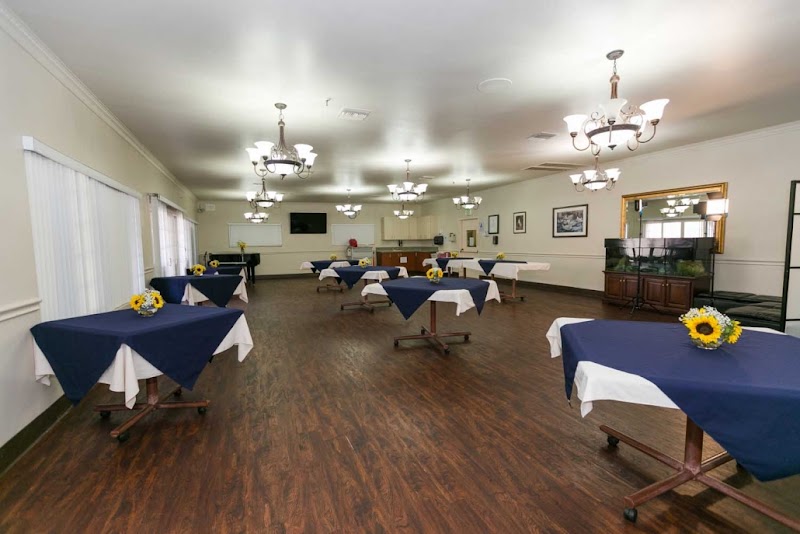
How Does Victoria Post Acute Care Compare to Other California Nursing Homes?

Compared to the 100 nursing homes in California, VICTORIA POST ACUTE CARE's overall rating (4 stars) is above the state average of 3.2, staff turnover (50%) is near the state average of 46%, and health inspection rating (3 stars) is at the national benchmark.

What Should Families Ask When Visiting Victoria Post Acute Care?

Based on this facility's data, families visiting should ask: "Can I visit during a mealtime to observe dining assistance and food quality?" "How do you handle medical emergencies, and what is your hospital transfer rate?" "Can I speak with family members of current residents about their experience?"

Is Victoria Post Acute Care Safe?

Based on CMS inspection data, VICTORIA POST ACUTE CARE has a clean safety record: no substantiated abuse findings (meaning no confirmed cases of resident harm), no Immediate Jeopardy citations (the most serious violation level indicating risk of serious injury or death), and is not on the Special Focus Facility watch list (a federal program monitoring the lowest-performing 1% of nursing homes). The facility has a 4-star overall rating and ranks #1 of 100 nursing homes in California. While no facility is perfect, families should still ask about staff-to-resident ratios and recent inspection results during their visit.

Do Nurses at Victoria Post Acute Care Stick Around?

VICTORIA POST ACUTE CARE has a staff turnover rate of 50%, which is about average for California nursing homes (state average: 46%). Moderate turnover is common in nursing homes, but families should still ask about staff tenure and how the facility maintains care continuity when employees leave.

Was Victoria Post Acute Care Ever Fined?

VICTORIA POST ACUTE CARE has no federal fines on record. CMS issues fines when nursing homes fail to meet care standards or don't correct problems found during inspections. The absence of fines suggests the facility has either maintained compliance or corrected any issues before penalties were assessed. This is a positive indicator, though families should still review recent inspection reports for the full picture.

Is Victoria Post Acute Care on Any Federal Watch List?

VICTORIA POST ACUTE CARE is not on any federal watch list. The most significant is the Special Focus Facility (SFF) program, which identifies the bottom 1% of nursing homes nationally based on persistent, serious quality problems. Not being on this list means the facility has avoided the pattern of deficiencies that triggers enhanced federal oversight. This is a positive indicator, though families should still review the facility's inspection history directly.