VILLA LAS PALMAS HEALTHCARE CENTER
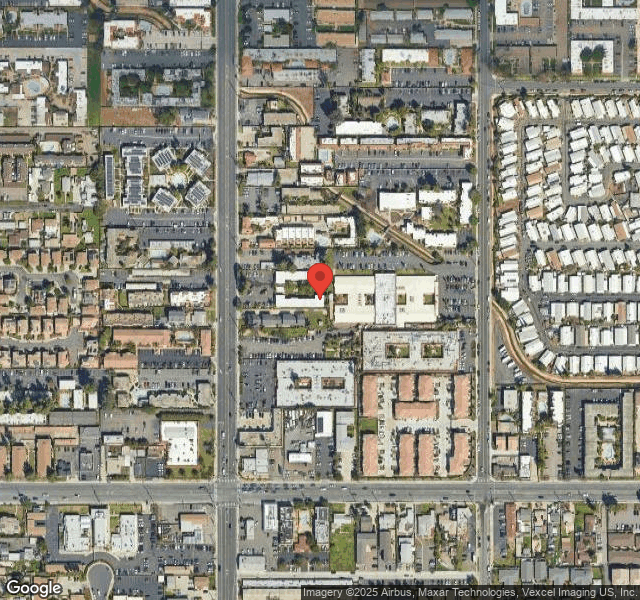
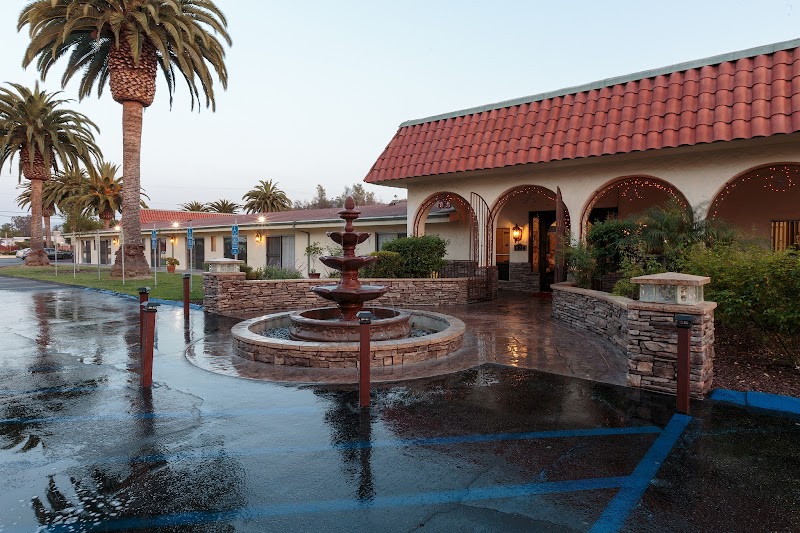
622 SOUTH ANZA STREET, EL CAJON, CA 92020 (619) 442-0544
For profit - Corporation 151 Beds PACS GROUP Data: November 2025
Trust Grade
30/100
#710 of 1155 in CA
Last Inspection: May 2025

Inspected within the last 6 months. Data reflects current conditions.

Overview

Villa Las Palmas Healthcare Center has a Trust Grade of F, indicating significant concerns about the facility's quality and care. Ranked #710 out of 1155 in California and #70 out of 81 in San Diego County, this places them in the bottom half of nursing homes in the area. Unfortunately, the facility is worsening, with issues increasing from 1 in 2024 to 9 in 2025. Staffing is a moderate point, with a 3/5 rating and a turnover rate of 34%, which is slightly below the state average. However, the facility has faced serious incidents, including a staff member verbally abusing a resident, leading to emotional distress, and failing to meet another resident’s nutrition and hydration needs, resulting in hospitalization and eventual death. While there are some strengths in quality measures, the overall concerns suggest families should be cautious when considering this facility.

Trust Score
F
30/100
In California
#710/1155
Bottom 39%
Safety Record
High Risk
Review needed
Inspections
Getting Worse
1 → 9 violations
Staff Stability
○ Average
34% turnover. Near California's 48% average. Typical for the industry.
Penalties
✓ Good
$33,732 in fines. Lower than most California facilities. Relatively clean record.
Skilled Nurses
○ Average
Each resident gets 36 minutes of Registered Nurse (RN) attention daily — about average for California. RNs are the most trained staff who monitor for health changes.
Violations
⚠ Watch
50 deficiencies on record. Higher than average. Multiple issues found across inspections.
★★★☆☆
3.0
Overall Rating
★★★☆☆
3.0
Staff Levels
★★★★★
5.0
Care Quality
★★☆☆☆
2.0
Inspection Score
Stable
2024: 1 issues
2025: 9 issues

The Good

  • 5-Star Quality Measures · Strong clinical quality outcomes
  • Full Sprinkler Coverage · Fire safety systems throughout facility
  • No fines on record
  • Staff turnover below average (34%)

    14 points below California average of 48%

Facility shows strength in quality measures, fire safety.

The Bad

3-Star Overall Rating

Near California average (3.1)

Meets federal standards, typical of most facilities

Staff Turnover: 34%

12pts below California avg (46%)

Typical for the industry

Federal Fines: $33,732

Above median ($33,413)

Moderate penalties - review what triggered them

Chain: PACS GROUP

Part of a multi-facility chain

Ask about local staffing decisions and management

The Ugly 50 deficiencies on record

2 actual harm
Jul 2025 1 deficiency
CONCERN (D) 📢 Someone Reported This

A family member, employee, or ombudsman was alarmed enough to file a formal complaint

Potential for Harm - no one hurt, but risky conditions existed

Deficiency F0694 (Tag F0694)

Could have caused harm · This affected 1 resident

**NOTE- TERMS IN BRACKETS HAVE BEEN EDITED TO PROTECT CONFIDENTIALITY** The following reflects the findings of the California Department of Public Health during an investigation of two complaints. Com...

Read full inspector narrative →
**NOTE- TERMS IN BRACKETS HAVE BEEN EDITED TO PROTECT CONFIDENTIALITY** The following reflects the findings of the California Department of Public Health during an investigation of two complaints. Complaint Number: 2564745Complaint Number: 2566052 The inspection was limited to the complaints investigated and does not represent the findings of a full inspection of the facility. One deficiency was identified for the complaint number: 2564745 and Complaint Number: 2566052 (Refer to Ftag 694).Resident 1 was readmitted to the facility on [DATE] with diagnoses which included pneumonia (lung infection), per the facility's admission Record. A review of Resident 1's clinical record was conducted. Resident 1's physician's order dated 7/16/23, indicated Resident 1 was to receive an antibiotic (anti-infective) medication and PIV line care. The physician's order was for the Licensed Nurses (LNs) to flush the PIV line every shift (three shifts in a day). A review of Resident 1's IV medication administration record (MAR) was conducted. Resident 1's IV MAR for July 2023 indicated, the License Nurses (LNs) missed documentation for PIV line flushing on 7/18/23 in evening shift, and 7/19/23 night shift. On 7/29/25 at 12:38 P.M., a joint review of Resident 1's clinical record and an interview was conducted with the Director of Nursing (DON). The DON stated Resident 1 was to get an antibiotic medication from 7/16/23 to 7/22/23 for urinary tract infection (UTI). The DON stated there was also an order for PIV line flush for Resident 1. The DON stated there were missed entries for PIV flush for Resident 1. The DON stated there were two missed opportunities. The DON stated she had no answer as to why the documentation was missing. The DON stated, It could have been given, it could have been not. The DON stated it was important to flush Resident 1's PIV to prevent clogging and to ensure there was no infiltration of the site. A review of the facility's policy titled, Intravenous Administration of Fluids and Electrolytes, revised 6/25, indicated, The purpose of this procedure is to provide guidelines for the safe and aseptic administration of intravenous fluids.General Guidelines. 1. Resident should be monitored frequently.for signs and symptoms.catheter patency, insertion site complications.
Jun 2025 1 deficiency
CONCERN (D) 📢 Someone Reported This

A family member, employee, or ombudsman was alarmed enough to file a formal complaint

Potential for Harm - no one hurt, but risky conditions existed

Quality of Care (Tag F0684)

Could have caused harm · This affected 1 resident

**NOTE- TERMS IN BRACKETS HAVE BEEN EDITED TO PROTECT CONFIDENTIALITY** Based on interview and record review, the facility failed to revise and implement a preventative fall risk plan of care for 1 of...

Read full inspector narrative →
**NOTE- TERMS IN BRACKETS HAVE BEEN EDITED TO PROTECT CONFIDENTIALITY** Based on interview and record review, the facility failed to revise and implement a preventative fall risk plan of care for 1 of 3 sampled residents (1) with a known history of falls and severe cognitive impairment. Resident 1 sustained an unwitnessed fall which had the potential to be prevented. Findings: An unannounced visit was conducted at the facility on 6/2/25. Resident 1 was no longer in the facility. A review of Resident 1's admission record indicated she was admitted to the facility on [DATE] with diagnoses that included vascular dementia (decreased blood flow to the brain leading to reduced cognitive function), metabolic encephalopathy (a brain dysfunction characterized by changes in thinking), muscle weakness and gait instability (an abnormal walking pattern). On 6/2/25 at 12 P.M. a concurrent record review and interview were conducted with the Director of Nursing (DON). Resident 1 had two falls in the facility, one on 5/1/25 and another on 5/24/25. Resident 1's fall risk evaluations indicated a score of 20 (high risk) for falls. A review of Resident 1's Minimum Data Set (MDS) section C (an assessment that evaluates a patient's memory) dated 5/1/25 indicated a Brief Interview for Mental Status (BIMS) score of 2 (severe cognitive impairment, (a significant decline in mental abilities such as memory, impacting daily life). A review of Resident 1's fall care plan initiated on 8/9/24 indicated, .history of self-transferring and getting out of bed with no assistance. Interventions: anticipate and meet needs. Educate/ remind resident to call for assistance with all transfers . , monitor for changes in condition affecting risk for falls and notifying physician if observed. Additional interventions added to Resident 1's fall care plan on 2/24/25 indicated, Anticipate needs due to dementia and poor safety awareness. Resident 1 was found on the floor in her room by staff at approximately 9:45 PM on 5/24/25 with a one-inch skin tear on the back of her head. The facility's fall care plan for Resident 1 indicated staff were to anticipate and meet Resident 1's needs however, the interventions were not individualized for specific fall prevention in regards to Resident 1's severe cognition impairment.
May 2025 3 deficiencies
CONCERN (D)

Potential for Harm - no one hurt, but risky conditions existed

PASARR Coordination (Tag F0644)

Could have caused harm · This affected 1 resident

Based on interview, record review, and facility policy review, the facility failed to refer a resident to the appropriate state-designated authority for a level II preadmission screening and resident ...

Read full inspector narrative →
Based on interview, record review, and facility policy review, the facility failed to refer a resident to the appropriate state-designated authority for a level II preadmission screening and resident review (PASRR) when the resident was diagnosed with a new mental illness diagnosis for 1 (Resident #134) of 3 sampled residents reviewed for PASRR. Findings included: An undated facility policy titled, PASRR (Pre-admission Screening & Resident Review), indicated, To ensure each patient in the facility is screened for a mental disorder (MD) or intellectual disability (ID) prior to admission and that individuals identified with MD or ID are evaluated and receive care and services in the most integrated setting appropriate to their needs. An admission Record indicated the facility admitted Resident #134 on 01/08/2025. According to the admission Record, the resident had a medical history that included diagnoses of generalized anxiety disorder and post-traumatic stress disorder. Per the admission Record, the resident received a diagnosis of major depressive disorder on 04/14/2025. An admission Minimum Data Set (MDS), with an Assessment Reference Date (ARD) of 01/12/2025, revealed Resident #134 had a Brief Interview for Mental Status (BIMS) score of 13, which indicated the resident had intact cognition. The MDS revealed the resident had active diagnoses to include anxiety disorder and post-traumatic stress disorder. Resident #134's medical record revealed no evidence to indicate a level II PASRR was resubmitted after the resident was diagnosed with major depressive disorder on 04/14/2025. During an interview on 05/07/2025 at 9:55 AM, the Admissions Director stated if a resident had a change in condition or if a new diagnosis or psychiatric medication was added, the facility completed another PASRR for the resident. Per the Admissions Director, the Director of Nursing (DON) was responsible for completing the PASRR screening. The Admissions Director stated that she checked the PASRR portal and Resident #134's most recent PASRR was completed in January 2025. During an interview on 05/07/2025 at 3:22 PM, the MDS Coordinator stated the facility should have identified that Resident #134's diagnosis of major depressive disorder was not on the resident's level I screening and another screening should have been completed. During an interview on 05/07/2025 at 2:47 PM, the DON stated if she had noticed that the resident's depression diagnosis was not listed on the initial PASRR, another PASRR should have been completed. The DON stated it was important for the PASRR to be accurate because the diagnosis could qualify the resident for a level II screening and to ensure the resident was appropriate for the facility. During an interview on 05/08/2025 at 8:48 AM, the Director of Operations (DOO) stated facility staff reviewed residents' level I PASRRs upon admission to ensure the resident was appropriate for the facility. The DOO stated he expected the level I PASRR to accurately reflect a resident's condition, and if a pertinent diagnosis was missing, a status change should be submitted.
CONCERN (D)

Potential for Harm - no one hurt, but risky conditions existed

Deficiency F0760 (Tag F0760)

Could have caused harm · This affected 1 resident

Based on interview, record review, and facility policy review, the facility failed to ensure 1 (Resident #134) of 5 residents reviewed for unnecessary medications was free of significant medication er...

Read full inspector narrative →
Based on interview, record review, and facility policy review, the facility failed to ensure 1 (Resident #134) of 5 residents reviewed for unnecessary medications was free of significant medication errors. Specifically, facility staff failed to hold spironolactone (a diuretic/water pill which promotes the removal of fluid [edema] from the body) when Resident #134's systolic blood pressure (SBP) was below 120 millimeters mercury (mmHg) as outlined in the physician's order. Findings included: A facility policy titled, Administering Medications, dated 04/2019, indicated, Medications are administered in a safe and timely manner, and as prescribed. The policy indicated, 11. The following information is checked/verified for each resident prior to administering medications: a. Allergies to medications; and b. Vital signs, if necessary. An admission Record indicated the facility admitted Resident #134 on 01/08/2025. According to the admission Record, the resident had a medical history that included diagnoses of acute on chronic systolic (congestive) heart failure (CHF), pulmonary hypertension, and essential (primary) hypertension. A quarterly Minimum Data Set (MDS), with an Assessment Reference Date (ARD) of 04/14/2025, revealed Resident #134 had a Brief Interview for Mental Status (BIMS) score of 12, which indicated the resident had moderate cognitive impairment. The MDS revealed the resident received a diuretic during the seven-day look-back period. Resident #134's Care Plan Report, included a focus area initiated 01/09/2025, that indicated the resident required the use of a diuretic medication, spironolactone, related to heart failure. Interventions directed staff to administer medications as ordered (initiated 01/09/2025). Resident #134's Order Summary Report, which contained active orders as of 05/06/2025, revealed an order dated 01/27/2025, for spironolactone oral tablet 25 milligrams (mg), give one tablet by mouth one time a day for CHF and hold if the resident's systolic blood pressure (SBP) was less than 120 millimeters of mercury (mmHg). Resident #134's medication administrator record (MAR) for the timeframe 04/01/2025 - 04/30/2025, revealed spironolactone was administered to the resident when their SBP was less than 120 mmHg on the following days: - On 04/01/2025, the resident's SBP was listed as 116 mmHg. - On 04/05/2025, the resident's SBP was listed as 112 mmHg. - On 04/06/2025, the resident's SBP was listed as 111 mmHg. - On 04/10/2025, the resident's SBP was listed as 104 mmHg. - On 04/18/2025, the resident's SBP was listed as 117 mmHg. - On 04/22/2025, the resident's SBP was listed as 117 mmHg. - On 04/23/2025, the resident's SBP was listed as 118 mmHg. - On 04/24/2025, the resident's SBP was listed as 114 mmHg. - On 04/26/2025, the resident's SBP was listed as 118 mmHg. - On 04/27/2025, the resident's SBP was listed as 114 mmHg. - On 04/29/2025, the resident's SBP was listed as 111 mmHg. Resident #134's MAR for the timeframe 05/01/2025 - 05/31/2025, revealed spironolactone was administered to the resident when their SBP was less than 120 mmHg on the following days: - On 05/03/2025, the resident's SBP was listed as115 mmHg - On 05/05/2025, the resident's SBP was listed as118 mmHg. - On 05/06/2025, the resident's SBP was listed as118 mmHg. During an interview on 05/07/2025 at 9:40 AM, Licensed Vocational Nurse #1 stated she administered spironolactone to Resident #134 when the resident's SBP was less than 120 mmHg on 05/06/2025 because she did not see the order to hold the medication for a SBP less than120 mmHg. During an interview on 05/07/2025 at 10:55 AM, Registered Nurse (RN) #2 stated when administering medications with parameter orders, she checked the resident's blood pressure (BP) and if it was below the ordered parameter, she held the medication. RN #2 stated she administered medications to Resident #134 when the resident's SBP was less than120 mmHg; however, she stated that she checked the resident's BP later that day and it was fine. According to RN #2, she knew Resident #134 and knew the resident was okay. During an interview on 05/07/2025 at 10:24 AM, the Nurse Consultant stated it was important to hold a medication if there was a BP parameter specified in the order. The Nurse Consultant stated if a medication was given when a resident's BP was outside the accepted parameters it could cause a resident to become dizzy, develop other symptoms, or worsen their condition. During an interview on 05/07/2025 at 10:34 AM, the Pharmacist stated it was important to monitor a resident's BP when administering diuretics to maintain a stable BP. The Pharmacist stated nursing staff should follow BP parameters as specified in the physician's orders because if a diuretic was given when a resident's BP was low, their BP could fall even more, which could cause falls or unresponsiveness. During an interview on 05/07/2025 at 10:10 AM, the Physician stated diuretics affected electrolyte balance, and if it was administered to a resident when their vital signs were outside the specified parameters, it could adversely affect their kidney or cardiac function. The Physician stated spironolactone was used for the treatment of heart failure and helped to reduce edema and should be held if a resident's BP was already low to prevent any adverse effects. During an interview on 05/07/2025 at 2:47 PM, the Director of Nursing (DON) stated she expected nursing staff to follow vital sign parameters included in a physician's order when they administered medications. The DON stated it was important to follow orders for vital sign parameters for resident safety. During an interview on 05/08/2025 at 8:48 AM, the Director of Operations stated he expected nursing staff to follow what was specified in a physician's order for vital sign parameters when they administered medications.
CONCERN (F)

Potential for Harm - no one hurt, but risky conditions existed

Food Safety (Tag F0812)

Could have caused harm · This affected most or all residents

Based on observation, interview, and facility policy review, the facility failed to ensure food items stored in the residents' refrigerator were labeled and dated and discarded within two days per the...

Read full inspector narrative →
Based on observation, interview, and facility policy review, the facility failed to ensure food items stored in the residents' refrigerator were labeled and dated and discarded within two days per the facility policy. This deficient practice had the potential to affect who stored items in the residents' refrigerator. Findings included: An undated facility policy titled, Bringing In Food For Our Residents, revealed, Food or beverages should be labeled and dated to monitor for food safety. The policy revealed, Food or beverage items without a manufacturer's expiration date should be dated upon arrival in the facility and thrown away two days after the date marked. Foods in unmarked or unlabeled containers should be marked with the current date the food item was stored and the resident's name. Per the policy, Opened foods or beverages that require refrigeration should be marked with the date food was opened and resident's name. Refrigeration can occur in a personal room refrigerator, nurses station food refrigerator, or food service refrigerator. Unused food will be discarded within 2 days and if kept frozen, 30 days. During a concurrent interview and observation of the residents' refrigerator on 05/07/2025 at 2:52 PM, with Registered Nurse (RN) #3, the surveyor noted in the freezer there was a pizza with a gray substance on top of it stored in a black plastic container that was not sealed, labeled or dated. In the refrigerator there was what appeared to the chicken and rice that had a gray substance on top of the food with a date of 01/08/2025 and a container of spaghetti labeled with a room number but no date. Also noted in the refrigerator was a blue bowl that contained beans, which was not labeled or dated. RN #3 stated the food items should be labeled and dated. According to RN #3, the kitchen and dietary staff were responsible for keeping the refrigerator clean. During an interview on 05/08/2025 at 8:38 AM, RN #3 stated he was not sure what the gray substance was on top of the pizza, but it could have been freezer burn. RN #3 stated that was mold growing on top of the chicken and rice. During an interview on 05/08/2025 at 7:30 AM, the Dietary Director (DD) stated she expected foods to be labeled with a resident's name and date. The DD stated the dietary aides were supposed to check the resident refrigerator. The DD stated staff should throw away everything in the refrigerator that had been opened for three days. During an interview on 05/08/2025 at 7:47 AM, the Director of Nursing (DON) stated food stored in the refrigerator and freezer should be labeled with the date the food was opened and the date the food expired and be thrown away in two days. The DON stated the DD was supposed to ensure the refrigerator and freezer were clean and the items were dated and labeled with residents' names. During an interview on 05/08/2025 at 9:05 AM, the Director of Operations (DOO) stated the refrigerator and freezer should be checked daily, and the food should be labeled, dated, and free of mold. The DOO stated that staff should throw away anything that was more than a couple of days old. The DOO stated the management staff should hold staff accountable for the cleanliness of the refrigerator and freezer.
May 2025 3 deficiencies 1 Harm
SERIOUS (G) 📢 Someone Reported This

A family member, employee, or ombudsman was alarmed enough to file a formal complaint

Actual Harm - a resident was hurt due to facility failures

Free from Abuse/Neglect (Tag F0600)

A resident was harmed · This affected 1 resident

**NOTE- TERMS IN BRACKETS HAVE BEEN EDITED TO PROTECT CONFIDENTIALITY** Based on observation, interview, and record review, the facility failed to ensure one of three residents (Resident 1) was free f...

Read full inspector narrative →
**NOTE- TERMS IN BRACKETS HAVE BEEN EDITED TO PROTECT CONFIDENTIALITY** Based on observation, interview, and record review, the facility failed to ensure one of three residents (Resident 1) was free from verbal and mental abuse when: Certified Nursing Assistant (CNA) 2 yelled at Resident 1 and made disparaging comments to the resident about their ability to perform bed mobility while also making humiliating comments to the resident regarding their weight and size. Cross reference F607. As a result: Resident 1 cried, experienced depressed mood, psychosocial (the influence of social factors on an individual's mind or behavior) distress, and felt unsafe in the facility and worthless. Findings: A review of Residents 1 ' s admission Record dated 5/1/25, indicated the resident was readmitted to the facility on [DATE]. On 5/1/25 at 9:05 A.M., an onsite visit was conducted to investigate an allegation of abuse between CNA 2 and Resident 1. On 5/1/25 at 10:15 A.M., an observation and interview were conducted with Resident 1 while inside the resident ' s room. Resident 1 ' s husband was also present. Resident 1 stated there was an incident that occurred around 11 P.M. (on 4/22/25) after she had requested help to be pulled up in bed. Resident 1 stated CNA 1 was her assigned CNA and CNA 1 went to get assistance. Resident 1 stated CNA 1 entered her room with CNA 2. Resident 1 stated CNA 2 told her, Oh, it ' s you. You been here long enough and should be able to pull yourself up. Resident 1 stated CNA 2 laughed and pointed at her while saying, Look at you, you ' re four times bigger than me. Resident 1 stated CNA 2 told her she did not want to break her back by pulling her up and that the resident was too big. Resident 1 was observed wiping her tears away during the interview. Resident 1 stated after the incident occurred, she called her husband on the phone and told him what had happened. Resident 1 stated, I just want to go home with my family. Resident ' s 1 husband stated they had been married for 47 years, and that this incident had a bad effect on his wife. Resident 1 stated when the incident occurred, she was in disbelief at first and then she felt bad and it made her feel worthless. Resident 1 stated the incident felt like abuse because CNA 2 had been yelling at her, it happened at night, and she was alone and in a helpless state. Resident 1 stated, I didn ' t feel safe. Resident 1 further stated, Everyone knows [CNA 2] is rude. Even housekeepers know [this]. On 5/1/25 at 10:35 A.M., an interview was conducted with the Housekeeper (HK). The HK stated when she was cleaning a resident ' s room on another unit, about three to four weeks ago, a resident told her CNA 2 was rude to them. The HK stated she did not report what the resident told her to anyone. A review of CNA 2 ' s employee file indicated: -Employee Counseling Form dated 5/6/24, and signed by CNA 2 indicated, .2. Employee was rude to a family member -Employee Disciplinary Action Form dated 4/2/25, indicated, .concerns regarding your ongoing comments about resident [sic] and staff. It has been observed and reported that you have repeatedly spoken about residents in a negative manner .Corrective Action Plan [:] Speak about residents respectfully at all times, regardless of frustrations or concerns. Bring up any care-related concerns to management or nursing leadership privately CNA 2 refused to sign the form. -Employee Disciplinary Action Form dated 4/10/25, indicated, .This disciplinary action is being issued due to ongoing unprofessional conduct that is detrimental to team cohesion and the overall work environment CNA 2 refused to sign the form. -(Facility Name) Notice of Termination of Employment dated 4/28/25, indicated, .Following a resident ' s [Resident 1] complaint, an internal investigation determined that verbal comments were made which in turn negatively affected the resident ' s emotional well-being, causing her significant distress On 5/1/25 at 12:11 P.M., a telephone interview was conducted with CNA 2. CNA 2 stated CNA 1 had asked for assistance to pull Resident 1 up in bed and, She ' s overweight this patient. CNA 2 stated she did not want to hurt her back and that, This lady [Resident 1] is more than 400 pounds. I can get hurt. CNA 2 denied making any comments about Resident 1 in front of the resident. CNA 2 was asked about her training on how to pull up a resident in bed and CNA 2 did not answer the question. CNA 2 spoke non-stop and frequently did not answer interview questions. CNA 2 was asked about the disciplinary actions in her employee file. CNA 2 changed the topic. CNA 2 was again asked about the contents of her employee file and CNA 2 denied there being any disciplinary actions in her file. CNA 2 stated she did go back to Resident 1 ' s room with the charge nurse and a different CNA and assisted in pulling Resident 1 up in bed. CNA 2 stated the resident was fine. CNA 2 further stated, I never called [Resident 1] fat. On 5/1/25 at 3:15 P.M., a telephone interview was conducted with CNA 1. CNA 1 stated around 11:00 P.M., on 4/22/25, at the start of her shift, she asked CNA 2 for help to pull Resident 1 up in bed. CNA 1 stated they were in the hallway outside of Resident 1 ' s room when CNA 2 stated she was not going to break her back. CNA 1 stated CNA 2 continued talking loudly and stated, The resident ' s 500 times my weight. CNA 1 stated CNA 2 followed her into Resident 1 ' s room while stating, How could someone let themselves get that big? CNA 1 stated that CNA 2 told Resident 1, We ' re not going to do this, you ' re going to do it. [NAME] ' t you see how big you are? CNA 1 stated Resident 1 started crying while CNA 2 kept talking about how big Resident 1 was. CNA 1 stated CNA 2 would not stop talking about the resident ' s weight and the resident kept crying. CNA 1 stated, I couldn ' t take it anymore and told [CNA 2] she was rude and to get out of my resident ' s room. CNA 1 stated this was the first time she had worked with CNA 2. CNA 1 stated she had reported the incident to the Charge Nurse (CN) 3 and she also emailed the Director of Staff Development (DSD) about the incident. CNA 1 stated she was emotional after witnessing the incident and had to take a break. CNA 1 stated based on her facility-provided abuse prevention training, the incident was emotional abuse. CNA 1 stated the incident was, Emotionally damaging [to] the resident. CNA 1 stated Resident 1 was very sweet, never got mad, and was considerate. CNA 1 stated Resident 1 was not the type to complain and if she had not spoken up, the resident would have kept it inside and not said anything about it. On 5/1/25 at 3:42 P.M., a telephone interview was conducted with CN 3. CN 3 stated she was in charge of the building during the night shift (11 P.M. to 7 A.M.). CN 3 stated around the start of the shift on 4/22/25, CNA 1 reported to her that CNA 2 was rude to Resident 1 and had made the resident cry. CN 3 stated she asked CNA 2 what had happened, and CNA 2 stated that she did not say anything to Resident 1. CN 3 stated she spoke to Resident 1 about the incident and the resident did not want to talk about what had occurred. CN 3 was informed of what Resident 1 and CNA 1 said had happened on 4/22/25. CN 3 stated, Oh no, that ' s abuse. CN 3 stated based on her facility-provided abuse prevention training, the incident on 4/22/25 that occurred between CNA 2 and Resident 1 was verbal, emotional, and mental abuse. A review of Resident 1 ' s progress notes titled IDT [Interdisciplinary Team-different disciplines who meet and discuss resident care issues] Note dated 4/23/25, indicated when the IDT interviewed Resident 1 regarding the incident that occurred on 4/22/25, the resident had cried for 10 seconds. The IDT referred Resident 1 to the psychiatrist and psychologist for evaluation. On 5/5/25 at 10:12 A.M., an interview was conducted with the DSD. The DSD stated she was involved in investigating the incident that occurred on 4/22/25 between Resident 1 and CNA 2. The DSD stated it had been determined that verbal abuse had occurred, and that Resident 1 had suffered emotional distress. The DSD stated Resident 1 frequently became teary-eyed since the incident. The DSD stated prior to the incident Resident 1 seemed happier. The DSD stated this incident affected Resident 1 and, It was verbal and mental abuse. The DSD stated Resident 1 was a two-person assist to pull up in bed. The DSD stated CNA 2 received training on how properly move and position a resident. On 5/5/25 at 11:00 A.M., an interview was conducted with the Director of Operations (DOO) and the Director of Nursing (DON). The DOO stated initially they did not think what happened on 4/22/25 to Resident 1 was as bad as it was. The DOO stated the incident was abuse considering how Resident 1 perceived the incident and how it made her feel. The DON stated what happened was, Verbal abuse as [Resident 1] experienced emotional distress from it. A review of the facility ' s policy titled Identifying Types of Abuse revised September 2022, indicated, .1. Abuse of any kind against residents is strictly prohibited .1. Mental abuse is the use of verbal or non-verbal conduct which causes (or has the potential to cause) the resident to experience humiliation, intimidation, fear, shame, agitation or degradation. 2. Verbal abuse may be considered to be a type of mental abuse . 3. Examples of mental and verbal abuse include but are not limited to: a. Harassing a resident; b. Mocking, insulting, ridiculing; c. Yelling or hovering over a resident, with the intent to intimidate A review of facility ' s policy titled Abuse, Neglect, Exploitation, and Misappropriation Prevention Program revised April 2021, indicated, Residents have the right to be free from abuse
CONCERN (D) 📢 Someone Reported This

A family member, employee, or ombudsman was alarmed enough to file a formal complaint

Potential for Harm - no one hurt, but risky conditions existed

Abuse Prevention Policies (Tag F0607)

Could have caused harm · This affected 1 resident

**NOTE- TERMS IN BRACKETS HAVE BEEN EDITED TO PROTECT CONFIDENTIALITY** Based on observation, interview, and record review, the facility failed to ensure staff were fully trained to correctly identify...

Read full inspector narrative →
**NOTE- TERMS IN BRACKETS HAVE BEEN EDITED TO PROTECT CONFIDENTIALITY** Based on observation, interview, and record review, the facility failed to ensure staff were fully trained to correctly identify mental, emotional, and verbal abuse when: 1. Certified Nursing Assistant (CNA) 2 yelled at Resident 1 and made disparaging comments to the resident about their ability to perform bed mobility while also making humiliating comments to the resident regarding their weight and size. Staff considered CNA 2 ' s behavior as rudeness instead of abuse. 2. Charge Nurse (CN) 3 was not adequately trained to collect pertinent information to make an accurate determination of abuse during the incident regarding CNA 2 and Resident 1. As a result, CNA 2 was permitted to finish her eight-hour shift providing care to residents after the incident involving Resident 1. This failure had the potential for other residents to experience abuse. Cross reference F600. Findings: A review of Residents 1 ' s admission Record dated 5/1/25, indicated resident was readmitted to the facility on [DATE]. On 5/1/25 at 9:05 A.M., an onsite visit was conducted to investigate an allegation of abuse between CNA 2 and Resident 1. On 5/1/25 at 10:15 A.M., an interview and observation was conducted with Resident 1 while inside the resident ' s room. Resident 1 ' s husband was also present. Resident 1 stated there was an incident that occurred around 11 P.M. (on 4/22/25) after she had requested help to be pulled up in bed. Resident 1 stated CNA 1 was her assigned CNA, and CNA 1 went to get assistance. Resident 1 stated CNA 1 entered her room with CNA 2. Resident 1 stated CNA 2 told her, Oh, it ' s you. You been here long enough and should be able to pull yourself up. Resident 1 stated CNA 2 laughed and pointed at her while saying, Look at you, you ' re four times bigger than me. Resident 1 stated CNA 2 told her she did not want to break her back by pulling her up and that the resident was too big. Resident 1 was observed wiping her tears away during the interview. Resident 1 stated she called her husband on the phone and told him what had happened. Resident 1 stated, I just want to go home with my family. Resident 1 ' s husband stated they had been married for 47 years, and this incident had a bad effect on his wife. Resident 1 stated when the incident occurred, she was in disbelief at first and then she felt bad and it made her feel worthless. Resident 1 stated the incident felt like abuse because CNA 2 had been yelling at her, it happened at night, and she was alone and in a helpless state. Resident 1 stated, I didn ' t feel safe. Resident 1 further stated, Everyone knows [CNA 2] is rude. Even housekeepers know [this]. On 5/1/25 at 10:35 A.M., an interview was conducted with the Housekeeper (HK). The HK stated when she was cleaning a resident ' s room on another unit, about three to four weeks ago, a resident told her CNA 2 was rude to them. The HK stated she did not report what the resident told her to anyone. On 5/1/25 at 3:15 P.M., a telephone interview was conducted with CNA 1. CNA 1 stated at the start of her shift around 11:00 P.M., on 4/22/25, she asked CNA 2 for help to pull Resident 1 up in bed. CNA 1 stated they were in the hallway outside of Resident 1 ' s room when CNA 2 stated she was not going to break her back. CNA 1 stated CNA 2 continued talking loudly and stated, The resident ' s 500 times my weight. CNA 1 stated CNA 2 followed her into Resident 1 ' s room while stating, How could someone let themselves get that big? CNA 1 stated that CNA 2 told Resident 1, We ' re not going to do this, you ' re going to do it. [NAME] ' t you see how big you are? CNA 1 stated Resident 1 started crying while CNA 2 kept talking about how big Resident 1 was. CNA 1 stated CNA 2 would not stop talking about the resident ' s weight and the resident kept crying. CNA 1 stated, I couldn ' t take it anymore and told [CNA 2] she was rude and to get out of my resident ' s room. CNA 1 stated this was the first time she had worked with CNA 2. CNA 1 stated she had reported the incident to the Charge Nurse (CN) 3 and she also emailed the Director of Staff Development (DSD). CNA 1 stated she was emotional after witnessing the incident and had to take a break. CNA 1 stated based on her facility-provided abuse prevention training, the incident was emotional abuse. CNA 1 stated the incident was, Emotionally damaging [to] the resident. CNA 1 stated Resident 1 was very sweet, never got mad, and was considerate. CNA 1 stated Resident 1 was not the type to complain and if she did not speak up the resident would have kept it inside. On 5/1/25 at 3:42 P.M., a telephone interview was conducted with CN 3. CN 3 stated she was in charge of the building during the night shift (11P.M. to 7 A.M.) that started on 4/22/25. CN 3 stated around the start of the shift CNA 1 reported to her that CNA 2 was rude to Resident 1 and had made the resident cry. CN 3 stated she asked CNA 2 what had happened, and CNA 2 stated that she did not say anything to Resident 1. CN 3 stated she spoke to Resident 1 about the incident and the resident did not want to talk about what had occurred. CN 3 stated what CNA 1 told her was vague and that she had not clarified what was told to her. CN 3 was informed of what Resident 1 and CNA 1 stated had happened on 4/22/25. CN 3 stated, Oh no, that ' s abuse. CN 3 stated based on her facility-provided abuse prevention training, the incident on 4/22/25 that occurred between CNA 2 and Resident 1 was verbal, emotional, and mental abuse. CN 3 stated if she had known all the details of what had happened, she would have sent CNA 2 home. CN 3 stated CNA 2 had worked the whole night shift providing care to residents. On 5/5/25 at 8:50 A.M., an interview was conducted with CN 5. CN 5 stated there were times she was in charge of the building. CN 5 stated if an incident of staff rudeness to a resident was reported to her, she would have to, Get all the facts. CN 5 stated she would contact the Director of Operations (DOO) and Director of Nursing (DON) to get guidance to determine if the incident was considered rudeness or abuse. CN 5 stated if staff rudeness looked like abuse took place, she would send the staff home. CN 5 stated she received abuse training here at the facility but had received extra training in her role as a CN while employed at a hospital. CN 5 stated this extra training involved following up on allegations and asking pertinent questions to determine if abuse had occurred. On 5/5/25 at 10:12 A.M., an interview and record review was conducted with the DSD. The DSD stated she was involved in investigating the incident that occurred on 4/22/25 between Resident 1 and CNA 2. The DSD stated it had been determined that verbal abuse had occurred, and that Resident 1 had suffered emotional distress. The DSD stated this incident affected Resident 1 and, It was verbal and mental abuse. The DSD stated CNA 2 had a history of negatively talking about residents, constantly complaining about management and staff, and speaking loudly where everyone could hear. The DSD stated on 4/2/25 and 4/10/25, CNA 2 was given written warnings about her behavior. The DSD stated she had received an email from CNA 1 after midnight (4/23/25) indicating that unnecessary comments were made by CNA 2 to Resident 1. The DSD stated, In my head, I thought [CNA 2] was being negative again and I could address it the morning. The DSD stated there should have been additional training provided to Licensed Nurses in the CN position on how to gather all the facts and to report to the DOO and the DON for additional guidance to determine if abuse had occurred so appropriate action could take place. The DSD reviewed the lesson plan for identifying different types of abuse, reporting, and documentation dated 4/24/25. The DSD stated this was the same lesson plan used during in-services related to abuse. The lesson plan indicated, .mental/emotional abuse-actions or words that inflict psychological abuse or trauma. Examples: A staff member tells a resident ' You ' re useless, ' causing the resident to cry .verbal abuse- The use of words to cause emotional pain, fear, or distress. Examples: A nurse yells at a resident in front of others: ' You ' re a burden to everyone here! ' The DSD stated rudeness should be covered in the abuse prevention training. The DSD stated staff needed to be able to tell the difference between rudeness and abuse and report it. On 5/5/25 at 11:00 A.M., an interview was conducted with the DOO and DON. The DOO stated initially they did not think what happened on 4/22/25 to Resident 1 was as bad as it was. The DOO stated considering how Resident 1 perceived the incident and how it made her feel was abuse. The DON stated what happened was, Verbal abuse as [Resident 1] experienced emotional distress from it. The DOO stated during the incident the CN 3 could have asked more questions and tried to gather more details of the situation and dig deeper. The DOO stated gathering more details would have provided CN 3 with enough information to make the decision to send CNA 2 home. The DOO stated the CN should have reached out to the DOO and the DON for guidance in identifying CNA 2 ' s behavior as abuse. The DOO stated the facility abuse prevention training should include more focused training to ask more thorough questions to understand the full scope of the situation for staff in charge of the building. The DOO stated all staff should be trained and capable of identifying verbal and mental abuse. A review of the facility ' s policy titled Identifying Types of Abuse revised September 2022, indicated, As part of the abuse prevention strategy, volunteers, employees and contractors hired by this facility are expected to be able to identify the different types of abuse that may occur against residents. 1. Abuse of any kind against residents is strictly prohibited .1. Mental abuse is the use of verbal or non-verbal conduct which causes (or has the potential to cause) the resident to experience humiliation, intimidation, fear, shame, agitation or degradation. 2. Verbal abuse may be considered to be a type of mental abuse . 3. Examples of mental and verbal abuse include, but are not limited to: a. Harassing a resident; b. Mocking, insulting, ridiculing; c. Yelling or hovering over a resident, with the intent to intimidate .4. Staff are trained on abuse reporting and investigation A review of the facility policy titled Abuse, Neglect, Exploitation and Misappropriation Prevention Program revised April 2021, indicated, .5. Establish and maintain a culture of compassion and caring for all residents .6. Provide staff orientation and training/orientation programs that include .identification and reporting of abuse .10. Protect residents from any further harm during investigations
CONCERN (D) 📢 Someone Reported This

A family member, employee, or ombudsman was alarmed enough to file a formal complaint

Potential for Harm - no one hurt, but risky conditions existed

Deficiency F0655 (Tag F0655)

Could have caused harm · This affected 1 resident

**NOTE- TERMS IN BRACKETS HAVE BEEN EDITED TO PROTECT CONFIDENTIALITY** Based on interview and record review, the facility failed to ensure a baseline care plan was developed for two of three resident...

Read full inspector narrative →
**NOTE- TERMS IN BRACKETS HAVE BEEN EDITED TO PROTECT CONFIDENTIALITY** Based on interview and record review, the facility failed to ensure a baseline care plan was developed for two of three residents (Resident 6 and 7), reviewed for fall care plans. This failure to develop the baseline care plan for fall risk within 48 hours of admission placed Resident 6 and 7 at risk for falls. Findings: Resident 6 was admitted to the facility on [DATE] with diagnoses which included unsteadiness on feet per the facility's admission Record. A review of Resident 6 ' s Fall Risk Observation/assessment dated [DATE], documented a score of 22, which indicated the resident was identified as being high risk for falls. Resident 7 was admitted to the facility on [DATE] with diagnoses which included repeated falls per the facility's Resident admission Record. A review of Resident 7 ' s Fall Risk Observation/assessment dated [DATE], documented a score of 26, which indicated the resident was identified as being high risk for falls. On 5/5/25 at 8:50 A.M., an interview was conducted with Licensed nurse (LN) 4. LN 4 stated the purpose of completing an admission fall risk assessment was to identify a resident who was a high fall risk and to develop interventions to prevent falls. LN 4 stated the fall care plan was used to communicate to the staff that a resident was a high fall risk and identified interventions to prevent falls. On 5/5/25 at 10:47 A.M., an interview was conducted with the Director of Nursing (DON). The DON stated the purpose of doing a fall risk assessment on admission was to identify residents who were at high risk for falls so that interventions could be developed to prevent falls. The DON stated interventions to prevent falls should have been in place immediately for Residents 6 and 7. On 5/5/25 at 11:02 A.M., a joint interview and record review was conducted with the DON. The DON stated there was no baseline care plan for fall risk in Resident 6 and Resident 7 ' s clinical record. The DON stated it was important to initiate a fall care plan within 48 hours of admission based on the fall risk assessment, so interventions regarding the residents' care could be communicated to the care team. A review of the facility policy titled Care Plan – Baseline revised March 2022, indicated, A baseline plan of care to meet the resident ' s immediate health and safety needs is developed for each resident within forty-eight (48) hours of admission
Apr 2025 1 deficiency
CONCERN (E) 📢 Someone Reported This

A family member, employee, or ombudsman was alarmed enough to file a formal complaint

Potential for Harm - no one hurt, but risky conditions existed

Social Worker (Tag F0850)

Could have caused harm · This affected multiple residents

Based on interview and record review, the facility failed to employ a qualified Social Services Director (SSD) on a full- time basis that met the qualifications specified in the regulation. This defic...

Read full inspector narrative →
Based on interview and record review, the facility failed to employ a qualified Social Services Director (SSD) on a full- time basis that met the qualifications specified in the regulation. This deficient practice placed all 151 residents at risk of not receiving medically-related social services necessary to attain their highest practicable well-being. Findings: An anonymous complaint regarding the SSD not meeting job qualifications was received by the California Department of Public Health. On 4/17/25, an unannounced site visit was conducted. An interview was conducted with the Director of Nursing (DON) on 4/17/25 at 2:10 P.M. The DON stated there had been some staff turnover in the SW department. Per the DON, the current SSD had been in the role for about one year. A concurrent record review and interview was conducted with the DON on 4/17/25 at 3 P.M. The DON reviewed the employment file for the SSD and stated the SSD had an associates degree in nursing, but was not a licensed nurse. The DON reviewed the facility job description for the Social Services Director, signed on 4/4/24 and stated, The SSD does not have a degree in Social Work or any other related area of study. She does not qualify to be in the role. The DON stated having an unqualified SSD may put residents at risk for not getting the social services they needed. A concurrent interview and record review was conducted with the Human Resources Administrator (HRA) on 4/17/25 at 4 P.M. The HRA stated all job descriptions include the education and/or experience required for the role. The HRA reviewed the job description for the SSD, and stated the job required a bachelor ' s degree in social work or related field, and the current SSD did not have the required degree. The HRA stated it was the role of the administrator or hiring manager to ensure the job candidate had the required education. An interview was conducted with the SSD on 4/17/25 at 4:10 P.M. The SSD stated she had interviewed with the former Administrator of the facility, who told her she was qualified for the job and placed her in the position. The SSD stated she did not have a degree in Social Work. The SSD stated she had a current Certified Nursing Assistant (CNA) certification, and had completed an associates degree in nursing, but had not taken the nursing board exam. The former Administrator no longer worked at the facility. The current Administrator was unavailable for interview. Per a facility job description, dated March 2017 and titled Job Description: Social Services Director, .Education and/or Experience: Bachelor ' s Degree in Social Work or in Human Services and 2 years of supervised social work experience in a health care setting .MSW [masters in social work] preferred .
Mar 2024 1 deficiency 1 Harm
SERIOUS (G) 📢 Someone Reported This

A family member, employee, or ombudsman was alarmed enough to file a formal complaint

Actual Harm - a resident was hurt due to facility failures

Deficiency F0692 (Tag F0692)

A resident was harmed · This affected 1 resident

**NOTE- TERMS IN BRACKETS HAVE BEEN EDITED TO PROTECT CONFIDENTIALITY** Based on interview and record review, the facility failed to address the nutrition and hydration need of one of three residents ...

Read full inspector narrative →
**NOTE- TERMS IN BRACKETS HAVE BEEN EDITED TO PROTECT CONFIDENTIALITY** Based on interview and record review, the facility failed to address the nutrition and hydration need of one of three residents (Resident 1) when: • Resident 1's nutrition and hydration need, as recommended by the registered dietician (RD), was not implemented. • The interdisciplinary team (IDT - team of individual with different specialties) did not address Resident 1's weight loss. As a result, Resident 1 was found lethargic (lack of mental and physical energy) and hard to arouse (wake up). Resident 1 was sent to the hospital and diagnosed with acute kidney failure (a condition in which the kidneys suddenly cannot filter waste from the blood), metabolic acidosis (a condition when the body produces too much acid) and dehydration (when a body does not have as much fluids as it needs; can lead to kidney damage, brain damage and even death). Resident 1 died, three days after admission to the hospital, due to septic shock (a widespread infection causing organ failure and dangerously low blood pressure), acute kidney failure, and severe dehydration. Findings: A record review of Resident 1's undated admission Record (a record which contains resident personal information) indicated Resident 1 was admitted to the facility on [DATE] with diagnoses that included a history of moderate protein-calorie malnutrition (an energy deficit due to deficiency of all macronutrients, but primarily protein). Resident 1's historical record reviews did not include a diagnosis of kidney failure. A record review of Resident 1's Minimum Data Set (MDS - a resident assessment tool that is used to develop a plan of care), dated 7/5/23, indicated a Brief Interview for Mental Status (BIMS - use to measure a resident's mental status) score of 5 points out of 15 possible points which indicated Resident 1 had severe cognitive (pertaining to memory, judgement and reasoning ability) deficits (problems). A record review of Resident 1's Nutritional Risk Assessment, completed by the RD, dated 7/3/23, was conducted. According to the assessment, Resident 1's nutritional needs and hydration needs included the following: • 1890-2205 total calories (unit of energy) per day • 1575-1890 milliliters (ml) of liquids per day A record review of Resident 1's care plan, dated 8/25/23, indicated that the resident had a nutritional problem due to inadequate nutrient intake related to decrease appetite . The care plan indicated that one of the interventions included, RD to evaluate and make diet change recommendations PRN (as needed). An interview with certified nurse assistant (CNA) 1 was conducted on 2/1/24 at 12:56 P.M. CNA 1 stated that she had taken care of Resident 1 and was familiar with her care needs. CNA 1 stated that Resident 1 required encouragement to eat during meals. CNA 1 stated at times, she would sit with Resident 1 to physically assist her with her meals. CNA 1 stated, If she [Resident 1] didn't eat, I would encourage her, and she would eat. I don't think the other CNAs did that with her, cause (because) they probably thought she would eat on her own. CNA 1 stated she notified the nurses when Resident 1 did not eat well. CNA 1 stated that CNAs documented the residents' meal intakes in the electronic medical record. CNA 1 stated that meal intakes were documented as, 0 for intakes of 0-25%; 1 for intakes of 26-50%; 2 for intakes of 51-75%; 3 for intakes of 76-100%. CNA 1 stated that if the resident ate 50% or less, an alternative meal or snack would be offered to the resident and documented on the meal intake electronic record. CNA 1 stated that an NA documentation would indicate that the alternate meal or snack was not offered, and a RR documentation would indicate that the resident refused the alternate meal or snack. CNA 1 also stated that a 0 documentation would indicate that the resident did not eat the alternate meal or snack. CNA 1 stated that Resident 1's fluid intake was documented in the electronic medical record. A record review of Resident 1's electronic meal intake documentation, from September 2023 to November 2023, was conducted. The dates listed below were dates when Resident 1 ate 50% or less: 9/6/23 - dinner: 1 (26-50%); NA - alternate or snack not offered 9/7/23 - lunch: 1; NA 9/11/23 - lunch: 1; NA 9/15/23 - breakfast: 0 (0-25%); NA 9/16/23 - lunch: 1; NA 9/19/23 - lunch: 1; NA 9/20/23 - lunch: 1; NA 9/23/23 - dinner: 1; NA 9/24/23 - lunch: 1; NA 9/26/23 - lunch: 1; NA 9/27/23 - lunch: 0; NA 9/30/23 - lunch: 1; NA 10/8/23 - lunch: 1; NA 10/8/23 - dinner: 0; 0 - did not eat alternate or snack 10/9/23 - dinner: 1; NA 10/11/23 - dinner: 1; NA 10/13/23 - lunch: 0; 0 10/13/23 - dinner: 0; 0 10/14/23 - lunch: 1; NA 10/15/23 - lunch: 1; NA 10/16/23 - dinner: 1; NA 11/1/23 - lunch: 1; NA 11/2/23 - breakfast: RR (resident refused); NA 11/2/23 - lunch: RR; RR 11/2/23 - dinner: RR; NA 11/3/23 - breakfast: RU (resident unavailable); 0 11/3/23 - lunch: NA; 0 11/4/23 - breakfast: 1; NA 11/4/23 - lunch: 0; NA 11/4/23 - dinner: RR; 0 11/5/23 - breakfast: 0; NA 11/5/23 - lunch: 1; NA 11/6/23 - lunch: 0; NA 11/6/23 - dinner: RR; 0 11/7/23 - breakfast: RR; RR 11/7/23 - lunch: 1; NA 11/7/23 - dinner: 1; NA 11/10/23 - breakfast: 0; NA 11/10/23 - lunch: no documentation 11/10/23 - dinner: no documentation 11/11/23 - breakfast: 0; NA 11/11/23 - lunch: RR; RR 11/11/23 - dinner: 0; NA 11/12/23 - dinner: 0; NA 11/13/23 - dinner: 1; NA 11/14/23 - breakfast: RR; RR 11/14/23 - lunch: 0; NA 11/15/23 - breakfast: RR; 0 11/15/23 - lunch: RR; RR 11/16/23 - breakfast: 1; NA 11/16/23 - dinner: 0; NA 11/17/23 - breakfast: RR; 0 11/18/23 - breakfast: 1; NA 11/18/23 - lunch: 1; NA 11/19/23 - breakfast: 0; NA 11/19/23 - dinner: no documentation 11/20/23 - dinner: 1; NA 11/21/23 - breakfast: 1; NA 11/21/23 - lunch: 1; NA 11/21/23 - dinner: RR; 0 11/22/23 - dinner: RR; 0 11/23/23 - dinner: RR; 0 11/24/23 - dinner: RR; 0 11/25/23 - dinner: RR; NA 11/26/23 - breakfast: RR; RR 11/26/23 - lunch: RR; RR 11/26/23 - dinner: no documentation 11/27/23 - breakfast: 0; NA 11/27/23 - lunch: RR; RR 11/27/23 - dinner: RR; 0 11/28/23 - breakfast: RR; NA 11/28/23 - lunch: RR; NA 11/28/23 - dinner: RR; 0 11/29/23 - breakfast: RR; RR 11/29/23 - lunch: RR; RR 11/29/23 - dinner: RR; 0 A record review of Resident 1's electronic fluid intake documentation, from September 2023 to November 2023, was conducted. The dates listed below were dates when Resident 1 did not meet the recommended daily fluid intake per RD's recommendation: 9/8/23: 720 ml/day 9/10/23: 720 ml/day 9/13/23: 840 ml/day 9/15/23: 880 ml/day 9/18/23: 800 ml/day 9/20/23: 680 ml/day 9/26/23: 880 ml/day 10/3/23: 720 ml/day 10/6/23: 480 ml/day 10/7/23: 640 ml/day 10/8/23: 920 ml/day 10/10/23: 480 ml/day 10/11/23: 820 ml/day 10/13/23: 940 ml/day 10/14/23: 860 ml/day 10/16/23: 880 ml/day 10/17/23 910 ml/day 10/18/23: 460 ml/day 10/19/23: 240 ml/day 10/20/23: 190 ml/day 10/23/23: 620 ml/day 10/24/23: 540 ml/day 1026/23: 720 ml/day 10/27/23: 760 ml/day 10/28/23: 720 ml/day 10/30/23: 480 ml/day 11/1/23: 840 ml/day 11/2/23: 240 ml/day 11/6/23: 600 ml/day 11/8/23: 630 ml/day 11/9/23: 380 ml/day 11/10/23: 240 ml/day 11/11/23: 360 ml/day 11/13/23: 360 ml/day 11/14/23: 680 ml/day 11/15/23: 840 ml/day 11/16/23: 930 ml/day 11/17/23: 240 ml/day 11/18/23: 720 ml/day 11/19/23: 730 ml/day 11/20/23: 840 ml/day 11/21/23: 600 ml/day 11/22/23: 860 ml/day 11/23/23: 600 ml/day 11/24/23: 880 ml/day 11/25/23: 590 ml/day 11/26/23: 120 ml/day 11/27/23: 498 ml/day 11/28/23: 520 ml/day 11/29/23: 280 ml/day A record review of Resident 1's weight from September 2023 to November 2023 was conducted. The record indicated the following weights: • 9/1/23: 139.6 lbs. (pounds) • 10/1/23: 133.6 lbs. - 6 lbs. weight loss in a month or 4.8% weight loss in a month • 11/1/23: 124.6 lbs. - 9 lbs. weight loss in a month or 6.7%. weight loss in a month A record review of Resident 1's IDT Note, dated 10/30/23 at 3:25 P.M. indicated, weight loss of Wt (weight) hx (history) [sic]: (10/1) 133.6lbs; (9/1) 139.6 lbs; (7/1) 138lbs. Noted -6lbs/-4.3% clinically insignificant wt loss x1 mo (in/over the course of one month). Average PO (oral) intake mostly 51-100% per tasks .Recommend: continue diet as ordered, texture per SLP (speech-language pathologist; expert who works with individuals in the treatment of communication and swallowing problems), monitor weekly weights x4 (over the course of four) weeks, continue fortified (extra calorie) foods at meals . A record review of Resident 1's SBAR (Situation, Background, Assessment, Recommendation) Summary for Providers, dated 11/2/23 at 12:53 P.M., indicated, .Resident lost weight 9lbs [sic] in one month due to not eating and drinking enough . A record review of Resident 1's weight loss care plan developed on 11/28/23 and revised on 11/30/23 indicated, Weight Loss: Resident has an actual significant weight loss of 9 lbs. 6.7%, which was unintended weight loss x1 month; Goal: will show a desirable weight gain of 2-4 lbs in a month. An interview and joint record review of Resident 1's medical record was conducted with licensed nurse (LN) 1 on 2/1/24 at 1:15 P.M. LN 1 stated she was aware that Resident 1 had episodes of poor meal and fluid intake. LN 1 stated she was aware that Resident 1 had weight loss. LN 1 could not find documentation that the resident's poor intake (meal and fluid) and weight loss were addressed. LN 1 was not able to find documentation that staff attempted to identify the cause of resident's poor meal and fluid intake. LN 1 reviewed Resident 1's weight record and stated that the resident's weight loss started on 10/1/23. LN 1 stated the care plan for weight loss was not developed until 11/28/23. On 2/7/24 at 8:33 A.M., an interview was conducted with the Speech Therapist (ST). The ST stated that Resident 1 was seen by ST from admission until the resident transitioned to restorative nursing assistant (RNA) program (acquire special knowledge skills, and techniques in rehabilitation) in October for exercises. The ST stated she was not aware of Resident 1's poor intake and weight loss. The ST stated if the IDT notified her of the resident's poor intake, they could have collaborated and identified interventions that could have helped address the resident's needs. The ST stated she would have recommended for Resident 1 to be placed on a RNA feeding program since the resident needed encouragement to eat and drink. An interview and joint record review of Resident 1's medical record was conducted with the RD on 2/7/24 at 9:27 A.M. The RD reviewed Resident 1's electronic meal and fluid intake documentation from September 2023 to November 2023. The RD stated she was aware of Resident 1's poor meal and fluid intake. The RD stated Resident 1's poor meal and fluid intake was not addressed timely. The RD stated staff should be offering other meal options and snacks, especially when a resident had a weight loss, to help encourage the resident to eat. The RD stated that she was aware of Resident 1's weight loss and that the resident's weight loss was not addressed timely. The RD stated that Resident 1's weight should have been monitored weekly x 4 weeks, as recommended by the IDT on 10/30/23. According to the RD, this recommendation was not implemented. An interview with the Assistant Director of Nursing (ADON) was conducted on 2/7/23 at 10:20 A.M. The ADON stated Resident 1's poor meal and fluid intake should have been addressed timely to avoid weight loss. The ADON acknowledged that the recommended nutritional intake including fluid intake for Resident 1, was not implemented. The ADON stated Resident 1's weight loss should have been addressed timely to prevent a decline in resident's health. A record review of Resident 1's nurse's notes, dated 11/30/23 was conducted. According to the nurse's notes, Resident 1 was found lethargic and unresponsive at 9:30 P.M. The nurse's notes indicated Resident 1 was picked-up by ambulance at 10 P.M. and was taken to the hospital. A record review of Resident 1's hospital lab (laboratory) results indicated the following: 11/30/23 • Sodium: 153 H (high) • BUN (measures amount of nitrogen in the blood): 117 H (high) • Creatinine (waste product produced by muscles and excreted by the kidneys): 6.3 H (high) • Total Protein: 5.8 L (low) • Albumin (a type of protein in the blood): 3.3. L (low) • eGFR CKD-EPI (a measure that helps assess how well your kidneys are working): 6 L (low) • Lactic Acid (provides insights into the body's metabolism): 3.3 L (low) • Blood Gases (refers to the levels of oxygen and carbon dioxide in the blood for lung function) indicated Acidosis (may result from kidney issues. Occurs when there's too much acid in the body) 12/1/23 • Lactic Acid: 9.8 C (critical) A record review of Resident 1's hospital emergency note, dated 11/30/23, was conducted. The emergency note indicated, Patient presents to the hospital with complaints of dyspnea (difficulty breathing), rapid respiratory rate.She initially had some hypotension (low blood pressure) which was improved with IV (intravenous - fluids administered through the vein) fluid. I was initially concerned for sepsis (a serious condition that happens when the body's immune system has an extreme response to an infection ) and treated the patient with broad-spectrum antibiotics along with 30 cc/kg (cubic centimeters/kilograms) IV fluid bolus (single dose) . Reviewing her laboratory tests I see that she had normal laboratory test back in June of this year, and yet now she has significant kidney disease with a creatinine of 6.3. She has hyponatremia (occurs when the concentration of sodium in your blood is abnormally low) without hyperkalemia (potassium in blood is abnormally high), I feel this is the cause of her elevated troponin (a protein that's released into the bloodstream during a heart attack) as her EKG (measures the heart's electrical activity) does not show ischemic (decrease blood flow) findings.I am concerned based on the patient's evaluation that she is quite dry and then acute kidney injury is related to volume loss which is why I treated with IV fluid . A record review of Resident 1's hospital History and Physical, dated 12/1/23, indicated, . In the ED (emergency department) the patient was intubated (inserting a tube through a person's mouth or nose) and placed on mechanical ventilation (machine breathing for the person) .Assessment . Acute Kidney Injury, Severe Dehydration . A record review of Resident 1's hospital Admission, Transfer/Discharge Note, dated 12/4/23, indicated, Date/Time of Death pronouncement: 12/4/23 02:23 (2:23AM). A record review of Resident 1's Death Certificate, dated 12/12/23, indicated that Resident 1's cause of death was septic shock, aspiration pneumonia (complication from inhaling of food or liquid into the lungs), severe dehydration, and acute kidney failure. On 2/7/24 at 2:51 P.M., a telephone interview was conducted with medical doctor (MD) 1. MD 1 stated that he was not aware that the RD's recommendations for weekly weights were not implemented. MD 1 stated that Resident 1's hospital lab results indicated dehydration and malnutrition (lack of proper nutrition). MD 1 stated Resident 1 was not given IV therapy at the facility. MD 1 stated that Resident 1's hospital lab results indicated decreased nutrition and hydration which resulted in acute renal failure. A telephone interview with the Director of Nursing (DON) was conducted on 3/1/23 at 3:02 P.M. The DON stated Resident 1's poor meal and fluid intake should have been addressed. The DON stated the CNAs should have offered alternate meals and snacks, as well as fluids that the resident preferred to eat and drink, to prevent weight loss and dehydration. The DON acknowledged that the RD's recommendation for Resident 1's caloric and fluid intake was not followed. The DON stated that Resident 1's weight loss should have been addressed as soon as the resident started losing weight to avoid further weight loss. The DON stated that a weight loss care plan should have been developed as soon as the weight loss was identified. The DON acknowledged that Resident 1's poor meal and fluid intake, as well as the resident's weight loss, were not addressed by the interdisciplinary team. The DON stated the RD should have identified and addressed Resident 1's poor intake to prevent weight loss. The DON stated that when Resident 1 started to lose weight, the RD should have intervened to prevent further weight loss. The DON stated the IDT, to include the direct staff, should have collaborated to identify possible interventions, such as 1:1 feeding assist and for family member to bring meals Resident 1 preferred to eat. The DON acknowledged that Resident 1's poor intake of food and fluids, and the resident's weight loss, were not addressed. A document review of the facility's policy and procedure titled Nutrition (impaired)/Unplanned Weight Loss-Clinical Protocol, revised September 2017, indicated .1. The nursing staff will monitor and document the weight and dietary intake of residents in a format which permits comparisons over time. 2. The staff and physician will define the individual's current nutritional status (weight, food/fluid intake, and pertinent laboratory values) and identify individuals with anorexia (eating disorder), weight loss or gain, and significant risk for impaired nutrition; for example, high risk residents with acute symptoms such as vomiting, diarrhea, fever and infection, or those taking medications that may be causing weight gain or increasing the risk of anorexia or weight loss. A document review of the facility's policy and procedure titled Hydration-Clinical Protocol, revised September 2017, indicated, .Assessment and Recognition 1. The physician and staff will help define the individual's current hydration status (fluid and electrolyte balances or imbalances [too much or not enough minerals in the body]). a. The physician will distinguish various types of fluid and electrolyte imbalance (for example hyponatremia, hypernatremia, pre-renal azotemia [too much waste product in the blood], etc.) from true hydration (clinically significant loss of total body water) . Treatment/Management . For more severe or complicated fluid and electrolyte imbalance, . intravenous hydration may be needed . A document review of the facility's policy and procedure titled Weight Assessment and Intervention revised on 3/2002, indicated, . Weight assessment: . 5. The threshold for significant unplanned and undesired weight loss will be based on the following: a. 1 month - 5% weight loss is significant .
Dec 2023 4 deficiencies
CONCERN (D) 📢 Someone Reported This

A family member, employee, or ombudsman was alarmed enough to file a formal complaint

Potential for Harm - no one hurt, but risky conditions existed

Resident Rights (Tag F0550)

Could have caused harm · This affected 1 resident

**NOTE- TERMS IN BRACKETS HAVE BEEN EDITED TO PROTECT CONFIDENTIALITY** Based on observation, interview, and record review, the facility failed to ensure one of two residents (Resident 3) was provided...

Read full inspector narrative →
**NOTE- TERMS IN BRACKETS HAVE BEEN EDITED TO PROTECT CONFIDENTIALITY** Based on observation, interview, and record review, the facility failed to ensure one of two residents (Resident 3) was provided privacy during wound care when the resident's privacy curtain was not closed all the way. During Resident 3's wound treatment, a staff member came into the room when the resident ' s private areas were exposed. As a result, Resident 3 was not provided care in a private and dignified manner which had the potential to cause the resident emotional distress. Findings: A review of Resident 3 ' s admission Record indicated the resident was admitted to the facility on [DATE] with diagnosis to include a stage 4 pressure ulcer (injury resulting from prolonged pressure to the skin and underlying tissues including muscle and/or bone) of the sacrum (area directly above the tailbone). On 12/26/23 at 1:20 P.M., an observation of Resident 3 ' s stage 4 pressure ulcer wound treatment was conducted with licensed nurse (LN) 1. Resident 3 was positioned in the middle bed of a three-bed room. LN 1 secured Resident 3 ' s privacy curtain along the window side of the resident ' s bed. Resident 3 ' s roommate ' s privacy curtain was closed along the door side of the bed, providing privacy between Resident 3 and her roommate. There was an approximate eight foot gap in between the privacy curtains at the foot of Resident 3 ' s bed. LN 1 positioned Resident 3 onto her side facing the door. Resident 3 ' s buttocks were exposed for the purpose of the treatment procedure. While in a side lying position, Resident 3 ' s gown slid forward exposing the resident ' s right breast. During the treatment procedure, a staff knocked on the resident ' s door and then entered the room. The staff member came to LN 1 and took a set of keys from LN 1 ' s pocket and then left the room. The staff member had been able to visualize the resident ' s body. On 12/26/23 at 1:52 P.M., an interview was conducted with Resident 3 while inside the resident ' s room. Resident 3 stated nursing staff usually provided care to her with her privacy curtains open. Resident 3 stated, Would you like that? Resident 3 stated she did not like being exposed during care. Resident 3 stated, That ' s why I hate it here. On 12/26/23 at 2:05 P.M., an interview was conducted with LN 1. LN 1 stated he should have provided full privacy to Resident 3 during the treatment procedure. LN 1 stated he would not have liked being exposed during care if it were to have happened to him. On 12/26/23 at 2:28 P.M., an interview was conducted with the infection prevention nurse (IPN). The IPN stated Resident 3 ' s privacy curtains should have been completely closed during treatment. The IPN stated Resident 3 should have been provided privacy, it ' s a matter of dignity. On 12/26/23 at 3:05 P.M., an interview was conducted with director of nursing (DON). The DON stated privacy should have been provided to Resident 3 during care and treatment. A review of the facility ' s policy titled Resident Rights revised 2/2021, indicated, .1. Federal and state laws guarantee certain basic rights to all residents of this facility. These rights include the resident ' s right to: a. A dignified existence .b. Be treated with respect, kindness, and dignity . t. Privacy and confidentiality
CONCERN (D) 📢 Someone Reported This

A family member, employee, or ombudsman was alarmed enough to file a formal complaint

Potential for Harm - no one hurt, but risky conditions existed

Comprehensive Care Plan (Tag F0656)

Could have caused harm · This affected 1 resident

**NOTE- TERMS IN BRACKETS HAVE BEEN EDITED TO PROTECT CONFIDENTIALITY** Based on observation, interview, and record review, the facility failed to ensure two of three residents ' (Resident 1 and Resid...

Read full inspector narrative →
**NOTE- TERMS IN BRACKETS HAVE BEEN EDITED TO PROTECT CONFIDENTIALITY** Based on observation, interview, and record review, the facility failed to ensure two of three residents ' (Resident 1 and Resident 3) written care plans were developed and implemented, when: 1. Resident 1 did not have an individualized care plan developed to address his multiple wounds. 2. Resident 3 ' s written care plan for activities of daily living (ADL, self-care activities) which required two staff to perform bed mobility (how a resident moves in bed) was not implemented. As a result of these failures, there was a potential for Resident 1 ' s wounds to deteriorate and for Resident 3 to experience discomfort and possible injury during care. Findings: 1. A review of Resident 1 ' s admission Record indicated the resident was admitted on [DATE] with diagnosis to include encounter for surgical aftercare following surgery on the skin and subcutaneous tissue (beneath the first layer of skin), second degree (extends into subcutaneous tissue) burn of the right thigh and foot, and pressure ulcer stage three (injury from sustained pressure extending into subcutaneous tissue) of the sacrum (area above tailbone). A review of Resident 1 ' s physician ' s orders indicated the following: - Cleanse left bunion (a bony bump on the joint at the base of the big toe) with soap and water, pat dry, apply bacitracin (antibacterial ointment) and cover with dry dressing (order dated 10/20/23). -Empty [brand name] drain (used to remove liquid accumulating in a wound) every shift (order dated 10/20/23). -Cleanse open wound to right dorsum (top of foot) with normal saline, pat dry, apply santyl (ointment that removes dead tissue) and cover with dry dressing (order dated 10/29/23). -Cleanse pressure wound to sacrum with normal saline, pat dry, apply medihoney (ointment to promote wound healing), followed by calcium alginate (medicated pad) and cover with foam dressing (order dated 10/27/23). -Cleanse right groin open area with normal saline, pat dry and leave open to air (order dated 10/20/23). -Cleanse open wound to right medial foot with normal saline, pat dry, apply triad paste (promotes wound healing) and cover with dry dressing (order dated 10/19/23). A review of Resident 1 ' s clinical record indicated there were no written care plans to guide the nursing care of the resident ' s wounds and nursing interventions to promote healing and prevent wound deterioration. On 12/26/23 at 2:28 P.M., a joint interview and record review was conducted with the infection prevention nurse (IPN). The IPN reviewed Resident 1 ' s clinical record and stated there were no written care plans developed to address the resident ' s multiple wounds. The IPN stated there should have been a care plan to address each wound. The IPN stated written care plans communicated the expectations for care and what to do for the best outcome. On 12/26/23 at 3:05 P.M., a joint interview and record review was conducted with the director of nursing (DON). The DON reviewed Resident 1 ' s clinical record and stated Resident 1 ' s wounds should have had an individualized written care plan developed to address each one. 2. A review of Resident 3 ' s admission Record indicated the resident was admitted to the facility on [DATE] with diagnosis to include a stage 4 pressure ulcer (injury extends into the muscle and/or bone) of the sacrum. A review of Resident 3 ' s Minimum Data Set assessment (MDS, a comprehensive assessment) dated 9/23/23, indicated the resident required extensive assistance (staff to provide weight bearing support) from two or more staff to perform bed mobility. A review of Resident 3 ' s undated ADL care plan indicated bed mobility was to be provided by two staff. On 12/26/23 at 1:20 P.M., an observation of Resident 3 ' s stage 4 pressure ulcer wound treatment was conducted with LN 1. LN 1 positioned Resident 3 onto her side and placed a clean pad underneath the resident and on top of used bed pads and bed linens. Resident 3 was unable to maintain the side lying position and rolled backward onto her back. LN 1 had to position the resident again on her side. Resident 3 moaned while being repositioned and LN 1 told the resident Sorry, sorry, and explained to the resident that he had to turn her to get to the wound. LN 1 removed the soiled dressing from Resident 3 ' s sacral wound. Resident 3 rolled backward onto the bed pad. LN 1 attempted to cleanse Resident 3 ' s wound with a wound cleanser spray but was unable to fully clean Resident 3 ' s wound due to the resident ' s bottom being in close proximity to the mattress. LN 1 positioned Resident 3 onto her side and again the resident rolled backward onto her bottom. LN 1 repositoned Resident 3 onto her side and placed a square shaped calcium alginate with silver (a medicated treatment pad) approximately three by three inches onto Resident 3 ' s sacral wound. Resident 3 rolled backward again. LN 1 repositioned Resident 3 onto her side and the calcium alginate with silver was no longer on the wound and appeared to have been lost in the bed pads and bed linens. LN 1 took another square shaped calcium alginate with silver that was approximately six by six inches and folded it in half and then again in half. Resident 3 rolled backward onto her bottom. LN 1 slid the calcium alginate with silver between the resident ' s bottom and the used pad on the bed, touching the medicated pad with the resident skin and used pads/linens. On 12/26/23 at 1:52 P.M., an interview was conducted with Resident 3 while inside the resident ' s room. Resident 3 stated she was unable help out very much with turning in bed and could not remain laying on her side. Resident 3 stated usually when her wound treatment was performed, it was provided by two staff with one staff holding her. Resident 3 stated the wound care she had been provided today with one staff had been uncomfortable. On 12/26/23 at 2:05 P.M., an interview was conducted with LN 1. LN 1 stated he should have had another staff present to hold the Resident 3 ' s position so he could maintain proper infection control and be able to fully clean the resident ' s wound, apply treatment, and ensure the resident ' s comfort. On 12/26/23 at 4:20 P.M., a joint interview and record review was conducted with the DON. The DON reviewed Resident 3 ' s written ADL care plan and stated the resident ' s bed mobility during wound care should have been provided by two staff. The DON stated it was her expectation for care plans to be fully implemented. A review of the facility ' s policy titled Care Plans, Comprehensive Person-Centered revised 3/2022, indicated, .1. A comprehensive, person-centered care plan should include measurable objectives and timetables to meet the resident ' s physical, psychosocial and functional needs. 1. A comprehensive, person-centered care plan for the resident should be developed by the interdisciplinary team (IDT), with input from the resident The policy did not provide guidance related to care plan implementation.
CONCERN (D) 📢 Someone Reported This

A family member, employee, or ombudsman was alarmed enough to file a formal complaint

Potential for Harm - no one hurt, but risky conditions existed

Pressure Ulcer Prevention (Tag F0686)

Could have caused harm · This affected 1 resident

**NOTE- TERMS IN BRACKETS HAVE BEEN EDITED TO PROTECT CONFIDENTIALITY** Based on observation, interview, and record review, the facility failed to ensure two of three residents (Resident 2 and 3) revi...

Read full inspector narrative →
**NOTE- TERMS IN BRACKETS HAVE BEEN EDITED TO PROTECT CONFIDENTIALITY** Based on observation, interview, and record review, the facility failed to ensure two of three residents (Resident 2 and 3) reviewed for pressure injuries (damage to the skin and underlying tissues as a result of sustained pressure over long periods of time), had: - Physicians ' orders for pressure injury wound treatments that were followed. -Infection control practices that were adhered to during pressure injury treatments. As a result, there was the potential for Resident 2 and Resident 3 ' s pressure injuries to deteriorate and/or become infected. Findings: 1. A review of Resident 2 ' s admission Record indicated the resident was readmitted to the facility on [DATE] with diagnosis to include pressure induced deep tissue damage to the left ankle. On 12/26/23 at 11:30 A.M., an observation of Resident 2 ' s left ankle wound treatment was conducted with licensed nurse (LN) 1. A certified nursing assistant (CNA) was also present to help position the resident. The CNA, wearing gloves, proceeded to position Resident 2 and adjust the resident ' s blankets. LN 1 removed Resident 1 ' s dressing from her left ankle and then asked the CNA to give him one of the individually packaged NS wipes set out on the bedside table. The CNA opened one NS wipe and removed it from the package and handed it to LN 1. LN 1 used the NS wipe to soak off a medicated treatment pad that adhered to the resident ' s wound. The CNA held the resident ' s hand. LN 1 performed hand hygiene (washing hands or using an alcohol-based hand rub and putting on clean gloves). Resident 2 ' s ankle wound was open (non-intact skin) and was approximately the size of a pencil eraser with a red-colored wound base resembling granulation tissue (new connective tissue that fills in a wound). LN 1 asked the CNA to provide him with another NS wipe. The CNA let go of the resident ' s hand and opened another individual package of NS wipes and removed the NS wipe. LN 1 ' s N95 (respirator) slid down exposing his nose and nostrils. LN 1 took the NS wipe and wiped the wound bed (open area with non-intact skin) and around the wound edges. LN 1 adjusted his N95 with his gloved hand and then applied a foam dressing to Resident 2 ' s wound. On 12/26/23 at 11:50 A.M., an interview was conducted LN 1. LN 1 stated it was not within the scope of practice for the CNA to know at which step in wound care hand hygiene should be performed. LN 1 stated since the CNA was following his directions, he should have asked the CNA to perform hand hygiene again before providing him with NS wipes, or he should have reached for the NS wipes himself. LN 1 further stated he should not have touched his N95 in the middle of performing Resident 2 ' s treatment. LN 1 stated there was potential cross contamination of Resident 2 ' s wound. On 12/26/23 at 12:40 P.M., an interview was conducted with the infection prevention nurse (IPN). The IPN stated when the CNA touched Resident 2 and the resident ' s environment with her gloved hands and then opened and handed LN 1 the NS wipes, there was cross contamination. The IPN stated when LN 1 pulled up his N95 in the middle of the treatment procedure there was cross contamination. The IPN stated cross contamination could cause Resident 2 ' s wound to develop an infection. A review of Resident 2 ' s treatment orders dated 12/19/23, indicated, Treatment: Left medial malleolus [inner ankle]: Cleanse with NS [normal saline], pat dry, and apply [brand name] skin prep [follow with] silver alginate [medicated pad] then cover with foam dressing . On 12/26/23 at 2:05 P.M., a joint interview and record review was conducted with LN 1. LN 1 reviewed Resident 2 ' s left ankle treatment order dated 12/19/23 and stated that the order had not been followed. LN 1 stated he did not pat Resident 2 ' s wound dry, apply skin prep, and apply calcium alginate. On 12/26/23 at 3:05 P.M., an interview was conducted with the director of nursing (DON). The DON stated infection control practices for gloving, hand hygiene, and masking had not been followed during Resident 2 ' s wound treatment. The DON stated it was her expectation for infection control practices to be followed. The DON further stated Resident 2 ' s treatment order should have been followed. 2. A review of Resident 3 ' s admission Record indicated the resident was admitted to the facility on [DATE] with diagnosis to include a stage 4 pressure ulcer (injury extends into the muscle and/or bone) of the sacrum (area directly above the tailbone). On 12/26/23 at 1:20 P.M., an observation of Resident 3 ' s stage 4 pressure ulcer wound treatment was conducted with LN 1. LN 1 positioned Resident 3 onto her side and placed a clean pad underneath the resident and on top of used bed pads and bed linens. Resident 3 was unable to maintain the side lying position and rolled backward onto her back. LN 1 had to position the resident again on her side. Resident 3 moaned while being repositioned and LN 1 told the resident Sorry, sorry, and explained to the resident that he had to turn her to get to the wound. LN 1 removed the soiled dressing from Resident 3 ' s sacral wound. The wound was round and approximately the size of a half dollar coin and about an eighth of an inch deep. The wound bed resembled granulation tissue. Resident 3 rolled backward onto the bed pad. LN 1 attempted to cleanse Resident 3 ' s wound with a wound cleanser spray but was unable to fully clean Resident 3 ' s wound due to the resident ' s bottom being in close proximity to the mattress. LN 1 positioned Resident 3 onto her side and again the resident rolled backward onto her bottom. LN 1 repositioned Resident 3 onto her side and placed a square shaped calcium alginate with silver (a medicated treatment pad) approximately three by three inches onto Resident 3 ' s sacral wound. Resident 3 rolled backward again. LN 1 repositioned Resident 3 onto her side and the calcium alginate with silver was no longer on the wound and appeared lost among the used bed pads and bed linens. LN 1 took another square shaped calcium alginate with silver that was approximately six by six inches and folded it in half and then again in half. Resident 3 rolled back onto her bottom. LN 1 slid the calcium alginate with silver between the resident ' s bottom and the used pad on the bed, touching the medicated pad with the resident skin and used pads/linens. LN 1 placed the calcium alginate with silver against Resident 3 ' s wound bed and pressed it into the wound to fill in the wound depth and then covered it with a foam dressing. A review of Resident 3 ' s physician ' s orders dated 10/24/23, indicated, Treatment: Sacrum -Cleanse wound with wound cleanser or normal saline, gently pat dry, apply collagen dressing followed by calcium alginate to wound bed and cover with silicone foam dressing On 12/26/23 at 2:05 P.M., a joint interview and record review was conducted with LN 1. LN 1 stated the calcium alginate with silver pad made contact with Resident 3 ' s skin and the used pad on the bed before being placed on the resident ' s wound. LN 1 stated this was an infection control concern. LN 1 stated there was potential contamination of Resident 3 ' s wound. LN 1 reviewed Resident 3 ' s physician ' s orders dated 10/24/23 and stated he had not followed the order. LN 1 stated he did not pat the wound dry and apply collagen dressing followed by calcium alginate to the wound bed. LN 1 stated the treatment order should have been followed. LN 1 further stated he should have had another staff present to hold the resident ' s position so he could maintain proper infection control and be able to fully clean the resident ' s wound and apply treatment. On 12/26/23 at 2:28 P.M., an interview was conducted with the IPN. The IPN stated LN 1 should have had another staff present to hold Resident 3 ' s position so the resident ' s wound could be fully cleaned. The IPN stated sliding the medicated treatment pad against the resident ' s skin and bed pads/linens before placing it on the wound had potentially contaminated the wound. The IPN stated Resident 3 ' s treatment orders should have been followed. The IPN further stated calcium alginate should have been cut to fit the wound bed as folding it made it thicker and could place added pressure on the wound. On 12/26/23 at 3:05 P.M., an interview was conducted with the DON. The DON stated it was her expectation for infection control practices to be followed. The DON stated Resident 3 ' s treatment orders should have been followed. A review of the facility ' s policy titled Prevention of Pressure Injuries revised 4/2020, did not provide guidance related to treatment of pressure injuries. A review of the facility ' s policy titled Wound Care revised 10/2010, indicated, . The purpose of this procedure is to provide guidance for the care of wounds to promote healing .Steps in the Procedure 1 . Arrange the supplies so they can be easily reached . 7. Use no-touch technique A review of the facility ' s policy titled Handwashing/Hand Hygiene revised 10/2023, indicated, . This facility considers hand hygiene the primary means to prevent the spread of healthcare-associated infections .1. Hand hygiene is indicated: a. immediately before touching a resident; b. before performing an aseptic task . d. after touching a resident; e. after touching the resident ' s environment A review of the facility ' s policy titled Personal Protective Equipment- Contingency and Crisis Use of N-95 Respirators (COVID-19 Outbreak) revised 9/2021, indicated, .a. Front of mask/respirator is contaminated -DO NOT TOUCH. If your hands get contaminated during the mask/respirator removal, immediately wash your hands or use an alcohol-based hand sanitizer
CONCERN (D) 📢 Someone Reported This

A family member, employee, or ombudsman was alarmed enough to file a formal complaint

Potential for Harm - no one hurt, but risky conditions existed

Deficiency F0726 (Tag F0726)

Could have caused harm · This affected 1 resident

**NOTE- TERMS IN BRACKETS HAVE BEEN EDITED TO PROTECT CONFIDENTIALITY** Based on observation, interview, and record review, the facility failed to ensure licensed nurse (LN) 1 performed wound care/tre...

Read full inspector narrative →
**NOTE- TERMS IN BRACKETS HAVE BEEN EDITED TO PROTECT CONFIDENTIALITY** Based on observation, interview, and record review, the facility failed to ensure licensed nurse (LN) 1 performed wound care/treatment in a competent manner. In addition, the facility did not assess LN 1 ' s competency (a measurable pattern of knowledge, skills, abilities, behaviors, and other characteristics that an individual needs to perform work roles or occupational functions successfully) prior to LN 1 providing wound treatment to two residents (Resident 2 and Resident 3). This failure had the potential to cause the residents ' wounds to worsen and/or become infected. Findings: A review of Resident 2 ' s admission Record indicated the resident was readmitted to the facility on [DATE] with diagnosis to include pressure induced deep tissue damage to the left ankle. A review of Resident 3 ' s admission Record indicated the resident was admitted to the facility on [DATE] with diagnosis to include a stage 4 pressure ulcer (pressure injury extending into the muscle and/or bone) of the sacrum (area directly above the tailbone). On 12/26/23 at 11:30 A.M., an observation of Resident 2 ' s left ankle wound treatment was conducted with LN 1. A certified nursing assistant (CNA) was also present to help position the resident. The CNA, wearing gloves, proceeded to position Resident 2 and adjust the resident ' s blankets. LN 1 removed Resident 1 ' s dressing from her left ankle and then asked the CNA to give him one of the individually packaged NS wipes set out on the bedside table. The CNA opened one NS wipe and removed it from the package and handed it to LN 1. LN 1 used the NS wipe to soak off a medicated treatment pad that adhered to the resident ' s wound. The CNA held the resident ' s hand. LN 1 performed hand hygiene (washing hands or using an alcohol-based hand rub and putting on clean gloves). Resident 2 ' s ankle wound was open (non-intact skin) and was approximately the size of a pencil eraser with a red-colored wound base resembling granulation tissue (new connective tissue that fills in a wound). LN 1 asked the CNA to provide him with another NS wipe. The CNA let go of the resident ' s hand and opened another individual package of NS wipes and removed the NS wipe. LN 1 ' s N95 (respirator) slid down exposing his nose and nostrils. LN 1 took the NS wipe from the CNA and wiped the wound bed (open area with non-intact skin) and around the wound edges. LN 1 adjusted his N95 with his gloved hand and then applied a foam dressing to Resident 2 ' s wound. On 12/26/23 at 11:50 A.M., an interview was conducted LN 1. LN 1 stated it was not within the scope of practice for the CNA to know at which step in wound care hand hygiene should be performed. LN 1 stated since the CNA was following his directions, he should have asked the CNA to perform hand hygiene again before providing him with NS wipes, or he should have reached for the NS wipes himself. LN 1 further stated he should not have touched his N95 in the middle of performing Resident 2 ' s treatment. LN 1 stated there was potential cross contamination of Resident 2 ' s wound. On 12/26/23 at 1:20 P.M., an observation of Resident 3 ' s stage 4 pressure ulcer wound treatment was conducted with LN 1. LN 1 positioned Resident 3 onto her side and placed a clean pad underneath the resident and on top of used bed pads and bed linens. Resident 3 was unable to maintain the side lying position and rolled backward onto her back. LN 1 had to position the resident again on her side. Resident 3 moaned while being repositioned and LN 1 told the resident Sorry, sorry, and explained to the resident that he had to turn her to get to the wound. LN 1 removed the soiled dressing from Resident 3 ' s sacral wound. The wound was round and approximately the size of a half dollar coin and about an eighth of an inch deep. The wound bed resembled granulation tissue. Resident 3 rolled backward onto the bed pad. LN 1 attempted to cleanse Resident 3 ' s wound with a wound cleanser spray but was unable to fully clean Resident 3 ' s wound due to the resident ' s bottom being in close proximity to the mattress. LN 1 positioned Resident 3 onto her side and again the resident rolled backward onto her bottom. LN 1 repositioned Resident 3 onto her side and placed a square shaped calcium alginate with silver (a medicated treatment pad) approximately three by three inches onto Resident 3 ' s sacral wound. Resident 3 rolled backward again. LN 1 repositioned Resident 3 onto her side and the calcium alginate with silver was no longer on the wound and appeared lost among the bed pads and bed linens. LN 1 took another square shaped calcium alginate with silver that was approximately six by six inches and folded it in half and then again in half. Resident 3 rolled back onto her bottom. LN 1 slid the calcium alginate with silver between the resident ' s bottom and the soiled pad on the bed, touching the medicated pad with the resident skin and used pads/linens. LN 1 placed the calcium alginate with silver against Resident 3 ' s wound bed and pressed it into the wound to fill in the wound depth and then covered it with a foam dressing. On 12/26/23 at 2:05 P.M., a joint interview and record review was conducted with LN 1. LN 1 reviewed Resident 2 and Resident 3 ' s treatment orders. LN 1 reviewed Resident 2's treatment orders dated 12/19/23, Treatment: Left medial malleolus [inner ankle]: Cleanse with NS [normal saline], pat dry, and apply [brand name] skin prep [follow with] silver alginate [medicated pad] then cover with foam dressing . LN 1 stated that the order had not been followed. LN 1 stated he did not pat Resident 2 ' s wound dry, apply skin prep, and apply calcium alginate. LN 1 reviewed Resident 3 ' s treatment order dated 10/24/23, Treatment: Sacrum -Cleanse wound with wound cleanser or normal saline, gently pat dry, apply collagen dressing followed by calcium alginate to wound bed and cover with silicone foam dressing LN 1 stated he had not followed the order. LN 1 stated he did not pat the wound dry and apply collagen dressing followed by calcium alginate to the wound bed. LN 1 stated the treatment order should have been followed. LN 1 stated the calcium alginate with silver pad made contact with Resident 3 ' s skin and the used pad on the bed before being placed on the resident ' s wound. LN 1 stated this was an infection control concern. LN 1 stated there was potential contamination of Resident 3 ' s wound. LN 1 stated he should have had another staff present to hold the resident ' s position so he could maintain proper infection control and be able to fully clean the resident ' s wound and apply treatment. LN further stated it had been a long time since he did wound treatments for residents. LN 1 stated the wound treatment nurses were currently absent and he was asked to perform wound treatments. LN 1 stated he did not feel comfortable or competent doing wound care. LN 1 stated the last time he was assessed for competency in wound care/treatment was about four years ago. On 12/26/23 at 2:28 P.M., an interview was conducted with the infection prevention nurse (IPN). The IPN stated nurses should be assessed annually for competency in doing wound care. On 12/26/23 at 3:05 P.M., an interview was conducted with the director of nursing (DON). The DON stated the wound treatments LN 1 provided to Resident 2 and Resident 3 did not meet acceptable standards of nursing practice and was not competent care. The DON stated assessing a nurse ' s competency involved observation and evaluation of the demonstrated skill and the result should be documented. The DON stated attending an in-service was not the same as assessing competency. The DON stated nursing competency should be determined before the nurse performed wound care on a resident. The DON stated, Care should be competent. The DON stated it was her expectation for nursing competency assessments to be done annually. On 12/26/23 at 4:20 P.M., an interview was conducted with the DON. The DON stated there was no documentation LN 1 had his competency in wound care/treatment assessed. The DON stated LN 1 had attended some in-service trainings on wound care but there were no knowledge checks or competency assessments done. A review of the facility ' s policy titled Staffing, Sufficient and Competent Nursing, revised 8/2022, indicated, .3. Staff must demonstrate the skills and techniques necessary to care for resident needs including (but not limited to) the following areas: .i. Skin and wound care .l. Infection control
Oct 2023 3 deficiencies
CONCERN (D) 📢 Someone Reported This

A family member, employee, or ombudsman was alarmed enough to file a formal complaint

Potential for Harm - no one hurt, but risky conditions existed

Notification of Changes (Tag F0580)

Could have caused harm · This affected 1 resident

**NOTE- TERMS IN BRACKETS HAVE BEEN EDITED TO PROTECT CONFIDENTIALITY** Based on observation, interview and record review the facility did not notify the attending physician in a timely manner regardi...

Read full inspector narrative →
**NOTE- TERMS IN BRACKETS HAVE BEEN EDITED TO PROTECT CONFIDENTIALITY** Based on observation, interview and record review the facility did not notify the attending physician in a timely manner regarding weight loss for three of three sampled residents. (Resident 10, 5 and 12). This failure had the potential to result in delayed care for the residents and were not given appropriate interventions to correct weight loss. Findings: Resident 10 was admitted to the facility on [DATE] with the diagnoses including moderate protein-calorie malnutrition (lack of proper nutrition) according to the facility's admission Record. On 10/3/23, at 10:17 A.M., Resident 10 was observed sitting up in bed with eyes closed. An overbed table was in front of Resident 10 with an opened and unconsumed milk carton and juice. An interview was conducted with CNA 6 on 10/3/23, at 10:21 A.M. CNA 6 stated Resident 10 did not talk much and required set-up with meals. CNA 6 stated Resident 10 was able to feed herself, however needed to be monitored due to episodes of not eating. During an interview and concurrent record review on 10/5/23, at 11:18 A.M. with Licensed Nurse (LN) 6, LN 6 stated Resident 10 weighed 103.4 pounds (lbs) on 8/31/23, then 90.6 lbs on 10/1/23. LN 6 stated Resident 10 had a weight loss of 12.8 lbs since admission. LN 6 stated Resident 10's physician was not notified of Resident 10's weight loss. Resident 5 was admitted to the facility on [DATE] with the diagnoses including dysphagia (difficulty swallowing) following cerebral infarction (disrupted blood flow to the brain) according to the facility's admission Record. During an interview with Resident 5 on 10/3/23, at 9:52 A.M., Resident 5 stated he did not eat well when he was on a puree diet. Resident 5 stated he knew he had lost weight and it was unplanned. A review of Resident 5's weight record was conducted. Resident 5's recorded weights in the facility's electronic medical record were as follows: 8/15/23 249.5 lbs, 9/1/23 239 lbs, 9/10/23 234.5 lbs, 9/16/23 223.5 lbs, 9/23/23 230 lbs and 10/1/23 226.4 lbs. An interview and concurrent record review was conducted with LN 6 on 10/5/23, at 11:32 A.M. LN 6 stated Resident 5 had a weight loss of 10.5 lb on 9/1/23. LN 6 reviewed Resident 5's progress notes and stated the attending physician was not notified of the weight loss. LN 6 stated Resident 5 continued to have weight loss. Resident 12 was admitted to the facility on [DATE] with the diagnoses including Parkinson's Disease (a brain disorder causing uncontrolled movements, difficulty with balance and coordination). A review of the Registered Dietician's (RD) progress note dated 7/1/23 was conducted. The RD's note indicated Resident 12 was malnourished (poor nutrition). Additional progress note dated 8/18/23 indicated weight goals of 160 lbs to 175 lbs. An interview and concurrent record review was conducted with LN 6 on 10/5/23, at 11:41 A.M. LN 6 stated Resident 12 was on monthly weights. LN 6 reviewed Resident 12's weight record and stated Resident 12's weight on 8/1/23 was 165.5 lbs. LN 6 stated Resident 6's weight on 9/1/23 was 152.8 lb which was a 12.7 lbs weight loss in one month. Upon further review of Resident 6's progress notes, LN 6 stated Resident 6's physician was not notified of the weight loss. During an interview with the Director of Nursing (DON) on 10/18/23, at 12:45 P.M., the DON stated a resident's weight loss was considered a change of condition and it was important to notify the physician. The DON further stated the physician will the resident's medical record and provide orders to prevent further weight loss. A review of the facility's policy and procedure (P&P) titled, Guidelines for Notifying Physicians of Clinical Problems, dated September 2017 was conducted. The P&P indicated, .medical care problems are communicated to the medical staff in a timely, efficient, and effective manner .).
CONCERN (D) 📢 Someone Reported This

A family member, employee, or ombudsman was alarmed enough to file a formal complaint

Potential for Harm - no one hurt, but risky conditions existed

Quality of Care (Tag F0684)

Could have caused harm · This affected 1 resident

**NOTE- TERMS IN BRACKETS HAVE BEEN EDITED TO PROTECT CONFIDENTIALITY** Based on observation, interview, and record review the facility failed to ensure residents' nutritional status were monitored an...

Read full inspector narrative →
**NOTE- TERMS IN BRACKETS HAVE BEEN EDITED TO PROTECT CONFIDENTIALITY** Based on observation, interview, and record review the facility failed to ensure residents' nutritional status were monitored and meal intakes were accurately maintained for three residents with weight loss when: 1. Resident's weights were not taken weekly. (Resident 10, Resident 5 and Resident 12) 2. Staff did not know how to take and record residents' meal percentage. These failures had the potential for residents to experience further weight decline and risk for functional decline, pressure sores and infection. Findings: 1. An interview was conducted with the Restorative Nurse Assistant (RNA- nurse assistants who help residents regain their ability to perform daily activities) on 10/5/23, at 11:05 A.M. The RNA stated residents who required weekly weights were taken on Saturdays and monthly weights were taken at the beginning of the month. The RNA stated a list of residents who required weekly weights were provided by a licensed nurse (LN). Resident 10 was admitted to the facility on [DATE] with the diagnoses including moderate protein-calorie malnutrition according to the facility's admission Record. A review of Resident 10's physician orders, titled, Order Summary Report, dated 10/6/23, the physician's orders indicated, weekly weights x 4, dated 9/20/23. During an interview and concurrent record review on 10/5/23, at 11:18 A.M. with Licensed Nurse (LN) 6, LN 6 stated weekly weights were completed upon admission, weekly for four weeks until stable. Upon review of Resident 10's weight record, LN 6 stated Resident 10 was not weighed weekly for the month of September 2023. LN 6 stated Resident 10 weighed 103.4 pounds (lbs- a unit of measurement) on 8/31/23, then 90.6 lbs on 10/1/23. LN 6 stated Resident 10 had a weight loss of 12.8 lbs since admission. Resident 5 was admitted to the facility on [DATE] with the diagnoses including dysphagia (difficulty swallowing) following cerebral infarction (disrupted blood flow to the brain) according to the facility's admission Record. A review of Resident 5's weight record was conducted. Resident 5's recorded weights in the facility's electronic medical record were as follows: 8/15/23 249.5 lbs 9/1/23 239 lbs 9/10/23 234.5 lbs 9/16/23 223.5 lbs 9/23/23 230 lbs and 10/1/23 226.4 lbs. An interview and concurrent record review was conducted with LN 6 on 10/5/23, at 11:32 A.M. LN 6 stated Resident 5 was not weighed the week after 8/15/23 and the next weight was taken on 9/1/23 which showed a weight loss of 10.5 lbs. Resident 12 was admitted to the facility on [DATE] with the diagnoses including Parkinson's Disease (a brain disorder causing uncontrolled movements, difficulty with balance and coordination). A review of the Registered Dietician's (RD) progress note dated 9/25/23 was conducted. The RD's note indicated weekly weights was recommended. An interview and concurrent record review was conducted with LN 6 on 10/5/23, at 11:41 A.M. LN 6 stated Resident 12 was weighed monthly. LN 6 reviewed Resident 12's weight record and stated Resident 12's weight on 8/1/23 was 165.5 lbs. LN 6 stated Resident 6's weight on 9/1/23 was 152.8 lbs which was a 12.7 lbs weight loss in one month. An interview was conducted with the RD on 10/5/23, at 11:51 A.M. The RD stated residents' weights were taken on admission, weekly for four weeks, then monthly if stable. The RD further stated residents who were at risk or with unintended weight loss also required weekly weights. The RD further stated weekly weights upon admission to the facility was important because residents were in a new environment and needed time to adjust, then the resident's baseline weight can be assessed. During an interview with the Director of Nursing on 10/5/23, at 2:04 P.M., the DON stated residents were weighed initially upon admission weekly for four weeks. The DON stated the RD determined if residents will be added to their weight variance meetings. The DON further stated weekly weights were changed to monthly if residents were stable. A review of the facility's policy and procedure (P&P) titled, Weight Assessment and Intervention, dated March 2022 was conducted. The P&P indicated, .Resident weights are monitored for undesirable or unintended weight loss . 2. An interview was conducted with CNA 6 on 10/3/23, at 10:21 A.M. CNA 6 stated resident's meal percentage was determined based on what was served on the plate and the soup. CNA 6 stated soup was 10% or 15% of the meal. An interview was conducted with LN 4 on 10/3/23, at 10:36 A.M. regarding how meal percentages were determined. LN 4 stated percentage of resident's meal was determined by looking at the tray and what the resident ate. LN 4 stated she was not sure how else to calculate meal percentages. During an interview on 10/5/23, at 11:00 A.M. with CNA 7, CNA 7 stated resident's meal percentage depended on the portions of the main meal and three portions of the meal eaten would be 75%. An interview was conducted with the Director of Nursing on 10/18/23, at 12:45 P.M. The DON stated residents' meal percentages should be accurate to ensure accuracy of weight variances and follow up as needed. The facility did not provide a policy and procedure regarding residents' meal percentages.
CONCERN (E) 📢 Someone Reported This

A family member, employee, or ombudsman was alarmed enough to file a formal complaint

Potential for Harm - no one hurt, but risky conditions existed

Infection Control (Tag F0880)

Could have caused harm · This affected multiple residents

**NOTE- TERMS IN BRACKETS HAVE BEEN EDITED TO PROTECT CONFIDENTIALITY** Based on observation, interview and record review, the facility failed to implement infection control standards of practice when...

Read full inspector narrative →
**NOTE- TERMS IN BRACKETS HAVE BEEN EDITED TO PROTECT CONFIDENTIALITY** Based on observation, interview and record review, the facility failed to implement infection control standards of practice when: 1. A dedicated blood pressure cuff, stethoscope and thermometer were not available for eight residents who were on contact isolation precautions for a multi-drug resistant organism (MDRO-bacteria that developed resistance to one or more classes of antibiotics). 2. Face shields or eye protection were not available for staff to use upon entering a resident room with a diagnosis of Coronavirus (COVID-19 an infectious respiratory infection). These failures had the potential to expose other residents, staff, and visitors to infection. Findings: 1. An interview was conducted with the Infection Preventionist (IP) on 9/29/23, at 10:07 A.M. The IP stated the residents in rooms 123 (with three residents), 128 (with two residents) and room [ROOM NUMBER] (with three residents) were in contact isolation precautions. The IP stated the residents in room [ROOM NUMBER] had the diagnosis of candida auris (C. Auris- an MDRO, a multidrug resistant yeast that can cause severe infections, a county-reportable infectious disease). The IP further stated the residents in rooms [ROOM NUMBERS] had the diagnosis of carbapenem-resistant Acinetobacter baumannii (CRAB- a county-reportable infectious disease, an MDRO which makes infections very difficult to treat). An observation of the facility ' s [NAME] Wing 3 and [NAME] Wing 4 was conducted on 9/29/23 at 10:59 A.M. Rooms 123, 128 and 129 had a sign on the wall next to the door which indicated, Stop, and to check with the nurse before entering. Outside the rooms were plastic carts with three drawers. room [ROOM NUMBER] cart included disposable gloves, disposable yellow gowns and one white blood pressure cuff inside the drawers. A tub of hydrogen peroxide (chemical that kills certain bacteria) disinfectant wipes on top of the cart. room [ROOM NUMBER] ' s cart included gloves, gown, one white blood pressure cuff with yellow stethoscope in a sealed plastic bag. A tub of disinfectant wipes was on top of the cart. A stop sign was also posted on the wall next to the door. room [ROOM NUMBER] ' s cart included gloves, gown, one yellow disposable stethoscope and one blood pressure cuff. CNA 2 was observed entering room [ROOM NUMBER] with an N-95 mask, gown and gloves on 9/29/23 at 11:19 A.M. During an interview with CNA 2 after exiting the room, CNA 2 stated the three residents in room [ROOM NUMBER] had the diagnosis of CRAB or C. Auris. CNA stated the residents were on isolation because the bacteria was contagious to the skin, and gown with gloves were needed to protect the residents and staff. CNA 2 stated blood pressure cuffs should be in the cart and each resident should have a dedicated equipment. A joint observation of rooms [ROOM NUMBERS] was conducted with CNA 2. CNA 2 stated the carts did not have dedicated blood pressure cuffs and stethoscopes for each resident. During an interview with CNA 3 on 9/29/23, at 11:50 A.M., CNA 3 stated residents on isolation had their own vital sign machine which was kept at the nurse ' s station. During an interview with LN 1 on 9/29/23, at 11:52 A.M., LN 1 stated there were no vital signs machine for resident on isolation. LN 1 stated rooms on isolation had carts outside the room with a blood pressure cuff in the drawer. LN 1 stated she was unsure if the BP cuff was per room or per resident. An interview and concurrent observation was conducted with LN 2, on 9/29/23, at 11:58 A.M. LN 2 stated rooms with a stop sign should have disposable blood pressure cuff and stethoscope in the isolation cart outside the room or inside the room on a rack by the door. LN 2 checked the isolation carts for rooms 123, 128 and 129 and did not find dedicated blood pressure cuffs, stethoscopes, or thermometers in the isolation cart. In addition, LN 2 also checked inside the residents ' rooms and did not find dedicated blood pressure cuffs, stethoscopes, or thermometers inside the residents ' rooms. LN 2 stated each resident should have a dedicated vital sign equipment because they had an infection which could spread to others. During an interview with the Director of Nursing (DON) on 10/5/23, at 1:56 P.M., the DON stated residents with the diagnosis of CRAB and C. Auris should have dedicated vital signs equipment. The DON stated it was important for residents to have their own vital signs equipment to prevent the spread of infection to other residents. A review of the facility ' s policy and procedure (P&P) titled, Multidrug-Resistant Organisms, dated August 2019 was conducted. The P&P indicated, .Dedicate non-critical medical items to use on individual residents known to be infected or colonized with an MDRO . 2. An observation and interview was conducted on 10/3/23, at 9:34 A.M. with the IP. [NAME] wing 2 was observed with a barrier leading to rooms 111, 112 and 114. The IP stated rooms 111, 112 and 114 had residents who were positive for COVID-19. During a concurrent observation and interview with CNA 5 on 10/3/23, at 9:40 A.M., CNA 5 stated he was assigned to the residents with COVID-19. CNA 5 stated he wore an N-95 mask (a tight-fitting mask that filters airborne particles), goggles, gown, and gloves upon entering a room with COVID-19. Isolation carts outside rooms 111, 112 and 114 did not have goggles or face shields. An interview was conducted with the DON on 10/5/23, at 2:37 P.M. The DON stated staff should use a face shield when caring for residents with COVID-19. The DON further stated face shields were worn as protection since COVID-19 can be transmitted from a resident coughing. During a review of the facility ' s undated P&P titled, Coronavirus Disease 2019 (COVID-19) Mitigation Plan for Skilled Nursing Facilities, the P&P indicated, .Use safety glasses (e.g. face shields, trauma glasses, goggles) that have extensions to cover the side of the eyes when caring for resident with COVID-19 .
Jul 2023 1 deficiency
CONCERN (D) 📢 Someone Reported This

A family member, employee, or ombudsman was alarmed enough to file a formal complaint

Potential for Harm - no one hurt, but risky conditions existed

Deficiency F0625 (Tag F0625)

Could have caused harm · This affected 1 resident

**NOTE- TERMS IN BRACKETS HAVE BEEN EDITED TO PROTECT CONFIDENTIALITY** Based on interview and record review the facility failed to provide notice of bed-hold policy for 1 of 3 sampled residents (Resi...

Read full inspector narrative →
**NOTE- TERMS IN BRACKETS HAVE BEEN EDITED TO PROTECT CONFIDENTIALITY** Based on interview and record review the facility failed to provide notice of bed-hold policy for 1 of 3 sampled residents (Resident 1) upon admission to the facility or transfer to the hospital. As a result, Resident 1 was not allowed to return to the facility upon hospital discharge. Findings: Resident 1 was admitted to the facility on [DATE] with diagnoses which included compression fractures of the vertebrae (small breaks bones that form the spine) and chronic obstructive pulmonary disease (COPD, a disease that restricts airflow into the lungs and makes it hard to breath). A review of Resident 1 ' s admission record indicated, Resident 1 had insurance coverage that included Medicare b (federal health insurance that covers healthcare for people over 65) and medi-cal (health insurance for that covers medical services for children and residents with limited income in California). A review of the facility ' s discharge records indicated Resident 1 was transferred to the hospital on 5/21/23 at 4:26 P.M. On 6/1/23 at 11:11 A.M. an interview was conducted with the case management assistant (CMA). CMA stated Resident 1 was at the facility for three weeks before being transferred to the hospital. CMA stated she was responsible for communicating with insurance groups who pay for resident bed holds when they are transferred to the hospital. CMA stated she had reviewed Resident 1 ' s insurance authorization record which showed no indication a bed hold was authorized. CMA stated a bed hold notification should have been submitted for Resident 1. CMA stated the admissions director (AD) was responsible for obtaining bed holds on admission. On 6/1/23 at 11:11 A.M. an interview was conducted with the Admissions Director (AD). The AD stated she was not working on 5/21/23 when Resident 1 was transferred to the hospital. AD stated she did not know if Resident 1 was offered a bed hold on transfer to the hospital. AD stated residents who have bed holds were listed on the facility census following the date of transfer to the hospital. AD stated she did not see Resident 1 with a bed hold on the facility census when she returned to work. AD stated the nurses were responsible for obtaining the bed hold authorization at transfer. AD stated the business office manager (BOM) was responsible for submitting the bed hold authorization to the insurance company. On 6/1/23 at 12:02 P.M. an interview was conducted with the Business Office Manager (BOM). The BOM stated she ran reports in the morning that indicated resident admissions, room changes, transfers, and discharges. The BOM stated Resident 1 should have been offered a bed hold upon transfer to the hospital. The BOM stated nursing staff should have provided Resident 1 with a written bed hold notice. The BOM stated if nursing had offered Resident 1 a bed hold BOM would have sent the insurance group an authorization form for payment. In addition, the BOM stated she did not send a bed hold authorization form for payment to Resident 1 ' s insurance group. On 6/1/23 at 1:58 P.M. an interview was conducted with licensed nurse (LN) 1. LN 1 stated the bed hold notice procedure was to provide a resident written notification of bed hold policy upon admission and transfer to the hospital. LN 1 stated the bed hold notice would be signed by the resident and the nurse and then placed in the resident paper chart. LN 1 stated if the resident did not want a bed hold, the notice should still be signed as rejected and placed in the medical chart. On 6/1/23 at 2:30 P.M. an interview and record review of Resident 1 ' s medical chart was conducted with the director of medical records (DMR). A blank bed hold form was observed in the chart. The MRD stated the bed hold notice should have been filled out and signed by Resident 1 and a nurse and placed back in the chart. MRD stated there was also no bed hold notice in the electronic medical record. On 7/12/23 at 2:37 P.M. an interview was conducted with the Director of Nursing (DON). The DON stated all residents should be offered a written bed hold notice by nursing upon transfer to the hospital. The DON stated the BOM is responsible for submitting the bed hold authorization form to the insurance group. The DON stated the bed hold notice should be signed by the resident and kept in the medical chart. Resident 1 ' s nursing discharge note, dated 5/21/23 at 4:30 P.M. indicated Resident 1 or their representative was not given a written bed hold notice. The facility census dated 5/22/23 indicated Resident 1 had been discharged and Resident 1 was not listed underneath the Bed hold Updates section. A review of the facility policy titled Bed-Holds and Returns revised October 2022 indicated, Policy Statement: Residents and/or representatives are informed (in writing) of the facility and state (if applicable) bed hold policies. Policy Interpretation and Implementation: 1. All residents/representatives are provided written information regarding the facility and state bed-hold policies, which address holding or reserving a resident ' s bed during periods of absence (hospitalization or therapeutic leave). Residents, regardless of payer source, are provided written notice about these policies at the time of transfer (or if the transfer was an emergency, within 24 hours).
May 2023 1 deficiency
CONCERN (D) 📢 Someone Reported This

A family member, employee, or ombudsman was alarmed enough to file a formal complaint

Potential for Harm - no one hurt, but risky conditions existed

Deficiency F0551 (Tag F0551)

Could have caused harm · This affected 1 resident

**NOTE- TERMS IN BRACKETS HAVE BEEN EDITED TO PROTECT CONFIDENTIALITY** Based on observation, interview, record and document review, the facility failed to ensure resident rights were implemented when...

Read full inspector narrative →
**NOTE- TERMS IN BRACKETS HAVE BEEN EDITED TO PROTECT CONFIDENTIALITY** Based on observation, interview, record and document review, the facility failed to ensure resident rights were implemented when: Resident 1, who appointed a family member as the responsible party (RP) for decision making while receiving care and services at the skilled nursing facility, was given, and asked to sign a document provided by the facility without notification to the RP. The document provided by the facility and signed by Resident 1 resulted in an insurance change for Resident 1. Findings: On 3/30/23 at 8:45 A.M. a tour of the facility's admission and Business office and joint record review was conducted with the Director of Admissions (DOA). Resident 1 was admitted to the facility on [DATE] per the admission Face Sheet. Record review for Resident 1 revealed A History and Physical (H&P) dated 2/22/23, which indicated Resident 1 could make needs known but could not make medical decisions, reason: Dementia and Resident's son was the POA. In addition, Resident 1's son signed Resident 1's documents to include consent to treat on admission. On 3/30/23 at 9:25 A.M., an interview was conducted with admission Personnel (AP) 1 and 2. During the interview AP 1 and AP 2 both stated Resident 1 was self-responsible on admission. During the admission process, Resident 1 requested that her son would be the responsible party for her therefore, Resident 1's son was given and signed consent for Resident 1's treatment. Furthermore, during the interview, AP 1 and 2 stated Resident 1's son was informed after admission, by Resident 1's private insurance, that the resident was disenrolled from her private plan and re enrolled with Medicare. Document review related to Resident 1's insurance indicated the facility faxed DISENROLLMENT FORMS, signed by Resident 1, to Resident 1's private insurance on 2/23/23. Reason for disenrollment - switch to Traditional Medicare . (Name of Private Insurance) no longer meeting her needs. On 3/30/23 at 9:30 A.M., an interview was conducted with the Business Office Manager (BOM). The BOM stated on 2/23/23, Resident 1 mentioned to her that she was not happy with her private insurance. The BOM stated she assisted Resident 1 on 2/23/23 with disenrollment from her private insurance plan and re enrollment with Medicare. The BOM further stated she did not discuss the insurance change with Resident 1's son prior to the plan change.
May 2023 1 deficiency
CONCERN (D) 📢 Someone Reported This

A family member, employee, or ombudsman was alarmed enough to file a formal complaint

Potential for Harm - no one hurt, but risky conditions existed

Comprehensive Care Plan (Tag F0656)

Could have caused harm · This affected 1 resident

**NOTE- TERMS IN BRACKETS HAVE BEEN EDITED TO PROTECT CONFIDENTIALITY** Based on observation, interview, and record review, the facility failed to develop and implement a resident-centered fall care p...

Read full inspector narrative →
**NOTE- TERMS IN BRACKETS HAVE BEEN EDITED TO PROTECT CONFIDENTIALITY** Based on observation, interview, and record review, the facility failed to develop and implement a resident-centered fall care plan for one of one resident reviewed for falls. (Resident 1) This failure had the potential for the resident who was at risk for falls to not receive a resident- centered plan of care. Findings: Resident 1 was re-admitted to the facility on [DATE] with diagnosis of Cervical Disc Degeneration (when the cushioning discs in the cervical spine breaks down due to wear and tear) and difficulty in walking according to Resident 1's face sheet. During an interview on 5/1/23 at 10:00 A.M., with the Director of Nurseing (DON), the DON stated Resident 1 was transferred to the hospital on 4/22/23 due to right hip fracture. An interview was conducted with Certified Nurse Assistant (CNA) 2 on 5/1/23 at 12:21 P.M. CNA 2 stated Resident 1 was confused and was at risk for falls. CNA 2 stated Resident 1 often attempted to get up from bed or wheelchair unassisted. CNA 2 stated Resident 1 was able to stand but was unsteady and needed assistance. CNA 2 stated Resident 1 was admitted with a fracture on the right leg and was not supposed to put too much weight on the leg. During an interview on 5/1/23 at 1:31 P.M., with CNA 1, CNA 1 stated Resident 1 always complained of pain on both knees. CNA 1 stated on 4/22/23, Resident 1 was unsteady while standing in the shower room and CNA 1 had to assist Resident 1 to sit on the floor to prevent from falling. During an interview and concurrent record review on 5/1/23 at 2:24 P.M., with Licensed Nurse (LN) 1, LN 1 stated Resident 1 was high risk for falls due to confusion. A review of a fall assessment, Nursing-Fall Risk Observation/Assessment dated 3/3/23 was conducted. The fall assessment indicated, Score: 30 (high risk) .1-2 falls during the last 90 days. A review of Resident 1's care plan was conducted with LN 1. LN 1 stated there was no care plan developed for Resident 1 as high risk for fall. LN 1 stated there should have been a care plan for, At risk for falls because Resident 1 still needed assistance with standing and transfers. LN 1 stated the care plan was important because it was the plan of care for the resident. LN 1 stated staff needed to know what to do for the resident. An interview and concurrent record review was conducted on 5/1/23 at 3:12 P.M., with the Unit Manager (UM). Upon review of Resident 1's care plans, the UM stated there was no care plan for risk for fall. The UM stated there should have been a care plan to direct the plan of care for the resident. During a review of the facility's document titled Physical Therapy Evaluation, dated 3/4/23, the document indicated, Risk Factors: Due to documented physical impairments and associated functional deficits .the patient is at risk for: further decline in function .and falls. The facility document further indicated, .Diagnoses .Repeated falls. A review of the facility's Policies and Procedure (P&P) was conducted. The P&P titled, Care Plans, Comprehensive Person-Centered, dated March 2022 indicated, .1. A comprehensive, person-centered care plan for the resident should be developed by the Interdisciplinary Team (IDT-team members from different disciplines working collaboratively) .6. The comprehensive, person-centered care plan should .b. Describe the services that are to be furnished in an attempt to assist the resident attain or maintain level of physical, mental, and psychosocial wellbeing that the resident desires or that is possible .
Apr 2023 1 deficiency
CONCERN (D) 📢 Someone Reported This

A family member, employee, or ombudsman was alarmed enough to file a formal complaint

Potential for Harm - no one hurt, but risky conditions existed

Infection Control (Tag F0880)

Could have caused harm · This affected 1 resident

**NOTE- TERMS IN BRACKETS HAVE BEEN EDITED TO PROTECT CONFIDENTIALITY** Based on observation, interview and record review, the facility failed to ensure policy and procedure were followed when: 1. Inf...

Read full inspector narrative →
**NOTE- TERMS IN BRACKETS HAVE BEEN EDITED TO PROTECT CONFIDENTIALITY** Based on observation, interview and record review, the facility failed to ensure policy and procedure were followed when: 1. Infection control practices were not conducted in resident rooms with isolation precaution and 2. A reportable infection was not reported to the California Department of Public Health (CDPH). As a result, there was a potential for increased spread of infection. Findings: 1. On 4/6/23 at 11:10 A.M., an observation of resident room [ROOM NUMBER] was conducted with the Infection Preventionist (IP) nurse. There was a contact precautions sign (everyone must clean their hands before entering and leaving the room; put on gloves and gown before room entry) posted outside of the room. A family member was noted to be inside the room without the proper personal protective equipment (PPE). The IP stated the family did not need to wear PPE even with the sign on the door because they were not providing direct patient care. On 4/6/23 at 11:55 A.M., an observation of room [ROOM NUMBER] was conducted. There was a contact precautions sign posted outside of the room. Two transportation people with a resident on a gurney entered the room without proper PPE. On 4/6/23 at 12:14 P.M., an interview with Certified Nurse Assistant (CNA) 1 was conducted. CNA 1 stated visitors, including transportation people or family members of residents under contact precautions should have been told to wear the proper PPE when entering the room. On 4/6/23 at 12:36 P.M., an interview with CNA 2 was conducted. CNA 2 stated anyone entering a room with contact precautions should wear the proper PPE. Per the facility ' s policy and procedure titled Multidrug-Resistant Organisms dated 2001, General Prevention and Control of MDROs .Infection Precautions 1. Follow Standard Precautions in all situations .Use of Contact Precautions .2 .don gowns and gloves before or upon entry to the resident ' s room . 2. On 4/6/23 at 10:55 A.M., an interview with the IP was conducted. The IP stated the facility had multiple patients in the subacute unit who were diagnosed with multi-drug resistant infection. The IP stated the facility was not aware this disease was reportable to the California Department of Public Health (CDPH). On 4/6/23 at 1:54 P.M., an interview with the Administrator (ADM) was conducted. The ADM stated the facility did not report the facility had residents affected with this disease because they thought it was only a county public health department case. Per the undated document titled CDPH Carbapenem-Resistant Organisms (Pseudomonas, Acinetobacter species) Quicksheet, provided by the facility, .Facility Actions .3. Investigation and Reporting .Report CP-CRAB .as unusual infectious disease occurrences or outbreaks to .CDPH Licensing & Certification .per All Facilities Letters 19-18. The All Facilities Letter 19-18, dated 5/13/19 indicated .Examples of Reportable Incidents: Outbrak or increased incidence of disease due to any infectious agent occurring in residents ., such as: multi-drug resistant Acinetobacter .
Dec 2022 1 deficiency
CONCERN (D) 📢 Someone Reported This

A family member, employee, or ombudsman was alarmed enough to file a formal complaint

Potential for Harm - no one hurt, but risky conditions existed

Accident Prevention (Tag F0689)

Could have caused harm · This affected 1 resident

**NOTE- TERMS IN BRACKETS HAVE BEEN EDITED TO PROTECT CONFIDENTIALITY** Based on observation, interview, and record review, the facility failed to implement safe care for Resident 1 while turning and ...

Read full inspector narrative →
**NOTE- TERMS IN BRACKETS HAVE BEEN EDITED TO PROTECT CONFIDENTIALITY** Based on observation, interview, and record review, the facility failed to implement safe care for Resident 1 while turning and repositioning the resident. As a result, Resident 1 did not receive the needed support, slipping from the bed onto the floor. Findings: Resident 1 was admitted to the facility on [DATE] for rehabilitation (physical therapy). Resident 1 ' s records were reviewed. According to Resident 1 ' s history and physical, dated 8/10/22, the resident had the mental capacity to make her own decisions and determine her course of care. According to Resident 1 ' s comprehensive assessment, dated 8/13/22, the resident required extensive assistance and needed two people to help with turning and repositioning when in bed. According to the fall report, dated 8/16/22, one person, CNA 1, was giving incontinent care and turned Resident 1on her side. CNA 1 saw that Resident 1 was slipping out of bed and tried to hold onto her, but the Resident slipped out of bed onto the floor. According to the licensed nurse (LN) post fall assessment for a change in condition, dated 8/16/22, Resident 1 slipped out of bed onto the floor. LN 1 documented that incontinent care for Resident 1 was given by one CNA. LN 1documented Resident 1 required two people to turn and reposition when in bed in order to prevent falls from the bed. On 12/22/22 at 3: 15 P.M, an interview was conducted with LN 2. LN 2 stated that the process was to have an RN assess the resident who fell before moving the resident. LN 2 stated the RN had to determine if the resident had been injured, hit their head, or their mental status had changed. On 12/22/22 at 3:25 P.M. an interview was conducted with LN 1. LN 1 stated Resident 1 slipped to the floor while she was turned on her side and being given incontinent care. LN 1 stated Resident 1 ' s position change required two people to provide safe care. LN 1 stated Resident 1 ' s mental status had not changed from her admission assessment but that the resident was upset about slipping from the bed to the floor. On 12/22/22 at 3:50 P.M., an interview and record review was conducted with the DON. The DON stated that Resident 1 needed two people to assist her when she was being turned in her bed. The DON stated two CNAs should have provided incontinent care, so that one CNA could support Resident 1 ' s position change. Per the facility policy, revised March 2018, titled Assessing Falls and Their Causes, . Residents must be assessed upon admission and regularly afterward for potential risk of falls. Relevant risk factors must be addressed promptly .
Jul 2022 17 deficiencies
CONCERN (D)

Potential for Harm - no one hurt, but risky conditions existed

Resident Rights (Tag F0550)

Could have caused harm · This affected 1 resident

**NOTE- TERMS IN BRACKETS HAVE BEEN EDITED TO PROTECT CONFIDENTIALITY** Based on observation, interview, and record review, the facility failed to ensure four of 27 residents (Residents 62, 94, 100, 1...

Read full inspector narrative →
**NOTE- TERMS IN BRACKETS HAVE BEEN EDITED TO PROTECT CONFIDENTIALITY** Based on observation, interview, and record review, the facility failed to ensure four of 27 residents (Residents 62, 94, 100, 118) were treated in a dignified manner when: 1. Resident 62 was provided assistance with eating while CNAs stood over the resident. 2. Resident 94 was provided peri-care (washing of the genital region after an incontinence episode) while the resident's privacy curtain and door to the room was open. In addition, Resident 118 observed her roommate's (Resident 94) peri-care take place. 3. Resident 100's room and person had a pungent odor that permeated the hallway on the residential unit. As a result of these deficient practices, residents had the potential to experience shame and embarrassment. Findings: 1. A review of Resident 62's admission Record indicated the resident was readmitted to the facility on [DATE] with paralysis of the left side of the body, contractures (muscle shortening) of the right hand, and anoxic (lack of oxygen) brain damage. On 7/25/22 at 12:59 P.M., a lunch time observation was conducted in the hallway outside of Resident 62's room. Resident 62 was observed sitting up in bed and the resident's bed was in a low position (close to the floor). CNA 31 placed a towel across Resident 62's chest and then started spooning pureed food from the plate and putting it into the resident's mouth. CNA 31 was standing up while feeding Resident 62. This put CNA 31's position above Resident 62, and feeding assistance took place at a downward angle toward the resident. Resident 62 kept his eyes closed while eating. At 1:04 P.M., the facility's Admin was observed entering Resident 62's room, taking a folding chair that was inside the room, and asking CNA 31 to sit and provide feeding assistance to the resident. On 7/27/22 at 11:02 A.M., an interview with CNA 40 was conducted. CNA 40 stated staff were expected to sit with the resident while providing feeding assistance in order to be at the same level as the resident. CNA 40 stated standing while providing feeding assistance could make the resident feel rushed, and was not dignified. On 7/27/22 at 11:43 A.M., an interview was conducted with the Admin. The Admin stated providing feeding assistance at level with the resident would provide a dignified dining experience. The Admin stated that was why there was a folding chair in Resident 62's room. On 7/27/22 at 2:42 P.M., an interview was conducted with CNA 31. CNA 31 stated standing over a resident while providing feeding assistance was not dignified. CNA 31 stated she was not thinking about dignity on 7/25/22 while feeding Resident 62. On 7/27/22 at 3:13 P.M., a joint interview was conducted with the ADON and the DON. The DON and ADON both stated standing while assisting a resident with feeding was not dignified. On 7/28/22 at 7:55 A.M., a breakfast observation was conducted in the hall outside of Resident 62's room. Resident 62 was sitting in bed and the resident's bed was in a low position. CNA 33 was observed standing up over Resident 62 while providing feeding assistance. Resident 62 kept his eyes closed while eating. On 7/28/22 at 8 A.M., a joint observation and interview was conducted with the DON outside of Resident 62's room. The DON observed CNA 33 providing feeding assistance to Resident 62 while standing up. The DON stated CNA 33 should have been sitting down next to the resident while providing feeding assistance. A review of the facility's policy titled Assistance with Meals, revised July 2017, indicated, .3. Residents who cannot feed themselves will be fed with attention to safety, comfort and dignity, for example: a. Not standing over residents while assisting them with meals 2. A review of Resident 94's admission Record indicated the resident was readmitted to the facility on [DATE] with diagnoses to include paralysis on the left side of the body and loss of vision in both eyes. A review of Resident 94's MDS Assessment (an assessment tool) dated 6/12/22 indicated the resident scored 01 on the BIMS (a score of 01 meant the resident was cognitively impaired). A review of Resident 118's admission Record indicated the resident was admitted to the facility on [DATE]. On 7/27/22 at 11:17 A.M., an observation was conducted in the hallway outside of Resident 94's room. Resident 94's door was open. Resident 94 was in the bed by the door and the resident's privacy curtain was open. Resident 94 was observed receiving peri-care provided by CNA 34. Resident 94's genitals were exposed. On 7/27/22 at 11:19 A.M., an interview was conducted with LN 35. LN 35 stated Resident 94 should have been provided privacy during care. LN 35 stated a resident's peri-care should not have been observable from the hallway. On 7/27/22 at 11:22 A.M., an interview was conducted with CNA 34. CNA 34 stated she had been providing peri-care to Resident 94 with the door closed when Resident 118 came into the room and did not close the door. CNA 34 stated Resident 94 shared the room with two other residents. CNA 34 stated she should have closed Resident 94's privacy curtain with Resident 94's bed being next to the door and with other roommates in the shared room. CNA 34 stated Resident 118 should not have been able to observe Resident 94's peri-care. CNA 34 further stated she would not want her own genitals exposed. CNA 34 stated it would have made her feel ashamed and embarrassed. On 7/27/22 at 11:29 A.M., an observation and interview was conducted with Resident 118 while inside the resident's room. Resident 118 was sitting up in the middle bed. Resident 118 stated today was not the first time she had been able to observe Resident 94 receive a diaper change. Resident 118 stated it was undignified and made her feel afraid that it could also happen to her. On 7/27/22 at 11:43 A.M., an interview was conducted with the Admin. The Admin stated a resident's privacy curtain should always be closed during personal care because anyone could enter the room and see care in progress if it were not closed. The Admin stated Resident 94 had not been provided privacy and dignity during care. On 7/27/22 at 3:13 P.M., a joint interview with the ADON and the DON was conducted. The ADON and the DON both stated a resident's privacy curtain should be closed even if the door to the room was closed. The ADON and the DON both stated it was not dignified for Resident 94's peri-care to have been observable by people in the hallway. The ADON and the DON both stated they would feel embarrassed if their own peri-care had been observable to others. A review of the facility's policy titled, Resident Rights revised February 2021, indicated, .1. Federal and state laws guarantee certain basic rights to all residents of this facility. These rights include the resident's right to: .t. privacy 3. A review of Resident 100's admission Record indicated the resident was admitted to the facility on [DATE] with diagnoses to include autistic disorder (a neurological and developmental disorder that affects how people interact with others, communicate, learn and behave) and intellectual disabilities. On 7/25/22 at 8:42 A.M., an observation was conducted in Resident 100's hallway. There was a strong odor in the nursing unit. On 7/25/22 at 9:35 A.M., an observation and interview was conducted with Resident 100 while the resident sat in the doorway of his room. The odor intensified in proximity to Resident 100 and seemed to be originating from the resident and the resident's room. The odor resembled a mixture of urine, feces, and bodily odor. When in close proximity to Resident 100, the odor caused burning and stinging of the eyes. Resident 100 stated yesterday there were people who called him Stinky. Resident 100 stated he did not like that. Resident 100 stated he did not refuse to take showers. At 9:39 A.M., Resident 100 was observed being brought by staff to the shower room. On 7/25/22 at 9:43 A.M., an interview was conducted with CNA 37. CNA 37 stated she knew Resident 100 very well and the resident had a mental capacity of a child around 8 to [AGE] years old. CNA 37 stated Resident 100 had a behavior of smearing feces and spilling urine in his room. CNA 37 stated Resident 100 required daily showers to control the odor resulting from the resident's behavior. A review of Resident 100's documentation of showers titled Skin Sheets for July 2022, indicated there was no documentation Resident 100 had received a shower on 7/24/22. A review of Resident 100's clinical record did not provide documentation of a refusal to shower on 7/24/22. The last shower provided was on 7/23/22. On 7/26/22 at 4:38 P.M., an interview was conducted with CNA 38. CNA 38 stated Resident 100 frequently had a strong odor and had to have a shower each day to control the odor. CNA 38 stated Resident 100 was not able to clean himself completely. CNA 38 stated the whole hallway was usually malodorous and was not dignified. CNA 38 stated she would feel bad if she had an odor like that. On 7/26/22 at 4:50 P.M., an interview was conducted with LN 39. LN 39 stated Resident 100 and his room always had a bad smell and she regularly had to put essential oils on her N95 (respirator) in order to not smell the odor. On 7/28/22 at 8:06 A.M., an interview was conducted with the ADON and the DON. The DON stated Resident 100 liked to shower and the resident required a shower every day to control the odor. The DON and the ADON stated the odor coming from Resident 100 and the resident's room was not dignified. On 7/28/22 at 11:45 A.M., an interview was conducted with the SSD. The SSD stated Resident 100 and the resident's room were frequently malodorous and there had been complaints in the past from visitors, staff, and other residents about the smell. The SSD stated it was not dignified to smell like that or have the room smell like that. A review of the facility's policy titled, Resident Rights revised February 2021, indicated, .1. Federal and state laws guarantee certain basic rights to all residents of this facility. These rights include the resident's right to: a. a dignified existence .
CONCERN (D)

Potential for Harm - no one hurt, but risky conditions existed

Safe Environment (Tag F0584)

Could have caused harm · This affected 1 resident

**NOTE- TERMS IN BRACKETS HAVE BEEN EDITED TO PROTECT CONFIDENTIALITY** Based on observation, interview and record review, the facility failed to ensure a quiet atmosphere was promoted for three of th...

Read full inspector narrative →
**NOTE- TERMS IN BRACKETS HAVE BEEN EDITED TO PROTECT CONFIDENTIALITY** Based on observation, interview and record review, the facility failed to ensure a quiet atmosphere was promoted for three of three unsampled residents (24, 58, 102). As a result, the environment was disruptive to the residents. Cross-reference to F656 no. 3a Findings: 1. Resident 24 was admitted to the facility on [DATE] per the facility's admission Record. On 7/25/22 at 11:10 A.M., an interview with Resident 24 was conducted. Resident 24 stated, the resident from across the hall screamed all the time. On 7/26/22 at 10:40 A.M., an interview with Resident 24 was conducted. Resident 24 stated the resident's screaming was worse last night. On 7/27/22 at 8:40 A.M., an interview with Resident 24 was conducted. Resident 24 stated she was woken up three times during the night before due to the resident's screaming. 2. Resident 58 was admitted to the facility on [DATE] per the facility's admission Record. On 7/25/22 at 3:45 P.M., an interview with Resident 58 was conducted. Resident 58 stated he was bothered by his roommate because he screams all the time even in the middle of the night. Resident 58 stated sometimes he could not sleep because of this. 3. Resident 102 was admitted to the facility on [DATE] per the facility's admission Record. On 7/25/22 at 1:05 P.M., an observation of Resident 24, 58 and 102's hallway was conducted. A resident was heard screaming from a room. On 7/25/22 at 3:28 P.M., during an interview with activity assistant (AA) 21, a resident was heard screaming from a room. The AA 21 stated the resident was confused and liked to scream. On 7/25/22 at 3:50 P.M., an interview with Resident 102 was conducted. Resident 102 stated the resident's screaming bothered him because it happened all the time. On 7/26/22 at 4:32 P.M., an observation of Resident 24, 58 and 102's hallway was conducted. A resident was heard screaming for seven minutes. On 7/26/22 at 4:54 P.M., an interview with LN 22 was conducted. LN 22 stated this resident would scream all the time, even in the middle of the night and had always been like this. On 7/27/22 at 8:10 A.M., an interview with AA 22 was conducted. The AA 22 stated in the past, she heard complaints from other residents about this resident's screaming. Per the facility's policy and procedure titled Homelike Environment revised 2/2021, .2. The facility staff and management maximizes, to the extent possible, the characteristics of the facility that reflect a .homelike setting. These characteristics include: 1. comfortable sound levels.
CONCERN (D)

Potential for Harm - no one hurt, but risky conditions existed

MDS Data Transmission (Tag F0640)

Could have caused harm · This affected 1 resident

**NOTE- TERMS IN BRACKETS HAVE BEEN EDITED TO PROTECT CONFIDENTIALITY** Based on interview and record review, the facility failed to ensure the Minimum Data Set (MDS, a comprehensive assessment and ca...

Read full inspector narrative →
**NOTE- TERMS IN BRACKETS HAVE BEEN EDITED TO PROTECT CONFIDENTIALITY** Based on interview and record review, the facility failed to ensure the Minimum Data Set (MDS, a comprehensive assessment and care screening tool) for one of two sampled residents was transmitted in a timely manner to the Centers for Medicare and Medicaid Services (CMS, an agency which oversees federal health care programs) following a resident's death (Resident 2). This failure resulted in noncompliance with regulatory requirements. Findings: Resident 2 was admitted to the facility on [DATE], per the facility admission Record. On [DATE], a record review was conducted. Per the CMS timeline, Resident 2 had an MDS record overdue by 120 days or more. A nurses note, dated [DATE], indicated Resident 2 had expired. On [DATE] on 8:57 A.M., an interview was conducted with MDSN. Per the MDSN, the information regarding Resident 2 should have been communicated to her for coding. The MDSN stated her department got the information from the facility census. The MDSN stated once informed of a resident expiration the MDS department would code and send the data to CMS. The MDSN stated CMS was not informed of Resident 2's status since the facility did not inform them of her death. Per the MDSN, We missed that one. On [DATE] at 10:19 A.M., an interview was conducted with the DON. The DON stated an accurate MDS was important, and Resident 2's MDS should have been submitted to CMS. Per the DON, the facility may have received reimbursement for services they did not provide. Per a facility policy, revised [DATE] and titled Resident Assessments, A comprehensive assessment of every resident's needs is made at intervals designated .1.b.(3) .Discharge assessment - conducted when a resident is discharged from the facility .
CONCERN (D)

Potential for Harm - no one hurt, but risky conditions existed

Deficiency F0658 (Tag F0658)

Could have caused harm · This affected 1 resident

**NOTE- TERMS IN BRACKETS HAVE BEEN EDITED TO PROTECT CONFIDENTIALITY** Based on observation, interview, and record review, the facility failed to ensure professional standards of practice were follow...

Read full inspector narrative →
**NOTE- TERMS IN BRACKETS HAVE BEEN EDITED TO PROTECT CONFIDENTIALITY** Based on observation, interview, and record review, the facility failed to ensure professional standards of practice were followed when one of five residents (Resident 449) reviewed for urinary catheters (a tube to drain urine from the bladder ) had a physician's order. As a result, there was the potential for Resident 449 to have urinary complications. Findings: Resident 449 was admitted to the facility on [DATE], with diagnoses which included dementia, (progressive memory loss), per the facility's admission Record. On 7/25/22 at 3:51 P.M., Resident 449 was observe wheeling himself down the hallway and returning to his room. Resident 449's urinary collection bag was clipped to the back of the wheelchair. The bottom of the urinary collection bag and tubing was dragging on the floor as the resident wheeled himself back to his room. On 7/25/22 Resident 449's clinical record was reviewed. There was no physician's order for a urinary catheter. The admission MDS, dated [DATE], Section H-0100, Bladder and Bowel, was coded for the resident having an indwelling catheter. On 7/26/22 at 1:26 P.M., an interview was conducted with Resident 449. Resident 449 stated he received the urinary catheter while in the hospital and came to the facility with it. On 7/27/22 at 8:18 A.M., an interview and record review was conducted with LN 5. LN 5 stated on admission residents were assessed from head to toe by LNs. LN 5 stated there was no physician's order for a urinary catheter and no one noticed it. LN 5 stated the physician's orders should have been verified for accuracy. LN 5 stated if something on the physician's order required clarification, she expected the admitting LN to contact the physician. LN 5 stated a urinary catheter care plan was never developed because staff were unaware Resident 449 had a catheter. LN 5 stated this was completely missed and it should have been captured during the admission assessment. LN 5 stated since the catheter was not identified, she could not say consistency in care was provided and could place the resident was at risk for infection, obstruction, or injury due to dislodgement. On 7/27/22 at 9:05 A.M., an interview was conducted with the DON. The DON stated if Resident 449 was admitted with a urinary catheter, she expected the admitting LN to identify and verify there was a physician's order. The admitting nurse should have called the physician immediately to see if the catheter was still required and if so, a care plan should have been developed. The DON was unable to verbalize which reference the facility used for a nursing standard of practice. According to the facility's policy, titled Indwelling urinary catheter, undated, .1. The resident medical record will reflect the indication for the use of an indwelling catheter . According to the facility's policy, titled Physician Orders, revised June 2013, .2. A physician's order is needed for .treatments .
CONCERN (D)

Potential for Harm - no one hurt, but risky conditions existed

Quality of Care (Tag F0684)

Could have caused harm · This affected 1 resident

**NOTE- TERMS IN BRACKETS HAVE BEEN EDITED TO PROTECT CONFIDENTIALITY** Based on observation, interview, and record review, the facility failed to ensure one of 27 sampled residents (Resident 60) revi...

Read full inspector narrative →
**NOTE- TERMS IN BRACKETS HAVE BEEN EDITED TO PROTECT CONFIDENTIALITY** Based on observation, interview, and record review, the facility failed to ensure one of 27 sampled residents (Resident 60) reviewed for quality of care, had a hip abduction pillow (orthopedic device placed between the legs) consistently applied and monitored as ordered by the physician. As a result, Resident 60 was at risk for further hip injury. Findings: A review of Resident 60's admission record indicated the resident was admitted on [DATE] with diagnoses to include left sided paralysis following a stroke. A review of Resident 60's Hospital History and Physical Exam dated 7/16/22, indicated the resident had been sent to the hospital after having a fall in the facility on 7/16/22. Resident 60 sustained a right hip fracture that required surgical repair before returning to the facility. A review of Resident 60's Order Summary Report indicated the resident had a physician order dated 7/23/22, to monitor placement of hip abduction pillow every shift for right hip fracture. On 7/25/22 at 8:58 A.M., an observation of Resident 60 was conducted inside the resident's room. Resident 60 was in bed and was laying in a reclining position with the abduction pillow loosely secured to the right leg. The resident's left leg was not secured and was slightly bent at the knee. Resident 60's right leg was angled toward the center of the body and crossed over the ankle of the left leg. An interview was attempted with Resident 60, but the resident did not make coherent statements. On 7/26/22 at 7:24 A.M., an observation of Resident 60 was conducted in the resident's room. Resident 60 was laying in bed with his eyes closed. A thin blanket was covering the resident from his feet to mid chest. The blanket dipped down in between the center of the resident's legs revealing an approximate three inch space between the residents legs. There was no abduction pillow between his legs nor was the abduction pillow observed in the resident's immediate surroundings. On 7/26/22 at 4:27 P.M., an observation of Resident 60 was conducted in the resident's room. Resident 60 was laying in bed in a reclining position. There was no abduction pillow between his legs nor was the abduction pillow observed in the resident's immediate surroundings. On 7/27/22 at 10:40 A.M., an observation of Resident 60 was conducted in the resident's room. Resident 60 was observed in bed. No abduction pillow was observed. The resident's left leg was bent at the knee and his right leg was angled toward the center of his body. The abduction pillow was not seen in the resident's surroundings. On 7/27/22 at 2:53 P.M., an observation of Resident 60 was conducted in the resident's room. Resident 60 was reclining in bed. Resident 60 did not have the abduction pillow in place and the abduction pillow was not seen in the resident's surroundings. On 7/27/22 at 2:56 P.M., a joint interview and record review was conducted with LN 39. LN 39 stated she had been assigned to provide care to Resident 60 and had not been monitoring for the resident's abduction pillow. LN 39 reviewed Resident 60's physician order dated 7/23/22 for monitoring placement of the hip abduction pillow every shift. LN 39 stated the order meant the abduction pillow had to be consistently applied while the resident was in bed to prevent re-injuring the hip. LN 39 stated she had not been monitoring or ensuring Resident 60's abduction pillow was in place because she thought it was the responsibility of the treatment nurse. LN 39 stated the physician order for the abduction pillow appeared in the treatment administration record. On 7/28/22 at 8:06 A.M., a joint interview and record review was conducted with the DON and the ADON. The DON stated a hip abduction pillow was used to prevent dislocation after hip surgery. The DON reviewed Resident 60's physician order dated 7/23/22 for the monitoring of the placement of the hip abduction pillow every shift. The DON stated this order meant Resident 60 should have the abduction pillow appropriately applied and worn while in bed at all times. The DON stated Resident 60's abduction pillow should have been consistently monitored by nursing staff. The DON stated the physician's order for Resident 60's abduction pillow had not been followed and should it have been. A review of the facility's policy titled Physician Orders revised June 2013, indicated, Physician orders must be given, managed, and carried out
CONCERN (D)

Potential for Harm - no one hurt, but risky conditions existed

Incontinence Care (Tag F0690)

Could have caused harm · This affected 1 resident

**NOTE- TERMS IN BRACKETS HAVE BEEN EDITED TO PROTECT CONFIDENTIALITY** Based on observation, interview and record review, the facility failed to assess the clinical necessity of a urinary catheter (a...

Read full inspector narrative →
**NOTE- TERMS IN BRACKETS HAVE BEEN EDITED TO PROTECT CONFIDENTIALITY** Based on observation, interview and record review, the facility failed to assess the clinical necessity of a urinary catheter (a tube inserted into the bladder to drain urine) for one of three residents reviewed for catheters (113). This failure had the potential to increase Resident 113's risk for infection. Findings: Resident 113 was admitted to the facility on [DATE] with diagnoses to include dependence on a respirator (a machine for breathing) and urinary tract infection, per the facility's admission Record. On 7/25/22 at 12:22 P.M., an observation of Resident 113 was conducted in his room. Resident 113 was in a wheelchair, with a urinary catheter hooked to the side of the chair. On 7/25/22, Resident 113's EHR was reviewed. A hospital Discharge summary, dated [DATE], did not indicate Resident 113 had a urinary catheter or a diagnosis appropriate for a catheter. A physician's order, dated 7/15/22, indicated the rationale for the urinary catheter was benign prostatic hyperplasia (BPH, prostate enlargement). On 7/27/22 at 10 A.M., an interview was conducted with LN 3. LN 3 stated he was usually assigned to Resident 113. LN 3 stated he was unsure why Resident 113 had a urinary catheter. Per LN 3, only certain medical conditions were appropriate for a urinary catheter but he did not know if Resident 113 had any of those conditions. Per LN 3, That's something the nurse should assess on admission. On 7/27/22 at 5:03 P.M., an interview was conducted with the DON. Per the DON, BPH was not an acceptable reason for the catheter. The DON stated if Resident 113 was admitted to the facility with the catheter, the nurse should question the rationale and discuss with the physician. The DON stated, I cannot find proof we did that. We should have, in order to prevent complications like an infection. Per a facility policy, revised September 2017, titled Urinary Tract Infections (Catheter-Associated), Guidelines for Preventing, .1 .Appropriate indications for .a urinary catheter are: a. Acute urinary retention or obstruction; b. Strict urinary output measurement; c. To assist healing of .wounds .d. hospice or .end of life; and/or e. Required immobilization due to trauma or surgery .
CONCERN (D)

Potential for Harm - no one hurt, but risky conditions existed

Tube Feeding (Tag F0693)

Could have caused harm · This affected 1 resident

**NOTE- TERMS IN BRACKETS HAVE BEEN EDITED TO PROTECT CONFIDENTIALITY** Based on observation, interview and record review, the facility failed to ensure the staff followed physician's orders for tube ...

Read full inspector narrative →
**NOTE- TERMS IN BRACKETS HAVE BEEN EDITED TO PROTECT CONFIDENTIALITY** Based on observation, interview and record review, the facility failed to ensure the staff followed physician's orders for tube feeding (feeding through a tube into the stomach) for one of six residents reviewed for tube feeding (21). As a result, there was a potential Resident 21 was fed more than what was prescribed. Findings: Resident 21 was re-admitted to the facility on [DATE] with diagnoses which included dysphagia (difficulty of swallowing) per the facility's admission Record. On 7/25/22 at 9:24 A.M., an observation of Resident 21's tube feeding was conducted. The tube feeding pump displayed Resident 21 received 1791 milliliters (ml) of tube feeding. A review of Resident 21's records was conducted. The physician order dated 6/26/22 indicated, Resident 21 was to be provided a total of 990 ml of tube feeding per day. On 7/28/22 at 9:23 A.M., a joint interview and record review was conducted with LN 21. LN 21 stated on 7/25/22 Resident 21 received more than the total volume prescribed. LN 21 stated the staff had to check the total amount infused. LN 21 stated if a resident was overfed, the resident could develop complications. On 7/28/22 at 10:03 A.M., an interview with the DON was conducted. The DON stated if the staff did not follow a physician's order for tube feeding, the resident would have received more than the total calories needed and complications could arise. Per the facility's policy, titled Enteral Nutrition, revised 11/2018, Policy Statement Adequate nutritional support through enteral nutrition is provided to residents as ordered.
CONCERN (D)

Potential for Harm - no one hurt, but risky conditions existed

Pharmacy Services (Tag F0755)

Could have caused harm · This affected 1 resident

**NOTE- TERMS IN BRACKETS HAVE BEEN EDITED TO PROTECT CONFIDENTIALITY** Based on interview and record review, the facility failed to ensure medications were administered according to the physician's o...

Read full inspector narrative →
**NOTE- TERMS IN BRACKETS HAVE BEEN EDITED TO PROTECT CONFIDENTIALITY** Based on interview and record review, the facility failed to ensure medications were administered according to the physician's order to meet the needs of the residents when: 1a. Resident 14's insulin glargine (long-acting insulin to decrease the level of blood sugar in diabetic person) doses were held against the physician order; 1b. Resident 14's metoprolol (blood pressure lowering medication) doses were given despite the parameter to hold when systolic blood pressure (the upper number in a blood pressure reading) was less than 110 and heart rate less than 60; and 2. Resident 30's fosinopril (blood pressure lowering medication) dose was given despite the parameter to hold when systolic blood pressure was less than 110. These had the potential to expose the residents to side effects from elevated blood sugar (BS) and low blood pressure. Findings: 1a. On 7/27/22, Resident 14's medical record was reviewed and the following was noted: The resident was admitted to the facility on [DATE] with diagnoses that included Type II Diabetes Mellitus (condition of the body's inability to control blood sugar level) and hypertensive chronic kidney disease. There was a physician order on 6/26/22 for Insulin Glargine with the instruction to inject under the resident's skin 12 units once daily for diabetes mellitus, check blood sugar daily, call MD (physician) if blood sugar less than 60, greater than 350. The resident's electronic medication administration record (eMAR) indicated the dose was held on 7/2 (BS=105), 7/4 (BS=106), 7/5 (BS=96), 7/6 (BS=84); 7/9 (BS=89), 7/10 (BS=89), 7/11 (BS=96), 7/12 (BS=91), 7/17 (BS=91), and 7/26 BS=91). The reason for holding the dose was 11=Blood Glucose below parameter. On 07/27/22, at 11:05 A.M., in an interview, the DON stated there was no hold parameters to hold the dose. The DON agreed the doses should have been administered. The DON stated the staff were using the wrong code to document the reason for not administering the dose. 1b. On 7/27/22, Resident 14's medical record was reviewed and the following was noted: The resident was admitted to the facility on [DATE] with diagnoses that included Type II Diabetes Mellitus and hypertensive chronic kidney disease; There was a physician order on 6/6/22 for metoprolol 50 mg with the instruction to give 1 tablet via G-tube (gastrostomy tube; feeding tube surgically inserted into the stomach) twice a day for high blood pressure, hold when BP (blood pressure) is less than 110 and HR (heart rate; pulse (P)) less than 60. The resident's eMAR indicated the dose was given on 7/4 (P=58), 7/6 (P=56), and 7/8 (P=50). On 7/27/22, at 11:05 A.M., the DON stated the metoprolol dose should have been held for pulse below 60. 2. On 7/27/22, Resident 30's medical record was reviewed and the following was noted: The resident was admitted to the facility on [DATE] with diagnoses which included hypertensive chronic kidney disease, atrial fibrillation (irregular heart rhythm), and systolic (congestive) heart failure. There was a physician order on 7/26/22 for fosinopril with the instruction to give 5 mg by mouth one time a day for hypertension (high blood pressure), hold for SBP (systolic blood pressure) less than 110. The resident's eMAR indicated one dose of fosinopril 5 mg was given on 7/27/22 (SBP=105). On 7/27/22, 11:35 A.M., in an interview, the DON stated the fosinopril dose should have been held because the physician order was to hold if SBP was below 110. Review of the facility's policy and procedure titled, Medication Administration - General Guidelines, with the approved date of 4/26/22, indicated, .Medications are administered as prescribed in accordance with good nursing principles and practices and only by persons legally authorized to do so . Review of the facility's policy and procedure titled Administering Medications, last revised, 4/2019, indicated, .The individual administering the medication checks the label three (3) times to verify the right resident, right medication, right dosage, right time and right method (route) of administration before giving the medication .
CONCERN (D)

Potential for Harm - no one hurt, but risky conditions existed

Deficiency F0757 (Tag F0757)

Could have caused harm · This affected 1 resident

**NOTE- TERMS IN BRACKETS HAVE BEEN EDITED TO PROTECT CONFIDENTIALITY** Based on interview, and record review, the facility failed to ensure residents were free from unnecessary medications when Resid...

Read full inspector narrative →
**NOTE- TERMS IN BRACKETS HAVE BEEN EDITED TO PROTECT CONFIDENTIALITY** Based on interview, and record review, the facility failed to ensure residents were free from unnecessary medications when Resident 30 was placed on apixaban (an anticoagulant; blood thinner) 5 mg without the careplan that included monitoring for signs and symptoms of bleeding. This had the potential to cause harm to the resident from bleeding. Findings: On 7/27/22, Resident 30's medical record was reviewed and the following was noted: The resident was admitted to the facility on [DATE] with diagnoses that included hypertensive chronic kidney disease, atrial fibrillation (irregular heart rhythm), and systolic (congestive) heart failure. There was a physician order on 3/25/22 for apixaban 5 mg with the instruction to give one tablet by mouth every 12 hours for atrial fibrillation. The resident's electronic medication administration record (eMAR) indicated the medication was administered daily with no documented monitoring for signs and symptoms of bleeding. The resident's care plan did not include monitoring for the use of apixaban and indicated the facility did not care planned for the use of an anticoagulant. In an interview on 7/27/22, 11:35 A.M., in an interview, the DON acknowledged the anticoagulant, apixaban, was not care planned for signs and symptoms of bleeding. According the the manufacturer's prescribing information, Apixaban tablets increase the risk of bleeding and cause serious, potentially fatal, bleeding .Advise patients of signs and symptoms of blood loss and to report them immediately . The Lexicomp, a leading, nationally recognized pharmacy drug reference, for apixaban, indicated: Nursing Physical Assessment/Monitoring .Monitor for signs and symptoms of bleeding (bruising or bleeding that is not normal, changes in menstrual periods .nosebleeds that won't stop, bowel movements that are red or black like tar, throwing up blood or liquid that looks like coffee grounds) .
CONCERN (D)

Potential for Harm - no one hurt, but risky conditions existed

Unnecessary Medications (Tag F0759)

Could have caused harm · This affected 1 resident

Based on observation, interview, and record review, the facility failed to ensure medication error rate for medication pass observation did not exceed 5 percent. There were 27 opportunities. Two medic...

Read full inspector narrative →
Based on observation, interview, and record review, the facility failed to ensure medication error rate for medication pass observation did not exceed 5 percent. There were 27 opportunities. Two medication errors were identified. The error rate was 7.4 percent. Findings: 1. On 7/26/22, at 8:30 A.M., during a medication pass observation, it was observed LN 35 prepared two tablets of ascorbic acid (vitamin C; supplement) 250 mg (milligram; unit of measurement) with other morning medications and administered them to Resident 31. In a concurrent interview, LN 35 stated the dose of ascorbic acid for the resident was 500 mg and two of 250 mg tablets would make 500 mg. Review of the resident's medical record indicated there was a physician order on 2/5/22 for ascorbic acid 500 mg with the instruction to give four tablets by mouth once a day for supplement. On 7/26/22, at 1:05 P.M., in an interview, LN 35 stated two tablets of vitamin C 250 mg were prepared and given to the resident because the dose was 500 mg. LN 35 stated, after reviewing the resident's physician order for ascorbic acid, four tablets of 500 mg should have been given instead. 2. On 7/26/22 8:45 A.M., during a medication pass observation, it was observed LN 39 administered one drop of Refresh Tears (eye drop for dry eyes) to each eye for Resident 127. Review of the resident's medical record indicated there was a physician order on 12/25/21 for Refresh Tears 0.5% (percent) eye solution with the direction to instill two drops in both eyes two times a day for dry eyes. On 7/26/22, at 1:15 P.M., in an interview, LN 39 stated she reviewed the order after the completion of the medication pass observation and realized two drops of the medication should have been given to the resident so she went back and gave another drop to each eye of the resident. Review of the facility's policy and procedure titled, Medication Administration - General Guidelines, with the approved date of 4/26/22, indicated, .Medications are administered as prescribed in accordance with good nursing principles and practices and only by persons legally authorized to do so . Review of the facility's policy and procedure titled, Administering Medications, last revised, 4/19, indicated, .The individual administering the medication checks the label three (3) times to verify the right resident, right medication, right dosage, right time and right method (route) of administration before giving the medication .
CONCERN (D)

Potential for Harm - no one hurt, but risky conditions existed

Deficiency F0760 (Tag F0760)

Could have caused harm · This affected 1 resident

Based on observation, interview, and record review, the facility failed to ensure a Scheduled II controlled substance (legally prescribed dangerous medication with the highest addictive potential) was...

Read full inspector narrative →
Based on observation, interview, and record review, the facility failed to ensure a Scheduled II controlled substance (legally prescribed dangerous medication with the highest addictive potential) was administered as ordered by a physician for one unsampled resident, Resident 61. The resident received twice the ordered dose. This had the potential for the resident to experience dangerous side effects such as unable to wake up due to respiratory depression and sedation. Findings: On 7/25/22, at 12:30 P.M., during an inspection of one (#1) of three medication carts located in East Wing Nursing Station with LN 22, the following was noted: The locked narcotic drawer of the medication cart had a blister pack containing Resident 61's medication, oxycodone (narcotic pain medication) with the label that read: Oxycodone 10 mg .Take 1 tablet by mouth every 4 hours as needed for sev-pain (severe pain). Review of the form titled, Controlled Medication Count Sheet (CMCS) for the resident's oxycodone 10 mg indicated on 7/24/22 at 5 A.M., two doses (tablets) of oxycodone 10 mg were signed out by LN 54; Review of the physician order dated, 7/20/22, for the resident's oxycodone 10 mg indicated, Oxycodone .Tablet 5 MG (mg) Give 10 mg by mouth every 4 hours as needed for Severe Pain Hold for Respiration <12 (less than 12 per minute) or sedation. The resident's electronic medication administration record (eMAR) indicated LN 54 documented two tablets of oxycodone 5 mg were administered to the resident on 7/24/22. On 7/25/22, at 3:15 P.M., the DON agreed two doses of oxycodone 10 mg was removed and signed out on the CMCS, not oxycodone 5 mg. The DON stated it was a medication error. On 7/25/22, at 3:30 P.M., in an interview, LN 54 stated it was a mistake to give two tablets of oxycodone 10 mg instead of two tablets of oxycodone 5 mg. Review of the facility's policy and procedure titled, Medication Administration - General Guidelines, with the approved date of 4/26/22, indicated, .Medications are administered as prescribed in accordance with good nursing principles and practices and only by persons legally authorized to do so . Review of the facility's policy and procedure titled, Administering Medications, last revised 4/2019, indicated, .The individual administering the medication checks the label three (3) times to verify the right resident, right medication, right dosage, right time and right method (route) of administration before giving the medication .
CONCERN (D)

Potential for Harm - no one hurt, but risky conditions existed

Deficiency F0761 (Tag F0761)

Could have caused harm · This affected 1 resident

**NOTE- TERMS IN BRACKETS HAVE BEEN EDITED TO PROTECT CONFIDENTIALITY** Based on observation, interview, and record review, the facility failed to ensure: 1. Residents' medication labels on the bliste...

Read full inspector narrative →
**NOTE- TERMS IN BRACKETS HAVE BEEN EDITED TO PROTECT CONFIDENTIALITY** Based on observation, interview, and record review, the facility failed to ensure: 1. Residents' medication labels on the blister packs included the date of expiration; and 2. An open date was written on the insulin glargine (medication to control blood sugar level in diabetics) 3-ml pen when it was removed from the medication refrigerator and stored in the medication cart at room temperature. These failures had the potential for residents receiving expired medications. 3. Medications were secured and locked for one (sub-acute medication cart) of six medication carts, reviewed for medication storage. As a result, the was the potential for unsecured medication to be diverted (stolen) by residents, staff, and visitors. Findings: 1. On 7/26/22, at 2 P.M., during an inspection of one of the two medication carts, two blister pack medications for two residents with prescription labels that did not contain expiration dates. It was observed the expiration date had been excluded from the bottom of the label and there was no expiration date found on either side of the blister packs. In a concurrent interview, LN 1 was not able to find the expiration dates of the residents' blister pack medications. On 7/26/22, at 8:25 A.M., during a medication pass observation with LN 1, there was one blister pack medication for one resident with the prescription label that did not contain expiration dates at the bottom of the label where it was normally found. In a concurrent interview, LN 1 confirmed the prescription label did not contain the expiration date of the medication. 2. On 7/25/22, at 3:50 P.M., during an inspection of one of the three medications carts (#2) located in East Wing Nursing Station with the DON, there was one injectable pen containing insulin glargine 100 unit per milliliter (ml) with no open date on the pen stored in the cart's drawer at room temperature. In a concurrent interview, the DON agreed there was no open date on the pen and was unable to state when the pen was removed from the medication refrigerator. Review of the facility's policy and procedure titled, Medication Labels, with the approved date of 4/26/22, indicated, .Medications are labeled in accordance with facility requirements and state and federal laws .Each prescription medication label includes .Beyond use (or expiration) date of medication . Review of the facility's policy and procedure titled, Administering Medications, last revised, 4/2019, indicated, .When opening a multi-dose container, the date opened is recorded on the container . According the the manufacturer's prescribing information for insulin glargine 100 units/ml pen, insulin glargine pre-filled pen that is unopened and stored at room temperature could be stored up to 28 days. Surveyor: [NAME], [NAME] 3. On 7/25/22 at 8:24 A.M., an observation was conducted of the sub-acute medication cart located against the wall between two resident rooms. The medication cart was unlocked, and no staff were nearby. Two staff were observed walking past the cart at 8:25 A.M. On 7/25/22 at 8:28 A.M., an observation and interview was conducted with LN 2, as she approached the sub-acute medication cart. LN 2 was observed locking the cart, by pushing in a button located on the right top corner of the cart. LN 2 stated she was assigned to the medication cart. LN 2 stated she should not have left the medication cart unlocked, because anyone walking past could have taken something out of the cart. On 7/26/22 at 10:44 A.M., an observation was conducted of the sub-acute medication cart located against the wall between two resident rooms. The medication cart was unlocked and an unidentified staff member walked past it. On 7/26/22 at 10:46 A.M., an observation and interview was conducted with LN 2. LN 2 was observed walking past the sub-acute medication cart and locking it as she passed by. LN 2 stated she was not the medication nurse that day, but she knew the cart needed to be locked when staff were not using it, because anyone could have access to the cart's contents. On 7/26/22 at 12:59 P.M., an interview was conducted with LN 3. LN 3 stated he was the medication nurse for the sub-acute unit. LN 3 stated he forgot to lock the medication cart before he entered a resident's room. LN 3 stated medication carts should always be locked when the medication nurse was away from the cart, because anyone could get access without authorization. On 7/28/22 at 9:52 A.M., an interview was conducted with the DON. The DON stated all medication carts needed to be locked and secured to avoid anyone having access to the medications. According to the facility's policy, titled Specific Medication Administration Procedures, dated October 2019, A. Medication cart is locked at all times unless in use and under the direct observation of the medication nurse .
CONCERN (D)

Potential for Harm - no one hurt, but risky conditions existed

Menu Adequacy (Tag F0803)

Could have caused harm · This affected 1 resident

**NOTE- TERMS IN BRACKETS HAVE BEEN EDITED TO PROTECT CONFIDENTIALITY** Based on observation, interview and record review, the facility failed to provide the correct therapeutic diet to one of four re...

Read full inspector narrative →
**NOTE- TERMS IN BRACKETS HAVE BEEN EDITED TO PROTECT CONFIDENTIALITY** Based on observation, interview and record review, the facility failed to provide the correct therapeutic diet to one of four residents, (Resident 44), reviewed for nutrition. This failure had the potential for Resident 44 to aspirate (food enters the airway) food during meal service. Findings: Resident 44 was admitted to the facility on [DATE], with diagnoses which included dysphagia (difficulty swallowing) following a cerebral infarction (stroke), per the facility's admission Record. On 7/25/22 at 8:38 A.M., an observation and meal ticket review was conducted with CNA 1, at Resident 44's bedside during breakfast. CNA 1 was sitting to the left of the resident and assisting her with the morning meal. Resident 44's plate contained a brown pureed (blended food in a thickened liquid texture) substance and yellow scrambled eggs. The meal ticket was reviewed which read pureed diet. On 7/25/22 at 8:40 A.M., an interview was conducted with CNA 1. CNA 1 stated Resident 44 received tube feedings (a liquid formula meal which enters the body through a tube surgically inserted into the stomach) during the night and staff assisted feeding during the daytime. CNA 1 stated the eggs were not pureed and they should have been. CNA 1 stated she should have recognized the entire meal was not pureed, because Resident 44 could have choked during breakfast. On 7/25/22, Resident 44's clinical record was reviewed: According to the physician's order, dated 5/20/22 . Diet: Pureed texture, Thin Liquids consistency .Tube feeding formula .On at 8 P.M. off at 2:00 A.M. According to the care plan, titled Nutrition, dated 5/20/22, an intervention listed: .Modify Consistency of diet Texture Per Physician Order .Monitor for coughing, Shortness of Breath, and Labored Breathing . On 7/27/22 at 8:46 A.M., an observation and interview was conducted with CNA 2 while assisting Resident 44 during breakfast. CNA 2 stated all staff were responsible for checking resident's trays for accuracy while serving them. CNA 2 stated if Resident 44 was provided a non-pureed diet, she would be at risk for choking. On 7/27/22 at 8:50 A.M., an interview was conducted with KA 1. KA 1 stated the cook first prepared the meal, according to the resident's meal ticket. The kitchen tray line staff, inspected the tray to ensure it matched the meal ticket. Once the meal trays were delivered to the nursing stations, a licensed nurse was responsible for verifying the meal tickets matched what was present on the trays. KA 1 stated the last step was for the CNAs to verify the accurate meal matched the meal ticket on the tray. KA 1 stated if an inaccurate meal was delivered, the resident could be at harm for choking or allergies. On 7/27/22 at 8:52 A.M., an interview was conducted with LN 1. LN 1 stated LNs were responsible for checking every food tray for accuracy when it arrived on the cart. LN 1 stated if an incorrect diet was served if could cause harm to the resident, such as aspiration. On 7/27/22 at 9:41 A.M., an interview was conducted with the RD. The RD stated scrambled eggs were not considered pureed eggs. The RD stated if Resident 44 received scrambled eggs, then staff missed it. On 07/28/22 at 9:52 A.M., an interview was conducted with the DON. The DON stated she expected all staff to check meal trays, to ensure the correct diets were being provided. According to the facility's policy, titled Therapeutic Diets, dated October 2017, .3. Diet order should match the terminology used by the food and nutrition services department .
CONCERN (E)

Potential for Harm - no one hurt, but risky conditions existed

Assessment Accuracy (Tag F0641)

Could have caused harm · This affected multiple residents

**NOTE- TERMS IN BRACKETS HAVE BEEN EDITED TO PROTECT CONFIDENTIALITY** On 7/26/22 at 4:23 P.M., an interview was conducted with the ADON. The ADON stated smoking residents were first identified durin...

Read full inspector narrative →
**NOTE- TERMS IN BRACKETS HAVE BEEN EDITED TO PROTECT CONFIDENTIALITY** On 7/26/22 at 4:23 P.M., an interview was conducted with the ADON. The ADON stated smoking residents were first identified during the admission process. The ADON stated smoking assessment and care plans were developed, so the MDSN and all other staff were aware of the residents who smoked. On 7/26/22 at 4:34 P.M., an interview and record review as conducted with the MDSN. The MDSN stated she reviewed all EHR and spoke with the residents and families before completing her MDS admission assessment. The MDSN stated if a resident smoked, it should be coded and listed in the MDS assessment, because it was part of their daily activity and it was a safety concern. The MDSN reviewed Resident 446's MDS admission assessment. The MDSN stated Resident 446 was listed as a non-smoker, which was inaccurate because she was listed on the census as a smoker. The MDSN stated the assessment was inaccurate. On 7/27/22 at 9:05 A.M., an interview was conducted with the DON. The DON stated she expected the MDS assessments to be accurate and to reflect the residents current status. On 7/27/22 at 3:25 P.M., a subsequent interview was conducted with the MDSN. The MDSN stated she was responsible to review all assessments for accuracy before submission. The MDSN stated the assessment should reflect what was currently happening with the residents, so staff could provide the most appropriate care. According to the facility's policy, Resident Assessments, revised 11/19, . 12. The results of the assessments are used to develop, review, and revise the resident's comprehensive care plan.Based on observation, interview, and record review, the facility failed to ensure the MDS (a clinical assessment tool) were accurately coded for: 1. Two of two sampled residents (343, 446) and five of nine unsampled residents (12, 112, 115, 124, 137) who smoked; 2. One of three residents (34) reviewed for pressure ulcer/injury (PUI, damage to an area of the skin caused by constant pressure on the area). This failure had the potential to affect the provision of care and provided inaccurate information to the Federal database. Findings: 1a. Resident 343 was admitted to the facility on [DATE] with diagnoses to include Chronic Obstructive Pulmonary Disease (COPD-breathing disorder), according to the facility's admission Record dated 7/27/22. Resident 343 was identified as a smoker per the facility's 7/24/22 census. On 7/26/22 at 1:02 P.M., Resident 343 was observed smoking in the smoking area. Resident 343 stated she signed a smoking consent when she was admitted on [DATE], agreeing to follow the facility's smoking rules. On 7/27/22, Resident 343's EHR was reviewed. According to the MDS comprehensive assessment, conducted 2/20/22, Resident 343 had a BIMS (cognitive assessment) of 15, indicating no cognitive impairment. Under other health conditions, Section J1300 was coded no which indicated no current tobacco use. 1b. Resident 446 was admitted to the facility on [DATE], with diagnoses which included COPD, according to the facility's admission Record. Resident 446 was identified as a smoker per the facility's 7/24/22 census. On 7/26/22 at 8:31 A.M., Resident 446 was observed sitting outside, in the smoking area. Resident 446 had a smoking apron draped over her lap and was holding a lit cigarette in her right hand. On 7/26/22, Resident 446's EHR was reviewed. According to the MDS Comprehensive assessment, conducted on 7/10/22, Resident 446 had a cognitive assessment score of 9, indicating moderate impaired cognition. Under other health conditions, Section J1300 was coded no which indicated no current tobacco use. 1c. Resident 12 was admitted to the facility on [DATE] with diagnoses to include sepsis (blood infection), according to the facility's admission Record dated 7/27/22. Resident 12 was identified as a smoker on the facility's 7/24/22 census. On 7/27/22, Resident 12's EHR was reviewed. According to the MDS comprehensive assessment, conducted 4/29/22, Resident 12 had a BIMS of 13, indicating no cognitive impairment. Under other health conditions, Section J1300 was coded no which indicated no current tobacco use. 1d. Resident 112 was admitted to the facility on [DATE] with diagnoses to include COPD, according to the facility's admission Record dated 7/27/22. Resident 112 was identified as a smoker on the facility's 7/24/22 census. On 7/27/22, Resident 112's EHR was reviewed. According to the MDS annual assessment, conducted 12/2/21, Resident 112 had a BIMS of 8, indicating moderate cognitive impairment. Under other health conditions, Section J1300 was coded no which indicated no current tobacco use. 1e. Resident 115 was admitted to the facility on [DATE] with diagnoses to include COPD, according to the facility's admission Record dated 7/27/22. Resident 115 was identified as a smoker on the facility's 7/24/22 census. On 7/27/22, Resident 115's EHR was reviewed. According to the MDS comprehensive assessment, conducted 6/28/22, Resident 115 had a BIMS of 15, indicating no cognitive impairment. Under other health conditions, Section J1300 was coded no which indicated no current tobacco use. 1f. Resident 124 was admitted to the facility on [DATE] with diagnoses to include burns, according to the facility's admission Record dated 7/27/22. Resident 124 was identified as a smoker on the facility's 7/24/22 census. On 7/27/22, Resident 124's EHR was reviewed. According to the MDS comprehensive assessment, conducted 3/12/22, Resident 124 had a BIMS of 14, indicating no cognitive impairment. Under other health conditions, Section J1300 was coded no which indicated no current tobacco use. 1g. Resident 137 was admitted to the facility on [DATE] with diagnoses to include epilepsy (seizures), according to the facility's admission Record dated 7/27/22. Resident 137 was identified as a smoker on the facility's 7/24/22 census. On 7/27/22, Resident 137's EHR was reviewed. According to the MDS comprehensive assessment, conducted 9/29/21, Resident 137 had a BIMS of 9, indicating moderate cognitive impairment. Under other health conditions, Section J1300 was coded no which indicated no current tobacco use.2. Resident 34 was admitted to the facility on [DATE] with diagnoses to include cerebral infarction (stroke), per the facility's admission Record. On 7/25/22 at 11:14 A.M., an observation of Resident 34 was conducted. Resident 34 was in bed, asleep. On 7/25/22, a record review was conducted. A Skin/Wound Note, dated 4/21/22 at 3:21 P.M. indicated Resident 34 had a PUI. An IDT note (a group of healthcare professionals), dated 5/17/22, indicated Resident 34's PUI had resolved. Resident 34's MDS, section M, Skin Conditions, dated 5/19/22, indicated Resident 34 had a PUI, present on admission to the facility. Resident 34's MDS, section M, Skin Conditions, dated 6/28/22, indicated Resident 34 had a PUI. The MDS indicated the PUI was present on admission to the facility. A Nursing Admission/readmission Assessment, dated 7/5/22, indicated Resident 34 had no PUI. A care plan, dated 7/5/22, indicated Resident 34 had a PUI, with interventions of pressure ulcer care as ordered. On 7/28/22 at 8:43 A.M., a concurrent interview and observation of Resident 34 was conducted with LN 41. LN 41 stated she was responsible for wound care treatments on all facility residents five days a week. LN 41 stated she was unaware Resident 34 had a PUI. LN 41 checked Resident 34's body for PUI and stated, His skin is intact. He does not have a PUI. LN 41 was unable to explain the MDS indicating Resident 34 had a PUI. On 7/28/22 at 10 A.M., a concurrent interview and record review was conducted with the MDSN. The MDSN stated she obtained the data for the MDS from either the physician's order, the nurses' progress notes, or by observing the residents themselves. The MDSN reviewed Resident 34's medical record and stated the MDS for the PUI should have been changed when the PUI treatment orders were discontinued. The MDSN stated, It appears we made a mistake. On 7/28/22 at 10:19 A.M., an interview was conducted with the DON. The DON stated the MDS must be coded correctly. Per the DON, The facility may have gotten reimbursement for services we didn't provide. Per a facility policy, revised November 2019, titled Resident Assessments, A comprehensive assessment of every resident's needs is made at intervals designated .1.a.(3) Significant Change in Status Assessment (Comprehensive) - Conducted when there has been a significant change in the resident's condition .3. A Significant Change in Status Assessment (SCSA) is completed within 14 days .that the resident meets the guidelines for major improvement .
CONCERN (E)

Potential for Harm - no one hurt, but risky conditions existed

Comprehensive Care Plan (Tag F0656)

Could have caused harm · This affected multiple residents

**NOTE- TERMS IN BRACKETS HAVE BEEN EDITED TO PROTECT CONFIDENTIALITY** 1i. Resident 446 was admitted to the facility on [DATE] with diagnoses to include COPD, according to the facility's admission Re...

Read full inspector narrative →
**NOTE- TERMS IN BRACKETS HAVE BEEN EDITED TO PROTECT CONFIDENTIALITY** 1i. Resident 446 was admitted to the facility on [DATE] with diagnoses to include COPD, according to the facility's admission Record dated 7/27/22. Resident 446 was identified as a smoker on the facility's 7/24/22 census. On 7/25/22 at 12:16 P.M., Resident 446 was interviewed. Resident 446 stated she smoked cigarettes every morning at 8:30 A.M., during the morning smoking session. On 7/27/22, Resident 446's EHR was reviewed. According to the MDS comprehensive assessment, conducted 7/10/22, Resident 446 had a BIMS score of 9, indicating moderate cognitive impairment. There was no evidence a care plan outlining interventions to promote a safe smoking environment for the resident had been created. On 7/26/22 at 4:23 P.M., an interview was conducted with the ADON. The ADON stated residents who smoked were first identified during the admission process. The ADON stated smoking assessments and care plans were completed by LNs, so all staff were aware of the residents who smoked. The ADON stated care conferences were regularly scheduled, so care plans could be updated or modified based on the resident's current condition. The ADON stated care plans for smoking were important, so all staff were consistent with the interventions and approaches. On 7/27/22 at 8:18 A.M., an interview was conducted with LN 5. LN 5 stated all residents identified as smokers should have a current care plan in place. LN 5 stated care plans were important for consistency of care and to identify potential areas of risk. LN 5 stated if a care plan for smoking was not completed, then staff were unaware the residents smoked and could be at risk for smoking-related safety issues. On 7/27/22 at 9:05 A.M., an interview was conducted with the DON. The DON stated she expected all admission nurses to assess residents for smoking and to develop a care plan if the resident smoked. The DON stated care plans were important to identify risk involved with smoking, so staff used a consistent approach when caring for those residents. The DON stated if a resident suddenly started smoking, it was the LNs responsibility to implement a care plan, so all staff were aware. According to the facility's policy titled Safety and Supervision of Resident, dated July 2017, . Individualized, Resident-Centered Approach to safety: . 3. The care team shall target interventions to reduce individual risks related to hazards in the environment, including supervision. Environmental risks included: . d. smoking According to the facility's policy, Smoking Policy - Residents, revised July 2017, . 10. Any smoking-related privileges, restrictions, and concerns (for example, need for close monitoring) shall be noted on the care plan 2a. Resident 40 was admitted to the facility on [DATE], with diagnoses which included cellulitis (a soft tissue infection) of the right lower leg, per the facility's admission Record. On 7/25/22 at 9:04 A.M., an observation was conducted of Resident 40, while in his room. Resident 40's urinary catheter drainage bag was attached to the left side of the bed frame and was visible from the doorway. A dignity bag (a dark-colored bag, which covers the urine collection) was over the drainage bag. On 7/25/22, Resident 40's clinical record was reviewed. On 7/2/22, the physician ordered a urinary catheter. There was no documented evidence a care plan had been developed for the urinary catheter. On 7/25/22 at 9:43 A.M., an observation was conducted of Resident 449, while he sat in a wheelchair beside his bed. A urinary catheter collection bag was clipped to the back of the wheelchair. The urinary collection bag was inside a dignity bag. On 7/25/22 Resident 449's clinical record was reviewed. The admission MDS, dated [DATE], Section H-0100, Bladder and Bowel, indicated the resident had an indwelling catheter. There was no documented evidence a care plan for the urinary catheter had been developed. On 7/27/22 at 8:18 A.M., an interview and record review was conducted with LN 5. LN 5 stated on admission residents were assessed from head to toe by LNs. LN 5 stated after the admission, an IDT conducted a meeting with the resident to identify needs or issues, so care plans could be developed for consistency in care. LN 5 stated all residents with urinary catheters should have a care plan in place. On 7/27/22 at 9:05 A.M., an interview was conducted with the DON. The DON stated she expected all LNs to develop and implement care plans for consistency in care.3b. A review of Resident 100's admission Record indicated the resident was admitted to the facility on [DATE] with diagnoses to include autistic disorder (a neurological and developmental disorder that affects how people interact with others, communicate, learn and behave) and intellectual disabilities. On 7/25/22 at 8:42 A.M. on observation was conducted in Resident 100's hallway. There was a strong odor in the nursing unit. On 7/25/22 at 9:35 A.M., an observation and interview was conducted with Resident 100 while the resident sat in the doorway of his room. The odor intensified in proximity to Resident 100 and seemed to be originating from the resident and the resident's room. The odor resembled a mixture of urine, feces, and bodily odor. When in close proximity to Resident 100, the odor caused burning and stinging of the eyes. Resident 100 stated he did not refuse to take showers. At 9:39 A.M., Resident 100 was observed being brought by staff to the shower room. A review of Resident 100's documentation of showers titled Skin Sheets for July 2022, indicated there was no documentation Resident 100 had received a shower on 7/24/22. A review of Resident 100's clinical record did not provide documentation of a refusal to shower on 7/24/22. The last documented shower was on 7/23/22. On 7/25/22 at 9:43 A.M., an interview was conducted with CNA 37. CNA 37 stated she knew Resident 100 very well and that the resident had a mental capacity of a child around 8 to [AGE] years old. CNA 37 stated Resident 100 had a behavior of smearing feces and spilling urine in his room. CNA 37 stated Resident 100 required daily showers to control the odor resulting from the resident' behavior. On 7/26/22 at 4:38 P.M., an interview was conducted with CNA 38. CNA 38 stated Resident 100 frequently had a strong odor and had to have a shower each day to control the odor. CNA 38 stated Resident 100 was not able to clean himself completely. On 7/26/22 at 4:50 P.M., an interview was conducted with LN 39. LN 39 stated Resident 100 and the residents's room always had a bad smell and that she regularly had to put essential oils on her N95 (respirator) in order to not smell the odor. On 7/27/22 at 7:45 A.M., a joint interview was conducted with the HS and the HSK assigned to Resident 100's room. The HSK stated she was very familiar with Resident 100 and that the resident had a behavior of emptying his urinal underneath his bed and wiping feces on the bed. The HSK stated the resident's room smells all the time. The HSK stated everyday she cleans Resident 100's room in the morning, there's a puddle of urine underneath the bed approximately the size of half the bed with the resident's call light on one side of the puddle and TV remote on the other side. The HSK stated the odor burns her eyes, but she had gotten used to it. The HSK stated on 7/25/22, she went in to clean the resident's room when he was brought to the shower room and the room was really smelly and there had been a puddle of urine under the bed. The HS stated he knew Resident 100 well and that this behavior did not happen during the day because everyone kept him busy and followed up on him. The HSK stated she believed the urine accumulated over the night shift and was left for her to clean up in the morning which contributed to the strength of the odor. The HS stated nursing staff were permitted to wipe up bodily fluids and the housekeeping department would sanitize the area. The HS and HSK both stated if night shift staff wiped up the spills and regularly emptied the resident's urinal during the night, the odor would not be so strong. On 7/27/22 at 11:54 A.M., a telephone interview was conducted with LN 40 who regularly worked on the night shift (11 P.M. to 7 A.M.). LN 40 stated Resident 100 had a child-like way of thinking and that she frequently had to remind the resident to call for staff to empty his urinal. LN 40 stated the resident would empty the urinal on the floor when it was full of urine. LN 40 stated when she worked, she would wipe up the urine spills, but many times there were staff who just covered up the urine with towels or blankets for the dayshift to clean up. LN 40 stated she thought consistent clean up and urinal emptying every two hours routinely would help prevent the problem. On 7/27/22 at 2:25 P.M., an interview was conducted with CNA 40. CNA 40 stated on 7/25/22 she began her shift at 6:30 A.M. and on her first rounds, she had observed urine all over Resident 100's room and under the bed from the previous shift. CNA 40 stated there was usually urine and feces accumulated in the resident's room overnight. CNA 40 stated Resident 100's room would not have an odor like it does if all staff cleaned up the urine right away and frequently emptied the resident's urinal. CNA 40 stated Resident 100 was like a child and she would make a deal with him when she started her shift. She would tell him if he kept his room clean and free of urine and feces that she would reward him with a bag of chips at the end of her shift. CNA 40 stated doing that worked and she did not have an issue with his behavior. Resident 100's behavioral care plans were reviewed. The behavioral care plans identified the resident's behavior of spilling urine and smearing feces, but did not provide resident-specific interventions to address the behavior and resulting odor. On 7/28/22 at 8:06 A.M., an interview was conducted with the ADON and the DON. The DON stated Resident 100 was childlike. The DON stated Resident 100 liked to shower and that the resident required a shower every day to control the odor. The DON reviewed Resident 100's behavioral written care plans and stated the care plans did not include interventions for the resident's requirement of daily showers to control odor, routine emptying of his urinal, and prompt clean up of spills by all staff. The DON stated the written care plan interventions were not resident- specific to address and prevent the behavior that caused the odor. On 7/28/22 at 11:45 A.M., a joint interview and record review was conducted with the SSD. The SSD stated Resident 100 and the resident's room were frequently malodorous and there had been complaints in the past from visitors, staff, and other residents about the smell. The SSD stated Resident 100 was developmentally delayed and had a child-like mentality. The SSD reviewed Resident 100's written care plans for behavior and stated the facility had an IDT meeting on 6/13/22 to discuss the resident's behavior of spilling urine and feces and to address the smell. The SSD stated she developed the written care plan from the IDT dated 6/13/22 for SSD: Resident clutters and smears BM (bowel movement) all over walls and linens, .pours urine The SSD reviewed the care plan's interventions, .Encourage compliance with facility policy, Remind resident of safety precautions . and stated He (Resident 100) won't care about that. The SSD stated the interventions were more for a geriatric resident and did not address the resident's behavior at his level. The SSD stated the care plan should have included daily showers, prompt cleaning up of spills, and regular emptying of the urinal. The SSD stated Resident 100 was interested in playing with toys and liked wrestling figures. The SSD stated the resident could be on a plan where he earned a toy for keeping his room clean for a specific amount of time. The SSD stated something more resident specific should have been attempted to try and prevent the inappropriate behavior. The SSD stated Resident 100's behavioral care plan had not been resident-centered. 4. A review of Resident 60's admission record indicated the resident was admitted on [DATE] with diagnoses to include left-sided paralysis following a stroke. A review of Resident 60's Hospital History and Physical Exam dated 7/16/22, indicated the resident had been sent to the hospital after having a fall in the facility on 7/16/22. Resident 60 sustained a right hip fracture that required surgical repair before returning to the facility. A review of Resident 60's Order Summary Report indicated the resident had a physician order dated 7/23/22, to monitor placement of hip abduction pillow every shift for right hip fracture. On 7/25/22 at 8:58 A.M., an observation of Resident 60 was conducted inside the resident's room. Resident 60 was in bed wearing only a brief and was laying in a reclining position with the abduction pillow loosely secured to the right leg. The resident's left leg was not secured and was slightly bent at the knee. Resident 60's right leg was angled toward the center of the body and crossed over the ankle of the left leg. An interview was attempted with Resident 60, but the resident did not make coherent statements. On 7/25/22, Resident 60's clinical record was reviewed. There was no written plan of care for the resident's hip abduction pillow. On 7/28/22 at 8:06 A.M., a joint interview and record review was conducted with the DON and the ADON. The DON stated a hip abduction pillow was used to prevent dislocation after hip surgery. The DON reviewed Resident 60's care plans and stated a care plan had not been developed for use of the hip abduction pillow. The DON stated there should have been a written care plan developed to guide the use of the hip abduction pillow. According to the facility's policy, titled Care Plans, Comprehensive Person Centered, dated December 2016, . 8. The comprehensive, person-centered care plan will: . b. Describe the services that are to be furnished to attain or maintain the resident's highest practicable physical, mental and psychological well-being Based on observation, interview and record review, the facility failed to develop person-centered care plans to meet the needs for: 1. Two of two sampled residents (343, 446) and seven of nine unsampled residents (15, 79, 112, 115, 124, 125, 137), when there was no care plan with specific interventions for smoking safety. This failure had the potential for inadequate monitoring of the residents who smoked. 2. Two of five residents (40, 452) with indwelling urinary catheters (a tube to drain urine). These failures had the potential for complications such as blockage of the catheter, infection, or dislodgement. 3. Two residents (73, 100) with behavior issues. This failure had the potential for disruptive behaviors to not be appropriately addressed. 4. One resident (60) with a hip abduction pillow (an orthopedic device placed between the legs). This failure had the potential for complications such as dislocation or re-injury of the resident's hip fracture (Cross Reference F684). Findings: 1a. Resident 15 was admitted to the facility on [DATE] with diagnoses to include aphasia (difficulty with verbal or written expression), according to the facility's admission Record dated 7/27/22. Resident 15 was identified as a smoker on the facility's 7/24/22 census. On 7/27/22, Resident 15's EHR was reviewed. According to the MDS assessment, conducted 4/24/22, Resident 15 had a BIMS (cognitive assessment) of 8, indicating moderate cognitive impairment. There was no evidence a care plan outlining interventions to promote a safe smoking environment for the resident had been created. 1b. Resident 79 was admitted to the facility on [DATE] with diagnoses to include dysphagia (difficulty swallowing), according to the facility's admission Record dated 7/27/22. Resident 79 was identified as a smoker on the facility's 7/24/22 census. 1c. Resident 112 was admitted to the facility on [DATE] with diagnoses to include Chronic Obstructive Pulmonary Disease (COPD-breathing disorder), according to the facility's admission Record dated 7/27/22. Resident 112 was identified as a smoker on the facility's 7/24/22 census. On 7/27/22, Resident 112's EHR was reviewed. According to the MDS assessment, conducted 6/9/22, Resident 112 had a BIMS of 4, indicating severe cognitive impairment. There was no evidence a care plan outlining interventions to promote a safe smoking environment for the resident had been created. 1d. Resident 115 was admitted to the facility on [DATE] with diagnoses to include COPD, according to the facility's admission Record dated 7/27/22. Resident 115 was identified as a smoker on the facility's 7/24/22 census. On 7/27/22, Resident 115's EHR was reviewed. According to the MDS assessment, conducted 6/28/22, Resident 115 had a BIMS of 15, indicating no cognitive impairment. There was no evidence a care plan outlining interventions to promote a safe smoking environment for the resident had been created. 1e. Resident 124 was admitted to the facility on [DATE] with diagnoses to include burns, according to the facility's admission Record dated 7/27/22. Resident 124 was identified as a smoker on the facility's 7/24/22 census. On 7/27/22, Resident 124's EHR was reviewed. According to the MDS assessment, conducted 6/12/22, Resident 124 had a BIMS of 14, indicating no cognitive impairment. There was no evidence a care plan outlining interventions to promote a safe smoking environment for the resident had been created. 1f. Resident 125 was admitted to the facility on [DATE] with diagnoses to include dysphagia, according to the facility's admission Record dated 7/27/22. Resident 125 was identified as a smoker on the facility's 7/24/22 census. On 7/27/22, Resident 125's EHR was reviewed. According to the MDS assessment, conducted 6/13/22, Resident 125 had a BIMS of 15, indicating no cognitive impairment. There was no evidence a care plan outlining interventions to promote a safe smoking environment for the resident had been created. 1g. Resident 137 was admitted to the facility on [DATE] with diagnoses to include epilepsy (seizures), according to the facility's admission Record dated 7/27/22. Resident 137 was identified as a smoker on the facility's 7/24/22 census. On 7/27/22, Resident 137's EHR was reviewed. According to the MDS assessment, conducted 6/12/22, Resident 137 had a BIMS of 14, indicating no cognitive impairment. There was no evidence a care plan outlining interventions to promote a safe smoking environment for the resident had been created. 1h. Resident 343 was admitted to the facility on [DATE] with diagnoses to include COPD, according to the facility's admission Record dated 7/27/22. Resident 343 was identified as a smoker on the facility's 7/24/22 census. On 7/27/22, Resident 343's EHR was reviewed. According to the MDS comprehensive assessment, conducted 2/20/22, Resident 343 had a BIMS of 15, indicating no cognitive impairment. There was no evidence a care plan outlining interventions to promote a safe smoking environment for the resident had been created. 3a. Resident 73 was admitted to the facility on [DATE] with diagnoses which included schizophrenia (a type of mental disorder) per the facility's admission Record. A review of Resident 73' records was conducted. The care plan initiated on 4/3/22 indicated Resident 73 had .episode of yelling out. The interventions included IDT was to follow-up in 2 weeks, to assess if any improvement with behavior and wellbeing. There was no documented evidence a follow up was conducted. On 7/28/22 at 11:34 A.M., an interview with the DON was conducted. The DON stated the care plan for the IDT to follow up in two weeks regarding Resident 73's behavior was not implemented. The DON stated the staff should have notified the IDT team for a follow-up so they could have addressed it. She stated it was important to prevent Resident 73's behavior.
CONCERN (E)

Potential for Harm - no one hurt, but risky conditions existed

Accident Prevention (Tag F0689)

Could have caused harm · This affected multiple residents

**NOTE- TERMS IN BRACKETS HAVE BEEN EDITED TO PROTECT CONFIDENTIALITY** 1j. Resident 446 was admitted to the facility on [DATE] with diagnoses to include COPD, per the facility's admission Record. Res...

Read full inspector narrative →
**NOTE- TERMS IN BRACKETS HAVE BEEN EDITED TO PROTECT CONFIDENTIALITY** 1j. Resident 446 was admitted to the facility on [DATE] with diagnoses to include COPD, per the facility's admission Record. Resident 446 was identified as a smoker on the facility's 7/24/22 census. On 7/26/22 at 8:31 A.M., Resident 446 was observed smoking outside in the smoking assigned area. On 7/26/22, Resident 446's EHR was reviewed. According to the MDS assessment, conducted on 7/10/22, Resident 446 had a BIMS score of 9, indicating moderate cognitive impairment. The Smoking Assessment, conducted on 7/6/22, was incomplete. The smoking assessment gave no indication of the resident's cognitive status, if adaptive equipment was required, or if the resident was capable of lighting her own cigarettes. There was no documented evidence a care conference or care plan had been completed by nursing for smoking safely. On 7/26/22 at 4:14 P.M., an interview was conducted with LN 6. LN 6 stated admission nurses were responsible for determining if a resident smoked, removing any smoking contraband, and for completing a safe smoking assessment. On 07/26/22 at 4:28 P.M., an interview was conducted with the accounts payable staff member (AP). The AP stated she was the assigned smoking monitor Monday through Friday. The AP stated she was never officially trained as the smoking monitor, but was given instructions by the Activity Director of what the duties included. The AP stated she does not know which resident's required smoking aprons, because she does not have access to the EHR to view the safe smoking assessments. On 7/27/22 9:05 A.M., an interview was conducted with the DON. The DON stated she expected LNs to have completed safe smoking assessments on all resident's who smoked. The DON stated the assessments needed to be fully completed so the care conference staff had all the information, to complete smoking care plans to ensure the residents' safety. On 7/28/22 at 3:15 P.M., LN 6 was interviewed. LN 6 stated if a resident began smoking after admission, they should be assessed by Social Services or Nursing. LN 6 stated a complete smoking assessment was important to assess the ability of the residents to safely manage the act of smoking. According to the facility's policy, Smoking Policy - Residents, revised July 2017, . 7. If a smoker, the evaluation will include . d. Ability to smoke safely (per a completed Safe Smoking Evaluation). 9. A resident's ability to smoke safely will be evaluated quarterly Based on observation, interview, and record review, the facility failed to ensure: 1. Smoking assessments were consistently conducted to determine the residents' ability to safely use tobacco products for two of two sampled residents (343, 446) and eight of nine unsampled residents (12, 14, 15, 79, 112, 125, 137, 343). This failure had the potential to place residents at risk for accidental burns and injuries. 2. Resident 18 was adequately supervised to prevent falls. This failure had the potential to place Resident 18 at risk for injuries. Findings: 1a. Resident 12 was admitted to the facility on [DATE] with diagnoses to include sepsis (blood infection), according to the facility's admission Record dated 7/27/22. Resident 12 was identified as a smoker on the facility's census. On 7/27/22, Resident 12's EHR was reviewed. According to the MDS comprehensive assessment, conducted 4/29/22, Resident 12 had a BIMS (cognitive assessment of the ability to think and reason) of 13, indicating no cognitive impairment. The Smoking Assessment, conducted 4/26/22, had not been updated to reflect Resident 12's status as an active smoker, and measures required to protect the safety of the resident and others. 1b. Resident 14 was admitted to the facility on [DATE] with diagnoses to include cancer, according to the facility's admission Record dated 7/27/22. Resident 14 was identified as a smoker on the facility's census. On 7/27/22, Resident 14's EHR was reviewed. According to the MDS comprehensive assessment, conducted 4/8/22, Resident 14 had a BIMS of 14, indicating no cognitive impairment. The Smoking Assessment, conducted 4/4/22, had not been completed to include care planning to ensure the safety of the resident and others. In addition, the resident's ability to smoke safely had not been re-evaluated quarterly (every three months), per policy. 1c. Resident 15 was admitted to the facility on [DATE] with diagnoses to include aphasia (difficulty with verbal or written expression), according to the facility's admission Record dated 7/27/22. Resident 15 was identified as a smoker on the facility's 7/24/22 census. On 7/27/22, Resident 15's EHR was reviewed. According to the MDS assessment, conducted 4/24/22, Resident 15 had a BIMS of 8, indicating moderate cognitive impairment. There was no evidence a Smoking Assessment had been completed on admission or quarterly. 1d. Resident 79 was admitted to the facility on [DATE] with diagnoses to include dysphagia (difficulty swallowing), according to the facility's admission Record dated 7/27/22. Resident 79 was identified as a smoker on the facility's 7/24/22 census. On 7/27/22, Resident 79's EHR was reviewed. According to the MDS assessment, conducted 6/19/22, Resident 79 had a BIMS of 3, indicating severe cognitive impairment. The Smoking Assessment, conducted 6/15/22, had not been updated to reflect Resident 79's status as an active smoker, and measures required to protect the safety of the resident and others. 1e. Resident 112 was admitted to the facility on [DATE] with diagnoses to include chronic obstructive pulmonary disease (COPD, a breathing disorder) according to the facility's admission Record dated 7/27/22. Resident 112 was identified as a smoker on the facility's 7/24/22 census. On 7/27/22, Resident 112's EHR was reviewed. According to the MDS assessment, conducted 6/9/22, Resident 112 had a BIMS of 4, indicating severe cognitive impairment. The Smoking Assessment, conducted 3/13/21, had not been updated quarterly to reflect Resident 112's ability to follow safe smoking practices. 1f. Resident 115 was admitted to the facility on [DATE] with diagnoses to include COPD, according to the facility's admission Record dated 7/27/22. Resident 115 was identified as a smoker on the facility's 7/24/22 census. On 7/27/22, Resident 115's EHR was reviewed. According to the MDS assessment, conducted 6/28/22, Resident 115 had a BIMS of 15, indicating no cognitive impairment. The Smoking Assessment, conducted 6/24/22, had not been updated to reflect Resident 115's status as an active smoker, and measures required to protect the safety of the resident and others. 1g. Resident 125 was admitted to the facility on [DATE] with diagnoses to include dysphagia (difficulty swallowing) according to the facility's admission Record dated 7/27/22. Resident 125 was identified as a smoker on the facility's 7/24/22 census. On 7/27/22, Resident 125's EHR was reviewed. According to the MDS assessment, conducted 6/13/22, Resident 125 had a BIMS of 15, indicating no cognitive impairment. The Smoking Assessment, conducted 3/10/22, had not been updated to reflect Resident 125's status as an active smoker, and measures required to protect the safety of the resident and others. 1h. Resident 137 was admitted to the facility on [DATE] with diagnoses to include epilepsy (seizures), according to the facility's admission Record dated 7/27/22. Resident 137 was identified as a smoker on the facility's 7/24/22 census. On 7/27/22, Resident 137's EHR was reviewed. According to the MDS assessment, conducted 6/12/22, Resident 137 had a BIMS of 14, indicating no cognitive impairment. The Smoking Assessment, conducted 12/29/21, had not been updated and reviewed quarterly to reflect Resident 137's status as an active smoker, and measures required to protect the safety of the resident and others. 1i. Resident 343 was admitted to the facility on [DATE] with diagnoses to include COPD, according to the facility's admission Record dated 7/27/22. Resident 343 was identified as a smoker on the facility's 7/24/22 census. On 7/27/22, Resident 343's EHR was reviewed. According to the MDS comprehensive assessment, conducted 2/20/22, Resident 343 had a BIMS of 15, indicating no cognitive impairment. The Smoking Assessment, conducted 2/16/22, had not been updated to reflect Resident 343's status as an active smoker, and measures required to protect the safety of the resident and others. 2. Resident 18 was admitted to the facility on [DATE] with diagnoses to include cerebral infarction (stroke), speech and language deficits, and lack of coordination, per the facility's admission Record. On 7/25/22 at 11:26 A.M., Resident 18 was observed at the nurses station, sitting in a wheelchair. Resident 18 responded to questions but his response was not understandable. On 7/25/22 at 11:30 A.M., an interview was conducted with LN 5. LN 5 stated due to a stroke, Resident 18 could speak but was rarely understood. LN 5 stated Resident 18 was a fall risk, so staff observed him throughout the day to prevent further injury. On 7/27/22, Resident 18's EHR was reviewed. Per the MDS, Section C, dated 4/30/22, Resident 18 had a BIMS score of 2, indicating severe cognitive impairment. Per the MDS, Section G, dated 4/30/22, Resident 18 required a one-person physical assist for the following activities: turning in bed, transferring to a chair or bed, standing up, dressing, eating, toilet use, and personal hygiene. Resident 18 was, Not steady, only able to stabilize with staff assistance for moving from seated to standing position, moving on and off the toilet, and transferring between surfaces. Per the MDS, Section J, dated 4/30/22, Resident 18 had fallen within the previous month prior to admission, and had fallen since admission or readmission to the facility. Two falls were listed: one with no injury and one with an injury. Per the Physician's Orders, dated 7/15/22, Resident 18 was ordered a Falling Leaf Program (a process for identifying residents who are at risk for falls, and interventions to lessen the risk.) Per IDT notes, falls occurred on the following dates: 4/2/22, unwitnessed, found next to the bed on the floor 4/4/22, unwitnessed, found next to the bed on the floor 4/6/22, unwitnessed, found next to the bed wedged between the bed and dresser 4/28/22, unwitnessed, found next to the bed on the floor 4/30/22, unwitnessed, found next to the bed on the floor 5/11/22, unwitnessed, found on the floor facing the bathroom 5/16/22, unwitnessed, found on the floor lying on his right side 6/14/22, unwitnessed, found face down on the floor, resident was using the toilet 7/3/22, unwitnessed, found on the floor, near wheelchair 7/8/22, unwitnessed, found on the floor while attempting to go to the bathroom 7/12/22, unwitnessed, found sitting on the floor near nightstand 7/17/22, unwitnessed, found on the floor between his bed and bedside table 7/26/22, unwitnessed, found on the floor next to his wheelchair On 7/28/22 at 11:34 A.M., an interview was conducted with CNA 1. CNA 1 stated she was very familiar with Resident 18's care as she was assigned to him regularly. CNA 1 stated Resident 18 liked to sleep late, and sat on the edge of his bed when he was ready to get up. Per CNA 1, this was a clue he would start attempting to get up from the bed, so she knew to observe him closely once he awoke. CNA 1 stated she had other residents to care for, so she was unable to observe Resident 18 continuously. CNA 1 stated Resident 18 was on the Falling Leaf Program, which meant all staff needed to round more often, and have a room close to the nurses' station for closer observation. CNA 1 stated Resident 18 was very impulsive and did not understand how to use a call light. Per CNA 1, Resident 18 used to have a sitter (a staff member assigned to stay with residents for direct, constant observation) in June, and she was unaware of the reason for discontinuing the sitter. CNA 1 stated she had not been involved in IDT meetings regarding Resident 18's care or falls. On 7/28/22 at 11:48 A.M., an interview was conducted with LN 44. LN 44 stated he was frequently assigned to Resident 18. Per LN 44, Resident 18 tried to walk independently but due to his stroke, It won't happen any time soon. LN 44 stated Resident 18 was on Falling Leaf Program, which meant all staff should monitor him more, and frequent checks should be done. Per LN 44, When we tell him something, he answers yes but I don't know if he understands. He (Resident 18) isn't using the call light. He used to have a sitter but I'm not sure why it was discontinued. LN 44 stated he was not involved in any IDT meetings, and stated, I'm not sure what would help decrease the falls. On 7/28/22 at 12:02 P.M., an interview was conducted with the DON and the Admin. Per the DON, Resident 18's ability to move around the facility had improved, and that increased his risk of falls. The DON stated the IDT met and discussed each fall, but she did not know what the next steps would be to protect the resident from more falls. Per the Admin, the IDT met every time a fall occurred and looked for trends. The Admin stated he was aware of the five falls which had occurred so far in July, and the 13 which had occurred since Resident 18's admission, and believed the interventions for Resident 18, such as the Falling Leaf Program, were adequate. The Admin stated he was not aware whether the IDT had discussed a sitter for Resident 18. Per an undated facility document, titled Falling Leaf Program, Purpose: To identify residents who may be at increased risk for falls and implement safety measures to prevent injury .Patterns identified .will be presented to the Interdisciplinary Team (IDT). If trends are identified, follow-up interventions by the committee may include implementing an action plan based on the data . Per facility policy, revised July 2017, titled Safety and Supervision of Residents, .3. The care team shall target interventions to reduce individual risks related to hazards in the environment, including adequate supervision .5. Monitoring the effectiveness of interventions shall include the following: .b. Evaluating the effectiveness of interventions; c. Modifying or replacing interventions as needed; .3. The type and frequency of resident supervision may vary among residents and over time for the same resident .
CONCERN (E)

Potential for Harm - no one hurt, but risky conditions existed

Infection Control (Tag F0880)

Could have caused harm · This affected multiple residents

**NOTE- TERMS IN BRACKETS HAVE BEEN EDITED TO PROTECT CONFIDENTIALITY** Based on observation, interview, and record review, the facility failed to ensure infection control practices were followed when...

Read full inspector narrative →
**NOTE- TERMS IN BRACKETS HAVE BEEN EDITED TO PROTECT CONFIDENTIALITY** Based on observation, interview, and record review, the facility failed to ensure infection control practices were followed when urinary catheter (a tube to collect urine) collection bags and drainage tubing were in contact with the floor for three of three sampled residents, (40, 449, 452) and two unsampled residents (47, 444), reviewed for catheter care. As a result, Residents 40, 449, 452, 47, and 444 were at risk for urinary tract infections (an infection in part of the urinary system) from cross contamination. Findings: 1. Resident 40 was admitted to the facility on [DATE], with diagnoses which included cellulitis (a soft tissue infection) of the right lower leg, per the facility's admission Record. On 7/25/22 at 9:04 A.M., an observation was conducted of Resident 40, while in his room. Resident 40's urinary catheter drainage bag was attached to the left side of the bed frame and was visible from the doorway. A dignity bag (a dark-colored bag, which covers the urine collection) covered the drainage bag and was resting on the floor. 2. Resident 449 was admitted to the facility on [DATE], with diagnoses which included dementia, (progressive memory loss), per the facility's admission Record. On 7/25/22 at 9:43 A.M., an observation was conducted of Resident 449, while he sat in a wheelchair beside his bed. A urinary catheter collection bag was clipped to the back of the wheelchair. The urinary collection bag and drainage tubing were in contact with the floor. On 7/25/22 at 11:43 A.M., Resident 449 was observed asleep in his bed. The urinary collection bag was clipped to the right side of the bed frame and was visible from the hallway. The catheter tubing was resting on the floor. On 7/25/22 at 3:51 P.M., Resident 449 was observed wheeling himself down the hallway and returning to his room. Resident 449's urinary collection bag was clipped to the back of the wheelchair. The bottom of the urinary collection bag and tubing was dragging on the floor as the resident wheeled himself into his room. On 7/26/22 at 1:26 P.M., Resident 449 was sitting in his wheelchair beside his bed, eating lunch and the urinary collection bag, along with the tubing was in contact with the floor. 3. Resident 452 was admitted to the facility on [DATE], with diagnoses which included multiple sclerosis (a progressive degenerative disease of the nervous system), per the facility's admission Record. On 7/26/22 at 1:28 P.M. an observation was conducted of Resident 452 while she laid in bed. A catheter collection bag was attached to the left side of the bed frame and was visible from the hallway. The collection bag was in contact with the floor. On 7/27/22 at 8:01 A.M., an observation and interview was conducted with CNA 2 as he was providing care to Resident 452, while she laid in bed. The bed was in a low position and the catheter was in contact with the floor. CNA 2 stated, Oh no, that [collection bag]needs to be repositioned off the floor. CNA 2 stated if the bag or tubing touched the floor, bacteria could travel up the catheter and cause an infection to the resident. 4. Resident 47 was admitted to the facility on [DATE], with diagnoses which included fracture of the left hip, per the facility's admission Record. On 7/25/22 at 10:26 A.M., and at 11:46 A.M., observations were conducted of Resident 47 as she sat in a wheelchair. A urinary collection bag was attached under the wheelchair seat and the catheter tubing was in contact with the floor. On 7/25/22 at 3:58 P.M., Resident 47 was in bed and the urinary collection bag was attached to the left bed frame. The collection bag was in contact with the floor and visible from the hallway. On 7/26/22 at 1:30 P.M., Resident 47 was sitting in a wheelchair in her room eating lunch. The urinary collection bag was under the wheelchair seat and was in contact with the floor. 5. Resident 444 was admitted to the facility on [DATE], with diagnoses which included muscle weakness, per the facility's admission Record. On 7/26/22 at 8:08 A.M., an observation was conducted of Resident 444 as she laid in bed. A urinary collection bag was clipped to the left side of the bed frame and was in contact with the floor. On 7/26/22 at 1:07 P.M., an observation and interview was conducted with CNA 2 of Resident 444, as the resident sat on the side of her bed, eating lunch. The urinary catheter tubing was in contact with the floor. CNA 2 stated, The tubing needs to be off the floor to prevent infection. On 7/27/22 at 8:12 A.M., an interview was conducted with CNA 3. CNA 3 stated she started working at the facility five months ago and had not received any training for catheter care when she started. CNA 3 stated she learned in nursing school to always keep urinary catheter bags and the tubing off the floor. CNA 3 stated if the catheters were in contact with the floor, bacteria could travel up into the resident. On 7/27/22 at 8:16 A.M., an interview was conducted with LN 44. LN 44 stated urinary catheters should never touch the floor. LN 44 stated if urinary catheter bags or the tubing were touching the floor, it would be an infection control issue. On 7/27/22 at 8:18 A.M., an interview was conducted with LN 5. LN 5 all staff were responsible for ensuring urinary catheters remained off the floor. On 7/27/22 at 9:05 A.M., an interview was conducted with the DON. The DON stated urinary catheters should never be in contact with the floor, because it was an infection control issue. According to the facility's policy, titled Indwelling Urinary Catheter, undated, .Infection Control: .2.b.reposition as necessary to prevent catheter tubing/bag from touching the floor .
Mar 2019 11 deficiencies
CONCERN (D)

Potential for Harm - no one hurt, but risky conditions existed

Resident Rights (Tag F0550)

Could have caused harm · This affected 1 resident

**NOTE- TERMS IN BRACKETS HAVE BEEN EDITED TO PROTECT CONFIDENTIALITY** Based on observation, interview and record review, the facility failed to ensure one of one sampled resident (29) with a urinary...

Read full inspector narrative →
**NOTE- TERMS IN BRACKETS HAVE BEEN EDITED TO PROTECT CONFIDENTIALITY** Based on observation, interview and record review, the facility failed to ensure one of one sampled resident (29) with a urinary catheter (a tube to help drain urine) was provided with a dignity (cover) pouch for the drainage bag. As a result, Resident 29's dignity was not respected. Findings: Resident 29 was admitted to the facility on [DATE] with diagnoses which included urinary retention (inability to empty the bladder), per the facility's Resident Face Sheet. On 3/19/19 at 10 A.M., Resident 29's urinary catheter drainage bag was observed without the dignity pouch. On 3/19/19 at 12:34 P.M., Resident 29's urinary catheter drainage bag was observed without the dignity pouch. On 3/20/19 at 8:51 A.M., Resident 29's urinary catheter drainage bag was observed without the dignity pouch. On 3/20/19 at 3:32 P.M., an interview with CNA 6 was conducted. CNA 6 stated a urinary catheter drainage bag should have a cover all the time to preserve a resident's dignity. On 3/20/19 at 3:50 P.M., an interview with LN 7 was conducted. LN 7 stated a resident's urinary catheter drainage bag should have a cover all the time to preserve the resident's privacy and dignity. LN 7 stated, You don't want your urine to be seen by everyone. On 3/20/19, a review of Resident 29's clinical records was conducted. Resident 29's Care Plan dated 9/25/18 indicated to store collection bag inside a protective, dignity pouch. Per the facility's policy titled Indwelling Urinary Catheter, dated 9/17, .2 .b .use dignity bag .
CONCERN (D)

Potential for Harm - no one hurt, but risky conditions existed

Deficiency F0552 (Tag F0552)

Could have caused harm · This affected 1 resident

**NOTE- TERMS IN BRACKETS HAVE BEEN EDITED TO PROTECT CONFIDENTIALITY** Based on interview and record review, the facility failed to ensure informed consent was verified and documented in the clinical...

Read full inspector narrative →
**NOTE- TERMS IN BRACKETS HAVE BEEN EDITED TO PROTECT CONFIDENTIALITY** Based on interview and record review, the facility failed to ensure informed consent was verified and documented in the clinical record, for the use of an antipsychotic medication for one of six residents (34) selected for unnecessary medication review. As a result, the facility staff was not able to verify the ordering practitioner had discussed the psychotropic medication's use, risks, and benefits to Resident 34's RP. Findings: Resident 34 was readmitted to the facility on [DATE] with diagnoses that included Alzheimer's disease and dementia (memory loss) with behavioral disturbance, per the facility's Resident Face Sheet. Resident 34's clinical record was reviewed on 3/21/19. On 3/12/19, the physician discontinued Zyprexa (an antipsychotic medication) 2.5 mg twice a day as needed, and ordered Zyprexa 2.5 mg to be given routinely once a day at 3 P.M. for psychosis (hallucinations). There was no informed consent documented in Resident 34's clinical record for the increase in frequency for Zyprexa. An interview and record review with the DON was conducted on 3/21/19 at 10:45 A.M. The DON was unable to find documentation of informed consent for the new order of Zyprexa in Resident 34's clinical record. The DON stated that increasing the frequency of Zyprexa was increasing the daily dosage, and that, They [nursing] should be doing a new consent if increasing the frequency on an antipsychotic. According to the facility's policy, Psychotropic Medication Use, dated 11/17, A new informed consent will be obtained for dosage increases of Antipsychotic medication.
CONCERN (D)

Potential for Harm - no one hurt, but risky conditions existed

Deficiency F0583 (Tag F0583)

Could have caused harm · This affected 1 resident

Based on observation, interview and record review, the facility failed to safeguard confidential medical records for one unsampled resident (129). As a result, there was a potential for Resident 129'...

Read full inspector narrative →
Based on observation, interview and record review, the facility failed to safeguard confidential medical records for one unsampled resident (129). As a result, there was a potential for Resident 129's confidential medical records to have been viewed by non-medical staff, other residents and visitors. Findings: On 3/21/19 at 4:37 P.M., an observation was conducted in the hallway in front of a resident's room. A computer screen was observed mounted to the wall. A photograph and the name of Resident 129 was visible on the screen. On 3/21/19 at 4:40 P.M., a joint observation, interview and record review was conducted with LN 2 and CNA 1. LN 2 reviewed the wall mounted computer screen and stated the computer screen showed Resident 129's name and photo, a communication board, bowels and bladder, and mood of Resident 129. CNA 1 stated the computer screen was used to input resident health information. CNA 1 stated all CNAs were expected to log-out when they finished entering the information, which would prevent residents, visitors and non-medical staff from accessing confidential medical records. CNA 1 and LN 2 stated only staff working with Resident 129 should have had access to Resident 129's confidential medical record. On 3/21/19 at 4:49 P.M., an interview was conducted with the DSD. The DSD stated CNAs received training on the use of the computer system and protecting the resident's confidential medical records. The DSD further stated when a computer was left logged in and unattended, anyone could have viewed and edited the confidential medical records of all residents in the facility including Resident 129. The facility policy and procedure, titled Confidentiality of Information and Personal Privacy, revised October 2017, indicated Policy Statement Our facility will protect and safeguard resident confidentiality and personal privacy . 4. Access to resident personal and medical records will be limited to authorized staff .
CONCERN (D)

Potential for Harm - no one hurt, but risky conditions existed

Safe Environment (Tag F0584)

Could have caused harm · This affected 1 resident

**NOTE- TERMS IN BRACKETS HAVE BEEN EDITED TO PROTECT CONFIDENTIALITY** Based on observation and interview, the facility failed to provide a home like environment when the shower rooms and residents' ...

Read full inspector narrative →
**NOTE- TERMS IN BRACKETS HAVE BEEN EDITED TO PROTECT CONFIDENTIALITY** Based on observation and interview, the facility failed to provide a home like environment when the shower rooms and residents' rooms were not well maintained. This failure had the potential to affect residents' comfort and quality of life. Findings: On 3/19/19 at 8:56 A.M., an observation was conducted in shower room one, 2 East. The shower stall on the right had a gray and orange substance on the floor along the edges inside the tiled enclosure. The shower stall on the left had three broken tiles on the tiled enclosure. On 3/19/19 at 9:12 A.M., an observation was conducted in shower room two, 2 East. In the shower stall on the left, on the wall above the tiled enclosure, the paint had scratches and bubbles approximately 1 foot by 2 feet in size. Three broken tiles were observed on the far wall of the tiled enclosure. In the shower stall on the right, above the tiled enclosure, there was a rough, cream colored, substance approximately 1.5 feet by 1.5 feet in size. On 3/19/19 at 2:25 P.M., an observation and interview was conducted with Resident 101. Observed on the wall in front of Resident 101's bed was an approximately 2 feet by 2 feet area with a rough substance that was a different color than the surrounding wall. Two kitten decals approximately 1 foot by 1 foot were on the wall below the rough substance. Below the bottom edge of the bulletin board were three round, cream colored, raised areas. Resident 101 stated she had just moved into the room and the room was ugly, in disrepair and did not feel like home. On 3/20/19 at 8:04 A.M., an interview was conducted with Resident 103. Resident 103 stated the shower room one, 2 East, shower stall was dirty, moldy and she did not like going in there. On 3/21/19 at 2:32 P.M., an observation and interview was conducted with LN 3. LN 3 observed shower room one, 2 East, and stated the shower stall on the right was dirty and the caulk was peeling and needed to be redone. LN 3 observed shower room two, 2 East, and stated in the left stall, paint had bubbled up due to moisture. LN 3 further stated the condition of the shower stalls was not home-like. On 3/21/19 at 2:42 P.M., an observation and interview was conducted with the Maintenance Supervisor (MS). The MS observed shower room one, 2 East, shower stall on the right and stated the caulk along the floor had peeled and needed to be replaced. The MS further stated both shower stalls needed to be remodeled. The MS observed shower room two, 2 East, and stated the paint was bubbled due to water splashing on it and the rough area on the wall was where it had been patched and left unpainted by maintenance. The MS further stated he had not inspected shower room one or two for maintenance needs on a regular basis. The MS observed Resident 101's wall in front of her bed and stated the rough areas needed to be patched and he had not patched it up because he had not known if the resident was going to install a television on the wall. The MS further stated it would cause twice the amount of work if he patched it before the resident installed a television, so it had not been done. The MS observed room [ROOM NUMBER] in front of bed C and stated the wall would not be painted until summer. The MS further stated it would be expensive to complete the repairs. The MS observed the floor tiles in the doorway of room [ROOM NUMBER] and stated six tiles had sunk due to calcium deposits growing under the flooring from an underground river. On 3/21/19 at 3:05 P.M., an interview and observation was conducted with the ADM. The ADM observed shower room one, 2 East, and stated the caulk had been applied poorly and was messy which trapped dirt. The ADM further stated there was no reason this should not have been repaired. The ADM observed room [ROOM NUMBER] in front of bed C and stated it needed to be repaired. The ADM observed room [ROOM NUMBER] in front of bed C and stated it needed to be repaired. The ADM observed the floor tiles in the doorway of room [ROOM NUMBER] and stated the tiles had sunk below the level of the floor and need to be repaired immediately. The ADM further stated maintenance rounds had been conducted monthly but had not been conducted in every room. The ADM further stated there were no excuses why the repairs had not been done. The facility policy and procedure, titled Quality of Life-Homelike Environment, revised May 2017, indicated Policy Statement Residents are provided with a clean, safe, comfortable and homelike environment . 2. The facility staff and management shall maximize, to the extent possible, the characteristics of the facility that reflect a personalized, homelike setting. These characteristics include: 1. Clean, sanitary and orderly environment (e.g.resident rooms .shower areas, etc) .
CONCERN (D)

Potential for Harm - no one hurt, but risky conditions existed

Free from Abuse/Neglect (Tag F0600)

Could have caused harm · This affected 1 resident

**NOTE- TERMS IN BRACKETS HAVE BEEN EDITED TO PROTECT CONFIDENTIALITY** Based on observation, interview and record review, the facility failed to ensure a resident was free from verbal abuse (harsh an...

Read full inspector narrative →
**NOTE- TERMS IN BRACKETS HAVE BEEN EDITED TO PROTECT CONFIDENTIALITY** Based on observation, interview and record review, the facility failed to ensure a resident was free from verbal abuse (harsh and insulting language directed at another person) for one of two sampled residents (115). As a result, Resident 115 did not feel safe in her room and experienced fear. Findings: Resident 115 was admitted to the facility on [DATE], with diagnoses which included a fracture of the right hip, anxiety and depression. Resident 115's medical records were reviewed. The MDS (an assessment tool), dated 2/27/19, indicated Resident 115 had a BIMS score of 15 (a BIMS score of 13-15 indicated a resident was cognitively intact) and Resident 115 required supervision to get out of bed and to walk. On 3/19/19 at 8:12 A.M., an observation was conducted. Resident 101 was observed standing up from her wheelchair, walking across the room, and throwing open the privacy curtain at the bedside of Resident 115. Resident 115 was observed in bed, eating breakfast. Resident 101 stated to Resident 115 . shut up, I will not complain about your TV, I will get in your face. Resident 101 pointed her finger at Resident 115 and stated Shut up, shut the door, and I won't complain about your TV. Have a nice day, you stupid bitch. CNA 2 entered the room and Resident 101 told her Resident 115's television kept her awake at night and Resident 115 had complained when she opened the outside door. CNA 2 reported to LN 1, We have a problem. LN 1 observed Resident 101 pointing her finger and yelling at Resident 115. On 3/19/19 at 8:43 A.M., an interview was conducted with Resident 115. Resident 115 stated she did not get along with Resident 101 and she wanted to be moved into a different room. On 3/19/19 at 2:25 P.M., an interview was conducted with Resident 101. Resident 101 stated no one from nursing or social services had discussed with her what happened earlier that day. On 3/19/19 at 3:55 P.M., an interview was conducted with the ADM. The ADM stated he was the abuse coordinator and he expected staff to report any allegation of abuse to him immediately. The ADM stated he had not been told staff had witnessed verbal abuse or that there had been an allegation of verbal abuse for Resident 101. On 3/20/19 at 8:41 A.M., an interview was conducted with Resident 115. Resident 115 stated, on 3/19/19, Resident 101 had leaned over her bed, right in my face and then she verbally attacked me. Resident 115 further stated the incident had been upsetting, made her angry, she had not felt safe and she was afraid Resident 101 would yell at her again. Resident 115 further stated, during the time of the incident, I felt like I just wanted to get out of here and just move out to another place. On 3/21/19 at 11:14 A.M., an interview was conducted with LN 1. LN 1 stated on 3/19/19 he went to the residents' room and heard quarreling between Resident 101 and Resident 115. LN 1 stated Resident 101 had a history of aggressive behavior towards other residents. LN 1 further stated on 3/19/19, Resident 101's actions toward Resident 115 had been intimidating. LN 1 stated he did not notify the administrator. On 3/21/19 at 1:51 P.M., an interview and record review was conducted with the SSD. The SSD stated Resident 101 displayed aggressive behavior towards others. The SSD stated verbal abuse included cursing, belittling and making verbal threats. The SSD stated Resident 101 intimidated Resident 115 when she stood over her and bullied her. The facility policy and procedure, titled Resident Rights, dated December 2016, indicated .1. Federal and state laws guarantee certain basic rights to all residents of this facility. These rights include .a. a dignified existence; b. be treated with respect, kindness and dignity; c. be free from abuse . The facility policy and procedure, titled Recognizing Signs and Symptoms of Abuse/Neglect, dated April 2017, indicated .Our facility will not condone any form of resident abuse .To aid in abuse prevention, all personnel are to report any signs and symptoms of abuse .1. Abuse is defined as willful infliction of .intimidation .with resulting physical harm, pain or mental anguish 3. When in doubt, report it . The facility policy and procedure, titled Resident-to-Resident Altercations, dated December 2016, indicated Policy Statement All altercations, including those that may represent resident-to-resident abuse, shall be investigated and reported to the Nursing Supervisor, the Director of Nursing Services and to the Administrator .
CONCERN (D)

Potential for Harm - no one hurt, but risky conditions existed

Deficiency F0657 (Tag F0657)

Could have caused harm · This affected 1 resident

**NOTE- TERMS IN BRACKETS HAVE BEEN EDITED TO PROTECT CONFIDENTIALITY** Based on observation, interview and record review, the facility failed to create a plan of care for aggressive behaviors for one...

Read full inspector narrative →
**NOTE- TERMS IN BRACKETS HAVE BEEN EDITED TO PROTECT CONFIDENTIALITY** Based on observation, interview and record review, the facility failed to create a plan of care for aggressive behaviors for one of one sampled resident (101). As a result, there were no goals or interventions to address Resident 101's aggressive behavior. Findings: Resident 101 was admitted to the facility on [DATE], with diagnoses which included depression and anxiety, per the facility's Resident Face Sheet. On 3/19/19 at 8:12 A.M., an observation was conducted. Resident 101 was observed yelling at Resident 115 shut up, I will not complain about your TV, I will get in your face. Resident 101 pointed her finger at Resident 115 and stated Shut up, shut the door, and I won't complain about your TV. Have a nice day, you stupid bitch. On 3/19/19 at 5:00 P.M., an interview was conducted with the SSD. The SSD stated Resident 101 had been moved to another room for violating her former roommate's space. On 3/21/19 at 11:14 A.M., an interview and joint record review was conducted with LN 1. LN 1 stated Resident 101 would get irritated, agitated and annoyed with her roommates if they talked or if their family visited. LN 1 stated Resident 101 would make comments toward her roommates when she was agitated and Resident 101 had been observed pointing, gesturing and cursing previously. LN 1 reviewed Resident 101's medical record and stated there was no care plan for Resident 101's agitated or verbal behaviors with her roommates and staff prior to 3/19/19. Resident 101's medical record was reviewed. Per the nursing progress notes dated 9/8/18, 9/19/18 and 9/20/18, Resident 101 had multiple episodes of agitation and verbal aggression towards staff. Per the nursing progress notes, dated 3/15/19, Resident 101 had an episode of agitation, cursing, slamming doors, and was agitated with her roommate. There was no care plan developed addressing these behaviors. According to the Mental Health Diagnostic Assessment, dated 3/18/19, and signed by the psychologist, Resident 101 demonstrated coping difficulties, anxiety, irritability, and socializing was stressful. On 3/21/19 at 1:51 P.M., an interview and record review was conducted with the SSD. The SSD stated Resident 101 had been hot-headed'' and had displayed aggressive behavior toward others. The SSD reviewed Resident 101's care plans and stated there were no care plans for Resident 101, prior to 3/19/19, that addressed agitated behavior and aggression toward others. The SSD stated the facility should have developed and implemented a comprehensive care plan to address those behaviors. The facility policy, titled Resident-to-Resident Altercations, dated December 2016, indicated .f. Make any necessary changes in the care plan approaches .g. document in the resident's clinical record all interventions and their effectiveness, .
CONCERN (D)

Potential for Harm - no one hurt, but risky conditions existed

Deficiency F0679 (Tag F0679)

Could have caused harm · This affected 1 resident

**NOTE- TERMS IN BRACKETS HAVE BEEN EDITED TO PROTECT CONFIDENTIALITY** Based on observation, interview, and record review, the facility failed to implement the care plan related to activities for fou...

Read full inspector narrative →
**NOTE- TERMS IN BRACKETS HAVE BEEN EDITED TO PROTECT CONFIDENTIALITY** Based on observation, interview, and record review, the facility failed to implement the care plan related to activities for four of four sampled residents receiving one-to-one visits (16, 131, 72, 97). These failures had the potential to negatively affect the residents' physical, mental and psychosocial well-being. Findings: 1. Resident 16 was admitted to the facility on [DATE] with diagnoses to include tracheostomy (a surgical opening in the neck allowing a person to breathe), and dependence on a ventilator (a machine that supports breathing for people who cannot breathe on their own), per the facility's Resident Face Sheet. On 3/19/19 at 8:44 A.M., Resident 16 was observed lying in bed with his eyes closed, positioned toward the window. The window curtains were closed. There were no sounds in the room other than the ventilator. One photograph was posted on the wall behind Resident 16's bed. On 3/19/19, Resident 16's record was reviewed. The annual MDS (an assessment tool), conducted on 12/4/18, indicated Resident 16's cognitive skills were severely impaired. Resident 16 was unable to speak, and unable to make decisions. Section F related to preferences for activities indicated it was important for Resident 16 to listen to music. According to the Activities Care Plan related to dependence on staff to provide sensory stimulation, developed 12/27/17, Resident 16's goal was to have one-to-one visits for sensory stimulation at least four times per week. Activity approaches included reading devotions, poems, and short stories, pictures, music, and television tuned to channels of interest. On 3/22/19 at 8:55 A.M., an interview was conducted with LN 20. LN 20 stated Resident 16 was dependent on staff for all activities of daily living, and was unable to speak. LN 20 added she did not know if Resident 16 was able to understand others. LN 20 stated she had not seen Resident 16 out of bed or out of his room in the last three months. On 3/22/19 at 9 A.M., Resident 16 was observed lying in bed. There was no sensory stimulation other than sounds from the ventilator. Resident 16 opened his eyes to verbal inquiry. On 3/22/19 at 1:40 P.M., an interview and record review was conducted with the AD. The AD stated the care plan goal was for Resident 16 to be seen by activities at least four times weekly. The activity participation sheets for January, February, and March 2019 were reviewed, with the visits as follows: January 2019: Week 1 - 2 visits; Week 2 - 2 visits; Week 3 - 2 visits; Week 4 - 3 visits; Week 5 - 2 visits. February 2019: Week 1 - 2 visits; Week 2 - 2 visits (Resident 16 hospitalized ); Week 3 - 2 visits; Week 4 - 3 visits. March 2019: Week 1 - 2 visits; Week 2 - 3 visits. The AD stated Resident 16 was not provided with any visual stimulation because he was always sleeping, and it would not benefit him. The AD stated they [the activities department] did not reach the care plan goal multiple times. 2. Resident 131 was admitted to the facility on [DATE] with diagnoses to include tracheostomy (a surgical opening in the neck allowing a person to breathe), and anoxic brain damage (lack of oxygen to the brain), per the facility's Resident Face Sheet. On 3/19/19 at 8:44 A.M., Resident 131 was observed lying in bed with his eyes closed. The privacy curtains on either side of the bed were pulled to the edge of the footboard (bottom of the bed). The only sound in the room was from a ventilator (a machine that supports breathing for people who cannot breathe on their own). Resident 131 did not respond to verbal stimuli, nor elicited any independent movement. On 3/19/19, Resident 131's record was reviewed. The MDS admission assessment, conducted on 9/9/18, indicated a cognitive assessment was not done due to Resident 131's inability to communicate. Section F- Preferences for Customary Routine and Activities, completed with the assistance of a family member, indicated it was very important for Resident 131 to listen to music, to have religious visits, and to go outdoors. According to the Activities Care Plan related to preferences, strengths, and needs, developed 12/3/18, Resident 131's goal was to have music, religion, and conversation brought to the bedside at least four times per week. Activity approaches included reading news articles, Spanish music, and tactile stimulation (touch). On 3/20/19 at 9:11 A.M., Resident 131 was observed lying in bed with his eyes closed. The only sensory stimulation were sounds from the television and from a ventilator. On 3/22/19 at 8:50 A.M., Resident 131 was observed lying in bed with his eyes closed. The privacy curtains were drawn completely around bed. The only sensory stimulation was the sound from a ventilator. On 3/22/19 at 1:40 P.M., an interview and record review was conducted with the AD. The AD stated the care plan goal was for Resident 131 to be seen by activities at least four times weekly. The activity participation sheets for January, February, and March 2019 were reviewed, with the visits as follows: January 2019: Week 1 - 1 visit; Week 2 - 3 visits; Week 3 - 1 visit; Week 4 - 3 visits; Week 5 - 1 visit (Resident 131 hospitalized ); February 2019: Week 1 - 1 visit; Week 2 - 2 visits Week 3 - 3 visits; Week 4 - 1 visit. March 2019: Week 1 - 3 visits; Week 2 - 2 visits. The AD stated they [the activities department] did not reach the care plan goal multiple times. 3. Resident 72 was readmitted to the facility on [DATE] with diagnoses that included muscular dystrophy (muscle weakness) and respiratory failure with ventilator dependence, per the facility's Resident Face Sheet. On 3/19/19 at 9:30 A.M. Resident 72 was observed lying in bed with his eyes closed, positioned on his right side facing away from the door. The only sensory stimulation was the sound from a ventilator. LN 12 stated during an interview on 3/19/19 at 9:42 A.M. that Resident 72 did not get up out of bed because the resident was in a vegetative state. Resident 72's clinical record was reviewed on 3/20/19. According to Resident 72's Activities Care Plan, last reviewed 2/8/19, the resident's goal was to have one-to-one room visits at least seven times per week. Activity approaches included reading short stories, religious visits for prayer, television and music. An interview and record review was conducted with the AD on 3/20/19 at 8:55 A.M. The AD stated the goal for Resident 72 was to be seen by the Activities staff seven times per week. The Activity participation logs for January, February, and March 2019 were reviewed. The following visits were documented: January 2019: Week 1 - 3 visits Week 2 - 2 visits Week 3 - 3 visits Week 4 - 3 visits February 2019: Week 1 - 2 visits Week 2 - 2 visits Week 3 - 3 visits Week 4 - 1 visit March 2019: Week 1 - 4 visits Week 2 - 4 visits The AD acknowledged the Activities staff did not meet the care plan goal multiple times. 4. Resident 97 was readmitted to the facility on [DATE] with diagnoses that included left side paralysis, and respiratory failure with ventilator dependence, per the facility's Resident Face Sheet. On 3/19/19 at 8:24 A.M. Resident 97 was observed lying in bed with his eyes closed, positioned on his left side facing away from the door. The only sensory stimulation was the sound from a ventilator. According to Resident 97's Activities Care Plan, last reviewed 2/10/19, the resident's goal was to have one-to-one room visits and group activities at least five times per week. Activity approaches included attending Sunday church service, reading inspirational articles, sensory visits, and music. An interview and record review was conducted with the AD on 3/20/19 at 8:55 A.M. The AD stated the goal for Resident 97 was to be seen by Activities five times per week. The Activity participation logs for January, February, and March 2019 were reviewed. The following visits were documented: January 2019: Week 1 - 2 visits (one overnight hospital stay) Week 2 - 3 visits Week 3 - 2 visits Week 4 - 1 visits February 2019: Week 1 - hospitalized Week 2 - 3 visits Week 3 - 2 visits Week 4 - 1 visit March 2019: Week 1 - 4 visits Week 2 - 1 visit The AD acknowledged the Activities staff did not meet the care plan goal multiple times. According to the facility's policy and procedure, titled Individual Activities and Room Visit Program, dated June 2018, Individualized activities offered are reflective of the resident's activity interests, as identified in the Activity Assessment, progress notes and the resident's Comprehensive Care Plan. In addition, the policy indicated, It is recommended that residents with in-room activity programs receive, at a minimum, three in-room visits per week.
CONCERN (D)

Potential for Harm - no one hurt, but risky conditions existed

Accident Prevention (Tag F0689)

Could have caused harm · This affected 1 resident

**NOTE- TERMS IN BRACKETS HAVE BEEN EDITED TO PROTECT CONFIDENTIALITY** Based on observation, interview and record review, the facility failed to ensure a resident's environment remained free of accid...

Read full inspector narrative →
**NOTE- TERMS IN BRACKETS HAVE BEEN EDITED TO PROTECT CONFIDENTIALITY** Based on observation, interview and record review, the facility failed to ensure a resident's environment remained free of accidental hazards when staff did not store cigarettes in a secured area for one of four residents (112). As a result, there was a risk to resident's safety from burns and fire. Findings: Resident 112 was admitted to the facility on [DATE] with diagnoses which included nicotine (a constituent of tobacco) dependence per the facility's Resident Face Sheet. On 3/21/19 at 2:17 P.M., an interview was conducted with Resident 112. There were 2 packets of cigarettes observed on top of Resident 112's bedside table. Resident 112 stated he had the cigarettes in his room for three days and the staff was not aware he had them in his room. Resident 112 also stated he was not supposed to have cigarettes in his room. On 3/22/19 at 9:37 A.M., a concurrent observation of Resident 112's room and an interview with CNA 7 was conducted. CNA 7 confirmed there were 2 packets of cigarettes which were clearly visible in Resident 112's open bedside table drawer. CNA 7 stated Resident 112 was not supposed to have cigarettes in his possession. On 3/22/19 at 9:40 A.M., an interview with LN 6 was conducted. LN 6 stated she was not aware Resident 112 had cigarettes in his room. LN 6 also stated Resident 112 was not supposed to have cigarettes inside his room. On 3/22/19 at 9:49 A.M., the DON confirmed Resident 112 was not supposed to have cigarettes inside his room. On 3/22/19, a review of Resident 112's clinical records was conducted. Resident 112's Smoking Acknowledgment Agreement dated 2/22/19, indicated Resident 112 . no personal possession of smoking tobacco products on person or in room . Per the facility's policy titled Smoking Policy- Residents, revised 7/17, .14. Residents may not have in their possession any smoking articles, including cigarettes, .
CONCERN (D)

Potential for Harm - no one hurt, but risky conditions existed

Medication Errors (Tag F0758)

Could have caused harm · This affected 1 resident

**NOTE- TERMS IN BRACKETS HAVE BEEN EDITED TO PROTECT CONFIDENTIALITY** Based on interview, and record review, the facility failed to monitor specific target behaviors for the use of an antipsychotic ...

Read full inspector narrative →
**NOTE- TERMS IN BRACKETS HAVE BEEN EDITED TO PROTECT CONFIDENTIALITY** Based on interview, and record review, the facility failed to monitor specific target behaviors for the use of an antipsychotic medication for one of six residents (18) selected for unnecessary medication review. As a result, this placed the resident at increased risk for receiving unnecessary medication. Findings: 1. Resident 18 was readmitted to the facility on [DATE] with diagnoses which included Parkinson's disease (progressive nerve disease) and Major Depressive disorder with psychotic (hallucinations) symptoms, per the facility's Resident Face Sheet. Resident 18's clinical record was reviewed on 3/22/19. On 2/22/19, the physician ordered Zyprexa (olanzapine-an antipsychotic medication) 5 mg SL (sublingual-under the tongue) twice a day for Major depressive disorder, recurrent, severe with psychotic symptoms. There were no specific target behaviors being monitored for the use of Zyprexa. According to Resident 18's care plan for receiving Zyprexa, Monitor resident's behavior/mood and response to medication. An interview and review of the MAR was conducted with LN 11 on 3/21/19 at 10:25 A.M. LN 11 was unable to find any behavior monitoring in Resident 18's clinical record for the use of Zyprexa. LN stated, I don't see it in here. During an interview and record review on 3/21/19 at 10:45 A.M., the DON stated that nursing should monitor specific behaviors for residents receiving antipsychotic medication. The DON was unable to find any behavior monitoring in Resident 18's clinical record for the use of Zyprexa. The DON stated, I don't see any behavior monitoring for that [Zyprexa]. According to the facility's policy, Psychotropic Medication Use, dated 11/17, Monitoring of a resident receiving Psychotropic medication will include evaluation of the effectiveness of the medication .Behavioral symptoms are reevaluated periodically to determine the potential for reducing or discontinuing the drug based on therapeutic goals and any adverse effects or possible functional impairment.
CONCERN (D)

Potential for Harm - no one hurt, but risky conditions existed

Food Safety (Tag F0812)

Could have caused harm · This affected 1 resident

Based on observation, interview, and record review, the dietary department failed to maintain sanitary conditions in the kitchen in accordance with professional standards when an employee failed to we...

Read full inspector narrative →
Based on observation, interview, and record review, the dietary department failed to maintain sanitary conditions in the kitchen in accordance with professional standards when an employee failed to wear a beard restraint (a cover for facial hair). As a result, there was a potential for contamination of the residents' food. Findings: During the initial kitchen tour on 3/19/19 at 7:45 A.M., DS 1 was observed in the resident food plating area without a beard restraint. DS 1 had a full beard and mustache. DS 1 was observed to have a yellow face mask under his chin. The facial hair on the sides of DS1's face was not covered by the face mask. DS 1 stated he wore the face mask when he was in the dishware washing area, but removed it to deliver the meal tray carts to the nursing units. On 3/19/19 at 8:15 A.M., the FSM was interviewed. The FSM stated a beard restraint was not needed in the kitchen when the employee was not cooking or handling the residents' food. According to the United States Public Health Food Code, dated 2017, Chapter 2, subsection 402.11, Food employees shall wear hair restraints, beard restraints, and clothing that covers body hair . to keep their hair from contacting exposed food, clean equipment, utensils, and linens According to the facility's guideline, RDs for Healthcare, Inc., dated 2018, Dress Code for Women and Men, 8. Beards and mustaches (any facial hair) must wear beard restraint.
CONCERN (D)

Potential for Harm - no one hurt, but risky conditions existed

Infection Control (Tag F0880)

Could have caused harm · This affected 1 resident

Deficiency Text Not Available

Read full inspector narrative →
Deficiency Text Not Available
Understanding Severity Codes (click to expand)
Life-Threatening (Immediate Jeopardy)
J - Isolated K - Pattern L - Widespread
Actual Harm
G - Isolated H - Pattern I - Widespread
Potential for Harm
D - Isolated E - Pattern F - Widespread
No Harm (Minor)
A - Isolated B - Pattern C - Widespread

Questions to Ask on Your Visit

  • "What safeguards are in place to prevent abuse and neglect?"
  • "Can I speak with families of current residents?"
  • "What's your RN coverage like on weekends and overnight?"

Our Honest Assessment

Strengths
  • • 34% turnover. Below California's 48% average. Good staff retention means consistent care.
Concerns
  • • Multiple safety concerns identified: Federal abuse finding, 2 harm violation(s), $33,732 in fines, Payment denial on record. Review inspection reports carefully.
  • • 50 deficiencies on record, including 2 serious (caused harm) violations. Ask about corrective actions taken.
  • • $33,732 in fines. Higher than 94% of California facilities, suggesting repeated compliance issues.
  • • Grade F (30/100). Below average facility with significant concerns.
Bottom line: This facility has a substantiated abuse finding. Extreme caution advised. Explore alternatives.

About This Facility

What is Villa Las Palmas Healthcare Center's CMS Rating?

CMS assigns VILLA LAS PALMAS HEALTHCARE CENTER an overall rating of 3 out of 5 stars, which is considered average nationally. Within California, this rating places the facility higher than 0% of the state's 100 nursing homes. This mid-range rating indicates the facility meets federal standards but may have areas for improvement.
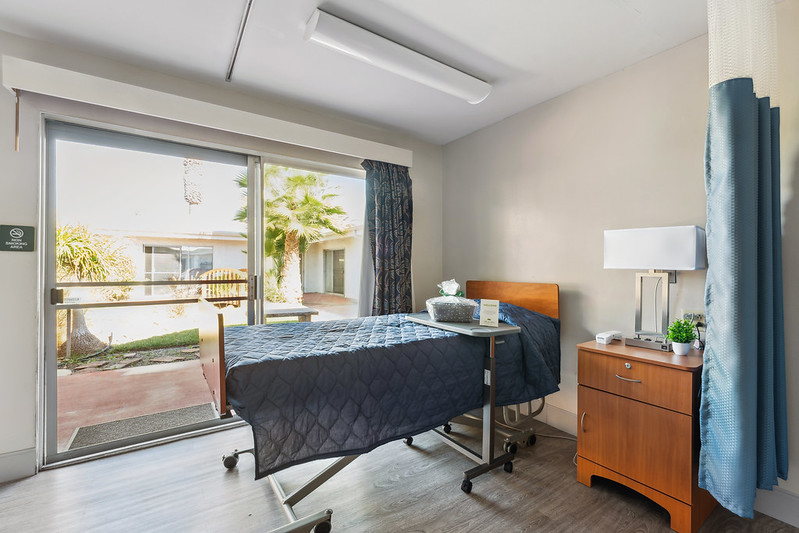
How is Villa Las Palmas Healthcare Center Staffed?

CMS rates VILLA LAS PALMAS HEALTHCARE CENTER's staffing level at 3 out of 5 stars, which is average compared to other nursing homes. Staff turnover is 34%, compared to the California average of 46%. This relatively stable workforce can support continuity of care.

What Have Inspectors Found at Villa Las Palmas Healthcare Center?

State health inspectors documented 50 deficiencies at VILLA LAS PALMAS HEALTHCARE CENTER during 2019 to 2025. These included: 2 that caused actual resident harm and 48 with potential for harm. Deficiencies causing actual harm indicate documented cases where residents experienced negative health consequences.
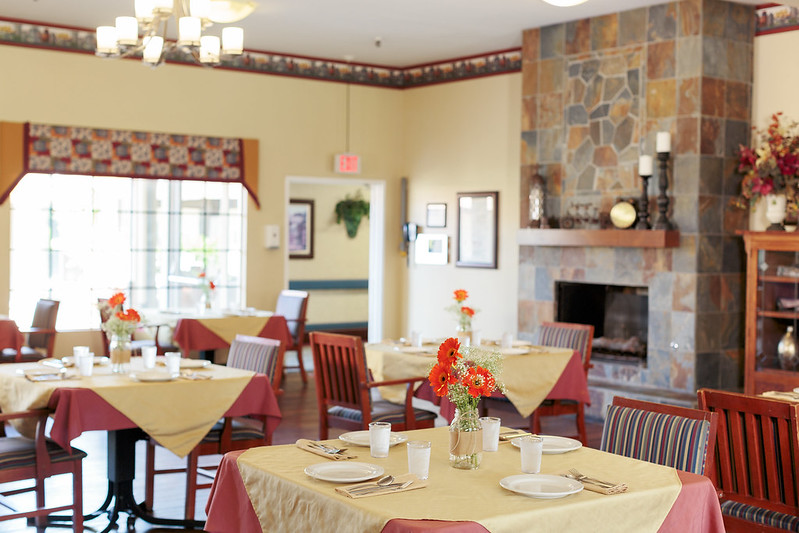
Who Owns and Operates Villa Las Palmas Healthcare Center?

VILLA LAS PALMAS HEALTHCARE CENTER is owned by a for-profit company. For-profit facilities operate as businesses with obligations to shareholders or private owners. The facility is operated by PACS GROUP, a chain that manages multiple nursing homes. With 151 certified beds and approximately 146 residents (about 97% occupancy), it is a mid-sized facility located in EL CAJON, California.
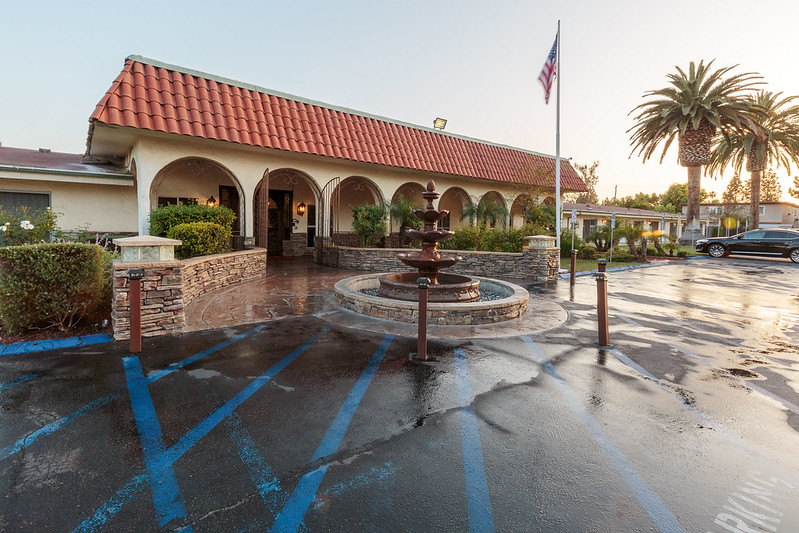
How Does Villa Las Palmas Healthcare Center Compare to Other California Nursing Homes?

Compared to the 100 nursing homes in California, VILLA LAS PALMAS HEALTHCARE CENTER's overall rating (3 stars) is below the state average of 3.1, staff turnover (34%) is significantly lower than the state average of 46%, and health inspection rating (2 stars) is below the national benchmark.

What Should Families Ask When Visiting Villa Las Palmas Healthcare Center?

Based on this facility's data, families visiting should ask: "What safeguards and monitoring systems are in place to protect residents from abuse or neglect?" "Can I visit during a mealtime to observe dining assistance and food quality?" "How do you handle medical emergencies, and what is your hospital transfer rate?" "Can I speak with family members of current residents about their experience?" These questions are particularly relevant given the substantiated abuse finding on record.

Is Villa Las Palmas Healthcare Center Safe?

Based on CMS inspection data, VILLA LAS PALMAS HEALTHCARE CENTER has documented safety concerns. The facility has 1 substantiated abuse finding (meaning confirmed case of resident harm by staff or other residents). The facility has a 3-star overall rating and ranks #100 of 100 nursing homes in California. Families considering this facility should ask detailed questions about what corrective actions have been taken since these incidents.

Do Nurses at Villa Las Palmas Healthcare Center Stick Around?

VILLA LAS PALMAS HEALTHCARE CENTER has a staff turnover rate of 34%, which is about average for California nursing homes (state average: 46%). Moderate turnover is common in nursing homes, but families should still ask about staff tenure and how the facility maintains care continuity when employees leave.

Was Villa Las Palmas Healthcare Center Ever Fined?

VILLA LAS PALMAS HEALTHCARE CENTER has been fined $33,732 across 2 penalty actions. The California average is $33,416. While any fine indicates a compliance issue, fines under $50,000 are relatively common and typically reflect isolated problems that were subsequently corrected. Families should ask what specific issues led to these fines and confirm they've been resolved.

Is Villa Las Palmas Healthcare Center on Any Federal Watch List?

VILLA LAS PALMAS HEALTHCARE CENTER is not on any federal watch list. The most significant is the Special Focus Facility (SFF) program, which identifies the bottom 1% of nursing homes nationally based on persistent, serious quality problems. Not being on this list means the facility has avoided the pattern of deficiencies that triggers enhanced federal oversight. This is a positive indicator, though families should still review the facility's inspection history directly.