SHIELDS NURSING CENTER
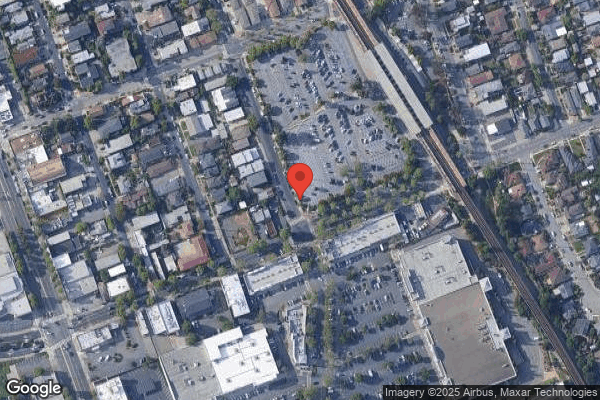
3230 CARLSON BOULEVARD, EL CERRITO, CA 94530 (510) 525-3212
For profit - Corporation 45 Beds Independent Data: November 2025
Trust Grade
83/100
#196 of 1155 in CA
Last Inspection: June 2025

Inspected within the last 6 months. Data reflects current conditions.

Overview

Shields Nursing Center in El Cerrito, California, has a Trust Grade of B+, indicating it is above average and recommended for potential residents. It ranks #196 out of 1,155 facilities in California, placing it in the top half, and #10 out of 30 in Contra Costa County, meaning only nine local options are better. However, the facility is experiencing a concerning trend, as the number of issues reported rose significantly from 2 in 2024 to 11 in 2025. Staffing is a strong point, with a 5/5 star rating and a low turnover rate of 25%, which is below the state average of 38%, ensuring continuity of care. Notably, the nursing home has not incurred any fines, demonstrating compliance with regulations. Despite these strengths, there are weaknesses that families should consider. Recent inspections revealed several concerns, including the improper labeling of food items which could lead to foodborne illnesses, and failures in infection control practices, such as not monitoring for harmful waterborne pathogens and not disinfecting medical equipment properly. While there are no critical or serious issues reported, the presence of 24 concerns, particularly regarding infection control, indicates a need for improvement in overall safety and health standards.

Trust Score
B+
83/100
In California
#196/1155
Top 16%
Safety Record
Low Risk
No red flags
Inspections
Getting Worse
2 → 11 violations
Staff Stability
✓ Good
25% annual turnover. Excellent stability, 23 points below California's 48% average. Staff who stay learn residents' needs.
Penalties
✓ Good
No fines on record. Clean compliance history, better than most California facilities.
Skilled Nurses
✓ Good
Each resident gets 49 minutes of Registered Nurse (RN) attention daily — more than average for California. RNs are trained to catch health problems early.
Violations
⚠ Watch
24 deficiencies on record. Higher than average. Multiple issues found across inspections.
★★★★★
5.0
Overall Rating
★★★★★
5.0
Staff Levels
★★★★☆
4.0
Care Quality
★★★★☆
4.0
Inspection Score
Stable
2024: 2 issues
2025: 11 issues

The Good

  • 5-Star Staffing Rating · Excellent nurse staffing levels
  • 4-Star Quality Measures · Strong clinical quality outcomes
  • Low Staff Turnover (25%) · Staff stability means consistent care
  • Full Sprinkler Coverage · Fire safety systems throughout facility
  • No fines on record
  • Staff turnover is low (25%)

    23 points below California average of 48%

Facility shows strength in staffing levels, quality measures, staff retention, fire safety.

The Bad

No Significant Concerns Identified

This facility shows no red flags. Among California's 100 nursing homes, only 1% achieve this.

The Ugly 24 deficiencies on record

Jun 2025 8 deficiencies
CONCERN (D)

Potential for Harm - no one hurt, but risky conditions existed

Deficiency F0645 (Tag F0645)

Could have caused harm · This affected 1 resident

**NOTE- TERMS IN BRACKETS HAVE BEEN EDITED TO PROTECT CONFIDENTIALITY** Based on interview and record review, the facility failed to ensure two of two sampled residents' (Resident 3 and 31) Preadmissi...

Read full inspector narrative →
**NOTE- TERMS IN BRACKETS HAVE BEEN EDITED TO PROTECT CONFIDENTIALITY** Based on interview and record review, the facility failed to ensure two of two sampled residents' (Resident 3 and 31) Preadmission Screening and Resident Review (PASRR) were screened and referred to the appropriate state mental authority for Level II evaluation and determination. (PASRR is a federal requirement to help ensure that individuals who have a mental disorder or intellectual disabilities are not inappropriately placed in nursing homes for long term care). Resident 3 and 31 with diagnosis of schizophrenia were not referred for Level II PASRR evaluation and determination. This failure placed Resident 3 and 31 at risk for inappropriate placement in the facility and prevent Resident 3 and 31 from receiving appropriate required mental health services. Findings: During a review of Resident 3's admission Record (AR), dated June 4, 2025, AR indicated Resident 3 was originally admitted to the facility on [DATE] with diagnosis that included schizophrenia (a chronic mental illness that affects how a person thinks, feels and behaves, often making it difficult to distinguish between reality and imagination). During a concurrent interview and record review on 6/4/25, at 9:05 a.m., with Director of Nursing(DON) and MDSC coordinator (MDSC 1), Resident 3's PASRR Level I screening result dated 3/24/25 was reviewed. DON stated she was not aware of the need to refer Resident 3 for Level II evaluation. During a review of Resident 31's admission Record (AR), dated June 4, 2025, AR indicated Resident 31 was originally admitted to the facility on [DATE] with diagnosis that included schizophrenia. During a concurrent interview and record review on 6/4/25, at 9:05 a.m., with Director of Nursing(DON) and MDSC coordinator (MDSC 1), Resident 31's PASRR Level I screening result dated 4/14/21 was reviewed. DON stated she was not aware of the need to refer Resident 31 for PASRR Level II evaluation.
CONCERN (D) 📢 Someone Reported This

A family member, employee, or ombudsman was alarmed enough to file a formal complaint

Potential for Harm - no one hurt, but risky conditions existed

Accident Prevention (Tag F0689)

Could have caused harm · This affected 1 resident

**NOTE- TERMS IN BRACKETS HAVE BEEN EDITED TO PROTECT CONFIDENTIALITY** Based on interview and record review, the facility failed to ensure Resident 14 received adequate bed mobility supervision and a...

Read full inspector narrative →
**NOTE- TERMS IN BRACKETS HAVE BEEN EDITED TO PROTECT CONFIDENTIALITY** Based on interview and record review, the facility failed to ensure Resident 14 received adequate bed mobility supervision and assistance to prevent the resident from falling to the floor. This deficient practice resulted in resident 14 falling on the floor and sustaining a left femur fracture (left femur fracture is a break in the left thighbone. It often causes severe pain and swelling). Findings: During a review of Resident 14's Facesheet (information containing contact details, brief medical history at-a-glance) printed 6/4/25, the facesheet indicated Resident 14 was admitted to the facility on [DATE] with diagnoses that included morbid obesity, hemiplegia and hemiparesis (morbid obesity means having a body weight that is much higher than what is considered healthy; hemiplegia is paralysis that affects only one side of the body and hemiparesis is a condition characterized by weakness on one side of the body). During a review of Resident 14's Minimum Data Set (MDS, an assessment tool used to direct resident care) dated 4/10/25, indicated Resident 14 had a brief interview for mental status or BIMS score of 10 (BIMS score of 8 to 12 indicates moderate cognitive impairment). The MDS also indicated Resident 14 needed substantial to maximal assistance when rolling from lying on back to left and right side which meant when helping the resident to turn from side to side, the helper does more than half the effort. Helper lifts or holds trunk or limbs and provides more than half the effort. During a review of Resident 14's Activities of Daily Living (ADL) care plan indicated Resident 14 required extensive assistance by two staff to turn and reposition in bed every two hours and as necessary. During a review of facility's Interdisciplinary Team's notes (IDT, a group of individuals representing different departments of the facility), dated 3/21/25, indicated on 3/15/25 at 6:56 a.m., Resident 14 was rolled out of bed by Certified Nursing Assistant (CNA) 1 to the floor while providing care. The IDT notes also indicated Resident 14 was screaming in pain and was transferred to the hospital by 911. The IDT notes further indicated a plan of action of maintaining two persons assist during ADL care and to provide more teaching to CNA 1. During a review of Resident 14's Hospitalist (physician specialist in hospital care) History and Physical (H & P) dated 3/20/25, indicated Resident 14 sustained left femur fracture. During an interview on 6/4/25, at 10:09 a.m., with Resident 14, Resident 14 complained of left hip pain and stated she fell from her bed but could not remember when the incident happened. During a telephone interview on 6/4/25, at 10:11 a.m., with CNA 1, CNA 1 acknowledged she needed another person to help her turn Resident 14 from side to side, but she did not ask for assistance. CNA 1 stated Resident 14's bed was in a high position when she fell from the bed. During an interview on 6/4/25, at 11:10 a.m., with Registered Nurse (RN) 1, RN 1 stated Resident 14 required two to three persons to assist when being turned and repositioned due to the resident's morbid obesity. During an interview on 6/4/25, at 2:05 p.m., with Director of Rehabilitation (DOR), DOR stated Resident 14's fall was avoidable and could have been prevented if the CNA asked for help. DOR stated the resident needed two persons assistance all the time when being turned and repositioned in bed.
CONCERN (D)

Potential for Harm - no one hurt, but risky conditions existed

Deficiency F0849 (Tag F0849)

Could have caused harm · This affected 1 resident

Based on interview and record review, the facility failed to follow its hospice policy and procedure to collaborate, develop and implement a coordinated plan of care (POC) with hospice representatives...

Read full inspector narrative →
Based on interview and record review, the facility failed to follow its hospice policy and procedure to collaborate, develop and implement a coordinated plan of care (POC) with hospice representatives for one sampled resident (Resident 18) admitted into hospice program, when Resident 18's hospice POC did not reflect the participation of hospice representatives, Resident 18 and Resident 18's representatives. {POC means a written plan of care established, maintained, reviewed, and modified as necessary, for an individual that reflects the participation of hospice, facility, the patient and patient's family, as appropriate and complies applicable to federal and state laws and regulations}. {Hospice- a program that gives special care to people who are near the end of life and have stopped treatment to cure or control their disease}. This failure had the potential to result in Resident 18 not receiving necessary care and services. Findings: During a review of Resident 18's admission Record (AR), dated 6/4/25, the AR indicated, Resident 18 was admitted to facility on 5/7/25 with principal diagnosis of disorder of brain. During a review of Resident 18's Admission-Minimum Data Set (MDS - an assessment screening tool used to guide care), dated 5/13/25, indicated Resident 18 was on hospice. During a review of Resident 18's hospice service notes, dated 5/7/25, indicated start hospice order. During an interview on 6/4/25, at 9:15 a.m., with Social Services (SSD), SSD stated she was designated to coordinate hospice care provided to Resident 18. SSD stated she had not scheduled a POC conference for Resident 18 with hospice provider. SSD stated facility had not collaborated with hospice representative . SSD stated she was aware of need to schedule a POC conference with hospice provider, but the care conference had not been scheduled. During a concurrent interview and record review on 6/4/25, at 9:20 a.m., with Director of Nursing (DON), Resident 18's care plan reports, hospice agreement and physician orders were reviewed. DON stated social services was designated to coordinate the care plan conference with hospice agency and Resident 18's family members. DON stated Resident 18 and hospice representative had not been invited to participate in development of Resident 18's hospice care plan in collaboration with hospice agency. DON stated facility had not met to collaborate with hospice representatives on Resident 18 POC. DON stated it was an oversight. During a review of facility's policy and procedure (P&P) titled, Hospice Program, revised July 2017, the P&P indicated, Our facility had designated (name) to coordinate care provided to the resident by our facility staff and hospice staff. Collaborating with hospice representatives and coordinating facility staff participation in the hospice care planning process for residents receiving these services).
CONCERN (E)

Potential for Harm - no one hurt, but risky conditions existed

Deficiency F0565 (Tag F0565)

Could have caused harm · This affected multiple residents

**NOTE- TERMS IN BRACKETS HAVE BEEN EDITED TO PROTECT CONFIDENTIALITY** Based on interview and record review, the facility failed to ensure enough space was provided for a resident council meeting. Th...

Read full inspector narrative →
**NOTE- TERMS IN BRACKETS HAVE BEEN EDITED TO PROTECT CONFIDENTIALITY** Based on interview and record review, the facility failed to ensure enough space was provided for a resident council meeting. This failure had the potential to result in lack of residents participation in group meeting and opportunity to discuss problems or concerns with others. Findings: During a resident council meeting on 6/3/25, at 1:34 p.m., in an empty resident room, six residents seated in wheelchairs were in attendance. Resident 6 stated resident council meetings took place sometimes in Resident 6's room or in empty resident rooms. Resident 6 stated facility did not provide enough space and that empty residents' room did not fit residents willing to participate in group meeting. Resident 6 stated she was not comfortable accommodating resident council meeting in her room. During a review of Resident 6's Minimum Data Set (MDS), (Resident Assessment and care guide tool), dated 4/18/25, MDS indicated Resident 6's BIMS score was 15 meaning intact cognition. MDS indicated Resident 6 had clear speech, able to express ideas and wants. MDS indicated Resident 6 was admitted to the facility on [DATE]. During an interview on 6/3/25, at 2:20 p.m., with Activity Director (AD), AD stated residents used empty rooms for council meetings and space was limited. AD stated there was need for more space because more residents willing to participate were not able to attend. AD stated sometimes instead of residents' group meetings AD did one on one meetings with residents in their rooms to review issues and concerns. AD stated more residents would like to attend but there was no space. During an interview on 6/03/25, at 2:23 p.m., with Administrator (Admin), Admin stated there was no specific room assigned for resident council meetings. Admin stated resident group meetings took place in empty resident rooms. Admin stated facility would provide a new location for resident council meetings. During a review of the facility's policy and procedure (P&P) titled, Resident Council, revised February 2021, the P&P indicated,The resident council group is provided with space, privacy and support to conduct meetings.
CONCERN (E)

Potential for Harm - no one hurt, but risky conditions existed

Deficiency F0578 (Tag F0578)

Could have caused harm · This affected multiple residents

**NOTE- TERMS IN BRACKETS HAVE BEEN EDITED TO PROTECT CONFIDENTIALITY** Based on interview and record review, the facility failed to ensure the residents' medical records were updated to show document...

Read full inspector narrative →
**NOTE- TERMS IN BRACKETS HAVE BEEN EDITED TO PROTECT CONFIDENTIALITY** Based on interview and record review, the facility failed to ensure the residents' medical records were updated to show documentation that advanced directives (written statement of a person's wishes regarding the medical treatment made to ensure those wishes are carried out should the person be unable to communicate them to a doctor), were discussed with the residents and/or responsible parties for four out of 15 final sampled residents (Residents 7, 10, 20 and 21). This had potential for the facility to provide treatment and services against the residents' wishes. Findings: 1. During a review of Resident 7's admission Record, dated 6/4/25, indicated, Resident 7 was admitted to the facility on [DATE] with diagnoses that included chronic pulmonary embolism (a lung disease that can cause heart failure). During a review of Resident 7's Minimum Data Set (MDS, an assessment tool used to direct resident care) dated 5/28/25 under Section C, indicated a Brief Interview for Mental Status (BIMS-an assessment tool to used to help evaluate cognition in the elderly) score of 14, meaning Resident 7 was cognitively intact . During a review of Resident 7's Physician Orders for Life-Sustaining Treatment (POLST-a form that gives instructions for the resident's care in life-threatening medical situations), dated 10/1/22, under information and signatures, the POLST indicated the resident did not have an advanced directive. Further review of Resident 7's medical record failed to show a copy of an advanced directive. 2. During a review of Resident 10's admission Record, dated 6/4/25, indicated, Resident 10 was admitted to the facility on [DATE] with diagnoses that included dementia (memory loss and impaired decision-making capacity). Review of Resident 10's MDS, dated [DATE], under Section C, indicated Resident 10's short and long-term memory was impaired, and had severely impaired decision-making capacity. During a review of Resident 10's POLST form, dated 3/6/19, under information and signatures, the POLST showed no information on the presence of an advanced directive. 3. During a review of Resident 20's admission Record, dated 6/4/25, indicated, Resident 20 was admitted to the facility on [DATE] with diagnoses that included Alzheimer's Disease (brain disorder). Review of Resident 20's MDS dated [DATE] under Section C, indicated a BIMS score of 0, meaning Resident 20 had severe cognitive impairment. Review of Resident 20's medical records showed a POLST dated 12/8/20, under information and signatures, indicated the resident did not have an advanced directive. 4. During a review of Resident 21's admission Record, dated 6/4/25, indicated Resident 21 was admitted to the facility on [DATE]. During a review of Resident 21's MDS dated [DATE] under Section C, indicated a BIMS score of 13, meaning Resident 21 was cognitively intact. Review of Resident 21's medical records showed a POLST dated 11/26/21, under information and signatures, indicated the resident did not have an advanced directive. During a concurrent interview and record review on 6/3/25, at 9:08 a.m., with the Social Service Director (SSD), SSD reviewed Residents 7, 10, 20 and 21's medical records and stated there was no documentation that advance directives were discussed and followed up with the residents and their responsible parties. During an interview on 6/3/25, at 3:00 p.m., with the Director of Nursing (DON), the DON stated that the facility residents' advance directives were supposed to be followed up by the Social Services Director (SSD). During a review of the facility's policy and procedure (P&P) titled, Advanced Directives, Revised October 2009, indicated, . Advanced directives will be respected in accordance with state law and facility policy .1. Prior to or upon admission of a resident to our facility, the Social Services Director or Designee will provide written information to the resident concerning his/her right to make decisions concerning medical care, including the right to accept or refuse medical or surgical treatment, and the right to formulate advance directives .3. Prior to or upon admission of a resident, the Social Services Director or Designee will inquire of the resident and/or his/her family members about the existence of any written advance directives. 4. Information about whether or not the resident has executed an advanced directive shall be displayed prominently in the medical record .
CONCERN (E)

Potential for Harm - no one hurt, but risky conditions existed

Pharmacy Services (Tag F0755)

Could have caused harm · This affected multiple residents

Based on interview, and record review, the facility failed to ensure Consultant Pharmacist (CP) provided consultation on all aspects of the pharmacy services in the facility when : 1. Loose pills were...

Read full inspector narrative →
Based on interview, and record review, the facility failed to ensure Consultant Pharmacist (CP) provided consultation on all aspects of the pharmacy services in the facility when : 1. Loose pills were observed in med cart 2. Formula bottles were stored in the cabinet underneath hand washing sink. 3. CP did not assist with disposition of discontinued controlled drugs in sufficient detail to enable an accurate reconciliation. These failures had the potential to result in medication error, contamination of tube feeding formula and possible diversion of controlled drugs. Findings: During a concurrent observation and interview on 6/3/25, at 12:05 p.m., with Registered Nurse (RN) 1 in the medication storage room, thirteen bottles of tube feeding formula were stored in a cabinet underneath the hand wash sink. RN 1 stated she did not know about the storage underneath the hand wash sink. During a concurrent observation and interview on 6/3/25, at 12:18 p.m., with RN 1, the medication cart was reviewed and loose pills were found in the cart behind medication cards. RN 1 stated she did not know about the loose pills. During a concurrent observation and interview on 6/3/25, at 12:31 p.m., with Director of Nursing (DON), in the medication room, thirteen bottles of tube feeding formula were stored under the hand wash sink. DON stated she would remove the stored formula to another location. DON stated facility had a container for loose pills and expected licensed nurses to dispose of medications properly. During further observation and concurrent interview on 6/3/25, at 12: 31 p.m., in the medication room, a cabinet was full of discontinued narcotic medications . DON stated CP last destroyed discontinued narcotics on 11/5/24. DON stated CP remotely reviewed residents medication records. DON stated CP had not visited the facility to assist with the destruction of the discontinued medications. During an interview on 6/4/25, at 8:10 a.m., with Administrator (Admin), Admin stated CP had been inconsistent with visit to facility and did medication review remotely . Admin stated CP had continued to be remote since COVID-19 period. Admin stated he had made several attempts to communicate with CP with no response. Admin stated CP had not attended quarterly Quality Assurance Committee (QA) meetings, with the last documented CP attendance of QA committee meeting in 2022. During an interview on 6/5/25, at 11:23 a.m., with CP's Director of Clinical Operation (DCO), DCO stated he was not aware that assigned CP was not physically present at the facility. DCO stated that not physically visiting and attending QA meetings was not an operational policy; the expectation was for CP to be present in the facility and physically visit . DCO stated the CP should still go into the facility for drug destruction and QA attendance. DCO stated it was the Pharmacy policy to be at the facility physically.
CONCERN (E)

Potential for Harm - no one hurt, but risky conditions existed

Food Safety (Tag F0812)

Could have caused harm · This affected multiple residents

Based on observation, staff interview, and record review, the facility failed to store and prepare food in accordance with professional standards for safety when: 1. Two expired containers of sour cre...

Read full inspector narrative →
Based on observation, staff interview, and record review, the facility failed to store and prepare food in accordance with professional standards for safety when: 1. Two expired containers of sour cream were stored in the kitchen refrigerator. 2. One opened plastic bag of soggy salad was stored in the kitchen refrigerator. 3. Storage used for kitchen utensils was not clean. These failures put the facility at increased risk for food contamination and food borne illness for 33 residents who received food from the kitchen. Findings: 1. During a concurrent observation and interview during the initial kitchen tour on 6/2/25, at 9:14 a.m., with the Dietary Supervisor (DS), two expired containers of sour cream were in the kitchen refrigerator. One of the two containers was opened and was almost empty. DS stated the expired sour cream should have been disposed and further stated that the risk for the residents consuming the expired sour cream was stomach upset. During a review of the facility's policy and procedure (P&P) titled, Food Receiving and Storage of Cold Foods, dated 2023, indicated, All the perishable food items purchased by the department of food and dining services will be stored properly. Perishable food will be kept refrigerated or frozen . All open food items will have an open date and use-by-date per manufacturer's guidelines . 2. During a concurrent observation and interview during the initial kitchen tour on 6/2/25, at 9:18 a.m., with the DS, one opened plastic bag of soggy salad was in the refrigerator. DS stated the bag of salad should have been thrown away. DS stated risk for the residents eating the soggy salad was stomach upset. During a review of the facility's policy and procedure (P&P) titled, Food Receiving and Storage of Cold Foods, dated 2023, indicated, All the perishable food items purchased by the department of food and dining services will be stored properly. Perishable food will be kept refrigerated or frozen . All open food items will have an open date and use-by-date per manufacturer's guidelines . 3. During a concurrent observation and interview during the initial kitchen tour on 6/2/25, at 9:25 a.m., with the DS, the utensil holder which stored kitchen utensils used for cooking had brownish stains all over and scattered brownish particles. DS acknowledged that the utensil holder was dirty and that the risk of storing the kitchen utensils in the holder was cross contamination. During a review of the facility's P&P titled, Sanitizing Equipment, Food and Utility Carts, dated 2023, indicated, .All kitchen equipment and surfaces which come in contact with food will be cleaned and sanitized after each use . According to the 2022 Federal Food Code, food-contact surfaces are to be clean to sight and touch, the food-contact surfaces of cooking equipment and pans are to be kept free of encrusted grease deposits and other soil accumulations, and nonfood-contact surfaces of equipment is to be kept free of an accumulation of food residue and other debris.
CONCERN (E)

Potential for Harm - no one hurt, but risky conditions existed

Deficiency F0813 (Tag F0813)

Could have caused harm · This affected multiple residents

**NOTE- TERMS IN BRACKETS HAVE BEEN EDITED TO PROTECT CONFIDENTIALITY** Based on interview and record review, the facility failed to allow one of 15 sampled resident (Resident 139) to store food broug...

Read full inspector narrative →
**NOTE- TERMS IN BRACKETS HAVE BEEN EDITED TO PROTECT CONFIDENTIALITY** Based on interview and record review, the facility failed to allow one of 15 sampled resident (Resident 139) to store food brought by family member in the facility's refrigerator. This failure resulted in Resident 139 not being able to store food brought from home to the facility. Findings: During a resident council meeting (resident council meeting is a group meeting of residents living in the facility that meets once a month to discuss concerns, develop suggestions on improving services, or resolve differences) on 6/3/25, at 1:34 p.m., with six residents, Resident 139 stated when her family brought her food, she ate the food immediately and shared it with her care giver because facility had no refrigerator to store food for the residents. Resident 139 stated the facility should have small refrigerator to keep and store food for residents. Resident 139 also stated the facility did not offer a refrigerator. During a review of Resident 139's admission Record (AR), dated 6/4/25, indicated, Resident 139 was admitted to the facility on [DATE]. A review of Resident 139's Minimum Data Set (MDS, an assessment tool used to guide care) dated 5/28/25, the MDS indicated Resident 139 had a Brief Interview for Mental Status (BIMS, a screening tool used to assess cognition) score of 15 out of 15, meaning intact cognition. During an interview on 6/03/25, 12:19 p.m., with the Assistant Director of Nursing (ADON), the ADON stated, the facility used to have a refrigerator for the residents' food brought from home and stated she could not remember when it broke, but it was not replaced. The ADON further stated when the family members brought food for the residents, the facility asked the residents' families just to bring enough food that the residents could eat, and the facility asked the residents' families to bring home the food that the residents could not consume. During an interview on 6/3/25, at 2:54 p.m., with the Director of Nursing (DON), the DON stated, the facility did not have a refrigerator for food brought from home. During a review of the facility's policy and procedure (P&P) titled, Food brought by Family/Visitors, Revised March 2022, the P&P indicated, . Food brought by family/visitors that is left with the resident to consume later is labeled and stored in a manner that is clearly distinguishable from facility prepared food. a. Non-perishable foods are stored in a resealable container with tight fitting lids . b. Perishable foods are stored in re-sealable containers with tightly fitting lids in a refrigerator. Containers are labeled with the residents' name, the item and the use by date .
May 2025 2 deficiencies
CONCERN (D) 📢 Someone Reported This

A family member, employee, or ombudsman was alarmed enough to file a formal complaint

Potential for Harm - no one hurt, but risky conditions existed

Deficiency F0573 (Tag F0573)

Could have caused harm · This affected 1 resident

**NOTE- TERMS IN BRACKETS HAVE BEEN EDITED TO PROTECT CONFIDENTIALITY** Based on interview and record review, the facility failed to ensure Resident 1 ' s representative (RR) received copies of medica...

Read full inspector narrative →
**NOTE- TERMS IN BRACKETS HAVE BEEN EDITED TO PROTECT CONFIDENTIALITY** Based on interview and record review, the facility failed to ensure Resident 1 ' s representative (RR) received copies of medical records within forty-eight hours from requested date. This failure resulted in RR not receiving requested documents for forty-two days. Findings: During a review of Resident 1 ' s admission Record, the admission Record indicated Resident 1 was admitted to the facility on [DATE]. During a review of the letter of request, dated 2/20/25, the letter was addressed to the facility ' s Custodian of Records. The letter indicated a request for Resident 1 ' s medical records. During a review of the documents, the authorization request was hand delivered and served to the facility on 2/27/25 and received by facility staff. On 3/17/25, Medical Records (MR) staff confirmed to RR the facility received the request. MR said he was still working on it and was not finished gathering the records. During an interview on 5/22/25, at 1:07 p.m., with MR, MR stated he did not see the request as the letter might have been in the Administrator ' s (ADM) office. Per MR, he was not sure when he knew about the request. MR stated the requested documents were placed in a USPS (United States Postal Service) parcel box and ADM mailed it at the post office. Per MR, medical records request must be completed in seventy-two hours. During a concurrent interview and record review on 5/22/25, at 1:07 p.m., with ADM, the USPS receipt was reviewed. The ADM stated he took the parcel box containing the requested documents and mailed it at the post office. The USPS receipt indicated the parcel box was mailed on 3/26/25 at 4:58 p.m Per receipt, the parcel box was mailed with certified mail and return receipt tracking numbers. During a review of the facility ' s policy and procedure (P&P) titled, Release of Information, dated November 2009, the P&P indicated, A resident may obtain photocopies of his or her records by providing the facility with at least a forty-eight (48) hour (excluding weekends and holidays) advance notice of such request.
CONCERN (D) 📢 Someone Reported This

A family member, employee, or ombudsman was alarmed enough to file a formal complaint

Potential for Harm - no one hurt, but risky conditions existed

Pressure Ulcer Prevention (Tag F0686)

Could have caused harm · This affected 1 resident

Based on observation, interview, and record review the facility failed to assess the coccyx (tailbone) pressure ulcer (localized damage to the skin and/or underlying soft tissue usually over a bony pr...

Read full inspector narrative →
Based on observation, interview, and record review the facility failed to assess the coccyx (tailbone) pressure ulcer (localized damage to the skin and/or underlying soft tissue usually over a bony prominence) wound for one (Resident 1) of three sampled residents. This failure had the potential for Resident 1 ' s wound to worsen, delay wound healing, have pain, infection and hospitalization. Findings: During a review of Resident 1 ' s face sheet, the face sheet indicated Resident 1's admitting diagnoses included unspecified dementia (a progressive state of decline in mental abilities) and urinary tract infection (UTI - an infection in the bladder/urinary tract). During a review of facility document Skin Only Evaluation, the Skin Only Evaluation noted Resident 1 had bluish purplish skin discoloration in coccyx area and foam dressing placed. The facility document Clinical admission Evaluation, noted Resident 1 had a pain score of 1 (1 being the least and 10 being the worst). During a review of Resident 1 ' s face sheet, the face sheet indicated an additional diagnosis of pressure ulcer of sacral region, stage 3 (stage 1 as lowest wound severity and stage 4 as highest wound severity) with onset date twenty months after admission. During a review of the facility document Wound - Weekly Observation Tool, the Wound - Weekly Observation Tool, in 2024, was completed on 2/6, 3/15, 6/14, 6/21, 7/5, 7/26, 8/23, 10/18, and 11/8. During a review of the facility document Long Term Care Evaluation - Weekly Evaluation, the Long Term Care - Weekly Evaluation, in 2024, the Skin Section did not have any skin evaluation documented on 2/8, 3/17, 3/21, 4/4, 4/18, 5/2, 5/9, 5/23. In 2024, the Skin Section did not have wound description documented on 2/29, 3/14, 3/28, 4/25, 5/17, 6/13, 6/20, 6/27, 7/18, 11/7, 11/14, 11/21, and 12/5. During a review of facility document Braden Scale (assessment of a patient ' s risk of developing pressure ulcer) for Predicting Pressure Ulcer Risk, Resident 1 ' s Braden Score was 12 (12 or lower = very high risk). During an interview on 4/23/25, at 12:31 p.m., with the Director of Nursing (DON), the DON stated skin evaluation should be done on admission then on weekly assessments. During an interview on 5/22/25, at 10:25 a.m., with Licensed Vocational Nurse (LVN) 1, LVN1 stated wound description should be documented in progress notes and change of condition. Per LVN 1, wound documentation included description of wound, length, depth, and color. LVN 1 stated wound assessment documentation should be done weekly. Per LVN 1, when doing weekly evaluation charting, it was not expected to include wound assessment. During an interview on 5/22/25, at 11:45 a.m., with the DON, the DON stated weekly wound evaluation should be done once a week. The DON added documentation on wound assessment should include staging. Per DON, if not done, nobody will know if there is infection and not know if wound is getting better. During a review of the facility ' s policy and procedure (P&P) titled, Wound Care, dated October 2010, the P&P indicated, The following information should be recorded in the resident ' s medical record .all assessment data (i.e., wound bed color, size, drainage, etc.) obtained when inspecting the wound.
Jan 2025 1 deficiency
CONCERN (D) 📢 Someone Reported This

A family member, employee, or ombudsman was alarmed enough to file a formal complaint

Potential for Harm - no one hurt, but risky conditions existed

Comprehensive Assessments (Tag F0636)

Could have caused harm · This affected 1 resident

**NOTE- TERMS IN BRACKETS HAVE BEEN EDITED TO PROTECT CONFIDENTIALITY** Based on interview and record review, the facility failed to complete a comprehensive Minimum Data Set (MDS, an assessment tool ...

Read full inspector narrative →
**NOTE- TERMS IN BRACKETS HAVE BEEN EDITED TO PROTECT CONFIDENTIALITY** Based on interview and record review, the facility failed to complete a comprehensive Minimum Data Set (MDS, an assessment tool used to direct resident care) for one of two sampled residents (Resident 1) within the regulatory specified timeframes when the Minimum Data Set Coordinator (MDSC) did not complete the admission assessment within 14 calendar days of Resident 1 ' s admission to the facility. This deficient practice had the potential to result in Resident1 ' s unassessed and unmet care needs. Findings: A review of Resident 1 ' s admission Record, printed 12/17/24, indicated resident was admitted to the facility on [DATE]. A review of Resident 1 ' s MDS record, indicated Resident 1 ' s admission MDS had an assessment reference date of 9/29/24, and the MDS was not completed within 14 calendar days of resident ' s admission to the facility. During a concurrent interview and record review on 12/17/24, at 1:48 p.m., with the MDSC, Resident 1 ' s MDS Assessments were reviewed. MDSC was unable to provide Resident 1 ' s admission MDS and stated it was still in progress (not yet completed at the time it was asked). MDSC stated resident ' s admission Assessment should have been completed by 10/12/24 and submitted on 10/19/24 but was not completed timely due to MDSC ' s workload. A review of the facility ' s policy, Resident Assessment Instrument (RAI), dated October 2023, indicated, The Assessment Coordinator is responsible for ensuring that the Interdisciplinary Assessment Team conduct timely resident assessments and reviews according to the following schedule: a. Within fourteen (14) days of the resident ' s admission to the facility .MDS Completion Date .No Later Than 14th calendar day of the resident ' s admission (admission date + 13 calendar days).
Apr 2024 2 deficiencies
CONCERN (D) 📢 Someone Reported This

A family member, employee, or ombudsman was alarmed enough to file a formal complaint

Potential for Harm - no one hurt, but risky conditions existed

Transfer Notice (Tag F0623)

Could have caused harm · This affected 1 resident

Based on interview and record review, for one of two sampled residents (Resident 1), the facility failed to provide Resident 1 a notice of proposed discharge within the timeframe of at least 30 days p...

Read full inspector narrative →
Based on interview and record review, for one of two sampled residents (Resident 1), the facility failed to provide Resident 1 a notice of proposed discharge within the timeframe of at least 30 days prior to the actual discharge date and failed to send a copy to the Office of the State Long-Term Care Ombudsman as required. This failure had the potential to result in the lack of added protection to Resident 1 from being inappropriately discharged , without access to an advocate who can inform them of options and rights. Findings: During a review of Resident 1's admission Record, dated 4/4/24, the admission Record indicated Resident 1 was admitted to the facility in November 2023 with diagnoses that included cerebral palsy (a group of conditions that affect muscle movement and posture. Symptoms include exaggerated reflexes, floppy or rigid movements and involuntary motions), dysphagia (difficulty swallowing), repeated falls, rhabdomyolysis (life-threatening condition, as a result of muscle injury, muscles break down and releases protein into the blood, this protein damages the kidney), syncope and collapse (fainting, sudden loss of consciousness), and dorsalgia (mild to disabling pain occurring on the spine or back). The admission Record indicated Resident 1 was self-responsible and Caregiver (CG) was Emergency Contact #1. During a review of Resident 1's Minimum Data Set (MDS, a resident assessment instrument used to identify resident care problems to be addressed in an individualized care plan), dated 11/28/23, the MDS indicated a Brief Interview for Mental Status (BIMS, a scoring system used to determine the resident's cognitive status in regard to attention, orientation, and ability to register and recall information.) score of three (A BIMS score of three is an indication of severe cognitive impairment). During a review of Resident 1's Order Summary Report, dated 11/23/24, the Order Summary Report indicated an order for Resident 1 to be discharged home on 1/23/24. During a review of Resident 1's Notice of Proposed Transfer/Discharge with notification date 1/18/24, the Notice of Proposed Transfer/Discharge indicated Resident 1 was being discharged because Resident 1's health has improved sufficiently that Resident 1 no longer needed the services provided by the facility. The Notice of Proposed Transfer/Discharge was signed by CG on 1/23/24, and indicated, If you intend to file an appeal, it is suggested you do so within 10 calendar days of being notified .the decision regarding an appeal will normally be made within thirty (30) working days from the date you were formally notified . The notice also indicated it was required that a copy of it be faxed to the State Long Term Care Ombudsman office and proof the document was faxed will be filed in Resident 1's medical record. During an interview on 4/4/24 at 12:01 p.m. with Physical Therapist (PT), PT stated prior to admission to the facility, Resident 1 was able to walk, but had been falling frequently at home, hence the hospitalization and eventually admission to the facility. PT stated Resident 1's ability to perform ADLs (activities of daily living like turning and repositioning in bed, transfer from bed to chair and back, toilet use, personal hygiene and eating) fluctuated and still needed 24-hour care at the time of discharge. During a telephone interview on 4/9/24 at 10:42 a.m. with Administrator (Adm), Adm stated he did not know if Social Services Director sent a copy of the discharge notice to the Ombudsman office. Adm stated there was no facility policy and procedure that addressed discharge notices. As of 4/9/24 at 4:13 p.m., Adm was not able to provide a proof that the Notice of Proposed Transfer/Discharge issued to Resident 1 on 1/23/24 was sent to the State Long Term Care Ombudsman Office.
CONCERN (D) 📢 Someone Reported This

A family member, employee, or ombudsman was alarmed enough to file a formal complaint

Potential for Harm - no one hurt, but risky conditions existed

Deficiency F0660 (Tag F0660)

Could have caused harm · This affected 1 resident

Based on interview and record review, for one of two (Resident 1) sampled residents who were discharged from the facility, the facility failed to implement effective discharge planning when Resident 1...

Read full inspector narrative →
Based on interview and record review, for one of two (Resident 1) sampled residents who were discharged from the facility, the facility failed to implement effective discharge planning when Resident 1, who required 24-hour care, was discharged without consideration for Resident 1's discharge needs such as caregiver support availability and mechanically altered diet (foods that can be safely and successfully swallowed). This failure resulted in Resident 1's re-admission to the hospital. Findings: During a review of Resident 1's admission Record, dated 4/4/24, the admission Record indicated Resident 1 was admitted to the facility in November 2023 with diagnoses that included cerebral palsy (a group of conditions that affect muscle movement and posture. Symptoms include exaggerated reflexes, floppy or rigid movements and involuntary motions), dysphagia (difficulty swallowing), repeated falls, rhabdomyolysis (life-threatening condition, as a result of muscle injury, muscles break down and releases protein into the blood, this protein damages the kidney), syncope and collapse (fainting, sudden loss of consciousness), and dorsalgia (mild to disabling pain occurring on the spine or back). During a review of Resident 1's Minimum Data Set (MDS, a resident assessment instrument used to identify resident care problems to be addressed in an individualized care plan), dated 11/28/23, the MDS indicated a Brief Interview for Mental Status (BIMS, a scoring system used to determine the resident's cognitive status in regard to attention, orientation, and ability to register and recall information.) score of three (A BIMS score of three is an indication of severe cognitive impairment). During an interview and concurrent review on 4/4/24 at 10:56 a.m. with Social Services Director (SSD), Resident 1's Care Conference Summary, dated 11/22/23, was reviewed. SSD stated during the Care Conference for initial discharge planning, Resident 1's family agreed to take Resident 1 home only when Resident 1 was able to use the bathroom independently, without needing physical help from another person. The Care Conference Summary indicated Resident and caregiver both verbalized that upon discharge from SNF [skilled nursing facility], resident will return home. [Resident 1] needs to work hard with PT [physical therapy] and OT [occupational therapy] and be able to go back to his baseline. SSD will provide resources to fit resident needs. During a review of Resident 1's Inpatient Medicine Discharge Summary (from prior hospitalization), dated 11/15/23, the Inpatient Medicine Discharge Summary indicated Resident 1 had five unwitnessed falls at home prior to admission to the hospital. Resident 1 was discharged to the facility for physical therapy as Resident 1 independently performed his activities of daily living like turning and repositioning in bed, transfer from bed to chair and back, toilet use, personal hygiene and eating (ADLs) with intermittent help from Caregiver (CG) a few hours a day. During a review of Resident 1's Care Conference Summary, dated 1/18/24, the Care Conference Summary indicated Resident 1 had reached functional goals and will be discharged home with family, caregiver, and home health care services. During a review of Resident 1's Order Summary Report, dated 11/23/24, the Order Summary Report indicated an order, dated 11/28/23, for speech therapy to evaluate and treat Resident 1's dysphagia. The Order Summary Report also indicated an order for Resident 1 to be discharged home on 1/23/24. During a review of Resident 1's Discharge Plan of Care, dated 1/22/24, the Discharge Plan of Care indicated Resident 1 needed 24-hour care for minimal to moderate assistance with transfers and walking with front wheel walker and for Resident 1's diet to be regular puree, nectar thick liquid. During an interview and concurrent review of Resident 1's Discharge Plan of Care, dated 1/22/24, on 4/4/24 at 11:38 a.m. with Director of Nursing (DON), DON stated not being aware of Resident 1's need for 24-hour care as indicated in the Discharge Plan of Care. DON stated if she had been aware, it would have changed Resident 1's discharge plan to stay at the facility for long-term care. DON stated Resident 1 had coverage for long term stay. DON also stated the Discharge Plan of Care was the last paperwork to be completed by a representative of each department and issued to Resident 1 on the day of actual discharge and may not have been reviewed by the entire team. During an interview on 4/4/24 at 12:01 p.m. with Physical Therapist (PT), PT stated prior to admission to the facility, Resident 1 was able to walk, but had been falling frequently at home, hence the hospitalization and eventually admission to the facility. PT stated Resident 1's ability to perform ADLs fluctuated and still needed 24-hour care at the time of discharge. PT stated Resident 1 had a caregiver who did not show up for caregiver training with therapy. During a review of Resident 1's Physical Therapy Discharge Summary, dated 1/13/24, the Physical Therapy Discharge Summary indicated Resident 1 was able to turn, reposition in bed, and transfer in and out of bed with minimal assistance and able to walk on level surfaces with moderate assistance. The summary also indicated discharge reason as discharged per Physician or Case Manager. During a second interview and concurrent review of Resident 1's clinical records on 4/4/24 at 12:51 p.m. with SSD, Resident 1's Discharge Plan of Care, dated 1/22/24, was reviewed. SSD stated she thought Resident 1 only needed some assistance with ADLs and not needing 24-hour care. During a telephone interview on 4/8/24 at 1:12 p.m. with CG, CG stated being told Resident 1's insurance would not cover for long term-stay at the facility, so facility needed to discharge Resident 1. CG stated telling the facility staff of being unable to care for Resident 1 but was told Resident 1 could walk and go to the bathroom independently and not needing much help which turned out to be untrue. CD stated the night Resident 1 came home, Resident 1 fell, and CG had to go to Resident 1's home because Resident 1's sister was also bedridden and could not pick up Resident 1 off the floor. CG stated Resident 1 had four more falls over two days after that night. CG stated not being able to provide 24-hour care for Resident 1 as CG only went to Resident 1's home an hour a day, five days a week. CG stated, five days after being discharged from the facility, Resident 1 was sent to the hospital for severe pain and for repeated falls. CG also stated one had to prepare pureed food and thickened soup for Resident 1 to eat at night when CG was not at the home. During a review of the Attending Physician's Progress Notes, dated 11/22/23, the Progress Notes indicated for Resident 1's dysphagia, Continue ST swallow evaluation, Unclear why [Resident 1] is having this trouble. During an interview on 4/4/24 at 12:40 p.m. with SSD, SSD stated there was no ST evaluation and treatment done on Resident 1. During a telephone interview on 4/9/24 at 10:42 a.m. with Administrator (Adm), Adm stated appropriate discharge for a resident who needed 24-hour care should be to an assisted living facility if the resident was financially able and willing to pay, to a care home, or to another skilled nursing facility of choice. During a review of the facility's policy and procedure (P&P) titled Discharge Summary and Plan, last revised December 2016, and Resident 1's Discharge Plan of Care, dated 1/22/24, the P&P indicated a post-discharge plan will be developed by the Interdisciplinary Team With the assistance of the resident and his or her family and will include . c. A description of the resident's stated discharge goals; d. The degree of caregiver support person/availability, capacity, and capability to perform required care; . f. What factors may make the resident vulnerable to preventable readmission; and g. How those factors will be addressed. The Resident 1's Discharge Plan of Care did not indicate any of this information.
Nov 2023 5 deficiencies
CONCERN (D)

Potential for Harm - no one hurt, but risky conditions existed

ADL Care (Tag F0677)

Could have caused harm · This affected 1 resident

Based on observation and interview, the facility failed to provide necessary services to maintain good grooming to one sampled resident (Resident 25). This deficient practice had the potential for Re...

Read full inspector narrative →
Based on observation and interview, the facility failed to provide necessary services to maintain good grooming to one sampled resident (Resident 25). This deficient practice had the potential for Resident 25 to accidentally scratch her skin with long and jagged fingernails, have skin problems around the nail bed, infection, and low self-esteem. Findings: During a concurrent observation and interview on 11/13/23 at 9:25 a.m., Resident 25 was observed with long, jagged fingernails. There were thick dark brown substances underneath her nails. Resident 25 apologized for having long and dirty fingernails. Resident 25 stated she preferred short, well-trimmed fingernails, however, she did not have a nail clipper. During an observation of Resident 25 and concurrent interview with Certified Nursing Assistant (CNA)1 and Registered Nurse (RN)1 on 11/14/23 at 12:10 p.m., CNA 1 and RN 1both confirmed the nails of Resident 25 were long and dirty. CNA 1 stated they were supposed to trim the residents' fingernails when they are long and clean underneath fingernails each time they washed their hands. During a review of Resident 25's Admissions Records, the records indicated she was admitted to the facility in April 2022 with diagnoses that included: peripheral vascular disease (narrowed blood vessels reduce blood flow to the limbs), obsessive-compulsive disorder (excessive thoughts that lead to repetitive behaviors), and schizophrenia (a disorder which affects a person's ability to think, feel and behave clearly). During a review of the Minimum Data Set (MDS, a standardized assessment and care screening tool), dated 7/13/23, the MDS indicated moderate cognitive impairment and required moderate assistance with activities of daily living. During a review of the facility's policy and procedure titled: Fingernails/Toenails, Care of, dated February 2018, the policy indicated under General Guidelines: 1. Nail care includes daily cleaning and regular trimming, 2. Proper nail care can aid in the prevention of skin problems around the nail bed, 4. Trimmed and smooth nails prevent the resident from accidentally scratching and injuring his or her skin .
CONCERN (D)

Potential for Harm - no one hurt, but risky conditions existed

Deficiency F0760 (Tag F0760)

Could have caused harm · This affected 1 resident

Based on observation, interview, and record review, the facility administered a crushed tablet of carbamazepine ER (carbamazepine ER is an extended release medication, releasing medication into the bo...

Read full inspector narrative →
Based on observation, interview, and record review, the facility administered a crushed tablet of carbamazepine ER (carbamazepine ER is an extended release medication, releasing medication into the body over a 12 hour period, used to treat and relieve nerve pain) 100 milligrams (mg) to one (Resident 136) of eight sampled residents. This failure resulted in Resident 136 not receiving medication as prescribed by the physician and placed Resident 136's health at risk due to risk of an adverse effect on Resident 136's trigeminal neuralgia (a condition that causes nerve pain) and health. Findings: During a review of Resident 136's admission Record (AR), printed 11/14/23, the AR indicated Resident 136 was admitted to the facility in October 2023, and had a diagnosis of trigeminal neuralgia. During a concurrent observation and interview on 11/14/23 at 8:17 a.m., with Licensed Vocational Nurse (LVN) 1, LVN 1 stated he crushed Resident 136's medications. LVN 1 crushed Resident 136's carbamazepine ER 100 mg tablet and gave it to Resident 136 in applesauce. During a review of Resident 136's Medication Review Report (MRR), dated 11/14/23, the MRR indicated, Carbamazepine ER Oral Tablet Extended Release 12 Hour 100 MG (Carbamazepine) Give 1 tablet by mouth one time a day . During a review of Resident 136's Medication Administration Record (MAR), dated 11/1/23 - 11/30/23, the MAR indicated Resident 136 received one tablet of Carbamazepine ER Oral Tablet Extended Release 12 Hour 100 MG on 11/14/23 at 8:00 a.m. During an interview on 11/14/23 at 10:37 a.m., with Director of Nursing (DON), DON stated, Resident 136's carbamazepine ER should not have been crushed, because it was an extended release medication. DON stated, the extended release medication was meant to be released into the body over time, but when given crushed the medication was released into the body all at one time. DON stated, receiving the crushed medication had the risk of adversely affecting Resident 136's health by adversely affecting his Trigeminal Neuralgia. During a review of the facility's policy and procedure (P&P) titled, Administering Medication, dated Revised April 2019, the P&P indicated, . 4. Medications are administered in accordance with prescriber orders . During a review of the facility's policy and procedure (P&P) titled, Crushing Medications, dated Revised April 2018, the P&P indicated, Medications shall be crushed only when it is appropriate and safe to do so, consistent with physician orders.
CONCERN (D)

Potential for Harm - no one hurt, but risky conditions existed

Deficiency F0761 (Tag F0761)

Could have caused harm · This affected 1 resident

Based on observation, interview, and record review, the facility failed to ensure insulin (medication used to treat and manage blood sugar) was kept in locked storage. This failure resulted in insuli...

Read full inspector narrative →
Based on observation, interview, and record review, the facility failed to ensure insulin (medication used to treat and manage blood sugar) was kept in locked storage. This failure resulted in insulin being left unattended on top of the medication cart accessible to unauthorized individuals. Findings: During an observation on 11/14/23 at 11:30 a.m., at the medication cart located next to the nurse's station, Registered Nurse (RN) 1 placed an unlocked plastic box containing vials of insulin on top of the medication cart. RN 1 walked away from the cart, leaving it unattended, and into Resident 17's room and gave Resident 17 an insulin injection. During an observation on 11/14/23 at 11: 43 a.m., RN 1 returned to the medication cart and obtained the equipment necessary to test Resident 16's blood sugar. The unlocked box containing vials of insulin remained on top of the medication cart while RN 1 left the cart unattended and went into Resident 16's room. During an interview on 11/14/23 at 11:45 a.m., with RN 1, RN 1 stated the box containing the insulin vials should have been locked up inside the medication cart when he left the cart unattended to prevent an unauthorized person from taking the insulin. During an interview on 11/14/23 at 12:10 p.m., with Director of Nursing (DON), DON stated the insulin should have been kept locked in the medication cart and not left unattended on top of the cart. DON stated that unattended insulin vials on top of the medication cart posed a risk that an unauthorized person could take and administer the insulin, which posed a risk of harm to the person's health. During a review of Resident 17's admission Record (AR), printed 11/14/23, the AR indicated, Resident 17 was diagnosed with diabetes mellitus (a chronic disease in which the body cannot regulate the amount of sugar in the blood). During a review of Resident 17's Medication Record Report (MRR), dated 11/14/23, the MRR indicated, Finger stick blood glucose QAC (before every meal) and QHS (at every bedtime) four times a day. During a review of Resident 16's admission Record (AR), printed 11/14/23, the AR indicated, Resident 16 was diagnosed with diabetes mellitus. During a review of the facility's policy and procedure (P&P) titled, Medication Labeling and Storage, dated Revised February 2023, indicated, The facility stores all medications and biologicals in locked compartments . 4. Compartments (including, but not limited to, drawers . carts, and boxes) containing medications and biologicals are locked when not in use, and trays or carts used to transport such items are not left unattended if open or otherwise potentially available to others.
CONCERN (F)

Potential for Harm - no one hurt, but risky conditions existed

Food Safety (Tag F0812)

Could have caused harm · This affected most or all residents

Based on observation and interview, the facility failed to follow safe food practices when: 1. Two plastic bags of chicken parts were unlabeled and undated. 2. One plastic bag of sausage links was unl...

Read full inspector narrative →
Based on observation and interview, the facility failed to follow safe food practices when: 1. Two plastic bags of chicken parts were unlabeled and undated. 2. One plastic bag of sausage links was unlabeled and undated. These failures placed residents at risk for foodborne illnesses. Findings: During an observation on 11/13/23 at 9:30 a.m. in the kitchen, the freezer contained two plastic bags of frozen chicken parts which were undated and had no label identifying the contents and one plastic bag of sausage links which was undated and had no label identifying the contents. During an interview on 11/13/23 at 9:32 a.m. with Dietary Manager (DM), DM stated two plastic bags containing chicken parts and one plastic bag containing sausage links were in the freezer and were undated and had no labels identifying the contents. DM stated the three bags were supposed to be labeled and dated so the food was identified and was not kept too long. During an interview on 11/15/23 at 12:00 PM with Registered Dietician (RD), RD stated all food in the freezer should be labeled and dated. RD stated the bags of chicken parts and sausages should have been labeled identifying the contents and dated. RD stated not being labeled and dated could lead to use of food that was outside of the date when food could be used safely, could lead to the use of spoiled food, and increased risk of foodborne illness.
CONCERN (F)

Potential for Harm - no one hurt, but risky conditions existed

Infection Control (Tag F0880)

Could have caused harm · This affected most or all residents

**NOTE- TERMS IN BRACKETS HAVE BEEN EDITED TO PROTECT CONFIDENTIALITY** Based on observation, interview, and record review, the facility failed to follow infection control procedures when: 1. The faci...

Read full inspector narrative →
**NOTE- TERMS IN BRACKETS HAVE BEEN EDITED TO PROTECT CONFIDENTIALITY** Based on observation, interview, and record review, the facility failed to follow infection control procedures when: 1. The facility did not have procedures in place for monitoring and testing the presence of Legionella and other water borne pathogens in their water system. 2. The facility did not properly label, disinfect and store wash basins. 3. A licensed nurse failed to disinfect reusable medical equipment between resident use. Findings: 1. During an interview with the administrator on 11/15/23 at 10:15 a.m. and concurrent review of the facility's water management system, the administrator stated the facility did not have measures in place to prevent the growth of Legionella and other opportunistic waterborne pathogens (microorganism, bacterium or virus that cause a disease) that was based on nationally accepted standards. The administrator stated the facility was in the process of finding a vendor who would provide Legionella testing to the facility. 2. During multiple observations of resident bathrooms on 11/13/23, 11/14/23, and 11/15/23, there were piles of wash basins laying on the bathroom floor of rooms [ROOM NUMBERS], 4 and 5, and 6 and 7. The wash basins were not labeled with the name of a resident, they were dirty and had soap scum on the rims. During an interview with the infection preventionist (IP) on 11/15/23 at 2:00 p.m., IP stated the wash basins should not be on the floor and should be washed after each use. During an interview with the Director of Nursing (DON) on 11/16/23 at 8:45 a.m., DON stated the wash basins should be labeled with the resident's name, washed, disinfected, and stored in the resident's bedside table. 3. During an observation on 11/14/23 at 11:30 a.m., Registered Nurse (RN) 1 used a glucometer (a handheld instrument that tests the amount of sugar in a drop of a person's blood) to test the amount of glucose (sugar) in Resident 17's blood. During an observation on 11/14/23 at 11:43 a.m., RN 1 used the same glucometer to test Resident 16's blood glucose. RN 1 did not sanitize the glucometer between testing Resident 17's blood and Resident 16's blood. During an interview on 11/14/23 at 11:45 a.m. with RN 1, RN 1 stated the glucometer should have been sanitized between testing Resident 16 and Resident 17 to decrease the risk of the spread of infection. During an interview on 11/14/23 at 12:10 p.m. with DON, DON stated RN 1 should have sanitized the glucometer between testing the blood of Resident 16 and 17 to reduce the risk of the spread of infection. During a review of Resident 17's admission Record (AR), printed 11/14/23, the AR indicated, Resident 17 was diagnosed with diabetes mellitus (a chronic disease in which the body cannot regulate the amount of sugar in the blood). During a review of Resident 17's Medication Record Report (MRR), dated 11/14/23, the MRR indicated, Finger stick blood glucose QAC (before every meal) and QHS (at bedtime) four times a day. During a review of Resident 16's admission Record (AR), printed 11/14/23, the AR indicated, Resident 16 was diagnosed with diabetes mellitus. During a review of the facility's policy and procedure (P&P) titled, Obtaining a Fingerstick Glucose Level, dated Revised October 2011, the P&P indicated, 3. Always ensure that blood glucose meters intended for reuse are cleaned and disinfected between resident uses.
Nov 2022 6 deficiencies
CONCERN (D)

Potential for Harm - no one hurt, but risky conditions existed

ADL Care (Tag F0677)

Could have caused harm · This affected 1 resident

Based on observation, interview, and record review, the facility failed to provide one of seven sampled residents (Resident 86) a toothbrush and toothpaste for two days. This failure resulted in Resi...

Read full inspector narrative →
Based on observation, interview, and record review, the facility failed to provide one of seven sampled residents (Resident 86) a toothbrush and toothpaste for two days. This failure resulted in Resident 86 not being able to brush his teeth and had the potential to result in inadequate oral hygiene. Findings: A review of the admission Record, undated, indicated Resident 86 was admitted to the facility 11/12/22 for physical therapy. During a concurrent observation and interview on 11/14/22, at 9:15 a.m., with Resident 86, in Resident 86's room, Resident 86 stated he not been able to brush his teeth since he was admitted on Saturday, 11/12/22, because he was not given a toothbrush or toothpaste. Resident 86 stated staff had not provided a toothbrush or toothpaste even though he had specifically asked for them. During a concurrent observation and interview on 11/14/22 at 9:18 a.m., with Certified Nursing Assistant (CNA) 2, in Resident 86's room, CNA 2 gave a toothbrush and toothpaste to Resident 86. CNA 2 stated she had brought the items because Resident 86 had asked for them and needed them to brush his teeth.
CONCERN (E)

Potential for Harm - no one hurt, but risky conditions existed

Unnecessary Medications (Tag F0759)

Could have caused harm · This affected multiple residents

Based on observation, interview, and record review, the facility failed to be free of medication error rates of five percent or greater when two medication errors were observed out of 30 opportunities...

Read full inspector narrative →
Based on observation, interview, and record review, the facility failed to be free of medication error rates of five percent or greater when two medication errors were observed out of 30 opportunities. The medication error rate was calculated as follows: two divided by 30 then multiplied by 100 which was equal to 6.67 percent The errors were: 1. Resident 2 received a crushed tablet of cinacalcet hydrochloride (HCl) (used to treat a condition of excess hormones produced by the parathyroid, a gland in the neck). 2. Resident 2 received a crushed tablet of delayed release omeprazole (used to treat heartburn). The failure to administer tablets according to manufacturer's guidelines, which specifically state not to crush the tablets, had the potential to result in decreased effectiveness of the medications. Findings: During a review of Resident 2's admission record, the admission record indicated Resident 2 was admitted to the facility in September 2022, with diagnoses that included end stage renal disease (kidney failure). During a review of Resident 2's active physician orders for November 2022, the physician orders indicated one oral tablet of Cinacalcet HCl, 60 milligrams, should be administered every other day, start date 9/22/22. The physician orders further indicated one tablet of [name brand omeprazole] Delayed Release, 20 milligrams, should be administered twice a day, start date 9/25/22. During an observation on 11/15/22, at 4 p.m., with Licensed Vocational Nurse 2 (LVN 2), LVN 2 prepared oral medications for Resident 2. LVN 2 crushed one tablet of omeprazole, and one tablet of cinacalcet HCl and mixed them together with other crushed medications and applesauce in a medication cup. LVN 2 entered Resident 2 room and spoon fed Resident 2 the applesauce with the medications. During a concurrent interview on 11/15/22 at 5:15 p.m., with LVN 2, LVN 2 stated she had crushed Resident 2's medications because he was on pureed diet (a texture modified diet for people with swallowing difficulties; food is finely chopped or mashed). LVN 2 stated residents with swallowing difficulties needed to have medications crushed before administration. During an interview on 11/16/22, at 1:15 p.m., with the Pharmacist, the Pharmacist stated cinacalcet & omeprazole were recommended to be taken whole and should not be crushed. The Pharmacist stated if the resident was unable to swallow a tablet, the nurse needed to ask for a new order for an alternative form of the medication for medications that should not be crushed. During a review of DailyMed drug label information for omeprazole delayed release tablet dated 8/25/09, the drug label directions indicated, do not crush or chew the tablets. During a review of DailyMed drug label information for cinachalcet HCL tablet dated 8/5/21, the drug label administration directions indicated, should always be taken whole and not chewed, crushed, or divided. During a review of the facility's policy and procedure (P & P) titled, Crushing Medications, dated April 2018, the P & P indicated, Medications shall be crushed only when it is appropriate and safe to do so, consistent with physician orders The nursing staff and/or consultant pharmacist shall notify any attending physician who gives an order to crush a drug that the manufacturer states should not be crushed (long-acting or enteric coated medications).
CONCERN (E)

Potential for Harm - no one hurt, but risky conditions existed

Antibiotic Stewardship (Tag F0881)

Could have caused harm · This affected multiple residents

Based on interview and record review, the facility failed to develop and implement an effective antibiotic stewardship program (optimizes treatment of infections while reducing risk of adverse events ...

Read full inspector narrative →
Based on interview and record review, the facility failed to develop and implement an effective antibiotic stewardship program (optimizes treatment of infections while reducing risk of adverse events related to antibiotic use and monitors facility-wide antibiotic use). The failure to ensure the facility had an individual with designated responsibility for the infection control program and antibiotic use protocols had the potential to result in overuse of antibiotics and increased antibiotic resistance (the reduced effectiveness of an antibiotic against specific organisms). Findings: During a concurrent record review and interview on 11/17/22, at 9:45 a.m., with the administrator (ADM), the facility document titled, Rx Quality Assurance Report, dated Quarter 2, 2022 (April, May June), prepared by the Consultant Pharmacist, was reviewed. The ADM stated the Pharmacy Consultant conducted the facility's antibiotic stewardship program as shown by the medication regimen review (MRR) documentation in the Quality Assurance Report. A review of the Quality Assurance Report Executive Summary MRR indicated the consulting pharmacist had reviewed resident charts and left written recommendations for the physician, medical director, and director of nursing about antibiotic stewardship. During a concurrent record review and interview on 11/17/22, at 11:30 a.m., with the Director of Nursing (DON), the DON stated she had conducted the antibiotic stewardship review since the infection prevention officer had left the facility about five or six months ago. The DON stated she had completed a log for residents who had been on antibiotics. The DON provided a binder with handwritten entries which had columns for resident name, type of antibiotic, type of infection, start and end dates of antibiotic treatment, and whether a laboratory test was completed. The DON was unable to provide documentation there had been an analysis of the antibiotic usage, or written protocols for the Antibiotic Stewardship program. A review of the Centers for Disease Control and Prevention (CDC) document titled, Core Elements of Antibiotic Stewardship for Nursing Home, dated 8/20/21, indicated, Harms from antibiotic overuse are significant for the frail and older adults receiving care in nursing homes. These harms include risk of serious diarrheal infections from Clostridium difficile, increased adverse drug events and drug interactions, and colonization and/or infection with antibiotic-resistant organisms Standardize the practices which should be applied during the care of any resident suspected of an infection or started on an antibiotic. These practices include improving the evaluation and communication of clinical signs and symptoms when a resident is first suspected of having an infection, optimizing the use of diagnostic testing, and implementing an antibiotic review process, also known as an antibiotic time-out, for all antibiotics prescribed in your facility. Antibiotic reviews provide clinicians with an opportunity to reassess the ongoing need for and choice of an antibiotic when the clinical picture is clearer, and more information is available Nursing homes monitor both antibiotic use practices and outcomes related to antibiotics in order to guide practice changes and track the impact of new interventions.
CONCERN (F)

Potential for Harm - no one hurt, but risky conditions existed

Deficiency F0868 (Tag F0868)

Could have caused harm · This affected most or all residents

Based on interview and record review, the facility failed to ensure an Infection Preventionist (IP) was present at the Quality Assurance and Performance Improvement Quality Assessment and Assurance (Q...

Read full inspector narrative →
Based on interview and record review, the facility failed to ensure an Infection Preventionist (IP) was present at the Quality Assurance and Performance Improvement Quality Assessment and Assurance (QAPI/QAA) meetings for 3 monthly meetings. This failure had the potential to result in failed recognition of infection-associated concerns (infections acquired in the facility, infection outbreaks, inappropriate use of antibiotics) and lack of development for infection control performance improvement projects with resultant increased infection and spread of infection. Findings: During an interview on 11/16/22, at 12:22 p.m., the Director of Nursing (DON) stated the facility currently no had infection preventionist (IP, a designated staff member to ensure healthcare workers and residents are doing all the things they should to prevent infections and meets specific qualifications through education, training, experience, or certification). The DON stated she was currently taking on the IP tasks of monitoring and maintaining the Infection Control Prevention Program (IPCP, a facility-wide program that monitors and oversees any issues related to infection control). The DON stated she did not have IP certification since she had not had time to take the required classes. During a concurrent interview and record review, on 11/17/22, at 2:20 p.m., with the Administrator (ADM), the QAPI/QAA Meeting Sign In Sheets dated October 2022, September 2022, and July 2022, were reviewed. ADM confirmed the QAPI/QAA sign-in sheets had no entry in the area designated for the signature of the IP for October, September, or July of 2022. The ADM stated the facility had not had a designated IP for a couple months. The ADM stated the Director of Nursing (DON) had been reporting on infection control issues at the monthly QAPI/QAA meetings.
CONCERN (F)

Potential for Harm - no one hurt, but risky conditions existed

Infection Control (Tag F0880)

Could have caused harm · This affected most or all residents

A review of Resident 26's admission Record, undated, indicated she was admitted in October 2022 with a diagnosis of lung cancer. A review of Resident 26's Order Summary Report for November 2022 indica...

Read full inspector narrative →
A review of Resident 26's admission Record, undated, indicated she was admitted in October 2022 with a diagnosis of lung cancer. A review of Resident 26's Order Summary Report for November 2022 indicated an order for oxygen by nasal cannula. During a concurrent observation and interview on 11/15/22, at 9:27 a.m., with Licensed Vocational Nurse 1 (LVN 1), in Resident 26's room, LVN 1 stated the nasal cannula oxygen tubing was not labeled or dated. LVN 1 stated the nasal cannula oxygen tubing did not get changed routinely but was only changed when it got dirty. During an interview on 11/15/22, at 12:22 p.m., with the Director of Nursing (DON), the DON stated the nasal cannula oxygen tubing should be changed every Friday or after 7 days of use. The DON stated orders to change oxygen cannula tubing were entered on the electronic medication administration record (EMAR) so staff would know when to change the oxygen cannula tubing. The DON further stated that if oxygen tubing was not changed, there was a risk for infection, especially respiratory infections. The DON stated there was no facility policy and procedure for dating nasal cannula oxygen tubing, but it was a standard practice at the facility for oxygen tubing to be dated and labeled. A review of Resident 26's November EMAR on 11/15/22, indicated no order for changing the nasal cannula oxygen tubing and no documentation that Resident 26's nasal cannula oxygen tubing had been changed. A review of the facility policy and procedure titled, Departmental (Respiratory Therapy) - Prevention of Infection, dated November 2011, indicated, Infection Control Considerations Related to Oxygen Administration .Change the oxygen cannulae and tubing every seven (7) days, or as needed . During an interview on 11/17/22, at 9:20 a.m., with the ADM, the ADM stated the facility IPCP policies and procedures (P & Ps) with infection tracking plans were available as electronic documents that would be printed out for review. During a concurrent interview and record review on 11/17/22, at 11 a.m., with the ADM, printed documents provided by the ADM as representing the IPCP program were reviewed. The ADM stated the documents represented the complete policies and procedures for the IPCP facility program. The ADM was unable to provide written policies and procedures for standardized isolation precautions or tracking and analysis of surveillance data for communicable diseases and infections which were not related to COVID-19, Influenza, or Pneumococcal infections. During an interview on 11/17/22, at 1:08 p.m., with the Director of Nursing (DON), the DON stated she provided oversight for the Infection Control Program but did not track infection control data. The DON stated the infection control data was collected by the Minimum Data Set Coordinator (MDSC). During a concurrent interview and record review on 11/17/22, at 1:24 p.m., with MDSC, the COVID-19 outbreak surveillance data was reviewed. MDSC stated she used the data to develop resident care plans but had not done any analysis of the data. Based on observation, interview, and record review, the facility failed to: 1. Have measures to in place to prevent the growth of Legionella and other opportunistic and water-borne pathogens in the facility water systems. 2. Ensure staff performed hand hygiene before putting on gloves and between glove changes during a wound care dressing change for one of one residents (Resident 20). 3. Maintain sanitary and hygienic conditions for two of seven residents (Resident 20, Resident 26) when Resident 20 and 26 had unlabeled nasal cannula oxygen tubing (a lightweight tube worn under the nose, with two prongs inserted into the nostrils to deliver supplemental air and/or oxygen), and no documented changes of the nasal cannula oxygen tubing. 4. Have a system with written policies and procedures for infection control precautions, surveillance tracking, and analysis of communicable diseases and infections which were not related to COVID-19, Influenza, or Pneumococcal infections. These failures had the potential to result in infection and the spread of infection. Findings: 1. During an interview on 11/17/22 at 10:55 a.m., with Maintenance (MT), MT stated there was regular maintenance of the water dispenser by the dining room which was used to fill water bottles, but he was unaware of any other measures the facility had to prevent the growth of Legionella and other opportunistic waterborne pathogens in facility water systems. During an interview on 11/17/22 at 11:15 a.m., with Administrator (ADM), ADM stated he was unaware of any measures the facility had to prevent the growth of Legionella and other opportunistic waterborne pathogens in facility water systems, except for the routine maintenance of the machine located by the dining room, which was used to fill water bottles. During an interview on 11/17/22 at 12:18 p.m., with the facility Owner (OWN), OWN stated the water dispenser by the dining room which was used to fill water bottles, and the two outdoor waterfalls were the only facility water systems which had measures in place to prevent the growth of Legionella and other opportunistic waterborne pathogens. 2. During an observation on 11/16/22, at 1:40 p.m., in Resident 20's room, Licensed Vocational Nurse (LVN) 1 prepared to perform wound care for Resident 20's sacral (the bony area at the base of the spine) wound. LVN 1 gathered supplies and without performing hand hygiene, donned gloves. LVN 1 cleaned the wound, took off her gloves, and without performing hand hygiene, donned new gloves. During an interview on 11/17/22, at 2:20 p.m., with the DON, the DON stated nurses were required to perform hand hygiene before putting on gloves and between glove changes when providing wound care. The DON stated failure to perform hand hygiene could lead to an increased risk of infection. During a review of the facility's policy and procedure (P&P) titled, Dressings, Dry/Clean, dated Revised September 2013, the P&P indicated nurse should assemble necessary supplies, wash and dry hands thoroughly, and then don gloves. The P&P indicated nurse should wash and dry their hands thoroughly between glove changes. 3. A review of Resident 20's admission Record showed he was admitted in 2021 with a diagnosis of acute and chronic respiratory failure (difficulty breathing). During a record review of Resident 20's Order Summary Report, dated 11/17/22, the Order Summary Report indicated an order to deliver oxygen by nasal cannula. During an observation on 11/15/22 at 9:30 a.m., in Resident 20's room, Resident 20's nasal cannula oxygen tubing was not labeled with a date or time of change. During a review of Resident 20's Medication Administration Record (MAR), dated November 2022, the MAR had no indication the nasal cannula oxygen tubing haD been changed. During an interview on 11/16/22 at 9:38 a.m., with Registered Nurse (RN) 1, RN 1 stated she changed nasal cannula oxygen tubing once a week, based on the label on the nasal cannula oxygen tubing, but did not document the change of tubing. During an interview on 11/17/22 at 12:21 p.m., with the Director of Nursing (DON), the DON stated Resident 20's nasal cannula oxygen tubing should be labeled with date changed, and the nasal cannula oxygen tubing change should be charted. The DON stated if the nasal cannula oxygen tubing was not changed it could lead to infection.
CONCERN (F)

Potential for Harm - no one hurt, but risky conditions existed

Deficiency F0882 (Tag F0882)

Could have caused harm · This affected most or all residents

Based on interview and record review, the facility failed for three months to ensure they had at least a part-time designated infection preventionist (IP, a designated staff member to ensure healthcar...

Read full inspector narrative →
Based on interview and record review, the facility failed for three months to ensure they had at least a part-time designated infection preventionist (IP, a designated staff member to ensure healthcare workers and residents are doing all the things they should to prevent infections and meets specific qualifications through education, training, experience, or certification) to be responsible for the infection prevention and control program (IPCP, program established to provide evidence-based practices to prevent healthcare-associated infections and provide safe, quality resident care). This failure had the potential to result in infection and/or spread of infection within the facility. Findings: A review of the facility roster provided 11/17/22, indicated Licensed Vocational Nurse 6 (LVN 6) was the designated IP. During an interview on 11/16/22 at 12:23 p.m., with the Director of Nursing (DON), the DON stated LVN 6 had been the facility IP, but she gone back to school a couple months ago. During an interview on 11/17/22, at 9:45 a.m., with the administrator (ADM), the ADM stated the facility was trying to hire an IP, as the previous IP had gone back to school. ADM stated he and the DON were doing some of the necessary IP tasks, but neither he nor the DON had completed the required trainings to qualify as infection preventionists. During a concurrent interview and record review, on 11/17/22, at 2:20 p.m., with the Administrator (ADM), the Quality Assurance and Performance Improvement (QAPI) Meeting Sign In Sheets dated October 2022, September 2022, and July 2022, were reviewed. ADM confirmed the QAPI sign-in sheets had no entry in the area designated for the signature of LVN 6, with the listed position of IP, for October, September, or July of 2022. During an interview on 11/17/22, at 2:30 p.m., with the administrator (ADM), the ADM confirmed the facility had not had an IP since LVN 6 had gone back to school several months ago.
Understanding Severity Codes (click to expand)
Life-Threatening (Immediate Jeopardy)
J - Isolated K - Pattern L - Widespread
Actual Harm
G - Isolated H - Pattern I - Widespread
Potential for Harm
D - Isolated E - Pattern F - Widespread
No Harm (Minor)
A - Isolated B - Pattern C - Widespread

Questions to Ask on Your Visit

  • "Can I speak with families of current residents?"
  • "What's your RN coverage like on weekends and overnight?"

Our Honest Assessment

Strengths
  • • Grade B+ (83/100). Above average facility, better than most options in California.
  • • No major safety red flags. No abuse findings, life-threatening violations, or SFF status.
  • • No fines on record. Clean compliance history, better than most California facilities.
  • • 25% annual turnover. Excellent stability, 23 points below California's 48% average. Staff who stay learn residents' needs.
Concerns
  • • 24 deficiencies on record. Higher than average. Multiple issues found across inspections.
Bottom line: Generally positive indicators. Standard due diligence and a personal visit recommended.

About This Facility

What is Shields Nursing Center's CMS Rating?

CMS assigns SHIELDS NURSING CENTER an overall rating of 5 out of 5 stars, which is considered much above average nationally. Within California, this rating places the facility higher than 99% of the state's 100 nursing homes. This rating reflects solid performance across the metrics CMS uses to evaluate nursing home quality.

How is Shields Nursing Center Staffed?

CMS rates SHIELDS NURSING CENTER's staffing level at 5 out of 5 stars, which is much above average compared to other nursing homes. Staff turnover is 25%, compared to the California average of 46%. This relatively stable workforce can support continuity of care.

What Have Inspectors Found at Shields Nursing Center?

State health inspectors documented 24 deficiencies at SHIELDS NURSING CENTER during 2022 to 2025. These included: 24 with potential for harm.

Who Owns and Operates Shields Nursing Center?

SHIELDS NURSING CENTER is owned by a for-profit company. For-profit facilities operate as businesses with obligations to shareholders or private owners. The facility operates independently rather than as part of a larger chain. With 45 certified beds and approximately 34 residents (about 76% occupancy), it is a smaller facility located in EL CERRITO, California.

How Does Shields Nursing Center Compare to Other California Nursing Homes?

Compared to the 100 nursing homes in California, SHIELDS NURSING CENTER's overall rating (5 stars) is above the state average of 3.2, staff turnover (25%) is significantly lower than the state average of 46%, and health inspection rating (4 stars) is above the national benchmark.

What Should Families Ask When Visiting Shields Nursing Center?

Based on this facility's data, families visiting should ask: "Can I visit during a mealtime to observe dining assistance and food quality?" "How do you handle medical emergencies, and what is your hospital transfer rate?" "Can I speak with family members of current residents about their experience?"

Is Shields Nursing Center Safe?

Based on CMS inspection data, SHIELDS NURSING CENTER has a clean safety record: no substantiated abuse findings (meaning no confirmed cases of resident harm), no Immediate Jeopardy citations (the most serious violation level indicating risk of serious injury or death), and is not on the Special Focus Facility watch list (a federal program monitoring the lowest-performing 1% of nursing homes). The facility has a 5-star overall rating and ranks #1 of 100 nursing homes in California. While no facility is perfect, families should still ask about staff-to-resident ratios and recent inspection results during their visit.

Do Nurses at Shields Nursing Center Stick Around?

Staff at SHIELDS NURSING CENTER tend to stick around. With a turnover rate of 25%, the facility is 21 percentage points below the California average of 46%. Low turnover is a positive sign. It means caregivers have time to learn each resident's needs, medications, and personal preferences. Consistent staff also notice subtle changes in a resident's condition more quickly. Registered Nurse turnover is also low at 29%, meaning experienced RNs are available to handle complex medical needs.

Was Shields Nursing Center Ever Fined?

SHIELDS NURSING CENTER has no federal fines on record. CMS issues fines when nursing homes fail to meet care standards or don't correct problems found during inspections. The absence of fines suggests the facility has either maintained compliance or corrected any issues before penalties were assessed. This is a positive indicator, though families should still review recent inspection reports for the full picture.

Is Shields Nursing Center on Any Federal Watch List?

SHIELDS NURSING CENTER is not on any federal watch list. The most significant is the Special Focus Facility (SFF) program, which identifies the bottom 1% of nursing homes nationally based on persistent, serious quality problems. Not being on this list means the facility has avoided the pattern of deficiencies that triggers enhanced federal oversight. This is a positive indicator, though families should still review the facility's inspection history directly.