GREENRIDGE POST ACUTE
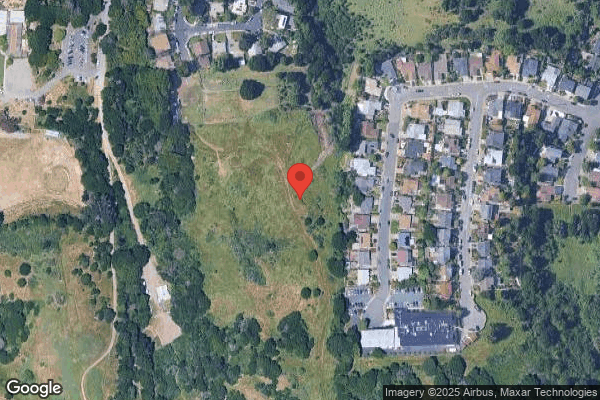
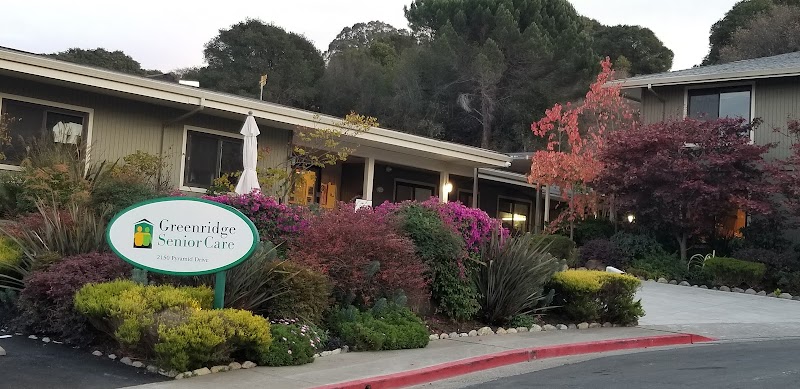
2150 PYRAMID DRIVE, EL SOBRANTE, CA 94803 (510) 758-9600
For profit - Limited Liability company 60 Beds ASPEN SKILLED HEALTHCARE Data: November 2025
Trust Grade
90/100
#87 of 1155 in CA
Last Inspection: January 2024

Within standard 12-15 month inspection cycle. Federal law requires annual inspections.

Overview

Greenridge Post Acute in El Sobrante, California, has received a Trust Grade of A, indicating that it is an excellent facility and highly recommended for care. It ranks #87 out of 1,155 nursing homes in California, placing it in the top half of facilities statewide, and #3 out of 30 in Contra Costa County, showing that only two local options are better. However, the facility is experiencing a worsening trend, with issues increasing from 3 in 2022 to 4 in 2024. Staffing is a strength, with a perfect 5-star rating and a turnover rate of 37%, which is below the California average, while there have been no fines reported, indicating good compliance. Areas of concern include improper sanitization procedures in the kitchen that risk food safety for residents, as well as issues with excessive hot water temperatures and dirty air vents in several resident rooms, which impact safety and comfort.

Trust Score
A
90/100
In California
#87/1155
Top 7%
Safety Record
Low Risk
No red flags
Inspections
Getting Worse
3 → 4 violations
Staff Stability
○ Average
37% turnover. Near California's 48% average. Typical for the industry.
Penalties
✓ Good
No fines on record. Clean compliance history, better than most California facilities.
Skilled Nurses
✓ Good
Each resident gets 70 minutes of Registered Nurse (RN) attention daily — more than 97% of California nursing homes. RNs are the most trained staff who catch health problems before they become serious.
Violations
○ Average
9 deficiencies on record. Average for a facility this size. Mostly minor or procedural issues.
★★★★★
5.0
Overall Rating
★★★★★
5.0
Staff Levels
★★★★★
5.0
Care Quality
★★★★★
5.0
Inspection Score
Stable
2022: 3 issues
2024: 4 issues

The Good

  • 5-Star Staffing Rating · Excellent nurse staffing levels
  • 5-Star Quality Measures · Strong clinical quality outcomes
  • Full Sprinkler Coverage · Fire safety systems throughout facility
  • No fines on record
  • Staff turnover below average (37%)

    11 points below California average of 48%

Facility shows strength in staffing levels, quality measures, fire safety.

The Bad

Staff Turnover: 37%

Near California avg (46%)

Typical for the industry

Chain: ASPEN SKILLED HEALTHCARE

Part of a multi-facility chain

Ask about local staffing decisions and management

The Ugly 9 deficiencies on record

Jul 2024 1 deficiency
CONCERN (D) 📢 Someone Reported This

A family member, employee, or ombudsman was alarmed enough to file a formal complaint

Potential for Harm - no one hurt, but risky conditions existed

Quality of Care (Tag F0684)

Could have caused harm · This affected 1 resident

Based on interviews and record review, the facility failed to ensure 1 of 3 sampled residents (Resident 1) received necessary care and services in accordance with professional standards of practice wh...

Read full inspector narrative →
Based on interviews and record review, the facility failed to ensure 1 of 3 sampled residents (Resident 1) received necessary care and services in accordance with professional standards of practice when Licensed Vocational Nurse (LVN) 1 did not re-assess and/or document Resident 1's vital signs (Vital signs reflect essential body functions, including heartbeat, breathing rate, temperature, and blood pressure and health care providers monitor vital signs to check patients' level of physical functioning) after a change in blood pressure (Blood pressure is the measurement of the pressure or force of blood inside your arteries. Each time heart beats, it pumps blood into arteries that carry blood throughout the body) and oxygen saturation (is the amount of oxygen you have circulating in your blood) values were noted significantly lower from Resident 1's baseline for more than 12 hours. This deficient practice placed Resident 1 at risk for delay in receiving higher level of care in a timely manner. Resident 1 was later transferred to the acute care hospital due to altered mental status and hyponatremia. Findings: 1.During a record review of Resident 1's admission Record, printed on 4/13/23, the admission Record indicated Resident 1 was admitted to the facility in November 2022. The admission Record indicated that Resident 1 had medical diagnoses including multiple fractures of the pelvis, urinary tract infection, and atrial fibrillation (Atrial fibrillation is an irregular and often very rapid heart rhythm). During an interview on 6/13/24 at 4:00 p.m. with Resident Representative (RR), RR stated on 11/22/22, when he visited Resident 1 at 7:30 p.m., she was very confused. RR stated he notified the charge nurse to assess Resident 1 and to send Resident 1 out to the hospital. RR stated Resident 1 was not sent to the hospital until 11/23/22 around 2 p.m. During a concurrent interview and record review on 6/19/24 at 12:43 p.m. with Registered Nurse (RN) 1, Resident 1's Progress Notes were reviewed. RN 1 stated on 11/23/22 in the morning, RR called the facility to check if Resident 1 was sent to the hospital. RN 1 stated she assessed Resident 1 and noted Resident 1 to be confused. RN 1 notified Nurse Practitioner (NP) and got orders for stat labs. RN 1 stated around lunch time Certified Nursing Assistant (CNA) reported Resident 1 was not responding well and appeared more confused and Resident 1 was sent to the hospital around 2 pm. During a concurrent interview and record review on 6/19/24 at 1:10 p.m. with RN 1, Resident 1's Skilled services documentation and weights and vitals summary were reviewed. RN 1 stated on 11/22/22 Resident 1 ' s blood pressure (Normal range 120/80 mm hg- Systolic pressure reflects the force produced by the heart when it pumps blood out to the body, while diastolic blood pressure [the bottom number] is the pressure in your blood vessels when the heart is at rest) was documented as 97/58 mm Hg at 4:06 p.m. The document also indicated a triggered warning from the system that diastolic low of 60 exceeded. RN 1 stated Resident 1's blood pressure was lower than her baseline. RN 1 also stated the notes were documented by the morning shift, LVN 1. During a concurrent interview and record review on 6/19/24 at 1:15 p.m. with Registered Nurse 1, Resident 1's Skilled services documentation and weights and vitals Summary were reviewed. RN 1 stated on 11/22/22 Resident 1's oxygen saturation was documented as 90 % which is lower than her baseline. RN 1 stated Resident 1 did not have any underlying respiratory issue and an oxygen saturation reading of less than 93 % should be assessed. RN 1 stated a licensed nurse should have rechecked the vital signs and assessed the resident after a few minutes to ensure the vital sign numbers were correct and should have documented the findings. RN 1 also stated the next vital signs were documented on 11/23/22 at 7:55 a.m., which was more than 15 hours after noticing a change in Resident 1's vital signs from her baseline values. During a concurrent interview and record review on 6/19/24 at 3:35 p.m. with Director of Nursing (DON), Resident 1's diagnosis and progress notes were reviewed. DON stated Resident 1's systolic blood pressure is very low. DON also stated Resident 1 does not have any respiratory conditions and her oxygen saturation is 90%. DON stated the licensed nurse should have rechecked and compared the vital signs and documented the findings. DON also stated it is important to recheck because if the vital signs are persistently abnormal, they must notify the Physician. During an interview on 6/20/24 at 10:10 a.m. with NP, NP stated if there are changes to vital signs, staff should check if the vital signs are co-relating to resident's baseline. NP also stated staff should recheck and re-assess the resident and monitor every 30 minutes to ensure resident is stable. During an interview on 7/1/24 at 4:19 p.m. with LVN 1, LVN 1 stated she does not remember working with Resident 1. LVN 1 stated if there was a change in vital signs from a resident's baseline, she would recheck the whole set of vital signs again and document the rechecked vital signs. LVN 1 stated if any changes in condition or vitals are noted, it should be reported and followed up on. During a record review of Resident'1, Emergency Department Notes from the acute care hospital, dated 11/23/22, the Emergency Department Notes indicated Resident 1 was admitted to the Emergency Department with an altered mental status and hyponatremia (low sodium level in the blood and can cause mental confusion, seizures, coma, and death). Resident 1's sodium was 124 with normal range 136-144. During a review of the facility ' s policy and procedures (P&P) titled, Change in a Resident's Condition or Status, revised in May 2017, the P&P indicated, Procedure .3. Prior to notifying the Physician or healthcare provider, the nurse will make detailed observations and gather relevant and pertinent information for the provider, including (for example) information prompted by the Interact SBAR communication form 8. The nurse will record in the resident's medical record information relative to changes in the resident's medical/mental condition or status.
Jan 2024 3 deficiencies
CONCERN (E)

Potential for Harm - no one hurt, but risky conditions existed

Deficiency F0802 (Tag F0802)

Could have caused harm · This affected multiple residents

Based on observation, interview, and record review, facility failed to ensure kitchen staff were competent in job duties related to testing the sanitization solution concentration in the low temperatu...

Read full inspector narrative →
Based on observation, interview, and record review, facility failed to ensure kitchen staff were competent in job duties related to testing the sanitization solution concentration in the low temperature dishwasher. This failure has the potential for improper cleaning and sanitization which could lead to increase in risk for food-borne illness for 57 out of 57 residents. Findings: During a concurrent observation and interview on 1/22/24 at 9:30 a.m., in the kitchen, with Certified Dietary Manager (CDM) and Dietary Aide (DA1), DA1 was observed testing the sanitizer solution concentration of the low-temperature dishwasher. DA1 was observed letting the dishwasher run for two cycles, then taking the litmus test strip and dipping the strip on the residual water left on the plate covers for 5 seconds. CDM reminded DA1 that litmus paper should be dipped in the water at the bottom of the dishwasher. DA1 then dipped the litmus paper into the rinse water reservoir. CDM stated that DA1 should not test the rinse water reservoir since it is contaminated and the litmus paper needed to be dipped into the water at the bottom of the dishwasher. During the same observation and interview, DA1 stated sanitizer concentration in the dishwasher needs to be 120 ppm (parts per million). A review of facility's Dietary Aid job description, dated 2003, indicated the Dietary Aide performs a number of kitchen duties including Perform dishwashing/cleaning procedures . A review of facility's policy and procedure, titled Sanitization, dated 2008, indicated low-temperature dishwasher b. final rinse with 50 parts per million (ppm) hypochlorite (chlorine) .
CONCERN (E)

Potential for Harm - no one hurt, but risky conditions existed

Food Safety (Tag F0812)

Could have caused harm · This affected multiple residents

Based on observation, interview and record review, the facility failed to store, prepare, distribute, and serve food safely when the low-temperature dishwasher did not have sanitizer running through i...

Read full inspector narrative →
Based on observation, interview and record review, the facility failed to store, prepare, distribute, and serve food safely when the low-temperature dishwasher did not have sanitizer running through it on final rinse and when sanitization concentrations were not recorded on the sanitization log. This failure has the potential of placing 56 out of 57 residents at risk for food born illnesses. Findings During a concurrent observation and interview on 1/22/24 at 9:38 a.m., with Dietary Aide (DA1) and Certified Dietary Manager (CDM), in the kitchen, the bottle of chlorine sanitizer connected to the low-temperature dishwasher was empty. CDM stated the kitchen staff need to be checking sanitizer levels every day. CDM also stated that items that were previously washed need to be rewashed in order to prevent contamination. DA1 and CDM unable to state when the last time sanitizer level was checked. CDM stated that kitchen staff are to check the temperature and sanitizer concentrations before, during, and after shifts and record it in the log. During a record review of facility document titled Food and Nutrition: Dish Machine Temperature log - Low Temperature Machine (undated), indicated there were missing entries for 1/11/24, 1/20/24, 1/21/24, and 1/22/24. The temperature log also records sanitizer concentrations; for the dishwasher, the rinse concentration is 50-100 parts per million (ppm). The U.S Food and Drug Administration Food Code, dated 2022, indicted the presence of adequate detergents and sanitizers is necessary to effect clean and sanitized utensils and equipment .
CONCERN (E)

Potential for Harm - no one hurt, but risky conditions existed

Safe Environment (Tag F0921)

Could have caused harm · This affected multiple residents

**NOTE- TERMS IN BRACKETS HAVE BEEN EDITED TO PROTECT CONFIDENTIALITY** Based on observation, interview and record review, the facility failed to ensure residents' rooms were safe, functional, sanitar...

Read full inspector narrative →
**NOTE- TERMS IN BRACKETS HAVE BEEN EDITED TO PROTECT CONFIDENTIALITY** Based on observation, interview and record review, the facility failed to ensure residents' rooms were safe, functional, sanitary and comfortable when, - Hot water in the bathrooms in rooms [ROOM NUMBERS] was too hot and - Air vent registers in rooms 29 A, 25 A, 21 A, 20 A, 18 A, 16 A, 10 A, 8 A, and 2 B were covered with thick brownish matter. These failures resulted in resident rooms 4,12, 29 A, 27 A, 25 A, 21 A, 20 A, 18 A, 16 A, 10 A, 8 A and 2 B not being safe, functional, sanitary and comfortable. Findings: 1. During an observation on 1/22/24 at 1:20 p.m., in the bathroom for room [ROOM NUMBER], the hot water felt too hot and measured 129.4 degrees Fahrenheit (F) (a measure of temperature used in the United States). 2. During an observation on 1/22/24 at 1:35 p.m., in the bathroom in room [ROOM NUMBER], the hot water felt too hot and measured 125.6 degrees F. 3. During a concurrent observation and interview on 1/22/24 at 1:58 p.m., with Administrator (ADM) and Maintenance Supervisor (MAINT) in the bathroom in room [ROOM NUMBER], the hot water felt too hot to the touch and measured 123.6 degrees F. ADM agreed the temperature was too hot at 123.6 degrees. 4. During a concurrent observation and interview on 1/22/24 at 2:03 p.m., with ADM and MAINT in the bathroom for room [ROOM NUMBER], the hot water felt too hot to the touch and measured 129.4 degrees F. ADM agreed the temperature was too hot at 129.4 degrees. 5. During an interview on 01/23/24 at 11:58 AM with ADM and Maintenance Supervisor from a sister facility (MAINT 1), both stated the hot water temperatures had been lowered, were no longer too hot and were below 120 degrees F in the resident bathrooms. 6. During an interview on 1/24/24 at 12:16 p.m. with MAINT, MAINT stated the hot water temperature should not be too hot because a resident could get burned. 7. During a review of the facility's policy and procedure (P&P) titled, Water Temperature, Safety of, dated Revised December 2009, indicated, 4. Maintenance staff shall conduct periodic tap water temperature checks . 5. If at any time water temperatures feel excessive to the touch.staff will report this finding to the immediate supervisor. 6. Direct-care staff shall be informed of risk factors for scalding/burns that are more common in the elderly. 8. During a concurrent observation and interview on 1/24/24 at 11:40 a.m., with Director of Nursing (DON) in rooms 16 A and 27 A, the air vents registers were covered with thick brownish matter. DON stated the air vent registers needed to be cleaned. 9. During an interview on 1/24/24 at 12:25 p.m. with Maintenance Supervisor (MAINT), MAINT stated he cleaned the registers monthly. 10. During an observation on 1/25/24 at 8:30 a.m. in rooms 2 B, 8 A, 10 A, 16 A, 18 A, 20 A, 21 A, 25 A, 27 A and 29 A the air vent registers were covered with thick brownish matter. 11. During a review of The Standard Practice for Inspection and Maintenance of Commercial Building HVAC Systems, dated 2018, page 8 indicated: b. Inspect grilles, registers, and diffusers for dirt accumulation .Clean as needed to remove dirt build up semiannually .replace if missing or damaged.
Feb 2022 3 deficiencies
CONCERN (D)

Potential for Harm - no one hurt, but risky conditions existed

Deficiency F0761 (Tag F0761)

Could have caused harm · This affected 1 resident

**NOTE- TERMS IN BRACKETS HAVE BEEN EDITED TO PROTECT CONFIDENTIALITY** Based on observation, interview, and record review, the facility failed to ensure staff indicated the opened-on date for one of ...

Read full inspector narrative →
**NOTE- TERMS IN BRACKETS HAVE BEEN EDITED TO PROTECT CONFIDENTIALITY** Based on observation, interview, and record review, the facility failed to ensure staff indicated the opened-on date for one of one multidose vial (vial of liquid medication intended for injection/infusion that contains more than one dose) of influenza vaccine. The failure to label the vaccine vial had the potential to result in facility residents receiving an expired, ineffective dose of influenza vaccine which would not provide adequate protection against influenza. Findings: During a concurrent observation and interview on [DATE], at 12:10 p.m., with the Director of Nursing (DON), in the medication refrigerator, in the medication storage room, there was an open box which contained a multidose vial of influenza vaccine. The DON confirmed the outside of the box had a handwritten date and initials, but the multidose influenza vaccine vial inside the box was uncapped and undated. The DON stated she was unable to be certain of the date the multidose vial was opened since the vial itself was not dated. A review of the facility's policy and procedure titled, Vials and Ampules of Injectable Medications, dated 4/2008, indicated, The date opened and the initials of the first person to use the vial are recorded on multidose vials (on the vial label or an accessory label affixed for that purpose). A review of the Centers for Disease Control (CDC), Injection Safety, Information for Providers, Questions about Multidose Vials, dated [DATE], indicated, If a multi-dose (vial) has been opened or accessed (e.g., needle-punctured) the vial should be dated and discarded within 28 days unless the manufacturer specifies a different (shorter or longer) date for that opened vial.
CONCERN (E)

Potential for Harm - no one hurt, but risky conditions existed

Food Safety (Tag F0812)

Could have caused harm · This affected multiple residents

Based on observation, interview, and record review, the facility failed to ensure the food quality and integrity of stored food items when: 1. In the kitchen's dry storage room, there were eight bags...

Read full inspector narrative →
Based on observation, interview, and record review, the facility failed to ensure the food quality and integrity of stored food items when: 1. In the kitchen's dry storage room, there were eight bags of marshmallows dated 8/25/21, three months past the recommended storage guideline of two months. 2. In the kitchen's dry storage room, there were two bags of hotdog buns dated 10/20/21, 14 weeks past the recommended storage guideline of seven days. This failure had the potential to result in the residents being offered less palatable food, which could result in less food intake and weight loss, or potentially developing food-borne illness. Findings: During a concurrent observation and interview in the kitchen on 2/7/22, at 11:30 a.m., with the Director of Food and Nutrition Services/Dietary Manager (DM), the DM confirmed the dry storage room contained the following items: 1. There were eight bags of marshmallows with a handwritten date of 8/25/21. Three of the eight packages had marshmallows stuck together along the inside of the bags with a texture not as soft as the rest of the contents. 2. There were two bags of hotdog buns with a handwritten date of 10/20/21. Parts of some of the hotdog buns were not as soft and tender as the other hotdog buns. The DM stated the dates on the bags of marshmallows and hotdog buns indicated the items should have already been discarded. During a concurrent interview and record review on 2/7/22, at 11:45 a.m., with DM, the facility food storage policies and procedures were reviewed. The DM stated the facility policy and procedure (PNP), RDs [registered dieticians] for Healthcare, Inc. 2018, Dry Goods Storage Guidelines, dated 2018, indicated the storage length guidelines for dry good storage. The DM confirmed the PNP indicated the recommend shelf storage time for unopened bread was 5-7 days; the recommended shelf storage time for unopened bags of marshmallows was two months.
CONCERN (E)

Potential for Harm - no one hurt, but risky conditions existed

Infection Control (Tag F0880)

Could have caused harm · This affected multiple residents

Based on observation, interview, and record review, the facility failed to ensure three nursing staff performed required hand hygiene (handwashing or use of an alcohol-based hand sanitizer) for four o...

Read full inspector narrative →
Based on observation, interview, and record review, the facility failed to ensure three nursing staff performed required hand hygiene (handwashing or use of an alcohol-based hand sanitizer) for four of 12 sampled residents (Residents 39, 2, 8, and 25) when: 1. The Director of Nursing (DON) failed to perform hand hygiene between doffing soiled gloves and donning new gloves during Resident 39's wound dressing changes for two separate wounds. 2. Licensed Vocational Nurse 1 (LVN 1) failed to perform hand hygiene between doffing soiled gloves and donning new gloves during Resident 2's wound dressing change. 3. Licensed Vocation Nurse 2 (LVN 2) failed to perform hand hygiene before and after direct contact with Resident 8 to administer medication. 4. Licensed Vocation Nurse 2 (LVN 2) failed to perform hand hygiene before preparing medication for Resident 25, and before and after direct contact with Resident 25 to administer medication. These failures had the potential to cause infection or spread infection which could result in hospitalization for Resident 2, Resident 39, Resident 8, and Resident 25. Findings: 1. During a concurrent observation and interview on 2/8/2022, at 10:00 a.m., with the Director of Nursing (DON), in Resident 39's room, Resident 39 lay on her left side with one dressing on her mid-back, and one dressing on her coccyx (commonly called the tailbone). The DON performed a dressing change on Resident 39's mid-back wound: the DON removed the soiled dressing from Resident 39's wound, changed gloves, cleaned the wound, changed gloves, measured the wound, changed gloves, applied ointment to the wound bed, changed gloves, and placed a new dressing over the wound. The DON did not perform hand hygiene between any glove change during the dressing change procedure. The DON changed her gloves and repeated the process on Resident 39's coccyx wound, without any intervening hand hygiene between the mid-back and coccyx wound dressing changes. The DON stated hand hygiene was not necessary between glove changes during a procedure on the same resident. 2. During a concurrent observation and interview on 2/10/2022, at 12:11 p.m., with Licensed Vocational Nurse 1 (LVN 1), in Resident 2's room, Resident 2 lay on her right side with a dressing on her coccyx. LVN 1 performed a dressing change on Resident 2's coccyx wound: LVN 1 removed the soiled dressing, applied powder to the wound edges, changed gloves, and placed a new dressing over the wound. LVN 1 did not perform hand hygiene when she changed gloves during the dressing change. LVN 1 stated hand hygiene was not necessarily done with the glove change since she had worked between two areas she considered clean. 3. During a continuous observation on 2/8/22, from 4:30 p.m. to 4:45 p.m., Licensed Vocational Nurse 2 (LVN 2) stood at the medication cart in the doorway to Resident 25's room and prepared medications for Resident 25. LVN 2 carried the prepared medications in a cup into Resident 25's room and handed Resident 25 the medication cup. Resident 25 took the medications and returned the empty cup to LVN 2, who threw the cup in a trash can, and exited the room without performing any hand hygiene. 4. During a continuous observation from 4:45 p.m. to 5 p.m., LVN 2 left Resident 25's room and went directly to the medication cart, without performing hand hygiene. LVN 2 moved the medication cart down the hall to the doorway of Resident 8's room, and without performing hand hygiene, LVN 2 crushed pills and mixed them into applesauce in a small cup. LVN 2 took the applesauce cup into Resident 8's room and fed Resident 8 the applesauce-medication mixture. LVN 2 discarded the empty applesauce cup and exited Resident 8's room without performing any hand hygiene during the observation. During a telephone interview on 2/10/22, at 11:30 a.m., with LVN 2, LVN 2 stated the residents were not on any special isolation precautions and she believed she had followed all infection control measures when passing medications to Resident 25 and Resident 8. During an interview on 2/9/2022, at 1:44 p.m., with DSD/IP, DSD/IP stated staff were to wash their hands or use hand sanitizer each time they changed gloves and before and after resident care. A review of the facility's policy and procedure titled, Handwashing/Hand Hygiene, dated 8/2015, indicated, All personnel shall follow the handwashing/hand hygiene procedures to help prevent the spread of infections to other personnel, residents, and visitors . Use an alcohol-based hand rub containing at least 62% alcohol; or, alternatively, soap (antimicrobial or non-antimicrobial) and water for the following situations: . Before and after direct contact with residents; Before preparing or handling medications; . Before handling clean or soiled dressings, gauze pads, etc.; .After handling used dressings, contaminated equipment, etc. The use of gloves does not replace hand washing/hand hygiene. Integration of glove use along with routine hand hygiene is recognized as the best practice for preventing healthcare-associated infections.
May 2019 2 deficiencies
CONCERN (D)

Potential for Harm - no one hurt, but risky conditions existed

Pharmacy Services (Tag F0755)

Could have caused harm · This affected 1 resident

Based on observation, interview, and record review, the facility failed to ensure accurate dispensing and accounting of emergency medications when the intravenous (IV - administered through vein) emer...

Read full inspector narrative →
Based on observation, interview, and record review, the facility failed to ensure accurate dispensing and accounting of emergency medications when the intravenous (IV - administered through vein) emergency kit (IV E-Kit) was not replaced after it was opened and used items was not accounted. This deficient practice placed residents at risk for not receiving the necessary IV supplies in an emergency. Findings: During an observation on 5/28/19, at 10:59 a.m., the IV E-kit in the medication room was open, but was not resealed. During interview with Registered Nurse (RN) 1 on 5/28/19, at 10:59 a.m., RN 1 stated somebody opened the IV e-kit but he did not know who. During interview with RN 2 on 5/30/19, at 11:52 a.m., RN 2 stated the facility's process for using the E-kit included filling out the form that was inside the E-kit, leaving the white copy inside the e-kit, and the yellow copy was to be attached to the e-kit log; then fill out the Emergency Medication Administration Log, then reseal the e-kit with red colored tie. Review of facility records did not show any documentation or log of when the IV E-kit was opened and what was used. Review of the facility policy and procedure Emergency Pharmacy Service and Emergency kits (E-kits) dated 09/10 indicated, upon removal of any items from the emergency kit, the nurse documents the medication or item used on an emergency kit log Items to be documented on the log include: Residents name, medication name, strength and quality, date and time of medication removal .signature of nurse removing and administering dose .faxed log sheet will inform the pharmacy of items used form the emergency kit, this will notify the pharmacy to replace the kit
CONCERN (D)

Potential for Harm - no one hurt, but risky conditions existed

Food Safety (Tag F0812)

Could have caused harm · This affected 1 resident

Based on observation and interview, the facility failed to prepare, store, and serve food under sanitary conditions when dirty ladles, plates, tong and drawer were stored in the same drawer with clean...

Read full inspector narrative →
Based on observation and interview, the facility failed to prepare, store, and serve food under sanitary conditions when dirty ladles, plates, tong and drawer were stored in the same drawer with clean utensils. These failures placed residents at risk for contracting food borne illness. Findings: During an observation of the dietary department on 5/29/19 at 12:06 p.m., with the Certified Dietary Manager (CDM) and Dietary Staff (DS), the following items were noted: a. One six ounce ladle had small black particles inside the scoop. b. One eight ounce ladle had black debris and water pooled inside the scoop. c. Two eight ounce ladles had black debris and dust. d. One twelve inch tong had white substance on the handle. e. Three plates with caked-on yellow matter, and black debris, were stored on the plate warmer with clean plates. f. The drawer where the cook's clean utensils were stored had substance and black debris. During an interview with the CDM on 5/29/19 at 12:06 p.m., she stated the person assigned to wash dishes was responsible for ensuring the dishes were clean and dry before storing the items. During an interview and observation with the DS on 5/29/19 12:10 p.m., she acknowledged the drawer where the cook's clean utensils were stored was dirty. DS touched the black debris inside the drawer and it created a black smear. During a second interview with the DS on 5/30/19 at 12:08 p.m., she stated every kitchen staff including cooks were responsible for ensuring the drawers for utensils were kept clean.
Understanding Severity Codes (click to expand)
Life-Threatening (Immediate Jeopardy)
J - Isolated K - Pattern L - Widespread
Actual Harm
G - Isolated H - Pattern I - Widespread
Potential for Harm
D - Isolated E - Pattern F - Widespread
No Harm (Minor)
A - Isolated B - Pattern C - Widespread

Questions to Ask on Your Visit

  • "Can I speak with families of current residents?"
  • "What's your RN coverage like on weekends and overnight?"

Our Honest Assessment

Strengths
  • • Grade A (90/100). Above average facility, better than most options in California.
  • • No major safety red flags. No abuse findings, life-threatening violations, or SFF status.
  • • No fines on record. Clean compliance history, better than most California facilities.
  • • 37% turnover. Below California's 48% average. Good staff retention means consistent care.
Concerns
  • • No significant concerns identified. This facility shows no red flags across CMS ratings, staff turnover, or federal penalties.
Bottom line: Generally positive indicators. Standard due diligence and a personal visit recommended.

About This Facility

What is Greenridge Post Acute's CMS Rating?

CMS assigns GREENRIDGE POST ACUTE an overall rating of 5 out of 5 stars, which is considered much above average nationally. Within California, this rating places the facility higher than 99% of the state's 100 nursing homes. This rating reflects solid performance across the metrics CMS uses to evaluate nursing home quality.
How is Greenridge Post Acute Staffed?

CMS rates GREENRIDGE POST ACUTE's staffing level at 5 out of 5 stars, which is much above average compared to other nursing homes. Staff turnover is 37%, compared to the California average of 46%. This relatively stable workforce can support continuity of care.

What Have Inspectors Found at Greenridge Post Acute?

State health inspectors documented 9 deficiencies at GREENRIDGE POST ACUTE during 2019 to 2024. These included: 9 with potential for harm.
Who Owns and Operates Greenridge Post Acute?

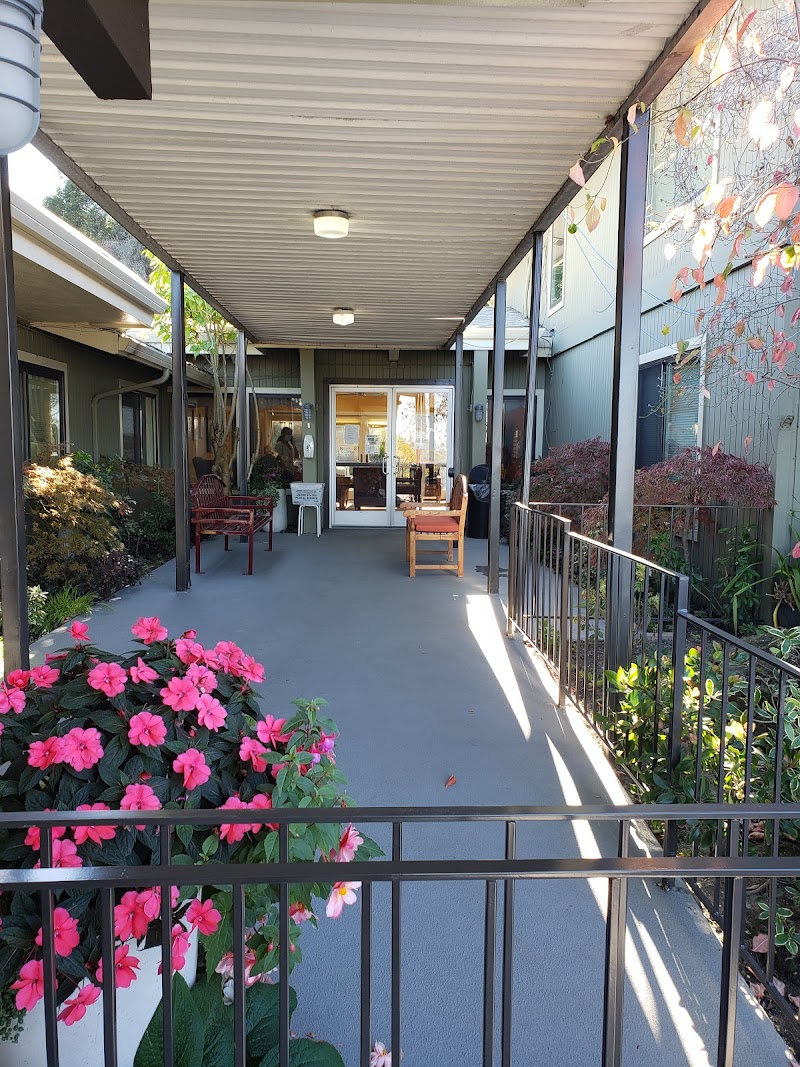
GREENRIDGE POST ACUTE is owned by a for-profit company. For-profit facilities operate as businesses with obligations to shareholders or private owners. The facility is operated by ASPEN SKILLED HEALTHCARE, a chain that manages multiple nursing homes. With 60 certified beds and approximately 57 residents (about 95% occupancy), it is a smaller facility located in EL SOBRANTE, California.

How Does Greenridge Post Acute Compare to Other California Nursing Homes?

Compared to the 100 nursing homes in California, GREENRIDGE POST ACUTE's overall rating (5 stars) is above the state average of 3.2, staff turnover (37%) is near the state average of 46%, and health inspection rating (5 stars) is much above the national benchmark.

What Should Families Ask When Visiting Greenridge Post Acute?

Based on this facility's data, families visiting should ask: "Can I visit during a mealtime to observe dining assistance and food quality?" "How do you handle medical emergencies, and what is your hospital transfer rate?" "Can I speak with family members of current residents about their experience?"

Is Greenridge Post Acute Safe?

Based on CMS inspection data, GREENRIDGE POST ACUTE has a clean safety record: no substantiated abuse findings (meaning no confirmed cases of resident harm), no Immediate Jeopardy citations (the most serious violation level indicating risk of serious injury or death), and is not on the Special Focus Facility watch list (a federal program monitoring the lowest-performing 1% of nursing homes). The facility has a 5-star overall rating and ranks #1 of 100 nursing homes in California. While no facility is perfect, families should still ask about staff-to-resident ratios and recent inspection results during their visit.

Do Nurses at Greenridge Post Acute Stick Around?

GREENRIDGE POST ACUTE has a staff turnover rate of 37%, which is about average for California nursing homes (state average: 46%). Moderate turnover is common in nursing homes, but families should still ask about staff tenure and how the facility maintains care continuity when employees leave.

Was Greenridge Post Acute Ever Fined?

GREENRIDGE POST ACUTE has no federal fines on record. CMS issues fines when nursing homes fail to meet care standards or don't correct problems found during inspections. The absence of fines suggests the facility has either maintained compliance or corrected any issues before penalties were assessed. This is a positive indicator, though families should still review recent inspection reports for the full picture.

Is Greenridge Post Acute on Any Federal Watch List?

GREENRIDGE POST ACUTE is not on any federal watch list. The most significant is the Special Focus Facility (SFF) program, which identifies the bottom 1% of nursing homes nationally based on persistent, serious quality problems. Not being on this list means the facility has avoided the pattern of deficiencies that triggers enhanced federal oversight. This is a positive indicator, though families should still review the facility's inspection history directly.