AVIARA HEALTHCARE CENTER
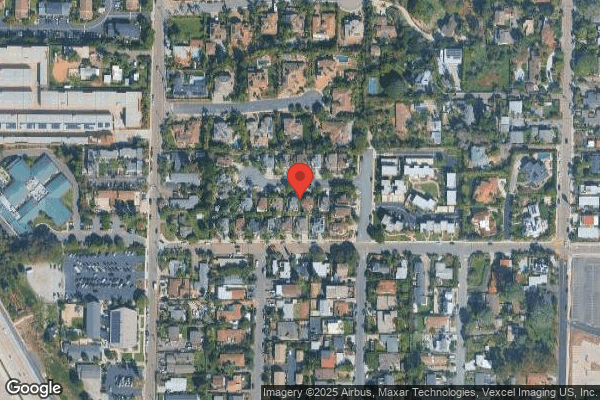
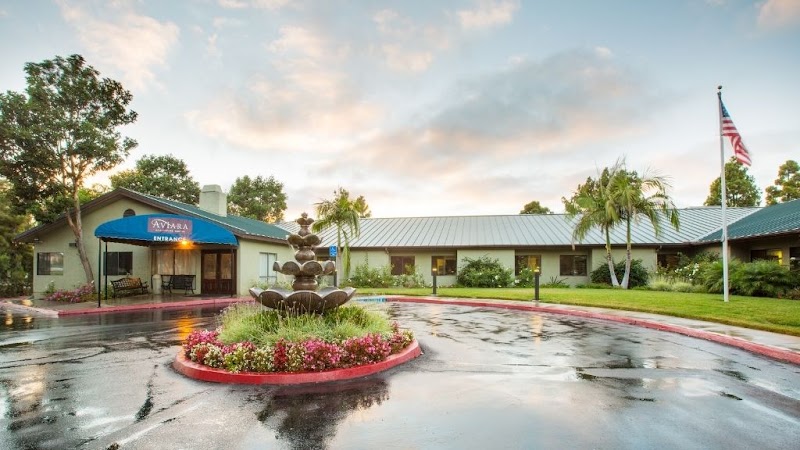
944 REGAL ROAD, ENCINITAS, CA 92024 (760) 944-0331
For profit - Limited Liability company 120 Beds PACS GROUP Data: November 2025
Trust Grade
43/100
#745 of 1155 in CA
Last Inspection: July 2024

Within standard 12-15 month inspection cycle. Federal law requires annual inspections.

Overview

Families researching Aviara Healthcare Center in Encinitas, California should note that it has a Trust Grade of D, indicating below average quality and some concerning issues. It ranks #745 out of 1,155 facilities in California, placing it in the bottom half, and #71 out of 81 in San Diego County, meaning there are only a few better options nearby. While the facility has shown improvement in its issues over the past year, reducing from 21 to 7 concerns, it still has a high staff turnover rate of 66%, significantly above the state average, which can affect the quality of care. Specific incidents noted by inspectors include failure to follow infection control procedures, such as not wearing protective gowns during wound care and inadequate cleanliness in common areas, which could lead to discomfort and potential health risks for residents. Despite these weaknesses, the facility does provide good RN coverage, better than 78% of California facilities, which is a positive aspect for resident care.

Trust Score
D
43/100
In California
#745/1155
Bottom 36%
Safety Record
Low Risk
No red flags
Inspections
Getting Better
21 → 7 violations
Staff Stability
⚠ Watch
66% turnover. Above average. Higher turnover means staff may not know residents' routines.
Penalties
○ Average
$9,912 in fines. Higher than 70% of California facilities. Some compliance issues.
Skilled Nurses
○ Average
Each resident gets 39 minutes of Registered Nurse (RN) attention daily — about average for California. RNs are the most trained staff who monitor for health changes.
Violations
⚠ Watch
65 deficiencies on record. Higher than average. Multiple issues found across inspections.
★★☆☆☆
2.0
Overall Rating
★☆☆☆☆
1.0
Staff Levels
★★★★★
5.0
Care Quality
★★☆☆☆
2.0
Inspection Score
Stable
2024: 21 issues
2025: 7 issues

The Good

  • 5-Star Quality Measures · Strong clinical quality outcomes
  • Full Sprinkler Coverage · Fire safety systems throughout facility
  • No fines on record

Facility shows strength in quality measures, fire safety.

The Bad

2-Star Overall Rating

Below California average (3.1)

Below average - review inspection findings carefully

Staff Turnover: 66%

19pts above California avg (46%)

Frequent staff changes - ask about care continuity

Federal Fines: $9,912

Below median ($33,413)

Minor penalties assessed

Chain: PACS GROUP

Part of a multi-facility chain

Ask about local staffing decisions and management

Staff turnover is elevated (66%)

18 points above California average of 48%

The Ugly 65 deficiencies on record

May 2025 1 deficiency
CONCERN (E) 📢 Someone Reported This

A family member, employee, or ombudsman was alarmed enough to file a formal complaint

Potential for Harm - no one hurt, but risky conditions existed

Infection Control (Tag F0880)

Could have caused harm · This affected multiple residents

**NOTE- TERMS IN BRACKETS HAVE BEEN EDITED TO PROTECT CONFIDENTIALITY** Based on observations, interview, and record review the facility failed to ensure infection control procedures were followed whe...

Read full inspector narrative →
**NOTE- TERMS IN BRACKETS HAVE BEEN EDITED TO PROTECT CONFIDENTIALITY** Based on observations, interview, and record review the facility failed to ensure infection control procedures were followed when: A. Staff did not tie plastic trash bags while transporting to the utility room, did not cover the trash bins, and trash bins were overflowing causing a foul smell in the utility room, B. a Licensed Nurse (LN) 2 did not wear a gown for Resident 6 with enhanced barrier precautions (EBP - involves gown and glove use during high-contact resident care activities for residents [example: residents with chronic wounds]) during a wound treatment observation, and, C. Newly admitted residents were not tested for tuberculosis (TB, infectious lung disease) testing upon admission. These failures had the potential for cross contamination and spread of infection between residents and staff. Findings: A. On 5/28/25 at 11:20 A.M., an observation was conducted in the utility room near nurses' station 1. A certified nursing assistant (CNA) went to the utility room with untied clear plastic bag containing trash. The CNA placed the untied clear plastic bag on top of the trash bin with no lids noted. The trash bin was overflowing. The room had foul smell. On 5/28/25 at 11:22 A.M., a follow up observation was conducted in the utility room near nurses' station 1. Another CNA went to the utility room with untied clear plastic back containing trash. The CNA placed the untied clear plastic bag on top of the pile of trash in the utility room. On 5/28/25 at 11:23 A.M., an observation was conducted in the utility room near nurses' station 2. Foul odor was noted going to the utility room in nurses' station 2. Two residents were sitting in their wheelchair in front of the nurses' station 2. Attempted to interview the two residents but the two residents just looked and did not respond to questions. On 5/28/25 at 11:33 A.M., a joint observation of the utility room near nurses' station 2 and an interview was conducted with the Housekeeping Supervisor (HS). The clear plastic bags were piled in a gray trash bin. The gray trash bins did not have lids on it. The HS stated the CNAs were responsible for throwing the trash from the residents' room to the utility room. The HS stated the CNAs should have tied the plastic bags containing the trash and closed the trash bins with their lids. The HS stated even though the utility room was closed, the CNAs were required to tie the trash bags and closed the lids of the trash bins. On 5/28/25 at 11:42 A.M., a joint observation of the utility room near nurses' station 1 and an interview was conducted with the HS. The utility room near nurses' station 1 had clear plastic trash bags that were piled on top of the overflowing opened gray trash bins. The HS stated, The CNAs are supposed to tie the clear plastic trash bags before even taking the trash out to the utility room and were supposed to put the lids on the gray trash bins for infection control purposes. On 5/28/25 at 11:49 A.M., a joint observation of the utility room near nurses' station 1 and an interview was conducted with the Director of Staff Development (DSD). The utility room near nurses' station 1 had clear plastic trash bags that were piled on top of the overflowing opened gray trash bins. The DSD stated, They (staff) should be tying the plastic before they put the trash in the bins and closed the lids for infection control. On 5/28/25 at 2:34 P.M., an interview was conducted with the Director of Nursing (DON). The DON stated the expectation was for the staff to ensure the plastic trash bags should have been tied prior to transport to the utility room and closed the lids of the trash bins to control odors and for infection control. A review of the facility's policy titled, Homelike Environment, revised 2/2021, indicated, Residents are provided with a safe, clean, comfortable and homelike environment . 2. The facility staff and management maximizes, to the extent possible, the characteristics of the facility that reflect a personalized, homelike setting. These characteristics include: a. clean, sanitary and orderly environment .f. pleasant, neutral scents . B. A review of Resident 6's admission Record indicated Resident 6 was readmitted to the facility on [DATE], with diagnoses which included a pressure ulcer (localized, pressure-related damage to the skin and/or underlying tissue usually over a bony prominence) of Resident 6's sacrum. A review of physician's order on 4/29/25 for Resident 6 indicated, Enhanced barrier precautions during high contact resident care activities secondary to Sacrum Pressure wound, every shift for Infection Prevention. On 5/28/25 at 12:38 P.M., an observation was conducted of Licensed Nurse (LN) 2 provide wound treatment to Resident 6. Resident 6 had an EBP sign posted by the entrance of Resident 6's room. LN 2 prepared the treatment supplies and placed at Resident 6's bedside table. LN 2 provided wound treatment to Resident 6's sacrum without a gown. On 5/28/25 at 12:46 P.M., an interview was conducted with LN 2. LN 2 stated Resident 6 was on EBP, and staff were required to wear gloves and gown when providing direct care to the residents. LN 2 stated she forgot to wear a gown. LN 2 stated when providing wound treatment to Resident 6, she should have worn a gown to prevent spread of infection. On 5/28/25 at 2:34 P.M., an interview was conducted with the DON. The DON stated the expectation was for the staff to follow the procedures on EBP when providing care and treatment to the residents on EBP for infection control and to protect the residents because residents were prone of getting an infection. A review of the facility's policy titled, Enhanced Barrier Precautions, revised 12/2024, indicated, Enhanced barrier precautions (EBPs) are utilized to prevent the spread of multi-drug-resistant organisms (MDROs) to residents .1. Enhanced barrier precautions (EBPs) refer to infection prevention and control interventions designed to reduce the transmission of multi-drug-resistant organisms (MDROs) during high contact resident care activities .7. EBPs employ targeted gown and glove use .8. Examples of high-contact resident care activities requiring the use of gown and gloves for EBPs include .j. wound care (any skin opening requiring a dressing) . C1. A review of Resident 13's admission Record indicated Resident 13 was admitted to the facility on [DATE]. On 5/28/25 at 1:49 P.M., a joint review of Resident 13's clinical record and an interview was conducted with the Infection Preventionist (IP). The IP stated there was no TB test given to Resident 13 when he was admitted to the facility on [DATE]. The IP stated TB test should have been given to screen newly admitted residents upon admission for safety and prevent spread of TB disease. The IP stated the residents were vulnerable to the disease and could have been easily spread. C2. A review of Resident 14's admission Record indicated Resident 14 was admitted to the facility on [DATE], with diagnoses which included immunodeficiency (decreased ability of the body to fight infections and other diseases). On 5/28/25 at 1:49 P.M., a joint review of Resident 14's clinical record and an interview was conducted with the IP. The IP stated there was no TB test given to Resident 14 when she was admitted to the facility on [DATE]. The IP stated Resident 14 received the TB test on 5/23/25. The IP stated TB test should have been given to screen newly admitted residents upon admission for safety and prevent spread of TB disease. The IP stated the residents were vulnerable to the disease and could have been easily spread. On 5/28/25 at 2:34 P.M., an interview was conducted with the DON. The DON stated the expectation was for the LNs to screen the newly admitted residents for TB. The DON stated the TB test should be done on the resident's day of admission due to TB was infectious and early detection could prevent spread of TB to residents and staff. A review of the facility's policy titled, Tuberculosis, Screening Residents for, revised 8/2019, indicated, This facility shall screen all residents for tuberculosis infection and disease (TB). Individuals identified with active TB disease shall be isolated from other residents and ancillary staff and transported to an appropriate care facility as soon as possible . 1. The admitting nurse will screen referrals for admission and readmission for information regarding exposure to or symptoms of TB .6. Screening of new admissions or readmissions for tuberculosis infection and disease is in compliance with State regulations .
May 2025 1 deficiency
CONCERN (D) 📢 Someone Reported This

A family member, employee, or ombudsman was alarmed enough to file a formal complaint

Potential for Harm - no one hurt, but risky conditions existed

Comprehensive Care Plan (Tag F0656)

Could have caused harm · This affected 1 resident

**NOTE- TERMS IN BRACKETS HAVE BEEN EDITED TO PROTECT CONFIDENTIALITY** Based on interview and record review, the facility failed to develop and implement a comprehensive care plan related to behavior...

Read full inspector narrative →
**NOTE- TERMS IN BRACKETS HAVE BEEN EDITED TO PROTECT CONFIDENTIALITY** Based on interview and record review, the facility failed to develop and implement a comprehensive care plan related to behaviors for one of three sampled residents (Resident 1). As a result, Resident 1's needs, goals and interventions were not addressed or communicated to staff members for continuity of care. Findings: Resident 1 was admitted to the facility on [DATE], per the admission Record. An interview was conducted on 5/21/25 at 3 P.M. with Resident 1. Resident 1 reported multiple staff problems, including a Licensed Nurse (LN 1) who made a medication error, and a Dietary Services Manager (DSS), who failed to provide her food preferences. Resident 1 stated she had reported the incident with LN 1 to a charge nurse, and requested LN 1 not be assigned to her. Resident 1 stated she preferred to work with the Registered Dietitian (RD) instead of the DSS. A record review was conducted. Resident 1's Brief Interview for Mental Status (BIMS), dated 3/14/25, indicated intact cognition. A concurrent interview and record review was conducted on 5/21/25 at 4:30 P.M. with the DSS. The DSS stated she was aware of Resident 1's multiple food preferences, and she or the dietitian visited several times a week to update food preferences. The DSS had a hand-written letter from Resident 1, claiming she had received multiple wrong foods on her meal tray, and that she was reporting her concerns to the Director of Nursing (DON) since the DSS had failed to accommodate her food requests. The DSS stated she attempted to update Resident 1's food preferences each time they changed, but they changed often, sometimes daily. An interview was conducted on 5/21/25 at 5 P.M. with LN 1 and the DON. LN 1 stated he recalled the incident with Resident 1. LN 1 denied making the medication error, and thoroughly recited details of his process during the medication administration. LN 1 stated after Resident 1 accused him of making an error, he had immediately reported the concern to the DON. The DON stated she had immediately checked Resident 1's medications, and no error was identified. The DON stated Resident 1 often took pictures of problems in her room and presented those to the DON as, Proof . The DON stated Resident 1 had not taken a picture of the perceived medication error. A concurrent interview and record review was conducted with the DON on 5/21/25 at 5:30 P.M. The DON stated Resident 1 had reported many concerns regarding staff performance, resulting in removing approximately 15 caregivers from Resident 1's care. The DON stated it was difficult to schedule staff to provide care to Resident 1 as she fabricates issues with staff she does not like. Per the DON, fabricating issues was a behavior Resident 1 used to control staff, and the behavior should be care planned or documented in order to assist staff in managing the behavior. The DON searched Resident 1's care plans and progress notes but was unable to identify a care plan regarding behaviors or fabricating staff issues. The DON stated, A care plan would protect us from her allegations. We should have one (care plan) to have interventions for when it happens again so staff knows how to respond. We didn't create a care plan and we should have. Per a facility policy, revised March 2022 and titled Care Plans, Comprehensive Person-Centered, A comprehensive, person-centered care plan that includes measurable objectives and timetables to meet the resident's physical, psychosocial and functional needs is developed and implemented for each resident .The .care plan includes measurable objectives and timeframes .describes the services that are o be furnished to attain or maintain the resident's highest practicable physical, mental, and psychosocial well-being, including services that would otherwise be provided for the above, but are not provided due to the resident exercising his or her rights, including the right to refuse treatment .care plan interventions are chosen only after data gathering .careful consideration of the relationship between the resident's problem areas and their causes .When possible, interventions address the underlying source(s) of the problem area(s), not just symptoms or triggers .assessments of residents are ongoing and care plans are revised as information about the residents and .the residents' conditions change .
Feb 2025 3 deficiencies
CONCERN (D) 📢 Someone Reported This

A family member, employee, or ombudsman was alarmed enough to file a formal complaint

Potential for Harm - no one hurt, but risky conditions existed

Transfer Requirements (Tag F0622)

Could have caused harm · This affected 1 resident

**NOTE- TERMS IN BRACKETS HAVE BEEN EDITED TO PROTECT CONFIDENTIALITY** Based on interview and facility documents review, the facility failed to take the resident (Resident 1) back after Resident 1 si...

Read full inspector narrative →
**NOTE- TERMS IN BRACKETS HAVE BEEN EDITED TO PROTECT CONFIDENTIALITY** Based on interview and facility documents review, the facility failed to take the resident (Resident 1) back after Resident 1 signed out for an out on pass (OOP, leave of absence) with a physician ' s order, for one of three sampled residents reviewed for residents discharged against medical advice (AMA, when a patient checks himself out against the advice of his doctor). As a result, Resident 1 was discharged against medical advice on 2/8/25. This failure was an unsafe discharge and had the potential to compromise Resident 1 ' s health, safety and well-being. Cross Reference F 655 and F 689. Findings: On 2/10/25 and 2/12/25, the Department received complaints related to admission, transfer and discharge rights. On 2/18/25, an unannounced onsite to the facility was conducted. Resident 1 was admitted to the facility on [DATE], with diagnoses which included paraplegia (loss of movement and/or sensation, to some degree, of the legs), osteomyelitis (inflammation of bone or bone marrow, usually due to infection) and pressure ulcer (bed sores), per the facility's admission Record. On 2/18/25, a review of Resident 1 ' s clinical record was conducted. Resident 1's minimum data set (MDS - a federally mandated resident assessment tool), completed 12/23/24, indicated Resident 1's brief interview for mental status (BIMS, ability to recall) score was 15/15 (a score of 13 to 15 suggests the patient is cognitively intact, 8 to 12 suggests moderately impaired and 0 to 7 suggests severe impairment). On 2/18/25 at 11:44 A.M., a joint review of Resident 1 ' s clinical record, and facility ' s policy and an interview with Licensed Nurse (LN) 2 was conducted. LN 2 stated the process of resident signing OOP was for every physician ' s order, the duration would be 4 hours, unless the physician specified the duration the resident could be out. LN 2 stated Resident 1 had been going OOP and there were times Resident 1 returned to the facility later than the expected time of return. LN 2 stated Resident 1 went OOP on 2/8/25 and left the facility at around 11:30 A.M. and was expected to return at 3:30 P.M. Per the progress notes on 2/8/25, LN 2 stated Resident 1 had a physician ' s order for Resident 1 to be OOP, Resident 1 signed OOP and returned to the facility on 2/9/25 at 2 in the morning. The progress notes dated 2/8/25 at 11:29 P.M., indicated, Resident has not returned from outing, prior shift was not able to get into contact with resident at this time. Per ADON [sic, Assistant Director of Nursing], resident is to be put down as AMA and belongings gathered up. Status changed to AMA at this time . The progress notes dated 2/9/25 at 2:19 A.M., indicated, Patient returned at 2AM. He had a strong smell of marijuana. He was informed that he had been discharged . Patient agreed to leave. He called for a ride. He left with all his belongings . Per LN 2, there was no communication and no notes the attending physician was made aware of Resident 1 ' s AMA status. On 2/18/25 at 12:38 P.M., a joint review of Resident 1 ' s clinical record and an interview with the Director of Nursing (DON) was conducted. The DON stated the expectation was for the LNs to have a clear communication in the resident ' s record that said resident was discharged as AMA, the attending physician was made aware of the resident ' s AMA status, and the attending physician was to give the order for the safety of the resident. Per the facility ' s policy titled, Discharging a Resident without a Physician ' s Approval, dated 2001, indicated, A physician ' s order is obtained for discharges, unless resident or representative is discharging himself or herself against medical advice .1. Should resident, or his or her representative (sponsor), request an immediate discharge, the resident ' s attending physician is promptly notified, 2. An order for an approved discharge must be signed and dated by a physician and recorded in the resident ' s medical record no later than seventy-two (72) hours after the discharge . Based on interview and facility documents review, the facility failed to take the resident (Resident 1) back after Resident 1 signed out for an out on pass (OOP, leave of absence) with a physician's order, for one of three sampled residents reviewed for residents discharged against medical advice (AMA, when a patient checks himself out against the advice of his doctor). As a result, Resident 1 was discharged against medical advice on 2/8/25. This failure was an unsafe discharge and had the potential to compromise Resident 1's health, safety and well-being. Cross Reference F 655 and F 689. Findings: On 2/10/25 and 2/12/25, the Department received complaints related to admission, transfer and discharge rights. On 2/18/25, an unannounced onsite to the facility was conducted. Resident 1 was admitted to the facility on [DATE], with diagnoses which included paraplegia (loss of movement and/or sensation, to some degree, of the legs), osteomyelitis (inflammation of bone or bone marrow, usually due to infection) and pressure ulcer (bed sores), per the facility's admission Record. On 2/18/25, a review of Resident 1's clinical record was conducted. Resident 1's minimum data set (MDS - a federally mandated resident assessment tool), completed 12/23/24, indicated Resident 1's brief interview for mental status (BIMS, ability to recall) score was 15/15 (a score of 13 to 15 suggests the patient is cognitively intact, 8 to 12 suggests moderately impaired and 0 to 7 suggests severe impairment). On 2/18/25 at 11:44 A.M., a joint review of Resident 1's clinical record, and facility's policy and an interview with Licensed Nurse (LN) 2 was conducted. LN 2 stated the process of resident signing OOP was for every physician's order, the duration would be 4 hours, unless the physician specified the duration the resident could be out. LN 2 stated Resident 1 had been going OOP and there were times Resident 1 returned to the facility later than the expected time of return. LN 2 stated Resident 1 went OOP on 2/8/25 and left the facility at around 11:30 A.M. and was expected to return at 3:30 P.M. Per the progress notes on 2/8/25, LN 2 stated Resident 1 had a physician's order for Resident 1 to be OOP, Resident 1 signed OOP and returned to the facility on 2/9/25 at 2 in the morning. The progress notes dated 2/8/25 at 11:29 P.M., indicated, Resident has not returned from outing, prior shift was not able to get into contact with resident at this time. Per ADON [sic, Assistant Director of Nursing], resident is to be put down as AMA and belongings gathered up. Status changed to AMA at this time . The progress notes dated 2/9/25 at 2:19 A.M., indicated, Patient returned at 2AM. He had a strong smell of marijuana. He was informed that he had been discharged . Patient agreed to leave. He called for a ride. He left with all his belongings . Per LN 2, there was no communication and no notes the attending physician was made aware of Resident 1's AMA status. On 2/18/25 at 12:38 P.M., a joint review of Resident 1's clinical record and an interview with the Director of Nursing (DON) was conducted. The DON stated the expectation was for the LNs to have a clear communication in the resident's record that said resident was discharged as AMA, the attending physician was made aware of the resident's AMA status, and the attending physician was to give the order for the safety of the resident. Per the facility's policy titled, Discharging a Resident without a Physician's Approval, dated 2001, indicated, A physician's order is obtained for discharges, unless resident or representative is discharging himself or herself against medical advice .1. Should resident, or his or her representative (sponsor), request an immediate discharge, the resident's attending physician is promptly notified, 2. An order for an approved discharge must be signed and dated by a physician and recorded in the resident's medical record no later than seventy-two (72) hours after the discharge .
CONCERN (D) 📢 Someone Reported This

A family member, employee, or ombudsman was alarmed enough to file a formal complaint

Potential for Harm - no one hurt, but risky conditions existed

Deficiency F0655 (Tag F0655)

Could have caused harm · This affected 1 resident

**NOTE- TERMS IN BRACKETS HAVE BEEN EDITED TO PROTECT CONFIDENTIALITY** Based on interviews and record reviews, the facility failed to develop a baseline care plan (detailed plan with information abou...

Read full inspector narrative →
**NOTE- TERMS IN BRACKETS HAVE BEEN EDITED TO PROTECT CONFIDENTIALITY** Based on interviews and record reviews, the facility failed to develop a baseline care plan (detailed plan with information about a resident's treatment, goal, and interventions) for one of three sampled residents related to a resident ' s (Resident 1) multiple episodes of leaving the facility and non-compliance to the ordered duration of hours while out on pass (OOP, therapeutic leave of absence). This failure had the potential for Resident 1 to not be educated on the risk and benefits of leaving the facility, and his non-compliance with the ordered duration of hours while OOP was not addressed. Cross Reference F 622 and F 689. Findings: On 2/10/25 and 2/12/25, the Department received complaints related to admission, transfer and discharge rights. On 2/18/25, an unannounced onsite to the facility was conducted. Resident 1 was admitted to the facility on [DATE], with diagnoses which included paraplegia (loss of movement and/or sensation, to some degree, of the legs), osteomyelitis (inflammation of bone or bone marrow, usually due to infection) and pressure ulcer (bed sores), per the facility's admission Record. On 2/18/25, a review of Resident 1 ' s clinical record was conducted. Resident 1's minimum data set (MDS - a federally mandated resident assessment tool), completed 12/23/24, indicated Resident 1's brief interview for mental status (BIMS, ability to recall) score was 15/15 (a score of 13 to 15 suggests the patient is cognitively intact, 8 to 12 suggests moderately impaired and 0 to 7 suggests severe impairment). On 2/18/25 at 11:44 A.M., a joint review of Resident 1 ' s clinical record and an interview with Licensed Nurse (LN) 2 was conducted. LN 2 stated Resident 1 went out on pass multiple times and there were times that Resident 1 returned to the facility later than the expected time of return. LN 2 stated he did not see a care plan was developed for Resident 1 ' s non-compliance when leaving the facility. On 2/18/25 at 12:38 P.M., a joint review of Resident 1 ' s clinical record and an interview with the Director of Nursing (DON) was conducted. The DON stated there was no care plan developed for Resident 1 ' s non-compliance when leaving the facility. The DON stated a care plan should have been developed because it was important to guide the staff how to take care of the resident. Per the facility ' s policy titled, Care Planning, revised March 2022, The interdisciplinary team is responsible for the development of resident care plans .2. Comprehensive, person-centered care plans are based on resident assessments . Based on interviews and record reviews, the facility failed to develop a baseline care plan (detailed plan with information about a resident's treatment, goal, and interventions) for one of three sampled residents related to a resident's (Resident 1) multiple episodes of leaving the facility and non-compliance to the ordered duration of hours while out on pass (OOP, therapeutic leave of absence). This failure had the potential for Resident 1 to not be educated on the risk and benefits of leaving the facility, and his non-compliance with the ordered duration of hours while OOP was not addressed. Cross Reference F 622 and F 689. Findings: On 2/10/25 and 2/12/25, the Department received complaints related to admission, transfer and discharge rights. On 2/18/25, an unannounced onsite to the facility was conducted. Resident 1 was admitted to the facility on [DATE], with diagnoses which included paraplegia (loss of movement and/or sensation, to some degree, of the legs), osteomyelitis (inflammation of bone or bone marrow, usually due to infection) and pressure ulcer (bed sores), per the facility's admission Record. On 2/18/25, a review of Resident 1's clinical record was conducted. Resident 1's minimum data set (MDS - a federally mandated resident assessment tool), completed 12/23/24, indicated Resident 1's brief interview for mental status (BIMS, ability to recall) score was 15/15 (a score of 13 to 15 suggests the patient is cognitively intact, 8 to 12 suggests moderately impaired and 0 to 7 suggests severe impairment). On 2/18/25 at 11:44 A.M., a joint review of Resident 1's clinical record and an interview with Licensed Nurse (LN) 2 was conducted. LN 2 stated Resident 1 went out on pass multiple times and there were times that Resident 1 returned to the facility later than the expected time of return. LN 2 stated he did not see a care plan was developed for Resident 1's non-compliance when leaving the facility. On 2/18/25 at 12:38 P.M., a joint review of Resident 1's clinical record and an interview with the Director of Nursing (DON) was conducted. The DON stated there was no care plan developed for Resident 1's non-compliance when leaving the facility. The DON stated a care plan should have been developed because it was important to guide the staff how to take care of the resident. Per the facility's policy titled, Care Planning, revised March 2022, The interdisciplinary team is responsible for the development of resident care plans .2. Comprehensive, person-centered care plans are based on resident assessments .
CONCERN (D) 📢 Someone Reported This

A family member, employee, or ombudsman was alarmed enough to file a formal complaint

Potential for Harm - no one hurt, but risky conditions existed

Accident Prevention (Tag F0689)

Could have caused harm · This affected 1 resident

**NOTE- TERMS IN BRACKETS HAVE BEEN EDITED TO PROTECT CONFIDENTIALITY** Based on interviews and record reviews, the facility failed to implement their policy related to signing residents out (out on p...

Read full inspector narrative →
**NOTE- TERMS IN BRACKETS HAVE BEEN EDITED TO PROTECT CONFIDENTIALITY** Based on interviews and record reviews, the facility failed to implement their policy related to signing residents out (out on pass- OOP, leave of absence) for one of three sampled residents (Resident 1) when staff did not consistently obtain a physician ' s order for an out on pass, assessed, and documented in his clinical record the time Resident 1 returned from out on pass and, consistently signed the OOP form. This failure had the potential to compromise Resident 1 ' s health, safety and well- being. Cross Reference F 622 and F 655. Findings: On 2/10/25 and 2/12/25, the Department received complaints related to admission, transfer and discharge rights. On 2/18/25, an unannounced onsite to the facility was conducted. Resident 1 was admitted to the facility on [DATE], with diagnoses which included paraplegia (loss of movement and/or sensation, to some degree, of the legs), osteomyelitis (inflammation of bone or bone marrow, usually due to infection) and pressure ulcer (bed sores), per the facility's admission Record. On 2/18/25, a review of Resident 1 ' s clinical record was conducted. Resident 1's minimum data set (MDS - a federally mandated resident assessment tool), completed 12/23/24, indicated Resident 1's brief interview for mental status (BIMS, ability to recall) score was 15/15 (a score of 13 to 15 suggests the patient is cognitively intact, 8 to 12 suggests moderately impaired and 0 to 7 suggests severe impairment). On 2/18/25 at 11:44 A.M., a joint review of Resident 1 ' s clinical record and an interview with Licensed Nurse (LN) 2 was conducted. LN 2 stated the process was when residents went out on pass, the LNs should obtain a physician ' s order, specific date when the residents intend to go out, and the OOP was usually a 4-hour duration. LN 2 stated there was an OOP form where the person (either the resident ' s family member or friends) who took the resident out signed the OOP form. Per LN 2, the LN would have to sign the OOP form when the resident came back from OOP. LN 2 stated Resident 1 went out on pass multiple times and there were times that Resident 1 returned to the facility later than the expected time of return. Per LN 2, the OOP form had columns that needed to be filled out. Resident 1 ' s clinical record was reviewed with LN 2 and indicated the following: - 2/8/25, Resident 1 went OOP, the OOP form was incomplete (the time the resident ' s actual returned to the facility, the printed name and the relationship of the person who took the resident out). - 2/5/25, Resident 1 went OOP, there was no physician ' s order, no progress notes in Resident 1 ' s clinical record, and the OOP form was incomplete (the time the resident ' s actual returned to the facility, the printed name and the relationship of the person who took the resident out and the LN ' s initial was not filled out). - 1/27/25, Resident 1 went OOP, there was no physician ' s order, no progress notes in Resident 1 ' s clinical record, and the OOP form was incomplete (the time the resident ' s actual returned to the facility, the signature, the printed name and the relationship of the person who took the resident out and the LN ' s initial was not filled out). - 1/20/25, Resident 1 went OOP, there was no physician ' s order, no progress notes in Resident 1 ' s clinical record, and the OOP form was incomplete (the time the resident ' s actual returned to the facility, and the LN ' s initial was not filled out). - 1/5/25, Resident went OOP, there was no progress notes in Resident 1 ' s clinical record. - 12/28/24, Resident went OOP, there was no physician ' s order, and the OOP form was incomplete (the time the resident ' s actual returned to the facility, the signature, the printed name and the relationship of the person who took the resident out and the LN ' s initial was not filled out). On 2/18/25 at 12:38 P.M., a joint review of Resident 1 ' s clinical record and an interview with the Director of Nursing (DON) was conducted. The DON stated the expectation was for the staff to obtain an order from the physician, to write a progress note related to the resident ' s OOP, and when the resident returned late to the facility, the staff should have educated him for his safety. Per the facility ' s policy titled, Signing Residents Out, revised 08/2006, indicated, All residents leaving the premises must be signed out .2. A sign-out register is located at each nurses ' station. Registers must indicate the resident ' s expected time of return .9. Residents must be signed in upon return to the facility . Based on interviews and record reviews, the facility failed to implement their policy related to signing residents out (out on pass- OOP, leave of absence) for one of three sampled residents (Resident 1) when staff did not consistently obtain a physician's order for an out on pass, assessed, and documented in his clinical record the time Resident 1 returned from out on pass and, consistently signed the OOP form. This failure had the potential to compromise Resident 1's health, safety and well- being. Cross Reference F 622 and F 655. Findings: On 2/10/25 and 2/12/25, the Department received complaints related to admission, transfer and discharge rights. On 2/18/25, an unannounced onsite to the facility was conducted. Resident 1 was admitted to the facility on [DATE], with diagnoses which included paraplegia (loss of movement and/or sensation, to some degree, of the legs), osteomyelitis (inflammation of bone or bone marrow, usually due to infection) and pressure ulcer (bed sores), per the facility's admission Record. On 2/18/25, a review of Resident 1's clinical record was conducted. Resident 1's minimum data set (MDS - a federally mandated resident assessment tool), completed 12/23/24, indicated Resident 1's brief interview for mental status (BIMS, ability to recall) score was 15/15 (a score of 13 to 15 suggests the patient is cognitively intact, 8 to 12 suggests moderately impaired and 0 to 7 suggests severe impairment). On 2/18/25 at 11:44 A.M., a joint review of Resident 1's clinical record and an interview with Licensed Nurse (LN) 2 was conducted. LN 2 stated the process was when residents went out on pass, the LNs should obtain a physician's order, specific date when the residents intend to go out, and the OOP was usually a 4-hour duration. LN 2 stated there was an OOP form where the person (either the resident's family member or friends) who took the resident out signed the OOP form. Per LN 2, the LN would have to sign the OOP form when the resident came back from OOP. LN 2 stated Resident 1 went out on pass multiple times and there were times that Resident 1 returned to the facility later than the expected time of return. Per LN 2, the OOP form had columns that needed to be filled out. Resident 1's clinical record was reviewed with LN 2 and indicated the following: - 2/8/25, Resident 1 went OOP, the OOP form was incomplete (the time the resident's actual returned to the facility, the printed name and the relationship of the person who took the resident out). - 2/5/25, Resident 1 went OOP, there was no physician's order, no progress notes in Resident 1's clinical record, and the OOP form was incomplete (the time the resident's actual returned to the facility, the printed name and the relationship of the person who took the resident out and the LN's initial was not filled out). - 1/27/25, Resident 1 went OOP, there was no physician's order, no progress notes in Resident 1's clinical record, and the OOP form was incomplete (the time the resident's actual returned to the facility, the signature, the printed name and the relationship of the person who took the resident out and the LN's initial was not filled out). - 1/20/25, Resident 1 went OOP, there was no physician's order, no progress notes in Resident 1's clinical record, and the OOP form was incomplete (the time the resident's actual returned to the facility, and the LN's initial was not filled out). - 1/5/25, Resident went OOP, there was no progress notes in Resident 1's clinical record. - 12/28/24, Resident went OOP, there was no physician's order, and the OOP form was incomplete (the time the resident's actual returned to the facility, the signature, the printed name and the relationship of the person who took the resident out and the LN's initial was not filled out). On 2/18/25 at 12:38 P.M., a joint review of Resident 1's clinical record and an interview with the Director of Nursing (DON) was conducted. The DON stated the expectation was for the staff to obtain an order from the physician, to write a progress note related to the resident's OOP, and when the resident returned late to the facility, the staff should have educated him for his safety. Per the facility's policy titled, Signing Residents Out, revised 08/2006, indicated, All residents leaving the premises must be signed out .2. A sign-out register is located at each nurses' station. Registers must indicate the resident's expected time of return .9. Residents must be signed in upon return to the facility .
Jan 2025 2 deficiencies
CONCERN (D) 📢 Someone Reported This

A family member, employee, or ombudsman was alarmed enough to file a formal complaint

Potential for Harm - no one hurt, but risky conditions existed

Deficiency F0726 (Tag F0726)

Could have caused harm · This affected 1 resident

**NOTE- TERMS IN BRACKETS HAVE BEEN EDITED TO PROTECT CONFIDENTIALITY** Based on interview and record review, the facility failed to ensure two of four licensed nurses (LN 1 and LN 4) who administered...

Read full inspector narrative →
**NOTE- TERMS IN BRACKETS HAVE BEEN EDITED TO PROTECT CONFIDENTIALITY** Based on interview and record review, the facility failed to ensure two of four licensed nurses (LN 1 and LN 4) who administered medications to residents were verified as competent (a measurable pattern of knowledge, skills, abilities, behaviors, and other characteristics that an individual needs to perform work roles or occupational functions successfully) to perform medication administration/medication management. This deficient practice had the potential for medications to be administered to Resident 1 and other residents in an unsafe manner. Findings: A review of Resident 1 ' s admission Record indicated he was admitted on [DATE] with the diagnosis of low back pain. On 1/10/25 at 1:35 P.M., an interview was conducted with LN 3. LN 3 stated all LNs should be evaluated for competency to administer medications in a safe manner to residents. LN 3 stated, It ' s not like we ' re passing out candy. A review of Resident 1 ' s physician order dated 10/18/24 and medication administration record (MAR) dated 1/10/25, indicated the resident was to receive Norco (hydrocodone-acetaminophen) oral tablet 5-325 milligrams (a controlled pain medication [a drug with high abuse potential]) daily at noon. On 1/10/25 at 2:05 P.M., a joint observation, interview, and record review, was conducted with licensed nurse (LN) 1. Resident 1 ' s Norco 5-325 medication card for noon administration was observed with LN 1. There were 18 pills left in the medication card. A review of Resident 1 ' s Controlled Drug Record (CDR) for Norco 5-325 noon dose indicated the last dose that was signed out was at noon on 1/8/25. LN 1 stated she was not the assigned nurse on 1/9/25 but was taking care of Resident 1 today (1/10/25). LN 1 stated she gave Resident 1 his noon Norco 5-325 but did not sign it out on the CDR. LN 1 then signed Resident 1 ' s CDR for the 1/10/25 noon dose of Norco 5-325. LN 1 stated Resident 1 was scheduled to receive Norco 5-325 routinely at noon. LN 1 reviewed Resident 1 ' s MAR dated 1/9/25 and stated it was documented that the resident received Norco 5-325 at noon. LN 1 stated this was not correct and that if it had been administered to Resident 1 on 1/9/25, then there would have been 17 pills left in the medication card and not 18. LN 1 stated Resident 1 was not provided his routine Norco 5-325 on 1/9/25. LN 1 further stated she was a registry nurse (licensed nursed provided to the facility by a staffing agency). LN 1 stated she did not recall being assessed for medication administration/medication management competency by the facility or her registry agency. On 1/10/25 at 2:14 P.M., an interview was conducted with the director of staff development (DSD). The assistant to the director of staff development (ADSD) was also present. The DSD stated it was expected that LNs signed out on the resident ' s CDR immediately when removing the controlled medication from the locked drawer. The DSD stated if registry nurses were being utilized in the facility, then their medication administration competency should have been evaluated or verified that the registry agency evaluated the LNs competency. The DSD stated LN 4, also a registry nurse, was the one who provided medications to Resident 1 on 1/9/25 and should have administered the resident ' s Norco 5-325 at noon. The ADSD reviewed documents received from LN 1 and LN 4 ' s registry agencies. The ADSD stated there was no documentation the facility verified that the registry agency had evaluated LN 1 and LN 4 ' s competency to administer medications. The ADSD also stated there was no documentation a medication administration/medication management competency evaluation had been done for LN 1 and LN 4. The DSD stated the facility should have verified if LN 1 and LN 4 were competent to administer medications as it was a matter of resident safety. On 1/10/25 at 4:05 P.M., an interview was conducted with the assistant director of nursing (ADON). The ADON stated all LNs should have been assessed for competency to administer medications to residents and that this included registry staff. The ADON stated registry staff provided care and treatment to the residents and the facility was responsible for the outcome. The ADON stated the facility should have verified registry LNs were evaluated by the registry agency for competent medication administration/medication management. A review of the facility ' s policy titled Staffing, Sufficient and Competent Nursing revised August 2022, indicated, Our facility provides sufficient numbers of nursing staff with the appropriate skills and competency necessary to provide nursing and related care and services for all residents . 3. Staff must demonstrate the skills and techniques necessary to care for resident needs including (but not limited to) the following areas .m. Medication management Based on interview and record review, the facility failed to ensure two of four licensed nurses (LN 1 and LN 4) who administered medications to residents were verified as competent (a measurable pattern of knowledge, skills, abilities, behaviors, and other characteristics that an individual needs to perform work roles or occupational functions successfully) to perform medication administration/medication management. This deficient practice had the potential for medications to be administered to Resident 1 and other residents in an unsafe manner. Findings: A review of Resident 1's admission Record indicated he was admitted on [DATE] with the diagnosis of low back pain. On 1/10/25 at 1:35 P.M., an interview was conducted with LN 3. LN 3 stated all LNs should be evaluated for competency to administer medications in a safe manner to residents. LN 3 stated, It's not like we're passing out candy. A review of Resident 1's physician order dated 10/18/24 and medication administration record (MAR) dated 1/10/25, indicated the resident was to receive Norco (hydrocodone-acetaminophen) oral tablet 5-325 milligrams (a controlled pain medication [a drug with high abuse potential]) daily at noon. On 1/10/25 at 2:05 P.M., a joint observation, interview, and record review, was conducted with licensed nurse (LN) 1. Resident 1's Norco 5-325 medication card for noon administration was observed with LN 1. There were 18 pills left in the medication card. A review of Resident 1's Controlled Drug Record (CDR) for Norco 5-325 noon dose indicated the last dose that was signed out was at noon on 1/8/25. LN 1 stated she was not the assigned nurse on 1/9/25 but was taking care of Resident 1 today (1/10/25). LN 1 stated she gave Resident 1 his noon Norco 5-325 but did not sign it out on the CDR. LN 1 then signed Resident 1's CDR for the 1/10/25 noon dose of Norco 5-325. LN 1 stated Resident 1 was scheduled to receive Norco 5-325 routinely at noon. LN 1 reviewed Resident 1's MAR dated 1/9/25 and stated it was documented that the resident received Norco 5-325 at noon. LN 1 stated this was not correct and that if it had been administered to Resident 1 on 1/9/25, then there would have been 17 pills left in the medication card and not 18. LN 1 stated Resident 1 was not provided his routine Norco 5-325 on 1/9/25. LN 1 further stated she was a registry nurse (licensed nursed provided to the facility by a staffing agency). LN 1 stated she did not recall being assessed for medication administration/medication management competency by the facility or her registry agency. On 1/10/25 at 2:14 P.M., an interview was conducted with the director of staff development (DSD). The assistant to the director of staff development (ADSD) was also present. The DSD stated it was expected that LNs signed out on the resident's CDR immediately when removing the controlled medication from the locked drawer. The DSD stated if registry nurses were being utilized in the facility, then their medication administration competency should have been evaluated or verified that the registry agency evaluated the LNs competency. The DSD stated LN 4, also a registry nurse, was the one who provided medications to Resident 1 on 1/9/25 and should have administered the resident's Norco 5-325 at noon. The ADSD reviewed documents received from LN 1 and LN 4's registry agencies. The ADSD stated there was no documentation the facility verified that the registry agency had evaluated LN 1 and LN 4's competency to administer medications. The ADSD also stated there was no documentation a medication administration/medication management competency evaluation had been done for LN 1 and LN 4. The DSD stated the facility should have verified if LN 1 and LN 4 were competent to administer medications as it was a matter of resident safety. On 1/10/25 at 4:05 P.M., an interview was conducted with the assistant director of nursing (ADON). The ADON stated all LNs should have been assessed for competency to administer medications to residents and that this included registry staff. The ADON stated registry staff provided care and treatment to the residents and the facility was responsible for the outcome. The ADON stated the facility should have verified registry LNs were evaluated by the registry agency for competent medication administration/medication management. A review of the facility's policy titled Staffing, Sufficient and Competent Nursing revised August 2022, indicated, Our facility provides sufficient numbers of nursing staff with the appropriate skills and competency necessary to provide nursing and related care and services for all residents . 3. Staff must demonstrate the skills and techniques necessary to care for resident needs including (but not limited to) the following areas .m. Medication management
CONCERN (D) 📢 Someone Reported This

A family member, employee, or ombudsman was alarmed enough to file a formal complaint

Potential for Harm - no one hurt, but risky conditions existed

Pharmacy Services (Tag F0755)

Could have caused harm · This affected 1 resident

**NOTE- TERMS IN BRACKETS HAVE BEEN EDITED TO PROTECT CONFIDENTIALITY** Based on observation, interview, and record review, the facility failed to ensure one of three sampled residents (Resident 1) re...

Read full inspector narrative →
**NOTE- TERMS IN BRACKETS HAVE BEEN EDITED TO PROTECT CONFIDENTIALITY** Based on observation, interview, and record review, the facility failed to ensure one of three sampled residents (Resident 1) received his routine pain medication as ordered. This failure had the potential for Resident 1 to experience pain. Findings: A review of Resident 1 ' s admission Record indicated he was admitted on [DATE] with the diagnosis of low back pain. On 1/10/24 at 1:26 P.M., an interview was conducted with Resident 1 ' s family member (FM) 1. FM 1 stated there was difficulty receiving Resident 1 ' s scheduled pain medication on time. FM 1 stated Resident 1 would often text her to let her know he had not received his scheduled pain medication. FM 1 stated she would have to come to the facility to make sure Resident 1 received his pain medication. A review of Resident 1 ' s physician order dated 10/18/24 and medication administration record (MAR) dated 1/10/25, indicated the resident was to receive Norco (hydrocodone-acetaminophen) oral tablet 5-325 milligrams (a controlled pain medication [a drug with high abuse potential]) daily at noon. On 1/10/25 at 2:05 P.M., a joint observation, interview, and record review, was conducted with licensed nurse (LN) 1. Resident 1 ' s Norco 5-325 medication card for noon administration was observed with LN 1. There were 18 pills left in the medication card. A review of Resident 1 ' s Controlled Drug Record (CDR) for Norco 5-325 noon dose indicated the last dose that was signed out was at noon on 1/8/25. LN 1 stated she was not the assigned nurse on 1/9/25 but was taking care of Resident 1 today (1/10/25). LN 1 stated she gave Resident 1 his noon Norco 5-325 but did not sign it out on the CDR. LN 1 then signed Resident 1 ' s CDR for the 1/10/25 noon dose of Norco 5-325. LN 1 stated Resident 1 was scheduled to receive Norco 5-325 routinely at noon. LN 1 reviewed Resident 1 ' s MAR dated 1/9/25 and stated it was documented that the resident received Norco 5-325 at noon. LN 1 stated this was not correct and that if it had been administered to Resident 1 on 1/9/25, then there would have been 17 pills left in the medication card and not 18. LN 1 stated Resident 1 was not provided his routine Norco 5-325 on 1/9/25. On 1/10/25 at 4:05 P.M., an interview was conducted with the assistant director of nursing (ADON). The ADON verified with the admission department that Resident 1 had not left the facility at any time on 1/9/25. The ADON stated Resident 1 ' s Norco 5-325 scheduled at noon was a routine pain medication that had to be administered every day at noon. The ADON stated Resident 1 should have received his Norco 5-325 at noon on 1/9/25. The ADON further stated this could have caused Resident 1 to experience pain. A review of the facility ' s policy titled Administering Medications revised April 2019, indicated, .4. Medications are administered in accordance with the prescriber orders, including any required time frame Based on observation, interview, and record review, the facility failed to ensure one of three sampled residents (Resident 1) received his routine pain medication as ordered. This failure had the potential for Resident 1 to experience pain. Findings: A review of Resident 1's admission Record indicated he was admitted on [DATE] with the diagnosis of low back pain. On 1/10/24 at 1:26 P.M., an interview was conducted with Resident 1's family member (FM) 1. FM 1 stated there was difficulty receiving Resident 1's scheduled pain medication on time. FM 1 stated Resident 1 would often text her to let her know he had not received his scheduled pain medication. FM 1 stated she would have to come to the facility to make sure Resident 1 received his pain medication. A review of Resident 1's physician order dated 10/18/24 and medication administration record (MAR) dated 1/10/25, indicated the resident was to receive Norco (hydrocodone-acetaminophen) oral tablet 5-325 milligrams (a controlled pain medication [a drug with high abuse potential]) daily at noon. On 1/10/25 at 2:05 P.M., a joint observation, interview, and record review, was conducted with licensed nurse (LN) 1. Resident 1's Norco 5-325 medication card for noon administration was observed with LN 1. There were 18 pills left in the medication card. A review of Resident 1's Controlled Drug Record (CDR) for Norco 5-325 noon dose indicated the last dose that was signed out was at noon on 1/8/25. LN 1 stated she was not the assigned nurse on 1/9/25 but was taking care of Resident 1 today (1/10/25). LN 1 stated she gave Resident 1 his noon Norco 5-325 but did not sign it out on the CDR. LN 1 then signed Resident 1's CDR for the 1/10/25 noon dose of Norco 5-325. LN 1 stated Resident 1 was scheduled to receive Norco 5-325 routinely at noon. LN 1 reviewed Resident 1's MAR dated 1/9/25 and stated it was documented that the resident received Norco 5-325 at noon. LN 1 stated this was not correct and that if it had been administered to Resident 1 on 1/9/25, then there would have been 17 pills left in the medication card and not 18. LN 1 stated Resident 1 was not provided his routine Norco 5-325 on 1/9/25. On 1/10/25 at 4:05 P.M., an interview was conducted with the assistant director of nursing (ADON). The ADON verified with the admission department that Resident 1 had not left the facility at any time on 1/9/25. The ADON stated Resident 1's Norco 5-325 scheduled at noon was a routine pain medication that had to be administered every day at noon. The ADON stated Resident 1 should have received his Norco 5-325 at noon on 1/9/25. The ADON further stated this could have caused Resident 1 to experience pain. A review of the facility's policy titled Administering Medications revised April 2019, indicated, .4. Medications are administered in accordance with the prescriber orders, including any required time frame
Dec 2024 1 deficiency
CONCERN (D) 📢 Someone Reported This

A family member, employee, or ombudsman was alarmed enough to file a formal complaint

Potential for Harm - no one hurt, but risky conditions existed

Comprehensive Care Plan (Tag F0656)

Could have caused harm · This affected 1 resident

**NOTE- TERMS IN BRACKETS HAVE BEEN EDITED TO PROTECT CONFIDENTIALITY** Based on interview and record review, the facility failed to develop a person-centered care plan for anticoagulant use (a medica...

Read full inspector narrative →
**NOTE- TERMS IN BRACKETS HAVE BEEN EDITED TO PROTECT CONFIDENTIALITY** Based on interview and record review, the facility failed to develop a person-centered care plan for anticoagulant use (a medication that thins the blood, in order to prevent blood clots from forming or becoming larger) for one of three residents, (Resident 1) reviewed for comprehensive care plans. This failure had the potential for staff to provide inconsistent care, and to put Resident 1 at a higher risk of bleeding. Findings: Resident 1 was admitted to the facility on [DATE], with diagnoses which included encephalopathy (a disease that affects brain function), per the facility ' s admission Record. Resident 1 ' s clinical record was reviewed on 12/23/24: According to the physician orders, dated 12/11/24, administer enoxaparin (a medication used to prevent blood clots from forming in the blood vessels of the legs), injection, 40 milligrams/0.4 milliliters once a day for deep vein thrombosis (blood clots in the legs) prevention. According to the nurses note, dated 12/12/24 at 9:41 A.M., Resident 1 was sent to the hospital for bleeding at her G-Tube (gastrointestinal tube- a tube surgically inserted into the stomach in order to deliver nutrition) site. There was no documented evidence a person-centered care plan had been developed for anticoagulant therapy. An interview was conducted with Licensed Nurse 1 (LN 1) on 12/23/24 at 11:50 A.M. LN 1 stated care plans for anticoagulant therapy should always be developed to ensure monitoring and consistent care of the resident. LN 1 stated if a care plan was not developed for anticoagulant therapy, the resident was at risk of bleeding, because no one was monitoring for bleeding. LN 1 stated nurses were responsible for developing and implemented care plans to identify problems or the risk of problem occurring. An interview was conducted with LN 2 on 12/23/24 at 11:56 A.M. LN 2 stated care plans were a road map to provide care for residents. LN 2 stated care plans were important to identify problems, set goals, interventions, and for staff to provide consistent care. LN 2 stated if a care plan was not developed for a resident on anticoagulant, there was the potential for bleeding, which could cause harm, because no one was monitoring for the risk of bleeding. An interview and record review was conducted with the Director of Staff Development (DSD), on 12/23/24 at 12:05 P.M. The DSD stated in-services were provided to LNs last month on the importance of developing care plans. The DSD stated care plans should be individualized comprehensive assessments, that identified potential or actual problems. The DSD reviewed Resident 1 ' s clinical record and could find no evidence a care plan had been developed for anticoagulant therapy. The DSD stated a anticoagulant therapy care plan should have been developed by staff, so they could be monitoring Resident 1 for bleeding or potential problems related to bleeding. An interview and record review was conducted with the Director of Nursing (DON) on 12/23/25 at 12:16 P.M. The DON stated care plans provided staff with a communication tool for providing consistent care. The DON reviewed Resident 1 ' s care plans, and stated a care plan had not been developed for anticoagulant therapy, and it should have been. The DON stated by not developing a care plan, Resident 1 was at risk for bleeding, and staff being delayed with identifying it. According to the facility ' s policy, titled Care Plans, Comprehensive Person Centered, dated March 2022, .7. The comprehensive person-centered care plan: a. includes measurable objectives and timeframes; b. describes the services that are to be furnished; .e. reflects current recognized standards of practice for problem areas and conditions .
Dec 2024 2 deficiencies
CONCERN (D) 📢 Someone Reported This

A family member, employee, or ombudsman was alarmed enough to file a formal complaint

Potential for Harm - no one hurt, but risky conditions existed

Resident Rights (Tag F0550)

Could have caused harm · This affected 1 resident

**NOTE- TERMS IN BRACKETS HAVE BEEN EDITED TO PROTECT CONFIDENTIALITY** Based on observation, interview and record review, the facility failed to ensure respect and dignity was provided to a resident ...

Read full inspector narrative →
**NOTE- TERMS IN BRACKETS HAVE BEEN EDITED TO PROTECT CONFIDENTIALITY** Based on observation, interview and record review, the facility failed to ensure respect and dignity was provided to a resident (Resident 1) when Certified Nursing Assistant (CNA) 1 did not render Resident 1's request of a clean bowl for her breakfast cereals and pointed at Resident 1 to have thrown cereals into bathroom toilet bowl. As a result, Resident 1 felt disrespected and was upset with the incident. In addition, this failure had the potential for Resident 1 to feel low self-esteem. Cross Reference to F 812. Findings: On 12/17/24, the Department received a complaint related to residents' rights. On 12/17/24, an unannounced visit to the facility was conducted. A review of Resident 1's admission Record indicated Resident 1 was admitted to the facility on [DATE]. A review of Resident 1's minimum data set (MDS - a federally mandated resident assessment tool), dated 11/4/24, Resident 1 had a Brief Interview for Mental Status (BIMS, ability to recall) score of 15/15, (a score of 13 to 15 suggests the patient is cognitively [process of acquiring knowledge and understanding] intact, 8 to 12 suggests moderately impaired and 0 to 7 suggests severe impairment). On 12/17/24 at 11:40 A.M, an observation and an interview were conducted with Resident 1 in her room. Resident 1 was sitting up in a wheelchair watching news in her tablet. Resident 1 stated she had an issue in the morning during breakfast. Resident 1 stated she did not get a cottage cheese for breakfast and asked her assigned CNA (CNA 1) to bring her a clean bowl for her cereals. Resident 1 stated she kept her own cereal and only wanted a bowl. Resident 1 stated CNA 1 came back with a bowl, and with cereal in it. Resident 1 stated the bowl CNA 1 was giving her had food debris in it. Resident 1 stated she did not like to take the bowl and requested the CNA to get her a bowl from the kitchen. Resident 1 stated CNA 1 went to the bathroom, heard CNA 1 discarded the cereals in the toilet bowl, rinsed the bowl in the bathroom sink and gave it to her (Resident 1). Resident 1 stated, I know what I heard .I was expecting her to give me a clean bowl. I don't want her giving me a bowl with cereal in it and clean the bowl in the bathroom. I know what is going on, how about the other patients who cannot speak for themselves? Resident 1 stated, I was angry that she pulled something like that. That is not acceptable, and I feel upset about it. She seems like she did not give me respect by giving that used bowl on me and dumping the cheerios [sic] in the toilet bowl which we used for toileting. On 12/17/24 at 11:57 A.M., an observation was conducted in Resident 1's bathroom. There were floating cereals and paper towel in the toilet bowl. On 12/17/24 at 12:03 P.M., an interview was conducted with CNA 1. CNA 1 stated she had Resident 1 for 30 minutes in the morning on 12/17/24. CNA 1 stated Resident 1 was upset because she (Resident 1) did not get what she wanted for breakfast, and she asked for a bowl. CNA 1 stated Resident 1 had her own supply of cereal in her closet. CNA 1 stated she got a bowl with cereals in it and gave it to Resident 1. CNA 1 stated Resident 1 did not like to accept the bowl with cereals in it. CNA 1 stated Resident 1 was upset because she did not get what she wanted . CNA 1 stated I did not throw the cheerios [sic] in the toilet bowl. It might be her who threw it there. On 12/17/24 at 12:10 P.M., a joint observation of Resident 1's bathroom and an interview were conducted with CNA 1. There were floating cereals and paper towel in the toilet bowl. CNA 1 stated she threw the cereals in the resident's trash bin. CNA 1 went to dig Resident 1's trash bin in the presence of Resident 1. CNA 1 stated there is nothing here. I threw it (cereals) here. When asked who threw the cereals in the toilet bowl, CNA 1 stated there was a confusion, and I might have dumped it there. CNA 1 stated there was a confusion since she had to help Resident 1's roommate. CNA 1 stated, I know she was upset because she did not get the cottage cheese. On 12/17/24 at 12:41 P.M., a joint observation of Resident's bathroom and an interview was conducted with the Infection Preventionist (IP). The IP stated CNA 1 should have gotten a clean bowl from the kitchen. The IP stated The cheerios in the toilet bowl was not acceptable. That was disrespectful to the resident and that was an infection control issue. On 12/17/24 at 1:20 P.M., a joint observation of Resident's bathroom and an interview was conducted with the Director of Nursing (DON). The DON stated there were cereals there and It should be not like that. The DON stated, We don't throw food in the toilet bowl for infection control practices, and we don't lie. The DON stated, It is also a dignity issue, we should respect their rights. A review of the facility's policy titled, Dignity, revised February 2021, indicated, Each resident shall be cared for in a manner that promotes and enhances his or her sense of well-being, level of satisfaction with life, and feelings of self-worth and self-esteem, Policy Interpretation and Implementation, 1. Residents are treated with dignity and respect at all times, 2. The facility culture supports dignity and respect for residents by honoring resident goals, choices, preferences, values and beliefs. This begins with the initial admission and continues throughout the resident's facility stay .
CONCERN (D) 📢 Someone Reported This

A family member, employee, or ombudsman was alarmed enough to file a formal complaint

Potential for Harm - no one hurt, but risky conditions existed

Food Safety (Tag F0812)

Could have caused harm · This affected 1 resident

**NOTE- TERMS IN BRACKETS HAVE BEEN EDITED TO PROTECT CONFIDENTIALITY** Based on observation, interview and record review, the facility failed to ensure safe and sanitary measures were met while prepa...

Read full inspector narrative →
**NOTE- TERMS IN BRACKETS HAVE BEEN EDITED TO PROTECT CONFIDENTIALITY** Based on observation, interview and record review, the facility failed to ensure safe and sanitary measures were met while preparing and distributing food for a resident (Resident 1), when Certified Nursing Assistant (CNA) 1 discarded cereals into the toilet bowl and did not flush the toilet bowl in Resident 1's bathroom. This finding had the potential to expose Resident 1 and her roommate to unsafe and unsanitary food practices that could lead to illness and infection. Cross Reference to F 550. Findings: On 12/17/24, the Department received a complaint related to residents' rights. On 12/17/24, an unannounced visit to the facility was conducted. A review of Resident 1's admission Record indicated Resident 1 was admitted to the facility on [DATE], with diagnoses which included Sjogrens's syndrome (autoimmune disorder, in which the immune cells mistakenly attack and destroy healthy cells). A review of Resident 1's minimum data set (MDS - a federally mandated resident assessment tool), dated 11/4/24, Resident 1 had a Brief Interview for Mental Status (BIMS, ability to recall) score of 15/15, (a score of 13 to 15 suggests the patient is cognitively [process of acquiring knowledge and understanding] intact, 8 to 12 suggests moderately impaired and 0 to 7 suggests severe impairment). On 12/17/24 at 11:40 A.M, an observation and an interview were conducted with Resident 1 in her room. Resident 1 was sitting up in a wheelchair watching news in her tablet. Resident 1 stated she had an issue in the morning during breakfast. Resident 1 stated she did not get a cottage cheese for breakfast and asked her assigned CNA (CNA 1) to bring her a clean bowl for her cereals. Resident 1 stated she kept her own cereal and only wanted a bowl. Resident 1 stated CNA 1 came back with a bowl, and with cereal in it. Resident 1 stated the bowl CNA 1 was giving her had food debris in it. Resident 1 stated she did not like to take the bowl and requested the CNA to get her a bowl from the kitchen. Resident 1 stated CNA 1 went to the bathroom, heard CNA 1 discarded the cereals in the toilet bowl, rinsed the bowl in the bathroom sink and gave it to her (Resident 1). Resident 1 stated, I know what I heard .I was expecting her to give me a clean bowl. I don't want her giving me a bowl with cereal in it and clean the bowl in the bathroom. I know what is going on, how about the other patients who cannot speak for themselves? Resident 1 stated the cereal is still in the toilet bowl. Resident 1 stated it was an infection issue because CNA 1 just rinsed the bowl from another patient. Resident 1 stated it was not acceptable. On 12/17/24 at 11:57 A.M., an observation was conducted in Resident 1's bathroom. There were floating cereals and paper towel in the toilet bowl. On 12/17/24 at 12:03 P.M., an interview was conducted with CNA 1. CNA 1 stated she had Resident 1 for 30 minutes in the morning on 12/17/24. CNA 1 stated Resident 1 was upset because she (Resident 1) did not get what she wanted for breakfast, and she asked for a bowl. CNA 1 stated Resident 1 had her own supply of cereal in her closet. CNA 1 stated she got a bowl with cereals in it and gave it to Resident 1. CNA 1 stated Resident 1 did not like to accept the bowl with cereals in it. CNA 1 stated Resident 1 was upset because she did not get what she wanted . CNA 1 stated I did not throw the cheerios in the toilet bowl. It might be her who threw it there. On 12/17/24 at 12:10 P.M., a joint observation of Resident 1's bathroom and an interview were conducted with CNA 1. There were floating cereals and paper towel in the toilet bowl. CNA 1 stated she threw the cereals in the resident's trash bin. CNA 1 went to dig Resident 1's trash bin in the presence of Resident 1. CNA 1 stated there is nothing here. I threw it (cereals) here. When asked who threw the cereals in the toilet bowl, CNA 1 stated there was a confusion, and I might have dumped it there. CNA 1 stated there was a confusion since she had to help Resident 1's roommate. CNA 1 stated she should have not thrown the cereals in the toilet bowl because it was an infection control issue. On 12/17/24 at 12:20 P.M., a joint observation of Resident 1's bathroom and an interview were conducted with the Maintenance Director (MAD). There were floating cereals and paper towel in the toilet bowl. The MAD stated, That was not acceptable. On 12/17/24 at 12:41 P.M., a joint observation of Resident's bathroom and an interview was conducted with the Infection Preventionist (IP). The IP stated the cereals in the toilet bowl was not acceptable because it was an infection issue. On 12/17/24 at 1:20 P.M., a joint observation of Resident's bathroom and an interview was conducted with the Director of Nursing (DON). The DON stated there were cereals there and It should be not like that. The DON stated, We don't throw food in the toilet bowl for infection control practices. A review of the facility's policy titled, Food Preparation and Service, revised 2001, indicated, .Policy Interpretation and Implementation .Food Service, means the processes involved in actively serving food to the resident . Food Distribution and Service .12. Food that has been served to residents without temperature controls .will be discarded . The policy did not indicate food disposal in the toilet bowl.
Dec 2024 1 deficiency
CONCERN (E) 📢 Someone Reported This

A family member, employee, or ombudsman was alarmed enough to file a formal complaint

Potential for Harm - no one hurt, but risky conditions existed

Safe Environment (Tag F0584)

Could have caused harm · This affected multiple residents

**NOTE- TERMS IN BRACKETS HAVE BEEN EDITED TO PROTECT CONFIDENTIALITY** Based on observation, interview and record review, that facility failed to maintain required temperature range between 71 to 81 ...

Read full inspector narrative →
**NOTE- TERMS IN BRACKETS HAVE BEEN EDITED TO PROTECT CONFIDENTIALITY** Based on observation, interview and record review, that facility failed to maintain required temperature range between 71 to 81 Fahrenheit (°F) with resident rooms in 44 of 68 random rooms inspected. Based on observation, interview, and record review, the facility failed to ensure resident room temperatures were kept at a comfortable and homelike level for 44 of 68 rooms inspected. This deficient practice had the potential for residents to feel uncomfortable. Findings: On 11/25/24 received a complaint related to the facility's physical environment, complaint of no heat in the facility and it was very cold. On 11/26/24 at 9:05 A.M., a concurrent observation and interview was conducted with Resident 2. Resident 2 was observed with three blankets in her bed. Resident 2 stated It was cold here in the middle of the night. Resident 2 stated she have thick blankets, padding under her bed and two blankets tow keep her warm On 11/26/2024 at an observation and interview was conducted with the Maintenance Assistant (MA). The MA stated the room temperature should be within 71 to 81 degrees F (°F). The MA holding a digital temperature gauge gun (reads digital number with a laser beam and aims on surface), proceeded to resident rooms and get the following room temperatures: Rooms and temperature readings: room [ROOM NUMBER] 68 °F room [ROOM NUMBER] 67 °F room [ROOM NUMBER] 68 °F room [ROOM NUMBER] 69 °F room [ROOM NUMBER] 69 °°F room [ROOM NUMBER] 67 °F room [ROOM NUMBER] 70 °F room [ROOM NUMBER] 69 °F room [ROOM NUMBER] 68 °F room [ROOM NUMBER] 66 °F room [ROOM NUMBER] 66°F room [ROOM NUMBER] 67 °F room [ROOM NUMBER] 63 65 64 °F room [ROOM NUMBER] 68 °F room [ROOM NUMBER] 66. 6 °F room [ROOM NUMBER] 66 67°F room [ROOM NUMBER] 67 °F room [ROOM NUMBER] 65°F room [ROOM NUMBER] 65 °F room [ROOM NUMBER] 67 °F room [ROOM NUMBER] 65 °F room [ROOM NUMBER] 64 °F room [ROOM NUMBER] 68 °F room [ROOM NUMBER] 68. 2°F room [ROOM NUMBER] 69 °F room [ROOM NUMBER] 69 °F room [ROOM NUMBER] 66 °F room [ROOM NUMBER] 68 °F room [ROOM NUMBER] 68 °F room [ROOM NUMBER] 69 °F room [ROOM NUMBER] 70.9 °F room [ROOM NUMBER] 68°F room [ROOM NUMBER] 68. 5°F room [ROOM NUMBER] 67.4 °F room [ROOM NUMBER] 67 °F room [ROOM NUMBER] 68°F room [ROOM NUMBER] 69 °F room [ROOM NUMBER] 67 °F room [ROOM NUMBER] 70.5 °F room [ROOM NUMBER] 72 room [ROOM NUMBER] 69.6 °F room [ROOM NUMBER] 70 °F room [ROOM NUMBER] 70 °F The MS stated resident room temperatures had to be maintained within a range of 71°F to 81°F. The MS stated it was important to keep the temperature within the normal range because the residents living here are old and they could not survive or tolerate the cold temperature. On 11/26/24 at 12:05 P.M., an observation and interview was conducted with Resident 3. Resident 3's bed had thick blanket and wearing hoodie jacket. Resident 3 stated it was cold last night. On 11/26/2024 at 1:12 P.M., concurrent observation and interview was conducted with the administrator (ADM). The ADM took temperatures of seven (7) rooms randomly. The room temperatures readings as follows 69.6°F, 68.8°F, 70.9°F, 73°F, 73°F, 70.7, °F 71.4°F. Th ADM agreed the room temperatures were below the normal range. On 11/26/2024 at 1:15 P.M., an interview and record review was conducted with the ADM and the DON. The DON stated it was important to keep room temperatures within the acceptable normal temperature range for comfort. The ADM stated for comfort. Per the undated facility policy entitled Comfortable and Safe Room Temperature Levels, .The goal is to maintain an optimal temperature range of between 71 and 81 degrees .
Nov 2024 1 deficiency
CONCERN (D) 📢 Someone Reported This

A family member, employee, or ombudsman was alarmed enough to file a formal complaint

Potential for Harm - no one hurt, but risky conditions existed

Deficiency F0694 (Tag F0694)

Could have caused harm · This affected 1 resident

**NOTE- TERMS IN BRACKETS HAVE BEEN EDITED TO PROTECT CONFIDENTIALITY** Based on interview and record review, the facility failed ensure a Peripherally Inserted Central Line catheter ( PICC- a long ,f...

Read full inspector narrative →
**NOTE- TERMS IN BRACKETS HAVE BEEN EDITED TO PROTECT CONFIDENTIALITY** Based on interview and record review, the facility failed ensure a Peripherally Inserted Central Line catheter ( PICC- a long ,flexible tube inserted into a vein the arm use to deliver medications, fluid, blood directly to the heart) was kept flushed (pushing any residual medication or fluid through the intravenous line) for one of two sampled residents (Resident 1) for intravenous therapy. This failure had the potential for Resident 1 to have a clogged Picc line and an infection that would affect Resident 1 ' s health condition and or decline. Findings: The Department received a complaint related to quality of care and treatment on 10/7/24. An unannounced visit to the facility was conducted on 10/18/24. Resident 1 was admitted to the facility on [DATE] with diagnoses that included protein-calorie malnutrition (a nutritional status in which reduced availability of nutrients leads to body changes in body composition and function) and functional quadriplegia (paralysis of all four limbs and the body from the neck down). A review of Resident 1 ' s medical record was conducted. There was no physician order related to flushing the picc line. There was no documentation of flushing the picc line in the medication administration record (MAR). There was no care plan related specifically to picc line care. On 10/18/24 at 1:40 P.M., an interview with Licensed Nurse (LN) LN 1 was conducted. LN 1 stated we need a physician ' s order related intravenous medications, fluids. LN 1 further stated a picc line should be flushed at least every shift or before and after every medication administration to maintain its patency and prevent obstruction . On 11/14/224 at 2:10 P.M., an interview with LN 2 was conducted. LN 2 stated, picc lines should be flushed before and after medication administration to prevent coagulation (blood changes from a liquid to a gel) and maintain patency. On 11/14/24 at 3:00 P.M., an interview with the Director of Nursing (DON) was conducted. The DON stated there was no order in Resident1 ' s medical record regarding flushing the picc line. The DON stated there was no documentation of any flushing done on Resident 1 ' s picc line. The DON further stated the process was when a resident with a picc line was admitted to the facility , staff were to assess, monitor , flush the lines and change dressings according to the physician ' s orders. A review of the facility ' s undated policy, titled ,Peripheral and Midline IV Catheter Flushing and Locking, indicated .Purpose .to maintain catheter patency and function .Frequency .2. for catheters not being used for intermittent infusion, flush and .at least every 24 hours.
Nov 2024 2 deficiencies
CONCERN (D) 📢 Someone Reported This

A family member, employee, or ombudsman was alarmed enough to file a formal complaint

Potential for Harm - no one hurt, but risky conditions existed

Comprehensive Care Plan (Tag F0656)

Could have caused harm · This affected 1 resident

**NOTE- TERMS IN BRACKETS HAVE BEEN EDITED TO PROTECT CONFIDENTIALITY** Based on interview and record review, the facility failed to initiate and implement care plans for two of two residents reviewed...

Read full inspector narrative →
**NOTE- TERMS IN BRACKETS HAVE BEEN EDITED TO PROTECT CONFIDENTIALITY** Based on interview and record review, the facility failed to initiate and implement care plans for two of two residents reviewed for care plans (Residents 1 and 2). This failure had the potential for staff to not be aware of the care needs for the residents. Findings: 1. Resident 1 was admitted to the facility on [DATE] with diagnoses to include an amputation (surgical removal), per the admission Record. On 10/2/24 at 1:38 P.M., an interview was conducted with Licensed Nurse (LN) 1. LN 1 stated she had provided wound care to Resident 1 and was familiar with her care. LN 1 stated Resident 1 was admitted for treatment of the stump so the surgical site could heal. Per LN 1, Resident 1 did not follow instructions to avoid pressure to the stump so it would heel. LN 1 stated she had gone into Resident 1 ' s room several times and had seen her resting the stump on the bed, with the wound in contact with the mattress and bedding. On 10/2/24, a record review was conducted. A Nurses progress note, dated 9/25/24 at 2:13 P.M., indicated Resident 1 had removed her own dressing. Per the progress note, the nurse provided education to Resident 1 regarding the importance of leaving the dressings on and allowing nurses to remove and change the dressings to assist with wound healing. Resident 1 responded that she would not promise to leave the wound dressing in place. Care plans for Resident 1 were reviewed. No care plan for noncompliance was identified. On 10/2/24, a concurrent interview and record review was conducted with the Director of Nursing (DON). Care plans were reviewed for Resident 1, but no care plan for noncompliance was identified. The DON stated the facility should have created a care plan so that staff was aware of Resident 1 ' s behaviors, and they would be prepared to monitor and assist Resident 1 as necessary. 2. Resident 2 was admitted to the facility on [DATE] with diagnoses to include dementia (a progressive state of decline in mental abilities), per the admission Record. On 10/2/24 at 1:35 P.M., an interview was conducted with LN 1. LN 1 stated she had been assigned to Resident 2 and she was familiar with his care. LN 1 stated it was difficult to provide care to Resident 2 because he had dementia, and he would bite and scratch staff who attempted to provide his wound care treatments. A record review was conducted on 10/2/24. A Nurses note, dated 9/3/24 at 9:55 A.M., indicated Resident 2 was combative and forgetful. A Nursing admission assessment note, dated 9/4/24 at 4:23 P.M. indicated Resident 2 was refusing assessment, kicking and biting staff. On 10/2/24 at 4:23 P.M., a concurrent interview and record review was conducted with the DON. The DON reviewed care plans for Resident 2 and stated he could not locate a care plan for noncompliance, or combative behavior. The DON stated a care plan was how the facility made sure the resident ' s needs were met, and helped to keep the resident safe. Per an undated facility policy, titled Care Plans, Comprehensive Person-Centered, A comprehensive, person-centered care plan should include measurable objectives and timetables to meet the resident ' s physical, psychosocial and functional needs .when possible, interventions should address the underlying source of the problem .should review and update the care plan .
CONCERN (D) 📢 Someone Reported This

A family member, employee, or ombudsman was alarmed enough to file a formal complaint

Potential for Harm - no one hurt, but risky conditions existed

Pressure Ulcer Prevention (Tag F0686)

Could have caused harm · This affected 1 resident

**NOTE- TERMS IN BRACKETS HAVE BEEN EDITED TO PROTECT CONFIDENTIALITY** Based on interview and record review, the facility failed to ensure nursing staff provided and documented treatment of wounds fo...

Read full inspector narrative →
**NOTE- TERMS IN BRACKETS HAVE BEEN EDITED TO PROTECT CONFIDENTIALITY** Based on interview and record review, the facility failed to ensure nursing staff provided and documented treatment of wounds for two of two residents reviewed for wound care (Residents 1 and 2). As a result, Residents 1 and 2 were at risk for worsening skin conditions. Findings: 1. Resident 1 was admitted to the facility on [DATE] with diagnoses to include an amputation (surgical removal), per the admission Record. On 10/2/24 at 1:38 P.M., an interview was conducted with Licensed Nurse (LN) 1. LN 1 stated she had provided wound care to Resident 1 and was familiar with her care. LN 1 stated Resident 1 was admitted for treatment of the stump so the surgical site could heal. Per LN 1, Resident 1 had fallen on the stump while in the facility, and had developed a small wound on the stump, below the surgical site. LN 1 stated the doctor had written new orders for staff to treat the known surgical site on the stump, as well as the new wound. Per LN 1, Resident 1 also had a rash on her buttocks due to moisture, which required treatment. On 10/2/24, a record review was conducted. Physician ' s orders, dated 9/7/24, indicated Resident 1 was to receive a treatment of an ointment on the buttocks twice daily until the moisture-related rash resolved (twice daily for 19 days). The September Treatment Administration Record (TAR, a document signed by nurses once a treatment had been provided) indicated Resident 1 had not received the ointment on the buttocks eight of the 38 times it was indicated. No code or explanation was given on the TAR. Physician ' s orders, dated 9/23/24, indicated Resident 1 was to receive a treatment of multiple medications and a dressing to cover the new wound on the stump daily until 9/25/24 (once daily for two days). The September TAR indicated Resident 1 had not received any treatment to the stump on 9/24/24 or 9/25/24. A nurses ' progress note, dated 9/26/24 at 1:30 P.M. indicated the dressing covering Resident 1 ' s stump and wound was soaked with blood, and the surgical site had opened. A nurses ' progress note, dated 9/26/24 at 7:40 P.M. indicated Resident 1 was sent out to the hospital for further evaluation. 2. Resident 2 was admitted to the facility on [DATE] with diagnoses to include dementia (a progressive state of decline in mental abilities), per the admission Record. On 10/2/24 at 1:38 P.M., an interview was conducted with LN 1. LN 1 stated she had provided wound care to Resident 2 and was familiar with his care. Per LN 1, it was important to perform the wound care as ordered to assist in healing. LN 1 stated Resident 2 was on a special mattress, but was confused and sometimes would hit or try and bite staff while they were doing his wound treatments. LN 1 stated the wound care orders were for three times a day, to be done each shift of nurses. On 10/2/24, a record review was conducted. Physician ' s orders, dated 9/6/24, indicated Resident 2 was to have wound treatments to five different skin sites every Monday, Wednesday and Friday. The September TAR indicated no treatments were done three of 10 of those days. Physician ' s orders, dated 9/6/24, indicated Resident 2 ' s skin areas with bruising were to be monitored daily. The September TAR indicated no monitoring was done four of 23 days. Physician ' s orders, dated 9/6/24, indicated Resident 2 was to have dressings applied to his skin daily for six days. The September TAR indicated no dressings were applied one of the six days. Physician ' s orders, dated 9/6/24, indicated Resident 2 was to have treatments to his buttocks three times a day for 23 days (69 times). The September TAR indicated no treatments were done 22 of the 69 times. On 10/2/24 at 1 P.M., a concurrent interview and record review was conducted with the Director of Nursing (DON). The DON stated nurses should follow the physician ' s order for all wound care. The DON reviewed the TARs for Residents 1 and 2, and stated, It is the responsibility of the treatment nurse and the other nurses to complete the wound care as ordered by the physician. The TAR should have been signed at the time treatment was given, and without this documentation, I am unable to conclude the treatment was completed as ordered. This could cause the wounds to worsen. No policy regarding wound care documentation was provided.
Oct 2024 1 deficiency
CONCERN (D) 📢 Someone Reported This

A family member, employee, or ombudsman was alarmed enough to file a formal complaint

Potential for Harm - no one hurt, but risky conditions existed

Quality of Care (Tag F0684)

Could have caused harm · This affected 1 resident

**NOTE- TERMS IN BRACKETS HAVE BEEN EDITED TO PROTECT CONFIDENTIALITY** Based on interview, and record review, the facility ' s Licensed Nurses (LNs) failed to complete a neurological examination (neu...

Read full inspector narrative →
**NOTE- TERMS IN BRACKETS HAVE BEEN EDITED TO PROTECT CONFIDENTIALITY** Based on interview, and record review, the facility ' s Licensed Nurses (LNs) failed to complete a neurological examination (neuro check, evaluation of a patient ' s central nervous system that may include the use of lights, reflex hammers, and an example is checking the blood pressure) for Resident 1 after a Certified Nursing Assistant (CNA) 1 witnessed another resident (Resident 2) incurred physical assault to Resident 1. This failure resulted to incomplete monitoring of Resident 1 and the potential of Resident 1 ' s decline after he was physically assaulted. Findings: On 10/7/24, the Department received a facility reported incident (FRI) related to Resident-to-Resident Abuse. On 10/16/24, an unannounced visit to the facility was conducted. Resident 1 was admitted to the facility on [DATE], with diagnoses which included traumatic bleeding of the cerebrum after a fall, per the facility's admission Record. On 10/16/24, a review of Resident 1's history and physical (H&P) completed by the attending physician, dated 9/30/24, indicated, .Impression/ Problem List, 1. The patient is elderly .who had a fall with traumatic intracranial hemorrhage (bleeding) .Goal to keep systolic blood pressure (SBP) less than 140 . On 10/16/24, a review of Resident 1 ' s minimum data set (MDS – a federally mandated assessment tool), dated 10/8/24, indicated Resident 1 was dependent to staff in his activities of daily living (ADL like hygiene, toileting, bathing .) and functional abilities like mobility (roll left and right, sitting to lying, lying to sitting on side of bed, sit to stand, chair/ bed to chair transfer, and toilet transfer). On 10/16/24 at 11:24 A.M., an interview was conducted with LN 1. LN 1 stated he was familiar with Resident 2 having mood swing change, being aggressive, and being combative. LN 1 stated he was not working when the reported incident happened. On 10/16/24 at 11:49 A.M., an interview was conducted with LN 2. LN 2 stated Resident 1 and Resident 2 shared the same room. LN 2 stated Resident 1 was non-verbal, did not know what was going on, was bedbound and was dependent to the staff. LN 2 stated Resident 1 communicated needs by becoming restless when needed an incontinence brief changed. LN 2 stated Resident 2 was alert and oriented times 3-4 (someone who is alert and oriented to person, place, time, and event), claimed Resident 1 was talking about him and tended to become verbally and physically aggressive. LN 2 stated there was a reported incident between Resident 1 and Resident 2 when Resident 2 allegedly hit Resident 1 in the head with an empty pitcher. LN 2 stated she was not present when the incident happened. On 10/16/24, a review of Resident 1 ' s neuro check sheet was conducted. There were missed blood pressure entries as followed: -10/6/24 at 1450 (2:50 P.M.) -10/7/24 at 1:50 A.M. -10/7/24 at 5:50 A.M. -10/7/24 at 9:50 A.M. -10/7/24 at 1:50 P.M. On 10/16/24 at 12:08 P.M., a concurrent review of Resident 1 ' s neuro checks sheet and an interview was conducted with the Director of Nursing (DON). The DON stated on 10/6/24, he received a report that Resident 2 was allegedly found agitated, and aggressive in Resident 1 and Resident 2 ' s shared room. The DON stated per the report, CNA 1 witnessed Resident 2 had thrown water and had hit Resident 1 in the head. The DON stated the LN initiated neuro check on Resident 1. The DON stated there were missed blood pressure entries in Resident 1 ' s neuro check sheet. The DON stated the neuro check should have been completed to include the resident ' s blood pressures. The DON stated it was important for the LNs to monitor the resident ' s blood pressure to ensure there was no change in resident ' s status in between monitoring. On 10/24/24 at 10:28 A.M., a telephone interview was conducted with CNA 1. CNA 1 stated she witnessed Resident 2 threw water to Resident 1 and swung his arms towards Resident 1 with an empty water pitcher. CNA 1 stated she already gave her report to the DON. On 10/24/24, a second attempt to conduct a telephone interview to LN 3 was conducted. LN 3 did not answer the call and did not return the call. A policy was requested. There was no policy provided related to ensuring the importance of completion of neuro checks.
Sept 2024 1 deficiency
CONCERN (D) 📢 Someone Reported This

A family member, employee, or ombudsman was alarmed enough to file a formal complaint

Potential for Harm - no one hurt, but risky conditions existed

Quality of Care (Tag F0684)

Could have caused harm · This affected 1 resident

**NOTE- TERMS IN BRACKETS HAVE BEEN EDITED TO PROTECT CONFIDENTIALITY** Based on interview, and record review, the facility failed to ensure a resident was provided care and treatment in accordance wi...

Read full inspector narrative →
**NOTE- TERMS IN BRACKETS HAVE BEEN EDITED TO PROTECT CONFIDENTIALITY** Based on interview, and record review, the facility failed to ensure a resident was provided care and treatment in accordance with professional standards of practice for one of three sampled residents (Resident 1), identified as high fall risk when; 1. staff failed to implement fall preventions for Resident 1, 2. a Licensed Nurse (LN 1) failed to complete a neurological examination (neuro check, evaluation of a patient ' s central nervous system that may include the use of lights and reflex hammers) for Resident 1 after an unwitnessed fall, and failed to communicate to the incoming shift nurse about Resident 1 ' s fall, and 3. LN 1 failed to notify Resident 1 ' s responsible party (RP) of fall incident. These failures resulted to Resident 1 ' s fall, incomplete monitoring of Resident 1, and the resident ' s RP was not made aware of Resident 1 ' s fall. Findings: On 9/5/24, the Department received a complaint related to quality of care. On 9/16/24, an unannounced visit to the facility was conducted. Resident 1 was admitted to the facility on [DATE], with diagnoses which included fracture (break in bone) of the sacrum (a shield-shaped bony structure located at the base of the lumbar vertebrae that is conected to the pelvis), a history of fall, and Parkinson ' s disease (a progressive disease of the nervous system marked by tremor, muscular rigidity, and slow, imprecise movements), per the facility's admission Record. The same admission Record indicated, the resident ' s family member (FM) was the responsible party (RP). On 9/16/24, a review of Resident 1's minimum data set (MDS – a federally mandated assessment tool), dated 8/17/24, indicated, Resident 1 had the ability to express ideas and wants, and understand others. Per the MDS, Resident 1 ' s mobility (roll left and right, sitting to lying, lying to sitting on side of bed, sit to stand, chair/ bed to chair transfer, and toilet transfer) was coded as dependent to the staff. The same MDS indicated, Resident 1 could walk 10 feet with maximum staff assistance. On 9/16/24, a review of Resident 1 ' s physician order dated 8/16/24, indicated the staff to inform the family of the resident ' s health status including his medical condition. On 9/23/24, a review of Resident 1 ' s hospital course progress notes, dated 8/12/24, indicated Resident 1 was a high fall risk. On 9/19/24 at 10:49 A.M., a telephone interview with Licensed Nurse (LN) 2 was conducted. LN 2 stated she worked on 8/17/24 night shift (11 P.M. to 7 A.M). LN 2 stated she was not familiar with Resident 1 since the resident was new to the facility. LN 2 stated there was no communication provided to her related to Resident 1 ' s fall. LN 2 stated on early morning of 8/18/24, she found Resident 1 unresponsive and was shaking uncontrollably. LN 2 stated she called LN 4 to observe Resident 1 and called the paramedics. Per LN 2, after the paramedics took Resident 1 to the hospital, she and LN 4 found out Resident 1 fell prior to their shift. Per LN 2, upon further investigation, she found out Resident 1 fell on the day of admission [DATE]) as his first fall, and on 8/17/24, was his second fall. LN 2 stated she was not informed about Resident 1 ' s falls. LN 2 stated when she found Resident 1 in his room, there was no bed alarm and no fall mats by the resident ' s bed. LN 2 stated there was no neuro check that was communicated to her by the prior nurse (LN 1). LN 2 stated there was no indication that Resident 1 ' s RP was notified about Resident 1 ' s fall on two events. On 9/19/24 at 11:49 A.M., a telephone interview with LN 4 was conducted. LN 4 stated on the morning of 8/18/24, LN 2 called her to assess Resident 1 because he (Resident 1) was unresponsive and was continuously seizing. LN 4 stated she noted Resident 1 had skin tears and bleeding in his arm. LN 4 stated she and LN 2 were not familiar with Resident 1. LN 4 stated the paramedics arrived and gave Resident 1 some intramuscular medication, but Resident 1 ' s seizure did not stop. LN 4 stated after the paramedics left with Resident 1, she and LN 2 found out Resident 1 fell prior to their shift. Per LN 4, there was no fall mat by Resident 1 ' s bed. LN 4 stated the prior shift nurse (LN 1) did not communicate Resident 1 ' s fall and neuro check was not initiated for Resident 1 after the fall. LN 4 stated when she and LN 2 called Resident 1 ' s RP, they were told the RP was not notified of the resident ' s two fall events. On 9/19/24 at 5:26 P.M., a call was placed to LN 1 but did not answer call and did not return the call. On 9/23/24, a review of Resident 1 ' s neuro checks indicated, Resident 1 had a fall on 8/16/24 and a neuro check was initiated. On 9/23/24, a review of Resident 1 ' s LNs progress notes were conducted. There was no LN progress note indicating Resident 1 fell on 8/16/24 and that his RP was notified. On 9/23/24, a review of Resident 1 ' s LNs progress notes dated 8/17/24 at 9:56 P.M., LN 1 documented Resident 1 was found on the floor. On 9/25/24 at 4:48 P.M., a telephone interview with the Director of Nursing (DON) was conducted. The DON stated Resident 1 had two fall events (8/16/24 and 8/17/24). The DON stated there should have been fall prevention measures for high fall risk residents. The DON stated the LN should have communicated to the incoming shift nurse about Resident 1 ' s fall and should have initiated a new neuro check. The DON also stated LN 1 should have informed Resident 1 ' s RP about Resident 1 ' s falls. The DON stated his expectations was for the staff to communicate any events that occurred to the residents for resident safety. The DON stated the staff should notify the resident ' s RP of the resident ' s health status so they were aware of what was going on with the resident. On 9/26/24, a review of the facility ' s policy titled, Falls and Fall Risk, Managing, revised March 2018, indicated, Based on previous evaluation and current data, the staff will identify interventions related to the resident ' s specific risks and causes to try to prevent the resident from falling .when a resident is found on the floor, a fall is considered to have occurred . On 9/26/24, a review of the facility ' s policy titled, Health, Medical Condition .Informing Residents of, revised February 2001, indicated, Each resident is informed of his or her total health status, medical condition .1 . If a resident has an appointed representative, the representative is also informed .
Jul 2024 8 deficiencies
CONCERN (D)

Potential for Harm - no one hurt, but risky conditions existed

PASARR Coordination (Tag F0644)

Could have caused harm · This affected 1 resident

Based on interview, record review, and facility policy review, the facility failed to complete a new preadmission screening and resident review (PASARR) when a resident received a new mental illness d...

Read full inspector narrative →
Based on interview, record review, and facility policy review, the facility failed to complete a new preadmission screening and resident review (PASARR) when a resident received a new mental illness diagnosis for 2 (Resident #11 and Resident #35) of 4 sampled residents reviewed for PASARR. Findings included: A facility policy titled, admission Criteria, revised 03/2019, revealed, 9. All new admissions and readmissions are screened for mental disorders (MD), intellectual disabilities (ID) or related disorders (RD) per the Medicaid Pre-admission Screening and Resident Review (PASARR) process. 1. An admission Record revealed the facility originally admitted Resident #35 on 02/03/2022. According to the admission Record, the resident received diagnoses of schizophrenia and anxiety disorder on 07/14/2022. An annual Minimum Data Set (MDS), with an Assessment Reference Date (ARD) of 04/05/2024, revealed Resident #35 had a Brief Interview for Mental Status (BIMS) score of 3, which indicated the resident had severe cognitive impairment. The MDS indicated the resident was not evaluated by the state level II PASARR and determined to have serious mental illness and/or intellectual disability or a related condition. Per the MDS, during this assessment period, the resident had active diagnoses to include schizophrenia and anxiety disorder. Resident #35's care plan, initiated 07/19/2022, indicated the resident was at risk for altered mood related to schizophrenia. Resident #35's medical record revealed no evidence to indicate the resident was referred to the appropriate state-designated authority for PASARR evaluation once the resident was identified to have a new mental illness diagnosis. 2. An admission Record indicated the facility admitted Resident #11 on 02/27/2011. According to the admission Record, the resident received a diagnosis of depression on 09/26/2022 and diagnoses of schizoaffective disorder and obsessive-compulsive disorder (OCD) on 09/27/2022. A quarterly Minimum Data Set (MDS), with an Assessment Reference Date (ARD) of 04/05/2024, revealed Resident #11 had a Brief Interview for Mental Status (BIMS) score of 6, which indicated the resident had severe cognitive impairment. The MDS indicated the resident had active diagnoses in the last seven days to include schizophrenia, depression, and obsessive-compulsive disorder. Resident #11's care plan, initiated on 07/30/2022 and revised on 06/28/2024, revealed the resident was at risk for altered mood related to diagnoses of depression, dementia, schizoaffective disorder, OCD and their overall health status. Resident #11's medical record revealed no evidence to indicate the resident was referred to the appropriate state-designated authority for a PASARR evaluation once the resident was identified to have a new mental illness diagnosis. During an interview on 07/03/2024 at 11:04 AM, the Social Services Director stated if she identified a resident had a need, change in condition, or a new diagnosis, she would notify the Director of Nursing (DON) or the Assistant Director of Nursing (ADON) so that a new Level I screening could be submitted. During an interview on 07/03/2024 at 11:11 AM, the DON stated when a resident had a new mental illness diagnosis, she or the ADON would be responsible to ensure a new Level I was submitted. she or someone else would complete a new PASARR screening and document the new diagnosis and medication and submit it. During an interview on 07/03/2024 at 11:46 AM, the Executive Director stated that if the resident had a change in condition, staff should complete another screening.
CONCERN (D)

Potential for Harm - no one hurt, but risky conditions existed

Comprehensive Care Plan (Tag F0656)

Could have caused harm · This affected 1 resident

Based on observation, interview, record review, and facility policy review, the facility failed to develop a person-centered care plan for 2 (Resident #16 and Resident #38) of 4 sampled residents revi...

Read full inspector narrative →
Based on observation, interview, record review, and facility policy review, the facility failed to develop a person-centered care plan for 2 (Resident #16 and Resident #38) of 4 sampled residents reviewed for accidents and respiratory care. Specifically, the facility failed to care plan the use of bed rails and supplemental oxygen use for Resident #16 and failed to care plan the use of bed rails for Resident #38. Findings included: A facility policy titled, Care Plans, Comprehensive Person-Centered, revised 03/2022, indicated, A comprehensive, person-centered care plan that includes measurable objectives and timetables to meet the resident's physical, psychosocial and functional needs is developed and implemented for each resident. Policy Interpretation and Implementation 1. The interdisciplinary team (IDT), in conjunction with the resident and his/her family or legal representative, develops and implements a comprehensive, person-centered care plan for each resident. 1. An admission Record revealed the facility readmitted Resident #16 on 06/26/2024. According to the admission Record, the resident had a medical history that included diagnoses of Alzheimer's disease, Parkinson's disease, hypertensive heart and chronic kidney disease with heart failure, and atrial fibrillation. An observation on 06/30/2024 at 10:07 AM revealed Resident #16 lying in bed on their right side with half size bed rails in the up position on both sides of the upper end of the bed. An observation on 07/01/2024 at 10:24 AM revealed Resident #16 lying in bed on their right side, with supplemental oxygen on by way of a nasal cannula set at one liter. An observation on 07/02/2024 at 11:46 AM revealed Resident #16 lying in bed on their left side with half rails in the up position on both sides of the upper end of the bed. An observation on 07/03/2024 at 9:14 AM revealed Resident #16 lying in bed on their right side with half rails in the up position on both sides of the upper end of the bed. Resident #16's comprehensive care plan, with an admission date of 06/26/2024, did not reveal a care plan for the use of supplemental oxygen or bed rails. During an interview on 07/03/2024 at 9:14 AM, Licensed Vocational Nurse #1 stated the staff knew how to care for the residents by referring to their care plans. She stated the use of bed rails and supplemental oxygen should be included on the care plan. During an interview on 07/03/2024 at 10:34 AM, the Assistant Director of Nursing stated she was unsure if the use of bed rails needed to be included on the care plan, but stated supplemental oxygen use should be included on the care plan. During an interview on 07/03/2024 at 10:49 AM, the Minimum Data Set (MDS) Assistant stated she care planned anything that triggered on the MDS assessment, to include medications, activities of daily living, and what type of assistance the resident needed. She stated the use of bed rails and supplemental oxygen should be included on the care plan. During an interview on 07/03/2024 at 11:11 AM, the Director of Nursing stated bed rails and supplemental oxygen use should be included on a resident's comprehensive care plan. During an interview on 07/03/2024 at 11:47 AM, the Executive Director stated he was unsure if bed rails needed to be included on the care plan, but the use of supplemental oxygen should be care planned. He stated it was the responsibility of the nursing staff to ensure the care plan was accurate and updated as needed. 2. An admission Record revealed the facility admitted Resident #38 on 06/13/2024. According to the admission Record, the resident had a medical history that included diagnoses of other fracture of second lumbar vertebra, subsequent encounter for fracture with routine healing, vascular dementia, hemiplegia (paralysis on one side of the body) and hemiparesis (weakness on one side of the body) following cerebral infarction (stroke) affecting left non-dominant side, encounter for orthopedic aftercare following surgical amputation, and history of falling. An admission Minimum Data Set (MDS), with an Assessment Reference Date (ARD) of 06/17/2024, revealed Resident #38 had a Brief Interview for Mental Status (BIMS) score of 9, which indicated the resident had moderate cognitive impairment. The MDS indicated the resident had impairment of both upper and lower extremities on one side and used a walker and wheelchair for mobility. The MDS indicated the resident was dependent on staff for transfers. An observation on 06/30/2024 at 10:54 AM revealed Resident #38 in bed with half size bed rails in the up position on both sides of the bed. An observation on 07/02/2024 at 10:50 AM revealed Resident #38 was asleep in bed with half size bed rails in the up position on both sides of the bed. Resident #38's comprehensive care plan, with an admission date of 06/13/2024, did not include a care plan for the use of bed rails. During an interview on 07/03/2024 at 11:20 AM, the Director of Nursing (DON) stated she was responsible for signing off on residents' care plans. The DON stated residents should have a care plan for bed rails if they were assessed to need them.
CONCERN (D)

Potential for Harm - no one hurt, but risky conditions existed

Respiratory Care (Tag F0695)

Could have caused harm · This affected 1 resident

Based on observation, interview, record review, and facility policy review, the facility failed to have physician orders for the use of supplemental oxygen for 1 (Resident #16) of 3 sampled residents ...

Read full inspector narrative →
Based on observation, interview, record review, and facility policy review, the facility failed to have physician orders for the use of supplemental oxygen for 1 (Resident #16) of 3 sampled residents reviewed for respiratory care. Findings included: A facility policy titled, Oxygen Administration, revised 10/2010, specified, 1. Verify that there is a physician's order for this procedure. Review the physician's orders or facility protocol for oxygen administration. An admission Record revealed the facility readmitted Resident #16 on 06/26/2024. According to the admission Record, the resident had a medical history that included diagnoses of Alzheimer's disease, Parkinson's disease, hypertensive heart and chronic kidney disease with heart failure, and atrial fibrillation. Resident #16's Order Summary Report, for active orders as of 07/03/2024, revealed no order for the use of supplemental oxygen. An observation on 07/01/2024 at 10:24 AM revealed Resident #16 lying in bed on their right side, with supplemental oxygen on by way of a nasal cannula set at one liter. During an interview on 07/03/2024 at 9:14 AM, Licensed Vocational Nurse (LVN) #1 stated Resident #16 used their supplemental oxygen occasionally. LVN #1 stated there should be orders for the resident's use of supplemental oxygen. During an interview on 07/03/2024 at 10:34 AM, the Assistant Director of Nursing stated there should be an order for the use of supplemental oxygen. During an interview on 07/03/2024 at 11:11 AM, the Director of Nursing (DON) confirmed Resident #16 did not have an order for the use of supplemental oxygen, but received supplemental oxygen. The DON stated a physician order was required for the use of supplemental oxygen. During an interview on 07/03/2024 at 11:47 AM, the Executive Director stated there should be a physician's order for the use of supplemental oxygen.
CONCERN (D)

Potential for Harm - no one hurt, but risky conditions existed

Deficiency F0700 (Tag F0700)

Could have caused harm · This affected 1 resident

**NOTE- TERMS IN BRACKETS HAVE BEEN EDITED TO PROTECT CONFIDENTIALITY** Based on observation, interview, record review, and facility policy review, the facility failed to ensure an assessment was comp...

Read full inspector narrative →
**NOTE- TERMS IN BRACKETS HAVE BEEN EDITED TO PROTECT CONFIDENTIALITY** Based on observation, interview, record review, and facility policy review, the facility failed to ensure an assessment was completed and informed consent and a physician order was obtained for the use of bed rails for 1 (Resident #16) of 3 sampled residents reviewed for accidents. Findings included: A facility policy titled, Bed Safety, revised 08/2022, indicated, The use of bed rails is prohibited unless the criteria for use of bed rails have been met. The policy indicated, 2. Prior to the installation or use of a side or bed rail, alternatives to the use of side or bed rails are attempted. Alternatives may include: a. roll guards; b. foam bumpers; c. lowering the bed; and/or d. use of concave mattresses to reduce rolling off the bed. 3. If attempted alternatives do not adequately meet the resident's needs the resident may be evaluated for the use of bed rails. This interdisciplinary evaluation includes: a. an evaluation of the alternatives to bed rails that were attempted and how these alternatives failed to meet the resident's needs; b. the resident's risk associated with the use of bed rails; c. input from the resident and/or representative; and d. consultation with the attending physician. The policy indicated, 6. Before using bed rails for any reason, the staff shall inform the resident or representative about the benefits and potential hazards associated with bed rails and obtain informed consent. An admission Record revealed the facility readmitted Resident #16 on 06/26/2024. According to the admission Record, the resident had a medical history that included diagnoses of Alzheimer's disease, Parkinson's disease, hypertensive heart and chronic kidney disease with heart failure, and atrial fibrillation. Resident #16's Order Summary Report, for active orders as of 07/03/2024, revealed no physician orders for the use of bed rails. Resident #16's medical record revealed no evidence of an assessment for the use of bed rails since the resident readmitted to the facility on [DATE]. An observation on 06/30/2024 at 10:07 AM revealed Resident #16 lying in bed on their right side with half size bed rails in the up position on both sides of the upper end of the bed. An observation on 07/02/2024 at 11:46 AM revealed Resident #16 lying in bed on their left side with half rails in the up position on both sides of the upper end of the bed. An observation on 07/03/2024 at 9:14 AM revealed Resident #16 lying in bed on their right side with half rails in the up position on both sides of the upper end of the bed. During an interview on 07/03/2024 at 9:14 AM, Licensed Vocational Nurse (LVN) #1 stated if a resident requested bed rails, she would let maintenance know to put them on. She was unsure if an evaluation or consent was needed but stated a resident should have physician orders for the use of bed rails and confirmed that Resident #16 did not have a physician order for the use of bed rails. LVN #1 stated Resident #16's bed rails kept the resident from falling out of bed while they were positioned with pillows. During an interview on 07/03/2024 at 10:24 AM, Certified Nurse Assistant (CNA) #2 stated Resident #16 was able to hold the bed rail at times but otherwise required total assistance with their care. CNA #2 stated the rails prevented the resident from falling out of bed. During an interview on 07/03/2024 at 10:34 AM, the Assistant Director of Nursing (ADON) stated if a resident requested bed rails, she would let maintenance and the CNA know. The ADON stated if the resident were a fall risk, the rail would be a preference to assist the resident to reposition. The ADON stated permission would need to be obtained from the resident or family, and a physician order obtained for the bed rails. The ADON stated she was unsure how often a resident's use of bed rails was reassessed. The ADON stated Resident #16 could grab the rails sometimes and hold on a little bit, but the resident had the rails at the family's request when the resident's bed was switched to a hospice bed. During an interview on 07/03/2024 at 11:11 AM, the Director of Nursing (DON) stated there should be a physician's order and consent for the use of bed rails. The DON said if a resident needed or wanted bed rails; an assessment would also be completed to make sure the bed rails were used for enabling. The DON stated Resident #16 was not able to use the bed rails for repositioning and they were only on at the family's request. During an interview on 07/03/2024 at 11:47 AM, the Executive Director stated bed rails should not be used as restraints and assessments should be done but stated he would have to defer to the DON on what the assessment included and how often it should be done.
CONCERN (D)

Potential for Harm - no one hurt, but risky conditions existed

Pharmacy Services (Tag F0755)

Could have caused harm · This affected 1 resident

**NOTE- TERMS IN BRACKETS HAVE BEEN EDITED TO PROTECT CONFIDENTIALITY** Based on record review, interview, and facility policy review, the facility failed to ensure routine, scheduled pain medication ...

Read full inspector narrative →
**NOTE- TERMS IN BRACKETS HAVE BEEN EDITED TO PROTECT CONFIDENTIALITY** Based on record review, interview, and facility policy review, the facility failed to ensure routine, scheduled pain medication was available in the facility for administration for 1 (Resident #73) of 2 sampled residents reviewed for pain management. Findings included: A facility policy titled, Pharmacy Services Overview, revised 04/2019, specified, The facility shall accurately and safely provide or obtain pharmaceutical services, including the provision of routine and emergency medications and biologicals, and the services of a licensed consultant pharmacist. The policy specified, 4. Residents have sufficient supply of their prescribed medications and receive medications (routine, emergency or as needed) in a timely manner. An admission Record revealed the facility admitted Resident #73 on 05/24/2023. According to the admission Record, the resident had a medical history that included diagnoses of spinal stenosis (space inside the spine is too small that can cause pressure on the spinal cord and nerves), acute transverse myelitis in demyelinating disease of central nervous system (inflammation of the spinal cord), neuralgia (nerve pain) and neuritis (nerve inflammation), and muscle weakness. An annual Minimum Data Set (MDS), with an Assessment Reference Date (ARD) of 05/09/2024, revealed the resident had a Brief Interview for Mental Status (BIMS) score of 11, which indicated the resident had moderate cognitive impairment. The MDS indicated the resident had occasional pain during this assessment period and received scheduled pain medication regime and was offered and/received PRN (pro re nata, which meant as needed) pain medications. Resident #73's care plan, initiated 05/24/2023, indicated the resident was at risk for pain related to arthritis, peripheral vascular disease, neuropathies, chronic pain syndrome, amputation, diabetes, low back disorders, contractures, and fibromyalgia. Interventions directed staff to administer medications as ordered. Resident #73's Order Summary Report, for active orders as of 07/03/2024, revealed an order dated 11/13/2023, for morphine sulfate extended release oral tablet 30 milligrams (mg), one tablet by mouth two times a day for pain management. During an interview on 06/30/2024 at 3:30 PM, Resident #73 stated that the facility ran out of their pain medication towards the end of the month, and they had to wait for the doctor to order more. The resident stated that they did not get their scheduled pain medication the previous week for two and a half days. Resident #73's Rx [medical prescription] Reports, for the timeframe 06/01/2024 to 06/30/2024, indicated the facility received 12 tablets of morphine sulfate ER on [DATE], and 30 tablets of morphine sulfate ER on [DATE]. Resident #73's controlled drug administration record for 12 tablets of morphine sulfate that was delivered to the facility on [DATE], revealed documentation to indicate the last tablet was administered to the resident on 06/20/2024 at 9:00 AM. Resident #73's medication administration record (MAR) for the timeframe 06/01/2024 to 06/30/2024, the morphine sulfate ordered on 11/13/2023 was to be administered daily at 9:00 AM and 9:00 PM. The MAR revealed Licensed Vocational Nurse (LVN) #5, LVN #6, and LVN #3 documented a 9 for the 9:00 PM administration of the morphine sulfate on 06/20/204 and 06/21/2024 and for the 9:00 AM administration of the morphine sulfate on 06/22/2024, respectively. According to the MAR, 9 indicated other/see nurses [progress] notes. Resident #73's Progress Notes, dated 06/20/2024 at 9:11 PM, revealed the morphine sulfate was pending delivery. Resident #73's Progress Notes, dated 06/21/2024 at 9:19 PM, revealed the resident's morphine sulfate was not in the facility and staff were awaiting delivery from the pharmacy. Resident #73's Progress Notes, dated 06/22/2024 at 2:57 PM, revealed the resident's morphine sulfate was on order. During an interview on 07/01/2024 at 11:07 AM, Resident #73 confirmed they received oxycodone-acetaminophen when the morphine sulfate was not available. During a telephone interview on 07/01/02024 at 2:50 PM, LVN #6 stated she did not recall working at the facility or with Resident #73. LVN #6 stated she did not recall any issues with pain medication. During an interview on 07/01/2024 at 3:39 PM, Medical Doctor #8 stated a resident with pain should not be out of their scheduled pain medications. During a telephone interview on 07/01/2024 at 4:05 PM, LVN #5 stated that if a resident ran out of pain medications, she called the pharmacy immediately so they could contact the doctor for authorization. LVN #5 stated that if there were refills available, the pharmacy could send it right away. LVN #5 stated she usually contacted the pharmacy for refills when there were 10 to 12 tablets in the medication card remaining. LVN #5 stated that on the day she worked with Resident #73, someone had already ordered the scheduled morphine sulfate ER, but she did not know who ordered the medication or when it had been ordered. LVN #5 stated she offered another medication to the resident. During a follow-up interview on 07/02/2024 at 9:39 AM, LVN #5 stated that LVN #3 faxed the order to the pharmacy to refill Resident #73's morphine sulfate during the morning hours on 06/20/2024. During an interview on 07/02/2024 at 10:25 AM, LVN #3 stated medication refills could be requested through the electronic medical record. She stated the pharmacy usually delivered refilled medications on the same day or the following day, depending on when the refill was requested. LVN #3 did not remember who reordered the scheduled morphine sulfate ER for Resident #73, but did remember that it was not delivered for a couple of days. LVN #3 stated she contacted the pharmacy, and she also remembered the pharmacy was having issues with their fax at that time. During a telephone interview on 07/02/2024 at 10:50 AM, Pharmacist #9 stated Resident #73's morphine sulfate was delivered to the facility on [DATE]. According to Pharmacist #9, the order was written by the doctor on 06/20/2024, but the pharmacy did not receive the order until 06/22/2024 at 8:44 AM. During an interview on 07/02/2024 at 10:59 AM, the Director of Nursing (DON) stated that staff should not wait until a resident was out of their scheduled pain medications to reorder them. She stated that staff should order before the resident ran out of their medications. She stated that if staff noticed that the resident was out of scheduled pain medications, they should have called the pharmacy and said they needed the medications right away or contacted the doctor to request a signed authorization for the medication. The DON stated that the pharmacy fax was down on 06/20/2024, so the staff sent a picture of the order for Resident #73's morphine sulfate to the pharmacy. She stated that they could not find any documentation indicating that they requested a refill of the pain medication for Resident #73 prior to the resident running out of the morphine sulfate. During an interview on 07/03/2024 at 11:57 PM, the Executive Director (ED) stated that it was his expectation that medications should be refilled, but he deferred much of his expectations to the nursing staff. The ED stated residents should not go without their scheduled pain medications. During an interview on 07/03/2024 at 1:09 PM, the Medical Director stated residents should not go without their scheduled pain medication.
CONCERN (D)

Potential for Harm - no one hurt, but risky conditions existed

Unnecessary Medications (Tag F0759)

Could have caused harm · This affected 1 resident

Based on observation, interview, record review, manufacturer guideline review, and facility policy review, the facility failed to have a medication error rate less than 5%. The facility had 3 medicati...

Read full inspector narrative →
Based on observation, interview, record review, manufacturer guideline review, and facility policy review, the facility failed to have a medication error rate less than 5%. The facility had 3 medication errors out of 30 opportunities, which yielded a medication error rate of 10% for 2 (Resident #30 and Resident #71) of 5 residents observed for medication administration. Findings included: A facility policy titled, Administering Medications, revised 04/2019 indicated, Medications are administered in a safe and timely manner, and as prescribed. Per the policy, 9. The individual administering the medication checks the label THREE (3) times to verify the right resident, right medication, right dose, right time and right method (route) of administration before giving the medication. 1. The manufacturer guidelines titled, Instructions for Use for Admelog SoloStar insulin pen, revised 11/2019, specified, Step 3: Do a safety test. Always do a safety test before each injection to: * Check your pen and the needle to make sure they are working properly. * Make sure that you get the correct insulin dose. 3A Select 2 units by turning the dose selector until the dose pointer is at the 2 mark. 3B Press the injection button all the way in. * When insulin comes out of the needle tip, your pen is working correctly. If no insulin appears: * You may need to repeat this step up to 3 times before seeing insulin. * If no insulin comes out after the third time, the needle may be blocked. If this happens: - change the needle, - * then repeat the safety test. * Do not use your pen if there is still not insulin coming out of the needle tip. Use a new pen. An admission Record revealed the facility admitted Resident #30 on 06/13/2024. According to the admission Record, the resident had a medical history that included a diagnosis of type 2 diabetes mellitus. Resident #30's Order Summary Report, with active orders as of 07/03/2024, revealed an order dated 04/09/2022, for Admelog solution 100 units per milliliter (ml) with instructions to inject two units subcutaneously two times a day for diabetes mellitus. During medication administration observation on 07/02/2024 at 8:21 AM, Licensed Vocational Nurse (LVN) #1 prepared and administered medications for Resident #30. At 8:48 AM, LVN #1 prepped the Admelog insulin pen and needle without performing the safety check of priming the needle with two units. LVN #1 turned the dose selector to two units and entered Resident #30's room to administer the insulin, but was stopped by the surveyor, prior to the dose being administered and questioned about priming the insulin needle. LVN #1 stated she did not think that she could prime the type of needle being used. After demonstration, LVN #1 put a new needle on the pen, primed it with two units and then turned the dose selector to two units and administered it to the resident. During an interview on 07/03/2024 at 9:14 AM, LVN #1 stated when she administered medications, she followed the five rights, right resident, right medication, right time, right dose, and right route, and then triple checked the label of the medication with the order on the medication administration record. During an interview on 07/03/2024 at 10:34 AM, the Assistant Director of Nursing stated she was not aware until recently that the insulin pen needle needed to be primed. During an interview on 07/03/2024 at 11:11 AM, the Director of Nursing stated she was aware that the insulin pen needed to be primed. During an interview on 07/03/2024 at 11:47 AM, the Executive Director stated the nurses should follow the manufacturers' recommendations for the use of the insulin pen. 2. An admission Record revealed the facility admitted Resident #71 on 04/13/2023. According to the admission Record, the resident had a medical history that included diagnoses of anemia and vitamin D deficiency. Resident #71's Order Summary Report, with active orders as of 07/03/2024, revealed an order dated 04/13/2023, for cholecalciferol (Vitamin D3) 1,000 units with instructions to give two tablets by mouth one time a day for supplementation and an order dated 04/13/2023, for multivitamin-minerals with instructions to give one tablet by mouth one time a day. During medication administration observation on 07/02/2024 at 9:13 AM, Licensed Vocational Nurse (LVN) #3 prepared and administered medications for Resident #71. LVN #3 administered Vitamin D 400 units one tablet (instead of 2,000 units as ordered) and failed to administer the multivitamin with minerals tablet. During an interview on 07/02/2024 at 11:55 AM, LVN #3 confirmed that she gave 400 units of Vitamin D instead of 2,000 units and stated she must have forgot the multivitamin with minerals because she was nervous. LVN #3 stated when she administered medications, she should check the label of the medication against the medication administration record to ensure she administered the right medication and double check to ensure she gave all the medications that were ordered. During an interview on 07/02/2024 at 2:27 PM, the Director of Nursing (DON) stated that she had a discussion with the staff that morning about following physician orders during medication administration. The DON stated the nurses should follow the five rights of medication pass, right resident, dose, medication, route, and time, to ensure all medications were administered according to the physician's orders. During an interview on 07/03/2024 at 10:34 AM, the Assistant Director of Nursing stated the nurses should compare the orders during medication pass to ensure they followed the physician's orders, and if they were unclear, then they should get clarification. During an interview on 07/03/2024 at 11:47 AM, the Executive Director stated the nurses should be following the physician order during medication administration.
CONCERN (D)

Potential for Harm - no one hurt, but risky conditions existed

Infection Control (Tag F0880)

Could have caused harm · This affected 1 resident

Based on observation, interview, record review, and facility policy review, the facility failed to follow infection control procedures for the storage of respiratory equipment for 1 (Resident #16) of ...

Read full inspector narrative →
Based on observation, interview, record review, and facility policy review, the facility failed to follow infection control procedures for the storage of respiratory equipment for 1 (Resident #16) of 3 sampled residents reviewed for respiratory care. Findings included: An undated facility policy titled, Departmental (Respiratory Therapy) - Prevention of Infection, indicated, 8. Keep the oxygen cannula and tubing used PRN [pro re nata, which meant as needed] in a plastic bag when not in use. The policy indicated for Infection Control Considerations Related to Medication Nebulizers/Continuous Aerosol, 7. Store the circuit in plastic bag, marked with date and resident's name, between uses. An admission Record revealed the facility readmitted Resident #16 on 06/26/2024. According to the admission Record, the resident had a medical history that included diagnoses of Alzheimer's disease, Parkinson's disease, hypertensive heart and chronic kidney disease with heart failure, and atrial fibrillation. An observation on 07/01/2024 at 10:24 AM revealed Resident #16 lying in bed on their right side, with supplemental oxygen on by way of a nasal cannula set at one liter. The yanker (used for suctioning) was noted on top of the dresser and the yanker tip touched the surface of the dresser. An observation on 07/02/2024 at 11:46 AM revealed Resident #16's nasal cannula touched the floor and the yanker tip was on the dresser, not stored appropriately. There was also a nebulizer mask on top of the plastic bag next to the nebulizer machine. During a concurrent observation and interview on 07/03/2024 at 9:14 AM, Resident #16's nasal cannula was noted on the floor, the yanker was on top of the dresser, and the nebulizer mask was on top of a plastic bag next to the nebulizer machine. Licensed Vocational Nurse (LVN) #1 entered Resident #16's room and stated the resident's oxygen tubing should not be on the floor and would need to be changed out before it was used again. LVN #1 stated the yanker should be stored in the package it came in and would need to be replaced as it was now contaminated. Per LVN #1, the nebulizer mask should be stored in a plastic bag and not on top of the plastic bag. During an interview on 07/03/2024 at 10:34 AM, the Assistant Director of Nursing stated respiratory equipment should be stored in a bag to protect it for infection control reasons. She stated the equipment should not touch a surface and should be replaced if it touched an unclean surface. During an interview on 07/03/2024 at 11:11 AM, the Director of Nursing (DON) stated supplemental oxygen supplies should be stored in a bag that was dated and should be changed out weekly. She stated the yanker should not touch a surface and the nasal cannula should not be on the floor and should be replaced. During an interview on 07/03/2024 at 11:47 AM, the Executive Director stated he would defer to the DON regarding the storage of respiratory equipment but expected the staff to follow the policy.
CONCERN (D)

Potential for Harm - no one hurt, but risky conditions existed

Deficiency F0883 (Tag F0883)

Could have caused harm · This affected 1 resident

Based on record review, interview, facility policy review, the facility failed to ensure the influenza vaccine was offered to 1 (Resident #69) of 5 sampled residents reviewed for immunizations. Findin...

Read full inspector narrative →
Based on record review, interview, facility policy review, the facility failed to ensure the influenza vaccine was offered to 1 (Resident #69) of 5 sampled residents reviewed for immunizations. Findings included: A facility policy titled, Influenza Vaccine, revised 03/2022, specified, 1. Between October 1st and March 31st each year, the influenza vaccine shall be offered to residents and employees, unless the vaccine is medically contraindicated or the resident or employee has already been immunized. An admission Record revealed the facility admitted Resident #69 on 03/11/2022. According to the admission Record, the resident had a medical history that included diagnoses of hemiplegia (paralysis on one side of the body) and hemiparesis (weakness on one side of the body) following cerebral infarction (a stroke) affecting left non-dominant side, and dementia. A significant change in status Minimum Data Set (MDS), with an Assessment Reference Date (ARD) of 05/24/2024, revealed that Resident #69 had a brief interview for mental status (BIMS) score of 2, which indicated the resident had severe cognitive impairment. The MDS revealed the resident received an influenza vaccine on 01/19/2023. Resident #69's immunization record revealed the resident received the influenza vaccine on 01/19/2023. There was no evidence to indicate the resident was offered the influenza vaccine between 10/01/2023 and 03/31/2024. During an interview on 07/03/2024 at 8:44 AM, the Infection Prevention (IP) Nurse stated the last influenza immunization the facility had documented for Resident #69 was 01/19/2023. The IP Nurse stated the resident should have been offered an influenza vaccination during the previous influenza season. The IP Nurse stated that it was important to get a new influenza vaccination for every flu season because different strains of flu could be circulating. During an interview on 07/03/2024 at 11:21 AM, the Director of Nursing (DON) stated influenza vaccines were administered annually and that was the expectation. She stated that consent forms were offered as soon as influenza season started and were administered when they were available by the pharmacy. The DON stated that it was important to provide influenza vaccines annually because there were different influenza strains every year. During an interview on 07/03/2024 at 11:57 AM, the Executive Director stated influenza vaccinations were offered on admission and annually because the influenza strains changed annually.
Jun 2024 1 deficiency
CONCERN (D) 📢 Someone Reported This

A family member, employee, or ombudsman was alarmed enough to file a formal complaint

Potential for Harm - no one hurt, but risky conditions existed

Comprehensive Care Plan (Tag F0656)

Could have caused harm · This affected 1 resident

**NOTE- TERMS IN BRACKETS HAVE BEEN EDITED TO PROTECT CONFIDENTIALITY** Based on observation, inteview and record review, the facility failed to develop care plans for two residents (1,2) following a ...

Read full inspector narrative →
**NOTE- TERMS IN BRACKETS HAVE BEEN EDITED TO PROTECT CONFIDENTIALITY** Based on observation, inteview and record review, the facility failed to develop care plans for two residents (1,2) following a resident-resident altercation. This failure had the potential for increased risk of abuse for Resident 1 and Resident 2. Findings: A report of a resident-resident altercation was received in the district office on 6/13/24. An unannounced on-site visit to the facility was conducted on 6/20/24. Resident 1 was admitted to the facility on [DATE] with diagnoses that included Bi-Polar disorder (a disorder of wide mood swings) and dementia (a complex memory loss disorder) per the facility admission Record. A concurrent observation and interview of Resident 1 was conducted on 6/20/24. Resident 1 was sitting on her bed and had just finished lunch. Resident 1 was interviewed using a translation phone as Resident 1 spoke only Mandarin Chinese. According to the translator, Resident 1 stated she was ok, felt safe, doesn't remember much of the incident. A review of Resident 1's medical indicated no care plan developed for the altercation. A concurrent record review and interview was conducted with the Director of Nursing (DON) on 6/20/21 at 12:11 P.M. The DON stated, There is no care plan, there should be, there was an altercation. A review of the facility's policy, dated 2002, titled, Care Plans, Comprehensive Person-Centered, indicated: Policy Statement: A comprehensive, person-centered care plan that includes measurable objectives and timetables to meet the resident ' s physical, psychosocial and functional needs is developed and implemented for each resident. Resident 2 was admitted to the facility on [DATE] with diagnoses that included Bi-Polar Disorder (a disorder of wide mood swings) and history of falls. per the facility's admission Record. A concurrent obsevation and interview of Resident 2 was conducted on 6/20/24 at 1:32 P.M. Resident 2 was reclining in bed and stated that she was very happy with the room change and she remembered the incident well but is ok and feels safe. A review of Resident 2's medical indicated no care plan developed for the altercation. A concurrent record review and interview was conducted with the Director of Nursing (DON) on 6/20/21 at 12:11 P.M. The DON stated, There is no care plan, there should be, there was an altercation. A review of the facility's policy, dated 2002, titled, Care Plans, Comprehensive Person-Centered, indicated: Policy Statement: A comprehensive, person-centered care plan that includes measurable objectives and timetables to meet the resident ' s physical, psychosocial and functional needs is developed and implemented for each resident.
Jun 2024 1 deficiency
CONCERN (D) 📢 Someone Reported This

A family member, employee, or ombudsman was alarmed enough to file a formal complaint

Potential for Harm - no one hurt, but risky conditions existed

Deficiency F0558 (Tag F0558)

Could have caused harm · This affected 1 resident

**NOTE- TERMS IN BRACKETS HAVE BEEN EDITED TO PROTECT CONFIDENTIALITY** Based on observation, interview and record review, the facility failed to ensure the call light was answered in a timely manner ...

Read full inspector narrative →
**NOTE- TERMS IN BRACKETS HAVE BEEN EDITED TO PROTECT CONFIDENTIALITY** Based on observation, interview and record review, the facility failed to ensure the call light was answered in a timely manner for one of one Resident ' s (1). This failure had the potential for Resident 1 ' s needs to not be accommodated. Findings: Resident 1 was admitted to the facility on [DATE] with diagnoses that included muscle weakness,and difficulty in walking per the facility ' s admission Record. An observation was conducted on 5/28/24 at 12:15 pm of Resident 1. Resident 1 was reclining in bed, eating lunch. Resident 1 stated, Call lights can take 1, 2, 3 hours to be answered. An interview was conducted on 5/28/24 at 12:30 P.M. with Resident 2. Resident 2 stated, Call lights can take up to 3 hours (to be answered). A review of the facility ' s Resident Council Meeting Minutes from March 2024, April 2024 and May 2024 was conducted on 5/28/24 at 1:30 P.M. The April minutes indicated a council concern that call lights take too long. An interview was conducted on 5/28/24 at 1 P.M. with the Assistant Director of Nursing (ADON). The ADON stated, One hour is too long, 15 minutes is reasonable. An interview was conducted on 5/28/24 at 1:05 P.M. with certified nursing assistant (CNA) 1. CNA 1 stated, Call lights should be answered in 5-10 minutes; one hours is too long and 3 hours is way too long. A review of the faciliy ' s policy, dated, 2001, titled, Call Light Policy, indicated: Answering the Call Light: Purpose: The purpose of this procedure is to respond to the resident ' s requests and needs .General Guidelines: 7. Answer the resident ' s call as soon as possible .
May 2024 1 deficiency
CONCERN (D) 📢 Someone Reported This

A family member, employee, or ombudsman was alarmed enough to file a formal complaint

Potential for Harm - no one hurt, but risky conditions existed

Infection Control (Tag F0880)

Could have caused harm · This affected 1 resident

Based on observation, interview, record review the facility failed to prevent cross contamination of the resident ice scoops stored at the water/ice stations for two of twnursing stations, when the ic...

Read full inspector narrative →
Based on observation, interview, record review the facility failed to prevent cross contamination of the resident ice scoops stored at the water/ice stations for two of twnursing stations, when the ice scoops were not covered or contained from the environment. As a result, residents were at risk of ingesting contaminated ice, which had the potential of causing gastrointestinal infections. Findings: On 5/23/24, an unannounced visit was made to the facility. During initial tour on 5/23/24 at 11:23 A.M., of the Acadia unit, an ice chest with two covered pitchers of fresh water on a metal cart was observed next to the nursing station. A clear plastic bin was to the right of the ice chest, which contained a clear plastic ice scoop. The ice scoop was face up and the clear plastic bin was uncovered, exposing the ice scoop to the environment. During initial tour on 5/23/24 at 11:42 A.M., of the Oceana unit, an ice chest with three covered pitchers of fresh water on a metal cart was observed next to the nursing station. A clear plastic bin was to the right of the ice chest, which contained a clear plastic ice scoop. The ice scoop was face down and the clear plastic bin was uncovered, exposing the ice scoop to the environment. An observation and interview was conducted with the Dietary Staff Supervisor (DSS) on 5/23/24 at 11:58 A.M., of the ice station on the Arcadia unit. The ice scoop was now face down, in the clear plastic bin and the plastic bin remained uncovered. The DSS stated the ice scoop should be in a covered container to prevent contamination on the scoop, which could be inserted into the ice chest, contaminating all the ice that was being delivered to the residents. The DSS stated she will order new ice scoop containers today, which includes covers. An observation and interview was conducted with the Dietary Staff Supervisor (DSS) on 5/23/24 at 12:02 P.M., of the ice station on the Oceana unit. The ice scoop was now face up, in the clear plastic bin and the plastic bin remained uncovered. The DSS stated this ice scoop should also be in a covered container. The DSS stated all the residents on the unit were at risk of cross contamination. An interview was conducted with the Director of Nursing (DON) on 5/23/24 at 12:30 P.M. The DON stated she expected all ice scoops to be in covered containers to prevention the ice from being contaminated by the exposed ice scoop. The don Stated residents were at risk of cross contamination. According to the facility's policy, titled Ice Chest Policy and Procedure, undated, .Procedure: Dietary will provide each station a sanitized ice chest with a scoop covered container each morning .Ice Scoop will be used at all times when obtaining ice and will be stored in covere
May 2024 1 deficiency
CONCERN (D) 📢 Someone Reported This

A family member, employee, or ombudsman was alarmed enough to file a formal complaint

Potential for Harm - no one hurt, but risky conditions existed

Deficiency F0760 (Tag F0760)

Could have caused harm · This affected 1 resident

**NOTE- TERMS IN BRACKETS HAVE BEEN EDITED TO PROTECT CONFIDENTIALITY** Based on interview and record review, the facility failed to ensure that Resident 1 received only medications prescribed for him...

Read full inspector narrative →
**NOTE- TERMS IN BRACKETS HAVE BEEN EDITED TO PROTECT CONFIDENTIALITY** Based on interview and record review, the facility failed to ensure that Resident 1 received only medications prescribed for him. This failure had the potential for Resident 1 to have an adverse reaction to the incorrect medications administered. Findings: Resident 1 was admitted to the facility on [DATE] with diagnoses that included chronic congestive heart failure (the heart does not pump blood effectively); chronic respiratory failure (lungs can ' t exchange gases properly); and Marfan Syndrome (a disorder that affects connective tissue) per the facility ' s admission Record. There was no psychiatric diagnosis. No observational opportunity was available for Resident 1 as he had been discharged from the facility. On 1/25/24 at approximately 5 P.M., Resident 1 was administered two (2) 200 milligram (mg) tablets of Seroquel (a medication used to treat psychiatric disorders). An interview was conducted on 4/4/24 at 9:30 A.M. with the director on nursing (DON). The DON stated, The medication was given by a registry (temporary agency) nurse. Another resident ' s medication card (a card with the Resident ' s name, medication and dosage prepared by the pharmacy) was mixed in with Resident 1 ' s medication cards. The registry nurse did not look at the card and just gave it (the medication) to him. She assumed it was his because it was with his other medication cards. Seroquel 400 mg is a high dose and can cause side effects. Resident 1 became drowsy. An interview was conducted on 4/4/24 at 11:40 A.M. with licensed nurse (LN) 1. LN 1 is a medication nurse (a nurse who administers medications to facility residents). LN 1 stated, I always check to make sure the medication card has the correct resident ' s name, medication and dosage. The registry nurse was unavailable for interview as she was no longer contracted by the facility. A review of the facility ' s policy, dated, 4/2019, titled Administrating Medications, indicated, Policy Statement: Medications are administered in a safe and timely manner, and as prescribed .Policy Interpretation and Implementation: 4. Medications are administered in accordance with prescriber orders .9.The individual administering the medication checks the label THREE times to verify the right resident, right medication, right dosage, right time and right route of administration before giving the medication .25. Medications ordered for a particular resident may not be administered to another resident .
Oct 2023 1 deficiency
CONCERN (D) 📢 Someone Reported This

A family member, employee, or ombudsman was alarmed enough to file a formal complaint

Potential for Harm - no one hurt, but risky conditions existed

Deficiency F0658 (Tag F0658)

Could have caused harm · This affected 1 resident

**NOTE- TERMS IN BRACKETS HAVE BEEN EDITED TO PROTECT CONFIDENTIALITY** Based on observation, interview and record review, the facility failed to follow physicians orders related to hypertension (bloo...

Read full inspector narrative →
**NOTE- TERMS IN BRACKETS HAVE BEEN EDITED TO PROTECT CONFIDENTIALITY** Based on observation, interview and record review, the facility failed to follow physicians orders related to hypertension (blood pressure) management for one of three Residents (1). This failure had the potential for Resident 1 to have elevated blood pressure. Findings: Resident 1 was admitted to the facility on [DATE] with diagnoses that included essential (primary) hypertension (high blood pressure not related to a medical condition) per the facility's admission Record. An observation and concurrent interview of Resident 1 was conducted on 10/10/23 at 3:30 P.M. Resident 1 was relaxing in bed and watching videos on her computer. Resident 1 stated,I sometimes don't get my medications and sometimes my Pressure (BP) is not checked. A review of Resident 1's medical record, including nursing care plans, was conducted on 10/10/23 at 10 A.M. A nursing care plan, dated, 4/6/22, indicated, .the resident is diagnosed with hypertension (HTN) and uses medication: Clonidine, Amlodipine, Metropolol and Lisenpril; give medications as ordered . A review of Resident 1's medical record, including physician's orders, was conducted on 10/10/23 at 10 A.M. 1. A physician's order, dated 2/26/22 indicated, .take blood pressure q (every) 6 hours for hypertension . Further review of the electronic medical record (eMAR) indicated the following: September 2022: 9/8/2022 0600 no BP documented. 9/16/2022 0600 no BP documented. 9/25/2022 0600 no BP documented. 9/27/2022 0600 no BP documented. 9/29/2022 0600 no BP documented. 9/30/2022 0600 no BP documented. October 2022: 10/18/2022 0600 no BP documented. 10/20/2022 0600 no BP documented. 10/21/2022 0600 no BP documented. 10/22/2022 0600 no BP documented. 10/28/2022 0600 marked n/a. 10/31/2022 0600 no BP documented. November 2022: 11/10/2022 0600 no BP documented. 11/13/2022 0600 no BP documented. 11/18/2022 0600 no BP documented. December 2022: 12/2/2022: 12 Noon no BP documented. 12/20/2022: 0600 no BP documented. 12/25/2022: 0600 no BP documented. May 2023: 5/7/2023: 0600 no BP documented. 5/8/2023: 0600 no BP documented. 5/14/2023: 0600 no BP documented. August 2023: 8/2/2023: 12 midnight no BP documented. 8/3/2023: 0600 no BP documented. 2. A physician's order, dated, 2/26/22, indicated, .Clonidine HCL (a blood pressure medicine) 0.1 mg (milligrams) by mouth as needed for HTN (hypertension); give one tablet for systolic blood pressure (SBP) greater than 160 . Further review of the electronic medical record (eMAR) indicated the following: September 2022: no BP was documented on these dates and no Clonidine was administered. 9/8/2022 0600 no BP documented. 9/16/2022 0600 no BP documented. 9/25/2022 0600 no BP documented. 9/27/2022 0600 no BP documented. 9/29/2022 0600 no BP documented. 9/30/2022 0600 no BP documented. October 2022: 10/5/2022: SBP:166 no Clonidine administered. 10/6/2022: SBP: 174 no Clonidine administered. 10/7/2022 at 0600: SBP: 171 no Clonidine administered. 10/7/2022 at 12 noon: SBP: 171 no Clonidine administered. 10/13/2022 at 0600: SBP: 169 no Clonidine administered. 10/15/2022 at 0600: SBP: 178 no Clonidine administered. 10/16/2022 at 0600: SBP: 167 no Clonidine administered. 10/16/2022 at 12 noon: SBP: 164 no Clonidine administered. November 2022: 11/10/2022 at 0600: SBP: 167 no Clonidine administered. December 2022: 12/20/2023 at 0600: SBP: 167 no Clonidine administered. January 2023: 1/3/2023 at 0600: SBP: 165 no Clonidine administered. February 2023: 2/5/2023 at 0600: SBP: 167 no Clonidine administered. March 2023: 3/6/2023 at 0600: SBP: 166 no Clonidine administered. 3/11/2023 at 0600: SBP: 161 no Clonidine administered. 3/19/2023 at 0600: SBP: 186 no Clonidine administered. August 2023: 8/3/2023 at 0600: SBP: 173 no Clonidine administered. 8/3/2023 at 12 noon: SBP: 182 no Clonidine administered. 8/13/2023 at 12 midnight: SBP: no Clonidine administered. An interview was conducted on 10/10/23 at 3:40 P.M. with licensed nurse/medication nurse (LN)1. LN 1 stated:The Clonidine should be given when the systolic BP (SBP) is over 160. A concurrent interview and record review was conducted on 10/10/23 at 3:13 P.M. with the director of nursing (DON). The DON stated, There is missing documentation of BP checks and medication administration. The (physician) order is confusing but the Resident did not get BP checks or the needed medication as ordered for one year. A review of the facility's policy, dated 4/19, titled, Administering Medications, indicated: . Policy Statement: Medications are administered in a safe and timely manner, and as prescribed Policy Interpretation and Implemention .4. Medications are administered in accordance with prescriber orders .
Sept 2023 2 deficiencies
CONCERN (D) 📢 Someone Reported This

A family member, employee, or ombudsman was alarmed enough to file a formal complaint

Potential for Harm - no one hurt, but risky conditions existed

Deficiency F0655 (Tag F0655)

Could have caused harm · This affected 1 resident

**NOTE- TERMS IN BRACKETS HAVE BEEN EDITED TO PROTECT CONFIDENTIALITY** Based on interview and record review, the facility failed to develop a comprehensive care plan related to cardiac pacemaker inci...

Read full inspector narrative →
**NOTE- TERMS IN BRACKETS HAVE BEEN EDITED TO PROTECT CONFIDENTIALITY** Based on interview and record review, the facility failed to develop a comprehensive care plan related to cardiac pacemaker incision site for one of three residents (Resident 1). This failure had the potential to cause harm and affect the resident ' s well - being. Findings: Resident 1 was admitted to the facility on [DATE] with diagnosis which included heart failure, chronic atrial fibrillation (longstanding irregular heart rate), and presence of cardiac pacemaker per facility Face Sheet. On 8/16/23 at 10:54 A.M., a concurrent interview and record review of Resident 1 ' s care plan record was conducted with the Treatment Nurse (TN). The TN stated Resident 1 was admitted with a cardiac pacemaker incision site. The TN further stated, there should have been a care plan which would include skin integrity for Resident 1 on admission. The TN stated, there was no documented evidence that a comprehensive care plan was developed to address Resident 1 ' s cardiac pacemaker incision site. The TN acknowledged a care plan should have been developed for Resident 1. On 8/16/23 at 11:32 A.M., an interview was conducted with the director of nursing (DON). The DON stated comprehensive care plans should be initiated at time of admission. The DON further stated a care plan should have been developed for the resident who had skin incision to communicate the care plan to the nursing team and provide individualized care to the resident. Review of the facility ' s policy Care Plans, Comprehensive Person Centered, revised 3/2022 indicated, The comprehensive, person-centered care plan is developed within seven days of the completion of the required MDS assessment.
CONCERN (D) 📢 Someone Reported This

A family member, employee, or ombudsman was alarmed enough to file a formal complaint

Potential for Harm - no one hurt, but risky conditions existed

Quality of Care (Tag F0684)

Could have caused harm · This affected 1 resident

**NOTE- TERMS IN BRACKETS HAVE BEEN EDITED TO PROTECT CONFIDENTIALITY** Based on interview, and record review, the facility failed to ensure staff monitored and provide care to cardiac pacemaker (smal...

Read full inspector narrative →
**NOTE- TERMS IN BRACKETS HAVE BEEN EDITED TO PROTECT CONFIDENTIALITY** Based on interview, and record review, the facility failed to ensure staff monitored and provide care to cardiac pacemaker (small device to regulate heart rate implanted under the skin of the chest) incision site for one of three sample residents (Resident 1). This failure had the potential to compromise Resident 1 ' s health and wellbeing. Findings: Resident 1 was admitted to the facility on [DATE] with diagnoses of heart failure, chronic atrial fibrillation (longstanding irregular heart rate), and presence of cardiac pacemaker per facility Face Sheet. A review of Resident ' 1 ' s minimum data assessment (MDS- an assessment tool), dated 5/31/23 indicated Resident 1 ' s mental status was impaired. On 8/16/23 at 10:54 A.M., a concurrent interview and record review was conducted with the treatment nurse (TN). The TN stated Resident 1 ' s treatment activity record (TAR, document where treatments are done) did not indicate Resident 1 ' s pacemaker incision site was monitored and cared for from 5/29/23 to 6/15/23. The TN further stated Resident 1 ' s pacemaker incision site should have been assessed, monitored, and documented on the TAR by licensed nurses every shift to identify changes in appearance and any abnormalities can be reported to the attending medical provider. On 8/16/23 at 11:31 A.M., an interview was conducted with the director of nursing (DON). The DON stated all residents should have been assessed for skin incisions and should have been monitored every shift. The DON further stated, staff should have also documented the assessment on resident ' s TAR. The DON acknowledged this was not done for Resident 1. Review of the facility ' s policy on Skin Care revised 4/2020, was conducted. This policy indicated, Conduct a comprehensive skin assessment upon (or soon after) admission
Jun 2023 1 deficiency
CONCERN (D) 📢 Someone Reported This

A family member, employee, or ombudsman was alarmed enough to file a formal complaint

Potential for Harm - no one hurt, but risky conditions existed

Abuse Prevention Policies (Tag F0607)

Could have caused harm · This affected 1 resident

**NOTE- TERMS IN BRACKETS HAVE BEEN EDITED TO PROTECT CONFIDENTIALITY** Based on observation, interview and record review, the facility failed to implement policies and procedures for one allegation o...

Read full inspector narrative →
**NOTE- TERMS IN BRACKETS HAVE BEEN EDITED TO PROTECT CONFIDENTIALITY** Based on observation, interview and record review, the facility failed to implement policies and procedures for one allegation of injury of unknown origin when law enforcement and the Ombudsman (advocates for residents of nursing homes) were not notified. (Resident 1) This failure had the potential for an incomplete investigation. Findings: Resident 1 was admitted to the facility on [DATE] with the diagnosis of Congestive Heart Failure (a condition in which the heart does not pump or fill blood as well as it should) according to Resident 1's admission record. During an observation and interview on 6/16/23, at 3:40 P.M., Resident 1 was in bed with the head of the bed elevated and with a plastic container on his lap. Resident stated he did not feel well and had been vomiting. Resident 1 was observed with a purple discoloration on the right anterior, extending to posterior wrist. Resident 1's left anterior wrist was observed with grayish discoloration and the right anterior upper arm with quarter sized light purple discoloration. Resident 1 was asked if he knew what happened to his wrists. Resident 1 stated they were from the nurses, they were rough. Resident 1 was asked if he was afraid of the nurses and Resident 1 stated, No. CNA 1 entered Resident 1's room and stated she needed to change Resident 1. An interview was conducted with CNA 1 on 6/16/23, at 4:00 P.M. CNA 1 stated it was only her second day taking care of Resident 1. CNA 1 stated she observed the discolorations on Resident 1's wrists. CNA 1 stated she was unsure how Resident 1 sustained the bruises. CNA 1 stated Resident 1 did not have any behaviors and was not restless in bed. CNA 1 stated Resident 1 was able to hold on the siderails during repositioning in bed. During an interview with the Assistant Director of Nursing (ADON) on 6/16/23, at 4:10 P.M., the ADON stated she was not aware of the complaint verbalized by Resident 1 and the complaint called in to the California Department of Public Health (CDPH) office. The ADON stated she will call the Administrator right away. During an interview and concurrent record review on 6/16/23, at 4:37 P.M., the ADON reviewed Resident 1's care plan. The ADON stated there was a care plan for Resident 1's risk for skin breakdown, but not for the discoloration on the wrists. The ADON also reviewed the nursing progress notes and stated there was no documentation regarding Resident 1's current skin condition. The ADON stated the admission Assessment, dated 5/23/23 indicated discoloration, however the site of the discoloration was left blank. During an interview and concurrent review on 6/21/23, at 11:00 A.M. with the ADON, the ADON stated the SOC 341 (a form used to report Suspected Dependent Adult/ Elder Abuse) was dated 6/19/23 and had incomplete information on Section I which required the facility to check the boxes for a telephone report to Law Enforcement and local Ombudsman. The ADON acknowledged both boxes were not checked. The ADON stated the Law Enforcement, and the Ombudsman were not informed of the allegation of abuse. During a review of the facility's policies and procedures (P&P) titled, Abuse, Neglect, Exploitation or Misappropriation – Reporting and Investigation, dated, April 2021, the P&P indicated, .The administrator or the individual making the allegation immediately report his or her suspicion to the following persons or agencies .b. The local/state ombudsman .e. Law enforcement officials .
Jun 2023 1 deficiency
CONCERN (D) 📢 Someone Reported This

A family member, employee, or ombudsman was alarmed enough to file a formal complaint

Potential for Harm - no one hurt, but risky conditions existed

Deficiency F0760 (Tag F0760)

Could have caused harm · This affected 1 resident

**NOTE- TERMS IN BRACKETS HAVE BEEN EDITED TO PROTECT CONFIDENTIALITY** Based on observation, interview and record review, the facility failed to provide prescribed medications (two) at the correct ti...

Read full inspector narrative →
**NOTE- TERMS IN BRACKETS HAVE BEEN EDITED TO PROTECT CONFIDENTIALITY** Based on observation, interview and record review, the facility failed to provide prescribed medications (two) at the correct time for one Resident (1). This failure had the potential to affect Resident 1's health. Finding: Resident 1 was admitted to the facility on [DATE] with diagnoses that included Bi-Polar Disorder (a mental health disorder that causes extreme mood swings), interstitial cystitis (a chronic painful bladder condition), and Gastro-Esophageal Reflux Disorder (GERD-acid reflux) per the facility's admission Record. An observation and concurrent interview with Resident 1 was conducted on 5/25/23 at 1 P.M. During the interview, Resident 1 was asked about her medication however, was unable to recall whether any of her medication doses were missed. A review of Resident 1's medical record indicated a physician's order, dated 6/18/22: Lansoprazole Capsule Delayed Release 30 mg (milligrams) give 30 mg by mouth in the morning for GERD (acid reflux). In addition, a physician's order dated 8/7/22 indicated: Elmiron Capsule 100 mg: give 3 capsule by mouth two times a day for bladder discomfort). A review of Resident 1's medical record, the Electronic Medication Administration Record (MAR), indicated on 5/14/23, the 6 A.M. dose for Elmiron capsule 100 mg (for bladder discomfort) was blank. In addition, the 6:30 A.M. dose for Lansoprazole 30 mg (for gastric reflux) was blank. A concurrent record review and interview was conducted with licensed nurse (LN)1 on 5/25/23 at 11 A.M. LN 1 stated: It was not charted as given. A concurrent record review and interview was conducted with the assistant Director of Nursing (ADON) on 5/25/23 at 11:06 A.M. The ADON stated: It wasn't charted; but it is important because it is her bladder medication. A concurrent record review and interview was conducted with the Director of Nursing (DON) on 5/30/23 at 12 P.M. The DON stated: It is not charted and that means it was not given. A review of the facility's policy, dated 04/19, and titled, Administering Medications, indicated: Policy Statement: Medications are administered in a safe and timely manner, and as prescribed.Policy Interpretation and Implementation: . 4. Medications are administered in accordance with prescribed orders, including any required time frame .
Apr 2023 1 deficiency
CONCERN (D) 📢 Someone Reported This

A family member, employee, or ombudsman was alarmed enough to file a formal complaint

Potential for Harm - no one hurt, but risky conditions existed

Deficiency F0806 (Tag F0806)

Could have caused harm · This affected 1 resident

**NOTE- TERMS IN BRACKETS HAVE BEEN EDITED TO PROTECT CONFIDENTIALITY** Based on observation, interview and record review, the facility failed to accommodate food preferences for one resident (1). Th...

Read full inspector narrative →
**NOTE- TERMS IN BRACKETS HAVE BEEN EDITED TO PROTECT CONFIDENTIALITY** Based on observation, interview and record review, the facility failed to accommodate food preferences for one resident (1). This failure had the potential to decrease the resident's nutritive intake due to the lack of food preferences served Findings: Resident 1 was admitted to the facility on [DATE] with diagnoses that included Bi-Polar Disorder, Schizophrenia and Dementia per the facility's admission Record. An interview was conducted with the Dietary Services Manager (DSM) on 4/17/23 at 10:50. The DSM stated, The Resident wants chicken noodle soup for lunch and dinner and it is served for dinner. We only make cream soups for lunch which she doesn't want. We won't make the chicken noodle soup for lunch because why should we for one person. In addition, the DSM stated the Resident is not in a good mood when she doesn't get the chicken noodle soup. A review of Resident 1's medical record was conducted on 4/17/23 at 12 P.M. A physician's order, dated, 6/2/22, indicated, .regular diet, mechanical soft with ground meat texture, thin liquid consistency . In addition, a physician's order, dated 9/29/22 indicated, .warm broth 3 x daily per patients request. ok for chicken or vegetable broth . An observation of Resident 1 was conducted on 4/17/23 at 12:10 P.M. Resident 1 was reclining in bed, watching TV and had her lunch tray delivered and placed on the overbed table. The lunch tray contained two chopped veggie burgers, one baked potato, green beans, apple crisp, almond milk and prune juice. There was no chicken noodle soup. Resident 1 stated, Where is the soup I requested? I never get the chicken noodle soup! An interview was conducted with certified nursing assistant (CNA)1 on 4/17/23 at 12:50 P.M. CNA 1 stated that Resident 1 wants chicken noodle soup for lunch and the kitchen won't provide it. CNA 1 stated that she and other CNA's will purchase canned chicken noodle soup and heat it up for Resident 1 for lunch. A joint interview was conducted with the Director of Nursing (DON) and the Administrator (Admn) on 4/17/23 at 2 P.M. The DON and the Admn were made aware that the resident's food preferences, which were readily available at the facility, were not provided to the Resident. The lack of providing the resident's meal preferences did not ensure the resident's rights were respected in accordance with the facility's own policy. The soup should be provided for lunch. A review of the facility's policy, dated 2001, titled, Resident Food Preferences, indicated, .Individual food preferences will be assessed upon admission and communicated to the interdisciplinary team .
Jan 2023 3 deficiencies
CONCERN (D) 📢 Someone Reported This

A family member, employee, or ombudsman was alarmed enough to file a formal complaint

Potential for Harm - no one hurt, but risky conditions existed

Deficiency F0583 (Tag F0583)

Could have caused harm · This affected 1 resident

**NOTE- TERMS IN BRACKETS HAVE BEEN EDITED TO PROTECT CONFIDENTIALITY** Based on observation, interview, and record review, the facility failed to ensure care was provided to one of three residents (R...

Read full inspector narrative →
**NOTE- TERMS IN BRACKETS HAVE BEEN EDITED TO PROTECT CONFIDENTIALITY** Based on observation, interview, and record review, the facility failed to ensure care was provided to one of three residents (Resident 1) in a private manner when Resident 1 ' s privacy curtain was not fully closed. As a result of this deficient practice, Resident 1 ' s private area was viewable from the hallway during care. This had the potential for Resident 1 to experience embarrassment and shame. Findings: A review of Resident 1 ' s admission Record indicated the resident was readmitted to the facility on [DATE] with diagnoses to include right-sided paralysis and weakness following a stroke and dysarthria and anarthria (motor speech disorder characterized by slurred, slow, or being unable to articulate speech). On 12/30/22 at 10:24 A.M., an observation was conducted in the hallway outside of Resident 1 ' s room. Resident 1 ' s door was open, and the resident ' s bed was positioned near the window. The window blinds were open and the street outside was visible. Resident 1 ' s privacy curtain partially drawn so that the resident ' s lower body was viewable from the hallway. Certified nursing assistant (CNA) 1 was observed putting a brief on Resident 1 and the resident ' s private area was observable from the hallway. On 12/30/22 at 10:26 A.M., an interview was conducted with CNA 1. CNA 1 stated she should have provided complete privacy to Resident 1 during care by closing the privacy curtain all the way and closing the window blinds. CNA 1 stated if she were to receive personal care, I ' d want complete privacy. On 12/30/22 at 10:40 A.M., and interview was conducted with licensed nurse (LN) 1. LN 1 stated full privacy should be provided to all residents during care. LN 1 stated Resident 1 ' s private area should not have been observable from the hallway. LN 1 stated it was not dignified and I wouldn ' t like that. On 12/30/22 at 10:45 A.M., a joint interview was conducted with Resident 1 and the resident ' s responsible party (RP) while inside the resident ' s room. Resident 1 stated privacy during care was important to him. Resident 1 ' s RP stated she wanted staff to close the window blinds and to fully close the resident ' s privacy curtain during personal care. On 12/30/22 at 11:40 A.M., an interview was conducted with the facility ' s administrator (ADM). The ADM stated it was his expectation that full privacy was provided to residents during personal care. The ADM stated it was a matter of dignity. A review of the facility ' s policy titled Resident Rights, revised December 2016, indicated, Employees shall treat all residents with kindness, respect, and dignity . Federal and state laws guarantee certain basic rights to all residents of this facility. These rights include the resident ' s right to: a. a dignified existence .t. privacy and confidentiality
CONCERN (D) 📢 Someone Reported This

A family member, employee, or ombudsman was alarmed enough to file a formal complaint

Potential for Harm - no one hurt, but risky conditions existed

Deficiency F0676 (Tag F0676)

Could have caused harm · This affected 1 resident

**NOTE- TERMS IN BRACKETS HAVE BEEN EDITED TO PROTECT CONFIDENTIALITY** Based on interview and record review, the facility failed to ensure two of three residents (Resident 6 and Resident 7) were prov...

Read full inspector narrative →
**NOTE- TERMS IN BRACKETS HAVE BEEN EDITED TO PROTECT CONFIDENTIALITY** Based on interview and record review, the facility failed to ensure two of three residents (Resident 6 and Resident 7) were provided full body showers and/or baths as indicated in the residents ' written plan of care and Minimum Data Set Assessment (MDS, a comprehensive assessment tool). As a result of this deficient practice, there was the potential for Residents 6 and 7 to experience a decline in the ability to perform activities of daily living (ADL, self-care activities such as bathing). In addition, the residents ' hygiene was put at risk. Findings: A review of Resident 6 ' s admission Record indicated the resident was admitted to the facility on [DATE] with diagnoses to include traumatic subdural hemorrhage (bleeding around the brain). A review of Resident 6 ' s MDS assessment dated [DATE], indicated the resident required one staff to provide physical help with bathing (full body bath/shower). A review of Resident 7 ' s admission Record indicated the resident was admitted to the facility on [DATE] with diagnoses to include Parkinson ' s disease (disorder of the central nervous system that affects movement). A review of Resident 7 ' s written care plan titled Risk of Altered ADLs related to Parkinson ' s disease, dated 11/23/22, indicated the resident was to have been provided a shower/bath at least twice a week. On 12/7/22 at 4:52 P.M., a telephone interview was conducted with Resident 7 ' s family member (FM) 1. FM 1 stated Resident 7 resided in the facility for about 18 days. FM 1 stated staff did not provide Resident 7 with a shower or bath during his entire stay and he [Resident 7] was miserable. FM 1 stated on one visit to the facility, she had used water from the bathroom sink to give Resident 7 a sponge bath herself. FM 1 stated when they asked for a shower/bath, they had been repeatedly told by staff that there was no hot water for a shower/bath. On 12/9/22 at 9:55 A.M., a telephone interview was conducted with Resident 6 ' s FM (2). FM 2 stated Resident 6 was at the facility for 12 days, and during that time, had not been provided with a shower or bath. FM 2 stated they asked for a shower to be provided multiple times and were told by staff that there was not enough hot water for a shower/bath. FM 2 stated Resident 6 ' s hair became greasy, and the resident was upset about it. FM 2 stated when Resident 6 was discharged , the first thing he did when they got home was give Resident 6 a shower. On 12/30/22 at 9:28 A.M., an interview was conducted with certified nursing assistant (CNA) 2. CNA 2 stated CNAs were required to provide residents with a full body shower/bath twice a week and that care had to be documented by the CNA on the resident ' s shower sheet and in the electronic medical record (EMR). On 12/30/22 at 10 A.M., an interview was conducted with licensed nurse (LN) 3. LN 3 stated full body shower/baths were to have been provided to residents twice a week and documented on the resident ' s shower sheet and in the EMR. LN 3 stated documentation was important to show care was provided. LN 3 stated if a resident refused to shower it also had to be documented. On 1/10/23 at 10:52 A.M., a joint interview and record review was conducted with the director of staff development (DSD). The DSD stated she reviewed the shower sheets and EMR documentation and that there was no documentation Resident 6 and 7 had received a shower during their stay at the facility. The DSD stated, If it ' s not documented, it ' s not done. The DSD stated there was no documentation Resident 6 and 7 had refused a shower/bath. The DSD stated it was her responsibility to audit the CNA documentation to ensure showers/baths were being provided to residents twice a week. The DSD stated her audits were not regularly scheduled and had not been consistently done. The DSD stated showers should have been offered to residents twice a week and documented when done or if refused by the resident. The DSD further stated shower/bath care should have been audited regularly. On 1/10/23 at 11:30 A.M., an interview was conducted with the facility ' s administrator (ADM). The ADM stated it was his expectation that all residents were provided a shower/bath twice a week and that the care was documented. A review of the facility ' s policy titled Bath, shower/Tub, revised February 2018, indicated, The purposes of this procedure are to promote cleanliness, provide comfort to the resident and to observe the condition of the resident ' s skin . Documentation 1. The date and time the shower/tub bath was performed . 5. If the resident refused . Notify the supervisor if the resident refuses the shower/tub bath
CONCERN (D) 📢 Someone Reported This

A family member, employee, or ombudsman was alarmed enough to file a formal complaint

Potential for Harm - no one hurt, but risky conditions existed

Infection Control (Tag F0880)

Could have caused harm · This affected 1 resident

Based on observation, interview, and record review, the facility failed to ensure three staff (S1, S2, S3) wore a surgical mask or N95 (respirator) that covered both the nose and mouth while in the re...

Read full inspector narrative →
Based on observation, interview, and record review, the facility failed to ensure three staff (S1, S2, S3) wore a surgical mask or N95 (respirator) that covered both the nose and mouth while in the residential care/common areas. As a result of this deficient practice, there was the potential to spread COVID-19 (respiratory infection) among residents, staff, and visitors. Findings: 1. On 12/30/2022 at 9:38 A.M., S2 was observed at the nurses station with his N95 pulled down below his chin. Both his nose and mouth were showing. On 12/30/2022 at 10:20 A.M., S2 was observed walking down the hallway with his N95 face mask pulled down below his chin. Both his nose and mouth were showing. On 12/30/2022 at 10:50 A.M., an interview was conducted with S2. S2 stated that he was not wearing his mask correctly. S2 also stated it was important to wear his mask over his nose and mouth for infection prevention. On 12/30/2022 at 12:32 P.M., an observation and interview was conducted with S1. S1 was observed at the nurses station with her surgical mask below her chin. Both her nose and mouth were showing. S1 left her mask in this position during the interview and stated she was just taking a breather. S1 stated her mask should be covering her nose and mouth to prevent the spread of germs to patients and to protect herself. 2. On 12/30/22 at 8:35 A.M., an interview was conducted with the facility ' s administrator (ADM). The ADM stated the facility had a couple residents that were on isolation for COVID-19. On 12/30/22 at 9:20 A.M., an observation was conducted on Unit 1. There were two rooms on the unit that were roped off and had signage designating them as being occupied with COVID-19 positive residents. On 12/30/22 at 12:23 P.M., an observation was conducted in the main dining room. There were approximately 24 residents sitting at multiple tables. S3 was observed sitting with a group of residents with her N95 covering her neck. S3 ' s nose and mouth were not covered. S3 was observed quickly pulling her N95 up into the correct position. On 12/30/22 at 12:30 P.M., S3 was observed providing feeding assistance to a resident at a table in the main dining hall. Three other residents were sitting at the table with S3 while they ate lunch. S3 was wearing her N95 down around her neck. S3 ' s nose and mouth were exposed. S3 provided verbal cueing to the resident she was providing feeding assistance to. S3 was often positioned approximately one foot away from the resident ' s face while providing assistance. On 12/30/22 at 12:33 P.M., a joint observation and interview was conducted with licensed nurse (LN) 1 while in the main dining hall. LN 1 observed S3 providing feeding assistance to a resident while wearing a N95 that covered her neck. LN 1 stated S3 should have had her nose and mouth covered by the N95. LN 1 stated all staff were expected to correctly wear a surgical mask or N95 while inside the facility and, definitely while doing care like feeding the resident. On 12/30/22 at 12:40 P.M., an interview was conducted with S3. S3 stated she did not wear her N95 correctly while providing feeding assistance to a resident. S3 stated both her nose and mouth should have been fully covered by the N95 at all times. On 12/30/22 at 12:42 P.M., an interview was conducted with the facility ' s infection prevention nurse (IPN). The IPN stated the facility was in its test and response phase after a recent COVID-19 outbreak. The IPN stated there were still two residents in the facility with positive COVID-19 status. The IPN stated it was her expectation for all staff in the building to correctly wear a surgical mask or N95 that covered both the nose and mouth. The IPN stated this was done to prevent further spread of COVID-19. On 1/10/23 at 11:30 A.M., an interview was conducted with the ADM. The ADM stated it was his expectation for all staff to cover both their nose and mouth when wearing a N95 or surgical mask. The ADM further stated it was not acceptable for staff to provide care to residents with their nose and/or mouth exposed. A review of the facility ' s undated document titled Mask Wear Guidance indicated, .In all facilities with a COVID-19 outbreak, . staff in the facility will don a fresh surgical mask upon entering the facility . Those working in isolation area will follow prescribed infection prevention protocols . In facilities that have not experienced a COVID-19 outbreak, we recommend staff wear a surgical mask The facility document did not provided guidance related to the specifics of donning of the mask/N95.
Jan 2023 4 deficiencies
CONCERN (D) 📢 Someone Reported This

A family member, employee, or ombudsman was alarmed enough to file a formal complaint

Potential for Harm - no one hurt, but risky conditions existed

Resident Rights (Tag F0550)

Could have caused harm · This affected 1 resident

**NOTE- TERMS IN BRACKETS HAVE BEEN EDITED TO PROTECT CONFIDENTIALITY** Based on interview and record review, the facility failed to follow the wishes of resident and resident ' s representative (RP-a...

Read full inspector narrative →
**NOTE- TERMS IN BRACKETS HAVE BEEN EDITED TO PROTECT CONFIDENTIALITY** Based on interview and record review, the facility failed to follow the wishes of resident and resident ' s representative (RP-a person assigned to represent the resident with the authority to make medical and financial decisions on the residents ' behalf) when the resident ' s hair was cut for one out of three residents (Resident 1) reviewed for Resident Rights. As a result, Resident 1 and her RPs preferences were not followed. Findings: Resident 1 was admitted to the facility on [DATE], with diagnoses which included Parkinson ' s disease (a progressive disease of the nervous system marked by tremor, and uncontrolled body movement), per the facility ' s Resident Face Sheet. The Resident Face Sheet also indicted the listed RP was responsible for the Resident 1 ' s personal and medical decisions. On 9/30/22 an announced visit was made to the facility in response to a complaint. On 9/30/22 at 10:15 A.M., an interview was conducted with a Confidential Staff member (CS). The CS stated she had been assigned to care for Resident 1 for at least a year and was very familiar with the resident and her RP. The CS stated in April 2022, she returned to work after requesting the weekend off. The CS noticed Resident 1 ' s hair had been cut and was aware the resident was on the Do not cut hair list, per the RPs request. The CS started she sent a text to the former Assistance Director of Nursing (F-ADON) and she showed me the text message on the CS ' s cellular phone. The CS stated she informed the F-ADON someone had cut the resident ' s hair, and the family was going to be upset. The CS asked the F-ADON to investigate this and then to inform the RP what had happened. The CS continued, stating later that day, the former Director of Nursing (F-DON) asked her to document that the resident was seen pulling out her hair. The CS stated he had refused to document Resident 1 pulled her hair, because it was not true. On 9/30/22, Resident 1 ' s physician ' s History and Physician was reviewed, dated 11/21/20, which indicated the resident did not have the capacity to understand and make decisions. On 9/30/22 the Beauty Shop preference sheet was reviewed. The Beauty shop was only opened on Fridays. Resident 1 was the only resident listed on the resident sheet in bold handwritten letters, DO NOT CUT HAIR!!! The beauty shop appointment schedule was reviewed from 10/15/21 through 4/29/22, and Resident 1 was never listed as receiving a haircut from the beautician. According to the Interdisciplinary Team (IDT) notes dated 5/9/22 at 9:55 A.M., the DON documented, Resident 1 pulling out hair. On 10/13/22 at 11:11 A.M., an interview was conducted with Licensed Nurse (LN 2). LN 2 stated all residents have the choice of getting their hair cut or allowing their hair to grow. LN 2 stated no one ' s hair should be cut without their request or consent. LN 2 stated this was considered a basic Resident Right issue. On 10/13/22 at 11:25 A.M., an interview was conducted with LN 4. LN 4 stated LNs and Certified nursing assistants (CNAs) should never be cutting a resident ' s hair. LN 4 stated if staff cut someone ' s hair, with or without their permission, there was a potential for injury with the scissors or possible infection. The LN stated if a resident or RP requested the hair never be cut, then it should not be done, that was their choice. On 10/13/22 at 12:31 P.M., an interview was conducted with the current Director of Nursing (C-DON). The C-DON stated she expected all residents, and their RPs wishes to be followed. The C-DON stated staff should never be allowed to cut a resident ' s hair. On 10/13/22 at 2:27 P.M., an interview was conducted with the F-ADON. The F-ADON stated she recalled receiving the text message from CS. The F-ADON stated no staff fessed up after she asked them, and nothing else was done about it. The F-ADON stated she did not call the RP, and she felt Resident 1 ' s hair looked the same, even though all the staff had insistent Resident 1 ' s hair had been cut over the weekend. According to the facility ' s policy, titled Resident Rights, dated December 2016, Employees shall treat all residents with kindness, respect, and dignity .h. be supported by the facility in exercising his or her rights; i. exercise his or her rights without interference .k. appoint a legal representative of his or her choice .
CONCERN (D) 📢 Someone Reported This

A family member, employee, or ombudsman was alarmed enough to file a formal complaint

Potential for Harm - no one hurt, but risky conditions existed

Deficiency F0552 (Tag F0552)

Could have caused harm · This affected 1 resident

**NOTE- TERMS IN BRACKETS HAVE BEEN EDITED TO PROTECT CONFIDENTIALITY** Based on interview and record review, the facility failed to inform a Residents Responsible Party (RP-a person assigned to make ...

Read full inspector narrative →
**NOTE- TERMS IN BRACKETS HAVE BEEN EDITED TO PROTECT CONFIDENTIALITY** Based on interview and record review, the facility failed to inform a Residents Responsible Party (RP-a person assigned to make medical and financial decisions on the resident ' s behalf), when there was a change in condition and the resident was being transported to the hospital for one of three residents ' (Resident 1), reviewed for Right to be Informed. As a result, the RP was unaware Resident 1 had been transferred to the hospital and required medical attention. Findings: Resident 1 was admitted to the facility on [DATE], with diagnoses which included Parkinson ' s disease (a progressive disease of the nervous system marked by tremor, and uncontrolled body movement), per the facility ' s Resident Face Sheet. The Resident Face Sheet also indicted the listed RP was responsible for the Resident 1 ' s personal and medical decisions. On 9/16/21, an interview was conducted with Resident 1 ' s RP. The RP stated on 3/2/22, she received a call from the hospital physician who informed her Resident 1 was at the hospital for a feeding tube replacement. The RP stated the skilled nursing facility where Resident 1 resided, never informed her of a problem with the feeding tube or the need for Resident 1 to be transported to the hospital. The RP stated she should have been informed of changes related to Resident 1 ' s health condition. On 9/27/22 Resident 1 ' s clinical record was reviewed: According to the physician ' s History and Physician, dated 11/21/20, the resident did not have the capacity to understand or make decisions. The physician ' s order dated 12/21/20, listed Nutren 2.0 (a formula of normal nutrients and protein) at 100 milliliters (ml) an hour, start at 9 P.M. and stop at 4 A.M., with 350 milliliter (ml) bolus (the rapid infusion of fluid) of water for hydration every shift. Give 60 ml of water before and after administration of medication. According to the facility ' s Progress Notes, dated 3/1/22, at 10:48 P.M., LN 9 documented Resident 1 ' s feeding tube (a flexible tube insertion through the skin and into the stomach wall which provides nutrients and hydration) was clogged. At 3/1/22 at 11:34 P.M., LN 9 documented the RP was left a message, however the RP named on the progress note was not Resident 1 ' s listed RP from the facility ' s Resident Face Sheet, and unaffiliated with Resident 1. According to the facility ' s Progress Notes, LN 3 documented Resident 1 was transported to the emergency room for feeding tube replacement. On 3/2/22 at 5:02 P.M., LN 8 documented Resident 1 returned to the facility. There was no documented evidence of a hospital transportation sheet being preserved to indicate what information was communicated to the hospital prior to Resident 1 ' s transport, or who was notified of the transport. On 10/13/22 at 11:11 A.M., an interview was conducted with LN 2. LN 2 stated residents, their family, and the RPs should always be notified if there was a change in a resident ' s condition and the resident needed to be transported to the hospital. LN 2 stated the notification should always be documented in the progress note of who, and when the notification took place. On 10/13/22 at 11:25 A.M., an interview was conducted with LN 4. LN 4 stated family members and RPs always needed to be notified if a resident was being transported to the hospital. LN 4 stated if a family member was not notified, they were unaware of the resident ' s status and unable to provide the resident with support. On 10/13/22 at 11:35 A.M. an interview was conducted with the DON. The DON stated all emergency contacts and RPs needed to be notified whenever hospital transportation was required for a resident. The DON stated her expectation was the families were informed in all change od conditions and it was documented. According to the facility ' s policy, titled Change in a Resident ' s Condition or Status, dated February 2021, .4. Unless otherwise instructed by the resident, a nurse will notify the resident ' s representative when: a. the resident is involved in any accident or incident .e. it is necessary to transfer the resident to a hospital for treatment . According to the facility ' s policy, titled Resident Rights, dated December 2016, .Federal and State laws guarantee certain basic rights .p. Right to be informed of and participate in .treatment; .
CONCERN (D) 📢 Someone Reported This

A family member, employee, or ombudsman was alarmed enough to file a formal complaint

Potential for Harm - no one hurt, but risky conditions existed

Accident Prevention (Tag F0689)

Could have caused harm · This affected 1 resident

**NOTE- TERMS IN BRACKETS HAVE BEEN EDITED TO PROTECT CONFIDENTIALITY** Based on interview and record review, the facility failed to prevent falls or implement preventative measures to prevent future ...

Read full inspector narrative →
**NOTE- TERMS IN BRACKETS HAVE BEEN EDITED TO PROTECT CONFIDENTIALITY** Based on interview and record review, the facility failed to prevent falls or implement preventative measures to prevent future falls for one of three residents, (Resident 1) reviewed for Accidents. As a result, Resident 1 had repeated falls. Findings. Resident 1 was admitted to the facility on [DATE], with diagnoses which included Parkinson ' s disease (a progressive disease of the nervous system marked by tremor, and uncontrolled body movement), per the facility ' s Resident Face Sheet. On 9/30/22 an announced visit was made to the facility in response to a complaint. Resident 1 ' s clinical record was reviewed. Resident 1 ' s physician ' s History and Physical was reviewed, dated 11/21/20, which indicated the resident did not have the capacity to understand and make decisions. The facility ' s Resident Progress notes were reviewed from 8/26/21 through 8/5/22. On 8/27/21, Resident 1 had an unwitnessed fall in her room. A care plan for Resident 1 ' s actual fall could not be located. On 9/15/21, Resident 1 was found on the floor, beside her bed. A care plan, titled Resident found on floor dated 9/15/22, listed interventions of neurological checks and then plan of care was to be discontinued on 9/24/22. On 12/10/21, Resident 1 had a witnessed fall in her room. The nursing staff documented from 12/10/21 to 12/23/21, that a team of two Certified Nursing Assistants (CNAs) should always be present while providing care to Resident 1. The fall care plan dated 12/21/20, did not list two staff members required while providing care. On 4/24/22, Resident 1 was found on the floor beside her bed. There were no changes on the fall care plan to prevent future falls. On 8/5/22, Resident 1 was found on the floor beside her bed. There were no changes on the fall care plan to prevent future falls. On 9/27/22 at 12:30 P.M., an interview and record review were conducted with the Director of Staff Development (DSD). The DSD stated she started at the facility in July 2022. The 2021 and 2022 training logs were reviewed. The only Fall Prevention training for 2021 and 2022 was conducted on 8/17/22. On 9/30/22 at 11:15 A.M., an interview and record review were conducted with the Director of Rehabilitation (DOR). The DOR stated she and her staff conduct post-fall evaluation after all fall, and they relay their assessment to the staff, so care additional interventions can be put in place. On 9/30/22 at 11:40 A.M., an interview was conducted with licensed nurse 6 (LN 6). LN 6 stated care plans were important for communication among staff for what the resident needs were. LN 6 stated if a resident had a fall, a care plan for falls should be initiate and updated after each fall, so the staff were aware of all the new interventions put in place to prevent future falls. LN 6 stated if the resident continued to have falls, then more stringent methods should be put in place, like one-to-one supervision. On 10/10/22 at 11:35 A.M., an interview was conducted with the current Director of Nursing (C-DON). The C-DON stated she expected and care plans to be updated after all resident falls, to determine the cause and to develop ideas of how to prevent future falls. The DON stated care plans needed to be developed and changes as the resident ' s condition worsened or improved. The C-DON stated if person-centered care plans were not developed, then the resident would be at a higher risk of additional falls. According to the facility ' s policy titled Falls and Fall Risk, Managing, dated March 2018, .Resident-Centered Approaches to Managing Falls and Fall Risk: The staff, along with the input from the attending physician, will implement a resident-centered fall prevention plan to reduce the specific factor(s) of falls .5. If falls recur despite initial interventions, staff will implement additional or different interventions, or indicate why the current approaches remain the same .
CONCERN (D) 📢 Someone Reported This

A family member, employee, or ombudsman was alarmed enough to file a formal complaint

Potential for Harm - no one hurt, but risky conditions existed

Tube Feeding (Tag F0693)

Could have caused harm · This affected 1 resident

**NOTE- TERMS IN BRACKETS HAVE BEEN EDITED TO PROTECT CONFIDENTIALITY** Based on interview and record review, the facility failed to monitor complications of a PEG (percutaneous endoscopic gastrostomy...

Read full inspector narrative →
**NOTE- TERMS IN BRACKETS HAVE BEEN EDITED TO PROTECT CONFIDENTIALITY** Based on interview and record review, the facility failed to monitor complications of a PEG (percutaneous endoscopic gastrostomy- a feeding tube insertion through the skin and into the stomach wall which provides nutrients and hydration) which became repeatedly clogged and unusable for one of three residents (Resident 1) reviewed for Enteral (nutrition taken through a tube into the stomach) feeding. This failure resulted in Resident 1 to be transferred to the hospital on multiple occasions (Seven separate incidences). This failure also had the potential for Resident 1 to not receive nutrition, medications, and hydration for extended periods of time. Findings: Resident 1 was admitted to the facility on [DATE], with diagnoses which included Parkinson ' s disease (a progressive disease of the nervous system marked by tremor, and uncontrolled body movement), per the facility ' s Resident Face Sheet. On 9/27/22 Resident 1 ' s clinical record was reviewed: According to the physician ' s History and Physician, dated 11/21/20, the resident did not have the capacity to understand or make decisions. The physician ' s order dated 12/21/20, listed Nutren 2.0 (a formula of normal nutrients and protein) at 100 milliliters (ml) an hour, start at 9 P.M. and stop at 4 A.M., with 350 milliliter (ml) bolus (the rapid infusion of fluid) of water for hydration every shift. Give 60 ml of water before and after administration of medication The Progress notes from 8/2/22 through 5/22/22 were reviewed. The documentation by numerous staff (no longer employed) staff indicated the resident ' s PEG tube was clogged, requiring Resident 1 to be transferred to a hospital for replacement of the clogged PEG tube on: 8/1/21, 8/7/21, 8/17/21, 1/2/22, 2/13/22, 3/1/22, and 5/22/22. There was no documented evidence of hospital transportation sheets being preserved to indicate what information was communicated to the hospital prior to Resident 1 ' s transport. There was no documented evidence Interdisciplinary Team (IDT) meetings were conducted prior to 3/29/22, to identify caused of the PEG tube being repeatedly clogged. The IDT meeting notes, dated 3/29/22, were reviewed. The IDT meeting did not specifically discuss or identify the reason Resident 1 ' s PEG tubing had become obstructed (clogged). The following IDT, dated 5/9/22 at 9:55 A.M., also did not discuss the reasons or issues related to Resident 1 ' s PEG tube. According to the IDT meeting notes, dated 7/5/22, the Current Director of Nursing (C-DON) met with the Resident 1 ' s RP (Responsible Party- a person assigned to make medical and financial decisions on the resident ' s behalf) and the Ombudsman (an official appointed to represent residents and their rights in a skilled nursing facility), regarding Resident 1 ' s PEG tubing clogging. The RP voiced concern to the C-DON about Resident 1 ' s PEG tube clogging and the multiple transports to the hospital. The RP believed the medication was not being dissolved properly and it was causing the tube to clog. The DON stated she would be training the Licensed Nurses (LNs) on how to crush and dissolve the medication. Resident 1 ' s care plan, titled Tube Feeding, dated 3/24/21, listed interventions as, .Send to ER (emergency room) in case of tube dislodgeding, plugging or for routine change, water flushes as ordered . The was no documented evidence the Tube feeding care plan had ever been updated. On 9/27/22 at 12:30 P.M., an interview and record review were conducted with the Director of Staff Development (DSD). The DSD stated she started at the facility in July 2022. The DSD stated if a resident ' s feeding tube was repeatedly clogged there could be several reasons. The DSD stated the feeding tube clogs could be caused from staff not thoroughly crushing the medication, the medications were not being flushed with water before and after being administered, routine water flushes were not being conducted, or the tube could become kicked and residual dried, causing the clog. The 2021 and 2022 training logs were reviewed with the DSD. The only PEG tube training for 2021 and 2022 was conducted on 7/19/22, to 14 Certified Nurse Assistants (CNAs), and did not involve Licensed nurses or medication administration. The DSD had no documented evidence prior to her starting at the facility (July 2022), of licensed nurses having competency evaluations conducted. On 10/13/22 at 12:17 P.M., an interview was conducted with the former Pharmacy Consultant (F-PC). The F-PC stated he left the facility in April of 2022. The F-PC was unaware the facility was having problems with PEG tubes being clogged for 2021 0r 2022. The F-PC stated clogged PEG tubes were usually caused by nurses not crushing or dissolving the medication properly and from the PEG tube not being routinely flushed as order by the physician. Th F-PC stated he was never asked to observe staff during medication administration or to provide an in-service regarding clogged PEG tubes. On 10/13/22 at 12:31 P.M., an interview was conducted with the C-DON. The C-DON stated repeated clogging of a resident ' s PEG tube not acceptable, and the caused should be investigated. T C-DON stated when PEG tubes were clogged, the resident was not being hydrated, fed, or medicated. The C-DON stated licensed nurses should have been evaluated and educated immediately to correct the issue. According to the facility ' s policy, titled Enteral Nutrition, dated November 2018, .14. Staff caring for residents with feeding tubes are trained on how to recognize and report complications .f. clogging .
Jan 2023 1 deficiency
CONCERN (D) 📢 Someone Reported This

A family member, employee, or ombudsman was alarmed enough to file a formal complaint

Potential for Harm - no one hurt, but risky conditions existed

Comprehensive Care Plan (Tag F0656)

Could have caused harm · This affected 1 resident

**NOTE- TERMS IN BRACKETS HAVE BEEN EDITED TO PROTECT CONFIDENTIALITY** Based on observation, interview, and record review, the facility did not assure that Resident 1 received necessary services to c...

Read full inspector narrative →
**NOTE- TERMS IN BRACKETS HAVE BEEN EDITED TO PROTECT CONFIDENTIALITY** Based on observation, interview, and record review, the facility did not assure that Resident 1 received necessary services to communicate her needs to the facility staff. As a result, Resident 1 was at risk for having unmet needs. Findings: Per the facility admission record, Resident 1 who communicated in her native language instead of English was admitted to the facility on [DATE]. Resident 1 ' s records were reviewed. Per Resident 1 ' s history and physical, dated 11/1/22, the physician obtained information about Resident 1 through the responsible party as the resident did not speak English. Per Resident 1 ' s plan of care, revised 11/25/22, the resident preferred to speak in her native language. Per the same plan of care, Resident 1 should be able to make her basic needs known on a daily basis to the nursing staff. On 1/4/22 at 12:35 P.M., Resident 1 was observed in her room, eating the noon meal. Resident 1 stated I do not know English. On 1/4/22 at 12:47 P.M., an interview with CNA 1 and observation of Resident 1's room was conducted. CNA 1 stated I communicate with Resident 1 through arm motions and she seems to understand but I am not sure. CNA 1 stated that she did not use interpreter services. CNA 1 observed Resident 1 did not have language visual cards or a communication board located in her room. On 1/4/22 at 12:52 P.M., an interview was conducted LVN 1. LVN 1 stated that he was new to the unit and did not know Resident 1. LVN 1 was unaware of Resident 1 speaking in a language other than English. On 1/4/22 at 1:21 P.M., an interview and observation of Resident 1 ' s room was conducted with the DSD. The DSD stated residents who speak in languages other than English should be communicated with in their native language. The DSD stated visual signs and words help and interpreter services should be used. The DSD stated Resident 1 did not have a communication board or visual cues titled in her own language in her room. The DSD stated Resident 1 should have a communication board and visual cues so the staff can understand what Resident 1 needs. Per the facility policy, dated 11/2020, titled Translation or Interpretation of Facility Services, . it is understood that in order to provide meaningful access to services provided by this facility, translation and /or interpretation must be provided in a way that is culturally relevant and appropriate to the LEP individual .
Dec 2022 1 deficiency
CONCERN (E) 📢 Someone Reported This

A family member, employee, or ombudsman was alarmed enough to file a formal complaint

Potential for Harm - no one hurt, but risky conditions existed

Safe Environment (Tag F0584)

Could have caused harm · This affected multiple residents

**NOTE- TERMS IN BRACKETS HAVE BEEN EDITED TO PROTECT CONFIDENTIALITY** Based on observation, interview, and record review, the facility failed to present a clean, homelike environment in resident com...

Read full inspector narrative →
**NOTE- TERMS IN BRACKETS HAVE BEEN EDITED TO PROTECT CONFIDENTIALITY** Based on observation, interview, and record review, the facility failed to present a clean, homelike environment in resident common areas, such as the showers and hallways, for two of two units (a specific area with a nursing station and residents), and one of three resident showers. As a result, residents had the potential to not feel valued and to have a diminished self-worth. Findings: On 11/17/22, an unannounced visit was made to the facility. On 11/17/22 at 10:07 A.M., an interview was conducted with Resident 2, within the resident ' s room. Resident 2 stated she did not like to leave her room, because the area outside was not routinely cleaned and she felt it was unsanitary. Resident 2 stated the floors had not been swept or mopped for days and were sticky. Resident 2 stated the showers were never cleaned and other resident ' s left personal items in the showers, including soiled clothes. On 11/17/22 at 10:17 A.M., an observation was conducted outside Resident 2 ' s room, in the hallway. Two large-raised area of a black substance, which resembled tar, was on the floor. The floor also contained splashes of white paint. The ice machine opposite Station 1 (Oceana), had signage with, out of order a plastic catch basin and bath towel were on the floor, in font of the ice machine. On 11/17/22 at 10:21 A.M., outside a resident ' s room, in the hallway of Station 1 was a soiled washcloth. Additional debris was on the opposite area of the floor, such as a straw, paper, and latex gloves turned inside out. On 11/17/22 at 10:28 A.M. Station 1 nurses station counter had remnants of clear tape, which was brown and dirty. On 11/17/22 at 10:38 A.M., an interview was conducted with Housekeeper 1 (HSKP 1), as she finished cleaning a resident ' s room on Station 1. HSKP 1 stated there were three housekeepers during the day and they all started at 8 A.M. HSKP 1 stated she was assigned to Station 1. HSKP 1 stated her day started by cleaning the administrative offices, the nurses lounge, then the dining room after breakfast service. HSKP 1 stated after that she cleaned the resident rooms on Station 1. HSKP 1 stated the janitor was assigned to clean the hallways and common areas. HSKP 1 stated she cleaned the shower rooms at the end of her shift and the certified nurses were responsible for maintaining and cleaning the showers during the day. HSKP stated the maintence department was her superior. On 11/17/22 at 10:42 A.M., an interview was conducted with the maintenance aide 1 (MA 1). The MA 1 stated he just started two days ago, and the maintence director was scheduled to be out for another three weeks due to medical reasons. The MA 1 stated the janitor was responsible for cleaning the hallways and common areas. The MA 1 stated they did not currently have a janitor, and he was unaware of how long the janitor had been out. The MA 1 stated the floors looked dirty, On 11/17/22 at 10:42 A.M., Station 2 ' s (Arcadia) common areas were observed. A door labeled Ice Machine next to the nurse ' s station had a sign which read Out of Order. A hole was in the wall at the base of the wall next to the ice machine door. The baseboard below the hole was pulled away from the wall. On 11/17/22 at 10:44 an observation was conducted of shower room [ROOM NUMBER]. Dried-white deposits were on the shower handle and nozzle. Personal items, such as a hairbrush, a jacket, clothes hangers, and slippers were left in the shower area. The shower room floor was dry and did not appear to have been recently used. On 11/17/22 at 10:47 A.M., an observation and interview was conducted with the Director of Staff Development (DSD). The shower room and one of the ice machines was observed. The DSD stated the ice machine on Station 2 had been broken since July 2022. The DSD stated the hallway floor was dirty and needed to be swept. The DSD stated they did not currently have a janitor, who was assigned to clean the common area, and she did not know when the janitor left. The DSD stated the shower room was not presentable and did not look inviting. On 11/17/22 at 11:03 A.M., an observation was made of the window panels in the hallway leading to the main dining room/activity room. The windows were dirty, and the window base boards were dirty with cobwebs and debris in the corners. On 11/17/22 at 12:02 P.M., an observation and interview was conducted with Licensed Nurse 2 (LN 2). LN 2 stated the nursing station counter tops should be cleaned and the old tape removed. LN 2 stated the tape could contain bacteria and could be a means of cross contamination. LN 2 stated the debris on the floor and the cluttered shower room was not welcoming and did not present a homelike environment. On 11/17/22 at 12:47 P.M., an interview was conducted with the Assistant Director of Nursing (ADON). The ADON stated staffing has been an issue and with the areas not being regularly cleaned, it did not present a clean homelike environment. On 11/21/22 at 10:39 A.M. an interview was conducted with the Director of Nursing (DON). The DON stated the faciliy ' s janitor left and has not yet been replaced. The DON stated other employees have been helping out with cleaning and sweeping, but they did not have a specific person to clean regularly. The DON stated she knows the common areas were cleaned on 11/10/22, but she cannot say not know when they were cleaned again after that date. The DON stated she expected the facility to be cleaned regularly for sanitation purposes. Per the facility ' s policy titled Homelike Environment, dated February 2021, .2. The facility staff and management maximizes to the extent possible the characteristics of the facility that reflects a personalized, homelike setting .a. clean, sanitary, and orderly environment . Per the facility ' s policy titled Cleaning and disinfection of Environmental Services, dated August 2019, .9. Housekeeping surfaces (e.g., floors, tabletops will be cleaned on a regular basis .10. Environmental surfaces will be disinfected (or cleaned) on a regular basis (e.g., daily, three times per week) and when surfaces are visibly soiled . Per the facility ' s policy titled Ice Machines and Ice Storage Chest, dated January 2012, .1. Ice-making machines, ice storage chest/containers, and ice can all become contaminated by: .c. Colonization by microorganisms . Per the facility ' s policy titled Bath, Shower/Tub, dated February 2018, The purposes of this procedure are to promote cleanliness, provide comfort to the resident .
Nov 2022 1 deficiency
CONCERN (D) 📢 Someone Reported This

A family member, employee, or ombudsman was alarmed enough to file a formal complaint

Potential for Harm - no one hurt, but risky conditions existed

Deficiency F0688 (Tag F0688)

Could have caused harm · This affected 1 resident

**NOTE- TERMS IN BRACKETS HAVE BEEN EDITED TO PROTECT CONFIDENTIALITY** Based on interview, and record review the facility failed to provide Restorative Nurse Assistant (RNA-a certified nurse assistan...

Read full inspector narrative →
**NOTE- TERMS IN BRACKETS HAVE BEEN EDITED TO PROTECT CONFIDENTIALITY** Based on interview, and record review the facility failed to provide Restorative Nurse Assistant (RNA-a certified nurse assistant with specialized training to assist residents with improving mobility by utilizing passive range of motion) exercises consistently as ordered by the physician for one of three residents (Resident 1) reviewed for Range of Motion and Mobility. As a result, there was the potential for Resident 1 to have decreased mobility and a decline in muscle strength. Findings: Resident 1 was admitted to the facility on [DATE] with diagnoses which included hemiplegia (paralyze on one side of the body) following a cerebral infarction (stroke) affecting the right dominant side, pcoger the facility ' s admission Record. On 11/17/22 Resident 1 ' s clinical record was reviewed. According to the Minimum Data Set (MDS-a clinical assessment tool, dated 8/25/22, Resident 1 had a cognitive assessment score of 15, indicating cognition was intact. Per the Functional Status assessment, the resident was unable to walk and required two-person assistant with transfers. According to the physician ' s order, dated 9/16/22, .RNA program-Range of Motion Exercises .Lower extremities 5 times a week . Per the facility ' s RNA Weekly Summary, dated 11/4/22, indicated Resident 1 was receiving RNA services three times a week to upper and lower extremities. According to the care plan, titled RNA, dated 9/16/22, the frequency of RNA services and the areas to be exercised was not listed. On 11/17/22 at 11:19 A.M., an interview and record review was conducted with the Director of Rehabilitation (DOR). The DOR stated Resident 1 was released from physical and Occupational therapy on 9/16/22. According to the physician ' s order, Resident 1 was to received RNA services five times a week to the lower extremities, starting on 9/16/22, and continuing to this day. The DOR stated Resident 1 was motivated and progressed during physical therapy. The DOR stated once a resident leaves physical therapy and their treatment was turned over to the RNA program, the physical therapy staff were no longer involved in the treatment plan. The DOR stated the Director of Staff Development (DSD) was in charge of the RNA program. On 11/17/22 at 12:10 P.M., an interview and record review was conducted with RNA 1. RNA 1 stated she has been working with Resident 1. RNA retrieved her RNA book, stating Resident 1 was receiving RNA services 3 times a week for passive exercises to the upper and lower extremities. RNA 1 showed me her RNA referral document, which had a sticky note on the front, with a handwritten note that read (effective 9/16/22) PROM (passive range of motion) BLE ' s (bilateral lower extremities) 5x week. The three-page referral did not contain and documentation such as: the physician ' s order, how many times a week the RNA was to be performed, or what type and what area of the body the exercises were to be completed. The referral ' s nine section were blank, except for the person who made to RNA referral. RNA 1 continued, stating if a resident was not receiving the RNA services as ordered, they were at risk for a decrease in muscle mass, which could lead to a decline in their recovery. On 11/17/22 at 12:15 P.M., an interview was conducted with Licensed Nurse 1 (LN 1). LN 1 stated if a resident was receiving RNA services three times a week, instead of five times a week as ordered by the physician, thee were not in compliance with the order. LBN 1 stated the resident would be at risk of decreased mobility, with a decline in improving. On 11/17/22 at 12:21 P.M., an interview and record review was conducted with the DSD. The DSD stated she was the supervisor for the RNA program. The DSD stated to received RNA services a physician ' s order was required and an RNA referral was completed. The DSD reviewed Resident 1 ' s RNA referral and stated the referral information was incomplete. The DSD stated the referral should list the number of times RNA was to be done and the areas to be addressed. The DSD stated if Resident 1 was not receiving the RNA services ordered, the resident was at risk for a decline and could develop muscle contractures (when the muscles tighten or shorten causing deformity). On 11/17/22 at 12:47 P.M., an interview was conducted with the Assistant Director of Nursing (ADON). The ADON stated she expected the RNAs to follow the physician order. The ADON stated a copy of the order with instruction, should have been included in the RNA referral as a communication tool. According to the facility ' s policy, titled Restorative Nursing Services, dated July 2017, Residents will receive restorative nursing care as needed to help promote optimal safety and independence .3. Restorative goals and objective are individualized, and resident centered and are outlined in the resident ' s care plan .
Nov 2022 1 deficiency
CONCERN (D) 📢 Someone Reported This

A family member, employee, or ombudsman was alarmed enough to file a formal complaint

Potential for Harm - no one hurt, but risky conditions existed

Comprehensive Care Plan (Tag F0656)

Could have caused harm · This affected 1 resident

**NOTE- TERMS IN BRACKETS HAVE BEEN EDITED TO PROTECT CONFIDENTIALITY** Based on observation, interview and record review, the facility failed to develop a comprehensive care plan (detailed plan with ...

Read full inspector narrative →
**NOTE- TERMS IN BRACKETS HAVE BEEN EDITED TO PROTECT CONFIDENTIALITY** Based on observation, interview and record review, the facility failed to develop a comprehensive care plan (detailed plan with information about a patient's treatment, goal, and interventions), for one of three residents (1), related to addressing Resident 1 ' s behavior of disconnecting the bed alarm (a device used to alert personnel when at risk patients are attempting to rise from a chair or their beds). As a result, Resident 1 had developed an unexplained bump and bruises in her forehead and had an unwitnessed fall on 10/6/22. Findings: On 10/21/22, the Department received a complaint related to injury of unknown origin. On 11/2/22, an unannounced onsite visit to the facility was conducted. Resident 1 was admitted to the facility on [DATE], with diagnoses which included Parkinson ' s disease (brain disorder that causes involuntary movements, and difficulty with balance and coordination) and irritable bowel syndrome (IBS - gastrointestinal disorder marked by abdominal pain, bloating, diarrhea, or constipation), per the facility ' s admission Record. Resident 1's minimum data set (MDS - an assessment tool), dated 7/4/22, indicated Resident 1's brief interview for mental status (BIMS) score was 15, which meant Resident 1's cognition was intact. The MDS section G for activities of daily living (ADL), indicated Resident 1 needed supervision in transferring and toileting with one-person assistance. On 11/2/22 at 10:20 A.M., an observation and interview of Resident 1 was conducted in the activity room. Resident 1 was sitting in a wheelchair, her back supported with a brace, and her eyes closed. Resident 1 was easily aroused when her name was called. Resident 1 stated she had fallen in the facility several times. Resident 1 did not reply what was the interventions that were done for her, she (Resident 1) closed her eyes. On 11/2/22 at 10:37 A.M., an interview with Certified Nursing Assistant (CNA) 2 was conducted. CNA 2 stated Resident 1 used to reside in the other side of the building and was transferred because of her (Resident 1) history of falls. CNA 2 stated Resident 1 was alert, however confused at times. On 11/2/22 at 11:22 A.M., an interview with CNA 3 was conducted. CNA 3 stated on 10/6/22, she (CNA 3) came to the building early, did the CNAs schedule and did her rounds. CNA 3 stated she found Resident 1 sitting on her wheelchair, in a dim light in her room. CNA 3 stated Even with the dim light, I saw the bump on her forehead. CNA 3 stated Resident 1 did not reply to what happened to her (Resident 1). CNA 3 stated she asked the nocturnal (night, 11-7 AM shift) Licensed Nurse (LN 2). Per CNA 3, LN 2 was shock when she (LN 2) saw Resident 1 ' s forehead. Per CNA 3, LN 2 told her Nothing happened and had not heard anything during their shift. On 11/2/22 at 11:47 A.M., a joint observation of Resident 1 ' s bed alarm and an interview with CNA 3 was conducted. The wire was not connected to the bed alarm device. CNA 3 stated she was not sure if that was connected during that day of the incident (10/6/22). CNA 3 connected the wire to the bed alarm device, tested the alarm and heard an alarming sound in the nurses ' station. CNA 3 stated it was working. CNA 3 further stated If it was on that day, it could have alarmed, they could have heard it. On 11/2/22 at 12:01 P.M., a joint review of Resident 1 ' s electronic record and an interview with the Interim Director of Nursing (IDON) was conducted. The IDON stated Resident 1 had history of falls. The IDON stated LN 2 did not know what happened to Resident 1 and that CNA 3 found her (Resident 1) up in her wheelchair in her room, with discoloration on her face. The IDON stated Resident 1 had a tendency to get up in the middle of the night because of her IBS. The IDON stated during her investigation, LN 2 told her the bed alarm did not sound off. The IDON stated Resident 1 knew how to disconnect the bed alarm. The IDON stated she could not find a care plan related to resident ' s behavior of disconnecting the bed alarm. The IDON stated the purpose of the care plan was to identify the problem, once a problem was identified, proper interventions should have been developed, communicated to the staff to anticipate the resident ' s needs to prevent falls and untoward outcome for the Resident 1. A review of the facility ' s policy titled, Fall Risk Assessment, revised March 2018, indicated, The nursing staff . and others, will seek to identify and document resident risk factors for falls and establish a resident-centered falls prevention plan based on relevant assessment information .7. The staff, with the support of the attending physician, will evaluate functional and psychological factors that may increase fall risk, including ambulation, mobility, gait, balance, excessive motor activity, Activities of Daily Living (ADL) capabilities, activity tolerance, continence, and cognition . A review of the facility ' s policy titled, Care Plans, Comprehensive Person-Centered, revised December 2016, indicated, .A comprehensive, person-centered care plan that includes measurable objectives and timetables to meet the resident's physical, psychosocial and functional needs is developed and implemented for each resident . 8. The comprehensive, person-centered care plan will . g. Incorporate identified problem areas; h. Incorporate risk factors associated with identified problems .
Jun 2021 12 deficiencies
CONCERN (D)

Potential for Harm - no one hurt, but risky conditions existed

Resident Rights (Tag F0550)

Could have caused harm · This affected 1 resident

**NOTE- TERMS IN BRACKETS HAVE BEEN EDITED TO PROTECT CONFIDENTIALITY** Based on observation, interview, and record review, the facility failed to treat one of 17 sampled residents (19) with dignity a...

Read full inspector narrative →
**NOTE- TERMS IN BRACKETS HAVE BEEN EDITED TO PROTECT CONFIDENTIALITY** Based on observation, interview, and record review, the facility failed to treat one of 17 sampled residents (19) with dignity and respect when Licensed Nurse (LN 2) shoved a spoonful of crushed medication with applesauce into Resident 19's mouth. This failure had the potential to affect Resident 19's psychosocial well-being. Findings: Resident 19 was admitted on [DATE], with diagnoses which included Anxiety Disorder (A mental health disorder characterized by feelings of worry, anxiety, or fear that are strong enough to interfere with one's daily activities) and Unspecified Atrial Fibrillation (An irregular, often rapid heart rate that commonly causes poor blood flow) per the resident's Face Sheet. A review of Resident 19's minimum data set (MDS - assessment tool), dated 3/18/21, was conducted. According to the MDS, Resident 19 had a BIMS (Brief Interview for Mental Status - use to assess a person's mental status) score of 15, which meant the resident's mental status was intact. On 6/7/21 at 3:46 P.M., an observation and interview was conducted with Resident 19. Resident 19 was in bed, neatly dressed, holding a tablet computer. Resident 19 stated about 3 weeks ago, Licensed Nurse (LN 2) had argued with her regarding her medication. Resident 19 stated that LN 2 yelled at her during the medication pass and forced a spoonful of crushed medication with applesauce into her mouth. Resident 19 stated she felt disrespected. Resident 19 stated she reported the incident to the Social Services Assistant (SSA). Resident 19 stated the SSA reported the incident to the Administrator (Admin). On 6/9/21 at 10 A.M., an interview was conducted with Certified Nurse Assistant (CNA 2). CNA 2 stated Resident 19 was very nice and liked to talk. On 6/9/21 at 4:41 P.M., an interview of LN 2 was conducted. LN 2 denied shoving a spoonful of crushed medication with applesauce into Resident 19's mouth. LN 2 stated she handed the spoon to Resident 19 so that the resident could take the medication herself. LN 2 stated her story was the truth. LN 2 went out of the room to get a witness. LN 2 brought in the Social Services Director (SSD) and this writer brought in the Admin to witness the conversation. LN 2 expressed resistance when she mentioned that she did not see the point of the investigation. On 6/10/21 at 11:30 A.M., an interview was conducted with the Director of Nursing (DON). The DON stated Resident 19 should have been treated with dignity and respect. A review of the facility policy titled Resident Rights, revised on 12/2016, was conducted. The policy indicated, Employees shall treat all residents with kindness, respect, and dignity.
CONCERN (D)

Potential for Harm - no one hurt, but risky conditions existed

Assessment Accuracy (Tag F0641)

Could have caused harm · This affected 1 resident

**NOTE- TERMS IN BRACKETS HAVE BEEN EDITED TO PROTECT CONFIDENTIALITY** Based on observation, interview, and record review, the facility failed to perform an accurate assessment to reflect a resident'...

Read full inspector narrative →
**NOTE- TERMS IN BRACKETS HAVE BEEN EDITED TO PROTECT CONFIDENTIALITY** Based on observation, interview, and record review, the facility failed to perform an accurate assessment to reflect a resident's status for one of four residents (42) reviewed for falls. This failure had the potential to cause Resident 42 harm when the resident's level of consciousness deteriorated after a recent fall. Findings: Resident 42 was re-admitted to the facility on [DATE] with diagnoses that included cerebral infarction (brain bleed), schizophrenia (a mental illness that interferes with the ability to think clearly, see reality from fantasy, and make decisions), and anxiety disorder (increased anxiety that interferes with daily life), per the facility's Resident Face Sheet. A review of the MDS (Minimum Data Set, an assessment tool) was conducted on 6/7/21. Resident 42 had a BIMS (Brief Interview for Mental Status) score of 9 (mildly intellectually impaired). Per the general acute care report from the hospital [name of the hospital] Emergency Department (ED) Records, dated 5/31/21, Resident 42 was sent to the Emergency Department the day after an unwitnessed fall in the facility. Per the ED Records, .Resident 42 seemed more confused than usual, and was transferred to the ED for investigation. Resident 42 had a CT Scan (a computed tomography [CT] scan produced a detailed image inside the body including blood vessels, and was used to diagnose injuries to internal organs such as the brain) of the head and neck. The impression following the CT Scan were no acute (sudden) intracranial (brain) injuries, and no acute fracture (break) or dislocation of the cervical spine (neck). Consider follow up CT Scan to confirm stability . On 6/7/21 at 12:28 P.M., a lunch observation was conducted in the facility's communal dining room. Resident 42 sat at a dining room table in a wheelchair. Resident 42 had yellow/blue bruising on both sides of her face. The bruising extended from her forehead, on both sides of her face to her eyes. On Resident 42's left side, the bruising extended down her cheek to the jaw line. Both periorbital (soft tissue surrounding the eye) areas were red and blue in color. Resident 42 had a skin tear on her forehead on the left side of her face, and a large swollen brown/red colored hematoma (an injury to the blood vessels and blood seeped out into the surrounding tissue) underneath the skin tear. Resident 42 held a spoon and attempted to feed herself. A certified nursing assistant (CNA) sat beside her and prompted Resident 42 to eat. Resident 42 was sleepy, her eyes opened and then closed, and did not reply when asked a question. On 6/8/21 at 8:52 A.M., an observation of breakfast service was conducted beside the Nurses Station in Arcadia Wing. Resident 42 sat in a wheel chair with a tray table in front of her. Resident 42's eyes were closed and leaned face forward onto her tray table, and almost into her plate of food. A CNA sat beside the resident and prompted Resident 42 to wake up and eat. Resident 42 opened her eyes, did not respond, then closed her eyes. On 6/9/21 at 8:54 A.M., an observation was conducted in Resident 42's bedroom. Resident 42 had her eyes closed and her mouth was wide open as she laid in bed. Resident 42 did not respond when addressed by name. A breakfast tray was placed beside the bed and the food on the tray was untouched. On 6/9/21 at 9 A.M., an interview was conducted with CNA 1. CNA 1 stated Resident 42 seemed to be sleepier after her fall about two weeks ago. CNA 1 stated before the fall, Resident 42 was more alert and outgoing. CNA 1 stated after the fall, Resident 42 had a vacant stare and did not talk anymore. CNA 1 stated after the fall Resident 42 slumped in her wheel chair in front of her food. On 6/9/21 at 9:20 A.M., an observation and interview was conducted in Resident 42's bedroom. Resident 42's eyes were closed. The breakfast tray remained untouched beside the bed. Resident 42 opened her eyes when addressed by her name. Resident 42 stated she was sleepy and felt tired, closed her eyes and went back to sleep. On 6/9/21 at 3:50 P.M., an observation was conducted in Resident 42's bedroom, eyes were closed, and her mouth was open. A lunch tray was placed beside Resident 42's bed untouched. Resident 42 did not respond when addressed by her name. On 6/9/21 at 4:30 P.M., an interview was conducted with the Director of Nursing (DON). The DON stated Resident 42 was awake most nights and that was the reason why she slept in the day time. On 6/10/21 at 7:30 A.M., a telephone interview was conducted with CNA 2. CNA 2 stated she was assigned to Resident 42 on the night shift. CNA 2 stated since her fall, Resident 42 was weak and confused. CNA 2 stated Resident 42 only woke at night to use the bathroom. CNA 2 stated she usually assisted Resident 42 to the bathroom three times through the night, then she would go back to sleep. On 6/10/21 at 11:04 A.M., an interview and record review was conducted with the Director of Nursing (DON). The DON stated Resident 42 was more drowsy since the recent fall on 5/30/21. The DON stated it was important observations of the side effects of anti-psychotic and anti-anxiety medications were accurate. The DON stated the doctor needed to know of any altered level of consciousness or change in behavior in order to monitor the effectiveness and side effects of the medications. A review of the facility's document titled Neurological (disorders that affect the brain) Assessment Flowsheet, dated 5/30/21 to 6/2/21 indicated, there were no further neurological assessments that indicated a deterioration of Resident 42's neurological status. On 6/10/21 at 11:04 A.M., an interview was conducted with the Director of Nursing (DON). The DON stated Resident 42 was more drowsy since the recent fall on 5/30/21. The DON stated the doctor needed to know of any altered level of consciousness or change in behavior. The same ED records indicated, Follow up with the primary doctor. Return for new or worsening symptoms. Resident 42's Physician Order Report, dated 6/10/21, included: Ativan (a medication to treat anxiety disorder) need dosage Risperdal (a medication to treat schizophrenia) 0.5 mg (milligram) tablet twice a day. Resident 42's Behavior Monitoring Administration History dated 6/1/21 to 6/9/21, included : Order - Monitor episodes of psychosis (a mental disorder characterized by a disconnection with reality) AEB (as exhibited by) combativeness. Drug Risperdal, Frequency - Every Shift, Special Instructions - Schizophrenia. On 6/1/21 to 6/9/21 Monitoring of the episodes of psychosis were entered as zero episodes of psychosis on each shift (morning, afternoon and night shift). There was no order for monitoring the side effects of Risperdal. Order - Monitor S/E (side effects) Anti-Anxiety Drug: Sedation, Drowsiness, Lethargy .Fatigue, Dizziness .Possible Falls .Frequency-Every Shift, Special Instructions - Drug: Ativan. On 6/1/21 to 6/9/21 Monitoring of the S/E of Ativan were entered as zero side effects of Ativan on each shift (morning, afternoon and night shift). On 6/10/21 at 11:04 A.M., an interview and record review was conducted with the Director of Nursing (DON). The DON stated Resident 42 was more drowsy since the recent fall on 5/30/21. The DON stated the licensed nurses did not accurately record the side effects of Ativan in the Behavior Monitoring Administration History. The DON stated it was important observations of the side effects of anti-psychotic and anti-anxiety medications were accurate. The DON stated the doctor needed to know of any altered level of consciousness or change in behavior in order to monitor the effectiveness and side effects of the medications. Per the facility's Fall Risk Assessment Policy, dated March 2018, .3. The nursing staff, attending physician, and consultant pharmacist will review for medications or medication combinations that could relate to falls or fall risk, such as those that have side effects of dizziness, ataxia, or hypotension . Per the website webmd.com, the side effects of Risperdal include drowsiness, drooling, and tiredness.
CONCERN (D)

Potential for Harm - no one hurt, but risky conditions existed

ADL Care (Tag F0677)

Could have caused harm · This affected 1 resident

**NOTE- TERMS IN BRACKETS HAVE BEEN EDITED TO PROTECT CONFIDENTIALITY** Based on observation, interview, and record review, the facility failed to provide nail trimming assistance in a timely manner f...

Read full inspector narrative →
**NOTE- TERMS IN BRACKETS HAVE BEEN EDITED TO PROTECT CONFIDENTIALITY** Based on observation, interview, and record review, the facility failed to provide nail trimming assistance in a timely manner for one of three residents (29) reviewed for ADL assistance. This failure had the potential to cause discomfort and injury to Resident 29. Findings: Resident 29 was admitted to the facility on [DATE] with diagnoses which included Hemiplegia (paralysis of one side of the body) and Hemiparesis (another term for hemiplegia) following Cerebral Infarction affecting right dominant side (muscle weakness or paralysis that affect one side of the body from a blockage of an artery [blood vessel] to the brain) per the resident's Face Sheet. A review of Resident 29's Minimum Data Set (MDS - assessment tool), dated 4/2/21, was conducted. The MDS indicated Resident 29 needed total assistance from staff with performing personal hygiene. On 6/7/21 at 8:39 A.M., an observation on Resident 29 was conducted. Resident 29's left foot big toenail, third and fourth toenails were each approximately 2 centimeters (0.79 inches) in length. On 6/8/21 at 3:43 P.M., an interview was conducted with a Licensed Nurse (LN 73). LN 73 stated the Podiatrist (A medical doctor that specializes in the treatment of the disorders of the foot, ankle and related structures of the leg) trims the toenails of the residents but did not know when the Podiatrist had last seen Resident 29. LN 73 also stated that she was not sure when the Podiatrist will see Resident 29. On 6/10/21 at 11:30 A.M., an interview was conducted with the Director of Nursing (DON). The DON stated that Resident 29's overgrown toenails should have been communicated by the LNs to the Podiatrist so that the Podiatrist could trim them. According to the facility policy, dated March 2018, titled, Foot Care, .1. Residents will be provided with foot care and treatment in accordance with professional standards of practice. 2. Overall foot care will include the care and treatment of medical conditions associated with foot complications (e.g., diabetes, peripheral vascular disease, etc.) .4. Trained staff may provide routine foot care (e.g., toenail clipping) within professional standards of practice for residents without complicating disease process. Residents with foot disorders or medical conditions associated with foot complications will be referred to qualified professionals.
CONCERN (D)

Potential for Harm - no one hurt, but risky conditions existed

Quality of Care (Tag F0684)

Could have caused harm · This affected 1 resident

**NOTE- TERMS IN BRACKETS HAVE BEEN EDITED TO PROTECT CONFIDENTIALITY** Based on observation, interview, and record review, the facility failed to accurately monitor and document the side effects of a...

Read full inspector narrative →
**NOTE- TERMS IN BRACKETS HAVE BEEN EDITED TO PROTECT CONFIDENTIALITY** Based on observation, interview, and record review, the facility failed to accurately monitor and document the side effects of a medication for one of one resident (42) reviewed for anti-anxiety medications (medication used to manage anxiety disorder). This failure had the potential to cause Resident 42 harm because of inaccurate assessments of medication side effects. Findings: Resident 42 was re-admitted to the facility on [DATE] with diagnoses that included cerebral infarction (brain bleed), schizophrenia (a mental illness that interferes with the ability to think clearly, see reality from fantasy, and make decisions), and anxiety disorder (increased anxiety that interferes with daily life), per the facility's Resident Face Sheet. On 6/8/21 at 8:52 A.M., an observation of breakfast service was conducted beside the Nurses Station in Arcadia Wing. Resident 42 sat in a wheel chair with a tray table in front of her. Resident 42's eyes were closed and leaned face forward onto her tray table, and almost into her plate of food. A CNA sat beside the resident and prompted Resident 42 to wake up and eat. Resident 42 opened her eyes, did not respond, then closed her eyes. On 6/9/21 at 8:54 A.M., an observation was conducted in Resident 42's bedroom. Resident 42 had her eyes closed and her mouth was wide open as she laid in bed. Resident 42 did not respond when addressed by name. On 6/9/21 at 9 A.M., an interview was conducted with CNA 1. CNA 1 stated Resident 42 seemed to be sleepier after her fall about two weeks ago. CNA 1 stated before the fall, Resident 42 was more alert and outgoing. CNA 1 stated after the fall, Resident 42 had a vacant stare and did not talk anymore. CNA 1 stated after the fall Resident 42 slumped in her wheel chair in front of her food. On 6/9/21 at 3:50 P.M., an observation was conducted in Resident 42's bedroom, eyes were closed, and her mouth was open. Resident 42 did not respond when addressed by her name. On 6/10/21 at 7:30 A.M., a telephone interview was conducted with CNA 2. CNA 2 stated she was assigned to Resident 42 on the night shift. CNA 2 stated since her fall, Resident 42 was weak and confused. A record review was conducted. The MDS (Minimum Data Set, an assessment tool) dated 4/9/21, indicated, Resident 42 had a BIMS (Brief Interview for Mental Status) score of 9 (mildly intellectually impaired). Resident 42's Physician Order Report, dated 6/10/21, included: Ativan (a medication to treat anxiety disorder) 0.5 mg (milligrams) tablet twice a day for anxiety (excessive persistent worry), Risperdal (medication to treat schizophrenia [mental illness]) 0.5 mg tablet twice a day . Order - Monitor S/E (side effects) Anti-Anxiety Drug: Sedation, Drowsiness, Lethargy .Fatigue, Dizziness .Possible Falls .Frequency-Every Shift, Special Instructions - Drug: Ativan. There was no documentation found in Resident 42's medical record for monitoring side effects of Risperdal. On 6/1/21 to 6/9/21 Monitoring of the S/E of Ativan were entered as zero side effects of Ativan on each shift (morning, afternoon and night shift). On 6/10/21 at 11:04 A.M., an interview and record review was conducted with the Director of Nursing (DON). The DON stated Resident 42 was more drowsy since the recent fall on 5/30/21. The DON stated it was important observations of the side effects of anti-psychotic and anti-anxiety medications were accurate. The DON stated the doctor needed to know of any altered level of consciousness or change in behavior in order to monitor the effectiveness and side effects of the medications.
CONCERN (D)

Potential for Harm - no one hurt, but risky conditions existed

Pressure Ulcer Prevention (Tag F0686)

Could have caused harm · This affected 1 resident

**NOTE- TERMS IN BRACKETS HAVE BEEN EDITED TO PROTECT CONFIDENTIALITY** Based on observation, interview, and record review, the facility failed to consistently provide preventative skin measures for o...

Read full inspector narrative →
**NOTE- TERMS IN BRACKETS HAVE BEEN EDITED TO PROTECT CONFIDENTIALITY** Based on observation, interview, and record review, the facility failed to consistently provide preventative skin measures for one of two residents (29) reviewed for pressure ulcer (An area of damaged skin caused by staying in one position for too long) when: - Resident 29 was not turned or repositioned every two hours - Resident 29's pressure relieving mattress was not programmed in accordance to the physician's order. These failures had the potential for Resident 29 to develop pressure ulcer. Findings: Resident 29 was admitted to the facility on [DATE] with diagnoses which included Hemiplegia (paralysis of one side of the body) and Hemiparesis (another term for hemiplegia) following Cerebral Infarction affecting right dominant side (Muscle weakness or paralysis that affect one side of the body from a blockage of an artery [blood vessel] to the brain) per the resident's Face Sheet. A review of Resident 29's care plan titled At Risk for Skin Integrity ., dated 10/20/18, was conducted. According to the care plan, one of the approaches identified for Resident 29 was to Place pressure reduction device: bed . and Turn/reposition program. On 6/7/21 at 8:39 A.M., an observation on Resident 29 was conducted. Resident 29's air mattress had the following settings: Alternating cycles of 10, weight was set at 200 pounds and settings were locked. On 6/10/21 at 3:15 P.M., a record review of the physician's orders, dated 12/1/20, indicated, LAL (Low Air Loss Mattress - special mattress for preventing skin breakdown) .Set Mode at Alternating, and Setting to Weight of Resident (Maintain Skin Integrity) . A review of Resident 29's electronic medical record was conducted. Resident 29's recorded weight was 161 pounds on 6/7/21. On 6/9/21 at 8:05 A.M., Resident 29 was observed laying in supine position (lying horizontally with the face and torso facing up). The head of bed was raised approximately at 45 degrees. On 6/9/21 at 9:38 A.M., Resident 29 was observed in supine position with the head of the bed raised approximately 45 degrees. On 6/9/21 at 10:34 A.M., Resident 29 was observed in supine position. On 6/9/21 at 11:35 A.M., an observation and an interview were conducted with a Licensed Nurse (LN 2). LN 2 was shown the air mattress setting at 200 pounds. Upon verifying Resident 29's weight on 6/7/21 to be 161 pounds, LN 2 changed the setting on the air mattress from 200 pounds to 150 pounds (next available setting below 200 pounds). LN 2 stated the mattress was firm for Resident 29's current weight, and the resident could end up with pressure ulcer. On 6/9/21 at 11:37 A.M., a joint observation and interview were conducted with Certified Nurse Assistant (CNA 5). Resident 29 was observed in supine position. CNA 5 stated that she thought the resident had to be turned every 4 hours. On 6/9/21 at 11:30 A.M., an interview was conducted with the Director of Nursing (DON). The DON stated that Resident 29 should have been turned every 2 hours, and the pressure mattress should have had the settings per the doctor's orders. The DON stated failure to turn the resident every two hours and incorrect mattress settings could lead to the development of pressure ulcer. According to the facility's policy, dated July 2017, titled, Prevention of Pressure Ulcers/Injuries, .Mobility/Repositioning .3. At least every two hours, reposition residents who are reclining and dependent on staff for repositioning .
CONCERN (D)

Potential for Harm - no one hurt, but risky conditions existed

Tube Feeding (Tag F0693)

Could have caused harm · This affected 1 resident

**NOTE- TERMS IN BRACKETS HAVE BEEN EDITED TO PROTECT CONFIDENTIALITY** Based on observation, interview, and record review, the facility failed to ensure a licensed nurse (LN) followed the facility's ...

Read full inspector narrative →
**NOTE- TERMS IN BRACKETS HAVE BEEN EDITED TO PROTECT CONFIDENTIALITY** Based on observation, interview, and record review, the facility failed to ensure a licensed nurse (LN) followed the facility's policy and procedure prior to administering via gastric tube (G-tube- a gastric tube inserted through the belly directly into the stomach for administration of liquid nourishment, fluids and medications) medications for two of two residents (29, 701) observed for tube feeding. This failure had the potential for residents to further developed medical complications. Findings: 1. Resident 29 was admitted to the facility on [DATE] with diagnoses that included Viral Pneumonia (an infection of the lungs) and Dysphagia (a difficulty with swallowing) per the facility's face sheet. On 6/9/21, a review of Resident 29's MDS (minimum data set - a health status screening and assessment tool), dated 3/12/21, indicated Resident 30's BIMS Summary Score (test for cognitive function) was 0 out of 15 (severely impaired). On 6/9/21, at 9:30 A.M., an observation of medication administration with LN 73 was conducted. LN 73 stated, Resident 29 had a G-tube with a continuous infusion of Jevity 1.2 Kcal (kilocalorie's) tube feeding (Supplemental nourishment) at 80mls (milliliters)/hr (hour) and that she would be using this to administer Resident 29's medication. LN 73 did not turn the formula off prior to administration of the medications. On 6/09/21, at 10:09 A.M., a concurrent interview and policy and procedure review Enteral Tube Medication Administration with LN 73 was conducted. LN 73 stated, she did not turn off Resident 29's tube feeding prior to administration of his medications. On 6/10/21, at 12:30 P.M., an interview with the DON (Director of Nursing) was conducted. The DON stated, the LN should have turned off the enteral tube feed prior to administering Resident 29's medication. The DON further stated, it was the expectation for the LNs to follow the facility policy and procedure for Enteral Medication Administration to prevent medication incompatibility and G-tube clogging. According to the undated facility's policy, titled Enteral Tube Medication Administration indicated, .N. If a pump is being used for feedings, turn it off. 2. Resident 701 was admitted to the facility on [DATE] with diagnoses that included Parkinson's disease (a progressive disease of the nervous system affecting the brain) and Dysphagia (a difficulty with swallowing) per the facility's face sheet. On 6/9/21, a review of Resident 701's MDS (minimum data set - a health status screening and assessment tool), dated 3/18/21, indicated, Resident 30's BIMS Summary Score (test for cognitive function) was 0 out of 15 (severely impaired). On 6/9/21, at 4:30 P.M., an observation of medication administration with LN 74 was conducted. LN 74 stated, she would be administering medications through Resident 701's G-tube. LN 74 did not check gastric content by aspirating (for G-tube placement) residual content prior to administration of medications. On 6/9/21, at 4:49 P.M., an interview with licensed nurse (LN) 74 was conducted. LN 74 stated, she did not check Resident 701's G-tube placement prior to administration of the medications. LN 74 stated, she should have checked for G-tube placement prior to medication administration to make sure the G-tube was still in the stomach. On 6/10/21, at 12:34 P.M., an interview with the DON was conducted. The DON stated, the LN should have checked for G-tube placement prior to medication administration to confirm the G-tube did not move, as this is the standard of care. According to the facility's policy, titled Administering Medications through an Enteral Tube, revised 2017, the policy did not offer guidance regarding G-tube check prior to administration of medication.
CONCERN (E)

Potential for Harm - no one hurt, but risky conditions existed

Deficiency F0657 (Tag F0657)

Could have caused harm · This affected multiple residents

**NOTE- TERMS IN BRACKETS HAVE BEEN EDITED TO PROTECT CONFIDENTIALITY** Based on observation, interview, and record review, the facility failed to ensure a care plan was revised/updated for one of 17 ...

Read full inspector narrative →
**NOTE- TERMS IN BRACKETS HAVE BEEN EDITED TO PROTECT CONFIDENTIALITY** Based on observation, interview, and record review, the facility failed to ensure a care plan was revised/updated for one of 17 sampled residents (24) who sustained multiple falls. This failure had the potential for Resident 24 to continue falling. Findings: Resident 24 was admitted to the facility on [DATE] and re-admitted on [DATE] with diagnoses which included muscle weakness (generalized), difficulty in walking, and dementia (A chronic or persistent disorder of the mental process caused by brain disease or injury and marked by memory disorders, personality changes, and impaired reasoning) per the resident's Face Sheet. On 6/7/21 at 11:52 A.M., an observation of Resident 24 was conducted. Resident 24 was sitting in a reclining wheelchair. A wanderguard (a device worn by a resident at risk of wandering by triggering an alarm and can lock monitored doors to prevent the resident leaving unattended) was on Resident 24's right wrist. A tab alarm (A pull-string that attaches magnetically to the alarm with garment clip to the resident) was attached to the back of Resident 24's shirt. A purplish-blue discoloration was noted on the resident's right eye. Staff stated Resident 24 obtained the discoloration from a fall. On 6/9/21 at 10 A.M., an interview with Certified Nurse Assistant (CNA 4) was conducted. CNA 4 stated Resident 24 had a black eye in the right eye because she fell off her bed during night shift. CNA 4 stated she could not recall how many times Resident 24 had fallen in the facility. On 6/10/21 at 10:40 A.M., an interview and concurrent record review were conducted with Licensed Nurse (LN 71). LN 3 reviewed Resident 24's nursing progress notes and fall care plan. LN 71 stated that she never realized Resident 24 had fallen many times. The following were the recorded dates when Resident 24 had fallen. The fall care plan was not revised after each fall incident: - 5/24/20 - 9/17/20 - 10/17/20 - 11/19/20 - 4/28/21 - 6/4/21 On 6/10/21 at 11:30 A.M., an interview was conducted with the Director of Nursing (DON). The DON stated Resident 24's care plan should have been revised/updated after each fall in order for proper fall intervention to be implemented. According to the facility's policy, dated October 2017, titled, Care Plans, .3. When goals and objectives are not achieved, the resident's clinical record will be documented as to why the results were not achieved and what new goals and objectives have been established. Care plans will be modified accordingly. According to the facility's policy, dated March 2018, titled, Assessing Falls and Their Causes, .Preparation, 1. Review the resident's care plan to assess for any special needs of the resident.
CONCERN (E)

Potential for Harm - no one hurt, but risky conditions existed

Accident Prevention (Tag F0689)

Could have caused harm · This affected multiple residents

**NOTE- TERMS IN BRACKETS HAVE BEEN EDITED TO PROTECT CONFIDENTIALITY** Based on observation, interview, and record review, the facility failed to ensure thorough fall investigations were conducted an...

Read full inspector narrative →
**NOTE- TERMS IN BRACKETS HAVE BEEN EDITED TO PROTECT CONFIDENTIALITY** Based on observation, interview, and record review, the facility failed to ensure thorough fall investigations were conducted and resident-specific fall interventions were developed to prevent further incidents of fall for one of three residents (24) reviewed for accidents. These failures had the potential to increase the risk of injuries due to falls for Resident 24. Findings: Resident 24 was admitted to the facility on [DATE] and readmitted on [DATE] with diagnoses which included muscle weakness (generalized), difficulty in walking, not elsewhere classified, Dementia (A chronic or persistent disorder of the mental process caused by brain disease or injury and marked by memory disorders, personality changes, and impaired reasoning) per the resident's Face Sheet. On 6/7/21 at 11:52 A.M., an observation was conducted on Resident 24. The resident was sitting in a reclining wheelchair. A wanderguard (a device worn by a resident at risk of wandering by triggering an alarm and can lock monitored doors to prevent the resident leaving unattended) was worn on right wrist. A tab alarm (A pull-string that attaches magnetically to the alarm with garment clip to the resident) was attached to the back of Resident 24's shirt. A purplish-blue discoloration was observed on Resident 24's right eye. Staff stated the resident obtained it from a fall. On 6/9/21 at 10 A.M., an interview with a Certified Nurse Assistant (CNA 4) was conducted. CNA 4 stated Resident 24 had a black eye on the right eye because she fell off her bed during night shift. CNA 4 stated she could not recall how many times Resident 24 had fallen in the facility. On 6/10/21 at 10:40 A.M., an interview and concurrent record review were done with a Licensed Nurse (LN 71). LN 71 reviewed Resident 24's progress notes and stated she never realized that Resident 24 had fallen many of times. The following were the recorded dates when Resident 24 had fallen with no resident-specific interventions developed, and no thorough investigations related to the cause of the fall were conducted: • On 2/26/20 - Resident 24 fell forward while ambulating. The investigation related to the cause of the fall was incomplete and the fall care plan intervention was not resident specific when the intervention indicated, .Encourage resident to use FWW (four wheel walker) with staff members . According to LN 71, Resident 24 was impulsive and would not be able to remember to use the FWW. • On 4/10/20 - Resident 24 was found on floor next to bed. The investigation related to the cause of the fall was incomplete and the fall care plan intervention was not resident specific when the intervention indicated, .Provide education to utilize 4WW (four wheel walker) when ambulating . LN 71 stated the investigation did not indicate what Resident 29 was doing prior to the fall. LN 71 also said that the intervention for this fall was not sufficient. LN 71 stated, She's too impulsive. • On 6/5/20 - Certified Nurse Assistant (CNA) witnessed walking without walker. The fall care plan was not realistic for Resident 24 when the care plan indicated, .Post fall rehab screen, educate resident to use safety devices and call light, UA (urinalysis - urine test) ordered . • On 7/7/20 - Resident 24 was found on the floor on her back. The investigation related to the cause of the fall was incomplete and the fall care plan intervention was not resident specific when the care plan indicated, .Staff to continue to provide visual checks and reminders to utilize 4WW . • On 10/9/20 - Resident 24 fell while going into the patio. The care plan was not realistic when the care plan indicated, .Staff to assist resident when walking through outside doorways . • On 11/2/20 - Resident 24 was found on the floor. Resident fell while trying to go to the bathroom. The care Plan was not realistic when the care plan indicated .Post fall rehab screen, frequent visual checks as resident is non-compliant with assistive devices, have psych NP (nurse practitioner) see resident for med review . • On 12/1/20 - Resident 24 was found on floor in his room. The resident was attempting to urinate in the trashcan. The care plan intervention was not realistic when the care plan indicated, .Ensure resident is assisted with toileting needs q shift . • On 1/2/21 - Resident 24 was found on the floor. The resident may have tripped on the bedside table. The care plan indicated, .Continue to help resident adjust to new room, new dx (diagnosis) of COVID and have psych continue to see resident . • On 1/20/21 - Resident 24's walker was not within reach. The care plan intervention did not address the cause of the fall when the intervention indicated, .Resident on PT/OT (physical therapy/occupational therapy) for increased strength training . • On 2/22/21 - Resident 24 was found on the floor. There was not enough investigation conducted related to the cause of fall. The care plan indicated .Continue to have resident seen by psych due to inability to redirect resident at times of impulsivity . On 6/10/21 at 11:30 A.M., an interview was conducted with the Director of Nursing (DON). The DON stated that fall investigations should be completed each time Resident 24 fell in order for the facility to develop a resident centered fall preventative measures to help prevent Resident 24 from falling again. According to the facility's policy, dated March 2018, titled, Assessing Falls and Their Causes, .Defining Details of Falls: 1. After an observed or probable fall, clarify the details of the fall, such as when the fall occurred and what the individual was trying to do at the time the fall occurred .Identifying the Causes of a Fall or Fall Risk: 1. Within 24 hours of a fall, begin to try to identify possible or likely causes of the incident. Refer to resident-specific evidence including medical history, known functional impairments, etc. 2. Evaluate chains of events or circumstances preceding a recent fall .3. Continue to collect and evaluate information until the cause of falling is identified or it is determined that the cause cannot be found. 4. As indicated, the attending physician will examine the resident or may initiate testing to try to identify causes .6. If the cause is unknown but no additional evaluation is done, the physician or nursing staff should note why . According to the facility's policy, dated March 2018, titled, Fall Risk Assessment, .4. The staff will look for evidence of a possible link between the onset of falling (or an increase in falling episodes) .7. The staff, with the support of the attending physician, will evaluate functional and psychological factors that may increase fall risk, including ambulation, mobility, gait, balance, excessive motor activity, Activities of Daily Living (ADL) capabilities, activity tolerance, continence, and cognition. 8. The staff will seek to identify environmental factors that may contribute to falling, such as lighting and room layout. 9. The staff and attending physician will collaborate to identify and address modifiable fall risk factors and interventions to try to minimize the consequences of risk factors that are not modifiable.
CONCERN (E)

Potential for Harm - no one hurt, but risky conditions existed

Deficiency F0725 (Tag F0725)

Could have caused harm · This affected multiple residents

**NOTE- TERMS IN BRACKETS HAVE BEEN EDITED TO PROTECT CONFIDENTIALITY** Based on observation, interview and record review, the facility failed to answer call lights in a timely manner for four of four...

Read full inspector narrative →
**NOTE- TERMS IN BRACKETS HAVE BEEN EDITED TO PROTECT CONFIDENTIALITY** Based on observation, interview and record review, the facility failed to answer call lights in a timely manner for four of four sampled residents (39,174,176, 280) and six of six confidential residents (CR- 1, 2, 3, 4, 5, 6). This failure had the potential for residents needs not being met. Findings: 1. Resident 39 was admitted to the facility on [DATE] with diagnoses including a fracture of the right humerus (upper arm bone) and fracture of the right shoulder per the facility's face sheet. A review of the MDS (Minimum Data Sheet- an assessment tool) was conducted on 6/9/21. Resident 39 had a BIMS (brief interview for mental status) score of 11 (mildly impaired). An interview was conducted with Resident 39 on 6/7/21 at 8:49 A.M. Resident 39 stated, Call lights are an issue as staff are not responding and I have to wait a long time for assistance to go to the bathroom; 30 minutes or more. 2. Resident 174 was admitted to the facility on [DATE] with diagnoses that included a fracture of the right pelvis per the facility's face sheet. A review of the MDS (Minimum Data Sheet- an assessment tool) was conducted on 6/9/21. Resident 174 had a BIMS score of 15 (meant cognitively intact). An interview was conducted with Resident 174 on 6/7/21 at 10 A.M. Resident 174 stated, Call light responses are always slow. 3. Resident 176 was admitted to the facility on [DATE] with diagnoses that included chronic obstructive pulmonary disease (COPD- lung disease) and compression fracture of T (thoracic)11-12 vertebra (bones in the spine) per the facility's face sheet. A review of the MDS (Minimum Data Sheet- an assessment tool) was conducted on 6/9/21. Resident 176 had a BIMS score of 12 (mild impairment). An interview was conducted with Resident 176 on 6/7/21 at 11:10 A.M. Resident 176 stated, I waited 42 minutes for the nurse to answer my call light, it was too long and my back was hurting. 4. Resident 280 was admitted to the facility on [DATE] with diagnoses that included fracture of the left tibia (lower leg bone) per the facility's face sheet. A review of the MDS (Minimum Data Sheet- an assessment tool) was conducted on 6/9/21. Resident 280 had a BIMS score of 13 (a score of 15 meant cognitively intact). An interview was conducted with Resident 280 on 6/7/21 at 11: 30 A.M. Resident 280 stated, It takes 20 minutes or more for the call lights to be answered. In addition, during the group meeting with residents, the residents identified several issues with call light response. The residents in attendance were assigned numbers for confidentiality (CR), from one to six. 1. CR 1 was admitted to the facility on [DATE] with diagnoses that included pneumonia (a lung infection) and bladder cancer per the facility's face sheet. CR 1 had a BIMS score of 15. CR 1 stated it takes 30 minutes or more for call lights to be answered. 2. CR 2 was admitted to the facility on [DATE] with diagnoses that included fracture of the left collarbone and rupture of the right shoulder per the facility's face sheet. CR 2 had a BIMS score of 14. CR 2 also stated it takes 30 minutes or longer for call lights to be answered. 3. CR 3 was admitted to the facility on [DATE] with diagnoses that included urinary tract infection per the facility's face sheet. CR 3 had a BIMS score of 12. CR 3 also stated it takes 30 minutes or more for call lights to be answered. 4. CR 4 was admitted to the facility on [DATE] with diagnoses that included hemiplegia (partially paralyzed) per the facility's face sheet. CR 4 had a BIMS score of 15. CR 4 also stated that call lights can take 30 minutes to be answered. 5. CR 5 was admitted to the facility on [DATE] with diagnoses that included an embolus (blood clot) to the lung per the facility's face sheet. CR 5 had a BIMS Score of 14. CR stated it can take 1 hour for call lights to be answered. 6. CR 6 was admitted to the facility with diagnoses that included pneumonitits (lung infection) and urinary tract infection per the facility's face sheet. CR 6 also agreed it can take up to 30 minutes for the call lights to be answered. An interview was conducted with the Director of Nursing (DON) on 6/10/21 at 7:59 A.M. The DON stated, It is her expectation for nursing staff to answer the call light within 1 minute for bathroom calls, and 3-5 minutes for other calls. An interview was conducted on 6/10/21 at 9:41 A.M. with certified nursing assistant (CNA) 6. CNA 6 stated, A reasonable amount of time to answer a call light is 3 minutes. An interview was conducted on 6/10/21 at 9:55 A.M. with CNA 7. CNA 7 stated, 2-3 minutes is reasonable, 30 minutes is way too long. An interview was conducted on 6/10/21 at 9:58 A.M. with director of staff development (DSD). The DSD stated, 2-3 minutes is a reasonable amount of time to answer a resident's call light; longer than that means call lights were not answered in a timely manner. A review of the facility's policy, undated, titled, Answering the Call Light, indicated: Purpose: the purpose of this procedure is to respond to the resident's requests and needs .General Guidelines .7 Answer the resident's call as soon as possible .
CONCERN (E)

Potential for Harm - no one hurt, but risky conditions existed

Pharmacy Services (Tag F0755)

Could have caused harm · This affected multiple residents

**NOTE- TERMS IN BRACKETS HAVE BEEN EDITED TO PROTECT CONFIDENTIALITY** Based on observation, interview, and record review, the facility failed to follow their policy and procedure for storing and lab...

Read full inspector narrative →
**NOTE- TERMS IN BRACKETS HAVE BEEN EDITED TO PROTECT CONFIDENTIALITY** Based on observation, interview, and record review, the facility failed to follow their policy and procedure for storing and labeling of house supply medications for one of one treatment cart (1) and two of four medication carts (1, 2) when: 1. Resident 280's medication was not labeled in medication cart # 1; 2. Multiple wound dressing and treatment items were not labeled with an opened date in treatment cart #1; 3. House supply medications in medication cart # 2 had no opened dates and medications of discharged residents were not removed upon discharge from the facility. These failures had the potential for medication error(s) and administration of expired medication(s) to residents. Findings: 1. Resident 280 was admitted to the facility on [DATE] with diagnosis of that included a fracture of the left tibia (a fracture of the bone in the left leg) per the facility's Face Sheet. On 6/9/21, a review of Resident 280's MDS (health status screening and assessment tool), Section C dated 1/20/2020, indicated Resident 280's BIMS Summary Score (test for cognitive function) was 10 out of 15 (moderately impaired). On 6/09/21, at 3:46 P.M., a concurrent observation, interview, and record review, of Resident 280's Physicians' medication order with licensed nurse (LN) 72 was conducted. LN 72, stated he was getting ready to administer medications to Resident 280. LN 72 opened drawer number three of medication cart # 1. LN 72 pulled out 24 individually sealed packets of medications with the following inscription on the foil packets; Rifaximin tablets 550mg (antibiotic for diarrhea) with no originating container or label found on the medication cart. LN 72 stated Resident 280's medications were brought into the facility by the family in its original container with a label. A review of Resident 280's Physicians' medication order indicated, Resident 280 had an order for Rifaximin tablets 550mg one tablet twice daily for hepatic encephalopathy. LN 72 stated, he did not know what happened to the original container or the label for the Rifaximin tablets. LN 72 further stated, he should have placed a label on the medication when he noticed the label was missing. On 6/10/21, at 11:43 A.M., an interview with the Pharmacist was conducted. The Pharmacist stated, all medication brought in by a resident or their responsible party must be labeled in accordance with the facility procedure for labeling and packaged consistent with the facility guidelines for medication administration. On 6/10/21, at 12:14 P.M., an interview and record review with the DON was conducted. The DON stated, the LN should have labeled the medication when the label for the medication was noticed to be missing. The DON further stated, the LN were expected to follow the facility's policy and procedure for labeling so residents will not receive the wrong medication. According to the undated facility's policy, titled Medications Brought into the Facility by a Resident or Responsible Part, A.3.medication container is clearly labeled in accordance with facility procedures for medication labeling and packaged in a manner consistent with facility guidelines for medications. 2. Multiple wound dressing and treatment supplies in treatment cart #1 had no opened date label. On 6/10/21, at 7:49 A.M., a concurrent observation of the treatment cart and interview was conducted with licensed nurse (LN) 71. LN 71 stated she was assigned for checking the treatment cart this date. LN 71 also stated, a LN was assigned each shift and responsible for checking the treatment cart prior to use. The following wound dressing and treatment items did not have an opened label date: a. Coloplast 6oz tube (topical wound dressing) b. Nutrashield 4oz (a topical skin protectant) c. Calazime 4oz (topical skin protectant paste) LN 71 acknowledged the wound dressing and treatment items should have been labeled with open dates. LN 71 further stated, We are not following the facility policy. On 6/10/21, at 11:37 A.M., an interview with the Pharmacist was conducted. The Pharmacist stated, It is the LNs who are responsible for placing a date opened label on house stock (medications used for more than one resident) medications. The pharmacist further stated, the LNs were not following the facility policy. On 6/10/21, at 11:59 A.M., a concurrent interview and policy review with the DON was conducted. The DON stated, the LNs were expected to follow the facility's policy and procedure for placing open date labels on house stock medications so residents were not given expired medications. According to the facility's policy, titled Storage of Medications, revised 3/22/2018, D.1.the nurse shall place a date opened label on medication . 3a. House supply medications stored in bottles on medication cart #2 had no opened date labels. On 6/9/21, at 3:30 P.M., a concurrent observation of medication cart #1 and interview was conducted with LN 72. LN 72 stated, he was assigned to check the medication cart on this date. LN 72 stated each shift, a LN was assigned to a medication cart and responsible for checking the cart prior to use. The following house stock medications had no opened date labels: Loperimide 2mg tab (used for diarrhea) Biscodyl 10mg tab (stool softener) Coenzyme 100mg tab (metabolism) Folic Acid 1mg tab (vitamin) Ibuprofen 200mg (pain reliever) Senna - Plus tab (stool softener) Senna 8.6mg tab (stool softener) Aspirin 325mg tab (reduces fever) Daily Vitamin / mineral Supplement tabs Ferrous Sulfate 325mg tabs (iron supplement) Acetaminophen 500mg tabs (anti-fever & mild pain medication) Nicotine Transdermal Patch 14mg (stop smoking aid) Nicotine Transdermal Patch 21mg x 2 boxes (stop smoking aid) LN 72 acknowledged these bottled medications should have been labeled by the LN when opened. LN 72 further stated, We were not following the facility policy. On 6/10/21, at 11:37 A.M., an interview with Pharmacist was conducted. The Pharmacist stated, It is the LNs who are responsible for placing a date opened label on house stock medication. The pharmacist further stated, the LNs were not following the facility policy. On 6/10/21, at 11:59 A.M., a concurrent interview and policy review with the DON was conducted. The DON stated, the LNs should have labeled the house stock medication with an open date. The DON further stated, the LNs were expected to follow the facility policy and procedure for placing open date labels on medication so residents are not given expired medication. According to the facility's policy, titled Storage of Medications, revised 3/22/2018, D.1. the nurse shall place a date opened label on medication 3b. On 6/9/21, at 3:30 P.M., a concurrent interview and observation of the medication cart # 2 was conducted. LN 72 stated, he was responsible for checking the medication cart #1. The following medications were comingled with current medications in drawer three: Nicotine Transdermal Patch 14mg (stop smoking aid) (Resident discharged [DATE]) Nicotine Transdermal Patch 21mg x 2 boxes (stop smoking aid) (Resident discharged [DATE]) Propanolol 20mg PO 3x daily for blood pressure (Resident discharged [DATE]) Divalproex Sod 250mg 1 tab daily for migraine (Resident discharged [DATE]) Topamax 25mg 2 tabs 2x day for migraine (Resident discharged [DATE]) Entresto 24mg 1 tab 2x day for heart failure (Resident discharged [DATE]) Pantoprazole Sod DR 40mg 1 tab 2x day for Acid Reflux (Resident discharged [DATE]) Levothyroxine 75mcg 1 tab daily for thyroid (Resident discharged [DATE]) Bumetanide 1mg 1 tab daily fluid retention (Resident discharged [DATE]) Finasteride 5mg tab daily urine retention (Resident discharged [DATE]) Propanolol 20mg PO 3x daily for blood pressure (Resident discharged [DATE]) LN 72 acknowledged the medications belonged to residents who had been discharged from the facility. LN 72 stated, residents who had been discharged , their medications should have been discarded as per the facility policy. On 6/10/21, at 12:18 P.M. a concurrent interview and policy review was conducted with the Director of Nursing (DON). The DON stated, the expectation was for the LNs to remove medicines of a discharged residents from the medication carts per the facility's policy. The DON further stated, the LN should have removed all discharged resident medicines immediately to avoid medication errors. According to the facility's undated policy, titled Medication Destruction for Non-controlled Medications, A.Unused, unwanted and non-returnable medications should be removed from their storage area and secured until destroyed.
CONCERN (E)

Potential for Harm - no one hurt, but risky conditions existed

Deficiency F0761 (Tag F0761)

Could have caused harm · This affected multiple residents

Based on observation and interview, the facility failed to ensure expired medications and medical supplies were discarded from the medication storage room for one of one medication storage room review...

Read full inspector narrative →
Based on observation and interview, the facility failed to ensure expired medications and medical supplies were discarded from the medication storage room for one of one medication storage room reviewed. This failure had the potential for administration of expired medications and supplies to be given and used on residents. On 6/8/21, at 3:44 P.M., a joint observation of the medication storage room and interview was conducted with licensed nurse (LN) 70. LN 70 stated, only the LN's had access to the medication storage room. The following expired medications were found: 1. Five (5) unopened bottles of Strawberry Ensure (liquid supplement) with an expiration date of 5/1/21. 2. One hundred sterile starswab II culture tubes (specimen collection swab) with an expiration date of 3/13/21. 3. Fifty four sterile UniTranz - viral transport medium (specimen collection swab) with an expiration date of 12/17/20. 4. Thirty eight sterile blood tubes (collection of blood) with an expiration date of 9/30/2019. 5. One locked Emergency Injectable Kit with an expiration date of 10/20 for the following drugs: a. Naloxone 0.4mg/ml (narcotic reversal medication) b. Phenobarbital 130mg/ml (antiseizure medication) c. Lidocaine 1% 10ml (anesthetic medication) d. Dexamethasone 4mg/ml (steroid medication) e. Proventil 0.5% - 20ml (breathing medication) f. Atrovent 0.02% - 2.5ml (breathing medication) 6. Six sterile Huber needles (a special designed hollow needle used for chemotherapy) with an expiration date of 4/30/21. 7. Ten small vein infusion sets (a thin plastic tubing that delivers fluid from a pump into the body) with an expiration date of 11/2017. 8. Nine Ultrasite filtered extension sets (a thin plastic tubing that attaches to a primary plastic tubing that delivers fluid from a pump into the body) with an expiration date of 9/15/20. 9. One box of quantity one hundred Hemo Occult test cards (a test for blood in fecal matter) with an expiration date of 11/30/20. 10. One box of quantity one hundred three mL syringes without needle with an expiration date of 10/2019. 11. One box with quantity fifty filtered needles (a needle with a filter in it) with an expiration date of 9/2020. LN 70 stated, the medications and medical supplies should have been discarded on the expiration date to avoid potentially being administered to a resident. On 6/10/21, at 11:14 A.M., a telephone interview with the Pharmacist was conducted. The Pharmacist stated, the LNs were responsible for checking for expired medications and medical supplies in the medication storage room. The pharmacist further stated, expired items need to be discarded as per the facility policy. On 6/10/21, at 11:49 A.M., a concurrent interview and policy review with the Director of Nursing (DON) was conducted. The DON stated, the LN should have discarded the expired medication. The DON stated, it was the responsibility of the LN to check the medication storage room for expired medications and medication items. The DON further stated, the LNs need to follow the facility policy and procedure so residents were not given expired medications or expired supplies. According to the facility's policy, titled Storage of Medications, revised 3/22/18, G .All expired medications (items) will be removed from the active supply .
CONCERN (E)

Potential for Harm - no one hurt, but risky conditions existed

Infection Control (Tag F0880)

Could have caused harm · This affected multiple residents

**NOTE- TERMS IN BRACKETS HAVE BEEN EDITED TO PROTECT CONFIDENTIALITY** Based on observation, interview, and record review, the facility failed to ensure hand hygiene was performed when serving meal t...

Read full inspector narrative →
**NOTE- TERMS IN BRACKETS HAVE BEEN EDITED TO PROTECT CONFIDENTIALITY** Based on observation, interview, and record review, the facility failed to ensure hand hygiene was performed when serving meal trays to residents. This failure had the potential to transmit infectious organisms to frail residents. Findings: On 6/7/21 at 12:46 P.M., multiple observations of lunch service were conducted in Arcadia Wing. A resident in room [ROOM NUMBER] was served lunch on a tray by a certified nursing assistant (CNA) 3. CNA 3 took the meal tray into the room. CNA 3 came out of the room, collected another meal tray from the food trolley, proceeded into room [ROOM NUMBER] and placed the meal tray on a resident's tray table. CNA 3 did not perform hand hygiene between serving each meal tray to the residents. On 6/7/21 at 12:55 P.M., a second CNA collected a meal tray from the food trolley and took it in to a resident in room [ROOM NUMBER]. The CNA came out of room [ROOM NUMBER], took another tray from the food trolley and proceeded down the hall into room [ROOM NUMBER]. The CNA did not perform hand hygiene between serving each meal tray to the residents. On 6/7/21 at 12:57 P.M., a third CNA served a meal tray to a resident in room [ROOM NUMBER]. The CNA came out of room [ROOM NUMBER], collected another meal tray from the food trolley, and served it to a resident in room [ROOM NUMBER]. The CNA did not perform hand hygiene between serving each meal tray to the residents. On 6/7/21 at 12:58 P.M. an interview was conducted with CNA 3. CNA 3 stated he set the meal trays down and explained what the food was to the residents. CNA 3 stated he assisted some of the residents to eat. CNA 3 stated after he left each room and served other meal trays, there was nothing else he was supposed to do. On 6/9/21 at 9:30 A.M., an interview was conducted with the Director of Staff Development (DSD). The DSD stated CNAs were taught to wash their hands between passing each meal tray to residents, or to use alcohol based hand rub (ABHR). The DSD stated it was an infection control issue. The DSD stated not performing correct hand hygiene could transmit infection from one person to another. Per the facility's policy title Infection Prevention and Control Program, dated October 2018, included .Standard Precautions (per the CDC Guidelines, standard precautions include the minimum infection prevention practices that apply to all patient care, regardless of suspected or confirmed infection status of the patient, in any setting where healthcare is delivered) 1. During the care of any resident, all staff shall adhere to standard precautions, which are the foundation for preventing the transmission of infectious agents in all healthcare settings. 2. Hand hygiene a. Staff will perform hand hygiene frequently, including before and after all resident contact .b. Hand hygiene in healthcare settings will be performed by washing with soap and water or using ABHR .
May 2019 8 deficiencies
CONCERN (D)

Potential for Harm - no one hurt, but risky conditions existed

Resident Rights (Tag F0550)

Could have caused harm · This affected 1 resident

**NOTE- TERMS IN BRACKETS HAVE BEEN EDITED TO PROTECT CONFIDENTIALITY** Based on observation, interview, and record review, the facility failed to provide adequate privacy for one of one residents rev...

Read full inspector narrative →
**NOTE- TERMS IN BRACKETS HAVE BEEN EDITED TO PROTECT CONFIDENTIALITY** Based on observation, interview, and record review, the facility failed to provide adequate privacy for one of one residents reviewed for privacy (32). As a result, this failure had the potential to affect Resident 32's dignity. Findings: Resident 32 was admitted to the facility on [DATE] with diagnoses which included osteoporosis (bones are weak and brittle) and right femur fracture (a break in any part of the thigh bone), per the facility's Resident Face Sheet. A review of Resident 32's MDS assessment, dated 2/28/19, indicated Resident 32's cognitive skills for decision making was severely impaired (never/rarely made decisions). On 5/13/19 at 3:26 P.M., an observation was conducted of Resident 32. Resident 32 was lying in bed, awake, and responded with unintelligible words. Resident 32 was wearing briefs with no bed cover from the waist down. Resident 32's room door and curtain were open exposing the resident to hallway traffic. A joint observation and interview was conducted with the DSD. The DSD stated the resident should have been covered and the curtains should have been closed to protect Resident 32's privacy and dignity. On 5/14/19 at 2:39 P.M., an interview with LN 4 was conducted. LN 4 stated Resident 32's curtain should have been closed for privacy. On 5/14/19 at 3:26 P.M., an interview with CNA 2 was conducted. CNA 2 stated Resident 32's curtain should have been closed for the resident's privacy. On 5/16/19 at 12:13 P.M., an interview with the DON was conducted. The DON stated she expected her staff to provide respect and dignity to all residents. The DON stated the staff should have been respectful of Resident 32's dignity by closing the curtain and/or door. A review of the facility's policy, undated, titled Quality of Life - Dignity, indicated Each resident shall be cared for in a manner that promotes and enhances quality of life, dignity, respect . 1. Residents shall be treated with dignity and respect at all times
CONCERN (D)

Potential for Harm - no one hurt, but risky conditions existed

MDS Data Transmission (Tag F0640)

Could have caused harm · This affected 1 resident

**NOTE- TERMS IN BRACKETS HAVE BEEN EDITED TO PROTECT CONFIDENTIALITY** Based on interview and record review, the facility failed to accurately record the MDS assessments for two residents (35, 112) r...

Read full inspector narrative →
**NOTE- TERMS IN BRACKETS HAVE BEEN EDITED TO PROTECT CONFIDENTIALITY** Based on interview and record review, the facility failed to accurately record the MDS assessments for two residents (35, 112) reviewed for accuracy of MDS coding. These failures caused inaccurate resident specific information being transmitted to CMS, which is used for payment and quality measure purposes. Findings: 1. Resident 35 was admitted to the facility on [DATE] with diagnoses which included bipolar disorder (a brain disorder that causes extreme mood swings) per the facility's Resident Face Sheet. A review of Resident 35's MDS, dated [DATE], 8/9/18, 11/30/18, and 3/01/19, did not indicate bipolar disorder as the active diagnosis for Resident 35. On 5/15/19 at 10:15 A.M., a concurrent interview and record review with LN 1 was conducted. LN 1 stated bipolar disorder was not included in the MDS section under active diagnoses. LN 1 stated Resident 35's bipolar disorder diagnosis should have been included in the MDS assessment. On 5/15/19 at 4:39 P.M., a follow up interview with LN 1 was conducted. LN 1 stated there was no documentation from the physician for changes in Resident 35's diagnoses. On 5/16/19 at 8:30 A.M., an interview with the DON was conducted. The DON stated the MDS nurses should have documented accurate information in the MDS to reflect appropriate care and services. 2. On 3/28/19 Resident 112 was admitted to the facility with diagnoses which included orthopedic (relating to the muscle and bone) aftercare for a fractured (broken) neck of left femur (hip fracture), per the facility's Resident Face Sheet. On 5/15/19, a review of Resident 112's medical record was conducted. Per the progress notes, dated 3/31/19, Resident 112 was discharged home with home health support on 3/31/19 at 10:20 A.M. Resident 112's MDS assessment, dated 3/31/19, indicated under Section A, A2100 Discharge Status, Code 03, Acute Hospital. On 5/16/19 at 9 A.M., a concurrent interview and record review was conducted with LN 7. LN 7 stated Resident 112's MDS Assessment under Section A, A2100 Discharge Status, Code 03, was incorrect. LN 7 stated Resident 112's A2100 Discharge Status should have been recorded as Code 01, Community (private home/apartment, board/care, assisted living, group home). LN 7 stated Resident 112's progress notes should have been reviewed to determine the correct discharge status of the resident before the discharge status code was entered in the MDS. On 5/16/19 at 11:58 A.M., a concurrent interview and record review was conducted with the DON. The DON stated Resident 112's MDS discharge coding was incorrect. The DON stated it was her expectation that entries in the MDS were accurate. The DON stated the MDS nurses should have reviewed Resident 112's documentation before the information was entered in the MDS.
CONCERN (D)

Potential for Harm - no one hurt, but risky conditions existed

Deficiency F0655 (Tag F0655)

Could have caused harm · This affected 1 resident

**NOTE- TERMS IN BRACKETS HAVE BEEN EDITED TO PROTECT CONFIDENTIALITY** Based on observation, interview, and record review, the facility failed to develop a baseline care plan related to an indwelling...

Read full inspector narrative →
**NOTE- TERMS IN BRACKETS HAVE BEEN EDITED TO PROTECT CONFIDENTIALITY** Based on observation, interview, and record review, the facility failed to develop a baseline care plan related to an indwelling catheter for one of two residents reviewed for an indwelling catheter (110). This failure had the potential to not promote continuity of care among staff for the delivery of care and services. Findings: Resident 110 was admitted to the facility on [DATE] with diagnoses which included benign prostatic hyperplasia (enlarged prostate that blocks the flow of urine), per the facility's Resident Face Sheet. On 5/14/19 at 8:37 A.M., a concurrent observation and interview was conducted with Resident 110. Resident 110 was observed to have an indwelling urinary catheter. The resident complained that staff only intermittently cleaned him around the site where the catheter entered his body. He thought they should clean him each shift and they weren't doing it. Resident 110 stated the catheter had been in use for quite some time. The clinical record for Resident 110 was reviewed on 5/13/19. The MDS, dated [DATE], indicated the resident had a BIMS of 14 (score of 12-15 is considered mentally intact). The Physician Order Report, dated 5/15/19, for Resident 110 did not indicate an order for an indwelling catheter, or an order to clean the site. The MAR, dated 5/1/19 through 5/13/19, did not show an order for an indwelling catheter, or that staff were charting they were cleaning the site. The care plans for Resident 110 did not show a care plan for an indwelling urinary catheter. On 5/15/19 at 8:27 A.M., an interview was conducted with LN 8. LN 8 stated she had been Resident 110's nurse for the past couple of weeks. LN 8 acknowledged there was no order in the MAR for a indwelling catheter or catheter care, and stated, It's possible care was not performed all the time because there was no order to remind us. On 5/15/19 at 3:39 P.M., an interview was conducted with the DON. The DON confirmed there was no care plan generated for Resident 110's indwelling catheter before 5/14/19. The DON confirmed Resident 110 had a diagnosis that required an indwelling catheter, and that routine cleaning with soap and water was always ordered for each shift. The DON stated, If cleaning is not done it could result in an infection. A review of the facility's policy titled, Care Plans, revised October 2017, indicated Care plans shall incorporate goals and objectives that lead to the resident's highest obtainable level of independence .2. Care plans are developed to address and manage the resident overall health conditions and disease process
CONCERN (D)

Potential for Harm - no one hurt, but risky conditions existed

Comprehensive Care Plan (Tag F0656)

Could have caused harm · This affected 1 resident

**NOTE- TERMS IN BRACKETS HAVE BEEN EDITED TO PROTECT CONFIDENTIALITY** 2. Resident 21 was admitted to the facility on [DATE] with diagnoses which included heart failure (a progressive heart disease t...

Read full inspector narrative →
**NOTE- TERMS IN BRACKETS HAVE BEEN EDITED TO PROTECT CONFIDENTIALITY** 2. Resident 21 was admitted to the facility on [DATE] with diagnoses which included heart failure (a progressive heart disease that affects pumping action of the heart muscles), per the facility's Resident Face Sheet. A review of Resident 21's MDS, dated [DATE], indicated Resident 21 had a BIMS score of 12. A BIMS score of 8-12 indicated moderate cognitive impairment. The MDS, Section H - Bladder and Bowel, dated 11/22/18, 2/15/19, and 5/17/19, indicated Resident 21 was on a urinary toileting program. Per the MDS assessment, dated 2/15/19 and 5/17/19, Resident 21 had frequent urinary incontinence. On 5/14/19 at 2:39 P.M., an interview with LN 4 was conducted. LN 4 stated Resident 21 was occasionally incontinent of urine. LN 4 stated Resident 21 was not on a urinary toileting program. On 5/14/19 at 3:26 P.M., an interview with CNA 2 was conducted. CNA 2 stated Resident 21 was quite often incontinent of urine. CNA 2 stated Resident 21 was not on a urinary toileting program. A review of Resident 21's care plans indicated no care plan was developed for bladder and bowel training. On 5/16/19 at 10:54 A.M., a joint record review and interview with the ADON and LN 1 was conducted. The ADON and LN 1 stated Resident 21's MDS indicated he was on a toileting program. LN 1 and the ADON both stated Resident 21 was not on a toileting program and should have been, and a care plan should have been developed and implemented. On 5/16/19 at 12:10 P.M., an interview with the DON was conducted. The DON stated Resident 21's care plan for a toileting program should have been developed and implemented. Per the facility's policy titled Care Plans, undated, . 2. Care plans are developed to address and manage the residents overall health and conditions and disease process Based on observation, interview, and record review, the facility failed to develop a comprehensive care plan with all services to be delivered, when: 1. One of two residents (110) reviewed for an indwelling catheter (tube inserted into the bladder for drainage) was not care planned for catheter use; and, 2. One of one residents (21) reviewed for a toileting program was not care planned for a toileting program. This failure had the potential to cause Resident's 21 and 110 not to have urinary care needs met. Findings: 1. Resident 110 was admitted to the facility on [DATE] with diagnoses which included benign prostatic hyperplasia (enlarged prostate that can block the flow of urine), per the facility's Resident Face Sheet. On 5/14/19 at 8:37 A.M., a concurrent observation and interview was conducted with Resident 110. Resident 110 was observed to have an indwelling urinary catheter. Resident 110 complained that staff only intermittently cleaned around the site where the catheter entered his body. He thought they should clean him each shift and they were not doing it. Resident 110 stated the catheter had been in use for quite some time. The clinical record for Resident 110 was reviewed on 5/13/19. The MDS, dated [DATE], indicated a BIMS of 14 (score of 12-15 is considered mentally intact). The Physician Order Report, dated 5/15/19, did not indicate an order for an indwelling catheter. There were no care plans related to an indwelling urinary catheter. On 5/15/19 at 8:27 A.M., an interview was conducted with LN 8. LN 8 stated she had been Resident 110's nurse for the past couple of weeks. LN 8 acknowledged there was no order for an indwelling catheter or catheter care for Resident 110 and stated It's possible care was not performed all the time because there was no order or care plan to remind us. On 5/15/19 at 3:39 P.M., an interview was conducted with the DON. The DON confirmed there was no care plan generated for Resident 110's indwelling catheter before 5/14/19. The DON confirmed Resident 110 had a diagnosis that required an indwelling catheter, and that routine cleaning with soap and water was always ordered for each shift. The DON stated, If cleaning is not done it could result in an infection. A review of the facility's policy, titled Care Plans, revised 10/2017, indicated .Care plans are developed to address and manage the resident's overall health conditions and disease process
CONCERN (D)

Potential for Harm - no one hurt, but risky conditions existed

Deficiency F0658 (Tag F0658)

Could have caused harm · This affected 1 resident

**NOTE- TERMS IN BRACKETS HAVE BEEN EDITED TO PROTECT CONFIDENTIALITY** Based on observation, interview and record review, the facility failed to meet professional standards when an order for pain med...

Read full inspector narrative →
**NOTE- TERMS IN BRACKETS HAVE BEEN EDITED TO PROTECT CONFIDENTIALITY** Based on observation, interview and record review, the facility failed to meet professional standards when an order for pain medication was written incorrectly for one of one residents (163) reviewed for accuracy of physicians orders. This failure had the potential for Resident 163 to receive the wrong dose of pain medication. Findings: Resident 163 was admitted to the facility on [DATE] with diagnoses which included unspecified fracture (a break in bone or cartilage) of T11 - T12 vertebra (backbones located in the trunk region of the spinal column) and Alzheimer's disease (disease that destroys brain cells, causing thinking ability and memory to deteriorate). On 5/15/19 at 2 P.M., an inspection of the medication cart located in the 400 hallway was conducted with LN 11. The Controlled Drug Record and PRN Medication Administration Record for Resident 163 was requested. The Controlled Drug Record indicated an order for Tramadol HCL 50 mg TAB; take ½ tablet (25 mg) by mouth every six hours as needed for severe back pain. This same document indicated 50mg were administered on 5/14/19 and 5/15/19. On 5/15/19, a record review was conducted of Resident 163's PRN Medication Administration History. The PRN Medication Administration History, dated 5/14/19 and 5/15/19, indicated that 50 mg of Tramadol was administered on each day for pain levels of 9 and 8 (pain scale of 0-10 with 8-10 being severe pain). On 5/15/19, a record review of Resident 163's Physician Order Report was conducted. The physician order, dated 5/14/19, indicated Tramadol 25 mg; Special instructions: (Moderate to Severe Back Pain) every 6 hours - PRN. A second physician order, dated 5/14/19, indicated Tramadol 50 mg; Special instructions: (Severe to worst Back Pain) every 6 hours - PRN. Both Tramadol physician orders (25 and 50 mg) were indicated for severe back pain. On 5/16/19 at 8:55 A.M., a joint interview and record review was conducted with the DON. The DON stated the two PRN Tramadol orders for Resident 163 were confusing since they were both written for severe pain, and should have been clarified by the doctor. The DON stated that nurses cannot choose the dosage of medication to administer (25 mg or 50 mg), it must be made clear in the doctor's orders. The DON stated because of the way the orders were written it was a patient safety concern regarding pain medication administration. On 5/16/19 at 9:43 A.M., a telephone interview was conducted with LN 11. LN 11 stated he had called the doctor to notify him that the current dosage of Tramadol 25 mg every six hours prn pain was not effectively treating Resident 163's pain. The MD ordered an increase of the Tramadol dosage to 50 mg every six hours prn for severe pain. LN 11 confirmed the 25 mg order for moderate and severe pain and the 50 mg order for severe pain was confusing. LN 11 stated nurses could cause injury to a resident if given the wrong dosage.
CONCERN (D)

Potential for Harm - no one hurt, but risky conditions existed

ADL Care (Tag F0677)

Could have caused harm · This affected 1 resident

**NOTE- TERMS IN BRACKETS HAVE BEEN EDITED TO PROTECT CONFIDENTIALITY** Based on observation, interview, and record review, the facility failed to provide adequate oral care for one of one dependent r...

Read full inspector narrative →
**NOTE- TERMS IN BRACKETS HAVE BEEN EDITED TO PROTECT CONFIDENTIALITY** Based on observation, interview, and record review, the facility failed to provide adequate oral care for one of one dependent residents (42) reviewed for oral care. This failure had the potential for increased risk of infection and to cause discomfort. Findings: Resident 42 was admitted to the facility on [DATE] with diagnoses which included dysphagia (swallowing disorder) and gastrostomy tube (feeding tube that goes in the stomach), per the facility's Resident Face Sheet. A review of Resident 42's MDS, dated [DATE], indicated Resident 42's cognitive skills for decision making was severely impaired (never/rarely made decisions). Per the MDS, under Section G - Functional Status, Resident 42 was totally dependent on staff for care. On 5/13/19 at 3:59 P.M., an observation of Resident 42 was conducted. Resident 42 was lying in bed. Resident 42's lips were dry and cracked. On 5/16/19 at 9:55 A.M., an observation of Resident 42 was conducted. Resident 42 was lying in bed and his lips were again dry and cracked. On 5/16/19 at 10 A.M., a joint observation and interview with the ADON was conducted. The ADON stated Resident 42's lips were dry and cracked and no oral care had been provided. On 5/16/19 at 10:30 A.M., an interview with the DSD was conducted. The DSD stated residents with tube feeding should have frequent oral care to maintain comfort and decrease infection. On 5/16/19 at 11:56 A.M., an interview with the CNA 3 was conducted. CNA 3 stated a resident receiving tube feeding should have frequent oral care. On 5/16/19 at 12 P.M., an interview with LN 5 was conducted. LN 5 stated Resident 42's lips were dry and cracked and no oral care had been provided. On 5/16/19 at 12:26 P.M., an interview with CNA 1 was conducted. CNA 1 stated he changed Resident 42's brief at 7 A.M. and oral care was not done. CNA 1 stated he should have performed oral care for Resident 42. On 5/16/19 at 12:30 P.M., an interview with the DON was conducted. The DON stated it was important to provide oral care to dependent residents.
CONCERN (D)

Potential for Harm - no one hurt, but risky conditions existed

Incontinence Care (Tag F0690)

Could have caused harm · This affected 1 resident

**NOTE- TERMS IN BRACKETS HAVE BEEN EDITED TO PROTECT CONFIDENTIALITY** 2. Resident 21 was admitted to the facility on [DATE] with diagnoses which included heart failure (a progressive heart disease t...

Read full inspector narrative →
**NOTE- TERMS IN BRACKETS HAVE BEEN EDITED TO PROTECT CONFIDENTIALITY** 2. Resident 21 was admitted to the facility on [DATE] with diagnoses which included heart failure (a progressive heart disease that affects pumping action of the heart muscles), per the facility's Resident Face Sheet. A review of Resident 21's MDS, dated [DATE], indicated Resident 21 had a BIMS score of 12. A BIMS score of 8-12 indicated moderate cognitive impairment. The MDS, Section H - Bladder and Bowel, dated 11/22/18, 2/15/19, and 5/17/19, indicated Resident 21 was on a urinary toileting program. Per the MDS, dated [DATE] and 5/17/19, Resident 21 had frequent urinary incontinence. On 5/14/19 at 2:39 P.M., an interview with LN 4 was conducted. LN 4 stated Resident 21 was occasionally incontinent of bladder. LN 4 stated Resident 21 was not on a urinary toileting program. On 5/14/19 at 3:26 P.M., an interview with CNA 2 was conducted. CNA 2 stated Resident 21 was quite often incontinent of urine. CNA 2 stated Resident 21 was not on a urinary toileting program. On 5/16/19 at 10:54 A.M., a joint interview and record review with the ADON and LN 1 was conducted. The ADON and LN 1 stated Resident 21's MDS indicated he was on a toileting program. The ADON and LN 1 stated Resident 21 was not on a toileting program, but should have been. On 5/16/19 at 12:10 P.M., an interview with the DON was conducted. The DON stated Resident 21 should have been on a toileting program. Per the facility's policy titled, Bowel and Bladder Program, revised October 2017, .Purpose - To restore or maintain the resident to the highest level of continency and functioning possible . Based on observation, interview, and record review, the facility failed to provide consistent indwelling catheter (a thin tube that drains urine) care and services for one of two residents (110) reviewed for an indwelling catheter. In addition, a toileting program was assessed as necessary but services were not provided for one of one residents (21) reviewed for a toileting program. These failures had the potential to not meet the needs of Residents 110 and 21. Findings: 1. Resident 110 was admitted to the facility on [DATE] with diagnoses that included benign prostatic hyperplasia (can block the flow of urine out of the bladder), per the facility's Resident Face Sheet. On 5/14/19 at 8:37 A.M., a concurrent observation and interview was conducted with Resident 110. Resident 110 was observed to have an indwelling urinary catheter. Resident 110 complained that staff only intermittently cleaned him around the site where the catheter entered his body. He thought they should clean him each shift and they were not doing it. Resident 110 stated the catheter had been in use for quite some time. The clinical record for Resident 110 was reviewed on 5/13/19. The MDS, dated [DATE], showed Resident 110 had a BIMS of 14 (score of 12-15 is considered mentally intact). The Physician Order Report for Resident 110 did not show an order for an indwelling catheter, or an order to clean the catheter site. As a result no care plan was generated for catheter care. The MAR, dated 5/1/19 through 5/13/19, had no documented evidence in the medical record that catheter care had been provided. On 5/15/19 at 8:27 A.M., an interview was conducted with LN 8. LN 8 stated she had been Resident 110's nurse for the past couple of weeks. LN 8 acknowledged there was no order for an indwelling catheter for the resident and stated, It's possible care was not performed all the time because there was no order to remind us. LN 8 stated she should have said something to the charge nurse because she knew Resident 110 had an indwelling catheter but no order. On 5/15/19 at 8:34 A.M., a concurrent interview and record review was conducted with the DON. The DON stated that for some reason Resident 110 was admitted to the facility with an indwelling catheter but did not have an order for it. The DON stated because there was no order for the indwelling catheter there was no order for catheter care. On 5/15/19 at 3:39 P.M., a follow up interview was conducted with the DON. The DON confirmed Resident 110 had a diagnosis that required an indwelling catheter, and that routine cleaning with soap and water was always ordered for each shift. The DON stated, If cleaning was not done it could result in an infection. A review of the facility's policy, titled Indwelling Urinary Catheter, undated, version 1.1, indicated, Use .soap and water when providing periurethral (around the duct by which urine is conveyed out of the body from the bladder) care to prevent catheter-associated UTI's (urinary tract infections) while the catheter is in place. Routine hygiene .is appropriate
CONCERN (D)

Potential for Harm - no one hurt, but risky conditions existed

Tube Feeding (Tag F0693)

Could have caused harm · This affected 1 resident

**NOTE- TERMS IN BRACKETS HAVE BEEN EDITED TO PROTECT CONFIDENTIALITY** Based on observation, interview, and record review, the facility failed to provide appropriate gastrostomy tube (G tube - a tube...

Read full inspector narrative →
**NOTE- TERMS IN BRACKETS HAVE BEEN EDITED TO PROTECT CONFIDENTIALITY** Based on observation, interview, and record review, the facility failed to provide appropriate gastrostomy tube (G tube - a tube inserted into the stomach) management when the G-tube was not rinsed with water between medication administrations for one of one residents (71) reviewed for G tube medication administration. This failure had the potential for Resident 71 to be at risk for medication interactions that may cause harm to the resident. Findings: Resident 71 was admitted to the facility on [DATE] with diagnoses of a gastrostomy tube, per the facility's Resident Face Sheet. On 5/15/19 at 9:10 A.M., an observation of G-tube medications administered to Reisent 71 was conducted with LN 10. LN 10 flushed the G-tube with 50 cc of water, then administered 12 different medications to the resident and then flushed the G-tube with 50 cc of water after the medications had been administered. LN 10 did not flush the G-tube with water between each medication. On 5/15/19 at 10:21 A.M., an interview was conducted with LN 10. LN 10 stated I flushed the G-tube before and after the medications as ordered on the computer, I did not see an order to flush in between medications on the computer matrix (the name of system used for charting). The Administering Medications through an Enteral Tube policy, was reviewed with LN 10. After reading the policy LN 10 stated she should have flushed between the medications. LN 10 stated, flushing between medications was important so the medications were not able to interact with each other and cause harm to the resident. On 5/16/19 at 9:10 A.M., an interview was conducted with the DON. The DON stated LN 10 did not follow the facility policy when she did not flush the G-tube after each medication was administered to Resident 71. The DON stated this was a concern because the resident could suffer complications if the medications were to interact with each other. The DON stated this could affect Resident 71's quality of care and overall patient safety. Per the facility's policy, titled Administering Medications through an Enteral Tube, revised 2017, .Steps in the Procedure 24. If administering more than one medication, flush with 10 -15 mL. (or prescribed amount) room temperature or warm water between medications .
Understanding Severity Codes (click to expand)
Life-Threatening (Immediate Jeopardy)
J - Isolated K - Pattern L - Widespread
Actual Harm
G - Isolated H - Pattern I - Widespread
Potential for Harm
D - Isolated E - Pattern F - Widespread
No Harm (Minor)
A - Isolated B - Pattern C - Widespread

Questions to Ask on Your Visit

  • "Why is there high staff turnover? How do you retain staff?"
  • "Can I speak with families of current residents?"
  • "What's your RN coverage like on weekends and overnight?"

Our Honest Assessment

Strengths
  • • No major safety red flags. No abuse findings, life-threatening violations, or SFF status.
Concerns
  • • 65 deficiencies on record. Higher than average. Multiple issues found across inspections.
  • • Grade D (43/100). Below average facility with significant concerns.
  • • 66% turnover. Above average. Higher turnover means staff may not know residents' routines.
Bottom line: Trust Score of 43/100 indicates significant concerns. Thoroughly evaluate alternatives.

About This Facility

What is Aviara Healthcare Center's CMS Rating?

CMS assigns AVIARA HEALTHCARE CENTER an overall rating of 2 out of 5 stars, which is considered below average nationally. Within California, this rating places the facility higher than 0% of the state's 100 nursing homes. A rating at this level reflects concerns identified through health inspections, staffing assessments, or quality measures that families should carefully consider.
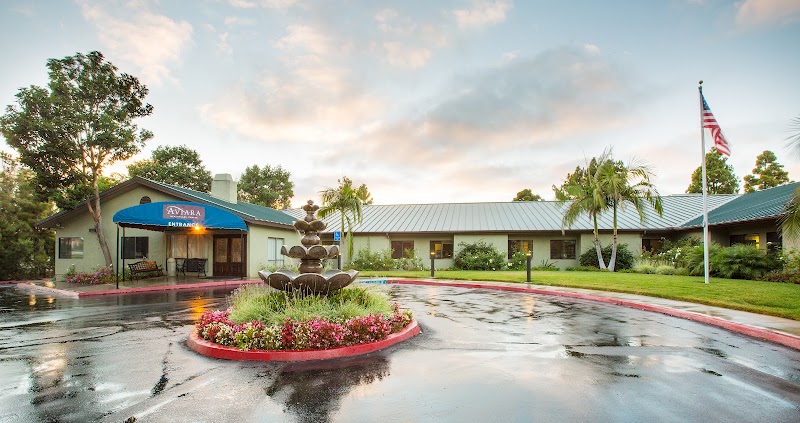
How is Aviara Healthcare Center Staffed?

CMS rates AVIARA HEALTHCARE CENTER's staffing level at 1 out of 5 stars, which is much below average compared to other nursing homes. Staff turnover is 66%, which is 19 percentage points above the California average of 46%. High turnover can affect care consistency as new staff learn residents' individual needs. RN turnover specifically is 71%, which is notably high. RNs provide skilled clinical oversight, so turnover in this role can affect medical care quality.

What Have Inspectors Found at Aviara Healthcare Center?

State health inspectors documented 65 deficiencies at AVIARA HEALTHCARE CENTER during 2019 to 2025. These included: 65 with potential for harm. While no single deficiency reached the most serious levels, the total volume warrants attention from prospective families.
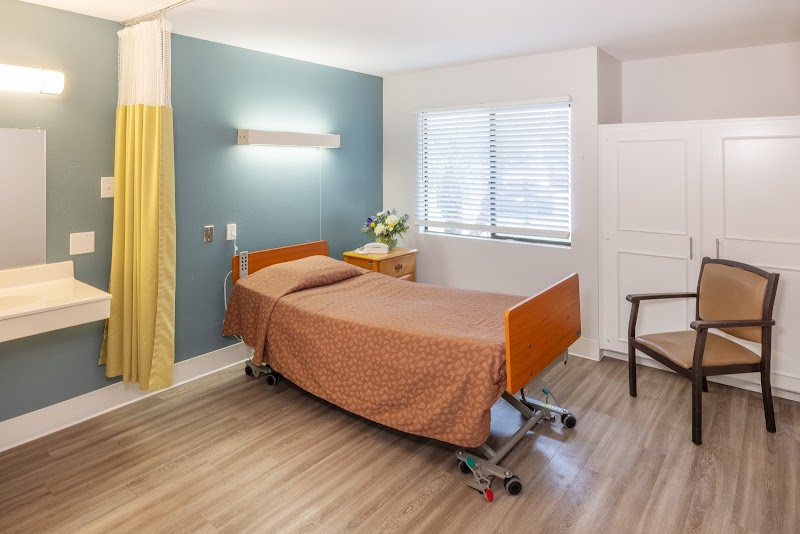
Who Owns and Operates Aviara Healthcare Center?

AVIARA HEALTHCARE CENTER is owned by a for-profit company. For-profit facilities operate as businesses with obligations to shareholders or private owners. The facility is operated by PACS GROUP, a chain that manages multiple nursing homes. With 120 certified beds and approximately 115 residents (about 96% occupancy), it is a mid-sized facility located in ENCINITAS, California.
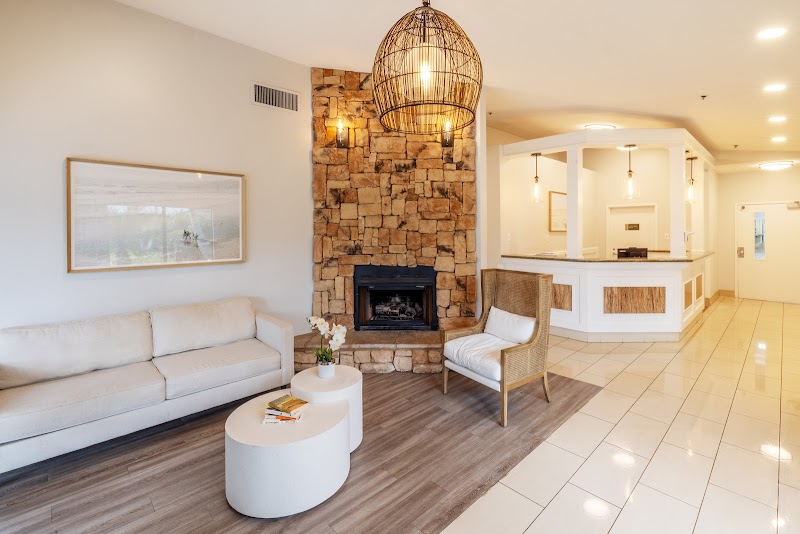
How Does Aviara Healthcare Center Compare to Other California Nursing Homes?

Compared to the 100 nursing homes in California, AVIARA HEALTHCARE CENTER's overall rating (2 stars) is below the state average of 3.1, staff turnover (66%) is significantly higher than the state average of 46%, and health inspection rating (2 stars) is below the national benchmark.

What Should Families Ask When Visiting Aviara Healthcare Center?

Based on this facility's data, families visiting should ask: "How do you ensure continuity of care given staff turnover, and what is your staff retention strategy?" "Can you walk me through typical staffing levels on day, evening, and night shifts?" "Can I visit during a mealtime to observe dining assistance and food quality?" "How do you handle medical emergencies, and what is your hospital transfer rate?" These questions are particularly relevant given the facility's high staff turnover rate and the below-average staffing rating.

Is Aviara Healthcare Center Safe?

Based on CMS inspection data, AVIARA HEALTHCARE CENTER has a clean safety record: no substantiated abuse findings (meaning no confirmed cases of resident harm), no Immediate Jeopardy citations (the most serious violation level indicating risk of serious injury or death), and is not on the Special Focus Facility watch list (a federal program monitoring the lowest-performing 1% of nursing homes). The facility has a 2-star overall rating and ranks #100 of 100 nursing homes in California. While no facility is perfect, families should still ask about staff-to-resident ratios and recent inspection results during their visit.

Do Nurses at Aviara Healthcare Center Stick Around?

Staff turnover at AVIARA HEALTHCARE CENTER is high. At 66%, the facility is 19 percentage points above the California average of 46%. Registered Nurse turnover is particularly concerning at 71%. RNs handle complex medical decisions and coordinate care — frequent RN changes can directly impact care quality. High turnover means new staff may not know residents' individual needs, medications, or preferences. It can also be disorienting for residents, especially those with dementia who rely on familiar faces. Families should ask: What is causing the turnover? What retention programs are in place? How do you ensure care continuity during staff transitions?

Was Aviara Healthcare Center Ever Fined?

AVIARA HEALTHCARE CENTER has been fined $9,912 across 1 penalty action. This is below the California average of $33,178. While any fine indicates a compliance issue, fines under $50,000 are relatively common and typically reflect isolated problems that were subsequently corrected. Families should ask what specific issues led to these fines and confirm they've been resolved.

Is Aviara Healthcare Center on Any Federal Watch List?

AVIARA HEALTHCARE CENTER is not on any federal watch list. The most significant is the Special Focus Facility (SFF) program, which identifies the bottom 1% of nursing homes nationally based on persistent, serious quality problems. Not being on this list means the facility has avoided the pattern of deficiencies that triggers enhanced federal oversight. This is a positive indicator, though families should still review the facility's inspection history directly.