ESCONDIDO POST ACUTE
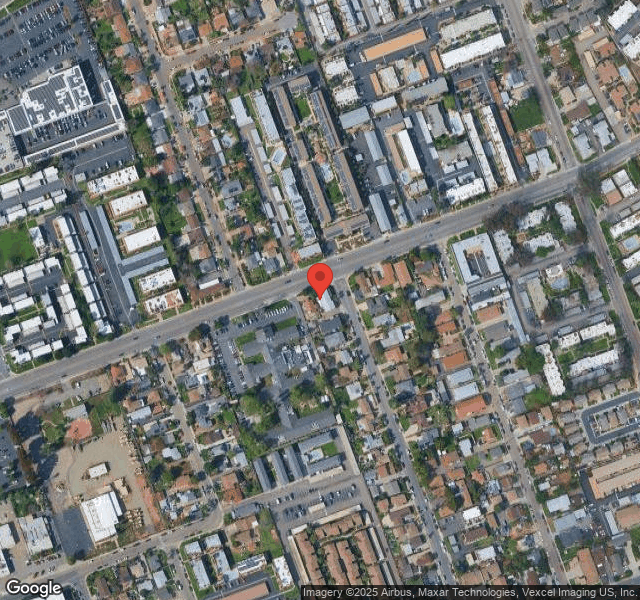
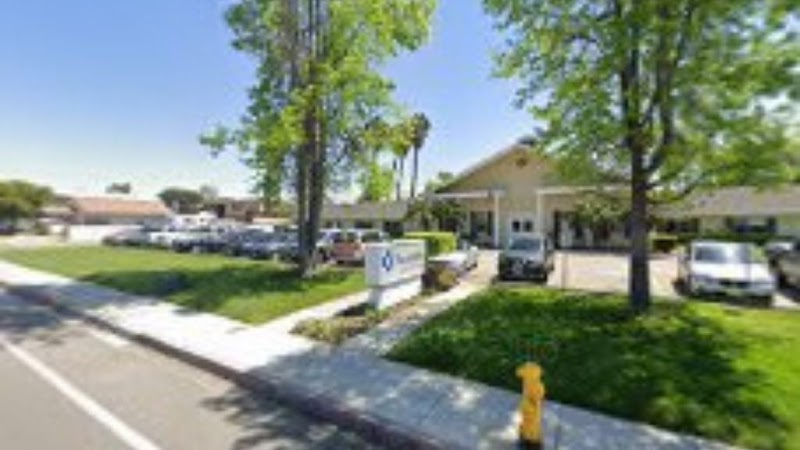
421 E MISSION AVE, ESCONDIDO, CA 92025 (760) 747-0430
For profit - Corporation 180 Beds PACS GROUP Data: November 2025
Trust Grade
68/100
#344 of 1155 in CA
Last Inspection: May 2025

Inspected within the last 6 months. Data reflects current conditions.

Overview

Escondido Post Acute has a Trust Grade of C+, indicating it is decent and slightly above average in quality. It ranks #344 out of 1,155 facilities in California, placing it in the top half, and #42 out of 81 in San Diego County, meaning only a few local options are better. However, the facility is experiencing a worsening trend, with issues increasing from 8 in 2024 to 10 in 2025. Staffing is average with a turnover rate of 36%, slightly better than the state average, but RN coverage is concerning as it falls below that of 91% of California facilities, which is critical for monitoring residents. Specific incidents include failure to notify families about bed hold policies after hospital transfers, leading to potential anxiety about resident return, and inconsistent wound treatments that could risk worsening conditions. Overall, while there are strengths in staffing stability and quality measures, the facility has notable weaknesses in communication and care compliance.

Trust Score
C+
68/100
In California
#344/1155
Top 29%
Safety Record
Low Risk
No red flags
Inspections
Getting Worse
8 → 10 violations
Staff Stability
○ Average
36% turnover. Near California's 48% average. Typical for the industry.
Penalties
✓ Good
$3,304 in fines. Lower than most California facilities. Relatively clean record.
Skilled Nurses
⚠ Watch
Each resident gets only 14 minutes of Registered Nurse (RN) attention daily — below average for California. Fewer RN minutes means fewer trained eyes watching for problems.
Violations
⚠ Watch
47 deficiencies on record. Higher than average. Multiple issues found across inspections.
★★★★☆
4.0
Overall Rating
★★★☆☆
3.0
Staff Levels
★★★★★
5.0
Care Quality
★★★☆☆
3.0
Inspection Score
Stable
2024: 8 issues
2025: 10 issues

The Good

  • 5-Star Quality Measures · Strong clinical quality outcomes
  • Full Sprinkler Coverage · Fire safety systems throughout facility
  • No fines on record
  • Staff turnover below average (36%)

    12 points below California average of 48%

Facility shows strength in quality measures, fire safety.

The Bad

Staff Turnover: 36%

Near California avg (46%)

Typical for the industry

Federal Fines: $3,304

Below median ($33,413)

Minor penalties assessed

Chain: PACS GROUP

Part of a multi-facility chain

Ask about local staffing decisions and management

The Ugly 47 deficiencies on record

Jun 2025 2 deficiencies
CONCERN (D) 📢 Someone Reported This

A family member, employee, or ombudsman was alarmed enough to file a formal complaint

Potential for Harm - no one hurt, but risky conditions existed

Resident Rights (Tag F0550)

Could have caused harm · This affected 1 resident

Based on observation, interview, and record review, the facility failed to provide privacy and dignity by covering a urinary catheter bag (a flexible tube that drains urine into a collection bag) for ...

Read full inspector narrative →
Based on observation, interview, and record review, the facility failed to provide privacy and dignity by covering a urinary catheter bag (a flexible tube that drains urine into a collection bag) for one of three resident's (Resident 1), when reviewed for Resident Rights. This failure had the potential for Resident 1 to be embarrassed and exposed with a urinary catheter collection bag. Findings: Resident 1 was admitted to the facility 2/14/25, with diagnosis which included displaced fracture of left hip and diabetes mellitus (abnormal blood sugar levels in the blood), per the facility's admission Record. The physician's order was reviewed on 6/11/25 at 11:13 A.M., dated 6/11/25, .External condom catheter (a device that collects urine from the bladder and directs it into a collection bag) due to a diagnosis urinary retention (the inability to completely empty the bladder of urine) . An observation and interview was conducted with certified nursing assistant 1 (CNA 1) of Resident 1 on 6/11/25 at 12:08 P.M., as he laid in bed. On the lower right side of the bed frame was a urinary collection bag, which contained approximate 200 cubic centimeter (cc-a unit of volume) of yellow urine . The collection bag was uncovered and visible to all who entered the room. CNA 1 stated the urinary collection bag was not covered and it should be. CNA 1 stated a dignity bag over the collection bag provided the resident with privacy and promoted dignity. An interview was conducted with the Director of Staff Development (DSD) on 6/11/25 at 12:14 P.M. The DSD stated all residents with urinary catheters should have a dignity bag placed over the collection bag. The DSD stated it provided dignity to the resident, and it would not matter if the resident was alert or not. An interview was conducted with the Director of Nursing (DON) on 6/11/25 at 12:53 P.M. The DON stated dignity bags should always be covering a urinary collection bag, in order to provide privacy for the resident. According to the facility's policy, titled Dignity, dated 2001, .11. Staff promote, maintain, and protect privacy .
CONCERN (D) 📢 Someone Reported This

A family member, employee, or ombudsman was alarmed enough to file a formal complaint

Potential for Harm - no one hurt, but risky conditions existed

Quality of Care (Tag F0684)

Could have caused harm · This affected 1 resident

Based on interview and record review, the facility failed to notify the physician when parameters for blood sugar levels were out of range, for one of three residents (Resident 1), when reviewed for Q...

Read full inspector narrative →
Based on interview and record review, the facility failed to notify the physician when parameters for blood sugar levels were out of range, for one of three residents (Resident 1), when reviewed for Quality of Care. This failure resulted in the physician being uninformed when additional insulin (a hormone which regulates blood sugar levels in the blood) could have been ordered to reduce the risk of hyperglycemia (high blood sugar levels which can lead to health problems that affect the eyes, kidneys, nerves and heart). Findings: Resident 1 was initially admitted to the facility 2/14/25, with diagnosis which included displaced fracture of left hip and diabetes mellitus (abnormal blood sugar levels in the blood), per the facility's admission Record. Resident 1's record was reviewed on 6/11/25. Resident 1's nurses note, dated 6/6/25 at 8:48 P.M., Resident 1 was noted with confusion, doctor notified and new order to send to emergency room for evaluation. According to Resident 1's nurses note dated 6/9/25 at 11:15 P.M., resident returned from hospital with diagnoses of hyperglycemia (high blood sugar). According to Resident 1's physician's order, dated 6/10/25, Accu-Chek (a machine that analysis blood sugar levels with a drop of blood) call medical doctor if blood sugar is below 70 and/or above 250. According to Resident 1's Medication Administration Record (MAR), Resident 1's blood sugar level was 343 at 7 A.M. There was no documented evidence in Resident 1's nursing progress notes, that the medical doctor was notified of Resident 1's blood sugar level which was documented at 343 on 6/11/25, or that any new orders for insulin were obtained. According to Resident 1's care plan, titled Diabetes, revised on 4/14/25, interventions included, Blood sugar checks as ordered. Report to physician if blood glucose is outside of set parameters. According to Resident 1's care plan, titled Refusing Insulin, dated 5/23/25, no interventions were listed for addressing the resident's refusal of insulin. An interview was conducted with Licensed Nurse 2 (LN 2) on 6/11/25 at 1:05 P.M. LN 2 stated if blood sugar levels were outside the parameters set by the physician, then LNs were responsible for notifying the physician and documenting the physician's response, along with any new orders. LN 2 stated untreated high blood sugar levels could lead to diabetes ketoacidosis (DKA-a serious, life-threatening complication of diabetes), coma, and even death. An interview was conducted with LN 3 on 6/11/25 at 1:07 P.M. LN 3 stated the physician needed to be informed immediately if the blood sugar levels were outside the parameters set. LN 3 stated LNs were expected to document when the physician was and if additional insulin was ordered. LN 3 stated if there was no documentation of the physician being notified, then it was not done. An interview and record review was conducted with the Director of Nursing (DON), on 6/11/25 at 1:20 P.M. The DON reviewed Resident 1's physician's order to blood sugar parameters and then reviewed the MAR. The DON stated Resident 1's blood sugar level was 343 on the morning of 6/11/25, which was outside the parameter set for 250. The DON could not find any documented evidence from nursing staff that the physician was notified of the abnormal blood sugar level. The DON stated hyperglycemia could cause harm to the resident, and the physician should have been notified so an intervention could have been implemented. According to the facility's policy, titled Medication and Treatment Orders, dated July 2016, 'Orders for medications and treatment will be consistent with principals of safe and effective order writing . The facility was unable to provide a policy related to hyperglycemia.
May 2025 1 deficiency
CONCERN (D) 📢 Someone Reported This

A family member, employee, or ombudsman was alarmed enough to file a formal complaint

Potential for Harm - no one hurt, but risky conditions existed

Deficiency F0761 (Tag F0761)

Could have caused harm · This affected 1 resident

**NOTE- TERMS IN BRACKETS HAVE BEEN EDITED TO PROTECT CONFIDENTIALITY** Based on observation, interview and record review, the facility failed to ensure medications were not left unattended for one re...

Read full inspector narrative →
**NOTE- TERMS IN BRACKETS HAVE BEEN EDITED TO PROTECT CONFIDENTIALITY** Based on observation, interview and record review, the facility failed to ensure medications were not left unattended for one resident (Res 1). This failure had the potential to affect Resident 1 ' s safety and staff drug diversion. Findings. A record review of the facility ' s undated admission record indicated Resident 1 was admitted to the facility on [DATE] with diagnoses that included Atrial Fibrillation (irregular rapid heart rate) and Urinary Tract Infection (bladder infection). An observation during a facility reported investigation on 5/12/24 at 10:00 A.M., in Resident 1 ' s room was conducted. Resident 1 had multiple number of medications, inside a small clear cup sitting on Resident 1's bedside table. Resident 1 stated, I think the nurse left the medications there for me to take, but I was still asleep. Resident 1 stated she did not know what the medications were and what they were for. A review of Resident 1 ' s minimum data set( MDS- federally mandated assessment tool) dated 2/3/25 indicated Resident 1 ' s brief interview for mental status (BIMS) score was 12 which meant Resident 1 ' s cognition (thought process) was intact. A joint interview and record review on 5/12/25 at 11 A.M., with Licensed Nurse (LN) 1 was conducted. LN 1 discussed the following medications listed on Resident 1 ' s Medication Administration Record( MAR). LN1 stated she had left the medications in a cup and placed on Resident 1 ' s bedside table. An observation of Medications at Resident 1's bedside were reconciled with Resident 1's MAR during an interview with LN 1. Amiodarone 200 mg ,give 1 tablet twice a day -Arrythmias. Check apical pulse .Hold if below 60. Cholecalciferol 50 mg by mouth one time a day for Supplement Co-enzyme Q10, 100 mg by mouth two times a day for Supplement Doxycycline 100 mg , give 1 tablet twice a day for Pneumonia x 10 days Duloxetine 30 mg , give 1 capsule by mouth one time a day for Depression Eliquis 5 mg , give I tablet by mouth two times a day for Atrial Fibrillation Ferrous sulfate 325 mg , 1 tablet by mouth one time a day for Supplement Florastor 250 mg , I capsule by mouth two times a day for Supplement Lasix 40 mg , give 1 tablet one time a day for Fluid retention Metoprolol 25 mg , 1 tablet by mouth two times a day for Hypertension Midodrine 25 mg, 1 tablet by mouth two times a day for Hypotension Mirabegron 24-hour 50 mg , give 1 tablet by mouth one time a day for Overactive bladder. Do not crush or chew. Mucinex 12 hours , give 600 mg by mouth two times a day for chest congestion x 7 days Multivitamin , give 1 tablet by mouth one time a day for Supplement Oxybutynin 15 mg , give 1 tablet one time a day for Bladder management Potassium Chloride 10 meq , give 1 tablet by mouth twice a day for Supplement. Give medication with food or snacks and/or with 4-8 oz of water or juice to prevent Gastrointestinal upset. Pregabalin 75 mg , give 1 capsule by mouth twice a day for pain Sertraline 50 mg , give 1.5 tablet by mouth one time a day for Depression. Ticagrelor 90 mg , give 1 tablet by mouth twice a day for Clot prevention LN 1 stated she was distracted when another resident was yelling, and she went to check on the other resident and left the medications for Resident 1 at bedside. LN 1 stated there were 19 medications that she had left unattended. LN 1 stated it was important not to leave medications unattended in a resident room for resident safety. LN 1 stated some of the medications required certain instructions before administration like apical pulse (pulse that is measured by listening to the heart directly with a stethescope) check, and instruction that include, do not crush or chew and to take medication with snack or water. An interview on 5/12/24 at 11:30 A.M., with the Director of Nursing (DON) was conducted. The DON stated medications are not to be left unattended anywhere in the facility including resident ' s rooms for their safety and to prevent drug diversion. A review of the facility ' s policy titled, Medication Labeling and Storage dated 2/2023 indicated, Medication Storage . 2. The nursing staff is responsible for maintaining medication storage and preparation in a clean, safe and sanitary manner.
May 2025 7 deficiencies
CONCERN (D)

Potential for Harm - no one hurt, but risky conditions existed

Deficiency F0554 (Tag F0554)

Could have caused harm · This affected 1 resident

Based on interview, record review, and facility policy review, the facility failed to assess a resident's ability to self-administer their medication for 1 (Resident #153) of 33 sampled residents. Fin...

Read full inspector narrative →
Based on interview, record review, and facility policy review, the facility failed to assess a resident's ability to self-administer their medication for 1 (Resident #153) of 33 sampled residents. Findings included: A facility policy titled, Self-Administration of Medications, with a copyright date of 2001, indicated, Residents have the right to self-administer medications if the interdisciplinary team has determined that it is clinically appropriate and safe for the resident to do so. An admission Record revealed the facility admitted Resident #153 on 02/12/2025. According to the admission Record, the resident had a medical history that included a diagnosis of rhabdomyolysis (a breakdown of muscle tissue). An admission Minimum Data Set (MDS), with an Assessment Reference Date (ARD) of 02/19/2025, revealed Resident #153 had a Brief Interview for Mental Status (BIMS) score of 8, which indicated the resident had moderate cognitive impairment. Resident #153's comprehensive Care Plan Report with an admission date of 02/12/2025, revealed no care plan to indicate the resident could self-administer their medications and/or keep medications at their bedside. Resident #153's Order Summary Report, with active orders as of 05/05/2025, did not include an order for Tums (an over-the-counter antacid medication). Resident #153's medical record revealed no evidence to indicate the resident could self-administer their medications and/or keep medications at their bedside. During a concurrent observation and interview on 05/05/2025 at 10:28 AM, the surveyor noted a bottle of Tums on Resident #153's bedside table. Resident #153 stated staff were aware the medication was in their room and added a family member brought the medication to them. During an observation on 05/06/2025 at 1:30 PM, Resident #153 was not in their room, but the surveyor noted a bottle of Tums on the resident's nightstand. During an observation on 05/07/2025 at 9:58 AM, Resident #153 was noted lying in bed with their eyes closed but answered when spoken to. There was a bottle of Tums noted on the resident's nightstand. Certified Nursing Assistant (CNA) #3 was interview on 05/07/2025 at 10:17 AM and stated if she saw medication at a resident's bedside she called the nurse because she was not allowed to remove medication by herself. CNA #3 stated she had not seen any medication by Resident #153's bedside. CNA #3 stated she had been assigned to care for Resident #153 on 05/05/2025 and 05/06/2025.CNA entered Resident #153's room, saw the medication on the nightstand, and stated she had not noticed the medication on 05/05/2025 or 05/06/2025. Resident #153 was interviewed on 05/07/2025 at 10:23 AM and stated they took Tums every night for their stomach. Resident #153 stated they wanted to be able to keep the medication at their bedside and take the medication as needed. Licensed Vocational Nurse (LVN) #4 was interviewed on 05/07/2025 at 10:23 AM and stated there were no residents on the unit that self-administered medications. LVN #4 stated if she saw medication at a resident's bedside she would remove the medication since residents were unable to self-administer medications without a physician's order and again stated no resident on her assignment had an order for self-administration. LVN #4 stated the hall had also been assigned to her on 05/05/2025. LVN #4 stated she was unaware Resident #153 had medication at their bedside. LVN #4 stated if Resident #153 wanted to self-administer medication, she was responsible for the self-administration assessment. LVN #4 went into Resident #153's room and removed the bottle of Tums. LVN #4 added she would call the resident's physician and request an order for Resident #153 to self-administer the medication. The Director of Nursing (DON) was interviewed on 05/07/2025 at 10:31 AM. The DON stated that prior to any resident self-administering medication the resident had to be assessed to see if it was safe for the resident to self-administer. The DON stated the physician would be made aware of the resident's desire to self-administer and an order would be obtained for self-administration and to keep the medication at the bedside. The DON stated the facility would plan for storage of the medication to keep the medication out of the reach of other residents. The DON stated she was unaware of any resident that had orders to self-administer medications, including any over-the-counter medications. The DON stated if medication was seen at a resident's bedside she expected staff to remove the medication. The Administrator was interviewed on 05/08/2025 at 10:06 AM. The Administrator stated he would not expect medication to be left at Resident #153's bedside. The Administrator stated he expected staff to be more observant and to remove medication from the resident's room.
CONCERN (D)

Potential for Harm - no one hurt, but risky conditions existed

Deficiency F0582 (Tag F0582)

Could have caused harm · This affected 1 resident

**NOTE- TERMS IN BRACKETS HAVE BEEN EDITED TO PROTECT CONFIDENTIALITY** Based on interview, record review, and facility policy review, the facility failed to ensure beneficiary notifications were comp...

Read full inspector narrative →
**NOTE- TERMS IN BRACKETS HAVE BEEN EDITED TO PROTECT CONFIDENTIALITY** Based on interview, record review, and facility policy review, the facility failed to ensure beneficiary notifications were completed accurately for 2 (Resident #128 and Resident #143) of 3 sampled residents reviewed for beneficiary notices. Findings included: A facility policy titled, Medicare Advance Beneficiary and Medicare Non-Coverage Notices, revised 09/2024, indicated, 4. Written notices are provided in person to the beneficiary when possible. A copy of the notice is provided to the beneficiary (or authorized representative) immediately after the notice is signed. 1. An admission Record revealed the facility admitted Resident #128 on 12/03/2024. According to the admission Record, the resident had a medical history that included a diagnosis of metabolic encephalopathy. A skilled nursing facility (SNF) Part A Prospective Payment System (PPS) [NAME] Data Set (MDS), with an Assessment Reference Date (ARD) of 03/26/2025, revealed Resident #128 had a Brief Interview for Mental Status (BIMS) score of 8, which indicated the resident had moderate cognitive impairment. An undated Advance Beneficiary Notice of Non-coverage (ABN) for Resident #128 revealed the section titled E. Reason Medicare May Not Pay was left blank. The notice revealed the options listed in the section titled G. Options: Check only one box. We cannot choose a box for you was blank. Further review revealed the notice was not signed or dated. During an interview on 05/08/2025 at 9:20 AM, Business Office Manager (BOM) #1 stated he had missed it. BOM #1 stated the ABN for Resident #128 was not signed or dated. He stated the ABN for Resident #128 was not filled out completely due to no options being selected in Section G. He stated Section E should not have been left blank. He stated the ABN should have been filled out completely and signed and dated. He stated he should have reached out to Resident #128's representative to have them sign the ABN and should have issued a Notice of Medicare Non-coverage (NOMNC). BOM #1 stated he did not issue a NOMNC to Resident #128. During an interview on 05/08/2025 at 9:38 AM, the Director of Nursing (DON) stated she was not involved in the beneficiary notification process. The DON stated she expected notifications to be filled out completely and correctly. She stated she also expected them to be issued within 48 hours of the effective date. During an interview on 05/08/2025 at 9:46 AM, the Administrator stated he was not involved in the beneficiary notification process. The Administrator stated he expected notifications to be filled out accurately and completely. The Administrator stated he expected NOMNCs to be issued in the time allowed. 2. An admission Record revealed the facility admitted Resident #143 on 11/07/2024. According to the admission Record, the resident had a medical history that included a diagnosis of an unspecified fracture of the left tibia shaft. A skilled nursing facility (SNF) Part A Prospective Payment System (PPS) [NAME] Data Set (MDS), with an Assessment Reference Date (ARD) of 02/14/2025, that revealed Resident #143 had a Brief Interview for Mental Status (BIMS) score of 14, which indicated the resident had intact cognition. Resident #143's Advance Beneficiary Notice of Non-coverage (ABN), dated 02/11/2025, revealed the section titled E. Reason Medicare May Not Pay was left blank. The notice revealed the options listed in the section titled G. Options: Check only one box. We cannot choose a box for you was blank. During an interview on 05/08/2025 at 9:20 AM, Business Office Manager (BOM) #1 stated the ABN for Resident #143 did not have an option selected under Section G. The BOM stated an option should have been chosen and since there was not an option chosen then the form was not filled out correctly. The BOM stated Section E should not have been left blank. He stated he did not issue Resident #143 a Notice of Medicare Non-coverage (NOMNC) due to a lack of communication and dropped the ball on issuing it. He stated the ABN should have been filled out completely and signed and dated. During an interview on 05/08/2025 at 9:38 AM, the Director of Nursing (DON) stated she was not involved in the beneficiary notification process. The DON stated she expected notifications to be filled out completely and correctly. The DON stated she also expected them to be issued within 48 hours of the effective date. During an interview on 05/08/2025 at 9:46 AM, the Administrator stated he was not involved in the beneficiary notification process. The Administrator stated he expected notifications to be filled out accurately and completely. The Administrator stated he expected NOMNCs to be issued in the time allowed.
CONCERN (D)

Potential for Harm - no one hurt, but risky conditions existed

Report Alleged Abuse (Tag F0609)

Could have caused harm · This affected 1 resident

Based on interview, record review, and facility policy review, the facility failed to report timely, an allegation of verbal abuse to the state survey agency for 1 (Resident #23) of 1 sampled resident...

Read full inspector narrative →
Based on interview, record review, and facility policy review, the facility failed to report timely, an allegation of verbal abuse to the state survey agency for 1 (Resident #23) of 1 sampled resident reviewed for abuse. Findings included: A facility policy titled, Abuse, Neglect, Exploitation and Misappropriation Prevention Program with a copyright date of 2001, indicated Residents have the right to be free from abuse, neglect, misappropriation of resident property and exploitation. This includes but is not limited to freedom from corporal punishment, involuntary seclusion, verbal, mental, sexual or physical abuse, and physical or chemical restraint not required to treat the resident's symptoms. The policy specified, 9. Investigate and report any allegations within timeframes required by federal requirements. An admission Record specified the facility admitted Resident #23 on 06/12/2024. According to the admission Record, the resident had a medical history that included diagnoses of muscle weakness, need for assistance with personal care, and hypertension. A quarterly Minimum Data Set (MDS), with an Assessment Reference Date (ARD) of 03/18/2025, revealed Resident #23 had a Brief Interview for Mental Status (BIMS) score of 15, which indicated the resident had intact cognition. During an interview on 05/05/2025 at 2:28 PM, Resident #23 stated their former roommate, Resident #371, had threatened and was very mean to them. Per Resident #23, they woke up one day and found Resident #371 going through their dresser and pulling out their things. Resident #23 stated they told Resident #371 to stop and that was when Resident #371 cursed, yelled and accused them of stealing their things. Resident #23 stated Resident #371 did not physically touch them but yelled all the time at them. According to Resident #23, Resident #371 was moved to another room on another unit. Resident 23 stated they were told that Resident #371 would be kept on another unit in the facility. Resident #23 acknowledged they were scared of Resident #371. During an interview on 05/05/2025 at 4:15 PM, the Administrator was made aware of the allegations of abuse reported by Resident #23. The Administrator stated he was not aware, would initiate an investigation, and report any findings to the surveyor on 05/06/2025. During an interview on 05/06/2025 at 8:52 AM, the Administrator stated he attempted to speak with Resident #23 on 05/05/2025, but the resident reported they were tired and did not want to talk. According to the Administrator, an investigation was being conducted and he would decide if the resident's allegation needed to be reported to the state survey agency. During an interview on 05/06/2025 at 10:06 AM, the Director of Nursing (DON) and Administrator acknowledged the allegation of abuse reported by Resident #23 was reported to the state survey agency on 05/06/2025 at 9:30 AM. During an interview on 05/07/2025 at 2:53 PM, the DON stated she was informed by the Administrator on 05/05/2025 at 4:45 PM, that Resident #23 alleged their former roommate was verbally abusive to them. During an interview on 05/07/2025 at 3:45 PM, the Administrator stated he was made aware by the surveyor of Resident #23's allegation of abuse on 05/05/2025 at 4:15 PM. Per the Administrator, Resident #23 reported their former roommate was verbally abusive to them. The Administrator confirmed the allegation of verbal abuse was reported to the state survey agency on 05/06/2025 at 9:30 AM. According to the Administrator, allegations of abuse should be reported within two hours and it was his fault that Resident #23's allegation of verbal abuse was not timely reported. The Administrator stated that allegations of abuse should be timely reported.
CONCERN (D)

Potential for Harm - no one hurt, but risky conditions existed

PASARR Coordination (Tag F0644)

Could have caused harm · This affected 1 resident

Based on interview, record review, and facility policy review, the facility failed to ensure staff submitted a new Preadmission Screening and Resident Review (PASRR) to the state agency for review aft...

Read full inspector narrative →
Based on interview, record review, and facility policy review, the facility failed to ensure staff submitted a new Preadmission Screening and Resident Review (PASRR) to the state agency for review after a significant change in status occurred for 1 (Resident # 53) of 5 residents reviewed for PASRR. Findings included: A facility policy titled, PASRR (Pre-admission Screening & [and] Resident Review), dated 06/2018, indicated, 3. A negative Level I screen permits admission to proceed and ends the pre-screening process unless possible serious mental disorder or intellectual disability arises later. An admission Record revealed the facility admitted Resident #53 on 04/03/2016. According to the admission Record, the resident had a medical history that included diagnoses of unspecified cerebral infarction (stroke), unspecified schizophrenia (with an onset date of 05/08/2018), and other specified depressive episodes (with an onset date of 05/08/2018). A quarterly Minimum Data Set (MDS), with an Assessment Reference Date (ARD) of 04/02/2025, revealed Resident #53 had a Brief Interview for Mental Status (BIMS) score of 9, which indicated the resident had moderate cognitive impairment. The MDS indicated Resident #53 had no hallucinations, delusions, or behaviors. The MDS indicated Resident #53 had active diagnoses that included depression and schizophrenia. Resident #53's Care Plan Report, included a focus area initiated 07/15/2024, that indicated the resident used antidepressants for major depressive disorders and insomnia. Interventions directed staff to administer the antidepressant medication as ordered by the physician, observe the resident's mood and response to the medication, consider non-pharmacological approaches, and consult psychology as needed. The Care Plan Report indicated a focus area initiated 02/17/2023, that indicated the resident had a diagnosis of schizophrenia. Interventions directed staff to assist the resident, family, and caregivers to identify strengths and positive coping skills; behavioral health consults as needed; and monitor, document, and report any risks for harm. A State of California-Health and Human Services Agency Preadmission Screening and Resident Review (PASRR) Level I Screening Document, dated 04/03/2016, indicated Resident #53 had a negative Level I PASRR due to having no mental illness such as schizophrenia or depression. Resident #53's Diagnosis Report revealed unspecified schizophrenia and other specified depressive episodes were added as active diagnoses for Resident #53 on 05/08/2018. The report revealed the section titled Comments indicated that a PASRR Level II was not required. Resident #53's Order Summary Report, with orders active as of 05/05/2025, included an order dated 02/23/2024, for Paxil (an antidepressant) 30 milligrams (mg), with instructions to give 0.5 tablet by mouth one time a day for depression as evidenced by expressions of sadness. The Order Summary Report included an order dated 01/20/2025, for trazodone (an antidepressant that is also used for insomnia) 50 mg, with instructions to give one tablet by mouth at bedtime for depression as evidence by inability to sleep. On 05/06/2025 at 2:19 PM, the Administrator stated he was unsure who was responsible for submitting a new PASRR to the state agency when a resident had a change in condition. During a follow-up interview on 05/06/2025 at 2:59 PM, the Administrator stated the PASRR process was multifaceted and multileveled. The Administrator stated the Admissions Director was the first line of defense when she looked at PASRRs for admission to the facility. He stated that after admission, the MDS department was the follow-up for any process questions related to a resident's PASRR. The Administrator stated the Director of Nursing (DON) would then follow up and review the PASRR for completion and accuracy. The Admissions Director was interviewed on 05/07/2025 at 8:48 AM. The Admissions Director stated the PASRR was sent to the facility from the hospital on an electronic file exchange and she had no access to the file exchange. She stated the nurses had access to the electronic file exchange portal, but she was unsure who was responsible for sending information to the state agency when a change in a resident's condition occurred or the resident received a new psychiatric diagnosis. The Director of Social Services (DSS) was interviewed on 05/07/2025 at 9:02 AM. The DSS stated she had no responsibility for reviewing a resident's PASRR or making sure the PASRR was accurate. The DSS stated the MDS Coordinator #17 was responsible for submitting a new PASRR for review to the state agency when a psychiatric diagnosis was added for a resident. MDS Coordinator #17 was interviewed on 05/07/2025 at 9:12 AM. MDS Coordinator #17 stated the previous admission nurse had been responsible for reviewing residents' PASRRs on admission for accuracy. MDS Coordinator #17 stated she was unaware of any current residents who had a new psychiatric diagnosis added, but if there had been a resident with a new psychiatric diagnosis added it was the responsibility of the MDS department to submit the information to the state agency for review. MDS Coordinator #17 stated she had worked in the facility for three years, and prior to her arrival submitting new information to the state agency for review was the responsibility of the MDS department and the DON. MDS Coordinator #17 reviewed the diagnoses list for Resident #53 and confirmed that depression and schizophrenia had been added in 2018. She stated this information should have been sent to the state agency for review, since the addition of new diagnoses indicated a significant change in status for Resident #53. MDS Coordinator #17 stated the facility had not designated anyone to review PASRRs for accuracy. The DON was interviewed on 05/07/2025 at 10:41 AM. The DON stated if psychiatric diagnoses were added to a resident's profile after admission the MDS department was notified and a new Level I PASRR was submitted to the state agency due to the resident's significant change in condition. The DON stated that during the quarterly reviews, the PASRRs were reviewed along with any new diagnoses. The DON stated the MDS nurses or the nurses on the floor should have caught the addition of Resident #53's new diagnoses and stated the PASRR was not accurate. The DON stated that although the diagnoses were added in 2018, the expectation was for residents' PASRRs and their diagnoses to be reviewed quarterly. The DON stated the 2016 PASRR was the only one on file in the facility for Resident #53. The Administrator was interviewed on 05/08/2025 at 10:03 AM. The Administrator stated he expected someone to catch the error on the resident's PASRR, the new diagnoses, and to submit a new PASRR to the state agency.
CONCERN (D)

Potential for Harm - no one hurt, but risky conditions existed

Pressure Ulcer Prevention (Tag F0686)

Could have caused harm · This affected 1 resident

Based on observation, interview, facility document review, and facility policy review, the facility failed to provide necessary treatments and services consistent with professional standards of practi...

Read full inspector narrative →
Based on observation, interview, facility document review, and facility policy review, the facility failed to provide necessary treatments and services consistent with professional standards of practice during wound care for 1 (Resident #150) of 2 residents reviewed for pressure ulcers. Findings included: A facility policy titled, Wound Care, revised 10/2010, revealed, The purpose of this procedure is to provide guidelines for the care of wounds to promote healing. The policy revealed the section titled, Preparation, included, 1. Verify that there is a physician's order for this procedure and 3. Assemble the equipment and supplies as needed. A facility policy titled, Physician Orders, revised 06/2013, revealed, Physician orders must be given, managed and carried out in accordance with applicable laws and regulations. Resident #150's admission Record indicated the facility admitted the resident on 01/17/2025. According to the admission Record, the resident had a medical history that included diagnoses of type 2 diabetes mellitus, cellulitis of the right lower limb, fracture of the right great toe, pressure induced deep tissue damage of the left heel, and pressure induced deep tissue damage of the right heel. A Medicare 5-Day Minimum Data Set (MDS), with an Assessment Reference Date (ARD) of 04/01/2025, revealed Resident #150 had a Brief Interview for Mental Status (BIMS) score of 00, which indicated the resident had severe cognitive impairment. The MDS indicated the resident required extensive to total assistance for all activities of daily living (ADLs). Resident #150's Care Plan Report, included a focus area initiated 02/11/2024 and revised 04/24/2025, that indicated the resident had a left deep tissue injury (DTI) and was at risk for further breakdown and/or slow, delayed healing related to cardiovascular disease, incontinence of bladder, and incontinence of bowel. The focus area also indicated Resident #150 had a right heel DTI that had resolved. Interventions (initiated 2/11/2025) directed staff that the resident had a pressure-reduction cushion for their chair, a turning and repositioning wedge, and used lift pads to minimize friction and shear. Interventions directed staff to provide vitamins and nutritional supplements as ordered (initiated 2/11/2025). Resident #150's Physician Orders Details dated 05/06/2025, from the wound care provider, revealed Resident #150 had received treatment orders for Wound #1 Left Heel, Wound #2 Right Heel, Wound #3 Right, Medial Second Toe, and Wound #4 Right Third Toe Tip. Resident #150's Order Recap [Recapitulation] Report, for the timeframe from 01/01/2024 through 05/31/2025, revealed the following treatment orders: - An order dated 05/06/2025, for TX [treatment] orders for abrasion @ [at] R [right] 3rd toe. Apply topical Lidocaine 2% [percent] to wound bed. Cleanse with NS [normal saline], pat dry. Notify MD [medical doctor] if changes occur. Reassess in 14 days. - An order dated 05/06/2025, for TX orders for abrasion @ R medial 2nd toe. Apply topical Lidocaine 2% to wound bed. Cleanse with NS, pat dry, apply skin prep to surrounding skin, insert HFB [Hydrofera Blue] and cover with foam dressing. Notify MD if changes occur. Reassess in 14 days. - An order dated 05/06/2025, for TX orders for s/p [status post] DTI @ L [left] heel. Apply topical Lidocaine 2% to wound bed. Cleanse with NS, pat dry, apply skin prep to periwound, let dry, apply foam dressing. Notify MD if changes occur. Reassess in 14 days. Every day shift every Wed [Wednesday], Sat [Saturday] for L heel. - An order dated 05/06/2025, for TX orders for s/p DTI @ R heel. Apply topical Lidocaine 2% to wound bed. Cleanse with NS, pat dry, apply Skin Prep to periwound, let dry, apply foam dressing. Notify MD if changes occur. Reassess in 14 days. every day shift every Wed, Sat for R heel. During an observation of wound care on 05/07/2025 at 10:04 AM, Licensed Vocational Nurse (LVN) #2 gathered wound care supplies from the treatment cart, knocked on Resident #150's room door, and entered the resident's room. LVN #2 removed the blankets from the resident's lower legs and feet, placed a barrier pad underneath the resident's feet, and removed Resident #150's socks. LVN #2 removed a dressing from the resident's left heel. There was no dressing present on the resident's right heel to remove. LVN #2 then peeled back the soiled dressing from Resident #150's right second toe and using a syringe, put Lidocaine on the wound bed and laid the soiled dressing back over the wound; per LVN #2, she did it to let it soak a little. LVN #2 then cleaned the right heel wound and left heel wound with normal saline and gauze and applied skin prep around the wound bed of both heels. LVN #2 then took a pair of bandage scissors from her pocket and cut two dressings to fit over both heel wounds and placed the bandages on both heels. LVN #2 then removed the dressing from Resident #150's right second toe wound and cleaned the wound with normal saline and gauze. LVN #2 then cut a small piece of Hydrofera Blue foam and placed it over the wound bed of the right second toe. Once the Hydrofera Blue foam was in place, LVN #2 took a 5-inch by 5-inch adhesive bordered foam dressing and placed it over the end of Resident #150's right foot, enclosing all their toes on the right foot in the dressing. LVN #2 did not address the wound on Resident #150's right third toe during the wound treatment. She then placed the resident's socks back on both feet and pulled the blankets back from their lower legs. LVN #2 threw away the soiled supplies and placed the Lidocaine syringe into the sharps container on the treatment cart and documented the treatments as completed. During an interview on 05/07/2025 at 12:19 PM, LVN #2 stated she had worked at the facility for two years and had been doing Resident #150's wound treatments since February 2025. LVN #2 stated the resident's wound treatments had been changed by the wound clinic the day prior. LVN #2 stated that the Lidocaine was for the second toe mainly, because it was painful to the resident during the dressing change, the other wounds on both heels quit hurting the resident about two weeks ago when the wounds started to close up, so she did not put it on any other wound but the second toe. LVN #2 stated there was no dressing change order for the wound on the residents right third toe. LVN #2 stated she put a dressing over the entire end of the resident's foot to help protect all the toes and did not think about the possibility that the resident's toes would be pressed together and could create more pressure between the toes. LVN #2 stated she had not followed the physician's orders for wound treatments. During an interview on 05/08/2025 at 10:58 AM, the Director of Nursing (DON) stated that not following the physician's orders to use Lidocaine on all of Resident #150's wounds and not dressing their third toe at all, were all issues. The DON stated her expectation was for the nurse to verify the physician's order for the resident prior to gathering their supplies, and they must follow the physician's order and prepare the supplies according to the order. During an interview on 05/08/2025 at 11:19 AM, the Administrator stated his expectation was that the nurses follow the physician's orders exactly as written.
CONCERN (D)

Potential for Harm - no one hurt, but risky conditions existed

Infection Control (Tag F0880)

Could have caused harm · This affected 1 resident

**NOTE- TERMS IN BRACKETS HAVE BEEN EDITED TO PROTECT CONFIDENTIALITY** Based on observation, interview, record review, and facility policy review, the facility failed to implement infection control p...

Read full inspector narrative →
**NOTE- TERMS IN BRACKETS HAVE BEEN EDITED TO PROTECT CONFIDENTIALITY** Based on observation, interview, record review, and facility policy review, the facility failed to implement infection control practices during wound care for 1 (Resident #150) of 2 residents reviewed for pressure ulcers, and failed to ensure proper storage of oxygen and nebulizer equipment, when not in use, to prevent the spread of infection for 1 (Resident #278) of 1 resident reviewed for respiratory care. Findings included: 1. A facility policy titled, Wound Care, revised 10/2010, revealed, The purpose of this procedure is to provide guidelines for the care of wounds to promote healing. The policy revealed the section titled, Steps in the Procedure, included, 1. Use disposable cloth (paper towel is adequate) to establish clean field on resident's overbed table. Place all items to be used during procedure on the clean field. Arrange the supplies so they can be easily reached. 2. Wash and dry your hands thoroughly. Further review revealed, 4. Put on exam glove. Loosen tape and remove dressing. 5. Pull glove over dressing and discard into appropriate receptacle. Wash and dry your hands thoroughly. 6. Put on gloves. The policy revealed, 10. Wear sterile gloves when physically touching the wound or holding a moist surface over the wound. The policy revealed, 12. Remove dry gauze. Apply treatments as indicated. 13. Dress wound. Pick up sponge with paper and apply directly to area. [NAME] tape with initials, time and date and apply to dressing. 14. Be certain all clean items are on the clean field. The policy revealed, 19. Use clean field saturated with alcohol to wipe overbed table. Per the policy, 23. Wash and dry your hands thoroughly. A facility policy titled, Enhanced Barrier Precautions, dated 12/2024, revealed, Enhanced barrier precautions (EBP) are utilized to prevent the spread of multi-drug resistant organisms (MDROs) to residents. The policy revealed, 2. Enhanced barrier precautions apply when: b. A resident is NOT known to be infected or colonized with an MDRO, has a wound or indwelling medical devices, and does not have secretions or excretions that are unable to be covered or contained. The policy revealed, 7. EBPs employ targeted gown and glove use in addition to standard precautions during high contact resident care activities when contact precautions do not otherwise apply. a. Gloves and gown are applied prior to performing the high contact resident care activity (as opposed to before entering the room). The policy revealed, 8. Examples of high-contact care activities requiring the use of gown and gloves for EBPs include: j. wound care (any skin opening requiring a dressing.) The policy revealed, 11. Outside the resident's room, EBPs are indicated when anticipating close physical contact, including performing transfers or assisting during bathing and a shared/common shower room and when working with the residents in the therapy gym. 12. Enhanced barrier precautions are in place for the duration of the residents' stay of until resolution of the wound or discontinuation of the indwelling medical device that place that at higher risk. The policy revealed, 17. Signs are posted on the door or wall outside the residents' rooms which communicate the type of precautions and PPE [personal protective equipment] required. 18. personal protective equipment and alcohol-based hand rub are readily accessible to staff. A facility policy titled, Handwashing/Hand Hygiene, revised 10/2023, revealed, This facility considers hand hygiene the primary means to prevent the spread of healthcare-associated infections. The policy revealed, 2. All personnel are expected to adhere to hand hygiene policies and practices to help prevent the spread of infections to other personnel, residents, and visitors. The policy revealed the section titled, Indications for Hand Hygiene, included, 1. Hand hygiene is indicated: a. immediately before touching a resident; c. after contact with blood, body fluids, or contaminated surfaces; d. after touching a resident; e. after touching a resident's environment; f. before moving from work on a soiled body site to a clean body site on the same resident; and g. immediately after glove removal. 2. Use an alcohol-based hand rub containing at least 60% alcohol for most clinical situations. Resident #150's admission Record indicated the facility admitted the resident on 01/17/2025. According to the admission Record, the resident had a medical history that included diagnoses of type 2 diabetes mellitus, cellulitis of the right lower limb, fracture of the right great toe, pressure induced deep tissue damage of the left heel, and pressure induced deep tissue damage of the right heel. A Medicare 5-Day Minimum Data Set (MDS), with an Assessment Reference Date (ARD) of 04/01/2025, revealed Resident #150 had a Brief Interview for Mental Status (BIMS) score of 00, which indicated the resident had severe cognitive impairment. The MDS indicated the resident required extensive to total assistance for all activities of daily living (ADLs). Resident #150's Care Plan Report, included a focus area initiated 02/11/2024 and revised 04/24/2025, that indicated the resident had a left deep tissue injury (DTI) and was at risk for further breakdown and/or slow, delayed healing related to cardiovascular disease, incontinence of bladder, and incontinence of bowel. The focus area also indicated Resident #150 had a right heel DTI that had resolved. Interventions (initiated 2/11/2025) directed staff that the resident had a pressure-reduction cushion for their chair, a turning and repositioning wedge, and used lift pads to minimize friction and shear. Interventions directed staff to provide vitamins and nutritional supplements as ordered (initiated 2/11/2025). Resident #150's Order Recap [Recapitulation] Report, for the timeframe from 01/01/2024 through 05/31/2025, revealed the following treatment orders: - An order dated 05/06/2025, for TX [treatment] orders for abrasion @ [at] R [right] 3rd toe. Apply topical Lidocaine 2% [percent] to wound bed. Cleanse with NS [normal saline], pat dry. Notify MD [medical doctor] if changes occur. Reassess in 14 days. - An order dated 05/06/2025, for TX orders for abrasion @ R medial 2nd toe. Apply topical Lidocaine 2% to wound bed. Cleanse with NS, pat dry, apply skin prep to surrounding skin, insert HFB [Hydrofera Blue] and cover with foam dressing. Notify MD if changes occur. Reassess in 14 days. - An order dated 05/06/2025, for TX orders for s/p [status post] DTI @ L [left] heel. Apply topical Lidocaine 2% to wound bed. Cleanse with NS, pat dry, apply skin prep to periwound, let dry, apply foam dressing. Notify MD if changes occur. Reassess in 14 days. Every day shift every Wed [Wednesday], Sat [Saturday] for L heel. - An order dated 05/06/2025, for TX orders for s/p DTI @ R heel. Apply topical Lidocaine 2% to wound bed. Cleanse with NS, pat dry, apply Skin Prep to periwound, let dry, apply foam dressing. Notify MD if changes occur. Reassess in 14 days. every day shift every Wed, Sat for R heel. On 05/07/2025 at 10:04 AM, during a wound care observation for Resident #150, it was noted that no EBP supplies were available outside the resident's room, nor were any EBP signs hung on or near the door. Licensed Vocational Nurse (LVN) #2 stated the resident had changed rooms the evening prior. LVN #2 donned gloves and gathered supplies for Resident #150's four wounds, laying them on top of the treatment cart without a barrier underneath. No gown for EBP was donned by LVN #2 prior to entering the resident's room. LVN #2 grabbed the wound care supplies, knocked on the door, entered the room, and placed the dressings, skin prep pads, multiple pairs of gloves, six gauze pads, three large foam pads, three cups of saline, a syringe of lidocaine, and a folded absorbent underpad on Resident #150's bedside table without a barrier under them, with the same gloves on that she used to gather the supplies from the treatment cart, LVN #2 removed the blanket from the resident's lower legs, grabbed the absorbent underpad, and placed it underneath the resident's bilateral feet. With the same gloves, the nurse removed the resident's socks from both feet. Without changing gloves, LVN #2 removed the soiled dressing from Resident #150's left heel. No dressing was present on the resident's right heel. Without changing gloves, the nurse peeled back the soiled dressing on the resident's right second toe and grabbed the syringe of lidocaine, placing some on the wound bed of the second toe, and then pushed the soiled dressing back down over the wound; per LVN #2 she did it to let it soak a little. Without changing gloves, LVN #2 grabbed a cup of normal saline and gauze and cleansed the resident's right heel wound. Without changing gloves, she grabbed a second cup of normal saline and gauze and cleansed the resident's left heel wound. Without changing gloves, LVN #2 grabbed a skin prep pad and wiped the skin around the right heel wound, and without changing gloves, grabbed another skin prep pad and wiped the skin around the resident's left heel wound. Without changing gloves, the nurse grabbed a pair of bandage scissors from her pocket, did not clean them, used the scissors to cut the foam dressing for Resident #150's right heel wound, placed the scissors back into her pocket, and then placed the dressing on the resident's foot. Without changing gloves, LVN #2 removed the scissors from her pocket again, and without cleaning them, cut the dressing for Resident #150's left heel, placed the scissors back into her pocket, and placed the dressing on the resident's left heel. Without changing gloves, LVN #2 removed the soiled dressing that had been replaced over the lidocaine gel on the resident's right second toe. Without changing gloves, she grabbed the last cup of normal saline and gauze and cleansed the wound bed. LVN #2 then removed her gloves for the first time during the wound treatment observation and walked out to the treatment cart to retrieve an additional dressing. LVN #2 put on gloves and grabbed a Hydrofera Blue dressing from the cart and brought it back into Resident #150's room. Without changing gloves, the nurse pulled the bandage scissors from her pocket, did not clean them, and cut a small piece of the dressing to cover the wound on the resident's second toe. Without changing gloves, she took a 5-inch by 5-inch adhesive bordered dressing and placed it over all of the resident's toe, encapsulating the entire end of the resident's foot. Without changing gloves, she placed the resident's socks back on and rolled up the dirty supplies into the absorbent underpad and [NAME] it in the trash. She placed the lidocaine syringe into the sharps container on the treatment cart and removed her gloves and sanitized her hands; this was the first time LVN #2 sanitized her hands in between glove changes during the wound care observation. During an interview on 05/07/2025 at 12:19 PM, LVN #2 stated she had worked at the facility for two years and had been doing Resident #150's wound treatments since February 2025. LVN #2 stated the resident's treatments had been changed the day prior while they were at the wound clinic. LVN #2 stated that for the scissors in her pocket, she had three pairs of scissors on the treatment cart, and she would switch them out between patients, but she did not clean them in between dressing changes and should not have put them back in her pocket. LVN #2 stated she needed to remember to think about cross contamination when she moved from clean to dirty tasks with wounds. She stated she wore PPE required for EBP for some residents with wounds that she treated but only for the residents with wounds that were draining or had an MDRO in the wound bed. She stated she did not wear the PPE required for EBP for all the wound treatments that she completed. LVN #2 further stated Resident #150 did not have an EBP bin on their door because they had just been moved the evening prior to a new room, and it must not have been brought over with the resident. During an interview on 05/05/2025 at 10:58 AM, the Director of Nursing (DON) stated not placing a barrier under the wound supplies, not changing gloves between clean and dirty portions of the wound care, not sanitizing hands between glove changes, not cleaning the scissors the nurse kept putting in her pocket, and not wearing a gown for EBP were all issues and breaches of infection control. The DON stated her expectation was for the nurses to follow infection control practices from start to finish including wearing the PPE required for EBP, placing barriers under the wound supplies, not cross contaminating between wounds by completing wound care for one wound at a time, and changing gloves between clean and dirty tasks with hand sanitization or washing hands in between glove changes. During an interview on 05/08/2025 at 11:19 AM, the Administrator stated his expectation was for infection control policies to be adhered to, including EBP, during wound care to prevent infections. 2. A facility policy titled, Departmental (Respiratory Therapy) - Prevention of Infection, revised 11/2011, revealed the section titled, Infection Control Considerations Related to Oxygen Administration, included, 3. Keep the oxygen cannula and tubing used PRN [pro re nata; as needed] in a plastic bag when not in use. The policy revealed the section titled, Infection Control Considerations Related to Medication Nebulizers/Continuous Aerosol, included, 7. Store the circuit in plastic bad, marked with date and resident's name, between uses. Resident #278's admission Record indicated the facility admitted the resident on 04/24/2025. According to the admission Record, the resident had a medical history that included diagnoses of chronic obstructive pulmonary disease (COPD) and acute respiratory distress syndrome. Resident #278's Care Plan Report, included a focus area initiated 04/25/2025, that indicated the resident was at risk for complications with the respiratory system due to COPD. Interventions (initiated 04/25/2025) directed staff to administer medications as ordered and monitor for side effects/adverse reactions and effectiveness, administer nebulizer treatments as ordered, and for oxygen therapy as ordered. Resident #278's Order Summary Report, with active orders as of 05/07/2025, revealed an order dated 04/28/2025, for supplemental oxygen via nasal cannula 2 to 3 liters per minute (lpm) as needed to maintain oxygen saturation greater than 92%. The Order Summary Report included an order dated 04/25/2025, for ipratropium-albuterol solution 0.5-2.5 milligrams (mg) per milliliter (ml), with instructions to inhale orally via a nebulizer every four hours as needed for shortness of breath or wheezing. During an observation on 05/05/2025 at 9:48 AM, Resident #278's oxygen nasal cannula was wrapped around the bed rail uncovered and Resident #278's nebulizer mask and medication reservoir were uncovered on the bedside dresser. During an observation on 05/05/2025 at 1:13 PM, Resident #278's oxygen nasal cannula remained wrapped around the bed rail uncovered, and the nebulizer mask and medication reservoir were on the bedside dresser uncovered. During an observation on 05/06/2025 at 10:16 AM, Resident #278's oxygen nasal cannula remained wrapped around the bed rail uncovered, and the nebulizer mask and medication reservoir were noted on the bedside dresser uncovered. During an observation on 05/06/2035 at 2:49 PM, Resident #278's oxygen tubing was not present in the room; however, the nebulizer mask and medication reservoir remained on the bedside dresser uncovered. Resident #278 was noted in the hallway with the nasal cannula and tubing attached to a portable tank on the back of the wheelchair. During a concurrent interview Resident #278 stated that a covering for their oxygen tubing had not been supplied and that they wrapped the tubing around their bedrail when they left their room to keep it off the floor. During an interview on 05/08/2025 at 11:05 AM, the Director of Nursing (DON) stated oxygen supplies and nebulizer equipment were supposed to be bagged and not touching the floor at any time when not in use. During a concurrent observation of Resident #278's room, the DON verified that the resident's oxygen nasal cannula and tubing were stuffed into the handle of the oxygen concentrator and were not bagged or covered. The DON verified the nebulizer mask and medication reservoir were sitting on top of the resident's two-drawer dresser and was uncovered. During an interview on 05/08/2025 at 11:28 AM, the Administrator stated he expected the nurses and nursing staff to follow the infection control practices for the storage of oxygen supplies and nebulizers.
MINOR (C)

Minor Issue - procedural, no safety impact

Staffing Information (Tag F0732)

Minor procedural issue · This affected most or all residents

Based on observation, interview, and facility policy review, the facility failed to post nurse staffing information at the beginning of each shift during three of four days of the survey. This deficie...

Read full inspector narrative →
Based on observation, interview, and facility policy review, the facility failed to post nurse staffing information at the beginning of each shift during three of four days of the survey. This deficient practice had the potential to affect all residents who currently resided in the facility. Findings included: A facility policy titled, Posting Direct Care Daily Staffing Numbers, with a copyright date of 2001, revealed, Our facility will post on a daily basis for each shift nurse staffing data, including the number of nursing personnel responsible for providing direct care to residents. The policy specified, 1. Within two (2) hours of the beginning of each shift, the number of licensed nurse (RNs [registered nurses], LPNs [licensed practical nurses], and LVNs [licensed vocational nurses]) and the number of unlicensed nursing personnel (CNAs and NAs) [certified nursing assistants and nurse aides] directly responsible for resident care is posted in a prominent location (accessible to residents and visitors) and in a clear and readable format. During an observation on 05/05/2025 at 9:41 AM, the posted nurse staffing information was located at the receptionist desk in the lobby and was dated 05/02/2025. During an observation 05/06/2025 at 8:39 AM, the posted nurse staffing information was located at the receptionist desk in the lobby and was dated 05/05/2025. During a concurrent observation and interview on 05/07/2025 at 7:55 AM, the posted nurse staffing information was dated 05/06/2025. The Admissions Assistant stated she posted the staffing data every day in the morning and not prior to each shift. During an observation on 05/07/2025 at 4:55 PM, the posted nurse staffing information was located at the receptionist desk, was dated 05/07/2025, and the staffing was listed for all three shifts. During an interview on 05/07/2025 at 1:08 PM, Certified Nursing Assistant (CNA) #16 stated the nurses worked either the 7:00 AM - 3:30 PM shift, 3:00 PM - 11:30 PM shift or the 11:00 PM - 7:30 AM shift and the CNAs worked either the 6:00 AM - 2:30 PM shift, 2:30 PM - 10:30 PM shift, or the 10:30 PM - 6:30 AM shift. During a follow-up interview on 05/07/2025 at 1:29 PM, CNA#16 stated she posted the staffing data when she arrived to work at 8:00 AM for the entire day. CNA #16 confirmed she did not post the nurse staffing data at the beginning of each shift. During an interview on 05/07/2025 at 1:29 PM, the Director of Staff Development (DSD) stated the staff posting was preprogrammed in the software and was posted for twenty-four hours. The DSD stated she did not know nurse staffing data should be posted prior to the beginning of each shift. During an interview on 05/08/2025 at 10:25 AM, the Director of Nursing (DON) stated her expectation was the staff posting should be identifiable, clear, and in a separate location. The DON stated the nurse staffing posting should be changed prior to each shift. During an interview on 05/08/2025 at 12:13 PM, the Administrator stated the nurse staffing data should be posted two hours before each shift.
Dec 2024 1 deficiency
CONCERN (D) 📢 Someone Reported This

A family member, employee, or ombudsman was alarmed enough to file a formal complaint

Potential for Harm - no one hurt, but risky conditions existed

Deficiency F0688 (Tag F0688)

Could have caused harm · This affected 1 resident

**NOTE- TERMS IN BRACKETS HAVE BEEN EDITED TO PROTECT CONFIDENTIALITY** Based on observation, interview and record review, the facility failed to 1). Correctly re- position the resident with the corre...

Read full inspector narrative →
**NOTE- TERMS IN BRACKETS HAVE BEEN EDITED TO PROTECT CONFIDENTIALITY** Based on observation, interview and record review, the facility failed to 1). Correctly re- position the resident with the correct orthopedic devices as ordered by the physician. 2). Provide continued care with Restorative Nursing services 3). Failed to notify the physician that physical therapy services and restorative services were not provided. 4). Failed to notify the physician the brace was not being used as ordered, for 1 of 3 residents reviewed (Resident 1) for mobility. As a result of these failures, Resident 1 was at risk for a decrease in range of motion, and experienced psychosocial distress and fear of not achieving independence with Activities of Daily Living (ADL ' s) such as dressing, grooming, and being up in her wheelchair for periods of time. Resident 1 was admitted to the facility on [DATE] with diagnoses which included multiple contractures (shortening of muscles, tendons, and skin that cause joint stiffness and limited movement. A BIMS (routine screening of memory and thinking) score of 14 on 7/11/24 and 10/11/24 indicated Resident 1 ' s cognition was intact. A medical records review began on 11/21/24. According to the Nursing admission Assessment, dated 7/4/24, Resident 1 was admitted to the facility for physical therapy. Resident 1 ' s goal was to return to an assisted living environment after therapy, and a second surgery to allow her to position in her wheelchair again. Resident 1 ' s Hospital Discharge Instructions (After Visit Summary, dated 6/26/24-7/4/24) included instructions for: 1.) every two-hour turning and offloading; 2.) keeping the left hip internally rotated and the leg in neutral (straight leg, no outward bending) and 3.) continue the custom PRAFO (a special positioning device always sent from the hospital with Resident 1) with kickstand. Resident 1 ' s nursing admission assessment, dated 7/4/24, reflected that the resident is bed-bound with right and left hip and knee contractures and paralysis of her lower extremities, unable to voluntarily move her legs. The MDS (a required, comprehensive assessment) dated July 11, 2024, and October 11, 2024, recorded Resident 1 needed assistance for eating, and oral hygiene tasks (did less than 50% of the effort) and depended on staff (staff did all of the effort) for toileting hygiene, shower/bathing, upper and lower body dressing, and personal hygiene. The same assessments also indicated Resident 1 was dependent on staff, unable to: roll left or right, change position from lying to sitting up or sitting up to lying down, or transfer to or from a chair. Beginning on 11/16/24, Resident 1 ' s nursing care plan was reviewed for how Resident 1 ' s mobility and Activities of Daily Living (ADL -dressing, hygiene, toileting, bathing) needs were being met. Resident 1 ' s care plan included direction for staff to assist to turn and reposition as indicated and tolerated, dated 7/22/24. On 7/11/24, it is noted that ¼ side rails are used as an enabler for bed mobility, and the care plan noted Resident 1 required 1 staff assistance for hygiene. Resident 1 ' s care plan did not address the physician orders of 7/4/24 for turning Resident 1 every 2 hours, and keeping her left hip internally rotated and in a neutral position, and to use the PRAFO brace sent with Resident 1 from the hospital. On 11/21/24 at 4:20 P.M. Resident 1 was interviewed in her room. She was resting on an air mattress, on her back. Her left and right legs were bent at the knee, and rotated outward (frog position), with the left hip propped against rolled blankets and a pillow. Resident 1 ' s left lower leg was in an AFO (a soft foam boot worn in bed to prevent pressure on skin). Another AFO was on her small bedstand. Resident 1 stated it was not needed on her right lower leg. Her PRAFO brace was located under her bed. Resident 1 stated it does not fit as well as it should. Res. 1 stated she is upset and depressed that her left leg was not kept in a neutral position as ordered by her physician. Resident 1 stated after surgery in June, she could move her left leg through midline and towards her right leg, and cannot do that any longer. Resident 1 also stated since July she has asked therapy to evaluate her for a new brace to support the left leg in the correct position. Resident 1 stated she is afraid her left leg has been damaged because post operative care from the surgery was not done correctly, and the brace was not adjusted as needed. Resident 1 has surgery planned for her right leg, and is very worried staff will not follow the orders for her care plan. Resident 1 stated her surgeries are to allow her legs into a more natural position, and to get back into her wheelchair so she could return to an assisted living facility. Resident 1 stated she lived independently before her legs were contracted and she wanted to be independent again, as much as possible. On 11/22/24 at 4:20 P.M. Resident 1 was observed and interviewed. Resident 1 was lying in bed on her back, and her left leg was propped with three rolled blankets and a pillow, and was rotated outward, not in a neutral (straight) position. Resident 1 stated she is upset her left leg is not kept neutral, a brace has not been made as she has asked, and she is losing hope of getting back into a wheelchair, and the surgery will be for nothing. On 11/25/24 at 2:52 P.M. Resident 1 ' s Physician After visit Summary, dated 7/31/24, was reviewed with the supervising Registered Nurse (SRN). Handwritten Instructions from the doctor ' s office included: Clean hip incision/scar with soap and water daily; position change being on & off-loading hip every 2 hours; keep hip in neutral. Okay for slight hip external rotation every once in a while. These orders were noted 7/31/24 by nursing staff, but not transferred to the care plan or MD order sheet. Printed instructions from the surgeon were to: Continue wound care, washing entire incision with soap and water once daily. Continue hip brace. Start traction on the L (left) knee. Patient should position change at minimum every 2 hours, offloading the hip. The SRN stated the orders should have been clarified, because there were differences, and then noted in the physicians ' orders and the care plan. The SRN stated there were no orders for traction of Resident 1 ' s knee, or for a hip brace. On 11/26/24 at 12:50, Physical Therapist (PT) 2 was interviewed. PT 2 stated he remembers Resident 1 from a few months ago, and treated her when she first was admitted in July. Resident 1 was discharged from physical therapy services and should have been working on passive Range of Motion (ROM) exercises. There were no special instructions. PT 2 does not remember a brace or a splint, or Resident 2 requesting one. On 11/26/24 at 4:15 P.M. Licensed Nurse (LN) 4 was interviewed. LN 4 stated Resident 1 ' s left leg should be midline or slightly to the right. I prop her leg with pillows and blankets, and if it slips, I go in and reposition. On 12/16/24, at 11:30 A.M. Resident 1 was observed in bed with pillows and bath blankets rolled to keep her left leg in medial position. On 12/16/24 at 11:50 A.M. Certified Nursing Assistant (CNA) 6 was interviewed. CNA 6 stated staff normally place pillows and bath blankets for Resident 1 to keep her leg positioned up, and towards the midline/straight. CNA 6 stated residents should be getting (Restorative Nursing Aide [RNA]) programs (frequent exercises to maintain flexibility or strength, depending on Resident needs) when Physical Therapy finishes. CNA 6 stated she has not seen an RNA working with Resident 1. On 12/16/24 at 1:02 P.M. CNA 3 was interviewed. CNA 3 stated she has taken care of Resident 1 since Resident 1 arrived in July (2024). CNA 3 stated she makes sure Resident 1 has the boot (AFO foam boot) and uses multiple blankets, pillows, and linens to ensure the left leg is kept straight, even when Resident 1 sits all the way up in bed. CNA 3 also said Resident 1 is not turned every two hours; she has never asked for that, and she is on an air mattress to relieve pressure. CNA 3 stated Resident 1 is very frustrated, and almost in tears sometimes, because her left leg is not being positioned correctly as her physician ordered. On 11/26/24 at 1:10 P.M. the Director of Therapy Services (DTS) was interviewed. The DTS stated Resident 1 was referred to therapy services in November by the nursing department, due to both leg contractures. The DTS stated an evaluation was completed for therapy services on 11/14/24, and therapy was waiting for insurance authorization to treat Resident 1 before starting physical therapy (PT) again. On 12/16/24 at 2:14 P.M. a joint interview and record review was conducted with Physical Therapist (PT1). PT 1 stated Resident 1 was referred to therapy by nursing staff due to contractures, and she did the assessment for Resident 1 on 11/14/24. PT 1 stated positioning is very important for Resident 1, because of her paraplegia, and PT 1 had instructed the CNA ' s about Resident 1 ' s proper body position. PT 1 stated Resident 1 ' s brace / PRAFO is for the foot; it does nothing to align the hip. PT 1 also stated at this time a wedge would be inappropriate to use for positioning, until maximum range was accomplished, to avoid ordering and re-ordering different sizes and shapes as the range of motion changed. PT 1 stated Resident 1 was discharged initially from physical therapy on 7/17/24 due to Resident 1 ' s managed care insurance determining coverage limits. PT 1 stated when insurance ends coverage, even the doctor cannot change the date. PT 1 stated Resident 1 should have been started on the RNA program. PT1 reviewed the document titled, Physical Therapy PT Discharge Summary, and dated 7/17/24, noted that Resident 1 was discharged with recommendations for Assistance with ADL ' s and RNP (Restorative Nursing Program): to perform Range of Motion (ROM) during shift. PT 1 stated she did not see an order for RNA services to begin after physical therapy had ended. On 11/27/24 at 8:15 A.M. one of the surgeons (MD 1) for Resident 1 was interviewed. MD 1 stated Resident 1 needs a lot of assistance due to her condition. MD 1 stated Resident 1 ' s surgery (in June 2024) gave her new mobility in the left hip. Her left leg should have been kept in neutral, midline position or abducted (rotated toward the right). MD 1 said Resident 1 ' s concerns are correct: if the facility staff is not able to follow the program and keep her (leg) in a neutral position her muscles will tighten again. MD 1 stated she had not been notified the facility was not using the supplied brace; the facility should have used foam wedges or other orthopedics if the brace isn ' t on; pillows and other soft items would not be adequate. MD 1 further stated it was inappropriate to take (Resident 1) off physical therapy (PT). Because of her condition, (Resident 1) will always require skilled PT services to prevent contractures and maintain the movement and range Resident 1 has, and prevent loss of function. On 12/16/24 at 3:31 P.M. an concurrent record review and interview was held with the Director of Nursing (DON), the Administrator (ADM)and the Medical Records Director (MRD). The DON stated the normal process for Resident 1 should have been that the Physical Therapist created the RNA program, and identified the exercises, the goals, and the diagnosis (reason for the program). Resident 1 should have been given an RNA program to maintain her body positions and range of motion (ROM) when she was discharged from active physical therapy. The DON further stated the RNA program was not started for Resident 1 and so her ROM was not maintained or improved. The DON also stated either physical therapy or nursing staff should have notified the MD in July that the brace did not fit well, clarify the physician order, and have the brace re-fitted or another positioning device utilized. In the review of Resident 1 ' s record, no documentation was found the MD was notified Resident 1 did not wear the brace as ordered. The ADM stated the prior Case Manager (CM) did not notify the MD that physical therapy services were not continued in July, and it fell through the cracks. The ADM also stated the CM should have asked for additional days for physical therapy, it may have been approved.
Dec 2024 3 deficiencies
CONCERN (D) 📢 Someone Reported This

A family member, employee, or ombudsman was alarmed enough to file a formal complaint

Potential for Harm - no one hurt, but risky conditions existed

Resident Rights (Tag F0550)

Could have caused harm · This affected 1 resident

**NOTE- TERMS IN BRACKETS HAVE BEEN EDITED TO PROTECT CONFIDENTIALITY** Based on observation and interview, the facility failed to treat one of seven sampled residents with dignity and respect. This f...

Read full inspector narrative →
**NOTE- TERMS IN BRACKETS HAVE BEEN EDITED TO PROTECT CONFIDENTIALITY** Based on observation and interview, the facility failed to treat one of seven sampled residents with dignity and respect. This failure had the potential for Resident 6 to feel ashamed and embarassed. Findings: Resident 6 was admitted to the facility on [DATE]. Resident 6's health conditions included: dementia; malignant neoplasm (spreading cancer) of the stomach according to her admission Record. On 11/22/24 at 10:56 A.M. an observation and interview were held with Resident 6 in her room. Resident 6, a small lady, was seen sitting up in bed, propped up with pillows, leaning to the left. Resident 6's breakfast tray was still in front of her. Oatmeal was seen on her lower face, and dripping from her chin onto her bedding. Resident 6 was wearing a hospital gown, unsnapped at the right collar. Her right collar bone, upper ribs and breastbone were visible. A bath blanket was sideways over her, exposing her lower legs and her right thigh. On 11/22/24 at 11:02 A.M. Licensed Vocational Nurse (LN) 1 responded to Resident 6's call light, and asked Resident 6 if she needed anything. Resident 6 did not verbally respond. LN 1 said she would get staff and left the room. On 11/22/24 at 11:10 A.M. LN 1 returned to Resident 6's room with Certified Nursing Assistant (CNA) 1. Together CNA 1 and LN 1 performed a bed bath and complete linen change for Resident 6, with a brief and gown change as well. Staff were silent during the time, except for a direction to Resident 6 to turn this way from LN 1. CNA 1 and LN 1 assisted Resident 6 into a yellow brief, which seemed too big- the tab ends crossed each other in the front. CNA 1 stated the brief was size extra-large, and Resident 6 should wear a small or medium. CNA 1 stated this was the size available. Resident 6 was covered with a top sheet and staff left the room. On 11/22/24 at 11:35 Resident 6 spontaneously stated she feels better but does not answer any questions. On 11/22/24 at 11:40 LN 1 was interviewed. LN 1 stated breakfast is served between 7:15 and 7:45 A.M. LN 1 stated Resident 6 is deaf, and cannot hear what is said to her. Usually, staff talks to residents as we are giving care . LN 1 stated too large of a brief could cause leaks, a wet bedding, clothing, could cause skin breakdown, and chafing or rubbing of skin where it didn't fit well. LN 1 said she would check on a smaller brief for Resident 6.
CONCERN (D) 📢 Someone Reported This

A family member, employee, or ombudsman was alarmed enough to file a formal complaint

Potential for Harm - no one hurt, but risky conditions existed

Safe Environment (Tag F0584)

Could have caused harm · This affected 1 resident

**NOTE- TERMS IN BRACKETS HAVE BEEN EDITED TO PROTECT CONFIDENTIALITY** Based on observation, interview and record review, the facility failed to exercise care in protecting 1 residents' (Resident 2) ...

Read full inspector narrative →
**NOTE- TERMS IN BRACKETS HAVE BEEN EDITED TO PROTECT CONFIDENTIALITY** Based on observation, interview and record review, the facility failed to exercise care in protecting 1 residents' (Resident 2) property from loss and physical damage out of 11 property loss reports reviewed. As a result, the resident's painting was reported lost. Resident 2 was admitted to the facility on [DATE] with health conditions including osteomyelitis (infection of the bone) right tibia and fibula (lower leg bones); diabetes type 2 (a chronic disease of the body not producing insulin, causing high blood sugars). Resident 2 was transferred from the facility to an Acute Care Hospital (ACH) due to a new cough, with difficulty breathing and a need for oxygen on 11/1/24 at 4:50 P.M., according to the SBAR communication form dated 11/1/24. On 11/25/24 at 4:30 P.M. the Director of Social Services (DSS) was interviewed in her office, and Resident 2's chart was reviewed, along with the past seven months of missing property reports. The DSS stated there had been 11 missing property reports filed, with 1 report which indicated the item was found; and 5 reports which indicated facility had replaced the missing items. The DSS stated the painting was reported missing on 11/6/24 by the daughter when she came to the facility to pick up Resident 2's belongings. The daughter also stated Resident 2's belongings were improperly stored in a utility room, accessed from outside. The DSS is not sure where discharged resident belongings are kept while waiting for the items to be picked up. The DSS stated storage used to be in the office next door, but that was full, and with the remodel the DSS was not sure what other spaces were available. On 11/25/24 at 4:50 P.M. the Central Supply Person (CSP) was interviewed. The CSP stated he initially located Resident 2's belongings outside, on the back patio, contained in two 14x48 inch bags. The CSP stated there were some paintings near the bags, and they were thrown away due to rain damage. The CSP could not state the reason Resident 2's bags and the paintings were left outside. The CSP stated he moved the bags to a covered storage area. The CSP remembers when Resident 2's family came he assisted them by showing where the bags were stored, because the bags had ripped open as he lifted the bags for the family. The CSP stated storage for resident belongings is wherever you can find room due to the recent remodel. On 11/26/24 at 2:50 P.M. LN 6 was interviewed. LN 6 stated after a resident is discharged , any belongings are packed up by the Certified Nursing Assistant (CNA), and housekeeping staff (HK) pack and label all belongings to place in a storeroom for pick up. LN 6 did not know where the storeroom was located. On 11/26/24 at 3:05 P.M. LN 7 was interviewed. LN 7 stated when residents go out quickly, nursing staff will pack up belongings and housekeeping stores them. LN 7 is not sure where the resident's belongings are kept while waiting for pick up. On 11/26/24 at 4:45 P.M. LN 8 was interviewed. LN 8 stated resident belongings are packed by nursing staff if needed, and placed in a storage area (gestures to a room around the corner) for the family to pick up later. Only staff is allowed access. On 12/9/24 at 3:31 P.M. a joint interview was held with the Administrator (ADM) and the Director of Nursing (DON). The ADM stated resident belongings kept outside is not in accordance with their policy and procedure; they should be stored in a designated and secured space in the building. The DON stated after the initial search for an item, nursing staff is not involved with missing property investigations. On 11/25/24 the Policies for Personal Property and Lost and Found were reviewed. The policy Personal Property dated March 2021, stated: .2. Resident belongings are treated with respect by facility staff, regardless of perceived value.5. the resident's personal belongings and clothing are inventoried and documented upon admission and updated as necessary. 6. The facility promptly investigates any complaints of misappropriation or mistreatment of resident property. The policy Lost and Found dated January 2008, stated: . 2. Items left by discharged residents must be reported to the director of nursing services.6. Resident or family complaints of missing items must be reported to the director of nursing services.
CONCERN (E) 📢 Someone Reported This

A family member, employee, or ombudsman was alarmed enough to file a formal complaint

Potential for Harm - no one hurt, but risky conditions existed

Deficiency F0625 (Tag F0625)

Could have caused harm · This affected multiple residents

**NOTE- TERMS IN BRACKETS HAVE BEEN EDITED TO PROTECT CONFIDENTIALITY** Based on interview and record review, the facility failed to notify residents and their representatives of the facility bed hold...

Read full inspector narrative →
**NOTE- TERMS IN BRACKETS HAVE BEEN EDITED TO PROTECT CONFIDENTIALITY** Based on interview and record review, the facility failed to notify residents and their representatives of the facility bed hold policy for four of four residents reviewed for notifications regarding bed holds before or as soon as possible after transfer to hospital. This failure had the potential for psychological harm related to uncertainty if the resident could return when their condition improved. Findings: Resident 2 was admitted to the facility on [DATE] with health conditions including osteomyelitis (infection of the bone) of right tibia and fibula (lower leg bones); diabetes type 2 (a chronic disease of the body not producing insulin, causing high blood sugars), according to her admission Record. Resident 2 was transferred from the facility to an Acute Care Hospital (ACH) due to a new cough with difficulty breathing and a new need for oxygen on 11/1/24 at 4:50 P.M., according to the SBAR communication form dated 11/1/24. On 11/13/24 at 2:26 P.M. family of Resident 2 stated Resident 2's room was not held as they believed it would be, for 10 days, and her room was packed and cleared without family permission or knowledge. Resident 3 was admitted on [DATE] with health conditions that included: Type 2 diabetes, osteomyelitis of ankle and foot; chronic kidney disease, and unspecified heart failure, per the admission Record. Resident 3 was transferred to the hospital on [DATE] due to an unspecified change in level of consciousness, a new need for oxygen, and uncontrolled body jerks according to the nurses note dated 10/7/24 at 8:10 P.M. Resident 4 was admitted to the facility on [DATE] with health conditions including: dementia; chronic kidney disease; anemia, according to her admission Record. Resident 4 was transferred to the ER on [DATE] due to increased confusion with hallucinations, and an abnormal lab result, dated 10/18/24, indicating infection. Resident 5 was admitted to the facility on [DATE], with health conditions including dementia; chronic obstructive pulmonary disease (difficulty breathing due to lung disease). Resident 5 was transferred to the ER on [DATE] due to increased confusion reported to the physician on 10/22/24. On 11/26/24 at 2:50 P.M., LN 6 was interviewed. LN 6 stated she is not sure who does the bed hold notice when a patient is sent out emergently. On 11/26/24 at 3:05 P.M., LN 7 was interviewed. LN 7 stated that either the medication nurse or the supervisor nurse can notify the family a resident is being sent out. LN 7 stated she tried to complete her own notifications for her residents. On 11/26/24 at 4:45 P.M., LN 8 was interviewed. LN 8 stated the bed hold is for seven days, and there is a consent form. Usually, the bed hold is reviewed by phone, and two nurses sign for a phone notification. LN 8 could not locate a bed hold form, either blank, or completed, in a resident chart. On 12/9/24 at 3:30 P.M. a joint interview was held with the Administrator (ADM), Director of Nursing (DON), and the Director of Medical Records (DMR). The ADM stated the notice of bed holds is given at the time of admission for all residents. The ADM and the DON reviewed the facility's policy Bed Hold and Returns , dated March 2022, and agreed they did not give the second bed-hold notice, at the time of the emergency transfers to the hospital, as their policy required. The DMR stated there are no bed hold notices in the records of the requested residents. The facility policy for Bed Holds and Returns , dated March 2022, was reviewed with the ADM, DON and DMR. The policy reflected: .1. All residents/representatives are provided written information regarding the facility bed-hold policies.at least twice: a. well in advance of any transfer (e.g. in the admission packet); and 2. At the time of transfer (or, if the transfer was an emergency, within 24 hours).
Oct 2024 2 deficiencies
CONCERN (D) 📢 Someone Reported This

A family member, employee, or ombudsman was alarmed enough to file a formal complaint

Potential for Harm - no one hurt, but risky conditions existed

Comprehensive Care Plan (Tag F0656)

Could have caused harm · This affected 1 resident

**NOTE- TERMS IN BRACKETS HAVE BEEN EDITED TO PROTECT CONFIDENTIALITY** Based on observation, interview, and record review the facility did not implement interventions to prevent a fall for one of thr...

Read full inspector narrative →
**NOTE- TERMS IN BRACKETS HAVE BEEN EDITED TO PROTECT CONFIDENTIALITY** Based on observation, interview, and record review the facility did not implement interventions to prevent a fall for one of three residents (Resident 1) reviewed for a fall. This failure increased the risk of injury related to falls for Resident 1. Findings: Resident 1 was admitted to the facility on [DATE] with diagnosis that included: epilepsy (a brain condition of abnormal electric impulses that cause seizures, which can be staring, jerky movements, body stiffness, loss of consciousness); unsteady on feet; A BIMS (Brief Interview for Mental Status-an assessment tool used by facilities to screen and identify memory, orientation, and judgement status of the resident) test, completed on 7/22/24 noted Resident 1 with a score of 6, severely impaired. On 8/28/24 at 3:40 P.M. A family member was interviewed. The family member (FM) reports Resident 1 had a fall a few days ago, in addition to a fall outside the facility that happened mid-July, when Resident 1 was sent to the hospital. FM 1 stated Resident 1 hurt himself pretty bad in July. The family member said she was notified of the fall in July by the hospital staff and called the skilled nursing facility right away. On 8/28/24 at 3:46 P.M. Certified Nurse Aide (CNA) 1 entered the room . CNA 1 checked the fall alarm on Resident I ' s bed and stated, the battery is dead. On 8/29/24 at 9:40 A.M. Resident 1 was observed to be in the bathroom and CNA 1 was in Resident 1 ' s bedroom. Resident 1 self-transferred to the wheelchair, without locking the brakes, and propelled himself to the bed. CNA 1 stated Resident 1 does that (transfers self) a lot and it ' s ok. Resident 1 ' s bed was observed to be in a standard, not low position. CNA 1 said he does check on the resident frequently to see if he needs anything, but not on a schedule. On 8/29/24 at 9:56 A.M. LN 2 was interviewed. LN 2 stated Resident 1 was very unsteady, and a fall risk. LN 2 stated Resident 1 needs one person to assist with transfers and with ambulation (in the wheelchair). He (Resident 1) does not remember to ask for help, he wants to be independent, but he is confused. On 8/29/24 at 2:39 P.M. CNA 6 was interviewed. CNA 6 stated Resident 1 is incontinent but always wants to go to the bathroom and with eleven other patients to take care of it can be difficult. CNA 6 stated, Resident 1 will be up and down most of the evening, trying to get out of bed and Resident 1 falls often. CNA 6 stated routine toileting on a schedule is not offered to Resident 1. On 8/29/24 Resident 1 ' s record was reviewed: Per Resident 1 ' s care plan dated 8/29/24, Focus, Falls: Resident had an unwitnessed fall and is at risk for recurring falls. Date initiated 07/17/2024. Goal will minimize risk for additional falls to the extent possible. Date initiated: 07/17/2024. Target Date 11/10/24. Interventions/Tasks: Keep bed in low position .07/17/2024, Provide verbal reminders/cues to ask for assistance as needed Date initiated: 07/17/2024. Resident 1 ' s IDT note dated 8/26/24 recommends staff redirect resident to his room and assist with toileting every 2-3 hours .prompted toileting every three hours. Resident 1 ' s Progress Note New Effective Date 08/26/2024 16:19 Type: IDT Fall. Current Interventions: Redirect resident into his room. Assist with toileting q 2-3 hours.
CONCERN (D) 📢 Someone Reported This

A family member, employee, or ombudsman was alarmed enough to file a formal complaint

Potential for Harm - no one hurt, but risky conditions existed

Accident Prevention (Tag F0689)

Could have caused harm · This affected 1 resident

**NOTE- TERMS IN BRACKETS HAVE BEEN EDITED TO PROTECT CONFIDENTIALITY** Based on observation, interview, and record review the facility did not implement interventions to prevent a fall for one of thr...

Read full inspector narrative →
**NOTE- TERMS IN BRACKETS HAVE BEEN EDITED TO PROTECT CONFIDENTIALITY** Based on observation, interview, and record review the facility did not implement interventions to prevent a fall for one of three residents (Resident 1) reviewed for a fall. This failure increased the risk of injury related to falls for Resident 1. Findings: Resident 1 was admitted to the facility on [DATE] with diagnosis that included: epilepsy (a brain condition of abnormal electric impulses that cause seizures, which can be staring, jerky movements, body stiffness, loss of consciousness); unsteady on feet; A BIMS (Brief Interview for Mental Status-an assessment tool used by facilities to screen and identify memory, orientation, and judgement status of the resident) test, completed on [DATE] noted Resident 1 with a score of 6, severely impaired. On [DATE] at 3:40 P.M. A family member was interviewed. The family member (FM) reports Resident 1 had a fall a few days ago, in addition to a fall outside the facility that happened mid-July, when Resident 1 was sent to the hospital. FM 1 stated Resident 1 hurt himself pretty bad in July. The family member said she was notified of the fall in July by the hospital staff and called the skilled nursing facility right away. On [DATE] at 3:46 P.M. Certified Nurse Aide (CNA) 1 entered the room . CNA 1 checked the fall alarm on Resident I ' s bed and stated, the battery is dead. On [DATE] at 9:40 A.M. Resident 1 was observed to be in the bathroom and CNA 1 was in Resident 1 ' s bedroom. Resident 1 self-transferred to the wheelchair, without locking the brakes, and propelled himself to the bed. CNA 1 stated Resident 1 does that (transfers self) a lot and it ' s ok. Resident 1 ' s bed was observed to be in a standard, not low position. CNA 1 said he does check on the resident frequently to see if he needs anything, but not on a schedule. On [DATE] at 9:56 A.M. LN 2 was interviewed. LN 2 stated Resident 1 was very unsteady, and a fall risk. LN 2 stated Resident 1 needs one person to assist with transfers and with ambulation (in the wheelchair). He (Resident 1) does not remember to ask for help, he wants to be independent, but he is confused. On [DATE] at 2:39 P.M. CNA 6 was interviewed. CNA 6 stated Resident 1 is incontinent but always wants to go to the bathroom and with eleven other patients to take care of it can be difficult. CNA 6 stated, Resident 1 will be up and down most of the evening, trying to get out of bed and Resident 1 falls often. CNA 6 stated routine toileting on a schedule is not offered to Resident 1. On [DATE] Resident 1 ' s record was reviewed: Per Resident 1 ' s care plan dated [DATE], Focus, Falls: Resident had an unwitnessed fall and is at risk for recurring falls. Date initiated [DATE]. Goal will minimize risk for additional falls to the extent possible. Date initiated: [DATE]. Target Date [DATE]. Interventions/Tasks: Keep bed in low position XXX[DATE], Provide verbal reminders/cues to ask for assistance as needed Date initiated: [DATE]. Resident 1 ' s IDT note dated [DATE] recommends staff redirect resident to his room and assist with toileting every 2-3 hours .prompted toileting every three hours. Resident 1 ' s Progress Note New Effective Date [DATE] 16:19 Type: IDT Fall. Current Interventions: Redirect resident into his room. Assist with toileting q 2-3 hours. Based on observation, interview and record review, the facility failed to implement their plan of care and elopement (unsafe and unsupervised leaving the facility without staff knowledge) policy and procedure for one of three sampled residents, Resident 1. This failure had the potential to place Resident 1 at risk for future elopment and other residents identified to be at risk for elopement. Findings: Resident 1 was admitted to the facility on [DATE] with diagnosis that included: Diabetes (a condition that occurs when the body cannot regulate blood sugar levels) with a foot ulcer (a would that is a complication of diabetes); epilepsy ( a brain condition of abnormal electric impulses that cause seizures, which can be staring, jerky movements, body stiffness, loss of consciousness); unsteady on feet; acquired absence of right great toe (surgical amputation). A BIMS (Brief Interview for Mental Status-an assessment tool used by facilities to screen and identify memory, orientation, and judgement status of the resident) test, completed on [DATE] noted Resident 1 with a score of 6, severely impaired. On [DATE] at 3:40 P.M. an observation and interview were held with Resident 1 and a family member. Resident 1 had a falling star symbol on the door frame. Resident 1 was up and seated in one of two wheelchairs (wheelchair 1) that were in the room. Wheelchair 2 was against the wall, with pillows and blankets on the seat. A wander guard device (a bracelet that is placed on a resident or their wheelchair to prevent wandering out of the facility without staff knowledge-the bracelet activates an alarm, and locks exit doors equipped to receive the signal) was on the back of wheelchair 2. On [DATE] at 3:46 P.M. Certified Nurse Aide (CNA) 1 entered the room, and CNA 1 verified there was no wander guard device on the wheelchair Resident 1 sat in. On [DATE] at 4:15 P.M. an observation and interview were held with the Director of Nursing (DON). The DON stated the wander guard on wheelchair 2 would be moved over to wheelchair 1 later this evening, after Resident 1 went to bed. On [DATE] at 4:45 P.M. Licensed Nurse (LN) 1 was interviewed. LN 1 stated Resident 1 uses his arms to propel self in the wheelchair. LN 1 stated Resident 1 was confused, but he gets in the wheelchair and just goes (fast). On [DATE] at 9:40 an observation of Resident 1 and a concurrent interview with CNA 2 was held. The wander guard for Resident 1 had remained on wheelchair 2, and Resident 1 is still seated in wheelchair 1. Beginning on [DATE], facility records for Resident 1 were reviewed. An SBAR Communication Form (used by facility to document unusual occurrences) dated [DATE] noted Resident (1) was seen by a licensed nurse from a distance wheeling himself on the sidewalk and immediately run [sic] after the resident, by the time the nurse caught up with the resident, resident had fallen on the sidewalk, noted with skin tear on left forearm and bump on the left side of his forehead. Resident was picked up via 911 en route to the nearest ED. According to the SBAR, the MD was informed at 5:00 P.M. on [DATE] and (name) RN, VA Case Manager was notified on [DATE] at 4:50 P.M. (Spouse) of Resident 1 is listed, without a time listed. An IDT (Interdisciplinary Team-group of staff) note dated [DATE] as a late entry for [DATE] reflected Resident 1 returned from the hospital after a few hours, and the following was recommended after discussion with spouse: Place an identifier on door for staff awareness of risk for elopement; Add (Resident 1 ' s) photo to the list at the front desk for risk of elopement; Risk of Elopement binders for all nursing stations; Continue Certified Nursing Assistant (CNA) monitoring sign on for any risk of elopement assigned . Physician ' s Order Listing for Resident 1 included an order, dated [DATE], for Wanderguard check placement every shift. The care plan, dated [DATE] and titled Elopement included: .Monitor whereabouts frequently. Resident 2 was admitted to the facility on [DATE] and re-admitted on [DATE]. Resident 2 ' s diagnoses included: Dementia (a disorder of decline of brain function, leading to a loss of memory, attention, and thinking skills that interfere with daily life); muscle weakness; abnormal posture; history of falling. Resident 2 ' s BIMS (Brief Interview of Mental Status- a test for memory and thinking skills) dated [DATE] was 11, which reflects moderate impairment in mental functioning. On [DATE] at 9:25 A.M. Resident 2 was observed sitting in a wheelchair in the hallway, with a chair alarm in place. Resident 2 is dressed in a jacket, shirt, and pajama bottoms, with non-skid socks on his feet. A wander guard bracelet is on Resident 2 ' s right ankle. Physician ' s Order Listing for Resident 2 included an order, dated [DATE], for Wonder [sic] Guard for attempted elopement every shift for safety. On [DATE] at 9:56 A.M. an interview was held with LN 2. LN 2 stated the yellow sign on the doorway marked E was for electrical equipment in the room, like feeding tubes. On [DATE] at 10:18 A.M. an interview was held with LN 3. LN 3 correctly stated the yellow sign marked E was to identify residents at high risk for wandering. LN 3 stated, staff checks on these residents frequently to know where they are. LN 3 stated If the resident has a wander guard, we check the book to see if the wander guard is expired. The book is yellow, to match the door symbol, and is kept at each nursing station. On [DATE] at 10:24 A.M. the facility's Elopement Binder at nursing station 2 was reviewed. Page 1 is a Master List of all residents in the facility that are high risk for elopement and followed by photos of the residents for that station. A total of 19 residents were listed on the Master List. The Master list also included the expiration date of each Wander Guard, and where it was located for each resident (arm, ankle, wheelchair, walker, etc.). Behind the Master List are blank tracking sheets, titled Risk for Elopement with columns for each Resident Name, and each work shift (AM, PM, NOC-Night) labeled. Each shift is broken down into 2-hour increments. AM shift is 7 A.M. to 3 P.M. PM shift is 3 P.M. to 11 P.M. and NOC (Night) shift is 11 P.M. to 7 A.M. Dividers numbered 1-31 are behind the blank flowsheets. On [DATE] the facilities elopement records were reviewed. In the binder at station 2, Risk For Elopement (tracking sheets) are located dated [DATE], [DATE], [DATE], and [DATE].The tracking sheet dated [DATE] had five of seven residents listed from the master list, and the A.M. section for whereabouts and CNA signatures was completed for A.M. shift only. On the tracking sheet dated [DATE], the flowsheet was completed for six out of the seven residents, for the A.M. shift only. On the tracking sheet dated [DATE], four of seven residents were listed, and completed for the A.M. shift only. On the tracking sheet dated [DATE], only one resident was listed, and the initials and resident whereabouts for this resident were completed through 3 P. M. On [DATE] at 10:26 A.M. LN 3 was interviewed again. LN 3 stated the CNA ' s are responsible for the charting on the tracking sheets, and (the LN ' s) are responsible for ensuring the tracking sheets are completed and the monitoring is done. LN 3 confirmed the list of seven residents at risk for elopement for station 2 was correct and current. LN 3 stated it is expected the documentation will be done each day. LN 3 also stated documentation should never be done ahead of time. On [DATE] at 12:38 P.M. the eMAR (Medication Administration Record-a document where the licensed nurse initials for medications and monitoring for a resident was completed) for Resident 1 for July and August was reviewed. The eMAR reflected LN initials in each space for every shift to document the presence of a wander guard, beginning with [DATE]. On [DATE] at 10:30 A.M. the station 3 Elopement Binder was reviewed along with the log pages for [DATE] – 31 2024 for all of the binders. The station 3 Elopement Binder contained seven pages, dated 8/16, [DATE], [DATE], [DATE], [DATE], [DATE] and [DATE]. On 8/16 seven residents were listed with no monitoring. The remaining six sheets were incomplete, not all the residents listed or not all the shifts had charted resident whereabouts. The requested documentation of the Risk for Elopement wandering sheets from [DATE] through [DATE] were not provided. On [DATE] record review of Policy and Procedure dated [DATE] for Elopements was reviewed, the policy did not describe procedures to identify residents at risk for elopements and strategies to minimize those risks. On [DATE] another policy, undated, titled Wandering and Elopements was provided and reviewed. Per the policy, under Policy Interpretation and Implementation the policy noted: .4. When the resident returns to the facility, the directr [sic] of nursing services / designee or charge nurse shall: .g. place the E yellow door identifier on the resident ' s door. h. Update the elopement binder at the nurse ' s station and reception desk to reflect the resident ' s name and inform the staff to monitor and sign the monitoring record in the binder each shift.RNA will check for good function of the wander guards every week.
Jul 2024 2 deficiencies
CONCERN (D) 📢 Someone Reported This

A family member, employee, or ombudsman was alarmed enough to file a formal complaint

Potential for Harm - no one hurt, but risky conditions existed

Comprehensive Care Plan (Tag F0656)

Could have caused harm · This affected 1 resident

**NOTE- TERMS IN BRACKETS HAVE BEEN EDITED TO PROTECT CONFIDENTIALITY** Based on interview and record review, the facility failed to develop person-centered care plans for one of five residents (Resid...

Read full inspector narrative →
**NOTE- TERMS IN BRACKETS HAVE BEEN EDITED TO PROTECT CONFIDENTIALITY** Based on interview and record review, the facility failed to develop person-centered care plans for one of five residents (Resident 1), related to: a. The potential for falls; b. Pain; c. Urinary tract infection (UTI-an infection in the urine); d. Anticoagulant (blood thinning medication) therapy; and e. The potential for skin injuries. As a result, there was the potential Resident 1's care was not being provided consistently and potential problem areas were not identified. Findings: Resident 1 was admitted to the facility on [DATE], with diagnoses which included fall, resulting in a fracture to the right hip and right wrist, requiring surgical aftercare, per the facility admission Record. On 7/18/24, Resident 1's clinical record was reviewed: a. (Falls) According to the facility's Fall Risk Assessment, dated 7/2/24, Resident 1 had a fall assessment score of 22, scores 16-42 indicate High Risk for falls. According to the 5-day Minimum Data Set (MDS-a clinical assessment tool), dated 7/8/24, Resident 1 had one fall prior to admission, resulting in an injury, requiring surgery. There was no documented evidence a care plan was developed or implemented for risk of future falls. b. (Pain)- According to the physician's order, dated 7/2/24, Methadone (an opioid used for chronic pain), 7.4 milliliters (ml) one time a day by mouth for pain, Oxycodone (a pain medication), 10 milligrams (mg) every 4 hours as needed for severe pain, Oxycodone 5 mg by mouth every four hours as needed for moderate pain. Acetaminophen (Tylenol) 325 mg, give 2 tablets by mouth every 4 hours as needed for mild pain. According to the facility's admission Pain Assessment, dated 7/2/24, Resident 1 complained of pain with movement and listed current pain scores of 4-8 (0 indicates no pain, and 10 indicates worst pain). According to the 5-day MDS, dated [DATE], Resident 1 was experiencing pain almost constantly. There was no documented evidence a care plan had been developed or implemented to address pain. c. (UTI) According to the physician's order, dated 7/2/24, give Cephalexin (an antibiotic used to treat bacterial infections) by mouth four times a day for UTI (urinary tract infection) for 5 days. There was no documented evidence a care plan had been developed or implemented urinary traction infection or antibiotic therapy. d. (Anticoagulant)- According to the physician's order, dated 7/2/24, Heparin (a medication used to prevent blood clots) injection 5000 units/ml, inject 1 ml subcutaneously (administered in a fatty part of the body) two times a day foe DVT (deep vein thrombosis-blood clots that can develop in the legs), give only in the abdomen, rotate sites. There was no documented evidence a care plan had been developed or implemented for anticoagulant therapy. e. (Skin) According to the physician's order, dated 7/2/24, .Braden scale (a standardized tool used by healthcare providers to determine a resident's risk for developing pressure ulcers [pressure related skin injuries], every week .Monitor right wrist for skin breakdown every shift . According to the Braden Scale Assessment, dated 7/2/24, Resident 1 had an assessment score of 16, indicating the resident was at a high risk for skin injury. The admission Assessment, section L: Skin Evaluation dated 7/2/24, documented bruising on the right hand, right hip, surgical incision (total of 11 staples) to the right femur (upper thigh bone), and right hip. According to the 5-day MDS, dated [DATE], Resident 1 was identified as having surgical wounds and was provided a pressure reducing device for the bed. There was no documented evidence a care plan for potential for skin injuries or for surgical wounds was developed or implemented. On 7/18/24 at 11:13 A.M., an interview was conducted with the Treatment Nurse (Tx LN). The Tx LN stated Resident 1 had surgical wounds which she cleaned daily and inspected for signs of infection. The Tx LN stated a care plan for the surgical wounds should have been developed on admission for Resident 1, because Resident 1 was at risk for developing skin injuries from immobility due to her fractures. The Tx LN stated the care plan should also list what treatment was being provided for the surgical wounds, and she had not done this. On 7/18/24 at 11:56 A.M., an interview was conducted with Licensed Nurse 2 (LN 2). LN 2 stated if Resident 1 was admitted with a UTI and was on antibiotics, a care plan should have been developed, such as staff to encourage fluids and watch for worsening UTI symptoms. LN 2 stated care plans were important for staff to provide consistent care for current problems and to recognize the potential for other developing problems. On 7/18/24 at 12:04 P.M., an interview was conducted with the Director of Nursing (DSD). The DSD stated Resident 1's care areas should have been identified on care plans, so staff were aware of the issues and provide consistent care. On 7/18/24 at 12:40 P.M., an interview and record review was conducted with the Assistant Director of Nursing (ADON), since the Director of Nursing was unavailable. The ADON stated care plans were important to identify risk or actual problems and to ensure staff were consistently providing the interventions listed on the care plan. The ADON reviewed Resident 1's current care plans, which consisted of bed mobility, nutrition, and Activities of Daily Living (ADL). The ADON stated she did not see care plans, for skin, falls, UTI, anticoagulant therapy, or pain and they should have been captured as base line and they were not. The ADON stated she expected the admission nurse to develop baseline care plans and then the Minimum Data Set Nurse would follow up to ensure proper care plans were developed. According to the facility's policy, titled Care Plans-Baseline, dated March 2022, .1. The .care plan includes instructions needed to provide effective, person-centered care of the resident that meet professional standards of quality care and must include the minimum healthcare information necessary to properly care for the resident .
CONCERN (D) 📢 Someone Reported This

A family member, employee, or ombudsman was alarmed enough to file a formal complaint

Potential for Harm - no one hurt, but risky conditions existed

Deficiency F0658 (Tag F0658)

Could have caused harm · This affected 1 resident

**NOTE- TERMS IN BRACKETS HAVE BEEN EDITED TO PROTECT CONFIDENTIALITY** Based on interview and record review, the facility failed to perform and document skin assessments prior to a discharge for one ...

Read full inspector narrative →
**NOTE- TERMS IN BRACKETS HAVE BEEN EDITED TO PROTECT CONFIDENTIALITY** Based on interview and record review, the facility failed to perform and document skin assessments prior to a discharge for one of five residents (Resident 1), reviewed for services meeting professional standards of practice. As a result, Resident 1 was discharged , and family were unaware of the bruises and skin injuries caused while at the facility. Findings: Resident 1 was admitted to the facility on [DATE], with diagnoses which included fall, resulting in a fracture to the right hip and right wrist, requiring surgical aftercare, per the facility admission Record. On 7/18/24, an unannounced visit was made to the facility in response to a complaint. The complainant provided two photographs of Resident 1's lower abdomen (lower stomach) area, showing numerous areas of black/blue/green/yellow bruising. On 7/18/24, Resident 1's clinical record was reviewed: According to the physician's order, dated 7/2/24, .Braden scale (a standardized tool used by healthcare providers to determine a resident's risk for developing pressure ulcers [pressure related skin injuries], every week .Monitor for signs and symptoms of bleeding/bruising (on anticoagulant-a blood thinner medication), every shift .Heparin [blood thinner] 5000 units, two times a day, subcutaneous [injection in the fatty part of body], give only in the abdomen .Tx [treatment] for surgical sites at right thigh with 11 staples .ever day shift . According to the Braden Scale Assessment, dated 7/2/24, Resident 1 had an assessment score of 16, indicating the resident was at a high risk for skin injury. The admission Assessment, Skin Evaluation dated 7/2/24, section documented bruising on the right hand, right hip, surgical incision to the right femur (upper thigh bone), and right hip. No other bruising was documented. According to the shower sheets, Resident 1 refused a shower on 7/3/24 and agreed to a shower on 7/6/24. The certified nursing assistant (CNA), did not document on the 7/6/24 shower sheet, the right hip staples, or any bruising or skin injuries, but documented Resident 1 complained of backpain in the tailbone. According to the Medication Administration Records (MAR), from 7/2/24 through 7/8/24 (patient- initiated discharge) Nursing staff consistently documented no for bruising due to anticoagulant therapy. According to the Discharge summary, dated [DATE], Licensed Nurse 1 (LN 1) documented under section E: Skin Condition Upon Discharge Monitor surgical incision on right hip for sign & symptoms of complications. Notify MD (medical doctor) if noted. Splint on right hand at all times except during hygiene. There was no documented evidence of any bruises or skin injuries. On 7/18/24 at 11:13 A.M., an interview was conducted with the Treatment Nurse (Tx LN). The Tx LN stated she independently remembered Resident 1, because she had staples to her right hip and leg. The Tx LN stated she checked the wound daily and cleaned it with betadine (an antiseptic solution that provides infection protection). The Tx LN stated she did not provide any other skin treatment and usually performed full skin exams weekly, but Resident 1 was discharged before the week was up. On 7/18/24 at 11:56 A.M., an interview was conducted with LN 2. LN 2 stated she routinely performed resident discharges. LN 2 stated full head to toe examinations were required by the LN discharging the resident, to identify skin injuries, bruises, or potential problems. LN 2 stated if skin assessment were not performed at the time of discharge, the resident could be going home with an unidentified wound infection or skin injury and the family was not educated on what to watch for or how to treat. LN 2 stated it was a nursing standard of practice to perform skin assessments on admission, during showers, weekly, and when resident's were discharged from the facility. On 7/18/24 at 12:04 P.M., an interview was conducted with the Director of Staff Services (DSD). The DSD stated skin assessments when residents were discharged from the facility were important, so the facility was aware of the resident's skin condition at the time of discharge. The DSD stated skin assessments were performed by all staff during any resident care that was performed. The DSD stated continuous skin assessments and skin care was a standard of practice, to ensure quality of care was being provided. The interview with the DSD was continued. Resident 1's shower sheet for 7/6/24 was reviewed. The DSD stated the CNA who provided the 7/6/24 shower was from a registry agency. The DSD stated the shower sheet was not completed correctly because Resident 1's hip and leg staples, along with her surgical sites were not identified or documented. The DSD stated if Resident 1 was receiving heparin injections in the abdomen, Resident 1 could of had bruising in the abdomen. On 7/18/24 at 12:30 P.M. an interview and record review was conducted with LN 1, regarding the discharge summary document she completed on 7/8/24. LN 1 could not independently remember Resident 1, but was able to recall the resident after viewing the electronic clinical record. LN 1 stated the Case Manager informed LN 1 that Resident 1 needed to be discharged right away. LN 1 stated it was very busy at the time and the discharge was last minute, so she was unable to perform a head-to-toe assessment, like she normally does. LN 1 stated she was rushed to discharge Resident 1 home with her family, and she did not check the resident's skin for potential injuries. LN 1 stated if Resident 1 was receiving heparin injections in the abdomen, Resident 1 most likely would have bruising in that area. On 7/18/24 at 12:40 P.M., an interview and record review was conducted with the Assistant Director of Nursing (ADON), since the Director of Nursing was unavailable. The ADON reviewed Resident 1's shower sheet from 7/6/24 and the Discharge Summary completed by LN 1. The ADON stated the shower sheet should indicate Resident 1's surgical wounds and staples and it did not. The ADON stated skin assessments should always be completed on discharge and documented. The ADON stated the discharge skin assessments should capture potential skin issues and the family would need to be educated on what to watch out for and when to call the physician. The ADON stated it was a standard of nursing practice to perform skin assessments on admission, throughout the resident's stay, and on discharge, to identify problems early. The ADON stated the facility uses the DMS [NAME] for nursing standards or practice.
Aug 2023 1 deficiency
CONCERN (E) 📢 Someone Reported This

A family member, employee, or ombudsman was alarmed enough to file a formal complaint

Potential for Harm - no one hurt, but risky conditions existed

Safe Environment (Tag F0921)

Could have caused harm · This affected multiple residents

Based on observation, interview, and record review, the facility failed to routinely check and record resident room temperatures, resident bathroom water temperatures, call lights, and resident equipm...

Read full inspector narrative →
Based on observation, interview, and record review, the facility failed to routinely check and record resident room temperatures, resident bathroom water temperatures, call lights, and resident equipment. This failure had the potential for residents to be uncomfortable or at risk for accidents related to unidentified hazards. Findings: On 8/4/23 an unannounced visit was made to the facility due to a complaint of hot, uncomfortable resident room temperatures within the facility. The hallway temperature thermometers read 72 degrees Fahrenheit (F). Standing electrical fans were in the hallway of Station 3 and a portable air conditioning unit was in the north hallway of Station 3. On 8/4/23 at 2:02 P.M., an interview was conducted with Resident 4 outside of her room. Resident 4 stated her room was too cold and she had to sleep with several blankets at night. Resident 2 asked if the temperature in her room could be adjusted. On 8/4/23 at 2:15 P.M., an interview was conducted with the Interim Maintenance Director (I-MD). The I-MD stated the previous MD left on 7/6/23, and he took over the role on 7/7/23. The I-MD stated sometime in July 2023, the air conditioning unit for Station 3 stopped working, which covered the North hallway of Station 3. The air conditioning unit was repaired 3 days later. The I-MD stated he did not perform room or hallway temperature checks during the three-day period of the air conditioner being down. The I-MD stated he has not performed any room temperature, water, or equipment checks since taking over the position. The I-MD stated he did not know it was part of his job duties as I-MD. On 8/4/23 at 2:20 P.M., room temperature checks were performed on 12 resident rooms in Stations 3, rooms 300-400. The highest temperature was 75.6 F., and the lowest temperature was 66.0 F. On 8/4/23 at 2:29 P.M., the Housekeeping Supervisor (Hskp-S) produced two black binders for room temperatures and hot water temperature checks. The binders were reviewed with the I-MD. Resident room temperature checks were performed for 19 room on July 2-July 6, 2023, and on July 9, 2023. No room temperature checks had been performed since 7/9/23. Resident room hot water temperature checks had not been conducted since December 30, 2022. There was also no documented evidence rooms were routinely inspected for call light or equipment failures. On 8/4/23 at 2:35 P.M., an interview was conducted with the Director of Nursing (DON). The DON stated when the air conditioner stopped working on Station 3, they asked residents if they wanted a fan or not, but they did not document the responses or any interviews regarding the building temperatures. The DON stated routine temperature, hot water, call lights, and equipment should be check regularly to ensure everything was safe and in working condition for the residents' safety. The DON stated these routine rooms checks were performed by the Maintenance Director. On 8/4/23 at 3:11 P.M., an interview was conducted with the Administrator (ADM). The ADM stated it was his responsibility to oversee the maintenance department and he expected proactive inspections of resident rooms to be conducted daily and documented. The ADM stated the I-MD should have been advised this was expected and a part of his job duties. On 8/4/23, an invoice for air conditioner repair was reviewed. The invoice date was 7/21/23. On 8/4/23 at 3:50 P.M., resident room water temperature checks were conducted with the I-MD for a total of six rooms on all three nursing units. The hot water temperatures ranged from 110-114.7 F. According to the facility's Job Description for Maintenance Director, dated September 2018, .Supervise safety and fire protection and prevention programs by inspecting work areas and equipment at least weekly .Ensure supplies, equipment, etc. are maintained to provide a safe and comfortable environment .Make weekly inspections of all maintenance functions to ensure that quality control measures are continually maintained . According to the facility's policy, titled Water Temperatures, Safety of, dated December 2009, .1. Water temperatures that service resident rooms .no more than 115 F .2. Maintenance staff is responsible for checking thermostats and temperature controls in the facility and recording these checks in a maintenance log .
Jun 2023 3 deficiencies
CONCERN (D) 📢 Someone Reported This

A family member, employee, or ombudsman was alarmed enough to file a formal complaint

Potential for Harm - no one hurt, but risky conditions existed

Deficiency F0657 (Tag F0657)

Could have caused harm · This affected 1 resident

**NOTE- TERMS IN BRACKETS HAVE BEEN EDITED TO PROTECT CONFIDENTIALITY** Based on interview and record review, the facility failed to revise a care plan for a wound that worsened for one of three resid...

Read full inspector narrative →
**NOTE- TERMS IN BRACKETS HAVE BEEN EDITED TO PROTECT CONFIDENTIALITY** Based on interview and record review, the facility failed to revise a care plan for a wound that worsened for one of three residents (Resident 1), reviewed for wound care. This failure had the potential for staff to be uninformed of the changes in Resident 1's wound treatment plan. Findings: Resident 1 was admitted to the facility on [DATE], with diagnoses which included a fracture of the right fibula (lower leg bone), end-stage renal disease (inability for the kidneys to filter out toxins in the blood) and required dialysis (mechanical filtering of the blood), also diagnosis of diabetes (abnormal sugar levels in the blood), per the facility's admission Record. On 6/8/23 Resident 1's clinical record was reviewed: The facility's Braden Scale Assessment (a skin assessment to determine the risk of pressure ulcers, {PU- injuries to skin and underlying tissue resulting from prolonged pressure}), dated 4/23/22, listed a score of 15, which indicated a high risk for the development of pressure ulcers. The facility's Braden Scale Assessment (a skin assessment to determine the risk of pressure ulcers, {PU- injuries to skin and underlying tissue resulting from prolonged pressure}), dated 4/23/22, listed a score of 15, which indicated a high risk for the development of pressure ulcers. The care plan titled, At Risk for Skin Breakdown, dated 4/24/22, listed interventions for a pressure relieving surface to the resident's bed and wheelchair, along with repositioning every two hours or more if needed. According to the facility's SBAR (Situation, Background, Assessment, Recommendation), Communication Form, dated 8/19/22, Resident 1 complained of pain to the left and right lateral (outer side) of thighs with a hard lump observed along with swelling and redness. According to the nurse's documentation on the SBAR, Resident 1 would scream in pain when lateral thighs were touched. The physician was notified, pain medication was administered and both hip x-rays were negative. According to the SBAR, dated 8/29/22, Resident 1's right thigh was red and warm to the touch, with additional redness and swelling noted to the left thigh and right hip. Resident 1 had increased pain when touched. Resident 1 was medicated and sent to the emergency room for a wound evaluation. Resident 1 stated she believed the injury was caused from the pressure of the recliner siderails, while at dialysis treatment. The plan going forward was to keep Resident 1 on the transport gurney during the dialysis treatments and not to sit on the dialysis reclining chair. According to the SBAR, dated 8/30/22, Resident 1 returned from the emergency room on 8/29/22, with a diagnosis of infection with no other treatment performed. Resident 1 was started on an oral antibiotic, Keflex (used to treat bacterial infections) 500 milligrams twice a day for 7 days, with diagnosis of cellulitis (infection in the soft tissue), in the right hip and right thigh. Resident 1 was referred to a wound specialist physician for evaluation and dressing treatments to the lateral thigh sites. A care plan titled. Health Status: acquired trauma wounds: right lateral thigh, right hip, left lateral thigh at risk for slow healing, non-healing, infection, and increased pain due to diabetes, end-stage renal disease on hemodialysis, dated 8/31/22. Listed interventions to include left lateral, right hip, right thigh trauma wound cleanse with normal saline, pat and dry, apply betadine, pad with 4x4 soft gauze every other day, assess wounds for stage, size, width, and depth, keep resident off affected area, and wound care consult. According to the Surgical Wound Consult note, dated 8/31/22: Site 1- right lateral thigh measured 13.0 centimeters (cm) length (l), 6.5 cm width (w), unable to determine (UTD) depth (d) with as wounds area of 84.5 cm2. Site 2- right hip measured 14.0 cm. (l), 5.0 cm. (w), UTD (d), with a wound area of 70.0 cm2. Site 3- left lateral thigh measured 17.0 cm. (l), 6.0 cm. (w), UTD (d), with a wound area of 102.0 cm2. According to the physician's orders, dated 8/31/22, the wound dressings of the right thigh, right hip, left thigh, were to continue with betadine dressings every other day, but now included a border dressing covering the 4x4 soft gauze dressing. Surgical Wound consults were conducted and documented on 9/6/22, 9/14/22, 9/27/22, and 10/11/22 . Resident 1's wound increased in length and width. Interdisciplinary Team (IDT- Department heads meet to review and discuss resident care) meetings regarding Resident 1's wounds were conducted on 9/27/22 and 10/18/22, with no changes or updates made to the original care plan, titled Health Status: acquired trauma wounds: right lateral thigh, right hip, left lateral thigh at risk for slow healing, non-healing, infection, and increased pain due to diabetes, end-stage renal disease on hemodialysis, dated 8/31/22 Per the physician's order, dated 10/18/22, the wound dressings to the left lateral thigh, right hip, and right lateral thigh were changed to: .cleanse with normal saline, pat dry, Medi-honey (helps with the removal of dead tissue and aids in wound healing) and calcium alginate (medication for the granulating phase of wound repair), then apply triple ointment to wound edges, cover with bordered dressing and change once a day . There was no documented evidence Resident 1's care plan titled. Health Status: acquired trauma wounds: right lateral thigh, right hip, left lateral thigh at risk for slow healing, non-healing, infection, and increased pain due to diabetes, end-stage renal disease on hemodialysis, dated 8/31/22, was updated or revised to include the physicians order for change in medicated and daily dressings. On 6/16/23 at 11 A.M., an interview and record review was conducted with the Wound Treatment Nurse 1 (Tx LN 2). Tx LN 2 stated wound care plans were important for staff to know the current status of the wounds and what treatment plan was being implemented. Tx LN 2 stated it was her responsibility to update and revise wound treatment plans, since she was the one caring for the wounds. Tx LN 2 stated when she was not available to treatment the wounds, other licensed nurse, such on the evening and night shift would need to change the dressing if the dressing for the wound became loose or soiled. On 6/18/23 at 12:20 P.M., an interview was conducted with the Director of Nursing (DON). The DON stated care plans were important to reflect the current care of the residents. The DON stated wound care plans were especially important to communicate to other licensed nurses the condition of the wounds and the current wound treatment ordered by the physician. The DON stated she expected wound care plan to be updated and revised as the condition of the wound worsened or the treatment plans changed. The DON stated it was the treatment nurses responsibility to update and list the current wound treatments being rendered. According to the facility's job description listed for Treatment Nurses, dated October 2016, .Assist in preparing and updating care plans for treatment related issues .
CONCERN (E) 📢 Someone Reported This

A family member, employee, or ombudsman was alarmed enough to file a formal complaint

Potential for Harm - no one hurt, but risky conditions existed

Quality of Care (Tag F0684)

Could have caused harm · This affected multiple residents

**NOTE- TERMS IN BRACKETS HAVE BEEN EDITED TO PROTECT CONFIDENTIALITY** Based on interview and record review, the facility failed to consistently perform wound treatments as ordered by the physician f...

Read full inspector narrative →
**NOTE- TERMS IN BRACKETS HAVE BEEN EDITED TO PROTECT CONFIDENTIALITY** Based on interview and record review, the facility failed to consistently perform wound treatments as ordered by the physician for two of three residents (Resident 1 and Resident 2), reviewed for Quality of Care. This failure had the potential for wounds to worsen or become infected. Findings: 1. Resident 1 was admitted to the facility on [DATE], with diagnoses which included a fracture of the right fibula (lower leg bone), end-stage renal disease (inability for the kidneys to filter out toxins in the blood requiring dialysis {mechanical filtering of the blood} and diabetes (abnormal sugar levels in the blood), per the facility's admission Record. On [DATE] Resident 1's clinical record was reviewed: According to the admission Minimum Data Set, (MDS-a clinical assessment tool), dated [DATE], Resident 1 had a cognitive score of 13, which indicated cognition was intact. The Skin Condition assessment indicated there was no evidence of wound, ulcers, or any other skin conditions. The facility's Braden Scale Assessment (a skin assessment to determine the risk of pressure ulcers, {PU- injuries to skin and underlying tissue resulting from prolonged pressure}), dated [DATE], listed a score of 15, indicating high risk for the development of pressure ulcers. The care plan titled, At Risk for Skin Breakdown, dated [DATE], listed interventions for a pressure relieving surface to the resident's bed and wheelchair. The care plan also provided an intervention to reposition Resident 1 every two hours or more if needed. According to the facility's SBAR (Situation, Background, Assessment, Recommendation), Communication Form, dated [DATE], Resident 1 complained of pain to left and right lateral (outer side) thighs with a hard lump observed along with swelling and redness. According to the nurse's documentation on the SBAR, the sites were not warm to the touch, but when touched, the resident screamed in pain. The physician was notified, pain medication was administered and both hip x-rays were negative. According to the SBAR, dated [DATE], the resident's right thigh was red and warm to the touch, with additional redness and swelling noted to the left thigh and right hip. Resident 1 had increased pain when touched. According to the SBAR, dated [DATE], Resident 1 was diagnosed with cellulitis (infection of the soft tissue) in the right hip and right thigh. Resident 1 was started on an oral antibiotic, Keflex (used to treat bacterial infections) 500 milligrams twice a day for 7 days and referred to a wound specialist physician for evaluation and dressing treatments to the sites were initiated. A care plan titled. Health Status: acquired trauma wounds: right lateral thigh, right hip, left lateral thigh at risk for slow healing, non-healing, infection, and increased pain due to diabetes, end-stage renal disease on hemodialysis, dated [DATE]. Listed interventions to include left lateral, right hip, right thigh trauma wound cleanse with normal saline, pat and dry, apply betadine, pad with 4x4 soft gauze every other day, assess wounds for stage, size, width, and depth, keep resident off affected area, and wound care consult. According to the Surgical Wound Consult note, dated [DATE]: Site 1- right lateral thigh measured 13.0 centimeters (cm) length (l), 6.5 cm width (w), unable to determine (UTD) depth (d) with as wounds area of 84.5 cm2. Site 2- right hip measured 14.0 cm. (l), 5.0 cm. (w), UTD (d), with a wound area of 70.0 cm2. Site 3- left lateral thigh measured 17.0 cm. (l), 6.0 cm. (w), UTD (d), with a wound area of 102.0 cm2. Surgical Wound consults were conducted and documented on [DATE], [DATE], [DATE], and [DATE]. The wound increased in length and width. The facility's Treatment Administrative Record (TAR) was reviewed from [DATE] through [DATE], with no documentation of dressing changes performed to Site 1- the right lateral thigh on [DATE]. Site 2- the right hip and Site 3- the left lateral thigh on [DATE] and [DATE]. According to the Surgical Wound Consult on [DATE], a pre (before) debridement (removing dead tissue) wound measurement was conducted to include depth. Site 1- right lateral thigh measured 11.0 cm (l), 13.1 cm. (w), 1.1 cm, (d), with a wound area of 224.0 CM2. The tissue was described as 20% slough (dead tissue separating from living tissue), 0% granulated (tissue advancing to the healing phase), and 80% necrotic (dead tissue). Site 2- right hip measured 25/0 cm (l), 11.5 cm. (w), 0.7 (d), with a wound area of 187.5 cm2. The tissue was described as 30 % slough, 0% granulation, and 70% necrotic. Site 3- left lateral thigh measured 24.0 cm (l(, 8.3 cm (w), 1.5 cm. (d), with a wound area of 202.4 cm2. According to the physician's order, dated [DATE], the wound dressings to the left lateral thigh, right hip, and right lateral thigh were changed to: .cleanse with normal saline, pat dry, Medi-honey (helps with the removal of dead tissue and aids in wound healing) and calcium alginate (medication for the granulating phase of wound repair), then apply triple ointment to wound edges, cover with bordered dressing and change once a day . The facility's TAR was reviewed, and it was noted from [DATE] through [DATE], there were no wound dressings changes conducted for Site 1, Site 2, or Site 3, for a total of 11 days. According to the Surgical Wound Consult notes dated [DATE], pre-debridement (physically removing the dead tissue) wound measurement were: Site 1- right lateral thigh measured 16.7 cm (l), 13.4 cm (w), UTD (d), with a wound area of 223.78 CM2. The wound was described as ulcer of skin with necrosis of muscle, 0% slough, 100% necrotic, and 0% granulation. Site 2-, right hip measured 24.5 cm (l), 12.3 cm (w), UTD (d) with a wound area of 301.35 cm2. The wound was described as ulcer of the skin muscle involved with evidence of necrosis, 0% slough, 100% necrotic, and 0% granulation. Site 3- left lateral thigh measured 24.2 cm (l), 8.3 cm (w), UTD (d), with a wound area of 200.86 cm2. The wound was described as ulcer of the skin, necrosis of the muscle, 20% slough, 80% necrotic and 0% granulation. According to the nurse's Progress Notes dated [DATE] at 1 P.M., the family requested Resident 1 be transferred to another skilled nursing facility (2). Resident 1 was discharge on [DATE] at 5:55 P.M. via ambulance. On [DATE], Resident 1's clinical records from the second skilled nursing facility were reviewed. The Surgical Wound Treatment notes, dated [DATE], diagnoses the three primary wound sites as Calciphylaxis (when calcium accumulates in small blood vessels of the fat and skin tissues leading to a serious infection causing necrotic and ulceration of the tissues. The disease has no cure, with a life expectancy of six months. Risk factors include female, obesity, diabetes, long term dialysis and abnormal blood clotting factors). The notes indicated Resident 1 was non-compliant with turning and repositioning and the wounds were unavoidable. According to hospital medical records, titled History and Physical, dated [DATE], Resident 1 arrived with low blood pressure and was diagnosed with sepsis (a serious condition when the body responds improperly to an infection in the blood causing a [NAME]-system failure) due to deep tissue infections. According to the hospital operative report, dated [DATE], Resident 1 was taken to surgery for extensive debridement (removal of dead tissue) of the wounds. According to the hospital Discharge summary, dated [DATE], the resident was placed on comfort care due to her poor prognosis and she expired on [DATE]. 2. Resident 2 was readmitted to the facility on [DATE], with diagnoses which included dementia (progressive memory loss), per the facility's admission Record. On [DATE], Resident 2's clinical record was reviewed: According to the annual MDS, dated [DATE], Resident 2 had a cognitive score of 4, indicating severely impaired cognition. The functional status indicted one-person staff assist was required for bed mobility. The Skin Condition assessment indicated a skin tears to the lower back and pressure reducing devices were utilized for the resident' bed and wheelchair. According to the care plan, titled At risk for altered skin integrity, dated [DATE], listed interventions of pressure relieving devices and staff to turn and reposition frequently, along with weekly skin checks. According to the physician's order, dated [DATE], open deep tissue injury (DTI-an injury to the underlying tissue below the skin's surface that results from prolonged pressure in that area) to the sacrum (bottom of the spine) cleanse every day shift with normal saline (NS), pat dry, apply betadine and cover with foam dressing. A care plan, titled Resident has a pressure on sacrum (DTI), dated [DATE], listed interventions as apply treatments as ordered, keep clean and dry to minimize skin exposure to moisture. On [DATE], the physician's order added an additional dressing change of .cleanse with NS, apply Santyl, cover with foam dressing every evening shift . According to the facility's Treatment Administration Record (TAR), reviewed from [DATE] through [DATE]. Evening wound dressing changes were not documented for six out of 12 opportunities. On [DATE] at 12:42 P.M., an interview was conducted with certified nurse assistant 1 (CNA 1). CA 1 stated is residents had wounds with dressings, the residents needed to be kept clean and dry and they should be turned and re-positioned at least every two hours. CA 1 stated the residents' incontinence changes and turning should be documented in the CNAs Point of Care electronic documentation. On [DATE] at 11 A.M. an interview and record review was conducted with the treatment nurse (Tx LN 2). Tx LN 2 stated she started working at the facility two months ago and Tx LN 1 started about 4-5 months ago. Tx LN 2 stated Resident 2's wound healed up completely about 2-3 weeks ago, and no additional wound treatments were required. Tx LN 2 reviewed Resident 1's TAR for May and [DATE] and stated there were gaps in the treatment scheduled for the evening shift. Tx LN 2 stated if the dressing changes were not documented, then they were not done. Tx LN 2 stated if treatments were missed Resident 1 was at risk for the wounds to worsen or for infection to occur. Tx LN 2 stated when wound treatments were missed, she would expect to see nursing documentation that the physician was notified. Tx LN 2 reviewed the nursing progress notes for May and [DATE] and could not see any documentation that Resident 1's physician was notified or that the Tx LNs were notified of the missing dressing changes. On [DATE] at 11:53 A.M., an interview was conducted with licensed nurse 1 (LN 1). LN 1 stated all wound treatments were done by the treatment nurses during the day. LN 1 stated on the evening and night shifts, if a wound treatment was ordered or a wound dressing got soiled, it was the licensed nurses on that shifts' responsibility to change the dressing. LN 1 stated on the day shift if the treatment nurse called in sick and there was not a replacement, the shift LNs were responsible for performing the dressing changes and documenting it was completed. LN 1 stated if a dressing change was not documented on the TAR, then it was not considered done. On [DATE] at 12:20 P.M., an interview was conducted with the Director of Nursing (DON). The DON stated she expected all wounds treatments to be completed, as order by the physician. The DON stated if wound treatments were skipped or missed, there was a potential for the wounds to worsen or become infected. The DON stated if residents refused wound treatments, she expected staff to document the refusal and for the supervising LN or the DON to be notified, so it could be addressed. According to the facility's job description, titled Treatment Nurse, dated [DATE], The primary function of the Treatment Nurse is to ensure effective and efficient care is provided as prescribed by the physician .Chart nurses notes in an informative and descriptive manner that reflects the care provided to the resident .Provide resident care including carrying out physician's orders for care, including providing medication and treatment .
CONCERN (E) 📢 Someone Reported This

A family member, employee, or ombudsman was alarmed enough to file a formal complaint

Potential for Harm - no one hurt, but risky conditions existed

Deficiency F0761 (Tag F0761)

Could have caused harm · This affected multiple residents

Based on observation, interview, and record review, the facility failed to safely secure prescription medications located in one of six medication carts, one of three treatment carts, and one resident...

Read full inspector narrative →
Based on observation, interview, and record review, the facility failed to safely secure prescription medications located in one of six medication carts, one of three treatment carts, and one resident bedside table (Resident 4). This failure had the potential for unsupervised medication to be removed and ingested by unauthorized residents, staff, and visitors. Findings: On 6/18/23 an unannounced visit was made to the facility. On 6/18/23 at 10:10 A.M., an observation was conducted on Station 2, of an unlocked medication cart. No staff were visible, and a resident was seen walking past the unlocked medication cart. On 6/18/23 at 10:11 A.M., a licensed nurse 2 (LN 2) approached the medication cart and stated she was assigned to the cart. LN 2 stated she accidently left the cart unlocked and unsupervised. LN 2 stated residents, visitors, or employees could have had access to medications within the cart, which could have been harmful. On 6/18/23 at 10:13 A.M. an observation was conducted at Station 3 near the nurse's station. A treatment cart was observed unlocked with several staff and residents passed by the unlocked cart. In the second drawer of the treatment cart, were numerous tubes of prescription ointments and creams. On 6/18/23 at 10:15 A.M. an interview was conducted with LN 3 while standing next to the treatment cart. LN 3 stated she was not the treatment nurse, but she knew the treatment carts were supposed to be locked when not in use. LN 3 stated when a treatment cart was left unlocked, anyone could have accessed the medications inside, which could be harmful if applied to the skin or accidently ingested. LN 3 stated this unit had long term care residents and many of them were confused. On 6/16/23 at 11:57 A.M, an observation was conducted when entering Resident 4's room. Treatment Nurse 2 (TX LN 2) was changing the dressing on a wound. Two clear, plastic medication cups were observed on the bedside table, next to the bed. One medication cup contained two large round tablets. The other medication cup contained 11 pills and two capsules, all medications had different colors and sizes. Tx LN 2 also looked at the medication cups and said: Oh, that's bad, those should not have been left there unattended. On 6/16/23 at 12 P.M. An interview with Resident 4 was conducted as Treatment Nurse 2 continued to dress Resident 4's wound. Resident 4 stated the medication was brought in by the nurse around 9:30 A.M or 10 A.M. Resident 4 stated she liked to wait and take the medication with her lunch, because she has something in her stomach then. Resident 4 stated some of the nurses would leave the medication on her bedside table for her to take later. On 6/16/23 at 12:15 P.M. an interview was conducted with LN 4. LN 4 stated medications were never supposed to be left at a resident's bedside. LN 4 stated the medication nurses were required to stay with the residents until all the medications were ingested. LN 4 stated if medications were left unsupervised at a bedside, anyone could have access to them, or a resident could choke while trying to take them on their own. LN 4 stated all carts that contain medications needed to be always locked, when not in use for safety reasons. On 6/16/23 at 12:20 P.M., the two medication cups left at beside were observed by the Director of Nursing (DON). The DON stated she expected all medication and treatment carts to be locked and secured when staff were not present. The DON stated Resident 4 did not have approval for self-medication administration and her medication should never have been left unattended at the bedside. The DON stated when medication was left at the bedside, and the carts were left unlocked, any staff, residents or visitors could have had access to the medications, which could have caused harm. According to the facility's policy, titled Storage of Medications, dated November 2020, The facility stores all drugs and biologicals in a safe, secure, and orderly manner . 6. Compartments (including, but not limited to, drawers, rooms, refrigerators, carts, and boxes) containing drugs and biologicals are locked when not in use. Unlocked medications carts are not left unattended .
Mar 2023 2 deficiencies
CONCERN (D) 📢 Someone Reported This

A family member, employee, or ombudsman was alarmed enough to file a formal complaint

Potential for Harm - no one hurt, but risky conditions existed

Deficiency F0558 (Tag F0558)

Could have caused harm · This affected 1 resident

Based on observation, interview, and record review, the facility failed to address resident ' s needs for one of three sampled residents (Resident 1) when Resident 1 ' s call light (device to call sta...

Read full inspector narrative →
Based on observation, interview, and record review, the facility failed to address resident ' s needs for one of three sampled residents (Resident 1) when Resident 1 ' s call light (device to call staff for help) was not within reach. Findings: Review of Resident 1 ' s admission diagnoses included hypertension (increase in blood pressure), fracture of neck of left femur (thigh bone). An observation was conducted on 3/24/23 at 11:35 A.M., inside Resident 1's room. Resident 1 was facing her left side and hitting the table with her right hand and her call light was tightly wrapped around her bed side rail (barrier attached to the side of the bed). On 3/24/23 at 11:36 A.M., an interview with Resident 1 was conducted. Resident 1 stated she was wet in her incontinence (inability to control urine and stool) brief and her call light was tightly wrapped around her bed side rail. A concurrent observation and interview was conducted with certified nursing assistant (CNA A) on 3/24/23 at 11:40 A.M., inside Resident 1 ' s room. CNA A confirmed Resident 1 ' s call light was wrapped tightly around Resident 1 ' s side rail. CNA A further stated the call light was not within Resident 1 ' s reach and should have been placed within the resident ' s reach to call for help. During an interview with the assistant director of nursing (ADON) on 3/24/23 at 1:45 P.M., the ADON stated all call lights should be placed within reach of all residents. A review of facility ' s policy Answering Call Light dated 2001, indicated When the resident is in bed or confined to a chair be sure the call light is within easy reach of the resident.
CONCERN (D) 📢 Someone Reported This

A family member, employee, or ombudsman was alarmed enough to file a formal complaint

Potential for Harm - no one hurt, but risky conditions existed

Incontinence Care (Tag F0690)

Could have caused harm · This affected 1 resident

Based on observation, interview, and record review, the facility failed to provide appropriate care and services for one of three sampled residents (Resident 2) when a licensed nurse did not assess th...

Read full inspector narrative →
Based on observation, interview, and record review, the facility failed to provide appropriate care and services for one of three sampled residents (Resident 2) when a licensed nurse did not assess the patency of the suprapubic catheter (SC, tube that is surgically inserted into the bladder to eliminate urine). This failure had the potential to cause discomfort and infection. Findings: A review of Resident 2 ' s medical diagnoses included overactive bladder (bladder function that causes sudden need to urinate), muscle weakness, hypertension (increase in blood pressure). A review of the minimum data set (MDS, an assessment tool) indicated, Resident 2 was cognitively intact. An observation was conducted on 3/24/23 at 9:38 A.M., inside Resident 2 ' s room. Resident 2 ' s SC drainage bag was empty. During a follow up observation and interview on 3/24/23 at 11:30 A.M., inside the resident room. Resident 2 ' s SC drainage bag was still empty. Resident 2 expressed discomfort in her bladder and further stated she felt her SC felt was not draining. A concurrent observation and record review was conducted with certified nursing assistant (CNA B) on 3/24/23 at 11:31 A.M., inside the resident. CNA B confirmed Resident 2 ' s SC drainage bag did not have output. A review of Resident 2 ' s record of activities of daily living (ADL, record of daily self-care activities) indicated, bladder care was done on 3/23/23 at 7:13 P.M. During an interview with licensed nurse (LN C) on 3/24/23 at 1:34 P.M., LN C confirmed the SC was clogged. LN C stated she should have assessed the patency of the SC at the start of the shift to prevent complications. A review of facility ' s policy Catheter Care, Urinary revised August 2022 indicated Observe the resident ' s urine level for noticeable increases or decreases. If the level stays the same, or increases rapidly, report it to the physician or supervisor.
Jan 2023 1 deficiency
CONCERN (D) 📢 Someone Reported This

A family member, employee, or ombudsman was alarmed enough to file a formal complaint

Potential for Harm - no one hurt, but risky conditions existed

Pharmacy Services (Tag F0755)

Could have caused harm · This affected 1 resident

**NOTE- TERMS IN BRACKETS HAVE BEEN EDITED TO PROTECT CONFIDENTIALITY** Based on observation, interview, and record review, the licensed nurses failed to follow a physician's order to administer oral ...

Read full inspector narrative →
**NOTE- TERMS IN BRACKETS HAVE BEEN EDITED TO PROTECT CONFIDENTIALITY** Based on observation, interview, and record review, the licensed nurses failed to follow a physician's order to administer oral medications for one of six sampled residents (1). This failure resulted to Resident 1 missing her oral medications which had the potential to not treat her ongoing illnesses. Findings: On 12/2/22, the Department received a complaint related to Resident 1 not receiving her oral medications. On 12/7/22 and on 12/8/22, an unannounced visit to the facility was conducted. Resident 1 was admitted to the facility on [DATE] with diagnoses which included atrophy of thyroid (the end result of either severe thyroid damage or total loss of pituitary stimulation), per the facility's admission Record. On 12/8/22 at 2:44 P.M., an observation of Resident 1's room was conducted. Resident 1 was placed in a red coded room for residents who tested positive with COVID (highly infectious disease) 19. A review of Resident 1's minimum data set (MDS- an assessment tool) dated, 9/12/22 indicated, Resident 1 had a BIMS (brief interview for mental status- assess resident's ability to recall things) score of 15 (15 out of 15) which indicated, Resident 1's cognition was intact. A review of Resident 1's Medication Administration Record (MAR - the report that serves as a legal record of the drugs administered to a patient at a facility by a health care professional) was conducted. Resident 1's MAR indicated there were missed doses of levothyroxine (medication used to replace the missing thyroid hormone thyroxine) and famotidine (medication used to decreased the amount of acid made in the stomach) on the night shift (11 PM to 7 AM) on 11/4/22, 11/14/22, and on 11/23/22. On 12/8/22 at 4:20 P.M., a joint review of Resident 1's record and an interview with the Assistant Director of Nursing (ADON) was conducted. The ADON stated Resident 1 missed her levothyroxine and famotidine oral medications on different days. The ADON stated the Licensed Nurses (LNs) should have followed the physician's orders and there should be no missed medications for Resident 1 due to potential hormone imbalance. On 12/8/22 at 5:18 P.M., an interview with the Director of Nursing (DON) was conducted. The DON stated LNs should always follow the doctor's orders and there should be no missed medications for Resident 1. A review of the facility's policy titled, Administering Medications, revised April 2019, indicated, .3. Staffing schedules are arranged to ensure that medications are administered without unnecessary interruptions .
Dec 2022 1 deficiency
CONCERN (E) 📢 Someone Reported This

A family member, employee, or ombudsman was alarmed enough to file a formal complaint

Potential for Harm - no one hurt, but risky conditions existed

Infection Control (Tag F0880)

Could have caused harm · This affected multiple residents

**NOTE- TERMS IN BRACKETS HAVE BEEN EDITED TO PROTECT CONFIDENTIALITY** Based on observation, interview, and record review, the facility failed to maintain a clean and sanitary environment in one of f...

Read full inspector narrative →
**NOTE- TERMS IN BRACKETS HAVE BEEN EDITED TO PROTECT CONFIDENTIALITY** Based on observation, interview, and record review, the facility failed to maintain a clean and sanitary environment in one of four common shower rooms. This failure had the potential for infection and to be spread to Residents. Findings: On 12/14/22, the Department received a complaint related to infection control. On 12/28/22, an unannounced onsite visit to the facility was conducted. On 12/28/22 at 2:27 P.M., an interview with Resident 1 was conducted. Resident 1 stated the shower room in room [ROOM NUMBER] was filthy. Resident 1 stated some residents poop there. There were molds in the grout. They should have cleaned them. On 12/28/22 at 3:03 P.M., a joint observation of shower room [ROOM NUMBER] and an interview with Infection Control Nurse (ICN) was conducted. There were brown dried materials on one shower chair, brown materials on the wall by the bathroom sink, and brown and black smeared materials on the shower curtains for 5 shower stalls. The ICN stated There were brown materials, looked poop. I see what you see. I informed the housekeeping supervisor. On 12/28/22 at 3:14 P.M., a joint observation of shower room [ROOM NUMBER] and an interview with the housekeeping supervisor (HS) was conducted. The HS stated the housekeeping staff cleaned the shower room everyday and changed the shower curtains every week. However, there was no documentation when shower rooms were cleaned, or when the shower curtains were changed. The HS stated the shower curtains were changed on 12/22/22, but It did not look clean. On 12/28/22 at 3:27 P.M., an interview with the ICN was conducted. The ICN stated the expectation was for the housekeeping staff to perform daily deep cleaning to ensure shower room was clean as it was an avenue where infection could be spread, and common area for the residents to use. The ICN stated it was potential for microorganism to grow. On 12/28/22 at 3:56 P.M., an interview with the Director of Nursing and the ICN was conducted. The DON stated deep cleaning of the shower room was an urgent matter that needed to be addressed immediately because it was where the residents had their showers, to prevent the spread of infection. A review of the facility's policy titled, Cleaning and Disinfection of Environmental Surfaces, revised August 2019, indicated, .Environmental surfaces will be cleaned and disinfected .1 .C. Non-critical items are those that come in contact with intact skin but not mucous membranes. (1) Non-critical environmental surfaces include bed rails, some food utensils, bedside tables, furniture and floors .9. Housekeeping surfaces (e.g., floors, tabletops) will be cleaned on a regular basis, when spills occur, and when these surfaces are visibly soiled .
Feb 2022 10 deficiencies
CONCERN (D)

Potential for Harm - no one hurt, but risky conditions existed

Resident Rights (Tag F0550)

Could have caused harm · This affected 1 resident

**NOTE- TERMS IN BRACKETS HAVE BEEN EDITED TO PROTECT CONFIDENTIALITY** Based on observation, interview, and record review, the facility failed to protect and treat the residents with respect and dign...

Read full inspector narrative →
**NOTE- TERMS IN BRACKETS HAVE BEEN EDITED TO PROTECT CONFIDENTIALITY** Based on observation, interview, and record review, the facility failed to protect and treat the residents with respect and dignity for one sampled resident. (58). This failure had the potential to affect the resident's psychosocial well-being. Findings: Resident 58 was admitted to the facility on [DATE] with diagnoses which included cerebral infarction (part of the brain loses blood supply), per the facility's Face Sheet. A review of the MDS (minimum data set - an assessment tool) was conducted, dated 11/15/21, which indicated Resident 58 had a brief interview for mental status (BIMS) score of 5, which indicated Resident 58 had severe impaired cognition. On 1/31/22 at 9:40 A.M., an observation with Resident 58 was conducted in his room. Resident 58 lay on his bed with no privacy curtains pulled and faced the window with his back side to the door. The door to Resident 58's room was fully opened to the hall where visitors, and staff walked by the room. Resident 58's back, legs and his brief (underwear for incontinence) was exposed with no covering and no privacy curtain in place. On 2/1/22 at 8:53 A.M., an observation with Resident 58 was conducted in his room. Resident 58 lay on his side in bed with his back side facing the door. The door of Resident 58's room was open to the hallway where people passed by and there were no privacy curtains. Resident 58's back, legs and brief were exposed with no covering and no privacy provided. On 2/2/22 at 8:31 A.M., a concurrent observation and interview with the certified nurse assistant (CNA) 11 was conducted. CNA 11 stated Resident 58 pulled off his blanket from his body all of the time. CNA 11 further stated, when Resident 58 turned to his side, his backside was not covered most of the time. CNA 11 stated Resident 58's door was open and there was no curtain pulled to provide privacy for Resident 58. On 2/2/22 at 11:55 A.M., an interview with the licensed nurse (LN) 12 was conducted. LN 12 stated Resident 58's door was open most of the time for safety reasons. LN 12 stated Resident 58 needed a lot of reminders to cover himself. On 2/3/22 at 7:39 A.M., a concurrent observation and interview with LN 13 was conducted. LN 13 stated Resident 58 removed his blanket all the time. LN 13 stated the door to Resident 58 room was open and no curtain was pulled. On 2/3/22 at 8:16 A.M., an interview with the Director of Staff Development (DSD) was conducted. The DSD stated the facility staff was provided an in- service training related to resident dignity and privacy. The DSD stated staff should have maintained resident's dignity and privacy at all times. On 2/3/22 at 8:50 A.M., an interview with the Director of Nursing (DON) was conducted. The DON stated residents should have been treated with dignity at all times. A review of the facility's policy and procedure titled, Dignity, dated February 2021, indicated . Each resident shall be cared for in a manner that promotes and enhances his or her sense of well - being, level of satisfaction with life, and feelings of self -worth and self- esteem .1. Residents are treated with dignity and respect at all times .13. Staff are expected to treat cognitively impaired residents with dignity and sensitivity .
CONCERN (D)

Potential for Harm - no one hurt, but risky conditions existed

Transfer Notice (Tag F0623)

Could have caused harm · This affected 1 resident

**NOTE- TERMS IN BRACKETS HAVE BEEN EDITED TO PROTECT CONFIDENTIALITY** Based on interview and record review, the facility failed to notify the Office of the State Long Term Care Ombudsman when one sa...

Read full inspector narrative →
**NOTE- TERMS IN BRACKETS HAVE BEEN EDITED TO PROTECT CONFIDENTIALITY** Based on interview and record review, the facility failed to notify the Office of the State Long Term Care Ombudsman when one sampled resident (Resident 21) was transferred to the hospital. As a result, Resident 21 was not fully protected from an inappropriate discharge when the facility did not communicate Resident 21's transfer with an advocate from the Ombudsman office. Findings: Record review was conducted on 1/31/22 at 3:26 P.M. of Resident 21's current Facesheet. This document indicated Resident 21 was re-admitted to the skilled nursing facility on [DATE] with the added diagnosis of pneumonia. On 1/31/22 at 3:26 P.M., a review of Resident 21's Progress Notes was performed. The Progress Notes indicated Resident 21 was transferred to the hospital in October 2021. There was no documentation in the medical record of the notification to the Ombudsman's office regarding this transfer. During an interview with the Director of Nursing (DON) on 2/2/22 at 3 P.M., the DON stated there was no fax or documentation of Resident 21's transfer to demonstrate communication to the Ombudsman's office from the facility. The DON stated the facility had a verbal agreement with the Ombudsman not to notify the Ombudsman about residents being transferred to another place. Upon interview with the Social Services Director (SSD) on 2/2/22 at 4:07 P.M., the SSD stated the Ombudsman had verbalized not wanting a report from the facility about every resident who was transferred to another place. The SSD stated he had spoken to the Ombudsman yesterday via a phone call to confirm the Ombudsman did not want to be notified about every resident who transferred, and this was a long term plan between the facility and the Ombudsman. On 2/03/22 at 8:31 A.M., a phone call with the supervising ombudsman for the facility was conducted. The supervisor for the Ombudsman office stated when a resident transferred to the hospital, the facility should notifiy the Ombudsman's office. The Ombudsman supervisor stated the Ombudsman office tracked this information. The Ombudsman Supervisor stated the Ombudsman assigned to the facility only received the resident transfer information if he/she specifically requested the information. On 02/03/22 at 9:42 A.M., a telephone interview with the Long Term Care Program Coordinator for the Ombudsman office was conducted. The Program Coordinator stated that by law the facility needed to communicate any resident transfer or discharge to the Ombudsman's office. The Program Coordinator also stated the facility should have kept records of transfer records sent to the Long Term Care Program Ombudsman Office During an interview with the Administrator (ADMIN) on 2/03/22 at 9:49 A.M., the ADMIN stated he was unsure if the facility communicated resident transfer information to the Ombudsman's office. The ADMIN stated he was not aware of any verbal agreement between the facility and the Ombudsman related to resident transfers. A review of the facility's policy and procedure, titled, Transfer or Discharge Documentation, dated December 2016, was conducted on 2/4/22 at 9 A.M. The policy did not provide guidance regarding communication to the Ombudsman's office when a resident was transferred from the facility to another place.
CONCERN (D)

Potential for Harm - no one hurt, but risky conditions existed

Drug Regimen Review (Tag F0756)

Could have caused harm · This affected 1 resident

**NOTE- TERMS IN BRACKETS HAVE BEEN EDITED TO PROTECT CONFIDENTIALITY** Based on interview and record review the facility consultant pharmacist (CP) failed to identify irregularities in psychotropic (...

Read full inspector narrative →
**NOTE- TERMS IN BRACKETS HAVE BEEN EDITED TO PROTECT CONFIDENTIALITY** Based on interview and record review the facility consultant pharmacist (CP) failed to identify irregularities in psychotropic (a medication that affects a person's mental state) medication use for Resident 103 when: 1. Seroquel (antipsychotic medication to treat mental health issues) administered without adequate monitoring of A1c (lab value for average blood sugar in past 3 months), 2. Seroquel administered without adequate indication for use affective (mood) psychosis (a condition that affects the way your brain processes information), 3. Paxil administered without GDR (gradual dose reduction). These failures caused the resident to potentially not receive the necessary care for their needs and increased the potential for adverse reactions and death. Findings: 1. Review of Resident 103's clinical record indicated that she was [AGE] years old and admitted to the facility on [DATE]. Review of Resident 103's clinical record indicated that she had been taking Seroquel (antipsychotic medication to treat mental health issues) 25mg (milligrams a unit of measure) in the morning and Seroquel 50 mg at bedtime for psychosis (a condition that affects the way your brain processes information) since 6/9/2018. Review of Resident 103's physician orders for 11/23/2021 indicated an A1c (lab value to measure average blood sugar over last 3 months) level was to be taken on 11/29/2021. Review of Resident 103's lab orders from 11/29/2021 indicated no lab level for A1c. In an interview and record review on 2/3/2022 at 9:50 A.M. the CP confirmed the A1c should have been taken because Seroquel monitoring requires annual A1c assessment. CP could not find any documentation in the electronic health record to indicate CP had made recommendation to order A1c. In an interview and record review with Registered Nurse Supervisor (RNS) on 2/2/2022 at 3:35 P.M., she stated the A1c was ordered by physician and not taken by the lab department. In an interview and record review with Director of Nursing (DON), stated A1c was ordered, but not drawn. DON explained that when lab results are sent to the facility, the medical records department is supposed to compare the results to what the physician originally ordered. She stated if there are any labs missing the medical records staff should let the DON know immediately. Lexicomp (an online medication data base) indicated Seroquel monitoring includes checking A1c when dose changes are made and/or annually. Lexicomp indicated side effects for Seroquel include, but not limited to, increased blood pressure, increased cholesterol, increased triglycerides, high sugar blood levels, insulin (a substance in the body that regulates sugar levels) resistance. 2.Review of Resident 103's clinical record revealed she had a physician order for Seroquel indicated for affective (mood) psychosis). In an interview and record review with CP on02/03/22 at 9:31 A.M., CP stated Seroquel does not have a Food and Drug Administration (FDA - a government agency that reviews and approves medications for use) approved indication for affective psychosis. She further explained that based on resident's dementia diagnosis that Seroquel has the potential for increased risk of death. CP could not find any documentation in the electronic health record to indicate that CP made a recommendation to medical staff about unapproved diagnosis. Antipsychotics have a boxed warning which is the strongest warning that the Federal Drug Administration (FDA) requires. The warning includes INCREASED MORTALITY IN ELDERLY PATIENTS WITH DEMENTIA-RELATED PSYCHOSIS. Elderly patients with dementia-related psychosis treated with antipsychotic drugs are at an increased risk of death. 3. Review of Resident 103's clinical record indicated that she had been taking Paxil (a medication to treat depression) 30mg at bedtime for depression since 4/23/2018. In an interview and record review on 2/3/2022 at 10:05 A.M., CP stated she made a recommendation on 9/27/2021 to medical staff to perform a gradual dose reduction (GDR) for Paxil. CP further indicated a GDR was not attempted. CP stated Paxil did not have a GDR recommendation for 2020. CP explained that a GDR is important so resident can receive less medications, reduce side effects, and improve the quality of life. In an interview with DON on 2/3/2022 at 12:10 P.M., stated the facility expected the CP to report any medication irregularities monthly. DON explained the GDR is expected and if not done timely will subject the resident to side effects and unnecessary use of psychotropic medications. In an interview and record review with DON on 2/3/2022 at 2:31 P.M., DON presented a document that indicated last GDR done on 9/15/2021. DON stated GDR was not done on 9/15/2021. Lexicomp (an online drug data base) indicated side effects for Paxil include, but not limited to, excess sweating, constipation, decrease of appetite, diarrhea, nausea, drowsiness. Review of facility policy Consultant Pharmacist Reports dated 6/2021 indicated The CP reviews the medication regimen monthly .resident-specific irregularities and/or clinically significant risks .recommendations are acted upon and documented by the facility staff and or the prescriber . The facility did not monitor lab levels for a psychotropic medication for one resident. In addition, appropriate indication for use was not identified. Also, there was no GDR for one psychotropic medication.
CONCERN (D)

Potential for Harm - no one hurt, but risky conditions existed

Medication Errors (Tag F0758)

Could have caused harm · This affected 1 resident

**NOTE- TERMS IN BRACKETS HAVE BEEN EDITED TO PROTECT CONFIDENTIALITY** Based on interview, and document review, the facility failed to ensure Resident 103 was free from unnecessary psychotropic (drug...

Read full inspector narrative →
**NOTE- TERMS IN BRACKETS HAVE BEEN EDITED TO PROTECT CONFIDENTIALITY** Based on interview, and document review, the facility failed to ensure Resident 103 was free from unnecessary psychotropic (drugs that affects brain activities associated with mental processes and behavior) medications when: 1. Seroquel (antipsychotic medication to treat mental health issues) administered without adequate monitoring of A1c (lab value for average blood sugar in past 3 months), 2. Seroquel administered without adequate indication for use affective (mood) psychosis (a condition that affects the way your brain processes information), 3. Seroquel, trazodone (medication for mood), Paxil (a medication to treat depression) administered without behavioral interventions (non-pharmacological methods to manage behavior issues), 4. Paxil administered without GDR (gradual dose reduction) These failures caused the resident to potentially not receive the necessary care for their needs and increased the potential for adverse reactions and death. Findings: 1. Review of Resident 103's clinical record indicated she was [AGE] years old and admitted to the facility on [DATE]. Review of Resident 103's clinical record indicated she had been taking Seroquel 25mg (milligrams a unit of measure) in the morning and Seroquel 50 mg at bedtime for affective psychosis since 6/9/2018. Review of Resident 103's physician orders for 11/23/2021 indicated an A1c (lab value to measure average blood sugar over last 3 months) level was to be taken on 11/29/2021. Review of Resident 103's lab orders from 11/29/2021 indicated no lab level for A1c. In an interview and record review on 2/3/2022 at 9:50 A.M. the CP (Consultant Pharmacist) confirmed the A1c should have been taken because Seroquel monitoring requires annual A1c assessment. CP could not find any documentation in the electronic health record to indicate CP had made recommendation to order A1c. In an interview and record review with Registered Nurse Supervisor (RNS) on 2/2/2022 at 3:35 P.M., she stated the A1c was ordered by physician and not taken by the lab department. In an interview and record review with Director of Nursing (DON), stated A1c was ordered, but not drawn. DON explained that when lab results are sent to the facility, the medical records department is supposed to compare the results to what the physician originally ordered. She stated if there are any labs missing the medical records staff should let the DON know immediately. Lexicomp (an online medication data base) indicated Seroquel monitoring includes checking A1c when dose changes are made and/or annually. Lexicomp indicated side effects for Seroquel included, but not limited to, increased blood pressure, increased cholesterol, increased triglycerides, high sugar blood levels, insulin (a substance in the body that regulates sugar levels) resistance. 2. Review of Resident 103's clinical record revealed she had a physician order for Seroquel indicated for affective psychosis. In an interview and record review with CP on 2/03/22 at 9:31 A.M., CP stated Seroquel does not have a Food and Drug Administration (FDA - a government agency that reviews and approves medications for use) approved indication for affective psychosis. She further explained that based on resident's dementia diagnosis that Seroquel has the potential for increased risk of death. CP could not find any
CONCERN (D)

Potential for Harm - no one hurt, but risky conditions existed

Unnecessary Medications (Tag F0759)

Could have caused harm · This affected 1 resident

Based on observation, interview, and record review the facility failed to ensure residents were free from a medication error rate of 5 percent or greater when Residents 39 and 34 were not administered...

Read full inspector narrative →
Based on observation, interview, and record review the facility failed to ensure residents were free from a medication error rate of 5 percent or greater when Residents 39 and 34 were not administered three morning medications. A total of 3 medication errors were observed within a sample size of 26 opportunities for error. The facility's medication error rate was 11.54%. These failures had the potential of medications administered to residents as not treating residents effectively and exposing them to medication errors. Findings: On 1/31/2022 at 9:14 A.M., at Station 3, observed RN 1 preparing medications for administration to Resident 39. It was observed that Nevibolol (a medication for blood pressure) 10 mg (milligram - a unit of measure) and ciprofloxacin (medication to treat bacterial infections) 500mg was not available for the 9 AM administration to Resident 39. During medication administration, RN (registered nurse)1 did not inform the resident that the medication was not available. During concurrent interview and record review on 1/31/2022 at 3:20 P.M., RN 1 stated there had not been a call to the pharmacy about the Nebivolol medication. RN1 stated the medication was held because the heart rate was less than 60 (normal heart rate is 60-100 beats per minute) and physician was not notified. RN1 acknowledged that the Nebivolol did not have any hold parameters in the physician order. RN1 stated that the medication was due at 9 AM and he got the ciprofloxacin from the emergency stock in the medication room and administered at about 1 P.M RN1 stated it is important to administer Ciprofloxacin on time so the medication can be at a level to fight infection. On 1/31/2022 at 9:25 A.M., RN 1 was observed preparing medications for administration for Resident 34. It was observed that Systane eye drops (a medication for dry eyes) was not available for the 9 A.M., administration to Resident 34. During medication administration, RN 1 did not inform the resident that the medication was not available During concurrent interview and record review on 1/31/2022 at 3:23 P.M., RN 1 stated that he did not give the Systane for the 9 A.M. and 1 P.M. doses. RN1 documented in the electronic medical record that he did not give the medication. RN1 stated he had not made any attempt to get medication from the pharmacy or emergency kit. During an interview with DON (Director of Nursing) on 2/3/2022 at 12:19 P.M., stated before starting a medication administration, the nurse should have the medication available. DON explained if a medication is unavailable, the nurse administering the medications should immediately let the physician and resident know. She further stated that if a physician has ordered a medication and it is not given as scheduled, the facility is not meeting the goal of treatment for resident and can manifest symptoms of a medical condition that can be detrimental to the resident. Review of the facility's policy and procedure (P&P) titled, Administering Medications, dated 2019, indicated, Medications are administered in accordance with prescriber orders, including any required time frame .Medication administration times are determined by resident need and benefit, not staff convenience .Medications are administered within one (1) hour of their prescribed time, unless otherwise specified .If a dosage is believed to be inappropriate or excessive for a resident .the person preparing or administering the medication will contact the prescriber .
CONCERN (D)

Potential for Harm - no one hurt, but risky conditions existed

Deficiency F0761 (Tag F0761)

Could have caused harm · This affected 1 resident

Based on observation, interview and record review, the facility failed to: 1. Ensure expired medications were not available for use. 2. Properly label resident medication with open dates, expiration d...

Read full inspector narrative →
Based on observation, interview and record review, the facility failed to: 1. Ensure expired medications were not available for use. 2. Properly label resident medication with open dates, expiration dates and resident identification tags. These failures placed the residents at risk for receiving ineffective or expired medications and had the potential of exposing residents to infections due to cross contamination. Findings: 1. During a concurrent observation and interview on 01/31/2022 at 12:30 P.M. An observation of medication cart at Station 2 with LN 2, one opened package of Advair (medication for treating breathing issue of lungs) 100/50mcg (mcg is a unit of measure) was observed. The package had an open date of 12/18/2021 for Resident 74. LN 2 stated the medication was good for 30 days after opening and expired medications are not effective. LN 2 explained use of expired medications could cause the resident to have symptoms. Review of the medication administration record (MAR) for Resident 74 indicated resident had received the Advair 1 puff inhaled daily as ordered by physician from 1/18/2022 thru 1/31/2022. During a concurrent observation and interview on 01/31/2022 at 12:30 P.M., of medication cart at Station 2 with LN 2, one opened package of Advair 500/50mcg with an open date of 12/16/2021 for Resident 113 was observed. LN 2 stated the medication was good for 30 days after opening and expired medications were not effective. The LN explained that use of expired medications could cause the resident to have symptoms. Review of the MAR for Resident 113 on 2/1/2022 at 8:30 A.M., indicated resident had received the Advair 1 puff two times per day as ordered by physician from 1/16/2022 thru 1/31/2022. Review of the Advair package with LN 2 indicated (print on the side of the medication box) was the manufacturer instructions for storage that the medication should be discarded 30 days after opening. During a concurrent observation and interview on 1/31/2022 at 3:40 P.M., of medication cart at Station 3/4 with RN (Registered Nurse) 1, a Lantus Solostar (medication to treat high blood sugars) with a date open sticker of 12/25/2021 for Resident 53 was observed. RN 1 stated, the medication is good for 30 days after opening and should be disposed to prevent administration of expired medications. RN 1 explained giving expired insulin would not be as effective in maintaining blood sugar (glucose) levels in residents blood stream. Review of the MAR for Resident 53 on 2/1/2022 at 8:30 A.M., indicated Resident 53 had received Lantus 5 units (a unit of measure) at bedtime as ordered by physician from 1/23/2022 thru 1/31/2022. Review of the manufacturer monograph (a written document that reflects the government approved information of a medication), in the section How Should I store Lantus, read the opened (in-use) Solostar kept at room temperature must be discarded after 28 days. During a concurrent observation and interview on 1/31/2022 at 3:40 P.M., medication cart at Station 3/4 with RN 1 observed Novolin N (medication to treat/control high blood sugars) had an open date of 12/27/2021 for Resident 45. RN 1 stated the medication was good for 30 days after opening and should be disposed to prevent administering expired medications. RN 1 explained administration of expired insulin would not be as effective in maintaining blood sugar levels. Review of the MAR for Resident 45 on 2/1/2022 at 8:30 A.M., indicated Resident 45 had received Novolin N 5 units 2 times per day as ordered by physician from 1/25/2022 thru 1/31/2022. Review of the manufacturer monograph, in the section How Should I store Novolin N, read the Novolin N pen you are using should be thrown away after 28 days, even if it still has insulin left in it. Review of the facility's policy and procedure (P&P) titled, Administering Medications, dated 2019, indicated, The expiration/beyond use date on the medication label is checked prior to administering . Review of the facility's policy and procedure (P&P) titled, Labeling of Medication Containers, dated 2019, indicated, All medications maintained in the facility are properly labeled . 2. During a concurrent observation and interview on 1/31/2022 at 3:35 P.M., of medication cart at Station 3/4 with RN 1, observed one package of Arnutiy (medication to treat disease of the lung) 100 mcg inhaler for Resident 11 did not have an open date or expiration date and no resident identification tag on the inhaler. Also observed one package of Incruse (medication to treat disease of the lung) 62.5mcg for Resident 130 did not have an open date or expiration date and no resident identification tag on inhaler. RN 1 stated the medications should have been labeled with expiration dates and resident identification labels. RN 1 explained the importance of staff properly labeling medication was to prevent residents from receiving the wrong medication and to prevent the spread of disease. During a concurrent observation and interview on 1/31/2022 at 4:04 P.M., the medication cart at Station 2 and interview with LN 1. An observation of one package of Advair 250/50mcg inhaler for Resident 44 did not have an open date or expiration date and no resident identification tag on inhaler. LN 1 stated medication should be labeled as to prevent giving to the wrong resident. LN 1 stated she would order a new inhaler and would complete an error report in the electronic health record. Review of the facility's policy and procedure (P&P) titled, Labeling of Medication Containers, dated 2019, indicated, Labels for individual resident medications include all necessary information, such as resident's name .expiration date when applicable .
CONCERN (D)

Potential for Harm - no one hurt, but risky conditions existed

Food Safety (Tag F0812)

Could have caused harm · This affected 1 resident

Based on observation, interviews, and record review, the facility failed to ensure sanitary conditions were maintained during food storage when: 1. Expired sandwiches were found inside the refrigerat...

Read full inspector narrative →
Based on observation, interviews, and record review, the facility failed to ensure sanitary conditions were maintained during food storage when: 1. Expired sandwiches were found inside the refrigerator. 2. Two nursing unit refrigerators had expired drinks and the temperatures were out of normal range. These deficient practices had the potential to expose all residents who receive food from the kitchen to unsanitary practices and potentially unsafe foods that could lead to widespread foodborne illness. Findings: 1. On 2/1/22 at 3:20 P.M., an observation and interview with the Food & Nutrition Services Director (FNSD) was conducted. Inside the refrigerator, there were two tuna sandwiches labeled good for January 27, 2022-January 30,2022. The FNSD removed the sandwiches from the refrigerator and were thrown away. On 2/1/22 at 3:30 P.M., an interview with the FNSD was conducted. The FNSD stated, staff should have been checking the dates and removed expired items from the refrigerator to avoid foodborne illness. On 2/3/22 at 10:56 A.M., an interview with the Administrator and the FNSD was conducted. The administrator stated it is important that kitchen staff should follow the procedure in storing food. A review of the facility's policy and procedure titled, Procedure for Refrigerated Storage, dated 2018 indicated .8. All refrigerated foods are to be kept the amount of time per refrigerated storage guidelines . 2. On 2/1/22 at 4:20 P.M., a joint observation and interview with the FNSD was conducted in the nursing unit station 1. Inside the nourishment refrigerator, there was a bottle of fruit juice, labeled best by 5/27/21. On 2/1/22 at 4:25 P.M., a joint observation and interview with the FNSD was conducted in nursing unit station 2. The unit refrigerator thermometer reads 60.4 degrees. The FNSD stated the refrigerator felt warm. Inside the nourishment refrigerators were: three cartons of TwoCal HN supplemental drink, one container of sour cream, one carton of grape juice, multiple slices of cheese, one container of mayonnaise, one container of mustard, one block of extra sharp cheddar cheese, and one container of green Chile salsa. The FNSD removed all the items and were thrown away. On 2/1/22 at 4:35 P.M., an interview with LN 15 was conducted. LN 15 stated the night shift staff were responsible for checking the unit refrigerator. On 2/1/22 at 4:45 P.M., an interview with the FNSD was conducted. The FNSD stated it is important to maintain the unit refrigerators temperature to keep the resident food safe. On 2/3/22 at 10:56 A.M., an interview with the Administrator and the FNSD was conducted. The administrator stated it is important that staff maintain the unit refrigerator temperature to prevent the onset of foodborne illness among residents. A review of the facility's policy and procedure titled, Procedure for Refrigerated Storage, dated 2018 indicated that a refrigerator temperature needs to be 41 degrees Fahrenheit or lower .
CONCERN (E)

Potential for Harm - no one hurt, but risky conditions existed

Comprehensive Care Plan (Tag F0656)

Could have caused harm · This affected multiple residents

**NOTE- TERMS IN BRACKETS HAVE BEEN EDITED TO PROTECT CONFIDENTIALITY** Based on observation, interview, and record review the facility failed to ensure a person-centered comprehensive care plan was d...

Read full inspector narrative →
**NOTE- TERMS IN BRACKETS HAVE BEEN EDITED TO PROTECT CONFIDENTIALITY** Based on observation, interview, and record review the facility failed to ensure a person-centered comprehensive care plan was developed and or implemented in regard to four sampled residents (141, 59, 81,103). These failures had the potential for an increased risk of oral infection and to negatively impact the residents' (141, 59, 81, 103) quality of life, as well as the quality of care and services received. Findings: 1. Resident 141 was admitted to the facility on [DATE] with diagnoses which included metabolic encephalopathy (problem in the brain caused by chemical imbalance in the blood), per the facility's Face Sheet. A review of Resident 141's MDS (minimum data set - an assessment tool), dated 12/16/21, was conducted. Resident 141's functional status indicated extensive assistance in all areas of his activities of daily living. On 1/31/22 at 11:14 A.M., an observation of Resident 141 was conducted in his room. Resident 141 lay on his bed with his eyes closed and mouth open. Resident 141's lips were noted to be dried and cracked. The resident's nose hair was long and grew outside his nostrils. Resident 141 was unshaven. On 2/1/22 at 11:09 A.M., an observation of Resident 141 was conducted in his room. Resident 141's eyes were closed with his mouth open. Resident 141's lips were dried and cracked. The resident's nose hair was long and grew outside his nostrils. Resident 141 remained unshaven. On 2/2/22 at 8:44 A.M., a concurrent observation and interview with CNA 11 was conducted. CNA 11 stated Resident 141's lips were dried, the resident was unshaven, and had long nose hair. CNA 11 stated residents were scheduled for shaving and nail care every Sunday. CNA 11 stated residents who were in bed A would be shaved during the morning shift and residents in bed B would be shaved in the afternoon shift. CNA 11 stated the facility did not have the correct device to trim the resident's nose hair. On 2/2/22 at 11:38 A.M., an interview with LN 12 was conducted. LN 12 stated she was aware that Resident 141 had long nose hair. LN 12 stated Resident 141's oral care and grooming were provided by the CNA. On 2/2/22 at 4:19 P.M., a concurrent record review and an interview with LN 14 was conducted. LN 14 stated there was no care plan developed related to oral care for Resident 141. LN 14 stated resident grooming (shaving and nose hair trimming) should have been included in the activities of daily living (ADL) individualized care plan. On 2/3/22 at 8:50 A.M., an interview with the Director of Nursing (DON) was conducted. The DON stated the care plan should have been individualized to reflect the care provided to each resident. 2/3/22 at 9:52 A.M., an interview and record review with the MDS coordinator was conducted. The MDS stated care plan problems were triggered during quarterly and annual assessments. The MDS coordinator stated the MDS assessment should have captured any significant change related to each resident. The MDS coordinator stated there were no individual care plans related to oral care and grooming. The MDS coordinator further stated, nursing staff should have developed and updated the resident care plans to reflect the individual needs of each resident. A review of the facility's policy and procedure titled, Care Plans, Comprehensive Person - Centered, dated December 2016, indicated . a comprehensive, person centered care plan that includes measurable objectives and timetables to meet the resident's physical, psychosocial and functional needs is developed and implemented for each resident .8. The comprehensive, person-centered care plan will .b. describe the services that are to be furnished to attain or maintain the resident's highest practicable physical, mental, and psychosocial well- being . 2. Resident 59 was admitted to the facility on [DATE] with diagnoses which included cerebral infarction (stroke - damage to tissues in the brain due to a loss of oxygen to the area), per the facility's Face Sheet. A review of Resident 59's MDS (minimum data set - an assessment tool), dated 11/24/21, was conducted. Resident 59's functional status indicated total dependence in all areas of activities of daily living. On 1/31/22 at 11:31 A.M., an observation with Resident 59 was conducted in her room. Resident 59 was in her bed with eyes opened and did not respond verbally. Resident 59 had a tube feeding (tube placed into the stomach for nourishment) running at 65 ml/hr. The resident's lips were dried and cracked. On 2/2/22 at 8:54 A.M., 9:53 A.M., and 11:53 A.M., observations with Resident 59 were conducted in the Resident's room. Resident 59's eyes were open. The resident's lips were dried and cracked. On 2/2/22 at 3 P.M., a concurrent observation and interview CNA 11 was conducted. CNA 11 stated Resident 59's lips were dried and cracked. CNA 11 stated oral care was done once a shift and she used toothettes (a disposable sponge swab attached to a stick) for oral care. On 2/3/22 at 8:50 A.M., an interview with the Director of Nursing (DON) was conducted. The DON stated, the care plan should have been individualized to reflect the care provided to residents. 2/3/22 at 9:52 A.M., an interview with MDS coordinators was conducted. MDS stated care plan problems were triggered during quarterly and annual assessments and if there was a significant change. The MDS coordinators stated there were no care plans related to oral care and grooming. The MDS coordinator further stated, the nursing staff could develop and update resident care plan to reflect the individual care provided to each resident. A review of the facility's policy and procedure titled, Care Plans, Comprehensive Person - Centered, dated December 2016, indicated . a comprehensive, person care plan that includes measurable objectives and timetables to meet the resident's physical, psychosocial and functional needs is developed and implemented for each resident .8. The comprehensive, person- centered care plan will .b. describe the services that are to be furnished to attain or maintain the resident's highest practicable physical, mental, and psychosocial well- being . 3. Resident 81 was admitted to the facility on [DATE] with diagnoses that included early-onset cerebellar ataxia (a lack of muscle control or coordination of voluntary movements), Cerebral Palsy (a condition marked by impaired muscle coordination), neuromuscular dysfunction of bladder (when a person lacks bladder control due to brain, spinal cord or nerve problems), specified degenerative diseases of basal ganglia (a problem with the deep brain structures that help start and control movement), degenerative disease of nervous system (a term used to encompass any of the diseases or disorders which are due to a loss in the function or structure of neurons of the brain or spinal cord.), dysphagia (difficulty or discomfort in swallowing, as a symptom of disease) per undated Facesheet. On 1/31/22 at 9:03 A.M., an observation was conducted in Resident 81's room. Resident 81 lay in bed with eyes open. Resident 81's hair was not combed. Resident 81's forehead and front side of the hair had white and yellow flakes, the lips were dry, there was a dried white mark from right side of lips to the chin area. Resident 81's teeth color were yellow, brown and black. On 1/31/22 at 4:34 P.M., an observation was conducted in Resident 81's room. Resident 81 was lay in bed with her eyes opened. Resident 81's hair was not combed. Resident 81's forehead and front side of the hair had white and yellow flakes, the lips were dry, and there was a dried white mark from right side of lips to chin area. Resident 81's tongue pushed out a yellow brown sticky substance from the teeth and lips. Resident 81's teeth color were yellow, brown and black with a yellow brown substance stuck in between the teeth. On 2/1/22 at 8:46 A.M., an observation was conducted in Resident 81's room. Resident 81 lay in bed with eyes open. Resident 81's hair was not combed. Resident 81's forehead and front side of hair had white and yellow flakes, the lips were dry and had dry white substance sticking on the lips. Resident 81's teeth color were yellow, brown and black with a yellow brown substance in between the teeth. On 2/1/2022 at 9:17 A.M., an observation was conducted in Resident 81's room. Resident 81 lying in bed with eyes open. Resident 81's hair was not combed, the forehead and front side of hair had white and yellow flakes, the lips were moist and had a dry white stuff substance on the lips. Resident 81 smiled and showed her yelllow colored teeth, with brown, black and yellow substances stuck in between the teeth. Resident 81's tongue moved and pushed out a yellow brown sticky substance from her teeth and lips. On 2/2/22 at 9:49 A.M., an observation was conducted in Resident 81's room. Resident 81 lay in bed with eyes open. Resident 81's hair was not combed. Resident 81's forehead and front side of hair had white and yellow flakes, the lips were moist and had a dry white stuff substance on the lips. Resident 81 smiled and showed her yelllow colored teeth, with brown, black and yellow substances stuck in between the teeth. Resident 81's tongue moved and pushed out a yellow brown sticky substance from her teeth and lips. On 2/2/22 at 10:44 A.M., an interview was conducted with Certified Nursing Assistant (CNA) 51. CNA 51 stated Resident 81 was totally dependent on staff in all her Activities of Daily Living (ADL). CNA 51 stated oral care was provided to Resident 81 every shift. CNA 51 stated oral care was provided with used water and an oral swab to clean Resident 81's teeth and mouth. CNA 51 stated swabbing her teeth and mouth with water was not enough to provide good oral hygiene. On 2/2/22 at 3:10 P.M., a joint observation and interview were conducted in Resident 81's room with Licensed Nurse (LN) 51. LN 51 stated Resident 81's teeth were yellow and brown in color, and a yellow brown substance stuck on Resident 81's teeth and lips. LN 51 stated Resident 81 was overdue for oral care. On 2/2/22 at 3:25 P.M., an observation was conducted in Resident 81's room with the Director of Nursing (DON). The DON stated Resident 81 had yellow and brown stained teeth and some residue on her teeth. The DON stated the oral hygiene of the resident was not okay and there was room for improvement in providing the oral care. The DON stated she was aware of an ongoing concern with Resident 81's oral hygiene, and that concern had prompted the DON to provide oral care to Resident 81 a few months ago. On 2/2/22 at 3:39 P.M., a joint interview and record review were conducted with the DON. The DON stated Resident 81 had no care plan for oral hygiene. The DON stated Resident 81 should have had a care plan to address oral care. On 2/3/22 at 9:41 A.M., an interview was conducted with LN 52. LN 52 stated there should be a care plan for Resident 81's oral hygiene. LN 52 stated oral hygiene was important because poor oral hygiene could introduce different germs which could cause disease. Poor hygeiene could cause the gums and teeth to be infected. On 2/3/22 at 2:24 P.M., an interview was conducted with the DON. The DON stated Resident 81's lack of oral care could have been avoided and should not have happened. There should have been a care plan to ensure care was provided as planned. A review of facility's policy and procedures titled, Care Plans, Comprehensive Person-Centered revised December 2016 indicated A comprehensive, person-centered care plan that includes measurable objectives and timetables to meet the resident's physical, psychosocial and functional needs is developed and implemented for each resident. 10. Identifying problem areas and their causes, and developing interventions that targeted and meaningful to the resident, are the endpoint of an interdisciplinary process. 4. Resident 103's record was reviewed on 2/2/22. The care plans from time of Resident 103's admission 6/1/2016 - 2/1/2022 did not contain any non-pharmacological interventions to address resident's angry outbursts and crying. During an interview and concurrent record review with the Registered Nurse Supervisor (RNS) on 2/2/22 at 3:35 P.M., RNS stated the medical record did not contain any specific non-pharmacological interventions for behaviors of anger outbursts and crying. RNS explained there were no care plans documented with behavioral interventions implemented prior to initiation of Paxil (a medication for depression) and Seroquel (antipsychotic medication for mood disorders). RNS indicated that Resident 103 had dementia (a term for memory loss, thinking, and ability to socialize), and that anger outbursts and crying are associated with dementia. During an interview and record review with the Director of Nursing (DON) on 2/3/22 at 11:20 A.M., the DON stated Resident 103 care plans did not include non-pharmacological interventions attempted prior to initiation of Paxil and Seroquel. The DON stated, care plans have to be specific to the needs of the resident and available to everyone that provides care so that interventions can happen timely. Review of the policy and procedure titled, Care Plans, Comprehensive Person-Centered, revised December 2016, read, The care plan interventions are derived from a thorough analysis of the information gathered as part of the comprehensive assessment . describe the services that are to be furnished to attain or maintain the resident's highest practicable physical, mental, and psychosocial well-being . Care plan interventions are chosen only after careful data gathering, proper sequencing of events, careful consideration of the relationship between the resident's problem areas and their causes . Lexicomp (an online drug data base) indicated side effects for Paxil include, but not limited to, excess sweating, constipation, decrease of appetite, diarrhea, nausea, drowsiness. Lexicomp indicated side effects for Seroquel include, but not limited to, increased blood pressure, increased cholesterol, increased triglycerides, agitation, dizziness, drowsiness. Antipsychotics have a boxed warning which is the strongest warning that the Federal Drug Administration (FDA) requires. The warning includes INCREASED MORTALITY IN ELDERLY PATIENTS WITH DEMENTIA-RELATED PSYCHOSIS. Elderly patients with dementia-related psychosis treated with antipsychotic drugs are at an increased risk of death.
CONCERN (E)

Potential for Harm - no one hurt, but risky conditions existed

Pharmacy Services (Tag F0755)

Could have caused harm · This affected multiple residents

Based on observation, interview, and record review the facility failed to implement policies and procedures for the provision of pharmaceutical services when: 1. Licensed staff failed to administer p...

Read full inspector narrative →
Based on observation, interview, and record review the facility failed to implement policies and procedures for the provision of pharmaceutical services when: 1. Licensed staff failed to administer prescribed medications to Resident 39 and Resident 34. 2. Oxycodone (narcotic pain medication) 5 mg (milligram - unit of measure) tablets dated as 7/26/21 were found in the disposition locker and licensed staff were unable to determine when the medication was stored for disposition leading to inaccurate reconciliation. 3. Oxycodone 100mg(milligram)/5ml (milliliter unit of liquid measure) for Resident 1 was not accurately reconciled on the controlled drug count sheet. These failures had a potential of not effectively treating residents due to delayed or missed medications and controlled substance discrepancies leading to diversion. Findings: 1. On 1/31/22 at 9:14 A.M., at Station 3, RN 1 was observed preparing medications for administration for Resident 39. It was observed that Nevibolol (a medication for blood pressure) 10 mg and ciprofloxacin (medication to treat bacterial infections) 500mg was not available for the 9 A.M. administration for Resident 39. During medication administration, RN 1 did not inform the resident that the medications were not available. During concurrent interview and record review on 1/31/22 at 3:20 P.M., RN 1 stated there had not been a call to the pharmacy about the Nebivolol medication. RN 1 stated the medication was held because the heart rate was less than 60 (normal heart rate is 60-100 beats per minute) and physician was not notified. RN 1 acknowledged that the Nebivolol did not have any hold parameters in the physician order. RN 1 stated that the medication was due at 9 A.M. and he got the ciprofloxacin from the emergency stock and administered at about 1 P.M. RN 1 stated it is important to administer ciprofloxacin on time so the medication can be at a level to fight infection. On 1/31/22 at 9:25 A.M., RN 1 was observed preparing medications for administration for Resident 34. It was observed that Systane eye drops (a medication for dry eyes) was not available for the 9 A.M. administration to Resident 34. During medication administration, RN 1 did not inform the resident that the medication was not available. During concurrent interview and record review on 1/31/22 at 3:23 P.M., RN 1 stated that the Systane was not administered for the 9 A.M. and 1 P.M. doses. RN 1 documented in the electronic medical record that the medication was not given. RN 1 stated no attempts were made to get the medication from the pharmacy or emergency kit. During an interview with DON (Director of Nursing) on 2/3/22 at 12:19 P.M., the DON stated before starting a medication administration, the nurse should have the medication available. The DON explained if a medication is unavailable, the nurse administering medications should immediately let the Physician and resident know. The DON stated that if a physician has ordered a medication and it is not given on schedule, the facility is not meeting the goal of treatment for the resident, which could result in the manifestation of symptoms of a medical condition that can be detrimental to the resident. Review of the facility's policy and procedure (P&P) titled, Administering Medications, dated 2019, indicated, Medications are administered in accordance with prescriber orders, including any required time frame .Medication administration times are determined by resident need and benefit, not staff convenience . Medications are administered within one (1) hour of their prescribed time, unless otherwise specified .If a dosage is believed to be inappropriate or excessive for a resident .the person preparing or administering the medication will contact the prescribe . 2. During a concurrent observation and interview on 2/1/22 at 11:23 A.M. with the DON a blister card (a container from the pharmacy that contains doses of medication) of oxycodone 5 mg tablets for Resident 69 dated 7/26/21 was observed in a bin waiting for destruction in the locked disposition medication cabinet. The DON stated the nurses bring her the medications when they are discontinued and when the medications need to be destroyed, and she puts them in the bin and randomly contacts the pharmaceutical consultant to perform a waste. The DON reviewed the blister pack and could not remember when she received the medication and indicated the last dose from the attached medication administration record was 7/26/21. The DON stated the controlled medications should be destroyed within 90 days. The DON explained that with the current system in place she cannot readily identify if the medications were brought to her within the last 90 days. Review of the facility's P & P titled, Discarding and Destroying Medications, dated 2019, indicated Scheduled II, III, and IV (non-hazardous) controlled substances will be disposed of in accordance with state and federal guidelines .The medication disposition record will contain the following information . California Code of Regulations Title 22, Section 76407, letter C reads Discontinued drugs shall be destroyed in the facility within 90 days of the date the drug orders were discontinued, unless the drug is reordered within the time. 3. During a concurrent interview and record review on 2/1/22 at 3:42 P.M. with LN 1, observation of the back side of a narcotic count sheet indicated to have a balance of 3ml (milliliters)of oxycodone 100mg/5ml. It was not documented as given on 10/27/21 for Resident 1. There was a new narcotic count sheet started on 10/28/21 at 11 A.M. for 60ml for the new container of oxycodone. LN 1 stated the nurses do a count every shift to make sure the narcotic log matches what is locked in the med cart. LN 1 stated the nurses should have started a new narcotic sheet instead of writing the balance on the back of the previous narcotic sheet. LN1 explained that if there is a discrepancy, a medication error report should be made in the electronic health record and notify the DON or supervisor. During an interview with the DON on 2/03/22 at 10:46 A.M., the DON explained the policy for narcotics is that each dose that is removed needs to be documented. When reconciliation continues between two nurses, as soon as 3 ml is noticed to be missing, speak with the RN supervisor and the DON so the root cause can be determined. The DON further explained the policy should be followed to prevent inappropriate dose of medication, ensure resident is receiving dose prescribed, accountability, and that diversion is always in the forefront. Review of the facility's P&P titled, Controlled Substances, dated 2019, indicated .Access to controlled medications remains locked at all times and access is recorded .any Discrepancies in the controlled substance count are documented and reported to the DON immediately.
CONCERN (E)

Potential for Harm - no one hurt, but risky conditions existed

Infection Control (Tag F0880)

Could have caused harm · This affected multiple residents

**NOTE- TERMS IN BRACKETS HAVE BEEN EDITED TO PROTECT CONFIDENTIALITY** Based on observation, interview and record review, the facility failed to follow their infection control program for COVID-19 Mi...

Read full inspector narrative →
**NOTE- TERMS IN BRACKETS HAVE BEEN EDITED TO PROTECT CONFIDENTIALITY** Based on observation, interview and record review, the facility failed to follow their infection control program for COVID-19 Mitigation Plan/Policies and Procedures dated 9/9/21. In addition, the facility failed to implement general infection control practices, which included: 1. The staff and visitors who entered the facility did not wear Personal Protective Equipment (PPE) which included wearing, N95 masks, gowns, gloves, and eye protection. Transmission Based Precaution's (TBP) were not followed for the entire facility (which was declared a yellow isolation zone) 2. The visitors who entered the facility did not undergo the COVID-19 screening process. 3. The licensed staff did not sanitize (to clean and make free of disease-causing elements) equipment during medication administration according to manufacturer specification. These deficient practices had the potential to result in the spread of infection placing residents, staff, and visitors at risk for infections, including COVID-19 (a highly contagious respiratory illness in humans capable of producing severe symptoms, hospitalizations and death). Findings: 1. On 1/31/22 at 7:51 AM, it was observed that a dietary aide (DA)1 walked into the kitchen and began working with the dishwasher. During an interview with the staff member immediately after, DA 1 stated he should have washed his hands upon entering the kitchen. On 1/31/22 at 8:45 A.M., CNA 11 was observed delivering breakfast trays to room [ROOM NUMBER] A and 211 B. After CNA 11 opened the breakfast tray for the resident in room [ROOM NUMBER] A, he then picked up the tray for room [ROOM NUMBER] B with out performing any hand hygiene between touching trays. CNA 11 was observed not wearing a gown when entering room [ROOM NUMBER]. On 1/31/22 at 8:50 A.M., CNA was observed walking out of room [ROOM NUMBER], picked up another breakfast tray, walked into room [ROOM NUMBER], placed the tray down on the bedside table for room [ROOM NUMBER] B, took off the plate cover and began cutting the food. CNA 11 was observed not practicing hand hygiene. On 1/31/22 8:53 A.M., CNA 11 exited room [ROOM NUMBER], did not perform hand hygiene, picked up another breakfast tray, entered room [ROOM NUMBER] and left the tray on the bedside table. CNA 11 exited the room, walked to the other side of the hallway and continued to deliver more trays. An interview was conducted on 1/31/22 8:55 A.M. with CNA 11. CNA acknowledged he had not performed hand hygiene in between delivering the residents' trays and did not follow infection control protocol for the yellow zone. During an observation on 1/31/22 at 9:23 A.M., resident 27 was walked in the hallway of the facility (yellow zone) not wearing a mask. On 1/31/22 at 9:26 A.M., an observation was conducted of housekeeper (hk)33. HK 33 went out of the resident's room (room [ROOM NUMBER]) in the yellow zone wearing an isolation gown. HK 33 continued wearing the same isolation gown and went inside room [ROOM NUMBER] (in the yellow zone) to pick up the trash. Then, HK 33 went into room [ROOM NUMBER] (in the yellow zone), still wearing the same isolation gown. On 1/31/22 9:35 A.M., resident 25 was observed in a wheelchair in the hallway not wearing a mask. On 1/31/22 9:42 A.M., resident 27 was observed in a hallway away from her room not wearing a mask. On 1/31/22 9:57 A.M., resident 29 was observed in a wheelchair in the hallway not wearing a mask. It was observed on 1/31/22 10:20 A.M., the white PPE containers outside rooms 302, 307, 404, 403, 406, and 407 were dirty. On 1/31/22 at 10:30 A.M., an observation was conducted of a Certified Nurse Assistant (CNA) 34. CNA 34 did not perform hand hygiene when she came out of room [ROOM NUMBER] in the yellow zone (isolation area), after throwing away the garbage bag she was holding. CNA 34 also did not wear gloves while she held the garbage bag. On 1/31/22 at 11:09 A.M., Resident 28 walked out of room [ROOM NUMBER], not wearing a mask and immediately entered room [ROOM NUMBER]. On 1/31/22 at 12:26 P.M., an observation of a blue disposable gown lying on the ground in the hallway outside of room [ROOM NUMBER]. The trash overflowed from the container onto the ground by resident room [ROOM NUMBER]. On 1/31/22 at 12:27 P.M., resident 21 was seated in a medical chair in the hallway near the nurses' station not wearing a mask. On 2/1/22 at 9:30 A.M. an observation was conducted. A medical transporter was observed wearing an N95 mask incorrectly, only one of the two strings appropriately placed around his head. The second medical transporter entered room [ROOM NUMBER] not wearing eye protection. Upon interview with the DSD on 2/1/22 9:38 A.M., the DSD stated the medical transporters needed to wear eye protection and masks should be worn the correct way. During an interview with the DON on 2/1/22 9:39 A.M., the DON stated that the transport staff should also wear a face shield, along with N95 mask and a gown when inside the resident rooms. Upon observation on 2/2/22 at 8:08 A.M., the Medical Director (MD) entered room [ROOM NUMBER] wearing an N95 mask but did not don a gown, gloves, or eye protection. Upon interview immediately after, the MD stated he did not know the resident was in the yellow zone. During an interview with the ICP on 2/2/22 at 8:35 A.M., the ICP explained the entire facility was a yellow zone and proper TBP needed to be followed by staff and visitors. On 2/2/22 3:10 P.M., an observation of LN 51 was conducted. LN 51 entered room [ROOM NUMBER] without wearing a gown. During an interview with LN 51 on 2/2/22 at 3:12 P.M., LN 51 stated, I forget sometimes to wear the gown, and I forgot to wear the gown this time. LN 51 stated it is important to wear the proper PPE such as the gown to protect from back splash of bodily fluids. LN 51 continued to say, I removed and emptied the tube feeding. It has potential to spread the infection to other residents because I can get contaminated. On 2/3/22 at 8:20 A.M., an interview was conducted with the Director of Maintenance (DOM). The DOM stated he had instructed the housekeepers to doff (take off) the Personal Protective Equipment (PPE - i.e., gown, gloves) before they leave the resident's room for infection control. On 2/3/22 at 9:41 A.M., an interview was conducted with the Infection Preventionist (IP). The IP acknowledged not performing hand hygiene is an infection control issue. On 2/3/22 at 9:42 AM, an interview was conducted with the Infection Preventionist (IP). The IP acknowledged wearing the same gown in 3 different resident rooms was an infection control issue. On 2/3/22 at 10:13 AM, an interview was conducted with the Director of Staff Development (DSD). The DSD stated, non-compliance on proper PPE use was an infection control issue. A review of the facility's policy, dated, 9/9/2021, titled, Transmission Based Precautions and Personal Protective Equipment (PPE), indicated, .Yellow Cohort (Mixed): .Don/doff gowns for each resident encounter. No re-use or extended use. A review of the facility's policy, dated, 9/9/2021, titled, Hand Hygiene (HH), indicated, .1. Healthcare personnel (HCP) shall perform HH before and after ALL resident encounters including in multi-occupancy rooms . A review of the facility's policy, dated, 9/9/2021, titled, Transmission Based Precautions and Personal Protective Equipment (PPE), indicated, .2. Standard precautions for all resident care .a. Gloves shall be changed between every resident encounter including in multi-occupancy rooms. b. Hand hygiene shall be performed as per CDC's 5 Moments of Hand Hygiene including before donning and doffing gloves . 2. On 1/31/22 at 7:30 A.M., the survey team entered the facility and observed no staff member was present to screen the team as defined in the facility's Mitigation Plan. Per the RN supervisor, the facility didn't have any staff available to conduct the screening. The survey team was led to the conference room, but the Team Coordinator of the survey team asked if the team needed to be screened first. The Medical Records Director arrived at the front lobby but did not have the right screening documents. In addition, only a few survey members were asked about having any COVID-19 symptoms. On 1/31/22 at 11 A.M., an observation was conducted of a visitor (VTR)35 for a resident in room [ROOM NUMBER]-A (yellow zone [isolation area]). VTR 35 did not sign in upon arrival to the facility and did not go through the COVID (Corona Virus Disease) screening process. VTR 35 was unable to be screened as there was no staff present at the front desk at the time VTR 35 entered the facility. VTR 35 went straight to room [ROOM NUMBER]-A without wearing an isolation gown, gloves, and face shield. The incident was witnessed by the Director of Staff Development (DSD). An interview was conducted with the DSD on 1/31/22 at 11:02 A.M. The DSD stated, VTR 35 should have signed in first at the front desk, and should have been screened for COVID before visiting a resident in room [ROOM NUMBER]-A. On 1/31/21 at 11:15 A.M., a visitor (VTR) 36 was not wearing any PPE and was observed in room [ROOM NUMBER]. An interview with the Infection Control Preventionist (ICP) was conducted on 1/31/22 at 11:16 A.M. in which the ICP stated visitors are allowed, but they must wear a mask and PPE. On 1/31/22 at 11:40 A.M., (VTR) 37 was observed in room [ROOM NUMBER] not wearing a mask. On 1/31/22 at 11:42 A.M., VTR 37 was interviewed. VTR 37 stated, No one told me to. There was no visitor information regarding PPE on the resident's door. On 1/31/22 at 11:42 A.M.,The ICP was interviewed. The ICP stated, We ran out of signs for visitors, so we just xeroxed them. This room was missing the sign. During an interview conducted on 1/31/22 at 11:56 A.M. with receptionist (RCP)1, she stated there is no staff on the night shift for the reception desk (place where screening and education of visitors is provided). An interview was conducted on 2/2/22 at 8:35 A.M. with the ICP. The ICP stated, there is a scheduled screener stationed at the front doors from 8 A.M.-8 P.M. Outside of these hours, the front door is locked. The ICP stated on 1/31/22, the registered nurse supervisor unlocked the front door when staff began to arrive for their shift around 6:30 A.M. On 2/2/2022 because the doorbell kept ringing a visitor was allowed to enter the building. The ICP stated the front door should have remained locked until 8 A.M. to allow for proper screening and safety. The ICP stated the visitor screening process is as follows: visitor walks in, gets his/her temperature taken, and needs to provide proof of vaccination or a negative COVID-19 PCR test (taken within 48 hours of the visit), or a negative COVID-19 antigen test should be taken within 24 hours. The ICP further stated, the visitor should also wear a N95, and face shield. On 2/3/22 at 9:41 A.M., an interview was conducted with the Infection Preventionist (IP). The IP stated, If the receptionist stepped away from the desk, someone from the business office or admissions office should have covered the COVID screening and signing in of the visitors. On 2/3/22 at 10:13 A.M., an interview with the Director of Staff Development (DSD) was conducted. The DSD stated, non-compliance on proper PPE use was an infection control issue. A review of the facility's policy, dated, 9/9/21, titled, Visitation, indicated, .3. General visitors: .Visitors will don and doff full PPE according to HCP instruction including N95 respirators .10.h.All persons exempt from visitor restrictions are still subject to screening for fever and COVID-19 symptoms . 3. On 1/31/22 at 11:43 A.M., LN 2 was observed administering a medication to Resident 141. LN 2 did not sanitize the blood pressure cuff before or after it being used to take blood pressure measurement of residents. On 1/31/22 at 12:33 P.M., LN 2 was observed checking the blood glucose level of Resident 78. LN 2 did not sanitize the glucometer. Another observation of LN 2 at 1:05 P.M LN 2 then walked to Resident 92 room and checked Resident 92's blood glucose level with the same glucometer used for Resident 78. LN 2 wiped the glucometer for about 2-3 seconds with a product Micro-Kill+. A follow up interview of LN 2 stated she was supposed to sanitize the equipment before and after each use to prevent contamination especially since COVID-19 virus presence. LN 2 stated she did not know how long to wipe the equipment and she just wipes it. LN 2 explained she would ask the Infection Preventionist (IP) for clarification. On 1/31/22 at 1:22 P.M., an interview with the IP (Infection Preventionist) was conducted. The IP stated the equipment is supposed to be sanitized between residents. The IP explained that each medication cart has a container with sanitation wipes and the instructions for use are printed on the side. The IP stated the usual contact time is about 1 minute, meaning the equipment should stay wet with the sanitization product for 1 minute. The IP indicated it was important to properly disinfect equipment. On 2/3/22 at 12:24 P.M., an interview with the DON (Director of Nursing ) was conducted. The DON stated that equipment must be sanitized in between each resident. The DON explained the time the equipment should stay wet depended on the product being used. The DON explained if equipment is not properly sanitized cross contamination between residents can occur which could cause some residents to become sicker than other residents based on their co-morbidities (how many diseases a resident has). A review of the manufacturer insert for the Micro-Kill+ sanitization wipes read, 2 minutes of exposure time are needed for gram-positive bacteria, enveloped viruses . A review of the facility's policy and procedure, titled Cleaning and Disinfection of Resident - Care Items and Equipment, revised October 2018, read reusable items are cleaned and disinfected or sterilized (a process for cleaning to remove organisms) between residents . Durable Medical Equipment must be cleaned and disinfected before reuse by another resident . Reusable resident care equipment will be .sterilized between residents according to manufacturers' instructions.
Aug 2019 11 deficiencies
CONCERN (D)

Potential for Harm - no one hurt, but risky conditions existed

Deficiency F0558 (Tag F0558)

Could have caused harm · This affected 1 resident

**NOTE- TERMS IN BRACKETS HAVE BEEN EDITED TO PROTECT CONFIDENTIALITY** The facility failed to accommodate the needs of three of nine residents (4, 76, and 399). These failure had the potential to aff...

Read full inspector narrative →
**NOTE- TERMS IN BRACKETS HAVE BEEN EDITED TO PROTECT CONFIDENTIALITY** The facility failed to accommodate the needs of three of nine residents (4, 76, and 399). These failure had the potential to affect the resident's dignity, and psychosocial well-being. Findings: 1. Resident 76 was admitted to the facility on [DATE], with diagnoses which included muscle weakness, per the facility's Resident Face Sheet. The MDS, dated [DATE], indicated Resident 76 had a BIMS score of 15 (a score of 12-15 indicated a resident was cognitively intact), and required the assistance of facility staff to shave. On 8/25/19 at 9 A.M., an observation and interview was conducted with Resident 76. Resident 76's hair was long, past his shoulders, and he had long facial whiskers. Resident 76 stated he had asked for a haircut and beard trim and had offered to pay for it. Resident 76 stated the facility had not assisted him with having a haircut or his beard trimmed. Resident 76 further stated being unshaven and having unkempt hair made him feel sad and depressed On 8/26/19 at 9:17 A.M., an interview was conducted with the hairdresser (HD). The HD stated when a resident needed a haircut or a beard trim, the facility staff would write the resident's name on a list and give her the list. The HD further stated she would notify the nursing station when she was ready to give a resident a haircut, and the facility staff would bring the resident to her. The HD stated she could also provide haircuts and beard trims to bed bound residents in their rooms. On 8/26/19 at 2:13 P.M., an interview was conducted with CNA 13. CNA 13 stated residents received a beard or mustache trim on the day they were given a shower. CNA 13 stated if a resident looked like they needed a haircut, they could have asked the resident if they wanted a haircut, and then added the resident's name to a list at the beauty shop. 2. Resident 4 was admitted to the facility on [DATE], with diagnoses which included difficulty walking and muscle weakness, per the facility's Resident Face Sheet. Per the MDS, dated [DATE], Resident 4 had a BIMS score of 15, and required facility staff assistance to perform personal hygiene tasks. On 8/25/19 at 8:38 A.M., an observation and interview was conducted with Resident 4. Resident 4's mustache covered his upper and lower lips, his beard was chest length, and his hair was past his shoulders. Resident 4 stated he had not been offered a haircut or beard trim, and he had to use scissors to chop it off. On 8/27/19 at 8:07 A.M., an observation was conducted. Resident 4 was sitting in bed eating breakfast. His hair was long and his facial hair had not been trimmed. There were food particles in Resident 4's mustache. On 8/27/19 at 12 P.M., an interview was conducted with the LSW. The LSW stated a beard trim, and haircut, should have been offered to Residents 76 and 4. The LSW stated not having a haircut or beard trim could have affected the residents' dignity and emotional well-being. On 8/28/19 at 10:17 A.M., an interview was conducted with LN 11. LN 11 stated CNAs should have offered to trim resident's beards on shower days. LN 11 stated she had been responsible for monitoring resident's needs for haircuts and beard trims, but she had been on vacation, and the nurses monitoring the residents in her absence were not as familiar with their needs. LN 11 further stated this had affected the continuity of care, oversight and follow through, for ensuring residents had their beards trimmed and received haircuts. The facility did not have a policy with guidance for providing residents haircuts or trimming facial hair. 3. On 8/24/19 Resident 399 was admitted to the facility with chronic respiratory failure with hypoxia and dependence on supplemental oxygen, per the facility's Resident Face Sheet. On 8/25/19 at 8:40 A.M., Resident 399 was observed. Resident 399 sat in a chair next to his bed wearing a nasal cannula (plastic tubing which provides oxygen to the nose). There was no portable oxygen tanks in the room or in Resident 399's bathroom. On 8/25/19 at 8:45 A.M. an interview was conducted with Resident 399. Resident 399 stated, I would like to use the bathroom but I'm stuck in my bed with this oxygen connected to me. Resident 399 stated he was independent at the hospital prior to being admitted to the facility and would like to have a portable oxygen tank so he could ambulate to the bathroom. Resdient 399 stated he did not like to use a urinal in bed and did not like that he had to wait for staff to take him to the bathroom if he needed to have a bowel movement. Resident 399 stated not being able to ambulate independently to use the bathroom had been a problem since he was admitted on [DATE]. Resident 399 stated he had told LN 23 about what he needed to use the bathroom independently. On 8/25/19 at 1:35 P.M., an observation of Resident 399 was conducted. Resident 399 stated he would like to ambulate to the bathroom but the oxygen did not reach. On 8/26/19 at 9:10 A.M., an observation and interview was conducted. The Physical Therapist (PT 1) pushed a portable oxygen tank into Resident 399's room. The PT stated Resident 399 was admitted on the weekend and all of his oxygen needs should have been recognized at that time. On 8/27/19 at 8:19 A.M., an interview was conducted with LN 12. LN 12 stated Resident 399 was a new admit and needed continuous oxygen. LN 12 stated Resident 399 was diagnosed with respiratory failure and it would have caused him distress if he did not have continuos oxygen. LN 12 stated Resident 399 only had to use a urinal for a few days. LN 12 stated when Resident 399 told me he wanted to ambulate (walk) to use the bathroom, I told Resident 399 he needed to wait for the physical therapy evaluation. LN 12 stated resident needs, ambulation and bathroom needs were included in the admission assessment performed by the charge nurse. On 8/27/19 at 8:35 A.M., an interview and record review was conducted with LN 12. LN 12 stated Resident 399's twenty-four hour care plan was created on admission by nursing. LN 12 stated the LN's had care planned Resident 399 to need oxygen for the bathroom on admission. LN 12 stated the CNA and RN should have communicated better about accomodating Resident 399's oxygen needs to use the bathroom. The facility policy, titled Resident Rights, dated December 2016, indicated .1 .laws guarantee certain basic rights to all residents of this facility. These rights include the resident's right to: a. a dignified existence
CONCERN (D)

Potential for Harm - no one hurt, but risky conditions existed

Deficiency F0561 (Tag F0561)

Could have caused harm · This affected 1 resident

**NOTE- TERMS IN BRACKETS HAVE BEEN EDITED TO PROTECT CONFIDENTIALITY** Based on observation, interview, and record review, the facility failed to fully promote and facilitate resident self-determinat...

Read full inspector narrative →
**NOTE- TERMS IN BRACKETS HAVE BEEN EDITED TO PROTECT CONFIDENTIALITY** Based on observation, interview, and record review, the facility failed to fully promote and facilitate resident self-determination through support of resident choice for two of 34 sampled Resident's (54, 122). There was a lack of communication amongst staff when Resident 54 requested a room change and when Resident 122 requested possession of own wheelchair for use. The lack of communication did not afford both Residents the opportunity to have their choices honored and ensure continuity of care was maintained. As a result, Resident 54 did not have access to his electric wheelchair, and Resident 122 remained in a room with an incompatible roommate. Findings: 1. Resident 54 was admitted to the facility on [DATE] with diagnoses which included dialysis (a process to filter blood) and disorders of bone density and structure per the Facility's Resident Face Sheet. On 8/25/19 at 11:20 A.M., an interview with Resident 54 was conducted. Resident 54 stated the facility took his electric wheelchair away and it had not been returned to him. Resident 54 stated he wanted to have a wheelchair to enjoy activities out of his room. On 8/26/19 at 8:30 A.M., Resident 54 was observed lying in his bed. Resident 54's wheelchair was not observed in his room. On 8/27/19 at 9:15 A.M. , an interview with Resident 54 was conducted. Resident 54 stated he had used one of the facility's wheelchairs in the past, but wanted to know the whereabouts of his own personal electric wheelchair. On 8/27/19 at 10:54 A.M., an interview with the AD was conducted. The AD stated Resident 54 preferred self directed activities such as using the facilities community computer and watching movies in the Activities room. On 8/27/19 at 11:49 A.M., a tour of the facility to locate Resident 54's electric wheelchair was conducted with the AD and the MS (The AD & the MS were unable to find Resident 54's electric wheelchair inside the facility.) The MS stated Resident 54's electric wheelchair was in storage outside of the facility. The MS further stated nursing had told him to move Resident 54's wheelchair to the storage unit, and there was not enough space in Resident 54's room for the electric wheelchair. On 8/27/19 at 2:19 P.M., an interview with the DOR was conducted. The DOR stated Resident 54's electric wheelchair was taken away from him due to safety concerns when he was running into things while operating the electric wheelchair. The DOR further stated, Resident 54 refused Dialysis treatment at times, which caused Resident 54 to become confused, which caused him to drive his wheelchair into things. The DOR further stated the facility IDT determined the best practice for the resident, was to take the wheelchair away until he was compliant with going to dialysis for three consecutive months. On 8/27/19 at 2:31 P.M., Resident 54's 2017 Power WC assessment was reviewed with the DOR. The assessment indicated Resident 54 was not safe to use his electric wheelchair. A Physician's order dated, 8/2/18, indicated, OT clarification: Patient may use PMD (Personal motorized device) with direct supervision from facility staff. A nurses note dated 8/2/18, indicated, .may not use power chair if patient misses dialysis secondary risk for altered level of consciousness (confusion), patient made aware . The DOR further stated Resident 54's most recent Physical Therapy (PT) evaluation was 7/3/19 and the purpose of the evaluation was for generalized weakness and was not for the purpose of a wheelchair assessment. The DOR stated about a week and a half ago, nursing mentioned Resident 54 had posturing concerns and PT ordered a postural support device to be used with his wheelchair at that time . The DOR was not aware the Resident currently did not have his personal electric wheelchair. On 8/27/19 at 3:11 P.M., an interview with LN 2 was conducted. LN 2 stated Resident 54 went to the hospital and when he returned, he had postural changes. LN 2 stated nursing recommended a standard wheelchair with a safety belt for the resident, and the standard wheelchair was not meeting the Resident's needs. LN 2 further stated, nursing took Resident 54's electric wheelchair away, replaced it with a facility wheelchair, and PT was going to re-evaluate the Resident for WC safety. On 8/27/19 at 3:43 P.M., an interview with the Administrator was conducted. The Administrator was not aware Resident 54 did not have access to his electric wheelchair until the previous day. The Administrator was also not aware of the disparity between PT and Nursing. The Administrator stated, he went to look at the electric wheelchair the previous day, and it was in good condition. On 8/28/19 at 10:37 A.M., an observation and interview with Resident 54 and the DOR was conducted. During the interview, a high back recliner wheelchair was observed near Resident 54's bed. The DOR explained to Resident 54, the high back chair was provided for him and a new postural device was ordered for his electric wheelchair. The DOR informed Resident 54, the facility would return his electric wheelchair once a new posture device arrived and he could then be reassessed. On 8/28/19 at 11:25 A.M., Resident 54's electric wheelchair was observed in an outside storage area with the MS and the DOR. The electric WC was in good repair. The lack of communication between Therapy and Nursing, did not afford the Resident an opportunity to have his wheelchair choices honored to ensure continuity of care and self-detrmination were maintained. 2. Resident 122 was admitted to the facility on [DATE] with diagnoses which included difficulty in walking and osteoarthritis (bone pain) per the Face sheet. On 8/25/19 at 4:10 P.M., an interview was conducted with Resident 122. Resident 122 stated she requested a room transfer a few weeks prior and the facility had not followed up. On 8/26/19 at 2:24 P.M., an interview with LN 1 was conducted. LN 1 stated she was aware Resident 122 had requested a room transfer a few weeks prior, and she reported the request to the Social Worker at that time. LN 1 further stated, Resident 122 told her she wanted the room transfer because she did not get along with her roommate at the time of the request. Resident 122 already had some of her belongings packed up. LN 1 stated the process for room changes was to inform the Social Worker via a communication Log Book, and to document the communication in a Nursing Progress Note. In addition, LN 1 stated, once the Social Worker reviewed the documentation, the Social Worker coordinated which room was available for transfer, and then notified nursing to proceed with the transfer. LN 1 was unable to find documented evidence of the communication in a Nursing Progress Note or Social Worker Communication Log Book. On 8/26/19 at 3:02 P.M., an interview and document review with the LSW was conducted. The LSW stated, nursing informed her of Resident 122's request for a room change, but there was no follow up. The LSW was unable to find documented evidence of the request in a Nursing Progress Note or Social Worker Communication Log Book. In addition, the LSW stated the purpose of the Social Worker Communication Log Book was to ensure resident's requests and needs were met. On 8/26/19 at 3:30 P.M., the facility's policy titled Transfer, Room to Room, dated 12/2016, was reviewed with the LSW. The policy indicated its purpose was to provide guidelines for transferring residents from one room to another when such a transfer had been approved. The policy did not provide clear guidance to staff for initiating a transfer and communicating with staff throughout the process. The lack of communication amongst staff when Resident 122 requested a room change, did not afford the Resident an opportunity to have her choice of room transfer provided to ensure continuity of care was maintained.
CONCERN (D)

Potential for Harm - no one hurt, but risky conditions existed

Deficiency F0583 (Tag F0583)

Could have caused harm · This affected 1 resident

**NOTE- TERMS IN BRACKETS HAVE BEEN EDITED TO PROTECT CONFIDENTIALITY** Based on observation, interview and record review, the facility failed to properly store resident's medical and financial record...

Read full inspector narrative →
**NOTE- TERMS IN BRACKETS HAVE BEEN EDITED TO PROTECT CONFIDENTIALITY** Based on observation, interview and record review, the facility failed to properly store resident's medical and financial records in a secured location. This failure had the potential for resident's confidential health information, and financial information to be viewed by unauthorized staff, residents and visitors. Findings: On [DATE] at 9:10 A.M., an observation and record review was conducted on Unit 4. Behind an unlocked door, labeled Storage Room, were approximately 40 boxes. Some boxes were labeled Expired, Accounts Payable, and Activities Records. On [DATE] at 8:29 A.M., an observation and interview was conducted with the Unit Clerk (UC). The UC opened the unlocked door to the storage room, and stated it contained medical records and should have been locked. On [DATE] at 8:37 A.M., an observation and interview was conducted with M1. The M1 stated the janitors were responsible for cleaning the storage room. The M1 opened the door to the storage room and stated it contained medical records. The M 1 stated janitors were not allowed to clean around medical records unless accompanied by a nurse. On [DATE] at 8:46 A.M., an observation and interview was conducted with the Medical Records Staff (MDR). The MDR stated medical records were stored in a locked room. The MDR stated she had not been in the storage room on Unit 4, and had not known medical records were stored in there. The MDR stated the boxes contained resident's names and diagnosis, expired resident's medical records and resident's financial information. On [DATE] at 9:02 A.M., an observation and interview was conducted with the business office staff (BOS). The BOS stated resident's financial records were securely stored in the business office for one year, then sent to an outside secured storage facility. The BOS observed the boxes in the storage room and stated they contained confidential resident information. The BOS stated an unlocked storage room with resident's financial and medical records was a problem, because unauthorized staff, visitors or residents could have viewed resident's confidential financial and health information. On [DATE] at 3:52 P.M., an interview was conducted with the DON. The DON stated the unlocked storage of medical records could have allowed unauthorized staff, residents and visitors to view confidential financial and health information. The DON stated the confidential records should have been stored in a secured area. The facility policy, titled Health Information/Record Manual, revised [DATE], indicated .9. Information contained in the record is confidential and shall be released only on written authorization of the resident 17. Records shall be stored in a safe place .a.records are located in an area not accessible to unauthorized persons The facility policy, titled Confidentiality of Information, dated [DATE], indicated .1. The facility will safeguard all resident records, whether medical, financial, or social in nature, to protect the confidentiality of the information. 2. Access to medical records will be limited to authorized staff and business associates
CONCERN (D)

Potential for Harm - no one hurt, but risky conditions existed

Deficiency F0657 (Tag F0657)

Could have caused harm · This affected 1 resident

**NOTE- TERMS IN BRACKETS HAVE BEEN EDITED TO PROTECT CONFIDENTIALITY** Based on observation, interview and record review, the facility failed to revise care plan interventions for two of 32 sampled r...

Read full inspector narrative →
**NOTE- TERMS IN BRACKETS HAVE BEEN EDITED TO PROTECT CONFIDENTIALITY** Based on observation, interview and record review, the facility failed to revise care plan interventions for two of 32 sampled residents (67) (138). 1. This failure had the potential to contribute to Resident 67 repeatedly falling and sustaining injuries, affecting his quality of life. 2. This failure had the potential to cause miscommunication about Resident 138's mobility limitations. Findings: 1. Resident 67's record was reviewed: Resident 67 was admitted to the facility on [DATE], with diagnoses which included dementia (memory loss), per the facility's face sheet. Per the MDS, dated [DATE], Resident 67 required the assistance of one caregiver to transfer (how a resident moves between the bed and wheelchair), and to walk. Per the MDS, Resident 67 had two or more falls without injury. On 8/25/19 at 8:15 A.M., an observation was conducted. Resident 67 was lying in bed and had a large discolored, raised area on the right side of his head, face and neck. There was a bed alarm (alarm that sounds when a resident attempted to stand up or exit the bed) on the bed. On 8/25/19 at 3:49 P.M., an observation of Resident 67 was conducted. Resident 67 was lying in bed with a bed alarm on the bed. The privacy curtain was closed around Resident 67's bed. On 8/25/19 at 4:25 P.M., an interview and record review was conducted with LN 13. LN 13 stated Resident 67 had fallen on 8/14/19, hurt his head and was sent to the emergency room for evaluation. LN 13 stated Resident 67 had also fallen on 8/4/19, and 8/17/19. LN 13 stated Resident 67 had dementia, frequently stood up without asking for assistance, and often walked out into the hall asking for food. On 8/26/19 at 7:55 A.M., an observation and interview was conducted with LN 14. Resident 67 was holding his head and stated headache, headache. LN 14 stated Resident 67 had complained of headaches since he had fallen. LN 14 stated Resident 67 had fallen a lot and attempted to get out of bed frequently. On 8/26/19 at 2:31 P.M., an observation and interview was conducted with Resident 67. Resident 67 was lying in bed with the privacy curtain pulled, and a bed alarm was on the bed. Resident 67 stated he was hungry. On 8/27/19 at 8:30 A.M., an observation and interview was conducted with CNA 11. Resident 67's bed alarm was sounding and Resident 67 stood up from his bed unassisted. There were no staff in the hallway or Resident 67's room. CNA 11 was observed running down the hall into Resident 67's room, and the alarm stopped. CNA 11 then left the room with a bag of laundry and walked down the hall. Resident 67's bed alarm sounded again, Resident 67 stood up from the bed, holding on to the over bed table. CNA 11 reentered the room and took Resident 67 to the bathroom in a wheelchair. CNA 11 stated Resident 67 was restless, stood up a lot and fell frequently. CNA 11 stated when Resident 67 had an incontinence episode, staff would take him to the bathroom. CNA 11 stated there was no toileting schedule for Resident 67. CNA 11 stated she did not know why Resident 67 stood up and fell a lot. Resident 67's medical record was reviewed. Per the Fall Risk Assessment Tool, dated 4/13/19, LN 14 documented Resident 67 scored a 25, which indicated a high risk for falls. Per the Safety Events-Falls, dated 5/22/19, LN 16 documented Resident 67 had an unwitnessed fall in his room. Per the ADL Functional Care Plan secondary to falls, dated 5/29/19, Resident 67 was to receive OT to improve his ability to transfer with caregiver assistance. There were no care plan interventions for fall prevention found. Per the Safety Events-Falls, dated 6/3/19, LN 17 documented Resident 67 had an unwitnessed fall in his room and had a skin tear (A skin tear is a traumatic injury that separates the layers of the skin) on his right hand. There were no care plan interventions for fall prevention found. Per the Fall Care Plan approaches, dated 6/18/19, Resident 67 was to have the assistance of one care giver for transferring, the bed was to be kept in the lowest position, encourage the use of a call light and wait for assistance, keep an assistive device within reach, place mats on the floor, use a bed alarm (alarm that sounds when a resident attempts to get out of bed), wear non-skid shoes, provide a safe environment, use simple directions to establish and maintain consistent routines, use of a transfer pole and the resident and his family were to be educated on the consequences of non-compliance. Per the Safety Events- Falls, dated 8/4/19, Resident 67 had an unwitnessed fall inside his room and had complained of head pain. LN 18 documented Resident 67 was transferred to the emergency room for evaluation and was found to have a urinary tract infection (bacteria in the urine). Per the Fall Care Plan approaches, dated 8/7/19, staff were to assist Resident 67 to attend activities in the dining room. There were no revised interventions found. Per the Other Events-SBAR Communication Form, dated 8/14/19, LN 12 documented Resident 67 had an unwitnessed fall in his room, had a laceration (a deep cut) on his forehead, and was sent to the emergency room for evaluation. LN 18 documented Resident 67 returned from the emergency room with a hematoma (collection of blood under the skin) around his right eye, stitches in his forehead, and he was confused and agitated. There were no new or revised care plan interventions found. Per the Safety Events-Fall, dated 8/17/19, LN 18 documented Resident 67 had an unwitnessed fall in his room. Per the Fall Care Plan approaches, dated 8/17/19, staff were to have Resident 67 call his family when he attempted to get out of the bed or the wheelchair unassisted. There were no revised interventions found. On 8/28/19 at 9:46 A.M., an interview and record review was conducted with LN 11. LN 11 stated Resident 67 was unable to use the call light to request assistance, because he had cognitive problems related to dementia, and did not know how to use a call light. LN 11 stated the facility staff had attempted to take Resident 67 to the dining room for activities, but he became disruptive and had to be removed. LN 11 stated Resident 67 should have been evaluated and assessed for fall risks immediately after a fall. LN 11 further stated the fall prevention interventions care planned were not effective and there were no person-centered revisions made to the interventions after subsequent falls. On 8/29/18 at 10:27 A.M., an interview was conducted with the ADON. The ADON stated the IDT should have revised person-centered care plan interventions to reduce Resident 67's fall risk. The facility policy, titled Goals and Objectives, Care Plans, dated April 2009, indicated .When goals and objectives are not achieved, the resident's clinical record will be documented as to .what new goals and objectives have been established. Care plans will be modified accordingly. 3. Care plan goals and objectives .a. Are resident oriented .5. Goals and objectives are reviewed and/or revised; a. When there has been a significant change in the resident's condition b. When the desired outcome has not been achieved The facility policy, titled Falls and Falls Risk, Managing, dated March 2018, indicated .the staff will identify interventions related to the resident's specific risks and causes to try to prevent the resident from falling .Resident-Centered Approaches .5. if falling recurs despite initial interventions, staff will implement additional or different interventions, or indicate why the current approach remains relevant . 2. On 8/25/19 at 4:12 P.M., An observation of Resident 138 was conducted. Resident 138 was in a bed that was in a high position from the floor with a trapeze (triangular bar on a pole hung above a bed used to assist patient in bed mobility) bar above the bed. On 8/27/19 at 12:19 P.M., an interview with OT 1 was conducted. OT 1 stated Resident 138 was admitted to the facility on [DATE]. OT 1 stated Resident 138 had participated in therapy on 8/15/19 when he complained of pain in his left shoulder. OT 1 stated she assessed Resident 138's left shoulder to be swollen and sensitive to touch. OT 1 stated therapy notified nursing who called Resident 138's physician. OT 1 stated she later found out Resident 138 had a fracture to his left shoulder. OT 1 stated due to the fracture she had received an order to stop range of motion exercises for Resident 138. Resident 138's record was reviewed: Per Resident 138's Progress Notes dated 8/15/19 at 6:09 PM, X-ray result reported to NP .wants to do regarding FX (fracture) of (L) Shoulder . Per Resident Progress Notes: dated 8/16/19 at 12:15 P.M., . new orders: 1. Place Left arm sling. 2. Hold PT/OT until Ortho consult. Per Resident Progress Notes dated 8/16/19 at 12:48 P.M., Applied sling to left arm as ordered. Instructed Resident to notify LN for any pain or discomfort noted from arm sling. On 8/17/19 a care plan was created to address left shoulder swollen, warm to touch pain with ROM. Goal will resolve without complications approach: administer pain mediation as ordered, monitor shoulder for unusual changes, x-ray, apply splint, hold therapy, orthopedic consult, oncology consult, Discipline: CNA, Nursing, Occupational Therapy, Physical Therapy, Physician. Resident 138's record provided no documentation of an IDT meeting or a revision of the left shoulder care plan to include fracture from 8/15/19 to 8/27/19. On 8/28/19 at 11:14 A.M., an interview was conducted with LN 20. LN 20 stated Resident 138 complained about pain in his left shoulder and on 8/15/19 an x-ray was performed. LN 20 stated Resident 138's physician ordered a splint, an orthopedic appointment and a follow up with an oncologist. LN 20 stated Resident 138's care plan was not updated, and the Inter- Disciplinary Team (IDT) had not met to discuss, review or revise Resident 138's care plan after the fracture was discovered. LN 20 stated the care plan should have been updated when the x-ray revealed a fracture and the x-ray results should have been updated in the care plan. LN 20 stated important information about Resident 138's mobility restrictions, use of an arm sling and follow-up with the orthopedic specialist should have been included in the care plan. On 8/28/19 at 1:13 P.M., an interview was conducted with Resident 138. Resident 138 stated he noticed his shoulder hurt him when he participated in physical therapy a few weeks ago. Resident 138 stated he was later told he had a shoulder fracture and a splint was put on and he was told not to move. The Resident stated there had been a recent episode of a CNA attempting to move him out of bed and he did not think all of the staff knew he was not supposed to be moved a certain way. On 8/28/19 at 1:30 P.M., an interview and record review was conducted with LN 4. LN 4 stated the care plan was used to communicate changes in Resident 138's condition. LN 4 stated Resident 138's shoulder fracture should have been updated in the care plan after reviewed by the IDT. LN 4 stated it was a normal procedure for any fracture identified after admission to the facility to have a formal meeting and revise the care plan. LN 4 stated she cared for Resident 138's wounds on a regular basis and she had not attended an IDT meeting in regard to Resident 138's fracture. LN 4 reviewed Resident 138's record and stated there was no notes regarding an IDT meeting addressing Resident 138's fracture and limitations. 0n 8/28/19 at 1:28 P.M., an interview and record review was conducted with the ADON. The ADON reviewed Resident 138's record to see if there were notes from an IDT meeting regarding Resident 138's shoulder fracture. The ADON stated she was unable to find any IDT meeting notes about Resident 138's fracture. 0n 8/28/19 at 2:27 P.M., an interview was conducted with the ADON. The ADON stated there were only 2 IDT notes in Resident 138's record, one IDT note from 48 hours after admission and an IDT note from yesterday 8/27/19. On 8/28/19 a record review of Resident 138's Significant change in condition, IDT Care Plan Summary Note dated 8/27/19, Skin Issues/Preventions/Interventions: Swollen, warm to touch left shoulder. ADL(Activities of Daily Living) Function: no documentation, under categories: no change, improved, or deteriorated. Observation information: Creator MDS and Completed by: Social Services. The document dated 8/27/19 did not mention the change in Resident 138's shoulder from swollen to a diagnosed fracture and did not contain information about ADL function. Per the facility's policy entitled, Care Planning-Interdisciplinary Team Policy Statement, dated September 2013, Our facility's Care Planning/Interdisciplinary Team is responsible for the development of an individualized comprehensive care plan for each resident. Per the facility's policy entitled Care Plans, Comprehensive Person-Centered, dated December 2016, Policy Interpretation and Implementation .3. The IDT includes: c. A nurse aide who has responsibility for the resident.8. g. incorporates identified problem areas .13. Assessments of residents are ongoing and care plans are revised as information about the residents and the residents' conditions change .14. The Interdisciplinary Team must review and update the care plan: a. When there has been a significant change in the resident's condition .
CONCERN (D)

Potential for Harm - no one hurt, but risky conditions existed

ADL Care (Tag F0677)

Could have caused harm · This affected 1 resident

**NOTE- TERMS IN BRACKETS HAVE BEEN EDITED TO PROTECT CONFIDENTIALITY** 2. The failure had the potential to affect the resident's quality of life and psycho-social well-being. Findings: 1a. Resident 4...

Read full inspector narrative →
**NOTE- TERMS IN BRACKETS HAVE BEEN EDITED TO PROTECT CONFIDENTIALITY** 2. The failure had the potential to affect the resident's quality of life and psycho-social well-being. Findings: 1a. Resident 46 was admitted to the facility on [DATE], with diagnoses which included lung cancer, per the facility's Resident Face Sheet. Per the Minimum Data Set (MDS- an assessment tool), dated 6/6/19, Resident 46 had a BIMS score of 13 (a score of 12-15 indicate a resident is cognitively intact), and required the assistance of a caregiver to shave. On 8/25/19, at 3:59 P.M., an observation and interview was conducted with Resident 46. Resident 46 was lying in bed and had long whiskers on his face. Resident 46 stated the person who shaved him had not visited for three days. On 8/26/19 at 7:47 A.M., an interview was conducted with Resident 46. Resident 46 stated he had not been shaved yet, and he preferred to be clean shaven. On 8/26/19 at 2:13 P.M., an interview was conducted with CNA 13, CNA 13 stated residents who needed assistance with shaving were shaved on their shower days. On 8/26/19 at 2:15 P.M., an interview with Resident 46 was conducted. Resident 46 stated he was due for a shower and shave and he hoped the person who was supposed to help him was going to come that day. A record review was conducted. Per the shower schedule, Resident 46 was to have received a shower on 8/21/19 and 8/24/19. There was no documentation found indicating Resident 46 had received a shower or shave on 8/21/19 or 8/24/19. On 8/27/19 at 8:51 A.M., an observation and interview was conducted with CNA 11. CNA 11 stated residents were shaved on their shower days, not daily. CNA 11 stated Resident 46 had long whiskers and the hospice home health aide (HHA) was expected to shave him and give him a shower. On 8/27/19 at 9:22 A.M., an interview and record review was conducted with LN 11. LN 11 stated she had noticed Resident 46 had long facial hair, and needed a shave. LN 11 stated Resident 46 should have been shaved daily, if that was his preference. LN 11 stated there was no documentation on the Shower Sheets indicating Resident 46 had been shaved since 8/12/19, when the hospice HHA had visited. LN 11 stated the facility should have provided for his needs and preferences. On 8/28/19 at 10:17 A.M., an interview was conducted with the DON. The DON stated Resident 46 should have been offered a shave daily. 1b. Resident 101 was admitted to the facility on [DATE], with diagnoses which included muscle weakness, per the Resident Face Sheet. Per the MDS, dated [DATE], Resident 101 had a BIMS score of 12 and required the assistance of a caregiver to shave. On 8/25/19 at 9:37 A.M., an observation and interview was conducted with Resident 101. Resident 101 was lying in bed. Resident 101's mustache was long, covering both his top and bottom lips, and he had long chin whiskers. Resident 101 stated his mustache bothered him when he ate, because the mustache would go inside his mouth and get food on it. Resident 101 further stated he had not been shaved in a week. Resident 101 stated he needed the assistance of the facility staff to trim his mustache and shave. Resident 46's clinical chart was reviewed. Per the CNAs Weekly Cleaning/Hygiene Checklist, Resident 46 had been shaved on 8/18/19, 7 days prior. There was no documentation found indicating Resident 101's mustache had been trimmed. On 8/26/19 at 7:51 A.M., an observation of Resident 101 was conducted. Resident 101 had long chin whiskers and his mustache covered both his top and bottom lip. On 8/26/19 at 2:13 P.M., an interview was conducted with CNA 13. CNA 13 stated residents were shaved on their shower days. CNA 13 stated Resident 101 needed the assistance of facility staff to shave. Resident 101's clinical chart was reviewed. Per the Shower Sheet, dated 8/24/19, Resident 101 had received a shower on 8/24/19. There was no documentation indicating Resident 101 had been shaved or his mustache trimmed. On 8/26/19 at 8:51 A.M., an interview was conducted with CNA 11. CNA 11 stated Resident 101 needed the assistance of facility staff to trim his mustache. On 8/26/19 at 3:52 P.M., an interview was conducted with the LSW. The LSW stated mustache trimming and a shave should have been offered to Resident 101. On 8/26/19 at 3:52 P.M., an interview was conducted with the DON. The DON stated Resident 101 should have been offered a mustache trim and shave daily. The DON stated if it had not been documented, then it had not been done. The facility policy, titled Resident Rights, dated December 2016, indicated .1 .laws guarantee certain basic rights to call residents of this facility. These rights include the resident's right to: a. a dignified existence The facility policy, titled Activities of Daily Living (ADL), Supporting, dated March 2018, indicated .Residents who are unable to carry out activities of daily living independently will receive the services necessary to maintain .grooming .2. Appropriate care and services will be provided .including appropriate support and assistance with: a. Hygiene (bathing, dressing, grooming .) The facility failed to provide the necessary care and services for three of nine residents (400, 46, 101) sampled for activities of daily living when: 1. Resident 400 was not provided assistance when eating. 2. Residents 46 and 101 did not receive assistance with shaving or trimming facial hair. Findings: 1. This failure had the potential to affect Resident 400's nutritional intake. On 8/16/19 Resident 400 was admitted to the facility with diagnosois which included general weakness, and reduced mobility, per the facility's Resident Face Sheet. On 8/25/19 at 8:50 A.M., an interview with Resident 400 was conducted. Resident 400 stated, my food is always cold because I can't use my hands, others need to feed me and I have to wait. On 8/25/19 at 12:35 A.M., an observation and interview was conducted with Resident 400. Resident 400 was observed eating lunch in bed. Resident 400's right hand was shakey and most of the dark green vegetable that was in his spoon fell unto a towel that laid on his chest. Resident 400 stated he was trying to eat on his own because the facility did not have anyone to help him eat. Resident 400 was noted to have a custom built up fork but was using a regular spoon to eat. Resident 400's call light was next to his left hand which was limp. Resident 401 stated his call light was not easy to reach because it was placed next to his left hand which was difficult to move. Resident 401 stated the meat and green vegetables were cold because he was waiting for help, and I'm slow to feed myself. On 8/26/19 at 7:50 A.M., an observation of Resident 400 was conducted. Resident 400's meal tray was placed in front of him with 2 uncut pancakes and 2 uncut sausages, he waited for assistance and then asked CNA 25 to cut up his pancakes and sausage. On 8/27/19 at 7:47 A.M., an interview was conducted with CNA 25. CNA 25 stated she had taken care of Resident 400 for about 2 weeks. CNA 25 stated Resident 400 did not always need assistance with eating. CNA 25 stated Resident 400 eats in his room and if she observes him struggling to eat she would offer assistance. CNA 25 stated, in the past it has been difficult to give timely assistance to each resident because there was not enough staff. On 8/28/19 at 8:51 A.M., an interview was conducted with LN 25. LN 25 stated Resident 400 was admitted to the facility on [DATE] and she had been his nurse since admission. LN 25 stated Resident 400's hands did not work well and he needed assistance with eating and taking his pills. LN 25 stated Resident 400 always needed assistance when eating. On 8/27/19 Resident 400's record was reviewed: Resident 400's, Chart Note dated 8/18/19 at 9:28 A.M was reviewed. Resident 400's physician documented 1. Hospital Follow-up, .The home health . noticed that the patient was not eating well .Chronic Conditions .Protein -calorie malnutrition .self-care deficit in . living alone .2. Provider Plan .improve the patient's nutritional status. On 8/23/19 at 9:30 P.M., The R.D. documented a nutritional assessment for Resident 400, titled Observation Detail List Report: Nutritional Assessment, dated 8/23/19. The RD documented under Physical appearance: Assist needed at meal, unable to lift hand to mouth . The RD documented under comments: .Pt (patient) eats less than 75% most meals .risk of decreased intakes .and decreased ability to feed self. Rec assist at meals.
CONCERN (D)

Potential for Harm - no one hurt, but risky conditions existed

Accident Prevention (Tag F0689)

Could have caused harm · This affected 1 resident

**NOTE- TERMS IN BRACKETS HAVE BEEN EDITED TO PROTECT CONFIDENTIALITY** Based on observation, interview and record review, the facility failed to ensure fall risks were evaluated, and interventions mo...

Read full inspector narrative →
**NOTE- TERMS IN BRACKETS HAVE BEEN EDITED TO PROTECT CONFIDENTIALITY** Based on observation, interview and record review, the facility failed to ensure fall risks were evaluated, and interventions modified, for one of three residents (67) sampled for falls. This failure contributed to Resident 67's repeated falls with injuries, and affected his quality of life. Findings: Resident 67 was admitted to the facility on [DATE], with diagnoses which included dementia (memory loss), per the facility's face sheet. Per the MDS, dated [DATE], Resident 67 required the assistance of one caregiver to transfer (how a resident moves between the bed and wheelchair), and to walk, and Resident 67 had two or more falls without injury. On 8/25/19 at 8:15 A.M., an observation was conducted. Resident 67 was lying in bed and had a large discolored and swollen area on the right side of his head, face and neck. There was a bed alarm (alarm that sounds when a resident attempted to stand up or exit the bed) in place. On 8/25/19 at 3:49 P.M., an observation of Resident 67 was conducted. Resident 67 was lying in bed with a bed alarm in place. The privacy curtain was closed around Resident 67's bed. On 8/25/19 at 4:25 P.M., an interview and record review was conducted with LN 13. LN 13 stated Resident 67 had fallen on 8/14/19, hurt his head and was sent to the emergency room for evaluation. LN 13 stated Resident 67 had also fallen on 8/4/19, and 8/17/19. LN 13 stated Resident 67 had dementia, frequently stood up without asking for assistance and walked out into the hall asking for food. On 8/26/19 at 7:55 A.M., an observation and interview was conducted with LN 14. Resident 67 was holding his head and stated headache, headache. LN 14 stated Resident 67 had complained of headaches since he had fallen. LN 14 stated Resident 67 had fallen multiple times and attempted to get out of bed every four minutes. On 8/26/19 at 2:31 PM, an observation and interview was conducted with Resident 67. Resident 67 was lying in bed with the privacy curtain pulled and a bed alarm in place. Resident 67 stated he was hungry. On 8/27/19 at 8:30 AM an observation and interview was conducted with CNA 11. Resident 67's bed alarm was sounding and Resident 67 was stood up from his bed. There were no staff in the hallway or Resident 67's room. CNA 11 was seen running to Resident 67's room and the alarm stopped. CNA 11 then left the room with a bag of dirty laundry and walked down the hall. Resident 67's bed alarm sounded again, and Resident 67 was seen standing up from the bed, hanging on to the over bed table. CNA 11 reentered the room and took Resident 67 to the bathroom in a wheelchair. CNA 11 stated Resident 67 was restless, stood up a lot and fell frequently. CNA 11 stated there was no toileting schedule for Resident 67, that when he had an incontinence episode, the facility staff would take him to the bathroom. CNA 11 stated she did not know why Resident 67 stood up and fell a lot. Resident 67's medical chart was reviewed. Per the Fall Risk Assessment Tool, dated 4/13/19, LN 14 documented Resident 67 scored a 25, which indicated a high risk for falls. Per the Safety Events-Falls, dated 5/22/19, LN 16 documented Resident 67 had an unwitnessed fall in his room. LN 16 documented Resident 67 had a suspected head injury and X-rays were ordered by the physician. LN 16 further documented no interventions were instituted following the fall. No fall risk assessment documentation was found. Per the Safety Events-Falls, dated 6/3/19, LN 17 documented Resident 67 had an unwitnessed fall in his room and had a skin tear (A skin tear is a traumatic injury that separates the layers of the skin) on his right hand. LN 17 documented a transfer pole (a device used to assist a resident when transferring) was in place in the bathroom and Resident 67 was receiving Occupational Therapy (OT) for safe toilet transfers. LN 17 documented fall prevention interventions which included: 1. Use of a bed alarm and wheelchair alarm. 2. Assistance to the restroom. 3. Encourage to use the call light and wait for assistance. No documentation was found indicating Resident 67 had been evaluated for the cause of the falls or that interventions were modified. No fall risk assessment documentation was found. Per the Other Events-Change In Condition Report, dated 6/18/19, indicated an IDT meeting was held for Resident 67. The IDT documented Resident 67 had impaired safety awareness and judgement due to dementia and was anxious and irritable. The IDT documented interventions, prior to the fall on 6/4/19, included: 1. Keep an assistive device within reach (a device such as a wheelchair or walker to assist with mobility) 2. Use of a bed or chair alarm. 3. Keep the bed in a low position. 4. Keep the call light within reach. IDT recommendations and interventions after the fall included 1. Keep an assistive device within reach. 2. Use of a bed or chair alarm. 3. Keep the bed in low position. 4. Keep the call light within reach. 5. OT. 6. Use of a transfer pole. 7. Safety cues with reinforcement and reminders. No documentation was found indicating Resident 67 had been evaluated for the cause of the falls. Per the Fall Risk Assessment Tool, dated 6/18/19, LN 18 documented Resident 67 required assistance or supervision for mobility, transfers and ambulation, had an unsteady gait, a visual or auditory impairment which affected his mobility, was impulsive and had a lack of understanding of his own limitations. LN 18 documented Resident 67's fall risk score was 29, 4 points higher than 4/13/19, which indicated a high fall risk. Per the OT Treatment Encounter Note, dated 6/25/19, OT 11 documented Resident 67 was a fall risk, required contact guard assistance (hands on assistance) of facility staff to transfer, and the CNA staff were educated on Resident 67's needs. OT 11 further documented Resident 11 was discharged from OT services on 6/25/19. Per the Safety Events- Falls, dated 8/4/19, Resident 67 had an unwitnessed fall inside his room and complained of head pain. LN 18 documented Resident 67 was transferred to the emergency room for evaluation and was found to have a urinary tract infection (bacteria in the urine). LN 18 documented fall prevention interventions taken included: 1. Use of a bed and wheelchair alarm 2. Assist to the bathroom every 2 hours and as needed. 3. Assist to activities in the dining room. 4. Provide cueing and supervision as needed. 5. Provide non-skid socks and shoes. There was no plan found for who was to supervise Resident 67 or when, how he would be monitored, which activities he would attend, or a toileting schedule. No documentation was found indicating Resident 67 had been evaluated by the facility for the cause of the falls. No fall risk assessment documentation was found. Per the Other Events-SBAR Communication Form, dated 8/14/19, LN 12 documented Resident 67 had an unwitnessed fall in his room, sustained a laceration (a deep cut) on his forehead and was sent to the emergency room for evaluation. LN 14 documented Resident 67 had gotten out of bed six times and the bed alarm had sounded. LN 14 documented Resident 67 was found on the floor in his room, the bed alarm was sounding and Resident 67 had been calling out for help. LN 14 further documented a fall mat was on the floor and the bed was in its lowest position. LN 18 documented Resident 67 returned from the emergency room with a hematoma (collection of blood under the skin) around his right eye, stitches in his forehead, and he was confused and agitated. No fall risk assessment documentation was found. Per the Safety Events-Fall, dated 8/17/19, LN 18 documented Resident 67 had an unwitnessed fall in his room. Fall preventions interventions following the fall included: 1. Use of a bed alarm 2. Bed in low position. No documentation was found indicating Resident 67 had been evaluated for the cause of the falls. No fall risk assessment documentation was found. Resident 67's Fall Care Plan approach, dated 8/17/19, was modified to include calling his family when he was trying to get out of the bed or wheelchair to calm him. No documentation was found indicating Resident 67 had been evaluated for the cause of the falls. No fall risk assessment documentation was found. On 8/28/19 at 9:46 A.M., an interview and record review was conducted with LN 11. LN 11 stated there was no schedule for CNAs to take Resident 67 to the bathroom every two hours, and CNAs would wait for the bed alarm to sound before they took him to the bathroom. LN 11 stated Resident 67 was unable to use the call light to request assistance, because he had cognitive problems related to dementia, and did not know how to use a call light. LN 11 stated the facility staff had attempted to take Resident 67 to the dining room for activities, but he became disruptive and had to be removed. LN 11 stated Resident 67 should have been evaluated and assessed for fall risks immediately after a fall, and an Interdisciplinary Team meeting should have been conducted following two or more falls. LN 11 further stated the cause of Resident 67's falls were not evaluated, interventions implemented were not effective and there were no modifications made to the interventions after repeated falls. On 8/29/18 at 10:27 A.M., an interview was conducted with the ADON. The ADON stated the IDT should have evaluated the cause of Resident 67's falls, and implemented person-centered interventions to reduce his fall risk. The facility policy, titled Fall Risk Assessment, dated March 2018, indicated The nursing staff, in conjunction with the attending physician, consultant pharmacist, therapy staff, and others, will seek to identify and document resident risk factors for falls and establish a resident-centered falls prevention plan based on relevant assessment information The facility policy, titled Falls-Clinical Protocol, dated March 2018, indicated c .a few individuals fall repeatedly. Those individuals often have an identifiable underlying cause .3. The staff .will review each resident's risk factors for falling and document in the medical record .Cause Identification 1. For an individual who has fallen, the staff and practitioner will begin to try to identify possible causes within 24 hours of the fall .3. The staff .will continue to collect and evaluate information until .the cause is identified .Monitoring and Follow-Up .4. If the resident continues to fall, staff will re-evaluate the situation .and also reconsider the current interventions The facility policy, titled Falls and Falls Risk, Managing, dated March 2018, indicated .Resident-Centered Approaches 5. If falling recurs despite initial interventions, staff will implement additional or different interventions, or indicate why the current approach remains relevant .Monitoring Subsequent Falls .1. The staff will monitor and document each resident's response to interventions to reduce falling . Based on interview and record review, the facility failed to consistently document neurological examinations (an assessment for level of consciousness, pupil reaction, vital signs, sensory and motor responses related to a head injury) for one of three residents (5) reviewed for unwitnessed falls. This failure had the potential for Resident 5 to have an undetected closed head injury with a delay in treatment. Findings: Resident 5 was re-admitted to the facility on [DATE], with diagnoses which included cerebral infarction (stroke) and dementia (memory loss), per the facility's Resident Face Sheet. On 8/25/19 at 10:19 A.M., an observation was made of Resident 5 in his room. Resident 5 was lying in bed with floor mats on both sides of the bed. On 8/26/19 at 3 P.M., a review of Resident 5's clinical record was conducted. Per the facility's Event Report, dated 5/12/19, Resident 5, .had an unwitnessed fall from bed, to landing mat . Resident 5's record was reviewed. Resident 5's neurological examinations after the unwitnessed fall initiated on 5/12/19 at 3:15 A.M. contained no documented assessment of Resident 5's pupil size or pupil reaction on 5/12/19 at 3:45 A.M., 4:15 A.M., and at 5:00 A.M. No neurological assessments were performed on 5/13/19 for the 3 P.M. to 11 P.M. shift and on 5/14/19 for the 11 P.M. to 7 A.M., shift. On 8/27/19 at 9:22 A.M., an interview was conducted with LN 5. LN 5 stated 72 hours neurological examinations were important after an unwitnessed fall, in order to detect early signs of a possible head injury. LN 5 stated it was a standard of practice to perform 72 hours neurological exams on all unwitnessed falls. On 8/27/19 at 9:28 A.M., an interview and record review was conducted with the ADON regarding Resident 5's neurological exams. The ADON stated performing neurological exams after an unwitnessed fall was important, because it would be an early detection for a head injury. The ADON stated if a head injury was detected early, treatment could be have been promptly initiated. The ADON stated it was not acceptable to miss any of the scheduled assessments during Resident 5's neurological evaluation. On 8/28/19 at 1:13 P.M., an interview was conducted with the DON. The DON stated the LNs did not assess each category of Resident 5's neurological check sheet, therefore the assessments were incomplete. Per the facility's policy, titled Neurological Assessment, revised October 2010, .1. Neurological assessments are indicated: .b. Following an unwitnessed fall; .2. This may be indicative of increasing intracranial pressure (ICP) .Documentation .1. The date and time the procedure was performed .
CONCERN (D)

Potential for Harm - no one hurt, but risky conditions existed

Deficiency F0698 (Tag F0698)

Could have caused harm · This affected 1 resident

The facility failed to provide proper shift assessments of the Arteriovenous Fistula (The AV Fistula is a blood vessel made wider and stronger by a surgeon to allow blood to flow out to and return fro...

Read full inspector narrative →
The facility failed to provide proper shift assessments of the Arteriovenous Fistula (The AV Fistula is a blood vessel made wider and stronger by a surgeon to allow blood to flow out to and return from a dialysis machine) for two of nine (137,401) residents who received dialysis services. As a result, Resident 137 and Resident 401 did not receive proper assessment of their AV fistula's which could have hindered or caused complications with their dialysis care. Findings: 1. On 8/02/19 Resident 137 was admitted to the facility with diagnosis of end stage renal disease per the facility's Resident Face Sheet. 2. On 8/20/19 Resident 401 was admitted to the facility with diagnosis of End Stage Renal Disease per the facility's Resident Face Sheet. On 8/25/19 a t 8:08 A.M., an interview was conducted with Resident 137. Resident 137 stated she was concerned about her AV Fistula because she could not recall when the nurses at the facility had checked it. On 8/25/19 at 8:20 A.M., an interview was conducted with LN 24. LN 24 stated she had provided nursing care for Resident 137 for about three weeks. LN 24 stated she took care of Resident 137's dialysis port and made sure it had a thrill and brill. On 8/25/19 at 8:54 A.M., an interview was conducted with Resident 400. Resident 400 stated, I told the nurse I am on dialysis because I did not remember the nurses checking my AV Fistula. On 8/25/19 at 4:13 P.M., an interview was conducted with LN 24. LN 24 stated she monitored for the bruit and the thrill when she listened with the stethocscope and assessed the skin when she placed the blood pressure cuff above the AV Fistula. LN 24 stated the best way to check Resident 137's AV Fistula was to put the blood pressure cuff on her left arm. LN 24 stated she had forgotten Resident 400 received dialysis because she was a new admit. On 8/26/19 at 3:30 P.M., an interview and record review was conducted with LN 22. LN 22 stated she cared for Resident 137 and Resident 401 for the last month and both residents had a physician's order to check for the bruit and the thrill. LN 22 stated bruit is when you palpate blood flow and the thrill I'm not sure how to check. LN 22 stated last Thursday (8/22/19) she had taken care of Resident 137 and she had not checked the bruit and the thrill. LN 22 reviewed Resident 137's Treatment Administration History, Order Monitor AV Fistular of (L) arm for Bruit and Thrill QS (every shift) dated, 8/1/19-8/28/19. LN 22 stated, although I charted I'm not sure about thrill it didn't stick in my mind how to exactly check. LN 22 stated she had monitored Resident 137 's left upper arm AV fistula by looking at the site but did not palpate or listen to the site. LN 22 stated the facility had not provided training on how to perform the shift assessments of the bruit and thrill. LN 22 stated, No one has watched me or supervised me checking bruit and thrill. On 8/27/19 at 8:50 A.M., an interview was conducted with the DON. The DON stated she was surprised two nurses did not know how to properly assess an AV Fistula. The DON stated the facility regularly admits dialysis patients. The DON stated the AV Fistula should be checked every shift for bruit and thrill. Per the facility's policy Hemodialysis Access Care, dated 2010,.Care of AVF's .4. h. Check patency of the site at regular intervals. Palpate the site to feel the thrill, or use a stethoscope to hear the whoosh or bruit of the blood flow through the access.
CONCERN (D)

Potential for Harm - no one hurt, but risky conditions existed

Pharmacy Services (Tag F0755)

Could have caused harm · This affected 1 resident

Based on observation, interview, and record review, the facility failed to remove a discontinued narcotic (medication with a high potential for abuse) from one of six medication carts reviewed for med...

Read full inspector narrative →
Based on observation, interview, and record review, the facility failed to remove a discontinued narcotic (medication with a high potential for abuse) from one of six medication carts reviewed for medication storage. This deficient practice had the potential for diversion (theft) of controlled narcotic medications. Findings: On 8/28/19 at 8:28 A.M., a concurrent observation and interview was conducted with LN 3 during an inspection of Station 4's medication cart. In the narcotic drawer, behind the discard divider was a bubble pack (package of sealed pill medications on a cardboard sheet). The bubble pack was labeled with Resident 76's name, listed the medication as Ambien (a sedative used for sleep) 5 mg, and was filled on 8/2/19. There were 11 pills remaining in the bubble pack. LN 3 stated Resident 76's Ambien was discontinued on 8/11/19, and the medication was never removed from the medication cart. LN 3 stated the medication should have been given to the DON within 24 hours of being discontinued. LN 3 stated the Ambien could have been diverted, and no one would have known. On 8/28/19 at 1:15 P.M., an interview was conducted with LN 4. LN 4 stated if controlled medications were discontinued, they needed to be removed from the medication cart as soon as possible and given to the DON for disposal. LN 4 stated narcotics were monitored closely because there was the possibility of staff diversion. On 8/28/19 at 1:33 P.M., an interview was conducted with the DON. The DON stated any discontinued narcotics should always be removed from the medication cart as soon as possible and signed over to the DON. The DON stated when medications were not removed from the cart immediately, there was the potential for theft and diversion. Per the facility's policy, titled Medication Storage in the Facility: Controlled Medication Storage, dated August 2014, . H. Controlled medications .after the order has been discontinued are retained in the facility in a secured double locked area with restricted access until destroyed .
CONCERN (D)

Potential for Harm - no one hurt, but risky conditions existed

Food Safety (Tag F0812)

Could have caused harm · This affected 1 resident

Based on observation, interview and record review, the facility failed to document daily refrigerator temperatures for one of two refrigerators used to store resident food. This deficient practice ha...

Read full inspector narrative →
Based on observation, interview and record review, the facility failed to document daily refrigerator temperatures for one of two refrigerators used to store resident food. This deficient practice had the potential for residents food to acquire food borne illnesses when stored at improper temperatures. Findings: On 8/25/19 at 9:16 A.M., an observation was conducted of the resident refrigerator on Station 3. The temperature log taped to the outside of the refrigerator door contained no temperature entries after 8/19/19. Within the resident refrigerator was a clear plastic container of hot peppers, an unopened container of hummus, and a sealed package of orange cheese, all labeled with different resident's names. On 8/25/19 at 3:30 P.M., an interview was conducted with the RD. The RD stated food brought in from the outside for residents consumption, needed to be labeled with the resident's name, room number, and the date received. On 8/25/19 at 3:55 P.M., the RD was observed removing all food and kitchen supplied snacks from the resident refrigerator. On 8/26/19 at 8:12 A.M., a subsequent interview was conducted with the RD. The RD stated she checked the refrigerator yesterday and determined the temperature was 45 degrees Fahrenheit (F), and it should be 41 degrees F or below. The RD stated she re-checked the temperature later and it was still above 41 degrees. The RD stated she removed Station 3's resident refrigerator from service, due the inaccurate temperatures. The RD stated the temperature log sheet was not being completed on a daily basis, and the unacceptable temperatures might have been detected sooner. The RD stated LNs were responsible for checking and documenting the refrigerated temperatures in the resident refrigerators every day. The RD stated she threw away the resident food because she could not guarantee it had been stored at the proper temperatures. On 8/26/19 at 8:16 A.M., an interview was conducted with LN 5. LN 5 stated it was the responsibility of the day shift charge nurse to check and document the resident refrigerator temperatures. LN 5 stated if food was not stored at 41 degrees of below, it could cause food contamination and residents might get sick Per the facility's policy, titled Food for Residents From Outside Sources, undated, .5. Purchased perishable foods may be stored in the nursing station refrigerator . Per the facility's policy, titled Cold Storage Temperature Logging, dated 2018, .1. If temperatures are not within standards, Food & Nutrition services staff will notify the FSN Director .Refrigerator temperature standards are less or equal to 41 F. The goal is to keep the temperature at 34-39 degrees F .
CONCERN (D)

Potential for Harm - no one hurt, but risky conditions existed

Deficiency F0849 (Tag F0849)

Could have caused harm · This affected 1 resident

**NOTE- TERMS IN BRACKETS HAVE BEEN EDITED TO PROTECT CONFIDENTIALITY** Based on observation, interview and record review, the facility failed to ensure coordination of care with hospice (end of life ...

Read full inspector narrative →
**NOTE- TERMS IN BRACKETS HAVE BEEN EDITED TO PROTECT CONFIDENTIALITY** Based on observation, interview and record review, the facility failed to ensure coordination of care with hospice (end of life care) and ensure hospice services were provided for one unsampled resident (46). As a result, there was the potential for Resident 46 to have not received appropriate and timely hospice care services. Findings: Resident 46 was admitted to the facility on [DATE], with diagnoses which included lung cancer, per the facility's Resident Face Sheet. Per the physician's order, dated 3/5/19, Resident 46 was admitted to hospice on 3/5/19. On 8/25/19, at 3:59 P.M., an observation and interview was conducted with Resident 46. Resident 46 had long whiskers on his face. Resident 46 stated the person who was supposed to shave him had not come for three days. On 8/26/19 at 2:15 P.M., an interview with Resident 46 was conducted. Resident 46 stated he was due for a shower and shave and he hoped the person who was supposed to help him was going to come that day. On 8/27/19 at 8:51 A.M., an observation and interview was conducted with CNA 11. CNA 11 stated Resident 46 had long whiskers and the hospice home health aide (HHA) was expected to shave him and give him a shower. On 8/27/19 at 9:22 A.M., an interview and record review was conducted with LN 11. LN 11 stated a hospice nurse (HN) and an HHA was expected to visit Resident 46 twice a week. LN 11 stated the HN and HHA were expected to write their projected visit dates on a calendar in the hospice chart, sign their name and discipline on a sign in sheet, and place a visit note in the hospice chart and facility charts, each visit. LN 11 stated the hospice Projected Visit Calendar, dated July 2019 to December 2019, indicated there were no projected visits for the HHA listed for any months, and no projected HN visits after 8/20/19. LN 11 reviewed Resident 46's medical record and stated there was no documentation showing Resident 46 had received a shower or a shave since 8/12/19. LN 11 reviewed the hospice sign in sheet and stated the CHHA signed in on 8/12/19, and the HN signed in on 8/13/19, and no CHHA or LN had signed in since. LN 11 reviewed Resident 46's facility medical record and stated the last documented Skilled Nursing Visit was 7/18/19. LN 11 reviewed Resident 46's hospice chart, and stated the last Skilled Nursing Visit Note was dated 8/1/19, and the last documented HHA visit was 8/12/19. LN 11 was unable to find the hospice freqency of visits physician's order or the hospice aide care plan tasks. LN 11 stated the hospice HHA and HN should have documented projected visits, signed in, provided documentation of each visit for the facility medical record and the hospice binder, provided the hospice frequency of visits physician's order and hospice aide care plan tasks, so the facility could ensure Resident 46 had received timely and appropriate hospice care services. On 8/27/19 at 11:30 A.M., an interview was conducted with LN 12. LN 12 stated she had been responsible for coordinating hospice care for Resident 46. LN 12 stated the hospice HN and HHA should have documented each visit, and the facility should have reviewed Resident 46's hospice documentation, to ensure he had received hospice care visits. LN 12 stated without coordination of care, and documentation of care provided, Resident 46's health status could have deteriorated due to lack of communication between the hospice and facility. On 8/27/19 at 3:52 P.M., an interview was conducted with the DON. The DON stated it was the facility's responsibility to ensure Resident 46 had been receiving hospice visits from the HN and HHA, and the visits had been documented. The DON stated without documentation of the hospice visits, the facility could not have ensured Resident 46 had received hospice care. The Hospice Services Agreement, dated 7/5/18, indicated .Hospice will document that Hospice Services are furnished The facility policy, titled Hospice Program, dated July 2017, indicated .10 it is the responsibility of the facility to meet the residents personal care and nursing needs in coordination with the hospice representative .12. Our facility has designated [blank space] to coordinate care provided to the resident by our facility staff and hospice staff .He or she is responsible for the following: .b. Communicating with hospice representatives .to ensure quality of care for the resident .e. Ensuring that our facility staff provides orientation on the policies and procedures of the facility, including .appropriate forms, and record keeping requirements, to hospice staff furnishing care to the residents
CONCERN (D)

Potential for Harm - no one hurt, but risky conditions existed

Infection Control (Tag F0880)

Could have caused harm · This affected 1 resident

Based on observation, interview, and record review the facility staff failed to observe infection control precautions for one of 34 (38) sampled residents. This failure had the potential to transmit a...

Read full inspector narrative →
Based on observation, interview, and record review the facility staff failed to observe infection control precautions for one of 34 (38) sampled residents. This failure had the potential to transmit an infection to other residents, visitors, and staff members. Findings: On 6/19/19 Resident 38 was admitted to the facility with diagnosis which included Clostridium difficile (a serious bacteria infection) per the facility's Resident Face Sheet. On 8/25/19 at 9:05 A.M., an observation of Resident 38's room was conducted. There was a sign posted outside Resident 38's room door. Per the sign, Isolation, infection control precautions, please talk to the licensed nurse before entering room. On 8/25/19 at 4:03 P.M., an interview was conducted with HSK 21. HSK 21 stated she was not sure what type of isolation was in place for Resident 38. Hsk 1 stated she was uncertain what precautions needed to be observed before entering Resident 38's room. On 8/26/19 at 12:52 P.M., an interview and record review was conducted with MDS 1. MDS 1 stated Resident 38 was in isolation for Clostridium Difficile infection. MDS 1 stated Resident 38's lab results were positive for Clostridium Difficile on 6/21/19 and the nursing notes reflected placement of Resident 1 into an isolation room on 6/19/19. On 8/26/19 at 3:16 P.M., an observation of Resident 38's isolation room was conducted. LN 22 did not have on gloves or an apron as she left Resident 38's bedside and exited the door leading to the hall. LN 22 did not wash her hands or perform hand hygiene when she left Resident 38's room. After LN 22 exited Resident 38's room she was then observed to have walked across the hall and entered Resident 400's room. On 8/26/19 at 3:18 P.M., an interview with LN 22 was conducted. LN 22 stated Resident 38 was in isolation for C-diff (Clostridium Difficile). LN 22 stated contact precautions (a series of procedures designed to minimize the transmission of infectious organisms by direct or indirect contact with an infected patient) were to be used before entering and exiting Resident 38's room. LN 22 stated on the back of the isolation sign posted by Resident 38's door was instructions on what precautions she should have taken. LN 22 stated she had forgotten to put on a gown and gloves before she had entered Resident 38's room. LN 22 stated after she had checked on Resident 38 who was in the isolation room she then walked across the hall and went inside Resident 400's room. LN 22 stated it was possible the C-Diff bacteria could have been on objects that she had touched when inside Resident 38's isolation room and she could have spread the C-Diff to Resident 400 since she had not washed her hands or followed contact precautions. On 8/26/19 at 2:39 P.M., an observation of Resident 38's isolation room was conducted. CNA 21 was observed leaving the isolation room with no gown or gloves on. CNA 21 left Resident 38's room and walked across the hall and used the hand sanitizer located on the wall outside Resident 400's room. On 8/26/19 at 2:44 P.M., an interview was conducted with CNA 21. CNA 21 stated, I was standing inside the doorway of the isolation room so it did not matter I was not wearing an apron or gloves. I was not close to Resident 38. On 8/27/19 at 7:55 A.M., an interview was conducted with CNA 20. CNA 20 stated Resident 38 had been on precautions for C-Diff. for a long time and she had observed staff going in and out of the room not following isolation precautions which included wearing gown and gloves. On 8/28/19 at 8:17 A.M., a joint interview was conducted with the ADON and the ICN. The ADON and ICN reviewed the facility's policy on C-Diff. and stated gloves and gown should be worn before going into Resident 38's room. The ICN stated C-Diff. is spread through touching items inside the isolation room without wearing gloves. On 8/28/19 at 9:54 A.M., an interview and record review was conducted with the ICN. The ICN stated all staff should be in-serviced on isolation procedures. Per the C-Diff. in-service attendance records dated 4/12/19 at 12:30 P.M., 17 staff received training on the subject of C-Diff. Per the in-service attendance record, 17 staff had signed they had received the training and only 6 out of 17 signatures represented direct care nursing staff. On 8/28/19 at 10:10 A.M., an interview and staffing record review was conducted with the Administrator. The Administrator looked up how many nursing staff were employed April 2019, when the last C-Diff traning was conducted. The Administrator wrote on a piece of paper the facility had employed approximately 40 licensed nurses during the month the in-service for C-Diff. was conducted. Per the facility's policy entitled Isolation-Categories of Transmission-Based Precautions dated October 2018 .Contact Precautions .4. Staff and visitors will wear gloves (clean, non-sterile) when entering the room .b. Gloves will be removed and hand hygiene performed before leaving the room .5. Staff and visitors will wear a disposable gown upon entering the room and remove before leaving the room and avoid touching potentially contaminated surfaces with clothing after gown is removed.
Understanding Severity Codes (click to expand)
Life-Threatening (Immediate Jeopardy)
J - Isolated K - Pattern L - Widespread
Actual Harm
G - Isolated H - Pattern I - Widespread
Potential for Harm
D - Isolated E - Pattern F - Widespread
No Harm (Minor)
A - Isolated B - Pattern C - Widespread

Questions to Ask on Your Visit

  • "Can I speak with families of current residents?"
  • "What's your RN coverage like on weekends and overnight?"

Our Honest Assessment

Strengths
  • • No major safety red flags. No abuse findings, life-threatening violations, or SFF status.
  • • $3,304 in fines. Lower than most California facilities. Relatively clean record.
  • • 36% turnover. Below California's 48% average. Good staff retention means consistent care.
Concerns
  • • 47 deficiencies on record. Higher than average. Multiple issues found across inspections.
Bottom line: Mixed indicators with Trust Score of 68/100. Visit in person and ask pointed questions.

About This Facility

What is Escondido Post Acute's CMS Rating?

CMS assigns ESCONDIDO POST ACUTE an overall rating of 4 out of 5 stars, which is considered above average nationally. Within California, this rating places the facility higher than 99% of the state's 100 nursing homes. This rating reflects solid performance across the metrics CMS uses to evaluate nursing home quality.

How is Escondido Post Acute Staffed?

CMS rates ESCONDIDO POST ACUTE's staffing level at 3 out of 5 stars, which is average compared to other nursing homes. Staff turnover is 36%, compared to the California average of 46%. This relatively stable workforce can support continuity of care.

What Have Inspectors Found at Escondido Post Acute?

State health inspectors documented 47 deficiencies at ESCONDIDO POST ACUTE during 2019 to 2025. These included: 46 with potential for harm and 1 minor or isolated issues.

Who Owns and Operates Escondido Post Acute?

ESCONDIDO POST ACUTE is owned by a for-profit company. For-profit facilities operate as businesses with obligations to shareholders or private owners. The facility is operated by PACS GROUP, a chain that manages multiple nursing homes. With 180 certified beds and approximately 171 residents (about 95% occupancy), it is a mid-sized facility located in ESCONDIDO, California.

How Does Escondido Post Acute Compare to Other California Nursing Homes?

Compared to the 100 nursing homes in California, ESCONDIDO POST ACUTE's overall rating (4 stars) is above the state average of 3.2, staff turnover (36%) is near the state average of 46%, and health inspection rating (3 stars) is at the national benchmark.

What Should Families Ask When Visiting Escondido Post Acute?

Based on this facility's data, families visiting should ask: "Can I visit during a mealtime to observe dining assistance and food quality?" "How do you handle medical emergencies, and what is your hospital transfer rate?" "Can I speak with family members of current residents about their experience?"

Is Escondido Post Acute Safe?

Based on CMS inspection data, ESCONDIDO POST ACUTE has a clean safety record: no substantiated abuse findings (meaning no confirmed cases of resident harm), no Immediate Jeopardy citations (the most serious violation level indicating risk of serious injury or death), and is not on the Special Focus Facility watch list (a federal program monitoring the lowest-performing 1% of nursing homes). The facility has a 4-star overall rating and ranks #1 of 100 nursing homes in California. While no facility is perfect, families should still ask about staff-to-resident ratios and recent inspection results during their visit.

Do Nurses at Escondido Post Acute Stick Around?

ESCONDIDO POST ACUTE has a staff turnover rate of 36%, which is about average for California nursing homes (state average: 46%). Moderate turnover is common in nursing homes, but families should still ask about staff tenure and how the facility maintains care continuity when employees leave.

Was Escondido Post Acute Ever Fined?

ESCONDIDO POST ACUTE has been fined $3,304 across 1 penalty action. This is below the California average of $33,112. While any fine indicates a compliance issue, fines under $50,000 are relatively common and typically reflect isolated problems that were subsequently corrected. Families should ask what specific issues led to these fines and confirm they've been resolved.

Is Escondido Post Acute on Any Federal Watch List?

ESCONDIDO POST ACUTE is not on any federal watch list. The most significant is the Special Focus Facility (SFF) program, which identifies the bottom 1% of nursing homes nationally based on persistent, serious quality problems. Not being on this list means the facility has avoided the pattern of deficiencies that triggers enhanced federal oversight. This is a positive indicator, though families should still review the facility's inspection history directly.