MEADOWBROOK VILLAGE CHRISTIAN RETIREMENT COMMUNITY
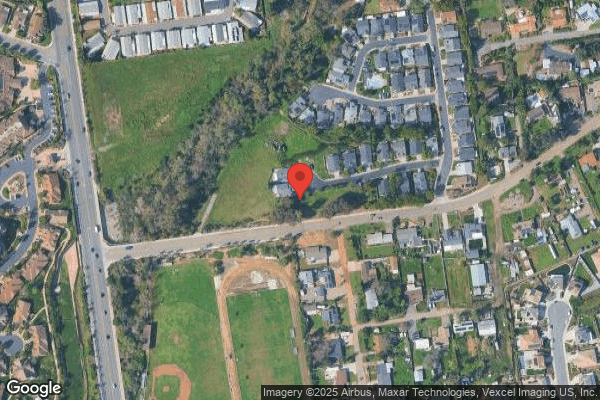
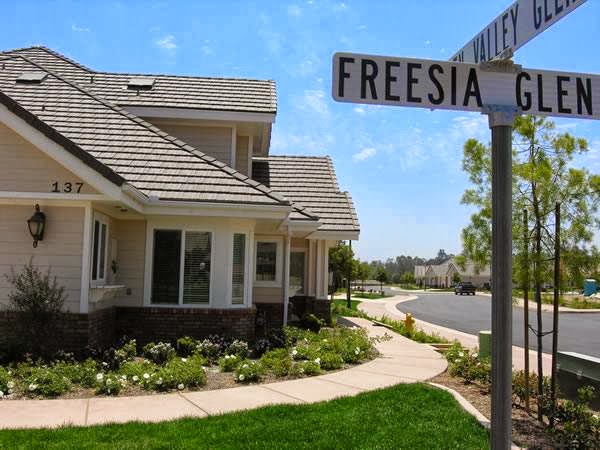
100 HOLLAND GLEN, ESCONDIDO, CA 92026 (760) 746-2500
Non profit - Corporation 19 Beds Independent Data: November 2025
Trust Grade
90/100
#126 of 1155 in CA
Last Inspection: October 2024

Within standard 12-15 month inspection cycle. Federal law requires annual inspections.

Overview

Meadowbrook Village Christian Retirement Community has an excellent Trust Grade of A, indicating they are highly recommended and perform well compared to other facilities. They rank #126 out of 1,155 in California, placing them in the top half, and #19 out of 81 in San Diego County, meaning there are only 18 local options that are better. The facility is improving, with issues decreasing from six in 2023 to three in 2024. Staffing is a strength, with a rating of 4 out of 5 stars and a turnover rate of 33%, which is lower than the state average. However, there were some concerning findings, including a failure to test water for Legionella bacteria, improper food storage that could lead to contamination, and inadequate cleanliness around the kitchen dumpster, which raises potential health risks for residents.

Trust Score
A
90/100
In California
#126/1155
Top 10%
Safety Record
Low Risk
No red flags
Inspections
Getting Better
6 → 3 violations
Staff Stability
○ Average
33% turnover. Near California's 48% average. Typical for the industry.
Penalties
✓ Good
No fines on record. Clean compliance history, better than most California facilities.
Skilled Nurses
✓ Good
Each resident gets 46 minutes of Registered Nurse (RN) attention daily — more than average for California. RNs are trained to catch health problems early.
Violations
⚠ Watch
11 deficiencies on record. Higher than average. Multiple issues found across inspections.
★★★★★
5.0
Overall Rating
★★★★☆
4.0
Staff Levels
★★★★☆
4.0
Care Quality
★★★★★
5.0
Inspection Score
Stable
2023: 6 issues
2024: 3 issues

The Good

  • 4-Star Staffing Rating · Above-average nurse staffing levels
  • 4-Star Quality Measures · Strong clinical quality outcomes
  • Full Sprinkler Coverage · Fire safety systems throughout facility
  • No fines on record
  • Staff turnover below average (33%)

    15 points below California average of 48%

Facility shows strength in staffing levels, quality measures, fire safety.

The Bad

Staff Turnover: 33%

13pts below California avg (46%)

Typical for the industry

The Ugly 11 deficiencies on record

Oct 2024 3 deficiencies
CONCERN (D)

Potential for Harm - no one hurt, but risky conditions existed

Deficiency F0761 (Tag F0761)

Could have caused harm · This affected 1 resident

Based on observation, interview and record review, the facility failed to ensure: 1. Medications (med) were stored properly. 2. Medication Refrigerator temperatures were documented consistently for on...

Read full inspector narrative →
Based on observation, interview and record review, the facility failed to ensure: 1. Medications (med) were stored properly. 2. Medication Refrigerator temperatures were documented consistently for one of one medication refrigerator. 3. Medication room temperatures were documented consistently for one of one medication room. These failures had the potential for unsafe storage, contamination of medication and altered efficacy of resident medications. Findings: 1. On 10/30/24 at 4:27 P.M., a joint observation of the med cart in the back hall and an interview was conducted with Licensed Nurse (LN) 1. There were oral medications in liquid forms, tablet, and capsule forms, comingled with eye drops in the second drawer of the med cart. LN 1 stated, There should be no liquid medication form and eye drops there. LN 1 stated the medications should not be mixed up. On 10/31/24 at 7:48 A.M., an interview was conducted with LN 1. LN 1 stated the importance of keeping the med cart organized was to prevent contamination and ease of med identification. On 10/31/24 at 9:43 A.M., an interview was conducted with the Director of Nursing (DON). The DON stated the importance of organizing the med cart was to prevent spillage of liquid medications to the tablet forms. A review of the facility's policy, titled Storage of Medications, revised 10/2018, indicated, .B. External use drugs in liquid, capsule .shall be restored separately .a. Example: Separate oral tablets/ capsules from oral liquids .from ophthalmic drops . 2. On 10/30/24 at 4:27 P.M., an observation of the med refrigerator and review of log for the med refrigerator, and an interview was conducted with Licensed Nurse (LN) 1. Inside the med refrigerator, there were tubersol (solution used for skin testing for tuberculosis [TB, respiratory infection]), flu (respiratory virus) vaccines and a vancomycin (antibiotic) eye ointment for a resident. A review of the med temperature log was conducted. There was a missed temperature check on 10/19/24. LN 1 acknowledged there was a missed temperature check on the med refrigerator log. On 10/30/24 at 5:04 P.M., a review of the med refrigerator temperature log from January 2024 to October 2024 and an interview was conducted with the Director of Nursing (DON). The log indicated, there were missed documentation of temperatures of the med refrigerator on the following dates: - Morning shift on 4/8/24, 4/15/24, and 4/16/24. - Afternoon shift on 4/18/24, 5/20/24, 6/1/24, 7/16/24 and 10/19/24. The DON stated it was important to monitor and document the temperatures of the med refrigerator especially when there were vaccines to maintain integrity of the vaccines. A review of the facility's policy, titled Temperature of Medications, revised 10/2018, indicated, Drugs should be stored in appropriate temperatures .B. Drugs requiring refrigeration shall be stored in a refrigerator between .36 degrees Fahrenheit and .46 degrees Fahrenheit .1. If storing vaccines .temperature will be documented on log twice daily (AM & PM) . 3. On 10/30/24, a review of the med room temperature log from January 2024 to October 2024 was conducted. On 10/31/24 at 1:01 P.M., a review of the medication room temperature log and an interview was conducted with the Director of Nursing (DON). There were missing documentation of temperatures of the med room on the following dates: - 4/6/24, 4/8/24, 4/13/24, 4/15/24, and 4/16/24. The DON stated the expectation was for the Licensed Nurses (LNs) to take and document med room temperatures daily to maintain integrity of the medications. A review of the facility's policy, titled Temperature of Medications, revised 10/2018, indicated, Drugs should be stored in appropriate temperatures, A. Drugs required to be stored at room temperature shall be stored at a temperature between .59 degrees Fahrenheit .and 86 degrees Fahrenheit. 1) Recommend a temperature log for daily documentation .
CONCERN (E)

Potential for Harm - no one hurt, but risky conditions existed

Food Safety (Tag F0812)

Could have caused harm · This affected multiple residents

Based on observation, interview, and record review, the facility failed to: 1. Store foods appropriately in the dry storage room and freezer. 2. Cover facial hair while preparing food. These failure...

Read full inspector narrative →
Based on observation, interview, and record review, the facility failed to: 1. Store foods appropriately in the dry storage room and freezer. 2. Cover facial hair while preparing food. These failures had the potential for food contamination and spoilage of residents' food. Findings: 1. On 10/29/24 at 8:47 A.M., an initial tour of the kitchen and an interview was conducted with the [NAME] (C1). During an observation of the dry storage room the following were noted: -Chocolate flavored syrup bottle had brown sticky liquid all over the bottle. -Rice cereals were in an unsealed bag and not labelled with the open date. -Bran cereal bag was sealed, but not labelled with the open date. -Flour, thickener, and panko breadcrumbs were stored in large white bins with a large gaps, approximately 1-2 inches between the container and the lids of all three bins. The label on the thickener was very faded and unreadable. During the observation of the facility's freezer, two small containers of ice cream were found unlabeled with open date. C1 stated that if food containers were not sealed, the product could have been contaminated by pests or not preserved its quality. C1 stated that the gaps between lid and top of container could allow contamination from pests. C1 stated that it was important to label all food clearly with open dates, to provide information when the products were past the expiration date. 2. On 10/29/24 at 8:40 A.M., during the initial tour of the kitchen, [NAME] (C1) and Dietary Aide (DA 1) were observed to have beards, and were not wearing beard nets while preparing food. DA 1 was cutting fruits. An interview was conducted. DA 1 stated he just started to grow his facial hair and forgot to wear his beard net. C1 stated the policy was staff with facial hair were required to wear beard nets while in the kitchen. C1 and DA 1 both applied beard nets. DA 1 stated that he was supposed to wear a beard net when working with food to prevent facial hair from falling into food and contaminating it. C1 stated it's important to wear beard nets to not contaminate the food with their facial hair. On 10/30/24 at 12:30 P.M., an observation of kitchen task related photos and an interview was conducted with the Certified Dietary Manager (CDM). There were photos taken during the initial tour of the kitchen, dry storage room and the freezer. The CDM stated the expectation for the dry food storage was that food should be in a sealed container and labeled. The CDM stated that the importance of proper food storage was to prevent contamination and to ensure the food was not past the expiration date. The CDM stated the expectation for food service staff with facial hair was that when they choose to have facial hair, they were required to wear beard net while working with food. The CDM stated the importance of using beard nets was to prevent contamination of food from the food service worker's facial hair. On 10/31/24 at 10:30 A.M., an observation of kitchen task related photos and an interview was conducted with the Administrator (ADM). The ADM stated his expectation for food storage was that all food should be labelled and in a sealed container. The ADM stated the importance of sealing and labelling was to prevent contamination and spoilage of food. The ADM stated his expectation of food service staff was all hair, including facial hair should be covered while working with food or in the kitchen. The ADM stated the importance of covering hair was to prevent food contamination from the hair. According to the 2017 Federal Food and Drug Administration (FDA) Food Code, Section 3-501.17 (A) (B) (C) (D), .required food labeling and dating .the day the original container is opened in the food establishment shall be counted as Day 1 .The date marked shall not exceed a manufacturer's use-by date .mark the date or day of preparation, with a procedure to discard the food on or before the last date or day by which the food must be consumed on the premises. According to the 2017 Federal Food and Drug Administration (FDA) Food Code, Section 2017 4-601.11) Equipment .Non-food contact surfaces .Non-food contact surfaces of equipment shall be kept free from accumulation of dust, dirt, food residue, and other debris. Additionally, the presence of food debris or dirt on nonfood contact surfaces may provide a suitable environment for the growth of microorganisms which employees may inadvertently transfer to food. Review of facility policy titled FOOD SERVICE MANAGEMENT, dated 2023 indicated .All food and nonfood items purchased for the Food and Nutrition Services Department will be properly stored .All open food items will have an open date and use-by-date per manufacturer's guidelines .1.Food storage areas shall be clean at all times .2 .All packaged food .or food items shall be kept clean and dry at all times . Review of facility policy titled PERSONNEL MANAGEMENT, dated 2023 indicated .5. All Food and Nutrition Services staff are required to wear hairnets or caps or other suitable coverings to confine all hair when required to prevent the contamination of food, equipment, or utensils .7. Beards, sideburns, and mustaches shall be covered .
CONCERN (E)

Potential for Harm - no one hurt, but risky conditions existed

Garbage Disposal (Tag F0814)

Could have caused harm · This affected multiple residents

Based on observation, interview, and record review, the facility failed to adequately clean the area around their kitchen dumpster. This failure had the potential to attract pests and rodents. Findin...

Read full inspector narrative →
Based on observation, interview, and record review, the facility failed to adequately clean the area around their kitchen dumpster. This failure had the potential to attract pests and rodents. Findings: On 10/30/24 at 11:40 A.M., an observation of the food dumpster and interview with the [NAME] (C1) was conducted. The kitchen dumpster for food was located behind the main building of the facility campus. • A putrid smell was noticeable around dumpster. • The area around the dumpster had remnants of oily, grimy liquid spills on the concrete near the dumpster and on the side of the dumpster. • Multiple used gloves were observed on the floor around the dumpster. • Two small white bags of garbage were observed under the dumpster. C1 stated the expectation was the area around the dumpster should be cleaned regularly and to not have stray trash below or around outside of the dumpster. C1 stated that the importance of cleaning around the dumpster area was to prevent attracting pests and rodents to the trash. C1 stated he had seen a possum at the dumpster a week ago. On 10/30/24 at 12:30 P.M., an observation of photos of kitchen's dumpster and an interview with Certified Dietary Manager (CDM) was conducted. The CDM stated the expectation was garbage should be contained within the dumpster, and the area around the dumpster should be cleaned. The CDM stated the importance of cleaning the area around the dumpster was to prevent pests and rodents from infesting the area. On 10/31/24 at 10:30 A.M., an observation of photos of the kitchen's dumpster and an interview with the Administrator (ADM) was conducted. The ADM stated his expectation was the area around the dumpster should be kept cleaned, no loose trash around or under the dumpster to prevent pest and rodent infestations. Review of policy title Cleaning Procedure - Garbage cans and lids, dated 2023 indicated 'When to be cleaned: weekly .Maintain high standards of cleanliness .
Nov 2023 6 deficiencies
CONCERN (D)

Potential for Harm - no one hurt, but risky conditions existed

Pharmacy Services (Tag F0755)

Could have caused harm · This affected 1 resident

**NOTE- TERMS IN BRACKETS HAVE BEEN EDITED TO PROTECT CONFIDENTIALITY** Based on observation, interview and record review, the facility failed to administer an unexpired medication to one of 4 residen...

Read full inspector narrative →
**NOTE- TERMS IN BRACKETS HAVE BEEN EDITED TO PROTECT CONFIDENTIALITY** Based on observation, interview and record review, the facility failed to administer an unexpired medication to one of 4 residents (Resident 3). This failure had the potential for Resident 3 to receive a less potent medication resulting in diminished effectiveness. Findings: During a review of Resident 3's admission Record, dated 10/29/23, Resident 3 was re-admitted to the facility on [DATE], with diagnoses which included but was not limited to right hand fracture (break), vitamin deficiency, and osteoporosis (weakening of the bones) with fracture of right ankle and foot. On observation, interview and record review , on 11/28/23 at 8:45 A.M., Licensed Nurse (LN) 1 was observed taking Centrum (multi vitamin) from Medication Cart 1. LN 1 poured and administered one oral tablet of Centrum to Resident 3. Label on Centrum designated it was opened by staff on 8/2/23 and expired per manufacturer on 7/23. After Centrum given, LN 1 reviewed label with surveyor. LN 1 confirmed Centrum was opened on 8/2/23 and expired 7/23. LN 1 stated policy was for unexpired medications to be given to residents. LN 1 stated expired medications could be less potent and less effective. During medical record review on 11/28/23 , the physician orders dated 10/29/23 indicate Centrum Woman one tablet was to be given orally once a day. Per Resident 3's medical administration record, Centrum Woman one tablet daily was recorded as given from 9/1/23 to 11/28/23. During an interview with the pharmacist (PH), on 11/30/23 at 10:48 A.M., the PH stated medications are reviewed monthly and the nurse consultant was responsible for confirming expired medications were discarded. The PH further stated she performed spot checks to review the facility pharmacy medication and it was unfortunate the medication had expired. The PH stated expired medications were not to be given to residents, as they could be less potent and less effective. The PH stated expired medications should be discarded. During an interview with the Director of Nursing (DON) on 11/30/23 at 10:00 A.M., the DON stated the facility policy is to give unexpired medications to the residents. The DON further stated the expired Centrum Woman should not have been given and could be less effective.
CONCERN (D)

Potential for Harm - no one hurt, but risky conditions existed

Deficiency F0761 (Tag F0761)

Could have caused harm · This affected 1 resident

Based on observation, interview and record review, the facility failed to store a medication according to manufacturer instructions. This failure had the potential for the facility residents to receiv...

Read full inspector narrative →
Based on observation, interview and record review, the facility failed to store a medication according to manufacturer instructions. This failure had the potential for the facility residents to receive a less potent medication resulting in diminished effectiveness in an emergent situation. Findings: During an inspection of the facility medication storage room, on 11/28/2023 at 12:05 P.M. a review was done of the medication room refrigerator with Licensed nurse (LN) 1. During an inspection of the emergency medication kit (a case containing medication used in an emergency) which was a clear/translucent kit, an unopened vial of Ativan (a medication used for anxiety) was noted to be stored in a clear vial, within a clear plastic bag, in the kit The manufacturer's instruction printed on the label of the vial indicated protect from light. LN 1 confirmed facility's policy is for medications to be stored according to manufacturer instructions. During an interview on 11/29/2023 at 9:18 A.M., LN 3 viewed a photograph of the manufacturer's instruction on the Ativan vial. LN 3 stated the medication was to be stored according to manufacturer instructions. She further stated the Ativan vial indicated the Medication needed to be protected from light, which while the refrigerator offered some protection, the clear vial, bag, and container would not be considered enough protection from light. LN 3 stated it was important to follow the manufacturer instructions for storage of the medication to ensure its effectiveness. During a telephone interview with the Pharmacist (PH), on 11/30/2023 at 10A.M., the PH stated she was unaware Ativan needed to be protected from light. She further stated this medication should have been placed in a light protected bag according to manufacturer instructions. The PH acknowledged it was important to follow the manufacturer instructions to protect the potency of the medication. During an interview with the Director of Nursing (DON), on 11/30/23 at 10:00 A.M., the DON stated facility policy was for medications to be stored according to the manufacturer instructions. She acknowledged the Ativan was not protected adequately from light, and this could diminish the potency of the medication. On review of facility policy titled, Medication Labeling & Proper Storage, revised 10/2018, manufacturer storage instructions for medications not located.
CONCERN (D)

Potential for Harm - no one hurt, but risky conditions existed

Medical Records (Tag F0842)

Could have caused harm · This affected 1 resident

Based on observation interview and record review, the facility did not ensure confidentiality of the medical records for 12 of 12 sample residents (1, 2, 3,4, 6,7, 9, 10, 11,12, 116, 166). This failur...

Read full inspector narrative →
Based on observation interview and record review, the facility did not ensure confidentiality of the medical records for 12 of 12 sample residents (1, 2, 3,4, 6,7, 9, 10, 11,12, 116, 166). This failure had the potential to result in unauthorized access to confidential and protected health information. Findings: During a concurrent observation and interview on 11/28/2023 at 10:25 A.M., the narcotic administration logbook was noted to be sitting on top of medication cart 1. Licensed nurse (LN) 2 stated the narcotic administration logbook was allowed to be placed on the medication cart 1 shelf, if it was closed. She further stated it was a crazy hectic morning. During an observation on, 11/29/2023 at 8:40 A.M., the computer screen was noted to be open with a resident's medication record visible. During an observation and interview with LN 3, on 11/29/2023 at 10:30 A.M., LN 3 was shown a photograph of medication cart 2 with the computer screen on, showing the facility medication record. LN 3 stated the computer screen was not left open on purpose, she had been distracted, and facility policy was to have computer screens locked when not in use. LN 3 also reported medication cart 1 had a shelf where the closed narcotic administration logbook could be kept. LN 3 agreed that an unauthorized person could look at the logbook when the cart was unattended. During an interview with the director of nursing (DON), on 11/30/23 at 10:48 A.M., the DON's stated the narcotic administration logbook was to be kept in the bottom drawer of the medication cart unless the licensed nurse was currently passing medication. The narcotic administration logbook was not to be left unattended on top of the medication cart and it was important to secure it to maintain resident confidentiality. The DON confirmed facility policy was to protect resident confidentiality, with locked computer screens when not in use. On review of the facility policy, titled Electronic Medical Records, revised 3/2014, the facility will . make reasonable efforts to limit the use or disclosure of protected health information to only the minimum necessary .
CONCERN (E)

Potential for Harm - no one hurt, but risky conditions existed

Deficiency F0727 (Tag F0727)

Could have caused harm · This affected multiple residents

Based on interview and record review, the facility did not staff a Registered Nurse (RN) for eight consecutive hours per 24 hour period for 14 days. This failure had the potential to negatively impac...

Read full inspector narrative →
Based on interview and record review, the facility did not staff a Registered Nurse (RN) for eight consecutive hours per 24 hour period for 14 days. This failure had the potential to negatively impact Resident care due to lack of RN supervision. Findings: A review of an untitled staffing document provided by the Facility indicated there were no RN's staffed on the following dates: 4/1/23; 4/15/23; 4/29/23; 5/6/23; 5/13/23; 5/20/23; 5/27/23; 6/3/23; 6/10/23; 6/17/23; 6/24/23. The untitled staffing document indicated a RN was staffed for less than eight hours on the following dates: 6/28/23; 6/29/23; 6/30/23. On 11/29/23 at 11:37 A.M., an interview with the Director of Nursing (DON) was conducted. During the interview the DON stated the Facility used a staffing agency, however the agency was not contacted to provide RN coverage on 4/1/23; 4/15/23; 4/29/23; 5/6/23; 5/13/23; 5/20/23; 5/27/23; 6/3/23; 6/10/23; 6/17/23; 6/24/23, 6/28/23; 6/29/23; and 6/30/23.
CONCERN (F)

Potential for Harm - no one hurt, but risky conditions existed

Infection Control (Tag F0880)

Could have caused harm · This affected most or all residents

Based on interview and record reviews, the facility failed to implement a water system that included Legionella testing for thirteen out of thirteen residents affected. This failure had the potential ...

Read full inspector narrative →
Based on interview and record reviews, the facility failed to implement a water system that included Legionella testing for thirteen out of thirteen residents affected. This failure had the potential of affecting the health and safety of residents in the facility. Findings: During an interview on 11/29/2023 at 2:46 P.M., with the Maintenance Supervisor (MS), MS stated that the facility used solar water heating. The MS stated water was heated up to 140 degrees Fahrenheit. The MS further stated he did not know of any policies and procedures on Legionella prevention, and it should be the Director of Nursing (DON) handling it under the infection control program. During an interview on 11/29/2023 at 4:00 P.M., with the DON, the DON stated the facility did not have a policy on water management in accordance with Legionella testing. As of this date 11/29/2023, the facility has no documented policy on Water management regarding Legionella.
MINOR (B)

Minor Issue - procedural, no safety impact

Medication Errors (Tag F0758)

Minor procedural issue · This affected multiple residents

Based on interview and record review, the facility failed to ensure non-pharmacological interventions (actions or treatments that do not include the use of medicine) were implemented for three of five...

Read full inspector narrative →
Based on interview and record review, the facility failed to ensure non-pharmacological interventions (actions or treatments that do not include the use of medicine) were implemented for three of five sampled residents (Residents 1, 2 and 6) that had been given psychotropic medications (drugs that affects brain activities associated with mental processes and behavior) when: 1. Resident 6 was administered Seroquel (a medication for bipolar disorder, depression, and schizophrenia) without documented evidence for the implementation of non-pharmacological behavioral interventions. 2. Resident 1 was administered Seroquel (a medication for bipolar disorder, depression, and schizophrenia) without documented evidence for the implementation of non-pharmacological behavioral interventions. 3. Resident 2 was administered Ativan (a medication to treat anxiety) without documented evidence for the implementation of non-pharmacological resident-centered behavioral interventions. These failures had the potential to result in unnecessary psychotropic medications for Resident 1, 2, and 6, thus increasing the risk of breathing difficulties, sedation (severe sleepiness), anxiety (extreme uneasiness), agitation (extreme emotional disturbance) and memory loss. Findings: 1. During a review of Resident 6's admission Record, Resident 6 was re-admitted under Hospice Care to the facility on 4/4/22, with diagnoses that included but was not limited to stroke, severe vascular dementia (decline in brain function) with agitation, restlessness, and insomnia . Per Resident 6's Minimum Data Sheet Section C, dated 4/6/23, Resident 6 had a Brief Interview Mental Score (method of evaluating mental status) of 00, indicating severe mental impairment. Per Resident 6's physician order, on 10/26/23, Resident 6 was to receive Seroquel 25 mg amt ½ tab orally once an evening, for agitation with diagnosis: restlessness and agitation. During an interview, on 11/29/23 at 11:02 A.M., Licensed Nurse (LN) 3 stated Resident 6 was receiving Seroquel 12.5 mg for agitation. LN 3 further stated Resident 6's agitated behavior included refusing all care including any skin care or cleaning, striking at staff during care and becoming very upset while reaching for invisible objects. LN 3 stated if nurses attempted redirection this should be documented in Resident 6's medical record. During a concurrent interview and record review with LN 2, on 11/29/23 at 12:12 P.M., LN 2 stated Resident 6 had occasional episodes of confusion and agitation. LN 2 stated Resident 6 had been prescribed Seroquel for the agitation. LN 2 acknowledged it was important to ensure non-pharmacological interventions were documented to help prevent unnecessary use of psychotropic medications and their potentially dangerous side effects. On review of resident 6's medical record, LN 2 was unable to locate documentation of what non-pharmacological interventions had been done since Resident 6's admission. During a review of Resident 6's medical record, on 11/30/23, no documentation of non-pharmacological staff interventions related to the Seroquel administration was located. During a phone interview with the pharmacist (PH) on 11/30/23 at 10:38 A.M., PH reported she monitored Resident 6's physician order for Seroquel since this medication had potentially dangerous side effects. During an interview and record review on 11/30/23 at 10:00 A.M., the Director of Nursing (DON), confirmed non-pharmacological interventions for psychotropic medications should be documented in Resident 1, 2 and 6's medical record. She further acknowledged prior to 11/29/23 there was no documentation of these interventions being done. The DON agreed it is important to include non-pharmacological interventions to help decrease the use of unnecessary psychotropic medications . 2. A review of Resident 1's face sheet indicated Resident 1 was admitted from the memory care facility on 6/8/2021 with diagnoses that included dementia with behavioral disturbance (a group of thinking and social symptoms that interferes with daily functioning), anxiety disorder (a mental disorder characterized by feelings of worry, anxiety or fear) and major depressive disorder (persistently depressed mood or loss of interest in activities, causing significant impairment in daily life). During a joint observation and interview in the dining room on 11/28/2023, at 8:00 A.M., Resident 1 was sitting up in the wheelchair, assisted by Certified Nursing Assistant (CNA) 1. CNA 1 stated Resident 1 usually ate 50% of meals and was dependent with his care. CNA 1 stated Resident 1 liked to touch and grab things, and clapped his hands when awake. CNA 1 further stated she tried to keep Resident 1's hands occupied by giving Resident 1 something to hold on to. CNA 1 stated Resident 1 had episodes of agitation and struck out during care. During a joint interview and record review on 11/29/2023, at 11:24 A.M., with the Licensed nurse (LN) 3, LN 3 stated there was no documneted evidence of non-pharmacological interventions. 3. A review of Resident 2's face sheet indicated Resident 2 was admitted from home on 3/26/2021 with diagnoses that included major depressive disorder (persistently depressed mood or loss of interest in activities, causing significant impairment in daily life) and dementia with behavioral disturbance (a group of thinking and social symptoms that interferes with daily functioning). During an observation on 11/28/23, at 8:30 A.M., Resident 2 was sitting in the wheelchair in the dining room being assisted by Certified Nursing Assistant (CNA) 2. During a joint interview and record review on 11/29/2023, at 11:24 A.M., with the Licensed nurse (LN) 3, LN 3 stated the Medication Administration Record (MAR) and care plan did not have non-pharmacological interventions prior to use of Ativan (a medication used to treat anxiety). LN 3 stated non-pharmacological interventions should have been documnted as implemented prior to administration of Ativan. An interview with the Director of Nursing (DON) on 11/30/2023, at 9:42 A.M., the DON confirmed non-pharmacological interventions were not documented as implemented prior to administration of Ativan. A review of the facility policy and procedure titled Psychotropic Medication, dated 9/30/2015 was conducted. The policy indicated the facility was responsible to ensure the .Documentation of the specific type and frequency of medication, will be completed in the resident's care plan, nursing progress notes and added to the medication record .
Sept 2022 2 deficiencies
CONCERN (E)

Potential for Harm - no one hurt, but risky conditions existed

Deficiency F0802 (Tag F0802)

Could have caused harm · This affected multiple residents

Based on observation, interview, and record review, the facility failed to ensure the food and nutrition services staff maintained current competency in dietetic task operations to safely carry out th...

Read full inspector narrative →
Based on observation, interview, and record review, the facility failed to ensure the food and nutrition services staff maintained current competency in dietetic task operations to safely carry out the kitchen functions in a sanitary manner according to facility policies and standard of practice when: 1. The Dietary Aide (DA) could not correctly demonstrate how to test the dishwashing machine for sanitation. 2. No temperature log for the dishwashing machine These failures had the potential to result in contamination of food leading to widespread food borne illness for 16 residents who consume food from the kitchen. Findings: 1. On 9/14/22 at 10:00 A.M., an interview with DA 1 was conducted. DA 1 stated, she was the assigned dishwasher for the shift. DA 1 stated, she would check the temperature of the dishwasher machine before starting the wash. DA 1 further stated, she would test the machine water by using a test strip; if the color of the test strip was dark the machine was good if not dark, add solution and run the machine again. DA 1 stated I do not record the temperature or the test strip, no one told me that it needed to be recorded. On 9/15/22 at 9:00 A.M., an observation and interview with DA 2 was conducted. DA 2 demonstrated how he tested the sanitizer strength in the dishwasher machine. DA 2 took a test strip from a test strip container, he placed the strip in the machine water, waited for 15-30 seconds and removed the test strip from the water. DA 2 compared the test strip color against the sanitizer color indicator. DA 2 stated, the deep green color test strip indicated 300-400 parts per million (ppm) and that was the proper sanitizing level. DA 2 checked the temperature gauges on the dishwashing machine. The temperature reading was 150 degrees. DA 2 stated, I think the machine temperature is ok, I do not know what the temperature is supposed to be, so I do not know if it is not ok. 2. On 9/15/22 at 9:10 A.M., an interview with DA 2 was conducted. DA 2 stated, he did know that he had to record the dishwasher machine temperature. There was no record of temperatures logged. On 9/15/22 at 9:15 A.M., an observation and interview with DA 1 was conducted. DA 1 started to use the dishwasher. The first run was a rack of serving trays. DA 1 did not checked the temperature gauges before, during or after the wash. DA 1 then placed a rack of glassware and did not checked the temperature gauges before, during, or after the wash. DA 1 stated, she did not remember receiving an in - service from the vendor. DA 1 stated another DA trained her how to use the dish machine. DA 1 stated, I do not touch any knobs on the machine. DA 1 stated, I do not record the temperature of the machine or the test strip. DA 1 further stated, she did not know about the machine sanitization. On 9/15/22 at 10:24 A.M., a concurrent observation and interview with the DM was conducted. The DM stated, it was the expectation that staff follow the facility policy and procedure for the dishwasher machine. The DM stated, the dishwashing machine is a high temperature dishwashing machine and the temperature needs to be 180 degrees. The DM stated, DA 2 should have placed the test strip onto the wet plate and not in the dish machine water. The DM further stated, there was a different test strip for the dish washer machine. The DM stated, the vendor came every 2 weeks to check the machine but could not what speak to what the vendor was checking or provide a log from the vendor of what was being checked. The DM further stated, we do not have temperature logs for the dishwashing machine. The DM stated, it was important for dishes to be sanitized to prevent residents from getting potential food borne illnesses from dirty dishes. There was no competency, in-service, or education provided by the facility regarding the dishwashing machine when requested. A review of the facility policy and procedure, dated 01/01/18, Dishwashing machines: Temperature ., the document indicated, .To record temperatures on a daily basis for all three meals times. 1. Temperatures shall be recorded after the first rack goes through the dish machine for each meal.4. For high temperature dish machines record the final rinse temperature, which must be at minimum of 180 degrees .
CONCERN (E)

Potential for Harm - no one hurt, but risky conditions existed

Food Safety (Tag F0812)

Could have caused harm · This affected multiple residents

Based on observation, interview, and record review, the facility failed to ensure sanitary conditions were maintained during food storage when: 1) A container of opened pitted prunes was not discarded...

Read full inspector narrative →
Based on observation, interview, and record review, the facility failed to ensure sanitary conditions were maintained during food storage when: 1) A container of opened pitted prunes was not discarded. 2) A gallon of tea concentrate had no label. 3) An opened container of cottage cheese and an opened container of maraschino cherries were not discarded after the best use by date. 4) A gallon of light unsulphured molasses was not discarded after the best by date. 5) A quart of thickened lemon-flavored water was not discarded after the best used date and uncovered liquids were stored in the refrigerator. These failures had the potential to cause widespread food borne illness among residents who consume food from the kitchen. Findings: 1. On 9/14/22 at 9:30 A.M., an observation and interview was conducted with the Dietary Manager (DM) inside the main kitchen. Inside the single door refrigerator, a container with a container of pitted prunes with a prepared date of 8/9/22 was found. The DM stated, the prunes should have been discarded after a month. Per the facility's Produce shelf life (processed or bag) documentation posted in the main kitchen dated 3/14/14, pitted prunes once opened it was good for 4 days. 2. On 9/14/22 at 9:35 A.M., an observation and interview with the DM was conducted inside the main kitchen. A gallon of tea concentrate was found inside the refrigerator, no label or date of when the tea was opened. The DM stated, the staff should labeled all food items when opened to ensure food safety. 3. On 9/14/22 at 9:40 A.M., an observation and interview with the DM was conducted in the main kitchen. The Deli refrigerator had a container of maraschino cherries labeled with a used by date of 9/8/22 and a 5 pound container of cottage cheese, labeled with a best by used date of 9/7/22 were found. The DM stated, the staff should have discarded the cherries after 9/8/22 and the cottage cheese should have been taken out after the best used by date, to ensure residents were served safe food items. 4. On 9/14/22 at 9:45 A.M., an observation and interview with the DM was conducted in the main kitchen. Inside the standing freezer, a container of unsulphured molasses labeled best by 4/8/21 was found. The DM stated, the staff should have checked the shelf life of the molasses and discard accordingly. Per the facility's Dry Storage Life of Foods 2019 posted in the main kitchen, molasses could be used for 2 months from the opened date. 5. On 9/14/22 at 10:10 A.M., an observation and interview with the Registered Dietitian (RD) was conducted in the dining area. Inside the refrigerator, an opened container of thickened lemon water labeled best if used by 9/13/22. The RD stated, the thickened lemon water should have been discarded. In addition, inside the refrigerator, there were 4 double handled cups filled with liquid and no lid cover. The RD stated, staff should have covered the cups to ensure food safety. On 9/14/22 at 10:15 A.M., an interview with the RD was conducted. The RD stated, the kitchen staff should follow and discard foods according to the manufacture's best by or best used by dates to ensure food served to the residents were safe and to avoid food borne illness. Per the facility's policy and procedure dated 2018, titled Labeling / date Marking and Safe Storage of Refrigerated and Frozen Foods, . 1. Any foods removed from original container will be properly labeled .3(c) .commercially processed foods must be dated when opened and are good for 7 days, or until the expiration date .
Understanding Severity Codes (click to expand)
Life-Threatening (Immediate Jeopardy)
J - Isolated K - Pattern L - Widespread
Actual Harm
G - Isolated H - Pattern I - Widespread
Potential for Harm
D - Isolated E - Pattern F - Widespread
No Harm (Minor)
A - Isolated B - Pattern C - Widespread

Questions to Ask on Your Visit

  • "Can I speak with families of current residents?"
  • "What's your RN coverage like on weekends and overnight?"

Our Honest Assessment

Strengths
  • • Grade A (90/100). Above average facility, better than most options in California.
  • • No major safety red flags. No abuse findings, life-threatening violations, or SFF status.
  • • No fines on record. Clean compliance history, better than most California facilities.
  • • 33% turnover. Below California's 48% average. Good staff retention means consistent care.
Concerns
  • • 11 deficiencies on record. Higher than average. Multiple issues found across inspections.
Bottom line: Generally positive indicators. Standard due diligence and a personal visit recommended.

About This Facility

What is Meadowbrook Village Christian Retirement Community's CMS Rating?

CMS assigns MEADOWBROOK VILLAGE CHRISTIAN RETIREMENT COMMUNITY an overall rating of 5 out of 5 stars, which is considered much above average nationally. Within California, this rating places the facility higher than 99% of the state's 100 nursing homes. This rating reflects solid performance across the metrics CMS uses to evaluate nursing home quality.

How is Meadowbrook Village Christian Retirement Community Staffed?

CMS rates MEADOWBROOK VILLAGE CHRISTIAN RETIREMENT COMMUNITY's staffing level at 4 out of 5 stars, which is above average compared to other nursing homes. Staff turnover is 33%, compared to the California average of 46%. This relatively stable workforce can support continuity of care.

What Have Inspectors Found at Meadowbrook Village Christian Retirement Community?

State health inspectors documented 11 deficiencies at MEADOWBROOK VILLAGE CHRISTIAN RETIREMENT COMMUNITY during 2022 to 2024. These included: 10 with potential for harm and 1 minor or isolated issues.

Who Owns and Operates Meadowbrook Village Christian Retirement Community?

MEADOWBROOK VILLAGE CHRISTIAN RETIREMENT COMMUNITY is owned by a non-profit organization. Non-profit facilities reinvest revenue into operations rather than distributing to shareholders. The facility operates independently rather than as part of a larger chain. With 19 certified beds and approximately 13 residents (about 68% occupancy), it is a smaller facility located in ESCONDIDO, California.

How Does Meadowbrook Village Christian Retirement Community Compare to Other California Nursing Homes?

Compared to the 100 nursing homes in California, MEADOWBROOK VILLAGE CHRISTIAN RETIREMENT COMMUNITY's overall rating (5 stars) is above the state average of 3.2, staff turnover (33%) is significantly lower than the state average of 46%, and health inspection rating (5 stars) is much above the national benchmark.

What Should Families Ask When Visiting Meadowbrook Village Christian Retirement Community?

Based on this facility's data, families visiting should ask: "Can I visit during a mealtime to observe dining assistance and food quality?" "How do you handle medical emergencies, and what is your hospital transfer rate?" "Can I speak with family members of current residents about their experience?"

Is Meadowbrook Village Christian Retirement Community Safe?

Based on CMS inspection data, MEADOWBROOK VILLAGE CHRISTIAN RETIREMENT COMMUNITY has a clean safety record: no substantiated abuse findings (meaning no confirmed cases of resident harm), no Immediate Jeopardy citations (the most serious violation level indicating risk of serious injury or death), and is not on the Special Focus Facility watch list (a federal program monitoring the lowest-performing 1% of nursing homes). The facility has a 5-star overall rating and ranks #1 of 100 nursing homes in California. While no facility is perfect, families should still ask about staff-to-resident ratios and recent inspection results during their visit.

Do Nurses at Meadowbrook Village Christian Retirement Community Stick Around?

MEADOWBROOK VILLAGE CHRISTIAN RETIREMENT COMMUNITY has a staff turnover rate of 33%, which is about average for California nursing homes (state average: 46%). Moderate turnover is common in nursing homes, but families should still ask about staff tenure and how the facility maintains care continuity when employees leave.

Was Meadowbrook Village Christian Retirement Community Ever Fined?

MEADOWBROOK VILLAGE CHRISTIAN RETIREMENT COMMUNITY has no federal fines on record. CMS issues fines when nursing homes fail to meet care standards or don't correct problems found during inspections. The absence of fines suggests the facility has either maintained compliance or corrected any issues before penalties were assessed. This is a positive indicator, though families should still review recent inspection reports for the full picture.

Is Meadowbrook Village Christian Retirement Community on Any Federal Watch List?

MEADOWBROOK VILLAGE CHRISTIAN RETIREMENT COMMUNITY is not on any federal watch list. The most significant is the Special Focus Facility (SFF) program, which identifies the bottom 1% of nursing homes nationally based on persistent, serious quality problems. Not being on this list means the facility has avoided the pattern of deficiencies that triggers enhanced federal oversight. This is a positive indicator, though families should still review the facility's inspection history directly.