OCEAN VIEW POST ACUTE
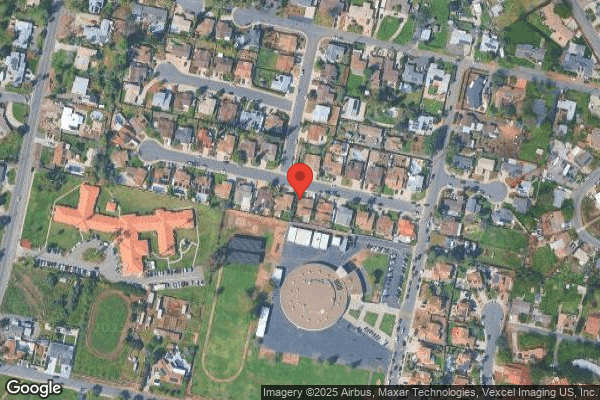
1980 FELICITA ROAD, ESCONDIDO, CA 92025 (760) 741-6109
For profit - Limited Liability company 120 Beds DAVID & FRANK JOHNSON Data: November 2025
Trust Grade
80/100
#151 of 1155 in CA
Last Inspection: June 2025

Inspected within the last 6 months. Data reflects current conditions.

Overview

Ocean View Post Acute in Escondido, California, has a Trust Grade of B+, indicating it is above average and recommended for consideration. It ranks #151 out of 1,155 facilities in California, placing it in the top half, and #20 out of 81 in San Diego County, meaning only 19 local facilities are better. However, the facility is currently facing a worsening trend, with issues increasing from 5 in 2024 to 14 in 2025. Staffing is a moderate strength, rated 3 out of 5 stars, with a turnover rate of 39%, which is close to the state average. Notably, the facility has not incurred any fines, which is a positive sign. On the downside, the facility has several concerning incidents, such as failing to follow proper infection control procedures for residents requiring enhanced barrier precautions, potentially leading to cross-contamination and health risks. Additionally, there were failures to provide necessary documentation to residents being discharged, which could hinder their access to advocacy. While the facility offers good RN coverage, which is better than 76% of California facilities, the increase in deficiencies suggests families should weigh these concerns carefully against the positives.

Trust Score
B+
80/100
In California
#151/1155
Top 13%
Safety Record
Low Risk
No red flags
Inspections
Getting Worse
5 → 14 violations
Staff Stability
○ Average
39% turnover. Near California's 48% average. Typical for the industry.
Penalties
✓ Good
No fines on record. Clean compliance history, better than most California facilities.
Skilled Nurses
○ Average
Each resident gets 40 minutes of Registered Nurse (RN) attention daily — about average for California. RNs are the most trained staff who monitor for health changes.
Violations
⚠ Watch
41 deficiencies on record. Higher than average. Multiple issues found across inspections.
★★★★★
5.0
Overall Rating
★★★☆☆
3.0
Staff Levels
★★★★★
5.0
Care Quality
★★★★☆
4.0
Inspection Score
Stable
2024: 5 issues
2025: 14 issues

The Good

  • 5-Star Quality Measures · Strong clinical quality outcomes
  • Full Sprinkler Coverage · Fire safety systems throughout facility
  • No fines on record
  • Staff turnover below average (39%)

    9 points below California average of 48%

Facility shows strength in quality measures, fire safety.

The Bad

Staff Turnover: 39%

Near California avg (46%)

Typical for the industry

Chain: DAVID & FRANK JOHNSON

Part of a multi-facility chain

Ask about local staffing decisions and management

The Ugly 41 deficiencies on record

Jun 2025 13 deficiencies
CONCERN (D)

Potential for Harm - no one hurt, but risky conditions existed

Comprehensive Care Plan (Tag F0656)

Could have caused harm · This affected 1 resident

**NOTE- TERMS IN BRACKETS HAVE BEEN EDITED TO PROTECT CONFIDENTIALITY** Based on observations, interviews and record review, the facility failed to implement a care plan (detailed plan with informatio...

Read full inspector narrative →
**NOTE- TERMS IN BRACKETS HAVE BEEN EDITED TO PROTECT CONFIDENTIALITY** Based on observations, interviews and record review, the facility failed to implement a care plan (detailed plan with information about a patient's treatment, goal, and interventions) related to: A. Anticoagulant (blood thinner) therapy for Resident 47, B. Enhanced Barrier Precautions (EBP - involves gown and glove use during high-contact resident care activities for residents [example: residents with chronic wounds and medical devices]) practices when providing care to residents on EBP (Resident 47 and Resident 52), and, C. Dialysis (a process to remove waste from the blood for residents with kidney disease) access care of Resident 52. These failures had the potential to not meet the goals of treatment and needs of Resident 47 and Resident 52. Cross reference to F 757, F 880 and F 698. Findings: A. Resident 47 was readmitted to the facility on [DATE], with diagnoses which included contracture (stiffening/shortening at any joint, that reduces the joint's range of motion) of lower legs and on long term use of anticoagulant, per the facility's admission Record. A review of physician's order on 5/2/25 for Resident 47 indicated heparin (anticoagulant medication) to be administered to Resident 47 twice a day. A review of Resident 47's care plan related to heparin, dated 5/3/25, indicated one of the interventions was to, Monitor/ document/ report PRN (as needed) adverse reactions of anticoagulant therapy: blood tinged or red blood in urine, black tarry stools, dark or bright red blood in stools, sudden severe headaches, nausea, vomiting, diarrhea, muscle joint pain, lethargy, bruising , blurred vision, shortness of breath (SOB), loss of appetite, sudden changes in mental status, significant or sudden changes in vital signs . On 6/4/25 at 11:03 A.M., a joint review of Resident 47's clinical record and an interview was conducted with Licensed Nurse (LN) 1. LN 1 stated Resident was on anticoagulant. LN 1 stated when residents were on anticoagulant, the residents were monitored for bleeding. LN 1 stated there was no documentation Resident 47 was monitored for bleeding. LN 1 stated the nurses should have monitored and implemented Resident 47's care plan. On 6/5/25 at 10:50 A.M., an interview was conducted with the Director of Nursing (DON). The DON stated the care plan should have been implemented related to monitoring adverse reactions to anticoagulants for early detection of bleeding and to ensure safety of the resident. Per facility's policy titled, Comprehensive Care Plans, revised 12/19/22, It is the policy of this facility to develop and implement a comprehensive person-centered care plan for each resident .6. The comprehensive care plan will include measurable objectives .to meet the resident's need . B.1. Resident 47 was readmitted to the facility on [DATE], with diagnoses which included methicillin-resistant staphylococcus aureus (MRSA - a bacteria that does not respond to antibiotics), per the facility's admission Record. On 6/2/25 at 10:05 A.M., an observation of Resident 47's room was conducted. A plastic sign indicating EBP was posted outside the entrance to the room. On 6/2/25 at 10:40 A.M., an observation was conducted as Certified Nursing Assistant (CNA) 1 transferred Resident 47 from the bed to the wheelchair. CNA 1 did not wear a gown during the transfer. On 6/3/25 at 10:39 A.M., an observation was conducted as two staff members transferred Resident 47 from the wheelchair to the bed. The two staff members did not wear gown during the transfer of Resident 47. A review of Resident 47's care plan related to EBP, dated 5/4/25, indicated an intervention of utilizing EBP to prevent the spread of infections. On 6/4/25 at 8:57 A.M., a joint review of Resident 47's clinical record and an interview was conducted with the Infection Preventionist (IP). The IP stated Resident 47 was on EBP due to MRSA. The IP stated the staff were supposed to know which residents were on EBP and were expected to wear a gown and gloves when providing high contact activities like providing shower, providing hygiene and transferring. The IP stated the purpose of gowning and glove use for EBP was to help prevent the transmission of an infection from the resident to another resident through a caregiver's clothing. On 6/5/25 at 10:50 A.M., an interview was conducted with the Director of Nursing (DON). The DON stated the care plan should have been implemented related to EBP to prevent the spread of microorganisms from one resident to another. Per facility's policy tiled, Comprehensive Care Plans, revised 12/19/22, It is the policy of this facility to develop and implement a comprehensive person-centered care plan for each resident .6. The comprehensive care plan will include measurable objectives .to meet the resident's needs . B.2. Resident 52 was readmitted to the facility on [DATE] with diagnoses which included kidney disease, per the facility's admission Record. Resident 52's attending physician completed Resident 52's history and physical (H&P) dated 5/7/25. The H & P indicated Resident 52 had Extended Spectrum Beta-Lactamase (ESBL, enzymes produced by some bacteria that may make them resistant to some antibiotics). On 6/2/25 at 10:21 A.M., an observation of Resident 52's room was conducted. A plastic sign indicating EBP was posted outside the entrance to the room. On 6/3/25 at 10:11 A.M., a follow up observation and an interview was conducted of Resident 52 in his room. Resident laid in bed and stated he was scheduled to go to dialysis. Resident 52 pointed to his dialysis access on his right upper chest. On 6/3/25 at 10:13 A.M., an observation was conducted as CNA 1 transferred Resident 52 from one bed to another. CNA 1, without wearing a gown, lifted Resident 52 using a mechanical lift (a device used to safely transfer patients who cannot independently bear weight). CNA 1's clothing was in contact with Resident 52 while transferring him from the bed to the mechanical lift. On 6/3/25 at 10:30 A.M., an interview was conducted with CNA 1. CNA 1 stated she did not wear a gown because Resident 52 was not on EBP. CNA 1 stated the EBP sign by the resident's door was indicated for another resident. On 6/3/25 at 4:18 P.M., an interview was conducted with CNA 2. CNA 2 stated she was familiar with Resident 52. CNA 2 stated she was not aware Resident 52 was on EBP. A review of Resident 52's care plan related to EBP, dated 3/19/25, indicated an intervention of utilizing EBP to prevent the spread of infections. On 6/4/25 at 8:57 A.M., a joint review of Resident 52's clinical record and an interview was conducted with the Infection Preventionist (IP). The IP stated Resident 52 was on EBP as he had a medical device in his right chest. The IP stated the staff were supposed to know which residents were on EBP and were expected to wear a gown and gloves when providing high contact activities like providing shower, providing hygiene and transferring. The IP stated the purpose of gowning and glove use for EBP was to help prevent the transmission of an infection from the resident to another resident through a caregiver's clothing. On 6/5/25 at 10:50 A.M., an interview was conducted with the Director of Nursing (DON). The DON stated the care plan should have been implemented related to EBP to prevent the spread of microorganisms from one resident to another. Per facility's policy tiled, Comprehensive Care Plans, revised 12/19/22, It is the policy of this facility to develop and implement a comprehensive person-centered care plan for each resident .6. The comprehensive care plan will include measurable objectives .to meet the resident's needs . C. Resident 52 was readmitted to the facility on [DATE] with diagnoses which included kidney disease and was dependent to dialysis, per the facility's admission Record. On 6/3/25 at 10:11 A.M., an observation and an interview was conducted of Resident 52 in his room. Resident laid in bed and stated he was scheduled to go to dialysis. Resident 52 pointed his dialysis access on his right upper chest. Resident 52 stated he did not have dialysis access in his arms. A review of Resident 52's dialysis communication form (communication record between the dialysis center and the facility indicating an assessment of the resident's type of dialysis access, vital signs like blood pressure, heart and respiratory rate and temperature) from April to June 2025 was conducted. There were missing documentation and information of Resident 52's vital signs and correct identification of his dialysis access type on the following dates: - 4/1/25, 5/20/25, and 5/27/25 - no post dialysis information - 4/10/25, and 4/19/25 - no pre dialysis information - 4/24/25, 4/26/25, 4/29/25 and 5/1/25 - no dialysis access type information - 5/17/25, 5/20/25, 5/24/25, 5/27/25, 5/29/25, 5/31/25, 6/3/25 dialysis access type indicated Resident 52 had right upper arm dialysis access. A review of Resident 52's care plan related to dialysis, dated 5/20/25, indicated interventions of, Monitor vital signs pre and post dialysis, and monitor/ document/ report any signs and symptoms of infection to access site . On 6/4/25 at 11:21 A.M., a joint review of Resident 52's clinical record and an interview was conducted with LN 1. LN 1 stated the dialysis communication forms were inaccurate and incomplete. LN 1 stated the facility should have followed Resident 52's care plan. On 6/5/25 at 10:50 A.M., an interview was conducted with the Director of Nursing (DON). The DON stated the expectation was for the staff to implement the resident's care plan to ensure quality of care. Per facility's policy tiled, Comprehensive Care Plans, revised 12/19/22, It is the policy of this facility to develop and implement a comprehensive person-centered care plan for each resident .6. The comprehensive care plan will include measurable objectives .to meet the resident's needs .
CONCERN (D)

Potential for Harm - no one hurt, but risky conditions existed

Deficiency F0658 (Tag F0658)

Could have caused harm · This affected 1 resident

**NOTE- TERMS IN BRACKETS HAVE BEEN EDITED TO PROTECT CONFIDENTIALITY** Based on observation, interview, and record review, the facility failed to follow nursing standards of practice when: 1) A Licen...

Read full inspector narrative →
**NOTE- TERMS IN BRACKETS HAVE BEEN EDITED TO PROTECT CONFIDENTIALITY** Based on observation, interview, and record review, the facility failed to follow nursing standards of practice when: 1) A Licensed Nurse (LN) did not provide instructions related to an inhaler medication usage. 2) A LN did not follow physician's orders related to an insulin time of administration. These failures had the potential to compromise the residents' medical status. Cross Reference to F 759. Findings: 1) A record review of the facility's admission Record indicated Resident 307 was admitted to the facility on [DATE] with diagnoses that included chronic obstructive pulmonary disease (COPD- a chronic lung disease causing difficulty in breathing). A record review of Resident 307's Minimum Data Set (MDS- a federally mandated assessment tool) dated 5/29/25, indicated a Brief Interview for Mental Status (BIMS) score of 9 which meant Resident 307's cognition (thought process) was moderately impaired. On 6/4/25 at 8:30 A.M., a medication administration observation was conducted with Licensed Nurse (LN) 21. LN 21 handed the Atrovent (medication for breathing) inhaler to Resident 307 without giving instructions for use. Resident 307 and was holding the inhaler and was looking at LN 21. LN 21 informed Resident 307 to take the medication. Resident 307 quickly placed the inhaler to his mouth and pressed the inhaler twice. No deep breaths were taken prior to use, and no time elapsed between inhaling the two doses. A record review of Resident 307's Physicians orders dated 5/24/25 indicated Atrovent inhaler two puffs four times a day. A review of the manufacturers' recommendation indicated instruction of use: - exhale, breathe out deeply through the mouth - slowly breathe in through the mouth and at the same time spray inhaler into the mouth - firmly press the canister against the mouthpiece one time - hold breath for 10 seconds - take the mouthpiece out of mouth and breathe out slowly - wait for 10 seconds and repeat previous steps. An interview on 6/5/25 at 8:35 A.M., with LN 21 was conducted. LN 21 stated he was too nervous that he forgot to give Resident 307 instructions on how to administer the inhaler. LN 21 stated Resident 307 can follow directions when instructed. LN 21 stated it was important to give instructions prior to the medication use so that it would be effective. 2) A record review of the facility's admission Record indicated Resident 154 was admitted to the facility on [DATE] with diagnoses that included diabetes (abnormal blood sugar). A review of Resident 154's Physician orders dated 5/20/25 indicated Resident 154 was to receive insulin (medication for diabetes) before meals. On 6/4/25 at 9 A.M., a medication administration observation for Resident 154 was conducted with LN 1. LN 1 administered insulin (medication for diabetes) to Resident 154. On 6/4/25 at 9:05 A.M., an interview was conducted with LN 1. LN 1 stated he had forgotten to administer Resident 154's insulin before breakfast. LN 1 stated it was important to follow the physician's orders to ensure Resident 154's safety and avoid possible complications or decline. An interview was conducted on 6/4/25 at 9:06 A.M. with Resident 154. Resident 154 stated he had eaten his breakfast around 8 A.M. An interview on 6/5/25 at 10:30 A.M., with the Director of Nursing (DON) was conducted. The DON stated the expectation was for the LNs to implement the nursing standard of care.
CONCERN (D)

Potential for Harm - no one hurt, but risky conditions existed

Accident Prevention (Tag F0689)

Could have caused harm · This affected 1 resident

**NOTE- TERMS IN BRACKETS HAVE BEEN EDITED TO PROTECT CONFIDENTIALITY** Based on observation, interview and record review, the facility failed to ensure two persons assist when safely transferring a r...

Read full inspector narrative →
**NOTE- TERMS IN BRACKETS HAVE BEEN EDITED TO PROTECT CONFIDENTIALITY** Based on observation, interview and record review, the facility failed to ensure two persons assist when safely transferring a resident using a mechanical lift (a device used to safely transfer residents who cannot independently bear weight), for one of three sampled residents reviewed for accidents (Resident 52). This failure had the potential for Resident 52 to have accident and fall that could lead to injury. Findings: A review of Resident 52's admission Record indicated the resident was readmitted to the facility on [DATE] with diagnoses which included quadriplegia (paralysis from the neck down, including legs, and arms, usually due to a spinal cord injury). A review of Resident 52's Minimum Data Set (MDS - a federally mandated resident assessment tool), dated 4/15/25, Resident 52 had a Brief Interview for Mental Status (BIMS, ability to recall) score of 5/15, (0 to 7 suggests severe impairment). Resident 52's functional abilities of the MDS indicated Resident 52 required maximum assists for transfer. On 6/3/25 at 10:13 A.M., an observation was conducted as CNA 1 transferred Resident 52 from one bed to another. CNA 1 lifted Resident 52 using a mechanical lift by herself. Resident 52 held to the bar of the mechanical lift and appeared uncomfortable as evidenced by his feet were hanging and dangling in the air. On 6/3/25 at 10:30 A.M., an interview was conducted with Certified Nursing Assistant (CNA) 1. CNA 1 stated she used the mechanical lift by herself while transferring Resident 52. CNA 1 stated with the use of mechanical lift, it required two persons, one to hold the resident and one controlled the mechanical lift for resident safety. CNA 1 stated she did not ask help, Because all were busy. On 6/3/25 at 4:18 P.M., an interview was conducted with CNA 2. CNA 2 stated she was familiar with Resident 52. CNA 2 stated when transferring a resident with the use of the mechanical lift, it required two persons for the safety of the resident and the staff. On 6/4/25 at 11:21 A.M., an interview was conducted with Licensed Nurse (LN) 1. LN 1 stated two persons were required to transfer a resident using the mechanical lift for resident safety. On 6/4/25 at 3:08 P.M., an interview was conducted with the Director of Staff Development (DSD). The DSD stated a minimum of two persons were required to transfer a resident using the mechanical lift for resident safety. The DSD stated one staff was to hold the resident and one had to control the mechanical lift. On 6/5/25 at 10:50 A.M., an interview was conducted with the Director of Nursing (DON). The DON stated the expectation for the staff was to follow the mechanical lift's manufacturers' instructions. The DON stated two persons were required to transfer a resident using the mechanical lift to promote safety of the resident. A review of the facility's policy, titled Safe Resident Handling/ Transfers, dated 12/19/22, indicated, .It is the policy of this facility to ensure that residents are handled and transferred safely to prevent or minimize risks for injury and provide and promote a safe, secure and comfortable experience for the resident while keeping the employee safe in accordance with current standards and guidelines .9. Two staff members must be utilized when transferring residents with a mechanical lift .
CONCERN (D)

Potential for Harm - no one hurt, but risky conditions existed

Respiratory Care (Tag F0695)

Could have caused harm · This affected 1 resident

**NOTE- TERMS IN BRACKETS HAVE BEEN EDITED TO PROTECT CONFIDENTIALITY** Based on observation, interview and record review, the facility failed to ensure oxygen was administered per physician's order f...

Read full inspector narrative →
**NOTE- TERMS IN BRACKETS HAVE BEEN EDITED TO PROTECT CONFIDENTIALITY** Based on observation, interview and record review, the facility failed to ensure oxygen was administered per physician's order for one of two residents reviewed for oxygen use (Resident 28). This failure had the potential to worsen Resident 28's breathing and respiratory system (organs and tissues that enable breathing and gas exchange). Findings: Resident 28 was admitted to the facility on [DATE] with diagnosis to include pulmonary fibrosis (damaged lung tissue), pulmonary edema (fluid in the lung), and respiratory failure (when the respiratory system cannot provide adequate gas exchange), per the facility admission Record. A concurrent observation and interview with Resident 28 was conducted on 6/2/25 at 10:52 A.M. Resident 28 was in bed, with a nasal cannula (a hollow tubing for oxygen delivery) under her nose. The oxygen concentrator was set at three liters per minute (LPM). Resident 28 stated she did not use oxygen at home prior to arriving at the facility, and she planned to return to her home after discharge. An observation of Resident 28's oxygen concentrator was conducted on 6/3/25 at 3:45 P.M. The oxygen concentrator was set at three LPM. A record review was conducted on 6/4/25. Resident 28's Brief Interview for Mental Status (BIMS) score, dated 5/11/25, was 11, indicating moderately impaired cognition. Per Resident 28's physician orders, written 5/7/25, oxygen was to be administered at two LPM. A concurrent observation and interview was conducted with LN 11 on 6/4/25 at 4:37 P.M. at Resident 28's bedside. LN 11 observed the oxygen setting on the concentrator and stated the setting was incorrectly set at three LPM, but should be set at two LPM. LN 11 stated, Having the wrong amount of oxygen might make her breathing worse. It should be set to the amount the doctor ordered. An interview was conducted with the Director of Nursing (DON) on 6/12/25 at 3:30 P.M. The DON stated her expectation was for nursing staff to set the oxygen carefully and according to the physician's orders. Per a facility policy, revised 12/19/22 and titled Oxygen Administration, Oxygen is administered .Oxygen is administered under orders of a physician .
CONCERN (D)

Potential for Harm - no one hurt, but risky conditions existed

Deficiency F0698 (Tag F0698)

Could have caused harm · This affected 1 resident

**NOTE- TERMS IN BRACKETS HAVE BEEN EDITED TO PROTECT CONFIDENTIALITY** Based on observation, interview, and record review, the facility failed to ensure dialysis (a process to remove waste from the b...

Read full inspector narrative →
**NOTE- TERMS IN BRACKETS HAVE BEEN EDITED TO PROTECT CONFIDENTIALITY** Based on observation, interview, and record review, the facility failed to ensure dialysis (a process to remove waste from the blood for residents with kidney disease) assessments were consistently and accurately completed for one of three sampled dialysis residents (Resident 52). These failures had the potential for miscommunication between the facility and dialysis center and to affect the continuity and quality of care of Resident 52. Findings: A review of Resident 52's admission Record indicated the resident was readmitted to the facility on [DATE] with diagnoses which included kidney disease, per the facility's admission Record. A review of Resident 52's Minimum Data Set (MDS - a federally mandated resident assessment tool), dated 4/15/25, Resident 52 had a Brief Interview for Mental Status (BIMS, ability to recall) score of 5/15, (0 to 7 suggests severe impairment). The special procedures of the MDS indicated Resident 52 was on dialysis. A review of Resident 52's physician's orders, dated 3/31/25, indicated Resident 52 had a central venous catheter (CVC, flexible tube placed on the upper chest and is used for dialysis) located in his right chest and to be assessed every shift. On 6/3/25 at 10:11 A.M., an observation and an interview was conducted of Resident 52 in his room. Resident laid in bed and stated he was scheduled to go to dialysis. Resident 52 pointed his dialysis access on his right upper chest. Resident 52 stated he did not have dialysis access in his arms. A review of Resident 52's dialysis communication form (communication record between the dialysis center and the facility indicating an assessment of the resident's type of dialysis access, vital signs like blood pressure, heart and respiratory rate and temperature) from April to June 2025 was conducted. There were missing documentation and assessment of Resident 52's vital signs and correct identification of his dialysis access type on the following dates: - 4/1/25, 5/20/25, and 5/27/25 - no post dialysis assessment - 4/10/25, and 4/19/25 - no pre dialysis assessment - 4/24/25, 4/26/25, 4/29/25 and 5/1/25 - no dialysis access type assessment - 5/17/25, 5/20/25, 5/24/25, 5/27/25, 5/29/25, 5/31/25, 6/3/25 - dialysis access type indicated Resident 52 had right upper arm dialysis access. On 6/4/25 at 11:21 A.M., a joint review of Resident 52's clinical record and an interview was conducted with Licensed Nurse (LN) 1. LN 1 stated when Resident 52 came back from dialysis, his vital signs were checked and ensure his dialysis access in his right upper arm was assessed by checking the bruit (an audible vascular sound heard using a stethoscope) and thrill (vibration felt by placing fingers over the dialysis access site). When asked how the LN assessed Resident 52's bruit and thrill for CVC (CVC did not require bruit and thrill checks), LN 1 responded by smiling. LN 1 stated Resident 52's access type was not assessed correctly and was documented inaccurately. LN 1 stated the staff were to check Resident 52's vital signs to monitor complications of dialysis like low blood pressure and bleeding. On 6/5/25 at 10:50 A.M., an interview was conducted with the Director of Nursing (DON). The DON stated the expectation was for the staff to know the type and location of the resident's dialysis access type for proper assessment. The DON stated the resident's vital signs should have been taken before and after dialysis to promote safety of the resident. A review of the facility's policy, titled Hemodialysis, dated 12/19/22, indicated, This facility will provide the necessary care and treatment .physicians orders .to meet the special medical, nursing .needs of residents receiving hemodialysis .This will include: The ongoing assessment of the resident's condition and monitoring of complications before and after dialysis treatments .Ongoing communication and collaboration with the dialysis facility regarding dialysis care and services .
CONCERN (D)

Potential for Harm - no one hurt, but risky conditions existed

Deficiency F0757 (Tag F0757)

Could have caused harm · This affected 1 resident

**NOTE- TERMS IN BRACKETS HAVE BEEN EDITED TO PROTECT CONFIDENTIALITY** Based on observation, interview and record review, the facility failed to ensure monitoring of medication management was conduct...

Read full inspector narrative →
**NOTE- TERMS IN BRACKETS HAVE BEEN EDITED TO PROTECT CONFIDENTIALITY** Based on observation, interview and record review, the facility failed to ensure monitoring of medication management was conducted when: 1. A consent for a medication was not updated with the current dosage, and all behaviors were not being monitored for medication effectiveness (Resident 22), and 2. Potential adverse effects of an anticoagulant (a medication which prevents blood clots) were not evaluated (Resident 47). These failures had the potential for the residents to experience adverse effects or receive unnecessary medication. Findings: 1. Resident 22 was readmitted to the facility on [DATE] with diagnoses to include Alzheimer's Disease (a type of dementia that affects memory, thinking and behavior), per the facility admission Record. An interview was conducted with Resident 22 and a family member (FM 1) on 6/2/25 at 12:15 P.M. FM 1 answered questions for Resident 22, and stated he made decisions on her behalf. FM 1 stated he was having trouble getting the nurses to provide a medication at the best times to control Resident 22's behaviors. FM 1 stated when Resident 22 was at home, he preferred to give the medications at exact times in order to control her anxiety, agitation, and sleep patterns. FM 1 stated if Resident 22 did not sleep well due to her anxiety, she was prone to getting urinary tract infections. FM 1 stated if Resident 22 did not sleep, she became restless and more confused, believing she would be taken away by military police. A record review was conducted on 6/5/25. A consent for the medication was signed by FM 1 on 5/10/25, indicating four doses of the medication was to be given. A physician's order, dated 5/27/25, indicated Resident 22 was to receive five doses of the medication over a 24-hour period. The Medication Administration Record (MAR) was reviewed for May and June 2025. The MAR indicated five doses of the medication to be administered within a 24-hour period. The MAR, dated 5/9/25, indicated the rationale for the medication was to monitor Resident 22 for episodes of auditory hallucinations. An interview was conducted on 6/5/25 at 9 A.M. with Licensed Nurse (LN) 12. LN 12 stated she was assigned as the medication nurse for Resident 22. LN 12 stated she had spoken to the Nurse Practitioner (NP) working with Resident 22's physician about the additional dose of medication. LN 12 stated the NP advised her he had added the dose of medication per FM 1's request. LN 12 stated FM 1 told her he wanted the medications administered at the facility exactly like he did it at home to control her anxiety and to help her sleep. A concurrent interview and record review was conducted with LN 13 on 6/5/25 at 9:30 A.M. LN 13 reviewed the consent for four doses of the medication, as well as the order for five doses. LN 13 stated the consent should have been updated to match the order. LN 13 stated the consent was important because FM 1 wanted Resident 22 to receive the medications exactly as it was administered at home, and FM 1 had the authority to make decisions for Resident 22. LN 13 stated the nurse who obtained the order from the NP or physician for the additional dose should have obtained an updated consent. LN 13 stated the behavioral monitoring for auditory hallucinations was not thorough and should have included monitoring for anxiety, agitation, and sleeplessness. LN 13 stated, We should be monitoring more than we are to ensure the medication is working to control the symptoms. A concurrent interview and record review was conducted with LN 14 on 6/5/25 at 9:50 A.M. LN 14 stated the facility should be monitoring more behavioral symptoms than auditory hallucinations. LN 14 stated Resident 22's behavioral symptoms had worsened, and she had been hospitalized for it. LN 14 stated the behavioral monitoring should include paranoia and agitation as well as auditory hallucinations. Per LN 14, it was not acceptable to administer more doses of the medication than the consent indicated. LN 14 stated the nurse should have obtained a new consent when the additional dose of medication was added. LN 14 stated, The consent is important and it should match the order to ensure safety, and that everyone is in agreement with the dosage. A telephone interview was conducted with NP 1 on 6/5/25 at 10:30 A.M. NP 1 stated he had adjusted the dosage of medication for Resident 22 based on input from FM 1. NP 1 stated the dose was within a safe range, and FM 1 was satisfied with how the facility was giving the medication. NP 1 stated he was not aware the consent for the medication did not match the physician's order. An interview was conducted with the Director of Nursing (DON) on 6/5/25 at 3:32 P.M. Per the DON, it was important to ensure the consent matched the medication order. Per the DON, her expectation was nursing staff who took the medication order also obtained a new consent. The DON stated the nurses had the responsibility of ensuring the behavioral monitoring was comprehensive, and included all behaviors the staff should watch for. Per a facility policy, revised 3/17/25 and titled Use of Psychotropic Medications, .medication(s) is beneficial to the resident, as demonstrated by monitoring and documentation of the resident's response to the medication .The facility will document that the resident or resident representative was informed in advance .(e.g. written consent form .) . 2. Resident 47 was readmitted to the facility on [DATE], with diagnoses which contracture (stiffening/shortening at any joint, that reduces the joint's range of motion) of lower legs and that she was on long term use of anticoagulant, per the facility's admission Record. Resident 47's attending physician completed Resident 47's history and physical (H&P) dated 5/23/25. The H&P indicated Resident 47 did not have the capacity to understand and make decisions. A review of physician's order on 5/2/25 for Resident 47 indicated heparin (anticoagulant medication) to be injected to Resident 47 twice a day. A review of Resident 47's care plan related to heparin, dated 5/3/25, indicated one of the interventions was to, Monitor/ document/ report PRN (as needed) adverse reactions of anticoagulant therapy: blood tinged or red blood in urine, black tarry stools, dark or bright red blood in stools, sudden severe headaches, nausea, vomiting, diarrhea, muscle joint pain, lethargy, bruising , blurred vision, shortness of breath (SOB), loss of appetite, sudden changes in mental status, significant or sudden changes in vital signs . On 6/4/25 at 11:03 A.M., a joint review of Resident 47's clinical record and an interview was conducted with Licensed Nurse (LN) 1. LN 1 stated Resident 47 was on anticoagulant. LN 1 stated when residents were on anticoagulant, the residents were monitored for bleeding. LN 1 stated there was no documentation Resident 47 was monitored for bleeding. On 6/5/25 at 10:50 A.M., an interview was conducted with the Director of Nursing (DON). The DON stated the expectation was for the LNs to monitor adverse reactions to anticoagulants for early detection of bleeding and to ensure safety of the resident. Per facility's policy titled, High Risk Medications - Anticoagulants, revised 12/19/22, This facility recognizes that some medications, including anticoagulants, are associated with greater risks of adverse consequences than other medications. This policy addresses the facility's collaborative, systematic approach to managing anticoagulant therapy for efficacy and safety .4 .Risks associated with anticoagulants include: a. Bleeding and hemorrhage (bleeding gums, nosebleed, unusual bruising, blood in urine or stool), b. Fall in .blood pressure .
CONCERN (D)

Potential for Harm - no one hurt, but risky conditions existed

Unnecessary Medications (Tag F0759)

Could have caused harm · This affected 1 resident

**NOTE- TERMS IN BRACKETS HAVE BEEN EDITED TO PROTECT CONFIDENTIALITY** Based on observation, interview and record review, the facility failed to ensure the medication error rate was less than five pe...

Read full inspector narrative →
**NOTE- TERMS IN BRACKETS HAVE BEEN EDITED TO PROTECT CONFIDENTIALITY** Based on observation, interview and record review, the facility failed to ensure the medication error rate was less than five percent. The facility's medication error rate was 5.1 percent. Two medication errors out of 39 opportunities were observed during the medication administration process for two of five randomly observed Residents (154, 307) . These failures had the potential to compromise the residents' medical health and condition. Cross Reference F 658. Findings. 1) A record review of the facility's admission Record indicated Resident 307 was admitted to the facility on [DATE] with diagnoses that included chronic obstructive pulmonary disease (COPD- a chronic lung disease causing difficulty in breathing). A record review of Resident 307's Minimum Data Set (MDS- a federally mandated assessment tool) dated 5/29/25, indicated a Brief Interview for Mental Status (BIMS) score of 9 which meant Resident 307's cognition (thought process) was moderately impaired. On 6/4/25 at 8:30 A.M., a medication administration observation was conducted with Licensed Nurse (LN) 21. LN 21 handed the Atrovent (medication for breathing) inhaler to Resident 307 without giving instructions for use. Resident 307 and was holding the inhaler and was looking at LN 21. LN 21 informed Resident 307 to take the medication. Resident 307 quickly placed the inhaler to his mouth and pressed the inhaler twice. No deep breaths were taken prior to use, and no time elapsed between inhaling the two doses. A record review of Resident 307's Physicians orders dated 5/24/25 indicated Atrovent inahaler two puffs four times a day. A review of the manufacturers' recommendation indicated instruction of use: - exhale, breathe out deeply through the mouth - slowly breathe in through the mouth and at the same time spray inhaler into the mouth - firmly press the canister against the mouthpiece one time - hold breath for 10 seconds - take the mouthpiece out of mouth and breathe out slowly - wait for 10 seconds and repeat previous steps. An interview on 6/5/25 at 8:35 A.M., with LN 21 was conducted. LN 21 stated he was too nervous that he forgot to give Resident 307 instructions on how to administer the inhaler. LN 21 stated Resident 307 can follow directions when instructed. LN 21 stated it was important to give instructions prior to the medication use so that it would be effective. An interview on 6/5/25 at 10:30 A.M., with the Director of Nursing (DON ) was conducted. The DON stated it was important to give instructions with regard to specific medication use to provide a positive outcome for Resident 307. According to the facility's policy titled, Medication Administration, dated 12/19/22, .Guidelines .administer medication as ordered in accordance with manufacturer specifications . 2) A record review of the facility's admission Record indicated Resident 154 was admitted to the facility on [DATE] with diagnoses that included diabetes (abnormal blood sugar). A record review of Resident 154's Minimum Data Set (MDS-a federally mandated assessment tool) dated 5/26/25 indicated Resident 154's Brief Interview for Mental Status (BIMS) score was 15 indicating intact cognition (thought process). A review of Resident 154's Physician orders dated 5/20/25 indicated Resident 154 was to receive insulin (medication for diabetes) before meals. On 6/4/25 at 9 A.M., a medication administration observation for Resident 154 was conducted with LN 1. LN 1 administered insulin (medication for diabetes) to Resident 154. On 6/4/25 at 9:05 A.M., an interview was conducted with LN 1. LN 1 stated he had forgotten to administer Resident 154's insulin before breakfast. LN 1 stated it was important to follow the Physician's orders to ensure Resident 154's safety and avoid possible complications or decline. An interview was conducted on 6/4/25 at 9:06 A.M. with Resident 154. Resident 154 stated he had eaten his breakfast around 8 A.M. An interview with the DON was conducted on 6/5/25 at 10:40 A.M. The DON stated it was important to follow the physician's orders to ensure safety. A review of the facility's policy titled, Nursing Care of the Resident with Diabetes Mellitus, dated 12/19/22 indicated, Medication management .assist the resident with his or her specific medication regimen, as ordered .
CONCERN (D)

Potential for Harm - no one hurt, but risky conditions existed

Menu Adequacy (Tag F0803)

Could have caused harm · This affected 1 resident

Based on observation, interview and record review, the facility failed to ensure menus and recipes were followed for pureed foods. This failure negatively affected the nutritional value of foods prepa...

Read full inspector narrative →
Based on observation, interview and record review, the facility failed to ensure menus and recipes were followed for pureed foods. This failure negatively affected the nutritional value of foods prepared in the kitchen, and had the potential for residents to receive the wrong caloric intake, further compromising their medical status. Findings: A review of the pureed lunch menu for 6/4/25 showed a serving of pureed breadstick was to be provided to residents on pureed diets. A concurrent observation and interview was conducted with [NAME] 1 (CK 1) in the kitchen on 6/4/25, starting at 11 A.M. CK 1 placed a loaf of white bread into the food processor, added chicken broth, and blenderized the bread. CK 1 stated the facility ran out of breadsticks, so she had substituted white bread. An interview was conducted with the Registered Dietitian (RD 1) on 6/4/25 at 11:30 A.M. RD 1 stated she had not authorized the substitution of white bread for the breadstick on the pureed diets. Per RD 1, it was important to provide the exact foods listed on the menu as the nutritional value of each item was different. RD 1 stated CK 1 had not informed her of the substitution. An interview was conducted with the Administrator (ADM) on 6/5/25 at 2 P.M. Per the ADM, CK 1 should have prepared the pureed breadsticks as it was listed on the menu. The ADM stated the RD reviewed the nutritional content of each menu, so it was important to use the foods listed. Per a facility policy, revised 1/25/24 and titled Food Preparation Guidelines, The cook, or designee, shall prepare menu items following the facility's written menus . Per a facility policy, revised 12/19/22 and titled Standardized Menus, .Menus should be approved and signed by the Registered Dietitian .Menus will be reviewed by the facility's dietitian .for nutritional adequacy .
CONCERN (D)

Potential for Harm - no one hurt, but risky conditions existed

Deficiency F0804 (Tag F0804)

Could have caused harm · This affected 1 resident

Based on observation, interview and record review, the facility failed to ensure kitchen staff utilized recipes when preparing foods. This failure had the potential to place residents at risk for poor...

Read full inspector narrative →
Based on observation, interview and record review, the facility failed to ensure kitchen staff utilized recipes when preparing foods. This failure had the potential to place residents at risk for poor intake and weight loss. Findings: A review of the 6/4/25 lunch menu was conducted. The pureed lunch menu listed pureed pesto chicken pasta, pureed breadstick and chilled steamed vegetables. An observation of food production was conducted in the kitchen with [NAME] 1 (CK 1) on 6/4/25 starting at 10:30 A.M. 1. CK 1 stated she would make pureed bread. CK 1 placed approximately eight slices of white bread into a food processor, then poured an unmeasured amount of pale yellow liquid into the food processor. CK 1 stated the pale yellow liquid was chicken broth. When asked how much chicken broth she had added to the food processor, she stated, Enough to moisten the bread. When asked where the recipe was for pureed bread, CK 1 stated she would go ask for a recipe. CK 1 returned with a recipe for pureed bread. CK 1 continued processing the bread in the food processor. CK 1 stated she had not measured the amount of chicken broth used in the pureed bread recipe, or measured the chicken broth concentrate when making the chicken broth. An interview was conducted with the Registered Dietitian (RD 1) on 6/4/25 at 10:45 A.M. RD 1 stated CK 1 should always use a recipe when preparing foods. RD 1 stated it was important to measure the concentrated chicken broth so the pureed food would have an acceptable flavor. Per RD 1, the bread had little taste, so the chicken broth was used to enhance the flavors and encourage residents to eat and enjoy the foods. 2. CK 1 began adding pesto chicken pasta casserole to the food processor. After processing the casserole, CK 1 started to pour food thickener into the food processor. When asked how much thickener she planned to add, CK 1 stated, I don't have a recipe. I need to use the recipe. An interview was conducted with RD 1 on 6/4/25 at 11 A.M. RD 1 stated the recipe for the casserole needed to be available for CK 1 to use. RD 1 stated the recipe would indicate how much thickener should be added for the number of portions being made. RD 1 stated the recipes had not been available for CK 1. 3. CK 1 removed steamed green beans from the oven and placed them into the food processor. When asked to review the menu, CK 1 stated the green beans were to be chilled, but the green beans were hot. CK 1 continued to puree the hot green beans and placed the completed food onto the steam table. An interview was conducted with RD 1 on 6/4/25 at 11:45 A.M. RD 1 stated the chilled steamed vegetable was a new item, and CK 1 had not known to chill the green beans prior to preparing the recipe. Per RD 1, the item was a cold appetizer to be served similar to a salad. RD 1 stated the facility would need to find a recipe that included the chilling process, but they had not done so for the day's meal. An interview was conducted with the Administrator (ADM) on 6/5/25 at 2 P.M. Per the ADM, it was important to have recipes for all food items prepared. The ADM stated the menu was part of a new seasonal menu, but recipes should have been given to CK 1 to ensure she was able to produce the foods as written on the menu. Per a facility policy, revised 1/25/24 and titled Food Preparation Guidelines, .The cook, or designee, shall prepare menu items following the facility's written menus and standardized recipes .Food shall be prepared by methods that conserve nutritive value .this includes .Preparing foods as directed .Food .shall be palatable, attractive, and at a safe and appetizing temperature. Strategies to ensure resident satisfaction include: .Serving hot foods .hot and cold foods .cold .
CONCERN (D)

Potential for Harm - no one hurt, but risky conditions existed

Deficiency F0806 (Tag F0806)

Could have caused harm · This affected 1 resident

Based on observation, interview and record review, the facility failed to provide alternate menu options of similar nutritional value to residents. This failure had the potential to result in meals no...

Read full inspector narrative →
Based on observation, interview and record review, the facility failed to provide alternate menu options of similar nutritional value to residents. This failure had the potential to result in meals not being equal in nutritive value, and may result in weight loss. Findings: A record review was conducted of the facility's menu and alternate items list. An Always Available Menu was posted outside of the dining room, and it included cheese quesadilla and a grilled cheese sandwich. An observation of the lunch trayline was conducted on 6/4/25, beginning at 11:45 A.M. 1. At approximately 12:20 P.M., Food Service worker (FSW) 1 stepped over to the stove and placed four small tortillas into a pan. FSW 1 added a small amount of shredded cheese to each tortilla and folded them in half. FSW 1 did not use a measuring cup or scale prior to adding the shredded cheese to the pan. FSW 1 stated two of the small quesadillas counted as a portion. 2. At approximately 12:40 P.M. FSW 1 stepped over to the stove, and placed four slices of white bread into an oiled pan. FSW 1 added two yellow, square cheese slices to two of the bread slices, then topped the cheese slices with another piece of bread. FSW 1 did not use a scale to weigh the cheese slices prior to making the grilled cheese sandwiches. A concurrent interview and record review was conducted with Registered Dietitian (RD) 1 on 6/4/25 at 2 P.M. RD 1 reviewed the recipe for quesadilla, and stated FSW 1 should have measured a half cup of shredded cheese prior to making the quesadilla. RD 1 stated it was important to match the amount of protein in the regular menu item for the day. RD 1 stated the recipe indicated an eight inch tortilla, and one quesadilla was a portion. RD 1 reviewed the grilled cheese recipe, and stated four slices of cheese should have been used for each sandwich to meet the protein requirement. RD 1 stated FSW 1 did not use enough cheese and did not follow the recipe. Per RD 1, the recipe was used to confirm the facility had provided an adequate amount of protein from the alternate menu items. An interview was conducted with the Administrator (ADM) on 6/5/25 at 3:30 P.M. Per the ADM, the alternate menu items were important to offer the residents choices and preferences. The ADM stated food service staff should follow recipes to ensure the nutritional adequacy of all food items served. Per a facility policy, revised 7/9/18 and titled Menu Alternatives, .If a food is disliked, an appropriate equivalent substitution must be made. Alternative meals should be available .and recipes that are of equivalent nutritional value to the meals on the menu .
CONCERN (D)

Potential for Harm - no one hurt, but risky conditions existed

Food Safety (Tag F0812)

Could have caused harm · This affected 1 resident

Based on observation, interview and record review, the facility failed to dispose of an expired food product in a nursing unit refrigerator. This failure had the potential to place residents at risk f...

Read full inspector narrative →
Based on observation, interview and record review, the facility failed to dispose of an expired food product in a nursing unit refrigerator. This failure had the potential to place residents at risk for food borne illness. Findings: An observation of a nursing station refrigerator was conducted on 6/4/25 at 10:30 A.M. with Licensed Nurse (LN) 12. A prepackaged sandwich was in the refrigerator, with a label indicating it had been placed in the refrigerator on 5/31/25, and should be disposed of on 6/3/25. LN 12 stated a staff member should have thrown away the sandwich the previous day. Per LN 12, it was nursing staff responsibility to check all food items in the unit refrigerator to prevent food poisoning. An interview was conducted with Registered Dietitian (RD) 1 on 6/5/25 at 2 P.M. Per RD 1, nursing staff was responsible for checking the unit refrigerators for expiration dates. Per a facility policy, revised 9/13/25 and titled Food From Outside Sources, Food brought in by visitors, family, friends or other guests for residents is permitted allowing the resident the right to choose .Perishable food should be sealed and dated with a use-by-date and placed in refrigeration. The community will also designate who will .discard outdated or uneaten foods .Nursing staff will be trained also in Safe Food Handling Procedures .
CONCERN (D)

Potential for Harm - no one hurt, but risky conditions existed

Deficiency F0883 (Tag F0883)

Could have caused harm · This affected 1 resident

**NOTE- TERMS IN BRACKETS HAVE BEEN EDITED TO PROTECT CONFIDENTIALITY** Based on interview and record review, the facility failed to ensure the flu vaccine (a vaccine which provides immunity to a vari...

Read full inspector narrative →
**NOTE- TERMS IN BRACKETS HAVE BEEN EDITED TO PROTECT CONFIDENTIALITY** Based on interview and record review, the facility failed to ensure the flu vaccine (a vaccine which provides immunity to a variety of influenza viruses) was provided to one of five sampled residents (Resident 69). This had the potential for putting Resident 69 at risk for acquiring, transmitting or experiencing complications from influenza (an acute contagious viral infection characterized by inflammation of the respiratory tract). Findings: A review of Resident 69's admission Record indicated Resident 69 was readmitted to the facility on [DATE] with diagnoses which included immunodeficiency (decreased ability of the body to fight infections and other diseases). A review of Resident 69's attending physician completed Resident 69's history and physical (H&P) dated 10/26/24. The H&P indicated Resident 69 did not have the capacity to understand and make decisions. On 6/4/25 at 8:57 A.M., a joint review of Resident 69's clinical record and an interview was conducted with the Infection Preventionist (IP). The IP stated Resident 69 did not receive his flu vaccine from 10/1/24 to 3/31/25. The IP stated he did not see any electronic nor paper documentation flu vaccine was offered to Resident 69. On 6/4/25 at 2:23 P.M., a follow up review of Resident 69's clinical record and an interview was conducted with the IP. The IP stated he did not find documentation flu vaccine was offered to Resident 69. The IP stated the LNs were to offer flu vaccines to all residents on admission. The IP stated flu vaccine would help prevent the spread of flu among residents and staff. On 6/5/25 at 10:50 A.M., an interview was conducted with the Director of Nursing (DON). The DON stated the expectation was for the Licensed Nurses (LNs) to offer flu vaccine to all residents to prevent infection and spread of flu disease. Per the facility's policy titled, Influenza Vaccination, dated 12/19/22, It is the policy of this facility to minimize the risk of acquiring, transmitting or experiencing complications from influenza by offering our residents .annual immunizations against influenza .2. Influenza vaccinations will be routinely offered annually from October 1st through March 31st .
CONCERN (E)

Potential for Harm - no one hurt, but risky conditions existed

Infection Control (Tag F0880)

Could have caused harm · This affected multiple residents

**NOTE- TERMS IN BRACKETS HAVE BEEN EDITED TO PROTECT CONFIDENTIALITY** Based on observations, interview, and record review the facility failed to ensure infection control procedures were followed whe...

Read full inspector narrative →
**NOTE- TERMS IN BRACKETS HAVE BEEN EDITED TO PROTECT CONFIDENTIALITY** Based on observations, interview, and record review the facility failed to ensure infection control procedures were followed when staff did not wear a gown for residents (47, 52 and 306) with enhanced barrier precautions (EBP - involves gown and glove use during high-contact resident care activities for residents [example: residents with chronic wounds and medical devices and with history of multidrug-resistant organism- MDROs]). These failures had the potential for cross contamination, spread of infection and residents' decline of health. Findings: 1. Resident 47 was readmitted to the facility on [DATE], with diagnoses which included methicillin-resistant staphylococcus aureus (MRSA - a bacteria that does not respond to antibiotics), per the facility's admission Record. On 6/2/25 at 10:05 A.M., an observation of Resident 47's room was conducted. A plastic sign indicating EBP was posted outside the entrance to the room. On 6/2/25 at 10:40 A.M., an observation was conducted as Certified Nursing Assistant (CNA) 1 transferred Resident 47 from the bed to the wheelchair. CNA 1 did not wear a gown during the transfer. On 6/3/25 at 10:39 A.M., an observation was conducted as two staff members transferred Resident 47 from the wheelchair to the bed. The two staff members did not wear gown during the transfer of Resident 47. A review of Resident 47's care plan related to EBP, dated 5/4/25, indicated an intervention of utilizing EBP to prevent the spread of infections. On 6/4/25 at 8:57 A.M., a joint review of Resident 47's clinical record and an interview was conducted with the Infection Preventionist (IP). The IP stated Resident 47 was on EBP due to MRSA. The IP stated the staff were supposed to know which residents were on EBP and were expected to wear a gown and gloves when providing high contact activities like providing shower, providing hygiene and transferring. The IP stated the purpose of gowning and glove use for EBP was to help prevent the transmission of an infection from the resident to another resident through a caregiver's clothing. On 6/5/25 at 10:50 A.M., an interview was conducted with the Director of Nursing (DON). The DON stated the expectation was for the staff to follow infection control practices related to EBP to prevent the spread of microorganisms from one resident to another. A review of the facility's policy titled, Enhanced Barrier Precautions, dated 12/19/22, indicated, It is the policy of this facility to implement enhanced barrier precautions for the prevention of transmission of multidrug-resistant organisms .c. The facility will have .to communicate to staff which residents require the use of EBP, as long as staff are aware of which residents require the use of EBP prior to providing high-contact care activities .2.b. EBP are indicated for residents with any of the following .indwelling medical devices like central lines, hemodialysis catheters .feeding tubes .infection of colonization with any resistant organism .4. High-contact resident care activities include .c. Transferring . 2. Resident 52 was readmitted to the facility on [DATE] with diagnoses which included kidney disease, per the facility's admission Record. Resident 52's attending physician completed Resident 52's history and physical (H&P) dated 5/7/25. The H & P indicated Resident 52 had Extended Spectrum Beta-Lactamase (ESBL, enzymes produced by some bacteria that may make them resistant to some antibiotics). On 6/2/25 at 10:21 A.M., an observation of Resident 52's room was conducted. A plastic sign indicating EBP was posted outside the entrance to the room. On 6/3/25 at 10:11 A.M., a follow up observation and an interview was conducted of Resident 52 in his room. Resident laid in bed and stated he was scheduled to go to dialysis. Resident 52 pointed to his dialysis access on his right upper chest. On 6/3/25 at 10:13 A.M., an observation was conducted as CNA 1 transferred Resident 52 from one bed to another. CNA 1, without wearing a gown, lifted Resident 52 using a mechanical lift (a device used to safely transfer patients who cannot independently bear weight). CNA 1's clothing was in contact with Resident 52 while transferring him from the bed to the mechanical lift. On 6/3/25 at 10:30 A.M., an interview was conducted with CNA 1. CNA 1 stated she did not wear a gown because Resident 52 was not on EBP. CNA 1 stated the EBP sign by the resident's door was indicated for another resident. On 6/3/25 at 4:18 P.M., an interview was conducted with CNA 2. CNA 2 stated she was familiar with Resident 52. CNA 2 stated she was not aware Resident 52 was on EBP. A review of Resident 52's care plan related to EBP, dated 3/19/25, indicated an intervention of utilizing EBP to prevent the spread of infections. On 6/4/25 at 8:57 A.M., a joint review of Resident 52's clinical record and an interview was conducted with the Infection Preventionist (IP). The IP stated Resident 52 was on EBP as he had a medical device in his right chest. The IP stated the staff were supposed to know which residents were on EBP and were expected to wear a gown and gloves when providing high contact activities like providing shower, providing hygiene and transferring. The IP stated the purpose of gowning and glove use for EBP was to help prevent the transmission of an infection from the resident to another resident through a caregiver's clothing. On 6/5/25 at 10:50 A.M., an interview was conducted with the DON. The DON stated the expectation was for the staff to follow infection control practices related to EBP to prevent the spread of microorganisms from one resident to another. A review of the facility's policy titled, Enhanced Barrier Precautions, dated 12/19/22, indicated, It is the policy of this facility to implement enhanced barrier precautions for the prevention of transmission of multidrug-resistant organisms .c. The facility will have .to communicate to staff which residents require the use of EBP, as long as staff are aware of which residents require the use of EBP prior to providing high-contact care activities .2.b. EBP are indicated for residents with any of the following .indwelling medical devices like central lines, hemodialysis catheters .feeding tubes .infection of colonization with any resistant organism .4. High-contact resident care activities include .c. Transferring . 3. Per the facility's admission Record, Resident 306 was admitted to the facility on [DATE] with diagnoses which included dysphagia (difficulty of swallowing) and had a gastrostomy tube (g-tube, a medical device for medication administration and nutrition). On 6/5/25 at 7:30 A.M., an observation with Licensed Nurse (LN) 21 was conducted. LN 21 entered Resident 306's room. A plastic sign indicating EBP was posted outside the entrance to the room. LN 21 administered medications to Resident 306 through the g-tube. LN 21 did not wear a gown during medication administration. On 6/5/25 at 8:30 A.M., an interview with LN 21 was conducted. LN 21 stated he did not know he had to wear a gown in an EBP room. On 6/5/25 at 11 A.M., an interview with the DON was conducted. The DON stated gown and glove use were required when providing direct care to residents with medical devices to reduce the spread of organisms. A review of the facility's policy titled, Enhanced Barrier Precautions, dated 12/19/22, indicated, It is the policy of this facility to implement enhanced barrier precautions for the prevention of transmission of multidrug-resistant organisms .c. The facility will have .to communicate to staff which residents require the use of EBP, as long as staff are aware of which residents require the use of EBP prior to providing high-contact care activities .2.b. EBP are indicated for residents with any of the following .indwelling medical devices like central lines, hemodialysis catheters .feeding tubes .infection of colonization with any resistant organism .
Feb 2025 1 deficiency
CONCERN (D) 📢 Someone Reported This

A family member, employee, or ombudsman was alarmed enough to file a formal complaint

Potential for Harm - no one hurt, but risky conditions existed

Deficiency F0573 (Tag F0573)

Could have caused harm · This affected 1 resident

**NOTE- TERMS IN BRACKETS HAVE BEEN EDITED TO PROTECT CONFIDENTIALITY** Based on interview and record review, the facility failed to respond to a medical records request for one of two sampled patient...

Read full inspector narrative →
**NOTE- TERMS IN BRACKETS HAVE BEEN EDITED TO PROTECT CONFIDENTIALITY** Based on interview and record review, the facility failed to respond to a medical records request for one of two sampled patients (1). As a result, the requester did not know if the records were made available to her. Findings: Per the facility's admission Record, Resident 1 was admitted to the facility on [DATE] with diagnoses to include dementia (a mental and physical decline). On 2/20/25 at 2:19 P.M., an interview was conducted with the Social Worker (SW). The SW stated Resident 1's Responsible Party (RP 1) emailed her a request for medical records on 2/17/25. The SW further stated, they planned on having the medical records ready by 2/21/25 per RP 1's request. On 2/28/25 at 9:28 A.M., an interview was conducted with the SW. The SW stated, the medical records were ready to be picked up on 2/21/25, but she did not respond to RP 1's record request or notify RP 1 that the medical records were ready to be picked up. The SW stated, they received an additional medical records request on 2/24/25, and delivered the records to RP 1 on that day (seven days after the initial medical records request). On 3/6/25 at 2:45 P.M., an interview was conducted with the Director of Nursing (DON). The DON stated, when someone made a medical records request to the facility, the person who was fulfilling the request should have responded to the request to notify them of when the records would have been ready for pickup. Per the facility's policy, titled Release of Medical Records, revised 12/19/22, .Upon receipt of a request for medical record copies, the facility should notify the requesting party, in writing, of the cost for obtaining records and that the records are available 2 days after receipt of payment for copies .
Sept 2024 1 deficiency
CONCERN (D) 📢 Someone Reported This

A family member, employee, or ombudsman was alarmed enough to file a formal complaint

Potential for Harm - no one hurt, but risky conditions existed

Accident Prevention (Tag F0689)

Could have caused harm · This affected 1 resident

**NOTE- TERMS IN BRACKETS HAVE BEEN EDITED TO PROTECT CONFIDENTIALITY** Based on interview and record review, the facility failed to prevent a hazardous situation when supervision was not provided for...

Read full inspector narrative →
**NOTE- TERMS IN BRACKETS HAVE BEEN EDITED TO PROTECT CONFIDENTIALITY** Based on interview and record review, the facility failed to prevent a hazardous situation when supervision was not provided for one resident (1) during an outpatient appointment and his whereabouts were unknown. This deficient practice placed Resident 1 at increased risk of injury when Resident 1 was found, sitting in the sun, outside the outpatient appointment location by a bystander and sent to the hospital. Findings: Resident 1 was admitted to the facility on [DATE] with a diagnosis of a fracture of the right femur (broken right upper leg bone) and unspecified dementia (a loss of mental functioning including, remembering and reasoning) per the facility's admission record. A review of Resident 1's physicians orders indicated, Resident 1 had an outpatient follow-up appointment with an orthopedist ( a medical specialist who focuses on injuries and diseases affecting the musculoskeletal system (bones, muscles, joints and soft tissues), on 9/5/24 at 10:45 A.M. On 9/23/24 at 2:45 P.M., an interview was conducted with the social services director (SSD) at the facility. The SSD stated social services oversaw setting up transportation and escorts for residents who needed to attend outside appointments at the facility. The SSD stated social services fills out a paper document that indicates the following: the reason for the appointment, where the resident will be going, who is transporting the resident, if the resident needs a companion and who that companion will be, and a pickup and return time. The SSD stated the social services assistant (SSA) was contacted on 9/5/24 by the transportation company who stated they could not find Resident 1 at the orthopedist office when they went to pick up the resident. The SSD stated he spoke with the orthopedist office who reported Resident 1 left the facility, and was described as upset, after the appointment was over. On 9/23/24 at 3:01 P.M a concurrent interview and record review of the facility's transportation record for Resident 1 was conducted with the SSD and the SSA. The SSA stated he was responsible for filling out the paper transportation document for Resident 1's appointment at the orthopedist on 9/5/24. The SSA stated he assumed Resident 1's responsible party (RP) was going to accompany Resident 1 to the orthopedist appointment on 9/5/24. The SSA stated he did not confirm the plan for the RP to accompany the Resident the morning of the appointment. The SSA stated the transportation company picked up Resident 1 for the orthopedist appointment on 9/5/24. The SSA stated the transportation company returned to the facility without Resident 1 and stated the Resident could not be located at the orthopedist ' s office. A review of the document titled, Transportation, dated 9/5/24, indicated, the resident required a companion for the appointment but the section that indicated where the RP would meet the resident at the destination was left blank. The SSA stated they were notified by the RP and the orthopedist office the resident was found lying in his wheelchair in the sun by someone outside the building and the resident was sent to the hospital. The SSD and SSA acknowledged not confirming the Resident 1 ' s RP as an escort to the appointment increased the risk of Resident 1 being placed in an unsafe situation. On 9/23/24 at 3:22 P.M., an interview and record review were conducted with licensed nurse (LN) 1 at the facility. LN 1 stated it was the expectation that nursing document transportation to and from outside appointments in the progress notes. LN 1 stated the following should be documented in the progress notes: pickup time, type of appointment, type of transportation, if traveling with a wheelchair or gurney and if an escort was needed. LN 1 stated a second progress note indicating the time of the resident ' s return to the facility and any new orders should be documented in the electronic health record. A review of Resident 1's progress notes was conducted with LN 1. LN 1 acknowledged there was no progress note indicating how, when or who accompanied Resident 1 to his orthopedic appointment on 9/5/24. LN 1 stated residents who are not independent or need assistance should have supervision at an outside appointment to ensure they don ' t' get lost and wander or experience an accident or injury. On 9/23//24 at 3:59 P.M., a concurrent interview with the director of nursing (DON) and the administrator (ADMIN) was conducted. The DON stated social services was responsible for setting up transportation and escorts to appointments. The DON stated if a resident has an outside appointment and has dementia or other dependent needs, social services should confirm that a family will accompany the resident to the appointment. The DON stated if family is not available to accompany the resident to the appointment, the facility will provide an escort. The ADMIN and DON acknowledged that Resident 1 was not accompanied to his orthopedic appointment on 9/5/24 by the RP or a facility escort. The ADMIN and DON acknowledged the facility did not confirm and documented who was attending the appointment with Resident 1. A review of Resident 1's care plan, dated 8/30/24, indicated, The resident is dependent on staff for meeting emotional, intellectual, physical, and social needs r/t physical limitations . A review of Resident 1's nursing progress note, dated 9/5/24 at 12:20 P.M., indicated, Transportation driver came back with packets and telling she cannot find resident in the building where resident went for appt . Social Service called the clinic that the driver cannot find resident in the building . A review of Resident 1's nurses progress note, dated 9/5/24 at 1:35 P.M., indicated, Social service called . found that resident was sent to ER (emergency room) . A review of Resident 1 ' s interdisciplinary progress note, dated 9/5/24 at 2:20 P.M., indicated, .Resident family came into facility. Son and wife told SSD father [Resident 1] was taken to emergency room (ER) from Doctors appointment. After sitting outside in the sun, 911 was called. SSD called Doctor office that stated resident became combative after appointment and wheeled himself outside before transportation had arrived. Grievance process started . A review of the facility ' s policy, revised 1/22/24, titled Transportation, did not address how the facility provided escorts or accompanying residents to outside appointments. A review of the facility ' s policy, revised 12/9/22, titled Accidents and Supervision, indicated, Policy: The resident environment will remain as free of accident hazards as is possible. Each resident will receive adequate supervision and assistive devices to prevent accidents .
May 2024 1 deficiency
CONCERN (D) 📢 Someone Reported This

A family member, employee, or ombudsman was alarmed enough to file a formal complaint

Potential for Harm - no one hurt, but risky conditions existed

Deficiency F0660 (Tag F0660)

Could have caused harm · This affected 1 resident

**NOTE- TERMS IN BRACKETS HAVE BEEN EDITED TO PROTECT CONFIDENTIALITY** Based on interview and record review, the facility failed to appropriately discharge on e of one resident (Resident 3) with elop...

Read full inspector narrative →
**NOTE- TERMS IN BRACKETS HAVE BEEN EDITED TO PROTECT CONFIDENTIALITY** Based on interview and record review, the facility failed to appropriately discharge on e of one resident (Resident 3) with elopement risk reviewed for discharge planning when; 1. There was no documentation regarding Resident 3's elopement risk and the appropriateness of a discharge to an independent living facility and, 2. A discharge care plan was not developed. As a result, Resident 3 was readmitted to the hospital. Findings: Resident 3 was admitted to the facility on [DATE] with the diagnoses including dementia (a condition characterized by loss of memory, language, problem solving and other thinking abilities) and repeated falls according to the facility's admission Record. During a review of the physician's history and physical (H&P) admission note dated 2/7/24, the H&P indicated .patient resides at Board and Care (place to live that provides food and personal care). Patient was wandering and went missing for several days. He was found by local police and brought in the hospital and placed on 5150 hold (when a person is a danger to self or others is detained for 72 hours in a psychiatric hospital) . A review of Nurses Progress Note (NPN), dated 3/9/24, at 4:30 P.M. indicated, The resident was observed by staff ambulating on the walkway near Felicita Road close to traffic. Staff feared he may inadvertently wander into traffic . Further review of NPN dated 3/21/24, 12:10 P.M. indicated Resident 3 was discharged to an independent living facility (ILF-place to live for people who do not need assistance with walking or personal care). During an interview on 4/17/24, at 10:15 A.M. with the facility administrator (ADMIN), the ADMIN stated the interdisciplinary team (IDT-team members with various areas of expertise who work together toward the goals of their residents) discussed residents' discharge plans with social services to assist with home health needs. An interview and concurrent record review on 4/17/24, at 11:44 A.M. with the assistant director of nurses (ADON) was conducted. The ADON stated the IDT included discharge planner, social services, case manager, minimum data set nurse (MDS- nurse who assessed and evaluated the quality of care being given to long-term care residents), ADON or director of nurses, administrator, and rehab staff. The ADON reviewed Resident 3's progress notes (PN). The ADON stated there was no IDT documentation regarding the decision for Resident 3 to be discharged to an ILF. The ADON further stated the case manager, social services or nursing staff should have documented if Resident 3 was appropriate for an ILF. After the ADON's record review on 4/17/24, at 12:18 P.M., the ADON stated she did not attend the IDT meeting regarding Resident 3. The ADON stated if she attended, she would have questioned if the ILF was safe for the resident because Resident 3 had histories of elopements. An interview and concurrent record review was conducted on 4/17/24, at 12:31 P.M. with the social service director (SSD). The SSD reviewed Resident 3's records and stated he did not find IDT notes regarding decision for Resident 3 to be discharged to an ILF. The SSD further stated he should have documented the IDT's decision, family discussion and the income criteria for an ILF. During an interview and concurrent record review on 4/17/24, at 12:41 P.M. with the ADON, the ADON reviewed care plans for Resident 3. The ADON stated there was no care plan regarding Resident 3's discharge planning. The ADON further stated there should have been a care plan to know the plan for Resident 3's discharge. An interview on 5/7/24, at 1:08 P.M. with the ADON was conducted. The ADON stated it was important to document discharge plans for a resident to ensure everyone was aware of discharge and a care plan was expected to be completed for everyone to be aware of the details of discharge planning. A review of the facility's policy and procedure (P&P) titled, Discharge Planning Process, dated 12/19/22 was conducted. The P&P indicated, .5. If discharge to community is a goal, an active discharge care plan will be implemented and will involve the interdisciplinary team, including the resident and/or resident representative .An active individualized discharge care plan will address .discharge destination, with assurances the destination meets the resident's health/safety needs .caregiver/support person availability .The facility will document any referrals .The evaluation of the resident's discharge needs and discharge plan will be completely documented on a timely basis in the clinical record .
Mar 2024 1 deficiency
CONCERN (D) 📢 Someone Reported This

A family member, employee, or ombudsman was alarmed enough to file a formal complaint

Potential for Harm - no one hurt, but risky conditions existed

Accident Prevention (Tag F0689)

Could have caused harm · This affected 1 resident

**NOTE- TERMS IN BRACKETS HAVE BEEN EDITED TO PROTECT CONFIDENTIALITY** Based on observation, interview, and record review the facility failed to provide a plan of care and adequate supervision to pre...

Read full inspector narrative →
**NOTE- TERMS IN BRACKETS HAVE BEEN EDITED TO PROTECT CONFIDENTIALITY** Based on observation, interview, and record review the facility failed to provide a plan of care and adequate supervision to prevent one of three residents reviewed for elopements from leaving the facility (Resident 1). As a result, Resident 1 went missing from the facility without staff ' s knowledge and placed Resident 1 at risk for harm. Findings: Resident 1 was admitted to the facility on [DATE] with diagnoses including dementia (an impairment of brain function, such as memory loss and judgment) according to the facility ' admission Record. During an interview on 3/15/24, at 9:46 A.M. with Resident 1, Resident 1 stated a week ago on Monday, 3/4/24 he walked out of the facility to look for a house for sale then came back. Resident 1 stated this past Monday, 3/11/24 he left the facility again when it was still dark outside and staff from the facility found him outside during the day. An interview was conducted on 3/15/24, at 10:22 A.M. with Resident 1 ' s assigned certified nurse assistant (CNA) 1. CNA 1 stated he was assigned to Resident 1 on 3/9/24 when Resident 1 eloped from the facility. CNA 1 stated resident ate breakfast on 3/9/24 and assumed Resident 1 ate lunch in the dining room. CNA 1stated Resident 1usually attended activity programs then ate lunch in the dining room. CNA 1stated meal trays for Resident 1 were delivered to his room unless he was in the dining room. CNA 1 stated at around 2-2:30 P.M. on 3/9/24, another CNA notified him that Resident 1was found outside the facility by the street. CNA 1 stated he then saw Resident 1 walking towards his room at that time and did not know that Resident 1 was not in the facility. During a concurrent review and interview on 3/15/24, at 12:15 P.M. with the activity director (AD), the AD reviewed the activity log for 3/9/24 and stated Resident 1 attended the morning activity but did not attend the afternoon activity. The AD further stated Resident 1did not have lunch in the dining room because there were no dining room meals served on the weekends, and 3/9/24 was a Saturday. During a review of the facility ' s progress note (PN) dated 3/9/24 written at 4:30 P.M., the PN indicated, The resident was observed by staff ambulating on the walkway near Felicita Road close to traffic. Staff feared he may inadvertently wander into traffic . An elopement risk assessment for Resident 1 dated 2/5/24 was reviewed. The assessment indicated, SC1. Score >1-At Risk for Elopement. During an interview on 3/15/24, at 12:21 P.M. with licensed nurse (LN) 3, LN 3 stated she created an at risk for elopement care plan for Resident 1 on 3/9/24. LN 3 stated there was no plan of care to address Resident 1 ' s elopement risk upon admission. The attending physician ' s history and physical (H&P) dated 2/7/24 was reviewed. The H&P indicated, .patient resides at Board and Care. Patient was wandering and went missing for several days. He was found by local police and brought in the hospital and placed on 5150 hold (involuntarily committing someone to a mental health facility) . A review of the facility ' s policy and procedure (P&P) titled, Elopements and Wandering Residents, dated 12/19/22 was reviewed. The P&P indicated, .This facility ensures that residents who exhibit wandering behavior and/or at risk for elopement receive adequate supervision to prevent accident, and receive care in accordance with their person-centered plan of care addressing the unique factors contributing to wandering or elopement risk .Elopement occurs when a resident leaves the premises or a safe area without authorization (i.e., an order for discharge or leave of absence) and/or any necessary supervision to do so . An interview was conducted with the Director of Nurses (DON) on 3/22/24, at 11:25 a.m. The DON stated there should have been a plan of care for Resident 1upon admission to the facility because Resident 1 had a history of elopement.
Feb 2024 2 deficiencies
CONCERN (D) 📢 Someone Reported This

A family member, employee, or ombudsman was alarmed enough to file a formal complaint

Potential for Harm - no one hurt, but risky conditions existed

Deficiency F0552 (Tag F0552)

Could have caused harm · This affected 1 resident

**NOTE- TERMS IN BRACKETS HAVE BEEN EDITED TO PROTECT CONFIDENTIALITY** Based on interview and record review, the facility failed to notify the responsible party when sodium valproate (a medication th...

Read full inspector narrative →
**NOTE- TERMS IN BRACKETS HAVE BEEN EDITED TO PROTECT CONFIDENTIALITY** Based on interview and record review, the facility failed to notify the responsible party when sodium valproate (a medication that effects the mind) was discontinued for one of two sampled residents (1). As a result, Resident 1 ' s responsible party was not fully aware of what medications he was taking. Findings: Per the facility ' s admission Record, Resident 1 was admitted on [DATE] with diagnoses to include dementia (a mental and physical decline), and had a designated responsible party to make his health care decisions. On 2/21/24 at 4:50 P.M., a telephone interview was conducted with the Director of Nursing (DON). The DON stated, the facility had to notify Resident 1 ' s responsible party for any changes in his medication. The DON further stated, they were not able to find any documentation that they notified Resident 1 ' s responsible party when sodium valproate was discontinued. Per the facility ' s Psychiatry Progress Note dated 12/26/23, .(Resident 1) unable to provide collateral information due to memory impairment due to dementia (a physical and mental decline) .Cognition .confused Discontinue (sodium valproate) .Risks, benefits, alternatives and side effects discussed with (Resident 1) and informed consent received . The note did not mention notifying Resident 1 ' s responsible party of the discontinuation of sodium valproate. The facility did not have a policy on notifying the responsible party for medication changes.
CONCERN (D) 📢 Someone Reported This

A family member, employee, or ombudsman was alarmed enough to file a formal complaint

Potential for Harm - no one hurt, but risky conditions existed

Comprehensive Care Plan (Tag F0656)

Could have caused harm · This affected 1 resident

**NOTE- TERMS IN BRACKETS HAVE BEEN EDITED TO PROTECT CONFIDENTIALITY** Based on interview and record review, the facility failed to apply a skin protective cream as ordered for one of two sampled res...

Read full inspector narrative →
**NOTE- TERMS IN BRACKETS HAVE BEEN EDITED TO PROTECT CONFIDENTIALITY** Based on interview and record review, the facility failed to apply a skin protective cream as ordered for one of two sampled residents (1). As a result, Resident 1 was at increased risk of skin breakdown. Findings: Per the facility ' s admission Record, Resident 1 was admitted on [DATE] with diagnoses to include dementia (a mental and physical decline). Per the facility ' s Treatment Administration Record for Resident 1, dated 1/30/24, there was an order on 1/15/23 to, Apply barrier cream (a cream to prevent skin breakdown) .every shift for maintenance of .buttocks . In January 2024 there were 70 opportunities for staff to sign that they completed the task as ordered, and 21 opportunities were blank. On 2/20/24 at 12:23 P.M., a telephone interview was conducted with the Director of Nursing (DON). The DON stated, if there was a blank space on the Treatment Administration Record, it meant that the task was not done. The DON further stated, if the task was not done, the staff should have documented why. The facility did not have a policy on following physician ' s orders.
Nov 2023 1 deficiency
CONCERN (D)

Potential for Harm - no one hurt, but risky conditions existed

Infection Control (Tag F0880)

Could have caused harm · This affected 1 resident

**NOTE- TERMS IN BRACKETS HAVE BEEN EDITED TO PROTECT CONFIDENTIALITY** Based on observation, interview, and record review, the facility failed to ensure current infection control practices were follo...

Read full inspector narrative →
**NOTE- TERMS IN BRACKETS HAVE BEEN EDITED TO PROTECT CONFIDENTIALITY** Based on observation, interview, and record review, the facility failed to ensure current infection control practices were followed when a facility employee did not wear a face shield inside a resident's room (Resident 3) who was on isolation for COVID-19 (an infectious respiratory disease). Failure to follow current infection control practices had the potential to spread infectious disease to all residents, staff, and visitors. Findings: Resident 3 was admitted to the facility on [DATE] with the diagnosis including COVID-19 according to the facility's admission Record. During an observation on 11/15/23, at 9:50 A.M., Resident 3's room had a, Stop sign outside, hanging under the room number. The back of the sign indicated, Droplet (spread of germs passed through speaking, sneezing, or coughing) and Contact Precautions (prevention of infection by direct or indirect contact) .Personal Protective Equipment Needed. Gown, N-95 (a fitted filtering mask), Face shield, Gloves . During observation and interview on 11/14/23, at 9:50 A.M., Resident 3 was sitting up in bed talking to LN 1. LN 1 was standing on Resident 3's left side and was observed wearing a yellow gown, N-95 mask and gloves. LN 1 was not wearing a face shield. Resident 3 confirmed that LN 1 did not wear a face shield upon entrance to Resident 3's room. An interview was conducted with LN 1 on 11/14/23, at 11:13 A.M. LN 1 stated residents with a positive COVID test were placed on isolation precautions. LN 1 further stated staff were expected to wear a face shield, mask, gown, and gloves as protection. LN 1 acknowledged Resident 3 was positive for COVID, and she did not have a face shield inside Resident 3's room. During an interview on 11/14/23, at 1:35 P.M. with the Infection Preventionist (IP), the IP stated it was his expectation for staff to use personal protective equipment (PPE) in COVID rooms. The IP stated staff and visitors should wear an N-95 mask, gown, gloves, and a face shield before entering a COVID-19 room. During an interview on 11/15/23, at 10:56 a.m. with the Director of Nursing (DON), the DON stated staff was expected to have full PPE while inside a COVID isolation room. The DON further stated without a face shield, staff can be exposed to the resident's virus and become positive for COVID. The facility's policy and procedure (P&P) titled, Transmission-Based (Isolation) Precautions (additional measures to the minimum infection control practices to prevent the spread of infection), dated 9/2/22, was reviewed. The P&P indicated .The facility will have PPE readily available near the entrance of the resident's room and will don (put on) appropriate PPE before or upon entry .if there is a risk of exposure of mucous membranes (lining of many structures in the body including the mouth, nose, and eyelids) .gloves and gown as well as goggles (or face shield) should be worn.
Oct 2023 1 deficiency
CONCERN (D) 📢 Someone Reported This

A family member, employee, or ombudsman was alarmed enough to file a formal complaint

Potential for Harm - no one hurt, but risky conditions existed

Accident Prevention (Tag F0689)

Could have caused harm · This affected 1 resident

**NOTE- TERMS IN BRACKETS HAVE BEEN EDITED TO PROTECT CONFIDENTIALITY** Based on interview and record review, the facility failed to: 1. Perform and document neurological checks (assessing mental stat...

Read full inspector narrative →
**NOTE- TERMS IN BRACKETS HAVE BEEN EDITED TO PROTECT CONFIDENTIALITY** Based on interview and record review, the facility failed to: 1. Perform and document neurological checks (assessing mental status, level of consciousness, eye response to light, motor strength, feeling sensation, and vital signs {blood pressure, pulse, respiratory rate} every 15 minutes for one hour, every 30 minutes for one hour, every hour for two hours, every two hours for four hours, every four hours for 16 hours, every 8 hours for 24 hours) after an unwitnessed fall per the nursing standard of practice for one of four residents (Resident 1) reviewed for falls; and 2. Accurately score (low, medium or high risk of future falls) for a fall assessment after an unwitnessed fall for one of four residents (Resident 1), reviewed for falls. As a result, Resident 1 ' s head injury could have been detected earlier and a higher fall assessment score would have implemented more interventions to prevent future falls. Findings: 1. Resident 1 was admitted to the facility on [DATE], with diagnoses which included chronic respiratory failure with hypoxia (low blood oxygen levels causing difficulty breathing), per the facility ' s admission Record. On 10/5/23, Resident 1 ' s clinical record was reviewed. According to the facility ' s Nurses Note dated 5/17/23 at 8:20 A.M., Licensed Nurse 1 (LN 1) documented Resident 1 was found on the floor by a Certified Nurse Assistant (CNA 4). Resident 1 was on the left side of the bed and refused a neuro-assessment initially. Resident 1 denied hitting his head or having any pain. Resident 1 was found to have a 1-centimeter skin tear to the left lower leg with no bleeding. Resident 1 ' s pupils were equal and reactive to light, and 4-5 staff were required to assist the resident back to bed, due to non-compliance with care. The physician was notified, and neuro-checks were initiated per protocol. According to the facility ' s Nurses Note, dated 5/17/23 at 9:59 A.M., LN 1 documented Resident 1 was assessed for neurological checks and was verbally unresponsive. The physician was notified, and Resident 1 was sent to the hospital via paramedics. A care plan, titled Actual Fall, dated 5/18/23, listed interventions such as Neuro-checks included the number of times to monitor/document/report as needed x 72 hours to physician for signs/symptoms: bruises, change in mental status, new onset confusion, sleepiness and inability to maintain posture. A review of the facility ' s seven-page Neurological Flowsheet was blank except for the first page, which contained vital signs that were obtained at 6:47 A.M., prior to the actual unwitnessed fall. No other documented neurological assessments could be located. Vital signs (blood pressure, pulse, respiratory rate and oxygen saturation rates) were documented by CNA ' s at 6:47 A.M., at 8:20 A.M., (at the time of fall), 8:50 A.M., 9:20 A.M., and 9:59 A.M. On 10/5/23 at 10:56 A.M., an interview was conducted with LN 3. LN 3 stated neurological checks were very important after an unwitnessed fall, to determine if there had been an injury to the head during the fall, which could initially be undetected. LN 3 stated the neurological examines were a standard nursing practice with specific time frames, to detect early signs of a possible head injury. LN 3 stated all neurological examines, such as pupil size, hand grips, and foot pushes were important to document a baseline and then determine if there were any changes during the follow-up neurological checks. On 10/5/23 at 11:32 P.M., an interview and record review was conducted with LN 1. LN 1 stated she checked on Resident 1 around 7:30 A.M., 5/17/23, after receiving report from the night shift. Resident 1 ' s bed was in a low position and the resident was awake. Resident 1 had refused his Bi-pap (bilevel positive airway pressure mask to assist with breathing while sleeping), stating he preferred to use the nasal cannula instead because it was more comfortable. LN 1 recalled Resident 1 ' s roommate (Resident 5) was not in the room, and it was Resident 5 ' s habit to rise early, for breakfast in the main dining room. LN 1 stated on 5/17/23 at 8:40 A.M., she was notified at by CNA 4 that Resident 4 was found on the left side of his bed, by the window. LN 1 stated she called the physician and was instructed to perform 72-hours of neurological checks and if any changes to contact the physician. LN 1 stated sometime later, Resident 1 became verbally unresponsive, so the physician and family were notified. Resident 1 was sent to the hospital and had not returned to the facility. LN 1 reviewed the facility ' s Neurological Flowsheet that was initiated by her on 5/17/23 at 8:20 A.M. LN 1 stated the neurological flowsheet was blank except for initial vital signs. LN 1 stated she recalls the CNAs giving her a piece of paper with Resident 1 ' s vital signs and it was her responsibility to perform neurological checks per the facility ' s protocol. LN 1 stated she must have forgotten to document them and does not recall what the assessments were. LN 1 stated per the standard, if it was not documented, it was not done. LN 1 stated she thought she had documented them (neurological checks) and if she had not, it was her error. LN 1 stated frequent neurological checks were important to detect early signs of head injury. On 10/5/23 at 12:09 P.M., an interview and record review was conducted with the Director of Nursing (DON). The DON stated she expected all LNs to perform and document neurological checks and all unwitnessed falls. The DON stated neurological checks were important to recognize early signs of a possible head injury. The DON reviewed Resident 1 ' s neurological checks and stated there was missing entries. The DON reviewed the CNA vital sign logs ad stated the vistal signs were all 30 minutes apart, and initially the vital signs should have been obtained 15 minutes apart. The DON stated vital signs alone cannot detect a head injury and neuro checks needed to be conducted by the LNs. According to the facility ' s policy, titled Fall Prevention Program, dated December 2022, .4. b. Implement routine rounding schedule. C. Monitor for changes in resident ' s cognitive, gait, ability to rise/sit, and balance, .f. Monitor vital signs in accordance with the facility policy. The facility did not have a policy related to 72-hour neurological checks. 2. Resident 1 was admitted to the facility on [DATE], with diagnoses which included chronic respiratory failure with hypoxia (low blood oxygen levels causing difficulty breathing), per the facility ' s admission Record. On 10/5/23, Resident 1 ' s clinical record was reviewed. According to the facility ' s admission Fall Assessment Risk, dated 5/12/23 at 9:37 P.M., a fall risk score of 20 was documented, indicating Resident 1 was at risk for falls. Per the fall assessment, Resident 1 had one to two falls prior to admission within the past 3 months. Resident 1 was chair bound and had problems with balance when trying to stand. A care plan, titled At Risk for Falls related to Weakness, limited mobility, history of falls was initiated on 5/15/23. The care plan listed interventions such as bed in low position at night, educate the resident about safety reminders, place the call light within reach, and provide appropriate foot ware. According to the facility ' s Nurses Note dated 5/17/23 at 8:20 A.M., Licensed Nurse 1 (LN 1) documented Resident 1 was found on the floor by a Certified Nurse Assistant (CNA 4). The facility ' s post (after) Fall Assessment Risk, dated 5/17/23 at 3:41 P.M., listed the future fall risk score of 14 (a lower score which indicated a lower risk of falls). Balance was listed as jerking or unstable when (resident) made turns. On 10/5/23 at 11:32 A.M., an interview and record review was conducted with LN 1. LN 1 stated residents were required to have a Fall Rik Assessment on admission and then every 3 months. LN 1 stated if a resident had a fall within the facility, then an additional Fall Risk Assessment would be performed after each fall. LN 1 stated the Fall Risk Assessment was important after a fall to evaluate future risk of falls and to implement additional interventions, to avoid any future falls. LN 1 stated if a resident had a fall within the facility, she would expect the Fall Risk Assessment score to go higher, then the previous score. The reason the score would go up to a higher number is because the risk of fall is higher, and more interventions were needed to be put in place. More interventions, such as bed in low position, move the resident closer to the nurse ' s station, frequent checks of the resident, and even 1:1 supervision of the resident. LN 1 reviewed Resident 1 admission Risk Assessment, dated 5/12/23, and stated she completed the assessment with a score of 20, which indicated the resident was at risk of falls. LN 1 then reviewed the post Fall Assessment, dated 5/17/23, which she had also completed. LN 1 stated the post fall score was listed as 14, which was incorrect, because the number should have been listed higher than 20. LN 1 stated when she completed the post fall assessment, she did not review the admission fall assessment. LN 1 stated the difference between the two assessments was section 3 on the post fall assessment, related to ambulation. LN 1 stated she had never seen Resident 1 ambulate while in the facility and she should have indicated a limited status, which would have raised the fall risk score. LN 1 stated the post fall assessment was incorrect and placed the resident at a higher risk of falls because additional interventions were not put in place. On 10/5/23 at 12:09 P.M., an interview and record review was conducted with the Director of Nursing (DON). The DON stated if a resident experienced a fall while at the facility, she expected the post Fall Assessment score to to be a higher number compared to the previous Fall Assessment. The DON stated Fall Assessments were important to determine the risk of future falls and to implement additional interventions to avoid any future falls. According to the facility ' s policy, titled Fall Prevention Program, dated December 2022, .2. Upon admission, the nurse will complete a fall risk assessment along with along with the admission assessment to determine the resident ' s level of fall risk .8. When a resident experiences a fall, the facility will: a. Assess the resident. b. Complete a post fall assessment . e. Review the resident ' s care plan and update as indicated .f. Document all assessments and actions .
Mar 2023 2 deficiencies
CONCERN (D)

Potential for Harm - no one hurt, but risky conditions existed

Respiratory Care (Tag F0695)

Could have caused harm · This affected 1 resident

**NOTE- TERMS IN BRACKETS HAVE BEEN EDITED TO PROTECT CONFIDENTIALITY** Based on observation, interview, and record review the facility failed to label the oxygen (O2) tubing and humidification water ...

Read full inspector narrative →
**NOTE- TERMS IN BRACKETS HAVE BEEN EDITED TO PROTECT CONFIDENTIALITY** Based on observation, interview, and record review the facility failed to label the oxygen (O2) tubing and humidification water bottle for one of two residents (Resident 307). This failure had the potential to increase the risk of developing pneumonia and/or other infections, with an inadequately monitored oxygen delivery system. Findings: Resident 307 was an [AGE] year-old male, admitted on [DATE] with a diagnosis that included Acute Respiratory Failure with hypoxia (trouble breathing with blood oxygen levels below normal), pneumonia (infection in the lungs), sepsis (severe infection), hypoxia (decreased oxygen perfusion to tissues) and pleural effusion (fluid on the outside of the lungs) per the facility admission Record. During an observation on 3/20/23 at 12:54 P.M., Resident 307 was lying on his back in bed, with his eyes closed. Oxygen was observed on Resident 307 via nasal cannula (small prongs in the nose), at 2 Lpm (liters per minute), delivered via a humidified water reservoir (humidifier) that was attached to an oxygen concentrator. No label was noted on the oxygen tubing or the humidifier. During an observation on 3/20/23 at 3:04 P.M., Resident 307 was seen walking in the hallway with a walker, accompanied by a physical therapist. Resident 307 noted to have oxygen on at 2 Lpm via nasal cannula, attached to a portable O2 canister. Resident 307 noted to be short of breath and it was observed he sat down in a wheelchair after a short distance. A review of Resident 307's medical record was conducted on 3/21/23. Physician orders dated 3/15/23 were for O2 via nasal cannula at 2 Lpm, may titrate (adjusted) to spO2 >= 92%. Review of the Minimum Data Set (MDS), dated [DATE], indicated Resident 307 received oxygen therapy and had a BIMS (Basic Interview for Mental Status, a cognitive assessment tool) score of 12, indicating a mild cognitive impairment. Resident 307's care plan, categorized under oxygen therapy r/t (related to) Acute Respiratory failure with hypoxia, indicated O2 was to be delivered via nasal prongs at 2 Lpm, as needed. Nurse admission notes, dated 3/15/23, recorded a saturation of 97% on oxygen via nasal cannula, a loose, moist cough with a small amount of thin, green sputum. During a concurrent observation and interview on 3/20/23 at 3:20 P.M., Resident 307 was up in a wheelchair and was alert, pleasant and talkative. Resident 307 stated he required the O2 to help him breathe. O2 was observed on Resident 307, at 2 Lpm per nasal cannula with a humidifier attached. The O2 tubing, and humidifier were dated 3/20/23 (Monday). During an observation on 03/21/23 at 11:55 A.M., and 3/22/23 at 11:02 A.M., Resident 307 was noted to be drowsy while lying on his bed. Resident 307 was observed to have O2 on via nasal cannula at 2 Lpm with humidifier attached. During an interview on 03/22/23, at 10:25 A.M., Licensed Nurse (LN) 11 stated O2 was initially changed when a resident was admitted . Following this initial change, the O2 tubing was changed every Saturday. LN 11 stated the humidified water reservoir was changed usually more frequently as it would run out depending on how much O2 was being used. LN 11 further reported O2 and humidifiers were labeled with the date when changed. Weekly changing of O2 tubing and humidifiers were done per facility policy, in order to decrease bacterial (germ) growth. During an interview on 3/22/23, at approximately 11:00 A.M., the Assistant Director of Nursing (ADON) stated the O2 tubing and humidifiers were changed weekly, starting from admission date. During an interview on 03/22/23 at 3:44 P.M., the Infection Preventionist (IP) stated facility policy for proper monitoring of O2 tubing and the humidifiers, was to change both weekly. The IP reported the date when tubing and humidifier were changed was to be put on the equipment. The IP further stated the weekly change was to decrease the risk of infection due to bacteria growth. During an interview on 3/23/23 at approximately 2:30 P.M., the Director of Nursing (DON) recognized the facility policy was to have weekly changing of the oxygen tubing on Saturdays. The DON stated this was to reduce the amount of microorganisms (germs) the residents were exposed to. On review of the facility policy titled, Oxygen Administration, revised 9/2/22, O2 was to be administered per physician orders. Staff were to change oxygen tubing and mask/cannula weekly and as needed . change humidifier bottle when empty, every 72 hours, per manufacturer's recommendation or per facility policy and as needed if they become soiled or contaminated. The O2 policy identified risks that included, but were not limited to, respiratory infections related to contaminated humidification systems, and medical device-related pressure injuries. On review of the facility policy titled, Infection Prevention and Control Program, dated, 9/2/22, under standard precautions, all residents are potentially infected or colonized with an organism.
CONCERN (D)

Potential for Harm - no one hurt, but risky conditions existed

Unnecessary Medications (Tag F0759)

Could have caused harm · This affected 1 resident

Based on observation, interview and record review, the facility failed to ensure a medication error rate of less than 5%. The facility's medication error rate was 8%. Two medication errors were observ...

Read full inspector narrative →
Based on observation, interview and record review, the facility failed to ensure a medication error rate of less than 5%. The facility's medication error rate was 8%. Two medication errors were observed, with a total of 25 opportunities, during the administration process for one of 5 randomly observed residents ( Resident 315). As a result, the facility failed to ensure medications were administered correctly to Resident 315. Findings : On 3/23/23 at 8:10 A.M., an observation of medication administration was conducted with Licensed Nurse (LN) 1. LN 1 prepared and administered 3 medications to Resident 315 through a gastrostomy tube ( G tube, a surgically -placed device for direct access to the stomach ), which included : Amlodipine tablet 5 mg, one tablet (used to treat high blood pressure ) Gabapentin 300 mg, one tablet ( used for nerve pain) Metoprolol tablet 25 mg, one tablet (used to treat high blood pressure) LN 1 crushed each medication, and placed them into separate 30 milliliters (ml) medication cups. LN 1 added 20 ml of water to each cup and administered the crushed medications one by one using a 60 ml syringe attached to the gastrostomy tube. LN 1 followed the administration of the last medication with a 30 ml clear water flush. LN 1 stated the medication pass for Resident 315 was completed. A visual inspection of the medication cups revealed residual medication in the bottom of two medication cups (Gabapentin and Metoprolol), did not dissolve. LN 1 stated based on the amount of residual medication in the two medication cups, the full doses of the medications had not been given. During an interview on 3/23/23, at 2:45 P.M., with the Director of Nursing (DON), the DON stated LN 1 should have ensured all medications were given, for the medications to be effective. According to the facility's policy, Enteral Tube Medication Administration, dated 8/2014, The facility assures the safe and effective administration and medications via enteral tubes .
Jan 2023 1 deficiency
CONCERN (D) 📢 Someone Reported This

A family member, employee, or ombudsman was alarmed enough to file a formal complaint

Potential for Harm - no one hurt, but risky conditions existed

Pressure Ulcer Prevention (Tag F0686)

Could have caused harm · This affected 1 resident

**NOTE- TERMS IN BRACKETS HAVE BEEN EDITED TO PROTECT CONFIDENTIALITY** Based on interview and record review, the facility failed to ensure one of three residents (Resident 1) received pressure ulcer ...

Read full inspector narrative →
**NOTE- TERMS IN BRACKETS HAVE BEEN EDITED TO PROTECT CONFIDENTIALITY** Based on interview and record review, the facility failed to ensure one of three residents (Resident 1) received pressure ulcer (injury to the skin and/or underlying tissues as a result of pressure) care and treatment according to professional standards of practice when: 1. Resident 1 ' s skin was not assessed by the licensed nurse (LN) upon readmission to the facility on [DATE]. 2. Resident 1 ' s risk for pressure ulcer was not assessed using the facility ' s standardized assessment tool (Braden Scale) upon readmission on [DATE] and when a pressure ulcer was identified on 12/17/22. 3. Resident 1 ' s physician ordered treatment for his sacrococcyx (area where sacrum and coccyx meet) pressure ulcer was not documented as consistently done. 4. Resident 1 did not have a written plan of care with interventions to prevent the worsening of his sacrococcyx pressure ulcer. As a result of these deficient practices, Resident 1 was at risk for developing wound complications and worsening of his sacrococcyx pressure ulcer. Findings: A review of Resident 1 ' s Census List indicated the resident was readmitted to the facility on [DATE]. A review of Resident 1 ' s Skin Only Evaluation, dated 12/17/22, indicated the resident had a stage 3 pressure ulcer (full thickness skin loss) to the sacrococcyx area. A review of Resident 1 ' s Skin Only Evaluation, dated 12/20/22, indicated, .Wound on sacral/coccyx area with pressure skin injury st [stage] 3 r/t [related to] MASD [moisture associated skin dermatitis] was seen by wound doctor .debridement [removal of dead tissue] was done .wound noted with 40% granulation [healthy tissue], 30% slough [devitalized tissue], 30% necrotic [dead tissue] . LAL mattress [low air-loss, a specialized mattress] was noted and recommended for gurney [flat surfaced transport] during dialysis [treatment that removes toxins from the blood] day[s] On 1/12/23 at 11:35 A.M., a joint interview and record review was conducted with LN 1. LN 1 reviewed Resident 1 ' s clinical record. LN 1 stated she started treating Resident 1 ' s skin as MASD to the buttocks on 12/6/22. LN 1 stated she noticed the wound looked like a stage 3 pressure ulcer and documented that on the resident ' s Skin Only Evaluation dated 12/17/22. LN 1 stated Resident 1 ' s stage 3 pressure ulcer was further confirmed when the wound treatment doctor treated the resident on 12/20/22. LN 1 stated she documented the wound doctor ' s visit on the residents Skin Only Evaluation dated 12/20/22. LN 1 stated there was no written care plan for Resident 1 ' s sacrococcyx pressure ulcer with interventions to treat and prevent worsening of the resident ' s pressure ulcer. LN 1 further stated when residents were admitted or readmitted the LN was required to do a complete skin assessment as well as a pressure ulcer risk assessment (Braden Scale). LN 1 stated the pressure ulcer risk assessment was also done when a pressure ulcer was identified. LN 1 stated the wound treatment nurse reassessed the residents ' skin within 24 hours of admission or readmission to the facility. On 1/12/23 at 2:12 P.M., a telephone interview was conducted with LN 2. LN 2 stated when a resident developed a pressure ulcer there should be interventions in place that were part of the written care plan. LN 2 stated, It ' s important to let everyone know there ' s a pressure ulcer and how to care for it so it doesn ' t worsen and so it can improve. A review of Resident 1 ' s physician orders dated 12/17/22, indicated, Treatment for skin impairment two times a day for loss of full thickness of skin on sacrococcyx cleanse with NS [normal saline] pat dry then apply medihoney cream and cover with calcium alginate and cover with dry dressing. A review of Resident 1 ' s treatment administration record (TAR) for December 2022 was reviewed. Resident 1 ' s Treatment for skin impairment two times a day [9 A.M and 5 P.M.] for loss of full thickness of skin on sacrococcyx cleanse with NS [normal saline] pat dry then apply medihoney cream and cover with calcium alginate and cover with dry dressing, had blank entries on 12/17/22 through 12/23/22 at 5 P.M. On 1/12/23 at 3:08 P.M., a joint interview and record review was conducted with LN 1. LN 1 stated after 3 P.M. any ordered wound treatments were provided by the LN providing care to the resident. LN 1 reviewed Resident 1 ' s December 2022 TAR and stated there should not be any blank entries. LN 1 stated a blank entry meant the treatment had not been done. LN 1 stated providing consistent wound treatments were important to prevent a pressure ulcer from worsening. On 1/12/23 at 3:16 P.M., an interview was conducted with the medical records director (MRD). The MRD stated the medical records department conducted audits of resident TARs. The MRD stated there had not been time to conduct TAR audits in a long time. On 1/12/23 at 3:28 P.M., a joint interview and record review was conducted with the MRD. The MRD reviewed Resident 1 ' s clinical record and stated there was no documented LN skin assessment when the resident was readmitted to the facility on [DATE]. The MRD stated It ' s blank, meaning not done. The MRD stated there was no documentation a Braden Scale assessment done when Resident 1 was readmitted on [DATE] and no written care plan for pressure ulcer risk or the resident's stage 3 pressure ulcer. The MRD stated there was no documentation a Braden scale was done when Resident 1 had a pressure ulcer identified on 12/17/22. The MRD further stated that she caught Resident 1 ' s missing readmission skin assessment (10/1/22) and had reported it to the nursing department to act upon. On 1/12/23 at 4:20 P.M., a joint interview and record review was conducted with the director of nursing (DON). The DON stated LNs were expected to conduct complete skin assessments on residents when they were admitted or readmitted to the facility including using the Braden Scale assessment to predict pressure ulcer risk. The DON stated skin assessments were .important to capture the resident ' s baseline. The DON reviewed Resident 1 ' s clinical record and stated there was no skin assessment documented when the resident was readmitted on [DATE] and the Braden Scale was not done. The DON stated the Braden Scale had not been done when Resident 1 had a pressure ulcer identified on 12/17/22. The DON stated this should have been done. The DON stated when the MRD caught Resident 1 ' s missing readmission skin assessment (for 10/1/22), she was unsure why it had not been acted upon. The DON also stated there was no documentation the wound treatment nurse had reassessed Resident 1 ' s skin within 24 hours of readmission (for 10/1/22). The DON stated Resident 1 ' s December 2022 TAR should not have had blank entries. The DON stated the facility could not ensure wound treatment was being done when the TAR had blank entries. The DON stated it was her expectation for pressure ulcer treatments to be done as ordered by the physician. The DON stated there should have been a written plan of care for Resident 1 ' s pressure ulcer when it was identified on 12/17/22. The DON stated having a written plan of care in place would make sure the recommended interventions to care for the pressure ulcer were in place and being implemented. A review of the facility ' s policy titled Pressure Injury Risk Assessment revised 9/2/22, indicated, .Pressure injury risk assessments will be conducted by the licensed nurse on admission/readmission .or after any newly identified pressure injury .Braden Scale for Predicting Pressure Ulcer Risk has been designated as the standardized tool or scale . pressure injuries will have interventions documented in the plan of care
Aug 2019 17 deficiencies
CONCERN (D)

Potential for Harm - no one hurt, but risky conditions existed

Safe Environment (Tag F0584)

Could have caused harm · This affected 1 resident

Based on observation, interview, and record review the facility failed to maintain a tile floor in good repair when tiles were chipped and missing, in 1 of 2 shower rooms. As a result, there was a po...

Read full inspector narrative →
Based on observation, interview, and record review the facility failed to maintain a tile floor in good repair when tiles were chipped and missing, in 1 of 2 shower rooms. As a result, there was a potential for residents' feet to be cut in the shower room and there was a potential for a trip hazard. Findings: On 8/13/19 at 4:41 P.M., the tiles in the shower room at Station 3 were observed. More than eight tiles were missing or broken, some with sharp edges. On 8/13/19 at 4:45 P.M., a concurrent observation and interview was conducted with the MTD. The MTD stated, the tiles could cause cuts on residents' feet and should be replaced. On 8/13/19 at 5 P.M., an interview was conducted with the MTD. The MTD stated he did not have a work order request in the Maintenance/Housekeeping Log. Per the facility policy, Environment of Care, Keeping Resident's Room in Order, dated 8/9/19, . (1) A safe, clean, comfortable, and homelike environment .(i) This includes ensuring that the resident can receive care and services safely and that the physical layout of the facility maximizes resident independence and does not pose a safety risk.
CONCERN (D)

Potential for Harm - no one hurt, but risky conditions existed

Assessment Accuracy (Tag F0641)

Could have caused harm · This affected 1 resident

**NOTE- TERMS IN BRACKETS HAVE BEEN EDITED TO PROTECT CONFIDENTIALITY** Based on interview, and record review, the facility failed to code the MDS correctly, for one of 19 sampled residents (81). As a...

Read full inspector narrative →
**NOTE- TERMS IN BRACKETS HAVE BEEN EDITED TO PROTECT CONFIDENTIALITY** Based on interview, and record review, the facility failed to code the MDS correctly, for one of 19 sampled residents (81). As a result, there was a potential to affect the provision of care, and provided inaccurate information to the Federal database. Findings: Resident 81 was readmitted to the facility on [DATE], per the facility's admission Record. The MDS, dated [DATE], for Resident 81 was reviewed on 8/12/19. Per section N of the MDS Insulin use (injection to control blood sugar), A. Insulin Injections-Record the number of days that insulin injections were received during the last 7 days . Recorded on 7/25/19 was the number 7. On 8/12/19 at 3:30 P.M., the MDS Nurse stated Resident 81 was not diabetic (high blood sugar level), and therefore not on insulin. The MDS Nurse stated she made a mistake. Per the facility policy, Certification of accuracy of the MDS, dated [DATE], .Purpose .Legally, it is an attestation that to the best of your knowledge, the information you entered on the MDS accurately reflect the patient's status.
CONCERN (D)

Potential for Harm - no one hurt, but risky conditions existed

Deficiency F0676 (Tag F0676)

Could have caused harm · This affected 1 resident

**NOTE- TERMS IN BRACKETS HAVE BEEN EDITED TO PROTECT CONFIDENTIALITY** Based on observation, interview and record review, the facility failed to consistently provide a method of communication, in a r...

Read full inspector narrative →
**NOTE- TERMS IN BRACKETS HAVE BEEN EDITED TO PROTECT CONFIDENTIALITY** Based on observation, interview and record review, the facility failed to consistently provide a method of communication, in a residents' preferred language, for three of three residents (53, 59, 60) sampled for communication. This failure had the potential to affect the residents' ability to effectively communicate with facility staff. Findings: 1a. Resident 53 was admitted to the facility on [DATE], with diagnoses which included legal blindness (impaired ability to see), per the facility's admission Record. Per the MDS, dated [DATE], Resident 53's preferred language was [NAME], and Resident 53 required a translator to communicate with health care staff. On 8/13/19 at 3:58 P.M., an observation and interview was conducted with CNA 41. Resident 53 was lying in bed. CNA 41 stated Resident 53 spoke Korean, that there were no Korean speaking care givers in the facility, and if Resident 53 spoke to her, she would have asked the nursing supervisor to call his family and translate. On 8/13/19 at 4:18 P.M., an observation and interview was conducted with LN 41. Resident 53 was speaking a foreign language. LN 41 stated Resident 53 spoke [NAME] and she did not know what he had said. LN 41 further stated Resident 53's family provided translation when needed and if they were not available, she would not have known how to communicate with him. On 8/13/19 at 4:50 P.M., an interview was conducted with LN 42. LN 42 stated she was the nursing supervisor and the nursing staff relied on Resident 53's family to translate for them. LN 42 further stated LNs could have used a telephone translation service to communicate with Resident 53. On 8/14/19 at 11:49 A.M., an interview was conducted with LN 39. LN 39 stated she was unsure what language Resident 53 spoke. LN 39 further stated Resident 53's family came on the weekends are were able to translate for him. On 8/14/19 at 3 P.M., an interview and record review was conducted with the SSD. The SSD stated Resident 53 should have had a communication care plan so the facility staff would have known how to communicate with him. The SSD reviewed Resident 53's care plans and stated there were no communication care plans for staff to refer to. 1b. Resident 59 was admitted to the facility on [DATE], with diagnoses which included dementia, per the facility's admission Record. Per the MDS, dated [DATE], Resident 59 required a translator to communicate with health care staff, and her preferred language was Spanish. On 8/12/19 at 8:17 A.M., an observation and interview was conducted with CNA 39. Resident 59 asked for agua (Spanish word for water). CNA 39 stated if she did not understand what Resident 59 said, she would have asked Resident 34 to translate. On 8/13/19, at 8:21 A.M., an interview was conducted with Resident 34. Resident 34 stated she could not translate Spanish for the facility staff, because she had difficulty speaking English. On 8/14/19 at 3 P.M., an interview and record review was conducted with the SSD. The SSD stated Resident 59's care plan should have included the use of a Spanish translator for communication so the facility staff would have known how to communicate with her. 1c. Resident 60 was admitted to the facility on [DATE], with diagnoses which included a fractured left leg and left arm, per the facility's admission Record. Per the MDS, dated [DATE], Resident 60 required a translator to communicate with health care staff, and her preferred language was Spanish. On 8/12/19 at 3:27 P.M., an observation was conducted. Resident 60 sat in a wheelchair in front of the nursing station, and looked around. On 8/14/19 at 11:49 A.M., an interview was conducted with LN 39. LN 39 stated she spoke Spanish. LN 39 stated Resident 60 could not speak English, and when LN 39 was not there, the family would translate. On 8/14/19 at 3 P.M., an interview and record review was conducted with the SSD. The SSD stated Resident 60's primary language was Spanish. The SSD stated if Spanish translation had not been used by the nursing staff to communicate with Resident 60, it could have been a problem. On 8/15/19 at 1:52 P.M., an interview was conducted with the DON. The DON stated the IDT should have assessed Residents 53, 60 and 59's communication needs and provided translation and communication assistance. The DON stated staff should not have relied on family to translate, because the facility needed to be able to provide for the residents' needs when the family was absent. The DON stated knowing a resident's method of communication was important when nursing staff were providing care, in order to communicate with residents effectively. The facility policy, titled Non-discrimination Regarding Language Assistance Services Policy, approved 2/10/17, indicated .1. The following language assistance services are available when such services are necessary to provide meaningful access for the LEP [limited English proficiency] Patients.b. A qualified interpreter .2. [Facility name] will not: a. Require an LEP patient to provide his or her own interpreter; b rely on an adult accompanying the LEP Patient to interpret or facilitate communication .d. Rely on staff other than qualified bilingual/multilingual staff to communicate directly with LEP Patients.
CONCERN (D)

Potential for Harm - no one hurt, but risky conditions existed

Deficiency F0679 (Tag F0679)

Could have caused harm · This affected 1 resident

**NOTE- TERMS IN BRACKETS HAVE BEEN EDITED TO PROTECT CONFIDENTIALITY** Based on observation, interview and record review, the facility did not provide person-centered, in-room activities that met the...

Read full inspector narrative →
**NOTE- TERMS IN BRACKETS HAVE BEEN EDITED TO PROTECT CONFIDENTIALITY** Based on observation, interview and record review, the facility did not provide person-centered, in-room activities that met the needs and preferences for three of five residents (42, 59, 60) sampled for activities. This failure had the potential to cause decreased quality of life. Findings: 1. Resident 42 was admitted to the facility on [DATE], with diagnoses which included a cerebral infarction (stroke) and cognitive communication deficit (difficulty communicating), per the facility's admission Record. On 8/12/19 at 9:43 A.M., an observation of Resident 42 was conducted. Resident 42 was lying in bed with her eyes closed, calling out help, help, help, please. The lights were off in the room. A white and blue sock hung from the second drawer handle of the dresser, and a red and white sock hung the third drawer handle. There were no activities at the bedside, there were no decorations on the wall, the television was off and there was no music. On 8/12/19 at 11:05 A.M., an observation of Resident 42 was conducted. Resident 42 was lying in bed with her eyes open and calling out help me. The lights in the room were off, and the privacy curtain was closed, which blocked Resident 42's view to the hall. There were no activities at the bedside, and no music or television was on. On 8/13/19 at 9:48 A.M., an observation and interview was conducted with CNA 39. Resident 42 was lying in bed. There were no activities at the bedside, and no music or television was on. CNA 39 stated Resident 42 was confused, and often wandered through the halls in her wheelchair. On 8/13/19 at 3:40 P.M., an observation of Resident 42 was conducted. Resident 42's door to the hall was partially closed, and the privacy curtain was pulled around the foot of the bed. Resident 42 sat in her wheelchair behind the privacy curtain. There were no activities at the bedside, the television was off and there was no music. Resident 42 stated she enjoyed music, then smiled, laughed and began to sing. On 8/14/19 at 7:56 A.M., an observation and interview was conducted with CNA 43. Resident 42 was lying in bed with her eyes closed. The window blinds were closed and the privacy curtain blocked Resident 42's view of the hall. There were no activities at the bedside, the television was off and there was no music. The only sound in the room was a ticking clock. CNA 43 stated Resident 42 enjoyed dancing, listening to music and singing Spanish songs. CNA 43 stated Resident 42 wandered the halls looking for her family members, searched through her dresser and tied socks on the dresser drawer handles often. CNA 43 stated Resident 42 would say she was cleaning the room, fixing things for when her children came home from school, or fixing lunch or dinner for her family, as she searched through the dresser. CNA 43 stated Resident 42 did not read, or have any hands on activities available in her room. On 8/15/19 at 8:19 A.M., an interview and record review was conducted with the AD. The AD reviewed Resident 42's activities care plan, and stated Resident 42 was to receive one to one (person to person) in room visits. The AD stated all residents received one to one room visits daily from the activities assistants (AA), which consisted of offering them a newspaper, giving them a list of activities scheduled for the day, and saying hello. The AD stated Resident 42 liked to search through her dresser drawers, taking things out and putting them back in, and this kept Resident 42 busy in her room. The AD stated sorting and folding activities and busy boards (activities created for people with memory problems) were available in the activities room, but not available for residents to use in their rooms. The AD reviewed Resident 42's MDS, dated [DATE], and stated Resident 42's most important activities were; listen to music, be around animals, do her favorite activities, and participate in religious services. The AD stated Resident 42's activity preferences were not documented in a location where the AAs could have viewed them, to know which activities to offer to Resident 42 in her room. The AD stated the activities provided during an in-room visit were not documented and should have been. On 8/15/19 at 1:31 P.M., an interview was conducted with the DON. The DON stated Resident 42's activities should have been person-centered, included her activity preferences, and provided her with structure and guidance from the activities department. b. Resident 59 was admitted to the facility on [DATE], with diagnoses which included dementia (memory loss), per the facility's admission Record. Per the MDS, dated [DATE], Resident 59's preferred language was Spanish. On 8/12/19 at 3:08 P.M., an observation of Resident 59 was conducted. Resident 59 was lying in bed with her eyes closed. The privacy curtain was pulled between Resident 59's bed and her roommates bed, which blocked the view out the window. The only sound in the room was her roommate's radio. On 8/14/19 at 9:13 A.M., an observation of Resident 59 was conducted. Resident 59 was lying in bed. The lights in the room were off. The privacy curtain was pulled between Resident 59's bed and her roommates, as well as around the foot of Resident 59's bed, which blocked the view of the window and the door to the hall. On 8/15/19 at 7:44 A.M., an interview and record review was conducted with the AD. The AD stated the only activity provided in Spanish, was a Spanish language television station in Resident 59's room. The AD stated she had discussed activity preferences with the resident and her family, but she had not documented it. The AD stated the MDS, dated [DATE], indicated going outside for fresh air and attending religious services were very important to Resident 59, and being around pets was somewhat important. The AD stated Resident 59's activity preferences were not documented in a location where the AAs could have viewed them, to know which activities to offer to Resident 59 in her room. The AD stated the activities provided during in-room visits to Resident 59 were not documented. Resident 59's activities Individual Resident Daily Participation Record, dated June 2019, was reviewed. Resident 59: Watched a movie one time, on 6/8/19. Listened to music four times, from 6/8/19 to 6/22/19. Watched television twice, from 6/8/19 to 6/11/19. Received a volunteer visit once, on 6/26/19. Walked/strolled seven times, from 6/8/19 to 6/27/19. There was no documentation indicating Resident 52's preferred activities, religious services, being around pets and going outside, or activities in Spanish, were offered. Resident 59's activities Individual Resident Daily Participation Record, dated July 2019, was reviewed. Resident 59: Listened to music four times, from 7/6/19 to 7/30/19. Watched television sixteen times, from 7/1/19 to 7/31/19. Walked/strolled three times, from 7/2/19 to 7/10/19. Received religious services and studies twice, 7/3/19 to 7/17/19. Received mail once, 7/8/19 In-room current events/news twenty times, from 7/1/19 to 7/31/19. There was no documentation indicating Resident 59's preferred activities, being around pets and going outside, or activities in Spanish, were offered. Resident 59's activities Individual Resident Daily Participation Record, dated August 2019, was reviewed. Resident 59: Watched a movie one time, 8/10/19. Attended social/parties twice, 8/4/19 and 8/13/19. Listened to music twice, from 8/5/19 to 8/13/19. Watched television four times, from 8/4/19 to 8/15/19. Walked/strolled four times, from 8/3/19 to 8/14/19. Arts and crafts once, 8/4/19. Received religious studies once, 8/4/19. In-room current events/news eleven times, from 8/1/19 to 8/14/19. There was no documentation indicating Resident 52's preferred activities, being around pets and going outside, or activities in Spanish, were offered. On 8/15/19 at 1:31 P.M., an interview was conducted with the DON. The DON stated Resident 59's activities should have been person-centered, included her activity preference, and addressed the need for Spanish language and cultural activities. c. Resident 60 was admitted to the facility on [DATE], with diagnoses which included a fractured left leg and left arm, per the facility's admission Record. Per the MDS, dated [DATE], Resident 60's preferred language was Spanish. On 8/12/19 at 9:13 A.M., an observation was conducted. Resident 60 was lying in bed with her eyes closed. On 8/12/19 at 3:27 P.M., an observation was conducted. Resident 60 sat in a wheelchair in front of the nursing station, and looked around. On 8/14/19 at 7:44 A.M., an interview was conducted with the AD. The AD stated the only activity provided in Spanish, was a Spanish language television station in Resident 60's room. The AD reviewed the MDS, dated 6/2018, and stated it was very important to Resident 60 to go outside for fresh air and participate in religious services, and somewhat important to keep up with the news and listen to music. The AD stated Resident 60's activity preferences were not documented in a location where the AAs could have viewed them, to know which activities to offer to Resident 60. Resident 60's activities Individual Resident Daily Participation Record, dated July 2019, was reviewed. Resident 60: Listened to music twice, between 7/8/19 to 7/31/19. Sing-alongs once, 7/8/19. Religious services and studies in-room three times, between 7/10/19 to 7/31/19. Watched television twice, 6/8/19 to 6/11/19. Received a volunteer visit twice, 7/13/19 and 7/15/19. Received cards/flowers once, 7/23/19. In-room education program twice, 7/13/19 and 7/15/19. There was no documentation indicating Resident 60's preferred activities, keeping up with the news and going outside, or activities in Spanish, were offered. Resident 60's activities Individual Resident Daily Participation Record, dated August 2019, was reviewed. Resident 60: Listened to music once, 8/13/19. Sing-alongs once, 8/13/19. Social/Parties once, 8/13/19. Walked/strolled once, 8/11/19. Bingo once, 8/11/19. Watched television four times, 8/6/19 to 8/14/19. In-room education program twice, 8/6/19 and 8/12/19. In-room current events/news twelve times, 8/1/19 to 8/14/19. There was no documentation indicating Resident 60's preferred activities, religious services and going outside, or activities in Spanish, were offered. On 8/15/19 at 1:31 P.M., an interview was conducted with the DON. The DON stated Resident 60's activities should have been person-centered, included her activity preferences and addressed the need for Spanish language and cultural activities. The facility's job description, titled Activities Director-Recreation Therapist, dated 2/7/19, indicated The Activities Director-Recreation Therapist plans, organizes, develops and directs quality activities for patients, ensuring the recreational, physical, intellectual, spiritual and social needs of each patient are met .Provides, based on the .preferences of each patient, an ongoing program to support patients in their choice of activities
CONCERN (D)

Potential for Harm - no one hurt, but risky conditions existed

Incontinence Care (Tag F0690)

Could have caused harm · This affected 1 resident

**NOTE- TERMS IN BRACKETS HAVE BEEN EDITED TO PROTECT CONFIDENTIALITY** Based on observation, interview, and record review, the facility failed to ensure appropriate urinary catheter (a tube placed in...

Read full inspector narrative →
**NOTE- TERMS IN BRACKETS HAVE BEEN EDITED TO PROTECT CONFIDENTIALITY** Based on observation, interview, and record review, the facility failed to ensure appropriate urinary catheter (a tube placed in the bladder to drain urine) care was provided to one of three residents (53) sampled for catheter care. This failure placed Resident 53 at risk for a urinary tract infection (bacteria in the urine). Findings: Resident 53 was admitted to the facility on [DATE], with diagnoses which included neuromuscular dysfunction of the bladder (loss of bladder control due to nerve damage), per the facility's admission Record. The MDS, dated [DATE], indicated Resident 53 was totally dependent (required staff to perform all aspects of care) on facility staff for catheter care. Resident 53's catheter care plan, dated 7/15/19, was reviewed. Interventions included positioning the catheter bag (urine collection bag attached to the catheter) below the level of the bladder. On 8/13/19 at 3:58 P.M., an observation and interview was conducted with CNA 41. Resident 53 was lying in bed on his right side. A catheter bag was hanging from the side rail on the resident's right side, above Resident 53's right hip. The catheter tubing was looped below the level of the bag and filled with clear yellow liquid. CNA 41 stated the catheter tubing should have been draining down into the bag and the bag should have been below Resident 53's bladder. CNA 41 stated the clear yellow liquid in the tubing was urine, and sometimes would get stuck in the tubing and not flow freely. CNA 41 removed the catheter bag from the side rail, raised the catheter bag above Resident 53, and the urine flowed back through the catheter tubing towards Resident 53. CNA 41 stated urine flowing back into Resident 53's bladder was not a problem, as long as the urine began flowing into the catheter bag after. CNA 41 stated the catheter bag should have been positioned below the level of Resident 53's bladder, to prevent a urinary tract infection. On 8/13/19 at 4:18 P.M., an interview was conducted with LN 41. LN 41 stated Resident 53's catheter bag should have been positioned below the level of his bladder. On 8/14/19 at 1:52 P.M., an interview was conducted with the DON. The DON stated Resident 53's catheter bag should have been positioned lower than his bladder, because it could have caused pain, and bladder distension (the bladder becomes full of urine due to the inability to drain). The DON stated the urine in the tubing should never be allowed to drain back toward the resident, as it could have caused a urinary tract infection. The facility's policy, titled Urinary Incontinence and Indwelling Urinary Catheter (Foley) Management, reviewed 4/22/19, indicated .keep the catheter and drainage tubing free from kinks and dependent loops to allow the free flow of urine. Keep the drainage bag below the level of the patient's bladder to prevent backflow of urine into the bladder which increases the risk of CAUTI [catheter associated urinary tract infections]
CONCERN (D)

Potential for Harm - no one hurt, but risky conditions existed

Deficiency F0726 (Tag F0726)

Could have caused harm · This affected 1 resident

**NOTE- TERMS IN BRACKETS HAVE BEEN EDITED TO PROTECT CONFIDENTIALITY** Based on observation, interview, and record review, the facility failed to ensure a CNA acted within their scope of practice whe...

Read full inspector narrative →
**NOTE- TERMS IN BRACKETS HAVE BEEN EDITED TO PROTECT CONFIDENTIALITY** Based on observation, interview, and record review, the facility failed to ensure a CNA acted within their scope of practice when operating an enteral (through a tube inserted into the stomach) feeding pump (machine used to deliver liquid nutrition) for one unsampled resident (53). This failure had the potential to compromise Resident 53's nutritional status and well-being. Findings: Resident 53 was admitted to the facility on [DATE], with diagnoses which included dysphagia (difficulty swallowing), per the facility's admission Record. The physician's order, dated 6/30/19, indicated Resident 53 was to receive an enteral feeding. The MDS, dated [DATE], indicated Resident 53 was totally dependent (required staff to perform all aspects of care) on facility staff for nutrition. On 8/12/19 at 8:20 A.M., an observation of Resident 53 was conducted. Resident 53 was lying in bed with his eyes closed. An enteral feeding pump (EFP), turned off, was at the bedside. On 8/12/19 at 3:14 P.M., an observation of Resident 53 was conducted. Resident 53 was lying in bed with his eyes closed. An EFP was turned on and delivering an enteral feeding to Resident 53. On 8/13/19 at 3:58 P.M., an observation and interview was conducted with CNA 41. An EFP alarm was sounding in Resident 53's room. CNA 41 entered Resident 53's room, and turned off the EFP alarm. CNA 41 stated she pressed the continue button on the EFP to make the alarm stop sounding. CNA 41 stated she did not know why the alarm was sounding on the EFP, because the EFP did not say why it was alarming. CNA 41 further stated CNAs were not allowed to press the buttons on an EFP. On 8/13/19 at 4:16 P.M., an interview was conducted with CNA 44. CNA 44 stated CNAs were not allowed to touch the buttons on an EFP. CNA 44 stated if she had heard an EFP alarming, she was expected to notify the charge nurse. On 8/31/19 at 4:50 P.M., an interview was conducted with LN 42. LN 42 stated CNAs were not allowed to touch the buttons on an EFP, because the CNA was not trained in enteral feedings, or the use of an EFP. On 8/13/19 at 5:05 P.M., an interview was conducted with the DON. The DON stated it was not within the scope of practice for a CNA to press buttons on an EFP. The DON stated the CNA operating the EFP could have compromised Resident 53's health, and nutritional status, because a CNA had not been educated in providing enteral feedings through an EFP. The facility's policy, titled Enteral Nutritional Therapy (Tube Feeding), indicated Purpose To provide guidance to the licensed nurse when providing enteral nutritional therapy (tube feeding) .procedure .minimize the delivery of air into the GI [gastrointestinal) tract .detect tube migration [movement to the wrong location] .to make sure you've connected it to the proper port .prevent accidental disconnection of the tubing .to distinguish the different tubings and prevent misconnections .to ensure accurate delivery of the enteral formula .to maintain patency and provide hydration The policy did not provide guidance to CNAs. Per the California Health and Safety Code-Division 2. Licensing provisions [1200-1797.8], Chapter 2. Health Facilities, Article 9 Section 1337 (a)(3), dated 7/28/09, 'Certified nurse assistant means any person who holds himself or herself out as a certified nurse assistant and who, for compensation, performs basic patient care services directed at the safety, comfort, personal hygiene, and protection of patients, and is certified as having completed the requirements of this article. These services shall not include any services which may only be performed by a licensed person and otherwise shall be performed under the supervision of a registered nurse, as defined in Section 2725 of the Business and Professions Code, or a licensed vocational nurse, as defined in Section 2859 of the Business and Professions Code.
CONCERN (D)

Potential for Harm - no one hurt, but risky conditions existed

Deficiency F0744 (Tag F0744)

Could have caused harm · This affected 1 resident

**NOTE- TERMS IN BRACKETS HAVE BEEN EDITED TO PROTECT CONFIDENTIALITY** Based on observation, interview, and record review, the facility failed to comprehensively assess the needs of one of three resi...

Read full inspector narrative →
**NOTE- TERMS IN BRACKETS HAVE BEEN EDITED TO PROTECT CONFIDENTIALITY** Based on observation, interview, and record review, the facility failed to comprehensively assess the needs of one of three residents with dementia (5). This failure had the potential for Resident 5 to not achieve the highest practicable physical, mental and psychosocial well-being. Findings: Resident 5 was admitted to the facility on [DATE], with a diagnosis of Alzheimer's Disease, unspecified (a progressive disease that destroys memory and other mental functions) per the facility's admission Record. On 8/14/19 at 9 A.M., Resident 5 was observed in the hallway, in her wheelchair, muttering to herself. On 8/15/19 at 3:30 P.M. Resident 5 was observed in the activity room, in her wheelchair, looking through a magazine. On 8/14/19 at 3:40 P.M., a review of Resident 5's medical record was conducted. There was no comprehensive nursing assessment for dementia and no behavior monitoring. On 8/14/19 at 3:43 P.M., a concurrent interview and review of Resident 5's medical record was conducted with the DSD. The DSD stated there was no comprehensive assessment for dementia, and no care plan for dementia care. Additionally, the DSD stated, We usually do one (care plan) for the behaviors associated with dementia. The DSD also stated that no behavior monitoring was documented. On 8/14/19 at 4 P.M., an interview was conducted with the DON. The DON stated, A care plan and assessment is important to identify risks for hurting herself and if current treatment is working. A review of the facility's policy, dated 5/6/19, titled Behavioral Health Management, indicated, .a resident who displays or is diagnosed with dementia, receives the appropriate treatment and services to attain or maintain his or her highest practicable physical, mental and psychosocial well-being .
CONCERN (D)

Potential for Harm - no one hurt, but risky conditions existed

Deficiency F0761 (Tag F0761)

Could have caused harm · This affected 1 resident

**NOTE- TERMS IN BRACKETS HAVE BEEN EDITED TO PROTECT CONFIDENTIALITY** 2. Resident 7 was admitted to the facility on [DATE], with diagnoses including cognitive communication deficit (difficulty commu...

Read full inspector narrative →
**NOTE- TERMS IN BRACKETS HAVE BEEN EDITED TO PROTECT CONFIDENTIALITY** 2. Resident 7 was admitted to the facility on [DATE], with diagnoses including cognitive communication deficit (difficulty communicating), per the facility's admission Record. On 8/13/19, at 9:04 AM, an observation was conducted in Resident 7's room. A plastic bag with unknown contents was on the floor of Resident 7's closet. On 8/13/19 at 4:18 P.M., an observation and interview was conducted with LN 41. LN 41 examined the contents of a plastic bag on the floor in Resident 7's closet. LN 41 stated the bag contained a cleansing enema set. LN 41 stated the cleansing enema set should not have been in Resident 7's closet because it was a medication. On 8/13/19 at 5:05 P.M., an interview was conducted with the DON. The DON stated a cleansing enema set required a physician's order, should be kept locked in a medication cart and should be administered by licensed nurses. The DON stated the cleansing enema set should not have been in Resident 7's closet. Based on observation, interview and record review, the facility failed to: 1. Evaluate one of one unsampled residents (70) for a brand name liniment (lotion or liquid which is rubbed on the skin) for the use of a bedside medication or remove the medication from the bathroom; and 2. Remove a cleansing enema (fluid placed in the intestines to stimulate a bowel movement) kit from one of one unsampled resident's (7) closet in the room. This failure had the potential to allow Residents 7 and 70 to ingest or administer a medication without a prescription and supervision. Findings: 1. Resident 70 was admitted to the facility on [DATE], with diagnoses which included glaucoma (cloudy vision) per the facility's admission Record. Resident 70 scored a 6 on the last BIMS (Brief Interview of Mental status) per the MDS (0-7 points severely cognitively impaired). On 8/12/18 at 9:15 A.M.,during the initial tour, Resident 70's bathroom contained a box marked with the brand name of a liniment. Resident 70 stated she did not know what the box contained, or how it was supposed to be used. LN 39 entered Resident 70's room, and stated this liniment should not be in residents rooms, It could be flammable. Upon further investigation with LN 39, the bottle contained the following ingredients; turpentine oil, volcanic oil, and oils of camphor, sassafras, flaxseed, and pine. LN 39 said Resident 70 could be harmed by the oil if she drank it. Per the facility policy, Storage and Expiration Dating of Medications, Biologicals, Syringes and Needles, revised 4/5/19, .Bedside Medication Storage: 14.1 Facility should not administer/provide bedside medications or biologicals without a Physician/Prescriber order and approval by the Interdisciplinary Care Team and Facility administration. Facility should store bedside medications or biologicals in a locked compartment within the resident's room.
CONCERN (D)

Potential for Harm - no one hurt, but risky conditions existed

Infection Control (Tag F0880)

Could have caused harm · This affected 1 resident

**NOTE- TERMS IN BRACKETS HAVE BEEN EDITED TO PROTECT CONFIDENTIALITY** The facility failed to ensure appropriate urinary catheter (a tube placed in the bladder to drain urine) care was provided to on...

Read full inspector narrative →
**NOTE- TERMS IN BRACKETS HAVE BEEN EDITED TO PROTECT CONFIDENTIALITY** The facility failed to ensure appropriate urinary catheter (a tube placed in the bladder to drain urine) care was provided to one of three residents (53) sampled for catheter care. This failure placed Resident 53 at risk for a urinary tract infection (bacteria in the urine). Findings: Resident 53 was admitted to the facility on [DATE], with diagnoses which included neuromuscular dysfunction of the bladder (loss of bladder control due to nerve damage), per the facility's admission Record. The MDS, dated [DATE], indicated Resident 53 was totally dependent (required staff to perform all aspects of care) on facility staff for catheter care. Resident 53's catheter care plan, dated 7/15/19, was reviewed. Interventions included positioning the catheter bag (urine collection bag attached to the catheter) below the level of the bladder. On 8/13/19 at 3:58 P.M., an observation and interview was conducted with CNA 41. Resident 53 was lying in bed on his right side. A catheter bag was hung from the side rail on the resident's right side, above the resident's right hip The catheter tubing was looped below the level of the bag and filled with clear yellow liquid. CNA 41 stated the catheter tubing should have been draining down into the bag and the bag should have been below Resident 53's bladder. CNA 41 stated the clear yellow liquid in the tubing was urine, and sometimes would get stuck in the tubing and not flow freely. CNA 41 removed the catheter bag from the side rail, raised the catheter bag above Resident 53, and the urine flowed back through the catheter tubing towards Resident 53. CNA 41 stated urine flowing back into Resident 53's bladder was not a problem as long as the urine began flowing into the catheter bag after. CNA 41 stated the catheter bag should have been positioned below the level of Resident 53's bladder, to prevent a urinary tract infection. On 8/13/19 at 4:18 P.M., an interview was conducted with LN 41. LN 41 stated Resident 53's catheter bag should have been positioned below the level of his bladder. On 8/14/19 at 1:52 P.M., an interview was conducted with the DON. The DON stated Resident 53's catheter bag should have been positioned lower than his bladder because it could have caused pain and bladder distension (the bladder becomes full of urine due to the inability to drain). The DON stated the urine in the tubing should never be allowed to drain back toward the resident as it could have caused a urinary tract infection. The facility's policy, titled Urinary Incontinence and Indwelling Urinary Catheter (Foley) Management, reviewed 4/22/19, indicated .keep the catheter and drainage tubing free from kinks and dependent loops to allow the free flow of urine. Keep the drainage bag below the level of the patient's bladder to prevent backflow of urine into the bladder which increases the risk of CAUTI [catheter associated urinary tract infections]
CONCERN (E)

Potential for Harm - no one hurt, but risky conditions existed

Transfer Notice (Tag F0623)

Could have caused harm · This affected multiple residents

**NOTE- TERMS IN BRACKETS HAVE BEEN EDITED TO PROTECT CONFIDENTIALITY** Based on interview and record review, the facility failed to send a copy of the Notice of Transfer or Discharge form to the Ombu...

Read full inspector narrative →
**NOTE- TERMS IN BRACKETS HAVE BEEN EDITED TO PROTECT CONFIDENTIALITY** Based on interview and record review, the facility failed to send a copy of the Notice of Transfer or Discharge form to the Ombudsman, when residents were discharged from the facility for three of three sampled residents (13,91,95). As a result, there was a potential for residents to not have access to an advocate who could inform them of their options and rights related to transfers and discharges. Findings: 1. Resident 95 was admitted on [DATE], per the facility's admission Record. Resident 95 was transferred to a general acute care hospital (GACH) on 5/31/19, and on 7/21/19. On 8/15/19 at 10:42 A.M., a joint interview and record review was conducted with the SSD. The SSD was not able to find a copy of a Transfer/Discharge Notice form in Resident 95's record. The SSD stated, nursing was responsible for the completion of the form and should send the form to the Ombudsman. The SSD stated she did not notify the Ombudsman when a resident was transferred to a general acute care hospital. On 8/15/19 at 10:54 A.M., a joint interview and record review was conducted with the DSD. The DSD was not able to find a copy of a Transfer/Discharge Notice form in Resident 95's record. The DSD stated nursing staff was responsible for completion of form and should have faxed the form to the Ombudsman. The DSD further stated, licensed staff had not completed or faxed the form to the Ombudsman's office. On 8/15/19 at 2:33 P.M., an interview with the ADM was conducted. The ADM stated the licensed staff should have completed the Transfer/Discharge Notice form and should have faxed a copy to the Ombudsman, when a resident was transferred to a GACH. 2. Resident 91 was admitted on [DATE], per the facility's admission Record. Resident 91 was transferred to a GACH on 7/18/19. On 8/15/19 at 10:42 A.M., a joint interview and record review was conducted with the SSD. The SSD was not able to find a copy of a Transfer/Discharge Notice form in Resident 91's record. The SSD stated, nursing was responsible for the completion of the form and should send the form to the Ombudsman. The SSD stated she did not notify the Ombudsman when a resident was transferred to a general acute hospital. On 8/15/19 at 10:54 A.M., a joint interview and record review was conducted with the DSD. The DSD was not able to find a copy of a Transfer/Discharge Notice form in Resident 91's record. The DSD stated nursing staff was responsible for completion of form and should have faxed the form to the Ombudsman. The DSD further stated, licensed staff had not completed or faxed the form to the Ombudsman's office. On 8/15/19 at 2:33 P.M., an interview with the ADM was conducted. The ADM stated the licensed staff should have completed the Transfer/Discharge Notice form and should have faxed a copy to the Ombudsman, when a resident was transferred to a GACH. 3. Resident 13 was admitted on [DATE], per the facility's admission Record. Resident 13 was transferred to a GACH on 4/26/19, and 5/18/19. On 8/15/19 at 10:42 A.M., a joint interview and record review was conducted with the SSD. The SSD was not able to find a copy of a Transfer/Discharge Notice form in Resident 13's record. The SSD stated, nursing was responsible for the completion of the form and should send the form to the Ombudsman. The SSD stated she did not notify the Ombudsman when a resident was transferred to a general acute hospital. On 8/15/19 at 10:54 A.M., a joint interview and record review was conducted with the DSD. The DSD was not able to find a copy of a Transfer/Discharge Notice form in Resident 13's record. The DSD stated nursing staff was responsible for completion of form and should have faxed the form to the Ombudsman. The DSD further stated, licensed staff had not completed or faxed the form to the Ombudsman's office. On 8/15/19 at 2:33 P.M., an interview with the ADM was conducted. The ADM stated the licensed staff should have completed the Transfer/Discharge Notice form and should have faxed a copy to the Ombudsman, when a resident was transferred to a GACH. Per the facility's policy and procedure, titled Transfer and Discharges, effective date 5/6/19, Policy statement . Transfers and discharges will be handled appropriately to ensure proper notification and assistance to residents and families in accordance with federal and state- specific regulations. Procedure . Facility - Initiated transfers - a copy of transfer/discharge will be sent to a representative of the Office of the State Long -Term Care Ombudsman for all facility - initiated transfers or discharges
CONCERN (E)

Potential for Harm - no one hurt, but risky conditions existed

Deficiency F0625 (Tag F0625)

Could have caused harm · This affected multiple residents

**NOTE- TERMS IN BRACKETS HAVE BEEN EDITED TO PROTECT CONFIDENTIALITY** Based on interview and record review, the facility failed to provide a written notice of bed- hold, upon transfer to the GACH, f...

Read full inspector narrative →
**NOTE- TERMS IN BRACKETS HAVE BEEN EDITED TO PROTECT CONFIDENTIALITY** Based on interview and record review, the facility failed to provide a written notice of bed- hold, upon transfer to the GACH, for four of four sampled residents (13, 91, 95, 98). As a result, these residents' did not have information to accept or decline a bed-hold during their absence. Findings: 1. Resident 95 was admitted on [DATE], per the facility's admission Record. Resident 95 was transferred to a GACH twice, on 5/31/19, and on 7/21/19. On 8/15/19 at 10:54 A.M., a concurrent interview and record review was conducted with the DSD. The DSD stated Resident 95's Bed Hold Informed Consent form, dated 5/16/19, was not completed when Resident 95 was transferred to a GACH on 5/31/19. The DSD stated Resident 95's Bed Hold Informed Consent form, dated 6/5/19, was not completed when Resident 95 was transferred to a GACH on 7/21/19. The DSD stated licensed nurses should have completed the bed- hold form and provided a copy of the form to Resident 95, or Resident 95's responsible party, upon transfer. On 8/15/19 at 1:52 P.M., an interview with the SSD was conducted. The SSD stated, Resident 95, or Resident 95's responsible party, was not provided with the bed-hold form, when Resident 95 was transferred to the GACH on 5/31/19, and 7/21/19. On 8/15/19 at 2:33 P.M., an interview with the ADM was conducted. The ADM stated the licensed staff should have completed the bed hold form, and should have provided a copy of the form to the resident, or resident's responsible party, upon transfer or discharge. 2. Resident 91 was admitted on [DATE], per the facility's admission Record. Resident 91 was transferred to a GACH on 7/18/19. On 8/15/19 at 10:54 A.M., a concurrent interview and record review was conducted with the DSD. The DSD stated she could not find the bed hold form, when Resident 91 was transferred to a GACH on 7/18/19. The DSD stated licensed nurses should have completed the bed- hold form, and provided a copy of the form to Resident 91's responsible party upon transfer. On 8/15/19 at 1:52 P.M., an interview with the SSD was conducted. The SSD stated, Resident 91's responsible party was not provided with the bed-hold form, when Resident 91 was transferred to the GACH on 7/18/19. On 8/15/19 at 2:33 P.M., an interview with the ADM was conducted. The ADM stated the licensed staff should have completed the bed hold form, and should have provided a copy of the form to the resident, or resident's responsible party, upon transfer or discharge. 3. Resident 13 was admitted on [DATE], per the facility's admission Record. Resident 13 was transferred to a GACH on 5/18/19. On 8/15/19 at 10:54 A.M., a concurrent interview and record review was conducted with the DSD. The DSD stated a Bed Hold Informed Consent form was not completed when Resident 13 was transferred to a GACH on 5/18/19. The DSD stated licensed nurses should have completed the bed- hold form, and provided a copy of the form to Resident 13's responsible party, upon transfer On 8/15/19 at 1:52 P.M., an interview with the SSD was conducted. The SSD stated Resident 13's responsible party was not provided with the bed-hold form, when Resident 13 was transferred to the GACH, on 5/18/19. On 8/15/19 at 2:33 P.M., an interview with the ADM was conducted. The ADM stated the licensed staff should have completed the bed hold form, and should have provided a copy of the form to the resident, or resident's responsible party, upon transfer or discharge. 4. Resident 98 was admitted to the facility on [DATE], per the facility's admission Record. A discharge plan was in place for Resident 98 to go home on 7/5/19. On 7/5/19, Resident 98 fell in the facility, and was transferred to the GACH, per the facility Transfer Form. On 8/15/19 at 10:56 A.M., LN 1 stated she could not find any bed-hold information for Resident 98, after he was discharged . LN 1 stated it was the responsibility of the discharge nurse to make sure a bed-hold was offered to each resident, or responsible party when a resident left for the GACH. Per the facility policy, Bedhold/Reservation of Room, dated 5/2/19, .The facility will provide written information to the resident or resident representative [sic] the nursing facility policy on bed-hold periods and the residents return to the facility to ensure that residents are made aware of a facility's bed-hold and reserve bed payment policy before and upon transfer to a hospital.
CONCERN (E)

Potential for Harm - no one hurt, but risky conditions existed

Comprehensive Care Plan (Tag F0656)

Could have caused harm · This affected multiple residents

**NOTE- TERMS IN BRACKETS HAVE BEEN EDITED TO PROTECT CONFIDENTIALITY** 3. Resident 62 was admitted to the facility on [DATE], with diagnoses which included heart failure per the facility's admission ...

Read full inspector narrative →
**NOTE- TERMS IN BRACKETS HAVE BEEN EDITED TO PROTECT CONFIDENTIALITY** 3. Resident 62 was admitted to the facility on [DATE], with diagnoses which included heart failure per the facility's admission Record. On 8/12/19 at 3:34 P.M., an observation of Resident 62 was conducted. Resident 62's oxygen concentrator (machine that creates oxygen) was on, and the oxygen tubing was observed on the top of her head. On 8/14/19 at 10:52 A.M., an observation of Resident 62 was conducted. Resident 62's oxygen concentrator was on, and the oxygen tubing was observed on the top of her head. On 8/14/19 at 3:46 P.M., an interview with CNA 30 was conducted. CNA 30 stated Resident 62 used her oxygen on and off. ON 8/14/19 at 5:01 P.M., a record review was conducted. Resident 62's physician's order, dated 6/23/19, oxygen at 2 liters/minute continuously via nasal cannula. There was no care plan found related to oxygen. On 8/15/19 at 10:40 A.M., a concurrent interview and record review was conducted with LN 28. LN 28 stated that Resident 62 did not have an oxygen care plan. On 8/15/19 at 10:41 A.M., a concurrent interview was conducted with the DSD. The DSD stated oxygen should have been included in Resident 62 care plan. ON 8/15/19 at 2:33 P.M., an interview with the ADM was conducted. The Administrator stated each resident should have a comprehensive care plan. The facility's policy, titled Care Planning, undated, indicated It is the policy of this facility that the interdisciplinary team shall develop a comprehensive care plan for each resident Based on observation, interview and record review, the facility failed to develop and implement care plans for; 1. Two of three residents (59, 53) sampled for communication; 2. One of three residents (5) sampled for dementia care; 3. One of three residents (62) sampled for respiratory care. These failures had the potential to affect the residents' care and treatment. Findings: 1a. Resident 59 was admitted to the facility on [DATE], with diagnoses which included dementia (memory loss), per the facility's admission Record. Per the MDS, dated [DATE], Resident 59 required a translator to communicate with health care staff, and her preferred language was Spanish. On 8/12/19 at 8:17 A.M., an observation and interview was conducted with CNA 39. Resident 59 asked for agua (Spanish word for water). CNA 39 stated if she did not understand what Resident 59 said, she would have asked Resident 34 to translate. On 8/13/19 at 8:21 A.M., an interview was conducted with Resident 34. Resident 34 stated she could not translate Spanish for the nursing staff, because she had difficulty speaking English. On 8/14/19 at 3 P.M., an interview and record review was conducted with the SSD. The SSD stated the social worker was responsible for assessing a resident's primary language needs and creating a communication care plan. The SSD stated Resident 59 did not have a communication care plan indicating Resident 59 spoke Spanish, or needed a translator. Resident 59's clinical chart was reviewed. Resident 59's care plans, dated 3/23/19, did not address Resident 59's primary language, or the need for a translator to communicate with health care staff. 1b. Resident 53 was admitted to the facility on [DATE], with diagnoses which included legal blindness (impaired ability to see), per the facility's admission Record. Per the MDS, dated [DATE], Resident 53's preferred language was [NAME] and Resident 53 required a translator to communicate with health care staff. On 8/13/19 at 3:58 P.M., an observation and interview was conducted with CNA 41. Resident 53 was lying in bed. CNA 41 stated Resident 53 spoke Korean, that there were no Korean speaking care givers in the facility, and if Resident 53 spoke to her, she would have asked the nursing supervisor to call his family and translate. On 8/13/19 at 4:18 P.M., an observation and interview was conducted with LN 41. Resident 53 was speaking a foreign language. LN 41 stated Resident 53 spoke [NAME] and she did not know what he had said. LN 41 further stated Resident 53's family provided translation when needed and if they were not available, she would not have known how to communicate with him. On 8/13/19 at 4:50 P.M., an interview was conducted with LN 42. LN 42 stated she was the nursing supervisor and the nursing staff relied on Resident 53's family to translate for them. LN 42 further stated LNs could have used a telephone translation service to communicate with Resident 53. On 8/14/19 at 3 P.M., an interview and record review was conducted with the SSD. The SSD stated the social worker was responsible to assess a resident's primary language needs, and initiate a communication care plan. The SSD stated Resident 53 should have had a communication care plan, a care plan that indicated what language he spoke and a care plan indicating how to communicate with him. On 8/15/19 at 1:52 P.M., an interview was conducted with the DON. The DON stated knowing a residents' primary language, and method of communication was important when nursing staff were providing care, in order to communicate with residents effectively. The DON stated the residents should have had a communication care plan that included their primary language and how to communicate with them. 2. Resident 5 was admitted to the facility on [DATE], with a diagnosis of Alzheimer's Disease, unspecified (a progressive disease that destroys memory and other mental functions) per the facility's admission Record. On 8/14/19 at 9 A.M., Resident 5 was observed in the hallway, in her wheelchair, muttering to herself. On 8/15/19 at 3:30 P.M., Resident 5 was observed in the activity room, in her wheelchair, looking through a magazine. On 8/14/19 at 3:40 P.M., a review of Resident 5's medical record was conducted. No care plan for dementia was located. On 8/14/19 at 3:43 P.M., a concurrent interview and review of Resident 5's medical record was conducted with the DSD. The DSD stated there was no care plan for dementia care. Additionally, the DSD stated, We usually do one (care plan) for the behaviors associated with dementia. On 8/14/19 at 4 P.M., an interview was conducted with the DON. The DON stated, A care plan is important to identify risks for hurting herself and if current treatment is working.
CONCERN (E)

Potential for Harm - no one hurt, but risky conditions existed

Deficiency F0657 (Tag F0657)

Could have caused harm · This affected multiple residents

**NOTE- TERMS IN BRACKETS HAVE BEEN EDITED TO PROTECT CONFIDENTIALITY** Based on observation, interview and record review, the facility failed to revise care plans that reflected resident preferences ...

Read full inspector narrative →
**NOTE- TERMS IN BRACKETS HAVE BEEN EDITED TO PROTECT CONFIDENTIALITY** Based on observation, interview and record review, the facility failed to revise care plans that reflected resident preferences and needs for: 1. Three of six residents (42, 59, 60) sampled for activities, and; 2. One of five residents (60) sampled for communication needs. These failures had the potential to affect the residents' care and treatment. Findings: 1. Resident 42 was admitted to the facility on [DATE], with diagnoses which included a cerebral infarction (stroke) and cognitive communication deficit (difficulty communicating), per the facility's admission Record. On 8/12/19 at 9:43 A.M., an observation of Resident 42 was conducted. Resident 42 was lying in bed with her eyes closed, calling out help, help, help, please. The lights were off in the room. On the dresser, a white and blue sock were hanging from the second drawer handle and a red and white sock was hanging from the third drawer handle. There were no activities at the bedside, no music or television was on and there were no decorations on the wall. On 8/12/19 at 11:05 A.M., an observation of Resident 42 was conducted. Resident 42 was lying in bed with her eyes open and calling out help me. The lights in the room were off, and the privacy curtain was closed, which blocked Resident 42's view to the hall. There were no activities at the bedside, and no music or television was on. On 8/13/19 at 9:48 A.M., an observation of Resident 42 and an interview with CNA 39 was conducted. Resident 42 was lying in bed. There were no activities at the bedside, and no music or television was on. CNA 39 stated Resident 42 was confused, and often wandered through the halls in her wheelchair. On 8/13/19 at 3:40 P.M., an observation of Resident 42 was conducted. Resident 42's door to the hall was partially closed and the privacy curtain was pulled around the foot of the bed. Resident 42 sat in her wheelchair behind the privacy curtain. There were no activities at the bedside, and no music or television was on. Resident 42 stated she enjoyed music, then smiled, laughed and began to sing. On 8/14/19 at 7:56 A.M., an observation of Resident 42 and an interview with CNA 43 was conducted. Resident 42 was lying in bed with her eyes closed. There were no activities at the bedside, and no music or television was on. The window blinds were closed and the privacy curtain blocked Resident 42's view of the hall. The only sound in the room was a ticking clock. CNA 43 stated Resident 42 enjoyed dancing, listening to music and singing Spanish songs. CNA 43 stated Resident 42 would wander the halls looking for her family members, searched through her dresser and tied socks on to the dresser drawer handles often. CNA 43 stated Resident 42 would say she was cleaning the room, fixing things for when her children came home from school or fixing lunch or dinner for her family, as she searched through the dresser. On 8/15/19 at 8:19 A.M., an interview and record review was conducted with the AD. The AD stated Resident 42 would attend some group activities, but would wander out and then wander the halls in her wheelchair talking to herself. The AD stated Resident 42 liked to search through her dresser drawers, take things out and put them back in and this kept Resident 42 busy in her room. The AD reviewed Resident 42's MDS, dated [DATE], and stated Resident 42's most important activities were to listen to music, be around animals, do her favorite activities and participate in religious services. The AD stated Resident 42's care plan did not include Resident 42's preferences for activities. 1b. Resident 59 was admitted to the facility on [DATE], with diagnoses which included dementia (memory loss), per the facility's admission Record. Per the MDS, dated [DATE], Resident 59 required a translator to communicate with health care staff and her preferred language was Spanish. On 8/12/19 at 3:08 P.M., an observation of Resident 59 was conducted. Resident 59 was lying in bed with her eyes closed. The privacy curtain was pulled between Resident 59's bed and her roommates bed, and blocked the view out the window. The only sound in the room was her roommate's radio. On 8/14/19 at 9:13 A.M., an observation of Resident 59 was conducted. Resident 59 was lying in bed. The lights in the room were off. The privacy curtain was pulled between Resident 59's bed and her roommate's, as well as around the foot of Resident 59's bed, and blocked the view of the window and the door to the hall. On 8/15/19 at 7:44 A.M., an interview and record review was conducted with the AD. The AD stated the MDS, dated [DATE], indicated going outside for fresh air and attending religious services were very important to Resident 59. The AD stated Resident 59's care plan did not include her activity preferences. 1c. Resident 60 was admitted to the facility on [DATE], with diagnoses which included a fractured left leg and left arm, per the facility's admission Record. On 8/12/19 at 9:13 A.M., an observation of Resident 60 was conducted. Resident 60 was lying in bed with her eyes closed. On 8/12/19 at 3:27 P.M., an observation was conducted. Resident 60 was sitting in a wheelchair in front of the nursing station, and looked around. On 8/14/19 at 7:44 A.M., an interview was conducted with the AD. The AD reviewed the MDS, dated 6/2018, and stated it was very important for Resident 60 to go outside for fresh air and participate in religious services, and somewhat important to keep up with the news and listen to music. The AD stated Resident 60's activity preferences were not included in the activities care plan. 2. Resident 60 was admitted to the facility on [DATE], with diagnoses which included a fractured left leg and left arm, per the facility's admission Record. Per the MDS, dated [DATE], Resident 60 required a translator to communicate with health care staff and her preferred language was Spanish. On 8/12/19 at 3:27 P.M., an observation was conducted. Resident 60 was sitting in a wheelchair in front of the nursing station, and looked around. On 8/14/19 at 3 P.M., an interview and record review was conducted with the SSD. The SSD stated the social worker was responsible to assess a resident's primary language needs and create a communication care plan. The SSD stated Resident 60's primary language was Spanish and Resident 60 did not have a care plan indicating Resident 60 needed a translator. The SSD stated if Spanish translation had not been used by the nursing staff to communicate with Resident 60, it could have been a problem. On 8/15/19 at 1:52 P.M., an interview was conducted with the DON. The DON stated knowing a resident's method of communication was important when nursing staff were providing care, in order to communicate with residents effectively. The DON stated Resident 60 should have had a communication care plan that included the use of a translator. The DON further stated Resident 42 and 59's activities care plan should have reflected the activities the residents were interested in. The facility policy, titled Care Planning, undated, indicated .A comprehensive care plan is developed within seven (7) days of completion of the Resident Minimum Data Set (MDS)
CONCERN (E)

Potential for Harm - no one hurt, but risky conditions existed

Food Safety (Tag F0812)

Could have caused harm · This affected multiple residents

Based on observation, interview, and record review, the facility failed to: 1. Label and date glasses of liquids, soup bowls of liquids, remove a watermelon with fuzzy brown spots, and cover cut celer...

Read full inspector narrative →
Based on observation, interview, and record review, the facility failed to: 1. Label and date glasses of liquids, soup bowls of liquids, remove a watermelon with fuzzy brown spots, and cover cut celery from the walk in refrigerator; 2. Remove a dented can of peaches from the storage area; 3. Remove ice cream in the walk in freezer which was soft. As a result, there was a potential for food borne illness if expired or unsafe food was served to residents. Findings: 1. During the initial observation of the kitchen on 8/12/19 at 8 A.M., there were 17 glasses and 19 soup bowls, in the walk in refrigerator, on trays. The DSS 1 stated she did not know all foods and liquids had to be marked with the contents. On 8/12/19 at 8:15 A.M., during a concurrent observation with the ADM in the walk in refrigerator, there was a watermelon which had brown indented spots. The ADM stated, This needs to be removed. On 8/12/19 at 8:20 A.M., in the walk in refrigerator, there was a large plastic bin which contained 6 stalks of celery, all of which had cut ends, and wilted leaves. The DSS 1 stated she did not know the celery should have been covered. 2. On 8/12/19 at 8:22 A.M., in the dry storage room, a 32 ounce can of peaches was observed with a dent in the can. The ADM stated, the dented can needed to be removed immediately. 3. On 8/12/19 at 8:30 A.M., an observation was made in the walk in freezer, the ice cream appeared soft and left a dent when the outer container was touched. The temperature on the outside digital thermometer was 6°F. The ADM also came into the freezer and observed 4 large 5 gallon containers marked ice cream. One of the containers which was marked chocolate had multiple brown drips on the outside of the container. The ADM stated the ice cream was not solidly frozen. Per the facility policy, Food Safety, revised 11/28/17, .Dented, leaky, rusted and swelling cans that could affect food safety are returned to the vendor but stored in a designated area away from other food. Per the facility policy, titled Food Brought in to Facility from Outside Sources, dated 11/17/17, indicated Any potentially hazardous food not eaten within 4 hours should be discarded if not stored properly in the refrigerator. Food is prepared stored and distributed in accordance with professional standards for food safety.
CONCERN (E)

Potential for Harm - no one hurt, but risky conditions existed

Deficiency F0813 (Tag F0813)

Could have caused harm · This affected multiple residents

Based on oberservation, interview, and record review, the facility failed to label and date resident food stored in one of two nursing station refrigerators. As a result, there was a potential for fo...

Read full inspector narrative →
Based on oberservation, interview, and record review, the facility failed to label and date resident food stored in one of two nursing station refrigerators. As a result, there was a potential for food borne illness if expired or unsafe food was served to residents. Findings: On 8/12/19 at 3:34 P.M., the pantry in Nurses' Station 3 was opened. The refrigerator contained, 7 undated health shakes. The RD 1 stated, the healthshakes were supposed to have an expiration date. They were received frozen, and once thawed, they were to be used within 7 days. The drawer of the refridgerator contained a wrapped plate of food, which the RD identified as chicken tenders. There was no date or identification label on the wrapped plate. Per the notice on the refrigerator door on Station 3, Refrigerator for residents use ONLY food needs to be dated discard after 72 hours. Per the label on the health shake container, Storage and handling Store Frozen. Thaw under refrigerations. After thawing, keep referigerated. Use within 14 days after thawing.
CONCERN (E)

Potential for Harm - no one hurt, but risky conditions existed

Medical Records (Tag F0842)

Could have caused harm · This affected multiple residents

Based on observation, interview, and record review, the facility failed to ensure resident medical records were stored in a secured location. This failure had the potential for residents' private medi...

Read full inspector narrative →
Based on observation, interview, and record review, the facility failed to ensure resident medical records were stored in a secured location. This failure had the potential for residents' private medical information to be viewed by non-medical staff, other residents, and visitors. Findings: On 8/14/19 at 9:24 A.M., an observation was made in the dining room. A cupboard, containing binders with resident medical information was observed, unlocked. No staff were present in the dining room. On 8/14/19 at 9:25 A.M., an observation, interview and record review was conducted with RNA 1. During the observation, Resident 66 entered the dining room and DA 39 was in the dining room setting the tables. RNA 39 stated the cupboard contained: A binder labeled RNA weekly meeting minutes -which contained weekly RNA meeting notes about residents. A binder labeled RNA Treatments Station 1- which contained a list of all residents residing on Station 1 receiving RNA, their weekly summary, their physician's order for RNA, their physical therapy referral form and their restorative treatment record. A binder labeled RNA Treatments Station 3- which contained a list of all residents residing on Station 3 receiving RNA, their weekly summary, their physician's order for RNA, their physical therapy referral form and their restorative treatment record. A binder labeled Meal percentages -which contained a list of all residents that had eaten in the dining room and the amount of food consumed at each meal, since 4/20/19. A binder labeled Splint Log- which contained a record of all residents who had splints (a device used to brace or support an area of the body) and a record of dates the splints were cleaned, dated 5/17/19 to 8/12/19. A binder labeled RNA referral- which contained a list of all residents referred for RNA services dated 10/18/18 to 8/13/19. A binder labeled Weekly Weights Station 1- which contained weekly weights of residents who resided on Station 1, from 2/3/19 to 8/11/19. A binder labeled Monthly Weights Station 1- which contained monthly weights for all residents who resided on Station 1 from January 2019 to August 2019. A binder labeled Weekly Weights Station 3- which contained weekly weights of residents who resided on Station 3, from December 2019 to 8/11/19. A binder labeled Monthly Weights Station 3- which contained monthly weights for all residents who resided on Station 3 from April 2019 to August 2019. A binder labeled admission Weights- which contained admission weights for all residents from 9/8/17 to 8/12/19. A binder labeled Heights-which contained annual measurement of height for all residents from February 2014 to August 2019. A binder labeled Telephone Order Renewals-which contained a list of residents who needed a renewal of the physician's order for RNA, organized by month, from 2018 to 2019. A paper clipped stack of resident weekly summaries. An RNA communication tool for two residents. A telephone order request for one resident. Four physician's orders for one resident. RNA 39 stated the cupboard was unlocked each morning to allow the RNAs to document throughout the day, then locked at the end of the day. The RNA stated the RNAs carry a key to the cupboard. RNA 39 stated the cupboard should have been kept locked to prevent visitors, residents, and non-medical staff from accessing a resident's private medical records. On 8/15/19 at 9:21 A.M., an interview was conducted with the Director of Medical Records (DMR). The DMR stated the dining room was not a secure area for medical records because anyone could go in there. The DMR stated the cupboard should have been kept locked at all times to prevent unauthorized viewing of residents' private medical record information. The facility policy, titled Safeguarding and Storage of Medical Records, dated 8/1/08, indicated 'The facility must maintain medical records in a secure location .and should be safeguarded against loss, tampering, or unauthorized use at all times. Do not leave clinical records unattended in public areas. Limit viewing access by unauthorized personnel or visitors .Only authorized personnel are allowed to access medical records
CONCERN (E)

Potential for Harm - no one hurt, but risky conditions existed

Antibiotic Stewardship (Tag F0881)

Could have caused harm · This affected multiple residents

Based on interview and record review, the facility failed to implement an Antibiotic Stewardship Program (a system to monitor antibiotic use). This failure had the potential to increase the risk of ad...

Read full inspector narrative →
Based on interview and record review, the facility failed to implement an Antibiotic Stewardship Program (a system to monitor antibiotic use). This failure had the potential to increase the risk of adverse events from unnecessary or inappropriate antibiotic use. Findings: A concurrent interview and record review was conducted with the ICN on 8/15/19, at 2 P.M. A binder labeled Antibiotic Stewardship was reviewed and only two antibiotic surveillance sheets were present. The ICN stated this is not complete, we just introduced it. Additionally, the ICN stated, The residents get the antibiotic if the physician orders it. We don't call and discuss criteria for antibiotic usage. There is pushback from family and physicians. An interview was conducted with the ICN on 8/15/19, at 2:15 P.M. The ICN stated, It is important because residents should be treated correctly; the purpose is to reduce antibiotic use; it is not really an effective program. A joint interview was conducted with the ADM and DON on 8/15/17, at 2:30 P.M. The DON stated, We acknowledge that the program is not where it needs to be; it is important for residents because of antibiotic resistance; we need to be reviewing with MDs. A review of the facility's policy, dated 1/24/19 indicated, Purpose: antibiotic stewardship is a set of commitments and activities designed to optimize the treatment of infections while decreasing the adverse events associated with antibiotic use . and, Policy: The facility must implement an antibiotic stewardship program that includes protocols and a system to monitor antibiotic use .
Understanding Severity Codes (click to expand)
Life-Threatening (Immediate Jeopardy)
J - Isolated K - Pattern L - Widespread
Actual Harm
G - Isolated H - Pattern I - Widespread
Potential for Harm
D - Isolated E - Pattern F - Widespread
No Harm (Minor)
A - Isolated B - Pattern C - Widespread

Questions to Ask on Your Visit

  • "Can I speak with families of current residents?"
  • "What's your RN coverage like on weekends and overnight?"

Our Honest Assessment

Strengths
  • • Grade B+ (80/100). Above average facility, better than most options in California.
  • • No major safety red flags. No abuse findings, life-threatening violations, or SFF status.
  • • No fines on record. Clean compliance history, better than most California facilities.
  • • 39% turnover. Below California's 48% average. Good staff retention means consistent care.
Concerns
  • • 41 deficiencies on record. Higher than average. Multiple issues found across inspections.
Bottom line: Generally positive indicators. Standard due diligence and a personal visit recommended.

About This Facility

What is Ocean View Post Acute's CMS Rating?

CMS assigns OCEAN VIEW POST ACUTE an overall rating of 5 out of 5 stars, which is considered much above average nationally. Within California, this rating places the facility higher than 99% of the state's 100 nursing homes. This rating reflects solid performance across the metrics CMS uses to evaluate nursing home quality.
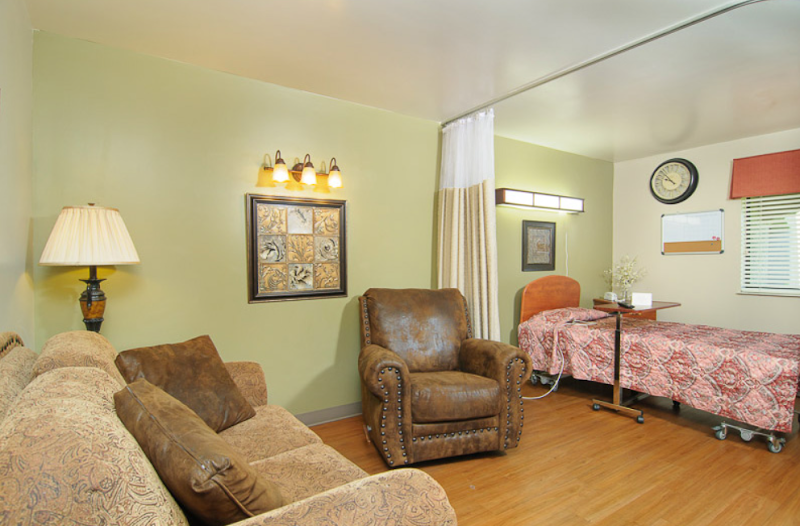
How is Ocean View Post Acute Staffed?

CMS rates OCEAN VIEW POST ACUTE's staffing level at 3 out of 5 stars, which is average compared to other nursing homes. Staff turnover is 39%, compared to the California average of 46%. This relatively stable workforce can support continuity of care.

What Have Inspectors Found at Ocean View Post Acute?

State health inspectors documented 41 deficiencies at OCEAN VIEW POST ACUTE during 2019 to 2025. These included: 41 with potential for harm.
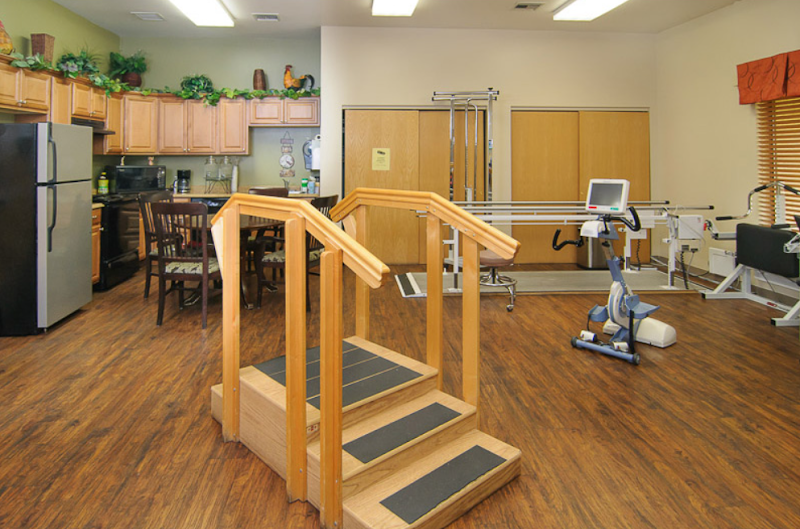
Who Owns and Operates Ocean View Post Acute?

OCEAN VIEW POST ACUTE is owned by a for-profit company. For-profit facilities operate as businesses with obligations to shareholders or private owners. The facility is operated by DAVID & FRANK JOHNSON, a chain that manages multiple nursing homes. With 120 certified beds and approximately 105 residents (about 88% occupancy), it is a mid-sized facility located in ESCONDIDO, California.
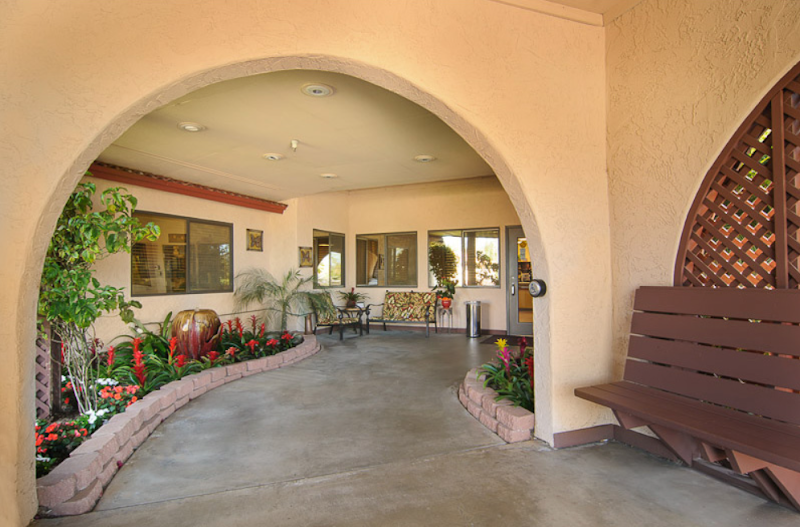
How Does Ocean View Post Acute Compare to Other California Nursing Homes?

Compared to the 100 nursing homes in California, OCEAN VIEW POST ACUTE's overall rating (5 stars) is above the state average of 3.2, staff turnover (39%) is near the state average of 46%, and health inspection rating (4 stars) is above the national benchmark.

What Should Families Ask When Visiting Ocean View Post Acute?

Based on this facility's data, families visiting should ask: "Can I visit during a mealtime to observe dining assistance and food quality?" "How do you handle medical emergencies, and what is your hospital transfer rate?" "Can I speak with family members of current residents about their experience?"

Is Ocean View Post Acute Safe?

Based on CMS inspection data, OCEAN VIEW POST ACUTE has a clean safety record: no substantiated abuse findings (meaning no confirmed cases of resident harm), no Immediate Jeopardy citations (the most serious violation level indicating risk of serious injury or death), and is not on the Special Focus Facility watch list (a federal program monitoring the lowest-performing 1% of nursing homes). The facility has a 5-star overall rating and ranks #1 of 100 nursing homes in California. While no facility is perfect, families should still ask about staff-to-resident ratios and recent inspection results during their visit.

Do Nurses at Ocean View Post Acute Stick Around?

OCEAN VIEW POST ACUTE has a staff turnover rate of 39%, which is about average for California nursing homes (state average: 46%). Moderate turnover is common in nursing homes, but families should still ask about staff tenure and how the facility maintains care continuity when employees leave.

Was Ocean View Post Acute Ever Fined?

OCEAN VIEW POST ACUTE has no federal fines on record. CMS issues fines when nursing homes fail to meet care standards or don't correct problems found during inspections. The absence of fines suggests the facility has either maintained compliance or corrected any issues before penalties were assessed. This is a positive indicator, though families should still review recent inspection reports for the full picture.

Is Ocean View Post Acute on Any Federal Watch List?

OCEAN VIEW POST ACUTE is not on any federal watch list. The most significant is the Special Focus Facility (SFF) program, which identifies the bottom 1% of nursing homes nationally based on persistent, serious quality problems. Not being on this list means the facility has avoided the pattern of deficiencies that triggers enhanced federal oversight. This is a positive indicator, though families should still review the facility's inspection history directly.