PALOMAR HEIGHTS POST ACUTE
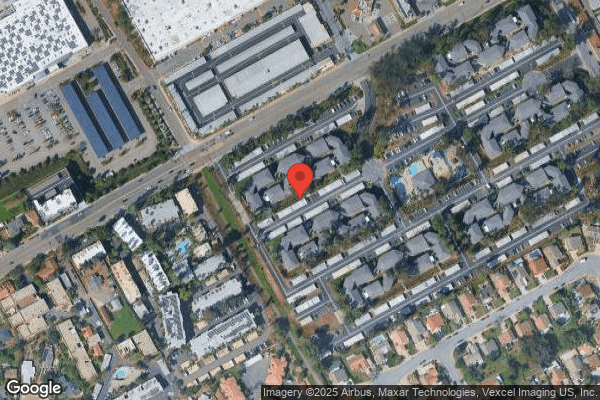
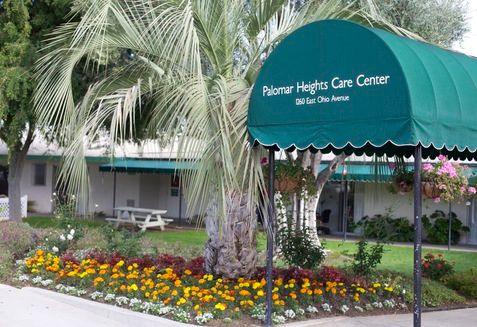
1260 E OHIO AVENUE, ESCONDIDO, CA 92027 (760) 746-1100
For profit - Limited Liability company 98 Beds PACS GROUP Data: November 2025
Trust Grade
43/100
#871 of 1155 in CA
Last Inspection: May 2025

Inspected within the last 6 months. Data reflects current conditions.

Overview

Palomar Heights Post Acute has received a Trust Grade of D, indicating it is below average and has some concerning issues. It ranks #871 out of 1155 nursing homes in California, placing it in the bottom half of the state, and #73 out of 81 in San Diego County, meaning there are only a few options that are worse in the area. The facility is worsening, with reported issues increasing from 6 in 2024 to 20 in 2025, raising concerns about the quality of care. Staffing is a weak point, with a rating of 2 out of 5 stars and a turnover rate of 50%, significantly higher than the state average of 38%. Notable incidents include a failure to notify a physician about a resident's change in condition, which led to the resident's death, and unsafe kitchen practices that could pose health risks, such as unclean food preparation areas and improperly stored food. While there are strengths, such as some good quality measures, the overall situation requires careful consideration.

Trust Score
D
43/100
In California
#871/1155
Bottom 25%
Safety Record
Moderate
Needs review
Inspections
Getting Worse
6 → 20 violations
Staff Stability
⚠ Watch
50% turnover. Above average. Higher turnover means staff may not know residents' routines.
Penalties
⚠ Watch
$11,622 in fines. Higher than 89% of California facilities, suggesting repeated compliance issues.
Skilled Nurses
⚠ Watch
Each resident gets only 24 minutes of Registered Nurse (RN) attention daily — below average for California. Fewer RN minutes means fewer trained eyes watching for problems.
Violations
⚠ Watch
55 deficiencies on record. Higher than average. Multiple issues found across inspections.
★★☆☆☆
2.0
Overall Rating
★★☆☆☆
2.0
Staff Levels
★★★★☆
4.0
Care Quality
★★☆☆☆
2.0
Inspection Score
Stable
2024: 6 issues
2025: 20 issues

The Good

  • 4-Star Quality Measures · Strong clinical quality outcomes
  • Full Sprinkler Coverage · Fire safety systems throughout facility
  • No fines on record

Facility shows strength in quality measures, fire safety.

The Bad

2-Star Overall Rating

Below California average (3.1)

Below average - review inspection findings carefully

Staff Turnover: 50%

Near California avg (46%)

Higher turnover may affect care consistency

Federal Fines: $11,622

Below median ($33,413)

Minor penalties assessed

Chain: PACS GROUP

Part of a multi-facility chain

Ask about local staffing decisions and management

The Ugly 55 deficiencies on record

1 actual harm
May 2025 20 deficiencies
CONCERN (D)

Potential for Harm - no one hurt, but risky conditions existed

Resident Rights (Tag F0550)

Could have caused harm · This affected 1 resident

**NOTE- TERMS IN BRACKETS HAVE BEEN EDITED TO PROTECT CONFIDENTIALITY** Based on observation, interview, and record review, the facility failed to ensure one of 6 sampled residents reviewed for reside...

Read full inspector narrative →
**NOTE- TERMS IN BRACKETS HAVE BEEN EDITED TO PROTECT CONFIDENTIALITY** Based on observation, interview, and record review, the facility failed to ensure one of 6 sampled residents reviewed for resident dignity was provided care in a manner that promoted dignity and respect. (Resident 57) This deficient practice had the potential to intimidate and be disrespectful towards the resident. Findings: Resident 57 was admitted to the facility on [DATE] with diagnoses including dysphagia, orophangeal phase (mouth and/or throat swallowing problem) according to the facility's admission Record. During an observation on 5/27/25 at 8:25 A.M., Resident 57 was in bed with a breakfast tray on the overbed table. Two Certified Nurse Assistants (CNA) arrived and repositioned Resident 57 in a sitting position in bed. CNA 2 then fed Resident 57 while standing up next to Resident 57's bed. During a joint observation and interview on 5/27/25 at 8:33 A.M. with CNA 1, CNA 1 looked at CNA 2 feeding Resident 57 from Resident 57's doorway. CNA 1 stated while feeding a resident who was in bed, staff should sit on a chair to encourage the resident to eat. CNA 1 stated at times a resident cannot hear well, and staff should sit facing the resident. An interview on 5/27/25 at 9:07 A.M. was conducted with CNA 2. CNA 2 stated while feeding a resident, there should be a bib and sit at resident's eye level. CNA 2 stated she was taught to sit while feeding a resident but she did not sit while feeding Resident 57 because there was no chair available in the room. During an interview on 5/28/25 at 9:05 A.M. with the Director of Staff Development (DSD- a licensed nurse certified to conduct staff training), the DSD stated CNAs should be sitting at resident's eye level for resident's dignity. During an interview on 5/30/25 at A.M. with the Director of Nursing (DON), the DON stated for resident's dignity she expected staff to sit during feeding assistance. A review of the facility's policy and procedure (P&P) titled, Assistance with Meals, dated March 2022, the P&P indicated, Residents who cannot feed themselves will be fed with attention to safety, comfort and dignity .not standing over residents while assisting them with meals.
CONCERN (D)

Potential for Harm - no one hurt, but risky conditions existed

Deficiency F0578 (Tag F0578)

Could have caused harm · This affected 1 resident

**NOTE- TERMS IN BRACKETS HAVE BEEN EDITED TO PROTECT CONFIDENTIALITY** Based on interview and record review, the facility failed to assist with or obtain an Advanced Directive (AD-a legal document th...

Read full inspector narrative →
**NOTE- TERMS IN BRACKETS HAVE BEEN EDITED TO PROTECT CONFIDENTIALITY** Based on interview and record review, the facility failed to assist with or obtain an Advanced Directive (AD-a legal document that allows a person to specify their healthcare preferences in the event that residents become unable to make medical decisions for themselves due to illness, injury, or other circumstances) for two of 24 sampled residents (Residents 22 & 56). This deficient practice placed Residents 22 & 56 at risk for not having their medical treatment wishes known or followed during a health emergency. Findings: 1. A review of Resident 22's admission Record indicated Resident 22 was re-admitted to the facility on [DATE] with diagnoses which included a history of chronic obstructive pulmonary disease (COPD-a chronic lung disease causing difficulty in breathing) and dementia (a progressive state of decline in mental abilities). On 5/29/25 at 3:12 P.M., an interview and record review was conducted with the Social Service Director (SSD). The SSD stated an AD was obtained upon admission and discussed with the interdisciplinary team (IDT) regarding an AD. The SSD stated Resident 22 did not have an AD but had a Physician Orders for Life Sustaining Treatment (POLST-It is a medical form that documents a patient's wishes regarding end-of-life care) in her clinical record. The SSD stated that she would look up a form about AD online and would print it out and give it to residents (facility residents) and give them the ombudsman's number to help them make an AD, Because they'll [facility residents] would need a witness. On 5/30/25 at 8:34 A.M., an interview and record review was conducted with the Admissions Coordinator (AC). The AC stated she was unable to find documented evidence if an AD for Resident 9 if it was requested, refused, discontinued, or offered. The AC stated Resident 9's son was the responsible party (RP) and only a CONSENT TO TREAT form was signed by Resident 9's son on 9/9/22 that did not include information to request or offer an AD. The AC stated it was important to ask facility residents (including Resident 9) and their RP's if they have an AD and to help complete their AD should they need assistance. The AD stated it was important because if a resident (including Resident 9) is unable to make their health care decisions themselves that their rights are still honored in the event of any emergent medical care needed because this was part of Resident's Right. On 5/30/25 at 3:11 P.M., an interview was conducted with the Director of Nursing (DON). The DON stated it was her expectations that resident's (facility residents) who have an AD should be part of their (facility residents) clinical chart. The DON stated it was important to know who would be responsible for a resident's health care decisions according to their AD and know how to provide care during emergent incidents because this was, Their (facility residents) rights. 2. A review of Resident 56's admission Record indicated the resident was admitted to the facility on [DATE] with a diagnosis of corneal ulcer (a wound on the surface of the eye) to left eye and blindness in the right eye. On 5/29/25 at 1:20 P.M., an interview was conducted with the Director of Nursing (DON). The DON stated during admission, the admission nurse would check if the resident had an advance directive, if not it would be discussed at the resident's care conference. On 5/30/25 at 8:19 A.M., an interview was conducted with the admission Director (AD). The AD stated she did not have an Advance Directive document for Resident 56. The AD stated Resident 56 signed the admission agreement, but there was no documentation an advance directive was offered, accepted, or declined. The AD stated she wanted to double check with medical records. On 5/30/25 at 8:31 A.M., another interview was conducted with the AD. The AD stated there was no documentation of an advanced directive being offered, accepted, or declined by Resident 56. A review of the admission Agreement titled California Standard admission Agreement For Skilled Nursing Facilities and Intermediate Care Facilities which Resident 56 signed on 8/14/23, indicated .If you do not know how to prepare an Advance Health Care Directive and wish to prepare one, we will help you find someone to assist you in doing so On 5/30/25 9:30 A.M., an observation and interview was conducted with Resident 56. Resident 56's right eye was mostly closed with only part of the sclera (white part of the eye) visible. Resident 56 stated he could not see during the time of admission, I was blind. Resident 56 stated he had surgery on his right eye and could now see somewhat better. Resident 56 stated during the admission process the admission agreement was read to him and it was about five minutes, it was quick. Resident 56 stated there was no way all 31 pages of the admission agreement was read to him in five minutes. Resident 56 stated he would have liked to have been offered assistance with creating an advanced directive. A review of the facility's policy and procedure titled ADVANCED DIRECTIVES revised 2013 indicated, .the facility staff will offer assistance in establishing advance directives. The resident will be given the option to accept or decline the assistance, and care will not be contingent on either decision. Nursing staff will document in the medical record the offer to assist and the resident's decision to accept or decline .
CONCERN (D)

Potential for Harm - no one hurt, but risky conditions existed

Safe Environment (Tag F0584)

Could have caused harm · This affected 1 resident

**NOTE- TERMS IN BRACKETS HAVE BEEN EDITED TO PROTECT CONFIDENTIALITY** Based on observation, interview, and record review, the facility failed to ensure four of 24 residents (33, 56, 76, 27) had a sa...

Read full inspector narrative →
**NOTE- TERMS IN BRACKETS HAVE BEEN EDITED TO PROTECT CONFIDENTIALITY** Based on observation, interview, and record review, the facility failed to ensure four of 24 residents (33, 56, 76, 27) had a safe and homelike environment when the facility did not: 1. Replace or reimburse lost belongings for Resident 33. 2. Provide a living environment that was clean and well maintained for Residents 56, 76 and 27. As a result, Resident 33 did not have the ability to have a different shirt for each day of the week. In addition, there was the potential for Residents 56, 76 and 27 to feel uncomfortable in their environment. Findings: 1. On 5/27/25 at 3:07 P.M., during initial screening, Resident 33 was interviewed. Resident 33 stated he was missing cloths, specifically the facility could not find 3 of his shirts. Resident 33 stated he notified the facility, but they had not replaced or reimbursed, the lost shirts. Resident 33 stated he was told they were waiting for corporate's decision on replacing or reimbursing the shirts. On 5/28/25 at 9:30 A.M., the Social Services Director (SSD) was interviewed. The SSD stated the decision was made to not replace or reimburse the 3 missing shirts because they were not on the belongings sheet. Resident 33's clinical record was reviewed on 5/28/25. The belongings sheet dated 1/5/24 was reviewed. According to the belonging sheet on 7/27/24, Resident 33 had, 8 pcs [pieces] shirts. On 1/15/25 Resident 33 reported to the SSD he was missing two of his shirts. The SSD made an effort to find the shirts by looking in the resident's closet, dresser, laundry, the linen closet and on the floor. The missing shirts were not found. On 5/28/25 at 10:20 A.M., the Administrator was interviewed. The Administrator stated the shirts should have been replaced. 2. Resident 56 was admitted to facility on 8/12/23 per the resident's admission Record. Resident 76 was admitting on 11/8/24 per resident's admission Record. Resident 27 was admitted to the facility on [DATE] per the resident's admission Record. On 5/27/25 at 8:50 A.M., an interview and observation was conducted with Resident 56 while inside of the resident's room. Resident 56 stated he would like to complain about the bathroom. Resident 56 stated the bathroom toilet would leak. The resident's bathroom was observed and there was no caulking around the bottom of the toilet. There was a missing baseboard behind the toilet and there were cobwebs in the vent on the ceiling. Resident 56 stated if it was his house he would have had it fixed. On 5/27/25 at 9:00 A.M., an interview conducted with the roommate of Resident 56. Resident 56's roommate stated he would like to have the bathroom fixed. On 5/27/25 at 11:00 A.M., an interview and observation was conducted with Resident 27 while inside the resident's room. Resident 27 stated there has been a hole in the wall since his admission on [DATE]. Resident 27 stated he would not leave a hole in his wall at home and would go to [hardware store] for supplies and fix it. The wall behind the resident's door was observed to have a hole approximately three by two inches. On 5/29/25 at 1:30 P.M., an interview and observation was conducted with Certified Nurse Assistant (CNA) 31. CNA 31 observed Resident 56's bathroom. CNA 31 observed the missing caulking around the toilet, missing baseboard behind the toilet, and cobwebs in the ceiling vent. CNA 31 stated the bathroom was not a home-like environment. CNA 31 stated the condition of Resident 56's bathroom should have been reported in the maintenance log. CNA 31 stated it looks unkept and I will report it to maintenance. On 5/29/25 at 1:36 P.M., an interview and record review was conducted with Licensed Nurse (LN) 32. LN 32 stated maintenance needs should be written in the maintenance binder that is kept in Station A for whole facility. The maintenance binder was reviewed. There was no documentation of an issue in Resident 56's bathroom nor was there documentation of the hole in Resident 27's wall. On 5/29/25 at 1:43 P.M., an interview and observation was conducted with the Maintenance Supervisor (MS). The MS observed Resident 56's bathroom. The MS stated the toilet needed caulking and the baseboard needed to be replaced. The MS stated he was responsible for cleaning the vents on the ceiling but that he did not have time to do it. The MS stated, I don't have time to fix it because I'm by myself. The MS stated he did not do room checks. On 5/29/25 at 1:55 P.M., an interview and observation was conducted with the MS. The MS observed the hole in the wall behind Resident 27's door. The MS stated this was not a homelike environment. On 5/30/25 at 3:25 P.M., an interview was conducted with the Director on Nursing (DON). The DON stated the facility should be visually appealing and foster a homelike environment. The DON stated Resident 56's bathroom and the hole in Resident 27's wall should have been fixed. A review of the facility policy titled Homelike Environment revised February 2021, indicated, Residents are provided with a safe, clean, comfortable and homelike environment . a. Clean, sanitary and orderly environment, c. inviting colors and décor
CONCERN (D)

Potential for Harm - no one hurt, but risky conditions existed

Deficiency F0637 (Tag F0637)

Could have caused harm · This affected 1 resident

**NOTE- TERMS IN BRACKETS HAVE BEEN EDITED TO PROTECT CONFIDENTIALITY** Based on interview and record review, the facility failed to review, a Minimum Data Set (MDS- a federally mandated resident asse...

Read full inspector narrative →
**NOTE- TERMS IN BRACKETS HAVE BEEN EDITED TO PROTECT CONFIDENTIALITY** Based on interview and record review, the facility failed to review, a Minimum Data Set (MDS- a federally mandated resident assessment tool) to determine the Significant Change of Status Assessment (SCSA-an improvement or decline), and/or update a care plan for one of five residents sampled (Resident 9) according to the Resident Assessment Instrument (RAI-MDS manual). This deficient practice placed Resident 9 for delayed care planning and unmet care needs. Cross-Reference F640 and F657 Findings: A review of Resident 9's admission Record indicated Resident 9 was re-admitted to the facility on [DATE] with diagnoses which included a history of pulmonary fibrosis (a lung disease that occurs when lung tissue becomes damaged and scarred making it hard to breath). A review of Centers for Medicare and Medicaid Services (CMS, a federal agency) RAI Manual 3.0 October 2024, (Page 2-25) .After the IDT (Interdisclipnary Team) has determined that a resident meets the significant change in the resident's status in the clinical record . A clinical chart review for Resident 9 was conducted. Resident 9's IDT Skilled Review Note dated 4/24/25, indicated that, .Transfer: Pt. [patient] is dependent sit to stand-not attempted .personal hygiene and maximal assistance x2 [two-person assistance] .Pt still being monitor [sic] with her respiratory treatment and weight loss, pt continues to progress in rehab services and has not met her/his goal . A clinical chart review of Resident 9's activities of daily living (ADL- routine tasks/activities such as bathing, dressing and toileting a person performs daily to care for themselves) care plan revised date 1/25/25 did not include SCSA updated information of Resident 9's improvement. On 5/28/25 at 8:16 A.M., an interview was conducted with the MDS nurse (MDSN). The MDSN stated Resident 9 had a SCSA assessment reference date (ARD) on 4/30/25. The MDSN stated that Resident 9 had improved with ADLs for eating, oral hygiene, and toileting. The MDSN stated Resident 9's care plan was not revised with the ADL improvement per SCSA look-back (from determination date to ARD within 14 days of determination to complete). The MDSN stated that the IDT determines when an SCSA MDS would need to open. The MDSN stated Resident 9's SCSA ARD was opened on 4/30/25. The MDSN stated that Resident 9's IDT Comprehensive Skilled Review dated 4/24/25 did not indicate that an SCSA was discussed with the IDT regarding Resident 9's improvement with ADLs. The MDSN stated Resident 9's physician (MD) was not notified regarding Resident 9's IDT Comprehensive Skilled Review dated 4/24/25 for improvement. The MDSN stated that the Comprehensive Skilled Review did not determine if an SCSA was appropriate and did not determine a SCSA date. The MDSN stated that the IDT would need to solidify if an SCSA was indicated during the Comprehensive Skilled Review but did not. The MDSN further stated that the SCSA MDS and care plan was also not completed on time. On 5/30/25 at 3:03 P.M., an interview was conducted with the Director of Nursing (DON). The DON stated her expectations was for the MDSN and IDT know the criteria of an SCSA based on the RAI manual and to discuss improvements or decline for residents (all facility residents) if there was indeed a significant change in status. The DON stated this was important to promote the overall physical, mental and psychosocial well-being of Resident 9 to prevent declining back to increased assistance. A review of the facility's policy and procedure titled CHANGE in a RESIDENT's CONDITION or STATUS, revised 2015 indicated, .Requires interdisciplinary review and/or revision to the care plan .Ultimately is based on the judgement of the clinical staff and the guidelines outlined in the Resident Assessment Instrument .
CONCERN (D)

Potential for Harm - no one hurt, but risky conditions existed

MDS Data Transmission (Tag F0640)

Could have caused harm · This affected 1 resident

**NOTE- TERMS IN BRACKETS HAVE BEEN EDITED TO PROTECT CONFIDENTIALITY** Based on interview and record review, the facility failed to complete the Minimum Data Set (MDS - a federally mandated resident ...

Read full inspector narrative →
**NOTE- TERMS IN BRACKETS HAVE BEEN EDITED TO PROTECT CONFIDENTIALITY** Based on interview and record review, the facility failed to complete the Minimum Data Set (MDS - a federally mandated resident assessment tool) and Care Area Assessment (CAA) on time, as required by the Resident Assessment Instrument (RAI-MDS manual), for one of five sampled residents (Resident 9). This deficient practice placed Resident 9 at risk for delays in care planning and unmet care needs. Cross-Reference F637 and F657 Findings: A review of Resident 9's admission Record indicated Resident 9 was re-admitted to the facility on [DATE] with diagnoses which included a history of pulmonary fibrosis (is a lung disease that occurs when lung tissue becomes damaged and scarred making it hard to breath). A record review of Resident 9's MDS dated [DATE] Section Z indicated, a signature completion dated 5/15/25. The transmission report indicated: .Assessment Completion Late: Z0500B (assessment completion date) is more than 14 days after A2300 (assessment reference date [ARD]) . .Care Plan Completed Late: V0200B2 (CAA process signature date) is more than 14 days after 2300 (assessment reference date) . On 5/30/25 at 9:26 A.M., an interview was conducted with the MDS nurse (MDSN). The MDSN stated that Resident 9's required assessments (MDS and CAA) had not been completed on time. The MDSN stated that Resident 9's MDS should be signed and completed within 14 days of Resident 9's ARD. The MDSN stated that Resident 9's MDS needed to be completed and sent to the federal database on time and care plan updated to meet their needs. The MDSN stated Resident 9 had a comprehensive Significant Change of Status Assessment (SCSA- an MDS comprehensive assessment for a decline or improvement), but the care plan was not updated that reflected Resident 9's improvements. The MDS nurse stated a late MDS completion could have delayed needed care updates and may have caused Resident 9 to not receive care that promoted their improved levels with self-care on activities of daily living (ADL- routine tasks/activities such as bathing, dressing and toileting a person performs daily to care for themselves) to prevent a decline in Resident 9's independence or needing more assistance again. On 5/30/25 at 3:03 P.M., an interview was conducted with the Director of Nursing (DON). The DON stated it was important that the MDS and CAA be completed within 14 days to reflect a resident's (all facility residents) current condition. The DON stated that her expectations were for the MDSN to be updating the care plans as triggered with the CAA and completed on time. A review of Centers for Medicare and Medicaid Services (CMS, a federal agency) RAI Manual 3.0 October 2024, (Page 2-21) .OBRA [Omnibus Budget Reconciliation Act- a series of federal laws enacted by Congress] required comprehensive assessments include the completion of both the MDS and the CAA process, as well as care planning .The MDS completion date (item Z0500B) must be no later than 14 days from the ARD .The CAA(s) completion date (item V9299B2) must be no later than 14 days .14 days from the ARD .The CAA(s) completion date (item V9299B2) must be no later than 14 days .
CONCERN (D)

Potential for Harm - no one hurt, but risky conditions existed

Comprehensive Care Plan (Tag F0656)

Could have caused harm · This affected 1 resident

**NOTE- TERMS IN BRACKETS HAVE BEEN EDITED TO PROTECT CONFIDENTIALITY** Based on observation, interview, and record review, the facility failed to develop a person-centered care plan that included act...

Read full inspector narrative →
**NOTE- TERMS IN BRACKETS HAVE BEEN EDITED TO PROTECT CONFIDENTIALITY** Based on observation, interview, and record review, the facility failed to develop a person-centered care plan that included activities based on resident's preferences for one of five sampled residents (Resident 9). This deficient practice placed Resident 9 at risk for not having their individual needs and interests supported, which could negatively affect their emotional well-being and quality of life. Cross-Reference F679 Findings: A review of Resident 9's admission Record indicated Resident 9 was re-admitted to the facility on [DATE] with diagnoses which included a history of major depressive disorder (a mood disorder that causes a persistent feeling of sadness and loss of interest). A record review of Resident 9's minimum data set (MDS-a federally mandated resident assessment tool) dated 4/30/25 indicated, a Brief Interview for Mental Status (BIMS- developed by reviewing the resident's status during the prior seven-day period) score of 12 points out of 15 possible points which indicated Resident 9 had moderate cognitive (pertaining to memory, judgement and reasoning ability) deficits. On 5/27/25 at 2:51 P.M., an interview was conducted with Resident 9, in Resident 9's room. Resident 9 stated she can get out of bed and on her wheelchair with assistance and is unable to walk. Resident 9 stated she liked doing social activities such as bingo, and doing social coffee with the rest of the residents in the facility. Resident 9 was wearing a facility gown while in bed and stated she did not get her outfit changed that day and would have rather worn her own clothing if she was assisted to get out of bed. On 5/29/25 at 8:47 A.M., an interview was conducted with Resident 9, in Resident 9's room. Resident 9 stated she was unsure if she would be joining activities today because she needed assistance to get out of bed. On 5/30/25 at 11:15 A.M., an interview and record review was conducted with the Activities Director (AD). The AD stated I know I should be more encouraging for the resident [Resident 9] and will try to make activities more social for Resident 9. On 5/30/25 at 2:16 P.M., an interview and record review was conducted with the AD. The AD stated that Resident 9's care plan interventions was not updated since 6/17/24 that did not include Resident 9's preferred activities to be conducted per Resident 9's ACTIVITIES PARTICIPATION REVIEW for 3-5x week. The AD stated she was not aware she needed to update activity care plans when re-assessments were conducted with quarterly and comprehensive evaluations. The AD stated It's important because it's important [sic] mentally, physically, and well being of resident's overall health to promote happiness, quality of life and prevents decline. On 5/30/25 at 3:15 P.M., an interview was conducted with the Director of Nursing (DON). The DON stated activities should be established through resident (facility residents) interviews and needed to be tailored (personalized) to what activities a resident preferred (e.g. wants bingo one times per week versus 3x per wk). The DON stated this was important to take Resident 9's preferred activity participation that promotes their quality of life with activities that promote socialization and prevent mental decline. The DON further stated the AD should update and contribute as part of the interdisciplinary team (IDT) to revise the activity preferences of a resident's (facility residents) plan of care. A review of the facility's policy and procedure titled CARE PLANS, COMPREHENSIVE PERSON-CENTERED revised March 2022, indicated, .Each resident's comprehensive person-centered care plan is consistent with the resident's rights to participate in the development and implementation of his or her plan of care, including the right to: a. Participate in the planning process; .f. participate in determining the type, amount, frequency and duration of care; .
CONCERN (D)

Potential for Harm - no one hurt, but risky conditions existed

Deficiency F0657 (Tag F0657)

Could have caused harm · This affected 1 resident

**NOTE- TERMS IN BRACKETS HAVE BEEN EDITED TO PROTECT CONFIDENTIALITY** Based on interview and record review, the facility failed to update the care plan after a Significant Change of Status Assessmen...

Read full inspector narrative →
**NOTE- TERMS IN BRACKETS HAVE BEEN EDITED TO PROTECT CONFIDENTIALITY** Based on interview and record review, the facility failed to update the care plan after a Significant Change of Status Assessment (SCSA), as required by the federal guidelines, for one of five sampled residents (Resident 9). This deficient practice placed Resident 9 at risk for receiving care that did not reflect their current condition, which could delay needed support, and negatively affecting their health and well-being. Cross-Reference F637 and F640 Findings: A review of Resident 9's admission Record indicated Resident 9 was re-admitted to the facility on [DATE] with diagnoses which included a history of pulmonary fibrosis (is a lung disease that occurs when lung tissue becomes damaged and scarred making it hard to breath). A clinical chart review of Resident 9's activities of daily living (ADL- routine tasks/activities such as bathing, dressing and toileting a person performs daily to care for themselves) care plan revised date 1/25/25 did not include SCSA updated information of Resident 9's improvement. On 5/30/25 at 9:26 A.M., an interview was conducted with the MDS nurse (MDSN). The MDSN stated that Resident 9's required assessments (MDS and CAA) had not been completed on time. The MDSN stated Resident 9 had a comprehensive Significant Change of Status Assessment (SCSA- an MDS comprehensive assessment for a decline or improvement), but the care plan was not updated that reflected Resident 9's improvements. The MDSN stated a late MDS completion could have delayed needed care updates and may have caused Resident 9 to not receive care that promoted their improved levels with self-care on ADL to prevent a decline in Resident 9's independence or needing more assistance again. On 5/30/25 at 3:03 P.M., an interview was conducted with the Director of Nursing (DON). The DON stated it was important that the MDS and CAA be completed within 14 days to reflect a resident's (all facility residents) current condition. The DON stated that her expectations were for the MDSN to be updating the care plans as triggered with the CAA and completed on time. A review of the facility's policy and procedure titled CARE PLANS, COMPREHENSIVE PERSON-CENTERED revised 2022 indicated, .The interdisciplinary team reviews and updates the care plan: a.When there has been a significant change in the resident's condition .
CONCERN (D)

Potential for Harm - no one hurt, but risky conditions existed

ADL Care (Tag F0677)

Could have caused harm · This affected 1 resident

**NOTE- TERMS IN BRACKETS HAVE BEEN EDITED TO PROTECT CONFIDENTIALITY** Based on observation, interview, and record review, the facility failed to ensure three of six residents, who were unable to car...

Read full inspector narrative →
**NOTE- TERMS IN BRACKETS HAVE BEEN EDITED TO PROTECT CONFIDENTIALITY** Based on observation, interview, and record review, the facility failed to ensure three of six residents, who were unable to carry out activities of daily living (ADL-self- care activities such as grooming, bathing, and toileting), received assistance with nail care (cleaning, trimming and/or filing of nails) and shaving (Resident 5, 26 and 39). This failure resulted in residents having long and dirty fingernails which had the potential to negatively impact the residents' self-esteem and comfort. Findings: Resident 5 was admitted to the facility on [DATE] with diagnoses including hemiplegia (total or partial paralysis of one side of the body) and hemiparesis (muscle weakness on one side of the body) following cerebral infarction (disrupted blood flow to the brain) according to the facility's admission Record. A review of Resident 5's care plan initiated on 2/2/23 indicated, Resident .requires assistance related to impaired mobility .Will provide assistance with ADLs as indicated. During an observation and interview on 5/27/25 at 8:55 A.M. with Resident 5, Resident 5 was observed with long fingernails and with debris underneath the nails. Resident 5 stated she would like her fingernails trimmed. A joint observation and interview on 5/28/25 at 8:53 A.M. was conducted with Certified Nurse Assistant (CNA) 3. CNA 3 completed changing Resident 5's brief and checked Resident 5's fingernails. CNA 3 stated Resident 5 needed nail care. CNA 3 stated nail care was scheduled every Sundays. CNA 3 further stated having long fingernails could cause fungus and bacteria in the nails. Resident 26 was admitted to the facility on [DATE] with diagnoses including muscle weakness and lymphedema (buildup of fluid under the skin) according to the facility's admission Record. A review of Resident 26's Minimum Data Set (MDS- a clinical assessment tool) dated 3/4/25 indicated dependent assistance for personal hygiene. During an observation and interview on 5/27/25 at 9:20 A.M., Resident 26 was in bed and stated he was aware of his long fingernails, but he preferred to trim them himself. Resident 26's fingernails had black debris under the fingernails, and Resident 26 stated he would like staff to clean under his fingernails. During a joint observation and interview on 5/28/25 at 10:32 A.M. with Licensed Nurse (LN)3, LN 3 stated Resident 26's fingernails needed to be cleaned for good hygiene. Resident 39 was admitted to the facility on [DATE] with diagnoses including Parkinsonism (brain conditions that causes slowed movements, rigidity and tremors) according to the facility's admission Record. A review of Resident 39's MDS dated [DATE] indicated Resident 39 required Substantial/maximal assistance with personal hygiene. During an observation and interview on 5/27/25 at 3:02 P.M., Resident 39 was in bed and responded by mumbling. Resident 39 showed his hands with long fingernails and black debris under the nails. A concurrent observation and interview was conducted with the treatment (Tx) nurse on 5/28/25 at 9:43 A.M. Resident 39 was in a wheelchair in front of the nurse's station. The Tx nurse checked Resident 39's hands and stated Resident 39's fingernails needed to be trimmed and cleaned for infection control. An interview on 5/30/25 at 10:39 A.M. was conducted with the Director of Nursing (DON). The DON stated residents' fingernails should be short and trimmed to prevent skin tears. The DON further stated fingernails should be cleaned for infection control. During a review of the facility's policy and procedure (P&P) titled, Fingernails/Toenails, Care of, dated February 2018, the P&P indicated, The purpose of this procedure are to clean the nail bed, to keep nails trimmed, and to prevent infections .Nail care includes daily cleaning and regular trimming.
CONCERN (D)

Potential for Harm - no one hurt, but risky conditions existed

Deficiency F0679 (Tag F0679)

Could have caused harm · This affected 1 resident

**NOTE- TERMS IN BRACKETS HAVE BEEN EDITED TO PROTECT CONFIDENTIALITY** Based on observation, interview, and record review, the facility failed to provide meaningful activities that matched the prefer...

Read full inspector narrative →
**NOTE- TERMS IN BRACKETS HAVE BEEN EDITED TO PROTECT CONFIDENTIALITY** Based on observation, interview, and record review, the facility failed to provide meaningful activities that matched the preferences and needs of one of five sampled residents (Resident 9) based on their comprehensive, resident-centered care plan and assessment. This deficient practice placed Resident 9 at risk for decreased mental and emotional well-being, social isolation, and reduced quality of life. Cross-References F656 Findings: A review of Resident 9's admission Record indicated Resident 9 was re-admitted to the facility on [DATE] with diagnoses which included a history of major depressive disorder (a mood disorder that causes a persistent feeling of sadness and loss of interest). A record review of Resident 9's minimum data set (MDS-a federally mandated resident assessment tool) dated 4/30/25 indicated, a Brief Interview for Mental Status (BIMS- developed by reviewing the resident's status during the prior seven-day period) score of 12 points out of 15 possible points which indicated Resident 9 had moderate cognitive (pertaining to memory, judgement and reasoning ability) deficits. On 5/27/25 at 2:51 P.M., an interview was conducted with Resident 9, in Resident 9's room. Resident 9 stated she can get out of bed and on her wheelchair with assistance and is unable to walk. Resident 9 stated she liked doing social activities such as bingo, and doing social coffee with the rest of the residents in the facility. Resident 9 was wearing a facility gown while in bed and stated she did not get her outfit changed that day and would have rather worn her own clothing if she was assisted to get out of bed. On 5/29/25 at 8:47 A.M., an interview was conducted with Resident 9, in Resident 9's room. Resident 9 stated she was unsure if she would be joining activities today because she was unsure she would get assistance to get out of bed. On 5/30/25 at 11:15 A.M., an interview and record review was conducted with the Activities Director (AD). The AD stated Resident 9 does not see very well and visits Resident 9 to read to her. The AD stated she did, Check-ins with Resident 9 and stated Resident 9 would talk to you. The AD stated Resident 9 liked to color and was the main thing she liked to do. The AD stated Resident 9 also liked hand lotion massage for 1:1 activities. The AD stated she did activity evaluations/assessments on a quarterly and annual basis. The AD stated it was difficult to make rounds with all residents in the facility because she only had a part-time. The AD stated, I know I should be more encouraging for the resident (Resident 9) and will try to make activities more social for Resident 9. On 5/30/25 at 2:16 P.M., an interview and record review was conducted with the AD. The AD reviewed Resident 9's activity participation on Resident 9's clinical chart with activities on: - March 2025: 3/3/25, 3/17/25, 3/18/25 and 3/25/25 (social/group activities). - April 2025: 4/2/25, 4/20/25 (social/group activities), 4/22/25 (social/group activities), 4/25/25 (social/group activities), 4/26/25 (social/group activities) and 4/28/25 (social/group activities). - May 2025: 5/2/25, 5/3/25 (social/group activities), 5/4/25 (social/group activities), 5/10/25 (social/group activities), 5/11/25 (social/group activities), 5/13/25, 5/16/25, 5/17/25 (social/group activities), 5/18/25 (social/group activities), 5/19/25-5/23/25, 5/24/25, 5/25/25, 5/26/25, 5/28/25 and 5/29/25. The AD stated Resident 9's ACTIVITIES PARTICIPATION REVIEW on 1/30/25 and 4/30/25 indicated, .Resident engages in independent activities of choice 3-5x/wk [three to five times per week] .Resident enjoys activities such as music, watching, TV, conversation, starters, staff, visits, refreshments, coloring pages and hand lotion massage . The AD stated Resident 9 did not receive activities as preferred 3-5x/wk in March 2025 and April 2025. The AD stated the social activities indicated, were offered to Resident 9 but limited from April through May. The AD stated during the month of March and April activities was not provided to Resident 9 according to Resident 9's preferences. The AD also stated that Resident 9's care plan was initiated 5/15/25 with the goal that stated .Resident will have daily stimulation/interactions . with interventions not updated since 6/17/24. The AD stated she was not aware she needed to update activity care plans when re-assessments were conducted with quarterly and comprehensive evaluations. The AD stated, It's important because it's important [sic] mentally, physically, and well being of resident's overall health to promote happiness, quality of life and prevents decline. On 5/30/25 at 3:15 P.M., an interview was conducted with the Director of Nursing (DON). The DON stated activities should be established through resident interviews and needed to be tailored (personalized) to what activities a resident preferred. The DON stated this was important to take Resident 9's preferred activity participation that promotes their quality of life with activities that promote socialization and prevent mental decline. The DON further stated the AD should update and contribute as part of the interdisciplinary team (IDT) to revise the activity preferences of a resident's (facility residents) plan of care. A review of the facility's policy and procedure titled ACTIVITY PROGRAMS revised June 2018, indicated, .Activities offered are based on the comprehensive resident centered assessment and the preferences of each resident .
CONCERN (D)

Potential for Harm - no one hurt, but risky conditions existed

Accident Prevention (Tag F0689)

Could have caused harm · This affected 1 resident

**NOTE- TERMS IN BRACKETS HAVE BEEN EDITED TO PROTECT CONFIDENTIALITY** Based on observation, interview, and record review, the facility failed to ensure one of four residents reviewed for accidents w...

Read full inspector narrative →
**NOTE- TERMS IN BRACKETS HAVE BEEN EDITED TO PROTECT CONFIDENTIALITY** Based on observation, interview, and record review, the facility failed to ensure one of four residents reviewed for accidents was free of accidents during the use of a Hoyer lift (mechanical lift device used to move immobile residents). (Resident 26) This failure resulted in the Hoyer lift hitting Resident 26's left knee which caused Resident 26 pain. Findings: Resident 26 was admitted to the facility on [DATE] with diagnoses including muscle weakness and chronic venous hypertension (persistent high blood pressure in the veins, typically in the legs) with inflammation (redness and swelling) of left lower extremity according to the facility's admission Record. During an interview on 5/27/25 at 9:20 A.M. with Resident 26, Resident 26 stated a Certified Nurse Assistant (CNA) weighed him on 5/26/25. Resident 26 stated the CNA caused him pain because the sling (supports the body which connects to the lift) was not applied correctly and the metal part of the lift hit his left knee. Resident 26 stated he had arthritis (joint swelling and tenderness) on his left knee. During a review of Resident 26's Minimum Data Set (MDS- a clinical assessment tool) dated 3/5/25, the MDS functional abilities section GG0170A indicated Resident 26 required dependent assistance for rolling left and right on the bed. The MDS further indicated in section GG0170C lying to sitting on the side of the bed was Not attempted due to medical condition or safety concerns. During an interview on 5/28/25 at 11:46 A.M. with the Restorative Nurse Assistant (RNA) 1, RNA 1 stated he and another RNA weighed residents on Mondays. RNA 1 stated if a Hoyer lift was used to weigh a resident, a two-person assist was needed for safety. An interview on 5/28/25 at 11:50 A.M. was conducted with RNA 2. RNA 2 stated she weighed Resident 26 on 5/26/25 using the Hoyer lift. RNA 2 stated she was alone because the other CNAs were on a break. RNA 2 stated she was taught to always have two people when using the Hoyer lift for safety reasons. During an interview on 5/28/25 at 12 P.M. with the Director of Staff Development (DSD- a licensed nurse certified for staff training), the DSD stated she expected staff to have two people upon using a Hoyer lift for weighing residents. The DSD stated the CNA assigned to the resident should assist the RNA for safety and in case the machine malfunctioned. During an interview on 5/30/25 at 10:39 A.M. with the Director of Nursing (DON), the DON stated there should be a two person assist when staff used the Hoyer lift for resident and employee safety. A review of the facility's policy and procedure (P&P) titled, Lifting Machine, Using a Mechanical, dated July 2017 was conducted. The P&P indicated, The purpose of this procedure is to establish the general principles of safe lifting using a mechanical lifting device .At least two [2] nursing assistants are needed to safely move a resident with a mechanical lift.
CONCERN (D)

Potential for Harm - no one hurt, but risky conditions existed

Deficiency F0699 (Tag F0699)

Could have caused harm · This affected 1 resident

**NOTE- TERMS IN BRACKETS HAVE BEEN EDITED TO PROTECT CONFIDENTIALITY** Based on interview and record review, the facility failed to ensure one resident (Resident 40) with Post Traumatic Stress Disord...

Read full inspector narrative →
**NOTE- TERMS IN BRACKETS HAVE BEEN EDITED TO PROTECT CONFIDENTIALITY** Based on interview and record review, the facility failed to ensure one resident (Resident 40) with Post Traumatic Stress Disorder (PTSD) out of 24 sampled residents received trauma-informed care. This failure had the potential to re-trigger trauma for Resident 40. Findings: Review of admission Record for Resident 40 indicated she was admitted on [DATE] for diagnoses which included fractured left Radial Styloid Process (a bony projection located on the lower end of the forearm) , Seizures (a sudden, temporary disturbance in brain activity that causes changes in behavior, movement, sensation, or consciousness), Repeated Falls, Traumatic Brain Injury (a disruption of the normal function or structure of the brain caused by an external force), and Post Traumatic Stress Disorder (a mental health condition that's caused by an extremely stressful or terrifying event). Review of MDS Section C-Cognitive (thinking processes) Patterns indicated a Brief Interview of Mental Status (BIMS) score of 11 which indicated moderate cognitive impairment. Review of Care Plan Report-Psychosocial (the interrelation of social factors and individual thought and behavior) Emotional Trauma indicated At risk for decrease psychosocial well-being .related to Post Traumatic Stress Disorder (PTSD) triggered by incidents when she feels belittled/put down due to history of abusive relationships. Resident is also triggered by driving due to history of car accidents . On 5/30/25 at 8:35 A.M., an interview was conducted with Certified Nursing Assistant (CNA) 41 who took care of Resident 40 that morning. CNA 41 stated she was not aware Resident 40 had a PTSD diagnosis. CNA 41 further stated she did not know Resident 40's triggers for her specific PTSD. CNA 41 stated that she did not remember if she was trained about PTSD. CNA 41 stated that if she knew the triggers she could help resident avoid the triggers. On 5/30/25 at 8:45 A.M., an interview was conducted with Registered Nurse (RN) 42. RN 42 was Resident 40's medication nurse for the day. RN 42 stated that she was aware of Resident 40's PTSD diagnosis, but did not know specifically what her PTSD was from or her triggers. RN 42 stated that the expectation was that staff should know about their resident's PTSD and what their triggers were. RN 42 stated the importance of knowing triggers was to avoid them. On 5/30/25 at 9:02 A.M., an interview was conducted with Social Service Director (SSD). The SSD stated that she was aware of Resident 40's PTSD and had interviewed her about her triggers. The SSD stated that Resident 40 did not like car rides as she had been in many car accidents. In addition, Resident 40 did not like to see others abused, as she had been in an abusive relationship. The SSD stated that there is a PTSD binder on the unit with everyone's PTSD Care Plan which included their triggers. The SSD stated that the expectation was that clinical staff taking care of residents with PTSD should be aware of resident's PTSD and their triggers. The SSD stated the importance of knowing triggers of PTSD, was to avoid bringing up past traumas. On 5/30/25 at 9:30 A.M., an interview was conducted with Charge Nurse (CN) 43. CN 43 was not aware of where to find Resident 40's PTSD or triggers. CN 43 stated that she was not aware of the PTSD book on the unit. CN 43 stated that the expectation was that clinical staff taking care of PTSD residents should be aware of what resident's PTSD was and their triggers to prevent emotional distress for residents with PTSD. On 5/30/25 at 10 A.M., an interview with the Director of Staff Development (DSD) and record review of the facility document Inservices 2025 was conducted. The DSD stated that there were no planned In-services for PTSD scheduled for 2025 per the calendar. The DSD stated that the expectation for clinical staff was that if their resident had PTSD, they should review the PTSD binder located at the nursing station to be familiar with their resident's PTSD care plan and to understand their PTSD and their triggers. The DSD stated the importance of knowing their PTSD and their triggers was to know how to approach the resident, avoid triggers, and help to de-escalate the resident if triggered. On 5/30/25 at 11 A.M. an interview was conducted with the Director of Nursing (DON). The DON stated the expectation for PTSD residents was that the staff should know what the resident's PTSD is from and what triggers the resident. The DON stated that the staff should care plan the PTSD and put that care plan in the PTSD book available at the nursing station. The DON stated that there should be scheduled in-services for PTSD by the DSD. The DON stated that clinical staff should be aware of the PTSD book at the nursing station. The DON stated the importance of clinical staff awareness of resident's PTSD and triggers was to prevent triggering traumatic experiences unnecessarily in residents causing them further emotional trauma. Review of facility policy titled Trauma Informed Care and Culturally Competent Care dated 2001, indicated .To address the needs of trauma survivors by minimizing triggers and/or re-traumatization .Resident Assessment .1. Assessment involves an in-depth process of evaluating the presence of symptoms, their relationship to trauma, as well as identification of triggers .Resident Care Planning .2. Identify and decrease exposure to triggers that may retraumatize the resident .
CONCERN (D)

Potential for Harm - no one hurt, but risky conditions existed

Deficiency F0730 (Tag F0730)

Could have caused harm · This affected 1 resident

Based on interview and record review the facility failed to ensure employee performance evaluations were completed annually for two of five Certified Nurse Assistants (CNA) reviewed for performance re...

Read full inspector narrative →
Based on interview and record review the facility failed to ensure employee performance evaluations were completed annually for two of five Certified Nurse Assistants (CNA) reviewed for performance reviews. This deficient practice had the potential for CNAs to provide inadequate care to the residents. Findings: A concurrent record review and interview was conducted with the Director of Staff Development on 5/30/25 at 8:02 A.M. The DSD checked five CNA files for performance evaluations which indicated the following: CNA 8 was hired by the facility on 4/27/23 and there were no performance evaluations completed for 2024 and 2025. CNA 9 was hired by the facility on 1/25/22 and there were no performance evaluations completed for 2023 and 2025. The DSD stated it was important for employees to have evaluations to know the needs of the employees to better care for the residents. During an interview with the Director of Nursing (DON) on 5/30/25 at 10:39 A.M., the DON stated employee evaluations should be completed annually to evaluate the employee's attendance, skills, goals and the need for training. A review of the facility's policy and procedure (P&P) titled, Performance Evaluations, dated September 2020 was conducted. The P&P indicated, A performance evaluation will be completed on each employee at the conclusion of his/her 90-day probationary period, and at least annually thereafter .Performance evaluations may be used in determining employee promotions, shift/position transfers, demotions, terminations, wage increases, etc., and to improve the quality of the employee's work performance.
CONCERN (D)

Potential for Harm - no one hurt, but risky conditions existed

Deficiency F0800 (Tag F0800)

Could have caused harm · This affected 1 resident

Based on observation and interview the facility failed to ensure the meal tray diets were verified by a licensed nurse prior to distributing to residents. As a result, the residents may have been giv...

Read full inspector narrative →
Based on observation and interview the facility failed to ensure the meal tray diets were verified by a licensed nurse prior to distributing to residents. As a result, the residents may have been given a diet that was incorrect. Findings: On 5/28/25 the lunch trays were brought to the floor at 12:51 P.M. Licensed Nurse 21 was observed verifying the tray cards and the food on the plate were correct. LN 21 was observed to only open the lid of a few trays, LN 21 did not open the lid on every tray to observe what was actually on the plate against the tray card. On 5/28/25 an interview was conducted with LN 21. LN 21 stated that she only lifted the lids on therapeutic diets that would prevent choking. LN 21 did not see what was on a regular tray. LN 21 did not verify for allergies or specific resident requests.
CONCERN (D)

Potential for Harm - no one hurt, but risky conditions existed

Medical Records (Tag F0842)

Could have caused harm · This affected 1 resident

**NOTE- TERMS IN BRACKETS HAVE BEEN EDITED TO PROTECT CONFIDENTIALITY** Based on interview and record review, the facility failed to ensure a licensed nurse (LN 37) documented a resident incident in t...

Read full inspector narrative →
**NOTE- TERMS IN BRACKETS HAVE BEEN EDITED TO PROTECT CONFIDENTIALITY** Based on interview and record review, the facility failed to ensure a licensed nurse (LN 37) documented a resident incident in the resident's clinical record for one of 24 sampled residents (48). As a result of this failure, it could not be determined if Resident 48 had fallen on 5/15/25. Findings: A review of Resident 48's admission Record indicated the resident was admitted on [DATE], with diagnoses that included S/P (status post) stroke, vascular dementia, (having to do with the blood vessels and circulation), and mild cognitive impairment. On 5/27/25 at 11:15 A.M., a telephone interview was conducted with Resident 48's Responsible Party (RP). The RP stated that she received a call from Resident 48 on 5/16/25 at 9:22 A.M. The RP stated that Resident 48 told her she had fallen and hit her head the night before. The RP stated two staff members helped get Resident 48 up. The RP stated she then spoke to the Assistant Director of Nursing (ADON) to report what Resident 48 had told her and the ADON stated there was no report that Resident 48 had fallen. On 5/27/25 at 2:02 P.M., an interview was conducted with Resident 48. Resident 48 stated on 5/15/25 she fell and hit the side table after losing balance and that two staff members helped her get up and sit in a chair. Resident 48 denied getting hurt. On 5/30/25 at 11:05 A.M., a telephone interview was conducted with LN 37. LN 37 stated around 8 or 9 P.M. she walked into Resident 48's room and saw her sitting on the floor near her bed. LN 37 stated that Resident 48 told her, I sat on the floor I don't have a chair to sit on. LN 37 stated the resident told her she decided to sit on the floor. LN 37 stated Resident 48 was assisted to a chair. On 5/30/25 at 11:25 A.M., an interview was conducted with LN 38. LN 38 stated she would question if Resident 48 was found sitting on the floor. LN 38 stated she would ask Resident 48 how she sat herself on the floor. LN 38 stated if she had seen Resident 48 on the floor, she would have done an assessment, and I would have documented. On 5/30/25 at 11:34 A.M., an interview was conducted with the Director of Nursing (DON). The DON stated her expectation was for all nurses to document the incident even if a resident says they chose to sit on the floor. The DON stated if a resident was found on the floor it would need to be considered a fall. The DON stated when LN 37 found Resident 48 on the floor, it should have been documented. A review of the facility's policy titled Fall- Clinical Protocol, revised March 2018, did not provide guidance how to document an incident involving a resident found on the floor.
CONCERN (D)

Potential for Harm - no one hurt, but risky conditions existed

Deficiency F0849 (Tag F0849)

Could have caused harm · This affected 1 resident

**NOTE- TERMS IN BRACKETS HAVE BEEN EDITED TO PROTECT CONFIDENTIALITY** Based on interview and record review, the facility failed to ensure there was a process for communicating hospice services for o...

Read full inspector narrative →
**NOTE- TERMS IN BRACKETS HAVE BEEN EDITED TO PROTECT CONFIDENTIALITY** Based on interview and record review, the facility failed to ensure there was a process for communicating hospice services for one of two residents reviewed for hospice services (Resident 5). This failure had the potential to put Resident 5 at risk for uncoordinated medical care and treatment between the facility and the hospice agency. Findings: Resident 5 was admitted to the facility on [DATE] with diagnoses including hemiplegia (total or partial paralysis of one side of the body) and hemiparesis (muscle weakness on one side of the body) following cerebral infarction (disrupted blood flow to the brain) according to the facility's admission Record. A review of Resident 5's physician's orders (PO) in the Electronic Medical Record (EMR) was conducted on [DATE] at 10:27 A.M. The PO indicated, ADMIT TO ALL THINGS HOSPICE ON ROUTINE LEVEL OF CARE DIAGNOSIS: END STAGE STROKE . dated [DATE]. During a concurrent record review and interview on [DATE] at 9:15 A.M. with Licensed Nurse (LN) 1, LN 1 stated residents who were under hospice care had a hospice binder. LN 1 showed the hospice binder for Resident 5. LN 1 stated the form titled, PHYSICIAN'S CERTIFICATION FOR HOSPICE BENEFIT indicated, Effective Date of Certification: [DATE] to [DATE]. LN 1 stated the re-certification by the physician determined if Resident 5 was appropriate for hospice. LN 1 stated hospice staff should communicate with the facility if Resident 5 was still appropriate for hospice. LN 1 further stated that the facility's hospice coordinator was the Social Service Director (SSD). An interview on [DATE] AT 9:27 A.M. was conducted with the SSD. The SSD stated she coordinated care conferences and ensured that families signed a consent for hospice. The SSD stated she was not aware of Resident 5's physician certification that expired on [DATE]. The SSD stated Resident 5 was still under hospice care. During an interview with the Director of Nursing (DON) on [DATE] a 10:39 A.M., the DON stated hospice re-certification should be updated for the resident to receive hospice services because it determined if a resident should continue to meet the criteria for hospice. A review of the facility's policy and procedure (P&P) titled, Hospice Program, dated [DATE] was conducted. The P&P indicated, In general, it is the responsibility of the hospice to manage the resident's care as it relates to the terminal illness and related conditions, including the following .Determining the appropriate hospice plan of care .Changing the level of services provided .it is the responsibility of the facility .in coordination with the hospice representative, and ensure that the level of care provided is appropriately based on the individual's needs .Obtaining the following information from hospice .Physician certification and recertification of the terminal illness specific to each resident.
CONCERN (D)

Potential for Harm - no one hurt, but risky conditions existed

Infection Control (Tag F0880)

Could have caused harm · This affected 1 resident

**NOTE- TERMS IN BRACKETS HAVE BEEN EDITED TO PROTECT CONFIDENTIALITY** Based on observation, interview, and record review, the facility failed to follow proper infection control practices by not disc...

Read full inspector narrative →
**NOTE- TERMS IN BRACKETS HAVE BEEN EDITED TO PROTECT CONFIDENTIALITY** Based on observation, interview, and record review, the facility failed to follow proper infection control practices by not discarding an unlabeled intravenous (IV) hydration bag and uncapped IV tubing that was left hanging in a residents room, for one of 5 sampled residents (Resident 2). This deficient practice placed facility residents at risk for exposure to infection and the spread of harmful bacteria. Findings: According to the Centers for Disease Control and Prevention (CDC) 2024, INJECTION SAFETY GUIDELINES, indicated, .IV bags, tubing and connectors are intended for single-patient use only and should be discarded immediately after use . A review of Resident 2's admission Record indicated Resident 2 was re-admitted to the facility on [DATE] with diagnoses which included a history of human immunodeficiency virus (HIV- a virus [tiny germ] that attacks the body's immune system). A record review of Resident 2's minimum data set (MDS-a federally mandated resident assessment tool) dated 4/3/25 indicated, a Brief Interview for Mental Status (BIMS- developed by reviewing the resident's status during the prior seven-day period) score of 11 points out of 15 possible points which indicated Resident 2 had moderate cognitive (pertaining to memory, judgement and reasoning ability) deficits. On 5/27/25 at 9:00 A.M., an observation and interview was conducted with Resident 2, in Resident 2's room. Resident 2 had two roommates (Resident 63 and 70) with beds divided by a curtain on both sides of his room. Resident 2 was in bed with an unlabeled 1000 ml (milliliters) IV hydration bag with approximately 800 ml remaining attached to an unlabeled IV tubing (uncapped) at his bedside on an IV pole. Resident 2 stated he did not have an IV line. On 5/27/25 at 2:42 P.M., an observation and interview was conducted with Resident 2, in Resident 2's room. Resident 2 was watching television (TV) in bed and stated the IV belonged to him. Resident 2's undated IV hydration bag, and unlabeled tubing (uncapped) was still hanging on the IV pole by his bedside. On 5/28/25 at 10:10 A.M., an observation was conducted in Resident 2's room. Resident 2 was asleep in bed. Resident 2's undated IV hydration bag, and unlabeled tubing (uncapped) was still hanging on the IV pole by his bedside On 5/29/25 at 8:50 A.M., an observation was conducted in Resident 2's room. Resident 2 was with an unidentified certified nursing assistant (CNA) that assisted Resident 2 with a clothing change. Resident 2's undated IV hydration bag, and unlabeled tubing (uncapped) was still hanging on the IV pole by his bedside. On 5/29/25 at 9:26 A.M., an observation and interview was conducted with the Infection Control Prevention Nurse (ICPN), in Resident 2's room. The ICPN observed that Resident 2 had an undated IV hydration bag, and unlabeled tubing (uncapped) was still hanging on the IV pole by his bedside. The IPCN inspected Resident 2's upper extremities (arms and hands) and stated Resident 2 did not have an IV line/site. The ICPN stated that the IV hydration and tubing should have been labeled and discarded properly. The ICPN stated the IV pole needed to be wiped down and stored properly. The ICPN stated this was an infection control issue because we don't know who's IV hydration is that, and it's not labeled. The ICPN stated Resident 2 was immunocompromised (weak immune system) and could be mixed up and used by a wrong person to cause cross-contamination and infection control issues. On 5/29/25 at 9:47 A.M., an interview and record review was conducted with the ICPN, in the conference room. The ICPN stated Resident 2 had an order on 4/15/25 IV hydration .Sodium Chloride Solution 0.9% Use 100ml/hr [hour] intravenously [through the vein] one time a day for IV hydration for 1 Day Give 2L with Dextrose 5% . The ICPN stated she was unable to find orders for Resident 2's roommates for hydration orders. The ICPN stated that the IV hydration should have been removed from Resident 2's room and stated a confused resident can come in there and remove it put it in their mouth and you never know what can happen. The ICPN stated it was an infection control issue because the IV hydration was unlabeled and was not sure who it really belonged too, how long it had been there and could accidentally be used and potentially spread infection. On 5/30/25 at 3:23 P.M., an interview was conducted with the Director of Nursing (DON). The DON stated it was her expectations that room rounds should have noticed the IV hydration that was unlabeled be discarded immediately. The DON stated it should have been gone. The DON further stated this had additional safety and infection control issues. A review of the facility's policy and procedure titled POLICIES and PROCEDURES-INFECTION CONTROL revised, October 2018, did not give guidance for IV devices and equipment on proper storage and disposal.
CONCERN (E)

Potential for Harm - no one hurt, but risky conditions existed

Pharmacy Services (Tag F0755)

Could have caused harm · This affected multiple residents

**NOTE- TERMS IN BRACKETS HAVE BEEN EDITED TO PROTECT CONFIDENTIALITY** Based on observation, interview, and record review, the facility failed to ensure medications were administered according to pro...

Read full inspector narrative →
**NOTE- TERMS IN BRACKETS HAVE BEEN EDITED TO PROTECT CONFIDENTIALITY** Based on observation, interview, and record review, the facility failed to ensure medications were administered according to professional standards of practice for one of 24 sampled residents (41) and four unsampled residents (63,80, 191, 36) reviewed for pharmacy services when: 1. Resident 63's Aspirin 81 mg chewable (a prescribed medication as a stroke prophylaxis) was administered over the one hour allotted time frame. 2. The manufacturer's instructions for Fluticasone nasal spray (a nasal spray for allergies) was not followed when the medication was administered to Resident 191. 3. Resident 41's G-tube (a surgical opening fitted with a device to allow feedings or medications to be administered directly to the stomach) was not properly auscultated for placement before medication administration. In addition, the Licensed Nurse (LN 35) did not administer the resident's medication by gravity. 4. Controlled medications (drugs with high abuse potential) prescribed to Resident 80 and Resident 36 could not be accounted for. As a result, the facility could not ensure pharmaceutical services were safely provided to its residents. In addition, the facility was unable to readily identify potential loss and/or drug diversion (illegal distribution or abuse of prescription drugs). Findings: 1. A review of Resident 63's admission Record indicated the resident was admitted to the facility on [DATE]. On 5/29/25 9:15 A.M., a medication administration observation was conducted with Licensed nurse (LN) 33. LN 33 was observed preparing, dispensing, and then administering the aspirin to Resident 63. A review of Resident 63's physician orders dated 3/19/25, indicated the resident was to receive aspirin 81 milligrams once a day. The medication was scheduled to be administered at 7:00 A.M. A review of Resident 63's medication administration record (MAR) indicated the resident's aspirin was documented as administered to the resident on 5/29/25 at 9:39 A.M. On 5/30/25 at 8:56 A.M., an interview and record review was conducted with LN 32. LN 32 reviewed Resident 63's MAR dated 5/29/25 and stated administration for Aspirin order time is 7:00 A.M. daily. LN 32 stated Resident 63's aspirin administration occurred at 9:39 A.M. LN 32 stated, it was late. LN 32 stated it was important to follow physician's order. On 5/30/25 at 3:25 P.M., an interview was conducted with the Director of Nursing (DON). The DON stated Resident 63's aspirin was not administered timely. The DON stated it was her expectation for all nursing staff to follow the physician's orders. A review of the facility's policy titled Administering Medications, revised 4/2019, indicated, .4. Medications are administered in accordance with prescriber orders, including any required timeframe 2. A review of Resident 191's admission Record indicated the resident was admitted on [DATE]. On 5/29/25 at 10:05 A.M., a medication administration observation was conducted with licensed nurse (LN) 34. LN 34 was observed preparing and dispensing medications for Resident 191. LN 34 was observed administering Fluticasone nasal spray to Resident 191. LN 34 instructed Resident 191 to tilt her head back as LN 34 assisted with administering nasal spray in Resident 191's nostrils. A review of the Fluticasone packaging insert indicated, .Instructions for using Fluticasone nasal spray .Step 2. Close one nostril. Tilt your head forward slightly and keeping the bottle upright .Step 7. Wipe the nasal applicator with a clean tissue and replace the translucent cap On 5/30/25 at 8:56 A.M., an interview was conducted with LN 32. LN 32 stated it was important to follow manufacturer guidelines for the medication to be effective. On 5/30/25 at 9:12 A.M., an interview and record review was conducted with LN 34. LN 34 reviewed the Fluticasone nasal spray packaging insert (for Resident 191's Fluticasone). LN 34 stated she did not follow the manufactures instructions when administrating the Fluticasone nasal spray to Resident 191. LN 34 stated she should have instructed the resident to tilt her head forward. LN 34 stated it was important to follow manufacture guidelines for the medication to be effective. On 5/30/25 at 3:25 P.M., an interview was conducted with the DON. The DON stated her expectation was for all nursing staff to follow manufactures guidelines when administering medications for the medication to be effective. The DON stated LN 34 should have instructed Resident 191 to tilt her head forward. 3. A review of Resident 41's admission Record indicated the resident was admitted on [DATE]. On 5/29/25 at 8:15 A.M., a medication administration observation was conducted with licensed nurse (LN) 35. LN 35 was observed preparing a medication to be administered via G-tube for Resident 41. LN 35 was observed auscultating Resident 41's G-tube with 10 cc of water to check for placement before administering medication. LN 35 stated Its good. LN 35 was observed using the syringe/plunger to push the medication and a water flush into the resident's G-tube. LN 35 did not attempt to administer the medication or water flush via gravity. On 5/30/25 at 8:56 A.M., an interview was conducted with LN 32. LN 32 stated to verify placement of a G-tube before medication administration, the LN had to push a syringe filled with air into the G-tube while auscultating the resident's abdomen. LN 32 stated medication administered via G-tube had to be given via gravity. On 5/30/25 at 9:23 A.M., an interview was conducted with LN 35. LN 35's observed medication administration for Resident 41 on 5/29/25 was discussed. LN 35 acknowledged she had auscultated the water flush to verify placement and did not attempt to administer the resident's medication via gravity. LN 35 stated, That is my practice. On 5/30/25 at 3:25 P.M., an interview was conducted with the DON. The DON stated it was important to know the placement of a G-tube to ensure medication or feeding is going into the stomach and not the lungs. The DON stated placement was verified by auscultating air injected into the G-tube and listening with a stethoscope for placement. The DON stated medication and water flush should be administered by gravity as per policy. The DON stated her expectation was for all nursing staff to follow facility policy. Per facility policy and procedure titled Administering Medication through and Enteral Tube, revised November 2018, indicated, .6. Verify placement of feeding tube 12. Administer medication by gravity flow: A. pour diluted medication into the barrel of the syringe while holding the tubing slightly above the level of insertion. B. Open the clamp and deliver medication slowly 4a. A review of Resident 80's admission Record indicated the resident was admitted on [DATE]. Resident 80's physician's order, controlled drug record (CDR), and electronic medication administration record (EMAR) was reviewed. Resident 80's physician's order dated 3/23/25, indicated the resident was to receive oxycodone 2.5 mg (medication used to relieve pain) one tab every four hours as needed for pain level of 4-6 (self-rated pain score indicating moderate pain) and oxycodone 5 mg one tab every six hours as needed for pain level of 7-10 (self-rated pain score indicating severe pain). A review of Resident 80's EMAR indicated on 5/13/25 and 5/15/25, the resident's oxycodone 5 mg was signed out on the CDR but was not documented on the EMAR. Resident 80's oxycodone 5 mg had been removed again from the locked supply on 5/13/25 and 5/24/25. Resident 80's EMAR for oxycodone 5 mg had blank entries on 5/13/25 and 5/24/25 and it could not be determined if the medication had been given to the resident. 4b. A review of Resident 36's admission Record indicated the resident was admitted on [DATE]. A review of Resident 36's physician's order, CDR, and EMAR was conducted. Resident 36's order dated 4/19/25, indicated the resident was to receive Norco oral tab 10-325 mg (medication used to relieve pain) one tab every four hours as needed for moderate to severe pain. A review of Resident 36's CDR indicated the resident's Norco10/325mg was removed from locked storage on 5/27/25 and 5/28/25 but was not documented on the EMAR. It could not be determined if the medication had been given to the resident. On 5/30/25 at 1:58 P.M., an interview and record review was conducted with LN 35. LN 35 stated she had to sign controlled medications out on the CDR and document on the EMAR when the medication was given to the resident. LN 35 stated that it was important to keep track of controlled medications so that other LNs knew when the medication was given. LN 35 reviewed Resident 36's CDR and EMAR for Norco 10/325 on 5/27/25 and 5/28/25. LN 35 stated she should have documented when she administered the medication in the resident's EMAR. On 5/30/25 at 2:12 P.M., an interview with record review was conducted with the Assistant Director of Nursing (ADON). The ADON reviewed Resident 80's CDR and EMAR for oxycodone 5 mg on 5/13/25 and 5/24/25. The ADON stated the administration of the resident's oxycodone was not documented on the EMAR. The ADON reviewed Resident 36's CDR and EMAR for Norco 10/325mg on 5/27/25 and 5/28/25. The ADON stated the resident's Norco administration was not documented on EMAR. The ADON stated when a controlled medication was given to a resident, nurses were required to document the medication administration right away. The ADON stated she did not audit the CDR or EMAR. On 5/30/25 at 3:25 P.M., an interview was conducted with the DON. The DON stated the importance of reconciling controlled medications was to ensure accurate accounting of controlled drug medication and to prevent drug diversion. The DON stated her expectation was for the EMAR and CDR to match. The facility's policy and procedure, titled Controlled Substance, revised November 2022, indicated, .Dispensing and reconciling controlled substances 1. Controlled substances inventory is monitored and reconciled to identify loss or potential diversion in a manner that minimized the time between loss/diversion and detection/follow-up
CONCERN (E)

Potential for Harm - no one hurt, but risky conditions existed

Deficiency F0761 (Tag F0761)

Could have caused harm · This affected multiple residents

**NOTE- TERMS IN BRACKETS HAVE BEEN EDITED TO PROTECT CONFIDENTIALITY** Based on observation, interview, record review, the facility failed to ensure medications were stored and labeled according to a...

Read full inspector narrative →
**NOTE- TERMS IN BRACKETS HAVE BEEN EDITED TO PROTECT CONFIDENTIALITY** Based on observation, interview, record review, the facility failed to ensure medications were stored and labeled according to acceptable standard of practice during an inspection of two of three medication carts, and one of two medication rooms when: 1. Expired insulin (medication to lower blood sugar levels) was stored in a medication cart. 2. Ipratropium/albuterol inhalation (breathing medication) was stored unprotected from light in the medication cart. 3. A box of Ampicillin 3 grams vials was stored inside a drawer in the medication room without the medication label. These failures had the potential for medications to have reduced effectiveness and/or medication misuse. Findings: On [DATE] at 2:34 P.M., an observation and interview was conducted with Licensed Nurse (LN) 35. LN 35's assigned medication cart was inspected. Ipratropium/albuterol inhalation vials were kept in a foil packing in a box that had the lid open. The medication was exposed to light when the medication cart was opened. LN 35 stated the lid should have been closed to protect the medication from light. A review of patient information for Ipratropium/albuterol inhalation from (manufacture name) dated [DATE], indicated, .Protect from light. Keep unused vials in the foil pouch or carton On [DATE] at 2:35 P.M., an observation and interview was conducted with LN 33. LN 33's medication cart was inspected. A vial of Humalog 100 units (insulin) had an opened date of [DATE]. LN 33 stated it should have been discarded because it may lose it potency after 28 days. On [DATE] at 2:45 P.M., an observation and interview was conducted with LN 36 while inside the medication room. An unlabeled box of Ampicillin 3 gram vials (8 vials) was kept inside a drawer. The drawer also contained a plastic bag and a pen. LN 36 stated she did not know why the medication was kept in the drawer with no label. On [DATE] at 2:12 P.M., an interview was conducted with the Assistant Director of Nursing (ADON). The ADON stated the box of Ampicillin should have been in a plastic bag with a label of the resident's name and other information on it from the pharmacy. The ADON stated the medication should have been discarded. On [DATE] at 3:25 P.M., an interview was conducted with the Director of Nursing (DON). The DON stated expired insulin could lose its potency. The DON stated her expectation was for all nurses to take expired medication out of cart and discard them. The DON stated the box of Ipratropium/albuterol inhalation should have been closed at all times to protect the medication from the light. The DON stated the Ampicillin should have been discarded. A review of facility's policy titled Medication Labeling and Storage, revised February 2023, indicated, .Medication Labeling . 2. The medication label includes at a minimum; a. medication name prescribed dose . e. Resident's name . 5. Multi-dose vials that have been opened or accessed (e.g., needle punctured) are dated and discarded within 28 days According to the FDA's online document titled Information Regarding Insulin Storage and Switching Between Products in an Emergency dated [DATE], indicated, .insulin products in vials or cartridges supply by the manufacturers (opened or unopened) may be left unrefrigerated at a temperature between 59 [degrees Fahrenheit] and 86 [degrees Fahrenheit] for up to 28 days and continue to work
CONCERN (E)

Potential for Harm - no one hurt, but risky conditions existed

Deficiency F0804 (Tag F0804)

Could have caused harm · This affected multiple residents

**NOTE- TERMS IN BRACKETS HAVE BEEN EDITED TO PROTECT CONFIDENTIALITY** Based on observation and interview the facility failed to cook food in a way to preserve the palatability of the food. As a res...

Read full inspector narrative →
**NOTE- TERMS IN BRACKETS HAVE BEEN EDITED TO PROTECT CONFIDENTIALITY** Based on observation and interview the facility failed to cook food in a way to preserve the palatability of the food. As a result, residents may not want to eat the food served to them and have the potential for weight loss. Findings: 1. After the initial resident screening and confidential group interview it was determined there were resident complaints about the food served at the facility. The resident complaints included the food was served cold and did not taste good. During initial tour from 5/27/25 to 5/28/25 the following resident comments regarding food complaints were: On 5/27/25 at 08:28 A.M., during the initial screening Resident 36 stated the food does not taste good and looks cheap. Resident 56 stated food needs more variety food looks thrown together and worse on weekends the food issue has been brought up in resident council, but still feels food has not changed. On 5/27/25 at 8:47 A.M., Resident 6 stated the food was served cold at times. On 5/27/25 at 9:12 A.M., Resident 291 stated she did not eat the food served, the food tasted horrible, the presentation was horrible. Resident 291 stated she had thrown food away. Family brings her food in. On 5/27/25 at 9:27 A.M., Resident 38 stated the food was Disgusting, he doesn't eat the food, he gets something else. On 5/27/25 at 9:50 A.M., Resident 15 stated breakfast is always cold. The food combinations are weird. She stated she eats a lot of sandwiches. She stated her Diabetic doctor told her the biggest meal of the day should be breakfast, but here they just give her eggs. She complained the give her things she doesn't eat. On 5/27/25 at 10:24 A.M., Resident 23 stated the food is okay, but the portions to small, and the food can be cold when they get it. On 5/27/25 at 3:18 P.M., Resident 81 stated the food is not that great and he gets alternatives like a burger. On 5/28/25 at 08:15 A.M., Resident 20 stated food does not taste good and is cheap maybe they get the food from 99 cent store stated she gets a veggie or fruit plates due to food tasting bad During the confidential group interview on 5/28/25 at 8:52 A.M., the residents stated we had issues about the food. The main issue was on the weekends when the Supervisor is not there. The sausage was cold, and cottage cheese not available. These resident complaints determined to the Survey team a test tray was needed to verify the temperatures and the taste of the food. On 2/28/25 a test tray was requested during the lunch tray line. According to the Menu, lunch was Roast Turkey with Savory Cream Sauce, Herb Roasted Red Potatoes, [NAME] Cauliflower and Peas, Fresh [NAME] Salad and [NAME]. The test tray was brought to the floor at 12:51 P.M., the temperatures were tested, and all meal items were tasted by the surveyor and the DSS for temperature and taste. The temperature of the food items was palatable, the Roast Turkey was tasteless the DSS agreed.
CONCERN (E)

Potential for Harm - no one hurt, but risky conditions existed

QAPI Program (Tag F0867)

Could have caused harm · This affected multiple residents

Based on interview and record review, the facility's Quality Assessment and Assurance Committee (QAA-facility group that monitors concerning trends in a facility) failed to identify and include in the...

Read full inspector narrative →
Based on interview and record review, the facility's Quality Assessment and Assurance Committee (QAA-facility group that monitors concerning trends in a facility) failed to identify and include in the facility's Quality Assurance Performance Improvement (QAPI-plan developed by QAA to help improve conditions in the facility) Plan, trends found by surveyors during the recertification and relicensing survey concerning resident's nailcare and grooming, and the annual staff performance evaluations. This failure had the potential for the facility to overlook trends in resident care that might have affected residents' dignity and/or health and staff performance. Cross Reference: F677, F730 Findings: On 5/30/25 at 2 P.M., a concurrent interview with the Administrator (ADM) and the Director of Nursing (DON) and a review of QAPI program was conducted. The DON stated that the main areas that the QAPI team monitored were:1. Call lights, 2. Falls, and 3.Urinary Tract Infections (UTI). During the recertification and relicensing survey, deficient trends in the following areas were identified by the surveyor team:1. nail care and, 2.annual staff performance evaluations. The DON stated that these trends had not been identified by the QAA Committee and/or included in the QAPI plan. On 5/30/25 at 2:15 P.M., an interview with the DON was conducted. The DON stated that the expectation was the QAA Committee should have identified the trends that were identified by the survey team. In addition, the DON stated the deficient trends should have been included in the QAPI plan. The DON stated the importance of QAA Committee identifying deficient trends and including them in the QAPI plan was to promote the highest standard of care for their residents. Review of facility policy titled, Quality Assurance and Performance Improvement (QAPI) Program, dated February 2020, indicated .Implementation .2. The QAPI plan describes the process for identifying and correcting quality deficiencies. Key components include .c. Identifying and prioritizing quality deficiencies . Review of the facility policy titled, Quality Assurance and Performance Improvement (QAPI) Program-Design and Scope, dated February 2020, indicated .1. The QAPI Program is designed to address all systems and practices in this facility that affect residents, including clinical care, quality of life, resident choice and safety .4. The QAPI functions prioritize identified problem areas that are high risk, high volume, and/or problem prone .
Oct 2024 1 deficiency
CONCERN (D) 📢 Someone Reported This

A family member, employee, or ombudsman was alarmed enough to file a formal complaint

Potential for Harm - no one hurt, but risky conditions existed

Deficiency F0883 (Tag F0883)

Could have caused harm · This affected 1 resident

F883 Influenza and Pneumococcal Immunizations §483.80(d) Influenza and pneumococcal immunizations §483.80(d)(1) Influenza. The facility must develop policies and procedures to ensure that- (...

Read full inspector narrative →
F883 Influenza and Pneumococcal Immunizations §483.80(d) Influenza and pneumococcal immunizations §483.80(d)(1) Influenza. The facility must develop policies and procedures to ensure that- (i) Before offering the influenza immunization, each resident or the resident ' s representative receives education regarding the benefits and potential side effects of the immunization; (ii) Each resident is offered an influenza immunization October 1 through March 31 annually, unless the immunization is medically contraindicated or the resident has already been immunized during this time period; (iii) The resident or the resident ' s representative has the opportunity to refuse immunization; and (iv)The resident ' s medical record includes documentation that indicates, at a minimum, the following: (A) That the resident or resident ' s representative was provided education regarding the benefits and potential side effects of influenza immunization; and (B) That the resident either received the influenza immunization or did not receive the influenza immunization due to medical contraindications or refusal. §483.80(d)(2) Pneumococcal disease. The facility must develop policies and procedures to ensure that- (i) Before offering the pneumococcal immunization, each resident or the resident ' s representative receives education regarding the benefits and potential side effects of the immunization; (ii) Each resident is offered a pneumococcal immunization, unless the immunization is medically contraindicated or the resident has already been immunized; (iii) The resident or the resident ' s representative has the opportunity to refuse immunization; and (iv)The resident ' s medical record includes documentation that indicates, at a minimum, the following: (A) That the resident or resident ' s representative was provided education regarding the benefits and potential side effects of pneumococcal immunization; and (B) That the resident either received the pneumococcal immunization or did not receive the pneumococcal immunization due to medical contraindication or refusal.
Oct 2024 2 deficiencies
CONCERN (D) 📢 Someone Reported This

A family member, employee, or ombudsman was alarmed enough to file a formal complaint

Potential for Harm - no one hurt, but risky conditions existed

Accident Prevention (Tag F0689)

Could have caused harm · This affected 1 resident

**NOTE- TERMS IN BRACKETS HAVE BEEN EDITED TO PROTECT CONFIDENTIALITY** Based on observation, interview, and record review the facility failed to prevent Resident 1 from falling while transferring fro...

Read full inspector narrative →
**NOTE- TERMS IN BRACKETS HAVE BEEN EDITED TO PROTECT CONFIDENTIALITY** Based on observation, interview, and record review the facility failed to prevent Resident 1 from falling while transferring from bed to a wheelchair with nonfunctioning brakes. This failure had the potential to cause injury due to unnecessary falls caused by nonfunctioning brakes on Resident 1 ' s wheelchair. Cross Reference F908 Findings: Review of admission Record indicated Resident 1 was admitted on [DATE] with diagnoses which included acquired absence of left leg below the knee, difficulty in walking, and unspecified glaucoma (chronic eye disease that occurs when fluid builds up in the eye, damaging the optic nerve and causing vision loss or blindness). Review of History and Physical dated 12/11/23 indicated, .She is limited by a left BKA (Below the knee amputation-surgical removal of leg below the knee .Bed mobility: Independent, Transfer: Independent, Dressing: Independent .Orientation to time, place, and person: Patient appears moderately disoriented . Review of MDS section C-Cognitive Patterns dated 8/2/24 indicated a Brief Interview for Mental Status (BIMs-Test used by nursing homes to indicate cognitive ability) as 13 out of 15 indicating intact cognitive abilities. Review of MDS section GG-Functional Abilities and Goals dated 8/2/24 indicated Chair/bed to chair transfer was coded as Supervision or touching assistance-Helper provides verbal cues and/or touching/steadying and/or contact guard assistance as resident completes activity. Assistance may be provided throughout the activity or intermittently. On 9/25/24 a concurrent observation and interview with Resident 1 was conducted with CNA 1 acting as the Spanish translator. Resident 1 was observed sitting in her wheelchair watching television. Resident 1 was observed to have a left BKA without a prosthesis (artificial device that replaces a missing body part). Resident 1 was alert and oriented, but was hard of hearing (HOH) and needed a Spanish translator. Resident 1 stated that on 9/21/24 at about 7 P.M., she was transferring from bed to the wheelchair, but the wheelchair moved as she moved toward it despite brakes being locked, and she fell to the floor. Resident 1 stated that she was asking for help, but no one came for about ½ hour, when her roommate ' s grandson had come into the room. Resident 1 stated that she normally transfers by herself without a problem. Resident 1 stated that she bumped her elbows. Resident 1 stated no one had fixed the brakes on her wheelchair, and that they were still broken. During the interview, Resident 1 ' s wheelchair brakes were observed. With Resident 1 ' s permission, both of the wheelchair ' s wheels were fully locked and slight pressure was applied on the wheels. Both wheels were observed to move. Resident 1 stated that this was the same wheelchair she used when she had fallen. On 9/25/24 at 1:20 P.M., a concurrent interview with CNA 1 and observation of Resident 1 ' s wheelchair was conducted. CNA 1 stated that both wheels of Resident 1 ' s wheelchair were able to move even with brakes fully engaged. CNA 1 stated that the expectation is that the wheelchair ' s brakes should stop the wheelchair from moving. CNA 1 stated the importance of functions wheelchair brakes was to prevent falls and to keep the residents safe. On 9/25/24 at 1:25 P.M, a concurrent interview of CNA 1 and record review of Maintenance Log was conducted. CNA 1 stated the process for reporting broken equipment was to page the Director of Maintenance (DOM) to the nursing unit to tell them about the broken equipment, and to write the problem in the maintenance log at the nursing station. Review of the maintenance log indicated that Resident 1 ' s wheelchair brakes were not reported as broken. On 9/25/24 at 1:35 P.M., a concurrent observation of Resident 1 ' s wheelchair, interview with the DOM, and record review of the maintenance log was conducted. The DOM stated that the facility provided Resident 1 with her wheelchair. The DOM stated that he checks the wheelchair brakes if problem is reported but did not provide regular maintenance of wheelchair brakes for any of the residents ' wheelchairs. Resident 1 ' s nonfunctioning wheelchair brakes were observed with the DOM. The DOM stated that both wheels of Resident 1 ' s wheelchair were able to move with brakes fully engaged. The DOM stated that the expectation is that wheelchair brakes should fully stop the movement of the wheelchair ' s wheels. The DOM stated the importance of functioning wheelchair brakes is for resident safety and fall prevention. The DOM stated he checked the maintenance book ever day at nursing station. Record review of the maintenance book with the DOM was conducted, and no documentation of Resident 1 ' s wheelchair brakes were not reported despite Resident 1 having a fall related to the wheelchair. On 9/25/24 at 1:50 P.M., an interview with CNA 2 and observation of Resident 1 ' s wheelchair was conducted. CNA 2 stated that the wheels on the wheelchair were still moving when the brakes were fully engaged. CNA 2 stated that the expectation for wheelchairs is that their brakes should stop the wheels from moving. CNA 2 stated the importance of functioning wheelchair brakes is to prevent motion when the resident is transferring to the wheelchair and patient safety. CNA 2 stated that the process for reporting broken equipment was to notify the DOM and log the broken equipment in the maintenance book. On 9/25/24 at 2:05 P.M., an interview with LN 3 and observation of Resident 1 ' s wheelchair was conducted. LN 3 stated that the wheels on the wheelchair were still moving when the brakes were fully engaged. LN 3 stated the expectation is that a wheelchair ' s brakes will prevent the wheelchair from moving. LN 3 stated the importance of functioning wheelchair brakes was patient safety, especially when resident is transferring to the wheelchair. LN 3 stated that the process for reporting broken equipment was to notify the DOM and then to log the broken equipment in the maintenance log. On 9/25/24 at 2:20 P.M., an interview of the Director of Nursing (DON)and observation of Resident 1 ' s wheelchair were conducted. The DON stated the wheels on the wheelchair were still moving when the brakes were fully engaged. The DON stated the expectation is that a wheelchair ' s brakes should prevent movement of the wheels. The DON stated that the importance of functioning wheelchair brakes is to for resident safety and to prevent resident falls. The DON stated that the expectation is wheelchairs should be maintained by the facility on a regular basis. The DON stated that importance of equipment maintenance is resident safety. On 9/25/24 at 3:42 P.M., a telephone interview was conducted with LN 1, the nurse who found Resident 1 after she had fallen. LN 1 stated that Resident 1 ' s fall was unwitnessed, but he was the first staff to help her. LN 1 stated that when he found her, she was sitting on the floor. LN 1 stated he helped Resident 1 back to bed, and he did a full body assessment on her, contacted her responsible party (RP), and the covering physician. LN 1 stated that Resident 1 had some soreness in her elbows on assessment, but there was no major injury assessed. LN 1 stated medical doctor (MD) orders were to monitor Resident 1. LN 1 stated that he was not aware that Resident 1 ' s wheelchair brakes were not functioning, and that if he had known he would have notified the DOM to fix the brakes or get a new wheelchair. LN 1 stated he would have written the wheelchair ' s problem in the maintenance book. LN 1 stated that the expectation is that wheelchair brakes should prevent the wheels from moving. LN 1 stated the importance of functioning brakes is to prevent the wheels from moving when resident is transferring. Review of Change in Condition note dated 8/21/24 at 7:15 P.M. indicated .Patient sitting on the floor. No s/s [signs and symptoms] of pain or discomfort. No injury noted at this time. Encouraged to use call light to transfer. Review of Interdisciplinary Team (IDT) Note dated 8/22/24 indicated that .Resident with an unwitnessed fall in room on 8/21/24 at about 1800 [6 P.M.] Resident was attempting a self-transfer OOB [Out of bed] to WC[ wheelchair, when she lost balance and fell between WC and bed. No injuries from fall .Risk factors .Altered mental status, visual impairment, hearing impairment, unsteady gait, altered Balance while standing and/or walking, decrease muscle coordination . IDT note did not indicate any inspection or repair of Resident 1 ' wheelchair after the unwitnessed fall. Review of care plan dated 8/21/24 indicated Focus, -Falls: Resident had an unwitnessed fall and is at risk for recurring falls .Goal- .Will minimize risk for additional falls to the extent possible .Interventions/Tasks .Anticipate and meet needs . There was no intervention about ensuring the wheelchair brakes are locked and effectively functioning. Review of Maintenance Request log from 3/3/24 to 9/25/24 indicated no reported problems with wheelchairs, except for day of onsite visit when nonfunctioning brakes were reported to the CNA. Review of Wheelchair Cleaning Schedule from May thru July 2024 indicated that there was no documentation of Resident 1 ' s wheelchair needing or having repair. Review of the facility policy titled FALL AND FALL RISK, MANAGING dated March 2018 indicated .A fall without injury is still a fall. Unless there is evidence suggesting otherwise, when a resident is found on the floor, a fall is considered to have occurred .Fall Risk Factors .1. e. improperly fitted or maintained wheelchairs . Review of facility policy titled ASSISTIVE DEVICES AND EQUIPMENT dated 2001 indicated Our facility maintains and supervises the use of assistive devices and equipment for residents .6. The following factors are addressed to the extent possible to decrease the risk of avoidable accidents associated with devices and equipment .c. Device condition-devices and equipment are maintained on schedule and according to manufacturer ' s instructions. Defective or worn devices are discarded or repaired .
CONCERN (D) 📢 Someone Reported This

A family member, employee, or ombudsman was alarmed enough to file a formal complaint

Potential for Harm - no one hurt, but risky conditions existed

Room Equipment (Tag F0908)

Could have caused harm · This affected 1 resident

**NOTE- TERMS IN BRACKETS HAVE BEEN EDITED TO PROTECT CONFIDENTIALITY** Based on observation, interview, and record review the facility failed to ensure a medical equipment (wheelchair) was maintained...

Read full inspector narrative →
**NOTE- TERMS IN BRACKETS HAVE BEEN EDITED TO PROTECT CONFIDENTIALITY** Based on observation, interview, and record review the facility failed to ensure a medical equipment (wheelchair) was maintained in good, proper condition on one of one resident (Resident 1) reviewed for medical equipment. As a result, Resident 1 fell due to the wheelchair's brakes not functioning. Cross Reference F689 Findings: Review of admission Record indicated Resident 1 was admitted on [DATE] with diagnoses which included: Acquired absence of left leg below the knee, difficulty in walking, and unspecified glaucoma (chronic eye disease that occurs when fluid builds up in the eye, damaging the optic nerve and causing vision loss or blindness). Review of History and Physical dated 12/11/23 indicated, .She is limited by a left BKA (Below the knee amputation-surgical removal of leg below the knee .Bed mobility: Independent, Transfer: Independent, Dressing: Independent .Orientation to time, place, and person: Patient appears moderately disoriented . Review of MDS section C-Cognitive Patterns dated 8/2/24 indicated a Brief Interview for Mental Status (BIMs-Test used by nursing homes to indicate cognitive ability) as 13 out of 15 indicating intact cognitive abilities. Review of MDS section GG-Functional Abilities and Goals dated 8/2/24 indicated Chair/bed to chair transfer was coded as Supervision or touching assistance-Helper provides verbal cues and/or touching/steadying and/or contact guard assistance as resident completes activity. Assistance may be provided throughout the activity or intermittently. On 9/25/24 a concurrent observation and interview with Resident 1 was conducted with CNA 1 acting as the Spanish translator. Resident 1 was observed sitting in her wheelchair watching tv. Resident 1 was observed to have a left BKA without a prosthesis. Resident 1 was alert and oriented, but was hard of hearing (HOH) and needed a Spanish translator. Resident 1 stated that on 9/21/24 at about 7 P.M., she was transferring from bed to the wheelchair, but the wheelchair moved as she moved toward it despite brakes being locked, and she fell to the floor. Resident 1 stated that she was asking for help, but no one came for about ½ hour, when her roommate ' s grandson had come into the room. Resident 1 stated that she normally transfers by herself without a problem. Resident 1 stated that she bumped her elbows, but she was feeling better. Resident 1 stated no one had fixed the brakes on her wheelchair, and that they were still broken. During the interview, Resident 1 ' s wheelchair brakes were observed. With Resident 1 ' s permission, both the of the wheelchair ' s wheels were fully locked and slight pressure was applied on the wheels. Both wheels were observed to move. Resident 1 stated that this was the same wheelchair she was using when she had fallen. On 9/25/24 at 1:20 P.M., a concurrent interview with CNA 1 and observation of Resident 1 ' s wheelchair was conducted. CNA 1 stated that both wheels of Resident 1 ' s wheelchair were able to move with brakes fully engaged. CNA 1 stated that the expectation is that the wheelchair ' s brakes should stop the wheelchair from moving. CNA 1 stated the importance of functions wheelchair brakes was to prevent falls and to keep the residents safe. On 9/25/24 at 1:25 P.M, a concurrent interview of CNA 1 and record review of Maintenance Log was conducted. CNA 1 stated the process for reporting broken equipment was to page the Director of Maintenance (DOM) to the nursing unit to tell them about the broken equipment, and to write the problem in the maintenance log at the nursing station. Review of the maintenance log indicated that Resident 1 ' s wheelchair brakes were not reported as broken. CNA 1 entered the wheelchair brakes into the log. On 9/25/24 at 1:35 P.M., a concurrent observation of Resident 1 ' s wheelchair, interview with the DOM, and record review of the maintenance log was conducted. The DOM stated that the facility provided Resident 1 with her wheelchair. The DOM stated that he checks the wheelchair brakes if problem is reported but did not provide regular maintenance of wheelchair brakes for any of the residents ' wheelchairs. Resident 1 ' s nonfunctioning wheelchair brakes were observed with the DOM. The DOM stated that both wheels of Resident 1 ' s wheelchair were able to move with brakes fully engaged. The DOM stated that the expectation is that wheelchair brakes should fully stop the movement of the wheelchair ' s wheels. The DOM stated the importance of functioning wheelchair brakes is for resident safety and fall prevention. The DOM stated he checked the maintenance book ever day at nursing station. Record review of the maintenance book with the DOM was conducted, and no documentation of Resident 1 ' s wheelchair brakes were not reported despite Resident 1 having a fall related to the wheelchair. On 9/25/24 at 1:50 P.M., an interview with CNA 2 and observation of Resident 1 ' s wheelchair was conducted. CNA 2 stated that the wheels on the wheelchair were still moving when the brakes were fully engaged. CNA 2 stated that the expectation for wheelchairs is that their brakes should stop the wheels from moving. CNA 2 stated the importance of functioning wheelchair brakes is to prevent motion when the resident is transferring to the wheelchair and patient safety. CNA 2 stated that the process for reporting broken equipment was to notify the DOM and log the broken equipment in the maintenance book. On 9/25/24 at 2:05 P.M., an interview with LN 3 and observation of Resident 1 ' s wheelchair was conducted. LN 3 stated that the wheels on the wheelchair were still moving when the brakes were fully engaged. LN 3 stated the expectation is that a wheelchair ' s brakes will prevent the wheelchair from moving. LN 3 stated the importance of functioning wheelchair brakes was patient safety, especially when resident is transferring to the wheelchair. LN 3 stated that the process for reporting broken equipment was to notify the DOM and then to log the broken equipment in the maintenance log. On 9/25/24 at 2:20 P.M., an interview of the Director of Nursing (DON)and observation of Resident 1 ' s wheelchair were conducted. The DON stated the wheels on the wheelchair were still moving when the brakes were fully engaged. The DON stated the expectation is that a wheelchair ' s brakes should prevent movement of the wheels. The DON stated that the importance of functioning wheelchair brakes is to for resident safety and to prevent resident falls. The DON stated that the expectation is wheelchairs should be maintained by the facility on a regular basis. The DON stated that importance of equipment maintenance is resident safety. On 9/25/24 at 3:42 P.M., a phone interview was conducted with LN 1, the nurse who found Resident 1 after she had fallen. LN 1 stated that Resident 1 ' s fall was unwitnessed, but he was the first staff to help her. LN 1 stated that when he found her, she was sitting on the floor. LN 1 stated he helped Resident 1 back to bed, and he did a full body assessment on her, contacted her responsible party (RP), and the covering physician. LN 1 stated that Resident 1 had some soreness in her elbows on assessment, but there was no major injury assessed. LN 1 stated MD orders were to monitor Resident 1. LN 1 stated that he was not aware that Resident 1 ' s wheelchair brakes were not functioning, and that if he had known he would have notified the DOM to fix the brakes or get a new wheelchair. LN 1 stated he would have written the wheelchair ' s problem in the maintenance book. LN 1 stated that the expectation is that wheelchair brakes should prevent the wheels from moving. LN 1 stated the importance of functioning brakes is to prevent the wheels from moving when resident is transferring. Review of Change in Condition note dated 8/21/24 at 7:15 P.M. indicated .Patient sitting on the floor. No s/s [signs and symptoms] of pain or discomfort. No injury noted at this time. Encouraged to use call light to transfer. Review of Interdisciplinary Team (IDT) Note dated 8/22/24 indicated that .Resident with an unwitnessed fall in room on 8/21/24 at about 1800[6 P.M.] Resident was attempting a self-transfer OOB[Out of bed] to WC[wheelchair, when she lost balance and fell between WC and bed. No injuries from fall .Risk factors .Altered mental status, visual impairment, hearing impairment, unsteady gait, altered Balance while standing and/or walking, decrease muscle coordination . IDT note did not indicate any inspection or repair of Resident 1 ' wheelchair after the unwitnessed fall. Review of care plan dated 8/21/24 indicated Focus, -Falls: Resident had an unwitnessed fall and is at risk for recurring falls .Goal- .Will minimize risk for additional falls to the extent possible .Interventions/Tasks .Anticipate and meet needs . There was no intervention about ensuring the wheelchair brakes are locked and effectively functioning. Review of Maintenance Request log from 3/3/24 to 9/25/24 indicated no reported problems with wheelchairs, except for day of onsite visit when nonfunctioning brakes were reported to the CNA. Review of Wheelchair Cleaning Schedule from May thru July 2024 indicated that there was no documentation of Resident 1 ' s wheelchair needing or having repair. Review of the facility policy titled FALL AND FALL RISK, MANAGING dated March 2018 indicated .A fall without injury is still a fall. Unless there is evidence suggesting otherwise, when a resident is found on the floor, a fall is considered to have occurred .Fall Risk Factors .1. e. improperly fitted or maintained wheelchairs . Review of facility policy titled ASSISTIVE DEVICES AND EQUIPMENT dated 2001 indicated Our facility maintains and supervises the use of assistive devices and equipment for residents .6. The following factors are addressed to the extent possible to decrease the risk of avoidable accidents associated with devices and equipment .c. Device condition-devices and equipment are maintained on schedule and according to manufacturer ' s instructions. Defective or worn devices are discarded or repaired .
Jun 2024 1 deficiency 1 Harm
SERIOUS (G) 📢 Someone Reported This

A family member, employee, or ombudsman was alarmed enough to file a formal complaint

Actual Harm - a resident was hurt due to facility failures

Quality of Care (Tag F0684)

A resident was harmed · This affected 1 resident

**NOTE- TERMS IN BRACKETS HAVE BEEN EDITED TO PROTECT CONFIDENTIALITY** Based on observation, interview, and record review the facility failed to provide care and services according to professional st...

Read full inspector narrative →
**NOTE- TERMS IN BRACKETS HAVE BEEN EDITED TO PROTECT CONFIDENTIALITY** Based on observation, interview, and record review the facility failed to provide care and services according to professional standards of practice to one (Resident 6) of four residents reviewed for quality of care when: 1. The facility did not assess Resident 6's change in condition and, 2. The facility did not notify the physician of Resident 6's change in condition. As a result, the physician was not aware of Resident 6's change of condition and Resident 6 expired. Findings: Resident 6 was admitted to the facility on [DATE] with diagnoses including congestive heart failure (a condition in which the heart does not pump or fill blood as well as it should) and ischemic cardiomyopathy (damaged heart muscle from lack of blood flow) according to the facility's admission Record. During a review of progress notes (PN) written by the assigned night shift nurse for Resident 6 dated [DATE] at 5:20 A.M., the PN indicated the certified nurse assistant (CNA) reported to the charge nurse that resident was not responding. The PN indicated cardiopulmonary resuscitation (CPR-a lifesaving technique used when someone's heart was not beating) was initiated for Resident 6 and 911 (emergency telephone number) was called. The PN further indicated, Paramedics arrived after 5 minutes after the call was made. Paramedics pronounced resident expired. An interview was conducted on [DATE] at 2:50 P.M., with certified nurse assistant (CNA) 3. CNA 3 stated she was assigned to Resident 6 on [DATE], night shift which started at 10:30 P.M. until 7 A.M. CNA 3 stated during rounds at approximately 4 A.M. to 5 A.M., she found Resident 6 unresponsive. CNA 3 stated she called out, Hello, hello, then shook Resident 6, but did not wake up. CNA 3 stated she notified licensed nurse (LN) 4 right away. CNA 3 further stated Resident 6 was asleep when she checked Resident 6 at 10:30 P.M., 12 A.M., and at 2 A.M. An interview was conducted on [DATE] at 1:52 P.M., with LN 3. LN 3 stated he was assigned to Resident 6 on [DATE], night shift which started at 11 P.M. LN 3 stated there was no report of any change in condition from the afternoon LN regarding Resident 6. LN 3 stated he saw Resident 6 at approximately 12 A.M. to 1 A.M. and Resident 6 was sitting up at the edge of his bed, watching TV without any changes. LN 3 stated at approximately 5 A.M., the CNA notified him that Resident 6 was unresponsive. LN 3 stated he ran to the room and called another LN. LN 3 stated he and the other LN placed Resident 6 on the floor and initiated CPR until the paramedics (health care professionals who responds to emergency calls) arrived. An interview was conducted on [DATE] at 2:06 P.M., with LN 4. LN 4 stated he was assigned to Resident 6 on [DATE] 2:30 P.M. until 11 P.M. LN 4 stated CNA 6 notified him at around 9:30 P.M. to 10 P.M. that Resident 6 refused to take a shower because Resident 6 was not feeling well. LN 4 stated he requested for Resident 6's vital signs (VS- temperature, heart rate, breathing), but CNA 6 did not provide Resident 6's VS. LN 4 stated he did not follow up to take Resident 6's VS or check on Resident 6's condition because he was busy. LN 4 was asked when he would check on a resident and replied, It depended on the needs of the resident. If there was a change in condition it would be a priority. During an interview on [DATE] at 2:57 P.M., with CNA 6, CNA 6 stated she worked on the [DATE] afternoon shift and was assigned to provide a shower for Resident 6. CNA 6 stated CNA 3 was assigned to Resident 6 for the afternoon shift. CNA 6 stated Resident 6 was offered a shower at 3:30 P.M. and Resident 6 refused because he was not feeling well. CNA 6 stated Resident 6 requested to return later. CNA 6 stated she offered a shower again to Resident 6 at 4:30 P.M., and Resident 6 stated he still did not feel well and looked pale and sweaty. CNA 6 stated she reported to LN 4 that Resident 6 refused shower and did not feel well. CNA 6 stated LN 4 instructed her to have the assigned CNA take Resident 6's VS. CNA 6 stated LN 4 got upset because CNA 3 brought the VS machine to LN 4 with Resident 6's VS instead of writing them on a piece of paper. After dinner, CNA 6 stated she offered the shower to Resident 6 again with CNA 3 as the witness, but Resident 6 was still pale and sweaty. CNA 6 stated she notified LN 4 again and LN 4 asked how Resident 6 looked. CNA 6 stated she reported that Resident 6 looked like he had flu symptoms. CNA 6 further stated LN 4 did not check on Resident 6. During a review of Weights and Vitals Summary for Resident 6, there was no documentation of Resident 6's temperature and respirations on [DATE] afternoon shift. An interview was conducted on [DATE] at 3:50 P.M., with the director of nurses (DON). The DON confirmed CNA 3 was assigned to Resident 7 on [DATE] afternoon shift. The DON stated if she was the licensed nurse and a CNA did not take a resident's VS per her instruction, she then would take the VS herself and complete an assessment prior to physician notification. An interview was conducted on [DATE] at 3:06 P.M., with LN 7 regarding a resident's change in condition. LN 7 stated she would assess the resident, take the resident's VS, and notify the physician. The facility's director of staff development (DSD- a licensed nurse certified for staff training) was interviewed on [DATE] at 3:14 P.M. The DSD stated she had conducted an in-service for the facility's licensed nurses regarding resident change in condition. The DSD stated licensed nurses were taught to complete the e-Interact (Interventions to Reduce Acute Care Transfers- an electronic quality improvement program designed to improve identification, evaluation, and communication about changes in resident status) form which triggered staff to notify the physician. The DSD further stated assessment of a resident with a change in condition should be performed prior to physician notification. During a review of an In-service Attendance Record, dated [DATE] titled, COC (change of condition) documentation and Processes ., the in-service attendance record did not have LN 4's signature under Attendance. Resident 6's physician was interviewed on [DATE] at 9 A.M. The physician stated Resident 6 had diagnoses including CHF, ischemic cardiomyopathy, and a history of myocardial infarction (MI- a heart attack). The physician stated he was not aware that Resident 6 had symptoms of sweating and being pale. The physician stated symptoms of being sweaty and pale were signs of ischemia (lack of blood flow to a part of the body). The physician further stated he expected the facility staff to assess (evaluate) Resident 6 and to notify him of the change in condition. A review of the facility's policy and procedure (P&P) titled, Change in a Resident's Condition or Status, dated February 2021, the P&P indicated, Our facility promptly notifies the resident, his or her attending physician, and the resident representative of changes in the resident's medical/mental condition and/or status .Prior to notifying the physician or healthcare provider, the nurse will make detailed observations and gather relevant and pertinent information for the provider .
Mar 2024 1 deficiency
CONCERN (D) 📢 Someone Reported This

A family member, employee, or ombudsman was alarmed enough to file a formal complaint

Potential for Harm - no one hurt, but risky conditions existed

Report Alleged Abuse (Tag F0609)

Could have caused harm · This affected 1 resident

**NOTE- TERMS IN BRACKETS HAVE BEEN EDITED TO PROTECT CONFIDENTIALITY** Based on interview and record review, the facility failed to report an allegation of abuse to the State Survey Agency for one of...

Read full inspector narrative →
**NOTE- TERMS IN BRACKETS HAVE BEEN EDITED TO PROTECT CONFIDENTIALITY** Based on interview and record review, the facility failed to report an allegation of abuse to the State Survey Agency for one of two sampled residents (1). As a result, the State Survey Agency ' s abuse investigation was delayed. Findings: Per the facility ' s admission Record, Resident 1 was admitted to the facility on [DATE] with diagnoses to include functional quadriplegia (inability to move most of the body including the arms and legs). Per the facility ' s admission Record, Resident 2 was admitted to the facility on [DATE] with diagnoses to include dementia (a physical and mental decline). On 2/26/24 at 11:38 A.M., an interview and review of the Abuse Log was conducted with the Director of Nursing (DON). The DON stated, Resident 1 made an allegation on 1/18/24 that Resident 2 hit her. The DON further stated, they documented the allegation in their Abuse Log, but did not notify the State Survey Agency of the allegation of abuse. On 2/26/24 at 11:43 A.M., an interview was conducted with the DON and the Social Worker (SW). The SW stated, if the facility did not believe an abuse allegation was credible, then they did not report the abuse allegation to the State Survey Agency. The SW further stated, the facility decided which abuse allegations to report to the State Survey Agency on a case by case basis. Per the facility ' s policy, titled Abuse, Neglect, Exploitation or Misappropriation – Reporting and Investigating, revised April 2021, .All reports of resident abuse .are reported to local, state and federal agencies .The administrator .immediately reports his or her suspicion to the following persons or agencies .The state licensing/certification agency .
Feb 2024 1 deficiency
CONCERN (D) 📢 Someone Reported This

A family member, employee, or ombudsman was alarmed enough to file a formal complaint

Potential for Harm - no one hurt, but risky conditions existed

Accident Prevention (Tag F0689)

Could have caused harm · This affected 1 resident

**NOTE- TERMS IN BRACKETS HAVE BEEN EDITED TO PROTECT CONFIDENTIALITY** Based on observation, interview and record review, the facility failed to provide supervision for one of three residents with a ...

Read full inspector narrative →
**NOTE- TERMS IN BRACKETS HAVE BEEN EDITED TO PROTECT CONFIDENTIALITY** Based on observation, interview and record review, the facility failed to provide supervision for one of three residents with a fall history (Resident 2). As a result, Resident 2 had a repeat fall and sustained injuries. Resident 2 was admitted to the facility on [DATE] with diagnoses including dementia (a condition characterized by loss of memory, language, problem solving and other thinking abilities) and repeated falls according to the facility ' s admission Record. A review of the facility ' s document titled, Fall Risk Observation/Assessment, dated 9/29/23 indicated a score of 20. The document indicated, .A. Low risk 0-8 B. Moderate risk 9-15 C. High risk 16-42 . During a review of Resident 2 ' s progress notes (PN) dated 10/11/23, the PN indicated Resident 2 was found on the floor face down with swelling on the right eye, nosebleed, and erythema (redness) on both upper arms. During a review of the Interdisciplinary Team (IDT- team members with various areas of expertise who work together toward the goals of their residents) fall PN dated 10/12/23, the PN indicated resident was sitting alone in the wheelchair in her room and fell. The PN indicated interventions to not to leave resident unattended in the room. A review of Resident 2 ' s care plans did not include Resident 2 ' s fall incident on 10/11/23. During a review of the facility's document titled, SBAR (Situation, Background, Assessment, Recommendation) Communication Form and Progress Notes for RNs/LPN/LVNs, dated 12/23/23, the SBAR indicated Resident 2 was taken inside the room for medication administration. The SBAR indicated Resident 2 was found on the floor prior to giving the medication. The IDT PN dated 12/26/23 was reviewed. The PN indicated Resident 2 was taken to the room and a CNA who was assisting Resident 2 went out to call for assistance but Resident 2 leaned forward and fell on the floor. The PN indicated an intervention, Not to leave Resident 2 inside the room unless Resident 2 was in bed. During an observation on 2/9/24 at 9:59 A.M., Resident 2 was sitting in the wheelchair in the hallway across the nurse ' s station. Resident 2 ' s eyes were closed and was holding on to a small white stuffed bear. Resident 2 opened her eyes as Certified Nurse Assistant (CNA) 1 approached her. Resident 2 was observed with bluish-purplish discoloration (black eye) around both eyes. Resident spoke in a very low voice which was difficult to understand. CNA 1 was interviewed on 2/9/24, at 10:01 A.M. CNA 1 stated Resident 2 had a fall incident on 2/4/24 and was not sure about the details of the fall. CNA 1 stated Resident 2 got restless at times but did not get agitated. CNA 1 further stated Resident 2 was able to follow directions after explanation of instructions. During a review of Resident 2 ' s progress notes (PN) dated 2/4/24, at 11:00 A.M., the PN indicated Resident 2 had a witnessed fall while sitting across the nursing station. The PN indicated a medication nurse was five rooms away in the hallway when Resident 2 ' s chair alarm sounded. The PN indicated the medication nurse saw Resident 2 leaning forward but was not able to stop Resident 2 from falling forward to the floor. The PN further indicated Resident 2 sustained an abrasion on the right knee, bump on the right and left forehead above the eyebrows, and purplish discoloration around the right eye. An interview on 2/9/24, at 11:23 a.m. was conducted with Licensed Nurse (LN) 1 who was the medication nurse who witnessed Resident 2 ' s fall on 2/4/24. LN 1 stated she received report that Resident 2 was at risk for fall. LN 1 stated she was passing medications at the end of the hall, five rooms down from Resident 2 who was on the wheelchair with an overbed table in front of the wheelchair, across the nurse ' s station. LN 1 stated she heard Resident 2 ' s alarm, ran towards Resident 2, but Resident 2 already fell face down on the floor. LN 1 stated the overbed table was on Resident 2 ' s left side with Resident 2 ' s legs straight. LN 1 stated Resident 2 was assessed with a dime sized bump on the left side of the forehead. LN 1 further stated there was no staff at the nurse ' s station monitoring Resident 2. During an interview on 2/9/24, at 11:58 A.M. with CNA 2, CNA 2 stated he was assigned to Resident 2 on 2/4/24. CNA 2 stated Resident 2 was sitting in the wheelchair across the nurse ' s station. CNA 2 stated he left for break later than scheduled and therefore returned later. Upon return from his break, CNA 2 stated staff was already attending to Resident 2, and he was informed Resident 2 fell from the wheelchair. During an interview on 2/15/24 at 1:05 P.M. with the Director of Nursing (DON), the DON stated when a CNA was at lunch there should be someone else monitoring residents and answering call lights. The DON further stated Resident 2 should not have been left alone in the room because the assigned CNA could have used the call light in the room if she needed assistance with Resident 2. A review of the facility ' s policy and procedure (P&P) titled, Falls and Fall Risk, Managing, revised March 2018, the P&P indicated, .The staff, with the input of the attending physician, will implement a resident-centered fall prevention plan to reduce the specific risk factor (s) of falls for each resident at risk or with a history of falls .If falling recurs despite initial interventions, staff will implement additional or different interventions .
Dec 2023 1 deficiency
CONCERN (D) 📢 Someone Reported This

A family member, employee, or ombudsman was alarmed enough to file a formal complaint

Potential for Harm - no one hurt, but risky conditions existed

Comprehensive Care Plan (Tag F0656)

Could have caused harm · This affected 1 resident

**NOTE- TERMS IN BRACKETS HAVE BEEN EDITED TO PROTECT CONFIDENTIALITY** Based on interview and record review, the facility failed to check the blood sugar as ordered for one of two sampled residents (...

Read full inspector narrative →
**NOTE- TERMS IN BRACKETS HAVE BEEN EDITED TO PROTECT CONFIDENTIALITY** Based on interview and record review, the facility failed to check the blood sugar as ordered for one of two sampled residents (1). As a result, Resident 1 had an episode of low blood sugar which was not immediately identified. Findings: Per the facility ' s admission Record, Resident 1 was admitted to the facility on [DATE] with diagnoses to include diabetes (abnormal blood sugar levels). Per the facility ' s Progress Note, dated 1/26/23 at 2:52 P.M., .The change in condition/s .were .altered level of consciousness .labored or rapid breathing .chest pain/tightness .Resident presented signs of slurred speech . Per the facility ' s Progress Note, dated 1/26/23 at 9:07 P.M., .paramedics were called to have resident taken to ER (hospital emergency room). Once paramedics arrived, resident was found with a critically low blood glucose (sugar) level . Per the facility ' s Medication Administration Record (MAR), dated 11/21/23, there was an order on 11/19/22 to check Resident 1 ' s blood sugar levels before meals and at bedtime. The MAR was unsigned for all opportunities from 11/19/22 through the morning of 1/26/23. The first signed blood sugar check was on 1/26/23 at 430pm. On 12/15/23 at 11 A.M., a telephone interview was conducted with Licensed Nurse (LN) 1. LN 1 stated, the nurse who was assigned to give a resident their medication was also responsible for checking their blood sugar. LN 1 further stated, if there was an order to check a resident ' s blood sugar, it should have been signed on the MAR each time it was completed, and there was nowhere else to sign that it was done aside from the MAR. On 12/26/23 at 3:30 P.M., a telephone interview was conducted with the Director of Nursing (DON). The DON stated, normally when there was an order to check a resident ' s blood sugar it was signed in the MAR to show it was done. The DON further stated, the order to check Resident 1 ' s blood sugar was entered into the system incorrectly so that it did not show up on the MAR for the nurses to sign. The DON stated, the order was corrected on 1/26/23 so that nurses would be able to sign the MAR, but the nurse who entered the order on 11/19/23 should have entered it correctly. The nurse who entered the order for blood sugar checks was not available for interview. The facility did not have a policy which directed nurses to follow physician ' s orders.
Nov 2023 1 deficiency
CONCERN (D) 📢 Someone Reported This

A family member, employee, or ombudsman was alarmed enough to file a formal complaint

Potential for Harm - no one hurt, but risky conditions existed

Abuse Prevention Policies (Tag F0607)

Could have caused harm · This affected 1 resident

**NOTE- TERMS IN BRACKETS HAVE BEEN EDITED TO PROTECT CONFIDENTIALITY** Based on observation, interview and record review, the facility failed to follow and implement policies and procedures for an al...

Read full inspector narrative →
**NOTE- TERMS IN BRACKETS HAVE BEEN EDITED TO PROTECT CONFIDENTIALITY** Based on observation, interview and record review, the facility failed to follow and implement policies and procedures for an allegation of abuse when, 1. The facility did not provide results of an abuse investigation within five days of the incident for Resident 4 and, 2. The alleged perpetrator was not placed on administrative leave until completion of the abuse investigation. This failure had the potential for Resident 4 and other residents to be vulnerable and exposed to the alleged perpetrator. In addition, this failure resulted in the delay of the facility's investigation of abuse allegation, and a delay in determining the occurrence of abuse. Findings: Resident 4 was re-admitted to the facility on [DATE] with diagnoses which included traumatic brain injury (a sudden and violent blow to the head causing damage to the brain) and bipolar disorder (a mental illness causing intense mood swings from one extreme to another) according to the facility's admission Record. An observation and interview were conducted on 11/9/23, at 12:05 P.M. with Resident 4. Resident 4 stated there was an incident involving Licensed Nurse (LN) 2 in August 2023. Resident 4 stated he was in the wheelchair when LN 2, slapped the gel on both of his shoulders, upper back, and the top of his head. Resident 4 further stated he did not say anything to LN 2 because he was shocked. During an interview with the Director of Nursing (DON) on 11/9/23, at 12:20 P.M., the DON stated she was not aware of Resident 4's complaint regarding LN 2. The DON stated the abuse allegation will be reported to California Department of Public Health (CDPH) and will start an investigation of the abuse allegation. Another interview was conducted with the DON on 11/13/23, at 10:15 A.M. The DON stated the facility Administrator conducted the abuse investigation and the investigation has not been completed. LN 2's work schedule titled; November 2023-Licensed Nurse Schedule was reviewed. The schedule indicated T3 (team 3) on 11/10/23, 11/13/23, 11/14/23, 11/15/23 and additional days for the rest of November, which indicated LN 2 have worked while the facility have not completed the abuse investigation. An interview was conducted with LN 2 on 11/13/23, at 4:54 P.M. LN 2 stated he was scheduled off work on 11/9/23 and returned to work on 11/10/23, 11/12/23 and 11/13/23. LN 2 stated he was not removed from the schedule during the abuse investigation. During a phone interview on 11/27/23, at 1:53 P.M. with the Director of Staff Development (DSD), the DSD stated the abuse investigation was important for verification of the incident and identify any adverse effect on the resident. In addition, the DSD stated employees were removed from their work schedules during an abuse investigation to ensure all other residents were safe. The facility's policy and procedure (P&P) titled, Abuse, Neglect, Exploitation or Misappropriation- Reporting and Investigating, dated September 2022 was reviewed. The P&P indicated, .Follow-Up Report 1. Within five (5) business days of the incident, the administrator will provide a follow-up investigation report. 2. The follow-up investigation will provide sufficient information to describe the results of the investigation, and indicate any corrective actions taken if the allegation was verified. The facility's policy and procedure (P&P) titled, Abuse, Neglect, Exploitation or Misappropriation- Reporting and Investigating, dated September 2022 was reviewed. The P&P indicated, .Any employee who has been accused of resident abuse is placed on leave with no resident contact until the investigation is complete.
Sept 2023 1 deficiency
CONCERN (D) 📢 Someone Reported This

A family member, employee, or ombudsman was alarmed enough to file a formal complaint

Potential for Harm - no one hurt, but risky conditions existed

Deficiency F0603 (Tag F0603)

Could have caused harm · This affected 1 resident

**NOTE- TERMS IN BRACKETS HAVE BEEN EDITED TO PROTECT CONFIDENTIALITY** Based on interview and record review, the facility failed to ensure Resident 1 was free from involuntary seclusion (confined to ...

Read full inspector narrative →
**NOTE- TERMS IN BRACKETS HAVE BEEN EDITED TO PROTECT CONFIDENTIALITY** Based on interview and record review, the facility failed to ensure Resident 1 was free from involuntary seclusion (confined to room against her will) when Certified Nursing Assistant (CNA) 1, tied a plastic bag from Resident 1's door to the hallway handrail to prevent Resident 1 from wandering outside the room while undressed. This failure had the potential to result in psychosocial trauma or unwitnessed fall for Resident 1. Findings: Resident 1 was admitted to the facility on [DATE], with the diagnoses of Alzheimer's disease (a progressive disease that destroys memory and other important mental functions) and repeated falls. Resident 1's brief interview for mental status (BIMS - used regularly to measure and track a resident's cognitive decline) was a 3, which meant, severe cognitive impairment. During an interview on 2/4/22 at 11:15 A.M., with Assistant Director of Nursing (ADON), she stated at approximately 5:15 P.M. on 1/27/22, .the maintenance manager (MM) came to my office stating there was a plastic bag tied from Resident 1's door to the hallway handrail. ADON immediately went to Resident 1's room, the door was one half open, Resident 1 was walking around her room, ADON preformed a head-to-toe assessment on Resident 1. According to the ADON the CNA determined he felt to tie the door shut because the resident was undirectable. During an interview on 2/4/22 at 11:20 A.M., the Administrator (Admin.) stated, CNA 1 was terminated on 2/1/22. The Admin. further stated, during his interview on 1/27/22 with CNA 1, the CNA 1 stated, Resident 1 repeatedly came out of her room undressed, and undirectable. CNA 1 stated he had to take care of another patient and felt the only way to keep Resident 1 from wandering the hallway undressed was to tie a plastic bag around Resident 1's door handle and then to the handrail. The Admin. stated CNA 1 stated he tied the door closed for less than ten (10) minutes and acknowledged his mistake and failed to call for assistance, or report the resident's behavior. During an interview on 2/4/22 at 11:25 A.M., licensed nurse (LN) 1 stated, she usually works with Resident 1, and there were episodes where Resident 1 would wander in and out of her room and into the corridor undressed, no preference to whether she would remove her top or bottom clothes. LN 1 further stated Resident 1 was ambulatory and unsteady, and needed to hold onto the handrails. LN 1 further stated Resident 1 was redirectable with food or sitting at the nurse's station with staff. During an interview on 2/4/22 at 11:35 A.M., LN 2 stated Resident 1 .gets up at times and takes everything off and goes into the hallway. Easily directable. During an interview on 2/4/22 at 11:44 A.M., CNA 3 stated Resident 1 needed lots of care and wandered around her room and in the hallways with no clothes on. Sometimes Resident 1 would have her pants off, and other times it was her top off, and at times Resident 1 was completely undressed. CNA 3 further stated a way to redirect Resident 1 was to give food or drink or just sit with her. During a review of the facility's policy and procedure titled, Abuse, Neglect, Exploitation and Misappropriation Prevention Program, indicated, Residents have the right to be free from abuse, neglect . includes but is not limited to freedom from .involuntary seclusion .
Jul 2023 1 deficiency
CONCERN (D) 📢 Someone Reported This

A family member, employee, or ombudsman was alarmed enough to file a formal complaint

Potential for Harm - no one hurt, but risky conditions existed

Deficiency F0839 (Tag F0839)

Could have caused harm · This affected 1 resident

**NOTE- TERMS IN BRACKETS HAVE BEEN EDITED TO PROTECT CONFIDENTIALITY** Based on interview and record review, the facility failed to ensure a Certified Nursing Assistant (CNA) maintained current certi...

Read full inspector narrative →
**NOTE- TERMS IN BRACKETS HAVE BEEN EDITED TO PROTECT CONFIDENTIALITY** Based on interview and record review, the facility failed to ensure a Certified Nursing Assistant (CNA) maintained current certification. As a result, CNA 1 worked 9 shifts with an expired certification. Findings: On [DATE], at 9:30 A.M., during an unannounced visit, a concurrent review of the personnel files was conducted with the Director of Staff Development (DSD). The DSD stated she was responsible for tracking staff licenses and certifications. A roster of current staff was reviewed, and it was revealed that CNA 1's Certified Nursing Certification had expired [DATE]. The DSD stated she did not know CNA 1's certification had expired. On [DATE], at 9:40 A.M., the Director of Nursing (DON) was interviewed. The DON stated she was not aware CNA 1's certification had expired. The staffing schedule and timecards were reviewed, which revealed CNA 1 had worked [DATE], [DATE], [DATE], [DATE], [DATE], [DATE], [DATE], [DATE]/, and [DATE], for a total of 9 shifts without a current CNA certification. Per facility policy, Licensure, Certification and Registration of Personnel, .A copy of the current license, certification .must be filed in the employee's personnel record.
Apr 2023 3 deficiencies
CONCERN (D) 📢 Someone Reported This

A family member, employee, or ombudsman was alarmed enough to file a formal complaint

Potential for Harm - no one hurt, but risky conditions existed

Resident Rights (Tag F0550)

Could have caused harm · This affected 1 resident

**NOTE- TERMS IN BRACKETS HAVE BEEN EDITED TO PROTECT CONFIDENTIALITY** Based on interview and record review, the facility failed to ensure Resident 5 ' s rights were respected when staff did not info...

Read full inspector narrative →
**NOTE- TERMS IN BRACKETS HAVE BEEN EDITED TO PROTECT CONFIDENTIALITY** Based on interview and record review, the facility failed to ensure Resident 5 ' s rights were respected when staff did not inform resident or responsible party (RP, individual responsible on behalf of a resident) the reason for a room change. This failure had the potential to result in Resident 5 ' s rights not being honored. Findings: Resident 5 was admitted to the facility on [DATE] with diagnoses which included, quadriplegia (inability to move upper and lower limbs), hypertension (elevated blood pressure) per the admission Record. A review of Resident 5 ' s nurses progress notes (legal records of the medical care a resident receives) dated 1/18/23 indicated, Resident 5 was transferred from room [ROOM NUMBER]A to room [ROOM NUMBER] A. There were no reports/documentation indicating the reason why Resident 5 was transferred. Also, there was no reports indicating the resident or the RP was notified of the room change. During an interview with the director of nursing (DON) on 4/5/23 at 3:15 P.M., the DON stated residents and their responsible parties should be notified of the reason why a room change was done regardless of the resident ' s mental orientation, to respect resident ' s rights. A review of the facility ' s policy titled, Transfer, Room to Room dated December 2016 indicated, Provide the resident with information about: That his or her family will be informed of the room change. Why the transfer is taking place.
CONCERN (D) 📢 Someone Reported This

A family member, employee, or ombudsman was alarmed enough to file a formal complaint

Potential for Harm - no one hurt, but risky conditions existed

Deficiency F0658 (Tag F0658)

Could have caused harm · This affected 1 resident

Based on observation, interview, and record review, the facility failed to meet professional standards for four of four sampled residents (Residents 1,2,3 and 4) when their lunch trays were not checke...

Read full inspector narrative →
Based on observation, interview, and record review, the facility failed to meet professional standards for four of four sampled residents (Residents 1,2,3 and 4) when their lunch trays were not checked by a licensed nurse before distribution. This failure could potentially affect the quality of care and services provided to residents. During an observation with certified nursing assistant (CNA A) on 4/5/23 at 1:44 P.M. in the facility hallway, CNA A distributed lunch trays of Residents ' 1, 2 3 and 4. CNA A did not check the plate with the meal ticket (paper on the tray that indicates the diet and menu of the resident). On 4/5/23 at 1:50 P.M., an interview was conducted with CNA A. CNA A confirmed the above observation and further stated a licensed nurse should have confirmed the diet of the residents before distribution. On 4/5/23 at 1:55 P.M., an interview with licensed nurse (LN B) was conducted. LN B confirmed the diet of the meal trays were not verified before distribution to the residents. LN B further stated meal trays should be verified by licensed staff before distribution to check if the proper diet, utensils were provided for the residents. During an interview with the director of nursing (DON) on 4/5/23 at 2:30 P.M., the DON stated licensed nurses should check meal trays prior to distribution to assure the residents were getting the right diet, right consistency, and appropriate utensils. A review of the facility ' s policy, Tray Identification revised April 2007 indicated, Nursing staff shall check each food tray for the correct diet before serving the residents.
CONCERN (D) 📢 Someone Reported This

A family member, employee, or ombudsman was alarmed enough to file a formal complaint

Potential for Harm - no one hurt, but risky conditions existed

Staffing Information (Tag F0732)

Could have caused harm · This affected 1 resident

Based on observation, interview, and record review, the facility failed to ensure the nurses staffing information was posted in a prominent place accessible to staff, residents, and visitors. This fa...

Read full inspector narrative →
Based on observation, interview, and record review, the facility failed to ensure the nurses staffing information was posted in a prominent place accessible to staff, residents, and visitors. This failure had the potential of not having the staffing information available to the public to determine if sufficient staff were available to care for the residents. Findings: An interview was conducted with the unit clerk (UC) on 4/5/23 at 1:15 P.M. in Nursing station A. The UC was asked where the nurse staffing information was posted. The UC did not know where it was posted. An interview was conducted with the Resident Council President (RCP) on 4/5/23 at 1:45 P.M. The RCP stated she did not know where the nurse staffing information was posted. On 4/5/23 at 2:05 P.M., a concurrent observation and interview with the director of staff development (DSD) was conducted. The DSD stated the Daily Nurse Staffing Information was observed posted on the wall beside the employee ' s time clock. The DSD further acknowledged the Daily Nurse Staffing Information posted would not be readily accessible to residents, visitors, and even to staff. A review of the facility ' s policy titled Posting Direct Care Daily Staffing Numbers revised August 2022, indicated, Staffing data including number of nursing personnel responsible for providing direct care to residents will be posted in a prominent location accessible to residents and visitors and in a clear and readable format.
Mar 2023 2 deficiencies
CONCERN (D) 📢 Someone Reported This

A family member, employee, or ombudsman was alarmed enough to file a formal complaint

Potential for Harm - no one hurt, but risky conditions existed

Deficiency F0583 (Tag F0583)

Could have caused harm · This affected 1 resident

Based on observation, interview, and record review, the facility failed to provide confidentiality to one of 35 residents (Resident 1) when Resident 1 ' s information on the electronic health record (...

Read full inspector narrative →
Based on observation, interview, and record review, the facility failed to provide confidentiality to one of 35 residents (Resident 1) when Resident 1 ' s information on the electronic health record (EHR, electronic version of resident ' s medical history) was left unattended by staff. This failure had the potential to put resident ' s protected private information exposed to visitors and the public. A review of Resident 1 ' s clinical record indicated, diagnoses of anxiety disorder (excessive worry about situations), severe obesity (disorder involving excessive body fats) During an observation on 2/17/23 at 2:00 p.m., in the public hallway, the EHR [computer] was left open and Resident 1 ' s private information (including Resident 1 ' s name, photo, allergies, date of birth , age, weight) was visible in the EHR screen. The EHR was not attended to by any facility staff. During an interview with the director of nursing (DON) on 2/17/23 at 2:00 P.M., the DON acknowledged the observation and stated staff should turn off the EHR screen when not attended, to protect the resident ' s privacy. Review of the facility ' s policy Confidentiality of Information and Personal Privacy dated October 2017, indicated, The facility will safeguard the personal privacy and confidentiality of all resident personal and medical records
CONCERN (D) 📢 Someone Reported This

A family member, employee, or ombudsman was alarmed enough to file a formal complaint

Potential for Harm - no one hurt, but risky conditions existed

Infection Control (Tag F0880)

Could have caused harm · This affected 1 resident

Based on observation, interview, and record review the facility failed to ensure infection control process was followed when a certified nursing assistant (CNA) carried dirty clothes with his hands in...

Read full inspector narrative →
Based on observation, interview, and record review the facility failed to ensure infection control process was followed when a certified nursing assistant (CNA) carried dirty clothes with his hands in the hallway. This failure had the potential to result in transmission of infection in the facility. Findings: During an observation on 2/21/23 at 1:30 P.M. in the facility's hallway, CNA A carried a pile of dirty clothes with his hands close to his body on his way to the dirty linen room. An interview with CNA A was conducted at 1:33 P.M. CNA A acknowledged the above observation and stated he should have placed the dirty clothes inside a bag before transporting it to the dirty linen room. On 2/21/23 at 2 P.M, an interview was conducted with with the director of nursing (DON). The DON stated dirty linens and clothes should be placed inside a laundry bag and inside the resident ' s room, and should not be held close to the body to prevent cross contamination. Review of the facility ' s policy titled Laundry and Bedding, soiled revised September 2022 indicated, Handling, contaminated laundry is bagged or contained at the point of collection (location where it was used). Transport, 1. Contaminated linen and laundry bags are not held close to the body or squeezed during transport. 5. Separate carts are used for transporting clean and contaminated linen.
Mar 2022 10 deficiencies
CONCERN (D)

Potential for Harm - no one hurt, but risky conditions existed

Free from Abuse/Neglect (Tag F0600)

Could have caused harm · This affected 1 resident

**NOTE- TERMS IN BRACKETS HAVE BEEN EDITED TO PROTECT CONFIDENTIALITY** Based on interview and record review, the facility failed to ensure a resident was free from abuse for one of two sampled reside...

Read full inspector narrative →
**NOTE- TERMS IN BRACKETS HAVE BEEN EDITED TO PROTECT CONFIDENTIALITY** Based on interview and record review, the facility failed to ensure a resident was free from abuse for one of two sampled resident (154). As a result, Resident 154 was at risk for injury, pain or mental anguish. Findings: Resident 154 was admitted to the facility on [DATE], with diagnoses to include dementia (an impairment of brain function, such as memory loss and judgment) and cerebral infarction (stroke), per the Resident Face Sheet. On 3/14/22 at 1:10 P.M., Resident 154 was observed in his bed, awake and alert. Resident 154 did not respond verbally to questions, and waved both hands in the air, pointing to a feeding pump (a device used to provide liquid nutrition through a feeding tube) at the side of the bed. Resident 154 appeared unable to speak. On 3/14/22 at 3 P.M., the Admin reported an incident which occurred between Resident 154 and CNA 21. Per the Admin, CNA 21 had been suspended pending an investigation. On 3/16/22 at 2:31 P.M., an interview was conducted with the DON. Per the DON, CNA 21 had been working at the facility for approximately four months, and was frequently assigned to Resident 154. The DON stated on 3/14/22 at 2 P.M., CNA 21 and CNA 22 were changing Resident 154's brief. CNA 21 bent over to help turn Resident 154, and Resident 154 reached out and grabbed CNA 21's pelvic area with his hand. CNA 21 reacted by stepping back and waving her hands to brush away Resident 154's hands with her own. The DON stated CNA 21 told her she had not touched Resident 154, but CNA 22 stated she had seen CNA 21, smack Resident 154, contacting his hand. On 3/16/22 at 3:30 P.M., an interview was conducted with CNA 22. CNA 22 stated she was also familiar with Resident 154 and was usually assigned to provide care for him. CNA 22 stated staff was aware Resident 154 would grab at staff members, and they knew to, .watch his hands . CNA 22 stated CNA 21 had asked for her assistance changing Resident 154's brief due to his behavior. Per CNA 22, CNA 21 hit Resident 154's hand after he grabbed her. CNA 22 stated she heard the sound of skin hitting skin, and told CNA 21 staff could never hit the residents for any reason. CNA 22 stated she did not see any bleeding or redness on Resident 154's hand. On 3/16/22 at 4 P.M., a record review was conducted. On 2/27/21, Resident 154 had a BIMS score (an assessment of mental status) indicating severely impaired cognition. On 3/17/22 at 10:32 A.M., a concurrent interview and record review was conducted with the DON. The DON stated CNA 21 had been suspended per facility policy. Per the DON, It is never acceptable to hit a resident, regardless of the situation. The resident has the right to be safe from abuse. In this situation, that did not happen. On 3/17/22 at 12:11 P.M., a telephone interview was conducted with CNA 21. CNA 21 stated she had been working at the facility for about five months, and she worked with Resident 154 regularly. CNA 21 stated Resident 154 often grabbed at, .sensitive areas . when staff was within reach. CNA 21 stated she asked CNA 22 in to help for that reason. CNA 21 stated she had reached for an item on the bed, and Resident 154 grabbed her pelvic area. Per CNA 21, she jumped back, and she reflexively used her hands to push Resident 154's hands away. CNA 21 stated she did contact Resident 154's hand. CNA 21 stated she did not mean to hurt Resident 154, it was, .a reflex action. Per a facility policy, revised July 2017 and titled Abuse Investigation and Reporting, .The Administrator will ensure that any further potential abuse .
CONCERN (D)

Potential for Harm - no one hurt, but risky conditions existed

Comprehensive Assessments (Tag F0636)

Could have caused harm · This affected 1 resident

Based on interview and record review, the facility failed to ensure the comprehensive MDS (a standardized assessment and care planning tool) was completed within the required timeframe for three of 18...

Read full inspector narrative →
Based on interview and record review, the facility failed to ensure the comprehensive MDS (a standardized assessment and care planning tool) was completed within the required timeframe for three of 18 residents reviewed for MDS completion (13, 14, 16). This failure had the potential for Residents 13, 14 and 16 to not receive the appropriate care. On 3/17/22 at 4 P.M., a record review was conducted. Resident 13 was due for an annual MDS assessment on 1/8/22. Per the MDS 3.0 Resident Assessments list, the annual review was, In process. Resident 14 was due for an annual MDS assessment on 1/8/22. Per the MDS 3.0 Resident Assessments list, the annual review was, In process. Resident 16 was due for an annual MDS assessment on 1/15/22. Per the MDS 3.0 Resident Assessments list, the annual review status was, In process. On 3/17/22 at 4:12 P.M., a telephone interview was conducted with the Minimum Data Set Coordinator (MDSC). The MDSC stated he was aware the MDS assessments were late, and he was doing his best to catch up while the facility attempted to hire a full-time MDSC. The MDSC stated being late on annual MDS assessments may affect the Medicare payments to the facility, and it can mean having outdated information on the residents. The MDSC stated if an annual review status is, In process, that meant the assessment was not yet done. Per the MDSC, this would be considered late. The MDSC stated the facility had 14 days to complete the annual assessment before it would be considered late. On 3/17/22 at 5:48 P.M., an interview was conducted with the DON. Per the DON, if an MDS was late, CMS blocks payment to the facility. The DON stated, The MDS is a tool the nurses use for assessment and care planning. Per a facility policy, revised November 2019 and titled Electronic Transmission of the MDS, All MDS assessments (e.g., admission, annual, significant change, quarterly review, etc.) .are completed and electronically encoded into our facility's MDS information system and transmitted to CMS .system in accordance with current .regulations governing the transmission of MDS data .
CONCERN (D)

Potential for Harm - no one hurt, but risky conditions existed

Quality of Care (Tag F0684)

Could have caused harm · This affected 1 resident

**NOTE- TERMS IN BRACKETS HAVE BEEN EDITED TO PROTECT CONFIDENTIALITY** Based on interview and record review, the facility failed to provide the necessary care and services for two of 14 sampled resid...

Read full inspector narrative →
**NOTE- TERMS IN BRACKETS HAVE BEEN EDITED TO PROTECT CONFIDENTIALITY** Based on interview and record review, the facility failed to provide the necessary care and services for two of 14 sampled residents when: 1. Resident 11 was not provided continuity of care when a dentist appointment was not scheduled, and 2. Residents 11 and 25 were not provided wound care per physician orders. These failures resulted in delays in treatments for the residents. Findings: 1. Resident 11 was admitted to the facility on [DATE], per the Resident Face Sheet. On 3/15/22 at 10:20 A.M., an interview was conducted with Resident 11. Resident 11 stated he was seen by the dentist in the facility one week ago and was told he needed to go to the dental office for treatment. He stated that he had not heard any follow up from the staff since then. On 3/16/22 at 8 A.M., a record review was conducted. A physician's Progress Note, dated 3/2/22, indicated a dental office appointment was to be scheduled for Resident 11. On 3/16/22 at 8:33 A.M., an interview with the SSD was conducted. The SSD stated that she had not seen a physician's Progress Note for a dental office appointment. The SSD stated if there was a physician's appointment request, the nurse would enter the request in the computer, make the appointment, and then the Progress Note would have gone to Medical Records. On 3/16/22 at 10:51 A.M., an interview with the Director of Nursing (DON) was conducted. Per the DON, the SSD should verify the dental order and set up the appointment. The DON stated the ordered dental appointment was not made. The DON stated the risk of the dental appointment not being made could result in the resident having dental pain or infection. Per a facility policy, dated 2016 and titled Dental Services, .Social Service representatives will assist residents with appointments . 2a. On 3/15/22 at 4:44 P.M., a record review was conducted. Resident 11 was admitted to the facility on [DATE] with diagnoses to include wound infection and a non-pressure chronic ulcer (an open sore), per the Resident Face Sheet. On 3/15/22 at 4:49 P.M., a record review was conducted. A physician's order, dated 1/14/22, indicated an order for wound treatment of the ulcer to be performed once a day on Mondays, Wednesdays, and Fridays. The end date of the order was Open Ended. On 2/22/22 at 11:33 P.M., the order was discontinued by LN 13 with no discontinue reason noted. On 3/16/22 at 3 P.M., a record review was conducted. The Treatment Administration Record (TAR) had Resident 11's last wound treatment documented on 2/21/22. The next wound treatment was documented on 3/12/22. An interview was conducted on 3/17/22 at 10:41 A.M. with the Wound Treatment Nurse (WTN). The WTN stated she conducts weekly wound assessments for all residents with wounds. She stated she did not know why the 1/14/22 wound treatment order was discontinued by LN 13 on 2/22/22. The WTN stated on 3/12/22, the facility notified her Resident 11's new wound care order, dated 2/23/22, had not been implemented, and Resident 11 had not received wound care for 18 days. On 3/17/22 at 1:20 P.M., an interview with the DON was conducted. The DON stated she does not know why the wound order was discontinued on 2/22/22 and this discontinuation of the order caused a delay of wound treatment which could have made the wound worse. A policy regarding order reconciliation was requested. Per the DON, the facility does not have a policy for order reconciliation. 2b. Resident 25 was admitted to the facility on [DATE] with diagnoses to include cellulitis (infection in the skin) and sepsis (infection in the blood) according to the Resident Face Sheet. On 3/16/22 at 2:48 P.M., a concurrent record review and interview with the LN 1. A physician's order, dated 2/18/22, indicated Resident 25 was to receive wound dressing changes two times a week. LN 1 was unable to locate any documented evidence Resident 25's right foot wound dressing was changed per the physician's order. On 3/17/22 at 10:41 A.M., a concurrent medical record review and interview was conducted with LN 1. LN 1 stated there was no documented evidence the right foot wound dressing was changed per the physician's order on 3/1/22, 3/8/22 and 3/15/22. Per LN 1, if Resident 25 did not get his dressing changed as ordered it could put the resident at risk for a wound infection and/or worsening of the wound healing. Per a facility policy, revised October 2010 and titled Wound Care, .The following information should be recorded in the resident's medical record: 1. Sign treatment record .
CONCERN (D)

Potential for Harm - no one hurt, but risky conditions existed

Room Equipment (Tag F0908)

Could have caused harm · This affected 1 resident

Based on observation, interview and document review the facility failed to maintain kitchen equipment in a safe operating condition. As a result, the steam table had the potential for causing foodbor...

Read full inspector narrative →
Based on observation, interview and document review the facility failed to maintain kitchen equipment in a safe operating condition. As a result, the steam table had the potential for causing foodborne illnesses by not holding foods at appropriate temperatures. On 3/14/22 at 8:40 A.M., a concurrent observation and interview was conducted with the DS. Standing water and tan/white marks were observed on a shelf under the steam table. The DS stated the steam table had been leaking. On 3/16/22 at 10:29 A.M., an interview was conducted with the DS. The DS stated he was aware the steam table in the kitchen was leaking and was notified by the kitchen on Saturday 3/12/22 verbally from the DS. On 3/16/22 a facility document titled Food & Nutrition-Administrator's Monthly Inspection Checklist dated 1/29/22 was reviewed. The document indicated there was no repair done for an unidentified kitchen equipment repair. On 3/16/22 at 4:14 P.M., a concurrent interview and document review was conducted with the RD. The RD stated she conducted the monthly kitchen evaluation rounds and completes the Food & Nutrition- Administrator's Monthly Inspection Checklist form. The RD stated the equipment repair not completed that she identified on the Food & Nutrition- Administrator's Monthly Inspection Checklist form dated 1/29/22 was the steam table that was leaking. On 3/17/22 a facility policy titled Work Orders Maintenance, dated 2010, was reviewed. The policy indicated, . maintenance work order shall be completed in order to establish a priority of maintenance service . 1. In order to establish a priority of maintenance service, work orders must be filled out and forwarded to the maintenance director. 2. It shall be the responsibility of the department directors to fill out and forward such work orders to the maintenance director .
CONCERN (E)

Potential for Harm - no one hurt, but risky conditions existed

Deficiency F0638 (Tag F0638)

Could have caused harm · This affected multiple residents

Based on interview and record review, the facility failed to conduct a quarterly (every 92 days) MDS assessment for 11 of 18 residents reviewed for Resident Assessment (3, 4, 5, 6, 7, 8, 11, 15, 17, 2...

Read full inspector narrative →
Based on interview and record review, the facility failed to conduct a quarterly (every 92 days) MDS assessment for 11 of 18 residents reviewed for Resident Assessment (3, 4, 5, 6, 7, 8, 11, 15, 17, 22, and 32). This failure had the potential for any changes to the resident's clinical status to go unrecognized and unmonitored. Findings: On 3/17/22 at 4 P.M. a record review was conducted. Per the MDS 3.0 Resident Assessments list: Resident 3 was due for a Quarterly MDS assessment on 12/22/21. Resident 3's MDS status was indicated as, Finalized. Resident 4 was due for a Quarterly MDS assessment on 1/4/22. Resident 4's MDS status was indicated as, In process. Resident 5 was due for a Quarterly MDS assessment on 12/18/21. Resident 5's MDS status was indicated as, In process. Resident 6 was due for a Quarterly MDS assessment on 12/19/21. Resident 6's MDS status was indicated as, In process. Resident 7 was due for a Quarterly MDS assessment on 12/28/21. Resident 7's MDS status was indicated as, In process. Resident 8 was due for a Quarterly MDS assessment on 1/10/22. Resident 8's MDS status was indicated as, In process. Resident 11 was due for a Quarterly MDS assessment on 12/26/21. Resident 11's MDS status was indicated as, In process. Resident 15 was due for a Quarterly MDS assessment on 1/15/22. Resident 15's MDS status was indicated as, In process. Resident 17 was due for a Quarterly MDS assessment on 1/16/22. Resident 17's MDS status was indicated as, In process. Resident 22 was due for a Quarterly MDS assessment on 2/6/22. Resident 22's MDS status was indicated as, In process. Resident 32 was due for a Quarterly MDS assessment on 1/31/22. Resident 32's MDS status was indicated as, In process. On 3/17/22 at 4:12 P.M., a telephone interview was conducted with the Minimum Data Set Coordinator (MDSC). The MDSC stated he was aware the MDS quarterly assessments were late. The MDSC stated being late on quarterly MDS assessments may affect the Medicare payments to the facility, and it can mean having outdated information on the residents. The MDSC stated if a quarterly MDS status is, In process, that meant the assessment was not yet done. Per the MDSC, this would be considered late. The MDSC stated Finalized indicated the facility had completed the MDS but had not submitted it, and this would also be considered late. The MDSC stated the facility had 14 days to complete the quarterly assessments before they would be considered late. On 3/17/22 at 5:48 P.M., an interview was conducted with the DON. Per the DON, if an MDS was late, CMS blocks payment to the facility. The DON stated, The MDS is a tool the nurses use for assessment and care planning. Per a facility policy, revised November 2019 and entitled Electronic Transmission of the MDS, All MDS assessments (e.g., admission, annual, significant change, quarterly review, etc.) .are completed and electronically encoded into our facility's MDS information system and transmitted to CMS .system in accordance with current .regulations governing the transmission of MDS data .
CONCERN (E)

Potential for Harm - no one hurt, but risky conditions existed

MDS Data Transmission (Tag F0640)

Could have caused harm · This affected multiple residents

Based on interview and record review, the facility failed to submit and transmit MDS assessments for 18 of 18 residents reviewed for Resident Assessment (1, 2, 3, 4, 5, 6, 7, 8, 9, 10, 11, 13, 14, 15,...

Read full inspector narrative →
Based on interview and record review, the facility failed to submit and transmit MDS assessments for 18 of 18 residents reviewed for Resident Assessment (1, 2, 3, 4, 5, 6, 7, 8, 9, 10, 11, 13, 14, 15, 16, 17, 22, and 32). This failure had the potential to result in delayed quality measurements from the data. Findings: On 3/17/22 at 4 P.M. a record review was conducted. Per the MDS 3.0 Resident Assessments list: Resident 1 was due for a Discharge MDS assessment on 10/22/21. Resident 1's MDS status was indicated as, In process. Resident 2 was due for a Discharge MDS assessment on 10/22/21. Resident 2's MDS status was indicated as, In process. Resident 3 was due for a Quarterly MDS assessment on 12/22/21. Resident 3's MDS status was indicated as, Finalized. Resident 4 was due for a Quarterly MDS assessment on 1/4/22. Resident 4's MDS status was indicated as, In process. Resident 5 was due for a Quarterly MDS assessment on 12/18/21. Resident 5's MDS status was indicated as, In process. Resident 6 was due for a Quarterly MDS assessment on 12/19/21. Resident 6's MDS status was indicated as, In process. Resident 7 was due for a Quarterly MDS assessment on 12/28/21. Resident 7's MDS status was indicated as, In process. Resident 8 was due for a Quarterly MDS assessment on 1/10/22. Resident 8's MDS status was indicated as, In process. Resident 9 was due for a Discharge MDS assessment on 11/5/21. Resident 9's MDS status was indicated as, In process. Resident 10 was due for a Discharge MDS assessment on 11/3/21. Resident 10's MDS status was indicated as, Completed. Resident 11 was due for a Quarterly MDS assessment on 12/26/21. Resident 11's MDS status was indicated as, In process. Resident 13 was due for an Annual MDS assessment on 1/8/22. Resident 13's MDS status was indicated as, In process. Resident 14 was due for an Annual MDS assessment on 1/8/22. Resident 14's MDS status was indicated as, In process. Resident 15 was due for a Quarterly MDS assessment on 1/15/22. Resident 15's MDS status was indicated as, In process. Resident 16 was due for an Annual MDS assessment on 1/15/22. Resident 16's MDS status was indicated as, In process. Resident 17 was due for a Quarterly MDS assessment on 1/16/22. Resident 17's MDS status was indicated as, In process. Resident 22 was due for a Quarterly MDS assessment on 2/6/22. Resident 22's MDS status was indicated as, In process. Resident 32 was due for a Quarterly MDS assessment on 1/31/22. Resident 32's MDS status was indicated as, In process. On 3/17/22 at 4:12 P.M., a telephone interview was conducted with the Minimum Data Set Coordinator (MDSC). The MDSC stated he was aware the MDS assessments were late. The MDSC stated being late transmitting MDS assessments may affect the Medicare payments to the facility, and it can mean having outdated information on the residents. The MDSC stated if a MDS status is, In process, that meant the assessment was not yet done or transmitted. The MDSC stated Finalized indicated the facility had completed the MDS but had not transmitted it. The MDSC stated the facility had 14 days to complete and transmit any type of assessments before they would be considered late. On 3/17/22 at 5:48 P.M., an interview was conducted with the DON. Per the DON, if an MDS was late, CMS blocks payment to the facility. The DON stated, The MDS is a tool the nurses use for assessment and care planning. Per a facility policy, revised November 2019, entitled Electronic Transmission of the MDS, All MDS assessments (e.g., admission, annual, significant change, quarterly review, etc.) .are completed and electronically encoded into our facility's MDS information system and transmitted to CMS .system in accordance with current .regulations governing the transmission of MDS data .
CONCERN (E)

Potential for Harm - no one hurt, but risky conditions existed

Deficiency F0801 (Tag F0801)

Could have caused harm · This affected multiple residents

**NOTE- TERMS IN BRACKETS HAVE BEEN EDITED TO PROTECT CONFIDENTIALITY** Based on observation, interview and document review the facility did not ensure the Dietary Supervisor (DS) was competent to ove...

Read full inspector narrative →
**NOTE- TERMS IN BRACKETS HAVE BEEN EDITED TO PROTECT CONFIDENTIALITY** Based on observation, interview and document review the facility did not ensure the Dietary Supervisor (DS) was competent to oversee the food and nutrition services at the facility when: 1. The DS did not follow the manufacturers guidelines when cleaning the kitchen's ice machine. 2. The DS did not have a kitchen cleaning schedule per the facility's policy. 3. The DS did not conduct proper oversite of the food and nutrition service staff to competently perform their job duties when: a. A Dietary employee did not wear a mask while preparing food. b. Dietary employees did not do hand hygiene after loading the dishwasher with dirty dishes. c. Dietary employees did not correctly label and date foods in the kitchen per the facility's policy. d. A cook did not prepare food in a form designed to meet the individual needs for residents on a mechanical soft and a chopped solid diet. e. A cook did not follow the approved menu and recipe. 4. The DS did not follow the facility's policy when requesting kitchen equipment maintenance repair. 5. The DS did not know how to clean surfaces in the kitchen per the facility's policy. As a result, residents safety and health were at risk. 1. On 3/17/22 at 8:15 A.M., a concurrent observation and interview was conducted in the kitchen with the DS. The DS stated she does the internal cleaning of the ice machine bin in the kitchen monthly. The DS stated the maintenance department does not clean the ice machine. The DS stated she cleans the ice machine bin as follows: 1. Turn off the ice machine. 2. Take out all of the ice from the bin. 3. Let the bin cool down to room temperature. 4. Wash the inside of the bin with soap and water and then rinse the bin with water. 5. Clean the bin with the kitchen sanitizer (the DS points to the Santi Tech product in kitchen) to sanitize the entire inside of the bin and then let it dry. 6. Rinse the sanitizer out of the bin with water after I use the sanitizer. 7. Turn on the ice machine. 8. Let the machine run three cycles of ice and removes the ice. The DS presented the sanitizer she uses on the ice machine bin. The name on the sanitizer container is Santi Tech. The ingredients listed on the Santi Tech product are 5% Alky dimethyl benzyl ammonia chloride and 5% Ammonia Chloride. On 3/17/22 at 10:58 A.M., a phone interview was conducted with the San Diego Refrigeration representative (SDRR). The SDRR stated he does the 6- month internal maintenance for the facility. The SDRR stated that ammonia chloride, especially chloride products should not be used to clean the ice bin. The SDRR stated these products will destroy the ice machine. The SDRR stated the only cleaning agents that should be used on the type of ice machine that the facility has in the kitchen are chemicals that contain phosphoric acid and/or citric acid based products only. On 3/17/22 at 11:18 A.M., a phone interview was conducted with the [NAME] Chemicals representative (BCR) who was the manufacturer of the Santi Tech product. The BCR stated their product should not be rinsed with water after it has been applied inside of the ice bin machine because it could contaminate the surface with waterborne bacteria. On 3/17/22 a document titled Ice-O-Matic dated 4/2016 was reviewed. The document indicated, .Ice-O-Matic Ice Machine/Bin Cleaning .cleaner such as Nu-Calgon or equivalent. Typically the chemical composition is as follows: Water 53% to 82% . Phosphoric Acid . 15% to 40% .Citric Acid 3% to 7% . On 3/17/22 a review of the facility procedure titled Ice Machine Cleaning Procedure dated 2020 was conducted. The procedure indicated, .Clean the ice machine with a sanitizing agent per the manufacturer's instructions . 2. On 3/14/22 at 8:40 A.M., a concurrent observation and interview was conducted with the DS. Two large food container bins were observed in the center of the kitchen underneath a food prep area. One bin had loose cereal on the bottom of the bin with stacked enclosed bags of cereal on top of it. The second large bin had loose white powder on the bottom of the bin with a very large plastic bag of white powder on top of the the loose powder. The DS stated she was not sure how often the bins are cleaned. On top of the dishwashing machine, tan and black particles were observed. On the outside of the ice maker observed white spot what appeared to be splash marks. The DS stated there was no set cleaning schedule for large kitchen items like the outside of the refrigerators, freezer, food steamer and shelf under the steam tables. The DS stated they just do when it was needed. On 3/16/22 a facility document titled, Food & Nutrition-Administrator's Monthly Inspection Checklist, dated 1/29/22, was reviewed. The document indicated that the outside of the ice machine needed to be cleaned. On 3/16/22 at 4:14 P.M., a concurrent interview and document review was conducted with the RD. The RD stated she conducted the monthly kitchen evaluation rounds and completes the Food & Nutrition- Administrator's Monthly Inspection Checklist form. The RD stated she identified on 1/29/22 that the kitchen needed more cleaning, The RD stated she discussed this with the DS. The RD further stated the DS was resistant to following the policy and procedure at times. On 3/14/22 a review of the facility policy titled, Sanitation and Infection Control, dated 2018, was conducted. The policy indicated, .The Dining Services Director will develop comprehensive cleaning schedules that staff will follow in order to maintain a sanitary department, prevent cross- contamination, and meet state/federal requirements . 1. Cleaning schedules will be developed and enforced by the director of food and nutrition services. 2. Schedules should indicate the frequency of cleaning (i.e. daily, weekly, monthly) with tasks designated to specific positions. 3a. On 3/14/22 at 8:40 A.M., an observation and concurrent interview were conducted in the facility's kitchen with [NAME] 1. [NAME] 1 was observed to prepare potatoes by placing them on a tray without a mask over his mouth or nose. [NAME] 1 stated it was the facility's policy that he must wear a mask when in the kitchen. On 3/15/22 at 3:08 P.M. an interview was conducted with the facility's DS. The DS stated the cook should have been wearing a mask at all times while in the kitchen to prevent the spread of infection. On 3/15/22 a facility document titled Universal Source Control was reviewed. The document indicated, .All staff, regardless of vaccination status, shall wear at least a medical-grade surgical mask for universal source control at all times while they are in the facility . 3b. On 3/16/22 at 8:14 A.M., an observation was conducted in the kitchen. [NAME] 1 was observed going from dirty side of the dishwasher (side where dirty dishes are held for cleaning) to clean side of the dishwasher (where clean dishes emerge from the dishwasher) without changing his gloves or completing hand hygiene. On 3/17/22 at 8:20 A.M., a concurrent observation and interview was conducted with the DS and DA. The DA was observed going from the dirty side of the dishwasher and placed dirty dishes in the dishwasher, proceeded to the food preparation area without changing gloves or doing hand hygiene. The DS and DA stated he should not have gone from the dirty side of the dishwashing area, handled dirty dishes, and then proceeded the food prep area without removing gloves and completing hand hygiene. The DS and the DA stated not doing hand hygiene after handing dirty dishes had the potential to cause foodborne illnesses. On 3/17/22 a facility policy titled Dish Washing, dated 2018, was reviewed. The policy indicated, .A minimum of two employees will be used when dishes are machine washed .If an employee does need to go from the soiled end to the clean end, a strict hand washing routine must be followed .The FNS (Food and Nutrition Supervisor) is responsible for instructing employees in the fundamentals of sanitation in food service and for training employees to use appropriate techniques . 3c. On 3/14/22 at 8:40 A.M., a concurrent observation and interview was conducted with the DS. Opened spice bottles with a single written date was observed on a shelf. There was no written description indicating what the date on the bottles represented. A box of dry breakfast cereal was observed with a single date on the box of 1/4/22, and a box of salt with no written date. The DS stated there should be three dates on all food items: a date delivered, the date it was opened, and a use by date. A box of individually wrapped packets of corn tortillas was observed in the store room with a date of 12/20/21 written on the outside of the box. Inside the box was an opened packet of corn tortillas with an expiration date of 3/9/22. The DS stated she missed the expired corn tortilla box. A plastic resealable bag with wafer cookies was observed with one date written on the outside of the plastic resealable bag. The DS stated there should be a date received, date opened, and a use by date on all stored foods like cookies, spices and corn tortillas. On 3/16/22 a facility document titled Food & Nutrition-Administrator's Monthly Inspection Checklist, dated 8/18/21, was reviewed. The document indicated that the kitchen was not compliant with labeling food with a use by or expiration date. On 3/15/22 a review of the facility's policy titled Labeling and Dating of Foods was conducted. The policy indicated, .Food delivered to the facility needs to be marked with a received date .Newly opened food items will need to be closed and labeled with an open date and a used by date . 3d. On 3/14/22 at 12:41 P.M., an observation was conducted in the facility's dining room. Resident 21 and Resident 254 were observed eating lunch. Both Resident 21 and Resident 254 had mechanical soft trays per the meal tickets located on the trays. Resident 21 and 254 were observed with a broccoli salad with large 1-1.5 inch in diameter of partially cooked whole broccoli florets with stems. Resident 51 was observed trying to eat a large raw broccoli floret which was approximately 2-2.5 inches in diameter. Resident 51's tray ticket indicated he was prescribed a chopped solid diet. When notified, the facility staff immediately removed the broccoli salads from the residents' meal trays. On 3/14/22 at 12:45 P.M., a concurrent observation and interview were conducted with the DS. The DS stated the whole pieces of broccoli in the mechanical soft broccoli salad did not meet the consistency for a mechanical soft diet. The DS stated Resident 51 received the wrong broccoli salad for his prescribed diet. The DS stated the chopped solid diet should have had finely chopped broccoli and not big pieces. The DS stated whole uncooked broccoli for the chopped solid diet and the whole pieces of partially cooked broccoli for the mechanical posed a choking hazard to the residents. [NAME] 1 did not respond to questions regarding the broccoli salad. On 3/16/22 a review of the facility diet manual dated 2020 was conducted. The Regular Mechanical Soft Diet document indicated, .The regular diet is modified in texture to a soft, chopped or ground consistency . The Dysphasia Mechanical document indicated, .Vegetables chopped approx. ½ and cooked soft to a mashable texture . On 3/16/22 at 4:14 P.M., an interview was conducted with the RD. The RD stated if the cook was not following the menu or making food with the correct consistency, it was the DS 's responsibility to make sure it was being done. 3e. On 3/16/22 at 10:43 A.M., a concurrent observation, document review and interview were conducted with [NAME] 1. [NAME] 1 was observed placing broccoli into a blender without using a recipe. [NAME] 1 was observed adding three heaping spoonfuls of chicken broth base, using a disposable plastic spoon, directly into the blender. [NAME] 1 was observed pouring water from a clear unmarked cylinder type container into the blender. [NAME] 1 stated he was not sure how much water he was using but stated it was about a half cup. [NAME] 1 was observed adding two heaping spoonfuls of stabilizer to the blender using a disposable plastic spoon. [NAME] 1 stated he always used a plastic disposable spoon when measuring in the kitchen. [NAME] 1 stated he did not use a measuring spoon and did not follow the chicken broth product instructions. On 3/16/22 a facility undated document titled Recipe: Pureed Vegetables was reviewed. The document indicated, .12 servings, 1/4-3/4 of warm fluid such as milk or low sodium broth .stabilizer .6 to 12 TBSP (tablespoons) .Gradually add warm liquid (low sodium broth or milk) .see above for recommended amounts of liquid .puree in low speed, adding stabilizer .see above for amounts . On 3/16/22 at 10:43 A.M. an interview was conducted with DS. The DS stated [NAME] 1 should have prepared the chicken broth base per the manufacturer's instructions to create a chicken broth to use in the broccoli puree and should not have added the chicken broth base directly to the blender. The DS stated [NAME] 1 should have used a measuring spoon not a disposable plastic spoon when he was preparing the pureed recipe. The DS also stated [NAME] 1 should have used a measuring device for the water he added to the broccoli when preparing the pureed food per the recipe guidelines. On 3/16/22 a facility document titled Food & Nutrition-Administrator's Monthly Inspection Checklist dated 8/18/21 was reviewed. The document indicated the cooks were not following recipes. On 3/16/22 a facility menu dated 3/14/22-3/20/22 was reviewed. The menu indicated the vegetable to be served at lunch on 3/16/22 was stir fry vegetables. On 3/16/22 at 11:31 A.M., a concurrent observation and interview was conducted with the DS. [NAME] 1 was observed serving broccoli on the pureed plates and carrots for the mechanical soft plates. [NAME] 1 was observed serving what appeared to be mixed vegetables for the regular diet plates. The DS stated she did not know why [NAME] 1 was using broccoli for the pureed diets and carrots for the mechanical soft diets instead of using what was on the menu which was stir fried vegetables. The DS stated [NAME] 1 was not following the approved menu. On 3/16/22 at 4:14 P.M., an interview was conducted with the RD. The RD stated the cook needed to follow the menu. On 3/16/22 at 12:04 P.M., a concurrent observation, document review and interview was conducted with the DS and [NAME] 1. [NAME] 1 was observed using a #12 scoop (measuring device) when plating the pureed chicken for the pureed diets. A document titled Spring Cycle Menu dated Wednesday 3/16/22 was reviewed and indicated pureed diets should receive #8 scoop portion of the chicken. The DS stopped [NAME] 1 from plating the pureed meals and started looking through the kitchen drawers telling cook he was using the wrong measurements. The DS stated the cook must follow the menu, so residents get the accurate portions of food to prevent residents from having nutritional and weight deficits. On 3/16/22 at 4:14 P.M., an interview was conducted with the RD. The RD stated the cook should be using the proper measuring tools per the menu so residents will receive accurate portion sizes. 4. On 3/14/22 at 8:06 A.M. a concurrent observation and interview was conducted with the DS. Standing water and tan/white marks were observed on a shelf under the steam table. The DS stated the steam table had been leaking. On 03/16/22 at 8:06 A.M., an interview was conducted with the DS. The DS stated she does not do any formal written request for kitchen equipment repairs to the DM. The DS stated she only does a verbal request to the DM. The DS stated she gave the DM a verbal request on Saturday 3/12/22 about the steam table leaking. The DS stated she had to remind the DM again yesterday 2/15/22 about the steam table leak because it still was not fixed. The DS stated she did not do a written facility maintenance request for the steam table repair. On 3/16/22 at 10:29 A.M., an interview was conducted with the DM. The DM stated he was aware the steam table in the kitchen was leaking and was notified by the kitchen on Saturday 3/12/22 verbally from the DS. On 3/16/22 a facility document titled Food & Nutrition-Administrator's Monthly Inspection Checklist dated 1/29/22 was reviewed. The document indicated there was no repair done for an unidentified kitchen equipment repair. On 3/16/22 at 4:14 P.M., a concurrent interview and document review was conducted with the RD. The RD stated she conducted the monthly kitchen evaluation rounds and completes the Food & Nutrition- Administrator's Monthly Inspection Checklist form. The RD stated the equipment repair not completed that she identified on the Food & Nutrition- Administrator's Monthly Inspection Checklist form dated 1/29/22 was the steam table that was leaking. On 3/17/22 a facility policy titled Work Orders, Maintenance dated 2010 was reviewed. The policy indicated, . maintenance work order shall be completed in order to establish a priority of maintenance service . 1. In order to establish a priority of maintenance service, work orders must be filled out and forwarded to the maintenance director. 2. It shall be the responsibility of the department directors to fill out and forward such work orders to the maintenance director . 5. On 03/15/22 3:08 P.M. an interview was conducted with the DS. The DS stated it was her expectation that the food and nutrition service staff would clean kitchen surfaces using the red bucket with sanitizer in it to sanitize surfaces after food prep, then let it dry. The DS stated that was the kitchen's process for cleaning surfaces and no other steps. On 3/15/22 a review of the facility's procedure titled Shelves, Counters and Other Surfaces Including Hand Washing Sinks dated 2018 was conducted. Procedure indicated, Cleaning Procedure: 1. Wash surface with a warm detergent solution following manufacturers instructions .2. Rinse with clear water using a clean sponge or cloth. Wipe dry with a clean cloth. 3. Spray with a sanitizer. Read sanitizer directions to learn how long surface is to remain wet period use enough sanitizer to meet this time. Do not rinse.
CONCERN (E)

Potential for Harm - no one hurt, but risky conditions existed

Deficiency F0802 (Tag F0802)

Could have caused harm · This affected multiple residents

Based on observation, interview and document review the facility did not ensure food and nutrition service staff were able to competently carry out their job duties when: 1. A Dietary employee did not...

Read full inspector narrative →
Based on observation, interview and document review the facility did not ensure food and nutrition service staff were able to competently carry out their job duties when: 1. A Dietary employee did not wear a mask while preparing food. 2. Dietary employees did not do hand hygiene after loading the dishwasher with dirty dishes. 3. Dietary employees did not correctly label and date foods in the kitchen per the facility's policy. As a result, residents were at risk for foodborne illnesses. 1. On 3/14/22 at 8:40 A.M., a concurrent observation and interview was conducted with [NAME] 1. [NAME] 1 was observed preparing potatoes without wearing a mask over his mouth or nose. [NAME] 1 stated it was the facility's policy he must wear a mask when in the kitchen. On 3/15/22 at 3:08 P.M. an interview was conducted with the DS. The DS stated the cook should be wearing a mask at all times while in the kitchen to prevent the spread of infection. On 3/15/22 a facility document titled Universal Source Control was reviewed. The document indicated, .All staff, regardless of vaccination status, shall wear at least a medical-grade surgical mask for universal source control at all times while they are in the facility . 2. On 3/16/22 at 8:14 A.M., an observation was conducted in the kitchen. [NAME] 1 was observed going from dirty side of the dishwasher (side where dirty dishes are held for cleaning) to clean side of the dishwasher (where clean dishes emerge from the dishwasher) without changing his gloves or completing hand hygiene. On 3/17/22 at 8:20 A.M., a concurrent observation and interview was conducted with the DS and DA. The DA was observed going from the dirty side of the dishwasher and placed dirty dishes in the dishwasher, proceeded to the food preparation area without changing gloves or doing hand hygiene. The DS and DA stated he should not have gone from the dirty side of the dishwashing area, handled dirty dishes, and then proceeded the food prep area without removing gloves and completing hand hygiene. The DS and the DA stated not doing hand hygiene after handing dirty dishes had the potential to cause foodborne illnesses. On 3/17/22 a facility policy titled Dish Washing dated 2018 was reviewed. The policy indicated, .A minimum of two employees will be used when dishes are machine washed .If an employee does need to go from the soiled end to the clean end, a strict hand washing routine must be followed . 3. On 3/14/22 at 8:40 A.M., a concurrent observation and interview was conducted with the DS. Opened spice bottles with a single written date was observed on a shelf. There was no written description indicating what the date on the bottles represented. A box of dry breakfast cereal was observed with a single date on the box of 1/4/22, and a box of salt with no written date. The DS stated there should be three dates on all food items: a date delivered, the date it was opened, and a use by date. A box of individually wrapped packets of corn tortillas was observed in the store room with a date of 12/20/21 written on the outside of the box. Inside the box was an opened packet of corn tortillas with an expiration date of 3/9/22. The DS stated she missed the expired corn tortilla box. A plastic resealable bag with wafer cookies was observed with one date written on the outside of the plastic resealable bag. The DS stated there should be a date received, date opened, and a use by date on all stored foods like cookies, spices and corn tortillas. On 3/16/22 a facility document titled Food & Nutrition-Administrator's Monthly Inspection Checklist dated 8/18/21 was reviewed. The document indicated that the kitchen was not compliant with labeling food with a use by or expiration date. On 3/15/22 a review of the facility's policy titled Labeling and Dating of Foods was conducted. The policy indicated, .Food delivered to the facility needs to be marked with a received date .Newly opened food items will need to be closed and labeled with an open date and a used by date .
CONCERN (E)

Potential for Harm - no one hurt, but risky conditions existed

Menu Adequacy (Tag F0803)

Could have caused harm · This affected multiple residents

Based on observation, interview and document review the facility's food and nutrition services did not follow the approved menu or recipe when: 1. A cook did not follow the recipe when he prepared pur...

Read full inspector narrative →
Based on observation, interview and document review the facility's food and nutrition services did not follow the approved menu or recipe when: 1. A cook did not follow the recipe when he prepared pureed food for lunch. 2. A cook prepared food for lunch that was not listed on the facility's approved lunch menu. 3. A cook did not use correct measuring scoops per the menu when preparing lunch trays. As a result, residents at the facility were at risk for nutritional deficits and weight loss. 1. On 3/16/22 at 10:43 A.M., a concurrent observation, document review and interview was conducted with [NAME] 1. [NAME] 1 was observed placing nine servings of cooked broccoli into the blender to prepare the lunch puree. Cook 1 was observed adding three heaping spoonfuls of chicken broth base, using a disposable plastic spoon, directly into the blender. [NAME] 1 was observed pouring water from a clear unmarked cylinder type container into the blender. [NAME] 1 stated he was not sure how much water he was using but stated it was about a half cup. [NAME] 1 was observed adding two heaping spoonfuls of stabilizer to the blender using a disposable plastic spoon. [NAME] 1 stated he always used a plastic disposable spoon when measuring in the kitchen. [NAME] 1 stated he did not use a measuring spoon and did not follow the chicken broth product instructions. On 3/16/22 at 10:43 A.M., an interview was conducted with DS. The DS stated [NAME] 1 should have prepared the chicken broth base per the manufacturer's instructions to create a chicken broth to use in the broccoli puree and should not have added the chicken broth base directly to the blender. The DS stated [NAME] 1 should have used a measuring spoon not a disposable plastic spoon when he was preparing the pureed recipe. The DS also stated [NAME] 1 should have used a measuring device for the water he added to the broccoli when preparing the pureed food per the recipe guidelines. On 3/16/22 a facility document titled Food & Nutrition-Administrator's Monthly Inspection Checklist, dated 8/18/21, was reviewed. The document indicated the cooks were not following recipes. On 3/16/22 a facility undated document titled Recipe: Pureed Vegetables was reviewed. The document indicated, .12 servings, 1/4-3/4 of warm fluid such as milk or low sodium broth .stabilizer .6 to 12 TBSP (tablespoons) .Gradually add warm liquid (low sodium broth or milk) .see above for recommended amounts of liquid .puree in low speed, adding stabilizer .see above for amounts . 2. On 3/16/22 a facility menu dated 3/14/22-3/20/22 was reviewed. The menu indicated the vegetable to be served at lunch on 3/16/22 was stir fry vegetables. On 3/16/22 at 11:31 A.M., a concurrent observation and interview was conducted with the DS. [NAME] 1 was observed serving broccoli on the pureed plates and carrots for the mechanical soft plates. [NAME] 1 was observed serving what appeared to be mixed vegetables for the regular diet plates. The DS stated she did not know why [NAME] 1 was using broccoli for the pureed diets and carrots for the mechanical soft diets instead of using what was on the menu which was stir fried vegetables. The DS stated [NAME] 1 was not following the approved menu. On 3/16/22 at 4:14 P.M., an interview was conducted with the RD. The RD stated the cook needed to follow the menu. 3. On 3/16/22 at 12:04 P.M., a concurrent observation, document review and interview was conducted with the DS and [NAME] 1. [NAME] 1 was observed using a #12 scoop (measuring device) when plating the pureed chicken for the pureed diets. A document titled Spring Cycle Menu, dated Wednesday 3/16/22, indicated pureed diets should receive #8 scoop portion of the chicken. The DS stopped [NAME] 1 from plating the pureed meals and started looking through the kitchen drawers telling cook he was using the wrong measurements. The DS stated the cook must follow the menu, so residents get the accurate portions of food to prevent residents from having nutritional and weight deficits. On 3/16/22 at 4:14 P.M., an interview was conducted with the RD. The RD stated the cook should be using the proper measuring tools per the menu so residents will receive accurate portion sizes.
CONCERN (E)

Potential for Harm - no one hurt, but risky conditions existed

Deficiency F0805 (Tag F0805)

Could have caused harm · This affected multiple residents

Based on observation, document review and interview, the facility's food and nutrition services did not prepare food in a form that met the individuals needs. As a result, residents on a mechanical s...

Read full inspector narrative →
Based on observation, document review and interview, the facility's food and nutrition services did not prepare food in a form that met the individuals needs. As a result, residents on a mechanical soft and a chopped solid diet were at risk for choking. On 3/14/22 at 12:41 P.M., an observation was conducted in the facility's dining room. Resident 21 and Resident 254 were observed eating lunch. Both Resident 21 and Resident 254 had mechanical soft trays per the meal tickets located on the trays. Resident 21 and 254 were observed with a broccoli salad with large 1-1.5 inch in diameter of partially cooked whole broccoli florets with stems. Resident 51 was observed trying to eat a large raw broccoli floret which was approximately 2-2.5 inches in diameter. Resident 51's tray ticket indicated he was prescribed a chopped solid diet. When notified, the facility staff immediately removed the broccoli salads from the residents' meal trays. On 3/14/22 at 12:45 P.M., a concurrent observation and interview were conducted with the DS. The DS stated the whole pieces of broccoli in the mechanical soft broccoli salad did not meet the consistency for a mechanical soft diet. The DS stated Resident 51 received the wrong broccoli salad for his prescribed diet. The DS stated the chopped solid diet should have had finely chopped broccoli and not big pieces. The DS stated whole uncooked broccoli for the chopped solid diet and the whole pieces of partially cooked broccoli for the mechanical posed a choking hazard to the residents. [NAME] 1 did not respond to questions regarding the broccoli salad. On 3/16/22 at 4:14 P.M., an interview was conducted with the RD. The RD stated if the cook was not following the menu or making food with the correct consistency, it was the DS's responsibility to make sure it was being done. On 3/16/22 a review of the facility diet manual, dated 2020, was conducted. The Regular Mechanical Soft Diet document indicated, .The regular diet is modified in texture to a soft, chopped or ground consistency . The Dysphasia Mechanical document indicated, .Vegetables chopped approx. ½ and cooked soft to a mashable texture .
Nov 2019 10 deficiencies
CONCERN (D)

Potential for Harm - no one hurt, but risky conditions existed

Deficiency F0578 (Tag F0578)

Could have caused harm · This affected 1 resident

**NOTE- TERMS IN BRACKETS HAVE BEEN EDITED TO PROTECT CONFIDENTIALITY** Based on interview and record review, the facility failed to ensure resident requested modifications made to the Physician's Ord...

Read full inspector narrative →
**NOTE- TERMS IN BRACKETS HAVE BEEN EDITED TO PROTECT CONFIDENTIALITY** Based on interview and record review, the facility failed to ensure resident requested modifications made to the Physician's Orders for Life-Sustaining Treatment (POLST-instructions for care provided in a medical emergency) were signed by the physician for two of three residents (9, 54) sampled for advance directives (person's wishes regarding medical treatment). This failure had the potential to affect the treatment and provided to the residents in the event of a medical emergency. Findings: 1a. Resident 54 was admitted to the facility on [DATE], per the facility's Resident Face Sheet. On 11/7/19 at 8:23 A.M., a concurrent interview and record review was conducted with the SSD. The SSD stated the POLST was a physician's order, which required a signature by a physician to be valid. The SSD stated if a resident requested a change to the POLST, a new POLST form would need to be completed, and signed by the physician. The SSD reviewed Resident 54's POLST and stated it was originally dated and signed by the physician on 7/5/16. The SSD stated a modification to the treatment desired, dated 10/6/16, had been handwritten on the POLST. The SSD stated she had signed the modification on the POLST and should not have. The SSD stated the modification made on 10/6/16, invalidated the POLST. The SSD stated a new POLST form should have been completed, and signed by the physician. On 11/7/19 at 8:47 A.M., an interview and record review was conducted with LN 3. LN 3 stated if a resident requested a change to an existing POLST, a new POLST needed to be completed. LN 3 stated the new POLST needed to be signed by the physician to be valid. LN 3 reviewed Resident 54's POLST, dated 7/5/16, and stated the POLST had been modified, and was no longer valid. LN 3 stated that was a problem, because the resident would not have been provided emergency medical treatment based on his wishes. On 11/7/19 at 1:24 P.M., a concurrent interview and record review was conducted with the DON. The DON stated it was her expectation that staff would complete a new POLST form when a resident requested a change. The DON stated a POLST needed to be accurate, because the POLST directed staff how to care for a resident in a medical emergency. The DON reviewed Resident 54's POLST and stated it was not valid, and could have caused Resident 54 to receive emergency medical treatment he did not want. The facility did not have a policy which provided guidance on modifying a POLST. Per the facility's form, titled Physician's Orders for Life-Sustaining Treatment (POLST), EMSA #111 B, effective 1/1/2016, .Modifying . A patient .can, at any time, request alternative treatment .it is recommended that .be documented by drawing a line through Sections A through D, writing VOID in large letters, and signing and dating this line. A legally recognized decision maker may request to modify the orders, in collaboration with the physician 1b. Resident 9 was admitted to the facility on [DATE], per the facility's Resident Face Sheet. Per the physician's order, dated 5/2/19, Resident 9 was admitted to hospice (end of life care). Resident 9's POLST, dated 4/13/15, was reviewed. The POLST was signed by the physician on 4/14/15. Two modifications were made in Section C, Artificially Administered Nutrition. One check box was circled and an X was drawn through it. One check box had a check mark in it, and the choice was highlighted yellow. In the Additional Orders field, two handwritten modifications were made, one dated 3/9/17, and the other dated 9/13/17. The SSD, not a physician, had signed the modifications. On 11/4/19 at 10:35 A.M., an interview and record review was conducted with the HN. The HN stated a physician needed to review, and sign, the POLST, or it would not have been valid. The HN reviewed Resident 9's POLST, dated 4/13/15, located in the facility medical record. The HN stated she could not read it, because too many modifications had been made. The HN stated the POLST was no longer valid. The HN stated a new POLST had been completed and signed by the physician, but it had been placed in the hospice binder, not the facility medical record. On 11/7/19 at 8:23 A.M., a concurrent interview and record review was conducted with the SSD. The SSD stated the POLST was a physician's order, which required a signature by a physician to be valid. The SSD stated if a resident requested a change to the POLST, a new POLST form would need to be completed, and signed, by the physician. The SSD reviewed Resident 9's POLST and stated it was originally dated and signed by the physician on 4/15/19. The SSD stated modifications to the treatment desired, dated 3/9/17 and 9/13/17, had been handwritten on the POLST. The SSD stated she had signed the modification on the POLST, and should not have. On 11/7/19 at 8:47 A.M., a concurrent interview and record review was conducted with LN 3. LN 3 stated the facility staff relied on the POLST that was placed in the facility medical record, not the hospice binder. LN 3 reviewed Resident 9's POLST, located in the facility medical record, and stated it was difficult to read. LN 3 stated this was a problem because it could have confused staff, and affected the treatment Resident 9 received in the event of a medical emergency. LN 3 stated the facility medical record POLST should have matched the POLST in Resident 9's hospice binder. On 11/7/19 at 9:51 A.M., an interview was conducted with the DSD. The DSD reviewed Resident 9's POLST, dated 4/13/15, and stated the modifications made the POLST difficult to read, and confusing. The DSD stated the POLST was not valid, because there had been modifications. The DSD stated she had trained the nursing staff on POLST forms and modifications, but had not trained the SSD. On 11/7/19 at 1:24 P.M., a concurrent interview and record review was conducted with the DON. The DON stated a POLST needed to be accurate, because the POLST directed staff how to care for a resident in a medical emergency. The DON reviewed Resident 9's POLST and stated it was not valid, and could have caused Resident 9 to receive emergency medical treatment she did not want. The facility did not have a policy which provided guidance on modifying a POLST. Per the facility's form, titled Physician's Orders for Life-Sustaining Treatment (POLST), EMSA #111 B, effective 1/1/2016, .Modifying . A patient .can, at any time, request alternative treatment .it is recommended that .be documented by drawing a line through Sections A through D, writing VOID in large letters, and signing and dating this line. A legally recognized decision maker may request to modify the orders, in collaboration with the physician
CONCERN (D)

Potential for Harm - no one hurt, but risky conditions existed

Deficiency F0657 (Tag F0657)

Could have caused harm · This affected 1 resident

**NOTE- TERMS IN BRACKETS HAVE BEEN EDITED TO PROTECT CONFIDENTIALITY** Based on observation, interview and record review, the facility failed to ensure the care plan for one of 18 sampled residents (...

Read full inspector narrative →
**NOTE- TERMS IN BRACKETS HAVE BEEN EDITED TO PROTECT CONFIDENTIALITY** Based on observation, interview and record review, the facility failed to ensure the care plan for one of 18 sampled residents (8) was revised to reflect a change in condition related to contractures (shortening and hardening of muscles). The failure had the potential for miscommunication amongst care givers and decreased well-being of the resident. Findings: Resident 8 was admitted to the facility on [DATE] with diagnoses of non-traumatic (spontaneous and acute) subdural hemorrhage (clot of blood that develops between the surface of the brain that ruptures), functional quadriplegia (the complete inability to move due to severe disability), encounter for palliative care (hospice Care, end of life care) per the facility's Resident Face Sheet. On 11/04/19 at 10:13 A.M., an observation of Resident 8 was conducted. Resident 8 was lying in bed on his back, with lower extremities pulled upward under the blankets, mouth open. Resident 8 had a left arm contracture with a brace applied, and a left hand contracture with towel role applied. Resident 8 was unresponsive to verbal stimulation. On 11/04/19 at 10:15 A.M., an interview was conducted with CNA 10. CNA 10 stated Resident 8 was total care (requiring staff to perform all aspects of care) and unresponsive. CNA 10 stated she turned and repositioned Resident 8 every 2 hours and he had no skin breakdown. On 11/5/19 at 2:25 P.M., a joint Interview and record review was conducted with LN 11. LN 11 stated Resident 8 was a long term resident who was non-verbal, moaned if he had pain, his mouth was usually open, his skin was intact and he was currently on hospice care. LN 11 stated Resident 8 had contractures of both upper extremities, and wore a splint three times a week for 8 hours. LN 11 stated there was nothing in Resident 8's care plan regarding bilateral lower extremity contractures. On 11/5/19 at 2:30 P.M., an interview was conducted with CNA 12. CNA 12 stated Resident 8 had contractures of both lower extremities. CNA 12 further stated she always put bilateral boots on him and positioned him with a pillow. On 11/5/19 at 2:45 P.M., an observation of Resident 8's lower extremities was conducted with LN 11. LN 11 stated Resident 8 does have lower extremity contractures and there should have been a care plan for them. LN 11 stated this was important for all staff to be aware of how to care for the resident. On 11/7/19 at 2:10 P.M., an interview was conducted with the DON. The DON stated she expected care plans to be concise and revisions performed as needed. The DON stated this was important because the care plan would be changed based on any change of condition of Resident 8, so all staff will know what needs to be done for the resident. The facility policy, titled Comprehensive Person Centered Care Plans, revised December 2016, indicated A person centered care plan that includes .functional needs is developed and implemented for each resident
CONCERN (D)

Potential for Harm - no one hurt, but risky conditions existed

Quality of Care (Tag F0684)

Could have caused harm · This affected 1 resident

**NOTE- TERMS IN BRACKETS HAVE BEEN EDITED TO PROTECT CONFIDENTIALITY** 3. Resident 18 was readmitted to the facility on [DATE], with diagnoses which included chronic obstructive pulmonary disease (CO...

Read full inspector narrative →
**NOTE- TERMS IN BRACKETS HAVE BEEN EDITED TO PROTECT CONFIDENTIALITY** 3. Resident 18 was readmitted to the facility on [DATE], with diagnoses which included chronic obstructive pulmonary disease (COPD-difficulty breathing), per the facility's Resident Face Sheet. On 11/4/19 at 3:33 P.M., an observation and interview was conducted with Resident 18. Resident 18 was wearing a nasal cannula (tubing that delivers oxygen to the nose) and an oxygen concentrator (machine that provides oxygen) was turned on with a flow of 3 liters per minute (LPM). Resident 18 stated he required oxygen to help him breathe. On 11/5/19 at 8:18 A.M., a concurrent observation and interview was conducted. Resident 18's oxygen concentrator was turned on. Resident 18 was not wearing a nasal cannula. LN 4 entered Resident 18's room, and turned off the oxygen concentrator. LN 4 then attached the nasal cannula to a portable oxygen tank. LN 4 then applied a nasal cannula to Resident 18, and set the portable oxygen tank to deliver 3 LPM. LN 4 stated Resident 18 used oxygen daily, as needed. On 11/5/19 at 10:49 A.M., an observation was conducted. Resident 18 was in the dining room wearing a nasal cannula, which was attached to a portable oxygen tank (small tank filled with oxygen). The dial on the portable tank indicated the oxygen flow rate was set to 3 LPM. On 11/5/19 at 3:46 P.M., an observation, interview, and record review was conducted with LN 3. LN 3 stated Resident 18's physician ordered oxygen at 2 LPM, as needed. LN 3 observed Resident 18's oxygen concentrator, and stated it had been set at 3 LPM. Resident 18 stated he had difficulty breathing. LN 3 stated too much oxygen was a problem for Resident 18 because he had COPD. LN 3 stated too much carbon dioxide (a waste product in the lungs) could have accumulated, which could have caused Resident 18 to have difficulty breathing. Per Resident 18's physician's order, dated 10/15/19, Resident 18 was to receive oxygen at 2 LPM as needed. Per the progress notes, dated 11/5/19 at 9:25 A.M., LN 4 documented oxygen was administered at 3 LPM. On 11/7/19 at 1:24 P.M., an interview was conducted with the DON. The DON stated she expected the LNs to visually inspect the oxygen LPM, and ensure the LPM matched the physicians order. Per the facility policy, titled Oxygen Administration, dated October 2010, .Preparation .1 .Review the physician's order .Steps .10. Adjust the oxygen delivery device so that .the proper flow of oxygen is being administered 4. Resident 18 was readmitted to the facility on [DATE], per the facility's Resident Face Sheet. Per the physician's orders, dated 10/29/19, Resident 18 had urinary retention (difficulty urinating) and required a catheter. Per the MDS, dated [DATE], Resident 18 had a BIMs score of 15 (a BIMs score of 15 indicated a resident was cognitively intact), and required extensive assistance from staff to manage his catheter care. On 11/4/19 at 3:33 P.M., an observation and interview was conducted. Resident 18 was lying in bed. A long tube which contained yellow liquid, was extended across Resident 18's bed. Resident 18 stated he had difficulty urinating and a catheter had been inserted. Resident 18 stated the catheter caused him pain and it hurt where it was inserted. On 11/4/19 at 3:56 P.M., an observation and interview was conducted with CNA 1. CNA 1 observed Resident 18's brief (a disposable, absorbent garment) and stated there was blood on the brief and a deep purple area on the end of Resident 18's penis. CNA 1 stated the catheter had not been secured correctly, which had caused the catheter to pull, and move in and out. On 11/5/19 at 3:08 P.M., an observation was conducted. Resident 18 sat in his wheelchair and complained of a lot of pain in his catheter area and requested to go back to bed. As CNA 3 assisted Resident 18 into bed, Resident 18 was heard groaning and stating hurry, hurry and it's bad. CNA 3 asked Resident 18 if he had pain and Resident 18 stated yes. On 11/5/19 at 3:24 P.M., an observation and interview was conducted. CNA 3 observed Resident 18's brief and stated there was blood on it and it had come from Resident 18's penis. Resident 18 stated he had pain and the pain was worse if he sat in his wheelchair. A record review was conducted. Per the care plan for Resident 18's catheter, dated 10/11/19, LNs were to monitor the catheter for any complications, and notify the physician as needed. On 11/6/19 at 9:03 A.M., an interview and record review was conducted with LN 3. LN 3 stated there was no documentation which indicated an LN had assessed Resident 18's bleeding and pain, or notified the physician. LN 3 stated LNs should have notified the physician so Resident 18 would have received proper care and the physician could have addressed the issue. LN 3 further stated failure to notify the physician could have affected Resident 18's health and well-being. On 11/7/19 at 9:51 A.M., an interview was conducted with the DSD. The DSD stated the LNs should have assessed Resident 18. The DSD stated the LNs should have documented the amount and color of blood, any pain, discomfort, swelling, or discoloration. The DSD further stated, the LNs should have notified the physician. On 11/7/19 at 1:24 P.M., an interview was conducted with the DON. The DON stated the LNs should have documented Resident 18 had a change of condition. The DON stated the LNs should have notified the physician to provide medical care to Resident 18. The facility's policy, titled Catheter Care, Urinary, dated September 2014, indicated .Complications .c. Notify the physician .in the event of bleeding .d. Report any complaints the resident may have of .pain in the urethral [area catheter is inserted into] area .Report Findings to the physician .immediately .Reporting .2. Report .in accordance with .professional standards of practice Based on observation, interview and record review, the facility failed to provide care that met professional standards of practice when: 1. Treatment and assessment were not done for Resident 31's left great toe wound. 2. Resident 45's emotional well being was not assessed. 3. Physician's orders were not followed for Resident 18. 4. A change of condition was not reported to the physician for Resident 18. This failure had the potential to affect the residents' physical health, and psychological well-being. Findings: 1. Per the facility's Resident Face Sheet, Resident 31 was admitted on [DATE] with diagnoses which included peripheral neuropathy (nerve damage in the legs that decreases the ability to feel pain or discomfort) and peripheral edema (swelling of the lower extremities that can inhibit blood flow to a wound). On 11/4/19, Resident 31's record was reviewed: According to a comprehensive assessment of Resident 31's functioning (MDS), dated [DATE], Resident 31 had trouble making decisions about his every day care. Per Resident 31's plan of care, dated 10/11/19, Resident 31 was to keep his legs elevated due to edema in his feet and legs and to promote healing with his left great toe. Per Resident 31's physician orders, Resident 1 was to receive daily treatment to his left great toe beginning 10/9/19. There was no documented evidence of a daily assessment of Resident 31's left great toe. There was no documented evidence of a daily assessment of Resident 31's bilateral lower extremity edema. Per the treatment administration record, Resident 31 had not received a treatment to the left great toe from 10/23/19 to 10/28/19, for a period of six days. Resident 31 was observed on 11/4/19 at 10:29 A.M., 11:59 A.M., 4:26 P.M., 11/5/19 at 7:58 A.M., and on 11/6/19 at 10:34 A.M. Resident 31 was observed on all occasions to be up in his wheelchair without having his feet elevated for the edema in his feet. On 11/6/19 at 10:40 A.M., an observation of Resident 31's left great toe was conducted with the WCMN. The top of Resident 31's left great toe displayed pinkish-red color, a swollen and raised area, and yellow discharge in the open wound. The WCMN stated the wound could be infected. The WCMN stated the doctor should be notified about the change in the appearance of the wound. On 11/6/19 at 10:44 A.M., an interview was conducted with LN 11. LN 11 stated she was responsible for providing treatment to Resident 31's left great toe, but did not assess or observe his left great toe on the days she was responsible for his treatment, 11/4-11/5/19. On 11/7/19 at 9:54 A.M., an interview was conducted with the DON. The DON stated the nurses should be assessing the wound daily, treating the wound daily and notifying the doctor of any changes. Per the facility policy, dated 9/2010, title Wound Care, .the purpose of this procedure is to provide guidelines for the care of wounds to promote healing assessment when inspecting the wound . 2. Per the facility's Resident Face Sheet, Resident 45 was admitted on [DATE] with diagnoses which included lung and heart failure and was to receive palliative end of life care (comfort care that addresses the resident's physical and emotional well-being and grief). On 11/4/19, Resident 45's record was reviewed: Per the facility's plan of care, dated 9/26/19, the resident made negative statements that no one helped him and the facility was to attempt to determine the cause of his upset and try to resolve the issue. Per Resident 45's hospice plan of care, dated 10/2/19, there was no documented clinical evidence that the resident was making negative comments that no one helped him. Per the same document, grief counseling services were to be provided as needed. Per Resident 45's hospice social service notes, dated 10/3/19, Resident 45 stated the facility was not responding to his needs and he was not getting any resolution to the facility not attending to his needs. The anger was identified as problem anger on the social service note. Per Resident 45's hospice social service notes, there was no documented evidence of grief services. Per Resident 45's facility social service notes, there was no documented evidence of grief services. Per the hospice visitation calendar for October and November of 2019, hospice social services had visited the resident on 10/3/19 and on 10/9/19. However, per the social service notes, Resident 45 was asleep on 10/9/19. On 11/4/19 at 8:56 A.M. an interview and observation of Resident 45 was conducted. Resident 45 confirmed he knew where he was, what time it was and his name. Resident 45 stated hospice was not doing their job and he could not get anyone to talk to him about it. Resident 45 stated the hospice CNA would state their back hurt and not help him. Resident 45 stated I told the facility but they have not done anything about it. Resident 45's voice was strident and loud, he spoke forcefully, not making eye contact, his eyes were wet and swallowed hard while talking. On 11/5/19 at 2:50 P.M., an interview was conducted with the HS. The HS stated palliative care for Resident 45 was the most important thing. The HS stated it was their goal to make Resident 45 comfortable. The HS stated Resident 45 needed grief services due to his anger. On 11/5/19 at 3:45 P.M., an interview was conducted with the SSD. The SSD stated she was the connection between the facility and the hospice service and coordinated the hospice patient's care. The SSD stated Resident 45 was mad and dying all at the same time. The SSD stated Resident 45 felt abandoned and needed grief services for his anger. On 11/6/19 at 2:39 P.M., an interview and record review was conducted with the SSD. The SSD stated the communication broke down between hospice and the facility. Hospice should have communicated with her and she should have communicated with hospice. On 11/7/19 at 11:40 A.M., an interview was conducted with the HSSW. The HSSW stated she had not followed up with the SSD after her last visit on 10/9/19, when Resident 45 was asleep. The HSSW stated she had not seen Resident 45 since 10/3/19. The HSSW stated the most important part of giving Resident 45 hospice services was to provide for his physical and emotional well-being. On 11/7/19 at 12:55 P.M., an interview was conducted with the DON. The DON stated Resident 45 should have received more consistent assistance and interventions for his anger from both the SSD and HSSW. The most important part of his hospice services was his physical and emotional well-being. Per the facility policy, dated 7/2017, titled Hospice Program, .it is the responsibility of the facility to meet the resident's personal care and nursing needs in coordination with the hospice representative .
CONCERN (D)

Potential for Harm - no one hurt, but risky conditions existed

Deficiency F0726 (Tag F0726)

Could have caused harm · This affected 1 resident

**NOTE- TERMS IN BRACKETS HAVE BEEN EDITED TO PROTECT CONFIDENTIALITY** The facility failed to ensure staff acted within their scope of practice when oxygen therapy was provided to one of three reside...

Read full inspector narrative →
**NOTE- TERMS IN BRACKETS HAVE BEEN EDITED TO PROTECT CONFIDENTIALITY** The facility failed to ensure staff acted within their scope of practice when oxygen therapy was provided to one of three residents (18) sampled for oxygen use. This failure affected Resident 18's ability to breathe, which could have affected his physical health and psychological well-being. Findings: Resident 18 was admitted to the facility on [DATE], with diagnoses which included chronic obstructive pulmonary disease (COPD-difficulty breathing), per the facility's Resident Face Sheet. On 11/4/19 at 3:33 P.M., an observation and interview was conducted with Resident 18. Resident 18 was wearing a nasal cannula (tubing that delivers oxygen to the nose) and an oxygen concentrator (machine that produces oxygen) was on. The dial on the oxygen concentrator indicated Resident 18 was receiving an oxygen flow of 3 liters per minute (LPM). Resident 18 stated he required oxygen to help him breathe. On 11/5/19 at 8:18 A.M., a concurrent observation and interview was conducted. Resident 18 sat in a wheelchair in his room. Resident 18 stated I am real tired. Resident 18's eyes rolled back while speaking. LN 4 entered the room and checked Resident 18's oxygen saturation (amount of oxygen in the blood) using a finger meter. LN 18 stated Resident 18's oxygen saturation was 75% (normal oxygen saturation is 90-99%). LN 4 applied a nasal cannula and stated he has breathing problems. On 11/5/19 at 8:20 A.M., an interview and record review was conducted with CNA 2. CNA 2 stated she helped Resident 18 to get out of bed at 6:50 A.M. that day. CNA 2 stated she had removed Resident 18's oxygen when he got out of bed. CNA 2 stated Resident 18's care plan had not included instructions for CNAs to remove oxygen or ensure oxygen is on. CNA 2 stated only a nurse could apply oxygen. On 11/5/19 at 3:24 P.M., an observation was conducted. CNA 3 entered Resident 18's room, turned on the oxygen concentrator, and placed a nasal cannula on Resident 18. The dial on the oxygen concentrator was set to 3 LPM. On 11/5/19 at 3:46 P.M., an observation, interview, and record review was conducted. LN 3 stated Resident 18's physician ordered the LNs to administer oxygen at 2 LPM, as needed. LN 3 observed Resident 18's oxygen concentrator, and stated it had been set at 3 LPM. Resident 18 stated he had difficulty breathing. LN 3 stated too much oxygen was a problem for Resident 18, because he had COPD. LN 3 stated too much carbon dioxide (a waste product in the lungs) could have accumulated, which could have caused Resident 18 to have difficulty breathing. LN 3 stated a CNA could not remove or administer oxygen to a resident, only a licensed nurse could. LN 3 further stated, if a CNA removed Resident 18's oxygen, it could have caused him to have difficulty breathing. On 11/7/19 at 1:27 P.M., an interview was conducted with the DON. The DON stated CNAs should not have removed, or administered, oxygen to Resident 18. The DON stated removing or administering oxygen was not within a CNAs scope of practice (law which defines what a CNA is legally permitted to do). The DON further stated only an LN should have administered or removed oxygen, because it required nursing assessment and monitoring for safety. The DON stated if a CNA administered or removed Resident 18's oxygen, it could have affected his health and well-being. Per the facility policy, titled Oxygen Administration, dated October 2010, The purpose of this procedure is to provide guidelines for safe oxygen administration .Assessment Before administering oxygen, and while the resident is receiving oxygen therapy, assess for the following: 1. Signs and symptoms of cyanosis [low oxygen level causing a blue tone to the skin] .2.hypoxia [low oxygen level] (i.e. rapid breathing, rapid pulse rate, .confusion); 3 .oxygen toxicity [too much oxygen] (i.e., .difficulty breathing .) Per the California Health and Safety Code-Division 2. Licensing provisions [1200-1797.8], Chapter 2. Health Facilities, Article 9 Section 1337 (a)(3), dated 7/28/09, Certified nurse assistant means any person who holds himself or herself out as a certified nurse assistant and who, for compensation, performs basic patient care services directed at the safety, comfort, personal hygiene, and protection of patients, and is certified as having completed the requirements of this article. These services shall not include any services which may only be performed by a licensed person and otherwise shall be performed under the supervision of a registered nurse, as defined in Section 2725 of the Business and Professions Code, or a licensed vocational nurse, as defined in Section 2859 of the Business and Professions Code.
CONCERN (D)

Potential for Harm - no one hurt, but risky conditions existed

Deficiency F0761 (Tag F0761)

Could have caused harm · This affected 1 resident

**NOTE- TERMS IN BRACKETS HAVE BEEN EDITED TO PROTECT CONFIDENTIALITY** Based on observation, interview and record review, the facility did not ensure an expired hydrogen peroxide solution and a bottl...

Read full inspector narrative →
**NOTE- TERMS IN BRACKETS HAVE BEEN EDITED TO PROTECT CONFIDENTIALITY** Based on observation, interview and record review, the facility did not ensure an expired hydrogen peroxide solution and a bottle of lotion with an unreadable label, had been removed. As a result, there was potential for a resident to receive care with an expired hydrogen peroxide solution and/or receive the incorrect lotion treatment. Findings: On [DATE] at 8:32 A.M., an observation of the treatment cart and an interview with the WCMN was conducted. A hydrogen peroxide bottle had expired in [DATE] and was available for use on the treatment cart. In addition, a bottle of lotion with an altered and unreadable pharmacy label was kept in the treatment cart. The WCMN stated both the hydrogen peroxide and the lotion with an unreadable pharmacy label should have been removed from the treatment cart in order to prevent use of both treatments. On [DATE] at 8:53 A.M., an interview was conducted with the DON. The DON stated the facility should have removed the hydrogen peroxide from the cart and removed the lotion with the unreadable label. Per the facility's policy, revised [DATE], titled Storage of Medications, Drugs having missing, incomplete, improper or incorrect labels shall be returned to the pharmacy for proper labeling before storing . the facility shall not use outdated . drugs or biologicals
CONCERN (D)

Potential for Harm - no one hurt, but risky conditions existed

Deficiency F0802 (Tag F0802)

Could have caused harm · This affected 1 resident

Based on a food service observation, interviews and record review the facility failed to ensure dietary staff competency when: 1. One kitchen staff member was unable to articulate or demonstrate how t...

Read full inspector narrative →
Based on a food service observation, interviews and record review the facility failed to ensure dietary staff competency when: 1. One kitchen staff member was unable to articulate or demonstrate how to correctly calibrate a thermometer used to assure proper temperature of resident food. 2. One kitchen staff member used the incorrect scoop size when preparing food trays. This failure had the potential to put residents at risk for widespread foodborne illness and receive an incorrect portion of food. Findings: 1. On 11/6/19 at 6:50 A.M., an observation and interview was conducted with the DDS/RD and [NAME] 1. [NAME] 1 stated, I never calibrate this particular thermometer, because it is provided by the supervisors, so it doesn't need to be calibrated. [NAME] 1 was unable to explain or demonstrate how to calibrate any of the thermometers available in the kitchen. On 11/6/19 at 8:15 A.M., an interview and observation was conducted with the DDS/RD and [NAME] 1. The DDS/RD asked [NAME] 1 if the thermometers had been calibrated this morning, [NAME] 1 stated, no, not this morning. The DDS/RD stated the cook should know how to calibrate the kitchen thermometers. Per the Food Code 2017 U.S. Health Services, FDA Food and Drug Administration Serve, section 2-103.11 Person in Charge. The PERSON IN CHARGE shall ensure that: .(G) EMPLOYEES are properly cooking .being particularly careful in cooking those FOODS known to cause severe foodborne illness and death, such as EGGS .through daily oversight of the EMPLOYEES' routine monitoring of the cooking temperatures using appropriate temperature measuring devices properly .calibrated 2. On 11/6/19 at 7:00 A.M., an observation and interview was conducted with [NAME] 1. [NAME] 1 was observed serving the pureed eggs using the size 12 scooper (1/3 cup) instead of the size 8 scooper (1/2 cup) per menu instructions. [NAME] 1 stated, I grabbed the wrong one. [NAME] 1 was observed reviewing the Scooper Chart as he searched for the correct scooper. On 11/7/19 at 8:30 A.M., an interview was conducted with the DDS/RD. The DDS/RD stated, [NAME] 1 should know what size scooper to use with all types of food, I will re-educate him. A record review of the Fall Menu/Cooks spreadsheet dated 11/4/19, indicated under Pureed, eggs, scoop #8 for regular serving and scoop #12 for small serving. A review of the Dietary Services Department facility polity undated, indicated The Dietary Supervisor is responsible for instructing dietary personnel in the use of equipment. Each employee shall know how to operate .equipment in his specific work area.
CONCERN (D)

Potential for Harm - no one hurt, but risky conditions existed

Deficiency F0805 (Tag F0805)

Could have caused harm · This affected 1 resident

**NOTE- TERMS IN BRACKETS HAVE BEEN EDITED TO PROTECT CONFIDENTIALITY** 2. Resident 45 was admitted to the facility on [DATE], per the facility's Resident Face Sheet. On 11/4/19 at 1:12 P.M., an obser...

Read full inspector narrative →
**NOTE- TERMS IN BRACKETS HAVE BEEN EDITED TO PROTECT CONFIDENTIALITY** 2. Resident 45 was admitted to the facility on [DATE], per the facility's Resident Face Sheet. On 11/4/19 at 1:12 P.M., an observation was conducted. CNA 1 retrieved a meal cart from the kitchen and pushed it down the hallway. CNA 1 removed a meal tray from the cart and delivered it to Resident 45, then exited the room. On 11/4/19 at 1:20 P.M., an interview with CNA 1 was conducted. CNA 1 stated he brought the meal cart down the hall and had delivered the trays to resident's in their rooms. CNA 1 stated dietary staff had been responsible for ensuring the correct diet was placed on a resident's meal tray. CNA 1 stated it was important resident's received the correct diet, because if they had been given the wrong consistency of foods, the resident could choke. On 11/4/19 at 1:30 P.M., an observation and interview is conducted with Resident 45. Resident 45's tray ticket (a paper which indicated likes, dislikes, allergies, special requests and diet) indicated he was to have received peaches or pears at lunch, and a mechanical soft diet (diet that is easy to chew). Resident 45 stated he had not received peaches or pears, and he had been given croutons on his salad. Resident 45 further stated he could not chew the croutons because he did not have teeth. Per the physician's order, dated 9/8/19, Resident 45 was to receive a mechanical soft diet. Per the Nutritional Assessment, dated 9/30/19, the RD documented Resident 45 was to receive a mechanical soft diet because he was edentulous (without teeth). On 11/4/19 at 1:34 P.M., an observation and interview was conducted with LN 1. LN 1 stated Resident 45 was to receive a mechanical soft diet. LN 1 observed Resident 45's meal tray and stated there were no peaches or pears. LN 1 further stated Resident 45 had been given croutons, which was a choking hazard. LN 1 stated all meal trays should have been checked by an LN to ensure the correct diet and meal items were served. A record review of the Fall Menu/Cooks spreadsheet dated 11/4/19, for Mechanical Soft Diet, indicated under Caesar salad, mince vegetable, no croutons. Based on observation, interview and record review, the facility failed to prepare therapeutic diets (diets to meet individual needs as prescribed by a physician) for two un-sampled residents (43, 45). This failure had the potential for Residents 43 and 45 to experience difficulty swallowing when eating. Findings: 1. Resident 43 was admitted to the facility on [DATE], with diagnoses of dementia (disease and conditions characterized by a decline in memory, language, and problem-solving and dysphagia (difficulty in swallowing) per the facility's Resident Face Sheet. On 11/4/19 at 12:55 P.M., an observation and tray review was conducted with Resident 43. A review of Resident 43's tray ticket indicated, mechanical soft, texture thin liquid diet. A review of Resident 43's meal tray had a chopped salad with croutons on it. Resident 43 was observed sucking on the croutons, Resident 43 had no teeth. On 11/6/19 at 11:45 A.M., an interview with the DDS/RD was conducted. The DDS/RD stated a mechanical soft diet can include chopped salad, but not croutons. On 11/7/19 at 12:55 P.M., an interview with the IP was conducted. The IP was the LN who checked the lunch trays on 11/4/19 in the dining room that resulted in Resident 43 receiving a salad with croutons. The IP stated as the licensed nurse checking the trays she was checking the tray tickets to make sure the food trays matched what was ordered for the residents. The IP did not know if croutons were allowed on a mechanical soft diet. The IP stated, I'm not a dietician, but croutons are ok with a chopped salad. The IP further stated well hard bread croutons might be a problem with a soft diet, I agree a mechanical soft diet should not have croutons. A record review of the Fall Menu/Cooks spreadsheet dated 11/4/19, for Mechanical Soft Diet, indicated under Caesar salad, mince vegetable, no croutons.
CONCERN (D)

Potential for Harm - no one hurt, but risky conditions existed

Medical Records (Tag F0842)

Could have caused harm · This affected 1 resident

**NOTE- TERMS IN BRACKETS HAVE BEEN EDITED TO PROTECT CONFIDENTIALITY** Based on observation, interview and record review, the facility failed to ensure accurate documentation in the Medication Admini...

Read full inspector narrative →
**NOTE- TERMS IN BRACKETS HAVE BEEN EDITED TO PROTECT CONFIDENTIALITY** Based on observation, interview and record review, the facility failed to ensure accurate documentation in the Medication Administration Record (MAR), for one of 18 residents (21) sampled for nutrition. This failure had the potential to affect Resident 21's nutritional status, and cause weight loss. Findings: Resident 21 was admitted to the facility on [DATE], with diagnoses which included protein-calorie malnutrition (nutrient deficiency causing muscle wasting and weight loss), per the facility's Resident Face Sheet. On 11/5/19 at 8:05 A.M., an observation was conducted. Resident 21 was calling out Hello, come take this and pointed to her breakfast tray. On the breakfast tray was an unopened carton of health shake (nutritional supplement). CNA 5 removed the breakfast tray with the unopened carton of health shake from Resident 21's room. On 11/5/19 at 8:09 A.M., an interview was conducted with CNA 5. CNA 5 stated Resident 21 was unable to open the health shake carton without assistance. CNA 5 stated if a resident had not consumed their health shake, the CNA would have reported this to the nurse. Per the Nutrition- Weight Management Review, dated 7/11/19, RD 1 documented Resident 21 had lost 6 pounds (lbs). The RD further documented Resident 21 had been receiving health shakes three times a day, a protein supplement three times a day, and mirtazapine (a medication that stimulates appetite). Per the Nutrition- Weight Management Review, dated 8/1/19, RD 1 documented Resident 1 had lost 8 lbs in the past 4 weeks, and continued to eat less than 25% of her meals. RD 1 documented Resident 21's protein supplement was increased, and an additional protein supplement was added. RD 1 further documented the MD would be asked if the mirtazapine needed to be increased to improve Resident 21's appetite. Per the MDS, dated [DATE], Resident 21 had lost 10% or more of her body weight. Per the Progress Note, dated 10/23/19, RD 1 documented Resident 21 had lost 13.6 lbs in the past 6 months. RD 1 documented Resident 21 continued to have poor meal consumption, and had been on numerous supplements. RD 1 further documented Resident 21 preferred to consume health shakes, and required assistance with meals. On 11/5/19 at 2:05 P.M., a concurrent interview and record review was conducted with LN 4. LN 4 stated Resident 21 had a physician's order, dated 10/24/19, for heath shakes three times a day. LN 4 reviewed the MAR, dated 11/5/19, and stated she had documented Resident 21 had consumed her heath shake with breakfast. LN 4 stated she had not confirmed Resident 21 had consumed the health shake at breakfast. LN 4 stated if Resident 21 had not consumed her health shake, it could have caused her to lose weight and affected her health. LN 4 stated it was important to accurately document health shake consumption, because the physician relied on MAR documentation to decide what treatments to use to prevent weight loss. On 11/7/19 at 9:17 A.M., an interview and record review was conducted with the DDS/RD. The DDS/RD stated Resident 21 received health shakes to prevent weight loss, and provide additional nutrition. The DDS/RD stated Resident 21 enjoyed her health shakes, and would drink them if the carton was opened. The DDS/RD stated inaccurate documentation of health shake consumption could have affected Resident 21's RD dietary recommendations, nutritional care plan and physician's orders. On 11/7/19 at 1:24 P.M., an interview was conducted with the DON. The DON stated she expected the LNs to accurately document the consumption of health shakes. The DON stated the LNs should verify that a health shake was consumed. The DON stated if Resident 21 had not consumed her physician ordered health shakes, it could have affected her weight, her health and her well-being. Per the facility policy, title Charting and Documentation, dated July 2017, .The medical record should facilitate communication between the interdisciplinary team regarding resident's condition and response to care .3. Documentation in the medical record will be objective [facts] (not opinionated or speculative) .complete, and accurate
CONCERN (D)

Potential for Harm - no one hurt, but risky conditions existed

Infection Control (Tag F0880)

Could have caused harm · This affected 1 resident

**NOTE- TERMS IN BRACKETS HAVE BEEN EDITED TO PROTECT CONFIDENTIALITY** 2. Resident 18 was admitted to the facility on [DATE], with diagnoses which included respiratory failure (difficulty breathing),...

Read full inspector narrative →
**NOTE- TERMS IN BRACKETS HAVE BEEN EDITED TO PROTECT CONFIDENTIALITY** 2. Resident 18 was admitted to the facility on [DATE], with diagnoses which included respiratory failure (difficulty breathing), per the facility's Resident Face Sheet. On 11/4/19 at 9:30 A.M., an observation was conducted. An oxygen concentrator (a machine that produces oxygen) was next to Resident 18's bed. On the oxygen concentrator was a label which indicated it had last been serviced on 3/7/18, and was due for service on 3/8/19. On 11/4/19 at 3:33 P.M., an observation and interview was conducted with Resident 18. The oxygen concentrator was turned on, and Resident 18 was wearing a nasal cannula (tubing that delivers oxygen to the nose). Resident 18 stated he required oxygen to help him breathe. On 11/5/19 at 3:24 P.M., an observation was conducted. Resident 18 was lying in bed, wearing a nasal cannula and the oxygen concentrator was on. On 11/6/19 at 4:39 P.M., an observation and interview was conducted with LN 2. LN 2 stated Resident 18's oxygen concentrator was due for service 8 months ago. LN 2 stated servicing oxygen concentrators was important to prevent the spread of infections. On 11/7/19 at 1:24 P.M., an interview was conducted with the DON. The DON stated oxygen concentrators should have been serviced to prevent the spread of infections. On 11/7/19 at 2:01 P.M., an interview was conducted with the ADM. The ADM stated the facility had not tracked when oxygen concentrators were due for service, and should have. The facility did not have a policy which provided guidelines on tracking or servicing oxygen concentrators. Based on observation, interview and record review, the facility failed to ensure infection control practices were implemented when: 1. Proper handwashing was not implemented by an LN when caring for one of two residents (173) sampled for infections and 2. Oxygen concentrators (machines that create oxygen) had not been serviced for one of three residents (44) sampled for oxygen. These failures had the potential to spread infection to the residents, visitors and facility staff. Findings: 1. Resident 173 was admitted to the facility on [DATE] with diagnoses which included Enterocolitis (inflammation of both the small intestine and the colon). due to clostridium difficile (c -difficile, a bacterium that can cause symptoms ranging from diarrhea to life-threatening inflammation of the colon), per the facility's Resident Face Sheet. On 11/06/19 at 8:07 A.M., a joint observation and interview was conducted with LN 4. LN 4 applied gown and gloves prior to entering resident room then provided resident care. After completion of care, LN 4 removed PPE in room and then left the room (without hand washing) and went to the Rehab Department sink, to wash her hands, the rehab department sink noted to have hand controlled faucets and no leg controls. LN 4 stated, we wash our hands in room and also at this washing station outside the room for isolation patients. On 11/06/19 at 11:26 A.M., an Interview was conducted with LN 4. LN 4 stated contact precautions for c-diff residents included, before going into room, put gown and gloves on, care for resident, at the end you wash your hands in the room. LN 4 had stated earlier she did not wash her hands in the room, she went to the rehab department to wash her hands. A joint observation of the Rehab dept hand washing sink was conducted with LN 4. LN stated the faucets were controlled by hand controls so could spread germs and contaminate the sink. On 11/7/19 at 12:55 P.M., an interview and policy review of was conducted with the IP. The IP stated the procedure for contact precautions is for staff to wash their hands, gown, glove and mask (PPE, personal protective equipment) before entering room, provide care, then remove PPE and discard in the trash then wash their hands. A review of the Contact Precaution Policy was conducted. The IP stated she was not aware of the policy statement indicating staff were to wash their hands prior to leaving a contact precaution resident room. After review of the Contact Precautions policy, the IP stated, yes staff should wash their hands with soap and water prior to leaving a contact precaution room. The IP further stated staff should not be leaving the room and going to the Rehab department to wash their hands, because it is an infection control issue. On 11/7/19 at 2:10 P.M., an interview was conducted with the DON. The DON stated it was her expectation that staff follow all isolation precautions including hand washing. The DON stated this was important for infection control purposes. A review of the facility's policy titled, Isolation - Categories of Transmission- Based Precautions, revised on October 2018, indicated Contact Precautions 4 .b. gloves will be removed and hand hygiene performed before leaving the room. A review of the facility's policy titled, Handwashing/Hand Hygiene, revised on August 2015, indicated .6, Wash hands with soap .and water for the following situations: A. When hands are visibly soiled; and b. After contact with a resident with infectious diarrhea including .c. difficile .
CONCERN (F)

Potential for Harm - no one hurt, but risky conditions existed

Food Safety (Tag F0812)

Could have caused harm · This affected most or all residents

Based on observations, interviews and record review, the facility failed to ensure safe and sanitary practices were met in the facility's kitchen. 1. There was no label on the bulk cereal bin. 2. The ...

Read full inspector narrative →
Based on observations, interviews and record review, the facility failed to ensure safe and sanitary practices were met in the facility's kitchen. 1. There was no label on the bulk cereal bin. 2. The bulk flour and thickener bins had no lids. 3. Nestle Café coffee drink dispenser was not clean with old dark black grime on it. 4. The industrial can opener was not clean as it was covered with dark black grime and dark black remnants. 5. A dented can was stored in the the ready for use storage area. 6. Containers of resident ice cream were kept in a small stand-alone refrigerator that were found below the required temperature. 7. Spoiled onions were in an open bin underneath the kitchen steamer and small nats/fruit flies were flying around the bin. 8. The food trays were being used wet and not allowed to air dry. 9. Three cutting boards were noted to be dirty with black smear stains and chips on them. 10. Dust and old food particles landed on clean dishes kept in an open bin. 11. The clean dishes used for resident food had small black spots on them. 12. The stove had dirt, old grease and grime burnt on it, after cleaning. The floor area of the bottom and back of the stove was noted to have built up grease and dirt around it. 13. Dust and food droppings fell into clean pots and pan stored under the food preparation area. 14. The food preparation area stationary cutting board, used for resident food preparation, was stained with black and brown stains, with cuts into the board. These failures had the potential to put residents at risk for widespread foodborne illness. Findings: On 11/4/19 at 8 A.M., the initial kitchen tour, which included concurrent observation and interview with the DDS/RD was conducted. 1., 2. On 11/4/19 at 8:05 A.M., an inspection of the food storage was conducted. The bulk bin for cereal was unlabeled and had no lid to cover and protect the contents from contamination. The DDS stated a label and lid was needed for the cereal bin. A review of the facility's policy titled Ingredient Bins 8.18, undated, indicated, Policy: Ingredient bins must be kept clean and covered to prevent food contamination . 3. On 11/4/19 at 8:30 A.M., the initial kitchen tour was conducted with the DDS/RD. The Nestle Café coffee drink dispenser was not clean, there was old dark black grime on it. The DDS/RD stated we have been working on deep cleaning, it's getting better but the budget is tight right now. The DDS/RD stated we will clean it. A review of the facility's policy titled Sanitation, Section 8, indicated All utensils, counters, shelves and equipment shall be kept clean, maintained in good repair and shall be free from breaks, corrosions, open seams, cracks and chipped areas . According to the Federal Food Code, 2017, section 4-601.11 Equipment, Food Contact Surface, Nonfood-Contact Surfaces and Utensils, stated Equipment Food-Contact Surfaces and Utensils shall be clean to sight and touch .must be cleaned on a routine basis to prevent the development of .soil residue that may contribute to an accumulation of microorganisms . 4. On 11/4/19 at 8:40 A.M., the food preparation area inspection was conducted. The industrial can opener was attached to the kitchen counter. The can opener was covered with grime and dark black substance. The can opener holder was covered with grime and had old food particles inside of the holder. The DDS/RD stated, I will get it cleaned right now. A review of the facility's policy titled Can Opener and Base 8.27 dated 3/13, indicated Proper sanitation and maintenance of the can opener and base is important to sanitary food preparation. Cleaning Procedure: 1. The can opener must be thoroughly cleaned each work shift and, when necessary . 5. On 11/4/19 at 8:50 A.M., the refrigerated and non-refrigerated storage areas was conducted. The non-refrigerated storage room, had one dented can of a vegetables available to be used in resident food. The DSS/RD stated that shouldn't be there. According to the Federal Food Code, 2017, section 3-101.11 FDA considers food in hermetically (air tight) sealed containers that are swelled or leaking to be adulterated (unsafe) . under the Federal Food, Drug and Cosmetic Act. Depending on the circumstances .dented cans may also present a serious potential hazard . 6. On 11/4/19 at 9 A.M., a stand-alone refrigerator was inspected. The stand-alone refrigerator had a temperature of 19 degrees F, (scale of temperature) and had four large tubs of ice cream, available to be used for residents. The ice cream was soft to the touch. The DDS/RD stated, We are moving them (ice cream tubs) to another freezer, they are not supposed to use this freezer anymore. The DDS/RD further stated yes the ice cream is soft, I will get them moved. According to the Federal Food Code, 2017, section 3-501.11, Freezing prevents microbial growth in foods, but usually does not destroy all microorganisms. Improper thawing provides an opportunity for surviving bacteria to grow to harmful numbers . 7. On 11/6/19 at 6:45 A.M., a follow up inspection of the kitchen was conducted with the DDS/RD and [NAME] 1. A bin of onions, available to be used for residents, was noted underneath the steamer on the back wall. Several of the onions were spoiled, black and soft to touch, with one of the onions growing roots. The bin of onions also had small fruit flies flying around. The DDS/RD stated these onions shouldn't be here, we will get rid of them. A document review of the Facility's Pest Control Co. Quality Assurance Reports was conducted. Reports dated 2/14, 3/25, 5/21, 6/26, 7/1 and 7/29/19 indicated, .the findings and action taken for flies in the kitchen /prep area. Action taken or recommendation: indicated, spoke with kitchen staff about flying insects . I told them to have the distributor show them how to properly clean and sanitize . Housekeeping: indicated, kitchen needs deep cleaning . A review of the facility's policy titled Storing Produce 6.14, undated, indicates 1. Check boxes of fruit and vegetables for rotten, spoiled items. One rotten tomato .can cause the rest of the produce to spoil faster. Throw away all spoiled items. A review of the facility's policy titled Sanitation, Section 8, indicated, .8. On a monthly basis, a pest control company will inspect and service the dietary department. If at any time additional services are needed, the pest control company will be notified . 8. On 11/6/19 at 7:30 A.M., an inspection of the tray line was conducted with the DDS/RD and [NAME] 1. During tray line the DA was observed using wet water trays to place the resident meals on. The DA stated the trays should be dry because of infection control. The DDS/RD stated they need to be air dried because of sanitation issues if they are not dry. According to the Federal Food Code, 2017, section 4-901.11, titled Equipment and Utensils, Air-Drying Required, Items must be allowed to drain and to air-dry before being stacked or stored. Stacking wet items .prevents them from drying and may allow an environment where microorganisms can begin to grow. 9. On 11/6/19 at 8:50 A.M. an inspection of the dishwashing area was conducted with the DDS/RD and [NAME] 1. As the dishes were coming out it was noted that three cutting boards looked dirty with black smears with old nicks and cuts in the board. [NAME] 1 stated the boards had been burned with hot pots. The DDS/RD stated the cutting boards were old and needed to be replaced because the burns would not allow them to be cleaned properly. The DSD/RD further stated, they are an infection control issue. A review of the facility's policy titled Sanitation, Section 8, indicated, .17. Separate chopping boards are to be used for preparing meats and vegetables. After each use, chopping boards shall be thoroughly cleaned and sanitized. A review of the facility's policy titled Sanitation, Section 8, indicated All utensils, counters, shelves and equipment shall be kept clean, maintained in good repair and shall be free from breaks, corrosions, open seams, cracks and chipped areas . According to the Federal Food Code, 2017, section 4-501.12 Cutting Surfaces, .cutting boards .that become scratched and scored may be difficult to clean and sanitize. As a result, pathogenic microorganisms transmissible through food may build up .These foods may be transferred to food that are prepared on such surfaces . 10., 11. On 11/6/19 at 9 A.M. an inspection of the dish storage area was conducted with the DDS/RD and [NAME] 1. The clean dishes were stored in a plastic container with no lid. The dishes had dust on them, some had black spots and there was old food and debris in the bin. The DDS/RD stated they are dirty. A review of the facility's policy titled Sanitation, Section 8, indicated All utensils, counters, shelves and equipment shall be kept clean, maintained in good repair and shall be free from breaks, corrosions, open seams, cracks and chipped areas . According to the Federal Food Code, 2017, section 4-601.11 Equipment, Food Contact Surface, Nonfood-Contact Surfaces and Utensils, stated Equipment Food-Contact Surfaces and Utensils shall be clean to sight and touch .must be cleaned on a routine basis to prevent the development of .soil residue that may contribute to an accumulation of microorganisms . 12. On 11/6/19 at 9:15 A.M. an inspection of the cooking area was conducted with the DDS/RD and [NAME] 1. The stove had old grease and grime burnt on it, this was after cleaning as per the DDS/RD. The floor area of the bottom and back of the stove was noted to have built up grease and dirt around it. The DDS/RD stated the stove is old, we try to clean it, we need to do a deep cleaning. A review of the facility's policy titled Ranges and Ovens 8.19, undated, indicated, .Cleaning Procedure: 5. Grills must be cleaned after each use According to the Federal Food Code, 2017, section 4-601.11 Equipment, Food Contact Surface, Nonfood-Contact Surfaces and Utensils, stated Equipment Food-Contact Surfaces and Utensils shall be clean to sight and touch .must be cleaned on a routine basis to prevent the development of .soil residue that may contribute to an accumulation of microorganisms . 13. On 11/6/19 at 9:15 A.M. an inspection of the cooking area was conducted with the DDS/RD and [NAME] 1. The pots and pans are stored underneath the food preparation area in an open shelf, which allowed dust and food particles to fall onto the clean pots and pans. The DDS/RD stated, Yes, this is a problem, I will look into it. A review of the facility's policy titled Sanitation, Section 8, indicated All utensils, counters, shelves and equipment shall be kept clean, maintained in good repair and shall be free from breaks, corrosions, open seams, cracks and chipped areas . According to the Federal Food Code, 2017, section 4-601.11 Equipment, Food Contact Surface, Nonfood-Contact Surfaces and Utensils, stated Equipment Food-Contact Surfaces and Utensils shall be clean to sight and touch .must be cleaned on a routine basis to prevent the development of .soil residue that may contribute to an accumulation of microorganisms . 14. On 11/6/19 at 9:15 A.M. an inspection of the cooking area was conducted with the DDS/RD and [NAME] 1. The food preparation area and stationary cutting board used for resident food preparation, was stained with black and brown stains against the white surface, with extensive cuts into the board. The DDS/RD stated we will get that replaced, because this is also an infection control issue because it lacks integrity with all the cuts in the board. A review of the facility's policy titled Sanitation, Section 8, indicated, .17. Separate chopping boards are to be used for preparing meats and vegetables. After each use, chopping boards shall be thoroughly cleaned and sanitized . A review of the facility's policy titled Sanitation, Section 8, indicated All utensils, counters, shelves and equipment shall be kept clean, maintained in good repair and shall be free from breaks, corrosions, open seams, cracks and chipped areas . According to the Federal Food Code, 2017, section 4-501.12 Cutting Surfaces, .cutting boards .that become scratched and scored may be difficult to clean and sanitize. As a result, pathogenic microorganisms transmissible through food may build up .These foods may be transferred to food that are prepared on such surfaces . A document review of the Facility's Pest Control Co. Quality Assurance Reports was conducted. Reports dated 2/14/, 7/1/, and 7/29/19 indicted, . the findings for Housekeeping: indicated kitchen must be deep cleaned, all areas . On 11/7/19 at 2:10 P.M., an interview was conducted with the ADM, during the Quality Assurance Performance Improvement session. The ADM stated the facility was aware of the issues of cleanliness, timeliness of trays, and need for new equipment in the Dietary Department. The ADM further stated she and the DDS/RD have been working on the issues continuously and they would continue to do so.
Understanding Severity Codes (click to expand)
Life-Threatening (Immediate Jeopardy)
J - Isolated K - Pattern L - Widespread
Actual Harm
G - Isolated H - Pattern I - Widespread
Potential for Harm
D - Isolated E - Pattern F - Widespread
No Harm (Minor)
A - Isolated B - Pattern C - Widespread

Questions to Ask on Your Visit

  • "Can I speak with families of current residents?"
  • "What's your RN coverage like on weekends and overnight?"

Our Honest Assessment

Strengths
  • • Licensed and certified facility. Meets minimum state requirements.
Concerns
  • • 55 deficiencies on record, including 1 serious (caused harm) violation. Ask about corrective actions taken.
  • • $11,622 in fines. Above average for California. Some compliance problems on record.
  • • Grade D (43/100). Below average facility with significant concerns.
Bottom line: Trust Score of 43/100 indicates significant concerns. Thoroughly evaluate alternatives.

About This Facility

What is Palomar Heights Post Acute's CMS Rating?

CMS assigns PALOMAR HEIGHTS POST ACUTE an overall rating of 2 out of 5 stars, which is considered below average nationally. Within California, this rating places the facility higher than 0% of the state's 100 nursing homes. A rating at this level reflects concerns identified through health inspections, staffing assessments, or quality measures that families should carefully consider.
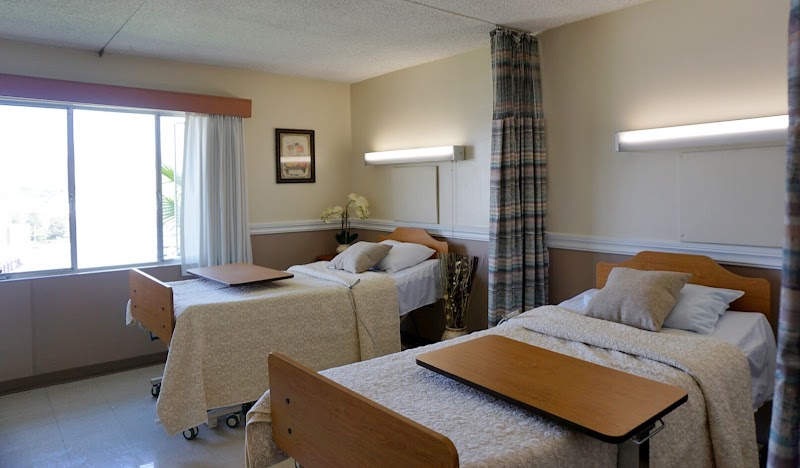
How is Palomar Heights Post Acute Staffed?

CMS rates PALOMAR HEIGHTS POST ACUTE's staffing level at 2 out of 5 stars, which is below average compared to other nursing homes. Staff turnover is 50%, compared to the California average of 46%.

What Have Inspectors Found at Palomar Heights Post Acute?

State health inspectors documented 55 deficiencies at PALOMAR HEIGHTS POST ACUTE during 2019 to 2025. These included: 1 that caused actual resident harm and 54 with potential for harm. Deficiencies causing actual harm indicate documented cases where residents experienced negative health consequences.

Who Owns and Operates Palomar Heights Post Acute?

PALOMAR HEIGHTS POST ACUTE is owned by a for-profit company. For-profit facilities operate as businesses with obligations to shareholders or private owners. The facility is operated by PACS GROUP, a chain that manages multiple nursing homes. With 98 certified beds and approximately 93 residents (about 95% occupancy), it is a smaller facility located in ESCONDIDO, California.
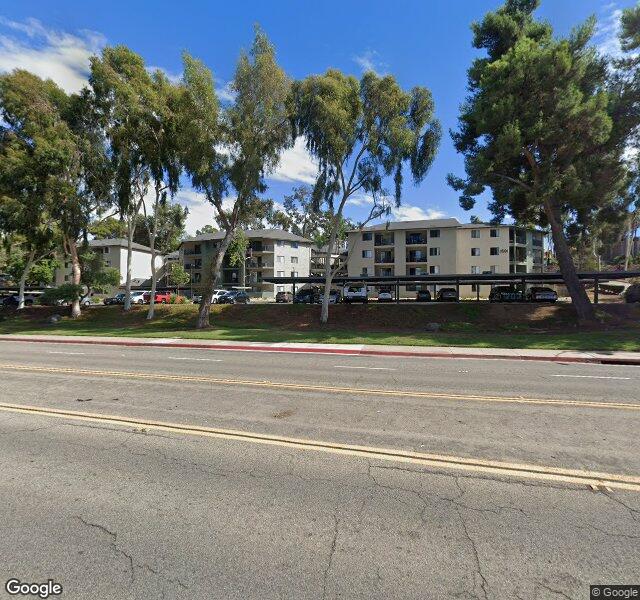
How Does Palomar Heights Post Acute Compare to Other California Nursing Homes?

Compared to the 100 nursing homes in California, PALOMAR HEIGHTS POST ACUTE's overall rating (2 stars) is below the state average of 3.1, staff turnover (50%) is near the state average of 46%, and health inspection rating (2 stars) is below the national benchmark.

What Should Families Ask When Visiting Palomar Heights Post Acute?

Based on this facility's data, families visiting should ask: "Can you walk me through typical staffing levels on day, evening, and night shifts?" "Can I visit during a mealtime to observe dining assistance and food quality?" "How do you handle medical emergencies, and what is your hospital transfer rate?" "Can I speak with family members of current residents about their experience?" These questions are particularly relevant given the below-average staffing rating.

Is Palomar Heights Post Acute Safe?

Based on CMS inspection data, PALOMAR HEIGHTS POST ACUTE has a clean safety record: no substantiated abuse findings (meaning no confirmed cases of resident harm), no Immediate Jeopardy citations (the most serious violation level indicating risk of serious injury or death), and is not on the Special Focus Facility watch list (a federal program monitoring the lowest-performing 1% of nursing homes). The facility has a 2-star overall rating and ranks #100 of 100 nursing homes in California. While no facility is perfect, families should still ask about staff-to-resident ratios and recent inspection results during their visit.

Do Nurses at Palomar Heights Post Acute Stick Around?

PALOMAR HEIGHTS POST ACUTE has a staff turnover rate of 50%, which is about average for California nursing homes (state average: 46%). Moderate turnover is common in nursing homes, but families should still ask about staff tenure and how the facility maintains care continuity when employees leave.

Was Palomar Heights Post Acute Ever Fined?

PALOMAR HEIGHTS POST ACUTE has been fined $11,622 across 2 penalty actions. This is below the California average of $33,195. While any fine indicates a compliance issue, fines under $50,000 are relatively common and typically reflect isolated problems that were subsequently corrected. Families should ask what specific issues led to these fines and confirm they've been resolved.

Is Palomar Heights Post Acute on Any Federal Watch List?

PALOMAR HEIGHTS POST ACUTE is not on any federal watch list. The most significant is the Special Focus Facility (SFF) program, which identifies the bottom 1% of nursing homes nationally based on persistent, serious quality problems. Not being on this list means the facility has avoided the pattern of deficiencies that triggers enhanced federal oversight. This is a positive indicator, though families should still review the facility's inspection history directly.