PALOMAR VISTA HEALTHCARE CENTER

201 N FIG STREET, ESCONDIDO, CA 92025 (760) 746-0303
For profit - Limited Liability company 74 Beds THE ENSIGN GROUP Data: November 2025
Trust Grade
70/100
#434 of 1155 in CA
Last Inspection: July 2024

Within standard 12-15 month inspection cycle. Federal law requires annual inspections.

Overview

Palomar Vista Healthcare Center in Escondido, California, has a Trust Grade of B, indicating it is a good choice but not without some concerns. It ranks #434 out of 1,155 facilities statewide, placing it in the top half, and #48 out of 81 in San Diego County, meaning there are only a few better local options. The facility is improving, having reduced its issues from 13 in 2024 to just 1 in 2025, and it has no fines on record, which is a positive sign. However, there are some weaknesses, such as insufficient registered nurse coverage for eight consecutive hours on multiple occasions, which raises concerns about the consistency of care. Additionally, there were issues with food safety and medication administration that could put residents at risk, highlighting areas that need attention despite the overall good staffing rating and lack of fines.

Trust Score
B
70/100
In California
#434/1155
Top 37%
Safety Record
Low Risk
No red flags
Inspections
Getting Better
13 → 1 violations
Staff Stability
○ Average
41% turnover. Near California's 48% average. Typical for the industry.
Penalties
✓ Good
No fines on record. Clean compliance history, better than most California facilities.
Skilled Nurses
⚠ Watch
Each resident gets only 22 minutes of Registered Nurse (RN) attention daily — below average for California. Fewer RN minutes means fewer trained eyes watching for problems.
Violations
⚠ Watch
35 deficiencies on record. Higher than average. Multiple issues found across inspections.
★★★★☆
4.0
Overall Rating
★★★★☆
4.0
Staff Levels
★★★★☆
4.0
Care Quality
★★★★☆
4.0
Inspection Score
Stable
2024: 13 issues
2025: 1 issues

The Good

  • 4-Star Staffing Rating · Above-average nurse staffing levels
  • 4-Star Quality Measures · Strong clinical quality outcomes
  • Full Sprinkler Coverage · Fire safety systems throughout facility
  • No fines on record
  • Staff turnover below average (41%)

    7 points below California average of 48%

Facility shows strength in staffing levels, quality measures, fire safety.

The Bad

Staff Turnover: 41%

Near California avg (46%)

Typical for the industry

Chain: THE ENSIGN GROUP

Part of a multi-facility chain

Ask about local staffing decisions and management

The Ugly 35 deficiencies on record

Jan 2025 1 deficiency
CONCERN (D) 📢 Someone Reported This

A family member, employee, or ombudsman was alarmed enough to file a formal complaint

Potential for Harm - no one hurt, but risky conditions existed

Accident Prevention (Tag F0689)

Could have caused harm · This affected 1 resident

**NOTE- TERMS IN BRACKETS HAVE BEEN EDITED TO PROTECT CONFIDENTIALITY** Based on observation, interview, and record review the facility failed to provide safety rails in a bathroom that was used by tw...

Read full inspector narrative →
**NOTE- TERMS IN BRACKETS HAVE BEEN EDITED TO PROTECT CONFIDENTIALITY** Based on observation, interview, and record review the facility failed to provide safety rails in a bathroom that was used by two of four residents (Resident 7 and Resident 11) who had access to the bathroom. This failure had the potential for accidents related to toilet use. Findings: Per the facility's admission Record, Resident 7 (R7) was admitted on [DATE] for Respite Care (short-term relief for primary caregivers, giving them time to rest, travel, or spend time with other family and friends). R7 had diagnoses which included Malignant Neoplasm (a cancerous tumor, which is an abnormal growth of cells that have the potential to spread to other parts of the body) of bladder, Surgery of the Genitourinary (the urinary and genital organs) System, Chronic Respiratory Failure (a long-term condition that prevents the lungs from exchanging enough oxygen and carbon dioxide with the body). Record review of Minimum Data Set (MDS-standardized assessment tool used to comprehensively evaluate the health status of nursing home residents) Section GG-Functional Abilities-Admission for R7 was conducted. Record review indicated R7 was assessed for the category F, Toilet Transfer: The ability to get on and off commode as . Substantial/ maximal assistance-Helper does MORE THAN HALF the effort. Helper holds trunk or limbs but provides more than half the effort. Per admission Record, Resident 11 (R11) was admitted on [DATE] with diagnoses which included abnormalities of gait (a person's manner of walking) and mobility, muscle weakness, Cerebral Infarction (medical condition that occurs when blood flow to the brain is disrupted, depriving brain cells of oxygen and nutrients), and Falls. Record review of MDS Section GG-Functional Abilities-Admission for R11 was conducted. Record review indicated R11 was assessed for the category F, Toilet Transfer: The ability to get on and off commode as .Supervision or touching assistance-Helper provides verbal cues and/or touching/steadying and/or contact guard assistance as resident completes activity . On 12/31/24 at 9:27 A.M., an interview was conducted with Complainant 1 (C1). C1 stated that her husband, R7 had a bathroom with no safety rails near the toilet or anywhere in the bathroom. On 12/31/24 at 12:29 P.M., an observation of the bathroom that connected room [ROOM NUMBER] and room [ROOM NUMBER] was conducted. There were no safety rails by the toilet or anywhere in the bathroom. On 12/31/24 at 2:05 P.M., a concurrent observation and interview was conducted with Resident 11. Resident 11 was observed ambulating into the room with irregular gait while holding onto a walker. Resident 11 stated that his bathroom did not have safety rails. Resident 11 stated that he could use the toilet with his walker, but it would be easier with safety rails. On 12/31/24 at 2:15 P.M., a concurrent observation of bathroom for room [ROOM NUMBER] & 3 and interview was conducted with CNA 4. CNA 4 stated that there were no safety rails by the toilet. CNA 4 stated that the expectation is that all resident bathrooms should have safety rails by the toilet. CNA 4 stated the importance of safety rails is to help the resident ' s balance when sitting and to transfer safely off the toilet. On 12/31/24 at 2:25 P.M., a concurrent observation of bathroom for rooms 2 & 3 and interview with Licensed Nurse 2 (LN2) was conducted. LN2 stated that there were no safety rails by the toilet. LN2 stated that the expectation is that all resident bathrooms should have safety rails by the toilet. LN2 stated the importance of safety rails is to help the resident ' s balance when sitting and to transfer safely off the toilet. On 12/31/24 AT 2:45 P.M., a concurrent observation of bathroom for room [ROOM NUMBER] & 3 and interview with the Administrator (ADM) was conducted. ADM stated that there were no safety rails for this bathroom because the room had flooded, and the walls had to be repaired. ADM stated while work was done on walls, the safety rails were removed. ADM stated the safety rails had not be replaced. ADM stated they expectation is that all resident bathrooms should have safety rails by the toilet. ADM stated the importance of having safety rails is to help residents balance and to transfer safely, and to prevent accidents in bathroom. Review of facility policy titled, PHYSICAL ENVIRONMENT, RESIDENT ROOMS, dated 11/2007 indicated It is the policy of this facility that a resident room must .5. Bathrooms must be equipped with safety rails . Based on observation, interview, and record review the facility failed to provide safety rails in a bathroom that was used by two of four residents (Resident 7 and Resident 11) who had access to the bathroom. This failure had the potential for accidents related to toilet use. Findings: Per the facility's admission Record, Resident 7 (R7) was admitted on [DATE] for Respite Care (short-term relief for primary caregivers, giving them time to rest, travel, or spend time with other family and friends). R7 had diagnoses which included Malignant Neoplasm (a cancerous tumor, which is an abnormal growth of cells that have the potential to spread to other parts of the body) of bladder, Surgery of the Genitourinary (the urinary and genital organs) System, Chronic Respiratory Failure (a long-term condition that prevents the lungs from exchanging enough oxygen and carbon dioxide with the body). Record review of Minimum Data Set (MDS-standardized assessment tool used to comprehensively evaluate the health status of nursing home residents) Section GG-Functional Abilities-admission for R7 was conducted. Record review indicated R7 was assessed for the category F, Toilet Transfer: The ability to get on and off commode as . Substantial/ maximal assistance-Helper does MORE THAN HALF the effort. Helper holds trunk or limbs but provides more than half the effort . Per admission Record, Resident 11 (R11) was admitted on [DATE] with diagnoses which included abnormalities of gait (a person's manner of walking) and mobility, muscle weakness, Cerebral Infarction (medical condition that occurs when blood flow to the brain is disrupted, depriving brain cells of oxygen and nutrients), and Falls. Record review of MDS Section GG-Functional Abilities-admission for R11 was conducted. Record review indicated R11 was assessed for the category F, Toilet Transfer: The ability to get on and off commode as .Supervision or touching assistance-Helper provides verbal cues and/or touching/steadying and/or contact guard assistance as resident completes activity . On 12/31/24 at 9:27 A.M., an interview was conducted with Complainant 1 (C1). C1 stated that her husband, R7 had a bathroom with no safety rails near the toilet or anywhere in the bathroom. On 12/31/24 at 12:29 P.M., an observation of the bathroom that connected room [ROOM NUMBER] and room [ROOM NUMBER] was conducted. There were no safety rails by the toilet or anywhere in the bathroom. On 12/31/24 at 2:05 P.M., a concurrent observation and interview was conducted with Resident 11. Resident 11 was observed ambulating into the room with irregular gait while holding onto a walker. Resident 11 stated that his bathroom did not have safety rails. Resident 11 stated that he could use the toilet with his walker, but it would be easier with safety rails. On 12/31/24 at 2:15 P.M., a concurrent observation of bathroom for room [ROOM NUMBER] & 3 and interview was conducted with CNA 4. CNA 4 stated that there were no safety rails by the toilet. CNA 4 stated that the expectation is that all resident bathrooms should have safety rails by the toilet. CNA 4 stated the importance of safety rails is to help the resident's balance when sitting and to transfer safely off the toilet. On 12/31/24 at 2:25 P.M., a concurrent observation of bathroom for rooms 2 & 3 and interview with Licensed Nurse 2 (LN2) was conducted. LN2 stated that there were no safety rails by the toilet. LN2 stated that the expectation is that all resident bathrooms should have safety rails by the toilet. LN2 stated the importance of safety rails is to help the resident's balance when sitting and to transfer safely off the toilet. On 12/31/24 AT 2:45 P.M., a concurrent observation of bathroom for room [ROOM NUMBER] & 3 and interview with the Administrator (ADM) was conducted. ADM stated that there were no safety rails for this bathroom because the room had flooded, and the walls had to be repaired. ADM stated while work was done on walls, the safety rails were removed. ADM stated the safety rails had not be replaced. ADM stated they expectation is that all resident bathrooms should have safety rails by the toilet. ADM stated the importance of having safety rails is to help residents balance and to transfer safely, and to prevent accidents in bathroom. Review of facility policy titled, PHYSICAL ENVIRONMENT, RESIDENT ROOMS, dated 11/2007 indicated It is the policy of this facility that a resident room must .5. Bathrooms must be equipped with safety rails .
Aug 2024 3 deficiencies
CONCERN (D) 📢 Someone Reported This

A family member, employee, or ombudsman was alarmed enough to file a formal complaint

Potential for Harm - no one hurt, but risky conditions existed

Comprehensive Care Plan (Tag F0656)

Could have caused harm · This affected 1 resident

**NOTE- TERMS IN BRACKETS HAVE BEEN EDITED TO PROTECT CONFIDENTIALITY** Based on interviews and record review, the facility did not ensure patient centered care plans were developed for one of four re...

Read full inspector narrative →
**NOTE- TERMS IN BRACKETS HAVE BEEN EDITED TO PROTECT CONFIDENTIALITY** Based on interviews and record review, the facility did not ensure patient centered care plans were developed for one of four residents reviewed for care plans when Resident 1 had diarrhea and purple feet with swelling. This failure resulted in delayed care and a decreased physical well-being for Resident 1. Findings: Resident 1 was admitted to the facility on [DATE] with diagnoses including hemiplegia (total or partial paralysis of one side of the body) and hemiparesis (muscle weakness on one side of the body) following cerebrovascular disease (a condition affecting blood flow and blood vessels in the brain) according to the facility ' s admission Record. During an interview and concurrent record review on 8/29/24 at 10:32 A.M. with LN 1, LN 1 stated an open area on Resident 1 ' s coccyx (tailbone) was identified on 8/28/24. LN 1 reviewed Resident 1 ' s bowel movement record and stated Resident 1 had loose bowel movements from 8/16/24 through 8/23/24. During a review of progress notes (PN) titled, Physician Progress Note for Resident 1 dated 8/2/24, 8/5/24 and 8/14/24, the PN indicated resident complained of diarrhea. During a review of Resident 1 ' s PN titled, Change in Condition, dated 8/21/24 at 9:04 P.M., the PN indicated, .Swelling of +2 to both feet, both soles with purplish color . A phone interview on 8/30/24 at 11:41 A.M. with the Director of Nurses (DON) was conducted. The DON stated she reviewed Resident 1 ' s record of bowel movements and stated Resident 1 had loose bowel movements/diarrhea documented on: 8/1/24, 8/3/24. 8/5/24, 8/6/24, 8/7/24, 8/10/24, 8/12/24, 8/12/24, 8/14/24, 8/16/24, 8/20/24 through 8/23/24. The DON stated Resident 1 also had a changed in condition on 8/21/24 due to purple feet and swelling. The DON stated she reviewed the care plans for Resident 1 and there were no care plans regarding Resident 1 ' s diarrhea and the purple, swollen feet. The DON further stated it was important to have a care plan because it guided staff and alerted everyone of the resident ' s condition and for staff to follow the interventions. A review of the facility ' s policy and procedure (P&P) titled, Comprehensive Person-Centered Care Planning, dated 7/2024 was conducted. The P&P indicated, .It is the policy of this facility that the interdisciplinary team (IDT-team members with various areas of expertise who work together toward the goals of their residents) shall develop a comprehensive person-centered care plan for each resident that includes measurable objectives and timeframes to meet a resident ' s medical, nursing, mental and psychosocial needs .
CONCERN (D) 📢 Someone Reported This

A family member, employee, or ombudsman was alarmed enough to file a formal complaint

Potential for Harm - no one hurt, but risky conditions existed

Deficiency F0658 (Tag F0658)

Could have caused harm · This affected 1 resident

**NOTE- TERMS IN BRACKETS HAVE BEEN EDITED TO PROTECT CONFIDENTIALITY** Based on interviews, and record review, the facility failed to provide a medication for diarrhea for one of four residents (Resi...

Read full inspector narrative →
**NOTE- TERMS IN BRACKETS HAVE BEEN EDITED TO PROTECT CONFIDENTIALITY** Based on interviews, and record review, the facility failed to provide a medication for diarrhea for one of four residents (Resident 1) reviewed for services that meet professional standard, according to professional scope of practice. As a result, Resident 1 continued to have diarrhea and had a skin breakdown on the sacro-coccyx (the triangular shaped bone at the base of the back extending to the tailbone) area. In addition, Resident 1 had the potential for increased infection and discomfort. Findings: Resident 1 was admitted to the facility on [DATE] with diagnoses including hemiplegia (total or partial paralysis of one side of the body) and hemiparesis (muscle weakness on one side of the body) following cerebrovascular disease (a condition affecting blood flow and blood vessels in the brain) according to the facility ' s admission Record. The MDS (a clinical assessment tool) dated 7/19/24 for Resident 1, listed a cognitive (mental process involved in knowing, learning, and understanding things) score of 14, indicating cognition was intact. During an interview and concurrent record review on 8/29/24 at 10:32 A.M. with LN 1, LN 1 stated an open area on Resident 1 ' s coccyx (tailbone) was identified on 8/28/24. LN 1 reviewed Resident 1 ' s bowel movement record and stated Resident 1 had loose bowel movements from 8/16/24 through 8/23/24. LN 1 further stated CNAs were expected to change the resident after each episode of diarrhea and notify the LN to apply a barrier cream. LN 1 reviewed Resident 1 ' s medication administration record (MAR) and stated Resident 1 had an order for a medication for diarrhea ordered on 8/2/24 and an order for a stool softener (medication for constipation). LN 1 stated the medication for diarrhea was administered to Resident 1 once on 8/14/24. LN 1 stated the stool softener was not administered to Resident 1 on 8/1/24, 8/2/24, 8/5/24, 8/8/24 and Resident 1 refused the medication on 8/14/24. LN 1 further stated he was not sure why the medication for diarrhea was not given to Resident 1 and why the stool softener was not held. A review of Resident 1 ' s medication administration record (MAR) for August 2024 was conducted. The MAR indicated, Loperamide HCL Oral Tablet (medication for diarrhea) 2 MG (milligrams) .Give 1 tablet by mouth every 8 hours as needed for loose bowel .Order Date- 08/02/2024 . In addition, the MAR indicated, Colace Oral Capsule (a stool softener) 100 MG .Give 1 capsule by mouth two times a day for constipation prevention Hold for loose stools .Order Date- 8/17/24 1453 (2:53 P.M.) . A phone interview on 8/30/24 at 11:41 A.M. with the Director of Nurses (DON) was conducted. The DON stated she reviewed Resident 1 ' s record of bowel movements and stated Resident 1 had loose bowel movements/diarrhea documented on: 8/1/24, 8/3/24. 8/5/24, 8/6/24, 8/7/24, 8/10/24, 8/12/24, 8/12/24, 8/14/24, 8/16/24, 8/20/24 through 8/23/24 (12 days total). The DON stated upon review of Resident 1 ' s MAR, there was a medication for diarrhea as needed and it was only administered on 8/14/24. The DON stated there was also an order for a stool softener for Resident 1 and it was held on 8/14/24. The DON stated Resident 1 refused the stool softener on 8/2/24, 8/5/24, 8/8/24 and on 8/22/24. The DON stated the licensed nurses should have held the stool softener due to Resident 1 having diarrhea. The DON further stated Resident 1 was at risk for fluid deficit (loss of body fluid) and dehydration (a dangerous loss of body fluid which can cause problems with blood pressure, heart rate, kidneys, and brain) due to diarrhea. During a review of the facility ' s policy and procedure (P&P) titled, Medication Administration, dated 7/2024, the P&P indicated, .Medications must be administered in accordance with the written orders of the attending physician .
CONCERN (D) 📢 Someone Reported This

A family member, employee, or ombudsman was alarmed enough to file a formal complaint

Potential for Harm - no one hurt, but risky conditions existed

Pressure Ulcer Prevention (Tag F0686)

Could have caused harm · This affected 1 resident

**NOTE- TERMS IN BRACKETS HAVE BEEN EDITED TO PROTECT CONFIDENTIALITY** Based on interviews and record review, the facility did not ensure one of three residents (Resident 1) reviewed for pressure ulc...

Read full inspector narrative →
**NOTE- TERMS IN BRACKETS HAVE BEEN EDITED TO PROTECT CONFIDENTIALITY** Based on interviews and record review, the facility did not ensure one of three residents (Resident 1) reviewed for pressure ulcers (bedsores), received the necessary care and services to prevent pressure ulcer formation. This failure resulted in Resident 1 ' s rash to become a deep tissue injury. Findings: Resident 1 was admitted to the facility on [DATE] with diagnoses including hemiplegia (total or partial paralysis of one side of the body) and hemiparesis (muscle weakness on one side of the body) following cerebrovascular disease (a condition affecting blood flow and blood vessels in the brain) according to the facility ' s admission Record. During an interview with licensed nurse (LN) 2 on 8/29/24 at 10:03 A.M., LN 2 stated Resident1 was transferred to the hospital on 8/28/24. LN 2 stated Resident 1 was on a low air loss mattress (mattress designed to distribute the resident ' s body weight and help prevent skin breakdown) due to skin problems. LN 2 stated to prevent pressure ulcers, residents should be repositioned every two hours, keep their skin dry by changing briefs. LN 2 stated if a resident had diarrhea the resident ' s brief should be changed after each episode of diarrhea to prevent the skin problem from worsening and getting infected. During an interview and concurrent record review on 8/29/24 at 10:32 A.M. with LN 1, LN 1 stated Resident 1 was transferred to the hospital on 8/28/24 due to low oxygen saturation (oxygen level) and edema (swelling). LN 1 stated an open area on Resident 1 ' s coccyx (tailbone) was also identified on 8/28/24. LN 1 reviewed Resident 1 ' s bowel movement record and stated Resident 1 had loose bowel movements from 8/16/24 through 8/23/24. LN 1 further stated CNAs were expected to change the resident after each episode of diarrhea and notify the LN to apply a barrier cream. An interview on 8/29/24 at 10:47 A.M. was conducted with the treatment nurse (TN). The TN stated Resident 1 had a rash in the perianal area (area where stool leaves the body and the private parts between the thighs). The TN stated on 8/28/24, Resident 1 was found to have a deep tissue injury (DTI- a pressure ulcer with purple or maroon areas of intact skin or blood blister due to pressure or shear) on Resident 1 ' s sacro-coccyx (the triangular shaped bone at the base of the back extending to the tailbone). A review of nursing progress notes (PN) for Resident 1 was conducted. The PN titled Change in Condition dated 8/10/24,11:36 A.M., indicated Resident 1 had a change in condition due to, Hemorrhoids (swollen and inflamed veins in the anus) and moisture associated dermatitis (MASD-skin inflammation and damage due exposure to moisture for a prolonged period of time; rash) in the perianal region. Further review of PNs for Resident 1 indicated no documentation regarding Resident 1 ' s diarrhea and rash on 8/11/24 through 8/16/24. The PNs titled, Daily Skilled Note dated from 8/17/24 through 8/20/24 indicated rash in the perianal area, but no description of the rash if it had improved or worsened. The facility ' s Daily Skilled Note dated 8/21/24 through 8/27/24 in Resident 1 ' s PN indicated, .No active gastrointestinal symptoms observed .No active skin condition (s) or treatments observed . Then on 8/28/24 at 10:13 A.M., a PN titled, Change in Condition indicated, .Symptoms or signs noted of Condition change: Skin wound or ulcer . There was no description of the wound or ulcer documented in Resident 1 ' s progress notes. The PN dated 8/28/24 at 2:09 P.M. indicated resident had a change in condition, .O2 desaturation (low oxygen level) . PN dated 8/28/24 at 2:25 P.M. indicated resident was transferred out via 911 (emergency number). A phone interview on 8/30/24 at 11:41 A.M. with the Director of Nursing (DON) was conducted. The DON reviewed Resident 1 ' s PNs and stated Resident 1 had a change in condition on 8/10/24 due to hemorrhoids and MASD in the perineal region. The DON stated there was no measurement documented and no follow up documentation regarding the MASD. The DON stated she expected licensed nurses to document every shift. The DON further stated the description of the rash was needed to determine if Resident 1 ' s rash was worsening or improving. At 1:03 P.M. the DON called this writer and stated a skin evaluation form was completed for Resident 1 on 8/28/24 which indicated a DTI on Resident 1 ' s sacro-coccyx that measured 15 cm (centimeters) by 8 cm. A review of the facility ' s policy and procedure (P&P) titled, Skin and Wound Monitoring and Management, dated 7/2024 was conducted. The P&P indicated .A licensed nurse will assess/evaluate each pressure injury and/or non-pressure injury that exists on the resident. This assessment/evaluation should .include .1) Measuring the skin injury 2) Staging the skin injury (when the cause is pressure) 3) Describing the nature of the injury .4) Describing the location of the skin alteration 5) Describing the characteristics of the skin alteration .A licensed nurse will assess/evaluate a resident ' s skin at least weekly .Licensed nurse should document skin evaluations .
Jul 2024 8 deficiencies
CONCERN (D)

Potential for Harm - no one hurt, but risky conditions existed

Deficiency F0557 (Tag F0557)

Could have caused harm · This affected 1 resident

**NOTE- TERMS IN BRACKETS HAVE BEEN EDITED TO PROTECT CONFIDENTIALITY** Based on observation, interview, and record review, the facility failed to treat one of two residents (59) with dignity and resp...

Read full inspector narrative →
**NOTE- TERMS IN BRACKETS HAVE BEEN EDITED TO PROTECT CONFIDENTIALITY** Based on observation, interview, and record review, the facility failed to treat one of two residents (59) with dignity and respect when incontinent care was not provided on a timely basis. This failure resulted in Resident 59 feeling upset towards staff. Findings: Resident 59 was admitted to the facility on [DATE] with diagnoses including neuromuscular dysfunction of the bladder (loss of control of the bladder due to brain, spinal cord, or nerve condition) and muscle weakness according to the facility's admission Record. The Minimum Data Set (MDS- a clinical assessment tool) for Resident 59 dated 5/7/24, listed a cognitive score of 14 (a score of 13 to 15 meant cognitively intact) indicated, cognition was intact. Section GG (functional abilities and goals) of the MDS listed Resident 59 as dependent with toileting hygiene. During an observation and interview on 6/24/24, at 9:15 A.M., Resident 59 was in his wheelchair in the room wearing an incontinent brief and a shirt. Resident 59 stated he was upset because he had been waiting since 6:30 AM to be changed. Resident 59 stated his certified nurse assistant (CNA) did not want to change him because the CNA was passing breakfast trays. An interview with CNA 11 was conducted on 7/1/24 at 8:32 A.M. CNA 11 stated Resident 59 was quiet, pleasant, and asked for assistance with toileting as needed. CNA 11 further stated Resident 59 had a daily routine and did not get angry. During an interview with CNA 12 on 7/1/24 at 8:37 A.M., CNA 12 stated Resident 59 was incontinent of bowel and called for assistance if Resident 59 needed to be changed. CNA 12 further stated Resident 59 did not get angry during care. On 7/1/24 at 8:47 A.M., Resident 59 was observed sitting on the wheelchair in the lobby. During an interview with Resident 59, Resident 59 stated he was upset again because he was not changed during night shift on 7/1/24. Resident 59 stated he called for assistance at 4 A.M. and the night shift CNA came at 5:25 A.M. Resident 59 stated the night shift CNA told Resident 59 that he would let the morning CNA change Resident 59. Resident 59 stated he was very angry because he was wet and smelled of urine due to the condom catheter that came off. Resident 59 stated the morning CNA arrived and had to change Resident 59. During an interview on 7/1/24 at 9:01 A.M. with CNA 12, CNA 12 confirmed that Resident 59's brief was wet with urine at the beginning of her shift. The Director of Nurses (DON) was interviewed on 7/1/24 at 1:55 P.M. The DON stated residents who were not changed and left wet would feel very uncomfortable and could develop skin problems due to the incontinence. During a review of the facility's undated policy and procedure (P&P) titled, ADL care, the P&P indicated, .Residents who are unable to carry out activities of daily living (ADL) will receive assistance as needed.
CONCERN (D)

Potential for Harm - no one hurt, but risky conditions existed

Deficiency F0645 (Tag F0645)

Could have caused harm · This affected 1 resident

**NOTE- TERMS IN BRACKETS HAVE BEEN EDITED TO PROTECT CONFIDENTIALITY** Based on observation, interview, and record review, the facility failed to ensure the Pre-admission Screening and Resident Revie...

Read full inspector narrative →
**NOTE- TERMS IN BRACKETS HAVE BEEN EDITED TO PROTECT CONFIDENTIALITY** Based on observation, interview, and record review, the facility failed to ensure the Pre-admission Screening and Resident Review Level II (PASRR II - an evaluation of the resident's psychiatric treatment requirements) was followed up and completed for one of one resident reviewed for PASRR. (Resident 10) This failure had the potential for Resident 10 to not receive necessary mental health care services in an appropriate healthcare setting. Findings: Resident 10 was re-admitted to the facility on [DATE] according to the facility's admission Record. A review of Physician's Progress Note (PN), for Resident 10 dated 5/13/24, indicated, .Review of System: unreliable due to cognitive impairment .Schizo-affective d/o (disorder) (a mental health disorder with combination of hallucinations [a perception of having seen, heard, touched, tasted, or ssmelled something that was not actually there] or delusions [a belief or altered reality that is persistently held despite evidence or agreement to the contrary, generally in reference to a mental disorder] and mood disorder symptoms, such as depression or mania). During an observation on 6/25/24 at 7:40 A.M., Resident 10 was observed sitting up on a wheelchair having breakfast. An interview was conducted on 6/26/24 at 10:40 A.M., with certified nurse assistant (CNA) 13. CNA 13 stated Resident 10 had episodes of refusing to shave and had refused wound treatments but did not have agitation. During an interview on 6/26/24 at 3:39 P.M. with licensed nurse (LN) 11, LN 11 stated Resident 10 was taking a medication for visual hallucinations. LN 11 stated she had observed Resident 10 talking to someone when nobody was present. LN 11 stated when she asked who Resident 10 was talking with, Resident 10 replied he was talking to his friend. A review of a document from the State of California-Health and Human Services, Department of Health Care Services dated 3/10/24 for Resident 10 indicated, .Re: Positive Level I Screening Indicates a Level II Mental Health Evaluation is Required .Your facility will be contacted within two to four days . A subsequent document regarding Resident 10 from the State of California-Health and Human Services, Department of Health Care Services dated 3/11/24 indicated, .UNABLE TO COMPLETE LEVEL II EVALUATION .After reviewing the Positive Level I Screening and speaking with staff, a Level II Mental Health Evaluation was not scheduled for the following reason: The individual has no serious mental illness . During an interview on 6/26/24 at 3:49 P.M. with the minimum data set nurse (MDSN- a nurse who assessed and evaluated the quality of care being given to residents), the MDSN stated all residents who were admitted , arrive with a completed Pre-admission Screening and Resident Review Level I (PASRR I- a federal requirement to help ensure individuals who have a mental disorder or intellectual disabilities are not inappropriately placed in nursing homes for long term care) from the hospital. The MDSN further stated she had not completed any PASARR for residents. During an interview on 6/26/24 at 3:53 P.M., with the Director of Nurses (DON), the DON stated the admissions staff was responsible for PASARRs. On 6/26/24 at 3:54 P.M. the admissions director (AD)was interviewed. The AD stated the hospital sent PASARRs for residents prior to admission to the facility. The AD further stated she was unsure who was responsible for review and follow up of the PASARR Level I. During an interview with the DON on 6/27/24 at 8:06 A.M., the DON stated Resident 10 has been in and out of the facility since 2021 and had the diagnosis of schizoaffective disorder since then. The DON stated there was nobody assigned in the facility to review and follow up the PASARR Level I. The DON further stated the PASARR Level II was not completed because staff provided inaccurate information to the State of California-Health and Human Services, Department of Health Care Services. Another interview on 7/1/24 at 1:55 P.M. was conducted with the DON. The DON stated if the PASARR Level II was not completed, the resident may be placed at a facility that was not appropriate. A review of the undated policy and procedure (P&P) titled, PASRR was conducted. The P&P indicated, .It is the policy of this facility to ensure that each resident is properly screened using the PASRR specified by the State .
CONCERN (D)

Potential for Harm - no one hurt, but risky conditions existed

Comprehensive Care Plan (Tag F0656)

Could have caused harm · This affected 1 resident

**NOTE- TERMS IN BRACKETS HAVE BEEN EDITED TO PROTECT CONFIDENTIALITY** Based on observation, interview, and record review, the facility did not develop patient centered care plans for two of eight re...

Read full inspector narrative →
**NOTE- TERMS IN BRACKETS HAVE BEEN EDITED TO PROTECT CONFIDENTIALITY** Based on observation, interview, and record review, the facility did not develop patient centered care plans for two of eight residents reviewed for care plans (Resident 169 and 170). These failures had the potential for the residents to not receive care and services specific to the residents' needs. Findings: 1. Resident 169 was admitted to the facility on [DATE] with diagnoses including obstructive sleep apnea (OSA- a problem in which breathing pauses during sleep due to blocked airways) according to the facility's admission Record. The Minimum Data Set (MDS- a clinical assessment tool) for Resident 169 dated 6/20/24, listed a cognitive score of 14 (13 to 15 score meant cognitively intact), indicated cognition was intact. On 6/24/24 at 8:33 A.M., Resident 169 was observed sitting up in bed watching TV with an oxygen cannula (a thin, flexible tube that goes around the head and into the nose to deliver oxygen) on his nose. Resident 169 stated he applied the mask connected to a continuous positive airway pressure machine (CPAP- a machine that delivers mild air pressure through the nose to keep breathing airways open while asleep) at night. A review of the physician's orders for Resident 169 with an order date of 6/14/24 indicated, .continue chronic nighttime CPAP at bedtime for CHRONIC HYPOXIA (long term low oxygen content in the blood) . During a concurrent record review and interview on 6/26/24 at 11:54 A.M., with licensed nurse (LN) 12 regarding Resident 169's care plans, LN 12 stated there was no care plan regarding the use of CPAP for Resident 169. LN 12 stated there should have been a care plan developed for staff to monitor Resident 169's breathing at night, monitor for shortness of breath, when to clean the machine and when to add water to the machine. A review of the facility's undated policy and procedure (P&P) titled, Care Planning/Care Conference was conducted. The P&P indicated, .It is the policy of this facility that the interdisciplinary team (IDT- team members with various areas of expertise who work together toward the goals of their residents) shall develop a comprehensive care plan for each resident .A comprehensive care plan is developed within seven (7) days from the completion of the comprehensive assessment (MDS) . 2. Resident 170 was admitted to the facility on [DATE] with diagnoses including sepsis (the body's extreme and life-threatening response to an infection) according to the facility's admission Record. The Minimum Data Set (MDS- a clinical assessment tool) for Resident 169 dated 6/11/24, listed a cognitive score of 13 (13 to 15 score meant cognitively intact), indicated cognition was intact. On 6/24/24 at 8:52 A.M., Resident 170 was observed lying in bed. An intravenous (IV- into a vein) pole was next to Resident 170's bed with a small plastic IV bag and tubing hanging. Resident 170 stated he was receiving an IV antibiotic and it was administered into an IV line on the left upper arm. A peripherally inserted central catheter (PICC- a type of long catheter inserted through a vein in the arm into a larger vein in the body) was observed on Resident 170's left upper arm. A review of physician's orders dated 6/7/24 for Resident 170 indicated, .PICC .IV SITE CHECK FOR ANY S/S (signs and symptoms) OF COMPLICATIONS .PICC .IV SITE FLUSH: Flush with 10 ml (milliliter) of NS (normal saline) SITE: LUA (left upper arm) every day shift . During a concurrent record review and interview on 6/26/24 at 11:54 A.M., with licensed nurse (LN) 12 regarding Resident 170's care plans, LN 12 stated there was no care plan regarding Resident 170's PICC line. During an interview on 7/1/24 at 1:55 P.M. with the Director of Nurses (DON), the DON stated care plans must be completed within 14 days because it was important to know how to care for the resident. A review of the facility's undated policy and procedure (P&P) titled, Care Planning/Care Conference was conducted. The P&P indicated, .It is the policy of this facility that the interdisciplinary team (IDT- team members with various areas of expertise who work together toward the goals of their residents) shall develop a comprehensive care plan for each resident .A comprehensive care plan is developed within seven (7) days from the completion of the comprehensive assessment (MDS) .
CONCERN (D)

Potential for Harm - no one hurt, but risky conditions existed

Respiratory Care (Tag F0695)

Could have caused harm · This affected 1 resident

**NOTE- TERMS IN BRACKETS HAVE BEEN EDITED TO PROTECT CONFIDENTIALITY** Based on observation, interview, and record review, the facility failed to ensure a CPAP machine was functioning for one of two ...

Read full inspector narrative →
**NOTE- TERMS IN BRACKETS HAVE BEEN EDITED TO PROTECT CONFIDENTIALITY** Based on observation, interview, and record review, the facility failed to ensure a CPAP machine was functioning for one of two residents (Resident 169) reviewed for respiratory care. This failure had the potential to adversely affect the health and well-being of the resident. Resident 169 was admitted to the facility on [DATE] with diagnoses including obstructive sleep apnea (OSA- a problem in which breathing pauses during sleep due to blocked airways) according to the facility's admission Record. The Minimum Data Set (MDS- a clinical assessment tool) for Resident 169 dated 6/20/24, listed a cognitive score of 14 (13 to 15 meant cognitively intact), indicated cognition was intact. During an observation and interview on 6/25/24 at 9:02 A.M., Resident 169 was sitting up in bed watching TV. A continuous positive airway pressure machine (CPAP- a machine that delivers mild air pressure through the nose to keep breathing airways open while asleep) was observed on an overbed table next to Resident 169's bed. The mask for the CPAP had a gray tape to keep it together. The tubing also had a large sized gray tape connected to the CPAP machine. Resident 169 stated the CPAP machine was not working well and had asked staff for another machine since he was admitted . A concurrent observation and interview was conducted on 6/25/24 at 9:09 A.M. with licensed nurse (LN) 13. LN 13 stated the CPAP machine for Resident 169 needed to be replaced. LN 13 stated she found out last week that Resident 169 needed a replacement of the CPAP machine. LN 13 stated the CPAP machine should work in order for Resident 169 to receive its functional effect. During an interview on 7/1/24 at 1:55 P.M., with the Director of Nursing (DON), the DON stated she expected licensed nurses to check the CPAP machine before each use to ensure that it was functioning well. The DON further stated the resident may have respiratory problems if the CPAP was not working. During a review of the facility's undated policy and procedure (P&P) titled, CPAP/BiPAP Monitoring and Management, the P&P indicated .interventions are implemented to minimize risks .Ensure mask fits well with minimal air leak around the nose . The P&P did not provide guidance for staff to check the machine's function.
CONCERN (D)

Potential for Harm - no one hurt, but risky conditions existed

Deficiency F0698 (Tag F0698)

Could have caused harm · This affected 1 resident

**NOTE- TERMS IN BRACKETS HAVE BEEN EDITED TO PROTECT CONFIDENTIALITY** Based on observations, interviews, and record reviews, the facility failed to consistently provide dialysis (a procedure to remo...

Read full inspector narrative →
**NOTE- TERMS IN BRACKETS HAVE BEEN EDITED TO PROTECT CONFIDENTIALITY** Based on observations, interviews, and record reviews, the facility failed to consistently provide dialysis (a procedure to remove waste products from the body when the kidneys stop working properly) access site care and assessment for one of three sampled residents (Resident 13) reviewed for dialysis. As a result, there was the potential for the resident to have complications after receiving dialysis treatment. Findings: 1. Resident 13 was admitted to the facility on [DATE] with diagnoses including end stage renal disease and dependence on renal dialysis per the facility's admission Record. A review of Resident 13's MDS (an assessment tool) indicated, the resident's BIMS (Brief Interview of Mental Status) score was 7, indicating mild cognitive impairment. On Monday 6/24/24 at 9:24 A.M., an observation and interview of Resident 13 was conducted. Resident 13 was in bed, wearing a hospital gown. Resident 13 showed his dialysis access site on the right upper arm with a dressing intact. Resident 13 stated his last appointment to dialysis was Saturday, 6/22/24. Resident 13 stated he left for dialysis .around 10 A.M . and returns .around 6 P.M . Resident 13 stated he often removes the dialysis dressing himself. A review of Resident 13's physician's orders indicated, dialysis treatments were scheduled for Tuesdays, Thursdays, and Saturdays. Resident 13's physician's orders further indicated Dialysis Treatment: Post Dialysis (right arm) .Remove Pressure Dressing After 3 Hours. A review of Resident 13's Treatment Administration Record indicated, Resident 13's last dialysis appointment was Saturday 6/22/24. On 6/26/24 at 4:23 P.M., an interview was conducted with Licensed Nurse (LN) 1. LN 1 stated .if [the dialysis access site] is covered for a long time, we won't be able to assess it . She further stated it was important to remove the dressing .to prevent infection. With the same dressing, infection could occur, and bleeding. On 7/1/24 at 10:55 A.M., an interview with the Director of Nursing (DON) was conducted. The DON stated her expectation was a resident's dialysis dressing .should be removed 3 hours after dialysis. The DON stated if it was not removed, the site cannot be assessed and it could lead to complications. A review of the facility's undated Policy and Procedure titled Renal Dialysis, Care of Resident indicated Vascular Access site care will be provided by licensed nurse, with physician's orders.
CONCERN (D)

Potential for Harm - no one hurt, but risky conditions existed

Infection Control (Tag F0880)

Could have caused harm · This affected 1 resident

**NOTE- TERMS IN BRACKETS HAVE BEEN EDITED TO PROTECT CONFIDENTIALITY** 3. Resident 126 was admitted to the facility on [DATE] with diagnoses that include OSA, and morbid obesity, per the facility's a...

Read full inspector narrative →
**NOTE- TERMS IN BRACKETS HAVE BEEN EDITED TO PROTECT CONFIDENTIALITY** 3. Resident 126 was admitted to the facility on [DATE] with diagnoses that include OSA, and morbid obesity, per the facility's admission Record. On 6/24/24 at 8:35 A.M., Resident 126's CPAP mask was observed on the resident's bed, uncovered. On 6/25/24 at 10:59 A.M., a concurrent observation and interview was conducted with Resident 126. Resident 126 stated he left the CPAP mask uncovered because he used it throughout the day when he is in bed, not just at night. Resident 126 stated the CPAP mask .has a bag that it came in . but he typically left the mask on the bed uncovered. Resident 126 stated he cleaned the CPAP machine .every couple months . and that he prefers to clean it himself. On 6/26/24 at 8:19 A.M., Resident 126's CPAP mask was observed on the resident's pillow, uncovered. On 6/26/24 at 11:13 A.M., an interview was conducted with the Infection Preventionist Nurse (IPN). The IPN stated that CPAP masks should be stored in a plastic bag when not in use. The IPN stated staff should provide a plastic bag that was replaced weekly. The IPN stated it was important to store a CPAP mask when not in use because it could be exposed to microorganisms, and to prevent dust or particles from entering the tubing. The IPN further stated CPAP machines should be cleaned daily, after every use. On 7/1/24 at 10:55 A.M., an interview was conducted with the Director Of Nursing (DON). The DON stated if Resident 126 preferred to clean the CPAP machine himself, .staff should have educated the resident about the risks and benefits of not cleaning the CPAP daily. The DON further stated the CPAP mask should be in a bag, labeled with the date it was changed, the resident's name, and room number. The DON stated that it was important to clean the CPAP mask/machine daily to prevent any respiratory problems for Resident 126. A review of the facility's undated Policy and Procedure titled CPAP/BIPAP Monitoring and Management indicated .The mask adapter and tubing will be cleansed with soap and water daily, clean with soap and water PRN if visibly soiled The Policy and Procedure did not provide guidance regarding CPAP mask storage. Based on observation, interview, and record review, the facility failed to ensure current infection control practices were followed for three of three residents reviewed for infection control when: 1. Resident 169's continuous positive airway pressure (CPAP- a machine that delivers mild air pressure through the nose to keep breathing airways open while asleep) mask was left on top of the machine open to air, 2. Resident 170's IV (intravenous- into the vein) tubing did not have a date used and the peripherally inserted central catheter (PICC- a type of long catheter inserted through a vein in the arm into a larger vein in the body) line site did not have a date when the dressing was last changed, 3. Resident 126's CPAP mask and tubing were not stored in sanitary manner. Failure to follow current infection control practices had the potential for the equipment to be contaminated and cause illness to the residents. 1. Resident 169 was admitted to the facility on [DATE] with diagnoses including obstructive sleep apnea (OSA- a problem in which breathing pauses during sleep due to blocked airways) according to the facility's admission Record. On 6/24/24 at 8:33 A.M., Resident 169 was observed sitting up in bed watching TV with an oxygen cannula (a thin, flexible tube that goes around the head and into the nose to deliver oxygen) on his nose. Resident 169 stated he applied the CPAP mask at night. The CPAP mask was observed on top of the CPAP machine open to air. A concurrent observation and interview on 6/25/24 at 9:09 A.M. was conducted with licensed nurse (LN) 3. LN 3 observed Resident 169's CPAP mask on top of the CPAP machine. LN 3 stated the CPAP mask should be stored in a plastic bag for infection control. 2. On 6/24/24 at 8:52 A.M., Resident 170 was observed lying in bed. An IV pole was next to Resident 170's bed with a small plastic IV bag and tubing hanging without a date. Resident 170 stated he was receiving an IV antibiotic and it was administered into an IV line on the left upper arm. A peripherally inserted central catheter (PICC- a type of long catheter inserted through a vein in the arm into a larger vein in the body) was observed on Resident 170's left upper arm. The PICC had an undated transparent dressing with worn out tape. Resident 170 stated he did not remember when the dressing was last changed and the IV bag was from yesterday, 6/23/24. An interview was conducted on 6/24/24 at 12:12 P.M. with licensed nurse (LN) 3. LN 3 stated Resident 170's PICC line dressing was just changed and acknowledged the dressing that was removed was dirty and did not have a date labeled on it. LN 3 further stated she administered Resident 170's IV antibiotic at around 9 A.M. and removed the bag and tubing that was hanging on the pole from yesterday, 6/23/24. During an interview on 7/1/24 at 1:55 P.M. with the Director of Nurses (DON), the DON stated IV tubings and PICC lines were possible route of infection for residents. The DON stated she expected the nurses to verify physician's orders for IV antibiotics, label the tubing with the date administered and discard the bag and tubing upon completion of dose. The DON further stated PICC line dressings must be changed once a week or as needed. A review of the facility's undated policy and procedure (P&P) titled, CPAP/BIPAP Monitoring and Management was conducted. The P&P did not provided guidance regarding proper storage of the CPAP mask. During a review of the facility's undated P&P titled, IV-PICC,CVC (central venous catheter), the P&P indicated, .Apply appropriate label to tubing. Include: A. Date B. Time C. Nurse's initials . The P&P did not provide guidance to staff regarding labeling of PICC line dressing after changing.
CONCERN (E)

Potential for Harm - no one hurt, but risky conditions existed

Deficiency F0727 (Tag F0727)

Could have caused harm · This affected multiple residents

Based on interview and record review, the facility failed to provide a registered nurse (RN) coverage eight consecutive hours a day, seven days a week. As a result, there was not consistent oversight ...

Read full inspector narrative →
Based on interview and record review, the facility failed to provide a registered nurse (RN) coverage eight consecutive hours a day, seven days a week. As a result, there was not consistent oversight by an RN for the coordination, management, and overall delivery of care to the residents. Findings: During a record review of the facility's payroll-based journal (PBJ- report that provides data on staffing levels) data report indicated the facility triggered for low weekend staffing and a 1-star rating (quality of healthcare service) both in 2024. A record review of the facility's daily census (a facility form used to track facility daily census, licensed nurse hours, and certified nursing assistant hours) dated April 2024, May 2024 and June 2024 indicated: 1. Less than eight hours of RN coverage in the facility on 4/11/24, 2. No RN in the facility for eight consecutive hours on 4/11/24, 4/13/24, 4/14/24, 4/27/24,4/28/24 5/11/24, 5/19/24, 6/8/24 and 6/9/24. An interview on 7/1/24 at 3 P.M., with the Staffing Coordinator (SC) was conducted. The SC stated the weekends are challenging, she would asked the DON to act as a charge nurse, provide assistance on the floor, start and hang intravenous (way of giving drugs or other substance through a needle or tube into a vein) lines. On 7/1/24 at 9:15 A.M., a concurrent record review of the facility's schedule for the months of April, May and June 2024 and an interview with the Director of Nursing (DON) was conducted. The DON stated there was no RN on duty for eight hours a day, seven days a week. DON stated she did not know the required hours for a RN since the facility census is below 74. The DON stated there are times she would come on weekends to the facility and helped on the floor. The DON stated a RN was an important role in the facility to ensure oversight of assessments. The DON indicated that the facility did not have a staffing policy.
CONCERN (E)

Potential for Harm - no one hurt, but risky conditions existed

Food Safety (Tag F0812)

Could have caused harm · This affected multiple residents

Based on observation, interview, and record review, the facility failed to ensure a safe and sanitary environment that mitigated the risk for foodborne illness and cross contamination when: 1. The kit...

Read full inspector narrative →
Based on observation, interview, and record review, the facility failed to ensure a safe and sanitary environment that mitigated the risk for foodborne illness and cross contamination when: 1. The kitchen walk in refrigerator contained ketchup, soy sauce, and Italian dressing that did not have a use by date, staff's plastic water bottle, and beverage were also in the kitchen refrigerator. In addition, shredded carrots in a plastic bag, pack of hot dogs, tortilla in an opened plastic bag containers and two onions in plastic wrap were not identified and labeled in the refrigerator, 2. A coil above the food shelf in the refrigerator had gray debris covering the entire coil attached to a light fixture. These failures exposed residents to contaminated food and unsanitary practices, which had the potential to place them at risk of developing a foodborne illness. Findings: 1. During a concurrent observation and interview on 6/24/24 at 8 A.M. with the cook, the cook stated a label with OD was the date a food item was opened and a label with UB was the use by date. Inside the kitchen walk in refrigerator, the cook observed on a shelf ketchup, soy sauce and Italian dressing which did not have a use by date. The cook then removed a water bottle and a beverage from the refrigerator shelf. The cook identified the water bottle and the beverage belonged to staff and should not have been in the refrigerator. On another shelf of the refrigerator, the cook observed carrots in a plastic bag, a pack of hot dogs, tortilla in an opened plastic bag and two onions in plastic wrap that were not identified and labeled in the refrigerator. According the 2022 US FDA Food Code, Section 3-602.11 titled Food Labels, .(A) FOOD PACKAGED in a FOOD ESTABLISHMENT, shall be labeled as specified in LAW, including 21 CFR 101 - Food labeling, and 9 CFR 317 Labeling, marking devices, and containers. (B) Label information shall include: (1) The common name of the FOOD, or absent a common name, an adequately descriptive identity statement . 2. During a concurrent observation and interview on 6/25/24 at 11:02 A.M. with the registered dietician (RD), the RD observed a coil above the food shelf filled with gray debris with some gray debris hanging off the coil. The RD stated she will notify maintenance to check the coils. During a follow up kitchen observation on 6/25/24 at 4:23 P.M. with the RD, the RD stated the refrigerator coils were old and dirt from the coils could get into foods and cause illness to the residents. The RD further stated it was also important for food items to be labeled and have a use by date to prevent residents from consuming expired food. A review of the facility's undated policy and procedure (P&P) titled, Storage of Food and Supplies was conducted. The P&P indicated, .Food and supplies will be stored properly and in a safe manner .Routine cleaning and pest control procedures should be developed and followed .All food will be dated .All food products will be used per the times specified in the Dry Food Storage Guideline . During a review of the facility's undated P&P titled, Facility environmental Condition, the P&P indicated, .It is the policy of this facility that the facility must provide a safe, functional, sanitary, and comfortable environment for residents . The P&P did not provide specific guidance pertaining to the maintenance of the kitchen refrigerator. According to the 2022 US FDA Food Code, Section 4-501.11 Good Repair and Proper Adjustment. (Equipment) Proper maintenance of equipment to manufacturer specifications helps ensure that it will continue to operate as designed. Failure to properly maintain equipment could lead to violations of the associated requirements of the Code that place the health of the consumer at risk.
Apr 2024 1 deficiency
CONCERN (D) 📢 Someone Reported This

A family member, employee, or ombudsman was alarmed enough to file a formal complaint

Potential for Harm - no one hurt, but risky conditions existed

Deficiency F0554 (Tag F0554)

Could have caused harm · This affected 1 resident

**NOTE- TERMS IN BRACKETS HAVE BEEN EDITED TO PROTECT CONFIDENTIALITY** Based on observation, interview and record review, the facility failed to assess a resident's ability to self-administer medicat...

Read full inspector narrative →
**NOTE- TERMS IN BRACKETS HAVE BEEN EDITED TO PROTECT CONFIDENTIALITY** Based on observation, interview and record review, the facility failed to assess a resident's ability to self-administer medications for one of one resident reviewed for self-administration of medications. (Resident 3). This failure had the potential for Resident 3 to over or under medicate himself. In addition, staff had no knowledge if Resident 3 took the medications. Findings: Resident 3 was admitted to the facility on [DATE] with diagnoses including hemiplegia (total or partial paralysis of one side of the body) and hemiparesis (muscle weakness on one side of the body) following cerebral infarction (disrupted blood flow to the brain) according to the facility's admission Record. During observation and interview on 3/21/24, at 12:10 P.M. with Resident 3, Resident 3 stated he had a red rash on his right leg that was not resolving. Resident 3 stated he notified his primary care physician outside the facility and referred him to a dermatologist (skin doctor). Resident 3 stated he went to see the dermatologist who ordered three doses of antibiotics and an ointment for the rash. Resident 3 stated he picked up the medications from the pharmacy and returned to the facility. Resident 3 further stated he took the 3 doses of the antibiotics and was able to apply the ointment by himself. Resident 3 stated he applied the ointment to the right leg rash which extended to his hip by standing at the bedside while holding on the bedrail. Resident 3 further stated the nursing staff did not check if he was able to self-administer medications. An interview was conducted on 3/21/24, at 12:20 P.M. with Resident 3's assigned medication nurse, Licensed Nurse (LN) 1. LN 1 stated he heard from report that Resident 3 brought in medication from outside pharmacy and refused to give them to the nurses. LN 1 stated he had not seen the medications and staff had not checked. LN 1 further stated it was facility policy to obtain a physician's order, assess the resident for self-administration of medications, care plan and provide a lock box. LN 1 stated he was unsure if Resident 3 had a self-administration of medication assessment. The Director of Nurses (DON) was interviewed on 3/21/24, at 12:25 p.m. The DON stated she was aware Resident 3 brought in medications from outside pharmacy. The DON stated staff called her and she spoke with Resident 3 on the phone. The DON stated Resident 3 reported to the DON that he brought antibiotics and an ointment from the dermatologist and gave the prescription to a nurse. The DON stated she was unsure if Resident 3 still had the medications at bedside. The DON further stated it was important to know if a resident kept medications at bedside because the resident may have a drug interaction and potential overdose if the resident was not supervised. During a review of the facility's undated policy and procedure (P&P) titled, Self Administration of Medications, the P&P indicated, .If a resident desires to participate in self-administration, the interdisciplinary team (team members with various areas of expertise who work together toward the goals of their residents) will assess and periodically re-evaluate the resident .4. If the resident is a candidate for self-administration of medications, this will be indicated in the chart. 5. Resident will be instructed regarding proper administration of medication by the nurse .
Mar 2024 1 deficiency
CONCERN (D) 📢 Someone Reported This

A family member, employee, or ombudsman was alarmed enough to file a formal complaint

Potential for Harm - no one hurt, but risky conditions existed

Deficiency F0625 (Tag F0625)

Could have caused harm · This affected 1 resident

**NOTE- TERMS IN BRACKETS HAVE BEEN EDITED TO PROTECT CONFIDENTIALITY** Based on interview and record review the facility failed to provide one of three sampled residents a written notification of bed...

Read full inspector narrative →
**NOTE- TERMS IN BRACKETS HAVE BEEN EDITED TO PROTECT CONFIDENTIALITY** Based on interview and record review the facility failed to provide one of three sampled residents a written notification of bed hold at transfer to the hospital. This deficient practice resulted on resident (Resident 1) not receiving notification of the right to return to a bed at the facility. Findings: Resident 1 was admitted to the facility on [DATE] with a diagnosis of bipolar disorder (a disorder of the brain that affects mood and behavior) per the admission record. A review of the facility census on 3/12/24 indicated Resident 1 was no longer residing at the facility. A review of the facility admission/discharge report indicated Resident 1 was discharged to an acute care hospital on 2/5/24. On 3/12/24 at 11:22 A.M., an interview and review of Resident 1's medical record was conducted with the social service director (SSD). The SSD stated the facility was required to provide all residents with a written notification of the seven-day bed hold policy on admission and transfer to the hospital. The medical record indicated Resident 1 was not provided with written notification of the facility's seven day behold notification policy upon transfer to the acute care hospital on 2/5/24. The SSD stated Resident 1 should have been provided written notification upon transfer. On 3/12/24 at 12:23 P.M., a telephone interview was conducted with the Administrator (Admin). The Admin stated the facility was required to provide a seven day bed hold to Resident 1 in writing upon transfer to the hospital. A review of Resident 1's progress notes, dated 2/5/24 and 2/6/24, did not indicate Resident 1 was informed of seven-day bed hold provisions at the time of transfer within the first 24 hours following transfer to the acute care hospital. A review of the facility document titled, Notice of Proposed Transfer/Discharge form, dated 2/5/24, indicated the facility did not notify Resident 1 of seven-day bed hold provisions at the time of transfer to the acute care hospital. A review of the facility policy and procedure titled Bed Hold, undated, indicated, .the facility shall inform the resident, or the resident's representative, in writing of the right to exercise the bed hold provision of seven (7) days, upon admission and upon transfer to a general acute care hospital. A copy of this notification shall become part of the resident's health record at the time of transfer .
Dec 2023 1 deficiency
CONCERN (D) 📢 Someone Reported This

A family member, employee, or ombudsman was alarmed enough to file a formal complaint

Potential for Harm - no one hurt, but risky conditions existed

Resident Rights (Tag F0550)

Could have caused harm · This affected 1 resident

Based on interview and record review, the facility failed to ensure residents received care in a safe setting when nursing staff did not follow the facility ' s drug and alcohol policy. As a result, a...

Read full inspector narrative →
Based on interview and record review, the facility failed to ensure residents received care in a safe setting when nursing staff did not follow the facility ' s drug and alcohol policy. As a result, a Licensed Nurse (LN) administered medications to 18 of 18 residents (1, 2, 3, 4, 5, 6, 7, 8, 9, 10, 11, 12, 13, 14, 15, 16, 17, 18) after consuming an alcoholic beverage during break. In addition, the facility did not identify the affected residents until two weeks after the incident. These failures had the potential to negatively affect the health and well-being of the residents. Findings: On 11/1/23 at 11:40 A.M. the Director of Nursing (DON) stated during an interview that LN 2 reported to the DON on 10/15/23 that LN 1 had slurred speech and was not herself after returning from break. The DON then called LN 1 who admitted that she had a drink of beer and sushi on break, so the DON sent her home. The DON stated that LN 2 seemed normal when she spoke with her on the phone. The DON further stated that she was made aware that LN 1 did evening med pass after consuming an alcoholic beverage on break, but the DON did not immediately identify the affected residents. According to the DON, There was a lot going on so that ' s why I didn ' t think about checking the Medication Administration Record (MAR) and med pass to see if other residents were affected. The Clinical Resource Nurse (CRN) stated during an interview on 11/1/23 at 11:51 A.M. that she was just made aware of the med pass part two days ago on 10/30/23. Per the CRN, That ' s why I ' m here, to check for any errors and any affected residents. The CRN acknowledged that She [LN 1] did med pass while under the influence. LN 1 ' s employment file was reviewed on 11/1/23. LN 1 ' s hire date was 8/2/23. There was a signed attestation by LN 1, dated 8/1/23, agreeing to comply with the facility ' s policy on drug/alcohol use. During an interview on 11/2/23 at 11:47 A.M., LN 1 stated that she was working the evening shift on 10/15/23. LN 1 stated, Around 8pm, I went to a sushi place for dinner break. I had one beer but didn ' t finish it. LN 1 further stated, I came back to work but was not intoxicated and could competently provide care. According to LN 1, she did med pass between 8:30 P.M. and 9:30 P.M. that evening. LN 1 then got a call from the DON who told her to go home. LN 1 acknowledged she signed an attestation upon employment regarding the facility ' s policy on drug/alcohol use. During an interview on 11/2/23 at 1:35 P.M., LN 2 stated that when she spoke with LN 1 that evening on 10/15/23, she noticed something was off. When LN 2 asked further, LN 1 admitted she had been drinking so LN 2 called the DON. According to LN 2, the DON did not come to the facility that evening, but informed LN 2 that she would call LN 1. LN 2 stated she escorted LN 1 out of the building around 10 P.M. On 11/3/23, the DON emailed the final list of the 18 affected residents (1, 2, 3, 4, 5, 6, 7, 8, 9, 10, 11, 12, 13, 14, 15, 16, 17, 18). The DON indicated in the email that upon clinical resource review, there were 18 residents that were provided 8 P.M. medication on the night of October 15th, 2023. The DON further indicated that no residents were identified to have adverse side effects related to the incident. According to the facility ' s Drug/Alcohol Testing Policy, dated 4/2021, Employees are strictly prohibited from engaging in the following conduct during the work day (including during meal and rest periods): .Drinking intoxicating liquors or beverages while at work or working .
Oct 2023 1 deficiency
CONCERN (D) 📢 Someone Reported This

A family member, employee, or ombudsman was alarmed enough to file a formal complaint

Potential for Harm - no one hurt, but risky conditions existed

Accident Prevention (Tag F0689)

Could have caused harm · This affected 1 resident

**NOTE- TERMS IN BRACKETS HAVE BEEN EDITED TO PROTECT CONFIDENTIALITY** Based on observation, interviews, and record review, the facility did not ensure adequate supervision and safe environment was p...

Read full inspector narrative →
**NOTE- TERMS IN BRACKETS HAVE BEEN EDITED TO PROTECT CONFIDENTIALITY** Based on observation, interviews, and record review, the facility did not ensure adequate supervision and safe environment was provided for one sampled resident (1), when the resident wheeled herself out the facility unattended by staff. This failure put Resident 1 at risk for injury and the potential to affect Resident 1's psychosocial well - being. Findings: Resident 1 was admitted to the facility on [DATE] with diagnoses which included dementia (loss of memory, language, problem-solving and other thinking abilities that are severe enough to interfere with daily life). On 5/22/23 at 2:50 P.M., an interview with the Social Services Director (SSD) was conducted. SSD stated Resident 1 was not in the building on 4/23/22 when a family member came to visit. SSD further stated that Resident 1 was wearing a WanderGuard bracelet (monitoring device) for wandering behavior or elopement. On 5/22/23 at 3 P.M., an interview with the certified nurse assistant (CNA) 1 was conducted. CNA1 stated that Resident 1 was alert but confused. CNA1 stated he observed Resident 1 on her room talking to her roommates at 3 PM on 4/23/22. On 5/22/22 at 3:51 P.M., a concurrent observation and interview with the Administrator (ADM) was conducted. The ADM stated that both the front and the side doors were equipped with alarm to ensure residents who were at risk for elopement were safe. The front and the side door were both tested if the alarm were working and observed to make loud noise when both doors were opened unattended. On 5/22/23 at 3:53 P.M., an interview with the licensed nurse (LN) 2 was conducted. LN 2 stated she saw Resident 1 on 4/23/22 at 2:30 PM. Resident 1 wheeled herself around the facility. LN2 stated Resident 1 had WanderGuard bracelet. The front and side doors will alarm very loud when resident tried to get out. LN2 stated she did not hear an alarm on the afternoon of 4/23/22. On 5/22/23 at 4:07 P.M., an interview with LN3 was conducted. LN3 stated she was working and assigned to Resident 1 on 4/23/22. LN3 stated that she observed Resident 1 roaming around the hallway with her wheelchair. LN3 stated Resident 1 had a scheduled visit from a family member at 3:30 PM on 4/23/22. The activity staff tried to find Resident 1, but she was not able to locate her. LN3 stated Resident 1 had a WanderGuard bracelet and did not hear an alarm went off. LN3 stated the staff followed procedures for resident elopement which included law enforcement notification. Resident 1 was found at a nearby food place having fries and drink. LN3 further stated, while looking with Resident 1 disappearance, the staff found a side door left open with an unarmed alarm, and unattended by staff . LN3 stated the side door should have not left unattended if the door was opened and unarmed. On 5/22/22 at 5:30 P.M., an interview was conducted with the Director of Nursing (DON). The DON stated Resident 1 had a wanderguard bracelet to ensure her safety. The DON stated, staff should have not left the side door opened and unattended. A review of the facility's policy and procedure, titled Elopement, revised 2022 It is the policy of this facility to provide a safe environment for all residents .
May 2023 13 deficiencies
CONCERN (D)

Potential for Harm - no one hurt, but risky conditions existed

Resident Rights (Tag F0550)

Could have caused harm · This affected 1 resident

Based on observation, interview, and record review, facility failed to provide privacy for one of four residents (Resident 42) reviewed for dignity. As a result, Resident 42 felt embarrassed during p...

Read full inspector narrative →
Based on observation, interview, and record review, facility failed to provide privacy for one of four residents (Resident 42) reviewed for dignity. As a result, Resident 42 felt embarrassed during personal care and not treated with dignity. Findings: On 5/15/23 at 11:10 A.M., an observation of Resident 42 was conducted. Resident 42 was sitting in a shower chair, wrapped in shower blankets, with both legs exposed from the knee down, and bare feet. Resident 42 was visible from the hallway, waved, and stated she had just came from the shower. On 5/15/23 at 11:12 A.M., an observation of Certified Nursing Assistant (CNA) 23 was conducted. CNA 23 entered the room and moved Resident 42 aside without asking permission. On 5/16/23 at 2:20 P.M., an observation and interview of Resident 42 was conducted. Resident 42 was lying down on bed and stated she was waiting to be changed. Resident 42 stated that another CNA (unable to identify) said she would get some things and be back, but the never came back. On 5/16/23 at 2:28 P.M., an observation of CNA 21 was conducted. CNA 21 came inside Resident 42's room and answered the call light, and said he would be back. On 5/16/23 at 2:36 P.M., an observation of CNA 21 was conducted. CNA 21 returned with clean linen, entered the room without knocking, and proceeded to assist Resident 42. The door of the room remained open. The curtain around the bed was partially pulled and ended at the middle of the bed's footboard. Resident 42 was visible to anyone walking into the room. On 5/16/23 at 2:50 P.M., an interview was conducted with CNA 21. CNA 21 stated he normally knocks and provides privacy by pulling the curtain or closing the door. CNA 21 stated residents deserved dignity and respect with care. On 5/17/23 at 10:01 A.M., an interview with Resident 42 was conducted. Resident 42 stated she was unaware the door and the privacy curtain were open during care. Resident 42 stated she would expect the door to be closed for privacy. Resident 42 stated it was embarrassing to receive care without privacy, and it was aggravating when staff entered without knocking. On 05/17/23 at 2:10 P.M., a record review was conducted. An undated facility policy and procedure titled, Resident Rights, Dignity and Respect was reviewed. The policy indicated, .4. A closed door or drawn curtain shields the Resident.Staff members shall knock before entering the Resident's room.
CONCERN (D)

Potential for Harm - no one hurt, but risky conditions existed

Comprehensive Assessments (Tag F0636)

Could have caused harm · This affected 1 resident

**NOTE- TERMS IN BRACKETS HAVE BEEN EDITED TO PROTECT CONFIDENTIALITY** Based on interview and record review, the facility failed to accurately code a discharge disposition for one resident (Resident ...

Read full inspector narrative →
**NOTE- TERMS IN BRACKETS HAVE BEEN EDITED TO PROTECT CONFIDENTIALITY** Based on interview and record review, the facility failed to accurately code a discharge disposition for one resident (Resident 73). This failure had the potential to cause delays in services needed after discharge and inaccurate transmission via Minimum Data Set (MDS- an assessment tool). Findings: Resident 73 was admitted to the facility on [DATE] with diagnoses which included alcoholic cirrhosis of the liver, per the facility's admission Record. Resident 73 was discharged on 2/28/23. A review of Resident 73's medical record was conducted on 3/18/23 at 11 A.M. The Minimum Data Set (MDS-an assessment tool), Section A, Discharge Status, indicated Resident 73 had been discharged to an acute hospital. A physician order dated 2/28/23 indicated, Discharge home . An interview with the MDS nurse was conducted on 5/18/23 at 11:25 A.M. The MDS Nurse stated, Yes, it was a mistake. This Resident was discharged home, not to an acute hospital. If a mistake is made, it could affect post discharge services. A review of the facility's policy, dated 10/1/19, titled Resident Assessment Instrument, indicated, .6. Comprehensive Assessments .Steps 3 and 4 .must accurately reflect the resident's status .
CONCERN (D)

Potential for Harm - no one hurt, but risky conditions existed

Deficiency F0645 (Tag F0645)

Could have caused harm · This affected 1 resident

**NOTE- TERMS IN BRACKETS HAVE BEEN EDITED TO PROTECT CONFIDENTIALITY** Based on interview and record review, the facility failed to identify and accurately coded the PASRR (Preadmission Screening and...

Read full inspector narrative →
**NOTE- TERMS IN BRACKETS HAVE BEEN EDITED TO PROTECT CONFIDENTIALITY** Based on interview and record review, the facility failed to identify and accurately coded the PASRR (Preadmission Screening and Resident Review, a federally required document to ensure residents are appropriately placed and/or for services) evaluation for three of 19 residents (Resident 22, 49 and 52) when: 1. Resident 22's PASRR was not coded for a neurocognitive disorder (decreased in mental function due to a medical disease), 2. Resident 49's PASRR was not accurately assessed for mental illness, and, 3. Resident 52's PASRR was not accurately assessed for mental illness and completed for Level 1 screening. These failures had the potential for Residents 22, 49, and 52, to not receive the care and necessary services in the most appropriate setting. Findings: 1. A review of the clinical record for Resident 22 was conducted. The admission record indicated, Resident 22 was re-admitted to the facility on [DATE] with diagnoses which included, traumatic brain injury (happens when a sudden, external, physical assault damages the brain), dementia, and generalized anxiety disorder (persistent and excessive worry that interferes with daily activities). A review of Resident 22's record PASRR 1 dated 7/2/21 was conducted. Question Number 19 indicated, Is there a diagnosis or other evidence of a neurocognitive disorder, e.g.Traumatic brain injury or other dementias, etc.? The box was coded No. The question was answered incorrectly based on Resident 22's admission diagnoses. An interview with the admission Director (AD) was conducted on 5/16/23 at 10:27 A.M. The AD stated, Resident 22's PASRR was coded incorrectly. The AD stated if question 19 was answered correctly, the system would ask more questions. An interview with the Director of Nursing (DON) was conducted on 5/18/23 at 11:09 A.M. The DON stated Resident 22's PASRR should have been coded correctly to ensure the resident was screened properly and care was provided according to his needs. A review of the facility's undated policy titled Resident Assessment- PASRR indicated, .Procedure .3. After admission, IDT (sic, Interdisciplinary Team - group of healthcare professionals) members will review the assessments for accuracy and the need for PASRR Level II referral (an in-depth psychosocial evaluation) . 2. A review of Resident 49's clinical record was conducted. The admission record indicated, Resident 49 was admitted to the facility on [DATE] with diagnoses which included, paranoid schizophrenia (severe mental health disorder involving distrust and suspicion of other people). A review of Resident 49's PASRR 1 dated 9/16/21 was conducted. Question Number 10 indicated, Does the individual have a diagnosed mental disorder such as .Schizophrenia .? The box was coded No. The question was answered incorrectly based on Resident 49's admission diagnoses. An interview with the admission Director (AD) was conducted on 5/16/23 at 10:27 A.M. The AD stated, Resident 49's PASRR was coded incorrectly. The AD stated if question 10 was answered correctly, the system would ask more questions. An interview with the Director of Nursing (DON) was conducted on 5/18/23 at 11:09 A.M. The DON stated Resident 49's PASRR should have been coded correctly to ensure the resident was screened properly and care was provided according to his needs. A review of the facility's undated policy titled, Resident Assessment- PASRR indicated, .Procedure .3. After admission, IDT (sic, Interdisciplinary Team - group of healthcare professionals) members will review the assessments for accuracy and the need for PASRR Level II referral (an in-depth psychosocial evaluation) . 3. Resident 52 was admitted to the facility on [DATE] with diagnoses that included schizo-affective disorder (a mental health condition that includes symptoms of schizophrenia [a serious and chronic mental health disorder that impairs thoughts] with mood disorders) and depression, per the facility's admission Record. A review of Resident 52's medical record was conducted on 5/16/23 at 9:15 A.M. The PASRR I, dated 12/24/21, was reviewed. The PASRR I was completed through Section II. For the Section III Serious Mental Illness Screen, Question 10 asked, Does the individual have a diagnosed mental disorder such as Depression .Schizophrenia/Schizoaffective Disorder .or Mood Disorder? The question was coded no. This caused the PASRR I to be declared negative and did not lead to a PASRR II Evaluation, which refers the resident for further evaluation for mental health services. A concurrent record review and interview was conducted with the Director of Nursing (DON), the Executive Director (ED) and an Administrator (ADM) on 5/16/23 at 9:25 A.M. The DON, the ED, and the ADM stated the PASRR I was not completed, and page two was blank. An interview was conducted on 5/16/23 at 2:19 P.M. with the admission Director (AD). The AD stated, The PASRR I is supposed to refer the patient for a PASRR II evaluation for additional referrals for mental health services or placement in a more appropriate facility. It has been almost 1.5 years, so these services had not been implemented if they were needed. An interview was completed with the DON on 5/18/23 at 10:10 A.M. The DON stated, It affects continuity of care and care needs are not being met. A review of the facility's policy, undated, titled, Resident Assessment: PASRR indicated, .Policy: It is the policy of this facility to ensure that each resident is properly screened using the PASRR .Procedure .1. A PASRR shall be completed on every resident upon admission .4. based on the assessment, the facility will ensure proper referral to appropriate state agencies for the provision of specialized services to residents with . SMI (Serious Mental Illness).
CONCERN (D)

Potential for Harm - no one hurt, but risky conditions existed

Deficiency F0655 (Tag F0655)

Could have caused harm · This affected 1 resident

**NOTE- TERMS IN BRACKETS HAVE BEEN EDITED TO PROTECT CONFIDENTIALITY** Based on record review and interview, the facility failed to implement a baseline care plan within the 48-hour time frame as req...

Read full inspector narrative →
**NOTE- TERMS IN BRACKETS HAVE BEEN EDITED TO PROTECT CONFIDENTIALITY** Based on record review and interview, the facility failed to implement a baseline care plan within the 48-hour time frame as required and included the physician orders for one of one sampled residents (Resident 374). This failure had the potential for Resident 374 having incorrect care provided. Findings: Resident 374 was admitted to the facility on [DATE], with diagnoses which included acute (sudden) respiratory failure, muscle weakness, chronic pain, pressure ulcer (an open area of the skin caused by immobility) of the sacral region (the sacrum is at the end of the spine, and is an inverted triangle between the hips, at the level of the buttock crease), per the facility's admission Record. Resident 374's clinical record was reviewed. Five care plan areas were created after the 48-hour window. Resident 374 was admitted to the facility on [DATE] with physician orders for oxygen. The care plan area of Oxygen Therapy r/t (related to) Respiratory Illness was not created until 5/16/23. The approach Oxygen as ordered was not personalized to include the order (2 - 5 Liters/minute via nasal cannula). Resident 374's care plan areas for identified problems such as Asthma (breathing problem), Antibiotic Therapy, Difficulty Breathing, Potential for Constipation (difficulty of bowel movement) were created on 5/16/23 (after the 48-hour window). Four care plan areas were not personalized including the physician orders. The care plan titled Nutritional Problem, dated 5/13/23 indicated, the approaches were not specific to the diet ordered; the diet was left blank. The Care Plan area for swallowing problems, dated 5/13/23, were missing three orders: (1) 1:1 supervision to ensure no straw use and adherence to diet recommendations; (2) be up at 90 degrees for food, (3) meds are given whole in puree carrier (such as applesauce or pudding). The Physician's order dated 5/12/23 for Mechanical Chopped (easy to chew or swallow) diet, with Honey Thick liquids (all liquids must be of Honey consistency) for Resident 374 was not included in the care plan. The care plan for Skin Focus, dated 5/13/23 indicated, staff should notify the nurse for any new skin issues, but was not personalized to include the admission orders for wound care of a wound on the sacrum. The Discharge care plan dated 5/13/23, of Wishes to return/be discharged to (Specify: their home, another facility) was left blank. An interview was conducted with the Director of Nursing (DON) on 05/18/23 at 3 P.M. The DON stated, The plan of care, if not developed with an accurate assessment, may impact resident care. Staff will not know what to do for a resident, and changes in conditions may not be noticed in a timely manner. A review of the facility's undated policy for Admissions indicated, .The plan of care will be initiated on the day of admission, no more than 72 hours upon (sic) admission .
CONCERN (D)

Potential for Harm - no one hurt, but risky conditions existed

Comprehensive Care Plan (Tag F0656)

Could have caused harm · This affected 1 resident

**NOTE- TERMS IN BRACKETS HAVE BEEN EDITED TO PROTECT CONFIDENTIALITY** 2. A review of Resident 724's admission Record indicated, the resident was admitted to the facility on [DATE], with diagnoses th...

Read full inspector narrative →
**NOTE- TERMS IN BRACKETS HAVE BEEN EDITED TO PROTECT CONFIDENTIALITY** 2. A review of Resident 724's admission Record indicated, the resident was admitted to the facility on [DATE], with diagnoses that include displaced comminuted fracture of the right patella (a broken bone in two or more pieces), person injured in unspecified motor-vehicle accident. On 5/15/23 at 1:10 P.M., an observation of Resident 724 was conducted. Resident 724 was in his bed with his eyes open. Resident 724 spoke Spanish during an attempted interview. There was no translation line information posted on the wall and no communication tools were visible in the room. On 5/15/23 at 1:20 P.M., a record review of Resident 724's admission record was conducted. The admission record indicated, Resident 724's primary language was Spanish. On 5/15/23 at 1:28 P.M., an interview and a joint record review was conducted with licensed nurse (LN) 44. LN 44 stated she was unable to independently communicate with Resident 724. LN 44 stated there was no language line information posted on the wall and no communication tools visible in the room. LN 44 stated she did not know what to do if no Spanish speaking staff were not available to translate. LN 44 stated this could negatively affect communication between Resident 724 and staff, and could negatively impact the care provided to Resident 724. LN 44 stated there was no care plan developed regarding Resident 724's communication needs. On 5/15/23 at 3:15 P.M., an interview was conducted with the Director of Nursing (DON). The DON stated Resident 724 speaks Spanish and there was no care plan in place for communication. The DON stated a care plan related to communication should have been developed and implemented by all staff. The DON stated communication barriers could impact the care and psychosocial wellness of Resident 724. On 5/18/23 at 4:10 P.M., a record review of the facility's policy and procedure titled Care Planning/ Care Conference was reviewed. The policy indicated, It is the policy of this facility that the interdisciplinary team (IDT- group of professional members) shall develop a comprehensive care plan for each resident. Based on observation, interview, and record review, the facility failed to develop and implement residents' care plans (detailed plan with information about a patient's treatment, goal, and interventions) related to: 1. Refusals of vaccinations for two of five residents reviewed for vaccinations (Resident 13 and Resident 22), and 2. Provide communication tool for one of three residents reviewed for communication (Resident 724). These failures had the potential to not meet the goals of treatment and needs of Residents 13, 22, and 724. Findings: 1a. Resident 13 was readmitted to the facility on [DATE], per the facility's admission Record. A review of Resident 13's history and physical (H & P), dated 1/19/23 indicated, Resident 3 was alert and oriented times three (person, time, and place). On 5/17/23 at 3:58 P.M., a joint review of Resident 13's clinical record and an interview was conducted with Infection Preventionist (IP). The IP stated Resident 13 refused pneumonia (lung disease) vaccine (a preparation that is used to stimulate the body's immune response against diseases). The IP stated a care plan should have been developed for Resident 13's refusals for vaccination because it would assist the staff to provide appropriate care of the residents' and infection prevention measures. On 5/18/23 at 11:09 A.M., an interview was conducted with the Director of Nursing. The DON stated residents' refusals of vaccinations should have been care planned to reflect residents care needs and interventions. A review of the facility's undated policy titled, Care Planning/ Care Conference, indicated, Policy: It is the policy of this facility that the Interdisciplinary team (IDT- group of healthcare professionals) shall develop a comprehensive care plan for each resident .Procedures .4. Revision and update of care plan should transpire to accommodate resident needs that includes refusal of treatment . 1b. Resident 22 was readmitted to the facility on [DATE], per the facility's admission Record. A review of Resident 22's history and physical (H & P), dated 11/22/22, indicated Resident 22 was alert and oriented times two (person and place). On 5/17/23 at 3:58 P.M., a joint review of Resident 22's clinical record and interview was conducted with the Infection Preventionist (IP). The IP stated Resident 22 refused pneumonia (lung disease) vaccine (a preparation that is used to stimulate the body's immune response against diseases). The IP stated a care plan should have been developed for Resident 22's vaccination refusals because it would assist the staff to provide appropriate care of the residents' and infection prevention measures. On 5/18/23 at 11:09 A.M., an interview was conducted with the Director of Nursing. The DON stated residents' refusals of vaccinations should have been care planned to reflect residents care needs and interventions were put in place. A review of the facility's undated policy titled, Care Planning/ Care Conference indicated, Policy: It is the policy of this facility that the Interdisciplinary team (IDT- group of healthcare professionals) shall develop a comprehensive care plan for each resident .Procedures .4. Revision and update of care plan should transpire to accommodate resident needs that includes refusal of treatment .
CONCERN (D)

Potential for Harm - no one hurt, but risky conditions existed

Quality of Care (Tag F0684)

Could have caused harm · This affected 1 resident

**NOTE- TERMS IN BRACKETS HAVE BEEN EDITED TO PROTECT CONFIDENTIALITY** 2. Resident 44 was admitted to the facility on [DATE], with diagnoses that included malignant neoplasm of prostate (Prostate can...

Read full inspector narrative →
**NOTE- TERMS IN BRACKETS HAVE BEEN EDITED TO PROTECT CONFIDENTIALITY** 2. Resident 44 was admitted to the facility on [DATE], with diagnoses that included malignant neoplasm of prostate (Prostate cancer). A review of Resident 44's physician orders, dated 2/22/23 indicated, Resident 44 was admitted to Hospice on 2/22/23. A review of Resident 44's hospice records was conducted. Resident 44's hospice care plan, dated 2/22/23, addressed Resident 44's Durable Medical Equipment and Medication Ordering of Hospice Covered Medications but did not address updated interventions related to hospice care. The record did not indicate a coordinated care plan between the facility and hospice. There was no hospice aide care plan, no calendar that showed discipline specific projected visits and frequency, no visit notes by disciplines other than the hospice nursing staff and specifically regarding care and services provided by hospice. On 5/16/23 at 2:28 P.M., an interview and joint record review of Resident 44's hospice records were conducted with Licensed Nurse (LN) 44. LN 44 acknowledged the missing hospice care plan, incomplete hospice calendar, and missing hospice notes. On 5/16/23 at 2:45 P.M., a joint clinical record review and an interview with LN 3 was conducted. LN 3 acknowledged there was no specific care plan for the hospice aides and stated that the hospice aides followed the facility aide care plan. LN 3 stated it was part of the hospice aide's job to know the resident's care plan. LN 3 stated the hospice aides only signed their names in the sign in sheet and did not document the care provided to the residents. LN 3 did not answer when asked how would facility staff know what days hospice staff were scheduled to visit. On 5/16/23 at 3 P.M., an interview with the Director of Nursing (DON) was conducted. The DON acknowledged a hospice care plan, aide care plan, accurate calendar, and visit notes were necessary to provide coordinated care. The DON stated she would call the hospice provider and took hospice chart to her office. A review of written Hospice Services Agreement between the facility and the provider, dated 2/22/15, indicated, . 1.11 Plan of Care means the individual written plan of care established and maintained by Hospice for each Hospice patient (POC). The POC provides for the palliation or management of Hospice patient's terminal illness and related conditions and (i) clearly delineates the services to be provided by Hospice and Facility; (ii) is consistent with Hospice's philosophy; (iii) is based on an assessment of the patient's current medical, physical, psychological and social needs and living situation; (iv) reflects the participation of Hospice, Facility, patient and patient's family as appropriate; and complies with applicable federal and state and regulations . I.6 Home health aide services that do not duplicate Room and Board Services provided by Facility .II.2 Coordination and Implementation of each Hospice Patient's POC with Facility staff . Based on observation, interview, and record review, the facility failed to provide a timely and accurate assessment, related to pressure ulcers for one of one resident (Resident 374). In addition, the facility failed to ensure the care plan for one of three hospice (a type of healthcare focusing on symptom management in the final six months of life) residents (Resident 44) was developed collaboratively with hospice. These failures had the potential for Resident 374 not receiving the care and treatment for a pressure ulcer, and the potential for Resident 44 to experience duplication or omission of services. Findings: 1. Resident 374 was admitted to the facility on [DATE]with diagnoses which included, acute (sudden) respiratory failure, muscle weakness, other chronic pain, and pressure ulcer (a wound caused by immobility) of sacral region (the sacrum is at the end of the spine, and is an inverted triangle between the hips, at the level of the buttock crease). Resident 374's history and physical, dated 3/7/23 indicated, the resident was alert and oriented x 3 (person, place, time). An observation and interview of Resident 374 was conducted on 5/15/23 at 11:35 A.M. Resident 374 was in bed lying on her back, stated she was very weak, and required assistance from the staff. A review of Resident 374's clinical record was conducted. A wound consultation note from the hospital, dated 5/5/23 indicated, an open wound on the sacrum with granular/partial thickness ulceration .Orders for wound care and offloading pressure (frequent turning and repositioning) were written, and subsequently transcribed to the discharge orders of 5/12/23. A record review and interview was conducted on 5/15/23 at 3:30 PM with the Infection Preventionist (IP). The IP opened the admission Nursing assessment dated , 5/12/23 at 7:28 P.M. The IP stated the skin assessment field was blank. The IP stated it was initiated, but never completed. The IP stated it should have been completed on admission. A record review on 5/17/23 at 7:53 A.M. was conducted. A new physician's orders dated 5/16/23 indicated, LAL (Low Air Loss) Mattress (a special type of air mattress to reduce pressure in at-risk persons); Treatment for a Stage 3 Pressure Ulcer on Coccyx (stage 3 means a full thickness loss of skin to the fascia (a membrane that surrounds every organ, nerve and muscle in the body); Treatments for two Stage 2 (partial thickness skin loss) wounds on the Sacrum and Left Buttock; a treatment for a partial thickness wound on the perineum (the skin between the vagina and anus). The Initial Nursing Assessment section for the skin assessment was signed and dated by Licensed Nurse (LN) 42 on 5/16/23. An interview with the Director of Nursing (DON) was conducted on 5/18/23 at 3 PM. The DON stated admission assessments are a priority; the admission note, order entry and assessment are to be done the first shift the resident arrives. The DON stated the night shift nurses should be doing chart audits to ensure the (skin) assessments were done. The DON stated if assessments were not done, the plan of care was not created. The DON stated the care plans were important for staff to know the baseline of the resident and identify changes in condition and care needs. The DON stated for preventing pressure ulcers, an LAL Mattress was usually ordered. The DON stated usually an LAL mattress is already at the facility, because the admission Director will know the resident has wounds. The DON did not know how Resident 374's wound assessment on admission was missed but will check into it. A review of the undated Policy and Procedure for the Initial Nursing Assessment states An initial assessment will be performed by a (sic) licensed nursing staff upon admission .
CONCERN (D)

Potential for Harm - no one hurt, but risky conditions existed

Pressure Ulcer Prevention (Tag F0686)

Could have caused harm · This affected 1 resident

**NOTE- TERMS IN BRACKETS HAVE BEEN EDITED TO PROTECT CONFIDENTIALITY** Based on observation, interview, and record review, the facility failed to identify and provide care and treatment to one of one...

Read full inspector narrative →
**NOTE- TERMS IN BRACKETS HAVE BEEN EDITED TO PROTECT CONFIDENTIALITY** Based on observation, interview, and record review, the facility failed to identify and provide care and treatment to one of one sampled resident (Resident 374) admitted with a pressure ulcer (a wound caused by immobility). This failure caused Resident 374 a delay in treatment of her wound and a delay in care required to prevent further skin problems. Findings: In a Record Review conducted on 5/15/23, at 11:35 AM, Resident 374 was admitted to the facility on [DATE]. Her admitting diagnosis included: Acute Respiratory Failure; Muscle Weakness; Other Chronic Pain; Pressure Ulcer of Sacral Region. A hospital wound consultation note, dated 5/5/23, indicated an open wound on the sacrum with granular/partial thickness ulceration .(The sacrum is at the end of the spine, and is an inverted triangle between the hips, at the level of the buttock crease.) Orders for wound care and offloading pressure (frequent turning and repositioning) were written, and subsequently transcribed to the discharge orders of 5/12/23. A record review and interview was conducted on 5/15/23 at 3:30 PM with the Infection Preventionist (IP). The IP opened the form titled: admission Nursing assessment dated [DATE], at 7:28 P.M. The IP stated the skin assessment field was blank. The IP stated it was initiated, but never completed. The IP stated it should have been completed on admission. The baseline care plan for Resident 374, dated 5/13/23, Potential for further pressure ulcer development r/t (related to) weakness, impaired and decreased mobility did not include measures to protect Resident 374's skin from further breakdown. The physician orders dated 5/12/23, for wound care to the Sacrum and frequent turning and repositioning were not included in the baseline care plan. A record review on 5/17/23 at 7:53 AM revealed the initial nursing assessment section for the skin assessment was signed and dated by Licensed Nurse (LN) 42 on 5/16/23. There were new orders dated 5/16/23: LAL (Low Air Loss) Mattress ( a special type of air mattress to reduce pressure in at-risk persons); Treatment for a Stage 3 Pressure Ulcer on Coccyx (stage 3 means a full thickness loss of skin to the fascia (a membrane that surrounds every organ, nerve and muscle in the body); Treatment for two Stage 2 (partial thickness skin loss) wounds on the Sacrum and Left Buttock; treatment for a partial thickness wound on the perineum (the skin between the vagina and anus). An interview with Resident 374's family member (FM) was held on 5/17/23 at 4:30 PM. The FM reported concern with Resident 374's skin getting worse since admission. The FM reported Resident 374 had one small (points to the tip of the first fingernail) open area on her (sacrum) on 5/12/23, and it was the same on 5/13/23 when the FM gave a bed bath to Resident 374. But on Monday (5/15/23), it was worse and described worse as much larger. The FM stated she reported the concern to the LN giving medications that day. The next day it was worse again with more open areas, and the main one (sacrum wound) was larger. The FM of Resident 374 reported again to the LN (unable to identify name) giving medications she was worried about Resident 374's skin. On 5/18/23 at 3 P.M., an interview was conducted with the Director of Nursing (DON). The DON stated the care plans were important for staff to know the baseline of the resident and identify changes in condition and care needs. The DON stated for preventing pressure ulcers, an LAL Mattress is usually ordered. The DON stated usually an LAL mattress is already at the facility, because the admission Director will know the resident has wounds. The DON did not know how Resident 374's wound on admission was missed but will check into it. A review of the undated Policy and Procedure for the initial nursing assessment indicated An initial assessment will be performed by a (sic) licensed nursing staff upon admission, unless otherwise specified by the physician.1.(The) Admitting licensed nurse uses an assessment scale/rating tool to assess for problems and to establish a baseline status.6. Based on the initial assessment, the plan of care will be initiated on the day of admission, no more than 72 hours upon admission.
CONCERN (D)

Potential for Harm - no one hurt, but risky conditions existed

Deficiency F0698 (Tag F0698)

Could have caused harm · This affected 1 resident

**NOTE- TERMS IN BRACKETS HAVE BEEN EDITED TO PROTECT CONFIDENTIALITY** Based on observations, interviews and record reviews, the facility failed to consistently provide dialysis (treatment to remove ...

Read full inspector narrative →
**NOTE- TERMS IN BRACKETS HAVE BEEN EDITED TO PROTECT CONFIDENTIALITY** Based on observations, interviews and record reviews, the facility failed to consistently provide dialysis (treatment to remove waste from the body) access care, including removal of dressing and assessment of the site, for three of three sampled residents (3, 59, 126), reviewed for dialysis. As a result, there was the potential for complications after dialysis. Findings: 1. Resident 3 was admitted to the facility on [DATE], with diagnoses which included end stage renal disease (irreversible kidney damage) and dependence on dialysis, per the facility's admission Record. A review of Resident 3's history and physical (H & P), dated 6/21/22, indicated Resident 3 was alert and oriented to person, time, and place. On 5/15/23 at 10:37 A.M., an observation and an interview of Resident 3 was conducted. Resident 3 was walking in the hallway with dressings on her left upper arm. Resident 3 showed her dialysis access site on her left upper arm and stated she came back from dialysis. On 5/15/23 at 4:10 P.M., an observation of Resident 3 was conducted. Resident 3 still had the dressings on her left upper arm. On 5/16/23 at 7:36 A.M., an observation of Resident 3 was conducted. Resident 3 was walking by the hallway with the dressings on her left upper arm. On 5/16/23 at 2:03 P.M., an observation and an interview of Resident 3 was conducted. Resident 3 was lying in bed, with the dressings on her left upper arm. Resident 3 stated she was waiting for the Licensed Nurse (LN) to remove the dressings from her dialysis access site because the LNs were responsible of removing the dressings and not the Certified Nursing Assistants (CNAs). A review of the physician's order for Resident 3 dated, 12/3/21 indicated, to remove dressings from left upper arm three to four hours after arriving back from dialysis. A review of Resident 3's care plan dated, 3/26/19 indicated, to remove dressings on dialysis access site three to four hours after dialysis. On 5/16/23 at 4:36 P.M., an interview was conducted with CNA 21. CNA 21 stated he was familiar with Resident 3. CNA 21 stated Resident 3's dialysis days were Mondays, Wednesdays, and Fridays. CNA 21 stated the LNs were to remove dressings on Resident 3's dialysis access arm. On 5/16/23 at 2:06 P.M., a joint observation of Resident 3 and an interview was conducted with LN 45. LN 45 stated Resident 3 had the dressings on her dialysis access arm. LN 45 stated Resident 3's dialysis access dressings should have been removed yesterday (5/15/23) because keeping the dressings on for a long time could cause clotting and infection of the dialysis access. On 5/18/23 at 11:09 A.M., an interview was conducted with the Director of Nursing. The DON stated the dressings on the resident's dialysis access arm should have been removed at least 4 hours after dialysis to prevent clotting, monitor the access and prevent infection. A review of the facility's policy titled, Care of Resident on Renal Dialysis, revised 6/09, indicated, It is the policy of this facility to provide standards in the care of the residents on renal dialysis and the care of the vascular access site for hemodialysis. 1 .access site care will be provided by licensed nurses .2. AV fistula (dialysis access) and AV graft (dialysis access) sites are checked for condition and bruit and thrill every shift . 2. Resident 59 was readmitted to the facility on [DATE], with diagnoses which included end stage renal disease (irreversible kidney damage) and dependence on dialysis, per the facility's admission Record. A review of the physician's admission progress note, dated 4/12/23, indicated Resident 59 had the capacity to understand and make decisions. On 5/15/23 at 10:18 A.M., an observation and an interview of Resident 59 was conducted. Resident 59 was sitting up in bed. Resident 59 stated her dialysis schedule was three times a week and had a dialysis access on her left upper arm. Resident 59 stated she removed the dressings on her dialysis access site the next day after her dialysis. Resident 59 stated the staff at the dialysis center informed her that only the Licensed Nurses (LNs) at the nursing facility were responsible to remove the dialysis access dressings. A review of the physician's order for Resident 59 dated, 4/12/23 indicated, to remove pressure dressings from left upper arm three to four hours after dialysis. A review of Resident 59's care plan dated, 4/23/23 indicated, to monitor the dialysis access site as per the physician's order which was to remove the dressings from Resident 59's left upper arm three to four hours after dialysis. A review of Resident 59's dialysis communication record dated 5/13/23, indicated, Special Instructions: Remove dressing from access 4 hours post (after) tx (treatment) . On 5/16/23 at 2:02 P.M., an observation and an interview was conducted with Resident 59. Resident 59 was sitting up in bed with dressings on her left upper arm. Resident 59 stated she came back from dialysis around 10 in the morning. On 5/16/23 at 4:26 P.M., an interview was conducted with CNA 21. CNA 21 stated he worked with Resident 59 two to three times a week and was familiar with the resident. CNA 21 stated Resident 59 would regularly come back from dialysis around 10 A.M. CNA 21 stated he checked the dialysis site for bleeding but the LNs were to remove dressings on Resident 59's dialysis access arm. On 5/16/23 at 4:42 P.M., an observation of Resident 59 was conducted. There were dressings on Resident 59's left upper arm. On 5/17/23 at 9:20 A.M., a joint review of Resident 59's clinical record and an interview was conducted with LN 45. LN 45 stated the physician's order was to remove dressings on Resident 59's access site on left upper arm three to four hours after dialysis treatment. LN 45 stated it was important to remove the dressings from the dialysis access site to prevent clotting and infection. On 5/18/23 at 11:09 A.M., an interview was conducted with the Director of Nursing (DON). The DON stated the dressings on the resident's dialysis access arm should have been removed at least four hours after dialysis to prevent clotting, monitor the access and prevent infection. A review of the facility's policy titled, Care of Resident on Renal Dialysis, revised 6/09, indicated, It is the policy of this facility to provide standards in the care of the residents on renal dialysis and the care of the vascular access site for hemodialysis. 1 .access site care will be provided by licensed nurses .2. AV fistula (dialysis access) and AV graft (dialysis access) sites are checked for condition and bruit and thrill every shift . 3. Resident 126 was admitted to the facility on [DATE] with diagnoses that included end stage renal disease (the kidneys no longer function), per the facility's admission Record. An observation of Resident 126 was conducted on 5/15/23 at 10 A.M. Resident 126 was being transported via gurney to the dialysis appointment. A review of the facility's document, titled, Nursing/Dialysis Communication Record was conducted on 5/15/23 at 9:30 A.M. The checkbox labeled, bruit (the sound of blood flow through the dialysis site)/thrill (the feel of the blood through the dialysis site) present was marked n/a (not applicable). A concurrent interview and record review was conducted on 5/17/23 at 9:41 A.M. with Licensed Nurse (LN) 43. LN 43 stated, The box should never be N/A; It should always be assessed to know if it is still working. A concurrent interview and record review was conducted on 5/17/23 at 9:56 A.M. with the Director of Nursing (DON). The DON stated, It should always be assessed because it assures functionality and that dialysis will not be delayed. A review of the facility's policy, dated, 06/09, titled, Care of the Resident on Renal Dialysis, .Procedures: 4 .check the graft site for bruit and thrill upon return from dialysis and every shift.
CONCERN (D)

Potential for Harm - no one hurt, but risky conditions existed

Deficiency F0849 (Tag F0849)

Could have caused harm · This affected 1 resident

**NOTE- TERMS IN BRACKETS HAVE BEEN EDITED TO PROTECT CONFIDENTIALITY** Based on observation, interviews, and record review, the facility failed to ensure that the conditions set forth in the Hospice ...

Read full inspector narrative →
**NOTE- TERMS IN BRACKETS HAVE BEEN EDITED TO PROTECT CONFIDENTIALITY** Based on observation, interviews, and record review, the facility failed to ensure that the conditions set forth in the Hospice Services Agreement were followed. This failure has the potential for the duplication or the omission of services, the potential for harm, and/or the potential for duplicate billing (see F-tag 684). Findings: Resident 44 was admitted to the facility on [DATE], with diagnoses that included Malignant neoplasm of prostate (Prostate cancer). A review of Resident 44's physician orders, dated 2/22/23, indicated that Resident 44 was admitted to Hospice on 2/22/23. A review of Resident 44's hospice records was conducted. Resident 44's hospice care plan, dated 2/22/23, addressed Resident 44's Durable Medical Equipment and Medication Ordering of Hospice Covered Medications but did not address updated interventions related to hospice care. The record did not indicate a coordinated care plan between the facility and hospice. There was no hospice aide care plan, no calendar that showed discipline specific projected visits and frequency, no visit notes by disciplines other than the skilled nursing staff, and no evidence of coordination of care between hospice and facility, specifically regarding care and services provided by hospice. On 5/16/23 at 2:28 P.M., an interview and joint record review of Resident 44's hospice records were conducted with Licensed Nurse (LN) 44. LN 44 acknowledged the missing hospice care plan, incomplete hospice calendar, and missing hospice notes. On 5/16/23 at 2:45 P.M., a joint review and an interview with LN 3 was conducted. LN 3 acknowledged that there was no specific care plan for the hospice aides and stated that the hospice aides followed the facility aide care plan. LN 3 stated that it was part of the hospice aide's job to know the resident's care plan. LN 3 stated the hospice aides only signed their names in the sign in sheet and did not document the care provided to the residents. When asked how a staff would know that a hospice staff visit was scheduled, LN 3 did not provide an answer. A review of written Hospice Services Agreement between the facility and the provider, dated 2/22/15, indicated, . 1.11 Plan of Care means the individual written plan of care established and maintained by Hospice for each Hospice patient (POC). The POC provides for the palliation or management of Hospice patient's terminal illness and related conditions and (i) clearly delineates the services to be provided by Hospice and Facility; (ii) is consistent with Hospice's philosophy; (iii) is based on an assessment of the patient's current medical, physical, psychological and social needs and living situation; (iv) reflects the participation of Hospice, Facility, patient and patient's family as appropriate; and complies with applicable federal and state and regulations .I.6 Home health aide services that do not duplicate Room and Board Services provided by Facility .II.2 Coordination and Implementation of each Hospice Patient's POC with Facility staff .4.4 Quality Assurance. At each visit with a hospice patient, the Hospice RN shall review and document adherence to the POC and the overall quality of care. On 5/16/23 at 3 P.M., an interview with the Director of Nursing (DON) was conducted. The DON acknowledged a hospice care plan, aide care plan, accurate calendar and visit notes were necessary to provide coordinated care. The DON acknowledged that the Hospice Services Agreement had not been followed as written. The DON stated that she would call the hospice provider and took hospice chart to her office.
CONCERN (E)

Potential for Harm - no one hurt, but risky conditions existed

Pharmacy Services (Tag F0755)

Could have caused harm · This affected multiple residents

Based on observation, interview, and record review, the facility failed to appropriately administer resident's medication, and ensure a system of storage, reconciliation, and disposition of Controlled...

Read full inspector narrative →
Based on observation, interview, and record review, the facility failed to appropriately administer resident's medication, and ensure a system of storage, reconciliation, and disposition of Controlled Substances (CS- a drug or other substance that is tightly controlled by the government because it may be abused or cause addiction) were established and implemented when: 1. The facility did not appropriately store Resident 801's-controlled medications: hydrocodone/acetaminophen 10/325 mg (milligram- unit of measure) and lorazepam 0.5 mg tablets (drugs with a high potential for abuse, with use potentially leading to severe psychological or physical dependence), log Resident 13's controlled medication carisoprodol 350 mg tablets (pain medication) for disposition, and did not have a system in place in sufficient detail to periodically reconcile controlled drugs; 2. Licensed Nurse (LN) 43 did not appropriately administer Resident 124's Diclofenac gel 1% (pain medication). These failures increased the risk for loss and/or diversion (the illegal distribution or abuse of prescription drugs or their use for purposes not intended by the prescriber) of a Controlled Substance, and the potential for Resident 124 to not receive appropriate dosage of Diclofenac for pain management. Findings: 1. During a concurrent observation and interview on 5/15/23, at 9:43 a.m., with Director of Nursing (DON) in the medication room, 37 tablets of hydrocodone/acetaminophen 10/325 mg and 20.5 tablets of lorazepam 0.5 mg tablets for Resident 801 were observed locked in an unlocked cabinet. When a surveyor asked DON to describe how the facility ensured all CS medication brought into the facility by residents were accounted for, DON stated nursing staff was expected to verify the number of tablets and complete an inventory form; DON was unable to provide an inventory form accounting for Resident 801's hydrocodone/acetaminophen 10/325mg and lorazepam 0.5mg tablets and acknowledged it had not been done. DON stated there was no log to track the controlled medications for Resident 801 and was unable to determine the number of tablets that were brought to the facility. DON acknowledged the cabinet storing Resident 801's hydrocodone/acetaminophen 10/325 mg and lorazepam 0.5 mg tablets were not locked and stated that it was important to lock the cabinet to help prevent diversion. During a concurrent observation and interview on 5/15/23 at 3:25 p.m., with DON, in the DON's office, 120 tablets of Resident 13's carisoprodol 250 mg were observed in a locked cabinet. During a review of the facility's CS disposition log, DON was unable to provide documentation for 120 tablets of Resident 12's carisoprodol 350 mg. DON acknowledged the medication had not been logged into the disposition logbook upon receipt from nursing staff. DON stated the facility process was for two nurses to document the receipt of CS medication into the disposition logbook when CS medications were given to the DON for disposition. DON stated it was important to ensure all CS medications were accounted for and tracked to prevent diversion. During a review of Resident 13's Prescriber Order (PO) dated 8/25/22, the PO indicated, Carisoprodol 250mg Give 1 tablet by mouth every 8 hours as needed for muscle pain hold for respiration below 12 and sedation. Call MD. During an interview on 5/16/23 at 2:25 p.m., with DON, when asked about a process to reconcile CS medications periodically and accurately in the facility, DON unable to show an effective system to periodically reconcile CS medications in the facility. 2. During a concurrent observation and interview on 5/16/23 at 10:10 a.m., LN 43, at Medication Cart 1, partially administered diclofenac 1% gel for Resident 124 was observed in the manufacturer package with the dosing card affixed to the manufacturer package. LN 43 acknowledged he had administered the morning diclofenac dose to Resident 124. When asked how he measure the diclofenac dose for Resident 124, LN 43 stated, he eye balled the dose. LN 43 acknowledged he did not use the dosing card provided by the manufacturer. LN 43 acknowledged it was important to appropriately measure each dose and stated, Important to appropriately measure so you don't overdose, if underdose, patient can be in pain. During a review of Resident 124's Order Summary Report (OSR), dated 5/17/23, the OSR indicated, Diclofenac Sodium External Gel 1% . Apply to affected area topically four times a day for arthritis pain 4 grams . order date 5/4/2023. During an interview on 5/16/23 at 2:38 p.m., with DON, DON stated expectation was for nursing staff to administer medication as ordered. DON stated, Resident not getting help they need from medication. Medication for pain, pain will be still there and discomfort if not getting enough. During an interview on 5/18/23 at 2:24 p.m., with Consultant Pharmacist (CP), CP stated that the expectation was for nursing staff to appropriately stored CS medication and to periodically reconcile CS medication to prevent diversion. During a review of Lexicomp, a nationally recognized drug reference, the manufacturer for diclofenac indicated, 1% formulation (Rx and OTC): Use dosing card to measure dose. During a review of the facility's Policy & Procedure (P&P) titled, Controlled Medications, undated, the P&P indicated, Controlled drugs brought in from home, shall be kept in a double locked compartment/storage or space or shall be returned to the resident or responsible party.
CONCERN (E)

Potential for Harm - no one hurt, but risky conditions existed

Deficiency F0761 (Tag F0761)

Could have caused harm · This affected multiple residents

Based on observation, interview and record review, the facility failed to ensure drugs and biologicals used in the facility were stored and/or labeled in accordance with current accepted professional ...

Read full inspector narrative →
Based on observation, interview and record review, the facility failed to ensure drugs and biologicals used in the facility were stored and/or labeled in accordance with current accepted professional principles and facility policies and procedures, for seven sampled residents (Residents 801, 59, 44, 40, 59, 124, 14) when: 1. In the facility's medication room, Resident 801's hydrocodone/acetaminophen 10/325 mg and 20.5 tablets of lorazepam 0.5 mg tablets were stored in an unlocked cabinet. 2. In the facility's medication room, Resident 59's discontinued amoxicillin/clavulanate (antibiotic) 500 mg (milligram- unit of measurement) medication was found in the medication cabinet not separated from medications that were in use for facility residents. 3. In medication cart 2, Resident 44's discontinued lorazepam (medication for anxiety) 0.5 mg medication card of 15 tablets was found not separated from medications that were in use for facility residents. 4. In treatment cart 1, Resident 40's discontinued nystatin powder (antifungal), Resident 69's nystatin powder, Resident 124's Clindamycin (antibiotic) 1% gel, and Resident 14's terbinafine (antifungal) 1% cream were found not separated from medications that were in use for facility residents. These failures had the potential for resident specific medications to be administered past the discard date to Residents 59, 44, 40, 59, 124, 14, which could result in less effective management of the residents' medical condition. 1. During a concurrent observation and interview on 5/15/23, at 9:43 a.m., with Director of Nursing (DON) in the medication room, 37 tablets of hydrocodone/acetaminophen 10/325 mg and 20.5 tablets of lorazepam 0.5 mg tablets for Resident 801 were observed locked in an unlocked cabinet. DON acknowledged the cabinet storing Resident 801's hydrocodone/acetaminophen 10/325 mg and lorazepam 0.5 mg tablets were not locked and stated that it was important to lock the cabinet to help prevent diversion. 2. During a concurrent observation, interview, and record review on 5/15/23 at 10:10 a.m., with Director of Nursing (DON), in the medication room, Resident 59's amoxicillin/clavulanate 500 mg medication card was found stored in the medication cabinet not separated from medications that were in use for facility residents. DON stated the order for amoxicillin/clavulanate for Resident 59 was no longer active and acknowledged the medication should have been separated and discarded. During a review of Resident 59s Prescriber Order (PO), dated 4/12/23, the PO indicated, Amoxicillin-Pot Clavulanate tablet 500-125 mg . Give 1 tablet by mouth every 24 hours for infection of the skin and the tissue below the skin for 7 days .end date 4/20/2023 3. During a concurrent observation, interview, and record review on 5/16/23 at 9:49 a.m., with Licensed Nurse (LN) 41 at medication cart 2, Resident 44's lorazepam 0.5 mg medication card of 15 tablets was observed not separated from medications that were in use for facility residents, and the order for Resident 44's lorazepam 0.5 mg was discontinued. LN 41 stated the expectation was for nursing staff to remove discontinued narcotic (drugs with a high potential for abuse, with use potentially leading to severe psychological or physical dependence) medications from the cart and give to DON for destruction. LN 41 stated, Important so you don't have errors . During a review of Resident 44's PO dated 3/2/23, the PO indicated, Ativan Oral Tablet 0.5 mg (lorazepam) give 0.5 mg by mouth every 4 hours as needed for anxiety, agitation, shortness of breath . discontinue date 3/2/2023 4. During a concurrent observation, interview, and record review on 5/16/23 at 10:36 a.m., with LN 42, at treatment cart 1, the order for Resident 40's nystatin powder found in the treatment cart was found to be discontinued, the order for Resident 69's nystatin powder found in the treatment cart was found to be discontinued, the order for Resident 124's clindamycin 1% gel found in the treatment cart was found to be discontinued, and the order for Resident 14's terbinafine 1% cream found in the treatment cart was found to be discontinued. LN 42 acknowledged she should have removed all discontinued medications from active medications that were still being used for residents. LN 42 stated it was important to give correct treatment according to a prescriber's order and discard discontinued medications, so they are not administered to residents in error. During a review of Resident 40's PO dated 4/7/23, the PO indicated, Nystatin external powder 1000 unit/gm apply to bilateral inner thighs topically every day shift every Mon, Tue, Wed, Thu, Fri, Sat, Sun for . 14 days . During a review of Resident 69' PO dated 4/24/23, the PO indicated, Nystatin External Powder 100000 unit/gm (Nystatin Topical) below topically every day shift . for 14 days . start date 4/25/2023 End date 5/9/2023 During a review of Resident 124's PO dated 5/4/23, the PO indicated, Clindamycin Phosphate External Gel 1% . Apply to bilateral legs topically two times a day for bilateral leg cellulitis for 7 days. During a review of Resident 14's PO dated 4/23/23, the PO indicated, Terbinafine HCL Topical . toenails topically two times a day for antifungal for 7 days until finished . start date 4/23/2023 . end date 4/30/2023 During an interview on 5/16/23 at 2:38 p.m., with DON, DON stated nursing staff were expected to remove discontinued medications from the medication and treatment carts, so they are not accidentally administered to residents. During a review of the facility's Policy & Procedure (P&P) titled, Discontinuation of Medication, undated, the P&P indicated, Discontinued medications must be destroyed in accordance to the facility policy and procedure. During a review of the facility's P&P titled, Medication Access, Storage and Labeling, undated, the P&P indicated, Schedule III and IV controlled medications are stored separately from other medications in a locked drawer or compartment designated for that purpose. Alternatively, Schedule III-IV medications may be stored in the trays with the other medications. Schedule II medications are stored in a separate area under double lock Outdated, contaminated, or deteriorated medications and those in containers that are cracked, soiled, or without secure closures are immediately removed from stock, disposed of according to procedures for medication destruction .
CONCERN (E)

Potential for Harm - no one hurt, but risky conditions existed

Food Safety (Tag F0812)

Could have caused harm · This affected multiple residents

Based on observation, interview, and record review, the facility failed to ensure all food items were labeled and dated. In addition, the facility did not ensure that there were no expired food items....

Read full inspector narrative →
Based on observation, interview, and record review, the facility failed to ensure all food items were labeled and dated. In addition, the facility did not ensure that there were no expired food items. Findings: An initial tour/observation of the facility's kitchen was conducted on 5/15/23 at 9 A.M. with the facility's Registered Dietician (RD). In the refrigerator, there was a tray of assorted juices and iced tea. The juices and iced tea were not labeled or dated, nor was the tray. In addition, there were two packages of sliced cheddar cheese, uncovered and were not labeled or dated. In the dry storage/emergency food area, a one gallon container of mayonnaise was dated use by 5/8/23; four bags of corn flakes were dated use by 5/8/23; four packages of vanilla wafers expired 5/8/23; and two packages of graham crackers expired 4/10/23. An interview was conducted with the RD on 5/15/23 at 9:30 A.M. The RD stated, They should be dated, because, if outdated, they can cause stomach trouble for the residents. Things (food items) need to be labeled and dated. On 5/15/23 at 3:51 P.M., an observation of the refrigerator and dry storage was conducted. Assorted juices and iced tea were not dated/labeled. Two packages of sliced cheddar cheese were not covered and were dried out. In addition, a one gallon container of mayonnaise in the emergency food source was dated use by 5/8/23; 4 bags of corn flakes were dated use by 5/8/23. An interview was conducted with the Dietary Services Manager (DSM) on 5/16/23 at 2:51 P.M. The DSM stated, Expired or outdated items are a problem for residents because it can cause food-borne illness. An interview was conducted with the Director of Nurses (DON) on 5/18/23 at 10:10 A.M. The DON stated, Foods that are expired/outdated can cause food-borne illness for the residents. A review of the facility's policy, dated, 2022, titled, Labeling and Dating of Foods indicated, Policy: all foods in the storeroom, refrigerator,and freezer need to be labeled and dated .
CONCERN (E)

Potential for Harm - no one hurt, but risky conditions existed

Infection Control (Tag F0880)

Could have caused harm · This affected multiple residents

**NOTE- TERMS IN BRACKETS HAVE BEEN EDITED TO PROTECT CONFIDENTIALITY** 2. Resident 374 was admitted to the facility on [DATE], with diagnoses which included acute (sudden) respiratory failure, muscle...

Read full inspector narrative →
**NOTE- TERMS IN BRACKETS HAVE BEEN EDITED TO PROTECT CONFIDENTIALITY** 2. Resident 374 was admitted to the facility on [DATE], with diagnoses which included acute (sudden) respiratory failure, muscle weakness, chronic pain, pressure ulcer (an open area of the skin caused by immobility) of the sacral region (the sacrum is at the end of the spine, and is an inverted triangle between the hips, at the level of the buttock crease), per the facility's admission Record. On 5/16/23 at 3:40 P.M., a wound care observation was conducted on Resident 374. The wound care was performed by LN 42. LN 42 performed hand hygiene, gathered supplies from the supply cart, and brought them to Resident 374's bedside. LN 42 changed her gloves 11 times, and only performed hand hygiene three of the 11 times where LN 42 should have performed hand hygiene. An unopened/unused dressing was returned to the general supply cart, after the packet of dressing had been brought to Resident 374's room to be used. On 5/16/23 at 4:20 P.M., LN 42 was interviewed. LN 42 acknowledged hand hygiene should have been performed between glove changes and unused supplies should not be replaced in the supply cart. The facility Policy and Procedure titled Infection Prevention and Control Program, dated 9/17, indicated, .C. Prevention of Infection. hand hygiene procedures will be followed by staff in direct resident contact. Based on observation, interview, and record review, the facility failed to implement infection control practices when two out of two nursing staff (Licensed Nurse (LN) 44, and 45) in two out of two nursing stations did not properly disinfect shared glucometers (blood glucose meter to measure and display the amount of sugar [glucose] in your blood) according to the manufacturer's instructions and accepted professional standards of practice. In addition, one LN (42) did not perform hand hygiene during wound care and handled a wound dressing in an unsanitary manner for one (Resident 374). These failures had the potential for widespread transmission of bloodborne diseases (such as Hepatitis B [a serious liver infection caused by the hepatitis B virus that is most commonly spread by exposure to infected body fluids), Hepatitis C, and HIV (human immunodeficiency virus, is a virus that attacks the body's immune system) among residents. Also, there was a potential to spread infection to other residents, staff, and visitors. Findings: 1. During an observation on 5/15/23 at 11:11 a.m., with LN 44 at Station 1, LN 44 was observed using facility shared glucometer-A to obtain Resident 65's blood glucose level. After obtaining Resident 65's blood glucose level, LN 44 was observed wiping facility shared glucometer-A with Super Sani-Cloth Germicidal Disposable Wipes then placing the glucometer on the medication cart to dry. At 11:22 a.m., LN 44 was observed obtaining Resident 38's blood glucose level with the facility shared glucometer-B; LN 44 was observed wiping the facility shared glucometer-B with Super Sani-Cloth Germicidal Disposable Wipes then placing the glucometer on the medication cart to dry. At 11:28 a.m., LN 44 was observed obtaining Resident 8's blood glucose level using facility shared glucometer-A after which LN 44 was observed wiping facility shared glucometer-A with Super Sani-Cloth Germicidal Disposable Wipes then placing the glucometer on the medication cart to dry. At 11:34 a.m., LN 44 was observed obtaining Resident 724's blood glucose level with the facility shared glucometer-B; LN 44 was observed wiping the facility shared glucometer-B with Super Sani-Cloth Germicidal Disposable Wipes then placing the glucometer on the medication cart to dry. During an observation on 5/15/23 at 11:44 a.m., with LN 45 at Station 2, LN 45 was observing observed using a facility shared glucometer to obtain Resident 36's blood glucose level. After obtaining Resident 65's blood glucose level, LN 45 was observed wiping the facility shared glucometer with Sani-Cloth Bleach Germicidal Disposable Wipes then placing the glucometer on the medication cart to dry. During an interview on 5/15/23 at 2:18 p.m., with LN 45, LN 45 was asked about the manufacturer specified wet time for Sani-Cloth Germicidal Bleach Disposable Wipes. LN 45 stated the manufacturer specified wet time was 4 minutes, and the wet time was the time it took to kill pathogens (germs that can cause diseases) on the facility shared glucometer. LN 45 acknowledged he did not follow the manufacturer specified wet time and did not appropriately disinfect the facility shared glucometer. LN 45 stated, Important for infection control, blood borne pathogen, can get other people infected with infections. During an interview on 5/15/23 at 2:37 p.m., with LN 44, LN 44 was asked about the manufacturer specified wet time for Super Sani-Cloth Germicidal Disposable Wipes. LN 44 stated the manufacturer specified wet time for was 2 minutes, and the wet time was to appropriate kills germs to prevent infection. LN 44 acknowledged he did not follow the manufacturer specified wet time and did not appropriately disinfect facility shared glucometers A and B. During an interview on 5/15/23 at 4:04 p.m., with Director of Nursing (DON), DON stated the expectation for nursing staff was to follow manufacturer specifications for wet time, and the glucometers were to remain wet in contact with disinfectant for manufacturer specified time. Regarding wet time, DON stated, That's the kill time, time required to disinfect, kill pathogen. If not appropriately disinfecting, pathogen still on glucometer, they [nursing staff] could cross contaminate from one patient to another. During a review of the manufacturer instructions for use of Super Sani-Cloth Germicidal Disposable Wipes, the instructions indicated, If present, use a wipe to remove visible soil prior to disinfecting. Unfold a clean wipe and thoroughly wet surface. Allow treated surface to remain wet for two (2) minutes. Let air dry. During a review of the manufacturer instructions for use of Sani-Cloth Bleach Germicidal Disposable Wipes, the instructions indicated, If present, remove heavy soil loads prior to disinfecting. Unfold a clean wipe and thoroughly wet surface. Treated surface must remain visibly wet for a full four (4) minutes. Use additional wipe(s) if needed to assure continuous 4 minute wet contact time. During a review of the facility's Policy & Procedure (P&P) titled, Glucometer, Cleaning, and Decontamination of, undated, the P&P indicated, If no visible organic material is present, disinfect after each use the exterior surfaces following the manufacturer's directions using a cloth/wipe with an EPA-registered detergent/germicide.
Dec 2022 1 deficiency
CONCERN (D)

Potential for Harm - no one hurt, but risky conditions existed

Infection Control (Tag F0880)

Could have caused harm · This affected 1 resident

**NOTE- TERMS IN BRACKETS HAVE BEEN EDITED TO PROTECT CONFIDENTIALITY** Based on observation, interview, and record review, the facility failed to ensure current infection control practices were follo...

Read full inspector narrative →
**NOTE- TERMS IN BRACKETS HAVE BEEN EDITED TO PROTECT CONFIDENTIALITY** Based on observation, interview, and record review, the facility failed to ensure current infection control practices were followed when a facility staff went inside Resident A, Resident B, and Resident C's person under investigation room (PUI room - a yellow room zone area where a person who had been in close contact with a person with confirmed infection such as Covid-19) not wearing a personal protective equipment (PPE). This failure had the potential to spread infection throughout the facility. Findings: Resident A was admitted to the facility with diagnoses to include contact with suspected exposure to Covid 19 per the facility's Infection Conrol Preventionist (ICP). Resident B was admitted to facility with diagnoses to include cellulitis (inflammation) of the left lower limb per the facility's Infection Conrol Preventionist (ICP). Resident C was admitted to facility with diagnoses to include contact with suspected exposure to Covid 19 per the facility's Infection Conrol Preventionist (ICP). An unannounced visit was made to the facility on [DATE]. During the initial tour of the facility, a staff went inside a three resident room not wearing a PPE. Outside the room was a laminated yellow sign which indicated, . Put on gown before room entry. On 12/6/22 at 8:35 A.M., an interview was conducted with CNA 1. CNA 1 stated, No, I was not wearing any PPE when I went inside, and I should have. On 12/6/22 at 8:41 A.M., an interview was conducted with LN 1. LN 1 stated the facility currently have Covid positive residents. LN 1 stated staff are supposed to wear PPE each time they go to a yellow zone to prevent infection. On 12/6/22 at 8:46 A.M., an interview was conducted with CNA 2. CNA 2 stated the facility practice was to put a PPE before going in a room no matter what the staff would do inside. On 12/6/22 at 9:30 A.M., an interview was conducted with the Infection Control Preventionist (ICP). The ICP stated staff are expected to wear a full PPE each time they went to a yellow room because the resident was potentially exposed to Covid 19. On 12/6/22 at 10:30 A.M., an interview was conducted with the Interim Director of Nursing (IDON). The IDON stated whenever there was a Covid positive residents in the facility, staff are expected to follow the infection control sign outside the resident's room. The IDON further stated PPE should be worn before going inside a yellow room. Per the facility's Covid-19 Mitigation Plan updated 11/28/2022, .Signs are posted immediately outside of resident rooms indicating appropriate infection control prevention precautions and required PPE .
Dec 2022 2 deficiencies
CONCERN (D) 📢 Someone Reported This

A family member, employee, or ombudsman was alarmed enough to file a formal complaint

Potential for Harm - no one hurt, but risky conditions existed

Deficiency F0604 (Tag F0604)

Could have caused harm · This affected 1 resident

**NOTE- TERMS IN BRACKETS HAVE BEEN EDITED TO PROTECT CONFIDENTIALITY** Based on interview and record review, the facility inhibited Resident 2 ' s mobility by utilizing a bed alarm (a pressure device...

Read full inspector narrative →
**NOTE- TERMS IN BRACKETS HAVE BEEN EDITED TO PROTECT CONFIDENTIALITY** Based on interview and record review, the facility inhibited Resident 2 ' s mobility by utilizing a bed alarm (a pressure device that alarms, to notify staff when a resident gets out of bed without assistance) without a physician ' s order, and without written consent from the Responsible Party (RP- a person selected to make medical and financial decisions on the resident ' s behalf. One out of three residents reviewed for Free from Physical Restraints, with one Resident (Resident 2) having a restraint. As a result, Resident 2 ' s movements were restricted and limited. Findings: Resident 2 was admitted to the facility on [DATE], with diagnoses which included dementia (memory loss) and fracture of the cervical spine (neck), per the facility ' s admission Record. On 11/18/22, Resident 2 ' s clinical record was reviewed: According to the admission Minimum Data Set (MDS-a clinical assessment tool) dated 10/6/22, Resident 2 had a cognitive score of 10, indicating moderately impaired cognition. The Functional Status indicated 2-person staff assistance with transferring and bed mobility. The Restraint and Alarm category indicated no restraint or alarm devices were being used. The physician ' s order, dated for October 2022, contained no order for a bed or chair alarm. According to the facility ' s Progress Notes, dated 10/2/22 at 9:50 P.M., LN 4 documented Resident 2 was oriented to self only, the bed was kept in a low position, and a bed alarm was on. There was no documentation of when the bed alarm was initiated, if it was being monitored regularly by staff,or when the bed alarm was discontinued. The clinical record had no documentation of a signed consent for the bed alarm from the RP and a care plan had not been developed for the use of bed alarm. On 11/18/22 at 1 P.M., an interview was conducted with Licensed Nurse 1 (LN 2). LN 2 stated for bed or chair alarms, there must be a physician ' s order, a signed consent form, and a care plan for the alarm before the alarm was ever activated. LN 2 stated if any of the requirements was not in place, then the alarm would be considered a physical restraint, because it impairs the resident ' s movement. On 11/18/22 at 1:05 P.M., an interview was conducted with LN 3. LN 3 stated chair and bed alarms require a physician ' s order, consent from the resident or the RP, and a care plan for staff communication. LN 3 stated if a chair or bed alarm was used without the physician ' s order for the RP consent, it was considered a restraint and possible abuse because you were restricting movement of the resident. On 11/18/22 at 1:15 P.M., an interview and record review was conducted with the Director of Nursing (DON). The DON stated Resident 2 never had a for a bed alarm. The DON reviewed the nursing progress notes, dated 10/2/22 at 9:50 P.M., and stated LN 4, documented a bed alarm was being used. The DON stated there was no physician ' s order, RP consent, or care plan for a bed alarm, so an alarm should never have been used. Per the facility ' s policy, titled Restraint, Physical, dated July 2007, .Requirements for use of physical restraint: . shall only be used on the signed order of a physician . 6. Any resident using a physical restraint must have a current signed consent in the clinical chart that identifies the risk/benefits of the restraint .
CONCERN (D) 📢 Someone Reported This

A family member, employee, or ombudsman was alarmed enough to file a formal complaint

Potential for Harm - no one hurt, but risky conditions existed

Deficiency F0697 (Tag F0697)

Could have caused harm · This affected 1 resident

**NOTE- TERMS IN BRACKETS HAVE BEEN EDITED TO PROTECT CONFIDENTIALITY** Based on interview and record review the facility failed to conduct a thorough Pain Management Review on admission for one of th...

Read full inspector narrative →
**NOTE- TERMS IN BRACKETS HAVE BEEN EDITED TO PROTECT CONFIDENTIALITY** Based on interview and record review the facility failed to conduct a thorough Pain Management Review on admission for one of three residents, (Resident 1) and failed to provide non-pharmalogical interventions, prior to medicating for pain for one of three residents (Resident 1) reviewed for pain. As a result, Resident 1 ' s acute (new) and chronic (old) pain was not fully assessed and documented, so staff were unaware of the location and severity pain and staff were also unaware of what non-pharmalogical intervention worked to relieve the resident ' s pain. Findings: Resident 1 was admitted to the facility on [DATE] with diagnoses which included wedge compression fracture of the thoracic vertebra (mid-back) and osteoporosis of the vertebra (weakened spine), per the facility ' s admission Record. On 11/18/22, Resident 1 ' s clinical record was reviewed. The admission Pain Management Review, dated 9/6/22, had 20 sections which required completion. Only three sections were completed. The Minimum Data Set (MDS-a clinical assessment tool), date 9/9/22, listed a cognitive score of 15, indicating the resident ' s cognition was intact. The Functional Status indicated Resident 1 required one-person staff assistance with bed mobility and dressing. The Health Condition, Section J, titled Pain, indicated Resident 1 had occasional pain and had, very severe, horrible pain within the last five days. The care plan, titled Has acute/chronic pain, dated 9/15/22, listed interventions of Administer analgesia medication as ordered, follow pain scale to medicate as ordered, monitor/document for probable cause of each pain episode, and observe and report changes in usual routine. No non-pharmacological interventions were listed. The physician ' s order, dated 9/6/22, instructed staff to use non-pharmacological interventions listing the following for coding purposes: 0. Back Rub, 1. Redirection, 2. Speak to/Approach in a calm manner, 3. Reposition, 4. Officer snack/fluid/milk, 5. Assess for pain, 6. Provide a quiet environment, 7. Encourage to express feelings, 8. Take to activities, 9. Provide reassurance as needed . The Medication Administration Record was reviewed from 9/6/22 through 9/16/22, and there was no documented evidence any non-pharmacological interventions were attempted. On 11/18/22 at 1 P.M., an interview was conducted with Licensed Nurse 2 (LN 2). LN 2 stated pain assessments were important to learn where the pain was, the pain intensity, what brought pain relief or what made the pain worse, and what non-pharmacological interventions work. LN 2 stated the assessments were an important communication tool among staff, so care plans could be developed and revised as needed. On 11/18/22 at 1:15 P.M., an interview and record review was conducted with the DON. The DON stated she just finished talking to their pharmacy and learned Resident 1 ' s narcotic pain medication order was not originally sent to the pharmacy, so it was sent and later received on 9/12/22. The DON stated Resident 1 received Tylenol during the first few days of admission, and her pain was relieved per the medication administration record. The DON stated it was important to identify, monitor and relieve a resident ' s pain. Per the facility ' s policy, titled Pain Management, dated November 2010, :1. The resident will be assessed for pain: A. On admission with a pain-related diagnosis .2. Complete the Initial Pain Assessment Form .3. Complete appropriate physical assessment .
Sept 2019 3 deficiencies
CONCERN (D)

Potential for Harm - no one hurt, but risky conditions existed

Medical Records (Tag F0842)

Could have caused harm · This affected 1 resident

**NOTE- TERMS IN BRACKETS HAVE BEEN EDITED TO PROTECT CONFIDENTIALITY** Based on observation, interview, and record review, the facility failed to ensure; 1. A resident belongings form was complete w...

Read full inspector narrative →
**NOTE- TERMS IN BRACKETS HAVE BEEN EDITED TO PROTECT CONFIDENTIALITY** Based on observation, interview, and record review, the facility failed to ensure; 1. A resident belongings form was complete with the labele of the resident's name for one of 16 sampled residents (113) and, 2. A foley catheter (tube that drained urine) was accurately documented for one of 16 sampled residents (111). These failures had the potential for residents to lose their personal belongings and affect the coordination of care for the residents. Findings: 1. Resident 113 was admitted to the facility on [DATE] with diagnoses which included muscle weakness and difficulty walking per the facility's admission Record. Resident 113's clinical record was reviewed on 9/18/19. The facility's form titled, Inventory of Personal Effects, which was filed in Resident 113's chart, was not labeled with a resident's name. The form was signed by a facility staff. On 9/18/19 at 1:41 P.M., an interview was conducted with CNA 1. CNA 1 stated upon admission of a resident, all belongings were accounted for in the inventory form. CNA 1 further stated the form should have had the resident's name so they knew who owned the belongings. On 9/18/19 at 1:48 P.M., an interview was conducted with the SW. The SW stated the inventory form should have had the resident's name. On 9/18/19 at 2:15 P.M., an interview was conducted with LN 7. LN 7 stated all forms should have had the resident's name on it. On 9/18/19 at 2:15 P.M., an interview was conducted with the DON. The DON acknowledged Resident 113's Inventory of Personal Effects form did not contain the resident's name. The DON stated the form should have had the resident's name as a form of identifier. Per the facility's policy dated 8/13, titled, Administration Medical Record, Content of, . 1. The resident's medical record shall contain at least the following information: A. Identification Data . 2. Resident 111 was admitted to the facility on [DATE] with diagnoses which included acute kidney failure per the facility's admission Record. On 9/17/19 at 8:40 A.M., Resident 111 was observed on his bed with an indwelling catheter connected to a drain bag. On 9/17/19, Resident 111's clinical record was reviewed. On 9/10/19, the LN admission Note indicated resident had a foley catheter. The following Daily Skilled Notes by Licensed Nurses were documented: 9/11/19 at 9:05 P.M., . No GU (Genitourinary-relating to urinary system) appliances used. 9/12/19 at 9:15 P.M., .Urine is . No GU appliances used. 9/13/19 at 9:47 P.M., .Urine is . No GU appliances used. 9/14/19 at 9:29 P.M., . GU appliance used is a suprapubic catheter (A surgically inserted type of catheter). No GU appliances used. 9/15/19 at 10:14 A.M., Urine is . No GU appliances used. 9/17/19 10:46 P.M., . GU appliance used is an indwelling catheter . On 9/19/19 at 2:01 P.M., an interview was conducted with LN 8. LN 8 stated when LNs documented on the daily skilled charting, the type of tube or appliance should have matched what the resident had. On 9/19/19 at 3:10 P.M., an interview was conducted with LN 4. LN 4 acknowledged she documented the indwelling catheter incorrectly, then stated, I made a mistake. On 9/19/19 at 3:20 P.M., an interview was conducted with the DON. The DON stated the LNs documentation were inconsistent. The DON further stated that the LNs documented incorrectly. Per the facility's policy dated 5/17, titled, Administration Documentation and Charting, . 1. A complete account of the resident's care, treatment, response to the care, signs, symptoms, and progress of the resident's care .
CONCERN (E)

Potential for Harm - no one hurt, but risky conditions existed

Transfer Notice (Tag F0623)

Could have caused harm · This affected multiple residents

**NOTE- TERMS IN BRACKETS HAVE BEEN EDITED TO PROTECT CONFIDENTIALITY** Based on interview and record review, the facility failed to provide a written notice of discharge to five of five residents who...

Read full inspector narrative →
**NOTE- TERMS IN BRACKETS HAVE BEEN EDITED TO PROTECT CONFIDENTIALITY** Based on interview and record review, the facility failed to provide a written notice of discharge to five of five residents who were discharged to an acute care hospital (32, 63, 211, 212, and 213). As a result, residents did not have information describing their discharge rights. Findings: Per the facility's admission Record, Resident 32 was admitted to the facility on [DATE], and discharged to an acute care hospital on 9/19/19. Per the facility's admission Record, Resident 63 was admitted to the facility on [DATE], and discharged to an acute care hospital on 8/29/19. Per the facility's admission Record, Resident 211 was admitted to the facility on [DATE], and discharged to an acute care hospital on 8/25/19. Per the facility's admission Record, Resident 212 was admitted to the facility on [DATE], and discharged to an acute care hospital on 8/26/19. Per the facility's admission Record, Resident 213 was admitted to the facility on [DATE], and discharged to an acute care hospital on 9/14/19. On 9/19/19 at 1:35 P.M., an interview was conducted with LN 1. LN 1 stated, when the facility discharged a resident to an acute care hospital, they did not provide a written discharge notice. On 9/19/19 at 1:41 P.M., a concurrent interview and record review was conducted with LN 1. There was no documentation to indicate the facility provided a written notice of discharge to Resident 63. LN 1 stated, if the facility provided a written notice of discharge to a resident, it would have been in the progress notes. On 9/19/19 at 2:12 P.M., an interview was conducted with the HIM. The HIM stated, they did not provide a discharge notice when the facility discharged a resident to an acute care hospital. On 9/19/19 at 3:05 P.M., an interview was conducted with LN 2. LN 2 stated, they did not give residents a written notice of discharge when they were discharged to an acute care hospital. On 9/20/19 a review was conducted of Resident 211's medical record. There was no documentation to indicate the facility provided a written notification of discharge to the resident at the time of discharge. On 9/20/19 a review was conducted of Resident 212's medical record. There was no documentation to indicate the facility provided a written notification of discharge to the resident at the time of discharge. On 9/20/19 a review was conducted of Resident 213's medical record. There was no documentation to indicate the facility provided a written notification of discharge to the resident at the time of discharge. On 9/20/19 a review was conducted of Resident 32's medical record. There was no documentation to indicate the facility provided a written notification of discharge to the resident at the time of discharge. On 9/20/19 at 10:09 A.M., an interview was conducted with LN 6. LN 6 stated, when Resident 32 was sent to an acute care hospital, she did not provide a written discharge notice to the resident because the facility did not provide discharge notices when residents were sent to an acute care hospital. On 9/20/19 at 10:15 A.M., a concurrent review of Resident 32's medical record was conducted with LN 6. The Discharge Notice form was blank. On 9/20/19 at 12:47 P.M., an interview was conducted with the DON. The DON stated, the facility did not provide a written notice of discharge to residents who were sent to an acute care hospital. The facility's policy, titled Criteria for Transfer and Discharge, revised November 2016, did not address the requirements to provide a written discharge notification upon discharge to an acute care hospital.
CONCERN (E)

Potential for Harm - no one hurt, but risky conditions existed

Deficiency F0625 (Tag F0625)

Could have caused harm · This affected multiple residents

**NOTE- TERMS IN BRACKETS HAVE BEEN EDITED TO PROTECT CONFIDENTIALITY** Based on interview and record review, the facility failed to provide a written notice of bed-hold to five of five residents who ...

Read full inspector narrative →
**NOTE- TERMS IN BRACKETS HAVE BEEN EDITED TO PROTECT CONFIDENTIALITY** Based on interview and record review, the facility failed to provide a written notice of bed-hold to five of five residents who were discharged to an acute care hospital (32, 63, 211, 212, and 213). As a result, residents did not have written information describing the facility's bed-hold policy. Findings: Per the facility's admission Record, Resident 32 was admitted to the facility on [DATE], and discharged to an acute care hospital on 9/19/19. Per the facility's admission Record, Resident 63 was admitted to the facility on [DATE], and discharged to an acute care hospital on 8/29/19. Per the facility's admission Record, Resident 211 was admitted to the facility on [DATE], and discharged to an acute care hospital on 8/25/19. Per the facility's admission Record, Resident 212 was admitted to the facility on [DATE], and discharged to an acute care hospital on 8/26/19. Per the facility's admission Record, Resident 213 was admitted to the facility on [DATE], and discharged to an acute care hospital on 9/14/19. On 9/19/19 at 1:35 P.M., an interview was conducted with LN 1. LN 1 stated, when the facility discharged a resident to an acute care hospital, they did not provide a written copy of the bed-hold. LN 1 further stated, the facility only notified residents of the bed-hold verbally. On 9/19/19 at 1:41 P.M., a concurrent interview and record review was conducted with LN 1. There was no documentation to indicate the facility provided a written notice of bed-hold to Resident 63. LN 1 stated, if the facility provided a written notice of bed-hold to a resident, it would have been in the progress notes. On 9/19/19 at 4:16 P.M., an interview was conducted with LN 3. LN 3 stated, the facility did not provide a written notice of bed-hold when a resident was discharged to an acute care hospital. On 9/20/19 a review was conducted of Resident 211's medical record. There was no documentation to indicate the facility provided a written notification of bed-hold to the resident at the time of discharge. On 9/20/19 a review was conducted of Resident 212's medical record. There was no documentation to indicate the facility provided a written notification of bed-hold to the resident at the time of discharge. On 9/20/19 a review was conducted of Resident 213's medical record. There was no documentation to indicate the facility provided a written notification of bed-hold to the resident at the time of discharge. On 9/20/19 a review was conducted of Resident 32's medical record. There was no documentation to indicate the facility provided a written notification of bed-hold to the resident at the time of discharge. On 9/20/19 at 9:14 A.M., an interview was conducted with the BOA. The BOA stated, 24 Hour Notification section of the Bed Hold Notification form indicated the resident or responsible party were verbally notified. The BOA further stated, they did not provide a written notice of bed-hold when a resident discharged to an acute care hospital. On 9/20/19 at 10:09 A.M., an interview was conducted with LN 6. LN 6 stated, when Resident 32 was sent to an acute care hospital, she did not provide a copy of the bed-hold form. On 9/20/19 at 12:47 P.M., an interview was conducted with the DON. The DON stated, the facility did not provide a written notice of bed-hold to residents at the time of discharge. Per the facility's policy, titled Bed Hold, revised May 2007, It is the policy of this facility that the facility shall inform the resident . in writing of the right to exercise the bed hold provision . upon transfer to a general acute care hospital This information shall be provided upon: A. admission and B. Transfer to general acute hospital .
Understanding Severity Codes (click to expand)
Life-Threatening (Immediate Jeopardy)
J - Isolated K - Pattern L - Widespread
Actual Harm
G - Isolated H - Pattern I - Widespread
Potential for Harm
D - Isolated E - Pattern F - Widespread
No Harm (Minor)
A - Isolated B - Pattern C - Widespread

Questions to Ask on Your Visit

  • "Can I speak with families of current residents?"
  • "What's your RN coverage like on weekends and overnight?"

Our Honest Assessment

Strengths
  • • No major safety red flags. No abuse findings, life-threatening violations, or SFF status.
  • • No fines on record. Clean compliance history, better than most California facilities.
  • • 41% turnover. Below California's 48% average. Good staff retention means consistent care.
Concerns
  • • 35 deficiencies on record. Higher than average. Multiple issues found across inspections.
Bottom line: Mixed indicators with Trust Score of 70/100. Visit in person and ask pointed questions.

About This Facility

What is Palomar Vista Healthcare Center's CMS Rating?

CMS assigns PALOMAR VISTA HEALTHCARE CENTER an overall rating of 4 out of 5 stars, which is considered above average nationally. Within California, this rating places the facility higher than 99% of the state's 100 nursing homes. This rating reflects solid performance across the metrics CMS uses to evaluate nursing home quality.

How is Palomar Vista Healthcare Center Staffed?

CMS rates PALOMAR VISTA HEALTHCARE CENTER's staffing level at 4 out of 5 stars, which is above average compared to other nursing homes. Staff turnover is 41%, compared to the California average of 46%. This relatively stable workforce can support continuity of care.

What Have Inspectors Found at Palomar Vista Healthcare Center?

State health inspectors documented 35 deficiencies at PALOMAR VISTA HEALTHCARE CENTER during 2019 to 2025. These included: 35 with potential for harm.
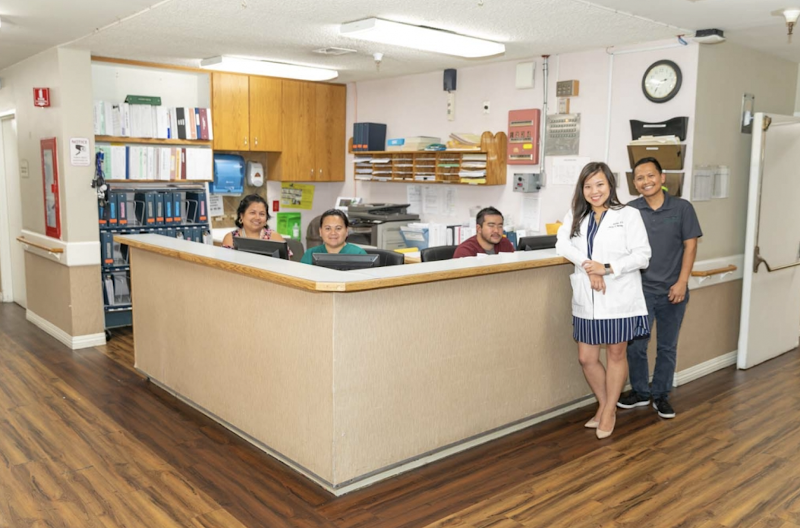
Who Owns and Operates Palomar Vista Healthcare Center?

PALOMAR VISTA HEALTHCARE CENTER is owned by a for-profit company. For-profit facilities operate as businesses with obligations to shareholders or private owners. The facility is operated by THE ENSIGN GROUP, a chain that manages multiple nursing homes. With 74 certified beds and approximately 69 residents (about 93% occupancy), it is a smaller facility located in ESCONDIDO, California.
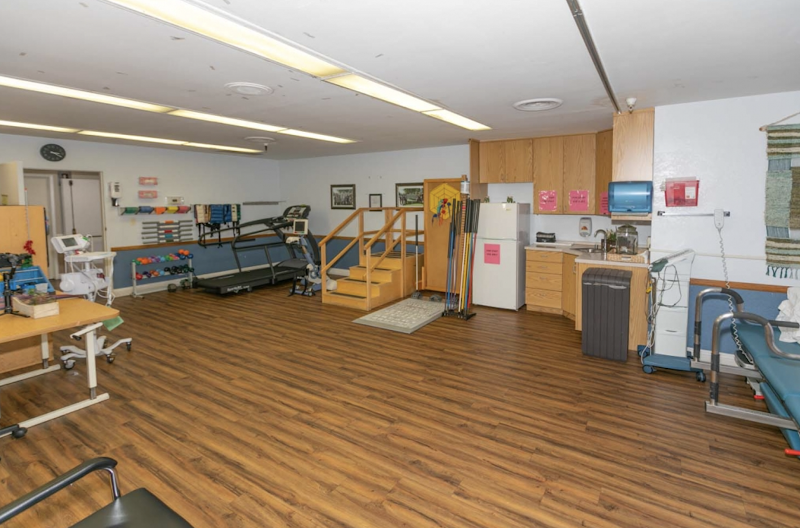
How Does Palomar Vista Healthcare Center Compare to Other California Nursing Homes?

Compared to the 100 nursing homes in California, PALOMAR VISTA HEALTHCARE CENTER's overall rating (4 stars) is above the state average of 3.2, staff turnover (41%) is near the state average of 46%, and health inspection rating (4 stars) is above the national benchmark.

What Should Families Ask When Visiting Palomar Vista Healthcare Center?

Based on this facility's data, families visiting should ask: "Can I visit during a mealtime to observe dining assistance and food quality?" "How do you handle medical emergencies, and what is your hospital transfer rate?" "Can I speak with family members of current residents about their experience?"

Is Palomar Vista Healthcare Center Safe?

Based on CMS inspection data, PALOMAR VISTA HEALTHCARE CENTER has a clean safety record: no substantiated abuse findings (meaning no confirmed cases of resident harm), no Immediate Jeopardy citations (the most serious violation level indicating risk of serious injury or death), and is not on the Special Focus Facility watch list (a federal program monitoring the lowest-performing 1% of nursing homes). The facility has a 4-star overall rating and ranks #1 of 100 nursing homes in California. While no facility is perfect, families should still ask about staff-to-resident ratios and recent inspection results during their visit.

Do Nurses at Palomar Vista Healthcare Center Stick Around?

PALOMAR VISTA HEALTHCARE CENTER has a staff turnover rate of 41%, which is about average for California nursing homes (state average: 46%). Moderate turnover is common in nursing homes, but families should still ask about staff tenure and how the facility maintains care continuity when employees leave.

Was Palomar Vista Healthcare Center Ever Fined?

PALOMAR VISTA HEALTHCARE CENTER has no federal fines on record. CMS issues fines when nursing homes fail to meet care standards or don't correct problems found during inspections. The absence of fines suggests the facility has either maintained compliance or corrected any issues before penalties were assessed. This is a positive indicator, though families should still review recent inspection reports for the full picture.

Is Palomar Vista Healthcare Center on Any Federal Watch List?

PALOMAR VISTA HEALTHCARE CENTER is not on any federal watch list. The most significant is the Special Focus Facility (SFF) program, which identifies the bottom 1% of nursing homes nationally based on persistent, serious quality problems. Not being on this list means the facility has avoided the pattern of deficiencies that triggers enhanced federal oversight. This is a positive indicator, though families should still review the facility's inspection history directly.