VALLE VISTA POST ACUTE
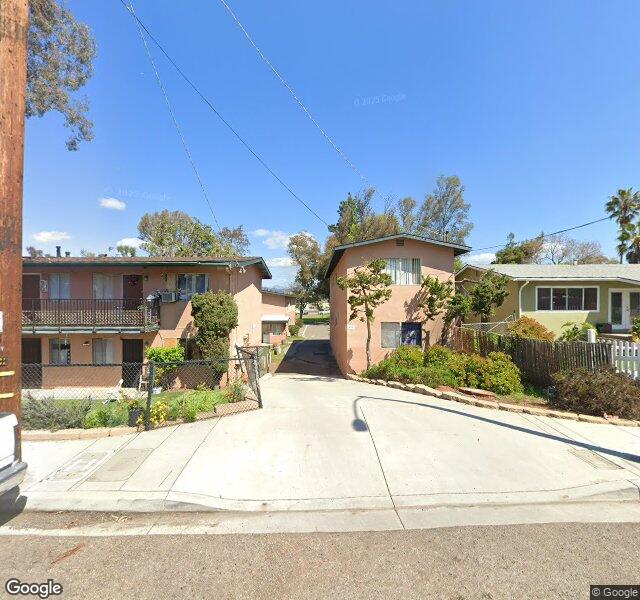
1025 W. SECOND AVENUE, ESCONDIDO, CA 92025 (760) 745-1842
For profit - Limited Liability company 59 Beds COVENANT CARE Data: November 2025
Trust Grade
88/100
#242 of 1155 in CA
Last Inspection: August 2023

Over 2 years since last inspection. Current conditions may differ from available data.

Overview

Valle Vista Post Acute in Escondido, California, has a Trust Grade of B+, which indicates it is above average and recommended for care. It ranks #242 out of 1,155 nursing homes in California, placing it in the top half of facilities statewide, and #31 out of 81 in San Diego County, meaning only a few local options are better. The facility's performance is stable, with only one reported issue in both 2024 and 2025. Staffing is a strength, with a rating of 4 out of 5 stars and a turnover rate of 30%, below the California average. While the absence of fines is a positive aspect, there have been concerns raised about food safety practices, including expired foods in the refrigerator and inadequate sanitation in the kitchen, which could pose health risks to residents.

Trust Score
B+
88/100
In California
#242/1155
Top 20%
Safety Record
Low Risk
No red flags
Inspections
Holding Steady
1 → 1 violations
Staff Stability
✓ Good
30% annual turnover. Excellent stability, 18 points below California's 48% average. Staff who stay learn residents' needs.
Penalties
✓ Good
No fines on record. Clean compliance history, better than most California facilities.
Skilled Nurses
⚠ Watch
Each resident gets only 29 minutes of Registered Nurse (RN) attention daily — below average for California. Fewer RN minutes means fewer trained eyes watching for problems.
Violations
⚠ Watch
20 deficiencies on record. Higher than average. Multiple issues found across inspections.
★★★★★
5.0
Overall Rating
★★★★☆
4.0
Staff Levels
★★★★☆
4.0
Care Quality
★★★★★
5.0
Inspection Score
Stable
2024: 1 issues
2025: 1 issues

The Good

  • 4-Star Staffing Rating · Above-average nurse staffing levels
  • 4-Star Quality Measures · Strong clinical quality outcomes
  • Low Staff Turnover (30%) · Staff stability means consistent care
  • Full Sprinkler Coverage · Fire safety systems throughout facility
  • No fines on record
  • Staff turnover is low (30%)

    18 points below California average of 48%

Facility shows strength in staffing levels, quality measures, staff retention, fire safety.

The Bad

Chain: COVENANT CARE

Part of a multi-facility chain

Ask about local staffing decisions and management

The Ugly 20 deficiencies on record

Jun 2025 1 deficiency
CONCERN (D) 📢 Someone Reported This

A family member, employee, or ombudsman was alarmed enough to file a formal complaint

Potential for Harm - no one hurt, but risky conditions existed

Comprehensive Care Plan (Tag F0656)

Could have caused harm · This affected 1 resident

**NOTE- TERMS IN BRACKETS HAVE BEEN EDITED TO PROTECT CONFIDENTIALITY** Based on observation, interview and record reviews the facility failed to develop and implement a comprehensive person focused c...

Read full inspector narrative →
**NOTE- TERMS IN BRACKETS HAVE BEEN EDITED TO PROTECT CONFIDENTIALITY** Based on observation, interview and record reviews the facility failed to develop and implement a comprehensive person focused care plan for one of one resident (Resident 1) related to Oxygen use. This failure had the potential to affect Resident 1 ' s health condition and possible decline. Findings. Per the undated admission Record , Resident 1 was admitted to the facility on [DATE] with diagnoses that included Unspecified Atrial Fibrillation (irregular heart rhythm). On 6/10/25 at 11 A.M., an observation and interview with Resident 1 was conducted. Resident 1 was alert, verbal, and receiving oxygen through nasa cannula (NC- a device that delivers oxygen through the nose) at 2 liters per minute while sitting up in her wheelchair in her room. Resident 1 stated, she used the oxygen all the time because she cannot breathe without the oxygen. A record review of Resident 1's Minimum Data Set ( MDS- an assessment tool) dated, 5/14/25 indicated, Resident 1's brief interview for mental status (BIMS) was 13 which meant Resident1's cognition (thought process) was intact. On 6/10/25 at 11:10 A.M., an interview and record review of Resident 1's Physician orders dated, 10/29/21 was conducted with Licensed Nurse (LN) 1. LN 1 stated, Resident 1 had an order for oxygen at 2 liters per minute as needed for shortness of breath. On 6/10/25 at 11:20 A.M., an interview and record review with Minimum Data Set Nurse (MSDN) was conducted. The MDSN stated he does the care plan of the residents on admission, quarterly and annually. The MDSN stated, he did not know why Resident 1 ' s care plan related to oxygen use was written resolved. The MDSN stated, he knew Resident 1 continued to use the oxygen as needed for shortness of breath. On 6/10/25 at 11:35 A.M., an interview and record review with the Director of Nursing (DON) was conducted.The DON stated there was no care plan regarding Resident 1's oxygen use . The DON stated it was important to have a care plan as it showed the care the facility had provided for Resident 1 and the care plan acted as a communication for healthcare providers. A record review of the undated facility ' s policy titled , Oxygen Administration dated 8/2014 indicated , Care Plan Documentation Guidelines . Problem: Identify the appropriate problem under which to list oxygen administration as an approach .Goal: List measurable goal (s) to be accomplished .list target date. A record review of the facility's policy dated 12/2017, titled Care Plan Comprehensive indicated, Procedure .3. Resident progress is regularly evaluated, and approaches revised or updated .7. Care plans should be reviewed within 21 days after admission and quarterly therafter .
Jan 2024 1 deficiency
CONCERN (D) 📢 Someone Reported This

A family member, employee, or ombudsman was alarmed enough to file a formal complaint

Potential for Harm - no one hurt, but risky conditions existed

Free from Abuse/Neglect (Tag F0600)

Could have caused harm · This affected 1 resident

**NOTE- TERMS IN BRACKETS HAVE BEEN EDITED TO PROTECT CONFIDENTIALITY** Based on observation, interview and record review the facility failed to ensure residents were safe from abuse when a one to one...

Read full inspector narrative →
**NOTE- TERMS IN BRACKETS HAVE BEEN EDITED TO PROTECT CONFIDENTIALITY** Based on observation, interview and record review the facility failed to ensure residents were safe from abuse when a one to one (1:1) supervision was not consistently followed as recommended for one resident (Resident 1), who had a history of abusive behavior. As a result, Resident 1 hit another resident (Resident 2). In addition, this failure placed all residents at the facility at risk of being harmed by Resident 1. Findings: Resident 1 was admitted to the facility on [DATE] with a diagnosis of dementia (condition that impairs mental function, reasoning, and memory), with behavioral disturbance, per the resident's admission record. Resident 2 was admitted to the facility on [DATE] with a diagnosis of down syndrome (a genetic disorder that causes intellectual delays and physical disabilities), per the resident's admission record. A review of Resident 1's clinical record, titled SBAR-Alleged Abuse Report of Incident - 8hr -V3 (Incident Report), dated 11/29/23 at 8:47 A.M., indicated that on 11/29/23 at 6:45 A.M., Resident 1 struck Resident 2 on the right side of the face. The Incident Report indicated the event was witnessed by the housekeeper (HK). On 12/8/23 at 11:20 A.M., an interview with the HK was conducted. The HK stated she witnessed Resident 1 hitting Resident 2 on 11/29/23 at approximately 6:25 A.M. The HK stated Resident 2 was at the nurses ' station yelling. The HK stated she heard Resident 1 yell, shut up and watched Resident 1 walk over to Resident 2 and hit him on the face with his hand. On 12/8/23 at 11:35 A.M., an interview with certified nursing assistant (CNA) 1 was conducted. CNA 1 stated Resident 1 and Resident 2 were standing in front of the nurses ' station on 11/29/23 at 6:30 A.M. CNA 1 stated she heard the HK scream. CNA 1 stated she heard the HK telling Resident 1 to not hit Resident 2. CNA 1 stated Resident 1 was on a 1:1 supervision at the time of the incident because he had previously hit another resident. CNA 1 stated no other staff members witnessed the incident. CNA 1 stated she did not know what CNA was assigned to Resident 1. On 12/8/23 at 11:48 A.M., an interview with CNA 2 was conducted. CNA 2 stated Resident 1 had a history of hitting other residents. CNA 2 stated Resident 1 had been on 1:1 supervision and she was not sure why Resident 1 was not being monitored by someone at the time of the incident. A review of Resident 1's care plan, titled Risk for Decline in Psychosocial Well Being, related to hitting another resident, dated 9/16/23 was conducted. This record indicated Resident 1 hit another resident on 9/16/23. Resident 1's care plan indicated Resident 1 hit another resident again on 11/29/23. Per this record, an intervention for, .1:1 close supervision for safety . was initiated for hitting another resident on 10/26/23. A review of the facility document, titled Resident Visual Check Flow Sheet, dated 11/29/23, indicated staff did not document Resident 1 received 1:1 supervision at the 6:15 A.M. and 6:30 A.M. time slots. On 1/10/23 at 4:05 P.M. an interview with the director of nursing (DON) was conducted. The DON stated it was facility protocol for staff to document the monitoring of residents on 1:1 supervision every 15 minutes on the facility form titled, Resident Visual Check Flow Sheet. The DON stated staff were expected to be next to a resident on 1:1 supervision at all times to ensure a safe environment. The DON stated the facility did not have a policy on 1:1 supervision.
Aug 2023 6 deficiencies
CONCERN (D)

Potential for Harm - no one hurt, but risky conditions existed

Safe Environment (Tag F0584)

Could have caused harm · This affected 1 resident

**NOTE- TERMS IN BRACKETS HAVE BEEN EDITED TO PROTECT CONFIDENTIALITY** Based on observation, interview and record review, the facility failed to allow personal items to be posted on the walls of thei...

Read full inspector narrative →
**NOTE- TERMS IN BRACKETS HAVE BEEN EDITED TO PROTECT CONFIDENTIALITY** Based on observation, interview and record review, the facility failed to allow personal items to be posted on the walls of their rooms for two of two residents screened for personal property (Residents 6 and 16). This failure had the potential to negatively affect the resident's well-being. Findings: 1. Resident 6 was admitted to the facility on [DATE], per the facility admission Record. On 8/14/23 at 10:11 A.M., a concurrent interview and observation of Resident 6 was conducted in her room. Resident 6's room was painted white, and had no decorations on the walls. A corkboard was on the wall, with facility documents pinned to it. Resident 6 stated she was told she could not put personal items on her wall. Resident 6 stated she had a quilt she would like to put up, but facility staff had removed it when they painted, and she had stored the quilt in her closet. Resident 6 stated she would also like to display some family photos but was told she was not allowed. Resident 6 stated she had lived in the facility for almost two years. On 8/16/23, a record review was conducted. Per Resident 6's Brief Interview for Mental Status (BIMS, an assessment tool), Resident 6 had a BIMS score of 14, indicating intact cognition. 2. Resident 16 was readmitted to the facility on [DATE], per the facility admission Record. On 8/16/23 at 10:15 A.M., a concurrent interview and observation of Resident 16 was conducted in her room. Resident 16's room was painted white, and no personal items were attached to the walls. Resident 16 stated she was told she was not allowed to put anything on her walls by a staff person. Resident 16 stated she would like to put some of her personal items up in her room to make it look more homelike. On 8/16/23, a record review was conducted. Resident 16's BIMS score was 15, indicating intact cognition. On 8/16/23 at 10:30 A.M., a concurrent interview and observation of resident rooms was conducted with the Director of Facilities (DOF). While touring Resident 6's room, the DOF stated, It does not look homelike. There is nothing personal in here. The DOF stated Resident 16's room appeared empty, with nothing on the walls. The DOF stated residents have the right to personalize their rooms to their preferences. On 8/16/23 at 11 A.M., an interview was conducted with the DOF. The DOF stated the facility had recently been painted, and the owners wanted every room to be organized the same way, and to look the same. The DOF stated no tape or pins could be used to attach personal items to the walls. Per the DOF, If my mom were here, I would want her to have personal items where she could see them. On 8/16/23 at 11:38 A.M., an interview was conducted with the Director of Nursing (DON). The DON stated the facility did not have a rule concerning tape on the walls, or personalizing rooms. The DON stated the residents have a right to a homelike environment. Per the DON, staff members round on each resident daily, and they should have noticed the lack of decorations. The DON stated, It does not look homelike. It was a misunderstanding, I don't think anyone said we cannot hang personal items on the walls. Per a facility policy, effective 2/5/20 and titled Safe and Homelike Environment, Policy: In accordance with residents' rights, the facility will provide a safe, clean, comfortable and homelike environment, allowing the resident to use his or her personal belongings .Definitions: .A homelike environment is one that de-emphasizes the institutional character of the setting .and allows the resident to use those personal belongings that support a homelike environment. A determination of homelike should include the resident's opinion of the living environment .
CONCERN (D)

Potential for Harm - no one hurt, but risky conditions existed

Deficiency F0658 (Tag F0658)

Could have caused harm · This affected 1 resident

**NOTE- TERMS IN BRACKETS HAVE BEEN EDITED TO PROTECT CONFIDENTIALITY** Based on observation, interview and record review, the facility failed to administer medications according to accepted professio...

Read full inspector narrative →
**NOTE- TERMS IN BRACKETS HAVE BEEN EDITED TO PROTECT CONFIDENTIALITY** Based on observation, interview and record review, the facility failed to administer medications according to accepted professional practice for one of 52 residents screened (Resident 41). This failure had the potential for Resident to suffer harm. Findings: A review of Resident 41's admission Record indicated the resident was admitted to the facility on [DATE] with diagnoses that included Essential Hypertension (high blood pressure that is not due to another medical condition) and Overactive Bladder (muscles of the bladder contract even when the bladder is not full). On 8/14/23 at 10:29 A.M., a concurrent interview and observation of Licensed Nurse (LN) 11 preparing medications for administration to Resident 41 was conducted. LN 11 crushed four medications together, added them to pudding and administered them to Resident 41. LN 11 stated the medications included mirabegron ER (extended-release: slowly released into the body over a period of time. A medication used to treat overactive bladder). LN 11 stated, The order dated 4/5/23 says 'May crush medications and open capsules unless contraindicated.' I don't think the contraindication applies to the mirabegron ER, only to capsules, this is a tablet. On 8/17/23 at 2:05 P.M., an interview was conducted with LN 11. LN 11 stated, I asked around to my mentors and other nurses and found out I wasn't supposed to crush the mirabegron ER. On 8/17/23 at 2:12 P.M., an interview was conducted with the Director of Nursing (DON). The DON stated, Extended-Release medications should not have been crushed. A review of the facility document titled Common Oral Dosage Forms That Should Not Be Crushed, dated November 2019 was performed. Myrbetriq ER tablet (Mirabegron), were indicated on the document as medications that should not be crushed to administer. A review of the policy titled Administration of Crushed Oral Medications, dated 12/20/19, was performed. The policy indicated, .2. Crushed medications should not be combined and given all at once orally in pudding or similar food. 3. Each medication should be crushed and administered individually in pudding or similar food .
CONCERN (D)

Potential for Harm - no one hurt, but risky conditions existed

Deficiency F0740 (Tag F0740)

Could have caused harm · This affected 1 resident

**NOTE- TERMS IN BRACKETS HAVE BEEN EDITED TO PROTECT CONFIDENTIALITY** Based on observation, interview and record review, the facility failed to provide services and treatment for mental health needs...

Read full inspector narrative →
**NOTE- TERMS IN BRACKETS HAVE BEEN EDITED TO PROTECT CONFIDENTIALITY** Based on observation, interview and record review, the facility failed to provide services and treatment for mental health needs for one of 52 residents screened (Resident 50). This failure had the potential for the mental health needs of Resident 50 to be unmet. Findings: A review of Resident 50's admission Record indicated the resident was admitted to the facility on [DATE] with diagnoses that included Generalized Anxiety Disorder (a condition where you worry about everyday issues) and Major Depressive Disorder (a mental health disorder characterized by persistently depressed mood, causing significant impairment in daily life). On 8/14/23 at 9:09 A.M., an observation and interview was conducted with Resident 50 in her room. Resident 50 stated she had a history of Post Traumatic Stress Disorder (PTSD, a disorder in which a person has difficulty recovering from a terrifying event). Resident 50 stated the physical therapy gait belt (a device that helps to prevent falls) brought on her PTSD. On 8/17/23 at 1:15 P.M., an interview and concurrent record review was conducted with the Social Services Director (SSD). The SSD stated, There's no order for a psych consultation. She(Resident 50) appeared anxious and overwhelmed when I visited her in her room. The SSD stated the facility History and Physical Progress Note dated 7/21/23 indicated, .Follow up with psychiatry specialist in 1-2 weeks. The SSD stated, That definitely should have happened. On 8/17/23 at 2:12 P.M., an interview and concurrent record review was conducted with the Director of Nursing (DON). The DON stated, A referral to psych should have been made unless a refusal by the resident was documented. A refusal was not documented. More should have been done for her psychiatric diagnoses. A review of a document titled Job Description/ Performance Evaluation: Director, Social Services, dated 11/13/17, was performed. The documented indicated, .IV. Job duties: Manages department to assure assessments, discharges and psychological needs of residents are met . A review of a facility policy titled Behavioral Health Services, dated 10/23/20, was performed. The document indicated, . 7. C. Monitor the resident closely for expressions of indications of distress.I. Ensure appropriate follow-up assessment, if needed.
CONCERN (D)

Potential for Harm - no one hurt, but risky conditions existed

Unnecessary Medications (Tag F0759)

Could have caused harm · This affected 1 resident

Based on observation, interview and record review, the facility failed to ensure the medication error rate was less than five percent. The facility's medication error rate was 6.45%. Two medication er...

Read full inspector narrative →
Based on observation, interview and record review, the facility failed to ensure the medication error rate was less than five percent. The facility's medication error rate was 6.45%. Two medication errors were observed, a total of 31 opportunities, during the medication administration process for two of five randomly observed residents (Residents 2 and 24). As a result, the facility could not ensure medications were correctly administered to all residents. Findings: 1. On 8/16/23 at 8:55 A.M., an observation of medication administration was conducted with Licensed Nurse (LN) 1. LN 1 prepared and administered medications to Resident 24, including aspirin, 81 milligram (mg) tablet. On 8/17/23, a record review was conducted. Resident 24's physician's orders, dated 4/14/23, included aspirin EC (enteric coated) Delayed Release 81 mg tablet. LN 1 was not available for interview on 8/17/23. 2. On 8/17/23 at 8:09 A.M., an observation of medication administration was conducted with LN 2. LN 2 prepared and administered medications to Resident 2, including a multivitamin with minerals. On 8/17/23, a record review was conducted. Resident 2's physician's orders, dated 1/5/15, included a multivitamin. The order did not include minerals. On 8/17/23 at 10:04 A.M., a concurrent interview and review of Resident 2's medication list was conducted with LN 2. LN 2 stated, It is important to follow the physician's orders. I selected the wrong multivitamin. The wrong medication could interact with other medications. On 8/17/23 at 10:25 A.M., an interview was conducted with the Director of Staff Development (DSD). The DSD stated he was responsible for educating LNs and assessing their competency on skills, such as medication administration. The DSD stated LN 1 had given the wrong type of aspirin to Resident 24, and LN 2 had given the wrong vitamin to Resident 2. The DSD stated it was important to make sure the correct medication was given, as giving the wrong type of medication could cause an undesired effect. On 8/17/23 at 10:40 A.M., an interview was conducted with the Director of Nursing (DON). The DON stated it was her expectation that LNs provide the exact medication ordered by the physician. Per a facility policy, revised 1/1/13 and titled General Dose Preparation and Medication Administration, .3.7 Facility staff should verify that the medication name and dose are correct 4.1 Facility staff should: 4.1.1 Verify each time a medication is administered that it is the correct medication .
CONCERN (E)

Potential for Harm - no one hurt, but risky conditions existed

Food Safety (Tag F0812)

Could have caused harm · This affected multiple residents

Based on observation, interview and record review, the facility did not ensure proper safe and sanitary food practices, storage, and sanitation requirements were met when: 1. Expired foods in the ref...

Read full inspector narrative →
Based on observation, interview and record review, the facility did not ensure proper safe and sanitary food practices, storage, and sanitation requirements were met when: 1. Expired foods in the refrigerator were not discarded, 2. Two blenders had residual food debris encrusted on them, and 3. A cabinet for equipment had a missing door, and the inside surface had a buildup of dust, dirt and black substances stuck on all sides. These failures had the potential to result in harmful bacteria growth and cross contamination, which would cause food borne illness to 51 vulnerable residents who receive food from the kitchen and who were medically compromised. Findings: 1. On 8/14/23 at 8:49 A.M., an observation of the refrigerator was conducted. The following expired/undated food items were identified: 1 - 8-ounce shredded carrots dated 6/23/23. 1 - 4-ounce bag shredded purple cabbage dated 7/9/23. 1 - 12-ounce bag of grapes dated 7/26/23. 1 - Bin containing nine yellow squash dated 7/2/23. 1 - Bin containing five undated romaine lettuce heads with dark brown discoloration 1- Plastic bag containing four undated red bell peppers 1 -16-ounce serrano chili peppers dated 7/20/23. 1 - Bin containing two undated celery stalks with brownish coloring 2. On 8/14/23 at 9:19 A.M., an observation of two blenders on top of a prep counter was conducted. Both blenders had residual food debris encrusted on the outer surface, the inside surface, and on the blade. 3. On 8/14/23 at 9:27 A.M., an observation of an equipment cabinet in the prep area was conducted. The cabinet was missing a door, and the inside surface had a build-up of dust, dirt and black substances stuck onto all sides. 08/15/23 at 9:44 A.M., an interview with the kitchen cook (KC) was conducted. The KC stated the expired foods should have been discarded so it was not used and served to the residents. Per the KC, the kitchen equipment and storage areas should have been cleaned and sanitized so food would not be cross-contaminated. The KC further stated, cross-contamination could result in residents getting sick. On 8/16/23 at 8:57 A.M., an interview with the Registered Dietitian Nutritionist (RDN) was conducted. The RDN stated, it was the expectation for the staff to discard all expired foods. The RDN stated, it was also the expectation for the staff follow the facility policy and procedure for infection control. The RDN stated, the kitchen equipment and physical environment needed to be clean, and sanitation maintained to prevent food borne illnesses. The RDN further stated, it was important to prevent foodborne illnesses to the residents. A review of a facility document, dated 2018 and titled Produce Storage Guidelines, the following expiration dates were noted: Fruits: Grapes: 5-7 days Vegetables: Cabbage 1-2 weeks Carrots 2 weeks Celery 1-2 weeks Peppers 7-10 days Lettuce 7-10 days Squash 5-7 days Undated items should be discarded. During a review of the undated facility document, titled, Food and Dining Services Equipment Cleaning Procedures, .#1. Blender .Clean base, including around the shaft, the sides, and the bottom .#3 .Cabinets .clean with warm water and detergent solution . The Federal Food and Drug Administration (FDA) Food Code, dated 2017, indicated, .food contact surfaces and utensils are to be clean to sight and touch .Physical Facilities shall be maintained in good repair .
MINOR (B)

Minor Issue - procedural, no safety impact

Deficiency F0912 (Tag F0912)

Minor procedural issue · This affected multiple residents

Based on observation, interview, and review of the Analysis of Client Accommodations, the facility failed to meet the required minimum square footage requirements of at least 80 square feet per reside...

Read full inspector narrative →
Based on observation, interview, and review of the Analysis of Client Accommodations, the facility failed to meet the required minimum square footage requirements of at least 80 square feet per resident (sq ft/resident) in three resident bedrooms (6, 8, and 11). This failure had the potential to impact resident care and quality of life. Findings: A record review was conducted from 8/14/23 through 8/17/23. The following resident rooms contained less than 80 square feet for each resident: Room number Room Size 6 accommodated 3 residents 216 (72 sq ft/resident) 8 accommodated 3 residents 216 (72 sq ft/resident) 11 accommodated 2 residents 138 (69 sq ft/resident) Additionally, observations were conducted. There were no observed quality of care, or quality of life concerns that negatively affected the residents residing in the identified rooms during the recertification survey visit. A continuance of the waiver (variation) from the requirements of Code 42 of the Federal Regulations (CFR) section 483.70(d)(1)(ii) as granted, allowing less than 80 square feet per resident room, is hereby recommended. This recommendation is also made with the expectation that the facility will obtain a timely renewal of the current waiver granted by CMS.
Dec 2022 1 deficiency
CONCERN (D) 📢 Someone Reported This

A family member, employee, or ombudsman was alarmed enough to file a formal complaint

Potential for Harm - no one hurt, but risky conditions existed

Quality of Care (Tag F0684)

Could have caused harm · This affected 1 resident

**NOTE- TERMS IN BRACKETS HAVE BEEN EDITED TO PROTECT CONFIDENTIALITY** Based on interview and record review, the facility failed to ensure a newly admitted resident had clear order for wound care for...

Read full inspector narrative →
**NOTE- TERMS IN BRACKETS HAVE BEEN EDITED TO PROTECT CONFIDENTIALITY** Based on interview and record review, the facility failed to ensure a newly admitted resident had clear order for wound care for 1 of 2 sampled residents (1). As a result, the staff did not have clear guidelines for caring for Resident 1's wound, and Resident 1's wound could have worsened. Findings: Resident 1 was admitted to the facility on [DATE] with diagnoses which included a second-degree (deep layer of the skin) burn to the right foot, per the admission Record. A review of Resident 1's medical record was conducted. Per the Hospital 1 Discharge Instruction, dated 10/13/22, under Wound or tube care Instruction indicated to leave the dressing on the right lower foot clean and dry. And if the dressing gets soiled, the staff may replace it with Acticoat (an absorbent wound dressing that helps prevent and treat infections) and wrap it with gauze. Per the Facility's Order Summary Report, dated 10/13/22, there was no evidence the facility followed Hospital 1's wound care order. Per the MD (Medical Doctor)/NP(Nurse Practitioner)/PA(Physician Assistant) Progress Note, dated 10/15/22, Noted to have some sanguineous (bloody) drainage to his [Resident 1] rt (right) foot dressing. Advised RN (Registered Nurse) to reinforce dressing and notify surgeon. Per the Treatment Administration Order, dated 10/15/22 through 10/21/22, There was no evidence treatment was provided to Resident 1's right foot. On 11/23/22 at 12:30 P.M., an interview was conducted with Licensed Nurse (LN) 1. LN 1 stated he was the treatment nurse (TN) for Resident 1. LN 1 stated he saw Resident 1's wound on 10/14/22, and there was bleeding. He then looked at Resident 1's wound care order, and there was no wound care order to follow. LN 1 further stated he did not see an order from the hospital. LN 1 stated Resident 1 was transferred to Hospital 2 for right foot bleeding and returned to the facility with an order to monitor the wound. LN 1 further said he did not call the surgeon or clinic to ask for a wound care treatment order. LN 1 stated he should have called the hospital or the surgeon to get a wound treatment order for the second-degree foot burn. On 11/23/22 at 3:20 P.M., an interview was conducted with LN 2. LN 2 stated he was the admission nurse for Resident 1. LN 2 stated the process of admitting a resident to the facility was for the facility staff to receive a verbal report from the hospital. The resident then arrives at the facility with documents, and the LN carries out the discharge order from the hospital. LN 2 stated he did not receive a verbal report or see an order about wound care treatment from the hospital. LN 2 further stated he did not ask the primary physician for a wound care order. LN 2 stated he assumed the TN would handle the wound care order the next day. On 12/22/22 at 2:42 P.M., a joint interview and record review was conducted with the Director of Nursing (DON). The DON stated she expected the licensed nurses to follow the hospital discharge order to ensure the resident receives appropriate treatment and, if unsure, call the hospital to get a wound care treatment order. The DON stated Resident 1 had an order for wound care treatment on admission, and the licensed nurses missed it. Per the facility's policy and procedure titled Processing Physician Orders, dated 8/17, .Upon patient admission/readmission, the LN enters the hospital transfer orders obtained from the acute hospital discharge summary or discharge transfer sheet into queue .All admission orders are reviewed the next business day by nursing management .
Sept 2019 2 deficiencies
CONCERN (E)

Potential for Harm - no one hurt, but risky conditions existed

Deficiency F0761 (Tag F0761)

Could have caused harm · This affected multiple residents

Based on observation, interview and record review, the facility failed to ensure expired oral medications and topical creams were removed from the current medication supplies. In addition, nasal spray...

Read full inspector narrative →
Based on observation, interview and record review, the facility failed to ensure expired oral medications and topical creams were removed from the current medication supplies. In addition, nasal sprays, eye drops, and pain patches were commingled with the current medication supplies readily available for residents' use. Also, the medication room temperature was not consistently monitored as required. These failures had the potential for unsafe storage of medications thereby losing the efficacy of the medications. Findings: 1a. On 9/4/19 at 9:32 A.M., a medication storage inspection of the treatment cart and interview was conducted with Licensed Nurse (LN) 1. The treatment cart had five drawers. In the first drawer, there was half a box of individual packets of hydrocortisone cream (topical medication used to help relieve redness, itching, swelling) with an expiration date of 8/19. In the fifth drawer, there was one opened tube of benzoyl peroxide 10 % (medication used to treat mild to moderate acne) with an expiration date of 9/18, and one tube ointment of a soothe and cool barrier (moisture ointment) with an expiration date of 8/19. LN 1 stated the LNs should have been checking at the expiration date of the medications and discarded the expired treatment medications. LN 1 acknowledged the policy and guidelines on storage of medications should have been followed. On 9/5/19 at 2:10 P.M., an interview was conducted with the Director of Nursing (DON). The DON LNs should have checked the treatment and medication carts to ensure medications were current. A review of the facility's policy titled, Storage and Expiration of Medications, Biologicals, Syringes and Needles, revised 10/31/16, indicated, Procedure . 3. General Storage Procedures: . 3.2 Facility should ensure that external use medications and biologicals are stored separately from internal use medications and biologicals . 5. Once any medication or biological package is opened, Facility should follow the manufacturer/ supplier guidelines with respect to expiration dates for opened medications . 5.2 Medications with a manufacturer's expiration date expressed in month and year (e.g. May 2019) will expire on the last day of the month . 2. On 9/4/19 at 10:17 A.M., a medication storage inspection, interview, and record review was conducted with LN 1. There were 15 missing signatures in the medication room temperature log in PM shifts. The dates were identified as follows: 1/3, 1/5, 1/7, 1/8, 1/9, 1/15, 1/16, 1/17, 1/21, 1/27, 1/29, 4/11, 4/12, 4/14, and 4/15/19. LN 1 stated the medication room temperature should have been checked and monitored by the LNs twice a day for a potential that temperature would be out of range. LN 1 also stated LNs should have monitored the temperature consistently to maintain the effectiveness and potency of the medications. On 9/5/19 at 2:10 P.M., an interview was conducted with the Director of Nursing (DON). The DON further stated the medication room temperatures should have been monitored twice a day consistently to ensure the potency of the medications. The DON stated who knows the temperature was off and could affect the medications' effectiveness. A review of the facility's policy titled, Storage and Expiration of Medications, Biologicals, Syringes and Needles, revised 10/31/16, indicated, Procedure . 3. General Storage Procedures: .11. Facility should ensure that medications and biologicals are stored at their appropriate temperatures according to the United States Pharmacopoeia guidelines for temperature ranges. 3a. On 9/4/19 at 12:03 P.M., a medication storage inspection of North medication cart and interview was conducted with LN 2. A half bottle of opened oral vitamin tablets was inside the drawer with an expiration date of 8/19. LN 2 stated the expired medications should have been removed from the cart. On 9/5/19 at 2:10 P.M., an interview was conducted with the Director of Nursing (DON). The DON stated the treatment cart and the medication cart should have been checked to ensure medications were organized and current. The DON stated it was missed and could potentially hurt the residents. A review of the facility's policy titled, Storage and Expiration of Medications, Biologicals, Syringes and Needles, revised 10/31/16, indicated, Procedure . 3. General Storage Procedures: .5. Once any medication or biological package is opened, Facility should follow the manufacturer/ supplier guidelines with respect to expiration dates for opened medications .5.2 Medications with a manufacturer's expiration date expressed in month and year (e.g. May 2019) will expire on the last day of the month . 3b. On 9/4/19 at 12:03 P.M., a medication storage inspection of the medication cart and interview was conducted with Licensed Nurse (LN) 1. Multiple medication supplies were commingled inside the drawer such as: Nasal sprays, eye drops, pain patches, and anticoagulant liquid medications. LN 2 stated she was not sure of the facility's policy related to the storage of nasal sprays, eyes drops, pain patches, and oral medications. LN 2 stated oral medications should have been separated from nasal sprays, eye drops, and patches for safety reasons. On 9/5/19 at 2:10 P.M., an interview was conducted with the Director of Nursing (DON). The DON stated LNs should have checked the treatment and medication carts to ensure the medications were organized and current. The DON stated it was missed and could potentially hurt the residents and storage of internal and external medications should have been separated. The DON also stated oral medications should have been separated from the other medications to prevent medication error and for infection control purposes. A review of the facility's policy titled, Storage and Expiration of Medications, Biologicals, Syringes and Needles, revised 10/31/16, indicated, Procedure . 3. General Storage Procedures: . 3.2 Facility should ensure that external use medications and biologicals are stored separately from internal use medications and biologicals .5.2 Medications with a manufacturer's expiration date expressed in month and year (e.g. May 2019) will expire on the last day of the month .
MINOR (B)

Minor Issue - procedural, no safety impact

Deficiency F0912 (Tag F0912)

Minor procedural issue · This affected multiple residents

Based on observation, interview, and review of the Analysis of Client Accommodations, the facility failed to meet the required minimum square footage requirements of at least 80 square feet per reside...

Read full inspector narrative →
Based on observation, interview, and review of the Analysis of Client Accommodations, the facility failed to meet the required minimum square footage requirements of at least 80 square feet per resident (sq ft/resident) in 3 resident bedrooms (6, 8, and 11). This failure had the potential to impact resident care and quality of life. Findings: An observation from 9/3/19 through 9/5/19 was conducted during the survey. The following resident rooms contained less than 80 square feet for each resident: Room number Room Size 6 accommodated 3 residents 216 (72 sq ft/resident) 8 accommodated 3 residents 216 (72 sq ft/resident) 11 accommodated 2 residents 138 (69 sq ft/resident) Additionally, interviews and records reviews were conducted. There were no observed quality of care, or quality of life concerns that negatively affected the residents residing in the identified rooms during the recertification survey visit. A continuance of the waiver (variation) from the requirements of Code 42 of the Federal Regulations (CFR) section 483.70(d)(1)(ii) as granted, allowing less than 80 square feet per resident room, is hereby recommended. This recommendation is also made with the expectation that the facility will obtain a timely renewal of the current waiver granted by CMS.
Sept 2018 9 deficiencies
CONCERN (D)

Potential for Harm - no one hurt, but risky conditions existed

Assessment Accuracy (Tag F0641)

Could have caused harm · This affected 1 resident

**NOTE- TERMS IN BRACKETS HAVE BEEN EDITED TO PROTECT CONFIDENTIALITY** Based on interview and record review, the facility failed to ensure Minimum Data Set assessments (MDS- resident assessment tool)...

Read full inspector narrative →
**NOTE- TERMS IN BRACKETS HAVE BEEN EDITED TO PROTECT CONFIDENTIALITY** Based on interview and record review, the facility failed to ensure Minimum Data Set assessments (MDS- resident assessment tool) were coded correctly for 1 of 3 closed record reviews (54), and 1 of 8 hospice residents (156) when: 1. Resident 54 left the facility AMA (against medical advice) and was coded as leaving to an acute care hospital, and 2. Resident 156 was a physician ordered hospice resident and was not coded as being under hospice care. These failures had the potential to affect the care provided to these residents. Findings: 1. Resident 54 was admitted to the facility on [DATE] with diagnoses that included unspecified psychosis (hallucinations and delusions not specifically indicative of a mental illness), per the facility's admission Record. The clinical record for Resident 54 was reviewed. The Progress Notes indicated that Resident 54 was spoken to about the risk of leaving AMA but was adamant and left the faciity on 7/19/18 in a taxi. The Physician's Discharge summary, dated [DATE], and the discharged Against Medical Advice form, dated 7/19/18, both indicated Resident 54 was discharged AMA. The MDS, dated [DATE], indicated under Section A, Discharge Status, Resident 54 left the facility to go to an acute hospital. An interview was conducted with the MDS nurse on 9/5/18 at 3:08 P.M. The MDS nurse stated Resident 54's discharge was coded incorrectly. The MDS nurse confirmed Resident 54 had left the facility AMA and was coded as leaving to an acute care hospital. 2. Resident 156 was admitted to the facility on [DATE] with diagnoses that included malignant neoplasm (cancer) of the colon, per the facility's admission Record. The clinical record for Resident 156 was reviewed. A review of Resident 156's physician's order, dated 8/27/18, indicated, Admit to (hospice provider) . prognosis of six months or less if disease follows its normal course. The MDS, dated [DATE], was reviewed. Section J1400 was coded 0 to indicate Resident 156 was not a hospice resident. A concurrent interview and observation was conducted with the MDS nurse on 9/6/18 at 3 P.M. The MDS nurse confirmed hospice was inaccurately coded for Resident 156. A review of the RAI (Resident Assessment Instrument) version 3.0 Manual, dated 10/15, indicated, .1.3 (1) .the assessment accurately reflects the resident's status . Further review of the RAI indicated, . J1400: Prognosis . Health-related Quality of Life. Residents with conditions or diseases that may result in a life expectancy of less than 6 months have special needs and may benefit from palliative or hospice services in the nursing home .Coding Instructions . Code 1, yes: if the medical record includes physician documentation: 1) that the resident is terminally ill: or 2) the resident is receiving hospice services .
CONCERN (D)

Potential for Harm - no one hurt, but risky conditions existed

Deficiency F0692 (Tag F0692)

Could have caused harm · This affected 1 resident

**NOTE- TERMS IN BRACKETS HAVE BEEN EDITED TO PROTECT CONFIDENTIALITY** Based on observation, interview, and record review, the facility failed to ensure 1 of 13 sampled residents (15) was provided wa...

Read full inspector narrative →
**NOTE- TERMS IN BRACKETS HAVE BEEN EDITED TO PROTECT CONFIDENTIALITY** Based on observation, interview, and record review, the facility failed to ensure 1 of 13 sampled residents (15) was provided water at the bedside. This failure had the potential to lead to dehydration of Resident 15, a condition that can cause the body to lose its ability to function normally. Findings: Resident 15 was re-admitted to the facility on [DATE] with diagnoses to include COPD (chronic obstructive pulmonary disease - a lung disease making it hard to breathe), dementia (loss of thinking and memory skills), and epilepsy (a neurological disorder marked by loss of consciousness or convulsions), per the facility's admission Record. On 9/4/18 at 9:40 A.M., a concurrent observation and interview revealed Resident 15 had no water at his bedside. Resident 15 was observed to be non-verbal. Resident 15's family member was at the bedside and stated the resident could not push his call light by himself or verbalize he was thirsty. Resident 15's family member stated the resident could drink by himself if water was present. An interview was conducted on 9/4/18 at 9:50 A.M. with the DON. The DON confirmed Resident 15 had no water at his bedside table. An interview was conducted on 9/4/18 at 9:55 A.M. with CNA 1. CNA 1 stated, Yes it was my mistake to not make sure (Resident 15) had water to drink. He can drink water on his own. I got real busy this morning. An interview was conducted with the DON on 9/6/18 at 3:45 P.M. The DON stated that not providing water to Resident 15 could cause the resident to become dehydrated and negatively affect his health. The DON stated the facility did not have a policy concerning hydration.
CONCERN (D)

Potential for Harm - no one hurt, but risky conditions existed

Deficiency F0697 (Tag F0697)

Could have caused harm · This affected 1 resident

**NOTE- TERMS IN BRACKETS HAVE BEEN EDITED TO PROTECT CONFIDENTIALITY** Based on observation, interview, and record review, the facility failed to ensure 1 of 13 sampled residents (51) was regularly a...

Read full inspector narrative →
**NOTE- TERMS IN BRACKETS HAVE BEEN EDITED TO PROTECT CONFIDENTIALITY** Based on observation, interview, and record review, the facility failed to ensure 1 of 13 sampled residents (51) was regularly assessed for pain, and provided physician ordered pain medication when needed. This failure had the potential to cause Resident 51 to suffer unnecessary pain. Findings: Resident 51 was admitted to the facility on [DATE]. Resident 51 began hospice care on 11/12/17 due to diagnoses that included lung mass, per the 9/18 physician order summary. A concurrent observation and interview was conducted on 9/4/18 at 8:50 A.M. with Resident 51. Resident 51 was lying in bed with facial grimacing and stated she was in pain. An concurrent interview and observation was conducted on 9/4/18 at 12:05 P.M. Resident 51's family member was at the resident's bedside. The family member stated, I think she's in a lot of pain. She said she couldn't sleep last night because of the pain. Resident 51 looked glassy-eyed and was grimacing. The clinical records for Resident 51 were reviewed. A Care Plan for Resident 51 indicated, Resident is at risk for pain secondary to declining condition due to lung mass, under the care of hospice. Goals for Resident 51 included, . Hospice and staff will work together to provide effective pain management through the end of life. Interventions for Resident 51 included, Administer analgesia per orders, anticipate the resident's need for pain relief and respond immediately to any complaint of pain. The 9/18 MAR, indicated Resident 51 had three orders for moderate to severe pain medication, one regularly scheduled and two as needed. They were as follows: 1. Morphine sulfate ER (extended release), one tablet, 15 MG, by mouth every 12 hours for pain management. 2. Morphine sulfate, one tablet, 7.5 MG, by mouth every two hours as needed for severe pain/SOB (shortness of breath), and 3. Hydrocodone-acetaminophen 5-325 MG, one tablet by mouth every four hours as needed for moderate to severe pain. The MAR indicated Resident 51 had not received any as needed pain medication since 9/3/18 at 2:05 P.M. An interview was conducted with LN 1 on 9/4/18 at 12:15 P.M. LN 1 stated that Resident 51 was not able to use her call light to request pain medication. LN 1 stated that she came on shift today at 6:30 A.M., and had assessed Resident 51 at 11 A.M. LN 1 stated Resident 51 denied having pain at that time. LN 1 stated that she did not think Resident 51 was in pain that morning because the CNA's did not tell LN 1 that Resident 51 screamed out in pain as she sometimes does when the CNA's are turning her. A concurrent interview and observation was conducted on 9/5/18 at 8:05 A.M. with Resident 51. Resident 51 was lying in bed, grimacing in pain, and stated, I have pain. Please, please help me. An interview was conducted with LN 1 on 9/5/18 at 8:10 A.M. LN 1 stated she started work this morning at 6:30 A.M. LN 1 stated she had gone in to Resident 51's room to administer a food supplement at breakfast but Resident 51 had refused the supplement. LN 1 stated she had not assessed Resident 51 for pain when she was in her room and had not assessed her for pain yet today. An interview was conducted with LN 1 and the DON on 9/5/18 at 8:15 A.M. LN 1 acknowledged to the DON that she had not assessed Resident 51 for pain when she went in to Resident 51's room to attempt to administer the food supplement. A concurrent observation and interview was conducted on 9/5/18 at 4:38 P.M. with LN 3. LN 3 was observed performing care on Resident 51's newly developed pressure ulcers. LN 3 stated Resident 51 had stage 1 (redness) ulcers on her left big toe, side of the left heel, right big toe, right heel, and right inner ankle, and a stage 2 (open abrasion) ulcer to the side of her left foot. LN 3 stated the ulcers appeared on 9/1/18 and stated they could be quite painful. During treatment of the ulcers LN 3 asked Resident 51 if she was in pain and she said, Yes. Resident 51 was observed to be grimacing and when LN 3 slightly raised Resident 51's left leg the resident moaned, Ohh, ohh, ohh. Resident 51's clinical records were reviewed. The MAR showed a new regularly scheduled pain medication was added to the physician's orders for pain on 9/5/18 at 11:06 A.M., Methadone HCL solution 5MG/5ML, give 2.5 MG by mouth two times a day for pain. The first dose of methadone was charted as given at 5 P.M. on 9/5/18. An interview was conducted with the DON on 9/6/18 at 2:50 P.M. The DON stated that Resident 51 was a hospice resident in pain and should have had additional pain medication. The DON stated regularly scheduled methadone was added yesterday. The facility policy titled Operating Standard Pain Management Process, dated 6/09, indicated It is the responsibility of the licensed nurse to consistently assess, manage, and monitor pain for all residents
CONCERN (D)

Potential for Harm - no one hurt, but risky conditions existed

Pharmacy Services (Tag F0755)

Could have caused harm · This affected 1 resident

**NOTE- TERMS IN BRACKETS HAVE BEEN EDITED TO PROTECT CONFIDENTIALITY** Based on interview and record review, the facility failed to ensure the licensed nurses documented controlled medications on the...

Read full inspector narrative →
**NOTE- TERMS IN BRACKETS HAVE BEEN EDITED TO PROTECT CONFIDENTIALITY** Based on interview and record review, the facility failed to ensure the licensed nurses documented controlled medications on the MAR for one unsampled resident (11), and one sampled resident (36). This had the potential for inadequate monitoring of controlled medications and ineffective pain management for Resident 11 and Resident 36. Findings: 1. Resident 11 was admitted to the facility on [DATE] with diagnoses that included chronic pain, fibromyalgia (a condition that causes body pain and mental distress), pain in right knee, and sciatica (a condition where pain radiates down the leg from the lower back), per the facility's admission Record. A review of Resident 11's physician orders, dated 3/24/18, indicated Resident 11 was to receive Percocet (a narcotic pain medication) 1 tablet for moderate pain, and 2 tablets for severe pain, as needed every 6 hours. A concurrent interview and review of Resident 11's Controlled Drug Record and MAR, dated 8/18 to 9/5/18, was conducted with LN 12 on 9/5/18 at 4:33 P.M. The Controlled Drug Record indicated 1 tablet of Percocet was removed from Resident 11's medication on 8/28 at 9 A.M.; 9/1 at 9 A.M.; and 9/4/18 at 8 A.M. This record also indicated 2 tablets of Percocet were removed from Resident 11's medication on 8/25/18 at 9 A.M. LN 12 acknowledged those dosages of mediation were not found on Resident 11's MAR. LN 12 stated the Controlled Drug Record and MAR were supposed to match. A review of Resident 11's physician orders, dated 9/28/17, indicated, .Record highest level of pain every shift. A review of Resident 11's MAR, dated 8/18 to 9/5/18, indicated the resident's pain level ranged from 0 to 3 for the day shift, on those dates the MAR did not match the Controlled Drug Record. 2. Resident 36 was admitted to the facility on [DATE] with diagnoses that included fracture of left tibia (break in the large shinbone), per the facility's admission Record. A review of Resident 36's physician orders, dated 8/14/18, indicated Resident 36 was to receive Oxycodone (a narcotic pain medication) 2 tablets for severe pain, as needed every 4 hours. A concurrent interview and review of Resident 36's Controlled Drug Record and MAR, dated 8/30/18 to 9/6/18, was conducted with LN 1 on 9/6/18 at 7:44 A.M. The Controlled Drug Record indicated 2 tablets of Oxycodone were removed from Resident 36's medication on 9/3 at 9:59 P.M.; and 9/6/18 at 3:30 A.M. LN 1 acknowledged those dosages of medication were not found on Resident 36's MAR. LN 1 stated the Controlled Drug Record and MAR were supposed to match. A telephone interview was conducted with the PC on 9/6/18 at 2:05 P.M. The PC stated the Controlled Drug Record should always match the MAR to ensure resident medication was not diverted and their pain was managed. An interview was conducted with the DON on 9/6/18 at 3:48 P.M. The DON stated the MAR should match the Controlled Drug Record to ensure residents received their pain medication and their pain was managed effectively. A review of the facility's policy titled Inventory Control of Controlled Substances, dated 2017, indicated, .Procedure: .1.1 Facility should maintain separate individual controlled substance records on .any medication with a potential for abuse or diversion in the form of a declining inventory using the 'Controlled Substances Declining Inventory Record' . 1.2.3 The Facility should routinely reconcile the number of doses remaining in the package to the number of remaining doses recorded on the Controlled Substance Verification/Shift Count Sheet, to the medication administration record . 5. A facility representative should regularly check the inventory record to reconcile inventory. Facility should regularly reconcile: .5.2 Current inventory to the controlled medication declining inventory record and to the resident's MAR .
CONCERN (D)

Potential for Harm - no one hurt, but risky conditions existed

Unnecessary Medications (Tag F0759)

Could have caused harm · This affected 1 resident

**NOTE- TERMS IN BRACKETS HAVE BEEN EDITED TO PROTECT CONFIDENTIALITY** Based on observation, interview, and record review, the facility failed to ensure the medication error rate was less than five p...

Read full inspector narrative →
**NOTE- TERMS IN BRACKETS HAVE BEEN EDITED TO PROTECT CONFIDENTIALITY** Based on observation, interview, and record review, the facility failed to ensure the medication error rate was less than five percent. The facility's medication error rate was 8.0%. Two medication errors were observed from a total of 25 opportunities, during the medication administration process for two of three observed unsampled residents (26, 22). As a result, the facility did not ensure medications were correctly administered to all residents. Findings: 1. Resident 26 was admitted to the facility on [DATE] with diagnoses that included chronic obstructive pulmonary disease (COPD- a lung disease), per the facility's admission Record. A medication administration observation was conducted with LN 13 on 9/5/18 at 9:22 A.M. LN 13 inserted the Spiriva (an inhaled medicine for COPD) capsule into the inhaler disk. LN 13 handed the disk to Resident 26 and he inhaled one puff and returned the disk to the LN. A review of Resident 26's physician order, dated 1/18/18, indicated Spiriva was to be inhaled one time a day, .Inhale contents by taking 2 separate inhalations . A concurrent interview and record review was conducted with LN 12 on 9/5/18 at 4:13 P.M. LN 12 stated Resident 26's physician orders indicated the resident was to inhale twice to receive the full dose of the Spiriva medication. A phone interview was conducted with the PC on 9/6/18 at 2:05 P.M. The PC stated when Spiriva was administered to a resident, two inhales were required to ensure the full dose was administered. An interview was conducted with the DON on 9/6/18 at 3:48 P.M. The DON stated it was important to follow physician orders and manufacturer's directions to ensure residents were receiving the full dosages of their medications. 2. Resident 22 was admitted to the facility on [DATE] with diagnoses, which included heart disease per the facility's admission Record. A medication administration was observed with LN 1 on 9/5/18 at 9:51 A.M. LN 1 was observed to place the inhaler to Resident 22's lips and instructed the resident to inhale as she pressed the cylinder of Advair inhaler (an inhaled medication used for wheezing). LN 1 was not observed to shake the inhaler prior to administration. An interview was conducted with LN 1 on 9/5/18 at 10:03 A.M. LN 1 stated she only gave Resident 22 one puff of his inhaler this morning because he was so sleepy. LN 1 stated, He (Resident 22) did not take in a full puff, so I didn't think he would be able to inhale the second puff. A concurrent interview and review of the manufacturer's directions for Resident 22's Advair inhaler was conducted with LN 1 on 9/5/18 at 10:05 A.M. These directions indicated the inhaler was to be shaken well for 5 seconds before each spray. LN 1 acknowledged she did not shake the inhaler prior to administration. LN 1 stated it was important to shake the inhaler prior to use so that the solution was properly mixed before administered. A review of Resident 22's physician orders, dated 7/2/18, indicated the resident was to receive 2 puffs of Advair inhaled every 12 hours. This order further indicated an adult aerochamber was to be used to administer the medication. A concurrent interview and review of Resident 22's physician orders was conducted with LN 1 on 9/6/18 at 7:38 A.M. LN 1 stated an aerochamber was a device that had two openings, one that fit an inhaler, and another for a resident's lips. LN 1 stated an aerochamber contained the administered mist and made it easier to inhale the medication. LN 1 acknowledged she did not use an aerochamber to administer Resident 22's Advair inhaler. LN 1 stated the resident might have been able to inhale the full dose yesterday if an aerochamber had been used. A phone interview was conducted with the PC on 9/6/18 at 2:05 P.M. The PC stated it was important to shake the Advair inhaler because it was a suspension and shaking mixed the medication to ensure an accurate dosage was administered. The PC stated aerochambers were used to ensure residents received the full dosages of their inhaler. An interview was conducted with the DON on 9/6/18 at 3:48 P.M. The DON stated it was important to follow physician orders and manufacturer's directions to ensure residents were receiving the full dosages of their medications. The DON stated Resident 22 should have had an aerochamber to administer his inhaler as prescribed. The DON stated if a medication was not administered as prescribed, the physician should have been notified. A review the facility's policy titled General Dose Preparation and Medication Administration, dated 2017, indicated, .4.1.1 Verify each time a medication is administered that it is the correct medication, at the correct dose, at the correct route, at the correct rate . 5.7 Provide the resident with any necessary instructions (e.g. using an inhaler); 5.8 Follow manufacturer medication administration guidelines ( . shaking medications) .
CONCERN (D)

Potential for Harm - no one hurt, but risky conditions existed

Infection Control (Tag F0880)

Could have caused harm · This affected 1 resident

**NOTE- TERMS IN BRACKETS HAVE BEEN EDITED TO PROTECT CONFIDENTIALITY** Based on observation, interview, and record review, the facility failed to ensure nebulizers (a device consisting of a mask and ...

Read full inspector narrative →
**NOTE- TERMS IN BRACKETS HAVE BEEN EDITED TO PROTECT CONFIDENTIALITY** Based on observation, interview, and record review, the facility failed to ensure nebulizers (a device consisting of a mask and tubing that changes liquid medication into a mist for easier inhalation) were maintained in a clean and sanitary manner between uses for 1 of 13 sampled residents (15), and 1 unsampled resident (22), when: 1. Resident 15's nebulizer was observed hanging uncovered at the end of the bed, and 2. Resident 22's nebulizer was observed in a plastic bag dated more than a month previous. This failure created the potential for Resident's 15 and 22 to be exposed to infectious organisms (germs). Findings: 1. Resident 15 was re-admitted to the facility on [DATE] with diagnoses to include COPD (chronic obstructive pulmonary disease - a lung disease making it hard to breathe), per the facility's admission Record. A concurrent observation and interview was conducted on 9/4/18 at 9:40 A.M. Resident 15's nebulizer was observed hanging on the end of Resident 15's bed loosely coiled up and not inside a dated plastic bag. Resident 15's family member was present and indicated she has not seen the nebulizer in a plastic bag and a couple times she had seen it hanging down and touching the floor. A concurrent observation and interview was conducted on 9/4/18 at 9:44 A.M. with the DON. The DON confirmed the nebulizer was not in a bag and was hanging free. She stated it should be in a dated plastic bag. 2. Resident 22 was admitted to the facility on [DATE] with diagnoses to include Parkinson's disease (nervous system disorder that affects movement), and diabetes (body does not process sugar correctly), per the facility's admission Record. On 9/4/18 at 9:28 A.M., LN 1 was observed giving a breathing treatment to Resident 22 utilizing a nebulizer . A concurrent observation and interview was conducted on 9/4/18 at 9:33 A.M. with LN 1. LN 1 was observed placing the nebulizer mask for Resident 22 back into a plastic bag dated 7/22/18. LN 1 stated the nebulizer bags should be changed monthly and confirmed the bag containing the nebulizer mask had not been changed in greater than one month. A concurrent observation and interview was conducted with the DON on 9/4/18 at 9:38 A.M. The DON confirmed the bag containing the nebulizer was dated 7/22/18. The DON stated she would look for the policy and was not sure how often it should be changed. An interview was conducted with the DON on 9/4/18 at 10:57 A.M. The DON confirmed that nebulizer should be changed monthly and Resident 22's nebulizer was past due to be changed. An interview was conducted with the DON on 9/6/18 at 3:45 P.M. The DON stated that not following the nebulizer care policy could potentially cause an infection in residents. The facility policy titled Nebulized Medication/Hand-Held Nebulizer, dated 9/16, indicated, . Store in a plastic bag that is labeled with the resident name and room number . change nebulizer set-up monthly and when visibly soiled
CONCERN (E)

Potential for Harm - no one hurt, but risky conditions existed

Medication Errors (Tag F0758)

Could have caused harm · This affected multiple residents

**NOTE- TERMS IN BRACKETS HAVE BEEN EDITED TO PROTECT CONFIDENTIALITY** Based on interview and record review, the facility failed to ensure target behaviors were consistently monitored for the use of ...

Read full inspector narrative →
**NOTE- TERMS IN BRACKETS HAVE BEEN EDITED TO PROTECT CONFIDENTIALITY** Based on interview and record review, the facility failed to ensure target behaviors were consistently monitored for the use of psychotropic medications for 3 of 5 sampled residents (1, 3, 20) selected for unnecessary medication review, and 2 of 13 sampled residents (9, 52). Failure to consistently monitor behaviors for the use of psychotropic (medication used to treat mental disorders) medications had the potential to affect the ordering physician's ability to determine the effectiveness of the medications. In addition, licensed nurses were unable to verbalize side effects for psychotropic medications. This had the potential for side effects of psychotropic medication to go unnoticed, and affect the physical and psychosocial well-being of these residents. Findings: 1. An interview was conducted with CNA 14 on 9/6/18 at 9:36 A.M. CNA 14 stated every resident was monitored for behaviors and mood. CNA 14 stated the CNAs were responsible to document every shift if a resident had any behaviors or mood changes. CNA 14 stated if there was a change in a resident's behavior they notified the nurses. An interview was conducted with LN 15 on 9/6/18 at 9:57 A.M. LN 15 stated that LNs also monitored resident behavior and could chart the behavior, but it was the CNA who was required to document residents behavior every shift. LN 15 stated all residents were monitored for behaviors, and each resident's care plan had the specific behavior for which psychotropic medications were prescribed. A. Resident 1 was admitted to the facility on [DATE] with diagnoses that included dementia (a loss of mental abilities that leads to impairments in memory, reasoning, planning, and behavior), schizophrenia (mental disorder that affects how a person thinks, feels and behaves), per the facility's admission Record. A review of Resident 1's physician orders, dated 5/29/18, indicated the resident was prescribed an antipsychotic medication (medicine used for some types of mental distress or disorder). Resident 1's care plan, dated 11/22/17, indicated the resident was monitored for the behavior of yelling. Resident 1's behavior monitoring for 8/18 and 9/18 was reviewed. These documents were left blank for the following dates and shifts: 8/10 night, 8/15 night; 8/20 night; 8/27 night; 9/2 night; and 9/5/18 night shift. These documents indicated Resident 1's behavior was not monitored 6 times during this period. B. Resident 3 was admitted to the facility on [DATE] with diagnoses that included dementia, and schizophrenia, per the facility's admission Record. A review of Resident 3's physician orders, dated 8/28/18, indicated the resident was prescribed an antipsychotic medication. Resident 3's care plan, dated 5/21/18, indicated the resident was monitored for the behaviors of paranoia and auditory hallucinations. Resident 3's behavior monitoring for 8/18 and 9/18 was reviewed. These documents were left blank for the following dates and shifts: 8/2 PM (evening); 8/5 PM; 8/8 PM; 8/10 PM; 8/14 PM; 8/21 PM; 8/27 PM; 8/29 PM; 8/31 PM; and 9/2/18 PM shift. These documents indicated Resident 3's behavior was not monitored 10 times during this period. The night shifts were x out for the following dates: 8/2, 8/3, 8/4, 8/5, 8/7, 8/8, 8/10, 8/12, 8/13, 8/14, 8/15, 8/17, 8/18, 8/19, 8/20, 8/21, 8/22, 8/24, 8/25, 8/26, 8/27, 8/28, 8/29, 8/31, 9/2, 9/3, and 9/4/18. These documents indicated Resident 3's behavior was not monitored 27 times on the night shift during this period. C. Resident 20 was admitted to the facility on [DATE] with diagnoses that included depression (a mood disorder) per the facility's admission Record. A review of Resident 20's physician orders, dated 3/8/18, indicated the resident was prescribed an antidepressant (medication to treat depression). Resident 20's care plan, dated 3/9/18, indicated the resident was monitored for mood as evidenced by a sad facial express and isolation. Resident 20's mood monitoring for 8/18 and 9/18 was reviewed. These documents were left blank for the following dates and shifts: 8/7 day; 8/8 night; 8/12 night; 8/16 night; 8/19 night; 8/26 night; 8/30 night; and 9/2/18 night shift. These documents indicated Resident 20's behavior was not monitored 8 times during this period. D. Resident 9 was admitted to the facility on [DATE] with diagnoses that included schizophrenia per the facility's admission Record. A review of Resident 9's physician orders, dated 4/19/18, indicated the resident was prescribed an antipsychotic medication. Resident 9's care plan, dated 1/8/18, indicated the resident was monitored for the behavior of verbal aggression toward staff. Resident 9's behavior monitoring for 8/18 and 9/18 was reviewed. These documents were left blank for the following dates and shifts: 8/3 night, 8/8 night; 8/13 night; 8/15 night; 8/21 night; 8/26 night; 8/27 night; 8/30 day; and 9/2/18 night shift. These documents indicated Resident 9's behavior was not monitored 9 times during this period. F. Resident 52 was admitted to the facility on [DATE] with diagnoses that included dementia and schizoaffective disorder (a combination of brain disorder- how a person thinks, and a mood disorder), per the facility's admission Record. A review of Resident 52's physician orders, dated 6/3/18, indicated the resident was prescribed a psychotropic medication. Resident 52's care plan, dated 4/6/18, indicated the resident was monitored for the behavior of yelling and striking out. Resident 52's behavior monitoring for 8/18 and 9/18 was reviewed. These documents were left blank for the following dates and shifts: 8/2 PM; 8/5 PM; 8/10 PM; 8/15 PM; 8/21 PM; 8/25 PM; 8/27 PM; 8/29 PM; 9/2 PM; and 9/5/18 night shift. These documents indicated Resident 52's behavior was not monitored 10 times during this period. The night shifts were x out for the following dates: 8/2, 8/3, 8/4, 8/5, 8/7, 8/8, 8/9, 8/10, 8/11, 8/12, 8/13, 8/14, 8/15, 8/16, 8/17, 8/18, 8/20, 8/21, 8/22, 8/23, 8/25, 8/26, 8/27, 8/29, 8/31, 9/2, 9/4, and 9/5/18. These documents indicated Resident 52's behavior was not monitored 28 times on the night shift during this period. A phone interview with the PC was conducted on 9/6/18 at 2:05 P.M. The PC stated the CNAs were to monitor resident behavior each shift, and she expected the monitoring to be documented every shift. An interview was conducted with the DON on 9/6/18 at 3:48 P.M. The DON acknowledged if an area on the behavior monitoring sheet was blank or x out, that indicated the monitoring was not done for that shift. The DON stated resident behavior needed to be monitored every shift, even on the night shift. The DON stated behavior monitoring was a way to determine the effectiveness of psychotropic medication a resident was prescribed. A review of the facility's policy titled Psychotropic Medication Management, dated 12/17, indicated, .3. When psychoactive medication are prescribed, the clinical record should reflect the . targeted behavior being treated . 8. Care plans should be updated to reflect behavior(s) causing functional, emotional, or safety impairment . Effectiveness of medications . should be regularly documented . 2. An interview was conducted with LN 15 on 9/6/18 at 9:57 A.M. LN 15 stated the LNs monitored side effects of psychotropic medications and documented side effects on the resident's MAR every shift. An interview was conducted with LN 1 on 9/6/18 at 11:10 A.M. LN 1 stated the side effect monitoring for psychotropic medications on the MAR was not specific for which side effects that were monitored. LN 1 stated she usually just looked for changes from a resident's baseline. LN 1 acknowledged she was unable to verbalize the specific side effects for psychotropic medications. A concurrent interview and review of Resident 9's antipsychotic monitoring was conducted with LN 3 on 9/6/18 at 11:11 A.M. LN 3 acknowledged she did not know what the side effects were of antipsychotic medications. She was able to pull up the black box warning from the MAR, but did not look at Resident 9's care plan. A review of Resident 20's antidepressant monitoring was conducted with LN 3. LN 3 stated the side effects for an antidepressant would be depression, sadness, or suicidal ideation. LN 3 stated if a resident was taking an antidepressant and they were still depressed the medicine was not working and that was a side effect. A telephone interview of the PC was conducted on 9/6/18 at 2:05 P.M. The PC stated she expected the nurses to be aware of the side effects of the medications that were given to residents. An interview was conducted with the DON on 9/6/18 at 3:48 P.M. The DON stated resident's who received psychotropic medications had care plans that indicated the specific side effects for the specific medication prescribed. The DON stated she expected the LNs to know what the side effects were for the medications they gave the residents. The DON stated if the LNs identified a potential side effect of a medication, the physician would be notified so the medication could be changed. A review of the facility's policy titled Psychotropic Medication Management, dated 12/17, indicated, .9. Observed or reported behaviors, effectiveness of non-drug approaches, and monitoring of medication side effects are to be documented in the EHR (electronic health record) .
CONCERN (F)

Potential for Harm - no one hurt, but risky conditions existed

Food Safety (Tag F0812)

Could have caused harm · This affected most or all residents

Based on observation, interview, and record review, the facility failed to ensure proper food sanitation and storage when: 1. A kitchen staff member was observed with an uncovered full beard, 2. A mil...

Read full inspector narrative →
Based on observation, interview, and record review, the facility failed to ensure proper food sanitation and storage when: 1. A kitchen staff member was observed with an uncovered full beard, 2. A milk refrigerator was not adequately checked for temperature, and 3. Dry foods were not stored in a temperature safe environment. These failures placed residents at risk for foodborne illness. Findings: 1. On 9/4/18 at 8:05 A.M. the DS was observed to be in the kitchen working with an uncovered full beard with 1/4 plus length. A concurrent observation and interview was conducted on 9/5/18 at 12:30 P.M. The DS was again observed to be working in the kitchen with an uncovered full beard. The DS stated he was unsure about the policy for covering beards. A concurrent observation and interview was conducted on 9/5/18 at 3:05 P.M. The DS was observed to have his beard shaven and confirmed he should have covered it. The DS stated he had just taken an in-service instruction about hair restraints. The facility policy titled Personnel Sanitation Standards, dated 2/09, indicated, . Facial hair must be trimmed and shaped 2. A concurrent observation and interview was conducted on 9/4/18 at 7:08 A.M. with the DA. The DA confirmed the dairy refrigeration temperature log was not filled out correctly. She confirmed the A.M. temperature for 9/3/18 was marked as 2 which the DA did not understand as a valid temperature. The DA also confirmed that the P.M. temperature for 9/3/18 was left blank and a temperature should have been taken and written down on the log. An interview was conducted with the DS on 9/4/18 at 7:50 A.M. The DS confirmed the milk refrigerator temperature for 9/3/18 on the P.M. shift had not been entered, and confirmed he did not know what the 2 filled out for the 9/3/18 A.M. shift meant, but stated it was not a valid temperature. The facility policy titled Food Safety in Receiving and Storage, dated 2/09, indicates, . Cooler and freezer temperatures will be checked and recorded daily 3. A concurrent observation and interview was conducted on 9/4/18 at 7:05 A.M. with the DA. The DA confirmed the dry foods storage area temperature was 88 degrees Fahrenheit. A concurrent observation and interview was conducted on 9/4/18 at 7:15 A.M. with the CK. The CK confirmed an upper cupboard dry food storage with a closed door contained five pound tubs of peanut butter, and the temperature inside the cupboard was 99 degrees Fahrenheit. CK confirmed the peanut butter indicated Store in a cool, dark place. A concurrent observation and interview was conducted on 9/4/18 at 7:50 A.M. with the DS. The DS stated a large hood over the stove had not been working since yesterday and was contributing to the heat problem in the kitchen. DS confirmed, however, that the window air conditioners in the kitchen had not been working for some time and DS had not gotten them repaired because he, Didn't think I needed to. The DS confirmed the dry food storage area was 88 degrees and the peanut butter was being stored inside a closed cupboard at 99 degrees Fahrenheit. DS confirmed the peanut butter indicated to Store in a cool, dark place. DS stated that 99 degrees would not be considered a cool place, was not ventilated, and could potentially allow the peanut butter to spoil. The facility policy titled Food Safety in Receiving and Storage, dated 2/09, indicated, .Dry food storage areas should be well ventilated
MINOR (B)

Minor Issue - procedural, no safety impact

Deficiency F0912 (Tag F0912)

Minor procedural issue · This affected multiple residents

Based on observation, interview, and review of the Analysis of Client Accommodations, the facility failed to meet the required minimum square footage requirements of at least 80 square feet per reside...

Read full inspector narrative →
Based on observation, interview, and review of the Analysis of Client Accommodations, the facility failed to meet the required minimum square footage requirements of at least 80 square feet per resident (sq ft/resident) in 3 resident bedrooms (6, 8, and 11). This failure had the potential to impact resident care and quality of life. Findings: An observation from 9/4/18 through 9/6/18 was conducted during the survey. The following resident rooms contained less than 80 square feet for each resident: Room number Room Size 6 accommodated 3 residents 216 (72 sq ft/resident) 8 accommodated 3 residents 216 (72 sq ft/resident) 11 accommodated 2 residents 138 (69 sq ft/resident) Additionally, interviews and records reviews were conducted. There were no observed quality of care, or quality of life concerns that negatively affected the residents residing in the identified rooms during the recertification survey visit. A continuance of the waiver (variation) from the requirements of Code 42 of the Federal Regulations (CFR) section 483.70(d)(1)(ii) as granted, allowing less than 80 square feet per resident room, is hereby recommended. This recommendation is also made with the expectation that the facility will obtain a timely renewal of the current waiver granted by CMS.
Understanding Severity Codes (click to expand)
Life-Threatening (Immediate Jeopardy)
J - Isolated K - Pattern L - Widespread
Actual Harm
G - Isolated H - Pattern I - Widespread
Potential for Harm
D - Isolated E - Pattern F - Widespread
No Harm (Minor)
A - Isolated B - Pattern C - Widespread

Questions to Ask on Your Visit

  • "Can I speak with families of current residents?"
  • "What's your RN coverage like on weekends and overnight?"

Our Honest Assessment

Strengths
  • • Grade B+ (88/100). Above average facility, better than most options in California.
  • • No major safety red flags. No abuse findings, life-threatening violations, or SFF status.
  • • No fines on record. Clean compliance history, better than most California facilities.
  • • 30% annual turnover. Excellent stability, 18 points below California's 48% average. Staff who stay learn residents' needs.
Concerns
  • • 20 deficiencies on record. Higher than average. Multiple issues found across inspections.
Bottom line: Generally positive indicators. Standard due diligence and a personal visit recommended.

About This Facility

What is Valle Vista Post Acute's CMS Rating?

CMS assigns VALLE VISTA POST ACUTE an overall rating of 5 out of 5 stars, which is considered much above average nationally. Within California, this rating places the facility higher than 99% of the state's 100 nursing homes. This rating reflects solid performance across the metrics CMS uses to evaluate nursing home quality.

How is Valle Vista Post Acute Staffed?

CMS rates VALLE VISTA POST ACUTE's staffing level at 4 out of 5 stars, which is above average compared to other nursing homes. Staff turnover is 30%, compared to the California average of 46%. This relatively stable workforce can support continuity of care.

What Have Inspectors Found at Valle Vista Post Acute?

State health inspectors documented 20 deficiencies at VALLE VISTA POST ACUTE during 2018 to 2025. These included: 17 with potential for harm and 3 minor or isolated issues.

Who Owns and Operates Valle Vista Post Acute?

VALLE VISTA POST ACUTE is owned by a for-profit company. For-profit facilities operate as businesses with obligations to shareholders or private owners. The facility is operated by COVENANT CARE, a chain that manages multiple nursing homes. With 59 certified beds and approximately 54 residents (about 92% occupancy), it is a smaller facility located in ESCONDIDO, California.

How Does Valle Vista Post Acute Compare to Other California Nursing Homes?

Compared to the 100 nursing homes in California, VALLE VISTA POST ACUTE's overall rating (5 stars) is above the state average of 3.2, staff turnover (30%) is significantly lower than the state average of 46%, and health inspection rating (5 stars) is much above the national benchmark.

What Should Families Ask When Visiting Valle Vista Post Acute?

Based on this facility's data, families visiting should ask: "Can I visit during a mealtime to observe dining assistance and food quality?" "How do you handle medical emergencies, and what is your hospital transfer rate?" "Can I speak with family members of current residents about their experience?"

Is Valle Vista Post Acute Safe?

Based on CMS inspection data, VALLE VISTA POST ACUTE has a clean safety record: no substantiated abuse findings (meaning no confirmed cases of resident harm), no Immediate Jeopardy citations (the most serious violation level indicating risk of serious injury or death), and is not on the Special Focus Facility watch list (a federal program monitoring the lowest-performing 1% of nursing homes). The facility has a 5-star overall rating and ranks #1 of 100 nursing homes in California. While no facility is perfect, families should still ask about staff-to-resident ratios and recent inspection results during their visit.

Do Nurses at Valle Vista Post Acute Stick Around?

Staff at VALLE VISTA POST ACUTE tend to stick around. With a turnover rate of 30%, the facility is 16 percentage points below the California average of 46%. Low turnover is a positive sign. It means caregivers have time to learn each resident's needs, medications, and personal preferences. Consistent staff also notice subtle changes in a resident's condition more quickly. Registered Nurse turnover is also low at 17%, meaning experienced RNs are available to handle complex medical needs.

Was Valle Vista Post Acute Ever Fined?

VALLE VISTA POST ACUTE has no federal fines on record. CMS issues fines when nursing homes fail to meet care standards or don't correct problems found during inspections. The absence of fines suggests the facility has either maintained compliance or corrected any issues before penalties were assessed. This is a positive indicator, though families should still review recent inspection reports for the full picture.

Is Valle Vista Post Acute on Any Federal Watch List?

VALLE VISTA POST ACUTE is not on any federal watch list. The most significant is the Special Focus Facility (SFF) program, which identifies the bottom 1% of nursing homes nationally based on persistent, serious quality problems. Not being on this list means the facility has avoided the pattern of deficiencies that triggers enhanced federal oversight. This is a positive indicator, though families should still review the facility's inspection history directly.