GRANADA REHABILITATION & WELLNESS CENTER, LP
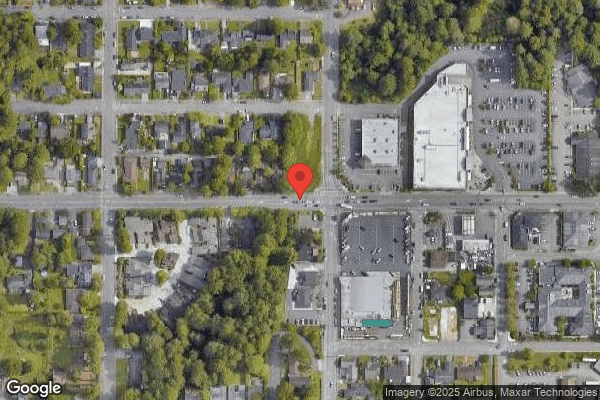
2885 HARRIS STREET, EUREKA, CA 95503 (707) 443-1627
For profit - Partnership 87 Beds Independent Data: November 2025
Trust Grade
63/100
#360 of 1155 in CA
Last Inspection: August 2024

Within standard 12-15 month inspection cycle. Federal law requires annual inspections.

Overview

Granada Rehabilitation & Wellness Center in Eureka, California has a Trust Grade of C+, indicating it is slightly above average but still has room for improvement. It ranks #360 out of 1,155 facilities in California, placing it in the top half, and #1 out of 5 in Humboldt County, meaning there are only a few local options available. The facility is on an improving trend, having reduced issues from three in 2024 to two in 2025. However, staffing is a concern with a rating of 2 out of 5 stars and a turnover rate of 42%, which is average, suggesting that while staff do stay, there is still a significant level of turnover. The facility has faced $8,278 in fines, which is average but indicates some compliance issues. Specific incidents include a serious finding where a resident experienced an injury due to a lack of a proper fall risk care plan, and a failure to administer medication as prescribed, which could potentially harm the resident's health. Additionally, there was a concern about inadequate sanitizing procedures in the kitchen, raising the risk of contamination. While there are notable strengths, such as good overall and health inspection ratings, these weaknesses highlight the need for families to weigh both the positive aspects and the areas that require attention.

Trust Score
C+
63/100
In California
#360/1155
Top 31%
Safety Record
Moderate
Needs review
Inspections
Getting Better
3 → 2 violations
Staff Stability
○ Average
42% turnover. Near California's 48% average. Typical for the industry.
Penalties
✓ Good
$8,278 in fines. Lower than most California facilities. Relatively clean record.
Skilled Nurses
⚠ Watch
Each resident gets only 22 minutes of Registered Nurse (RN) attention daily — below average for California. Fewer RN minutes means fewer trained eyes watching for problems.
Violations
⚠ Watch
23 deficiencies on record. Higher than average. Multiple issues found across inspections.
★★★★☆
4.0
Overall Rating
★★☆☆☆
2.0
Staff Levels
★★★★☆
4.0
Care Quality
★★★★☆
4.0
Inspection Score
Stable
2024: 3 issues
2025: 2 issues

The Good

  • 4-Star Quality Measures · Strong clinical quality outcomes
  • Full Sprinkler Coverage · Fire safety systems throughout facility
  • No fines on record
  • Staff turnover below average (42%)

    6 points below California average of 48%

Facility shows strength in quality measures, fire safety.

The Bad

Staff Turnover: 42%

Near California avg (46%)

Typical for the industry

Federal Fines: $8,278

Below median ($33,413)

Minor penalties assessed

The Ugly 23 deficiencies on record

1 actual harm
Aug 2025 1 deficiency
CONCERN (D) 📢 Someone Reported This

A family member, employee, or ombudsman was alarmed enough to file a formal complaint

Potential for Harm - no one hurt, but risky conditions existed

Deficiency F0658 (Tag F0658)

Could have caused harm · This affected 1 resident

Based on observation, interview, and record review, the facility nursing staff failed to follow professional standards when one licensed nurse gave a dose of one of four sampled residents, Resident 1'...

Read full inspector narrative →
Based on observation, interview, and record review, the facility nursing staff failed to follow professional standards when one licensed nurse gave a dose of one of four sampled residents, Resident 1's, prescription medications to a staff member who was experiencing symptoms of anxiety. This failure resulted in the potential misuse of Resident 1's medication when the nurse, who was entrusted with full access to the medication cart, gave the medication to someone to whom it was not prescribed, and resulted in the loss of a dose of Resident 1's medication when the dose was thrown away.During an observation on 8/6/25 at 9:45 a.m., two medication carts were parked next to the nurses' station. Two security cameras were noted mounted on the ceiling pointed at the nurses' station.During an interview on 8/6/25 at 11:29 a.m., Licensed Staff B stated nurses were not allowed to give medications to staff from the medication cart because the medications belonged to the residents, staff did not have a doctor's order for the medications, and the nurses did not know whether the staff members might have any side effects to the medications.During a phone interview on 8/6/25 at 1:44 p.m., Unlicensed Staff A verified a nurse gave her a medication from the medication cart for anxiety. Unlicensed Staff A stated the nurse was Licensed Staff B. Unlicensed Staff A stated she told Licensed Staff B that she was having anxiety and Licensed Staff B told her, I can give you something for that and Licensed Staff B reached into the medication cart and pulled out a medication. Unlicensed Staff A stated she took the medication from Licensed Staff B and threw it away in the hopper (a sink with a flushing mechanism designed for safe and hygienic disposal of clinical waste like the contents of bedpans) because she did not know what it was going to do to her.During an interview on 8/6/25 at 2 p.m. with Administrator and Assistant Director of Nursing (ADON), Administrator stated that she was sitting in her office watching the security cameras when she saw Licensed Staff B hand Unlicensed Staff A a pill cup at the Station 1 cart. Administrator stated she told ADON what she saw and asked ADON to go investigate. ADON stated she approached Licensed Staff B and Unlicensed Staff A at the medication cart and asked them to explain what was happening. ADON stated Licensed Staff B told her Unlicensed Staff A was not feeling good, so she gave her a dose of propranolol (a prescription medication for high blood pressure, chest pain, and irregular heart beat). ADON stated Licensed Staff B pulled a bubble pack of propranolol out of the medication cart to show ADON what she had given to Unlicensed Staff A. ADON stated she told Licensed Staff B that at no time should she give medications to staff off the cart. Administrator stated Licensed Staff B was written up (disciplinary action) for giving the medication to Unlicensed Staff A.During an interview on 8/6/25 at 2:25 p.m., Licensed Staff B verified she gave propranolol from the medication cart to a staff member who was having anxiety. During an observation and concurrent interview on 8/6/25 at 2:40 p.m., ADON opened the drawer to one of the medication carts at Station 1 and pulled out a bubble pack of propranolol 40 mg (milligrams) tablets labeled for Resident 1. ADON stated the tablet of propranolol that Licensed Staff B gave to Unlicensed Staff A belonged to Resident 1.Review of Resident 1's facesheet indicated an admission date of 11/11/19. Review of Resident 1's physician orders revealed an order dated 11/12/24 for propranolol 40 mg one tablet by mouth three times a day for hypertension (high blood pressure).Review of facility job description LVN (licensed vocational nurse) Staff Nurse, not dated, indicated, Prepares/administers medications as ordered by the physician and within the legal scope of practice.Review of facility policy and procedure Medication - Administration, last revised 1/1/2012, indicated, Medication will be administered directed by a Licensed Nurse and upon the order of a physician or licensed independent practitioner.
May 2025 1 deficiency 1 Harm
SERIOUS (G) 📢 Someone Reported This

A family member, employee, or ombudsman was alarmed enough to file a formal complaint

Actual Harm - a resident was hurt due to facility failures

Comprehensive Care Plan (Tag F0656)

A resident was harmed · This affected 1 resident

**NOTE- TERMS IN BRACKETS HAVE BEEN EDITED TO PROTECT CONFIDENTIALITY** Based on interview and record review, the facility failed to develop and implement a fall risk care plan to meet the medical, nu...

Read full inspector narrative →
**NOTE- TERMS IN BRACKETS HAVE BEEN EDITED TO PROTECT CONFIDENTIALITY** Based on interview and record review, the facility failed to develop and implement a fall risk care plan to meet the medical, nursing, mental, and psychosocial needs for one (Resident 1) of three sampled residents. This deficient practice resulted in Resident 1 experiencing injury and pain secondary to an unwitnessed fall on 4/26/25. Findings: A review of Resident 1's, admission Record, dated 5/7/25, showed Resident 1 was initially admitted to the facility on [DATE], with diagnoses including hemiplegia and hemiparesis (hemiplegia refers to complete paralysis, while hemiparesis refers to partial weakness) affecting the right side, morbid obesity (a complex chronic disease in which you have a body mass index [BMI] of 40 or higher, with normal range for adults considered to be between 18.5 and 24.9), muscle weakness, dementia (a general term for a group of symptoms that affect thinking, memory, and other cognitive [relating to, being, or involving conscious intellectual activity-such as thinking, reasoning, or remembering] abilities. It's not a single disease, but rather a collection of conditions that can damage brain cells, leading to a decline in mental function), dysarthria (a motor speech disorder caused by weakness or lack of control of the muscles involved in speech production), long term use of anticoagulants (medications that stop blood from clotting too easily), and a history of falling. A review of Resident 1 ' s, Minimum Data Set Section C (MDS-a standardized assessment tool used in long-term care facilities to evaluate residents' health status, functional capabilities, and other relevant information), dated 4/7/25, indicated Resident 1 had a BIMS (Brief Interview for Mental Status - used to identify delirium [a serious change in mental abilities, resulting in confused thinking and a lack of awareness of someone's surroundings] and needed supports in patients living in skilled nursing facilities and long-term care facilities) score of 9, indicating Resident 1 had moderate cognitive impairment (MCI-cognitive deficits that significantly impact daily life. Individuals with moderate MCI experience difficulties with memory, language, judgment, and problem-solving, often requiring assistance with household tasks and finances. They may become confused about where they are or what is happening and struggle with both routine and complex tasks). A review of Resident 1 ' s, MDS - GG, dated 4/7/25, indicated Resident 1 was partially dependent (not completely reliant on others for basic needs like bathing, dressing, or eating, but may need help with some day-to-day activities) on facility staff for self-care, indoor mobility (the ability to move or to be moved. It can describe a person's capacity to walk, move around, or change body position) and functional cognition (how an individual utilizes and integrates his or her thinking and processing skills to accomplish everyday activities in clinical and community living environments), and experienced one-sided impairment of the upper and lower limbs. Resident 1 was reported to be wheelchair dependent. A review of Resident 1 ' s, After Visit Summary, dated 3/31/25, indicated Resident 1 was transferred to the facility after a 13-day acute hospitalization due to pre-syncope (the sensation of feeling like you are about to faint, but without actually losing consciousness), and a fall at home. A review of Resident 1 ' s, Fall Risk Evaluation , dated 3/31/25, indicated due to past fall history, incontinence (involuntary leakage of urine or stool), diseases, recent hospitalization and multiple medications, Resident 1 was a high fall risk. A review of Resident 1 ' s, SBAR (Situation, Background, Assessment, Recommendation- a structured communication framework used in healthcare, particularly nursing, to facilitate clear and concise information sharing about a patient's condition or situation) Communication Form and Progress Note, dated 4/26/25, indicated Resident 1 was heard yelling for help, and was found on the floor of his bedroom. Resident 1 displayed new onset pain evidenced by moaning, groaning and facial grimacing, and was sent out to acute care hospital via 911 ambulance. A review of Resident 1 ' s, After Visit Summary, dated 4/26/25, indicated Resident 1 visited the acute hospital emergency room (AH ER) after falling and was diagnosed with a closed (where the skin is not broken) rib fracture of the left side. A review of fax correspondence from Granada Rehabilitation and Wellness Center to CDPH (California Department of Public Health), dated 4/28/25, reported Resident 1 complained of unrelieved pain one day after returning from AH ER, after administration of ordered lidocaine patch (a medication patch applied to the skin that numbs a specific area of the body, blocking pain signals going to the brain) and Tylenol (generic name acetaminophen- effective for mild to moderate pain, such as headaches, muscle aches, backaches, and toothaches). The facility reported this to Resident 1 ' s physician, who ordered Resident 1 receive a stronger pain medication (Toradol-generic name ketorolac, which treats short-term moderate to severe pain. It works by decreasing swelling) for five days. During a concurrent observation and interview on 5/8/25 at 9:58 a.m., with Resident 1 in his bedroom, Resident 1 was lying in bed on his right side, stating he was in severe pain, while groaning and grimacing. Resident 1 was pointing and grabbing at his left side. Licensed Vocational Nurse 1 (LVN 1) was alerted of Resident 1 ' s condition. LVN 1 responded by assessing and administering ordered pain medication to Resident 1. During a concurrent observation and interview on 5/8/25 at 11:26 a.m. with Resident 1, Resident 1 was still in bed, laying quietly with his CPAP ([continuous positive airway pressure] machine that treats sleep apnea [a potentially serious sleep disorder in which breathing repeatedly stops and starts]. It keeps airways open during sleep and delivers oxygen through a mask). Resident 1 stated he was more comfortable now, and he was trying to rest before lunch, and did not want to talk. During an interview on 5/8/25 at 12:15 p.m., with LVN 1, LVN 1 stated fall risk care plans were usually initiated by nursing management when a resident was first admitted . LVN 1 stated any licensed nurse should initiate a care plan for a new condition, or if a care plan was otherwise needed. LVN 1 stated a nursing care plan was necessary to guide nurses in possible interventions and precautions for actual and potential problems. During an interview on 5/8/25 at 1:40 p.m., with Licensed Vocational Nurse 2 (LVN 2), LVN 2 stated Resident 1 ' s physician had ordered Tramadol (a centrally acting analgesic [pain medication that reduces pain signals to the brain] used to treat moderate to moderately severe pain in adults) to better manage Resident 1 ' s ongoing pain. During a concurrent interview and record review on 5/8/25 at 2:40 p.m., with the Director of Nursing (DON), the DON stated the facility did not initiate a fall risk nursing care plan for Resident 1 prior to his unwitnessed fall on 4/26/25. Review of nursing care plans showed a fall risk care plan for this resident was not developed until 4/28/25. The DON stated this should not have happened, and a nursing care plan was a roadmap, of care interventions for the care and safety of residents of the facility. During a review of facility P & P titled, Fall Management Program, dated 3/13/21, the P & P indicated, As part of the admission assessment, the licensed nurse will complete a fall risk evaluation. If a fall risk factor is identified, document interventions on the Resident ' s care plan .the Interdisciplinary Treatment Team (involves healthcare professionals from various disciplines working together to provide complete care for residents. These teams aim to improve outcomes through collaboration, open communication, and shared decision-making) will initiate, review and update the Resident ' s fall risk status and care plan at the following intervals: on admission, quarterly, annually, upon identification of a significant change of condition, post fall as needed.
Aug 2024 2 deficiencies
CONCERN (D)

Potential for Harm - no one hurt, but risky conditions existed

PASARR Coordination (Tag F0644)

Could have caused harm · This affected 1 resident

Based on interview, record review, and facility policy review, the facility failed to ensure they referred the resident to the appropriate state-designated authority for a Level II preadmission and re...

Read full inspector narrative →
Based on interview, record review, and facility policy review, the facility failed to ensure they referred the resident to the appropriate state-designated authority for a Level II preadmission and resident review (PASARR) when the resident was diagnoses with a new mental illness diagnosis for 1 (Resident #11) of 1 sampled resident reviewed for PASARR. Findings included: A facility policy titled, P-NP04 Pre-admission Screening Resident Review, revised 09/01/2023, revealed, 5. The facility MDS [Minimum Data Set] Coordinator will be responsible to access and ensure updates to the [PASARR] are completed per MDS guidelines. An admission Record indicated the facility admitted Resident #11 on 05/05/2011. According to the admission Record, the resident had a medical history that included diagnoses of hemiplegia and hemiparesis following cerebral infarction, ataxia, protein-calorie malnutrition, and unspecified mental disorder due to known physiological condition. Per the admission Record, the resident received a diagnosis of bipolar disorder on 11/20/2015 and schizoaffective disorder on 11/23/2018. Resident #11's medical record revealed no evidence to indicate a PASARR evaluation was completed when the resident received a new mental illness diagnosis of bipolar disorder on 11/20/2015 or schizoaffective disorder on 11/23/2018. During an interview on 07/30/2024 at 12;12 PM, the Social Services Director (SSD) stated she worked at the facility for 20 years and never did anything related to a PASARR. Per the SSD, the only PASARR the facility had for Resident #11 was one completed in 2011 when the resident admitted to the facility. During an interview on 07/30/2024 at 2:16 PM, the Director of Nursing (DON) stated the only PASARR the facility had for Resident #11 was dated 05/05/2011. The DON stated she was not aware another PASARR should be completed with a new mental illness diagnosis. The DON stated the PASARRs are done by the Assistant DON, who was not in the facility during the survey. During a follow-up interview on 08/02/2024 at 9:23 AM, the DON stated the facility would do another PASARR in the future for residents with additional mental health issues and submit them to the state. The DON stated this should have been done for Resident #11. During an interview on 08/02/2204 at 10:50 AM, the Administrator stated she expected staff to complete another PASARR with a resident received a new mental illness diagnosis.
CONCERN (D)

Potential for Harm - no one hurt, but risky conditions existed

Infection Control (Tag F0880)

Could have caused harm · This affected 1 resident

Based on observation, interview, record review and facility policy review, the facility failed to implement enhanced barrier precautions (EBP) during wound care for 1 (Resident #64) of 1 sampled resid...

Read full inspector narrative →
Based on observation, interview, record review and facility policy review, the facility failed to implement enhanced barrier precautions (EBP) during wound care for 1 (Resident #64) of 1 sampled resident reviewed for pressure ulcer/injury. Findings included: A facility policy titled, IPC303 Enhanced Barrier Precautions, revised 07/05/2024, revealed, 2. For residents for whom EBP are indicated, EBP is employed when performing the following high-contact resident care activities for those at risk of transmission or acquisition of MDROs [multi-drug resistant organisms]: a. Dressing b. Bathing/showering c. Transferring within the resident room d. Providing hygiene e. Changing linens f. Changing briefs or assisting with toileting g. Device care or use: central line, urinary catheter, feeding tube, tracheostomy/ventilator i. CDC [Centers for Disease Control and Prevention] does not currently consider peripheral I.V. [intravenous], continuous glucose monitors, and insulin pumps as indications for Enhanced Barrier Precautions. h. Wound care: any skin opening requiring a dressing i. Per the CDC, this generally includes residents with chronic wounds, and not those with only shorter-lasting wounds, such as skin breaks, abrasions, or skin tears covered with a Band-aid or similar dressing. Per the policy, 6. Gown and gloves would not be required for patient care activities other than those listed, unless otherwise necessary for adherence to Standard Precautions. An admission Record revealed the facility admitted Resident #64 on 01/25/2024. According to the admission Record, the resident had a medical history that included a diagnosis of pressure ulcer of sacral region, Stage 2. An admission Minimum Data Set (MDS), with an Assessment Reference Date (ARD) of 01/30/2024, revealed Resident #64 had a Brief Interview for Mental Status (BIMS) score of 6, which indicated the resident had severe cognitive impairment. The MDS revealed the resident was at risk of developing pressure ulcers/injuries and had one Stage 2 pressure ulcer, two unstageable pressure ulcers, and two unstageable deep tissue injuries that were all present on admission. Resident #64's care plan included a focus area revised 06/04/2024, that indicated the resident had a Stage 2 pressure ulcer on their sacrum. Interventions directed staff to administer treatments as ordered and monitor for effectiveness (initiated 02/02/2024). During wound care observation on 07/30/2024 at2:22 PM, Licensed Vocational Nurse (LVN) #2 performed wound care for Resident #64's pressure ulcer on their sacrum. LVN #2 did not wear a gown during wound care. During an interview on 07/30/2024 at 3:12 PM, LVN #2 stated she was educated on EBP approximately one month ago by the infection control nurse. LVN #2 stated a resident would be required to be on EBP for a wound with exudate (fluid that had leaked out of blood vessels into or on nearby tissues). LVN #2 stated Resident #64 did not require EBP because their wound did not have much exudate. During an interview on 07/30/2024 at 3:15 PM, Registered Nurse (RN) #3 stated she was educated about EBP approximately two months ago, and again the previous week. RN #3 stated if a resident had wounds, they should be on EBP. RN #3 stated Resident #64 should have been on EBP for wound care. RN #3 stated the personal protective equipment for EBP would be a gown and gloves for wound care. During an interview on 07/30/2024 at 3:55 PM, Infection Control Preventionist (ICP) #4 stated Resident #64 did not require EBP because the wound was not draining. During an interview on 08/01/2024 at 11:40 AM, ICP #5 stated Resident #64 did not require EBP because their wound was healing, and it had a dry wound bed. ICP #5 stated when she educated the staff regarding EBP, she instructed them that if a wound had a lot of drainage, then the resident should be on EBP. During an interview on 08/02/2024 at 9:28 AM, the Director of Nursing stated residents with any wound should be put on EBP, and the facility would do that in the future. During an interview on 08/02/2024 at 10:51 AM, the Administrator stated the facility would place a resident on EBP who had a wound that was a longer lasting (chronic) wound.
Jan 2024 1 deficiency
CONCERN (D) 📢 Someone Reported This

A family member, employee, or ombudsman was alarmed enough to file a formal complaint

Potential for Harm - no one hurt, but risky conditions existed

Resident Rights (Tag F0550)

Could have caused harm · This affected 1 resident

**NOTE- TERMS IN BRACKETS HAVE BEEN EDITED TO PROTECT CONFIDENTIALITY** Based on observation, interview and record review, the facility failed to ensure two (2) of four (4) residents (Resident 1 and R...

Read full inspector narrative →
**NOTE- TERMS IN BRACKETS HAVE BEEN EDITED TO PROTECT CONFIDENTIALITY** Based on observation, interview and record review, the facility failed to ensure two (2) of four (4) residents (Resident 1 and Resident 4) were treated with respect and dignity when Resident 1 had to wait 20 minutes to be assisted to the toilet, and Resident 4 was not provided appropriate size adult diapers, not assisted to the toilet, and not changed and left to lie in bed in her wet adult diaper, clothes and linen. These failures made Resident 1 feel like she was not important and Resident 4 often wet and smelling of urine. Findings: During an interview on 11/29/23, at 3:46 p.m., Resident 1 stated she was admitted to the facility because she fell and broke her hip. Resident 1 stated she needed assistance with transfer from bed to chair, and to toilet. Resident 1 stated it is acceptable to wait 10 minutes, but she sometimes has incontinence (loss of control) of urine and had to wait 20 minutes to be assisted to the toilet. Resident 1 stated she felt like an old shoe (not important) when she must wait to be cleaned 3-4 times a week. Resident 1 stated it happens on all shifts. A review of Resident 1 ' s Quarterly Minimum Data Set (MDS - a federal comprehensive assessment tool to enable health workers to identify residents care needs) dated 11/12/23, indicated, she was admitted to the facility on [DATE] for seizure disorder, malnutrition, anxiety, and asthma amongst other medical condition. She had a Basic Interview for Mental Status (BIMS - a mandatory tool used to screen and identify the cognitive condition of residents) score of 11 suggesting she was moderately impaired cognitively. Resident 1 was occasionally incontinent of urine and required substantial/maximal assistance to stand from sitting position, and partial/moderate assistance to transfer from bed-to-chair and toilet. During an interview on 11/29/23, at 4:02 p.m., Licensed Nurse A stated three (3) to five (5) minutes is the best response time to help. Licensed Nurse A stated, when tied up they can take longer but 20 minutes is not acceptable. When residents are made to wait longer, they can mess/or soil their clothes, fall, make them feel undignified, and embarrassed. During an interview on 11/30/23, at 9:48 a.m., Resident 3 stated she will speak for her roommate, who laid in her bed wet of urine for hours. Resident 3 stated her roommate would get up from bed and she would see her roommate ' s wet back. Resident 3 stated staff on the night shift was not checking on her. Resident 3 stated she can smell the urine before her roommate gets changed. Resident 3 felt bad for her roommate, she wanted something to be done to help her. Resident 3 stated her roommate ' s daughter got upset one time when she visited and found her mother wet. A review of Resident 3 ' s admission MDS dated [DATE], indicated, she was admitted on [DATE] with a BIMS score of 12 suggesting she had moderately impaired cognition. During an interview on 11/30/23, at 10:33 a.m., Certified Nursing Assistance (CNA B) stated, this morning Resident 4 ' s bed was dry, but last week he remembered Resident 4 ' s bed was wet when he checked at 7:15 a.m. CNA B stated he was only assigned to this patient today and last week. During an interview on 11/30/23, at 11:07 a.m., Resident 4 ' s daughter stated, during her visits she found her mom wet several times, wearing adult briefs too big for her. Resident 4 ' s daughter thought her mother ' s urine leaked on the sides when she urinates. Resident 4 ' s daughter stated she had tried to tell the nurses at the facility about it and the nurses had responded they will remind the CNA ' s about it. Resident 4 ' s daughter thinks her mother needed to be assisted to the restroom as she does not realize she is wet or needs to go to the restroom. During an observation on 11/30/23, at 11:11 a.m., Resident 4 was walking towards the back hallway of the facility with a Physical Therapist. Resident 4 was wearing pants and notable was her bulky-looking backside. During an interview on 11/30/23, at 11:18 a.m., Resident 4 confirmed the CNAs who worked evening shift did not check on her or sometimes they do, but she was surprised when she gets up her back was wet, and she would feel cold. Resident 4 stated the morning shift cleaned and changed her wet bed. A review of Resident 4 ' s admission MDS dated [DATE], indicated she was admitted [DATE], for multiple sclerosis, malnutrition, and asthma among other medical conditions. Resident 4 ' s BIMS score was 11 indicating she had moderately impaired cognition. Resident 4 was frequently incontinent of both bladder and bowel, required partial/moderate assistance to safely get on and off the toilet and did not reject care or ADL assistance. A review of the Activities of Daily Living (ADL) documentation for Resident 4 from 11/24/23 to 11/30/23 indicated, she was accompanied to the rest room only once per shift to either provide set-up, supervision, partial/moderate assistance, or get on or off the toilet by herself. Except for 11/25/23 and 11/26/23, there was no documentation she was helped by the evening shift during the early mornings until 1 minute before shift ends at 7 a.m. During an observation of Resident 4 ' s closet on 11/30/23, at 11:20 a.m., CNA B was asked to show the adult diaper supply of the resident. CNA B found medium size diapers in the closet. The rest room also had medium size pull ups (adult diapers meant to be worn like a regular underwear). CNA B stated he will check in the storage room to find small size pull ups for the resident. During an interview on 11/30/23, at 11:27 p.m., Licensed Nurse C stated he worked evenings and was aware of Resident 3 and Resident 4 ' s concerns. Licensed Nurse C stated he had been getting his CNAs to check on Resident 4 at least Q 2 hours. During a conference with the facility Administrator and Assistant Director of Nursing (ADON) on 11/30/23 at 12:04 p.m., the ADON stated she and Resident 4 ' s daughter has always spoken about Resident 4 during her visits. She was surprised Resident 4 ' s daughter had not mentioned her concern to her. When asked how they ensure the residents are provided the appropriate care supplies like the correct size adult diapers, the Administrator stated they do not have a policy or system to follow how sizes of adult diapers are determined, the CNAs usually know their assigned residents and obtain appropriate briefs for them. The Administrator stated they may have bigger sizes on stock and some brands have bigger sizes but they will check to ensure they have enough small size briefs for residents needing them. A review of the facility policy titled: Resident rights, revised 1/1/12, indicated, to promote and protect the rights of all residents at the facility, and employees are to treat all residents with kindness, respect, and dignity and honor the exercise of the residents ' rights.
May 2023 1 deficiency
CONCERN (E) 📢 Someone Reported This

A family member, employee, or ombudsman was alarmed enough to file a formal complaint

Potential for Harm - no one hurt, but risky conditions existed

Deficiency F0760 (Tag F0760)

Could have caused harm · This affected multiple residents

Based on interviews and record reviews, the facility failed to ensure that one of three sampled residents, Resident 1, was free from significant medication errors when her pain medication, Oxycodone H...

Read full inspector narrative →
Based on interviews and record reviews, the facility failed to ensure that one of three sampled residents, Resident 1, was free from significant medication errors when her pain medication, Oxycodone HCL (Oxycodone is an opioid pain medication sometimes called a narcotic) 5 mg tablet, was not administered as ordered by Resident 1's physician. The frequency of the medication errors had the potential to result in adverse side effects that could affect the health and well-being of Resident 1. Findings: During a record review on 4/27/23, at 11:35 a.m., Resident 1's Order Summary Report, dated 4/27/23, indicated that Resident 1's pain medications were as follows: 1. Acetaminophen Oral Tablet, give 500 mg (unit of measure) by mouth every 6 hours as needed for mild pain (1-3/10) (resident stated pain level using a 1-10 pain scale with one being minimal and 10 being unbearable). Total APAP (Acetaminophen is the most used drug for the treatment of pain and fever) NTE (not to exceed) 3 gm (unit of measure)/24 hours. 2. Acetaminophen Tablet 325 mg, give 2 tablets by mouth every 4 hours as needed for moderate pain (4-7/10), NTE 3 gm/24 hours. 3. Oxycodone HCL (Hydrochloride) tablet 5 mg, give 1 tablet by mouth every 6 hours as needed for severe pain (8-10/10). During a review of Resident 1's Medication Administration Record, (MAR) dated April 2023, the MAR indicated that Resident 1 was administered Oxycodone 5 mg tablet in error when the licensed nurses did not follow the physician's written instructions on what pain level the medication was prescribed for. The instruction on the MAR indicated, Oxycodone HCL 5 mg, give by mouth every 6 hours as needed for severe pain (8-10/10). Licensed nurses had administered the medication in error 23 times from April 1, 2023, to April 27, 2023 on the following occasions: 4/1/23 at 8:27 a.m., pain level was 7/10, moderate pain 4/2/23 at 7:38 a.m. and 7:51 p.m., pain level was 6/10, moderate pain 4/4/23 at 7:39 p.m., pain level was 5/10, moderate pain 4/9/23 at 7 p.m., pain level was 5/10, moderate pain 4/10/23 at 8:07 a.m. and 5:03 p.m., pain level was 5/10, moderate pain 4/11/23 at 12:53 p.m., pain level was 6/10, moderate pain 4/12/23 at 8:25 a.m., pain level was 6/10, moderate pain 4.12.23 at 5:36 p.m., pain level was 4/10, moderate pain 4/15/23 at 4:32 p.m., pain level was 5/10, moderate pain 4/16/23 at 9:49 a.m. and 8 p.m., pain level was 4/10, moderate pain 4/17/23 at 8:13 p.m., pain level was 6/10, moderate pain 4/18/23 at 8:15 a.m., pain level was 1/10, mild pain 4/19/23 at 8:17 a.m., pain level was 5/10, moderate pain 4/19/23 at 8:18 p.m., pain level was 6, moderate pain 4/22/23 at 8:35 p.m., pain level was 6, moderate pain 4/23/23 at 8:01 p.m., pain level was 6, moderate pain 4/25/23 at 4:07 p.m., pain level was 6, moderate pain 4/26/23 at 8:10 a.m., pain level was 6, moderate pain 4/26/23 at 3:20 p.m., pain level was 2/10, mild pain 4/27/23 at 8:11 a.m., pain level was 6, moderate pain During a concurrent record review and interview on 4/27/23, at 1:15 p.m., with Licensed Nurse A, she stated Resident 1's Oxycodone order was as needed. Licensed Nurse A stated that she would ask Resident 1 where she was hurting, her pain level, how long had she been hurting, and look at the MAR for the orders. Licensed Nurse A verified the initials on the MAR that on four occasions (4/17/23, 4/23/23, 4/25/23, and 4/27/23), she had administered Oxycodone HCL 5 mg tablet to Resident 1 when her pain level was 6, moderate pain. Licensed Nurse A stated that she agreed that the Oxycodone HCL 5 mg tablet should only be given if the pain was severe, (8/10), and should not have given it at a pain level of 6/10, moderate pain. During a concurrent record review and interview on 4/27/23, at 1:29 p.m., with Licensed Nurse B, she stated she asked Resident 1 where she had pain, her pain level, what made the pain better or what made it worse. A review of Resident 1's MAR indicated that Licensed Nurse B assessed Resident 1's pain a level as 5/10, moderate pain, on 4/4/23 and 4/10/23, but administered Oxycodone HCL 5 mg which was for a severe pain level of 8/10. Licensed Nurse B stated that she agreed that this was a medication error. During a concurrent record review and interview on 4/27/23, at 2:10 p.m., with the Assistant Director of Nursing (ADON), the ADON stated that after presented with Resident 1's MAR, she had no explanation why the medication (Oxycodone) was not given according to the physician's instructions. The ADON stated that Resident 1 would be on a health alert monitoring for the medication errors. A review of a facility policy and procedure (P&P) titled Medication Administration, dated January 1, 2012, a current facility P&P, indicated that the purpose of the P&P was to ensure the accurate administration of medications for residents in the facility. Under PRN (as needed) medication documentation, it indicated, If a PRN is for complaint of pain, the Nurse will document the pain score prior to giving the medication and after administration of the pain medication. Under medication rights, it indicated, The seven rights of medication are: i. The right medication ii. The right amount iii. The right resident iv. The right time v. The right route vi. Resident has the right to know what the medication does. vii. Resident has the right to refuse the medication (unless court ordered).
Apr 2023 1 deficiency
CONCERN (D) 📢 Someone Reported This

A family member, employee, or ombudsman was alarmed enough to file a formal complaint

Potential for Harm - no one hurt, but risky conditions existed

Medical Records (Tag F0842)

Could have caused harm · This affected 1 resident

**NOTE- TERMS IN BRACKETS HAVE BEEN EDITED TO PROTECT CONFIDENTIALITY** Based on interview and record review, the facility failed to ensure clinical documentation for one of three sampled residents (R...

Read full inspector narrative →
**NOTE- TERMS IN BRACKETS HAVE BEEN EDITED TO PROTECT CONFIDENTIALITY** Based on interview and record review, the facility failed to ensure clinical documentation for one of three sampled residents (Resident 1) was accurate when a fall risk assessment (A tool used to find out if a person has a low, moderate, or high risk of falling) indicated Resident 1 was not at risk for falls, just hours after she had fallen twice at the facility resulting in multiple fractures. This failure had the potential to result in an inaccurate representation of the condition of the resident among the interdisciplinary team which could have triggered little or no efforts to initiate interventions to keep Resident 1 from falling again. Findings: Record review indicated Resident 1 was admitted to the facility on [DATE] with medical diagnoses including Multiple Sclerosis (A disease of the brain and spinal cord that results in nerve damage and disrupts communication between the brain and the body) and Hypertension (High blood pressure), according to the facility Face Sheet (Facility demographic). Record review of Resident 1 ' s MDS (Minimum Data Sheet-An assessment tool) dated 2/08/23 indicated her BIMS (Brief Interview of Mental Status-A cognition [ the mental action or process of acquiring knowledge and understanding through thought, experience, and the senses] assessment) score was 15, which indicated her cognition was intact (A score of 1-7 indicates the cognition is severely impaired, 8-12 indicates the cognition is moderately impaired, and 13-15 indicates the cognition is intact). Record review of a fall risk assessment dated [DATE] at 2:30 p.m. indicated Resident 1 received a score of 20 which indicated she was at high risk for falls. A care plan was developed to prevent falls by the Director of Nursing (DON). Record review of an interdisciplinary note dated 3/21/23 at 8:17 a.m., indicated, On 3/19/23 this resident [Resident 1] ambulated with her four-wheel walker to the nurse station. She told the nurse she couldn ' t sleep and needed something for pain for her right wrist. Nurse questioned what happened to your wrist and resident stated it was from the night before when she fell. Resident said when I fell, I didn ' t tell anyone though. She stated she twisted her wrist inside her walker. After taking the pain medication, resident went to sit on her walker and fell from the walker to the floor. Resident yelled out in pain and state d she had pain to her neck, head and both knees .sent to acute for evaluation .On 3/20/23, ER (Emergency room) and hospital report was obtained by medical records which showed the test results with fractures noted. Record review of a document titled, Hospitalist Discharge Summary, dated 3/27/23 at 2:54 p.m., from the General Acute Care Hospital (GACH) to which Resident 1 was transferred to on 3/19/23, indicated, female with history of longstanding multiple sclerosis .who presents for evaluation of recurrent presyncope/syncope (Loss of consciousness for a short period of time) and fall .She was found to have undisplaced (Broken bones that are still in alignment) inferior public ramus (Bones located at the front of each side of the pelvis also called pubic bones) fracture as well as nondisplaced distal radius (The largest of the two bones in the forearm) and ulna (The smallest of the two bones in the forearm) fracture. Record review of Resident 1 ' s fall risk assessment dated [DATE] at 9:23 a.m. (Approximately 5 hours after the fall, according to an interview with Licensed Staff A on 3/28/23 at 2:50 p.m.), indicated Resident 1 had no falls within the past three months. This form also indicated no predisposing medications for falls, including antihypertensives (Medications to control high blood pressure) and sedative-hypnotics (Sedatives used for brain damage), were taken by Resident 1 currently or within the last seven days. In addition, this form indicated a systolic blood pressure (The pressure in the arteries when the heart beats) change was not noted between lying and standing positions. As a result of these answers, the fall risk assessment indicated the fall risk score was 2, which indicated Resident 1 was not at risk for falls. This form was completed by Licensed Staff A. Record review of Resident 1 ' s Medication Administration Record (MAR) for March 2023, indicated from 3/13/23 to 3/19/23 (day of the fall) Resident 1 was administered Lisinopril (An antihypertensive to control high blood pressure) tablet 20 mg (Milligrams) daily at 9:00 p.m. The MAR also indication from 3/13/23 to 3/19/23, Resident 1 was administered Gabapentin (A sedative-hypnotic for neuropathy [Damage to the nerves outside the spinal cord and brain]) 600 mg tablets three times a day at 8:00 a.m., 2:00 p.m. and 8:00 p.m. During an interview with Licensed Staff A on 3/28/23 at 2:50 p.m., she stated the fall from the walker occurred at approximately 4:00 a.m. on 3/19/23. Licensed Staff A confirmed she completed the fall risk assessment on 3/19/23 at 9:23 a.m., after the fall. When asked the reason she answered Resident 1 had no falls within the last three months, if Resident 1 had just had a witnessed fall at 4:00 a.m. that same day, Licensed Staff A stated she was confused and believed the form was asking for falls suffered within the last three months prior to the last fall at the facility. When asked if she had taken the blood pressure while Resident 1 was sitting and standing to determine if the systolic blood pressure had dropped while standing, Licensed Staff A stated she only took it once, and it was while Resident 1 was sitting. When asked the reason she indicated in the fall risk assessment that Resident 1 was not taking any predisposing medications for falls, Licensed Staff A stated she did not check that question and went through it too fast. During an interview on with the DON on 3/28/23 at 2:58 p.m., she stated a score of 2 in the fall risk assessment, was the lowest after a 1 and indicated there was almost no risk of falls for the resident, for whom this form was completed. During an interview on 3/28/23 at 12:30 p.m., the Administrator was asked to provide the policy on clinical documentation. During a second interview with the Administrator on 3/28/23 at 12:35 p.m., the Administrator stated she did not have a policy on clinical documentation, but it was still the expectation that clinical documentation be accurate and complete. During an interview with the DON on 3/28/23 at 12:38 p.m., she confirmed the fall risk assessment for Resident 1 dated 3/19/23 at 9:23 a.m., was inaccurate and did not reflect the current situation of the resident. Record review of the facility policy titled, Fall Management Program, last revised on March 13, 2021, indicated, As part of the admission Assessment, the licensed nurse will complete a fall risk evaluation. If a fall risk factor is identified, document interventions on the Resident ' s care plan .A licensed nurse will conduct a new fall risk evaluation quarterly, annually, upon identification of a significant change of condition, post fall as needed. Based on interview and record review, the facility failed to ensure clinical documentation for one of three sampled residents (Resident 1) was accurate when a fall risk assessment (A tool used to find out if a person has a low, moderate, or high risk of falling) indicated Resident 1 was not at risk for falls, just hours after she had fallen twice at the facility resulting in multiple fractures. This failure had the potential to result in an inaccurate representation of the condition of the resident among the interdisciplinary team which could have triggered little or no efforts to initiate interventions to keep Resident 1 from falling again. Findings: Record review indicated Resident 1 was admitted to the facility on [DATE] with medical diagnoses including Multiple Sclerosis (A disease of the brain and spinal cord that results in nerve damage and disrupts communication between the brain and the body) and Hypertension (High blood pressure), according to the facility Face Sheet (Facility demographic). Record review of Resident 1's MDS (Minimum Data Sheet-An assessment tool) dated 2/08/23 indicated her BIMS (Brief Interview of Mental Status-A cognition [ the mental action or process of acquiring knowledge and understanding through thought, experience, and the senses] assessment) score was 15, which indicated her cognition was intact (A score of 1-7 indicates the cognition is severely impaired, 8-12 indicates the cognition is moderately impaired, and 13-15 indicates the cognition is intact). Record review of a fall risk assessment dated [DATE] at 2:30 p.m. indicated Resident 1 received a score of 20 which indicated she was at high risk for falls. A care plan was developed to prevent falls by the Director of Nursing (DON). Record review of an interdisciplinary note dated 3/21/23 at 8:17 a.m., indicated, On 3/19/23 this resident [Resident 1] ambulated with her four-wheel walker to the nurse station. She told the nurse she couldn't sleep and needed something for pain for her right wrist. Nurse questioned what happened to your wrist and resident stated it was from the night before when she fell. Resident said when I fell, I didn't tell anyone though. She stated she twisted her wrist inside her walker. After taking the pain medication, resident went to sit on her walker and fell from the walker to the floor. Resident yelled out in pain and state d she had pain to her neck, head and both knees .sent to acute for evaluation .On 3/20/23, ER (Emergency room) and hospital report was obtained by medical records which showed the test results with fractures noted. Record review of a document titled, Hospitalist Discharge Summary, dated 3/27/23 at 2:54 p.m., from the General Acute Care Hospital (GACH) to which Resident 1 was transferred to on 3/19/23, indicated, female with history of longstanding multiple sclerosis .who presents for evaluation of recurrent presyncope/syncope (Loss of consciousness for a short period of time) and fall .She was found to have undisplaced (Broken bones that are still in alignment) inferior public ramus (Bones located at the front of each side of the pelvis also called pubic bones) fracture as well as nondisplaced distal radius (The largest of the two bones in the forearm) and ulna (The smallest of the two bones in the forearm) fracture. Record review of Resident 1's fall risk assessment dated [DATE] at 9:23 a.m. (Approximately 5 hours after the fall, according to an interview with Licensed Staff A on 3/28/23 at 2:50 p.m.), indicated Resident 1 had no falls within the past three months. This form also indicated no predisposing medications for falls, including antihypertensives (Medications to control high blood pressure) and sedative-hypnotics (Sedatives used for brain damage), were taken by Resident 1 currently or within the last seven days. In addition, this form indicated a systolic blood pressure (The pressure in the arteries when the heart beats) change was not noted between lying and standing positions. As a result of these answers, the fall risk assessment indicated the fall risk score was 2, which indicated Resident 1 was not at risk for falls. This form was completed by Licensed Staff A. Record review of Resident 1's Medication Administration Record (MAR) for March 2023, indicated from 3/13/23 to 3/19/23 (day of the fall) Resident 1 was administered Lisinopril (An antihypertensive to control high blood pressure) tablet 20 mg (Milligrams) daily at 9:00 p.m. The MAR also indication from 3/13/23 to 3/19/23, Resident 1 was administered Gabapentin (A sedative-hypnotic for neuropathy [Damage to the nerves outside the spinal cord and brain]) 600 mg tablets three times a day at 8:00 a.m., 2:00 p.m. and 8:00 p.m. During an interview with Licensed Staff A on 3/28/23 at 2:50 p.m., she stated the fall from the walker occurred at approximately 4:00 a.m. on 3/19/23. Licensed Staff A confirmed she completed the fall risk assessment on 3/19/23 at 9:23 a.m., after the fall. When asked the reason she answered Resident 1 had no falls within the last three months, if Resident 1 had just had a witnessed fall at 4:00 a.m. that same day, Licensed Staff A stated she was confused and believed the form was asking for falls suffered within the last three months prior to the last fall at the facility. When asked if she had taken the blood pressure while Resident 1 was sitting and standing to determine if the systolic blood pressure had dropped while standing, Licensed Staff A stated she only took it once, and it was while Resident 1 was sitting. When asked the reason she indicated in the fall risk assessment that Resident 1 was not taking any predisposing medications for falls, Licensed Staff A stated she did not check that question and went through it too fast. During an interview on with the DON on 3/28/23 at 2:58 p.m., she stated a score of 2 in the fall risk assessment, was the lowest after a 1 and indicated there was almost no risk of falls for the resident, for whom this form was completed. During an interview on 3/28/23 at 12:30 p.m., the Administrator was asked to provide the policy on clinical documentation. During a second interview with the Administrator on 3/28/23 at 12:35 p.m., the Administrator stated she did not have a policy on clinical documentation, but it was still the expectation that clinical documentation be accurate and complete. During an interview with the DON on 3/28/23 at 12:38 p.m., she confirmed the fall risk assessment for Resident 1 dated 3/19/23 at 9:23 a.m., was inaccurate and did not reflect the current situation of the resident. Record review of the facility policy titled, Fall Management Program, last revised on March 13, 2021, indicated, As part of the admission Assessment, the licensed nurse will complete a fall risk evaluation. If a fall risk factor is identified, document interventions on the Resident's care plan .A licensed nurse will conduct a new fall risk evaluation quarterly, annually, upon identification of a significant change of condition, post fall as needed.
Jan 2023 1 deficiency
CONCERN (E) 📢 Someone Reported This

A family member, employee, or ombudsman was alarmed enough to file a formal complaint

Potential for Harm - no one hurt, but risky conditions existed

Deficiency F0727 (Tag F0727)

Could have caused harm · This affected multiple residents

Based on interview and record review, the facility failed to use the services of a Registered Nurse for at least 8 consecutive hours a day, every day, during 6 of 32 sampled days in December 2022 and ...

Read full inspector narrative →
Based on interview and record review, the facility failed to use the services of a Registered Nurse for at least 8 consecutive hours a day, every day, during 6 of 32 sampled days in December 2022 and January 2023. This failure had the potential to negatively impact the quality of care of residents at the facility. Findings: During an interview on 1/24/23, at 8:45 a.m., the Director of Nursing (DON) stated there were 69 residents at the facility. During an interview on 1/24/23, at 9:35 a.m., the DON was asked for evidence the facility employed a Registered Nurse (RN) at the facility for at least 8 consecutive hours a day, daily, during the sample period from 12/24/22 to 1/24/23. The DON stated the payroll department would print employee timesheets for the RNs who worked at the facility during the sample period. During an interview and record review on 1/24/23, at 10 a.m., the Payroll Director (PD) provided timesheets for four RNs (the DON and RNs A, B, and C) for the sample period. The PD stated the timesheets reflected the hours and days worked by RNs at the facility during the sample period. A review of these timesheets indicated the facility failed to use the services of an RN for at least 8 consecutive hours a day on six days: 12/25/22, 1/7/23, 1/14/23, 1/15/23, 1/21/23 and 1/22/23. A review of the timesheets indicated two RNs (A & B) on duty on 12/25/22: RN A worked from 6:26 a.m. to 1:47 p.m. (with a 31-minute break from 11:10 a.m. to 11:41 a.m.) and RN B worked from 8:28 a.m. to 1:23 p.m., for a total of 6 hours and 45 minutes of consecutive RN coverage on 12/25/22. A review of the timesheets indicated one RN (B) on duty on 1/7/23: RN B worked from 8:35 a.m. to 4:25 p.m. (with a 30-minute break from 12 p.m. to 12:30 p.m.) for a total of 7 hours and 30 minutes of consecutive RN coverage on 1/7/23. A review of the timesheets indicated one RN (B) on duty on 1/14/23: RN B worked from 8:42 a.m. to 1:28 p.m. for a total of 4 hours and 45 minutes of consecutive RN coverage on 1/14/23. A review of the timesheets indicated one RN (B) on duty on 1/15/23: RN B worked from 8:42 a.m. to 3:33 p.m. (with a 30-minute break from 12 p.m. to 12: 30 p.m.) for a total of 6 hours and 15 minutes of consecutive RN coverage on 1/15/23. A review of the timesheets indicated one RN (B) on duty on 1/21/23: RN B worked from 8:31 a.m. to 4:37 p.m. (with a 30-minute break from 12 p.m. to 12: 30 p.m.) for a total of 7 hours and 30 minutes of consecutive RN coverage on 1/21/23. A review of the timesheets indicated one RN (B) on duty on 1/22/23: RN B worked from 8:54 a.m. to 1:07 p.m. for a total of 4 hours of consecutive RN coverage on 1/22/23. During an interview on 1/24/23, at 12:15 p.m., the DON was asked for the facility's policy on RN staffing, but this policy was not provided.
Jun 2021 7 deficiencies
CONCERN (D)

Potential for Harm - no one hurt, but risky conditions existed

Assessment Accuracy (Tag F0641)

Could have caused harm · This affected 1 resident

**NOTE- TERMS IN BRACKETS HAVE BEEN EDITED TO PROTECT CONFIDENTIALITY** Based on observation, interview and record review, the facility failed to accurately assess one resident's (Resident 21) hearing...

Read full inspector narrative →
**NOTE- TERMS IN BRACKETS HAVE BEEN EDITED TO PROTECT CONFIDENTIALITY** Based on observation, interview and record review, the facility failed to accurately assess one resident's (Resident 21) hearing ability. This failure resulted in the facility not providing necessary treatment to improve Resident 21's activities of daily living due to impaired hearing. Findings: During a concurrent observation and interview on 6/7/21, at 12:08 p.m., Resident 21 was observed sitting in a wheelchair in her room. Resident 21 stated, she was hard of hearing in both ears and could not afford a hearing aid. During an interview on 6/9/21, at 2:43 p.m., Resident 21 stated, she was hard of hearing in both ears but worst in the right ear and never had a hearing aid before. During a review of Resident 21's admission MDS (Minimum Data Set-standardized, primary screening and assessment tool of health status for residents in long term care facilities) dated 8/15/20, it indicated Section B0200 Hearing was coded as 1 with minimal difficulty. MDS indicated, Section B0300 Hearing Aid was coded as 1 meaning Yes, hearing aid or other appliance used in completing B0200, Hearing. During a review of Resident 21's MDS dated [DATE], it indicated, Section B0200 Hearing was coded as 1 with minimal difficulty. MDS Section B0300 Hearing Aid was coded as 0 meaning no hearing aid or appliance was used in completing B0200, hearing assessment. During an interview on 6/9/21, at 10:40 a.m., Management Staff H stated, for admission MDS Section B dated 8/15/20, Resident 21 used hearing aid or appliance when hearing ability was assessed. During an interview on 6/10/21, at 9:05 a.m., Management Staff H stated, facility did not use hearing amplifiers at this time, and she and Management Staff B did not see hearing amplifiers in the facility. Management Staff H stated, Resident 21 did not have a hearing aid during the hearing assessment on 8/15/20 then it was inaccurate assessment.
CONCERN (D)

Potential for Harm - no one hurt, but risky conditions existed

Deficiency F0697 (Tag F0697)

Could have caused harm · This affected 1 resident

**NOTE- TERMS IN BRACKETS HAVE BEEN EDITED TO PROTECT CONFIDENTIALITY** Based on interview and record review, the facility failed to assess and document pain levels accurately for one of five sampled ...

Read full inspector narrative →
**NOTE- TERMS IN BRACKETS HAVE BEEN EDITED TO PROTECT CONFIDENTIALITY** Based on interview and record review, the facility failed to assess and document pain levels accurately for one of five sampled residents (Resident 29). In addition, the facility failed to ensure physician orders for pain medication were followed as prescribed. This failure could have resulted in increased pain levels and decreased quality of life and suffering to Resident 29. Findings: Resident 29 was admitted to the facility on [DATE] with medical diagnoses including Fibromyalgia (A disorder characterized by widespread musculoskeletal pain accompanied by fatigue, sleep, memory and mood issues), Myalgia (Pain in a muscle or group of muscles) and Chronic Pain, according to the facility Face Sheet (Facility demographic). During an interview on 6/08/21 at 10:15 a.m., Resident 29 stated she experienced a lot of pain from migraine headaches, and her prescribed pain medication had not been able to manage it. Resident 29 stated her pain often reached a level of eight or nine out of ten (on a scale from zero to ten, with zero being no pain, and ten being the worst pain experienced in a person's lifetime). Physician orders for May, 2021 indicated Resident 29 was taking several medications to help control pain, including Tylenol (An analgesic for mild pain), Gabapentin (A medication to control nerve pain), Norco (A controlled medication to treat moderate to severe pain) and MS-Contin (A controlled medication to treat acute and severe chronic pain). During record review on 6/08/21 at 2:54 p.m., it was noted Resident 29 took several doses of Tylenol 650 mg PRN (As needed) throughout the month of May, 2021. The Physician's order for this medication indicated, TYLENOL 650 MG by mouth every six hours as needed for mild pain 1-3/10 (Pain level of one to three, on a scale from 0 to ten, with 0 being no pain, and 10 being the worst pain experienced in a person's lifetime. Resident 29's Medication Administration Record indicated Resident 29 had received at least one dose of Tylenol on most days of the month of May. The back page of the Medication Administration Record had an area to document pain levels before and after the administration of PRN pain medication. Of eighteen doses of Tylenol administered to Resident 29 from 5/01/21 to 5/14/21, only four administrations included pain reassessments consisting of a numeric pain scale. Sixteen doses of Tylenol administered had documented pain reassessments that indicated, effective, (decreased) pain, states better, or were left blank. In addition, Tylenol was administered for initial pain assessment of 6/10 or above on 14 of 18 occasions, when the order indicated this medication was for mild pain 1-3/10. During an interview on 6/10/21 at 10:34 a.m., Licensed Staff I stated Licensed Nurses were required to assess the residents' pain level before and after administering PRN medication to determine if the medication had been effective in controlling the pain. Licensed Staff I stated it was not acceptable to document pain reassessments as, Decreased pain, or Effective. Licensed Staff I stated Licensed Nurses were required to reassess pain levels using a numeric scale of one through ten. Licensed Staff I also stated Licensed Nurses were supposed to check their documentation to ensure it was complete. Licensed Staff I stated the Assistant Director of Nurses also checked to ensure that clinical documentation was complete. During an interview on 6/10/21 at 11:20 a.m., Management Staff B, the Director of Nursing, confirmed pain reassessment was missing in Resident 29's Medication Administration Record. Management Staff B stated Licensed Nurses were required to complete pain reassessments and document a number from the zero through ten (numeric pain scale) on the reassessment, and not write, effective or decrease pain. Management Staff B stated this was the policy and expectation. The facility policy titled, Administration of Pain Medication, last revised in November of 2016, indicated, Assess and document the resident's intensity of pain prior to the administration of pain mediation .Reassess the intensity of the resident's pain one (1) hour after pain medication has been administered .Document the resident's response to and the effectiveness of the pain medication in the resident's medical record.
CONCERN (E)

Potential for Harm - no one hurt, but risky conditions existed

Deficiency F0676 (Tag F0676)

Could have caused harm · This affected multiple residents

Resident #261 Resident 261's MDS (Minimum Data Set-An assessment tool) dated 5/11/21, indicated his BIMS (Brief Interview of Mental Status-A cognition assessment) score was 10, which indicated his cog...

Read full inspector narrative →
Resident #261 Resident 261's MDS (Minimum Data Set-An assessment tool) dated 5/11/21, indicated his BIMS (Brief Interview of Mental Status-A cognition assessment) score was 10, which indicated his cognition was intact. During an observation on 6/7/2021 at 1 p.m., in Resident 261's room, his hair was not comb and long that touched his shoulder. Resident 261 had a mustache that was long and with noticeable food residue which covered the upper lip. Resident 261 had long beard that reached down to his chest. During an interview on 6/7/2021 at 1 p.m., Resident 261 stated that he wanted to have a trim of his hair and his facial hair. Resident 261 stated that he needed the equipment to do it. Resident 261 stated that his last haircut was over three months ago. Resident 261 stated that he asked his CNA (Certified Nursing Assistant) to help him but it did not happen. A review of the ADL (Activity of Daily Living) sheet dated May 2021 and June 2021 indicated that Resident 261 required one person assistance and supervision for shower and grooming. During an interview on 6/10/2021 at 9:10 a.m., Licensed Staff K stated that the Social worker was searching for a hairdresser to provide haircuts to residents. During an interview on 6/10/2021 at 9:15 a.m., CNA X stated that the facility had a woman to do the haircut but she retired. CNA X stated that CNAs could trim beards during showers. A record review titled Weekly Assessment Worksheet dated 5/11/2021 revealed, CNA V indicated that Resident 261 had a shower the previous day. The Weekly Assessment Worksheet did not have a signature from a Charge nurse and any preventive action taken. A record review titled Weekly Assessment Worksheet dated 5/18/2021 revealed; CNA U indicated that Resident 261 did not want a shower today. The Weekly Assessment Worksheet did not have a signature from a Charge nurse and any preventive action taken. A record review titled Weekly Assessment Worksheet dated 5/22/2021 revealed, CNA V indicated that Resident 261 hair/scalp/eyes/facial hair were clear. CNA V indicated that Resident 261 had moderate swelling to left forearm. The Weekly Assessment Worksheet did not have a signature from a Charge nurse and any preventive action taken. A record review titled Weekly Assessment Worksheet dated 6/5/2021 in the afternoon revealed; CNA W indicated that Resident 261 hair/scalp/eyes were No Change. CNA V indicated that Resident 261 refused to shave. The Weekly Assessment Worksheet did not have a signature from a Charge nurse and any preventive action taken. A review of Facility Policy & Procedure (P&P), revised on January 1, 2012 revealed, A tub or shower bath is given to the residents to provide cleanliness and to prevent body odors. Under procedure, XVII. Report any broken skin, bruises, rashes, cut, skin discoloration or reddened areas to the Charge Nurse. Based on observation and interview, the facility failed to ensure three residents (Resident 39, 2 and 261) were provided services to improve and maintain grooming. This failure resulted in: 1. Resident 39 and 2 not getting haircuts in the facility, and 2. Resident 261 not getting shaved Findings: Resident 39 and 2 During an interview on 6/8/21, at 10:28 a.m., Resident 39 stated, there was nobody in the facility to provide a haircut. Resident 39 stated, she cut her own hair. During an observation on 6/10/21, at 8:09 a.m., Resident 2 was observed in the lobby exercising with shoulder length hair, untied. Resident 2 stated, he wanted to have a haircut and nobody in the facility could do it. During an interview on 6/8/21, at 2:36 p.m., Management Staff A stated, facility was unable to find a barber or hairdresser to come to the facility to do haircut for residents. During an interview on 6/10/21, at 10:57 a.m., Management Staff E stated, management was planning on finding a hairdresser or barber to go in all facilities in Eureka and do haircut for residents. Resident #261 Resident 261's MDS (Minimum Data Set-An assessment tool) dated 5/11/21, indicated his BIMS (Brief Interview of Mental Status-A cognition assessment) score was 10, which indicated his cognition was intact. During an observation on 6/7/2021 at 1 p.m., in Resident 261's room, his hair was not comb and long that touched his shoulder. Resident 261 had a mustache that was long and with noticeable food residue which covered the upper lip. Resident 261 had long beard that reached down to his chest. During an interview on 6/7/2021 at 1 p.m., Resident 261 stated that he wanted to have a trim of his hair and his facial hair. Resident 261 stated that he needed the equipment to do it. Resident 261 stated that his last haircut was over three months ago. Resident 261 stated that he asked his CNA (Certified Nursing Assistant) to help him but it did not happen. A review of the ADL (Activity of Daily Living) sheet dated May 2021 and June 2021 indicated that Resident 261 required one person assistance and supervision for shower and grooming. During an interview on 6/10/2021 at 9:10 a.m., Licensed Staff K stated that the Social worker was searching for a hairdresser to provide haircuts to residents. During an interview on 6/10/2021 at 9:15 a.m., CNA X stated that the facility had a woman to do the haircut but she retired. CNA X stated that CNAs could trim beards during showers. A record review titled Weekly Assessment Worksheet dated 5/11/2021 revealed, CNA V indicated that Resident 261 had a shower the previous day. The Weekly Assessment Worksheet did not have a signature from a Charge nurse and any preventive action taken. A record review titled Weekly Assessment Worksheet dated 5/18/2021 revealed; CNA U indicated that Resident 261 did not want a shower today. The Weekly Assessment Worksheet did not have a signature from a Charge nurse and any preventive action taken. A record review titled Weekly Assessment Worksheet dated 5/22/2021 revealed, CNA V indicated that Resident 261 hair/scalp/eyes/facial hair were clear. CNA V indicated that Resident 261 had moderate swelling to left forearm. The Weekly Assessment Worksheet did not have a signature from a Charge nurse and any preventive action taken. A record review titled Weekly Assessment Worksheet dated 6/5/2021 in the afternoon revealed; CNA W indicated that Resident 261 hair/scalp/eyes were No Change. CNA V indicated that Resident 261 refused to shave. The Weekly Assessment Worksheet did not have a signature from a Charge nurse and any preventive action taken. A review of Facility Policy & Procedure (P&P), revised on January 1, 2012 revealed, A tub or shower bath is given to the residents to provide cleanliness and to prevent body odors. Under procedure, XVII. Report any broken skin, bruises, rashes, cut, skin discoloration or reddened areas to the Charge Nurse.
CONCERN (E)

Potential for Harm - no one hurt, but risky conditions existed

ADL Care (Tag F0677)

Could have caused harm · This affected multiple residents

**NOTE- TERMS IN BRACKETS HAVE BEEN EDITED TO PROTECT CONFIDENTIALITY** Resident #261 Resident 261's MDS (Minimum Data Set-An assessment tool) dated 5/11/21, indicated his BIMS (Brief Interview of Men...

Read full inspector narrative →
**NOTE- TERMS IN BRACKETS HAVE BEEN EDITED TO PROTECT CONFIDENTIALITY** Resident #261 Resident 261's MDS (Minimum Data Set-An assessment tool) dated 5/11/21, indicated his BIMS (Brief Interview of Mental Status-A cognition assessment) score was 10, which indicated his cognition was intact. A review of ADL (Activity of Daily Living) sheet dated May 2021 and June 2021 indicated that Resident 261required one person assistance and supervision for shower and grooming. During an observation on 6/7/2021 at 1 p.m., in Resident 261's room, his hair was not comb and long that almost touched his shoulder. Resident 261 had a mustache that was long and with noticeable food residue which covered the upper lip. Resident 261 had a long beard that reached down to his chest. During an interview on 6/7/2021 at 1 p.m., Resident 261 stated that he had only one shower since admission [DATE]). Resident 261 stated that he had asked the Certified Nursing Assistant (CNA) to give him a shower. Resident 261 stated that the CNA told him she would check the shower schedule. Resident 261 stated that CNA never came back about the shower schedule. Resident 261 stated that he asked other CNA again and the response was the same, will check the shower schedule. Resident 261 stated that he wanted a shower more frequently than once in three weeks. Resident 261 stated that he felt dirty. During an interview on 6/9/2021 at 9:15 a.m., Management Staff B stated that the shower process was for the CNA to follow the shower schedule, then fill out a Weekly assessment worksheet and give it to Charge Nurse for review. Management Staff B stated that when a Charge nurse reviewed the Weekly assessment worksheet, found any skin problem, then would go to Treatment nurse. Management Staff B stated that after the Charge nurse reviewed and signed the Weekly Assessment worksheet, it would be filed in the medical records. A record review titled Weekly Assessment Worksheet dated 5/11/2021 in the afternoon revealed, CNA V indicated that Resident 261 had a shower the previous day. The Weekly Assessment Worksheet did not have a signature from a Charge nurse. A record review titled Weekly Assessment Worksheet dated 5/18/2021 revealed; CNA U indicated that Resident 261 did not want a shower today. The Weekly Assessment Worksheet did not have a signature from a Charge nurse. A record review titled Weekly Assessment Worksheet dated 5/22/2021 revealed, CNA V indicated that Resident 261 hair/scalp/eyes/facial hair were clear. CNA V indicated that Resident 261 had moderate swelling to left forearm. The Weekly Assessment Worksheet did not have a signature from a Charge nurse. A record review titled Weekly Assessment Worksheet dated 6/5/2021 revealed, CNA W indicated that Resident 261 hair/scalp/eyes were No Change. CNA V indicated that Resident 261 refused to shave. The Weekly Assessment Worksheet did not have a signature from a Charge nurse. A review of Shower Schedule revealed that Resident 261 was scheduled to receive showers twice a week, Tuesday and Saturday evening. A record review titled ADL (Activity of Daily Living) Self Performance dated May 2021 revealed that Resident 261 had one shower for May 2021, it was on May 22, 2021 in the evening. A record review titled ADL (Activity of Daily Living) Self Performance dated June 2021 revealed that Resident 261 had one shower for June 2021, it was on June 5, 2021 in the evening. A review of Facility Policy & Procedure (P&P), revised on January 1, 2012 revealed, A tub or shower bath is given to the residents to provide cleanliness and to prevent body odors. Under procedure, XVII. Report any broken skin, bruises, rashes, cut, skin discoloration or reddened areas to the Charge Nurse. Based on interview and record review, the facility failed to provide scheduled showers for two dependent residents (Resident 113 and Resident 261). This had the potential to result in discomfort, unpleasant body odor, and skin infections to the residents involved. Findings: Resident 113 Resident 113 was admitted to the facility on [DATE] with medical diagnoses including Obesity, Type 2 Diabetes with Diabetic Peripheral Angiopathy (Blood vessel disease caused by high blood glucose) with Gangrene (A condition where a loss of blood supply causes body tissue to die), and a Pressure Ulcer (Injury to the skin and underlying tissue, primarily caused by prolonged pressure on the skin) on the Sacral Region (Area at the base of the spine), according to the facility Face Sheet (Facility demographic). Resident 113's MDS (Minimum Data Set-An assessment tool) dated 5/25/21, indicated her BIMS (Brief Interview of Mental Status-A cognition assessment) score was 13, which indicated her cognition was intact. Resident 113's MDS also indicated Resident 113 was totally dependent on two staff for transfers, and required extensive assistance with dressing and toilet use. During an interview on 6/07/21 at 11:29 a.m., Resident 113 stated she had only been provided with two bed baths since admission (20 days). Resident 113 stated no other bed baths were offered to her. Resident 113 stated she had been offered showers, but she was afraid of transferring to a shower chair with a mechanical lift (Medical equipment used to transfer one patient from one place to another), so she had refused. Resident 113's care plan on Activities of Daily Living (ADLs-Basic tasks of daily life such as personal hygiene) dated 5/30/21 indicated, Resident will accept assistance with ADLs and participate in ADLs as tolerated .Monitor for unmet personal care needs. During record review on 06/10/21 at 10:02 a.m., it was noted Resident 113's shower record titled, FACILITY ADL FLOW SHEET, indicated Resident 113 had only been offered three baths/showers since admission on [DATE]. Resident 113 was offered a shower on 5/21/21, which she refused, and bed baths on 5/28/21 and 6/01/21. No other showers or baths were documented. No other refusals were documented. Resident 113's MDS dated [DATE] supported this finding indicating Resident 113 had not received a full-body bath/shower over a seven-day period. On 6/10/21 at 11:30 a.m., Management Staff G, was asked to print Resident 113's shower record and provide all forms titled, WEEKLY ASSESSMENT WORKSHEET, which were completed by Certified Nursing Assessments on shower/bath days to document residents' skin condition. Management Staff G was only able to find one WEEKLY ASSESSMENT WORKSHEET dated 6/01/21, since Resident 113's admission. Management Staff G also provided Resident 113's shower/bath schedule, which indicated she was scheduled to receive a bath or shower every Tuesday and Friday of each week for morning shift. Resident 113's shower schedule indicated she was scheduled to receive a shower/bath on 5/25/21, 6/04/21 and 6/08/21 but documentation on the FACILITY ADL FLOW SHEET did not indicate she was offered a shower/bath on these dates. During an interview on 6/10/21 at 10:41 a.m., Unlicensed Staff P, Certified Nursing Assistant, stated residents were scheduled to get showers/baths twice per week. Unlicensed Staff P stated Certified Nursing Assistants were required to fill out the form titled, WEEKLY ASSESSMENT WORKSHEET, every time a shower was provided. Unlicensed Staff P stated that if a resident refused a shower, the resident was supposed to be offered a bed bath or provided other alternatives. During an interview on 6/10/21 at 11:24 a.m., Management Staff B, the Director of Nursing, confirmed the documentation indicated Resident 113 had only been offered three baths/showers since admission, but stated Resident 113 had refused showers. During an interview on 6/10/21 at 2:41 p.m., Management Staff O, the Infection Preventionist stated it was extremely important for residents to receive their schedules shower and baths, for their well-being, and also because not receiving regular showers/baths could lead to skin infections. Management Staff O stated if residents refused, Certified Nursing Assistants were supposed to notify the Licensed Nurses, and document. Management Staff O also stated every time Certified Nursing Assistants provided a shower or bath, they were supposed to fill out the WEEKLY ASSESSMENT WORKSHEET. The facility policy titled, Showering and Bathing, last revised in January of 2012, indicated, A tub or shower bath is given to the residents to provide cleanliness, comfort and to prevent body odors.
CONCERN (E)

Potential for Harm - no one hurt, but risky conditions existed

Deficiency F0761 (Tag F0761)

Could have caused harm · This affected multiple residents

Based on observation, interview and record review, the facility failed to: 1. Ensure that expired medications were removed from medication carts. This failure had the potential for expired, and theref...

Read full inspector narrative →
Based on observation, interview and record review, the facility failed to: 1. Ensure that expired medications were removed from medication carts. This failure had the potential for expired, and therefore less effective or ineffective, medications to be given to residents, which could impact the residents' health. Findings: During an observation and concurrent interview with Licensed Staff I at medication cart on 6/9/21 at 11:08 a.m., the following medications were observed: Nephro vite, vitamin C and B complex (Vitamin Supplement) with an expiration date of 4/21, and Ferrous sulfate (Iron) 325 mg tabs, with an expiration date of 3/21. During an interview with Management Staff B on 6/9/21 at 2:18 p.m. when asked what the expectation was regarding expired medications in medication carts, Management Staff B stated: We expect the nurses to check the expiration date as part of the medication pass. If the medication is expired, they are to take the medication out of the medication cart. During an interview with Management staff A on 6/10/21 at 13:00 p.m., a Medication storage policy was requested, Management staff A stated: I do not have a Medication storage policy.
CONCERN (E)

Potential for Harm - no one hurt, but risky conditions existed

Medical Records (Tag F0842)

Could have caused harm · This affected multiple residents

**NOTE- TERMS IN BRACKETS HAVE BEEN EDITED TO PROTECT CONFIDENTIALITY** Based on interview and record review, the facility failed to ensure documentation for Activities of Daily Living (ADLs-Basic tas...

Read full inspector narrative →
**NOTE- TERMS IN BRACKETS HAVE BEEN EDITED TO PROTECT CONFIDENTIALITY** Based on interview and record review, the facility failed to ensure documentation for Activities of Daily Living (ADLs-Basic tasks of daily life) was complete for two of five sampled residents (Resident 17 and Resident 40). The records had missing documentation for personal hygiene and toileting, among other categories. This failure had the potential to result in inability for staff to respond to the status and needs of the residents, and lack of availability of information to facilitate communication among the interdisciplinary team. Findings: Resident 17 Resident 17 was admitted to the facility on [DATE] with medical diagnoses including Anemia (A blood disorder in which red blood cells are unable to carry enough oxygen around the body) and Hyperlipidemia (An abnormally high concentration of fats or lipids in the blood), according to the facility Face Sheet (Facility demographic). Resident 17's MDS (Minimum Data Set-An assessment tool) dated 5/19/21 indicated she required supervision with eating and toilet use. Resident 17's document titled, FACILITY ADL FLOW SHEET, for the month of June, 2021, had missing documentation in the following categories, Bed Mobility .Transfer .Walk in Room .Walk in Corridor .Locomotion on Unit .Locomotion off Unit .Dressing .Personal Hygiene .Bath .Toileting .Bowel .Bladder. This form was required to be completed by Certified Nursing Assistants assigned to Resident 17's care, to document the activities of daily living provided to Resident 17 every shift. Resident 40 Resident 40 was admitted to the facility on [DATE] with medical diagnoses including Repeated Falls and Constipation (A condition that occurs when bowel movements become less frequent and stools become difficult to pass), according to the facility Face Sheet. Resident 40's MDS dated [DATE] indicated Resident 40 required supervision with toilet use and personal hygiene. Resident 40's Physician Orders for June 2021 included several medications for constipation, including, MILK OF MAGNESIA (A laxative used for occasional constipation) 30 mL by mouth daily as needed for no bowel movement in two days. Resident 40's document titled, FACILITY ADL FLOW SHEET, for the month of June, 2021, had missing documentation in the following categories, Bed Mobility .Transfer .Walk in Room .Walk in Corridor .Locomotion on Unit .Locomotion off Unit .Dressing .Personal Hygiene .Bath .Toileting .Bowel .Bladder. There was missing documentation for bowel movements on 6/07/21 and 6/08/21, for morning shift, which included essential information to determine if Resident 40 required constipation medication, since she did not have bowel movements on these two dates for evening or night shifts. During an interview on 6/10/21 at 10:39 a.m., Unlicensed Staff Q stated it was unacceptable to leave areas blank in the ADL records titled, FACILITY ADL FLOW SHEET. Unlicensed Staff Q stated the Assistant Director of Nursing checked weekly for missing documentation. During an interview on 6/10/21 at 11:20 a.m., Management Staff B, the Director of Nursing, confirmed the missing documentation in Activities of Daily Living for residents, documented in FACILITY ADL FLOW SHEET. Management Staff B stated it was important for Certified Nursing Assistants to document bowel movements, to determine if bowel medication was needed. The facility policy titled, ADL Documentation, last revised on 7/01/14 indicated, The Facility will ensure documentation of the care provided to the residents for completion of ADL tasks.
CONCERN (E)

Potential for Harm - no one hurt, but risky conditions existed

Infection Control (Tag F0880)

Could have caused harm · This affected multiple residents

**NOTE- TERMS IN BRACKETS HAVE BEEN EDITED TO PROTECT CONFIDENTIALITY** 3) During an observation on 6/7/2021 at 9:30 a.m., in Hall two, no residents were quarantined or placed on transmission precauti...

Read full inspector narrative →
**NOTE- TERMS IN BRACKETS HAVE BEEN EDITED TO PROTECT CONFIDENTIALITY** 3) During an observation on 6/7/2021 at 9:30 a.m., in Hall two, no residents were quarantined or placed on transmission precaution (isolation to prevent the spread of infection such as Covid-19 virus). During an interview on 6/7/2021 at 11:15 am, Licensed Staff L stated that Hall two was a [NAME] Zone Unit (Covid-19 free). During an interview on 6/7/2021 at 12 p.m., Management Staff B (Director of Nursing) stated, that all residents in the facility were vaccinated for Covid-19 except for four residents. Management Staff B stated that three residents, Resident 34, Resident 19 and Resident 18 declined to receive the vaccine; Resident 44 was allergic to vaccine solution. A review of the daily census dated 6/7/2021 revealed that Resident 34, Resident 19 and Resident 18 were in Hall two; Resident 44 was in Hall one. During an interview on 6/7/2021 at 12 p.m., Management Staff B stated that Certified Nursing Assistant (CNA) M tested positive for Covid-19 on 6/5/2021. Management Staff B stated that CNA M worked night shift on 6/3/2021 in Hall two and cared for residents in rooms 211 to 224. A review of the daily census dated 6/7/2021 revealed that there were 17 residents in Hall two in rooms 211 to 224. During an interview on 6/7/2021 at 12:20 p.m., Management Staff O (Infection Preventionist) stated that she did not quarantine the residents in Hall two. Management Staff O stated that MD (Local Public Health Doctor) recommended that residents who were exposed to CNA M did not need quarantine because they were fully vaccinated and did not have enough contact with CNA M. During a phone interview on 6/8/2021 at 11:45 a.m., MD (Medical Doctor for Local Public Health) stated that he read the AFL (All Facility Letter from CDPH(California Department of Public Health) regarding Covid-19 issue for isolation/quarantine for exposed residents. MD stated that the facility should quarantine residents who were exposed to CNA M. MD stated that Hall two should have been a Yellow Zone Unit. During an observation on 6/9/2021 at 11:43 a.m., Hall two rooms 211 to 224 were converted to a Yellow Zone Unit (Residents under observation for Covid-19) on transmission precaution (Isolation). A record review titled Nursing Sign-in Sheet dated 6/3/2021 and 6/4/2021 revealed that CNA M worked night shift and cared for residents in rooms 221 to 224. A review of the facility Mitigation Plan revised on May 7, 2021, on page 15 under Yellow area (quarantine) revealed Regardless of vaccination status, the following residents are co-horted in the yellow area: Residents after a close contact with a known case Covid-19. On page 22 under Communal Dining and Group activities: Adherence to Physical distancing: All residents must keep at least six feet apart from each other during all dinning or activities regardless of vaccination status. Based on observation, interview and record review, the facility failed to follow infection control principles when: 1. A facility staff did not disinfect a thermometer per facility's policy during visitor screening, 2. Facility staff did not wear appropriate PPE (Personal Protective Equipment- Protective clothing or equipment designed to protect the wearer's body from injury or infection) in the Yellow Zone (Area on quarantine for housing newly admitted residents)of the facility, and; 3. The facility did not follow their mitigation plan when they did not quarantine residents who were exposed to a confirmed COVID-19 positive staff. These findings had the potential to result in spread of infections, including COVID-19, among staff and residents at the facility. Findings: 1. During an observation on 6/07/21 at 8:10 a.m., Unlicensed Staff R was observed using a thermometer to screen visitors and staff temperatures, including surveyors' temperatures, as part of the COVID-19 screening protocol. The thermometer touched the skin of the screened individuals. After each use, Unlicensed Staff R was observed using a disinfectant wipe to clean the thermometer for approximately twenty seconds, and proceeded to check the next person's temperature immediately without waiting any contact time (The length of time a disinfectant needs to stay wet on a surface in order to be effective) for the disinfectant wipe to work. Unlicensed Staff R used the same thermometer on all surveyors. Unlicensed Staff R also took the temperature of a facility staff using the same method, of wiping thermometer with a wipe for less than 20 seconds. During an interview on 6/03/21 at 11:30 a.m., Unlicensed Staff R stated he had been trained to screen visitors and staff by the Business Office Manager. Unlicensed Staff R stated the contact time for the wipes he used to disinfect the thermometer was three minutes. Unlicensed Staff R confirmed not disinfecting the thermometer based on the three-minute contact time required, and explained he had been provided with only one thermometer, and was in a rush. The manufacturer instructions for the disinfectant wipes used by Unlicensed Staff R indicated, When used as directed on pre-cleaned hard, non-porous non-food contact surfaces, [brand] Disinfectant Wipes disinfects the following microorganisms with a contact time: 3-minute contact time Mycobacterium Bovis BCG (Tuberculosis). COVID-19 was not mentioned in the bottle but Management Staff O, the Infection Preventionist, provided evidence the disinfectant was EPA (Environmental Protection Agency-A federal agency that protects people and the environment from significant health risks) approved for use against COVID-19. During an interview on 6/08/21 at 9:19 a.m., Management Staff O stated facility staff screening visitors should have more than one thermometers in use. Management Staff O also stated staff were required to disinfect thermometers based on the contact time specified in the disinfectant product. The facility COVID-19 Mitigation Plan last revised on 5/07/21, indicated, The facility screens and documents individuals entering the facility (including staff) for COVID-19 according to CDC (Centers for Disease Control and Prevention-A United States health care agency) guidelines. The screening is based on signs and symptoms of COVID-19 infection, questions to determine risk and a temperature reading. The facility policy titled, Cleaning & Disinfection of Resident Care Equipment, last revised on 1/01/12 indicated, durable medical equipment is cleaned and disinfected according to current CDC recommendations .Reusable resident care equipment is decontaminated and/or sterilized between residents according to manufacturer's instructions. 2. During an observation on 6/03/21 at 9:30 a.m., in the Yellow Zone of the facility, Licensed Staff I was observed entering room [ROOM NUMBER]. Licensed Staff I entered the facility with an N95 respirator and eye protection, but no gown. Inside the room, Licensed Staff I was observed administering eye drops to Resident 111, who was on quarantine. Licensed Staff I was observed standing just a few inches away from Resident 111 as she administered the eye drops. During an interview on 6/03/21 at 9:39 a.m., Licensed Staff I confirmed administering eye drops to Resident 111. Licensed Staff I also confirmed not wearing a gown inside room [ROOM NUMBER] but stated a gown was only necessary for patient care, and she had not touched the patient or bed. During a concurrent observation and interview on 6/03/21 at 10:52 a.m., in the Yellow Zone of the facility, Maintenance Staff S was observed entering room [ROOM NUMBER], which was on COVID-19 quarantine for housing residents newly admitted to the facility. Maintenance Staff S was observed wearing an N95 respirator and eye protection, but no gown. Maintenance Staff S walked straight to the light switch, which was in between the two beds in the room. Maintenance Staff S was observed walking two to three feet away from the resident who was resting on A bed at the time. During the interview, Maintenance Staff S stated he did not have to wear a gown since he was not providing direct patient care and explained he only touched light switch inside the room. During an interview with Management Staff B on 6/07/21 at 2:35 p.m., she stated gowns were necessary to be worn in quarantine rooms if staff was closer than six feet to the residents for a brief moment in time. Management Staff B stated a staff administering eye drops probably needed to wear a gown. Management Staff B stated the definition of direct patient care included administering medications. During an interview on 6/09/21 at 11:49 a.m., Licensed Staff T, Director of Staff Development, stated the administration of medications in the Yellow Zone of the facility required the use of gowns. Licensed Staff T also stated maintenance staff entering isolation rooms were required to wear gowns. An undated facility document titled, Transmission Precautions, indicated PPE must be worn at all times when entering a room in the yellow zone .Infection control measure Impermeable apron/gown. The facility COVID-19 Mitigation Plan last revised on May 7, 2021, indicated, Yellow Area .Gowns should be worn and changed between resident encounters. Do not reuse gowns.
Feb 2019 8 deficiencies
CONCERN (D)

Potential for Harm - no one hurt, but risky conditions existed

Deficiency F0604 (Tag F0604)

Could have caused harm · This affected 1 resident

Based on observation, staff interview and document review the facility failed to ensure that the care plan and use of a wander guard, for one of 18 sampled resident's, Resident 11, was reassessed as n...

Read full inspector narrative →
Based on observation, staff interview and document review the facility failed to ensure that the care plan and use of a wander guard, for one of 18 sampled resident's, Resident 11, was reassessed as necessary for use. This failure resulted in Resident 11, not attempting to leave the facility for over a year as per facility documentation, having a wander guard attached to her wheel chair for over a year, and failure of the Interdisciplinary Team (IDT) to consider a less restrictive approach. This failure had the potential to negatively affect Resident 11's dignity and for the facility to continue to require Resident 11 to have a wander guard instead of effective staff monitoring of Resident 11's whereabouts. Findings: A review of Resident's 11's quarterly MDS (Minimum Data Set - an assessment tool for a nursing home resident,), dated 11/21/18 indicated Resident had multiple diagnoses which included dementia. The MDS, section G, indicated Resident 11 was chair bound and required extensive assistance with moving around the facility in the wheel chair. Section E, under behaviors, indicated Resident 11 did not exhibit elopement behavior. Resident 11's February 2019 orders indicated an order for a wander guard to wheel char for unsafe exit seeking, initiated 10/6/17. During an observation on 2/27/19 at 9 a.m. Resident 11 was sitting in a high back wheel chair near the nurse's station, with breakfast on a bedside table. A wander guard alarm was attached to the back of her wheel chair. During an interview on 2/27/19 at 11:09 a.m. the Director of Nursing (DON) stated that Resident 11 was mobile in her wheel chair by pulling herself around via the hall rails. The DON stated Resident 11 did not use her feet to propel herself in the wheel chair. The DON stated Resident 11 had pushed the outside door open in the past and stated Resident 11 could not go over the door threshold because the wheel chair would get stuck on it. The DON stated she had asked Resident 11 in the past where she was going and Resident 11 responded that she did not know what she was doing. When asked where in Resident 11's chart was the documentation that Resident 11 attempted to leave the facility, the DON stated the only documentation was a 10/6/17, a nurse note at 3:30 where Resident 11 unsafely exited and was escorted back in. The DON stated there were no other attempts at exiting the building documented. During an interview and concurrent review of Resident 11's quarterly Elopement Risk Assessments, on 1/17/19 at 11:09 a.m., when asked if the Elopement Assessments were accurate the DON stated maybe. A review of Resident 11's quarterly Elopement Risk Assessments, dated 3/12/18, 6/6/18, 8/29/18 and 12/4/18 indicated the resident was intermittently confused and was wheel chair bound and could wheel herself but needed assistance. A score of eight or greater indicated a resident was at risk for potential elopement. Resident 11 was scored at 6 for all the assessments. The Elopement Risk Assessments indicated resident had no attempts at leaving for the past months and no elopement behaviors. Each assessment document included a section, IDT Recommended Interventions. Each of the quarterly Elopement Risk Assessments indicated the section was blank; no recommendations were indicated.
CONCERN (D)

Potential for Harm - no one hurt, but risky conditions existed

Deficiency F0658 (Tag F0658)

Could have caused harm · This affected 1 resident

Based on staff interview and document review the facility staff failed to accurately document the administration, use, and effectiveness of one of 18 sampled resident's, Resident 64's as needed pain m...

Read full inspector narrative →
Based on staff interview and document review the facility staff failed to accurately document the administration, use, and effectiveness of one of 18 sampled resident's, Resident 64's as needed pain medications, Norco 5/325 and Norco 10/325 (opioid pain medications of different dosages -both Schedule II drugs) in Resident 64's Medication Administration Record (MAR). This failure resulted in an inaccurate assessment of Resident 64's use and effectiveness of the opioid pain medication and had the potential that Resident 64's pain would not be relieved or Resident 64 would receive unnecessary medication. (Schedule II medications are controlled substances under the Controlled Substances Act, Title 21 Code of Federal Regulations (C.F.R.) §§ 1308.11 through 1308.15. Schedule II drugs have a high potential for abuse which may lead to severe psychological or physical dependence). Findings: A review of Resident 64's February 2019 Physician Orders indicated Resident 64 was diagnosed and treated for aftercare following joint replacement surgery of the right hip. Resident 64 was prescribed Norco 5-325, on tablet every six hours as needed for moderate pain indicated as 4-7 out of 10 on the pain scale, and prescribed Norco 10/325 one tablet every six hours as needed for severe pain indicated as 8-10 out of 10, and Tylenol 650 for mild pain 1-3/10 every six hours as needed. Resident 64's orders indicated to monitor Resident 64's pain level. Resident 64's care plan, initiated 2/1/19, indicated staff were to assess the resident's level of pain using pain rating scale 1-10. During an observation and interview on 2/26/19 at 3:16 p.m., Resident 64, out on the smoking patio, indicated her recent hip surgery and therapy. Resident 64 stated that she was treated for pain but that it was not always enough and she experienced pain before therapy. A review of Resident 64's February 2019 MAR -through 2/25/19 - indicated separate entries for the two different opiates, Norco 5/325 for moderate pain and Norco 10/325 for severe pain, and an entry for Tylenol 650 mg as needed every six hours for mild pain. The MAR indicated Resident 64 was not administered Tylenol 650. Resident 64's February MAR -through 2/25/19 - indicated Resident 64 was administered as needed Norco 5/325 once on four different days, and was administered Norco 5/325 twice on three different days, for a total of 10 times. The backside of the February MAR indicated Norco 5/325 was given a total of 16 times. The data from the front of the MAR did not match the data documented on the backside of the MAR. Resident 64's February MAR -through 2/25/19 - indicated Resident 64 was administered as needed Norco 10/325 39 times. The backside of the February MAR indicated Norco 10/325 was given a total of 31 times. Resident 64's February MAR -through 2/25/19 - indicated Resident 64 was administered a dose of Norco 49 times. The backside of the MAR indicated documentation for Norco 47 times. A review of Resident 64's February 2019 MAR indicated multiple instances where the nursing standard of practice of documenting a resident's pain level was not done on 15 different instances. Nursing staff did not document Resident 64's pain level on three different instances on 2/2/18, two different times on 2/5/19, once on 2/6/19, once for the entry date logged right after 2/19/19 (which was illegible), twice on 2/22/19, twice on 2/23/19, three times on 2/25/19, and one time on 2/26/19. During an interview and concurrent review of Resident 64's February 2019 MAR, the Director of Nursing (DON) stated that licensed nursing staff did not follow the nursing standards of practice or facility policy regarding MAR documentation. The DON acknowledged that the fact Resident 64's physician's orders defined the parameters under which Norco 5/325 and Norco 10/325, were to be given combined with the lack of documentation of describing Resident 64's pain level, there also was a problem as to whether the resident received the correct dose, per physician orders. The DON stated that nursing staff needed to be re-trained.
CONCERN (D)

Potential for Harm - no one hurt, but risky conditions existed

Deficiency F0773 (Tag F0773)

Could have caused harm · This affected 1 resident

Based on staff interview and document review the facility to ensure one of 18 sampled resident's, Resident 11's, abnormal non-fasting glucose level was reported to Resident 11's physician as per facil...

Read full inspector narrative →
Based on staff interview and document review the facility to ensure one of 18 sampled resident's, Resident 11's, abnormal non-fasting glucose level was reported to Resident 11's physician as per facility policy. This failure resulted in Resident 11's high non-fasting glucose level not being reported and addressed as a potential concern by nursing and medical staff. Findings: A review of Resident 11's February 2019 physician orders indicated the resident had multiple diagnoses which included schizophrenia disorder (a mental disease,) depression, and chronic anemia. Resident 11 was on a mechanical soft diet. A review of Resident 11's most recent lab results, collected 10/5/18, indicated the resident had a non-fasting blood sugar level of 185, which was high with the normal reference range between 70-126 mg/dL (milligrams per deciliter). Resident 11's physician orders included two medications that had the potential to increase the blood sugar levels, Risperdal 1 mg, twice daily and Propranolol, a heart medication, 10 mg twice daily. A review of Resident 11's Interdisciplinary Notes and nursing notes with the Director of Nursing (DON) on 2/27/19 did not indicate that Resident 11's abnormal non-fasting blood sugar level was followed-up with a discussion with the physician or a repeat lab was considered. During an interview and concurrent record review with the DON and Registered Dietician (RD) on 2/27/19 in the afternoon, the DON stated that there was an initial at the bottom of Resident 11's 10/5/18 lab result. The DON stated she did not know which physician or nurse practitioner from the contracted physician's group initialed the document (the initial did not include a date). When asked whether nursing contacted the physician regarding the abnormal lab result, the DON stated she could call the physician's group to clarify for any follow-up. The RD stated that she had not seen Resident 11 yet and stated that she did not know if the lab indicated a concern or not. The RD stated she was going to request an order for HbA1c (glycated hemoglobin test - a blood test which measures the average level of blood sugar over a 2-3 month time period) in order to find out whether this was a one time finding and to rule out a new chronic condition. A review of the facility policy Laboratory Services, revised 1/1/12, indicated the licensed nurse was to notify the attending physician of the abnormal results via telephone and fax the attending physician with the date and time noted on the results. The nurse documents the time when the laboratory results were reported along with the attending physician response in the resident's medical record.
CONCERN (D)

Potential for Harm - no one hurt, but risky conditions existed

Dental Services (Tag F0791)

Could have caused harm · This affected 1 resident

**NOTE- TERMS IN BRACKETS HAVE BEEN EDITED TO PROTECT CONFIDENTIALITY** Based on observations, interviews and record review the facility failed to implement a system for long term residents to have an...

Read full inspector narrative →
**NOTE- TERMS IN BRACKETS HAVE BEEN EDITED TO PROTECT CONFIDENTIALITY** Based on observations, interviews and record review the facility failed to implement a system for long term residents to have annual dental exams/teeth cleaning and for a newly admitted resident to be evaluated by a dental consult within a reasonable timeframe. Residents 18 was not assisted in obtaining annual dental exam/ teeth cleaning during a routine visit conducted on 7/9/18 resulting not having a dental exam or teeth cleaning for the year 2018. Resident 33 had requested dental services due to her a problem with her upper denture. This had the potential for increased infections within the mouth, infections within the heart, pain, tooth decay and loss of natural teeth. 1. During a review of Resident 18's admission assessment dated [DATE] indicated she had diabetes mellitus (A chronic condition that affects the way the body processes sugar in the blood), mental impairment (mind is damaged resulting in learning disabilities), congestive heart failure (a chronic condition in which the heart doesn't pump blood throughout the body as well as it should), mitral stenosis ( a valve in the heart that does not function appropriately) and a pacemaker. Resident 18 was admitted to the facility on [DATE] as a long term care resident. During an observation on 2/25/19 at 12:32 a.m. with Resident 18, she was dressed, sitting in her wheelchair in the dining room being fed by staff during lunch. Resident 18 was observed to not have all of her teeth as evidenced by gaps of missing teeth. Resident 18 's Quarterly MDSs (minimum data set, a clinical assessment process provides a comprehensive assessment of the resident's functional capabilities and helps staff identify health problems) dated 12/1/18, indicated she could not participate in her cognitive interview, she was assessed to be totally dependant on staff for eating and overall hygiene including brushing her teeth. A review of Resident 18's Plan of Care dated 1/29/19 indicated she required assistance with mouth care due to missing teeth. During a review of the clinical record dated 6/21/17 indicated Resident 18 had a dental exam. During a concurrent interview and record review with DSD, dated 6/25/19 at 1:18 p.m. indicated a visit from Oral Health Care was made to the facility on 7/9/18 and Resident 18 as per the document was not on the list to be seen. The DSD could not explain why Resident 18 was not on the list to be seen and was not aware of her heart condition. When the DSD was asked regarding the next dental visit, she stated she was not sure initially stating it would be in six months and when reminded of the date, 2/25/19 she changed her answer to every year. The DSD explained the process as she would create a list of residents to be seen and would then contact Oral Health to schedule a visit to the facility. 2. During a review of the clinical record dated 12/18/18, Resident 33 was admitted to the facility on [DATE] from the hospital status post hardware removal from her knee due to infection, antibiotic administration therapy through a peripherally inserted intravenous catheter and rehabilitation. Resident 33's admission Assessment MDS (minimum data set, clinical assessment process provides a comprehensive assessment of the resident's functional capabilities and helps staff identify health problems) dated 10/31/18 indicated she cognitive ability to participate in her plan of care and able to verbalize her needs. A review of the Dental/Oral assessment dated [DATE] indicated Resident 33 had broken and missing teeth. The Resident Care Plan for Dental Care dated 12/18/18 indicated she would be monitored for oral pain or discomfort. During an interview dated 2/26/19 with Resident 33 she stated she needs to have an upper plate (denture for the top of layer of teeth) and had requested to be seen by a dentist. Resident 33 stated she had not been seen by a dentist due to her recent health problems (infections in her knee replacement prosthesis) and was having pain in her upper jaw area. Resident 33 could not state who she told, but stated it was one of the many people she spoke with when she first arrived at the facility. During an interview with SSD dated 2/27/18 at 8:49 a.m. she stated Resident 33 had missed the dental consult that was conducted on 7/9/18 and she was not aware of the pain of the upper jaw. The DSD stated she would not make an appointment with the dental hygienist or Dentist if she was not aware of the problem but would now that she knew. The DSD stated it was not a dental emergency so Resident 33 would placed on a list to be seen during the next dental visit. The DSD indicated during the interview a list would be created just prior to scheduling a visit with Oral Health Care to come and visit the facility. The facility policy and procedure titled, Oral Healthcare and Dental Services, revised on 7/14/17, indicated Dental Services .The routine dental care provided to residents includes: .preventative care and treatment .The Social Services Staff/designee is responsible for assisting with arranging necessary dental appointments .
CONCERN (E)

Potential for Harm - no one hurt, but risky conditions existed

ADL Care (Tag F0677)

Could have caused harm · This affected multiple residents

**NOTE- TERMS IN BRACKETS HAVE BEEN EDITED TO PROTECT CONFIDENTIALITY** Based on interview and record review, the facility failed to provide 3 of 16 sampled residents of (Residents 54, 37 and 18) sche...

Read full inspector narrative →
**NOTE- TERMS IN BRACKETS HAVE BEEN EDITED TO PROTECT CONFIDENTIALITY** Based on interview and record review, the facility failed to provide 3 of 16 sampled residents of (Residents 54, 37 and 18) scheduled weekly showers. This resulted in residents looking unkempt and had the potential to negatively impact the resident's physical and psychosocial wellbeing. Findings: 1. During a review of Resident 54's history and physical dated 1/23/19, indicated he had encephalopathy (a disease of the brain that results in damage or malfunction causing changes in mental status) and the plan was for long term care. Resident 54's Quarterly MDSs (minimum data set, a clinical process providing a comprehensive assessment of the resident's functional capabilities which helps staff identify health problems) dated 1/31/19; indicated Resident 54's cognitive skills (core skills your brain uses to think, read, learn, remember, reason and pay attention for daily decision making) were severely impaired (never, rarely made decisions), and he needed one person maximum physical assistance for ambulating and maximum assistance with hygiene activities (combing hair, showering, shaving, brushing teeth and ambulating). During an interview and concurrent observations on 2/26/19 at 8:54 a.m. Resident 54 indicated he was not aware of how often he has showers at the facility nor could he recall the day of the week he usually showers. Resident 54 was observed to sitting up in bed, dressed in regular clothes, his hair looked greasy, his beard growth was past his chin and looked straggly. During a review of Resident 54's plan of care for ADLs (Activities of Daily Living): daily self-care activities . Common ADLs included personal hygiene and bathing, initiated on 12/30/18 indicated he needed assistance with ADL functions by breaking tasks into manageable segments. A review of Resident 54's shower schedule indicated he had Tuesdays and Saturdays as assigned days to shower. A review of the Facility ADL Flowsheet for the month of February (days 1-27) indicated Resident 54 had 3 (1/2/19, 1/12/19 and 1/19/19) out of 8 scheduled shower opportunities. During an interview on 2/27/19 at with Unlicensed Staff E, she stated her role at the facility was to fill in where needed and indicated she did not know Resident 54's shower schedule. 2. During a review of Resident 18's admission assessment dated [DATE] indicated she had diabetes mellitus (A chronic condition that affects the way the body processes sugar in the blood), mental impairment (mind is damaged resulting in learning disabilities), congestive heart failure (a chronic condition in which the heart doesn't pump blood throughout the body as well as it should) and a pacemaker. Resident 18 was admitted to the facility on [DATE] as a long term care resident. During an observation on 2/25/19 at 10:57 a.m. with Resident 18, she was dressed in her wheelchair and in the activity room playing a game with staff assistance. Resident 18's hair look greasy and uncombed. Resident 18 could not be interviewed due to her mental condition. Resident 18 's Quarterly MDSs (minimum data set, a clinical assessment process provides a comprehensive assessment of the resident's functional capabilities and helps staff identify health problems) dated 12/1/18, indicated she could not participate in her cognitive interview, she was assessed to be totally dependant on staff for showers and overall hygiene. A review of Resident 18's Plan of Care dated 12/30/18 indicated she required assistance and adaptive equipment for bathing/showers. A updated review of Resident 18's Plan of Care dated 1/28/19 indicated she had impaired mobility, incontinence and thin fragile skin. A review of Resident 18's shower schedule indicted she was assigned to have a shower on Tuesdays and Saturdays. A review of Resident 18's shower record date 01/19 indicated she had 6 (1/1/19, 1/5/19, 1/8/19, 1/16/19 and 1/29/19) showers out of 9 scheduled shower opportunities. A review of Resident 18's shower record dated 02/19 indicated she had a total of 4 showers ( 2/2/19, 2/9/19, 2/19/19 and 2/23/19) out of 8 scheduled shower opportunities.
CONCERN (E)

Potential for Harm - no one hurt, but risky conditions existed

Deficiency F0804 (Tag F0804)

Could have caused harm · This affected multiple residents

Based on observation, interview, and record review, the facility did not provide a palatable substitute for the regular lunch menu item for one resident. The failure had the potential to cause the res...

Read full inspector narrative →
Based on observation, interview, and record review, the facility did not provide a palatable substitute for the regular lunch menu item for one resident. The failure had the potential to cause the resident to not eat anything for lunch which had the potential to result in deficient intake. A deficiency in intake had the potential to prevent a resident from maintaining an optimum level of physical health and well being. Findings: During an observation and concurrent interview on 2/25/19 at 1:00 p.m., Resident 4 stated that she was not able to eat the grilled cheese sandwich that she got with the regular lunch entree because it was burned on one side and too tough to eat. Resident 4 stated that she got a grilled cheese sandwich with lunch and dinner but was usually not able to eat it because it was burned on one side and too tough to eat. Resident 4 stated that she had no teeth and the regular menu items were too difficult for her to eat. The white paper on Resident 4's lunch tray, the tray card, indicated that she was on a regular mechanical soft diet. Resident 4's grilled cheese sandwich had patches of a black substance on the outer side of one piece of bread which Resident 4 was able to partially scrape off with her spoon. During an interview with the Food Service Director at the bedside of Resident 4 on 2/25/19 at 1:20 p.m., when the Food Service Director observed Resident 4's grilled cheese sandwich, she stated it is not burnt. The Food Service Director offered to get Resident 4 another grilled cheese sandwich. During an interview with Resident 4 on 2/25/19 at 3:00 p.m., Resident 4 stated that she received another grilled cheese sandwich, it was not burned or black on any side, she was able to eat it, and it was good. During a review of Resident 4's record on 2/25/19, the Physician's Order Summary for February 2019 indicated that Resident 4 was on a mechanical soft diet with thin liquids. During a review of facility policies on 2/27/19, the policy titled Resident Preference Interview revised April 1, 2014 indicated that The Dietary Department will provide residents with meals consistent with their preferences as indicated on the tray card. There was no policy that specifically addressed the palatability of food items. Based on observation, staff interview and document review, the facility failed to ensure food prepared for the residents was palatable (pleasant tasting) when residents complained about the food and Resident 4 complained that a lunch substitute, grilled cheese, was burnt. A test tray revealed that the pureed au gratin potatoes was not palatable. This failure had the potential that facility residents would not eat or would eat less than their dietary requirements, and that the seven residents on a pureed textured diet would not consume the food item, which could result in facility residents not maintaining an optimum level of physical health and well-being. Findings: On 2/25/19 thru 2/26/19, during the initial walk thru and greeting of residents by the Surveyors, residents had complaints about the taste of the food. During an interview on 2/25/19 at 9:51 Resident 32 stated the food could be better. She stated the green beans, peas, and spinach are not cooked right. On 2/25/19 at 9:45 a.m., Resident 53 stated she disliked the breakfast. Resident 79 stated she used to be a cook and stated she did not like the food at the facility. On 2/25/19 at 10:00 a.m., Resident 56 stated the food was usually very bland, stated 1 out of 5 meals was not good, rice dishes were dry and not palatable, the chicken is tough, and the food temperature was not hot but warm or cold. Resident 56 stated that sometimes food preferences were ignored. On 2/25/19 at 11:00 a.m., Resident 66 had general complaints about the palatability of the food. On 2/27/19 at 1:17 p.m., a lunch meal, with regular, mechanical soft, and pureed textured food was tested for temperature and palatability. The pureed au gratin potatoes tasted under seasoned and pasty. The Dietary Services Supervisor and Registered Dietician were non-committal in their comment about the palatability of the pureed au gratin potatoes. A second Surveyor stated the pureed au gratin potatoes tasted gluey. During a review of Resident 4's record on 2/25/19, the Physician's Order Summary for February 2019 indicated that Resident 4 was on a mechanical soft diet with thin liquids. During an observation 2/25/19 at 1:00 p.m., Resident 4's grilled cheese sandwich had patches of a black substance on the outer side of one piece of bread which Resident 4 was able to partially scrape off with her spoon. During an observation and concurrent interview on 2/25/19 at 1:00 p.m., Resident 4 stated that she was not able to eat the grilled cheese sandwich that she got with the regular lunch entree because it was burned on one side and too tough to eat. Resident 4 stated that she got a grilled cheese sandwich with lunch and dinner but was usually not able to eat it because it was burned on one side and too tough to eat. Resident 4 stated that she had no teeth and the regular menu items were too difficult for her to eat. The white paper on Resident 4's lunch tray, the tray card, indicated that she was on a regular mechanical soft diet. During an interview with the Food Service Director at the bedside of Resident 4 on 2/25/19 at 1:20 p.m., when the Food Service Director observed Resident 4's grilled cheese sandwich, she stated it is not burnt. The Food Service Director offered to get Resident 4 another grilled cheese sandwich. During an interview with Resident 4 on 2/25/19 at 3:00 p.m., Resident 4 stated that she received another grilled cheese sandwich, it was not burned or black on any side, she was able to eat it. During a review of facility policies on 2/27/19, the policy titled Resident Preference Interview, revised April 1, 2014 indicated that The Dietary Department will provide residents with meals consistent with their preferences as indicated on the tray card. There was no policy that specifically addressed the palatability of food items.
CONCERN (F)

Potential for Harm - no one hurt, but risky conditions existed

Food Safety (Tag F0812)

Could have caused harm · This affected most or all residents

Based on observation, staff interview and document review the facility failed to ensure the sanitizing solution used to wipe down kitchen surfaces was at the correct concentration in one of two red bu...

Read full inspector narrative →
Based on observation, staff interview and document review the facility failed to ensure the sanitizing solution used to wipe down kitchen surfaces was at the correct concentration in one of two red buckets. This failure had the potential that dietary staff would use the weak sanitizing solution to wipe the kitchen surfaces leaving the facility residents at risk that surfaces used to prepare food could harbor bacterial or other contaminants. Findings: During an interview and observation with the Dietary Services Supervisor (DSS) on 2/28/19 at 9:30 a.m., there were two red buckets in the kitchen that contained ammonia based sanitizing solution and rags for cleaning kitchen surfaces. During an observation, Dietary Staff K placed a quaternary test paper strip in the solution of one of the red buckets. The test strip color, a yellow-green color indicated the solution was approximated at 100 parts per million when compared with the color coded chart on the test strip dispenser. The DSS stated, when asked, that the cleaning rags were fresh and had not yet been used. The DSS stated the solution in the red bucket was changed 45 minutes ago but the solution read on the low end. A review of the facility policy of use of quaternary ammonium testing procedure, undated, indicated the concentration of ammonia would be checked and recorded prior to use. The facility policy on quaternary ammonium log, undated, indicated the dietary aide would record the solution level in a log prior to sanitizing counters and washing pots daily to assure the level is at least 150 parts per million. During an interview on 2/28/19 at 12:06 p.m., the DSS said that the solution should be between 200 and 400 parts per million.
MINOR (B)

Minor Issue - procedural, no safety impact

Deficiency F0761 (Tag F0761)

Minor procedural issue · This affected multiple residents

**NOTE- TERMS IN BRACKETS HAVE BEEN EDITED TO PROTECT CONFIDENTIALITY** Based on observation, interview, and policy review, the facility failed to discard one vial of tuberculin solution when it had b...

Read full inspector narrative →
**NOTE- TERMS IN BRACKETS HAVE BEEN EDITED TO PROTECT CONFIDENTIALITY** Based on observation, interview, and policy review, the facility failed to discard one vial of tuberculin solution when it had been opened for more than one month. The failure had the potential to cause a resident to receive an inaccurate test for tuberculosis. An inaccurate test for tuberculosis had the potential to result in a delay of necessary treatment for a resident who had the disease. Findings: During an observation with concurrent interview on [DATE] at 10:30 a.m. in the Medication Room of Nurses Station 1, one vial of tuberculin solution, a combination of proteins from the bacteria that causes tuberculosis that is used to test a person for the active disease, had been opened on [DATE] and had not been discarded after one month of use per the instuctions on the vial. The Regional Quality Consultant stated that the vial should have been discarded one month after it was opened. The Regional Quality Consultant removed the vial of tuberculin from the refrigerator in the Medication Room of Nurses Station 1. During a review of facilty policies on [DATE], the facility policy titled Disposal/Destruction of Expired or Discontinued Medication effective date [DATE] indicated that the facility should destroy discontinued or out-dated non-controlled medications by one of two methods. There was nothing in the policy that addressed the discontinuation of an opened tuberculin vial after one month of use.
Understanding Severity Codes (click to expand)
Life-Threatening (Immediate Jeopardy)
J - Isolated K - Pattern L - Widespread
Actual Harm
G - Isolated H - Pattern I - Widespread
Potential for Harm
D - Isolated E - Pattern F - Widespread
No Harm (Minor)
A - Isolated B - Pattern C - Widespread

Questions to Ask on Your Visit

  • "Can I speak with families of current residents?"
  • "What's your RN coverage like on weekends and overnight?"

Our Honest Assessment

Strengths
  • • 42% turnover. Below California's 48% average. Good staff retention means consistent care.
Concerns
  • • 23 deficiencies on record, including 1 serious (caused harm) violation. Ask about corrective actions taken.
Bottom line: Mixed indicators with Trust Score of 63/100. Visit in person and ask pointed questions.

About This Facility

What is Granada Rehabilitation & Wellness Center, Lp's CMS Rating?

CMS assigns GRANADA REHABILITATION & WELLNESS CENTER, LP an overall rating of 4 out of 5 stars, which is considered above average nationally. Within California, this rating places the facility higher than 99% of the state's 100 nursing homes. This rating reflects solid performance across the metrics CMS uses to evaluate nursing home quality.

How is Granada Rehabilitation & Wellness Center, Lp Staffed?

CMS rates GRANADA REHABILITATION & WELLNESS CENTER, LP's staffing level at 2 out of 5 stars, which is below average compared to other nursing homes. Staff turnover is 42%, compared to the California average of 46%. This relatively stable workforce can support continuity of care. RN turnover specifically is 62%, which is notably high. RNs provide skilled clinical oversight, so turnover in this role can affect medical care quality.

What Have Inspectors Found at Granada Rehabilitation & Wellness Center, Lp?

State health inspectors documented 23 deficiencies at GRANADA REHABILITATION & WELLNESS CENTER, LP during 2019 to 2025. These included: 1 that caused actual resident harm, 21 with potential for harm, and 1 minor or isolated issues. Deficiencies causing actual harm indicate documented cases where residents experienced negative health consequences.

Who Owns and Operates Granada Rehabilitation & Wellness Center, Lp?

GRANADA REHABILITATION & WELLNESS CENTER, LP is owned by a for-profit company. For-profit facilities operate as businesses with obligations to shareholders or private owners. The facility operates independently rather than as part of a larger chain. With 87 certified beds and approximately 85 residents (about 98% occupancy), it is a smaller facility located in EUREKA, California.

How Does Granada Rehabilitation & Wellness Center, Lp Compare to Other California Nursing Homes?

Compared to the 100 nursing homes in California, GRANADA REHABILITATION & WELLNESS CENTER, LP's overall rating (4 stars) is above the state average of 3.2, staff turnover (42%) is near the state average of 46%, and health inspection rating (4 stars) is above the national benchmark.

What Should Families Ask When Visiting Granada Rehabilitation & Wellness Center, Lp?

Based on this facility's data, families visiting should ask: "Can you walk me through typical staffing levels on day, evening, and night shifts?" "Can I visit during a mealtime to observe dining assistance and food quality?" "How do you handle medical emergencies, and what is your hospital transfer rate?" "Can I speak with family members of current residents about their experience?" These questions are particularly relevant given the below-average staffing rating.

Is Granada Rehabilitation & Wellness Center, Lp Safe?

Based on CMS inspection data, GRANADA REHABILITATION & WELLNESS CENTER, LP has a clean safety record: no substantiated abuse findings (meaning no confirmed cases of resident harm), no Immediate Jeopardy citations (the most serious violation level indicating risk of serious injury or death), and is not on the Special Focus Facility watch list (a federal program monitoring the lowest-performing 1% of nursing homes). The facility has a 4-star overall rating and ranks #1 of 100 nursing homes in California. While no facility is perfect, families should still ask about staff-to-resident ratios and recent inspection results during their visit.

Do Nurses at Granada Rehabilitation & Wellness Center, Lp Stick Around?

GRANADA REHABILITATION & WELLNESS CENTER, LP has a staff turnover rate of 42%, which is about average for California nursing homes (state average: 46%). Moderate turnover is common in nursing homes, but families should still ask about staff tenure and how the facility maintains care continuity when employees leave.

Was Granada Rehabilitation & Wellness Center, Lp Ever Fined?

GRANADA REHABILITATION & WELLNESS CENTER, LP has been fined $8,278 across 1 penalty action. This is below the California average of $33,162. While any fine indicates a compliance issue, fines under $50,000 are relatively common and typically reflect isolated problems that were subsequently corrected. Families should ask what specific issues led to these fines and confirm they've been resolved.

Is Granada Rehabilitation & Wellness Center, Lp on Any Federal Watch List?

GRANADA REHABILITATION & WELLNESS CENTER, LP is not on any federal watch list. The most significant is the Special Focus Facility (SFF) program, which identifies the bottom 1% of nursing homes nationally based on persistent, serious quality problems. Not being on this list means the facility has avoided the pattern of deficiencies that triggers enhanced federal oversight. This is a positive indicator, though families should still review the facility's inspection history directly.