FORTUNA REHABILITATION AND WELLNESS CENTER, LP
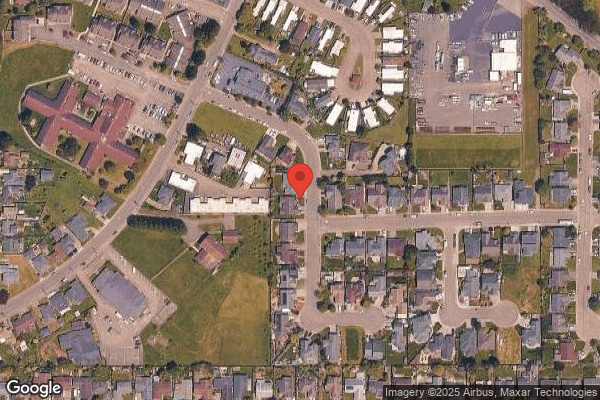

2321 NEWBURG ROAD, FORTUNA, CA 95540 (707) 725-4467
For profit - Partnership 104 Beds Independent Data: November 2025 1 Immediate Jeopardy citation
Trust Grade
0/100
#1020 of 1155 in CA
Last Inspection: July 2022

Over 2 years since last inspection. Current conditions may differ from available data.

Overview

Fortuna Rehabilitation and Wellness Center has received a Trust Grade of F, indicating significant concerns about the quality of care provided. It ranks #1020 out of 1155 facilities in California, placing it in the bottom half of all state nursing homes, and #4 out of 5 in Humboldt County, meaning there is only one local option that is better. The facility has a worsening trend, with the number of issues increasing from 4 in 2024 to 6 in 2025. Staffing is a major weakness, with a poor rating of 1 out of 5 stars and a troubling turnover rate of 78%, which is significantly higher than the state average. Additionally, the facility has incurred $184,576 in fines, which is concerning as it is higher than 96% of California facilities, suggesting repeated compliance problems. Specific incidents highlight the serious issues present: residents have complained about being cold for weeks, with temperatures recorded as low as 60 degrees Fahrenheit, creating an uncomfortable environment. In another case, a resident with paralysis developed multiple pressure ulcers due to the facility's failure to conduct timely assessments or provide adequate care. Lastly, one resident suffered a fracture after being left unsupervised on the toilet, indicating a lack of proper supervision and care. Overall, while there are some good quality measures, the numerous critical and serious deficiencies raise significant red flags for potential residents and their families.

Trust Score
F
0/100
In California
#1020/1155
Bottom 12%
Safety Record
High Risk
Review needed
Inspections
Getting Worse
4 → 6 violations
Staff Stability
⚠ Watch
78% turnover. Very high, 30 points above average. Constant new faces learning your loved one's needs.
Penalties
✓ Good
$184,576 in fines. Lower than most California facilities. Relatively clean record.
Skilled Nurses
⚠ Watch
Each resident gets only 13 minutes of Registered Nurse (RN) attention daily — below average for California. Fewer RN minutes means fewer trained eyes watching for problems.
Violations
⚠ Watch
66 deficiencies on record. Higher than average. Multiple issues found across inspections.
★☆☆☆☆
1.0
Overall Rating
★☆☆☆☆
1.0
Staff Levels
★★★★☆
4.0
Care Quality
★☆☆☆☆
1.0
Inspection Score
Stable
2024: 4 issues
2025: 6 issues

The Good

  • 4-Star Quality Measures · Strong clinical quality outcomes
  • Full Sprinkler Coverage · Fire safety systems throughout facility
  • No fines on record

Facility shows strength in quality measures, fire safety.

The Bad

1-Star Overall Rating

Below California average (3.1)

Significant quality concerns identified by CMS

Staff Turnover: 78%

31pts above California avg (46%)

Frequent staff changes - ask about care continuity

Federal Fines: $184,576

Well above median ($33,413)

Significant penalties indicating serious issues

Staff turnover is very high (78%)

30 points above California average of 48%

The Ugly 66 deficiencies on record

1 life-threatening 12 actual harm
May 2025 2 deficiencies
CONCERN (E) 📢 Someone Reported This

A family member, employee, or ombudsman was alarmed enough to file a formal complaint

Potential for Harm - no one hurt, but risky conditions existed

Deficiency F0645 (Tag F0645)

Could have caused harm · This affected multiple residents

**NOTE- TERMS IN BRACKETS HAVE BEEN EDITED TO PROTECT CONFIDENTIALITY** Based on interview and record review, the facility failed to ensure three sampled residents (Resident 1, Resident 2, and Residen...

Read full inspector narrative →
**NOTE- TERMS IN BRACKETS HAVE BEEN EDITED TO PROTECT CONFIDENTIALITY** Based on interview and record review, the facility failed to ensure three sampled residents (Resident 1, Resident 2, and Resident 3) received appropriate PASSR (Preadmission Screening and Resident Review - a federal requirement ensuring individuals with serious mental illness, intellectual disabilities, or related conditions are not inappropriately placed in Medicaid-certified nursing facilities and receive appropriate services) evaluations. This failure excluded each Resident from a complete mental health evaluation for appropriate facility placement, and non-receipt of available mental-health resources from the California Department of Developmental Services (DDS). Findings: During a record review of Resident 1's, admission Record, printed 5/6/25, it indicated Resident 14 was originally admitted to the facility on [DATE], with diagnoses including toxic encephalopathy (a brain disorder caused by exposure to toxic substances, leading to altered mental status and other neurological symptoms), post-traumatic stress disorder (a mental health condition that can develop after experiencing or witnessing a traumatic event, such as a natural disaster, war, violent crime, or personal loss), anxiety disorder (mental health conditions characterized by excessive worry, fear, and anxiety that can significantly impact daily life), and chronic pain syndrome (conditions characterized by persistent or recurring pain that lasts beyond the expected healing time for an injury or illness, often for three months or more). During a record review of Resident 1's, MDS-C (Minimum Data Set-section which focuses on cognitive patterns in nursing home residents, including attention, orientation, and ability to register and recall new information), dated 4/3/25, it indicated Resident 1 had a BIMS (Brief Interview of Mental Status--a tool used in nursing homes and long-term care facilities to assess and monitor cognitive function, with scores ranging from 0 to 15, where higher scores indicate better cognitive function) score of 8, indicating moderate cognitive impairment. During a record review of Resident 1 ' s pre-admission acute hospital ' s, History and Physical, dated 6/12/24, it indicated Resident 1 ' s historical diagnoses and current hospital problems included post-traumatic stress disorder and anxiety with somatization (the process where psychological or emotional distress manifests as physical symptoms). During a record review of Resident 1 ' s, PASSR Level 1 Screening, dated 6/19/24, it indicated that Resident 1 did not have a serious mental disorder when section III, number 10 was marked no. During a record review of correspondence from State of California Department of Healthcare Services, dated 6/19/24, it indicated Resident 1 did not require a PASRR level II (a more in-depth evaluation of individuals who have been screened positive for a potential mental illness or intellectual/developmental disability. This evaluation determines if a person's needs are best met in a nursing facility and if specialized services are required) screening, due to, no MI (mental illness). During a record review of Resident 2 ' s, admission Record, dated 5/12/25, it indicated Resident 2 was admitted to the facility on [DATE], with diagnoses including toxic encephalopathy, cerebral palsy (a permanent disorder that affects muscle movement and coordination due to damage to the developing brain), depression (a mood disorder characterized by persistent sadness, loss of interest or pleasure in activities, and other physical and cognitive changes), and developmental delay of scholastic skills (difficulties in acquiring or using specific academic skills like reading, writing, or math). During a record review of Resident 2's, MDS-C, dated 4/21/25, it indicated Resident 2 had a BIMS score of 7, indicating moderate cognitive impairment. During a record review of Resident 2 ' s acute hospital ' s, Discharge Summary, dated 7/25/23, it indicated Resident 2 ' s historical diagnoses and current hospital problems included cerebral palsy, developmental delay, and depression. Discharge instructions also noted Resident 2, needs coordination with Regional Center (Department of Developmental Services Regional Center- provides a wide array of services for individuals with developmental disabilities. Each center provides diagnosis and assessment of eligibility, and helps plan, access, coordinate and monitor services and supports). During a record review of Resident 2 ' s, PASSR Level 1 Screening, dated 7/25/23, it indicated Resident 2 had a developmental or intellectual disability which was expected to continue, had received services from the Regional Center in the past, and currently experienced multiple functional limitations (restrictions in a person's ability to perform daily activities due to physical, mental, or cognitive impairments). The PASRR indicated Resident 2 did not have a serious mental disorder when section III, number 10 was answered, no. During a record of review of Resident 2 ' s medical record, it indicated the facility did not complete a PASRR Level 2, as this document was not found in the Resident ' s electronic chart. During a record review of Resident 3 ' s, admission Record, printed 5/6/25, it indicated Resident 3 was admitted to the facility on [DATE], with diagnoses including depression, hemiplegia and hemiparesis following cerebral infarction (a condition where brain tissue dies due to a lack of blood flow), and contusion and laceration of the cerebrum (injuries to the brain tissue that result from blunt force trauma). During a record review of Resident 3's, MDS-C, dated 3/21/25, it indicated Resident 3 had a BIMS score of 9, indicating moderate cognitive impairment. During a record review of Resident 3 ' s untitled facility ' s physician note, dated 3/14/25, the physician diagnosed Resident 3 with the following conditions: Toxic encephalopathy, anxiety disorder, and major depressive disorder (a serious mental illness characterized by persistent sadness, loss of interest or pleasure, and other symptoms that interfere with daily life). During a record review of Resident 3 ' s ,PASRR Level 1, dated 3/13/23, it indicated Resident 3 ' s PASRR result was, positive due to Suspected MI (mental illness). During a record review of correspondence from the State of California Department of Health Care Services, dated 3/21/23, it indicated a PASRR level II screening could not be conducted for Resident 3, due to, no serious MI (mental illness). During an interview on 5/7/25 at 9:36 a.m., with the Director of Nursing (DON), the DON stated if the PASRR process is not properly completed, an individual may be inappropriately placed in a skilled nursing facility. The DON stated she had experienced this situation while working at another facility, and inappropriate placements could result in resident harm. During an interview on 5/7/25 at 10:10 a.m., with the Business Officer (BOM), the BOM states she worked with the MDS Nurse (MDS) to ensure PASRR ' s were completed for each resident, and they were done correctly. The BOM stated, when an acute hospital completed the Level I PASRR when they transfered a resident to the facility, 90% of the time the PASRR was incorrectly completed. The BOM stated the MDS Nurse (MDSN) should have reviewed available documentation and corrected any errors in the Level I PASRR, which would have triggered a Level II PASRR screening for Residents 1, 2 and 3. During an interview on 5/7/25 at 11:08 a.m., with MDSN, the MDSN acknowledged acute hospitals were now responsible to fill out PASRR level 1 ' s prior to resident admission to a skilled nursing facility, and they often answered questions on the PASRR 1 incorrectly. The MDSN also stated, if the PASRR process was not correctly followed, a resident with a mental illness or developmental delay may not receive services from the DDS Regional Center. During a phone interview on 5/7/25 at 2:45 p.m., with the DDS Regional Center Nurse (RCN), the RCN stated the PASRR was enacted in the 1990 ' s to ensure that individuals with mental illness or developmental delays were not inappropriately placed in skilled nursing facilities. During a review of facility policy and procedure (P & P) titled, Pre-admission Screening Resident Review (PASRR), revised 8/15/16, it indicated, Purpose: to ensure all facility applicants are screened for mental illness and mental retardation prior to admission, and, the facility MDS Coordinator will be responsible to access and ensure updates to the PASRR is done per MDS guidelines (e.g. Significant Change of Status MDS). During a record review of facility P & P titled, Pre-admission Screening Level II Resident Review, dated 9/2017, it indicated, The facility staff will coordinate the recommendations from the level II PASRR determination and the PASRR evaluation report with the resident ' s assessment, care planning and transitions of care. The facility will refer all level II residents and all residents with a newly evident or possible serious mental disorder, intellectual disability or a related condition, for level II resident review upon a significant change in status assessment, and, The IDT (Interdisciplinary Team-brings together professionals from various disciplines to provide comprehensive, person-centered care. These teams aim to improve patient outcomes through collaboration, communication, and shared decision-making) will review the level II evaluation report to develop a care plan and arrange the Specialized Services recommended for the resident. Specialized Services are add-on to the facility services- they are of a higher intensity and frequency than the services provided by the facility if the resident ' s PASRR level II report indicates that he/she needs specialized services, and the IDT identifies that he/she is not receiving them, the BOM will notify the MediCal/MediCaid agency for authorization for payment or provision of these services.
CONCERN (E) 📢 Someone Reported This

A family member, employee, or ombudsman was alarmed enough to file a formal complaint

Potential for Harm - no one hurt, but risky conditions existed

Deficiency F0712 (Tag F0712)

Could have caused harm · This affected multiple residents

**NOTE- TERMS IN BRACKETS HAVE BEEN EDITED TO PROTECT CONFIDENTIALITY** Based on interview and record review, the facility failed to provide face-to-face physician visits at least once every 60 days f...

Read full inspector narrative →
**NOTE- TERMS IN BRACKETS HAVE BEEN EDITED TO PROTECT CONFIDENTIALITY** Based on interview and record review, the facility failed to provide face-to-face physician visits at least once every 60 days for three sampled residents (Resident 1, Resident 2, and Resident 3). This deficient practice had the potential to result in a decline in medical, health or psychosocial condition and lead to a delay in necessary care, treatment and services. Findings: A review of Resident 1 ' s, admission Record, dated 5/6/25, indicated Resident 1 was initially admitted to the facility on [DATE], with diagnoses including acute respiratory failure (a life-threatening condition where the lungs cannot adequately provide oxygen to the blood or remove carbon dioxide), post-traumatic stress disorder (a mental health condition that can develop after experiencing or witnessing a traumatic event. Symptoms include intrusive memories, nightmares, flashbacks, avoidance of triggers, negative thoughts and feelings, and hypervigilance), anxiety disorder (excessive worry and fear that significantly interferes with daily life), chronic pain syndrome (a broad term for pain that persists beyond the expected healing time of an injury or illness, or is associated with a chronic health condition), gastro-esophageal reflux disease (a chronic condition where stomach acid flows back up into the esophagus, causing heartburn and other symptoms), and post laminectomy syndrome (a complex condition with multiple potential causes, including scar tissue, nerve root compression, and psychological factors. Symptoms can range from dull aches to sharp, stabbing pain, and can include numbness, tingling, or weakness in the legs). A review of Resident 1 ' s, Minimum Data Set ([MDS] a resident assessment tool), dated 4/3/25, indicated Resident 1's BIMS (Brief Interview for Mental Status score is a tool used to assess a resident's cognitive function) score was 8, indicating moderately impaired cognitive skills. During a concurrent interview and record review on 5/6/25 at 2:27 p.m., with the Registered Nurse Consultant (RNC), Residents 1 ' s physician visit notes titled, Housecall MD, Inc,. with the following dates, were reviewed: 7/11/24, 10/16/24, 11/23/24, 1/3/25, 3/12/25, and 3/31/25. The RNC confirmed between 7/11/24 and 3/12/25, the facility physician did not have a face-to-face visit with Resident 1, equal to a period of eight months. A review of Resident 2 ' s, admission Record, dated 5/12/25, indicated Resident 2 was initially admitted to the facility on [DATE], with diagnoses including toxic encephalopathy (a brain disorder caused by exposure to toxic substances, leading to altered mental status and other neurological symptoms), quadriplegia (a condition characterized by the paralysis of all four limbs and the torso due to a spinal cord injury or other neurological damage), spastic cerebral palsy (characterized by increased muscle tone and stiffness, making movements appear awkward and jerky), depression (a serious mood disorder characterized by persistent feelings of sadness and a loss of interest or pleasure in activities), and developmental disorder of scholastic skills (difficulties in acquiring and using academic skills despite normal intelligence, adequate schooling, and motivation). During a review of Resident 2 ' s MDS, dated 4/28/25, the MDS indicated Resident 2's BIMS score was 7, indicating moderately impaired cognitive status. During a concurrent interview and record review on 5/7/25 at 12 p.m., with the MDS Nurse (MDSN), Resident 2 ' s physician visit documentation titled, Housecall MD, Inc., for the following dates were reviewed: 10/9/24, 11/9/24, and 1/3/25. The MDSN stated each of these visits were tele-health/virtual visits. During a review of Resident 3 ' s, admission Record, dated 5/13/25, it indicated Resident 3 was initially admitted to the facility on [DATE], with diagnoses including acute kidney failure (a sudden and significant loss of kidney function, often within hours or days), hemiplegia and hemiparesis (hemiplegia refers to complete paralysis, while hemiparesis refers to partial weakness), muscle weakness and history of falling. During a review of Resident 3 ' s, MDS, dated 3/21/25, the MDS indicated Resident 3's BIMS score was 9, indicating moderate cognitive impairment. During a concurrent interview and record review on 5/7/25 at 12 p.m., with MDSN, Resident 3 ' s physician visit documentation titled, Housecall MD, Inc., for the following dates were reviewed: 10/9/24, 11/9/24, 12/12/24 and 1/3/25 were reviewed. The MDSN stated each visit was a tele-health/virtual visit. During a phone interview with on 5/7/25 at 2:30 p.m., with the facility Administrator (ADM), the ADM stated that the facility terminated prior contracted physician services in February 2025, for not providing agreed face-to-face services with facility residents. A review of the federal regulations governing physician visits in Skilled Nursing Facilities, Code of Federal Regulations, Title 42, §483.30(c) and (c)(1), indicated that physicians must see their residents in person, and telehealth visits are not allowed, as follows: §483.30(c)(1) The residents must be seen by a physician at least once every 30 days for the first 90 days after admission, and at least once every 60 thereafter . DEFINITIONS §483.30(c) Must be seen, for purposes of the visits required by §483.30(c)(1), means that the physician or NPP must make actual face-to-face contact with the resident, and at the same physical location, not via a telehealth arrangement . A review of facility policy and procedure titled, Physician Services and Visits, dated 1/1/12, indicated, the Facility must ensure that all residents admitted to or accepted for care by the Facility are under the care of a physician .the Attending Physician must: Evaluate the resident as needed and at least every 30 days ., and, physician visits, frequency of visits, emergency care of residents, etc., are provided in accordance with current OBRA regulations .
Apr 2025 1 deficiency
CONCERN (E) 📢 Someone Reported This

A family member, employee, or ombudsman was alarmed enough to file a formal complaint

Potential for Harm - no one hurt, but risky conditions existed

Deficiency F0658 (Tag F0658)

Could have caused harm · This affected multiple residents

**NOTE- TERMS IN BRACKETS HAVE BEEN EDITED TO PROTECT CONFIDENTIALITY** Based on interview and record review, the facility failed to ensure Licensed Nurses (LNs) administered medications to residents ...

Read full inspector narrative →
**NOTE- TERMS IN BRACKETS HAVE BEEN EDITED TO PROTECT CONFIDENTIALITY** Based on interview and record review, the facility failed to ensure Licensed Nurses (LNs) administered medications to residents per physician's order for two residents (Resident 1 and Resident 2) of four sampled residents when LNs administered medications late. This finding had the potential to result in serious side and adverse effects to the residents receiving late medications. Findings: A review of an admission record indicated Resident 1 was admitted to the facility on [DATE] with diagnoses which included palliative care (specialized medical care for people with serious illnesses which is focused on relieving suffering and improving quality of life) and malignant neoplasm of skin (skin cancer). A review of a facility document titled, Medication Audit Admin Report, dated 3/1/25 to 3/31/25 indicated: -On 3/1/25, propranolol (medication used to treat tremors) 60 milligrams (mg, a unit of measurement) was scheduled to be given at 12 p.m. It was documented as administered at 4:14 p.m. -On 3/1/25, methadone (medication used to treat chronic pain) 2.5 mg was scheduled to be given at 12p.m. It was documented as administered at 4:12 p.m. -On 3/2/25, gabapentin (medication used to treat nerve pain) and methadone, were scheduled to be given at 9 a.m. They were documented as administered between 10:47 a.m. to 10:48 a.m. A review of Resident 2's Medication Administration Record for April 2025, indicated Resident 2 was admitted to the facility on [DATE] with medical diagnoses which included Epilepsy (A brain disease which causes seizures). A review of a facility document titled, Medication Audit Admin Report, dated 4/1/25 to 4/10/25 indicated: -On 4/1/25, ropinirole (medication used to treat Parkinson's Disease (a neurological disorder which affects movement)) 2 mg was scheduled to be given at 8 a.m. It was documented as administered at 9:43 a.m. -On 4/2/25, levetiracetam (medication used to prevent seizures) 1000 mg was scheduled to be given at 8 a.m. It was documented as administered at 9:13 a.m. -On 4/3/25, aspirin (medication used to prevent strokes (a blockage in the vessels that deliver oxygen to the brain and can lead to brain damage) 81 mg was scheduled at 8 a.m. It was documented as administered at 9:35 a.m. During an interview on 4/10/25 at 12:25 p.m., LN A stated nursing staff were assigned around 30 residents per shift, including morning shift. LN A medications were administered up to one hour late to the residents because of the staffing shortage. LN A stated this was a result of the high number of resident assignments per nurse. During an interview on 4/10/25 at 1:02 p.m., LN B stated the facility was extremely short-staffed for LNs after approximately eight LNs had resigned simultaneously in January of 2025 when management decided to switch from twelve-hour shifts to eight-hour shifts. LN B stated since the change, a typical assignment ranged from 28 to 34 residents during morning shift per LN. LN B stated this made it impossible to administer all the resident medications timely. LN B stated management assigned only three nurses on the floor to provide direct resident care for a census of around 90 residents. During an interview on 4/10/25 at 1:30 p.m., Resident 2 stated medications were often administered late. Resident 2 stated receiving her medications late made her very anxious because she had restless leg syndrome, and when not given her medications timely, she was in a lot of discomfort. During a concurrent interview and record review on 4/10/25 at 4:01 p.m., the Director of Nursing (DON) reviewed the Medication Audit Admin Reports for Resident 1 and Resident 2 and confirmed the medications were documented as administered late. The DON also reviewed the staffing sheets from February 23, 2025 through March 2, 2025, and April 3, 2025, through April 7, 2025, and confirmed the facility [AD8] had not met the State staffing requirements. The DON stated she herself would not be able to administer all the resident medications timely with such heavy resident assignments. During a concurrent interview and record review on 4/10/25 at 4:25 p.m., LN C reviewed the Medication Audit Admin Report for Resident 1 and confirmed Resident 1's medications were administered more than one hour after the scheduled time. LN C confirmed the medications were administered late. LN C stated the facility was very short-staffed on LNs and resident assignments were so heavy it was impossible to administer all resident medications timely. LN C stated, We need more help. A review of the facility's policy titled, Medication-Administration, last revised in January of 2012, indicated, The Licensed Nurse will prepare medications within one hour of administration .Medications may be administered one hour before or after the scheduled medication administration time.
Feb 2025 1 deficiency
CONCERN (E) 📢 Someone Reported This

A family member, employee, or ombudsman was alarmed enough to file a formal complaint

Potential for Harm - no one hurt, but risky conditions existed

Deficiency F0725 (Tag F0725)

Could have caused harm · This affected multiple residents

Based on interview and record review, the facility failed to ensure adequate staffing with appropriate competencies was maintained to meet the physical needs of the residents, as evidenced when treatm...

Read full inspector narrative →
Based on interview and record review, the facility failed to ensure adequate staffing with appropriate competencies was maintained to meet the physical needs of the residents, as evidenced when treatments for wound care were not provided as ordered by the Physician for four of nine sampled Residents: Resident 1, Resident 2, Resident 3 and Resident 4. This failure had the potential for delaying the healing of the wounds and increasing the risk for the wounds to become infected. Findings: During a review of clinical records on 2/20/25, Resident 1's Medical Doctors, Order Summary Report for 2/2025, had the following orders for wound care: 1. Cleanse left breast malignant wound with wound cleanser and pat dry; apply skin barrier cream every day shift for wound care per (wound specialist) instructions. Start date was 8/22/24. 2. Dakins (1/4 strength) External Solution (Sodium Hypochlorite) Apply to coccyx topically every day shift every Mon, Wed, Fri for pressure injury Cleanse with Dakins solution, pat dry, apply calcium alginate to wound bed, cover with mepilex dressing or equivalent. This would be the pressure ulcer (a skin injury caused by prolonged pressure on a bony area of the body) of the coccyx, (the tail bone) cleansed with an antiseptic solution, (Dakins used to prevent infection in wounds,) patted dry, wound bed covered with Calcium alginate, (absorbent wound dressings made from seaweed, alginate) and covered with absorbent foam dressing (Mepilex). Start date was 1/15/25. 3. Sacro-coccygeal: Cleanse with NS (sterile salt water,) or sterile water, pat dry, cover with calcium alginate to fit wound bed, cover with Mepilex or similar dressing, every day shift every Mon, Wed, Fri for Stage 3 Pressure Injury. Start date was 1/3/25. During a review of clinical records on 2/20/25, Resident 1's Treatment Administration Record (TAR) for the month of 2/2025, had the instructions for treatments of Resident 1's wounds and was used to document that the treatments were provided. Resident 1's Breast Malignant (cancerous) Wound treatment was not documented as done for Monday 2/3/25 and Monday 2/10/25. Resident 1's Coccyx pressure ulcer treatment for every Monday, Wednesday and Friday was not documented as done for Monday 2/3/25 and Monday 2/10/25. Resident 1's Sacro-coccygeal (area over the last two bones of the back) pressure ulcer treatment for every Monday, Wednesday and Friday was not documented as done on Monday 2/3/25 and Monday 2/10/25. During a review of clinical records on 2/20/25, Resident 2's Medical Doctors, Order Summary Report for 2/2025 had the following order for wound care. RLE: cleanse with NS, pat dry, apply xeroform, wrap with kerlix every day shift for Stage 3 pressure injury. Start date was 1/22/25. This would be to treat a pressure ulcer on the right below-knee amputation stump by cleansing the wound, apply a petrolatum-based gauze dressing used to keep wounds moist and wrap with a roll of gauze dressing daily. During a review of clinical records on 2/20/25, Resident 2's TAR [CM9] [CD10] for the month of 2/2025, had the instructions for treatments of the pressure ulcer on the right below knee amputation stump. The treatment was not documented as done on 2/3/25, 2/4/25, 2/6/25, 2/7/25, and 2/8/25. During a review of clinical records on 2/20/25, Resident 3's Medical Doctors, Order Summary Report for 2/2025, had the following order for wound care: Vleanse wound on coccyx/upper lesion with NS, pat dry and apply foam dressing every day shift starting 2/19/25. During a review of clinical records on 2/20/25, Resident 3's TAR for the month of 2/2025, had the instructions for treatments of two pressure ulcers. Resident 3's Coccyx pressure ulcer was to be cleansed with saline (NS), patted dry, packed with Dermablue (foam with antiseptic properties), and covered with absorbent foam dressing every three days. Start date was 1/14/25. This was documented as completed on 2/1/25, and not documented as completed for 2/4/25 and 2/7/25.This treatment was documented as completed on 2/10/25 but not done on 2/13/25. Resident 3's upper buttocks pressure ulcer was to be cleansed with saline, patted dry, packed with absorbent dressing and covered with absorbent foam dressing every three days. Start date was 1/31/25. This was not documented as completed on 2/3/25 and 2/6/25. It was documented as done for 2/9/25 and 2/12/25. During a review of clinical records on 2/20/25, Resident 4's Medical Doctors, Order Summary Report for 2/2025, had the following orders for wound care: 1. Lt calf- cleanse with NS, pat dry, calcium alginate with AG (silver) to wound bed, cover with dry, clean dressing. Wrap with kerlix and coban. every day shift for Venous Wound, started on 1/29/25. (Kerlix, long lengths of gauze to wrap wounds, and Coban, a type of bandage that comes in long lengths and secures in place by sticking together). 2. RLE- cleanse with NS, pat dry, cover open areas with xeroform, non-adherent dressing. every day shift forwound care. Start date was 1/29/25. During a review of clinical records, Resident 4's TAR for the month of 2/2025, had the instructions for treatments of two leg wounds, (not considered pressure ulcers.) Resident 4's left calf wound treatment was not documented as provided on 2/2, 2/5, 2/6, and 2/7/25. Resident 4's right leg open wounds treatment was missed on 2/2, 2/5, 2/6, and 2/7/25. During an interview on 2/20/25 at 12:30 p.m., Infection Preventionist (IP) stated the facility had several staff quit at the same time which included the Treatment Nurse. The IP stated the facility was not able to schedule a nurse to do treatments. The plan was for the nurses to apply the ointments and other nursing staff to fill in, to do the dressings on residents' wounds. The IP stated she did the wound care on one of the days without a Treatment Nurse. The IP stated that on 2/18/25, she did the rounding for the Wounds Assessments with the wound care MD, and the wounds were stable or healing. During an interview on 2/20/25 at 3:00 p.m., Licensed Nurse A stated she did not do the dressings for wound care, but did do the ointments and creams that did not require a dressing. During an interview on 2/20/25 at 3:10 p.m., Licensed Nurse B stated she did not have time to do the dressings that were ordered. Licensed Nurse B stated she did ask the Assistant Director of Nursing to change a dressing but did not recall if had been done and acknowledged it had not been documented. Licensed Nurse B stated that one of her Residents, Resident 4, requested Licensed Nurse C to change his dressing, but she was not able to do it every day as ordered. During an interview on 2/20/25 at 3:20 p.m., Licensed Staff C stated they did not have a Treatment Nurse, but she was able to provide the wound care treatments to her residents, Resident 1 and Resident 3. Licensed Staff C stated, on her days off the residents' wounds were not treated because a Registry Nurse had her assignment and probably, assumed a Treatment Nurse would do the treatments. During a review of the facility's staffing sheets for 2/1/25 to 2/14/25 (three shifts) documented the assignments for the nurses. The top of the sheets had the names of the unit nurses and space for the MDS Nurse (nurse to assess and document the Minimum Data Set for Medicare, the Treatment Nurse and an extra nurse, assigned when residents needs were high. The staffing sheets for the facility from Saturday 2/1/25 through Thursday 2/13/25, indicated no Treatment Nurse was scheduled to work.
Jan 2025 2 deficiencies 1 Harm
SERIOUS (G) 📢 Someone Reported This

A family member, employee, or ombudsman was alarmed enough to file a formal complaint

Actual Harm - a resident was hurt due to facility failures

Accident Prevention (Tag F0689)

A resident was harmed · This affected 1 resident

**NOTE- TERMS IN BRACKETS HAVE BEEN EDITED TO PROTECT CONFIDENTIALITY** Based on interview and record review, the facility failed to provide supervision to prevent a fall for one resident (Resident 1)...

Read full inspector narrative →
**NOTE- TERMS IN BRACKETS HAVE BEEN EDITED TO PROTECT CONFIDENTIALITY** Based on interview and record review, the facility failed to provide supervision to prevent a fall for one resident (Resident 1) of two sampled residents when Certified Nursing Assistant B (CNA B) left Resident 1 on the toilet unsupervised then left Resident 1 ' s room to attend to another resident. This failure resulted in Resident 1 sustaining a fracture (a complete or partial break of the bone) of the right distal fibula (smaller long bone of the lower leg) and the right distal tibia (larger long bone of the lower leg). Findings: A review of Resident 1 ' s admission record indicated she was admitted on [DATE] with diagnoses including hemiplegia (total paralysis of the arm, leg, and trunk on the same side of the body) and hemiparesis (weakness and paralysis of the body) affecting the left dominant side, epilepsy (a nerve disorder in which nerve cell activity in the brain is disturbed, causing seizures [sudden temporary bursts of electrical activity in the brain that can cause changes in body movement, function, or awareness]), and memory deficit following a cerebral infarction (a stroke caused by disrupted blood flow to the brain). A review of Resident 1 ' s clinical record included the following documents: A Minimum Data Set (MDS- a federally mandated resident assessment tool), dated 9/13/24, indicated Resident 1 required supervision or touching assistance (helper provides verbal cues and/or assistance touching/steadying and/or contact guard assistance as resident completes activity. Assistance may be provided throughout the activity or intermittently) for toilet transfers. The MDS further stated Resident 1 required partial/moderate assistance (helper does less than half the effort. Helper lifts, holds, or supports limbs, but does half the effort) for toileting hygiene (the ability to maintain perineal [genital and anal area] hygiene, adjust clothes before and after voiding [emptying the bladder] or having a bowel movement). A Fall Risk Care Plan, initiated 8/1/23 indicated Resident 1 was at high risk for falls related to confusion, deconditioning (a decline in the physical functioning of the body), gait (a person ' s manner of walking)/balance problems, urinary urgency and incontinence (inability to control the flow of urine from the bladder), poor communication/comprehension, psychoactive drug use (drugs which affect mental processes), unaware of safety needs, desire to be independent with ongoing overestimation of actual abilities, severe bilateral lower extremity (both right and left legs and feet) neuropathy (weakness, numbness, and pain from nerve damage), history of many falls here, at home, and at previous Skilled Nursing Facility. Fall Risk Assessments, dated 7/30/24, 9/4/24, 9/21/24 and 11/17/24 all indicated Resident 1 was a high risk for falls. Resident 1 ' s progress notes between 8/1/24 and 11/30/24 indicated Resident 1 had 4 falls, 3 of which were unwitnessed. An Interdisciplinary Team (IDT, a group of people with different areas of expertise who work together to ensure care) Progress note dated 8/1/24 indicated the Root Cause of Resident 1 ' s fall was, Slipped, and fell to the floor – plus resident has a history of frequent falls. Resident has neuro cognitive deficits [a decline in mental function that is caused by a medical condition] - legs have neuropathy – decreased safety awareness. Resident is very forgetful. Resident has poor judgement. A review of written statement dated 11/17/24 from CNA B about his account of Resident 1 ' s fall indicated, .assisted [Resident 1] by wheelchair to restroom on 11/16/24 around 2235 [11:35 p.m.]. Once [Resident 1] was positioned on the toilet I removed her wheelchair out of restroom to prevent her to attempt to transfer on her own. Before leaving [Resident 1] I reminded her to use call light in restroom when she was finished. While waiting on her I went to assist another resident. On coming back [CNA C] and I heard a resident in room [ROOM NUMBER]B asking for a blanket. While [CNA C] was in room [ROOM NUMBER]B she heard a knock on the wall. On investigating she found [Resident 1] on restroom floor. I proceeded to get charge nurse. A Progress Note, dated 11/17/24 at 00:30 indicated, .this writer called to resident ' s bathroom. Upon arriving, resident was found lying on the floor in the bathroom. Upon assessing resident .there was an obvious ankle injury with severe pain .[Physician] called, informed of situation. Orders received to send to ER [Emergency Room] for evaluation . A discharge summary from the hospital dated 11/17/24, indicated Resident 1 was diagnosed with a closed fracture of the right ankle. Resident 1 was discharged back to the facility with a splint (a medical device that immobilizes the ankle joint to help with healing)on the right ankle, pain medications, and instructions to follow up with an Orthopedic Physician (a medical professional who diagnoses and treats conditions of the bones, muscles, and joints). During an interview on 1/7/25 at 11:32 a.m., the Director of Nursing (DON) stated she was notified by staff Resident 1 had fallen after she requested privacy while on the toilet. The DON verified Resident 1 had a history of falls. The DON also stated the best practice was for staff to stay within eyesight, so residents did not try to transfer on their own and fall. The DON further stated CNA B could have provided privacy and still stayed in the room. During an interview on 1/7/25 at 1:43 p.m., Licensed Nurse D (LN D) stated Resident 1 required assistance and supervision in the bathroom as she was a fall risk. LN D stated Resident 1 had a history of noncompliance with using the call light. LN D further stated staff should stand by the bathroom door when a resident requested privacy; staff could not have supervised a resident if they left the room. During an interview on 1/7/25 at 2:15 p.m., the Director of Staff Development (DSD) stated best practice when toileting a resident who requests privacy was to be able to see the resident without them seeing you. The DSD further stated staff could not have provided supervision when they were out of the room. During a review of a facility policy titled, Fall Management Program, last revised 11/7/2016, the policy indicated, A resident who sustains multiple falls will be considered a high risk to fall and as a result may sustain a major injury.
CONCERN (D) 📢 Someone Reported This

A family member, employee, or ombudsman was alarmed enough to file a formal complaint

Potential for Harm - no one hurt, but risky conditions existed

Report Alleged Abuse (Tag F0609)

Could have caused harm · This affected 1 resident

Based on interview and record review, the facility failed to ensure an allegation of abuse was reported within the required timeframe for two residents (Resident 2 and Resident 3) of two sampled resid...

Read full inspector narrative →
Based on interview and record review, the facility failed to ensure an allegation of abuse was reported within the required timeframe for two residents (Resident 2 and Resident 3) of two sampled residents when the facility reported an allegation of abuse to the California Department of Public Health (the Department) three days after the incident occurred. This failure decreased the facility's potential to ensure resident safety and cause a delayed response by enforcement agencies. Findings: A review of the facility's document titled 5-Day Conclusion Resident to Resident Altercation dated 11/22/24 indicated a Certified Nursing Assistant (CNA) witnessed Resident 3 hitting Resident 2 on the face with a shoe on 11/15/24 at approximately 11:30 p.m. During an interview on 1/7/25 at 2:15 p.m., the Director of Staff Development (DSD) stated it was the facility ' s policy to report an allegation of abuse to the Department within two hours. The DSD confirmed the 11/15/24 allegation of suspected abuse had not been reported to the Department until 11/18/24. During an interview on 1/8/25 at 2:10 p.m., the Administrator stated the expectation was for the abuse coordinator to report any allegations of abuse to the Department within the two-hour time frame. The administrator also stated if the abuse coordinator was unavailable, any member of the management team would be expected to report an allegation of abuse to the Department within two hours. The Administrator confirmed the 11/15/24 allegation of abuse had not been reported to the Department until 11/18/24. A review of the facility ' s policy titled, Abuse Reporting and Investigations, revised March 2018 indicated, The Administrator or designated representative will within two (2) hours notify, by telephone, the Department, the Ombudsman, and Law Enforcement. The policy further indicated a written report will be sent to the Department within two (2) hours.
Nov 2024 1 deficiency
CONCERN (D) 📢 Someone Reported This

A family member, employee, or ombudsman was alarmed enough to file a formal complaint

Potential for Harm - no one hurt, but risky conditions existed

Safe Environment (Tag F0921)

Could have caused harm · This affected 1 resident

**NOTE- TERMS IN BRACKETS HAVE BEEN EDITED TO PROTECT CONFIDENTIALITY** Based on observation, interview, and record review the facility did not maintain a safe and functional environment when the tran...

Read full inspector narrative →
**NOTE- TERMS IN BRACKETS HAVE BEEN EDITED TO PROTECT CONFIDENTIALITY** Based on observation, interview, and record review the facility did not maintain a safe and functional environment when the transition strip (flooring strip designed to smooth out the junction of different flooring types) at two of four doorways was in the wrong position to make a smooth surface at the threshold, (the bottom of the doorway.) The two doorways were at room [ROOM NUMBER] and the 1st shower room on the same hall. This failure resulted in Resident 1 falling at the doorway of room [ROOM NUMBER] and breaking her arm. This failure had the potential to cause Resident 1 to fall again, as well as cause other residents, staff, and the public, (due to unsafe and poorly maintained flooring,) to fall. Findings: During a review of Resident 1's medical records on 11/20/24, Resident 1's Progress note dated 9/9/24 at 15:37 and titled IDT Progress Notes - Falls documented that Resident 1 had a fall on 9/7/24 at 2:50 p.m. IDT Progress note indicated resident was walking/ambulating out of her room, without her walker, . CNA (Cerfified Nursing Assistant) told her to grab her walker. During her turn to goback to get her walker, she tripped on the threshold and then tried to grab the hall side rail and could not prevent from falling and fell to the floor - and landed on her right arm, elbow shoulder and immediately had severe pain. IDT progress note indicated Resident 1 was ambulating without her walker . she turned then tripped on the threshold strip, falling to the floor on her right side. IDT Progress note indicated Resident 1 was sent to the emergency department where she was diagnosed with a fracture of the right arm. During a review of the facility records on 11/20/24, review revealed a document titled Room Threshold Inspection dated 9/9/24 in with their investigation report of Resident 1's fall. The facility adapted the room temperature check sheet showing a table with columns for the room numbers and the room temperature. The temperature columns were used to note the conditions of the room thresholds. The maintenance man indicated that the threshold for room [ROOM NUMBER] was Gone and indicated that room [ROOM NUMBER] and 53 needed to be fixed. During an observation on 11/20/24 at 9:10 a.m., the threshold at the doorway of room [ROOM NUMBER] had a strip of black tape along the edge of the tile at the threshold but stopped before the laminate flooring of the hallway. The laminate edge was taller than the tile floor. Surveyor, when stepping on the threshold, could feel the uneven floor and the tape was sticking to the sole of the shoe. During an observation on 11/20/24 at 9:10 a.m., the threshold at the doorway of shower 1 on the hall with room [ROOM NUMBER] and 24, had a tile floor for the bathroom that ended at the sub flooring. The laminate started about 1 inch from the tile leaving an uneven space at the threshold. During an observation and concurrent interview on 11/20/24 at 10:00 a.m., DON observed the threshold at the doorway at room [ROOM NUMBER] and acknowledged that the threshold was uneven and a trip hazard. DON stated she thought that her maintenance man had repaired the threshold at this doorway. During a review of the facility's policy and procedure titled Resident Safety dated 4/15/21 indicated the purpose was to provide a safe and hazard free environment. The procedure directed: Any facility staff member who identifies an unsafe situation, practice or environmental risk factor should immediately notify their supervisor or charge nurse.
Aug 2024 2 deficiencies 2 Harm
SERIOUS (G) 📢 Someone Reported This

A family member, employee, or ombudsman was alarmed enough to file a formal complaint

Actual Harm - a resident was hurt due to facility failures

ADL Care (Tag F0677)

A resident was harmed · This affected 1 resident

**NOTE- TERMS IN BRACKETS HAVE BEEN EDITED TO PROTECT CONFIDENTIALITY** Based on interviews and record reviews, the facility failed to regularly provide showers for one out of two sampled residents (R...

Read full inspector narrative →
**NOTE- TERMS IN BRACKETS HAVE BEEN EDITED TO PROTECT CONFIDENTIALITY** Based on interviews and record reviews, the facility failed to regularly provide showers for one out of two sampled residents (Resident 1). This failure was a contributing factor for: 1.staff not identifying Resident 1 wound on top of his right shoulder, 2. the wound on top of Resident 1's right shoulder to become infected (having an infection- invasion or growth of germs in the body) that later developed into sepsis (life threatening condition, a severe form of infection). Findings: A review of Resident 1's face sheet (demographics) indicated Resident 1 was admitted on [DATE] with a diagnoses of Type 2 Diabetes Mellitus (DM, a disease that occurs when your blood glucose, also called blood sugar, is too high) and Essential Hypertension (HTN, high blood pressure). Resident 1 had an additional diagnosis of Cellulitis (a deep bacterial infection of the skin) of upper limb when he came back from the hospital on 8/12/24. A review of Resident 1's Minimum Data Sheet Assessment (MDS, a standardized assessment tool that measures health status in nursing home residents) dated 6/27/24, Brief Interview for Mental Status (BIMS, a mandatory tool used to screen and identify the cognitive condition of residents) score was 13 indicating intact cognition (the mental action or process of acquiring knowledge and understanding through thought, experience, and the senses). Resident 1's MDS assessment also indicated he was dependent on staff during dressing, toileting, bathing or showering and putting on or taking off footwear. A review of shower sheet for 7/2024 indicated Resident 1 should have received a total of 9 showers. Based on the shower documentation, Resident 1 only received 2 bed baths (washing someone in bed) out of 9 showers on these dates: 7/13/24 and 7/31/24. There was no shower sheet provided for 8/2024 which indicated Resident 1 did not receive shower nor bed bath between 8/2/24 and 8/6/24. A review of Resident 1's hospital discharge note dated 8/12/24 indicated Resident 1 had a purulent (containing pus- a thick fluid containing dead tissue and bacteria, associated with infection) cellulitis with small superficial abscess of right superior shoulder and the sepsis was secondary to the cellulitis and small abscess of the right superior shoulder. During an interview on 8/15/24 at 1:10 p.m., Licensed Nurse D stated Resident 1 was scheduled to receive showers twice a week and more often as needed. LN D stated shower refusal should be documented. LN D stated when care was not documented, it meant the care was not provided. LN D stated not providing regular showers to residents could result in impaired skin, wound development and infection, low self-esteem, and bad odor. During an interview on 8/15/24 at 1:13 p.m., Certified Nursing Assistant (CNA) E stated residents were scheduled to receive showers at the facility twice a week and more often as needed. CNA E stated it was important for residents' well-being to receive showers as scheduled regularly. CNA E stated not providing showers to residents regularly as scheduled could lead to infection, development of wound or pressure ulcer (bed sores, injury to skin and underlying tissue resulting from prolonged pressure on the skin), worsening of wound or pressure ulcer or missed skin impairment. During an interview on 8/15/24 at 1:15 p.m., CNA F stated residents were scheduled to receive showers twice a week and more often as needed. CNA F stated not providing showers regularly as scheduled could result in wound to worsen, wound infection, sepsis, and missed skin impairment. During an interview on 8/15/24 at 1:21 p.m., LN B stated residents were scheduled to receive showers twice a week and more often as needed. LN B stated refusal should be documented. LN B stated not receiving showers regularly and as scheduled could lead to wound infection, development or worsening of wound or pressure ulcer. LN B stated residents would also have low self-esteem or they might feel uncomfortable. LN B stated if a resident was sent to the hospital and the diagnosis was sepsis, it meant resident already had an infection at the facility that was missed and was not treated with antibiotics (ABX, a type of antimicrobial substance active against bacteria). LN B stated sepsis was life threating and source could be from untreated Urinary Tract Infection (UTI, an illness in any part of the urinary tract, the system of organs that makes urine) or infected wound. During an interview on 8/15/24 at 1:35 p.m., LN G stated residents were scheduled to receive showers twice a week or more often as needed. LN G stated refusals should be documented. LN G stated if not documented, it meant showers or bed bath was not provided. LN G stated not providing showers or bed bath to residents regularly placed them at risk for staff to miss residents skin impairments, wound to become infected, development of sores or worsening of sores. LN G stated sepsis could be a result of untreated UTI or wound infection. During a concurrent interview and shower sheet record review on 8/15/24 at 1:50 p.m., the Assistant Director of Nursing (ADON) stated residents were scheduled to receive showers twice a week and more often as needed. The ADON stated residents should receive at least 8 to 9 showers in a month. The ADON verified Resident 1 was scheduled to receive showers on Mondays and Thursdays. The ADON verified the shower sheet for 7/2024 indicated Resident 1 should have received a total of 9 showers, but only received 2 bed baths out of 9 showers on these dates 7/13/24 and 7/30/24 . The ADON verified that from 8/2/24 up to 8/6/24, Resident 1 did not receive any showers or bed bath at all. The ADON stated if Resident 1 was refusing, staff were not documenting. The ADON stated staff should be documenting refusals. The ADON stated if it was not documented, it meant the care was not rendered. The ADON verified the shower documentation indicated Resident 1 was not receiving shower/bed bath regularly. The ADON stated not providing showers regularly and not assessing residents' skin thoroughly was a contributing factor on why Resident 1 's wound on top of his right shoulder was missed and why the wound on top of his right shoulder became infected. A review of the facility ' s policy and procedure (P&P) titled Skin and Wound Management, revised 1/1/12, the P&P indicated CNAs will complete body checks on residents ' shower days and report unusual findings . A review of the facility ' s policy and procedure (P&P) titled Showering and Bathing revised 1/1/2012, the P&P indicated observing the skin is performed during bathing. A review of the The Cleveland Clinic publication on skin care dated 4/27/2020 indicated Dr. Khetarpal says We come in contact with thousands of allergens every day. Showering rinses off those allergens, as well as bacteria and viruses. A review of the Healthline publication on skin care dated 1/29/2019 indicated Poor hygiene or infrequent showers can cause a buildup of dead skin cells, dirt, and sweat on your skin. Showering too little can also trigger an imbalance of good and bad bacteria on your skin and too much bad bacteria on your skin also puts you at risk for skin infections.
SERIOUS (G) 📢 Someone Reported This

A family member, employee, or ombudsman was alarmed enough to file a formal complaint

Actual Harm - a resident was hurt due to facility failures

Quality of Care (Tag F0684)

A resident was harmed · This affected 1 resident

**NOTE- TERMS IN BRACKETS HAVE BEEN EDITED TO PROTECT CONFIDENTIALITY** Based on observation, interviews and record reviews, the facility failed: 1. to ensure skin assessments (process of examining en...

Read full inspector narrative →
**NOTE- TERMS IN BRACKETS HAVE BEEN EDITED TO PROTECT CONFIDENTIALITY** Based on observation, interviews and record reviews, the facility failed: 1. to ensure skin assessments (process of examining entire skin for any abnormalities) was provided thoroughly, accurately documented and ensure treatment was provided when there were skin assessments forms completed but the assessment were inaccurate for one out of two sampled residents (Resident 1) 2. to provide showers regularly and as scheduled for one out of two sampled residents (Resident 1). These failures resulted in: A. inaccurate documentation of Resident 1's skin status, staff not identifying Resident 1 wound on top of his right shoulder, thereby no treatment was rendered on the wound on Resident 1's right shoulder, B. top of Resident 1's right shoulder developed a wound infection (invasion or growth of germs in the body) at the facility that was missed by the staff and, C. Resident 1's hospitalization on 8/6/24 with a diagnosis of sepsis (life threatening condition, a severe form of infection) secondary to cellulitis (bacterial infection of skin and tissue beneath your skin) and small abscess (a sign of infection, an enclosed collection of pus) of the right superior (towards the head end of the body) shoulder. Findings: A review of Resident 1's face sheet (demographics) indicated Resident 1 was admitted on [DATE] with a diagnoses of Type 2 Diabetes Mellitus (DM, a disease that occurs when your blood glucose, also called blood sugar, is too high) and Essential Hypertension (HTN, high blood pressure). Resident 1 had an additional diagnosis of Cellulitis (a deep bacterial infection of the skin) of upper limb when he came back from the hospital on 8/12/24. A review of Resident 1's Minimum Data Sheet Assessment (MDS, a standardized assessment tool that measures health status in nursing home residents) dated 6/27/24, Brief Interview for Mental Status (BIMS, a mandatory tool used to screen and identify the cognitive condition of residents) score was 13 out of 15 indicating intact cognition (the mental action or process of acquiring knowledge and understanding through thought, experience, and the senses). Resident 1's MDS assessment indicated he was dependent on staff during dressing, toileting, bathing or showering and putting on or taking off footwear. A review of Resident 1's Clinical admission assessment (the process where nurses identify current and future care needs of the patient and identify the assessment parameters and responsibilities needed to plan and deliver appropriate, individualized care to the patient) conducted by the facility nurse dated 6/26/24 indicated Resident 1 had no wound on top of his right shoulder. A review of Resident 1's weekly skin checks completed by the nurses dated 6/26/24, 7/4/24,7/12/24, 7/19/24, 7/29/24, 8/5/24, and 8/12/24 did not indicate Resident 1 had a wound on his right shoulder. During a concurrent interview and weekly skin check record review on 8/15/24 at 12:00 p.m., the treatment nurse stated these weekly skin check documentations were inaccurate. A review of Resident 1's weekly skin checks completed by the nurses dated 7/19/24, 7/29/24, and 8/5/24, indicated Resident 1's skin was intact with no identified skin impairments. During a concurrent interview and weekly skin check dated 7/19/24, 7/29/24 and 8/5/24, record review on 8/15/24 at 12:00 p.m., the treatment nurse stated these weekly skin check documentations were incorrect. A review of Resident 1's electronic treatment administration record (ETAR, a report that serves as a legal record of the treatment administered to the residents) for 6/2024, 7/2024, 8/1/24 up to 8/6/24 indicated there was no treatment ordered and rendered for the wound on top of Resident 1's right shoulder. A review of Resident 1's electronic medication administration record (EMAR- electronic medical administration record) for 6/2024, 7/2024, 8/1/24 up to 8/6/24 there was no medication prescribed to indicate Resident 1 received any medication to treat the wound on top of his right shoulder . A review of Resident 1 hospital admission flow sheet wound note entry dated 8/7/24 indicated the wound on his right shoulder was present when Resident 1 was admitted at the hospital on 8/6/24. A review of Resident 1's hospital discharge note dated 8/12/24 indicated Resident 1 had a purulent (containing pus- a thick fluid containing dead tissue and bacteria, associated with infection) cellulitis with small superficial abscess of right superior shoulder and the sepsis was secondary to the cellulitis and small abscess of the right superior shoulder. A review of Skilled Nursing Facility Physician Transfer Orders dated 8/12/24 indicated Resident 1 had an order to treat Resident 1's right shoulder wound every Monday, Wednesday and Friday and an order for antibiotic (ABX, medicines that fight bacterial infections) for skin and soft tissue (refers to muscles, fats, or other supporting tissue of the body) infection. A review of the Clinical admission assessment conducted by the facility nurse dated 8/12/24 indicated Resident 1 had no abscess or wound on top of his right shoulder noted on Resident 1's admission skin sheet. A review of shower sheet for 7/2024 indicated Resident 1 should have received a total of 9 showers. Based on the documentation, Resident 1 only received 2 bed baths (washing someone in bed) out of 9 showers on these dates: 7/13/24 and 7/31/24. The shower sheet provided for 8/2024 indicated Resident 1 did not receive shower nor bed bath between 8/2/24 and 8/6/24. During an interview on 8/15/24 at 11:00 a.m., Resident 1 stated he had a wound on his shoulder for a while now and they were treating it now. Resident 1 stated no one looked at the wound on his shoulder before. During an interview on 8/15/24 at 11:00 a.m., Certified Nursing Assistant (CNA) A who was assigned to his care today, stated that as far as she knew, Resident 1 had no skin concern and had no wound on top of his right shoulder. During a concurrent observation in Resident 1's room and interview on 8/15/24 at 11:16 a.m., Licensed Nurse (LN) B stated Resident 1 had no wound on top of his right shoulder. CNA A and LN B appeared surprised to find Resident 1 had a dressing on top of his right shoulder. Visualization underneath the dressing on top of Resident 1's right shoulder indicated there was a circular wound with greenish thickened discharge. CNA A and LN B were surprised to learn Resident 1 had a wound on top of his right shoulder. When asked how come they did not know Resident 1 had abscess/ wound on top of his right shoulder, they did not respond. During an interview on 8/15/24 11:27 a.m., LN B, stated she was not aware of the abscess on Resident 1's right shoulder and did not know Resident 1 had abscess/ wound on top of his right shoulder until today. During a concurrent interview and record review of Resident 1's face sheet, discharge hospital note dated 8/12/24, weekly skin assessments on 8/15/24 at 12:00 p.m., the Treatment Nurse (TN C) verified Resident 1 was initially admitted on [DATE] and was readmitted on [DATE]. TN C stated initial skin assessment on 6/26/24 indicated Resident 1 had no wound noted on top of his right shoulder at that time. TN C stated the wound/abscess on top of Resident 1's right shoulder was acquired at the facility. When asked how Resident 1 might have acquired it, TN C did not respond. TN C stated Resident 1's hospital discharge note dated 8/12/24, indicated Resident 1 had a purulent (containing pus- a thick fluid containing dead tissue and bacteria, associated with infection) cellulitis with small superficial abscess of right superior shoulder and the sepsis was secondary to the cellulitis and small abscess of the right superior shoulder. TN C verified there was no abscess or wound on top of his right shoulder noted on Resident 1's facility admission skin sheet dated 8/12/24. TN C stated she only caught the abscess/wound on top of Resident 1's shoulder yesterday (8/14/24) and did not know it was there when he was readmitted to the facility on [DATE]. TN C stated she did not do a full skin assessment on Resident 1 when he returned from the hospital and did not read the hospital discharge note that was why she did not know about the abscess/wound on top of Resident 1's right shoulder. TN C verified the weekly skin checks by the nurses at the facility dated 6/26/24, 7/4/24,7/12/24, 7/19/24, 7/29/24, 8/5/24 and 8/12/24 were inaccurate and the weekly skin checks completed by the nurses dated 7/19/24, 7/29/24, 8/5/24 indicating Resident 1's skin was intact with no identified skin impairments were incorrect . TN C stated upon review of Resident 1 electronic medical record, she could not determine how and when this abscess/wound on Resident 1 right shoulder started at the facility. TN C stated that when Resident 1 was sent to the hospital, he already had an infected wound and was septic. TN C stated while Resident 1 was still at the facility, Resident 1 did not have a thorough and accurate skin assessments, so the nurses missed the wound on top of his right shoulder, the wound on top of his right shoulder got infected because no one was looking into it and there was no one cleaning and treating the wound at the top of Resident 1's right shoulder. TN C stated the nurses missed the wound infection, the infection worsened and Resident 1 probably already had sepsis before he was sent to the hospital. TN C stated Resident 1's sepsis resulted in hospitalization. TN C stated sepsis could be life threatening. TN C stated on Resident 1's initial admission on [DATE] up to when he was sent out to the hospital on 8/6/24, there was no mention of a wound on top of Resident 1's right shoulder on the skin assessments and no treatment rendered on the wound on top of his right shoulder and could be the reason why the wound got infected. When asked why Resident 1's wound on top of his right shoulder was missed, she stated Resident 1 was hard to assess and a lot of staff were scared of him. TN C stated accurate skin assessment were important to ensure residents were receiving the correct and appropriate treatment, to heal the wound, to prevent worsening of wound and to prevent infection. During an interview on 8/15/24 at 1:10 p.m., Licensed Nurse D stated if a resident was sent to the hospital and was diagnosed with sepsis at the hospital, it meant the resident already had an infection at the facility that was missed, not treated with ABX and had worsened. Licensed Nurse D stated untreated urinary tract infection (UTI, illness in any part of the urinary tract, the system of organs that makes urine) and infected wound could be a source for sepsis. LN D stated Resident 1 was scheduled to receive showers twice a week and more often as needed. LN D stated not providing regular showers to residents could result in skin impairment, development of wound, wound infection, missed skin impairment, low self-esteem, and bad odor. LN D stated accurate assessment and accurate documentation of skin impairments ensured quality care, decreased the risk of miscommunication and ensured residents received the right care to decrease risk of complication. During an interview on 8/15/24 at 1:13 p.m., CNA E stated sepsis could be a result of an infection that had worsen because it was missed and not treated. CNA E stated residents were scheduled to receive showers at the facility twice a week and more often as needed. CNA E stated it was important for residents well-being to receive showers as scheduled regularly. CNA E stated not providing showers to residents regularly as scheduled could lead to wound infection, skin impairment, development of wound or pressure ulcer (bed sores, injury to skin and underlying tissue resulting from prolonged pressure on the skin), worsening of wound or pressure ulcer or missed skin impairment. During an interview on 8/15/24 at 1:15 p.m., CNA F stated sepsis was a severe form of infection and it was an infection of the blood. CNA F stated it was a life-threatening condition. CNA F stated sepsis could be a result of UTI or an infected wound that was not treated. CNA F stated residents were scheduled to receive showers twice a week and more often as needed. CNA F stated part of giving bed bath/showers were looking at resident's skin and notifying the nurse of any wound or skin impairment. CNA F stated not providing showers regularly as scheduled could result in skin impairment, development of wound, wound to worsen, wound infection, sepsis, and missed skin impairment. During an interview on 8/15/24 at 1:21 p.m., LN B stated residents were scheduled to receive showers twice a week and more often as needed. LN B stated not receiving showers regularly and as scheduled could lead to wound infection, missed skin impairment, development or worsening of wound or pressure ulcer. LN B stated residents would also have low self-esteem or they might feel uncomfortable. LN B stated if a resident was sent to the hospital and the diagnosis was sepsis, it meant resident already had an infection at the facility that was missed and was not treated with ABX. LN B stated sepsis was life threating and source could be from untreated UTI or infected wound. During an interview on 8/15/24 at 1:25 p.m., when asked how come the staff did not know Resident 1 had a wound on top of his right shoulder before until today, the Assistant Director of Nursing (ADON) was silent. The ADON stated if a resident was sent to the hospital and the diagnosis was sepsis, it meant the infection started at the facility, was not treated, and had worsened. The ADON stated sepsis could be a result of untreated, infected wound or UTI. The ADON stated sepsis could result in hospitalization and death. During an interview on 8/15/24 at 1:35 p.m., LN G stated residents were scheduled to receive showers twice a week or more often as needed. LN G stated not providing showers or bed bath to residents regularly placed them at risk for skin impairments, for staff to miss residents skin impairments, wound to become infected, development of sores or worsening of sores. LN G stated if a resident was sent to the hospital and the diagnosis was sepsis, it meant resident already had an infection at the facility that was missed and not treated. LN G stated sepsis could be a result of untreated UTI or wound infection. During a concurrent interview and shower sheet record review on 8/15/24 at 1:50 p.m., the ADON stated residents were scheduled to receive showers twice a week and more often as needed. The ADON stated residents should receive at least 8 to 9 showers in a month. The ADON verified Resident 1 was scheduled to receive showers on Mondays and Thursdays. The ADON verified the shower sheet for 7/2024 indicated Resident 1 should have received a total of 9 showers, but only received 2 bed baths out of 9 showers on these dates 7/13/24 and 7/30/24. The ADON verified that from 8/2/24 up to 8/6/24, Resident 1 did not receive any showers or bed bath at all. The ADON verified the shower documentation indicated Resident 1 was not receiving shower/bed bath regularly. The ADON stated CNAs providing showers or bed baths were supposed to document skin impairments and report to nurses their findings. The ADON stated not providing showers regularly and not assessing resident's skin thoroughly was a contributing factor on why Resident 1's wound on top of his right shoulder was missed and why the wound on top of his right shoulder became infected. The ADON verified there was no treatment initiated for Resident 1's wound on top of his right shoulder until he was back from the hospital on 8/12/24. A review of the facility 's policy and procedure (P&P) titled Skin and Wound Management, revised 1/1/12, the P&P indicated the staff will take appropriate measure to prevent and reduce the likelihood that residents will develop pressure ulcer and or other skin conditions .CNAs will complete body checks on residents shower days and report unusual findings. A review of the facility 's policy and procedure (P&P) titled Showering and Bathing revised 1/1/2012, the P&P indicated observing the skin is performed during bathing. A review of the The Cleveland Clinic publication on skin care on 4/27/2020 indicated . we come in contact with thousands of allergens every day. Showering rinses off those allergens, as well as bacteria and viruses. A review of Healthline published skin care dated 1/29/2019 indicated .Poor hygiene or infrequent showers can cause a buildup of dead skin cells, dirt, and sweat on your skin. Showering too little can also trigger an imbalance of good and bad bacteria on your skin and too much bad bacteria on your skin also puts you at risk for skin infections.
Feb 2024 1 deficiency
CONCERN (D) 📢 Someone Reported This

A family member, employee, or ombudsman was alarmed enough to file a formal complaint

Potential for Harm - no one hurt, but risky conditions existed

Deficiency F0760 (Tag F0760)

Could have caused harm · This affected 1 resident

Based on interviews and record reviews, the facility failed to ensure that one of three sampled residents, Resident 1, was free from a significant medication error when an extra dose of Oxycodone ( Ox...

Read full inspector narrative →
Based on interviews and record reviews, the facility failed to ensure that one of three sampled residents, Resident 1, was free from a significant medication error when an extra dose of Oxycodone ( Oxycodone belongs to a class of drugs known as opioid analgesics. It works in the brain to change how your body feels and responds to pain) HCL (Hydrochloride) 5 mg (milligrams) was administered by Licensed Nurse A without a physician's order. This failure had the potential to result in an adverse (having a negative or harmful effect on something) reaction to Resident 1 that could affect his health and safety. Findings: A review of Resident 1's Order Summary Report, dated 2/15/24, indicated he had an order for Oxycodone HCL 5 mg, give 1 tablet by mouth every 6 hours as needed for pain, only use when non-narcotic options are ineffective. A review of Resident 1's MAR (Medication Administration Record) indicated on 2/11/24, he was given Oxycodone HCL 5 mg at 6:30 a.m. and 10 a.m. The MAR indicated that the dose given at 10 a.m. was for a one-time dose only ordered on 2/11/24. A review of Resident 1's Individual Narcotic Record, for Oxycodone HCL 5 mg indicated, on 2/11/24, Licensed Nurse B signed off on one tablet at 6:30 a.m., and Licensed Nurse A signed off on one tablet at 9:15 a.m. During an interview on 2/15/24, at 3:45 p.m., with Licensed Nurse A, she stated an on-call physician, Physician C, called her back on 2/11/24, at around 9:05 a.m. to 9:10 a.m. with the order so she administered the Oxycodone HCL 5 mg to Resident 1 because he was in excruciating (unbearably painful) pain. During an interview on 4/12/24, at 11;30 a.m., with the Director of Nursing (DON), she stated that the administration of the Oxycodone HCL 5 mg by Licensed Nurse A was a medication error because Physician C could not recall giving the order to Licensed Nurse A for the extra dose of Oxycodone HCL 5 mg. The DON stated that Licensed Nurse A was terminated because of this incident. A review of Resident 1's Progress Notes, dated 3/1/24, at 11:03 a.m., authored by the DON indictaed, On 2/11/24, resident (Resident 1) recived an unscheduled dose of oxycodone 5 mg .the administration of the dose of oxycodone documented in the record as one-time dose on 2/11/24, is determined to be a medication error. During an interview on 4/12/24, at 11:52 a.m., with Physician D (Resident 1's attending Physician and the Medical Director of the facility), she stated that she did an investigation and found out that Licensed Nurse A administered an extra dose of Oxycodone HCl 5 mg to Resident 1 without a physician's order from her or from Physician C. Physician D stated that the medication error did not result in physical harm to Resident 1. Physician D stated that Licensed Nurse A was terminated after the investigation had concluded. A review of a facility policy and procedure (P&P) titled, Medication Administration, dated January 1, 2012, the purpose of the policy indicated, To ensure the accurate administration of medications for residents in the facility. Under Policy the P&P indicated, Medication will be administered directed by a Licensed Nurse upon the order of a physician or licensed independent practitioner. Based on interviews and record reviews, the facility failed to ensure that one of three sampled residents, Resident 1, was free from a significant medication error when an extra dose of Oxycodone ( Oxycodone belongs to a class of drugs known as opioid analgesics. It works in the brain to change how your body feels and responds to pain) HCL (Hydrochloride) 5 mg (milligrams) was administered by Licensed Nurse A without a physician's order. This failure had the potential to result in an adverse (having a negative or harmful effect on something) reaction to Resident 1 that could affect his health and safety. Findings: A review of Resident 1's Order Summary Report, dated 2/15/24, indicated he had an order for Oxycodone HCL 5 mg, give 1 tablet by mouth every 6 hours as needed for pain, only use when non-narcotic options are ineffective. A review of Resident 1's MAR (Medication Administration Record) indicated on 2/11/24, he was given Oxycodone HCL 5 mg at 6:30 a.m. and 10 a.m. The MAR indicated that the dose given at 10 a.m. was for a one-time dose only ordered on 2/11/24. A review of Resident 1's Individual Narcotic Record, for Oxycodone HCL 5 mg indicated, on 2/11/24, Licensed Nurse B signed off on one tablet at 6:30 a.m., and Licensed Nurse A signed off on one tablet at 9:15 a.m. During an interview on 2/15/24, at 3:45 p.m., with Licensed Nurse A, she stated an on-call physician, Physician C, called her back on 2/11/24, at around 9:05 a.m. to 9:10 a.m. with the order so she administered the Oxycodone HCL 5 mg to Resident 1 because he was in excruciating (unbearably painful) pain. During an interview on 4/12/24, at 11;30 a.m., with the Director of Nursing (DON), she stated that the administration of the Oxycodone HCL 5 mg by Licensed Nurse A was a medication error because Physician C stated she could not recall giving the order to Licensed Nurse A for the extra dose of Oxycodone HCL 5 mg. The DON stated that Licensed Nurse A was terminated because of this incident. A review of Resident 1's Progress Notes, dated 3/1/24, at 11:03 a.m., authored by the DON indicated, On 2/11/24, resident (Resident 1) received an unscheduled dose of oxycodone 5 mg .the administration of the dose of oxycodone documented in the record as one-time dose on 2/11/24, is determined to be a medication error. During an interview on 4/12/24, at 11:52 a.m., with Physician D (Resident 1's attending Physician and the Medical Director of the facility), she stated that she did an investigation and found out that Licensed Nurse A administered an extra dose of Oxycodone HCl 5 mg to Resident 1 without a physician's order from her or from Physician C. Physician D stated that the medication error did not result in physical harm to Resident 1. Physician D stated that Licensed Nurse A was terminated after the investigation had concluded. A review of a facility policy and procedure (P&P) titled, Medication Administration, dated January 1, 2012, the purpose of the policy indicated, To ensure the accurate administration of medications for residents in the facility. Under Policy the P&P indicated, Medication will be administered directed by a Licensed Nurse upon the order of a physician or licensed independent practitioner.
Aug 2023 3 deficiencies
CONCERN (E) 📢 Someone Reported This

A family member, employee, or ombudsman was alarmed enough to file a formal complaint

Potential for Harm - no one hurt, but risky conditions existed

Safe Environment (Tag F0584)

Could have caused harm · This affected multiple residents

**NOTE- TERMS IN BRACKETS HAVE BEEN EDITED TO PROTECT CONFIDENTIALITY** Based on observations, interviews, and record reviews, the facility failed to ensure residents had a clean and sanitary environm...

Read full inspector narrative →
**NOTE- TERMS IN BRACKETS HAVE BEEN EDITED TO PROTECT CONFIDENTIALITY** Based on observations, interviews, and record reviews, the facility failed to ensure residents had a clean and sanitary environment when two of two resident shower rooms were kept in poor condition. This failure resulted in three of four residents (Residents 1, 2, and 3) to verbalize disgust over the use of said rooms and had the potential for all other 61 residents for unhappiness and decreased level of self-worth. Findings: A review of Intake Information, dated 05/22/2023, revealed resident complaints of dirty shower rooms at the facility. During an observation on 6/1/23, at 1:21 p.m., discolored wall and floor tiles were seen in the South Wing Hall shower room. Black strips of anti-skid tape were peeling from the floor. During an interview on 6/1/23, at 1:44 p.m., with Resident 1, Resident 1 stated the shower rooms were disgusting and filthy. During an interview on 6/1/23, at 2:20 p.m, with Resident 2, Resident 2 stated the shower rooms were gross and needed to be deep cleaned. During an observation of the Lytle Hall East Shower Room on 6/1/23, at 3:02 p.m., a used yellow gauze was noted on the middle of the cracked and dingy floors of a shower stall. Gloves, chux pads (disposable incontinence pads) used pads, and an incontinent toilet hat (used to collect urine specimen) were seen discarded on the floor. A trash can in the corner was partially unlidded and overflowing with trash. The shower room ' s stall walls and bottom corners were grimy and discolored. Floor tiles around the drains were stained to a yellow/orange/brown color. Black anti-skid tapes were torn and coming loose from the floors. During an interview and concurrent observation of the East Shower Room on 6/1/23, at 3:08 p.m., with Unlicensed Staffs B and C, both confirmed the trashed condition of the room. Unlicensed Staff B stated the showers were to be cleaned by the CNAs (Certified Nurse Assistants) after each use. Unlicensed Staff B stated the tiles were dirty and discolored, and added the room was in gross condition. Unlicensed Staff B stated trash should not have been discarded on the floors. Unlicensed Staff C stated the shower rooms were cleaned each shift by the housekeeping staff. Unlicensed Staff C stated, This [room] did not look like it was cleaned this morning. During an interview on 6/1/23, at 3:19 p.m., Resident 3 stated the two shower rooms in the facility could use a good clean. Resident 3 stated the stained shower rooms were old and needed repairs. Resident 3 stated it felt gross at times to use said rooms. During an interview and concurrent observations on 6/1/23, at 3:39 p.m., the Director of Nursing (DON) confirmed the shower rooms were in poor condition and had badly stained tiles. DON stated she expected the rooms to be disinfected between each resident use and confirmed that trash should not have been left discarded on the floors. During an interview and concurrent observations of the shower rooms on 6/1/23, at 4:45 p.m., Administrator confirmed the shower rooms could be better. When queried, Administrator stated he was unsure if the shower rooms currently had a scheduled deep clean aside from its daily cleaning maintenance. Administrator stated he understood how some residents would feel grossed out when they had to use the old and stained shower rooms, and added, It needs to be replaced. A review of the facility policy titled, Housekeeping – Restrooms and Showers, dated January 01, 2012, indicated, Purpose: To promote the health of residents and staff by maintaining clean and sanitary conditions . Showers: A. Clean and dry tile, making sure all soap spots and scale are removed. B. Scrub bathtubs and showers. Use rust remover on rust spots in tubs and shower floors . E. Check walls and woodwork of the baths and showers. Damp-wipe all areas that have spots, fingerprints, smudges, dust, etc. J. Sweep and mop floor, making sure all floor drains and areas around them are clean.
CONCERN (E) 📢 Someone Reported This

A family member, employee, or ombudsman was alarmed enough to file a formal complaint

Potential for Harm - no one hurt, but risky conditions existed

Pharmacy Services (Tag F0755)

Could have caused harm · This affected multiple residents

Based on interviews and record reviews, the facility failed provide pharmaceutical services that meet the needs of the two of four sampled residents (Residents 1 and Resident 2) when: a. Resident 1 ha...

Read full inspector narrative →
Based on interviews and record reviews, the facility failed provide pharmaceutical services that meet the needs of the two of four sampled residents (Residents 1 and Resident 2) when: a. Resident 1 had four medications, including two doses of methadone (used for pain control), and b. Resident 2 had 11 medications, including four doses of trazodone (used to help with inability to sleep), that were administered late during a sample period of seven days. This failure resulted in both residents verbalizing feelings of anger and anxiety, and increased Resident 1 ' s potential to experience unmanageable pain, and for Resident 2 to have decreased quality sleep. Findings: During an interview on 6/1/23, at 1:44 p.m., Resident 1 angrily stated her medications were always given late, at times even up to two hours. Resident 1 stated she needed her methadone for her chronic pain, and it made her anxious especially when her pain medications were given late. During a review of Resident 1 ' s Medication Admin Audit Report, (MAAR), dated 05/26/2023-06/02/2023, the MAAR indicated the following late medication administrations: 1. Methadone scheduled on 5/27/23, at 14:00 (2 p.m.), administered at 15:07 (3:07 p.m.), and on 5/31/23 at 22:00 (10 p.m.), administered at 23:12 (11:12 p.m.), 2. Ketoconazole shampoo (used to treat fungal infections) scheduled on 6/1/23, at 07:00 (a.m.), administered at 21:07 (9: 07 p.m.), 3. Senna (used to treat constipation) scheduled on 6/1/23, at 08:00 (a.m.), administered at 11:30 (a.m.), and 4. Sorbitol solution (used to treat constipation) scheduled on 6/1/23 at 08:00 (a.m.), administered at 11:30 (a.m.). During an interview on 6/1/23, at 2:20 p.m., Resident 2 stated it was annoying how staff were always late with medications. Resident 1 stated, Even this morning they were late. Resident 2 stated getting her Trazodone dose late does not help with her insomnia (persistent problems falling and staying asleep). During a review of Resident 2 ' s Medication Admin Audit Report, dated 05/26/2023-06/02/2023, the MAAR indicated the following late medication administrations: 1. Miconazole Nitrate Powder (used to treat fungal infections) scheduled on 5/28/23, at 07:00 (7 a.m.), administered at 16:51 (4:51 p.m.); 5/31/23, at 07:00, administered at 18:46 (6:46 p.m.), and 6/1/23, at 07:00, administered at 20:59 (8:59 p.m.), 2. Aspirin (used as a blood thinner) scheduled 5/28/23, at 09:00 (9 a.m.), administered at 10:49 (a.m.); 5/29/23, at 09:00, administered at 10:36 (a.m.), and 6/1/23, at 09:00, administered at 11:00 (a.m.), 3. Metoprolol (used to lower high blood pressure) scheduled on 5/28/23, at 09:00 (9 a.m.), administered at 10:50 (a.m.), and 6/1/23, at 09:00, administered at 11:01 (a.m.), 4. Myrbetriq (used to lower high blood pressure) scheduled on 5/28/23, at 09:00 (9 a.m.), administered at 10:51 (a.m.), and 6/1/23, at 09:00, administered at 11:02 (a.m.), 5. Zyloprim (used to treat gout) scheduled on 5/28/23, at 09:00 (9 a.m.), administered at 10:51 (a.m.), and on 6/1/23, at 09:00, administered at 10:59 (a.m.), 6. Zyrtec (used to control allergies) scheduled on 5/28/23, at 09:00 (9 a.m.), administered at 10:49 (a.m.), and on 6/1/23, at 09:00, administered at 11:02 (a.m.), 7. Vesicare (used to control an overactive bladder) scheduled on 5/28/23, at 09:00 (9 a.m.), administered at 10:51 (a.m.), and on 6/1/23, at 09:00, administered at 11:02 (a.m.), 8. B-Complex/B-12 vitamins (used for Vitamin B deficiency) scheduled on 5/28/2,3 at 09:00 (9 a.m.), administered at 10:50 (a.m.), 5/31/23, at 17:00 (5 p.m.), administered at 18:18 (6:18 p.m.), 6/1/23 at 09:00 (a.m.), administered at 11:00 (a.m.), and 6/1/23, at 17:00, administered at 18:20 (6:20 p.m.), 9. Potassium Chloride (used to prevent or to treat low blood levels of potassium) scheduled on 6/1/23 at 09:30 (a.m.), administered at 11:02 (a.m.), 10. Lasix (used to reduce extra fluid in the body) scheduled on 6/1/23, at 09:30 (a.m.), administered at 11:02 (a.m.), and 11. Trazodone scheduled on 5/28/23, at 21:00 (9 p.m.), administered at 23:02 (11:02 p.m.), 5/29/23, at 21:00, administered at 22:10 (10:10 p.m.), 5/30/23, at 21:00, administered at 02:45 (2:45 a.m.), and 6/1/23 at 21:00, administered at 10:01 p.m. During a concurrent interview and record review of Resident 1's and Resident 2 ' s Medication Admin Audit Reports on 6/2/23, at 10:07 a.m., Licensed Staff D stated medications should be administered within one hour of schedule and confirmed she had several late medication administrations. Licensed Staff D stated as a new hire to the facility, she was still slow, and needed some time to get used to the routine. During a concurrent interview and record review of Resident 1's and Resident 2 ' s Medication Admin Audit Reports on 6/2/23, at 10:21 a.m., Director of Nursing (DON) confirmed several of Resident 1's and Resident 2 ' s medications were not given according to schedule. DON stated late medication administrations did not meet facility parameters. DON stated residents could get upset when their medications were given late. A review of the facility policy titled, Medication - Administration, dated January 01, 2012, indicated, Medications may be administered one hour before or after the scheduled medication administration time . Nursing Staff will keep in mind the seven ' rights ' of medication when administering medication. The seven ' rights ' of medication are: the right medication, the right amount, the right resident, the right time .
CONCERN (F) 📢 Someone Reported This

A family member, employee, or ombudsman was alarmed enough to file a formal complaint

Potential for Harm - no one hurt, but risky conditions existed

QAPI Program (Tag F0867)

Could have caused harm · This affected most or all residents

Based on interview and record review, the facility Quality Assurance and Performance Improvement (QAPI) committee failed to identify and include repeated resident concerns into their current QAPI prog...

Read full inspector narrative →
Based on interview and record review, the facility Quality Assurance and Performance Improvement (QAPI) committee failed to identify and include repeated resident concerns into their current QAPI programs. This failure resulted in recurrent resident complaints of missing laundry items, long call light response times, and late medications. Findings: During an interview on 5/31/23 at 3:59 p.m., Advocate A stated residents have had repeated complaints related to late medications, missing laundry, and long wait times for call lights. Advocate A stated while residents were comfortable expressing grievances, they felt the facility offered temporary fixes that do not fully resolve their issues. Advocate A stated this lack of full resolution resulted in reoccurrences of resident complaints. During an interview on 6/1/23 at 3:19 p.m., Resident 3 stated that while some resident grievances get resolved, some problems keep happening over and over and over again. Resident 3 stated it was this reoccurrence that makes residents feel like the facility was not really fixing the issues. A review of the facility ' s Resident Council Meeting Minutes Binder on 6/1/23 at 3:50 p.m. revealed missing laundry were among the concerns discussed during the February, April, and May 2023 Resident Council meetings. Long wait times for call light response was reported by the Resident Council attendees during the January, February, April, and May 2023 meetings. Late medications were among the topics raised back in the February 2023 meeting. During an interview on 6/2/23 at 8:13 a.m., Social Services Director (SSD) stated there were frequent complaints of missing laundry. SSD stated he could see how frustrating it could be to residents if their laundry was repeatedly missing, despite the facility ' s efforts to locate and replace said items. SSD stated there may be a way for the facility to improve their process on managing residents ' belongings but added, I don ' t think we have done that. During an interview on 6/2/23 at 9:31 a.m., Director of Nursing (DON) stated residents ' complaints about call lights and late medications were recurring, despite previous in-services to the staff. When asked if there had been further follow up done to address these issues, DON stated, Not at this time. During an interview on 6/2/23 at 10:32 a.m., when asked how the QAPI committee identifies issues to work on, the Administrator stated it was based on issues brought to the committee by staff or those reported by the residents themselves. During a concurrent review of the Resident Council binders, the Administrator confirmed resident complaints regarding call lights response time, missing laundry, and late medications had been repeatedly discussed since January 2023. The Administrator stated the committee should have identified and should have had projects in place to address these reoccurring issues. A review of the facility policy titled, Quality Assurance and Performance Improvement (QAPI) Program, dated September 19, 2019, indicated, This facility implements and maintains an ongoing, facility-wide Quality Assurance and Performance Improvement (QAPI) Program designed to monitor and evaluate the quality of resident care, pursue methods to improve quality of care and resolve identified problems.
Jul 2023 3 deficiencies 1 Harm
SERIOUS (G) 📢 Someone Reported This

A family member, employee, or ombudsman was alarmed enough to file a formal complaint

Actual Harm - a resident was hurt due to facility failures

Accident Prevention (Tag F0689)

A resident was harmed · This affected 1 resident

**NOTE- TERMS IN BRACKETS HAVE BEEN EDITED TO PROTECT CONFIDENTIALITY** Based on observation, interview, and record review, the facility failed to ensure that one of three sampled residents (Resident ...

Read full inspector narrative →
**NOTE- TERMS IN BRACKETS HAVE BEEN EDITED TO PROTECT CONFIDENTIALITY** Based on observation, interview, and record review, the facility failed to ensure that one of three sampled residents (Resident 1), who was at high risk for falls and had a history of falls, was provided supervision by direct care staff, and had effective revisions and implementation of Resident 1's nursing care plan to prevent further falls to keep Resident 1 safe. Facility policies (Titled, Resident Safety, Fall Management Program, and Comprehensive Person-Centered Care Planning) on safety and management of falls were not followed. As a result, Resident 1 suffered a fall that resulted in a 15 cm (Centimeter) laceration (deep cut) to the scalp, which required him to be transferred to a General Acute Care Hospital (GACH) emergency department (ED) to receive 14 staples to repair the laceration. Findings: During a review of Resident 1's admission RECORD, dated 3/28/23, the record indicated Resident 1 was admitted to the facility on [DATE] with medical diagnoses including Alzheimer's Disease (A brain disorder that slowly destroys memory and thinking skills and, eventually, the ability to carry out the simplest tasks), and Complete Traumatic Amputation (The loss of a body part that occurs as the result of an accident or injury) at Knee Level of the Right and Left Lower Legs. Record review of Resident 1's MDS (Minimum Data Sheet-An assessment tool) dated 1/21/23 indicated his BIMS (Brief Interview of Mental Status-A cognition [ the mental action or process of acquiring knowledge and understanding through thought, experience, and the senses] assessment) score was 4, which indicated his cognition was severely impaired (A score of 1-7 indicates the cognition is severely impaired, 8-12 indicates the cognition is moderately impaired, and 13-15 indicates the cognition is intact). Record review of Resident 1's MDS also indicated he required extensive assistance of one person for bed mobility and toilet use, and limited assistance of one person for transfers. During an interview with the Director of Nursing (DON) on 3/29/23 at 8:55 a.m., she stated Resident 1 would not use the call light to request assistance, could get hurt with self-transfers, and his judgment was poor. She also stated he forgot to lock the brakes of his wheelchair. During a concurrent interview and observation on 3/29/23 at 9:09 a.m., in the conference room of the facility, a laceration the size of a tennis ball was observed on Resident 1's scalp. The entire area was black in color and appeared to be covered with dried blood. 14 staples were observed on the laceration. When asked if it was painful, he stated that if touched, it did hurt pretty bad. During an interview with Licensed Staff A, on 3/29/23 at 10:03 a.m., she stated Resident 1 was confused and had impaired judgment due to dementia (Memory loss). She sated she checked on him routinely every two hours, but there was no specific time requirement to check on him, and no log to document visual checks. During an interview with Unlicensed Staff B on 3/29/23 at 10:08 p.m., she stated she had known Resident 1 for about 11 years. Unlicensed Staff B corroborated Licensed Staff A's story, stating on some days Resident 1 was very confused, and he would not use the call light to request assistance. Unlicensed Staff B stated she checked on Resident 1 every hour, but there was no log to document visual checks. During a review of Resident 1's Fall Risk Evaluation, dated 6/20/22, the evaluation indicated he was at risk for falls. During a review of an e-mail sent by the Director of Nursing (DON) on 5/12/23 at 3:44 p.m., the e-mail indicated the DON was unable to find a care plan for prevention of falls for Resident 1. Resident 1 had been determined to be at risk for falls on the Fall Risk Evaluation dated 6/20/22. First Fall: Record review of an IDT (Interdisciplinary Team- Team members from different disciplines working collaboratively, with a common purpose, to set goals, make decisions and share resources and responsibilities) Note dated 8/18/22 at 9:38 a.m., indicated, resident [Resident 1] had actual unwitnessed fall 8/17 [8/17/22] with minor injury r/t [Related to] poor short-term memory/recall; transferred to [GACH] ED for eval [Evaluation] and tx [Treatment], cleared, returned to facility approx. [Approximately] 2000 [8:00 p.m]. Record review of a care plan for falls initiated on 8/17/22 after the fall, indicated, Continue interventions on the at-risk plan [Difference between the at-risk plan and regular care plan unkown, but no care plans for fall prevention were found prior to 8/17/22, as indicated by an e-mail sent by the DON on 5/12/23 at 3:44 p.m.] .Provide activities that promote exercise and strength building where possible. There were no other interventions in the plan of care to prevent falls, as other interventions were aimed at providing post-fall care to Resident 1 such as monitoring for bruises and notifying the doctor for any changes in level of consciousness. Record review of a facility document titled, Fall Risk Evaluation, dated 9/01/22 at 2:33 a.m., completed two weeks after Resident 1's fall at the facility, which occurred on 8/17/22, indicated he was at risk for falls. Record review of an e-mail sent by the DON on 5/18/23 at 12:33 a.m., the DON indicated, The risk assessment should be updated post fall as soon as possible. During a review of an e-mail sent by the DON on 5/12/23 at 3:44 p.m., the e-mail indicated the DON was unable to find a neurological checks (A series of tests to determine whether the nervous system is impaired) performed at different time intervals after the fall, which was a requirement for unwitnessed falls in the facility policy titled, Fall Management Program, last revised in March 13, 2021. The e-mail from the DON indicated, A paper neurocheck (A nursing assessment documented in paper to check for injury to the brain or spine after a fall) is not located. It appears that the resident was cleared at the Emergency Department and neuro checks did not resume upon return. Record review of an e-mail sent by the Surveyor to the DON on 5/10/23 at 11:54 a.m., the DON was asked what type of supervision was provided to Resident 1 after the fall on 8/17/22. The DON responded through an e-mail sent on 5/12/23 at 3:44 p.m., that indicated, The attached Nurse's notes describe the assigned visual supervision post fall. The nursing notes the DON attached (Nursing notes from 8/21/22 to 3/12/23) did not indicate Resident 1 was getting visual checks or seen more than once per shift; for example, one of the notes documented on 8/20/22 at 3:34 p.m., indicated, Resident is alert and oriented. Was well cared for, ate his meal. Due medications were administered as prescribed with good effect. Second Fall: Record review of an incident report dated 10/06/22 at 7:06 p.m. indicated, Resident [Resident 1] found sitting in wheelchair, with an abrasion on his forehead, stating he'd fallen from his chair. Resident stated he was attempting to transfer from his bed to his wheelchair, and his stump got caught on the lever under the bed, and he fell, sliding over and hitting his head on the bedside table. Record review of a Fall Risk Evaluation dated 10/06/22 at 10:06 p.m. indicated Resident 1 was at low risk for falls, although he had just fallen earlier that evening. One of the questions in this evaluation was left unanswered, possibly giving it an incorrect score. This was confirmed by the DON, through an e-mail sent on 5/12/23 at 3:44 p.m., in which she indicated, The fall risk dated 10/6/22 is not accurate. During a review of an e-mail sent by the Director of Nursing (DON) on 5/12/23 at 3:44 p.m., the e-mail indicated the DON was unable to find an updated or revised care plan for prevention of falls, created after the fall on 10/06/22. Record review of a facility document titled, Neurological Flow Sheet, initiated on 10/06/22 at 5:45 p.m., indicated to perform neurological checks every 15 minutes for 1 hour, then every 30 minutes for 1 hour, then every 1 hour for 4 hours, followed by every 4 hours for 72 hours. This document indicated neurological checks were scheduled to be performed at 8:30 p.m., 9:30 p.m., 10:30 p.m. and 11:30 p.m. on 10/06/22, but instead, the neurological checks were performed at 8:30 p.m., 9:30 p.m., 10:30 p.m., on 10/06/22, and at 2:30 a.m. on 10/07/22. For a time lapse of 4 hours from 10:30 p.m. on 10/06/22 to 2:30 a.m. on 10/07/22, there was no data showing Resident 1 received the scheduled neurological checks, although he had an unwitnessed fall, where he hit his head. Third Fall: Record review of an IDT note dated 11/08/22 at 9:51 a.m., indicated, [Resident 1] had an unwitnessed, non-injury fall 11/8 [11/08/22] @ [At] approx. 0115 [1:15 a.m.] r/t dementia, poor safety awareness, recall. He was self transferring after using the bathroom and slipped out of w/c [Wheelchair] because w/c brake was not engaged. Record review of a Fall Risk Evaluation dated 11/08/22 at 3:05 a.m., did not indicate he was at risk for falls since he received a score of 9, due to inaccurate data entry. The second question in this evaluation asked how many falls this resident had in the last three months. The question was answered as, 1-2 falls in past 3 months, when, in reality, Resident 1 had three falls since 8/17/22, according to documentation provided by the facility (Fall on 8/17/22, fall on 10/06/22 & fall on 11/08/22). Record review of a facility document titled, Neurological Flow Sheet, initiated on 11/08/22 at 1:00 a.m., indicated to perform neurological checks every 15 minutes for 1 hour, then every 30 minutes for 1 hour, then every 1 hour for 4 hours, followed by every 4 hours for 72 hours. This document indicated neurological checks were scheduled to be performed at 11:00 p.m. on 11/10/22 and at 2:00 a.m. on 11/11/22 but these neurological checks were incomplete, missing essential information including level of consciousness, hand grasps, and pupil reactions (Pupillary dilation [Increase in diameter] and pupillary constriction [Decrease in diameter] in response to light or absence of light). During a review of an e-mail sent by the Director of Nursing (DON) on 5/12/23 at 3:44 p.m., the e-mail indicated the DON was unable to find an updated or revised care plan for prevention of falls, created after the fall on 11/08/22. Fourth Fall: Record review of a facility incident report dated 11/20/22 at 2:30 p.m., indicated, At approx. 1530 [3:30 p.m.] Side 1 assigned charge nurse and another resident heard a loud noise. Upon reaching residents [Resident 1's] room, he was found lying on the floor by his TV stand flat on his back. Resident's forehead was bleeding and (Sic) a small abrasion (Wound to the top layers of the skin) on L [Left] Hand. Charge nurse observed blood on TV stand and floor. Residents motorized w/c was by his feet and his headphones were by his head. He started to lean forward and grab his headphones and fell out of the chair or the chair moved, [Resident 1] was unsure. Resident advised to lay still, not moving neck until EMS [Emergency Medical Services] arrived .bleeding from mouth noted that resident had bitten his tongue. EMS arrived approx. 1540 [3:40 p.m.] .Resident transported to [GACH] ED for eval and tx [Evaluation and treatment]. Record review of a Fall Risk Evaluation dated 11/20/22 at 5:30 p.m., indicated Resident 1 was at risk for falls. Record review of the care plan for falls dated 11/20/23 indicated the plan was revised to prevent further falls, but the care plan did not mention anything related to supervision of Resident 1, or increased safety monitoring to prevent reoccurrence of the fall. The revisons to the care plan included, Anticipate [Resident 1's] needs and meet his needs as requested .Ensure call light is within reach .[Resident 1] needs a safe environment with even floors free from spills and/or clutter. Record review of an e-mail sent by the DON on 5/18/23 at 12:33 p.m., indicated no neurological checks were found for this fall, although the fall was unwitnessed, and Resident 1's forehead was observed bleeding, which indicated he may have hit his head, per the facility incident report dated 11/20/22 at 2:30 p.m. Fifth Fall: Record review of a facility incident report dated 3/09/23 at 3:15 p.m., indicated, Resident [Resident 1] slid out of w/c participating in activities playing kick ball witnessed by activities coordinator. Not wearing seat belt in W/C .refuses. Record review of a Fall Risk Evaluation dated 3/14/23 at 1:59 p.m., indicated Resident 1 was at risk for falls. Record review of a plan of care for falls initiated on 3/10/23 indicated appropriate interventions were implemented to prevent further falls for Resident 1 but did not mention anything in regard to supervision of the resident. Sixth Fall: Record review of an IDT Progress Note dated 3/20/23 at 5:02 p.m., indicated, Resident had a fall next to his bed 3/19/23 around 3am .During this event, wheelchair was tipped over and it is unclear exactly what resident was doing. It appeared to the nurse he was self-transferring, but his (Sic) Alzheimer's dementia he does not recall .He sustained a laceration to his left posterior scalp. First aid and stabilization provided and 911 called. Resident returned from ED with the laceration stapled and report of no other injury. Record review of a document titled, ED Prov [Provider] Note, dated 3/20/23 at 12:02 a.m., from the GACH where Resident 1 was transferred on 3/19/23 after the fall, indicated, This is a [AGE] year old male who was sent in from the nursing home for mechanical fall .Patient suffered a large laceration to the top of his scalp .Laceration details: Location: Scalp .Scalp location: Crown Length (cm): 15 Depth (mm): 10 .Repair method: Staples Number of staples: 14. Record review of a Fall Risk Evaluation dated 3/19/23 at 4:22 p.m. indicated Resident 1 was at risk for falls. Record review of the care plan for prevention of falls initiated on 3/19/23 listed interventions to prevent further falls but did not indicate the need for increased supervision of Resident 1, or anything regarding increased safety monitoring for prevention of further falls. Record review of a facility document titled, Neurological Flow Sheet, initiated on 3/19/23 at 3:30 a.m., indicated to perform neurological checks every 15 minutes for 1 hour, then every 30 minutes for 1 hour, then every 1 hour for 4 hours, followed by every 4 hours for 72 hours. This document indicated neurological checks were scheduled to be performed at 9:00 a.m., 1:00 p.m. and 5:00 p.m. on 3/20/23, but these neurological checks were either undocumented or incomplete (Example: No documentation of hand grasps or pupil reactions on 3/20/23 at 9:00 a.m., 1:00 p.m., and 5:00 p.m., and no documentation in general of neurological checks on 3/20/23 at 1:00 p.m.), although Resident 1 had just suffered a fall on 3/19/23 that resulted in a 15 cm laceration to the scalp area during an unwitnessed fall. During a phone interview with Unlicensed Staff C on 5/22/23 at 1:09 p.m., he stated the night of the fall on 3/19/23, he was assigned to Resident 1. Unlicensed Staff C stated he was also assigned to two other residents at risk for falls that required very close supervision, whose rooms where in another hallway of the facility. Unlicensed Staff C stated he could not clearly remember if they were having a staffing shortage that night, but knew the facility needed more certified nursing assistants given the number of residents that were at risk for falls, including Resident 1. Unlicensed Staff C stated he had at least 10 residents assigned to his care that night, so he did the best he could. During a phone interview with Licensed Staff D on 5/22/23 at 1:25 p.m., she stated she was the assigned nurse for Resident 1 the night of the fall on 3/19/23. Licensed Staff D stated Resident 1 was using his electric wheelchair that night, driving up and down the hallways of the facility. Licensed Staff D stated she last rounded on him sometime between 1:30 a.m. to 2:00 a.m. (The fall happened at approximately 3:00 a.m. according to the IDT Progress Note dated 3/20/23 at 5:02 p.m.). Licensed Staff D stated she hear a loud thump and found him on the floor in his room in-between his wheelchair and the bed, alert but confused as to what was going on. Licensed Staff D stated that since this fall, Resident 1 had been experiencing a steady decline. Record review of a posting dated 3/20/23, attached to Resident 1's door, indicated, CARE ALERT .RESIDENT MAY NEVER SELF TRANSFER HE REQUIRES SUPERVISION .RESIDENT MAY NOT BE IN W/C IN ROOM. Record review of an e-mail sent by the DON on 5/18/23 at 12:33 a.m., the DON responded to a question by the Surveyor on how she ensured the instructions in the posting attached to Resident 1's door was being followed. The DON indicated, The Care Alert is posted in the resident's room and on his door. A clipboard in-service was done 5/15/23 to make sure care staff have read the Care Alert, proof attached. Verbal training has been done on this Care Alert since the fall, however I cannot provide proof of verbal training done by myself and the MDS nurse. There is no log or sign in/sign out. Record review of the facility policy titled, Resident Safety, last revised on April 15, 2021, indicated, During the comprehensive assessment period the interdisciplinary team (IDT) members will assess the Resident's safety risk (e.g., fall) .After a risk evaluation is completed, a Resident-centered care plan will be developed to mitigate safety risk factors .The IDT will establish a person-centered observation or monitoring systems for the Resident to address the identified risk factors. Record review of the facility policy titled, Fall Management Program, last revised on March 13, 2021, indicated, A licensed nurse will conduct a new fall risk evaluation quarterly, annually, upon identification of a significant change of condition, post fall and as needed .The IDT will initiate, review and update the Resident's fall risk status and care plan at the following intervals: on admission, quarterly, annually, upon identification of a significant change in condition, post fall and as needed .Perform neurological checks at the ordered frequency or as the listed below equaling 72 hours a. Every 15 minutes x 1 hour, then b. Every 30 minutes x 1 hour, then c. Every hour x 4 hours, then d. Every 4 hours x 66 hours OR until the physician states it is no longer necessary OR after 72 hours if the Resident's condition is stable .A Resident who endures more than one fall in a day, week or month, will be considered at high risk for falls B. Monthly, for those identified as high risk for falls, the IDT will meet to review the fall risk interventions for appropriateness and effectiveness until the frequency of their falls diminishes C. The Residents' care plans will be updated with the IDT's recommendations. Record review of the facility policy titled, Comprehensive Person-Centered Care Planning, last revised in November of 2018, indicated, Within 7 days from the completion of the comprehensive MDS assessment, the comprehensive care plan will be developed .The comprehensive care plan will be periodically reviewed and revised by IDT after each assessment .the comprehensive care plan will also be reviewed and revised at the following times: i. Onset of new problems; ii. Change of condition .v. Other times as appropriate or necessary.
CONCERN (D) 📢 Someone Reported This

A family member, employee, or ombudsman was alarmed enough to file a formal complaint

Potential for Harm - no one hurt, but risky conditions existed

Deficiency F0657 (Tag F0657)

Could have caused harm · This affected 1 resident

**NOTE- TERMS IN BRACKETS HAVE BEEN EDITED TO PROTECT CONFIDENTIALITY** Based on observation, interview, and record review, the facility failed to ensure care plans were revised and/or updated for one...

Read full inspector narrative →
**NOTE- TERMS IN BRACKETS HAVE BEEN EDITED TO PROTECT CONFIDENTIALITY** Based on observation, interview, and record review, the facility failed to ensure care plans were revised and/or updated for one of three sampled residents (Resident 1) after every fall at the facility, with appropriate interventions to prevent further falls. This failure could have contributed to Resident 1 suffering six falls at the facility during a seven-month-period, with the last one resulting in a 15 cm scalp laceration that required 14 staples to repair in a General Acute Care Hospital (GACH) emergency department. Findings: During a review of Resident 1 ' s admission RECORD, dated 3/28/23, the record indicated Resident 1 was admitted to the facility on [DATE] with medical diagnoses including Alzheimer ' s Disease (A brain disorder that slowly destroys memory and thinking skills and, eventually, the ability to carry out the simplest tasks), and Complete Traumatic Amputation at Knee Level of the Right and Left Lower Legs. Record review of Resident 1 ' s MDS (Minimum Data Sheet-An assessment tool) dated 1/21/23 indicated his BIMS (Brief Interview of Mental Status-A cognition [ the mental action or process of acquiring knowledge and understanding through thought, experience, and the senses] assessment) score was 4, which indicated his cognition was severely impaired (A score of 1-7 indicates the cognition is severely impaired, 8-12 indicates the cognition is moderately impaired, and 13-15 indicates the cognition is intact). Record review of Resident 1 ' s MDS also indicated he required extensive assistance of one person for bed mobility and toilet use, and limited assistance of one person for transfers. During a concurrent interview and observation on 3/29/23 at 9:09 a.m., a laceration the size of a tennis ball was observed on Resident 1 ' s scalp. The entire area was black in color and appeared to be covered with dried blood. 14 staples were observed on the laceration. When asked if it was painful, he stated that if touched, it did hurt pretty bad. During a review of Resident 1 ' s Fall Risk Evaluation, dated 6/20/22, the evaluation indicated he was at risk for falls. During a review of an e-mail sent by the Director of Nursing (DON) on 5/12/23 at 3:44 p.m., the e-mail indicated the DON was unable to find a care plan for prevention of falls for Resident 1, despite having been determined to be at risk for falls on the Fall Risk Evaluation dated 6/20/22. First Fall: Record review of an IDT (Interdisciplinary Team- Team members from different disciplines working collaboratively, with a common purpose, to set goals, make decisions and share resources and responsibilities) Note dated 8/18/22 at 9:38 a.m., indicated, resident [Resident 1] had actual unwitnessed fall 8/17 [8/17/22] with minor injury r/t [Related to] poor short-term memory/recall; transferred to [GACH] ED [Emergency Department] for eval [Evaluation] and tx [Treatment], cleared, returned to facility approx. [Approximately] 2000 [8:00 p.m.]. Record review of a care plan for falls initiated on 8/17/22 after the fall, indicated, Continue interventions on the at-risk plan (Which was unable to be found, as indicated by an e-mail sent by the DON on 5/12/23 at 3:44 p.m.) .Provide activities that promote exercise and strength building where possible. There were no other interventions in the plan of care to prevent falls, as other interventions were aimed at providing post-fall care to Resident 1 such as monitoring for bruises and notifying the doctor for any changes in level of consciousness. Second Fall: Record review of an incident report dated 10/06/22 at 7:06 p.m. indicated, Resident [Resident 1] found sitting in wheelchair, with an abrasion on his forehead, stating he ' d fallen from his chair. Resident stated he was attempting to transfer from his bed to his wheelchair, and his stump got caught on the lever under the bed, and he fell, sliding over and hitting his head on the bedside table. During a review of an e-mail sent by the Director of Nursing (DON) on 5/12/23 at 3:44 p.m., the e-mail indicated the DON was unable to find an updated or revised care plan for prevention of falls, created after the fall on 10/06/22. Third Fall: Record review of an IDT Note dated 11/08/22 at 9:51 a.m., indicated, [Resident 1] had an unwitnessed, non-injury fall 11/8 [11/08/22] @ [At] approx. 0115 [1:15 a.m.] r/t dementia, poor safety awareness, recall. He was self transferring after using the bathroom and slipped out of w/c [Wheelchair] because w/c brake was not engaged. During a review of an e-mail sent by the Director of Nursing (DON) on 5/12/23 at 3:44 p.m., the e-mail indicated the DON was unable to find an updated or revised care plan for prevention of falls, created after the fall on 11/08/22. Fourth Fall: Record review of a facility incident report dated 11/20/22 at 2:30 p.m., indicated, At approx. 1530 [3:30 p.m.] Side 1 assigned charge nurse and another resident heard a loud noise. Upon reaching residents [Resident 1 ' s] room, he was found lying on the floor by his TV stand flat on his back. Resident ' s forehead was bleeding and (Sic) a small abrasion on L [Left] Hand. Change nurse observed blood on TV stand and floor. Residents motorized w/c was by his feet and his headphones were by his head. He started to lean forward and grab his headphones and fell out of the chair or the chair moved, [Resident 1] was unsure. Resident advised to lay still, not moving neck until EMS [Emergency Medical Services] arrived .bleeding from mouth noted that resident had bitten his tongue. EMS arrived approx. 1540 [3:40 p.m.] .Resident transported to [GACH] ED for eval and tx [Evaluation and treatment]. Record review of the care plan for falls dated 11/20/23 indicated the plan was revised to prevent further falls, but the care plan did not mention anything related to supervision of Resident 1, or increased safety monitoring to prevent reoccurrence of the fall. Fifth Fall: Record review of a facility incident report dated 3/09/23 at 3:15 p.m., indicated, Resident [Resident 1] slid out of w/c participating in activities playing kick ball witnessed by activities coordinator. Not wearing seat [NAME] in W/C .refuses. Record review of a plan of care for falls initiated on 3/10/23 indicated appropriate interventions were implemented to prevent further falls for Resident 1 but did not mention anything related to supervision of Resident 1. Sixth Fall: Record review of an IDT Progress Note dated 3/20/23 at 5:02 p.m., indicated, Resident had a fall next to his bed 3/19/23 around 3am .During this event, wheelchair was tipped over and it is unclear exactly what resident was doing. It appeared to the nurse he was self-transferring, but his Alzheimer ' s dementia (Sic) he does not recall .He sustained a laceration to his left posterior scalp. First aid and stabilization provided and 911 called. Resident returned from ED with the laceration stapled and report of no other injury. Record review of a document titled, ED Prov [Provider] Note, dated 3/20/23 at 12:02 a.m., from the General Acute Care Hospital where Resident 1 was transferred on 3/19/23 after the fall, indicated, This is a [AGE] year old male who was sent in from the nursing home for mechanical fall .Patient suffered a large laceration to the top of his scalp .Laceration details: Location: Scalp .Scalp location: Crown Length (cm): 15 Depth (mm): 10 .Repair method: Staples Number of staples: 14. Record review of the care plan for prevention of falls initiated on 3/19/23 listed interventions to prevent further falls but did not indicate the need for increased supervision of Resident 1, or anything regarding to supervision or increased safety monitoring in general. Record review of a posting dated 3/20/23, attached to Resident 1 ' s door, indicated, CARE ALERT .RESIDENT MAY [NAME] SELF TRANSFER HE REQUIRES SUPERVISION .RESIDENT MAY NOT BE IN W/C IN ROOM. Record review of an e-mail sent by the DON on 5/18/23 at 12:33 a.m., the DON responded to a question by the Surveyor on how she ensured the instructions in the posting attached to Resident 1 ' s door was being followed. The DON indicated, The Care Alert is posted in the resident's room and on his door. A clipboard in-service was done 5/15/23 to make sure care staff have read the Care Alert, proof attached. Verbal training has been done on this Care Alert since the fall, however I cannot provide proof of verbal training done by myself and the MDS nurse. There is no log or sign in/sign out. Record review of the facility policy titled, Fall Management Program, last revised on March 13, 2021, indicated, The IDT will initiate, review and update the Resident ' s fall risk status and care plan at the following intervals: on admission, quarterly, annually, upon identification of a significant change in condition, post fall and as needed. Record review of the facility policy titled, Comprehensive Person-Centered Care Planning, last revised in November of 2018, indicated, Within 7 days from the completion of the comprehensive MDS assessment, the comprehensive care plan will be developed .The comprehensive care plan will be periodically reviewed and revised by IDT after each assessment .the comprehensive care plan will also be reviewed and revised at the following times: i. Onset of new problems; ii. Change of condition .v. Other times as appropriate or necessary.
CONCERN (E) 📢 Someone Reported This

A family member, employee, or ombudsman was alarmed enough to file a formal complaint

Potential for Harm - no one hurt, but risky conditions existed

Medical Records (Tag F0842)

Could have caused harm · This affected multiple residents

**NOTE- TERMS IN BRACKETS HAVE BEEN EDITED TO PROTECT CONFIDENTIALITY** Based on interview and record review, the facility failed to ensure clinical documentation for one of three sampled residents (R...

Read full inspector narrative →
**NOTE- TERMS IN BRACKETS HAVE BEEN EDITED TO PROTECT CONFIDENTIALITY** Based on interview and record review, the facility failed to ensure clinical documentation for one of three sampled residents (Resident 1) was accurate when a fall risk assessment (A tool used to find out if a person has a low, moderate, or high risk of falling) indicated Resident 1 was not at risk for falls, just hours after he had fallen at the facility. In addition, neurological checks (A series of tests to determine whether the nervous system is impaired) were incomplete or absent, after unwitnessed falls in which Resident 1 hit his head. This failure had the potential to result in inability to identify a change in neurological condition for Resident 1 and inaccurate representation of his condition among the interdisciplinary team which could have triggered little or no efforts to initiate interventions to keep Resident 1 safe. Findings: During a review of Resident 1's admission RECORD, dated 3/28/23, the record indicated Resident 1 was admitted to the facility on [DATE] with medical diagnoses including Alzheimer's Disease (A brain disorder that slowly destroys memory and thinking skills and, eventually, the ability to carry out the simplest tasks), and Complete Traumatic Amputation at Knee Level of the Right and Left Lower Legs. First Fall: Record review of an IDT (Interdisciplinary Team- Team members from different disciplines working collaboratively, with a common purpose, to set goals, make decisions and share resources and responsibilities) Note dated 8/18/22 at 9:38 a.m., indicated, resident [Resident 1] had actual unwitnessed fall 8/17 [8/17/22] with minor injury r/t [Related to] poor short-term memory/recall; transferred to [General Acute Care Hospital - GACH] ED [Emergency Department] for eval [Evaluation] and tx [Treatment], cleared, returned to facility approx. [Approximately] 2000 [8:00 p.m.]. Record review of a facility document titled, Fall Risk Evaluation, dated 9/01/22 at 2:33 a.m., indicated Resident 1 was at risk for falls. This evaluation was completed two weeks after Resident 1's fall at the facility, which occurred on 8/17/23. Record review of an e-mail sent by the Director of Nursing (DON) on 5/18/23 at 12:33 a.m., the DON indicated, The risk assessment should be updated post fall as soon as possible. During a review of an e-mail sent by the DON on 5/12/23 at 3:44 p.m., the e-mail indicated she was unable to find a form with neurological checks performed at different time intervals after the fall, which was a requirement for unwitnessed falls in the facility policy titled, Fall Management Program, last revised in March 13, 2021. The e-mail from the DON indicated, A paper neurocheck [Neurological checks] is not located. It appears that the resident was cleared at the Emergency Department and neuro checks did not resume upon return. Second Fall: Record review of an incident report dated 10/06/22 at 7:06 p.m. indicated, Resident [Resident 1] found sitting in wheelchair, with an abrasion on his forehead, stating he'd fallen from his chair. Resident stated he was attempting to transfer from his bed to his wheelchair, and his stump got caught on the lever under the bed, and he fell, sliding over and hitting his head on the bedside table. Record review of a Fall Risk Evaluation dated 10/06/22 at 10:06 p.m. indicated Resident 1 was at low risk for falls, although he had just fallen earlier that evening. One of the questions in this evaluation was left unanswered, possibly giving it an incorrect score. This was confirmed by the DON, through an e-mail sent on 5/12/23 at 3:44 p.m., in which she indicated, The fall risk dated 10/6/22 is not accurate. Record review of a facility document titled, Neurological Flow Sheet, initiated on 10/06/22 at 5:45 p.m., indicated to perform neurological checks every 15 minutes for 1 hour, then every 30 minutes for 1 hour, then every 1 hour for 4 hours, followed by every 4 hour for 72 hours. This document indicated neurological checks were scheduled to be performed at 8:30 p.m., 9:30 p.m., 10:30 p.m. and 11:30 p.m. on 10/06/22, but instead, the neurological checks were performed at 8:30 p.m., 9:30 p.m., 10:30 p.m., on 10/06/23 and 2:30 a.m. on 10/07/22. For a time lapse of 4 hours from 10:30 p.m. on 10/06/22 to 2:30 a.m. on 10/07/22, Resident 1 did not receive neurological checks, although he had an unwitnessed fall, where he hit his head. Third Fall: Record review of an IDT Note dated 11/08/22 at 9:51 a.m., indicated, [Resident 1] had an unwitnessed, non-injury fall 11/18 @ [At] approx. 0115 [1:15 a.m.] r/t [Related to] dementia [Memory loss], poor safety awareness, recall. He was self transferring after using the bathroom and slipped out of w/c [Wheelchair] because w/c brake was not engaged. Record review of a Fall Risk Evaluation dated 11/08/22 at 3:05 a.m., did not indicate Resident 1 was at risk for falls since he received a score of 9, possibly due to inaccurate data entry. The second question in this evaluation asked how many falls this resident had in the last three months. The question was answered as, 1-2 falls in past 3 months, when Resident 1 had three falls since 8/17/22, according to documentation provided by the facility. Record review of a facility document titled, Neurological Flow Sheet, initiated on 11/08/22 at 1:00 a.m., indicated to perform neurological checks every 15 minutes for 1 hour, then every 30 minutes for 1 hour, then every 1 hour for 4 hours, followed by every 4 hour for 72 hours. This document indicated neurological checks were scheduled to be performed at 11:00 p.m. on 11/10/22 and at 2:00 a.m. on 11/11/22 but these neurological checks were incomplete, missing essential information including level of consciousness, hand grasps, and pupil reactions. Last Fall: Record review of an IDT Progress Note dated 3/20/23 at 5:02 p.m., indicated, Resident had a fall next to his bed 3/19/23 around 3am .During this event, wheelchair was tipped over and it is unclear exactly what resident was doing. It appeared to the nurse he was self-transferring, but his Alzheimer's dementia (Sic) he does not recall .He sustained a laceration to his left posterior scalp. First aid and stabilization provided and 911 called. Resident returned from ED with the laceration stapled and report of no other injury. Record review of a document titled, ED Prov [Provider] Note, dated 3/20/23 at 12:02 a.m., from the General Acute Care Hospital where Resident 1 was transferred on 3/19/23 after the fall, indicated, This is a [AGE] year old male who was sent in from the nursing home for mechanical fall .Patient suffered a large laceration to the top of his scalp .Laceration details: Location: Scalp .Scalp location: Crown Length (cm): 15 Depth (mm): 10 .Repair method: Staples Number of staples: 14. Record review of a facility document titled, Neurological Flow Sheet, initiated on 3/19/23 at 3:30 a.m., indicated to perform neurological checks every 15 minutes for 1 hour, then every 30 minutes for 1 hour, then every 1 hour for 4 hours, followed by every 4 hour for 72 hours. This document indicated neurological checks were scheduled to be performed at 9:00 a.m., 1:00 p.m. and 5:00 p.m. on 3/20/23, but these neurological checks were either undocumented or incomplete, although Resident 1 had just suffered a fall on 3/19/23 that resulted in a 15 cm laceration to the scalp area during an unwitnessed fall. Record review of the facility policy titled, Fall Management Program, last revised on March 13, 2021, indicated, A licensed nurse will conduct a new fall risk evaluation quarterly, annually, upon identification of a significant change of condition, post fall and as needed . Perform neurological checks at the ordered frequency or as the listed below equaling 72 hours a. Every 15 minutes x 1 hour, then b. Every 30 minutes x 1 hour, then c. Every hour x 4 hours, then d. Every 4 hours x 66 hours OR until the physician states it is no longer necessary OR after 72 hours if the Resident's condition is stable. Record review of an e-mail sent by the Surveyor to the Administrator on 5/18/23 at 12:30 p.m., indicated the Surveyor requested a policy on clinical documentation. The Administrator responded by e-mail on 5/18/23 at 2:23 p.m., and provided a policy titled, Change of Condition Notification, last revised on April 1, 2015, that did not touch upon staff documentation responsibility, other than when a change in condition occurred, such as, A. A Licensed Nurse will document the following: Date, time, and pertinent details of the incident and the subsequent assessment in the nursing notes.
Jul 2023 1 deficiency 1 Harm
SERIOUS (G) 📢 Someone Reported This

A family member, employee, or ombudsman was alarmed enough to file a formal complaint

Actual Harm - a resident was hurt due to facility failures

Accident Prevention (Tag F0689)

A resident was harmed · This affected 1 resident

**NOTE- TERMS IN BRACKETS HAVE BEEN EDITED TO PROTECT CONFIDENTIALITY** Based on observation, interviews and records review, the facility failed to provide required physical assistance to transfer one...

Read full inspector narrative →
**NOTE- TERMS IN BRACKETS HAVE BEEN EDITED TO PROTECT CONFIDENTIALITY** Based on observation, interviews and records review, the facility failed to provide required physical assistance to transfer one of two sampled residents (Resident 1) when Resident 1's Minimum Data Set (MDS -health status screening and assessment tool used for all residents) indicated Resident 1 required two or more person physical assistance with transfer. This failure resulted to Resident 1 falling on her right foot sustaining a right fibula fracture (a break to the fibula (A lower-leg bone that extends from the knee to the outside of the ankle parallel to the tibia [shinbone]) caused by a forceful impact that results in injury) which caused Resident 1 to experience constant pain and not being able to bear weight to her right foot when standing. Findings: During a record review for Resident 1, the Face sheet (A one-page summary of important information about a resident) indicated Resident 1 was admitted on [DATE] with a diagnoses including but not limited to Muscle Weakness; Chronic Obstructive Pulmonary Disease (COPD - diseases that cause airflow blockage and breathing-related problems); and Rheumatoid Arthritis (a chronic (long-lasting) autoimmune disease [condition in which the body's immune system mistakes its own healthy tissues as foreign and attacks them] that mostly affects joints). During a record review for Resident 1, the MDS dated [DATE] indicated Resident 1 had a BIMS score of 14 out of 15. (Brief Interview for Mental Status - a 15-point cognitive screening measure that evaluates memory and orientation. A score of 13 to 15 is cognitively intact, 08 to 12 is moderately impaired, and 00 to 07 is severe impairment). The MDS indicated Resident 1 had a body weight of 211 lbs. (pounds - a unit for measuring weight) requiring extensive (resident involved in activity; staff provide weightbearing support) two or more person physical assistance with transfer. During a record review for Resident 1, the document titled, Fall Risk Evaluation dated 5/30/23 indicated Resident 1 had a balance problem while standing. During a record review for Resident 1, the Progress Note titled, Alert Note dated 6/29/23 at 7:00 a.m. indicated, a CNA reported to Licensed Staff A that CNA tried to transfer Resident 1 to her wheelchair; however, the CNA could not make a successful transfer and lowered Resident 1 to the floor. During a record review for Resident 1, the Progress Note titled, IDT (Interdisciplinary Team - group of health care professionals who work together toward the goals of the resident) Progress Notes - Fall dated 7/03/23 at 2:28 p.m. indicated, Fall 6/29/23 early morning as CNA attempted to assist resident to transfer bed to wheelchair. During transfer resident was wearing grip socks (footwear designed to provide extra traction on slippery surfaces), [Resident 1] suddenly lost ability to stand and was lowered to ground gently by the CNA. Resident denied pain and was able to continue the day with therapy. Later however her right ankle was turning purple, and [Resident 1] sent to ED (Emergency Department). Returned with finding right fibular fracture. During a record review for Resident 1, the Progress Note titled, Post Fall Evaluation dated 07/10/2023 at 5:17 p.m. indicated Resident 1 had bruising to her right shin and ankle. The document indicated Resident 1 was in constant pain. During a record review for Resident 1, the Progress Note titled, Health Status Note dated 7/11/23 at 4:46 a.m. indicated Resident 1 returned from Orthopedic (is a specialized medical field with a primary focus on the musculoskeletal system) with her right ankle casted (orthopedic device used to protect and support broken or injured bones and joints). The document indicated, NWB (Non Weight [NAME] means that you can't put any weight on your injured lower leg for a period of time, which can be anything from weeks to months) to RLE (Right Lower extremity - hips, legs, ankles, and feet are all considered lower extremities) and no ankle ROM (Range of Motion - the extent or limit to which a part of the body can be moved around a joint or a fixed point). During a record review for Resident 1, the Medication Administration Record (MAR) had an entry order to assess for pain every shift. The MAR from 7/01/23 to 7/12/23 indicate Resident 1 experienced moderate pain on 7/2/23, 7/04/23, 7/05/23, 7/07/23, 7/08/23, 7/10/23, 7/11/23 and 7/12/23. During an interview with Unlicensed Staff B on 7/13/23 at 12:26 p.m., Unlicensed Staff B stated Resident 1 required two-person assist with transfer before she fractured her foot. During an interview with the Physical Therapy Assistant (PTA - work under the direction and supervision of Physical Therapists [a healthcare provider who helps you improve how your body performs physical movements]) on 7/12/23 at 12:36 p.m. The PTA stated Resident 1 required maximum assist of two-person with transfer prior to the 6/29/23 fall. The PTA stated CNAs were aware that Resident 1 required two-person assist with transfer since her initial admission to the facility. During an observation and concurrent interview with Resident 1 in her room on 7/13/23 at 12:38 p.m., Resident 1 was observed with a leg cast to her right foot. Resident 1 stated a female CNA was transferring her in the morning of 6/29/23 to a rolling chair (wheeled chair) when her left foot lost balance, fell down and landed on her right foot. Resident 1 stated she broke one of her bones on her right foot and had been hurting pretty bad. Resident 1 stated she would ask for pain medication at least three times a day to relieve the pain. Resident 1 also stated, it is more difficult to stand now with just one foot. During an interview with Unlicensed Staff C on 7/13/23 at 12:44 p.m., Unlicensed Staff C stated Resident 1 always required two-person assist even prior to her breaking her foot. When asked about the risk for Resident 1 if she was transferred with one person, Unlicensed Staff C stated Resident 1 could fall which could result to an injury. Review of the Facility policy and procedure titled, Transfer of Residents, revised on 4/27/23 indicated, Residents will be lifted or transferred according to the assessment and needs of residents and To provide the form of transfer best suited to the residents' needs and to maintain resident/staff safety during the procedure.
Apr 2023 1 deficiency
CONCERN (D) 📢 Someone Reported This

A family member, employee, or ombudsman was alarmed enough to file a formal complaint

Potential for Harm - no one hurt, but risky conditions existed

Deficiency F0687 (Tag F0687)

Could have caused harm · This affected 1 resident

**NOTE- TERMS IN BRACKETS HAVE BEEN EDITED TO PROTECT CONFIDENTIALITY** Based on observation, interview and record review, the facility failed to ensure that one resident (Resident 1), out of three sa...

Read full inspector narrative →
**NOTE- TERMS IN BRACKETS HAVE BEEN EDITED TO PROTECT CONFIDENTIALITY** Based on observation, interview and record review, the facility failed to ensure that one resident (Resident 1), out of three sampled residents, received foot care. This had the potential to contribute to Resident 1's decline in walking and increase Resident 1's risk of infections and other complications from Diabetes Mellitus. (A disease that results in too much sugar in the blood that requires the use of diet and insulin. Circulation can become impaired especially in toes, eyes and the heart.). Findings: Review of a document titled admission RECORD, it indicated Resident 1 had been admitted [DATE] from a hospital, for diagnoses that included Type 2 Diabetes Mellitus. During an observation and interview on 3/16/23 at 1045, Resident 1 was observed sitting in a wheelchair, looking into space with a blank expression. He was dressed with shoes and socks on. Resident 1 stated he remembered going to the hospital a couple of times for infections. He stated he was feeling weak and did not walk. During an interview on 3/14/23 at 2:52, Complainant B stated Complainant A had called her about the lack of care that Resident 1 had experienced. She stated Complainant A was worried that Resident 1 had experienced an infection and decline. During a phone call on 3/14/23 at 2:58 p.m., Complainant A stated Resident 1 had a decline in his mentation, experienced infections and had stopped independently walking while at the facility. She stated Resident 1 had been able to walk when he entered the facility Resident 1 was no longer able to walk and was confined to a wheelchair. During an interview on 3/16/23 at 1:05 p.m. the Director of Nursing (DON) stated foot care and Podiatry was very important for all residents and especially for residents with Diabetes Mellitis. She stated the facility had a Podiatrist who visited monthly and provided foot care to all residents especially those with diagnoses of Diabetes. She stated the risk to residents if they did not receive regular foot care was infection of toes and feet that might result in ingrown toenails and possible amputation. During an interview and record review on 2/16/23 at 1:35 p.m., Unlicensed Staff C stated on 9/18/22 there was a referral for a podiatrist for Resident 1. He stated he could not find documentation of a referral or a podiatry note for nail care in the medical record. He stated it was very important for residents with a diagnosis of diabetes to have regular foot care. He stated diabetic residents could have more of a risk for infection and possible amputation of their toes or feet. During an interview and concurrent record review on 3/16/23 at 1:40 p.m., Unlicensed Staff F stated the physical therapy department had checked any resident who experienced a decline in walking and function. She reviewed Resident 1 ' s medical record and stated he was admitted and assessed to be able to walk in his room with assistance. She stated the documentation on the most recent assessment indicated he could not walk with assistance and indicated a decline in function. She stated there was no documentation to indicate an assessment of the cause of decline by the therapy department. She stated there was no documentation that determined if the diagnosis of Parkinson, Dementia or Diabetes contributed to the decline. During an interview on 3/16/23 at 1:45 p.m. Licensed Staff F stated she assessed residents for signs of infection, such as breathing, difficulty eating or drinking, change of condition. She stated for residents with diagnosis of Diabetes it was important to check their feet for ingrown toenails, infected wounds and notify the physician. She stated a podiatrist was available for foot care, but did not know where that documentation would be found. During an interview and concurrent document review on 3/16/23 at 1:50 p.m., Licensed Staff E stated she had taken care of Resident 1. She stated he had a diagnosis of Diabetes and Parkinson ' s. She reviewed his care plan documentation and there was no care plan for foot care. She stated she thought there should be a care plan for foot care since Resident 1 had diabetes. She stated diabetics are prone to infections. She reviewed the medical record and stated she could not find documentation of foot care by a podiatrist. During an interview on 3/16/23 at 1;52 p.m., Unlicensed Staff G stated when she takes a resident to shower, or changes their clothing and linen she looked to see if there were wounds or indications of an infection like redness and swelling. She stated she would tell the nurse immediately. During a concurrent medical record review and interview on 3/16/23 at 2:20 p.m., DON stated a review of Resident 1 ' s medical record indicated he had a diagnosis of Diabetes Mellites. She stated there was no documentation of a Care Plan for foot care. She stated she could not find documentation of monthly Podiatry visits for foot care. During an interview and document review on 3/16/23 at 3 p.m., Unlicensed Staff C stated he had located documentation in a binder at the nurses station that indicated Resident 1 had a Podiatry referral on 10/27/22 and 1/4/23, and Resident 1 had refused both times. Unlicensed Staff C stated there was no documentation that Resident 1 had received any foot care from facility or Podiatry visits.
Apr 2023 1 deficiency
CONCERN (E) 📢 Someone Reported This

A family member, employee, or ombudsman was alarmed enough to file a formal complaint

Potential for Harm - no one hurt, but risky conditions existed

Transfer Notice (Tag F0623)

Could have caused harm · This affected multiple residents

**NOTE- TERMS IN BRACKETS HAVE BEEN EDITED TO PROTECT CONFIDENTIALITY** Based on interview and record review, the facility failed to send a copy of Notice of Discharge form to the representative of th...

Read full inspector narrative →
**NOTE- TERMS IN BRACKETS HAVE BEEN EDITED TO PROTECT CONFIDENTIALITY** Based on interview and record review, the facility failed to send a copy of Notice of Discharge form to the representative of the Office of the State Long-Term Care (LTC) Ombudsman [a public advocate (official) is an official who is in charge with representing the interests of the public by investigating and addressing complaints of maladministration or a violation of rights] for 3 of 7 sampled residents (Resident 1, 2, and 6, who were discharged to home or to another living accommodations in a timely manner, and no Notice of Transfer form was sent for 6 of 6 sampled residents (Resident 7, 8, 9, 10, 11, and 12), who were transferred to an acute care facility. This failure had the potential for Resident 1, 2, and 6 being inappropriately discharged and not being provided an advocate who could inform them of their rights and options if they were not ready to be discharged to home or to another living accommodations and prevented the Ombudsman from being able to advocate for Resident 7, 8, 9, 10, 11, and 12. Findings: A review the facility document titled, Admission/Discharge To/From Report, dated 11/1/22 to 2/8/23, indicated Resident 1 was discharged to home on [DATE] with no home health services. Resident 1 ' s Notice of Proposed Transfer and Discharge, notification date 11/9/22, indicated Resident 1 ' s discharge effective date to home was 11/11/22. A review of the facility ' s Fax Cover Sheet, indicated the Social Services sent the Ombudsman ' s office Resident 1 ' s Notice of Proposed Transfer and Discharge on 11/11/22, the day Resident 1 was discharged home. There was no fax verification notice showing a date and time to verify when or if the notice was sent to the Ombudsman ' s office. A review the facility document titled, Admission/Discharge To/From Report, dated 11/1/22 to 2/8/23, indicated Resident 2was discharged to home on [DATE]. Resident 2 ' s Discharge Evaluation 1.0 – V2, signed on 12/16/22 by Resident 2, Resident 2 ' s representative, and the Social Services, indicated the discharge was facility driven and Resident 2 was to be discharged to home with home health services on 12/16/22. The form indicated: If this was a facility-initiated discharge, was advance notice given (either 30 days or, as soon as practicable, depending on the reason for the discharge) to the resident, resident representative and a copy to the ombudsman . Resident 2 ' s Notice of Proposed Transfer and Discharge, notification date 12/12/22, indicated Resident 2 ' s discharge effective date to home was 12/16/22. A review of the facility ' s Fax Cover Sheet, indicated the Social Services sent the Ombudsman ' s office Resident 2 ' s Notice of Proposed Transfer and Discharge on 12/16/22, the day Resident 1 was discharged home. There was no fax verification notice showing a date and time to verify when or if the notice was sent to the Ombudsman ' s office. The facility document titled, Admission/Discharge To/From Report, dated 11/1/22 to 2/8/23, indicated Resident 6 was discharged from the facility on 1/31/23 to a psychiatric hospital. A review Resident 6 ' s admission Record, indicated Resident 6 was admitted to the facility on [DATE], with a diagnosis including major depression, paranoid personality disorder (thinking and feeling like you are being threatened in some way, even if there is no evidence), schizophrenia (involves a psychosis, a type of mental illness in which a person can't tell what's real from what is imagined), psychotic disorder with delusions, amongst others. Resident 6 ' s admission Record indicated Resident 6 was her own responsible party. A review of Resident 6's Annual MDS (Minimum Data Set, a clinical assessment process provides a comprehensive assessment of the resident's functional capabilities and helps staff identify health problems), dated 11/11/22, indicated Resident 6's cognitive skills (core skills your brain uses to think, read, learn, remember, reason, and pay attention for daily decision making) were severely impaired (never/rarely made decisions). Resident 6 hallucinated (perception of something not present) and was delusional (something that is believed to be true or real but is false or unreal), verbal symptoms toward others (threatening others, screaming at others, cursing at others) occurred daily and other behavioral symptoms not directed at others (physical symptoms such as hitting or scratching self, pacing, rummaging, verbal/vocal symptoms like screaming, disruptive sounds) occurred daily. A review of Resident 6 ' s SNF/NF (Skilled Nursing Facility/Nursing Facility) to Hospital Transfer Form, indicated Resident 6 was transferred on 1/31/23 at 7:30 a.m. to an acute care facility and Resident 6, who was severely cognitively impaired, was self-responsible, was notified of transfer and aware of clinical situation. A review of Resident 6 ' s Discharge Evaluation 1.0 – V2, indicated the discharge was facility driven and Resident 6 was discharged to another assisted living facility. The form indicated: If this was facility-initiated discharge, was advance notice given (either 30 days or, as soon as practicable, depending on the reason for the discharge) to the resident, resident representative and a copy to the ombudsman . The reason for Resident 6 ' s discharge was Administrative decision based on increasing violent interactions and threats. The Recap of Resident 6 ' s stay at the facility, Resident refused all treatments and medications and often screamed at and threatened peers and staff and threw a chair at another resident on 1/28/23. Resident 6 ' s Discharge Evaluation 1.0 – V2, indicated document was electronically signed on 1/31/23 by Resident 6, who was severely cognitively impaired, Resident 6 ' s representative (the ombudsman, who had no idea about Resident 6 ' s transfer until after Resident 6 was already transferred) and the Social Services. During an interview on 2/8/23 at 11:20 a.m. and 11:35 a.m., the Administrator stated on 1/29/23, Resident 6 pushed a medication cart. Resident 6 was becoming more and more aggressive. The Administrator stated he called Telehealth and talked to Resident 6 ' s psychiatrist, who said there was a bed available for schizophrenia, so send Resident 6 down to her so she could follow-up with Resident 6 better. The Administrator stated he was following the doctor ' s order. The Administrator stated normally there would be a care conference, but Resident 6 never participated in her care conference and was refusing her medication and care. The Administrator stated the Ombudsman ' s office was not notified before Resident 6 was discharged . The Administrator stated the facility was not able to treat/meet Resident 6 ' s needs, not able to provide the care Resident 6 needed and at least Resident 6 ' s care was under a psychiatrist now. The surveyor went over AFL (All Facility Letter) 17-27: Health & Safety Code for reporting to Ombudsman ' s office resident ' s discharge or transfer. The Administrator was not aware of the AFL or having to report a transfer to the Ombudsman ' s office. The Administrator stated Social Services took care of reporting discharges/transfers to the Ombudsman ' s office. The Administrator said, It was a [NAME] intervention that there was room for Resident 6, where she could be helped/treated a lot better. No place up here. Resident 6 ' s behaviors were getting worse and worse. She talked to Jesus – own world. The Administrator stated from the bottom of his heart he really felt the transfer was a much better fit for Resident 6 and the other residents. Other residents were afraid of her. Resident 6 refused to take her medications, she would not talk to her physician and Resident 6 exploded at times. The Administrator stated he knew transferring Resident 6 was the right thing to do. The Administrator stated he talked to Resident 6 ' s psychiatrist on 1/30/23, who ordered Resident 6 ' s transfer/discharge. Resident 6 was discharged on 1/31/23, the following day because the acute care facility had a bed opening in their psych unit, which specialized in geriatric psych patients like Resident 6. During an interview on 2/8/23 at 12:05 p.m., the Administrator stated he did not think about letting the Ombudsman know about Resident 6 ' s discharge to the acute care psych unit. The Administrator stated he was so excited about the acute care facility having a psych bed for Resident 6. When asked if Resident 6 could make her own decisions with a BIMs (Brief Interview of Mental Status; resident's mental understanding) that could not be scored, the Administrator stated Resident 6 did need an advocate. The Administrator was asked if the Ombudsman could advocate for a resident after the resident was discharged , the Administrator said, No. The Administrator stated he believed if the Ombudsman had advocated for Resident 6, she would have agreed the discharge was best for Resident 6 ' s safety and the welfare of the other residents. The Administrator stated it was much better for Resident 6 to be treated in person by her psychiatrist then by Telehealth. A review of Resident 6 ' s Notice of Proposed Transfer and Discharge, notification date 1/31/23, indicated Resident 6 ' s discharge effective date to the long-term care facility was 1/31/223. A review of the facility ' s Fax Cover Sheet, indicated the Social Services sent the Ombudsman ' s office Resident 6 ' s Notice of Proposed Transfer and Discharge on 2/9/23, nine days after Resident 6 was transferred/discharged to the acute care facility psych unit, and the day after (2/8/23), the surveyor was at the facility asking for the notification. There was no fax verification notice showing a date and time to verify when or if the notice was sent to the Ombudsman ' s office. The facility document titled, Admission/Discharge To/From Report, dated 11/1/22 to 2/8/23, indicated Resident 7 was transferred to an acute care facility on 12/19/22. Resident 7 ' s admission Record, indicated Resident 7 was admitted to the facility on [DATE], with a diagnosis including critical illness myopathy (a disease of the muscle in which the muscle fibers do not function properly resulting in muscular weakness), chronic obstructive pulmonary disease (COPD: airflow blockage and breathing-related problems),prostate (small walnut-shaped gland in males that produces the seminal fluid) cancer, cirrhosis of the liver (liver damage where healthy cells are replaced by scar tissue and permanently damaged), chronic pain, opioid dependents (class of drugs that treats moderate to severe pain), amongst others. Resident 7 ' s order, dated 12/19/22, indicated Resident 7 was to be transferred to the ER (Emergency Department) for evaluation. Resident 7 ' s SNF/NF to Hospital Transfer Form, indicated Resident 7 was transferred to the ER on [DATE] at 5 p.m., because of his COPD and increased anxiety. Resident 7 ' s Social Services Note, dated 12/20/22, indicated Resident 7 was not going to be returning to the facility once he was discharged from the hospital. There was no Notice of Proposed Transfer and Discharge form sent to the Ombudsman ' s office notifying the Ombudsman of Resident 7 ' s transfer to an acute care facility. The facility document titled, Admission/Discharge To/From Report, dated 11/1/22 to 2/8/23, indicated Resident 8 was transferred to an acute care facility on 2/4/23. Resident 8 ' s SNF/NF to Hospital Transfer Form, indicated Resident 8 had tested positive for COVID on 2/3/23 and was being transferred to the ER on [DATE] at 8:30 a.m. because her oxygen saturation (O2 SAT: measures how much oxygen is carried by the hemoglobin (protein contained in red blood cells that is responsible for delivery of oxygen to the tissues in your body) level was 89% (meaning hypoxia, a condition in which not enough oxygen reaches the body's tissue, causing symptoms like confusion, restlessness, difficulty breathing, rapid heart rate, amongst others) on room air. Normal O2 SAT levels ranged from 95% to 100%. Resident 7 ' s Nurse ' s Progress Notes, dated 2/4/23 at 12 p.m., indicated Resident 8 had tested positive for COVID on 2/3/23, was short of breath with a O2 SAT of 89% on room air, was placed on oxygen at 2 L (liters) per nasal cannula (a medical device to provide supplemental oxygen therapy to people who have lower oxygen levels. The device has two prongs and sits below the nose), and a Certified Nursing Assistant (CNA) reported to the nurse at 7:45 a.m. Resident 8 had several emesis (vomited) throughout the Night shift. Resident 8 ' s Nurses Progress Note, dated 2/4/23 at 12:11 p.m., indicated Resident 8 was going to be admitted to an acute care facility. There was no Notice of Proposed Transfer and Discharge form sent to the Ombudsman ' s office notifying the Ombudsman of Resident 8 ' s transfer to the hospital. A review of Resident 9 ' s SNF/NF to Hospital Transfer Form, indicated Resident 9 had been transferred to the ER on [DATE] at 3:09 p.m., had a history of COPD, a SAT level of 81%, heart rate of 104 beats/minute (average heart rate was between 60 and 100 beats/minute) and a temperature of 100.1 ° (degrees) F (Fahrenheit). The average human body temperature was 98.6 ° F. Resident 9 ' s SBAR (situation, background, assessment and recommendation), Change in Condition, dated 10/28/22 at 6:48 p.m., indicated Resident 9 had a history of COPD, had become short of breath with a SAT level of 81% and a temperature of 100.1 °F. There was no Notice of Proposed Transfer and Discharge form sent to the Ombudsman ' s office notifying the Ombudsman of Resident 9 ' s transfer to an acute care facility. A review of Resident 10 ' s SNF/NF to Hospital Transfer Form, indicated Resident 10 had been transferred to the ER on [DATE] at 7:59 p.m., with a relevant diagnosis of diabetes mellitus (inadequate control of blood levels of glucose [sugar]).Resident 10 ' s SBAR, Change in Condition, dated 11/13/22 at 8:03 p.m., indicated Resident 10 was complaining of vision loss to left eye. Resident 10 had stated, His left eye was super blurry, and he was unable to see out of it. There was a recommendation by Resident 10 ' s primary care provider to send Resident 10 to the ER for evaluation and treat. Resident 10 ' s Nurse ' s Progress Notes, dated 11/21/22, indicated Resident 10 returned from an acute care facility on 11/21/22 at 6:45 p.m. There was no Notice of Proposed Transfer and Discharge form sent to the Ombudsman ' s office notifying the Ombudsman of Resident 10 ' s transfer to an acute care facility. The facility document titled, Admission/Discharge To/From Report, dated 11/1/22 to 2/8/23, indicated Resident 11 was transferred to an acute care facility on 11/27/22. Resident 11 ' s Nurses Progress Notes, dated 11/27/22, indicated at 2 p.m. a CNA reported to Resident 11 ' s nurse that Resident 11 was coughing and had vomited. Upon the nurse examining Resident 11, the nurse found Resident 11 had vomited multiple times and continued to cough. Resident 11 had a history of aspiration pneumonia (food or liquid is breathed into the airways or lungs, instead of being swallowed). The nurse called Resident 11 ' s physician, who ordered Resident 11 to be sent to the ER. Resident 11 was transferred to the ER on [DATE] at 2:30 p.m. There was no Notice of Proposed Transfer and Discharge form sent to the Ombudsman ' s office notifying the Ombudsman of Resident 11 ' s transfer to an acute care facility. A review of Resident 12 ' s Nurse ' s Progress Notes, dated 1/16/23, indicated Resident 12 ' s physician did a follow-up on Resident 12 ' s cellulitis (common bacterial skin infection that causes redness, swelling, and pain in the infected area of the skin) and ordered for Resident 12 to be transferred to the acute care facility for IV (intravenous: means giving medicines or fluids through a needle or tube [catheter]) that goes into a vein) antibiotic (a medication that fights an infection) therapy. Resident 12 ' s SNF/NF to Hospital Transfer Form, indicated Resident 12 had been transferred to an acute care facility on 1/16/23 at 12 p.m. Resident 12 ' s Notice of Proposed Transfer and Discharge, notification date 2/9/23, indicated Resident 12 ' s discharged effective date to an acute care facility was 1/16/23. A review of the facility ' s Fax Cover Sheet, indicated the Social Services sent the Ombudsman ' s office Resident 12 ' s Notice of Proposed Transfer and Discharge on 2/9/23, 24 days after Resident 12 was transferred to an acute care facility, and the day after (2/8/23), the surveyor was at the facility and interviewed the Social Services, who stated he did not know he was supposed to notify the Ombudsman ' s office when a resident was transferred from the facility to the hospital. There was no fax verification notice showing a date and time to verify when or if the notice was sent to the Ombudsman ' s office. During an interview on 2/8/23 at 12:40 p.m., the Social Services stated Resident 8 went to the hospital because of a pneumonia after catching COVID. The Social Services stated the Ombudsman ' s office was not notified when a resident was transferred to an acute care facility. The Social Services stated once the facility was done with a resident ' s discharge and the resident had left the facility, the Ombudsman ' s office was notified about the resident ' s discharge. The Social Services said, He was just thrown into the water and hoped to swim. When the Social Services was asked why the Ombudsman came to the facility, the Social Services said, The Ombudsman was a patient ' s rights advocacy. The Social Services stated he was not trained to let the Ombudsman know about the resident ' s discharge ahead of time. The Social Services stated sometimes the Ombudsman ' s office was not notified about a resident ' s discharge. The Social Services stated he had been looking for placement for Resident 6 but had been unsuccessful. The Social Services stated Resident 6 ' s transfer/discharge happened quickly. The Social Services stated he did not know about Resident 6 ' s placement to the long-term care psych unit was happening, it was at the last minute. The Social Services stated Resident 6 did not have the capacity to make her own decisions. Resident 6 did not have a public guardian, she was not conserved, and Resident 6 had no responsible party. The facility IDT (Interdisciplinary Team: allow team members to review and discuss information and make recommendationsthat are relevant to the resident ' s needs) had been made her responsible party. When the Social Services was asked if the Ombudsman ' s office was notified about a resident ' s transfer to an acute care facility, the Social Services stated he notified the resident ' s family/responsible party and put a note in the resident ' s electronic medical record but he was not aware of having to notify the Ombudsman ' s office. A document titled All Facility Letter (17-27) Summary, dated 12/27/17, based on Health and Safety Code (HSC) section 1439.6, which indicated Long Term Care (LTC) facilities were to notify the local LTC Ombudsman at the same time notice is provided to the resident or resident's representatives when a facility-initiated transfer or discharge occurred. The facility must send a notice to the local Ombudsman for any transfer or discharge that is initiated by the facility, whether or not the resident agrees with the facility's decision. The facility provided the document titled, S & C (Survey and Certification Group): 17-27-NH, dated 5/12/17, indicated: . Notice of Transfer or discharge: The regulation at 42 CFR 483.15(c)(3)(i) requires, in part, that before a facility transfers or discharges a resident, the facility must notify the resident and the resident's representative(s) of the transfer or discharge and the reasons for the move in writing and in a language and manner they understand The facility must also .send a copy of the notice to a representative of the Office of the State Long-Term Care Ombudsman . A. Facility-Initiated Transfers and Discharges: In situations where the facility has decided to discharge the resident while the resident is still hospitalized , the facility must send a notice of discharge to the resident and resident representative, and must also send a copy of the discharge notice to a representative of the Office of the State LTC Ombudsman. Notice to the Office of the State LTC Ombudsman must occur at the same time the notice of discharge is provided to the resident and resident representative, even though, at the time of initial emergency transfer, sending a copy of the transfer notice to the ombudsman only needed to occur as soon as practicable as described below. For any other types of facility-initiated discharges, the facility must provide notice of discharge to the resident and resident representative along with a copy of the notice to the Office of the State LTC Ombudsman at least 30 days prior to the discharge or as soon as possible. The copy of the notice to the ombudsman must be sent at the same time notice is provided to the resident and resident representative. Emergency Transfers: When a resident is temporarily transferred on an emergency basis to an acute care facility, notice of the transfer may be provided to the resident and resident representative as soon as practicable, according to 42 CFR 483.15(c)(4)(ii)(D). Copies of notices for emergency transfers must also still be sent to the ombudsman, but they may be sent when practicable, such as in a list of residents on a monthly basis.
Apr 2023 1 deficiency
CONCERN (D) 📢 Someone Reported This

A family member, employee, or ombudsman was alarmed enough to file a formal complaint

Potential for Harm - no one hurt, but risky conditions existed

Pharmacy Services (Tag F0755)

Could have caused harm · This affected 1 resident

**NOTE- TERMS IN BRACKETS HAVE BEEN EDITED TO PROTECT CONFIDENTIALITY** Based on interview and record review, the facility failed to provide pharmaceutical services to meet the needs of residents for ...

Read full inspector narrative →
**NOTE- TERMS IN BRACKETS HAVE BEEN EDITED TO PROTECT CONFIDENTIALITY** Based on interview and record review, the facility failed to provide pharmaceutical services to meet the needs of residents for one of three residents (Resident 1) when the facility failed to ensure timely delivery of the medication Trazodone (an antidepressant medication used to treat insomnia) prescribed to Resident 1. This failure resulted in Resident 1 missing one bedtime dose of Trazodone resulting in insomnia. Findings: A review of Resident 1's face sheet indicated she was admitted on [DATE] with diagnoses that included depression and insomnia. A review of Resident 1's physician orders indicated order dated 7/25/22 as follows: Trazodone Tablet 150 MG Give 1 tablet by mouth at bedtime for DEPRESSION M/B [Manifested By] INSOMNIA, INABILITY TO SLEEP 6 OR MORE HOURS . During an interview on 3/10/23, at 12:38 p.m., Resident 1 stated she had not been getting all her medications because the facility often ran out of them. Resident 1 stated she kept notes of the missed medications. Resident 1 consulted her notes and stated she was not given her bedtime dose of Trazodone on 2/24/23 because the nurse told her the facility ran out of the medication. Resident 1 stated she had insomnia that night because she was not given Trazodone. During an interview and record review on 3/10/23, at 12:45 p.m., Licensed Nurse A reviewed Resident 1's Medication Administration Record (MAR) for February 2023. A review of the MAR indicated Resident 1 was not given her bedtime dose of Trazodone on 2/24/23. Licensed Nurse A reviewed Resident 1's progress notes and found progress note dated 2/24/23, at 8:15 p.m., indicating [Trazodone] . waiting pharmacy delivery. Licensed Nurse A stated it appeared Resident 1 missed her bedtime dose of Trazodone on 3/10/23 because the facility ran out of the medication and the pharmacy failed to timely resupply it. A review of facility policy titled Medication Administration – General Guidelines , Revised January 2018, indicated: Medications are administered as prescribed .
Jul 2022 16 deficiencies 3 Harm
SERIOUS (G)

Actual Harm - a resident was hurt due to facility failures

Accident Prevention (Tag F0689)

A resident was harmed · This affected 1 resident

**NOTE- TERMS IN BRACKETS HAVE BEEN EDITED TO PROTECT CONFIDENTIALITY** Based on observation, interview, and record review, the facility failed to ensure one of five residents sampled for falls review...

Read full inspector narrative →
**NOTE- TERMS IN BRACKETS HAVE BEEN EDITED TO PROTECT CONFIDENTIALITY** Based on observation, interview, and record review, the facility failed to ensure one of five residents sampled for falls review (Resident 4) received care and services to prevent falls in accordance with Resident 4's fall risk factors and professional standards of practice. For Resident 4, who had a documented history of falls, poor gait, poor balance, and muscle weakness: (1) The facility failed to perform a fall risk evaluation after Resident 4 fell on 5/20/22 while Resident 4 was attending physical therapy, and after a nursing assessment on 5/22/22 indicated Resident 4 had poor balance and unsteady gate; (2) The facility failed to accurately evaluate Resident 4's risk for falls when a nursing assessment dated [DATE] indicated Resident 4 had no previous falls, when Resident 4 had fallen two days earlier on 5/20/22; (3) The facility failed to review, update, and develop a fall prevention care plan after Resident 4 fell on 5/20/22, leaving in place an outdated fall care plan dated 12/31/21; (4) The facility failed to accurately document Resident 4's falls when a nursing note dated 6/5/22, at 2:46 a.m., indicated Resident 4 had a fall on 6/5/22, at 3:30 a.m., and the Director of Nursing was notified of the fall on 6/5/22 at 2:58 a.m; (5) The facility failed to review, update, and develop a fall prevention after Resident 4 fell again on 6/5/22, relying on an Occupational Therapy care plan created on 6/16/22 to address Resident 4's muscle weakness; (6) The facility failed to timely and accurately evaluate Resident 4's risk for falls when a fall risk assessment for the 6/5/22 fall was completed on 6/20/22, 15 days after the fall, and the fall risk assessment indicated Resident 4 had no gait and or balance problems and no decreased muscular coordination; (7) The facility further failed to accurately evaluate Resident 4's risk for falls when Resident 4's MDS ASSESSMENTS (a standardized, federally mandated clinical assessment tool that drives the creation of care plans and interventions for residents), dated 3/25/22 and 6/24/22, did not indicate Resident 4 had falls at the facility since admission; (8) The facility failed to implement fall prevention interventions for Resident 4 to address her fall risk factors of poor balance, poor gait, and muscle weakness after Resident 4's second fall on 6/5/22, and (9) The facility failed to ensure Resident 4 was properly supervised and assisted during transfers and ambulation in her room on 7/15/22 when a Physical Therapy Student (PTS) assigned to escort Resident 4 to the gym did not assist, supervise, and apply a gait belt to Resident 4 during her transfer and ambulation from her bed to the hallway, which resulted in Resident 4 falling to the floor, breaking her leg and experiencing severe pain; this failure was compounded by the fact that Resident 4 had previously sustained another fall with injury, also while ambulating and in the care of physical therapy staff, two months earlier, on 5/20/22, which should have alerted the PTS of the need for increased supervision and assistance for Resident 4 during physical therapy. These failures resulted in Resident 4 sustaining two falls at the facility, on 6/5/22 and on 7/15/22, with the last fall resulting in Resident 4 breaking her left leg and experiencing sustained severe pain for up to seven days after the fall. Findings: A review of Resident 4's FACESHEET indicated she was admitted on [DATE] with diagnoses including diabetes mellitus, hypertension, memory deficit following cerebrovascular disease and chronic pain. A review of Resident 4's PROGRESS NOTES indicated physician note dated 12/23/21, at 12:58 p.m., titled SNF VISIT NOTE, indicating Resident 4 had sustained a fall, as follows: Called by RN [Registered Nurse] due to fall and pain and [Resident] was reaching and fell onto her right wrist and right shoulder. A review of Resident 4's care plans (documents instructing staff on how care for residents) indicated one nursing care plan related to falls, dated 12/23/21, titled The resident has had an actual fall . poor balance . The care plan listed the following interventions: determine and address causative factors, monitor for pain, bruises and change in mental status, and physical therapy consult. A review of Resident 4's FALL RISK EVALUATION dated 12/29/21, at 2:37 p.m., performed after Resident 4's fall on 12/23/22, indicated Resident 4 was not at a high risk for falls and had normal gait and balance. A review of Resident 4's MDS ASSESSMENT (a standardized, federally mandated clinical assessment tool that drives the creation of care plans and interventions for residents), dated 3/25/22, indicated Resident 4 needed the supervision and assistance of one person to transfer out of bed and for ambulation and locomotion. The MDS section titled FALL HISTORY had no falls documented for Resident 4. A review of Resident 4's FALL RISK EVALUATION dated 4/5/22, at 2:37 p.m., indicated Resident 4 was not at a high risk for falls and had normal gait and balance. A review of Resident 4's PROGRESS NOTES indicated nursing note dated 5/20/22, at 7:37 p.m., titled ALERT NOTE, indicating Resident 4 had a fall that day while under the care of physical therapy staff. The note indicated Resident 4 fell outside on the sidewalk into the grass. The note further indicated Resident 4 suffered an abrasion on the left upper forehead, complained of headache, left knee pain, and bilateral wrist pain. A review of Resident 4's PROGRESS NOTES indicated nursing note dated 5/22/22, at 2:53 a.m., titled WEEKLY EVALUATION, indicating the following: gait is unsteady, balance is poor, and range of motion impairment (how far you can move or stretch a part of your body) on both legs. The note indicated Resident 4 had no falls since previous WEEKLY EVALUATION. A review of Resident 4' PROGRESS NOTES indicated nursing note dated 6/5/22, at 2:46 a.m., titled POST FALL EVALUATION, indicating Resident 4 had a fall in her room on 6/5/22, at 3:30 a.m., while ambulating from the toilet to the bed in her room. The note indicated: Resident states she was coming out of the restroom and was weak and fell. The note indicated the fall was unwitnessed. The note further indicated: Reason for the fall was evident: .weakness. The note further indicated the fall resulted in hip injury/discomfort and required Emergency Room/Hospitalization. The note indicated Resident 4 had a history of falls. The note concluded Resident [4] was weak and unable to make it back to bed after coming out of restroom. A review of Resident 4's PROGRESS NOTES indicated physician note dated 6/9/22, but signed on 6/10/22, at 8:48 a.m., written by Resident 4's physician, titled FU [Follow Up] COVID and Fall, indicating: FU Fall . [Resident 4] is tearful and worried about her weakness . Has been feeling more weaker and with balance difficulty . A review of Resident 4's CARE PLANS indicated care plan created by the Occupational Therapist (OT) dated 6/16/22, titled, The resident has a decreased ability to perform self-care related to decreased ROM [range of motion], impaired activity tolerance, weakness . and contained the following interventions: Activities of Daily Living retraining, discharge planning, establish functional maintenance plan, OT treatment as indicated, pain modalities as needed, resident/family/caregiver education, and upper extremity therapeutic exercises . A review of Resident 4's FALL RISK EVALUATION, dated 6/20/22, at 1:44 p.m., indicated Resident 4 was at a HIGH RISK for falls. The evaluation, however, indicated Resident 4 had no balance problems standing or walking, had no decreased muscular coordination, had no change in gait when walking through doorways, and did not require the use of assistive devices (cane, walker, etc.) A review of Resident 4's MDS assessment dated [DATE] but completed on 6/11/22, indicated Resident 4 required STAFF SUPERVISION during transfers and locomotion and used a walker (a mobility device). The MDS section titled FALL HISTORY was blank, with no falls documented for Resident 4 in the past 6 months. Review of the Journal of the American Medical Association, Prevention of Falls in Older Adults, [NAME] 2018, a specialized literature, indicated that a recent history of falls is the single best predictor of future falls. A review of Resident 4's PROGRESS NOTES indicated nursing note dated 7/15/22, at 9:32 a.m., titled POST FALL EVALUATION, indicating Resident 4 had a fall in her room on 7/15/22 at 9:32 a.m. while ambulating with physical therapy. The note indicated the fall was witnessed. The note further indicated the fall resulted in a fracture of her left fibula (calf bone), pain and the hospitalization of the resident. The note further indicated Was a safety evaluation completed/documented prior to the fall: No and Safety teaching documented before the fall: No. A review of Resident 4's PROGRESS NOTES indicated nursing note dated 7/15/22, at 11:54 p.m., titled SYSTEM NOTE, indicating: Resident was sent to [Hospital] for X-rays of Left Foot and ankle . [Hospital] called the facility approximately at 4:30 p.m. to report Resident was found to have a left Fibula fx [fracture] and she would be returning with a walking boot, a walker, and a prescription for pain medications. Resident returned to the facility at 1740 hours [5:40 p.m.] A review of Resident 4's PROGRESS NOTES indicated nursing note dated 7/16/22, at 4:04 a.m., titled ADMINISTRATION NOTE, indicating Resident 4's pain on her left leg was 9 [on a scale of 0-10, with 0 being no pain, and 10 the worst pain]. A review of Resident 4's PROGRESS NOTES indicated nursing note dated 7/16/22, at 9:59 p.m., titled ADMINISTRATION NOTE, indicating Resident 4's pain on her left leg was 9 [on a scale of 0-10]. A review of Resident 4's PROGRESS NOTES indicated nursing note dated 7/17/22, at 4:41 a.m., titled ADMINISTRATION NOTE, indicating Resident 4's pain on her left leg was 9 [on a scale of 0-10]. A review of Resident 4's PROGRESS NOTES indicated nursing note dated 7/17/22, at 6:55 p.m., titled ADMINISTRATION NOTE, indicating Resident 4's pain on her left leg was 8 [on a scale of 0-10]. A review of Resident 4's PROGRESS NOTES indicated nursing note dated 7/18/22, at 11:30 a.m., titled IDT NOTE, indicating Resident had assisted fall w/injury 7/15: was in room, walked to doorway to meet with therapy and stated that she became light-headed and felt legs weak and would not support her, was supported/guided to floor by therapy. C/o [complains of] LLE [lower left extremity] pain; transferred to [Hospital] ED for eval and tx [treatment]; confirmed fibula fragility fracture . A review of Resident 4's PROGRESS NOTES indicated nursing note dated 7/19/22, at 00:49 a.m., titled ADMINISTRATION NOTE, indicating Resident 4's pain on her left leg was 7 [on a scale of 0-10]. A review of Resident 4's PROGRESS NOTES indicated nursing note dated 7/20/22, at 2:37 a.m., titled ADMINISTRATION NOTE, indicating Resident 4's pain on her left leg was 8 [on a scale of 0-10]. A review of Resident 4's PROGRESS NOTES indicated nursing note dated 7/21/22, at 6:08 a.m., titled ADMINISTRATION NOTE, indicating Resident 4's pain on her left leg was 7 [on a scale of 0-10]. A review of Resident 4's PROGRESS NOTES indicated nursing note dated 7/22/22, at 9:48 p.m., titled ADMINISTRATION NOTE, indicating Resident 4's pain on her left leg was 9 [on a scale of 0-10]. A review of Resident 4's PROGRESS NOTES indicated nursing note dated 7/24/22, at 4:17 a.m., titled ADMINISTRATION NOTE, indicating Resident 4's pain on her left leg was 7 [on a scale of 0-10]. A review of Resident 4's PROGRESS NOTES indicated physician note dated 7/25/22, at 6:22 p.m., written by Resident 4's physician, titled PHONE NOTE, indicating Received a call from [DON] [Resident 4] is in a lot of pain. During an interview on 7/25/22, at 2:05 p.m., the DON stated Resident 4 fell on 7/15/22, at 9:30 a.m., and broke her left fibula (the calf bone) because of the fall. The DON described the incident as follows: in the morning of 7/15/22 Resident 4 was in her room waiting for physical therapy; a Physical Therapy Student (PTS) went to Resident 4's room and stood at the doorway; the PTS called Resident 4 and waited for her at the doorway; Resident 4 got out of bed and started walking towards the doorway, unassisted and unsupervised by staff, and without a gait bell (belt used by a caregiver on a patient with mobility issues to assist with transfers); when Resident 4 reached the door her legs gave way and she fell to the floor; the PTS assisted Resident 4 to the ground. During the same interview on 7/25/22, at 2:05 p.m., the DON reviewed Resident 4's clinical record. The DON stated Resident 4 had a history of falls, muscle weakness, unsteady gait, and poor balance. The DON stated for a resident with these risk factors appropriate fall interventions included increased staff supervision, frequent checks, and educating the resident to use the call light and requesting staff assistance prior to getting up and ambulating. The DON was asked if these interventions were part of Resident 4's care plans and were implemented. The DON reviewed Resident 4's clinical record and confirmed there were only two fall care plans created for Resident 4, the first created on 12/23/21 by nursing staff, and the other on 6/16/22 by the Occupational Therapist. The DON confirmed none of the care plans contained the fall prevention interventions of increased staff supervision, frequent checks, and educating the resident to use the call light and request staff assistance prior to getting up and ambulating. The DON confirmed the only three fall prevention evaluations completed for Resident 4, on 12/29/21, 4/5/21 and 6/20/21. During an observation on 7/26/22, 9:30 a.m., Resident 4 was lying in bed. During a concurrent interview, Resident 4 was alert and oriented, and described the 7/15/22 fall as follows: she was in bed waiting for physical therapy; the PTS came to her room but did not come in, she stood outside the doorway; physical therapy staff did not enter resident rooms because they did not want to go through the trouble of applying gowns, gloves, mask and faceshield (required of staff when entering resident rooms in the facility); from the door, the PTS indicated it was time for physical therapy; there was no staff in the room to help her get out of bed; she got out of bed and started walking unassisted towards the PTS who was waiting at the door; she had no gait belt; when she reached the doorway she felt weakness in her legs, lost her balance, and fell to the floor; the PTS did not assist her to do the floor; Resident 4 tried to grab the door frame for support but to no avail; after the fall she felt severe pain on her left leg, 12 on a 0-10 scale. During an observation on 7/26/22, at 9:55 a.m., the Physical Therapy Assistant (PTA) was outside Resident 21's room, standing in the doorway. During a concurrent interview, the PTA stated she was waiting for Resident 21 to come out to take him to physical therapy. While PTA was waiting outside resident's room, Resident 21 transferred himself unassisted to a wheelchair and was pushing himself towards the door. During an interview on 7/26/22, 10:08 a.m., the Occupational Therapist (OT) stated he was treating Resident 4 and was familiar with her health conditions and physical limitations. The OT stated he started treating Resident 4 on 6/16/22, after her 6/5/22 fall, to improve her range of motion. The OT stated Resident 4 always complained of weakness. The OT stated Resident 4 needed a gait belt (a speciazlied belt placed by a caregiver around a person with mobility issues during transfers to prevent and mitigate falls) during transfers and close staff supervision when ambulating because of her muscle weakness and poor strength. A review of facility policy and procedure titled FALL MANAGEMENT PROGRAM, dated 3/13/21, indicated: As part of the admission Assessment, the licensed nurse will complete a fall risk evaluation. If a fall risk factor is identified, document interventions on the Resident's care plan. Document interventions for every Resident regardless of fall risk evaluation score. A licensed nurse will conduct a new fall risk evaluation quarterly, annually, upon identification of significant change in condition, post fall and as needed. The Interdisciplinary Team (IDT) and/or the licensed nurse will develop a care plan according to the identified risk factors and root causes . The IDT will initiate, review and update the Resident's fall risk status and care plan at the following intervals: on admission, quarterly, annually, upon identification of a significant change of condition, post fall and as needed. The licensed nurse will evaluate the Resident's response to the interventions on the Weekly Summary and update the Resident's care plan as necessary. Following every resident fall, the licensed nurse will perform a post-fall evaluation and update, initiate or revise the Resident's care plan as necessary. The IDT will review the circumstances surrounding the fall then summarize their conclusions on an IDT note. In an effort to prevent more falls, the IDT will review and revise the care plan as necessary.
SERIOUS (G)

Actual Harm - a resident was hurt due to facility failures

Deficiency F0760 (Tag F0760)

A resident was harmed · This affected 1 resident

**NOTE- TERMS IN BRACKETS HAVE BEEN EDITED TO PROTECT CONFIDENTIALITY** Based on observation, interview and record review, the facility failed to ensure one of six residents (Resident 6) was free of s...

Read full inspector narrative →
**NOTE- TERMS IN BRACKETS HAVE BEEN EDITED TO PROTECT CONFIDENTIALITY** Based on observation, interview and record review, the facility failed to ensure one of six residents (Resident 6) was free of significant medications errors when Resident 6 was administered 28 units (how insulin doses are measured) of Novolog Insulin 70/30 (a medication that lowers blood sugar and starts working within 15 minutes of administration) subcutaneously (under the skin) on 7/20/22 one hour before Resident 6 was served dinner and without ensuring Resident 6 ate dinner or had a snack after the insulin administration. As result, Resident 6, who did not eat dinner or had a snack after receiving insulin and on 7/20/22, felt shaky and had a blood sugar reading of 49 mg/dl [milligrams per deciliter] (normal range is between 70 and 100 mg/dl) at 9:30 p.m This failure placed Resident 6 at risk of fainting or becoming unresponsive due to hypoglycemia (low blood sugar). Findings: A review of Resident 6's Facesheet indicated she was admitted to the facility on [DATE] with diagnosis including Type 2 Diabetes (impairment of the body's ability to control blood sugar levels). A review of Resident 6's Physician Orders and Medication Administration Record (MAR) for July 2022 indicated the following order: NovoLOG Mix 70/30 Flex Pen Suspension Pen-Injector (70-30) 100 UNIT/ML [milliliters] (Insulin Aspart Prot & Aspart) [two types of insulin combined] Inject 28 units subcutaneously [under the skin using a small needle attached to the insulin pen] in the evening for DIABETES. BEFORE DINNER. IF B.G.[Blood Glucose] < 70 HOLD INSULIN, IF B.G. >450 CALL M.D. During an observation on 7/20/22, at 4:30 p.m., Licensed Nurse A administered 28 units of Novolog Mix 70/30 to Resident 6 subcutaneously. During an interview on 7/21/22, at 6 a.m., Licensed Nurse G stated Resident 6 reported feeling shaky the night before, on 7/20/22, at around 9:30 p.m. Licensed Nurse G stated he checked Resident 6's blood sugar and it was 49 mg/dl [milligrams per deciliter] (normal range between 70 and 100 mg/dl). During an interview on 7/21/22, at 7:55 a.m., the Director of Nursing (DON) stated Resident 6 refused dinner the previous evening, on 7/20/22, and had a low blood sugar reading later that night, of 49 mg/dl. The DON stated the low blood sugar was because she received insulin but did not eat afterwards. A review of Resident 7's Activities of Daily Living flowsheets (where staff document resident meal consumption) for July 2022 indicated no dinner or night snack consumption on 7/20/22. During an interview on 7/21/22, at 9:04 a.m., the Dietary Services Manager stated she was at the facility all day on 7/20/22 and stated dinner was served to residents starting at 5:30 p.m. During an interview on 07/26/22, at 9:40 a.m., Resident 6 was alert and oriented and stated she recalled the day her blood sugar was low the previous week. Resident 6 stated she did not remember if she ate dinner or not that night. Resident 6 stated that at around 9 p.m. she felt dizzy and shaky. Resident 6 stated she immediately knew her blood sugar was low. Resident 6 stated she called the nurse who checked her blood sugar level, and it was low. Resident 6 stated the nurse gave her juice and snacks and she recovered. During an interview and record review on 7/22/22, at 9:15 a.m., the Director of Nursing (DON) reviewed the PHYSICIAN ORDERS and MEDICATION ADMINISTRATION RECORD (MAR) of Resident 6. The DON confirmed Resident 6's order NovoLOG Mix 70/30 Flex Pen, 28 units subcutaneously before dinner, should be given within 15 minutes of dinner and staff should ensure Resident 6 eats food afterwards. During an interview on 7/22/22, at 10 a.m., the facility's Consultant Pharmacist (CP) stated Novolog Mix 70/30 is a mixture of short and long-acting insulin and has an onset of 15 minutes (meaning the medication starts producing its intended effects - lowering blood sugar - within 15 minutes of administration) and a peak period (where the medication effects are strongest) of 3-4 hours. The CP stated this medication should be given within 15 minutes of the resident eating, with the meal, or immediately after. The CP stated a meal should follow the administration of this medication, and that staff should ensure that a resident consumes food following the administration; otherwise, the resident will become hypoglycemic (with a low blood sugar). The CP stated a blood sugar of 49 mg/dl is considered low and places the resident at risk of fainting and becoming unresponsive. A review of the Novolog Mix 70/30 manufacturer's safety information indicated its onset is between 10 and 20 minutes, the peak activity is between 1.7 and 3.6 hours, and duration of action as long as 24 hours. The safety information further indicated: Administer [the medication] within 15 minutes before meal initiation . and Hypoglycemia is the most common adverse effect of . NovoLog® Mix 70/30 . Severe hypoglycemia can cause seizures, may lead to unconsciousness, may be life threatening or cause death. (https://www.novomedlink.com/diabetes/products/treatments/novologmix70-30.html). According to the Centers for Disease Control and Prevention (CDC), hypoglycemia occurs when the blood sugar drops below 70 mg/dl. Severe hypoglycemia occurs when the blood sugar drops below 54 mg/dl. (CDC, Low Blood Sugar, 2022, https://www.cdc.gov/diabetes/basics/low-blood-sugar.html). During an interview on 7/22/22, at 9:15 a.m., the DON stated the facility did not have a policy and procedure on insulin administration.
SERIOUS (H)

Actual Harm - a resident was hurt due to facility failures

Pressure Ulcer Prevention (Tag F0686)

A resident was harmed · This affected multiple residents

**NOTE- TERMS IN BRACKETS HAVE BEEN EDITED TO PROTECT CONFIDENTIALITY** Based on observation, interview and record review, the facility failed to ensure one of six residents sampled for pressure ulcer...

Read full inspector narrative →
**NOTE- TERMS IN BRACKETS HAVE BEEN EDITED TO PROTECT CONFIDENTIALITY** Based on observation, interview and record review, the facility failed to ensure one of six residents sampled for pressure ulcer (a localized injury to the skin and underlying tissue that occurs because of intense and prolonged pressure) review (Resident 199) received care, treatment, and services consistent with physician orders and professional standards of practice to prevent and treat pressure ulcers. For Resident 199, admitted on [DATE], bed-bound and immobile, with paralysis, admitted with a pre-existing Stage 3/Unstageable pressure ulcer (a wound where the whole skin is gone and the fat layer of tissue that underlines the skin is visible) on his coccyx (tail bone): (1) The facility failed to complete a risk assessment for developing pressure injuries (Braden Scale) upon admission for Resident 199. The first Braden Scale was completed on 7/12/22 (14 days after admission and after the resident had developed five pressure ulcers); (2) The facility failed to accurately assess Resident 199's skin when licensed nurses did not document all of Resident 199's pressure ulcers during skin assessments, with one skin assessment, completed one week after Resident 199's admission, indicating he had no pressure injuries or skin wounds; (3) The facility failed to timely develop an individualized care plan (a document instructing staff on how to care for the resident) for the prevention of pressure ulcers. The first pressure ulcer care plan was developed on 7/19/22 (22 days after admission) (after the resident had acquired 10 pressure ulcers); (4) The facility failed to develop an individualized care plan for prevention of pressure and treatment of pressure ulcers according to the resident's risk factors. The pressure ulcer care plan (7/19/22) did not include key interventions pertinent to the resident's situation, such as turning and repositioning the resident every two hours, use of heel protectors, use of wedge pillows for positioning and pressure relief, and off-loading heels; interventions that had been recommended by the wound specialist physician starting on 6/29/22; (5) The facility failed to timely implement standard interventions to prevent and treat Resident 199's pressure ulcers, such as turning and repositioning the resident every two hours, use of heel protectors, use of wedge pillows for positioning and pressure relief, and off-loading heels These interventions that had been recommended by the wound specialist physician starting on 6/29/22, with the key intervention of turning and repositioning Resident 199 only consistenly documented as implemented starting on 7/19/22 (22 days after admission); (6) The facility failed to timely implement a physician's order for deployment of a pressure redistributing mattress (low air loss mattress - LAL). The LAL was ordered on 6/29/22 but the facility provided it to the resident on 7/8/22 (10 days later), even though the facility had a LAL in stock at the time it was ordered; during this delay the resident developed five pressure ulcers; (7) The facility failed to timely and consistently implement physician orders for prevention and treatment of Resident 199 pressure ulcers. Treatments ordered to treat Resident 199's pressure ulcers and prevent new ones were not provided for up to 7 days after they had been ordered, and afterwards were not provided daily as ordered; (8) The facility failed to take steps to timely remove the resident's cervical collar (neck brace). The resident's transfer orders dated 6/28/22 indicated the cervical collar was to be removed on 7/4/22 (one week after admission), and the wound specialist physician recommended it removed on 7/7/22, but by 7/27/22 (30 days after admission) no steps were taken to remove the cervical collar. (9) The facility failed to develop and implement a system for monitoring and documenting the turning and repositioning of residents at risk for pressure ulcers, with documentation of the date and time and position the resident was turned. These failures resulted in Resident 199 developing a total of 10 pressure ulcers within two weeks of admission to the facility. Five pressure ulcers (one Stage I on the nose, one Stage II on the clavicle, one Unstageable on the left buttock, and one bilateral Deep Tissue Injury on each heel) were developed between within nine days of admission, from 6/29/22 to 7/7/22, and another five pressure ulcers (one Deep Tissue Injury on right leg, one Deep Tissue Injury on left leg, one Stage II and two Deep Tissue Injuries on the right buttock) were developed in the next five days, from 7/8/22 to 7/13/22. Findings: Review of the National Pressure Injury Advisory Panel revealed a pressure injury (also called a bedsore, pressure ulcer, pressure sore, or decubitus ulcer) is a localized injury to the skin and underlying tissue that occurs because of intense and prolonged pressure. Pressure injuries are classified into four stages, depending on the severity of the wound. A Stage 1 pressure injury is characterized by skin that is intact but with redness that is non-blanchable (does not turn white when pressed). A Stage 2 pressure injury shows a shallow ulceration (a break in the skin) with a red/pink wound bed, with only the superficial layers of the skin destroyed. A Stage 3 pressure injury indicates a wound where the whole skin is gone and the fat layer of tissue that underlines the skin is visible. A Stage 4 pressure injury is a wound where the both the skin and the fat tissue are destroyed, and it is possible to visualize the bones, muscles, ligaments and/or cartilage. (National Pressure Injury Advisory Panel, NPIAP Pressure Injury Stages, 2022, https://npiap.com/page/PressureInjuryStages) Review of theNational Pressure Injury Advisory Panel revealed there are also two additional types of pressure injuries: Unstageable Pressure Injures and Deep Tissue Injuries. An Unstageable Pressure Ulcer occurs when, as a result of unrelieved pressure on the skin, the whole skin is destroyed but the area is covered with slough or eschar (dead tissue), making it impossible to determine the exact stage without debridment (removal of the dead tissue). Once debrided, a Stage 3 or Stage 4 pressure injury will be revealed. A Deep Tissue Injury is also a skin wound resulting from unrelieved pressure. In a Deep Tissue Injury, there is no open wound or ulceration, but there is a non-blanchable are with a deep red and purple discoloration that indicates extensive damage to the underlying tissues, often evolving into a Stage 3 or Stage 4 pressure ulcer. (National Pressure Injury Advisory Panel, NPIAP Pressure Injury Stages, 2022, https://npiap.com/page/PressureInjuryStages). Review of the American Association of Family Physicians,revealed [Pressure] ulcers are difficult to resolve. Although more than 70 percent of stage II ulcers heal after six months of appropriate treatment, only 50 percent of stage III ulcers and 30 percent of stage IV ulcers heal within this period . and because skin wounds are colonized with bacteria, pressure ulcer place patients at risk of serious, life-threatening infectious complications such as bacteremia and sepsis (systemic infection), cellulitis (skin infection), endocarditis (heart infection), meningitis (spinal cord infection), osteomyelitis (bone infection), septic arthritis, and sinus tracts or abscesses. (American Association of Family Physicians, Pressure Ulcers: Prevention, Evaluation, and Management, Am Fam Physician. 2008;78(10):1186-1194). A review of Resident 199's Facesheet indicated he was admitted to the facility on [DATE] with a primary diagnosis of spinal cord injury and additional diagnoses including history of falling, generalized muscle weakness, bed confinement status and a Stage 3 pressure ulcer in the sacrum area (a large triangular bone in base of the spine). A review of Resident 199's SKILLED NURSING FACILITY TRANSFER ORDERS (Transfer Orders), dated 6/28/22, at 3:05 p.m., indicated Resident 199 was Bed bound due to paralysis from cancer lesions and needed frequent turnings to prevent ulcerations. The Transfer Orders also indicated Resident 199 had a cervical collar (a neck brace) which was to be worn through 7/4/22. A review of Resident 199's clinical record indicated a consultant report from WOUND MD (a wound care specialist physician on contract with the facility) dated 6/29/22, titled WOUND ASSESSMENT AND PLAN. This report consisted of an assessment of Resident 199's pre-existing coccyx pressure ulcer and contained treatment recommendations. The report indicated Resident 199 had an Unstageable Pressure Ulcer on his coccyx measuring 7 cm [centimeters] in length and 8.5 cm in width. The report contained the following TREATMENT ORDER: Daily cleanse the wound with normal saline or sterile water, then apply Santyl (an ointment that removes dead tissue), then cover wound with a moist dressing. The Report also indicated: Preventative Wound Recommendations: Air mattress . Type: low air flow . and Need low air loss mattress and off load and reposition [turn and reposition resident] per facility's protocol. No other pressure injuries were documented. A review of the facility's WEEKLY PRESSURE INJURY REPORT [a tally of all residents with pressure ulcers at the facility], dated for week of 6/29/22, indicated Resident 199 had one unstageable pressure ulcer in the coccyx, as documented in the WOUND MD assessment. The Report indicated orders given. No other pressure injuries were documented. Review of the American Association of Family Physicians (AAFP) revealed pressure reduction to preserve microcirculation is a mainstay of [pressure unjury] preventive therapy and the two most important interventions are frequent turning and repositioning and the application of pressure relieving devices to redistribute localized pressure: Patients who are bedridden should be repositioned every two hours and Pressure-reducing surfaces [such as low air loss mattress] lower ulcer incidence by 60 percent compared with standard hospital mattresses. (American Association of Family Physicians, Pressure Ulcers: Prevention, Evaluation, and Management, Am Fam Physician. 2008;78(10):1186-1194). A review of Wound Care Solutions revealed low air loss mattress is a mattress designed to prevent and treat pressure wounds. The mattress is composed of multiple inflatable air tubes that alternately inflate and deflate, mimicking the movement of a patient shifting in bed or being rotated by a caregiver, never leaving the patient in one position for any extended length of time. This action relieves pressure under the body - particularly in parts with less padding, like hips, shoulders, elbows, and heels - and helps ensure proper air circulation, helping to prevent, manage, and treat the occurrence of pressure wounds. (Wound Care Solutions, How a Low Air Loss Mattress Can Keep Patients Wound Free, 2022, https://www.woundcareinc.com/resources/low-air-loss). A review of Resident 199's PROGRESS NOTES indicated note dated 7/1/22, at 3:51 p.m., titled SKIN ONLY EVALUATION, indicating: Resident has current skin issues and documented three Stage 2 pressure ulcers: one Stage 2 pressure injury on the left anterior neck measuring 3 cm (length) x 2 cm (width), one Stage 2 pressure ulcer on the left medial neck measuring 2 cm (length) x 1 cm (width) and one Stage II pressure ulcer on the left posterior (outer) neck measuring 1 cm (length) x 1 cm (width). There was no documentation of Resident 199's coccyx pressure ulcer or other pressure ulcers. A review of Resident 199's PROGRESS NOTES indicated note dated 7/4/22, at 3:50 a.m., titled SKIN ONLY EVALUATION, indicating no skin wounds, as follows: Skin warm and dry, skin color WNL [within normal limits], mucous membranes moist, turgor normal. No current skin issues noted at this time. A review of Resident 199's PROGRESS NOTES indicated note dated 7/5/22, at 1:41 a.m., titled SKIN ONLY EVALUATION, indicating Resident has current skin issues and documented four pressure ulcers: one Deep Tissue Injury on his left heel, two Deep Tissue Injuries, one on each buttock, and one Stage 2 pressure injury on his left clavicle (collar bone). There was no documentation of Resident 199's coccyx pressure ulcer or other pressure ulcers. A review of Resident 199's clinical record indicated a SECOND report from WOUND MD, dated 7/7/22, 8 days after the first report, titled WOUND ASSESSMENT AND PLAN. This report indicated Resident 199 had acquired five additional pressure ulcers, in addition to the pre-existing coccyx pressure ulcer, as follows: 1) COCYX Pressure Ulcer, Unstageable, Wound Measurements: 8 cm length x 6.6 cm width. Date of onset: 6/29/22. [Treatment order unchanged]. 2) LEFT CLAVICLE Pressure Ulcer related to medical device, Stage 2, wound measurement: 0.7 cm length x 0.5 cm width x 0.1 Depth. Date of onset: 7/7/22. TREATMENT ORDER: Daily cleanse wound with normal saline or sterile water, apply medihoney (a healing ointment) then cover wound with foam dressing for pad/protection. Need to discuss with neurosurgery clinic ASAP (as soon as possible) about collar causing wound and see if safe to be removed now. If it cannot be removed, need to ask neurosurgery about their recommendation on how to prevent further skin injury. 3) LEFT BUTTOCK Pressure Ulcer, Unstageable, Wound Measurements: 3.5 cm length x 1 cm width. Date of onset: 7/7/22. TREATMENT ORDER: Daily cleanse the wound with normal saline or sterile water, then apply Santyl, then cover would with a moist dressing. The Report also indicated: Preventative Wound Recommendations: Air mattress . Type: low air flow . 4) LEFT HEEL Deep Tissue Pressure Ulcer, Wound Measurements: 4.5 cm length x 4.5 cm width. Date on onset: 7/7/22. TREATMENT ORDERS: Leave open to air and off load heel (place pillow, foam, soft boots or any other material that redistributes the pressure around the heels). 5) RIGHT HEEL Deep Tissue Pressure Ulcer, Wound Measurements: 2.5 cm length x 1.5 cm width. Date on onset: 7/7/22. TREATMENT ORDERS: Leave open to air and off load heel. 6) NOSE Pressure Ulcer Stage 1, Wound Measurements: not listed. Date on onset: 7/7/22. TREATMENT ORDERS: Off load area and do not use glasses if able for 7 days. Recommend eye clinic evaluation with new glasses that would not cause more pressure to the area . A review of the facility's WEEKLY PRESSURE INJURY REPORT, dated for week of 7/7/22, indicated Resident 199 had six pressure ulcers, as documented in the second WOUND MD report dated 7/7/22. A review of Resident 199's PROGRESS NOTES indicated note dated 7/11/22, at 00:28 a.m., titled SKIN ONLY EVALUATION, indicating Resident has current skin issues and noted two pressure ulcers: an Unstageable Pressure Ulcer on Left Heel and a Deep Tissue Pressure Injury on buttock. A review of Resident 199's PROGRESS NOTES indicated note dated 7/12/22, at 3:21 p.m., titled SKIN ONLY EVALUATION, indicating Resident has current skin issues and noted two pressure ulcers: Stage 3 Pressure Ulcer on Coccyx and Stage 2 Pressure Ulcer on Left Clavicle. A review of Resident 199's clinical record indicated the first assessment of Resident 199's risk for pressure ulcers, the BRADEN SCALE for Predicting Pressure Ulcer Risk, was completed on 7/12/22, 14 days after his admission, and indicated Resident 199 had a score of 9, meaning he was at a VERY HIGH RISK of developing pressure ulcers. The 7/12/22 Braden Scale indicated Resident 199's sensory perception (the ability to respond meaningfully to pressure-related discomfort) was very limited; skin moisture (the degree to which skin is exposed to moisture) was very moist; activity (degree of physical activity) was confined to bed, mobility was completely immobile (does not make even slight changes in body or extremity position without assistance); nutrition was probably inadequate; and friction was problem (requires moderate to maximum assistance in moving .requires frequent repositioning with maximum assistance .). A review of Resident 199's clinical record indicated a THIRD report from WOUND MD, dated 7/13/22, and titled WOUND ASSESSMENT AND PLAN. This report indicated the presence of 11 pressure ulcers, five more than present during the SECOND report dated 7/7/22, as follows: 1) COCYX Pressure Ulcer, Unstageable, Wound Measurements: 7.5 cm Length x 7.5 cm. [Present upon admission - Noted on First and Second Report - Treatment orders unchanged]. 2) LEFT CLAVICLE Pressure Injury related to Medical Device, Stage 2, Wound Measurement: 0.5 cm Length x 0.1 cm Width. [Noted on Second Report - Treatment orders unchanged]. 3) LEFT BUTTOCK Pressure Ulcer, Unstageable, Wound Measurements: 1.5 cm Length x 1 cm Width. [Noted on Second Report - Treatment orders unchanged]. 4) LEFT HEEL Deep Tissue Pressure Ulcer, Wound Measurements: N/A. [Noted on Second Report - Treatment orders unchanged]. 5) RIGHT HEEL Deep Tissue Pressure Ulcer, Wound Measurements: 2.5 cm Length x 1.5 cm Width. [Noted on Second Report - Treatment orders unchanged]. 6) NOSE Pressure Ulcer Stage 1, Wound Measurements: N/A. [Noted on Second Report - Treatment orders unchanged]. 7) RIGHT LATERAL LEG Deep Tissue Pressure Ulcer, Wound Measurements: 6 cm length x 3 cm width. Date of onset: 7/13/22. TREATMENT ORDERS: Daily cleanse wound with normal saline or sterile water, apply Santyl and cover with moist gauze and apply foam dressing to the area for pad/protection. Off load and reposition per facility's protocol. Preventative Wound Recommendations: Air mattress . Type: low air flow . 8) LEFT LATERAL LEG Deep Tissue Pressure Ulcer, Wound Measurements: 4 cm length x 3 cm width. Date of onset: 7/13/22. TREATMENT ORDER: Daily cleanse wound with normal saline or sterile water, apply Santyl and cover with moist gauze and apply foam dressing to the area for pad/protection. Off load and reposition per facility's protocol. Preventative Wound Recommendations: Air mattress . Type: low air flow . 9) RIGHT BUTTOCK (DISTAL) Pressure Ulcer Stage 2, Wound Measurement: 2 cm length x 1.5 cm width x 0.1 cm depth. TREATMENT ORDER: Daily apply foam dressing to the area for pad/protection. Must off load and reposition per facility's protocol. and Preventative Wound Recommendations: Air mattress . Type: low air flow . 10) RIGHT BUTTOCK (PROXIMAL INNER) Deep Tissue Pressure Injury, Wound Measurement: 2 cm length x 2 cm width. TREATMENT ORDER: Daily apply foam dressing to the area for pad/protection. Must off load and reposition per facility's protocol. and Preventative Wound Recommendations: Air mattress . Type: low air flow . 11) RIGHT BUTTOCK (PROXIMAL LATERAL) Deep Tissue Pressure Injury, Wound Measurements: 5.5 cm Length x 2.5 cm Width. TREATMENT ORDER: Daily apply foam dressing to the area for pad/protection. Must off load and reposition per facility's protocol. and Preventative Wound Recommendations: Air mattress . Type: low air flow . A review of the facility's WEEKLY PRESSURE INJURY REPORT, dated for week of 7/13/22, indicated Resident 199 had 11 pressure ulcers, as documented in the WOUND MD'S report dated 7/13/22. A review of Resident 199's PRIMARY CARE PHYSICIAN progress note, dated 7/16/22, indicated [Resident] has decubital ulcer on left clavicular region from hard c spine collar . Several decubital ulcers on coccyx region and left heal (sic) . Must rotate him every 2 hours to prevent these ulcers. During an observation and interview on 7/18/22, at 10:50 a.m., Resident 199 had a cervical collar was lying on his back in his room. Resident 199 stated he could not move his legs or reposition himself in bed without assistance. During an interview on 7/27/22, at 8:24 a.m., the Director of Nursing (DON) stated Resident 199 was admitted to the facility on [DATE] from the hospital and had one Stage III pressure ulcer on his coccyx area (tailbone). The DON stated all the other pressure ulcers documented in his clinical record had been acquired at the facility. The DON stated Resident 199 was immobile, completely dependent on staff assistance for movement, and was at high risk for developing pressure ulcers. The DON was asked for the dates and scores of Resident 199's Braden Scale for Assessing the Risk of Pressure Ulcers evaluations. The DON reviewed Resident 199's record and stated the first Braden Scale for Resident 199 was completed on 7/12/22 and indicated a score of 9, meaning the resident was at a VERY HIGHT RISK of developing pressure ulcers. During the same interview on 7/27/22, at 8:24 a.m., the DON was asked, given Resident 199's risk for developing pressure ulcers, what pressure ulcer prevention care plans had been developed for him. The DON reviewed Resident 199's record and stated two pressure ulcer care plans were created for Resident 199, both on 7/19/22. The first care plan indicated, Resident has potential/actual impairment to skin integrity . and Resident will have no complications related to pressure ulcers on coccyx, clavicle, buttocks and heels. This care plan listed the following interventions: encourage good nutrition, monitor pressure ulcers, use draw sheets to lift/move resident, use caution during transfers, treatment documentation, and resident needs pressure relieving mattress. The second care, also created 7/19/22, indicated Documented Pressure Ulcer and Management of Pressure Ulcer. This care plan listed the following interventions: educate resident about skin care to prevent skin breakdown, encourage resident to frequently shift weight, evaluate skin, evaluate ulcer characteristics, monitor bony prominences for redness, and monitor nutritional status. No other interventions were listed. During the same interview on 7/27/22, at 8:24 a.m., the DON was asked what could have been done to prevent Resident 199's pressure ulcers. The DON stated two key preventative measures for Resident 199 were the use of a low air loss mattress and turning and repositioning Resident 199 at least every two hours. The DON was asked if Resident 199 had been given on a low air loss mattress. The DON stated yes. The DON was asked when. The DON reviewed Resident 199's physician orders and stated the low air loss mattress order was entered on 7/8/22 (10 days after WOUND MD recommended it), but stated she was unsure of the actual day the low air loss mattress was deployed. The DON stated the Director of Staff Development (DSD) knew. During a concurrent interview, the DSD stated she entered the order for Resident 199's low air loss mattress on 7/8/22 and stated the low air loss mattress was given to him at the same time of the order, because we have them [low air loss mattresses] in stock here [at the facility]. During the same interview on 7/27/22, at 8:24 a.m., the DON was asked if Resident 199 had been turned and repositioned every two hours. The DON stated yes. The DON was asked to provide documentary evidence this intervention had been implemented. The DON stated staff did not usually document turning and repositioning of residents at risk for pressure ulcers. The DON stated the facility did not have a system for tracking when and how residents at risk for pressure ulcers are turned and repositioned. The DON stated Resident's 199's Medication Administration Record (MAR) and Treatment Administration Record (TAR) contained documentation of turning and repositioning. The DON asked the Medical Records Director to print Resident 199's MAR and TAR for June and July 2022. A review of the MAR June and July 2022 indicated documentation of turning and repositioning Resident 199 every two hours starting on 7/20/22 (23 days after his admission). This documentation consisted of a check mark three times a day in which the staff attested the resident was turned and repositioned every two hours. It did not contain documentation of the specific times Resident 199 was turned and repositioned or the specific side the resident was placed on (left, right, back). According to the AAFP, The basic components of pressure ulcer management are reducing or relieving pressure on the skin, debriding necrotic tissue, cleansing the wound, managing bacterial load and colonization, and selecting a wound dressing. (American Association of Family Physicians, Pressure Ulcers: Prevention, Evaluation, and Management, Am Fam Physician. 2008;78(10):1186-1194). During the same interview on 7/27/22, at 8:24 a.m, the DON was asked for documentary evidence that the WOUND MD's treatments and interventions had been provided to Resident 199. The DON stated the treatments were documented in Resident 199's MAR and TAR. During a concurrent interview, the Medical Records Director was asked for a copy of Resident 199's MAR and TAR for June and July 2022. A review of these records indicated the WOUND MD orders for the treatment of Resident 199's pressure ulcers were untimely implemented, with delays of up to eight days, and were implemented inconsistently (daily orders not implemented on all days), as follows: WOUND MD's order for daily treatment of Resident 199's coccyx pressure ulcer, dated 6/29/22, was implemented starting on 7/1/22, but with no documentation in the TAR the treatment was provided on 7/3, 7/4, 7/10, 7/11, 7/14, 7/17, 7/18, 7/21, 7/24 and 7/25/22 (treatment delayed by up to two days and not provided on 30% of the days). WOUND MD's order for daily treatment of Resident 199's clavicle pressure ulcer, dated 7/7/22, was implemented starting on 7/15/22, but with no documentation it the TAR the treatment was provided 7/17, 7/18, 7/21 and 7/26 (treatment delayed by up to eight days and not provided on 40% of the days). WOUND MD's order for daily treatment of Resident 199's heel pressure ulcers (left and right), dated 7/7/22, was implemented starting on 7/15/22, but with no documentation the treatment was provided on 7/17, 7/18, 7/21 and 7/24 (treatment delayed by up to eight days and not provided on 30% of the days). WOUND MD's order for daily treatment of Resident 199's bilateral legs pressure ulcers (two wounds), dated 7/7/22, was implemented starting on 7/15/22, but with no documentation the treatment was provided on 7/17, 7/18, 7/21 and 7/25 (treatment delayed by up to eight days and not provided on 30% of the days). WOUND MD's order for daily treatment of Resident 199's buttock pressure ulcers (four wounds), dated 7/7/22, was implemented starting on 7/15/22, with no documentation the treatment was provided on 7/17, 7/18, 7/21, and 7/25 (treatment delayed by up to eight days and not provided on 30% of the days). WOUND MD's order for daily treatment of Resident 199's nose pressure ulcer, dated 7/7/22, was implemented starting on 7/14/22 (treatment delayed by up to seven days). During the same interview on 7/27/22, at 8:24 a.m., the DON stated Resident 199's clavicle pressure ulcer had been caused by his cervical collar. The DON was asked why the cervical collar had not been removed. The DON stated it was not removed because the facility had been unable to obtain a neurology consult and have an x-ray done to ensure it was safe to remove it. The DON stated there were no neurology specialists available in the area and no mobile x-ray services able to come to the facility. A review of facility policy and procedure titled PRESSURE INJURY PREVENTION, revised September 1, 2020, indicated: A risk assessment for developing pressure injuries will be completed upon admission . Regardless of the risk score, the Licensed Nurse will develop an individualized care plan for the Resident's risk factors . The Licensed Nurse will develop a care plan that contains interventions for Residents who have risk factors for developing pressure injuries or for those Residents who have pressure injuries and [are] at risk of developing additional pressure injuries. The care plan will be initiated on admission and updated as necessary. The nursing staff will implement interventions identified in the care plan which may include, but are not limited to, the following . pressure redistributing devices for bed and chair . repositioning and turning .heel and elbow protectors . off-loading pressure from heels .use of (wedge) pillows for positioning and pressure relief . A review of facility policy and procedure titled SKIN AND WOUND MANAGEMENT, revised January 1, 2022, indicated: Facility staff will take appropriate measures to prevent and reduce the likelihood that residents will develop pressure ulcers and other skin conditions. The Licensed Nurse will complete the Braden Scale for predicting pressure score risk upon admission . A Licensed Nurse will complete the Weekly Skin Evaluation. The Licensed Nurse will develop a Care Plan to identify interventions to prevent the development of pressure ulcers. Treatments for skin problems, wounds, and non-pressure ulcers will be assessed and documented by a Licensed Nurse. A review of facility policy and procedure titled PRESSURE INJURY AND SKIN INTEGRITY TREATMENT, revised August 12, 2016, indicated: Treatments to pressure injuries or other skin integrity problems will be ordered by the physician. Treatments administered will be documented on the Treatment Administration Record.
CONCERN (D)

Potential for Harm - no one hurt, but risky conditions existed

Report Alleged Abuse (Tag F0609)

Could have caused harm · This affected 1 resident

**NOTE- TERMS IN BRACKETS HAVE BEEN EDITED TO PROTECT CONFIDENTIALITY** Based on interview and record review, the facility failed to report to the Department one allegation of physical abuse for one o...

Read full inspector narrative →
**NOTE- TERMS IN BRACKETS HAVE BEEN EDITED TO PROTECT CONFIDENTIALITY** Based on interview and record review, the facility failed to report to the Department one allegation of physical abuse for one of two sampled residents (Resident 32). This failure prevented the Department from timely investigating the abuse allegation involving Resident 32. Findings: During a review of Resident 32's, admission Record, dated 7/29/16 indicated Resident 32 was admitted to the facility on [DATE] with a history of Parkinson's' disease (a disorder of the central nervous system that affects movement, often including tremors), paranoid disorder (an unrealistic distrust of others or a feeling of being persecuted), schizophrenia (a disorder that affects a person's ability to think, feel and behave clearly) and high blood pressure. During a review of Resident 32's Quarterly MDS (Minimum Data Set, a clinical assessment process which provides comprehensive assessment of resident's functional capabilities and helps staff identify health problems) dated 2/21/22, indicated Resident 32 had a BIMS (Brief Interview of Mental Status) score of 99, meaning she was unable to answer any of the questions due to having severe cognitive impairment. During an observation on 7/20/22 at 8:33 a.m., with Resident 32, she was in the dining room without other residents and was observed yelling to herself. Resident 32 was observed to be having a conversation with herself, answering questions while walking around the room independently. Resident 32 was observed to calm down quickly without staff intervention and remained having an internal conversation. During a review of Resident 32's, Activity Progress Note, dated 2/1/22 indicated Resident 32 had punched another resident as she was passing, and it was unclear why since the other resident was not speaking with Resident 32. The progress note indicated a nurse was informed of the incident. During an interview on 7/20/22 at 4:30 p.m., Director of Nursing (DON) stated she thought the incident had not been reported because the resident who was punched denied the event occurred. DON stated if the incident had occurred as indicated in the medical record, then the event should have been reported to the Department and she could not find a record of the report. During an interview on 7/20/22 at 4:55 p.m., Administrator stated he had only been hired at the facility a few weeks before and could not find a record of the report. Administrator stated he was told the resident who was punched had denied the event occurred and could not provide further details. During an interview on 7/21/22 at 11:39 a.m., Certified Nursing Assistant B (CNAB) stated Resident 32 would often speak to herself, but the staff would intervene to prevent violence among the residents. CNAB stated she had never seen Resident 32 become aggressive with other residents. During an interview on 7/21/22 at 12:48 p.m., Licensed Staff A stated she had never witnessed Resident 32 hitting or punching another resident. Licensed Staff A stated she would report any type of event to management. During a review of the facility's policy and procedure (P&P) titled, Abuse Prevention and Prohibition Program, dated 1/30/20, the P&P indicated, To ensure the Facility establishes, operationalizes, and maintains an Abuse Prevention and Prohibition Program designed to screen and train employees protect residents, and to ensure a standardized methodology for the prevention, identification, investigation, and reporting of abuse, neglect, mistreatment .Staff must not permit anyone to engage in verbal, mental or physical abuse .III Training A. All employees, contractors and volunteers will be trained through orientation and ongoing training sessions, no less than annually, on the following topics: Who is a covered individual responsible for reporting .III. Identification and recognition of signs and symptoms of abuse/neglect .VI. Reporting and documentation of abuse and neglect .X Penalties associated with failure to report .D The Facility posts information regarding procedures for reporting concerns or suspicion of abuse throughout the facility for Facility Staff .A. Staff, residents and families will be able to report concerns, incidents .E. The Facility maintains adequate staffing on all shifts to ensure that the needs of each resident are met .C. The Facility maintains a Compliance Hotline to allow anonymous reporting of abuse .A. The Facility promptly and thoroughly investigates reports of resident abuse .A. Facility Staff are Mandatory Reporters .B. Administrator, or his/her designee, as Abuse Coordinator i. In order to facilitate reporting, ensure confidentiality, and promote order at the Facility, the Administrator, or his/her designee of the Facility shall be the individual who reports known or suspected instances of abuse of residents at the Facility to proper authorities .ii. Facility Staff will report known or suspected
CONCERN (D)

Potential for Harm - no one hurt, but risky conditions existed

Incontinence Care (Tag F0690)

Could have caused harm · This affected 1 resident

**NOTE- TERMS IN BRACKETS HAVE BEEN EDITED TO PROTECT CONFIDENTIALITY** Based on observation, interview and record review, the facility failed provide care and services for one of one resident (Reside...

Read full inspector narrative →
**NOTE- TERMS IN BRACKETS HAVE BEEN EDITED TO PROTECT CONFIDENTIALITY** Based on observation, interview and record review, the facility failed provide care and services for one of one resident (Resident 199) with an indwelling urinary catheter (Foley Catheter) (a flexible tube inserted into the bladder used to drain urine) when, during a period of 30 days, from Resident 199's admission to the facility with a Foley catheter on 6/28/22 until 7/27/22, the facility (1) did not create or implement a Foley catheter care plan for Resident 199; (2) did not monitor Resident 199 for signs and symptoms of urinary tract infections; and (3) did not provide Foley catheter care to Resident 199 every shift, as ordered. These failures placed Resident 199 at risk of developing a urinary tract infection. Resident 199 developed a urinary tract infection on 7/23/22. Findings: A review of Resident 199's Facesheet indicated he was admitted to the facility on [DATE] with a primary diagnosis of spinal cord injury and additional diagnoses including history of falling, generalized muscle weakness, bed confinement status and a Stage 3 pressure ulcer in the sacrum area (a large triangular bone in base of the spine). During an observation on 7/18/22, at 10:50 a.m., Resident 199 was lying on his back in bed and had a Foley catheter. A review of Resident 199's care plans (documents instructing staff on how to care for residents) indicated no care plan to provide Foley catheter care to Resident 199 or to monitor Resident 199 for signs and symptoms of urinary tract infection. A review of Resident 199's Physician Orders, Medication Administration Record (MAR), and Treatment Administration Record (TAR) for June and July 2022 indicated no orders and no documentation for monitoring Resident 199 for signs and symptoms of urinary tract infections. A review of these records indicated one order dated 7/9/22, ten days after Resident 199's admission, for Foley catheter care to be provided every shift. A review of the implementation of this order, on Resident 199's TAR for July 2022, indicated Resident 199 was only provided Foley catheter care every shift on one day, on 7/12/22, during the period of 7/9/22 until 7/26/22. A review of Resident 199's physician orders indicated order dated 7/23/22 for Macrobid Capsule 100 mg [miligrams] (an antibiotic - a medication to treat infections) indicating: URINARY TRACT INFECTION. During an interview on 7/27/22, at 8:24 a.m., the Director of Nursing (DON) stated Resident 199 was admitted to the facility on [DATE] with a Foley catheter. The DON stated Resident 199 had a Foley catheter continuously through his stay at the facility. The DON was asked what care was to be provided for residents with Foley catheters. The DON stated the two most important interventions were providing Foley care (cleaning Foley catheter with mild soap and water every shift) and monitoring the resident for signs and symptoms of urinary tract infection (assessing urine for cloudiness, color, sediment, blood and odor). The DON was asked if these interventions were implemented for Resident 199 and whether a Foley care plan had also been created for Resident 199. The DON reviewed Resident 199's record and stated that no Foley care plan had been created for Resident 199. The DON stated Foley care interventions were documented in Resident 199's Medication Administration Record (MAR) and Treatment Administration Record (TAR). A review of these records with the DON indicated only one order for daily Foley care, dated 7/9/22, and daily documentation of the implementation of this order on the TAR which indicated it was only provided every shift to Resident 199 once, on 7/12/22. The DON confirmed Resident 199 developed a urinary tract infection on 7/23/22. A review of facility policy and procedure titled CATHETER - CARE OF, dated 6/10/21, indicated: Purpose: To prevent catheter-associated urinary tract infections . Residents with Foley catheters will be cared for utilizing the most current CDC Guidelines to prevent Urinary Tract Infections (UTIs) Licensed Nurses must periodically reassess the resident's need for continued catheter use and/or any complications associated with catheter use. Nursing Staff will assess urinary drainage for signs and symptoms of infection, noting cloudiness, color, sediment, blood, odor, and amount of urine. A Licensed Nurse will notify the Attending Physician of any signs and symptoms of infection for clinical interventions. Daily catheter care: . the area will be cleaned with mild soap and water . the catheter will be cleaned thoroughly and dried and on a regular basis (at least daily) and as needed (e.g., after each bowel movement .
CONCERN (E)

Potential for Harm - no one hurt, but risky conditions existed

Notification of Changes (Tag F0580)

Could have caused harm · This affected multiple residents

Based on interview and record review, the facility failed to notify the physician of the positive test results for four days for one of 37 residents (Resident 1) who tested positive for COVID-19 durin...

Read full inspector narrative →
Based on interview and record review, the facility failed to notify the physician of the positive test results for four days for one of 37 residents (Resident 1) who tested positive for COVID-19 during the first 10 days of a facility outbreak. This resulted in a delay of four days in starting the antiviral for a vulnerable resident with comorbities. Findings: During a record review and concurrent interview on 5/26/22 at 1:15 p.m., Director of Nursing (DON) described the symptoms experienced by each of the residents on the line list for the facility's COVID-19 outbreak. The line list, dated 5/25/22, indicated Resident 1 tested positive for COVID-19 on 5/20/22, along with six other residents on that day. DON stated Resident 1 had respiratory symptoms at his baseline and that he was experiencing an increased cough and runny nose. During an interview on 5/27/22 at 11:30 a.m., Licensed Nurse J stated residents' positive COVID tests were reported to upper management including the DON. When asked who reported the positive COVID test results to the resident's physician, Licensed Nurse J stated it depended on the scenerio. Licensed Nurse J stated, It could be the nurse or the DON, it just depends who's involved. Licensed Nurse J stated the DON ultimately makes sure it is reported, and they try to report it within 24 hours or the same day. Licensed Nurse J stated it had been so chaotic lately with so many residents positive for COVID at once that they could not report to the physician immediately. During an interview on 5/27/22 at 1:15 p.m., when asked where they were documenting physician notification of residents' positive COVID tests, DON stated the physcians had been notified by text or phone, but documentation of physician notification had been delayed due to prioritizing patient care. DON stated now that staffing was better, she could get caught up on documentation of the notifications. DON stated, I know if it's not documented, I didn't do it. DON stated the physician's order for an antiviral for COVID-19 was the only documentation of notification at this point. DON stated that the medical director wanted any residents positive for COVID to be on an antiviral even if they did not have severe symptoms due to the congregate living situation and the residents' comorbidities. Review of Resident 1's medical record revealed a physician order for an antiviral medication for COVID-19 dated 5/24/22 by Physician A. Review of Resident 1's progress notes revealed no documentation Physician A was notified of his COVID-positive status. During an interview on 6/23/22 at 1 p.m., DON verified there was a delay of four days in notifying Physician A of Resident 1's COVID-positive status. DON stated Physician A wanted to be notified of her patients' positive test results and get antivirals for COVID ordered for them timely. DON stated the nurse in the Yellow Zone (unit for residents who have been exposed to COVID-19 but have not yet tested positive) or herself were responsible for notifying the physician of a positive test result, but there was no designated person. DON stated in future outbreaks she would make sure they had someone designated as responsible for this task. Review of facility policy and procedure Change of Condition Notification, last revised 4/1/15, revealed, A Licensed Nurse will notify the Attending Physician of routine laboratory, diagnostic test results as soon as possible after received. a. Document notification on the reports and progress notes.
CONCERN (E)

Potential for Harm - no one hurt, but risky conditions existed

Safe Environment (Tag F0584)

Could have caused harm · This affected multiple residents

**NOTE- TERMS IN BRACKETS HAVE BEEN EDITED TO PROTECT CONFIDENTIALITY** Based on observation, interview and record review, the facility failed to provide a clean, sanitary, and homelike environment to...

Read full inspector narrative →
**NOTE- TERMS IN BRACKETS HAVE BEEN EDITED TO PROTECT CONFIDENTIALITY** Based on observation, interview and record review, the facility failed to provide a clean, sanitary, and homelike environment to four of five residents when the facility (1) failed to ensure the bathrooms of two of three sampled residents (Residents 25 and 26) were sufficiently cleaned and (2) failed to ensure three of three resident rooms (Rooms 21, 24 and 25 - occupied by Residents 24 and 201) had window screens that fully covered the window frames without gaps that could serve as an entry point for insects. These failures resulted in Residents 25 and 26 using filthy bathrooms, and flies and spiders coming into rooms of Residents 24 and 201, and had the potential for flies, spiders and other insects to come into the facility. Findings: 1. During a review of Resident 25's, admission Record, dated 7/1/21, indicated Resident 26 was admitted to the facility on [DATE] with a history of high blood pressure, blindness in both eyes, traumatic brain injury (brain dysfunction caused by an outside force, usually impact involving the head) and pain in the right leg. A review of Resident 25's Quarterly MDS (Minimum Data Set, a clinical assessment process which provides a comprehensive assessment of the resident's functional capabilities and helps staff identify health problems), dated 4/8/22, indicated: Resident 25 had a BIMS (Brief interview of Mental Status) score of 15, indication no mental or cognition impairment. During an interview on 7/18/22 at 8:80 am with Resident 25, she stated there was a leak in her bathroom toilet and when she used the toilet, her shoes would get wet. Resident 25 stated the area around the toilet was filthy and they (the facility) were not cleaning the area decently. During a concurrent observation and interview on 7/18/22 at 3:20 p.m., with Resident 25, she ambulated from her chair next to her bed into the private bathroom in her bedroom. Resident 25 observed the toilet in the bathroom, there was a leak and water type liquid were observed on the floor. The area on the floor was wet with a brown slimy material built up to create a thick band around the bottom of the toilet to the floor. There was a larger band of brown slimy dirt at the front of the bowl between the bottom of the toilet and the floor, but the grime was observed all the way around the toilet. During an interview with the Director of Nursing (DON) on 7/19/22 at 11:46 a.m., she stated when equipment breaks or there was any problem with toilets or sinks and things like that, staff would document the issue in a maintenance book, located at the nursing station. During a review of Resident 26's, admission Record:, dated 6/23/19, indicated Resident 25 had been admitted to the facility on [DATE] with a history of chronic kidney disease, immunodeficiency (a state in which the immune system's ability to fight infectious disease and cancer is compromised or absent) and obstructive sleep apnea (intermittent air flow blockage during sleep). During a review of Resident 26's Quarterly MDS (Minimum Data Set, a clinical assessment process which provides a comprehensive assessment of resident's functional capabilities and helps staff identify health problems), dated 3/23/22, indicated Resident 26 had a BIM (Brief Interview of Mental Status) score of 12, indicating mild mental or cognition impairment. During a concurrent observation and interview on 7/19/22 at 11:01 a.m. with Resident 26 and his Family Member (FM) who was sitting in a chair at the bedside while Resident 25 was asleep in his bed. FM stated she was visiting from out of town and had observed the trash can next to Resident 26's bed was full and had not been picked up in a few days. FM stated the floor was dirty and inside the bathroom the sink and toilet were both filthy. The floor was observed with debris of papers, brown dirt, lint and other items scattered around the floor and under Resident 26's bed. The toilet was observed to be dirty with white type bubbles which looked like a large collection spit from a person's mouth inside the bowl. The toilet was flushed, and the toilet bowl had a lighter brown film rising approximately four inches from inside the bowl up the sides of the toilet in a circular configuration. The sink was observed to have an approximate six-inch film of tan type dirt from the drain up to the sides of the sink. The sink had remnants of the paper towel, hair and general slimy tan gunk at the drain. During a concurrent interview and record review on 7/19/22 at 12:01 p.m., with House Keeping Supervisor (HKS), House Keeping (Resident Room daily) Cleaning Logs dated 6/25/22 to 7/18/22 were reviewed for Residents 25 and 26. HKS sated the housekeeping staff were supposed to clean around the outside of the toilet, inside of the toilet, the sink (inside and outside), and floor (resident room and bathroom) one time each day. The cleaning log for Resident 25 was reviewed and indicated to be cleaned on 7/10/22, 7/11/22, 7/12/22, 7/16/22 and 7/17/22, the following dates were missing on the page, 7/13/22, 7/14/22 and 7/15/22 and HKS indicated Resident 25's room had not been cleaned on those dates. HKS stated he will usually spot check (randomly picks a room) and walk into rooms after it has been cleaned to check to see the quality of the work. HKS stated he had not been monitoring the rooms and conducting spot checks and there was no formal process for the supervisor to document the rooms were cleaned appropriately. HKS stated Residents do have a right to refuse to have their rooms cleaned but after two or three days maximum, he would then be notified about the room not being cleaned and would ensure the room was cleaned. HKS observed the toilet and floor area of Resident 25's bathroom and stated the water leaking and the dirt around the toilet area was not acceptable and did not have a reason for why the floor looked that way. Resident 26's cleaning log from 7/10/22 to 7/17/22 was reviewed and the following dates were not filled in as cleaned on the log, 7/13/22, 7/14/22 and 7/15/22. HKS observed the toilet (inside and out) and sink and stated it looked like the bathroom had not been cleaned in four or five days. HKS stated the condition of the bathroom was not acceptable and did not have a good answer as to why the bathroom had not been cleaned. During a review of the facility's policy and procedure titled, Housekeeping Policies and Procedures, dated 1/9/08, the P&P indicated, C. All rooms of the center shall be kept clean and as free as possible of germs and other contaminating agents at all times, while maintaining a pleasant and homelike atmosphere for our residents. All rooms in this center shall be cleaned daily by housekeeping staff .F. Housekeeping inspections shall be held as part of the regular weekly center safety inspections .This center shall maintain a pest control program, including a yearly inspection by a pest control company and semiannual spraying of the grounds to protect against insects . During a review of the facility's policy and procedure titled, Housekeeping Policy and Procedures, dated 1/9/2008, the P&P indicated, 8. Follow instructions as described for each job .17. Report leaky taps, running toilets, torn drapes, etc. to your supervisor . During a review of facility's policy and procedure titled, Housekeeping Policies and Procedures, dated 1/9/08, the P&P indicated, 2. Empty and clean wastebaskets and ashtrays .7. Proceed to clean resident's restroom (refer to Cleaning, Sanitizing, Disinfecting, and Sterilizing) .8. Sweep or vacuum floor, Damp mop floor with disinfectant solution .16. Proceed to clean restroom .2. During an interview on 7/20/22, 2:30 p.m., Resident 45 stated she sometimes saw big old flies in her room, Resident 26 reported he had also seen flies in his room, and Resident 6 reported she saw a spider in her room recently. During an observation of resident rooms 21, 24 and 25 with the Director of Maintenance (DM) on 7/21/22, at 10:05 a.m., the windows in room [ROOM NUMBER] (occupied by Resident 24), room [ROOM NUMBER] (occupied by Resident 201) and room [ROOM NUMBER] (unoccupied) were open and there were gaps of approximately one inch between the window frame and the window screens. There were spider webs outside the window screens. During a concurrent interview, the DM confirmed that improperly fitted, bent or damaged window screens, such as found in Rooms 21, 24 and 25 was an ongoing problem at the facility and served as an entry point for insects. A review of facility policy titled, Maintenance Service, dated 1/1/12, indicated, The Maintenance Department is responsible for maintaining the buildings, grounds, and equipment in a safe and operable manner at all times. A review of the facility policy titled, Pest Control, dated 1/1/12, indicated, To ensure the Facility is free of insects, rodents, and other pests that could compromise the health, safety, and comfort of residents, Facility Staff, and visitors .The Facility maintains an ongoing pest control program to ensure the building and grounds are kept free of insects, rodents and other pests . I. General Practices A. Windows are screened at all times.
CONCERN (E)

Potential for Harm - no one hurt, but risky conditions existed

ADL Care (Tag F0677)

Could have caused harm · This affected multiple residents

**NOTE- TERMS IN BRACKETS HAVE BEEN EDITED TO PROTECT CONFIDENTIALITY** Based on observation, interview and record review, the facility failed to provide showers as scheduled for two (Resident 26 and ...

Read full inspector narrative →
**NOTE- TERMS IN BRACKETS HAVE BEEN EDITED TO PROTECT CONFIDENTIALITY** Based on observation, interview and record review, the facility failed to provide showers as scheduled for two (Resident 26 and 43) out of 4 sampled residents. The failure had the potential to resulted in residents being dirty and unkempt. Findings: 1. During a review of Resident 26's, admission Record:, dated 6/23/19, indicated Resident 26 had been admitted to the facility on [DATE] with a history of chronic kidney disease, immunodeficiency (a state in which the immune system's ability to fight infectious disease and cancer is compromised or absent) and obstructive sleep apnea (intermittent air flow blockage during sleep). During a review of Resident 26's Quarterly MDS (Minimum Data Set, a clinical assessment process which provided a comprehensive assessment of resident's functional capabilities and helped staff identify health problems), dated 3/23/22, indicated Resident 26 had a BIM (Brief Interview of Mental Status) score of 12, indicating mild mental or cognition impairment. During an interview on 7/19/22 at 11:01 a.m., with Resident 26 and his Family Member (FM), Resident 26 was observed to be laying down asleep with FM sitting in chair quietly beside the bed. Resident 26 woke up and started a conversation. Resident 26 stated he was being provided shower assistance twice a week without any problems. FM stated she had been there sitting in his room all day for the past five days and Resident 26 had not had a shower within those five days. FM stated she had observed Resident 26 was offered a shower twice, Resident 26 was asleep and requested to shower later but staff did not return to offer shower assistance. FM stated Resident 26 would need a shower and she could tell he had not had a shower during her absence between those daily visits. During an interview on 7/21/22 at 10:01 a.m., with Certified Nursing Assistant C (CNA), CNA C stated Resident 26 would require minimal assistance with showers but was unable to complete them himself. CNA C stated Resident 26 refused showers and there was a book where shower refusals were documented and then there was another book where the staff were supposed to document when a shower had been provided. CNA C stated Resident 26 did not like to get up in the morning and his showers were scheduled for the evening shift or later in the afternoon. During an interview on 7/21/22 at 11:39 a.m., with CNA B, CNA B stated Resident 26 would sometimes refuse to take a shower but the staff were expected to ask a resident three times before they were allowed to document there was a refusal. CNA B stated some other staff members only ask residents once if they want a shower and then document the resident refused, we were required to have the resident sign a refusal form if they did not want a shower. During an interview on 7/21/22 at 12: 48 p.m., with Licensed Nurse (LN) A, LN A stated Resident 26 did not refuse showers very often as much as she could remember. 2. During a review of Resident 43's, admission Record, dated 9/13/18, indicated Resident 43 was admitted to the facility on [DATE] with a history of epilepsy (a disorder in which nerve cell activity in the brain is disturbed causing seizures (a sudden uncontrolled electrical disturbance in the brain which can cause changes in behavior, movements or feelings and in level of consciousness) and muscle weakness. During a review of Resident 43's Quarterly MDS (Minimum Data Set, a clinical assessment process which provided a comprehensive assessment of resident's functional capabilities and helped staff identify health problems), dated 6/15/22, indicated Resident 43 had a BIMS (Brief Interview of Mental Status) score of 14 out of 15 possible, indicating no mental or cognition impairment. During an interview on 7/21/22 at 3:26 p.m., Resident 43 stated she was not being provided her twice weekly scheduled showers. Resident 43 stated she was not sure when she was supposed to be provided showers (which days of the week) and stated she was being provided showers this week but this had been the first time. During an interview on 7/26/22 at 2:56 p.m., Certified Nursing Assistant (CNA) D, stated Resident 43 sometimes would want a shower on the scheduled shower day and sometimes Resident 43 would not want a shower on her scheduled shower day. CNA D stated in caring for Resident 43, she would need a pre-arranged scheduled time to prepare for a shower, like would it be okay to have a shower in two hours. CNA D stated Resident 43 would refuse to have shower if the staff just presented themselves and told her it was time to take a shower. During an interview on 7/26/22 at 2:25 p.m., Licensed Staff (LS) A stated if a resident refused to have a shower, she would then encourage them to take a shower. LS A stated if a resident refused to have a shower, then she would request that the Resident sign a shower refusal form and if they (resident) were unable to sign the form, then she would sign the form. LS A stated she had not worked with Resident 43 and did not remember asking Resident 43 to sign a shower refusal form. During a concurrent document and record review on 7/27/22 at 10:02 a.m., with Director of Nursing (DON), DON stated there were multiple documents which the staff used to indicate if a Resident was provided a shower, was not provided a shower or refused. DON stated these are the documents the facility would use, 1) ADL (Activity of Daily Living) Flow Sheet where the staff document daily and specifically which shift a task like showers was completed, 2) Shower Assessment Worksheet where staff, specifically the CNA, would document the date a shower was given and if a resident refused how many times the resident had been offered to have a shower, the nurse would sign the form as acknowledgment and the DON would sign the form as way of tracking which residents were refusing showers each day (one form per day), 3) Shower Schedule where the date, day of the week and the room number were documented and the staff member who assisted the resident in having a shower would initial next to the room number (documented by the week per page) and 4) Shower Refusal Sheet where the date and signatures from Resident, CNA, Nurse and DON would be documented on the form (single page document for each date of occurrence). DON stated at one point, there was also a shower log which she would document which residents were being provided showers and which residents were not to ensure all residents were getting their scheduled showers (the log was not observed nor provided during the survey). DON stated the residents in the facility were being provided scheduled showers two times a week (scheduled days of the week, like Wednesday and Saturday) to be spaced about 72 hours apart. A review of Resident 26's, ADL Flowsheet, dated, May 2022, was reviewed and indicated Resident 26 was assisted with two showers (5/4/22 and 5/13/22) for the month. A review of Resident 26's, Shower Assessment Worksheet, dated 5/13/22 ad 5/25/22 indicated Resident 26 had two showers that month. DON stated there was a discrepancy regarding how the staff would documents Resident 26 having showers (5/25/22 was not documented on both forms). DON stated there were no refusals documented on the form or on the ADL Flowsheet (staff would mark an R to indicate refusal). DON stated Resident 26 would have had an opportunity to have seven to nine showers (for the month); but per the shower schedule Resident 26 had two showers documented on the ADL Flowsheet and the third date (5/25/22) was documented on the Shower Assessment Worksheet. DON stated if Resident 26 was in the isolation unit during the month of May, 2022, then he should have been provided an opportunity for showers two times a week and being in an isolation unit would not have made a difference. A review of Resident 26's, ADL Flowsheet dated June 2022 was reviewed and indicated Resident 26 had four showers (6/17/22, 6/19/22, 6/20/22 and 6/24/22) out of eight scheduled shower opportunities. DON stated Resident 26 should not have had two showers, two days in a row (6/19/22 and 6/20/22) since showers were scheduled 72 hours apart. DON stated there were no documented refusals on the ADL Flowsheet for the month of June (2022). DON stated she could not explain why Resident 26 was not provided his scheduled showers. A review of Resident 26's, Shower Assessment Worksheet, dated 6/24/22 indicated Resident 26 had one shower for the month of June since there was no shower assessment worksheets to correspond with the showers documented on the ADL Flowsheet. DON stated the shower schedule was adjusted to ensure all the residents were given their scheduled showers. DON could not explain why Resident 26 was not provided his scheduled showers and could not explain the discrepancy in documentation. A review of Resident 26's, ADL Flowsheet, dated July 2022, was reviewed and indicated Resident 26 had four showers (7/1/22, 7/5/22, 7/14/22 and 7/22) out of seven scheduled showers. A review of Resident 26's, Shower Assessment Worksheet dated 7/1/22 indicated he refused, 7/5/22 indicated he had a shower and 7/15/22 indicated he had shower for a total of three documented showers out of seven scheduled showers. DON stated she could not explain the discrepancy in documentation regarding 7/1/22 where one document indicated Resident 26 was provided a shower and another document indicated Resident 26 had refused a shower; but DON did state Resident 26 was not provided all of his scheduled showers. DON could not explain why Resident 26 had not received all of his scheduled showers. During a concurrent interview and record review on 7/27/22 at 11:14 a.m., with DON, Resident 43's, ADL Flowsheet, dated May 2022, was reviewed and indicated Resident 43 was provided two showers (5/11/22 and 5/29/22) for the month of May. DON stated the ADL Flowsheet documentation was not as accurate as the shower schedule document. A review of Resident 43's, Shower Schedule dated from 5/2/22 to 5/31/22 was reviewed and Resident 43 was given one shower on 5/11/22. A review of Resident 43's, Shower Assessment Worksheet, dated 5/11/22 and 5/29/22 indicated she had two showers out of eight scheduled showers. DON stated during the month of May (2022), the facility had a widespread COVID-19 (an illness caused by a novel coronavirus which causes severe acute respiratory syndrome) outbreak so there was a lot going on in the building. DON stated the documentation across the multiple forms to address if a resident was getting their scheduled showers was not consistent, but she stated the Shower Schedule weekly document where the staff would initial the room number to denote date when a resident had a shower was the most accurate document. DON was observed looking through multiple pages to see if there was documentation to indicate Resident 43 had more showers provided on other days than the scheduled days and could not find documentation. A review of Resident 43's, Shower Schedule dated from 6/1/22 to 6/29/22 indicated Resident 43 had three showers (6/4/22, 6/15 and 6/18/22 out of nine scheduled showers. A review of Resident 43's, Shower Schedule, dated 7/1/22 to 7/23/22, indicated she was provided five showers (7/2/22, 7/6/2, 7/9/22, 7/20 and 7/23/22) but was not provided showers the week of 7/11/22 to 7/16/22. DON stated she could not explain why Resident 43 was not provided showers the week of 7/11/22 to 7/16/22. DON stated the shower assessment worksheet should correspond with the shower schedule documentation and could not explain the discrepancy in documentation regarding the two forms. During a review of the facility's policy and procedure titled, ADL (Activities of Daily Living), dated 7/1/14, indicated, To provide consistency in documentation of resident status and care given by nursing staff .III. The CNA (Certified Nursing Assistant) will document the care provided on the facility's method of documentation, manually or electronic. During a review of the facility's policy and procedure titled, Showering and Bathing, dated 1/1/12, indicated, A tub or shower bath is given to the residents to provide cleanliness, comfort and to prevent body odors.
CONCERN (E)

Potential for Harm - no one hurt, but risky conditions existed

Respiratory Care (Tag F0695)

Could have caused harm · This affected multiple residents

**NOTE- TERMS IN BRACKETS HAVE BEEN EDITED TO PROTECT CONFIDENTIALITY** Based on observation, interview and record review, the facility failed to provide adequate respirator care to three (Resident 17...

Read full inspector narrative →
**NOTE- TERMS IN BRACKETS HAVE BEEN EDITED TO PROTECT CONFIDENTIALITY** Based on observation, interview and record review, the facility failed to provide adequate respirator care to three (Resident 17, 26 and 7) out of four sampled residents when the facility could not determine how continuous positive airway pressure (CPAP) machines were maintained for residents who required them. These failures had the potential result in being uncomfortable to the residents due to missing additives and potential respiratory infections by tubing not being maintained or replaced appropriately. Findings: 1. During a review of Resident 17's, admission Record, dated 6/27/14, indicated Resident 17 was admitted to the facility on [DATE] with a history of chronic obstructive pulmonary disease (a group of lung diseases that block airflow and make it difficult to breathe), high blood pressure and generalized muscle weakness. During a concurrent observation and interview on 7/18/22 at 2:57 p.m., Resident 17 was observed taking a nap in his bed with his clothes on and wearing his CPAP machine (face type mask to cover nose and tubing would connect the mask to the device which would sit on his nightstand). Resident 17 woke up, took off his face mask and stated he was taking a nap but was able to have a conversation. Resident 17 stated he could independently put his mask on and turn on the machine. During an interview on 7/20/22 at 5:18 p.m., with Director of Nursing (DON) and Resident 17 in his room, Resident 17 stated the respiratory therapist (RT) (a specialized healthcare practitioner trained in heart and lung diseases who works with people with heart and lung diseases) had changed the tubing. During an interview on 7/20/22 at 5:27 p.m., the DON was asked about the employment of the respiratory therapist (RT) and DON stated the RT was employed through a contracted company. A copy of the RT contract was requested and was not produced during the survey. DON stated the supplies such as the distilled water was stored in a supply closet with extra tubing and other CPAP supplies. During a concurrent and interview and record review on 7/20/22 at 5:29 p.m., in supply closet with the DON, the RT's, Log Book was reviewed. Resident 17's, CPAP Cleaning Log for Resident 17 indicated his CPAP machine had been cleaned on the following dates: 1/12/22, 1/24/22 2/1/22, 2/18/22, 2/25/22, 3/11/22, 3/25/22, 4/5/22, 4/15/22, 4/22/22 (Refused), 4/29/22, 5/6/22, no cleanings in June were documented and 7/1/22, 7/7/22 and 7/14/22 were documented as done but no signature was found on the form to determine who was cleaning the machine. The DON stated she was not aware of the missing signature and the form only included done in the signature line. A review of, CPAP/BIPAP Cleaning Instructions (date not included) indicated the black filter was to be removed and cleaned weekly, the white filters would be replaced when discolored or at least once per month. The humidified chambers were indicated to be cleaned daily with dish soap and water and the chambers should be changed every six months. The mask or nasal pillows were indicated to be cleaned daily with replacement schedule of every two - six months depending on the specific apparatus. Tubing was indicated to be cleaned weekly and replaced every three months if using a heated humidifier. Weekly disinfection instructions were indicated regarding soaking the tubing and humidifier chamber. The CPAP Cleaning Log for Residents with CPAP machines did not include any specifics about what parts of the humidifier, tubing or mask had been cleaned or if the resident had been given a new mask, tubing or filter. DON stated nurses were trained and able to complete the cleaning instructions but nowhere on the CPAP Cleaning was there an indication that anyone other than the RT had completed the cleaning or maintaining the CPAP machines. [NAME] was requested to provide the schedule of when the RT would be in the building or to interview by telephone to answer questions about the system. DON stated she thought the RT would be in the building sometime that week (7/22/22 or 7/23/22) or she would provide a contact number to interview the RT. During an interview on 7/21/22 at 9:30 a.m., with Resident 17 in his room, he stated the CPAP machines was cleaned and the tubing had been changed but was unclear who performed those tasks or when the tasks were completed. Resident 17 was not sure if just the tubing was changed and what cleaning the machine entailed; Resident 17 was not sure of the whole process. During an interview on 7/22/22 at 10:59 a.m., with DON, she was asked about contacting the RT for an interview and she stated the RT was no longer employed at the building and unable to be interviewed. 2. During a review of Resident 26's, admission Record, dated 6/23/19, indicated Resident 26 had been admitted to the facility on [DATE] with a history of chronic kidney disease, immunodeficiency (a state in which the immune system's ability to fight infectious disease and cancer is compromised or absent) and obstructive sleep apnea (intermittent air flow blockage during sleep). During an interview on 7/19/22 with Resident 26's Responsible Party (RP), she stated the RT, DON and previous administrator had informed her that the supplies for the CPAP machine were her responsibility to replace as needed. During an interview on 7/20/22 at 5:47 p.m., with Resident 26 in his room, he stated that sometimes he would run out of water and when that occurred, his nose would become dry and cause discomfort. Resident 26 stated he would observe the CPAP machine and when it did not have water in it, he would then ask the nurses at the nursing station to put water into the machine. During a concurrent interview and record review on 7/20/22 at 5:29 p.m., in supply closet with the DON, the RT's, Log Book was reviewed. Resident 26's, CPAP Cleaning Log for Resident 26 indicated his CPAP machine had been cleaned on the following dates: 1/12/22, 1/24/22, 2/1/22, 2/11/22, 2/18/22 2/25/22, 3/11/22, 3/25/22, 4/5/22, 4/15/22, 4/22/22 (Refused), 5/6/22, no cleanings in June were documented and 7/1/22 were documented as done but no signature was found on the form to determine who was cleaning the machine. The DON stated she was not aware of the missing signature and the form only included done in the signature line. DON stated nurses were trained and able to complete the cleaning instructions but nowhere on the CPAP Cleaning was there an indication that anyone other than the RT had completed the cleaning or maintaining the CPAP machines. 3. During a review of Resident 7's, admission Record, dated 4/9/22, indicated he was admitted to the facility on [DATE] with a history of obstructive sleep apnea and muscle weakness. During a concurrent interview and record review on 7/20/22 at 5:35 p.m. with the DON, The Log in the supply closet, Resident 7 did not have a record of the type of CPAP machine or a record of any cleaning. DON was asked about the missing documentation, and she stated the reason why there were no CPAP Cleaning Logs or a record of the type of machine for Resident 7 was because he had just received his device. The DON did not provide a date as to when Resident 7 received his machine but did state Resident 7 was non-compliant with using his device. Review of the facility's policy and procedure titled, BiPAP and CPAP, dated 9/10/20, indicated, IV. Placing the mask on the Resident .A. Wash the resident's face to remove facial oils from the skin .B. While the resident is sitting up and with the mask straps loose, place the mask on the resident. D. Test for leaks .VI. Humidifiers .A. Fill the water chamber with distilled water to the line indicated .B. Humidification relieves the Resident of dry sinuses and mouth .VIII. A. Keep the outside of the machine free of dust and debris .B. Replace the hose weekly and as needed. D. Replace the headgear
CONCERN (E)

Potential for Harm - no one hurt, but risky conditions existed

Unnecessary Medications (Tag F0759)

Could have caused harm · This affected multiple residents

**NOTE- TERMS IN BRACKETS HAVE BEEN EDITED TO PROTECT CONFIDENTIALITY** Based on observation, interview, and record review, the facility failed to ensure its medication error rate was not greater than...

Read full inspector narrative →
**NOTE- TERMS IN BRACKETS HAVE BEEN EDITED TO PROTECT CONFIDENTIALITY** Based on observation, interview, and record review, the facility failed to ensure its medication error rate was not greater than 5% when 12 medication errors were observed during 26 medication observations of two of six residents (Residentt 6 and 7), resulting in a medication error rate of 46%, when: (1) Resident 7 was administered 10 medications on 7/20/22 outside their prescribed scheduled times, as follows: (1) Insulin Lispro 2 units (for blood sugar control) due at 7 a.m. and given at 11:10 a.m.; (2) Metformin 1000 mg [milligrams] (for blood sugar control) due 7:30 a.m. and given at 11:10 a.m.; (3) Eliquis 5 mg (a blood thinner) due 8 a.m. and given at 11:10 a.m.; (4) Albuterol Sulfate Inhaler (for lung function) due at 8 a.m. and given at 11:10 a.m (5) Lisinopril 2.5 mg (for blood pressure) due at 9 a.m. and given at 11:10 a.m.; (6) Methadone 5 mg (for pain) due at 9 a.m. and given at 11:10 a.m.; (7) Lidocaine Patch 5% (for pain) due at 9 a.m. and given at 11:10 a.m.; (8) Diazepam 5 mg (for pain) due at 9: a.m. and given at 11:10 a.m.; (9) Carvedilol 3.125 mg (for heart failure) due at 9 a.m. and given at 11:10 a.m.;. and (10) Gabapentin 600 mg (for paraplegia) due at 9 a.m. and given at 11:10. The facility also failed to administer (11) oxygen to Resident 7 on 7/20/22, at 11:10 a.m., when Resident 7's oxygen saturation was 87% and Resident 7 had a physician for administration of suplemental oxygen if Resident 7's oxygen saturation dropped below 92%, and (2) Resident 6 was administered (12) Insulin NovoLog 70/30 (a type of insulin - a medication that lowers blood sugar), 26 units (how insulin doses are measured) subcutaneously (under the skin) on 7/20/22, at 4:30 p.m., one hour before dinner, when the insulin was supposed to be administered 15 minutes before or after dinner. Resident 6 did not eat dinner or had a snack after receiving insulin on 7/20/22 and by 9:30 p.m. felt shaky and had a blood sugar reading of 49 mg/dl [milligrams per deciliter] (normal range is between 70 and 100 mg/dl). The failure to timely administer the morning medications to Resident 7 on 7/20/22 placed Resident 7 at risk of hypertension, irregular heart rate, respiratory problems, blood clots, high blood sugar and uncontrolled pain, and the failure to administer supplemental oxygen resulted in shortness of breath. The failure to timely administer NovoLog 70/30 insulin to Resident 6 on 7/20/22 and ensure Resident 6 consumed dinner or had a snack after the insulin administration resulted in Resident 6 experiencing severe hypoglycemia. This failure placed Resident 6 at risk for fainting, coma, and death. Findings: A review of Resident 7's FACESHEET indicated he was admitted to the facility on [DATE] and had diagnoses including vertebral osteomyelitis (painful infection of the spine), Type 2 diabetes (impairment of body to control blood sugar), hypertension (high blood pressure), heart failure (impairment of heart to pump blood), obesity, muscle weakness and paraplegia (paralysis of the legs). During a concurrent observation and interview on 7/20/22, at 11:10 a.m., Licensed Nurse F was outside Resident 7's room and stated he was passing morning medications to his residents. Licensed Nurse F stated he had about 25 residents, which was roughly half of the facility census. Licensed Nurse F stated if he had fewer patients, he could complete his morning medication administration earlier. Licensed Nurse F stated he was going to administer morning medications to Resident 7. Licensed Nurse F administered medications to Resident 7 including: Lisinopril 2.5 mg (for blood pressure), Methadone 5 mg (for severe pain), Lidocaine patch 5% (for back pain), Diazepam 5 mg (for moderate pain), Carvedilol 3.125 mg (for heart failure), Albuterol Sulfate 90 mcg inhaler (for upper respiratory infection), Gabapentin 600 mg (for paraplegia), Metformin 1000 mg (for diabetes), Eliquis 5 mg (a type of blood thinner), and Insulin Lispro sliding scale (for diabetes) 2 units. Licensed Nurse F completed the medication administration to Resident 7 at 11:50 a.m. During the observation of Licensed Nurse F's medication administration to Resident 7, on 7/20/22, at 11:10 a.m., Licensed Nurse F stated he needed to verify Resident 7's vital signs because Resident 7 had blood pressure medications that required checking Resident 7's blood pressure and heart rate prior to administration. Licensed Nurse F applied a vital signs machine to Resident 7's arm which indicated the following values: blood pressure of 126/84, heart rate of 96, and oxygen saturation of 87%. Resident 7 was observed with labored breathing (a symptom of shortness of breath). There was an oxygen generator and nasal cannula next to Resident 7's bed. Resident 7 was not wearing the nasal cannula and was not receiving supplemental oxygen. Licensed Nurse F did not offer or apply supplemental oxygen for Resident 7 or asked if he was short of breath. A review of Resident 7's PHYSICIAN ORDERS indicated Resident 7 had an order dated 5/12/22 for supplemental oxygen via nasal cannula to maintain oxygen saturation above 92%. A review of Resident 7's PHYSICIAN ORDERS and MEDICATION ADMINISTRATION RECORD (MAR), for July 2022, indicated the morning medications administered to Resident 7 by Licensed Nurse F on 7/20/22, from 11:10 a.m. until 11:50 a.m., were scheduled for administration between 7 a.m. and 9 a.m., as follows: Insulin Lispro: to be given at 7 a.m.; Metformin: to be given at 7:30 a.m.; Eliquis: to be given at 8 a.m.; Albuterol Sulfate: to be given at 8 a.m.; Lisinopril: to be given at 9 a.m.; Methadone: to be given at 9 a.m.; Lidocaine patch: to be given at 9 a.m.; Diazepam: to be given at 9: a.m.; Carvedilol: to be given at 9 a.m.; and Gabapentin: to be given at 9 a.m. During an interview and record review on 7/22/22, at 9:15 a.m., the Director of Nursing (DON) reviewed the PHYSICIAN ORDERS and MEDICATION ADMINISTRATION RECORD (MAR) of Resident 7. The DON confirmed that Resident 7's medication orders and scheduled times indicated on the MAR were correct, and that those medications should be given at those times. The DON stated Licensed Nurse G administered the morning medications to Resident 7 on 7/22/22 at the wrong time, which was a medication error. During an interview and record review on 7/22/22, at 10 a.m., the facility's Consultant Pharmacist (CP) reviewed the PHYSICIAN ORDERS for Resident 7. The CP stated the window for medication administration was one hour before or one hour after the scheduled administration time. The CP stated the administration of medications outside this period are considered medication errors. The CP reviewed the medications administered by Licensed Nurse G to Resident 7 on 7/20/22 at 11:10 a.m. The CP stated these were medications for the control of key body functions, such blood pressure, heart rate, lung function, blood sugar, and pain and should have been administered at their scheduled time. A review of Resident 6's FACESHEET indicated she was admitted to the facility on [DATE] with diagnosis including Type 2 Diabetes (impairment of the body's ability to control blood sugar levels). A review of Resident 6's PHYSICIAN ORDERS and MEDICATION ADMINISTRATION RECORD (MAR) for July 2022 indicated the following order: NovoLOG Mix 70/30 Flex Pen Suspension Pen-Injector (70-30) 100 UNIT/ML [milliliters] (Insulin Aspart Prot & Aspart) [two types of insulin combined] Inject 28 units subcutaneously [under the skin using a small needle attached to the insulin pen] in the evening for DIABETES. BEFORE DINNER DIABETES. BEFORE DINNER. IF B.G.[Blood Glucose] < 70 HOLD INSULIN, IF B.G. >450 CALL M.D. During an observation and concurrent interview on 7/20/22, at 4:15 p.m., Licensed Nurse A was outside room of Resident 6 and stated she was passing afternoon medications to her residents. Licensed Nurse A stated she had about 25 residents. Licensed Nurse A stated she would pass medications to Resident 6. Licensed Nurse A administered the medication Novolog Mix 70/30 (a type of insulin - a medication that lower blood sugars), 28 units (how insulin doses are measured), subcutaneously (under the skin using a small needle attached to the insulin pen) to Resident 6. Licensed Nurse A completed her medication administration to Resident 6 at 4:30 p.m. During an interview on 7/21/22, at 6 a.m., Licensed Nurse G stated Resident 6 reported feeling shaky the night before, on 7/20/22, at around 9:30 p.m. Licensed Nurse G stated he checked Resident 6's blood sugar and it was 49 mg/dl [milligrams per deciliter] (normal range is between 70 and 100 mg/dl). During an interview on 7/21/22, at 7:55 a.m., the Director of Nursing (DON) stated Resident 6 refused dinner the previous evening, on 7/20/22, and had a low blood sugar reading later that night, of 49 mg/dl. The DON stated the low blood sugar was because she received insulin but did not eat afterwards. A review of Resident 7's Activities of Daily Living flowsheets (where staff document resident meal consumption) for July 2022 indicated no dinner or night snack consumption on 7/20/22. During an interview on 7/21/22, at 9:04 a.m., the Dietary Services Manager stated she was at the facility all day on 7/20/22 and stated dinner was served to residents starting at 5:30 p.m. During an interview on 07/26/22, at 9:40 a.m., Resident 6 was alert and oriented and stated she recalled the day her blood sugar was low the previous week. Resident 6 stated she did not remember if she ate dinner or not that night. Resident 6 stated that at around 9 p.m. she felt dizzy and shaky. Resident 6 stated she immediately knew her blood sugar was low. Resident 6 stated she called the nurse who checked her blood sugar level, and it was low. Resident 6 stated the nurse gave her juice and snacks and she recovered. During an interview and record review on 7/22/22, at 9:15 a.m., the Director of Nursing (DON) reviewed the PHYSICIAN ORDERS and MEDICATION ADMINISTRATION RECORD (MAR) of Resident 6. The DON confirmed Resident 6's order NovoLOG Mix 70/30 Flex Pen, 28 units subcutaneously before dinner, should be given within 15 minutes of dinner and staff should ensure Resident 6 eats food afterwards. During an interview on 7/22/22, at 10 a.m., the facility's Consultant Pharmacist (CP) stated Novolog Mix 70/30 is a mixture of short and long-acting insulin and has an onset of 15 minutes (meaning the medication starts producing its intended effects - lowering blood sugar - within 15 minutes of administration) and a peak period (where the medication effects are strongest) of 3-4 hours. The CP stated this medication should be given within 15 minutes of the resident eating, with the meal, or immediately after. The CP stated a meal should follow the administration of this medication, and that staff should ensure that a resident consumes food following the administration; otherwise, the resident will become hypoglycemic (with a low blood sugar). The CP stated a blood sugar of 49 mg/dl is considered low and places the resident at risk of fainting and becoming unresponsive. A review of the NovoLOG Mix 70/30 manufacturer's safety information indicated its onset is between 10 and 20 minutes, the peak activity is between 1.7 and 3.6 hours, and duration of action as long as 24 hours. The safety information further indicated: Administer [the medication] within 15 minutes before meal initiation . and Hypoglycemia is the most common adverse effect of . NovoLog® Mix 70/30 . Severe hypoglycemia can cause seizures, may lead to unconsciousness, may be life threatening or cause death. (https://www.novomedlink.com/diabetes/products/treatments/novologmix70-30.html). A review of the Centers for Disease Control and Prevention (CDC) guidelines indicated hypoglycemia occurs when the blood sugar drops below 70 mg/dl. Severe hypoglycemia occurs when the blood sugar drops below 54 mg/dl. (CDC, Low Blood Sugar, 2022, https://www.cdc.gov/diabetes/basics/low-blood-sugar.html). During an interview on 7/22/22, at 9:15 a.m., the DON stated the facility did not have a policy and procedure on insulin administration. A review of facility policy and procedure titled MEDICATION ADMINISTRATION, dated January 1, 2012, indicated: Medications and treatments will be administered as prescribed . Medications may be administered one hour before or one hour after the scheduled medication administration time.
CONCERN (E)

Potential for Harm - no one hurt, but risky conditions existed

Antibiotic Stewardship (Tag F0881)

Could have caused harm · This affected multiple residents

Based on observation, interview and record review the facility failed to follow their policy on antibiotic stewardship by not replacing the Infection Preventionist. This failure resulted in residents ...

Read full inspector narrative →
Based on observation, interview and record review the facility failed to follow their policy on antibiotic stewardship by not replacing the Infection Preventionist. This failure resulted in residents not being tracked and monitored regarding their antibiotic usage and efficacy creating potential inappropriate use of antibiotics and potential resistance to antibiotics. During a telephone interview on 7/26/22 at 12:35 p.m., with Infection Preventionist (IP), she stated as of 4/28/22, she was part-time, working one hour a day to assist in reporting data for the facility. IP was asked who was in charge in antibiotic stewardship and she stated she was until 4/28/22 but did not know who had taken over the role. During an interview on 7/26/22 at 1:10 p.m. with Director of Nursing (DON), she stated there was corporate person who was assisting the facility with infection prevention and control, but that employee was on vacation and unable to be interviewed. DON stated another corporate person who was also assisting the facility in infection prevention and control would be able to answer questions. During a concurrent interview and record review on 7/27/22 at 11: 45 a.m. with DON, Antibiotic Stewardship binder dated January 2022 to December 2022 was reviewed. The binder was organized by month with all of the data for the corresponding month located within the tab labeled by the month. The months of January through April were reviewed and found to have resident names listed, the antibiotic which was prescribed and the corresponding data to correspond with the rationale for the antibiotic which was chosen. The month of May 2022 was reviewed and the pages located within the binder had not been filled out. DON was asked about Resident 44 since during a review of Resident 44's medical record dated 5/10/22 indicated he had been diagnosed with a urinary tract infection and had been prescribed an antibiotic. DON stated she could find the information in the chart and proceeded to leave the room to bring the hard copy chart to discuss. At 12:03 p.m. DON returned with the chart and started to research the corresponding laboratory data to confirm the appropriate use of the antibiotic prescribed to Resident 44. DON was unable to locate the laboratory results. DON was asked about Resident 49 and during a review of the medical record, dated 5/13/22, Resident 49 had been diagnosed with a urinary tract infection and been prescribed an antibiotic. DON stated she would have to review the chart to find out that information since it was not located in the antibiotic stewardship binder. Resident 49 was no longer a resident of the building. DON was asked about a list of residents who had been prescribed antibiotics for the months of May and June and could not answer why there was not a list of residents. DON stated she understood that since Resident 49 was no longer at the facility, there was no way to capture that infection if there was not a system to tract infections and the appropriateness of the antibiotic. DON stated she was trying to do this position but had been away from the facility and did not have the time with all of her other responsibilities to complete the antibiotic stewardship binder or capture the information elsewhere. During a review of the facility's policy and procedure titled, Antibiotic Stewardship, dated, 7/25/19, indicated, C. Identifying an Infection Preventionsist (IP) to oversee the ASP (Antibiotic Stewardship Program) ensuring the policies regarding stewardship and monitored and enforced. V. Tracking A. The IP will be responsible for surveillance and MDRO (Multi-Drug Resistant Organism) tracking B. The Ip will track whether or not the resident met McGeer's Criteria when the antibiotic was ordered. D. The IP will track if cultures were ordered. E. The IP will track changes in antibiotic orders during therapy. F. The IP will track outcome of therapy. C. The IP will maintain list of all residents with MDRO's and active infection for room placement options, monitoring of infection control practices and surveillance. D. The IP will provide results of tracking antibiotic use, outcomes and adverse effects to the clinical staff.
CONCERN (E)

Potential for Harm - no one hurt, but risky conditions existed

Deficiency F0882 (Tag F0882)

Could have caused harm · This affected multiple residents

Based on observation, interview, and record review, the facility failed to employ an infection preventionist (IP) who worked at least part-time. This failure resulted in minimal oversight of the infec...

Read full inspector narrative →
Based on observation, interview, and record review, the facility failed to employ an infection preventionist (IP) who worked at least part-time. This failure resulted in minimal oversight of the infection prevention and control program during an outbreak of COVID-19 in the facility. Findings: During an observation and interview on 5/26/22 at 9:35 a.m., the facility front door was propped open and no one was at the screening table (table set up to document persons entering the building, check temperature for fever, and screen for signs or symptoms of COVID or potential COVID exposure). Nurse Consultant B came to the screening table and stated she had just arrived. Nurse Consultant B stated she was texting the administrator and the director of nursing to inform them of this surveyor's arrival. Nurse Consultant B confirmed Administrator and Director of Nursing (DON) were not at the facility. Nurse Consultant B stated she did not work at the facility, she worked for a shell company. During an observation and concurrent interview on 5/26/22 at 9:50 a.m., a tour of the facility was conducted with Nurse Consultant B and County Health Director. The facility had a Yellow Zone for residents who had been exposed to COVID-19 and a Red Zone for residents who had tested positive for COVID-19. At the entrance to the Red Zone, Licensed Nurse C stated she had 15 residents assigned to her, and the other nurse in the Red Zone also had 15 residents. Nurse Consultant B stated she and County Health Director had just completed a line list yesterday (5/25/22, nine days after the first resident tested positive) and she would email it. During an observation on 5/26/22 at 10:10 a.m., Nurse Consultant B called the corporate IP on speaker phone. The corporate IP stated he had already left the county and would not be coming to the facility. During an interview on 5/26/22 at 10:17 a.m., Administrator arrived to the facility. County Health Director stated the facility currently had 30 residents positive for COVID-19 out of a total of 54 residents. He also stated two residents had been hospitalized . During a record review and concurrent interview on 5/26/22 at 12 p.m., the line list for the COVID outbreak dated 5/25/22 revealed a total of 11 staff and 37 residents had been infected. The first staff member tested positive on 5/10/22, and the first resident tested positive 5/16/22. The facility COVID mitigation plan stated the facility had a full-time Infection Preventionist (IP), IP Nurse. When asked where she was, Nurse Consultant B stated IP Nurse was part-time and did not comment further. During an interview on 5/26/22 at 1:48 p.m., DON stated response testing had just been completed and three more residents had tested positive for COVID. During an interview on 5/26/22 at 3:45 p.m., with Administrator, DON, and Nurse Consultant B, Administrator stated the facility's IP took another position elsewhere, now worked 2.25 hours per week and just does Wednesday reporting and data entry. Administrator stated IP Nurse was available by phone and worked all last weekend. Nurse Consultant B stated the corporate IP and another corporate nurse were here Monday, Tuesday, and Wednesday (5/23/22, 5/24/22, 5/25/22) but they just left to go back. Nurse Consultant B stated she was here indefinitely, but just as a consultant. Nurse Consultant B stated DON was the point-person tracking the outbreak and she was her back-up. Nurse Consultant B stated the medical director had come to the facility, but he was based out of town [118 miles away] and had not been feeling very well. During an observation and concurrent interview on 5/27/22 at 9:20 a.m., DON screened this surveyor at the facility front door and stated she needed to go test someone. Nurse Consutant B was just arriving to the facility. During an interview on 5/27/22 at 9:30 a.m., when asked who was monitoring infection control practices in the resident care areas to prevent further spread, County Health Director stated, Well, they don't have an IP. IPs are few and far between, hard to come by and he stated they did not have an IP in the pipeline that he knew of. During an observation on 5/27/22 at 10:02 a.m., a list titled Administrative Staff, not dated, was posted in the hallway on a bulletin board. The positions IP and DSD (director of staff development) were left blank. During an observation and concurrent interview on 5/27/22 at 11:42 a.m., DON was coordinating the resident testing with the county public health staff, Adminstrator's office was empty, and Nurse Consultant B was on the phone in an office. Nurse Consultant B stated Administrator was not here at the facility, she was on the phone with the county public health department, and then she continued the phone call on speaker phone. The county staff stated she wanted to ask Nurse Consultant B about IP Nurse. The county staff stated she had heard IP Nurse was no longer an employee of the facility, but then on the last call she was told IP Nurse was part time. Nurse Consultant B stated IP Nurse was point-two-five (0.25) and only works a couple hours in the morning, so she will not be able to participate in these calls. During an observation and concurrent interview on 5/27/22 at 1:15 p.m., a county public health staff person informed DON of the names of the residents who had just tested positive for COVID, and DON wrote down the names. When queried, DON stated IP Nurse had given her notice on 4/18/22 that she would no longer be full-time as of 4/27/22. DON stated IP Nurse came in very early in the morning to do reports. During a record review on 5/27/22 at 3 p.m., a print out was provided of the open Infection Control Coordinator position, not dated, posted on the facility website. During a record review and concurrent interview on 6/23/22 at 8:47 a.m., DON stated the Red Zone opened on 5/16/22. Facility documents titled Nursing Sign-in Sheet dated 5/12/22 to 5/27/22 revealed, and DON confirmed, she had worked the following shifts on the floor caring for residents at bedside: 5/14/22 7 a.m. to 3 p.m. 5/19/22 11 a.m. to 5 a.m. (18 hours) 5/21/22 7 p.m. to 7 a.m. 5/23/22 7 p.m. to 7 a.m. 5/24/22 7 p.m. to 7 a.m. DON stated, I have a med[ication] cart and I'm on the floor when she had a resident assignment. Review of IP Nurse's time sheets revealed she was clocked-in to work the following hours: 5/20/22 8 a.m. to 10 a.m., and then 10:51 p.m. to 4:32 p.m. (17.25 hours) 5/22/22 8 a.m. to 9:30 a.m. 5/23/22 8 a.m. to 9:30 a.m. 5/24/22 8 a.m. to 9:30 a.m. 5/25/22 5 a.m. to 8 a.m. Review of Nursing Sign-In Sheets dated 5/12/22 to 5/27/22 revealed IP Nurse worked the NOC shift (11 p.m. to 7 a.m.) on 5/20/22 as the Station 1 nurse assigned to care for residents. Review of the 5/25/22 line list for the COVID outbreak revealed Resident 2 had tested positive for COVID on 5/20/22. Resident 2's medical record revealed an antiviral for COVID was ordered on 5/20/22 to be given twice daily for seven days. Resident 2's medication administration record (MAR) revealed she received no doses on 5/20/22, no doses on 5/21/22, one dose on 5/22/22, and then two doses on 5/23/22. Resident 2 was given the antiviral medication twice daily as ordered on four out of the the seven days. During an interview on 6/23/22 at 1 p.m., DON stated the reason Resident 2 missed doses of her antiviral medication was that it was hectic, residents were turning positive in droves, there was a lot of activity, it probably had to do with that. Review of facility document COVID-19 Mitigation Plan, last revised 4/27/22, indicated, The facility has a full-time Infection Preventionist(s) which may be achieved by more than one staff member (but no more than two) sharing the role . If more than one Infection Preventionist is fullfilling the position, one will be the lead and the lead will monitor and improve infection control practices based on public health advisories (local, state, and federal). The Infection Preventionist(s) shall be focused on activities dedicated to infection control .
CONCERN (E)

Potential for Harm - no one hurt, but risky conditions existed

Deficiency F0943 (Tag F0943)

Could have caused harm · This affected multiple residents

Based on interview and record review, the facility failed to provide training on abuse prevention and reporting to its nursing staff (licensed nurses and certified nursing assistants) when (1) only on...

Read full inspector narrative →
Based on interview and record review, the facility failed to provide training on abuse prevention and reporting to its nursing staff (licensed nurses and certified nursing assistants) when (1) only one quarter of its nursing staff (12 of 47 staff) received annual training on abuse prevention and reporting and when (2) six of six nursing staff (Licensed Nurse A and Certified Nursing Assistants H, P, W, Y and Z) could not correctly answer basic questions about abuse prevention and reporting. These failures placed the facility residents at risk of abuse. Findings: During an interview on 07/21/22, at 2:36 p.m. the Director of Payroll (DP) provided a list of all the nursing staff - licensed nurses and certified nursing assistants - employed by the facility including registry, full-time and part-time. A review of this list indicated 15 Licensed Nurses and 32 Certified Nursing Assistant (CNAs). During an interview on 7/26/22, at 2:46 p.m., the Director of Nursing (DON) and the Director of Staff Development (DSD) stated they were responsible for abuse prevention and reporting training. The DON and DSD were asked for documentation of staff training on abuse prevention and reporting in the past 12 months. The DON and the DSD stated there had been only one abuse in-service (training) in the past year, on 4/27/22. The DON and DSD stated there were no other records of staff training on abuse prevention and reporting. A review of the 4/27/22 abuse training attendance sheet, titled IN-SERVICE EDUCATION - ATTENDANCE and Title of Program: ABUSE indicated 12 nursing staff attended the training: six licensed nurses (Licensed Nurses S, T, U, V, X and the DSD) and six CNAs (CNAs C, P, Q, R, B and O.) During an interview on 7/26/22, at 4:30 p.m., CNA Y was asked if the facility had provided her training on abuse prevention and reporting and answered, a few days ago. CNA Y was asked what abuse was and stated, emotional, physical and financial. She was asked if she knew what a MANDATED REPORTER was and stated, Something you have to do. She was asked what she would do if she witnessed abuse and she stated she would report it to the charge nurse. During an interview on 7/26/22, at 4:35 p.m., CNA W was asked if the facility had provided her training on abuse prevention and reporting and answered, recently. She was asked what abuse was and she stated, physical, verbal and financial. She was asked if she knew what a MANDATED REPORTER was and stated she did not know. She was asked what she would do if she witnessed abuse and stated she would report it to the nurse and call the state. During an interview on 7/26/22, at 4:40 p.m., CNA Z was asked if the facility had provided her training on abuse prevention and reporting and answered, I don't know. She was asked what abuse was and stated, physical, mental, financial, emotional, and verbal. She was asked if she knew what a MANDATED REPORTER was and stated, What is it? She was asked what she would do if she witnessed abuse and stated she would report it to the registered nurse. During an interview on 7/26/22, at 4:45 p.m., Licensed Nurse A was asked if the facility had provided her training on abuse prevention and reporting and answered, Yes. She was asked when, and she answered, I don't know. She was asked what abuse was and she stated, any type of mistreatment of residents . verbal physical. She was asked if she knew what a MANDATED REPORTER was and provided the correct definition. She was asked what she would do if she witnessed abuse and stated she would stop it and report it to the Administrator. During an interview on 7/26/22, at 4:50 p.m., CNA H was asked if the facility had provided him training on abuse prevention and reporting and answered, Yes. He was asked when and answered, Last week. He was asked what abuse was and stated, I don't know . corporal .financial. He was asked if he knew what a MANDATED REPORTER and stated, I don't know. He was asked what he would do if he witnessed abuse and stated he would report it to the nurse and the Administrator. During an interview on 7/26/22, at 4:55 p.m., CNA P was asked if the facility had provided her training on abuse prevention and reporting and answered, The other day I looked through some lessons plans. She was asked what abuse was and stated, Any type .verbal, physical, neglect. She was asked if she knew what a MANDATED REPORTER was and provided the correct definition; she was asked what she would do if she witnessed abuse and stated she would report it to the charge nurse and the Director of Nursing. A review of facility policy and procedure titled ABUSE PREVENTION AND PROHIBITION PROGRAM, dated 1/30/20, indicated: TRAINING . All employees . will be trained through orientation and on-going training sessions, no less than annually, on the following topics . who is a covered individual responsible for reporting .abuse prevention .identification and recognition of signs and symptoms of abuse/neglect .protection of residents during an abuse investigation . investigation . reporting and documentation of abuse .
CONCERN (F)

Potential for Harm - no one hurt, but risky conditions existed

Deficiency F0712 (Tag F0712)

Could have caused harm · This affected most or all residents

**NOTE- TERMS IN BRACKETS HAVE BEEN EDITED TO PROTECT CONFIDENTIALITY** Based on interview and record review, the facility (1) failed to ensure 4 of 5 sampled residents (Residents 8, 12, 19, and 33) r...

Read full inspector narrative →
**NOTE- TERMS IN BRACKETS HAVE BEEN EDITED TO PROTECT CONFIDENTIALITY** Based on interview and record review, the facility (1) failed to ensure 4 of 5 sampled residents (Residents 8, 12, 19, and 33) reviewed for physician visits had monthly, in person, physician visits during the first 90 admission or at least every 60 days thereafter; and (2) failed to ensure 21 of 52 residents (Residents 3, 6, 8, 9, 12, 13, 18, 19, 21, 22, 23, 27, 28, 29, 32, 33, 34, 39, 41, 43, and 45) (40% of the facility residents) had an assigned physician who saw them at the facility when the physician managing the care of these residents (Medical Doctor H) was based 600 miles away in southern California and did not visit the facility. These failures resulted in Residents 8, 12, 19, and 33's care not being supervised by a physician in the frequency and format required and placed Residents 3, 6, 8, 9, 12, 13, 18, 19, 21, 22, 23, 27, 28, 29, 32, 33, 34, 39, 41, 43, and 45 at risk of not having their care supervised in the frequency and format required. Findings: A review of the census sheet for 7/18/22 indicated 52 residents at the facility. The 7/18/22 census indicated the residents were under the care of six physicians: Medical Doctors (MD) H, I, J, K, L and M. The census sheet indicated 21 residents (40%) were under the care of MDH: Residents 3, 6, 8, 9, 12, 13, 18, 19, 21, 22, 23, 27, 28, 29, 32, 33, 34, 39, 41, 43, and 45; 13 residents (25%) were under the care of MDI: Residents 2, 4, 10, 14, 15, 16, 25, 37, 38, 42, 46, 47 and 48; 12 residents (23%) were under the care of MDJ: Residents 1, 5, 7, 11, 24, 30, 44, 199, 200, 201, 202 and 209; 4 residents (8%) were under the care of MDK; one resident (2%) was under the care of MDL: Resident 35 and one resident (2%) was under the care of MDM: Resident 26. During an interview with the Director of Nursing (DON) on 7/21/22, at 10:30 a.m., the DON confirmed the resident/physician assignments as indicated in the 7/18/22 census. During a concurrent record review, a sample of five residents was selected for verification of physician visits: Residents 8, 12, 19, 33 and 36. The DON was asked to provide documentary evidence these residents had regular physician visits. The DON reviewed the clinical record of these residents and confirmed only Resident 36 had been seen regularly and in person by a physician. The DON indicated the remaining four residents had the following physician visits: RESIDENT 8 was admitted on [DATE] and had not been seen by a physician since admission. The DON stated Resident 8 was transferred from another facility on 4/14/22, and had been seen by a physician at that other facility on 3/7/22 via telehealth. The DON stated there were no records of any other physician visits in Resident 8's clinical record. RESIDENT 12 was admitted to the facility on [DATE] and had been seen in person by a Psychiatric Nurse Practitioner on 6/9/22, in person by MDJ on 5/21/22, and via telehealth by MDH on 4/12/22, 2/7/22, 12/6/21, 11/2/21, 8/31/21 and 3/31/21. The DON stated there were no records of any other physician visits in Resident 12's clinical record. RESIDENT 19 was admitted to the facility on [DATE] and was seen in person by MDJ on 7/22/22, 6/18/22, 5/21/22, 5/7/22, 4/23/22, in person by a Nurse Practitioner on 4/19/22, 3/23/22, 1/25/22, via telehealth by MDH on 12/15/21 and 11/10/21, and in person on 2/21/21 by MDK. The DON stated there were no records of any other physician visits in Resident 19's clinical record. RESIDENT 33 was admitted to the facility on [DATE] and was seen in person by MDI on 7/17/22, 6/10/22, 5/27/22 and 2/12/22. The DON stated there were no records of any other physician visits in Resident 33's clinical record. During an interview with the Director of Nursing (DON) on 7/21/22, at 10:30 a.m., the DON stated all physician saw their residents in person except MDH. The DON stated MDH was based in Los Angeles and saw his residents remotely via telehealth. The DON stated MDH was providing primary care to residents at the facility since 2019. The DON stated MDH had never been at the facility. During a telephone interview on 7/26/22 at 9:10 a.m., MDH stated he was based in Los Angeles and saw/managed the care of his residents at the facility remotely via telehealth. A review of the federal regulations governing physician visits in Skilled Nursing Facilities, Code of Federal Regulations, Title 42, §483.30(c) and (c)(1), indicated that physicians must see their residents in person, and telehealth visits are not allowed, as follows: §483.30(c)(1) The residents must be seen by a physician at least once every 30 days for the first 90 days after admission, and at least once every 60 thereafter . DEFINITIONS §483.30(c) Must be seen, for purposes of the visits required by §483.30(c)(1), means that the physician or NPP must make actual face-to-face contact with the resident, and at the same physical location, not via a telehealth arrangement . A review of facility policy and procedure titled PHYSICIAN SERVICES AND VISITS, dated 1/1/12, indicated: The Facility must ensure that all residents admitted to or accepted for care by the Facility are under the care of a physician . The Attending Physician must: Evaluate the resident as needed and at least every 30 days . Physician visits, frequency of visits, emergency care of residents, etc., are provided in accordance with current OBRA regulations .
CONCERN (F)

Potential for Harm - no one hurt, but risky conditions existed

Deficiency F0726 (Tag F0726)

Could have caused harm · This affected most or all residents

**NOTE- TERMS IN BRACKETS HAVE BEEN EDITED TO PROTECT CONFIDENTIALITY** Based on interview and record review, the facility failed to ensure it employed nursing staff with appropriate competencies and ...

Read full inspector narrative →
**NOTE- TERMS IN BRACKETS HAVE BEEN EDITED TO PROTECT CONFIDENTIALITY** Based on interview and record review, the facility failed to ensure it employed nursing staff with appropriate competencies and skills to care for facility residents when: (1) The facility failed to provide initial orientation, initial and annual competency/skills checks, and regular performance evaluations to six of six nursing staff sampled for verification of orientation, training and competencies: three Licensed Nurses (Licensed Nurses A, F and G) and three Certified Nursing Assistants (CNAs B, N and O); and (2) The facility failed to ensure it had an ongoing and functional staff orientation and training program when (a) the staff whose job description was to direct the facility's staff orientation, training and competencies, the Director of Staff Development (DSD), worked part-time, also worked as a nursing supervisor, and as a floor nurse, and indicated her only responsibilities were to ensure staff physical exams and tuberculosis screening were current; and (b) the residual responsibility for staff orientation, training, and competency evaluations were assigned to the Director of Nursing (DON), who in addition to being a full-time DON, was also responsible for infection prevention and control, worked as a floor nurse when staffed called in sick or did not show up, and had an outside part-time job; (c) the facility failed to have written policies establishing and outlining processes and procedures for orienting, training, evaluating, and verifying the skills and competencies of its staff. These failures placed all residents at risk of poor nursing care and not having their healthcare needs met. Findings: During an interview on 7/26/22, 11:54 a.m., the Director of Nursing (DON) stated she and the Director of Staff Development (DSD) were responsible for the orientation, training, and skills and competency evaluation of staff. The DON stated she also had duties as infection preventionist, worked as a floor nurse when staff called off, and had an outside part-time job. The DON stated the DSD worked part time at the facility and in addition to DSD duties also worked as a nursing supervisor and floor nurse. The DON stated the nursing staff was a mixture of in-house and registry staff. The DON was asked to explain the process for orientation, training, skills and competency evaluation of staff. The DON stated they had two processes, one for registry staff and one for in-house staff. For registry staff the DON stated the facility relied on the staffing agencies to select and provide competency staff to the facility. Once the registry staff reported to work, they received an administrative orientation to the facility which included use of the time clock, breaks, and the facilities administrative policies. Following this orientation the registry staff shadowed an experienced staff, a preceptor, for one or two shifts, longer if needed, and thereafter worked independently. The DON stated the preceptor evaluated the registry staff's performance during the shadowing period and if there were deficits the DON was made aware. The DON stated the process for direct hire or in-house staff was similar but the orientation and shadow period was longer, depending on the level of experience of the staff. The DON stated there were annual competencies and skills evaluations for all staff, but these had not been done for some time. The DON was asked for the facility's policies and procedures governing the orientation, training, skills and competency evaluation. The DON provided two documents: a CNA [Certified Nursing Assistant] ORIENTATION SKILLS CHECKLIST and a LICENSED NURSE ORIENTATION SKILLS CHECK AND ANNUAL SKILLS CHECK. The DON stated there were no other policies and procedures. During an interview on 7/26/22, at 2:46 p.m., the DSD stated she was the Director of Staff Development at the facility. The DSD stated she worked about 20 hours per week at the facility but stated the DSD role was a full-time job. The DSD stated she also worked a nursing supervisor and as a floor nurse at the facility. The DSD stated her only DSD duties at the facility were ensuring staff were current with physical examinations and tuberculosis screening. The DSD stated the DON did everything else. During an interview on 7/26/22, at 3:24 p.m., the DSD and DON were asked for all the orientation, training, and skills/competencies evaluations of six sampled current nursing staff: Certified Nursing Assistants (CNAs) B, N and O and Licensed Nurses A, F and G. The following information and records were provided: For CNA B, registry staff, working at the facility since 3/3/20, there were no records of orientation to the facility and/or skills/competency or performance evaluations. For CNA N, registry staff, working at the facility since 6/19/22, there was one self-assessment skills checklist completed by CNA N where she indicated experience, no experience, or highly skilled for different skills. There were no other records of orientation and skills/competencies evaluations. For CNA O, in house staff, working at the facility since 8/29/07, there were no records of skills/competencies/performance evaluations. For Licensed Nurse A, registry staff, working at the facility since 10/14/21, there was one blank NEW EMPLOYEE ORIENTATION form. There were no other records of orientation to the facility and skills/competency or performance evaluation. For Licensed Nurse F, registry staff, working at the facility since 6/24/22, there was one online self-completed CLINICAL assessment dated [DATE], and one online self-completed GERIATRIC & LONG TERM CARE assessment dated [DATE]. A review of the latter indicated Licensed Nurse F stated, under the question AGE OF PATIENTS CARED FOR, for the age bracket 19 to 64 years: MAY NEED SOME REVIEW/OCCASIONALLY DONE (1-2 times/month). A review of the facility residents Facesheets indicated 11 of 52 (20%) residents were under this age bracket. There were no other records of orientation and skills/competencies evaluations. For Licensed Nurse G, in house staff, working at the facility since 12/2/20, there were no records of orientation to the facility and/or skills/competency or performance evaluations. A review of facility policy and procedure titled DIRECTOR OF STAFF DEVELOPMENT - JOB DESCRIPTION, undated, indicated: POSITION DESCRIPTION .the Director of Staff Development is responsible for planning, implementation, direction and evaluation of the facility's educational programs for all employees and quality assurance and improvement in the facility. GENERAL DUTIES AND RESPONSIBILITIES . ORIENTATION . coordinates theoretical and clinical orientation to all new employees . TRAINING . coordinates and conducts an effective on-going in-service plan to all employees .
CONCERN (F)

Potential for Harm - no one hurt, but risky conditions existed

Infection Control (Tag F0880)

Could have caused harm · This affected most or all residents

Based on observation, interview, and record review the facility failed to implement an effective infection control program when staff were not wearing masks inside the facility, staff touched their ma...

Read full inspector narrative →
Based on observation, interview, and record review the facility failed to implement an effective infection control program when staff were not wearing masks inside the facility, staff touched their mask after touching a mask contaminated with SARS-CoV-2 (the virus that causes COVID-19), and housekeeping staff entered rooms of residents on contact and droplet precautions without performing hand hygiene between rooms, without wearing the personal protective equipment (PPE) required, and using one rag to clean multiple rooms. This failure potentially caused spread of COVID-19 in a vulnerable population in a facility experiencing an outbreak of COVID-19. Findings: During an observation and concurrent interview on 5/26/22 at 9:50 a.m., a tour of the facility was conducted with Nurse Consultant B. The facility had a Yellow Zone for residents who had been exposed to COVID-19 and a Red Zone for residents who had tested positive for COVID-19. At the entrance to the Red Zone, Licensed Nurse C stated she had 15 residents assigned to her, and the other nurse in the Red Zone also had 15 residents. During an interview on 5/26/22 at 10:17 a.m., County Health Director stated the facility currently had 30 residents positive for COVID-19 out of a total of 54 residents. He also stated two residents had been hospitalized . During a record review and concurrent interview on 5/26/22 at 12 p.m., the line list for the COVID outbreak dated 5/25/22 revealed a total of 11 staff and 37 residents had been infected. The facility COVID mitigation plan stated the facility had a full-time Infection Preventionist (IP). When asked where she was, Nurse Consultant B stated the IP was part-time and did not comment further. During an interview on 5/26/22 at 1:48 p.m., DON stated response testing had just been completed and three more residents had tested positive for COVID. During an interview on 5/26/22 at 3:45 p.m., Administrator stated the facility's IP worked 2.25 hours per week and just does Wednesday reporting and data entry. During an interview on 5/27/22 at 9:30 a.m., when asked who was monitoring infection control practices in the resident care areas, County Health Director stated, Well, they don't have an IP. IPs are few and far between, hard to come by. During an observation and concurrent interview on 5/27/22 at 10:29 a.m., Environmental Services Staff (EVS) D, wearing an N95 mask, rolled his cart down to the end of the hall in the Yellow Zone and stopped at a resident room. All the doors in the hall had signs indicating contact and droplet precautions with additional signage indicating what PPE to wear (gown, gloves, faceshield, and N95 mask) and how to don and doff it. Several sets of drawers containing PPE lined the hallway. EVS D entered the resident room without donning any PPE and began to wipe surfaces, including the resident's bedside table, with a white rag. EVS D went into the bathroom, then came to the cart and got a mop. EVS D mopped the floor, returned the mop to the cart, then entered the resident room across the hall without performing hand hygiene or donning PPE. EVS D performed the same procedure, then rolled his cart to the next room and prepared to enter. When asked what disinfectant he was using, EVS D stated he just used the rags, they were wet with disinfectant, and he pointed at the rags sitting on top of his cart. There were two blue rags and the white rag he just used was wadded up on top of them. EVS D stated he did not know where all the rags went, so he just had these three. When asked if he used three rags to clean all the rooms in the hallway, EVS D stated he just used one rag on all the rooms. EVS D stated, Usually I have a whole stack, but I don't know where all the rags went. When asked how he kept the rags wet, EVS D stated he got them out of a bucket in the laundry room and they stayed wet. EVS D's cart had no bucket on it or inside it. When asked about wearing PPE in the resident rooms, EVS D stated he was not told to use PPE in the rooms, No one has said anything to me about it. When asked about hand hygiene between rooms, EVS D stated, Oh, I guess I should use some and reached for the hand sanitizer dispenser next to him. During an observation and concurrent interview on 5/27/22 at 10:49 a.m., Dietary Staff E had her mask under her chin exposing her nose and mouth and was talking to a dietary staff who had his mask pulled down exposing his nose. When queried, Dietary Staff E stated the dietary staff was new and she needed to explain something to him, so she pulled her mask down so he could hear. During an observation and concurrent interview on 5/27/22 at 10:53 a.m., Laundry Staff G had no mask on and was talking to EVS H. EVS H stated they had rags on backorder. EVS H stated the laundry staff washed and stacked the rags and then put them on a shelf. EVS H pointed at the shelf for the clean rags, which was empty. During an observation and concurrent interview on 5/27/22 at 11 a.m., DON was informed that EVS D was cleaning multiple rooms with one rag, his lack of PPE and hand hygiene, and the shortage of rags. DON stated she would go talk to him. Five minutes later, DON was observed in the business office manager's (BOM) office with the door closed. EVS D was in the same hallway, donning a gown and preparing to enter another resident room. DON was informed, and she asked EVS D to hold on until she gets him some clean rags. BOM brought EVS D some wash cloths, and DON put on a glove and put the two blue rags in the dirty linen. BOM and DON left the hallway. The dirty white rag was still on the cart. When queried, EVS D stated, I guess that should go in the laundry and he picked up the rag with his bare hand, and put it in the dirty linen. EVS D came back to his cart and prepared to enter a resident room. EVS D did not perform hand hygiene. When queried, EVS D stated he already used hand sanitizer, but it can't hurt and used the hand sanitizer outside the resident room door. EVS D entered the resident room without gloves or a faceshield and cleaned the room. EVS D exited the room with the gown on, and without performing hand hygiene, he wheeled his cart around the corner toward the kitchen. EVS D stopped in the hallway outside the therapy room, pulled the gown off and stuffed it in the trash, and continued down the hall without performing hand hygiene. During an interview on 5/27/22 at 1:49 p.m., BOM stated she was assisting the IP with COVID testing last weekend when she saw the IP reminding EVS D that he needed to wear a gown when entering resident rooms. BOM stated, She told him he has to wear a gown, please wear a gown, I've told you this before. BOM stated she then saw him a few minutes later go in and out of a resident room without wearing PPE. During an observation on 5/27/22 at 2:15 p.m., DON adjusted twice the N95 mask of a Red Zone resident without performing hand hygiene before or after, and then reached up and adjusted her own mask. During an interview on 5/27/22 at 2:50 p.m., DON verified she did touch the resident's mask and then touched her own mask. DON stated she should not touch her mask without performing hand hygiene first. During an interivew on 6/2/22 at 2:08 p.m., when asked how often he observed EVS staff clean a room from start to finish for proper procedure, EVS Director stated they used to do it quarterly, but had not done an observation for a year or two due to being overwhelmed. EVS Director stated they had an IP to help with infection control protocols until recently, now it's me. When asked about the rag shortage, EVS Director stated they had run low on disinfectant wipes, so the staff started using the rags and then throwing them away as if they were disposable. When asked if he knew EVS staff were using one rag to clean all rooms, EVS Director stated he had one staff who needed to retire. EVS Director stated that as soon as he heard about it, he had pulled him off the floor. EVS Director stated he expected staff to wear an N95 at all times when the facility was on lockdown with COVID. Review of facility procedure titled Cleaning Residents' Rooms, dated 1/9/08, indicated housekeeping staff should empty trash, damp wipe surfaces in the resident's room, straighten furniture, clean the bathroom, and then sweep and mop. The procedure does not indicate what staff should do with the cleaning rag after cleaning the bathroom and before cleaning the next room. Review of facility document titled COVID-19 Mitigation Plan, last revised 4/27/22, indicated, Staff should always wear a surgical/procedure mask (an N95 respirator is required in the yellow or red areas) for universal source control while they are in the facility. Yellow Area: Contact and Droplet Precautions . Wear goggles or a face shield for the duration of the shift when providing care to a resident or within six feet of a resident. Gowns should be worn and changed between resident encounters. Gloves are worn and changed between every resident encounter with adherence to hand hygiene. Review of facility policy and procedure titled, Hand Hygiene, last revised 9/2020, indicated, Facility staff . must perform hand hygiene to prevent the transmission of HAIs (healthcare acquired infections). Review of the Centers for Disease Control and Prevention guidance Core Infection Prevention and Control Practices for Safe Healthcare Delivery in All Settings -Recommendations of the HICPAC (Healthcare Infection Control Practices Advisory Committee) (not dated), subheading Hand Hygiene revealed, Use an alcohol-based hand rub or wash with soap and water for the following clinical indications: . a. Immediately before touching a patient. d. After touching a patient or the patient's immediate environment.
Apr 2019 10 deficiencies 1 Harm
SERIOUS (G)

Actual Harm - a resident was hurt due to facility failures

Accident Prevention (Tag F0689)

A resident was harmed · This affected 1 resident

**NOTE- TERMS IN BRACKETS HAVE BEEN EDITED TO PROTECT CONFIDENTIALITY** Based on observation, interview and record review, the facility failed to provide adequate supervision to reduce the risk of fal...

Read full inspector narrative →
**NOTE- TERMS IN BRACKETS HAVE BEEN EDITED TO PROTECT CONFIDENTIALITY** Based on observation, interview and record review, the facility failed to provide adequate supervision to reduce the risk of falls for one of four sampled residents at risk of falls (Resident 58). This failure likely contributed to Resident 58 having five falls in a three-month period from 1/1/2019 to 4/1/2019, which resulted in multiple unwitnessed falls, one with injury. Findings: During an interview with Resident 58 alone in her room on 04/09/19 at 3:55 p.m.: Have you had any falls? I did Can you tell me what happened? I don't remember During an interview with Unlicensed Staff P on 04/09/19 at 4:16 p.m. He confirmed he was working on 3/8/19, but stated he was not assigned to the Resident 58 when she fell. She has a self-release seatbelt, also a mat alarm on her wheelchair, a mat alarm in her bed, padded floor mat, room close to the nurses' station to hear the alarms. During a review of the clinical record for Resident 58, the annual MDS dated [DATE], Sections A, G, H and J indicated Resident 58 was independent with bed mobility, supervision with limited assistance with transfers, walking in room, locomotion off unit. ADL support provided. Resident 58 is not steady, but able to stabilize without staff assistance. Resident 58 using wheelchair. Resident is occasionally incontinent, Resident had two or more falls with no injury. During a review of the clinical record for Resident 58, the quarterly MDS dated [DATE], Sections A, G, H and J indicated Resident was limited assistance with bed mobility. Supervision and limited assistance with transfers. Limited assistance with walking in room. Limited assistance with toilet use. Resident 58 is not steady, but able to stabilize without staff assistance. Resident 58 uses a wheelchair. No urinary toileting program. Resident 58 is always continent. No bowel toileting program. Resident had two or more falls with no injury. Resident had one fall with injury. During a review of the clinical record for Resident 58, the significant change MDS dated [DATE], Sections A, C, G, H and J indicated Resident needs limited assistance with bed mobility and extensive assistance with transfers. Resident 58 needs extensive assistance walk in room, walk in corridor, locomotion on unit, locomotion off unit, dressing, toilet use, personal hygiene. Resident 58 is not steady, only able to stabilize with staff assistance. Resident uses walker and wheelchair. Resident is always continent. No toileting program. Resident had two or more falls with no injury. Resident had one fall with injury. Resident had one fall with major injury. During interview with Unlicensed Staff Q on 04/10/19 at 08:24 a.m. she stated: I have worked here for one year, I am a traveler. I went into her room and Resident 58 was sitting on her bed crying, she said she had just fallen in the bathroom. I went to the nurse, told her, Licensed Nurse R went in to assess her and they sent Resident 58 out. Resident 58 has a bed alarm that she has had the whole time I've been here, because she has always been a fall risk. Resident 58 has a Tab alarm(The use of bed and chair alarms proliferated in the 1990s, when physical restraints were banned, and are intended to go off when a resident's weight shifts, indicating they may be trying to stand without assistance.) on wheelchair. The hard part is Resident 58 is able to turn off her Tab alarm on wheelchair. Resident 58 turns off her alarm, we repeatedly remind her to use her call-light, but she is non-compliant with that. Resident 58 gets upset when we try to help her. Resident 58's room has been by the nurses' station, her roommate is a fall risk also. Resident 58's roommate's alarm would go off and it would concern Resident 58. When her roommate gets agitated, we encourage Resident 58 to join us in the dining room for coffee so we can keep an eye on her. During an interview on 4/10/19 at 08:53 a.m. with Lisensed Nurse R. She confirmed she was the nurse for Resident 58 on 3/8/19. She stated that Resident 58 was up in wheelchair, she self transfered back into bed, we heard a noise and we ran in there. One of the CNA's found her and called me into the room. Resident 58 is so forgetful, she has been on bed and chair alarms for months/years. I asked her what were you doing? Resident 58 stated she was going to bed. Resident 58 is a quick little thing. Resident 58 was complaining of pain in her right hip. When I got in there, Resident 58 was sitting on the edge of the bed. The aide told me she had gotten up. Resident 58 has had so many falls. I called 911 and the MD. When Resident 58 came back later that day, we tried to keep her on bedrest using a bedpan, that didn't work because she kept getting up. Resident 58 had a bed alarm on. Resident 58 was a two person assist for a couple of days. We gave her multiple reminders, she couldn't remember. Then she was a one person assist, she had a self-releasing seatbelt, now she has a pull tab, she can turn it off. We run in there. We do walkby checks. During a review of the clinical record for Resident 58, the record indicated: Resident with multiple falls 3/8/2019, 2/4/2019, 1/25/2019, 1/18/2019, 1/1/2019. Resident with vascular dementia. During review of the clinical record for Resident 58, the Resident admission assessment dated [DATE] indicates Resident is alert and oriented, incontinent and uses a walker. Resident needs supervision with ambulating and transfers. During review of the clinical record for Resident 58 for IDT notes dated: 3/8/19 fall, which indicated at 0615 resident was sitting on her bed and indicated she had fallen a few minutes prior. Transferred to Redwood Memorial Hospital for eval and treat. 2/5/19 fall, hx of falls. Resident was getting up from toilet and foot slipped. Resident fell backwards and hit head on sink. Nurse was present but unable to prevent fall. 1/28/2019 (fall 1/25/19) at 1350 Resident was standing up from wheelchair and lost balance and fell back and landed on her bottom and hit posterior head. 1/2/2019 Quarterly review: No mention of falls During review of the clinical record for Resident 58, the Post Fall Huddle dated11/15/18 indicated an unwitnessed fall on 11/15/18 at 0820 a.m. During review of the clinical record for Resident 58, the Therapy Post Fall Screen dated 1/1/19 indicated fall in room at 0700 a.m. During review of the clinical record for Resident 58, the Post Fall assessment dated [DATE] indicated no pain, no injury. During review of the clinical record for Resident 58, the Therapy Post Fall Screen dated 1/18/18 indicated fall in room at 1845 p.m. During review of the clinical record for Resident 58, the Post Fall assessment dated [DATE] indicated Resident had pain in her head 10/10, fall was unwitnessed During review of the clinical record for Resident 58, the Post Fall assessment dated [DATE] indicated Resident had pain posterior head 6/10, Resident found on floor. During review of the clinical record for Resident 58, the Therapy Post Fall Screen dated 1/25/19 indicated Resident had a fall in her room at 1350 p.m. Refer to RNA for strengthening. During review of the clinical record for Resident 58, the Post Fall assessment dated [DATE] indicated Resident had pain in the right occipital area During review of the clinical record for Resident 58, the Therapy Post Fall Screen dated 2/4/19 indicated Resident fell in bathroom at 0730 a.m. Currently on RNA program During review of the clinical record for Resident 58, the Post Fall assessment dated [DATE] indicated Resident had pain in Right Hip and Right Leg During review of the clinical record for Resident 58, the Therapy Post Fall Screen dated 3/8/19 indicated Resident fell in her room at 0615 a.m. Resident continues to self-transfer and not use call light. Resident with vascular dementia. During review of the clinical record for Resident 58, the SBAR Communication Form, dated 1/18/2019 indicates unwitnessed fall in bathroom on 01/18/19. During review of the clinical record for Resident 58, the SBAR Communication Form, dated 1/1/19 indicates fall, Resident turns off bed alarm During review of the clinical record for Resident 58, the SBAR Communication Form dated 2/4/19 indicates the Resident fell in the bathroom. During review of the clinical record for Resident 58, the SBAR Communication Form dated 3/8/19 indicates the Resident stated she had fallen, sent to Redwood Memorial Hospital. During review of the clinical record for Resident 58, the Nurses Notes, dated 1/28/19 night shift indicated s/p fall day 3 Neuro checks WNL. Resident continues to self-transfer despite numerous reminders to use call light and wait for assistance. During review of the clinical record for Resident 58, the Nurses Notes dated 2/4/19 at 2200 p.m. indicates witnessed fall this a.m. During review of the clinical record for Resident 58, the Nurses Notes dated 3/8/19 indicated Resident fell in her room. Resident sent to ER. Resident returned to facility with fractured hip. During review of the clinical record for Resident 58, the report from Redwood Memorial Imaging Ground level fall with right hip pain Impression: Moderately comminuted right greater trochanteric fracture. Dated 3/8/2019. During review of the clinical record for Resident 58, the Fall Risk Care Plan dated 3/19/2019. Dementia Care Plan dated 3/19/2019. MD order to start RNA program dated 1/21/19 for 3X week transfer training, ambulate with FWW. MD order ok to place seat belt alarm on wheelchair for increase safety measures. Understanding restraint use 12/1/14. informed consent 3/15/18 self-releasing seat belt in wheelchair. During interview on 04/10/19 at 11:04 a.m. with the Director of Nurses stated: Alarms, we continually remind her call bell is in her reach, fall mat in place, every 2 hours needs assistance, more often most of her falls are transferring from bed to wheelchair, wheelchair to bed, going to bathroom by herself. Resident 58 never asks for assist. She doesn't remember. Resident 58 came from a place in Fresno that was closed, mostly dementia, psych dx. Resident 58 has a friend here, who came with her. Resident 58 has severe dementia. We have her as close to the nurses' station as we can, it's an all hands on deck. We had her on the RNA program for strength training and balance. We have done every 2 hours. But could not state when and documentation requested to support. She hasn't had any med changes. I would have to go back and look. Resident 58 has a self-releasing seatbelt, we encourage her to go to the dining room for activities. During observation on 04/10/19 at 11:35 a.m. Resident 58 in bed in room, alone, no one in hallway. 04/10/19 at 12:00 p.m. Resident 58 got up and wheeled out to dining room. No one assisted resident. When Resident got to dining room, a CNA asked if she needed assistance.
CONCERN (D)

Potential for Harm - no one hurt, but risky conditions existed

Assessment Accuracy (Tag F0641)

Could have caused harm · This affected 1 resident

**NOTE- TERMS IN BRACKETS HAVE BEEN EDITED TO PROTECT CONFIDENTIALITY** Based on interview and record review, the facility failed to ensure the accuracy of assessment for one of one resident reviewed ...

Read full inspector narrative →
**NOTE- TERMS IN BRACKETS HAVE BEEN EDITED TO PROTECT CONFIDENTIALITY** Based on interview and record review, the facility failed to ensure the accuracy of assessment for one of one resident reviewed for change of condition out of 17 sampled residents (Resident 35) when the Minimum Data Set (MDS-a resident assessment instruments-core set of screening, clinical, and functional status elements, including common definitions and coding categories, which forms the foundation of a comprehensive assessment for all residents) did not reflect Resident 35 was receiving hospice service(comfort care for terminally ill people). This failure resulted in three MDS with incorrect entries putting resident at risk for not receiving services. Findings: Review of the facility Matrix for Providers (used to identify pertinent care) received on 4/8/19, indicated the facility was providing hospice services for Resident 35. Review of the Minimum Data Sets dated 5/22/18 and 11/19/18 indicated Resident 35 was not receiving hospice service. The MDS dated [DATE] indicated Resident 35 was receiving hospice care. There was no MDS entry made for a Change of Condition. During an interview and concurrent record review on 4/11/19, at 11:41 p.m., Manager B stated MDS for Change of Condition is needed to be completed if a resident started receiving hospice service. Manager B verified Resident 35 did not have MDS for a Change of Condition. Manager B verified the MDS on 5/22/18, 8/22/18, and 11/19/18, did not indicate Resident 35 was receiving hospice service in the facility. Manage B stated Resident 35 was receiving hospice care since her admission on [DATE]. At 11:53 a.m., Manager B verified the missed entries for Hospice service under Section O. Manager B stated, I will correct those (MDS entries). The facility provided a document titled CMS RAI Version 3.0 Manual (how to complete MDS) dated 10/18, indicated the intent of Section O: Special Treatments, Procedures, and Programs was to identify any special treatments, procedures, and programs that the resident received during the specified time periods. Review of the CMS RAI Version 3.0 Manual dated 10/18, indicated, resident assessment process requires that the assessment accurately reflects the resident's status.
CONCERN (D)

Potential for Harm - no one hurt, but risky conditions existed

Pressure Ulcer Prevention (Tag F0686)

Could have caused harm · This affected 1 resident

Based on observation, interview, and record review, the facility failed to provide care to prevent pressure ulcer (a localized damage to the skin usually over a bony prominence or related to a medical...

Read full inspector narrative →
Based on observation, interview, and record review, the facility failed to provide care to prevent pressure ulcer (a localized damage to the skin usually over a bony prominence or related to a medical or other device) from developing for 1 of three residents reviewed for pressure ulcer out of 17 sampled residents (Resident 52). This failure resulted to Resident 52 developing stage 2 pressure ulcer (sore digs deeper below the surface of your skin) on her coccyx (tailbone/buttocks region). Findings: Review of the Facesheet (demographic data) indicated the facility admitted Resident 52 to the facility on 2/15/19 with a primary diagnoses of Pneumonia (lung infection), malaise, diabetes mellitus (high blood sugar), and abnormalities with gait and mobility. Review of the Resident Baseline Evaluation dated 2/15/19, indicated Resident 52 had blanchable redness (skin loses redness with pressure. Non-blanchable is a stage 1 pressure ulcer, redness of intact skin ulcer in which skin does not lose redness with pressure) on her coccyx area. Review of the Short-term Non-Pressure Ulcer due to thin fragile skin dated 2/15/19, indicated for the staff to turn and reposition Resident 52 as scheduled; there was no defined timeframe for turning and repositioning. Review of the Skin Care Plan dated 2/19 indicated Resident 52 was at risk for skin breakdown/ulcer formation related to impaired mobility. The planned approach indicated to reposition Resident 52 during care rounds and encourage independent turning as applicable. Review of the admission Minimum Data Set (MDS-a resident assessment instrument-core set of screening, clinical, and functional status elements, including common definitions and coding categories, which forms the foundation of a comprehensive assessment for all residents) dated 2/22/19 indicated Resident 52 had a Brief Interview for Mental Status (BIMS score- used to determine the resident's attention, orientation, and ability to register and recall new information) score of 8 out of 15 (scores of 8-12 moderately impaired cognition). The MDS indicated Resident 52 needed an extensive assistance (resident involved in activity, staff provide weight-bearing support) from one person with bed mobility (how resident moves to and from lying position, turns side to side, and positions body while in bed or alternate sleep furniture), toilet use, personal hygiene, and transfer (movement between surfaces including bed, chair, and standing position). The MDS indicated Resident 52 was always incontinent when voiding and having bowel movements. The MDS indicated Resident 52 was at risk for developing pressure ulcers; Resident 52 did not have pressure ulcers. Review of the Physician Order dated 3/27/19, at 8:30 a.m., indicated for Alternating Pressure reducing overlay (placed on top of the bed) for skin integrity. At 2 p.m., there was an order for wound care of a Stage 2 pressure ulcer on the right buttock. Review of the Care Plan dated 3/27/19, indicated a problem Resident 52 was not compliant for side lying positioning, and a need for Alternating Pressure reducing overlay. During an observation on 4/08/19, at 12:23 p.m., Resident 52 was lying on her back in bed and denied having wounds During an interview on 4/09/19, at 9:30 a.m., Licensed Nurse K, stated Resident 52 had a facility-acquired (develop in the facility) pressure ulcer on her coccyx and it was resolved. During an observation on 4/09/19, at 10:15 a.m., Resident 52 was lying on her back in bed. During an observation on 4/09/19, at 1:01 p.m., Resident 52 was lying on her back in bed. During an interview and concurrent record review on 4/11/19, at 10:08 a.m., Licensed Nurse K stated Resident 52's Braden Scale score (tool used to predict pressure ulcer by assessing risk) on 2/15/19 was 12, , which meant Resident 52 was at high risk for developing pressure ulcer. Licensed Nurse K stated Resident 52 was not compliant with repositioning. Licensed Nurse K verified the care plan dated 2/19, indicated an intervention of repositioning and did not indicate a problem and intervention for Resident 52's non-compliance with repositioning. Licensed Nurse K reviewed and verified Nurse's progress notes did not have documentation related to Resident 52's noncompliance with repositioning until 3/27/19. Licensed Nurse K verified the care plan dated 3/27/19, indicated a problem of Resident 52's non-compliance; the same date the facility discovered the Stage 2 pressure ulcer. During an observation on 4/11/19, at 10:38 a.m., Resident 52 was lying on her back in bed. During an interview on 4/11/19, at 10:43 a.m., when asked regarding repositioning Resident 52, Unlicensed Staff N stated Resident 52 was on air mattress (alternating pressure reducing overlay) and no need to reposition her. Unlicensed Staff N stated Resident 52 rolls very well and no need to remind her to turn. The facility policy and procedure titled Pressure Injury Prevention dated 8/12/16, indicated, Non-compliance of the resident with the treatment plan (attempt to identify reasons for non-compliance when possible and develop alternatives) .Licensed Nurses will document effectiveness of pressure injury prevention techniques in the resident's medical record on a weekly basis.
CONCERN (D)

Potential for Harm - no one hurt, but risky conditions existed

Unnecessary Medications (Tag F0759)

Could have caused harm · This affected 1 resident

**NOTE- TERMS IN BRACKETS HAVE BEEN EDITED TO PROTECT CONFIDENTIALITY** Based on observation, interview, and record review, the facility had a 7.14% medication error rate when two medication errors ou...

Read full inspector narrative →
**NOTE- TERMS IN BRACKETS HAVE BEEN EDITED TO PROTECT CONFIDENTIALITY** Based on observation, interview, and record review, the facility had a 7.14% medication error rate when two medication errors out of 28 opportunities were observed during medication passes for one of seven residents (Resident 215). These failures had the potential to compromise the residents' medical health. Findings: During a medication pass observation and concurrent interview for Resident 215 on 4/11/19, at 9:24 a.m., Licensed Nurse L prepared and verified four medications: Docusate sodium (stool softener), Clopidogrel (prevent blood clots) and Glimepiride and Metformin (both used to treat high blood sugar) for Resident 215. At 9:28 a.m., Resident 215 took all four medications. When asked what time Resident 215 ate breakfast, Resident 215 stated, just finish eating a while back. During an interview on 4/11/19, at 9:29 a.m., when asked how medications to be given with meals are given, Licensed Nurse L stated, I usually catch him (Resident 215) a little early in the morning. I try to get close as I can (administer medication at scheduled time). During medication reconciliation review on 4/11/19, at 9:36 a.m. for Resident 215. The Physician Discharge Summary with medication orders dated 4/2/19, indicated to give Resident 215 Metformin 1,000 mg by mouth, twice a day, with meals, and Atorvastatin Calcium (used to lower cholesterol level) 40mg by mouth, daily, at 9 a.m., which Licensed Nurse L did not give during medication pass observation. Review of the Medication Administration Records dated April 2019, indicated Metformin 1,000mg was scheduled to be given at 8 a.m. and 4:30 p.m., and Atorvastatin Calcium 40mg was scheduled to be given at 8 p.m. During an interview and record review on 4/11/19, at 3:42 p.m. License Nurse J verified the Physician Discharge summary dated [DATE] was the Physician order for the medications. Licensed Nurse J verified the order for Atorvastatin Calcium 40mg, daily, at 9 a.m. Licensed Nurse J stated she scheduled the Atorvastatin at 8 p.m. instead of 9 a.m. as ordered was because Atorvastatin was supposed to be taken at night for best efficacy according to the Pharmacist. Licensed Nurse J stated she should have a clarification order regarding Atorvastatin administration time. The facility policy and procedure titled Medication Administration dated 1/12/12, indicated a Licensed Nurse will administer medication upon the order of a physician or licensed independent practitioner, one hour before or after the scheduled medication administration time; and the Licensed Nurse will keep in mind the seven rights of medication administration that included the right time.
CONCERN (D)

Potential for Harm - no one hurt, but risky conditions existed

Deficiency F0761 (Tag F0761)

Could have caused harm · This affected 1 resident

Based on observation, interview, and record review, the facility failed to label drugs and biologicals in accordance with currently accepted professional principles when one of two vials of Tuberculin...

Read full inspector narrative →
Based on observation, interview, and record review, the facility failed to label drugs and biologicals in accordance with currently accepted professional principles when one of two vials of Tuberculin (used in skin test to aid diagnosis of tuberculosis (TB) infection in persons at increased risk of developing active disease.) did not have an opened date label. This failure had the potential for licensed nurse to administer expired drugs and biologicals to residents. Findings: During a medication storage observation and concurrent interview on 4/11/19 at 5:01 p.m., Licensed Nurse J verified the medication refrigerator contained one opened vial of Tuberculin with no opened date label. Review of the Tuberculin package insert (a document included in the package of a medication that provides information about that drug and its use.) taken out of the opened vial's packaging indicated, Vials in use for more than 30 days should be discarded. The facility policy and procedure titled Storage of Medication dated 2007, indicated Refrigerated medications are kept in closed and labeled containers .
CONCERN (E)

Potential for Harm - no one hurt, but risky conditions existed

Deficiency F0657 (Tag F0657)

Could have caused harm · This affected multiple residents

**NOTE- TERMS IN BRACKETS HAVE BEEN EDITED TO PROTECT CONFIDENTIALITY** Based on observation, interview and record review, the facility failed to individualize plans of care of 2 of 4 sampled Resident...

Read full inspector narrative →
**NOTE- TERMS IN BRACKETS HAVE BEEN EDITED TO PROTECT CONFIDENTIALITY** Based on observation, interview and record review, the facility failed to individualize plans of care of 2 of 4 sampled Residents (Resident 58 and Resident 52) when: 1. The Careplan for Resident 58 failed to provide individualized interventions to reduce the risk of falls, which resulted in the Resident having five falls in a three-month period from 1/1/19 to 4/1/19, and resulted in multiple unwitnessed falls one with injury. (Cross Reference F689) 2. The Careplan for Resident 52, there was no care plan addressing non-compliance with repositioning before the pressure ulcer developed and the intervention for encouraging independent repositioning was not performed. (Cross Reference 686). This failure resulted in Resident 52 developing a Stage 2 pressure ulcer and at risk for developing another pressure ulcer. Findings: 1. During an interview with Resident 58 alone in her room on 04/09/19 at 3:55 p.m.: Have you had any falls? I did Can you tell me what happened? I don't remember During an interview with Unlicensed Staff Q on 04/10/19 at 08:24 a.m. she stated: I have worked here for one year, I am a traveler. I went into Resident 58's room and she was sitting on her bed crying, Resident 58 stated she had just fallen in the bathroom. I went to the nurse, told her, Licensed Nurse R went in to assess her and they sent Resident 58 out. Resident 58 has a bed alarm that she has had the whole time I've been here, because she has always been a fall risk. Resident 58 has a Tab alarm (The use of bed and chair alarms proliferated in the 1990s, when physical restraints were banned, and are intended to go off when a resident's weight shifts, indicating they may be trying to stand without assistance.) on wheelchair. Unlicensed Staff Q stated the hard part is Resident 58 is able to turn off her Tab alarm on the wheelchair. Resident 58 turns off her alarm and we repeatedly remind her to use her call-light, but she is non-compliant with that. Resident 58 gets upset when we try to help her. Her room has been by the nurses' station, her roommate is a fall risk also. Her roommate's alarm would go off and it would concern Resident 58. When her roommate gets agitated, we encourage Resident 58 to join us in the dining room for coffee so we can keep an eye on her. During interview on 04/10/19 at 11:04 a.m. with the Director of Nurses stated: Alarms, we continually remind Resident 58's call bell is in her reach, fall mat in place, every 2 hours, needs assistance, more often most of her falls are transferring from bed to wheelchair, wheelchair to bed, going to the bathroom by herself. Resident 58 never asks for assist. Resident 58 doesn't remember. Resident 58 came from a place in Fresno that was closed, mostly dementia, psych diagnoses. Resident 58 has a friend here, who came with her. Resident 58 has severe dementia. We have her as close to the nurses' station as we can, it's an all hands on deck. We had her on the RNA program for strength training and balance. We have done every 2 hours. But could not state when and documentation requested to support. She hasn't had any med changes. I would have to go back and look. She has a self-releasing seatbelt, we encourage her to go to the dining room for activities. During observation on 04/10/19 at 11:35 a.m. Resident 58 in bed in room, alone, no one in hallway. During observation on 04/10/19 at 12:00 p.m. Resident 58 got up and wheeled out to dining room. No one assisted resident. When Resident got to dining room, a CNA asked if she needed assistance. Review of the facesheet (demographic data), indicated the facility admitted Resident 58 to the facility on [DATE] with primary diagnoses of Type 2 diabetes mellitus with diabetic neuropathy, unspecified Review of the Resident admission assessment dated [DATE] indicated the Resident was alert, oriented to person, place, time. Resident was incontinent. Resident used a walker. Fall Risk Factors not checked on form, section left blank. Resident was independent with eating and bed mobility. Resident needed supervision with ambulating and transferring. Resident needed limited assistance with bathing, dressing, hygiene and toileting. Review of the Resident Care Plan Fall Risk Prevention & Management dated 10/18, with updates on 10/29/18, 11/16/18, 1/19,1/25/19, 2/5/19, 3/1/19 and 4/19 shows no mention of supervison of the Resident. The Care Plan indicates Resident is diagnosed with severe dementia. Resident forgets to use call light and wait for assistance. Resident at times will turn off bed alarm resulting in falls. Review of the Resident Care Plan Short Term related to Non Injury Falls dated 1/28/18, with updates 2/4/19, 2/11/19, 2/18/19, 3/4/19 The Care Plan indicates frequent checks, but does not specify how often Review of the Resident Care Plan Short Term related to Fall dated 1/1/19 with updates 2/1/18 and 2/8/18 with no new interventions post fall. Review of the Resident Care Plan Short Term related to Non Injury Fall dated 2/5/19 with updates 2/12/19, 2/19/19, 2/26/19, 3/5/19, 2/19/18, 2/26/19, 3/5/19 The Care Plan indicated frequent visual checks, but does not specify how often. Review of the Resident Care Plan Short Term related to Fall with injury dated 3/8/19, 3/15/19, 3/22/19, 3/29/19, 4/5/19, and 4/8/19 The Care Plan has no mention of supervison of the Resident. The Care Plan indicated continue to monitor closely while in room, but does not specify how often. 2) Review of the Facesheet (demographic data) indicated the facility admitted Resident 52 to the facility on 2/15/19 with a primary diagnoses of Pneumonia (lung infection), malaise, diabetes mellitus (high blood sugar), and abnormalities with gait and mobility. Review of the Resident Baseline Evaluation dated 2/15/19, indicated Resident 52 had blanchable redness (skin loses redness with pressure. Non-blanchable is a stage 1 pressure ulcer, redness of intact skin ulcer in which skin does not lose redness with pressure) on her coccyx area. Review of the Short-term Non-Pressure Ulcer due to thin fragile skin dated 2/15/19, indicated for the staff to turn and reposition Resident 52 as scheduled; there was no defined timeframe for turning and repositioning. Review of the Skin Care Plan dated 2/19 indicated Resident 52 was at risk for skin breakdown/ulcer formation related to impaired mobility. The planned approach indicated to reposition Resident 52 during care rounds and encourage independent turning as applicable. Review of the admission Minimum Data Set (MDS-a resident assessment instrument-core set of screening, clinical, and functional status elements, including common definitions and coding categories, which forms the foundation of a comprehensive assessment for all residents) dated 2/22/19 indicated Resident 52 needed an extensive assistance (resident involved in activity, staff provide weight-bearing support) from one person with bed mobility (how resident moves to and from lying position, turns side to side, and positions body while in bed or alternate sleep furniture), toilet use, personal hygiene, and transfer (movement between surfaces including bed, chair, and standing position). Review of the Care Plan dated 3/27/19, indicated a problem Resident 52 was not compliant for side lying positioning, and a need for Alternating Pressure reducing overlay. During an interview and concurrent record review on 4/11/19, at 10:08 a.m., Licensed Nurse K stated Resident 52's Braden Scale score (tool used to predict pressure ulcer by assessing risk) on 2/15/19 was 12, which meant Resident 52 was at high risk for developing pressure ulcer. Licensed Nurse K stated Resident 52 was not compliant with repositioning. Licensed Nurse K verified the Care plan dated 2/19, indicated an intervention of repositioning and did not indicate a problem and intervention for Resident 52's non-compliance with repositioning. Licensed Nurse K reviewed and verified Nurse's progress notes did not have documentation related to Resident 52's noncompliance with repositioning until 3/27/19. Licensed Nurse K verified the care plan dated 3/27/19, indicated a problem of Resident 52's non-compliance (the same date the facility discovered the Stage 2 pressure ulcer). During an interview on 4/11/19, at 10:43 a.m., when asked regarding repositioning Resident 52, Unlicensed Staff N stated Resident 52 was on air mattress (alternating pressure reducing overlay) and no need to reposition her. Unlicensed Staff N stated Resident 52 rolls very well and no need to remind her to turn. The facility policy and procedure titled Comprehensive Person-Centered Care Planning dated 11/18, indicated, Additional changes or updates to the resident's comprehensive care plan will be made based on the assessed needs of the resident . the comprehensive care plan will also be reviewed and revised at the following times: To address changes in behavior and care .
CONCERN (E)

Potential for Harm - no one hurt, but risky conditions existed

Deficiency F0726 (Tag F0726)

Could have caused harm · This affected multiple residents

Based on observations, interview and record review, the facility failed to develop and implement new employee competency and ongoing competency assessment training program for Certified Nursing Assist...

Read full inspector narrative →
Based on observations, interview and record review, the facility failed to develop and implement new employee competency and ongoing competency assessment training program for Certified Nursing Assistants (CNAs). This failure had the potential for inappropriate and unsafe resident care resulting in potential injury or death. Findings: During a concurrent review of CNA Core Clinical Competencies and interview with Manager G on 4/9/19 at 2:43 p.m. indicated unlicensed staff had been deemed competent by the completion of the form. Manager G stated she used the form in documenting competencies with unlicensed staff members. Manager G indicated a check mark in the Yes column would signify the unlicensed staff member was competent to perform the task on residents. Manager G stated the form did not specify how the unlicensed staff member's clinical competency skills were assessed or measured, but she would ask the newly hired unlicensed staff member to verbalize how they would complete the task. Manager G indicated for instance under one of the competencies titled, Adult Brief Application the task had many steps involved and agreed to the difference between verbalizing how to complete the task and actually demonstrating competency by applying a brief to a resident. Manager G indicated if the newly hired unlicensed staff member could verbalize how to complete a resident care task, then the newly hired unlicensed staff would follow another CNA staff member around for a few days or however long it took for the CNA to demonstrate competency after performing the resident care tasks. Manager G could not explain how an unlicensed CNA staff member would indicate when the newly hired staff member was competent in performing a particular task since there was no documentation that was completed during this time period. Manager G stated it was a verbal agreement between each unlicensed staff member as to when the newly hired staff member was competent in performing resident care. Manager G stated the CNA Core Clinical Competency form did not include a signature of who assessed and deemed the newly hired staff member was competent and could not indicate how many times a newly hired staff member would perform a task appropriately to be deemed competent. Manager G indicated the variation of completing the resident care tasks were not evaluated during the new hire process meaning there was a lack in consistency between staff members in completing resident care tasks which exists amongst the CNA's. The facility did not produce a policy and procedure addressing competency assessment and resident care requirements.
CONCERN (E)

Potential for Harm - no one hurt, but risky conditions existed

Deficiency F0790 (Tag F0790)

Could have caused harm · This affected multiple residents

**NOTE- TERMS IN BRACKETS HAVE BEEN EDITED TO PROTECT CONFIDENTIALITY** Based on interview, and record review, the facility failed to provide necessary dental care for 6 residents (Resident 18, 29, 34...

Read full inspector narrative →
**NOTE- TERMS IN BRACKETS HAVE BEEN EDITED TO PROTECT CONFIDENTIALITY** Based on interview, and record review, the facility failed to provide necessary dental care for 6 residents (Resident 18, 29, 34, 52, 213 and 214) which had the potential to result in pain, impaired chewing capability, and further deterioration of oral health. Findings: During an interview with the Social Services Director (SSD), on 4/9/19, at 3:07 p.m., she described the process for dental services in the facility. The SSD stated Residents in need of dental services are transported to their personal dentist or a local dental clinic. The SSD stated that the facility had 2 vans with wheelchair lifts to transport residents to appointments. The SSD was unable to explain how residents that were not healthy enough to be transported were getting dental services. During an interview with the SSD, on 4/9/19, at 3:21 p.m., she stated that a mobile dental clinic provided services on 7/18 and was scheduled to return 5/19. The SSD explained how the facility ensured dental care was provided for newly admitted residents. The SSD stated the nurses evaluated residents at the time of admission and completed a dental assessment. The dental assessment would be reviewed within 24 hours during an interdisciplinary. The SSD stated that if a newly admitted resident's dental assessment required a dental appointment she would make arrangements for the resident to be seen either in the facility or at an outside resource. The SSD stated not one newly admitted resident had needed dental care that she was informed of since 7/18. 1. During a review of the clinical record for Resident 18, The Dental/Oral Assessment, dated 1/25/18 indicated Resident 18 required a referral to the dentist due to missing teeth. The assessment further indicated that the last exam was 3/28/18. The assessment was signed by licensed facility staff and dated 1/25/18. There were no other dental assessments in Resident 18's clinical record. During a review of the clinical record for Resident 18, The [sic] Dental Office Patient Notes, dated 3/28/18, indicated Resident 18 required full mouth debridement due to heavy plaque and calculus (Plaque is the sticky, colorless film that constantly forms on your teeth. Bacteria live in plaque and secrete acids that cause tooth decay and irritate gum tissue. If plaque is not removed regularly by tooth brushing and flossing, it hardens to create calculus, also known as tartar.) with moderately advanced periodontal condition (A bacterial infection that destroys the attachment fibers and supporting bones that hold the teeth in the mouth. Left untreated, periodontal disease can lead to tooth loss.) During an interview with the SSD, on 4/9/19, at 3:25 p.m., she confirmed that Resident 18 had not seen a dentist since 3/28/18. The SSD stated Resident 18 did not have an appointment with a dentist scheduled at the time of interview. 2. During a review of the clinical record for Resident 29, The Dental/Oral Assessment, dated 11/1/18 and reviewed 2/8/19, indicated Resident 29 required a referral to the dentist due to missing teeth. The assessment further indicated Resident 29 had not seen a dentist in the past year and an examination by a dentist should be performed. During an interview, on 4/9/19, at 3:25 p.m., The SSD confirmed that Resident 29 had not seen a dentist since her admission to the facility on [DATE]. There was no upcoming appointment with a dentist scheduled at the time of interview. 3. During an interview with Resident 34 on 4/9/19 at 1:30 p.m., he indicated he had requested to have his upper and lower dentures fixed upon admission to the facility. Resident 34 stated he has not worn his dentures because they do not fit correctly. A review of Resident 34's admission progress note on 4/10/19 at 4:13 p.m., indicated he was admitted to the facility on [DATE] with a history of a stroke (damage to brain due to interruption of blood supply to the brain), diabetes (a disease where the body is unable to process sugar in the blood appropriately) and generalized muscle weakness. During a review of Resident 34's Baseline Care Plan dated 1/22/19, indicated he had upper and lower dentures and the lower dentures were broken. During a review of Resident 34's Dental assessment dated [DATE] indicated his history of diabetes may effect his oral cavity, he had not been seen by a Dentist within the past year; therefore would need an examination by a Dentist. During a review of Resident 34's Social Services assessment dated [DATE] indicated he would be scheduled for a referral to a Dentist due to his dentures. During an interview with SSD on 4/10/19 at 5:18 p.m., she indicated Resident 34 had not been scheduled to be seen by a Dentist. SSD indicated she was not aware of Resident 34 having broken dentures and needing to be seen by a Dentist because she was not at the facility during the time of admission. SSD indicated she does not have a process to ensure residents who might have been admitted to the facility in need of dental services while she was away from the facility would not fall through the cracks so to speak. SSD indicated Resident 34 would be scheduled for a dental visit now that she was made aware of his need to see a Dentist. 4. During a review of the clinical record for Resident 52, The Dental/Oral Assessment, dated 2/15/19, indicated Resident 52 required a referral to the dentist due to missing teeth. The assessment further indicated Resident 52 had not seen a dentist in the past year and an examination by a dentist should be performed. During an interview, on 4/9/19, at 3:25 p.m., The SSD confirmed that Resident 52 had not seen a dentist since her admission to the facility on 2/15/19. There was no upcoming appointment with a dentist scheduled at the time of interview. 5. During a review of the clinical record for Resident 213, The Dental/Oral Assessment, dated 3/20/19, indicated Resident 213 required a referral to the dentist due to broken teeth and missing teeth. The assessment further indicated Resident 213 had not seen a dentist in the past year and an examination by a dentist should be performed. During an interview with the SSD, on 4/9/19, at 3:25 p.m., The SSD confirmed that Resident 213 had not seen a dentist. The SSD restated that she had not been made aware any new admissions required dental referrals. There was no upcoming appointment with a dentist scheduled at the time of interview. 6. During a review of the clinical record for Resident 214, The Dental/Oral Assessment, dated 4/1/19, indicated Resident 214 required a referral to the dentist due to broken teeth and missing teeth. During an interview, on 4/9/19, at 3:25 p.m., The SSD confirmed that Resident 214's dental needs were not addressed during the post admission review. The SSD confirmed that Resident 214 was admitted on [DATE]. The SSD requested time to follow up with Resident 214 and assist her with scheduling a dental appointment. The facility policy and procedure titled, Oral Healthcare & Dental Services, dated 7/14/17, indicated, under the Dental Assessments section, if a resident required specialized dental treatment, the resident's nurse is to notify the Attending Physician. The section further indicated the Physician would include an assessment of the resident's oral health status as a part of the initial medical assessment. The facility policy and procedure titled, Oral Healthcare & Dental Services, dated 7/14/17, indicated, under the Assisting Residents with Dental Appointments section, indicated The Social Services Staff was responsible for assisting with arranging necessary dental appointments. The section further indicated All requests for routine dental services should be directed to the Social Service Staff to ensure that appointments are made in a timely manner, and that Social Services would document extenuating circumstances that led to delayed referrals.
CONCERN (E)

Potential for Harm - no one hurt, but risky conditions existed

Antibiotic Stewardship (Tag F0881)

Could have caused harm · This affected multiple residents

**NOTE- TERMS IN BRACKETS HAVE BEEN EDITED TO PROTECT CONFIDENTIALITY** Based on interview and record review, the facility failed to ensure an effective Antibiotic Stewardship program was present and ...

Read full inspector narrative →
**NOTE- TERMS IN BRACKETS HAVE BEEN EDITED TO PROTECT CONFIDENTIALITY** Based on interview and record review, the facility failed to ensure an effective Antibiotic Stewardship program was present and functioning, including promoting the appropriate use of antibiotics and consistent monitoring of antibiotic use to improve resident outcomes and reduction of antibiotic resistance, according to facility policy and procedure (P&P). This failure had the potential for inappropriate us of antibiotics resulting in adverse events associated with antibiotic use and subsequent antibiotic resistance (drugs designed to kill bacteria are no longer effective and bacteria are able to multiply). Findings: 1. During an interview and concurrent document review on 4/12/19 at 9:53 a.m., with Manager F, she indicated in the monthly Infection Control binder under January 2019, Resident 44 had been prescribed Levaquin for an upper respiratory infection as indicated by the physician order and monthly pharmacist review. The medication was indicated for treatment based on empirical (medical treatment based on experience or an educated guess in the absence of complete or perfect information). The pharmacy report indicated the medication was not selected according to the Antibiotic Stewardship policy and Manager G indicated she thought it was because the results of the chest x-ray were not included into the decision making process. Manager G indicated under the Respiratory Tract Infection Surveillance Data Collection form, the chest x -ray had been ordered by the physician as part of the decision making process, but there were no results documented in the medical record. Manager G indicated she was unclear if Resident 44 had the chest x-ray performed; which might be a reason why the results were not found in the medical record. During a review of Resident 44's clinical medical record on 4/9/19 at 1:16 p.m., indicated she was admitted to the facility on [DATE] with a history of chronic pain, atrial fibrillation (irregular, sometimes fast heart beat that commonly causes poor blood flow throughout the body) and chronic obstructive pulmonary disease (a group of lung diseases that block airflow and make it difficult to breathe). A review of the clinical record for Resident 44 on 4/9/19 at 2:30 p.m. indicated on 1/29/19 the physician ordered Levaquin to be given by mouth every day for 5 days, (antibiotic medication commonly used for the treatment of pneumonia) and a chest x-ray. A review of the medical record indicated Resident 44 had a chronic cough and required the use of oxygen as an as needed basis due to low oxygenation levels obtained during vital signs. Physician orders dated 2/8/19 indicated Resident 44 was a severe carbondioxide retainer (C02, meaning the body is used to having higher level of carbon dioxide in the blood and when they are given too much oxygen the drive to breathe is diminished and they breath less or stop breathing all together creating a serious medical emergency). A review of the Medication Administration Review document on 4/11/19 at 5:30 p.m., indicated Resident 44 had her last dose of Levaquin on 2/7/19. 2. During a concurrent interview and record review with Manager G on 4/12/19 at 09:05 a.m., Antibiotic Utilization By Resident Report compiled during the monthly pharmacist review of antibiotics, indicated Resident 27 on 2/15/19 was prescribed Clotrimazole (anti-fungal oral medication used to treat an overgrowth of yeast in the mouth otherwise known as thrush). During a review of Resident 27's admission record on 4/12/19 at 2:35 p.m.,indicated she was admitted to the facility on [DATE] with a history of difficulty in walking, major depression (mental health disorder characterized by loss of interest causing significant impairment in daily life activities) and glaucoma (a build up of pressure inside the eye resulting in blindness over time). 3. During a concurrent interview and record review with Manager G on 4/12/19 at 09:05 a.m., Antibiotic Utilization By Resident Report compiled during the monthly pharmacist review of antibiotics, indicated Resident 37 was residing in room [ROOM NUMBER] B and on 2/15/19 was prescribed Clotrimazole ((anti-fungal oral medication used to treat an overgrowth of yeast in the mouth otherwise known as thrush). Manager G was asked if there was a concern regarding two residents residing in the same room with the same diagnosis of Thrush and she stated neither resident had Thrush. Manager G stated after oral care had been completed and supervised by herself, the white patches (indications of fungal growth that cannot be wiped away during oral care) were no longer present. Manager G indicated the training with the Certified Nurse Assistants (CNAs) was completed at the bedside and no documentation was created to document the training that had taken place. Manager G indicated she did not think it was a wide spread educational need for all CNA's to be trained on appropriate oral care which would have removed the white patches from the mouth. The facility policy and procedure titled Infection Control, Policy for Antibiotic Stewardship Program, dated 1/2/18 indicated, An antibiotic review process, also known as antibiotic time-out for all antibiotics prescribed in the facility. iii. Whether appropriate tests such as cultures were obtained before ordering antibiotic .6. a. Infection Prevention and/or other members of the ASP team will review and report findings to facility staff and to Quality Assurance committee, who will then provide feedback .
CONCERN (F)

Potential for Harm - no one hurt, but risky conditions existed

Room Equipment (Tag F0908)

Could have caused harm · This affected most or all residents

Based on observation, interview, and record review, the facility failed to ensure 2 of 2 gas supplied cooking units, were maintained in working order which had the potential to cause property damage, ...

Read full inspector narrative →
Based on observation, interview, and record review, the facility failed to ensure 2 of 2 gas supplied cooking units, were maintained in working order which had the potential to cause property damage, injury or death. Findings: During an initial kitchen tour, on 4/8/19, at 8:29 a.m., observed a gas range and oven combination. Observed 8 cylindrical rods approximately one centimeter in diameter protruding from the front of the oven portion directly underneath the range. Noted a faint odor detected when approximately six inches away from the top of the range. Two pictures taken of the range and oven. At 8:32 a.m., Observed a range, grill top, oven combination. Observed white powdery substance on the burner of the range. Two pictures taken. No audible sound coming from the exhaust hoods above either range. During an interview with the Dietary Manager (DM), on 4/8/19, at 8:52 a.m., she stated the kitchen staff only use the oven portion of the range oven combination. The DM confirmed that the rods were where the knobs to turn the burners on the range would attach. The DM explained it was the older of the two cooking appliances, there were no knobs because they could accidently get turned on, releasing gas into the kitchen. The DM did not know who took the knobs off of the rods or when they were taken off. The DM stated that the rods could not be turned without the knobs. Observed rod turn to the on position with gentle pressure and no knob attached. The DM stated that the range was not being used, and confirmed that the facility does use the oven portion to cook meals and keep meals warm. During a concurrent observation, on 4/8/19, at 8:52 a.m., noted small particles of varying size with varying shades of white, yellow, and beige color splattered on range. Black and brown splatters on the backsplash of the unit. The substance was greasy and sticky to the touch. Upon further inspection of the top of the unit, observed multiple round red objects. During an interview, with the Dietary Manager (DM), on 4/8/19, at 8:58 a.m., she confirmed the red objects were the knobs for the range. when asked about the greasy and sticky substance on the backsplash, she stated she did not know how it got there. The DM stated that both units were cleaned by kitchen staff on a weekly basis. During an interview, with [NAME] Z, on 4/8/19, at 9:23 a.m., she confirmed the oven portion of the unit with missing knobs was being used on a weekly basis. When asked about the exposed rods, [NAME] Z did not know knobs were missing because the unit had been in that condition at the time of hire. During an interview, with the Maintenance Supervisor (MS), on 4/8/19, at 10:25 a.m., he stated he was unaware of any issue with the range oven combination unit in the kitchen. He confirmed there was no record of a service or maintenance request made prior to today for either of the two cooking units in the kitchen. When asked to describe the facility procedure processing a request, The MS stated all maintenance requests go directly to him for review, based nature of the request, the issue would be fixed by facility maintenance staff or a contracted repair company. During an interview with the DM, on 4/8/19, at 10:41 a.m., she stated she had worked at the facility for 9 years. The DM stated that the range and oven had been in the current condition since as long as she could remember. The DM had no service or maintenance records for either unit. The DM did not have the operation manual or service schedule for either unit. The DM stated that a contracted company provided cleaning and maintenance for both of the ventilation hoods located above both ranges. During an interview a service technician, on 4/10/19, at 11:15 a.m., he stated the 3 gas pilot lights were not lit, and prior to his adjustment the gas supply to the range was on. The technician explained that the combination of an open gas valve and clogged pilot stems could potentially allow for the burners to release gas into the kitchen without igniting it to flame. The technician used matches to light all the burners on the range, and was able to turn the rods to adjust the height of the flame without the knobs attached. Review of the [brand] Range and Oven manual, the installation instructions indicated the range had constant pilots (a small, continuously burning gas flame under a cooktop). Each pilot had a knurled nut with and adjusting screw. The manual directed owners to turn the adjusting screw until the pilot flame was 1/2 an inch high and then tighten the knurled nut to secure. The manual instructed owners to call their local gas company for minor adjustments. The manual, provided by the facility, referenced a separate instruction manual for service and maintenance instructions. On 4/10/19 at 3 p.m., requested the [brand] Range and Oven instruction manual, the facility could not produce the manual for review. A review of the [Appliance Store] Service Report, dated 08/17/17, indicated the [brand] Gas Range, Flat Grill and Oven unit was installed professionally and in good working order. A review of the [brand] Installation & Operation manual, page two indicated, WARNING Improper installation, adjustment, alteration, service or maintenance can cause property damage, injury or death. A review of the [brand] Installation & Operation manual for the range, grill, oven unit, under the maintenance and adjustments section, instructed owners to visit the brand's website for service and parts information. A review of the [brand] Installation & Operation manual for the range, grill, oven unit, under the troubleshooting section, instructed owners verify all parts are clean then call for service if the issue was related to range pilots and burners not lighting. During an interview, with The Administrator, on 4/11/19, at 9:51 a.m., he confirmed the facility had no record of service or maintenance being performed by an authorized service provider for either cooking unit. A review of the [brand] recommended service guidelines, indicated equipment must be maintained and serviced by trained maintenance person or an authorized service agency at regular intervals. Frequency of service was dependent on usage hours. For units that operate 10-12 hours a day 7 days a week, the recommendation was every 30-60 days. For units with limited daily usage, the recommendation was every 180 days. The guidelines further indicated that all units should be serviced at least once a year. The facility policy and procedure titled: Oven - Conventional (Gas) - Operation and Cleaning, dated 10/1/14, indicated dietary staff would operate equipment according to the manufacturer's guidelines. The operation procedure indicated that the oven should light automatically.
Mar 2018 20 deficiencies 1 IJ (1 facility-wide)
CRITICAL (L)

Immediate Jeopardy (IJ) - the most serious Medicare violation

Safe Environment (Tag F0584)

Someone could have died · This affected most or all residents

⚠️ Facility-wide issue

**NOTE- TERMS IN BRACKETS HAVE BEEN EDITED TO PROTECT CONFIDENTIALITY** Based on observation, interview, and record review, the facility failed to ensure a safe, comfortable, and sanitary environment ...

Read full inspector narrative →
**NOTE- TERMS IN BRACKETS HAVE BEEN EDITED TO PROTECT CONFIDENTIALITY** Based on observation, interview, and record review, the facility failed to ensure a safe, comfortable, and sanitary environment when: 1. Multiple residents (Resident 23, 24, 25, 29, 36, 62, 50, 66 and eight confidential residents) out of 68 residents complaint of being cold inside the facility for weeks, and the facility did not maintain comfortable facility temperatures ranging from 71 to 81 degrees Fahrenheit (°F). On 2/27/28, at 1:47 p.m., due to the facility's failure to provide comfortable facility temperature, the Administrator and Director of Nursing (DON) were verbally notified of the Immediate Jeopardy. The Health Facilities Evaluator Nurses informed the Administrator and the DON of the interviews with residents complaining of being cold and facility thermometer indicating being 60- 69 °F. Immediate Jeopardy is a situation in which a provider's noncompliance with one or more requirements of participation has caused or is likely to cause serious injury, harm, impairment, or death to a resident (Standard Operation Manual, Appendix Q). On 2/28/18, at 11:30 a.m., the facility presented a corrective plan of action, including but not limited to: 1) servicing the boiler system, 2) in-servicing staff to monitor residents for signs and symptoms of being cold, providing warm clothing and extra blankets, offering and assisting with warm beverages to residents. On 2/28/18 11:48 a.m., the Administrator, Area [NAME] President, Quality Assurance Personnel, were notified of substandard quality of care identified and that the facility was on extended survey. Substandard quality of care means one or more deficiencies related to participation requirements under 42 CFR 483.10 resident rights that constitute to immediate jeopardy to resident health or safety (level J, K, or L) (Standard Operation Manual, Appendix P). On 3/06/18, at 1:49 p.m., the abatement (lifted) of Immediate Jeopardy occurred in the presence of the Administrator after interviews and observations confirmed the facility implemented the corrective plan of actions. The Administrator understood the facility would continue to complete plan of action to fix the boiler system and ventilation system to maintain comfortable facility temperature without using temporary blowers. 2. Multiple of resident's toilets had sharp rusty bolts anchoring the base of the toilet, caulking missing around the base of the toilet, bathroom brown rubber cove baseboard was marked, chipped, and/or peeling, room [ROOM NUMBER]'s bathroom wall's paint was peeling and light bulbs were burnt out in two resident bathrooms (room [ROOM NUMBER] and 54). 3. Privacy curtain and window drape in room [ROOM NUMBER]B had multiple grayish and brownish/red splatter marks. 4. Bathroom sink and toilet in room [ROOM NUMBER] and 55 were dusty/dirty with hair and multiple particles/substance. 5. room [ROOM NUMBER]C, 52C, 54C, 55 linoleum floor and room [ROOM NUMBER], 54, 55, and 56's bathroom linoleum floor were unkept; dirty with multiple splatter/spots, brown and rusty stains, purplish colored stains, and/or tissue/cotton balls or food particles on floor. 6. Resident 23's electric chair's left arm rest and left back rest upholstery was torn preventing the electric chair from being cleaned and sanitized thoroughly. 7. Resident's belongs were stored on unoccupied made up resident beds. These failures had the potential to cause: 1. Resident's susceptibility to loss of body heat and risk of hypothermia (a medical emergency that occurs when your body loses heat faster than it can produce, causing dangerous low body temperature), or susceptibility to respiratory ailments and colds, 2. Environmental hazards due to sharp surfaces, 3. Cross-contamination and spread the infection among residents, and 4. Negatively impact residents comfort and homelike environment. Findings: 1. During a concurrent observation and interview on 2/26/18, at 8:16 a.m., in Resident 24's room, Resident 24 was eating breakfast in bed. Resident 24 was wearing a gown, and stated she was cold. When asked if she could request extra blanket, she shook her shoulders. Resident 24's MDS (minimum data set, a clinical assessment process provides a comprehensive assessment of the resident's functional capabilities and helps staff identify health problems), dated 1/12/18, revealed Resident 24's BIMS (brief interview for mental status) score was 15, which indicated Resident 24 was cognitively intact. During an interview on 2/26/18 at 9:25 a.m., Resident 36 stated the biggest complaint was being cold. During a concurrent observation and interview on 2/26/18 at 9:30 a.m., Resident 23 (who resided in the same room as Resident 36) was lying in bed and wearing a lightweight nightgown. Resident 23 stated she was very cold. During an interview in the dining room on 2/26/18 at 10:05 a.m., Resident 62 stated that besides getting in and out of the bathroom with his walker, another issue was the temperature. Resident 62 stated, Sometimes at night it can get pretty cold here, and once you get chilled you can't get warm, even with another blanket. During an interview in the dining room on 2/27/18 at 8:30 a.m., Resident 29 asked if surveyor had a thermometer. When confirmed, Resident 29 stated, Could you take the temperature in here? The temperature read 67 °F. Resident 29 stated, I'm freezing and the furnace has not been working for months .When complaint was made about it, the staff said the furnace was too old to get parts for it .They have given me three blankets for my bed, but I am still cold, especially at night. I think they should just buy a new one. During an observation on 2/27/18 at 8:50 a.m., the wall thermometer at the end of the 40's hall was 66 °F. The wall thermometer in the 60's hallway at the end of the hallway read 61 °F. During an interview on 2/27/18 at 9 a.m. in the main dining room, 4 confidential residents out of 6 residents stated they were cold despite having blankets over their laps. During a concurrent observation and interview on 2/27/18 at 9:13 a.m., Resident 25 stated she was very cold. Resident 25 said, That is why I have multiple blankets on. Resident 25's room was the last resident room on the right side of Lytle North hallway right near the exit door. The thermometer located on the wall right of the exit door in the Lytle North hallway read 60 °F. During a concurrent observation and interview on 2/27/18 at 9:16 a.m., Licensed Staff J was asked to read the thermometer located in Lytle North hallway. Licensed Staff J stated the thermometer read 62 °F. Licensed Staff J stated he had heard there were issues with the heat, but maintenance could answer the issue better. During an interview on 2/27/18 at 11:30 a.m., Maintenance Supervisor was asked to provide documentation that the furnace was in working condition. The Administrator overhearing the conversation interrupted and stated, the boilers are working, but our boiler system cannot keep up with the severe weather. The temperatures in the last few weeks have dropped below freezing. Maintenance Supervisor stated, I don't have documentation, but I can show you the boilers are working, and started a tour of the heating system. During a resident council interview on 2/27/18, at 11:30 a.m., four of nine attended residents stated they had been being cold for months. Two residents stated they were told that the hallway temperature were 60, 61, or 67 °F. One resident stated the heater was broken for months. The resident stated the facility staff told him that they could not find the parts for replacement because the heater was old. During an observation and concurrent interview on 2/27/18 at 11:40 a.m., Maintenance Supervisor opened the entryway to boiler room in the front hall of the building. There were 2 boilers inside. Maintenance Supervisor stated, these were new boilers, but that one operated at a time and the second was for a back-up in-case the first one failed. The second boiler room was located at the back of the building (in the 60's hall). After entering 2 doors a huge boiler system with cobwebs, rust around pipes, algae on the side of it was observed. An 8.5 by 11 inch sign titled, Boiler Failure Procedure was observed. Maintenance Supervisor stated that the boiler was very old and heated to a certain degree, and then would shut off automatically. Maintenance Supervisor stated that the rooms in the 40's and 60's halls were at the end of the heat system, which caused the temperatures to drop in those areas. During an interview on 2/27/18 at 11:50 a.m., Administrator stated the temperatures were maintained in the facility between 64 to 74 °F. On 2/27/18 at 11:50 a.m., the facility provided a document, with no title and no date, indicating Procedure 'comfortable and safe temperature' levels means that the ambient temperature should be in a relatively narrow range that minimizes residents' susceptibility to loss of body heat and risk of hypothermia or susceptibility to respiratory ailments and colds. Although there are no explicit temperatures standards for facilities certified on or before October 1, 1990, these facilities still must maintain safe and comfortable temperature levels . During an interview on 2/27/18 at 12:05 p.m., Maintenance Supervisor was questioned regarding the sign titled, Boiler Failure Procedure and stated, when the boiler shuts itself off, this is the procedure we use to turn it back on again. During a concurrent observation and interview on 2/27/18 at 1:13 p.m., surveyor went around facility with Maintenance Supervisor to check hall and room temperatures using infrared temperature gun. Lytle Nurse's Station (located central to room [ROOM NUMBER]'s 50's, and 60's hallways) thermometer read 70 °F, Lytle North Hall at mid end of hall read 65-66 °F, room [ROOM NUMBER] read 67 °F, room [ROOM NUMBER] read 66 °F, room [ROOM NUMBER] read 65 °F (room [ROOM NUMBER] and 48 are last rooms on Lytle North hallway closest to Exit door). Hall Temperature down East Lytle was (Rooms 60 Hall) ranged from 65-67 °F. Maintenance Supervisor read the temperature in Lytle [NAME] temperature, by aiming gun at the end of the hallway where the sun was beaming, and it was 69 °F. Maintenance Supervisor stated boiler kicked on a lot slower in the summer due to hotter outside, but in the winter the boiler would kick on a lot faster due to colder outside, between 100-120 °F. When Maintenance Supervisor was asked the last time the heater unit was serviced, he could not recall and he could not provide the last invoice. When Maintenance Supervisor was asked for temperature logs for the facility, he could not provide the temperature logs. Maintenance Supervisor stated he monitored the room and hall temperatures with the infrared temperature gun every morning by picking random rooms. Maintenance Supervisor could not recall the last time the heating unit was serviced. Maintenance Supervisor had worked at the facility 4 and a half years, but could not recall the last time the heating system had been serviced. Maintenance Supervisor stated the servicing of the heating system had fallen through the cracks. Maintenance Supervisor stated he had never called for the heating system to be service by an outside vendor. Maintenance Supervisor stated the recommendation for the heating unit was for it to be service on an annual basis. Maintenance Supervisor stated he was responsible for the maintenance of the heating system at the facility. On 2/27/18, at 1:47 p.m., the State Health Facilities Nurse Evaluators notified the Administrator and the Director of Nursing (DON) of the Immediate Jeopardy situation. The Administrator stated, Where's the jeopardy? Our system can't handle this cold temperature. During an observation on 2/28/18 at 11:51 a.m., the thermometer at Lytle North hallway read 66 °F. During an observation on 2/28/18 at 4:25 p.m., the thermometer located at the end of Lytle East hallway indicated the temperature in the hallway was 68 °F. During an interview on 2/28/18 at 4:25 p.m., Resident 25 stated she felt a lot warmer, but she said, I still have a shirt and a warm sweat shirt and two blankets on me. During a concurrent observation and interview on 3/02/18 at 8:50 a.m., Resident 50 was dressed in a lightweight nightgown and had a bed coat over her shoulders. Resident 50 was up in her wheel chair and eating breakfast next to her bed. When Resident 50 (roommate with Resident 50) was asked if she was cold, Resident 50 said, It was cold this morning. Resident 66 was resting in bed. When Resident 66 was asked if she was cold, Resident 66 said, It seemed warmer, but I have a lot more blankets on as well. It was still cold. I asked a Certified Nursing Assistant (CNA) to bring me another blanket. The facility policy and procedure titled Resident Rooms and Environment no date, indicated, Facility staff aim to create a personalized, homelike atmosphere, paying close attention to the following: Comfortable levels of ventilation .Comfortable temperatures . 2. During multiple observations on 2/26/18 from 8:47 a.m. to 12:07 p.m. toilets located in the bathrooms shared by the residents in Rooms 43, 47, 51, 52, and 53 had rusty bolts anchoring the base of the toilets; no toilet bolt caps for the protruding rusty bolts. The protruding bolts anchoring the toilet base in room [ROOM NUMBER] were sticking up 1 inch on both sides. room [ROOM NUMBER]'s left bathroom wall had peeling paint a yard in length. The bathroom brown rubber cove baseboard located in room [ROOM NUMBER], 47 and 56 was marked, chipped, and/or peeling away from the wall. The caulking around the base of the toilets in room [ROOM NUMBER], 47 and 52's bathrooms was missing and/or the linoleum around the base of the toilet was dirty and had rust color stains. The left light bulb was burnt out in room [ROOM NUMBER] and 54's bathroom. During an environment tour on 3/01/18 at 1:00 p.m.: • Maintenance Supervisor stated room [ROOM NUMBER]'s bathroom rubber cove baseboard was rotten and needed to be replaced. Maintenance Supervisor stated a lot of the resident's bathroom rubber cove baseboards needed to be replaced, which he was doing gradually, but he is the only maintenance person for the entire facility, so he had to prioritize his work load. • Maintenance supervisor stated the caulking around room [ROOM NUMBER]'s bathroom toilet should be reapplied due to it was missing and the linoleum was stained/old and needed to be replaced. Maintenance Supervisor state room [ROOM NUMBER]'s bathroom linoleum had brown stains due to some of the residents had fall mats in the bathroom and if housekeeping mopped the bathroom floor and placed the fall mat back down before the linoleum floor was dry, the fall mat would cause the floor to become stained. • Maintenance Supervisor stated room [ROOM NUMBER]'s bathroom rubber cove baseboard was rotten and needed to be replaced. Maintenance Supervisor stated a lot of the rubber cove baseboard in resident's bathrooms were [AGE] years old. Maintenance Supervisor was able to pull the rubber cove baseboard by hand of the wall and the rubber would just crumble. Maintenance Supervisor again stated the rubber cove baseboard was rotten. Maintenance Supervisor stated room [ROOM NUMBER]'s bathroom rubber cove baseboard was rotten and again pulled the baseboard off the wall by hand showing how rotten the baseboard had become. • When Maintenance Supervisor was asked how he knew when something in a resident's room need to be fixed/tended to, he stated there was a Fixed Book at each of the nurse's station. The staff member would write down the item needed to be tended to in the Fixed Book. Maintenance Supervisor stated he checked the Fixed Book first thing every morning. Maintenance Supervisor stated often the nurse or CNA would just stop him in the hallway to let him know when something needed to be fixed in a resident's room. Maintenance Supervisor state there was also chalkboard in his workshop where staff could write down something needing to be tended to. • Maintenance Supervisor stated all the bolts securing the base of the toilets should have caps on them. Maintenance Supervisor stated after he fixed a resident's toilet he just forgot to cap the bolts. Maintenance Supervisor stated the base of the resident's toilets looked a lot nicer with the caps because the area around the bolts would become rusty in color. Bolt caps were missing on the base of the toilets in the bathrooms shared by the residents in room [ROOM NUMBER], room [ROOM NUMBER], room [ROOM NUMBER], room [ROOM NUMBER], and room [ROOM NUMBER]'s, which had bolts sticking up 1 inch. Maintenance Supervisor stated the bolts anchoring the toilet in room [ROOM NUMBER]'s bathroom should have been cut and capped. Maintenance Supervisor stated he worked on the toilet and then forgot to cut and cap the bolts; all bolts should be capped. • Maintenance Supervisor stated the back base of room [ROOM NUMBER]'s toilet needed to be caulked and the linoleum was rusty in color due to the toilet leaked at times. Maintenance Supervisor stated room [ROOM NUMBER]'s bathroom linoleum needed to be replaced, it was old and had multiple rust colored stains. • Maintenance Supervisor stated the left light bulb in room [ROOM NUMBER] and 54's bathroom was burnt out. Maintenance Supervisor stated staff needed to let him know when a light bulb was burnt out because he did not make daily room rounds; he was the only maintenance person for the entire building and did not have time to make daily room rounds. The facility document titled, Maintenance Assistant, undated, indicated maintenance was to ensure: 1. A safe, comfortable, sanitary environment for residents, staff and visitors in accordance with Federal, State and Corporate requirements and 2. Maintains written records and documents of services performed according to Federal, State and Corporate requirements. 3. During an observation on 2/26/18 at 9:59 a.m., room [ROOM NUMBER]B's privacy curtain and window drape had multiple grayish and brownish/red stains. During an observation on 3/02/18 at 8:50 a.m., room [ROOM NUMBER]B's privacy curtain and window drape were dirty with multiple grayish and brownish/red stains. During a concurrent observation and interview on 3/02/18 at 9:00 a.m., when Housekeeping Supervisor was asked about room [ROOM NUMBER]B's privacy curtain and window drape, which surveyor had noticed had been dirty with multiple grayish and brownish/red stains since 2/26/18, Housekeeping Supervisor stated they were both very dirty and needed to be cleaned. When Housekeeping Supervisor was asked if the housekeeper cleaning the resident's room should notice if privacy curtains and/or window drapes needed to be cleaned, Housekeeping Supervisor stated when the housekeepers make their daily cleaning rounds they should have inspected the resident's privacy curtains and window drapes, and have them cleaned as needed. Housekeeping Supervisor stated privacy curtains and window drapes were cleaned as needed; a resident's room was deep cleaned when a resident was transferred out of the room and as needed. Housekeeping Supervisor stated the residents rooms were not routinely deep cleaned monthly; the residents rooms were deep cleaned if needed. Housekeeping Supervisor stated nursing staff should also let housekeeping know when a resident's privacy curtain and/or window drape became dirty, so housekeeping could have the privacy curtain and/or window drape cleaned. Housekeeping Supervisor stated room [ROOM NUMBER]B's privacy curtain and window drape should have been noticed by the nursing staff and housekeeping, and the privacy curtain and window drape should have been cleaned. Housekeeping Supervisor stated department heads made daily resident room rounds and the department heads should have also noticed the dirty privacy curtains and window drapes, and notified housekeeping. Housekeeping Supervisor stated the housekeepers do not have a checklist to go by when they clean a resident's room. Housekeeping Supervisor stated the housekeepers were trained for a couple of days and were instructed on how and what they were to clean. Housekeeping Supervisor stated there was also a learning manual the housekeepers went by to clean the resident's rooms as well. 4. During multiple observations from 9:20 a.m. to 10:14 a.m., room [ROOM NUMBER] and 55 bathroom sink/faucet/knob area and toilet (tank, toilet bowl, and base) was dirty (hair/dust and other substance). During an environment tour on 3/01/18 at 1:00 p.m., Maintenance Supervisor stated room [ROOM NUMBER]'s bathroom sink did not look like it has been cleaned, very dirty. Maintenance Supervisor stated dirty sinks were a housekeeping issue. Maintenance Supervisor stated room [ROOM NUMBER]'s bathroom was dirty; a dirty glove was noted on the bathroom floor and there was stool in the toilet bowel. 5. During multiple observations on 02/26/18 from 10:14 a.m. to 3:24 p.m., room [ROOM NUMBER]C's linoleum floor had food particles all around the front of the bed and the overbed table had water spilled all over the top. room [ROOM NUMBER] and 47's bathroom linoleum floor was dirty (dust and ground in dirt) and rust colored stains around the base of the toilet. room [ROOM NUMBER]'s bathroom linoleum floor had multiple brown stains. room [ROOM NUMBER]'s linoleum floor was dirty under the sink and right/left of the sink with dust and small debris. room [ROOM NUMBER]C's linoleum floor was covered with tissue, cotton balls, and food particles. room [ROOM NUMBER]'s bathroom linoleum floor was dirty (multiple of ground in stains). room [ROOM NUMBER]C's linoleum floor had multiple cotton balls near resident's bed and room [ROOM NUMBER]'s bathroom linoleum floor was dirty (splatter/ground in spots) and smelled of urine. room [ROOM NUMBER]'s linoleum floor and resident's bathroom floor was dirty: splatter/ground in spots throughout the linoleum floors. room [ROOM NUMBER]'s bathroom linoleum floor had purplish colored stains under the sink and right side of the sink. During an observation on 03/01/18 at 10:50 a.m., Unlicensed Staff N was in room [ROOM NUMBER]C changing the resident's bed linen and helping the resident get cleaned up. Food particles were all over the floor in front of the resident's bed, but Unlicensed Staff N did not clean up the mess or call housekeeping to sweep/mop up the mess. Unlicensed Staff N continued tending to the resident and ignored the mess on the floor as she walked on the mess. When Unlicensed Staff N was done tending to the resident, she left the room and the multitude of food particles remained on the floor. During a housekeeping tour on 3/01/18 at 2:25 p.m.: • When Housekeeping Supervisor was asked about the linoleum floor in front of room [ROOM NUMBER]C's bed, Housekeeping Supervisor stated the floor was very dirty, a lot of food spilled. Housekeeping Supervisor stated if housekeeping has already cleaned the resident's floor, nursing needed to call the housekeeper to sweep/remop the floor or nursing staff could have picked up the food the resident spilled. Housekeeping Supervisor stated the sink in room [ROOM NUMBER] was very dirty and needed to be cleaned. Housekeeping Supervisor stated looked like housekeeping did not scrub the sink, which needed to be done. • Housekeeping Supervisor stated room [ROOM NUMBER]C's floor was messy; a lot of tissue all over the floor. Housekeeping Supervisor stated if a resident dropped tissue, food particles, etc. or if a nurse/CNA dropped an item such as cotton balls, gloves, etc., the nurse/CNA should pick up the mess in the resident's room/bathroom. Housekeeping Supervisor stated any staff member who went into a resident's room and saw a garbage on the floor should have cleaned up the garbage/mess or call housekeeping if the floor needed to be swept and/or mopped. Housekeeping Supervisor stated the housekeepers cleaned the room daily, but it was the nursing staff who needed to notify the housekeeper if a resident's floor needed to be re-cleaned or if the resident had an accident in the bathroom. Housekeeping Supervisor stated it was every staff member's responsibility to help with cleaning up residents' spills/messy floor. • Housekeeping Supervisor stated the residents' rooms and bathrooms were routinely cleaned daily and as needed. Housekeeping Supervisor stated there were three housekeepers for the facility, one housekeeper started at 6 a.m., another housekeeper started at 7 a.m., and the third housekeeper started at 8 a.m. Housekeeping Supervisor stated the facility had been short staffed 2 housekeepers and it had not been until 1 to 3 months ago when two more housekeepers were hired; prior to the two new hirers there had only been one housekeeper and himself cleaning the building. During an interview on 03/02/18 at 02:50 p.m., Housekeeper M stated if a resident's room needed to be cleaned after he had already cleaned the room, a staff member would page him overhead. During a concurrent observation and interview on 3/01/18 at 2:55 p.m., room [ROOM NUMBER]C's floor had food particles all around the front of the bed since 1:00 p.m. Nurses and CNAs were walking on the food particles and then left the room. No staff member cleaned up the mess on the floor. When Licensed Staff A was shown room [ROOM NUMBER]C's messy floor, Licensed Staff A stated when the resident was finished with his/her meal, it was the CNA's responsibility to clean up the floor. Licensed Staff A stated CNAs did not have brooms, but they should call housekeeping and pick up what they can using gloves. Licensed Staff A said, yes, the floor was dirty and should have been cleaned. Licensed Staff A stated it was every staff member's job to help keep residents rooms clean and picked up. During an observation on 3/02/18 at 9:10 a.m. room [ROOM NUMBER]'s bathroom sink was still dusty/dirty around the hot/cold handles and a dirty glove was on the floor next to the sink. The facility document titled, Housekeeper/Janitor Job Description, undated, indicated: 1.A housekeepers principle responsibilities was to perform tasks to ensure a safe, comfortable and sanitary environment for all residents, staff and visitors according to established policies and procedures and 2. Maintains written records and documents of services performed according to Federal, State and Corporate requirements. The facility training manual for housekeepers, no title/undated, Module 3 titled, Safety for Healthcare Housekeepers, indicated one of the eight rules of safety was when you see something on the floor that does not belong there, either a spill or an object, mop or pick it up immediately. Module 4 titled, Cleaning the Occupied Patient Unit, indicated the housekeepers were to perform high dusting, clean ledges and seals, spot clean malls, clean furniture, and dust mop floor and wet mop floor. Module 6 titled, Cleaning the Resident Bathroom, indicated the housekeepers were to disinfect the toilet bowl, perform high dusting, clean toilet outer surfaces, clean sink and counter, clean wall splash marks, and dust mop floor and wet mop floor. The facility policy/procedure titled, Housekeeping - Resident Rooms, revised 1/1/12, indicated daily cleaning of residents' room included: 1. overbed table a damp wiped, 2. bathroom is cleaned, sanitized, and disinfected, and 3. floor is swept or vacuumed and then damped mop with disinfectant solution. 6. During an observation on 02/26/18 09:30 AM, Resident 23's electric chair's upholstery was torn at left arm rest and left side of back rest. During an interview on 3/01/18 at 2:30 p.m., when Social Services was asked who would be responsible for maintaining Resident 23's electric chair and repairing the ripped upholstery, Social Services stated maintenance would handle this issue. Social Services stated most of the residences who have an electric chair are veterans, Resident 23 was a private pay. Social Services stated she was aware of the upholstery being torn at the left arm rest and left side of the back rest and would check out what could be done to get the chair repaired. Social Services agreed it would be hard to keep Resident 23's electric chair clean/sanitized because of the torn upholstery. 7. During multiple observations on 02/26/18 from 9:20 a.m. to 10:31 a.m., wheel chair leg rests were stored on room [ROOM NUMBER]A and 56A's unoccupied made up resident bed. Multiple clothing and personal items belonging to the resident in room [ROOM NUMBER]B were stored on room [ROOM NUMBER]A's unoccupied made up resident bed. Multiple personal items were stored on 55A unoccupied resident made up bed. The facility document titled, Certified Nursing Assistant Job Description, undated, indicated CNAs were to make resident's bed, clean bedside and overbed tables.
SERIOUS (G)

Actual Harm - a resident was hurt due to facility failures

Resident Rights (Tag F0550)

A resident was harmed · This affected 1 resident

**NOTE- TERMS IN BRACKETS HAVE BEEN EDITED TO PROTECT CONFIDENTIALITY** 2a. During an initial pool sample selection interview, on 2/26/18, at 9:06 a.m., Resident 16 stated, they're always short with p...

Read full inspector narrative →
**NOTE- TERMS IN BRACKETS HAVE BEEN EDITED TO PROTECT CONFIDENTIALITY** 2a. During an initial pool sample selection interview, on 2/26/18, at 9:06 a.m., Resident 16 stated, they're always short with people. Resident 16 stated she had to wait up to an hour before staff would answer the call light because they did not have the help you need. Resident 16 stated, If you can't get into the toilet, it's bad, you have to do it in your pants. No words to describe it. Put yourself where you're laying and you can't move. You have to go; you're trying to hold it. You're embarrassed. Resident 16 stated if you were already sitting in the toilet, you have to wait until someone comes. During a review of the clinical record for Resident 16, the Minimum Data Set (Resident assessment tool) dated 12/11/7, indicated Resident 16 needed an extensive assistance (resident involved in activity, staff provide weight-bearing support) with transfer and toileting. 4a. During an observation on 2/26/18 at 1:15 p.m., Resident 5 was in bed in a light weight hospital gown, which was not tied and caused her upper chest to be fully exposed. Resident 5 was positioned at approximately a 45 degree angle for lunch. Resident 5 was on a puree diet, which was over her bed, but no one was assisting Resident 5 with her meal and food particles were all over her. No straw was in her glass per physician's order. During a concurrent observation and interview on 2/28/18 at 2:10 p.m., Resident 5 was feeding herself a pureed diet. Resident 5's was positioned at a 45-degree angle while eating, napkin was not in place and food was all over Resident 5's clothes and blankets. There was no staff supervising Resident 5 while she was eating her meal. Resident 5's breathing sounded a little raspy after meal. Licensed Staff H stated Resident 5 did need assistance. Licensed Staff H stated Resident 5 did have a bib, but she had pulled it off and it was under her covers. Licensed Staff H stated the certified nursing assistant (CNA) would go between Resident 5 and Resident 38, but there was not enough staff to assist residents who were eating in their room and in the assisted dining room at the same time. Licensed Staff H stated the CNAs assisted the residents in the assisted dining room first and then the residents who wanted to eat in their room. A review of Resident 5's Physician Orders, dated 12/12/16, and Medication Administration Records (MAR), dated 1/18 and 2/18, indicated Resident 5 was on swallowing precautions and needed a straw for thin liquids. Resident 5's Annual MDS (minimum data set, a clinical assessment process provides a comprehensive assessment of the resident's functional capabilities and helps staff identify health problems), dated 12/5/17, indicated Resident 5's cognitive skills for daily decision making was severely impaired (never/rarely made decision), the range of motion of upper right extremity (limb) and both lower extremities were impaired, and Resident 5 had a swallowing disorder: loss of liquids/solids from the mouth when eating or swallowing. During an interview on 3/06/18 at 3:37 p.m., Licensed Staff BB was asked why Resident 5's Quarterly MDS for 9/5/17 and Annual MDS for 12/5/17 ADLs (Activities of Daily Living) for eating indicated Resident 5 was a Set-up Help Only when Resident 5's Resident Care Plan - Nutrition -Swallowing, indicated Resident 5's swallowing interventions included staff to monitor Resident 5 for signs and symptoms of aspiration: shortness of breath, wheezing (whistling sound produced in the respiratory airways during breathing), coughing ., instruct resident to swallow after each bite, instruct/cue resident to chin tuck (tip head forward), and elevate head of bed minimum of 90 degrees during meals and for 30 minutes after, etc. Licensed Staff BB stated Resident 5's MDS should have been coded as One Person Assistant. When asked what she looked at before coding, Licensed Staff BB stated she reviewed the resident's medical records including the physician's History and Physical, Nurse's Progress Notes, and Medication Administration Record, and talked to nursing staff and to the resident, if they were able to communicate A review of Resident 5's Resident Care Plan - Nutrition-Swallowing Impairment, dated 12/17/18, indicated swallowing interventions included monitor for signs and symptoms of aspiration: shortness of breath, wheezing (whistling sound produced in the respiratory airways during breathing), coughing ., instruct resident to swallow after each bite, instruct/cue resident to chin tuck (tip head forward), and elevate head of bed minimum of 90 degrees during meals and for 30 minutes after. These care plan interventions were not being followed. 4b. During an observation on 2/26/18 at 1:19 p.m. Resident 38 was eating her pureed lunch unassisted in bed. Resident 38 was positioned at a 45 degree angle and leaning to the right side. Resident 38's overbed table was positioned to the side of the bed, so Resident 38 could not reach her tray. Resident 38's plate of pureed beans and taco casserole was uncovered and no one came to assist her. Resident 38 was holding a bowl of pureed food and was scooping the food out with her hand. Resident 38 was still in her hospital gown and there was food all over her chest. Resident 38 did have a sipping cup, but she also had a non-adaptive glass filled to the top and out of reach. During an observation on 2/28/18 at 1:55 p.m., Resident 38 was having her lunch in bed unassisted. Resident 38 was holding her sipping cup and trying to drink from it, but she was having difficulty bring the cup to her mouth. Resident 38 had no napkin on her and milk was dripping all over her. Resident 38's pureed lunch tray was on her overbed table, but Resident 38 had slid down in the bed and could not reach her lunch tray. During a concurrent observation and interview on 2/28/18 at 2:00 p.m., Licensed Staff H was asked to see Resident 38's position in bed as Resident 38 attempted to feed herself lunch. Licensed Staff H stated Resident 38 was not positioned correctly in bed for lunch in order for Resident 38 to reach her meal tray. Licensed Staff H stated Resident 38 was down to low in the bed. Licensed Staff H stated Resident 38's daughter had requested Resident 38 attempt to feed herself first. Licensed Staff H stated Resident 38 did use her fingers to feed herself and Resident 38's daughter was aware. Licensed Staff H stated Resident 38 should have been assisted with her lunch, but the CNA had to assist the residences in the assisted dining room first and then assist the residences eating in their room. Resident 38 was trying to feed her stuffed monkey the sipping cup full of milk. During an interview on 3/7/18 at 8:45 a.m., Confidential X stated the facility knew Resident 38 was total care and needed assistance with eating. Confidential X stated she/he never said it was okay for Resident 38 to use her fingers to scoop out food from a bowl. Confidential X was very upset and sounded very sad because she/he did not live near the facility and was relying on the staff to take good care of Resident 38. Confidential X stated Resident 38 was a total assist. Confidential X stated Resident 38 had severe dementia, so one did not know from one minute to the next if Resident 38 could feed herself or needed to be assisted. Confidential X stated someone really needed to supervise Resident 38 with her meals. Confidential X stated Resident 38 needed total assistance with hygiene, positioning, meals Confidential X stated Resident 38 could not even turn herself. During an interview on 3/7/18 at 9:15 a.m., DON stated Resident 38 should have been positioned upright for her meals, but Resident 38's daughter wanted her to be independent with her meals as much as possible. DON stated it would be better if Resident 38 could have finger foods, but she was on a pureed diet. DON was asked if she thought there was a dignity/safety issue regarding Resident 38 using her fingers to scoop pureed food out of a bowl. DON stated the CNA did make rounds to see if Resident 38 was okay with feeding herself. DON did not see a dignity issue with Resident 38 scooping food out of a bowl with her fingers. DON did not see a safety issue with Resident 38 eating her meals unassisted even after it was brought to her attention Resident 38 had been trying to eat her lunch unassisted on 2/26/18 while positioned at a 45 degree angle, Resident 38's plate had been uncovered, but her overbed table was out of reach, no CNA was in the hallway because the CNAs were in the assisted dining room assisting residents, and Resident 38 was care planned for needing Total Meal Assist. Resident 38's admission MDS, dated [DATE], indicated Resident 38's cognitive skills for daily decision making was severely impaired (never/rarely made decision), and Resident 38 had a swallowing disorder: loss of liquids/solids from the mouth when eating or swallowing. A review of Resident 38's Resident Care Plan - Activities of Daily Living, dated 1/11/18 and Resident Care Plan - Nutrition and Hydration, dated 1/15/18, indicated Resident 38 needed assistance with eating and bed mobility, decreased food intake, history of weight loss, dysphagia, cognitive impairment, and decreased feeding skills. Interventions for Resident 38 included total meal assist, encourage sipping cup, offer fluids frequently, and encourage oral fluids and eating at each meal. Total meal assist was not occurring. 2b. During a confidential group interview on 2/27/18, at 11:30 a.m., regarding call light wait time, one of nine attended residents stated sometimes he had to wait for a long time. Another resident stated it depended on what they needed. The resident stated one CNA (certified nursing assistant) per hall, some CNAs helped, but some would not. 3. During a concurrent observation and interview on 2/26/18, at 8:32 a.m., in Resident 47's room, Resident 47 stated he needed help to open the window curtain. Resident 47 squeezed the call bell (a ball like call bell) a total of five times, but the call light was not on. Resident 47 stated he could not move his right arm and hand, so he used his left hand to squeeze the call bell. Unlicensed Staff C walked by the hallway and was called into Resident 47's room. Unlicensed Staff C stated Resident 47 might have not pressed the call bell hard enough. Unlicensed Staff C opened the window curtain for Resident 47. Unlicensed Staff C did not assess or educate Resident 47 on call bell use. Resident 47's MDS (minimum data set, a clinical assessment process provides a comprehensive assessment of the resident's functional capabilities and helps staff identify health problems), dated 2/1/18, revealed Resident 47's BIMS (brief interview for mental status) score was 15, which indicated Resident 47 was cognitively intact. During a concurrent observation and interview on 3/1/18, at 9:57 a.m., in Resident 47's room with Licensed Staff D regarding the call bell, Resident 47 squeezed multiple times and squeezed hard that the call bell (a ball like call bell) was dented, but the call light was not on. Resident 47 stated he would like to use the call bell for assistance. Licensed staff D tested the call bell and call light was on. Licensed Staff D stated the call bell was working, but Resident 47 was not able to use it correctly due to lack of hand coordination. The Maintenance Director came in and tested the call bell. The Maintenance Director stated he had to press down the call bell quickly to make it work. He stated if the resident pressed down slowly, it would not work. During an interview on 3/1/18, at 10:10 a.m., Licensed Staff D stated Resident 47 could use the call bell, but she did not know when his last time used the call bell. When asked how would Resident 47 able to get help when staff was not in his room, Licensed Staff D stated Resident 47 would called out loud, which could be heard in the nurse station. Licensed Staff D stated Unlicensed Staff C should have reported to her (Licensed Staff D) and she should have reported to the Maintenance Director to change the right type of call bell for Resident 47. Licensed Staff D stated they had a few different types of call bell. Upon request for facility policy and procedure, the facility provided the Resident [NAME] of Right, dated 05/11, indicated .Patients shall have the right .to be treated with consideration, respect and full recognition of dignity and individuality, including privacy in treatment and in care of personal needs . Based on observation, interviews, and facility document review, the facility failed to ensure resident's rights were protected for five of 17 sampled residents (Resident 221, 47, 38, 16, and 5) and two confidential residents when: 1. Facility did not provide assistive devices to Resident 221 to maintain correct position after a surgery and activity items to dull or distract from the noise level in the facility, which resulted in Resident 221 suffering from the terrorizing noise level and not receiving a grabber (picker-upper) to avoid bending; 2. Staff did not respond to call lights in a timely manner, which resulted in a) residents not receiving assistance or care timely, b) Resident 221 urinating on herself, being humiliated, falling on her own urine, and requesting early discharge because she was in fear for her life, and c) Resident 16 feeling bad and embarrassed beyond words; 3. Staff did not assess or educate Resident 47 on call light use, which resulted in Resident 47 not being able to use the call light for assistance, potentially causing falls, injuries, or embarrassment; and 4. Staff did not assist Resident 5 and 38 for meals, which resulted in residents having difficulty in feeding themselves, spilling food over their clothing, and not being positioned properly for meals. These failures had negatively impacted residents' psychosocial well-being and quality of life. Findings: 1-2. During an interview on 3/6/18 at 10:00 a.m., Resident 221 (post-op right hip arthroplasty, a surgical procedure to restore joint functions) stated she left the facility prior to end of insurance coverage because she felt her life was in danger. Resident 221 stated the facility housed a majority of seniors who could not care for themselves, but were not taken care of by the staff. Many of the wheelchair residents had alarms on their wheelchairs. When they moved, or stood, these alarms went off, but no staff came to address the alarms, or check on the residents. The noise level was terrorizing. Resident 221 stated she witnessed other residents fall, and fell herself one night. When asked how she fell, Resident 221 stated she needed to go to the bathroom, and placed the call light on, no staff answered the call light, so she got up out of bed. After getting up, Resident 221 stated that she could not see a path to get to the bathroom and urinated on herself. Resident 221 stated she was humiliated, but knew she needed to get back to bed. In the time that passed, no one came to answer her call light. Resident 221 stated on attempt to get back to bed she fell in her own urine, but no one came to help get her back to bed. Resident 221 stated she got back to bed without the help of staff. When a staff member did come into the room, Resident 221 stated she told them about the fall, and having urinated on the floor. Resident 221 stated the staff member made a comment to her that housekeeping did not arrive until 6 a.m. Resident 221 asked for a grabber (picker-upper) to avoid bending, ear plugs and a radio to try to drown out the noise, none of the requests were honored. Resident 221 stated she had a prescription for a marijuana pin from her surgeon. Resident 221 stated the facility staff took the Marijuana pin from among her belongings while she was out of the room. Resident 221 stated the head nurse came to her and stated that facility had confiscated the marijuana pin, called Family 2 to pick up the marijuana pin, and planned to release it to him. Resident 221 stated despite her insistence that she had a prescription for the marijuana pin, she was told it was illegal to have it in the facility. Resident 221 stated they went into my room and took my stuff .Isn't that theft. During an interview on 3/7/18 at 8:20 a.m., DON (Director of Nursing) stated No one is allowed to have marijuana, not in my building. One of the aides picked it up from Resident 221's bedside table and brought it to me. DON stated that when she was informed it was a Marijuana pin she went directly to Resident 221, who was receiving physical therapy at the time, and told her the facility was confiscating the pin. DON stated she informed Resident 221 that she had telephoned Family 2 to come to pick up the Marijuana pin, and would release the pin to him. When questioned about her method of removing the Marijuana pin while the resident was out of the room, DON stated the former DON would have called the police in this matter. DON stated she did not remember the name of the staff member who brought the Marijuana pin to her. During a concurrent interview and observation on 3/7/18 at 8:34 a.m., of activities supplies was made. A radio was observed and Activities Director stated the radio was one of two that belonged to the facility. When asked about ear plugs. Activities Director stated the previous activity director must have ordered them because she recently threw out a box of them. Activities Director stated she did not remember any resident asking for ear plugs. During an interview on 3/7/18 at 8:42 a.m., Rehabilitation Director stated the facility kept a supply of grabbers/picker-uppers, to assist any resident who needs one. Rehabilitation Director stated that in the event the supply is depleted and a resident asked for a grabber, the rehabilitation staff taught strategies to safely obtain items until the equipment was replaced. Replacement took 2 to 3 days. During a review of the clinical record for Resident 221, the Physicians Progress Note dated, 12/9/17, indicated: .Multiple intolerances of medications/opiates trial suboxone (a medication for pain) 1-2 mg (milligram). lots of questions/ long story of previous history/current condition. Complaint fell attempting to get to BR(bathroom)-3 days ago. During a review of the clinical record for Resident 221, the Interdisciplinary Team Conference Record dated, 12/11/17, indicated: .On Friday 12/8/17 resident was in possession on her over head table while out of room in Therapy of a cannabis pen which was brought to DON for safety .Resident stated, my doctor said I could use it. Pen was secured .Son was irate because pen was taken from her .Resident has hip precautions and is claiming she has fallen and got herself up without witnesses present .Resident requested pharmacist to discuss medications .then claimed he wanted to see her vagina .Therapy gave resident a shower Wednesday, Friday, CNA (Certified Nursing Assistant) reports 2 additional showers on Sunday and is demanding another shower today (Monday) . During a review of the clinical record for Resident 221, the MDS (Minimum Data Set) dated, 12/08/17, indicated: Brief Interview for Mental Status score of 15, which indicates alert and oriented. During a review of the clinical record for Resident 221, the History and Physical from local hospital dated, 11/21/17, indicated: Medications: 1. Ibuprofen as needed. 2. Medical Marijuana. 3. Meloxicam 4. Voltaren. During a review of the clinical record for Resident 221, the Resident [NAME] of Rights dated, 5/11, indicated: .7. To be encouraged and assisted throughout the period of stay to voice grievances and recommend changes in policies and services to facility staff and/or outside representatives of the patient's choice, free from restraint, interference, coercion, discrimination or reprisal .12. To be treated with consideration, respect and full recognition of dignity and individuality, including privacy in treatment and in care of personal needs .16. To retain and use personal clothing and possessions as space permits, unless to do so would infringe upon the health, safety or rights of the patient or other patients. During an interview on 3/7/18 at 8:20 a.m., DON was asked for a policy and procedure for Medical Marijuana and she stated the facility did not have one.
SERIOUS (G)

Actual Harm - a resident was hurt due to facility failures

Accident Prevention (Tag F0689)

A resident was harmed · This affected 1 resident

**NOTE- TERMS IN BRACKETS HAVE BEEN EDITED TO PROTECT CONFIDENTIALITY** Based on interview and record review, the facility failed to ensure resident's safety when nursing staff did not evaluate, devel...

Read full inspector narrative →
**NOTE- TERMS IN BRACKETS HAVE BEEN EDITED TO PROTECT CONFIDENTIALITY** Based on interview and record review, the facility failed to ensure resident's safety when nursing staff did not evaluate, develop, and implement adequate interventions and did not implement adequate supervision and assistance for 3 Unsampled Residents (Resident 45 48, and 63), who had poor safety awareness and a history of falls, to prevent multiple falls. This failure contributed to: 1. Resident 45 fell 2 times in a 5-month period from 6/27/17 to 11/24/17. 2. Resident 63 fell 3 times in a 4-month period from 9/18/17 to 1/25/18. The fall on 11/10/17 resulted in right forehead swelling and the fall on 1/25/18 resulted in a left hip fracture, which required admission to an acute care facility for treatment. 3. Resident 48 fell while trying to get up on his own on 3/7/18. Resident 48's bed alarm battery was dead at the time of fall. Findings: 1. A review of Resident 45's admission record, dated 2/28/11, and readmit, dated 2/24/16, Resident 45's physician Progress Note, dated 6/14/17 and 1/18/18, and History and Physical, dated 7/19/17, revealed Resident 24 had diagnoses including dementia (memory loss that gets worse over time), difficulty in walking, muscle weakness [worse in upper extremities due to cerebral vascular accident (Stroke caused by a disruption of the blood supply to a part of the brain)], lack of coordination, history of falling, dysphagia (difficulty with swallowing), and aphagia (inability or refusal to swallow). Resident 45's quarterly MDS (minimum data set, a clinical assessment process provides a comprehensive assessment of the resident's functional capabilities and helps staff identify health problems), dated 5/10/17, indicated Resident 45's BIM (Brief Interview of Mental Status) of 7 (a score of 7 or less represented severely cognitively impaired), walking did not occur, and one person physical assist with moving from a seated to standing position, moving on and off the toilet, and transfer between bed and chair or wheelchair. Resident 45's Fall Risk Assessment, dated 5/9/17, indicated Resident 45 had a score of 17 (a score of ten or greater represented high fall risk). A review of Resident 45's Resident Care Plan for Fall Risk Prevention and Management, dated 2/9/17, indicated fall risk interventions included orient resident to the environment each time changes are made, call light within reach and remind resident to use call light, bed in a low position, and encourage use of wheelchair and transfer pole [A transfer device (floor-to-ceiling grab bar) used to promote independent standing and transferring for residents with weakened strength]. Resident 45's Fall Risk care plan did not specify: 1. how the facility would provide reminders so Resident 45 would remember to ask for assistance with transferring, 2. how often the facility would do visual checks/supervision, and 3. the need for assistance when transferring to the wheelchair or when using the transfer pole. A review of Resident 45's Physician Recap Orders, dated 3/18, indicated Resident 45 was to have nursing assist with safety functional mobility with standing balance at transfer pole. Order originated on 3/28/16. First Fall A review of Resident 45's SBAR (Subject, Situation, Assessment, Recommendation) Communication Form, dated 6/27/17, Licensed Nurses Notes, dated 6/28/17 and Interdisciplinary Team (a group of health care professionals from diverse fields who work in a coordinated fashion toward a common goal for the resident) Conference Record, dated 6/28/17, indicated Resident 45 had a unwitnessed fall on the AM shift on 6/27/17. Resident 45 was found on the floor next to his bed. Resident 45 told staff he had tried to transfer from the wheelchair to the bed on his own and ended up falling on his bottom because his wheelchair had moved from under him. Fall 2 A review of Resident 45's SBAR Communication Form, dated 11/24/17, Post Fall Assessment, dated 11/24/17, and Interdisciplinary Team (IDT) Conference Record, dated 11/27/17, indicated Resident 48 had an unwitnessed fall on 11/24/17 in the dining room. Resident 48 told staff he slipped out of his wheelchair while attempting to propel himself back to his room without assistance. Resident 45 had slight redness to back of head. A review of Resident 45's Resident Care Alert, dated 6/28/17 and Certified Nursing Assist (CNA) Instructions for Bed Mobility and Transfers, dated 6/21/17, indicated: 1. Resident 45 was not to be left in a room while in his wheelchair unattended, 2. Resident 45 was to be assisted from his wheelchair to his bed to avoid self-transfers, and 3. Resident 45 needed two person assist using a gait belt (An assistive devices used to help lift, position and secure individuals during walking and transfers) when transferring from the bed to the wheelchair while using a transfer pole. Resident 45's Fall Risk Assessment, dated 10/21/17, indicated Resident 45 had a score of 12 (a score of ten or greater represented high fall risk. Resident 45's quarterly MDS, dated [DATE], indicated Resident 45's BIM of 5 (severely cognitively impaired), needed one person physical assist with transfer between bed and wheel chair, and had one fall with no injury. A review of Resident 45's Resident Care Plan for Fall Risk Prevention and Management, revised 10/21/17, did not indicated any new fall risk interventions. The care plan for falls did not specify how the facility would provide supervision to prevent Resident 45 from falling, who was severely cognitively impaired, and continued to be left unattended in a wheelchair. A review of Physical Therapy Progress Report, dated 11/6/17, indicated Resident 45 had decreased balance, body awareness deficits, gross motor coordination deficits (skills which are important for major body movement such as walking, maintaining balance, coordination, and jumping), and strength impairments. During an interview on 3/1/18 at 10:50 a.m., when Unlicensed Staff N was asked about Resident 45's mobility, Unlicensed Staff N stated Resident 45 should not get up on his own. Unlicensed Staff N stated Resident 45 did have a transfer pole, but Resident 45 should not have a transfer pole because he tries to self-transfer himself and he is not able to. Unlicensed Staff N stated Resident 45 needed two people to assist with his shower. Unlicensed Staff N stated Resident 45 could walk approximately 20 feet (from the nurse's station (North Lytle) to his room, but needed to be assisted. When Unlicensed Staff N was asked how she was made aware of Resident 45's need for assistance with transferring, Unlicensed Staff N stated she was made aware by the CNA tending to Resident 45 from the previous shift. Unlicensed Staff N stated Resident 45 had a physical therapy evaluation and had transfer instructions located on the wall near his bed. 2. A review of Resident 63's admission record, dated 9/13/17 and readmit date d, 1/31/18, Physician Orders, dated 12/17, and an Emergency Department Report, dated 9/13/17, indicated Resident 63's diagnosis included Alzheimer's disease (most common cause of dementia, a group of brain disorders that results in the loss of intellectual and social skills. These changes are severe enough to interfere with day-to-day life), muscle weakness, difficulty in walking, muscle weakness, and dysphagia. A review of Resident 63's admission MDS, dated [DATE], indicated Resident 63 had a BIM score of 1 (severely cognitively impaired), needed two plus person physical assist with transfer, did not walk, one person physical assist while in wheelchair, and Resident 63 had an unsteady balance during transitions from seated to stand position and transfer between bed and chair or wheelchair. Resident 63's Fall Risk Assessment, dated 9/19/17, indicated Resident 62 had a score of 15 (a score of ten or greater represented high fall risk). A review of Resident 63's Resident Care Plan for Fall Risk Prevention and Management, dated 9/15/17, indicated Resident 63 had limited mobility, poor balance, cognitive deficit (resulting in confusion, poor motor coordination, and loss of short-term or long-term memory), unsteady gait, forgets to call/wait for assistance, impulsive behavior, history of falls, muscle weakness, and difficulty in walking. Fall risk interventions included orient resident to environment each time changes occur, call light within reach, remind resident to use call light, and bed in low position. A review of Resident 63's medical records indicated she had fallen on 9/18/17, 11/10/17, and 1/25/18. During an interview on 3/07/18 at 10:50 a.m., Medical Records was asked to locate SBAR/IDT notes regarding falls due Resident 63's chart was thinned out and none were in her chart. No SBAR was provided for the fall, which occurred on 9/18/17. During an interview on 3/07/18 at 11:05 a.m., surveyor asked Consultant to see Resident 63's investigation reports for falls, which occurred on 9/18/17, 11/10/17, and 1/25/18; none were provided. No SBAR was provided for the fall, which occurred on 9/18/17 and no nurse's notes were provided detailing post fall neuro checks (level of consciousness, movement, sensation .). Fall 1 A review of Resident 63's IDT Conference Record, dated 9/19/18, indicated CNA was giving care to Resident 63's roommate on 9/18/17, when CNA heard Resident 63 call out. Resident 63 was found on the left side of her bed on the floor. The fall caused a small laceration (cut, tear) on Resident 63's left shoulder. The IDT note indicated Resident 63's bed was to be moved up against the wall for safety, and when Resident 63 was in bed a floor mat (helps reduce injuries caused by resident falling out of bed) would be placed on the floor next to the bed. A review of Resident 63's Resident Care Plan Short Term, dated 9/19/17, indicated to move bed against wall and have drop mat on floor when resident is in bed. A review of Resident 63's Resident Care Plan for Fall Risk Prevention and Management, dated 9/15/18, was not updated and did not indicated any new fall risk interventions. Fall 2 A review of Resident 63's SBAR (Subject, Situation, Assessment, Recommendation) Communication Form, dated 11/10/17, Post Fall Assessment, dated 11/10/17, and IDT Conference Record, undated, indicated Resident 63 had an unwitnessed fall on 11/10/17 at about 2:30 p.m. Resident 63 was found on her buttock (behind) next to her bed. Resident 63 sustained right side of forehead swelling from the fall. Resident 63 was unable to recall what she was doing due to her dementia. Resident 63 was not able to be educated about waiting for assistance and using call light due to severe dementia. A review of Resident 63's Resident Care Plan Short Term, dated 11/13//17, indicated to apply first aid to forehead and for Resident 63 to continue to work with physical therapy for safety. A review of Resident 63's Resident Care Plan for Fall Risk Prevention and Management, dated 9/15/18, was not updated and did not indicated any new fall risk interventions. The care plan for falls did not specify how the facility would provide supervision and how often staff should make room rounds for Resident 63, who was severely cognitively impaired. Fall 3 A review of Resident 63's SBAR (Subject, Situation, Assessment, Recommendation) Communication Form, dated 1/25/18, Post Fall Assessment, dated 1/25/18, and IDT Conference Record, undated, indicated Resident 63 had an unwitnessed fall on 1/25/18 at about 4 p.m. Resident 63 was found lying on the floor on her left side wrapped in her blanket. Resident 63 screamed when nurse tried to assess left leg. Resident 63 was sent to an acute care emergency department for an evaluation of the left hip. A review of Resident 63's Surgery and Procedure Report, dated 1/27/18 and Discharge Summary Report, dated 1/31/18, indicated Resident 63 had sustained a fracture of the left hip and had surgery. Resident 63 had to have 4 units of blood post injury due to Resident 63's hemoglobin (The main functional constituent of the red blood cell, serving as the oxygen-carrying protein); was 6.9 [Normal level was 12-16 g/dL (grams/deciliter)] During an interview on 3/6/18 at 5:15 p.m., surveyor had to ask for SBAR, care plan for falls prior to 1/25/18 fall, Fall Risk Evaluation prior to fall and Post Fall Assessment because they were not in Resident 63's chart. Investigation Report was not provided. Resident 63's chart was thinned. When DON was asked how can contracted/traveling nurses get to know the residents if the residents' charts are thinned, DON stated Resident 63 was considered a new admit because she was transferred to an acute care facility for more than one day. DON stated a resident's chart only had a 3 month window of information. DON stated Resident 63's fall with major injury was not an unusual occurrence for Resident 63, due to her diagnosis of Alzheimer's. During an interview on 3/7/18 at 8:45 a.m., DON (Director of Nursing) stated Resident 63 walked out near her bedroom door and DON heard the fall and went right into Resident 63's room. DON stated Resident 63 was transferred to an acute care facility for further evaluation. DON stated Resident 63 forgets she cannot walk on her own and needed assistance even with transferring from the bed to the wheelchair. DON stated the fall took place on 1/25/18 at around 3 p.m. (change of shift). DON stated Resident 63 had a drop mat and was spot checked frequently (sometimes 20, 40, 60 minute checks). When the DON was asked how a CNA could be pulled to do almost a 1:1 supervision on Resident 63 when the facility did not have enough CNAs to supervise residents who were eating in their rooms and needed to be supervised (per a concurrent observation and interview on 2/28/18 at 2:10 p.m., there was no staff supervising Resident 5 while she was eating her meal. Licensed Staff H stated the certified nursing assistant (CNA) would go between Resident 5 and Resident 38, but there was not enough staff to assist residents who were eating in their room and in the assisted dining room at the same time.); DON could not answer question. DON stated the close monitoring for Resident 63 happened at times. DON stated Resident 63 did not have a bed alarm. DON stated Resident 63 could communicate, but rarely made since. 3. During an interview on 3/7/18 at 8:30 a.m., Licensed Staff B (who worked the night shift on 3/6/18) stated Resident 48 had tried to get up on his own and was found lying on floor by the CNA making rounds near the change of shift (AM of 3/7/17). Licensed Staff B stated the bed alarm did not go off because the battery was dead. Licensed Staff B stated Resident 48 had no injury. When Licensed Staff B was asked if there was enough nursing staff scheduled for 3/6/18 night shift, she stated a CNA had called in sick on the night shift, so they were short one CNA. Licensed Staff B stated she was assigned to 38 residents; there were 2 nurses and 3 CNAs scheduled last night for 68 residents. A review of Resident 48's Quarterly MDS, dated [DATE], indicated Resident 48 had a BIM score of 3 (severely cognitively impaired), needed one person physical assist with transfer between bed, chair, and wheel chair, one person physical assist with walking, used a walker, and had one fall with a minor injury. During a concurrent record review and interview on 3/7/18, at 9:05 a.m., Licensed Staff H stated Resident 48 had a bed alarm (a device attached to the bed that triggers an alarm when the resident attempts to get up from the bed). Licensed Staff H stated nursing staff should check the battery at least daily and check bed alarm functioning at least every shift. Licensed Staff H stated this should be addressed in the care plan and in the physician order, but they lacked documentation. Licensed Staff H reviewed the MAR (medication administration record) and stated no documentation for the bed alarm. She stated it could be documented in the TAR (treatment administration record). Licensed Staff H further stated they should have care instructions in Resident 48's room for CNAs (certified nursing assistant) to check the bed alarm. Licensed Staff H reviewed all the care instructions in Resident 48's room and stated no instruction for the bed alarm. During a concurrent record review and interview on 3/7/18, at 9:09 a.m., Licensed Staff J reviewed the TAR and stated no order or documentation for the bed alarm. Resident 48's physician order list, dated March 2018, did not include an order for the bed alarm. Resident 48's care plan for fall risk prevention and management, dated on 1/10/18, indicated Resident 48 was at risk for fall due to multiple problems including history of falls, poor balance, lack of awareness, hearing deficit, vision deficit, and cognitive deficit. One of the approaches was to encourage Resident 48 to use of assistive device, bed alarm. The care plan was revised to include Replace Battery as needed on 3/7/18 (Resident 48 fell on 3/7/18 at 1:15 a.m.). The care plan did not specify when and how staff would check the battery or bed alarm functioning. The care plan did not specify providing supervision to Resident 48 to prevent falls. Review of the facility policy/procedure titled, Fall Management Program, revised 11/7/16, indicated: 1. The Licensed Nurse and/or IDT will develop a Plan of Care according to the identified risk factors and root cause per Care Area Assessment guidelines, 2. Following each Fall, the Licensed Nurse will perform a Post-Fall Assessment and update, initiate or revise a Plan of Care, 3. Once the post fall huddle is complete the Licensed Nurse will update the care plan with immediate recommendations, 4. The IDT will summarize conclusions after their review of the fall and circumstances surrounding the fall . The plan of care will also be reviewed and the care plan will be revised as necessary in an effort to prevent further falls with a major injury, and 5. A resident who sustains multiple falls as defined as more than one fall in a day, a week, or month, will be considered a high risk to fall and as a result may sustain a major injury. These residents may be identified by a special logo or designation to alert staff to their high risk activity, may require more frequent observation of activities and whereabouts .
SERIOUS (G)

Actual Harm - a resident was hurt due to facility failures

Deficiency F0697 (Tag F0697)

A resident was harmed · This affected 1 resident

Based on observation, interview, and record review, the facility failed to provide pain management to one of seventeen residents (Resident 16) when Resident 16 complaint of pain and she did not receiv...

Read full inspector narrative →
Based on observation, interview, and record review, the facility failed to provide pain management to one of seventeen residents (Resident 16) when Resident 16 complaint of pain and she did not received care based on comprehensive person-centered care plan to meet Resident 16's goals and preferences. This failure resulted to Resident 16 experiencing pain and felt like screaming. Findings: During the initial interview on 2/26/18, at 4:34 p.m. Resident 16 stated her morphine pain medicine was cut in half and it would take a while for it to build up in her system. During the record review on 2/26/18, at 4:39 p.m., the medical records indicated Resident 16 had diagnosis of Chronic Pain Syndrome ( pain associated with significant psychosocial dysfunction. A pain lasts longer than six months. It is the combination of chronic pain and the secondary complications that are making the original pain worse), stiffness of unspecified shoulder, muscle weakness, and Chronic Obstructive Pulmonary Disease (COPD- is a progressive disease that makes it hard to breath that gets worse over time). The facility put Resident 16 on Hospice service (services provided to a terminally ill individual) on 12/4/17. The Hospice Clinical notes, dated 12/4/17, indicated, .I [Hospice Service Physician] expect she will survive fewer than 6 months. The most recent Minimum Data Set (resident assessment tool) dated 12/11/17, indicated Resident 16 had a moderately impaired cognition (the mental action or process of acquiring knowledge and understanding through thought, experience, and the senses.), in which Resident 16 was able to recall 2 out of 3 words without cues. During an observation and interview on 3/01/18, at 10:43 a.m. while sitting on the wheelchair, Resident 16 stated, Pain is bad. I don't know who to ask for it and talk about it. When asked how she calls for assistance, Resident 16 activated her call light. Resident 16 stated, Sometimes it takes one hour for somebody to come in and another hour to get (help with whatever she needs). During an observation on 3/01/18, at 10:46 a.m., Licensed Staff J entered Resident 16's room and answered the call light. Licensed Staff J asked Resident 16 what she needed; Resident 16 said she was in pain. Licensed Staff J asked Resident 16 where the pain was; Resident 16 stated, Everywhere, it's been quite a while, it's been increasing, and then Resident 16 pointed to her mid-lower abdomen. Resident 16 stated, It's been there two months, it hurts when I turn over. Resident 16 stated the abdominal pain was at 10 level (10/10- 10 being the highest pain) when Licensed Staff J asked. Resident 16 stated, Nothing helps, you have to find out what it is. Licensed Staff J asked Resident 16 where her other pain was. Resident 16 stated, Osteoporosis pain, 8 (pain level). Licensed Staff J told Resident 16 he would tell Resident 16's nurse. During an observation on 3/01/18, at 10:54 a.m., Licensed Staff J returned and told Resident 16 the nurse was coming to address Resident 16's pain complaint. During an observation and observation on 3/03/01/18 at 1:48 p.m., Resident 16 was sitting on her wheelchair. When asked about her pain, Resident 16 stated, I have to wait for 4 hours, I didn't know when the last time I got it or when can I get it (pain medicine) During an interview on 3/01/18 at, 1:55 p.m., when asked about Resident 16 experiencing pain, Unlicensed Staff N stated Resident 16 did have some pain in her abdomen this morning when she was providing care. When asked if she reported the pain, Unlicensed Staff N stated she did not report the pain and, I just assumed the nurse already knew. When asked to whom she should report the pain, Unlicensed Staff N stated she would report resident's pain to a charge nurse. During an interview on 3/01/18, at 2:09 p.m., Resident 16 stated she received pain med, but the pain is getting worse, and she asked the nurse to call hospice. During an interview on 3/01/18, at 2:21 p.m., Licensed Staff E, stated Resident 16 was on hospice. Licensed Staff E stated she gave morphine 1 ml, 20 milligram, as needed every 4 hours, for Resident 16's abdominal 8/10 pain level at 2:05 p.m. When asked how often she assessed Resident 16's pain, Licensed Staff E stated assessing Resident 16's pain after giving pain medicine. Licensed Staff E stated Resident 16 started complaining of abdominal pain around 11 a.m. but Resident 16 was not due to receive pain medicine. Licensed Staff E stated she assessed Resident 16's abdomen by listening to Resident 16's bowel sounds. During a review of the clinical record for Resident 16, the Medication Administration Record for 3/18 indicated, Resident 16 received Morphine 20mg on 3/1/18 at 9:30 a.m., and the nurse document the result of Morphine was helpful at 10 a.m. The MAR indicated Resident 16 received Morphine 20mg on 3/1/18 at 2:05 p.m. Licensed Staff E stated Resident 16 had a prescribed Tylenol (pain medicine) for mild breakthrough pain, and the staff were to call hospice if Resident 16's pain medicine prescribed for severe could not control the pain. When asked if she called hospice for Resident 16, Licensed Staff E stated she would call hospice staff before the shift ends. During an interview on 3/05/18, at 4:03 p.m., Hospice Staff O stated Resident 16 had a lot of issues and over doing pain med. Hospice Staff O stated, We've had her (Resident 16) for years, on and off. Hospice Staff O stated the hospice physician changed Resident 16's Morphine 20mg from every two hours to every four hours, as needed, because Resident 16 would be unresponsive if she was getting a lot. During an interview on 3/05/18, at 4:36 p.m., Hospice Staff P stated, on 2/15/18, the Hospice Service started Resident 16 on low dose Methadone (synthetic, narcotic analgesic (pain reliever) and used for other medical purposes such as pain relief.) and changed the morphine from every two hours to every four hours. Hospice Staff P stated the facility requested to change the morphine because Resident 16 was falling from oversedation (reduction of anxiety, stress, irritability, or excitement by administration of a sedative agent or drug.). Hospice Staff P stated hospice nurse visits Resident 16 once a week, unless Resident 16 needed more hospice services. Hospice Staff P stated the facility staff should contact Hospice Service if Resident 16 reported increasing severity of pain. During an interview on 3/06/18, at 8:26 a.m., Resident 16 stated her pain goal was to get pain level down to 5, where she did not feel like screaming all the time. When asked how often staff were addressing her pain, Resident 16 stated, Nothing really gets done about it. 1-2 nurses seems to understand and care and the rest ignore you. You can't do anything just lay in there. I haven't been ok for a long time, I tried to act like I'm ok. I tried to smile. When asked how often she have to ask for pain medicine, Resident 16 stated, I don't think if I had it. I feel stupid if I asked and then they told you, 'you had one'. (It) doesn't really help if I had one or not. When asked if the pain medicine helps, Resident 16 stated, It doesn't seem to, I can't tell if had it or not, so obviously it does not help me much During an interview on 3/06/18, at 8:35 a.m., Licensed Staff E stated she have not given Resident 16's any medications yet. Licensed Staff E stated Resident 16 received morphine on 3/5/18 at 8:45 p.m. During an interview and concurrent record review on 3/06/18, at 4:53 p.m., when asked about a tool used to assess residents with pain, the Director of Nursing (DON) stated they used pain management that includes giving pain medicine like Norco (acetaminophen and hydrocodone), Morphine, Methadone, using distraction, hot pack, pain assessment using 1-10 pain scale if residents are alert and oriented, and checking for grimaces for non-verbal resident. The DON stated the Certified Nursing Assistant (CNA) would bring the information to the nurse, and the nurse would assess and do what they can to help. Regarding Resident 16's pain management, when asked how and when do staff try to identify circumstances in which pain can be anticipated, the DON stated Resident 16 started with certain amount of morphine and methadone and that they (Hospice Service) increased methadone to work long term better. The DON stated, She's (Resident 16) pretty good at telling us her pain. The DON stated the Hospice Service increased her long term (long-acting medication) so she doesn't get snowed (oversedated). The DON stated the facility put Resident 16 on Hospice Service because she likes getting extra attention as told by Resident 16 to the DON. When asked how often Resident 16's pain assessment was, the DON stated the staff should assess Resident 16's pain at the beginning of every shift, before medication, and report from other shift whether she had pain medication before. The DON stated the staff would call hospice service if Resident 16's pain appeared to be out of control, and the hospice staff could do another reassessment. When asked how staff communicates with the physician about the resident's pain status, current measures to manage pain, and the possible need to modify the current pain management interventions, the DON stated, Hospice is driving her care. When asked how the facility developed the interventions, the DON stated, the facility tried to convince her to get out of her room, to join activity, to put hot pack on shoulders, to rest, and for Resident 16 to lay on her back when sitting in wheelchair for too long. The DON stated, the facility performed conference care between Hospice Service and DON and worked conjunctively. When asked if any of Resident 16's interventions been effective, the DON stated, I think so, I don't think if she would agree with me. The DON stated Resident 16 had high tolerance of pain, that's why it's a work on progress. The DON stated, Her (Resident 16) favorite is every 1 hour pain med, even if you tell her, she forgets. The DON stated the facility have not tried communication board or visual reminders informing Resident 16 about her pain medicine. The DON verified Resident 16 Care Plan for Pain had no measureable goals, no measureable pain assessment frequency, and not Resident 16-centered. When the DON was informed Resident 16 waited for hours (from the time Resident 16 complaint of pain at 10: 46 a.m until she received pain medicine at 2: 05 p.m.) in pain until Morphine was due, the DON stated the staff should have call the Hospice Service if there was no pain medicine available. During a review of the clinical record for Resident 16, the Nurses Note, dated 12/18-2/15/18, had no documentation of Resident 16 being oversedated. During a review of the clinical record for Resident 16, the Palliative Care Form signed and dated by a physician on 11/14/16, indicated, The resident will require the frequent use of narcotic/anti-anxiety/hypnotic medications (treatment for pain, anxiety and sleeping problems) . The facility/agency will plan and implement measures to maintain the appropriate levels of medication for the resident to ensure comfort. During a review of the clinical record for Resident 16, the Resident Care Plan: Pain dated 12/17, indicated planned goals of Resident will verbalize/show decreased signs and symptoms of pain, and resident will require less pain medication to alleviate pain. The facility did not mark a pre-written planned goals indicating, Resident will achieve self-reported pain goal of (1-10):___; there was no written pain goal established. The planned approach indicated, Evaluate need for routine pain medication rather than PRN [as needed medication]. During a review of the clinical record for Resident 16, the Resident Care Plan: Palliative (specialized medical and nursing care that focuses on providing relief from the symptoms of pain, physical stress, and mental stress of a terminal diagnosis for people with life-limiting illnesses) dated 12/17, indicated a problem/need of use of narcotic/anti-anxiety/hypnotic medications (treatment for pain, anxiety and sleeping problems) with planned goal of Resident will be comfortable and pain free through terminal illness. The facility policy and procedure titled Pain Management dated 11/16, indicated, for Pain Assessment: The Interdisciplinary Team will develop a resident centered care plan for pain management, including non-pharmacological interventions. Goals for pain management and the acceptable level of pain relief will be determined in conjunction with the resident when possible. For Pain Management: Nurses will complete the Pain Flow Sheet for residents receiving PRN [as needed] pain medication to evaluate the effectiveness of the medication regimen .Nursing staff will implement timely interventions to reduce an increase in severity of pain .Nursing staff will also utilize non-pharmacological interventions to address possible issues contributing to pain . The facility policy and procedure titled Hospice Care of Residents dated 1/1/12, indicated, The resident's right to comprehensive pain and symptom management at the end of life, including but not limited to: Adequate pain medication. During a review of the Hospice Care Plan, provided by the facility on 3/13/18, the Care Plan for pain indicated to meet Resident 16's desired pain goal of 4/10. The facility policy and procedure titled Comprehensive Person-Centered Care Planning dated 11/17, indicated, The baseline care plan must reflect the resident's stated goals and objectives, and include interventions that address his or her needs.
CONCERN (D)

Potential for Harm - no one hurt, but risky conditions existed

Deficiency F0578 (Tag F0578)

Could have caused harm · This affected 1 resident

Based on interview and record review, the facility did not follow policy for Physician Orders for Life-Sustaining Treatment (or POLST) (a form designed to improve patient care by creating a portable m...

Read full inspector narrative →
Based on interview and record review, the facility did not follow policy for Physician Orders for Life-Sustaining Treatment (or POLST) (a form designed to improve patient care by creating a portable medical order form that records patients' treatment wishes so that emergency personnel know what treatments the patient wants in the event of a medical emergency, taking the patient's current medical condition into consideration POLST) for one out of seventeen residents (Resident 9) when the facility had no evidence the POLST was discussed with Resident 9's representative. This failure had the potential for violating Resident 9's treatment wishes. Findings: During a limited record review on 2/27/18, at 9:34 a.m., Resident 9's POLST indicated a treatment plant of Do Not Attempt Resuscitation/DNR (Allow Natural Death and Medical Interventions: Limited Additional Interventions. The Physician signed the POLST form on 2/9/18. The POLST form had no signature from Resident 9 and/or resident representative. During an interview and concurrent record review on 3/06/18, at 4:02 p.m., Social Service stated the POLST is offered/reviewed with resident and/or resident representative during initial care conference. The resident and/or resident representative could fill out POLST form if they wanted to have a POLST. The physician would then sign the POLST form. Social Service verified that Resident 9's POLST form had signature from the physician and no signature from resident representative, the Humboldt Public Guardian office. Social Service stated, We have no signature from them. During an interview on 3/06/18, at 4:37 p.m., Social Service stated the facility have no document to support the physician and Social Service spoke with Resident 9's guardian. The facility policy and procedure titled Physician Orders for Life Sustaining Treatment (POLST) dated 1/1/16, indicated, Completion of POLST form will reflect a process of careful decision making by the resident, the resident's legally recognized health care decision maker if the resident lacks decision making capacity, and the attending Physician, Physician Assistant or Nurse Practitioner, regarding the resident's medical condition and known treatment references. This policy indicated a Licensed Nurse or Social Service Designee will provide and explain to any resident or the resident's legally recognized health care decision maker who wishes to complete a POLST form and will notify the Attending Physician, Nurse Practitioner or Physician Assistant that the resident wishes to have POLST.
CONCERN (D)

Potential for Harm - no one hurt, but risky conditions existed

Deficiency F0638 (Tag F0638)

Could have caused harm · This affected 1 resident

Based on interview and record review, the facility failed to ensure MDS (minimum data set, a clinical assessment process provides a comprehensive assessment of the resident's functional capabilities a...

Read full inspector narrative →
Based on interview and record review, the facility failed to ensure MDS (minimum data set, a clinical assessment process provides a comprehensive assessment of the resident's functional capabilities and helps staff identify health problems) staff completed a quarterly MDS assessment timely for one of two sampled residents (Resident 1). This failure resulted in the potential for providing inadequate or inappropriate care for the resident. Findings: Resident 1's annual MDS assessment was dated 9/19/17. The following quarterly MDS was dated 2/19/18, which was five months after the annual MDS. During a concurrent record review and interview on 3/7/18, at 8:17 a.m., Licensed Staff BB stated they did not have a MDS assessment between 9/19/17 and 2/19/18. Licensed Staff BB stated the quarterly MDS assessment was overdue. The Long-Term Care Facility Resident Assessment Instrument 3.0 User's Manual Version 1.14, dated October 2016, under Quarterly Assessment, indicated the Quarterly assessment must be completed at least every 92 days following the previous assessment.
CONCERN (D)

Potential for Harm - no one hurt, but risky conditions existed

Quality of Care (Tag F0684)

Could have caused harm · This affected 1 resident

Based on observation, interview and record review, the facility failed to ensure there was a comprehensive plan of care for contracture and range of motion (ROM) for 1 of 15 residents (Unsampled Resid...

Read full inspector narrative →
Based on observation, interview and record review, the facility failed to ensure there was a comprehensive plan of care for contracture and range of motion (ROM) for 1 of 15 residents (Unsampled Resident 67). The failure to develop a contracture / range of motion care plan did not ensure the implementation of contracture / ROM interventions, evaluation of contracture treatment, goals of the treatment and revision of the treatment plan if needed. This had the potential to decrease the Resident's ROM, limited independence, and did not ensure the Resident was achieving his highest practicable level of functioning. Findings: During an observation on 5/2/18, at 11:15 a.m., Resident 67 was observed to have a right arm/hand contracture which caused his arm to be flexed up to his shoulder and his right hand to be bent at the wrist at a 90 degree angle. No positioning device was observed in his right hand. During an observation on 5/3/18, at 2 p.m., Resident 67 was observed to have a fleece protector attached to palm of his right hand. During an interview on 5/3/18, at 2:10 p.m., Nurse D was unable to state the contracture plan of care for Resident 67 without prompting. During an interview on 5/3/18, at 3 p.m., Certified Nursing Assistant / Rehabilitation Nursing Assistant (CNA / RNA) C stated a resident in the Rehabilitation Nursing Assistant (RNA) Program is usually who is a long term resident needing range of motion (ROM) and is specific to that resident. CNA / RNA C stated a resident with contracture of the upper extremities would receive ROM for contractures including exercises and braces. She stated Resident 67 was not in the RNA program. During an interview and concurrent record review on 5/3/18, at 2:10 p.m., the Charge Nurse was asked to state what the plan of care was for Resident 67. She did not mention ROM / contracture. When asked about Resident 67's contracture of his right arm / hand, she stated well if has a contracture he might be in the RNA program. She stated she was in charge of the RNA program and didn't remember him being on the list. A review of the list indicated Resident 67 was not on the list. A review of the care plans for Resident 67 indicated he did not have a care plan for ROM or contracture. The Charge nurse stated I don't see anything about contracture / ROM in his chart. A review of a document titled Resident Care Plan Skin indicated on 3/18 an approach described as Nurse to apply hand roll for Right hand. May remove for hygiene purposes. There was no ROM or mention of a palm protector. A review of the document titled Medication Administration Record dated May 2018 indicated Nursing to apply hand roll Right Hand at all times, may remove for hygiene purposes order date 7/1/17. The documentation indicated initials for AM, PM and Night shift per day from 5/1/18 - 5/3/18. During an interview and concurrent record review on 5/3/18, at 2:10 p.m., the Charge nurse reviewed the Physician's orders for Resident 67 and stated a palm protector device was ordered 5/1/18 and acknowledged by physical therapy. She stated there is an expectation that if a doctor orders anything for ROM / contracture it needed to be addressed in the care plan in 24 hours. She stated she did not receive any communications from anyone regarding Resident 67's contracture. During an interview and record review on 5/3/18, at 2:30 p.m., the Medical Data Set (MDS-A process that provides a comprehensive assessment of each resident's functional capabilities and helps nursing home staff identify health problems.), Nurse stated in the Inter Departmental Team (IDT) meeting, the plan of care, MDS and functional status was reviewed. She also stated we would have immediately addressed ROM / Contracture for a resident by placing them on the RNA program list, possibly splint or palm protector and update the care plan. During an interview on 5/3/18, at 3:30 p.m., the MDS Nurse. Director of Rehabilitation and Administrator were asked to provide evidence of a plan of care for Resident 67's ROM / contracture of his right hand. They reviewed the Resident's chart and were unable to find a care plan for contracture / ROM. During an interview on 5/3/18, at 3:20 p.m., The Director of Rehabilitation stated she evaluated Resident 67 on 5/1/18. She ordered a palm protector, put one on him and told the nurses to document in the care plan. She stated she expected to see documentation of ROM and the palm protector beginning 5/1/18. A review of the facility Policy and Procedure titled Comprehensive Person-Centered Care Planning dated November 2017 indicated IV. Comprehensive Care Plan b. Additional changes or updates to the resident's care plan will be made based on the assessed needs of the resident. C. The comprehensive care plan will be periodically reviewed and revised by IDT after each assessment which means after each MDS assessment as required, .iv. To address changes in behavior and care; A review of a document titled Interdisciplinary Team Conference Record dated 12/16/16 for Resident 67 on admission, did not indicate documentation of a contracture / ROM. A review of a document titled Interdisciplinary Team Conference Record dated 3/9/18 for Resident 15 for Quarterly Review indicated a discussion occurred that included care plans and physical function, but comments did not include any language about ROM / contracture. A review of Documents titled Resident Care Plan for Resident 67 did not produce a care plan for ROM / contracture. A review of the document from the MDS titled Section G Functional Status indicated under G0400 Functional Limitation in Range of Motion, Resident 67 was coded for Impairment on one side (Upper Extremity (Shoulder, elbow, wrist, hand). A review of the document titled Visit Diagnoses for a Nursing Home Visit by the Provider for Resident 67, dated 11/13/17 and 3/22/18 indicated Flexion contracture of joint of hand, right.
CONCERN (D)

Potential for Harm - no one hurt, but risky conditions existed

Deficiency F0806 (Tag F0806)

Could have caused harm · This affected 1 resident

Based on observation, interviews, and facility document review the facility did not honor Resident 66's preferences. This failure caused Resident 66 to dread meal time because she was unsure if it wou...

Read full inspector narrative →
Based on observation, interviews, and facility document review the facility did not honor Resident 66's preferences. This failure caused Resident 66 to dread meal time because she was unsure if it would be edible. Findings: During a dining observation on 2/26/18 at 1:05 p.m., the menu read Taco Casserole (a substitute from 2 tacos with lettuce and tomato), Smoky Pinto Beans, Apple Crisp, and Milk. The observation of what was plated for resident was two large lumps of brown, thick substance, a small dish of pale yellow substance, with milk and coffee. No lettuce, tomato or any other vegitables was plated. It did not look palatable, and many residents did not eat much of it. During an interview on 3/1/18 at 10:20 a.m., Resident 66 stated the concern with food was that it was tasteless, with undercooked scrambled eggs. When asked if she had spoken to Dietary Supervisor Y, Resident 66 stated it didn't do much good to talk to the kitchen staff. Resident 66 stated she had told them time and time again what she preferred. Resident 66 stated, I hate peas, but they keep serving peas on my plate. Resident 66 stated, They just feed me what they want to, it doesn't matter what I want. Resident 66 stated there were no fresh vegitables or salads most of the vegitables served came from a can, or they were not served at all. During an interview on 3/1/18 at 1:55 p.m., Dietary Supervisor Y stated that she encouraged her staff to go out and meet with the residents so they would get to know their likes and dislikes. The kitchen staff utilized a white board for likes dislikes, and a log book also for residents preferences. Dietary Supervisor Y, stated she also went out to talk with residents. When Dietary Supervisor Y was asked how she resolved complaints of not honoring requests, she did not answer. The facility policy and procedure titled Food Preferences, dated, 2018, indicated: Policy, Resident's food preferences will be adhered to within reason. Substitutes for all foods disliked will be given from the appropriate food group .Procedure, Food preferences will be obtained as soon as possible through the initial resident screen. Assessment must be completed within 8 days of admission by the FNS Director. Food preferences can be obtained from the resident, family or staff members .
CONCERN (D)

Potential for Harm - no one hurt, but risky conditions existed

Medical Records (Tag F0842)

Could have caused harm · This affected 1 resident

Based on interview and record review, the facility failed to ensure complete and accurate documentation of Resident 42's belongings upon her admission when the Resident's Clothing and Possessions docu...

Read full inspector narrative →
Based on interview and record review, the facility failed to ensure complete and accurate documentation of Resident 42's belongings upon her admission when the Resident's Clothing and Possessions document had no signatures or dates verifying all of Resident 42's clothing and belongings brought to the facility were inventoried and documented. This had the potential for Resident 42's belongings to get lost or not returned to her. Findings During a clinical record review for Resident 42, the Resident's Clothing and Possessions document had no signatures or dates verifying all of Resident 42's belongings and clothing's brought to the facility had been inventoried and documented upon admission. During an interview on 3/6/18 at 4:10 p.m., Social Services stated it was the RNA (Restorative Nurse Assistant) who was responsible for completing the Resident's Clothing and Possessions document upon the resident's admission and discharge. Social Services stated if there was no RNA scheduled for work that day, it would be the responsibility of the CNA (Certified Nurse Assistant). The facility policy/procedure titled, Residents Rights - Personal Property, revised 1/1/12, indicated resident's personal belongings and clothing are inventoried and documented upon admission
CONCERN (E)

Potential for Harm - no one hurt, but risky conditions existed

Assessment Accuracy (Tag F0641)

Could have caused harm · This affected multiple residents

2. Resident 5 During a concurrent observation and interview on 3/1/18 at 1:40 p.m., when Unlicensed Staff Z was asked about Resident 5's positioning while she was feeding herself in bed, Unlicensed St...

Read full inspector narrative →
2. Resident 5 During a concurrent observation and interview on 3/1/18 at 1:40 p.m., when Unlicensed Staff Z was asked about Resident 5's positioning while she was feeding herself in bed, Unlicensed Staff Z stated Resident 5's head was too low, but Resident 5 did have a tendency to lean to the left; almost like her neck is contracted that way. Unlicensed Staff Z stated Resident 5 could not possible reach the plate of pureed food. Unlicensed Staff Z stated the plate of food should have been in front of her and the ice cream and drinks should have been on each side of her plate. Unlicensed Staff Z stated Resident 5 should have been supervised while eating. Unlicensed Staff Z stated a CNA usually went between Resident 5 and Resident 38 to make sure they were feeding themselves properly. Unlicensed Staff Z stated Resident 5 did like to feed herself, but did need supervision/cuing. Unlicensed Staff Z stated again Resident 5 was not positioned correctly; her head of bed should have been elevated in an upright position During an interview on 3/06/18 at 3:37 p.m., Licensed Staff BB was asked why Resident 5's Quarterly MDS for 9/5/17 and Annual MDS for 12/5/17 ADLs (Activities of Daily Living) for eating indicated Resident 5 was a Set-up Help Only when Resident 5's Resident Care Plan - Nutrition -Swallowing, indicated Resident 5's swallowing interventions included staff to monitor Resident 5 for signs and symptoms of aspiration: shortness of breath, wheezing (whistling sound produced in the respiratory airways during breathing), coughing ., instruct resident to swallow after each bite, instruct/cue resident to chin tuck (tip head forward), and elevate head of bed minimum of 90 degrees during meals and for 30 minutes after, etc. Licensed Staff BB stated Resident 5's MDS should have been coded as one person assistant. When asked what she looked at before coding, Licensed Staff BB stated she reviewed the resident's medical records including the physician's History and Physical, Nurse's Progress Notes, and Medication Administration Record, talked to staff and to the resident if they were able to communicate. Based on interview and record review, the facility failed to ensure MDS staff completed all the MDS (minimum data set, a clinical assessment process provides a comprehensive assessment of the resident's functional capabilities and helps staff identify health problems) assessments accurately for two of two sampled residents (Resident 1 and 5). This failure resulted in the potential for providing inadequate or inappropriate care for the resident. Findings: 1. Resident 1 Resident 1's MDS assessments date and coding for functional limitation in ROM (range of motion) as following: 2/1/17 quarterly assessment: impaired ROM on one upper and one lower extremities, 4/26/17 quarterly assessment: No impairment on upper and lower extremities, 8/9/17 quarterly assessment: impaired ROM on one upper and one lower extremities, 9/19/17 annual assessment: No impairment on upper and lower extremities, and 2/19/18 quarterly assessment: impaired ROM on two upper and one lower extremities. During a concurrent record review and interview on 3/7/18, at 8:17 a.m., Licensed Staff BB reviewed the above MDS assessments. Licensed Staff BB stated Resident 1 had limited ROM on both hands for a long time. Licensed Staff BB stated the MDS staff should have coded impaired ROM for two upper and one lower extremities for all the above MDS assessments. Licensed Staff BB stated it was coding error from 2/1/17 to 9/19/17. The Long-Term Care Facility Resident Assessment Instrument 3.0 User's Manual, Version 1.14, dated October 2016, indicated to code impairment on both sides if the resident has an upper and/or lower extremity impairment on both sides that interferes with daily functioning or places the resident at risk of injury.
CONCERN (E)

Potential for Harm - no one hurt, but risky conditions existed

Comprehensive Care Plan (Tag F0656)

Could have caused harm · This affected multiple residents

**NOTE- TERMS IN BRACKETS HAVE BEEN EDITED TO PROTECT CONFIDENTIALITY** Based on observation, interview, and record review, the facility failed to develop and implement comprehensive care plans for th...

Read full inspector narrative →
**NOTE- TERMS IN BRACKETS HAVE BEEN EDITED TO PROTECT CONFIDENTIALITY** Based on observation, interview, and record review, the facility failed to develop and implement comprehensive care plans for three out of seventeen residents (Resident 16, Resident 1, Resident 48, Resident 5) when: 1) Resident 16 did not receive pain management and palliative (specialized medical and nursing care that focuses on providing relief from the symptoms of pain, physical stress, and mental stress of a terminal diagnosis for people with life-limiting illnesses) care plans that meet her needs. This resulted to Resident 16 suffering from pain. (Cross Reference F 697). 2) Resident 1 did not receive resident-centered care for her hand contractures. This resulted to Resident 1's discomfort and had the potential for skin breakdown and decrease hand range of motion. 3) Resident 48's care plan did not include use of bed alarm and supervision. This resulted to Resident 48 falling. 4) Resident 5 did not have a care plan for Seizures (episode of abnormal electrical activity in the brain causing a person to have uncontrollable shaking that is rapid and rhythmic, with the muscles contract and relax repeatedly). This had the potential for Resident 5 not receiving proper seizure interventions, which could compromise her medical condition. Findings: 1. During the initial sample selection interview on 2/26/18, at 4:34 p.m., Resident 16 stated her morphine pain medicine was cut in half and it would take a while for it to build up in her system. During an interview on 3/05/18, at 4:36 p.m., Hospice Staff P stated, on 2/15/18, the Hospice Service started Resident 16 on low dose Methadone (synthetic, narcotic analgesic (pain reliever) and used for other medical purposes such as pain relief.) and changed the morphine from every two hours to every four hours. Hospice Staff P stated the facility requested to change the morphine because Resident 16 was falling from oversedation (the calming of mental excitement or abatement of physiological function, especially by the administration of a drug). Hospice Staff P stated hospice nurse visits Resident 16 once a week, unless Resident 16 needed more. Hospice Staff P stated the facility staff should contact Hospice Service if Resident 16 reported increasing severity of pain. During an interview on 3/06/18, at 8:26 a.m., Resident 16 stated her pain goal was to get pain level down to 5, where she did not feel like screaming all the time. When asked how often staff were addressing her pain, Resident 16 stated, Nothing really gets done about it. One or two nurses seems to understand and care and the rest ignore you. You can't do anything just lay in there. I haven't been ok for a long time, I tried to act like I'm ok. I tried to smile. When asked how often she have to ask for pain medicine, Resident 16 stated, I don't think if I had it. I feel stupid if I asked and then they told you, 'you had one'. (It) doesn't really help if I had one or not. When asked if the pain medicine helps, Resident 16 stated, It doesn't seem to, I can't tell if had it or not, so obviously it does not help me much During an interview and concurrent record review on 3/06/18, at 4:53 p.m., when asked how and when do staff try to identify circumstances in which pain can be anticipated for Resident 16, the DON stated Resident 16 started with certain amount of morphine and methadone and that they (Hospice Service) increased methadone to work long term better. The DON stated, She's (Resident 16) pretty good at telling us her pain. The DON stated the Hospice Service increased her long term (long-acting medication) so she doesn't get snowed. The DON stated the facility put Resident 16 on Hospice Service because she likes getting extra attention as told by Resident 16 to the DON. When asked how often Resident 16's pain evaluation was, the DON stated the staff should assess Resident 16 pain at the beginning of every shift, before medication, and report from other shift whether she had pain medication before. The DON stated the staff would call hospice service if Resident 16's pain appeared to be out of control, and the hospice staff could do another reassessment. When asked how staff communicates with the physician about the resident's pain status, current measures to manage pain, and the possible need to modify the current pain management interventions, the DON stated, Hospice is driving her care. When asked how the facility developed the interventions, the DON stated, the facility tried to convince her to get out of her room, to join activity, to put hot pack on shoulders, to rest, and for Resident 16 to lay on her back when sitting in wheelchair for too long. The DON stated, the facility performed conference care between Hospice Service and DON and worked conjunctively (working together). When asked if any of Resident 16's interventions been effective, the DON stated, I think so, I don't think if she would agree with me. The DON stated Resident 16 had high tolerance of pain, that's why it's a work on progress. The DON stated, Her (Resident 16) favorite is every 1 hour pain med, even if you tell her, she forgets. The DON stated the facility have not tried communication board or visual reminders informing Resident 16 about her pain medicine. The DON verified Resident 16 Care Plan for Pain had no measureable goals, no measureable pain assessment frequency, and not Resident 16-centered. During a review of the clinical record for Resident 16, the Palliative Care Form signed and dated by a physician on 11/14/16, indicated, The resident will require the frequent use of narcotic/anti-anxiety/hypnotic medications. The facility/agency will plan and implement measures to maintain the appropriate levels of medication for the resident to ensure comfort. During a review of the clinical record for Resident 16, the Resident Care Plan: Palliative dated 12/17, indicated a problem/need of use of narcotic/anti-anxiety/hypnotic medications with only one planned goal of Resident will be comfortable and pain free through terminal illness. During a review of the clinical record for Resident 16, the Resident Care Plan: Pain dated 12/17, indicated planned goals of Resident will verbalize/show decreased signs and symptoms of pain, and resident will require less pain medication to alleviate pain. The facility did not mark a pre-written planned goals indicating, Resident will achieve self-reported pain goal of (1-10):___; There was no established pain goal for Resident 16. The planned approach indicated, Evaluate need for routine pan medication rather than PRN [as needed]. There care plan did not address oversedation. During a review of the clinical record for Resident 16, the Resident Care Plan: Activities dated 12/17, indicated a problem/need: Due to low endurance and pain, resident cannot tolerate timeout of bed for group activities, Resident is accepting and responsive to 1:1 visits from staff. The facility policy and procedure titled Comprehensive Person-Centered Care Planning dated 11/17, indicated, The baseline care plan must reflect the resident's stated goals and objectives, and include interventions that address his or her needs. 4. During an interview on 3/8/18 at 12:00 p.m., DON was asked if Resident 5, who had a diagnosis of seizures had a care plan for seizures. DON stated Resident 5 should have been care planned for seizures. DON looked to see if Resident 5 had a care plan for seizures, but DON could not find one. Review of the facility policy/procedure titled, Seizure, revised 4/1/12, indicated: 1. During admission, residents will be evaluated for the potential for seizure activity and findings will be documented in the resident's Care Plan, and 2. Update the resident's Care Plan as necessary. 2. During a concurrent observation and interview on 2/26/18, at 9:22 a.m., Resident 1 was in bed and awake. Resident 1' right hand fingers were in bent positions with the finger tips touching the palm. Resident 1's fourth and fifth of left hand fingers were in bent position with the finger tips touching the palm. Resident 1 used her left thumb and pointing finger and attempted to straighten her right hand fingers. Resident 1 did not have a hand roll (an object that prevent deformities and contractures by placing a hand roll in the patient ' s hand to position and maintain the wrist and fingers in a functional position) or device on hands. Resident 1 stated sometimes staff put a wash cloth to her hand. During a review of Resident 1's care plans on 3/1/18, at 4:35 p.m., Resident 1's fall risk care plan dated 1/30/18, indicated Resident 1 was at risk for fall related to problems including contracture (Hand deformity that causes the tissue under the surface of the hand to thicken and contract, cause fingers into bent position) of right hand. The care plan did not address interventions for the contracture. During a concurrent observation and interview on 3/1/18, at 4:46 p.m., Resident 1 was in bed and awake. Resident 1 did not have any device or hand roll on hands. Resident 1 stated she liked to have something like a small wash cloth roll on hand (holding the roll between fingers and palm) which would make her feel better/comfortable. Resident 1 stated they did not provide something for her right hand on these days, but did not remember for how long. During an interview on 3/1/18, at 4:58 p.m., Unlicensed Staff K stated she was instructed to apply hand roll with a Velcro wrap over Resident 1's hand, but 10/10 times Resident 1 took it out and threw it on the floor. She stated Resident 1 did not want the hand roll. Unlicensed Staff K stated she explained to Resident 1 of the benefits, but Resident 1 still took it off. Unlicensed Staff K stated she notified the charge nurse and no longer applied the hand roll. Unlicensed Staff K stated she was not instructed to apply different hand roll to Resident 1's hands. During a concurrent record review and interview on 3/1/18, at 5:29 p.m., Licensed Staff J stated he did not know a lot of Resident 1's right hand contracture. Licensed Staff J reviewed the MAR (medication administration record) and noticed an order for applying hand roll, which was scheduled FYI (for your information) with no staff signature for completion. Licensed Staff J stated he could not tell if the nurse applied the hand roll or the resident refused it. Resident 1's care plan for activities of daily living (ADL- eating, grooming, toileting) dated 1/30/18, indicated Resident 1 was at risk for declining self-performance of ADL related to multiple problems including left hand contracture. The care plan did not address interventions for the contracture. The Restorative Nursing Program Referral/Care Plans, dated 12/20/17 and 2/1/18, indicated Resident 1 was on restorative nursing program for PROM (passive range of motion) three times per week. The care plan did not address hand roll or device for the contractures. Resident 1's medical chart did not contain a comprehensive person-centered care plan for her right and left hand contractures. Resident 1's MDS (minimum data set, a clinical assessment process provides a comprehensive assessment of the resident's functional capabilities and helps staff identify health problems), dated from 2/1/17 to 2/19/18, indicated Resident 1 had impaired ROM (range of motion) to one or two upper and lower extremities. During a concurrent record review and interview on 3/6/18, at 10:15 a.m., Licensed Staff H stated Resident 1 had contracture on right and left hands for a few years after Resident 1 had a seizure. Licensed Staff H stated OT (occupational therapy) evaluated and RNA (restorative nursing assistant) worked with Resident 1 for PROM (passive range of motion) three times a day. Licensed Staff H stated they tried to apply brace and wash cloth, but Resident 1 refused the brace and wash cloth. Licensed Staff H stated Resident 1 refused a lot of care and medications, just wanted the television. Licensed Staff H reviewed all care plans and stated the care plans did not address hand brace or roll for contracture. Licensed Staff H reviewed the MAR, which had an order Nursing to assist with application of right hand roll, to be worn at all times .). Licensed Staff H stated the order was scheduled as FYI, so they did not have documentation for offering or refusing. Licensed Staff H stated they did not have documentation of assessing for different device for the hand contracture. During a review of Resident 1's nurses' notes on 3/6/18, at 10:29 a.m., revealed the nurses' notes, dated from 1/20/17 to current last dated 11/14/17 in the chart, did not address hand brace/sprint/roll. During concurrent record reviews and interviews on 3/6/18, at 4:48 p.m. and 5:28 p.m., the Director of Nursing (DON) reviewed all care plans including skin care plan copied on 3/1/18 and acknowledged that the care plans did not address approaches for the hand contracture or Resident 1's refusal of the hand roll. The DON also acknowledged that they did not have a care plan to address how to re-approach or provide alternate hand roll. During a concurrent record review and interview on 3/7/18, at 8:17 a.m., the Licensed Staff BB reviewed the MDS assessments dated from 2/1/17 to 2/19/18. Licensed Staff BB stated Resident 1 had limited ROM for both hands for a long time and should be coded impaired ROM for two upper and one lower extremities for all the above MDS assessments. Licensed Staff BB stated the facility should have developed a person-centered care plan for the hand contractures. Resident 1's physician's order dated 12/14/17, indicated Nursing to assist with application of right hand roll, to be worn at all times to tolerance . Resident 1's MAR (medication administration record) dated February 2018 and March 2018, indicated an order Nursing to assist with application of right hand roll, to be worn at all times to tolerance ., which was scheduled as FYI (for your information). The MARs did not have staff initial or signature for completion or refusal. 3. During an interview on 3/7/18 at 8:30 a.m., Licensed Staff B (who worked the night shift on 3/6/18) stated Resident 48 had tried to get up on his own and was found lying on floor by the CNA making rounds near the change of shift (AM of 3/7/17). Licensed Staff B stated the bed alarm did not go off because the battery was dead. Licensed Staff B stated Resident 48 had no injury. When Licensed Staff B was asked if there was enough nursing staff scheduled for 3/6/18 night shift, she stated a CNA had called in sick on night shift and she was assigned to 38 residents. Licensed Staff B stated there were 2 nurses and 3 CNAs scheduled last night for 68 residents. A review of Resident 48's Quarterly MDS, dated [DATE], indicated Resident 48 had a BIM (Brief Interview for Mental Status- a test given that helps determine a patient's cognitive understanding) score of 3 (severely cognitively impaired), needed one person physical assist with transfer between bed, chair, and wheel chair, one person physical assist with walking, used a walker, and had one fall with a minor injury. During a concurrent record review and interview on 3/7/18, at 9:05 a.m., Licensed Staff H stated Resident 48 had a bed alarm (a device attached to the bed that triggers an alarm when the resident attempts to get up from the bed). Licensed Staff H stated nursing staff should check the battery at least daily and check the bed alarm functioning at least every shift. Licensed Staff H stated this should be in the care plan and in the physician order, but they lacked documentation. Licensed Staff H reviewed the MAR (medication administration record) and stated it was not documented in the MAR. Resident 48's care plan for fall risk prevention and management, initiated on 1/10/18, indicated Resident 48 was at risk for fall due to multiple problems including history of falls, poor balance, lack of awareness, hearing deficit, vision deficit, and cognitive deficit. One of the approaches was to encourage Resident 48 to use assistive device, bed alarm. The care plan was revised to include Replace Battery as needed on 3/7/18 (Resident 48 fell on 3/7/18 at 1:15 a.m.). The care plan did not specify when and how staff would check the battery or bed alarm functioning.
CONCERN (E)

Potential for Harm - no one hurt, but risky conditions existed

Deficiency F0658 (Tag F0658)

Could have caused harm · This affected multiple residents

Based on observation, interview, and record review, the facility failed to ensure licensed nurses clarified a physician order for blood sugar parameter (blood sugar levels for holding the insulin or c...

Read full inspector narrative →
Based on observation, interview, and record review, the facility failed to ensure licensed nurses clarified a physician order for blood sugar parameter (blood sugar levels for holding the insulin or call the physician for instructions) for Novolog 70/30 insulin (an insulin mixed with 30 percent short-acting and 70 percent long-acting, a medication for blood sugar control) administration for one unsampled resident (Resident 60). This failure resulted in the potential for abnormally high or low blood sugar, or death to the resident. Findings: During an observation for medication pass on 2/28/18, at 12:20 p.m., Licensed Staff L administered 25 units of Novolog 70/30 to Resident 60 after blood sugar check. Resident 60's physician order, dated 2/25/18, indicated Novolog 70/30 insulin three times a day before meals after blood sugar check and to give 20 units in the morning, 25 units at noon, and 30 units before diner. The order did not include a blood sugar parameter for insulin administration. Resident 60's medication administration record (MAR) indicated Resident 60 had been receiving Novolog 70/30 insulin since 2/26/18 morning. The MAR did not include a blood sugar parameter. During a concurrent record review and interview on 2/28/18, at 1:25 p.m., Licensed Staff L reviewed the physician order and the MAR and stated the order did not specify a parameter for insulin. Licensed Staff L stated every resident should have a specific protocol or parameter for the insulin. Licensed Staff L stated the order was not clear and should have called the physician for clarification. During a concurrent record review and interview on 3/1/18, at 9:25 a.m., the Director of Nursing (DON) reviewed Resident 60's physician order for Novolog 70/30 insulin dated 2/25/18, which did not indicate a parameter for insulin administration. The DON stated the physician order should include a parameter and the parameter was individualized. The DON stated she did not want the nurse to make that decision. The DON further stated the nurse should have clarified the insulin order with the doctor as soon as they received the order. The facility's policy and procedure titled Diabetic Care, revised 1/1/12, indicated .The Attending Physician will write parameters for notification for blood sugar that is out of control .
CONCERN (E)

Potential for Harm - no one hurt, but risky conditions existed

ADL Care (Tag F0677)

Could have caused harm · This affected multiple residents

**NOTE- TERMS IN BRACKETS HAVE BEEN EDITED TO PROTECT CONFIDENTIALITY** 2. During an observation on 3/01/18, at 2:13 p.m., in the nurse station, Resident 9 had food stain on his chin with grown facial...

Read full inspector narrative →
**NOTE- TERMS IN BRACKETS HAVE BEEN EDITED TO PROTECT CONFIDENTIALITY** 2. During an observation on 3/01/18, at 2:13 p.m., in the nurse station, Resident 9 had food stain on his chin with grown facial hair. During an observation on 3/01/18, at 2:31 p.m., Licensed Staff E gave Resident 9 a drink and stated another CNA (Certified Nursing Assistant) was getting a washcloth to clean his face. At 2:33 p.m., Licensed Staff E assisted Resident 9 to his room. During an observation on 3/05/18, at 1:05 p.m., in the nurse station, Resident 9 had food stain around his shaven mouth. During an interview on 3/06/18, at 9:38 a.m., Staff Coordinator stated assisting Resident 9 with ADL (activities of daily living) included toileting, changing clothes, grooming, providing oral care, dressing, assisting with eating, making sure his face is clean after eating, and shaving. Staff Coordinator stated shaving was supposed to be every day, at least twice a week during shower. During a review of the clinical record for Resident 9, the Minimum Data Set (resident assessment stool) indicated Resident 9 needed extensive assistance (resident involved in activity, staff provide weight bearing support) with eating and hygiene. The facility policy and procedure titled Grooming dated 1/1/12, indicated, The facility will work with residents to improve their ability to groom him/herself to promote independence, hygiene, comfort, self-esteem and dignity by teaching the resident to groom him/herself with the use of assistive devices or techniques and with the appropriate types of amount of assistance. Base on observation, interview, and record review, the facility failed to provide the necessary care and services to maintain 3 out of 17 sampled residents' (Resident 5, 9, and 38) highest practicable physical well-being when: 1. Resident 5 and Resident 38, both diagnosed with cognitive deficits (confusion, poor motor coordination, loss of short-term or long-term memory, identity confusion .) and required meal assistance and cueing, were not supervised and/or assisted with their meals and 2. Resident 9, who was a one person physical assist with grooming, was not assisted with grooming his beard after meals. These failures had the potential for: 1. Resident 5 and Resident 38 to aspirate (food enters the body's airway or lungs), which in severe instances may result in death, and decreased dietary intake and weight loss further compromising the resident's medical status and 2. Resident 9 having an unclean appearance and further compromising his self-worth. (Cross Reference F 725). Findings 1a. Resident 5: A review of Resident 5's admission record, dated 12/12/16, Skilled Nursing Facility History and Physical, dated 12/21/16, Social History, dated 12/21/16, a History and Physical Examination, dated 12/23/15, and Physician Orders, dated 2/18, indicated Resident 5 had diagnoses including expressive aphasia (inability to comprehend and formulate language because of damage to specific brain regions) and right hemiparesis (weakness to the right side of the body, which may involve the arms, hands, legs, face or a combination) because of CVA (cerebral vascular accident - stroke which occurs when blood flow is interrupted to part of the brain), abnormalities with walking and mobility, muscle weakness, convulsions, and dysphagia (difficulty with swallowing). A review of Resident 5's Physician Orders, dated 12/12/16, and Medication Administration Records (MAR), dated 1/18 and 2/18, indicated Resident 5 was on swallowing precautions and needed a straw for thin liquids. Resident 5's annual MDS (minimum data set, a clinical assessment process provides a comprehensive assessment of the resident's functional capabilities and helps staff identify health problems), dated 12/5/17, indicated Resident 5's cognitive skills for daily decision making was severely impaired (never/rarely made decision), the range of motion of upper right extremity (limb) and both lower extremities were impaired, and Resident 5 had a swallowing disorder: loss of liquids/solids from the mouth when eating or swallowing. During an interview on 3/06/18 at 3:37 p.m., Licensed Staff BB was asked why Resident 5's Quarterly MDS for 9/5/17 and Annual MDS for 12/5/17 ADLs (Activities of Daily Living) for eating indicated Resident 5 was a Set-up Help Only when Resident 5's Resident Care Plan - Nutrition -Swallowing, indicated Resident 5's swallowing interventions included staff to monitor Resident 5 for signs and symptoms of aspiration: shortness of breath, wheezing (whistling sound produced in the respiratory airways during breathing), coughing ., instruct resident to swallow after each bite, instruct/cue resident to chin tuck (tip head forward), and elevate head of bed minimum of 90 degrees during meals and for 30 minutes after, etc. Licensed Staff BB stated Resident 5's MDS should have been coded as One Person Assistant. When asked what she looked at before coding, Licensed Staff BB stated she reviewed the resident's medical records including the physician's History and Physical, Nurse's Progress Notes, and Medication Administration Record, and talked to nursing staff and to the resident, if they were able to communicate A review of Resident 5's Resident Care Plan - Nutrition-Swallowing Impairment, dated 12/17/18, indicated swallowing interventions included monitor for signs and symptoms of aspiration: shortness of breath, wheezing (whistling sound produced in the respiratory airways during breathing), coughing ., instruct resident to swallow after each bite, instruct/cue resident to chin tuck (tip head forward), and elevate head of bed minimum of 90 degrees during meals and for 30 minutes after. These care plan interventions were not being followed. During an observation on 2/26/18 at 1:15 p.m., Resident 5 was in a light weight hospital gown, which was not tied and caused her upper chest to be fully exposed. Resident 5 was positioned at approximately a 45 degree angle for lunch. Resident 5 was on a puree diet, which was over her bed, but no one was assisting Resident 5 with her meal and food particles were all over her. No straw was in her glass per physician's order. During a concurrent observation and interview on 2/28/18 at 2:10 p.m., Resident 5 was feeding herself a pureed diet. Resident 5's was positioned at a 45-degree angle while eating, napkin was not in place and food was all over Resident 5's clothes and blankets. There was no staff supervising Resident 5 while she was eating her meal. Resident 5's breathing sounded a little raspy after meal. Licensed Staff H stated Resident 5 did need assistance. Licensed Staff H stated Resident 5 did have a bib, but she had pulled it off and it was under her covers. Licensed Staff H stated the certified nursing assistant (CNA) would go between Resident 5 and Resident 38, but there was not enough staff to assist residents who were eating in their room and in the assisted dining room at the same time. Licensed Staff H stated the CNAs assisted the residents in the assisted dining room first and then the residents who wanted to eat in their room. During a concurrent observation and interview on 3/1/18 at 1:40 p.m., when Unlicensed Staff Z was asked about Resident 5's positioning while she was feeding herself in bed, Unlicensed Staff Z stated Resident 5's head was too low, but Resident 5 did have a tendency to lean to the left; almost like her neck is contracted that way. Unlicensed Staff Z stated Resident 5 could not possible reach the plate of pureed food. Unlicensed Staff Z stated the plate of food should have been in front of her and the ice cream and drinks should have been on each side of her plate. Unlicensed Staff Z stated Resident 5 should have been supervised while eating. Unlicensed Staff Z stated a CNA usually went between Resident 5 and Resident 38 to make sure they were feeding themselves properly. Unlicensed Staff Z stated Resident 5 did like to feed herself, but did need supervision/cuing. Unlicensed Staff Z stated again Resident 5 was not positioned correctly; her head of bed should have been elevated in an upright position During a concurrent observation and interview on 3/02/18 at 9:00 a.m., a suction machine was located at near Resident 5's bed, positioned against the wall near the head of her bed. When Staff Coordinator was asked why Resident 5 had a suction machine, Staff Coordinator stated Resident 5 was on aspiration precautions. During an interview on 3/6/18 at 9:58 a.m., DON stated Resident 5 had a major stroke and the suction machine was by her bedside just for aspiration precautions. During an interview on 3/6/18 at 10:59 a.m., Occupational Therapist (OT) stated Resident 5 had refused to be assisted with her meals, but should have been supervised for cuing and aspiration precautions plus needed to be set-up in a way to reach her plate and fluids. OT stated Resident 5 did need to be spot checked and intermittent cuing; this was why I just placed her on 1:1 supervision with meals. OT stated the meal tray needed to be within range for Resident 5 to reach food and help prevent food from falling all over her. 1b. Resident 38 A review of Resident 38's admission record, dated 1/10/18 Hospice Clinical Notes, dated 1/12/18, and Dietary/ Nutritional Assessment, dated 1/10/18, indicated Resident 38 had diagnoses including Alzheimer's (most common cause of dementia, a group of brain disorders that results in the loss of intellectual and social skills. These changes are severe enough to interfere with day-to-day life), peripheral vascular disease (a blood circulation disorder that causes the blood vessels outside of your heart and brain to narrow, block, or spasm), breast cancer, and seizures (episodes of uncontrolled electrical activity in the brain, which could produce a physical convulsion (a sudden, violent irregular movement of a limb of the body). A review of Resident 38's Interdisciplinary Team Conference Record, dated 1/11/17, indicated Resident 38 was: 1. admitted to the facility on hospice (end of life care) and 2. required total assist with activities of daily living (ADLs - eating, bathing, dressing, transferring .). Resident 38's admission MDS, dated [DATE], indicated Resident 38's cognitive skills for daily decision making was severely impaired (never/rarely made decision), and Resident 38 had a swallowing disorder: loss of liquids/solids from the mouth when eating or swallowing. A review of Resident 38's Resident Care Plan - Activities of Daily Living, dated 1/11/18 and Resident Care Plan - Nutrition and Hydration, dated 1/15/18, indicated Resident 38 needed assistance with eating and bed mobility, decreased food intake, history of weight loss, dysphagia, cognitive impairment, and decreased feeding skills. Interventions for Resident 38 included total meal assist, encourage sipping cup, offer fluids frequently, and encourage oral fluids and eating at each meal. Total meal assist was not occurring. During an observation on 2/26/18 at 1:19 p.m. Resident 38 was eating her pureed lunch unassisted in bed. Resident 38 was positioned at a 45 degree angle and leaning to the right side. Resident 38's overbed table was positioned to the side of the bed, so Resident 38 could not reach her tray. Resident 38's plate of pureed beans and taco casserole was uncovered and no one came to assist her. Resident 38 was holding a bowl of pureed food and was scooping the food out with her hand. Resident 38 was still in her hospital gown and there was food all over her chest. Resident 38 did have a sipping cup, but she also had a non-adaptive glass filled to the top and out of reach. During an observation on 2/28/18 at 1:55 p.m., Resident 38 was having her lunch in bed unassisted. Resident 38 was holding her sipping cup and trying to drink from it, but she was having difficulty bring the cup to her mouth. Resident 38 had no napkin on her and milk was dripping all over her. Resident 38's pureed lunch tray was on her overbed table, but Resident 38 had slid down in the bed and could not reach her lunch tray. During a concurrent observation and interview on 2/28/18 at 2:00 p.m., Licensed Staff H was asked to see Resident 38's position in bed as Resident 38 attempted to feed herself lunch. Licensed Staff H stated Resident 38 was not positioned correctly in bed for lunch in order for Resident 38 to reach her meal tray. Licensed Staff H stated Resident 38 was down to low in the bed. Licensed Staff H stated Resident 38's daughter had requested Resident 38 attempt to feed herself first. Licensed Staff H stated Resident 38 did use her fingers to feed herself and Resident 38's daughter was aware. Licensed Staff H stated Resident 38 should have been assisted with her lunch, but the CNA had to assist the residences in the assisted dining room first and then assist the residences eating in their room. Resident 38 was trying to feed her stuffed monkey the sipping cup full of milk. During an interview on 2/28/28 at 5:45 p.m., when Unlicensed Staff AA was asked how she goes about supervising Resident 38 for her meals, Unlicensed Staff AA stated she would first pass out the trays to the residents wanting to eat in their room and then to the residents in the assisted dining room. Unlicensed Staff AA stated she would first assist Resident 38 with her meal then go down to the assisted dining room to help out. Unlicensed Staff AA stated she assisted Resident 38 with her dinner because she needed assistance with her meals. Unlicensed Staff AA stated Resident 38 would forget how to hold her sipping cup and it would start to drip. Unlicensed Staff AA stated Resident 38 needed assistance with her pureed food as well. During an interview on 3/7/18 at 8:45 a.m., Confidential X stated the facility knew Resident 38 was total care and needed assistance with eating. Confidential X stated she/he never said it was okay for Resident 38 to use her fingers to scoop out food from a bowl. Confidential X was very upset and sounded very sad because she/he did not live near the facility and was relying on the staff to take good care of Resident 38. Confidential X stated Resident 38 was a total assist. Confidential X stated Resident 38 had severe dementia, so one did not know from one minute to the next if Resident 38 could feed herself or needed to be assisted. Confidential X stated someone really needed to supervise Resident 38 with her meals. Confidential X stated Resident 38 needed total assistance with hygiene, positioning, meals Confidential X stated Resident 38 could not even turn herself. During an interview on 3/7/18 at 9:15 a.m., DON stated Resident 38 should have been positioned upright for her meals, but Resident 38's daughter wanted her to be independent with her meals as much as possible. DON stated it would be better if Resident 38 could have finger foods, but she was on a pureed diet. DON was asked if she thought there was a dignity/safety issue regarding Resident 38 using her fingers to scoop pureed food out of a bowl. DON stated the CNA did make rounds to see if Resident 38 was okay with feeding herself. DON did not see a dignity issue with Resident 38 scooping food out of a bowl with her fingers. DON did not see a safety issue with Resident 38 eating her meals unassisted even after it was brought to her attention Resident 38 had been trying to eat her lunch unassisted on 2/26/18 while positioned at a 45 degree angle, Resident 38's plate had been uncovered, but her overbed table was out of reach, no CNA was in the hallway because the CNAs were in the assisted dining room assisting residents, and Resident 38 was care planned for needing Total Meal Assist. The facility policy/procedure titled, Feeding the Resident, revised 1/1/12, indicated: 1. Residents are positioned in an upright position to prevent choking or aspiration, 2. Clothing protectors are provided to assist with keeping clothes free from spills, 3. Trays are arranged to assist residents to feed themselves if possible, 4. Residents incapable of feeding themselves are fed by Nursing Staff, 5. Do not serve the meal until you are ready to feed the resident, 6. Wash the resident's hands and face after removing the meal tray . The facility policy/procedure titled, Certified Nursing Assistant - Job Description, undated, indicated CNAs duties included: 1. Assist in preparing residents meals (placing bibs, assisting in feeding, etc.), 2. Feed residents who cannot feed themselves, 3. Assure that resident's food is accessible and self-help devises are available as needed, 4. Place residents in correct and comfortable position, and 5. Perform after meal care are required - cleaning resident's hands, face, clothing, dentures, etc.
CONCERN (E)

Potential for Harm - no one hurt, but risky conditions existed

Deficiency F0802 (Tag F0802)

Could have caused harm · This affected multiple residents

Based on observations, interviews, and facility document review the kitchen did not have sufficient staff; when the Dietary Supervisor was tasked with prepping drinks and deserts for lunch, rather tha...

Read full inspector narrative →
Based on observations, interviews, and facility document review the kitchen did not have sufficient staff; when the Dietary Supervisor was tasked with prepping drinks and deserts for lunch, rather than supervise the staff utilized to prepare meals. This failure caused delays in food preparation and serving of meals. Findings: During an interview on 2/26/18 at 7:55 a.m., when tour was requested, Dietary Supervisor Y stated, Well I can't do it. I need to get these drinks out. We are short-staffed When Dietary Supervisor Y was asked who would give the tour Dietary Supervisor Y stated, I will do it. During observation on 2/28/18 at 10:55 a.m., Dietary Aide W was introduced as the staff member responsible for dishwashing. During an interview on 2/28/18 at 11:30 a.m., Dietary Supervisor Y stated, Someone quit and I'm training. My trainee is not up to speed yet. So I am filling in. During a concurrent interview and observation on 2/28/18 at 11:55 a.m., [NAME] X was walking from hot side of kitchen to cold side of kitchen 3 to 4 times. When questioned as to what he was doing, [NAME] X stated he was looking for a pan. He needed another pan and the dishwasher was on break. Dietary Aide W was assisting with placing drinks and condiments onto the trays. [NAME] X was observed searching for scoops, spatula, and a container for steamtable placement of pureed food, on the cold side where dishes had been washed but not put away. Review of facility document titled Meal Service Updated November 3, 2017, indicated: Lunch to 40's Hall at 12:30 p.m. The first cart left the kitchen at 12:50 p.m., and still needed to be checked by licensed nurse before going to 40's hall. Review of the facility document titled, I/C Morning Cook (given when job description for a.m. cook was requested), dated 3/30/17, indicated: .(14) Serve up lunch first cart goes out at 12:20.
CONCERN (F)

Potential for Harm - no one hurt, but risky conditions existed

Deficiency F0725 (Tag F0725)

Could have caused harm · This affected most or all residents

Based on observation, interview and record review, the facility failed to provide nursing care services for nine out of 68 residents (Resident 16, 8, 20, 62, 25, 39, 5, 29, and 48) based on residents'...

Read full inspector narrative →
Based on observation, interview and record review, the facility failed to provide nursing care services for nine out of 68 residents (Resident 16, 8, 20, 62, 25, 39, 5, 29, and 48) based on residents' needs when the facility did not have sufficient numbers of staff. This failure resulted to residents not receiving personal care, assistance, supervision, and call light response in timely manner. Findings: During an interview, on 2/26/18, at 9:06 a.m., Resident 16 stated, they're always short with people. Resident 16 stated she had to wait between 3 to five minutes to an hour before staff would answer the call light because they did not have the help (person) you need. Resident 16 stated, If you can't get into the toilet, it's bad, you have to do it in your pants. No words to describe it. Put yourself where you're lying and you can't move. You have to go; you're trying to hold it. You're embarrassed. Resident 16 stated if you were already sitting in the toilet, you have to wait until someone comes. During a review of the clinical record for Resident 16, the Minimum Data Set (Resident assessment tool) dated 12/11/7, indicated Resident 16 needed an extensive assistance (resident involved in activity, staff provide weight-bearing support) with transfer and toileting. During an interview on 2/26/18 at 9:30 a.m., Resident 8 was asked if the facility had sufficient staff to care for the resident's needs. Resident 8 stated, yes they could use more CNAs (Certified Nursing Assistants) and nurses. When you need a shower here, you have to wait, because there is no one to cover the hall. During an interview on 2/26/18 at 10:45 a.m., Resident 20 stated, the facility was short staffed sometimes because the staff came and told me they were sorry for the wait, but we only have 3 (CNAs) tonight, or we only have 5 (CNAs) tonight. Resident 20 stated the workers here work a lot of double shifts, and the patients (residents) do a lot of waiting. During an interview on 2/26/18 at 11:00 a.m., Resident 62 stated, yes they could definitely use more CNAs (Certified Nursing Assistants). Resident 62 stated there was usually one CNA per hall, so when they take a break one CNA covers two halls. During an interview on 2/26/18, at 12:15 p.m., Resident 25 stated the staff responding to call light were So, so. I have to wait for a while to get an answer, 15 minutes and up. I needed to be up in bed. I'm having problem getting myself situated in bed, I need assistant to help me. It makes me upset, they take so long. I missed a shower two weeks ago. Resident 25 stated the facility was understaffed. Resident 25 stated, They're having short staff, 5 people (CNA) for the whole building that shouldn't happen. During an interview on 2/27/18, at 12:14 p.m., Resident 39 stated the staff were not very fast, half hour, at least half hour and you just wait and wait when for the staff to answer the call light. During a concurrent observation and interview on 2/28/18 at 2:10 p.m., Resident 5 was feeding herself a pureed diet. Resident 5's was positioned at a 45-degree angle while eating, napkin was not in place and food was all over Resident 5's clothes and blankets. There was no staff supervising Resident 5 while she was eating her meal. Resident 5's breathing sounded a little raspy after meal. Licensed Staff H stated Resident 5 did need assistance. Licensed Staff H stated the certified nursing assistant (CNA) would go between Resident 5 and Resident 38, but there was not enough staff to assist residents who were eating in their room and in the assisted dining room at the same time. Licensed Staff H stated the CNAs assisted the residents in the assisted dining room first and then the residents who wanted to eat in their room. During an interview on 3/1/18, at 4:56 p.m., Unlicensed Staff G stated usually she was assigned 11 residents for a work shift. Unlicensed Staff G stated of these 11 residents, eight residents were incontinent in bladder or bowel and six residents needed one person assist for transfers. Unlicensed Staff G stated she did not have enough time for providing resident care. During an interview on 3/6/18 at 10:00 a.m., Resident 29 stated it was not just the numbers of CNAs, but also the way they do their jobs. Resident 29 stated the CNAs came in, said, What do you need, turned the call light off, and then said, I will be right back. Resident 29 stated after waiting for more than one hour, he saw the same CNA in the hall passing his room, Resident 29 stated that he whistled to get the CNA's attention, the CNA had forgotten what he needed and/or hadn't told anyone else (i.e nursing if the request was for medications). Resident 29 stated he was just waiting to say that happens a lot here. During an interview on 3/06/18, at 3:45 p.m., Unlicensed Staff F stated depending on the resident load of the day, she missed bed making and missed giving showers. Unlicensed Staff B stated one more person (CNA) would be helpful. During an interview on 3/7/18 at 8:30 a.m., Licensed Staff B (who worked the night shift on 3/6/18) stated Resident 48 had tried to get up on his own and was found lying on floor by the CNA making rounds near the change of shift (AM of 3/7/17). Licensed Staff B stated the bed alarm did not go off because the battery was dead. Licensed Staff B stated Resident 48 had no injury. When Licensed Staff B was asked if there was enough nursing staff scheduled for 3/6/18 night shift, she stated a CNA had called in sick on night shift and she was assigned to 38 residents. Licensed Staff B stated there were 2 nurses and 3 CNAs scheduled last night for 68 residents. During an interview and record review on 3/07/18, at 9:03 a.m., the Administrator and DON, Director of Staff Development did not identify insufficient staffing to meet residents' needs. The DON stated they met the staffing hours of 3.33 per residents. During an interview on 3/7/18, at 9:22 a.m., the Staffing Coordinator stated for a census of 70 residents, they staffed 7-8 CNAs (certified nursing assistant) for AM (day) shift, 6-7 CNAs for afternoon/evening (PM) shift, and 3-4 CNAs for night (NOC) shift. The Staffing Coordinator stated a RNA (restorative nursing assistant) and a hydration aide, who did not usually have resident assignment, were included in the total number of CNA in AM and PM shift. The Staffing Coordinator stated each CNA took care of 11 -13 residents in all shifts (NOC shift each CNA had 17 to 24 residents, for a given 3- 4 CNAs to 70 residents). She stated they assigned residents to CNAs so each CNA had average number of rooms and residents. The Staffing Coordinator stated they also looked at acuity, which meant they would not assign all residents needing total care to one CNA. When asked how the CNA completed all the tasks and what tasks a CNA had to do for 11-13 residents, the Staff Coordinator itemized the routine tasks with time required as following: (the numbers in parentheses at the end of each task were used for calculation of the minimum minutes required for one work shift) * monitor residents: not able to define time needed * safety check: 5 minutes for all assigned residents (5) * shift change report: 15 -30 min (minutes) each shift change X 2 equaled to 30 - 60 min (30) * cleaning room: 15 min/resident x all (11 -13 residents) equaled to 165 - 195 min (165) * bathing: 15 -45 min/resident X 2 equaled to 30 - 90 min (30) * meals: 1 1/2 hour each meal/ AM x 2, PM x 1 (180 for AM, 90 for PM) * toileting: 10 - 20 min/resident x all (11 - 13 residents) equaled to 110 - 260 min (110) * grooming, shaving, glasses clean: 10 min/resident X 9 equaled to 90 min (90) * making beds: 5 min/resident x all (11 - 13 residents) equaled to 55 - 65 min (55) * feeding: included in meal time * setting up for tray in room or to dining room: included in meal time * vital sign: 10 min/CNA (10) * peri-care: included in toileting * drain catheter: included in toileting * call light answering: could not specify time * staff break: 15 min x 2 (30) * lunch: 30 minutes (30) The calculation revealed; a minimum of 735 minutes were required to complete the routine tasks for 11 residents in one AM shift including breaks. These 735 minutes did not include the time for hand washing, answering call lights, monitoring residents, reporting change of condition, and other unexpected circumstances. One CNA had a total of 510 minutes per a given AM shift (8 hours shift plus 30 minutes lunch) including breaks, which were 225 minutes short for the staff to complete the minimum routine tasks. When asked how a CNA finished all these tasks timely and properly based on the given time and tasks, the Staff Coordinator stated it required time management. The Staff Coordinator stated she or the hydration aide would help out for the weak CNAs (who could not manage to finish the tasks or did not have good time management). When asked how a CNA could make up the additional 225 minutes required for completing the tasks, the Staff Coordinator stated, It is hard. The facility policy and procedure titled Communication-Call System dated 1/1/12, indicated, Nursing staff will answer call bells promptly, in a courteous manner. Upon responding to request, if item is requested is questionable, assistance will be obtained from the Charge Nurse. In answering to request, Nursing Staff will return to resident with the item or reply promptly. The Federal Regulation §483.35 Nursing Services, F725 (Standard of Operation Manual, Appendix PP) indicated, The facility must have sufficient nursing staff with the appropriate competencies and skills sets to provide nursing and related services to assure resident safety and attain or maintain the highest practicable physical, mental, and psychosocial well-being of each resident, as determined by resident assessments and individual plans of care and considering the number, acuity and diagnoses of the facility ' s resident population in accordance with the facility assessment required at §483.70(e).
CONCERN (F)

Potential for Harm - no one hurt, but risky conditions existed

Deficiency F0800 (Tag F0800)

Could have caused harm · This affected most or all residents

Based on observation, interview and facility document review the facility did not provide residents with well balanced, palatable diets;when, [NAME] X did not follow recipes, Resident 66 complained ab...

Read full inspector narrative →
Based on observation, interview and facility document review the facility did not provide residents with well balanced, palatable diets;when, [NAME] X did not follow recipes, Resident 66 complained about taste of food, and test-tray revealed an odd taste for a common food item. These failures may have contributed to reduced enjoyment of meals by residents. Findings: During a dining observation on 2/26/18 at 1:05 p.m., the menu read Taco Casserole (a substitute from 2 tacos with lettuce and tomato), Smoky Pinto Beans, Apple Crisp, and Milk. The observation of what was plated for resident was two large lumps of brown, thick substance, a small dish of pale yellow substance, with milk and coffee. No lettuce, tomato or any other vegitables was plated. It did not look palatable, and many residents did not eat much of it. During an observation and test-tray on 2/28/18 at 1:30 p.m., the menu was Old Fashioned Meatloaf w/gravy, AuGratin Potatoes, Peas, Parsley Garnish, Wheat Roll w/margarine, Orange Blossom Parfait, and Milk. The tray was plated and looked edible except the parfait which had no thickness to it. The parfait was watery enough to be poured into a cup and drunk. The meatloaf had an odd taste that made it taste sour. During an interview on 2/28/18 at 2:00 p.m., [NAME] X was questioned about following recipes and stated he put some oregano into the meatloaf to have it taste more Italian. The recipe for Old Fashioned Meatloaf did not call for oregano. Facility policy and procedure titled, Food Preparation, dated 2018, indicated: Policy: Food shall be prepared by methods that conserve nutritive value, flavor and appearance .Recipes are specific as to portion yield, method of preparation, amounts of ingredients, and time and temperature guide .Prepared food will be sampled .Poorly prepared food will not be served. Such food is to either be improved, prepared again, or replaced with an appropriate substitution.
CONCERN (F)

Potential for Harm - no one hurt, but risky conditions existed

Food Safety (Tag F0812)

Could have caused harm · This affected most or all residents

Based on observations, interviews, and facility document reviews, the facility did not store, prepare, or distribute food in accordance with professional standards for food service safety, when; three...

Read full inspector narrative →
Based on observations, interviews, and facility document reviews, the facility did not store, prepare, or distribute food in accordance with professional standards for food service safety, when; three dietary aides were not competent in sanitation fluid mixing or testing, [NAME] X was observed touching face, neck, hair, and continuing to prepare food without washing hands. Storage of canned, refrigerated, and frozen items was improperly dated. These failures had potential to cause cross-contamination and food borne illness in residents eating from the kitchen. Findings: During an observation and concurrent interview on 2/26/18 at 8:15 a.m., two boxes of stored canned goods were marked 3/23/18 as date received. Three refrigerated items, bell peppers, marked as received 4/18/18, rolls and cucumbers, marked as received 3/18/18. A box in the freezer of individual cups of ice cream was dated as received 3/18/18. The refrigerated and freezer items were in a box, with three fourths of the content gone yet had a future date as received. Dietary Supervisor Y was asked why the food was dated as received on a date that was not here yet? Dietary Supervisor Y stated, my staff just made a mistake when using the automatic date tool, they didn't read the date. During an observation and concurrent interview on 2/28/18 at 10:55 a.m., Dietary Aide W did not demonstrate knowledge of the process for manual three sink dishwashing process. Dietary Aide W was asked how long the dishes needed to be submerged in the sanitation solution, and responded not too long, I'm not sure, I don't do this too often, maybe 15 seconds. During an observation and concurrent interview on 2/28/18 at 11:45 a.m., Dietary Aide V did not demonstrate knowledge of the process for mixing the sanitation solution when the red bucket tested zero, no effectiveness, but had a dirty cloth inside it. Dietary Aide V was asked why the solution had no effectiveness. Dietary Aide V stated I'm very embarrassed. The solution needed to be changed. The solution was made when I got here this morning, it should have had some effectiveness. We change it every 2 to 3 hours and as needed. During an observation and concurrent interview on 2/26/18 at 1:40 p.m., Dietary Aide U did not demonstrate knowledge of the process for three compartment sink usage, or testing of the sanitation solution. Dietary Aide U was asked how long she needed to place dishes manually washed in the three compartment sink into the sanitizing solution. Dietary Aide U stated, after reading the posted three compartment information, 10 seconds. Dietary Aide U was asked to demonstrate sanitation solution in the dishwasher was effective. Dietary Aide U ran the dishwasher with one dish inside, removed the dish, and swabbed the dish (not the solution) to test for effectiveness. During an observation on 2/28/18 at 1:05 p.m., [NAME] X touched the back of his head, neck, and face and continued working on preparation of lunch without washing his hands. The facility policy and procedure titled Handwashing dated 2018, indicated: Policy All employees will be instructed in the proper procedure of hand washing. Procedure: The FNS (Food and Nutrition Services) Director is responsible for the training of all Food & Nutrition Services employees. (proper hand washing procedure is under Section 10). Employee hands must be washed frequently in the hand washing sink . The facility policy and procedure titled Storage of food and Supplies dated 2017, indicated: Policy: Food and supplies will be stored properly and in a safe manner. Procedure: .Labels should be visible, and the arrangement should permit rotation of supplies so that oldest items will be used first. All food will be dated -- month, day, year . The facility policy and procedure titled Quaternary Ammonium Log Policy dated 2018, indicated: Policy: The concentration of the ammonium in the quaternary sanitizer will be tested to ensure the effectiveness of the solution. Procedure: The quaternary solution, used for sanitizing clean work surfaces in the kitchen, will be made according to the instructions on the product container or dispensing device set up for the specific quat product. The food & nutrition worker will place the solution in the appropriate bucket labeled for its contents and will test the concentration of the sanitation solution. The concentration will be tested at least every shift or when the solution is cloudy. The solution will be replaced when the reading is below 200 ppm. (parts per million). The replacement solution will be tested prior to usage. The readings will be recorded by the food and nutrition worker twice a day, once in the AM and once in the PM to document the process was completed . Review of the Competency Test dated, 1/18/18 for Dietary Aide U, and Dietary Aide V were un-scored and have different answers for the concentration of Quat. The Employee Performance Review dated, 2017, for Dietary Aide U, and Dietary Aide V were both incomplete.
CONCERN (F)

Potential for Harm - no one hurt, but risky conditions existed

Administration (Tag F0835)

Could have caused harm · This affected most or all residents

Based on observation and interviews, the administrator was aware of the heating system's inability to keep residents comfortable in the facility, and failed to act appropriately. This failure allowed ...

Read full inspector narrative →
Based on observation and interviews, the administrator was aware of the heating system's inability to keep residents comfortable in the facility, and failed to act appropriately. This failure allowed residents to suffer with persistent temperatures that were uncomfortable for them, and put many of them at risk for hypothermia. (Cross Reference F 584). Findings: During an interview in the dining room on 2/27/18 at 8:30 a.m., Resident 29 asked if surveyor had a thermometer. When confirmed, Resident 29 stated, Could you take the temperature in here? The temperature read 67.1. Resident 29 stated, I'm freezing and the furnace has not been working for months .When complaint was made about it, the staff said the furnace was too old to get parts for it .They have given me three blankets for my bed, but I am still cold, especially at night. I think they should just buy a new one. During an interview on 2/27/18 at 11:30 a.m., Maintenance Supervisor was asked to provide documentation that the furnace was in working condition. The Administrator overhearing the conversation interrupted and stated, the boilers are working, but our boiler system cannot keep up with the severe weather. The temperatures in the last few weeks have dropped below freezing. During an observation and concurrent interview on 2/27/18 at 11:40 a.m., Maintenance Supervisor opened entry way to boiler room in the front hall of the building. There were 2 boilers inside. Maintenance Supervisor stated, these were new boilers, but that one operated at a time and the second was for a back-up in-case the first one failed. The second boiler room was located at the back of the building (in the 60's hall). After entering 2 doors a huge boiler system with cob-webs, rust around pipes, algie on the side of it was observed. An 8.5 by 11 inch sign titled, Boiler Failure Procedure was observed. Maintenance Supervisor stated that the boiler was very old and heated to a certain degree, then would shut off automatically. Maintenance Supervisor stated that the rooms in the 40's and 60's halls were at the end of the heat system, which caused the temperatures to drop in those areas. During an interview on 2/27/18 at 11:50 a.m., Administrator stated the temperatures were maintained in the facility between 64 to 74 degrees Fahrenheit. A review of facility document, provided by the facility, with no title and no date, on 2/27/18 at 11:50 a.m., the facility document indicated, Procedure 'comfortable and safe temperature' levels means that the ambient temperature should be in a relatively narrow range that minimizes residents' susceptibility to loss of body heat and risk of hypothermia or susceptibility to respiratory ailments and colds. Although there are no explicit temperatures standards for facilities certified on or before October 1, 1990, these facilities still must maintain safe and comfortable temperature levels . During an interview on 2/27/18 at 12:05 p.m., Maintenance Supervisor was questioned regarding the sign titled, Boiler Failure Procedure and stated, when the boiler shuts itself off, this is the procedure we use to turn it back on again. On 2/27/18, at 1:47 p.m., the State Health Facilities Nurse Evaluators notified the Administrator and the DON of the Immediate Jeopardy. The Administrator stated, Where's the jeopardy? Our system can't handle this cold temperature. During an interview on 3/07/18, at 9:03 a.m., the Administrator stated the facility did not have preventative maintenance that oversees the boiler system (heating system). The facility policy and procedure titled Resident Rooms and Environment no date, indicated, Facility staff aim to create a personalized, homelike atmosphere, paying close attention to the following: .Comfortable levels of ventilation .Comfortable temperatures .
CONCERN (F)

Potential for Harm - no one hurt, but risky conditions existed

QAPI Program (Tag F0867)

Could have caused harm · This affected most or all residents

Based on interview and document review, the facility's Quality Assurance and Performance Improvement committee (QAPI) failed to: 1. Develop formal corrective action plans to address the facility's co...

Read full inspector narrative →
Based on interview and document review, the facility's Quality Assurance and Performance Improvement committee (QAPI) failed to: 1. Develop formal corrective action plans to address the facility's cold temperatures (Cross Reference F 584); 2. Develop formal corrective action plans or implement action plans to address insufficient staffing (Cross Reference F 725). These failures prevented the QAPI committee from implementing and evaluating an action plan to address facility cold temperatures and insufficient staffing. Findings: 1. During an interview and record review on 3/07/18, at 9:03 a.m., the Administrator and Director of Nursing (DON) did not identify and address residents' complaint of facility cold temperatures. The administrator stated the facility did not have preventative maintenance in place to keep the boiler system working properly to provide comfortable temperature. The administrator stated the QAPI committee did not have the facility cold temperature in their program until the Immediate Jeopardy was called. 2. During an interview and record review on 3/07/18, at 9:03 a.m., the Administrator and DON, Director of Staff Development did not identify and address of sufficient staffing to meet residents' needs. The DON stated they met the staffing hours of 3.33 per residents. The facility document titled QAPI Plan and Framework dated 11/22/17, indicated one the guiding principles: Our organization makes decision based on data, which includes the input and experience of caregivers, residents, health care practitioners, families, and other share holders. The Federal Regulation §483.35 Nursing Services, F725 (Standard of Operation Manual, Appendix PP) indicated, The facility must have sufficient nursing staff with the appropriate competencies and skills sets to provide nursing and related services to assure resident safety and attain or maintain the highest practicable physical, mental, and psychosocial well-being of each resident, as determined by resident assessments and individual plans of care and considering the number, acuity and diagnoses of the facility ' s resident population in accordance with the facility assessment required at §483.70(e).
CONCERN (F)

Potential for Harm - no one hurt, but risky conditions existed

Infection Control (Tag F0880)

Could have caused harm · This affected most or all residents

Based on observation, interview, and record review, the facility failed to maintain the sinks in two medication rooms in a sanitary condition. This failure resulted in the potential for cross contamin...

Read full inspector narrative →
Based on observation, interview, and record review, the facility failed to maintain the sinks in two medication rooms in a sanitary condition. This failure resulted in the potential for cross contamination and infections. Findings: During a concurrent observation and interview on 2/28/18, at 4:02 p.m., in Station 2 medication room with Licensed Staff J, the sink inside the medication room had brown, green, and white substance covered the drain plug. Dust was noted in the sink. Licensed Staff J stated they did not use the sink. He stated the sink might not working. When Licensed Staff J turned on the faucet, water was running out from the faucet. The counter of the sink had some supplies including binders and papers. Licensed Staff L stated they used the counter but not for medication preparation. During a concurrent observation and interview on 2/28/18, at 4:50 p.m., in Station 1 medication room with the Director of Nursing (DON) and MDS (minimum data set) Coordinator, the sink inside the medication room had brown and green substance covered the drain plug. Dust was noted in the sink. The MDS Coordinator stated the sink was not working and they did not use it. When the DON turned on the faucet, water was running out from the faucet. The DON and MDS Coordinator stated they did not know the sink worked. The facility policy and procedure titled Storage of Medication, dated 10/07, indicated .Medication storage areas are kept clean, well lit, and free of clutter . The facility policy and procedure titled Infection Control dated 1/1/12, indicated, Maintain a safe, sanitary, and comfortable environment for personnel, residents, visitors, and the general public.
Understanding Severity Codes (click to expand)
Life-Threatening (Immediate Jeopardy)
J - Isolated K - Pattern L - Widespread
Actual Harm
G - Isolated H - Pattern I - Widespread
Potential for Harm
D - Isolated E - Pattern F - Widespread
No Harm (Minor)
A - Isolated B - Pattern C - Widespread

Questions to Ask on Your Visit

  • "What changes have you made since the serious inspection findings?"
  • "Why is there high staff turnover? How do you retain staff?"
  • "Can I speak with families of current residents?"
  • "What's your RN coverage like on weekends and overnight?"

Our Honest Assessment

Strengths
  • • Licensed and certified facility. Meets minimum state requirements.
Concerns
  • • Multiple safety concerns identified: 1 life-threatening violation(s), 12 harm violation(s), $184,576 in fines. Review inspection reports carefully.
  • • 66 deficiencies on record, including 1 critical (life-threatening) violation. These warrant careful review before choosing this facility.
  • • $184,576 in fines. Extremely high, among the most fined facilities in California. Major compliance failures.
  • • Grade F (0/100). Below average facility with significant concerns.
Bottom line: Trust Score of 0/100 indicates significant concerns. Thoroughly evaluate alternatives.

About This Facility

What is Fortuna, Lp's CMS Rating?

CMS assigns FORTUNA REHABILITATION AND WELLNESS CENTER, LP an overall rating of 1 out of 5 stars, which is considered much below average nationally. Within California, this rating places the facility higher than 0% of the state's 100 nursing homes. A rating at this level reflects concerns identified through health inspections, staffing assessments, or quality measures that families should carefully consider.

How is Fortuna, Lp Staffed?

CMS rates FORTUNA REHABILITATION AND WELLNESS CENTER, LP's staffing level at 1 out of 5 stars, which is much below average compared to other nursing homes. Staff turnover is 78%, which is 31 percentage points above the California average of 46%. High turnover can affect care consistency as new staff learn residents' individual needs. RN turnover specifically is 92%, which is notably high. RNs provide skilled clinical oversight, so turnover in this role can affect medical care quality.

What Have Inspectors Found at Fortuna, Lp?

State health inspectors documented 66 deficiencies at FORTUNA REHABILITATION AND WELLNESS CENTER, LP during 2018 to 2025. These included: 1 Immediate Jeopardy (the most serious level, indicating potential for serious harm or death), 12 that caused actual resident harm, and 53 with potential for harm. Immediate Jeopardy findings are rare and represent the most serious regulatory concerns. They require immediate corrective action.

Who Owns and Operates Fortuna, Lp?

FORTUNA REHABILITATION AND WELLNESS CENTER, LP is owned by a for-profit company. For-profit facilities operate as businesses with obligations to shareholders or private owners. The facility operates independently rather than as part of a larger chain. With 104 certified beds and approximately 85 residents (about 82% occupancy), it is a mid-sized facility located in FORTUNA, California.

How Does Fortuna, Lp Compare to Other California Nursing Homes?

Compared to the 100 nursing homes in California, FORTUNA REHABILITATION AND WELLNESS CENTER, LP's overall rating (1 stars) is below the state average of 3.1, staff turnover (78%) is significantly higher than the state average of 46%, and health inspection rating (1 stars) is much below the national benchmark.

What Should Families Ask When Visiting Fortuna, Lp?

Based on this facility's data, families visiting should ask: "What changes have been made since the serious inspection findings, and how are you preventing similar issues?" "How do you ensure continuity of care given staff turnover, and what is your staff retention strategy?" "Can you walk me through typical staffing levels on day, evening, and night shifts?" "Can I visit during a mealtime to observe dining assistance and food quality?" These questions are particularly relevant given the facility's Immediate Jeopardy citations, the facility's high staff turnover rate, and the below-average staffing rating.

Is Fortuna, Lp Safe?

Based on CMS inspection data, FORTUNA REHABILITATION AND WELLNESS CENTER, LP has documented safety concerns. Inspectors have issued 1 Immediate Jeopardy citation (the most serious violation level indicating risk of serious injury or death). The facility has a 1-star overall rating and ranks #100 of 100 nursing homes in California. Families considering this facility should ask detailed questions about what corrective actions have been taken since these incidents.

Do Nurses at Fortuna, Lp Stick Around?

Staff turnover at FORTUNA REHABILITATION AND WELLNESS CENTER, LP is high. At 78%, the facility is 31 percentage points above the California average of 46%. Registered Nurse turnover is particularly concerning at 92%. RNs handle complex medical decisions and coordinate care — frequent RN changes can directly impact care quality. High turnover means new staff may not know residents' individual needs, medications, or preferences. It can also be disorienting for residents, especially those with dementia who rely on familiar faces. Families should ask: What is causing the turnover? What retention programs are in place? How do you ensure care continuity during staff transitions?

Was Fortuna, Lp Ever Fined?

FORTUNA REHABILITATION AND WELLNESS CENTER, LP has been fined $184,576 across 3 penalty actions. This is 5.3x the California average of $34,925. Fines at this level are uncommon and typically indicate a pattern of serious deficiencies, repeated violations, or failure to correct problems promptly. CMS reserves penalties of this magnitude for facilities that pose significant, documented risk to resident health or safety. Families should request specific documentation of what issues led to these fines and what systemic changes have been implemented.

Is Fortuna, Lp on Any Federal Watch List?

FORTUNA REHABILITATION AND WELLNESS CENTER, LP is not on any federal watch list. The most significant is the Special Focus Facility (SFF) program, which identifies the bottom 1% of nursing homes nationally based on persistent, serious quality problems. Not being on this list means the facility has avoided the pattern of deficiencies that triggers enhanced federal oversight. This is a positive indicator, though families should still review the facility's inspection history directly.