FOUNTAIN VALLEY POST ACUTE
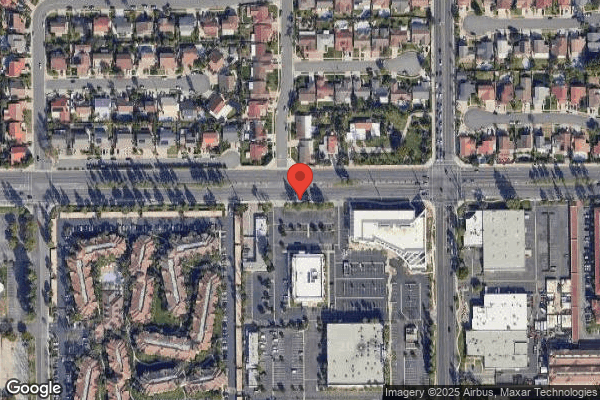

11680 WARNER AVENUE, FOUNTAIN VALLEY, CA 92708 (714) 241-9800
For profit - Limited Liability company 151 Beds PACS GROUP Data: November 2025
Trust Grade
60/100
#580 of 1155 in CA
Last Inspection: November 2024

Within standard 12-15 month inspection cycle. Federal law requires annual inspections.

Overview

Fountain Valley Post Acute has a Trust Grade of C+, indicating it is slightly above average but still has room for improvement. It ranks #580 out of 1155 facilities in California, placing it in the bottom half, and #41 out of 72 in Orange County, meaning only a handful of local options are better. The facility has shown improvement, reducing issues from 23 in 2024 to only 3 in 2025. Staffing is a relative strength with a turnover rate of 31%, lower than the state average, but it has a below-average rating of 2/5 stars for both staffing and health inspections. While there have been no fines, recent inspections revealed significant concerns such as poor sanitation in the kitchen, including unmaintained ice machines and improper food handling practices, which could pose health risks to residents.

Trust Score
C+
60/100
In California
#580/1155
Top 50%
Safety Record
Low Risk
No red flags
Inspections
Getting Better
23 → 3 violations
Staff Stability
○ Average
31% turnover. Near California's 48% average. Typical for the industry.
Penalties
✓ Good
No fines on record. Clean compliance history, better than most California facilities.
Skilled Nurses
⚠ Watch
Each resident gets only 23 minutes of Registered Nurse (RN) attention daily — below average for California. Fewer RN minutes means fewer trained eyes watching for problems.
Violations
⚠ Watch
71 deficiencies on record. Higher than average. Multiple issues found across inspections.
★★★☆☆
3.0
Overall Rating
★★☆☆☆
2.0
Staff Levels
★★★★★
5.0
Care Quality
★★☆☆☆
2.0
Inspection Score
Stable
2024: 23 issues
2025: 3 issues

The Good

  • 5-Star Quality Measures · Strong clinical quality outcomes
  • Full Sprinkler Coverage · Fire safety systems throughout facility
  • No fines on record
  • Staff turnover below average (31%)

    17 points below California average of 48%

Facility shows strength in quality measures, fire safety.

The Bad

3-Star Overall Rating

Near California average (3.1)

Meets federal standards, typical of most facilities

Staff Turnover: 31%

15pts below California avg (46%)

Typical for the industry

Chain: PACS GROUP

Part of a multi-facility chain

Ask about local staffing decisions and management

The Ugly 71 deficiencies on record

Apr 2025 1 deficiency
CONCERN (D) 📢 Someone Reported This

A family member, employee, or ombudsman was alarmed enough to file a formal complaint

Potential for Harm - no one hurt, but risky conditions existed

Quality of Care (Tag F0684)

Could have caused harm · This affected 1 resident

**NOTE- TERMS IN BRACKETS HAVE BEEN EDITED TO PROTECT CONFIDENTIALITY** Based on observation, interview, medical record review, and facility P&P review, the facility failed to ensure one of three samp...

Read full inspector narrative →
**NOTE- TERMS IN BRACKETS HAVE BEEN EDITED TO PROTECT CONFIDENTIALITY** Based on observation, interview, medical record review, and facility P&P review, the facility failed to ensure one of three sampled residents' (Resident 3) medical record was accurate and complete. * The facility failed to ensure the documentation for monitoring Resident 3's condition for 72 hours each shift was completed after the resident's fall incident. This failure posed the risk for changes in Resident 3's health condition to go undetected and possibly delay necessary care and treatment. Findings: Review of the facility's P&P titled Change of Condition Notification dated 2001 showed the nurse will record in the resident's medical record information relative to changes in the resident's medical/mental condition or status. Medical record review for Resident 3 was initiated on 4/10/25. Resident 3 was admitted to the facility on [DATE]. Review of Resident 3's H&P examination dated 8/24/24, showed Resident 3 had no capacity to understand and make decisions. Review of Resident 3's eINTERACT Change in Condition Evaluation – V 5.1 dated 2/21/25, showed Resident 3 had an unwitnessed fall on 3/24/25 at 2015 hours, with no evidence of an injury. Review of Resident 3's progress notes failed to show documented evidence the licensed nurses had monitored the resident's condition post fall on the following dates and shifts: - on 3/24/25, for the NOC shift (2300 – 0700 hours); - on 3/25/25, for the day shift (0700 – 1500 hours); - on 3/25/25, for the NOC shift; - on 3/26/25, for the day shift; - on 3/26/25, for the NOC shift - on 3/27/25, for the day shift; and - on 3/27/25, for the evening shift (1500 -2300 hours). On 4/10/25 at 1000 hours, an interview was conducted with RN 3. When asked about the facility's process when a resident had a change in condition, RN 3 stated the licensed nurses were expected to assess the resident's condition and document their findings. RN 3 stated after the initial change of condition documentation, the licensed nurses were expected to continue the monitoring of the resident's condition every shift for 72 hours and to document the assessment in the resident's medical record. On 4/10/25 at 1120 hours, an interview and concurrent medical record review was conducted with RN 4. RN 4 stated Resident 3 had an unwitnessed fall on 3/24/25, and the licensed nurses were expected to monitor Resident 3's condition every shift for 72 hours after the fall to ensure the changes in the resident's condition were closely monitored. RN 4 verified there were missing documentation from the licensed nurses to show the resident's condition was monitored every shift for 72 hours after the fall incident. On 4/10/25 at 1345 hours, an interview was conducted with the DON. The DON was informed and acknowledged the above findings.
Feb 2025 2 deficiencies
CONCERN (D) 📢 Someone Reported This

A family member, employee, or ombudsman was alarmed enough to file a formal complaint

Potential for Harm - no one hurt, but risky conditions existed

Report Alleged Abuse (Tag F0609)

Could have caused harm · This affected 1 resident

**NOTE- TERMS IN BRACKETS HAVE BEEN EDITED TO PROTECT CONFIDENTIALITY** Based on interview, medical record review, and facility P&P review, the facility failed to implement their abuse P&P for ensurin...

Read full inspector narrative →
**NOTE- TERMS IN BRACKETS HAVE BEEN EDITED TO PROTECT CONFIDENTIALITY** Based on interview, medical record review, and facility P&P review, the facility failed to implement their abuse P&P for ensuring the reporting of a reasonable suspicion of a crime in accordance with section 1150B of the Act when the facility failed to report in a timely manner an allegation of staff-to-resident abuse to the local State and Federal agencies for one of three sampled residents (Resident 1). This failure had the potential for the abuse allegation going unreported and uninvestigated. Findings: Review of the facility's P&P titled Abuse, Neglect, Exploitation or Misappropriation – Reporting and Investigating dated 2001 showed all reports of resident abuse, neglect, exploitation, or theft/misappropriation of resident property are reported to the local State, and Federal agencies (as required by current regulations) and thoroughly investigated by the facility management. The suspicion of abuse must be reported immediately to the administrator and to other officials according to state law. The abuse must be reported within two hours of an allegation involving abuse or result in serious bodily injury; or within 24 hours of an allegation that does not involve abuse or result in serious bodily injury. Upon receiving any allegations of abuse, neglect, exploitation, misappropriation of resident property or injury of unknown source, the administrator is responsible for determining what actions (if any) are needed for the protection of residents. Closed medical record review for Resident 1 was initiated on 2/11/25. Resident 1 was admitted to the facility on [DATE], and discharged on 1/21/25. Review of Resident 1's H&P examination dated 1/4/25, showed Resident 1 could make needs known but could not make medical decisions. Review of Resident 1's Nurses Note on 11/17/24 at 0800 hours, showed Resident 1 had an unwitnessed fall resulting in an injury. The note showed Resident 1 reported to the staff three different allegations as to how she fell and got injured. Resident 1's allegations included a male CNA who went into her room and attacked her. Review of Resident 1's SSD Note dated 11/19/24 at 1741 hours, showed Resident 1 was evaluated by the PET Team on 11/18/24. Resident 1 was accepted to the acute care hospital for the psychiatric evaluation related to delusion that Resident 1 was beatenup by a staff which was the reason for her broken nose and refusing to allow the staff to care for her. Further review of the closed medical record showed no documented evidence the abuse allegation was reported to the local State and Federal agencies as per the facility's P&P. On 2/12/24 at 0908hours, an interview and concurrent closed medical record reviewwas conducted with the SSD who verified they were a mandated reporter of an allegation of abuse. The SSD verified and acknowledged the incident with abuse allegation occurred on 11/17/24, should have been reported as an allegation of abuse. On 2/12/25 at 1005 hours, an interview and concurrent closed medical record review was conducted with the DON. The DON was made aware of Resident 1's allegation of abuse on 11/17/24. The DON acknowledged all allegation of abuse should be reported.
CONCERN (D) 📢 Someone Reported This

A family member, employee, or ombudsman was alarmed enough to file a formal complaint

Potential for Harm - no one hurt, but risky conditions existed

Investigate Abuse (Tag F0610)

Could have caused harm · This affected 1 resident

**NOTE- TERMS IN BRACKETS HAVE BEEN EDITED TO PROTECT CONFIDENTIALITY** Based on interview, medical record review, and facility P&P review, the facility failed to implement their abuse P&P related to ...

Read full inspector narrative →
**NOTE- TERMS IN BRACKETS HAVE BEEN EDITED TO PROTECT CONFIDENTIALITY** Based on interview, medical record review, and facility P&P review, the facility failed to implement their abuse P&P related to investigation of the physical abuse for one of three sampled residents (Resident 1). This failure posed the risk for the potential abuse to remain unidentified and for the residents to go unprotected. Findings: Review of the facility's P&P titled Abuse, Neglect, Exploitation or Misappropriation – Reporting and Investigation dated 2001 showed any incident or allegation of abuse, neglect, exploitation, or theft/misappropriation of resident property are initiated and thoroughly investigated by the administrator. The staff member assigned to gather the facts will at a minimum reviews the documentation and evidence, reviews the resident's medical record to determine the resident's physical and cognitive status at the time of the incident and since the incident, interview the person(s) reporting the incident, interview any witnesses to the incident, interview staff members (on all shifts) who have had contact with the resident, review all events leading up to the alleged incident. The Administrator will review the investigation report and submit the completed report to other officials in accordance with the State law, including to the State Survey Agency, within 5 working days of the incident. Closed medical record review for Resident 1 was initiated on 2/11/25. Resident 1 was admitted to the facility on [DATE], and discharged on 1/21/25. Review of Resident 1's H&P examinationdated 1/4/25, showed Resident 1 could make needs known but could not make medical decisions. Review of Resident 1's Nurses Noteon 11/17/24 at 0800 hours, showed Resident 1 had an unwitnessed fall resulting in an injury. The note showed Resident 1 reported to the staff three different allegations as to how she fell and got injured. Resident 1's allegations included a male CNA came into her room and attacked her. On 2/12/25 at 1005 hours, an interview and concurrent closed medical record review was conducted with the DON. The DON was made aware of Resident 1's allegation of abuse on 11/17/24. The DON stated the investigation was not worth it due to Resident 1's fixation on a male CNA who no longer worked at the facility. However, the DON verified and acknowledged the facility's protocol of abuse was to investigate all allegations of abuse. Cross reference to F609.
Nov 2024 21 deficiencies
CONCERN (D)

Potential for Harm - no one hurt, but risky conditions existed

Deficiency F0558 (Tag F0558)

Could have caused harm · This affected 1 resident

**NOTE- TERMS IN BRACKETS HAVE BEEN EDITED TO PROTECT CONFIDENTIALITY** Based on observation, interview, medical record review, and P&P review, the facility failed to ensure the call light was within ...

Read full inspector narrative →
**NOTE- TERMS IN BRACKETS HAVE BEEN EDITED TO PROTECT CONFIDENTIALITY** Based on observation, interview, medical record review, and P&P review, the facility failed to ensure the call light was within reach for one of 30 final sampled resident (Resident 394) and one nonsampled resident (Resident 132). This failure had the potential for Residents 132 and 394 not receiving care timely. Findings: Review of the facility's P&P titled Answering the Call light dated 10/2010 showed when the resident is in bed or confine to a chair be sure the call light is within easy reach of the resident. 1. Medical record review for Resident 394 was initiated on 11/4/24. Resident 394 was admitted to the facility on [DATE], and readmitted on [DATE]. On 11/4/24 at 0815 hours, Resident 394 was awake with his call light on the floor. Resident 394 stated he could not locate his call light to call for the nurse. Resident 394 stated he needed help to change his diaper because his diaper was wet. On 11/4/24 at 0825 hour, CNA 7 was summoned to the room. CNA 7 acknowledged the call light was on the floor and stated she would help the resident to change diaper. CNA 7 verified the findings. 2. Medical record review for Resident 132 was initiated on 11/4/24. Resident 132 was admitted to the facility on [DATE]. On 11/6/24 at 0815 hours, Resident 132 was observed looking for her call light. Resident 132 stated she could not find her call light. The resident's call light was observed on the wheelchair next to her bed and out of reach. Resident 132 stated she needed help to cut the toasted bread. On 11/6/24 at 0840 hours, CNA 4 was summoned to the room and acknowledged the call light was on the wheelchair. CNA 4 verified the findings.
CONCERN (D)

Potential for Harm - no one hurt, but risky conditions existed

Deficiency F0645 (Tag F0645)

Could have caused harm · This affected 1 resident

**NOTE- TERMS IN BRACKETS HAVE BEEN EDITED TO PROTECT CONFIDENTIALITY** Based on interview, medical record review, and facility P&P review, the facility failed to ensure one of two final sampled resid...

Read full inspector narrative →
**NOTE- TERMS IN BRACKETS HAVE BEEN EDITED TO PROTECT CONFIDENTIALITY** Based on interview, medical record review, and facility P&P review, the facility failed to ensure one of two final sampled residents (Resident 76) who was readmitted to the facility had a Level 1 PASARR screening. This failure had the potential of not providing the residents screened for mental illness or intellectual disabilities with additional resources if needed. Findings: Review of the facility's P&P titled PASARR revised 3/2019 showed all individuals are screened for mental disorders (MD), intellectual disabilities (ID) or related disorders (RD) per the Medicaid Pre-admission Screening and Resident Review (PASARR) process. a. The facility verifies with the acute care hospital if a Level I PASARR screen for potential admissions and readmissions, regardless soft payer source, to determine if the individual meets the criteria for a MD, ID or RD. b. Before a resident can be transferred from an acute care hospital, they must undergo a PASARR Level I screening. This initial screening is designated to identify individuals who may have mental illness (MI), intellectual disability (ID), or related conditions. The goal is to determine whether they require further evaluation (Level II) to assess the need for specialized services. c. If the Level I screen indicates that the individual may meet the criteria for a MD, ID, or RD, he or she is referred to the state PASARR representative for the Level II (evaluation and determination) screening process. Medical record review for Resident 76 was initiated on 11/4/24. Resident 76 was admitted to the facility on [DATE], and readmitted back to the facility on 9/10/24. Review of the resident's H&P examination dated 9/11/24, showed the resident had no capacity to understand and make decisions. Further review of Resident 76's Order Summary Report dated 11/4/24, showed the following physician orders: - an order dated 9/11/24, to administer Risperdal (mood medication) 0.25 mg via GT every 12 hours for schizophrenia (mental disorder that impairs the way reality is perceived) manifested by seeing people that not there. - an order dated 9/10/24, to administer trazodone (depression medication) 50 mg one tablet via GT at bedtime for depression manifested by inability to maintain sleep. - an order dated 10/10/24, to administer escitalopram oxalate (depression medication) 5 mg two tablets via GT once day a day for depression manifested by tearfulness. Review of Resident 76's medical record showed no documented evidence a PASARR Level I screening was completed upon the resident's admission back to the facility on 9/10/24. On 11/7/24 at 1032 hours, an interview and concurrent medical record review for Resident 76 was conducted with SSA 1. SSA 1 stated the social service department reviewed if the residents had a PASARR upon admission from the acute care hospital and stated PASARRs would be completed for new admission, transition to hospice, or for a change of condition. SSA 1 further stated the last PASARR screening was conducted on 9/29/23; however, a PASARR was not completed on 9/10/24, when the resident was admitted back to the facility. SSA 1 stated a PASARR Level I screening should have been completed and she would complete the Level I screening today. On 11/7/24 at 1040 hours, an interview and concurrent medical record review for Resident 76 was conducted with SSA 2. SSA 2 stated PASARRs identified any mental illnesses and disabilities. Level I screening evaluated the residents on psychiatric medications and determined if the residents needed a Level II screening. SSA 2 further stated a positive Level II screening determined if additional resources could be offered for the residents determined to have mental illness or disability. SSA 2 also verified Resident 76 did not have a current PASARR Level I screening after the resident's admission date of 9/10/24, and stated one should have been done. On 11/7/24 at 1400 hours, an interview was conducted with the Administrator, DON, and Regional Quality Assurance Nurse. The Administrator, DON, and Regional Quality Assurance Nurse acknowledged the above findings.
CONCERN (D)

Potential for Harm - no one hurt, but risky conditions existed

Comprehensive Care Plan (Tag F0656)

Could have caused harm · This affected 1 resident

**NOTE- TERMS IN BRACKETS HAVE BEEN EDITED TO PROTECT CONFIDENTIALITY** Based on observation, interview, medical record review, and facility P&P review, the facility failed to ensure the comprehensive...

Read full inspector narrative →
**NOTE- TERMS IN BRACKETS HAVE BEEN EDITED TO PROTECT CONFIDENTIALITY** Based on observation, interview, medical record review, and facility P&P review, the facility failed to ensure the comprehensive person-centered care plans were developed and implemented for five of 30 final sampled residents (Residents 34, 43, 63, 76, and 743) as evidence by the following: * The facility failed to develop and implement an EBP care plan for Resident 34. * The facility failed to develop and implement an oxygen care plan for Resident 63. * The facility failed to develop and implement a LAL mattress for Resident 76. * The facility failed to develop and implement an EBP care plan for Resident 743. * Resident 43's care plan for the use of oxygen showed to administer continuous oxygen at a rate of 2 liters per minute, however, the nursing staff failed to implement the care plan, as evidenced by having administered continuous oxygen therapy to Resident 43 at a rate of 1.5 liters per minute. These failures had the potential of not providing residents with person-centered plan of care. Findings: Review of the facility's P&P titled Care Plans, Comprehensive Person-Centered revised 3/2022 showed a comprehensive, person-centered care plan that includes measurable objectives and timetables to meet the resident's physical, psychosocial and functional needs is developed and implemented for each resident. The comprehensive, person-centered care plan describes the services that are to be furnished to attain or maintain the resident's highest practicable physical, mental, and psychosocial well-being. The P&P further showed the comprehensive, person-centered care plan reflects currently recognized standards of practice for problem areas and conditions. Assessments of residents are ongoing and care plan are revised as information about the residents and the residents' conditions change. 1. Medical record review for Resident 34 was initiated on 11/4/24. Resident 34 was admitted to the facility on [DATE]. Review of the resident's H&P examination dated 9/5/24, showed the resident had the capacity to understand and make decisions. Review of Resident 34's Order Summary Report dated 11/4/24, showed the following physician orders: - an order dated 9/2/24, for an indwelling urinary catheter to monitor for change in urine character. - an order dated 9/2/24, for the indwelling urinary catheter bag be in privacy bag and catheter leg strap on at all times. - an order dated 9/2/24, for the indwelling urinary catheter size 16 Fr/10 ml bulb monitor for placement, change PRN if leaked, clogged, dislodged. Further review of Resident 34's care plans showed no documented evidence a care plan was developed and implemented for EBP. On 11/5/24 at 0910 hours, an interview and concurrent medical record review with LVN 1 was conducted. LVN 1 verified Resident 34 had an indwelling urinary catheter. LVN 1 stated the residents with the indwelling urinary catheters, GT, open wounds, or IV lines were expected to be on EBP and there should be a care plan. LVN 1 further verified there was no documented evidence Resident 34's care plan was developed and implemented for EBP and stated there should be a care plan. 2. Medical record review for Resident 63 was initiated on 11/4/24. Resident 63 was admitted to the facility on [DATE], and readmitted back to the facility on 6/6/24. Review of the resident's H&P examination dated 6/10/24, showed the resident had no capacity to understand and make decisions. Further review of Resident 63's Order Summary Report dated 11/4/24, showed the following physician orders: - an order dated 10/16/24, may administer oxygen at 2 liters per minute (may titrate up to 4 liters per minute) via NC PRN to maintain the oxygen saturation level greater than 92%. On 11/5/24 at 1453 hours, an interview and concurrent medical record review with LVN 2 was conducted. LVN 2 verified Resident 63 had an order for oxygen PRN. LVN 2 further verified there was no documented evidence a care plan for the use of the oxygen was developed and implemented for Resident 63. LVN 2 stated there should be a care plan for the oxygen use. LVN 2 stated the care plans would focus on a concern that needed to be addressed and include the interventions and goals in how to care for the resident. 3. Medical record review for Resident 76 was initiated on 11/4/24. Resident 76 was admitted to the facility on [DATE], and readmitted to the facility on [DATE]. On 11/4/24 at 0910 hours, Resident 76 was observed lying on a LAL mattress. On 11/4/24 at 1025 hours, an interview and concurrent medical record review with LVN 7 was conducted. LVN 7 verified Resident 76 was lying on a LAL mattress. LVN 7 further verified there was no documented evidence a care plan for the use of LAL mattress was developed and implemented. LVN 7 stated the LAL mattress should have been care planned. 4. Medical record review for Resident 743 was initiated on 11/4/24. Resident 743 was admitted to the facility on [DATE]. Further review of Resident 743's Order Summary Report dated 11/5/24, showed the following physician orders: - an order dated 10/27/24, may insert a midline for IV access stat. - an order dated 10/27/24, to monitor the IV site every shift for the sign and symptoms of infection (redness, swelling, warmth, pain) every shift. - an order dated 10/27/24, to the change (PICC - peripherally inserted central catheter /Midline Central - a thin, flexible tube inserted into a vein in the upper arm to deliver fluids or medication into the blood stream) dressing site: cleanse with PICC Dressing Kit with biopatch and waterproof transparent dressing every week on Sundays for IV therapy. On 11/5/24 at 1015 hours, an interview and concurrent medical record review with LVN 4 was conducted. LVN 4 verified Resident 743 had a midline to her right upper arm. LVN 4 stated the residents with a midline catheter, PICC, GT, indwelling catheters, and immunocompromised should be placed on EBP and should have a care plan for the EBP. LVN 4 further verified there was no documented evidence a care plan for EBP was developed and implemented for Resident 743. On 11/7/24 at 1400 hours, an interview was conducted with the Administrator, DON, and Regional Quality Assurance Nurse. The DON stated the care plans provided the staff interventions on how to care for the residents. The Administrator, DON, and Regional Quality Assurance Nurse acknowledged the above findings. 5. Medical record review for Resident 43 was initiated on 11/4/24. Resident 43 was admitted to the facility on [DATE]. Review of Resident 43's physician's order dated 9/26/24, showed to administer continuous oxygen via nasal cannula at 2 liters per minute for fluid overload. Review of Resident 43's care plan titled Respiratory initiated 9/27/24, showed to administer oxygen at a rate of 2 liters per minute via nasal cannula. On 11/4/24 at 1006 hours, an observation, interview, and concurrent medical record review was conducted with LVN 8. LVN 8 verified Resident 43's continuous oxygen was being administered at a rate of 1.5 liters per minute, via nasal cannula. LVN 8 verified Resident 43's Respiratory care plan showed to administer oxygen via nasal cannula at a rate of 2 liters per minute, for fluid overload.
CONCERN (D)

Potential for Harm - no one hurt, but risky conditions existed

Deficiency F0676 (Tag F0676)

Could have caused harm · This affected 1 resident

**NOTE- TERMS IN BRACKETS HAVE BEEN EDITED TO PROTECT CONFIDENTIALITY** Based on observation, interview, and facility P&P review, the facility failed to ensure one of one final sampled resident (Resid...

Read full inspector narrative →
**NOTE- TERMS IN BRACKETS HAVE BEEN EDITED TO PROTECT CONFIDENTIALITY** Based on observation, interview, and facility P&P review, the facility failed to ensure one of one final sampled resident (Resident 60) who needed a communication board (pre-printed board that has pictures, numbers, and user defined images that allows a resident to point or indicate on the board what he/she wants communicated) to communicate the needs was provided with the communication board in the resident's language to communicate care needs to the facility staff. This failure had the potential to result in a delay of care services and needs for Resident 60. Findings: Review of the facility's P&P titled Communication Barriers and Communication Boards undated showed the facility will make arrangement for interpreters and/or alternate means of communication such as communication boards with pictures, common basic words, sign language, Braille, etc., to enhance communication between the resident and staff. Medical record review for Resident 60 was initiated on 11/5/24. Resident 60 was admitted to the facility on [DATE]. Review of Resident 60's H&P examination dated 8/20/24, showed Resident 60 had the capacity to understand and make decisions. On 11/4/24 at 0848 hours, an observation and concurrent interview was conducted with Resident 60. CNA 1 was observed talking to Resident 60 and using hand gesture to inform Resident 60 that CNA 1 would assist Resident 60 to be pulled up in bed. Resident 60 was observed turning to the surveyor asking the surveyor in Vietnamese what CNA 1 said to him. There was no communication board in Vietnamese observed at bedside or in the resident's room. On 11/5/24 at 1100 hours, an observation and interview was conducted with the DON. The DON verified Resident 60 spoke Vietnamese and there was no communication board in Vietnamese language at bedside or in the resident room. On 11/6/24 at 1001 hours, an interview was conducted with LVN 1. LVN 1 verified there was no communication board in Vietnamese language at bedside or in the resident's room. LVN 1 stated the Activity Director would place a communication board for the resident in the language that the resident needed. On 11/6/24 at 1015 hours, an interviewed was conducted with the DON for Resident 60. The DON stated there should be a communication board in Resident 60's room so the staff would communicate with Resident 60. The DON stated the communication board would help Resident 60 to communicate his specific needs.
CONCERN (D)

Potential for Harm - no one hurt, but risky conditions existed

Pressure Ulcer Prevention (Tag F0686)

Could have caused harm · This affected 1 resident

**NOTE- TERMS IN BRACKETS HAVE BEEN EDITED TO PROTECT CONFIDENTIALITY** Based on observation, interview, medical record review, and facility P&P review, the facility failed to ensure three of three fi...

Read full inspector narrative →
**NOTE- TERMS IN BRACKETS HAVE BEEN EDITED TO PROTECT CONFIDENTIALITY** Based on observation, interview, medical record review, and facility P&P review, the facility failed to ensure three of three final sampled residents (Residents 43, 62, and 76) with high risk for skin breakdown were provided the necessary care and services as evidence by the following: * The facility failed to ensure Resident 76's LAL mattress setting was not appropriate to the resident's weight. * The facility failed to ensure the use of LAL mattress with specific direction for settings for Residents 43 and 62. These failures had the potential for the residents not to receive the appropriate care and services to promote skin healing. Findings: Review of the facility's P&P titled Beds, Special - Low Air Loss Therapy, undated, showed it is the policy of this facility to utilize low air loss therapy under the direction of a physician's order. Facility staff working directly with the low air loss therapy unit will have training in its use by a company representative or a trained facility staff member. Review of the facility document titled Medline Operation Manual, undated, showed users can adjust the pressure level of the air mattress to a desired firmness by themselves or according to the suggestion from a health care professional. It is recommended to press Auto Firm on the panel when the mattress is first inflated. Users can then easily adjust the air mattress to a desired firmness according to the patient's weight and comfort. 1. Medical record review for Resident 76 was initiated on 11/4/24. Resident 76 was admitted to the facility on [DATE], and readmitted back to the facility on 9/10/24. Review of Resident 76's H&P examination dated 9/11/24, showed the resident had no capacity to understand and make decisions. Review of Resident 76's Order Summary Report dated 11/4/24, showed the following physician order: - dated 9/11/24, for the sacrococcyx skin integrity, to cleanse with normal saline, pat to dry, apply thin layer of skin barrier cream and leave open to air one time daily. Further review of Resident 76's Order Summary Report dated 11/4/24 failed to show a physician's order for the LAL mattress. On 11/4/24 at 0910 hours, during an observation, Resident 76 was in bed lying on a LAL mattress with the mattress pressure setting set at 660 to 750 pounds. On 11/4/24 at 0928 hours, a concurrent observation and interview with Resident 76 and the DON was conducted in Resident 76's room. When Resident 76 was asked if she was comfortable with the mattress she was laying on, Resident 76 replied, sometimes ok and sometimes not. The DON verified the mattress pressure setting was set at 660 to 750 pounds. The DON further verified Resident 76 did not weigh between 660 to 750 pounds; however, she would verify the resident's current weight. On 11/4/24 at 0935 hours, a concurrent observation and interview with the DON was conducted in Resident 76's room. The DON returned to Resident 76's room and adjusted the LAL mattress pressure setting to 290 pounds. The DON stated the mattress pressure setting was adjusted to the resident's tolerance and comfort. The DON stated the mattress pressure setting for Resident 76's should be set at 290 pounds. On 11/4/24 at 1025 hours, a concurrent interview and medical record review was conducted with LVN 7. LVN 7 stated Resident 76 was lying on a LAL mattress with the mattress pressure setting now at 290 pounds. LVN 7 further stated Resident 76 weighed 285.3 pounds. LVN 7 stated the mattress pressure setting should be based on the resident's weight to prevent skin breakdown. On 11/7/24 at 1400 hours, an interview was conducted with the Administrator, DON, and Regional Quality Assurance Nurse. The DON stated a physician's order was needed for LAL or specialty mattresses. The DON further stated LAL or specialty mattresses would be used to for the residents with pressure ulcers or to prevent skin breakdown. The Administrator, DON, and Regional Quality Assurance Nurse verified the above findings. 2. Medical record review for Resident 43 was initiated on 11/4/24. Resident 43 was admitted to the facility on [DATE]. On 11/4/24 at 1010 hours, an observation, interview, and concurrent medical record review, was conducted with LVN 8. Resident 43 was observed lying in bed on a LAL mattress. LVN 8 stated at this time, Resident 43 had no pressure ulcers and the LAL mattress was utilized as a preventative intervention (to prevent the development of pressure ulcers). The LAL mattress was observed with several different setting options. LVN 8 was asked how she determined what setting Resident 43's LAL mattress should be set at. LVN 8 stated Resident 43's physician's orders and/or care plan should show the appropriate setting. LVN 8 then reviewed Resident 43's medical record and stated Resident 43 did not have a physician's order for the use of LAL mattress. Additionally, LVN 8 verified Resident 43 did not have a care plan specific to the LAL mattress settings. 3. Medical record review for Resident 62 was initiated on 11/4/24. Resident 62 was admitted to the facility on [DATE]. Review of Resident 62's care plan titled Skin initiated 9/28/24, showed Resident 62 was at risk for skin breakdown. On 11/4/24 at 1250 hours, an observation, interview, and concurrent medical record review was conducted with LVN 8. Resident 62 was observed lying in bed on a LAL mattress. LVN 8 was asked what setting Resident 62's LAL mattress should be programmed. LVN 8 then reviewed Resident 62's medical record and stated she would need to contact the physician to obtain an order specific to the use (and settings) of the LAL mattress for Resident 62.
CONCERN (D)

Potential for Harm - no one hurt, but risky conditions existed

Pharmacy Services (Tag F0755)

Could have caused harm · This affected 1 resident

Based on interview, medical record review, facility document review, and facility P&P review, the facility failed to ensure the disposed narcotic count sheets were signed by two licensed nurses. This ...

Read full inspector narrative →
Based on interview, medical record review, facility document review, and facility P&P review, the facility failed to ensure the disposed narcotic count sheets were signed by two licensed nurses. This failure had the potential for medication diversion (the illegal use or distribution of a prescription medication that was not originally intended by the prescriber). Findings: Review of the facility's P&P titled Discarding and Destroying Controlled/ Non-Controlled Medications revised 5/2024 showed the following: -Medications that cannot be returned to the dispensing pharmacy (such as non-unit dose medications, medications refused by the resident, and/or medications left by residents upon discharge) are disposed of in accordance with federal, state, and local regulations governing management of non-hazardous pharmaceuticals, hazardous waste and controlled substances; and -Unless otherwise prohibited under applicable federal or state laws, individual resident medications supposed in sealed unopened containers may be returned to the issuing pharmacy for disposition provided that all such medications are identified as to lot of control number, and the receiving pharmacist and a registered nurse employed by the facility sign a separate log that lists the resident's name, the name, strength, prescription number if applicable, and the amount of the medication returned, and the date the medication was returned. On 11/6/24 at 1530 hours, an interview and concurrent facility document review was conducted with RN 1. When asked about discarding the controlled medications, RN 1 stated the RN would write down the resident's name, controlled medication, and quantity to be discarded; and sign the log with another licensed nurse, then discard the controlled medications into the black narcotic box, to which RN 1 showed a copy of the Controlled Drugs Log. Review of the Controlled Drugs Log showed 30 pieces of tramadol (opioid analgesic), nine pieces of tramadol, and 30 pieces of chlordiazepoxide (antianxiety) medications were placed inside the narcotic box on 11/5/24, but was only signed by one licensed nurse. RN 1 verified the above findings. On 11/6/24 at 1542 hours, an interview and concurrent facility document review was conducted with the DON. The DON verified the Controlled Drugs Log only showed one licensed nurse signed the log when discarding the tramadol and chlordiazepoxide medications into the narcotic box. The DON stated the Controlled Drugs Log should be signed by an RN and another licensed nurse. The DON stated the pharmacy consultant and RN would collect the controlled medications from the narcotic box for destruction.
CONCERN (D)

Potential for Harm - no one hurt, but risky conditions existed

Medication Errors (Tag F0758)

Could have caused harm · This affected 1 resident

**NOTE- TERMS IN BRACKETS HAVE BEEN EDITED TO PROTECT CONFIDENTIALITY** 2. Review of the facility's P&P titled Psychotropic/Antidepressant Medication Use undated showed the attending physician will id...

Read full inspector narrative →
**NOTE- TERMS IN BRACKETS HAVE BEEN EDITED TO PROTECT CONFIDENTIALITY** 2. Review of the facility's P&P titled Psychotropic/Antidepressant Medication Use undated showed the attending physician will identify, evaluate, and document, with input from other disciplines and consultants as needed, medical symptoms that may warrant the use of psychotropic medications. Psychotropic medication management for the resident will involve the facility IDT consideration, identifying person-centered non-pharmacological interventions to meet the individual needs of the resident, and minimize or discontinue the use of Psychotropic medication. The facility must attempt, and document non-pharmacological approaches attempted in the medical record. Medical record review for Resident 38 was initiated on 11/4/24. Resident 38 was admitted to the facility on [DATE]. Review of Resident 38's H&P examination, undated, showed Resident 83 had the capacity to understand and make decisions. Review of Resident 38's Order Summary Report dated active as of 11/4/24, showed a physician's order dated 10/10/24, for Zoloft 25 mg one time a day for depression manifested by verbalization of sadness. Further review of Resident 38's medical record failed to show the following prior to the physician prescribing the Zoloft medication: - documented behaviors of Resident 38 verbalizing sadness - nonpharmacological interventions implemented prior to and during the use of Zoloft On 11/7/24 at 1405 hours, an interview and concurrent medical record review was conducted with the ADON. The ADON acknowledged and verified the above findings. Based on observation, interview, medical record review, and facility P&P review, the facility failed to ensure two of 30 final sampled residents (Residents 29 and 38) were free from the unnecessary drugs. * Resident 29 received amitriptyline (antidepressant medication) and bupropion hydrochloride (antidepressant and smoking cessation); however, the facility failed to identify what target behaviors to monitor and did not monitor the episodes of behaviors for two antidepressant medications. * The facility failed to document specific behaviors prior to prescribing Zoloft (antidepressant) and implement non-pharmacological interventions for Resident 38. These failures had the potential for Residents 29 and 38 to have adverse complications from the medication. Findings: 1. Review of the facility's P&P titled Psychotropic/Antidepressant Medication Use dated 2021 showed under the section Psychotropic Medication Management, Psychotropic medication management for the resident will involve the facility interdisciplinary team consideration of the following: indication and clinical need for medication, dose , duration and adequate monitoring for efficacy and adverse consequences. Medical record review of Resident 29 was initiated on 11/4/24. Resident 29 was admitted to the facility on [DATE], and readmitted on [DATE]. Review of the Order Summary report dated 11/6/24, showed a physician order dated 10/10/24, to administer amitriptyline hcl tablet 25 mg one tablet by mouth at bedtime for depression m/b (manifested by) verbalized of sadness. A physician order dated 10/10/24, to administer bupropion hydrochloride extended release 350 mg by mouth one time a day for smoking cessation for depression manifested by verbalization of sadness. Review of the physician's order dated 7/19/24, showed an order for amitriptyline hydrochloride 25 mg one tablet by mouth at bedtime for depression m/b verbalized of sadness. On 11/6/24 at 1520 hours, an interview and concurrent medical record review was conducted with the DON. The DON was asked about the reason that the resident received the amitriptyline and bupropion hydrochloride. The DON stated the amitriptyline for antidepressant and bupropion was used for antidepressant off label for smoking cessation. The DON was asked to provide the documentation of the behavior monitoring for the use of the amitriptyline and bupropion hydrochloride medications. The DON stated they did not monitor the episodes of the target behaviors for the two antidepressant medications were the same. The DON acknowledged it was difficult to monitor the same behavior to identify the effectiveness of both medications. The DON verified the findings. On 11/7/24 at 0930 hours, an interview was conducted with LVN 5. LVN 5 stated for the last three days, Resident 29 had never verbalized any sadness to her. On 11/7/24 at 1000 hours, an interview was conducted with CNA 3. CNA 3 stated Resident 29 had never verbalized any sadness or feeling depressed. Resident 29 had good relationship with the facility staff and roommate.
CONCERN (D)

Potential for Harm - no one hurt, but risky conditions existed

Unnecessary Medications (Tag F0759)

Could have caused harm · This affected 1 resident

**NOTE- TERMS IN BRACKETS HAVE BEEN EDITED TO PROTECT CONFIDENTIALITY** Based on observation, interview, medical record review, and facility P&P review, the facility failed to ensure the medication ra...

Read full inspector narrative →
**NOTE- TERMS IN BRACKETS HAVE BEEN EDITED TO PROTECT CONFIDENTIALITY** Based on observation, interview, medical record review, and facility P&P review, the facility failed to ensure the medication rate was less than 5%. The facility's medication error rate was 12%. * LVN 2 failed to administer Systane (eye drops, use for dry eyes) for Resident 22 as per the facility's P&P. * LVN 4 failed to check Resident 12's bowel pattern for loose stool prior to administering docusate sodium (stool softener). * LVN 1 failed to check Resident 97's bowel pattern for loose stool prior to administering docusate sodium. Findings: Review of the facility's P&P titled Administering Medications revised May 2024 showed the medications are administered in a safe and timely manner and as prescribed. 1. Review of the facility's P&P titled Eye Drops Administration Procedure undated showed ophthalmic solutions are administered into and around the eye in a safe and accurate manner. Release the eyelid and instruct the resident to close the eye for one or two minutes. On 11/6/24 at 0930 hours, a medication observation pass was conducted for Resident 22 with LVN 2. LVN 2 prepared and administered Resident 22's Systane Ophthalmic Solution 0.4-0.3%, one drop to both eyes. Resident 22 was observed to close each eye for 10 seconds. Review of Resident 22's Order Summary Report dated 11/6/24, showed a physician's order dated 9/26/24, for Systane Ophthalmic Solution 0.4-0.3%, instill one drop in both eyes every 12 hours for dry eyes. On 11/6/24 at 0940 hours, an interview was conducted with LVN 2. LVN 2 acknowledged and verified Resident 22 was not instructed to close each eye for one to two minutes. 2. On 11/6/24 at 0947 hours, a medication observation pass was conducted with LVN 4 for Resident 12. LVN 4 prepared and administered Resident 12's medications which included the following: - one tablet of amiodarone 10 mg (medication for abnormal heart rhythm), - one tablet of vitamin C 250 mg (supplement), - one tablet of aspirin 81 mg (supplement), - one tablet of divalproex 500 mg (medication used to treat seizures), - one softgel of docusate sodium 100 mg (stool softener), - one tablet of Felbamate 600 mg (medication used to treat seizures), - one tablet of ferrous sulfate 325 mg (iron supplement), - one tablet of renavite (supplement), - one drop of refresh eye drops to each eye (medication for dry eyes), and -t wo sprays of Flonase 50 mcg to each nostril (medication used to treat allergies). Review of Resident 12's Order Summary Report dated active as of 11/4/24, showed a physician's order dated 12/28/22, for docusate sodium 100 mg one capsule by mouth two times a day for bowel management, and to hold for loose stool. On 11/6/24 at 1000 hours, an interview and concurrent medical record review was conducted with LVN 4. LVN 4 acknowledged and verified she did not check Resident 12's bowel pattern for any loose stools prior to administering docusate sodium. 2. Medical record review of Resident 97 was initiated on 11/4/24. Resident 97 was admitted to the facility on [DATE]. Review of the Order Summary Report dated 11/5/24, showed an order to administer docusate sodium oral capsule 100 mg two capsules by mouth two times a day for bowel management, and to hold for loose stool. On 11/5/24 at 0835 hours, LVN 1 was observed administered docusate sodium to Resident 97 without asking when was the last bowel movement, frequency of bowel movement or the stool consistency was. On 11/5/24 at 0900 hours, LVN 1 was informed of the observation of medication administration for the docusate sodium medication. LVN 1 acknowledged she did not ask the question to Resident 97 regarding the last bowel movement. LVN 1 verified the findings.
CONCERN (D)

Potential for Harm - no one hurt, but risky conditions existed

Deficiency F0761 (Tag F0761)

Could have caused harm · This affected 1 resident

**NOTE- TERMS IN BRACKETS HAVE BEEN EDITED TO PROTECT CONFIDENTIALITY** 5. Review of the facility's P&P titled Storage of Medications revised 11/2020 showed unlocked medication carts are not left unat...

Read full inspector narrative →
**NOTE- TERMS IN BRACKETS HAVE BEEN EDITED TO PROTECT CONFIDENTIALITY** 5. Review of the facility's P&P titled Storage of Medications revised 11/2020 showed unlocked medication carts are not left unattended. On [DATE] at 0930 hours, Medication Cart E was parked in the hallway and observed unlocked and unattended. A resident was observed to pass by. On [DATE] at 0932 hours, the DON verified Medication Cart E was left unlocked and unattended. The DON stated the medication cart should be locked. 9. Medical record review for Resident 34 was initiated on [DATE]. Resident 34 was admitted to the facility on [DATE]. Review of the Resident 34's H&P examination dated [DATE], showed the resident had the capacity to understand and make decisions. On [DATE] at 1145 hours, a concurrent observation and interview was conducted with Resident 34 and LVN 1 in Resident 34's room. The following was observed at bedside: - One, opened, Z-Guard Paste ointment (to treat and prevent diaper rash and other minor skin irritations) with zinc oxide (a mineral) and white petrolatum (a moisturizing agent). - Two vitamin A&D ointment (used as a moisturizer to treat or prevent dry, rough, scaly, itchy skin and minor skin irritations) LVN 1 verified the above findings. LVN 1 stated zinc oxide was considered a medication and the ointments should not be kept at bedside. LVN 1 stated the residents may have medications kept at the bedside if they had the physician's order and assessment for self-administration of medications. When Resident 34 was asked if she self-administered the ointments, Resident 34 replied she did not. On [DATE] at 1400 hours, an interview was conducted with the Administrator, DON, and Regional Quality Assurance Nurse. The Administrator, DON, and Regional Quality Assurance Nurse acknowledged the above findings. Based on observation, interview, and facility P&P review, the facility failed to ensure for the safe storage of the medications and supplies. * The Central Supply Room was observed to contain expired supplies and medications along with other supplies without a manufacturing or expiration date. * Medication Cart D was observed to contain multiple expired antifungal cream tubes. * Medication Cart C was observed to contain a bottle of aspirin 81 mg without an expiration date and medication for a discharged resident. * An antifungal cream was kept at the bedside for one final sampled resident (Resident 12). *The facility failed to ensure Medication Cart E was not left unlocked and unattended. * For Resident 82, facility failed to ensure A&D ointments (barrier cream/ointment) were not kept at Resident 82's bedside. * The facility failed to dispose the discontinue medication for Residents who had been discharged for three nonsampled resident (Residents 54, 395, and 396). * The facility failed to stored medication in safely and sanitary condition. * The ointment were kept at the bedside for one final sampled resident (Resident 34). These failures had the potential to result in the unsafe administration of medications. Findings: Review of the facility's P&P titled Storage of Medications revised 11/2020 showed the facility stores all drugs and biologicals in a safe, secure, and orderly manner. The nursing staff is responsible for maintaining medication storage and preparation areas in a clean, safe, and sanitary manner. Discontinued, outdated, or deteriorated drugs or biologicals are returned to the dispensing pharmacy or destroyed. 1. On [DATE] at 1100 hours, an observation of the Central Supply Room was conducted with the Central Supply Clerk. The following items were observed in the Central Supply Room: - one bottle of acetaminophen (analgesic) 500 mg + diphenhydramine hcl (antihistamine) 25 mg had expired on 3/2024, - one bottle of children's acetaminophen 160 mg/5 ml had expired 3/2024, - one bottle of fish oil (supplement) 500 mg had expired 9/2024, - two tubes of Medline Inzo antifungal cream miconazole nitrate 2% had expired 9/2024, - one tube of Medline Inzo antifungal cream miconazole nitrate 2% had expired 10/2024, - one tube of Skin Integrity Hydrogel had expired 1/2023, - five tubes of Major ammonium lactate moisturizing lotion with no manufacturing or expiration dates, and - 12 Medline Phytoflex Hydraguard silicone cream with no manufacturing or expiration dates. The Central Supply Clerk verified the above findings. 2. On [DATE] at 1145 hours, an observation of Medication Cart D was conducted with LVN 6. The following items were observed in the Medication Cart: - three tubes of Medline Inzo antifungal cream miconazole nitrate 2% had expired 10/2024 LVN 6 verified the above findings. 3. On [DATE] at 1215 hours, an observation of Medication Cart C was observed with LVN 3. The following items were observed in the Medication Cart: - one bottle of aspirin 81 mg with no expiration date and - three oral one ml syringes with cloudy fluid with the fill date of [DATE], for a discharged resident LVN 3 verified the above findings. On [DATE] at 1430 hours, an interview was conducted with the DON. The DON acknowledged the above findings. 4. During the initial tour on [DATE] at 0830 hours, an observation was made at Resident 12's bedside. One bottle of Medline Inzo antifungal cream, miconazole nitrate 2%, was observed on top of the bedside drawer. On [DATE] at 1215 hours, an observation and concurrent interview was conducted with LVN 5. LVN 5 verified the above findings. Medical record review for Resident 12 was initiated on [DATE]. Resident 12 was admitted to the facility on [DATE], and readmitted on [DATE]. Review of Resident 12's MDS Section C dated [DATE], showed Resident 12 had severe cognitive impairment. Review of Resident 12's Self-Administration of Medication Observation assessment dated [DATE], showed Resident 12 was not a candidate for self-administration of medications. Further review of Resident 12's medical record showed no physician's order for the use of Inzo antifungal cream miconazole nitrate 2%. On [DATE] at 0828 hours, an interview and concurrent medical record review was conducted with the ADON. The ADON verified the above findings. 6. On [DATE] at 0840 hours, a medicine cup of white cream was observed on top of the bedside table of Resident 82. Resident 82 stated the staff would apply the cream to her buttock area after they were done changing her diaper. On [DATE] at 1015 hours, RN 2 was summoned to Resident 82's room. RN 2 stated the A and D ointment should not be left at the bedside. RN 2 verified the findings. 7. On [DATE] at 0930 hours, an inspection of the Intravenous Cart was conducted with RN 3. The following items were observed in the Intravenous Cart: - Two 12 ml syringes of heparin and one 10 ml syringes of normal saline were stored with laboratory tube and band aid, - One package of Vial2Bag Advanced Admixture Devices was stored next to multiple pen, comb, keys, knife cutting paper. - One bottle of 29.5 ml lorazepam (antianxiety) 2 gm/ml and one bottle of 3 ml morphine sulfate (opiod analgesic)100 mg/5 ml that belonged to Resident 54 . - Multiple packages of denture cleanser stored next to multiple of needle gauges and Compact disc of diagnostic result of Residents. - One opened bottle of aspirin. RN 3 verified the above findings. RN 3 stated the controlled substance should have been disposed as soon as possible and should not be kept at the Intravenous Cart. Resident 54 acknowledged Resident 54 had expired on [DATE]. Review of Resident 54's medical record review was initiated on [DATE]. Resident 54 was admitted to the facility on [DATE], and had expired on [DATE]. 8. On [DATE] at 1000 hours, an observation of the Medication Storage Station 3 was conducted with the LVN 11. The following items were observed in the Medication storage: - For Resident 395, one bottle of Montelukast singular (can treat allergies and prevent asthma attacks), one bottle of Movantik (used to treat constipation), one bottle of potassium (supplement), and one bottle of aspirin (nonsteroidal anti-inflammatory drug and blood thinners) 81 mg. - For Resident 396, one bottle of cyclobenzaprine hydrochloride (muscle relaxant), one bottle of gabapentin (anticonvulsant) 30 mg, one bottle of paroxetine hydrochloride (antidepressant) 10 mg, one bottle of metformin (antidiabetic) 1000 mg, one bottle of Jardiance (antidiabetic) 10 mg, - all medications of Resident 395 and 396 were stored with stethoscope, Pleura drainage kits, safety subcutaneous tissue infusion set, one fabric back leg back and zipper tag. - Opened box of nicotine patch (18 patch) was unlabeled and stored to next to IV catheter and heparin lock flush syringe - One of 600 ml Truclose gravity drainage bag with 20 inches inlet tube had expired on 8/2020. - An overflow medicine cabinet had CPAP machine stored with two bottle of magnesium citrate with black stain sticky at bottom of the bottle and two ounces a jar of cream was not labeled with resident name. LVN 11 verified the above findings. LVN 11 stated Residents 395 and 396 had been discharged more than years ago. LVN 11 further stated these medicines should have been disposed as soon as possible or give back to the resident or resident's family when they were discharged . Medical record review of Resident 395 was initiated on [DATE]. Resident 395 was admitted to the facility on [DATE], and discharged on [DATE]. Medical record review of Resident 396 was initiated on [DATE]. Resident 396 was admitted to the facility on [DATE], and discharged on [DATE].
CONCERN (D)

Potential for Harm - no one hurt, but risky conditions existed

Deficiency F0808 (Tag F0808)

Could have caused harm · This affected 1 resident

**NOTE- TERMS IN BRACKETS HAVE BEEN EDITED TO PROTECT CONFIDENTIALITY** Based on observation, interview, medical record review, and facility P&P review, the facility failed to ensure two nonsampled re...

Read full inspector narrative →
**NOTE- TERMS IN BRACKETS HAVE BEEN EDITED TO PROTECT CONFIDENTIALITY** Based on observation, interview, medical record review, and facility P&P review, the facility failed to ensure two nonsampled residents (Residents 14 and 132) observed during the dining observation received the appropriate mechanically altered diets (the texture of the diet is altered) as ordered by the physician. * Resident 132 was not served the milk and coffee as ordered. * Resident 14 was not served the correct diet as ordered. This failure posed the risk of aspiration (inhalation of a foreign object into the airway and/or lungs) and resident's nutritional needs not being met. Findings: Review of the facility's P&P titled Food and Nutrition Services revised 10/2017 showed the food and nutrition services staff will inspect food trays to ensure that the correct meal is provided to each resident, the food appears palatable and attractive, and it is served at a safe and appetizing temperature. 1. On 11/4/24 at 1157 hours, a meal cart was observed to be dropped off by the kitchen staff. LVN 7 was observed to check each tray's meal ticket (used to identify the resident's diet and food preferences for meal service) and a printout of the physician's diet orders. LVN 7 did not check the food served on the residents' meal trays. After he checked all the meal trays, LVN 7 was asked how he checked the food trays. LVN 7 stated he checked the meal ticket and the physician's order on the Diet Type Report. On 11/4/24 at 1218 hours, Resident 14 was observed in her room and her meal tray was observed to be prepared in front of her. Resident 14's meal ticket stated her diet order was a mechanical soft (a texture modified diet, foods are made soft and easy to chew), regular diet. Resident 14's tray was observed with a regular texture diet. On 11/4/24 at 1220 hours, a concurrent observation and interview was conducted with the ST. The ST observed Resident 14's tray. When asked if Resident 14 was provided a mechanical soft diet, the ST attempted to cut the meat and vegetables on the tray with a fork. The ST was observed to be unable to cut through the meat or vegetables. The ST verified Resident 14 was not served a mechanical soft diet. On 11/4/24 at 1231 hours, the FSD verified Resident 14 was not served the correct diet and was served a regular diet. The FSD verified she needed to change Resident 14's food tray. Medical record review for Resident 14 was initiated on 11/4/24. Resident 14 was readmitted to the facility on [DATE]. Review of Resident 14's Order Summary Report dated 11/4/24, showed a physician's order dated 4/14/22, for a regular diet, mechanical soft texture, double protein with meals. Review of Resident 14's plan of care showed a care plan focus revised 5/16/24, addressing Resident 14's nutritional status and modified diet texture per the speech language pathologist. The interventions included to provide the diet as ordered, regular, mechanical soft. Review of Resident 14's Rehab - Dysphagia Screening Form dated 8/30/24, showed Resident 14 was receiving an altered diet - regular diet, mechanical soft texture. The form additionally showed Resident 14's diagnosis and clinical symptoms indicating presence of dysphagia (difficulty with swallowing) and was recommended to continue with the current diet. 2. Medical record review of Resident 132 was initiated on 11/4/24. Resident 132 was admitted to the facility on [DATE]. On 11/6/24 at 0815 hours, Resident 132 was observed eating her breakfast tray. Resident 132 finished almost 50% of the food and stated they served cereal but no milk and no coffee. Resident 132's diet card showed to provide 4 ounces of low fat milk and black coffee. On 11/6/24 at 0840 hours, CNA 4 was summoned to the room. CNA 4 stated she did not know who provided the breakfast tray to Resident 132. CNA 4 acknowledged Resident 132 should have been provided milk and coffee. CNA 4 verified the findings.
CONCERN (D)

Potential for Harm - no one hurt, but risky conditions existed

Deficiency F0810 (Tag F0810)

Could have caused harm · This affected 1 resident

**NOTE- TERMS IN BRACKETS HAVE BEEN EDITED TO PROTECT CONFIDENTIALITY** Based on observation, interview, medical record review, and facility P&P review, the facility failed to ensure one nonsampled re...

Read full inspector narrative →
**NOTE- TERMS IN BRACKETS HAVE BEEN EDITED TO PROTECT CONFIDENTIALITY** Based on observation, interview, medical record review, and facility P&P review, the facility failed to ensure one nonsampled residents (Resident 53) was provided with an assistive eating device during mealtimes. This failure had the potential to impact Resident 53's nutritional status. Findings: Review of the facility's P&P titled Self-Feeding Devices dated 2023 showed it is the policy of the facility that residents will receive self-feeding devices to maintain or improve their ability to eat or drink independently. Residents needing devices will receive them with each meal or snack, on their meal trays. Tray cards and diet profile will record which device is needed. On 11/4/24 at 1225 hours, a lunch observation was conducted in Resident 53's room. Resident 53 was observed feeding himself only using his right hand. Resident 53 was observed carefully scooping the food using regular utensils. There were no adaptive devices observed. Review of Resident 53's meal ticket failed to show the use of built-up utensils. Medical record review for Resident 53 was initiated on 11/4/24. Resident 53 was admitted to the facility on [DATE]. Review of Resident 53's Order Summary Report dated active as of 11/4/24, showed Resident 53 had a physician's order dated 5/16/24, for built up utensils during all meals. Review of Resident 53's Care Plan titled Occupational Therapy initiated 4/23/24, showed an intervention for built-up handles for all meals. On 11/4/24 at 1230 hours, an observation and concurrent interview was conducted with RNA 1. RNA 1 verified Resident 53 had regular utensils. On 11/6/24 at 1350 hours, an interview was conducted with the FSD. The FSD acknowledged and verified the above findings.
CONCERN (D) 📢 Someone Reported This

A family member, employee, or ombudsman was alarmed enough to file a formal complaint

Potential for Harm - no one hurt, but risky conditions existed

Deficiency F0813 (Tag F0813)

Could have caused harm · This affected 1 resident

Based on observation, interview, and facility P&P review, the facility failed to ensure the P&P regarding outside food for residents was followed. * The facility failed to ensure the facility staff re...

Read full inspector narrative →
Based on observation, interview, and facility P&P review, the facility failed to ensure the P&P regarding outside food for residents was followed. * The facility failed to ensure the facility staff responsible for handling food brought for the residents from the outside and family/visitors who brought food for residents from the outside were educated on safe food handling procedures. This failure posed the risk for food borne illness in residents who consume food from outside sources. Findings: Review of the facility's P&P titled Foods Brought by Family/Visitors revised 3/2022 showed the following: - Family/visitors are asked to prepare and transport food using safe food handling practices, including safe cooling and reheating processes, holding temperatures, preventing cross-contamination with raw and undercooked foods, and hand hygiene. - Safe food handling practices are explained to family/visitors in a language and format they understand. On 11/6/24 at 1411 hours, an interview was conducted with CNA 2. CNA 2 was asked what her role was when the residents had food brought in from the outside. CNA 2 stated she would check with the nurse, and if they wanted to store it, she would date it and would let them know that they could only keep it for three days. CNA 2 stated if the food was hot, she would let it cool down before she put it in the refrigerator. CNA 2 stated to cool down the food, she would leave it if it was covered in a bag or loosen the container a little bit before she put it in the refrigerator, then would check on it before the end of her shift. CNA 2 further stated if the food was still warm, she would let the following CNA know about the food. On 11/6/24 at 1436 hours, an interview was conducted with the FSD. The FSD stated she provided in-services to the kitchen staff regarding safe food handling and the DSD would give in-services to the floor staff regarding safe food handling. On 11/6/24 at 1507 hours, 1614 hours, and 1619 hours, an interview was conducted with the DSD. The DSD stated he provided education to the staff regarding providing residents food during mealtimes. The DSD verified he did not give education to the staff or family/visitors regarding safe food handling when the residents have food brought in from the outside. On 11/6/24 at 1624 hours, a follow-up interview was conducted with the FSD. The FSD verified the RD did not provide any education to the facility staff or residents' family/visitors for safe food handling practices. On 11/7/24 at 1001 hours, the DON was informed of the above findings. The DON stated they encouraged the residents' family/visitors to bring food in from the outside as long as they were compliant with the therapeutic diets. The DON verified they did not provide the residents' visitors/family safe food handing education.
CONCERN (D) 📢 Someone Reported This

A family member, employee, or ombudsman was alarmed enough to file a formal complaint

Potential for Harm - no one hurt, but risky conditions existed

Infection Control (Tag F0880)

Could have caused harm · This affected 1 resident

**NOTE- TERMS IN BRACKETS HAVE BEEN EDITED TO PROTECT CONFIDENTIALITY** Based on observation, interview, medical record review, facility document review, and facility P&P review, the facility failed t...

Read full inspector narrative →
**NOTE- TERMS IN BRACKETS HAVE BEEN EDITED TO PROTECT CONFIDENTIALITY** Based on observation, interview, medical record review, facility document review, and facility P&P review, the facility failed to ensure the infection control was maintained as evidenced by: * The facility failed to ensure Residents 34 and 743 with indwelling urinary catheters and midline IV (intravenous) catheter were placed on EBP as per the facility's P&P. * The facility failed to conduct surveillance of infections for the residents who showed signs and symptoms of infection but were not on antimicrobials. * The facility failed to identity organisms on the surveillance line listing. * Resident 38's indwelling urinary catheter drainage bag was on the floor and a urinal with scant amount of yellow urine was observed hanging from the trash can adjacent to Resident 38's bed. These failures put the residents a risk for increased risk of infection and transmissions of diseases. Findings: Review of the facility's P&P titled Enhanced Barrier Precautions revised 3/2024, showed the purpose of this policy is to ensure the safety of residents, healthcare workers, and visitors by implementing enhanced barrier precautions in situations where there is an increased risk of transmission of infectious diseases. The facility will communicate to staff which residents require the use of enhanced barrier precautions while helping maintain a home-like environment. PPE (personal protective equipment) supplies such as gowns and gloves may be placed near or outside the resident's rooms. Enhanced barrier precautions are indicated for residents with any of the following: - wounds and/or indwelling medical devices even if the resident is not known to be infected or colonized with a MDRO (Multidrug-resistant organisms - organisms that are resistant to multiple antibiotics or antifungals). The P&P further showed to wear gowns and gloves while performing the following high-contact tasks associated with the greatest risk for MDRO contamination of staff hands, clothes, and the environment such as: - device care, for example, urinary catheter, feeding tube, tracheostomy, vascular catheter. - any care activity where close contact with he resident is expected to occur such as bathing, peri-care, assisting with toileting, changing incontinence briefs, respiratory care. - changing bed lines. Review of the facility P&P titled Surveillance for Infections revised 5/2024, showed the IP will conduct ongoing surveillance for healthcare-associated infections (HAIs) and other epidemiologically significant infections that have substantial impact on potential resident outcome and that may require transmission-based precautions and other preventative interventions. The purpose of the surveillance of infections is to identify both individual cases and trends of epidemiologically significant organisms and HAIs, to guide appropriate interventions, and to prevent future infections. Infections that may be considered in surveillance include those with limited transmissibility in a healthcare environment; and/or limited prevention strategies. Infections that will be included in routine surveillance include those with pathogens associated with serious outbreaks. The P&P further showed nursing staff will monitor residents for sighs and symptoms that my suggest infection, according to current criteria and definitions of infections, and will document and report suspected infections to the charge nurse as soon as possible. Moreover, the P&P showed the IP or designated infection control personnel is responsible for gathering and interpreting surveillance the data. Review of the facility's P&P titled Antibiotic Stewardship - Review and Surveillance of Antibiotic Use and Outcomes revised 5/2024, showed antibiotic usage and outcome data will be collected and documented using a facility-approved antibiotic surveillance tracking form. The data will be used to guide decisions for improvement of individual resident antibiotic prescribing practices and facility-wide antibiotic stewardship. All resident antibiotic regimens will be documented on the facility-approved antibiotic surveillance tracking form. The information gathered will include pathogen identified. 1.a. Medical record review for Resident 34 was initiated on 11/4/24. Resident 34 was admitted to the facility on [DATE]. Review of Resident 34's H&P examination dated 9/5/24, showed the resident had the capacity to understand and make decisions. Review of Resident 34's Order Summary Report for November 2024 showed the following physician's orders: - dated 9/2/24, for the indwelling catheter monitor for change in urine character. - dated 9/2/24, for the indwelling urinary catheter bag to be in the privacy bag and catheter leg strap on at all times. - dated 9/2/24, for the indwelling catheter 16 Fr/10 ml bulb monitor for placement, change PRN if leaked, clogged, dislodged. Further review of Resident 34's order summary report showed no documented evidence there was an order for EBP. On 11/5/24 at 0828 hours, during an observation, there was no evidence of EBP sign or PPE supplies in front of Resident 34's room. On 11/5/24 at 0848 hours, an interview with Resident 34 was conducted in the resident's room. When asked if the licensed nurses or CNAs should wear PPE including gown and gloves when performing indwelling catheter care, Resident 34 replied, No, the staff do not. On 11/5/24 at 0910 hours, a concurrent interview and medical record review was conducted with LVN 1. LVN 1 verified Resident 34 had an indwelling catheter. LVN 1 stated the residents with indwelling catheters, GT, open wounds, or IV lines were expected to be on EBP. LVN 1 further stated the residents on EBP needed to have a sign indicating the resident was on EBP and should have PPE items such as gloves and gowns available outside the resident's room. b. Medical record review for Resident 743 was initiated on 11/4/24. Resident 743 was admitted to the facility on [DATE]. Further review of Resident 743's Order Summary Report dated 11/5/24, showed the following physician orders: - dated 10/27/24, may insert a midline for IV access stat. - dated 10/27/24, to monitor IV site every shift for s/sx of infection (redness, swelling, warmth, pain) every shift. - dated 10/27/24, to change PICC (peripherally inserted central catheter)/Midline Central (a thin, flexible tube inserted into a vein in the upper arm to deliver fluids or medication into the blood stream) dressing site, cleanse with PICC Dressing Kit with biopatch and waterproof transparent dressing every week on Sundays for IV therapy. Further review of Resident 743's order summary report showed no documented evidence there was an order for EBP. On 11/5/24 at 0942 hours, during an observation, CNA 6 entered Resident 743's room with clean linens, without wearing PPE. Further observation showed no sign for EBP or PPE supplies outside of Resident 743's room. On 11/5/24 at 0956 hours, an interview was conducted with CNA 6. CNA 6 verified she changed Resident 743's bedsheets without wearing PPE. CNA 6 further verified there was no signs for EBP or PPE available outside of Resident 743's room. CNA 6 stated EBP was used to protect the staff and residents and to maintain infection control. On 11/5/24 at 1015 hours, a concurrent interview and medical record review was conducted with LVN 4. LVN 4 verified Resident 743 had a midline to her right upper arm. LVN 4 stated the residents with midline catheter, PICC, GT, indwelling catheters, and immunocompromised should be placed on EBP and should have a care plan for the EBP. LVN 4 further stated Resident 743 was not on EBP; however, they should be. LVN 4 verified there was no physician's orders for EBP or sign at the resident's door indicating Resident 743 was on EBP. On 11/6/24 at 0829 hours, an interview was conducted with the IP. The IP stated the residents with indwelling catheters, wounds, GT, PICC and midline catheters were expected to be placed on EBP. The IP stated she expected the staff entering rooms with EBP to wear the proper PPE including gown and gloves. The IP verified Residents 34 and 743 should have been on EBP. The IP further stated EBP would ensure the infection control was maintained and help to eliminate the spread of infection. On 11/7/24 at 1400 hours, an interview was conducted with the Administrator, DON, and Regional Quality Assurance Nurse present. The DON stated the residents with devices, wounds, PICC or midlines, indwelling catheters, and GT were placed on EBP for infection control. The Administrator, DON, and Regional Quality Assurance Nurse acknowledged the above findings for Residents 34 and 743. 2. Review of the facility document titled Monthly Infection Surveillance Report for September 2024 showed 31 residents were prescribed antibiotics. On 11/6/24 at 0858 hours, an interview and concurrent facility document review was conducted with the IP. The IP verified the residents with s/sx of infection who were not prescribed antimicrobials were not listed on the surveillance report. When the IP was asked if the residents who showed s/sx of infections and not placed on the surveillance report met the criteria for a true infection, the IP stated she would not know if the residents would meet the criteria for a true infection since she did not include the residents on the surveillance report. The IP stated she should include the residents with s/sx on the surveillance report to ensure the residents were being tracked and monitored. 3. Review of the facility document titled Monthly Infection Surveillance Report for September 2024 and Monthly Infection Surveillance Report October 2024 showed no documented evidence the report included the organism or pathogen involved in the infection for all the residents on the report as per the facility's P&P. On 11/6/24 at 0846 hours, a concurrent interview and facility document review was conducted with the IP. The IP verified the Monthly Infection Surveillance Report for September and October 2024 did not include the organism or pathogen for all the residents prescribed antimicrobials and on the surveillance report. The IP stated the purpose of identifying and including the organism or pathogen was to ensure the facility would be able to identify a pattern or cluster and treat. The IP further stated identifying the organism or pathogen would help eliminate the overuse of antimicrobials and should be included. On 11/7/24 at 1400 hours, an interview was conducted with the Administrator, DON, and Regional Quality Assurance Nurse present. The DON stated the facility should monitor the s/sx of infection from the beginning and included the residents on the surveillance to monitor if there was a trend of infections occurring in the facility. The Administrator, DON, and Regional Quality Assurance Nurse acknowledged the above findings. 4. On 11/4/24 at 1200 hours, the following observations were made in Resident 38's room: - Resident 38's indwelling urinary catheter drainage bag was on the floor and - a urinal with scant amount of yellow urine was observed hanging from the trash can adjacent to Resident 38's bed. On 11/4/24 at 1205 hours, an observation and concurrent interview was conducted with LVN 5. LVN 5 acknowledged and verified the above findings. Medical record review for Resident 38 was initiated on 11/4/24. Resident 38 was admitted to the facility on [DATE]. Review of Resident 38's H&P examination undated showed Resident 83 had the capacity to understand and make decisions. Review of Resident 38's Order Summary Report dated 11/4/24, showed a physician's order dated 6/7/24, for an indwelling urinary catheter for wound management. On 11/7/24 at 1430 hours, an interview was conducted with the DON. The DON acknowledged the above findings.
CONCERN (D) 📢 Someone Reported This

A family member, employee, or ombudsman was alarmed enough to file a formal complaint

Potential for Harm - no one hurt, but risky conditions existed

Deficiency F0883 (Tag F0883)

Could have caused harm · This affected 1 resident

**NOTE- TERMS IN BRACKETS HAVE BEEN EDITED TO PROTECT CONFIDENTIALITY** Based on interview, medical record review, and facility P&P review, the facility failed to ensure six of six final sampled resid...

Read full inspector narrative →
**NOTE- TERMS IN BRACKETS HAVE BEEN EDITED TO PROTECT CONFIDENTIALITY** Based on interview, medical record review, and facility P&P review, the facility failed to ensure six of six final sampled residents (Residents 38, 60, 76, 443, 596, and 743) reviewed for pneumococcal vaccinations were educated and offered the pneumococcal vaccination as evidenced by: * The facility failed to offer the educational materials of the risks and benefits for the pneumococcal vaccines to Residents 60, 76, 443, 596, and 743 as per the facility's P&P. * The facility failed to offer Resident 38's responsible party the PPSV 23 (pneumococcal polysaccharide vaccine) vaccine. These failures put the residents at risk for infection and transmission of pneumococcal infections. Findings: Review of the facility's P&P titled Pneumococcal Vaccine revised on 3/2024 showed all residents are offered pneumococcal vaccines to aid in preventing pneumonia/pneumococcal infections. Prior to or upon admission, residents are assessed for eligibility to receive the pneumococcal vaccine series, and when indicated, are offered the vaccine series within thirty (30) days of admission to the facility unless medically contraindicated or the resident has completed the current recommended vaccine series. Further review of the P&P showed before receiving a pneumococcal vaccine, the resident or legal representative receives information and education regarding the benefits and potential side effects of the pneumococcal vaccine. The provision of such education is documented in the resident's medical record. 1. Medical record review for Resident 60 was initiated on 11/4/24. Resident 60 was admitted to the facility on [DATE]. Review of Resident 60's medical record failed to show the educational materials of the risks and benefits for the pneumococcal vaccine was offered to the resident. 2. Medical record review for Resident 76 was initiated on 11/4/24. Resident 76 was admitted to the facility on [DATE], and readmitted to the facility on [DATE]. Review of Resident 76's medical record failed to show the educational materials of the risks and benefits for the pneumococcal vaccine was offered to the resident. 3. Medical record review for Resident 443 was initiated on 11/4/24. Resident 443 was admitted to the facility on [DATE]. Review of Resident 443's medical record failed to show the educational materials of the risks and benefits for the pneumococcal vaccine was offered to the resident. 4. Medical record review for Resident 596 was initiated on 11/4/24. Resident 596 was admitted to the facility on [DATE]. Review of Resident 596's medical record failed to show the educational materials of the risks and benefits for the pneumococcal vaccine was offered to the resident. 5. Medical record review for Resident 743 was initiated on 11/4/24. Resident 743 was admitted to the facility on [DATE]. Review of Resident 743's medical record failed to show the educational materials of the risks and benefits for the pneumococcal vaccine was offered to the resident. On 11/6/24 at 0815 hours, an interview and concurrent medical record review for Residents 60, 76, 443, 596, and 743 were conducted with the IP. The IP verified the educational materials of the risk and benefits of the pneumococcal vaccine were not provided to the residents. The IP stated the education material, Vaccine Information Statement (VIS) for pneumococcal should have been provided to the residents. The IP further stated the VIS for pneumococcal provided the residents information about the vaccine in written format that had been addressed verbally and provided the residents more information of the risks and benefits, possible reactions of the vaccine, and the treatments. On 11/7/24 at 1400 hours, an interview was conducted with the Administrator, DON, and Regional Quality Assurance Nurse. The DON stated the VIS handout provided the residents more information and explanation about the vaccine and the facility would be providing the VIS for the pneumococcal vaccine to the residents. The Administrator, DON, and Regional Quality Assurance Nurse acknowledged the above findings. 6. Medical record review for Resident 38 was initiated on 11/4/24. Resident 38 was admitted to the facility on [DATE]. Review of Resident 38's H&P examination undated showed Resident 83 had the capacity to understand and make decisions. Review of Resident 38's immunization record showed the pneumococcal vaccine PCV13 was administered on 1/13/21. Further review of Resident 38's medical record failed to show evidence Resident 38's responsible party was offered the PPSV 23 vaccine after receiving the PCV 13 as per the CDC's guidelines. On 11/7/24 at 0800 hours, an interview and concurrent medical record review was conducted with the IP. The IP acknowledged and verified the above findings.
CONCERN (D) 📢 Someone Reported This

A family member, employee, or ombudsman was alarmed enough to file a formal complaint

Potential for Harm - no one hurt, but risky conditions existed

Deficiency F0887 (Tag F0887)

Could have caused harm · This affected 1 resident

**NOTE- TERMS IN BRACKETS HAVE BEEN EDITED TO PROTECT CONFIDENTIALITY** Based on interview, medical record review, and facility P&P review, the facility failed to ensure six of six final sampled resid...

Read full inspector narrative →
**NOTE- TERMS IN BRACKETS HAVE BEEN EDITED TO PROTECT CONFIDENTIALITY** Based on interview, medical record review, and facility P&P review, the facility failed to ensure six of six final sampled residents (Residents 38, 60, 76, 443, 596, and 743) reviewed for COVID-19 vaccinations were educated and offered the COVID-19 vaccination as evidenced by: * The facility failed to offer the educational materials of the risks and benefits for the COVID-19 vaccines to Residents 60, 76, 443, 596, and 743 as per the facility's P&P. * The facility failed to offer Resident 38's responsible party the seasonal COVID-19 vaccine. These failures put the residents at risk for increased risk of infection and transmission of COVID-19. Findings: Review of the facility's P&P titled Coronavirus Disease (COVID-19) - Vaccination of Residents revised on 11/2024 showed each resident is offered the COVID-19 vaccine unless the immunization is medically contraindicated or the resident is fully vaccinated. Residents who are eligible to receive the COVID-19 vaccine are strongly encouraged to do so. COVID-19 vaccine education, documentation and reporting are overseen by the infection preventionist and coordinated by his or her designee. The P&P further showed before the COVID-19 vaccine is offered, the resident is provided with education regarding the benefits, risk, and potential side effects associated with the vaccine. The information is provided to the resident in a format and language that is understood by the resident or representative. Moreover, the P&P further showed the resident's medical record includes documentation that indicates, at a minimum, the following: a. That the resident or resident representative was provided education regarding the benefits and potential risk associated with COVID-19 vaccine, including: - samples of the educational materials used; - the date the education took place; and - the name of the individual who received the education. 1. Medical record review for Resident 60 was initiated on 11/4/24. Resident 60 was admitted to the facility on [DATE]. Review of Resident 60's medical record failed to show the educational materials of the risk and benefits for the COVID-19 vaccine were offered to the resident. 2. Medical record review for Resident 76 was initiated on 11/4/24. Resident 76 was admitted to the facility on [DATE] and readmitted back to the facility on 9/10/24. Review of Resident 76's medical record failed to show the educational materials of the risk and benefits for the COVID-19 vaccine were offered to the resident. 3. Medical record review for Resident 443 was initiated on 11/4/24. Resident 443 was admitted to the facility on [DATE]. Review of Resident 443's medical record failed to show the educational materials of the risk and benefits for the COVID-19 vaccine were offered to the resident. 4. Medical record review for Resident 596 was initiated on 11/4/24. Resident 596 was admitted to the facility on [DATE]. Review of Resident 596's medical record failed to show the educational materials of the risk and benefits for the COVID-19 vaccine were offered to the resident. 5. Medical record review for Resident 743 was initiated on 11/4/24. Resident 743 was admitted to the facility on [DATE]. Review of Resident 743's medical record failed to show the educational materials of the risk and benefits for the COVID-19 vaccine were offered to the resident. On 11/6/24 at 0815 hours, an interview and concurrent medical record review for Residents 60, 76, 443, 596, and 743 were conducted with the IP. The IP verified theeducational materials of the risk and benefits of the COVID-19 vaccine were not provided to the residents. The IP stated the education material called the Vaccine Information Statement (VIS) for COVID-19 should have been provided to the residents. The IP further stated the VIS for COVID-19 provided the residents information about the vaccine in written format that had been addressed verbally and provided the residents more information of the risk and benefits, possible reactions to the vaccine, and the treatments. On 11/7/24 at 1400 hours, an interview was conducted with the Administrator, DON, and Regional Quality Assurance Nurse. The DON stated the VIS handout provided the residents more information and explanation about the vaccine and the facility would be providing the VIS for the COVID-19 vaccine to the residents. The Administrator, DON, and Regional Quality Assurance Nurse acknowledged the above findings. 6. Medical record review for Resident 38 was initiated on 11/4/24. Resident 38 was admitted to the facility on [DATE]. Review of Resident 38's H&P examination undated showed Resident 38 had the capacity to understand and make decisions. Review of Resident 38's immunization record showed the previous COVID-19 vaccine was administered on 6/21/22. Further review of Resident 38's medical record failed to show evidence Resident 38's responsible party was offered the seasonal COVID-19 vaccine. On 11/7/24 at 0800 hours, an interview and concurrent medical record review was conducted with the IP. The IP acknowledged and verified the above findings.
CONCERN (E)

Potential for Harm - no one hurt, but risky conditions existed

Respiratory Care (Tag F0695)

Could have caused harm · This affected multiple residents

**NOTE- TERMS IN BRACKETS HAVE BEEN EDITED TO PROTECT CONFIDENTIALITY** Based on observation, interview, medical record review, and facility P&P review, the facility failed to provide the safe respira...

Read full inspector narrative →
**NOTE- TERMS IN BRACKETS HAVE BEEN EDITED TO PROTECT CONFIDENTIALITY** Based on observation, interview, medical record review, and facility P&P review, the facility failed to provide the safe respiratory care to meet the needs for eight of eight final sampled residents (Residents 5, 43, 57, 63, 68, 110, 595, and 793) and one nonsampled resident (Resident 72) reviewed for respiratory care * The facility failed to ensure Resident 793's physician's order for the use of CPAP machine was followed up with and failed to ensure Resident 793 was utilizing the CPAP machine as ordered by the physician. In addition, the facility failed to ensure Resident 793's nasal cannula was stored in a sanitary manner. * The facility failed to ensure Resident 5's nasal cannula was changed as per the facility procedures and Resident 5's nebulizer mask storage bag was labeled per the facility policy. * The facility failed to ensure Resident 57's CPAP and nebulizer mask were stored in a sanitary manner when not in use. * The facility failed to ensure Resident 72's nebulizer mask was stored in a sanitary manner when not in use. * The facility failed to ensure Resident 595's oxygen tubing was labeled, stored in respiratory bag and placed a signage Oxygen in Use outside on the door of Resident 595's room. * The facility failed to follow the physician's order for the administration of continuous oxygen for Resident 43. * Resident 110's nasal cannula was observed lying on the floor. * The facility failed to administer oxygen as per physician's order to Resident 68 and change the nasal cannula oxygen tubing weekly. * The facility failed to ensure Resident 63 had a storage bag for the oxygen and the storage bag for the nebulizer was labeled and dated as per the facility's P&P. These failures had the potential to affect the respiratory health and well-being of the residents in the facility. Findings: Review of the facility's P&P titled Storage of BiPAP (Bilevel Positive Airway Pressure) and CPAP Masks and Tubing undated showed each resident's BiPAP/CPAP mask and tubing should be stored in individually labeled containers or personal belongings bag to prevent cross-contamination. Labels should include the resident's name, room number, and the date. Review of the facility's P&P titled Administering Medications through a Small Volume (Handheld) Nebulizer revised 10/2010 showed the purpose of this procedure is to safely and aseptically administer aerosolized particles of medication into the resident's airway. When the equipment is completely dry, store in a plastic bag with the resident's name and date on it. Change equipment and tubing every seven to 10 days, or according to facility protocol. 1. During an initial tour of the facility on 11/4/24 at 0907 hours, Resident 793's nasal cannula tubing was observed hanging around the right side of the resident's bed frame. Resident 793 stated she needed a new nasal cannula because it was on the floor. Resident 793's CPAP was not observed at the bedside. On 11/4/24 at 1010 hours, an interview and concurrent observation was conducted with LVN 7. LVN 7 verified Resident 793's nasal cannula should be stored in a bag and labeled. On 11/4/24 at 1152 hours, an interview was conducted with the ADON. The ADON acknowledged the above findings. The ADON stated the nasal cannula tubing should be changed weekly or if soiled and should be stored in a bag and labeled with name and date when it was changed. The ADON stated they did this to make sure it was clean and for infection prevention. Medical record review for Resident 793 was initiated on 11/4/24. Resident 793 was admitted to the facility on [DATE], with diagnoses including obstructive sleep apnea. Review of Resident 793's H&P examination dated 10/27/24, showed the resident used oxygen supplement at night and was not on CPAP. Review of Resident 793's Order Summary Report for November 2024 showed a physician's order dated 10/23/24, for CPAP to be used at bedtime with a setting of three, and off in AM; and another order dated 10/23/24, for oxygen at three liters per minute via nasal cannula when off CPAP every shift. Review of Resident 793's care plan failed to show a care plan focus was developed to address Resident 793's obstructive sleep apnea or need for the use of CPAP machine. Review of Resident 793's Admission/re-admission Summary Note dated 10/23/24, showed Resident 793 was admitted from the emergency department of the acute care hospital without CPAP and medication list. According to the resident's family member, they would bring medication prescription bottle from home and CPAP probably in AM. According to Resident 793, I have concentrator oxygen at home and I used that if I don't use CPAP. Further review of Resident 793's medical record failed to show a follow-up was conducted regarding obtaining Resident 793's CPAP machine. In addition, the medical record failed to show the physician was contacted regarding Resident 793 not using or having a CPAP machine in the facility. On 11/6/24 at 1534 hours, a follow-up interview was conducted with Resident 793. Resident 793 stated she did not have her CPAP machine in the facility and used oxygen instead of the CPAP machine. Resident 793 stated her CPAP machine was broken and at home. On 11/6/24 at 1542 hours, a concurrent interview and medical record review was conducted with LVN 10. LVN 10 verified Resident 793 did not have a CPAP at bedside and had current active physician's orders for the use of CPAP machine. LVN 10 verified Resident 793's need for the CPAP machine was not followed up, nor was the physician notified regarding Resident 793 not using the CPAP machine as ordered. On 11/7/24 at 1001 hours, the DON was informed and acknowledged the above findings. 2. During an initial tour of the facility on 11/4/24 at 0939 hours, Resident 5's nasal cannula tubing was observed stored in a plastic bag and labeled 9/24. Additionally, Resident 5's nebulizer mask was observed being stored in an unlabeled plastic bag. On 11/4/24 at 1010 hours, an interview and concurrent observation was conducted with LVN 7. LVN 7 verified the above findings. On 11/4/24 at 1152 hours, an interview was conducted with the ADON. The ADON acknowledged the above findings. The ADON stated the nasal cannula tubing should be changed weekly or if soiled, and the storage bags should be labeled with name and date when it had been changed. Medical record review for Resident 5 was initiated on 11/4/24. Resident 5 was admitted to the facility on hospice services on 4/2/22. Review of Resident 5's Order Summary Report dated 11/4/24, showed a physician's order dated 4/2/22, for oxygen as needed at two liters per minute, may titrate to four liters per minute to keep oxygen greater than 92% via nasal cannula; and another order dated 4/30/24, for sodium chloride inhalation nebulization solution 3% one vial via mask every six hours as needed for cough. 3. During an initial tour of the facility on 11/4/24 at 0955 hours, Resident 57's nebulizer mask was observed being stored on top of the nightstand. Additionally, Resident 57's CPAP mask was observed hanging on a hook attached to a shelf. On 11/4/24 at 1010 hours, an interview and concurrent observation was conducted with LVN 7. LVN 7 verified the nebulizer mask and CPAP mask should be stored in a bag and labeled. On 11/4/24 at 1152 hours, an interview was conducted with the ADON. The ADON acknowledged the above findings. The ADON stated the nebulizer mask and CPAP mask should be stored in a bag when not in use and labeled with name and date when it had been changed. Medical record review for Resident 57 was initiated on 11/4/24. Resident 57 was readmitted to the facility on [DATE]. Review of Resident 57's Order Summary Report dated 11/4/24, showed the following physician's orders dated: - 5/28/24, for CPAP machine to be on at HS and off AM with setting of five and oxygen use at two liters per minute. - 7/22/24, for Brovana inhalation nebulization solution (medication used to assist with breathing) 15 mcg/2 ml one application inhale orally via nebulizer two times a day for COPD. - 5/28/24, for ipratropium-albuterol inhalation solution (medication used to assist with breathing) 0.5-2.5 (3) mg/3 ml, three ml inhale orally via nebulizer every six hours as needed for wheezing/shortness of breath. - 7/22/4, for Yuperlri inhalation solution (medication used to assist with breathing) 175 mcg/3 ml one application inhale orally via nebulizer one time a day for COPD. 4. During an initial tour of the facility on 11/4/24 at 0924 hours, Resident 72's nebulizer mask was observed stored on top of the nebulizer machine. On 11/4/24 at 1010 hours, an interview and concurrent observation was conducted with LVN 7. LVN 7 verified the nebulizer mask should be stored in a bag and labeled. On 11/4/24 at 1152 hours, an interview was conducted with the ADON. The ADON acknowledged the above findings. The ADON stated the nebulizer mask should be stored in a bag when not in use and labeled with name and date when t had been changed. Medical record review for Resident 72 was initiated on 11/4/24. Resident 72 was readmitted to the facility on [DATE]. Review of Resident 72's MAR dated 10/2024 and 11/2024, showed Resident 72 received ipratropium-albuterol solution 0.5-2.5 (3) mg/3 ml one dose inhale orally via nebulizer four times a day for signs and symptoms of cough and shortness of breath from 10/23/24 until 11/4/24. 9. Administering Medications Through a Small Volume (Handheld) Nebulizer P&P Revised 10/2010 showed the purpose of this procedure is to safely and aseptically administer aerosolized particles of medication into the resident's airway. Ask the resident to hold the mouthpiece gently between his/her lips (or apply face mask). When equipment is completely dry, store in a plastic bag with the resident's name and the date on it. Medical record review for Resident 63 was initiated on 11/4/24. Resident 63 was admitted to the facility on [DATE], and readmitted back to the facility on 6/6/24. Review of the resident's H&P examination dated 6/10/24, showed the resident had no capacity to understand and make decisions. Further review of Resident 63's Order Summary Report dated 11/4/24, showed the following physician orders: - an order dated 10/16/24, may administer oxygen at 2 liters per minute (may titrate up to 4 liters per minute ) via nasal canula PRN to maintain oxygen saturation level greater than 92%. - an order dated 6/6/24, for DuoNeb solution (medication used to assist with breathing) 0.5-2.5 mg/3 ml one vial inhale orally every six hours PRN for cough/congestion. On 11/4/24 at 0835 hours, an observation and concurrent interview was conducted with LVN 7 in Resident 63's room. An observation of the storage bag for the nebulizer was observed not labeled or dated and there was no storage bag for Resident 63's oxygen. LVN 7 verified findings. LVN 7 stated the storage bags for the respiratory supplies should be dated and labeled and were provided to ensure they were changed and to decrease the risk of infection. On 11/7/24 at 1400 hours, an interview was conducted with the Administrator, DON, and Regional Quality Assurance Nurse. The DON stated the storage bags for the respiratory supplies were changed weekly on Mondays. The DON further stated the weekly changes were done to prevent contamination and ensure infection control was maintained. The Administrator, DON, and Regional Quality Assurance Nurse acknowledged the above findings. 8. During the initial tour on 11/4/24 at 0924 hours, an observation was conducted in Resident 68's room. Resident 68 was observed lying in bed receiving oxygen by nasal cannula at three liters per minute and the oxygen nasal cannula tubing was dated 10/22/24. On 11/4/24 at 0930 hours, an observation and concurrent interview was conducted with LVN 2. LVN 2 verified the above findings and stated the oxygen nasal cannula tubing was to be changed weekly and it should have been changed. Medical record review for Resident 68 was initiated on 11/4/24. Resident 68 was admitted to the facility on [DATE], and readmitted on [DATE]. Review of Resident 68's H&P examination dated 8/28/24, showed Resident 68 had the capacity to make medical decisions. Review of Resident 68's Order Summary Report for November 2024 showed a physician's order dated 8/26/24, for oxygen at two liters per minute through nasal cannula every shift for COPD. Review of Resident 68's Care Plan problem addressing the resident's respiratory dated 8/27/24, showed an intervention for oxygen therapy as ordered for oxygen at two liters per minute through nasal cannula every shift for COPD. On 11/6/24 at 0834 hours, an interview and concurrent medical record review was conducted with the ADON. The ADON acknowledged and verified the above findings. 5. Review of the facility's P&P titled Oxygen Administration revised 10/2010 showed to place an Oxygen in Use sign on the outside of the room entrance door. Reviewed of the facility's P&P titled Departmental Respiratory Therapy Prevention of Infection revised on 11/2011 showed to keep the oxygen cannulae and tubing used PRN in a plastic bag when not in use. Medical record review for Resident 595 was initiated on 11/6/24. Resident 595 was admitted to the facility on [DATE]. Review of Resident 595's H&P examination dated 11/1/24, showed Resident 595 had the capacity to understand and make decisions. Review of Resident 595's Order Summary Report dated 11/5/24, showed a physician's order dated 10/30/24, for oxygen at 2 liters per minute via nasal cannula every shift for pneumonia/pleural effusion. On 11/4/24 at 1022 hours, an observation for Resident 595 was conducted. Resident 595 was observed sitting on the right side of the bed. Resident 595 nasal cannula was observed coiled without a bag on the oxygen concentrator undated and unlabeled on the right side of Resident 595 bedside. On 11/4/24 at 1025 hours, an observation and concurrent interview for Resident 595 was conducted with LVN 1 at Resident 595's bedside. LVN 1 verified there was no date on Resident 595's nasal cannula and no respiratory storage bag. LVN 1 also verified there was no Oxygen in Use signage outside of the resident 595's room door. LVN 1 stated the nasal cannula should be labeled and stored in a bag to keep the nasal canula clean and know when to change it. LVN 1 stated the Oxygen in Use signage should be posted as a precaution for safety. On 11/6/24 at 0840 hours, an interview was conducted with the DON. The DON stated the nasal canula should be labeled and placed in a bag when not in use. The DON further stated if the nasal canula was not labeled or stored in a bag the cannula might be exposed to bacteria and cause respiratory infection which could affected the resident health condition. 6. Medical record review for Resident 43 was initiated on 11/4/24. Resident 43 was admitted to the facility on [DATE]. Review of Resident 43's physician's order dated 9/26/24, showed to administer continuous oxygen via nasal cannula at a rate of 2 liters per minute for fluid overload. On 11/4/24 at 0933 hours, an observation was conducted of Resident 43. Resident 43 was observed lying in bed with continuous oxygen being administered at a rate of 1.5 liters per minute via nasal cannula. On 11/4/24 at 1006 hours, an observation, interview, and concurrent medical record review was conducted with LVN 8. LVN 8 verified Resident 43's continuous oxygen was being administered at a rate of 1.5 liters per minute, via nasal cannula. LVN 8 verified the physician's order showed to administer continuous oxygen via nasal cannula at a rate of 2 liters per minute for fluid overload. 7. Medical record review for Resident 110 was initiated on 11/4/24. Resident 110 was admitted to the facility on [DATE]. Review of Resident 110's physician's order dated 10/7/24, showed to administer oxygen at a rate of 2 liters per minute via nasal cannula, to keep Resident 110's oxygen saturation level greater than 93%. On 11/4/24 at 1240 hours, an observation was conducted of Resident 110. Resident 110 was observed lying in bed. An oxygen concentrator was observed adjacent to Resident 110's bed. The oxygen tubing and nasal cannula were observed attached to the oxygen concentrator. The nasal cannula was observed lying on the floor. On 11/4/24 at 1300 hours, an observation and concurrent interview was conducted with LVN 8. Resident 110's nasal cannula was observed lying on the floor. LVN 8 verified the findings and stated Resident 110's nasal cannula needed to be stored in a clean bag for infection control.
CONCERN (E)

Potential for Harm - no one hurt, but risky conditions existed

Menu Adequacy (Tag F0803)

Could have caused harm · This affected multiple residents

**NOTE- TERMS IN BRACKETS HAVE BEEN EDITED TO PROTECT CONFIDENTIALITY** Based on observation, interview, facility P&P review, and facility document review, the facility failed to ensure the menu was f...

Read full inspector narrative →
**NOTE- TERMS IN BRACKETS HAVE BEEN EDITED TO PROTECT CONFIDENTIALITY** Based on observation, interview, facility P&P review, and facility document review, the facility failed to ensure the menu was followed when: * The pureed fresh green salad with dressing was not served to 20 residents who were on pureed diets. * Resident 46's lunch tray was observed with pureed food in accordance with the menu, except the fresh green salad with dressing was missing from the lunch tray. Additionally, Resident 46's lunch tray did not contain V8 juice puree. * Resident 444's lunch tray was observed with pureed food in accordance with the menu, except the fresh green salad with dressing was missing from the lunch tray. These failures had the potential to place 20 residents on pureed diets at risk of not receiving the menu as planned. Findings: Review of the facility's documented showed 20 residents received pureed diets prepared in the facility's kitchen. 1. Review of the facility's document titled Fall Menus, Week 2, Tuesday showed a pureed diet included: pureed lemon chicken piccata, pureed polenta, pureed spinach au gratin, and pureed fresh green salad with dressing. Review of the facility's P&P titled Food Substitutions dated 5/2024 showed all substitutions are noted on the menu and filed in accordance with established dietary policies. On 11/5/24 at 1030 hours, an observation of pureed meal preparation and concurrent interview was conducted with [NAME] 1 and the FSD. [NAME] 1 was observed to make the pureed lemon chicken piccata and pureed spinach au gratin. The pureed fresh green salad with dressing was not observed to be prepared. The FSD verified [NAME] 1 prepared only the pureed chicken and spinach and stated the polenta was already made. On 11/5/24 at 1127 hours, a lunch tray line observation was conducted. There was no pureed fresh green salad with dressing placed on any of the trays to be served to the 20 residents on pureed diets. On 11/5/24 at 1316 hours, the FSD verified they did not serve the pureed fresh green salad and stated they used a V8 juice instead of the pureed salad. On 11/5/24 at 1457 hours, a concurrent interview and facility document review was conducted with the FSD and RD 1. RD 1 verified the menu showed the residents with pureed diets would be served the fresh green salad with dressing. RD 1 stated for the fresh green salad, there was a recipe, and they follow the recipes. RD 1 verified they were supposed to be following the menus. The FSD stated they served the V8 juice instead. RD 1 stated the V8 juice was an appropriate alternative. The FSD asked RD 1 to sign the facility document titled Menu Substitution Record. RD 1 proceeded to initial the document. The facility document titled Menu Substitution Record showed the following: - Menu Cycle Week Two, Tuesday, Lunch, 11/5/24 - Food item substituted: [NAME] salad pureed - Food item omitted: V8 juice puree - Reason for substitution: Lumpy when blends - Initialed by RD 1 On 11/6/24 at 1436 hours, the FSD verified the V8 juice was not on the menu and verified the menu had not been changed. On 11/7/24 at 1025 hours, an interview was conducted with the FSD and RD 2. RD 2 stated the V8 juice was a substitution, and they had no more salad at the time, so they did not notify the residents. The FSD stated it was an emergency and had to switch the salad out and let RD 1 know on the day of. The FSD further stated prior to the pureed preparation observation, they were prepping the pureed salad, and it did not work. The FSD stated they did not have any more stock to make the pureed fresh green salad. 2. A lunch observation of Residents 46 and 444 was conducted on 11/5/24. Residents 46 and 444 were served pureed textured meals for lunch. a. Medical record review for Resident 46 was initiated on 11/4/24. Resident 46 was admitted to the facility on [DATE]. Review of Resident 46's Order Summary Report showed an order for regular diet pureed texture, dated 11/4/24. Review of Resident 46's care plan titled Nutritional Risk initiated 8/27/24, showed Resident 46 had the potential for altered nutrition related to cognitive deficits. Review of Resident 46's Dietary Interview/Pre-Screen dated 8/27/24, showed Resident 46's food likes included salad. Review of the facility's lunch menu (for 11/5/24) showed a pureed diet included: pureed lemon chicken piccata, pureed polenta, pureed spinach au gratin, and pureed fresh green salad with dressing. On 11/5/24 at 1309 hours, an observation and concurrent interview was conducted with CNA 9. Resident 46 was observed eating lunch. Resident 46's lunch tray was observed with pureed food in accordance with the menu, except the fresh green salad with dressing was missing from the lunch tray. Additionally, Resident 46's lunch tray did not contain V8 juice puree. CNA 9 verified the findings. b. Medical record review for Resident 444 was initiated on 11/4/24. Resident 444 was admitted to the facility on [DATE]. Review of Resident 444's Order Summary Report showed an order for regular diet pureed texture, dated 11/6/24. Review of Resident 444's care plan titled Speech Therapy initiated 11/4/24, showed diet texture modifications as indicated. Review of Resident 444's Dietary Interview/Pre-Screen dated 11/6/24, showed Resident 444's food likes included salad. On 11/5/24 at 1318 hours, an observation and concurrent interview was conducted with CNA 9. Resident 444 was observed eating lunch. Resident 444's lunch tray was observed with pureed food in accordance with the menu, except the fresh green salad with dressing was missing from the lunch tray. CNA 9 verified the findings.
CONCERN (E)

Potential for Harm - no one hurt, but risky conditions existed

Food Safety (Tag F0812)

Could have caused harm · This affected multiple residents

Based on observation, interview, and facility P&P review, the facility failed to ensure the food safety and sanitation guidelines were followed when: * The facility failed to ensure the expired food ...

Read full inspector narrative →
Based on observation, interview, and facility P&P review, the facility failed to ensure the food safety and sanitation guidelines were followed when: * The facility failed to ensure the expired food items in the kitchen were discarded. A bin containing thawed packages of mechanically separated turkey had a use-by date of 11/3/24, and a bin containing thawed chicken had a use-by date of 11/3/24, were seen in the kitchen refrigerator. * The facility failed to ensure the kitchen utensils were clean, free of food particles, and not worn out. These failures posed the risk for food borne illnesses in highly susceptible resident population of 132 facility residents who received food prepared in the kitchen. Findings: Review of the facility's document showed 132 of 141 residents received food prepared in the kitchen. 1. On 11/4/24 at 0757 hours, two bins containing thawed poultry were observed on the bottom shelf of the walk-in refrigerator. One bin contained packages of mechanically separated turkey was labeled with a thaw date of 11/2/24, and a use-by date of 11/3/24. The other bin contained raw chicken and was labeled with a thaw date of 11/1/24, and a use by date of 11/3/24. There was a metal sheet pan containing raw chicken stored on top of the bin containing the raw chicken. The metal sheet pan was covered with foil and labeled with the date of 11/3/24. On 11/4/24 at 0804 hours, the FSD verified the above findings. The FSD stated she needed to throw out the chicken and the turkey was supposed to be used the day prior, but they did not use it and would need to throw it out. 2. According to the USDA Food Code 2022, Section 4-101.11, Multiuse, Characteristics, for materials that are used in the construction of utensils and food-contact surfaces of equipment may not allow the migration of deleterious substances or impart colors, odors, or tastes to food and under normal use conditions shall be safe, durable, corrosion-resistant, nonabsorbent, finished to have a smooth, easily cleanable surface, and resistant to pitting, chipping, crazing, scratching, scoring, distortion, and decomposition. On 11/4/24 at 0813 hours, an observation and concurrent interview was conducted with the FSD. One melted and heavily used rubber spatula was observed stored in a drawer, one chipped rubber spatula was observed air-drying, and a melted handle of one metal spatula was observed stored in a drawer. The FSD verified the findings. 3. According to the USDA Food Code 2022, 4-601.11 Equipment, Food- Contact Surfaces, Nonfood Contact Surface, and Utensils, the food- contact surfaces of cooking equipment and pans shall be kept free of encrusted grease deposits and other soil accumulations. On 11/4/24 at 0813 hours, an observation and concurrent interview was conducted with the FSD. One ladle with brown residues was observed being stored in a drawer with other clean utensils. The FSD verified the findings.
MINOR (B) 📢 Someone Reported This

A family member, employee, or ombudsman was alarmed enough to file a formal complaint

Minor Issue - procedural, no safety impact

Resident Rights (Tag F0550)

Minor procedural issue · This affected multiple residents

**NOTE- TERMS IN BRACKETS HAVE BEEN EDITED TO PROTECT CONFIDENTIALITY** Based on observation, interview, medical record review, and facility P&P review, the facility failed to promote the dignity and ...

Read full inspector narrative →
**NOTE- TERMS IN BRACKETS HAVE BEEN EDITED TO PROTECT CONFIDENTIALITY** Based on observation, interview, medical record review, and facility P&P review, the facility failed to promote the dignity and respect for one of 30 final sampled resident (Resident 103) and one nonsampled resident (Resident 116). * The facility failed to ensure the CNA was seated at eye-level while assisting Resident 103 with his meal. * The facility failed to ensure the LVN was seated at eye-level while assisting Resident 116 with his meal. These failures posed the risk of not treating the residents with dignity and respect. Findings: Review of the facility's P&P titled Assistance with Meals revised 3/2022 showed the residents who cannot feed themselves will be fed with attention to safety, comfort, and dignity, for example, not standing over residents while assisting them with meals. 1. Medical record review for Resident 103 was initiated on 11/4/24. Resident 103 was admitted to the facility on [DATE], and readmitted back to the facility on 7/11/24. Review of the H&P examination dated 12/22/23, showed the resident had no capacity to understand and make decisions. Review of Resident 103's MDS dated [DATE], showed Resident 103's cognitive skills for daily decision making was assessed to be severely impaired with a BIMS score of 00 (according to the MDS RAI Manual, a score of 0-7 indicates the resident is severely cognitively impaired). Review of Resident 103's care plan dated on 9/4/24, showed a care plan problem addressing the risk for deficits in communication, malnutrition, overweight, therapeutic diet, and thickened liquids with interventions in plan of care to evaluate the need for assistance with eating and drinking as needed. On 11/4/24 at 1240 hours, an observation and concurrent interview with CNA 5 was conducted in Resident 103's room during dining observation. Resident 103 was observed sitting upright in bed while CNA 5 was observed standing at bedside assisting with his meals. CNA 5 verified the finding and stated the staff should be sitting down when assisting with meals to ensure they were at the same level with the resident. 2. Medical record review for Resident 116 was initiated on 11/4/24. Resident 116 was admitted to the facility on [DATE]. Review of the resident's H&P examination dated 2/24/24, showed the resident had no capacity to understand and make decisions. Review of Resident 116's MDS dated [DATE], showed Resident 116's cognitive skills for daily decision making was assessed to be severely impaired with a BIMS score of 00 (according to the MDS RAI Manual, a score of 0-7 indicates the resident is severely cognitively impaired). Review of Resident 116's care plan dated on 3/4/24, showed a care plan problem addressing the nutritional risk for the potential for alerted nutrition and/or hydration status with interventions to evaluate the need for assistance with eating and drinking as needed. On 11/4/24 at 1232 hours, an observation and concurrent interview with LVN 4 was conducted in Resident 116's room during dining observation. Resident 116 was observed sitting upright in bed while LVN 4 was observed standing at bedside assisting with his meals. LVN 4 verified the findings. LVN 4 stated she should be sitting down when assisting with meals to ensure they would be at the same level with the resident and for dignity. On 11/7/24 at 1400 hours, an interview was conducted with the Administrator, DON, and Regional Quality Assurance Nurse. The DON stated the staff should be sitting down while assisting with meals to ensure dignity was maintained. The Administrator, DON, and Regional Quality Assurance Nurse acknowledged the above findings.
MINOR (B)

Minor Issue - procedural, no safety impact

Deficiency F0554 (Tag F0554)

Minor procedural issue · This affected multiple residents

**NOTE- TERMS IN BRACKETS HAVE BEEN EDITED TO PROTECT CONFIDENTIALITY** Based on observation, interview, medical record review, and facility P&P review, the facility failed to ensure one nonsampled re...

Read full inspector narrative →
**NOTE- TERMS IN BRACKETS HAVE BEEN EDITED TO PROTECT CONFIDENTIALITY** Based on observation, interview, medical record review, and facility P&P review, the facility failed to ensure one nonsampled resident (Resident 137) was assessed for self-administer medications and had an order and established care plan prior to self-administered the medication. This failure had the potential for unsafe medication administration. Findings: Review of the facility's P&P titled Self-Administration of Medications dated 2/2021 showed as part of the evaluation comprehensive assessment, the interdisciplinary team (IDT) assesses each resident's cognitive and physical abilities to determine whether self-administering medication is safe and clinically appropriate for the resident. Medical record review for Resident 137 was initiated on 11/4/24. Resident 137 was admitted to the facility on [DATE]. On 11/4/24 at 0825 hours, a blue jar of Vicks vapor rub was observed on Resident 137's overbed table. Resident 137 applied the vapor rub to the temporal area of her head, both left and right. Resident 137 stated she used it sometimes for headaches. On 11/4/24 at 1020 hours, RN 2 was summoned to the room and stated she was unaware of the Vicks vapor rub was left at the bedside. On 11/4/24 at 1035 hours, an interview and concurrent record review was conducted with RN 2. RN 2 stated the resident had no physician's order for the use of Vicks vapor rub. There was no care plan for the self-administer medicine and self-administer assessment. RN 2 verified the findings.
MINOR (B) 📢 Someone Reported This

A family member, employee, or ombudsman was alarmed enough to file a formal complaint

Minor Issue - procedural, no safety impact

Deficiency F0576 (Tag F0576)

Minor procedural issue · This affected multiple residents

**NOTE- TERMS IN BRACKETS HAVE BEEN EDITED TO PROTECT CONFIDENTIALITY** Based on interview, medical record review, and facility P&P review, the facility failed to ensure the mail package was delivered...

Read full inspector narrative →
**NOTE- TERMS IN BRACKETS HAVE BEEN EDITED TO PROTECT CONFIDENTIALITY** Based on interview, medical record review, and facility P&P review, the facility failed to ensure the mail package was delivered unopened as per the facility's policy for one of four residents (final sampled resident, Resident 57) interviewed during the resident council meeting. This failure had the potential for the resident's mental anguish. Findings: Review of the facility's P&P titled Mail Delivery dated May 2024 showed the purpose of this policy is to ensure that all patients in skilled nursing facilities receive their mail promptly and securely, while maintaining their privacy and dignity. Medical record review for Resident 57 was initiated on 11/5/24. Resident 57 was admitted to the facility on [DATE], and readmitted on [DATE]. Review of Resident 57's H&P examination dated 5/29/24, showed Resident 57 had the capacity to understand and make medical decisions. On 11/5/24 at 1124 hours, during the resident council meeting, Resident 57 stated recently, the Central Supply Clerk had delivered an open mail package to her, and because the package was open, it made her feel uncomfortable. On 11/6/24 at 1507 hours, an interview was conducted with the Central Supply Clerk. The Central Supply Clerk stated she did open Resident 57's mail package by mistake because she thought it was her since she had ordered supplies for the facility and received many packages. The Central Supply Clerk did not check the name on the packages, but when she realized it was not her, she did bring the package to Resident 57 and apologized for the mistake. The Central Supply Clerk confirmed the package had been opened by the staff before Resident 57 received it and it should not have been.
Oct 2024 1 deficiency
CONCERN (D) 📢 Someone Reported This

A family member, employee, or ombudsman was alarmed enough to file a formal complaint

Potential for Harm - no one hurt, but risky conditions existed

Pressure Ulcer Prevention (Tag F0686)

Could have caused harm · This affected 1 resident

**NOTE- TERMS IN BRACKETS HAVE BEEN EDITED TO PROTECT CONFIDENTIALITY** Based on observation, interview, medical record review and facility P&P review, the facility failed to provide the necessary car...

Read full inspector narrative →
**NOTE- TERMS IN BRACKETS HAVE BEEN EDITED TO PROTECT CONFIDENTIALITY** Based on observation, interview, medical record review and facility P&P review, the facility failed to provide the necessary care and services to prevent the development or worsening of pressure injuries for two of two sampled residents (Residents 1 and 2). * The facility failed to assess Resident 1's skin when readmitted to the facility and failed to develop a care plan to address Resident 1's coccyx wound. * The facility failed to revise Resident 2's care plan to address Resident 2's Stage 3 pressure injury and failed to ensure Resident 2 received his wound treatment with his own wound medication supply. These failures had the potential for Residents 1 and 2 not to receive the appropriate care and services to promote healing of the pressure injury. Findings: 1. Review of the facility's P&P titled admission Notes (undated) showed should a resident be discharged from and readmitted to the facility, the new admission data must be recorded. Review of the facility's P&P titled Guidelines for Charting and Documentation revised 4/2012, under the section for Nursing Summaries and/or Assessment for skin-hair-scalp-nails, showed dry moist, scaly, etc., be descriptive of lesion, edema; etc., include location, size, depth, color, amount, consistency, odor of drainage, and status of tissue and surrounding area, and indicate the type of treatment and how often the treatment is administered. Medical record review for Resident 1 was initiated on 10/3/24. Resident 1 was admitted to the facility on [DATE], and readmitted on [DATE]. a. Review of Resident 1's Admission/readmission Evaluation/assessment dated [DATE], showed the question asking if the resident had wounds or skin integrity concern present upon admission, the documented answer was no. However, the Comment section showed per report coccyx wound. Review of Resident 1's Order Summary Reported showed a physician's order dated 9/29/24, to cleanse the coccyx wound with normal saline, pat dry, apply triad cream (skin treatment), and cover with a dry dressing once daily. Further review of Resident 1's medical record failed to show documented evidence Resident 1's skin was assessed to include the descriptions and/or status of tissue of the reported coccyx wound upon readmission on [DATE]. On 10/3/24 at 1505 hours, an interview and concurrent medical record review was conducted with RN 1. When asked about the skin assessments, RN 1 stated the skin assessments were performed during the resident's admission and readmission to check for any pressure ulcers or any skin changes. RN 1 verified there was no comprehensive skin assessment done when Resident 1 was readmitted to the facility on [DATE]. b. Review of Resident 1's Plan of Care revised on 8/16/24, showed a care plan problem addressing Resident 1's risk for skin breakdown related to Braden Risk score of 11 (high risk). Review of Resident 1's Plan of Care revised on 8/28/24, showed a care plan problem addressing Resident 1's risk for skin breakdown related to generalized weakness, lethargy (fatigue), bladder incontinence, history of CVA, right sided weakness, and PVD. Review of Resident 1's Order Summary Report showed a physician's order dated 9/29/24, to cleanse the coccyx wound with normal saline, pat dry, apply triad cream (skin treatment), and cover with a dry dressing once daily. Further review of Resident 1's Plan of Care failed to show a care plan problem was developed to address Resident 1's coccyx wound. On 10/4/24 at 1517 hours, an interview and concurrent medical record review was conducted with LVN 1. When asked why the care plan was necessary, LVN 1 stated to know the plans and goals for the resident's wound. LVN 1 verified there was no care plan developed to address Resident 1's coccyx wound. 2. Medical record review for Resident 2 was initiated on 10/3/24. Resident 2 was admitted to the facility on [DATE]. a. Review of Resident 2's Plan of Care revised on 9/12/24, showed a care plan problem addressing Resident 2's impaired skin integrity present on admission as evidenced by the Stage 2 pressure injury to the coccyx. Review of Resident 2's Wound Physician's Progress Note dated 9/25/24, showed Resident 2 had the Stage 3 coccyx pressure injury. Review of Resident 2's Order Summary Report showed a physician's order dated 9/25/24, to cleanse the coccyx pressure injury with normal saline, pat dry, apply Santyl ointment (wound treatment medication) and collagen powder and cover with a dry dressing once daily. Further review of Resident 2's Plan of Care failed to show the care plan was revised to address Resident 2's Stage 3 coccyx pressure injury. On 10/4/24 at 1517 hours, an interview and concurrent medical record review was conducted with LVN 1. LVN 1 verified the wound care physician classified Resident 2's coccyx wound as Stage 3 pressure injury on 9/25/24. LVN 1 verified Resident 2's care plan was not revised to address Resident 2's Stage 3 coccyx pressure injury. b. Review of Resident 2's Order Summary Report showed a physician's order dated 9/25/24, to cleanse the coccyx pressure injury with normal saline, pat dry, apply Santyl ointment (wound treatment medication) and collagen powder, and cover with a dry dressing daily. On 10/3/24 at 1111 hours, a wound care treatment observation was conducted with LVN 1. The treatment cart was observed with two boxes of Santyl medication. LVN 1 was observed writing an open date of 9/25/24, on one of the Santyl boxes. LVN 1 stated she was aware she was supposed to write the date when she opened the medication. LVN 1 then squeezed a Santyl medication into a plastic medication cup, prepared the rest of the wound care supplies, and proceeded to do the wound treatment for Resident 2. After LVN 1 provided the wound treatment to Resident 2, LVN 1 was asked which Santyl medication was used for Resident 2's wound treatment. LVN 1 verified she used the Santyl medication that she had just labeled with the date of 9/25/24; however, the Santyl medication label showed Resident A's name on it. LVN 1 verified the Santyl medication she used did not belong to Resident 2. LVN 1 stated each resident had their own medication. LVN 1 acknowledged the potential of contamination or wrong dosage when a medication used belongs to another resident.
Apr 2024 1 deficiency
CONCERN (D) 📢 Someone Reported This

A family member, employee, or ombudsman was alarmed enough to file a formal complaint

Potential for Harm - no one hurt, but risky conditions existed

Report Alleged Abuse (Tag F0609)

Could have caused harm · This affected 1 resident

**NOTE- TERMS IN BRACKETS HAVE BEEN EDITED TO PROTECT CONFIDENTIALITY** Based on interview, medical record review, and facility P&P review, the facility failed to implement their P&P to ensure the rep...

Read full inspector narrative →
**NOTE- TERMS IN BRACKETS HAVE BEEN EDITED TO PROTECT CONFIDENTIALITY** Based on interview, medical record review, and facility P&P review, the facility failed to implement their P&P to ensure the reporting of a reasonable suspicion of a crime in accordance with section 1150B of the Act when the facility staff failed to immediately report an abuse allegation involving a CNA to the facility's Administrator or DON for one of two residents reviewed for abuse (Resident 1). This failure had the potential for not protecting the resident from abuse. Findings: Review of the facility's P&P titled Patient Protection Abuse, Neglect, Mistreatment and Misappropriation Prevention dated October 2021 showed the following: - Employees are educated upon hired and annually on the abuse prevention program, including the immediate reporting of any suspicious of abuse, neglect, exploitation, mistreatment, misappropriation or crime involving a resident. - Resident protection actions include immediately remove the resident from contact with the alleged abuser during the investigation. If the incident involves an employee, the employee is suspended immediately after obtaining their statement. Review of the Report of Suspected Dependent Adult/Elder Abuse dated 4/19/24, showed Resident 1 made an abuse allegation against a CNA, which occurred on 4/17/24. Medical record review for Resident 1 was initiated on 4/25/24. Resident 1 was admitted to the facility on [DATE]. On 4/25/24 at 0912 hours, an interview was conducted with CNA 1. CNA 1 stated he was assigned to Resident 1 on 4/17/24, duringthe 1500-2300 hours shift. CNA 1 stated while he assisted Resident 1 with the shower around 1600 to 1630 hours, the resident became aggressive, yelling, using crude language, and attempted to hit CNA 1. CNA 1 stated after the shower, he brought Resident 1 back to the resident's room wherethe resident told him to go away and alleged CNA 1 had hit him. CNA 1 stated he notified RN 1. CNA 1 stated CNA 2 assisted with Resident 1 after the allegation was made. CNA 1 stated later in the shift, he went to answer Resident 1's call light twice. The first time, the resident seemed fine and the second time, Resident 1 yelled at CNA 1 to go away and stated to call the law enforcement because CNA 1 had hit him earlier. CNA 1 stated he went and told the RN Supervisor. On 4/25/24 at 1112 hours, an interview was conducted with CNA 2. CNA 2 stated on 4/17/24, in the beginning part of the 1500 to 2300 hours shift, she heard Resident 1 said you hit me to CNA 1. Once CNA 2 heard that, she told CNA 1 to stay out of Resident 1's room and she would take over his care. CNA 2 stated they did not report the abuse allegation because CNA 1 stated he already told RN 1. Review of CNA 1's timecard detail showed CNA 1 worked on 4/17/24 from 1426 to 2324 hours, and 4/18/24 from 0703 to 2302 hours. On 4/25/24 at 1240 hours, an interview was conducted with the DON. The DON stated the first time she heard about Resident 1's abuse allegation was from the Social Service Coordinator on 4/19/24. On 4/25/24 at 1255 hours, an interview and concurrent medical record review was conducted with the Social Service Coordinator. The Social Service Coordinator stated when she came on 4/19/24, she reviewed Resident 1's progress notes showing the resident had some aggressive behaviors. The Social Service Coordinator stated she followed up with Resident 1 to get the resident's perspective on the situation. The Social Service Coordinator stated when she asked the resident about his striking out at the staff, he became upset and informed her that he did not strike out at anyone, and CNA 1 had hit him. The Social Service Coordinator stated she notified the DON and completed the Report of Suspected Dependent Adult/Elder Abuse. On 4/25/24 at 1312 hours, a telephone interview was conducted with RN 1. RN 1 stated on 4/17/24, CNA 1 notified her of Resident 1's aggressive behaviors, but not that the resident accused CNA 1 of hitting the resident. On 4/25/24 at 1519 hours, a follow-up interview was conducted with the DON. The DON stated all abuse allegations should be reported to the Administrator or DON, and the facility was to start the abuse investigation right away, and if the staff was the alleged perpetrator, the facility was to remove them from the schedule pending the investigation and notify the CDPH, local law enforcement, and Ombudsman of the allegation.
Dec 2023 1 deficiency
CONCERN (D) 📢 Someone Reported This

A family member, employee, or ombudsman was alarmed enough to file a formal complaint

Potential for Harm - no one hurt, but risky conditions existed

Deficiency F0694 (Tag F0694)

Could have caused harm · This affected 1 resident

**NOTE- TERMS IN BRACKETS HAVE BEEN EDITED TO PROTECT CONFIDENTIALITY** Based on interview and medical record review, the facility failed to ensure one of two sampled residents (Resident 1) was admini...

Read full inspector narrative →
**NOTE- TERMS IN BRACKETS HAVE BEEN EDITED TO PROTECT CONFIDENTIALITY** Based on interview and medical record review, the facility failed to ensure one of two sampled residents (Resident 1) was administered the parenteral fluids in accordance with the physician's order. * Resident 1's IV antibiotics was held without a physician's order. This posed the risk of Resident 1 receiving ineffective treatment. Findings: According to the National Institute of Health's study titled Antibiotics Non-adherence and its Associated Factors .dated 4/19/22, non-adherence to antibiotics has a considerable impact on treatment outcome. Adherent patients got three times the good treatment outcome as non-adherent patients and may result in microbial resistance, which reduces the efficacy of antimicrobials in the prevention and treatment of microbial infections . Closed medical record review for Resident 1 was initiated 12/6/23. Resident 1 was admitted to the facility on [DATE]. Review of Resident 1's Radiology Results Report dated 10/31/23, showed there was a concern for pneumonia in the clinical setting of infection. Review of Resident 1's Order Summary Report showed an order dated 11/1/23, to administer ceftriaxone sodium (antibiotic to treat infections) injection solution reconstituted 1 gram intravenously in the morning for pneumonia for seven days. Review of Resident 1's Progress Notes dated 11/2/23 at 1514 hours, showed Resident 1's IV access site was infiltrated (when some of the fluid leaks out into the tissues under the skin where the tube was placed into the vein) and removed by the IV nurse. Review of Resident 1's EMAR dated November 2023 failed to show documented evidence the ceftriaxone sodium 1 gram was administered intravenously to Resident 1 on 11/3/23 at 0100 hours, as ordered. Review of Resident 1's Order Summary Report and Progress Notes did not show a physician's order to hold the ceftriaxone sodium 1 gram intravenously on 11/3/23. On 12/6/23 at 1206 hours, an interview and concurrent closed medical record review was conducted with RN 1. RN 1 verified the above information. RN 1 stated a physician's order was required to hold an antibiotic medication. RN 1 verified there was no documented evidence Resident 1 was administered the ceftriaxone sodium 1 gram intravenously on 11/3/23 at 0100 hours, as ordered and there was no physician's order to hold the dose. On 12/7/23 at 0910 hours, an interview and concurrent closed medical record review was conducted with RN 4 who was assigned to Resident 1 on 11/3/23. RN 4 verified he did not administer Resident 1 the ceftriaxone sodium 1 gram intravenously on 11/3/23 at 0100 hours, because Resident 1 did not have IV access and the staff could not re-insert a new IV. RN 4 verified he should have notified the physician immediately that Resident 1 did not have IV access so the medication route could be changed. RN 4 verified he did not notify the physician until the following night.
Oct 2023 2 deficiencies
CONCERN (D) 📢 Someone Reported This

A family member, employee, or ombudsman was alarmed enough to file a formal complaint

Potential for Harm - no one hurt, but risky conditions existed

Investigate Abuse (Tag F0610)

Could have caused harm · This affected 1 resident

**NOTE- TERMS IN BRACKETS HAVE BEEN EDITED TO PROTECT CONFIDENTIALITY** Based on interview, medical record review, and facility P&P review, the facility failed to thoroughly investigate an allegation ...

Read full inspector narrative →
**NOTE- TERMS IN BRACKETS HAVE BEEN EDITED TO PROTECT CONFIDENTIALITY** Based on interview, medical record review, and facility P&P review, the facility failed to thoroughly investigate an allegation of abuse for one of seven sampled residents (Resident 1). * The facility was made aware Resident 1 allegedsomeone hit him; however, they failed to conduct an investigation. This failure put Resident 1 at risk of abuse. Findings: Review of the facility ' s P&P titled Patient Protection: Abuse, Neglect, Mistreatment and Misappropriation Prevention dated 10/2021 showed any allegation of abuse requires an investigation. The facility must have evidence that all alleged violations are thoroughly investigated and must prevent further potential abuse while the investigation is in progress. On 9/13/23 at 0736 hours, CDPH, L&C Program received a complaint alleging Resident 1 was hit in the facility. Review of Resident 1 ' s medical record showed the resident was admitted to the facility on [DATE]. Review of the physician ' s note dated 7/24/23, showed the resident was admitted to the facility due to debility from dementia. The document showed for decision making capabilities, the resident needed assistance. On 9/15/23 at 1126 hours, an interview was conducted with the ADON. The ADON was asked if he was aware of Resident 1 ' s allegation of abuse. The ADON stated the police department had come to the facility to do a wellness check on 7/20/23; however, he was not aware of the reason. The ADON was informed the resident alleged he was being hit at the facility. On 10/6/23 at 1111 hours, an interview was conducted with the Administrator. The Administrator was asked if he was aware of alleged abuse reported by Resident 1 and if he had an investigation. The Administrator stated no. On 10/6/23 at 1137 hours, a follow-up interview was conducted with the ADON. The ADON was asked again about Resident 1 ' s alleged abuse. The ADON stated he was never told the wellness check was in regard to the alleged abuse. The ADON was again informed of the allegation of Resident 1 was being hit in the facility. On 10/24/23 at hours 1115 hours, a follow-up interview was conducted with the Administrator and DON. The Administrator and DON were asked if they hadconducted an investigation regarding the allegations of abuse reported to them on 10/6/23. The Administrator and DON both stated no.
CONCERN (D) 📢 Someone Reported This

A family member, employee, or ombudsman was alarmed enough to file a formal complaint

Potential for Harm - no one hurt, but risky conditions existed

Deficiency F0849 (Tag F0849)

Could have caused harm · This affected 1 resident

**NOTE- TERMS IN BRACKETS HAVE BEEN EDITED TO PROTECT CONFIDENTIALITY** Based on interview, medical record review, and facility P&P review, the facility failed to ensure coordination of care with Hosp...

Read full inspector narrative →
**NOTE- TERMS IN BRACKETS HAVE BEEN EDITED TO PROTECT CONFIDENTIALITY** Based on interview, medical record review, and facility P&P review, the facility failed to ensure coordination of care with Hospice A for one of seven sampled residents (Resident 1). * Resident 1 experienced a fall in the facility, and neither Family Member 1 nor Resident 1 ' s physician was notified in a timely manner. This failure had the risk of a delay in necessary care and services for Resident 1. Findings: Review of the facility ' s P&P titled Falls Practice Guide dated 12/2011 showed: - After a fall, upon the completion of the evaluation, the physician is notified and orders are documented, noted and implemented, as indicated. The family and responsible party is notified of the fall event or change in fall risk factors and the patient ' s current condition. The patient ' s condition, response to interventions and subsequent care provided is documented in the patient ' s clinical record. Medical record review for Resident 1 was initiated on 9/15/23. Resident 1 was admitted to the facility on [DATE], and readmitted on [DATE]. Review of Resident 1 ' s Change of Condition dated 7/11/23, showed Resident 1 was found on the floor around 1630 hours. Resident 1 was assisted back to bed. Hospice A was notified. There was no documentation Family Member 1 and Resident 1 ' s physician were notified. Review of Hospice A ' s Nursing Clinical Note dated 7/11/23, showed Hospice Nurse 2 assessed Resident 1 on 7/11/23, after the reported fall incident. No injuries were noted. There was no documentation Family Member 1 and Resident 1 ' s physician were notified. Review of Hospice A ' s Meeting Review dated 7/12/23, showed Hospice Nurse 1 documented Resident 1 had a fall on 7/11/23. There was no documentation Family Member 1 andResident 1 ' s physician were notified. On 9/15/23 at 1000 hours, an interview was conducted with the DON. The DON was asked if Resident 1 had experienced a fall in the facility, and she stated yes. When asked if Family Member 1 was notified, the DON stated no. The DON stated they notified Hospice A, and Hospice A said they would notify Family Member 1. When asked if the facility notified Resident 1 ' s physician, the DON stated they did, but she would need to find the documentation in Resident 1 ' s medical record. On 9/15/23 at 1059 hours, an interview and concurrent medical record review was conducted with LVN 1. LVN 1 stated she was familiar with Resident 1. When asked about the process when a resident fell, LVN 1 stated they would assess the resident and assist them back to bed. They then would complete the Change of Condition form, do the neurological checks, notify the physician and resident ' s family. LVN 1 was asked if the process would be the same for a resident receiving hospice care. LVN 1 stated yes, and they would also notify the hospice provider of the fall. LVN 1 stated the notifications would be documented on the Change of Condition form. LVN 1 reviewed Resident 1 ' s medical record and was unable to find documentation showing Family Member 1 and Resident 1 ' s physician were notified when Resident 1 experienced a fall. On 10/24/23 at 1518 hours, an interview was conducted with LVN 12. LVN 12 was asked if she recalled Resident 1 ' s fall on 7/11/23. LVN 12 stated yes. When asked if she notified Family Member 1 and Resident 1 ' s physician, LVN 12 stated no, she notified Hospice A because Resident 1 was on hospice services at that time.
Apr 2023 1 deficiency
CONCERN (D) 📢 Someone Reported This

A family member, employee, or ombudsman was alarmed enough to file a formal complaint

Potential for Harm - no one hurt, but risky conditions existed

Accident Prevention (Tag F0689)

Could have caused harm · This affected 1 resident

**NOTE- TERMS IN BRACKETS HAVE BEEN EDITED TO PROTECT CONFIDENTIALITY** Based on interview, medical record review, and facility document review, the facility failed to ensure one of two sampled reside...

Read full inspector narrative →
**NOTE- TERMS IN BRACKETS HAVE BEEN EDITED TO PROTECT CONFIDENTIALITY** Based on interview, medical record review, and facility document review, the facility failed to ensure one of two sampled residents (Resident 2) had adequate supervision to prevent a fall. This failure had the potential to negatively impact the resident's well-being. Findings: Closed medical record review for Resident 2 was initiated on 4/11/23. Resident 2 was admitted to the facility on [DATE], and transferred to the acute carehospital on 4/10/23. Review of Resident 2's History and Physical Examination dated 3/6/23, showed Resident 2 had fluctuating capacity to understand and make medical decisions. Review of Resident 2's MDS dated [DATE], showed Resident 2's cognition was severely impaired, at risk for falls, and had never/rarely decision making. Resident 2 was dependent on staff for toileting and required one-person physical assistance. The resident required supervison. Review of Resident 2's plan of care showed a care plan problem dated 3/2/23, addressing Resident 2's risk for falls and injury. The interventions included to conduct frequent visual checks. Review of the facility's Investigation Report dated 3/24/23, showed at 0815 hours, Resident 2 was sitting on the toilet, the CNA left theresident to go get the resident's clothes, and that was when the resident got up and slid down to the floor; and the CNA found her on the floor. The Assessment showed the resident was alert with evidence of head injury. The resident complained of pain to her head andno level of consciousness changes were noted at the time. High fall risk resident was left alone on the toilet, CNA left to get clothing and the resident ended up on the floor. At 0853 hours, the resident's family member was updated by thehouse supervisor regarding a fall with 1 cm laceration to the right parietal with an order to send to hospital for evaluation of the head, no evidence of intracranial hemorrhage, edema or mass. At 2150 hours, the resident returned to the facility. On 4/17/23 at 1145 hours, an interview and concurrent closed medical record review was conducted with the DON. The DON acknowledged above findings. The DON stated the CNA should not leave the resident alone.
Mar 2023 1 deficiency
MINOR (B) 📢 Someone Reported This

A family member, employee, or ombudsman was alarmed enough to file a formal complaint

Minor Issue - procedural, no safety impact

Pressure Ulcer Prevention (Tag F0686)

Minor procedural issue · This affected multiple residents

**NOTE- TERMS IN BRACKETS HAVE BEEN EDITED TO PROTECT CONFIDENTIALITY** Based on observation, interview, medical record review, and facility P&P review, the facility failed to ensure the necessary car...

Read full inspector narrative →
**NOTE- TERMS IN BRACKETS HAVE BEEN EDITED TO PROTECT CONFIDENTIALITY** Based on observation, interview, medical record review, and facility P&P review, the facility failed to ensure the necessary care and services were provided to prevent the development or worsening of pressure ulcers for one of three sampled residents (Resident 2). * The facility failed to ensure the proper hand hygiene was implemented prior to and during the wound treatment for Resident 2. This failure had the potential for Resident 2 to not receive the appropriate care and services to promote healing or prevent the development of the pressure ulcers. Findings: Review of the facility's P&P titled Pressure Injury Management Long-Term Care revised 2/2023 showed the following: * Implementation: - Verify the practitioner's order. - Gather and prepare the necessary equipment and supplies. - Perform hand hygiene. - Confirm the resident's identity using at least two resident identifiers. - Provide privacy. - Perform hand hygiene. - Disinfect the resident's table or treatment tray using a disinfectant wipe or disinfectant spray and a cloth. - Perform hand hygiene. - Place the supplies including the prescribed dressings, medications, sterile gauze pads, and cleaning solution, on the table or treatment tray. - Perform hand hygiene - Put on gloves and as needed, other PPE to comply with standard precautions. - Position the resident to allow access to the pressure injury site. - Remove the old dressing carefully by pushing the skin away from the dressing to avoid tearing the resident's skin. - Discard the used dressing in the plastic bag. - Remove and discard your gloves. - Perform hand hygiene. - Put on new gloves. On 3/23/23 at 1115 hours, a wound care observation for Resident 2 was conducted with LVN 1. LVN 1 did not perform hand hygiene prior to initiating the wound treatment for Resident 2. LVN 1 removed Resident 2's old pressure injury dressing, doffed the old gloves, did not perform hand hygiene, and donned the new gloves. LVN 1 did not disinfect Resident 2's bedside table prior to placing the medical supplies on top of the bedside table. Medical record review for Resident 2 was initiated on 3/23/23. Resident 2 was admitted to the facility on [DATE]. On 3/23/23 at 1130 hours, an interview was conducted with LVN 1. LVN 1 verified she did not perform hand hygiene prior to initiating the wound treatment and in between changing the gloves. LVN 1 further stated there was a risk for infection or contamination of the wound if the proper hand hygiene was not performed. On 3/23/23 at 1200 hours, an interview was conducted with the ADON. The ADON was asked what the risks were for not performing proper hand hygiene. The ADON stated there was a risk for infection.
Dec 2022 1 deficiency
CONCERN (D) 📢 Someone Reported This

A family member, employee, or ombudsman was alarmed enough to file a formal complaint

Potential for Harm - no one hurt, but risky conditions existed

Quality of Care (Tag F0684)

Could have caused harm · This affected 1 resident

**NOTE- TERMS IN BRACKETS HAVE BEEN EDITED TO PROTECT CONFIDENTIALITY** Based on interview, medical record review, and facility P&P review, the facility failed to provide the necessary care and servic...

Read full inspector narrative →
**NOTE- TERMS IN BRACKETS HAVE BEEN EDITED TO PROTECT CONFIDENTIALITY** Based on interview, medical record review, and facility P&P review, the facility failed to provide the necessary care and services to ensure one of three sampled residents (Resident 1) attained and maintained their highest practicable physical well-being. * Resident 1 had a history of DM. The facility failed to ensure Resident 1's insulin was administered as ordered and failed to ensure the physician was notified when the ordered insulin was not administered to Resident 1. This posed the risk for Resident 1 to experience medical problems due to hyperglycemia. Findings: Review of the facility's undated P&P titled Medication and Treatment Administration Guidelines, Long-term Care, under the section for documentation, showed the medications not administered according to medical practitioner's orders are reported to the attending medical practitioner and documented in the clinical record including the name and dose of the medication and reason the medication was not administered. On 11/3/22 at 1034 hours, an interview was conducted with Resident 1. Resident 1 stated he did not receive insulin last week because the nurse told him the facility did not have insulin for him. Medical record review for Resident 1 was initiated on 11/3/22. Resident 1 was admitted to the facility on [DATE]. Review of Resident 1's MAR for October 2022 showed the following: - an order to administer Insulin Glargine Subcutaneous Solution 100 unit/ml inject 14 units subcutaneously daily one time a day at 0900 hours for DM, hold for blood sugar levels below 100 mg/dL. However, Resident 1's blood sugar level was not documented and there was no documented evidence insulin Glargine was administered on 10/29/22 at 0900 hours. LVN 1 documented Code 9, which meant other/see nurse notes. - an order to administer Humalog injection solution (insulin Lispro) 100 unit/ml, inject as per the following sliding scale: for blood sugar of 0-69 mg/dL, give 0 unit; for blood sugar below 80 mg/dL, give one full glass of milk with sugar and call MD; for blood sugar of 70- 154 mg/dL, give 0 unit; for blood sugar of 155-200 mg/dL, give 3 units; for blood sugar of 201-300 mg/dL, give 6 units; for blood sugar of 301-400 mg/dL, give 9 units; and for blood sugar level above 400 mg/dL , give 12 units and call MD. The Humalog insulin was scheduled to be administered subcutaneously four times a day every Tuesday, Thursday, Saturday, and Sunday to Resident 1 at 0630, 1130, 1630, and 2100 hours. - Resident 1's blood sugar level was documented as 322 mg/dL at 1130 hours and as 244 mg/dL at 2100 hours on Saturday 10/29/22. However, there was no documentation of administering the Humalog injection solution at 1130 and 2100 hours on 10/29/22. According to the physician's order for Humalog injection's sliding scale, Resident 1 was supposed to receive 9 units of Humalog at 1130 hours and 6 units of Humalog at 2100 hours. LVN 1 documented Code 9 in the MAR at 1130 hours and LVN 2 had documented Code 9 at 2100 hours. Review of Resident 1's Progress Notes showed the following entries: - On 10/29/22 at 0801 hours, LVN 1 documented insulin Glargine medication not available and would follow up for estimated time arrival. - On 10/29/22 at 1119 hours, LVN 1 also documented Humalog medication not available and would follow up with the pharmacy. There was no documentation regarding missing Humalog injection on 10/29/22 at 2100 hours in the Progress Notes by LVN 2. Further review of Resident 1's Progress Notes failed to show Resident 1's physician was notified of Resident 1's missing doses of insulin Humalog and Glargine on 10/29/22. Review of the Pharmacy's delivery receipt showed the following: - Insulin Glargine 100 unit/ml insulin pen, quantity of 3 was delivered to the facility on [DATE] at 1623 hours. - Insulin Lispro Kwikpen 100 unit/ml, quantity of 3 was delivered to the facility on [DATE] at 1554 hours. On 11/15/22 at 1105 hours, a telephone interview was conducted with LVN 1. LVN 1 was asked why insulin Glargine 14 units was not administered at 0900 hours and insulin Humalog 9 units was not administered at 1130 hours to Resident 1 on 10/29/22. LVN 1 stated he could not find those insulins as they were not in the medication cart. LVN 1 was asked what procedure he followed when he could not find the insulin for Resident 1. LVN 1 stated he notified the RN Supervisor and called the pharmacy, but he did not receive any insulin during his shift, so he was not able to administer any insulin for Resident 1. LVN 1 was asked if he notified Resident 1's physician regarding Resident 1's blood sugar level and missing dosages of insulin. LVN 1 stated he did not notify the physician and should have. On 11/15/22 at 1400 hours, a telephone interview was conducted with RN 1. RN 1 was asked if she was notified Resident 1 did not receive insulin due to not having it in the medication cart. RN 1 stated she was not notified. RN 1 further stated if Resident 1's blood sugar level was high, and there was no insulin for Resident 1, the physician needed to be notified to get an order to administer different brand insulin in the emergency kit (E-kit), so Resident 1's blood sugar level could be controlled. On 11/15/22 at 1539 hours, a telephone interview and concurrent medical record review was conducted with LVN 2. LVN 2 was asked about her documentation on the MAR on 10/29/22 at 2100 hours. LVN 2 stated she did not remember why she put code 9 on the MAR and verified she did not document anything on the Progress Notes. LVN 2 stated she did not remember if resident refused the insulin or the insulin was not available, and she was not sure if she notified the physician regarding the missing insulin dose. Review of the medication list in the E-kit showed it contained one Novolin R (fast acting type of insulin that that used to treat diabetes) unit/ml, one Novolin N (an intermediate-acting type of insulin that used to treat diabetes) 100 unit/ml and one Novolin 70/30 (a combination insulin made with 70% of an intermediate-acting insulin Novolin N and 30% of a short-acting insulin Novolin R) 100 unit/ml. On 12/5/22 at 1005 hours, a telephone interview was conducted with the Administrator. The Administrator was informed Resident 1's insulin was in the facility, but the staff could not find it. There were alternative insulins available in the E-kit, but it was not accessed. Therefore, Resident 1's Humalog and Glargine insulins were not administered as ordered and no notification was made to the physician. The Administrator acknowledged the above findings.
Nov 2022 3 deficiencies
CONCERN (D) 📢 Someone Reported This

A family member, employee, or ombudsman was alarmed enough to file a formal complaint

Potential for Harm - no one hurt, but risky conditions existed

Abuse Prevention Policies (Tag F0607)

Could have caused harm · This affected 1 resident

**NOTE- TERMS IN BRACKETS HAVE BEEN EDITED TO PROTECT CONFIDENTIALITY** Based on interview, medical record review, and facility P&P review, the facility failed to notify a resident of the outcome of t...

Read full inspector narrative →
**NOTE- TERMS IN BRACKETS HAVE BEEN EDITED TO PROTECT CONFIDENTIALITY** Based on interview, medical record review, and facility P&P review, the facility failed to notify a resident of the outcome of their abuse allegation investigation for one of two sampled residents (Resident 2). This failure had the potential to result in Resident 2 experiencing emotional distress. Findings: Review of the facility's P&P titled Patient Protection, Abuse, Neglect, Exploitation, Mistreatment and Misappropriation Prevention dated 10/2021 showed the Abuse Prevention Coordinator should provide feedback to patients, family members and staff regarding any concerns or grievances that have been expressed. Medical record review for Resident 2 was initiated on 11/10/22. Resident 2 was admitted to the facility on [DATE]. Review of Resident 2's admission MDS dated [DATE] showed Resident 2 was cognitively intact. Resident 2 required extensive physical assistance of one person to transfer to and from the wheelchair, transfer to and from the bed, and change her incontinence brief. Review of the SOC 341 form (undated) showed on 10/26/22, Resident 2 made an allegation of abuse against a CNA. On 11/10/22 at 1642 hours, an interview was conducted with Resident 2. Resident 2 stated the Administrator came and discussed the abuse allegations on 10/26/22, shortly after she had reported the allegations. Resident 2 further stated the Administrator wrote a report about the allegations and told Resident 2 he would come back later to discuss what he found. However, Resident 2 stated she was upset because the Administrator never talked to her about the findings of the investigation, and she still did not know the outcome of the investigation. On 11/14/22 at 1537 hours, an interview was conducted with the DON. The DON verified there was no documented evidence the Administrator discussed the findings of the investigation with Resident 2.
CONCERN (D) 📢 Someone Reported This

A family member, employee, or ombudsman was alarmed enough to file a formal complaint

Potential for Harm - no one hurt, but risky conditions existed

Report Alleged Abuse (Tag F0609)

Could have caused harm · This affected 1 resident

**NOTE- TERMS IN BRACKETS HAVE BEEN EDITED TO PROTECT CONFIDENTIALITY** Based on interview, medical record review, facility document review, and facility P&P review, the facility failed to report two ...

Read full inspector narrative →
**NOTE- TERMS IN BRACKETS HAVE BEEN EDITED TO PROTECT CONFIDENTIALITY** Based on interview, medical record review, facility document review, and facility P&P review, the facility failed to report two of two sampled residents' (Residents 1 and 2) allegations of abuse by facility staff to CDPH, L&C Program as per the facility's P&P. This failure put the residents in the facility at risk for potential abuse and mistreatment. Findings: Review of the facility's P&P titled Patient Protection Abuse, Neglect, Exploitation, Mistreatment and Misappropriation Prevention dated 10/2021 showed the facility must ensure alleged violations involving abuse are reported immediately, but no later than 2 hours after the allegation is made to the State Survey Agency and other officials in accordance with State law. 1. Closed medical record review for Resident 1 was initiated on 11/10/22. Resident 1 was admitted to the facility on [DATE] and discharged on 10/26/22. Review of Resident 1's admission MDS dated [DATE] showed Resident 1 was cognitively intact. Resident 1 required the extensive assistance of one person providing physical assistance for brief changes and repositioning. Review of the SOC 341 form showed an allegation that a CNA was not careful when changing the resident's incontinence brief. The fax transmission report showed the SOC 341 form was faxed to CDPH, L&C Program on 10/22/22 at 1455 hours. On 11/10/22 at 1257 hours, an interview was conducted with RN 1. RN 1 stated on 10/22/22 at 0830 hours, LVN 1 reported Resident 1 had an allegation of abuse allegation. RN 1 interviewed Resident 1 and attempted to call the Administrator to report the allegation; however, she did not get an immediate response from the Administrator. RN 1 stated she reported the incident to the local law enforcement on 10/22/22 at 1019 hours. RN 1 further stated at 1030 hours she met with the Administrator and discussed her findings. RN 1 verified she did not report the allegation of abuse to CDPH, L&C Program. On 11/10/22 at 1323 hours, an interview was conducted with LVN 1. LVN 1 stated on 10/22/22 at approximately 0800 hours, Resident 1 reported to her a male night shift CNA came to her room and forcibly opened her legs to change her incontinence brief. LVN 1 stated she reported the incident to RN 1 immediately, completed an SOC 341 form, and was given to the Administrator. LVN 1 verified she did not report the allegation of abuse to CDPH, L&C Program. On 11/14/22 at 1537 hours, an interview and concurrent review of facility investigative documents was conducted with the DON. The DON stated the facility's policy was to report any allegation of abuse to the CDPH L&C Program within 2 hours. The DON verified the above incident was not reported within the 2-hour time frame to CDPH, L&C Program as per the facility's P&P. 2. Medical record review for Resident 2 was initiated on 11/10/22. Resident 2 was admitted to the facility on [DATE]. Review of Resident 2's H&P examination dated 9/12/22, showed Resident 2 was capable and independent in decision making capabilities. Review of Resident 2's admission MDS dated [DATE], showed Resident 2 was cognitively intact. Resident 2 required extensive physical assistance of one person to transfer to and from the wheelchair, transfer to and from the bed, and change her incontinence brief. On 11/10/22 at 1412 hours, an interview was conducted with the Business Office Coordinator. The Business Office Coordinator stated on 10/26/22 after lunch time, she was passing by Resident 2's room when Resident 2 called the Business Office Coordinator into the room. The Business Office Coordinator further stated Resident 2 was observed crying hysterically and reported she had been attacked by CM 1, was grabbed by a roommate, and during the previous night, a night shift a CNA put her hands on Resident 2. The Business Office Coordinator stated she immediately notified the Business Office Manager. On 11/10/22 at 1427 hours, an interview was conducted with the Business Office Manager. The Business Office Manager stated the Business Office Coordinator reported Resident 2's allegations and were immediately reported to the Administrator. The Administrator was informed the SOC 341 form was completed and faxed to the Long-Term Care Ombudsman within the 2-hour reporting time frame. A copy of the SOC 341 form was left with the Administrator. The Business Office Manager verified she did not report Resident 2's allegations to the CDPH, L&C Program. On 11/10/22 at 1624 hours, an interview was conducted with Resident 2. Resident 2 was asked about the three allegations of abuse she had reported to the Business Office Coordinator. Resident 2 stated CM 1 was rude to her, telling her she could no longer go out of the facility without permission and verbally attacked her. Resident 2 also stated she was verbally attacked by her previous roommate; however, she could not recall when it happened or if she had reported to the incident to anyone. In addition, Resident 2 stated at approximately 0300 hours, she pressed her call light and CNA 2 came into her room to change her incontinence brief. Resident 2 stated CNA 2 slammed the drawers loudly when CNA 2 was unable to find the incontinence brief supplies. Resident 2 stated she was upset and told CNA 2 to get someone else to change her incontinence brief because she did not like her attitude. Resident 2 stated she was pushing herself up with her right arm and had her left arm raised. CNA 2 hit and grabbed her arm. Resident 2 stated she started screaming for help and reported to the nurse that she wanted security called and file a report. Review of the facility's investigative documents showed the SOC 341 form was completed for Resident 2's allegations and was sent to the Long-Term Care Ombudsman on 10/26/22 at 1325 hours. However, there was no documented evidence Resident 2's allegation of abuse was reported to CDPH, L&C Program as per the facility's P&P. On 11/14/22 at 1537 hours, an interview was conducted with the DON. The DON was informed and verified the above finding.
CONCERN (D) 📢 Someone Reported This

A family member, employee, or ombudsman was alarmed enough to file a formal complaint

Potential for Harm - no one hurt, but risky conditions existed

Investigate Abuse (Tag F0610)

Could have caused harm · This affected 1 resident

Based on interview, facility document review, and facility P&P review, the facility failed to thoroughly investigate the allegations of abuse from two of two sampled residents (Residents 1 and 2) and ...

Read full inspector narrative →
Based on interview, facility document review, and facility P&P review, the facility failed to thoroughly investigate the allegations of abuse from two of two sampled residents (Residents 1 and 2) and failed to suspend a staff (CNA 2) after an allegation of abuse was made against the staff. These failures had the potential of putting the residents at risk for potential abuse and mistreatment. Findings: Review of the facility's P&P titled Patient Protection, Abuse, Neglect, Exploitation, Mistreatment and Misappropriation Prevention dated 10/2021 showed the facility must have evidence that all alleged violations are thoroughly investigated and must prevent further potential abuse while the investigation is in process. If the incident involves a facility employee, the employee is suspended immediately after obtaining their statement, pending completion of the investigation. 1. Review of the SOC 341 form (undated) showed on 10/22/22, Resident 1 alleged a CNA was not careful when changing the resident's incontinence brief. On 11/10/22 at 1257 hours, an interview was conducted with RN 1. RN 1 stated Resident 1 alleged she was physically abused by a night shift CNA on 10/22/22. On 11/10/22 at 1000 hours, an interview and concurrent facility document review were conducted with the DON. The DON verified there was no documented evidence the Administrator interviewed the night shift staff members working on 10/21 to 10/22/22 regarding the allegation of abuse. On 11/14/22 at 1125 hours, an interview was conducted with CNA 1. CNA 1 verified he worked the night shift from 10/21/22 at 2300 hours until 10/22/22 at 0700 hours. CNA 1 stated he did not provide care to Resident 1. When asked, CNA verified the Administrator did not interview him regarding the allegations on 10/22/22. 2. Review of the SOC 341 form (undated) showed on 10/26/22, Resident 2 made an allegation of abuse against a CNA. On 11/10/22 at 1624 hours, an interview was conducted with Resident 2. Resident 2 was asked about the three allegations of abuse she had reported to the Business Office Coordinator. Resident 2 stated at approximately 0300 hours, she pressed her call light and CNA 2 came into her room to change her incontinence brief. Resident 2 stated CNA 2 slammed the drawers loudly when CNA 2 was unable to find the incontinence brief supplies. Resident 2 stated she was upset and told CNA 2 to get someone else to change her incontinence brief because she did not like her attitude. Resident 2 stated she was pushing herself up with her right arm and had her left arm raised. CNA 2 hit and grabbed her arm. Resident 2 stated she started screaming for help and reported to the nurse that she wanted security called and to file a report. On 11/14/22 at 0800 hours, an interview was conducted with CNA 2. CNA 2 stated on 10/26/22 after Resident 2 alleged CNA 2 had grabbed her, CNA 2 was reassigned to work in a different area. The Administrator informed her the next day she was suspended until the investigation was complete. On 11/14/22 at 1547 hours, an interview was conducted with the DON. The DON stated based on the investigation reports, both investigations were not thoroughly investigated by the Administrator. The DON verified a staff member with an allegation of abuse should have been suspended immediately until the investigation was concluded.
Jun 2022 19 deficiencies
CONCERN (D)

Potential for Harm - no one hurt, but risky conditions existed

Comprehensive Care Plan (Tag F0656)

Could have caused harm · This affected 1 resident

**NOTE- TERMS IN BRACKETS HAVE BEEN EDITED TO PROTECT CONFIDENTIALITY** Based on interview and medical record review, and facility P&P review, the facility failed to develop and implement a comprehens...

Read full inspector narrative →
**NOTE- TERMS IN BRACKETS HAVE BEEN EDITED TO PROTECT CONFIDENTIALITY** Based on interview and medical record review, and facility P&P review, the facility failed to develop and implement a comprehensive person-centered care plan for one of 26 final sampled residents (Resident 16) whose unplanned severe weight loss of 25 pounds was not care planned. This failure had the potential for Resident 16 to have compromised nutritional status and to not receive necessary care and services. Findings: Medical record review for Resident 16 was initiated on 6/9/22. Resident 16 was admitted to the facility on [DATE]. Review of Resident 16's history and physical examination dated 2/14/22, showed Resident 16 had diagnoses which included diabetes (a chronic, metabolic disease characterized by elevated levels of blood sugar), chronic kidney disease stage III (decreased kidney function), and peripheral vascular disease (blood circulation disorder that causes the blood vessels outside of your heart and brain to narrow, block, or spasm). Review of Resident 16's Weights and Vitals Summary dated 6/9/22, showed Resident 16's weight was 207 lbs (pounds) on 10/7/21, and 182 lbs on 11/4/21, a 25 lb weight loss. Review of the nutrition/weight progress note dated 11/10/21 at 1502 hours, showed Resident 16 had a 25 lb weight loss, which was a 12.2 % weight loss in the last 30 days. On 6/9/22 at 1134 hours, a concurrent interview and record review was conducted with the DON. The DON verified the above weight loss for Resident 16 should have been care planned. The DON further stated significant weight changes should be care planned. On 6/10/22 at 0853 hours, a concurrent interview and record review was conducted with RD 1. RD 1 reviewed Resident 16's nutrition/weight note dated 11/10/21, and confirmed Resident 16 had an unplanned severe weight loss on 11/4/21. RD 1 further stated a weight loss care plan was not developed for Resident 16.
CONCERN (D)

Potential for Harm - no one hurt, but risky conditions existed

Deficiency F0657 (Tag F0657)

Could have caused harm · This affected 1 resident

**NOTE- TERMS IN BRACKETS HAVE BEEN EDITED TO PROTECT CONFIDENTIALITY** Based on interview and medical record review, the facility failed to revise or update the plans of care for two of 26 final samp...

Read full inspector narrative →
**NOTE- TERMS IN BRACKETS HAVE BEEN EDITED TO PROTECT CONFIDENTIALITY** Based on interview and medical record review, the facility failed to revise or update the plans of care for two of 26 final sampled residents (Residents 50 and 51). This failure had the potential for the residents to not receive appropriate care and interventions. * Resident 51's plan of care was not updated to reflect the current hospice provider and discontinuation of peripheral IV. * Resident 50's plan of care was not revised when the lorazepam (a medication used to treat anxiety) was discontinued. Findings: 1. Medical record review for Resident 51 was initiated on 6/7/22. Resident 51 was admitted to the facility on [DATE], and readmitted on [DATE]. a. Review of Resident 51's Medication Review Report showed an order dated 5/20/22, to admit to the facility for hospices services provided by Hospice A. However, review of Resident 51's plan of care showed the following care plan problems for care provided by Hospice B dated 5/23/22: - ADL (activities of daily living) self care deficit related to physical limitations - risk for falls - pain - risk for alteration in skin integrity b. Review of Resident 51's plan of care showed a care plan problem dated 5/23/22, for potential for complications at IV insertion site. Review of Resident 51's Medication Review Report showed an order dated 5/27/22, to discontinue midline/PICC (IV). However, the plan of care was not updated to reflect the current hospice agency and discontinuation of peripheral IV for this resident. On 6/10/22 at 1134 hours, an interview and concurrent medical record review was conducted with LVN 2. LVN 2 was asked who was responsible for updating Resident 51's plan of care. LVN 2 stated any licensed nurse could update the plan of care. LVN 2 verified Resident 51's care plan showed the resident was admitted under Hospice B and stated the plan of care should have been updated. LVN 2 also verified Resident 51's IV site was discontinued on 5/27/22, however the plan of care was not updated. 2. Medical record review for Resident 50 was initiated on 6/7/22. Resident 50 was admitted to the facility on [DATE], and readmitted on [DATE]. Review of Resident 50's Clinical Physician Orders showed an order dated 10/31/21, to administer lorazepam 0.5 mg every four hours as needed for anxiety. The lorazepam medication order was discontinued on 1/29/22. Review of Resident 50's plan of care showed a care plan problem dated 11/8/21, for the use of psychotropic medications related to anxiety, lorazepam. However, the care plan problem for the use of lorazepam was not updated when the medication was discontinued. On 6/10/22 at 1138 hours, an interview and concurrent medical record review was conducted with LVN 2. LVN 2 was asked who was responsible for updating the plan of care. LVN 2 stated any licensed nurse could update the plan of care. LVN 2 verified Resident 50's lorazepam was discontinued on 1/29/22, and stated the plan of care should have been updated.
CONCERN (D)

Potential for Harm - no one hurt, but risky conditions existed

Quality of Care (Tag F0684)

Could have caused harm · This affected 1 resident

**NOTE- TERMS IN BRACKETS HAVE BEEN EDITED TO PROTECT CONFIDENTIALITY** Based on observation, interview, and medical record review, the facility failed to provide the necessary care and services for o...

Read full inspector narrative →
**NOTE- TERMS IN BRACKETS HAVE BEEN EDITED TO PROTECT CONFIDENTIALITY** Based on observation, interview, and medical record review, the facility failed to provide the necessary care and services for one nonsampled resident (Resident 68). * LVN 6 failed to administer the correct dose of Refresh (an eye drop lubricant and moisturizes the eyes) to Resident 68 as ordered by the physician. This failure posed the risk for the resident to not receive the therapeutic benefits. Findings: The facility's P&P titled Medication and Treatment Administration Guidelines updated 03/2018 showed medications are administered in accordance with standards of practice and state specific and federal guidelines. On 6/8/22 at 0801 hours, a medication administration observation was conducted with LVN 6. LVN 6 prepared and administered Refresh lubricant eye drops one drop to both eyes for Resident 68. Review of Resident 68's medical record was initiated on 6/8/22. Resident 68 was admitted to the facility on [DATE]. Review of Resident 68's Order Summary Report showed an order dated 12/13/21, for Refresh solution 1.4-0.6% instill two drops in both eyes two times a day for dry eyes. On 6/8/22 at 1218 hours, an interview was conducted with LVN 6. LVN 6 verified one drop of Refresh lubricant eye drops was administered to both eyes of Resident 68. LVN 6 stated she only gave one drop because if she was to give two drops of the Refresh eye drops, she had to wait for five minutes in between each drop.
CONCERN (D)

Potential for Harm - no one hurt, but risky conditions existed

Deficiency F0692 (Tag F0692)

Could have caused harm · This affected 1 resident

**NOTE- TERMS IN BRACKETS HAVE BEEN EDITED TO PROTECT CONFIDENTIALITY** Based on interview, medical record review, and facility P&P review, the facility failed to effectively assess and identify the p...

Read full inspector narrative →
**NOTE- TERMS IN BRACKETS HAVE BEEN EDITED TO PROTECT CONFIDENTIALITY** Based on interview, medical record review, and facility P&P review, the facility failed to effectively assess and identify the potential source of one of 26 final sampled residents (Resident 16)'unplanned severe weight loss and implement the necessary interventions as evidenced by: * The facility failed to ensure the IDT (a group of professionals who work together to provide the greatest benefit for the resident) analyzed and implemented the necessary interventions to address Resident 16's unplanned severe weight loss of 25 lbs which was equivalent to 12% in 28 days; * The facility did not notify the physician of Resident 16's unplanned severe weight loss of 25 lbs, 12% between 10/7/21 and 11/4/21. These failures had the potential to result in the lack of implementation, monitoring, and evaluation of the effectiveness of nutritional interventions and related outcomes, and increase the potential for further weight loss and/or nutritional decline. Findings: Review of the facility's P&P titled Weight Measurement dated 3/2018 showed in part, compare weight to previous weight. If there is a discrepancy, review with the nurse and weigh the patient again. Discrepancies are considered to be 5 lbs if a patient is over 100 lbs .validation of weight should be done as soon as discrepancy is noted by the end of the shift. Significant weight loss is defined as 5% in 30 days, 7.5% in 90 days and 10% in 180 days. Significant weight changes are identified on the daily interdisciplinary eagle room report. The section weight change follow up and documentation showed notify physician and responsible party. Review of medical records for Resident 16 was initiated on 6/9/22. Resident 16 was admitted to the facility on [DATE]. Review of the history and physical examination dated 2/14/22, showed Resident 16 had diagnoses which included diabetes (a chronic, metabolic disease characterized by elevated levels of blood sugar), chronic kidney disease stage III (decreased kidney function), and peripheral vascular disease (blood circulation disorder that causes the blood vessels outside of heart and brain to narrow, block, or spasm). a. Review of Resident 16's Weights and Vitals Summary dated 6/9/22, showed the following: - 10/7/21, 207 lbs; - 11/4/21, 182 lbs; - 11/9/21, 181 lbs; and - 11/18/21, 181.2 lbs. Review of the nutrition/weight progress note dated 11/10/21 at 1502 hours, showed Resident 16 had 25 lb weight loss which was equivalent to 12.2 % weight loss in the last 30 days, and the weight loss was likely an error due to the resident eating well for most meals. On 6/9/22 at 1134 hours, a concurrent interview and medical record review was conducted with the DON. The DON verified the above weight loss for Resident 16 and acknowledged it was unplanned and severe. The DON further stated there should have been an IDT meeting for Resident 16's severe unplanned weight loss. On 6/9/22 at 1215 hours, a concurrent interview and medical record review was conducted with RD 3. RD 3 verified Resident 16 experienced an unplanned severe weight loss between 10/7 and 11/4/21. RD 3 reviewed the nutrition/weight note dated 11/10/21, and stated a weight error should have been confirmed with the same scale at the same time if it was a discrepancy. RD 3 stated it was not done and verified there was no documented evidence of an IDT meeting to address the 25 lb, 12.2% weight loss during that time frame. RD 3 stated Resident 16's severe unplanned weight loss on 11/4/21, should have been discussed in an IDT meeting. On 6/10/22 at 0853 hours, an interview was conducted with RD 1. RD 1 reviewed Resident 16's medical records and verified the weights on 10/7/21 was 207 lbs and on 11/4/21 was 182 lbs. RD 1 acknowledged Resident 16 experienced an unplanned severe weight loss of 25 lbs, 12% in 28 days. RD 1 verified the listed weights for November 2021. RD 1 stated the weight trend did not look like a weighing error and verified no IDT meetings were conducted nor were necessary interventions implemented when a severe unplanned weight loss was identified. b. Review of the nutrition/weight note dated 11/26/21 at 1539 hours, showed the physician was notified of Resident 16's weight change from 11/4/22 to 11/26/21, which reflected a 37.4 lb weight gain but did not address the 25 lb, 12% loss between 10/7/21 and 11/4/21. There was no documented evidence the physician was notified of the unplanned severe weight loss from 10/7/21 to 11/4/21. On 6/9/22 at 1134 hours, a concurrent interview and medical record review was conducted with the DON. The DON reviewed Resident 16's medical records and verified the physician was not notified of the weight loss. The DON acknowledged the physician should have been notified.
CONCERN (D)

Potential for Harm - no one hurt, but risky conditions existed

Respiratory Care (Tag F0695)

Could have caused harm · This affected 1 resident

**NOTE- TERMS IN BRACKETS HAVE BEEN EDITED TO PROTECT CONFIDENTIALITY** 2. On 6/7/22 at 0918 hours, Resident 597 was observed receiving oxygen at 3.5 LPM via nasal cannula. On 6/8/22 at 1029 hours, Re...

Read full inspector narrative →
**NOTE- TERMS IN BRACKETS HAVE BEEN EDITED TO PROTECT CONFIDENTIALITY** 2. On 6/7/22 at 0918 hours, Resident 597 was observed receiving oxygen at 3.5 LPM via nasal cannula. On 6/8/22 at 1029 hours, Resident 597 was observed receiving oxygen at 3.5 LPM via nasal cannula. Medical record review for Resident 597 was initiated on 6/8/22. Resident 597 was admitted to the facility on [DATE]. Review of Resident 597's Order Summary Report showed an order dated 6/1/22, to administer oxygen at 2 LPM via nasal cannula every shift for COPD. On 6/8/22 at 1029 hours, an observation, interview, and concurrent medical record review was conducted with LVN 2. LVN 2 verified Resident 597 was receiving oxygen at 3.5 LPM via nasal cannula. LVN 2 verified the above findings and stated Resident 597 should have received oxygen at 2 LPM via nasal cannula. Based on observation, interview, and medical record review, the facility failed to provide the respiratory care in accordance with the physician's order for two of 26 final sampled residents (Residents 447 and 597). The oxygen was not administered as ordered for Residents 447 and 597. This posed the risk for complications related to respiratory treatment. Findings: On 6/8/22 at 0913 hours, Resident 447 was observed receiving oxygen at 4 LPM via nasal cannula. Review of Resident 447's medical record was initiated on 6/7/22. Resident 447 was admitted to the facility on [DATE]. Review of Resident 447's H&P examination dated 6/6/22, showed Resident 447 had a diagnosis of COPD. Review of Resident 447's Medication Review Report showed an order dated 6/8/22, to administer oxygen at 2 LPM via nasal cannula every shift for COPD. Review of Resident 447's plan of care showed a care plan problem dated 6/8/22, addressing the risk for respiratory impairment related to shortness of breath. Care plan interventions included to administer oxygen as per the physician's order at 2 LPM via nasal cannula. On 6/8/22 at 0914 hours, an observation, interview, and concurrent medical record review was conducted with LVN 1. LVN 1 observed and verified Resident 447 was receiving oxygen at 4 LPM via nasal cannula and stated the oxygen should have been administered at 2 LPM.
CONCERN (D)

Potential for Harm - no one hurt, but risky conditions existed

Pharmacy Services (Tag F0755)

Could have caused harm · This affected 1 resident

**NOTE- TERMS IN BRACKETS HAVE BEEN EDITED TO PROTECT CONFIDENTIALITY** Based on interview, medical record review, and facility P&P review, the facility failed to provide the pharmaceutical services t...

Read full inspector narrative →
**NOTE- TERMS IN BRACKETS HAVE BEEN EDITED TO PROTECT CONFIDENTIALITY** Based on interview, medical record review, and facility P&P review, the facility failed to provide the pharmaceutical services to one nonsampled resident (Resident 699) to assure the accurate acquiring, receiving, dispensing, and administering of all drugs and biologicals to meet the needs of the resident. * The facility failed to ensure Resident 699's oxycodone tablets were administered as ordered by the physician. Resident 699 was given oxycodone 15 mg (short acting narcotic pain reliever, ordered for moderate to severe pain) instead of the routine oxycodone 15 mg ER (extended release-long-acting narcotic pain reliever) tablet. This failure had the potential of negatively impacting Resident 699's well-being. Findings: Review of the facility's P&P titled Medication and Treatment Administration Guidelines updated 3/2018 showed in part, medications are administered in accordance with the standards of practice. Medication are administered in accordance with following rights of medication administration: right right medication, right indication. Review of Resident 699's medical record was initiated on 6/8/22. Resident 699 was admitted to the facility on [DATE]. Review of Resident 699's Order Summary Report showed the following physician's orders: - dated 5/20/22, for Oxycodone HCL ER 15 mg one tablet by mouth every 12 hours for pain management. - dated 5/20/22, for Oxycodone HCL 15 mg one tablet by mouth every four hours as needed for moderate to severe pain. Review of the Controlled or Antibiotic Drug Records showed the oxycodone medications were signed as administered to Resident 699 on 6/1/22, as follows: -one tablet of oxycodone HCL ER 15 mg at 0900 hours, and -one tablet of oxycodone HCL 15 mg at 2043 hours. Review of Resident 699's Medication Administration Record for June 2022 showed the following: - Oxycodone HCL ER 15 mg was administered on 6/1/22 at 0900 hours and 2100 hours. - Oxycodone HCL 15 mg (for moderate to severe pain) was not signed as administered on 6/1/22, as showed in the Controlled/Antibiotic Drug Record that it was signed as administered to Resident 699 on 6/1/22 at 2043 hours. Resident 699's MAR and Controlled/Antibiotic Drug Record for oxycodone HCL 15 mg did not match. The MAR also showed Resident 699 had zero pain level (no pain) on 6/1/22. On 6/8/22 at 1214 hours, an interview and concurrent medical record review was conducted with RN 2. RN 2 verified Resident 699 was given oxycodone 15 mg instead of the oxycodone 15 mg ER. RN 2 stated the oxycodone 15 mg administered to Resident 699 was documented as oxycodone 15 mg ER in the MAR. RN 2 acknowledged the MAR and Controlled/Antibiotic Drug Record did not match. RN 2 stated Resident 699's pain level had to be assessed first prior to giving the PRN oxycodone 15 mg because the pain parameter provided by the physician was to administer for moderate to severe pain. On 6/8/22 at 1600 hours, an interview was conducted with the DON. The DON verified the findings.
CONCERN (D)

Potential for Harm - no one hurt, but risky conditions existed

Medication Errors (Tag F0758)

Could have caused harm · This affected 1 resident

**NOTE- TERMS IN BRACKETS HAVE BEEN EDITED TO PROTECT CONFIDENTIALITY** Based on interview, medical record review, and facility P&P review, the facility failed to ensure one of 25 final sampled reside...

Read full inspector narrative →
**NOTE- TERMS IN BRACKETS HAVE BEEN EDITED TO PROTECT CONFIDENTIALITY** Based on interview, medical record review, and facility P&P review, the facility failed to ensure one of 25 final sampled residents (Resident 31) was free from unnecessary psychotropic drugs (any drug that affects brain activity). * The facility failed to ensure an informed consent was obtained when sertraline (antidepressant) medication for Resident 31. In addition, the facility failed to monitor the behavior related to the use of sertraline. These failures posed the potential to negatively impact the resident's well-being. Findings: Review of the facility's P&P titled Behavior Management Guidelines dated 3/2022 showed the use of psychoactive medications should be utilized only as is necessary as demonstrated by the patient's behavior. As behaviors decrease, re-evaluation of the use of the medications should occur. Patients, families/ responsible parties are educated regarding risks/ benefits of psychoactive medications prior to the first dose being administered. If required by the specific state, signed consents are obtained and retained in the clinical record. The licensed nurse completes the Psychoactive Medication UDA in PCC (Point Click Care, electronic health record) when a new psychoactive medication is ordered. Medical record review for Resident 31 was initiated on 6/7/22. Resident 31 was admitted to the facility on [DATE]. Review of the MDS dated [DATE], showed Resident 31 was able to make self understood and understand others. Review of Resident 31's Order Summary Report showed a physician's order dated 6/2/22, to administer sertraline 25 mg by mouth daily for depression manifested by verbalization of depression. Review of Resident 31's Medication Administration Record showed Resident 31 was administered the sertraline medication from 6/3 to 6/10/22. Further review of Resident 31's medical record failed to show an informed consent was obtained prior to administration of the sertraline medication. There was no documented evidence of the behavior monitoring related to the use of the sertraline medication. On 6/10/22 at 0946 hours, an interview and concurrent medical record review for Resident 31 was conducted with RN 3. RN 3 verified no consent obtained prior to administration of sertraline medication and no monitoring of behavior related to the use of sertraline medication.
CONCERN (D)

Potential for Harm - no one hurt, but risky conditions existed

Deficiency F0802 (Tag F0802)

Could have caused harm · This affected 1 resident

Based on observation, interview, facility document review, and facility P&P review, the facility failed to ensure the kitchen staff had the appropriate skill set to safely perform the daily operations...

Read full inspector narrative →
Based on observation, interview, facility document review, and facility P&P review, the facility failed to ensure the kitchen staff had the appropriate skill set to safely perform the daily operations of the Food and Nutrition Services Department when: * FSW 1 was unable to provide the correct dish machine water temperatures. In addition, FSW 1 was not able to demonstrate how to test the sanitizing solution used for the dish machine. This failure had the potential for unsafe food practices which may lead to food borne illness in a highly susceptible population of 124 residents who received food from the kitchen. Findings: Review of the CMS 672 titled Resident Census and Conditions of Residents dated 6/8/22 and signed by the DON, showed 127 of the 131 residents received food prepared in the kitchen. Review of the facility's P&P titled Dishwasher Operation - Failure dated 11/2020 showed in part, whenever dishwasher temperatures .are not at the dishwasher manufacturer's recommended levels, the dishwashing process is stopped immediately and not restarted until the problem is corrected. The problem is reported to the food service director or person in charge of the kitchen operation. On 6/8/22 at 0951 hours, an observation of the breakfast meal dishwashing and concurrent interview was conducted with FSW 1. Upon observation of the dish machine, the water temperature gauge read 158 degrees F for the wash cycle and 155 degrees F for the rinse cycle. FSW 1 was asked if the dish machine was a low temperature or high temperature machine. FSW 1 stated the dish machine was a high temperature machine. FSW 1 was asked if the water temperatures were appropriate. FSW 1 stated the water temperatures were fine. FSW 1 then stated the rinse water temperature was sometimes 169 degrees F, but it should be 180 degrees F. When asked how the dishes were being sanitized, the FSW 1 did not answer. Cross reference to F908. Review of the facility's document titled Dishwasher Temperature Log completed by FSW 1 on 6/8/22, showed for the breakfast meal, the wash temperature was 169 degrees F and rinse temperature was 180 degrees F. On 6/9/22 at 1120 hours, an interview was conducted with the Human Resources Staff. The Human Resources Staff stated he did not have an employee file for FSW 1. There was no documentation showing FSW 1 was competent in her job duties. On 6/10/22 at 0852 hours, an interview was conducted with RD 1. RD 1 stated she provided in-services to the food service staff monthly. RD 1 stated she had given an in-service on proper dish washing. RD 1 further stated it was not correct for the FSW employees to document the dish machine water temperature was above 160 degrees F for the wash cycle and 180 degrees for the rinse cycle if the water temperature was not reaching those temperatures. Review of the facility's document titled Staff Development Program Attendance dated 8/5/21, showed in part, for Topic: Dishwashing machine what kind of dishwasher machine we have: high temperature from 160 degrees F to 180 degrees F. The document showed FSW 1 was in attendance. On 6/10/22 at 1121 hours, an interview was conducted with the FSD. The FSD stated the new employees were trained for two weeks by another employee. The FSD would let the new employees work alone and observed them. The FSD did not keep any documentation of training the new employees. The FSD stated FSW 1 had already been employed when he started working at the facility.
CONCERN (D)

Potential for Harm - no one hurt, but risky conditions existed

Menu Adequacy (Tag F0803)

Could have caused harm · This affected 1 resident

Based on observation, interview, facility document review and facility's P&P review, the facility failed to ensure the menus were followed and the residents' nutritional needs were met when: * The pur...

Read full inspector narrative →
Based on observation, interview, facility document review and facility's P&P review, the facility failed to ensure the menus were followed and the residents' nutritional needs were met when: * The puree recipe for glazed ham was not followed for 11 residents who received a puree diet. * The facility failed to follow the menu for the renal CCHO diet (a diet for residents with diabetes and end stage kidney disease). * The facility failed to provide a vegetarian menu for Resident 20. These failures had the potential for residents receiving puree, renal or vegetarian diets to not have their nutritional needs met which may lead to nutritional related health complications. Findings: 1. According to the facility's P&P titled Consistency Modified Foods- level 14 pureed dated 1/2020 showed shaped pureed meats/entrees are used when available. The cook is directed to follow instruction on the product package. If not available, the regular item is pureed following the recipe. Review of the facility's document titled Maple Glazed Ham dated 10/28/20, showed to blend maple syrup, brown sugar, ground cloves, lemon juice and orange juice to make a glaze. Glaze baked ham and continue baking for 45 minutes. Baste several times with remaining glaze. Review of the facility's document titled Baked Ham 3 oz. Conv PU dated 10/28/20, showed puree ham baked single 15 each for 15 servings; to prepare according to package instructions; and hold at minimum required temperature or higher for service. No further instructions were provided on the recipe. Review of the facility's document titled Diet Spreadsheet (a spreadsheet with portion sizes for all foods and diets) for week 4, day 25 (used of the lunch meal) showed for pureed diet, to receive 3 ounces (oz) of pureed Maple Glazed Ham. On 6/8/22 at 1022 hours, a concurrent observation of the puree preparation and interview was conducted with [NAME] 1. [NAME] 1 was observed boiling ground turkey in water. [NAME] 1 stated he was using turkey for the puree diets because he ran out of ham and was preparing 15 portions. [NAME] 1 used a six oz ladle to add three ladles (total of 18 oz which is equivalent to six-three oz puree servings) of boiled turkey to the blender. [NAME] 1 referred to the Baked Ham puree recipe located in the recipe binder. Using a number six scoop (2/3 cup), [NAME] 1 added three scoops (total of two cups) of water to the blender. [NAME] 1 was then observed adding four tablespoons and three teaspoons of thickener to the blended ground turkey. [NAME] 1 verified the observation. On 6/8/22 at 1317 hours, a sample taste tray for regular and puree diets was performed with RDs 1 and 2. All food items were tasted. The pureed turkey lacked flavor compared to the regular texture maple glazed ham. RD 1 agreed the pureed turkey lacked flavor in comparison to the regular texture maple glazed ham. On 6/10/22 at 0852 hours, a follow-up interview was conducted with RD 1. RD 1 stated [NAME] 1 should have followed the recipe for puree turkey. 2. Review of the facility's document titled Diet Spreadsheet for week 4, day 25, used for the lunch meal showed fro the renal CCHO diets, to receive 3.5 oz of pork loin, ½ cup of buttered spiral pasta, ½ cup of green peas, 1 dinner roll, 2 margarines, ½ cup of pineapple cubes, and ½ cup of renal beverage. On 6/8/22 at 1140 hours, an observation of the lunch meal tray line was conducted. [NAME] 1 was asked to weigh the pork loin for the renal diets. [NAME] 1 weighed the pork loin which was 3.5 oz including the bone. [NAME] 1 stated the pork loin would weigh 3 oz without the bone. [NAME] 1 stated it was ok. On 6/8/22, at 1306 hours, during the lunch meal tray line observation, the meal tray preparation for a high protein renal CCHO (consistent carbohydrate) diet was observed. FSW 3 was observed preparing the meal tray. The meal tray for a high protein renal CCHO diet included one pork loin chop, ½ cup of rice, ½ cup of peas, ½ cup of pineapple cubes, and 1 margarine. The meal tray did not include a wheat roll and two margarines. When asked if the renal CCHO diet was correct, FSW 3 was observed adding a dinner roll and 1 margarine to the tray and switching the pineapple for peaches. FSW 3 verified the observation. On 6/10/22, at 0852 hours, an interview was conducted with RD 1. RD 1 stated the 3.5 oz portion of pork loin was the edible portion (not including the bone) of the pork loin. RD 1 stated [NAME] 1 should have followed the diet spreadsheet for the pork loin, and the spread sheet should be followed for the renal CCHO diets. 3. Review of the facility's document titled Vegetarian Diet Guidelines dated August 2019 showed several classifications of a vegetarian diet existed. Regardless of which classification was practiced, the vegetarian diet should provide a variety of foods to ensure adequate amounts of all required nutrients. Review of the facility's document titled Diet Spreadsheet for week 4, day 25, which used for the lunch meal, did not show a menu for the vegetarian diet. During the lunch meal observation on 6/7/22 at 1230 hours, Resident 20 was observed in her room with her lunch meal. Resident 20 stated she did not like the vegetarian patty because it contained black beans. Review of Resident 20's meal ticket showed Resident 20 was on a vegetarian diet. On 6/7/22, at 1537 hours, an interview was conducted with RD 1. RD 1 stated the facility did not have a vegetarian menu. RD 1 stated for the residents on a vegetarian diet, she substituted the meat with a protein source such as tofu, veggie patty, or dairy if the resident was ok with dairy. Cross reference to F806.
CONCERN (D)

Potential for Harm - no one hurt, but risky conditions existed

Deficiency F0806 (Tag F0806)

Could have caused harm · This affected 1 resident

Based on observation, interview, facility document review, and facility P&P review, the facility failed to ensure the resident's food preferences were followed for one of 26 final sampled residents (R...

Read full inspector narrative →
Based on observation, interview, facility document review, and facility P&P review, the facility failed to ensure the resident's food preferences were followed for one of 26 final sampled residents (Resident 20). This failure caused the resident to receive foods she did not prefer. Findings: Review of the facility's P&P titled Food Preferences dated 11/2020 showed the residents may be visited by the food services, director, dietetics professional, registered dietitian or designee on admission, during regular meal rounds or as needed to determine food preferences. This information is entered into dietary eKardex. Dislikes and allergies/ sensitivities print on the tray card for reference during meal service. It is recommended that meal preferences be checked on a routine basis and updated. Likes and dislikes may change throughout the patient's stay. On 6/7/22 at 1222 hours, during the initial tour, an interview was conducted with Resident 20. Resident 20 stated she was a vegan (a strict vegetarian who consumes no food (such as meat, eggs, or dairy products) that comes from animals), but the facility staff had been serving her meat and food that she was not supposed to have. On 6/7/22 at 1222 hours, a facility staff delivered Resident 20's lunch tray. Resident 20's lunch tray included a baked potato, green beans, and a patty of black beans and corn. Resident 20 stated she was served a vegetable patty; however, the vegetable patty contained black beans. Resident 20 stated she could not eat a black bean patty as it was spicy and this would cause her to have diarrhea. Review of Resident 20's tray card dated 6/7/22, showed black beans was listed under the dislikes section. On 6/7/22 at 1255 hours, an observation of Resident 20's lunch tray and concurrent interview was conducted with the DSS. The DSS verified Resident 20 received a black bean patty. The DSS verified Resident 20's tray card included black beans as one of Resident 20's dislikes. Cross reference to F803, example #3.
CONCERN (D)

Potential for Harm - no one hurt, but risky conditions existed

Deficiency F0813 (Tag F0813)

Could have caused harm · This affected 1 resident

Based on observation, interview, and facility P&P review, the facility failed to implement their P&P to ensure proper storage of food in the residents' room as evidenced by: * Resident 347 had the unl...

Read full inspector narrative →
Based on observation, interview, and facility P&P review, the facility failed to implement their P&P to ensure proper storage of food in the residents' room as evidenced by: * Resident 347 had the unlabled container filled with muffins at bedside. This had the potential to result in foodborne illnesses in a highly susceptible resident population. Findings: Review of the facility's P&P titled Food from Outside Sources and In room Refrigerators revised 11/2020 showed foods requiring refrigeration and non-perishable items are stored in labeled (with patient name and date of visit), closed containers supplied by the family or guest. On 6/7/22 at 1130 hours, during an inspection of Resident 347's bedside and concurrent interview with LVN 3, a clear plastic container contained seven pieces of muffins. Resident 347's plastic container was not unlabeled with the resident's name, items, and use by dates. LVN 3 verified the findings and stated the food container should have been labeled. When asked about the food, Resident 347 stated the food was brought by a familly member. When asked how the staff stored food brought to the facility, LVN 3 stated the family members had to bring the food items to the nurses' station and the staff were to label the food with the resident's name, date, and time.
CONCERN (D)

Potential for Harm - no one hurt, but risky conditions existed

Medical Records (Tag F0842)

Could have caused harm · This affected 1 resident

**NOTE- TERMS IN BRACKETS HAVE BEEN EDITED TO PROTECT CONFIDENTIALITY** 2. According to the facility's P&P titled Falls Practice Guide dated 12/2011 showed neurological evaluation (neuro check) is com...

Read full inspector narrative →
**NOTE- TERMS IN BRACKETS HAVE BEEN EDITED TO PROTECT CONFIDENTIALITY** 2. According to the facility's P&P titled Falls Practice Guide dated 12/2011 showed neurological evaluation (neuro check) is completed whenever there is a witnessed fall when a patient hit their head, following an unwitnessed fall when a head injury may be suspected and following non-fall patient events which result in known or suspected head injury such as a suspected hemorrhagic stroke. Medical record review for Resident 16 was initiated on 6/7/22. Resident 16 was initially admitted to the facility on [DATE], and readmitted on [DATE]. Review of the MDS dated [DATE], showed Resident 16 was cognitively intact and required extensive assistance of one person for bed mobility, dressing, toilet use and personal hygiene Review of Resident 16's Falls form showed Resident 16 had episodes of falls on the following dates: - on 1/2/22 at 1745 hours, - on 2/4/22 at 0330 hours and 1422 hours. Review of Resident 16's medical record did not show the Neurological Evaluation Flow Sheets were completed for the fall episodes on 1/2 and 2/4/22. On 6/13/22 at 1353 hours, an interview and concurrent medical record review for Resident 16 was conducted the DON. The DON verified Resident 16 had an episode of falls on 1/2 and 2/4/22. The DON stated these falls were unwitnessed and a neurological evaluation (neurochecks) was to be completed for each fall. When asked for the neurocheck documents, the DON was not able to show the neurological evaluation forms completed for the falls on 1/2 and 2/4/22. The DON acknowledged they could not find the forms. Based on observation, interview, and facility document review, the facility failed to ensure the residents' identifiable information and medical record were maintained to ensure confidentiality and accessibility. * The facility failed to ensure the resident identifiable information was kept private when the confidential resident rosters were found in the survey binder. This failure put the residents at risk for retaliation. * The facility failed to ensure the Neurological Evaluation Flow sheets for Resident 16 for three of six falls were accessible and available. This had the potential for the residents' care needs not being met as the clinical information was not available. Findings: On 6/9/22 at 0848 hours, a concurrent observation, interview, and facility document review was conducted with the Administrator. A blue binder titled Survey Binder was observed on the wall near the bulletin board. The binder contained the most recent recertification and abbreviated survey results for the facility. Confidential resident rosters showing the resident names were found in the binder. The Administrator verified the finding and stated the rosters should not be in the survey binder.
CONCERN (D)

Potential for Harm - no one hurt, but risky conditions existed

Deficiency F0849 (Tag F0849)

Could have caused harm · This affected 1 resident

**NOTE- TERMS IN BRACKETS HAVE BEEN EDITED TO PROTECT CONFIDENTIALITY** Based on interview and medical record review, the facility failed to provide the necessary care and services for one of 26 final...

Read full inspector narrative →
**NOTE- TERMS IN BRACKETS HAVE BEEN EDITED TO PROTECT CONFIDENTIALITY** Based on interview and medical record review, the facility failed to provide the necessary care and services for one of 26 final sampled residents (Resident 51). * Resident 51's calendar of prospective hospice provider's visit was not included in the medical record. In addition, the hospice provider failed to ensure Resident 51's hospice certification from the physician was included in the medical record. These failures had the potential for delayed or uncoordinated care between the facility healthcare team and hospice agency Findings: Review of Resident 51's medical record was initiated on 6/7/22. Resident 51 was readmitted to the facility on [DATE]. Review of the Medication Review Report showed an order dated 5/20/22, to admit Resident 51 under Hospice A. On 6/9/22 at 0954 hours, an interview and concurrent medical record review was conducted with LVN 1. LVN 1 stated Resident 51 was currently received hospice care from Hospice A. When asked how she would know when the hospice care providers would visit Resident 51, she stated she would check the calendar. LVN 1 checked Resident 51's medical record and did not find a schedule or calendar to show when Hospice A caregivers would visit Resident 51. LVN 1 also acknowledged there was no hospice certification signed by the physician for Resident 51 in the medical record. On 6/9/22 at 1046 hours, an interview was conducted with CNA 1. CNA 1 was asked how she would know when the hospice caregivers come to visit Resident 51. CNA 1 stated she would check the gown color and positioning of Resident 51. On 6/9/22 at 1300 hours, an interview and concurrent medical record review was conducted with Hospice Nurse 1. Hospice Nurse 1 stated the residents would have a separate hospice binder; however, the facility placed the hospice documents in the resident's medical record. Hospice Nurse 1 stated she did not put the schedule or calendar in Resident 51's chart but she had been signing in when she visits. Hospice Nurse 1 also verified there was no physician certification in Resident 51's medical record. On 6/9/22 at 1510 hours, an interview was conducted with the SSD. The SSD was asked about the resident's medical record when the resident received hospice services. The SSD stated the resident should have the physician's certification, plan of care, and schedule/calendar of visits in their medical record. The SSD stated it was the nursing department or the hospice provider who were responsible for placing these documents in the medical record.
CONCERN (E)

Potential for Harm - no one hurt, but risky conditions existed

Deficiency F0761 (Tag F0761)

Could have caused harm · This affected multiple residents

**NOTE- TERMS IN BRACKETS HAVE BEEN EDITED TO PROTECT CONFIDENTIALITY** Based on observation, interview, facility document review, facility P&P review, and prescribing highlights review, the facility ...

Read full inspector narrative →
**NOTE- TERMS IN BRACKETS HAVE BEEN EDITED TO PROTECT CONFIDENTIALITY** Based on observation, interview, facility document review, facility P&P review, and prescribing highlights review, the facility failed to ensure the residents' drugs and biologicals were stored in a safe manner and labeled properly. * Eye drops, inhalers, nebulizer inhalation, and nasal spray were opened and not labeled. This failure posed to potentially expose the residents to the expired medications with questionable potency and efficacy. * The facility failed to ensure the medication storage rooms were accessible only to the licensed nursing personnel. The Maintenance Director was able to access Medication room [ROOM NUMBER]. This had the potential for unauthorized persons to access the medications. * Resident 31 had the Wixela inhaler (a bronchodilator medication, used to relax the muscles in the airways and increases air flow to the lungs) at the bedside. Resident 31 did not have a physician's order to keep medications at her bedside. This had the potential for unauthorized persons to access the medication. Findings: 1. According to the facility's P&P titled Labeling and Storage of Drugs and Biologicals F761 dated 11/21 showed drugs and biologicals used in the facility must be labeled in accordance with currently accepted professional principles, and include the appropriate accessory and cautionary instructions, and the expiration date when applicable. Once opened, inhalers should also have an expiration open date written on the label if it expires sooner than the manufacturer's expiration date. When ophthalmic solutions and suspensions are opened the bottle should be dated and discarded within 28 days unless the manufacturer specifies a different (shorter or longer) date for that opened bottle. According to the prescribing information for albuterol sulfate, under the Storage section, showed to store the unit dose vials should be in the protective foil pouch at all times. On 6/7/22 at 1551 hours, an inspection of Medication Cart 1 was conducted with LVN 7. The following were observed: - Resident 698's latanoprost eye drops and Simbrinza eye drops (eye medication to treat glaucoma) were opened with no open date. - Resident 697's brimonidine eye drop (eye medication to treat glaucoma) was opened but the illegible label. - Resident 697's Wixela inhaler (medication to improve breathing) was opened with no open date. - Resident 696's saline nasal spray (used to treat dryness inside the nose) was opened with no open date. - Resident 69's Flonase nasal spray (nasal medication used to relieve symptoms of allergy) was opened with no open date. - Resident 51's budesonide inhaler (medication to improve breathing) was opened with no open date. - Resident 446's albuterol nebulizer inhalation (medication to improve breathing) was removed from the silver foil with no open date. LVN 7 acknowledged the above findings and stated the medications should have been labeled with date once opened to know when it was started to be administered to the residents and to reorder the medications from the pharmacy. On 6/9/22 at 1150 hours, an interview was conducted with RN 4. RN 4 stated the licensed nurses were responsible for checking the medication carts and medication rooms for the expired medications. RN 4 stated all opened medications were to be labeled with the dates. RN 4 stated the dates were important to ensure the medications were discarded when they expired. 2. According to the facility's Policy and Procedure titled Storage and Expiration Dating of Drugs, Biologicals, Syringes and Needles dated 08/2018, the Nursing Center should ensure that only authorized Nursing Center staff, as defined by the Nursing Center, should have possession of the keys, access cards, electronic codes, or combinations which open drug storage areas. Authorized staff may include the nursing supervisors, charge nurses, licensed nurses, and other personnel authorized to administer medications in compliance with the applicable Law. On 6/8/22 at 0852 hours, an observation and concurrent interview was conducted with the Maintenance Director. The Maintenance Director opened Medication room [ROOM NUMBER] with his own set of keys. The Maintenance Director acknowledged he had the keys to the medication rooms and the whole building except for the business office. On 6/8/22 at 0853 hours, an interview was conducted with RN 4. RN 4 verified the Maintenance Director was able access to the medication rooms to do maintenance work, address electrical issues, and pick up the bins for medication destruction. On 6/8/22 at 1600 hours, an interview was conducted with the DON. The DON verified the findings and stated the licensed nurses were held accountable in checking the medication rooms and the medication carts for any expired items or medications. The DON stated the Maintenance Director should not have a key to the medication rooms.3. Review of the facility's P&P titles Storage and Expiration Dating of Drugs, Biologicals, Syringes and Needles dated 8/2018, under Bedside Medication Storage, showed the nursing center should not administer/provide bedside drugs or biologicals without a prescriber order and documented evaluation of approval by the interdisciplinary care team and nursing center administration. On 6/7/22 at 1146 hours,a concurrent observation and interview was conducted with Resident 31. The Wixela inhaler was observed at Resident 31's bedside. Resident 31 stated the nurse forgot to take the inhaler back when the nurse administered the medication. Medical record review for Resident 31 was initiated on 6/7/22. Resident 31 was admitted to the facility on [DATE]. Review of the MDS dated [DATE], showed Resident 31 was able to make her self understood and understand others. Review of Resident 31's Order Summary Report showed a physician's order dated 5/24/22, for Fluticasone-Salmeterol Aerosol Powder Breath Activated 500-50 mcg/ACT one puff inhale orally every 12 hours. On 6/7/22 at 1202 hours, an observation for Resident 31 and concurrent interview was conducted with LVN 4. LVN 4 verified Resident 31 had the Wixela inhaler at the bedside. LVN 4 stated she did not know why Resident 31 had the medication at bedside, but she knew Resident 31 could have medication at bedside. On 6/10/22 at 0946 hours, an interview and concurrent medical record review for Resident 31 was conducted with the RN 3 . RN 3 verified there was no physician's order for Resident 31 to have medications at bedside.
CONCERN (E)

Potential for Harm - no one hurt, but risky conditions existed

Deficiency F0801 (Tag F0801)

Could have caused harm · This affected multiple residents

Based on observation, interview, and facility document review, the facility failed to ensure two of two RDs (RDs 1 and 2) were competent in their job duties when: * RD 1 failed to address a dish machi...

Read full inspector narrative →
Based on observation, interview, and facility document review, the facility failed to ensure two of two RDs (RDs 1 and 2) were competent in their job duties when: * RD 1 failed to address a dish machine failure as per the facility P&P and federal food code standards. This failure caused an equipment failure to not be addressed in a timely manner which could lead to residents' dishware to not be sanitized. *RD 2 failed to address an unplanned severe weight loss of 25 pounds (lbs.), 12 % in a 28-day time frame for one of 26 sampled residents (Resident 16) with the IDT members and implement interventions. In addition, RD 2 failed to update the care plan for Resident 16 to reflect the unplanned severe weight loss. These failures posed the risk for the unplanned severe weight loss to go unaddressed which could lead to further medical complications. Findings: 1. According to the USFDA Food Code 2017 Annex 3, Equipment 4-501.11 Good Repair and Proper Adjustment, proper maintenance of equipment to manufacturer specifications helps ensure that it will continue to operate as designed. Failure to properly maintain equipment could lead to violations of the associated requirements of the Code that place the health of the consumer at risk. 4-302.13 Temperature Measuring Devices, Manual Ware washing. Water temperature is critical to sanitization in ware washing operations. This is particularly true if the sanitizer being used is hot water.A temperature measuring device is essential to monitor manual ware washing and ensure sanitization. Effective mechanical hot water sanitization occurs when the surface temperatures of utensils passing through the ware washing machine meet or exceed the required 160° F. Review of the facility's P&P titled Dishwasher Operation - Failure dated 11/2020 showed in part, whenever dishwasher temperatures .are not at the dishwasher manufacturer's recommended levels, the dishwashing process is stopped immediately and not restarted until the problem is corrected. The problem is reported to the food service director or person in charge of the kitchen operation. Review of the facility's document titled Job Description, Registered Dietitian signed by the RD 1 on 7/7/21, showed in part, under job summary, the RD was responsible to provide guidance and collaboration with the food service director in the provision of food and nutrition services. The section titled Food Safety showed the RD follows guidelines for food safety and sanitation in .federal codes and regulations. During the observation of the dish washing on 6/8/22 at 0951 hours, the dish machine temperature gauge showed the temperatures of the wash and rise cycles were 158 degrees F and 155 degrees F, respectively. The FSD stated the dish machine maintenance company had been to the facility on 6/6/22, to look at the dish machine due to problems with the final rinse water temperature. The FSD stated the dish machine maintenance company had installed a sanitizing solution on 6/6/22. On 6/9/22 at 0859 hours, a telephone interview was conducted with the dish machine maintenance company technician. The technician stated he was informed by the food service employees that the dish machine was not reaching appropriate water temperatures when he came to do his regular scheduled maintenance on the dish machine on 5/25/22. The technician confirmed he had not been informed of the problem with the dish machine by the FSD or the RD prior to his visit on 5/25/22. The technician stated he documented on his report on 5/25/22, to call the dish machine manufacturer company to repair the dish machine. The technician further stated he returned to the facility on 6/6/22 at 1920 hours, to install the sanitizing solution. On 6/10/22 at 0852 hours, a review of the facility document titled Kitchen/Food Services, an audit performed by RD 1 dated 4/28/22, and concurrent interview was conducted with RD 1. RD 1 stated she had overseen the day-to-day operations of the kitchen for three months until the FSD returned on 5/16/22. RD 1 stated she documented the dish machine was not reaching appropriate temperature on her monthly audit of the kitchen on 4/28/22, and to follow up with the Maintenance Director. RD 1 stated she contacted the dish machine maintenance company, and they repaired the machine one to two days later. RD 1 was unable to provide documented evidence the dish machine maintenance company repaired the dish machine prior to 6/6/22. On 6/10/22 at 1135 hours, an interview was conducted with the Administrator. The Administrator confirmed he received a copy of the Kitchen/Food Services audit completed by RD 1. The Admininstrator stated he and RD 1 met to discuss issues in the kitchen. The meetings with RD 1 were verbal, no documentation of the meetings was kept. The Administrator stated he did not recall seeing the Kitchen/Food Services audit completed on 4/28/22, showing the dish machine was not reaching the correct water temperature to sanitize the dishes. Cross reference to F908. 2.a. According to the facility's P&P titled Weight Measurement dated 3/2018 showed compare weight to previous weight. If there is a discrepancy, review with the nurse and weigh the patient again. When the discrepancies are 5 lbs, validation of weight should be done as soon as discrepancy is noted by the end of the shift. Identifying/calculating significant weight change is done by the registered dietician. The formula used to calculate weight change, percentage change equals previous weight-current weight X (times) 100 and divide the result with previous weight. Significant weight loss is defined as 5% (percent) in 30 days, 7.5% in 90 days. Significant weight changes are identified on the daily interdisciplinary eagle room report. In the section weight change follow up and documentation showed notify the physician and responsible party. Review of the facility's document titled Dietary Consultant Service Agreement dated 9/24/21, between the facility and RD 2 showed under the section for Consultant's Duties, 1.3 Perform services in accordance with currently accepted professional standards and all applicable federal, state and local laws and administrative regulations. Review of the document titled Weights and Vitals Summary for Resident 16 dated 6/9/22, showed Resident 16's weight was 207 lbs on 10/7/21, and 182 lbs on 11/4/21 (12%, 25 lbs. an unplanned severe weight loss in comparison to weight on 10/7/21). On 6/9/22 at 1134 hours, a concurrent interview and record review was conducted with the DON. The DON verified the above weight loss for Resident 16. The DON acknowledged the unplanned severe weight loss. The DON stated there should have been an IDT meeting to address the unplanned severe weight loss. On 6/9/22, at 1215 hours, a concurrent interview and record review was conducted with RD 3. RD 3 verified Resident 16 experienced an unplanned severe weight loss of 25 lbs, 12% from 10/7/21 to 11/4/21. RD 3 reviewed the nutrition/weight notes dated 11/10/21, documented by RD 2. RD 3 stated a weight error should have been confirmed with the same scale at the same time if it was a discrepancy. RD 3 stated it was not done. RD 3 verified there was no documentation to show an IDT meeting was held to address the Resident 16's unplanned severe weight loss of 25 lbs, 12% during that time frame. Further review of Resident 16's medical record did not show any interventions recommended by RD 2 to address the severe weight loss. RD 3 stated the unplanned severe weight loss for Resident 16 on 11/4/21, should have been discussed in the IDT meeting. On 6/10/22, at 0853 hours, an interview was conducted with RD 1. RD 1 reviewed the medical record of Resident 16 and verified the weights on 10/7 and 11/4/21 were 207 lbs and 182 lbs, respectively. RD 1 acknowledged it was an unplanned severe weight loss. RD 1 stated the weight trend did not look like a weight error. RD 1 verified no IDT meeting was conducted nor were any interventions recommended by RD 2 when Resident 16 experienced an unplanned severe weight loss of 25 lbs., 12% in 28 days. Cross reference to F692. b. Review of the facility's document titled Dietary Consultant Service Agreement dated 9/24/21, between the facility and RD 2 showed under the section Consultant's Duties, 1.3 Perform services in accordance with currently accepted professional standards and all applicable federal, state and local laws and administrative regulations. Review of the document titled Weights and Vitals Summary dated 6/9/22, showed Resident 16's weights on 10/7 and 11/4/21, were 207 lbs and 182 lbs, respectively (12%, 25 lbs. unplanned severe weight loss in comparison to weight on 10/7/21). On 6/9/22 at 1134 hours, a concurrent interview and record review was conducted with the DON. The DON verified the above weight loss for Resident 16 and stated it should have been care planned. The DON was unable verify a care plan was developed to addressed Resident 16's unplanned severe weight loss. Cross reference to F656. On 6/10/22 at 1400 hours, an interview was conducted with the Administrator. When asked how he ensured RD 2 was competent, the Administrator stated he looked at the RD license. The Administrator stated he was not sure how RD 1 was trained. The Administrator stated he had not used the consulting company in the past.
CONCERN (F)

Potential for Harm - no one hurt, but risky conditions existed

Food Safety (Tag F0812)

Could have caused harm · This affected most or all residents

Based on observation, interview, and facility P&P review, the facility failed to ensure the sanitary requirements were met in the kitchen as evidenced by the following: * The facility failed to ensure...

Read full inspector narrative →
Based on observation, interview, and facility P&P review, the facility failed to ensure the sanitary requirements were met in the kitchen as evidenced by the following: * The facility failed to ensure three of three ice machines were maintained in a sanitary condition. * The facility failed to ensure thawed meat was dated when the thawing process was started. * The facility failed to ensure safe storage of food items. * The facility failed to ensure food was covered during delivery to the residents. * The facility failed to ensure proper washing of produce. * The facility failed to ensure kitchen equipment was maintained in a sanitary condition. * The facility failed to ensure food preparation equipment was air dried. These failures had the potential to cause foodborne illness for residents who consumed food prepared in the kitchen. Findings: Review of the CMS 672 titled Resident Census and Conditions of Residents dated 6/8/22 and signed by the DON, showed 127 of the 131 residents received food prepared in the kitchen. 1. According to the USDA Food Code 2017, Section 4-601.11 Equipment, Food- Contact Surfaces, Nonfood Contact Surface, and Utensils. Equipment food - contact surfaces and utensils shall be clean to sight and touch a. On 6/7/22 at 0941 hours, an observation of Ice Machine 1 and concurrent interview was conducted with the Maintenance Director. A gray residue was observed inside the opaque tube (which transported water to the ice harvester) of Ice Machine 1. The gray residue was observed on the paper towel used during the inspection of Ice Machine 1. The Maintenance Director verified the observation and stated the ice machine was cleaned every two months by him. The Maintenance Director stated the facility would not use Ice Machine 1 until it was cleaned. b. On 6/7/22 at 0953 hours, an observation of Ice Machine 2 and concurrent interview was conducted with the Maintenance Director. A black residue on the interior bin (where ice is stored) was observed inside Ice Machine 2. The Maintenance Director verified the findings and stated it should have been cleaned more often than every two months. c. On 6/7/22 at 1001 hours, an observation of Ice Machine 3 and concurrent interview was conducted with the Maintenance Director. A black residue was observed on all sides of the interior bin of Ice Machine 3. The Maintenance Director verified the observation and stated it should have been cleaned. Review of the facility's document titled Issue:812- To ensure that ice machine filters are changed per manufacturer guidelines dated 3/2011 showed visual inspection of all three-ice machine were last conducted on 5/3/22. On 6/10/22 at 0853 hours, an interview was conducted with RD 1. RD 1 was informed of the findings. RD 1 stated she was not aware of the interior components of the ice machines. RD 1 acknowledged she did not conduct the inspection of the ice machines during her monthly audits of the kitchen. 2. Review of foodsafety.gov, cold storage chart dated 9/20/21, showed ground beef could be stored in a refrigerator below 40 degrees F for 1-2 days. On 6/7/22 at 0840 hours, an initial observation of walk-in refrigerator was conducted with the FSD. A case containing four- five pound bags of thawed ground beef dated 6/3/22, were observed on the bottom shelf of the walk-in refrigerator. The FSD stated the date on the ground beef was the received date. The FSD stated the ground beef should be dated when placed in the refrigerator. When asked when the ground beef was moved to the refrigerator, the FSD acknowledged there was no date to show when the ground beef was placed in the refrigerator. 3. Review of the facility's document titled Food Storage and Retention Guide dated 2017 showed dry storage manufacturer guidelines for pancake syrup is 1 year. On 6/7/22 at 0838 hours, an initial observation of the dry storage and concurrent interview was conducted with the FSD. A bottle of pancake syrup was observed with a date of 5/31/21. The FSD stated the pancake syrup had expired. On 6/10/22 at 0853 hours, an interview was conducted with RD 1. RD 1 stated the pancake syrup dated 5/31/21 was expired and should be discarded. 4. On 6/7/22 at 1010 hours, during an observation of the refrigerator stored the residents' food in the nourishment room on the 3rd floor, the following was observed: - a tray of strawberry/apple/cheese tray with a use by date of 6/4/22; - a tray of cucumber/celery/cheese tray with a use by date of 6/4/22; and - a bag of food dated use by 5/12/22. On 6/7/22 at 1022 hours, an interview was conducted with LVN 3. LVN 3 verified the findings and stated the food items were expired and should have been discarded. LVN 3 stated the food item brought to the facility from the outside by the family was only good for 3 days. 5. Review of the facility's P&P titled storage of food dated 11/2020 showed label items upon delivery with the delivery date. It is not necessary to date the products that have a pre-printed, legible manufacturer use by date. Nonperishable foods are stored in a clean, dry, and cool storeroom. a. On 6/7/22 at 0901 hours, during the initial kitchen observation and concurrent interview with the FSD, food thickener was observed in a bin dated 8/30/21. The FSD stated the bin was dated when filled. The FSD verified the bin had no current date. b. On 6/7/22 at 0924 hours, during the initial kitchen observation and concurrent interview with RD 1, a bin containing rice was observed not dated. The plastic bag lining the bin was torn while the lid of the bin was observed with food crumbs and sticky to the touch. RD 1 verified the findings and stated the bin containing rice should have been dated, the plastic bag lining should have been changed, and the bin should be cleaned. 6. According to Preventing Contamination by Consumers 3-306.11 Food Display, during display, food can be contaminated even when there is no direct hand contact. Many microbes can be conveyed considerable distances on air currents through fine sprays or aerosols. These may originate from people breathing or sneezing. On 6/7/22 at 1225 hours, during the dining observation on the second floor, five trays were observed inside the food cart with uncovered food items on the trays. CNA 2 was observed putting four food trays with uncovered food items on an open small cart and pushed it down the hall. On 6/7/22, at 1237 hours, a concurrent observation and interview was conducted with LVN 4. LVN 4 verified the observation of trays with uncovered food items. LVN 4 stated she was not sure if the food items should have been covered and would need to check with the kitchen. On 6/7/22 at 1315 hours, an interview was conducted with CNA 2. CNA 2 stated she used the small cart to deliver the trays so both residents could eat at the same time. CNA 2 stated she received a training regarding tray delivery and was trained to push the large cart to deliver meal trays. CNA 2 stated sometimes the large, closed cart was used; however, the small cart was easier and faster. On 6/7/22 at 1526 hours, an interview was conducted with the IP. The IP stated the small carts have been used to pass the trays due to the large food cart not rolling well on the carpet. The IP stated all food items should be covered on the meal tray. On 6/7/22 at 1539 hours, an interview was conducted with RD 1. RD 1 was informed of the above findings. RD 1 stated she was not aware of the large, closed meal cart not being rolled from room to room to deliver the residents' meal trays. RD 1 stated the facility would cover all food items on the meal trays. 7. According to the USDA Food Code 2017 Annex 3, 3-302.15 Washing Fruits and Vegetables, scrubbing firm produce with a clean produce brush and drying with a clean cloth towel or fresh disposable towel can further reduce bacteria that may be present. On 6/8/22 at 1217 hours, during a concurrent observation and interview with [NAME] 2, [NAME] 2 was observed washing a watermelon with water in the sink. [NAME] 2 did not use a produce brush to wash the watermelon. [NAME] 2 verified the observation and stated the facility did not have a produce brush to wash watermelon. On 6/8/22 at 0852 hours, an interview was conducted with RD 1. RD 1 confirmed the facility did not have a produce brush used to clean produce. 8. According to the USDA Food Code 2017, 4-601.11 Equipment, Food- Contact Surfaces, Nonfood Contact Surface, and Utensils, EQUIPMENT FOOD-CONTACT SURFACES and UTENSILS shall be clean to sight and touch. a. On 6/7/22 at 0924 hours, during an initial kitchen observation and concurrent interview with RD 1 the following was observed: - One scoop with dried food residue was observed in a drawer. RD 1 verified the observation and stated the scoop needed washing. - A drawer used to store clean utensils was observed with food crumbs. RD 1 verified the observation and stated the drawer should have been cleaned. b. On 6/8/22 at 0948 hours, during a concurrent observation and interview with the FSD, a dome drying rack was observed with food debris and sticky to the touch. The FSD verified the observation and stated he would order a new dome drying rack. 9. According to the USDA Food Code 2017, 4-501.12, Cutting Surfaces, surfaces such as cutting blocks and boards that are subject to scratching and scoring shall be resurfaced if they can no longer be effectively cleaned and sanitized or discarded if they are not capable of being resurfaced. On 6/8/22 at 0930 hours, during the observation of the kitchen with the FSD, the red, green, blue and tan cutting boards were observed to be heavily marred with knife marks. The FSD verified the observation and stated the cutting boards needed to be replaced. 10. According to the USDA Food Code 2017, 4-602.13, Non- Contact Surfaces, nonfood-contact surfaces of equipment shall be cleaned at a frequency necessary to preclude accumulation of soil residues. On 6/8/22 at 1257 hours, during a tray line observation and concurrent interview with the FSD, a brown sticky material was observed on the inner side of the door of the food cart. The FSD verified the observation and stated there was a missing interior metal piece of the food cart door. 11. According to the USDA Food Code 2017, Section 4-901.11, Equipment and Utensils, Air-Drying Required, items must be allowed to drain and to air-dry before being stacked or stored. Stacking wet items prevents them from drying and may allow an environment where microorganism can begin to grow. On 6/7/22 at 0914 hours, during the initial kitchen tour with RD 1, the following was observed: - two covered blenders were stored wet, - one covered robot coupe (a machine used to puree food) was stored wet, and - two quarter pans were stacked and stored wet. RD 1 verified the observation and stated the above items should have been air dried.
CONCERN (F)

Potential for Harm - no one hurt, but risky conditions existed

Room Equipment (Tag F0908)

Could have caused harm · This affected most or all residents

Based on observation, interview, and facility document review, the facility failed to ensure the dish machine was repaired in a timely manner to ensure the dish machine water temperature reached a min...

Read full inspector narrative →
Based on observation, interview, and facility document review, the facility failed to ensure the dish machine was repaired in a timely manner to ensure the dish machine water temperature reached a minimum of 160 degrees Fahrenheit (F). This failure had the potential to cause foodborne illness for residents using dishes that were not properly sanitized. Findings: According to the USFDA Food Code 2017 Annex 3, Equipment 4-501.11 Good Repair and Proper Adjustment, proper maintenance of equipment to manufacturer specifications helps ensure that it will continue to operate as designed. Failure to properly maintain equipment could lead to violations of the associated requirements of the Code that place the health of the consumer at risk. 4-302.13 Temperature Measuring Devices, Manual Ware washing. Water temperature is critical to sanitization in ware washing operations. This is particularly true if the sanitizer being used is hot water.A temperature measuring device is essential to monitor manual ware washing and ensure sanitization. Effective mechanical hot water sanitization occurs when the surface temperatures of utensils passing through the ware washing machine meet or exceed the required 160° F. Review of the facility's P&P titled Dishwasher Operation - Failure dated 11/2020 showed in part, whenever dishwasher temperatures .are not at the dishwasher manufacturer's recommended levels, the dishwashing process is stopped immediately and not restarted until the problem is corrected. The problem is reported to the food service director or person in charge of the kitchen operation. On 6/8/22 at 0951 hours, an observation of the dish machine and concurrent interview was conducted with FSW 1. FSW 1 stated she did not need a translator. Upon observation of the dish machine, the water temperature gauge read 158 degrees F for the wash cycle and 155 degrees F for the rinse cycle. When asked if the water temperatures were ok, FSW 1 stated the water temperatures were fine. FSW 1 then stated the water rinse temperature should be 180 degrees F. When asked how the dishes were being sanitized, FSW 1 did not answer. The Food Service Director (FSD) then entered the dish room and stated the dish machine maintenance company had been to the facility on 6/6/22, to look at the dish machine due to problems with the final rinse water temperature. The FSD stated he was not at the facility when the dish machine maintenance company came on 6/6/22. The FSD stated the dish machine maintenance company had installed a sanitizing solution. When asked how the food service employees were testing the effectiveness of the sanitizing solution, the FSD stated they did not know which test strip to use for testing of the sanitizing solution effectiveness. FSW 2 then ran a quaternary test strip through the machine. The quaternary test strip did not register any color which indicated it was not the correct test strip to check the sanitizing solution. After making a phone call, the FSD returned to the dish room with ammonia test strips. The FSD tested the dish machine rinse water with the ammonia test strip which revealed a dark purple color indicating 100 parts per million (PPM). The FSD confirmed he had not instructed any food service employees on the new procedure to test the sanitizing solution of the dish machine. On 6/8/22 at 1007 hours, an interview was conducted with RD 1. RD 1 stated the dish machine maintenance company was at the facility on 6/6/22. RD 1 stated the dish machine maintenance company technician did not communicate with her upon the completion of the dish machine repair. On 6/8/22 at 1600 hours, an interview was conducted with the FSD. The FSD was asked when he was aware the dish machine water temperatures were not reaching appropriate levels, the FSD stated last week. The FSD stated he was notified by his staff that the dish machine water temperatures were not reaching the correct water temperature. The FSD stated he called the dish machine maintenance company on 6/3/22, and the dish machine maintenance company came on 6/6/22. The FSD stated he had to call the dish machine maintenance company on 6/8/22, to find out where the sanitizing test strips were. The FSD stated he was not aware if any food service employees had been trained by the dish machine maintenance company on testing the sanitizing solution. The FSD stated he did not receive an invoice from the work completed on the dish machine. He stated the Maintenance Director had the report. When asked how the dishes were sanitized before the sanitizing solution was added, the FSD stated they were still using the dish machine. On 6/8/22 at 1614 hours, an interview was conducted with the Maintenance Director. The Maintenance Director stated he did not receive a report from the dish machine maintenance company. The Maintenance Director stated the Administrator was the only person who received the report. On 6/8/22 at 1618 hours, an interview was conducted with the Administrator. The Administrator stated he had not received a report from the dish machine maintenance company for the work done on 6/6/22, but would call them for a copy. On 6/9/22 at 0859 hours, a telephone interview was conducted with the dish machine maintenance company technician. The technician stated he was informed by the food service employees that the dish machine was not reaching appropriate water temperature when he came to do his regular scheduled maintenance on the dish machine on 5/25/22. The technician confirmed he had not been informed of the problem with the dish machine by the FSD or the RD prior to his visit on 5/25/22. The technician stated he documented on his report on 5/25/22, to call the dish machine manufacturer company to repair the dish machine. The technician further stated he returned to the facility on 6/6/22 at 1920 hours, to install the sanitizing solution. The technician stated he instructed one male employee how to test the sanitizing solution. The technician stated the FSD called him to inquire about the sanitizing solution test strips on 6/8/22. On 6/9/22 at 1005 hours, an interview was conducted with the Maintenance Director. The Maintenance Director stated he was not informed of the problem with the dish machine water temperature prior to the previous week. The Maintenance Director stated the dish machine maintenance company came monthly to do a regular service on the dish machine. The Maintenance Director stated he did not receive a copy of the service performed by the dish machine maintenance company and was not involved in repairing the dish machine. On 6/9/22 at 1536 hours, an interview was conducted with the Administrator. The Administrator stated he was informed by the food service employees regarding the dish machine water temperature not reaching appropriate levels. The Administrator stated he contacted the dish machine manufacturer on 5/19/22, but they had not scheduled an appointment yet. Review of the facility email dated 5/19/22, showed the dish machine manufacturer had been contacted on 5/19/22, but no appointment dated had been established. On 6/10/22 at 0852 hours, a review of the facility document titled Kitchen/Food Services, an audit performed by the RD dated 4/28/22, and concurrent interview was conducted with RD 1. RD 1 stated she had overseen the day-to-day operations of the kitchen for three months until the FSD returned from leave on 5/16/22. RD 1 stated she documented the dish machine was not reaching appropriate temperature on her monthly audit of the kitchen on 4/28/22, and to follow up with the Maintenance Director. RD 1 stated she had no documentation the Maintenance Director was notified. RD 1 stated she spoke with the Maintenance Director, and was told to contact the dish machine maintenance company. RD 1 stated she contacted the dish machine maintenance company who repaired the machine one to two days later. The facility was unable to provide documented evidence the dish machine maintenance company repaired the dish machine prior to 6/6/22. On 6/10/22 at 1135 hours, an interview was conducted with the Administrator. The Administrator confirmed he received a copy of the Kitchen/Food Services audit completed by the RD. The Administrator stated he and the RD met to discuss any issues. The meetings with the RD were verbal, no documentation of the meetings were kept. The Administrator stated he did not recall seeing the Kitchen/Food Services audit completed on 4/28/22, which showed the dish machine was not reaching the correct water temperature to sanitize the dishes.
MINOR (B)

Minor Issue - procedural, no safety impact

Comprehensive Assessments (Tag F0636)

Minor procedural issue · This affected multiple residents

**NOTE- TERMS IN BRACKETS HAVE BEEN EDITED TO PROTECT CONFIDENTIALITY** Based on interview and medical record review, the facility failed to complete the admission MDS assessments timely for two of 26...

Read full inspector narrative →
**NOTE- TERMS IN BRACKETS HAVE BEEN EDITED TO PROTECT CONFIDENTIALITY** Based on interview and medical record review, the facility failed to complete the admission MDS assessments timely for two of 26 final sampled residents (Residents 51 and 446). These failures put the residents at risk for not having their care needs met. Findings: 1. Medical record review for Resident 51 was initited on 6/13/22. Resident 51 was admitted to the facility on [DATE]. Review of Resident 51's medical record showed no documented evidence an admission MDS assessment was completed. 2. Medical record review for Resident 446 was initiated on 6/13/22. Resident 446 was admitted to the facility on [DATE]. Review of Resident 446's medical record showed no documented evidence an admission MD'S assessment was completed. On 6/13/22 at 1401 hours, a telephone interview and concurrent medical record review was conducted with the MDS Consultant. The MDS Consultant was asked to review the MDS assessments for Residents 51 and 446. The MDS Consultant stated Resident 51 was admitted on [DATE], and his admission MDS was due 5/28/22. The MDS Consultant stated Resident 446 was admitted [DATE], and his admission MDS assessment was due 6/2/22. The MDS Consultant stated both of their assessments were late.
MINOR (B)

Minor Issue - procedural, no safety impact

Deficiency F0638 (Tag F0638)

Minor procedural issue · This affected multiple residents

**NOTE- TERMS IN BRACKETS HAVE BEEN EDITED TO PROTECT CONFIDENTIALITY** Based on interview and medical record review, the facility failed to complete the quarterly MDS assessments timely for one nonsa...

Read full inspector narrative →
**NOTE- TERMS IN BRACKETS HAVE BEEN EDITED TO PROTECT CONFIDENTIALITY** Based on interview and medical record review, the facility failed to complete the quarterly MDS assessments timely for one nonsampled resident (Resident 12). This failure put the resident at risk of not having their care needs met. Findings: Medical record review for Resident 12 was initiated on 6/13/22. Resident 12 was admitted to the facility on [DATE]. Further review of Resident 12's medical record showed no documented evidence a quarterly MDS assessment was done. On 6/13/22 at 1401 hours, a telephone interview and concurrent medical record review was conducted with the MDS Consultant. The MDS Consultant was asked to review the MDS assessments for Resident 12. The MDS Consultant stated for Resident 12, her last quarterly MDS was dated 2/24/22, and she had her next quarterly MDS due 6/10/22, however it was not done. The MDS Consultant verified both of these assessments were late.
Aug 2019 17 deficiencies
CONCERN (D)

Potential for Harm - no one hurt, but risky conditions existed

Comprehensive Care Plan (Tag F0656)

Could have caused harm · This affected 1 resident

**NOTE- TERMS IN BRACKETS HAVE BEEN EDITED TO PROTECT CONFIDENTIALITY** Based on interview and medical record review, the facility failed to develop and implement plans of care to reflect the individu...

Read full inspector narrative →
**NOTE- TERMS IN BRACKETS HAVE BEEN EDITED TO PROTECT CONFIDENTIALITY** Based on interview and medical record review, the facility failed to develop and implement plans of care to reflect the individual care needs for one of 24 final sampled residents (Resident 100). * The facility failed to develop a comprehensive, individualized, person-centered care plan to address Resident 100's bowel and bladder incontinence. This failure posed the risk of not providing appropriate, consistent, and individualized care to Resident 100. Findings: Medical record review for Resident 100 was initiated on 8/9/19. Resident 100 was admitted to the facility on [DATE]. Review of the MDS dated [DATE], showed Resident 100 was cognitively intact. The MDS Section H for bowel and bladder showed Resident 100 was frequently incontinent of both bowel and bladder. Review of CAA Worksheet dated 7/19/19, showed a care plan trigger for urinary incontinence based upon the activities of daily living assessment and urinary incontinence assessment. A baseline care plan for urinary incontinence was triggered to be created. Review of the toileting tasks for 7/30 through 8/12/19, showed Resident 100 had nine episodes of continence and 57 episodes of incontinence. Review of Resident 100's care plan showed a care plan problem dated 8/12/19, addressing urinary incontinence. The goal showed the resident was to be maintained in as clean and dry a dignified state as possible. The interventions included to apply skin barrier creams as needed, provide assistance with toileting, provide incontinent care as needed, and remind and assist as needed with toileting at routine times. On 8/12/19 at 1128 hours, an interview was conducted with RN 3. RN 3 stated she was not a floor nurse but a unit manager and did not provide direct care to the residents. RN 3 stated she developed the care plan herself. RN 3 stated she used the CNA charting for development of the care plan. RN 3 stated she had assessed Resident 100 a day or two after Resident 100's admission date. RN 3 stated Resident 100 had been at the facility for a month, but her bowel and bladder habits had not been assessed until 8/12/19, when RN 3 developed the urinary incontinence care plan. RN 3 stated she did not interview Resident 100 before developing the urinary incontinence care plan. RN 3 stated she did not interview Resident 100 to establish Resident 100's goals or interventions addressed in the urinary incontinence care plan. RN 3 stated the goal placed in the care plan was created so RN 3 would have a goal in mind and the computer program required a goal listed in the care plan. On 8/12/19 at 1204 hours, an interview was conducted with Resident 100. Resident 100 stated no one at the facility had discussed the issue of incontinence with her. Resident 100 stated no one at the facility had involved her in the development of her care plan to address her issues with toileting or regarding bladder and bowel incontinence.
CONCERN (D)

Potential for Harm - no one hurt, but risky conditions existed

Deficiency F0657 (Tag F0657)

Could have caused harm · This affected 1 resident

**NOTE- TERMS IN BRACKETS HAVE BEEN EDITED TO PROTECT CONFIDENTIALITY** 2. Medical record review for Resident 523 was initiated on 8/8/19. Resident 523 was admitted to the facility on [DATE]. Review o...

Read full inspector narrative →
**NOTE- TERMS IN BRACKETS HAVE BEEN EDITED TO PROTECT CONFIDENTIALITY** 2. Medical record review for Resident 523 was initiated on 8/8/19. Resident 523 was admitted to the facility on [DATE]. Review of Resident 523's care plan showed a care plan problem dated 7/31/19, addressing Resident 523's C. diff infection. The interventions included to place Resident 523 in contact isolation: wear gowns and masks when changing contaminated linens, bag linens, and close bag tightly before taking to laundry. Review of Resident 523's Order Summary Report showed an order dated 8/6/19, for vancomycin 125 mg by mouth two times a day for C. diff for two weeks. Resident 523's Order Summary Report failed to show a physician's order to place Resident 523 in contact isolation nor discontinue the isolation precautions. Review of Resident 523's Progress Notes dated 8/8/19 at 0636 hours, showed, .zero loose stool x 3 days. DC (discontinue) isolation. On 8/12/19 at 1111 hours, an interview and concurrent medical record review was conducted with LVN 2. LVN 2 stated Resident 523 was placed in contact isolation upon admission due to a C. diff infection; however, the contact isolation was discontinued a few days after because Resident 523's diarrhea was resolved. When asked if there was an order to place Resident 523 in contact isolation, LVN 2 stated no. LVN 2 stated, per the facility's policy, all residents admitted with medications for C. diff were automatically placed in contact isolation until an order to discontinue the isolation was received from the physician. LVN 2 was asked if there was an order received to discontinue the contact isolation. LVN 2 verified she could not find the order, but remembered it was discontinued a few days after because Resident 523 was already having regular bowel movements. LVN 2 verified the care plan should have been revised to show Resident 523 did not need to be placed in contact isolation. Based on interview and medical record review, the facility failed to revise the care plans for two of 24 final sampled residents (Residents 20 and 523). * Resident 20's care plan was not updated to reflect the use of a lower extremity brace for contracture. This resulted in Resident 20 not receiving the care needed to prevent worsening of the contracture. * The facility failed to revise Resident 523's care plan when the order for contact isolation was discontinued. Findings: 1. Review of Resident 20's medical record was initiated on 8/8/19. Resident 20 was admitted to the facility on [DATE]. Review of the MDS dated [DATE], showed Resident 20 had impairment on the upper extremity and lower extremity Review of the PT Evaluation and Plan of Treatment dated 7/8/19, under the section Assessment Summary, showed Resident 20 had been developing a contracture of the left lower extremity. Under the section, Risk factor, showed Resident 20 was at risk for contractures. Review of the Therapy Discharge Communication dated 7/22/19, showed to apply a splint to Resident 20's left lower extremity for 4-6 hours. Review of Resident 20's care plan showed a care plan problem dated 7/10/19, addressing the risk for loss of range of motion related to disease process. The interventions included restorative active-assisted ROM exercises to the right upper extremity and restorative passive ROM exercises to the left upper extremity and both lower extremities. The care plan was not revised to address Resident's 20's need for a splint/brace on the left lower extremity to prevent worsening of the contracture. On 8/13/19 at 0949 hours, a concurrent interview and medical record review was conducted with RN 1. RN 1 verified Resident 20's care plan did not address the use of a brace to her left leg. When asked what the brace was for, RN 1 stated to prevent a contracture of Resident 20's left leg. On 8/13/19 at 1018 hours, a concurrent interview and medical record review was conducted with the DON. The DON stated the residents restorative nursing activities were included in the care plan to ensure the tasks were provided by the CNAs. The DON stated the use of a brace on Resident 20's left leg was recommended by physical therapy to prevent worsening of her contractures. The DON verified Resident 20's care plan did not address the use of a brace to her left leg, hence it was not provided to the resident. Cross reference to F688, example #1.
CONCERN (D)

Potential for Harm - no one hurt, but risky conditions existed

Deficiency F0685 (Tag F0685)

Could have caused harm · This affected 1 resident

**NOTE- TERMS IN BRACKETS HAVE BEEN EDITED TO PROTECT CONFIDENTIALITY** Based on observation, interview, and medical record review, the facility failed to ensure one nonsampled resident (Resident 41) ...

Read full inspector narrative →
**NOTE- TERMS IN BRACKETS HAVE BEEN EDITED TO PROTECT CONFIDENTIALITY** Based on observation, interview, and medical record review, the facility failed to ensure one nonsampled resident (Resident 41) was assisted in gaining access to hearing services. Resident 41's order to be seen by an ENT was not acted upon, resulting in the resident not receiving the proper treatment to maintain her hearing abilities. Findings: During the facility tour on 8/8/19 at 0805 hours, Resident 41 was observed in bed and verbalized she had difficulty hearing with her left ear. The resident stated she had brought her concern to a facility staff and was informed she would be referred to a hearing specialist. The resident further stated she was not seen by a hearing specialist. Medical record review for Resident 41 was initiated on 8/13/19. Resident 41 was and readmitted to the facility on [DATE]. Review of Resident 41's View Progress Note for a Change of Condition dated 6/19/19, showed the resident had reported muffled hearing to her left ear. Review of Resident 41's Order Details showed an order dated 6/20/19, for an ENT follow up as soon as possible. On 8/13/19 at 0852 hours, an interview and concurrent medical record review was conducted with the MDS Coordinator. The MDS Coordinator stated Resident 41 had verbalized her concern regarding difficulty hearing with the left ear in one of her room visits. The MDS Coordinator stated she referred the concern to the previous Social Service Director at that time. She further stated the resident was seen by the Nurse Practitioner with an order for ENT referral as soon as possible. The MDS Coordinator stated the previous Social Service Coordinator forwarded the case to the Business Office for insurance authorization but this was never followed up by the Social Service department. The MDS Coordinator verified Resident 41 was never seen by an ENT. On 8/13/19 at 1035 hours, an interview and concurrent medical record review was conducted with the Social Service Coordinator. The Social Service Coordinator stated there was no documentation in the resident's medical record showing a follow up had been done on Resident 41's ENT referral. The Social Service Coordinator verified Resident 41 was not seen by an ENT.
CONCERN (D)

Potential for Harm - no one hurt, but risky conditions existed

Pressure Ulcer Prevention (Tag F0686)

Could have caused harm · This affected 1 resident

**NOTE- TERMS IN BRACKETS HAVE BEEN EDITED TO PROTECT CONFIDENTIALITY** Based on observation, interview, and medical record review, the facility failed to provide the services and necessary interventi...

Read full inspector narrative →
**NOTE- TERMS IN BRACKETS HAVE BEEN EDITED TO PROTECT CONFIDENTIALITY** Based on observation, interview, and medical record review, the facility failed to provide the services and necessary interventions to identify, treat, and prevent the development of pressure ulcers for one of 24 final sampled residents (Resident 18). * The facility failed to ensure Resident 18's sacral (lower back) MASD was reviewed by the IDT to prevent the development of a pressure ulcer. The facility assessed Resident 18 as at very high risk for developing pressure ulcers. Resident 18 had recently experienced a significant weight loss. Resident 18 had been receiving treatment for MASD and was assessed to have declined, hence the change in skin treatment. * The facility failed to ensure Resident 18's pressure relieving mattress was functioning when she was in bed. This posed the risk for development or worsening of a pressure ulcer. * The facility failed to ensure Resident 18's pressure ulcer was kept clean and free from feces during skin treatment. This posed the risk for Resident 18 to develop a wound infection. Findings: 1a. According the facility's P&P title Skin Practice Guide dated 1/2013, under the section Phase 4 Evaluation-Eagle Room Review, patients with pressure ulcer, skin alterations or those at risk for skin breakdown are reviewed by the interdisciplinary team during the Eagle Room process. The results of the review are documented on the Pressure Ulcers or the Skin Alterations Eagle Room tool. Findings are submitted to the Quality Assessment and Assurance Committee for review, trending and follow up as indicated. Review of Resident 18's medical record was initiated on 8/8/19. Resident 18 was admitted to the facility on [DATE]. Review of the Braden Scale for Predicting Pressure Sore Risk dated 5/22/19, showed Resident 18 had very limited perception for pain or discomfort, skin was constantly moist by perspiration, urine, chair-fast, completely immobile, with very poor nutrition and had a potential problem for friction (one surface or object rubbing against another) and shear (strain in the structure of a substance produced by pressure, when its layers are laterally shifted in relation to each other). Resident 18 had a Braden Score of 9, very high risk for pressure ulcer development. Review of the MDS dated [DATE], showed Resident 18 had severe cognitive impairment. Resident 18 needed extensive assistance from one to two persons for her ADL care. Resident 20 was always incontinent of bowel and bladder. Resident 20 had a weight loss. Review of the Order Details showed a physician's order dated 5/22/19, showing Resident 18 had sacral skin maceration and to apply Triad (skin barrier topical cream) and cover with foam dressing. An order dated 6/27/19, showed Resident 18 had sacral skin maceration and to apply Triad and leave open to air. A physician's order dated 7/28/19, showed Resident 18 had a sacral MASD - clean with normal saline, pat dry, apply medihoney sheet (honey based product for treatment of wounds) and apply foam dressing. Review of the Medication Review Report dated 8/1/19, showed an order dated 7/21/19, to administer ascorbic acid (supplement) 250 mg by mouth two times a day for wound management, Pro-Stat liquid (protein supplement) 1 ounce one time a day for wound management and zinc sulfate (supplement) 220 mg by mouth one time a day for wound management. Review of the Progress Notes showed an entry dated 7/20/19 at 1240 hours, showing Resident 18's sacral MASD had begun to peel. The treatment order was updated to prevent skin breakdown. Entries dated 7/27/19 at 0335 hours, and 7/31/19 at 2019 hours, showed Resident 18's sacral MASD had declined. There were no other entries in Resident 18's Progress Notes to describe the course of the MASD. Review of Resident 18's Skin Alteration Record showed the following entries: - dated 6/1/19, 6/7/19, and 6/14/19 - the sacral MASD was described as dark pink/red tissue, no drainage with reddened surround skin. - dated 7/19/19 - the sacral MASD was dark pink/red tissue with peeling, no drainage. The surrounding tissue was reddened. - dated 7/28/19 - the sacral MASD was dark pink/red tissue with peeling, scant serous (clear) drainage. The surrounding tissue was reddened. - dated 8/1/19 - the sacral MASD was dark pink/red tissue, scant serous drainage. The surrounding tissue was reddened. Review of the care plan showed a care plan problem dated 8/20/16, with a revision dated 12/4/18, addressing Resident 18's risk for alteration in skin integrity related to a history of pressure ulcers, impaired mobility and incontinence. Review of the Progress Notes showed an entry dated 6/7/19 at 1048 hours, for Nutrition/Weight. Documentation showed Resident 18 had an insidious weight loss of 13% in the past six months. Resident 18's intake was suboptimal and the resident had episodes of meal refusals. The RD recommended an appetite stimulant, nutritional treat between meals, and weekly weights. Review of the Lab Results Report dated 7/4/19, showed Resident 18's albumin level was 3.2 g/dl (reference range 3.5-5.7), total protein was 6.0 g/dl (reference range of 6.4-8.9), and the hemoglobin was 10.7 (reference range of 11.2-15.7). On 8/13/19 at 0945 hours, a treatment observation was conducted with LVN 8. LVN 8 stated Resident 18 had a MASD on the sacral area treated with medihoney. LVN 8 performed hand hygiene, prepared treatment materials and provided privacy for Resident 18. LVN 8 stated Resident 18 had macerated skin on the buttocks. LVN 8 measured Resident 18's wound, which was 2.5 cm x 5.9 x cm. LVN 8 acknowledged the presence of an ulcer. When asked to describe the wound, LVN 8 stated the wound looked better yesterday. LVN 8 stated the lower portion of the wound was from a pressure ulcer scar. LVN 8 stated Resident 18 had a history of a pressure ulcer. The DON and RN 1 came to the treatment room to observe Resident 18's wound. The DON stated Resident 18 had an ulcer. RN 1 stated he had not assessed Resident 18's skin for a while. The DON stated she had not assessed Resident 18's skin. On 8/14/19 at 0816 hours, a concurrent interview and medical record review was conducted with the DON. The DON stated she was surprised to see Resident 18's pressure ulcer. When asked about her oversight on Resident 18's skin condition, the DON stated only pressure ulcers were discussed in skin reviews. The DON acknowledged a skin review was not conducted for Resident 18 since she only had a MASD. The DON stated the only documentation for MASDs were on the Skin Alteration Record for non-pressure ulcers. The DON stated Resident 18 had a high risk for pressure ulcer development. The DON stated Resident 18 had a previous history of pressure ulcers, weight loss, incontinence, and immobility. When asked if residents who were high risk for pressure ulcers were reviewed in the skin review, the DON stated only if they had a pressure ulcer. When asked if Resident 18 should have been included in the skin review, the DON stated MASDs were not reviewed since there was no concern. The DON acknowledged Resident 18's MASD had been ongoing for a while. When asked about Resident 18's treatment for the MASD, the DON acknowledged the skin treatment was upgraded in July 2019. When asked why there was a need to change the skin treatment, the DON stated it was possible from too much moisture in the affected area. When asked if she considered assessing Resident 18's skin when the treatment was upgraded, the DON stated RN 1 had to take care of it. On 8/14/19 at 0859 hours, an interview was conducted with LVN 8. LVN 8 stated Resident 18's skin condition had been ongoing for a while. LVN 8 acknowledged a decline in the MASD and had to upgrade Resident 18's skin treatment. When asked if Resident 18 was seen by a wound consultant when she noticed a decline in the MASD, LVN 8 stated MASDs were not usually referred for wound consult. LVN 8 acknowledged Resident 18 was at high risk for developing pressure ulcers. b. On 8/13/19 at 0945 hours, a treatment observation was conducted with LVN 8. LVN 8 stated Resident 18 had a MASD to the sacral area treated with medihoney. LVN 8 performed hand hygiene, prepared treatment materials and provided privacy for Resident 18. LVN 8 positioned Resident 18 on her left side. LVN 18 took off Resident 18's incontinence brief and exposed the back, A square brown dressing was observed on Resident 18's lower back. Resident 18 had a greenish formed pasty feces in her briefs. LVN 18 took a blue drape and placed it under Resident 18's left buttocks to cover the feces. LVN 8's right hand gloves had feces which spread on top of the blue drape. LVN 8 changed her gloves. Hand hygiene was not observed. LVN 8 removed the dressing from Resident 18's back; feces remained on the drape. Resident 18's feces was observed on the lower edge of the wound. LVN 18 measured the wound. Resident 18 had a 2.5 cm x 5.9 cm skin ulcer on the sacral area extending to the buttocks. LVN 8 stated Resident 18 had macerated skin on the buttocks. On 8/13/19 at 1505 hours, an interview was conducted with LVN 8. LVN 8 acknowledged Resident 18 had feces in her briefs at the beginning of skin treatment. LVN 8 stated she covered the feces with a drape. LVN 8 acknowledged the drape had feces. LVN 8 acknowledged she removed Resident 18's wound dressing when the drape had feces on it. LVN 8 acknowledged the potential contamination of the wound with Resident 18's feces. When asked if she performed hand hygiene when she changed her gloves, LVN 8 did not respond. c. On 8/13/19 at 0945 hours, a treatment observation was conducted for Resident 18. Resident 18 was observed lying on her left side. A device was observed hanging on the foot of Resident 18's bed. The device was off. On 8/13/19 at 1000 hours, Resident 18 was observed lying in bed. The device was still off. On 8/13/19 at 1025 hours a concurrent observation and interview was conducted with LVN 9. LVN 9 stated the device was from the alternating pressure mattress. LVN 9 verified the device was not plugged in. LVN 9 stated it should remain on at all times when Resident 18 was on her bed. When asked what the mattress was for, LVN 9 stated it was to prevent Resident 18 from developing pressure ulcers. On 8/14/19 at 0759 hours, Resident 18 was observed asleep in bed lying on her left side. Resident 18's bed had a machine hanging on the foot of the bed. The machine's light was off. On 8/14/19 at 0901 hours, a concurrent observation and interview was conducted with RN 1. RN 1 stated the machine was for the alternating pressure mattress Resident 18 was using. RN 1 stated the alternating pressure mattress was a pressure relief device. RN 1 acknowledged the device was not plugged in. RN 1 acknowledged Resident 18 had a pressure ulcer and had to be on a pressure relieving device to prevent worsening of the pressure ulcer.
CONCERN (D)

Potential for Harm - no one hurt, but risky conditions existed

Deficiency F0688 (Tag F0688)

Could have caused harm · This affected 1 resident

**NOTE- TERMS IN BRACKETS HAVE BEEN EDITED TO PROTECT CONFIDENTIALITY** 2. On 8/8/19 at 1100 hours, an observation and concurrent interview was conducted with Resident 74. Resident 74 was observed wea...

Read full inspector narrative →
**NOTE- TERMS IN BRACKETS HAVE BEEN EDITED TO PROTECT CONFIDENTIALITY** 2. On 8/8/19 at 1100 hours, an observation and concurrent interview was conducted with Resident 74. Resident 74 was observed wearing a brace on the left hand to prevent contractures. Resident 74 stated a stroke occurred two years ago and caused left sided impairment. Resident 74 stated both left and right arm movement were limited, requiring staff assistance to complete range of motion exercises. Resident 74 was upset because range of motion exercises had not been provided since her discharge from physical therapy and felt the exercises were essential for her recovery. Medical record review for Resident 74 was initiated on 8/12/18. Resident 74 was readmitted to the facility on [DATE]. Review of the MDS dated [DATE], showed Resident 74 had intact cognition with limitations in the upper and lower extremities. Review of Resident 74's Physical Therapy Discharge Communication dated 8/5/19, showed Resident 74 was to receive the active ROM exercises to both upper extremities, active assisted ROM exercises to both upper extremities, and passive ROM exercises to both upper extremities during ADL care. Review of the care plans failed to show a care plan was developed for any of the above ROM activities. Review of the CNA documentation failed to show documentation for the above exercises. On 8/12/19 at 1053 hours, an interview was conducted with RN 1. RN 1 stated he reviewed the Physical Therapy Discharge Communication but failed to initiate a care plan for the above exercises. According to RN 1, if there was not a care plan, the CNAs would not be aware of the ROM exercises needed, and therefore, the ROM exercises would not be completed for Resident 74. On 8/12/19 at 1100 hours, an interview was conducted with CNA 6. CNA 6 stated the CNAs only had to provide the ROM exercises for a few minutes while assisting the residents to dress, shower, and during other activities of daily living. CNA 6 verified the above ROM exercises were not indicated in Resident 74's daily CNA documentation and acknowledged the exercises were not provided for Resident 74. On 8/14/19 at 1117 hours, an interview was conducted with Resident 74. Resident 74 stated she needed the ROM exercises due to her left-sided weakness. Resident 74 stated she has experienced increased stiffness and discomfort to the left side of her body because the ROM exercises had not been provided. Based on observation, interview, and medical record review, the facility failed to ensure the necessary treatment and services were provided to maintain or improve ROM functions and prevent further declining of contractures for two of 24 final sampled residents (Residents 20 and 74). * Resident 20's brace was not applied on the left extremity to prevent worsening of contractures since she was discharged from therapy. * Resident 74 was not receiving active and passive ROM exercises to prevent decline in the current level of functioning since discharge from Physical Therapy services. These failures posed the risk for residents to develop complications from immobility and not achieve their highest practicable level of independence. Findings: 1. Review of Resident 20's medical record was initiated on 8/8/19. Resident 20 was admitted to the facility on [DATE]. Review of the MDS dated [DATE], showed Resident 20 had cognitive impairment. Resident 20 needed extensive assistance with her ADL care. Resident 20 had impairment on the upper extremity and lower extremity Review of the PT's Evaluation and Plan of Treatment dated 7/8/19, under the section Assessment Summary, showed Resident 20 had been developing a contracture on the left lower extremity and would benefit from PT services to reduce the contracture and to improve ROM functions and compliance with splint use. Under the section Risk factor, Resident 20 was at risk for contractures, Review of the PT's Discharge summary dated [DATE], showed a discharge recommendation to apply Resident 20's splints and brace. Review of the Therapy Discharge Communication dated 7/22/19, showed to apply the splint on Resident 20's left lower extremity for 4-6 hours. Review of the care plan addressing Resident 20's care plan problem of risk for loss of ROM functions related to physical limitation developed on 7/10/19, showed the interventions to provide the assisted ROM exercises to right upper extremity and passive ROM exercises on the left upper extremity and both lower extremities. Further review of Resident 20's medical record failed to show any documented evidence Resident 20's was provided a splint/brace after she was discharged from PT services. On 8/8/19 at 1031 hours, during the initial tour Resident's bed 20 was observed lying in her bed. When asked if she was able to get out of her bed and walk, Resident 20 stated she had problems with her legs. Resident 20 stated she had pain in her legs when she moved it. Resident 20 stated she was not provided the exercises on her legs. When ask if the staff had applied a leg brace on her left leg, Resident 20 stated it only happened when she was on therapy. Resident 20 stated the staff had not applied the brace on the leg. On 8/13/19 at 0931 hours, Resident 20 was observed lying in bed. Resident 20's leg splint/brace was not observed. On 08/13/19 at 0934 hours, an interview was conducted with CNA 2. CNA 2 stated Resident 20 needed extensive assistance with her ADL care. CNA 2 stated the ROM exercises were provided to Resident 20 only when she had time. CNA 2 stated she was not aware she had to apply a brace on Resident 20's left leg. On 8/13/19 at 0949 hours, a concurrent interview and record review was conducted with RN 1. RN 1 stated the exercises were provided by the CNA's. When asked about the application of a brace on Resident 20's left leg, RN 1 verified there was no documentation to show Resident 20 was provided a brace since she was discharged from PT. RN 1 verified the PT had recommended the application of a brace on Resident 20's left leg. When asked what the brace was for, RN 1 stated to prevent contracture of Resident 20's left leg. On 8/13/19 at 1018 hours, a concurrent interview and medical record review was conducted with the DON. The DON verified there was no documentation to show the leg brace was applied on Resident 20. The DON stated Resident 20 should have been provided the leg brace as tolerated and documented in the record. On 8/13/19 at 1440 hours, a concurrent interview and medical record review was conducted with the Director of Rehabilitation. The Director of Rehabilitation stated Resident 20 was discharged from PT services with the discharge instructions for the application of a left knee brace. The Director of Rehabilitation stated Resident 20 had impairment on her left lower extremity. The Director of Rehabilitation stated Resident 20 needed the brace to prevent worsening of the contracture on her left knee.
CONCERN (D)

Potential for Harm - no one hurt, but risky conditions existed

Accident Prevention (Tag F0689)

Could have caused harm · This affected 1 resident

**NOTE- TERMS IN BRACKETS HAVE BEEN EDITED TO PROTECT CONFIDENTIALITY** Based on observation, interview, medical record review, and facility P&P review, the facility failed to provide the necessary ca...

Read full inspector narrative →
**NOTE- TERMS IN BRACKETS HAVE BEEN EDITED TO PROTECT CONFIDENTIALITY** Based on observation, interview, medical record review, and facility P&P review, the facility failed to provide the necessary care and services to ensure adequate assistance and supervision were provided to one of 24 final sampled residents (Residents 62) and one nonsampled resident (Resident 620). The facility failed to use two persons' assistance when transferring Residents 62 and 620 while using a stand assist mechanical lift per facility policy. This failure posed the risk for residents being seriously injured. Findings: Review of the facility P&P titled Mechanical Lift dated 4/2019 showed the purpose of a mechanical lift was to move immobile or obese people for whom manual transfers posed a potential for staff or resident injury. The transfer assistance needed for the resident should be verified on the residents [NAME] (a form used to communicate important information about each resident derived from the care plans). Use of a mechanical lift required a second caregiver. Review of the operating and product care instructions for the stand assist mechanical lift (a machine used to assist residents to stand from a wheelchair, chair or bed and move to another surface) undated, showed in the safety instructions a second attendant should support the resident if the resident lacked sitting balance. 1. On 8/12/19 at 1438 hours, an observation and concurrent interview was conducted with CNA 8. CNA 8 was observed independently assisting Resident 62 from the wheelchair to the bed using the stand assist mechanical lift. CNA 8 acknowledged using the lift without the assistance of a second caregiver. Medical record review for Resident 62 was initiated on 8/13/19. Resident 62 was admitted to the facility on [DATE]. Review of Resident 62's MDS dated [DATE], showed Resident 62 required extensive assistance from two persons to transfer between surfaces. Review of Resident 62's care plan showed a care plan problem dated 4/5/19, regarding Resident 62's impaired mobility. The intervention was to transfer the resident using the stand assist mechanical lift with two persons. 2. On 8/13/19 at 0900 hours, a concurrent observation and interview was conducted with CNA 9. CNA 9 was observed assisting Resident 620 independently from the bed to the wheelchair using the stand assist mechanical lift CNA 9 stated Resident 620 required the assistance of two people to transfer to the wheelchair but she does it by herself. CNA 9 stated she was confident in the ability to transfer Resident 620 independently, and would ask for someone to assist if the resident was unsteady or felt it was an unsafe transfer. Medical record review for Resident 620 was initiated on 8/13/19. Resident 620 was admitted to the facility on [DATE]. Review of Resident 620's MDS dated [DATE], showed Resident 620 was cognitively intact and required extensive assistance from two people to transfer between surfaces. Review of Resident 620's care plan showed a care plan problem dated 7/25/19, regarding resident 620's risk for falls due to impaired balance, poor coordination and involuntary movements. An additional care plan dated 7/25/19, showed Resident 620 required assistance to restore function for transferring from one position to another with the assistance of two persons for supervision. On 8/13/19 at 1217 hours, the Director of Staff Education was informed of the above findings. The Director of Staff Education stated according to the facility policy and the training provided to the staff, two people are required to assist the residents when using the stand assist mechanical lift.
CONCERN (D)

Potential for Harm - no one hurt, but risky conditions existed

Incontinence Care (Tag F0690)

Could have caused harm · This affected 1 resident

**NOTE- TERMS IN BRACKETS HAVE BEEN EDITED TO PROTECT CONFIDENTIALITY** Based on observation, interview, medical record review, and facility document review, the facility failed to provide the necessa...

Read full inspector narrative →
**NOTE- TERMS IN BRACKETS HAVE BEEN EDITED TO PROTECT CONFIDENTIALITY** Based on observation, interview, medical record review, and facility document review, the facility failed to provide the necessary indwelling urinary catheter (tube placed in the bladder to drain urine) care to two of 24 final sampled residents (Residents 421 and 471). This posed the risk for infection related to urinary catheter use. Findings: 1. Review of Resident 421's medical record was initiated on 8/8/19. Resident 421 was readmitted to the facility on [DATE]. Review of the Electronic Treatment Administration Record dated 8/1/19-8/31/19, showed Resident 421 had a chronic indwelling urinary catheter. There was no documented evidence to show urinary catheter care was provided to Resident 421. On 8/8/19 at 0810 hours, during the facility's initial tour, Resident 421 was observed lying in bed. Resident 421 had an indwelling catheter with the urinary drainage bag hanging on the left side of the bed. On 8/8/19 at 1125 hours, an interview was conducted with Resident 421. Resident 421 stated he had the indwelling catheter for a long while. When asked how the catheter was maintained and kept clean, Resident 421 stated he had a suprapubic catheter and had not seen anyone clean his catheter. 2. Review of Resident 471's medical record was initiated on 8/8/19. Resident 471 was admitted to the facility on [DATE]. Review of the Order Summary Report dated 8/12/19, showed an order dated 8/3/19, to monitor Resident 471's indwelling catheter for placement and change as necessary if clogged, dislodged or leaked. Review of the Electronic Treatment Administration Record dated 8/1/19-8/31/19, did not show Resident 471 was provided indwelling catheter care. On 8/8/19 at 0950 hours, an indwelling catheter was observed hanging on Resident 471's bed. On 8/9/19 at 0806 hours, an interview was conducted with Resident 471. Resident 471 stated he had an indwelling catheter to help him in his urination. On 8/12/19 at 1445 hours, a concurrent interview and record review was conducted with LVN 3. LVN 3 stated Residents 421 and 471 had indwelling catheters. LVN 3 stated for residents with indwelling catheter, the licensed nurses had to provide catheter care. LVN 3 stated catheter care included cleaning the site and the catheter. LVN 3 stated catheter care had to be provided daily and as necessary for Resident 421 and 471 to prevent further infection. LVN 3 verified there was no documented evidence to show catheter care was provided to Resident 421 and 471. On 8/12/19 1457 hours, an interview was conducted with RN 2. RN 2 stated residents with indwelling catheter had to be provided catheter care at least daily and/or every shift to prevent infection. RN 2 acknowledged catheter care should have been provided to Residents 421 and 471.
CONCERN (D)

Potential for Harm - no one hurt, but risky conditions existed

Deficiency F0692 (Tag F0692)

Could have caused harm · This affected 1 resident

**NOTE- TERMS IN BRACKETS HAVE BEEN EDITED TO PROTECT CONFIDENTIALITY** Based on interview, medical record review, and facility P&P review, the facility failed to follow up on the RD's recommendations...

Read full inspector narrative →
**NOTE- TERMS IN BRACKETS HAVE BEEN EDITED TO PROTECT CONFIDENTIALITY** Based on interview, medical record review, and facility P&P review, the facility failed to follow up on the RD's recommendations for one of 24 final sampled residents (Resident 7). This failure had the potential to delay implementing the recommended interventions due to continued weight loss. Findings: The facility P&P titled Weight Management Guideline dated 3/2018 showed the key for effective weight management is to appropriately identify weight variances and initiate nutrition strategies when indicated in time to reduce nutrition related complications. Medical record review for Resident 7 was initiated on 8/8/19. Resident 7 was readmitted to the facility on [DATE]. The resident's history and physical dated 4/26/19, showed the resident did not have capacity to understand choices and make medical decisions. Review of the Nutrition/Weight Progress Note dated 5/20/19, showed the resident had a severe weight loss of 10.2 lbs. in one month. The resident's weight variance was discussed with the IDT. The resident's meal intake was unable to meet the resident's increased nutritional needs. The note showed the nursing staff was to verify the POLST form for alternate means of nutrition via tube feeding and the RD recommended the tube feeding if the family consented it. The IDT recommended a care plan meeting with the family. Review of the resident's POLST dated 4/5/19, showed the long-term artificial nutrition, including feeding tubes was selected. Review of the residents Weights and Vitals Summary showed the following: - On 4/2/19, a weight of 174.6 lbs. - On 4/16/19, a weight of 169.4 lbs. - On 5/1/19, a weight of 166 lbs. - On 5/20/19, a weight of 158.8 lbs. - On 5/30/19, a weight of 158 lbs. - On 6/13/19, a weight of 157.9 lbs. - On 7/5/19, a weight of 155 lbs. - On 8/1/19, a weight of 152 lbs. ( a 12.64 % loss since 4/2/19 and a 8.43 % loss over the past three months.) On 8/8/19 at 0748 hours, Resident 7 was observed awake in bed. When spoken to, the resident did not respond verbally. On 8/09/19 at 0916 hours, Resident 7 was observed sleeping in their bed. The resident's breakfast tray was sitting on the overbed tray table. On 8/13/19 at 1618 hours, an interview and medical record review was conducted with the MDS Coordinator. The MDS coordinator stated she was unable to find documentation to show an IDT or care plan meeting was held with the family to discuss the resident's weight variance and tube feeding recommendation. On 8/14/19 at 1119 hours, a telephone interview was conducted with the RD. The RD stated during the IDT's weight variance meeting, the RD's recommendations were endorsed to the unit manager RN to follow up with the family and physician. The RD did not know if her recommendations had been followed up on. On 8/14/19 at 1131 hours, an interview and concurrent medical record review was conducted with RN 3. RN 3 was unable to find documentation to show the RD's recommendations were communicated with the resident's family and physician. RN 3 stated if a notification or family meeting had occurred, there should be documentation in the resident's medical record.
CONCERN (D)

Potential for Harm - no one hurt, but risky conditions existed

Respiratory Care (Tag F0695)

Could have caused harm · This affected 1 resident

**NOTE- TERMS IN BRACKETS HAVE BEEN EDITED TO PROTECT CONFIDENTIALITY** Based on observation, interview, and medical record review, the facility failed to ensure the necessary respiratory care was pro...

Read full inspector narrative →
**NOTE- TERMS IN BRACKETS HAVE BEEN EDITED TO PROTECT CONFIDENTIALITY** Based on observation, interview, and medical record review, the facility failed to ensure the necessary respiratory care was provided to one of 24 final sampled residents (Resident 471). * The facility increased the amount of oxygen therapy to Resident 471 without a physician's order. This had the potential for the resident to develop complications from unnecessary use of supplemental oxygen. Findings: On 8/8/19 at 0950 hours, a concurrent observation and interview was conducted with Resident 471. Resident 471 was observed to have a nasal cannula (a plastic tube with two prongs to fit in the nose to administer oxygen) in place. Resident 471 was asked why he was using an oxygen to help his breath easier. Medical record review for Resident 471 was initiated on 8/8/19. Resident 471 was admitted to the facility on [DATE]. Review of Resident 471's Order Summary Report dated 8-12-19, showed a physician's order for oxygen at 2 liters per minute via nasal cannula; however, there was no physician's order to administer oxygen between 3 and 5 liters per minute via a nasal cannula to the resident. Review of Resident 471's plan of care showed a care plan problem dated 8/4/19, addressing Resident 471's congestive heart failure with an intervention including oxygen therapy at 2 liters per minute. Review of Resident 471's Progress Notes showed: * On 8/6/19 at 0934 hours, showed the resident was receiving an oxygen at 5 liters per minute * On 8/12/19 at 1615 hours, showed the resident was receiving an oxygen at 3 liters per minute On 8/9/19 at 0806 hours, an observation was conducted with Resident 471. Resident 471 was observed lying in bed with the head of the elevated and receiving 4 liters per minute a nasal cannula. On 8/14/19 at 0814 hours, a concurrent observation, interview, and medical record review for Resident 471 was conducted with LVN 6. LVN explained she was checking Resident 471's oxygen saturation. LVN 6 was asked what was the oxygen saturation Resident 471. LVN 6 stated 99 percent. LVN 6 was asked the amount of oxygen Resident 471 was receiving. LVN 6 looked at Resident 471's oxygen concentrator and stated the resident was receiving oxygen at 5 liters per minute. LVN 6 was asked why Resident 471 was receiving oxygen therapy. LVN 6 stated because Resident 471 had shortness of breath. LVN 6 was asked if there was a recent change with Resident 471's oxygen administration rate, LVN 6 stated no. LVN explained the oxygen therapy for Resident 471 had been at 5 liters per minute for the previous days she had been taking care of the resident. Review of Resident 471's physician's order was conducted with LVN 6. LVN 6 was shown an order for oxygen at 2 liters per minute. LVN 6 acknowledged this finding. LVN 6 explained there was a verbal order from the physician to administer oxygen for Resident 471 at 5 liters per minute; However, when the LVN reviewed the physician orders there was no order for oxygen at 5 liters per minute.
CONCERN (D)

Potential for Harm - no one hurt, but risky conditions existed

Unnecessary Medications (Tag F0759)

Could have caused harm · This affected 1 resident

**NOTE- TERMS IN BRACKETS HAVE BEEN EDITED TO PROTECT CONFIDENTIALITY** Based on observation, interview, medical record review, and facility P&P review, the facility failed to ensure the medication er...

Read full inspector narrative →
**NOTE- TERMS IN BRACKETS HAVE BEEN EDITED TO PROTECT CONFIDENTIALITY** Based on observation, interview, medical record review, and facility P&P review, the facility failed to ensure the medication error rate was below 5%. The medication error rate was 5.41%. * The facility failed to flush Resident 55's GT with water in between the medication administration. * The facility failed to administer hydralazine (medication used to treat high blood pressure) as ordered by the physician to Resident 27. These failures created the risk of complications and drug interactions. Findings: Review of the facility's P&P titled Enteral Tubes: Medication Administration dated 2/2012 showed to flush between each medication with a minimum of 5 to 10 ml of water to prevent tube occlusions. a. Medical record review for Resident 55 was initiated on 8/9/19. Resident 55 was admitted to the facility on [DATE]. Review of Resident 55's Order Summary Report showed an order dated 7/28/19, to flush the enteral tube with 30 ml of water pre/post medication administration and five to 10 ml of water between each medication. On 8/9/19 at 0804 hours, a medication administration observation was conducted with LVN 4. LVN 4 prepared the following medications for Resident 55: Aspirin 81 mg, bupropion (antidepressant) 75 mg, Januvia (medication used to help control blood sugar levels) 100 mg, Keppra (anticonvulsant) 100 mg 5 ml, metformin (medication used to help control blood sugar levels) 500 mg, calcium carbonate 500 mg plus vitamin D 200 units (supplement), pioglitazone (medication used to help control blood sugar levels) 15 mg, and sodium chloride 2 g. After LVN 4 checked the resident's GT placement and gastric residual, LVN 4 proceeded to pour 30 ml of water into the syringe and let the water flow by gravity into Resident 55's GT. LVN 4 then proceeded to administer each medication into the GT. However, LVN 4 failed to flush the GT with water in between each medication. b. Medical record review for Resident 27 was initiated on 8/9/19. Resident 27 was admitted to the facility on [DATE]. Review of Resident 27's Order Summary Report showed an order dated 6/4/19, for hydralazine 10 mg by mouth every 12 hours for hypertension. On 8/9/19 at 0846 hours, an observation of Resident 27's medication administration was conducted with LVN 4. LVN 4 was observed administering 14 medications to Resident 27. After administering the medications, LVN 4 verified she administered all of Resident 27's scheduled morning medications. However, the nurse failed to administer hydralazine. On 8/9/19 at 1206 hours, an interview and concurrent medical record review for Resident 27 was conducted with LVN 4. LVN 4 verified the above findings. LVN 4 acknowledged she forgot to flush Resident 55's GT in between medication administration. LVN 4 stated she did not administer Resident 27's hydralazine because the medication was not available and had not been delivered from the pharmacy. When asked when the medication was last ordered and when Resident 27 last received the hydralazine, LVN 4 stated she did not know. On 8/9/19 at 1327 hours, a follow-up interview was conducted with LVN 4. LVN 4 stated she found the hydralazine bubble packs in her medication cart. LVN 4 stated the medication was in her cart all along and did not see it while she administered medications in the morning. LVN 4 verified she should have given the medication along with the rest of the scheduled morning medications.
CONCERN (D)

Potential for Harm - no one hurt, but risky conditions existed

Deficiency F0761 (Tag F0761)

Could have caused harm · This affected 1 resident

**NOTE- TERMS IN BRACKETS HAVE BEEN EDITED TO PROTECT CONFIDENTIALITY** 2. According to the article titled The Stability of Common Insulin in Pens and Vials, dated [DATE], once opened, insulin kept at...

Read full inspector narrative →
**NOTE- TERMS IN BRACKETS HAVE BEEN EDITED TO PROTECT CONFIDENTIALITY** 2. According to the article titled The Stability of Common Insulin in Pens and Vials, dated [DATE], once opened, insulin kept at room temperature had a stability of 28 days for Humulin R, and Humalog. Long acting insulin pens such as levemir had a stability of 42 days. On [DATE] at 1437 hours, a medication cart inspection was conducted with RN 4. During the inspection, five vials of insulin and two insulin pens, were found opened (four vials of Humulin R, a vial of Humalog, a long acting levemir pen and basaglar pen). The vials and pens did not have a completed label identifying when the insulin vials and pens were initially opened, or when the vials or pens expired. On [DATE] at 1522 hours, an interview was conducted with the RN 3. RN 3 stated once an insulin vial or pen is opened the expectation was the medication nurse would write the date opened on the insulin labels. RN 3 stated insulin is good for 28 days from the time opened. RN 3 stated the insulin that was without open dates and expiration dates cannot be used. 3. On [DATE] at 1545 hours, a second medication cart inspection was conducted with LVN 5. A vial of Humalog insulin was observed with an open date of [DATE]. LVN 5 stated the insulin was good for 28 days after the opening. LVN 5 stated the insulin had expired on [DATE], and should have been discarded. Based on observation, interview, and facility document review, the facility failed to ensure medications were properly stored and labeled. * Three open and undated multi-dose vials of Aplisol (a sterile solution injected under the skin to aid in the diagnosis of tuberculosis) were found in Station 1's medication refrigerator. * Five open and undated vials of insulin (a medication used for the treatment of diabetes mellitus) and two opened and undated insulin pens were found in Station 3's Medication Cart 3A. * One expired insulin vial was found in Station 3's Medication Cart 3B. These failures had the potential to compromise the efficacy of the medications. Findings: 1. On [DATE] at 1417 hours, the medication refrigerator in Station 1 was observed with RN 2. Three opened and undated multi-dose vials of Aplisol were observed in the refrigerator. RN 2 verified the open vials were not dated, and should have been dated when opened. RN 2 stated he was unable to determine when the vials were opened. On [DATE] at 1417, RN 2 reviewed the Aplisol package insert and verified it showed open vials should be discarded after 30 days.
CONCERN (D)

Potential for Harm - no one hurt, but risky conditions existed

Menu Adequacy (Tag F0803)

Could have caused harm · This affected 1 resident

Based on observation, interview, and facility document review, the facility failed to ensure the recipe was followed for a puree diet. The pureed diet was not prepared to ensure the planned ounces of ...

Read full inspector narrative →
Based on observation, interview, and facility document review, the facility failed to ensure the recipe was followed for a puree diet. The pureed diet was not prepared to ensure the planned ounces of broccoli were provided. These deficient practice placed 10 residents receiving puree diet were at risk of compromised nutritional status. Findings: Review of the facility's P&P titled Consistency of Modified Foods dated 4/2014 showed a pureed instruction to place the required number of vegetable servings in the food processor. On 8/9/19 at 1006 hours, a concurrent observation of the puree food preparation, interview, and facility document review was conducted with [NAME] 1 and the RD. [NAME] 1 was asked to describe the items in the metal bin on the preparation table. [NAME] 1 stated the metal bin contained cooked rice, cheese and broccoli. [NAME] 1 was asked how did he know the amount of the needed for each food item. [NAME] 1 stated he used a recipe and showed a document titled Quantified Recipe - 608. [NAME] 1 stated he followed the recipe for 25 servings. [NAME] 1 verified he was preparing pureed diet for 10 residents. Cook 1 was observed placing the mix of rice, cheese, and broccoli into the food processor. [NAME] 1 acknowledged the amount of each item in the recipe as reflected on the recipe. However, when [NAME] 1 was asked of the amount of broccoli added in the mixture, the cook stated he added 32 oz of frozen broccoli cuts. Review of the facility's document titled Quantified Recipe - 608 showed for 25 servings of Cheesy Broccoli [NAME] (Mix) required the following amount: * 2 ¾ cups of rice (uncooked), * 1 ¼ + ½ cups of water, * 2 ¼ cups of cheese sauce mix, * 1 lb + 13 ½ oz of cream of mushroom soup, * 5 lbs + 8 oz of frozen broccoli cuts. On 8/9/19 at 1025 hours, a concurrent interview and facility document review was conducted with the RD. The RD was asked the amount of frozen broccoli cuts needed based on the Cheesy Broccoli [NAME] (Mix) recipe for 25 servings. The RD stated the total amount for the frozen broccoli cuts should had been 88 oz. The RD explained the 32 ounces of frozen broccoli cuts were not enough for the 25 servings of Cheesy Broccoli [NAME] (Mix). On 8/9/19 at 1030 hours, a follow-up interview and concurrent observation was conducted with [NAME] 1. [NAME] 1 verified he added 32 oz of frozen broccoli cuts in the Cheesy Broccoli [NAME] (Mix). [NAME] 1 showed a similar plastic bag of frozen broccoli cuts he used for the recipe, and the plastic bag was labeled with 32 oz. [NAME] 1 acknowledged he only used one 32 oz bag of the frozen broccoli cuts.
CONCERN (D)

Potential for Harm - no one hurt, but risky conditions existed

Infection Control (Tag F0880)

Could have caused harm · This affected 1 resident

2. According to the CDC, hand hygiene is performed after contact with inanimate objects in the immediate vicinity of the patient. Review of the facility's P&P titled Hand Hygiene dated 5/2013 showed ...

Read full inspector narrative →
2. According to the CDC, hand hygiene is performed after contact with inanimate objects in the immediate vicinity of the patient. Review of the facility's P&P titled Hand Hygiene dated 5/2013 showed hand hygiene was to be performed after touching items or surfaces in the immediate care area even if the patient wasn't touched. On 8/8/19, at 1224 hours, CNA 3 was observed taking a meal tray into a resident's room, and placing the tray on the over bed table and repositioned the resident's over bed table. CNA 3 was observed removing the lids off the food and drink containers. CNA 3 was observed exiting the room without attempting to perform hand hygiene such as using the gel sanitizer, which was on the wall by the resident's door. CNA 3 then returned to the food cart and took a new tray into the next resident's room. CNA 3 did not attempt to perform hand hygiene prior to doing so. CNA 3 placed the tray down on the resident's table and repositioned the resident's table. CNA 3 removed the lids from the food containers and drink containers. CNA 3 did not use the hand sanitizer which was located on the wall by the resident's door before exiting the resident's room nor did CNA attempt to wash her hands. On 8/8/19 at 1228 hours, an interview was conducted with CNA 3. CNA 3 acknowledge the above observations and failure to perform hand hygiene. CNA 3 stated she was supposed to wash hands or use the gel sanitizer before and after going in and out of each room with a meal tray. On 8/14/19 at 1325 hours, an interview was conducted with the DSD. The DSD stated the expectation was the staff would perform hand hygiene on entering a resident's room to perform cares such as meal set-up and then again after leaving the room. Based on observation, interview, and facility P&P review, the facility failed to implement infection control practices. * CNA 1 did not perform hand hygiene before and after taking the residents' vital signs. In addition, CNA 1 failed to disinfect the blood pressure cuff prior to resident use. * CNA 3 did not perform hand hygiene after delivering a meal tray to one resident, then entering and delivering another meal tray to a second resident and after leaving the second resident's room. This had the potential to result in cross-contamination and spread infection. 1. On 8/8/19 at 0758 hours, during the facility's initial tour, CNA 1 was observed pushing the vital signs machine and entered Room B. CNA 1 applied the blood pressure cuff on resident's arm and took the resident's blood pressure. A few minutes later, CNA 1 was observed to leave Room B and push the vital signs machine inside Room C. CNA was observed to apply the blood pressure cuff on the resident. CNA 1 did not perform hand hygiene or attempt to clean the blood pressure cuff. After taking the vital signs, CNA 1 left Room C. CNA 1 did not attempt to perform hand hygiene. CNA 1 then pushed the vital signs machine and went inside Room D. CNA 1 took took the resident's blood pressure. CNA 1 did not clean the blood pressure cuff nor performed hand hygiene. On 8/8/19 at 0831 hours, an interview was conducted with CNA 1. CNA 1 acknowledged she did not perform hand hygiene before and after taking several residents' vital signs. CNA 1 stated she used the same blood pressure cuff for all the residents and stated she had not wipe the blood pressure cuff prior to taking each resident's vital signs. CNA 1 acknowledged she was suppsed to disinfect the blood pressure cuff before and after each use to prevent the spread of infection.
CONCERN (E)

Potential for Harm - no one hurt, but risky conditions existed

Resident Rights (Tag F0550)

Could have caused harm · This affected multiple residents

**NOTE- TERMS IN BRACKETS HAVE BEEN EDITED TO PROTECT CONFIDENTIALITY** Based on observation, interview, and medical record review, the facility failed to ensure nine of 24 final sampled residents (Re...

Read full inspector narrative →
**NOTE- TERMS IN BRACKETS HAVE BEEN EDITED TO PROTECT CONFIDENTIALITY** Based on observation, interview, and medical record review, the facility failed to ensure nine of 24 final sampled residents (Residents 13, 22, 53, 74, 100, 103, 421, 523, and 670) and one nonsampled resident (Resident 620) were provided care in a manner that promoted dignity and respect. * The facility failed to ensure Resident 100 was taken to the bathroom in a timely manner. * The facility failed to ensure privacy during the delivery of personal care and services by having only one privacy curtain for two residents, Residents 100 and 670 in a two resident room. (The residents had to share one privacy curtain). * Resident 421's urinary drainage bag was left exposed without a privacy bag. * CNA 1 entered residents' rooms without knocking on the doors. * The facility failed to ensure Resident 103's call light was within reach of the resident and answered in a timely manner by the staff. * The facility failed to ensure the call lights were answered in a timely manner for Resident's 13, 53, 523, and 620. * The facility failed to ensure the residents' private space in Rooms E and F was protected and valued by knocking on the doors and requesting permission before entering. These failures led to the residents feeling upset and posed the potential to negatively impact their psychosocial well-being. Findings: 1. On 8/8/19 at 1042 hours, an interview was conducted with Resident 100. Resident 100 stated she had to wait 30 minutes to an hour after activating her call light to use the bathroom. Resident 100 stated she had a clock in her room and used it to gauge the amount of time she had to wait for someone to help. Resident 100 stated the CNAs had told her to wait to go to the bathroom because they had people sicker to take care of. Resident 100 stated she could not always wait and needed to go when she pressed the call light. Resident 100 also stated the CNAs told her to go in the incontinence brief. Resident 100 stated her preference was to use to the bathroom, the commode or a bedpan, but not the brief. When asked how this made her feel, Resident 100 stated it made her feel lousy. I'm not a baby. Resident 100 stated she asked for a bedpan but sometimes they don't even bring that. I just wet myself. It's very frustrating. Medical record review for Resident 100 was initiated on 8/9/19. Resident 100 was admitted to the facility on [DATE]. Review of Resident 100's MDS showed the resident was cognitively intact. 2a. On 8/8/19 at 0754, 0833, and 0901 hours, observations of the room for Residents 22 and 670 showed there was no privacy curtain for Bed B and Resident 22 in Bed B could be seen from the door. On 8/8/19 at 0807 hours an interview was conducted with Resident 22. Resident 22 stated her privacy curtain had been missing for a week. Resident 22 stated, as a result of a bad reaction to a medication, she had an episode of fear and had pulled the curtain down. Resident 22 stated the facility was aware of the missing curtain and her caregiver had requested a new curtain on 8/7/19. Resident 22 stated she wanted the curtain replaced. Resident 22 stated nothing was private now because she had a roommate (Resident 670). Resident 22 stated the staff was using Resident 670's privacy curtain when they came to provide her care. On 8/8/19 at 0957 hours, a subsequent interview was conducted with Resident 670. Resident 670 stated the CNAs were using her curtain to shield Resident 22 when providing care. Resident 670 stated she had no privacy in the room and did not like the fact they had to share one curtain. Resident 670 stated the CNAs were aware of the issue since they asked to use her curtain to provide care to Resident 22. Resident 670 stated not having any privacy made her unhappy and she want to leave. On 8/8/19 at 1009 hours, a CNA was observed entering the room of Residents 22 and 670 to provide care to Resident 22. The CNA used the privacy curtain from Resident 670's bed to provide privacy for Resident 22 while providing care. On 8/8/19 at 1112 hours, a CNA was observed in Resident 670's room using the privacy curtain to block the view, but Resident 670's head could be seen from the doorway. On 8/9/19 at 1021 hours, an interview was conducted with CNA 4. CNA 4 stated she had been providing daily care to Resident 22 on both 8/8/19 and 8/9/19. CNA 4 stated Resident 22's privacy curtain was missing on 8/8/19, and she had been using the curtain from Resident 670 to provide Resident 22 with privacy. CNA 4 stated she had dressed Resident 22 and changed her incontinence brief on 8/9/19 using only the one curtain. CNA 4 stated both residents should each have a curtain for privacy. CNA 4 stated she could not provide privacy to both residents during care with only one shared curtain. CNA 4 stated she had told housekeeping about the missing curtain and had also spoken to the DON about providing a second privacy curtain. On 8/9/19 at 1038 hours, an interview was conducted with a family member of Resident 22. Resident 22's family member stated the curtain had been missing since the evening of 8/4/19, when she pulled it down. The family member stated he was aware of the date of the missing curtain because the facility had reported Resident 22's episode to him. The family member stated Resident 22 had not had complete privacy due to the missing curtain since the addition of the new roommate (Resident 670) on 8/7/19. Resident 22's family member stated, without both curtains, neither resident had privacy in their room. On 8/9/19 at 1130 hours, an interview was conducted with the Housekeeping Supervisor. The Housekeeping Supervisor stated he had been alerted to the missing curtain on 8/8/19, but the facility did not have the correct hooks to re-hang the curtain. The Housekeeping Supervisor stated, on 8/9/19, he and his staff collected hooks from other residents' curtains to have enough hooks to re-hang the privacy curtain for Resident 22's bed. b. On 8/8/19 at 0754 hours, an interview was conducted with Resident 670 about call lights being answered in a timely fashion. Resident 670 stated the resident next to her had pushed the call light and it took over 30 minutes for the CNAs to answer. Resident 670 stated she was aware of the time because of the clock on the wall and the missing privacy curtain for Resident 22. Resident 670 stated, because of the missing privacy curtain, she could see and hear the care being provided by the CNAs to Resident 22. Medical record review for Resident 670 was initiated on 8/9/19. Resident 670 was admitted to the facility on [DATE]. Review of Resident 670's History and Physical Examination dated 8/12/19, showed Resident 670 had the capacity to understand and make decisions. 8. On 8/8/19 at 1139 hours, an interview was conducted with Resident 13. Resident 13 stated she was taken daily to the toilet for a bowel movement. Resident 13 stated she was often left sitting on the toilet for over 30 minutes and it hurts her buttocks. Resident 13 stated she had accepted waiting because there were other residents who needed more help and the CNAs were very busy. Resident 13 stated there are now books kept in the bathroom to occupy her time while she was waiting for someone to come assist her. Resident 13 stated she felt a lack of dignity for being left to wait for so long. On 8/8/19 at 1200 hours, an interview was conducted with CNA 6. CNA 6 stated most of the residents in the daily assignment required extensive assistance. There were situations when it was very difficult to get to every resident when they need assistance; however, CNA 6 tried as best as possible. Medical record review for Resident 13 was initiated on 8/8/19. Resident 13 was admitted to the facility on [DATE]. Review of the Annual MDS dated [DATE], showed Resident 13 had no cognitive impairment. Resident 13 was always continent of bowel and required extensive assistance from two persons to transfer to and from the wheelchair. 9. Medical record review for Resident 53 was initiated on 8/12/19. Resident 53 was admitted to the facility on [DATE]. Review of the Quarterly MDS dated [DATE], showed Resident 53 was cognitively intact. Resident 53 had occasional bowel incontinence and required the extensive assistance of one person to transfer from the wheelchair to and from the toilet. Resident 53 also had a recent history of falls. On 8/13/19 at 1615 hours, an interview was conducted with Resident 53. Resident 53 stated she knew when she needed to use the bathroom and had the ability to transfer herself to the toilet; however, she had to obtain assistance from the staff due to recent falls. Resident 53 recalled one day last week when she an urgent need to use the bathroom following afternoon bingo. After pushing the bedside call light and waiting, there was no response for what the resident thought was a long time. Resident 53 then self-propelled the wheelchair to the hallway to look for someone to help her, but no one was visible. Resident 53 stated she was no longer able to wait and had a loose bowel movement in the wheelchair which went into her pants, shoes, socks and onto the floor. Resident 53 stated she had to buy new shoes. Resident 53 stated she felt angry due because she was not taken to the bathroom and felt neglected. 10. On 8/8/19 at 0950 hours, an interview was conducted with Resident 74. Resident 74 stated there were times when she activated the call bell and a staff member did not come to assist. Resident 74 stated she did not believe assistance would come and she chose to urinate in the diaper. Resident 74 stated when that happened, the experience caused feelings of embarrassment. Medical record review for Resident 74 was initiated on 8/12/19. Resident 74 was admitted to the facility on [DATE], and had a recent history of a recurrent serious urinary tract infection and illness resulting in hospitalization. Review of the MDS dated [DATE], showed Resident 74 was cognitively intact. Resident 74 used a wheelchair for mobility, was not steady, and was only able to stabilize herself with staff assistance when transferring from the wheelchair to the toilet. Resident 74 was frequently incontinent. 11. Medical record review for resident 620 was initiated 8/12/19. Resident 620 was admitted to the facility on [DATE]. Review of the MDS dated [DATE], showed Resident 620 was cognitively intact. Resident 620 was frequently incontinent and required extensive assistance from two persons to move to and from the wheelchair. Review of the care plan showed a care plan problem dated 8/9/19, addressing urinary incontinence related to impaired mobility and physical limitations. The goal showed to maintain the resident in as clean and dry dignified state as possible. On 8/13/19 at 0900 hours, an interview was conducted with Resident 620. Resident 620 stated there was an occurrence during the night when the resident pushed the bedside call light on and needed a bedpan. According to Resident 620, a long time passed and no staff member came to the room to assist with the bedpan. Resident 620 stated she ultimately urinated in the bed and stated the incident caused embarrassment. On 8/13/19, observations were made at 1031 hours, 1033 hours, and 1053 hours on the second floor nurses' station. A call light display was constantly ringing and displayed the room numbers, showing a resident had pressed the call light to request assistance. Three to four staff members were observed in the nurses' station and no one looked at the display or alerted another staff member the call lights were alarming. During one observation, three staff members walked by the ringing call light display and did not stop to look, address which residents were calling for assistance, and ensure the call lights were answered. On 8/14/19 at 1245 hours, the DON was informed of the above findings. 7. On 8/8/19 at 0828 hours, an interview was conducted with Resident 523. Resident 523 stated the staff took more than 30 to 40 minutes to answer the call lights. Resident 523 stated she had cancer and experienced intense pain, especially in her stomach. Resident 523 stated she was taking pain medication every four hours; however, the medication's effectiveness only lasted for three hours and, by the fourth hour, her pain was intolerable. Resident 523 stated I want to kill myself from the pain, whenever she had to wait an additional 30 to 40 minutes for someone to answer the call light so she could ask for pain medication. When asked how she knew it took 30 to 40 minutes for someone to answer the call light, Resident 523 stated she had a watch to tell time. Medical record review for Resident 523 was initiated on 8/8/19. Resident 523 was admitted to the facility on [DATE]. Review of Resident 523's History and Physical Examination form dated 7/31/19, showed Resident 523 had the capacity to understand choices and make health care decisions. The form showed Resident 523 was admitted for severe abdominal pain. Review of Resident 523's Order Summary Report showed an order dated 8/8/19, for hydromorphone (a controlled narcotic pain medication) 2 mg intravenously every four hours as needed for epigastric pain due to gastric cancer. On 8/9/19 at 1041 hours, a ringing sound was heard at the nurses' Station 3 where RN 3 and RN 6 were observed sitting and reading medical records. When asked where the sound came from, RN 3 stated it came from the call light system which was connected to a call light panel located directly across from the nurses' station. RN 3 stated when someone pressed the call light, the ringing sound was heard at the nurses' station and the room number lit up on the call light panel. Three room numbers, including Resident 523's room, were observed to be lit up. RN 3 and RN 6 continued to work at the nurses' station without answering the call lights or notifying another staff member to answer the call lights. On 8/9/19 at 1050 hours, Resident 523's call light was still observed on. CNA 5 was observed walking past Resident 523's room and did not answer the call light. On 8/9/19 at 1100 hours, Resident 523's call light was still on. Hospitality Aide 3 was observed pushing the nourishment cart and placing it next to Resident 523's room; however, Hospitality Aide 3 did not answer Resident 523's call light. On 8/9/19 at 1107 hours, an interview was conducted with Resident 523. Resident 523 stated she pressed her call light and had been waiting for over 25 minutes for someone to answer her call light. When asked how she felt about having to wait a long time for someone to assist her, Resident 523 stated she felt very frustrated, especially when it was an emergency and when she was in pain. On 8/9/19 at 1113 hours, an interview was conducted with Hospitality Aide 3. Hospitality Aide 3 stated her job responsibilities included distributing nourishments, answering call lights, and assisting nurses and residents. Hospitality Aide 3 stated she was not allowed to perform direct resident care but was able to ask them what they needed and she could notify the nurse. When asked what the policy was when answering call lights, Hospitality Aide 3 stated she was supposed to answer the call lights when it was on and ask the residents what they needed. When asked if she saw Resident 523's call light on, Hospitality Aide 3 stated she did not notice it was on. On 8/9/19 at 1116 hours, an interview was conducted with CNA 5. CNA 5 stated staff was supposed to answer the call lights when they see they are on, and it did not matter whether they were assigned to the resident or not. CNA 5 stated if the call light was on, staff was supposed to go in the room and assist the resident. CNA 5 stated staff was supposed to answer the call lights as soon as possible. When asked if she saw Resident 523's call light on when she passed by the resident's room, CNA 5 stated she could not remember but stated she would have answered the call light if it was on. On 8/9/19 at 1139 hours, a ringing sound was heard at the nurses' station and multiple rooms were observed to be lit up on the call light panel. RN 6 was observed at the nurses' station and was asked what the policy was regarding answering call lights. RN 6 stated call lights were supposed to be answered as soon as possible whenever they see them on. When asked if she had informed someone to answer the call lights, RN 6 stated there were CNAs on the floor assigned to answer the call lights but stated she would inform someone right away. 6. Medical record review for Resident 103 was initiated on 8/8/19. Resident 103 was admitted to the facility on [DATE]. Review of Resident 103's MDS dated [DATE], showed the resident required extensive assistance from the staff for ADL care, including bed mobility, transfers, walking in the room and corridor, dressing, toileting, personal hygiene, and was totally dependent for bathing. Resident 103's MDS showed the resident was cognitively intact. On 8/9/19 at 0824 hours, a concurrent interview and observation was conducted with Resident 103. Resident 103 was observed yelling for help. Resident 103 was asked why she was yelling for help. Resident 103 stated she needed help from the staff to go to the bathroom. Resident 103 explained she could not get out of bed by herself. Resident 103 was asked how she called the staff for assistance. Resident 103 stated she would usually use a call light button; however, she stated she could not find the call light. Resident 103 explained she had to wait approximately 30 minutes for staff to respond to her call light. Resident 103 stated it made her mad waiting for a long time because she ended up urinating in her bed. Resident 103's call light was observed placed on the chair by her bed, and the call light cord was wrapped around the arm rest of the chair. Resident 103 was asked if this was the call light she usually used to call for assistance from the staff. Resident 103 stated yes. Resident 103 was observed attempting to reach the call light on the chair; however, the resident was not able to reach the call light. On 8/9/19 at 0840 hours, an interview was conducted with CNA 5. CNA 5 was asked to describe the care she provided to Resident 103. CNA 5 stated Resident 103 needed assistance with transfers, especially when the resident had to use the bathroom. CNA 5 was asked how she knew if Resident 103 needed assistance. CNA 5 stated she routinely checked on Resident 103 or when the resident turned on the call light. CNA 5 was asked to describe where Resident 103's call light should be placed. CNA 5 stated Resident 103's call light should be placed within the resident's reach. CNA 5 acknowledged Resident 103's call light was on the chair beside the resident's bed. CNA 5 explained the call light should had been placed in the bed with Resident 103, for the resident to be able to reach when she needed to call for assistance. 3. On 8/8/19 at 0810 hours, during the facility's initial tour, Resident 421 was observed lying in bed. Resident 421 had an indwelling urinary catheter with the urinary drainage bag hanging on the left side of the bed. Resident 421's urinary drainage bag was seen from the hallway. Facility staff and visitors were observed in the hallway. On 8/8/19 at 1125 hours, an interview was conducted with Resident 421. Resident 421 stated he had the indwelling urinary catheter for a long while. Resident 421 stated his urinary drainage bag had been exposed since he was assigned to his room. Resident 421 stated people who passed by the hallways knew he had a urinary catheter. Resident 421 stated he was told by the facility staff it had to be covered, but he was not provided a cover. On 8/8/19 at 1131 hours, a concurrent observation and interview was conducted with CNA 1. CNA 1 verified Resident 421's urinary drainage bag was exposed and could be seen from the hallway. CNA 1 stated the urinary drainage catheter bag had to be placed in a privacy bag to promote privacy and dignity for Resident 421. 4. On 8/8/19 at 0758 hours, during initial tour, CNA 1 was observed pushing the vital signs machine and entered Room B. CNA 1 did not knock on the door. A few minutes later, CNA 1 came out of Room B and took the vital signs machine into Room C. CNA 1 came out of Room C and took two food trays from the food cart and took them to room A. CNA 1 did not knock on the door. CNA 1 came out of Room A and took a food tray to Room C. CNA 1 took the vital signs machine to Room D. CNA 1 did not knock on the door. On 8/8/19 at 0831 hours, an interview was conducted with CNA 1. CNA 1 acknowledged she did not knock on the residents' doors prior to entering. CNA 1 stated she should have knocked as a sign of respect to the residents. 5. During the facility's tour on 8/8/19 at 0749 and 0755 hours, Hospitality Aides' 1 and 2 were observed entering Rooms E and F without knocking on the doors and requesting permission before entering. There were residents in Rooms E and F. On 8/13/19 at 0908 hours, an interview was conducted with Hospitality Aide 1. Hospitality Aide 1 was asked what the facility's policy was regarding providing privacy and dignity before entering a resident's room. Hospitality Aide 1 stated the staff should knock on the door before entering the room and introduce themselves to the resident. Hospitality Aide 1 was informed of the observations on 8/8/19 at 0749 and 0755 hours, when she entered Rooms E and F without knocking on the doors before entering. Hospitality Aide 1 verified the finding and stated she should have knocked on the residents' doors before entering. Hospitality Aide 1 stated she felt comfortable entering the residents' rooms without knocking on the door because she was familiar with the residents in the rooms and the residents were still sleeping. On 8/14/19 at 1445 hours, the DON was informed and acknowledged the above findings.
CONCERN (F)

Potential for Harm - no one hurt, but risky conditions existed

Food Safety (Tag F0812)

Could have caused harm · This affected most or all residents

Based on observation, interview, and facility document review, the facility failed to ensure the sanitary conditions were maintained during food handling and equipments as evidenced by the following: ...

Read full inspector narrative →
Based on observation, interview, and facility document review, the facility failed to ensure the sanitary conditions were maintained during food handling and equipments as evidenced by the following: * Three of three ice machines showed accumulation of substances inside the hoses, drain pipes, and including the floor drain areas of the machines. * The facility failed to ensure the sanitation around the air gap for Ice Machine #3. These failures had the potential to cause an increased risk of cross-contamination and food borne illnesses. Findings: 1. On 8/13/19 at 0743 hours, a concurrent observation of the facility's ice machine and interview was conducted with the Administrator and Maintenance Director. The Maintenance Director was asked how many ice machines were in the facility. Maintenance Director stated there were three ice machines in the facility and there was one for each floor of the building. The ice machine was used to provide ice for the residents. During the observation of the facility's ice machines, the following was observed: * Ice Machine #1 showed the following: - Specks of accumulated black substance in one of the hoses located inside the ice machine. - The floor drain area under the ice machine showed an accumulation of white and black substances. - The two drain pipes of the ice machine located under the ice machine were placed in a funnel-shaped metal. The outer side of the metal funnel showed an accumulation of brown and white substances. - There were scattered debris and clear plastic material observed under the machine on the floor under the machine/ * Ice Machine #2 showed the following: - An accumulation of black substance in one of the hoses located inside the ice machine. - The floor drain under the ice machine showed an accumulation of green and black substances. - An accumulation of black and slimy substance on the opening of the pipe on the opening one of the drain pipes located under the ice machine. - A gray plastic bin had white paper and multiple plastic cup lids were under the machine on the floor. * Ice Machine #3 showed the following: - An accumulation of black substance in one of the hoses located inside the ice machine, - The floor drain under the ice machine showed an accumulation of brown, green and black substances, - An accumulation of black and slimy substance on the opening one of the drain pipes located under the ice machine - There were scattered white paper, a plastic bottle, small packets of paper and small plastic container on the floor under the machine. The Administrator and Maintenance Director acknowledged these findings. 2. On 8/13/19 at 0743 hours, a concurrent observation of the facility's ice machine and interview was conducted with the Administrator and Maintenance Director. During the observation of the Ice Machine #3, the air gap was not visible. Two drain pipes were placed in a funnel-shaped metal piece was sitting on a floor drain. The outer side of the funnel-shaped metal was covered with brown and white substances. The Maintenance Director was asked how the air gap was maintained between the drain pipes of the ice machine and the floor drain with the funnel-shaped metal. The Maintenance Director stated the funnel-shaped metal could be removed and would exposed the air gap of the drain pipes and the floor drain. On 8/13/19 at 1039 hours, an interview was conducted with the Administrator. The Administrator was asked about the funnel-shaped metal under Ice Machine #3. The Administrator stated the funnel-shaped metal was a splash guard for the water dripping from the ice machine. On 8/14/19 at 1014 hours, a concurrent observation of the facility's Ice Machine #3, and interview was conducted with the Maintenance Director. The Maintenance Director was observed removing the funnel-shaped metal under Ice Machine #3. The funnel-shaped metal measured approximately five inches at the top, two inches at the bottom, and was about five inches high. The inner side of the funnel-shaped metal had an accumulation of white, dark green and black substances. These findings were acknowledged by the Maintenance Director. The Maintenance Director was asked how would he know if the drain pipes were not touching the inside area of the funnel-shaped metal. The Maintenance Director stated he was not sure if the drain pipes were not touching the inside area of the funnel-shaped area.
MINOR (B)

Minor Issue - procedural, no safety impact

Deficiency F0661 (Tag F0661)

Minor procedural issue · This affected multiple residents

**NOTE- TERMS IN BRACKETS HAVE BEEN EDITED TO PROTECT CONFIDENTIALITY** Based on interview, medical record review, and facility P&P review, the facility failed to ensure a physician's discharge summar...

Read full inspector narrative →
**NOTE- TERMS IN BRACKETS HAVE BEEN EDITED TO PROTECT CONFIDENTIALITY** Based on interview, medical record review, and facility P&P review, the facility failed to ensure a physician's discharge summary was completed for one of three closed record sampled residents (Resident 121). This had the potential to negatively impact the resident's well-being. Findings: Review of the facility's P&P dated 1/31/17, titled Analysis of Discharge Clinical Records, showed the medical records of discharged patients are to be completed within 30 days of discharge unless the state law specifies a shorter timeframe. Medical record review for Resident 121 was initiated on 8/14/19. Resident 121 was admitted to the facility on [DATE], and discharged on 7/1/19. Review of Resident 121's medical record did not show a physician's discharge summary was completed within 30 days of discharge. On 8/14/19 at 0842 hours, an interview and concurrent medical record review was conducted with the Medical Records Assistant. The Medical Records Assistant verified there was no documentation showing a physician's discharge summary was completed within 30 days from Resident 121's discharge on [DATE].
MINOR (B)

Minor Issue - procedural, no safety impact

Safe Environment (Tag F0921)

Minor procedural issue · This affected multiple residents

Based on observation and interview, the facility failed to ensure the safe environment was maintained. This had the potential to affect the safety of the dietary staff in the event of a fire. Findings...

Read full inspector narrative →
Based on observation and interview, the facility failed to ensure the safe environment was maintained. This had the potential to affect the safety of the dietary staff in the event of a fire. Findings: Review of the facility's P&P titled Fire, Smoke, Hazardous, Exit Egress, and Corridor Doors dated 9/1/16, showed floor space of electrically controlled doors on both sides of the openings is clear of obstructions, and the door leaves open fully and close freely. On 8/8/19 at 0825 hours, during the facility's initial tour was conducted with the Dietary [NAME] 2. A metallic silver cart was observed next to the opened door of the dry storage room in the kitchen. A sign above the cart was observed which read Please do not place anything near this door as it needs to shut on file alarm activation. The Dietary [NAME] 2 acknowledged this finding. On 8/9/19 at 1015 hours, a silver metal cart was observed parked next to the open door of the dry storage room of the kitchen. On 8/14/19 at 1336 hours, an observation of the dry storage room in the kitchen and concurrent interview was conducted with the Administrator and Maintenance Director. A silver metal cart was observed parked next to the open door of the dry storage room of the kitchen. The Maintenance Director was observed attempting to close the dry storage room door; however, the door panel hit the metal cart parked there, and he was not able to close the door.
Understanding Severity Codes (click to expand)
Life-Threatening (Immediate Jeopardy)
J - Isolated K - Pattern L - Widespread
Actual Harm
G - Isolated H - Pattern I - Widespread
Potential for Harm
D - Isolated E - Pattern F - Widespread
No Harm (Minor)
A - Isolated B - Pattern C - Widespread

Questions to Ask on Your Visit

  • "Can I speak with families of current residents?"
  • "What's your RN coverage like on weekends and overnight?"

Our Honest Assessment

Strengths
  • • No major safety red flags. No abuse findings, life-threatening violations, or SFF status.
  • • No fines on record. Clean compliance history, better than most California facilities.
  • • 31% turnover. Below California's 48% average. Good staff retention means consistent care.
Concerns
  • • 71 deficiencies on record. Higher than average. Multiple issues found across inspections.
Bottom line: Mixed indicators with Trust Score of 60/100. Visit in person and ask pointed questions.

About This Facility

What is Fountain Valley Post Acute's CMS Rating?

CMS assigns FOUNTAIN VALLEY POST ACUTE an overall rating of 3 out of 5 stars, which is considered average nationally. Within California, this rating places the facility higher than 0% of the state's 100 nursing homes. This mid-range rating indicates the facility meets federal standards but may have areas for improvement.
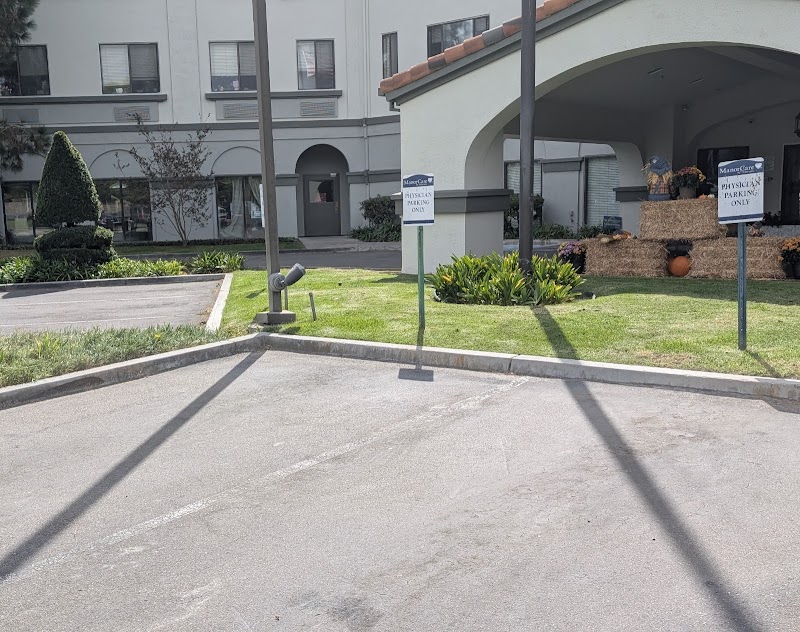
How is Fountain Valley Post Acute Staffed?

CMS rates FOUNTAIN VALLEY POST ACUTE's staffing level at 2 out of 5 stars, which is below average compared to other nursing homes. Staff turnover is 31%, compared to the California average of 46%. This relatively stable workforce can support continuity of care.

What Have Inspectors Found at Fountain Valley Post Acute?

State health inspectors documented 71 deficiencies at FOUNTAIN VALLEY POST ACUTE during 2019 to 2025. These included: 63 with potential for harm and 8 minor or isolated issues. While no single deficiency reached the most serious levels, the total volume warrants attention from prospective families.
Who Owns and Operates Fountain Valley Post Acute?

FOUNTAIN VALLEY POST ACUTE is owned by a for-profit company. For-profit facilities operate as businesses with obligations to shareholders or private owners. The facility is operated by PACS GROUP, a chain that manages multiple nursing homes. With 151 certified beds and approximately 142 residents (about 94% occupancy), it is a mid-sized facility located in FOUNTAIN VALLEY, California.
How Does Fountain Valley Post Acute Compare to Other California Nursing Homes?

Compared to the 100 nursing homes in California, FOUNTAIN VALLEY POST ACUTE's overall rating (3 stars) is below the state average of 3.1, staff turnover (31%) is significantly lower than the state average of 46%, and health inspection rating (2 stars) is below the national benchmark.

What Should Families Ask When Visiting Fountain Valley Post Acute?

Based on this facility's data, families visiting should ask: "Can you walk me through typical staffing levels on day, evening, and night shifts?" "Can I visit during a mealtime to observe dining assistance and food quality?" "How do you handle medical emergencies, and what is your hospital transfer rate?" "Can I speak with family members of current residents about their experience?" These questions are particularly relevant given the below-average staffing rating.

Is Fountain Valley Post Acute Safe?

Based on CMS inspection data, FOUNTAIN VALLEY POST ACUTE has a clean safety record: no substantiated abuse findings (meaning no confirmed cases of resident harm), no Immediate Jeopardy citations (the most serious violation level indicating risk of serious injury or death), and is not on the Special Focus Facility watch list (a federal program monitoring the lowest-performing 1% of nursing homes). The facility has a 3-star overall rating and ranks #100 of 100 nursing homes in California. While no facility is perfect, families should still ask about staff-to-resident ratios and recent inspection results during their visit.

Do Nurses at Fountain Valley Post Acute Stick Around?

FOUNTAIN VALLEY POST ACUTE has a staff turnover rate of 31%, which is about average for California nursing homes (state average: 46%). Moderate turnover is common in nursing homes, but families should still ask about staff tenure and how the facility maintains care continuity when employees leave.

Was Fountain Valley Post Acute Ever Fined?

FOUNTAIN VALLEY POST ACUTE has no federal fines on record. CMS issues fines when nursing homes fail to meet care standards or don't correct problems found during inspections. The absence of fines suggests the facility has either maintained compliance or corrected any issues before penalties were assessed. This is a positive indicator, though families should still review recent inspection reports for the full picture.

Is Fountain Valley Post Acute on Any Federal Watch List?

FOUNTAIN VALLEY POST ACUTE is not on any federal watch list. The most significant is the Special Focus Facility (SFF) program, which identifies the bottom 1% of nursing homes nationally based on persistent, serious quality problems. Not being on this list means the facility has avoided the pattern of deficiencies that triggers enhanced federal oversight. This is a positive indicator, though families should still review the facility's inspection history directly.