COUNTRYSIDE CARE CENTER
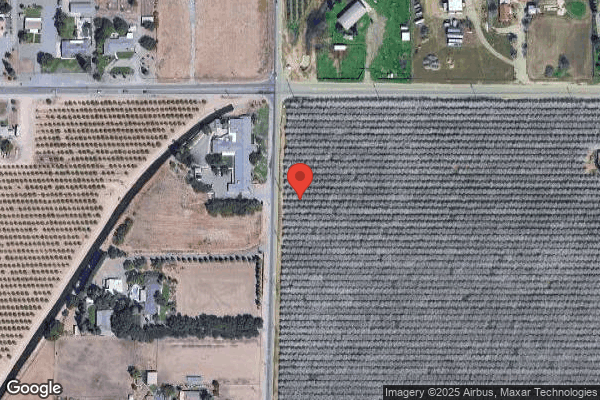
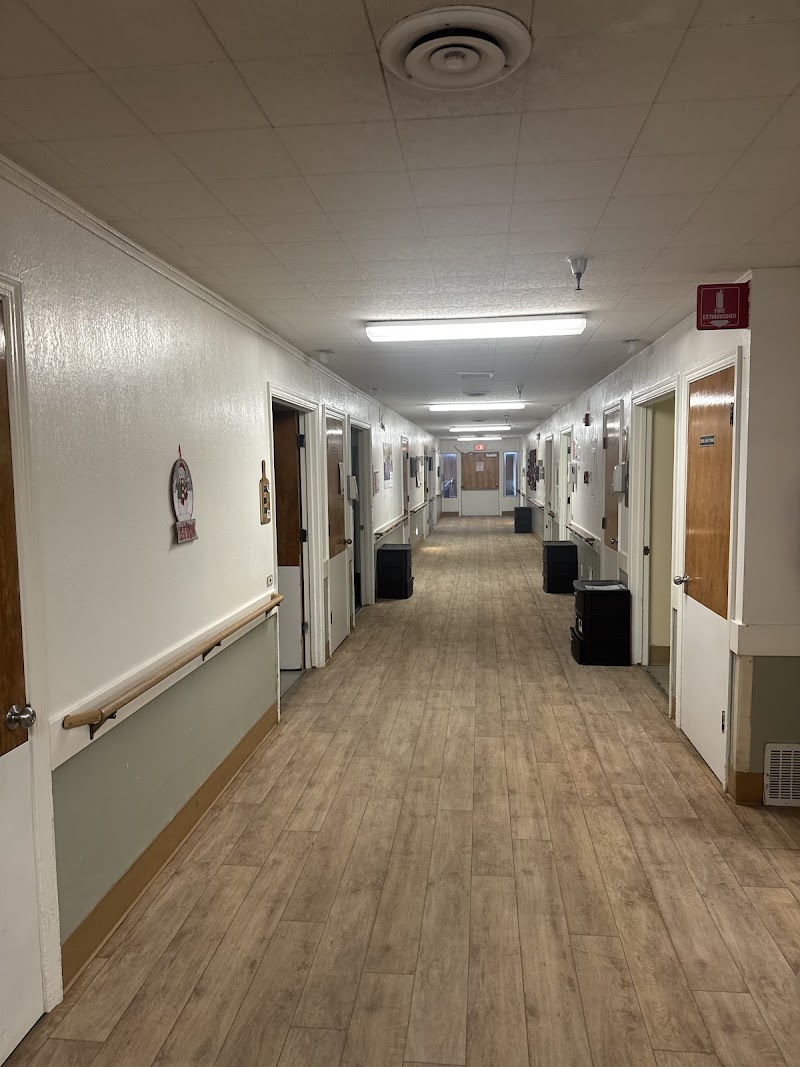
925 NORTH CORNELIA, FRESNO, CA 93706 (559) 275-4785
For profit - Limited Liability company 59 Beds Independent Data: November 2025
Trust Grade
40/100
#560 of 1155 in CA
Last Inspection: August 2024

Within standard 12-15 month inspection cycle. Federal law requires annual inspections.

Overview

Countryside Care Center has a Trust Grade of D, which means it is below average and raises some concerns about the quality of care provided. It ranks #560 out of 1,155 facilities in California, placing it in the top half, and #12 out of 30 in Fresno County, indicating that there are only 11 local facilities that are rated higher. The facility is improving, as the number of issues reported decreased from 14 in 2024 to just 2 in 2025. Staffing is a strength, with a rating of 4 out of 5 stars and a turnover rate of 43%, which is average for the state. However, fines totaling $44,883 are concerning, indicating repeated compliance issues that are higher than 87% of California facilities. There are positive aspects to note, such as greater RN coverage than 77% of state facilities, which is beneficial for catching issues that CNAs might miss. On the downside, there have been serious incidents, including a resident sustaining multiple unwitnessed falls due to a lack of supervision and another resident suffering facial injuries from an unreported incident involving another resident. Additionally, there were failures in safely administering antipsychotic medications without monitoring for side effects, which could lead to unnecessary complications. Overall, while there are notable strengths in staffing and improvement trends, families should weigh these against the concerning incidents and compliance issues.

Trust Score
D
40/100
In California
#560/1155
Top 48%
Safety Record
High Risk
Review needed
Inspections
Getting Better
14 → 2 violations
Staff Stability
○ Average
43% turnover. Near California's 48% average. Typical for the industry.
Penalties
✓ Good
$44,883 in fines. Lower than most California facilities. Relatively clean record.
Skilled Nurses
○ Average
Each resident gets 40 minutes of Registered Nurse (RN) attention daily — about average for California. RNs are the most trained staff who monitor for health changes.
Violations
⚠ Watch
36 deficiencies on record. Higher than average. Multiple issues found across inspections.
★★★☆☆
3.0
Overall Rating
★★★★☆
4.0
Staff Levels
★★★☆☆
3.0
Care Quality
★★★☆☆
3.0
Inspection Score
Stable
2024: 14 issues
2025: 2 issues

The Good

  • 4-Star Staffing Rating · Above-average nurse staffing levels
  • Full Sprinkler Coverage · Fire safety systems throughout facility
  • No fines on record
  • Staff turnover below average (43%)

    5 points below California average of 48%

Facility shows strength in staffing levels, fire safety.

The Bad

3-Star Overall Rating

Near California average (3.1)

Meets federal standards, typical of most facilities

Staff Turnover: 43%

Near California avg (46%)

Typical for the industry

Federal Fines: $44,883

Above median ($33,413)

Moderate penalties - review what triggered them

The Ugly 36 deficiencies on record

3 actual harm
Aug 2025 1 deficiency 1 Harm
SERIOUS (G) 📢 Someone Reported This

A family member, employee, or ombudsman was alarmed enough to file a formal complaint

Actual Harm - a resident was hurt due to facility failures

Accident Prevention (Tag F0689)

A resident was harmed · This affected 1 resident

**NOTE- TERMS IN BRACKETS HAVE BEEN EDITED TO PROTECT CONFIDENTIALITY** Based on interview and record review, the facility failed to ensure residents received adequate supervision and assistance to pr...

Read full inspector narrative →
**NOTE- TERMS IN BRACKETS HAVE BEEN EDITED TO PROTECT CONFIDENTIALITY** Based on interview and record review, the facility failed to ensure residents received adequate supervision and assistance to prevent falls for one of four sampled residents (Resident 1) when Resident 1 was assessed as being at high risk had poor safety awareness (not paying attention to the dangers around you, a history of self-transferring to get to the bathroom, frequent urination (act of releasing liquid waste that your kidneys make to remove excess fluids and waste products from your body) and needed to be supervised by a staff member during transfer and the facility did not implement individualized interventions to prevent falls, including supervision and addressing the cause of frequent self-transferring attempts, consistent with the resident's needs, goals and care according to the resident assessment and plan of care.These failures resulted in Resident 1 sustaining four unwitnessed falls, two falls on 5/19/25, one fall on 6/16/25 and one fall on 7/16/25. During the fall on 7/16/25, Resident 1 sustained an intertrochanteric fracture (a type of hip fracture [broken bone] where the femur [upper thigh bone] meets the pelvis [ring of bones in the hips and lower back that connects the upper body to the legs]) causing her significant pain, decreased mobility and the resident became bedbound (unable to leave the bed). Resident 1 was not transferred to the emergency department because she was on hospice [specialized form of for end-of-life care] and the Responsible Party's request.During a review of Resident 1's admission Record, undated, the admission record indicated Resident 1 was admitted to the facility on [DATE] with diagnoses that included fracture of superior rim (upper edge) of right pubis (pubic bone-a bone that makes up the pelvis), displaced intertrochanteric fracture of left femur, dementia (decline in mental ability severe enough to interfere with daily life), retention of urine (inability to completely empty the bladder), and anxiety disorder (feeling of unease, worry or fear).During a review of Resident 1's Minimum Data Set (MDS-a resident assessment tool used to identify resident cognitive and physical function) assessment dated [DATE] , it indicated Resident 1's Brief Interview of Mental Status assessment (BIMS-assessment of cognitive status for memory and judgement) scored 05 out of 15 (a score of 13-15 indicates cognitively intact, 08-12 indicates moderately impaired, and 00-07 indicates severe impairment). The BIMS assessment score indicated Resident 1 had severe cognitive impairment.During an interview on 8/12/25 at 8:42 a.m. with the Administrator in Training (AIT), the AIT stated Resident 1 was no longer in the facility because she had passed away on hospice on 7/27/25.During an interview on 8/12/25 at 9:26 a.m. with Certified Nursing Assistant (CNA) 1, CNA 1 stated she was familiar with Resident 1. CNA 1 stated she was not at the facility when Resident 1 fell and fractured her hip on 7/16/25. CNA 1 stated Resident 1 was a high fall risk and had behaviors of frequently getting up and trying to self-transfer while unsupervised. CNA 1 stated Resident 1 was not safe to transfer without assistance. CNA 1 stated Resident 1 had frequent urgency (sudden, compelling need to urinate) to go to the restroom because she felt like she needed to urinate (pass urine from the body). CNA 1 stated the staff would take Resident 1 to the restroom, and she would ask to go again within minutes of urinating.During an interview on 8/12/25 at 10:27 a.m. with CNA 2, CNA 2 stated she took care of Resident 1 while she was in the facility. CNA 2 stated she would want to toilet all the time. We would take her to the bathroom often, then she would want to go again right away. CNA 2 stated even though staff frequently took Resident 1 to the bathroom, she would try to get up unassisted because she felt like she needed to go again, which increased her fall risk. During a concurrent interview and record review on 8/12/25 at 10:51 a.m., with Licensed Vocational Nurse (LVN) 1, LVN 1 stated she was working when Resident 1 fell on 7/16/25. LVN 1 stated on 7/16/25 around 6:55 a.m., she had just arrived at the facility for her shift and saw Resident 1 in bed. LVN 1 stated she had walked to the nurse's station for report from the night shift and a CNA told her Resident 1 was on the floor. LVN 1 stated she assessed Resident 1 for injuries and Resident 1 complained of pain to her right leg from the back of her knee to her hip. LVN 1 stated Resident 1 appeared to be in pain, so she administered her pain medication . LVN 1 stated Resident 1 was able to move but complained of pain. LVN 1 stated Resident 1 was unable to bear weight on her right leg, so she called hospice and notified them Resident 1 had fallen. LVN 1 stated the hospice nurse came in around 7:30 a.m. for a routine visit and she asked the hospice nurse for an order to X-ray (a painless test that captures images of the structures inside the body) Resident 1's hip but was told to just keep the resident comfortable. LVN 1 stated she was informed by the hospice nurse that because hospice was for end-of-life care, they did not routinely perform X-rays on patients. LVN 1 stated Resident 1's pain continued to worsen, and she had facial grimacing [facial expression that show pain], so they requested an X-ray order from hospice a second time and received an order. Resident 1's X-ray report titled Right Hip, Unilateral [one side] W/ [with] Pelvis, dated 7/16/25 was reviewed, it indicated, . Acute intertrochanteric fracture with impaction [broken ends of a bone are driven into each other] and varus angulation [deviation of the bone towards midline of the body] . Soft tissue swelling [abnormal buildup of fluid] around the right hip. LVN 1 stated the Director of Nursing (DON) had contacted Resident 1's responsible party and they did not want the resident sent to the hospital and requested the resident be kept comfortable at the facility. LVN 1 stated Resident 1 had increased pain, and her morphine sulfate (a powerful pain medication) was changed from as needed to routine for pain control. LVN 1 stated Resident 1 had fallen before the 7/16/25 fall, twice on 5/19/25 and once on 6/16/25. Resident 1's care plan dated 7/16/25 indicated, . at risk for fall related to actual fall on 7/16/2025 . 72-hour alert monitoring . X-ray . Communicated X-ray findings to MD [physician]/hospice/IDT [interdisciplinary team-involves team members from different disciplines working collaboratively, with a common purpose, to set goals, make decisions and share resources and responsibilities for the best interest of the resident] . Manage resident fall risk through facility red sneaker program . LVN 1 stated the Red Sneaker Program was the facility's fall prevention program and was used for all residents with high fall risk and was not specific to Resident 1. LVN 1 stated Resident 1 needed increased supervision because she had behaviors of getting up to transfer without assistance because she felt like she needed to use the restroom frequently. LVN 1 stated Resident 1 had the urge to urinate frequently causing her to try and transfer herself. LVN was unable to find interventions that addressed urinary frequency and attempts to self-transfer . Resident 1's Fall Risk Assessment, dated 7/3/25, was reviewed. The assessment indicated, . High Risk for Falls . LVN 1 stated Resident 1 fell because she did not have enough supervision and would have required one on one (direct, individualized supervision) to prevent her from falling. During a review of the facility's Red Sneaker Program, the program indicated, . Criteria for Inclusion in the Red Sneaker Program. Resident had had a fall in the last 90 days . has a Fall Risk Assessment Score of above 10 . Care Plan Implementation . Anticipate toileting needs of High Risk for Fall Residents . Focus on residents who are High Risk for Falls that may be attempting to ambulate independently . DON and IDT will make sure appropriate individualized CPs [care plans] and interventions are in place .During a concurrent interview and record review on 8/12/25 at 11:33 a.m. with the Minimum Data Set Coordinator (MDSC), Resident 1's MDS Section GG [functional status], dated 7/3/25 was reviewed and indicated, . sit to stand [code 02-substantial/maximal assistance- helper does more than half the effort] . Chair/bed-to-chair transfer [code 02] . Toilet transfer [code 02] . The MDSC stated Resident 1's MDS indicated the resident required the assistance of two people to safely transfer between the bed and chair and the chair to toilet. Resident 1's fall risk care plan dated 3/25/25, was reviewed. The care plan indicated, . functioning deficit related to: Mobility impairment, ROM [range of motion] limitations r/t fracture to right superior/inferior pubis ramus . Interventions . Bed mobility assistance . Call bell within reach . Toileting Assistance . Transfer Assistance . Resident 1's fall care plan dated 5/19/25, was reviewed and it indicated, . At risk for delayed trauma r/t actual fall on 5/19/25 at 12:30 PM 1st and 2nd fall at 5:03 PM . 72 hour alert monitoring . Floor mat next to bed . evaluation of the resident's condition . activity programs . low electric bed . Manage resident fall risk through facility Red Sneaker Program . Resident 1's fall care plan dated 6/17/25 was reviewed and it indicated, . At risk for delayed injury r/t actual fall on 6/16/25 . Assist with toileting q [every] 2 hrs [hours], at bed time and as needed . floor mats to side of bed . level 2 [every 15 minute checks] monitoring x 72 hours . Notify hospice . Encourage activities . Resident 1's fall risk care plan dated 7/16/25, indicated, . At risk for unavoidable falls and related injury . Rt. [right] Hip fracture R/T [related to] Osteoporosis/Diffuse Osteopenia . Resident is on Hospice care . Bed in low position . Fall Mat. Turn and reposition Q [every] 2 hours . The MDSC stated the care plan interventions were not personalized to Resident 1's needs. The MDSC stated rounding on residents and offering to toilet the residents every two hours was standard care and did not specifically address Resident 1's frequent urination or attempts to self-transfer.During a concurrent interview and record review on 8/1/25 at 11:55 a.m. with the DON, the DON stated Resident 1 was at high risk for falls and was admitted with fractures from falling prior to admission. The DON stated Resident 1 was not compliant with care and would try to transfer herself because she felt like she needed to use the restroom frequently. The DON stated Resident 1 was anxious, had behaviors of repeatedly requesting to use the restroom and attempting to self-transfer without assistance because she had urinary urgency, increasing her fall risk. The DON stated the CNAs would take Resident 1 to the bathroom and five minutes later she would get restless and want to go again. The DON stated Resident 1 had been seen by a psychologist (a professional who studies mental processes and behavior) to address the behavior of anxiety causing repeated requests to use the toilet. The DON reviewed Resident 1's electronic medical record and stated Resident 1 did not have a urinalysis (U/A-laboratory test that examines a person's urine to detect and assess various health conditions) to rule out a possible infection as a cause for her urinary urgency. The DON stated a U/A was not tested because Resident 1 was on hospice. The DON reviewed Resident 1's fall care plans and stated the resident sustained four falls while at the facility. The DON was unable to find interventions indicating how the plan of care addressed Resident 1's urinary urgency and frequency and her attempts to self-transfer. Resident 1's General Note, dated 6/17/25, was reviewed. The note indicated, . LATE ENTRY . Writer was notified by staff that resident was sitting on the floor . Resident stated I slid from bed and fell. I wanna go to the bathroom, I need to pee . Resident 1's SBAR [situation, background, assessment, recommendation-a communication tool used by healthcare workers when there is a change of condition among the residents] Post Fall, dated 6/16/25 at 11:30 p.m., indicated, . Resident fell in Resident room. Unwitnessed fall . The DON stated the root cause of Resident 1's 6/16/25 fall was the resident's attempt to transfer unassisted because she needed to go to the bathroom. The DON was unable to state if any new, personalized interventions were put into place after the fall on 6/16/25. Resident 1's SBAR Post Fall, dated 7/16/25 at 3:46 p.m. was reviewed and indicated, . Prior to fall resident was Attempt to self transfer . Resident fell in Resident room . Injury . Unwitnessed fall . Fall details: Other Unable to describe . from 7/16/25 was reviewed and indicated, . The DON stated Resident 1's fall was unwitnessed. The DON stated a new intervention was put into place after the fall and Resident 1 was moved into a different room with a CNA assigned in the room for the day and evening shifts. During a review of Resident 1's Psychologist Consultation, dated 6/23/25, . Treatment & compliance . demanding . Affect . Anxious . anxious [with] frequent requests to use restroom .During a review of Resident 1's Post Fall IDT Analysis, Dated 6/19/25, the note indicated, . Fall Date and Time . 6/16/25 . LN was notified by staff that resident was sitting on the floor. LN went to res. room assessed resident, noted this res sitting on the floor leaning her back against the bed .During a review of Resident 1's Psychologist Consultation, dated 7/15/25, . Treatment & compliance . repetitive requests . Affect . Anxious . anxious, forgetful, has frequent requests to use toilet is otherwise cooperative with care & Tx [treatment].During a review of Resident 1's Post Fall IDT Analysis, dated 7/16/25, the IDT note indicated, . Fall Date and Time . 7/16/25 at 06:15 [a.m.] . Immediate interventions post fall . Placed on level 2 monitoring. Hospice Nurse Came New orders for pain meds [medication]. Xray Rt. [right] Leg and Rt. Hip . C/O [complains of] pains Room Change offered for close supervision . At 06:15 AM staff found resident sitting on the floor mat. At 06:05 AM CNA made rounds & res. [resident] was on her bed with her call light within reach. LVN saw res. 10-15 minutes prior to fall. Root cause: Resident was restless and attempted to move from and in her bed and landed on her floor mat .During a review of Resident 1's pain care plan dated 7/16/25, the care plan indicated, . Acute Pain Fracture-Right hip fx [fracture] . Administer Morphine routinely as ordered . Observe for loss of appetite . Utilize non-medication interventions for pain relief . Utilize positioning and relaxation techniques for comfort .During a review of Resident 1's mobility care plan dated 7/16/25, the care plan indicated, . Impaired physical mobility related to acute intertrochanteric fracture of the right hip . Assess for pain regularly . Ensure fracture precautions are communicated . Inspect fracture site for swelling, discoloration or increased tenderness . Maintain toileting schedule .During a review of Resident 1's Order Summary Report [OSR], dated 7/2025, the OSR indicated, . Monitor episode of Anxiety m/b [manifested by] repetitive request to use the restroom despite recently being assisted [Ordered 7/17/25] . Morphine Sulfate (Concentrate) Oral Solution 20 MG/ML (Morphine Sulfate) Give 0.25 ml by mouth every 4 hours as needed for Pain [ordered 3/25/25] . Morphine Sulfate 20 mg/ml . Give 0.25 ml by mouth three times a day for Pain [ordered routinely on 7/17/25] . oxybutynin Chloride Oral Tablet [a medication to treat overactive bladder symptoms include frequency, urgency (sudden, compelling need to urinate), and incontinence (involuntary leakage of urine)] . give 1 tablet by mouth two times a day for overactive bladder for 1 Week over active bladder [ordered 7/17/25] . During a review of the facility's policy and procedure (P&P) titled, Safety and Supervision of Residents, undated, the P&P indicated, . Our facility strives to make the environment as free from accident hazards as possible . Our individualized, resident-centered approach to safety addresses safety and accident hazards for individual residents . The care team shall target interventions to reduce individual risks related to hazards in the environment, including adequate supervision and assistive devices . Implementing interventions to reduce accident risks . Ensuring that interventions are implemented . Resident supervision is a core component of the systems approach to safety. The type and frequency of resident supervision is determined by the individual resident's assessed needs .During a review of the facility's P&P titled Falls-Clinical Protocol, dated 9/2012, indicated, . As part of the initial assessment, the physician will help identify individuals with a history of falls and risk factors for subsequent falling . many falls are isolated individual incidents, a significant proportion occur among a few residents . individuals may have a treatable medical disorder or functional disturbances as the underlying cause . After more than one fall, the physician should review the resident's gait, balance, and current medications . staff and physician will continue to collect and evaluate information until either the cause of the falling is identified, or it is determined that the cause cannot be found. Based on the preceding assessment, the staff and physician will identify pertinent interventions or try to prevent subsequent falls and to address risks of serious consequences of falling . If underlying causes cannot be readily identified or corrected, staff will try various relevant interventions based on assessment . until falling reduces or stops or until a reason is identified . (for example, if the individual continues to try to get up and walk without waiting for assistance) . The staff . will follow up on any fall with associated injury until the resident is stable . Frail elderly individuals are often at greater risk for serious adverse consequences of falls . If interventions have been successful in preventing falling, the staff will continue with current approaches or reconsider whether these measures are still needed . If the individual continues to fall, the staff and physician will re-evaluate the situation and consider other possible reasons for the resident's falling .
Jun 2025 1 deficiency
CONCERN (D) 📢 Someone Reported This

A family member, employee, or ombudsman was alarmed enough to file a formal complaint

Potential for Harm - no one hurt, but risky conditions existed

Accident Prevention (Tag F0689)

Could have caused harm · This affected 1 resident

**NOTE- TERMS IN BRACKETS HAVE BEEN EDITED TO PROTECT CONFIDENTIALITY** Based on observation, interview, and record review, the facility failed to ensure residents received adequate supervision to pre...

Read full inspector narrative →
**NOTE- TERMS IN BRACKETS HAVE BEEN EDITED TO PROTECT CONFIDENTIALITY** Based on observation, interview, and record review, the facility failed to ensure residents received adequate supervision to prevent falls for one of five sampled residents (Resident 3) when Resident 3 who was assessed as being a fall risk, had poor safety awareness and needed to be supervised while ambulating (walking) and the facility did not implement effective interventions to prevent falls, including adequate supervision, consistent with the resident ' s needs, goals and care. This failure resulted in Resident 3 ' s three unwitnessed falls within two weeks, one on 5/9/25, 5/19/25 and 5/22/25 and placed Resident 3 at risk for significant injury. Findings: During a review of Resident 3 ' s admission Record, undated, the admission record indicated, Resident 3 was admitted to the facility on [DATE] with diagnoses which included disorder of bone density (Osteoporosis-weak and brittle bones due to lack of calcium and Vitamin D), type 2 diabetes mellitus (a disorder characterized by difficulty in blood sugar control), dementia (progressive state of decline in mental abilities), abnormalities of gait (manner of walking) and mobility and muscle weakness. During a review of Residents 3 ' s Minimum Data Set (MDS- a resident assessment tool used to identify resident cognitive [related to thinking and judgement] and physical function) assessment dated [DATE], indicated Resident 3 ' s Brief Interview of Mental status assessment (BIMS – assessment of cognitive status for memory and judgement) scored 03 of 15 (a score of 13-15 indicates cognitively intact, 08-12 indicates moderately impaired, and 00-07 indicates severe impairment). The BIMS assessment indicated Resident 3 was severely cognitively impaired. During a concurrent observation and interview on 6/10/25 at 9:22 a.m. with Certified Nursing Assistant (CNA) 1 and Resident 3, in Resident 3 ' s room, resident 3 was lying on another Resident ' s bed fully clothed. Resident 3 has her eyes closed and opened them when spoken to but did not verbally respond. CNA 1 stated she was assigned to provide one on one (1:1) supervision (a designated staff member actively observing an individual resident) for Resident 3 and had to stay with Resident 3 during her shift. CNA 1 stated Resident 3 was on a 1:1 because she had fallen recently. CNA 1 stated Resident 3 had declined in health and had a decreased appetite since her last fall. CNA 1 stated Resident 3 was on hospice care, was weaker and less stable when she walked. During a concurrent interview and record review on 6/10/25 at 10:43 a.m. with Licensed Vocational Nurse (LVN) 2, Resident 3 ' s fall care plans were reviewed. Resident 3 ' s fall risk care plan, plan dated 5/10/25, was reviewed. The care plan indicated, . Risk for injury related to impaired cognition and recent fall . 5/9/25 . Interventions . Assess dizziness and balance before ambulation to prevent further falls . Initiate 72-hour neuro checks to monitor for delayed symptoms or changes in mentation . Monitor for signs of delayed injury . Resident 3 ' s fall care plan dated 5/19/25, indicated, . Risk for injury related to fall episode . Interventions . Conduct full-body assessment and neuro checks . Education patient and family on safety precautions and mobility assistance . Notify interdisciplinary team . Provide assistance in repositioning and ensure patient comfort . Reinforce fall prevention measures (red sneaker) . LVN 2 stated Resident 3 had a diagnosis of dementia and would not retain any education or reminders given to her. LVN 2 stated the Red Sneaker Program was the fall prevention program which identifies residents at high risk for falls and interventions to be used for fall prevention. Resident 3 ' s fall care plan dated 5/22/25, indicated, . Risk for injury related to fall while seated in a wheelchair near the nurse ' s station, with skin integrity concerns due to abrasion [scraping of skin] on the dorsal [back side] right wrist measuring 5cm [centimeters-unit of measurement] x [by] 3cm Interventions . Assess surroundings for fall hazards . Supervise mobility and remind resident to request assistance before standing . Cleanse abrasion . Monitor for pain . Notify PT/OT for evaluation . Reinforce safety measures . Resident was placed on Level 3 monitoring . LVN 2 stated Level 3 monitoring meant a CNA provided Resident 3 with direct supervision in the room. Resident 3 ' s fall risk care plan, dated 10/30/24, was reviewed. The care plan indicated, . Potential for Unavoidable Fall and Related Injuries R/T [related to] H/O [history of] falls . Risk Factors: Dx. [diagnosis of] Dementia . Resident 3 ' s care plan dated 3/31/25, indicated, . 1:1 or Level 3 monitoring has been DCd [discontinued] on 3/31/25 per IDT ' s recommendation . Follow up made by IDT on 4/1/25. Continue Level 2 monitoring . LVN 2 stated Resident 3 had been on hospice [end of life care] and was having increased weakness and a decreased appetite. Resident 3 ' s MDS Section GG, dated 3/25/25 was reviewed, the MDS indicated, . Lying to sitting on side of bed [coded 04-Supervision or touching assistance] . Sit to stand [coded 04] . Walk 10 feet [coded 04] . Walk 50 feet with two turns [coded 04] . Walk 150 feet [coded 04] . LVN 2 stated the MDS Section GG, indicated Resident 3 should have supervision while ambulating [walking]. Resident 3 ' s fall risk assessments were reviewed, the assessments indicated, . 5/9/25 . fall risk score 14 . at risk for falls . 5/19/25 . fall risk score 20 . at risk for falls . 5/22/25 . fall risk score 22 . at risk for falls . LVN 2 stated Resident 3 was at high risk for falls due to her dementia and decline in health. During a review of Resident 3 ' s Post Fall IDT Analysis, dated 5/12/25, the IDT note indicated, . Fall Date and Time . 5/9/25 14:24 [2:24 p.m.] . Resident was observed sitting on the floor by the back patio with her back leaning against the wall next to a wheelchair. A staff member had seen the res. [resident] walking outside approximately five minutes prior . During a review of Resident 3 ' s Post Fall IDT Analysis, dated 5/20/25, the IDT note indicated, . Fall Date and Time . 5/12/25 17:10 [5:10 p.m.] . At approximately 5:10 PM, while the LN [Licensed Nurse] was preparing meds [medications] . a loud thud was heard in the HW [hallway] near room [ROOM NUMBER]. Upon assessment, the res. Was found lying supine [on her back] on the floor, with her head raised and one hand reaching for the wall-mounted side rail . Placed on level 2 monitoring . During a review of Resident 3 ' s Post Fall IDT Analysis, dated 5/23/25, the IDT note indicated, . Fall Date and Time . 5/22/25 15:55 [3:55 p.m.] . Resident was sitting in w/c [wheelchair] by the nursing station. Tried to get up and slid to floor . Sustained an abrasion on her rt. [right] wrist. Tx. [treatment] done . Placed on level 3 monitoring . During a concurrent interview and record review on 6/10/25 at 11:42 a.m. with the Director of Nursing (DON), the facility ' s Red Sneaker Program, dated 12/10/24, was reviewed. The Red Sneaker Program indicated, . Criteria for Inclusion in the Red Sneaker Program . Resident has had a fall in the last 90 days . Resident has a Fall Risk Assessment Score above 10 . Current Red Sneaker Program Care Plan Implementation . Bed in the lowest position . call light within reach . No room/environmental clutter . Anticipate toileting needs for high Risk for Fall Residents . Focus on residents who are High Risk for falls that may be attempting to ambulate independently . Weekly review and as needed review by the DON [Director of Nursing] and IDT of fall prevention program . DON and IDT will make sure appropriate individualized CPs [care plans] and Intervention are in place for new admissions with high FRS [Fall Risk Score] and new fall occurrences as deemed appropriate . The DON stated the program was put into place to help minimize falls in high-risk residents. The DON stated Resident 3 had been on the Red Sneaker Program consistently because she had a history of falling. The DON stated Resident 3 had been on 1:1 supervision for falls until 3/31/25 when the IDT determined the 1:1 supervision could be decreased to Level 2 supervision. The DON stated level 2 supervision meant staff checked on the resident every 15 minutes. The DON stated Resident 3 was on Level 2 supervision/15-minute checks when she fell on 5/9/25, 5/19/25 and 5/22/25. The facility ' s policy and procedure (P&P) titled Safety and Supervision of Residents, undated, was reviewed. The P&P indicated, . individualized, resident-centered approach to safety addresses safety and accident hazards for individual residents . interdisciplinary care team shall analyze information obtained from assessments and observations to identify any specific accident hazards or risks for individual residents . care team shall target interventions to reduce individual risks . including adequate supervision . Enhanced monitoring as per level by designated staff (CNA or Licensed Nurse) . Level 1-every 30 minutes (checks) . Level 2-every 15 minutes (checks) . Level 3-In-room direct supervision . Monitoring the effectiveness of interventions shall include the following . Ensuring that interventions are implemented correctly and consistently . Evaluating the effectiveness of interventions . Modifying or replacing interventions as needed . Resident supervision is a core component of the systems approach to safety. The type and frequency of resident supervision is determined by the individual resident ' s assessed needs . The DON was unable to explain why the IDT had determined Resident 3 did not need increased supervision until she fell the third time. The DON stated Level 2 supervision was not effective because Resident 3 had three falls between 5/9/25 and 5/22/25. The DON stated after Resident 3 ' s third fall, on 5/22/25, the IDT met and determined the resident needed to be closely supervised adding Level 3 supervision, so a CNA was assigned to her for direct, in room supervision. The DON stated the root cause of Resident 3 ' s falls were her dementia, confusion and inability to remember education given. The DON reviewed Resident 3 ' s MDS Section GG dated 3/25/25 and stated the MDS indicated Resident 1 needed supervision/touch assistance during ambulation. The facility ' s Policy and Procedure (P&P) titled, Falls and Fall Risk, Managing, dated 12/2007, was reviewed with the DON. The P&P indicated, . the staff will identify interventions related to the resident ' s specific risks and causes to try to prevent the resident from falling and to try to minimize complications from falling . The staff, with the input of the Attending Physician, will identify appropriate interventions to reduce the risk of falls . If falling recurs despite initial interventions, staff will implement additional or different interventions, or indicate why the current approach remains relevant . If the resident continues to fall, staff will re-evaluate the situation and whether it is appropriate to continue or change current interventions .
Dec 2024 1 deficiency
CONCERN (D) 📢 Someone Reported This

A family member, employee, or ombudsman was alarmed enough to file a formal complaint

Potential for Harm - no one hurt, but risky conditions existed

Resident Rights (Tag F0550)

Could have caused harm · This affected 1 resident

**NOTE- TERMS IN BRACKETS HAVE BEEN EDITED TO PROTECT CONFIDENTIALITY** Based on interview and record review, the facility failed to treat one of two sampled residents (Resident 1) with respect and di...

Read full inspector narrative →
**NOTE- TERMS IN BRACKETS HAVE BEEN EDITED TO PROTECT CONFIDENTIALITY** Based on interview and record review, the facility failed to treat one of two sampled residents (Resident 1) with respect and dignity when the skilled nursing facility (SNF) failed to ensure Resident 1 had adequate transportation from a doctor ' s appointment back to the SNF on 11/22/24. This failure resulted in Resident 1 staying in the doctor ' s office for several hours after the end of his appointment without an adequate meal for lunch and left him feeling hungry, forgotten, sad, and anxious. Findings: During a review of Resident 1 ' s admission Record (AR), undated, the AR indicated, Resident 1 was admitted to the facility on [DATE] with diagnoses of cellulitis (bacterial infection that affects the deeper layers of the skin) of right lower limb (leg), muscle weakness, and abnormalities of gait (pattern of walking) and mobility (ability to move joints). During a review of Residents 1 ' s Minimum Data Set (MDS- a resident assessment tool used to identify resident cognitive and physical function) assessment dated [DATE], indicated Resident 1 ' s Brief Interview of Mental status assessment (BIMS - assessment of cognitive status for memory and judgement) scored 09 of 15 (a score of 13-15 indicates cognitively intact, 08-12 indicates moderately impaired, and 00-07 indicates severe impairment). The BIMS assessment indicated Resident 1 was moderately impaired. During an interview on 12/5/24 at 3:38 p.m. with Resident 1, Resident 1 stated he had a doctor ' s appointment on 11/22/24. Resident 1 stated the facility left him left him at the doctor ' s office from midmorning to evening time. Resident 1 stated he was picked up from the SNF for the appointment at 9:00 a.m. Resident 1 stated he saw the doctor before noon and the doctor ' s office notified the SNF he was ready to be transported back to the SNF. Resident 1 stated he waited another hour and the doctor ' s office called the SNF again to notify them he was still in their office. Resident 1 stated he had not eaten since breakfast. Resident 1 stated the doctor ' s office told him they were closing soon about 5:00 p.m. and he spoke with a nurse at the SNF. The resident stated he was told by the nurse, somebody would come to get him. Resident 1 stated he was picked up by two nurses from SNF around 7 p.m. Resident 1 stated he was very hungry while sitting in the doctor ' s office, felt desperate and anxious. Resident 1 stated, I was upset, how could they forget about me? During a concurrent interview and record review on 12/5/24 at 3:55 p.m. with Licensed Vocational Nurse (LVN) 1, Resident 1 ' s electronic medical record (EMR) was reviewed. LVN 1 was unable to locate a progress note about the incident on 11/22/24. LVN 1 stated the facility ' s process for resident appointments was to call the doctor ' s office within two hours to see if the resident ' s appointment was finished and verify transportation back to the facility. During an interview on 12/5/24 at 4:17 p.m. with the scheduler (SCH), the SCH stated on 11/22/24 Resident 1 had a doctor ' s appointment and she had walked with the resident out to the transportation car between 9:30-10:00 a.m. The SCH stated the doctor ' s office called around 12:30 p.m. and notified the SNF Resident 1 was ready to be picked up from his appointment. The SCH stated she forwarded the phone call to the Social Services Director (SSD), and he provided the office with a phone number to call for transportation. During an interview on 12/5/24 at 4:25 p.m. with the SSD, the SSD stated Resident 1 was transported to a doctor ' s office for an appointment in the morning on 11/22/24. The SSD stated transportation to the doctor ' s office had been set up by Resident 1 ' s insurance company. The SSD stated the SCH had given him a phone call from the doctor ' s office in the early afternoon notifying him the resident was finished and ready to be transported back to the SNF. The SSD stated he gave the doctor ' s office the phone number to call for transportation. The SSD stated he had left work at 3:00 p.m. and was unaware Resident 1 had not returned from the doctor ' s office. The SSD stated he did not follow up with the doctor ' s office or Resident 1 to verify the transportation had been taken care of. During a concurrent interview and record review on 12/5/24 at 4:56 p.m. with LVN 2, LVN 2 stated she had started work at 4:00 p.m. on 11/22/24. LVN 2 stated after she had arrived, a Certified Nursing Assistant notified her Resident 1 had not returned from his morning doctor ' s appointment. LVN 2 stated the facility received a phone call after 4:30 p.m. from the doctor ' s office to notify the SNF they were closing soon, and Resident 1 was still waiting at the office. LVN 2 stated she and another nurse left at 5:30 p.m. to pick Resident 1 up from the doctor ' s office. LVN 2 stated when they picked the resident up, he was hungry, so they took him to get some food on their way back to the SNF. LVN 2 stated the incident placed Resident 1 at risk for emotional distress, hunger, and dehydration. LVN 2 stated Resident 1 did not have a jacket with him, and it was cold outside when they picked him up. LVN 2 stated she was not sure why he was left for several hours at the doctor ' s office. During an interview on 12/5/24 at 5:09 p.m. with the Director of Nursing (DON) the DON stated the incident was caused by transportation. The DON denied the facility had any responsibility in making sure the resident returned to the SNF timely. The DON stated, we are ultimately responsible for making sure the resident had something to eat and drink. During a review of Resident 1 ' s General Note, dated 11/22/24 at 12:46 p.m., the note indicated, . At approx. [approximately] 0953 [9:53 a.m.], resident was picked up [name of rideshare service] to be taken to doctor ' s appointment . Resident noted to be alert and oriented and left ambulating [walking] using his walker . During a review of Resident 1 ' s General Note, dated 11/22/24 at 6:22 p.m., the note indicated, . This writer and Receptionist [from SNF] were contacted at 12:50 pm from [name of doctor ' s clinic] and reported that he was done with his appointment . informed the receptionist [at doctor ' s office] . they will need to call [name of insurance transport] to arrange the pickup . informed at 4:45 pm by the Nursing Manager [transport] did not arrive and pick up resident . During a review of the facility ' s document titled Investigation Summary Report for CA00932536, dated 11/22/24, the document indicated, . contacted at 12:50 p.m. from [name of physician ' s clinic] . he was done with his appointment . informed the receptionist . they will need to call [name of insurance] Transport to arrange the pickup . informed at 4:45 pm . [name of insurance] Transport did not arrive and pick up resident . transportation provider that the resident is not a member . Received another call from [name of doctor ' s clinic] representative and stated clinic is closing soon, and resident had been waiting in lobby and had not eaten since lunch . Resident was pick[ed] up at exactly 1733 [5:33 p.m.] . resident returned to facility @ around 1805 [6:05 p.m.] . During a review of the Resident 1 ' s IDT [interdisciplinary team-group of people with different areas of expertise who work together to achieve a common goal] Note, dated 11/22/24 at 9:17 p.m., the note indicated, . Delayed Pick up from [name of doctor ' s clinic] MD [doctor] Appointment . Date and Time . 11/22/24 appointment was at 10:15 AM . IDT meeting was conducted related to delayed pick up . Facility RN & LVN went to pick up resident via private transport . During a review of the facility ' s policy and procedure (P&P) titled Medical and Dental Services Appointments, undated, the P&P indicated, . Routine and emergency medical and dental services are available to meet the resident ' s health services . Social services representatives will assist residents with appointments, transportation arrangements .
Nov 2024 1 deficiency
CONCERN (D) 📢 Someone Reported This

A family member, employee, or ombudsman was alarmed enough to file a formal complaint

Potential for Harm - no one hurt, but risky conditions existed

Comprehensive Care Plan (Tag F0656)

Could have caused harm · This affected 1 resident

**NOTE- TERMS IN BRACKETS HAVE BEEN EDITED TO PROTECT CONFIDENTIALITY** Based on observation, interview, and record review, the facility failed to implement a comprehensive person-centered care plan f...

Read full inspector narrative →
**NOTE- TERMS IN BRACKETS HAVE BEEN EDITED TO PROTECT CONFIDENTIALITY** Based on observation, interview, and record review, the facility failed to implement a comprehensive person-centered care plan for one of three sampled residents (Resident 1) when staff did not implement Resident 1 ' s fall risk care plan to have Resident 1 thoroughly placed on the facility ' s Red Sneaker Program (RSP- the facility ' s fall prevention program which was characterized by a visual symbol of red sneakers placed by the resident ' s name placard outside the resident ' s room door, a symbol of red sneakers above the head of resident ' s bed and a red bracelet the resident wears). This failure placed Resident 1 at risk to experience another fall and had the potential to result in fall related injuries. Findings: During an interview on 11/20/24 at 9:35 a.m. with Director of Nursing (DON), DON stated, Resident 1 was admitted on [DATE] and had a fall in the facility on 11/17/24. DON stated, one of the interventions completed after Resident 1 ' s fall was the fall risk care plan was updated. During a concurrent observation and interview on 11/20/24 at 10:10 a.m. with Resident 1 in Resident 1 ' s room, Resident 1 was laying in bed and was noted to have bruising to his forehead, bridge of nose and left hand. Resident 1 stated, he had fallen at home prior to admission to the skilled nursing facility (SNF) and recently had fallen at this SNF. Resident 1 stated, the most recent fall caused bleeding to his left pointer finger, forehead and nose. During an interview on 11/20/24 at 10:56 a.m. with Licensed Vocational Nurse (LVN) 1, LVN 1 stated, Resident 1 had a recent fall and new interventions were put into place. LVN 1 stated, Resident 1 was put on the RSP. LVN 1 stated, the RSP was for fall risk patients. LVN 1 stated, the RSP required the resident to wear a red bracelet and needed to have a red sneaker symbol next to the name placard outside the resident ' s room door. During a concurrent observation and interview on 11/20/24 at 11:30 a.m. with LVN 1 in Resident 1 ' s room, there were no red sneaker symbols noted to Resident 1 ' s room walls or next to the name placard outside Resident 1 ' s room. Resident 1 was not wearing a red bracelet. LVN 1 stated, there were no RSP indicators for Resident 1 which included the red sneaker symbols outside Resident 1 ' s room door and no red rubber bracelet on Resident 1. LVN 1 stated, Resident 1 should have had these RSP indicators in place. LVN 1 stated, Resident 1 should have had these interventions in place because he was identified as a fall risk and to prevent a future fall. During a concurrent interview and record review with DON, Risk For Falls Assessment (RFA), dated 10/26/24, was reviewed. The RFA indicated, .Score: 13 .Resident at Risk .Total Score above 10 indicates high risk . DON stated, Resident 1 had a fall risk score of 13 on the RFA which indicated he was at a high risk of falls. During a concurrent interview and record review with DON, the Red Sneaker Program Policy (RSPP), 4/24/24, was reviewed. The RSPP indicated, Criteria for the Red Sneaker Program .Resident has had a fall in the last 90 days .Resident has a Fall Risk Assessment Score of above 10 .Common Red Sneaker Program Care Plan Implementation .Initiation of the Red Sneaker Program .Resident that are placed on the Red Sneaker Program will be identified by a Red Sneaker picture on their name plate outside of their door and above the resident ' s bed. Residents will be identified by RED band/bracelet .DON and IDT [Interdisciplinary Team] will make sure appropriate individualized CPs [Care Plans] and interventions are in place . DON stated, the RSP was for residents with a history of falls and to remind all staff that the resident was a fall risk. DON stated, a resident on the RSP should have had a sneaker symbol next to the name placard near the resident ' s room door, a sneaker symbol above the bed on the wall and also the resident wore a rubber red bracelet. DON stated, she was not sure why Resident 1 did not have any sneaker symbols above Resident 1 ' s bed on the wall, by Resident 1 ' s name placard outside the door or why he wasn ' t wearing a red bracelet. DON stated, each of the symbols and bracelet should have been in place because the RSP is the facility ' s fall prevention program. DON stated, the RSP was to prevent further falls and fall related injuries. DON stated, each of these RSP symbols and red bracelet should have been in place according to Resident 1 ' s care plan and the interventions outlined in the RSPP. During record review of Resident 1 ' s admission Record (AR- a document that provides resident contact details, a brief medical history), the AR indicated, Resident 1 had diagnoses which included .OSTEOMYELITIS OF VERTEBRA (infection of the bones in the spinal column) .MUSCLE WEAKNESS .COGNITIVE COMMUNICATION DEFICIT (altered ability to give information in an orderly and organized way) .END STAGE RENAL DISEASE (permanent condition that occurs when the kidneys are no longer able to function) . During a review of Resident 1's Minimum Data Set (MDS- a standardized assessment and care screening tool), dated 11/7/24, the MDS indicated, Resident 1's Brief Interview for Mental Status (BIMS- an evaluation of attention, orientation and memory recall) indicated a score of 14 (0-7 severe cognitive impairment, 8-12 moderate cognitive impairment, 13-15 no cognitive impairment), indicating Resident 14 had no cognitive impairment. During a review of Resident 1 ' s Care Plan (CP), dated 10/26/24, the CP indicated, .I am at risk for falls and related injury d/t [due to] my generalized weakness with decreased overall strength & limited ROM [range of motion] on BUE [bilateral (both) upper extremities] & BLE [bilateral lower extremities] and this is related to my medical condition and co-morbidities. I have a history of fall prior to admit .Goal .No Falls and related injuries .Interventions .Facility Red Sneaker Program . During a review of the facility ' s policy and procedure (P&P) titled, Care Plans, Comprehensive Person-Centered, undated, .A comprehensive, person-centered care plan that includes measurable objectives and timetables to meet the resident ' s physical, psychosocial and functional needs is developed and implemented for each resident . During a review of the facility ' s P&P titled, Safety and Supervision of Residents, undated, .The care team shall target interventions to reduce individual risks .ensuring that interventions are implemented .
Oct 2024 1 deficiency
CONCERN (D) 📢 Someone Reported This

A family member, employee, or ombudsman was alarmed enough to file a formal complaint

Potential for Harm - no one hurt, but risky conditions existed

Accident Prevention (Tag F0689)

Could have caused harm · This affected 1 resident

**NOTE- TERMS IN BRACKETS HAVE BEEN EDITED TO PROTECT CONFIDENTIALITY** Based on observation, interview, and record review, the facility failed to ensure one of three sampled residents (Resident 1), w...

Read full inspector narrative →
**NOTE- TERMS IN BRACKETS HAVE BEEN EDITED TO PROTECT CONFIDENTIALITY** Based on observation, interview, and record review, the facility failed to ensure one of three sampled residents (Resident 1), who was assessed as being a fall risk, with a history of falls in the facility, and a known behavior of placing herself on the floor when tired, received adequate supervision and assistance to prevent falls when Resident 1 ambulated (walked) to an area of the facility unattended and was found on the floor by staff. This failure resulted in Resident 1's unwitnessed fall to the floor sustaining a skin tear (traumatic wound caused by direct contact of the skin to another object) to the back side of her right elbow on 9/25/24. Findings: During a review of the facility ' s document titled Fall Incident Tracking/Trend Log, dated 7/2024-9/2024, the fall log indicated Resident 1 had unwitnessed falls on 7/17/24, 8/4/24, 9/4/24 and 9/25/24. Resident 1 ' s SBAR Post Fall (SBAR-situation, background, assessment, recommendation, a communication tool used by healthcare workers when there is a change of condition among the residents), dated 9/25/24, was reviewed. The post fall SBAR indicated, . Fall Risk Factors . history of falls . Impaired Safety awareness/judgement . Lost Balance . Disoriented X 3 at all times . 3 or more falls in past 3 months . Balance problem while walking . During a review of Resident 1 ' s admission Record (AR- contains a summary of basic information about the resident), undated, the AR indicated Resident 1 was admitted to the facility on [DATE] with diagnosis of Alzheimer ' s Disease ( a disease characterized by a progressive decline in mental abilities), Type 2 Diabetes Mellitus (a disorder characterized by difficulty in blood sugar control and poor wound healing), muscle weakness and Dementia (a progressive state of decline in mental abilities). During a review of Residents 1 ' s Minimum Data Set (MDS- a resident assessment tool used to identify resident cognitive and physical function) assessment dated [DATE], indicated Resident 1 ' s Brief Interview of Mental status assessment (BIMS – assessment of cognitive status for memory and judgement) scored 01 of 15 (a score of 13-15 indicates cognitively intact, 08-12 indicates moderately impaired, and 00-07 indicates severe impairment). The BIMS assessment indicated Resident 1 had a severe cognitive impairment. During an observation on 10/1/24 at 12:25 p.m. in the hallway, Resident 1 walked down the main hallway while holding Certified Nursing Assistant (CNA) 1 ' s hand. Resident 1 would not engage in conversation. A closed skin tear and abrasion were observed on the back of her right elbow. During a concurrent observation and interview on 10/1/24 at 12:26 p.m. with CNA 1, in Resident 1 ' s room, CNA 1 helped Resident 1 sit down on the edge of her bed. CNA 1 stated Resident 1 was able to walk unassisted unless she was tired. CNA 1 stated she was the CNA caring for Resident 1 on the day of the fall. CNA 1 stated she and Resident 1 were in the dining room during breakfast on 9/25/24. CNA 1 stated she was assisting another resident and when Resident 1 finished breakfast, she walked out of the dining room by herself. CNA 1 stated Resident 1 should have supervision when she walked because she tended to go into unsafe areas of the building such as other resident ' s rooms or unsupervised areas. CNA 1 stated if Resident 1 was sleepy, she would stop where she was and put herself on the floor which increased the risk of her being injured. CNA 1 stated Resident 1 was not supervised after she left the dining room and was found on the floor by a staff member. During an interview on 10/1/24 at 1:17 p.m. with CNA 2, CNA 2 stated she was the hallway safety monitor. CNA 2 stated Resident 1 frequently walked alone, unsupervised. CNA 2 stated if Resident 1 was tired she needed supervision because she had a history of putting herself on the ground. CNA 2 stated, we keep an eye on her when she is tired. CNA 2 stated Resident 1 was a high fall risk and was on the Red Sneaker Program. During a review of the facility ' s Red Sneaker Program, undated, the program indicated, . High Risk for Falls . [Resident 1 ' s name] . Criteria for Inclusion in the Red Sneaker Program . Resident has had a fall in the last 90 days . Resident has a Fall Risk Assessment Score of above 10 . Focus on residents who are High Risk for Falls that may be attempting to ambulate independently . During a concurrent interview and record review on 10/1/24 at 1:37 p.m. with Licensed Vocational Nurse (LVN) 1, Resident 1 ' s General Note, dated 9/25/24, at 2:40 p.m., written by LVN 1, the note indicated, . informed that resident is on the floor, resident was noted to by [be] lying on her right side with both hands under her head . eye closed . Head to toe assessment completed . skin tear noted to the right elbow . LVN 1 stated she was the charge nurse at the time of Resident 1 ' s fall. LVN 1 stated she was told Resident 1 was found on the floor in front of the business office and the fall was not witnessed. LVN 1 stated the fall was not witnessed by staff. LVN 1 stated Resident 1 would normally ambulate around the facility without supervision or assistance but was known to be a high fall risk and was on the Red Sneaker Program. LVN 1 stated when Resident 1 was tired, her gait was less steady, so she needed supervision for safety. LVN 1 stated Resident 1 was normally sleepy in the morning around breakfast time, so she should have had supervision at the time of the fall. Resident 1 ' s SBAR dated 9/25/24, written by LVN 1, the SBAR indicated, . Resident fell in Hallway . Fall Risk Factors: History of falls Impaired safety awareness/judgement . Injury Skin Tear . Unwitnessed Fall . Resident 1 ' s MDS Section GG (functional abilities) was reviewed. The Section GG indicated, . I. Walk 10 feet [code 04-Supervision or touching assistance] . J. Walk 50 feet with two turns [code 04-Supervision or touching assistance] . K. Walk 150 feet [code 04-Supervision or touching assistance] . LVN 1 stated the MDS indicated Resident 1 required supervision or touch assistance to ambulate safely. LVN 1 reviewed Resident 1 ' s fall risk scores of 16 on 9/4/24 and 13 on 9/25/24. LVN 1 stated the scores indicated Resident 1 was at high risk for falls. LVN 1 stated Resident 1 ' s falls were because she ambulated unsupervised when she was tired. During a concurrent interview and record review on 10/1/24 at 2:43 p.m. with the Minimum Data Set Coordinator (MDSC), Resident 1 ' s MDS section GG was reviewed. The MDSC stated Resident 1 ' s fall on 9/25/24 was unwitnessed. The MDSC stated the MDS indicated Resident 1 needed supervision or touch assistance when ambulating. The MDSC stated Resident 1 required redirection when ambulating for safety. The MDSC stated Resident 1 had a history of lowering herself onto the floor when she was tired. During an interview on 10/1/24 at 3:12 p.m. with the Director of Nursing (DON), the DON stated Resident 1 required supervision when ambulating. The DON stated supervision meant watching the resident to make sure she was not going into unsafe areas such as other resident ' s rooms. The DON stated Resident 1 ' s fall on 9/25/24 was unwitnessed. The DON stated Resident 1 ' s fall would have been witnessed if she had been supervised. The DON reviewed Resident 1 ' s fall risk score and stated Resident 1 was at high risk for falls. The DON stated Resident 1 had poor safety awareness and had behaviors of putting herself on the floor when tired. The DON stated it was her expectation for staff to supervise Resident 1 when walking. During an interview on 10/1/24 at 3:38 p.m. with the Administrator (ADM), the ADM stated Resident 1 ' s needs for supervision would vary. The ADM stated Resident 1 had a history of falling and putting herself on the floor when tired. The ADM declined to answer if Resident 1 was supervised when she had the unwitnessed fall on 9/25/24. During a review of Resident 1 ' s fall risk care plan dated 8/17/24, the care plan indicated, At risk for injury or fall related injury due to resident has impaired safety awareness . Redirect as indicated . Safety cueing as indicated . Staff to anticipated needs in timely manner . Staff to frequently check resident?s [sic] whereabouts for safety . During a review of Resident 1 ' s care plan for fall dated 9/25/24, the care plan indicated, . At risk for delayed injury related to actual fall on 9/25/24 . Encourage rest period . Manage resident fall risk through facility Red Sneaker Program . During a review of the facility ' s policy and procedure (P&P) titled, Safety and Supervision of Residents, undated, the P&P indicated, . Our facility strives to make the environment as free from accident hazards as possible . Our individualized, resident-centered approach to safety addresses safety and accident hazards for individual residents . The care team shall target interventions to reduce individual risks related to hazards in the environment, including adequate supervision and assistive devices . Implementing interventions to reduce accident risks . Ensuring that interventions are implemented . Resident supervision is a core component of the systems approach to safety. The type and frequency of resident supervision is determined by the individual resident ' s assessed needs .
Aug 2024 7 deficiencies
CONCERN (D) 📢 Someone Reported This

A family member, employee, or ombudsman was alarmed enough to file a formal complaint

Potential for Harm - no one hurt, but risky conditions existed

Deficiency F0925 (Tag F0925)

Could have caused harm · This affected 1 resident

Based on observation, interview and record review, the facility failed to maintain an effective pest control program to prevent the presence of pests when flies were observed in the kitchen area on 8/...

Read full inspector narrative →
Based on observation, interview and record review, the facility failed to maintain an effective pest control program to prevent the presence of pests when flies were observed in the kitchen area on 8/20/24 and 8/21/24. This failure had the potential to lead to foodborne illness (illness caused by food contaminated with bacteria, viruses, parasites, or toxins) for residents who ate food from the kitchen. Findings: During an observation on 8/20/24 11:02 a.m. in the kitchen, a fly was observed flying around the food serving area. During a concurrent observation and interview on 8/21/24 at 10:25 a.m. with the Certified Dietary Manager (CDM) in the kitchen, two flies were observed flying in the kitchen by the food serving area and dishwasher area. The CDM stated there was a fly fan (Air Curtain - a mechanical device which produces a controlled plane of moving air across the opening to prevent the entrance of flying insects and other airborne contaminants) at the back entrance of the kitchen. The CDM stated the kitchen did not have a fly light trap to attract and get rid of flies. The CDM stated pest control was scheduled at the facility once a month. The CDM stated flies were an infection control issue. The CDM stated residents could get sick. During an interview on 8/21/24 at 3:51 p.m. with the Registered Dietician (RD), the RD stated her expectation was for there to be no flies or pests in the kitchen. The RD stated residents could get sick. The RD stated the CDM was responsible for making sure the kitchen was clean and no pests were in the kitchen. During a review of the facility's policy and procedure (P&P) titled, Policies and Practices - Infection Control, dated, (undated), indicated, . this facility's infection control policies and practices are intended to facilitate maintaining a safe, sanitary and comfortable environment and to help prevent and manage transmission of diseases and infections . the objectives of our infection control policies and practices are to . maintain a safe, sanitary, and comfortable environment . No P&P for pest control or kitchen sanitation was received from the facility as requested. During a review of the professional reference titled, FDA Food Code 2022 Annex 3 - Public Health Reasons/Administrative Guidelines, section 6-202.15 Outer Openings, Protected, dated 2022, indicated, . insects and rodents are vectors of disease-causing microorganisms which may be transmitted to humans by contamination of food and food-contact surfaces. The presence of insects and rodents is minimized by protecting outer openings to the food establishment .
CONCERN (E) 📢 Someone Reported This

A family member, employee, or ombudsman was alarmed enough to file a formal complaint

Potential for Harm - no one hurt, but risky conditions existed

Safe Environment (Tag F0584)

Could have caused harm · This affected multiple residents

**NOTE- TERMS IN BRACKETS HAVE BEEN EDITED TO PROTECT CONFIDENTIALITY** Based on observation interview and record review, the facility failed to maintain a safe, comfortable, and homelike environment ...

Read full inspector narrative →
**NOTE- TERMS IN BRACKETS HAVE BEEN EDITED TO PROTECT CONFIDENTIALITY** Based on observation interview and record review, the facility failed to maintain a safe, comfortable, and homelike environment for three out of 12 sampled residents (Residents 22, 29, and 42) when the dining room temperature was below the temperature range of 71 to 81 degrees Fahrenheit (F). This failure placed Residents 22, 29, and 42 at risk to develop symptoms of cold exposure and cold related illnesses. Findings: During a concurrent observation and interview on 8/19/24 at 12:10 p.m. with resident 22 in the hallway, Resident 22 was observed walking toward the dining room. Resident 22 stated she needed a coat. Resident 22 stated it was always cold in the dining room. During a review of Resident 22's admission Record (AR - a summary of information regarding a patient which includes patient identification, past medical history, insurance status, care providers, family contact information and other pertinent information), dated 8/23/24, the AR indicated Resident 22 was admitted on [DATE] with diagnoses of dementia (loss of memory, language, problem-solving and other thinking abilities that are severe enough to interfere with daily life), muscle weakness, history of transient ischemic attack (TIA - a short period of symptoms similar to those of a stroke, caused by a brief blockage of blood flow to the brain), cerebral infarction (damage to tissues in the brain due to a loss of oxygen to the area), and a history of falling. During a concurrent observation and interview on 8/19/24 at 12:17 p.m. with Resident 29 in the dining room, Resident 29 was observed sitting in her wheelchair, wearing a sweater, eating her meal. Resident 29 stated it was too cold in the dining room. During a review of Resident 29's AR, dated 8/22/24, the AR indicated Resident 29 was admitted on [DATE] with diagnoses of shortness of breath (occurs when you do not get enough oxygen, difficulty breathing), osteoarthritis (occurs when the flexile, protective tissue at the ends of the bones (cartilage) wears down causing pain and stiffness), joint pain and rhabdomyolysis (the breakdown of muscle tissue that leads to the release of muscle fiber contents into the blood). During a review of Resident 29's Minimum Data Set (MDS - a resident assessment tool used to identify cognitive [mental processes] and physical functional level assessment), dated 7/13/24, the MDS section C indicated Resident 29 had a Brief Interview for Mental Status (BIMS - a test given by medical professionals to determine cognitive understanding on a scale of 1-15 ) score of 15 (a score of 0-7 suggests severe cognitive impairment, 8-12 suggests moderately impaired, 13-15 suggests cognitively intact), which suggested Resident 29 was cognitively intact. During a concurrent observation and interview on 8/19/24 at 12:18 p.m. with resident 42 in the dining room, Resident 42 was observed dressed, wearing a sweater, sitting in a wheelchair, with oxygen tubing infusing oxygen at 3 liters per minute (L/min) via a nasal cannula into her nose and eating her meal. Resident 42 stated it was too cold in the dining room, even at night. Resident 42 stated she got pneumonia in July 2024. During a review of Resident 42's AR, dated 8/23/24, the AR indicated Resident 42 was admitted to the facility on [DATE], with diagnoses of chronic obstructive pulmonary disease (COPD - a condition caused by damage to the airways or other parts of the lung that blocks airflow and makes it hard to breathe) and asthma (a chronic [long-term] condition where the airways of the lungs become swollen and narrowed making it hard to breathe). During a review of Resident 42's MDS, dated 7/30/24, the MDS section C indicated Resident 42 had a BIMS score of 12, which suggested Resident 42 was moderately impaired. During a concurrent observation and interview on 8/19/24 at 12:33 p.m. with the Director of Maintenance (DM) in the dining room, the DM was observed checking the temperature of the dining room. The DM temperature readings were observed to be 69 degrees F, 67 degrees F, and 69 degrees F in various areas of the dining room. The DM stated if the door to the dining room was closed prior to serving a meal, it would be cold in the dining room. The DM stated it was important to keep the temperature in the dining room between 71 to 81 degrees F in order to have a home-like environment for the residents who eat in the dining room. During an interview on 8/23/24 at 12:50 p.m. with the Director of Nursing (DON), the DON stated her expectation was for the facility temperature to be within the appropriate range of 71 - 81 degrees F to provide a safe, comfortable home-like environment for the residents. During a review of the facilities policy and procedure (P&P) titled, Homelike Environment, dated (undated), indicated . residents are provided with a safe, clean, comfortable and homelike environment . staff provides person-centered care that emphasizes the residents' comfort, independence and personal needs and preferences . the facility staff and management maximizes, to the extent possible, the characteristics of the facility that reflect a personalized, homelike setting. These characteristics include . comfortable and safe temperatures (71 degrees F and 81 degrees F) . During a review of professional reference retrieved from: https://www.ncbi.nlm.nih.gov/pmc/articles/PMC10852811/, titled, Indoor Air Temperature and Agitation of Nursing Home Residents with Dementia, dated 8/2017, indicated . agitation . scores were found to increase significantly when indoor average temperatures deviated from 22.6 degrees C (Celsius) (72.68 degrees F) . agitated behaviors not only affected the person manifesting them but were found to be disruptive for other residents and the delivery of care . agitation can . be potentially reduced by limiting . indoor air temperature variations . aged care providers should ensure that a thermally comfortable environment is provided in nursing homes to enhance comfort and well-being of all occupants . During a review of professional reference retrieved from: https://www.ncbi.nlm.nih.gov/books/NBK535294/#:~:text=Cold%20air%20inflames%20lungs%20and,(COPD)%2C%20and%20infection titled, WHO Housing and Health Guidelines. Low indoor temperatures and insulation, dated 2018, indicated, . cold air inflames lungs and inhibits circulation, increasing the risk of respiratory conditions, such as asthma attacks or symptoms, worsening of chronic obstructive pulmonary disease (COPD) and infection .
CONCERN (E) 📢 Someone Reported This

A family member, employee, or ombudsman was alarmed enough to file a formal complaint

Potential for Harm - no one hurt, but risky conditions existed

Comprehensive Care Plan (Tag F0656)

Could have caused harm · This affected multiple residents

2. During a concurrent observation and interview on 8/19/24 at 9:50 a.m. with Resident 8 in Resident 8's room, Resident 8 was observed dressed in bed with a sling over Resident 8's arm. Resident 8 adj...

Read full inspector narrative →
2. During a concurrent observation and interview on 8/19/24 at 9:50 a.m. with Resident 8 in Resident 8's room, Resident 8 was observed dressed in bed with a sling over Resident 8's arm. Resident 8 adjusted her sling and a quarter size wound with reddened edges was observed under Resident 8's forearm, near the elbow. Resident 8 stated staff was not treating her wound. Resident 8 stated staff did not check her skin when she showered. During a review of Resident 8's AR, dated 8/23/24, the AR indicated Resident 8 was admitted from acute hospital on 1/27/22 to the facility with diagnoses of dementia (loss of memory, language, problem-solving and other thinking abilities that are severe enough to interfere with daily life), Alzheimer's disease (a brain disorder that slowly destroys memory and thinking skills, and eventually, the ability to carry out the simplest tasks), peripheral vascular disease (the reduced circulation of blood to the arms or legs), protein-calorie malnutrition (inadequate intake of food), basal cell carcinoma (a form of skin cancer) of the skin, and changes in skin texture. During a review of Resident 8's MDS, dated 8/1/24, the MDS section C indicated resident 8 had a BIMs score of 8, which indicated Resident 8 was moderately impaired. During a concurrent observation and interview on 8/22/24 at 11:10 a.m. with Resident 8 in the dining room, Resident 8 was observed to have a band-aid covering her wound on her right forearm, near her elbow. Resident 8 stated she had not received care for her wound. Resident 8 stated she had a band-aide in her dresser drawer and had applied the band-aide to her wound herself. During a concurrent interview and record review on 8/22/24 at 12:59 p.m. with the Registered Nurse Supervisor (RNS), Resident 8's Task Shower Log, dated August 2024 was reviewed. The Task Shower Log indicated Resident 8 had a shower or bath seven times from 8/10/24 to 8/18/24. The RNS stated Resident 8 had a shower or bath on 8/9, 8/11, 8/12, 8/13, 8/16, 8/17, and 8/18/24. The RNS stated there were no wounds documented in Resident 8's medical record. The RNS stated she did not know Resident 8 had a wound to her right forearm. The RNS stated the Certified Nursing Assistant (CNA) would do a skin check during the resident's shower or bath. The RNS stated the CNA would notify the nurse if a resident was refusing a shower and if there were any wounds observed on the resident during the resident's bath or shower. During a concurrent interview and record review on 8/22/24 at 1:10 p.m. with the RNS, Resident 8's Care Plan (CP), dated 8/22/24 was reviewed. The CP indicated . weekly skin assessment, notify MD (Medical Doctor) for any skin issues; skin tears, bruising, wounds, etc. , initiated 3/27/24. No care plan was in place for Resident 8's wound to her right forearm. The RNS stated Resident 8 did not have a care plan in place for wound care to her right forearm. During a concurrent interview and record review on 8/22/24 at 1:25 p.m. with the RNS, Resident 8's Skin Assessment with Shower Day (Log), dated 8/8/24 and 8/12/24 were reviewed. The Log indicated resident 8 had no documentation of wounds on 8/8/24 or 8/12/24. The RNS stated no wounds were documented on 8/12/24 and Resident 8 refused a shower on 8/8/24. The RNS stated there were no other skin assessment logs found for Resident 8 during her bath or shower days for the month of August. During an interview on 8/22/24 at 1:28 p.m. with LVN 1, LVN 1 stated she was not aware of a wound on Resident 8's right arm. LVN 1 stated she had just checked Resident 8, and Resident 8's wound was from an old skin tear on her right forearm. LVN 1 stated during resident showers, CNAs would do skin checks for wounds or bruises and notify the nurse if there was a wound or bruising observed. LVN 1 stated she was not notified of any wounds or skin tears on Resident 8. During an interview on 8/22/24 at 1:46 p.m. with CNA 2, CNA 2 stated resident skin assessments were done all the time during showers, activities of daily living (ADL)s, brief changes, or whenever the resident had hands-on care. CNA 2 stated the CNAs would let the nurse know if a resident had bruises or skin tears. CNA 2 stated she had Resident 8 today. CNA 2 stated Resident 8 stated she did not know what happened to her right arm. During an interview on 8/23/24 at 12:50 p.m. with the DON, the DON stated her expectations were for staff to monitor the residents and modify the resident's care plan if needed. The DON stated her expectations were for staff to perform resident skin checks every day during ADLs and two times per week during resident showers. The DON stated her expectations were for staff to complete a skin check form indicating if there was a wound, where the wound was, and notify the nurse if there was a wound or bruising. During a review of the facility job description titled, Certified Nurse Aide, (CNA), dated 9/2014, indicated, . essential job duties . provide resident care as directed by care plan and/or nursing staff . participate in collecting data needed for the accurate completion of the MDS and the plan of care . During a review of the facility P&P titled, Bath, Shower/Tub, dated (undated), indicated, . the purposes of this procedure are to . observe the condition of the resident's skin . observe skin for any rashes, reddened areas, swelling etc. documentation . all assessment data (e.g., any reddened areas, sores, etc., on the resident's skin) obtained during the shower/tub bath . reporting . notify the physician of any skin areas that may need to be treated . During a review of the facility P&P titled, Care Plans, Comprehensive Person-Centered, dated (undated), indicated, . a comprehensive, person-centered care plan that includes measurable objectives . is developed and implemented for each resident . the interdisciplinary team (IDT), in conjunction with the resident . develops and implements a comprehensive, person-centered care plan for each resident . the comprehensive, person-centered care plan . describes the services that are to be furnished to attain or maintain the resident's highest practicable physical well-being . assessments of residents are ongoing . revised as . resident's condition changes . During a review of the facility P&P titled, . Care Planning - Interdisciplinary Team, dated (undated), indicated, . comprehensive, person-centered care plans are based on resident assessments and developed by an interdisciplinary team (IDT) . the IDT includes . a registered nurse with responsibility for the resident . a nursing assistant with responsibility for the resident . 3. During a concurrent observation and interview on 8/19/24 at 3:37 p.m. with Resident 16 in Resident 16's room, Resident 16 was observed dressed, laying in her bed. Resident 16's call light was observed on the far side of Resident 16's dresser out of Resident 16's reach. Resident 16 stated she wanted to be covered. Resident 16 stated she was not able to reach her call light. Resident 16 stated she would move to the end of her bed and call for help if she needed something. During a review of Resident 16's AR, dated 8/22/24, the AR indicated Resident 16 was admitted from a nursing facility on 9/15/22 with diagnoses of dementia, history of falling, fracture of right femur (a break in the bone of the thigh), and protein-calorie malnutrition. During a review of Resident 16's MDS, dated 6/18/24, the MDS section C indicated Resident 16 had a BIMs score of 2, which indicated Resident 16 had severe cognitive impairment. During an interview on 8/19/24 at 3:41 p.m. with the Activity Assistant (ACTA), the ACTA stated Resident 16's call light was on Resident 16's dresser out of Resident 16's reach. The ACTA stated Resident 16 would not use her call light. During an interview on 8/19/24 at 3:54 p.m. with CNA 3, CNA 3 stated sometimes Resident 16 would use the call light. CNA 3 stated Resident 16 could get up to get the call light. CNA 3 stated Resident 16 did not want the call light on her bed. CNA 3 stated Resident 16 wanted the call light on the dresser. During a concurrent interview and record review on 8/22/24 at 2:57 p.m. with the MDSN, Resident 16's CP, dated 8/22/24 was reviewed. The CP indicated Resident 16 was at risk for falls, the MDSN stated Resident 16's intervention to prevent falls was to keep call light within reach and encourage Resident 16 to use the call light when needed. During an interview on 8/22/24 at 1:38 p.m. with the RNS, the RNS stated Resident 16's call light should have been on Resident 16's bed within reach, whether the Resident 16 was awake or not awake. The RNS stated if residents did not want the call light on their bed the call light should still be next to the resident within reach. The RNS stated it was the facility's policy for residents to have the call light within reach of the resident. The RNS stated if the resident's call light was not next to the resident, the CP was not being followed. During an interview on 8/23/24 at 12:50 p.m. with the DON, the DON stated her expectation was for resident's call lights to be next to the resident or on the dresser, within reach at all times. The DON stated if the CP dictated the call light was to be within reach of the resident and the CP was not followed, the resident would be at risk for an accident or fall. The DON stated her expectation was resident's CPs were individualized and had interventions and monitoring for falls and call light placement. During a review of the facility's P&P titled, Call System, Residents, dated (undated), indicated, . residents are provided with a means to call staff for assistance through a communication system that directly calls a staff member or a centralized work station . if the resident has a disability that prevents him/her from making use of the call system, an alternative means of communication . is provided and documented in the care plan . During a review of the facility's P&P titled, Safety and Supervision of Residents, dated (undated), indicated, . individualized, resident-centered approach to safety addresses safety and accident hazards for individual residents .the care team shall target interventions to reduce individual risks . including . assistive devices . ensuring interventions are implemented correctly and consistently . During a review of the facility's P&P titled, Care Plans, Comprehensive Person-Centered, dated (undated), indicated, . a comprehensive, person-centered care plan . is developed and implemented for each resident . describes the services that are to be furnished to attain or maintain the resident's highest practicable physical . well-being . includes . which professional services are responsible for each element of care . assessments of residents are ongoing and care plans are revised as . residents' conditions change . Based on observation, interview, and record review, the facility failed to develop and implement comprehensive person-centered care plans (CP - a detailed approach to care customized to an individual resident's needs) for three of 24 sampled residents (Residents 8, 13, 16 ) when: 1. Resident 13's care plan was not developed to reflect interventions to address his refusal of medications. This failure had the potential for Resident 13's medical needs to not be met. 2. Resident 8's care plan was not implemented for skin assessments to monitor for skin tears, bruising or wounds. This failure placed Resident 8 at risk for skin injuries. 3. Resident 16's care plan was not implemented for placement of Resident 16's call light within reach of Resident 16. This failure had the potential for Resident 16's needs to not be met and put Resident 16 at risk for injury Findings: 1. During a review of Resident 13's admission Record (AR- a document that provides resident contact details, a brief medical history, level of functioning, preferences, and wishes), dated 8/21/24, the AR indicated, Resident 13 was admitted from the General Acute Care Hospital (GACH) on 7/26/24 to the facility, with diagnoses including Cerebral Infarction (CVA, Stroke), Chronic Obstructive Pulmonary Disease (COPD - is a chronic inflammatory lung disease that causes obstructed airflow of the lungs), Hypertension (high blood pressure), Anemia (low in iron), Muscle Weakness, Hemiplegia (weakness on one side of the body), Type 2 Diabetes Mellitus (high blood sugar level), and Dysphagia (difficulty swallowing). During a review of Resident 13's Minimum Data Set (MDS, an assessment tool which indicates physical, medical, and cognitive abilities), dated 7/13/24, the MDS indicated Resident 13's Brief Interview for Mental Status (BIMS) score was 0 out of 15 (0-7 indicated severe cognitive impairment [memory loss, poor decision making-skills], 8-12 moderate cognitive impairment, 13-15 cognitively intact). During a concurrent interview and record review on 8/19/24, at 3:00 p.m., with LVN 1, Resident 13's August 2024 Medication Administration Record (MAR), Nursing Progress Note, and Nursing Care Plan were reviewed. The MAR indicated, Resident 13 refused his inhaler on 8/6/24 morning dose, 8/8/24 morning dose, and 8/14/24 morning dose. The MAR indicated, Resident 13 was on LOA on 8/5/24 and did not receive the evening dose of his inhaler. LVN 1 stated she was unable to find any nursing documentation that Resident 13's attending physician was notified of multiple refusals. LVN 1 stated licensed nurses were supposed to notify the physician after multiple episodes of medication refusal and it was not done. LVN 1 stated licensed nurses were supposed to document medication refusals and it was not done. LVN 1 reviewed Resident 13's care plan and stated there was no care plan developed and no interventions were implemented to address Resident 13's medication refusal. LVN 1 stated nurses were supposed to create a care plan for medication refusal and it was not done. LVN 1 stated Resident 13's Chronic Obstructive Pulmonary Disease could worsen and potentially result to hospitalization. During a concurrent interview and record review on 8/20/24, at 10:59 a.m., with the Minimum Data Set Nurse (MDSN), Resident 13's care plan was reviewed. Resident 13's care plan stated, . Resident at times has episodes of refusing care such as nail care, oral care, shower or changing from regular clothes to gown or vice versa . Date Initiated: 8/17/24 . MDSN reviewed Resident 13's care plan and stated there was no specific problem related to episodes of refusing medications and no interventions created to address Resident 13's behavior of refusing medications. MDSN stated the facility failed to follow the policy on care planning, and potentially placed Resident 13 at risk for his COPD to worsen. During a concurrent interview and record review on 8/23/24, at 11:16 a.m., with the DON, Residents 13's nursing care plan was reviewed. The DON stated Residents 13's care plan should have been resident-specific and it was not. The DON stated the care plan drove resident care to ensure resident's care and wishes were being met. The DON stated the facility failed to follow its policy and procedures related to care planning process. The DON stated the failure could potentially result to Resident 13's COPD to worsen. During a review of the facility's document titled, Job Description: Registered Nurse, dated 8/15, the document indicated, . Essential Job Duties . Develop individualized plan of care in collaboration with the resident/responsible party and interdisciplinary care team . During a review of the facility's document titled, Job Description: Licensed Vocational Nurse, dated 8/15, the document indicated, . Assist a Supervisor as directed and participate in developing and implementing a written care plan for individual residents that addresses the needs of the resident . During a review of the facility's policy and procedure (P&P) titled Care Planning - Interdisciplinary Team, undated, the P&P indicated, . The interdisciplinary team is responsible for the development of resident care plans . 2. Comprehensive, person-centered care plans are based on resident assessments and develop by an interdisciplinary team (IDT) .
CONCERN (E) 📢 Someone Reported This

A family member, employee, or ombudsman was alarmed enough to file a formal complaint

Potential for Harm - no one hurt, but risky conditions existed

Deficiency F0658 (Tag F0658)

Could have caused harm · This affected multiple residents

3. During a concurrent observation and interview on 8/22/24 at 11:02 a.m. with Resident 42 in the dining room, Resident 42 was observed dressed in a sweater sitting in her wheelchair with oxygen tubin...

Read full inspector narrative →
3. During a concurrent observation and interview on 8/22/24 at 11:02 a.m. with Resident 42 in the dining room, Resident 42 was observed dressed in a sweater sitting in her wheelchair with oxygen tubing infusing oxygen at 3 liters per minute (3 L/m) through her nose. Resident 42 stated she went to the hospital last week due to her feeling like she could not get enough air when she breathed. Resident 42 stated she requested an inhaler and was told by the nurse she would have to wait for seven hours to get an inhaler or go to the hospital. Resident 42 stated she requested to be sent to the hospital. During a review of Resident 42's AR, dated 8/23/24, the AR indicated Resident 42 was admitted to the facility from an acute care hospital on 4/24/24, with diagnoses of chronic obstructive pulmonary disease (COPD - a condition caused by damage to the airways or other parts of the lung that blocks airflow and makes it hard to breathe) and asthma (a chronic [long-term] condition where the airways of the lungs become swollen and narrowed making it hard to breathe). During a review of Resident 42's Minimum Data Set (MDS - a resident assessment tool used to identify cognitive [mental processes] and physical functional level assessment), dated 7/30/24, the MDS section C indicated Resident 42 had a Brief Interview for Mental Status (BIMS - a test given by medical professionals to determine cognitive understanding on a scale of 1-15 ) score of 12 (a score of 0-7 suggests severe cognitive impairment, 8-12 suggests moderately impaired, 13-15 suggests cognitively intact), which suggested Resident 42 was moderately impaired. During a review of Resident 42's eINTERACT Change in Condition Evaluation (COC), dated 8/14/24, the COC indicated, . change in condition, symptoms, or signs . shortness of breath . started on 8/14/24 . pertinent diagnosis . COPD . are these the most recent vital signs taken after the change in condition occurred? . Yes . respiration 18, date 8/3/24 . is the respiratory rate > 28 per minute or < 10 per minute? . No . most recent temperature . 97.2, date 8/3/24, route: forehead . is the oral temperature > 100.5 . No . most recent O2 sats . O2 sats 96%, date 8/3/24, Method: room air . is the oxygen saturation < 90%? . No . During a concurrent interview and record review on 8/22/24 at 1:21 p.m. with the Registered Nurse Supervisor (RNS), Resident 42's Progress Note SBAR - Change of Condition (SBAR), dated 8/14/24 was reviewed. The SBAR indicated Resident 42's vital sign assessment (vitals - a measurement of the body's most essential functions. They include heart rate [how fast the heart is beating], body temperature, respiratory rate [how fast a person is breathing], blood pressure [the amount of force the heart uses to pump blood through the arteries], and oxygen saturation) included a respiration reading of 18 dated 8/3/24 and O2 sat reading of 96% dated 8/3/24. The RNS stated the assessment of Resident 42's respirations and O2 sat was from an 8/3/24 assessment. The RNS stated there was no documentation of vital assessment for Resident 42's respirations or O2 sat prior to sending the resident to the hospital on 8/14/24. The RNS stated staff should have checked blood pressure (b/p), respirations, O2 sat and temperature prior to transporting Resident 42 to the hospital. The RNS stated staff should have checked Resident 42's O2 sat and respirations on 8/14/24, especially for a complaint of shortness of breath. The RNS stated it was part of the facility's policy and procedure (P&P) that all vitals were taken prior to transporting a resident for resident safety. During an interview on 8/23/24 at 12:50 p.m. with the DON, the DON stated her expectation was staff would check all vital signs on residents prior to transferring the residents to the hospital. During a review of the facility P&P titled, Resident Examination and Assessment, dated (undated), indicated, . the purpose of this procedure is to examine and assess the resident for any abnormalities in health status . vital signs: . blood pressure . pulse . respirations . and temperature . notify the physician of any abnormalities . abnormal vital signs . labored breathing . During a review of the facility P&P titled, Acute Condition Changes - Clinical Protocol, dated (undated), indicated, . the physician will help identify individuals with a significant risk for having acute changes of condition . someone with unstable vital signs . the nurse shall assess and document/report the following baseline information . vital signs . During a review of the facility P&P titled, . Transfer or Discharge, Facility-Initiated, dated (undated), indicated, . an immediate transfer or discharge is required by the resident's urgent medical needs . should a resident be transferred or discharged for any reason, the following information is communicated to the receiving facility or provider . recent vital signs . to ensure a safe and effective transition of care . Based on interview and record review, the facility failed to provide services which met professional standards of practice for 7 of 24 sampled residents (Residents 13, 40, 42, 100, 101, 102, and 151) when: 1. Registered Nurse (RN) 1 and Licensed Vocational Nurse (LVN) 1 failed to explain the medication names and indications to Residents 40, 100, 101, 102, and 151 during medication administration. This failure had the potential to place Residents 40, 100, 101, 102, and 151 at risk of receiving the wrong medication and experience unnecessary side effects. 2. The facility failed to notify the Attending Physician of Resident 13's ongoing refusal of Fluticasone-Salmeterol (medication to prevent inflammation and narrowing of airway) inhaler. This failure had the potential to place Resident 13 to not receive appropriate care and not to be able to attain the highest well-being. 3. The facility failed to take a current Oxygen Saturation (O2 sat - the amount of oxygen circulating in the blood) and respiration (breathing) assessments on Resident 42 prior to transporting Resident 42 to the hospital for shortness of breath (SOB). This failure had the potential to place resident 42 at risk to not receive the appropriate level of care and have their needs go unmet. Findings: 1. During a medication pass observation on 8/20/24, at 8:29 a.m., inside Resident 100's room, LVN 1 administered Vitamin B Complex Vitamins (medication for iron deficiency) 1000 microgram (MCG - unit of measurement) one tablet, Multiple Vitamin (dietary supplement) one tablet, Niacin (dietary supplement) 500 milligram (MG - unit of measurement) two tablets (1000 MG), Pantoprazole Sodium (medication to prevent heartburn) 40 MG one tablet, and Amlodipine Besylate (medication to lower blood pressure) 5 MG one tablet, without explaining the medications and indications to Resident 100. During a review of Resident 100's admission Record (AR, a document that provides resident contact details, a brief medical history, level of functioning, preferences, and wishes), dated 8/21/24, the AR indicated, Resident 100 was admitted from an acute care hospital on 8/8/24 to the facility, with diagnoses including Hypertension (high blood pressure), Anemia (low iron), Gastro-esophageal Reflux Disease (GERD - a condition that occurs when stomach acid flows back up into the esophagus, heartburn), Neuropathy (pain cause by damage nerves) and Muscle Weakness. During a review of Resident 100's Physician Order Summary (POS), dated 8/21/24, the POS indicated, . Vitamin B Complex Vitamins 1000 MCG tablet. Give one tablet by mouth one time a day related to IRON DEFICIENCY ANEMIA . Order Date 8/8/24 . Multiple Oral Tablet . Give one tablet by mouth one time a day for dietary supplement . Order Date 8/8/24 . Niacin Oral Tablet 500 MG. Give two tablets (1000 MG) by mouth one time a day for dietary supplement . Order Date 8/8/24 . Pantoprazole Sodium Oral Tablet Delayed Release 40 MG. Give one tablet by mouth one time a day related to GERD . Order Date 8/8/24 . Amlodipine Besylate Oral Tablet 5 MG. Give one tablet by mouth one time a day related to ESSENTIAL HYPERTENSION . Order Date 8/8/24 . During a medication pass observation on 8/20/24, at 8:35 a.m., inside Resident 101's room, LVN 1 administered Amlodipine Besylate 10 MG one tablet and Carbidopa-Levodopa (medication for Parkinson's Disease, a disease of the brain and spinal cord, symptoms include muscle rigidity and tremors) 25-100 MG one tablet, without explaining the medications and indications to Resident 101. During a review of Resident 101's AR, dated 6/21/24, the AR indicated, Resident 101 was admitted from an acute care hospital on 8/8/24 to the facility, with diagnoses including Hypertension and Parkinson's Disease. During a review of Resident 101's POS, dated 8/21/24, the POS indicated, . Amlodipine Besylate Oral Tablet 10 MG. Give one tablet by mouth one time a day related to ESSENTIAL HYPERTENSION . Order Date 8/8/24 . Carbidopa-Levodopa Oral Tablet 25-100 MG. Give 1 tablet by mouth three times a day relate dot PARKINSON'S DISEASE . Order Date 8/8/24 . During a medication pass observation on 8/20/24, at 8:43 a.m., inside Resident 40's room, LVN 1 administered Sennosides-Docusate Sodium (medication to prevent constipation) 8.6-50 MG two tablets, Amiodarone Hydrochloride (medication to lower blood pressure) 200 MG one tablet, Aspirin (medication to prevent blood clot or heart attack) 81 MG one tablet, Baclofen (medication to prevent muscle spasm) 5 MG one tablet, Sertraline Hydrocholoride (medication for depression or anxiety) 100 MG one tablet, and Tramadol Hydrochloride (medication for pain) 50 MG one tablet without explaining the medications and indications to Resident 40. During a review of Resident 40's AR, dated 8/21/24, the AR indicated, Resident 40 was admitted from an acute care hospital on 7/2/24 to the facility, with diagnoses including Cerebrovascular Disease (stroke), Major Depressive Disorder (a mood disorder that causes a persistent feeling of sadness and loss of interest), Hypertension (define), Muscle Spasm (sudden involuntary movement in one or more muscles, muscle cramp), History of Falling, and Atrial Fibrillation (Afib, is an irregular and often very rapid heart rate). During a review of Resident 40's POS, dated 8/21/24, the POS indicated, . Sennosides-Docusate Sodium 8.6-50 MG. Give two tablets by mouth two times a day for Constipation . Order Date 7/2/24 . Amiodarone Hydrochloride Oral Tablet 200 MG. Give one tablet by mouth one time a day related to ATRIAL FIBRILLATION . Order Date 8/5/24 . Aspirin Oral Tablet Chewable 81 MG. Give one tablet by mouth one time a day related to ACUTE EMBOLISM (blood clot) . Order Date 7/2/24 . Baclofen Oral Tablet 5 MG. Give one tablet by mouth two times a day related to MUSCLE SPASM . Order Date 7/2/24 . Sertraline Hydrocholoride Oral Tablet 100 MG. Give one tablet by mouth one time a day related to DEPRESSION . Order Date 7/9/24 . Tramadol Hydrochloride Oral Tablet 50 MG. Give one tablet by mouth two times a day for distressing pain . Order Date 7/31/24 . During an interview on 8/20/24, at 11:05 a.m., with LVN 1, LVN 1 stated she did not explain the medications and indications when she gave the medications to Residents 40, 100, and 101. LVN 1 stated facility Residents has the right to know the medications they are receiving, and she failed to inform them (residents). During a medication pass observation on 8/20/24, at 11:11 a.m., inside Resident 151's room, RN 1 administered Gabapentin (medication for pain or discomfort) 600 MG half tablet (300 MG) without explaining the medication and indication to Resident 151. During a review of Resident 151's AR, dated 8/21/24, the AR indicated, Resident 151 was admitted from an acute care hospital on 8/14/24 to the facility, with diagnoses including Morbid Obesity (overweight), History of Falling, Fracture of Left Radius (break in the arm near the wrist area), and Type 2 Diabetes Mellitus (abnormal or high blood sugar). During a review of Resident 151's POS, dated 8/21/24, the POS indicated, . Gabapentin oral tablet 600 MG. Give 0.5 by (300 MG) tablet by mouth three times a day for [nerve] pain . Order date 8/14/24 . During a medication pass observation on 8/20/24, at 11:23 a.m., inside Resident 102's room, RN 1 administered Divalproex Sodium Delayed Release (medication for mood disorder) 250 MG one tablet without explaining the medication and indication to Resident 151. During a review of Resident 102's AR, dated 8/21/24, the AR indicated, Resident 151 was admitted from an acute care hospital on 8/15/24 to the facility, with diagnoses including Atrial Fibrillation (irregular heart beat), Bipolar Disorder (a mental condition marked by alternating periods of elation and depression), and Hypertension. During a review of Resident 102's POS, dated 8/21/24, the POS indicated, . Divalproex Sodium Delayed Release 250 MG. Give one tablet three times a day related to UNSPECIFIED MOOD DISORDER . Order date 8/16/24 . During an interview on 8/20/24, at 11:30 a.m., with RN 1, RN 1 stated she did not explain the medications and indications when she gave the medications to Residents 102 and 151. RN 1 stated facility Residents has the right to know the medications they are receiving, and she failed to inform the residents. During an interview on 8/23/24, at 10:55 a.m. with the Director of Nursing (DON), the DON stated RN 1 and LVN 1 should explain the medications and their use prior to medication administration. The DON stated facility Residents have the right to know the medications they are receiving at all times. The DON stated RN 1 and LVN 1 failed to follow the facility's expectations and assigned responsibilities during medication pass. During a review of the facility's document titled, Job Description: Registered Nurse, dated 8/15, the document indicated, . Essential Job Duties . Assure that effective quality nursing care is delivered which is outcome focus through utilization of the nursing process . During a review of the facility's document titled, Job Description: Licensed Vocational Nurse, dated 8/15, the document indicated, . Prepare and administer medications under the direction of a supervisor and as ordered by the physician in accordance with nursing standards and facility policies . During a review of the facility's policy and procedure (P&P) titled, Administering Medications, undated, the P&P indicated . Medications are administered in a safe and timely manner, and as prescribed . 5. Medication administration times are determined by resident need and benefit . c. honoring resident choices and preferences, consistent with his or her care plan . During a review of the facility's P&P titled, Resident Rights, undated, the P&P indicated . Employees shall treat all residents with kindness, respect and dignity . p. be informed of, and participate in, his or her care planning and treatment . 2. During a review of Resident 13's admission Record (AR- a document that provides resident contact details, a brief medical history, level of functioning, preferences, and wishes), dated 8/21/24, the AR indicated, Resident 13 was admitted from acute hospital on 7/26/24 to the facility, with diagnoses including Cerebral Infarction (CVA, Stroke), Chronic Obstructive Pulmonary Disease (COPD - is a chronic inflammatory lung disease that causes obstructed airflow of the lungs), Hypertension (high blood pressure), Anemia (low in iron), Muscle Weakness, Hemiplegia (weakness on one side of the body), Type 2 Diabetes Mellitus (high blood sugar level), and Dysphagia (difficulty swallowing). During a concurrent observation and interview, on 8/19/24, at 2:54 p.m., with Licensed Vocational Nurse (LVN) 1, in front of the nurse station, LVN 1 was observed holding Resident 13's Fluticasone-Salmeterol inhaler. LVN 1 stated the inhaler opened date was 7/28/24 and 41 doses left in the container. LVN 1 stated the physician order was to administer twice a day and if it's given as ordered, the remaining doses should be 16 doses and not 41 doses. During a concurrent interview and record review on 8/19/24, at 3:00 p.m., with LVN 1, Resident 13's August 2024 Medication Administration Record (MAR) and Nursing Progress Note were reviewed. The MAR indicated, Resident 13 refused his Fluticasone-Salmeterol inhaler on 8/6/24 morning dose, 8/8/24 morning dose, and 8/14/24 morning dose. The MAR indicated, Resident 13 was on LOA on 8/5/24 and did not receive the evening dose of his inhaler. LVN 1 stated she was unable to find any nursing documentation that Resident 13's attending physician was notified of multiple refusals. LVN 1 stated licensed nurses were supposed to notify the physician after multiple episodes of medication refusal and it was not done. LVN 1 stated licensed nurses were supposed to document medication refusals and it was not done. LVN 1 stated Resident 13's Chronic Obstructive Pulmonary Disease could worsen and potentially result to hospitalization. During an interview on 8/23/24, at 11:03 a.m. with the Director of Nursing (DON), the DON stated licensed nurses were supposed to notify the Attending Physician after three or more episodes of medication refusal. The DON stated her expectation was for the licensed nurses to document any refusal of medications and to report multiple episodes of medication refusal to the attending physician for further guidance. The DON stated licensed nurses failed to follow the facility's P&P related to refusing and/or discontinuing care or treatment. The DON stated the lack of follow-up and communication between the licensed nurses and the attending physician could result to Resident 13's COPD to worsen. During a review of Resident 13's Physician Order Summary(POS), dated 8/21/24, the POS indicated, . Fluticasone-Salmeterol Inhalation Aerosol Powder Breath Activated 250-50 Micro Grams Actuator (MCG/ACT - unit of measurement) . Order date 7/26/24 . During a review of the facility's document titled, Job Description: Registered Nurse, dated 8/15, the document indicated, . Essential Job Duties . Assure that effective quality nursing care is delivered which is outcome focus through utilization of the nursing process . During a review of the facility's document titled, Job Description: Licensed Vocational Nurse, dated 8/15, the document indicated, . Prepare and administer medications under the direction of a supervisor and as ordered by the physician in accordance with nursing standards and facility policies . During a review of the facility's policy and procedure (P&P) titled, Requesting, Refusing and/or Discontinuing Care or Treatment, undated, the P&P indicated . 10. The healthcare practitioner must be notified of refusal of treatment, in a time frame determined by the resident's condition and potential serious consequences of the request .
CONCERN (E) 📢 Someone Reported This

A family member, employee, or ombudsman was alarmed enough to file a formal complaint

Potential for Harm - no one hurt, but risky conditions existed

Medication Errors (Tag F0758)

Could have caused harm · This affected multiple residents

Based on observation, interview and record review, the facility failed to ensure residents were free from unnecessary psychotropic medications (medications which affect the mind, emotions, and behavio...

Read full inspector narrative →
Based on observation, interview and record review, the facility failed to ensure residents were free from unnecessary psychotropic medications (medications which affect the mind, emotions, and behavior) for one of seven residents (Resident 39) when Resident 39 was given divalproex (an anticonvulsant medication used to treat seizures [a burst of uncontrolled electrical activity between brain cells that causes temporary abnormalities in muscle tone or movements, behaviors, sensations or states of awareness]) without a specific condition diagnosed and documented in Resident 39's clinical record. This failure had the potential for Resident 39 to receive unnecessary psychotropic medications and placed Resident 39 at an increased risk for developing adverse (harmful) side effects due to taking divalproex. Findings: During a concurrent observation and interview on 8/19/24 at 9:35 a.m. with Certified Nursing Assistant (CNA) 6 in Resident 39's room, Resident 39 was observed sleeping in her bed with the head of her bed elevated. Bruising was observed on Resident 39's forehead, bridge of Resident 39's nose and around Resident 39's left eye. CNA 6 stated she was a sitter for Resident 39. CNA 6 stated she was informed Resident 39 fell but did not know specifics of how she fell. During an interview on 8/19/24 at 3:21 p.m. with Resident 39's Responsible Party (RP), the RP stated Resident 39 fell out of bed. During a record review of Resident 39's admission Record (AR - a summary of information regarding a patient which includes patient identification, past medical history, insurance status, care providers, family contact information and other pertinent information), dated 8/16/24, the AR indicated Resident 39 was admitted to the facility from an acute care hospital on 2/29/24, with diagnoses of dementia (loss of memory, language, problem-solving and other thinking abilities that are severe enough to interfere with daily life), muscle weakness, unspecified psychosis (a mental disorder characterized by a disconnection from reality) not due to a substance or known physiological condition, and unspecified mood (affective) disorder. During a review or Resident 39's Minimum Data Set (MDS - a resident assessment tool used to identify cognitive [mental processes] and physical functional level assessment), dated 6/4/24, the MDS section C indicated Resident 39 had a Brief Interview for Mental Status (BIMS - a test given by medical professionals to determine cognitive understanding on a scale of 1-15 ) score of six (a score of 0-7 suggests severe cognitive impairment, 8-12 suggests moderately impaired, 13-15 suggests cognitively intact), which suggested Resident 39 was severely impaired. During a concurrent interview and record review on 8/22/24 at 8:34 a.m. with the Pharmacist Consultant (PharmD), Resident 39's Order Summary Report (OSR), dated 8/22/24 was reviewed. The OSR indicated Resident 39 was started on divalproex on 8/5/24 for . unspecified mood (affective) disorder m/b (manifested by) irritability and being short tempered AEB (as evidenced by) using abusive language and threatening behavior during ADL (activities of daily living) care . The PharmD stated Resident 39 was started on divalproex on 8/5/24 for a mood disorder (a mental health condition that primarily affects your emotional state). The PharmD stated Resident 39's diagnoses were cognitive disorder (problems with a person's ability to think, learn, remember, use judgement, and make decisions) and mood disorder. The PharmD stated divalproex was being used off label for mood disorders. The PharmD stated divalproex was indicated for diagnoses of bipolar (a disorder associated with episodes of mood swings ranging from depressive lows to manic highs) and mania (a condition in there is a period of abnormally elevated, extreme changes in a person's mood or emotions, energy level or activity level). The PharmD stated divalproex was being used as an anti-psychotic. The PharmD stated there were other medications that could have been used on-label for Resident 39's diagnoses. During a review of Resident 39's Medication Administration Record (MAR), dated 6/1/24-6/30/24, the MAR indicated non-pharmacological interventions used by staff for periods of persistent irritability and aggression were documented as effective (e). During an interview on 8/23/24 at 12:50 p.m. with the Director of Nursing (DON), the DON stated divalproex was being used as a mood stabilizer. The DON stated she was aware the indication for divalproex use was for seizures. The DON stated her expectation was for residents to have a specific diagnosis before giving psychotropic medications. During a review of the facility policy and procedure (P&P) titled, Psychotropic Medication Use, dated (undated), indicated, . residents will not receive medications that are not clinically indicated to treat a specific condition . medications not classified as anti-psychotic, anti-depressant, anti-anxiety, and hypnotic medications are not prescribed or administered as a substitution for another psychotropic medication unless there is a documented clinical indication consistent with clinical standard of practice . non-pharmacological approaches are used (unless contraindicated) to minimize the need for medications .
CONCERN (E) 📢 Someone Reported This

A family member, employee, or ombudsman was alarmed enough to file a formal complaint

Potential for Harm - no one hurt, but risky conditions existed

Food Safety (Tag F0812)

Could have caused harm · This affected multiple residents

Based on observations, interviews, and record reviews, the facility failed to store, prepare, distribute, and serve food in accordance with professional standards for food service safety when the high...

Read full inspector narrative →
Based on observations, interviews, and record reviews, the facility failed to store, prepare, distribute, and serve food in accordance with professional standards for food service safety when the high temperature dishwasher did not reach the required temperature during the wash cycle of 155 degrees Fahrenheit (F). This failure had the potential to place 52 out of 55 highly susceptible residents who received food from the kitchen at risk for foodborne illness (illness caused by ingestion of contaminated food or beverages) due to cross-contamination (the transfer of harmful substances or disease-causing microorganisms). Findings: During a concurrent observation and interview on 8/19/24 at 8:22 a.m. with Dietary Aide (DA) 1 in the kitchen, DA 1 was observed washing dishes in a high temperature dishwasher. The temperature reading during the wash cycle read below 150 degrees F. DA 1 stated the temperature during the washing cycle read 145 degrees F. DA 1 stated the temperature during the wash cycle should have read above 135 degrees F. During an interview on 8/19/24 at 8:34 a.m. with DA 1, DA 1 stated the correct temperature reading for a high temperature dish washer was 150 degrees F and above during the wash cycle and 180 degrees F and above during the rinse cycle. DA 1 stated if the dishwasher did not reach the appropriate temperature, she would change the water and clean the drain to the dishwasher. DA 1 stated she would re-wash the three racks of dishes that were washed prior to changing the water and cleaning the drain. Observed DA 1 re-wash a rack of dishes. DA 1 stated the temperature reading of the dishwasher was 170 degrees F during the wash cycle and 185 degrees F during the rinse cycle. DA 1 stated it was important for the dishwasher to reach the correct temperature to make sure the dishes were clean. DA 1 stated residents could get sick if the dishes were not clean. During an interview on 8/21/24 at 10:21 a.m. with [NAME] (CK) 1, CK 1 stated he would wash dishes when needed. CK 1 stated it was important for the dishwasher temperature to reach the appropriate temperature. CK 1 stated residents could get sick if the dishes were not washed correctly. CK1 stated if the dishwasher did not reach the appropriate temperature, he would notify the supervisor and call the dishwasher machine distributor for maintenance. During an observation on 8/21/24 at 10:24 a.m. in the kitchen, the dishwasher data plate was observed. The dishwasher data plate indicated the minimum wash temperature was 155 degrees F and the minimum rinse temperature was 180 degrees F. During an interview on 8/21/24 at 10:25 a.m. with the Certified Dietary Manager (CDM), the CDM stated dishes needed to be washed at the correct temperature due to being a sanitation issue and infection control issue. The CDM stated if the dishwasher did not reach the appropriate temperature, residents could get sick. The CDM stated if the dishwasher was broken, staff were trained to use the three compartment sink to manually wash dishes. During an interview on 8/21/24 at 3:51 p.m. with the Registered Dietician (RD), the RD stated her expectation was for the dishwasher to wash dishes at the correct temperature. The RD stated staff would inform maintenance if the dishwasher was not washing at the correct temperature. The RD stated the CDM was responsible for making sure the kitchen was clean and kitchen equipment was in working order. During a review of the facility policy and procedure (P&P) titled, Dishwashing, dated (undated), indicated, . all dishes will be properly sanitized through the dishwasher. The dishwasher will be kept clean and in good working order . the dishwasher will run the dish machine until the temperature is within the manufacturer's recommendations . if you cannot achieve this temperature, alert the FNS Director or cook who will alert the Maintenance Department and stop washing dishes . high-temperature machine: . use the machine at a temperature of 150 degrees F to 165 degrees F or higher for the wash and 180 degrees F or above for the rinse. If you do not achieve the proper temperature, resort to the MANUAL METHOD OF DISHWASHING . During a review of the professional reference titled, FDA Food Code Annex 3. Public Health Reasons/Administrative Guidelines (FDA Food Code), dated 2022, the FDA Food Code section 4-204.113, Warewashing Machine, Data Plate Operating Specification indicated, . the data plate provides the operator with the fundamental information needed to ensure that the machine is effectively washing, rinsing, and sanitizing equipment and utensils . During a review of the professional reference titled, FDA Food Code Annex 3. Public Health Reasons/Administrative Guidelines (FDA Food Code), dated 2022, the FDA Food Code section 4-204.115 Warewashing Machines, Temperature Measuring Devices indicated, . the requirement for the presence of a temperature measuring device in each tank of the warewashing machine is based on the importance of temperature in the sanitation step. In hot water machines, it is critical that minimum temperatures be met at the various cycles so that the cumulative effect of successively rising temperatures causes the surface of the item being washed to reach the required temperature for sanitation .
MINOR (B) 📢 Someone Reported This

A family member, employee, or ombudsman was alarmed enough to file a formal complaint

Minor Issue - procedural, no safety impact

Deficiency F0911 (Tag F0911)

Minor procedural issue · This affected multiple residents

Based on observation during the survey period of 8/19/24 through 8/23/24, the facility failed to ensure each bedroom accommodated no more than four residents in three of 19 rooms (Rooms' 1, 2, and 14)...

Read full inspector narrative →
Based on observation during the survey period of 8/19/24 through 8/23/24, the facility failed to ensure each bedroom accommodated no more than four residents in three of 19 rooms (Rooms' 1, 2, and 14). This failure had the potential to adversely effect care provided to residents. Findings: During the initial tour on 8/19/24 at 10:30 a.m., the following rooms had more than four residents in each bedroom. Although the bedrooms accommodated more than four residents, each room met the particular needs of each residents. There was sufficient room for nursing care and for residents to ambulate. There was adequate closet and storage space. Bedside stands were available for each residents. Wheelchair and toilet facilities were accessible. The health and safety of residents would not be adversely affected by the continuance of this waiver. Room Number Number of Beds 1 6 2 6 14 6 Recommend waiver continue in effect. HFES Signature Date Request waiver continue in effect. ____________________________________ Facility Administrator Signature Date
Jun 2024 1 deficiency
CONCERN (D) 📢 Someone Reported This

A family member, employee, or ombudsman was alarmed enough to file a formal complaint

Potential for Harm - no one hurt, but risky conditions existed

Accident Prevention (Tag F0689)

Could have caused harm · This affected 1 resident

**NOTE- TERMS IN BRACKETS HAVE BEEN EDITED TO PROTECT CONFIDENTIALITY** Based on interview, and record review, the facility failed to ensure residents received adequate supervision to prevent accident...

Read full inspector narrative →
**NOTE- TERMS IN BRACKETS HAVE BEEN EDITED TO PROTECT CONFIDENTIALITY** Based on interview, and record review, the facility failed to ensure residents received adequate supervision to prevent accidents for one of three sampled residents (Resident 1) when Resident 1 was assessed to be at high risk for falls requiring one-on-one observation for safety and Certified Nursing Assistant (CNA) 2 left the resident unattended and out of sight while she assisted another resident. This failure resulted Resident 1 falling and sustaining lacerations (skin and underlying tissues are cut or torn) and contusions (bruise caused by a direct blow to the body) to his head requiring the resident's transfer to the emergency department (ED) for treatment. Findings: During an interview on 5/30/24 at 9:03 a.m. with the Administrator (ADM), the ADM stated Resident 1 fell in the early morning hours on 5/30/24. The ADM stated Resident 1 had a change in condition prior to the fall and a CNA was assigned to provide one-on-one supervision. The ADM stated the CNA had left Resident 1 briefly to help a CNA with another resident in the room and they heard a loud bang and found Resident 1 on the ground. The ADM stated Resident 1 was sent to the acute care hospital (ACH) ED. During a review of Resident 1's admission Record (AR-a document containing resident demographic information and medical diagnosis), undated, the AR indicated Resident 1 was admitted to the facility on [DATE]. Resident 1's diagnosis included chronic obstructive pulmonary disease (lung disease causing restricted airflow and breathing problems), fracture (broken bone) of body of sternum (the long flat bone that forms the center front of the chest wall), muscle weakness, abnormalities of gait (walking pattern) and mobility, multiple myeloma (a type of blood cancer), dementia (impaired ability to remember, think, or make decisions that interferes with everyday activities), and falls. During a review of Resident 1's Minimum Data Set (MDS - a resident assessment tool used to identify resident cognitive (mental processes such as thinking, reasoning or remembering) and physical function) Assessment dated 3/26/24, indicated Resident 1's Brief Interview for Mental Status (BIMS -assessment of memory and judgment) assessment score was 06 (a score of 13-15 indicates cognitively intact, 08-12 indicates moderately impaired, 00-07 indicates severe impairment). The BIMS assessment indicated Resident 1 had severe cognitive impairment. During a review of Resident 1's MDS Section GG – Functional Abilities and Goals dated 3/26/24, the MDS indicated, . Sit to stand [coded] 04 [Supervision or touching assistance] . Chair/bed-to-chair transfer . 04 [Supervision or touching assistance] . During an interview on 5/30/24, at 9:55 a.m. with CNA 1, CNA 1 stated Resident 1 had fallen during the night shift. CNA 1 stated Resident 1 was normally able to ambulate (walk) with supervision but was not stable while walking. CNA 1 stated Resident 1's health had declined a couple of days before the fall and he was more agitated than usual. During an interview on 5/30/24 at 12:37 p.m. with Licensed Vocational Nurse (LVN) 1, LVN 1 stated Resident 1 fell during the night shift and was sent to the ACH. LVN 1 stated Resident 1 had a change of condition two days prior to the fall which caused breathing issues, a low oxygen level and agitation. LVN 1 stated the agitation caused Resident 1 to get in and out of bed frequently and unsupervised, so the staff monitored him closely. During a telephone interview and record review on 6/3/24 at 6:10 a.m. with LVN 2 Resident 1's General Note, dated 5/30/24 at 5:40 a.m. was reviewed. The note indicated, . Resident had an unwitnessed fall on 5/30/24 at 0540 [5:40 a.m.] . Resident was restless during the night and kept trying to get up and get out of bed . Resident has unsteady gaits and was placed on 1 on 1 during the night . Resident was given his prn lorazepam [medication for anxiety] at 0030 [12:30 a.m.] and routine morphine [pain medication] at 0124 [1:24 a.m.] and was effective, resident was calm and rested for about 3 hours and around 0400 [4:00 a.m.] resident started again trying to get out of bed . has facial grimacing of pain and discomfort, writer [LVN 2] administered prn morphine at 0440 [4:40 a.m.] . CNA was 1 on 1 with resident, resident was sleeping in his bed, bed was in lowest position. Per CNA, left resident's side for a split second to help CNA with a pull up to roommate within the same room and heard a loudbang [sic] and resident was already on the floor bleeding from head . another CNA was in room assisting with care to resident's roommate and had the curtain pulled [closed], as CNA walked over to help with the pull up, resident fell . resident noted laying on the floor with blood on his face . [name of ambulance company] arrived at facility and transported resident out to [ACH] at 0600 [6:00 a.m.] . LVN 2 stated she was the charge nurse when Resident 1 fell. LVN 2 stated the evening shift nurse informed her Resident 1 had been agitated, was having difficulty breathing and trying to get out of bed by himself. LVN 2 stated Resident 1 was unstable when standing or walking and she was concerned for his safety, so she assigned CNA 2 to a one-on-one. LVN 2 stated about 3:00 a.m. Resident 1 became restless and was trying to get out of bed. LVN 2 stated Resident 1 could not be left alone safely, so she stayed with him while the CNAs did rounds. LVN 2 stated CNA 2 finished rounds and returned to Resident 1. LVN 2 stated as she walked back to the nurse's station, she heard a loud bang from Resident 1's room. LVN 2 stated she went back to Resident 1's room and the resident was on the floor, lying on his right side with his head near the nightstand and the CNAs were with him. LVN 2 stated Resident 1's hands were on his face and there was blood covering his hands and on the floor. LVN 2 stated she assessed Resident 1, and he had lacerations to the top of his head and right eyebrow. LVN 2 stated CNA 2 told her she had briefly left Resident 1 to help the other CNA with the resident's roommate and had closed the curtain which left Resident 1 out of her sight. LVN 2 stated one-on-one supervision required the staff to stay with the assigned resident only and keep them within view. LVN 2 stated Resident 1 should not have been left alone because his health was declining, he was weaker than usual, restless, and not safe to get up unsupervised. During a review of Resident 1's Order Summary Report (OSR), dated 5/2024, the OSR indicated, . lorazepam oral concentrate 2 mg milligram-unit of measurement]/ml [milliliter-unit of measurement] give 0.25 ml by mouth every 4 hours as needed for M/B [manifested by] restlessness . morphine sulfate . give 0.5 ml by mouth every two hours as needed . During a telephone interview on 6/3/24 at 6:20 a.m. with CNA 2, CNA 2 stated she was assigned to provide Resident 1's one-on-one care when he fell on 5/30/24. CNA 2 stated Resident 1 had difficulty breathing and was restless causing him to sit up and lie back down throughout the night. CNA 2 stated she had been assigned Resident 1's one-on-one care the previous night because he was not his usual self. CNA 2 stated she was at Resident 1's bedside and another CNA came into the room and asked for help pulling Resident 1's roommate up in bed. CNA 2 stated they had pulled the curtain closed for privacy, she heard a boom , opened the curtain, and found Resident 1 on the floor. CNA 2 stated Resident 1 had hit his head and was bleeding. CNA 2 stated she was assigned to Resident 1 only and should not have left the Resident unattended. CNA 2 stated Resident 1 was on a one-on-one to keep him safe and prevent falls. CNA 2 stated she had left Resident 1 to help the other CNA because he was lying in bed with his eyes closed and she thought he was asleep. CNA 2 stated she thought Resident 1 would be safe while she briefly helped the other CNA. CNA 2 stated she should have stayed with Resident 1 and asked the CNA to find someone else to help her. CNA 2 stated Resident 1 fell within a minute of her stepping away from him and it was not safe to leave his side. During an interview on 6/3/24 at 12:48 p.m. with the Director of Nursing (DON), the DON stated she had received a phone call in the early morning on 5/30/24 and was informed Resident 1 had fallen while he was on a one-on-one. The DON stated Resident 1 was assessed by the charge nurse who determined the resident needed one-on-one supervision because he was not safe left alone. The DON stated the CNA stepped away from Resident 1 briefly and the resident had fallen. The DON stated Resident 1 was receiving antianxiety and pain medication which side effects increased his risk for falls. The DON stated Resident 1's one-on-one was not effective because the CNA left the resident unattended. The DON stated a one-on-one required the staff to stay with the resident at all times and keep an eye on the resident. The DON stated the facility did not have a policy and procedure (P&P) for the one-on-one process. During a review of a professional reference found at https://www.mayoclinic.org/drugs-supplements/morphine-oral-route/side-effects/drg-20074216 titled Morphine (Oral Route), dated 6/1/24, the reference indicated, . Precautions . Dizziness, lightheadedness, or fainting may occur when you get up suddenly from a lying or sitting position . Side Effects . sleepiness or unusual drowsiness . change in walking and balance . trouble walking . During a review of a professional reference found at https://www.mayoclinic.org/drugs-supplements/lorazepam-oral-route/side-effects/drg-20072296 titled Lorazepam (Oral Route), dated 6/1/24, the reference indicated, . Precautions . This medicine may cause drowsiness, trouble with thinking, trouble with controlling movements . Side Effects . drowsiness . sleepiness . dizziness . During a review of Resident 1's ACH document titled Hospitalist History & Physical (H&P), dated 5/30/24, the H&P indicated, . Chief Complaint . Patient presents with Difficulty Breathing . Fall . Unwitnessed ground level fall today . on comfort care [form of care that provides symptom relief] measures at skilled nursing facility . patient has been experiencing difficulty breathing since yesterday . unwitnessed ground level fall today resulting in a laceration to his forehead . Caregiver at bedside confirmed that patient is on hospice services [end of life care] at skilled nursing facility . 5/30 0822 [5/30/24 at 8:22 a.m. Laceration repair . During a review of the facility's P&P titled Accidents and Supervision, dated 10/2022, the P&P indicated, . The resident environment will remain as free of accident hazards as is possible. Each resident will receive adequate supervision and assistive devices [mobility aids] to prevent accidents . Implementing interventions to reduce hazard(s) and risk(s) . Monitoring for effectiveness and modifying interventions when necessary . Definitions . Accident refers to any unexpected or unintentional incident, which results in injury or illness to a resident . Fall refers to unintentionally coming to rest on the ground, floor or other lower level, but not as a result of an overwhelming external force . Risk refers to any external factor, facility characteristic . or characteristic of an individual resident that influences the likelihood of an accident . Supervision/Adequate Supervision refers to intervention and means of mitigating [lessen the severity of an act] risk of an accident . using specific interventions to try to reduce a resident's risks from hazards in the environment . communicating the interventions to all relevant staff . Assigning responsibility . Ensuring that the interventions are put into action . Development of interim [time between one event and another] safety measures may be necessary if interventions cannot immediately be implemented fully . Resident-directed approaches may include . Implementing specific interventions as part of the plan of care . Monitoring is the process of evaluating the effectiveness of care plan interventions . Modification is the process of adjusting interventions as needed . Monitoring and modification processes include . Ensuring that interventions are implemented correctly and consistently . Supervision is an interventions and a means of mitigating accident risk. The facility will provide adequate supervision to prevent accidents . Based on the individual resident's assessed needs and identified hazards in the resident environment . During a review of the facility's policy and procedure (P&P) titled Falls and Fall Risk, Managing, dated 12/2007, the P&P indicated, . Based on previous evaluation and current data, the staff will identify interventions related to the resident's specific risks and causes to try and to prevent the resident from falling . The staff, with the input of the Attending Physician, will identify appropriate interventions to reduce the risk of falls . During a review of the facility's P&P titled Assessing Falls and Their Causes, dated 10/2010, the P&P indicated, . Falls are a leading cause of morbidity [having a disease or illness] and mortality [number of deaths that occur in a population] among the elderly in nursing homes . Approximately 50 percent of residents fall annually and 10 percent of these falls result in serious injury . Falling may be related to underlying clinical conditions and functional decline, medication side effects . After an observed or probable fall, the staff will clarify the details of the fall, such as when the fall occurred .
Feb 2024 3 deficiencies 1 Harm
SERIOUS (G) 📢 Someone Reported This

A family member, employee, or ombudsman was alarmed enough to file a formal complaint

Actual Harm - a resident was hurt due to facility failures

Free from Abuse/Neglect (Tag F0600)

A resident was harmed · This affected 1 resident

**NOTE- TERMS IN BRACKETS HAVE BEEN EDITED TO PROTECT CONFIDENTIALITY** Based on observation, interview and record review, the facility failed to ensure residents were free from physical abuse for one...

Read full inspector narrative →
**NOTE- TERMS IN BRACKETS HAVE BEEN EDITED TO PROTECT CONFIDENTIALITY** Based on observation, interview and record review, the facility failed to ensure residents were free from physical abuse for one of four sampled residents (Resident 1) when Resident 1 experienced an incident on 10/26/23 where Resident 2 entered Resident 1 ' s room, unattended and unsupervised, and used a stuffed cat/toy that belonged to Resident 1 to inflict facial and eye injuries. On 2/1/24, Resident 1 was found to have facial and eye injuries of unknown origin. The unwitnessed incident resulting in Resident 1 ' s facial injuries was not reported immediately by CNA 1 in accordance with facility policy and procedure. These failures resulted in Resident 1 to experience avoidable physical, psychosocial, and emotional harm. Resident 1 experienced discomfort and pain that required treatment over several days to heal, and transfer to a higher level of care to the local acute care hospital emergency room on 2/4/2024 for further evaluation. Findings: During a review of Resident 1's admission Record (AR - document containing resident demographic information and medical diagnosis), dated 2/2/24, the admission record indicated Resident 1 was admitted to the facility on [DATE] from the acute care hospital with diagnoses which included Alzheimer ' s Disease (loss of memory and ability to carry simple tasks), Protein Calorie Malnutrition (not consuming enough protein and calories), Type 2 Diabetes Mellitus (high blood sugar), Muscle Weakness, Major Depressive Disorder (a mood disorder that causes a persistent feeling of sadness and loss of interest), Dementia with mood disturbance (impaired ability to remember, think, or make decisions), and Psychosis (symptoms that happen when a person is disconnected from reality, it may involve hallucinations or delusions). During a review of Resident 1's Minimum Data Set (MDS - a resident assessment tool used to identify resident mental and physical function) assessment dated [DATE], Resident 1 ' s MDS assessment indicated Resident 1 ' s cognitive (memory) skills for daily decision-making was severely impaired. The MDS mobility assessment indicated Resident 1 was dependent on staff when repositioning from laying on back to the left and right side and return to laying back in bed. Resident 1 was chairbound and bedbound and could not make needs known to staff. During a review of Resident 1 ' s Progress Note (PN) and Care Plan (CP) dated 10/26/23, the PN indicated, . At around 4:30 a.m., writer heard CNA calling for help in [Resident 1] ' s room, writer immediately ran to [Resident 1] ' s room, staff was bringing out [Resident 2, alleged abuser] out of [Resident 1] ' s room, [Resident 1] was yelling as the staff while holding a cat stuffed toy. [Resident 2] was transferred to activity room. [Resident 1] was screaming and yelling as well. Unable to obtain statement as to resident speak limited English and [Foreign Language]. Per [Resident 2] Resident 1 needs to shut up from screaming. Per CNA report [Resident 2] was standing in front of Resident 1 holding a stuff toy and putting it in resident mouth . CP . RESOLVED: STOP: [Resident 1] was hit by other resident [Resident 2] on face with stuffed toy while lying in bed, noted bruise to right upper lip; at risk for delayed ill effect . Interventions: Notify MD [Physician], RR [Responsible Party], Ombudsman and PD [Police Department] . Monitor for s/s [sign and symptoms] of pain and administered pain medication as ordered . Separate resident from other resident . There was no documented evidence in the PN the incident was reported to the California Department of Public Health. During a review of Resident 2's AR, dated 2/21/24, the admission record indicated Resident 2 was admitted to the facility on [DATE] from a long term care hospital with diagnoses which included Chronic Obstructive Pulmonary Disease (COPD- is a chronic inflammatory lung disease that causes obstructed airflow of the lungs), Dementia, Psychosis, Delusional Disorders (a belief that is firmly maintained despite being contradicted by what is generally accepted as reality), Anxiety (a mental health illness characterized by a sudden feeling of panic and fear, restlessness, and uneasiness) and Hypertension (high blood pressure). During a review of Resident 2's MDS assessment dated [DATE], Resident 2's MDS indicated Resident 2 ' s, Brief Interview for Mental Status (BIMS) Summary Score of 4 (0-7 severe cognitive impairment, 8-12 moderate cognitive impairment, 13-15 no cognitive impairment), indicating Resident 2 ' s cognitive impairment was severe. The MDS behavior assessment indicated Resident 2 has a behavior of being physically aggressive towards other residents such as hitting, kicking, scratching, grabbing, and abusing others and wandering inside the facility. During a review of Resident 1' s Change of Condition (COC) and PN, dated 2/1/24, the COC and PN indicated, . COC . Noted bruising to left cheek and left eye and jaw. Skin tear to right side of nose . PN . Today around 10 p.m. the resident ' s CNA [Certified Nurse Assistant] let the writer know that the resident had swelling to her left cheek. Upon assessment of the resident ' s skin, it was noted that the resident had bruising to both her cheeks, left eye and left side of her jaw. The resident also had swelling to both her cheeks as well and a horizontal scratch to the right side of her nose . The hospice nurse ordered an ice pack be applied to bilateral cheeks to help reduce the swelling . [Signed LVN 1] . During a concurrent observation and interview on 2/2/24, at 9:41 a.m., with Certified Nurse Assistant (CNA) 2 inside Resident 1 ' s room. Resident 1 was observed sleeping in her bed. CNA 2 stated Resident 1 was started on 1:1 monitoring this morning. CNA 2 stated, [Resident 1] has bruising on her left and right cheeks, below her eyelids. A scratch below her left eye and both of her cheeks are swollen. I was told that the source of her injury was unknown. CNA 2 stated Resident 1 had history of yelling and physical aggression towards staff but no history of hurting herself. During a concurrent observation and interview on 2/2/24, at 9:47 a.m., with CNA 2, inside Resident 1 ' s room, Resident 1 was observed with swollen and purple discoloration around her left and right eyes, left cheek and with a horizontal scratch below her left eye. Resident 1 was observed sleeping in her bed and a brown and white cat stuffed toy was on top of the overbed table and within reach of Resident 1 and to anyone entering the room. The cat stuffed toy was approximately four pounds in weight and made of soft and hard plastic materials. CNA 2 stated the cat stuffed toy was used to keep Resident 1 occupied while in her room. During a concurrent interview and record review on 2/2/24, at 9:54 a.m., with Registered Nurse (RN) 1, Resident 1 ' s PN, dated 2/1/24 was reviewed. The PN indicated, . Today around 10 p.m. the resident ' s CNA [Certified Nurse Assistant] let the writer know that the resident had swelling to her left cheek. Upon assessment of the resident ' s skin, it was noted that the resident had bruising to both her cheeks, left eye and left side of her jaw. The resident also had swelling to both her cheeks as well and a horizontal scratch to the right side of her nose . RN 1 stated Resident 1 was started on 1:1 monitoring at the beginning of her shift, medicated for pain, and staff were applying ice pack to Resident 1 ' s face. RN 1 stated Resident 1 has a history of yelling, screaming, and fighting with staff during personal care but no history of hurting herself. RN 1 stated Resident 1 and her roommates were both bedbound and non-ambulatory. RN 1 stated, I don ' t know how it happened. RN 1 stated all staff are responsible in protecting Resident 1 and other residents from harming themselves or getting hurt by others. During a phone interview on 2/2/24, at 11:05 a.m., with Licensed Vocational Nurse (LVN) 1, LVN 1 stated she worked on 2/1/24 and was the assigned nurse for Resident 1. LVN 1 stated [CNA 1] reported to her that Resident 1 has bruising, swelling and scratches on her face. LVN 1 stated [CNA 1] discovered the bruising at 7:00 p.m. but did not report to her until 10 p.m. LVN 1 stated she went immediately to Resident 1 ' s room and performed an assessment. LVN 1 stated, [Resident 1] had bruising to both cheeks, left eye and left side of jaw. [Resident 1] also had swelling to both her cheeks as well and a horizontal scratch to the right side of her nose. I called the doctor, hospice agency, Director of Nursing (DON), and the Responsible Party (RP). The hospice nurse came and ordered to apply ice pack to the swollen area. LVN 1 stated prior to the reported incident, she gave Resident 1 ' s 5:00 p.m. [evening] medications and did not observe any facial bruising, swelling or skin discoloration. LVN 1 stated everyone who works in the facility was responsible in protecting residents from harm. LVN 1 stated the facility failed to protect Resident 1 from harming herself or getting hurt by others. During a phone interview on 2/2/24, at 11:13 a.m., with CNA 1, CNA 1 stated she worked on 2/1/24 and was the assigned CNA for Resident 1 from 7:00 p.m. to 10:40 p.m. CNA 1 stated, I saw her at 7:30 p.m. and I noticed the bruising on both of her cheekbones, upper side. She was being aggressive and combative. I left the room and provided care to other residents. I returned to [Resident 1 ' s] room to change her disposable brief around 9:00 pm, [CNA 3] assisted me with changing the brief. I told her about my observation, and she told me to notify the Charge Nurse of the bruising. I reported my observation to [LVN 1] around 10 p.m. I don ' t want to be blamed for it. I forgot to report the bruising right away. I should have reported it as soon as I noticed the bruising and I did not. CNA 1 stated she doesn ' t recall if another resident or staff went to Resident 1 ' s room during her shift. CNA 1 stated she failed to follow the facility ' s policies on reporting alleged abuse and change in condition. During an interview on 2/2/24, at 11:35 a.m., with CNA 4, CNA 4 stated she worked on 2/1/24, from 6:00 a.m. to 6:55 p.m., and was the assigned CNA for Resident 1 from 2:30 p.m. to 6:55 p.m. CNA 4 stated she was the Restorative Nurse Assistant (RNA, assist residents with range of motion exercises) from 6:00 a.m. to 2:30 p.m., then worked for additional four hours to assist the afternoon shift with patient care. CNA 4 stated she delivered Resident 1 ' s dinner around 5:00 p.m. Resident 1 was sleepy and refused her meal. CNA 4 stated she did not notice any bruising on her face and was not in pain. CNA 4 stated, She was just sleepy. Normally, she will be screaming and yelling in her native language. [Resident 1] is total care. Bedbound. She needs assistance during meals. No history of hurting herself. A possibility is someone came to her room and hurt her. We don ' t have a video recording to support my statement. We don ' t have a camera in our hallway.CNA 4 stated Resident 1 was physically abused by Resident 2 several months ago [10/2023] and suffered multiple bruises on her face. CNA 4 stated, This is not the first time that [Resident 1] was hurt by another resident. CNA 4 stated all staff, including her were responsible in preventing resident abuse and the facility failed to protect Resident 1 from abuse. During a phone interview on 2/2/24, at 12:30 p.m., with CNA 3, CNA 3 stated she worked on 2/1/24 and assisted CNA 1 in changing Resident 1 ' s brief around 9:00 p.m. CNA 3 stated she was walking in the hallway, outside Resident 1 ' s room and she heard CNA 1 talking to Resident 1. CNA 3 stated, I knocked and entered the room and found CNA 1 changing Resident 1 ' s disposable brief. I offered to help by holding Resident 1 ' s back while CNA 1 puts on a new brief. CNA 1 told me that she noticed some bruising on Resident 1 ' s face at the beginning of her shift but forgot to report to the Charge Nurse. I advised her to immediately notify the Charge Nurse. CNA 3 stated it is important to report the observed bruising for immediate assessment, treatment interventions, investigation, and to protect the resident from further harm. CNA 3 stated she did not examine Resident 1 ' s face because she was called by another Resident who was asking for help. CNA 3 stated, We have several residents with history of aggression towards other residents who are ambulatory and wander inside the facility and enter other residents ' room. During a concurrent observation and interview on 2/6/23, at 1:22 p.m., with CNA 5, inside Resident 1 ' s room. Resident 1 was observed with purple color skin around her left and right eye, her left cheek was purple in color, a horizontal scratch below her left eye with tinge of dried blood, and a bruising on her right hand. Resident 1 was observed sleeping in her bed and a brown and white cat stuffed toy was on top of the overbed table and within reach of Resident 1 and to anyone entering the room. CNA 5 stated Resident 1 remains on 1:1 monitoring, and the cat stuffed toy was used to keep Resident 1 occupied while in her room. CNA 5 reported Resident 1 sustained bruising on her right hand this morning, around 6:00 a.m. CNA 5 stated Resident 1 was swinging her right arm and hand during patient care and hit the bed side rail. During a concurrent phone interview and record review on 2/16/24, at 11:40 a.m., with Registered Nurse Supervisor (RNS), Resident 1 ' s PN, dated 2/1/24 was reviewed. The PN indicated, . Today around 10 p.m. the resident ' s CNA let the writer know that the resident had swelling to her left cheek. Upon assessment of the resident ' s skin, it was noted that the resident had bruising to both her cheeks, left eye and left side of her jaw. The resident also had swelling to both her cheeks as well and a horizontal scratch to the right side of her nose . RNS stated Resident 1 has a history of hitting, swinging, and grabbing staff during personal care. RNS stated Resident 1 has no documented record of hurting herself. RNS stated CNA 1 failed to report the observed facial bruising in a timely manner. RNS stated the delay in reporting prevented the facility to implement appropriate interventions to protect Resident 1 from potential additional harm and delay in the investigation of the alleged abuse incident. RNS stated Resident 1 was physically abused by [Resident 2, perpetrator] four months [10/26/23] ago that resulted in facial bruising and swelling. RNS stated Resident 2 remains a resident at the facility and continues to wander inside the facility. RNS stated Resident 1 remains to have a circular discoloration around her left and right eyes, purple color in the middle and yellow color on the outer part. RNS stated Resident 1 ' s 1:1 monitoring did not start until the morning shift of 2/2/24. RNS stated the facility failed to protect Resident 1 from harm that resulted in facial bruising and swelling for several days, requiring emergency room visit, treatment and pain medication. During a review of Resident 1 ' s Acute Care After Visit Summary dated 2/4/24, the visit summary indicated, . You were seen for bruising below your eyes. Your CT scan [Computed Tomography, imaging test to detect internal injuries or disease] did not show bleeding or a broken bone . Diagnosis . Periorbital ecchymosis [black eye, often happens form an injury to the area around the eye] . [emergency room Provider] . During a concurrent phone interview and record review on 2/16/24, at 11:52 a.m., with RNS, Resident 1 ' s CP, dated 10/26/23 was reviewed. The CP indicated, . CP . RESOLVED: STOP: Resident was hit by other resident on face with stuffed toy while lying in bed, noted bruise to right upper lip; at risk for delayed ill effect . Interventions: Notify MD, RP, Ombudsman and PD . Monitor for s/s [sign and symptoms] of pain and administered pain medication as ordered . Separate resident from other resident . RNS stated Resident 1 was vulnerable for physical abuse from other residents due to her behavior of continuous yelling and screaming. RNS stated she can ' t find a specific care plan to protect Resident 1 from physical abuse from other residents and there should have been one. RNS stated without a specific care plan to prevent physical abuse, Resident 1 could potentially experience physical abuse from other residents. During a phone interview on 2/16/24, at 12:20 p.m., with the Director of Staff Development (DSD), the DSD stated CNA 1 failed to report Resident 1 ' s bruising on 2/1/24 in a timely manner. The DSD stated she expects CNA 1 to report any observed bruising immediately to the charge nurse and she did not. The DSD stated Resident 1 was abused by Resident 2 on October 26, 2023, which resulted in Resident 1 to have bruising and swelling around her eyes and mouth. The DSD stated Resident 2 remains a resident at the facility and continues to wander inside the facility. The DSD stated everybody is responsible in protecting Resident 1 from physical abuse and failed to do so. During a phone interview on 2/16/24, at 12:20 p.m., with Resident 1 ' s daughter/ Responsible Party (RP), the RP stated [Resident 1] was admitted to the facility on [DATE] from acute hospital. RP stated [Resident 1] was bedbound, dependent on staff for her personal care, and under hospice care. RP stated [Resident 1] was physically abused twice at the facility that resulted to facial bruising, swelling, and affected her quality of life. RP stated [Resident 1] has a history of refusing care by kicking and hitting staff during personal care but no history of harming herself. RP stated she and [Resident 1 ' s] spouse visit the facility on a weekly basis and witnessed on multiple occasions other residents wandering insider Resident 1 ' s room and touching her belongings. RP stated, The facility did not do enough to protect my mom from physical abuse on October 26, 2023, and on February 1, 2024. She ' s under hospice and our goal is to keep her safe. She got hurt twice. It ' s heart-breaking. I hope they do something to protect her from future harm. During a concurrent interview and record review on 2/23/24, at 10:20 a.m., with the Director of Nursing (DON), Resident 1 ' s CP and PN, dated 10/26/23 and 2/1/24 were reviewed. The PN indicated, . 10/26/23 . at around 4:30 a.m., writer heard CNA calling for help in [Resident 1 ' s] room, writer immediately ran to [Resident 1] ' s room, staff was bringing out [Resident 2] out of [Resident 1 ' s] room, [Resident 1] was yelling at the staff while holding a cat stuffed toy . 2/1/24 . Today around 10 p.m. the resident ' s CNA let the writer know that the resident had swelling to her left cheek. The DON stated Resident 1 was bedbound and dependent to staff for all areas of ADLs. The DON stated Resident 1 has no history of hurting herself. The DON stated she was unable to find a specific CP to address Resident 1 ' s vulnerable condition and the potential for physical abuse from other residents. The DON stated the CP should have been initiated on admission and it was not done. The DON stated the physical abuse to Resident 1 on 10/26/23 and 2/1/24 could have been prevented if the proper interventions were in place. The DON stated the facility failed to protect Resident 1 from physical, psychological, and emotional harm. During a review of the facility's document titled, Certified Nurse Aide Job Description, dated 9/25/14, the document indicated, . Perform direct resident care duties under the supervision of licensed nursing personnel. Assist with promoting a compassionate physical and psychosocial environment for resident . During a review of the facility's document titled, Job Description: Charge Nurse Licensed Vocational Nurse (LVN), dated 8/14/15, the document indicated, . Deliver and maintain optimum resident care and comfort by demonstrating knowledge and skills of current nursing practices . Must adhere to the Company ' s Code of Conduct and Business Ethics policy including documentation and reporting responsibilities . During a review of the facility document titled, Job Description: Charge Nurse Registered Nurse (RN), dated 8/17/15, the Job Description indicated, . Assure the effective quality nursing care is delivered . Develop individualized plan of care in collaboration with the resident/responsible party and interdisciplinary care team . Demonstrate understanding that state and Federal rules and regulations govern the practices within the facility . During a review of the facility document titled, Job Description: Director of Nursing (DON), dated 10/15/14, the Job Description indicated, . Plans, coordinates, and manages the nursing department. Responsible for the overall direction, coordination and evaluation of nursing care and services provided to residents. Maintains quality care that is consistent with company and regulatory standards . Oversees and monitors the Resident Assessment process for accuracy, attends care planning conferences periodically to determine compliance with care planning guidelines . During a review of the facility ' s document titled, Your Legal Duty . Reporting Elder and Dependent Adult Abuse, dated 2/23, the document indicated, . Failure to report elder or dependent adult abuse in long-term health care facilities is a crime . This training curriculum has been developed by the Department of Justice, in cooperation with the Department of Health Care Services and the Department of Social Services . During a review of the facility ' s policy and procedure (P&P) titled, Abuse Investigation and Reporting, dated 7/17, the P&P indicated, . All reports of resident abuse, neglect, exploitation . shall be promptly reported to local, state, and federal agencies . Findings of abuse investigations will also be reported . During a review of the facility ' s policy and procedure (P&P) titled, Recognizing Signs and Symptoms of Abuse/Neglect, dated 2/11, the P&P indicated, . Our facility will not condone any form of resident abuse or neglect. To aide in abuse prevention, all personnel are to report any signs and symptoms of abuse/neglect to their supervisor or to the Director of Nursing Services immediately . Signs of Actual Physical Abuse: (1) Welts or bruises; (2) Abrasions or lacerations . (4) Black eyes or broken teeth . During a review of the facility ' s P&P titled Resident-to-Resident Altercations (disputes), dated 2/16, the P&P indicated, .All altercations, including those that may represent resident-to-resident abuse, shall be investigated, and reported to the Nursing Supervisor, the Director of Nursing Services and to the Administrator . Policy Interpretation and Implementation . 1. Facility staff will monitor residents for aggressive/inappropriate behavior towards other residents, family members, visitors, or to the staff . shall be promptly reported to the Nurse Supervisor, Director of Nursing Services, and to the Administrator .
CONCERN (D) 📢 Someone Reported This

A family member, employee, or ombudsman was alarmed enough to file a formal complaint

Potential for Harm - no one hurt, but risky conditions existed

Report Alleged Abuse (Tag F0609)

Could have caused harm · This affected 1 resident

**NOTE- TERMS IN BRACKETS HAVE BEEN EDITED TO PROTECT CONFIDENTIALITY** Based on interview and record review, the facility failed to report a resident abuse according to the facility ' s Policy and Pr...

Read full inspector narrative →
**NOTE- TERMS IN BRACKETS HAVE BEEN EDITED TO PROTECT CONFIDENTIALITY** Based on interview and record review, the facility failed to report a resident abuse according to the facility ' s Policy and Procedure (P&P) titled, Abuse Investigation and Reporting, for one of four sampled residents (Resident 1), when Resident 1 was hit with a cat stuffed toy [a life size mechanical cat made of soft and hard plastic materials, four pounds in weight] by Resident 2 on 10/26/23 resulting in multiple facial bruises and swelling. This abuse incident was not reported to the California Department of Public Health (CDPH, a government agency for the State of California in charge of protecting the public's health and helping shape positive health outcomes for individuals, families and communities). This resulted in a delay into the investigation of the alleged resident to resident physical abuse, a delay in implementing effective interventions to prevent future abuse altercations and injuries and placed Resident 1 at risk for continued abuse. Findings: During a review of Resident 1's admission Record (AR - document containing resident demographic information and medical diagnosis), dated 2/2/24, the admission record indicated Resident 1 was admitted to the facility on [DATE] from acute hospital with diagnoses which included Alzheimer ' s Disease (loss of memory and ability to carry simple tasks), Protein Calorie Malnutrition (not consuming enough protein and calories), Type 2 Diabetes Mellitus (high blood sugar), Muscle Weakness, Major Depressive Disorder (a mood disorder that causes a persistent feeling of sadness and loss of interest), Dementia with mood disturbance (impaired ability to remember, think, or make decisions), and Psychosis (symptoms that happen when a person is disconnected from reality, it may involve hallucinations or delusions). During a review of Resident 1's Minimum Data Set (MDS - a resident assessment tool used to identify resident mental and physical function) assessment dated [DATE], Resident 1's MDS assessment indicated Resident 1 ' s cognitive (memory) skills for daily decision-making was severely impaired. The MDS mobility assessment indicated Resident 1 was dependent to staff when repositioning from lying on back to left and right side, and return to lying on back in bed. Resident 1 was chairbound and bedbound, and could not make needs known to staff. During a review of Resident 1 ' s Progress Note (PN) and Care Plan (CP) dated 10/26/23, the PN indicated, . at around 4:30 a.m., writer heard CNA calling for help in [Resident 1] ' s room, writer immediately ran to [Resident 1] ' s room, staff was bringing out [Resident 2, alleged abuser] out of [Resident 1] ' s room, [Resident 1] was yelling as the staff while holding a cat stuffed toy. [Resident 2] was transferred to activity room. [Resident 1] was screaming and yelling as well. Unable to obtain statement as to resident speak limited English and Armenian. Per [Resident 2] Resident 1 needs to shut up from screaming. Per CNA report [Resident 2] was standing in front of resident holding a stuff toy and putting it in resident mouth . CP . RESOLVED: STOP: Resident was hit by other resident on face with stuffed toy while lying in bed, noted bruise to right upper lip; at risk for delayed ill effect . Interventions: Notify MD [Physician], RR [Responsible Party], Ombudsman and PD [Police Department] . Monitor for s/s [sign and symptoms] of pain and administered pain medication as ordered . Separate resident from other resident . There was no documented evidence in the PN the incident was reported to the California Department of Public Health. During a review of Resident 2's AR, dated 2/21/24, the admission record indicated Resident 2 was admitted to the facility on [DATE] from a long term care hospital with diagnoses which included Chronic Obstructive Pulmonary Disease (COPD- is a chronic inflammatory lung disease that causes obstructed airflow of the lungs), Dementia, Psychosis, Delusional Disorders (a belief that is firmly maintained despite being contradicted by what is generally accepted as reality), Anxiety (a mental health illness characterized by a sudden feeling of panic and fear, restlessness, and uneasiness) and Hypertension (high blood pressure). During a review of Resident 2's MDS assessment dated [DATE], Resident 2's MDS indicated Resident 2 ' s, Brief Interview for Mental Status (BIMS) Summary Score of 4 (0-7 severe cognitive impairment, 8-12 moderate cognitive impairment, 13-15 no cognitive impairment), indicating Resident 2 ' s cognitive impairment was severe. The MDS behavior assessment indicated Resident 2 has a behavior of being physically aggressive towards other residents such as hitting, kicking, scratching, grabbing, and abusing others and wandering inside the facility. During a concurrent observation and interview on 2/2/23, at 9:41 a.m., with Certified Nurse Assistant (CNA) 2 , inside Resident 1 ' s room. Resident 1 was observed sleeping in her bed. CNA 2 stated Resident 1 was started on 1:1 monitoring this morning. CNA 2 stated, [Resident 1] has bruising on her left and right cheeks, below her eyelids. A scratch below her left eye and both of her cheeks are swollen. I was told that the source of her injury was unknown. CNA 2 stated Resident 1 has a history of yelling and physical aggression towards staff but no history of hurting herself. During an interview on 2/2/24, at 11:35 a.m., with CNA 4, CNA 4 stated she worked on 2/1/24, from 6:00 a.m. to 6:55 p.m., and was the assigned CNA for Resident 1 from 2:30 p.m. to 6:55 p.m. CNA 4 stated she was the Restorative Nurse Assistant (RNA, assist residents with range of motion exercises) from 6:00 a.m. to 2:30 p.m., then worked for additional four hours to assist the afternoon shift with patient care. CNA 4 stated she delivered Resident 1 ' s dinner around 5:00 p.m. Resident 1 was sleepy and refused her meal. CNA 4 stated she did not notice any bruising on her face and was not in pain. CNA 4 stated, She was just sleepy. Normally, she will be screaming and yelling in her native language. [Resident 1] is total care. Bedbound. She needs assistance during meals. No history of hurting herself. A possibility is someone came to her room and hurt her. We don ' t have a video recording to support my statement. We don ' t have a camera in our hallway. CNA 4 stated Resident 1 was physically abused by Resident 2 several months ago and suffered multiple bruises on her face. CNA 4 stated, This is not the first time that [Resident 1] was hurt by another resident. CNA 4 stated all staff, including her were responsible in preventing resident abuse and the facility failed to protect Resident 1 from abuse. During a concurrent phone interview and record review on 2/16/24, at 11:40 a.m., with Registered Nurse Supervisor (RNS), Resident 1 ' s PN, dated 2/1/24 was reviewed. The PN indicated, . Today around 10 p.m. the resident ' s CNA let the writer know that the resident had swelling to her left cheek. Upon assessment of the resident ' s skin, it was noted that the resident had bruising to both her cheeks, left eye and left side of her jaw. The resident also had swelling to both her cheeks as well and a horizontal scratch to the right side of her nose . RNS stated Resident 1 has a history of hitting, swinging, and grabbing staff during personal care. RNS stated Resident 1 has no documented record of hurting herself. RNS stated CNA 1 failed to report the observed facial bruising in a timely manner. RNS stated the delay in reporting prevented the facility to implement appropriate interventions to protect Resident 1 from potential additional harm and delay in the investigation of the alleged abuse incident. RNS stated Resident 1 was physically abused by [Resident 2, perpetrator] four months [10/26/23] ago that resulted to facial bruising and swelling. RNS stated Resident 2 remains a resident at the facility and continues to wander inside the facility. RNS stated Resident 1 remains to have a circular discoloration around her left and right eyes, purple color in the middle and yellow color on the outer part. RNS stated Resident 1 ' s 1:1 monitoring did not start until the morning shift of 2/2/24. RNS stated the facility failed to protect Resident 1 ' s from harm that resulted to facial bruising and swelling for several days, requiring emergency room visit, treatment and pain medication. During a review of Resident 1 ' s Acute Care After Visit Summary dated 2/4/24, the visit summary indicated, . You were seen for bruising below your eyes. Your CT scan [Computed Tomography, imaging test to detect internal injuries or disease] did not show bleeding or a broken bone . Diagnosis . Periorbital ecchymosis [black eye, often happens form an injury to the area around the eye] . [emergency room Provider] . During a concurrent phone interview and record review on 2/16/24, at 11:52 a.m., with RNS, Resident 1 ' s CP, dated 10/26/23 was reviewed. The CP indicated, . CP . RESOLVED: STOP: Resident was hit by other resident on face with stuffed toy while lying in bed, noted bruise to right upper lip; at risk for delayed ill effect . Interventions: Notify MD, RP, Ombudsman and PD . Monitor for s/s [sign and symptoms] of pain and administered pain medication as ordered . Separate resident from other resident . RNS stated Resident 1 was vulnerable for physical abuse from other residents due to her behavior of continuous yelling and screaming. RNS stated she can ' t find a specific care plan to protect Resident 1 from physical abuse from other residents and there should have been one. RNS stated without a specific care plan to prevent physical abuse, Resident 1 could potentially experience physical abuse from other residents. During a phone interview on 2/16/24, at 12:20 p.m., with the Director of Staff Development (DSD), the DSD stated CNA 1 failed to report Resident 1 ' s bruising in a timely manner. The DSD stated she expects CNA 1 to report any observed bruising immediately to the charge nurse and she did not. The DSD stated Resident 1 was abused by Resident 2 on October 25, 2023, which resulted in Resident 1 to have bruising and swelling around her eyes and mouth. The DSD stated Resident 2 remains a resident at the facility and continues to wander inside the facility. The DSD stated everybody is responsible in protecting Resident 1 from physical abuse and failed to do so. During a phone interview on 2/16/24, at 12:20 p.m., with Resident 1 ' s daughter/ Responsible Party (RP), the RP stated [Resident 1] was admitted to the facility on [DATE] from acute hospital. RP stated [Resident 1] was bedbound, dependent on staff for her personal care, and under hospice care. RP stated [Resident 1] was physically abused twice at the facility that resulted to facial bruising, swelling, and affected her quality of life. RP stated [Resident 1] has a history of refusing care by kicking and hitting staff during personal care but no history of harming herself. RP stated she and [Resident 1 ' s] spouse visit the facility on a weekly basis and witnessed on multiple occasions other residents wandering insider Resident 1 ' s room and touching her belongings. RP stated, The facility did not do enough to protect my mom from physical abuse on October 26, 2023, and on February 1, 2024. She ' s under hospice and our goal is to keep her safe. She got hurt twice. It ' s heart-breaking. I hope they do something to protect her from future harm. During a phone interview on 2/22/24, at 4:20 p.m., with the Previous facility Administrator (PADM), the PADM stated the physical abuse incident on 10/26/23 involving Resident 1 [victim] and Resident 2 [perpetrator] was discussed during the morning stand up meeting on 10/26/23 and the IDT decision was not to report to CDPH. The PADM stated he did not see Resident 1 ' s injury or asked for a photo. The PADM stated, Thinking about it now, it should have been reported. We failed to follow the facility ' s policy on reporting abuse to CDPH. During a concurrent interview and record review on 2/23/24, at 10:20 a.m., with the Director of Nursing (DON), Resident 1 ' s CP and PN, dated 10/26/23 and 2/1/24 were reviewed. The PN indicated, . 10/26/23 . at around 4:30 a.m., writer heard CNA calling for help in [Resident 1 ' s] room, writer immediately ran to [Resident 1] ' s room, staff was bringing out [Resident 2] out of [Resident 1 ' s] room, [Resident 1] was yelling at the staff while holding a cat stuffed toy. [Resident 2] was transferred to activity room. [Resident 1] was screaming and yelling as well. Unable to obtain statement as to resident speak limited English and Armenian. Per [Resident 2] Resident 1 needs to shut up from screaming. Per CNA report [Resident 2] was standing in front of resident holding a stuff toy and putting it in resident mouth . 2/1/24 . Today around 10 p.m. the resident ' s CNA let the writer know that the resident had swelling to her left cheek. Upon assessment of the resident ' s skin, it was noted that the resident had bruising to both her cheeks, left eye and left side of her jaw. The resident also had swelling to both her cheeks as well and a horizontal scratch to the right side of her nose . The DON stated Resident 1 was bedbound and dependent to staff for all areas of ADLs. The DON stated Resident 1 has no history of hurting herself. The DON stated she was unable to find a specific CP to address Resident 1 ' s vulnerable condition and the potential for physical abuse from other residents. The DON stated the CP should have been initiated on admission and it was not done. The DON stated the physical abuse to Resident 1 on 10/26/23 and 2/1/24 could have been prevented if the proper interventions were in place. The DON stated the facility failed to protect Resident 1 from physical, psychological, and emotional harm. During a concurrent interview and record review on 2/23/24, at 10:35 a.m., with the DON, SOC 341 (a document use to report suspected dependent adult/elder abuse) and Interdisciplinary Review and Recommendations note (IDT), dated 10/26/23 were reviewed. The document indicated, . 10/26/23 . noted bruise on [Resident 1] ' s right upper lips . MD, RP, and Law Enforcement, ED, and DON made aware . IDT . Resident had a small bruise to right side of lip, right face, and right side eyelid . IDT decided not to report to CDPH as it was not an abuse . The DON stated the facility failed to follow its own policy on reporting suspected resident abuse. During an interview on 2/23/24, at 10:55 a.m., with the facility Administrator (ADM), the ADM stated the physical abuse incident on 10/26/23 involving Resident 1 [victim] and Resident 2 [perpetrator] was reportable to CDPH and the facility failed to follow its own policy. The ADM stated, The previous ADM failed to follow the facility ' s policy on reporting abuse to CDPH. During a review of the facility's document titled, Certified Nurse Aide Job Description, dated 9/14, the document indicated, . Perform direct resident care duties under the supervision of licensed nursing personnel. Assist with promoting a compassionate physical and psychosocial environment for resident . During a review of the facility's document titled, Job Description: Charge Nurse Licensed Vocational Nurse (LVN), dated 8/15, the document indicated, . Deliver and maintain optimum resident care and comfort by demonstrating knowledge and skills of current nursing practices . Must adhere to the Company ' s Code of Conduct and Business Ethics policy including documentation and reporting responsibilities . During a review of the facility document titled, Job Description: Charge Nurse Registered Nurse (RN), dated 8/15, the Job Description indicated, . Assure the effective quality nursing care is delivered . Develop individualized plan of care in collaboration with the resident/responsible party and interdisciplinary care team . Demonstrate understanding that state and Federal rules and regulations govern the practices within the facility . During a review of the facility document titled, Job Description: Director of Nursing (DON), dated 10/14, the Job Description indicated, . Plans, coordinates and manages the nursing department. Responsible for the overall direction, coordination and evaluation of nursing care and services provided to residents. Maintains quality care that is consistent with company and regulatory standards . Oversees and monitors the Resident Assessment process for accuracy, attends care planning conferences periodically to determine compliance with care planning guidelines . During a review of the facility's document titled, Job Description: Senior Administrator (ADM), undated 11/16, the document indicated, . To lead and direct the overall operations of the Facility ' s in accordance with customer needs, government regulations and Company policies, with focus on maintaining excellent care for the residents/patients . During a review of the facility ' s document titled, Your Legal Duty . Reporting Elder and Dependent Adult Abuse, dated 2/23, the document indicated, . Failure to report elder or dependent adult abuse in long-term health care facilities is a crime . This training curriculum has been developed by the Department of Justice, in cooperation with the Department of Health Care Services and the Department of Social Services . During a review of the facility ' s policy and procedure (P&P) titled, Abuse Investigation and Reporting, dated 7/17, the P&P indicated, . All reports of resident abuse, neglect, exploitation . shall be promptly reported to local, state, and federal agencies . Findings of abuse investigations will also be reported . During a review of the facility ' s P&P titled Resident-to-Resident Altercations, dated 2/16, the P&P indicated, .All altercations, including those that may represent resident-to-resident abuse, shall be investigated, and reported to the Nursing Supervisor, the Director of Nursing Services and to the Administrator . Policy Interpretation and Implementation . 1. Facility staff will monitor residents for aggressive/inappropriate behavior towards other residents, family members, visitors, or to the staff . shall be promptly reported to the Nurse Supervisor, Director of Nursing Services, and to the Administrator .
CONCERN (F) 📢 Someone Reported This

A family member, employee, or ombudsman was alarmed enough to file a formal complaint

Potential for Harm - no one hurt, but risky conditions existed

Deficiency F0943 (Tag F0943)

Could have caused harm · This affected most or all residents

Based on interview and record review, the facility failed to follow the policy and procedure titled In-service Training to ensure Licensed Nurses (LNs) and Certified Nursing Assistants (CNAs) received...

Read full inspector narrative →
Based on interview and record review, the facility failed to follow the policy and procedure titled In-service Training to ensure Licensed Nurses (LNs) and Certified Nursing Assistants (CNAs) received and demonstrated competency in skills and techniques necessary to care for residents with Dementia [a chronic or persistent disorder of the mental processes caused by brain disease or injury and marked by memory disorders, personality changes, and impaired reasoning] care needs when: 1. 44 of 99 LNs and CNAs had not attended and completed the annual mandatory in-service training for Dementia Module 2 titled Accepting the Challenge. 2. 99 of 99 LNs and CNAs had not attended and completed the annual mandatory in-service training for Safety and Accident Prevention. 3. 29 of 45 CNAs had not attended and completed the annual mandatory in-service training for Elopement Prevention and Action. These failures had the potential to place residents at risk for care not provided in a safe and competent manner. Findings: During a concurrent interview and record review on 2/23/24, at 10:50 a.m., with the Director of Staff Development (DSD), the in-service training for Dementia Module 2, titled Accepting the Challenge, dated 4/4/23 and 4/6/23 was reviewed. The document indicated 44 of 99 LNs and CNAs had not attended the mandatory training. The DSD stated Dementia modules, including module 2, were mandatory trainings for LNs and CNAs and should be completed annually. During a concurrent interview and record review on 2/23/24 at 10:59 a.m. with the DSD, the DSD was unable to locate the in-service training for Safety and Accident Prevention. The DSD stated the in-service training was scheduled on 8/15/23 and 8/17/23 and it was not done. The DSD stated the in-service training for Safety and Accident Prevention was a mandatory training for all staff. The DSS stated without the training, staff would not have proper knowledge on safety and accident prevention. During a concurrent interview and record review on 2/23/24 at 11:06 a.m. with the DSD, the in-service training for Elopement and Prevention Action dated 1/31/23 and 2/2/23 was reviewed. The document indicated 16 of 45 CNAs had not attended the mandatory training. The DSD stated the in-service training for Elopement and Prevention Action was mandatory training for all staff. The DSD stated without the training, staff would not have the proper knowledge on preventing resident elopement. During a concurrent interview and record review on 2/23/24 at 11:28 a.m. with the Director of Nursing (DON), the 2023 In-service Training Calendar was reviewed. The DON stated the trainings for Elopement and Accident Prevention, Safety and Accident Prevention, and Understanding Dementia were mandatory trainings for all LNs and CNAs and should be completed annually. The DON stated in-service training should be attended by LNs and CNAs to provide proper care to facility residents with diagnosis of Dementia. During a review of the facility ' s Resident matrix [listing of residents by medical conditions] dated 2/2/24, indicated there were 27 of 49 residents diagnosed with Alzheimer's disease (an irreversible, progressive brain disorder that slowly destroys memory and thinking skills and, eventually, the ability to carry out the simplest tasks) or dementia. During a review of the facility's policy and procedure (P&P) titled, Staff Development Program, dated 12/09, the P&P indicated, . 3. The primary purpose of our facility ' s in-service training program is to provide our employees with an in-depth review of our established operation policies, and process, their positions, methods and procedures to follow in implementing assigned duties, and to provide up-to-date information that will assist in providing quality care . The professional reference document titled Center for Clinical Standards and Quality/Survey & Certification Group, dated 9/14/12, indicated The Affordable Care Act: Section 6121 requires the Centers for Medicare & Medicaid Services (CMS) to ensure that nurse aides receive regular training on caring for residents with dementia and on preventing abuse. CMS created this training program to address the requirement for annual nurse aides training on these important topics. During a professional reference review retrieved from https://www.nursinghomeabuse.org/articles/nursing-home-abuse-training/ titled, Abuse and Neglect Training in Nursing Homes, dated 3/31/21, the professional reference indicated, .Nursing home abuse and neglect is unfortunately still a problem in nursing homes across the country. Nursing homes can significantly reduce the incidence of abuse and neglect in their facilities by investing in training and prevention. Nursing home facilities that do offer training have shown to have fewer cases of abuse and neglect . During a review of the facility ' s in-service document titled, Your Legal Duty . Reporting Elder and Dependent Adult Abuse, dated 2/23, the document indicated, . Failure to report elder or dependent adult abuse in long-term health care facilities is a crime . This training curriculum has been developed by the Department of Justice, in cooperation with the Department of Health Care Services and the Department of Social Services . During a review of the facility's document titled, Certified Nurse Aide Job Description, dated 9/14, the document indicated, . Perform direct resident care duties under the supervision of licensed nursing personnel. Assist with promoting a compassionate physical and psychosocial environment for resident . Ensure residents ' comfort while assisting them in achieving their highest practicable level of functioning . During a review of the facility's document titled, Director of Staff Development Job Description, dated 10/14, the document indicated, . Plans, revises, coordinates, implements, and evaluates general orientation, nursing skills training, in-service education for employees intended to improve recruitment, retention, professional development of staff in effort to move quality forward and reduce turnover . Ensure program and students comply with all Board and State regulations .
Jun 2023 1 deficiency
CONCERN (D) 📢 Someone Reported This

A family member, employee, or ombudsman was alarmed enough to file a formal complaint

Potential for Harm - no one hurt, but risky conditions existed

Comprehensive Care Plan (Tag F0656)

Could have caused harm · This affected 1 resident

**NOTE- TERMS IN BRACKETS HAVE BEEN EDITED TO PROTECT CONFIDENTIALITY** Based on interview and record review, the facility failed to develop and implement a comprehensive person-centered care plan for...

Read full inspector narrative →
**NOTE- TERMS IN BRACKETS HAVE BEEN EDITED TO PROTECT CONFIDENTIALITY** Based on interview and record review, the facility failed to develop and implement a comprehensive person-centered care plan for one of four sampled residents (Resident 1) when Resident 1's diagnosis of opioid abuse did not have individualized interventions. This failure had the potential for Resident 1 ' s safety to be compromised by increasing his risk for opioid withdrawal symptoms such as anxiety, depression, changing moods, and irritability. Findings: During a concurrent interview and record review on 1/3/23, at 2:41 p.m., with Registered Nurse (RN) 1, Resident 1's Care Plan (CP), dated 12/15/22 was reviewed. The CP indicated, . Focus . Potential for adverse drug reactions related to: Usage of 9+ [more than nine] medications, opioid abuse . Goal . Patient will not experience adverse drug reactions related to 9 or more medications or opioid abuse . Interventions . Monitor for adverse drug reactions and report to physicians . Monthly Pharmacist review of medication usage to determine potential adverse drug reactions . Date initiated: 12/15/2022 . RN 1 stated, Resident 1 ' s CP does not have specific interventions to address the opioid abuse and it should. RN 1 stated, Resident 1 could potentially exhibit drug-seeking behavior and staff would not be able to address the behavior in a timely manner and could endanger Resident 1 ' s health and well-being. During an interview on 1/3/23, at 1:27 p.m., with the Acting Director of Nursing (DON), the DON stated Resident 1's care plan intervention was incomplete and does not address Resident 1 ' s diagnosis of opioid abuse. The DON stated, the CP should have resident specific interventions such as monitoring Resident 1 for signs and symptoms of opioid withdrawal, offer activities to reduce boredom and isolation, and medications to manage potential opioid withdrawal. The DON stated, Resident 1 could potentially experience opioid withdrawal symptoms such as anxiety, depression, changing moods, and irritability. During a review of Resident 1's admission Record (AR, a document that provides resident contact details, a brief medical history, level of functioning, preferences, and wishes), dated 1/3/23, the AR indicated, Resident 1 was admitted from an acute care hospital on [DATE] to the facility, whose diagnoses included Cocaine Abuse (a highly addicted illegal drug), Alcohol Abuse (drinking too much of alcohol), Congestive Heart Failure (CHF - weakness in the heart where fluid accumulates in the lungs) and Hypertension (elevated blood pressure). During a review of the facility's document titled, Job Description . Charge Nurse Registered Nurse, dated 8/2015, the document indicated, . Essential Job Duties . Develop invidualized plan of care in collaboration with the resident/responsible party and interdisciplinary care team . During a review of the facility's policy and procedure (P&P) titled, Care Planning - Interdisciplinary Team , dated 9/2013, the P&P indicated, . A comprehensive care plan for each resident is developed within seven (7) days of completion of the resident assessment (MDS) . Each resident ' s care plan is designed to: a. Incorporate identified problem areas; b. Incorporate risk factors associated with identified problems . i. Reflect currently recognized standards of practice for problem areas and conditions .
Feb 2023 2 deficiencies
CONCERN (D) 📢 Someone Reported This

A family member, employee, or ombudsman was alarmed enough to file a formal complaint

Potential for Harm - no one hurt, but risky conditions existed

Free from Abuse/Neglect (Tag F0600)

Could have caused harm · This affected 1 resident

**NOTE- TERMS IN BRACKETS HAVE BEEN EDITED TO PROTECT CONFIDENTIALITY** Based on interview and record review, the facility failed to ensure residents were free from abuse for one of four sampled resid...

Read full inspector narrative →
**NOTE- TERMS IN BRACKETS HAVE BEEN EDITED TO PROTECT CONFIDENTIALITY** Based on interview and record review, the facility failed to ensure residents were free from abuse for one of four sampled residents (Resident 1) when the facility did not monitor and prevent Resident 2 from going inside Resident 1's room. Resident 1 was found by a Certified Nursing Assistant (CNA) 1 screaming, crying, and was wearing the sweatpants of Resident 2 and Resident 2 was wearing Resident 1's night gown. This failure created an unsafe resident care environment to Resident 1 and violated Resident 1's right to be free from physical abuse. Findings: During a telephone interview with CNA 1 on 9/29/22, at 12:30 p.m., CNA 1 stated, I have been a CNA for three years in [facility name]. We typically have four CNAs on NOC [night] shift to take care of our residents. On 9/23/22, we only have two CNAs including myself to care for 58 residents. Two CNA's is not enough to provide quality care to 58 residents. We only have one empty bed that night [9/23/22]. CNA 1 stated the short staff for NOC shift was an on-going issue. During a telephone interview with CNA 1 on 9/29/22, at 12:35 p.m., CNA 1 stated, On 9/23/22, around 11 p.m., I heard a female voice screaming from Resident 1 ' s room [end of north wing hallway]. When I entered the room, I found Resident 1 crying and wearing Resident 2 ' s sweatpants and her underwear was around her abdomen. Resident 2 was standing near Resident 1 ' s hospital bed wearing Resident 1 ' s night gown. I took Resident 2 back to his own room [two doors behind the nurse ' s station] and informed the Charge Nurse of my observation. The Charge Nurse was at the nurse ' s station at the time of incident. When I returned to Resident 1 ' s room, Resident 1 told me that Resident 2 sexually assaulted her. Resident 1 told me that Resident 2 came in her room and took off her clothes and put his penis inside her vagina. Resident 1 was scared, and she requested me to stay outside her door, which I did. During a telephone interview with CNA 1 on 9/29/22, at 12:40 p.m., CNA 1 stated during shift change on 9/23/22, around 10:25 pm, the outgoing CNAs did not give her a verbal report on the status of each resident assigned to her. CNA 1 stated she did not check on her assigned residents at the beginning of her shift, which she normally does. CNA 1 stated, I was overwhelmed that night. I was assigned to care for 28 residents instead of the normal 14 to 15 residents. CNA stated the first time she saw Resident 1 and Resident 2 on 9/23/22 was at the time of the incident, around 11:00 p.m., in Resident 1 ' s room. CNA 1 stated the expectations for outgoing CNA was to give a verbal report and conduct room rounds with the incoming CNA. CNA 1 stated the incident between Resident 1 and Resident 2 could have been prevented if they had enough CNAs to work on the floor. CNA 1 stated the incident between Resident 1 and Resident 2 could have been prevented if she checked on her assigned residents at the beginning of her shift. CNA 1 stated Resident 1 and Resident 2 were both assigned to her care at the time of the incident. During a telephone interview with Licensed Vocational Nurse (LVN) 1 on 9/29/22, at 2:00 p.m., LVN 1 stated, I have been an LVN for seven years in [facility name]. I worked on 9/23/22 as Charge Nurse for two shifts, PM [afternoon] and NOC shift for a total of 16 hours. We have 58 residents, with one empty bed when the incident happened. For NOC shift, we scheduled 4 CNAs but two called in. I tried calling other CNAs but none of them were available, so we ended up with two CNAs to care for 58 residents. LVN 1 stated she did not call the Director of Nursing (DON), Director of Staff Development (DSD), or Administrator (ADM) to report the shortage of CNAs. LVN 1 stated she was not aware that she should call the DON, DSD, or ADM for staffing shortage. During a phone interview with LVN 1 on 9/29/22, at 2:10 p.m., LVN 1 stated, The incident between Resident 1 and Resident 2 occurred around 11:00 p.m., I was at the nurse ' s station doing some charting when I saw CNA 1 with Resident 2 coming from the North hallway. Resident 2 was wearing Resident 1 ' s night gown. CNA 1 told me that she found Resident 2 in Resident 1 ' s room. While I was talking to CNA 1, I saw Resident 1 walking towards the nurse ' s station wearing Resident 2 ' s sweatpants pulled up to her breast area and her underwear was around her abdomen. Resident 1 was not wearing any upper garment. I escorted Resident 1 back to her room with CNA 1. Resident 1 was crying and shaking while telling me that Resident 2 came in her room and took off her clothes, held her down and put his penis inside her vagina. Resident 1 allowed me to examine her body, including her private area. Resident 1 ' s body was free of bruising or swelling. I called the ADM after examining Resident 1 and reported the incident. ADM advised me to call the police, notify the doctor, and responsible party for Resident 1 and Resident 2. I also prepared the incident report and started the monitoring for both residents. A police officer came around 11:58 p.m. and conducted his investigation. Resident 1 was also transferred to acute hospital per attending physician for further evaluation. LVN stated the last time she saw Resident 2 before the incident was around 10:30 p.m., Resident 2 was in the TV room with other residents. During a telephone interview with LVN 1 on 9/29/22, at 2:22 p.m., LVN 1 stated the incident between Resident 1 and Resident 2 on 9/23/22 could have been prevented if they had enough CNAs working on the floor. LVN 1 stated, It ' s hard to provide quality care for 58 residents if you only have two CNAs working on the floor. LVN 1 stated the incident could have been prevented if the outgoing CNAs and incoming CNAs conducted the required room rounding during shift report. During a telephone interview with CNA 2 on 9/29/22, at 9:26 p.m., CNA 2 stated, I have been a NOC shift CNA for twenty years in [facility name]. We typically have four CNAs on NOC shift to take care of our residents. On 9/23/22, we only have two CNAs including myself to care for 58 residents and I was assigned to care for 30 residents. During the change of shift, the outgoing CNA did not give a report and we did not do rounds on our residents. Two CNAs are not enough to provide good care to 58 residents. CNA 2 stated they are expected to give report and rounds during shift change but failed to follow the expectations on 9/23/22. CNA 2 stated the short staff for NOC shift happened before and it is an on-going issue. During a telephone interview with CNA 2 on 9/29/22, at 9:33 p.m., CNA 2 stated, The incident between Resident 1 and Resident 2 occurred around 11:00 p.m., I was walking towards the nurse ' s station from my assigned area [South Wing] and I saw LVN 1 and CNA 1 talking about the incident. Resident 1 was standing in front of the nurse ' s station wearing Resident 2 ' s sweatpants pulled up to her breast area and without upper garment. Resident 1 was crying and appeared nervous. I offered my assistance and CNA 1 asked me to get a new gown for Resident 1. CNA 2 stated she did not see Resident 1 and Resident 2 at the beginning of her shift [10:30 p.m.]. CNA 2 stated, We don ' t do a good job of checking on residents ' whereabouts when we are short-staffed. CNA 2 stated the incident between Resident 1 and Resident 2 could have been prevented if they had enough CNAs working on NOC shift. During a concurrent telephone interview and record review on 10/27/22, at 2:19 p.m., with the Director of Staff Development (DSD), the facility document titled Nursing Staffing Worksheet for 9/22/22, 9/23/22 and 9/24/22 were reviewed. The DSD stated the census on 9/22/22 was 59, on 9/23/22 was 58, and on 9/24/22 was 57. The DSD stated 59 was the facility ' s total bed capacity. The DSD stated on 9/23/22 NOC shift, they scheduled four CNAs but two CNAs called in. The DSD stated the facility should have four CNAs working on the floor to meet the physical, mental, and psychosocial needs of 58 residents. The DSD stated the facility failed to provide adequate staffing to meet the physical, mental, and psychosocial needs of 58 residents, including Resident 1 and Resident 2. The DSD stated they have several residents requiring total assistance with ADLs, several residents with exit-seeking behaviors, and several residents with history of being aggressive towards other residents and facility staff. The DSD stated without adequate CNA staffing, the needs of those residents could not be met in a timely manner. The DSD stated LVN 1 should have called the DON, ADM, or the DSD to problem solve the staffing situation on 9/23/22. The DSD stated the incident that occurred between Resident 1 and Resident 2 could have been prevented if LVN 1 followed the process of calling the DON, ADM or the DSD for staffing shortage. The DSD stated, the facility did not have staffing waiver. The DSD stated, the facility was not using a registry agency. During an interview on 10/27/22, at 2:26 p.m., with the DSD, the DSD stated at the beginning of each shift, outgoing CNAs were expected to give report and conduct room rounds with the incoming CNAs. The DSD stated the PM and NOC shift CNAs on 9/23/22 failed to follow the expectations. The DSD stated the incident that occurred between Resident 1 and Resident 2 could have been prevented if the PM and NOC shift CNAs on 9/23/22 followed the expectations. The DSD stated the incident could have a psychological effect on Resident 1. During a concurrent telephone interview and record review on 10/27/22, at 2:38 p.m., with the Director of Nursing (DON), the facility document titled Nursing Staffing Worksheet for 9/23/22 was reviewed. The DON stated the census on 9/23/22 was 58. The DON stated 59 was the facility ' s total bed capacity. The DON stated on 9/23/22 NOC shift, they scheduled four CNAs but two CNAs called in. The DON stated the facility should have four CNAs working on the floor to meet the physical, mental, and psychosocial needs of 58 residents. The DON stated the facility failed to provide adequate staffing to meet the physical, mental and psychosocial needs of 58 residents, including Resident 1 and Resident 2. The DON stated LVN 1 should have called the DON, ADM, or the DSD to problem solve the staffing situation on 9/23/22. The DON stated the incident that occurred between Resident 1 and Resident 2 could have been prevented if LVN 1 followed the process of calling the DON, ADM or the DSD for staffing shortage. During an interview on 10/27/22, at 2:47 p.m., with the DON, the DON stated at the beginning of each shift, outgoing CNAs were expected to give report and conduct room rounds with the incoming CNAs. The DON stated the purpose of the shift report and rounds was to inform the incoming CNA on what transpired for the past 7 hours and the current condition of each resident. The DON stated without the shift report, incoming CNA could miss important information and might result in delay in resident ' s care. The DON stated the PM and NOC shift CNAs on 9/23/22 failed to follow the expectations. The DON stated the incident that occurred between Resident 1 and Resident 2 was unacceptable and could have been prevented if the PM and NOC shift CNAs on 9/23/22 followed the expectations. The DON stated the incident could have an emotional and mental effect on Resident 1. During a review of Resident 1's Progress Note, dated 9/24/22, the progress note indicated, . 9/24/22 [at] 04:58 [4:58 a.m.] . Reported to writer that resident [Resident 1] was screaming in her room, CNA went to check on resident and found male peer [Resident 2] in residents room wearing a night gown. Peer was taken back to his own room. Resident [Resident 1] came out of room wearing male peers pants and her underwear was around her abdomen. CNA [CNA 1] took her back to room and resident told CNA 1 that male peer had sexually assaulted her. Writer assessed resident and noted no bruising. Writer interviewed resident and resident stated He came into my room and made me do things I didn ' t want to do. He took my clothes off and put it inside me and had sex with me. I didn ' t want it to happen. Writer asked where he put it and she pointed to her peri area. Writer provided emotional support due to residents shaking and crying. Writer called Administrator, DON, Ombudsman, and Police. DON called MD [Attending Physician] (order was given to send to E.R. [emergency room]) . Police interviewed resident [Resident 1] . Resident was pickup up by American Ambulance . Signed [LVN 1] . During a review of Resident 2's Progress Note, dated 9/24/22, the progress note indicated, . 9/24/22 [at] 04:21 [4:21 a.m.] . Reported to writer that CNA [CNA 1] heard screaming coming from [Resident 1 ' s room]. CNA noted Resident [Resident 2] in female peers [Resident 1] room wearing [Resident 1] gown. CNA took Resident [Resident 2] out of peers [Resident 1] room and took him to his own room . Writer called Administrator, DON, Police, [and] Ombudsman . Resident [Resident 2] continued to try to get into female peers [Resident 1] room. Redirection requires 1:1. Administrator came and did 1:1 with resident [Resident 2] . Signed [LVN 1] . During a review of a police report, dated 9/24/22, the police report indicated, . On Friday, September 23, 2022, at about 23:40 [11:40 p.m.] hours, I was dispatched to [facility address] regarding a sex offense . Upon my arrival, I contacted [Resident 1] and attempted to interview her. I was able to obtain the following brief statement from [Resident 1] . [Resident 1] stated she was in her room when a male [Resident 2] she does not know came into her room without pants. The male grabbed [Resident 1 ' s] hand and asked her to put his penis in. [Resident 1] said she did not want to so she grabbed his penis and pulled it to make him go away. [Resident 1] stated there was no penetration of any kind. [Resident 1] could not provide any more information and would ramble about other topics. I didn ' t observe any visible injuries on [Resident 1] . I inspected the room where the event took place. We found no evidence of bodily fluids on the bedding or sheets . I informed [facility] staff [that] Sheriff Office was not requesting a safe kit [rape kit test] due to [Resident 1] stating no penetration was ever made but staff is more than welcome to seek their own medical treatment . Signed [[NAME] 1]. During a review of Resident 1's admission Record (AR, a document that provides resident contact details, a brief medical history, level of functioning, preferences, and wishes), dated 9/27/22, the AR indicated, Resident 1 was admitted from a skilled nursing facility on 9/16/22 to the facility, with diagnoses which included Dementia (a decline in memory or other thinking skills severe enough to reduce a person's ability to perform everyday activities), Major depressive disorder (a mood disorder that causes a persistent feeling of sadness and loss of interest), and Overweight. During a review of Resident 1's Minimum Data Set (MDS, an assessment tool which indicates physical, medical, and cognitive abilities), dated 9/22/22, the MDS indicated Resident 1's Brief Interview for Mental Status (BIMS) score was 4 out of 15 (0-7 indicated severe cognitive impairment [memory loss, poor decision making-skills], 8-12 moderate cognitive impairment, 13-15 cognitively intact). During a review of Resident 2's AR, dated 9/27/22, the AR indicated, Resident 2 was admitted from an acute care hospital on 6/17/22 to the facility, with diagnoses which included Alzheimer ' s Disease (loss of memory and ability to carry simple tasks), Dementia with Behavioral Disturbance, and Restlessness and Agitation. During a review of Resident 2's MDS, dated [DATE], the MDS indicated Resident 2's BIMS score was 3 out of 15. During a review of the facility's document titled, Certified Nurse Aide (CNA) Job Description, dated 9/2014, the job description indicated, . Perform direct resident care duties under the supervision of licensed nursing personnel. Assist with promoting a compassionate physical and psychosocial environment for the residents . Essential Job Duties . Ensure resident ' s comfort while assisting them in achieving their highest practical level of functioning . During a review of the facility's document titled, Charge Nurse Licensed Vocational Nurse (LVN) Job Description, dated 7/2016, the job description indicated, . Licensed Vocational Nurse . Responsible for the independent supervision of the delivery of care to a group of residents on a nursing unit. Assess resident needs . supervise care specialist and other personnel . deliver and maintain optimum resident care and comfort . During a review of the facility ' s policy titled, Abuse Prevention Program, dated 12/2016, the policy indicated, . Our residents have the right to be free from abuse, neglect, misappropriation of resident property and exploitation . the administration will: 1. Protect our residents from abuse by anyone including, but not necessarily limited to: facility staff, other residents .
CONCERN (D) 📢 Someone Reported This

A family member, employee, or ombudsman was alarmed enough to file a formal complaint

Potential for Harm - no one hurt, but risky conditions existed

Deficiency F0725 (Tag F0725)

Could have caused harm · This affected 1 resident

**NOTE- TERMS IN BRACKETS HAVE BEEN EDITED TO PROTECT CONFIDENTIALITY** Based on interview, and record review, the facility failed to provide sufficient staffing to provide adequate care and services ...

Read full inspector narrative →
**NOTE- TERMS IN BRACKETS HAVE BEEN EDITED TO PROTECT CONFIDENTIALITY** Based on interview, and record review, the facility failed to provide sufficient staffing to provide adequate care and services to assure residents received the care needed to attain and maintain their highest practicable physical, mental, and psychosocial well-being for one of four sampled residents (Residents 1) when Resident 1 was found by a CNA in her room screaming and crying, wearing the sweatpants of a male resident (Resident 2) and Resident 2 was in Resident 1 ' s room wearing Resident 1 ' s night gown. This failure resulted in an unsafe resident care environment to Resident 1 and had a negative impact on Resident 1 ' s physical, mental, and psychosocial well-being. Findings: During a telephone interview with CNA 1 on 9/29/22, at 12:30 p.m., CNA 1 stated, I have been a CNA for three years in [facility name]. We typically have four CNAs on NOC [night] shift to take care of our residents. On 9/23/22, we only have two CNAs including myself to care for 58 residents. Two CNA's is not enough to provide quality care to 58 residents. We only have one empty bed that night [9/23/22]. CNA 1 stated the short staff for NOC shift was an on-going issue. During a telephone interview with CNA 1 on 9/29/22, at 12:35 p.m., CNA 1 stated, On 9/23/22, around 11 p.m., I heard a female voice screaming from Resident 1 ' s room [end of north wing hallway]. When I entered the room, I found Resident 1 crying and wearing Resident 2 ' s sweatpants and her underwear was around her abdomen. Resident 2 was standing near Resident 1 ' s hospital bed wearing Resident 1 ' s night gown. I took Resident 2 back to his own room [two doors behind the nurse ' s station] and informed the Charge Nurse of my observation. The Charge Nurse was at the nurse ' s station at the time of incident. When I returned to Resident 1 ' s room, Resident 1 told me that Resident 2 sexually assaulted her. Resident 1 told me that Resident 2 came in her room and took off her clothes and put his penis inside her vagina. Resident 1 was scared, and she requested me to stay outside her door, which I did. During a telephone interview with CNA 1 on 9/29/22, at 12:40 p.m., CNA 1 stated during shift change on 9/23/22, around 10:25 pm, the outgoing CNAs did not give her a verbal report on the status of each resident assigned to her. CNA 1 stated she did not check on her assigned residents at the beginning of her shift, which she normally does. CNA 1 stated, I was overwhelmed that night. I was assigned to care for 28 residents instead of the normal 14 to 15 residents. CNA stated the first time she saw Resident 1 and Resident 2 on 9/23/22 was at the time of the incident, around 11:00 p.m., in Resident 1 ' s room. CNA 1 stated the expectations for outgoing CNA was to give a verbal report and conduct room rounds with the incoming CNA. CNA 1 stated the incident between Resident 1 and Resident 2 could have been prevented if they had enough CNAs to work on the floor. CNA 1 stated the incident between Resident 1 and Resident 2 could have been prevented if she checked on her assigned residents at the beginning of her shift. CNA 1 stated Resident 1 and Resident 2 were both assigned to her care at the time of the incident. During a telephone interview with Licensed Vocational Nurse (LVN) 1 on 9/29/22, at 2:00 p.m., LVN 1 stated, I have been an LVN for seven years in [facility name]. I worked on 9/23/22 as Charge Nurse for two shifts, PM [afternoon] and NOC shift for a total of 16 hours. We have 58 residents, with one empty bed when the incident happened. For NOC shift, we scheduled 4 CNAs but two called in. I tried calling other CNAs but none of them were available, so we ended up with two CNAs to care for 58 residents. LVN 1 stated she did not call the Director of Nursing (DON), Director of Staff Development (DSD), or Administrator (ADM) to report the shortage of CNAs. LVN 1 stated she was not aware that she should call the DON, DSD, or ADM for staffing shortage. During a phone interview with LVN 1 on 9/29/22, at 2:10 p.m., LVN 1 stated, The incident between Resident 1 and Resident 2 occurred around 11:00 p.m., I was at the nurse ' s station doing some charting when I saw CNA 1 with Resident 2 coming from the North hallway. Resident 2 was wearing Resident 1 ' s night gown. CNA 1 told me that she found Resident 2 in Resident 1 ' s room. While I was talking to CNA 1, I saw Resident 1 walking towards the nurse ' s station wearing Resident 2 ' s sweatpants pulled up to her breast area and her underwear was around her abdomen. Resident 1 was not wearing any upper garment. I escorted Resident 1 back to her room with CNA 1. Resident 1 was crying and shaking while telling me that Resident 2 came in her room and took off her clothes, held her down and put his penis inside her vagina. Resident 1 allowed me to examine her body, including her private area. Resident 1 ' s body was free of bruising or swelling. I called the ADM after examining Resident 1 and reported the incident. ADM advised me to call the police, notify the doctor, and responsible party for Resident 1 and Resident 2. I also prepared the incident report and started the monitoring for both residents. A police officer came around 11:58 p.m. and conducted his investigation. Resident 1 was also transferred to acute hospital per attending physician for further evaluation. LVN stated the last time she saw Resident 2 before the incident was around 10:30 p.m., Resident 2 was in the TV room with other residents. During a telephone interview with LVN 1 on 9/29/22, at 2:22 p.m., LVN 1 stated the incident between Resident 1 and Resident 2 on 9/23/22 could have been prevented if they had enough CNAs working on the floor. LVN 1 stated, It ' s hard to provide quality care for 58 residents if you only have two CNAs working on the floor. LVN 1 stated the incident could have been prevented if the outgoing CNAs and incoming CNAs conducted the required room rounding during shift report. During a telephone interview with CNA 2 on 9/29/22, at 9:26 p.m., CNA 2 stated, I have been a NOC shift CNA for twenty years in [facility name]. We typically have four CNAs on NOC shift to take care of our residents. On 9/23/22, we only have two CNAs including myself to care for 58 residents and I was assigned to care for 30 residents. During the change of shift, the outgoing CNA did not give a report and we did not do rounds on our residents. Two CNAs are not enough to provide good care to 58 residents. CNA 2 stated they are expected to give report and rounds during shift change but failed to follow the expectations on 9/23/22. CNA 2 stated the short staff for NOC shift happened before and it is an on-going issue. During a telephone interview with CNA 2 on 9/29/22, at 9:33 p.m., CNA 2 stated, The incident between Resident 1 and Resident 2 occurred around 11:00 p.m., I was walking towards the nurse ' s station from my assigned area [South Wing] and I saw LVN 1 and CNA 1 talking about the incident. Resident 1 was standing in front of the nurse ' s station wearing Resident 2 ' s sweatpants pulled up to her breast area and without upper garment. Resident 1 was crying and appeared nervous. I offered my assistance and CNA 1 asked me to get a new gown for Resident 1. CNA 2 stated she did not see Resident 1 and Resident 2 at the beginning of her shift [10:30 p.m.]. CNA 2 stated, We don ' t do a good job of checking on residents ' whereabouts when we are short-staffed. CNA 2 stated the incident between Resident 1 and Resident 2 could have been prevented if they had enough CNAs working on NOC shift. During a concurrent telephone interview and record review on 10/27/22, at 2:19 p.m., with the Director of Staff Development (DSD), the facility document titled Nursing Staffing Worksheet for 9/22/22, 9/23/22 and 9/24/22 were reviewed. The DSD stated the census on 9/22/22 was 59, on 9/23/22 was 58, and on 9/24/22 was 57. The DSD stated 59 was the facility ' s total bed capacity. The DSD stated on 9/23/22 NOC shift, they scheduled four CNAs but two CNAs called in. The DSD stated the facility should have four CNAs working on the floor to meet the physical, mental, and psychosocial needs of 58 residents. The DSD stated the facility failed to provide adequate staffing to meet the physical, mental, and psychosocial needs of 58 residents, including Resident 1 and Resident 2. The DSD stated they have several residents requiring total assistance with ADLs, several residents with exit-seeking behaviors, and several residents with history of being aggressive towards other residents and facility staff. The DSD stated without adequate CNA staffing, the needs of those residents could not be met in a timely manner. The DSD stated LVN 1 should have called the DON, ADM, or the DSD to problem solve the staffing situation on 9/23/22. The DSD stated the incident that occurred between Resident 1 and Resident 2 could have been prevented if LVN 1 followed the process of calling the DON, ADM or the DSD for staffing shortage. The DSD stated, the facility did not have staffing waiver. The DSD stated, the facility was not using a registry agency. During an interview on 10/27/22, at 2:26 p.m., with the DSD, the DSD stated at the beginning of each shift, outgoing CNAs were expected to give report and conduct room rounds with the incoming CNAs. The DSD stated the PM and NOC shift CNAs on 9/23/22 failed to follow the expectations. The DSD stated the incident that occurred between Resident 1 and Resident 2 could have been prevented if the PM and NOC shift CNAs on 9/23/22 followed the expectations. The DSD stated the incident could have a psychological effect on Resident 1. During a concurrent telephone interview and record review on 10/27/22, at 2:38 p.m., with the Director of Nursing (DON), the facility document titled Nursing Staffing Worksheet for 9/23/22 was reviewed. The DON stated the census on 9/23/22 was 58. The DON stated 59 was the facility ' s total bed capacity. The DON stated on 9/23/22 NOC shift, they scheduled four CNAs but two CNAs called in. The DON stated the facility should have four CNAs working on the floor to meet the physical, mental, and psychosocial needs of 58 residents. The DON stated the facility failed to provide adequate staffing to meet the physical, mental and psychosocial needs of 58 residents, including Resident 1 and Resident 2. The DON stated LVN 1 should have called the DON, ADM, or the DSD to problem solve the staffing situation on 9/23/22. The DON stated the incident that occurred between Resident 1 and Resident 2 could have been prevented if LVN 1 followed the process of calling the DON, ADM or the DSD for staffing shortage. During an interview on 10/27/22, at 2:47 p.m., with the DON, the DON stated at the beginning of each shift, outgoing CNAs were expected to give report and conduct room rounds with the incoming CNAs. The DON stated the purpose of the shift report and rounds was to inform the incoming CNA on what transpired for the past 7 hours and the current condition of each resident. The DON stated without the shift report, incoming CNA could miss important information and might result in delay in resident ' s care. The DON stated the PM and NOC shift CNAs on 9/23/22 failed to follow the expectations. The DON stated the incident that occurred between Resident 1 and Resident 2 was unacceptable and could have been prevented if the PM and NOC shift CNAs on 9/23/22 followed the expectations. The DON stated the incident could have an emotional and mental effect on Resident 1. During a review of Resident 1's Progress Note, dated 9/24/22, the progress note indicated, . 9/24/22 [at] 04:58 [4:58 a.m.] . Reported to writer that resident [Resident 1] was screaming in her room, CNA went to check on resident and found male peer [Resident 2] in residents room wearing a night gown. Peer was taken back to his own room. Resident [Resident 1] came out of room wearing male peers pants and her underwear was around her abdomen. CNA [CNA 1] took her back to room and resident told CNA 1 that male peer had sexually assaulted her. Writer assessed resident and noted no bruising. Writer interviewed resident and resident stated He came into my room and made me do things I didn ' t want to do. He took my clothes off and put it inside me and had sex with me. I didn ' t want it to happen. Writer asked where he put it and she pointed to her peri area. Writer provided emotional support due to residents shaking and crying. Writer called Administrator, DON, Ombudsman, and Police. DON called MD [Attending Physician] (order was given to send to E.R. [emergency room]) . Police interviewed resident [Resident 1] . Resident was pickup up by American Ambulance . Signed [LVN 1] . During a review of Resident 2's Progress Note, dated 9/24/22, the progress note indicated, . 9/24/22 [at] 04:21 [4:21 a.m.] . Reported to writer that CNA [CNA 1] heard screaming coming from [Resident 1 ' s room]. CNA noted Resident [Resident 2] in female peers [Resident 1] room wearing [Resident 1] gown. CNA took Resident [Resident 2] out of peers [Resident 1] room and took him to his own room . Writer called Administrator, DON, Police, [and] Ombudsman . Resident [Resident 2] continued to try to get into female peers [Resident 1] room. Redirection requires 1:1. Administrator came and did 1:1 with resident [Resident 2] . Signed [LVN 1] . During a review of a police report, dated 9/24/22, the police report indicated, . On Friday, September 23, 2022, at about 23:40 [11:40 p.m.] hours, I was dispatched to [facility address] regarding a sex offense . Upon my arrival, I contacted [Resident 1] and attempted to interview her. I was able to obtain the following brief statement from [Resident 1] . [Resident 1] stated she was in her room when a male [Resident 2] she does not know came into her room without pants. The male grabbed [Resident 1 ' s] hand and asked her to put his penis in. [Resident 1] said she did not want to so she grabbed his penis and pulled it to make him go away. [Resident 1] stated there was no penetration of any kind. [Resident 1] could not provide any more information and would ramble about other topics. I didn ' t observe any visible injuries on [Resident 1] . I inspected the room where the event took place. We found no evidence of bodily fluids on the bedding or sheets . I informed [facility] staff [that] Sheriff Office was not requesting a safe kit [rape kit test] due to [Resident 1] stating no penetration was ever made but staff is more than welcome to seek their own medical treatment . Signed [[NAME] 1]. During a review of Resident 1's admission Record (AR, a document that provides resident contact details, a brief medical history, level of functioning, preferences, and wishes), dated 9/27/22, the AR indicated, Resident 1 was admitted from a skilled nursing facility on 9/16/22 to the facility, with diagnoses which included Dementia (a decline in memory or other thinking skills severe enough to reduce a person's ability to perform everyday activities), Major depressive disorder (a mood disorder that causes a persistent feeling of sadness and loss of interest), and Overweight. During a review of Resident 1's Minimum Data Set (MDS, an assessment tool which indicates physical, medical, and cognitive abilities), dated 9/22/22, the MDS indicated Resident 1's Brief Interview for Mental Status (BIMS) score was 4 out of 15 (0-7 indicated severe cognitive impairment [memory loss, poor decision making-skills], 8-12 moderate cognitive impairment, 13-15 cognitively intact). During a review of Resident 2's AR, dated 9/27/22, the AR indicated, Resident 2 was admitted from an acute care hospital on 6/17/22 to the facility, with diagnoses which included Alzheimer ' s Disease (loss of memory and ability to carry simple tasks), Dementia with Behavioral Disturbance, and Restlessness and Agitation. During a review of Resident 2's MDS, dated [DATE], the MDS indicated Resident 2's BIMS score was 3 out of 15. During a review of the facility's document titled, Certified Nurse Aide (CNA) Job Description, dated 9/2014, the job description indicated, . Perform direct resident care duties under the supervision of licensed nursing personnel. Assist with promoting a compassionate physical and psychosocial environment for the residents . Essential Job Duties . Ensure resident ' s comfort while assisting them in achieving their highest practical level of functioning . During a review of the facility's document titled, Charge Nurse Licensed Vocational Nurse (LVN) Job Description, dated 7/2016, the job description indicated, . Licensed Vocational Nurse . Responsible for the independent supervision of the delivery of care to a group of residents on a nursing unit. Assess resident needs . supervise care specialist and other personnel . deliver and maintain optimum resident care and comfort . During a review of the facility ' s policy titled, Staffing, dated 10/2017, the policy indicated, .Our facility provides sufficient numbers of staff with the skills and competency necessary to provide care and services for all residents in accordance with the resident care plans and the facility assessment .Staffing numbers and the skill requirement of direct care staff are determined by the needs of the residents based on each resident's plan of care .Inquiries or concerns relative to our facility's staffing should be directed to the Administrator or his/her designee .
Jul 2022 11 deficiencies 1 Harm
SERIOUS (G)

Actual Harm - a resident was hurt due to facility failures

Medication Errors (Tag F0758)

A resident was harmed · This affected 1 resident

**NOTE- TERMS IN BRACKETS HAVE BEEN EDITED TO PROTECT CONFIDENTIALITY** Based on observation, interview, and record review, the facility failed to follow their policies and procedures regarding the sa...

Read full inspector narrative →
**NOTE- TERMS IN BRACKETS HAVE BEEN EDITED TO PROTECT CONFIDENTIALITY** Based on observation, interview, and record review, the facility failed to follow their policies and procedures regarding the safe and appropriate prescribing and administering of antipsychotic (medications used to treat psychosis-which is a condition that affects the mind, where there has been some loss of contact with reality) medications and ensure three of three sampled residents (Resident 38, Resident 47, and Resident 150) were free from unnecessary medications when: 1. For Resident 47, staff administered Aripiprazole (an antipsychotic medication used to treat severe mental disorder in which thought, and emotions are so weak that contact is lost with external reality) without monitoring for side effects. 2. For Residents 38, 47, and 150, the facility did not implement resident specific non-pharmacological (without the use of medications) interventions prior to initiation of antipsychotic medications. These failures had the potential for Residents 38, 47, and 150 to experience the serious negative effects (medication interactions, adverse reactions, dizziness [increasing risk for falls], drowsiness, high cholesterol, high blood sugar [increasing risk for diabetes - high sugar in the blood]), liver dysfunction, weight gain, constipation, heartburn, dry mouth, akathisia (a state of agitation, distress, and restlessness), weakness, Neuroleptic Malignant Syndrome (NMS, a life threatening reaction from use of antipsychotic medication), tardive dyskinesia (uncontrolled body movements), decreased blood pressure, seizures and difficulty swallowing, pseudo parkinsonism (a medical condition causing slowed movements, muscle stiffness, and a shuffling walk), and ingestion of anti-psychotics. For Resident 47, the unnecessary use of Aripiprazole resulted in the development of hyperglycemia (high blood sugar) from 7/8/22 to 7/11/22 and hospitalization on 7/11/22 due to hyperglycemia; and constituted harm as a result of administering Aripiprazole. Findings: 1. During a review of Resident 47's admission Record (AR), dated 7/13/22, the AR indicated Resident 47 is a [AGE] year old male who was admitted from a general acute care hospital (GACH) on 12/16/21 to the facility, with diagnoses which included type 2 diabetes mellitus (a disease that occurs when your blood sugar is too high), anxiety disorder, chronic kidney disease (gradual loss of kidney function over time), hyperlipidemia (too many fats in your blood), unspecified dementia (the loss of memory, language, problem solving and thinking abilities) without behavioral disturbance, hypertensive (high blood pressure) heart disease without heart failure, constipation, and pain. During an observation on 7/11/22, at 11:33 a.m., inside Resident 47's room, Registered Nurse (RN) 1 checked Resident 47's blood sugar and the glucometer (portable device used to measure how much sugar is in the blood) read HI (maximum on glucometer). RN 1 stated she was unable to get a reading on the glucometer because Resident 47's blood sugar was very high and Resident 47's physician (PHY 1), had instructed her to send Resident 47 to the GACH. During a concurrent interview and record review, on 7/12/22, at 2:22 p.m., with RN 1, Resident 47's Order Summary Report (OSR), dated 6/30/22 was reviewed. The OSR indicated on 7/5/22 Buspirone (medication used to treat anxiety) was discontinued, and Resident 47 was prescribed Aripiprazole 5 milligrams (mg-unit of measure) by mouth once daily on 7/5/22 for diagnosis of brief psychosis. RN 1 stated Resident 47 was on Buspirone 5mg and was still having behaviors, so his dose was increased to 10mg. RN 1 stated, [Resident 47] continued to have behaviors which include talking loudly and if you approach him, he becomes aggressive . RN 1 stated she was aware of the black box warning stating Aripiprazole could cause an increased mortality for residents with dementia related psychosis. RN 1 stated Resident 47 had dementia, so he would fall in this category. RN 1 stated Resident 47's blood sugars were mainly in the 100-200's but had recently started increasing on 7/8/22 to the 400-500's range (normal blood sugar level is less than 140). During an interview on 7/12/22, at 2:49 p.m., with RN 1, RN 1 stated side effects to monitor for Aripiprazole included: drowsiness, weight gain, hyperglycemia, dry mouth, constipation, and risk for stroke. RN 1 stated licensed nurses (LN) were not monitoring the side effects for Aripiprazole because she forgot to update the monitoring on Resident 47's electronic medical record (EMR). RN 1 stated it was important to monitor the side effects of Aripiprazole because of the fatality that could occur which could include death. RN 1 stated if a resident was having bad side effects due to a new medication and LN were not monitoring for side effects, LN would not be able to detect that the resident was experiencing side effects. During an interview on 7/12/22, at 3:07 p.m. with RN 1, RN 1 stated hyperglycemia was a side effect of Aripiprazole which could cause an increase in blood sugar levels. RN 1 stated, If I notice an increase in blood sugars, I should notify the physician. RN 1 stated she would inform the physician Resident 47's blood sugars were high and the date the Aripiprazole was started. RN 1 stated if she was monitoring side effects related to Aripiprazole, she would have noticed when Resident 47 was having side effects to Aripiprazole. RN 1 stated Resident 47 had not been monitored for involuntary movements and had not had any eye exams since he has been admitted to the facility. During a concurrent interview and record review on 7/12/22, at 3:57 p.m., with the Director of Nursing (DON), Resident 47's Psychologist Consultation/Follow up, dated 3/14/21 was reviewed. The DON stated Resident 47's Psychologist Consultation/Follow up indicated, .easily agitated, yells at staff, not combative, no antipsychotic medications recommended . The DON stated psychological evaluations were done every six months. The DON stated the side effects of Aripiprazole were not being monitored for Resident 47. The DON stated some common side effects of aripiprazole included sedation, dry mouth, blurred vision, weight gain, postural hypotension, sweating, loss of appetite, urinary retention, and drowsiness. The DON stated side effects such as abnormal voluntary movements were not being monitored for Resident 47. The DON stated second generation antipsychotics (such as Aripiprazole) could cause hyperglycemia and was serious enough to warrant monitoring. The DON stated hyperglycemia was not monitored by LN as a possible side effect of Aripiprazole. The DON stated the blood sugar drawn was previously ordered for Resident 47's diabetes. The DON stated it was important to monitor side effects to evaluate medication cessation (to stop). The DON stated her expectations were for LN to have the knowledge that hyperglycemia was a side effect of Aripiprazole. The DON stated she was aware of the black box warning for Aripiprazole used in residents with dementia. During a review of Resident 47's Weights and Vitals Summary (WVS), dated 7/13/22, the WVS indicated Resident 47's blood sugars on 6/4/22 were 104 and 145, on 6/11/22 were 136 and 201, on 6/18/22 were 198 and 216, and on 6/25/22 were 198 and 148. During a concurrent interview and record review on 7/12/22, at 4:30 p.m. with DON, Resident 47's Medical Record (MR), undated was reviewed. The MR indicated on 7/2/22 blood sugars were 144 and 188, on 7/7/22 blood sugars were 162, on 7/8/22 blood sugars were 569, 414, and 275, on 7/9/22 blood sugars were 400, 430, and 415, on 7/10/22 blood sugars were refused, on 7/11/22 blood sugar was HI and Resident 47 was sent to GACH. The DON stated Resident 47's diet was the same and he did not have any previous infections. During a review of Resident 47's hospital After Visit Summary (AVS), dated 7/11/22, the AVS indicated .[Resident 47] was seen today for high blood sugar. He was given IV [Intravenous -in the vein] fluids and insulin and his sugar came down .will need close outpatient follow up with his doctor to better manage his blood sugar . During a review of Resident 47's hospital Summary of Care (SOC), dated 7/11/22, the SOC indicated .Basic Metabolic Panel .glucose 658 . During an interview on 7/14/22, at 1:10 p.m., with PHY 1, PHY 1 stated Resident 47's Buspirone 10mg was not titrated to max dose because Resident 47 was on 5mg BID (twice a day) then 10mg BID and his behaviors got much worst over time and Resident 47 was refusing medications and care, so it was PHY 1's decision to switch from Buspirone to Aripiprazole 5mg. PHY 1 stated he has ordered Aripiprazole for other residents for a long time and none of those residents has had a dramatic increase in blood sugar. PHY 1 stated he was aware there were no changes to Resident 47's diet to cause the fluctuation. PHY 1 stated he assumed there was something else going on and Resident 47 was seen and evaluated in the emergency department, but they could not find the cause for the high blood sugar, so he assumed it was because of the Aripiprazole. PHY 1 stated he had used Ariprazole on his patients for over 15 years and agitation had not been an issue for those residents. PHY 1 stated his expectations were for LN to assess residents' baseline scale for abnormal involuntary movements. PHY 1 stated Resident 47 was sent to GACH because the outcome of having a blood sugar over 600 could be a devastating problem. During an interview on 7/14/22, at 3:45 p.m., with the Consultant Pharmacist (CP), the CP stated it was important to assess AIMS (abnormal involuntary movement scale- scale used to measure abnormal movements in a patient taking antipsychotics) which could cause long term effects. The CP stated it was important to monitor visual acuity for residents who were on antipsychotics to see if their vision was getting worse due to the medications. The CP stated it was important to monitor side effects to determine if the medication needed to be discontinued, a dosage increase, or gradually reduce the dose. During a review of a nationally recognized professional reference titled, Lexicomp, the drug manufacturer for Aripiprazole stated, .WARNING/CAUTION: Even though it may be rare, some people may have very bad and sometimes deadly side effects when taking a drug. Tell your doctor or get medical help right away if you have any of the following signs or symptoms that may be related to a very bad side effect .High blood sugar like confusion . Monitoring Parameters . Frequency of Antipsychotic Monitoring . Extrapyramidal symptoms . 4 weeks after initiation and dose change; annually. Use a formalized rating scale at least annually or every 6 months if high risk . Obtain ophthalmic exam (yearly in patients >40 years . 2a. During an interview on 7/12/22, at 3:07 p.m. with RN 1, RN 1 stated nonpharmacological interventions for Resident 47 included leaving him alone when he was having behaviors to allow Resident 47 to calm down. RN 1 stated she did not document all the nonpharmacological interventions implemented for Resident 47. RN 1 stated usually when residents are having behaviors, she does behavior monitoring and would offer food and fluids. During a review of Resident 47's MAR, dated June 2022 and July 2022 was reviewed. The MAR indicated in June 2022, Resident 47 had 13 episodes of behaviors with interventions implemented to include: back rub, change position, give fluids, give good or redirect. The MAR indicated in July 2022, Resident 47 had 20 episodes of behaviors with interventions implemented to include: one on one, activity, or give fluids. During a concurrent interview and record review on 7/12/22 at 3:30 p.m., with RN 1, Resident 47's Care Plan (CP), dated 7/6/22 and the facility document Side Effects Monthly Flow Sheet, undated was reviewed. The CP indicated, on 7/6/22, the focus was: I sometimes have behaviors, such as persistent distress of being territorial over people or items thinking it belongs to me AEB [as evidenced by] verbal & [and] physical aggression when I feel my belongs are threatened .as a diversion, talk to me about my interests. Such as sports and basketball, singing or offer me something I like as a diversion, such as singing, dominoes, and eating all kinds of sweets .elderly patients with dementia-related psychosis treated with antipsychotic drugs are at an increased risk of death. Aripiprazole is not approved for the treatment of patients with dementia-related psychosis .monitor for side effects and report to physician: Antipsychotic medication-sedation, drowsiness, dry mouth, constipation, blurred vision, EPS [extrapyramidal symptoms-serious side effects that can develop after taking certain antipsychotic medications], weight gain, edema, postural hypotension [low blood pressure that happens when standing after sitting or lying down), sweating, loss of appetite, urinary retention (condition in which you cannot empty all the urine in the bladder] .monitor HR [heart rate] & BP [blood pressure], abdominal girth and labs as ordered while on antipsychotic medication .Non-pharmacological interventions: See flow sheet .provide medications as ordered by physician and evaluate for effectiveness through behaviors management program . RN 1 stated the care plan for non-pharmacological interventions should be person centered care plans or resident specific interventions because one intervention does not necessarily work for all residents. RN 1 stated the Side Effects Monthly Flow Sheet was a general list of interventions which were not resident centered care and there were no target end dates. RN 1 stated if she did not document the resident specific interventions implemented then other staff would not know which interventions to implement to help the resident. During a concurrent interview and record review on 7/12/22, at 3:57 p.m., with the DON, Resident 47's Electronic Medical Record (EMR), undated, the DON stated the EMR indicated on 7/3/22 at 7:27 a.m., Resident 47 was yelling, cursing, hard to re-direct and he was offered food and fluids to distract him. The DON stated offering food and fluids was not a resident specific intervention and the DON stated nonpharmacological interventions should be resident specific. The DON stated nonpharmacological interventions should be documented and it was important to document non-pharmacological interventions so LN would know which interventions were effective and they could implement those interventions instead of using pharmacological interventions. 2b. During a review of Resident 38's AR, dated 7/14/22, the AR indicated Resident 38 is an [AGE] year old female who was admitted from an assisted living facility on 5/12/17 to the facility, with diagnoses which included type 2 diabetes, hypertension (high blood pressure), major depressive disorder, hyperlipidemia, dysphagia (difficulty swallowing), dementia with behavioral disturbance, paranoid personality disorder (condition marked by a pattern of distrust and suspicion of others without adequate reason to be suspicious), and anxiety disorder. During a concurrent interview and record review on 7/14/22, at 1:52 p.m. with RN 1 and DON, Resident 38's Clinical Physician's Orders (CPO), dated 7/14/22 was reviewed. The CPO indicated on 5/17/17, Risperidone 25 mg IM (intramuscular-in the muscle) every 14 days was ordered for paranoid personality disorder and then it was discontinued on 5/25/17. RN 1 stated there were several changes to the Risperidone order and on 12/18/20, Risperidone 0.5 mg BID (two times a day) was ordered and has been the same dose since then. RN 1 stated on 6/28/21, there was a gradual dose reduction (GDR-gradual reduction of medication) review but there was no GDR done. The DON stated a GDR was not done because it was done twice before, and Resident 38 had increased behaviors both times. DON stated PHY 2 signed off for GDR on 7/8/22 but when the LN called family of Resident 38 to inform them of the GDR, Resident 38's family communicated that Resident 38 was in distress and had increased behaviors the last time a GDR was done, and they did not agree to the GDR, so the GDR was not performed. During a review of Resident 38's MAR, dated June 2022 and July 2022, the MAR indicated Resident 38 had 18 episodes of behaviors in June [2022] and 8 episodes of behaviors in July [2022]. During a concurrent interview and record review on 7/14/22, at 2:30 p.m. with DON, Resident 38's Care Plan (CP), dated 7/14/22 and the facility's document titled Side Effects Monthly Flow Sheet, undated was reviewed. The DON stated Resident 38's CP indicated Resident 38 had resident specific nonpharmacological interventions and the facility used food as an intervention to divert Resident 38's behaviors to see if food was a need, that needed to be met. The Resident 38's CP indicated, .I sometimes have behaviors, such as delusion of thinking of others trying to harm me causing persistent distress AEB [as evidenced by] verbal & physical aggression towards others which puts me at risk for harm to self and others .interventions .as a diversion, talk to me about my interests. Such as, working as a teacher's aide, or offer me something I like as a diversion, such as Spanish music, a diet [brand name soda product], ice cream and Mexican food . The DON stated the Side Effects Monthly Flow Sheet is commonly used for all dementia residents and does not display resident specific nonpharmacological interventions. During an interview on 7/14/22 at 3:45 p.m. with the PC, the PC stated it was important for nurses to attempt nonpharmacological interventions and assessing residents for pain and offering as needed medications to see if they were effective because the interventions could reduce the need for antipsychotics and its side effects. During a review of the facility's policy and procedure (P&P) titled, Psychoactive Drug Monitoring, undated, the P&P indicated, .Residents who receive .antipsychotic medications are monitored to evaluate the effectiveness of the medication. Every effort is made to ensure that residents receiving these medications obtain the maximum benefit with the minimum of untoward effects . Residents who are receiving anti-psychotic drug therapy are adequately monitored for significant side effects of such therapy, through the use of the AIMS . 2c. During a record review of Resident 150's AR, dated 7/14/22, the AR indicated Resident 150 is a [AGE] year old female who was admitted from a GACH on 2/1/22 to the facility, with diagnoses which included spondylosis (a degenerative (causing the body part to become weaker) condition of the spine), asthma, hypertension, hyperlipidemia, anemia, dementia, unspecified psychosis not due to a substance or known physiological condition (a person's thoughts and perceptions are disturbed and the individual may have difficulty understanding what is real and what is not), and low back pain. During a concurrent interview and record review on 7/13/22, at 9:43 a.m. with the DON, Resident 150's MAR, dated 7/14/22 was reviewed. The MAR indicated .Quetiapine [medication used to treat schizophrenia, bipolar disorder and major depressive disorder] tablet 50 mg .give 50 mg by mouth in the evening related to unspecified psychosis not due to a substance or known physiological condition M/B verbal aggression as evidenced by screaming at others . The MAR indicated on 4/15/22 Resident 150 had new orders for, .quetiapine 50mg, give 50 mg by mouth two times a day related to unspecified psychosis . The DON stated Resident 150's order for Quetiapine was increased from bedtime to two times a day on 4/16/22 due to increased behaviors. The DON stated the MAR indicated Resident 150 had 27 episodes of behaviors in February 2022 and 96 episodes of behaviors in March 2022. During a concurrent interview and record review on 7/13/22, at 10:12 a.m. with RN 1 and the DON, the facility's document titled Side Effects Monthly Flow Sheet, undated was reviewed. RN 1 stated she was aware of the black box warning for the use of Quetiapine which could cause an increased mortality in residents with dementia related psychosis. RN 1 stated she did not know all the resident specific interventions for each resident, so she must look in each resident's care plans to see which interventions to implement then she documented the implemented interventions and effectiveness. The DON stated the nonpharmacological interventions implemented for Resident 150 included change position, give fluids, give food, and redirect. RN 1 stated there were no resident specific interventions documented for Resident 150. RN 1 stated it was important to document interventions implemented because they gave resident specific care, and it shows improvement of behaviors which helps reduce the use of antipsychotic medications. The DON stated the Side Effects Monthly Flow Sheet indicated Resident 150 did not have resident specific nonpharmacological interventions. The DON stated it was important to document resident specific nonpharmacological interventions because Resident 150 had increased behaviors which resulted in the physician increasing the frequency of Quetiapine, when her increased behaviors could have been due to adjusting to her new environment. The DON stated her expectations were for LN to document nonpharmacological interventions when they are implemented. During an interview on 7/14/22, at 1:10 p.m., with PHY 1, PHY 1 stated he was aware of the black box warning related to dementia related psychosis but Resident 47's behaviors warranted antipsychotic medications. PHY 1 stated he based his decisions on the nurses report to him of Resident 47's behaviors. PHY 1 stated his expectations were for nurses to implement nonpharmacological interventions prior to him implementing pharmacological interventions. PHY 1 stated Resident 47 could be re-directed several times, but re-direction was no longer working for Resident 47. During an interview on 7/14/22, at 3:45 p.m. with the CP, the CP stated resident specific nonpharmacological interventions should be implemented and documented to assess the effectiveness of interventions. During a review of the facility's P&P titled, Psychoactive Drug Monitoring, undated, the P&P indicated, Nonpharmacological interventions, such as behavior modification or social services and their effects, are documented as a part of the care planning process, and are utilized by the prescriber in assessing the continued need for psychoactive medication .all of the following conditions are satisfied prior to initiation and/or continuation of therapy: .the need for response to therapy is monitored and documented in the resident's medical record .documentation that the resident is being monitored for adverse consequences or complications of therapy .documentation that a resident's decline or deterioration is evaluated by the interdisciplinary team to determine that the regimen in question is not the cause .the consultant pharmacist compiles, analyzes, and presents data related to psychoactive drug use in the facility .anti-psychotics are given only if the resident has been diagnosed with one of the following indications, as defined by the Diagnostic and Statistical Manual of Mental Disorders, Fourth Edition (DSM-IV) .the diagnosis is documented in the medical record, or .for a diagnosis .acute psychotic episodes, brief reactive psychosis .dementia, delirium .and other cognitive disorders with associated psychotic and/or agitated behaviors .Residents receive anti-psychotic medication only for behaviors that are quantitatively and objectively documented through the use of behavioral monitoring charts or a similar mechanism. Residents receive anti-psychotic medication only for behaviors that are persistent, that are not caused by preventable reasons, and are causing the resident to: present a danger to self or others .continuously scream, yell, or pace .experience psychotic symptoms (such as hallucinations, paranoia, and delusions) .
CONCERN (D)

Potential for Harm - no one hurt, but risky conditions existed

Comprehensive Care Plan (Tag F0656)

Could have caused harm · This affected 1 resident

**NOTE- TERMS IN BRACKETS HAVE BEEN EDITED TO PROTECT CONFIDENTIALITY** Based on observation, interview and record review, the facility failed to develop and implement a comprehensive person centered ...

Read full inspector narrative →
**NOTE- TERMS IN BRACKETS HAVE BEEN EDITED TO PROTECT CONFIDENTIALITY** Based on observation, interview and record review, the facility failed to develop and implement a comprehensive person centered care plan for one of six sampled residents (Resident 8) when Resident 8 did not have an individualized activities care plan to identify her activity preferences. This failure had the potential to result in Resident 8's activities needs and preferences to go unmet and placed Resident 8 at risk of inappropriate activities resulting in possible decreased psychosocial well being. Findings: During a concurrent observation, and interview on 7/11/22, at 10:30 a.m., with Resident 8 in Resident 8's room, Resident 8 sat in her bed awake and was reading a book. Resident 8 stated she was in the facility for physical therapy. Resident 8 stated she preferred to stay in her room and do her own activity. During a review of Resident 8's clinical record titled, admission Record (AR) (document containing resident personal information) dated 7/13/22, the AR indicated Resident 8 was admitted to the facility on [DATE] with diagnosis which included Fibromyalgia (a condition that causes pain all over the body (also referred to as widespread pain), sleep problems, fatigue, and often emotional and mental distress), Spinal stenosis (narrowing of the spaces in the spine (backbone), which can put pressure on the nerves that travel through the spine), history of falling and chronic pain. During a review of Resident 8's clinical record, the Minimum Data Set (MDS-a resident assessment tool used to identify resident cognitive [pertaining to reasoning, memory and judgement] and physical functional level) assessment dated [DATE], the MDS indicated Resident 8's Brief Interview for Mental Status (BIMS-used in nursing home to assess cognition) assessment score was 14 of 15 points which indicated Resident 8 was cognitively intact. During a concurrent telephone interview and record review on 07/13/22, at 12:06 p.m., with the Activity Director (AD), the AD stated, . I started last week covering as the activity director . The AD stated the care plans for activities was the responsibility of the AD. The AD stated the care plan had to be initiated and completed within seventy-two hours of admission. The AD stated Resident 8 did not have a care plan for activities. The AD stated, There should have been a care plan. During an interview on 7/15/22, at 3:26 p.m., with the Director of Nursing (DON), the DON stated activities care plans were due on admission. The DON stated, .I did not know [Resident 8] did not have a care plan for activities . The DON stated the activities care plan should have been initiated and completed on admission. The DON stated during their daily morning meetings all new admits were reviewed for completeness including the care plans. The DON stated she did not know how the facility missed Resident 8 not having activities care plan. During a review of facility's policy and procedure (P&P) titled, Care Plans, Comprehensive Person-Centered dated, 12/2016, the P&P indicated . The Interdisciplinary Team (IDT-is a group of people with different functional expertise working toward a common goal), in conjunction with the resident and his/her family or legal representative, develops and implement a comprehensive, person-centered care plan for each resident . 12. The comprehensive person-centered care plan is developed within seven (7) days of the completion of the required comprehensive assessment (MDS) . care plans are revised as information about the residents and the resident's condition change .
CONCERN (D)

Potential for Harm - no one hurt, but risky conditions existed

Deficiency F0757 (Tag F0757)

Could have caused harm · This affected 1 resident

**NOTE- TERMS IN BRACKETS HAVE BEEN EDITED TO PROTECT CONFIDENTIALITY** Based on interview and record review, the facility failed to ensure one of five sampled residents (Resident 25) was free from un...

Read full inspector narrative →
**NOTE- TERMS IN BRACKETS HAVE BEEN EDITED TO PROTECT CONFIDENTIALITY** Based on interview and record review, the facility failed to ensure one of five sampled residents (Resident 25) was free from unnecessary medication when: 1. Atorvastatin (medication used to lower cholesterol (a type of fat) in the blood) was administered for an excessive duration without adequate indication for use from 10/8/18 to daily for the diagnosis of hyperlipidemia and labs were not monitored to determine efficacy of the medication. 2. Ferrous Sulfate (form of the mineral iron that is used to treat anemia (low number of red blood cells)) was administered for an excessive duration without adequate indication for use from 6/24/14 to daily for the diagnosis of anemia and labs were not monitored to determine efficacy of the medication. These failures resulted in Resident 25 receiving multiple doses of medications that had the potential to cause symptoms of fatigue, weakness, irregular heartbeat, chest pain, joint pain, diarrhea, stomach pain, difficulty sleeping, and muscle pain and spasms. Findings: 1. During a review of Resident 25's admission Record (AR), dated 7/14/22, the AR indicated Resident 25 is a [AGE] year old female who was admitted to the facility on [DATE] from a general acute care hospital (GACH) with diagnoses which included hypertension (high blood pressure), hyperlipidemia (your blood has too many fats), anemia and Alzheimer's disease (a brain disorder that slowly destroys memory and thinking skills and eventually, the ability to carry out the simplest tasks). During a review of Resident 25's Clinical Physician Orders (CPO), dated 7/14/22, the CPO indicated atorvastatin 20 mg (a unit of measurement of weight) daily was initially ordered on 10/8/18. During a review of Resident 25's labs titled Trident Care (TC), dated 11/9/20, the TC indicated a lipid panel and cholesterol, LDL (low density lipoprotein-bad cholesterol) was drawn for Resident 25. The TC indicated Resident 25's order for atorvastatin was 20 mg PO (by mouth) in evening. During an interview on 7/13/22, at 10 a.m., with RN 1, RN 1 stated Resident 25 was currently being administered atorvastatin and there was no lab monitoring of atorvastatin. RN 1 stated it was important to monitor levels for atorvastatin to see if atorvastatin was effective in treating Resident 25's hyperlipidemia. RN 1 stated atorvastatin could cause complications or potentially worsen if adjustments were not made when the medication was subtherapeutic. During an interview on 7/13/22, at 10:04 a.m., with the DON, the DON stated her expectations were for licensed nurses (LNs) to notify the physician when there were abnormal lab values. The DON stated residents could be affected if there was no lab monitoring which could result in sub-therapeutic levels and worsening of the diagnosis. 2. During a review of Resident 25's CPO, dated 7/14/22, the CPO indicated ferrous sulfate 324 mg daily was initially ordered on 6/24/14. The CPO indicated the ferrous sulfate order was revised several times and the most current dosage was ferrous sulfate elixir 220mg/5ml (milliliter-a unit of volume), give 5 ml by mouth two times a day. During an interview on 7/13/22, at 10 a.m., with RN 1, RN 1 stated Resident 25 was currently being administered ferrous sulfate elixir and there was no lab monitoring of ferrous sulfate. RN 1 stated it was important to monitor levels for ferrous sulfate to see if ferrous sulfate was effective in treating Resident 25's anemia. RN 1 stated ferrous sulfate could cause complications or potentially get worst if adjustments were not made when the medication was subtherapeutic. During an interview on 7/13/22, at 10:04 a.m., with the DON, the DON stated her expectations were for LNs to notify the physician if labs were not ordered to monitor therapeutic levels for medications the residents were currently taking. The DON stated residents could be affected if there was no lab monitoring which could result in sub-therapeutic levels and worsening of the diagnosis. During an interview on 7/14/22, at 3:45 p.m., with the CP, the CP stated his expectations were for labs to be ordered once a year if manufacturer's expectations were for labs to be monitored yearly. During review of the facility's policy and procedure (P&P) titled, Standing Orders for Routine Medication Therapy Monitoring (Optional), undated, the P&P indicated, the facility establishes monitoring standards for certain medications to promote safe and effective use of the medications .the consultant pharmacist assists the Pharmaceutical Services Committee and Quality Assessment and Assurance Committee in establishing standing orders for monitoring medication therapy .standing orders are utilized by the nursing staff and consultant pharmacist to assist in assessing effectiveness and possible adverse effects of the medications covered by the policy . During a review of a nationally recognized professional resource from Lexicomp, dated 7/15/22, the resource indicated, .atorvastatin .monitoring parameters .lipid panel .before initiating treatment. Fasting lipid profile should be rechecked 4 to 12 weeks after starting therapy and every 3 to 12 months thereafter. If 2 consecutive LDL levels are <40mg/dL (a unit of capacity equal to 1/10 liter), consider decreasing the dose .hepatic transaminase levels [liver enzymes that control processes that filter toxins from the body] .baseline measurement of hepatic transaminase levels (AST [aspartate transferase-enzyme found in your liver] and ALT [alanine transaminase-enzyme found mostly in the live] . During a review of a nationally recognized professional resource from Lexicomp, dated 7/15/22, the resource indicated, .ferrous sulfate .monitoring parameters .hemoglobin and hematocrit .
CONCERN (D)

Potential for Harm - no one hurt, but risky conditions existed

Deficiency F0761 (Tag F0761)

Could have caused harm · This affected 1 resident

**NOTE- TERMS IN BRACKETS HAVE BEEN EDITED TO PROTECT CONFIDENTIALITY** Based on observation, interview, and record review, the facility failed to ensure medications were stored and labeled in accorda...

Read full inspector narrative →
**NOTE- TERMS IN BRACKETS HAVE BEEN EDITED TO PROTECT CONFIDENTIALITY** Based on observation, interview, and record review, the facility failed to ensure medications were stored and labeled in accordance with acceptable professional standards of practice when Resident 30's inhaler (a device used to give medications in the form of a spray that is breathed in through the mouth) was administered and did not have a resident identifier, an open date or expiration date on the medication. This failure had the potential for the medication to be given to the incorrect resident which could cause adverse reactions (harmful, unintended result caused by a medication) and decreased medication potency and could compromise the therapeutic effectiveness of Resident 30's inhaler. Findings: During a review of Resident 30's admission Record (AR-a one page summary of important information about a resident), dated July 2022, the AR indicated, Resident 30 was admitted to the facility on [DATE] with diagnoses which included unspecified dementia (loss of memory, language, problem-solving and other thinking abilities that are severe enough to interfere with daily life) with behavioral disturbance (such as agitation, aggression, depression, and lack of interest) and chronic obstructive pulmonary disease (COPD-a group of lung diseases that make it hard to breathe and get worst over time). During a review of Resident 30's Order Listing Report (Order), dated 7/13/22, the Order indicated Resident 30's order for .Breo .1 puff inhale orally one time a day related to COPD . During a review of Resident 30's Medication Administration Record (MAR), dated July 2022, the MAR indicated Breo had been administered to Resident 30 14 times in the past 14 days in the month of July 2022. During a concurrent observation and interview on 7/11/22, at 9:57 a.m., with Registered Nurse (RN) 1, in the hallway next to the nurses' station, RN 1 opened medication cart 1 and inside one of the drawers was one Breo inhaler (a prescription medication used to treat COPD) which did not have a resident identifier, open date or expiration date. RN 1 stated if it were the same medications for more than one resident, the medications could get mixed up if they were not properly labeled and it would be hard to identify which medication belonged to which resident. RN 1 stated the facility would discard Breo inhalers six weeks after opening. RN 1 stated she did not know when [Breo inhaler] medication was opened. RN 1 stated the package was supposed to have an open date written on the packaging because the effectiveness of the medication was good for six weeks from the time it was opened. RN 1 stated the Breo inhaler would not be effective after six weeks of being opened and it would not benefit the resident who has COPD. During an interview on 7/11/22, at 11:59 a.m., with the Director of Nursing (DON), the DON stated her expectations were when a medication was opened and placed into use, licensed nurses (LNs) were to label the medication with resident identifiers and with the open date and the discard date. The DON stated if the open date was not written on the package, there was a potential to administer expired medications and could change the efficacy of the medication. The DON stated if the medication was not labeled, the medication could be given to the wrong resident. During a review of the facility's policy and procedure (P&P) titled, Medication Labels, undated, the P&P indicated, .Medications are labeled in accordance with facility requirements and state and federal laws and regulations .each prescription medication label includes: resident's name, specific directions for use, including route of administration, medication name, strength of medication, physician's name, date medication is dispensed, quantity .improperly or inaccurately labeled medications are rejected and returned to the dispensing pharmacy . During a review of a nationally recognized professional reference titled, Lexicomp, dated 7/16/22, the drug manufacturer for Breo inhaler indicated, .Store inside the unopened foil tray prior to initial use. Discard 6 weeks after opening the foil tray or after the labeled number of inhalations have been used, whichever comes first .
CONCERN (D)

Potential for Harm - no one hurt, but risky conditions existed

Infection Control (Tag F0880)

Could have caused harm · This affected 1 resident

**NOTE- TERMS IN BRACKETS HAVE BEEN EDITED TO PROTECT CONFIDENTIALITY** Based on observation, interview, and record review, the facility failed to implement and maintain an effective infection control...

Read full inspector narrative →
**NOTE- TERMS IN BRACKETS HAVE BEEN EDITED TO PROTECT CONFIDENTIALITY** Based on observation, interview, and record review, the facility failed to implement and maintain an effective infection control and prevention program when a dirty linen was found on the floor. This failure had the potential to result in cross contamination and infection. Findings: During an observation on 7/12/22, at 9:15 a.m., in room [ROOM NUMBER], a dirty linen was found on the floor next to bed A. room [ROOM NUMBER]'s door was open, the privacy curtain was drawn around bed A and CNA 1 and CNA 5 were observed standing on each side of 7A's bed. The Minimum Data Set Coordinator (MDSC) walked by and went inside room [ROOM NUMBER] and observed one of the staff used her foot to move the dirty linen closer and picked up the linen. During an interview on 7/12/22, at 9:25 a.m., with the MDSC, she stated she went inside room [ROOM NUMBER] to inform CNA 1 and CNA 5 to pick up the dirty linen on the floor. The MDSC stated no linens were supposed to be on the floor. The MDSC stated dirty linens were supposed to be placed in a plastic bag first because it was an infection control issue. During an interview on 7/12/22, at 9:30 a.m., with CNA 5, CNA 5 stated she was in room [ROOM NUMBER] providing care to resident in bed A. CNA 5 stated the dirty linen should not have been on the floor because it was an infection control issue. CNA 5 stated the practice was to place dirty linens in plastic bags then placed in the laundry hamper. During an interview on 7/12/22, at 2:58 p.m., with CNA 1, CNA 1 stated she was in room [ROOM NUMBER] in the morning with another CNA providing care to resident in bed A. CNA 1 stated she was aware there was a linen on the floor but did not realize it was on the floor for a long time. CNA 1 stated the practice was to not to have dirty linens on the floor and linens were supposed to be placed in a plastic bag because it was an infection control issue and could cause cross-contamination. During an interview on 7/15/22, at 3:30 p.m., with the Director of Nursing (DON), the DON stated, .All linens, clean or dirty are transported in a bag and not on the floor . DON stated it is not facility practice to put dirty linens on the floor, it was an infection control issue. During a review of facility's policy and procedure (P&P) titled, Departmental (Environmental Services)- Laundry and Linen, dated 1/2014, the P&P indicated, . Separate soiled and clean linen at all times . Consider all soiled linen to be potentially infectious .All soiled linen must be placed directly into a covered laundry hamper which can contain the moisture .
CONCERN (E)

Potential for Harm - no one hurt, but risky conditions existed

Drug Regimen Review (Tag F0756)

Could have caused harm · This affected multiple residents

Based on interview and record review, the facility's Pharmacy Consultant (PC) failed to identify and report medication irregularities for four of four sampled residents (Resident 25, Resident 38, Resi...

Read full inspector narrative →
Based on interview and record review, the facility's Pharmacy Consultant (PC) failed to identify and report medication irregularities for four of four sampled residents (Resident 25, Resident 38, Resident 47, and Resident 150) when: 1. Resident 38 was administered Risperidone (medication used to treat certain mental disorders, such as schizophrenia (a serious mental illness that affects how a person thinks, feels, and behaves) and bipolar disorder (a mood disorder that can cause intense mood swings), Resident 47 was administered Aripiprazole (medication used to treat schizophrenia, bipolar disorder and major depressive disorder (mood disorder that causes a persistent feeling of sadness and loss of interest)), and Resident 150 was administered Quetiapine (medication used to treat mental health disorders, including schizophrenia, bipolar disorder, and depression) and there was no monitoring to include twice a year eye exam, labs, and side effects of medications administered to residents. 2. Resident 25 was administered Lipitor (medication used to help lower bad cholesterol- a type of fat found in your blood and fats and raise good cholesterol in blood) and Iron (medication used to treat the lack of healthy red blood cells) and no labs were drawn to monitor cholesterol and liver function. These failures resulted in Residents 25, Resident 38, Resident 47, and Resident 150 being administered medications without documented clinical rationale to justify the benefit for continued use and monitoring of potential side effects. Findings: 1. During a review of Resident 38's Clinical Physician Orders (CPO), dated 7/14/22, the CPO indicated Resident 38 had orders for Risperidone 0.5mg, give 0.5 mg by mouth twice a day. During a concurrent interview and record review on 7/14/22, at 2:30 p.m., with the DON, Resident 38's Eye Exam, dated 10/26/21 was reviewed. The Eye Exam indicated Resident 38 had an eye exam on 10/26/21. The DON stated Resident 38 had one eye exam in the past 12 months. The DON stated her expectations were for labs and medical exams to be ordered and monitored per guidelines. The DON stated labs and medical exams were important to monitor to make sure the resident did not experience side effects to the medications and the residents were receiving therapeutic doses of medications ordered. During a review of Resident 47's Order Summary Report (OSR), dated 6/30/22, the OSR indicated, on 7/5/22, Resident 47 was ordered Abilify 5mg by mouth daily for diagnosis of brief psychosis. During an interview on 7/12/22, at 2:49 p.m., with RN 1, RN 1 stated side effects to monitor for Aripiprazole included: drowsiness, weight gain, hyperglycemia, dry mouth, constipation, and risk for stroke. RN 1 stated Licensed Nurses (LNs) were not monitoring the side effects for Aripiprazole because she forgot to update the monitoring on Resident 47's electronic medical record (EMR). RN 1 stated it was important to monitor the side effects of Aripiprazole because of the fatality that could occur which could include death. RN 1 stated if a resident was experiencing adverse reactions due to a new medication and LN were not monitoring for side effects, LN would not be able to detect that the resident was experiencing side effects. During a concurrent interview and record review on 7/12/22, at 3:57 p.m., with the Director of Nursing (DON), the DON stated the side effects of Aripiprazole were not being monitored for Resident 47. The DON stated some common side effects of aripiprazole included sedation, dry mouth, blurred vision, weight gain, postural hypotension, sweating, loss of appetite, urinary retention, and drowsiness. The DON stated side effects such as abnormal voluntary movements were not being monitored for Resident 47. The DON stated second generation antipsychotics (such as Aripiprazole) could cause hyperglycemia and was serious enough to warrant monitoring. The DON stated hyperglycemia was not monitored by LNs as a possible side effect of Aripiprazole. The DON stated it was important to monitor side effects to evaluate medication cessation (to stop). The DON stated her expectations were for LN to have the knowledge that hyperglycemia was a side effect of Aripiprazole. During an interview on 7/14/22, at 1:10 p.m., with PHY 1, PHY 1 stated his expectations were for LNs to assess residents' baseline scale for abnormal involuntary movements and side effects. During a concurrent interview and record review on 7/13/22, at 9:43 a.m., with the DON, Resident 150's MAR, dated 7/14/22 was reviewed. The MAR indicated on 4/15/22, Resident 150 had new orders for, .Quetiapine 50mg, give 50 mg by mouth two times a day related to unspecified psychosis . During an interview on 7/13/22, at 10 a.m., with RN 1, RN 1 stated Resident 150 has not had a lens or eye exam done. During an interview on 7/13/22 at 10:05 a.m., with the DON, the DON stated it was important to monitor manufacturer's specifications to see if there was any deterioration related to the medication. The DON stated if side effects were not monitored, there was no way to determine if there was any deterioration unless the resident was able to express his or her needs and inform LN of eye deterioration. 2. During a review of Resident 25's Clinical Physician Orders (CPO), dated 7/14/22, the CPO indicated atorvastatin 20 mg (a unit of measurement of weight) daily was initially ordered on 10/8/18. During an interview on 7/13/22, at 10 a.m., with RN 1, RN 1 stated Resident 25 was currently being administered atorvastatin and ferrous sulfate and there was no lab monitoring of atorvastatin or ferrous sulfate. RN 1 stated it was important to monitor levels for atorvastatin and ferrous sulfate to see if atorvastatin and ferrous sulfate was effective in treating Resident 25's hyperlipidemia and anemia. RN 1 stated atorvastatin and ferrous sulfate could cause complications or potentially worsen if adjustments were not made when the medication was sub-therapeutic. During an interview on 7/13/22, at 10:04 a.m., with the DON, the DON stated her expectations were for LNs to notify the physician when there were abnormal lab values. The DON stated residents could be affected if there was no lab monitoring which could result in sub-therapeutic levels and worsening of the diagnosis. During an interview on 7/14/22, at 3:45 p.m., with the Consultant Pharmacist (CP), the CP stated it was important to assess AIMS (abnormal involuntary movement scale- scale used to measure abnormal movements in a patient taking antipsychotics) which could cause long term effects. The CP stated it was important to monitor visual acuity for residents who were on antipsychotics to see if their vision was getting worse due to the medications. The CP stated it was important to monitor side effects to determine if the medication needed to be discontinued, a dosage increase, or gradually reduce the dose. The CP stated the eye exam, AIMS and labs should have been done per manufacturer's specifications. The CP stated his expectations were for labs to be ordered once a year if manufacturer's expectations were for labs to be monitored yearly. During a review of a nationally recognized professional resource Lexicomp, dated 7/19/22, the resource indicated monitoring parameters for Risperidone included .Liver function tests, glucose, HA1c, fasting lipids .monitor for signs of neuroleptic malignant syndrome, tardive dyskinesia, involuntary movements, or parkinsonian signs . During a review of a nationally recognized professional reference titled, Lexicomp, the drug manufacturer for Aripiprazole stated, .WARNING/CAUTION: Even though it may be rare, some people may have very bad and sometimes deadly side effects when taking a drug. Tell your doctor or get medical help right away if you have any of the following signs or symptoms that may be related to a very bad side effect .High blood sugar like confusion . Monitoring Parameters . Frequency of Antipsychotic Monitoring . Extrapyramidal symptoms . 4 weeks after initiation and dose change; annually. Use a formalized rating scale at least annually or every 6 months if high risk . Obtain ophthalmic exam (yearly in patients >40 years . During a review of a nationally recognized professional resource Lexicomp, dated 7/19/22, indicated monitoring parameters for Quetiapine included .weight, height, BMI [body mass index], waist circumference (baseline; repeat at 4, 8, and 12 weeks after initiating or changing therapy, then quarterly consider switching to a different antipsychotic for a weight gain [than or equal] 5% of initial weight). Obtain CBC, electrolytes, liver function tests, thyroid function tests, glucose, and fasting lipids. Assess for changes in .tardive dyskinesia, involuntary movements, or parkinsonian signs. Obtain lens exam at start of therapy and then every 6 months . During a review of a nationally recognized professional resource from Lexicomp, dated 7/15/22, the resource indicated, .atorvastatin .monitoring parameters .lipid panel .before initiating treatment. Fasting lipid profile should be rechecked 4 to 12 weeks after starting therapy and every 3 to 12 months thereafter. If 2 consecutive LDL levels are <40mg/dL (a unit of capacity equal to 1/10 liter), consider decreasing the dose .hepatic transaminase levels [liver enzymes that control processes that filter toxins from the body] .baseline measurement of hepatic transaminase levels (AST [aspartate transferase-enzyme found in your liver] and ALT [alanine transaminase-enzyme found mostly in the live] . During a review of a nationally recognized professional resource from Lexicomp, dated 7/15/22, the resource indicated, .ferrous sulfate .monitoring parameters .hemoglobin and hematocrit . During a review of the facility's policy and procedure (P&P) titled, Standing Orders for Routine Medication Therapy Monitoring (Optional), undated, the P&P indicated, .The facility establishes monitoring standards for certain medications to promote safe and effective use of the medications .the nursing staff and consultant pharmacist to assist in assessing effectiveness and possible adverse effects of the medications covered by the policy .Insulin .obtain fingerstick fasting daily, unless physician orders differently .Obtain Hgb A1C every 3 months .Iron Replacement Medications .obtain a CBC within thirty days of beginning therapy and yearly thereafter .Antipsychotic Medications .upon admission or initiation of drug therapy and every six months thereafter, the resident is monitored for the development of tardive dyskinesia, using the Abnormal Involuntary Movement Scale (AIMS) test or a similar test . During a review of the facility's P&P titled, Psychoactive Drug Monitoring, undated, the P&P indicated, .Residents who receive .antipsychotic medications are monitored to evaluate the effectiveness of the medication .every effort is made to ensure that residents receiving these medications obtain the maximum benefit with the minimum of untoward effects .the continued need for the psychoactive medication is reassessed regularly by the prescriber and the care planning team .effects of the medications are documented as a part of the care planning process .the consultant pharmacist compiles, analyzes, and presents data related to the psychoactive drug use in the facility .residents receive anti-psychotic medications only for behaviors that are quantitatively and objectively documented through the use of behavioral monitoring charts .residents receive anti-psychotic medication only for behaviors that are persistent, that are not caused by preventable reasons, and are causing the resident to: present a danger to self or others, continuously scream, yell, or pace and experience psychotic symptoms (such as hallucinations, paranoia, and delusions) .residents who are receiving anti-psychotic drug therapy are adequately monitored for significant side effects of such therapy, through the use of the AIMS [abnormal involuntary movement scale] . During a review of the facility's P&P titled, Documentation and Communication of Consultant Pharmacist Recommendations, undated, the P&P indicated, .The consultant pharmacist works with the facility to establish a system whereby the consultant pharmacist observations and recommendations regarding residents' drug therapy are communicated to those with authority and/or responsibility to implement the recommendations, and responded to in an appropriate and timely fashion .the consultant pharmacist documents potential or actual medication therapy problems and other drug regimen review findings appropriate for prescriber and/or nursing review .
CONCERN (E)

Potential for Harm - no one hurt, but risky conditions existed

Food Safety (Tag F0812)

Could have caused harm · This affected multiple residents

Based on observation, interview, and record review, the facility failed to store, prepare, and serve food in accordance with professional standards for food safety when: 1. A white plastic fork, spoon...

Read full inspector narrative →
Based on observation, interview, and record review, the facility failed to store, prepare, and serve food in accordance with professional standards for food safety when: 1. A white plastic fork, spoon and eight clear plastic lids were stored on the floor under one of two pantry shelves. 2a. Two of Two pantries did not have a room thermostat or thermometer to monitor room temperature of the pantries. 2b. Two of Two pantries did not have a temperature log to document daily temperatures in the pantries. These failures placed residents at risk for food borne illness. Findings: During a concurrent interview and record review, on 7/12/22, at 8:31 a.m., with the Dietary Manager, (DM) 1, in Pantry 1, a white plastic fork, a white plastic spoon, eight clear plastic lids were stored on the floor under the pantry shelves. The DM 1 stated staff should keep the pantry clean, free of clutter and trash all the time. The DM 1 stated it was her responsibility to monitor to ensure tasks delegated to staff were completed. During a concurrent interview and record review, on 7/12/22 at 9:10 a.m. with the DM 1 and the Director of Nursing, (DON), the facility's Policy and Procedure (P&P) for Storage of Food and Supplies, (undated), was reviewed. The P&P indicated, .Section 1., The Storeroom should be well-lighted, cool, dry and clean at all times. The DM 1 stated the floor in Pantry 1 did not meet the P&P requirements for storage of food and supplies. During a concurrent observation and interview, on 7/12/22 at 8:32 a.m., with the DM 1 in Pantry 1 and Pantry 2, neither Pantry 1 nor Pantry 2 had a room temperature gauge to monitor the temperature in the pantries. The DM 1 was asked to provide temperature daily logs for both pantries. The DM 1 was unable to produce a temperature log. The DM 1 opened a new room thermometer and placed it on the second shelf from the bottom of Pantry 1.Within five minutes, the room thermometer reached past the furthest reading on the thermometer, 80 degrees Fahrenheit (F - unit of measurement). During a concurrent interview and record review, on 7/12/22 at 9:10 a.m. with the DM 1 and the DON, the facility's P&P for Storage of Food and Supplies, (undated), was reviewed. The P&P indicated, . Section 1., Thermometers should be placed in all storage areas and checked frequently. Recommended temperature is 50-85 degrees F. If dry food storage goes over 85 degrees F take corrective action. The DM 1 stated that neither pantry met facility policy guidelines. The DM 1 stated it was her responsibility to ensure temperatures in pantry 1 and pantry 2 remained within the recommended guidelines. The DM 1 stated she has not been monitoring the temperatures and she should have.
CONCERN (E)

Potential for Harm - no one hurt, but risky conditions existed

Medical Records (Tag F0842)

Could have caused harm · This affected multiple residents

Based on observation, interview, and record review, the facility failed to ensure medical records were complete and accurately documented in accordance with accepted professional standards of practice...

Read full inspector narrative →
Based on observation, interview, and record review, the facility failed to ensure medical records were complete and accurately documented in accordance with accepted professional standards of practice for eight of 32 sampled residents (Residents' 3, 8, 9, 11, 12, 30, 38 and 48) when Residents' 3, 8, 9, 11, 12, 30, 38 and 48 daily activities participation was not documented in their electronic medical record (EMR). These failures placed Residents' 3, 8, 9, 11, 12, 30, 38 and 48's activities interests at risk to not be met and had the potential to negatively affect their physical, mental, and psychosocial well-being. Findings: During a concurrent observation, interview, and record review on 7/13/22, at 10:16 a.m., with the Rehabilitative Nurse Assistant (RNA) in the Television room, several residents were observed in the room actively participating with RNA and were playing games. The RNA stated he started doing activities with residents when the activity director went on leave. The RNA stated he did not remember documenting daily activities because they had a binder they need to follow. The RNA stated they should have documented to show residents' who actively participated in activities. The RNA stated Residents' 3, 8, 9, 11, 12, 30, 38 and 48 attends daily activities but did not have documentation to show because it was not documented in their EMR. During a concurrent observation and interview, on 7/13/22, at 11 a.m., with Certified Nursing Assistant (CNA) 1, CNA 1 was observed playing board games with residents in the TV room. CNA 1 stated she did not remember documenting which residents was attending activities. CNA 1 stated there should been daily documentation to monitor who was actively participating in the activities and to encourage others to attend. CNA 1 stated all CNA's were assigned to do activities and was given a daily schedule. During a telephone interview on 7/13/22, at 12:06 p.m., with the activity director (AD), the AD stated she had only been covering as the AD for a week since the AD of the facility went on medical leave. The AD stated she left an activity binder participation log with the Director of Nursing (DON) to document residents attending activities. The AD stated the expectation was for the staff providing activities to document daily the residents who participated in the activities. During an interview on 7/15/22, at 3:26 p.m., with the DON, the DON stated activities were provided throughout the day but did not have any documentation that it was being done. The DON stated her expectation was daily documentation of activities including room visits. During a review of the facility's Policy and Procedure (P&P) titled, Activity Program dated, 6/2018, the P&P, indicated, . The Activities program is provided to support the well-being of residents and to encourage both independence and community interaction .based on the comprehensive resident-centered assessment and the preferences of each resident . Activities are considered any endeavor . in which the resident participates, that is intended to enhance his or her sense of well being and to promote or enhance physical, cognitive or emotional health . During a review of facility document titled, Monthly Recreation Participation Record Instruction, undated, the document indicated, .The group programs will get coded as follows: (I) Independent: Resident needed no assistance. (V) verbal Prompting/Guidance: needed verbal cues . You do want to record that the 1 : 1s and independent activities are being done. Otherwise, you'll have quite a few people with nothing marked if they don't attend activities .
CONCERN (F)

Potential for Harm - no one hurt, but risky conditions existed

Deficiency F0802 (Tag F0802)

Could have caused harm · This affected most or all residents

Based on interview and record review, the facility failed to ensure one of two food service staff, Evening [NAME] (EC) had appropriate competencies to safely and effectively carry out the functions of...

Read full inspector narrative →
Based on interview and record review, the facility failed to ensure one of two food service staff, Evening [NAME] (EC) had appropriate competencies to safely and effectively carry out the functions of food service when EC was unable to verbalize the cool down process after cooking and/or reheating food. This failure had the potential for residents to consume food that was not safely prepared which could result in residents getting a foodborne illness and further compromise the nutritional and medical status of residents. Findings: During an interview on 7/12/22, at 1:45 p.m. with the EC, the EC was asked to state the cooling process for cooked and/or reheated foods. The EC stated, To warm it enough for the resident's preference. The EC was asked to find the reference material that could be used to verify the cooling process and required temperatures. The EC was unable to locate the reference material. The EC stated it was important to know the steps of the cool down process to prevent food-borne illness and she should have been aware of the process, and she did not. During a concurrent interview and record review, on 7/13/22 at 11:03 a.m. with the Dietary Manager (DM) 1, the facility document titled, Specialist Dining Services dated 9/27/15 was reviewed. The document indicated, . Essential Job Duties . Preparation of food per . menu recipes, production sheets . Prepare food for (Modified and Therapeutic Diets) including portioning . The DM 1 stated EC should have been aware of the cooling down process. The DM 1 stated it was her responsibility to ensure all kitchen staff were trained and competent on safe food preparation which included knowing the cooling down process to prevent food-borne illness. During a telephone interview with the Registered Dietitian (RD), on 7/15/22 at 11:30 a.m., the RD stated it was the kitchen staff's responsibility to ensure all residents in the facility receive safe, nutritious meals and snacks as ordered by the resident's Physician. The RD stated, The cooks in the kitchen should know the cooling process or know where to find guidance if not used regularly. During a review of the Food Code 2017 (Food Code), dated 3/7/22, the Food Code indicated, FDA 3-501.14 Cooling .(A) Cooked time/temperature control for safety food shall be cooled: (1) within 2 hours from 135F to 70F, and (2) within a total of 6 hours from 135F to 41F or less .
CONCERN (F)

Potential for Harm - no one hurt, but risky conditions existed

Menu Adequacy (Tag F0803)

Could have caused harm · This affected most or all residents

Based on observation, interview and record review, the facility failed to ensure menus were followed when Lead [NAME] (LC) did not follow the menu during the preparation of the fresh green salad on 7/...

Read full inspector narrative →
Based on observation, interview and record review, the facility failed to ensure menus were followed when Lead [NAME] (LC) did not follow the menu during the preparation of the fresh green salad on 7/12/2022. This failure had the potential for residents to receive inadequate nutrients in their meals. Findings: During a review of the facility document, Summer Menus (Menu), dated 7/12/22, the menu indicated, . For lunch . Oregano Chicken, Polenta, Baked fresh Zucchini, Fresh [NAME] Salad, Frosted Cake. During a concurrent observation, interview, and record review with LC on 7/12/22, at 10:36 AM, LC stated she prepared the green salad for the lunch meal and after preparing the salad, it will be pureed to different textures. LC reviewed the facility document titled, Recipe: Fresh [NAME] Salad (undated). The recipe for Fresh [NAME] Salad listed the following ingredients: Romaine, spinach or mixed greens, canned garbanzo beans drained, or ay use any other can bean, or mixture, fresh cucumber diced, carrots shredded, and dressing of choice. LC finished preparing the salad and started to puree the salad. LC was asked to identify the garbanzo beans and shredded carrots in the salad to which LC stated she did not add the carrots or Garbanzo beans in the salad. When LC was asked what recipe she was following to prepare the salad, LC indicated she was following the recipe for Fresh [NAME] Salad. LC stated that she did not add Garbanzo beans or carrots. LC stated she had not spoken to the Registered Dietitian (RD) prior to omitting the carrots and garbanzo beans. LC stated she should have followed the recipe. During a concurrent observation and interview, on 7/12/22, at 10:50 a.m., with LC and the Dietary Manager (DM 2), in the kitchen during the preparation of the green salad puree for lunch meal, LC did not follow directions for serving sizes serving sizes as directed in recipe. The Recipe indicated the #12 scoop size which was equivalent to 1/3 cup was to be the amount used for each resident on pureed diet. LC used a serving spoon of unknown measurement for each resident. LC was asked what the menu stated as the serving size and LC was unable to answer. The DM 2 asked the LC where the scoops for the food where and LC searched for the scoops and found them in a plastic container with a lid under the preparation counter. LC stated that she was not sure if the correct scoop was in the container as the kitchen was missing a lot of measuring equipment. LC said, .We do not even have the one teaspoon measuring spoon . During a concurrent interview and record review, on 7/13/22 at 11:03 a.m. with the DM 1, the facility document titled, Specialist Dining Services dated 9/27/15 was reviewed. The document indicated, . Essential Job Duties . Preparation of food per . menu recipes, production sheets . Prepare food for (Modified and Therapeutic Diets) including portioning . The DM 1 stated LC should have followed the menu. The DM 1 stated it was her responsibility to ensure all kitchen staff were trained and competent on safe food preparation which included following the menu to prevent food-borne illness. During a telephone interview with the Registered Dietitian (RD), on 7/15/22 at 11:30 a.m., the RD stated it was important to follow the recipes as well as the portion size and texture. The RD stated, If recipes are not followed, residents may be getting too many or not enough calories or nutrients required to thrive. The RD stated it was the kitchen staff's responsibility to ensure all residents in the facility receive safe, nutritious meals and snacks as ordered by the resident's Physician.
MINOR (B)

Minor Issue - procedural, no safety impact

Deficiency F0911 (Tag F0911)

Minor procedural issue · This affected multiple residents

**NOTE- TERMS IN BRACKETS HAVE BEEN EDITED TO PROTECT CONFIDENTIALITY** Based on observation during the survey period of 7/11/22 through 7/15/22, the facility failed to ensure each bedroom accommodate...

Read full inspector narrative →
**NOTE- TERMS IN BRACKETS HAVE BEEN EDITED TO PROTECT CONFIDENTIALITY** Based on observation during the survey period of 7/11/22 through 7/15/22, the facility failed to ensure each bedroom accommodated no more than four residents in three of 19 rooms (Rooms' 1, 2, and 14). This failure had the potential to adversely effect care provided to residents. Findings: During the initial tour on 7/11/22 at 9:30 a.m., the following rooms had more than four residents in each bedroom. Although the bedrooms accommodated more than four residents, each room met the particular needs of each residents. There was sufficient room for nursing care and for residents to ambulate. There was adequate closet and storage space. Bedside stands were available for each residents. Wheelchair and toilet facilities were accessible. The health and safety of residents would not be adversely affected by the continuance of this waiver. Room Number Number of Beds 1 6 2 6 14 6 Recommend waiver continue in effect. [NAME], HFEIIS 7/29/2022 HFES Signature Date Request waiver continue in effect. ____________________________________ Facility Administrator Signature Date
Oct 2019 6 deficiencies
CONCERN (D)

Potential for Harm - no one hurt, but risky conditions existed

Notification of Changes (Tag F0580)

Could have caused harm · This affected 1 resident

Based on observation, interview, and record review, the facility failed to notify one of 15 sampled residents (Resident 26's) physician of a change of condition in accordance to their facility policy ...

Read full inspector narrative →
Based on observation, interview, and record review, the facility failed to notify one of 15 sampled residents (Resident 26's) physician of a change of condition in accordance to their facility policy and procedure when Resident 26 experienced redness and watering from her right eye on 10/7/19 and Licensed Staff did not inform Resident 26's physician of the change in condition to Resident 26's right eye until 10/9/19. This failure resulted in a delay in physician notification and potentially placed Resident 26 at risk for an eye infection and feelings of discomfort. Findings: During a concurrent observation and interview with Resident 26, on 10/07/19, at 9:18 a.m., in Resident 26's room, Certified Nursing Assistant (CNA) 1 stated Resident 26's right eye was red. CNA 1 stated Resident 26 woke up with redness to her right eye on 10/7/19. During a concurrent observation and interview with CNA 1, on 10/8/19, at 2:11 p.m., on the outside patio, CNA 1 stated on 10/7/19 in the morning when she arrived to work, she noticed Resident 26's right eye was red. CNA 1 stated the night shift CNA was not aware but she notified the night shift nurse. During a concurrent observation, interview, and record review with Registered Nurse (RN) 1, on 10/9/19, at 2:33 p.m., she stated she did not know Resident 26's right eye was red. RN 1 stated she should have been made aware by CNA assigned to Resident 26. RN 1 stated the process was to notify the physician and monitor for pain, watery eyes, swelling, and determine the cause of redness to the eye. RN 1 reviewed Resident 26's clinical record and stated the physician was not notified. RN 1 stated the last nursing note documented in Resident 26's clinical record was entered on 10/6/19. RN 1 stated there were no entries to reflect the redness on Resident 26's right eye. During a telephone interview with LVN 1, on 10/9/19, at 2:45 p.m., she stated CNA 1 notified her of Resident 26's redness to the right eye on the morning of 107/19. LVN 1 stated it looked like Resident 26 had rubbed her eyes, and was unaware why Resident 26's eye was red. LVN 1 stated Resident 26's eye looked like she had a broken blood vessel or may have scratched her eye. LVN 1 stated she believed the physician MD should have been notified, and was unaware if Resident 26 was put on monitoring for redness to the right eye by the following shift nurse. During a concurrent observation and interview with Resident 1, on 10/10/19, at 10:51 a.m., in the patio, Resident 26's right eye sclera (white part of the eye) was red. Resident 26 stated she did not have pain but her right eye would get watery. During a concurrent interview and record review with the Director of Nurses (DON), on 10/10/19, at 12:08 p.m., she stated a Licensed Nurse (LN) notified her of Resident 26's red eye on 10/8/19. The DON stated the physician was notified on 10/9/19 and not on 10/7/19. During review of Resident 26's clinical notes dated, 10/9/19 at 3:38 p.m., indicated, The change of condition, symptoms or sings .Redness to right eye . During review of the facility policy and procedure titled, Notification of Change in Resident Health Status undated, indicated, Acute illness or a significant change in the resident's physical . status . appropriate notification time: immediate.
CONCERN (D)

Potential for Harm - no one hurt, but risky conditions existed

Medical Records (Tag F0842)

Could have caused harm · This affected 1 resident

Based on interview and record review, the facility failed to maintain an accurate medical record for one of 15 sampled residents (Resident 3) when the Consultant Pharmacist (CP) documented an incorrec...

Read full inspector narrative →
Based on interview and record review, the facility failed to maintain an accurate medical record for one of 15 sampled residents (Resident 3) when the Consultant Pharmacist (CP) documented an incorrect dose of risperidone (antipsychotic medication used to treat psychosis [a severe mental disorder in which thought and emotions are impaired with external reality]) on a pharmacy recommendation given to Resident 3's physician. This failure had the potential to result in an inaccurate medication dose reduction with increase in behaviors of delusions to Resident 3. Findings: During a concurrent interview and record review with the Director of Staff Development (DSD), on 10/10/19, at 8:28 a.m., he reviewed Resident 3's physician order dated 8/1/19, and stated Resident 3 had an order for risperidone 0.5 milligrams (mg) in the afternoon which started on 6/14/19. The DSD reviewed Resident 3's Medication Administration Record (MAR) for October 2019, and stated Resident 3 received risperidone as ordered and was given .5 mg in the afternoon daily. The DSD reviewed Resident 3's medication packet in the medication cart and stated the indications on the prescription label were the same as the physician order. The DSD stated Resident 3 received risperidone .5 mg mid-day. During a review of the clinical record for Resident 3, the Order Summary Report dated 10/1/19, indicated, [risperidone] Tablet 0.5 MG .Give 0.5 mg by mouth in the afternoon for delusions .Order Date 6/14/19. During a review of the clinical record for Resident 3, the Note to Attending Physician/Prescriber dated 8/30/19, indicated, CURRENT ORDER: [risperidone] Tablet 0.25 MG .Give 0.25 mg by mouth one time a day. RECOMMENDATION: Please consider reducing the current medication dose to [risperidone] Tablet 0.25 MG .Give 0.125 mg (1/2) by mouth one time a day . During a concurrent interview and facility record review with the Director of Nurses (DON), on 10/10/19, at 8:46 a.m., she stated the CP came to the facility once a month to review medication orders for each resident. The DON reviewed Resident 3's physician order, dated 6/14/19, indicated risperidone 0.5 mg by mouth in the afternoon. The DON stated the current physician's order for risperidone .5mg remained unchanged since 6/14/19. The DON stated the interdisciplinary team (IDT - a group comprised of nurse, a social worker, activity staff and other appointed staff) met on 6/24/19, and determined to continue with the current physician's order of risperidone .5 mg by mouth in the afternoon. The DON reviewed Resident 3's clinical record titled, Note to Attending Physician/Prescriber dated 8/30/19, and stated the pharmacist gave a recommendation for a reduction in risperidone based on an incorrect dose. The DON stated the CP recorded the wrong dose of risperidone and indicated Resident 3 was on Risperdal .25 mg with a recommendation to decrease the medication to .125mg daily. The DON stated the IDT met on 9/16/19, and determined Resident 3 was stable on risperidone 0.5mg daily. The DON stated the CP made a transcription error. During a concurrent interview and record review with the CP, on 10/10/19, at 9:39 a.m., he stated he visited the skilled nursing facility every 28 days and when a resident experienced a significant change in condition. The CP stated Resident 3's current physician order indicated risperidone .5mg in afternoon for delusions. The CP reviewed the Note to Attending Physician/Prescriber dated 8/30/19 and stated he recorded the wrong order. During a concurrent interview and facility record review with the DON, on 10/10/19, at 1:35 p.m., she reviewed the facility policy and procedure titled, Making Entries in the Medial Record and stated, Documents should be factual, concise, truthful and accurate.
CONCERN (D)

Potential for Harm - no one hurt, but risky conditions existed

QAPI Program (Tag F0867)

Could have caused harm · This affected 1 resident

Based on observation, interview, and record review, the facility failed to have an effective Quality Assessment and Performance Improvement (QAPI- a program that enables the facility to evaluate and i...

Read full inspector narrative →
Based on observation, interview, and record review, the facility failed to have an effective Quality Assessment and Performance Improvement (QAPI- a program that enables the facility to evaluate and improve the quality of resident care and services through data collection, staff input, and other information) program when pest control services were not provided to the facility and was not identified with appropriate plans necessary to correct after cockroaches were observed. (cross reference F 925). This failure resulted in the unidentified opportunity to ensure an effective QAPI program and implement interventions to keep a pest free environment. Findings: During a concurrent interview and facility record review with the Administrator (ADM), on 10/10/19, at 3:17 p.m., the ADM was asked how the QAPI committee identified current and ongoing issues for the facility. The ADM stated the QAPI committee met monthly and on a quarterly basis. The ADM stated she received reports from all department heads. The ADM stated the department heads who participated in the QAPI meeting were the Medical Director, ADM, Director of Nursing, Housekeeping, Maintenance Director (MD), Pharmacy Consultant, and a licensed nurse. The ADM stated the department heads reported findings for the month and self-identified deficient practices in the facility during the meeting. The ADM stated the MD was included in the safety committee of the facility. The ADM stated the MD was responsible to report about the physical plant condition which referred to the infrastructure and maintenance of the facility. The ADM stated the MD was also responsible to ensure pest control services were received monthly and should report findings to QAPI. The ADM reviewed the QAPI Agenda/Minutes dated June 2019 through September 2019, and indicated the MD's last attendance was on 7/29/19. The ADM stated the Maintenance Director should have attended monthly meetings to report any findings. The ADM stated since the MD was responsible to ensure pest services were received monthly, he would have reported the services were stopped and addressed in QAPI. The ADM stated due to this lack of attendance to monthly QAPI meetings, administration was not aware pest services were not conducted for the facility. During review of the facility's Quality Assurance and Performance Improvement (QAPI) Plan, dated 2019, indicated .the outcome of QAPI .is to improve the quality of care and quality of life of our residents .QAPI includes all employees, all departments, and all services provided .Maintenance .we provide compressive building safety, repairs, and inspections to ensure all aspects of safety are enforced .
CONCERN (D)

Potential for Harm - no one hurt, but risky conditions existed

Deficiency F0925 (Tag F0925)

Could have caused harm · This affected 1 resident

Based on observation, interview, and record review, the facility failed to maintain a clean, pest free environment when: cockroaches and spiders were found in the facility's dining room on multiple oc...

Read full inspector narrative →
Based on observation, interview, and record review, the facility failed to maintain a clean, pest free environment when: cockroaches and spiders were found in the facility's dining room on multiple occasions. This had the potential for a pest infestation and the transmission of disease. Findings: During an observation in the facility dining room, on 10/7/19, at 3:20 p.m., during a Resident Council (group meeting with the residents) meeting, a cockroach crawled along the wall above the hand washing sink. During an observation in the facility dining room, on 10/9/19, at 9:16 a.m., a cockroach crawled behind the dining room door and into the wall. During a concurrent observation and interview, with Certified Nursing Assistant (CNA) 1, in the dining room, on 10/9/19, at 9:21 a.m., he pointed to a spider that was crawling close to the dining room hand washing sink. During a concurrent interview and facility record review, on 10/9/19, at 9:29 a.m., with the Administrator in Training (AIT), he reviewed the [Pest Control Company] Pest Control Pest Sighting Log and stated from 8/13/19 to 10/4/19 the Housekeeping Supervisor (HS) cleaned and checked the areas were cockroaches were observed and documented by staff. The AIT stated the last time the facility received pest control services was on 7/29/19. The AIT reviewed the facility policy and procedure titled, Integrated Pest Management and stated pest control services were to come at least monthly. The AIT stated the facility did not receive services from the pest company since 7/29/19. The AIT stated he did not know why the pest control company did not come to the facility in August 2019 or September 2019. The AIT stated the Maintenance Director (MD) was responsible to ensure the pest control services came to the facility every month. The AIT stated his expectation was for the MD to notify him the pest control services did not come to the facility as expected. During a telephone interview with the Pest Control Technician (PCT) on, 10/9/19, at 10:09 a.m., he stated he was the field representative for the skilled nursing facility (SNF) for eight years. The PCT stated he had a contract with the facility to visit two times per month. The PCT stated he would write a report every time he would come out to the facility and document his findings. The PCT stated last time he visited the SNF was on 7/29/19. During a concurrent interview and facility record review with the Housekeeping Supervisor (HS), on 10/9/19, at 10:22 a.m., he stated the MD was responsible to ensure the facility had an effective pest control program. The HS stated the facility had a, pest sighting log located at the nurses' station. The HS stated this log was used by staff to document and communicate each time a pest, or rodent was sighted in the building. The HS stated he was responsible to review the logs daily and follow up with any sighting of pest or rodent in the log book. The HS reviewed the facility's pest sighting log dated 10/1/19, and stated a facility staff member documented sighting of cockroaches in the dining room. During a concurrent interview and record review with the Administrator (ADM), on 10/9/19, at 2:06 p.m., she stated the AIT and maintenance director should have notified her and made her aware the pest control company had not come out the facility. During a concurrent observation and interview with the Pest Control Technician (PCT), on 10/10/19, at 9:28 a.m., in the dining room, the PCT opened the cabinets of the handwashing sink in the dining room and four cockroaches crawled from the base of the cabinet. The PCT stated there were cockroaches and a black widow spider inside the cabinet. The PCT proceeded to used pesticide to eliminate the cockroaches and spider. The PCT stated the pests were preventable and avoidable with continued sanitary conditions and monthly pest control services. During an interview with the Administrator, on 10/10/19, at 3:14 p.m., she verified there were cockroaches in the dining room and stated the last pest control service for the facility was conducted on 7/29/19. During a concurrent interview with the ADM and AIT, on 10/10/19, at 3:15 p.m., she stated the cockroaches were preventable, if pest control services were maintained. During a review of the facility policy and procedure titled, Integrated Pest Management (IPM), undated, indicated .routine inspections and monitoring of the buildings and grounds .routine sanitation, housekeeping, maintenance .
CONCERN (F)

Potential for Harm - no one hurt, but risky conditions existed

Food Safety (Tag F0812)

Could have caused harm · This affected most or all residents

Based on observation, interview, and record review, the facility failed to store and prepare food in accordance with professional standards for food service safety when: 1. Unlabeled, undated and expi...

Read full inspector narrative →
Based on observation, interview, and record review, the facility failed to store and prepare food in accordance with professional standards for food service safety when: 1. Unlabeled, undated and expired beverages and food items were available for resident consumption inside the refrigerator, freezer, and dry storage area. 2. [NAME] (C) 1, C 2, and the Dietary Aide (DA) 1 prepared food and performed meal service activities without properly wearing hair restraints. These failures had the potential to result in the risk of food borne illness and/or cross contamination to all residents. Findings: 1. During an observation with the Dietary Supervisor (DS), on 10/7/19, at 8:15 a.m., inside the kitchen's beverage refrigerator, five glasses of uncovered undated milk, two glasses of uncovered undated orange juice, five glasses of uncovered undated cranberry sugar free juice, one glass of uncovered undated honey thick chocolate and one box of expired almond milk dated 10/3/19 were available for resident consumption. During an interview with the DS, on 10/7/19, at 8:25 a.m., in the kitchen, the DS stated the milk and juices were prepared on 10/7/19 at 5 a.m. and were left uncovered and undated. The DS stated the almond milk was expired and should have been thrown out. During an observation with the DS, on 10/7/19, at 8:35 a.m., inside the kitchen's refrigerator, one packet of opened and undated packet of tortillas, one opened and undated plastic bag of whipped cream, one opened jar of pickled relish, one tray of undated yogurt and fruits, one opened and undated box of liquid whole eggs, one half opened and undated bag of shredded mozzarella cheese, one opened and undated block of cream cheese with green colored growth, half a bag of cut expired cabbage dated 9/19/19, one whole expired lettuce dated 9/16/19, and one container with prepared expired mayo and mustard dated 10/2/19 were available for resident consumption. During a concurrent observation and interview with the DS, on 10/7/19, at 8:55 a.m., the DS confirmed the food items in the kitchen's refrigerator were not labeled or dated. The DS stated the items in the kitchen should have been labeled and dated with opened and used by dates on the package label. The DS stated the last time the cream cheese with the green colored growth was used last August 2019. The DS stated consuming food items beyond the use by date could cause food borne illnesses to the residents of the facility. During a concurrent observation and interview with the DS, on 10/7/19, at 9:10 a.m., in the freezer, the DS stated there were three opened, undated and unlabeled packets of veggie. The DS stated that all food items inside the freezer should have been labeled with an open date and use by date. During a concurrent observation and interview with the DS, on 10/7/19, at 9:15 a.m., in the dry storage room, the DS stated there were two packets of opened, unlabeled, and undated muffins and a 10-piece packet of unlabeled, and undated croissants. The DS stated the food items in the dry storage should have all been labeled with an open date and use by date. During a review of the facility policy and procedure titled, Cold Food Storage undated, indicated, . All opened container should have date opened marked to assured correct rotation. Use the following guideline for dating foods stored in the refrigerator .Food type criteria Prepared Potentially Hazardous Foods: Foods mixed with other ingredients, Foods cooked . Use by date 3 days after placing in refrigerator, 30 days after placing in freezer .Foods in original form . opened canned fruits, opened fruit sauces . used by date 7 days after placing in refrigerator .dairy milk, scrambled egg mix, cottage cheese, yogurt, sour cream . used by date manufacturer's use by date or 7 days after sell by date . Thickened liquids . prepared used by date 3 days after preparation .Juice and other mixed beverages . used by date 3 days after preparing .Leafy greens .lettuces, cabbage . use by date 14 days after receiving or before if quality compromised . three days after preparation . During a review of the facility policy and procedure titled, Pantry Food Storage Chart dated 2010, indicated, .Food . bread roll . recommended storage time at 70 F 3 days . store leftover French bread at room temperature either tightly wrapped in foil or in zipper-lock bag with all of the air pressed out. Use within 2 days . 2. During a concurrent observation and interview with the DS in the kitchen, on 10/7/19, at 9:25 a.m., C 1, C 2, and the Dietary Aide (DA) 1 were preparing dinner for residents with their hair exposed underneath the hair nets. The DM validated the observation of staff 's exposed parts of the hair and instructed the staff to fix their hair nets before starting the tray line procedure. The DM stated staff in the kitchen should have their hair completely covered. DM stated the hair should be completely covered as a part of personal hygiene to prevent contamination. During a concurrent tray line observation and interview with C2 in the kitchen, on 10/8/19, at 11:20 a.m., C 2 stated he wears hair net to make sure all of his hair was fully covered including his beard prior to entering the kitchen. C 2 stated, It was not a good practice to expose parts of the hair. It might drop into the food of residents. C 2 stated it was unsanitary and might cause food contamination. During review of the facility policy and procedure titled, Infection Control- Dining Services Employee- Hair Guidelines undated, indicated, Policy Statement: Dining services employees wear hair restraints, such as hair coverings or nets, and beard restraints. These hair restraints must be designed and worn to effectively keep hair from contacting exposed food, equipment, utensils and unwrapped single-service ware .Complete coverage When wearing hair restraints, it should be clean. Hairnet or disposable bouffant caps must cover all hair completely. Two hairnets or bouffant caps may be worn to cover hair completely .Preparation areas and steam tables All staff (whether a dining services employee or not) in the preparation are or steam table and meal line area must wear appropriate hair restraint covering all hair .Keep beards well-trimmed (maximum ½ inch) and covered with an effective hair restraint.
MINOR (B)

Minor Issue - procedural, no safety impact

Deficiency F0911 (Tag F0911)

Minor procedural issue · This affected multiple residents

**NOTE- TERMS IN BRACKETS HAVE BEEN EDITED TO PROTECT CONFIDENTIALITY** Based on observation and staff interviews during the survey period from 10/7/19 to 10/10/19, the facility failed to ensure each ...

Read full inspector narrative →
**NOTE- TERMS IN BRACKETS HAVE BEEN EDITED TO PROTECT CONFIDENTIALITY** Based on observation and staff interviews during the survey period from 10/7/19 to 10/10/19, the facility failed to ensure each bedroom accommodated no more than four residents in three of 19 rooms (rooms [ROOM NUMBER]). Findings: Throughout the survey period from 10/7/19 to 10/10/19, three resident bedrooms had more than four residents in each bedroom. rooms [ROOM NUMBER] had six residents per room. Although the bedrooms accommodated more than four residents, each room met the required needs of the residents, as well as the required square footage. The residents had a reasonable amount of privacy, and closet and storage space was adequate. Bedside stands were available. There was sufficient room for nursing care and for residents to get around. Wheelchairs and toilet facilities were accessible. The health and safety of the residents will not be adversely affected by this waiver. During an interview on 10/10/19 at 1 p.m., the Certified Nursing Assistant (CNA) 1, stated rooms 1, 2 and 14 were large and big enough to provide care. CNA 3 stated there was no difficulty in accessing the residents in the room at any time. Room Number: Number of beds: 1 6 2 6 14 6 Recommend waiver. _________________________________ Health Facility Evaluator Supervisor DATE Request waiver. ___________________________________ Administrator DATE
Understanding Severity Codes (click to expand)
Life-Threatening (Immediate Jeopardy)
J - Isolated K - Pattern L - Widespread
Actual Harm
G - Isolated H - Pattern I - Widespread
Potential for Harm
D - Isolated E - Pattern F - Widespread
No Harm (Minor)
A - Isolated B - Pattern C - Widespread

Questions to Ask on Your Visit

  • "Can I speak with families of current residents?"
  • "What's your RN coverage like on weekends and overnight?"

Our Honest Assessment

Strengths
  • • 43% turnover. Below California's 48% average. Good staff retention means consistent care.
Concerns
  • • Multiple safety concerns identified: 3 harm violation(s), $44,883 in fines, Payment denial on record. Review inspection reports carefully.
  • • 36 deficiencies on record, including 3 serious (caused harm) violations. Ask about corrective actions taken.
  • • $44,883 in fines. Higher than 94% of California facilities, suggesting repeated compliance issues.
  • • Grade D (40/100). Below average facility with significant concerns.
Bottom line: Trust Score of 40/100 indicates significant concerns. Thoroughly evaluate alternatives.

About This Facility

What is Countryside's CMS Rating?

CMS assigns COUNTRYSIDE CARE CENTER an overall rating of 3 out of 5 stars, which is considered average nationally. Within California, this rating places the facility higher than 0% of the state's 100 nursing homes. This mid-range rating indicates the facility meets federal standards but may have areas for improvement.
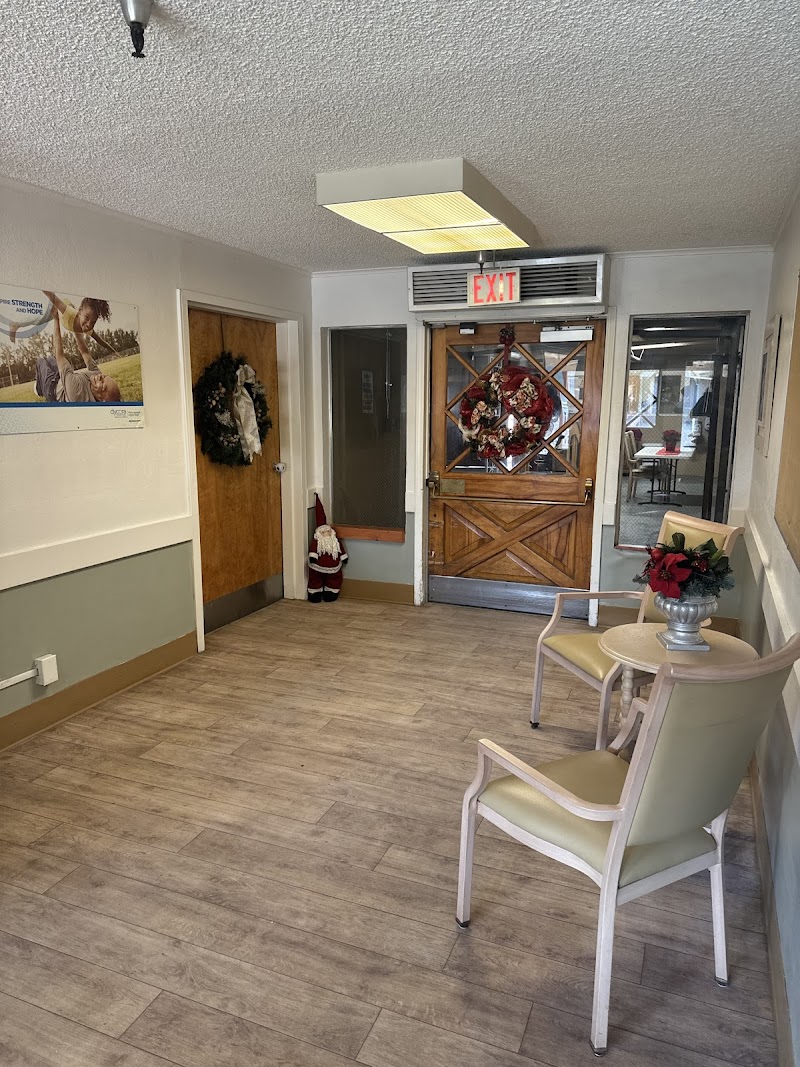
How is Countryside Staffed?

CMS rates COUNTRYSIDE CARE CENTER's staffing level at 4 out of 5 stars, which is above average compared to other nursing homes. Staff turnover is 43%, compared to the California average of 46%. This relatively stable workforce can support continuity of care.

What Have Inspectors Found at Countryside?

State health inspectors documented 36 deficiencies at COUNTRYSIDE CARE CENTER during 2019 to 2025. These included: 3 that caused actual resident harm, 30 with potential for harm, and 3 minor or isolated issues. Deficiencies causing actual harm indicate documented cases where residents experienced negative health consequences.
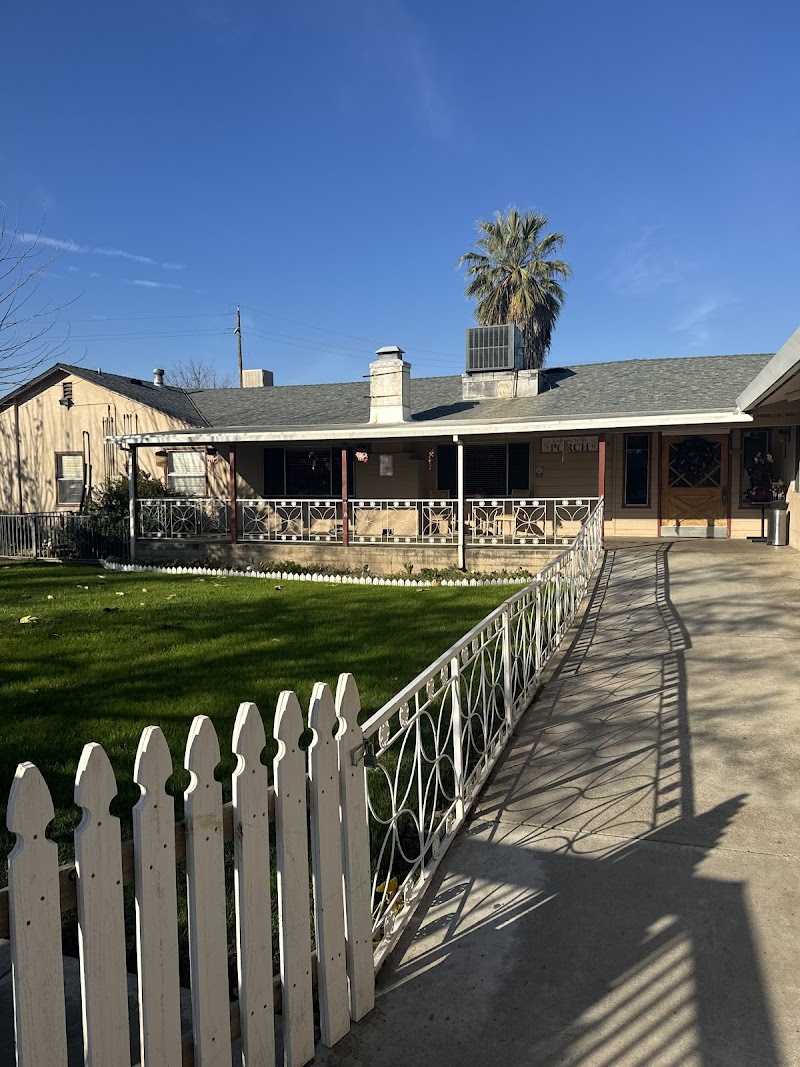
Who Owns and Operates Countryside?

COUNTRYSIDE CARE CENTER is owned by a for-profit company. For-profit facilities operate as businesses with obligations to shareholders or private owners. The facility operates independently rather than as part of a larger chain. With 59 certified beds and approximately 54 residents (about 92% occupancy), it is a smaller facility located in FRESNO, California.
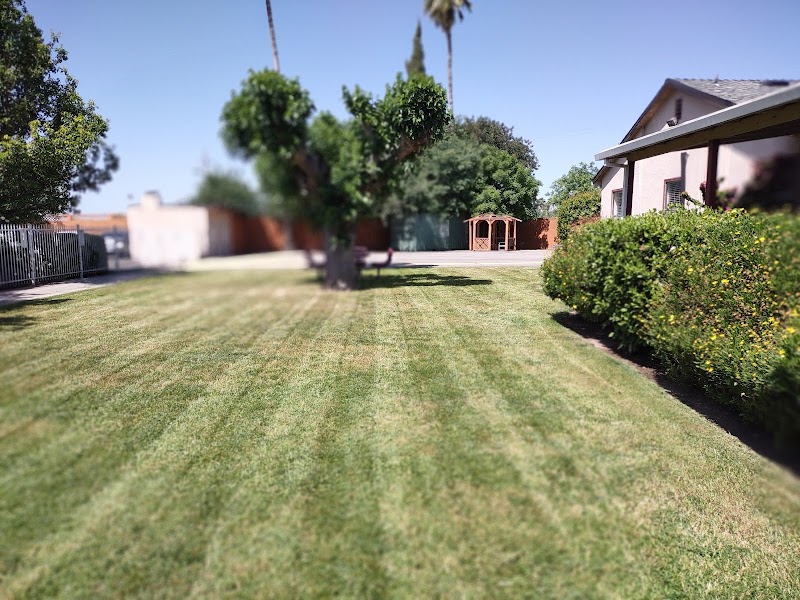
How Does Countryside Compare to Other California Nursing Homes?

Compared to the 100 nursing homes in California, COUNTRYSIDE CARE CENTER's overall rating (3 stars) is below the state average of 3.1, staff turnover (43%) is near the state average of 46%, and health inspection rating (3 stars) is at the national benchmark.

What Should Families Ask When Visiting Countryside?

Based on this facility's data, families visiting should ask: "Can I visit during a mealtime to observe dining assistance and food quality?" "How do you handle medical emergencies, and what is your hospital transfer rate?" "Can I speak with family members of current residents about their experience?"

Is Countryside Safe?

Based on CMS inspection data, COUNTRYSIDE CARE CENTER has a clean safety record: no substantiated abuse findings (meaning no confirmed cases of resident harm), no Immediate Jeopardy citations (the most serious violation level indicating risk of serious injury or death), and is not on the Special Focus Facility watch list (a federal program monitoring the lowest-performing 1% of nursing homes). The facility has a 3-star overall rating and ranks #100 of 100 nursing homes in California. While no facility is perfect, families should still ask about staff-to-resident ratios and recent inspection results during their visit.

Do Nurses at Countryside Stick Around?

COUNTRYSIDE CARE CENTER has a staff turnover rate of 43%, which is about average for California nursing homes (state average: 46%). Moderate turnover is common in nursing homes, but families should still ask about staff tenure and how the facility maintains care continuity when employees leave.

Was Countryside Ever Fined?

COUNTRYSIDE CARE CENTER has been fined $44,883 across 1 penalty action. The California average is $33,528. While any fine indicates a compliance issue, fines under $50,000 are relatively common and typically reflect isolated problems that were subsequently corrected. Families should ask what specific issues led to these fines and confirm they've been resolved.

Is Countryside on Any Federal Watch List?

COUNTRYSIDE CARE CENTER is not on any federal watch list. The most significant is the Special Focus Facility (SFF) program, which identifies the bottom 1% of nursing homes nationally based on persistent, serious quality problems. Not being on this list means the facility has avoided the pattern of deficiencies that triggers enhanced federal oversight. This is a positive indicator, though families should still review the facility's inspection history directly.