EVERGREEN CARE CENTER
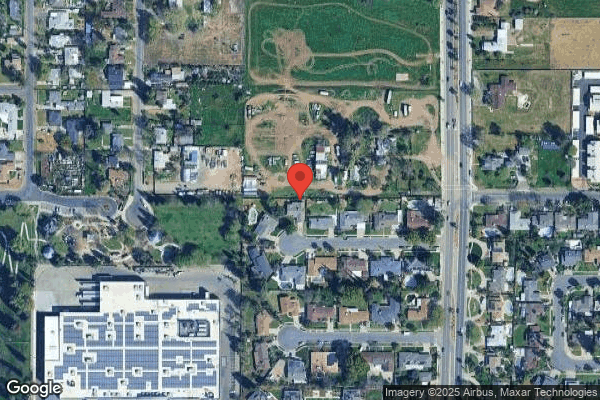

5265 EAST HUNTINGTON AVENUE, FRESNO, CA 93727 (559) 251-8244
For profit - Limited Liability company 49 Beds AJC HEALTHCARE Data: November 2025
Trust Grade
25/100
#794 of 1155 in CA
Last Inspection: May 2024

Within standard 12-15 month inspection cycle. Federal law requires annual inspections.

Overview

Evergreen Care Center has a Trust Grade of F, indicating significant concerns about the quality of care provided, which is among the poorest ratings available. The facility ranks #794 out of 1,155 in California and #22 out of 30 in Fresno County, placing it in the bottom half of all regional nursing homes. While the facility is improving, with a decrease in issues from 11 in 2024 to 7 in 2025, it still faces serious problems, including a failure to provide trauma-informed care for residents, which can lead to emotional distress. Staffing appears to be a strength, with a 0% turnover rate, but the lack of a full-time Director of Nursing since December 2024 raises concerns about oversight. Notably, there have been no fines imposed, which is a positive aspect, although there were serious incidents of sexual abuse that the facility failed to prevent.

Trust Score
F
25/100
In California
#794/1155
Bottom 32%
Safety Record
High Risk
Review needed
Inspections
Getting Better
11 → 7 violations
Staff Stability
○ Average
Turnover data not reported for this facility.
Penalties
✓ Good
No fines on record. Clean compliance history, better than most California facilities.
Skilled Nurses
⚠ Watch
Each resident gets only 25 minutes of Registered Nurse (RN) attention daily — below average for California. Fewer RN minutes means fewer trained eyes watching for problems.
Violations
⚠ Watch
33 deficiencies on record. Higher than average. Multiple issues found across inspections.
★★☆☆☆
2.0
Overall Rating
★★☆☆☆
2.0
Staff Levels
★★★☆☆
3.0
Care Quality
★★☆☆☆
2.0
Inspection Score
Stable
2024: 11 issues
2025: 7 issues

The Good

  • Full Sprinkler Coverage · Fire safety systems throughout facility
  • No fines on record

Facility shows strength in fire safety.

The Bad

2-Star Overall Rating

Below California average (3.1)

Below average - review inspection findings carefully

Chain: AJC HEALTHCARE

Part of a multi-facility chain

Ask about local staffing decisions and management

The Ugly 33 deficiencies on record

2 actual harm
Jul 2025 1 deficiency
CONCERN (D) 📢 Someone Reported This

A family member, employee, or ombudsman was alarmed enough to file a formal complaint

Potential for Harm - no one hurt, but risky conditions existed

Accident Prevention (Tag F0689)

Could have caused harm · This affected 1 resident

**NOTE- TERMS IN BRACKETS HAVE BEEN EDITED TO PROTECT CONFIDENTIALITY** Based on interview and record review the facility failed to provide adequate supervision to ensure safety for one of four sample...

Read full inspector narrative →
**NOTE- TERMS IN BRACKETS HAVE BEEN EDITED TO PROTECT CONFIDENTIALITY** Based on interview and record review the facility failed to provide adequate supervision to ensure safety for one of four sampled residents (Resident 1), when Resident 1 had an order for a one to one staff member supervision due to a physical altercation and the facility did not have staff scheduled on 7/6/25 for the afternoon shift (PM- 2:45 p.m.-11:15 p.m.), 7/6/25 for the night shift (10:45 p.m.-7:00 p.m.) and no staff scheduled for one to one on 7/7/25 afternoon shift.This failure placed Resident 1 at risk for injury from further altercations that could have occurred in the facility.Findings:During a review of Resident 1's admission Record (AR- a summary of information regarding a resident which includes patient identification, past medical history, insurance status, care providers, family contact information and other pertinent information), the AR indicated, Resident 1 was admitted to the facility on [DATE] with diagnosis for Major Depressive Disorder (intense feeling of sadness), Anxiety (excessive worry and fear), Blindness (both eyes), Glaucoma (eye condition that damages the nerves), hearing loss.During a review of Resident 1's Minimum Data Set [MDS a resident assessment tool used to identify cognitive (mental processes) and physical functional level assessment] dated 6/12/2025, the MDS indicated, Resident 1's Brief Interview for Mental Status (BIMS screening tool used to assess resident cognitive level) score was 14 out of 15 (0 - 7 indicated severe cognitive impairment [memory loss, poor decision making skills] 8-12 moderate cognitive impairment, (13 -15) cognitively intact) which indicated Resident 1 was cognitively intact.During an interview on 7/8/25 at 2:21 p.m. with Resident 1, in Resident 1's room, Resident 1 recalled events that transpired in the facility. Resident 1 stated the bathroom was shared with the room next door as it had an entry door in both rooms. Resident 1 stated that on 7/1/25 he went to use the restroom, knocked on the door and since no one answered he proceeded to enter. Resident 1 stated he was pulling up his pants, when suddenly the restroom door leading into Resident 2's room opened. Resident 1 stated he then heard Resident 2 yelling profanity and slammed the restroom door. Resident 1 stated, Resident 2 was then heard yelling profanity and demanding that Resident 1 go to his room. Resident 1 stated he is blind and could not see what was happening and proceeded to tell Resident 2, to come toward him. Resident 1 stated, shortly after he felt punches on his body and began hitting back. Resident 1 stated he felt like he had hit Resident 2 once, but did not know where. Resident 1 stated he proceeded to pull up his pants once again when he suddenly felt two hands on his chest push him back causing him to fall and hit his head on the bathroom counter. Resident 1 stated that since the incident the facility had assigned a one to one staff member to him for safety but stated staff were not present every shift. Resident 1 stated there was no one to one staff assigned at times during the night. Resident 1 stated he would call out for staff prior to going to use the restroom multiple times throughout the night but no one was present to assist him.During a review of Resident 1's, Altercation Care Plan (CP), dated 7/1/25, the CP indicated, . Resident had an altercation with another resident. interventions: 1 to 1 close monitoring.During a review of Resident 1's, Order Summary report, dated 7/3/25, the Order Summary report indicated, . one to one monitoring.During a concurrent observation, interview and record review on 7/8/25 at 3:02 p.m. with the director of staff development (DSD), the facility schedule for staff dated 7/1/25-7/7/25 were reviewed on the DSD's computer documents. The staff schedules were not printed and indicated there was not a one on one staff member scheduled for 7/6/25 for the afternoon shift, 7/6/25 for the night shift and no staff scheduled for one to one on 7/7/25 afternoon shift. The DSD stated the schedules were not printed because they were kept on her computer. The review of the employee schedule on the computer, the one on one staff were not documented on the schedule. The DSD stated there were staff present in the facility for a one on one for the dates indicated but staff were not added to the schedule and staff had not signed in to the shift as working a one to one.During a concurrent interview and record review on 7/8/25 at 3:29 p.m. with licensed vocational nurse (LVN) 1, Resident 1's, Altercation Care Plan (CP), dated 7/1/25 and Order Summary report, dated 7/3/25. The CP indicated, . Resident had an altercation with another resident. interventions: 1 to 1 close monitoring. The Order Summary report indicated, . one to one monitoring. LVN 1 stated Resident was supposed to have a one-to-one staff member at all times. LVN 1 stated the purpose of the one-on-one staff member assigned to Resident 1 was to prevent further altercations and to ensure Resident 1's safety.During an interview on 7/8/25 at 3:35 p.m. with certified nursing assistant (CNA) 1, CNA 1 stated Resident 1 was assigned a one to one staff member at all times. CNA 1 stated the role of the one to one was to remain with the resident at all times and when the staff member assigned needed to step away, another staff member would have to go and stay with Resident 1. CNA 1 stated it was important to follow the one to one order to keep Resident 1 safe and to prevent further altercations with Resident 2.During an interview on 7/8/25 at 3:57 p.m. with the director of nursing (DON), the DON stated Resident 1 had an order for a one-to-one staff member at all times until further notice. The DON stated there was no set schedule for the one to one, the staff was being scheduled on a daily basis through a group text message. The DON stated once a one to one staff member was found for the shifts, the DON would be notified.During a review of the facility's policy and procedure (P&P) titled, Accidents and Supervision, dated 2022, the P&P indicated, . The resident environment will remain as free of accident hazards as is possible. Each resident will receive adequate supervision and assistive devices to prevent accidents. This includes. Implementing interventions to reduce hazard(s) and risk(s). Environment refers to any environment or area in the facility that is frequented by or accessible to residents, including (but not limited to) the residents' rooms, bathrooms, hallways, dining areas, lobby, outdoor patios, therapy areas, and activity areas. Supervision/Adequate Supervision refers to intervention and means of mitigating risk of an accident. Implementation of Interventions- using specific interventions to try to reduce a resident's risks from hazards in the environment. The process includes. Communicating the interventions to all relevant staff, assigning responsibility. Ensuring that the interventions are put into action. Monitoring is the process of evaluating the effectiveness of care plan interventions. Ensuring that interventions are implemented correctly and consistently. Supervision is an intervention and a means of mitigating accident risk. The facility will provide adequate supervision to prevent accidents. Adequacy of supervision, defined by type and frequency, based on the individual resident's assessed needs and identified hazards in the resident environment.During a review of the facility's policy and procedure (P&P) titled, Abuse, Neglect and Exploitation, dated 2025, the P&P indicated, . it is the policy of this facility to provide protections for the health, welfare and rights of each resident by developing and implementing written policies and procedures that prohibit and prevent abuse, neglect. Abuse means the willful infliction of injury, unreasonable confinement, intimidation, or punishment with resulting physical harm, pain or mental anguish which can include. certain resident to resident altercations. the facility will make efforts to ensure all residents are protected from physical and psychosocial harm, as well as additional abuse, during and after the investigation. Examples include but are not limited to. Increased supervision of the alleged victim and residents, room or staffing changes, if necessary to protect the residents from the alleged perpetrator, protection from retaliation. revision of the residents care plan if the residents medical, nursing, physical, mental, or psychosocial needs or preferences change as a result of an incident of abuse.
Jun 2025 1 deficiency
CONCERN (E) 📢 Someone Reported This

A family member, employee, or ombudsman was alarmed enough to file a formal complaint

Potential for Harm - no one hurt, but risky conditions existed

Deficiency F0774 (Tag F0774)

Could have caused harm · This affected multiple residents

**NOTE- TERMS IN BRACKETS HAVE BEEN EDITED TO PROTECT CONFIDENTIALITY** Based on interview and record review, the facility failed to assist residents in making transportation arrangements to and from ...

Read full inspector narrative →
**NOTE- TERMS IN BRACKETS HAVE BEEN EDITED TO PROTECT CONFIDENTIALITY** Based on interview and record review, the facility failed to assist residents in making transportation arrangements to and from their provider appointments for three of seven sampled residents (Residents 24, 29 and 40) when: 1. Residents 24 and Resident 40 missed their scheduled appointments due to the transportation arriving late and was not the preferred transportation company requested by Resident 24. This failure resulted in Resident 24 and Resident 40 having to re-schedule their appointments for later dates and caused anger and frustration to Resident 24 and Resident 40's Responsible Party (RP). 2. Resident 29 was not picked up from his appointment by the scheduled transportation company. On 5/21/25 Resident 29 left for a 1:00 p.m. appointment at 12:45 p.m. and did not return to the facility until 5:30 p.m. due to Resident 29 waiting four hours for another transportation company to pick him up. This failure had the potential to place Resident 29 at risk of being exposed to harm and resulted in Resident 29 waiting an extended period of time to be picked up from his appointment causing extreme anger and stress to Resident 29. Findings: 1. During a concurrent observation and interview on 6/10/25 at 12:23 p.m. with Resident 24, in Resident 24's room, Resident 24 was observed sitting in a wheelchair, dressed and speaking with her roommate. Resident 24 stated she had been at the facility for two years for a fractured back (broken bone in the spine) and broken femur (thigh bone) and knee. Resident 24 stated she has had trouble with her transportation to appointments. Resident 24 stated on two occasions she had missed her appointments when using (name of transport company, [Company A]) transport. Resident 24 stated she did not want to use that company anymore because she had to reschedule her appointments on two occasions. Resident 24 stated they had been late to pick her up on one of those occasions and the other time she asked about using another transport company, so they did not show up to pick her up and said she refused transportation. Resident 24 stated when she informed the Social Services Designee (SSD), she was told she needed to call and complain to her insurance about the transport company [Company A]. Resident 24 stated she used another transport company [Company B] for her dialysis (a treatment to cleanse the blood of wastes and extra fluids artificially through a machine when the kidney[s] have failed) appointments and had no problems with them, and [Company B] was who she wanted to use for her transportation. During a review of Resident 24's admission Record (AR - a document with personal identifiable and medical information), dated 6/12/25, the AR indicated, Resident 24 was admitted to the facility from an acute care hospital on 9/6/23 with diagnoses of end stage renal disease (a condition where the kidneys can no longer function on their own) and type 2 Diabetes Mellitus (DM-a disorder characterized by difficulty in blood sugar control and poor wound healing). During a review of Resident 24's Minimum Data Set (MDS - a federally mandated resident assessment tool), dated 4/10/25, the MDS section C indicated, Resident 24 had a Brief Interview for Mental Status (BIMS - an assessment tool used by facilities to screen and identify memory, orientation, and judgement status of the resident) score of 15 out of 15 (a score of 13-15 indicates cognitively intact, 08-12 indicates moderately impaired, and 00-07 indicates severe impairment, 99 indicates unable to complete the interview), which suggested Resident 24 was cognitively intact. During a concurrent interview and record review on 6/12/25 at 10:31 a.m. with the SSD Resident 24's Progress Notes dated 4/16/25 through 5/30/29 for appointments were reviewed. The Progress Notes indicated, on 5/30/25 Resident 24's appointment at the hospital radiology (use of imaging technology) department was rescheduled. The SSD stated residents could requested preferred transportation company, but it was not guaranteed. The SSD stated Resident 24's complaints were for not having a specific company for her transportation. The SSD stated transportation issues had been brought up with the administrator. During an interview on 6/12/25 at 2:22 p.m. with Certified Nursing Assistant (CNA) 3, CNA 3 stated he had not gone with residents to their appointments but had heard of a bus not showing up to pick up residents. During an interview on 6/12/25 at 3:27 p.m. with the Director of Staff Development (DSD)/Infection preventionist (IP), the DSD/IP stated usually a CNA went with residents to appointments. The DSD/IP stated they have had some issues with the transportation company [Company A or B ]. The DSD/IP stated there was no good communication with [Company A], Company A would just leave without ringing the door bell in the front gate of the facility. During an observation on 6/10/25 at 10:29 a.m. in Resident 40's room, Resident 40 was observed asleep in bed, wearing a gown and ear plugs, Resident 40 did not answer questions asked. During a concurrent observation and interview on 6/10/25 at 11:53 a.m. with Resident 40 and Resident 40's family member (FM) in Resident 40's room, Resident 40 was observed in bed, dressed, wearing ear plugs and eating snacks. The FM stated Resident 40's transportation to appointments had been an issue. The FM stated one time the vehicle had a flat tire and Resident 40 missed his appointment. The FM stated Resident 40 was rescheduled and the SSD did not communicate to Resident 40 or his Responsible Party (RP) about him missing his appointment. During a review of Resident 40's AR, dated 6/12/25, the AR indicated, Resident 40 was admitted to the facility from an acute care hospital on [DATE] with diagnoses of hemiplegia (paralysis [the loss of the ability to move and sometimes to feel anything] of one side of the body) and hemiparesis (muscle weakness or partial paralysis on one side of the body that can affect the arms, legs, and facial muscles), cerebral edema (swelling in the brain), speech disturbances, difficulty walking, anxiety disorder (a mental health disorder characterized by feelings of worry, anxiety, or fear that are strong enough to interfere with one's daily activities), and major depressive disorder (a mental health disorder characterized by persistently depressed mood or loss of interest in activities). During a review of Resident 40's MDS, dated 5/13/25, the MDS section C indicated, Resident 40 had a BIMS score of 10, which indicated Resident 40 was moderately impaired. During an interview on 6/11/25 at 9:05 a.m. with Resident 40's RP, the RP stated Resident 40 had been in the facility since December due to a stroke (cerebrovascular accident [CVA]-stroke, loss of blood flow to a part of the brain). The RP stated there was poor communication with the facility. The RP stated she had a lot of trouble with Resident 40's transportation to appointments and one appointment was for the neuroscience facility (study of the nervous system, including the brain and spinal cord). The RP stated transportation was often late for Resident 40's appointments. The RP stated she tried to go with Resident 40 to his appointments. The RP stated Resident 40's appointments had to be rescheduled when he was late because the transportation picked him up late and the facility did not tell her if Resident 40's appointment was rescheduled. The RP stated one appointment Resident 40 missed was in May and she was not notified. The RP stated she found out later that he missed his appointment and the facility rescheduled him. The RP stated one appointment in March that Resident 40 had rescheduled was for surgery on his skull, a skull replacement after his craniotomy (a surgical removal of part of the bone from the skull to expose the brain) that had been planned for one month. The RP stated she was notified by the physician at the hospital. The RP stated Resident 40 has had four to five issues with his transportation. The RP stated Resident 40 was to be transported in his wheelchair, but the transportation driver did not have the right equipment to fit the wheelchair in the vehicle, so they had to reschedule him. The RP stated the transportation driver came and pressed the button to enter facility, and no one at the facility knew Resident 40 had an appointment. The RP stated this happened last month. During a concurrent interview and record review on 6/12/25 at 10:31 a.m. with the SSD Resident 40's Progress Notes, dated 5/21/25 indicated , .(resident name) missed his appointment due to transportation issues. The SSD stated residents were schedule with a diagnosis code which the transportation company used to determine what type of vehicle to transport the resident in. The SSD stated Resident 40 used a special wheelchair that was large and allowed resident to recline. Resident 40 was picked up by transport in a small van which did not accommodate Resident 40 and was not able to transport Resident 40 to his appointment, which needed to be rescheduled. The SSD stated she notified the RP of Resident 40's rescheduled appointments, but did not document her conversations with Resident 40's RP. 2. During a concurrent observation and interview on 6/10/25 at 12:47 p.m. with Resident 29 in Resident 29's room, Resident 29 was observed dressed, sitting in a wheelchair, eating his meal. Resident 29 stated he had been at the facility for six months due to a fall injury to his leg and he could not walk. Resident 29 stated he had a transportation issue when the transport company did not pick him up after his provider appointment. Resident 29 stated he waited to be picked up from 1:00 p.m. until 5:30 or 6:30 p.m. Resident 29 stated the staff at the provider's office were getting ready to close and go home when they noticed he was still there and told him You're still here?. Resident 29 stated he had to call a taxi to get picked up and the facility did not tell him what happened. Resident 29 stated his sister usually took him to appointments but was unable to at that time. Resident 29 stated he felt terrible and was pissed he had to wait so long. Resident 29 stated he had not had any more appointments since then and hoped it did not happen again. During a review of Resident 29's AR, dated 6/12/25, the AR indicated, Resident 29 was admitted to the facility from an acute care hospital on 7/25/24 with diagnoses of Alzheimer's disease (a brain disorder that slowly destroys memory and thinking skills, and eventually, the ability to carry out the simplest tasks), Hydrocephalus (a condition in which fluid accumulates in the brain, enlarging the head and sometimes causing brain damage), type 2 Diabetes Mellitus, congestive heart failure (CHF-a heart disorder which causes the heart to not pump the blood efficiently, sometimes resulting in leg swelling), shortness of breath, and difficulty walking. During a review of Resident 29's MDS, dated 5/6/25, the MDS section C indicated, Resident 29 had a BIMS score of 14, which indicated Resident 29 was cognitively intact. During a review of Resident 29's Progress Notes, dated 5/21/25, the Progress Notes indicated, . Effective date: 5/21/25 12:43 (p.m.) .resident leave of absence (LOA) to scheduled appointment. Resident picked up by (name of independent transport company) and went to appointment alone . effective date: 5/21/25 17:30 (p.m.) . resident arrived to facility at 1730 . During an interview on 6/10/25 at 3:17 p.m. with the Administrator (ADM), the ADM stated he had not had any complaints on the transportation company the facility used. The ADM stated the facility called the residents to see if they were ready to be picked up after their appointments. During a concurrent interview and chart review on 6/12/25 at10:31 a.m. with the SSD, Resident 29's Progress Notes, dated 4/30/25, the Progress Notes indicated, . Effective date: 4/30/25 .(resident name) had an appointment on 5/21/25 at (@) 1:00 p.m. sister will assist with (w/) transportation . author: (SSD) . The SSD stated there were a few ambulatory residents who had a cell phone, and if they went alone and used the independent transportation company, the transportation company would send a link to the resident who needed to open the link to see when the transport would arrive. The SSD stated Resident 29 was normally accompanied by his sister and Resident 29 did not know how to use his phone to open the link. The SSD stated the provider's office called her regarding Resident 29 and informed her Resident 29 was still at their office after Resident 29 should have been picked up. The SSD stated she had to call a private company to pick up Resident 29, but he waited an additional hour. The SSD stated transportation issues had been brought up to the administrator. During an interview on 6/12/25 at 2:41 p.m. with LVN 2, LVN 2 stated he looked at the communication board in the computer to see which residents had appointments. LVN 2 stated he would add a note in LOA Via Transport in the system when the resident left and when the resident returned from the appointment. LVN 2 stated he did not log in the Resident Out on Pass Log. LVN 2 state if the resident was not back from their appointment at the estimated return time, he called the provider's office to verify if the resident was still there. LVN 2 stated if the resident was fully alert and went by themselves to the appointment, he called the cell phone of the resident. LVN 2 stated one resident was ready to return from his appointment in 15 min from his appt time, and they had to call the driver to turn around and pick up the resident, but the resident had to wait. During a concurrent interview and record review on 6/17/25 at 9:09 a.m. with the DON, the Resident Out On Pass Log (LOA), dated 3/30/25 to 5/30/25 was reviewed. The LOA indicated, Time out, Licensed Nurse Initials, Expected Return Time, Time Returned, and Licensed Nurse Initials were not filled in. The [NAME] stated the Charge Nurse was responsible for a resident's timely return. The DON stated an estimated time was given for resident appointments. The DON stated the nurses were responsible for making sure the AOL log was complete for resident's departure and return. The DON stated the LOA log was important to make sure the resident came back at the estimated time, and for the safety of the resident to make sure the resident returned unharmed. The DON stated nurses needed to perform an assessment of the resident when the resident left and when they returned, to be sure the resident was not harmed. The DON stated she did not recommend residents use the independent transportation company to go to appointments. The DON stated communication was not being sent to the SSD and residents had to wait longer to be picked up from their appointments. The DON stated the communication issues and wait times could not be continued. The DON stated if a resident had to wait extended periods of time to be picked up, it could have added more stress to the resident, even if the resident had a high BIMS score. The DON stated the SSD was responsible for resident's transportation to and from appointments, but overall, the DON was responsible for the residents. The DON stated her expectation was for the SSD to notify the resident's RP if the resident missed an appointment. The DON stated it was important for the RP to be notified so they were aware of what was going on with the resident and that proper care was given to the resident. The DON stated if the resident had missed appointments, it could have caused a delay of treatment to the resident. The DON stated the communication with the RP should have been documented in the resident's chart regarding any missed appointments. The DON stated if the communication was not documented, it did not happen. During an interview on 6/17/25 at 9:41 a.m. with the Administrator (ADM) and the Assistant Administrator (AA), the ADM stated his expectation was for transportation to be scheduled through the third-party transportation company. The ADM stated he had not received any complaints regarding using the third-party transportation company. The ADM stated nurses were to assess the resident to see if they could go by themselves to their appointment and if they were able to transfer themselves in and out of the car. The ADM stated if the resident was not self-transferable, a CNA should have gone with the resident for safety. The ADM stated residents were not usually assessed if they were able to use their cell phone for opening texted links from the transportation company. The AA stated they monitored the resident's return time depending on the approximate time given for the appointment and when the resident left the facility. The AA stated the LOA log was not filled out for appointments, but only if the resident was leaving with a family member. The AA stated the LOA log should have been filled in anytime the resident left the facility, even for appointments. The ADM stated the facility called residents to see if they were ready to be picked up after their estimated appointment time frame. The AA stated the nurse was made aware of when the resident came back. The AA stated she was aware of Resident 29 not being picked up timely and had been trying to get another transportation company to go pick up Resident 29. The ADM stated residents could have gotten anxious about not getting picked up from their appointment. The ADM stated the ADM and AA were responsible for resident safety when they left the facility. The ADM stated if a resident regularly went alone to an appointment, then they could have gone by themselves, but it was a risk for the resident's safety if the resident was waiting for a long period of time to be picked up. The ADM stated they were responsible for communication between both parties, the provider's office and the transportation company. The ADM stated usually nurses would have noticed a resident had not returned from their appointment during medication pass and the CNAs should have noticed when they did their rounds to see if the resident was taking a long time at an appointment. The ADM stated staff should have notified the nurse and called the office and resident, if they had a cell phone to see if they were okay. During an interview on 6/17/25 at 11:45 a.m. with the ADM, the ADM stated for department head training they have resource consultants and other building staff that could have come and trained new department heads. The ADM stated the SSD had the previous SSD train her before she left. The ADM stated as a new staff department head, the SSD will need to focus on priorities and have time to get their system down. The ADM stated he felt the SSD needed some more training. During a record review of the Social Services Professional Competency Evaluation (CE), dated 2/10/25, the CE indicated, . (SSD Name) . will need more support and continuing training . needs ongoing education . During a review of the facility's job description titled, SSD dated 2023, the job description indicated, .The Social Service Designee will assist residents in obtaining transportation to medical appointments, upon discharge . During a review of the facility's job description titled, Charge Nurse, undated, the job description indicated, .schedules follow up appointments for residents and transportation needs as indicated .reports any incidents or unusual occurrences to the supervisor, unit manager, assistant director or nursing or director of nursing and participates in the investigative process as needed . During a review of the facility's job description titled, Director of Nursing, undated, the job description indicated, .plans, develops, organizes, implements, evaluates and directs the overall operations of the Nursing Services department, as well as its programs and activities .evaluates work performance of all nursing personnel .ensures delivery of compassionate quality care and nursing supervision .collaborates with members of the interdisciplinary team . to identify and resolve issues and improve the quality of services .communicates directly with residents, medical and nursing staff, family members, department heads and members of the interdisciplinary team to coordinate care and services and respond to and resolve complaints and concerns . During a review of the facility's job description titled, Administrator, undated, the job description indicated, .plans, develops, organizes, implements, evaluates and directs the overall operation of the facility as well as its programs and activities .leads and coordinates daily, weekly, bi-monthly or monthly management team meetings to discuss priorities and develop solution with facility leaders such as . customer satisfaction .evaluates work performance of department heads and maintains accountability across all departments .for expected performance outcomes in each respective department .ensures delivery of compassionate quality care and services across an interdisciplinary team approach as evidenced by adequate, and competent facility staff . During a review of the facility's policy and procedure (P&P) titled, Transporting a Resident dated 2025, indicated, .it is the policy of this facility to provide residents safe, non-emergency transportation to doctor's appointments, activity outings, and any other trips the facility deems necessary . facility will ensure that residents who require an escort to appointments, due to cognitive or physical limitations, have arrangements ahead of time . During a review of the facility's P&P titled, Competency Evaluation, dated 2025, indicated, .it is the policy of this facility to evaluate each employee to assure they meet appropriate competencies and skills for performing their job .the knowledge and skills required among staff to meet residents' needs are determined through the facility assessment process .initial competency is evaluated during the orientation process. An employee remains on orientation until all competencies are verified .
Mar 2025 4 deficiencies 1 Harm
SERIOUS (G) 📢 Someone Reported This

A family member, employee, or ombudsman was alarmed enough to file a formal complaint

Actual Harm - a resident was hurt due to facility failures

Deficiency F0699 (Tag F0699)

A resident was harmed · This affected 1 resident

**NOTE- TERMS IN BRACKETS HAVE BEEN EDITED TO PROTECT CONFIDENTIALITY** Based on observation, interview and record review the facility failed to provide Trauma informed care (an approach to delivering...

Read full inspector narrative →
**NOTE- TERMS IN BRACKETS HAVE BEEN EDITED TO PROTECT CONFIDENTIALITY** Based on observation, interview and record review the facility failed to provide Trauma informed care (an approach to delivering care that involves understanding, recognizing and responding to the effects of all types of trauma) for one of nine sampled residents (Resident 1) when Resident 1 verbalized a history of being a survivor of trauma upon admission on [DATE] and the facility staff did not recognize the severity of the trauma and did not implement effective interventions to avoid triggers (specific stimuli or events that cause an intense emotional reaction or psychological response) that impacted Resident 1. This failure resulted in Resident 1 being exposed to triggers that caused her re-traumatization from past experiences with feelings of isolation, depression, lack of sleep and fear. Findings: During a review of Resident 1's admission Record (AR- a summary of information regarding a resident which includes patient identification, past medical history, insurance status, care providers, family contact information and other pertinent information), the AR indicated, Resident 1 was admitted to the facility on [DATE] with diagnosis for Major Depressive Disorder (intense feeling of sadness), Morbid Obesity (excessive weight), Anxiety (excessive worry and fear), insomnia (inability to sleep), alcohol abuse. During a review of Resident 1's Minimum Data Set [MDS a resident assessment tool used to identify cognitive (mental processes) and physical functional level assessment] dated 2/23/25, the MDS indicated, Resident 1's Brief Interview for Mental Status (BIMS screening tool used to assess resident cognitive level) score was 15 out of 15 (0 - 7 indicated severe cognitive impairment [memory loss, poor decision making skills], 8-12 moderate cognitive impairment, 13 -15 cognitively intact) which indicated Resident 1 was cognitively intact. During a concurrent observation and interview on 3/11/25 at 12:46 p.m. with Resident 1, in Resident 1's room, Resident 1 was observed crying as she recalled events that transpired in the facility. Resident 1 stated she had a history of trauma due to sexual and physical abuse experienced in the past. Resident 1 stated, due to the past traumas, she was afraid to be around men she did not recognize. Resident 1 stated she was placed in a room across the hall from a male resident room. Resident 1 stated due to being so close to a male room, she was unable to sleep and was constantly worrying that the male residents would enter her room at night to harm her. Resident 1 stated she used to enjoy sitting out in the halls and wheeling herself around the facility but had since isolated herself in her room to keep away from the male residents in the hallways. Resident 1 stated there were other triggers that had caused her to experience episodes of anxiety which included worrying about the care other residents in the facility, were receiving. Resident 1 stated there were multiple requests to the assistant administrator to move away from the male residents, but efforts were unsuccessful. Resident 1 recalled an instance when a male was seen entering her room, in which Resident 1 responded by yelling and screaming for the male to exit her room. Resident 1 stated it was later learned, the male, was the psychologist that the facility had arranged for her to see but had not notified her of the visit. Resident 1 stated she felt alone, isolated and cornered in her own mind as she would attempt to voice her concerns to the facility staff in which they would reply, you don't have to be here, you can leave. Resident 1 stated she had wanted to leave the facility due to feeling desperate for someone to listen to her concerns and mental state, but no one was available in the facility. During a review of Resident 1's MDS Section D- Mood, dated 2/23/25, the MDS indicated, . Feeling down, depressed, or hopeless, nearly every day, trouble falling asleep or staying asleep or sleeping too much, nearly every day, feeling bad about yourself or that you are a failure or have let yourself or your family down, nearly every day, trouble concentrating on things, such as reading the newspaper or watching television, nearly every day, Social Isolation, how often do you feel lonely or isolated from those around you? Enter code 1, Rarely . During a review of Resident 1's, Progress Note (PN)-Admission, dated 2/18/25, the PN indicated, . Resident does state she has anxiety from past abuse and aggressive behaviors observed from others do trigger her and cause to be hypervigilant (alert to potential dangers) and fearful, cause her to zone out at which calling her name will snap her out of it . During an interview 3/11/25 at 2:06 p.m. with certified nursing assistant (CNA) 1, CNA 1 stated she had cared for Resident 1 in the past. CNA 1 stated Resident 1 appeared to be angry and upset all the time and had once become angry with her for pulling the privacy curtain. CNA 1 stated Resident 1 would later apologize for the angry behaviors. CNA 1 stated Resident 1 liked things done a certain way and would stay in her room for activities. CNA 1 stated she was not aware of any trauma or triggers associated with Resident 1. CNA 1 stated she did not recall ever having education or in-services regarding trauma informed care. CNA 1 stated it was important to know Resident 1 had experienced some type of trauma to identify triggers that impacted her daily life. CNA 1 stated it was important to make a safe space for the residents when they were in the facility. CNA 1 stated it was important to establish a relationship with the residents and not dismiss resident attempts to share feelings or experiences. During a concurrent interview and record review on 3/11/25 at 2:23 p.m. with licensed vocational nurse (LVN) 1, Resident 1's Care Plan (CP), dated 2/18/25 was reviewed. The CP indicated the facility had not created a care plan for trauma informed care. LVN 1 stated there should have been a care plan to address the trauma in Resident 1's past and the associated triggers. LVN 1 stated it was important to have a care plan to be aware of Resident 1's needs to safely care for the resident. LVN 1 stated Resident 1's feelings of isolation and triggers could have been prevented by creating a plan of care that included moving Resident 1 to a room closer to the nurse's station and away from male residents. LVN 1 stated the facility process when identifying trauma was to review residents past history, notify the physician, communicate and monitor the resident. During an interview on 3/11/25 at 2:44 pm with LVN 2, LVN 2 stated the facility process for trauma informed care was to identify resident's past trauma to establish the plan of care. LVN 2 stated, when the care plan for trauma informed care was not created for Resident 1, the facility staff were not aware of Resident 1's traumatic history and environmental triggers that she was exposed to. LVN 2 stated the process included speaking with the resident, notifying the physician and creating a plan of care individualized to Resident 1's needs. During an interview on 3/11/25 at 3:25 p.m. with the social services director (SSD), the SSD stated Resident 1 had verbalized concerns with not receiving the assistance needed to address her mental and physical health in the facility. The SSD stated, Resident 1 had verbalized the history of past trauma, and a plan of care should have been established at that moment. The SSD stated there was no care plan to address Resident 1's past trauma and triggers. The SSD stated they should have a care plan implemented on admission to properly care for Resident 1. During an interview on 3/11/25 at 4:38 p.m. with the administrator (ADM), the ADM stated there was concerns for the lack of trauma informed care plan for Resident 1. The ADM stated Resident 1's trauma should have been identified and a plan of care should have been created to establish the proper care. During a telephone interview on 3/12/25 at 11:43 a.m. with clinical resource (CR), the CR stated the facility process was to identify resident traumas on admission and evaluate the resident for plan of care. The CR stated the purpose of identifying trauma on admission was to establish a plan of care to properly care for residents and prevent further trauma and triggers. The CR stated the expectation was for all staff to be trained in trauma informed care. The CR stated the expectation was for the admitting nurse and SSD to follow up with Resident 1's reported history of trauma and triggers upon admission. During a telephone interview on 3/13/25 at 1:39 p.m. with the director of staff development (DSD), the DSD stated there were no in-services or related trainings for trauma informed care provided for the facility staff. The DSD stated it was important for staff to have had trauma informed care training because the staff needed to be aware of all types of traumas in order to properly provide care to all residents affected. The DSD stated it was important for staff to be educated to identify triggers that could have been avoided for Resident 1. During a review of Resident 1's, Social Services-Trauma Informed Care Evaluation, dated 2/19/25, the evaluation indicated, . I have been thru a lot of abuse in the past, there have been a lot of traumatic experiences . Score 18 . A Positive screen is a total score of greater than or equal to 14. Notify the resident's primary care physician and interested party of a positive screen . During a concurrent telephone interview and record review on 3/13/25 at 2:29 p.m. with the SSD, Resident 1's, Trauma Informed Care Evaluation, dated 2/19/25 was reviewed. The evaluation indicated, . I have been thru a lot of abuse in the past, there have been a lot of traumatic experiences . Score 18 . A Positive screen is a total score of greater than or equal to 14. Notify the resident's primary care physician and interested party of a positive screen . The SSD stated the evaluation was completed upon admission to determine the level of trauma Resident 1 was presenting with in the facility. The SSD stated a high score on the evaluation indicated a high level of trauma presented. The SSD stated there was no care plan created to address Resident 1's trauma and triggers even after Resident 1 had indicated she had a history of trauma and scored high in the trauma evaluation. The SSD stated she could not recall why Resident 1's past trauma was not addressed in the interdisciplinary team (IDT-group usually consisting of physician, director of nurses, social services, resident/resident representative to collaborate in plan of care) meeting held on admission or why Resident 1's physician was not made aware at that time. The SSD stated it was important to document and follow up with any resident who reported a history of trauma. The SSD stated it was important to address Resident 1's trauma to avoid the triggers that were causing distress. The SSD stated it was important for all staff to receive the trauma informed care training in order to care for residents in the facility. During a review of Resident 1's, Independent Activity Monthly Record, dated 3/2025, the record indicated, . 3/1 resident was invited to activities for adult coloring, didn't want to join, 3/2 resident invited to activities, 3/4-3/5 resident invited to activities, 3/7 resident invited to activities, 3/9 resident was asleep didn't want to join activities, 3/10 -3/13 resident was invited to activities . refused . During a concurrent interview and record review on 3/14/25 at 11:22 a.m. with the activities director (AD), Resident 1's Independent Activity Monthly Record, dated 3/2025 was reviewed. The log indicated, . 3/1 resident was invited to activities for adult coloring, didn't want to join, 3/2 resident invited to activities, 3/4-3/5 resident invited to activities, 3/7 resident invited to activities, 3/9 resident was asleep didn't want to join activities, 3/10 -3/13 resident was invited to activities . refused . The AD stated Resident 1 stayed in her room most of the time even after activities are offered on a daily basis. The AD stated, Resident 1 would leave her room for a smoke break daily and would go back to her room to use her personal cellphone. The AD stated, Resident 1 would attempt to participate in some group activities but would become irritable (easily annoyed) and angry with other residents in the dining room, causing Resident 1 to go back to her room. During a review of Resident 1's, Care Plan (CP)-Activities, dated 2/24/25, the CP indicated, . [Resident 1] sets her own activity goal, she will attend group activities of choice, wheels around facility most of the day . During a review of Resident 1's, MDS Section F- Preferences for customary Routines and Activities, dated 2/23/25, the MDS indicated, . how important is it to you to do things with groups of people? Very important, how important is it to you to do your favorite activities? Very important, how important is it to you to listen to the music you like? Very important . During a record review of the facility's policy and procedure (P&P) titled, Trauma Informed Care, dated 2023, the P&P indicated, . It is the policy of this facility to provide care and services which, in addition to meeting professional standards, are delivered using approaches which are culturally-competent, account for experiences and preferences, and address the needs of trauma survivors by minimizing triggers and/or re-traumatization . Trauma results from an event, series of events, or set of circumstances that is experienced by an individual as physically or emotionally harmful or life threatening and that has lasting adverse effects on the individual's functioning and mental, physical, social, emotional, or spiritual well-being . Trauma-Informed Care is an approach to delivering care that involves understanding, recognizing and responding to the effects of all types of trauma. A trauma-informed approach to care delivery recognizes the widespread impact and signs and symptoms of trauma in residents, and incorporates knowledge about trauma into care plans, policies, procedures and practices to avoid re-traumatization . The facility will work to facilitate the principles of trauma informed care which include, Safety - Ensuring residents have a sense of emotional and physical safety. Trustworthiness and transparency - Efforts to establish a relationship based on trust, and clear and open communication between the staff and the resident . Collaboration an emphasis on partnering between residents and/or his or her representative, and all staff and disciplines involved in the resident's care in developing the plan of care . The facility will use a multi-pronged approach to identifying a resident's history of trauma, as well as his or her cultural preferences. This will include asking the resident about triggers that may be stressors or may prompt recall of a previous traumatic event . The facility will collaborate with resident trauma survivors, and as appropriate, the resident's family, friends, the primary care physician, and any other health care professionals (such as psychologists and mental health professionals) to develop and implement individualized care plan interventions . The facility will identify triggers which may re-traumatize residents with a history of trauma. Trigger-specific interventions will identify ways to decrease the resident's exposure to triggers which re-traumatize the resident, as well as identify ways to mitigate or decrease the effect of the trigger on the resident, and will be added to the residents' care plan . The facility will evaluate whether the interventions have been able to mitigate (or reduce) the impact of identified triggers on the resident that may cause re-traumatization . Based on observation, interview and record review the facility failed to provide Trauma informed care (an approach to delivering care that involves understanding, recognizing and responding to the effects of all types of trauma) for one of nine sampled residents (Resident 1) when Resident 1 verbalized a history of being a survivor of trauma upon admission on [DATE] and the facility staff did not recognize the severity of the trauma and did not implement effective interventions to avoid triggers (specific stimuli or events that cause an intense emotional reaction or psychological response) that impacted Resident 1. This failure resulted in Resident 1 being exposed to triggers that caused her re-traumatization from past experiences with feelings of isolation, depression, lack of sleep and fear. Findings: During a review of Resident 1's admission Record (AR- a summary of information regarding a resident which includes patient identification, past medical history, insurance status, care providers, family contact information and other pertinent information), the AR indicated, Resident 1 was admitted to the facility on [DATE] with diagnosis for Major Depressive Disorder (intense feeling of sadness), Morbid Obesity (excessive weight), Anxiety (excessive worry and fear), insomnia (inability to sleep), alcohol abuse. During a review of Resident 1's Minimum Data Set [MDS a resident assessment tool used to identify cognitive (mental processes) and physical functional level assessment] dated 2/23/25, the MDS indicated, Resident 1's Brief Interview for Mental Status (BIMS screening tool used to assess resident cognitive level) score was 15 out of 15 (0 - 7 indicated severe cognitive impairment [memory loss, poor decision making skills], 8-12 moderate cognitive impairment, 13 -15 cognitively intact) which indicated Resident 1 was cognitively intact. During a concurrent observation and interview on 3/11/25 at 12:46 p.m. with Resident 1, in Resident 1's room, Resident 1 was observed crying as she recalled events that transpired in the facility. Resident 1 stated she had a history of trauma due to sexual and physical abuse experienced in the past. Resident 1 stated, due to the past traumas, she was afraid to be around men she did not recognize. Resident 1 stated she was placed in a room across the hall from a male resident room. Resident 1 stated due to being so close to a male room, she was unable to sleep and was constantly worrying that the male residents would enter her room at night to harm her. Resident 1 stated she used to enjoy sitting out in the halls and wheeling herself around the facility but had since isolated herself in her room to keep away from the male residents in the hallways. Resident 1 stated there were other triggers that had caused her to experience episodes of anxiety which included worrying about the care other residents in the facility, were receiving. Resident 1 stated there were multiple requests to the assistant administrator to move away from the male residents, but efforts were unsuccessful. Resident 1 recalled an instance when a male was seen entering her room, in which Resident 1 responded by yelling and screaming for the male to exit her room. Resident 1 stated it was later learned, the male, was the psychologist that the facility had arranged for her to see but had not notified her of the visit. Resident 1 stated she felt alone, isolated and cornered in her own mind as she would attempt to voice her concerns to the facility staff in which they would reply, you don't have to be here, you can leave. Resident 1 stated she had wanted to leave the facility due to feeling desperate for someone to listen to her concerns and mental state, but no one was available in the facility. During a review of Resident 1's MDS Section D- Mood, dated 2/23/25, the MDS indicated, . Feeling down, depressed, or hopeless, nearly every day, trouble falling asleep or staying asleep or sleeping too much, nearly every day, feeling bad about yourself or that you are a failure or have let yourself or your family down, nearly every day, trouble concentrating on things, such as reading the newspaper or watching television, nearly every day, Social Isolation, how often do you feel lonely or isolated from those around you? Enter code 1, Rarely . During a review of Resident 1's, Progress Note (PN)-Admission, dated 2/18/25, the PN indicated, . Resident does state she has anxiety from past abuse and aggressive behaviors observed from others do trigger her and cause to be hypervigilant (alert to potential dangers) and fearful, cause her to zone out at which calling her name will snap her out of it . During an interview 3/11/25 at 2:06 p.m. with certified nursing assistant (CNA) 1, CNA 1 stated she had cared for Resident 1 in the past. CNA 1 stated Resident 1 appeared to be angry and upset all the time and had once become angry with her for pulling the privacy curtain. CNA 1 stated Resident 1 would later apologize for the angry behaviors. CNA 1 stated Resident 1 liked things done a certain way and would stay in her room for activities. CNA 1 stated she was not aware of any trauma or triggers associated with Resident 1. CNA 1 stated she did not recall ever having education or in-services regarding trauma informed care. CNA 1 stated it was important to know Resident 1 had experienced some type of trauma to identify triggers that impacted her daily life. CNA 1 stated it was important to make a safe space for the residents when they were in the facility. CNA 1 stated it was important to establish a relationship with the residents and not dismiss resident attempts to share feelings or experiences. During a concurrent interview and record review on 3/11/25 at 2:23 p.m. with licensed vocational nurse (LVN) 1, Resident 1's Care Plan (CP), dated 2/18/25 was reviewed. The CP indicated the facility had not created a care plan for trauma informed care. LVN 1 stated there should have been a care plan to address the trauma in Resident 1's past and the associated triggers. LVN 1 stated it was important to have a care plan to be aware of Resident 1's needs to safely care for the resident. LVN 1 stated Resident 1's feelings of isolation and triggers could have been prevented by creating a plan of care that included moving Resident 1 to a room closer to the nurse's station and away from male residents. LVN 1 stated the facility process when identifying trauma was to review residents past history, notify the physician, communicate and monitor the resident. During an interview on 3/11/25 at 2:44 pm with LVN 2, LVN 2 stated the facility process for trauma informed care was to identify resident's past trauma to establish the plan of care. LVN 2 stated, when the care plan for trauma informed care was not created for Resident 1, the facility staff were not aware of Resident 1's traumatic history and environmental triggers that she was exposed to. LVN 2 stated the process included speaking with the resident, notifying the physician and creating a plan of care individualized to Resident 1's needs. During an interview on 3/11/25 at 3:25 p.m. with the social services director (SSD), the SSD stated Resident 1 had verbalized concerns with not receiving the assistance needed to address her mental and physical health in the facility. The SSD stated, Resident 1 had verbalized the history of past trauma, and a plan of care should have been established at that moment. The SSD stated there was no care plan to address Resident 1's past trauma and triggers. The SSD stated they should have a care plan implemented on admission to properly care for Resident 1. During an interview on 3/11/25 at 4:38 p.m. with the administrator (ADM), the ADM stated there was concerns for the lack of trauma informed care plan for Resident 1. The ADM stated Resident 1's trauma should have been identified and a plan of care should have been created to establish the proper care. During a telephone interview on 3/12/25 at 11:43 a.m. with clinical resource (CR), the CR stated the facility process was to identify resident traumas on admission and evaluate the resident for plan of care. The CR stated the purpose of identifying trauma on admission was to establish a plan of care to properly care for residents and prevent further trauma and triggers. The CR stated the expectation was for all staff to be trained in trauma informed care. The CR stated the expectation was for the admitting nurse and SSD to follow up with Resident 1's reported history of trauma and triggers upon admission. During a telephone interview on 3/13/25 at 1:39 p.m. with the director of staff development (DSD), the DSD stated there were no in-services or related trainings for trauma informed care provided for the facility staff. The DSD stated it was important for staff to have had trauma informed care training because the staff needed to be aware of all types of traumas in order to properly provide care to all residents affected. The DSD stated it was important for staff to be educated to identify triggers that could have been avoided for Resident 1. During a review of Resident 1's, Social Services-Trauma Informed Care Evaluation, dated 2/19/25, the evaluation indicated, . I have been thru a lot of abuse in the past, there have been a lot of traumatic experiences . Score 18 . A Positive screen is a total score of greater than or equal to 14. Notify the resident's primary care physician and interested party of a positive screen . During a concurrent telephone interview and record review on 3/13/25 at 2:29 p.m. with the SSD, Resident 1's, Trauma Informed Care Evaluation, dated 2/19/25 was reviewed. The evaluation indicated, . I have been thru a lot of abuse in the past, there have been a lot of traumatic experiences . Score 18 . A Positive screen is a total score of greater than or equal to 14. Notify the resident's primary care physician and interested party of a positive screen . The SSD stated the evaluation was completed upon admission to determine the level of trauma Resident 1 was presenting with in the facility. The SSD stated a high score on the evaluation indicated a high level of trauma presented. The SSD stated there was no care plan created to address Resident 1's trauma and triggers even after Resident 1 had indicated she had a history of trauma and scored high in the trauma evaluation. The SSD stated she could not recall why Resident 1's past trauma was not addressed in the interdisciplinary team (IDT-group usually consisting of physician, director of nurses, social services, resident/resident representative to collaborate in plan of care) meeting held on admission or why Resident 1's physician was not made aware at that time. The SSD stated it was important to document and follow up with any resident who reported a history of trauma. The SSD stated it was important to address Resident 1's trauma to avoid the triggers that were causing distress. The SSD stated it was important for all staff to receive the trauma informed care training in order to care for residents in the facility. During a review of Resident 1's, Independent Activity Monthly Record, dated 3/2025, the record indicated, . 3/1 resident was invited to activities for adult coloring, didn't want to join, 3/2 resident invited to activities, 3/4-3/5 resident invited to activities, 3/7 resident invited to activities, 3/9 resident was asleep didn't want to join activities, 3/10 -3/13 resident was invited to activities . refused . During a concurrent interview and record review on 3/14/25 at 11:22 a.m. with the activities director (AD), Resident 1's Independent Activity Monthly Record, dated 3/2025 was reviewed. The log indicated, . 3/1 resident was invited to activities for adult coloring, didn't want to join, 3/2 resident invited to activities, 3/4-3/5 resident invited to activities, 3/7 resident invited to activities, 3/9 resident was asleep didn't want to join activities, 3/10 -3/13 resident was invited to activities . refused . The AD stated Resident 1 stayed in her room most of the time even after activities are offered on a daily basis. The AD stated, Resident 1 would leave her room for a smoke break daily and would go back to her room to use her personal cellphone. The AD stated, Resident 1 would attempt to participate in some group activities but would become irritable (easily annoyed) and angry with other residents in the dining room, causing Resident 1 to go back to her room. During a review of Resident 1's, Care Plan (CP)-Activities, dated 2/24/25, the CP indicated, . [Resident 1] sets her own activity goal, she will attend group activities of choice, wheels around facility most of the day . During a review of Resident 1's, MDS Section F- Preferences for customary Routines and Activities, dated 2/23/25, the MDS indicated, . how important is it to you to do things with groups of people? Very important, how important is it to you to do your favorite activities? Very important, how important is it to you to listen to the music you like? Very important . During a record review of the facility's policy and procedure (P&P) titled, Trauma Informed Care, dated 2023, the P&P indicated, . It is the policy of this facility to provide care and services which, in addition to meeting professional standards, are delivered using approaches which are culturally-competent, account for experiences and preferences, and address the needs of trauma survivors by minimizing triggers and/or re-traumatization . Trauma results from an event, series of events, or set of circumstances that is experienced by an individual as physically or emotionally harmful or life threatening and that has lasting adverse effects on the individual's functioning and mental, physical, social, emotional, or spiritual well-being . Trauma-Informed Care is an approach to delivering care that involves understanding, recognizing and responding to the effects of all types of trauma. A trauma-informed approach to care delivery recognizes the widespread impact and signs and symptoms of trauma in residents, and incorporates knowledge about trauma into care plans, policies, procedures and practices to avoid re-traumatization . The facility will work to facilitate the principles of trauma informed care which include, Safety - Ensuring residents have a sense of emotional and physical safety. Trustworthiness and transparency - Efforts to establish a relationship based on trust, and clear and open communication between the staff and the resident . Collaboration an emphasis on partnering between residents and/or his or her representative, and all staff and disciplines involved in the resident's care in developing the plan of care . The facility will use a multi-pronged approach to identifying a resident's history of trauma, as well as his or her cultural preferences. This will include asking the resident about triggers that may be stressors or may prompt recall of a previous traumatic event . The facility will collaborate with resident trauma survivors, and as appropriate, the resident's family, friends, the primary care physician, and any other health care professionals (such as psychologists and mental health professionals) to develop and implement individualized care plan interventions . The facility will identify triggers which may re-traumatize residents with a history of trauma. Trigger-specific interventions will identify ways to decrease the resident's exposure to triggers which re-traumatize the resident, as well as identify ways to mitigate or decrease the effect of the trigger on the resident, and will be added to the residents' care plan . The facility will evaluate whether the interventions have been able to mitigate (or reduce) the impact of identified triggers on the resident that may cause re-tr[TRUNCATED]
CONCERN (D) 📢 Someone Reported This

A family member, employee, or ombudsman was alarmed enough to file a formal complaint

Potential for Harm - no one hurt, but risky conditions existed

Resident Rights (Tag F0550)

Could have caused harm · This affected 1 resident

**NOTE- TERMS IN BRACKETS HAVE BEEN EDITED TO PROTECT CONFIDENTIALITY** Based on observation, interview and record review, the facility failed to protect and promote the rights of residents' privacy f...

Read full inspector narrative →
**NOTE- TERMS IN BRACKETS HAVE BEEN EDITED TO PROTECT CONFIDENTIALITY** Based on observation, interview and record review, the facility failed to protect and promote the rights of residents' privacy for two of nine sampled residents (Resident 1 and Resident 2) when the facility did not provide a private area for Resident 1 and Resident 2 to discuss their personal health information. This failure had the potential to result in health information for Resident 1 and Resident 2, to have been overheard by other unrelated staff and residents in the facility resulting in lack of confidentiality and privacy. Findings: During a review of Resident 1's admission Record (AR- a summary of information regarding a resident which includes patient identification, past medical history, insurance status, care providers, family contact information and other pertinent information), the AR indicated, Resident 1 was admitted to the facility on [DATE] with diagnosis for Major Depressive Disorder (intense feeling of sadness), Morbid Obesity (excessive weight), Anxiety (excessive worry and fear), insomnia (inability to sleep), and alcohol abuse. During a review of Resident 1's Minimum Data Set [MDS a resident assessment tool used to identify cognitive (mental processes) and physical functional level assessment] dated 2/23/25, the MDS indicated, Resident 1's Brief Interview for Mental Status (BIMS -screening tool used to assess resident cognitive level) score was 15 out of 15 (0 - 7 indicated severe cognitive impairment [memory loss, poor decision making skills] 8-12 moderate cognitive impairment, (13 -15) cognitively intact) which indicated Resident 1 was cognitively intact. During an interview on 3//11/25 at 12:46 p.m. with Resident 1, Resident 1 stated there was a concern regarding the lack of privacy provided within the facility during personal conversations and medical visits. Resident 1 stated during conversations with the social services director (SSD), she was not able to discuss private health information due to Resident 1's roommate being in the room, staff going in and out of the room and the SSD not having an office with enough space to accommodate any resident. Resident 1 stated there were instances when she heard conversations related to other residents in the facility about their personal medical information. During an interview on 3/11/25 at 1:31 p.m. with Resident 2, Resident 2 stated she felt there was no privacy provided in the facility for private conversations unless roommates were removed from the room. Resident 2 stated she would meet with facility physicians in her room but felt her privacy curtain was not enough to keep her health information private from staff and other residents. Resident 2 stated the SSD did not have a private area to meet and accommodate for the privacy of residents. During a review of Resident 2's AR, the AR indicated, Resident 2 was admitted to the facility on [DATE] with diagnosis for Morbid Obesity (excessive weight), Anxiety, and other stimulant abuse. During a review of Resident 2's MDS dated [DATE], the MDS indicated, Resident 2's BIMS score was 15 out of 15 which indicated Resident 2 was cognitively intact. During a concurrent observation and interview on 3/11/25 at 3:25 p.m. with the SSD, in the SSD's office. The office was observed located in the hallway between two resident rooms and across the hall from two other resident rooms. The SSD office appeared to contain a desk with drawers and desk chair. When the SSD opened the door of her office, there was no room for surveyor and SSD to conduct an interview privately with the door closed. The SSD advised to move interview to the facility conference room located outside in the back of the facility. The SSD stated there was a concern that private medical and mental health information was discussed in an area without privacy. The SSD stated the office space provided was too small to accommodate a resident with enough privacy to discuss private information. The SSD stated she had voiced concerns regarding the lack of privacy and was directed to conduct private health conversations with residents in their assigned rooms. The SSD stated there was no privacy for residents in their rooms when there were other roommates or staff present during the room visits. During an interview on 3/11/24 at 4:38 p.m. with the Administrator (ADM) and assistant administrator (AADM), the ADM and AADM stated all residents in the facility had a right to privacy and if the room that was provided to the SSD was not big enough or was a concern, the facility could provide the SSD with another office to accommodate the SSD and residents to ensure their privacy. During a record review of the facility's policy and procedure (P&P) titled, Confidentiality of Personal and Medical Records, dated 2024, the P&P indicated, . This facility honors the resident's right to secure and confidential personal and medical records. This includes the right to confidentiality of all information contained in a resident's records, regardless of the form of storage or location of the record . Employees should discuss confidential information about residents only during the course of business with other employees or contracted professionals, on a need to know basis. Information regarding one resident should not be shared with other residents or visitors . Employees should not discuss resident information in public or semi-public areas . During a record review of the facility's P&P titled, Resident Rights, dated 2025, the P&P indicated, . The resident has the right to have reasonable access to the use of a telephone, including TTY and TDD services, and a place in the facility where calls can be made without being overhead. This includes the right to retain and use a cellular phone at the resident's own expense . The resident has the right to have reasonable access to, and privacy of, their use of electronic communication such as email and video communications and for internet research . The resident has a right to personal privacy and confidentiality of his or her personal and medical records . Personal privacy includes accommodations, medical treatment, written and telephone communications, personal care, visits, and meetings of family and resident groups, but this does not require the facility to provide a private room for each resident . The resident has a right to secure and confidential personal and medical records . Based on observation, interview and record review, the facility failed to protect and promote the rights of residents' privacy for two of nine sampled residents (Resident 1 and Resident 2) when the facility did not provide a private area for Resident 1 and Resident 2 to discuss their personal health information. This failure had the potential to result in health information for Resident 1 and Resident 2, to have been overheard by other unrelated staff and residents in the facility resulting in lack of confidentiality and privacy. Findings: During a review of Resident 1's admission Record (AR- a summary of information regarding a resident which includes patient identification, past medical history, insurance status, care providers, family contact information and other pertinent information), the AR indicated, Resident 1 was admitted to the facility on [DATE] with diagnosis for Major Depressive Disorder (intense feeling of sadness), Morbid Obesity (excessive weight), Anxiety (excessive worry and fear), insomnia (inability to sleep), and alcohol abuse. During a review of Resident 1's Minimum Data Set [MDS a resident assessment tool used to identify cognitive (mental processes) and physical functional level assessment] dated 2/23/25, the MDS indicated, Resident 1's Brief Interview for Mental Status (BIMS -screening tool used to assess resident cognitive level) score was 15 out of 15 (0 - 7 indicated severe cognitive impairment [memory loss, poor decision making skills] 8-12 moderate cognitive impairment, (13 -15) cognitively intact) which indicated Resident 1 was cognitively intact. During an interview on 3//11/25 at 12:46 p.m. with Resident 1, Resident 1 stated there was a concern regarding the lack of privacy provided within the facility during personal conversations and medical visits. Resident 1 stated during conversations with the social services director (SSD), she was not able to discuss private health information due to Resident 1's roommate being in the room, staff going in and out of the room and the SSD not having an office with enough space to accommodate any resident. Resident 1 stated there were instances when she heard conversations related to other residents in the facility about their personal medical information. During an interview on 3/11/25 at 1:31 p.m. with Resident 2, Resident 2 stated she felt there was no privacy provided in the facility for private conversations unless roommates were removed from the room. Resident 2 stated she would meet with facility physicians in her room but felt her privacy curtain was not enough to keep her health information private from staff and other residents. Resident 2 stated the SSD did not have a private area to meet and accommodate for the privacy of residents. During a review of Resident 2's AR, the AR indicated, Resident 2 was admitted to the facility on [DATE] with diagnosis for Morbid Obesity (excessive weight), Anxiety, and other stimulant abuse. During a review of Resident 2's MDS dated [DATE], the MDS indicated, Resident 2's BIMS score was 15 out of 15 which indicated Resident 2 was cognitively intact. During a concurrent observation and interview on 3/11/25 at 3:25 p.m. with the SSD, in the SSD's office. The office was observed located in the hallway between two resident rooms and across the hall from two other resident rooms. The SSD office appeared to contain a desk with drawers and desk chair. When the SSD opened the door of her office, there was no room for surveyor and SSD to conduct an interview privately with the door closed. The SSD advised to move interview to the facility conference room located outside in the back of the facility. The SSD stated there was a concern that private medical and mental health information was discussed in an area without privacy. The SSD stated the office space provided was too small to accommodate a resident with enough privacy to discuss private information. The SSD stated she had voiced concerns regarding the lack of privacy and was directed to conduct private health conversations with residents in their assigned rooms. The SSD stated there was no privacy for residents in their rooms when there were other roommates or staff present during the room visits. During an interview on 3/11/24 at 4:38 p.m. with the Administrator (ADM) and assistant administrator (AADM), the ADM and AADM stated all residents in the facility had a right to privacy and if the room that was provided to the SSD was not big enough or was a concern, the facility could provide the SSD with another office to accommodate the SSD and residents to ensure their privacy. During a record review of the facility's policy and procedure (P&P) titled, Confidentiality of Personal and Medical Records, dated 2024, the P&P indicated, . This facility honors the resident's right to secure and confidential personal and medical records. This includes the right to confidentiality of all information contained in a resident's records, regardless of the form of storage or location of the record . Employees should discuss confidential information about residents only during the course of business with other employees or contracted professionals, on a need to know basis. Information regarding one resident should not be shared with other residents or visitors . Employees should not discuss resident information in public or semi-public areas . During a record review of the facility's P&P titled, Resident Rights, dated 2025, the P&P indicated, . The resident has the right to have reasonable access to the use of a telephone, including TTY and TDD services, and a place in the facility where calls can be made without being overhead. This includes the right to retain and use a cellular phone at the resident's own expense . The resident has the right to have reasonable access to, and privacy of, their use of electronic communication such as email and video communications and for internet research . The resident has a right to personal privacy and confidentiality of his or her personal and medical records . Personal privacy includes accommodations, medical treatment, written and telephone communications, personal care, visits, and meetings of family and resident groups, but this does not require the facility to provide a private room for each resident . The resident has a right to secure and confidential personal and medical records .
CONCERN (D) 📢 Someone Reported This

A family member, employee, or ombudsman was alarmed enough to file a formal complaint

Potential for Harm - no one hurt, but risky conditions existed

Comprehensive Care Plan (Tag F0656)

Could have caused harm · This affected 1 resident

**NOTE- TERMS IN BRACKETS HAVE BEEN EDITED TO PROTECT CONFIDENTIALITY** Based on interview and record review the facility failed to develop and implement a comprehensive person-centered care plan for ...

Read full inspector narrative →
**NOTE- TERMS IN BRACKETS HAVE BEEN EDITED TO PROTECT CONFIDENTIALITY** Based on interview and record review the facility failed to develop and implement a comprehensive person-centered care plan for Trauma informed Care (an approach to delivering care that involves understanding, recognizing and responding to the effects of all types of trauma) for one of nine sampled residents (Resident 1), when the facility's admitting nurse and social services director (SSD) identified Resident 1's history of trauma upon admission and did not create a care plan to recognize trauma and triggers that impacted Resident 1's care. This failure resulted in Resident 1 experiencing triggers that caused her to relive past traumas during her care in the facility. Findings: During a review of Resident 1's admission Record (AR- a summary of information regarding a resident which includes patient identification, past medical history, insurance status, care providers, family contact information and other pertinent information), the AR indicated, Resident 1 was admitted to the facility on [DATE] with diagnosis for Major Depressive Disorder (intense feeling of sadness), Morbid Obesity (excessive weight), Anxiety (excessive worry and fear), insomnia (inability to sleep), alcohol abuse. During a review of Resident 1's Minimum Data Set [MDS a resident assessment tool used to identify cognitive (mental processes) and physical functional level assessment] dated 2/23/25, the MDS indicated, Resident 1's Brief Interview for Mental Status (BIMS screening tool used to assess resident cognitive level) score was 15 out of 15 (0 - 7 indicated severe cognitive impairment [memory loss, poor decision making skills] 8- 12 moderate cognitive impairment, (13 -15) cognitively intact) which indicated Resident 1 was cognitively intact. During an interview 3/11/25 at 2:06 p.m. with certified nursing assistant (CNA) 1, CNA 1 stated she had cared for Resident 1 in the past. CNA 1 stated Resident 1 liked things done a certain way during her care times. CNA 1 stated she was not aware of any trauma or triggers associated with Resident 1. CNA 1 stated it was important to know Resident 1 had experienced some type of trauma to identify triggers that impacted her daily life and provide the care needed. CNA 1 stated it was important to make a safe space for the residents when they were in the facility. CNA 1 stated it was important to establish a relationship with the residents and not dismiss resident attempts to share feelings or experiences. During a concurrent interview and record review on 3/11/25 at 2:23 p.m. with licensed vocational nurse (LVN) 2, Resident 1's Care Plan (CP), dated 2/18/25 was reviewed. The CP indicated the facility had not created a care plan for trauma informed care. LVN 1 stated there should have been a care plan to address the trauma in Resident 1's past and the associated triggers. LVN 1 stated it was important to have a care plan to be aware of Resident 1's needs to safely provide care. During an interview on 3/11/25 at 2:44 pm with LVN 2, LVN 2 stated the facility process for trauma informed care was to identify resident's past trauma to establish the plan of care. LVN 2 stated, when the care plan for trauma informed care was not created for Resident 1, the facility staff were not aware of Resident 1's traumatic history and environmental triggers that she was exposed to. LVN 2 stated the process included speaking with the resident, notifying the physician and creating a plan of care individualized to Resident 1's needs. During an interview on 3/11/25 at 3:25 p.m. with the SSD, the SSD stated, Resident 1 had verbalized the history of past trauma, and a plan of care should have been established at that moment upon admission. The SSD stated there was no care plan to address Resident 1's past trauma and triggers. The SSD stated there should have a care plan implemented on admission to properly care for Resident 1. During an interview on 3/11/25 at 4:38 p.m. with the administrator (ADM), the ADM stated there was concern for the lack of trauma informed care plan for Resident 1. The ADM stated Resident 1's trauma should have been identified and a plan of care should have been created to establish the proper care. During a telephone interview on 3/12/25 at 11:43 a.m. with clinical resource (CR), the CR stated the facility process was to identify resident traumas on admission and evaluate the resident for plan of care. The CR indicated the purpose of identifying trauma on admission was to establish a plan of care to properly care for residents and prevent further trauma and triggers. The CR stated the expectation was for the admitting nurse and SSD to follow up with Resident 1's reported history of trauma and triggers upon admission and create an individualized care plan. During a telephone interview on 3/13/25 at 11:27 a.m. with the MDS/LVN, the MDS/LVN stated the facility process was to create a baseline care plan upon admission and during resident's stay in the facility when changes occur. The MDS/LVN stated the expectation was to identify resident trauma and triggers, create a care plan, and notify physician to properly create a plan of care. During a telephone interview on 3/13/25 at 1:39 p.m. with the director of staff development (DSD), the DSD stated it was the expectation that a baseline care plan be created to address Resident 1's history of trauma. The DSD stated it was important for all staff to be aware of possible triggers and interventions to address Resident 1's trauma and to avoid re-traumatization. During a concurrent telephone interview and record review on 3/13/25 at 2:29 p.m. with the SSD, Resident 1's, Trauma Informed Care Evaluation, dated 7/2024 was reviewed. The evaluation indicated, . I have been thru a lot of abuse in the past, there have been a lot of traumatic experiences . Score 18 . A Positive screen is a total score of greater than or equal to 14. Notify the resident's primary care physician and interested party of a positive screen . The SSD stated there was no care plan created to address Resident 1's trauma and triggers even after Resident 1 had indicated she had a history of trauma and scored high in the trauma evaluation. During a record review of the facility's policy and procedure (P&P) titled, Comprehensive Care Plans, dated 2022, the P&P indicated, . It is the policy of this facility to develop and implement a comprehensive person-centered care plan for each resident, consistent with resident rights, that includes measurable objectives and timeframes to meet a resident's medical, nursing, and mental and psychosocial needs that are identified in the resident's comprehensive assessment . Person-centered care means to focus on the resident as the locus of control and support the resident in making their own choices and having control over their daily lives . Individualized interventions for trauma survivors that recognizes the interrelation between trauma and symptoms of trauma, as indicated. Trigger-specific interventions will be used to identify ways to decrease the resident's exposure to triggers which re-traumatize the resident, as well as identify ways to mitigate or decrease the effect of the trigger on the resident . The comprehensive care plan will include measurable objectives and timeframes to meet the resident's needs as identified in the resident's comprehensive assessment. The objectives will be utilized to monitor the resident's progress. Alternative interventions will be documented, as needed . Qualified staff responsible for carrying out interventions specified in the care plan will be notified of their roles and responsibilities for carrying out the interventions, initially and when changes are made . During a record review of the facility's policy and procedure (P&P) titled, Trauma Informed Care, dated 2023, the P&P indicated, . It is the policy of this facility to provide care and services which, in addition to meeting professional standards, are delivered using approaches which are culturally-competent, account for experiences and preferences, and address the needs of trauma survivors by minimizing triggers and/or re-traumatization . Trauma results from an event, series of events, or set of circumstances that is experienced by an individual as physically or emotionally harmful or life threatening and that has lasting adverse effects on the individual's functioning and mental, physical, social, emotional, or spiritual well-being . Trauma-Informed Care is an approach to delivering care that involves understanding, recognizing and responding to the effects of all types of trauma. A trauma-informed approach to care delivery recognizes the widespread impact and signs and symptoms of trauma in residents, and incorporates knowledge about trauma into care plans, policies, procedures and practices to avoid re-traumatization . The facility will work to facilitate the principles of trauma informed care which include, Safety - Ensuring residents have a sense of emotional and physical safety. Trustworthiness and transparency - Efforts to establish a relationship based on trust, and clear and open communication between the staff and the resident . Collaboration an emphasis on partnering between residents and/or his or her representative, and all staff and disciplines involved in the resident's care in developing the plan of care . The facility will use a multi-pronged approach to identifying a resident's history of trauma, as well as his or her cultural preferences. This will include asking the resident about triggers that may be stressors or may prompt recall of a previous traumatic event . The facility will collaborate with resident trauma survivors, and as appropriate, the resident's family, friends, the primary care physician, and any other health care professionals (such as psychologists and mental health professionals) to develop and implement individualized care plan interventions . The facility will identify triggers which may re-traumatize residents with a history of trauma. Trigger-specific interventions will identify ways to decrease the resident's exposure to triggers which re-traumatize the resident, as well as identify ways to mitigate or decrease the effect of the trigger on the resident, and will be added to the residents care plan . The facility will evaluate whether the interventions have been able to mitigate (or reduce) the impact of identified triggers on the resident that may cause re-traumatization . Based on interview and record review the facility failed to develop and implement a comprehensive person-centered care plan for Trauma informed Care (an approach to delivering care that involves understanding, recognizing and responding to the effects of all types of trauma) for one of nine sampled residents (Resident 1), when the facility's admitting nurse and social services director (SSD) identified Resident 1's history of trauma upon admission and did not create a care plan to recognize trauma and triggers that impacted Resident 1's care. This failure resulted in Resident 1 experiencing triggers that caused her to relive past traumas during her care in the facility. Findings: During a review of Resident 1's admission Record (AR- a summary of information regarding a resident which includes patient identification, past medical history, insurance status, care providers, family contact information and other pertinent information), the AR indicated, Resident 1 was admitted to the facility on [DATE] with diagnosis for Major Depressive Disorder (intense feeling of sadness), Morbid Obesity (excessive weight), Anxiety (excessive worry and fear), insomnia (inability to sleep), alcohol abuse. During a review of Resident 1's Minimum Data Set [MDS a resident assessment tool used to identify cognitive (mental processes) and physical functional level assessment] dated 2/23/25, the MDS indicated, Resident 1's Brief Interview for Mental Status (BIMS screening tool used to assess resident cognitive level) score was 15 out of 15 (0 - 7 indicated severe cognitive impairment [memory loss, poor decision making skills] 8- 12 moderate cognitive impairment, (13 -15) cognitively intact) which indicated Resident 1 was cognitively intact. During an interview 3/11/25 at 2:06 p.m. with certified nursing assistant (CNA) 1, CNA 1 stated she had cared for Resident 1 in the past. CNA 1 stated Resident 1 liked things done a certain way during her care times. CNA 1 stated she was not aware of any trauma or triggers associated with Resident 1. CNA 1 stated it was important to know Resident 1 had experienced some type of trauma to identify triggers that impacted her daily life and provide the care needed. CNA 1 stated it was important to make a safe space for the residents when they were in the facility. CNA 1 stated it was important to establish a relationship with the residents and not dismiss resident attempts to share feelings or experiences. During a concurrent interview and record review on 3/11/25 at 2:23 p.m. with licensed vocational nurse (LVN) 2, Resident 1's Care Plan (CP), dated 2/18/25 was reviewed. The CP indicated the facility had not created a care plan for trauma informed care. LVN 1 stated there should have been a care plan to address the trauma in Resident 1's past and the associated triggers. LVN 1 stated it was important to have a care plan to be aware of Resident 1's needs to safely provide care. During an interview on 3/11/25 at 2:44 pm with LVN 2, LVN 2 stated the facility process for trauma informed care was to identify resident's past trauma to establish the plan of care. LVN 2 stated, when the care plan for trauma informed care was not created for Resident 1, the facility staff were not aware of Resident 1's traumatic history and environmental triggers that she was exposed to. LVN 2 stated the process included speaking with the resident, notifying the physician and creating a plan of care individualized to Resident 1's needs. During an interview on 3/11/25 at 3:25 p.m. with the SSD, the SSD stated, Resident 1 had verbalized the history of past trauma, and a plan of care should have been established at that moment upon admission. The SSD stated there was no care plan to address Resident 1's past trauma and triggers. The SSD stated there should have a care plan implemented on admission to properly care for Resident 1. During an interview on 3/11/25 at 4:38 p.m. with the administrator (ADM), the ADM stated there was concern for the lack of trauma informed care plan for Resident 1. The ADM stated Resident 1's trauma should have been identified and a plan of care should have been created to establish the proper care. During a telephone interview on 3/12/25 at 11:43 a.m. with clinical resource (CR), the CR stated the facility process was to identify resident traumas on admission and evaluate the resident for plan of care. The CR indicated the purpose of identifying trauma on admission was to establish a plan of care to properly care for residents and prevent further trauma and triggers. The CR stated the expectation was for the admitting nurse and SSD to follow up with Resident 1's reported history of trauma and triggers upon admission and create an individualized care plan. During a telephone interview on 3/13/25 at 11:27 a.m. with the MDS/LVN, the MDS/LVN stated the facility process was to create a baseline care plan upon admission and during resident's stay in the facility when changes occur. The MDS/LVN stated the expectation was to identify resident trauma and triggers, create a care plan, and notify physician to properly create a plan of care. During a telephone interview on 3/13/25 at 1:39 p.m. with the director of staff development (DSD), the DSD stated it was the expectation that a baseline care plan be created to address Resident 1's history of trauma. The DSD stated it was important for all staff to be aware of possible triggers and interventions to address Resident 1's trauma and to avoid re-traumatization. During a concurrent telephone interview and record review on 3/13/25 at 2:29 p.m. with the SSD, Resident 1's, Trauma Informed Care Evaluation, dated 7/2024 was reviewed. The evaluation indicated, . I have been thru a lot of abuse in the past, there have been a lot of traumatic experiences . Score 18 . A Positive screen is a total score of greater than or equal to 14. Notify the resident's primary care physician and interested party of a positive screen . The SSD stated there was no care plan created to address Resident 1's trauma and triggers even after Resident 1 had indicated she had a history of trauma and scored high in the trauma evaluation. During a record review of the facility's policy and procedure (P&P) titled, Comprehensive Care Plans, dated 2022, the P&P indicated, . It is the policy of this facility to develop and implement a comprehensive person-centered care plan for each resident, consistent with resident rights, that includes measurable objectives and timeframes to meet a resident's medical, nursing, and mental and psychosocial needs that are identified in the resident's comprehensive assessment . Person-centered care means to focus on the resident as the locus of control and support the resident in making their own choices and having control over their daily lives . Individualized interventions for trauma survivors that recognizes the interrelation between trauma and symptoms of trauma, as indicated. Trigger-specific interventions will be used to identify ways to decrease the resident's exposure to triggers which re-traumatize the resident, as well as identify ways to mitigate or decrease the effect of the trigger on the resident . The comprehensive care plan will include measurable objectives and timeframes to meet the resident's needs as identified in the resident's comprehensive assessment. The objectives will be utilized to monitor the resident's progress. Alternative interventions will be documented, as needed . Qualified staff responsible for carrying out interventions specified in the care plan will be notified of their roles and responsibilities for carrying out the interventions, initially and when changes are made . During a record review of the facility's policy and procedure (P&P) titled, Trauma Informed Care, dated 2023, the P&P indicated, . It is the policy of this facility to provide care and services which, in addition to meeting professional standards, are delivered using approaches which are culturally-competent, account for experiences and preferences, and address the needs of trauma survivors by minimizing triggers and/or re-traumatization . Trauma results from an event, series of events, or set of circumstances that is experienced by an individual as physically or emotionally harmful or life threatening and that has lasting adverse effects on the individual's functioning and mental, physical, social, emotional, or spiritual well-being . Trauma-Informed Care is an approach to delivering care that involves understanding, recognizing and responding to the effects of all types of trauma. A trauma-informed approach to care delivery recognizes the widespread impact and signs and symptoms of trauma in residents, and incorporates knowledge about trauma into care plans, policies, procedures and practices to avoid re-traumatization . The facility will work to facilitate the principles of trauma informed care which include, Safety - Ensuring residents have a sense of emotional and physical safety. Trustworthiness and transparency - Efforts to establish a relationship based on trust, and clear and open communication between the staff and the resident . Collaboration an emphasis on partnering between residents and/or his or her representative, and all staff and disciplines involved in the resident's care in developing the plan of care . The facility will use a multi-pronged approach to identifying a resident's history of trauma, as well as his or her cultural preferences. This will include asking the resident about triggers that may be stressors or may prompt recall of a previous traumatic event . The facility will collaborate with resident trauma survivors, and as appropriate, the resident's family, friends, the primary care physician, and any other health care professionals (such as psychologists and mental health professionals) to develop and implement individualized care plan interventions . The facility will identify triggers which may re-traumatize residents with a history of trauma. Trigger-specific interventions will identify ways to decrease the resident's exposure to triggers which re-traumatize the resident, as well as identify ways to mitigate or decrease the effect of the trigger on the resident, and will be added to the residents care plan . The facility will evaluate whether the interventions have been able to mitigate (or reduce) the impact of identified triggers on the resident that may cause re-traumatization .
CONCERN (F) 📢 Someone Reported This

A family member, employee, or ombudsman was alarmed enough to file a formal complaint

Potential for Harm - no one hurt, but risky conditions existed

Deficiency F0727 (Tag F0727)

Could have caused harm · This affected most or all residents

Based on interview and record review the facility failed to designate and employ a full time Director of Nursing (DON) for the facility from 12/2024 to 3/2025. This failure had the potential for all r...

Read full inspector narrative →
Based on interview and record review the facility failed to designate and employ a full time Director of Nursing (DON) for the facility from 12/2024 to 3/2025. This failure had the potential for all residents to result in inadequate residents ' care planning and supervision of the nursing department which placed all residents ' health and safety at risk. Findings: During an interview on 3/11/25 at 4:38 p.m. with the Administrator (ADM) and Assistant Administrator (AADM), the ADM and AADM stated there was no DON assigned to the facility since 12/2024. The ADM and AADM stated there was a DON that was supposed to start working full time in the facility, but due to unforeseen circumstances, the DON did not begin employment with the facility. The ADM and AADM stated the facility nursing consultant had been completing some DON duties 1-2 times per week but was not full time. ADM and AADM stated the facility should have had a DON from 12/2024 to 3/2025. The ADM stated there were Registered Nurses assigned as supervisor for the day, but were not completing any DON duties. During a telephone interview on 3/13/25 at 11:43 a.m. with the clinical resource (CR), the CR stated there was no DON employed for the facility. The CR stated she was assigned to assist the facility as needed during the week and would complete DON duties 1-3 days a week. The CR stated she was not the interim DON and did not work full time hours in the facility. During a record review of the facility ' s policy and procedure (P&P) titled, Nursing Services-Registered Nurse (RN), dated 2025, the P&P indicated, . It is the intent of the facility to comply with Registered Nurse staffing requirements . The facility will designate a Registered Nurse to serve as the Director of Nursing on a full-time basis . During a review of the facility ' s job description titled, Director of Nursing, dated 2023, the job description indicated, . position purpose, planning, organizing, developing and directing the overall operations of the Nursing Service Department in accordance with local, state and federal standards and regulations, established facility policies and procedures and as may be directed by the Administrator and the Medical Director, to provide appropriate care and services to the residents . Based on interview and record review the facility failed to designate and employ a full time Director of Nursing (DON) for the facility from 12/2024 to 3/2025. This failure had the potential for all residents to result in inadequate residents' care planning and supervision of the nursing department which placed all residents' health and safety at risk. Findings: During an interview on 3/11/25 at 4:38 p.m. with the Administrator (ADM) and Assistant Administrator (AADM), the ADM and AADM stated there was no DON assigned to the facility since 12/2024. The ADM and AADM stated there was a DON that was supposed to start working full time in the facility, but due to unforeseen circumstances, the DON did not begin employment with the facility. The ADM and AADM stated the facility nursing consultant had been completing some DON duties 1-2 times per week but was not full time. ADM and AADM stated the facility should have had a DON from 12/2024 to 3/2025. The ADM stated there were Registered Nurses assigned as supervisor for the day, but were not completing any DON duties. During a telephone interview on 3/13/25 at 11:43 a.m. with the clinical resource (CR), the CR stated there was no DON employed for the facility. The CR stated she was assigned to assist the facility as needed during the week and would complete DON duties 1-3 days a week. The CR stated she was not the interim DON and did not work full time hours in the facility. During a record review of the facility's policy and procedure (P&P) titled, Nursing Services-Registered Nurse (RN) , dated 2025, the P&P indicated, . It is the intent of the facility to comply with Registered Nurse staffing requirements . The facility will designate a Registered Nurse to serve as the Director of Nursing on a full-time basis . During a review of the facility's job description titled, Director of Nursing , dated 2023, the job description indicated, . position purpose, planning, organizing, developing and directing the overall operations of the Nursing Service Department in accordance with local, state and federal standards and regulations, established facility policies and procedures and as may be directed by the Administrator and the Medical Director, to provide appropriate care and services to the residents .
Feb 2025 1 deficiency
CONCERN (E) 📢 Someone Reported This

A family member, employee, or ombudsman was alarmed enough to file a formal complaint

Potential for Harm - no one hurt, but risky conditions existed

Resident Rights (Tag F0550)

Could have caused harm · This affected multiple residents

**NOTE- TERMS IN BRACKETS HAVE BEEN EDITED TO PROTECT CONFIDENTIALITY** Based on interview and record review, the facility failed to ensure resident rights were exercised for two of four sampled resid...

Read full inspector narrative →
**NOTE- TERMS IN BRACKETS HAVE BEEN EDITED TO PROTECT CONFIDENTIALITY** Based on interview and record review, the facility failed to ensure resident rights were exercised for two of four sampled residents (Resident 1 and Resident 2), when Resident 1 and Resident 2 were denied the opportunity to reheat their food brought in by family past 7:00 p.m. This failure resulted in Resident 1 and Resident 2's rights not having access to reheat their food past 7:00 p.m. causing anger by not recognizing Resident 1 and Resident 2's individuality and autonomy. Findings: During a review of Resident 1's admission Record (AR- a summary of information regarding a resident which includes patient identification, past medical history, insurance status, care providers, family contact information and other pertinent information), the AR indicated, Resident 1 was admitted to the facility on [DATE] with diagnosis for Major Depressive Disorder (intense feeling of sadness), Morbid Obesity (excessive weight), Anxiety (excessive worry and fear), Bipolar disorder (mood swings including sadness and anger). During a review of Resident 1's Minimum Data Set [MDS a resident assessment tool used to identify cognitive (mental processes) and physical functional level assessment] dated 1/15/2025, the MDS indicated, Resident 1's Brief Interview for Mental Status (BIMS screening tool used to assess resident cognitive level) score was 15 out of 15 (0 - 7 indicated severe cognitive impairment [memory loss, poor decision making skills] 8 12 moderate cognitive impairment, (13 -15) cognitively intact) which indicated Resident 1 was cognitively intact. During an interview on 2/26/25 at 11:08 a.m. with Resident 1, Resident 1 stated there was no microwave in the facility to assist in reheating his food. Resident 1 stated the facility staff would use the microwave located in the staff breakroom to heat up residents' foods, but the microwave had since stopped functioning . Resident 1 stated the facility staff informed him they were not supposed to assist him with reheating his food. Resident 1 stated he felt angry when he could not reheat his food while in the facility. During a review of Resident 2's AR, the AR indicated, Resident 2 was admitted to the facility on [DATE] diagnosis for type 2 diabetes mellitus (disease that causes high blood sugar), anemia (low iron in the blood). During a review of Resident 2's MDS dated [DATE], the MDS indicated, Resident 2's BIMS score was 14 out of 15 (0 - 7 indicated severe cognitive impairment [memory loss, poor decision making skills] 8 12 moderate cognitive impairment, (13 -15) cognitively intact) which indicated Resident 2 was cognitively intact. During an interview on 2/26/25 at 11:12 a.m. with Resident 2, Resident 2 stated the facility staff had informed him the microwave that was previously used to reheat resident food was not working . Resident 2 stated he was informed by facility staff that they were no longer allowed to assist in reheating resident foods. Resident 2 stated he felt angry because he did not have the ability to reheat the food himself and the facility was not accommodating his request to reheat his food after dinner. Resident 2 stated he was offered facility snacks at night instead of being allowed to consume his own food due to the lack of resources available to reheat his food. During a review of Resident 1's, Dietary Note, dated 2/26/25, the note indicated, . certified dietary manager (CDM) and assistant administrator were in hall and [Resident 1] had asked how he could heat up his food. Assistant administrator stated that the facility had to remove his personal microwave from his room for safety reasons. CDM explained that foods prepared outside the kitchen could not be re-heated in the kitchen . During an interview on 2/26/25 at 11:34 a.m. with certified nursing assistant (CNA) 1, CNA 1 stated the facility microwave used to reheat residents' food, was broken. CNA 1 stated the facility process was to not reheat residents' food and instead the food would be taken to the kitchen and request for the dietary staff to reheat residents' food. During an interview on 2/26/25 at 12:00 p.m. with the assistant administrator (AADM) the AADM stated the facility did not have a microwave for resident use. The AADM stated the facility process was for the staff to take resident food to the kitchen for reheating. The AADM stated the kitchen staff were in the facility only until 7:00 p.m. and there was no dietary staff present after that time. The AADM stated, she was not comfortable with the facility staff reheating resident food as the staff were not trained on proper reheating of food. The AADM stated residents did not have access to reheating food after 7:00 p.m. During a telephone interview on 3/5/25 at 3:15 p.m. with CNA 2, CNA 2 stated the facility process was for the staff to not reheat any food for residents. CNA 2 stated the facility staff was supposed to take food to the kitchen to be reheated by the dietary staff. CNA 2 stated the facility staff was told not to reheat residents' food and instead give residents the snacks that were provided from the kitchen. CNA 2 stated there was no microwave available to reheat residents' foods. During a telephone interview on 3/7/25 at 11:46 a.m. with the administrator (ADM), the ADM stated the facility did not have a microwave for resident use after 8:00 p.m. The ADM stated the facility process was for the dietary staff to reheat resident food while they were working in the facility. The ADM stated the residents had the opportunity to ask facility staff to reheat their food before 8 p.m. The ADM stated the dietary staff should have been the only staff reheating resident food as the CNAs were not properly trained to reheat resident food. The ADM stated residents did not have the option to reheat food between the hours of 8:00 p.m. and 4:00 a.m. as there was no dietary staff available to assist resident needs. During a record review of the facility's policy and procedure (P&P) titled, Foods brought by Family/Visitors, dated 2001, the P&P indicated, . Food brought to the facility by visitors and family is permitted. Facility staff will strive to balance resident choice and a homelike environment with the nutritional and safety needs of residents. family members and visitors are asked to inform nursing staff when foods are brought for a resident . safe food handling practices are explained to family/visitors in a language and format they understand. Food brought by family/visitors that is left with the resident to consume later is labeled and stored in a manner that it is clearly distinguishable from facility prepared food . During a record review of the facility's P&P titled, Resident Rights, dated 2025, the P&P indicated, . The resident has the right to a dignified existence, self-determination, and communication with and access to persons and services inside and outside the facility . The resident has the right to and the facility must promote and facilitate resident self-determination through support of resident choice . The resident has the right to make choices about aspects of his or her life in the facility that are significant to the resident . The resident has a right to a safe, clean, comfortable and homelike environment, including but not limited to receiving treatment and supports for daily living safely .
Nov 2024 1 deficiency
CONCERN (D) 📢 Someone Reported This

A family member, employee, or ombudsman was alarmed enough to file a formal complaint

Potential for Harm - no one hurt, but risky conditions existed

Free from Abuse/Neglect (Tag F0600)

Could have caused harm · This affected 1 resident

**NOTE- TERMS IN BRACKETS HAVE BEEN EDITED TO PROTECT CONFIDENTIALITY** Based on interview and record review the facility failed to ensure residents were free from free from abuse for one of three sam...

Read full inspector narrative →
**NOTE- TERMS IN BRACKETS HAVE BEEN EDITED TO PROTECT CONFIDENTIALITY** Based on interview and record review the facility failed to ensure residents were free from free from abuse for one of three sampled residents (Resident 1), when certified nursing assistant (CNA)1 was observed hitting Resident 1 with a closed fist. This failure resulted in Resident 1 being physically harmed on the right thigh causing unnecessary mental trauma and physical pain to the area. Findings: During a record review of Resident 1 ' s Nurses Note, dated 11/1/24, the nurses note indicated, . CNA 1 and CNA 2 continued to change Resident 1, Resident 1 ' s aggression increased, Resident 1 began kicking, hitting, and scratching CNA 1. Resident 1 made contact multiple times while swinging at CNA 1, including Kicking CNA 1 in the side of the face and scratching her hand. CNA 1 finished changing Resident 1 and left the room. Resident 1 stated to director of nursing (DON) and assistant administrator, that CNA 1 hit her with a closed fist 2 times on her right upper thigh before CNA 1 left the room . During a review of Resident 1's admission Record (a summary of information regarding a patient which includes patient identification, past medical history, insurance status, care providers, family contact information and other pertinent information), the AR indicated Resident 1 was admitted to the facility on [DATE] with diagnosis for hemiplegia (severe or complete loss on one side of the body), epilepsy (brain disorder with sudden alteration of behavior due to change in the brain) morbid obesity, muscle weakness, Major Depressive disorder (condition that causes a persistent feeling of sadness and loss of interest in activities) . During a review of Resident 1's Minimum Data Set [MDS a resident assessment tool used to identify cognitive (mental processes) and physical functional level assessment] dated 9/6/24, the MDS indicated, Resident 1's Brief Interview for Mental Status (BIMS screening tool used to assess resident cognitive level) score was 14 out of 15 (0 - 7 indicated severe cognitive impairment [memory loss, poor decision making skills] 8-12 moderate cognitive impairment, (13 -15) cognitively intact) which indicated Resident 1 was cognitively intact. During an interview on 11/13/24 at 11:21 a.m. with Resident 1, Resident 1 recalled incident that occurred on 11/1/24 and stated CNA 1 had hit her twice on the right hip with a closed fist. Resident 1 stated CNA 1 and CNA 2 had entered her room to provide personal hygiene care assistance, Resident 1 stated she was upset about something that had happened during care but could not recall what led to the incident. Resident 1 stated she kicked CNA 1 so that CNA 1 could leave the room. Resident 1 stated CNA 2 was present in the room and assisting with care when the incident occurred. Resident 1 stated CNA 2 told CNA 1 to stop providing care when CNA 1 hit Resident 1 with a closed fist. Resident 1 stated she felt pain at the time of incident, but the pain had subsided and no other physical injuries were noted. During an interview on 11/13/24 at 11:31 a.m. with CNA 3, CNA 3 stated Resident 1 was not verbally or physically aggressive toward staff. CNA 3 stated Resident 1 ' s behavior on the day of incident on 11/1/24, was not normal behavior for Resident 1. CNA 3 stated it was not appropriate when CNA 1 hit Resident 1 when Resident 1 was exhibiting aggressive behaviors. CNA 3 stated it was the facility process to attempt to redirect the resident who was experiencing behaviors and if unsuccessful, step away from the situation and allow resident to calm down and offer care at a later time. CNA 3 stated when CNA 1 hit Resident 1, it was considered abuse. During an interview on 11/13/24 at 11:55 a.m. with Licensed Vocational Nurse (LVN) 1, LVN 1 stated the facility process was for staff to recognize when a resident was exhibiting behaviors such as aggression to allow the resident to calm down before attempting to provide care. LVN 1 stated the incident that occurred on 11/1/24 was considered abuse when CNA 1 hit Resident 1 during care. During a concurrent interview and record review with the Director of Staff Development (DSD), the facility ' s in service titled, Freedom and abuse and Neglect, dated 5/3/24, the in service indicated CNA 1 was in serviced on understanding resident rights, explanation of the types of abuse and what constitutes abuse. The DSD stated the abuse training was completed at least 3-4 times a year and as needed to ensure staff was trained on identifying abuse. During an interview on 11/13/24 at 12:56 p.m. with the administrator (ADM), the ADM stated the facility expectation was for staff to assess the situation and exit the room as needed. The ADM stated it was the facility expectation for staff to back away call for assistance if the residents weree exhibiting behaviors and allow residents the space they are requesting. The ADM stated CNA 1 had been terminated from the facility and last day of employment was 11/1/24. During a telephone interview on 11/14/24 at 12:34 p.m. with CNA 2, CNA 2 stated on 11/1/24, CNA 1 was observed, hitting Resident 1 multiple times on the right thigh using a closed fist. CNA 2 stated that on 11/1/24, CNA 1 requested the assistance of CNA 2 to provide care for Resident 1. CNA 2 stated Resident 1 was exhibiting behaviors toward CNA 1 which included attempts to remove CNA 1 from providing care. CNA 2 stated that Resident 1 was angry and was resisting care from CNA 1. CNA 2 stated that Resident 1 hit CNA 1 and attempted to keep hitting her until CNA 1 restrained Resident 1 ' s arm. CNA 2 stated that CNA 1 was then observed hitting Resident 1 with a closed fists on Resident 1 ' s right side of leg. CNA 2 stated that the incident was reported right away because it was abuse when CNA 1 hit Resident 1. During a review of the facility ' s policy and procedure (P&P) titled, Abuse, Neglect and Exploitation, dated 2024, the P&P indicated, . It is the policy of this facility to provide protections for the health, welfare and rights of each resident by developing and implementing written policies and procedures that prohibit and prevent abuse, neglect . abuse means the willful infliction of injury, unreasonable confinement, intimidation, or punishment with resulting physical harm, pain or mental anguish, which can include staff to resident abuse . During a review f the facility ' s P&P titled, Resident Rights, dated 2024, the P&P indicated, . The resident has the right to make choices about aspects of his or her life in the facility that are significant to the resident . The resident has a right to a safe, clean, comfortable, and homelike environment, including but not limited to receiving treatment and supports for daily living safely .
May 2024 9 deficiencies
CONCERN (D)

Potential for Harm - no one hurt, but risky conditions existed

Comprehensive Care Plan (Tag F0656)

Could have caused harm · This affected 1 resident

Based on observation, interview and record review, the facility failed to develop and implement a comprehensive care plan for one of five sampled residents (Resident 142) when Resident 142 was adminis...

Read full inspector narrative →
Based on observation, interview and record review, the facility failed to develop and implement a comprehensive care plan for one of five sampled residents (Resident 142) when Resident 142 was administered heparin (anticoagulant-blood thinner) medication as prophylaxis (prevention) for venous thromboembolism (condition that occurs when a blood clot forms in a vein) and the facility did not initiate a care plan. This failure had the potential for Resident 142 to experience a thromboembolism. Findings: During a concurrent observation, and interview on 5/13/24, at 7:40 a.m. in Resident 142's room, Resident 142 was lying down in his bed. Resident 147 stated she had been in the facility for a month. Resident 147 stated she had a hip surgery due to a fall at home and sustained a hip fracture (broken bone). Resident 147 stated she was working with therapy to walk again and go home. During a review of Resident 142's admission Record (AR-document with resident demographic and medical diagnosis information), dated 5/16/24, AR indicated Resident 142 was admitted in the facility on 4/17/24 with diagnoses which included fracture of right femur (long bone), end stage renal disease (kidney failure-kidney no longer work to meet body's needs) and muscle weakness. During a review of Resident 142's clinical record titled Order Summary Report (OSR) undated, indicated, .Order date 4/25/24 . Heparin Sodium (Porcine) Solution 5000 UNIT/ML [milliliter-unit of measurement] Inject 5000 unit subcutaneously (under the skin) every 12 hours for Prophylaxis of venous thromboembolism. for three (3) weeks . During a concurrent interview and record review on 5/16/24 at 3:25 p.m. with Licensed Vocational Nurse (LVN) 2, Resident 142's OSR was reviewed. LVN 2 stated Resident 142's heparin was prescribed on 4/25/24. LVN 2 stated she did not find a care plan for Resident 142's heparin use. LVN 2 stated there should have been a care plan developed and it was the Minimum Data Set Nurse (MDSN) responsibility to initiate a care plan. LVN 2 stated care plan was very important because it directed the nursing staff how the care was provided to residents. During a concurrent interview and record review on 5/16/24, at 3:50 p.m. with the Minimum Data Set Nurse (MDSN), Resident 142's care plan was reviewed. The MDSN stated she did not find a care plan for Resident 142's use of anticoagulant medication. The MDSN stated she was responsible in making sure there was a care plan in place. The MDSN stated there should have been a care plan to monitor for side effects of the anticoagulant medication. The MDSN stated there should have been a care plan in place but there was not. During a concurrent interview and record review on 5/17/24 at 10:16 a.m. with the Director of Nursing (DON), the DON stated Resident 142 had an order for anticoagulant medication to be given for three weeks. The DON stated she could not find a care plan for the use of anticoagulant medication. The DON stated there should have been a care plan initiated to monitor Resident 142 for any side effects of the medication. The DON stated, . Care plan is the driving force of the care of residents . During a review of facility's policy and procedure (P&P) titled Care Plans, Comprehensive Person-Centered, dated 3/22, the P&P indicated, . The comprehensive, person-centered care plan is developed within seven (7) days . and no more than 21 days after admission . includes measurable objectives and timeframe; describes the services that are to be furnished to attain or maintain the resident's highest practicable physical, mental, and psychosocial well-being .
CONCERN (D)

Potential for Harm - no one hurt, but risky conditions existed

Deficiency F0658 (Tag F0658)

Could have caused harm · This affected 1 resident

Based on observation, interview, and record review, the facility failed to provide quality of care and treatment in accordance with professional standards of practice for one of four sampled residents...

Read full inspector narrative →
Based on observation, interview, and record review, the facility failed to provide quality of care and treatment in accordance with professional standards of practice for one of four sampled residents (Resident 18) when fasting blood sugar levels (FBS- A test to determine how much sugar is in blood after an overnight fast) was not performed per physician's orders. This failure resulted in Resident 18's blood sugar level not being monitored which could lead to hypoglycemia (a condition where there isn't enough sugar in the blood) or hyperglycemia (a condition where there is too much sugar in the blood). Findings: During a concurrent observation and interview on 5/13/24 at 2:59 p.m. with Resident 18 in his room, Resident was sitting upright in bed eating. Resident 18's both legs were amputated (cut off). Resident 18 stated, his legs were amputated two years ago due to diabetes mellitus (DM-a condition in which the sugar is high in the blood). Resident 18 stated his blood sugar levels were not checked. During a review of Resident 18's Minimum Data Set (MDS - a resident assessment tool used to identify cognitive [mental processes] and physical functional level assessment) Section C, dated 3/7/24 was reviewed. The MDS Section C indicated Resident 18 had a Brief Interview for Mental Status (BIMS - a test given by medical professionals to determine cognitive understanding on a scale of 1-15) score of 15 (a score of 0-7 suggests severe cognitive impairment, 8-12 suggests moderately impaired, 13-15 suggests cognitively intact) indicating Resident 18 was cognitively intact. During a concurrent interview and record review on 5/15/24 at 3:41 p.m. with the Director of Nursing (DON), Resident 18's Admissions Record (AR-document with resident demographic and medical diagnosis information), the AR was reviewed. The DON validated, Resident 18's AR indicated, Resident 18 had DM. During a review of Resident 18's AR, dated 5/16/24, the AR indicated, Resident 18 had a diagnosis of Type 2 Diabetes Mellitus .(DM) During a record review of Resident 18's Order Summary Report (OSR) dated 3/6/24, the OSR indicated, .FBS (Fasting Blood Sugar) one time a day related to TYPE 2 DIABETES MELLITUS . Start Date: 3/7/24 0600 End Date: Indefinite . During a concurrent interview and record review on 5/15/24 at 4:04 p.m. with the Director of Nursing (DON), Resident 18's Medication Administration Record (MAR) dated March 2024 was reviewed. The DON stated, the MAR indicated there was an order from the MD (Medical Doctor) to check blood sugar levels everyday at 6:00 a.m. The DON stated, there were no records of Resident 18's blood sugar levels being checked since the order was placed on 3/6/24. The DON stated, It's a mistake [nurses should have been checking blood sugars as ordered]. The DON stated, Nurses should have been following orders. The DON stated, not knowing the accurate levels of blood sugars had the potential to result in hypoglycemia or hyperglycemia. The DON stated, it was important to follow the orders to check blood sugar levels daily at 6 a.m. to have accurate measurements of resident's blood sugar levels. The DON stated, having accurate measurements were important so the MD would be aware of any potential hypoglycemic (low blood sugar levels ) or hyperglycemic (high blood sugar levels) conditions and to receive appropriate treatments. During a phone interview on 5/16/24 at 8:08 a.m. with Licensed Vocational (LVN) 4, LVN 4 stated, she was the night shift LVN for Resident 18. LVN 4 stated, I never knew that Resident 18 had DM or have an order to check Resident 18's blood sugars. LVN 4 stated, today [5/16/24] was the first time she had checked the blood sugar levels for Resident 18, it was never checked in the past. LVN 4 stated, it was important to know the resident's diagnosis and orders so quality of care could be provided. LVN 4 stated, the resident had wounds on his back and with his diagnosis of DM could potentially extend the healing time of those wounds if Resident 18's blood sugar was not controlled properly [expected healing time]. LVN 4 stated, by following the orders that were in place to check the blood sugar levels, would provide an accurate measurement of blood sugar levels. During a concurrent interview and record review on 5/16/24 at 8:41 a.m. with the Minimum Data Set Nurse (MDSN), Resident 18's OSR dated March 2024 was reviewed. The MDSN stated, the Orders indicated blood sugar levels to be checked daily at 6 a.m. The MDSN stated, I didn't know it [blood sugar checks prompts] wasn't popping up in the MAR. The MDSN stated, because the blood sugar was not being checked, there was potential for hypoglycemia and hyperglycemia to occur. During an interview on 5/16/24 at 9:17 a.m. with the Medical Records Staff (MR), the MR stated, she and the DON review orders monthly. The MR stated, the orders should have been reviewed more carefully. During an interview on 5/16/24 at 9:20 a.m. with the DON, the DON stated, nurses should review the MD orders daily to know what type of care residents need. The DON stated, failing to check MD orders could lead to potential mistakes and harm. During a review of the facility's policy and procedure (P&P) titled, Diabetes-Clinical Protocol dated 2001, the P&P indicted, .The physician will order .monitoring and reporting information related blood sugar management . During a review of Nursing 2024 The Peer-Reviewed Journal of Clinical Excellence (N2024), Who has the authority to give RNs an order?, dated 10/17/2018, the N2024 indicated, .you [nurses] have a legal duty to carry out a physician's .orders.
CONCERN (D)

Potential for Harm - no one hurt, but risky conditions existed

Pharmacy Services (Tag F0755)

Could have caused harm · This affected 1 resident

Based on observation, interview and record review, the facility failed to provide pharmaceutical services which ensured the administration of medication to meet the need for one of eight sampled resid...

Read full inspector narrative →
Based on observation, interview and record review, the facility failed to provide pharmaceutical services which ensured the administration of medication to meet the need for one of eight sampled residents (Resident 20) when Resident 20's Lactulose (brand name-laxative medication taken to treat constipation) was not available for administration for one day (5/15/24). This failure had the potential for Resident 20 to develop constipation which could lead to more serious health condition like stool impaction (the result of severe constipation, unable to regularly pass stool or feces and it backs up inside the large intestine (colon). Findings: During a concurrent medication pass observation and interview on 5/15/24 at 8:22 a.m. at A- hallway, Licensed Vocational Nurse (LVN) 3, was preparing Resident 20's medications. LVN 3 did not administer Resident 20's lactulose medication. LVN 3 stated the medication was not available to give to Resident 20. During a review of Resident 20's admission Record (AR-document with resident demographic and medical diagnosis information), dated 5/16/24, the AR indicated, Resident 20 was admitted in the facility on 1/28/19 with diagnoses which included constipation and muscle weakness. During a review of Resident 20's Order Summary Report (OSR) dated 5/16/24, the OSR indicated, .Lactulose Oral Solution 20GM[gram-unit of measurement]/30ML[milliliter-unit of measurement] (Lactulose) 30 ml by mouth one time a day for constipation . Order Date 01/19/2024 . During an interview on 5/15/24 at 3:31 p.m. with LVN 3, LVN 3 stated Resident 20's lactulose was routine medication and should have been available to administer to Resident 20. LVN 3 stated the outgoing nurse did not mention Resident 20's lactulose medication was not available and if pharmacy was notified of medication not being available. LVN 3 stated she notified the Director of Nursing (DON) and the DON called the Medical Doctor (MD) to inform of medication not available to administer to Resident 20. LVN 3 stated DON called pharmacy to deliver medication. During an interview on 5/17/24 at 10:30 a.m. with the DON, DON stated licensed nurses were responsible in making sure they were ordering residents' medications from the pharmacy and available for administration. The DON stated the licensed nurse who administered the last dose should have followed up with the pharmacy. The DON stated Resident 20's missed medication was for her constipation and if not given as ordered it could lead to more serious health conditions. During a review of facility's policy and procedure (P&P) titled, Medication Ordering and Receiving From Pharmacy Provider Ordering and Receiving Non-Controlled Medications, dated 01/22, the P&P indicated, . All medications shall be reordered in advanced by writing the medication name and prescription number . Timely delivery . is required so that medication administration is not delayed .
CONCERN (D)

Potential for Harm - no one hurt, but risky conditions existed

Deficiency F0805 (Tag F0805)

Could have caused harm · This affected 1 resident

**NOTE- TERMS IN BRACKETS HAVE BEEN EDITED TO PROTECT CONFIDENTIALITY** Based on observation, interview and record review, the facility failed to ensure the appropriate food texture was provided for o...

Read full inspector narrative →
**NOTE- TERMS IN BRACKETS HAVE BEEN EDITED TO PROTECT CONFIDENTIALITY** Based on observation, interview and record review, the facility failed to ensure the appropriate food texture was provided for one of six sampled residents (Resident 11) when Resident 11 did not received large portions finger foods as ordered. This failure placed Resident 11 at risk for weight loss due to not being able to utilize utensils. Findings: During a concurrent observation, interview and record review on 5/13/24 at 12:13 p.m. with Certified Nursing Assistant (CNA) 1 in the dining room, Resident 11 was observed eating lunch. In Resident 11's plate, there were two whole pieces of chicken breast, steamed rice, cut up broccoli and fruit cobbler in a dessert bowl. Review of meal tray ticket indicated, .Large Portions FINGER FOODS . CNA 1 stated she served the tray to Resident 11 and did not know Resident 11's diet was regular finger foods. CNA 1 stated she did not check the food in the tray when she served the food to Resident 11 because the licensed nurse already checked the tray and did not find any mistake. CNA 1 stated CNAs were supposed to check foods, comparing the food with the meal tray ticket prior to serving to residents. CNA 1 stated she should have checked the food when she served it to Resident 11 but she did not. Resident 11 did not answer questions but instead just looked at surveyor. During a record review of Resident 11's admission Record (AR-document with resident demographic and medical diagnosis information), dated 5/16/24, the AR indicated, Resident 11 was re-admitted to the facility on [DATE] with diagnoses which included cerebral infarction (damage to tissues in the brain due to a loss of oxygen to the area), hemiplegia (paralysis) and hemiparesis (one-sided weakness), dysphagia (difficulty swallowing). During a review of Resident 11's Order Summary Report (OSR) dated 5/16/24, the OSR indicated, . Regular diet Finger Food Texture .Order Date 3/22/24 . During an interview on 5/13/24 at 12:30 p.m. with Rehabilitative Nurse Assistant (RNA) in the dining room, RNA stated licensed nurses were supposed to check the food consistency making sure it was correct and CNAs picks up the tray and served to residents. RNA stated finger foods were foods that can be picked up using the fingers and not using any utensils. RNA stated she did not think Resident 11's food was considered finger foods. During a concurrent interview and record review on 5/13/24, at 12:37 p.m. with the Minimum Data Set Nurse (MDSN), the MDSN reviewed the meal ticket of Resident 11 and observed the foods placed in front of Resident 11 and she stated the foods was not finger foods. MDSN stated finger foods were foods that can be picked up without using utensils. MDSN stated Resident 11's diet was changed to finger food on 3/22/24 because he did not have a good grip on the utensils to bring the food to his mouth. MDSN stated Resident 11 could lose more weight when not served the correct diet consistency. During an interview on 5/14/24, at 10:43 a.m. with Registered Dietitian (RD), RD stated she went in the facility once a week and available on phone as needed. RD stated Resident 11 was switched to finger food because he did not like the chopped up food and did not want staff cutting up his food. RD stated not following Resident 11's diet consistency could lead to weight loss because of his inability to feed self so he was eating less food. During an interview on 5/17/24, at 10:15 a.m. with the Director of Nursing (DON), DON stated dietary and nursing staff should be making sure residents were receiving the correct diet ordered. DON stated there was no reasons for Resident 11's diet not to be corrected before it reached resident. DON stated the checking started in the kitchen then the licensed nurse checked and compared the meal tray ticket and the CNAs when they bring the food in front of Resident 11. During an interview on 5/17/24 at 11:29 a.m. with the Dietary Services Manager (DSM), the DSM stated all residents' diet should be followed. The DSM stated the practice was; cook read the diet slip and put food in the plate, the licensed nurse checked and compared the diet consistency with the diet tray slip and the CNAs checked the food consistency when they placed the food in front of residents. The DSM stated Resident 11's diet order was large portion finger foods. The DSM stated Resident 11 did not received the correct diet consistency for lunch on 5/13/24. Review of facility's policy and procedure (P&P) titled, Food and Nutrition Services, dated 10/17, the P&P indicated, . The multidisciplinary staff, including nursing staff, the attending physician and the dietitian will assess each resident's nutritional needs . A resident-centered diet and nutritional plan will be based on this assessment . Food and nutrition services staff will inspect food trays to ensure the correct meal is provided to each resident .
CONCERN (D)

Potential for Harm - no one hurt, but risky conditions existed

Infection Control (Tag F0880)

Could have caused harm · This affected 1 resident

Based on observation, interview and record review, the facility failed to provide a safe and sanitary environment for one of five sampled residents (Resident 34) when brown-colored, fecal stains and r...

Read full inspector narrative →
Based on observation, interview and record review, the facility failed to provide a safe and sanitary environment for one of five sampled residents (Resident 34) when brown-colored, fecal stains and remnants (remaining, small amount) was found on the toilet and toilet seat in Resident 34's bathroom. This failure had the potential of cross-contamination from one resident to another. Findings: During an interview on 5/13/24 at 7:52 a.m. with Resident 34 in his room, Resident 34 stated his bathroom was dirty with feces and urine. Resident 34 stated, when other residents use the bathrooms; there were remnants of feces and urine. Resident 34 stated, he did not feel comfortable in using the bathroom due to the issues with cleanliness. During an observation on 5/13/24 at 8:07 a.m. in Resident 34's room, fecal matter was observed smeared on the toilet seat and toilet bowl in Resident 34's bathroom. During a review of Resident 34's Minimum Data Set (MDS - a resident assessment tool used to identify cognitive [mental processes] and physical functional level assessment) Section C, dated 02/25/24 was reviewed. The MDS Section C indicated Resident 34 had a Brief Interview for Mental Status (BIMS - a test given by medical professionals to determine cognitive understanding on a scale of 1-15) score of 15 (a score of 0-7 suggests severe cognitive impairment, 8-12 suggests moderately impaired, 13-15 suggests cognitively intact) indicating Resident 34 was cognitively intact. During a concurrent observation and interview on 5/13/24 at 8:10 a.m. with the Director of Nursing (DON) in Resident 34's bathroom, the DON stated, the stains and remnants on the toilet seat and bowl were fecal matter and toilet needed to be cleaned. The DON stated the dirty toilet was an infection control issue. During a concurrent observation and interview on 5/13/24 at 8:14 a.m. with the Infection Preventionist (IP-are professionals who make sure healthcare workers and patients are doing all the things they should to prevent infections) Nurse in Resident 34's bathroom, the IP validated the brown stain on the toilet and toilet seat were fecal stains and should be cleaned. The IP stated the unclean toilet was an infection control issue. The IP stated, diseases such as CDIFF (clostridium difficile- a bacteria that causes an infection of the colon), Hepatitis C (a virus that causes inflammation of the liver), and other pathogens (disease causing microorganisms [microscopic animals]) could be transmitted to other residents from the fecal matter. During a review of the facility's policy and procedure (P&P) titled, Infection Prevention and Control Program dated 2024, the P&P indicated, .This facility has established and maintains infection prevention and control .designed to provide a .sanitary, and comfortable environment and to help prevent the development and transmission of communicable diseases and infections .Environmental cleaning and disinfection shall be performed according to facility policy. All staff have responsibilities related to the cleanliness of the facility . During a review of the facility's P&P titled, Safe and Homelike Environment, dated 2023, the P&P indicated, .the facility will provide a safe, clean, and comfortable .environment .Environment refers to any environment in the facility that is frequented by residents, including (but not limited to) the resident's .bathrooms .Sanitary includes .preventing the spread of disease causing organisms by keeping resident equipment clean .includes, but not limited to, equipment used in the completion of the activities of daily living . During a review of the facility's P&P titled, Routine Cleaning and Disinfection, dated 2023, the P&P indicated, .it is the policy of this facility to ensure .routine cleaning and disinfection in order to provide a safe, sanitary environment and to prevent the development and transmission of infections .Cleaning refers to the removal of visible soil from objects and surfaces .Routine surface cleaning and disinfection will be conducted with a detailed focus on visibly soiled surfaces .to include .toilet seats .
CONCERN (E)

Potential for Harm - no one hurt, but risky conditions existed

Resident Rights (Tag F0550)

Could have caused harm · This affected multiple residents

**NOTE- TERMS IN BRACKETS HAVE BEEN EDITED TO PROTECT CONFIDENTIALITY** Based on observation, interview and record review, the facility failed to ensure residents were provided with dignity and respec...

Read full inspector narrative →
**NOTE- TERMS IN BRACKETS HAVE BEEN EDITED TO PROTECT CONFIDENTIALITY** Based on observation, interview and record review, the facility failed to ensure residents were provided with dignity and respect for two of eight sampled residents (Resident 146 and Resident 243) when: 1. Licensed Vocational Nurse (LVN) 3 checked vital signs (V/S-measurements of blood pressure, pulse rate and temperature) and administered medication to Resident 146 in hallway B and did not provide privacy. 2. LVN 3 checked V/S and administered medication to Resident 243 in Residents' room and did not provide privacy. These failures resulted in Resident 146 and Resident 243 not being treated with respect and dignity while their vital signs were taken and while taking their medications. Findings: 1. During a concurrent observation and interview on 5/15/24 at 8:51 a.m. in B hallway, Resident 146 was sitting up in his wheelchair. LVN 3 checked Resident 146's V/S and prepared Resident 146's medications. LVN 3 administered Resident 146's medications in the hallway with other residents and staff walking by. During a review of Resident 146's clinical record titled, admission Record (AR-document with resident demographic and medical diagnosis information), dated 5/16/24, AR indicated Resident 146 was admitted to the facility on [DATE], with diagnosis which included cerebral infarction (damage of issues in the brain due to a loss of oxygen), hemiplegia (paralysis- unable to move or control the muscles in the affected body part) and hemiparesis (weakness or the inability to move on one side of the body) and muscle weakness. During a review of Resident 146's Minimum Data Set (MDS - an assessment tool used to identify resident cognitive [pertaining to reasoning, memory and judgement] and physical functional level), assessment dated [DATE], indicated Resident 146's Brief Interview for Mental Status (BIMS-screening tool used in nursing home to assess cognition) assessment score was 14 out of 15 (0-15 scale [0-6 severe cognitive deficit, 7-12 moderate cognitive deficit, 13-15 no cognitive deficit]) indicating Resident 146 had no cognitive deficit. During an interview on 5/15/24 at 3:45 p.m. with LVN 3, LVN 3 stated she should not have checked Resident 146's V/S and administered his medications in the hallway. LVN 3 stated the practice was to not administer medications or check V/S in the hallway because of privacy issue. LVN 3 stated she should have asked Resident 146 to go in his room and check his V/S and administered his medications. During an interview on 5/17/24 at 10:30 a.m. with the Director of Nursing (DON), the DON stated LVN 3 should have asked Resident 146 to go in his room then checked his V/S and administered Resident 146's medications. The DON stated it was a resident rights to privacy, there were other residents, staff and visitors walking by and could see what was going on. The DON stated resident's privacy was very important. 2. During a concurrent observation and interview on 5/15/24 at 9:10 a.m. in Resident 243's room, Resident 243 was laying in bed with head of bed elevated, Resident 243's upper body and legs were exposed and privacy curtain was not drawn to provide privacy. LVN 3 checked Resident 243's V/S without providing privacy. LVN 3 prepared Resident 243's medications and administered his medications while Resident 243 was laying in bed and did not provide privacy with other residents and staff walking by. During a review of Resident 243's clinical record titled, admission Record (AR), dated 5/16/24, AR indicated Resident 243 was admitted to the facility on [DATE] with diagnoses which included hemiplegia and hemiparesis, epilepsy (seizures-a sudden, uncontrolled burst of electrical activity in the brain) depression (a low mood or loss of pleasure or interest in activities for long periods of time) and muscle weakness. During a review of Resident 243's MDS assessment dated [DATE], indicated Resident 243's BIMS assessment score was 15 out of 15 indicating Resident 243 had no cognitive deficit. During an interview on 5/15/24 at 3:45 p.m. with LVN 3, LVN 3 stated she did not provide privacy to Resident 243 when she checked V/S and administered his medications. LVN 3 stated privacy curtain was open and Resident 243 was exposed to other residents, staff and visitors walking by the hallway. LVN stated she should have closed the privacy curtain providing privacy to Resident 243 while his V/S were taken and when taking his medications. LVN 3 stated the practice was to provide privacy when administering medications and when checking V/S. During an interview on 5/17/24 at 10:35 a.m. with the DON, the DON stated LVN 3 should have provided privacy to Resident 243 by closing the privacy curtain when she checked the V/S and administered resident's medications. The DON sated there were other residents, staff and visitors walking by in the hallway and could see residents taking their medications. The DON stated residents' privacy was very important, it was one of their rights as a resident in the facility. During a review of facility's Policy and Procedure (P&P) titled, Resident Rights/Resident Exercise Right, dated 10/2022, the P&P indicated, . Be treated with respect and dignity . right to personal privacy and confidentiality . During a review of facility's policy and procedure (P&P) titled, Medication Administration General Guidelines, dated 1/21, the P&P indicated, . Provide for privacy as appropriate .
CONCERN (E)

Potential for Harm - no one hurt, but risky conditions existed

Medical Records (Tag F0842)

Could have caused harm · This affected multiple residents

**NOTE- TERMS IN BRACKETS HAVE BEEN EDITED TO PROTECT CONFIDENTIALITY** Based on observation, interview, and record review, the facility failed to ensure dialysis (procedure to remove wastes and exces...

Read full inspector narrative →
**NOTE- TERMS IN BRACKETS HAVE BEEN EDITED TO PROTECT CONFIDENTIALITY** Based on observation, interview, and record review, the facility failed to ensure dialysis (procedure to remove wastes and excess fluids from the body) communication forms were completed for two of four sampled residents (Resident 142 and Resident 25) when Residents 25 and 142 did not have documentation of completed post-dialysis assessments of access sites (site used for dialysis) on multiple dates. These failures placed Resident 142 and 25 at risk for delayed detection, reporting, and/or management of complications from the hemodialysis (dialysis done through blood vessels)access sites. Findings: During a concurrent observation and interview on 5/13/24 at 7:40 a.m. in Resident 142's room, Resident 142 was observed sitting up in bed, eating breakfast. Resident stated she had hip surgery due to a fracture (break in bone) sustained from a fall at home. Resident stated she had been in the facility for a month and working with therapy to get stronger so she can go back home. During a record review of Resident 142's, admission Record (AR-document with resident demographic and medical diagnosis information), dated 5/16/24, the AR indicated, Resident 142 was admitted on [DATE], with a diagnosis that include End-Stage kidney disease (final permanent stage of kidney disease when kidneys no longer function, needing dialysis) and fracture of right femur (long bone). During an interview on 5/15/24 at 1:30 p.m. with certified nursing assistant (CNA) 3, CNA stated Resident 142 was alert and oriented. CNA 3 stated Resident 142 went to dialysis three times a week, every Tuesday, Thursday and Saturday. CNA 3 stated she made sure Resident 142 ate breakfast before she was picked up for dialysis. During a record review of Resident 25's, AR dated 5/17/24, the AR indicated, Resident 25 was admitted on [DATE], with diagnosis which included End-Stage Renal Disease. During a record review on 5/16/24, at 10:28 a.m. with Licensed Vocational Nurse (LVN)1, LVN 1 stated the charged nurse was responsible in making sure dialysis communication forms were filled up and given to residents when they leave for dialysis. LVN 1 stated when resident returns from dialysis the charged nurse checked the dialysis communication form to make sure dialysis nurse filled up their part and assessed resident and fill the post treatment box of the dialysis communication form. LVN 1 stated dialysis communication forms were important to ensure the facility were not missing any new orders and updates of resident status while in dialysis center. During a concurrent interview and record review on 5/16/24 at 2:02 p.m. with LVN 2, Resident 25's dialysis communication form was reviewed. LVN 2 stated Resident 25 went to dialysis every Tuesday, Thursday and Saturday. LVN 2 stated there was only one dialysis communication form dated 5/14/24 in the binder for the month of May 2024. LVN 2 stated there should have been a dialysis communication forms for the following dates: 5/2/24, 5/4/24, 5/7/24, 5/9/24 and 5/11/24. LVN 2 stated all dialysis communication form should be completed as soon as resident returned from dialysis and filed in the dialysis binder. LVN 2 stated medical records audits the binders and followed up with dialysis centers for incomplete dialysis communication forms. During a concurrent interview and record review on 5/16/24 at 2:30 p.m. with Medical Records staff (MR), she stated she was responsible in auditing the dialysis forms. MR stated she checked the resident dialysis binder to make sure the dialysis communication forms were completed for all the dialysis residents. MR reviewed Resident 124's dialysis communication form and stated Resident 14's dialysis communication forms dated 5/11/24 and 5/14/24 are incomplete and should have been completed. MR reviewed Resident 25's dialysis communication forms and stated there was only one dialysis communication form dated 5/14/24 for the month of May 2024. During an interview on 5/17/24 at 10:40 a.m. with the Director of Nursing (DON), the DON stated her expectation was for licensed nurse and medical records to make sure dialysis communications forms were completed and filed in the dialysis binder. DON stated licensed nurses are responsible in making sure to complete dialysis communication form for each resident who goes to dialysis and follow up with the dialysis center for incomplete dialysis communication forms assessment. DON stated the MR should have been auditing the dialysis binder on a regular basis to make sure all dialysis communication forms were completed and filed in the dialysis binder. During a review of the facility's policy and procedure (P&P) titled, Hemodialysis dated 10/2022, the P&P indicated, .The facility will assure that each resident receives care and services for the provision of hemodialysis . The licensed nurse will communicate to the dialysis facility . such as dialysis communication form . Timely medication administration . Physician/treatment orders . weights . intake and output measurements . Dialysis treatment provided and resident's response . recommendations for follow up observations and monitoring .
CONCERN (F)

Potential for Harm - no one hurt, but risky conditions existed

Food Safety (Tag F0812)

Could have caused harm · This affected most or all residents

Based on observation, interview and record review, the facility failed to prepare, distribute, and serve food in accordance with professional standards for food service safety when: 1. One of three ki...

Read full inspector narrative →
Based on observation, interview and record review, the facility failed to prepare, distribute, and serve food in accordance with professional standards for food service safety when: 1. One of three kitchen personnel, [NAME] (CK) 2 did not use a surface sanitizer with the correct concentration when wiping the food preparation table. 2. One of three kitchen personnel, CK 1 did not take the temperature reading of food items after the items were heated in the microwave before serving it to one of 47 residents. 3. Plates, Plate holders, lids, and cooking pans were not air dried and were stacked and stored wet in the kitchen. These failures had the potential to expose 46 of 47 residents who received food from the kitchen to pathogenic microorganism (an organism that is so small that it cannot be seen by the naked eye and is capable of causing disease) growth that could inadvertently (accidentally) be transferred to food and cause foodborne illness (illness caused by ingestion of contaminated food or beverages) to residents who ate the food. Findings: 1. During a concurrent observation and interview on 5/14/24 at 8:52 a.m. in the kitchen, the Cook/Dietary Aide (CK) 2 was observed wiping the food preparation table that had been inadvertently sprayed with water from the dishwasher with a cloth that was in a red sanitizer bucket. CK 2 was requested to test the sanitizer solution to verify it had the appropriate sanitizer concentration. CK 2 dipped a test strip in the sanitizer solution, and it was observed to register zero parts-per-million (ppm- describes the concentration of sanitizer in water) of sanitizer concentration. CK 2 changed the sanitizer solution and retested the solution with a new test strip. The test strip was observed to register between 100-200 ppm. CK 2 stated the range for the sanitizer solution should be between 50ppm and 100ppm. During an interview on 5/15/24 at 11:20 a.m. with the Registered Dietician (RD), the RD stated her expectation was for the sanitizer solution to be at the correct concentration. The RD stated a solution reading of zero ppm was not acceptable. The RD stated there was a possibility that bacteria could grow and get residents sick. During an interview on 5/17/24 at 10:56 a.m. with CK 1, CK 1 stated if the sanitizer solution was not within adequate ppm range, then food would be prepped on dirty surfaces and germs would go to the items or food placed on it. CK 1 stated it was the cooks' job to be sure the food prep area was sanitized, and food was prepped correctly. During an interview on 5/17/24 at 11:16 a.m. with the Dietary Services Manager (DSM), the DSM stated the sanitation solution should be changed every two hours and have the correct concentration of ppm. The DSM stated residents could get sick if food was prepped on dirty surfaces. During a review of the facility document titled, Job Description (JD) . Dietary Aide , dated 2023, the JD indicated, .Ensures that food procedures are followed in accordance with established policies . cleaning of the kitchen per established protocols . assists in daily cleaning duties as assigned to include worktables . in accordance to established policies and procedures . During a review of the facility document titled, Job Description-Dietary Cook, dated 2023, the JD indicated, .Ensures that food procedures are followed in accordance with established policies . assists/directs daily cleaning duties in accordance to established policies and procedures . ensures the department, necessary equipment and supplies are clean and maintained in a safe manner . During a review of the facility document titled, Job Description-Dietary Manager(JD), dated 2023, the JD indicated, .Maintains a clean and sanitary environment . During a review of the facility's policy and procedure (P&P) titled, Sanitation, dated 2001, the P&P indicated, . All equipment, food contact surfaces and utensils shall be . sanitized using hot water and/or chemical sanitizing solutions . sanitizing of environmental surfaces must be performed with one of the following solutions . 50-100 ppm chlorine solution . 150-200 ppm quaternary ammonium compound (QAC) . During a review of professional reference (PR) titled, FDA Food Code, section 4-602.11 Equipment Food-Contact Surfaces and Utensils, dated 2022, the PR indicated, . Equipment food-contact surfaces and utensils shall be cleaned . at any time during the operation when contamination may have occurred . 2. During an observation on 5/14/24 at 12:07 p.m. in the kitchen, CK 1 was observed putting frozen breaded vegetable patties in the microwave to heat. CK 1 was then observed plating the microwave heated patties and sending it out with the meal trays without taking the temperature of the patties. During a concurrent interview and record review on 5/17/24 at 10:56 a.m. with CK 1, the Service Line Checklist (Checklist), dated 5/14/24 was reviewed. The Checklist indicated, . item names and temperatures for all hot and cold foods should be taken prior to service and recorded in the boxes below . CK 1 stated the alternate frozen food item was a vegetarian patty. CK 1 stated the vegetarian patties were not temped or entered in the log on 5/14/24. CK 1 stated the vegetarian patties should have been heated to 165 degrees Fahrenheit. During an interview on 5/17/24 at 11:16 a.m. with the DSM, the DSM stated staff should be temping alternate food items. The DSM stated it was a safety and a quality issue for the resident. The DSM stated residents could get sick. During a review of the facility's P&P titled, Record of Food Temperatures, dated 2024, indicated, .It is the policy of this facility to record food temperatures daily to ensure food is at the proper serving temperature(s) before trays are assembled . food temperatures will be checked on all items prepared in the dietary department . During a review of professional reference titled, FDA Food Code, section 3-403.11 Reheating for Hot Holding, dated 2022, indicated, . (C) READY-TO-EAT TIME/TEMPERATURE CONTROL FOR SAFETY FOOD that has been commercially processed and PACKAGED in a FOOD PROCESSING PLANT that is inspected by the REGULATORY AUTHORITY that has jurisdiction over the plant, shall be heated to a temperature of at least 57oC (135oF) when being reheated for hot holding . 3. During a concurrent observation and interview on 5/14/24 at 8:52 a.m. with CK 1 in the kitchen, CK 1 was observed placing wet plate holders and lids inverted on top of each other on the counter and wet plates stacked on top of each other on the plate warmer. CK 1 stated the plates were air dried for one minute and were still a little wet when placed on the warmer. CK 1 stated it was okay to stack plates on the warmer when not completely dry. The plate holders, and lids were observed stacked and left wet on the warmer. During a concurrent observation and interview on 5/14/24 at 9:14 a.m. with the DSM, heating pans were observed stacked and stored under the food preparation table with drops of water inside them. The DMS stated pots and pans should not be stacked wet. The DMS stated plates were air dried for a bit then placed on the warmer to continue drying. The DMS stated the lids and plate holders were air dried for a bit then stacked on top of each other upside down to continue drying. The DMS stated this practice was okay since the plate holders and lids were upside down and the water would drip down off the plate holders and lids until dry. During an interview on 5/15/24 at 11:20 a.m. with the RD, the RD stated, the policy for storing dishware was that dishware was to be completely dry before storing. The RD stated if dishware was stored wet, there was the possibility that bacteria could grow and residents could get sick. The RD stated her expectation was that the dishware was dry before being stored. During an interview on 5/17/24 at 11:16 a.m. with the DSM, the DSM stated, water from the inverted plate holders and lids dripped down onto the counter. The DMS stated there was no other dry area the plate holders and lids could moved to. The DMS stated the plate holders and lids were stored in a wet area. During a review of professional reference titled, FDA Federal Food Code section 4-903.11 Equipment, Utensils, Linens, and Single-Service and Single-Use Articles, dated 2022, indicated, . Cleaned EQUIPMENT and UTENSILS . shall be stored . in a clean, dry location .where they are not exposed to splash, dust, or other contamination . During a review of professional reference retrieved from, https://www.anfponline.org/docs/default-source/legacy-docs/docs/ce-articles/fpc032019.pdf titled, Sanitation Pitfalls in the healthcare Kitchen, dated March-April 2019, the professional reference indicated, .wet-nesting occurs when wet dishes or pots and pans are stacked, preventing them from drying, and creating conditions that are ripe for microorganisms to grow. FDA guidelines mandate that all wares should be air dried .
MINOR (B)

Minor Issue - procedural, no safety impact

Deficiency F0912 (Tag F0912)

Minor procedural issue · This affected multiple residents

Based on observation and interview during the survey period of 5/13/24 to 5/17/24, the facility failed to provide and maintain minimum square footage for each resident in 12 of 19 rooms (Rooms 7, 8, 9...

Read full inspector narrative →
Based on observation and interview during the survey period of 5/13/24 to 5/17/24, the facility failed to provide and maintain minimum square footage for each resident in 12 of 19 rooms (Rooms 7, 8, 9, 10, 11, 12, 13, 14, 15, 16, 17, and 19). Findings: During an observation of the facility on 5/13/24 to 5/17/24, the following rooms did not provide the minimum square footage as required by the regulation: Rooms 7, 8, 9, 10, 11, 12, 13, 14, 15, 16, 17, and 19. The residents had reasonable amount of privacy. Closets and storage spaces were adequate. Bedside stands were available. There was sufficient room for nursing care and for residents to ambulate. Wheelchairs and toilet facilities were accessible. The waiver will not adversely affect the health and safety of residents. Room # Square Feet # Residents 7 203.7 3 8 210.2 3 9 213.3 3 10 209.1 3 11 203.2 3 12 209.5 3 13 154.0 2 14 152.4 2 15 159.2 2 16 158.2 2 17 154.9 2 19 154.7 2 Recommend waiver continue in effect. _______________________________ Health Facility Evaluator Nurse / Date Request continuance of waiver. ________________________ Administrator Signature / Date
Jan 2024 1 deficiency
CONCERN (D) 📢 Someone Reported This

A family member, employee, or ombudsman was alarmed enough to file a formal complaint

Potential for Harm - no one hurt, but risky conditions existed

Comprehensive Care Plan (Tag F0656)

Could have caused harm · This affected 1 resident

Based on observation, interview and record review, the facility failed to implement care plan intervention for one of seven sampled residents (Resident 1), when the facility did not provide continuous...

Read full inspector narrative →
Based on observation, interview and record review, the facility failed to implement care plan intervention for one of seven sampled residents (Resident 1), when the facility did not provide continuous monitoring as indicated in Residnt1 ' s care plan and Resident 1 eloped (left the health care facility unsupervised and undetected) from the facility on 9/23/23. This failure resulted in Resident 1 leaving the facility unsupervised and had a potential for accident which could lead to serious injury. Findings: During a review of Resident 1 ' s admission Record (AR-a document with personal identifiable and medical information), dated 11/2/23, the AR indicated, Resident 1 was admitted in the facility on 4/25/23, with diagnosis which included dementia (loss of cognitive functioning- thinking, remembering, and reasoning — to such an extent that it interferes with a person's daily life and activities ), depression (constant feeling of sadness and loss of interest, which stops you doing your normal activities), anxiety (a feeling of fear, dread, and uneasiness) and muscle weakness. During an interview on 11/2/23 at 3:38 p.m. with Certified Nursing Assistant (CNA) 3, CNA 3 stated if a resident has a sitter, then the sitter must be with the resident the entire time. During an interview on 11/2/23 at 4:16 p.m. with Licensed Vocational Nurse Infection Control (LVN/IC), LVN/IC stated, Resident 1 was initially on every 15-minute observation due to Resident 1 ' s history of wandering but was changed to 1:1 (continuous observation provided by healthcare worker) due to history of elopements. LVN/IC stated CNAs are not supposed leave the resident they are watching if the resident was on a 1:1. LVN/IC stated there should not be a lapse in monitoring. LVN/IC stated it ' s important that they keep constant supervision so resident cannot get away. LVN/IC stated Resident 1 had history of wandering and had noticed trying to leave the facility. During an interview on 11/2/23 at 5:20 p.m. with Administrator (ADM), the ADM stated, Resident 1 was on 1:1 at the time of the elopement on 9/23/23. ADM stated if CNAs are assigned to watch a resident on 1:1, they (CNAs) cannot leave the resident unattended. The ADM stated this was important, so the resident would not elope. ADM stated when a resident is on 1:1 it meant the staff knew exactly what the resident was doing or where they were. ADM stated it was important to constantly watch Resident 1, You don ' t want the resident to elope. During an interview on 11/2/23 at 5:25 p.m. with the DON, the DON stated, Resident 1 was able to elope because at the time of the incident, even though the Resident 1 was on 1:1, a code blue (patient requiring resuscitation or needs immediate medical attention) happened and a lot of the staff helped with the code blue. DON stated the CNA who was monitoring resident 1 left Resident 1 unsupervised, and he was able to leave the facility unsupervised. The DON stated the CNA should have stayed with Resident 1. DON stated the expectations were not to leave the resident alone at any time when Resident is on 1:1. During a phone interview on 1/3/24 at 1:33 p.m. with the DON, the DON stated, the resident will always have somebody with him since he was on 1:1. During a concurrent record review and interview on 1/3/23 at 1345 p.m., with DON, facility ' s 1:1 CNA/STAFF watch or Q15 Monitor Sheet (MS), dated 9/23/23 was reviewed. There were missing documentation of the resident ' s whereabouts starting from 7am to 10 a.m. The DON stated, There was a code blue, and everyone went to help, he (resident) was already awake during the code blue. During a concurrent record review and interview on 1/3/23 at 1400 p.m. of the resident ' s Care Plans (CP) undated, the CP indicated, .is high risk for elopement r/t to cognitive status .Resident will be on 1:1 continues and while awake. Resident has a sitter schedule every day. The DON stated, the 1:1 intervention was added on 9/25/23 by the MDS/DSD for the undated CP. The DON stated, the CP was initiated on 4/27/23, the date does not show when printed. During a review of the facility ' s policy and procedure (P&P) titled, Elopement and Wandering Residents, dated 2023, the PP indicated, .Policy: this facility ensures that resident who exhibit wandering behavior and or are at risk for elopement receive adequate supervision to prevent accidents, and receive care in accordance with their person-centered plan of care addressing the unique factors contributing to wandering or elopement risk .Staff are to be vigilant in responding to alarms in a timely manner .adequate supervision will be provided to help prevent accidents or elopements . During a review of the facility ' s policy and procedure (P&P) titled, Safety and Supervision of Residents dated 7/2017, the P&P indicated, .Resident safety and supervision and assistance to prevent accidents are facility-wide priorities .monitoring the effectiveness of interventions shall include the following: a. ensuring that interventions are implemented correctly and consistently .Systems Approach to Safety .2. Resident supervision is a core component of the systems approach to safety The type and frequency of resident supervision is determined by the individual resident ' s assessed needs .Resident Risks and Environmental Hazards .e. unsafe wandering .
Dec 2023 2 deficiencies
CONCERN (D) 📢 Someone Reported This

A family member, employee, or ombudsman was alarmed enough to file a formal complaint

Potential for Harm - no one hurt, but risky conditions existed

Deficiency F0658 (Tag F0658)

Could have caused harm · This affected 1 resident

Based on interview and record review, the facility failed to ensure residents were provided care and services according to acceptable standards of clinical practice for one of seven sampled residents ...

Read full inspector narrative →
Based on interview and record review, the facility failed to ensure residents were provided care and services according to acceptable standards of clinical practice for one of seven sampled residents (Resident 6), when Resident 6 was admitted with Pressure ulcers (an injury that break down the skin and underlying tissue) on 9/21/2023. The admission skin assessment indicated the skin was intact and the treatments for pressure ulcers did not start till 9/27/2023. This failure resulted in a delay of treatment and care for Resident 6 ' s pressure ulcers which had the potential for worsening, developing infections and death. Findings: During a review of Resident 6 ' s Face Sheet (FS- a document that gives a Patient ' s information at a quick glance) dated 9/21/23, the FS indicated, .Pressure ulcer sacral region (area by the tailbone), stage 3 (a stage of pressure ulcer development where the top two layers of skin down to the fatty areas are opened and exposed) . Pressure ulcer left ankle, unstageable (cannot be staged), Pressure-Induced Deep Tissue Damage (a form of pressure ulcer or pressure sore) of Right Heel, Pressure Ulcer of Left Heel, Unstageable . During a review of Discharge Note (DN) from the General Acute Care Hospital (GACH) dated 9/21/23, the DN indicated, .Wounds .Coccyx (tailbone) . Wound Heel Left .Wound Heel Right . Wound Ankle Anterior, Left . During a record review on 11/9/23 at 4:20 p.m. of Resident 6 ' s admission Assessment Record (AR), dated 9/21/23 at 7:34 p.m. was reviewed. The AR indicated, .Coccyx-red, blanchable (to turn pale) no open area. Discoloration (lighter in color). Left Heel-Red, blanchable dry flaky skin no open area. Right Heel-red, blanchable dry flaky skin no open area. Other-scattered bruising to BUE (bilateral upper extremity) dry flaky skin throughout . During a record review of Resident 6 ' s Weekly Nursing Summary (WNS), dated 9/22/23 at 9:44 p.m., the WNS indicated, .No new skin issues since recent admission . During a record review of Resident 6 ' s WNS, dated 9/24/23 at 10:41 p.m., the WNS indicated, .Pressure ulcer to coccyx . During a record review of Resident 6 ' s Interdisciplinary-Baseline Care Plan (IDT- a group of health care professional who work together toward the goals of their patients), dated 9/25/2023, on the IDT ' s Skin Concerns Area, the IDT indicated, Skin intact. During a concurrent interview and record review on 11/9/23 at 4:30 p.m. with DON, Resident 6 ' s Weekly Pressure Ulcer BWAT Report (WPUBR), dated 9/27/23 at 5:21 p.m. was reviewed. The WPUBR indicated, .Coccyx-Pressure .Stage III . The DON stated a wound consult for the coccyx and heel was ordered on 9/27/23. During a telephone interview on 12/1/23 at 4:00 p.m. with the DON, the DON stated, the initial assessment done by the nurse that was documented on the AR dated 9/21/23 was inaccurate. The DON stated, accurate assessments should have been done at the beginning so that proper treatment plans could be developed without delay. During a record review of Resident 6 ' s Order Summary (OS), dated 9/27/23, the OS indicated, Medihoney (a medication made of honey) Wound/Burn/Dressing External Gel- Apply to Sacrococcygeal (area on and around the tailbone) ulcer in the evening, everyday. The OS indicated, Pressure ulcer of left heel .Apply heel protector and float heels while in bed. During a record review of Resident 6 ' s Integumentary Assessment Sheet (IAS), dated 9/29/23, the IAS indicated, a diabetic ulcer (a open sore caused by diabetes [a disease where sugar in the blood is too high]) on the left ankle, a stage III ulcer wound on the sacrococcygeal area, and a diabetic ulcer on left heel. During a review of the facility ' s policy and procedure (P&P) titled, Pressure Ulcers/Skin Breakdown-Clinical Protocol, dated, 4/2018, indicated, P&P indicated, .The nursing staff and practitioner will assess and document an individual ' s significant risk factors .the nurse shall describe and document/report .full assessment of pressure sore including location, stage, length, width and depth .and all active diagnoses .the staff and practitioner will examine the skin of newly admitted residents for evidence of existing pressure or other skin conditions . During a review of Lippincott Nursing Center, dated 09/09, .All patients should be assessed on admission and re-assessed at least every 24 hours, and with any changes in their clinical status . During a review of document titled Pressure Ulcers: Prevention, and Evaluation and management dated 11/15/2008, from website https://www.aafp.org/pubs/afp/issues/2008/1115/p1186.html, indicated, .documenting each ulcer (i.e. size, location, stage) .are essential to wound assessment . Based on interview and record review, the facility failed to ensure residents were provided care and services according to acceptable standards of clinical practice for one of seven sampled residents (Resident 6), when Resident 6 was admitted with Pressure ulcers (an injury that break down the skin and underlying tissue) on 9/21/2023. The admission skin assessment indicated the skin was intact and the treatments for pressure ulcers did not start till 9/27/2023. This failure resulted in a delay of treatment and care for Resident 6's pressure ulcers which had the potential for worsening, developing infections and death. Findings: During a review of Resident 6's Face Sheet (FS- a document that gives a Patient's information at a quick glance) dated 9/21/23, the FS indicated, .Pressure ulcer sacral region (area by the tailbone), stage 3 (a stage of pressure ulcer development where the top two layers of skin down to the fatty areas are opened and exposed) . Pressure ulcer left ankle, unstageable (cannot be staged), Pressure-Induced Deep Tissue Damage (a form of pressure ulcer or pressure sore) of Right Heel, Pressure Ulcer of Left Heel, Unstageable . During a review of Discharge Note (DN) from the General Acute Care Hospital (GACH) dated 9/21/23, the DN indicated, .Wounds .Coccyx (tailbone) . Wound Heel Left .Wound Heel Right . Wound Ankle Anterior, Left . During a record review on 11/9/23 at 4:20 p.m. of Resident 6's admission Assessment Record (AR), dated 9/21/23 at 7:34 p.m. was reviewed. The AR indicated, .Coccyx-red, blanchable (to turn pale) no open area. Discoloration (lighter in color). Left Heel-Red, blanchable dry flaky skin no open area. Right Heel-red, blanchable dry flaky skin no open area. Other-scattered bruising to BUE (bilateral upper extremity) dry flaky skin throughout . During a record review of Resident 6's Weekly Nursing Summary (WNS), dated 9/22/23 at 9:44 p.m., the WNS indicated, .No new skin issues since recent admission . During a record review of Resident 6's WNS, dated 9/24/23 at 10:41 p.m., the WNS indicated, .Pressure ulcer to coccyx . During a record review of Resident 6's Interdisciplinary-Baseline Care Plan (IDT- a group of health care professional who work together toward the goals of their patients), dated 9/25/2023, on the IDT's Skin Concerns Area, the IDT indicated, Skin intact. During a concurrent interview and record review on 11/9/23 at 4:30 p.m. with DON, Resident 6's Weekly Pressure Ulcer BWAT Report (WPUBR), dated 9/27/23 at 5:21 p.m. was reviewed. The WPUBR indicated, .Coccyx-Pressure .Stage III . The DON stated a wound consult for the coccyx and heel was ordered on 9/27/23. During a telephone interview on 12/1/23 at 4:00 p.m. with the DON, the DON stated, the initial assessment done by the nurse that was documented on the AR dated 9/21/23 was inaccurate. The DON stated, accurate assessments should have been done at the beginning so that proper treatment plans could be developed without delay. During a record review of Resident 6's Order Summary (OS), dated 9/27/23, the OS indicated, Medihoney (a medication made of honey) Wound/Burn/Dressing External Gel- Apply to Sacrococcygeal (area on and around the tailbone) ulcer in the evening, everyday. The OS indicated, Pressure ulcer of left heel .Apply heel protector and float heels while in bed. During a record review of Resident 6's Integumentary Assessment Sheet (IAS), dated 9/29/23, the IAS indicated, a diabetic ulcer (a open sore caused by diabetes [a disease where sugar in the blood is too high]) on the left ankle, a stage III ulcer wound on the sacrococcygeal area, and a diabetic ulcer on left heel. During a review of the facility's policy and procedure (P&P) titled, Pressure Ulcers/Skin Breakdown-Clinical Protocol, dated, 4/2018, indicated, P&P indicated, .The nursing staff and practitioner will assess and document an individual's significant risk factors .the nurse shall describe and document/report .full assessment of pressure sore including location, stage, length, width and depth .and all active diagnoses .the staff and practitioner will examine the skin of newly admitted residents for evidence of existing pressure or other skin conditions . During a review of Lippincott Nursing Center, dated 09/09, .All patients should be assessed on admission and re-assessed at least every 24 hours, and with any changes in their clinical status . During a review of document titled Pressure Ulcers: Prevention, and Evaluation and management dated 11/15/2008, from website https://www.aafp.org/pubs/afp/issues/2008/1115/p1186.html, indicated, .documenting each ulcer (i.e. size, location, stage) .are essential to wound assessment .
CONCERN (D) 📢 Someone Reported This

A family member, employee, or ombudsman was alarmed enough to file a formal complaint

Potential for Harm - no one hurt, but risky conditions existed

Tube Feeding (Tag F0693)

Could have caused harm · This affected 1 resident

**NOTE- TERMS IN BRACKETS HAVE BEEN EDITED TO PROTECT CONFIDENTIALITY** Based on observations, interviews, and record reviews, the facility failed to ensure appropriate treatment and services were pro...

Read full inspector narrative →
**NOTE- TERMS IN BRACKETS HAVE BEEN EDITED TO PROTECT CONFIDENTIALITY** Based on observations, interviews, and record reviews, the facility failed to ensure appropriate treatment and services were provided for two of seven sampled residents (Resident 2 and 5 ) when: 1. Resident 5 ' s tube feeding container and water bag (a bag filled with water attach to the feeding tube to clear the tube) was not labeled with name of the resident, the type of formula and the rate per physician ' s order. This failure placed Resident 5 at risk for receiving the wrong formula resulting in malnutrition and dehydration. 2. Resident 2 ' s G-tube (gastrostomy tube-a tube that is connected to the stomach or intestines used provide nutrition to a person) was observed to have brown, beige matter build up around the connection port. This failure placed resident 2 at risk for infection where bacteria (microscopic organisms) from the matter build up on the connector sites of the G-Tube travel down to the insertion site and into the stomach. Findings: 1. During a concurrent observation and interview on [DATE] at 12:56 p.m. with the Director of Staff Development (DSD), inside Resident 5 ' s room, no stickers or labels were observed on the Jevity (a fiber-fortified tube-feeding formula) container and water bag for the resident. The DSD validated there were no labels on the feeding bag and water bag. DSD stated, the labels should have been placed when the feeding and tubing were changed. During an interview of on [DATE] at 4:16 p.m. with the Licensed Vocational Nurse/Infection Control (LVN/IP), the LVN/IP stated nurses should make sure the labeling reflected Physician ' s orders. The LVN/IP stated the tube feeding container and water bag should be labeled with resident name, physician ' s order, and flush (water needed to clear the G-tube) that reflects the physician ' s orders. The LVN/IP states, it was important to provide proper labeling to make sure the residents were getting the correct formula, volume, and rate per physician ' s order. During an interview on [DATE] at 5:35 p.m. with the Director of Nursing (DON), the DON stated, the Jevity bag needed a label which includes name, date, and the kind of formula the resident should be receiving. The DON states, it was not an acceptable practice for nurses to start the feeding without labeling the container because nurses would not know when the feeding was started which could lead to Resident 5 receiving expired formula. The facility did not provide Policy and Procedure (P&P) on management of tube feed labeling procedures. During a review of the American Society for Parenteral and Enteral Nutrition (ASPEN), dated [DATE], ASPEN indicated, .Practice Recommendations 1. Include all the critical elements of the EN (Enteral Nutrition- nutrition delivered directly into the stomach or intestines) order on the EN label: patient identifiers, formula type, enteral delivery site (route and access), administration method and type, and volume and frequency of water flushes .EN products must be labeled to identify the intended patient, date of feeding, and duration of feeding . 2. During a concurrent observation and interview on [DATE] at 12:00 p.m. with Certified Nursing Assistant (CNA) 1 in Resident 2 ' s room, Resident 2 ' s G-tube was observed to have dark, brown matter build up around the connector sites. CNA 1 stated, there ' s dark, brown build up. CNA 1 stated it should be cleaned. During an interview on [DATE] at 4:16 p.m. with the LVN/IP, the LVN/IP stated, The tube looks like it didn ' t get properly flushed. LVN/IP validated the shade of beige and brown build up on Resident 2s G-tube was from tube feed. The LVN/IP stated, this is not acceptable. The LVN/IP stated, the tube must be flushed after each feeding to ensure the bacteria would not grow from the remaining tube feed which could cause infection from bacterial growth. The LVN/IP stated the tube should be cleaned with a damp 2x2 gauze. During an interview on [DATE] at 5:35 p.m. with the DON, the DON validated the brown build up on the connector port of the G-tube might be dry feeding formula. DON stated, It should be cleaned. The DON stated this could cause infections if the tube was not clean. During a record review of the facility ' s policy and procedure (P&P) titled, Enteral Nutrition, dated [DATE], the P&P indicated, .Staff caring for residents with feeding tubes are trained on how to recognize and report complications associated with the insertion and/or use of a feeding tube . During a review of the National Library of Medicine article titled, Enteral Tube Feeding and Infection Control: how safe is our practice?, dated [DATE], the article indicated, .poor .handling procedures are still identified as the main source of contamination indicating that there is a gap between practice and recommended standards of care. Nurses have a vital role to play implementation appropriate standards of care and in minimizing risks of bacterial contamination in enteral feeding systems . Based on observations, interviews, and record reviews, the facility failed to ensure appropriate treatment and services were provided for two of seven sampled residents (Resident 2 and 5 ) when: 1. Resident 5's tube feeding container and water bag (a bag filled with water attach to the feeding tube to clear the tube) was not labeled with name of the resident, the type of formula and the rate per physician's order. This failure placed Resident 5 at risk for receiving the wrong formula resulting in malnutrition and dehydration. 2. Resident 2's G-tube (gastrostomy tube-a tube that is connected to the stomach or intestines used provide nutrition to a person) was observed to have brown, beige matter build up around the connection port. This failure placed resident 2 at risk for infection where bacteria (microscopic organisms) from the matter build up on the connector sites of the G-Tube travel down to the insertion site and into the stomach. Findings: 1. During a concurrent observation and interview on [DATE] at 12:56 p.m. with the Director of Staff Development (DSD), inside Resident 5's room, no stickers or labels were observed on the Jevity (a fiber-fortified tube-feeding formula) container and water bag for the resident. The DSD validated there were no labels on the feeding bag and water bag. DSD stated, the labels should have been placed when the feeding and tubing were changed. During an interview of on [DATE] at 4:16 p.m. with the Licensed Vocational Nurse/Infection Control (LVN/IP), the LVN/IP stated nurses should make sure the labeling reflected Physician's orders. The LVN/IP stated the tube feeding container and water bag should be labeled with resident name, physician's order, and flush (water needed to clear the G-tube) that reflects the physician's orders. The LVN/IP states, it was important to provide proper labeling to make sure the residents were getting the correct formula, volume, and rate per physician's order. During an interview on [DATE] at 5:35 p.m. with the Director of Nursing (DON), the DON stated, the Jevity bag needed a label which includes name, date, and the kind of formula the resident should be receiving. The DON states, it was not an acceptable practice for nurses to start the feeding without labeling the container because nurses would not know when the feeding was started which could lead to Resident 5 receiving expired formula. The facility did not provide Policy and Procedure (P&P) on management of tube feed labeling procedures. During a review of the American Society for Parenteral and Enteral Nutrition (ASPEN), dated [DATE], ASPEN indicated, .Practice Recommendations 1. Include all the critical elements of the EN (Enteral Nutrition- nutrition delivered directly into the stomach or intestines) order on the EN label: patient identifiers, formula type, enteral delivery site (route and access), administration method and type, and volume and frequency of water flushes .EN products must be labeled to identify the intended patient, date of feeding, and duration of feeding . 2. During a concurrent observation and interview on [DATE] at 12:00 p.m. with Certified Nursing Assistant (CNA) 1 in Resident 2's room, Resident 2's G-tube was observed to have dark, brown matter build up around the connector sites. CNA 1 stated, there's dark, brown build up. CNA 1 stated it should be cleaned. During an interview on [DATE] at 4:16 p.m. with the LVN/IP, the LVN/IP stated, The tube looks like it didn't get properly flushed. LVN/IP validated the shade of beige and brown build up on Resident 2 s G-tube was from tube feed. The LVN/IP stated, this is not acceptable. The LVN/IP stated, the tube must be flushed after each feeding to ensure the bacteria would not grow from the remaining tube feed which could cause infection from bacterial growth. The LVN/IP stated the tube should be cleaned with a damp 2x2 gauze. During an interview on [DATE] at 5:35 p.m. with the DON, the DON validated the brown build up on the connector port of the G-tube might be dry feeding formula. DON stated, It should be cleaned. The DON stated this could cause infections if the tube was not clean. During a record review of the facility's policy and procedure (P&P) titled, Enteral Nutrition, dated [DATE], the P&P indicated, .Staff caring for residents with feeding tubes are trained on how to recognize and report complications associated with the insertion and/or use of a feeding tube . During a review of the National Library of Medicine article titled, Enteral Tube Feeding and Infection Control: how safe is our practice? , dated [DATE], the article indicated, .poor .handling procedures are still identified as the main source of contamination indicating that there is a gap between practice and recommended standards of care. Nurses have a vital role to play implementation appropriate standards of care and in minimizing risks of bacterial contamination in enteral feeding systems .
Oct 2023 2 deficiencies
CONCERN (D) 📢 Someone Reported This

A family member, employee, or ombudsman was alarmed enough to file a formal complaint

Potential for Harm - no one hurt, but risky conditions existed

Abuse Prevention Policies (Tag F0607)

Could have caused harm · This affected 1 resident

**NOTE- TERMS IN BRACKETS HAVE BEEN EDITED TO PROTECT CONFIDENTIALITY** Intakes: CA00855412, CA00856005, CA00856175 Based on interview and record review, the facility failed to implement their Policy ...

Read full inspector narrative →
**NOTE- TERMS IN BRACKETS HAVE BEEN EDITED TO PROTECT CONFIDENTIALITY** Intakes: CA00855412, CA00856005, CA00856175 Based on interview and record review, the facility failed to implement their Policy and Procedure (P&P) titled, Abuse, Neglect and Exploitation (the act of using someone unfairly for your own advantage) that prohibit and prevent abuse for two of two sampled residents (Resident 1 and Resident 2), when the facility did not provide a safe environment and protection that would prevent Resident 1 from entering Resident 2 ' s room to perform a sexual act and protect Resident 2 from Resident 1 entering his room to perform a sexual act. This failure resulted in nonconsensual (sexual contact is nonconsensual if the resident appears to want the contact to occur but lacks the cognitive ability to consent or does not want the contact to occur) sexual abuse to Resident 1 and Resident 2. Findings: During a review of Resident 1's Face Sheet (a summary of important information regarding a patient which include patient identification, past medical history, insurance status, care providers, family contact information and other pertinent information), the face sheet indicated, Resident 1 was admitted to the facility on [DATE] with the following diagnoses, Alzheimer ' s Disease (a progressive disease with memory loss and possibly leading to loss of the ability to carry on a conversation and respond to the environment. Disease involves parts of the brain that control thought, memory and language) and Paranoid Schizophrenia (disease that consists of delusions [false beliefs that persist despite evidence that prove the false belief is not real] and hallucinations [person sensing things such as visions, sounds or smells are real, but they are not]). During a review of Resident 2's Face Sheet, the face sheet indicated, Resident 2 was admitted to the facility on [DATE] with the following diagnoses, End Stage Renal Disease (ESRD, a disease with kidney failure) dependence on Renal Dialysis (a medical procedure involves diverting blood to a machine to remove waste products and excess fluid from the blood when the kidneys stop working properly) and an amputation (loss or removal of body part) of the right leg above the knee. During a review of Resident 1's Minimum Data Set (MDS - a resident assessment tool used to identify resident cognitive and physical function) assessment dated [DATE], Resident 1's MDS assessment indicated Resident 1's Brief Interview for Mental Status (BIMS -assessment of cognitive status for memory and judgment) assessment score was 3 out of 15 (a score of 13-15 indicates cognitively intact, 08-12 indicates moderately impaired, and 00-07 indicates severe impairment). The BIMS assessment indicated Resident 1 had a severe cognitive impairment (a person that has trouble remembering, learning new things, concentrating, or making decisions that affect their everyday life). During a review of Resident 2's MDS assessment dated [DATE], Resident 2's MDS assessment indicated Resident 2's BIMS assessment score was 12 out of 15. The BIMS assessment indicated Resident 2 was moderately cognitively impaired. During an interview on 8/15/23, at 1:05 p.m., with the Assistant Administrator (AADM), the AADM stated, a sexual act took place on 8/11/23 between Resident 1 and Resident 2. The AADM stated that after the incident took place a huddle was completed and staff were told to keep an eye on Resident 1. The AADM stated Resident 1 was the aggressor. The AADM stated when Resident 1 was questioned about the incident immediately after, she said she was sleeping and did not remember what took place. The AADM stated Resident 1 has Alzheimer ' s and is very forgetful. During an interview on 8/15/23, at 1:20 p.m., in Resident 2 ' s room, with Resident 2, Resident 2 stated, he remembered the incident and Resident 1 was a nut case. Resident 2 stated Resident 1 told him she could grow his leg back, so he let the sexual act take place. Resident 2 stated, Resident 1 was fully nude, and the sexual act was less than five minutes before staff came in and broke it up. Resident 2 stated, I did not want anything like that to occur. During an interview on 8/15/23, at 2 p.m., with Certified Nursing Assistant (CNA) 1, CNA 1 stated, she had taken care of Resident 1 a lot. CNA 1 stated that she was responsible for Resident 1 ' s care and was not aware of any instructions, or orders that should be implemented in relation to the sexual act that took place. CNA 1 stated that Resident 1 forgets conversations within 10 minutes of when they happened. CNA 1 stated the facility had a huddle about the sexual activity between Resident 1 and 2 the day the incident took place, but she was still confused about what to do if it happened again. CNA 1 stated she was not comfortable with Resident 1 engaged in sexual contact because Resident 1 was always very confused. During an interview on 8/15/23, at 2:10 p.m., with Licensed Vocational Nurse (LVN) 1, LVN 1 stated, she was Resident 1 ' s nurse for the day shift. LVN 1 stated there were no orders in Resident 1 ' s Electronic Medical Record (EMR) in regard to the sexual encounter. LVN 1 stated she did not need to do extra rounds (frequent checks) on Resident 1 because Resident 1 and Resident 2 were already separated. LVN 1 stated that Resident 1 talks sexual but had not acted on those words to her knowledge. LVN 1 stated that Resident 1 had the right to a sexual encounter. LVN 1 stated she felt as though Resident 1 could consent to sexual activity and would give her privacy to do so. LVN 1 stated that Resident 1 had a low BIMs and was very forgetful. LVN 1 stated there was no record of a care plan (CP) in regard to Resident 1 ' s previous sexual behavior in the EMR. LVN 1 stated she had never reviewed the facility ' s P&P on Abuse. During an interview on 8/15/23, at 2:20 p.m., with the Director of Nursing (DON), the DON stated that Resident 1 did not get the proper care and the facility did not keep her safe. The DON stated the facility did not keep Resident 2 safe either. The DON stated the facility staff did not follow the Abuse P&P in regard to the sexual incident between Resident 1 and Resident 2. The DON stated Resident 1 was severely cognitively impaired, but she was unsure if Resident 1 could consent to sexual activity or not. During a concurrent interview and record review on 8/15/23, at 2:52 p.m., with the DON, Resident 1 ' s Incident Progress Note (IPN), dated 8/11/23, was reviewed. The IPN indicated, a CNA was called by a hospice (end of life care) worker regarding a naked woman (Resident 1) in bed with Resident 2. The IPN indicated the CNA saw Resident 1 providing oral and manual sexual acts to Resident 2. The IPN indicated staff was concerned with other residents in the room so they attempted to separate Resident 1 and Resident 2. The IPN indicated that Resident 1 was assisted to her wheelchair from Resident 2 ' s bed with no resistance and went back to her room. The IPN indicated that Resident 1 was touching herself inappropriately when staff took her back to her room. The IPN indicated Resident 1 said sexually motivated comments to staff while they were getting her situated in bed. During a concurrent interview and record review on 8/15/23, at 3 p.m., with the Director of Staff Development/MDS Coordinator (DSD), Resident 1 ' s Electronic Medical Record (EMR), dated 8/15/23 was reviewed. The EMR indicated, there was no CP regarding the sexual incident that took place. The DSD stated that there should have been a CP completed after the incident for staff to be on the same page (working together) when taking care of Resident 1. The DSD stated due to the lack of CP, the staff wouldn ' t be aware of [Resident 1] behavior and she could potentially do it again. The DSD stated that Resident 2 was the victim. The DSD stated Resident 1 had a BIMS of 3 which meant her memory and cognition (a mental process that takes place in the brain, including thinking, attention, language, learning, memory and perception) were severely impaired. During an interview on 8/15/23, at 4 p.m., in hall B by the front door, with Resident 1, Resident 1 stated she was unsure of where she currently was. Resident 1 stated it was springtime and she had been at the facility for two months. Resident 1 stated the current President of the United States was Goodwin and she was in this room because she had too much sugar and fell at a party. Resident 1 stated she did not remember the sexual incident and had a puzzled look on her face. Resident 1 stated she was not confused and wanted to know if confused people are here at the facility. Resident 1 was asked if she knew where her room was located and she pointed in the complete opposite direction of where it was. Resident 1 was sitting in a wheelchair and was asked if her chair had wheels and her answer was no. During an interview on 8/15/23, at 4:55 p.m., with CNA 2, CNA 2 stated he was responsible for the care of Resident 1 weekly. CNA 2 stated Resident 1 had made sexual remarks to him before. CNA 2 stated there was nothing in the chart on what to do if Resident 1 would have sexual behavior like that, but he used redirection and kept his distance. CNA 2 stated Resident 1 could not remember things that happened thirty minutes prior. During an interview on 8/15/23, at 5:35 p.m., with the DSD, the DSD stated administration and staff knew about Resident 1 ' s sexual behavior in the past at the facility. The DSD stated a Physician has never been contacted to see if Resident 1 can engage in sexual behavior. The DSD stated that Resident 1 would not be able to understand the terms in a meeting regarding sexual risks and benefits. The DSD stated that in the moment of sexual contact, Resident 1 can say, yes or no. During an interview on 8/15/23, at 5:45 p.m., with Resident 1, Resident 1 stated she had no recollection (memory) of the previous conversation that took place at 4 p.m. During an interview on 8/15/23, at 6:30 p.m., with the AADM, the AADM stated, the facility needs to protect Resident 1 because of her low BIMS score. The AADM stated Resident 1 did not understand what is going on and cannot consent to sexual things. The AADM stated the staff did not follow the Abuse, Neglect and Exploitation P&P. The AADM stated that the facility should have kept both Resident 1 and Resident 2 safe and they did not. The AADM stated the facility did not have anything in place to protect the residents from this happening. During a review of Physician Progress Note (PPN), dated 8/11/23, the PPN indicated, .Subjective: . [Resident 1] admitted to facility for inability to care for self independently .Staff concern: Pt was found in another resident ' s room and was found doing inappropriate sexual behavior. Police was called in to facility and report was done. Review of Symptoms: unable to assess due to declined cognition. Denies pain . During a review of the facility ' s P&P titled, Abuse, Neglect and Exploitation, dated 2/2023, the P&P indicated, .Policy: It is the policy of this facility to provide protections for the health, welfare and rights of each resident by developing and implementing written policies and procedures that prohibit and prevent abuse, neglect, exploitation .Definitions: .Criminal sexual abuse .Serious bodily injury also includes sexual intercourse with a resident who is incapable of declining to participate in the sexual act or lacks the ability to understand the nature of the sexual act .Sexual Abuse is non-consensual contact of any type with a resident . II. Employee Training .C. Training topics will include . 2. Identifying what constitutes abuse, neglect, exploitation . III. Prevention of Abuse, Neglect and Exploitation . The facility will implement P&Ps to prevent and prohibit all types of abuse, neglect, misappropriation of resident property, and exploitation that achieves: A. Establishing a safe environment that supports, to the extent possible, a resident ' s consensual sexual relationship and by establishing P&P ' s for preventing sexual abuse. This may include identifying when, how and by whom determinations of capacity to consent to a sexual contact will be made and where this documentation will be recorded . B. Identifying, correcting and intervening in situations in which abuse, neglect, exploitation . is more likely to occur with the deployment of trained and qualified, registered, licensed and certified staff on each shift in sufficient numbers to meet the needs of the residents and assure that the staff assigned have knowledge of the individual residents ' care needs and behavioral symptoms; . D. The identification, ongoing assessment, care planning for appropriate interventions and monitoring of residents with needs and behaviors which might lead to conflict or neglect . VI. Protection of Resident. The Facility will make efforts to ensure all residents are protected from physical and psychosocial harm, as well as additional abuse, during and after the investigation. Examples include but are not limited to: .G. Revision of the resident ' s care plan if the residents medical, nursing, physical, mental or psychosocial needs or preferences change as a result of an incident of abuse . Review of American Psychological Association.org (apa.org) Professional Reference titled, Assessment of Older Adults with Diminished Capacity: A Handbook for Psychologists - © American Bar Association Commission on Law and Aging - American Psychological Association, (located at https://www.apa.org/pi/aging/programs/assessment/capacity-psychologist-handbook.pdf) indicated, .The legal standards and criteria for sexual consent vary across states ([NAME], 2007; [NAME] et al., 1999). The most widely accepted criteria, which are consistent with those applied to consent to treatment, are: (1) knowledge of relevant information, including risks and benefits; (2) understanding or rational reasoning that reveals a decision that is consistent with the individual ' s values (competence); and (3) voluntariness (a stated choice without coercion) ([NAME], 2003; [NAME], 1999; [NAME], 1991; [NAME] et al., 1999; Sundram et al., 1993) . Based on interview and record review, the facility failed to implement their Policy and Procedure (P&P) titled, Abuse, Neglect and Exploitation (the act of using someone unfairly for your own advantage) that prohibit and prevent abuse for two of two sampled residents (Resident 1 and Resident 2), when the facility did not provide a safe environment and protection that would prevent Resident 1 from entering Resident 2's room to perform a sexual act and protect Resident 2 from Resident 1 entering his room to perform a sexual act. This failure resulted in nonconsensual (sexual contact is nonconsensual if the resident appears to want the contact to occur but lacks the cognitive ability to consent or does not want the contact to occur) sexual abuse to Resident 1 and Resident 2. Findings: During a review of Resident 1's Face Sheet (a summary of important information regarding a patient which include patient identification, past medical history, insurance status, care providers, family contact information and other pertinent information), the face sheet indicated, Resident 1 was admitted to the facility on [DATE] with the following diagnoses, Alzheimer's Disease (a progressive disease with memory loss and possibly leading to loss of the ability to carry on a conversation and respond to the environment. Disease involves parts of the brain that control thought, memory and language) and Paranoid Schizophrenia (disease that consists of delusions [false beliefs that persist despite evidence that prove the false belief is not real] and hallucinations [person sensing things such as visions, sounds or smells are real, but they are not]). During a review of Resident 2's Face Sheet, the face sheet indicated, Resident 2 was admitted to the facility on [DATE] with the following diagnoses, End Stage Renal Disease (ESRD, a disease with kidney failure) dependence on Renal Dialysis (a medical procedure involves diverting blood to a machine to remove waste products and excess fluid from the blood when the kidneys stop working properly) and an amputation (loss or removal of body part) of the right leg above the knee. During a review of Resident 1's Minimum Data Set (MDS - a resident assessment tool used to identify resident cognitive and physical function) assessment dated [DATE], Resident 1's MDS assessment indicated Resident 1's Brief Interview for Mental Status (BIMS -assessment of cognitive status for memory and judgment) assessment score was 3 out of 15 (a score of 13-15 indicates cognitively intact, 08-12 indicates moderately impaired, and 00-07 indicates severe impairment). The BIMS assessment indicated Resident 1 had a severe cognitive impairment (a person that has trouble remembering, learning new things, concentrating, or making decisions that affect their everyday life). During a review of Resident 2's MDS assessment dated [DATE], Resident 2's MDS assessment indicated Resident 2's BIMS assessment score was 12 out of 15. The BIMS assessment indicated Resident 2 was moderately cognitively impaired. During an interview on 8/15/23, at 1:05 p.m., with the Assistant Administrator (AADM), the AADM stated, a sexual act took place on 8/11/23 between Resident 1 and Resident 2. The AADM stated that after the incident took place a huddle was completed and staff were told to keep an eye on Resident 1. The AADM stated Resident 1 was the aggressor . The AADM stated when Resident 1 was questioned about the incident immediately after, she said she was sleeping and did not remember what took place. The AADM stated Resident 1 has Alzheimer's and is very forgetful. During an interview on 8/15/23, at 1:20 p.m., in Resident 2's room, with Resident 2, Resident 2 stated, he remembered the incident and Resident 1 was a nut case . Resident 2 stated Resident 1 told him she could grow his leg back , so he let the sexual act take place. Resident 2 stated, Resident 1 was fully nude, and the sexual act was less than five minutes before staff came in and broke it up. Resident 2 stated, I did not want anything like that to occur. During an interview on 8/15/23, at 2 p.m., with Certified Nursing Assistant (CNA) 1, CNA 1 stated, she had taken care of Resident 1 a lot . CNA 1 stated that she was responsible for Resident 1's care and was not aware of any instructions, or orders that should be implemented in relation to the sexual act that took place. CNA 1 stated that Resident 1 forgets conversations within 10 minutes of when they happened. CNA 1 stated the facility had a huddle about the sexual activity between Resident 1 and 2 the day the incident took place, but she was still confused about what to do if it happened again. CNA 1 stated she was not comfortable with Resident 1 engaged in sexual contact because Resident 1 was always very confused. During an interview on 8/15/23, at 2:10 p.m., with Licensed Vocational Nurse (LVN) 1, LVN 1 stated, she was Resident 1's nurse for the day shift. LVN 1 stated there were no orders in Resident 1's Electronic Medical Record (EMR) in regard to the sexual encounter. LVN 1 stated she did not need to do extra rounds (frequent checks) on Resident 1 because Resident 1 and Resident 2 were already separated. LVN 1 stated that Resident 1 talks sexual but had not acted on those words to her knowledge. LVN 1 stated that Resident 1 had the right to a sexual encounter. LVN 1 stated she felt as though Resident 1 could consent to sexual activity and would give her privacy to do so. LVN 1 stated that Resident 1 had a low BIMs and was very forgetful. LVN 1 stated there was no record of a care plan (CP) in regard to Resident 1's previous sexual behavior in the EMR. LVN 1 stated she had never reviewed the facility's P&P on Abuse . During an interview on 8/15/23, at 2:20 p.m., with the Director of Nursing (DON), the DON stated that Resident 1 did not get the proper care and the facility did not keep her safe. The DON stated the facility did not keep Resident 2 safe either. The DON stated the facility staff did not follow the Abuse P&P in regard to the sexual incident between Resident 1 and Resident 2. The DON stated Resident 1 was severely cognitively impaired, but she was unsure if Resident 1 could consent to sexual activity or not. During a concurrent interview and record review on 8/15/23, at 2:52 p.m., with the DON, Resident 1's Incident Progress Note (IPN) , dated 8/11/23, was reviewed. The IPN indicated, a CNA was called by a hospice (end of life care) worker regarding a naked woman (Resident 1) in bed with Resident 2. The IPN indicated the CNA saw Resident 1 providing oral and manual sexual acts to Resident 2. The IPN indicated staff was concerned with other residents in the room so they attempted to separate Resident 1 and Resident 2. The IPN indicated that Resident 1 was assisted to her wheelchair from Resident 2's bed with no resistance and went back to her room. The IPN indicated that Resident 1 was touching herself inappropriately when staff took her back to her room. The IPN indicated Resident 1 said sexually motivated comments to staff while they were getting her situated in bed. During a concurrent interview and record review on 8/15/23, at 3 p.m., with the Director of Staff Development/MDS Coordinator (DSD), Resident 1's Electronic Medical Record (EMR) , dated 8/15/23 was reviewed. The EMR indicated, there was no CP regarding the sexual incident that took place. The DSD stated that there should have been a CP completed after the incident for staff to be on the same page (working together) when taking care of Resident 1. The DSD stated due to the lack of CP, the staff wouldn't be aware of [Resident 1] behavior and she could potentially do it again . The DSD stated that Resident 2 was the victim . The DSD stated Resident 1 had a BIMS of 3 which meant her memory and cognition (a mental process that takes place in the brain, including thinking, attention, language, learning, memory and perception) were severely impaired. During an interview on 8/15/23, at 4 p.m., in hall B by the front door, with Resident 1, Resident 1 stated she was unsure of where she currently was. Resident 1 stated it was springtime and she had been at the facility for two months. Resident 1 stated the current President of the United States was Goodwin and she was in this room because she had too much sugar and fell at a party. Resident 1 stated she did not remember the sexual incident and had a puzzled look on her face. Resident 1 stated she was not confused and wanted to know if confused people are here at the facility. Resident 1 was asked if she knew where her room was located and she pointed in the complete opposite direction of where it was. Resident 1 was sitting in a wheelchair and was asked if her chair had wheels and her answer was no . During an interview on 8/15/23, at 4:55 p.m., with CNA 2, CNA 2 stated he was responsible for the care of Resident 1 weekly. CNA 2 stated Resident 1 had made sexual remarks to him before. CNA 2 stated there was nothing in the chart on what to do if Resident 1 would have sexual behavior like that, but he used redirection and kept his distance. CNA 2 stated Resident 1 could not remember things that happened thirty minutes prior. During an interview on 8/15/23, at 5:35 p.m., with the DSD, the DSD stated administration and staff knew about Resident 1's sexual behavior in the past at the facility. The DSD stated a Physician has never been contacted to see if Resident 1 can engage in sexual behavior. The DSD stated that Resident 1 would not be able to understand the terms in a meeting regarding sexual risks and benefits. The DSD stated that in the moment of sexual contact, Resident 1 can say, yes or no . During an interview on 8/15/23, at 5:45 p.m., with Resident 1, Resident 1 stated she had no recollection (memory) of the previous conversation that took place at 4 p.m. During an interview on 8/15/23, at 6:30 p.m., with the AADM, the AADM stated, the facility needs to protect Resident 1 because of her low BIMS score. The AADM stated Resident 1 did not understand what is going on and cannot consent to sexual things . The AADM stated the staff did not follow the Abuse, Neglect and Exploitation P&P. The AADM stated that the facility should have kept both Resident 1 and Resident 2 safe and they did not. The AADM stated the facility did not have anything in place to protect the residents from this happening . During a review of Physician Progress Note (PPN) , dated 8/11/23, the PPN indicated, .Subjective: . [Resident 1] admitted to facility for inability to care for self independently .Staff concern: Pt was found in another resident's room and was found doing inappropriate sexual behavior. Police was called in to facility and report was done. Review of Symptoms: unable to assess due to declined cognition. Denies pain . During a review of the facility's P&P titled, Abuse, Neglect and Exploitation , dated 2/2023, the P&P indicated, .Policy: It is the policy of this facility to provide protections for the health, welfare and rights of each resident by developing and implementing written policies and procedures that prohibit and prevent abuse, neglect, exploitation .Definitions: . Criminal sexual abuse .Serious bodily injury also includes sexual intercourse with a resident who is incapable of declining to participate in the sexual act or lacks the ability to understand the nature of the sexual act . Sexual Abuse is non-consensual contact of any type with a resident . II. Employee Training .C. Training topics will include . 2. Identifying what constitutes abuse, neglect, exploitation . III. Prevention of Abuse, Neglect and Exploitation . The facility will implement P&Ps to prevent and prohibit all types of abuse, neglect, misappropriation of resident property, and exploitation that achieves: A. Establishing a safe environment that supports, to the extent possible, a resident's consensual sexual relationship and by establishing P&P's for preventing sexual abuse. This may include identifying when, how and by whom determinations of capacity to consent to a sexual contact will be made and where this documentation will be recorded . B. Identifying, correcting and intervening in situations in which abuse, neglect, exploitation . is more likely to occur with the deployment of trained and qualified, registered, licensed and certified staff on each shift in sufficient numbers to meet the needs of the residents and assure that the staff assigned have knowledge of the individual residents' care needs and behavioral symptoms; . D. The identification, ongoing assessment, care planning for appropriate interventions and monitoring of residents with needs and behaviors which might lead to conflict or neglect . VI. Protection of Resident. The Facility will make efforts to ensure all residents are protected from physical and psychosocial harm, as well as additional abuse, during and after the investigation. Examples include but are not limited to: .G. Revision of the resident's care plan if the residents medical, nursing, physical, mental or psychosocial needs or preferences change as a result of an incident of abuse . Review of American Psychological Association.org (apa.org) Professional Reference titled, Assessment of Older Adults with Diminished Capacity: A Handbook for Psychologists - © American Bar Association Commission on Law and Aging - American Psychological Association , (located at https://www.apa.org/pi/aging/programs/assessment/capacity-psychologist-handbook.pdf) indicated, .The legal standards and criteria for sexual consent vary across states ([NAME], 2007; [NAME] et al., 1999). The most widely accepted criteria, which are consistent with those applied to consent to treatment, are: (1) knowledge of relevant information, including risks and benefits; (2) understanding or rational reasoning that reveals a decision that is consistent with the individual's values (competence); and (3) voluntariness (a stated choice without coercion) ([NAME], 2003; [NAME], 1999; [NAME], 1991; [NAME] et al., 1999; Sundram et al., 1993) .
CONCERN (D) 📢 Someone Reported This

A family member, employee, or ombudsman was alarmed enough to file a formal complaint

Potential for Harm - no one hurt, but risky conditions existed

Comprehensive Care Plan (Tag F0656)

Could have caused harm · This affected 1 resident

**NOTE- TERMS IN BRACKETS HAVE BEEN EDITED TO PROTECT CONFIDENTIALITY** Based on interview, and record review, the facility failed to ensure a comprehensive, person-centered care plan (a plan that pro...

Read full inspector narrative →
**NOTE- TERMS IN BRACKETS HAVE BEEN EDITED TO PROTECT CONFIDENTIALITY** Based on interview, and record review, the facility failed to ensure a comprehensive, person-centered care plan (a plan that provides direction for individualized care of resident) was developed and implemented to meet the identified needs for one of two sampled residents (Resident 1), when Resident 1 did not have a resident-centered care plan developed after Resident 1 performed a nonconsensual (sexual contact is nonconsensual if the resident appears to want the contact to occur but lacks the cognitive ability to consent or does not want the contact to occur) sexual act to Resident 2. This failure had the potential to result in Resident 1 ' s identified care needs, to go unmet and placed Resident 1 at risk of not receiving appropriate, consistent, and individualized care interventions to ensure the safety of Resident 1. Findings: During a review of Resident 1's Face Sheet (a summary of important information regarding a patient which include patient identification, past medical history, insurance status, care providers, family contact information and other pertinent information), the face sheet indicated, Resident 1 was admitted to the facility on [DATE] with the following diagnoses, Alzheimer ' s Disease (a progressive disease with memory loss and possibly leading to loss of the ability to carry on a conversation and respond to the environment. Disease involves parts of the brain that control thought, memory and language) and Paranoid Schizophrenia (disease that consists of delusions [false beliefs that persist despite evidence that prove the false belief is not real] and hallucinations [person sensing things such as visions, sounds or smells are real, but they are not]). During a review of Resident 1's Minimum Data Set (MDS - a resident assessment tool used to identify resident cognitive and physical function) assessment dated [DATE], Resident 1's MDS assessment indicated Resident 1's Brief Interview for Mental Status (BIMS -assessment of cognitive status for memory and judgment) assessment score was 3 out of 15 (a score of 13-15 indicates cognitively intact, 08-12 indicates moderately impaired, and 00-07 indicates severe impairment). The BIMS assessment indicated Resident 1 had a severe cognitive impairment (a person that has trouble remembering, learning new things, concentrating, or making decisions that affect their everyday life). During a concurrent interview and record review on 8/15/23, at 2:10 p.m., with Licensed Vocational Nurse (LVN) 1, Resident 1 ' s Care Plans (CP), dated 8/15/23 were reviewed. There was no CP in regard to the sexual incident or behavior that had taken place on 8/11/23 for Resident 1. LVN 1 stated a CP should be present in Resident 1 ' s medical record to drive the residents care. LVN 1 stated that she was aware that a sexual incident had taken place between Resident 1 and 2 from report with the previous nurse. LVN 1 stated due to the lack of CP she treated Resident 1 like every other resident she was responsible for. LVN 1 stated she did not need to do extra rounds on Resident 1 because her and Resident 2 were already separated. During a concurrent interview and record review on 8/15/23, at 2:40 p.m., with the DON, Resident 1 ' s Medical Record (MR), dated 8/15/23 was reviewed. The MR indicated, there was no CP to address Resident 1 ' s sexual behavior. The DON stated there should be a CP in place for Resident 1 after the sexual incident had taken place. The DON stated the CP paints the picture of the resident and that she has that kind of behavior. The DON stated that Resident 1 ' s care was driven from the CP and she Isn ' t getting the proper care. The DON stated Resident 1 needed to be monitored continuously for the safety of herself and other residents and that did not happen because the lack of a CP after the incident. The DON stated Resident 1 had a BIMS of 3 and that meant she was severely cognitively impaired. The DON stated it was the facilities job to keep Resident 1 safe and she did not think they did that. During a concurrent interview and record review on 8/15/23, at 2:52 p.m., with the DON, Resident 1 ' s Incident Progress Note (IPN), dated 8/11/23 was reviewed. The IPN indicated, a CNA was called by a hospice (end of life care) worker regarding a naked woman (Resident 1) in bed with Resident 2. The IPN indicated the CNA saw Resident 1 providing oral and manual sexual acts to Resident 2. The IPN indicated the residents wanted to be left alone, but staff was concerned with other residents in the room. The IPN indicated that Resident 1 was assisted to her wheelchair from Resident 2 ' s bed with no resistance and went back to her room. The IPN indicated Resident 2 was upset and cursed at staff. The IPN indicated that Resident 1 was touching herself inappropriately when staff took her back to her room. The IPN indicated Resident 1 said sexually motivated comments to staff while they were getting her situated in bed. During a concurrent interview and record review on 8/15/23, at 3 p.m., with the Director of Staff Development/MDS Coordinator (DSD), Resident 1 ' s Medical Record (MR), dated 8/15/23 was reviewed. The MR indicated, there was no CP regarding the sexual incident that took place. The DSD stated there should have been a CP completed after the incident for staff to be on the same page when taking care of Resident 1. The DSD stated due to the lack of CP, the staff wouldn ' t be aware of [Resident 1] behavior and she could potentially do it again. The DSD stated Resident 3 had a BIMS of 3 which meant her memory and cognition (a mental process that takes place in the brain, including thinking, attention, language, learning, memory and perception) were severely impaired. During an interview on 8/15/23, at 5:15 p.m., with LVN 2, LVN 2 stated she was responsible for Resident 1 when the sexual incident happened. LVN 2 stated Resident 1 could not consent to sexual behavior because she had a BIMS of 3 and was confused. LVN 2 stated CPs were important to follow for patient care and specifically for safety in this situation. During an interview on 8/15/23, at 6:30 p.m., with the Assistant Administrator (AADM), the AADM stated, the facility needed to protect Resident 1 because of her low BIMS score. The AADM stated care plans were there as a guide for staff to follow in providing care for the resident. The AADM stated the facility needed to develop and implement a care plan to keep Resident 1 and Resident 2 safe after the incident and they failed to do so. The AADM stated the facility failed to follow the policy to implement the care plan as needed. During a review of the facility ' s policy and procedure (P&P) title, Care Plan Revisions Upon Status Change, dated October 2022, the P&P indicated, Policy: The purpose of this procedure is to provide consistent process for reviewing and revising the care plan for those residents experiencing a status change .Policy Explanation and Compliance Guidance: 1. The comprehensive care plan will be reviewed and revised as necessary, when a resident experiences a status change. 2. Procedure for reviewing and revising the care plan when a resident experiences a status change: .d. The care plan will be updated with the new or modified interventions . During a review of the facility ' s policy and procedure (P&P) titled, Abuse, Neglect and Exploitation, dated February 2023, the P&P indicated, Policy: It is the policy of this facility to provide protections for the health, welfare and rights of each resident by developing and implementing written policies and procedures that prohibit and prevent abuse, neglect, exploitation .Definitions: .Criminal sexual abuse .Serious bodily injury also includes sexual intercourse with a resident who is incapable of declining to participate in the sexual act or lacks the ability to understand the nature of the sexual act .Sexual Abuse is non-consensual contact of any type with a resident . II. Employee Training .C. Training topics will include . 2. Identifying what constitutes abuse, neglect, exploitation . III. Prevention of Abuse, Neglect and Exploitation . The facility will implement P&Ps to prevent and prohibit all types of abuse, neglect, misappropriation of resident property, and exploitation that achieves: A. Establishing a safe environment that supports, to the extent possible, a resident ' s consensual sexual relationship and by establishing P&P ' s for preventing sexual abuse. This may include identifying when, how and by whom determinations of capacity to consent to a sexual contact will be made and where this documentation will be recorded . B. Identifying, correcting and intervening in situations in which abuse, neglect, exploitation . is more likely to occur with the deployment of trained and qualified, registered, licensed and certified staff on each shift in sufficient numbers to meet the needs of the residents and assure that the staff assigned have knowledge of the individual residents ' care needs and behavioral symptoms; . D. The identification, ongoing assessment, care planning for appropriate interventions and monitoring of residents with needs and behaviors which might lead to conflict or neglect . VI. Protection of Resident. The Facility will make efforts to ensure all residents are protected from physical and psychosocial harm, as well as additional abuse, during and after the investigation. Examples include but are not limited to: .G. Revision of the resident ' s care plan if the residents medical, nursing, physical, mental or psychosocial needs or preferences change as a result of an incident of abuse . Based on interview, and record review, the facility failed to ensure a comprehensive, person-centered care plan (a plan that provides direction for individualized care of resident) was developed and implemented to meet the identified needs for one of two sampled residents (Resident 1), when Resident 1 did not have a resident-centered care plan developed after Resident 1 performed a nonconsensual (sexual contact is nonconsensual if the resident appears to want the contact to occur but lacks the cognitive ability to consent or does not want the contact to occur) sexual act to Resident 2. This failure had the potential to result in Resident 1's identified care needs, to go unmet and placed Resident 1 at risk of not receiving appropriate, consistent, and individualized care interventions to ensure the safety of Resident 1. Findings: During a review of Resident 1's Face Sheet (a summary of important information regarding a patient which include patient identification, past medical history, insurance status, care providers, family contact information and other pertinent information), the face sheet indicated, Resident 1 was admitted to the facility on [DATE] with the following diagnoses, Alzheimer's Disease (a progressive disease with memory loss and possibly leading to loss of the ability to carry on a conversation and respond to the environment. Disease involves parts of the brain that control thought, memory and language) and Paranoid Schizophrenia (disease that consists of delusions [false beliefs that persist despite evidence that prove the false belief is not real] and hallucinations [person sensing things such as visions, sounds or smells are real, but they are not]). During a review of Resident 1's Minimum Data Set (MDS - a resident assessment tool used to identify resident cognitive and physical function) assessment dated [DATE], Resident 1's MDS assessment indicated Resident 1's Brief Interview for Mental Status (BIMS -assessment of cognitive status for memory and judgment) assessment score was 3 out of 15 (a score of 13-15 indicates cognitively intact, 08-12 indicates moderately impaired, and 00-07 indicates severe impairment). The BIMS assessment indicated Resident 1 had a severe cognitive impairment (a person that has trouble remembering, learning new things, concentrating, or making decisions that affect their everyday life). During a concurrent interview and record review on 8/15/23, at 2:10 p.m., with Licensed Vocational Nurse (LVN) 1, Resident 1's Care Plans (CP) , dated 8/15/23 were reviewed. There was no CP in regard to the sexual incident or behavior that had taken place on 8/11/23 for Resident 1. LVN 1 stated a CP should be present in Resident 1's medical record to drive the residents care . LVN 1 stated that she was aware that a sexual incident had taken place between Resident 1 and 2 from report with the previous nurse. LVN 1 stated due to the lack of CP she treated Resident 1 like every other resident she was responsible for. LVN 1 stated she did not need to do extra rounds on Resident 1 because her and Resident 2 were already separated. During a concurrent interview and record review on 8/15/23, at 2:40 p.m., with the DON, Resident 1's Medical Record (MR) , dated 8/15/23 was reviewed. The MR indicated, there was no CP to address Resident 1's sexual behavior. The DON stated there should be a CP in place for Resident 1 after the sexual incident had taken place. The DON stated the CP paints the picture of the resident and that she has that kind of behavior. The DON stated that Resident 1's care was driven from the CP and she Isn't getting the proper care. The DON stated Resident 1 needed to be monitored continuously for the safety of herself and other residents and that did not happen because the lack of a CP after the incident. The DON stated Resident 1 had a BIMS of 3 and that meant she was severely cognitively impaired. The DON stated it was the facilities job to keep Resident 1 safe and she did not think they did that. During a concurrent interview and record review on 8/15/23, at 2:52 p.m., with the DON, Resident 1's Incident Progress Note (IPN) , dated 8/11/23 was reviewed. The IPN indicated, a CNA was called by a hospice (end of life care) worker regarding a naked woman (Resident 1) in bed with Resident 2. The IPN indicated the CNA saw Resident 1 providing oral and manual sexual acts to Resident 2. The IPN indicated the residents wanted to be left alone, but staff was concerned with other residents in the room. The IPN indicated that Resident 1 was assisted to her wheelchair from Resident 2's bed with no resistance and went back to her room. The IPN indicated Resident 2 was upset and cursed at staff. The IPN indicated that Resident 1 was touching herself inappropriately when staff took her back to her room. The IPN indicated Resident 1 said sexually motivated comments to staff while they were getting her situated in bed. During a concurrent interview and record review on 8/15/23, at 3 p.m., with the Director of Staff Development/MDS Coordinator (DSD), Resident 1's Medical Record (MR) , dated 8/15/23 was reviewed. The MR indicated, there was no CP regarding the sexual incident that took place. The DSD stated there should have been a CP completed after the incident for staff to be on the same page when taking care of Resident 1. The DSD stated due to the lack of CP, the staff wouldn't be aware of [Resident 1] behavior and she could potentially do it again. The DSD stated Resident 3 had a BIMS of 3 which meant her memory and cognition (a mental process that takes place in the brain, including thinking, attention, language, learning, memory and perception) were severely impaired. During an interview on 8/15/23, at 5:15 p.m., with LVN 2, LVN 2 stated she was responsible for Resident 1 when the sexual incident happened. LVN 2 stated Resident 1 could not consent to sexual behavior because she had a BIMS of 3 and was confused. LVN 2 stated CPs were important to follow for patient care and specifically for safety in this situation. During an interview on 8/15/23, at 6:30 p.m., with the Assistant Administrator (AADM), the AADM stated, the facility needed to protect Resident 1 because of her low BIMS score. The AADM stated care plans were there as a guide for staff to follow in providing care for the resident. The AADM stated the facility needed to develop and implement a care plan to keep Resident 1 and Resident 2 safe after the incident and they failed to do so. The AADM stated the facility failed to follow the policy to implement the care plan as needed. During a review of the facility's policy and procedure (P&P) title, Care Plan Revisions Upon Status Change , dated October 2022, the P&P indicated, Policy: The purpose of this procedure is to provide consistent process for reviewing and revising the care plan for those residents experiencing a status change .Policy Explanation and Compliance Guidance: 1. The comprehensive care plan will be reviewed and revised as necessary, when a resident experiences a status change. 2. Procedure for reviewing and revising the care plan when a resident experiences a status change: .d. The care plan will be updated with the new or modified interventions . During a review of the facility's policy and procedure (P&P) titled, Abuse, Neglect and Exploitation , dated February 2023, the P&P indicated, Policy: It is the policy of this facility to provide protections for the health, welfare and rights of each resident by developing and implementing written policies and procedures that prohibit and prevent abuse, neglect, exploitation .Definitions: . Criminal sexual abuse .Serious bodily injury also includes sexual intercourse with a resident who is incapable of declining to participate in the sexual act or lacks the ability to understand the nature of the sexual act . Sexual Abuse is non-consensual contact of any type with a resident . II. Employee Training .C. Training topics will include . 2. Identifying what constitutes abuse, neglect, exploitation . III. Prevention of Abuse, Neglect and Exploitation . The facility will implement P&Ps to prevent and prohibit all types of abuse, neglect, misappropriation of resident property, and exploitation that achieves: A. Establishing a safe environment that supports, to the extent possible, a resident's consensual sexual relationship and by establishing P&P's for preventing sexual abuse. This may include identifying when, how and by whom determinations of capacity to consent to a sexual contact will be made and where this documentation will be recorded . B. Identifying, correcting and intervening in situations in which abuse, neglect, exploitation . is more likely to occur with the deployment of trained and qualified, registered, licensed and certified staff on each shift in sufficient numbers to meet the needs of the residents and assure that the staff assigned have knowledge of the individual residents' care needs and behavioral symptoms; . D. The identification, ongoing assessment, care planning for appropriate interventions and monitoring of residents with needs and behaviors which might lead to conflict or neglect . VI. Protection of Resident. The Facility will make efforts to ensure all residents are protected from physical and psychosocial harm, as well as additional abuse, during and after the investigation. Examples include but are not limited to: .G. Revision of the resident's care plan if the residents medical, nursing, physical, mental or psychosocial needs or preferences change as a result of an incident of abuse .
Aug 2023 1 deficiency
CONCERN (D) 📢 Someone Reported This

A family member, employee, or ombudsman was alarmed enough to file a formal complaint

Potential for Harm - no one hurt, but risky conditions existed

Safe Environment (Tag F0584)

Could have caused harm · This affected 1 resident

Based on observation, interview, and record review, the facility failed to provide a safe, comfortable and a homelike environment for one of five residents (Resident 1) when privacy curtains were torn...

Read full inspector narrative →
Based on observation, interview, and record review, the facility failed to provide a safe, comfortable and a homelike environment for one of five residents (Resident 1) when privacy curtains were torn, frayed (unraveled or worn at the edge), and not hung correctly in Resident 1 ' s room. This failure resulted in Resident 1 not being provided a comfortable, functional, homelike environment and had the potential to negatively affect the mental and emotional well-being of Resident 1. Findings: During an observation on 07/06/23 at 11:53 a.m., in Resident 1 ' s room, the privacy curtains rod (a device used to suspend curtains) of her room was broken and the curtains were not functioning correctly. The curtains did not provide full privacy. During a concurrent observation and interview on 07/06/23 at 12:03 p.m. with Certified Nursing Assistant (CNA) 1, in Resident 1 ' s room, the privacy curtains were observed. CNA 1 stated the privacy curtains in Resident 1 ' s room were not in good working condition and should have been replaced. During an interview on 07/06/23 at 12:06 p.m. with Resident 1. Resident 1 stated her room ' s privacy curtains were not homelike. Resident 1 stated the privacy curtains had been like that for a long time. During a concurrent observation and interview on 07/06/23 at 12:06 p.m. with the Maintenance Manager (MM) in Resident 1 ' s room, the privacy curtains were observed. MM stated the curtains rod in Resident 1 ' s room was broken, and the privacy curtains were not hanging correctly. MM stated the curtains were not functional and do not provide a homelike environment for Resident 1. During a concurrent observation and interview on 07/06/23 at 12:40 p.m. with the Assistant Administrator (AA), in Resident 1 ' s room, the privacy curtains were observed. The AA stated she was unaware the privacy curtains were broken and not functioning as they should. The AA stated the curtains were not hanging correctly due to the broken rod and they did not provide a homelike environment for Resident 1. During a review of the facility ' s policy and procedure titled, Safe and Homelike Environment, dated 2023, indicated, . The facility will provide a safe, clean, comfortable, and homelike environment .the facility will create and maintain . a homelike environment . Environment refers to any environment in the facility that is frequented by residents including . the residents rooms .
May 2019 10 deficiencies 1 Harm
SERIOUS (G)

Actual Harm - a resident was hurt due to facility failures

Free from Abuse/Neglect (Tag F0600)

A resident was harmed · This affected 1 resident

Based on observation, interview and record review, the facility failed to ensure each resident was free from sexual abuse for one of three sampled residents (Resident 15) when on two separate occasion...

Read full inspector narrative →
Based on observation, interview and record review, the facility failed to ensure each resident was free from sexual abuse for one of three sampled residents (Resident 15) when on two separate occasions (3/25/19 and 4/3/19) Resident 38 without permission grabbed Resident 15's breasts in the hallway of the facility. For Resident 15, the facility failed to protect her from sexual abuse from Resident 38 on 4/3/19, ten days after a previous incident of sexual abuse occurred on 3/25/19 with Resident 38. This failure had the potential to impact the physical and mental well-being of Resident 15 by increasing her anxiety and depression from potential feelings of disrespect and violation of her personal body space. Findings: During an observation in the dining room, on 4/5/19, at 12:39 p.m., Resident 15 was sitting in a reclining wheelchair and being assisted by a Certified Nursing Assistant (CNA) with her lunch meal. The CNA was speaking in Spanish to Resident 15. Resident 15 did not engage in conversation with the CNA. During an observation in Resident 38's room, on 4/5/19, at 12:46 p.m., Resident 38 was sitting in bed with the head of the bed elevated up. CNA 2 interpreted for Resident 38 in the Spanish language. Resident 38 stated what his name was. Resident 38 stated he did not know who Resident 15 was. Resident 38 did not know what happened on 4/3/19. During an interview with CNA 3, on 4/5/19, at 12:53 p.m., she stated on 4/3/19 at about 11:20 a.m., she was walking to B Hall when she saw Resident 38 grab Resident 15's breasts from behind. CNA 3 stated Resident 15 was directly outside her room in the hallway at the time of the incident. CNA 3 stated Resident 38 was in his wheelchair behind Resident 15 when he reached around and grabbed her breasts. CNA 3 stated Resident 38 let go of Resident 15 when he saw CNA 3. CNA 3 stated she separated the residents immediately and reported the incident to the charge nurse. CNA 3 stated Resident 38 told her, I didn't do nothing after the incident occurred. CNA 3 stated on the day of the incident on 4/3/19, Resident 15's room was located right next door to Resident 38. CNA 3 stated the incident on 4/3/19 was the second time Resident 38 grabbed Resident 15's breasts. CNA 3 stated she was not at work in the facility on the day the first incident occurred and did not know the details of the first incident. CNA 3 stated Resident 38 had behaviors of making sexual comments to staff since his admission to the facility. CNA 3 stated Resident 38 had not made sexual comments to residents in the facility. CNA 3 stated Resident 38 would respond to verbal cueing to stop making sexual comments to staff. CNA 3 stated she had not witnessed any other incidents with Resident 38 and other residents in the facility. CNA 3 stated Resident 15 was not able to understand commands and would mumble words in Spanish. CNA 3 stated Resident 15 sometimes would yell out of nowhere random words in Spanish. CNA 3 stated Resident 15 needed total assistance with activities of daily living (ADLs). CNA 3 stated Resident 15 was not able to move herself in her wheelchair. CNA 3 stated the interventions made after the 4/3/19 incident was to keep an eye on Resident 38 at all times by keeping him involved in activities. CNA 3 stated the interventions implemented for Resident 15 consisted of keeping her at the nurses' station and taking her to activity programs when Resident 38 was not in the activities room. During a review of the clinical record for Resident 15, the Nurses Notes dated 4/3/19 at 2:15 p.m., indicated, . CNA stated that she witnessed the act [grabbing Resident 15's breasts] while transferring [mechanical lift] from one side of the facility to the other. Once the CNA saw the male resident during the act the male resident lowered his hands and broke eye contact. When the CNA asked the male resident what he was doing, he responded with 'nothing' and male resident wheeled himself away. The CNA separated the residents and the CNA told the charge nurse of the incident .Put both residents on Q [every] 15 [minute] checks . During an interview with CNA 4, on 4/5/19, at 1:34 p.m., she stated Resident 15 was moved to a different room on 4/4/19 [further away from Resident 38's room]. CNA 4 stated she was told by another CNA about the incident on 4/3/19. CNA 4 stated she was told by the licensed nurses to keep Resident 38 away from Resident 15. CNA 4 stated Resident 38 had behaviors of making sexual comments to staff. CNA 4 stated she had not seen Resident 38 make sexual comments towards residents. CNA 4 stated Resident 38 was able to propel himself in his wheelchair and understood his actions. CNA 4 stated Resident 15 was not able to understand actions of others. CNA 4 stated Resident 15 would scream or make cat noises or hiss. CNA 4 stated when staff would check on Resident 15, she would look up and stay quiet. CNA 4 stated the interventions implemented after 4/3/19 was for staff to do checks every 15 minutes on Resident 38 and to have Resident 15 in an area where staff could see her. During a concurrent interview and record review with Licensed Vocational Nurse (LVN) 2, on 4/5/19, at 2:37 p.m., she stated this was the second time Resident 38 grabbed Resident 15's breasts. LVN 2 stated Resident 38 was placed on every 15-minute monitoring since the first incident on 3/25/19. LVN 2 stated every 15-minute monitoring was completed by the CNAs. LVN 2 stated the CNAs documented the time and place of the resident in 15 minute intervals. LVN 2 reviewed the care plan for Resident 38 and stated the interventions after the incident on 3/25/19 were to keep the resident separated, alert charting of the resident's status for 72 hours [nurses would document every shift on the status], every 15-minute monitoring of Resident 38, and to redirect residents to other areas or interests. LVN 2 stated Resident 15 was kept at the nurses' station and Resident 38 was kept in activities. During an observation in Resident 15's room, on 4/5/19, at 3:02 p.m., Resident 15 was lying in bed. Resident 15 was mumbling sounds and did not respond to questions. During an interview with the Social Services Director (SSD), on 4/5/19, at 3:08 p.m., he stated the Interdisciplinary Team (IDT, a group of professionals including the Director of Nurses (DON), SSD, Director of Staff Development, Minimum Data Set Coordinator (MDSC) (MDS-an assessment of cognitive and functional abilities), and physician to review a resident's plan of care) determined the best solution was to keep the residents apart from each other after the incident on 4/3/19. The SSD stated when Resident 38 was interviewed regarding the incidents, Resident 38 denied anything happening between Resident 15 and himself. The SSD stated Resident 38 was alert and oriented and was able to understand others. The SSD stated the incident between Resident 15 and Resident 38 had happened twice. The SSD stated staff need to be vigilant all the time to prevent another incident from occurring. During a concurrent interview and record review with the DON, on 4/5/19, at 3:46 p.m., she stated the incident between Resident 15 and Resident 38 occurred on 4/3/19 at 11:20 a.m. The DON stated the inappropriate touching of a resident was a new behavior for Resident 38. The DON stated Resident 38's new behavior of touching other residents was going to be a problem since this was the second time this occurred. During a concurrent interview and record review with the MDSC, on 4/5/19, at 4:08 p.m., she reviewed Resident 15's care plans and stated the new intervention for Resident 15 was to provide a room change. The MDSC stated the room change did not happen until 4/4/19, one day after the incident occurred on 4/3/19. The MDSC stated the room Resident 15 was moved to was in a hallway that did not lead to anywhere in the facility where Resident 38 would have to pass through. The MDSC stated the second incident could have been prevented if Resident 15 was moved after the first incident on 3/25/19. During a review of the clinical record for Resident 15, the admission Record dated 4/5/19, indicated Resident 15 had diagnoses of aphasia (inability to comprehend language caused by a stroke), dementia (long term and gradual decrease in the ability to think and comprehend), and anxiety (exaggerated feeling of worry and fear). During a review of the clinical record for Resident 15, the MDS assessment under section B dated 3/11/19, indicated, Resident 15 rarely understood verbal content. Under section C, Resident 15 was assessed to be severely impaired with cognitive skills for making daily decisions. During a review of the clinical record for Resident 38, the admission Record dated 4/5/19, indicated Resident 38 had diagnoses of anxiety and depression (feeling of sadness, loss, or anger). During a review of the clinical record of Resident 38, the MDS assessment under section B dated 1/21/19, indicated Resident 38 understood verbal content. Under section C, Resident 38 was assessed with moderate cognitive impairment. The facility policy and procedure titled, Abuse and Neglect- Clinical Protocol dated 3/18, indicated . 3. Sexual Abuse is defined .as non-consensual sexual contact of any type with a resident. Treatment/Management 1. The facility management and staff will institute measures to address the needs of residents and minimize the possibility of abuse and neglect. 2. The management and staff, with physician support, will address situations of suspected or identified abuse .
CONCERN (D)

Potential for Harm - no one hurt, but risky conditions existed

Deficiency F0637 (Tag F0637)

Could have caused harm · This affected 1 resident

Based on interview and record review, the facility failed to complete and transmit a significant change Minimum Data Set (MDS) assessment (required assessment of cognitive and functional abilities) in...

Read full inspector narrative →
Based on interview and record review, the facility failed to complete and transmit a significant change Minimum Data Set (MDS) assessment (required assessment of cognitive and functional abilities) in resident status for one of 21 sampled residents (Resident 18) when Resident 18 was admitted for hospice (end of life care) services. For Resident 18, this failure had the potential for Resident 18 to not have care needs met as related to a change in condition. Findings: During a concurrent interview with the MDS Coordinator (MDSC) and record review for Resident 18, on 5/22/19, at 12:21 p.m., the MDSC stated Resident 18 was admitted to hospice services on 3/19/19 with an admitting diagnosis of pancreatic mass. The MDSC reviewed the MDS assessments for Resident 18 and stated she had not completed a significant change MDS in resident status after Resident 18 was admitted to hospice services. The MDSC stated there should have been a significant change MDS assessment done when there was a status change and when Resident 18 was admitted to hospice services. The MDSC stated a significant change MDS assessment was completed anytime a resident was admitted to hospice services. During an concurrent interview with the MDSC and document review, on 5/23/19, at 9:49 a.m., she reviewed the Resident Assessment Instrument (RAI) manual (a guide to aid in the completion of MDS assessments). The MDSC stated the MDS assessment completion date had to be 14 calendar days after the determination of a change in resident status. The MDSC stated the transmission of the completed MDS assessment had to be done 14 calendar days after the completion of the MDS assessment. The MDSC stated the significant change in resident status MDS assessment should have been completed on 4/2/19 and transmitted on 4/16/19. During a review of the clinical record for Resident 18, the physician's order dated 3/19/19, indicated Resident 18 was admitted to hospice under the diagnosis of pancreatic mass. The facility policy and procedure titled, MDS Completion and Submission Timeframes dated 7/17, indicated, .Our facility will conduct and submit resident assessment in accordance with current federal and state submission timeframes . 2. Timeframes for completion and submission of assessments is based on the current requirements published in the Resident Assessment Instrument Manual . The Centers for Medicare and Medicaid Services RAI Version 3.0 Manual dated 10/18 indicated .Significant Change in Status (SCSA) (Comprehensive) . MDS Completion Date . No Later Than .14th calendar day after determination that significant change in resident's status occurred (determination date + [plus] 14 calendar days) . Transmission Date No Later Than . Care Plan Completion Date + 14 days .
CONCERN (D)

Potential for Harm - no one hurt, but risky conditions existed

Assessment Accuracy (Tag F0641)

Could have caused harm · This affected 1 resident

**NOTE- TERMS IN BRACKETS HAVE BEEN EDITED TO PROTECT CONFIDENTIALITY** Based on observation, interview and record review, the facility failed to ensure two of 21 sampled residents' (Residents 18 and ...

Read full inspector narrative →
**NOTE- TERMS IN BRACKETS HAVE BEEN EDITED TO PROTECT CONFIDENTIALITY** Based on observation, interview and record review, the facility failed to ensure two of 21 sampled residents' (Residents 18 and 30) use of side rails were accurately coded when the side rails were coded as restraints on the Minimum Data Set ([MDS] resident assessment tool which indicates physical and cognitive abilities) assessments. This had the potential for the residents' side rails to be used by staff as restraints and restricting Resident 18 and Resident 30's mobility. Findings: 1. During an observation on 5/19/19, at 8:15 a.m., in the resident's room, Resident 18 was lying in bed, eyes closed, with a left half upper side rail elevated. During an interview with Certified Nursing Assistant (CNA) 1, on 5/22/19, at 8:42 a.m., she stated Resident 18 required nursing staff's assistance with her activities of daily living (self care activities such as eating, toileting, bathing, dressing, and moving in bed) and grabbed the side rail to assist her with mobility. During a concurrent interview with Licensed Vocational Nurse (LVN) 3 and clinical record review for Resident 18, on 5/22/19 at 10:50 a.m., he stated Resident 18 was alert, followed commands, but was forgetful. LVN 3 stated Resident 18 had a left upper half side rail for safety. LVN 3 reviewed Resident 18's Medication Review Report dated 5/1/19 through 5/31/19, which indicated a physician's order dated 1/11/19, for half side rails used for safety while in bed. During a concurrent interview with the Minimum Data Set Coordinator (MDSC) and clinical record review for Resident 18, on 5/22/19, at 11:50 a.m., she stated she was responsible to ensure the MDS assessments were accurate and transmitted timely. The MDSC reviewed Resident 18's quarterly MDS assessment dated [DATE], under section P, which indicated Resident 18's side rails were coded as physical restraints and used daily while in bed. The MDSC verified restraint use was coded incorrectly because the side rails were not used as a physical restraint. During an interview with the Director of Nursing (DON), on 5/22/19, at 2:40 p.m., she stated a restraint was anything that restricted a resident's freedom of movement. During a concurrent interview with the MDSC and the DON and clinical record review for Resident 18, on 5/22/19, at 3:11 p.m., the DON verified Resident 18 had a physician's order for side rail use. The DON stated the side rail was not considered a restraint. The MDSC verified restraint use for side rail was coded on Resident 18's quarterly MDS assessment. The DON stated the coding was incorrect and was not accurately coded. 2. During on observation on 5/19/19, at 8:22 a.m., in the resident's room, Resident 30 was lying in bed on his back. Resident 30 was lying with his arms bent at the elbow, and with rolled cloths in both hands. Resident 30 was observed with bilateral (both) upper half side rails elevated on the bed. During an interview with LVN 5, on 5/22/19, at 7:57 a.m., LVN 5 stated Resident 30 did not speak and required extensive assistance (resident involved in the activity, staff provide weight-bearing support) from nursing for activities of daily living. LVN 5 stated Resident 30 had bilateral arms and legs contractures (a condition of shortening and hardening of muscles, tendons, or other tissue, often leading to deformity and rigidity of joints). LVN 5 stated Resident 30 did not have involuntary movements or jerking. During an interview with CNA 5, on 5/22/19, at 8:26 a.m., she stated Resident 30 required two persons' assistance with activities of daily living because his arms and legs were contractured. CNA 5 stated Resident 30 could not follow commands and when spoken to, Resident 30 did not respond. CNA 5 stated Resident 30 had bilateral upper side rails on the bed for safety. During a concurrent interview with the MDSC and clinical record review for Resident 30, on 5/22/19, at 11:50 a.m., she stated she was responsible to ensure the MDS assessments were accurate and transmitted timely. The MDSC reviewed Resident 30's quarterly MDS assessment dated [DATE], under section P, indicated Resident 30's side rails were coded as physical restraints and used daily while in bed. The MDSC verified restraint use was coded incorrectly because the side rails were not used as restraints. During an interview with the DON, on 5/22/19, at 2:40 p.m., she stated a restraint was anything that restricted a resident's freedom of movement. During a concurrent interview with the MDSC and the DON and clinical record review for Resident 30, on 5/22/19, at 3:11 p.m., the DON verified Resident 30 had a physician's order for side rail use. The DON stated the side rail was not considered a restraint. The MDSC verified restraint use for side rail was coded on Resident 30's quarterly MDS assessment. The DON stated the coding was incorrect and was not accurately coded. The Centers for Medicare and Medicaid Services RAI Version 3.0 Manual dated 10/18 indicated, .Physical restraints any manual method or physical or mechanical device, material or equipment attached or adjacent to the resident's body that the individual cannot remove easily, which restrict freedom of movement or normal access to one's body .
CONCERN (E)

Potential for Harm - no one hurt, but risky conditions existed

Transfer Notice (Tag F0623)

Could have caused harm · This affected multiple residents

Based on interview and record review, the facility failed to ensure the Long Term Care Ombudsman (an advocate for residents) was notified of the emergency transfer for three of three residents (Reside...

Read full inspector narrative →
Based on interview and record review, the facility failed to ensure the Long Term Care Ombudsman (an advocate for residents) was notified of the emergency transfer for three of three residents (Residents 18, 30, and 51), when Residents 18, 30, and 51 were transferred to a general acute care hospital (GACH). This failure had the potential of not providing Residents 18, 30, and 51 with access to an advocate who could inform them of their options and rights. Findings: During an interview with the Social Services Director (SSD), on 5/22/19, at 11:58 a.m., the SSD stated he was responsible to notify the ombudsman for residents in the facility who had unplanned discharges or emergency transfers to the hospital. During a concurrent interview with the SSD and record review for Residents 18, 30, and 51, on 5/22/19, at 12:27 p.m., the SSD stated Residents 18, 30, and 51 had unplanned discharges and were transferred to the hospital. The SSD reviewed the clinical records for Residents 18, 30, and 51 and was unable to find documentation regarding if the ombudsman was notified of the transfer. The facility policy and procedure titled, Transfer or Discharge Notice dated 12/16, indicated, .1. A resident and/or his or her representative (sponsor), will be given a thirty (30) - day advance notice of an impending transfer or discharge from our facility. 2. Under the following circumstance, the notice will be given as soon as it is practicable but before the transfer or discharge .f. an immediate transfer or discharge is required by the resident's urgent medical needs .4. A copy of the notice will be sent to the Office of the State Long-Term Care Ombudsman .
CONCERN (E)

Potential for Harm - no one hurt, but risky conditions existed

Comprehensive Care Plan (Tag F0656)

Could have caused harm · This affected multiple residents

Based on observation, interview and record review, the facility failed to develop and implement a comprehensive person centered care plan (a plan that provides direction for individualized care of the...

Read full inspector narrative →
Based on observation, interview and record review, the facility failed to develop and implement a comprehensive person centered care plan (a plan that provides direction for individualized care of the resident) for three of 21 sampled residents (Residents 7, 18, and 30) when: 1. For Resident 7, the facility failed to implement the care plan for a psychotropic (affecting mental activity, behaviors, and perceptions) medication when Resident 7's olanzapine (an anti-psychotic medication used to treat mental/mood conditions) had no resident specific targeted behaviors identified for monitoring. This failure had the potential to result in Resident 7 not to receiving the appropriate plan of care for the use of psychotropic medication. 2. For Residents 18 and 30, the facility failed to develop a care plan related to the use of side rails. This failure placed Residents 18 and 30 at risk of not receiving appropriate, consistent, and individualized care interventions to ensure their safety and well-being. Findings: 1. During an concurrent interview with Licensed Vocational Nurse (LVN) 1 and record review for Resident 7, on 5/22/19, at 2:30 p.m., she stated Resident 7 was ordered olanzapine 2.5 mg (milligram, unit of measurement) by mouth at bedtime for dementia (group of symptoms associated with a decline in memory or other thinking skills) manifested by delusion of others out to harm her. LVN 1 reviewed Resident 7's care plans and stated there was no care plan for the use of olanzapine nor the specific behavior being monitored. LVN 1 stated the licensed nurses were responsible to put the medications and behaviors the resident was being monitored for in the care plan. LVN 1 stated there was no care plan for the specific behaviors for olanzapine. During a concurrent interview the Director of Nursing (DON) and record review for Resident 7, on 5/22/19, at 4:55 p.m., she stated there was no specific behavior monitoring for the use of olanzapine in Resident 7's care plan. The DON stated there should be specific behaviors documented in order to adequately monitor the effectiveness for the use of olanzapine. During a review of the clinical record for Resident 7, the admission Record dated 5/20/19, indicated Resident 7 had diagnoses which included generalized anxiety (feelings of excessive worry) and dementia without behavioral disturbance. 2. During an observation on 5/19/19, at 8:15 a.m., in the resident's room, Resident 18 was lying in bed, eyes closed, with a left half upper side rail elevated. During an observation on 5/19/19, at 10:35 a.m., in the resident's room, Resident 18 was lying in bed, eyes closed, with a left half upper side rail elevated. During an observation on 5/20/19, at 9:10 a.m., in the resident's room, Resident 18 was lying in bed, eyes closed, with a left half upper side rail elevated. During an observation on 5/21/19, at 4:02 p.m., in the resident's room, Resident 18 was lying in bed on back awake. The left half upper side rail elevated. During an observation on 5/22/19, at 7:41 a.m., in the resident's room, Resident 18 was sitting up in bed watching television. The left upper half side rail was elevated on the bed. During an interview with Certified Nursing Assistant (CNA) 1, on 5/22/19, at 8:42 a.m., she stated Resident 18 required nursing staff's assistance with her activities of daily living (self care activities such as eating, toileting, bathing, dressing, and moving in bed) and grabbed the side rail to assist her with mobility. During a concurrent interview with LVN 3 and clinical record review for Resident 18, on 5/22/19 at 10:50 a.m., he stated Resident 18 was alert, followed commands, but was forgetful. LVN 3 stated had a left upper half side rail for safety. LVN 3 reviewed Resident 18's Medication Review Report dated 5/1/19 through 5/31/19, which indicated a physician's order dated 1/11/19, for half side rails used for safety while in bed. LVN 3 stated the importance of a care plan was to direct the care for the resident. LVN 3 stated the care plan provided individualized care and specific interventions for the resident. LVN 3 reviewed the clinical record and was unable to find documentation in the care plan for the use of side rails. During an interview with the DON, on 5/22/19, at 2:40 p.m., she stated the short term care plans were reviewed by the licensed nurses weekly, and the IDT reviewed and updated long term care plans quarterly. The DON stated the care plan would be updated and revised if there was a change of condition with the resident or a new incident. The DON stated the purpose of the care plan was to ensure resident centered care was provided to maintain the highest level of well-being. The DON stated interventions and goals were specific to the resident's care needs. During a concurrent interview with the DON, Minimum Data Set Coordinator (MDSC), and LVN 4 and clinical record review for Resident 18, on 5/22/19, at 3:18 p.m., LVN 4 stated Resident 18 was alert and able to follow commands. The DON reviewed the physician's order dated 1/11/19 and verified Resident 18 had a half side rail elevated on the left side of the bed. The MDSC reviewed the clinical record and was unable to find documentation a care plan was developed for the use of side rails for Resident 18. 3. During on observation on 5/19/19, at 8:22 a.m., in the resident's room, Resident 30 was lying in bed on his back. Resident 30 was lying with his arms bent at the elbow, and with rolled cloths in both hands. Resident 30 was observed with bilateral (both) upper half side rails elevated on the bed. During an observation on 5/19/19, at 10:20 a.m., in the resident's room, Resident 30 was lying in bed facing the wall. Resident 30 had bilateral upper half side rails elevated on the bed. Resident 30's arms were bent at the elbow and a rolled cloths was in both hands. During an observation on 5/20/19, at 8:20 a.m., in the resident's room, Resident 30 was lying on his back asleep. Resident 30 had bilateral upper half side rails elevated on the bed. During an observation on 5/21/19, at 3:30 p.m., in the resident's room, Resident 30 was awake lying in bed with head of the bed elevated. Resident 30 had bilateral upper half side rails elevated on the bed. During an interview with LVN 5, on 5/22/19, at 7:57 a.m., she stated Resident 30 did not speak, and required extensive assistance from nursing for activities of daily living. LVN 5 stated Resident 30 had bilateral arms and legs contractures (a condition of shortening and hardening of muscles, tendons, or other tissue, often leading to deformity and rigidity of joints). LVN 5 stated Resident 30 did not have involuntary movements or jerking. During an interview with CNA 5, on 5/22/19, at 8:26 a.m., she stated Resident 30 required two persons' assistance with activities of daily living because his arms and legs were contractured. CNA 5 stated Resident 30 could not follow commands and when spoken to, resident did not respond. CNA 5 stated Resident 30 had bilateral upper side rails on the bed for safety. During an interview with LVN 3, on 5/22/19, at 10:22 a.m., he stated Resident 30 did not speak and had bilateral arms and legs contractures. LVN 3 stated Resident 30 had bilateral upper half side rails on the bed, but the resident could not use them to aid in transferring or mobility. LVN 3 stated the importance of a care plan was to direct the care for the resident. LVN 3 stated the care plan provided individualized care and specific interventions for the resident. During an interview with the DON, on 5/22/19, at 2:40 p.m., she stated the short term care plans were reviewed by the licensed nurses weekly, and the IDT reviewed and updated long term care plans quarterly. The DON stated the care plan would be updated and revised if there was a change of condition with the resident or a new incident. The DON stated the purpose of the care plan was to ensure resident centered care was provided to maintain the highest level of well-being. The DON stated interventions and goals were specific to the resident's care needs. During a concurrent interview with the DON and clinical record review for Resident 30 on 5/22/19, at 3:11 p.m., she stated Resident 30 had no ability to perform activities of daily living independently. The DON stated Resident 30 could not use the side rails as a mobility enabler. The DON reviewed Resident 30's Medication Review Report dated 5/1/19 through 5/31/19, which indicated a physician's order dated 3/23/16, for x (times) two side rails up while resident was in bed for safety. During a review of the clinical record for Resident 30, the care plan dated 3/23/16, indicated a side rail care plan for restraints. The DON verified the side rail care plan relating to restraints was not appropriate for the resident and a side rail care plan should have been developed. The facility policy and procedure titled, Care Plans, Comprehensive Person-Centered dated 12/16, indicated, . 8. The comprehensive, person-centered care plan will . g. Incorporate identified problem areas; h. Incorporate risk factors associated with identified problems . 10. Identifying problem areas and their causes, and developing interventions that are targeted and meaningful to the resident .
CONCERN (E)

Potential for Harm - no one hurt, but risky conditions existed

Deficiency F0657 (Tag F0657)

Could have caused harm · This affected multiple residents

Based on interview and record review, the facility failed to revise care plans for two of 21 sampled residents (Resident 7 and Resident 9) when: 1. For Resident 7, the facility did not revise the care...

Read full inspector narrative →
Based on interview and record review, the facility failed to revise care plans for two of 21 sampled residents (Resident 7 and Resident 9) when: 1. For Resident 7, the facility did not revise the care plan to reflect the specific behavior monitoring for the use of an anti-depressant medication, fluoxetine. 2. For Resident 9, the facility did not revise the care plan to reflect the specific behavior monitoring for the use of an anti-psychotic medication, quetiapine. These failures had the potential for Resident 7 and Resident 9's behavior manifestations to be unrecognized by staff for accurate evaluations of the effect of the medication treatments. Findings: 1. During a concurrent interview with Licensed Vocational Nurse (LVN) 1, and record review for Resident 7, on 5/22/19, at 2:25 p.m., she stated Resident 7 was ordered fluoxetine (a medication used to depressive disorder) 60 mg (milligram, unit of measurement) by mouth every day for depressive disorder manifested by self isolation. LVN 1 reviewed Resident 7's care plans and stated there was a care plan for Resident 7's diagnosis of depressive disorder with indication for dementia. LVN 1 stated the use of fluoxetine was for depressive disorder manifested by self isolation and not dementia. LVN 1 stated the care plan should have specific behaviors indicated to monitor for the effectiveness of Fluoxetine. During a concurrent interview the Director of Nursing (DON) and record review for Resident 7, on 5/22/19, at 4:51 p.m., she stated Resident 7 had a care plan for the use of psychoactive medications related to major depressive disorder manifested by dementia. The DON stated the care plan was not specific to the manifestations for the diagnosis of depression. The DON stated dementia was a diagnosis and not a manifestation for the use of a medication. The DON stated the care plan should be specific to the behaviors being monitored for depression. During a review of the clinical record for Resident 7, the admission Record dated 5/20/19, indicated Resident 7 had diagnoses which included generalized anxiety (feelings of excessive worry) and dementia without behavioral disturbance (group of symptoms associated with a decline in memory or other thinking skills). During a review of the clinical record for Resident 7, the care plan dated 11/21/18, indicated, .Resident is on [psychoactive] medications r/t [related to] major depressive disorder m/b [manifested by] dementia . Goal . resident will remain free from ASE [adverse side effects] r/t multiple anti-psychotic medications . Interventions . Resident is encouraged to participate in daily activities. Resident will be monitored Q [every] shift for ASE. Resident will receive scheduled medications as ordered in a timely manner. 2. During a concurrent interview with LVN 1 and record review for Resident 9, on 5/22/19, at 2:51 p.m., she stated Resident 9 was ordered quetiapine 800 mg by mouth at bedtime for diagnosis of bipolar disorder manifested by extreme mood swings causing distress. LVN 1 reviewed Resident 9's care plan and stated there was a care plan for the diagnosis of bipolar disorder (a mental condition marked by alternating periods of elation and depression) dated 6/1/16. LVN 1 stated there was no specific behavior monitored for the diagnosis of bipolar disorder documented in the care plan. LVN 1 stated she would not be able to know if the goals for the care plan were met when there was no specific behavior being monitored for in the care plan. LVN 1 stated there should be specific behaviors specified in the care plan. During an concurrent interview with the DON and record review for Resident 7, on 5/22/19, at 4:40 p.m., she reviewed the care plan for Resident 7's diagnosis of bipolar disorder. The DON stated she would expect the specific behavior monitored by the licensed nurses to be in the care plan. During a review of the clinical record for Resident 9, the admission Record dated 5/20/19, indicated Resident 9 had diagnoses which included dementia with behavioral disturbance, bipolar disorder (episodes of mood swings ranging from depressive lows to manic highs), anxiety disorder, and major depressive disorder. During a review of the clinical record for Resident 9, the care plan dated 6/1/16, indicated, Focus . The resident has mood problems r/t bipolar disorder . Goal . The resident will have improved mood state (Specify: happier, calmer appearance, no s/sx [signs or symptoms] of depression, anxiety or sadness) through the review date . Interventions . Administer medications as ordered. Monitor/document for side effects and effectiveness. Monitor/record mood to determine if problems seem to be related to external causes . Monitor/record/report to MD [medical doctor] prn [as needed] risk for harm to self . Observe for signs and symptoms of mania or hypomania racing thoughts or euphoria; increased irritability; frequent mood changes; pressured speech; flight of ideas; marked change in need for sleep; agitation or hyperactivity. The facility policy and procedure titled, Care Plans, Comprehensive Person-Centered dated 12/16, indicated, . 13. Assessment of residents are ongoing and care plans are revised as information about the residents and the residents' conditions changes .
CONCERN (E)

Potential for Harm - no one hurt, but risky conditions existed

Deficiency F0658 (Tag F0658)

Could have caused harm · This affected multiple residents

**NOTE- TERMS IN BRACKETS HAVE BEEN EDITED TO PROTECT CONFIDENTIALITY** Based on observation, interview and record review, the facility failed to provide nursing services in accordance with profession...

Read full inspector narrative →
**NOTE- TERMS IN BRACKETS HAVE BEEN EDITED TO PROTECT CONFIDENTIALITY** Based on observation, interview and record review, the facility failed to provide nursing services in accordance with professional standards of practice and facility policy and procedure for two of eight sampled residents (Residents 43 and 46), when the Registered Nurse (RN) left an unlabeled medication cup with medications at the bedside unattended. For Residents 43 and 46, this failure had the potential for an unintended resident to take another residents' medications. Findings: 1. During a medication administration observation with the RN, on 5/21/19, at 4:07 p.m., the RN prepared seven medications for Resident 43 to take orally, which included: clonidine (medication used to treat high blood pressure) tablet 0.1 milligrams ([mg] unit of measurement); divalproex sodium (medication used to treat psychotic behavior) tablet delayed release 250 mg; gabapentin (a neurotransmitter, often used to treat pain) capsule 300 mg; glipizide (medication used to help control high blood sugar levels) tablet 5 mg; hydralazine (medication used to treat high blood pressure) 75 mg; metformin (medication used to help control high blood sugar levels) 50 mg; and docusate sodium (medication to soften bowel movements) 100 mg. The RN verified the medications were to be given to Resident 43. The RN proceeded to Resident 43's bedside and placed the unlabeled cup with medications on Resident 43's bedside table. The RN was observed leaving the unlabeled cup with medications on the bedside table and walked to the medication cart positioned at the doorway to obtain a cup of juice for Resident 43. The medications were left unattended and was not in the line of sight of the RN. During an interview with the RN, on 5/21/19, at 4:34 p.m., the RN verified the medications were left at the bedside unattended and stated it was an acceptable practice. During a review of the clinical record for Resident 43, the Initial Exam, dated 8/2/18, indicated Resident 43's diagnoses included Diabetes Mellitus (a disease in which the body's ability to produce or respond to the hormone insulin is impaired, resulting in abnormal and elevated blood sugar levels), hypertension (elevated blood pressure), stroke (when blood flow to a part of your brain is stopped either by a blockage or the rupture of a blood vessel), right side hemiplegia (paralysis of one side of the body), and depression (a mental disorder characterized by long-term loss of pleasure or interest in life, often with other symptoms such as disturbed sleep, feelings of guilt or inadequacy, and suicidal thoughts). During an interview with the Director of Nursing (DON), on 5/22/19, at 2:40 p.m., the DON stated the process of medication administration was to ensure licensed nurses administered the right medication, route, time, resident, dose, and documentation was followed to prevent medication errors. The DON stated there were no residents in the facility that could self administer medications. The DON stated medications could not be left at the bedside unattended and must be visible, and in the line of sight of the licensed nurse if the medication needed to be placed on the resident's bedside table. 2. During a medication administration observation with RN on 5/21/19 at 4:34 p.m., the RN prepared two medications for Resident 46 to take orally, which included:metoprolol tartrate (medication used to treat high blood pressure) tablet 50 mg; and docusate sodium (medication to soften bowel movements) 250 mg. The RN verified the medications were to be given to Resident 46. The RN proceeded to Resident 46's bedside and placed the unlabeled cup with medications on Resident 46's bedside table. The RN was observed leaving the unlabeled cup with medications on the bedside table and walked to the medication cart positioned at the doorway to obtain a pair of gloves. The medications were left unattended and were not in the line of sight of the RN. During an interview with the RN, on 5/21/19, at 4:34 p.m., the RN verified the medications were left at the bedside unattended stated it was an acceptable practice. During a review of the clinical record for Resident 46, the Minimum Data Set ([MDS] a resident assessment tool which indicates physical and cognitive abilities) assessment dated [DATE], indicated Resident 46 had cognitive impairment. During a review of the clinical record for Resident 46, the History and Physical dated 5/2/19, indicated Resident 46 had diagnoses which included dementia (a brain disease that causes a long-term and often gradual decrease in the ability to think and remember that is great enough to affect a person's daily functioning), schizophrenia (a long-term mental disorder involving a breakdown in the relation between thought, emotion, and behavior, often leading to faulty perception, inappropriate actions and feelings, and withdrawal from reality and personal relationships), hemiplegia, and aphasia (loss of ability to understand or express speech, caused by brain damage). During an interview with the DON, on 5/22/19, at 2:40 p.m., she stated the process of medication administration ensure licensed nurses administered the right medication, route, time, resident, dose and documentation was followed to prevent medication errors. The DON stated there were no residents in the facility that could self administer medications. The DON stated medications could not be left at the bedside unattended and must visible, and in the line of sight of the licensed nurse, if the medication needed to be placed on the resident's bedside table. The facility policy and procedure titled, Administering Oral Medications dated 10/10, indicated .21. Remain with the resident until all medications have been taken .
CONCERN (E)

Potential for Harm - no one hurt, but risky conditions existed

Deficiency F0700 (Tag F0700)

Could have caused harm · This affected multiple residents

**NOTE- TERMS IN BRACKETS HAVE BEEN EDITED TO PROTECT CONFIDENTIALITY** 3. During an observation in Resident 41's room, on 5/20/19 at 10:13 a.m., she was lying in bed with her eyes closed. Resident 41...

Read full inspector narrative →
**NOTE- TERMS IN BRACKETS HAVE BEEN EDITED TO PROTECT CONFIDENTIALITY** 3. During an observation in Resident 41's room, on 5/20/19 at 10:13 a.m., she was lying in bed with her eyes closed. Resident 41 had one-quarter side rails raised up on the upper right and upper left side of the bed. During an concurrent interview with the DON and record review for Resident 41, on 5/22/19, at 5:19 p.m., she stated the bed rails for Resident 41 were enablers. The DON stated the bed rails were not restraints because Resident 41 used the bed rails for bed mobility. The DON stated there was no assessment to identify if the bed rails were to be used an enabler in bed. During an concurrent observation in Resident 41's room, interview with LVN 1 and record review for Resident 41, on 5/23/19, at 9:08 a.m., she walked to Resident 41's room and stated there was one bed rail attached to the left side of the bed. LVN 1 stated she did not know the purpose for the bed rails for Resident 41. LVN 1 reviewed Resident 41's clinical record and stated there were no assessments for the use of bed rails, no physician's order for the use of bed rails, no care plan for the use of bed rails, and no consent to use the bed rails. During an concurrent observation in Resident 41's room and interview with CNA 2, on 5/23/19, at 9:15 a.m., she observed Resident 41's bed and stated Resident 41 used the bed rails for bed mobility. CNA 2 stated Resident 41 used the bed rails during transfers from the left side of the bed. CNA 2 stated Resident 41 used to have two bed rails and stated she did not know when the right bed rail came off the bed. During a review of the clinical record for Resident 41, the admission Record dated 5/20/19, indicated Resident 41 had diagnoses which included dementia (group of symptoms associated with a decline in memory or other thinking skills), muscle weakness, and age-related osteoporosis (a condition in which bones become weak and brittle). During a review of the clinical record for Resident 41, the Minimum Data Set (MDS) assessment (an evaluation of the resident's cognitive and functional status) under section G for functional status dated 4/18/19, indicated Resident 41 required extensive assistance (resident is involved with the activity, staff provide weight-bearing support) with bed mobility and transfers between surfaces The facility's policy and procedure titled, Proper Use of Side Rails dated 12/16, indicated .2. Side rails are only permissible if they are used to treat a resident's medical symptoms or to assist with mobility and transfer of residents .3. An assessment will be made to determine the resident's symptoms, risk of entrapment and reason for using side rails .6. Less restrictive interventions that will be incorporated in care planning .7. Documentation will indicate if less restrictive approaches are not successful, prior to considering the use of side rails . Based on observation, interview and record review, the facility failed to perform assessments that identified the risks and benefits of the use of side rails for three of 7 sampled residents (Resident 18, 30, and 41) and failed to obtain informed consent for Resident 18 when: 1. For Residents 18 and 30, the facility failed to assess for entrapment, attempt alternatives, and offer least restrictive measures prior to the use of side rails. 2. For Resident 41, the facility failed to obtain consent, a physician order, assess for entrapment, attempt alternatives, and offer least restrictive measures prior to the use of side rails. These failures had the potential to put Residents 18, 30, and 41 at risk for entrapment and serious injury. Findings: 1. During an observation on 5/19/19, at 8:15 a.m., in the resident's room, Resident 18 was lying in bed, eyes closed, with a left half upper side rail elevated. During an observation on 5/19/19, at 10:35 a.m., in the resident's room, Resident 18 was lying in bed, eyes closed, with a left half upper side rail elevated. During an observation on 5/20/19, at 9:10 a.m., in the resident's room, Resident 18 was lying in bed, eyes closed, with a left half upper side rail elevated. During an observation on 5/21/19, at 4:02 p.m., in the resident's room, Resident 18 was lying in bed on back awake. The left half upper side rail was elevated. During an observation on 5/22/19, at 7:41 a.m., in the resident's room, Resident 18 was sitting up in bed watching television. The left upper half side rail was elevated on the bed. During an interview with Certified Nursing Assistant (CNA) 1, on 5/22/19, at 8:42 a.m., she stated Resident 18 required nursing staff's assistance with her activities of daily living and grabbed the side rail to assist her with mobility. During a review of the clinical record for Resident 18, the admission Record indicated Resident 18 was readmitted to the facility on [DATE]. During a review of the clinical record for Resident 18, the Minimum Data Set (MDS) assessment (resident assessment tool which indicates physical and cognitive abilities) dated 3/19/19, indicated Resident 18 had cognitive impairment and relied on nursing staff's assistance for activities of daily living. During a concurrent interview with Licensed Vocational Nurse (LVN) 3 and clinical record review for Resident 18, on 5/22/19 at 10:50 a.m., he stated Resident 18 was alert, followed commands, but was forgetful. LVN 3 stated Resident 18 had a left upper half side rail elevated on the bed for safety. LVN 3 reviewed Resident 18's Medication Review Report dated 5/1/19 through 5/31/19, indicated a physician's order dated 1/11/19, for half siderails used for safety while in bed. LVN 3 stated the interdisciplinary team (IDT) (a group of health care professionals from diverse fields who work in a coordinated fashion toward a common goal for the patient) was responsible to complete side rail assessments. During an interview with the Director Of Nursing (DON), on 5/22/19, at 2:40 p.m., she stated side rail assessments were conducted by the IDT team upon admission and quarterly. The DON stated side rails were used as a mobility enabler and not as restraints. The DON stated the side rail assessments included risk and benefits for side rail use, obtaining a consent from the resident or responsible party, a physician's order, assessing the resident's mobility, mental status, and strength for the use of side rails, and offering alternatives prior to side rail use. The DON stated alternatives to side rails included a low bed, turning and repositioning, and pillows. The DON stated the licensed nurses were responsible to assess for entrapment. During a concurrent interview with the DON and LVN 4 and clinical record review for Resident 18, on 5/22/19, at 3:18 p.m., LVN 4 reviewed the clinical record, and the Informed Consent - Enabler Restraint, dated 1/11/19, indicated half side rails as a restraint to enable in turning and repositioning. LVN 4 reviewed the clinical record and was unable to find documentation a side rail assessment was conducted. LVN 4 verified there was no documented alternatives offered prior to the use of side rails. The DON reviewed the physician's order dated 1/11/19 and verified Resident 18 had a half side rail elevated on the left side of the bed. The DON verified the restraint assessment conducted was not the correct assessment. The DON stated side rails were not considered restraints and a side rail assessment should have been conducted to properly assess the resident for the use of side rail. The DON verified no alternatives were offered to the resident prior to the use of side rails. 2. During on observation on 5/19/19, at 8:22 a.m., in the resident's room, Resident 30 was lying in bed on his back. Resident 30 was lying with his arms bent at the elbow, and with rolled cloths in both hands. Resident 30 was observed with bilateral (both) upper half side rails elevated on the bed. During an observation on 5/19/19, at 10:20 a.m., in the resident's room, Resident 30 was lying in bed facing the wall. Resident 30 had bilateral upper half side rails elevated on the bed. Resident 30's arms were bent at the elbow and a rolled cloth was in both hands. During an observation on 5/20/19, at 8:20 a.m., in the resident's room, Resident 30 was lying on his back, eyes closed. Resident 30 had bilateral upper half side rails elevated on the bed. During an observation on 5/21/19, at 3:30 p.m., in the resident's room, Resident 30 was awake lying in bed with head of the bed elevated. Resident 30 had bilateral upper half side rails were elevated on the bed. During an interview with LVN 5, on 5/22/19, at 7:57 a.m., she stated Resident 30 did not speak, and required extensive assistance from nursing for activities of daily living. LVN 5 stated Resident 30 had bilateral arms and legs contractures (a condition of shortening and hardening of muscles, tendons, or other tissue, often leading to deformity and rigidity of joints). LVN 5 stated Resident 30 did not have involuntary movements or jerking. During an interview with CNA 5, on 5/22/19, at 8:26 a.m., CNA 5 stated Resident 30 required a two persons staff assistance with activities of daily living because his arms and legs were contracted. CNA 5 stated Resident 30 could not follow commands and when spoken to, resident did not respond. CNA 5 stated Resident 30 had bilateral upper side rails on the bed for safety. During an interview with LVN 3, on 5/22/19, at 10:22 a.m., LVN 3 stated Resident 30 did not speak, and had bilateral arms and legs contractures. LVN 3 stated Resident 30 had bilateral upper half side rails on the bed, but the resident could not use them to aid in transferring or mobility. LVN 3 stated the side rails were used for safety and did not restrain the resident from moving freely. LVN 3 stated the IDT was responsible to complete a side rail assessment. During a review of the clinical record for Resident 30, the admission Record indicated Resident 30 was readmitted to the facility on [DATE]. During a review of the clinical record for Resident 30, the MDS assessment dated [DATE], indicated Resident 30 had severe cognitive impairment and required total dependence nursing staff's assistance for activities of daily living. During a concurrent interview with the DON and clinical record review for Resident 30, on 5/22/19, at 3:11 p.m., the DON stated Resident 30 had no ability to perform activities of daily living independently. The DON stated Resident 30 did not speak or follow commands. The DON reviewed Resident 30's Medication Review Report dated 5/1/19 through 5/31/19, which indicated a physician's order dated 3/23/16, for x (times) two side rails up while resident was in bed for safety. The DON stated the resident's side rails were not used for restraints or as an enabler for mobility. The DON reviewed the clinical record and was unable to find documentation Resident 30's side rail assessment was conducted and alternatives were offered prior to the use of side rails.
CONCERN (F)

Potential for Harm - no one hurt, but risky conditions existed

Food Safety (Tag F0812)

Could have caused harm · This affected most or all residents

Based on observation, interview and record review, the facility failed to store food in accordance with professional standards for food safety when: 1. In the small refrigerator in the kitchen, there ...

Read full inspector narrative →
Based on observation, interview and record review, the facility failed to store food in accordance with professional standards for food safety when: 1. In the small refrigerator in the kitchen, there was unlabeled prepared milk and sugar free juice cups and a pitcher of sugar free orange juice. 2. In the large refrigerator, there was a carton of unlabeled liquid eggs and a bag of shredded lettuce. 3. On the dry food rack there was an unlabeled container of popcorn kernels. 4. In the freezer there was unlabeled frozen waffles and mixed veggies in a bag. These failures resulted in unsafe food handling practices which placed the residents at risk of contracting foodborne illness. Findings: 1. During a concurrent kitchen observation and interview with [NAME] 1, on 5/19/19, at 8:14 a.m., she stated there was a small refrigerator and large refrigerator and one freezer in the kitchen area. In the small refrigerator, there were 10 prepared milk and eight juice cups without a label. There was a pitcher with orange liquid without a label. [NAME] 1 stated the liquid was sugar free juice. [NAME] 1 stated there should of been a date of when it was poured and what the drink was. 2. During a concurrent kitchen observation and interview with [NAME] 1, on 5/19/19, at 8:20 a.m., in the large refrigerator there was an opened carton of liquid eggs without a label to signify when the carton was opened. [NAME] 1 stated there should have been an opened date labeled on the carton of liquid eggs. There was an opened bag of shredded lettuce with a received date of 4/30/19 without a label to signify when it was opened. date. [NAME] 1 stated there should be an open date written on the bag of shredded lettuce. 3. During a concurrent kitchen observation and interview with the Dietary Supervisor (DS), on 5/19/19, at 8:31 a.m., there was an unlabeled container with popcorn kernels on the dry food rack. The DS stated the container should have labels with an open date. The DS stated the popcorn was good for six months. The DS stated labeling food items with the date opened and what the food item was, was a normal process and was not followed. 4. During a concurrent kitchen observation and interview with the DS, on 5/19/19, at 8:43 a.m., in the freezer, there was an unlabeled open bag of mixed vegetables. There was an open bag of frozen waffles with no opened date recorded. The DS stated there should be an opened date on the bags of food. During an interview with the DS, on 5/21/19, 2:30 p.m., she stated food items need to have label with the received date and the date opened. The DS stated she had provided education to the dietary staff recently on labeling food items. The DS stated she expected the dietary staff to follow the policy of labeling food items when opened. The facility policy and procedure titled, Food Receiving and Storage dated 10/17, indicated, . Food shall be received and stored in a manner that complies with safe food handling practices . 7. Dry foods that are stored in bins will be removed from original packaging, labeled and dated (used by date) . 8. All food stored in the refrigerator or freezer will be covered, labeled and dated (used by date) .
MINOR (B)

Minor Issue - procedural, no safety impact

Deficiency F0912 (Tag F0912)

Minor procedural issue · This affected multiple residents

Based on observation during the survey period of 5/19/19 to 5/23/19, the facility failed to provide and maintain minimum square footage for each resident in 12 of 19 rooms (Rooms 7, 8, 9, 10, 11, 12, ...

Read full inspector narrative →
Based on observation during the survey period of 5/19/19 to 5/23/19, the facility failed to provide and maintain minimum square footage for each resident in 12 of 19 rooms (Rooms 7, 8, 9, 10, 11, 12, 13, 14, 15, 16, 17, and 19). Findings: During an observation of the facility on 5/19/19 to 5/23/19, the following rooms did not provide the minimum square footage as required by the regulation: Rooms 7, 8, 9, 10, 11, 12, 13, 14, 15, 16, 17, and 19. The residents had a reasonable amount of privacy. Closets and storage spaces were adequate. Bedside stands were available. There was sufficient room for nursing care and for residents to ambulate. Wheelchairs and toilet facilities were accessible. The waiver will not adversely affect the health and safety of residents. Room # Square Feet # Residents 7 203.7 3 8 210.2 3 9 213.3 3 10 209.1 3 11 203.2 3 12 209.5 3 13 154.0 2 14 152.4 2 15 159.2 2 16 158.2 2 17 154.9 2 19 154.7 2 Recommend waiver continue in effect. ______________________________ Health Facility Evaluator Nurse / Date Request continuance of waiver. ________________________ Administrator Signature / Date
Understanding Severity Codes (click to expand)
Life-Threatening (Immediate Jeopardy)
J - Isolated K - Pattern L - Widespread
Actual Harm
G - Isolated H - Pattern I - Widespread
Potential for Harm
D - Isolated E - Pattern F - Widespread
No Harm (Minor)
A - Isolated B - Pattern C - Widespread

Questions to Ask on Your Visit

  • "What safeguards are in place to prevent abuse and neglect?"
  • "Can I speak with families of current residents?"
  • "What's your RN coverage like on weekends and overnight?"

Our Honest Assessment

Strengths
  • • No fines on record. Clean compliance history, better than most California facilities.
Concerns
  • • Multiple safety concerns identified: Federal abuse finding, 2 harm violation(s). Review inspection reports carefully.
  • • 33 deficiencies on record, including 2 serious (caused harm) violations. Ask about corrective actions taken.
  • • Grade F (25/100). Below average facility with significant concerns.
Bottom line: This facility has a substantiated abuse finding. Extreme caution advised. Explore alternatives.

About This Facility

What is Evergreen's CMS Rating?

CMS assigns EVERGREEN CARE CENTER an overall rating of 2 out of 5 stars, which is considered below average nationally. Within California, this rating places the facility higher than 0% of the state's 100 nursing homes. A rating at this level reflects concerns identified through health inspections, staffing assessments, or quality measures that families should carefully consider.

How is Evergreen Staffed?

CMS rates EVERGREEN CARE CENTER's staffing level at 2 out of 5 stars, which is below average compared to other nursing homes.

What Have Inspectors Found at Evergreen?

State health inspectors documented 33 deficiencies at EVERGREEN CARE CENTER during 2019 to 2025. These included: 2 that caused actual resident harm, 29 with potential for harm, and 2 minor or isolated issues. Deficiencies causing actual harm indicate documented cases where residents experienced negative health consequences.

Who Owns and Operates Evergreen?

EVERGREEN CARE CENTER is owned by a for-profit company. For-profit facilities operate as businesses with obligations to shareholders or private owners. The facility is operated by AJC HEALTHCARE, a chain that manages multiple nursing homes. With 49 certified beds and approximately 45 residents (about 92% occupancy), it is a smaller facility located in FRESNO, California.

How Does Evergreen Compare to Other California Nursing Homes?

Compared to the 100 nursing homes in California, EVERGREEN CARE CENTER's overall rating (2 stars) is below the state average of 3.1 and health inspection rating (2 stars) is below the national benchmark.

What Should Families Ask When Visiting Evergreen?

Based on this facility's data, families visiting should ask: "What safeguards and monitoring systems are in place to protect residents from abuse or neglect?" "Can you walk me through typical staffing levels on day, evening, and night shifts?" "Can I visit during a mealtime to observe dining assistance and food quality?" "How do you handle medical emergencies, and what is your hospital transfer rate?" These questions are particularly relevant given the substantiated abuse finding on record and the below-average staffing rating.

Is Evergreen Safe?

Based on CMS inspection data, EVERGREEN CARE CENTER has documented safety concerns. The facility has 1 substantiated abuse finding (meaning confirmed case of resident harm by staff or other residents). The facility has a 2-star overall rating and ranks #100 of 100 nursing homes in California. Families considering this facility should ask detailed questions about what corrective actions have been taken since these incidents.

Do Nurses at Evergreen Stick Around?

EVERGREEN CARE CENTER has not reported staff turnover data to CMS. Staff turnover matters because consistent caregivers learn residents' individual needs, medications, and preferences. When staff frequently change, this institutional knowledge is lost. Families should ask the facility directly about their staff retention rates and average employee tenure.

Was Evergreen Ever Fined?

EVERGREEN CARE CENTER has no federal fines on record. CMS issues fines when nursing homes fail to meet care standards or don't correct problems found during inspections. The absence of fines suggests the facility has either maintained compliance or corrected any issues before penalties were assessed. This is a positive indicator, though families should still review recent inspection reports for the full picture.

Is Evergreen on Any Federal Watch List?

EVERGREEN CARE CENTER is not on any federal watch list. The most significant is the Special Focus Facility (SFF) program, which identifies the bottom 1% of nursing homes nationally based on persistent, serious quality problems. Not being on this list means the facility has avoided the pattern of deficiencies that triggers enhanced federal oversight. This is a positive indicator, though families should still review the facility's inspection history directly.