FRESNO POSTACUTE CARE
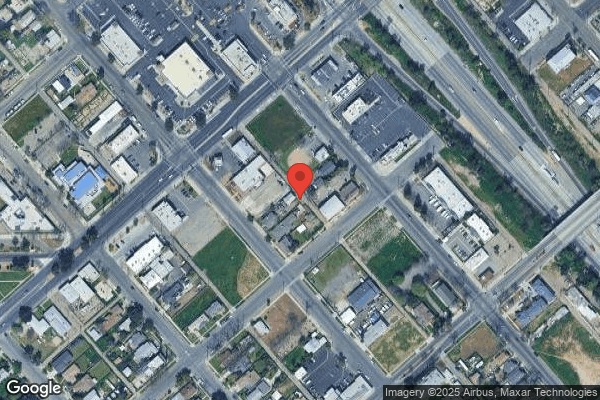
1233 A STREET, FRESNO, CA 93706 (559) 268-6317
For profit - Corporation 80 Beds RMG CAPITAL PARTNERS Data: November 2025
Trust Grade
40/100
#583 of 1155 in CA
Last Inspection: August 2024

Within standard 12-15 month inspection cycle. Federal law requires annual inspections.

Overview

Fresno Postacute Care has received a Trust Grade of D, indicating below-average quality with some concerns about care. It ranks #583 out of 1155 facilities in California, placing it in the bottom half, and #14 out of 30 in Fresno County, meaning only a few local options are better. The facility is improving, having reduced its reported issues from 19 in 2024 to just 1 in 2025. Staffing is a relative strength with a 3/5 star rating and a turnover rate of 36%, which is below the state average, meaning staff are more likely to remain long-term. However, there are concerning incidents, such as a Certified Nursing Assistant neglecting to provide necessary care for residents, leading to feelings of anger and disrespect, and a nurse failing to follow medication administration protocols, which risks residents' health. Overall, while there are some strengths in staffing and improvement trends, the facility has significant issues that families should consider.

Trust Score
D
40/100
In California
#583/1155
Top 50%
Safety Record
High Risk
Review needed
Inspections
Getting Better
19 → 1 violations
Staff Stability
○ Average
36% turnover. Near California's 48% average. Typical for the industry.
Penalties
✓ Good
No fines on record. Clean compliance history, better than most California facilities.
Skilled Nurses
⚠ Watch
Each resident gets only 15 minutes of Registered Nurse (RN) attention daily — below average for California. Fewer RN minutes means fewer trained eyes watching for problems.
Violations
⚠ Watch
48 deficiencies on record. Higher than average. Multiple issues found across inspections.
★★★☆☆
3.0
Overall Rating
★★★☆☆
3.0
Staff Levels
★★★★★
5.0
Care Quality
★★☆☆☆
2.0
Inspection Score
Stable
2024: 19 issues
2025: 1 issues

The Good

  • 5-Star Quality Measures · Strong clinical quality outcomes
  • Full Sprinkler Coverage · Fire safety systems throughout facility
  • No fines on record
  • Staff turnover below average (36%)

    12 points below California average of 48%

Facility shows strength in quality measures, fire safety.

The Bad

3-Star Overall Rating

Near California average (3.1)

Meets federal standards, typical of most facilities

Staff Turnover: 36%

Near California avg (46%)

Typical for the industry

Chain: RMG CAPITAL PARTNERS

Part of a multi-facility chain

Ask about local staffing decisions and management

The Ugly 48 deficiencies on record

1 actual harm
Jan 2025 1 deficiency 1 Harm
SERIOUS (G) 📢 Someone Reported This

A family member, employee, or ombudsman was alarmed enough to file a formal complaint

Actual Harm - a resident was hurt due to facility failures

Free from Abuse/Neglect (Tag F0600)

A resident was harmed · This affected 1 resident

**NOTE- TERMS IN BRACKETS HAVE BEEN EDITED TO PROTECT CONFIDENTIALITY** Based on interview and record review, the facility failed to ensure residents were free from neglect when Certified Nursing Assi...

Read full inspector narrative →
**NOTE- TERMS IN BRACKETS HAVE BEEN EDITED TO PROTECT CONFIDENTIALITY** Based on interview and record review, the facility failed to ensure residents were free from neglect when Certified Nursing Assistant (CNA) 9 intentionally did not provide incontinent care (provided for those who cannot control their bowels and/or bladder) for three of five residents (Resident 1, Resident 2, and Resident 3) on 12/21/24 between the hours of 11 p.m. and 7:30 a.m. on 12/22/24. CNA 9 expressly limited incontinent care to one change for Resident 1 and Resident 2 and did not provide care for the entire shift for Resident 3. These failures resulted in withholding of required services and neglecting the needs of Residents 1, 2, and 3. These failures resulted in the residents experiencing feelings of anger, frustration, loss of dignity and control, and disrespect by having to remain in their soiled briefs (a type of absorbent underwear worn by those who are incontinent) for three hours, and Resident 3 having to eat breakfast while in a soiled brief, which was against his stated preference that he be changed prior to dining. Findings: During a review of the facility document titled, Verification of Investigation Report (VOI), dated 12/26/24, the VOI indicated that during the night shift beginning at approximately 11:00 p.m., on 12/21/24, through approximately 7:30 a.m., on 12/22/24, Resident 1, Resident 2, and Resident 3 did not receive incontinent care during this shift. The VOI identified the staff person who did not perform the incontinent care as Certified Nursing Assistant (CNA) 9. The VOI indicated a Licensed Vocational Nurse (LVN 3) entered the room shared by Resident 1 and Resident 2, on 12/22/24, at approximately 8:30 a.m., to give them medication. The VOI indicated Resident 1 and Resident 2, informed [LVN 3] that they were upset about the care they received during [night] shift. Per both residents, their [night] shift CNA explained to them that she had 26 residents and would only be doing one brief change during the shift. Both residents explained that this made them feel unimportant and angry. The VOI indicated Resident 1 stated, Around midnight when [CNA 9] came in to change us, she informed us they were only 2 [CNAs on duty] and we would only get one brief change. Resident [1] stated, I felt neglected, and it made me feel angry. The VOI indicated Resident 2 stated, I put my call light on close to twelve midnight to be changed. [CNA 9] came to my room and told me that she has 26 residents and would only be able to do 1 brief change for me this shift. [CNA 9] changed me at this time. I put on my call light again at 4:55 [a.m.] to be changed again. [CNA 9] came to my room at 5:30 [a.m.] through the bathroom door and said, I don ' t know who is on the light but I ' m probably not going to get to you because there was a death and I have to clean him up. [CNA 9] left room and my brief was changed by the day shift CNA at 8:00 a.m. Resident [2] stated, I felt neglected last night. Resident [2] said that she felt dirty and nasty from having to sit in a dirty brief. Resident [2] also expressed feeling helpless and neglected. The VOI indicated Resident 3 stated, On December 22nd, I was not changed from night shift to morning shift. I was not changed the entire shift. The CNA was [CNA 9]. The VOI indicated Resident 1 and Resident 2 voiced that they felt neglected, gross, and angry regarding the incident on 12/22/24. Based on the investigation findings, the alleged neglect claim is substantiated. The VOI was signed by the Administrator on 12/26/24, at 3:30 p.m. During a review of Resident 1 ' s admission Record (AR), dated 1/13/25, the AR indicated she was a [AGE] year-old female, and had been a resident of the facility for 11 months. During a review of Resident 1 ' s Minimum Data Set (MDS, a comprehensive, standardized assessment tool), dated 11/25/24, the MDS indicated at Question C0500 a score of 15 out of a possible 15, which indicated Resident 1 was cognitively intact (having sufficient judgment, planning, organization, self-control, and the persistence needed to manage the normal demands of the resident ' s environment). The MDS indicated at Question GG0130 – C, a score of 2, which indicated she required Substantial/maximal assistance – Helper does MORE THAN HALF the effort with Toileting hygiene: The ability to maintain perineal [area between anus and genitals, or ' private parts ' ] hygiene, adjust clothes before and after voiding [urination] or having a bowel movement. During a review of Resident 1 ' s Progress Notes, dated 12/22/24, at 8:56 a.m., the PN indicated, During med[ication] pass at 8:30 [a.m.] resident [1] complain to this charge nurse that she wanted to make a complaint. She stated the CNA made her feel unimportant and frustrated after CNA told her that she would only be able to do one brief change for her for the shift. Resident [1 complained] of feeling neglected by this CNA. Psychiatry to follow up with [Resident 1] related to alleged neglect. During a review of Resident 1 ' s document titled, Behavioral Health (BH), dated 12/25/24, the BH indicated, Follow-up psychiatric visit for evaluation of [signs and symptoms] of emotional distress following a complaint of neglect. [Resident 1] reported an incident that occurred the other night involving a caregiver and expressed frustration and anger due to the caregiver ' s disrespectful behavior and lack of concern for her and her roommate ' s needs. [Resident 1] mentioned that both she and her roommate needed to be changed after having a bowel movement, but the caregiver refused to do so, citing other responsibilities. [Resident 1] felt that the caregiver ' s actions were unprofessional and inappropriate. She reported feeling angry and frustrated during the incident, particularly due to the discomfort of being wet and needing to be changed. [Resident 1] expressed feeling of anger and frustration related to a recent incident of neglect. During a review of Resident 2 ' s admission Record (AR), dated 1/13/25, the AR indicated she was a [AGE] year-old female and was admitted to the facility in 2020. During a review of Resident 2 ' s MDS, dated 11/25/24, the MDS indicated at Question C0500 a score of 15 out of a possible 15, which indicated Resident 2 was cognitively intact. The MDS indicated at Question GG0130 – C, a score of 2, which indicated she required Substantial/maximal assistance – Helper does MORE THAN HALF the effort with Toileting hygiene: The ability to maintain perineal hygiene, adjust clothes before and after voiding or having a bowel movement. During a review of Resident 2 ' s PN, dated 12/22/24, at 8:54 a.m., the PN indicated, During med[ication] pass at 8:30 [a.m.] resident [2] informed this charge nurse that she would like to make a complaint. Resident states she feels neglected. Per resident her CNA refused to change her brief at 5:30 [a.m.]. Resident states that she was changed by her CNA at midnight after pushing her call light. Resident again pushed her call light at 4:55 [a.m.] to be changed. CNA entered room at 5:30 [a.m.] and informed resident that she was busy . and would not be able to change her at this time. CNA then left without changing the resident. Resident was changed at 8:00 [a.m.] by dayshift CNA during their rounds. Psychiatry to follow up with [Resident 2] related to alleged neglect. During a review of Resident 2 ' s document titled, Behavioral Health (BH), dated 12/25/24, the BH indicated, Follow-up psychiatric visit for evaluation of [signs and symptoms] of emotional distress following a complaint of neglect. [Resident 2] reports an incident where she was left unattended for an extended period of time resulting in her sitting in soiled briefs for over 3 hours. She expressed feelings of embarrassment, loss of dignity, and increased anxiety due to this situation. incidents like the one described have caused her distress. She reported a loss of dignity and control, which contributed to her emotional distress. During an interview on 1/10/25, at 12:05 p.m., with Resident 1, Resident 1 stated that on 12/22/24, I got changed at 12:30 a.m., about the time I got my meds. [CNA 9] came in and answered our call light. She said I have 25 patients and would only be changing us once during the shift. At 5:00 a.m., my roommate [Resident 2] hit the call light because she needed changed, and I did too. [CNA 9] came in and told us she was dealing with a patient death, so she had to clean them up. She shut the door and left without changing either of us. We didn ' t get changed at all. We can ' t get changed during meals, do we didn ' t get changed until 8:30 a.m. This really upset me. It was like she didn ' t care about us as a person. It was depressing. She didn ' t give us a chance to say anything. I felt frustrated and angry. I only got changed once that night, at 12:30 a.m. This was a very depressing thing to happen to me. So disrespectful, like I was nothing to her. [CNA 9] was constantly complaining that she hated her job. I took this to mean she hated me, because I was her job. During an interview on 1/10/25, at 12:21 p.m., with Resident 2, Resident 2 stated that on 12/21/24, I called with my call light, at about 11:30 p.m. [CNA 9] came in . changed us, then said we will only get changed once tonight because we are shorthanded. At 4:55 a.m., I put my call light on. I know what time it was because I as looking at my [smartphone], [CNA 9] came in and told us she would not be changing us because she was too busy. Not getting changed made me feel disgusted. [CNA 1] changed us on day shift at about 8:30 a.m. I felt like my dignity was affected. Resident 2 stated she agreed with [Resident 1] that [CNA 9] was constantly complaining to her and Resident 1 about her job, and by doing so, it felt like she hated both of them. During an interview on 1/10/25, at 12:45 p.m., with CNA 1, CNA 1 stated he recalled caring for Resident 1 and Resident 2 during the morning of 12/22/24. CNA 1 stated, I recall changing them at 8:30 a.m. They both were angry, grumpy, frustrated over this event. [Resident 1] said she ' d not been changed and had to wait. They both said we ' ve been waiting so long, since about 4:30 a.m., to be changed, waiting for someone to come, nobody came. I saw [Resident 1] be tearful, I think it was due to her anger. [Resident 2] was angry, frustrated over the event. During an interview on 1/10/25, at 2:35 p.m., with LVN 2, LVN 2 stated he was CNA 9 ' s supervisor during the night shift beginning at about 11:00 p.m. on 12/21/24, to 7:30 a.m. on 12/22/24. LVN 2 stated he recalled CNA 9 was complaining all the time. LVN 2 stated during their 8-hour shift together, CNA 9 never informed him she had concerns about her workload, not being able to change residents as frequently as needed, or not being able to complete her assigned tasks. LVN 2 stated if CNA 9 had informed him of any issues with her workload, he would have given assistance or assigned more staff to help her. LVN 2 stated he was unaware of Resident 1 and Resident 2 ' s unmet needs until his next shift, the following day. LVN 2 stated he spoke with Resident 1 and Resident 2 about this, and stated, [Resident 2] was upset, [Resident 1] was really upset. LVN 2 stated he could tell Resident 2 was upset because when she gets mad, she moves her hand around, starts to point, with pressured speech. [Resident 1] cried, had tears in her eyes. During a concurrent interview and record review on 1/15/25, at 9:38 a.m., with the Director of Nursing (DON), the VOI was reviewed. DON stated she had spoken to Resident 1 and Resident 2 multiple times regarding the events during the night shift of 12/21/24 – 12/22/24. The DON stated the information indicated on the VOI is correct. The DON stated CNA 9 was terminated for neglect. The DON stated there was a third resident, [Resident 3] also who had complained of not being changed that night. During an interview on 1/15/25, at 10:15 a.m., with Resident 3, Resident 3 stated, Oh yeah, I remember that night. There was a CNA named [CNA 9]. I usually sleep all night, they normally change me at around 8:00 p.m., then again in the morning before breakfast, at about 5:00 a.m. That is my preference. I wear a brief. [CNA 9] didn ' t change me that morning. It ' s not really a big deal, but it would have been nice to be changed before breakfast. I wasn ' t changed until after. That morning, [a nurse] made me fill out a paper about what happened, so I did. During a review of a handwritten, undated document signed by Resident 3, the document indicated, On [DATE] I was not changed from night shift to morning shift[.] I was not changed the entire shift. The CNA was [CNA 9]. During a review of Resident 3 ' s admission Record (AR), dated 1/17/25, the AR indicated he was a [AGE] year-old male, and had been a resident of the facility for 11 months. During a review of Resident 3 ' s MDS, dated 10/5/24, the MDS indicated at Question C0500 a score of 15 out of a possible 15, which indicated Resident 3 was cognitively intact. The MDS indicated at Question GG0130 – C, a score of 1, which indicated he was Dependent – Helper does ALL of the effort. Resident does none of the effort to complete the activity with Toileting hygiene: The ability to maintain perineal hygiene, adjust clothes before and after voiding or having a bowel movement. During a review of the facility email to CNA 9, dated 1/10/25, at 10:48 a.m., the email indicated, This email is to advise you that your employment with [name of facility] is terminated effective January 9, 2025. The company is terminating employment for violation of policy. During a concurrent record review and interview on 1/15/25, at 2:35 p.m., with the Administrator, the VOI was reviewed. The Administrator stated she was the facility ' s Abuse Prevention Coordinator. The Administrator stated the information in the VOI was accurate. The Administrator stated, This was neglect. This should not have happened. During a review of the facility ' s Policy and Procedure (P&P), titled, Abuse Prevention and Neglect Policy, dated 6/22, the P&P indicated, It is the facility ' s policy to prohibit abuse, mistreatment, neglect, involuntary seclusion [confining, isolating or restricting a resident to their room or to a specific area in the facility], and misappropriation of property for all residents through the following: . Prevention of occurrences. Neglect is defined as the failure of the facility to provide goods and services to a resident that are necessary to avoid physical harm, pain, mental anguish, or emotional distress. Neglect occurs when the facility is aware of, or should have been aware of, goods or services that a resident(s) requires but the facility fails to provide them to the resident(s), resulting in, or may result in, physical harm, pain, mental anguish, or emotional distress. During a review of the undated facility document titled, Here are your residents ' rights: (Rights), the Rights indicated, A dignified and comfortable living environment[.]
Aug 2024 19 deficiencies
CONCERN (D)

Potential for Harm - no one hurt, but risky conditions existed

Pharmacy Services (Tag F0755)

Could have caused harm · This affected 1 resident

**NOTE- TERMS IN BRACKETS HAVE BEEN EDITED TO PROTECT CONFIDENTIALITY** Based on observation, interview and record review, the facility failed to provide pharmaceutical services which ensured the admi...

Read full inspector narrative →
**NOTE- TERMS IN BRACKETS HAVE BEEN EDITED TO PROTECT CONFIDENTIALITY** Based on observation, interview and record review, the facility failed to provide pharmaceutical services which ensured the administration of medication to meet residents needs for one of nine sampled residents (Resident 65) when Resident 65's Ergocalciferol (medication used to prevent and treat Vitamin D deficiency [nutrient the body needs for building and maintaining healthy bones]) was not available for administration for one day on 8/14/24. This failure had the potential for Resident 65 to not received the nutrient her body needs which could lead to serious health condition. Findings: During a concurrent medication administration observation and interview on 8/14/24 at 8:42 a.m. at Station one, Registered Nurse (RN) 2 was preparing Resident 65's medications. RN 2 did not administer Resident 65's Ergocalciferol medication. RN 2 stated she did not administer the medication because she had to clarify with pharmacy the medication available on hand. RN 2 stated the medication bubble pack had different medication name compared to the order on the eMAR (electronic Medication Administration Record) RN 2 stated she should have called pharmacy and verified medication. During a review of Resident 65's admission Record, dated 8/15/24, the admission record indicated Resident 65 was admitted to the facility on [DATE] with diagnoses which included Vitamin D deficiency and muscle wasting and atrophy (partial or complete wasting away of a part of the body). During a review of Resident 65's eMAR dated 8/1/24-8/31/24, the eMAR indicated, Resident 65 did not received ergocalciferol brand name medication on 8/14/24. During a concurrent interview and record review on 8/14/24 at 2:30 p.m. RN 2, reviewed Resident 65's clinical record. RN 2 stated she put a hold on the eMAR for 8/14/24 for ergocalciferol (brand name) medication because the medication name in the bubble pack the pharmacy sent was different from the order in the eMAR. RN 2 stated she did not call pharmacy to clarify the name of medication but she called the physician. RN 2 stated Resident 65 did not receive her ergocalciferol medication and she really needed it because she has a diagnosis of Vitamin D deficiency (lack of). During an interview on 8/16/24 at 1:50 p.m. with the Director of Nursing (DON), the DON stated licensed nurses are responsible for ordering medications from the pharmacy. DON stated not administering a routine medication to a resident is not acceptable, licensed nurses should be making sure they are checking resident's medications ahead and checking medications delivered from the pharmacy to make sure it was the right medication. During a review of facility's policy and procedure (P&P), titled, Medication Administration-General Guidelines, undated, the P&P indicated, . Medications are administered in accordance with written orders of the attending physician . Medications are administered within (60 minutes) of scheduled time, except before or after meals orders . routine medications are administered according to the established medication administration schedule . During a review of facility's P&P, titled, Provider Pharmacy Requirements, undated, the P&P indicated, . Providing routine and timely pharmacy service seven days per week and emergency pharmacy services 24 hours per day, seven days per week . Providing medication information and consultation to the facility's nursing staff .
CONCERN (D)

Potential for Harm - no one hurt, but risky conditions existed

Unnecessary Medications (Tag F0759)

Could have caused harm · This affected 1 resident

**NOTE- TERMS IN BRACKETS HAVE BEEN EDITED TO PROTECT CONFIDENTIALITY** Based on observation, interview and record review, the facility failed to ensure the facility medication error rate did not exce...

Read full inspector narrative →
**NOTE- TERMS IN BRACKETS HAVE BEEN EDITED TO PROTECT CONFIDENTIALITY** Based on observation, interview and record review, the facility failed to ensure the facility medication error rate did not exceed five percent (10.34 percent) when: 1. Registered Nurse (RN) 2 administered metformin medication to Resident 8 without food when the medication direction indicated to administer with food. This failure had the potential for Resident 8 to develop upset stomach or gastrointestinal (GI)problems which could lead to more serious health condition. 2. RN 2 did not completely dilute Resident 65's Juven therapeutic powder (brand name [used for wound healing]) before administering to Resident 65 leaving residue of the powder in the bottom of the cup. This failure resulted in Resident 65 not receiving the complete dose which had the potential for slower wound healing and could lead to more serious health condition. 3. Registered Nurse (RN) 2 did not administer Resident 65's ergocalciferol (brand name [medication used for Vitamin D deficiency]) medication during medication pass. This failure had the potential for Resident 65 to have lower level of Vitamin D and lead to serious health condition. Findings: 1. During an observation on 8/14/24 at 7:25 a.m. in Resident 8's room, Resident 8 was lying flat in bed, eyes open and watching television. There was a food tray with lids still on and placed on top of the overbed table placed on the side. During a concurrent observation and interview on 8/14/24 at 7:28 a.m. in Station 1, cart 1. RN 2 prepared Resident 8's medication and administered three medications scheduled for Resident 8 including metformin (brand name) with a cup of water. RN 2 stated she administered metformin to Resident 8 without food. RN 2 stated she should have given Resident 8 apple sauce or crackers. During a review of Resident 8's admission Record, dated 8/16/24, the admission record indicated, Resident 8 was re-admitted to the facility on [DATE] with diagnoses which included diabetes (high blood sugar level in the blood) and muscle spasm. During a review of Resident 8's Order Summary Report, dated 8/16/24, the order summary report indicated, . metFORMIN HCl [hydrochloride] Tablet 1000MG [milligram-unit of measurement] Give 1 [one] tablet by mouth one time a day . Give with food . During a concurrent interview and record review on 8/14/24 at 2:40 p.m. with RN 2, she reviewed Resident 8's clinical record and stated metformin was to be given with food. RN 2 stated she did not give Resident 8 any food because the breakfast tray was already on top of the overbed table. RN 2 stated she did not know Resident 8 waited 15-20 minutes before a Certified Nursing Assistant (CNA) went in Resident 8's room to spoon feed him (Resident 8). RN 2 stated giving the medication on empty stomach could lead to GI upset which could result to more serious health condition. During an interview on 8/15/24 at 9:30 a.m. with Licensed Vocational Nurse (LVN) 3, she stated medication orders needed to be followed as ordered. LVN 3 stated medication orders with instructions to give with food had to be given with food when administering to resident. LN 3 stated not giving food with medication during medication administration could lead to upset stomach. During an interview on 8/16/24 at 1:47 p.m. with the Director of Nursing (DON), the DON stated her expectation was to follow direction when administering medication. DON stated RN 2 should have administered medication to Resident 8 with apple sauce or a sandwich. DON stated it could cause nausea or upset stomach when medication was administered on empty stomach and instruction was to give with food. According to Lexicomp, a nationally recognized drug reference, . Use this drug as ordered by your doctor. Read all information given to you. Follow all instructions closely. All products: Take with meals. Keep taking this drug as you have been told by your doctor or other health care provider . 2. During a concurrent observation and interview on 8/14/24 at 8:05 a.m. in Station 1, cart 1. RN 2 prepared Resident 65's Juven therapeutic Nutrition powder to Resident 65. RN 2 mixed the powder with colored liquid in two separate clear plastic cups and transferred the mixture to a coffee cup and hand the cup to Resident 65. Observed two clear plastic cups with white orange residues (remains) on the bottom of the clear cups. RN 2 stated she should have made sure she mixed the powder well before she administered Juven to Resident 65. RN 2 stated Resident 65 did not received the whole dose as ordered. During a review of Resident 65's admission Record, dated 8/15/24, the admission record indicated, Resident 65 was admitted to the facility on [DATE] with diagnoses which included Vitamin D deficiency (can lead to a loss of bone density [bone mineral in bone tissue] which can contribute to osteoporosis [weak and brittle bone] and fractures [broken bones]) muscle wasting and atrophy (partial or complete wasting away of a part of the body). During an interview on 8/15/24 at 9:45 a.m. with LVN 3, LVN 3 stated licensed nurses when administering medications with instruction to mixed with liquids had to make sure there were no residues left at the bottom of the container to make sure resident received the whole medication dose. LVN 3 stated Resident 65 did not received the whole medication dose when there were residues left at the bottom of the clear cup used to mixed the powder. During an interview on 8/16/24 at 1:50 p.m. with the DON, the DON stated RN 2 should have made sure she mixed the powder and the liquid completely before she administered to Resident 65. DON stated Resident 65 did not received the whole dose of the medication when there were residues left on the bottom of the clear cups. According to Lexicomp, a nationally recognized drug reference, . Medical foods are distinguished by the requirement that they are intended to meet distinctive nutritional requirements of a disease or condition, used under medical supervision, and intended for the specific dietary management of a disease or condition. Medical foods are not those simply recommended by a physician as part of an overall diet to manage the symptoms or reduce the risk of a disease or condition. Instead, medical foods are specially formulated and processed (as opposed to a naturally occurring foodstuff used in a natural state) for a patient who is seriously ill or who requires use of the product as a major component of a disease or condition's specific dietary management . 3. During a concurrent observation and interview on 8/15/24 at 8:42 a.m. in Station 1, RN 2 prepared Resident 65's medications and administered four of five medications scheduled for Resident 65. RN 2 stated she did not administer ergocalciferol (brand name-medication supplement) because she was not sure the medication bubble pack was the same as the order in eMAR (Electronic Medicine Administration Record) dated 8/1/24-8/31/24. During an interview on 8/15/24 at 2:20 p.m. with RN 2, she stated she did not administer Resident 65's ergocalciferol because the medication name was different in the bubble pack and the order. RN 2 stated she called the physician but did not call pharmacy to verify medication. RN 2 stated she did not administer the routine medication to Resident 65. During an interview on 8/16/24 at 1:55 p.m. with the DON, the DON stated her expectation was for routine medications to be available to administer to residents. The DON stated not administering routine medication was not acceptable because Resident 65 missed the dose. DON stated licensed nurses are responsible in ordering medications and making sure routine medications are available for administration. During an interview on 8/16/24 at 3:25 p.m. with the Administrator (ADM), the ADM stated, . make no mistakes but in reality it is not possible . According to Lexicomp, a nationally rcognized drug reference, . Vitamin D supplementation has been shown to increase muscle function and strength, as well as improve balance. Patients at risk for falls should have vitamin D serum concentrations measured and be evaluated for supplementation . During a review of facility's policy and procedure (P&P) titled, Adverse consequences and Medication Errors. dated 1/18, the P&P indicated, . The staff and practitioner shall strive to minimize adverse consequences by: a. following relevant clinical guidelines and manufacturer's specification for use, dose, administration, duration . A medication error is defined as the preparation or administration of drugs or biologicals which is not in accordance with physician's orders, manufacturer specifications, or accepted professional standards and principles of the professional (s) providing services .
CONCERN (D)

Potential for Harm - no one hurt, but risky conditions existed

Deficiency F0805 (Tag F0805)

Could have caused harm · This affected 1 resident

Based on observation, interview, and record review, the facility failed to ensure pureed meat was able to hold its shape or form for seven of 64 sampled residents (Resident 27, 1, 69, 2, 15, 49, and 4...

Read full inspector narrative →
Based on observation, interview, and record review, the facility failed to ensure pureed meat was able to hold its shape or form for seven of 64 sampled residents (Resident 27, 1, 69, 2, 15, 49, and 44). This failure had the potential to result in residents choking or decreased meal intake. Findings: During a concurrent observation and interview on 8/13/24 at 12:15 p.m. with the Certified Dietary Manager (CDM) in Station 2 hallway, the pureed diet test tray was sampled. The pureed curry chicken was spread all over the plate and did not hold its shape or form. The CDM acknowledged that the pureed chicken did not hold its shape or form. During a review of the facility's Diet Type Report (DTR), dated 8/12/24, the DTR indicated the following residents are on pureed diet: a. Resident 27 is on CCHO, puree, nectar thick liquids diet. b. Resident 1 is on regular puree, honey thick liquids diet. c. Resident 69 is on fortified puree diet. d. Resident 2 is on regular puree, honey thick liquids diet. e. Resident 15 is on no added salt, puree, honey thick liquids diet. f. Resident 49 is on regular puree, regular liquids diet. g. Resident 44 is on regular puree, regular liquids, large portions diet. During a review of the facility's diet manual (DM) titled, Regular Pureed diet, dated 2023, the DM indicated, The pureed diet is a regular diet that has been designed for residents who have difficulty chewing and/or swallowing. The texture of the food should be of a smooth and moist consistency and able to hold its shape.
CONCERN (D)

Potential for Harm - no one hurt, but risky conditions existed

Deficiency F0810 (Tag F0810)

Could have caused harm · This affected 1 resident

Based on observation, interview, and record review, the facility failed to ensure adaptive equipment was provided for one sampled resident (Resident 3) when Resident 3 was not provided a sippy cup on ...

Read full inspector narrative →
Based on observation, interview, and record review, the facility failed to ensure adaptive equipment was provided for one sampled resident (Resident 3) when Resident 3 was not provided a sippy cup on his meal tray. This failure had the potential to limit Resident 3's ability to drink independently and safely. The facility census was 75. Findings: During an observation on 8/13/24 at 12:04 p.m. in the kitchen, Resident 3's meal tray has two regular cups with no handle. During a review of Resident 3's meal ticket (MT), MT indicated, Adaptive Equip [equipment]: Sippy Cup. During an interview on 8/14/24 at 10:05 a.m. with Dietary Aide (DA) 2, DA 2 stated the kitchen does not have enough sippy cups to go on residents' meal trays. During an interview on 8/14/24 at 10:06 a.m. with DA 1, DA 1 stated the kitchen does not have enough sippy cups and regular cups so he would also use disposable cups. During a review of Resident 3's Order Summary Report (OSR), dated 8/14/24, the OSR indicated, Light up utensils and sippy cup to decrease spillage during meals. During an observation on 8/14/24 at 10:17 a.m. in Resident 3's room, there was a pitcher with straw and a coffee cup on the bedside table. There was no sippy cup at Resident 3's bedside. During an interview on 8/14/24 at 10:18 a.m. with Registered Nurse (RN) 1, RN 1 stated Resident 3 uses a sippy cup or a cup with a handle for all his drinks for safety. RN stated, We don't give him that [cups with no handles]. RN stated Resident 3 uses cups with a handle because he is on seizure precautions. During an interview on 8/14/24 at 11:13 a.m. with the Certified Dietary Manager (CDM), the CDM stated he expects the kitchen to provide sippy cups for adaptive equipment. During an interview on 8/14/24 at 1:58 p.m. with Certified Nursing Assistant (CNA) 5, CNA 5 stated he is the CNA for Resident 3, and he assisted Resident 3 with his meals. CNA 5 stated he had never seen Resident 3 use a sippy cup before. CNA 5 stated Resident 3 had a disposable cup with no handle on his meal tray. CNA 5 stated he is not aware of Resident 3 having an order for a sippy cup. During a review of the facility's policy and procedure (P&P) titled, Self-feeding Devices, dated 2023, the P&P indicated, Devices commonly used . such as divider plates and feeding cups, will be kept in stock. A physician's order is recommended. The Food & Nutrition Services Department will store self-feeding devices. Residents needing devices will receive them with each meal or snack, on their meal trays.
CONCERN (D)

Potential for Harm - no one hurt, but risky conditions existed

Deficiency F0912 (Tag F0912)

Could have caused harm · This affected 1 resident

Based on observation and interview, the facility failed to provide the minimum of at least 80 square feet per resident in 17 resident bedrooms (Rooms 4, 5, 6, 7, 8, 9, 10, 11, 12, 14, 15, 16, 17, 18, ...

Read full inspector narrative →
Based on observation and interview, the facility failed to provide the minimum of at least 80 square feet per resident in 17 resident bedrooms (Rooms 4, 5, 6, 7, 8, 9, 10, 11, 12, 14, 15, 16, 17, 18, 19, 20 and 21) when there were two residents in rooms which did not meet the square footage requirement. This failure had the potential to place residents at risk for not having sufficient space to accommodate residents' needs, privacy, and comfort. Findings: During a concurrent observation and interview on 8/16/24 at 11:05 a.m. with the Maintenance Supervisor (MS), facility tour was conducted. MS stated the rooms failed to provide the minimum square footage as required by regulation. Room variations were in accordance with the particular needs of the residents. The residents had a reasonable amount of privacy. Closets and storage space were adequate. Bedside stands were available. There was sufficient room for nursing care and for residents to ambulate. Wheelchairs and toilet facilities were accessible. The waiver will not adversely affect the health and safety of residents. Room Number Square Feet Number of Residents 4 142.2 2 5 142.1 2 6 143.2 2 7 140.97 2 8 142.1 2 9 142.1 2 10 142.1 2 11 142.1 2 12 142.1 2 14 142.1 2 15 142.2 2 16 142.1 2 17 141.7 2 18 142.1 2 19 142.2 2 20 142.2 2 21 142.1 2 Recommend waiver continue in effect. _____________________________________ Health Facilities Evaluator Nurse Date Request waiver continue in effect. ______________________________________ Facility Administrator Date
CONCERN (D)

Potential for Harm - no one hurt, but risky conditions existed

Safe Environment (Tag F0921)

Could have caused harm · This affected 1 resident

**NOTE- TERMS IN BRACKETS HAVE BEEN EDITED TO PROTECT CONFIDENTIALITY** Based on observation, interview, and record review, the facility failed to provide a sanitary, comfortable environment for four ...

Read full inspector narrative →
**NOTE- TERMS IN BRACKETS HAVE BEEN EDITED TO PROTECT CONFIDENTIALITY** Based on observation, interview, and record review, the facility failed to provide a sanitary, comfortable environment for four of 31 sampled residents (Resident 11, Resident 22, Resident 47 and Resident 60), when the smell of urine was noted in room [ROOM NUMBER] and hallway. This failure had the potential for Resident 11, 22, 47 and 60, to experience an uncomfortable environment. Findings: During an observation on 8/12/24 at 8:15 a.m. in the hall outside of rooms [ROOM NUMBERS], a strong urine odor was noted. During an observation in 8/12/24 at 8:20 a.m. with Resident 11 in room [ROOM NUMBER], there was a strong urine odor in the room. Resident 11 was sitting up in his bed, eating his breakfast. The privacy curtain was pulled between Resident 11's bed and Resident 60's bed. During an observation on 8/12/24 at11:55 a.m. in the hall outside of room [ROOM NUMBER] and, a strong urine odor was noted. During an observation and interview on 8/12/24 at 1:15 p.m. with Resident 11 in his room, Resident 11 stated, .I have a headache from the strong smell of urine in this room . During an observation on 8/13/24 at 9:00 a.m. in the hall outside of rooms [ROOM NUMBERS], a strong odor of urine was noted. During an observation on 8/13/24 at 3:41 p.m. in the hall between resident rooms [ROOM NUMBERS], a strong odor of urine was noted. During an observation on 8/14/24 at 10:55 a.m. in the hall between room [ROOM NUMBER] and 16, a strong odor of urine was noted. During a concurrent observation and interview on 8/16/24 at 10:15 a.m. with the Infection Preventionist (IP), in room [ROOM NUMBER], the IP stated, .the smell of urine is very strong as if it was in the walls and floor . the smell is not acceptable for the residents in this room . During a concurrent observation and interview on 8/16/24 at 10:14 a.m. in room [ROOM NUMBER] with the Activities Coordinator (AC), the AC stated, . the room smells like urine . I would not want to stay in the room . this is not a homelike environment . During an interview on 8/16/24 at 10:30 p.m. in room [ROOM NUMBER] with the Maintenance Supervisor (MS), the MS stated, . the room has been deep cleaned twice and the odor of urine is still present . I would not want to live in this room . During an interview on 8/16/24 at 3:15 p.m. with the Administrator (ADM), the ADM stated, room [ROOM NUMBER] was cleaned twice and the odor was still present. The ADM stated he thought the odor was trapped in the laminate flooring. The ADM stated, the residents should not have to be in a room that smells like urine. During a review of Resident 11's admission Record [AR], dated 8/16/24, the AR indicated, Resident 11 was admitted on [DATE] with diagnosis of Muscle Weakness, History of Falling, Chronic Pain, and Cancer of the Left Kidney. During a review of Residents 11's Minimum Data Set (MDS- a resident assessment tool used to identify resident cognitive and physical function) Section C assessment dated [DATE], indicated Resident 8's Brief Interview of Mental status assessment (BIMS - assessment of cognitive status for memory and judgement) scored 15 (a score of 13-15 indicates cognitively intact, 08-12 indicates moderately impaired, 00-07 indicates severe impairment and 99 indicates they are unable to complete the interview). The BIMS assessment indicated Resident 15 had no cognitive impairment. During a review of Resident 22's AR dated 8/15/24, the AR indicated Resident 22 admitted on [DATE] with diagnosis of Heart Failure, Dysphagia (difficulty swallowing, Chronic Pain, Anxiety (feeling of fear, dread, uneasiness as a result to stress), and Depression (a persistent feeling of sadness, loss of interest in activities). During a review of Resident 22's MDS Section C indicated, Resident 22 had a BIMS score of 14, no cognitive impairment. During a review of Resident 47's AR dated 8/15/24, the AR indicated Resident 47 admitted on [DATE] with diagnosis of Muscle Weakness, Difficulty Walking, Alcohol Abuse and Anxiety. During a review of Resident 47's MDS Section C indicated, Resident 47 had a BIMS score of 7, moderate cognitive impairment. During a review of Resident 60's AR dated 8/15/24, the AR indicated Resident 60 admitted on 1 with diagnosis of Cognitive Communication Deficit, History of Falling, and Muscle Weakness. m During a review of Resident 60's MDS Section C indicated, Resident 60 had a BIMS score of 11, moderate cognitive impairment. During a review of the facility's policy and procedure (P&P) titled, Quality of Life - Homelike Environment dated 1/2018, the P&P indicated, .a. clean, sanitary, and orderly environment . f. pleasant neutral scents .
CONCERN (E)

Potential for Harm - no one hurt, but risky conditions existed

Resident Rights (Tag F0550)

Could have caused harm · This affected multiple residents

**NOTE- TERMS IN BRACKETS HAVE BEEN EDITED TO PROTECT CONFIDENTIALITY** Based on observation, interview and record review, the facility failed to ensure residents were treated with dignity and respect...

Read full inspector narrative →
**NOTE- TERMS IN BRACKETS HAVE BEEN EDITED TO PROTECT CONFIDENTIALITY** Based on observation, interview and record review, the facility failed to ensure residents were treated with dignity and respect for three of nine sampled residents (Resident 20, Resident 24 and Resident 40) when: 1. Registered Nurse (RN) 2 administered medication to Resident 20 in the hallway. 2. RN 1 administered medication to Resident 24 and did not provide privacy. 3. Licensed Vocational Nurse (LVN) 1 administered medications to Resident 40 and did not provide privacy. These failures resulted in Resident 20, Resident 24 and Resident 40 not being provided with respect and dignity while taking their medications. Findings: During a observation on 8/14/24 at 8:35 a.m. in Station one hallway during medication pass, Resident 20 was sitting up in his wheelchair. RN 2 prepared Resident 20's medications. RN 2 administered Resident 20's medications in the hallway with other residents, staff and visitors walking by. During a review of Resident 20's admission Record, dated 8/16/24, the admission Record indicated, Resident 20 was re-admitted to the facility on [DATE] with diagnoses which included cerebral infarction (occurs as a result of disrupted blood flow to the brain due to problems with the blood vessels that supply it), lack of coordination and history of traumatic brain injury. During a review of Resident 20's Minimum Data Set (MDS- an assessment tool used to identify resident cognitive[pertaining to reasoning, memory and judgement] and physical functional level), assessment dated [DATE], indicated Resident 20's Brief Interview for Mental Status (BIMS-screening tool used in nursing home to assess cognition) assessment score was 15 out of 15 (0-15 scale [0-6 severe cognitive deficit, 7-12 moderate cognitive deficit, 13-15 no cognitive deficit]) indicating Resident 5 had no cognitive deficit. During a concurrent observation and interview on 14/24 at 2:50 p.m. with RN 2, RN 2 stated she administered Resident 20's medications in the hallway. RN 2 stated she should not have administered Resident 20's medications in the hallway. RN 2 stated, . I should have explained to Resident 20 the importance of providing privacy and to go back in his room . RN 2 stated it was important to provided privacy because it was one of their rights. During an interview on 8/15/24, at 9:35 a.m. with Licensed Vocational Nurse (LVN) 3, LVN 3 stated the practice was to provide privacy when administering medications to residents. LVN 3 stated residents are not to be given their medications in the hallway unless it was an emergency situation. LVN 3 stated other residents, staff and visitors passing by did not need to know what was going on, providing privacy is one of resident rights. 2. During a concurrent observation and interview on 8/14/24 at 11:47 a.m. in Station one hallway, RN 1 prepared Resident 24's medication. RN 1 administered Resident 24's aspart (brand name- medication used to treat high blood sugar in the blood) injection to Resident 24's abdominal area. RN 1 did not provide privacy by closing the door or closing the privacy curtain to Resident 24 while she exposed Resident 24's abdominal area. RN 1 stated she should have provided privacy to Resident 24 but she did not. RN 1 stated residents have rights to have their privacy. During a review of Resident 24's admission Record, dated 8/16/24, the admission Record indicated, Resident 24 was re-admitted to the facility on [DATE] with diagnoses which included diabetes (high blood sugar in the blood) and hemiplegia (complete paralysis) and hemiparesis (partial weakness). During a review of Resident 24's MDS assessment dated [DATE], indicated Resident 24's BIMS assessment score was 13 out of 15 indicating Resident 24 had no cognitive deficit. During an interview on 8/15/24 at 9: 37 a.m. with LVN 3, LVN 3 stated it was important to provide privacy to residents when administering medications. LVN 3 stated, . Residents should always be given privacy when taking their medications . 3. During a concurrent observation and interview on 8/14/24 at 4:05 p.m. in Station 2 hallway, LVN 1 prepared Resident 40's medications. LVN 1 administered Resident 40's medication in Resident 40's room but did not provide privacy by closing the privacy curtain or the door. LVN 1 stated she did not closed the privacy curtain between bed A and bed B. LVN 1 stated she did not closed the door to the hallway and exposed Resident 40 for other residents, staff and visitors walking by. LVN 1 stated she administered medication to Resident 40 without privacy. During a review of Resident 40's admission Record, dated 8/16/24, the admission Record indicated, Resident 40 was re-admitted to the facility on [DATE] with diagnoses which included heart failure, hyperlipidemia (high cholesterol) and hearing loss. During a review of Resident 40's MDS assessment dated [DATE], indicated Resident 40's BIMS assessment score was 13 out of 15 indicating Resident 40 had no cognitive deficit. During an interview on 8/16/24 at 2:13 p.m. with the Director of Nursing (DON), the DON stated her expectations from licensed nurses during medication administration was to give respect and privacy to residents by closing the privacy curtain and offer to take residents in their room to administer medications. The DON stated there were other residents, staff and visitors walking by in the hallway and could see residents taking their medications. The DON stated, . Residents have rights and one of them was to ensure privacy was provided at all times . During a review of facility's policy and procedure (P&P) titled, Resident Rights, dated 1/18, the P&P indicated, .be treated with respect, kindness, and dignity . be supported by the facility in exercising his or her rights . During a review of facility's P&P titled, Specific procedures for all medications, undated, the P&P indicated, . To administer medications in a safe and effective manner . Provide privacy for residents if appropriate .
CONCERN (E)

Potential for Harm - no one hurt, but risky conditions existed

Deficiency F0557 (Tag F0557)

Could have caused harm · This affected multiple residents

**NOTE- TERMS IN BRACKETS HAVE BEEN EDITED TO PROTECT CONFIDENTIALITY** Based observation, interview, and record review the facility failed to ensure four of fourteen residents (Residents 8, 30, 57 an...

Read full inspector narrative →
**NOTE- TERMS IN BRACKETS HAVE BEEN EDITED TO PROTECT CONFIDENTIALITY** Based observation, interview, and record review the facility failed to ensure four of fourteen residents (Residents 8, 30, 57 and 65) were provided their right to be treated with respect and dignity when: 1. Resident 30's back was not covered after being transported out of the shower room. This failure resulted in Resident 30 having his back exposed while being transported out of the shower room, down the hall, and into his room. 2. Certified Nursing Assistant (CNA) 11 stood over Resident 8 while spoon feeding him breakfast while lying in bed. This failure resulted in Resident 8 not being provided a respectful and dignified dining experience which could further enhance resident's quality of life. 3. Resident 57 was lying flat in bed eating lunch but unable to see food placed on top of the overbed table positioned in front of her. This failure placed Resident 57 at risk for aspiration and choking which could lead to more serious health condition. 4. Resident 65's urinary catheter (flexible tube inserted into bladderto drain urine) bag was not covered and was visible to residents and visitors to see. This failure had the potential to violate Resident 65's privacy and dignity. Findings: 1. During a review of Resident 30's admission Record (AR- a document that provides resident contact details, a brief medical history, level of functioning, preferences, and wishes), dated 8/15/24, the AR indicated Resident 30 was admitted with the following diagnoses: cerebrovascular disorder (term used to describe a group of conditions which affect blood flow to the brain) , dysphagia (difficulty swallowing), and anxiety disorder (condition in which a person has excessive worry and feelings of fear, dread, and uneasiness). During a review of Resident 30's Minimum Data Set (MDS- resident assessment tool which indicates physical and cognitive abilities), dated 5/26/24, the MDS indicated a Brief Interview for Mental Status (BIMS-an assessment of cognitive function) score of nine (0-7 severe cognitive impairment, 8-12 moderate cognitive impairment, 13-15 no cognitive impairment), indicating Resident 10 had moderate cognitive impairment. During an observation on 8/12/24 at 9:18 a.m. next to the shower room, Resident 30's back was not covered after being transported out of the shower room by certified nursing assistant (CNA) 4. During an interview on 8/12/24 at 4:15 p.m. with CNA 4, CNA 4 stated CNAs were responsible for ensuring all areas of a resident's body were covered after coming out of the shower room. CNA 4 stated Resident 30 should not have had his back exposed, he should have been fully covered. CNA 4 stated it was important to cover a resident's whole body because it provided privacy. During an interview on 8/15/24 at 10:03 a.m. with CNA 2, CNA 2 stated staff were supposed to cover the body of any resident who comes out of the shower. CNA 2 stated the shower blanket should have covered the whole body because they provided privacy and dignity to the resident. During an interview on 8/15/24 at 1:59 p.m. with registered nurse (RN) 1, RN 1 stated CNAs were responsible for doing resident showers. RN 1 stated CNA 1 should have covered Resident 30 with a shower blanket. RN 1 stated if the shower blanket was too small, the CNA could have also used a second blanket or a gown to cover Resident 30's back. RN 1 stated Resident 30 should have been fully covered because he had a right to be provided privacy and dignity. During an interview on 8/16/24 at 9:12 a.m. with the director of staff development (DSD), the DSD stated CNAs needed to fully cover residents after coming out of the shower. The DSD stated if one blanket wasn't enough to fully cover the resident, then an additional blanket could have been used. The DSD stated it was important to fully cover residents after they exited the showers because residents have the right to be provided privacy. During an interview on 8/16/24 at 10:40 a.m. with the director of nursing (DON), the DON stated residents needed to be covered after staff took them out of the shower room. The DON stated ensuring proper coverage of the body after the shower was important because it provided dignity to residents. During a review of the facility's policy and procedure (P&P) titled, Quality of Life-Dignity, dated 1/18, indicated, .Each resident shall be cared for in a manner that promotes and enhances quality of life, dignity, respect and individuality . 1. Residents shall be treated with dignity and respect at all times. 2. 'Treated with dignity' means the resident will be assisted in maintaining and enhancing his or her self-esteem and self-worth . During a review of the facility's (P&P) titled, Resident Rights, dated 1/18, indicated, .Employees shall treat residents with kindness, respect, and dignity . federal and state laws guarantee certain basic rights to all residents of this facility. These rights include the residents rights to: a. a dignified existence b. be treated with respect, kindness, and dignity . 2. During an observation on 8/14/24 at 8:42 a.m. in Resident 8's room, Resident 8 was lying in bed with head of the bed elevated and bed in highest position. Resident 8's bedside table on the side of the bed and CNA 11 was standing on the side of Resident 8's bed while spoon feeding him breakfast. During a review of Resident 8's admission Record (AR- a summary of information regarding a patient which includes patient identification, past medical history, insurance status, care providers, family contact information and other pertinent information) dated 8/16/24, the AR, indicated, Resident 8 was admitted to the facility with diagnoses which included quadriplegia (complete or severe loss of motor function in all four limbs) and dysphagia (difficulty swallowing). During an interview on 8/14/25 at 10:05 a.m. with CNA 11, he stated he assisted Resident 8 during breakfast. CNA 11 stated he was standing on the side of the bed while he was spoon- feeding Resident 8 because Resident 8's bed was high. CNA 11 stated, . I should have been sitting and lowered his [Resident 8] bed so we would have been face to face while I was spoon-feeding him [Resident 8] because it was a dignity issue . During an interview on 8/16/24 at 10 a.m. with the Director of Staff Development (DSD), she stated she was not sure whether staff should be sitting on a chair or standing next to resident's bed when assisting residents during meals. DSD stated she had seen staff pull a chair next to resident's bed and some staff preferred standing while spoon-feeding residents. During an interview on 8/16/24 at 10:45 a.m. with CNA 7, she stated the practice was to lower resident's bed, elevate the head of the bed and sit next to the resident. CNA 7 stated the bed should be positioned at eye level with resident when assisting residents with meals in bed. CNA 7 stated it was a dignity issue standing over residents while assisting during meals. During review of facility's policy and procedure (P&P) titled, Quality of Life- Dignity, dated 1/18, the P&P indicated, . Residents shall be treate with dignity and respect at all times . resident will be assisted in maintaining and enhancing his or her self-esteem and self-worth . 3. During a concurrent observation and interview on 8/12/24 at 1:10 p.m. in Resident 57's room, Resident 57 was lying flat in bed touching and picking on food from the food tray she could not see. Resident 57's food tray was placed on the overhead bed table higher than Resident 57's visual field. Resident 57 stated she did not need help. During a review of Resident 57's AR, dated 8/15/24 the AR indicated Resident 57 was admitted to the facility on [DATE] with diagnoses which included Transient Cerebral Ischemic Attack (TIA-stroke) and dementia (loss of mental skills that affects daily life). During an interview on 8/12/24 at 1:12 p.m. with CNA 6 in Resident 57's room, CNA 6 stated she tried to straightened Resident 57 to sit up during meals and tried to assist her but Resident 57 refused. CNA 6 stated Resident 57 was at risk for aspiration (inhaling food or liquid through the vocal cords into the airway) and choking because she was lying flat in bed and it was also a dignity issue. During interview on 8/15/24 at 9:20 a.m. with CNA 2, she stated she was familiar with Resident 57's care. CNA 2 stated she tried to help Resident 57 during meals and sometimes Resident 57 refused assistance. CNA 2 stated she made sure Resident 57's head of the bed was elevated. CNA 2 stated Resident 57 lying flat in bed when eating puts her at high risk for aspiration and choking. During an interview on 8/16/24 at 10:05 a.m. with the DSD, she stated when residents are eating in bed, residents are to be pulled all the way to the head of the bed and elevated to preventthe resident from sliding. The DSD stated residents lying flat in bed while eating puts them at risk for aspiration and choking. During an interview on 8/16/24 at 2:10 p.m. with the Director of Nursing (DON), she stated her expectation was for residents to be sitting up and positioned at 90 degree angle to prevent aspiration and choking. The DON stated the staff should have checked Resident 57 constantly when she refused assistance to make sure she was not lying flat in bed. During a review of the facility's policy and procedure (P&P) titled, Resident Rights, dated 1/18, the P&P indicated, .Federal and state laws guarantee certain basic rights to all residents of the facility. These rights include . a. a dignified existence; b. be treated with respect, kindness, and dignity . 4. During an observation on 8/14/24 at 8:40 a.m. in Resident 65's room, Resident 65 was lying in bed with head of bed slightly elevated. Resident 65's urinary catheter bag hanging on the side of the bed uncovered. During a review of Resident 65's AR, dated 8/16/24, the AR indicated, Resident 65 was admitted to the facility on [DATE] with diagnoses which included contracture and muscle wasting and atrophy (decreased in size or wasting away of a body part). During an interview on 8/14/24 at 8:45 a.m. with Rehabilitative Nursing Assistant (RNA) and CNA 2, they both stated the urinary catheter bag should have been covered with privacy bag but it was not. RNA and CNA 2 stated it was a dignity issue, other residents and visitors walking by could see the urinary catheter bag. During an interview on 8/14/24 at 8:50 a.m. with Registered Nurse (RN) 2, she stated she did not noticed the urinary catheter bag was not covered with a privacy bag. RN 2 stated urinary catheter bag should be covered with privacy bag at all times because it was a dignity issue. RN 2 stated, . We do not want other residents and visitors walking by to see what was draining out of resident . RN 2 stated residents needs their privacy respected. During an interview on 8/16/24 at 9:25 a.m. with the Infection Preventionist (IP), the IP stated, . Urinary catheter bags should be covered at all times with privacy bag because it was a dignity issue . The IP stated nursing staff should have been checking residents with foley catheter to ensure urinary catheter bags was covered with privacy bag. The IP stated it was also her responsibility to ensure all foley catheter bags are covered with privacy bag. During an interview on 8/16/24 at 2:15 p.m. with the DON, the DON stated her expectation was for all urinary catheter bags to be fully covered with privacy bag whether resident were lying in bed or up in their wheelchair. DON stated it was a dignity issue and visitors and other resident could see the exposed bag while walking by. During a review of facility document titled, Inservice Lesson Plan (ILP) undated, the ILP indicated, . All the catheter bags should be covered with the blue privacy bags all the time, inform charge nurse immediately .` During a review of the facility's policy and procedure (P&P) titled, Resident Rights, dated 1/18, the P&P indicated, .Federal and state laws guarantee certain basic rights to all residents of the facility. These rights include . a. a dignified existence; b. be treated with respect, kindness, and dignity . privacy and confidentiality . During a review of the facility's P&P titled, Quality of Life - Dignity, dated 1/18, the P&P indicated , . Staff shall promote dignity and assist residents as needed by: a. Helping the rsident to keep urinary catheter bags covered .
CONCERN (E)

Potential for Harm - no one hurt, but risky conditions existed

Assessment Accuracy (Tag F0641)

Could have caused harm · This affected multiple residents

**NOTE- TERMS IN BRACKETS HAVE BEEN EDITED TO PROTECT CONFIDENTIALITY** Based on interview, and record review, the facility failed to ensure the Minimum Data Set assessment (MDS-assessment of physical...

Read full inspector narrative →
**NOTE- TERMS IN BRACKETS HAVE BEEN EDITED TO PROTECT CONFIDENTIALITY** Based on interview, and record review, the facility failed to ensure the Minimum Data Set assessment (MDS-assessment of physical and psychological functions and needs) accurately reflected resident's health and functional status of four of nine sampled residents (Residents' 14, 29, 34 and 38) when Resident 14, Resident 29, Resident 34 and Resident 38's smoking habits was inaccurately coded on the MDS assessment. This failure had the potential to result in Residents' 14, 29, 34 and 38's care needs not met. Findings: During a review of Resident 14's admission Record (AR- a summary of information regarding a patient which includes patient identification, past medical history, insurance status, care providers, family contact information and other pertinent information) dated 8/16/24, the AR indicated, Resident 14 was admitted to the facility on [DATE] with diagnoses which included pain, diabetes (high blood sugar in the blood) and abnormalities of gait and mobility. During a review of Resident 14's Smoking - Safety Screen dated 7/19/24, the Smoking-Safety Screen indicated, Resident 14 smoked 2-5 cigarettes per day. During a concurrent interview and record review on 8/16/24 at 8:50 a.m. with Minimum Data Set Nurse (MDSN), MDSN stated Resident 14 was a smoker. MDSN reviewed Resident 14's smoking assessment dated [DATE], which indicated Resident 14 was safe to smoke with supervision. MDSN reviewed Resident14's annual MDS assessment dated [DATE], section J. Resident 14's tobacco use was not coded on the annual MDS assessment. MDSN stated Resident 14 should have been coded as a smoker. During a review of Resident 29's AR dated 8/16/24, the AR indicated, Resident 29 was admitted to the facility on [DATE] with diagnoses which included hyperlipidemia (high cholesterol-excess fats in the blood) and diabetes (high sugar level in the blood). During a review of Resident 29's Smoking - Safety Screen dated 5/15/24, the Smoking-Safety Screen indicated, Resident 29 smoked 2-5 cigarettes per day. During a concurrent interview and record review on 8/16/24 at 9 a.m. with Minimum Data Set Nurse (MDSN), MDSN stated Resident 29 was a smoker. MDSN reviewed Resident 9's smoking assessment dated [DATE], which indicated Resident 29 was safe to smoke with supervision. MDSN reviewed Resident 14's annual MDS assessment dated [DATE], section J. Resident 29's tobacco use was not coded on the annual MDS assessment. MDSN stated Resident 29 should have been coded as a smoker. During an interview on 8/12/24 at 11:50 a.m. in Resident 34's room, Resident 34 stated she smoked and they have a smoking schedule they follow. Resident 34 stated she goes out in the patio to smoke with other resident who smokes. Resident 34 stated there is always a staff outside to supervised. During a review of Resident 34's AR dated 8/16/24, the AR indicated, Resident 34 was admitted to the facility on [DATE] with diagnoses which included muscle weakness and asthma (a chronic (long-term) condition that affects the airways in the lungs). During a review of Resident 34's Smoking - Safety Screen dated 7/17/24, the Smoking-Safety Screen indicated, Resident 34 smoked 2-5 cigarettes per day. During a concurrent interview and record review on 8/16/24 at 8:42 a.m. with Minimum Data Set Nurse (MDSN), MDSN stated Resident 34 was a smoker. MDSN reviewed Resident 34's smoking assessment dated [DATE], which indicated Resident 34 was safe to smoke with supervision. MDSN reviewed Resident 34's annual MDS assessment dated [DATE], section J. Resident 34's tobacco use was not coded on the annual MDS assessment. MDSN stated Resident 34 should have been coded as a smoker. During an interview on 8/12/24 at 11:05 a.m. in Resident 38's room, Resident 38 stated he smokes and had been smoking since admitted to the facility. Resident 38 stated there was always a staff outside with the group during scheduled smoking. During a review of Resident 38's AR dated 8/16/24, the AR indicated, Resident 38 was admitted to the facility on [DATE] with diagnoses which included hyperlipidemia (high cholesterol-excess fats in the blood) and hemiplegia (paralysis of one side of the body) and hemiparesis (weakness or partial paralysis on one side of the body). During a review of Resident 38's Smoking - Safety Screen dated 7/15/24, the Smoking-Safety Screen indicated, Resident 38 smoked 2-5 cigarettes per day. During a concurrent interview and record review on 8/16/24 at 8:45 a.m. with Minimum Data Set Nurse (MDSN), MDSN stated Resident 38 was a smoker. MDSN reviewed Resident 38's smoking assessment dated [DATE], which indicated Resident 38 needs to be supervised to smoke. MDSN reviewed Resident 38's annual MDS assessment dated [DATE], section J. Resident 38's tobacco use was not coded on the annual MDS assessment. MDSN stated Resident 38 should have been coded as a smoker. The MDSN stated she followed RAI manual to complete her assessment. During an interview on 8/16/24 at 11:29 a.m. with the Activity Assistant (AA), the AA stated she takes residents out in the patio daily to smoke on the scheduled times. The AA stated she did not keep a log of who goes out to smoke. The AA stated all nine smokers on the list goes out everyday to smoke. The AA stated she supervised the whole time residents are out in the patio smoking. During an interview on 8/16/24 at 2:42 p.m. with the Director of Nursing (DON), the DON stated her expectation was accurate assessment on all MDS assessment. The DON stated inaccurate assssment is considered falsification of records. During an interview on 8/16/24 at 3:20 p.m with the Administrator (ADM), the ADM stated, . my expectation was to not make any mistakes, but in reality it is not possible . The ADM stated it was important for MDS assessment to be accurately captured. During a review of facility's policy and procedure (P&P) titled, Certifying Accuracy of the Resident Assessment, dated 1/18, the P&P indicated, . Any person who completes any portion of the MDS assessment, tracking form, or correction request for is required to sign the assessment certifying the accuracy of that portion of that assessment During a review of professional reference titled, Resident Assessment Instrument version #.0 Manual, dated 10/23, indicated, . Tobacco use includes tobacco used in any form . If the resident states he or she used tobacco in some form during the 7-day look back period code 1, yes . If the resident is unable to answer or indicates that he or she did not use tobacco of any kind during the look back period, review the medical record and interview staff for any indication of tobacco use by the resident during the look back period .
CONCERN (E)

Potential for Harm - no one hurt, but risky conditions existed

Comprehensive Care Plan (Tag F0656)

Could have caused harm · This affected multiple residents

**NOTE- TERMS IN BRACKETS HAVE BEEN EDITED TO PROTECT CONFIDENTIALITY** Based on interview and record review the facility failed to develop and implement a comprehensive person-centered care plan that...

Read full inspector narrative →
**NOTE- TERMS IN BRACKETS HAVE BEEN EDITED TO PROTECT CONFIDENTIALITY** Based on interview and record review the facility failed to develop and implement a comprehensive person-centered care plan that meets resident preferences for one of seven residents (Resident 66) when Resident 66's preference to be cared for by female staff was not care planned. This failure had the potential to cause male staff members to unknowingly enter Resident 66's room to provide care. Findings: During a review of Resident 66's admission Record (AR- a document that provides resident contact details, a brief medical history, level of functioning, preferences, and wishes), dated 8/15/24, the AR indicated Resident 66 was admitted on [DATE] with the following diagnoses: heart failure (condition which makes it difficult for the heart to pump blood to the rest of the body), atrial fibrillation (heart condition characterized by an irregular and often times fast heart beat) and major depressive disorder (mental condition characterized by long bouts of sadness). During an interview on 8/15/23 at 9:55 a.m. with certified nursing assistant (CNA) 2, CNA 2 stated Resident 66 only wanted female staff taking care of her. CNA 2 stated Resident 66 did not like any male staff members entering her room or providing care to her. CNA 2 stated nurses gave verbal communication to male staff to not enter the room, but there was not any written documentation stating her preference. CNA 2 stated Resident 66 should have had her preferences documented in her care plan because nurses may forget to communicate to new male staff members here preferences. CNA 2 stated if a new male staff member entered Resident 66's room, it would have made her upset. During an interview on 8/15/24 at 10:33 a.m. with CNA 3, CNA 3 stated Resident 66 did not like male staff members taking care of her. CNA 3 stated nurses have been the ones communicating to staff about Resident 66's preference for female staff. CNA 3 stated Resident 66's preference was not documented anywhere. CNA 3 stated Resident66's preference for female staff should have been in her care plan to better communicate the information to all staff. CNA 3 stated it was important to follow Resident 66's preference to ensure she felt comfortable and safe. During an interview on 8/15/24 at 1:24 p.m. with CNA 11, CNA 11 stated care plans were important in order for all staff to know what a resident's specific preferences were. CNA 11 stated a resident's preference for female staff should have been included in the care, so all staff were made aware. During a concurrent interview and record review on 8/15/24 at 2:35 p.m. with registered nurse (RN) 1, Resident 66's care plan, undated, was reviewed. The care plan did not have Resident 66's preference to be cared for by female staff included. RN 2 stated Resident 66 did not have a care plan implemented for her preference and there were no interventions included anywhere to provide female only staff for her care. RN 2 stated it was important to appropriately care plan Resident 66's preferences because it helped ensure all staff were aware of who can and can't enter her room. During a concurrent interview and record review on 8/15/24 at 2:35 p.m. with the minimum data set coordinator (MDSC), Resident 66's care plan, undated, was reviewed. The care plan did not have Resident 66's preference to be cared for by female staff included. The MDSC stated Resident 66's preferences should have been developed and implemented in a care plan. The MDSC stated it was important to develop a care plan for Resident 66's preference so she could have felt safe and comfortable. During an interview on 8/16/24 at 10:40 a.m. with the director of nursing (DON) the DON stated Resident 66 did not like male staff members giving her showers or doing brief changes. The DON stated Resident 66 should have had a care plan developed for her preferences so all staff members could have been made aware of her preference and what interventions to take. During a review of the facility's Licensed Vocational Nurse (LVN) job description, dated 10/19/15, the job description indicated, The LVN contributes to nursing assessment and care planning . Responsibilities/Accountabilities . care planning: 2.1 contributes to establishing individualized patient goals; 2.2 Assists in developing interventions to achieve goals; 2.3. Implements the plan of care . During a review of the facility's Registered Nurse job description, dated 10/23/15, the job description indicated, . Responsibilities/Accountabilities . 2) Writing and initiating plan of care . 3) Reguarly re-evaluating patient . needs .4) Participating in revising the plan of care as necessary .2. Develops a care plan that establishes goals, based on nursing diagnosis . During a review of the facility's policy and procedure (P&P) titled, Care Plans, Comprehensive Person-Centered, dated 1/18, indicated . A comprehensive, person -centered care plan that includes measurable objectives . is developed and implemented for each resident. 7. The care planning process will: . c. incorporate the resident's personal and cultural preferences in developing the goals of care. 8. The comprehensive, person-centered care plan will: . f. include the resident's stated preference J. reflect the resident's expressed wishes regarding care and treatment goals .
CONCERN (E)

Potential for Harm - no one hurt, but risky conditions existed

Deficiency F0761 (Tag F0761)

Could have caused harm · This affected multiple residents

**NOTE- TERMS IN BRACKETS HAVE BEEN EDITED TO PROTECT CONFIDENTIALITY** Findings: 2. During a concurrent observation and interview on 8/15/24 at 9:45 a.m. with Licensed Vocational Nurse (LVN) 4 in sta...

Read full inspector narrative →
**NOTE- TERMS IN BRACKETS HAVE BEEN EDITED TO PROTECT CONFIDENTIALITY** Findings: 2. During a concurrent observation and interview on 8/15/24 at 9:45 a.m. with Licensed Vocational Nurse (LVN) 4 in station 2 at medication cart one, two medication bottles of Perampanel (medication used to prevent seizures [rapid, rhythmic, uncontrollable shaking, with muscles contracting and relaxing repeatedly]), with no visible expiration dates. LVN 4 stated she was unable to find a visible expiration date on the label from the pharmacy and the expiration date was not marked on the bottles. LVN 4 stated every medication is to have a visible expiration date, prior to dispensing medication to residents the expiration date is to be reviewed and if the medication is expired it is to be discarded. LVN 4 stated, expired medication could have lost efficacy (desired result) and not give the desired effect or give unwanted side effects to the resident. During an interview and observation on 8/16/24 at 3:20 p.m. with Director of Nurses (DON), the DON stated the pharmacy should have written the expiration date on the label placed on the medication bottles. The DON stated, the Licensed Nurse (LN) accepting the medication, should have checked the medication for the expiration dates and got clarification prior to administering medication to Residents. During a review of the facilities policy and procedure (P&P) titled, Medication Storage in The Facility dated 1/2018, the P&P indicated, . E. The nurse will check the expiration date of each medication before administering it. F. No expired medication will be administered to a resident. G. All expired medication will be removed from the active supply and destroyed in the facility, regardless of amount remaining . I. Nursing staff should consult with dispensing pharmacist for any questions related to medication expiration dates . During a review of the facilities P&P titled, Specific Medication Administration Procedures (undated), indicated, To administer medications in a safe and effective manner . E. Check expiration date on package/container . During a review of the facilities P&P titled, HR Manual: Job Description . Licensed Vocational Nurse dated 10/19/2015, the P&P indicated, .Responsibilities/Accountabilities . 2. Care Planning: . 2.4. Evaluates effectiveness of interventions to achieve patient goals and minimize re-hospitalizations . 3. Provision of Direct Patient Care: 3.1. Administers medications and performs treatments per physician orders . 3. During an observation on 8/16/24 at 8:17 a.m. at the entrance to the facility, an unlocked, unattended medication cart was observed in the hall against the wall outside of resident room [ROOM NUMBER]. During a concurrent observation and interview on 8/16/24 at 8:19 a.m. with LVN 6 at the unattended medication cart, LVN 6 stated the medication cart belonged to LVN 5 and it should not have been left unlocked and unattended. LVN 6 stated a resident or visitor could have gotten into the medication cart and been harmed. During an interview on 8/16/24 at 9:01 a.m. with the DON, the DON stated, the medication cart should not have been unlocked and, LVN 5 should have locked the medication cart prior to entering the resident room to prevent residents from getting into the medication cart and being harmed. During an interview on 8/16/24 at 1:38 p.m. with LVN 5 in station 1, LVN 5 stated she left the medication cart unlocked in the hall while she went into resident room. LVN 5 stated she should not have left the medication cart unlocked, a resident could get into the medication cart and injured themselves by taking another resident's medication. During a review of the facilities P&P titled, HR Manual: Job Description . Licensed Vocational Nurse dated 10/19/2015, the P&P indicated, .Responsibilities/Accountabilities . 2. Care Planning: . 2.4. Evaluates effectiveness of interventions to achieve patient goals and minimize re-hospitalizations . 3. Provision of Direct Patient Care: 3.1. Administers medications and performs treatments per physician orders . 4.4. Ensures that assigned tasks are performed in accordance with policies and procedures . During a review of the facilities P&P titled, Specific Medication Administration Procedures (undated), indicated, To administer medications in a safe and effective manner . A. Medication cart is locked at all times unless in use and under direct observation of the medication nurse . 4. During a concurrent observation and interview on 8/16/24 at 1:40 p.m. with LVN 5, in station one at medication cart three, LVN 5 opened the second drawer on the left side of the medication cart, the drawer had plastic dividers with room numbers written on them for each resident. The medication bubble packs for 12 of 19 sampled residents' (residents 4, 8, 31, 34, 48, 53, 58, 65, 66, 68, 74, and 235), medication bubble packs were not stored separately. LVN 5 stated, . only the resident in the room number identified on the card belonged behind the card. Having the medications separate is a safety measure. If the medicines are mixed it up it would be easy to give a resident another residents medication. A resident could suffer unwanted effects when taking another residents medication . During an interview on 8/16/24 at 3:22 p.m. with the DON, the DON stated, her expectation is for the medication carts to be clean and organized at all times. During an interview on 8/16/24 at 3:25 p.m. with the Administrator (ADM), the ADM stated, his expectation is for the nurses to review the carts at the start of the shift to reduce the chance of medication errors. The ADM stated, . if the nurse does not have an organized medication cart, they can get distracted and mistakenly give the wrong medication . During a review of Resident 4's admission Record [AR], dated 8/16/24, the AR indicated, Resident 4 was admitted on [DATE] with diagnosis of Major Depressive Disorder (a serious mental health condition that causes a persistently low or depressed mood and a loss of interest in activities that once brought joy), Anxiety (felling of fear, dread, or uneasiness) and Psychosis (loss of contact from reality. During a review of Residents 4's Minimum Data Set (MDS- a resident assessment tool used to identify resident cognitive and physical function) Section C assessment dated [DATE], indicated Resident 8's Brief Interview of Mental status assessment (BIMS - assessment of cognitive status for memory and judgement) scored 15 (a score of 13-15 indicates cognitively intact, 08-12 indicates moderately impaired, 00-07 indicates severe impairment and 99 indicates they are unable to complete the interview). The BIMS assessment indicated Resident 4 had no cognitive impairment. During a review of Resident 8's AR dated 8/16/24, the AR indicated, Resident 8 was admitted on [DATE] with diagnosis of Quadriplegia (paralysis below the neck that affects all of a person's limbs), Type 2 Diabetes Mellitus (DM - a chronic condition that causes the body to have too much sugar [glucose] in the blood), and Anemia (a condition that develops when your blood produces a lower-than normal amount of healthy red blood cells). During a review of Resident 8's MDS Section C dated 7/18/24, the MDS Section C indicated, Resident 8 had a BIMS score of 15, no cognitive impairment. During a review of Resident 31's AR dated 8/16/24, the AR indicated, Resident 31 was admitted on [DATE] with diagnosis of Cerebral Infarction I artery in the brain ruptures or becomes blocked, cutting off blood supply to the brain and causing brain tissue to die), Major Depressive Disorder, DM, and Anxiety. During a review of Resident 31's MDS Section C dated 5/6/24, the MDS Section C indicated, Resident 8 had a BIMS score of 15, no cognitive impairment. During a review of Resident 34's AR dated 8/19/24, the AR indicated Resident 34 was admitted on [DATE] with diagnosis of Asthma (a chronic lung disease that causes inflammation and muscle tightening around the airways, making it difficult to breathe), Muscle Weakness, and Calculus of the Ureter (mineral deposits in the urinary tract). During a review of Resident 34's MDS Section C dated 7-20-24, the MDS Section C indicated, Resident 34 had a BIMS Score of 14, no cognitive impairment. During a review of Resident 48's AR dated 8/19/24, the AR indicated, Resident 48 was admitted on [DATE] with diagnosis of Chronic Obstructive Pulmonary Disease (COPD - a lung disease that damages the airways and other parts of the lungs, making it difficult to breathe), Depression, Bipolar Disorder (mental illness that causes extreme mood swings, or episodes, that can range from mania to depression), and Parkinson's Disease (chronic, degenerative brain disorder that affects the nervous system and the parts of the body controlled by the nerves), and Heart Failure. During a review of Resident 48's MDS Section C dated 5/27/24, the MDS Section C indicated, Resident 48 had a BIMS score of 15, no cognitive impairment. During a review of Resident 53's AR dated 8/19/24, the AR indicated, Resident 53 was admitted on [DATE] with diagnosis of COPD, Heart Failure, Anxiety, Schizophrenia (delusions (false beliefs), hallucinations (seeing or hearing things that don't exist), unusual physical behavior, and disorganized thinking and speech), and muscle weakness. During a review of Resident 53's MDS Section C dated 5/22/24, the MDS Section C indicated, Resident 53 had a BIMS score of 6, severe cognitive impairment. During a review of Resident 58's AR dated 8/19/24, the AR indicted, Resident 58 was admitted on [DATE] with diagnosis of Anxiety, History of Falling, Acute Kidney Failure, and Iron Deficiency. During a review of Resident 58's MDS Section C dated 5/10/24, the MDS Section C indicated, Resident 58 had a BIMS score of 3, severe cognitive impairment. During a review of Resident 65'sAR dated 8/19/24, the AR indicated, Resident was admitted on [DATE] with diagnosis of Vitamin D Deficiency, Insomnia (difficulty sleeping), Hypertension (high blood pressure), Dysphasia (trouble swallowing), and difficulty walking. During a review of Resident 65's MDS Section C dated 5/13/24, the MDS Section C indicated, Resident 65 had a BIMS score of 15, no cognitive impairment. During a review of Resident 66's AR dated 8/19/24, the AR indicated Resident 66 was admitted on [DATE] with diagnosis of Heart Failure, DM, Dysphagia, Depression, Kidney Failure, and Bradycardia (slow heart rate). During a review of Resident 66's MDS Section C dated 6/17/24, the MDS Section C indicated, Resident 66 had a BIMS Score of 12, moderate cognitive impairment. During a review of Resident 68's AR dated 8/19/24, the AR indicated Resident 68 was admitted on [DATE] with diagnosis of Chronic Atrial Fibrillation (A Fib - irregular heartbeat, or arrhythmia, that occurs when the upper chambers of the heartbeat rapidly and irregularly), DM, Anxiety, Vitamin D, Pain, Falls, and Muscle Weakness. During a review of Resident 68's MDS Section C dated 5/25/24, the MDS Section C indicated, Resident 68 had a BIMS score of 15, no cognitive impairment. During a review of Resident 74's AR dated 8/19/24, the AR indicated Resident 74 was admitted on [DATE] with diagnosis of Endocarditis (a rare and potentially fatal infection of the heart's inner lining), Muscle Weakness, Depression, and DM. During a review of Resident 74's MDS Section C dated 6/18/24, the MDS Section C indicated, Resident 74 had a BIMS score of 15, no cognitive impairment. During a review of Resident 235's AR dated 8/19/24, the AR indicated Resident 235 was admitted on [DATE] with diagnosis of Dementia (illness that affect the brain and a person's ability to perform everyday tasks), A Fib, Muscle Weakness, and Hypothyroidism (condition where the thyroid gland does not produce enough thyroid hormones). During a review of Resident 235's MDS Section C dated 5/31/24 indicated, Resident 235 had a BIMS score of 2, severe cognitive impairment. During a review of Cal. Code Regs. Tit. 22, § 73365 - Pharmaceutical Service-Labeling and Storage of Drugs dated 6/7/1991, the Cal. Code Regs. Tit. 22, § 73365 - Pharmaceutical Service-Labeling and Storage of Drugs indicated, . (g) Drugs shall be stored in an orderly manner in cabinets, drawers or carts . 5. During a concurrent observation and interview on 8/16/24 at 2:04 p.m. with LVN 5 in station one, a box of glucometer control solution was observed in a bottom drawer covered by clear plastic bags, with expiration date of 06/04/2022. LVN 5 stated, .the solution had been expired for over two years and should not have been in the drawer. The solution could give a wrong reading on the glucometer resulting in the resident receiving the wrong amount of medication . During an interview on 8/16/24 at 3:30 p.m. with DON, the DON stated, there should be no expired medications or solutions in the medication cart, expired medications should be removed from the cart and destroyed. During a review of the facility's P&P titled, HR Manual: Job Description . Licensed Vocational Nurse dated 10/19/2015, the P&P indicated, .Responsibilities/Accountabilities . 2. Care Planning: . 2.4. Evaluates effectiveness of interventions to achieve patient goals and minimize re-hospitalizations . 3. Provision of Direct Patient Care: 3.1. Administers medications and performs treatments per physician orders . 4.4. Ensures that assigned tasks are performed in accordance with policies and procedures . During a review of the facility's P&P titled, Medication Storage in the Facility dated 1/2022, the P&P indicated, . All expired medications will be removed from the active supply and destroyed in the facility . \\\\\\\\\\\\\\\\\\\\\\\\\\\\\\\\\\\\\\\\\\\\\\\\\\\\\\\\\\\\\\\\\\\\\\\\\\\\\\\\\\\\\\\\\\\\\\\\\\\\\\\\\\\\\\\\\\\\\\\\\\\\\\\\\\\\\\\\\\\\\\\\\\\\\\\\\\\\\\\\\\\\\\\\\\\\\\\\\\\\\\\\\\\\\\\\\\\\\\\\\\\\\\\\\\\\\\\\\\\\\\\\\\\\\\\\\\\\\\\\\\\\\\\\\\\\\\\\\\\\\\\\\\\\\\\\\\\\\\\\\\\\\\\\\\\\\\\\\\\\\\\\\\\\\\\\\\\\ &nbs[TRUNCATED]
CONCERN (E)

Potential for Harm - no one hurt, but risky conditions existed

Deficiency F0802 (Tag F0802)

Could have caused harm · This affected multiple residents

Based on observation, interview and record review, the facility failed to ensure three food service staff (DA 1, DA 2 and [NAME] 1) were competent to carry out the functions of food and nutrition serv...

Read full inspector narrative →
Based on observation, interview and record review, the facility failed to ensure three food service staff (DA 1, DA 2 and [NAME] 1) were competent to carry out the functions of food and nutrition services safely and effectively when they served incorrect portion sizes of food items and did not have a competency or skills check done. This failure had the potential to result in residents' diet orders and facility menus not being followed. Findings: During the lunch meal service and meal preparation on August 12, 2024, the following was observed: *Starting at 12:31 p.m., the steam table had scoops for the following: #12 scoop for the regular texture roast beef, #16 scoop for the mechanical soft roast beef, #12 scoop for the pureed roast beef, and four-ounce (oz - unit of measurement) scoop (1/2 cup) for the regular texture sweet potato fries; and *Starting At 12:32 p.m. Dietary Aide (DA) 1 was not calling out CCHO [Consistent Carbohydrate (CCHO) diet (a diet that provides a consistent amount of carbohydrates at each meal and from day to day to help keep blood sugar levels stable]; or renal (diet with lower amounts of sodium, protein, potassium, and phosphorus provided for residents with limited kidney function) from the meal tickets when telling the cook what to put on the plate; and *During a concurrent interview and observation on 8/12/24 at 10:53 a.m. with DA 2 in the kitchen, DA 2 was using a #12 scoop when scooping chocolate pudding into approximately 20 bowls on a tray. There were approximately 10 bowls that were not full. DA 2 stated some bowls had less pudding that the other bowls since she did not fill up the scoop as much. DA 2 then put the lids on the bowls and started a new tray of bowls. Cross Reference F803. During a review of the facility's Summer Menus for the lunch meal for August 12, 2024, showed the regular diet with regular portions to receive: 3 ounces french dip - roast beef, 1 soft sandwich roll, 2 ounces Au Jus juice/sauce, 1/2 cup sweet potato fries, #8 scoop (1/2 cup) corn coleslaw; #12 cappuccino mousse (cap mousse). The large portion showed: 3 ounces roast beef, 1 soft sandwich roll, 3/4 cup sweet potato fries, #8 scoop corn coleslaw, #12 scoop cap mousse. Mechanical Soft diet showed: Ground roast beef #10 scoop, 1/2 cup sweet potato fries, #8 scoop corn coleslaw, #12 scoop cap mousse. Puree diet showed: #8 scoop roast beef moisten with broth, #12 scoop puree roll, #8 scoop puree sweet potato fries, #12 scoop corn coleslaw, #12 scoop cap mousse. CCHO, regular texture diet showed: 3 ounces roast beef with 1 roll, 1/4 cup sweet potato fries, #8 scoop corn coleslaw, #12 scoop cap mousse. Renal diet showed: 3 ounces roast beef, 1 roll, 2 ounces Au Jus, pineapple ring (no fries), #8 scoop corn coleslaw, Sugar cookies - 2 small. During a review of the facility's employee files (EF), the EF indicated DA 1 was hired on 6/23/22, DA 2 was hired on 10/26/23, and [NAME] 1 was hired on 2/20/23. DA 1, DA 2, and [NAME] 1 did not have a competency or skills check completed. During an interview on 8/14/24 at 11:13 a.m. with the Certified Dietary Manager (CDM), the CDM stated there were no competency or skills check done for DA 1, DA 2 and [NAME] 1. During a review of the facility's RCR, dated 7/29/2024, the RCR indicated, Concern/Request Identified by the Resident Council: Food Quality & preferences . Department Head Response . look at food and tray cards [meal tickets] for proper preferences and diets . educated staff, not reading cards [meal tickets] properly. During a review of the facility's dietary in-services, the CDM was unable to provide documentation of in-services regarding portion sizes, following menus and therapeutic diets. During a review of the facility's policy and procedure (P&P) titled, Demonstrating Food Safety and Job Competency for Food and Nutrition Services Employees, dated 2023, the P&P indicated, Food and Nutrition Services employees will be tested on the competency of their skill to meet the needs of the facility. Each employee must successfully complete the following within each year (12 months) for the job they were hired to perform: Verification of Demonstrated Job Competencies (Cooks or Diet Aids) - Attachment A and B, Equipment Competency for the appropriate equipment used in the job - Attachment C, 2 written tests.
CONCERN (E)

Potential for Harm - no one hurt, but risky conditions existed

Deficiency F0804 (Tag F0804)

Could have caused harm · This affected multiple residents

Based on observation, interview, and record review, the facility failed to ensure food was palatable and flavorful when the lunch served for residents had firm and undercooked peas, dry and bland chic...

Read full inspector narrative →
Based on observation, interview, and record review, the facility failed to ensure food was palatable and flavorful when the lunch served for residents had firm and undercooked peas, dry and bland chicken, and bland rice. This failure had the potential to result in residents to have decreased meal intake due to difficulty chewing and eating their food which can lead to resident's not meeting their nutrition needs. Findings: During an interview on 8/12/24 at 8:38 a.m. with Resident 29, Resident 29 stated food from the kitchen is dreadful. During an interview on 8/12/24 at 8:40 a.m. with Resident 12, Resident 12 stated the broccoli was too watery and felt like it was cooked for days. Resident 12 stated the rice and mashed potatoes did not taste good. Resident stated lunch and dinner from the kitchen were not appetizing at all. During an interview on 8/12/24 at 8:50 a.m. with Resident 177, Resident 177 stated the food tasted horrible and the cook did not know how to cook anything. Resident stated the food was either overcooked or undercooked. During an interview on 8/12/24 at 10:59 a.m. with Resident 31, Resident 31 stated food from the kitchen does not taste good. Resident 31 stated the kitchen does not serve what is on the menu. Resident 31 stated the chicken was dry and cold, and the soup from the kitchen was cold, nasty and watered down. During an interview on 8/13/24 at 10:14 a.m. with Resident 49, Resident 49 stated food is not that good. During an interview on 8/13/24 at 10:56 a.m. with Resident 26, Resident 26 stated she does not like the food from the kitchen and it is bland. During a review of the facility's Summer Menus (SM), dated 8/13/24, the SM indicated, Curry Lemon Chicken, Garlic Rice, Peas w/ [with] onions, Parsley Garnish, Wheat Roll for lunch. During a concurrent observation and interview on 8/13/24 at 12:15 p.m. with the Certified Dietary Manager (CDM) in Station 2 hallway, the regular and puree test tray were sampled. The regular diet had a plate of curry lemon chicken, garlic rice, and peas with onions. The peas were firm, undercooked and starchy. The curry lemon chicken was dry and had mild curry taste, and the garlic rice tasted like plain brown rice. The CDM confirmed the peas were firm and that that he could taste the curry better on the pureed chicken than the regular chicken. During an interview on 8/13/24 at 1:40 p.m. with Resident 12, Resident 12 stated the peas tasted like it came straight from the can and it was hard. Resident 12 stated, I did not like most of the food in the plate. During a review of the facility's Resident Council Response (RCR), dated June 2024, the RCR indicated, Concern/Request Identified by the Resident Council: Food quality is not good . Department Head Response . To ensure that Residents get proper quality food and water. During a review of the facility's RCR, dated 7/29/2024, the RCR indicated, Concern/Request Identified by the Resident Council: Food Quality & preferences . Department Head Response . look at food and tray cards for proper preferences and diets . educated staff, not reading cards [meal tickets] properly.
CONCERN (E)

Potential for Harm - no one hurt, but risky conditions existed

Deficiency F0806 (Tag F0806)

Could have caused harm · This affected multiple residents

**NOTE- TERMS IN BRACKETS HAVE BEEN EDITED TO PROTECT CONFIDENTIALITY** 3. During a review of Resident 29's admission Record (AR- a document that provides resident contact details, a brief medical his...

Read full inspector narrative →
**NOTE- TERMS IN BRACKETS HAVE BEEN EDITED TO PROTECT CONFIDENTIALITY** 3. During a review of Resident 29's admission Record (AR- a document that provides resident contact details, a brief medical history, level of functioning, preferences, and wishes), dated 8/15/24, the AR indicated Resident 29 was admitted with the following diagnoses: diabetes mellitus (A disease which result in too much sugar in the blood), chronic kidney disease (when the kidneys have been damaged over time resulting in decreased function), vitamin D deficiency (vitamin deficiency that causes issues with your bones and muscles), and muscle weakness. During a review of Resident 29's Minimum Data Set (MDS- resident assessment tool which indicates physical and cognitive abilities), dated 5/16/24, the MDS indicated a Brief Interview for Mental Status (BIMS-an assessment of cognitive function) score of 15 (0-7 severe cognitive impairment, 8-12 moderate cognitive impairment, 13-15 no cognitive impairment), indicating Resident 29 had no cognitive impairment. During a concurrent observation and interview on 8/12/24 at 9:11 a.m. with Resident 29 in Resident 29's room, Resident 29's breakfast contained a slice of ham and no potatoes. Resident 29 stated he did not like ham and preferred to have potatoes in his meal. Resident 29 stated kitchen staff were aware of his food preference, and they did not provide it to him. Resident 29 stated he had communicated with kitchen staff about his preferences before. Resident 29 stated he would not eat his breakfast due to his preferences not being given to him. During an interview on 8/14/24 at 2:43 p.m. with the registered dietitian (RD), the RD stated residents were expected to receive their requested food preferences. The RD stated if food preferences were not provided, residents would not receive the therapeutic benefit of their meals. During an interview on 8/15/4 at 1:59 p.m. with registered nurse (RN) 1, RN 1 stated nursing staff and kitchen staff were responsible for ensuring food provided to the resident matched their wants and needs. RN 1 stated Resident 29 talked to kitchen staff about his preference himself, so it was the kitchen staff's responsibility to update his meal ticket. RN 1 stated it was important to update and document a resident's preference on their meal ticket in order to ensure residents received the food they actually wanted to eat. During a concurrent interview and record review on 8/15/24 at 3:21 p.m. with the certified dietary manager (CDM), Resident 29's meal ticket, undated, was reviewed. The meal ticket did not show any dislikes, or resident preferences listed. The CDM stated Resident 29's food preferences were not listed on his meal ticket. The CDM stated Resident 29 was upset as a result of not being provided his preferred food items. The CDM stated Resident 29 had communicated his preferences to him and his meal ticket had never been updated. The CDM stated Resident 29's preferences should have been documented upon his admission on [DATE]. The CDM stated it was his responsibility to update resident meal tickets with any preferences or dislikes. The CDM stated it was important to document meal preferences and dislikes because the facility was Resident 29's home and if he did not receive his preferred food he would not eat. During an interview on 8/16/24 at 10:40 a.m. with the director of nursing (DON) the DON stated, Resident 29 should have had his meal preferences documented. The DON stated it was important to document and provide Resident 29's preferences because he may skip out on his meals if his preferences weren't given to him. During a review of the facility's policy and procedure (P&P) titled, Food Preference, dated 2023, indicated, . Resident's food preferences will be adhered to within reason . Food preferences will be obtained as soon as possible through the initial resident screen . Food preferences can be obtained from the resident . Updating of food preferences will be done as the resident's needs change and/ or during quarterly review. During a review of the facility's P&P titled, Menu Planning, dated 2023, indicated, Menus are planned to consider: a. input received from residents . Based on observation, interview, and record review, the facility failed to ensure: 1. Food preferences were not accommodated for three of 64 sampled residents (Resident 12, Resident 23, and Resident 18) and; 2. Options of similar nutritive value was served to residents who chose not to eat food that was on the menu for three of 64 sampled residents (Resident 31, Resident 51, Resident 34). 3. One of seven sampled residnet's (Resident 29) dislike of ham was not documented, and preference of potatoes was not documented or provided by kitchen staff on 8/19/24. These failures had the potential to result in residents to have decreased meal satisfaction and not meet their nutrition needs which can lead to unplanned weight changes. Findings: 1. a. During an observation of the lunch meal service on 8/12/24 at 12:57 p.m. in the kitchen, Resident 23's meal tray had chocolate pudding. During a concurrent interview and record review on 8/14/24 at 12:57 p.m. with Dietary Aide (DA) 2, Resident 23's meal ticket (MT) indicated, Dislikes: Eggs, Fish, Meat, OTHER (No Chicken/Tofu), Coffee, Chocolate. DA 2 confirmed Resident 23 dislikes chocolate. DA 2 stated Resident 23 needed a different dessert. b. During an observation of the lunch meal service on 8/12/24 at 1:08 p.m. in the kitchen, Resident 18's meal tray had chocolate pudding. During a concurrent interview and record review on 8/14/24 at 1:08 p.m. with DA 4, Resident 18's MT indicated, Dislikes: Dessert (PUDDING). DA 4 confirmed Resident 18 dislikes pudding and the chocolate pudding was on her meal tray and should not have been. c. During an observation of the lunch meal service on 8/12/24 at 1:16 p.m. in the kitchen, Resident 12's meal tray had chocolate pudding. During a concurrent interview and record review on 8/12/24 at 1:16 p.m. with DA 4, Resident 12's MT indicated, Notes: Dislikes pudding. DA 4 confirmed Resident 12 dislikes pudding and the chocolate pudding was on her meal tray and should not have been. During an interview on 8/13/24 at 12:26 p.m. with the Certified Dietary Manager (CDM), the CDM stated he expects residents with dislikes to have alternatives. During a review of the facility's Resident Council Minutes (RCM), dated 5/29/24, the RCM indicated, Old business: Portion size, food preference. During a review of the facility's RCM, dated 6/24/24, the RCM indicated, Old business: Portion size, food preferences. Dietary: Food continuously coming out late. During an interview on 8/14/24 at 2:44 p.m. with the Registered Dietitian (RD), the RD stated she expects the kitchen staff to follow the residents' food preferences. 2. During a review of the facility's Summer Menus (SM), dated 8/13/24, the SM indicated, Curry Lemon Chicken, Garlic Rice, Peas w/ [with] Onions, Parsley Garnish, Wheat Roll, Margarine, Ice Cream, Milk for lunch. a. During an observation on 8/13/24 at 11:38 a.m. in the kitchen, Resident 31's meal tray had rice, chicken, wheat roll, and orange drink. During a review of Resident 31's MT, MT indicated, Dislikes: Vegetables (PEAS and CORN). b. During an observation on 8/13/24 at 11:43 a.m. in the kitchen, Resident 51's meal tray had chicken, rice, wheat roll, iced tea, and milk. During a review of Resident 51's MT, MT indicated, Dislikes: Vegetables (canned spinach, peas). c. During an observation on 8/13/24 at 11:44 a.m. in the kitchen, Resident 34's meal tray had chicken, rice, wheat roll, milk, and lemonade. During a review of Resident 34's MT, MT indicated, Dislikes: Vegetables (Peas). During an interview on 8/13/24 at 12:26 p.m. with the CDM, the CDM stated he expects residents who dislike peas would have alternative vegetables. During an interview on 8/14/24 at 2:44 p.m. with the RD, the RD stated she expects the kitchen staff to provide a different vegetable for those who do not like a vegetable on the menu. During a review of the facility's policy and procedure (P&P) titled, Food Preferences, dated 2023, the P&P indicated, Resident's food preferences will be adhered to within reason. Substitutes for all foods disliked will be given from the appropriate food group.
CONCERN (E)

Potential for Harm - no one hurt, but risky conditions existed

Medical Records (Tag F0842)

Could have caused harm · This affected multiple residents

**NOTE- TERMS IN BRACKETS HAVE BEEN EDITED TO PROTECT CONFIDENTIALITY** Based on observation, interview, and record review the facility failed to maintain medical records which were complete, and accu...

Read full inspector narrative →
**NOTE- TERMS IN BRACKETS HAVE BEEN EDITED TO PROTECT CONFIDENTIALITY** Based on observation, interview, and record review the facility failed to maintain medical records which were complete, and accurately documented in accordance with accepted professional standards and practices for three of seven residents (Resident 51, Resident 2 and Resident 22) when: 1. Resident 51's name was spelled incorrectly on his Physician Order for Life Sustaining Treatment (POLST- a medical document which outlines a patient's preferences for end-of-life care). This failure resulted in inaccurate medical records being kept for Resident 51 and had the potential to cause confusion to staff who read his POLST form. 2. Resident 2's copy of Physician Orders for Life-Sustaining Treatment (POLST) form was not signed and readily available as part of Resident 2's current medical records. 3. Resident 22's copy of Physician Orders for Life-Sustaining Treatment (POLST) form was inaccurately dated when signed and readily available as part of Resident 22's current medical records. These failures had the potential risk for Residents' 2 and 22's decision regarding their healthcare and treatment options not being honored. Findings: 1. During a review of Resident 51's admission Record (AR- a document that provides resident contact details, a brief medical history, level of functioning, preferences, and wishes), dated 8/15/24, the AR indicated Resident 51 was admitted with the following diagnoses: heart failure (a condition that occurs when the heart can't pump enough blood to meet the body's needs), atrial fibrillation (condition which causes an irregular and often times a faster heartbeat), and muscle weakness. During an interview on 8/15/24 with certified nursing assistant (CNA) 11, CNA 11 stated POLST forms were present for every resident. CNA 11 stated POLST forms were important because they detailed what to do during situations like cardiac arrest (medical emergency characterized by when the heart stops beating). CNA 11 stated POLST forms needed to be accurate because they were a doctor's order and in the residents official medical record. During a concurrent interview and record review on 8/15/24 at 2:17 a.m. with registered nurse (RN) 1, Resident 51's POLST, dated 2/2/24 was reviewed. The POLST indicated Resident 51 had his last name spelled incorrectly. RN 1 stated the nurse who received the resident during their first admission was responsible for completing the POLST. RN 1 stated the nurse who filled out Resident 51's POLST form should have spelled his name correctly, the nurse should have looked at his identification or hospital forms to ensure the name was the same. RN 1 stated it was important to ensure the POLST had the correct spelling for Resident 51's last name because it was a medical record and it tells staff what treatment the specific resident needed for end of life care. During a concurrent interview and record review on 8/15/24 at 9:36 a.m. with the medical records coordinator (MRC), Resident 51's POLST, dated 2/2/24 was reviewed. The POLST indicated Resident 51 had his last name spelled incorrectly. The MRC stated Resident 51's POLST form was documented incorrectly and was not accurate. The MRC stated Resident 51's last name should have been spelled correctly to ensure he had an accurate medical record. The MRC stated it was important to have accurate medical records, so staff know they treated the correct resident. During an interview on 8/16/24 at 10:40 a.m. with the director of nursing (DON), the DON stated the nurse who filled out Resident 51's POLST should have ensured the spelling of the name was accurate. The DON stated the MRC should have also reviewed the POLST for accuracy. The DON stated it was important to have an accurate POLST so staff could have been sure they took care of the correct resident. During a review of the facility's Medical Records Coordinator job description, dated 10/19/15, the job description indicated, . The Medical Records Coordinator maintains customer records containing all items required by State and Federal Regulation, and Reliant policies . 1. Maintain accurate order of open charts . During a review of the facility policy and procedure (P&P) titled, Charting and Documentation, dated 1/18, indicated, 3. Documentation in the medical record will be objective (not opinionated or speculative), complete, and accurate . Findings: 2. During a review of Resident 2's admission Record, (AR-document containing resident profiles) dated 8/15/24, the AR indicated, Resident 2 was re-admitted to the facility on [DATE] with diagnoses which included convulsions (a medical condition that causes a person's muscles to contract and relax rapidly and repeatedly, resulting in uncontrolled shaking) and hyperlipidemia (high lipid levels in the blood). 3. During a review of Resident 22's AR dated 8/15/24, the AR indicated, Resident 22 was re-admitted to the facility on [DATE] with diagnoses which included Chronic Obstructive Pulmonary Disease (COPD- common lung disease causing restricted airflow and breathing problems) anemia (not enough healthy red blood cells) and chronic pain. During a concurrent interview and record review on 8/15/24 at 8:19 a.m. with Medical Record (MR) person, the MR person stated she was responsible in making sure resident records are accurate and complete. Resident 2's POLST form was reviewed, MR person stated no signature on Section D for patient or legally recognized decision maker. MR person stated the POLST form is not a complete document because there is no signature of resident or decision maker. MR person stated admission nurse and licensed nurses are responsible in making sure there was signature. MR person stated she was responsible in making sure the POLST form was complete. During a concurrent interview and record review on 8/15/24 at 8:24 a.m. with MR person, Resident 22's POLST form was reviewed, MR person stated the POLST form of Resident 22 was not accurate. MR person stated the date when the POLST form was completed was 1/4/24 and the date physician signed was 1/4/23. MR person stated the POLST form was completed and came from general acute care hospital (GACH). MR person stated, . I did not checked the documents closely prior to scanning into the computer. MR person stated they could have completed a new one that was complete and accurate. During an interview on 8/16/24 at 2:35 p.m. with the Director of Nursing (DON), the DON stated the IDT (interdisciplinary team- group of health professionals from different disciplines who work together to treat a patient's condition or diagnosis) reviews resident records when admitted or readmitted back in the facility. The DON stated Resident 2 and 22's POLST forms were inaccurate and incomplete. During an interview on 8/16/24 at 3:35 p.m. with the Administrator (ADM), the ADM stated POLST forms needed to be accurate and complete before they are scanned in the computer system. The ADM stated, . Medical Records person should be checking records more closely to ensure accurateness of records before it is put in the system . During a review of the facility's policy and procedure (P&P) titled Physician Order for Life Sustaining Treatment, dated 3/21 indicated, . A completed, fully executed POLST is a physician order, and is immediately actionable . The POLST will be reviewed by the facility interdisciplinary team during the quarterly care planning conference . https://www.[NAME]-[NAME].org/programs/support-services/services/healthcare-ethics/polst.html, .The POLST form is completed by a patient ' s physician (or by someone who has undergone special training about POLST and who works with the patient ' s physician) in conjunction with thorough conversation with the patient regarding the patient ' s current and future health conditions and treatment preferences. Both the physician and patient must sign the POLST. If the patient lacks capacity to make medical decisions, the patient ' s legally recognized decision-maker can participate in both completing and signing the POLST form .
CONCERN (E)

Potential for Harm - no one hurt, but risky conditions existed

Deficiency F0925 (Tag F0925)

Could have caused harm · This affected multiple residents

Based on observation, interview, and record review, the facility failed to maintain an effective pest control program when cockroaches were found in the facility kitchen and hallway. This failure had...

Read full inspector narrative →
Based on observation, interview, and record review, the facility failed to maintain an effective pest control program when cockroaches were found in the facility kitchen and hallway. This failure had the potential to result in residents, staff, and visitors to contract diseases caused by pests. The facility census was 75. Findings: During a concurrent observation and interview on 8/12/24 at 10:31 a.m. with Dietary Aide (DA) 2 in the kitchen, there was a cockroach crawling on the wall at the dish machine area. DA 2 confirmed she saw the cockroach. DA 2 stated the kitchen had issues with cockroaches in the past. During an observation on 8/12/24 at 10:32 a.m. in the kitchen, there was a cockroach crawling on the floor by the handwashing station. During an observation on 8/12/24 at 10:34 a.m. in the kitchen, there was a cockroach crawling on the floor under the food preparation table, near the three-compartment sink. During an interview on 8/12/24 at 10:40 a.m. with the Certified Dietary Manager (CDM), the CDM stated the kitchen staff told him there has been issues with cockroaches in the kitchen. During a concurrent observation and interview on 8/13/24 at 10:24 a.m. with Resident 30 in Station 2 hallway by the shower room, there was a cockroach crawling on the floor. Resident 30 stated he saw the cockroach and he has been seeing cockroaches often in the facility. During a concurrent observation and interview on 8/13/24 at 10:25 a.m. with the Maintenance Supervisor (MS) in Station 2 hallway, the cockroach crawled into a crack on the shower room floor. The MS stated he saw where the cockroach went on the shower room floor and stated he would need to seal that up. During an observation on 8/13/24 at 12:13 p.m. in Station 2 shower room, there was a cockroach crawling on the floor. During an interview on 8/13/24 at 12:37 p.m. with the Pest Control Technician (PCT), the PCT stated he is the pest control technician that services the facility. The PCT stated he had been to the facility twice in July and June. PCT stated he had made recommendations to seal cracks in the corners of the kitchen at the dish machine area, but he is not sure if it had been done. During a review of the facility's policy and procedure (P&P) titled, Pest Control, dated January 2018, the P&P indicated, This facility maintains an on-going pest control program to ensure that the building is kept free of insects and rodents.
CONCERN (F)

Potential for Harm - no one hurt, but risky conditions existed

Deficiency F0658 (Tag F0658)

Could have caused harm · This affected most or all residents

**NOTE- TERMS IN BRACKETS HAVE BEEN EDITED TO PROTECT CONFIDENTIALITY** Based on observation, interview and record review, the facility failed to meet professional standards of practice for four of ei...

Read full inspector narrative →
**NOTE- TERMS IN BRACKETS HAVE BEEN EDITED TO PROTECT CONFIDENTIALITY** Based on observation, interview and record review, the facility failed to meet professional standards of practice for four of eight sampled residents (Resident 8, 38, 2 and 57) when: 1. Registered Nurse (RN) 2 did not follow medication administration direction when she gave medication to Resident 8 without giving food. This failure had the potential to put Resident 8 at risk for stomach upset. 2. A small medication cup with one tablet was left on top of Resident 38's bedside table accessible to other residents. This failure had the potential for Resident 38 to not receive a prescribed medication and for other residents to have access to the medication. 3. Resident 2 and Resident 57's physician order for bed rails was not followed. This failure had the potential to put Resident 2 and Resident 57 at risk for injury which could lead to more serious health condition. Findings: 1. During a concurrent observation and interview on 8/14/24 at 7:28 a.m. in Station 1 (one)outside of room [ROOM NUMBER]. RN 2 prepared Resident 8's medication which included Metformin (brand name-used to treat high blood sugar) Oral Tablet to be given with food. RN 2 administered medication to Resident 8 with water and did not give food as indicated in the medication direction. RN 2 stated she administered the medication to Resident 8 without food as indicated in the medication direction. RN 2 stated the medication could irritate Resident 8's stomach and cause upset stomach which could lead to serious health condition if done repeatedly. During a review of Resident 8's admission Record, dated 8/16/24, the admission record indicated, Resident 8 was admitted to the facility on [DATE] with diagnoses which included quadriplegia (paralysis of all four limbs) and diabetes (high blood sugar in the blood). During a review or Resident 8's Order Summary Report [OSR], dated 8/16/24, the OSR indicated, . metFORMIN HCl [hydrochloride] Tablet 1000 MG[milligram-unit of measurement] . Give with food . During an interview on 8/16/24 at 10:15 a.m. with the Director of Staff Development (DSD), the DSD stated it was important to follow medication direction. DSD stated the medication should have been given with meals, snacks or any food. The DSD stated not giving medication with food to Resident 8 could cause nausea and stomach upset. During an interview on 8/16/24 at 1:47 p.m. with the Director of Nursing (DON), the DON stated Resident 8's metformin medication should have been given with meal to prevent stomach upset or nausea or RN 2 should have made sure Resident 8 was assisted to eat immediately after she administered the medication. The DON stated she could have given Resident 8 apple sauce to make sure Resident 8's stomach was not empty when medication was administered. According to Lexicomp, a nationally recognized drug reference, . All drugs may cause side effects. However, many people have no side effects or only have minor side effects. Call your doctor or get medical help if any of these side effects or any other side effects bother you or do not go away: Stomach pain or heartburn. Gas. Diarrhea, upset stomach, or throwing up. Feeling tired or weak. Headache . Use this drug as ordered by your doctor. Read all information given to you. Follow all instructions closely . ·Take with meals . 2. During an observation on 8/12/24 at 9:20 a.m. in Resident 38's room, Resident 38 was lying in bed with eyes closed. There was a 30 ml (milliliter-unit of measurement) medicine cup with one round yellowish tablet on top of the bedside. The medication cup was available and accessible for other residents to take. During a review of Resident 38's admission Record, dated 8/16/24, the admission Record indicated, Resident 38 was admitted to the facility on [DATE], with diagnoses which included dysphagia (difficulty swallowing) and muscle weakness. During an interview on 8/12/24 at 9:25 a.m. with Certified Nursing Assistant (CNA) 1, CNA 1 stated he was the CNA for Resident 38. CNA 1 stated the medication cup with one tablet was for Resident 38 but he did not know why it was left on top of the bedside table. CNA 1 stated other residents goes in and out of other residents room and they could take the medicine and drink it themselves. During an interview on 8/12/24 at 9:40 a.m. with Licensed Vocational Nurse (LVN) 2, LVN 2 stated he was the night nurse of Resident 38. LVN 2 stated the medication was a multivitamin for Resident 38. LVN 2 stated Resident 38 was awake when he left the medication cup on top of the bedside table. LVN 2 stated he should have went back to make sure Resident 38 took the medication. LVN 2 stated it was never a nursing practice to leave any type of medications at bedside table unattended. LVN 2 stated other residents could have gone in Resident 38's room and took the medication. LVN 2 stated if taken by other residents, it could potentially cause allergic reaction. During an interview on 8/16/24 at 2:05 p.m. with the Director of Nursing (DON), the DON stated it was never acceptable to leave medication on top of bedside table because other residents can go in the room, grab the medication cup with the medication and take it themselves which could potentially cause allergic reactions. The DON stated the practice was for licensed nurses to make sure resident swallowed medications before leaving resident's bedside and moved to another resident. During a review of facility's policy and procedure (P&P) titled, Medication Administration-General Guideline, undated, the P&P indicated, . Medications are administered only by licensed nursing . Medications are administered at the time they are prepared . The resident is always observed after administration to ensure that the dose was completely ingested . 3. During initial tour and observation on 8/12/24 at 9:08 a.m. in Resident 2's room, Resident 2 was lying in bed eating breakfast from food laid on top of the overbed table across the bed. Resident 2's bed had one half bed rails on both sides of bed and bed rails did not have any padding. During a review of Resident 2's admission Record, dated 8/16/24, the admission Record indicated Resident 2 was re-admitted to the facility on [DATE] with diagnoses which included convulsions (a medical condition that causes a person's muscles to contract and relax rapidly and repeatedly, resulting in uncontrolled shaking), anemia (blood does not have enough healthy red blood) and falls. During a review of Resident 2's Order Summary Report, dated 8/16/24, the Order Summary Report indicated, . Half side rails with padding [protective cushion] X2 (times) for bed mobility and seizure . order date 1/17/21 . During a concurrent observation and interview on 8/12/24 at 9:05 a.m. with certified Nursing Assistant (CNA) 8, CNA 8 stated Resident 2 did not have padded bed rails. CNA 8 stated Resident 2 used to have padded bed rails but recently did not have the padding on her bed rails and was using pillows to pad Resident 2's bed rails. CNA 8 stated she was not sure when Resident 2's bed rails padding was no longer used. During a concurrent observation, interview and record review on 8/2/24 with Licensed Vocational Nurse (LVN) 1, LVN 1 reviewed Resident 2's bed rails order and stated Resident 2's bed rails order was 1/2 (one half) rails on both side of bed with padding. LVN 1 Observed Resident 2's bed rails at bed side and stated Resident 2's bed rails did not have padding. LVN 1 stated Resident 2 needed her bed rails padded because of safety issues. LVN 1 stated Resident 2 could potentially injure herself like hitting her head against the bed rails or put her arms and legs through the bed rails when having seizure episodes. During an interview on 8/16/24 at 2:20 p.m. with the Director of Nursing (DON), the DON stated her expectation was for the bed rails order was followed. DON stated the staff should have made sure Resident 2's bed rails were padded because Resident 2 was diagnosed with seizure. DON stated Resident 2 could potentially sustain injuries hitting her head on the bed rails when having seizure episodes. During initial tour and observation on 8/12/24 at 9:50 a.m. in Resident 57's room, Resident 57 was observed lying in bed with eyes closed and did not answer any questions asked. Resident 57's bed was observed with whole bed rails on both sides of the bed and one bed rail had padding applied. During a review of Resident 57's admission Record, dated 8/15/24, the admission Record indicated, Resident 57 was admitted to the facility on [DATE] with diagnoses which included Transient Ischemic Attack (TIA- stroke), hypertension (high blood pressure) and history of falling. During a review of Resident 57's Order Summary Report, dated 8/15/24, the Order Summary Report indicated, . Half side rails X2 (times) when in bed for bed mobility per RP (responsible party) request . During an interview on 8/14/24 at 10:05 a.m. with Certified Nursing Assistant (CNA) 11, CNA 11 stated he was familiar with Resident 65's care. CNA 11 stated he was aware Resident 65's bed had full bed rails on with padding on one side. CNA 11 stated he did not know Resident 65 supposed to have 1/2 (one half) bed rails on each side of bed only. CNA 11 stated he did not remember any of the licensed nurses mentioned Resident 65 to have 1/2 rails only. During a concurrent observation, interview and record review on 8/15/24 at 9:45 a.m. with LVN 3, LVN 3 reviewed Resident 65's order for bed rails. LVN 3 stated Resident 65 has an order for 1/2 rails and no padding. LVN 3 observed Resident 65's bed at bedside and stated, . Resident's bed with full bed rails, her order is only for 1/2 rails . LVN 3 stated the Physician order was not being followed. LVN 3 stated it was a safety issue and did not want to answer any more questions because she was not familiar with Resident 65. During a concurrent interview and record review on 8/16/24 at 2:30p.m. with DON, the DON stated Resident 65 was under hospice care (specialized care that provides physical comfort and emotional, social, and spiritual support for people nearing the end of life). DON stated hospice company provided Resident 65 her bed including the bedrails. DON reviewed Resident 65's bed rails order and stated the physician order for bed rails was not followed. During a review of facility's policy and procedure (P&P) titled, Proper use of Side Rails, dated 1/18, the &P indicated, . The purpose of these guidelines are to ensure the safe use of side rails as restraints unless necessary to treat a resident's medical condition . Review of professional reference https://www.fda.gov/medical-devices/hospital-beds/guide-bed-safety-bed-rails-hospitals-nursing-homes-and-home-health-care-facts . Patients who have problems with memory, sleeping, incontinence, pain, uncontrolled body movement, or who get out of bed and walk unsafely without assistance, must be carefully assessed for the best ways to keep them from harm, such as falling. Assessment by the patient ' s health care team will help to determine how best to keep the patient safe .
CONCERN (F)

Potential for Harm - no one hurt, but risky conditions existed

Menu Adequacy (Tag F0803)

Could have caused harm · This affected most or all residents

Based on observation, interview, and record review, the facility failed to ensure the planned menus were followed for the lunch meal on August 12, 2024 when: 1. Incorrect portion sizes were used on th...

Read full inspector narrative →
Based on observation, interview, and record review, the facility failed to ensure the planned menus were followed for the lunch meal on August 12, 2024 when: 1. Incorrect portion sizes were used on the therapeutic diets: a. ½ cup (4 ounces) of sweet potato fries were served instead of ¼ cup (2 ounces) to 20 residents (Resident 42, 5, 16, 6, 26, 9, 23, 60, 12, 74, 34, 4, 37, 24, 77, 25, 22, 29, 78, and 13) who were on a Consistent Carbohydrate (CCHO) diet (a diet that provides a consistent amount of carbohydrates at each meal and from day to day to help keep blood sugar levels stable); and b. #16 scoop (2 ounces) of roast beef was served instead of #10 scoop (3.2 ounces) to eight residents (Resident 21, 57, 61, 54, 3, 55, 66, and 28) who were on a mechanical soft diet (a diet of soft-textured foods that are easy to chew and swallow); and c. #12 scoop (2.67 ounces) of pureed roast beef was served instead of #8 scoop (4 ounces) to seven residents (Resident 27, 1, 69, 2, 15, 49, and 44) on a puree diet (designed for residents who have difficulty chewing and/or swallowing and the texture of the food should be of a smooth, moist consistency and able to hold its shape); and d. Double portions of all food items were given to three residents (Resident 227, 20, and 44) on a large portion diet; and e. 4 ounces of sweet potato fries were given to two residents (Resident 13 and 45) on a renal diet (diet with lower amounts of sodium, protein, potassium, and phosphorus provided for residents with limited kidney function) and did not receive the food stated on the menu. 2. Pureed coleslaw was not measured when placed into bowls; and 3. Cappuccino mousse was not served, and chocolate pudding was not filled up consistently in the scoop when portioned as the dessert; and 4. Corn coleslaw was not served. These failures had the potential to result in residents on therapeutic diets to not meet their physician's prescribed diet order and their nutrition needs to not be met which can result in over or under nutrition. Findings: 1. During a review of the facility's Summer Menus for the lunch meal for August 12, 2024, showed the regular diet with regular portions to receive: 3 ounces (oz.) french dip - roast beef, 1 soft sandwich roll, 2 ounces Au Jus juice/sauce, 1/2 cup sweet potato fries, #8 scoop (1/2 cup) corn coleslaw; #12 cappuccino mousse (cap mousse). The large portion showed: 3 ounces roast beef, 1 soft sandwich roll, 3/4 cup sweet potato fries, #8 scoop corn coleslaw, #12 scoop cap mousse. Mechanical Soft diet showed: Ground roast beef #10 scoop, 1/2 cup sweet potato fries, #8 scoop corn coleslaw, #12 scoop cap mousse. Puree diet showed: #8 scoop roast beef moisten with broth, #12 scoop puree roll, #8 scoop puree sweet potato fries, #12 scoop corn coleslaw, #12 scoop cap mousse. CCHO, regular texture diet showed: 3 ounces roast beef with 1 roll, 1/4 cup sweet potato fries, #8 scoop corn coleslaw, #12 scoop cap mousse. Renal diet showed: 3 ounces roast beef, 1 roll, 2 ounces Au Jus, pineapple ring (no fries), #8 scoop corn coleslaw, Sugar cookies - 2 small. During an observation of the lunch meal service on 8/12/24 starting at 12:31 p.m. in the kitchen, the steam table had scoops for the following: #12 scoop for the regular texture roast beef, #16 scoop for the mechanical soft roast beef, #12 scoop for the pureed roast beef, and four-ounce (oz - unit of measurement) scoop (1/2 cup) for the regular texture sweet potato fries. Cross Reference F802. a. During a review of the facility's Summer Menus (SM), dated 8/12/24, the SM indicated residents on regular texture, CCHO, regular portions diet, to receive ¼ cup of sweet potato fries. The SM indicated ½ cup of sweet potato fries is large portions for residents on regular texture, CCHO diet. During an observation on 8/12/24 at 12:32 p.m. in the kitchen, Dietary Aide (DA) 1 was not calling out CCHO from the meal tickets when telling the cook what to put on the plate. During an observation of the lunch meal service on 8/12/24, starting at 12:32 p.m. in the kitchen, [NAME] 1 used a four oz. scoop to serve regular texture sweet potato fries to 20 residents (Resident 42, 5, 16, 6, 26, 9, 23, 60, 12, 74, 34, 4, 37, 24, 77, 25, 22, 29, 78, 13) on regular texture, CCHO, regular portions diet. During a review of the facility's Diet Type Report (DTR), dated 8/12/24, the DTR indicated the following residents are on regular texture, CCHO, regular portions diet: Resident 42, 5, 16, 6, 26, 9, 23, 60, 12, 74, 34, 4, 37, 24, 77, 25, 22, 29, 78, 13). b. During a review of the facility's SM, dated 8/12/24, the SM indicated residents on mechanical soft regular portions diet get #10 scoop (3.2 ounces) of ground roast beef. The SM indicated #16 scoop (2 ounces) of ground roast beef is small portions for residents on mechanical soft diet. During an observation of the lunch meal service on 8/12/24 starting at 12:31 p.m. in the kitchen, [NAME] 1 used #16 scoop (small portions) to serve ground roast beef to eight residents (Resident 21, 57, 61, 54, 3, 55, 66, 28) on mechanical soft regular portions diet. During a review of the facility's DTR, dated 8/12/24, the DTR indicated the following residents are on mechanical soft regular portions diet: Resident 21, 57, 61, 54, 3, 55, 66, 28). c. During a review of the facility's SM, dated 8/12/24, the SM indicated residents on pureed regular portions diet get #8 scoop (4 ounces) of pureed roast beef. The SM indicated #12 scoop of pureed roast beef is small portions for residents on pureed diet. During an observation of the lunch meal service on 8/12/24 starting at 12:31 p.m. in the kitchen, [NAME] 1 used #12 scoop (small portions) to serve pureed roast beef to seven residents (Resident 27, 1, 69, 2, 15, 49, 44) on pureed regular portions diet. During a review of the facility's DTR, dated 8/12/24, the DTR indicated the following residents are on pureed, regular portions diet: Resident 27, 1, 69, 2, 15, 49, 44). d. During a review of the facility's SM, dated 8/12/24, the SM indicated residents on regular texture, large portions diet get three oz of roast beef and ¾ cup of sweet potato fries. During an observation of the lunch meal service on 8/12/24 starting at 12:31 p.m., in the kitchen, [NAME] 1 served two #12 (5.34 oz) scoops of roast beef and two 4 oz scoop (one cup) of sweet potato fries to Resident 227 and Resident 20. During a review of the facility's DTR, dated 8/12/24, the DTR indicated Resident 227 and Resident 20 are on regular texture, large portions diet. During a review of the facility's policy and procedure (P&P) titled, Portion Sizes, dated 2023, the P&P indicated, The small and large portion servings will be served as printed on the cook's spreadsheets for every meal Double portions are used for residents with high caloric needs who are eating well and for whom large portions are inadequate.: e. During an observation on 8/12/24 at 12:40 p.m. in the kitchen, DA 1 was not calling out Renal from the meal tickets when telling the cook what to put on the plate. During an observation of the lunch meal service on 8/12/24 at starting at 12:31 p.m. in the kitchen, [NAME] 1 served roast beef and sweet potato fries to Resident 13 and Resident 45. During a review of the facility's DTR, dated 8/12/24, the DTR indicated Resident 13 and Resident 45 are on renal diet. During a review of the facility's SM, dated 8/12/24, the SM indicated. Renal diets. French Dip: Roast Beef Roll with Au Jus, Pineapple Ring ** No Fries. During an interview on 8/12/24 at 1:20 p.m. with [NAME] 1, [NAME] 1 stated residents on renal diet should get pineapple rings and not sweet potato fries. [NAME] 1 stated DA 2 should call out if residents are on renal diet. [NAME] 1 confirmed while reading the menu that the portion sizes were incorrect for CCHO, mechanical soft, large portions and puree diets. During an interview on 8/14/24 at 2:43 p.m. with Registered Dietitian (RD), RD stated she expects the kitchen staff to follow the portion sizes on the menu spreadsheet and follow what menu shows for all the different therapeutic diets. RD stated large portions is not double portions. 2. During an observation and concurrent interview on 8/12/24 at 12:21 p.m., with [NAME] 1, blended coleslaw in a blender. [NAME] 1 stated she had 12 servings portioned in the blender. During an observation on 8/12/24 at 12:22 p.m. with DA 3, DA 3 poured a pitcher of pureed coleslaw into seven disposable bowls unmeasured. During a review of the facility's SM, dated 8/12/24, the SM indicated residents on pureed diet get #12 scoop of pureed coleslaw. During a review of the facility's DTR, dated 8/12/24, the DTR indicated the following residents are on pureed diet: Resident 27, 1, 69, 2, 15, 49, 44. During an interview on 8/14/24 at 2:43 p.m. with RD, RD stated she expects the kitchen staff to follow the portion sizes on the menu spreadsheet and not to guess what the portion sizes are. 3. During an observation on 8/12/24 at 10:52 a.m. in the kitchen, DA 2 was preparing chocolate pudding for the residents' dessert for lunch. During a concurrent interview and observation on 8/12/24 at 10:53 a.m. with DA 2 in the kitchen, DA 2 was using a #12 scoop when scooping chocolate pudding into approximately 20 bowls on a tray. There were approximately 10 bowls that were not full. DA 2 stated some bowls had less pudding that the other bowls since she did not fill up the scoop as much. DA 2 then put the lids on the bowls and started a new tray of bowls. During an interview on 8/13/24 at 10:03 a.m. with DA 2, DA 2 stated, I don't think we had the ingredients for that [cappuccino mousse]. During an interview on 8/14/24 at 2:43 p.m. with RD, RD stated she expects the kitchen staff to follow the portion sizes on the menu spreadsheet and to fill up the scoops when portioning food items. 4. During an observation on 8/12/24 at 10:33 a.m. in the kitchen, [NAME] 1 was preparing coleslaw for the residents' side for lunch. The coleslaw did not have corn. During a review of the facility's SM, dated 8/12/24, the SM indicated, French Dip-Roast Beef on a Soft Sandwich Roll, Au Jus, Sweet Potato Fries, Ketchup, Corn Coleslaw, Cappuccino Mousse, Milk for lunch. During an interview on 8/13/24 at 10:01 a.m. with [NAME] 1, [NAME] 1 stated she did not put corn in the corn coleslaw. [NAME] 1 stated some ingredients were not in house for the recipes. During a review of the facility's Resident Council Minutes (RCM), RCM, dated 5/29/24, the RCM indicated, Old business: Portion size, food preference. During a review of the facility's RCM, dated 6/24/24, the RCM indicated, Old business: Portion size, food preferences. Dietary: Food continuously coming out late. During a review of the facility's P&P titled, Menu Planning dated 2023, showed menus are planned to meet nutritional needs of residents in accordance with established national guidelines, physician's orders, and to the extent medically possible, in accordance with the most recent recommended dietary allowances of the Food and Nutrition Board of the National Research Council National Academy of Sciences. Menus provide a variety of foods in adequate amounts each meal.
CONCERN (F)

Potential for Harm - no one hurt, but risky conditions existed

Infection Control (Tag F0880)

Could have caused harm · This affected most or all residents

Based on 0bservation, interview, and record review the facility failed to provide a sanitary environment to help prevent the development and transmission of communicable diseases and infections for tw...

Read full inspector narrative →
Based on 0bservation, interview, and record review the facility failed to provide a sanitary environment to help prevent the development and transmission of communicable diseases and infections for two of seven residents (Resident 61 and Resident 238) when Certified Nursing Assistant (CNA) 1 did not perform hand hygiene (process of washing or disinfecting hands to prevent the spread of germs) after leaving the shared room of Resident 61 and Resident 238, while carrying a bag of soiled (dirty or contaminated) linen. CNA 1 then moved the linen cart without performing hand hygiene. This failure had the potential to contaminate the surface of the linen cart and cause cross contamination (when germs move from one area to another) of other surfaces. Findings: During an observation on 8/12/24 at 10:47 a.m. outside of Resident 61 and Resident 238's room, CNA 1 exited Resident 61 and Resident 238's room carrying a bag of soiled linen. CNA 1 disposed of the soiled linen bag and did not perform hand hygiene after; CNA 1 then pushed the linen cart forward without performing hand hygiene. During an interview on 8/12/24 at 3:50 p.m. with CNA 1, CNA 1 stated he came out of Resident 61 and Resident 238's room to dispose of the soiled linen and pushed the linen cart forward without performing hand hygiene after. CNA 1 stated he should have performed hand hygiene before moving the linen cart. CNA 1 stated hand hygiene was important to prevent the spread of germs across surfaces. During an interview on 8/14/24 at 2:35 p.m. with CNA 5, CNA 5 stated all staff were supposed to perform hand hygiene anytime they entered or exited a resident room. CNA 5 stated staff were not supposed to touch any surfaces until after they did hand hygiene. CNA 5 stated if a staff member needed to dispose of something they should have disposed of the item and then performed hand hygiene afterwards, before touching any surface. CNA 5 stated it was important to perform hand hygiene because it prevented cross contamination of other surfaces. During an interview on 8/15/23 at 3:45 p.m. with the infection preventionist (IP), the IP stated CNA 1 should have conducted hand hygiene before moving the linen cart after he disposed of the soiled linen from Resident 61 and Resident 238's room. The IP stated all staff members were supposed to do hand hygiene before they touched any surface because it helped keep the equipment and facility clean. During an interview on 8/16/24 at 9:17 a.m. with the director of staff development (DSD), the DSD stated CNA 1 should have conducted hand hygiene before moving the linen cart after he disposed of the soiled linen from Resident 61 and Resident 238's room. The DSD stated performing hand hygiene was important because it helped prevent the spread of infections. During an interview on 8/16/24 at 10:40 a.m. with the director of nursing (DON), the DON stated CNAs were supposed to perform hand hygiene anytime they came out of rooms or came in contact with dirty linens. The DON stated if dirty materials were being disposed of staff should have done hand hygiene after their disposal. The DON stated if staff did not perform hand hygiene, they could have carried infections with them on their hands and they could potentially spread it to others. During a review of the facility's policy and procedure (P&P) titled, Handwashing, undated, the P&P indicated, . All staff members will wash their hands before and after direct resident care and after contact with potentially contaminated substances to prevent, to the extent possible, the spread of nosocomial (sickness a person receives when the stay in a facility) infections .
Oct 2023 1 deficiency
CONCERN (D) 📢 Someone Reported This

A family member, employee, or ombudsman was alarmed enough to file a formal complaint

Potential for Harm - no one hurt, but risky conditions existed

Accident Prevention (Tag F0689)

Could have caused harm · This affected 1 resident

**NOTE- TERMS IN BRACKETS HAVE BEEN EDITED TO PROTECT CONFIDENTIALITY** Based on observation, interview and record review, the facility failed to maintain an environment free from accident hazards for...

Read full inspector narrative →
**NOTE- TERMS IN BRACKETS HAVE BEEN EDITED TO PROTECT CONFIDENTIALITY** Based on observation, interview and record review, the facility failed to maintain an environment free from accident hazards for one of four sampled residents (Resident 2) when Resident 2 fell out of a lowered bed while she was being changed (changing of resident clothing) by Certified Nurse Assistant (CNA) 1. This failure resulted in skin tear and bruises to Resident 2. Findings: During a record review of Resident 2's admission Record (AR-a document with personal identifiable and medical information), dated October 19, 2023, the AR indicated Resident 2 was admitted to the facility on [DATE] diagnoses which included cerebral edema (swelling that occurs in the brain), traumatic brain injury (a sudden, external, physical assault that damages the brain), anxiety (a mental condition characterized by excessive apprehensiveness about real or perceived threats) and contractures (a fixed tightening of muscle, tendons, ligaments, or skin). Resident 2 required staff assistance for activities of daily living. During an observation and concurrent interview on 10/19/23, at 1:10 p.m., with Resident 2, Resident 2 laid in bed, comfortably. Resident 2 did not respond to any questions, Resident 2 had a black bruise around both eyes with left eye greater than right. Bruising extended down to both cheeks. Res 2 also had a bruise on the left side of forehead. During an interview on 10/19/23 at 1:15 p.m., with Resident 6, Resident 6 stated, she had been the roommate of Resident 2 for about 2 years and looked out for Resident 2. Resident 6 stated, she had gotten back from the hospital and noticed that Resident 2's face was bruised. Resident 6 stated, she did not know what happened as Resident 2 did not move or get out of bed by herself. Resident 6 stated Resident 2 also did not talk and was not able to tell anyone what happened. During an interview on 10/19/23, at 1:28 p.m., with the Director of Nursing (DON), the DON stated, Resident 2 had an unexplained injury and the staff had Resident 2 transferred to the hospital. DON stated, they investigated later and discovered CNA 1 admitted to Resident 2 falling out of the bed after changing her and did not notify the charge nurse. DON stated, what CNA 1 did was unacceptable. DON stated the process on how to move and provide care to residents who needed assistance, as provided in the in-service, should have been followed. During an interview on 10/19/2023 at 2:08 p.m., with the CNA 6, the CNA 6 stated, I turn [Resident 2] and other residents with another CNA [2 persons]. I do that for their safety and mine. I do not want to get hurt, nor do I want to hurt the resident. During a telephone interview on 10/25/23 at 3:00 p.m., with CNA 1, CNA 1 stated, he had just finished changing Resident 2 by himself and was adjusting the under pad underneath Resident 2 when Resident 2 slid off, slipped, and fell to the floor. CNA 1 stated, the bed was at the lowest position. CNA 1 stated, he placed Resident 2 back to bed and did not notify anyone. CNA 1 stated, he should have told the charge nurse about what had happened. CNA 1 stated, he felt bad knowing later Resident 2's face was really hurt. CNA 1 stated, she (Resident 2) needed extensive care and Resident 2 did not help at all when turning her. CNA stated there should have been another staff to help with Resident 2 to avoid accidents or injuries. During a review of Resident 2's Progress Notes, dated 10/15/2023, at 2:00 a.m., the Nurse's Notes indicated, . Res [Resident] noted with bump to the head. charge assessed res [resident] no other injuries noted. vital signs checked within normal limit. no change in LOC [Level of consciousness] . No verbal expression of pain. Res [Resident] smiling as usual. Call placed md [medical doctor] received order to transfer out to the hospital for further evaluation . Charge nurse noted that bump Is getting more swollen and eye started getting little bruised . During a review of Resident 2's Progress Notes, dated 10/15/2023, at 6:58 p.m., the Nurse's Notes indicated, . Resident came back from [ACUTE HOSPITAL] around 1600 [4 p.m.]. Resident is alert but unable to communicate. vital signs are within normal range. No complain of pain and discomfort noted. No facial grimacing or guarding noted. At hospital they performed CT [Computed Tomography (technology to produce images of the inside of the body)] scan . no fracture and internal bleeding noted. Received order ibuprofen [pain medication] 600 mg [milligrams] every 6 hours as needed for pain. charge nurse perform skin assessment. During assessment delayed injuries noted bruise and swollen left and right eye, bruised and laceration [skin tear] to forehead, bruise on right knee, right wrist, and abrasion [skin scrape] to left elbow. MD [Medical Doctor] notified via phone. MD [Medical Doctor] gave order for monitor. call placed to RP [Responsible Person] unable to answer left voicemail. Resident placed on 72 alert charting for ER [Emergency Room] visit . During a review of the facility's policy and procedure titled Safety and Supervision of Residents, dated 1/2018, the policy and procedure indicated . Our facility strives to make the environment as free from accident hazards as possible. Resident and supervision and assistance to prevent accidents .
Aug 2023 13 deficiencies
CONCERN (D) 📢 Someone Reported This

A family member, employee, or ombudsman was alarmed enough to file a formal complaint

Potential for Harm - no one hurt, but risky conditions existed

Resident Rights (Tag F0550)

Could have caused harm · This affected 1 resident

**NOTE- TERMS IN BRACKETS HAVE BEEN EDITED TO PROTECT CONFIDENTIALITY** Based on observation, interview, and record review, the facility failed to ensure residents were treated with dignity and respec...

Read full inspector narrative →
**NOTE- TERMS IN BRACKETS HAVE BEEN EDITED TO PROTECT CONFIDENTIALITY** Based on observation, interview, and record review, the facility failed to ensure residents were treated with dignity and respect for one of three sampled residents (Resident 31) when the family room was locked and inaccessible for resident use. This failure resulted in the violation of Resident 31's rights to use the family room. Findings: During an interview on 8/30/23 at 10:27 a.m. with Resident 31, Resident 31 stated the family room was used by family, residents, and visitors. Resident 31 stated the family room had been locked various times on weekends and in the afternoons. Resident 31 stated he used the family room to watch television, microwave food, and make phone calls. Resident 31 stated it made him upset when the family room was locked. Resident 31 stated he informed the Licensed Nurses (LNs) about the family room being locked and they did not have a key to open the door. During a review of Resident 31's Minimum Data Set (MDS- a resident assessment tool used to identify cognitive [mental processes] and physical functional level) assessment dated [DATE], the MDS indicated Resident 31's Brief Interview for Mental Status (BIMS - screening tool used to assess resident cognitive level) assessment score was 15 out of 15 (0-7 indicated severe cognitive impairment - [memory loss, poor decision making-skills] 8-12 moderate cognitive impairment, (13-15) cognitively intact). During an interview on 8/30/23 at 10:29 a.m. with the Activities Director (AD), the AD stated the family room was locked on the weekends. The AD stated she received a text from the facility asking who had the key to the family room. During a concurrent interview and record review on 8/30/23 at 10:39 a.m. with the Social Service Director (SSD), the Complaint/Grievance Form, dated 3/30/23 was reviewed. The Complaint/Grievance Form indicated, . Family [resident's] stated when they come to visit the family room is always occupied with either staff or students. They don't get to visit in a private setting, they have to go visit in her [resident's] room . The SSD stated this was the most recent grievance she received regarding the family room. SSD stated she was unaware of who was locking the family room. SSD stated the family room was locked on the weekends but the LNs should have a key to the family room. During an observation on 8/30/23 at 10:53 a.m. in the family room, the room had two armchairs, a phone, a microwave and a television, During an interview on 8/30/23 at 11:06 a.m. with the Administrator (ADM), the ADM stated LNs had a key to the family room. During an interview on 8/30/23 at 11:14 a.m. with Licensed Vocational Nurse (LVN) 1, LVN 1 stated he did not have the key to the family room and did not know where the key was located. During an interview on 8/30/23 at 11:16 a.m. with LVN 2, LVN 2 stated she did not have a key to the family room. During a concurrent interview and record review on 8/31/23 at 11:31 a.m. with the Director of Nursing (DON), the facility's policy and procedure (P&P) titled, Resident Rights dated 1/2018 was reviewed. The P&P indicated, . Employees shall treat all residents with kindness, respect, and dignity . exercise his or her rights as a resident of the facility . The DON stated it was the residents right to use the family room. The DON stated the purpose of the family room was for private visits with loved ones, watching TV and using the microwave when needed.
CONCERN (D)

Potential for Harm - no one hurt, but risky conditions existed

Assessment Accuracy (Tag F0641)

Could have caused harm · This affected 1 resident

**NOTE- TERMS IN BRACKETS HAVE BEEN EDITED TO PROTECT CONFIDENTIALITY** Based on observation, interview, and record review, the facility failed to ensure the Minimum Data Set (MDS- a resident assessme...

Read full inspector narrative →
**NOTE- TERMS IN BRACKETS HAVE BEEN EDITED TO PROTECT CONFIDENTIALITY** Based on observation, interview, and record review, the facility failed to ensure the Minimum Data Set (MDS- a resident assessment tool that evaluates memory recall and physical functions and guides care planning decisions) assessment accurately reflected the resident's status for one of nine sampled residents (Resident 67) when Pneumonia (an infection of the lungs that may be caused by bacteria, viruses, or fungi) was listed as a current diagnosis for Resident 67. This failure resulted in an inaccurate assessment of Resident 67's and had the potential to result in Resident 67's care needs going unmet. Findings: During an observation on 8/28/23 at 10:22 a.m., Resident 67 was observed lying in their bed, body facing the open window, eyes open but did not respond when being spoken to. Resident 67 had no observable signs or symptoms of pneumonia. Resident 67 was not coughing and appeared well-hydrated. During a review of Resident 67's admission Record (AR -document with personal and demographic information), undated, the AR indicated Resident 67 was admitted to the facility on [DATE] with diagnoses which include Myxedema Coma (a rare and extreme complication of hypothyroidism [the thyroid does not make enough thyroid hormone], which can be fatal and can cause multiple physiologic alterations to compensate for the deficiency of thyroid hormone), Dementia (a group of symptoms affecting memory, thinking and social abilities) and Dysphagia (difficulty swallowing). During a review of Resident 67's MDS assessment, dated 8/10/23, the MDS Section C (Cognitive Patterns) indicated, Resident 67 had a BIMS (Brief Interview for Mental Status used to identify how the resident is currently functioning cognitively), assessment score was 0 out of 15 (0-7 indicated severe cognitive impairment - [memory loss, poor decision making-skills] 8-12 moderate cognitive impairment, (13-15) cognitively intact). During a review of Resident 67's MDS assessment dated [DATE], Section I Active Diagnosis, the MDS indicated the resident currently had Pneumonia. During a concurrent interview and record review on 8/30/23 at 10:29 a.m. with Licensed Vocational Nurse (LVN) 1, Resident 67's Electronic Medical Record (EMR) and Medication Administration Record (MAR) were reviewed. The EMR and MAR showed no indication of Resident 67 currently having Pneumonia. LVN 1 stated, Resident 67 did not have Pneumonia. LVN 1 stated, Resident 67 was not receiving any medication to treat Pneumonia or symptoms of Pneumonia. During a concurrent interview and record review on 8/30/23 at 10:43 a.m. with the Minimum Data Set Coordinator (MDSC), the Facility's Matrix (used to identify pertinent care categories for residents in the last 30 days) dated 8/28/23 was reviewed. The Matrix did not indicate Resident 67 had Pneumonia. MDSC stated, Resident 67 did not have Pneumonia. During a concurrent interview and record review on 8/30/23 at 10:45 a.m. with MDSC, Resident 67's MDS section I Active Diagnosis dated 8/10/23 was reviewed. The MDS section I indicated Resident 67 currently had a diagnosis of Pneumonia. The MDSC stated the MDS for Resident 67 was incorrect. MDSC stated, the MDS should not have indicated Resident 67 having a current diagnosis of Pneumonia. MDSC stated an incorrect diagnosis could potentially cause the Resident to not get the appropriate care. During a review of the facilities Job Description for the RN Assessment/MDS Coordinator (MDSC) under Position Summary: . conducting initial and periodical comprehensive, accurate assessments of each resident to plan care that allows the resident to reach his/her highest practicable level of physical and mental and psychosocial functioning . During an interview on 8/30/23 at 10:41 a.m. with the Director of Nursing (DON), DON stated, Resident 67 did not currently have Pneumonia and did not have Pneumonia on 8/10/23 when the MDS report was submitted. DON stated the MDS assessment for Resident 67 submitted on 8/10/23 was incorrect. DON stated the expectation for MDSC was to conduct thorough, accurate assessments on all residents in the facility and to submit completed accurate assessments within the required guidelines. DON stated, an inaccurate assessment could potentially cause the resident harm by not getting the appropriate care.
CONCERN (D)

Potential for Harm - no one hurt, but risky conditions existed

Deficiency F0675 (Tag F0675)

Could have caused harm · This affected 1 resident

Based on observation, interview, and record review, the facility failed to ensure residents were provided an environment that promoted well-being and feeling of self-worth and self-esteem for one of 7...

Read full inspector narrative →
Based on observation, interview, and record review, the facility failed to ensure residents were provided an environment that promoted well-being and feeling of self-worth and self-esteem for one of 74 residents (Resident 38) when Resident 38 was eating while lying down. This failure had the potential for Resident 38 to not feel good about himself and his situation of eating while laying down which could lead to eating less of his food and choking. Findings: During a review of Resident 38's admission Record dated 08/30/20, the Admissions Record indicated . admission date 6/11/18 . Diagnosis Information . volvulus (condition where the intestine twists around itself) pain . iron deficiency anemia (condition causing decreased red blood cells) . muscle weakness . anxiety disorder . muscle spasm . difficulty walking . malignant neoplasm of prostate (uncontrolled growth of cells in the prostate [a gland surrounding the neck of the bladder in males] . During an observation on 8/28/23 at 12:40 p.m. in Resident 38's room, Resident 38 was observed laying down in bed while eating his lunch. Resident was not able to verbalize if he liked his meal. Resident 38 did not respond to questions. During an interview on 8/28/23 at 12:47 p.m. with Certified Nursing Assistant (CNA) 1, CNA 1 stated Resident 38 always ate lying down. CNA 1 stated if Resident 38 sat up, he could fall out of bed. CNA 1 stated staff kept Resident 38 laying down to prevent Resident 38 from falling. During an interview on 8/29/23 at 4:04 p.m. with the Registered Dietitian (RD), the RD stated Resident 38 should have been sitting up. The RD stated Resident 38 should have had assistance with eating his meals if there was a problem with him falling out of bed while eating. During an interview on 8/30/23 at 10:49 p.m. with the Director of Nursing (DON), the DON stated Resident 38 should have been sitting up for all his meals to provide safety. During a review of the facility's policy and procedure titled, Assistance with meals, dated January 2018, indicated, . Residents . will be fed with attention to safety, comfort and dignity .
CONCERN (D)

Potential for Harm - no one hurt, but risky conditions existed

Quality of Care (Tag F0684)

Could have caused harm · This affected 1 resident

Based on observation, interview and record review, the facility failed to provide care in accordance with professional standards of practice for one of three sampled residents (Resident 55), when Lice...

Read full inspector narrative →
Based on observation, interview and record review, the facility failed to provide care in accordance with professional standards of practice for one of three sampled residents (Resident 55), when Licensed Vocational Nurse (LVN) 7 failed to assess skin integrity after skin tear was reported by Certified Nursing Assistant (CNA) 2. This failure resulted in an unattended skin tear for Resident 55 which had the potential to result in further skin breakdown and infection. Findings: During an interview on 8/30/23 at 4:36 p.m. with CNA 2, CNA 2 stated she gave Resident 55 a shower on 8/28/23 and noticed a skin tear on her lower back. CNA 2 stated she documented the skin tear on the shower sheet and notified the nurse. During a concurrent interview and record review on 8/30/23 at 3:56 p.m. with LVN 7, Resident 55's Skin Monitoring: Comprehensive CNA Shower Review (CSR), dated 8/28/23 was reviewed. The CSR indicated, skin tear to sacral (lower back) area. LVN 7 stated she reviewed and signed the shower sheet on 8/28/23. LVN 7 reviewed Resident 55's clinical record and stated there was no documentation regarding skin assessment reported on 8/28/23. LVN 7 stated she should have documented in the progress note of the skin assessment, notified the physician, and called family but she did not. LVN 7 stated the purpose of notifying the physician was to see if any treatments were necessary for Resident 55. During a concurrent observation and interview on 8/31/23 at 8:26 a.m. with LVN 6 in Resident 55's room, Resident 55 had an approximate 1 inch (inch-unit of measure) skin tear at the sacral area. LVN 6 stated Resident 55's skin in the sacral area was not intact. During a review of Resident 55's Braden Skin Risk Assessment (BSR), dated 8/2/23, the BSR indicated, . Score: 13 . 13-14 High Risk Score . Resident 55 was high risk for skin breakdown. During a concurrent interview and record review on 8/31/23 at 11:22 a.m. with the Director of Nursing (DON), a photo of Resident 55's sacral area was reviewed. The DON stated Resident 55's skin appeared peeled and open. The DON stated it was her expectation that Licensed Nurses document the skin assessment, monitor the site, notify herself and the physician. The DON stated the purpose of timely notification and monitoring, was to ensure the open skin does no get infected or worsen. The DON stated it was facility policy and professional standard of practice to document skin assessment. During a review of the facility document titled, Licensed Vocational Nurse Job Description, dated 10/19/15, the job description indicated, . Collects, reports and documents objective and subjective data . Observes conditions and reports changes in condition to RN [Registered Nurse] . Documents accurately and thoroughly . During a review of the facility policy and procedure (P&P) titled, Pressure Ulcer/Skin Breakdown, dated 1/2018, the P&P indicated, . nursing staff and practitioner will assess and document . nurse shall describe and document . During a review of the Professional Reference titled Standardizing the classification of skin tears: validity and reliability testing of the International Skin Tear Advisory Panel Classification System in 44 countries dated 11/28/19, (found at https://www.ncbi.nlm.nih.gov/pmc/articles/PMC7384145/ indicated, . Skin tears are common acute wounds that are misdiagnosed and under reported too often . skin tears are common acute wounds with high potential risk of evolving into complex chronic wounds if not properly managed .
CONCERN (D)

Potential for Harm - no one hurt, but risky conditions existed

Deficiency F0692 (Tag F0692)

Could have caused harm · This affected 1 resident

**NOTE- TERMS IN BRACKETS HAVE BEEN EDITED TO PROTECT CONFIDENTIALITY** Based on observation, interview and record review, the facility failed to provide an appropriate diet to maintain healthy weight...

Read full inspector narrative →
**NOTE- TERMS IN BRACKETS HAVE BEEN EDITED TO PROTECT CONFIDENTIALITY** Based on observation, interview and record review, the facility failed to provide an appropriate diet to maintain healthy weight for one of 74 sampled residents (Resident 38) when Resident 38 was eating a regular diet with his hands. This failure resulted in Resident 38 losing 11.6% of his body weight in three months (May to July). Findings: During a review of Resident 38's admission Record dated 08/30/20, the Admissions Record indicated . admission date 6/11/18 . Diagnosis Information . volvulus (condition where the intestine twists around itself) pain . iron deficiency anemia (condition causing decreased red blood cells) . muscle weakness . anxiety disorder . muscle spasm . difficulty walking . malignant neoplasm of prostate (uncontrolled growth of cells in the prostate [a gland surrounding the neck of the bladder in males] . During an observation on 8/28/23 at 12:34 p.m. in Resident 38's room, Resident 38 was observed eating his lunch in bed with his bare hands. Resident 38 was grabbing small pieces of his meatball which was served to him. Resident 38 was provided a regular diet, which included: Swedish meatballs with gravy, over egg noodles, carrots, and a raspberry parfait square. During an interview on 8/28/23 at 12:47 p.m. with Certified Nursing Assistant (CNA) 1, CNA 1 stated Resident 38 always eats with his hands. During an interview 8/29/23 at 4:04 p.m. with the Registered Dietitian (RD), The RD stated, she was unaware that Resident 38 ate with his hands. The RD stated no one notified her Resident 38 ate with his hands. The RD stated Resident 38 should have had a staff member to help him eat. During an interview on 8/30/23 at 10:49 a.m. with the Director of Nursing (DON), the DON stated Resident 38 should have been on a finger food diet instead of the regular diet he received. During a review of Resident 38's order summary report dated 08/30/23, indicated Resident 38 was ordered a regular diet starting 12/04/21 with no changes since then. During a review of Resident 38's Progress Notes, dated 08/30/23, indicated, Weight History: significant weight loss of . 11.6% x 3 months, significant weight loss of . 13.3% x 6 months, gradual weight loss since April 2023 . goal is to maintain comfort during end of life care. Intervention: RD will continue to monitor weight, labs, PO (by mouth) intake, and skin, and adjust care plan as needed . During a review of the facility's Summer Menus, dated 06/05/2023, the Summer Menus indicated a finger food diet was available for 08/28/23. The finger food diet included . Swedish meatballs-cut in halves . gravy on side . large size noodles . fresh zucchini and carrots . orange slice garnish . wheat roll-1 . margarine 1 tsp . raspberry parfait cut into bite size pieces . milk . During a review of the facility's policy and procedure (P&P) titled, Weight Assessment and Intervention, dated [DATE], indicated . the multidisciplinary team will strive to prevent, monitor, and intervene for undesirable weight loss for our residents . the physician and the multidisciplinary team will identify conditions and medications that may be causing anorexia, weight loss or increasing the risk of weight loss. For example: a period cognitive or functional decline .
CONCERN (E)

Potential for Harm - no one hurt, but risky conditions existed

Medication Errors (Tag F0758)

Could have caused harm · This affected multiple residents

**NOTE- TERMS IN BRACKETS HAVE BEEN EDITED TO PROTECT CONFIDENTIALITY** Based on observation, interview, and record review, the facility failed to ensure residents were free from unnecessary psychotro...

Read full inspector narrative →
**NOTE- TERMS IN BRACKETS HAVE BEEN EDITED TO PROTECT CONFIDENTIALITY** Based on observation, interview, and record review, the facility failed to ensure residents were free from unnecessary psychotropic (drugs that affects brain activities associated with mental processes and behavior) medications for three out of three residents (Resident 62, 30, 49) when: 1. Resident 62 was administered quetiapine (an antipsychotic medication given for certain mental disorders and works by altering brain chemistry to help reduce psychotic symptoms) and the facility did not attempt or implement resident specific non-pharmacological interventions, quetiapine dose was increased without clinical justification, and facility did not monitor the use of quetiapine according to manufacturer specifications. 2. Resident 30 was administered trazodone (a psychotropic medication given for certain mental disorders including depression) and the facility did not attempt or implement resident specific non-pharmacological interventions, trazodone dose was increased without a clinical justification, facility did not adequately monitor trazodone side effects, and did not attempt a gradual dose reduction (GDR). 3. Resident 49 was administered lorazepam (a psychotropic medication used to treat anxiety) and quetiapine, and the facility did not attempt or implement resident specific non-pharmacological interventions, quetiapine dose was increased without clinical justification, a gradual dose reduction was not attempted for the use lorazepam, and the facility did not monitor the use of quetiapine according to manufacturer specifications. These failures resulted in unnecessary medications for Residents 62, 30, 49, which increased the potential for medical interactions, adverse reactions, and unidentified risks associated with the use of psychotropic medications including but not limited to sedation, respiratory depression, constipation, anxiety, agitation, memory loss, and death. Findings: 1. During a concurrent interview and record review on 8/29/23 at 2:03 p.m. with Licensed Vocational Nurse (LVN) 5, the Progress Note for Resident 62, dated 12/08/22 was reviewed. LVN 5 stated the progress note dated 12/08/22 was the only record she saw documenting angry outbursts. LVN 5 stated she could not find any other documentation regarding Resident 62 having angry outbursts. During a concurrent interview and record review on 8/29/23 at 2:05 p.m. with LVN 5, the admission Record (AR), Hospital Discharge Record (HDR), Progress Notes (PN), and Psychological Consent (PC), for Resident 62 dated 12/8/22, were reviewed. LVN 5 stated Resident 62 was admitted to the facility from the hospital on [DATE], with diagnoses including dementia (a disease affecting brain functions), major depression (constant feeling of sadness and loss of interest), history of fall, high glucose (high sugar level in the blood), and hyperlipidemia (high fat levels in the blood). A review of Resident 62's HDR dated 12/8/22, indicated an order for quetiapine 50 milligrams (mg- unit of measure) at bedtime for mood. A review of Resident 62's PN dated 12/8/22 at 9 p.m., indicated, . he is alert, but not oriented, forgetful, confused, and goes from pleasant to rude . A review of Resident 62's PC dated 12/8/22, indicated, [Quetiapine brand name] 50 mg at bedtime for major depression dx [diagnosis], manifested by episode of angry outburst. LVN 5 stated Resident 62 had dementia and could get confused. LVN 5 was unable to provide documentation relating to Resident 62's angry outburst. LVN 5 stated the note [psych consent dated 12/8/22] was the only document she could find. LVN 5 stated there was no other documentation or history of Resident 62 having angry outburst in the hospital discharge records. LVN 5 stated resident specific non-pharmacological interventions were not attempted or implemented for Resident 62. LVN 5 stated resident specific non-pharmacological interventions could have helped with behaviors besides medications. LVN 5 stated Resident 62 did not receive a psychological consult upon admission [DATE]) and the first consult was done on 2/10/23. During a concurrent interview and record review on 8/29/23 at 2:15 p.m. with LVN 5, the MDS (MDS- Minimum Data Set- a tool for implementing standardized assessment and for facilitating care) Section E for Resident 62, dated 12/14/22; Resident 62's quetiapine orders, and Resident 62's behavioral monitoring from 12/22 to 6/23 were reviewed. A review of Resident 62's MDS E dated 12/14/22 for behaviors indicated, no physical behaviors, no verbal behaviors, no for other behaviors. A review of Resident 62's MDS I dated 12/14/22 for diagnosis indicated, hyperlipidemia, non-Alzheimer dementia, depression, abnormal glucose. LVN 5 stated no physical or verbal behaviors which included screaming or disruptive behaviors were documented. LVN 5 stated Resident 62 did not have a diagnosis of psychosis. A review of Resident 62's quetiapine orders indicated quetiapine 50 mg at bedtime 12/8/22 to 2/24/23, quetiapine 50 mg twice daily 2/24/23 to 6/2/23, and quetiapine 50 mg three time a day 6/2/23 to present. A review of Resident 62's behavioral monitoring for episodes of angry outburst indicated: 4 episodes for 12/22, 97 episodes for 1/23 with only 2 episodes from 1/13/23 to 1/31/23, 22 episodes from 2/1/23 to 2/23/23, 0 episodes from 2/24/23 to 2/28/23 episodes for 3/23, 31 episodes for 4/23, 88 episodes for 5/23 and 26 episodes for 6/23. LVN 5 stated Resident 62's quetiapine dose was doubled on 2/24/23 because of his behaviors. LVN 5 stated Resident 62's behaviors for 2/23 were the same as 12/23. LVN 5 stated the facility did not implement resident specific non-pharmacological interventions for Resident 62's behaviors of angry outbursts. LVN 5 stated Resident 62 had a diagnosis of dementia and when asked about quetiapine's black box warning (BBW- Federal Drug Agency (FDA)'s most stringent warning for drugs and medical devices on the market), LVN 5 stated that she was aware and stated, Yes, know BBW for [Quetiapine brand name], increase mortality in elderly patients with dementia related psychosis. Elderly patients with dementia-related psychosis treated with antipsychotic drugs are at an increased risk of death. [Quetiapine brand name] is not approved for the treatment of patients with dementia related psychosis. During a concurrent interview and record review on 8/29/23 at 2:30 p.m. with LVN 5, Resident 62's laboratory records were reviewed. LVN 5 was unable to provide documentation for Resident 62's Thyroid Stimulating Hormone (TSH) annual values, and lipid values after quetiapine dose increase on 2/24/23. LVN 5 stated it was important for labs to be ordered to figure out if process is going in a good way or bad; if levels are going up or down; initial levels tell us how they're doing right now, then can see if going up or down. LVN 5 stated, Sometimes medications have those side effects, so we monitor movements, if they have [side effect related] movements, then we [nurses] notify the doctor. During an interview on 8/31/23 at 1:58 p.m. with Director of Nursing (DON), DON stated, No, not ok, especially for psych meds [medications] to be started if the resident doesn't have behaviors. They need an appropriate diagnosis (detecting and classifying diseases) before starting any medications. If they take extra medications, they may experience unnecessary side effects. During an interview on 8/31/23 at 2:08 p.m. with DON, DON stated, We [staff] must engage in different resident specific activities and interventions to prevent overmedication. These medications may make them [residents] drowsy. During an interview on 8/31/23 at 2:10 p.m. with DON, DON stated, These medications have effects on resident's lipid panels and thyroid so, they have to be monitored on a timely manner. Anti-psychotics have side effects affecting movements. By monitoring labs, the medication scan be adjusted to prevent side effects. During a concurrent interview and record review on 8/31/23 at 2:16 p.m. with DON, Resident 62's care plan was reviewed. DON was unable to provide documentation and objective goal for the number of episodes of angry outburst, for the use of quetiapine. DON stated without an objective goal for the number of angry outbursts, the facility could not determine how many episodes per month were acceptable for Resident 62 DON stated the facility would not know when it was appropriate to increase Resident 62's quetiapine dose. DON stated, There was not a clinical justification as to why the dose of quetiapine was increased. There were also no non-pharmacological interventions in place. DON stated behaviors should have been controlled with non-pharmacological interventions so no extra medications needed to be given which could cause a lot of side effects. During a phone interview on 8/31/23 at 3:26 p.m. with Consultant Pharmacist (CP), CP stated, Want to make sure you're treating patient correctly with correct medication . important to use resident specific non-pharm [pharmacological] intervention because don't want to overmedicate resident, medication should be the last resort . patient specific non-pharm intervention is targeted for that patient specifically, something work specifically for that patient, all patient are different, what work for one patient doesn't mean it will work for another patient. It's not appropriate to increase dose if not documentation for episode goal on care plan, but it's the doctor's decision, he will assess the patient and give patient care . care plan should have objective parameter, but some patient may have acute episode . medication will be given short term for acute episode. When asked about the important to monitor laboratory values as specified by the manufacturer, CP stated, We want to make sure condition is under control, allows us to adjust medication if we need to and to see if adverse effects. During a review of Lexicomp, a nationally recognized drug reference, for frequency of antipsychotic monitoring, the manufacturer for quetiapine indicated, TSH annually . lipid panel 12 weeks after initiation and dose change; annually. During a record review of the facility's Policy and Procedure (P&P) titled, Antipsychotic Medication Use, dated January 2018, the P&P indicated, Diagnosis of a specific condition for which antipsychotic medication are necessary to treat will be based on a comprehensive assessment of the resident. 2. During a concurrent interview and record review on 8/30/23 on 9:50 a.m. with LVN 2, Resident 30's AR dated 6/8/2023, and prescriber (physician) orders were reviewed. LVN 2 stated Resident 30 was admitted to the facility on [DATE] with diagnoses including anxiety, depression and bilateral (both sides) amputee. A review of Resident 30's prescriber orders indicated a telephone order for trazodone 100 mg given by mouth at bedtime for Major Depressive Disorder (a condition where a person has a persistent feeling of sadness and loss of interest) from 4/27/21 to 2/16/22, and trazodone 100 mg at bedtime for depression from 2/17/22 to present. During a concurrent interview and record review on 8/30/23 on 11:20 a.m. with LVN 2, Resident 30's iConsult Health Care note dated 4/23/21 was reviewed. The iConsult Health Care note indicated, a recommendation of trazadone 50 mg at bedtime. The note stated Resident 30 had a diagnosis of insomnia (a condition in which you have trouble falling and/or staying asleep) on 4/23/21. LVN 2 stated insomnia diagnosis for Resident 30 was documented on 4/23/21. During a concurrent interview and record review on 8/30/23 at 11:34 a.m. with LVN 2, iConsult Healthcare Note dated, 2/14/22 was reviewed. The iConsult Healthcare Note indicated a recommendation of an increase of trazadone dose from 50 mg to 100 mg. LVN 2 stated Resident 30 had complained, Nurses and CNA wouldn't let me see my girlfriend and her name is Sara which led to the resident feeling depressed. During an interview on 8/30/23 at 2:30 a.m. with Medical Records Director (MRD), the MRD stated she doesn't see any notes of insomnia prior to trazodone; there are not documentation of hours of sleep prior to trazodone. LVN 2 stated he slept all night and had no difficulty sleeping. During an interview on 8/30/23 at 2:30 p.m. with LVN 2 and MRD, LVN 2 stated there were no resident-specific nonpharmacological interventions documented prior to trazodone. MRD stated she was unable to find documentation regarding resident specific-nonpharmacological interventions for Resident 30 prior to use initiation of trazodone 50 mg. During a concurrent interview and record review on 8/30/23 at 2:49 a.m. with LVN 2, Resident 30's MAR dated 8/1/23 to 8/31/23 was reviewed. The MAR indicated check marks to indicate if and what types of side effects Resident 30 was experiencing. LVN 2 stated using check mark to document side effects for Resident 30's trazodone use was not appropriate, and she was unable to determine if Resident 30 was experiencing side effects from the use of trazodone. LVN 2 stated, Don't know why its checked . no can't tell if the resident is having a side effect or not . we have to know if he's having side effects from the drugs, if having side effects not good for him, he will have to be evaluated, medication may need to lower, decreased, or changed. During a concurrent interview and record review on 8/30/23 2:40 a.m. with LVN 2, Resident 30's PN dated, December 2021, January 2022, and February 2022, were reviewed. Resident 30's PN indicated zero episodes of difficulty sleeping. LVN 2 stated resident had no difficulty sleeping. During an interview on 8/30/23 at 3:25 p.m. with LVN 2, LVN 2 was unable to provide documentation for trazodone after 11/19/21/. LVN 2 stated the last GDR for Resident 30's trazodone was on 11/19/2021. During an interview on 8/31/23 at 2:23 p.m. with DON, DON stated, she was unable to provide documentation indicating the resident was not sleeping. During an interview on 8/31/23 at 2:30 p.m. with DON, DON stated, They have to have numbers that's how we figure if they're experiencing any side effects from medications, we don't know what exactly what they're marking when they use check mark, it doesn't specify if resident has side effect or not they should be putting specific numbers to show what side effects resident is experiencing. During an interview on 8/31/23 at 2:23 p.m. with DON, the DON stated she spoke to the CP about the GDR and stated Resident 30 was not due for a GDR since he had multiple hospitalizations; his last GDR was done on 11/19/21. During a telephone interview on 8/31/23 at 3:37 p.m. with the CP, the CP stated Resident 30 had been going in and out of the hospital, that is why a GDR for trazodone was not attempted. During a record review of the facility's P&P titled, Antipsychotic Medication Use, dated January 2018, indicated, Residents will only receive antipsychotic medications when necessary to treat specific conditions for which they are indicated and effective . Diagnosis of a specific condition for which antipsychotic medication are necessary to treat will be based on a comprehensive assessment of the resident . staff will observe, document, and report to the Attending Physician information regarding the effectiveness of any interventions, including antipsychotic medications. 3. During a concurrent interview and record review on 8/30/23 at 4:07 p.m. with LVN 3, Resident 49's AR dated 1/21/21, was reviewed. LVN 3 stated Resident 49 was recently discharged from hospital on 1/21/21 but was originally admitted to the facility on [DATE]. LVN 3 stated Resident 49 had diagnoses including Dementia, Acute Respiratory Failure (ARF- inability of the respiratory system to meet the oxygen requirements of the body), Metabolic Encephalopathy (a problem in the brain caused by chemical imbalances in the blood), and Abnormalities of Gait and Mobility (a change to your walking pattern). During a record review on 8/31/23 at 10:19 a.m. with LVN 3, Resident 49's iConsult Progress Note, dated 3/09/20 was reviewed. The iConsult Progress Note indicated, Per staff patient has been yelling at other residence. Patient only gets agitated by some residence. He states he tries not to get agitated, but he doesn't know what's going on. The iConsult Progress Note indicated, Increase [Lorazepam brand name] to 0.5 mg po [by mouth] TID [three times a day] and continue [Quetiapine brand name] at 100 mg daily. During a concurrent interview and record review on 8/31/23 at 10:26 a.m. with LVN 3, Resident 49's facility PN, dated 02/27/23 to 3/1/23 at 2:52 p.m. were reviewed. LVN 3 stated a review of a PN dated 02/28/23 at 1:00 a.m., indicated, resident did not display any of said behaviors on this shift was in a pleasant moon on this shift. No signs of agitation or aggression noted. LVN 3 stated a review of a Progress note dated 02/29/23 at 11:50 p.m., . resident is calm, and no agitation noted at this time. A review of the progress note dated 3/01/23 at 10:36 p.m., indicated, resident did not have any episodes on this shift . remained pleasant. During an interview on 8/31/23 at 10:33 a.m. with LVN 3, LVN 3 stated he could not find any resident-specific, non-pharmacological interventions in regard for yelling for either quetiapine or lorazepam. LVN 3 stated, It should be individualized because every resident is different. LVN 3 stated if it was not individualized, it won't be known if the medications was needed. LVN 3 stated the FDA BBW warning for Quetiapine on Resident 49's MAR indicated, Elderly patients with dementia related psychosis treated with antipsychotic drugs are at an increased risk of death. Quetiapine is not approved for the treatment of patients with dementia-related psychosis. During a concurrent interview and record review on 8/31/23 at 10:52 a.m. with LVN 3, Resident 49's MAR dated 1/23/21 to current, facility progress notes, and GDR note dated 1/26/23 were reviewed. LVN 3 stated there was no documentation by the facility that Resident 49 displayed physical or verbal aggression when episodes of hallucinations were documented. LVN 3 stated, If patient not aggressive, medication not necessarily warranted if not putting themselves or others at risks and can-do ADLs [activities of daily living] . LVN 3 stated Resident 49's MAR indicated, Lorazepam 0.5 mg at bedtime was ordered because of yelling. Resident 49's GDR note, dated 1/26/23, indicated Please assess the patient and consider the following: Decrease [Lorazepam brand name] 0.25 mg HS [at bedtime] . check marked 'I decline the recommendation above GDR because it is clinically contraindicated for this resident because: The note did not specify a clinical justification as to why GDR attempt was declined. LVN 3 acknowledged a GDR was recommended by the CP on 1/26/23 however the prescriber did not provide clinical justification as to why the GDR was declined. LVN 3 stated it was important for residents to have a GDR, so their dose was not too strong and to limit side effects with having a higher dose. During a concurrent interview and record review on 8/31/23 at 11:30 a.m. with LVN 3, MAR (Lorazepam brand name) Behavioral Documentation Notes for the months of 8/2022, 9/2022, 11/2022, 12/2022, and 1/2023 and care plan were reviewed. The progress notes indicated behavioral monitoring documentation score of 11 for 8/2022, three for 9/2022, zero for 11/2022, two for 12/2022, and 10 for 1/2023 behaviors. LVN 3 stated, . residents will show decrease episodes of anxiety . LVN 3 stated Resident 49's care plan did not have an objective goal parameter for anxiety and hallucination relating to Resident 49's lorazepam and [Quetiapine brand name] use. LVN 3 stated, . care plan is vague, there should be a parameter to identify whether medication needs adjusting or being effective . can't tell if resident within goal for yelling episodes, can't tell if dose needs to be increased. During a concurrent observation and interview on 8/31/23 at 11:40 a.m. with LVN 3, Resident 49's laboratory records were reviewed. LVN 3 was unable to provide documentation for laboratory monitoring of Resident 49's lipids and TSH. LVN 3 stated lipid panels and TSH labs were not obtained for Resident 49. LVN 3 stated it was important obtain labs to help determine if the medications are effective or causing any adverse side effects. During an interview on 8/31/23 at 2:33 p.m. with the DON, the DON stated, . the GDRs require a justification to indicate why the medication is contraindicated (a specific situation in which a drug should not be used because it may be harmful to the person) . During a phone interview on 8/31/23 at 2:38 p.m. with the CP, the CP stated the physician should have assessed the patient and did their best to treat their condition and documented the reason as to why a GDR was declined. During a record review of the facility's P&P titled, Tapering Medications and Gradual Drug Dose Reduction, dated January 2018, the P&P indicated, Residents who use antipsychotic drugs shall receive gradual dose reductions and behavioral interventions, unless clinically contraindicated, in an effort to discontinue these drugs . the physician will review periodically whether current medications are still necessary in their current doses; for example, whether an individual's conditions or risk factors are sufficiently prominent or enduring that they require medication therapy to continue in the current dose, or whether those conditions and risks could potentially be equally well managed or controlled without certain medications, or with a lower dose.
CONCERN (E)

Potential for Harm - no one hurt, but risky conditions existed

Unnecessary Medications (Tag F0759)

Could have caused harm · This affected multiple residents

**NOTE- TERMS IN BRACKETS HAVE BEEN EDITED TO PROTECT CONFIDENTIALITY** Based on observation, interview, and record review, the facility failed to ensure residents were free of medication error in exc...

Read full inspector narrative →
**NOTE- TERMS IN BRACKETS HAVE BEEN EDITED TO PROTECT CONFIDENTIALITY** Based on observation, interview, and record review, the facility failed to ensure residents were free of medication error in excess of five percent or greater whereas the observation of 25 opportunities during the medication pass resulted in four errors (calculated medication error rate of 16%) when: 1. Licensed Vocational Nurse (LVN) 2 did not rotate the insulin (medication used to control high blood sugar) administration site when administering Resident 6's insulin. This failure placed Resident 6 at risk for elevated blood sugar levels. 2. LVN 2 administered Morphine (used to treat pain) IR (Immediate Release- morphine that acts quickly over a short period of time) instead of Morphine ER (Extended Release-morphine that acts over a long period of time). This failure placed Resident 24 at risk for ineffective pain management. 3. LVN 4 did not rinse Resident 43's mouth after administering (Budesonide/ Formoterol brand name) inhaler (a medication for lung disease that contains steroid and is administered through the mouth for breathing difficulties). This failure placed Resident 43 at risk for developing thrush (a fungal infection that grows in the mouth). 4. LVN 4 administered Resident 43's atorvastatin (an anti-cholesterol drug) at the wrong time. This failure placed Resident 43 at a potential of being given a medication that could be ineffective. Findings: 1. During a medication pass (administering medications to residents at a scheduled) observation on 8/28/23 at 11:41 a.m., LVN 2 administered 15 units (a type of measurement) insulin to the right outer upper arm of Resident 6. During a concurrent interview and record review on 8/28/23 at 2:50 p.m. with LVN 2, Resident 6's Medication Administration Record (MAR) dated 8/1/23 to 8/31/23 was reviewed. The MAR indicated, on the days 8/25/23 through 8/28/23 at 8:00 a.m., the insulin was administered only on the right upper arm (RUA). On the days 8/25/23 through 8/29/23 at 11:45 a.m., the insulin was administered on the RUA. On the days 8/24/2023 through 8/29/23 at 4:45 p.m., the insulin was administered on the left lower quadrant (LLQ). On the days 8/23/23 through 8/29/23 at 8:00 p.m., the insulin was administered on the LLQ. LVN 2 stated another nurse could not tell where exactly on the right arm the med was given. LVN 2 stated, I just move it round in the right arm. LVN 2 stated if the administration sites were not rotated, it [the administration sites] could get infected or bruised. During an interview on 8/31/23 at 1:30 p.m. with the Director of Nursing (DON), the DON stated, It is important to rotate sites each time instead of one specific area. It can affect the resident's skin . it's going to delay the absorption of insulin if there is excessive fat. During a review of Lexicomp, a nationally recognized drug reference, the manufacturer for (Insulin aspart brand name) indicated, . SUBQ [subcutaneous- under the skin] administration is usually made into the thighs, upper arms, or abdomen; [Insulin aspart brand name] may also be administered in the buttocks. Rotate injection sites within the same region to avoid lipodystrophy [gain excessive fat in an area] or localized cutaneous [affecting the skin] amyloidosis [condition where a protein called amyloid builds up in organs]. Rotating from an injection site where lipodystrophy/cutaneous amyloidosis is present to an unaffected site may increase risk of hypoglycemia. 2. During a medication pass observation on 8/28/23 at 12:03 p.m., LVN 2 administered morphine 15 milligrams (mg- unit of measure) by mouth with 54/733 pill marking to Resident 24. During a concurrent interview and record review on 8/28/23 at 2:49 p.m. with LVN 2, Resident 24's prescriber (physician) order for morphine was reviewed. The prescriber order for morphine dated 7/14/23, indicated, [Morphine brand name] oral tablet extended release 15 mg (morphine sulfate) Give 1 tablet by mouth every 8 hours for moderate pain. LVN 2 stated there was an order for (Morphine brand name). LVN 2 stated the card containing morphine for Resident 24 indicated morphine sulfate, but did indicate ER or IR. During an interview on 8/28/23 on 4:37 p.m. with the DON, the DON stated, there was an order for morphine ER but in speaking with the pharmacy, the pharmacy stated dispensing morphine IR. DON stated the nurse saw the medication label just had morphine so she [the nurse] did not know it was IR. During an interview on 8/31/2023 at 1:30 p.m. with the DON, the DON stated, Each medication has specifications . difference between IR and ER . depends on what pain resident has, each medication works specifically so have to follow MD [medical doctor] order . IR works fast, ER takes time, last longer . if not getting medication, pain may not be managed. During a phone interview on 8/31/23 at 3:07 p.m. with the Consultant Pharmacist (CP), CP stated IR [morphine] doesn't last for long, ER [morphine] lasts for 8 to 12 hours . want to make sure it's [medication] correct so they [resident] have full coverage and they don't use a lot of prn [as needed] medication, they may need more pain medication if IR not ER, so they're not in as much pain. 3. During a medication pass observation on 8/28/23 at 4:06 p.m. LVN 4 administered 2 inhalations of (Budesonide/ Formoterol brand name) 160 microgram (mcg- unit of measure)/4.5 mcg inhaler to Resident 43 via mouth. LVN 4 did not rinse the mouth of Resident 43 after the medication was administered. During an interview on 8/28/23 at 4:41 p.m. with LVN 4, LVN 4 stated she did not rinse Resident 43's mouth after administering the (Budesonide/ Formoterol brand name). LVN 4 stated, [I] give them water after, they have to rinse mouth and spit it out . forgot to do that . [Resident] can get bacterial infection in their mouth. During an interview on 8/31/23 at 1:30 p.m. with the DON, the DON stated the expectation for staff was to give water and rinse mouth to prevent yeast (a type of fungus) infection in the mouth. The DON stated if there was residual medication in the resident's mouth, it can lead to a yeast infection. During a phone interview on 8/31/23 at 3:07 p.m. with the CP, the CP stated after the use of (Budesonide/ Formoterol brand name), the mouth must be rinsed out with water because the steroid (medications that reduce inflammation[swelling]) in the medication increased the risk of yeast infection in the mouth. During a review of Lexicomp, a nationally recognized drug reference, dated 8/31/2023, the manufacturer for (Budesonide/ Formoterol brand name) indicated, . After use of the inhaler, patient should rinse mouth/oropharynx [mouth and throat] with water and spit out rinse solution . 4. During a medication pass observation on 8/28/23 at 4:13 p.m., LVN 4 administered atorvastatin 40 mg to Resident 43. During a concurrent interview and record review on 8/29/23 at 3:59 p.m. with LVN 4, the prescriber order for Resident 43's atorvastatin was reviewed. The prescriber order dated 1/26/23, the order indicated, Atorvastatin calcium tablet 40 MG Give 1 tablet by mouth at bedtime. LVN 4 stated she did not administer Resident 43's atorvastatin at the time (bedtime)it was ordered. During an interview on 8/31/23 at 1:40 p.m. with the DON, the DON stated atorvastatin was most effective when administered at bedtime and the doctor's orders should have been followed. The DON stated anything could happen to the resident if specific orders were not followed. During a phone interview on 8/31/23 at 3:07 p.m. with the CP, the CP stated, it was important to give medications as ordered to manage a condition. During a review of the facility's Policy and Procedure (P&P) titled, Administering Medications, dated January 2018, the P&P indicated, . Medications must be administered in accordance with the orders . Individuals administering the medications must check the label to [NAME] the right resident, right medication, right dosage . before giving the medication .
CONCERN (E)

Potential for Harm - no one hurt, but risky conditions existed

Deficiency F0761 (Tag F0761)

Could have caused harm · This affected multiple residents

Based on observation, interview, and record review, the facility failed to ensure drugs and biologicals used in the facility were stored and/or labeled in accordance with current accepted professional...

Read full inspector narrative →
Based on observation, interview, and record review, the facility failed to ensure drugs and biologicals used in the facility were stored and/or labeled in accordance with current accepted professional principles and facility policies and procedures, for 2 of 4 medication carts and 1 of 2 medication rooms when: 1. In the Nursing Station 1 medication room, a punctured 1 milliliter (ml- unit of measure) vial of single dose (Epoetin Alfa brand name - medication which helps the body make more red blood cells) 10,000 units for Resident 73 was observed stored in the medication refrigerator. 2. In a medication cart at Station 1, Resident 21's (Budesonide/ Formoterol brand name - used to treat breathing difficulties) 160 micrograms (mcg- unit of measure) /4.5 mcg inhaler (a medication which is inhaled through the mouth to help people with damaged lungs breath better) was found not to have a beyond use date (BUD- the last date you can safely use a medication) and Resident 59's (Tiotropium bromide brand name) inhaler did not have a patient identifier or label, and did not have a BUD. 3. In a medication cart at Station 2, Resident 26's (Umeclidinium brand name) inhaler (a medication which is inhaled through the mouth to help people with damaged lungs breath better) did not have a patient identifier or label; Resident 73's (Tiotropium bromide brand name) inhaler did not have a patient identifier or label, and (Fluticasone propionate/ Salmeterol brand name) 500 mcg/50 mcg inhaler did not have a patient identifier or label and did not have a BUD; Resident 20's (Fluticasone propionate/ Salmeterol brand name) 250 mcg/50 mcg did not have a patient identifier or label, and did not have a BUD; Resident 63's (Fluticasone propionate/ Salmeterol brand name) 500 mcg/50 mcg did not have a patient identifier or label, and did not have a BUD. These failures had the potential for resident specific medications to be administered past the discard date to Residents 73, 21, 59, 26, 20, 63 and a single dose of (Epoetin Alfa brand name) to be given multiple times which could result in loss of effectiveness of the medications leading to poor management of the resident's conditions. Findings: 1. During an observation on 8/28/23 at 10:30 a.m. at Nursing station 1 medication room, a vial of (Epoetin Alfa brand name) 10,000 u (units-a type of measurement) per 1 milliliter (ml-a unit of measurement) for Resident 73 was found in a medication refrigerator within a closed bottle. The vial was labeled by the manufacturer as a single dose. During a concurrent observation and interview on 8/28/23 at 10:33 a.m. with Licensed Vocational Nurse (LVN) 3, LVN 3 stated the vial was punctured and since it was punctured, it should have been thrown away as it was a single dose vial. LVN stated it should have been discarded since it is a single dose, there wouldn't be enough for another dose. During an interview on 8/31/23 at 1:47 p.m. with the Director of Nursing (DON), the DON stated nursing staff should not have reinserted a needle and should not have reused a single dose vial. DON stated staff should have discarded used single dose medications since it was no longer effective for the resident (Resident 73). During a review of Lexicomp, a nationally recognized drug reference, the manufacturer for (Epoetin Alfa brand name) indicated, . Single-dose 1 mL vial contains no preservative. Use one dose per vial. Do not re-enter vial; discard unused portions . During a review of the facility's Policy and Procedure (P&P) titled, Administering Medications, dated January 2018, indicated, . Vials labeled as 'single dose' or 'single use' not be used on multiple residents. Such vials will only be used only for one resident in a single procedure . 2. During a concurrent observation and interview on 8/29/23 at 4:27 p.m. at medication cart for Station 1 with LVN 7, Resident 21's (Budesonide/ Formoterol brand name) 160/4.5 inhaler was observed without a BUD, and Resident 59's (Tiotropium bromide brand name) inhaler was observed without a patient identifier or label, and a BUD, and stored in the medication cart. LVN 7 acknowledged Resident 21's (Budesonide/ Formoterol brand name) 160/4.5 did not have BUD, and Resident 59's (Tiotropium bromide brand name) inhaler did not have a patient identifier or label and did not have a BUD. LVN 7 stated, If two residents with same inhaler and giving each other different inhaler, they can have infection . important to have expiration date, its more effective and we are not giving expired medications to residents and not harming them. During a review of Lexicomp, a nationally recognized drug reference, the manufacturer for (Budesonide/ Formoterol brand name) indicated, Discard inhaler after the labeled number of inhalations have been used or within 3 months after removal from foil pouch. 3. During a concurrent observation and interview on 8/29/23 at 4:33 p.m. at the medication cart for Station 2 with Registered Nurse (RN) 1, Resident 26's (Umeclidinium brand name) Inhaler was observed without a patient identifier or label; Resident 73's (Tiotropium bromide brand name) inhaler was observed without a patient identifier or label and (Fluticasone propionate/ Salmeterol brand name) 500 mcg/50 mcg was observed without a patient identifier or label and did not have a BUD; Resident 20's (Fluticasone propionate/ Salmeterol brand name) 250 mcg/50 mcg was observed without a patient identifier or label and did not have a BUD; Resident 63's (Fluticasone propionate/ Salmeterol brand name) 500 mcg/50 mcg did not have a patient identifier or label and did not have a BUD. RN 1 acknowledged Residents 26, 73, 20, and 63's inhalers did not have patient identifiers/labels and/or BUDs. RN 1 stated it was important that the residents not be given incorrect inhalers because it was not hygienic. RN 1 also stated it was important to have expiration dates on medications and not use expired medications because they may work as well if given to residents. During a review of Lexicomp, a nationally recognized drug reference, the manufacturer for (Fluticasone propionate/ Salmeterol brand name) indicated, After removing from box and foil pouch, write the Pouch opened and Use by dates on the label on top of the device. The Use by date is 1 month from date of opening the pouch. During an interview on 8/31/2023 at 1:53 p.m. with the DON, the DON stated it was important to have appropriate patient identifier label on the inhaler so that the correct medication with the right dose is given to a resident, and also prevent the spread of infection by not giving the wrong inhaler to another resident. During an interview on 8/31/2023 at 1:56 PM with the DON, the DON stated it was important to have an expiration date on residents' inhalers so nursing staff would know when to discard the medication as it may not be as effective if given after its BUD. During a telephone interview on 8/31/23 at 3:17 PM with the Consultant Pharmacist (CP), the CP stated, You don't want to mix resident prescription, want to make sure you're not transferring bacteria if you mix it up depending on medications, it has to be used within a period of time, if it goes past BUD, wouldn't work as well, not getting full medication strength, dosage, not treating condition . During a review of the facility's P&P titled, Administering Medications, dated January 2018, indicated, Medications must be administered in accordance with the orders, including any required time frame . The expiration/beyond use date on the medication label must be checked prior to administering. When opening a multidose container, the date opened shall be recorded in the container .
CONCERN (E)

Potential for Harm - no one hurt, but risky conditions existed

Infection Control (Tag F0880)

Could have caused harm · This affected multiple residents

Based on observation, interview and record review, the facility failed to maintain infection prevention and control practices when: 1. Licensed Vocational Nurses (LVN 2 and 4) did not appropriately d...

Read full inspector narrative →
Based on observation, interview and record review, the facility failed to maintain infection prevention and control practices when: 1. Licensed Vocational Nurses (LVN 2 and 4) did not appropriately disinfect (be free of any bacteria or other microorganisms [very small creatures unable to be seen with the naked eye]) the facility's shared glucometer (a device used to measure the amount of sugar in the blood) for three sampled residents (Residents 60, 7 and 43) according to manufacturer instructions for the disinfecting wipes. 2. LVN 4 did not perform hand hygiene prior to providing care to two sampled residents (Resident 60 and 18) during medication pass (the time to hand out medications). These failures had the potential to spread infection to other residents, staff, and visitors. Findings: 1. During an observation on 8/28/23 at 11:55 a.m. in front of Resident 60's room, LVN 2 was wiping the facility's shared glucometer using a PDI Super-Sani Cloth (disinfecting) wipes, after using the glucometer to obtain a blood glucose level for Resident 60. LVN 2 covered the bottom of the glucometer with the wipe from 11:52 a.m. to 11:57 a.m. (a total of five minutes). During an observation on 8/28/23 at 11:57 a.m. in front of Resident 7's room, LVN 2 used the same facility shared glucometer to obtain a blood glucose (sugar) level for Resident 7. LVN 2 cleaned the facility shared glucometer using PDI Super Sani-Cloth wipes. LVN 2 did not wipe the top part of the glucometer. LVN 2 stated, the top part of the glucometer was not wiped. LVN 2 stated, . I just keep it [glucometer] wet . and let it air dry. During a follow up interview on 8/28/23 at 3:19 p.m. with LVN 2, LVN 2 stated the process to clean and disinfect facility shared glucometers was to wipe it thoroughly. LVN 2 stated she was not aware of the disinfecting process for glucometer to let it remain wet for two minutes. During an observation on 8/28/23 at 4:13 p.m. in front of Resident 43's room, LVN 4 was wiping the facility shared glucometer using a PDI Super-Sani Cloth after obtaining Resident 43's blood glucose level. LVN 4 wiped the top of the facility shared glucometer and partially covered it with the same cloth from 4:17 p.m. to 4:21 p.m. (a total of four minutes). During an interview on 8/28/23 at 4:41 p.m., with LVN 4, LVN 4 stated she sanitized the facility shared glucometer for two minutes. When asked to explain how she sanitized the facility shared glucometer, LVN 4 stated, wipe it off, let it air dry for two minutes. After reading the manufacturer instructions for the PDI Super-Sani Cloth wipes, LVN 4 stated she did not follow the manufacturer's instructions for disinfecting the facility shared glucometer. When asked about the importance to appropriately disinfect equipment, LVN 4 stated, Important to kill pathogens to prevent contamination and make sure equipment we are cleaning. Infection control, can pass it to next resident. During an interview on 8/31/23 at 1:40 p.m. with Director of Nurses (DON), the DON stated, They [staff] have to clean each use before next patient to prevent infection and don't carry germs from one resident to another . we use Sani-Cloth wipes purples, have to disinfect for two minutes . yes difference between cleaning and disinfecting . cleaning is wiping, disinfecting is keeping glucometer in contact wipes for 2 mins [minutes], it's going to be wet so solution is present to kill bacteria . if not disinfected properly, something still present on glucometer and can give to next person. During a phone interview on 8/31/23 at 3:14 p.m. with Consultant Pharmacist (CP), the CP stated, Infection disease control- want to make sure not transferring any bacteria or virus to patient . bacteria or virus could be anywhere, don't want to spread bacteria or infection through whole facility . want to make sure to keep glucometer wet so fully disinfecting the machine correctly, don't want to spread bacteria or virus to next person or ourselves. During a review of the General Guidelines for Use PDI Super Sani-Cloth, dated 2021, the General Guidelines for Use PDI Super Sani-Cloth indicated, If present, use a wipe to remove visible soil prior to disinfecting. Allow treated surface to remain wet for two (2) minutes. Let air dry. Do not reuse towelette. During a review of the facility's Policy and Procedure (P&P) titled, Cleaning and Disinfection of Environmental Surfaces, dated January 2018, the P&P indicated, . Manufacturers' instructions will be followed for proper use of disinfecting (or detergent) products . 2. During an observation on 8/28/23 at 4:22 p.m., in front of Resident 43's room, LVN 4 did not perform hand hygiene (cleaning and disinfecting of hands using either alcohol or soap and water) after providing care to Resident 43, and before immediately administering medications to Resident 60. During an observation on 8/28/23 at 4:29 p.m., LVN 4 did not perform hand hygiene after providing care to Resident 35, and prior to immediately administering medications to Resident 18. During an interview on 8/28/23 at 4:57 p.m. with LVN 4, LVN 4 stated she did not perform hand hygiene after providing care to Residents 43 and 35, and prior to immediately administering medications to Residents 60 and 18. LVN 4 stated, Hand hygiene for every resident for infection control and prevent contamination . During an interview on 8/31/23 at 1:43 p.m. with DON, the DON stated the expectation was for staff to wash or disinfect their hands before and after each resident contact, not doing so could spread infection from one resident to another. During a review of the Centers for Disease Control (CDC), a nationally recognized resource for infection control, the CDC Hand Hygiene Guidance, dated January 30, 2020, indicated, . Healthcare personnel should use an alcohol-based hand rub or wash with soap and water for the following clinical indications: Immediately before touching a patient . after touching a patient or the patient's immediate environment . after contact with blood, body fluids, or contaminated surfaces .
CONCERN (E)

Potential for Harm - no one hurt, but risky conditions existed

Deficiency F0912 (Tag F0912)

Could have caused harm · This affected multiple residents

Based on observation and interview, the facility failed to provide the minimum of at least 80 square feet per resident in 17 resident bedrooms (Rooms 4, 5, 6, 7, 8, 9, 10, 11, 12, 14, 15, 16, 17, 18, ...

Read full inspector narrative →
Based on observation and interview, the facility failed to provide the minimum of at least 80 square feet per resident in 17 resident bedrooms (Rooms 4, 5, 6, 7, 8, 9, 10, 11, 12, 14, 15, 16, 17, 18, 19, 20 and 21) when there were two residents in rooms which did not meet the square footage requirement. This failure had the potential to place residents at risk for not having sufficient space to accommodate residents' needs, privacy, and comfort. Findings: During a concurrent observation and interview on 8/28/ at 1:30 p.m. with the Administrator (ADM), an facility tour was conducted. ADM stated the rooms failed to provide the minimum square footage as required by regulation. Room variations were in accordance with the particular needs of the residents. The residents had a reasonable amount of privacy. Closets and storage space were adequate. Bedside stands were available. There was sufficient room for nursing care and for residents to ambulate. Wheelchairs and toilet facilities were accessible. The waiver will not adversely affect the health and safety of residents. Room Number Square Feet Number of Residents 4 142.2 2 5 142.1 2 6 143.2 2 7 140.97 2 8 142.1 2 9 142.1 2 10 142.1 2 11 142.1 2 12 142.1 2 14 142.1 2 15 142.2 2 16 142.1 2 17 141.7 2 18 142.1 2 19 142.2 2 20 142.2 2 21 142.1 2 Recommend waiver continue in effect. _____________________________________ Health Facilities Evaluator Nurse Date Request waiver continue in effect. ______________________________________ Facility Administrator Date
CONCERN (F)

Potential for Harm - no one hurt, but risky conditions existed

Deficiency F0801 (Tag F0801)

Could have caused harm · This affected most or all residents

**NOTE- TERMS IN BRACKETS HAVE BEEN EDITED TO PROTECT CONFIDENTIALITY** Based on interview and record review the facility failed to hire a qualified Dietary Supervisor (DS) with the appropriate compet...

Read full inspector narrative →
**NOTE- TERMS IN BRACKETS HAVE BEEN EDITED TO PROTECT CONFIDENTIALITY** Based on interview and record review the facility failed to hire a qualified Dietary Supervisor (DS) with the appropriate competencies and skill sets to carry out the functions of the food and nutrition services for 68 of 74 residents, when the dietary supervisor did not meet the minimum qualifications for the role. This failure resulted in sanitation issues in the kitchen, the menu not being followed for lunch on 8/28/2023 and had the potential to affect the nutrition and health status of medically compromised (easily gets sick) residents who received food from the kitchen. (cross-reference F-tag 812 and 803) Findings: During an interview on 8/28/23 at 3:28 p.m. with the DS, the DS stated she was awaiting to start a dietary supervisor course. The DS stated she has been the dietary supervisor for five months since March 2023. She stated she previously was the housekeeping supervisor for seven months from August 2022 through March 2023. During an interview on 8/29/23 at 4:15 p.m. with the Registered Dietitian (RD), the RD stated, she was aware the DS was not qualified for the position and the DS had started her position on March 2023. The RD stated the DS was going to start a dietary manager course soon but had not completed one as of 8/29/23. During a review of the document titled Resume, undated, indicated, the DS had worked as a housekeeping supervisor from August 2022 through March 2023. The Resume also indicated the DS held her current position since March 2023. During a review of the HR Manual: Job Description Dietary Service Supervisor, dated 10/2017, the HR [NAME]: Job Description Dietary Service Supervisor indicated, . Minimum one (1) year dietary experience in a health care setting when possible is preferred .
CONCERN (F)

Potential for Harm - no one hurt, but risky conditions existed

Menu Adequacy (Tag F0803)

Could have caused harm · This affected most or all residents

Based on observation, interview, and record review, the facility failed to follow the written menu for lunch on August 28, 2023, when: 1. Two residents who were on a small portion diet (Residents 27 a...

Read full inspector narrative →
Based on observation, interview, and record review, the facility failed to follow the written menu for lunch on August 28, 2023, when: 1. Two residents who were on a small portion diet (Residents 27 and 37) did not receive the correct portion size of the entrée and side dishes. The small portion size diet was served incorrectly. This failure placed Residents 27 and 37 at a potential risk to not receive adequate nutrients. 2. Applesauce was given for dessert for seven residents on a puree diet (Residents 1,2, 5, 15, 17,48, and 58) instead of the puree raspberry parfait square. This failure had the potential for Residents 1,2, 5, 15, 17,48, and 58 to not be satisfied with the dessert and subsequently miss out on those calories provided by the dessert. 3. Seventy-one residents did not receive the zucchini, orange slice or bread roll as it was indicated on the menu on 08/28/23. These failures had the potential to affect the nutrition status of 68 of 74 medically compromised residents who received food from the kitchen. Findings: 1. During an observation on 8/28/23 at 12:12 p.m. in the kitchen. [NAME] 1 served the residents on a small portion diet (Residents 27 and 37); she used the #8 portion scoop to serve the carrots but just scooped less onto the scoop, she used a #8 portion scoop to serve the egg noodles and just scooped less of the food into the scoop, and she served one Swedish meatball. During an interview on 8/28/23 at 3:28 p.m. with the Dietary Supervisor (DS), The DS stated, the cook should have used the scoops indicated for each food item on the cook's spreadsheet to ensure residents get the correct portion of food. During an interview on 8/29/23 at 3:38 p.m. with the Registered Dietitian (RD), The RD stated, small portion size orders required the cooks to use the appropriately sized scoop spoon, cooks should not have approximated the portion size of food. The RD stated approximating food portions could lead to residents not getting the nutrients the menu provided. During a review of the facility document titled Cooks Spreadsheet: Summer Menus, dated 6/05/23, indicated on 8/28/23 the small portion Swedish meatballs serving size was one and a half meatballs. The small portion size for the egg noodles was a one fourth cup or #16 portion scoop and the Fresh Zucchini and Carrots serving size was half a cup or #8 portion scoop. During a review of the facility's policy and procedure (P&P) titled, Meal Service, dated 2023, the P&P indicated, . Meals that meet the nutritional needs of the resident will be served in an accurate and efficient manner . During a review of the facility's policy and procedure titled, Menu Planning dated 2023, indicated, . 4. the menus are planned to meet nutritional needs of residents in accordance with established national guidelines, Physician's orders and, to the extent medially possible, in accordance with the most recent recommended dietary allowances of the Food and Nutrition Board of the National Council National Academy of Sciences . 6. The menus provide a variety of foods in adequate amount each meal . 2. During an observation on 8/28/23 at 12:05 p.m. in the kitchen, during tray line (when the cook serves each resident their food on a plate), the cook served carrots for the vegetable side dish. The wheat roll was not included on any of the trays, and the orange slice garnish was not included in any of the trays. During an interview on 8/28/23 at 3:31 p.m. with the DS, the DS stated, their food supplier never delivered the zucchini, wheat rolls or oranges. The DS stated she expected staff to serve regular wheat bread since they had plenty of bread in stock. The DS stated the residents should have been served the items present on the menu. During an interview on 8/29/23 at 4:15 p.m. with the RD, the RD stated the items on the menu should have been served. The RD stated if the menu was not followed the nutritional needs of the residents would be inadequate (not enough). During a review of the facility document titled Cooks Spreadsheet: Summer Menus dated 6/05/23, indicated for lunch on 8/28/23, Swedish Meatballs with gravy, over egg noodles, fresh zucchini and carrots, Orange slice, and a wheat roll. During a review of the facility's P&P titled, Meal Service, dated 2023, indicated, . Meals that meet the nutritional needs of the resident will be served in an accurate and efficient manner . During a review of the facility's P&P titled, Menu Planning dated 2023, indicated, . 4. the menus are planned to meet nutritional needs of residents in accordance with established national guidelines, Physician's orders and, to the extent medially possible, in accordance with the most recent recommended dietary allowances of the Food and Nutrition Board of the National Council National Academy of Sciences . 6. The menus provide a variety of foods in adequate amount each meal . 3. During an observation on 8/28/23 at 12:05 p.m. in the kitchen, [NAME] 1, added apple sauce to the residents' trays who were on a puree diet. During an interview on 8/28/23 at 3:31 p.m. with the DS, the DS stated residents on a puree diet should have been given puree raspberry parfait square, according to the menu. During an interview on 8/29/23 at 4:15 p.m. with the RD, the RD stated the menu for puree diets should have been followed. The RD stated if a substitution was made, staff needed the RD's approval before a substitution can be served. During a review of the facility document titled Cooks Spreadsheet: Summer Menus, dated 6/05/23, indicated, a raspberry parfait square was scheduled to be served on 8/28/23 for residents on a puree diet. During a review of the facility's P&P titled, Meal Service, dated 2023, indicated, . Meals that meet the nutritional needs of the resident will be served in an accurate and efficient manner . During a review of the facility's P&P titled, Menu Planning dated 2023, indicated, . 4. the menus are planned to meet nutritional needs of residents in accordance with established national guidelines, Physician's orders and, to the extent medially possible, in accordance with the most recent recommended dietary allowances of the Food and Nutrition Board of the National Council National Academy of Sciences . 6. The menus provide a variety of foods in adequate amount each meal .
CONCERN (F)

Potential for Harm - no one hurt, but risky conditions existed

Food Safety (Tag F0812)

Could have caused harm · This affected most or all residents

Based on observation, interview, and record review, the facility failed to ensure safe preparation, distribution, and storage practices were followed in the kitchen when: 1. Trash, black grime (dirt s...

Read full inspector narrative →
Based on observation, interview, and record review, the facility failed to ensure safe preparation, distribution, and storage practices were followed in the kitchen when: 1. Trash, black grime (dirt stuck to the surface of something) and a knife were found underneath the stove. 2. The can opener in the kitchen had black sticky residue and was covered in grime. 3. The shelf above the steam table was dirty. 4. A dead water bug was found in the mop closet. 5. Oven mitts had black grime. 6. Four cooking pans were crusted with black grime. These failures had the potential to attract pests, contaminate residents' food, and cause foodborne illnesses to 68 of 74 sampled residents who receive food from the kitchen. Findings: 1. During an observation on 8/28/23 at 10:46 a.m. in the kitchen, trash, food crumbs, black grime and a knife were found underneath the kitchen stove. During an interview on 8/28/23 at 3:28 p.m. with the Dietary Supervisor (DS), The DS stated the floor underneath the kitchen stove should be kept clean, sanitized, and swept; kitchen staff are responsible for cleaning the area every night. During an interview on 8/29/23 at 4:15 p.m. with the Registered Dietitian (RD), the RD stated the floor underneath the stove needed to be kept clean, and free of debris. During a review of the facility's policy and procedure (P&P) titled, Sanitation dated 2023, The P&P indicated, . all utensils (tools used in the kitchen), counters, shelves, and equipment shall be kept clean and maintained in good repair . Kitchen Sanitation: Definition Cleaning: removal of soil, particles (very small pieces), debris, and microorganisms (living things so small they cannot be viewed by the naked eye) adherent (sticking) to surface . During a review of the Food Code U.S. Food and Drug Administration, dated 2022, indicated, . 4-601.11 (C) Nonfood-contact surfaces of equipment shall be kept free of an accumulation (collection) of dust, dirt, food residue, and other debris. The objective of cleaning focuses on the need to remove organic matter from food-contact surfaces so that sanitization can occur and to remove soil from nonfood contact surfaces so that pathogenic microorganisms will not be allowed to accumulate, and insects and rodents will not be attracted . 2. During an observation 8/28/23 at 10:46 a.m. in the kitchen, a can opener was observed to have a buildup of sticky residue on the blade. During an interview on 8/28/23 at 3:31 p.m. The DS stated the can opener should have been cleaned after every use. During an interview on 8/29/23 at 4:15 p.m. with the RD, the RD stated, the can opener should have been washed, rinsed, and sanitized after every use. During a review of the facility's P&P titled, Sanitation dated 2023, indicated, . all utensils, counters, shelves, and equipment shall be kept clean, maintained in good repair . Kitchen Sanitation: Definition of terms . Cleaning: removal of soil, particles, debris, and microorganisms adherent to surface . During a review of the Food Code U.S. Food and Drug Administration, dated 2022, indicated, . 4-601.11 equipment food-contact surfaces and utensils shall be clean to sight and touch. Microorganisms may be transmitted from a food to other foods by utensils, cutting boards, thermometers, or other food-contact surfaces . 3. During an observation on 8/28/23 at 10:48 a.m. in the kitchen, the shelf above the steam table, which was used for storing serving food domes, was covered with sticky black residue and dust like particles on its surface. During an interview on 8/28/23 at 3:31 p.m. with the DS, the DS stated the shelf above the steam table should have been cleaned after every use when the food domes were removed for lunch. During an interview on 8/29/23 at 4:15 p.m. with the RD, the RD stated, the shelf above the steam table should be cleaned, sanitized (reduce bacteria [small organisms that can make people sick] to safe levels), and free of dust and grime. During a review of the facility's P&P titled, Sanitation dated 2023, the P&P indicated, . all utensils, counters, shelves, and equipment shall be kept clean, maintained in good repair . Kitchen Sanitation: Definition of terms Cleaning: removal of soil, particles, debris, and microorganisms adherent to surface . During a review of the Food Code U.S. Food and Drug Administration, dated 2022, indicated, . 4-601.11 equipment food-contact surfaces and utensils shall be clean to sight and touch. Microorganisms may be transmitted from a food to other foods by utensils, cutting boards, thermometers, or other food-contact surfaces . 4. During an observation on 8/28/23 at 10:48 a.m. in the kitchen's mop closet, what appeared to be a dead water bug was on the floor. During an interview on 8/29/23 at 4:15 p.m. with the RD, the RD stated, the mop closet should have been kept clean. The RD stated mops should not be stored on the floor and should be cleaned regularly so nothing accumulates, and pests don't arrive. During a review of the facility's P&P titled, Sanitation dated 2023, the P&P indicated, . all utensils, counters, shelves, and equipment shall be kept clean, maintained in good repair . Kitchen Sanitation: Definition of terms . Cleaning: removal of soil, particles, debris, and microorganisms adherent to surface . During a review of the Food Code U.S. Food and Drug Administration, dated 2022, indicated, . 6-501.112 Dead or trapped birds, insects, rodents, and other pests shall be removed from control devices and the premises at a frequency that prevents their accumulation, decomposition (the process of rotting), or the attraction of pests . 5. During an observation on 8/28/23 at 12:04 p.m. in the kitchen, oven mitts with a build-up of black residue were observed being used by kitchen staff to handle hot foods. During an interview on 8/29/23 at 4:15 p.m. with the RD, The RD stated, oven mitts should have been discarded and replaced when they turned black or changed color. During a review of the facility's P&P titled, Sanitation dated 2023, the P&P indicated, . all utensils, counters, shelves, and equipment shall be kept clean, maintained in good repair . Kitchen Sanitation: Definition of terms . Cleaning: removal of soil, particles, debris, and microorganisms adherent to surface . During a review of the Food Code U.S. Food and Drug Administration, dated 2022, indicated, . 3-304.15 . Multi-use gloves, especially when used repeatedly and soiled, can become breeding grounds for pathogens that could be transferred to food. Soiled gloves can directly contaminate food if stored with ready-to-eat food or may indirectly contaminate food if stored with articles that will be used in contact with food. Multiuse gloves must be washed, rinsed, and sanitized between activities that contaminate the gloves . 6. During an observation on 8/28/23 at 10:48 a.m. in the kitchen, four pans were observed to have an accumulation of black sticky grime to their cooking surface During an interview on 8/29/23 at 4:15 p.m. with the RD, the RD stated pans should have been cleaned after every use and if they were unable to be cleaned, they needed to be replaced. During a review of the facility's P&P titled, Sanitation dated 2023, the P&P indicated, . all utensils, counters, shelves, and equipment shall be kept clean, maintained in good repair . Kitchen Sanitation: Definition of terms . Cleaning: removal of soil, particles, debris, and microorganisms adherent to surface . During a review of the Food Code U.S. Food and Drug Administration, dated 2022, indicated, . 4-601.11 (B) The food-contact surfaces of cooking equipment and pans shall be kept free of encrusted grease deposits and other soil accumulations. The objective of cleaning focuses on the need to remove organic matter from food-contact surfaces so that sanitization can occur and to remove soil from nonfood contact surfaces so that pathogenic microorganisms will not be allowed to accumulate and insects and rodents will not be attracted .
Jun 2023 1 deficiency
CONCERN (D) 📢 Someone Reported This

A family member, employee, or ombudsman was alarmed enough to file a formal complaint

Potential for Harm - no one hurt, but risky conditions existed

Resident Rights (Tag F0550)

Could have caused harm · This affected 1 resident

Based on observations, interviews, and record review, the facility failed to treat residents with dignity and respect, and to maintain identical practices in the provision of services for one of four ...

Read full inspector narrative →
Based on observations, interviews, and record review, the facility failed to treat residents with dignity and respect, and to maintain identical practices in the provision of services for one of four sampled residents (Resident 1) when Resident 1 was forced to wear adult briefs that were too small for her for over a month and was the only resident measured for brief size. This failure resulted in Resident 1 to experience discomfort, anxiety, and embarrassment. Findings: During an interview on 11/29/22, at 9:53 p.m., with the Ombudsman (OMB, an advocate for residents in long-term care facilities), the OBM stated, three months ago Resident 1 complained to her about the adult diapers (briefs) she was using. The OMB stated Resident 1 expressed the briefs used on her were too small for her, causing chafing (a skin condition caused when skin rubs against clothing or other material), discomfort and did not cover the intended area. The OMB stated, she brought the issue to the attention of the Director of Nursing (DON) and the Administrator in Training (AIT). The OMB stated she was told by the DON and the AIT it was a supply chain issue. During an interview on 11/29/22, at 10:00 a.m., with the OMB, the OMB stated on 11/25/22, Resident 1 informed her staff members came into her room and measured her for diaper size with a tape measure. The OMB stated IP informed her the facility's corporate company had implied purchase of larger diapers was a budget issue. During a concurrent observation and interview on 11/30/22, at 9:26 p.m., in Resident 1's room, Resident 1 was lying on her bed. Resident 1 stated, she recently had diarrhea (loose stool) in her wheelchair and the stool went all the way up her back because her brief was too small. Resident 1 stated, the incident was embarrassing. Resident 1 stated, she had been having anxiety, and the incident had made her not want to leave her room. Resident 1 stated, she had been wearing briefs that were too small for over a month. Resident 1 stated, the most current briefs she had been getting were medium to large and she needed a triple extra-large (3XL) brief. Resident 1 stated, she was told said she did not need 3XL briefs but measured her for the 3XL diaper. Resident 1 stated, she felt singled-out. During a concurrent observation and interview on 11/30/22, at 9:35 a.m., Resident 1 was wearing blue briefs that were visibly too small, with at least 5 inches between the absorbent fabric on the back to absorbent fabric on the front where the adhesive tabs hold front and back together on either side. The adhesive tabs are pressing into Resident 1's skin. Resident 1 stated, the briefs she was wearing were uncomfortable because they were tight. During a concurrent observation and interview on 11/30/22, at 9:41 a.m., by the nurses' station, Licensed Vocational Nurse (LVN) 1 stated, there were recent problems getting larger briefs for the month of November for Resident 1 and another resident. LVN 1 opened the cabinet in the utility room. The cabinet contained a stack of white diapers marked with a M and a package of white diapers. During an interview on 11/30/22, at 9:45 a.m., with the Central Supply Charge (CSC), the CSC stated, she ordered diapers as needed. The CSC stated, the facility carried briefs in medium, large, double extra-large (2XL) and 3XL. The CSC stated, she had ordered 3XL diapers and they were on back order (temporarily out of stock). The CSC stated, she had attempted to locate 3XL diapers at local retailers without success. The CSC stated this had been a problem for about three weeks. During an interview on 11/30/22, at 9:46 a.m., The CSC stated, the Director of Staff Development (DSD) measured Resident 1 for her diapers. The CSC stated, she would be embarrassed if someone measured her for diapers. During an interview on 11/30/22, at 9:49 a.m., with Certified Nursing Assistant (CNA) 1, CNA 1 stated, there were two sizes of diapers on the supply cart, medium and large. CNA 1 stated, there were green 3XL diapers, but not on the cart. During an interview on 11/30/22, at 10:22 a.m., with the Central Supply Supervisor (CSS), the CSS stated, Changes were made about a month ago on how we go about ordering supplies. The CSS stated, I used to submit the orders; now I submit an order request and the request is reviewed by upper management and upper management submits the order. The CSS stated, he had receipts for what supplies were delivered, which indicated what the management approved. The CSS stated the delivered items were not always what he requested. During a concurrent interview and record review on 11/30/22, at 10:30 a.m., the CSS reviewed Purchase Order Details (POD), dated 6/7/22 to 11/29/22. The CSS stated, the POD indicated, approved orders for 3XL diapers every month from 6/7/22 to 10/18/22, with the last order of 3XL diapers on 10/18/22. The CSS stated, the POD indicated, 3XL diapers stopped being approved to order by management from 10/25/22 to 11/16/22. The CSS stated, he had always been notified of any back orders. The CSS stated, he had not received any notice of back orders. The CSS stated, I have continued to request 3XL diapers in October and November of 2022. The CSS stated . We never stopped ordering, they just stopped approving . During an interview on 11/30/22, at 11:10 a.m., with the Administrator in Training (AIT), the AIT stated, the Administrator (ADM) completed and approved all orders. The AIT stated, the company the diapers were ordered from had a sizing chart. The AIT stated, according to the chart, residents requiring a 3XL diaper weighed 300 pounds (lbs., a unit of measure) or more. The AIT stated Resident 1 did not weight 300 lbs. During an interview on 11/30/22, at 11:12 a.m., with the Director of Nursing (DON), the DON stated weight was not the only measure of fitting a resident, as individuals had various body shapes. The DON stated, if the size on the weight chart did not fit, the resident should have been provided the brief that fitted. During a concurrent observation and interview on 11/30/22, at 11:36 a.m. with Resident 1 and the CSC at Resident 1's bedside, Resident was sitting in a wheelchair, wearing green diapers. The CSC stated the green diapers are 2XL. Resident 1 stated, a CNA retrieved a green diaper for her. Resident 1 stated, the diaper was still tight and uncomfortable but was better than the blue diaper. The CSC stated, the white diapers were medium, the blue diapers were large, the green were 2XL. During a concurrent observation and interview on 11/30/22, at 12:10 p.m., in the supply cart areas, all five supply carts were examined. The CSS stated, each cart only had white (medium) and blue (large) briefs and there were no 2XL or 3XL briefs. The DON stated briefs were not kept at the bedside and the source for briefs closest to the residents were the carts. The CSS stated, there were 2XL diapers in the storeroom, nursing staff needed to call and request for it to be delivered to the nursing unit. During an interview on 11/30/22, at 12:20 p.m., with the DON, the DON stated it was important to have the correct size diapers because of possibility of skin issues and rashes which could develop with ill-fitting diapers. The DON stated, she was informed of Resident 1's anxiety regarding leaving her room due to the small diapers. The DON stated dependency on diapers was a big deal to residents. The [NAME] stated, the ADM told the Director of Staff Development (DSD) to measure Resident 1 to see if she needed a 3XL diaper. The DON stated, . I wouldn't let them measure me. It's weird. It is a dignity issue . During an interview on 12/2/22, at 4:20 p.m., with the DSD, the DSD stated the ADM instructed him to measure residents for 3XL briefs. The DSD stated, he told the ADM that some residents were wider in the hips. The DSD stated, the ADM wanted Resident 1 measured to see if Resident 1 was qualified to have 3XL briefs. During a review of the policy and procedure (P&P) titled, Resident Rights, dated 1/2018, the P&P indicated, . Federal and state laws guarantee certain basic rights to all residents . a. a dignified existence . g. exercise his or her rights as a resident of the facility . jj. Equal access to quality of care .
Jun 2023 1 deficiency
CONCERN (D) 📢 Someone Reported This

A family member, employee, or ombudsman was alarmed enough to file a formal complaint

Potential for Harm - no one hurt, but risky conditions existed

Safe Transfer (Tag F0626)

Could have caused harm · This affected 1 resident

**NOTE- TERMS IN BRACKETS HAVE BEEN EDITED TO PROTECT CONFIDENTIALITY** Based on interview, and record review, the facility failed to permit residents to return to the facility for one of three sample...

Read full inspector narrative →
**NOTE- TERMS IN BRACKETS HAVE BEEN EDITED TO PROTECT CONFIDENTIALITY** Based on interview, and record review, the facility failed to permit residents to return to the facility for one of three sampled residents (Resident 1) when the facility transferred Resident 1 to the hospital on 4/18/23 for aggressive behaviors and altered level of conscious (LOC) and was denied to return to the facility on 4/24/23, with a 7-day bed hold, after being medically cleared (when a patient no longer needs to receive inpatient care and can go home or sent to another type of facility) from the hospital. This failure had the potential to result in psychosocial harm for Resident 1 by not allowing the resident to return to her previous room at the facility, which was her home since admission on [DATE]. Findings: During a review of Resident 1 ' s admission Record (AR), dated 5/3/23, the AR indicated, . Original admission Date 8/3/11 . Primary Diagnosis . Schizophrenia, Unspecified . During a review of Resident 1 ' s Progress Notes (PN), dated 4/18/23, at 10:43 a.m., the PN indicated, . Resident alert and oriented (A/O) x 4 (refers to someone who is alert and oriented to person, place, time and event) was noticed to have COC (change of condition) A/O x 2. MD (medical doctor) notified about resident condition and MD gave order to send resident out for evaluation . PN note on 4/18/23, at 12:19 p.m., indicated, . [Resident] acting very aggressive and have altered LOC (level of consciousness). MD notified of about resident condition and MD gave order to run stat (to be done as quickly as possible) UA (Urinalysis-a series of tests on the urine. Doctors use it to check for signs of common conditions or diseases) and CS (blood culture test helps a doctor figure out if you have a kind of infection that is in your bloodstream and can affect your entire bodily function) notified MD, resident refused. MD stated to send resident out (to GACH) for evaluation . During a review of Resident 1 ' s hospital History and Physical (H&P), dated 4/18/23, the H&P indicated, . Chief Complaint Patient presents with Altered Mental Status (AMS-a change in mental function that stems from certain illnesses, disorders and injuries affecting the brain. The change is often temporary but can quickly become life-threatening) . patient was sent in by her skilled nursing facility due to several weeks of not taking her medications and hitting staff and residents at facility . Patient was found to have UTI in ED (emergency department). ED attempted to discharge patient back to her nursing with oral antibiotics however nursing home refused to take the patient back. She will be admitted for UTI and placement . During a review of Resident 1 ' s Bed hold Informed Consent (BIC), dated 4/18/23, the BIC indicated, . It is the policy of this facility to provide the resident the right to secure a bed hold during hospitalization or therapeutic leave from the facility. You have the option of requesting a 7-day bed hold or 7-day therapeutic leave to keep a bed vacant and available for return to this facility as provided under state Medicaid plan . If we are notified and your stay is beyond 7-day bed hold days or 7 therapeutic leave days, you will be readmitted to this facility immediately upon the first availability of a semiprivate room . During a review of Resident 1 ' s hospital Case Management Note (CM), dated 4/24/23, the CM indicated, . Writer place a f/u (follow up) call with [facility] and spoke with [Director of Nursing-DON] who stated Pt is no longer on a bed hold and discharged this morning. [DON] would need to talk to Pt ' s brother before accepting Pt back to confirm he is agreeable to have Pt return. Per [DON] a new inquiry (resident referral for admission to a facility) would need to be sent via portal [An online portal where providers can review and respond to hospital referral requests] and Pt would need to be compliant with oral medication and off restraints as Pt has had a violent history with other residents in the past and multiple 5150 holds (allows an adult who is experiencing a mental health crisis to be involuntarily detained for a 72- hour psychiatric hospitalization when evaluated to be a danger to others, or to himself or herself, or gravely disabled) . During review of Resident 1 ' s PN, dated 4/24/23, at 10:22 a.m., the PN indicated, . Received call from the [Resident 1 ' s brother] stated he called [hospital], per operator [Resident 1] is no longer showing in their system .[DON] informed [brother] that a conversation with [conservator] along with [Social Serviced Director-SSD] as per [conservator] [Resident 1] does not belong to [facility] building, cannot meet her needs and she is not a good fit for [facility] . During an interview on 5/2/23, at 10:05 a.m., with Certified Nursing Assistant (CNA) 1, CNA 1 stated, she had cared for Resident 1 in the facility. CNA 1 stated Resident 1 yelled and screamed at residents and staff. CNA 1 stated Resident 1 had altercations with residents, as well as staff. CNA 1 stated staff would manage Resident 1 ' s behaviors by separating Resident 1 from other residents and redirecting her. CNA 1 stated staff were able to manage Resident 1 ' s care at the facility such as bathing, toileting etc. CNA 1 stated Resident 1 at times refused medications given by the Licensed Vocational Nurses (LVN). During an interview on 5/2/23, at 10:15 a.m., with the hospital Medical Social Worker (MSW), the MSW stated, Resident 1 was admitted to the hospital on [DATE] for AMS and was treated for a UTI (urinary tract infection). The MSW stated, she called the facility on 4/24/23 once Resident 1 was medically cleared to return to the facility. The MSW stated, according to the DON, the facility could not take Resident 1 back until the facility was able reach out to Resident 1 ' s brother for approval. The MWS stated, the hospital needed to find placement for Resident 1 since they could not keep Resident 1 in the hospital indefinitely. The MSW stated the DON told her the seven-day bed hold had already expired and could not take back the Resident 1. The MSW stated, Resident 1 had to be a new referral and new admission to the facility as per the DON. The MSW stated the hospital expected Resident 1 to go back to the facility after treatment of symptoms and not continue to stay in the hospital. The MSW stated Resident 1 was still in the hospital as of 5/2/23. During a review of the facility ' s Midnight Census Report, dated 4/24/23, indicated, 73 residents in the facility, with three bed-holds, and four empty beds available (indicating bed availability for Resident 1 to return to the facility). During a concurrent interview and record review on 5/2/23, at 10:30 a.m., with the SSD, Resident 1 ' s PN, dated 4/20/23 was reviewed. The PN indicated, . [SSD] received a call from [conservator] . resident ' s behaviors shows psychiatric need. She added resident ' s [brother] has been in contact with her trying to get [Resident 1] conserved to get her placement into locked facility [a facility secured with locked doors to prevent residents from exiting the premises at will typically with mental illnesses] to better fit her needs . The SSD stated Resident 1 had transferred to the hospital on 4/18/23, with symptoms of AMS, and UTI. The SSD stated on 4/20/23, she had a conversation with the conservator about getting Resident 1 conserved [a court process where a judge decides whether you can care for your own health, food, clothing, shelter, finances, or personal needs] to make health decisions for her. The SSD stated Resident 1 ' s brother had spoken to the conservator about the process of getting conserved. The SSD stated she did not know if Resident 1 was already conserved. The SSD stated Resident 1 had behaviors of yelling throughout the day and even at night. The SSD stated Resident 1 had been in the facility for about 12 years. The SSD stated staff would attempt to manage Resident 1 ' s behaviors as best they could. The SSD stated she did not know about Resident 1 coming back to the facility. The SSD stated Resident 1 ' s transfer to the hospital was not a planned discharge. The SSD stated Resident 1 had a bed hold in place but had expired. The SSD stated once a behold expired, the facility would discharge Resident 1 from the facility census. The SSD stated a discharge summary was not put in place just a transfer note on 4/18/23. During an interview on 5/2/23, at 10:58 a.m., with Resident 1 ' s family member (FM) 1, FM 1 stated Resident 1 was sent to the hospital on 4/18/23, and the facility did not take Resident 1 back due to the seven-day bed hold expiring. FM 1 stated he was not opposed to Resident 1 going back to the facility. FM 1 stated he wanted Resident 1 to be a psychiatric inpatient facility to assist with her behaviors. FM 1 stated he wanted Resident 1 to be conserved in order to facilitate transfer from the current facility to the new psychiatric facility. FM 1 stated he felt the facility needed to assist him with setting up referrals for Resident 1 to safely be transferred to a more appropriate psychiatric facility. During a concurrent interview on 5/2/23, at 11:40 a.m., with the Administrator (ADM) and DON, the DON stated Resident 1 had gone to the hospital on 4/18/23 for AMS due to aggressive behaviors and refusing medications. The DON stated Resident 1 was refusing all care, and facility decided to send Resident 1 to the hospital. The ADM stated the facility had been attempting to find an inpatient psychiatric facility to best fit Resident 1 ' s needs but could only do it once Resident 1 had completed a conservatorship. The DON stated when the seven-day bed hold expired for Resident 1, Resident 1 needed to have a new referral from the admission portal. During a concurrent interview and record review on 5/2/23, at 12:20 p.m., with Medical Records Director (MR), Resident 1 ' s Discharge Summary (DS), dated 4/18/23 was reviewed. The DS indicated, . Discharge 1. Reason for discharge 1. The transfer or discharge is necessary for the resident . Summary of care Patient is long term Resident in the facility. Patient is alert with some confusion but able to verbalize her concern to the staff. Patient is ambulatory, required minimum assistance for all ADL care. Patient received care until 4/18/23 and transferred out to the hospital for further evaluation . The MR stated Resident 1 was on a bed hold for seven days after transfer to the hospital on 4/18/23. The MR stated the seven-day bed hold expired on the eight day after transfer. The MR stated Resident 1 ' s transfer to the hospital was not a discharge from the facility, as the expectation would be to take Resident 1 from the hospital. The MR stated a discharge order needed to be signed by the physician to officially discharge a resident. The MR stated Resident 1 ' s chart did not indicate an official discharge was done for Resident 1. During an interview on 5/2/23, at 3:15 p.m., with the DON, the DON stated Resident 1 was discharged from the facility census on 4/25/23, without an official discharge order from the physician. The DON stated Resident 1 did not have an appropriate discharge process in place after transfer from the facility to the hospital. The DON stated an appropriate discharge from the facility needed to include referrals for home health to follow resident, request for appropriate equipment at home, and family education on medications, and any personal care. The DON stated Resident 1 ' s chart did not include the elements of a discharge. The DON stated the expiration of the seven-day bed hold was not a reason to not permit Resident 1 to come back to the facility. The DON stated they should have followed up with the hospital to ensure Resident 1 could be permitted back to the facility. During a review of the facility policy and procedure (P&P) titled, Bed-Holds and Returns, dated January 2018, the P&P indicated, . Process 1. Residents may return to and resume residence in the facility after hospitalization or therapeutic leave as outlined in this policy . 5. If a Medicaid resident exceeds the state bed-hold period, he or she will be permitted to return to the facility, to his or her previous room (if available) or immediately upon the first availability of a bed in a semi-private room provided that the resident: a. Requires the services of the facility, and b. is eligible for Medicare skilled nursing services or Medicaid nursing services . During a review of Resident 1 ' s admission Agreement, dated 5/4/23, indicated, . (a) Transfer and discharge . (2) Transfer and discharge requirements. The facility must permit each resident to remain in the facility, and not transfer or discharge the resident from the facility unless-(i) The transfer or discharge is necessary for the resident ' s welfare and the resident ' s needs cannot be met in the facility; (ii). The transfer or discharge is appropriate because the resident's health has improved sufficiently so the resident no longer needs the services provided by the facility; (iii) The safety of individuals in the facility is endangered; (iv) The health of individuals in the facility would otherwise be endangered; (v) The resident has failed, after reasonable and appropriate notice, to pay for (or to have paid under Medicare or Medicaid) a stay at the facility . (vi) The facility ceases to operate . (3) Documentation. When the facility transfers or discharges a resident under of the circumstances specified in paragraphs (a)(2)(i) through (v) of this section, there resident ' s clinical record must be documented. The documentation must be made by-(i) The resident ' s physician when transfer or discharge is necessary .(ii) A physician when transfer or discharge is necessary . (4) Notice before transfer. Before a facility transfers or discharge a resident, the facility must-(i) Notify the resident and, if known, a family member or legal representative of the resident of the transfer or discharge and the reasons for the move in writing and in a language and manner they understand. (ii) Record the reasons in the resident ' s clinical record . (6) Contents of the notice. The written notice specified in paragraph (a)(4) of this section must include the following: (i) The reason for transfer or discharge; (ii) The effective date of transfer or discharge; (iii) The location to which the resident is transferred or discharged . (7) Orientation for transfer or discharge. A facility must provide sufficient preparation and orientation to residents to ensure safe and orderly transfer or discharge from the facility . (b) Notice of bed-hold policy and readmission (1) Notice before transfer. Before a nursing facility transfers a resident to a hospital or allows a resident to go on therapeutic leave, the nursing facility must provide written information to the resident and family member or legal representative that specifies-(i) The duration of the bed-hold policy under the State plan, if any, during which the resident is permitted to return and resume residence in the nursing facility; and (ii) The nursing facility ' s policies regarding bed-hold periods, which must be consistent with paragraph (b)(3) of this section, permitting a resident to return. (2) Bed-hold notice upon transfer. At the time of transfer of a resident for hospitalization or therapeutic leave, a nursing facility must provide to the resident and a family member or legal representative written notice which specifies the duration of the bed-hold policy described in paragraph (b)(1) of this section. (3) Permitting resident to return to facility. A nursing facility must establish and follow a written policy under which a resident, whose hospitalization or therapeutic leave exceeds the bed-hold period under the State plan, is readmitted to the facility immediately upon the first availability of a bed in a semi-private room if the resident-(i) Requires the services provided by the facility; and (ii) Is eligible for Medicaid nursing facility services . During a review of the facility ' s job description titled, Director of Nursing, dated 10/19/15, indicated, . 1.5 Ensures there is a safe, coordinated and thorough discharge planning process in place . During a review of the facility ' s job description titled, Social Service Designee, dated 10/19/15, indicated, . 3. Discharge Planning . 3.4 Makes referrals as needed for post discharge care to appropriate agencies and suppliers. 3.5. Initiates and participates in completion of Discharge Transition Plan & Discharge Packet materials and orienting the patient/resident and family around the process . 3.7. Assemble and prepare documents for discharge planning per director from Social Services staff .
Nov 2021 12 deficiencies
CONCERN (D)

Potential for Harm - no one hurt, but risky conditions existed

Resident Rights (Tag F0550)

Could have caused harm · This affected 1 resident

Based on observation, interview, and record review, the facility failed to ensure one of nine residents (Resident 23) was treated with dignity, when Restorative Nursing Assistant (RNA) 1 stood next to...

Read full inspector narrative →
Based on observation, interview, and record review, the facility failed to ensure one of nine residents (Resident 23) was treated with dignity, when Restorative Nursing Assistant (RNA) 1 stood next to the resident while providing assistance with the meal. This failure had the potential to violate Resident 23's dignity when RNA 1 was standing and assisting with the meal. Findings: During an observation on 11/16/21, at 12:59 p.m., in Resident 23's room, RNA 1 was feeding Resident 23 his lunch while standing. There was no chair in Resident 23's room. During an interview on 11/16/21, at 1:03 p.m., with RNA 1, RNA 1 stated she was standing while feeding Resident 23. RNA 1 stated, So I can reach over (to feed Resident 23). RNA 1 stated she should have sat down while feeding Resident 23. RNA 1 stated standing over a resident while feeding him could make him feel intimidated. RNA 1 stated, It is a dignity issue. During an interview on 11/17/21, at 2:33 p.m., with Licensed Vocational Nurse (LVN) 1, LVN 1 stated Certified Nursing Assistants (CNAs) and RNAs should be at eye level with residents and sitting while feeding them (residents). LVN 1 stated it was important for CNAs to sit so that residents would not feel overpowered and feel intimidated while eating. LVN 1 stated (staff) sitting while assisting in feeding upheld residents' dignity. During an interview on 11/17/21, at 3:17 p.m., with the Director of Nursing (DON), DON stated her expectation was for staff (CNAs and RNAs) to sit with residents while feeding them. The DON stated sitting allowed for eye contact with residents and prevented residents from being hurried to eat. The DON stated it was a dignity issue for residents. During a review of Resident 23's admission Record (AR), dated 11/18/21, the AR indicated, . Original admission Date 9/20/2010 . Diagnosis Information . Cerebral Infarction (occurs as a result of disrupted blood flow to the brain which can cause parts of the brain to die off and lead to neurological deficits resulting in the inability to move body parts such as arms and legs) . During a review of Resident 23's Minimum Data Set Section G Functional Status (MDS-comprehensive, standardized assessment of residents' functional capabilities and health needs), dated 8/28/21, the MDS indicated, . Activities of Daily Living (ADL) Assistance . H. Eating-how resident eats and drinks . 4. Total dependence-full staff performance every time during entire 7-day period . During a review of the facility's policy and procedure titled, Assistive Meals, dated 5/12, indicated, . Residents shall receive assistance with meals in a manner that meets the individual needs of each resident . PROCESS . c. Residents who cannot feed themselves will be fed with attention to safety, comfort and dignity, for example: (1) Not standing over residents while assisting with meals .
CONCERN (D)

Potential for Harm - no one hurt, but risky conditions existed

Assessment Accuracy (Tag F0641)

Could have caused harm · This affected 1 resident

**NOTE- TERMS IN BRACKETS HAVE BEEN EDITED TO PROTECT CONFIDENTIALITY** Based on observation, interview and record review, the facility failed to ensure the Minimum Data Set (MDS-a resident assessment...

Read full inspector narrative →
**NOTE- TERMS IN BRACKETS HAVE BEEN EDITED TO PROTECT CONFIDENTIALITY** Based on observation, interview and record review, the facility failed to ensure the Minimum Data Set (MDS-a resident assessment tool used to identify resident care needs) assessment accurately reflected the resident's current status for one of three sampled residents (Resident 9) when Resident 9's MDS assessment for hearing and cognition were not coded accurately. This failure had the potential for Resident 9 not being provided with the necessary care and services to meet his healthcare needs. Findings: During a concurrent observation on 11/16/21, at 10:30 a.m., in Resident 9's room, Resident 9 had an ipad (electronic device with a note pad) which he used to communicate by written form or typing at his bedside. Resident 9 did not have hearing aids in his ears. During a concurrent interview and record review on 11/18/21, at 11:40 a.m., with the MDS Coordinator (MDSC), Resident 9's MDS assessment Section B dated 5/7/21 and 8/1/21 were reviewed. The MDS assessment, Section B indicated, . Ability to hear (with hearing aid or hearing appliances if normally used) . Adequate [no difficulty in normal conversation, social interaction] . Speech clarity . Clear speech . Makes self understood ability to express ideas and wants . Understood . MDSC stated Resident 9's MDS section B assessment dated [DATE] and 8/1/21 were not accurate and was coded incorrectly in the MDS assessments. MDSC stated Resident 9 was hard of hearing, speech was not clear and unable to make self understood. The MDSC stated Resident 9 had a communication deficit and bilateral hearing loss. During a concurrent interview and record review on 11/18/21, at 1:47 p.m., with Social Service Director (SSD). Resident 9's MDS assessments were reviewed. SSD stated Resident 9's MDS assessments dated 5/7/2 and 8/11/21 Section B were inaccurate. The SSD stated Resident 9 did not hear well, had unclear speech and unable to make self understood. SSD stated the MDS assessments dated 5/7/21 and 8/11/21 was incorrect. During an interview on 11/18/21, at 2:21 p.m., with Certified Nursing Assistant (CNA) 4, CNA 4 stated Resident 9 was hard of hearing and did not have clear speech. CNA 4 stated she communicated with Resident 9 by writing on paper and typing in Resident 9's ipad. CNA 4 stated Resident 9 did not have hearing aids. During an interview on 11/18/21, at 2:39 p.m., with CNA 5, CNA 5 stated Resident 9 was hard of hearing and did not have clear speech. CNA 5 stated he communicated with Resident 9 by writing or hand gestures like pointing at things. During a review of Resident 9's Care Plan (CP), dated 11/1/21, the CP indicated, . Focus: The resident has a communication problem r/t [related to] hearing deficit . During a review of Resident 9's admission Record (AR- document that gives a resident's information at a quick glance), undated, the AR indicated, . Orig.[Original] Adm. [Admission] Date: 10/30/2020 . DIAGNOSIS INFORMATION . Unspecified Hearing Loss, Bilateral . Onset Date: 10/30/2020 . During a review of Resident 9's MDS Assessment dated 8/01/21, the MDS assessment Section B Hearing, Speech and Vision indicated, . Ability to hear (with hearing aid or hearing appliances if normally used) . Adequate [no difficulty in normal conversation, social interaction, listening to TV] . Speech Clarity . Clear speech . Makes self understood . Understood . During an interview on 11/19/21, at 10:10 a.m., with the Director of Nursing (DON), the DON stated the residents should have accurate assessments. DON stated the expectation from all staff completing the MDS assessments was to have an accurate assessment. During a review of the facility's policy and procedure (P&P) titled, Resident Assessment Instrument (RAI) dated 1/2018, indicated, . 1. The Assessment Coordinator is responsible for ensuring that the Interdisciplinary Team conduct timely resident assessments and reviews . 3. The purpose of the assessment is to describe the resident's capability to perform daily life functions and to identify significant impairments in functional capacity . During a review of CMS's RAI Version 3.0 Manual dated October 2019, indicated, . SECTION B: HEARING, SPEECH . Problems with hearing can contribute to sensory deprivation, social isolation, and mood and behavior disorders. Unaddressed communication problem related to hearing impairment can be mistaken for confusion or cognitive impairment . Steps for assessment 1. Ensure that the resident is using his or her normal hearing appliance if they have one . 2. Interview the resident and ask about hearing function in different situations (e.g. hearing staff members, talking to visitors, using telephone, watching TV, attending activities). 3. Observe the resident during your verbal interactions and when he or she interacts with others throughout the day. 4. Think through how you can best communicate with the resident. For example, you may need to speak more clearly, use a louder tone, speak more slowly or use gestures. The resident may need to see your face to understand what you are saying, or you may need to take the resident to a quieter area for them to hear you. All of these are cues that there is a hearing problem. 5. Review the medical record. 6. Consult the resident's family, direct care staff, activities personnel, and speech or hearing specialists .
CONCERN (D)

Potential for Harm - no one hurt, but risky conditions existed

Deficiency F0658 (Tag F0658)

Could have caused harm · This affected 1 resident

Based on observation, interview, and record review, the facility failed to ensure services provided meet professional standard of practice for one of six sampled residents (Resident 11) when Licensed ...

Read full inspector narrative →
Based on observation, interview, and record review, the facility failed to ensure services provided meet professional standard of practice for one of six sampled residents (Resident 11) when Licensed Vocational Nurse (LVN) 4 did not follow the physician's order to administer Metformin (medication to treat high blood sugar) with food. This failure had the potential to cause Resident 11 to experience stomach upset and symptoms of hypoglycemia (low blood sugar). Findings: During a concurrent observation and interview on 11/17/21, at 8:30 a.m., in Resident 11's room, LVN 4 gave Resident 11 her scheduled medications. LVN 4 gave Metformin 850 mg. (milligrams - unit of measurement) with a glass of water. LVN 4 stated Resident 11 had breakfast at 7a.m. Resident 11's prescription medication label indicated, Metformin HCl [Hydrochloride] 850 mg. Take 1 tablet by mouth twice daily with meals. During an interview on 11/17/21, at 8:35 a.m., with Resident 11, Resident 11 stated, I ate more than an hour ago. During a review of Resident 11's Medication Review Report, dated 11/18/21 indicated, . metFORMIN HCL Tablet 850 MG Give 1 tablet by mouth two times a day related to TYPE 2 DIABETES MELLITUS [condition in which the body does not use insulin normally and, cannot control the amount of sugar in the blood] WITH HYPERGLYCEMIA [high level of sugar in the blood] . with meals. During an interview on 11/17/21, at 2:15 p.m., with LVN 4, LVN 4 stated she did not give Resident 11's Metformin with food. LVN 4 stated she should have followed the physician's order and administered Resident 11's Metformin with food. LVN 4 stated giving the medication with food or meals would keep the blood sugar level stable and prevent Resident 11 from developing stomach problems like nausea, vomiting or diarrhea. During an interview on 11/18/21, at 9:19 a.m., with the Director of Staff Development (DSD), DSD stated if a medication had instruction to give with meals, the medication should have been given to resident during meals or with food like crackers or sandwich to prevent upset stomach. DSD stated the nurse should have followed physician's order. During an interview on 11/19/21, at 10:10 a.m., with the Director of Nursing (DON), DON stated nurses should follow the physician's orders. The DON stated the nurse should have given the medication with food. During a review of the facility's policy and procedure titled Administering Medications, dated 1/2018, indicated, . Medications shall be administered in a safe and timely manner, and as prescribed . Medications must be administered in accordance with the orders, including any required time frame . During a review of Drug Information (https://medlineplus.gov/druginfo/meds/a69600.html), undated, indicated, . Metformin comes as a liquid, a tablet and an extended-release (long-acting) tablet to take by mouth . The regular tablet is usually taken with meals two or three times a day . Follow the directions on your prescription label carefully, and ask your doctor or pharmacist to explain any part you do not understand. Take metformin exactly as directed .
CONCERN (D)

Potential for Harm - no one hurt, but risky conditions existed

Deficiency F0685 (Tag F0685)

Could have caused harm · This affected 1 resident

Based on observation, interview, and record review, the facility failed to ensure residents received proper treatment and assistive devices to maintain hearing for one of four sampled residents (Resid...

Read full inspector narrative →
Based on observation, interview, and record review, the facility failed to ensure residents received proper treatment and assistive devices to maintain hearing for one of four sampled residents (Resident 9) when Resident 9 was not assisted in gaining access to hearing services by making referrals and appointments. This failure resulted in Resident 9's hearing and communication needs to go unmet and delay in hearing services availability that would improve Resident 9's hearing, communication and quality of life. Findings: During an observation on 11/16/21, at 10:30 a.m., in Resident 9's room, Resident 9 had an ipad (electronic device with a note pad) which he used to communicate by written form or typing at his bedside. Resident 9 did not have hearing aids in his ears. During an interview on 11/18/21, at 11:40 a.m., with the Minimum Data Set Coordinator (MDSC), MDSC stated Resident 9 was hard of hearing, speech was not clear and unable to make self understood. The MDSC stated Resident 9 had a communication deficit and bilateral hearing loss. During a concurrent interview and record review on 11/18/21, at 1:47 p.m., with Social Service Director (SSD), Resident 9's Medication Review Report (MRR) dated 11/18/21 was reviewed. SSD stated Resident 9 did not hear well, had unclear speech and unable to make self understood. SSD stated Resident 9's MRR indicated, . Audiology consult and treatment as indicated . order date .7/27/21 . The SSD stated she did not know about the order and the nurse's was supposed to let her know of the order so she could have made the arrangement for Resident 9 to see a specialist for the consult. The SSD stated she did not look at orders, she wait for the nurses to communicate to her. The SSD stated, I take care of referrals but if the nursing staff did not communicate with me then I can not do anything. During an interview on 11/18/21, at 2:21 p.m., with Certified Nursing Assistant (CNA) 4, CNA 4 stated Resident 9 was hard of hearing and did not have clear speech. CNA 4 stated she communicated with Resident 9 by writing on paper and typing in Resident 9's ipad. CNA 4 stated Resident 9 did not have hearing aids. During an interview on 11/18/21, at 2:39 p.m., with CNA 5, CNA 5 stated Resident 9 was hard of hearing and did not have clear speech. CNA 5 stated he communicated with Resident 9 by writing or hand gestures like pointing at things. During an interview on 11/19/21, at 2:15 p.m., with LVN 4, LVN 4 stated the SSD was informed by the nurse when residents had an order to see a specialist like an audiologist. LVN 4 stated the SSD made the arrangements for residents to see the specialist. LVN 4 stated Resident 9's order for audiologist consult was ordered on 6/17/2021. LVN 4 stated she did not know if it was communicated to the SSD. During an interview on 11/19/21, at 2:29 p.m., with the Director of Nursing (DON), DON stated the SSD was responsible to make arrangements for residents to see a specialist. DON stated nurses communicated with the SSD using a paper slip and also through the computer system. DON stated the order for Resident 9's audiologist consult should have been followed up and the appointment arranged. During a review of the facility's policy and procedure titled, Care of the Hearing-Impaired Resident, dated 1/2018 indicated, . PROCESS . While it is not required that our facility provide devices to assist with hearing, it is our responsibility to assist the resident and representatives in locating available resources (e.g., Medicare, Medicaid or local organizations), scheduling appointments and arranging transportation to obtain needed services . During a review of the facility's document titled, Job Description, dated 10/19/15, indicated, . The Social Services Designee's primary responsibility is to support social services staff with the goal to optimize professional care services provided to our patients . 1.1. Works with the interdisciplinary team to promote and protect residents rights and the psychosocial well-being of all patients/residents . 1.2 Works with patients/residents, families, and significant others to provide support and information for taking a more proactive role in self advocacy to improve the quality of life/care for individual patients/residents .
CONCERN (D)

Potential for Harm - no one hurt, but risky conditions existed

Deficiency F0727 (Tag F0727)

Could have caused harm · This affected 1 resident

Based on interview, and record review, the facility failed to ensure the services of a registered nurse (RN) for at least eight consecutive hours a day, seven days per week, when the facility did not ...

Read full inspector narrative →
Based on interview, and record review, the facility failed to ensure the services of a registered nurse (RN) for at least eight consecutive hours a day, seven days per week, when the facility did not have an RN for two of 30 days in November 2021. This failure resulted in an inadequate RN facility staffing and the failure to have direct RN clinical oversight of the facility on 11/6/121 and 11/13/21. Findings: During an interview on 11/18/21, at 2:54 p.m., with the Director of Nursing (DON), DON stated the facility had two RNs to fill the requirement of having RN coverage for seven days a week including herself. DON stated there were times when an RN would not be covering certain weekends due to scheduling issues. DON stated it had been difficult to hire another RN to fill in days when RN 1 could not work on the weekends. The DON stated it was important to have an RN in the facility every day to ensure the residents were having their needs met in case of the need for an RN. DON stated there were residents who may need care with intravenous (IV) medications, or suprapubic catheters (tube used to drain urine from the bladder that is inserted into the bladder through a small hole in the belly) that only an RN could perform. During a review of the Complete Payroll, dated 10/1/21 to 11/18/21, the Complete Payroll for RN 1, indicated no clock in for RN 1 on 11/6/21 (Saturday), nor 11/13/21 (Saturday). During a concurrent interview and record review on 11/19/21, at 10 a.m., with the DON, DON stated she did not clock in like other employees since she was paid on a per salary basis. DON stated there was no mechanism to assess what days of the week she worked. DON stated she worked some weekends in October and November but could not indicate which days. There was no payroll for the DON for indication of weekends worked. The DON stated there was no policy for daily RN coverage. During in an interview on 11/19/21, at 1:57 p.m., with the Administrator in training (AIT), AIT stated she was aware of the inability to provide RN coverage for seven days of the week as the facility had been attempting to hire another RN. AIT stated she understood the need for an RN to be in the facility seven days a week and at least eight hours per day. During a review of the facility's document titled, Job Description, dated 1/23/15, the job description indicated, . Registered Nurse . RESPONSIBILITIES/ACCOUNTABILITIES: 1) Patient Care . 2) Writing and initiating plan of care 3) Regularly re-evaluating patient and family/caregiver needs 4) Participating in revising the plan of care as necessary . 6) Additional Duties 1. Participates in on-call duties as defined by the on-call policy . 3. Supervises ancillary personnel and delegates responsibilities when required .
CONCERN (D)

Potential for Harm - no one hurt, but risky conditions existed

Staffing Information (Tag F0732)

Could have caused harm · This affected 1 resident

Based on observation, interview, and record review, the facility failed to ensure nurse staffing information was posted on a daily basis at the beginning of each shift for three of four days (11/16/21...

Read full inspector narrative →
Based on observation, interview, and record review, the facility failed to ensure nurse staffing information was posted on a daily basis at the beginning of each shift for three of four days (11/16/21, 11/17/21 and 11/19/21) during the dates of 11/16/21 to 11/19/21. This failure resulted in facility staffing information not readily accessible to residents and visitors. Findings: During a concurrent observation and interview on 11/17/21, at 10:30 a.m., with the Director of Staff Development (DSD), near the front entrance of the facility, there was no nursing staff information posted. DSD stated the nursing staffing information was not posted for today (11/17/21) or yesterday (11/16/21). The DSD stated the previous DSD would usually post in on the bulletin board near the time clock machine, but he had not been doing it. DSD stated the staffing should be posted daily within two hours of the beginning of each shift. During an interview on 11/18/21, at 2:51 p.m., with the Director of Staff Development (DSD), DSD stated he was aware of the nursing staff information not being posted at the front entrance for residents and visitors to see. DSD stated it was important to post the nursing staff information every day at the beginning of the shift to ensure the facility was meeting the requirement of nursing hours. During an interview on 11/18/21, at 2:54 p.m., with the Director of Nursing (DON), the DON stated it was important to post the nursing staff information to ensure the facility were meeting the staff requirement of nurses and CNAs. DON stated posting staffing information helped assess if the facility was short of staff to acquire more staff for the day. During a concurrent observation and record review on 11/19/21, at 8:12 a.m., in the facility's front entrance, the Daily Nurses Shift Staffing was posted on bulletin board. The Daily Nurses Shift Staffing indicated, . 11/18/21 (staffing information from the previous day) . During a review of the facility's policy and procedure titled, Posting Direct Care Daily Staff Numbers, dated 1/18, indicated, . Our facility will post, on a daily basis for each shift, the number of nursing personnel responsible for providing direct care to residents . 1. Within two (2) hours of the beginning of each shift, the number of Licensed Nurses (RNs, LPNs, and LVNs) and the number of unlicensed nursing personnel (CNAs) directly responsible for resident care will be posted in a prominent location (accessible to residents and visitors) and in a clear and readable format . 5. Within two hours of the beginning of each shift, the shift supervisor shall compute the number of direct care staff and complete the Nursing Staff Directly Responsible for Resident Care form. The shift supervisor shall date the form, record the census and post the staffing information in the location(s) designated by the Administrator .
CONCERN (D)

Potential for Harm - no one hurt, but risky conditions existed

Deficiency F0761 (Tag F0761)

Could have caused harm · This affected 1 resident

**NOTE- TERMS IN BRACKETS HAVE BEEN EDITED TO PROTECT CONFIDENTIALITY** Based on observation, interview and record review, the facility failed to ensure one of four medication carts were locked and me...

Read full inspector narrative →
**NOTE- TERMS IN BRACKETS HAVE BEEN EDITED TO PROTECT CONFIDENTIALITY** Based on observation, interview and record review, the facility failed to ensure one of four medication carts were locked and medications were securely stored when Licensed Vocational Nurse (LVN) 4 left the medication cart unlocked and unattended. This failure resulted in the availability of medications to unauthorized residents, staff and visitors. Findings: During an observation and interview on 11/17/21, at 8:40 a.m., in Station 1 hallway, there was an unlocked medication cart in front of room [ROOM NUMBER]. room [ROOM NUMBER]'s door was closed. LVN 4 came out of room [ROOM NUMBER]. LVN 4 stated she should not have left her medication cart unattended. LVN 4 stated she should have locked her medication cart. LVN 4 stated, Any residents and staff could access medications inside the medication cart which could lead to self medication and or overuse of medications. During interview on 11/18/21, at 9:19 a.m., with the Director of Staff Development (DSD), DSD stated the medication cart should be kept locked when the nurse turned their back from the medication cart. The DSD stated, The practice is to lock the medication cart whenever you turn your back from it. DSD stated residents and staff could get into the medication cart and pull out medications and ingest the medications without the nurse noticing. During an interview on 11/19/21, at 10:10 a.m., with the Director of Nursing (DON), DON stated the medication cart should never have been left unlocked and unattended to prevent unauthorized access to the medications. During a review facility's policy and procedure (P&P) titled, Administering Medications, dated 1/2018. The P&P indicated . PROCESS . 16. During administration of medications, the medication cart will be kept closed and locked when out of sight of the medication nurse or aide . The cart must be clearly visible to the personnel administering medications, and all outward sides must be inaccessible to residents or others passing by .
CONCERN (D)

Potential for Harm - no one hurt, but risky conditions existed

Food Safety (Tag F0812)

Could have caused harm · This affected 1 resident

Based on interview, observation, and record review, the facility failed to ensure proper sanitation of food serving items was implemented when a stored large ladle and a rubber spatula had dried subst...

Read full inspector narrative →
Based on interview, observation, and record review, the facility failed to ensure proper sanitation of food serving items was implemented when a stored large ladle and a rubber spatula had dried substance on them and two trays of bowls and a tray of cups were sitting upside down on the trays without netting to allow the dishes to air dry. This failure had the potential for unsanitary dishes and utensils resulting in cross contamination and foodborne illness. Findings: During a concurrent observation and interview on 11/16/21, at 9:46 a.m., in the kitchen, there was a ladle and a rubber spatula on a holder on the food preparation table. Dietary Supervisor (DS) noted there was dried substance, reddish brown in color on a ladle and rubber spatula. DS stated it was a food stain and scraped off the dried substance from the ladle with her fingernail. DS placed the ladle and spatula in the dishwasher sink to be washed. DS stated the substance should not have been on the utensils and should have been stored clean. During a concurrent observation and interview on 11/16/21, at 10 a.m., in the dishwashing area, there were bowls and cups placed directly upside down on trays. DS stated there were two trays full of bowls and one tray full of cups. DS stated there should be netting underneath the dishes to allow them to air dry and pointed to several pieces of the netting lying on the storage rack next to the trays. During an interview on 11/18/21, at 9:40 a.m., with Dishwasher (DSW) 1, DSW 1 stated there was no netting underneath three trays of dishes on the morning of 11/16/21. DSW 1 stated she had made a mistake and did not put the net underneath the dishes. DSW 1 stated, When the dishes come out of the dishwasher, they are put on trays that have the net on them. During a record review of the facility policy titled, Machine dishwashing, the policy indicated, Scrape and pre-rinse utensils . Allow all utensils and trays in racks to air dry before stacking .
CONCERN (D)

Potential for Harm - no one hurt, but risky conditions existed

Deficiency F0882 (Tag F0882)

Could have caused harm · This affected 1 resident

Based on interview and record review, the facility failed to ensure the designated Infection Preventionist (IP-professional who ensures healthcare workers and patients are doing all the things they sh...

Read full inspector narrative →
Based on interview and record review, the facility failed to ensure the designated Infection Preventionist (IP-professional who ensures healthcare workers and patients are doing all the things they should to prevent infections) completed the specialized training for IP certification program in accordance with the facility's policy and procedure and CMS (Centers for Medicare and Medicaid Services) guidelines. This failure resulted in the IP not meeting the qualifications that would ensure residents were provided with quality care to prevent or minimize the transmission or spread of infections such as COVID-19 (a contagious, serious respiratory infection transmitted from person to person) to all residents and staff. Findings: During a concurrent interview and record review on 11/19/21, at 8:34 a.m., with Director of Staff Development (DSD), IP's Personnel Record, undated, was reviewed. The record indicated IP was hired on 9/10/21 as a Charge Nurse and was promoted to Infection Preventionist (IP) role on 10/4/21. DSD stated IP's personnel record did not contain any record of infection prevention course or training completed by IP prior to assuming the role of IP. During a concurrent interview and record review on 11/19/21, at 9:45 a.m., with IP, IP's CDC Nursing Home Infection Preventionist Training Course Certificate, dated 11/18/21, was reviewed. IP stated he was aware of the requirements to complete the Infection Preventionist Training online within 30 days of hire as IP. IP stated he did not complete the training on time as required. IP stated he had no prior IP work experience or training prior to assuming the role of IP for the facility. During a concurrent interview and record review on 11/19/21, at 11:00 a.m., with Director of Nursing (DON), IP's CDC Nursing Home Infection Preventionist Training Course Certificate, dated 11/18/21, was reviewed. DON stated she instructed the IP , on multiple occasions, to complete the CDC Nursing Home Infection Preventionist Training Course Certificate prior to assuming the IP role on 10/4/21. DON stated IP did not complete the training in accordance with the facility's policy and procedure and CMS (Centers for Medicare and Medicaid Services) guidelines. DON stated she and the Administrator in Training (AIT) were aware of the IP's lack of experience and specialized training for infection prevention and control when they offered the IP position. During a concurrent interview and record review on 11/19/21, at 11:00 a.m., with the Administrator in Training (AIT), IP's Infection Preventionist Job Description, dated 10/19/17, was reviewed. AIT stated the IP started his new role on 10/4/21. The job description indicated the IP is required to have a certification required by state regulations. AIT stated the IP did not complete the training in accordance with CMS (Centers for Medicare and Medicaid Services) guidelines and CDPH (California Department of Public Health) AFL (All Facilities Letter) 20-84. AIT stated AFL 20-84 required an existing SNF employee who was recently designated as IP to complete the initial infection prevention and control training within 30 calendar days of designation. During a review of Infection Preventionist Job Description, dated 10/19/201, the job description indicated, IP responsibilities . include collecting, analyzing, and providing infection data and trends to nursing staff and health care practitioners . providing education and training; and implementing evidence-based infection control practices, including those mandated by regulatory and licensing agencies, and guidelines from CDC . SPECIFIC EDUCATION/ VOCATIONAL REQUIREMENTS . 2. Any certification/licensure required by state regulations . During a Professional Reference review retrieved on 11/22/2020 from https://www.cms.gov, titled, Nursing Homes and Assisted Living Infection Prevention Training dated 7/10/20, indicated, The Nursing Home Infection Preventionist Training course is designed for individuals responsible for infection prevention and control (IPC) programs in nursing homes. The course was produced in collaboration with the Center for Medicare & Medicaid Services (CMS). The course includes information about the core activities of an infection prevention and control program, with a detailed explanation of recommended practices to prevent pathogen transmission and reduce healthcare associated infections and antibiotic resistance in nursing homes . Completion of this course will provide specialized training in infection prevention and control . The content of the training covers the following topics . Infection and Prevention Control Program Overview . Infection Preventionist responsibilities . Infection Surveillance . Outbreaks . Principles of Standard Precautions . Principles of Transmission-Based Precautions . Hand Hygiene . Respiratory Hygiene and Cough Etiquette .
CONCERN (E)

Potential for Harm - no one hurt, but risky conditions existed

Menu Adequacy (Tag F0803)

Could have caused harm · This affected multiple residents

Intakes: CA00748829 Based on observation, interview and record review, the facility failed to ensure the menus were followed for 31 of 68 residents on regular diet when incorrect portions (4 oz [ounce...

Read full inspector narrative →
Intakes: CA00748829 Based on observation, interview and record review, the facility failed to ensure the menus were followed for 31 of 68 residents on regular diet when incorrect portions (4 oz [ounce-unit of measure]) of ground meat was served. This failure resulted in residents receiving more protein in their meal which could potentially result to negative outcome. Findings: During a concurrent observation and interview on 11/16/21, at 12:10 p.m., in the kitchen, [NAME] (CK) 1 was serving the lunch trays. CK 1 used a #20, yellow-handled scoop (2 oz) to serve a scoop of ground meat onto one tortilla. The portion was served for residents on a regular diet which indicated two tortillas (a total of 4 oz of protein). Dietray Supervisor (DS) stated the portions served were more than what was indicated in the menu. DS stated two scoops of ground meat from the #24 red-handled scoop (1.5 oz) should have been used instead. DS stated, We are over a half ounce of meat [per tortilla] for the regular diets. The regular diet trays should have two tortillas to place each scoop of the meat. During an interview on 11/16/21, at 12:13 p.m., with [NAME] (CK) 1, CK 1 stated she did not look at the serving directions on the spread sheet. CK 1 stated, Any other time I use the red handle scoop. Last week I used the red scoop. I just got in a hurry. During an interview on 11/17/21, at 11:30 a.m., with CK 1, CK 1 stated there were 31 Residents who were served four ounces of protein for the lunch meal on 11/16/21. CK 1 stated they should have been served according to the menu. During a review of the facility document titled, Recipe: Soft Beef Tacos, Week 4, undated, indicated, . Portion size: 2 tacos (= 3 oz protein) . Put #24 scoop of meat mixture (1 ½ oz) in center of each tortilla . During a review of the facility's policy and procedure (P&P) titled, Menu Guidelines, dated 1/1/17, indicated, . To prepare foods according to the menu .
CONCERN (E)

Potential for Harm - no one hurt, but risky conditions existed

Infection Control (Tag F0880)

Could have caused harm · This affected multiple residents

**NOTE- TERMS IN BRACKETS HAVE BEEN EDITED TO PROTECT CONFIDENTIALITY** Based on observation, interview, and record review, the facility failed to maintain an effective infection control and preventio...

Read full inspector narrative →
**NOTE- TERMS IN BRACKETS HAVE BEEN EDITED TO PROTECT CONFIDENTIALITY** Based on observation, interview, and record review, the facility failed to maintain an effective infection control and prevention program when: 1. Five of seven residents' (Residents 13, 40, 45, 53, and 59) oxygen concentrator (a device that concentrates the oxygen from the air in the environment) filters were found with lint and dust. This failure placed Residents 13, 40, 45, 53, and 59 at risk of developing respiratory infections (infections that happen in the lungs, chest, sinuses, nose, and throat) from the dirty filters. 2. One of three residents' (Resident 22) tube-feeding machine (a medical device used to provide nutrition to people who cannot obtain nutrition by mouth) was found with dust and covered with tube-feeding formula (liquid food mixture containing protein, carbohydrates, fats, vitamins, and minerals). This failure place Resident 22 at risk of developing gastrointestinal infections (cause by bacteria or virus, symptoms include diarrhea, vomiting, and abdominal pain) from the dirty machine. 3. License Vocational nurse (LVN) 4 did not disinfect blood pressure cuff (medical instrument for checking blood pressure) after each residents use for three (Residents 3, 11 and 12) of six affected residents. This failure had the potential to result in cross contamination and placed residents at risk for infection. 4. Certified Nursing Assistant (CNA) 3 used the same disposable spoon to mix coffee and chocolates for seven (Residents 16, 29, 37, 39, 58 and 64) of 14 affected residents and placed the spoon on top of the drip tray. This failure had the potential to result in residents developing abdominal discomfort and or abdominal infection. Findings: 1. During an observation on 11/16/21, at 10:15 a.m., in room [ROOM NUMBER], Resident 40 was sleeping in bed. Resident 40 had an oxygen cannula (a device used to deliver supplemental oxygen) connected to an oxygen concentrator. The oxygen concentrator filter was observed to be covered by dust and lint. During an observation on 11/16/21, at 10:21 a.m., in room [ROOM NUMBER], Resident 53 was sleeping in bed. Resident 53 had an oxygen cannula connected to an oxygen concentrator. The oxygen was being given at 3L/min (LPM/Liters Per Minute - unit of measurement). The filter in the oxygen concentrator was dirty. During an observation on 11/16/21, at 10:34 a.m., in room [ROOM NUMBER], Resident 13 was sitting in her wheelchair. Resident 13 was being given oxygen through a nasal cannula connected to an oxygen concentrator. The filter in the oxygen concentrator was dirty. During an observation on 11/16/21, at 11:07 a.m., in room [ROOM NUMBER], Resident 59 was sleeping in bed. Resident 59 was being given oxygen through a nasal cannula connected to an oxygen concentrator. During an observation on 11/16/21, at 11:10 a.m., in room [ROOM NUMBER], Resident 45 was in bed. Resident 45 was being given oxygen through a nasal cannula connected to an oxygen concentrator. During a concurrent observation and interview on 11/17/21, at 8:54 a.m., in rooms 16, 20 and 1, with Licensed Vocational Nurse (LVN) 1, in Res 13, Residents 13, 45, 53, and Res 59 were in bed. Residents 13, 45, 53, and Res 59 were being given oxygen through nasal cannulas connected to oxygen concentrators. LVN 1 checked the filters on the four oxygen concentrators. The four filters were filled with dust and lint. LVN 1 stated the filters were dirty. LVN 1 stated residents receiving oxygen from oxygen concentrator with dirty filter could cause respiratory infections. LVN 1 stated using oxygen concentrators with dirty filter was not acceptable. During an interview on 11/17/21, at 9:50 a.m., with Housekeeping Supervisor (HS), HS stated her department was responsible for checking and cleaning the oxygen concentrator filters on a weekly basis. HS stated she does not know if the filters were cleaned last week. HS stated if the oxygen concentrator filters were dirty, the oxygen generated from the machine could cause the residents to become sick. HS stated oxygen concentrators that were being used should have clean filters. During an interview on 11/17/21, at 11:09 a.m., with Infection Preventionist (IP), IP stated using oxygen concentrators with dirty filter was not acceptable and could cause residents to become sick. IP stated residents being given oxygen from oxygen concentrators with dirty filters could have respiratory problem such as pneumonia (lung infection caused by bacteria) and bronchitis (inflammation of the airways). During an interview on 11/17/21, at 3:53 p.m., with Director of Nursing (DON), DON stated using oxygen concentrators with dirty filter was not acceptable and could potentially cause residents to become sick. DON stated the purpose of the filter was to remove impurities (small particles) and prevent residents from inhaling dirty oxygen. DON stated residents using oxygen concentrators with dirty filters could have respiratory infection such as pneumonia or bronchitis. DON stated she expected oxygen concentrator filters were cleaned weekly and as needed for the safety and well-being of all residents receiving supplemental oxygen. During a review of Resident 13's admission Record [AR], dated 11/17/21, the AR indicated, Resident 13 was admitted to the facility on [DATE] with diagnoses which included Chronic Obstructive Pulmonary Disease (COPD - group of lung diseases that block airflow and make it difficult to breath) with acute exacerbation (increase in the severity of the disease). During a review of Resident 13's Medication Review Report [MRR], dated 11/17/21, the MRR indicated, a physician's order dated 5/20/21, . Administer oxygen at 2LPM via nasal cannula . During a review of Resident 40's admission Record, dated 11/18/21, the AR indicated, Resident 40 was admitted to the facility on [DATE] with diagnoses which included Acute Respiratory Failure (ARF - sudden condition characterized by the inability of the lungs to adequately provide oxygen into the blood) with Hypoxia (low oxygen levels in the blood). During a review of Resident 40's Medication Review Report, dated 11/18/21, the MRR indicated, a physician's order dated 9/13/21, .Administer oxygen at 2LPM via nasal cannula . During a review of Resident 45's admission Record, dated 11/17/21, the AR indicated, Resident 45 was admitted to the facility on [DATE] with diagnoses which included Chronic Obstructive Pulmonary Disease. During a review of Resident 45's Medication Review Report, dated 11/17/21, the MRR indicated, a physician's order dated 6/21/21, .Administer oxygen at 2LPM via nasal cannula . During a review of Resident 53's admission Record, dated 11/17/21, the AR indicated, Resident 53 was admitted to the facility on [DATE] with diagnoses which included Chronic Obstructive Pulmonary Disease and Pneumonia, unspecified organism (germs). During a review of Resident 53's Medication Review Report, dated 11/17/21, the MRR indicated, a physician's order dated 10/25/21, .Administer oxygen at 2LPM via nasal cannula . During a review of Resident 59's admission Record, dated 11/17/21, the AR indicated Resident 59 was admitted to the facility on [DATE] with diagnoses which included Acute Respiratory Failure . During a review of Resident 59's Medication Review Report dated 11/17/21, the MRR indicated a physician's order dated 7/25/21, to administer oxygen at 2LPM via nasal cannula . During a review of the facility document titled, [Company Name] Oxygen Concentrator, User Manual, dated 8/2016, the manual indicated, . Cleaning the Cabinet Filter . 1. Remove the filter and clean as needed. Environmental conditions that may require more frequent inspection and cleaning of the filter include, but are not limited to: high dust, air pollutants, etc. 2. Clean the cabinet filter with a vacuum cleaner or wash with a mild liquid dish detergent and water. Rinse thoroughly. 3. Thoroughly dry the filter and inspect for fraying, crumbling, tears and holes. Replace filter if any damage is found. 4. Reinstall the cabinet filter . During a review of the facility's policy and procedure (P&P) titled, Cleaning and Disinfection of Environmental Surfaces, dated 1/2018, The P&P indicated, . Environmental surfaces will be cleaned and disinfected according to current CDC [Centers for Disease Control and Prevention] recommendations for disinfection of healthcare facilities . 5. Manufacturers' instructions will be followed for proper use of disinfecting (or detergent) products . Environmental surfaces will be disinfected (or cleaned) on a regular basis . and when surfaces are visibly soiled . 2. During a concurrent observation and interview on 11/17/21, at 9:00 a.m., in room [ROOM NUMBER], with LVN 1, Resident 22 was in bed. Resident 22 was connected to a machine that delivered feeding formula (liquid nutrition) through a tubing attached to a peg tube (a tube inserted through the wall of the abdomen directly into the stomach to deliver food). The machine was covered with dust and wet substance. LVN 1 stated the machine was dusty and covered with formula. LVN 1 stated the dirty machine could cause cross contamination (transfer) of germs and gastrointestinal infections to Resident 22. LVN 1 stated the tube feeding machine should be cleaned daily and as needed for the safety of the resident. During an interview on 11/17/21, at 11:09 a.m., with IP, IP stated using dirty tube machine was not acceptable and could potentially cause residents to become ill and suffer from gastrointestinal infection. During an interview on 11/17/21, at 3:53 p.m., with DON, DON stated using dirty tube machine was not acceptable and could potentially cause residents to become ill. DON stated residents on tube feeding are susceptible (likely to be affected) to infections. DON stated she expects the charge nurse to clean the tube feeding machines daily and as needed for the safety and well-being of all residents receiving enteral formula via peg tube. During a review of Resident 22's admission Record, dated 11/19/21, the AR indicated Resident 22 was admitted to the facility on [DATE] with diagnoses which included Dysphagia (difficulty in swallowing), Oropharengeal Phase (swallowing problems involving the mouth and/or the throat). During a review of the facility document titled, [Company Name] Nutrition Delivery System, Operating Manual, undated, the manual indicated, . Using a cloth or sponge, clean the pump housing and rollers regularly with warm soapy water . During a review of the facility's policy and procedure (P&P) titled, Cleaning and Disinfection of Environmental Surfaces, dated 1/2018, The P&P indicated, . Environmental surfaces will be cleaned and disinfected according to current CDC recommendations for disinfection of healthcare facilities . 5. Manufacturers' instructions will be followed for proper use of disinfecting (or detergent) products . During a professional reference review of American Nurse Journal titled, Evidence-based strategies to prevent enteral nutrition complications, dated 6/2/21, the Journal indicated, . The most common factor associated with EN [Enteral Nutrition]-related food-borne illness (a disease caused by consuming contaminated food or drink) is touch contamination by nursing staff when manipulating the enteral feeding set during filling or when making connections . 3. During an observation on 11/17/21, at 8:30 a.m., at the nurses station 1, LVN 4 was taking Resident 11's blood pressure. LVN 4 did not disinfect the blood pressure cuff after using it. During an observation on 11/17/21, at 8:51 a.m., at the nurses station 1, LVN 4 took Resident 12's blood pressure reading using the same blood pressure cuff that was used with Resident 11. The blood pressure cuff was not disinfected after use. During an observation on 11/17/21, at 9:20 a.m., at the nurses station 1, LVN 4 took Resident 3's blood pressure reading using the same blood pressure cuff that was used with Resident 11 and 12. During interview on 11/17/21, at 2:15 p.m., with LVN 4, LVN 4 stated she did not disinfect the blood pressure cuff after checking the blood pressures of Residents 3, 11 and 12. LVN 4 stated she should have disinfected the blood pressure cuff after each use. LVN 4 stated using the same blood pressure cuff that was not disinfected to multiple residents was an infection control concern. LVN 4 stated, The practice is to disinfect equipment [blood pressure cuff] after each resident use to prevent the spread of infection. During an interview on 11/18/21, at 8:30 a.m., with LVN 1, LVN 1 stated all medical equipments including blood pressure cuff was disinfected after use to prevent cross contamination. LVN 1 stated it was infection control issue using the same blood pressure cuff that was not disinfected to multiple residents. During an interview on 11/18/21, at 9:19 a.m., with Director of Staff Development (DSD), DSD stated all equipments including blood pressure cuff should be disinfected after each resident use to prevent cross contamination. During interview on 11/19/21, at 10:10 a.m., with DON, DON stated all medical equipments used for residents care including blood pressure cuff had to be disinfected before and after each use to prevent cross contamination which is an infection control issue. The facility policy and procedure titled, Cleaning and Disinfection of Environmental Surfaces dated 1/18, indicated . Environmental surfaces will be cleaned and disinfected according to current CDC recommendations for disinfection of healthcare facilities . 4. During a concurrent observation and interview on 11/17/21, at 12:01 p.m., at the station 1 hallway, CNA 3 was pushing the beverage cart. CNA 3 was offering residents coffee or chocolate drink. CNA 3 used a plastic spoon to stir the drink and placed it on top of the drip tray. CNA 3 used the same spoon to stir while serving drinks. CNA 3 stated the beverage cart table was clean including the drip tray, CNA stated it was safe to place the spoon she used to stir the coffee and chocolate drink on top of the drip tray. During an interview on 11/18/21, at 11:15 a.m., with Dietary Supervisor (DS), DS stated the dietary staff prepared the beverage cart and nursing staff passed out coffee and chocolate drinks to residents before meals. DS stated CNA 3 should not have placed the spoon on top of the drip tray after use. DS stated CNA 3 should not have re-used the plastic spoons to mix coffee or chocolate drinks. DS stated the beverage cart was supplied with silverware to avoid re-using spoons because it was an infection control issue. During an interview on 11/19/21, at 10:10 a.m., with DON, DON stated the placement of the spoons on top of the drip tray was an infection control issue. Review of facility policy and procedure (P&P) titled, Dietary Department, undated, the P&P indicated, . Purpose: The dietary department will work to comply with all state, federal and local infection control standards and regulations concerning: personnel requirements; preparation and service; food storage; equipment care and storage; and isolation procedures and techniques . Disposable containers and utensils are for one time use only .
MINOR (B)

Minor Issue - procedural, no safety impact

Deficiency F0912 (Tag F0912)

Minor procedural issue · This affected multiple residents

Based on observation, interview and record review, the facility failed to provide the minimum of at least 80 square feet per resident in multiple resident bedrooms (Rooms 4, 5, 6, 7, 8, 9, 10, 11, 12,...

Read full inspector narrative →
Based on observation, interview and record review, the facility failed to provide the minimum of at least 80 square feet per resident in multiple resident bedrooms (Rooms 4, 5, 6, 7, 8, 9, 10, 11, 12, 14, 15, 16, 17, 18, 19, 20 and 21) when there were two residents in a room that did not meet the square footage requirement requirement. This failure resulted in residents not having 80 square feet of room space and the risk of not having enough space to have reasonable accommodations for privacy or adequate space for care to be rendered. Findings: During a concurrent observation and interview on 11/18/21, at 10:15 a.m., with the Maintenance Supervisor (MS) an environment tour was conducted. MS measured the resident rooms. MS stated the rooms failed to provide the minimum square footage as required by regulation. Room variations were in accordance with the particular needs of the residents. The residents had a reasonable amount of privacy. Closets and storage space were adequate. Bedside stands were available. There was sufficient room for nursing care and for residents to ambulate. Wheelchairs and toilet facilities were accessible. The waiver will not adversely affect the health and safety of residents. During an interview on 11/18/21, at 3:39 p.m., with Certified Nursing Assistant (CNA) 1, CNA 1 stated there was enough space in the resident rooms to provide care. During an interview on 11/18/21, at 3:42 p.m., with CNA 2, CNA 2 stated there was enough space in the resident rooms to provide care. The rooms were as follows: Room Number Square Feet Number of Residents 4 142.2 2 5 142.1 2 6 143.2 2 7 140.97 2 8 142.1 2 9 142.1 2 10 142.1 2 11 142.1 2 12 142.1 2 14 142.1 2 15 142.2 2 16 142.1 2 17 141.7 2 18 142.1 2 19 142.2 2 20 142.2 2 21 142.1 2 Recommend waiver continue in effect. _____________________________________ Health Facilities Evaluator Nurse Date Request waiver continue in effect. ______________________________________ Facility Administrator Date
Understanding Severity Codes (click to expand)
Life-Threatening (Immediate Jeopardy)
J - Isolated K - Pattern L - Widespread
Actual Harm
G - Isolated H - Pattern I - Widespread
Potential for Harm
D - Isolated E - Pattern F - Widespread
No Harm (Minor)
A - Isolated B - Pattern C - Widespread

Questions to Ask on Your Visit

  • "What safeguards are in place to prevent abuse and neglect?"
  • "Can I speak with families of current residents?"
  • "What's your RN coverage like on weekends and overnight?"

Our Honest Assessment

Strengths
  • • No fines on record. Clean compliance history, better than most California facilities.
  • • 36% turnover. Below California's 48% average. Good staff retention means consistent care.
Concerns
  • • Multiple safety concerns identified: Federal abuse finding, 1 harm violation(s). Review inspection reports carefully.
  • • 48 deficiencies on record, including 1 serious (caused harm) violation. Ask about corrective actions taken.
  • • Grade D (40/100). Below average facility with significant concerns.
Bottom line: This facility has a substantiated abuse finding. Extreme caution advised. Explore alternatives.

About This Facility

What is Fresno Postacute Care's CMS Rating?

CMS assigns FRESNO POSTACUTE CARE an overall rating of 3 out of 5 stars, which is considered average nationally. Within California, this rating places the facility higher than 0% of the state's 100 nursing homes. This mid-range rating indicates the facility meets federal standards but may have areas for improvement.

How is Fresno Postacute Care Staffed?

CMS rates FRESNO POSTACUTE CARE's staffing level at 3 out of 5 stars, which is average compared to other nursing homes. Staff turnover is 36%, compared to the California average of 46%. This relatively stable workforce can support continuity of care.

What Have Inspectors Found at Fresno Postacute Care?

State health inspectors documented 48 deficiencies at FRESNO POSTACUTE CARE during 2021 to 2025. These included: 1 that caused actual resident harm, 46 with potential for harm, and 1 minor or isolated issues. Deficiencies causing actual harm indicate documented cases where residents experienced negative health consequences.

Who Owns and Operates Fresno Postacute Care?

FRESNO POSTACUTE CARE is owned by a for-profit company. For-profit facilities operate as businesses with obligations to shareholders or private owners. The facility is operated by RMG CAPITAL PARTNERS, a chain that manages multiple nursing homes. With 80 certified beds and approximately 78 residents (about 98% occupancy), it is a smaller facility located in FRESNO, California.

How Does Fresno Postacute Care Compare to Other California Nursing Homes?

Compared to the 100 nursing homes in California, FRESNO POSTACUTE CARE's overall rating (3 stars) is below the state average of 3.1, staff turnover (36%) is near the state average of 46%, and health inspection rating (2 stars) is below the national benchmark.

What Should Families Ask When Visiting Fresno Postacute Care?

Based on this facility's data, families visiting should ask: "What safeguards and monitoring systems are in place to protect residents from abuse or neglect?" "Can I visit during a mealtime to observe dining assistance and food quality?" "How do you handle medical emergencies, and what is your hospital transfer rate?" "Can I speak with family members of current residents about their experience?" These questions are particularly relevant given the substantiated abuse finding on record.

Is Fresno Postacute Care Safe?

Based on CMS inspection data, FRESNO POSTACUTE CARE has documented safety concerns. The facility has 1 substantiated abuse finding (meaning confirmed case of resident harm by staff or other residents). The facility has a 3-star overall rating and ranks #100 of 100 nursing homes in California. Families considering this facility should ask detailed questions about what corrective actions have been taken since these incidents.

Do Nurses at Fresno Postacute Care Stick Around?

FRESNO POSTACUTE CARE has a staff turnover rate of 36%, which is about average for California nursing homes (state average: 46%). Moderate turnover is common in nursing homes, but families should still ask about staff tenure and how the facility maintains care continuity when employees leave.

Was Fresno Postacute Care Ever Fined?

FRESNO POSTACUTE CARE has no federal fines on record. CMS issues fines when nursing homes fail to meet care standards or don't correct problems found during inspections. The absence of fines suggests the facility has either maintained compliance or corrected any issues before penalties were assessed. This is a positive indicator, though families should still review recent inspection reports for the full picture.

Is Fresno Postacute Care on Any Federal Watch List?

FRESNO POSTACUTE CARE is not on any federal watch list. The most significant is the Special Focus Facility (SFF) program, which identifies the bottom 1% of nursing homes nationally based on persistent, serious quality problems. Not being on this list means the facility has avoided the pattern of deficiencies that triggers enhanced federal oversight. This is a positive indicator, though families should still review the facility's inspection history directly.