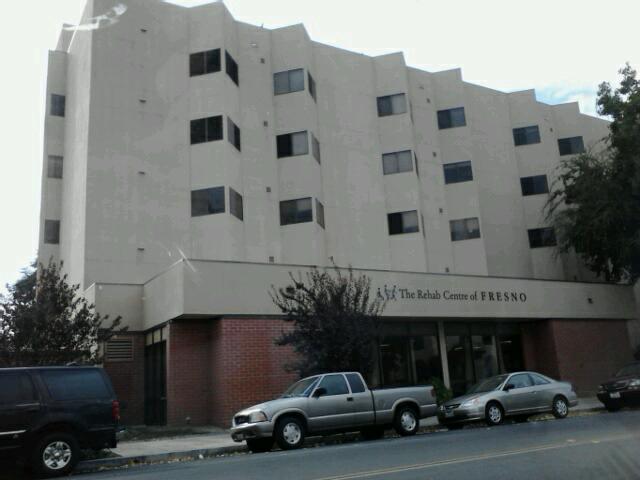
HEALTHCARE CENTRE OF FRESNO

1665 M STREET, FRESNO, CA 93721 (559) 268-5361
For profit - Individual 155 Beds SHLOMO RECHNITZ Data: November 2025
Trust Grade
25/100
#820 of 1155 in CA
Last Inspection: January 2025

Within standard 12-15 month inspection cycle. Federal law requires annual inspections.

Overview

Healthcare Centre of Fresno has a Trust Grade of F, indicating a poor rating with significant concerns about the facility's operations and care quality. Ranked #820 out of 1155 nursing homes in California, it falls in the bottom half of state facilities, and at #24 out of 30 in Fresno County, it has only a few local options that are worse. The trend is worsening, as the number of reported issues increased from 7 in 2024 to 19 in 2025, raising alarms about overall care standards. Staffing is a relative strength with a 3/5 star rating and a turnover rate of 31%, which is below the state average, suggesting some staff stability. However, the facility has incurred $88,049 in fines, which is concerning and higher than 83% of California facilities, hinting at recurring compliance issues. Specific incidents include a serious failure to supervise a resident with a history of falls, leading to an auto accident that caused severe injuries, and another case where a resident jumped from a second-story window after staff failed to report concerning behavior, resulting in multiple fractures and other injuries. While there are some strengths, the facility's serious issues and the alarming trend in care violations should give families pause when considering this nursing home.

Trust Score
F
25/100
In California
#820/1155
Bottom 30%
Safety Record
High Risk
Review needed
Inspections
Getting Worse
7 → 19 violations
Staff Stability
○ Average
31% turnover. Near California's 48% average. Typical for the industry.
Penalties
✓ Good
$88,049 in fines. Lower than most California facilities. Relatively clean record.
Skilled Nurses
○ Average
Each resident gets 34 minutes of Registered Nurse (RN) attention daily — about average for California. RNs are the most trained staff who monitor for health changes.
Violations
⚠ Watch
53 deficiencies on record. Higher than average. Multiple issues found across inspections.
★★☆☆☆
2.0
Overall Rating
★★★☆☆
3.0
Staff Levels
★★★★☆
4.0
Care Quality
★★☆☆☆
2.0
Inspection Score
Stable
2024: 7 issues
2025: 19 issues

The Good

  • 4-Star Quality Measures · Strong clinical quality outcomes
  • Full Sprinkler Coverage · Fire safety systems throughout facility
  • No fines on record
  • Staff turnover below average (31%)

    17 points below California average of 48%

Facility shows strength in quality measures, fire safety.

The Bad

2-Star Overall Rating

Below California average (3.1)

Below average - review inspection findings carefully

Staff Turnover: 31%

15pts below California avg (46%)

Typical for the industry

Federal Fines: $88,049

Well above median ($33,413)

Moderate penalties - review what triggered them

Chain: SHLOMO RECHNITZ

Part of a multi-facility chain

Ask about local staffing decisions and management

The Ugly 53 deficiencies on record

3 actual harm
Jan 2025 19 deficiencies
CONCERN (D)

Potential for Harm - no one hurt, but risky conditions existed

Resident Rights (Tag F0550)

Could have caused harm · This affected 1 resident

**NOTE- TERMS IN BRACKETS HAVE BEEN EDITED TO PROTECT CONFIDENTIALITY** Based on observation, interview and record review, the facility failed to ensure residents were treated with dignity and respect...

Read full inspector narrative →
**NOTE- TERMS IN BRACKETS HAVE BEEN EDITED TO PROTECT CONFIDENTIALITY** Based on observation, interview and record review, the facility failed to ensure residents were treated with dignity and respect for two of three sampled residents (Residents 69 and 191) when Residents 69 and Resident 191's urinary catheter (flexible tube inserted into bladder to drain urine) bag were uncovered and visible to other residents and visitors to see and not in accordance with facility's policy and procedure. This failure resulted in the violation of Residents 69 and 191's right to privacy and dignity. Findings: During a concurrent observation and interview on 1/6/25 at 7:50 a.m. in Resident 69's room, Resident 69 was lying in bed and observed with contractures (stiffening/shortening at any joint, that reduces the joint's range of motion) of right arms and left legs. Resident 69 had a urinary bag connected to urostomy (surgical opening in the abdomen to allow urine to drain from the body) and placed on top of Resident 69's bed. Resident 69's urinary catheter bag was uncovered and placed on top of the mattress. Resident 69 did not answer any questions asked. During a review of Resident 69's admission Record (AR-a document with personal identifiable and medical information), dated 1/9/25, the AR indicated Resident 69 was admitted to the facility on [DATE] with diagnoses which included quadriplegia (paralysis [loss of the ability to move some or all parts of the body] from the neck down, including legs, and arms, usually due to spinal cord injury) and artificial openings of urinary tract status. Review of Resident 69's Minimum Data Set (MDS-a federally mandated resident assessment tool) assessment dated [DATE], indicated Resident 69's Brief Interview for Mental Status (BIMS-screening tool used in nursing home to assess cognition) assessment score was 4 out of 15 (0-15 scale [0-6 severe cognitive deficit, 7-12 moderate cognitive deficit, 13-15 no cognitive deficit]) indicating Resident 69 had severe cognitive deficit. During a concurrent observation and interview on 1/6/25 at 9:05 a.m. in Resident 191's room, Resident 191 was sitting at the edge of the bed. Resident 191 stated he had been in the facility since 12/20/24 and had a colostomy (opening in the abdominal wall to allow waste to exit the body) and urinary catheter for a few weeks. Resident 191 stated he did not realize his catheter was on the floor under the bed. Resident 191 stated he preferred the urinary catheter covered and not visible for everyone walking by to see. During a review of Resident 191's AR dated 1/9/25, the AR indicated Resident 191 was admitted to the facility on [DATE] with diagnoses which included hemiplegia (total paralysis of the arm, leg, and trunk on the same side of the body) and hemiparesis (one-sided muscle weakness) and obstructive and reflux uropathy (urine flow is blocked within the urinary tract, causing urine to back up). During a review of Resident 191's Minimum Data Set, assessment dated [DATE], indicated Resident 39's BIMS assessment score was 14 out of 15 indicating Resident 191 had no cognitive impairment. During an interview on 1/6/25 at 7:58 a.m. with Certified Nurse Assistant (CNA) 11, CNA 11 stated Resident 69's urinary bag should not have been on top of the mattress/bed. CNA 11 stated the urinary bag should have been placed in a privacy bag (bag cover) because it was a dignity issue and hung on the side of the bed for urine to drain. During an interview on 1/6/25 at 915 a.m. with CNA 3 in Resident 191's room, CNA 3 stated urinary bag should not have been on the floor under the bag. CNA 3 stated the urinary bag should have been placed in a privacy bag and hung on the side of the bed and not touching the floor. CNA 3 stated he did not know why it should not be touching the floor but the practice was to keep urinary bag off the floor. During an interview on 1/10/25 at 9:45 a.m. with Nurse Supervisor (NS) 2, NS 2 stated urinary catheter bag should be kept in a privacy bag because of dignity issue. NS 2 stated urinary bag should be hung and not touching the floor and not placed on top of bed or mattress. NS 2 stated there were other residents, staff and visitors walking by and could easily see the catheter bag. During an interview on 1/10/25 at 2:25 p.m. with Infection (invasion and growth of germs in the body) Preventionist (IP), the IP stated Urinary catheter bags should be hanging on the bed frame and not on the floor or the bed . The IP stated urinary bags should have been placed in privacy bag for privacy and physical barrier. During an interview on 1/10/25 at 5:32 p.m. with the Director of Nursing (DON), the DON stated her expectation was for nursing staff to make sure foley catheter bags including urostomy bag are covered with privacy bag and hung on the side of the bed. DON stated urinary bags should have not been placed on top of the bed or on the floor under the bed. DON stated urinary bags should be placed lower than residents bladder to flow efficiently preventing infection. DON stated it was a dignity issue having the urinary catheter bags out for everyone to see. During a review of facility's policy and procedure (P&P) titled Indwelling Catheter, dated 9/1/14, the P&P indicated, . The catheter and collecting tube will be kept free from kinking and collecting bag will be kept below the level of the bladder . The resident's privacy and dignity will be protected by placing cover over drainage bag . During a review of facility's P&P titled Resident Rights-Quality of Life, dated 3/17, the P&P indicated, . Facility Staff promote dignity and assist residents as needed by: A. Helping the resident to keep urinary catheter bags covered . Facility Staff treats cognitively impaired residents with dignity and sensitivity .
CONCERN (D)

Potential for Harm - no one hurt, but risky conditions existed

Deficiency F0554 (Tag F0554)

Could have caused harm · This affected 1 resident

Based on observation, interview, and record review the facility failed to provide the right to self-administer medication for one of seven sampled residents (Resident 92), when Resident 92 had not bee...

Read full inspector narrative →
Based on observation, interview, and record review the facility failed to provide the right to self-administer medication for one of seven sampled residents (Resident 92), when Resident 92 had not been assessed for her ability to keep her albuterol (a medication which makes it easier to breathe) inhaler at bedside and self-administer it as needed. This failure violated Resident 92's right to self-administer her own medication and had the potential to cause her to experience breathing difficulties as a result of not having her inhaler nearby. Findings: During a review of resident 92's admission Record (AR- a document which provides resident contact details, a brief medical history level of functioning, preferences, and wishes), dated 1/9/25, the AR indicated, Resident 92 was her own responsible party (person designated to make decisions regarding treatment) and was admitted with asthma (lung disease which makes breathing difficult as a result of swelling in the airway), and shortness of breath (the feeling of not being able to breathe normally or deeply enough). During a review of Resident 92's Minimum Data Set (MDS- resident assessment tool which indicates physical and cognitive [ability to think, memorize and process information] abilities), dated 11/20/24, the MDS indicated a brief interview for mental status (BIMS- an assessment used to determine the cognitive ability of a resident) score of 13 out of 15 (0-7 severe cognitive impairment, 8-12 moderate cognitive impairment, 13-15 no cognitive impairment), indicating Resident 92 had no cognitive impairment. During a concurrent observation and interview on 1/6/25 at 8:21 a.m. in Resident 92's room with Resident 92, no albuterol inhaler was available on Resident 92's bedside table or nightstand. Resident 92 stated she used an inhaler for asthma. Resident 92 stated she would like to keep her inhaler at bedside, and she had asked staff if she could, but they told her no. During an interview on 1/6/25 at 8:22 with Certified Nursing Assistant (CNA) 1, CNA 1 stated she had heard Resident 92 request an inhaler before. CNA 1 stated she told Resident 92 she could not keep medications at bedside as none of the residents were allowed to. CNA 1 stated she was not aware nurses could allow residents to keep their medications at bedside. During an interview on 1/9/24 at 2:31 p.m. with CNA 2, CNA 2 stated none of the residents were allowed to keep inhalers with them at bedside or self-administer medications. CNA 2 stated she told residents the nurses will provide all of their medications once they need them. During an interview on 1/9/24 at 2:55 p.m. with Registered Nurse (RN) 1, RN 1 stated nurses do not allow residents to keep their inhalers or self-administer their own medication. RN 1 stated no resident was allowed to keep an inhaler at bedside or self-administer it, they must wait for the nurses to provide their medication. During a concurrent interview and record review on 1/10/25 at 10:53 a.m. with Licensed Vocational Nurse (LVN) 1, Resident 92's Order Summary Report, dated 1/10/25 was reviewed. The Order Summary Report indicated Resident 92 had no orders to self-administer her albuterol. LVN 1 stated in order for Resident 92 to be able to self-administer her inhaler she would need a doctor's order. LVN 1 stated Resident 92 did not have an order to self-administer her medications. LVN1 stated Resident 92 was her own responsible party and was capable of making her own decisions which made her a good candidate to self-administer her inhaler and keep it at bedside. LVN 1 stated nurses should have assessed Resident 92 for her ability to keep and properly self-administer her inhaler and then obtain a doctors order. LVN 1 stated it was important to allow Resident 92 to be able to keep her inhaler at bedside because staff may be too busy to give her the inhaler immediately in cases of an emergency. During an interview on 1/10/25 at 3:01 with the Director of Nursing (DON), the DON stated residents had the right to be able to self- administer their own medication. The DON stated nurses should have assessed Resident 92 to see if she was capable of administering her own medication. During a review of the facility's Policy and Procedure titled, Bedside Medication Storage, dated 2019, indicated, . Bedside Medication storage is permitted for residents who are able to self-administer, upon the written order of the prescriber and when it is deemed appropriate in the judgment of the facility's interdisciplinary team .
CONCERN (D)

Potential for Harm - no one hurt, but risky conditions existed

Deficiency F0637 (Tag F0637)

Could have caused harm · This affected 1 resident

**NOTE- TERMS IN BRACKETS HAVE BEEN EDITED TO PROTECT CONFIDENTIALITY** Based on observation, interview, and record review, the facility failed to complete a Significant Change of Condition Assessment...

Read full inspector narrative →
**NOTE- TERMS IN BRACKETS HAVE BEEN EDITED TO PROTECT CONFIDENTIALITY** Based on observation, interview, and record review, the facility failed to complete a Significant Change of Condition Assessment (an assessment which captures a major decline or improvement in a resident's condition) in the Minimum Data Set (MDS-a federally mandated resident assessment tool) assessment for one of five sampled residents (Resident 67) when Resident 67 developed a facility acquired Stage 3 pressure ulcer (a wound which develops as a result of prolonged pressure to one area) to left buttock and did not have a significant change of condition assessment in accordance with facility's policy and procedure. This failure placed Resident 67 at risk for further decline in health including worsening of her wounds. Findings: During a concurrent observation and interview on 1/6/25 at 10:45 a.m. with Resident 67, in Resident 67's room. Resident 67 was observed lying in bed watching television, clean and well groomed. Resident 67 was alert and oriented and understood questions clearly. Resident 67 stated she had a wound on her buttock and nurses were providing wound treatment. During a record review of Resident 67's admission Record (AR), dated 1/9/25, the AR indicated, Resident 67 was admitted to the facility on [DATE] with diagnoses of hypertensive heart disease with heart failure (a condition when the heart muscle doesn't pump enough blood to meet the body's needs which can cause fatigue and shortness of breath), morbid obesity (overweight-weight is more than 80 to 100 pounds above the ideal body weight), quadriplegia (a condition causes a partial or total loss of function of both arms and legs), and spinal stenosis (narrowing of the spaces within the spinal column or backbone). During a review of Resident 67's MDS dated 11/13/24, the MDS section C indicated, Resident 67 had a Brief Interview for Mental Status (BIMS-an assessment tool used by facilities to screen and identify memory, orientation, and judgement status of the resident) assessment score was 14 out of 15 (a score of 13-15 indicates cognitively intact, 08-12 indicates moderately impaired, and 00-07 indicates severe impairment), which indicated Resident 67 was cognitively intact. Resident 67's MDS dated [DATE] Section M (Skin Conditions) indicated Resident 67 was at risk for developing pressure ulcers/injuries. During an interview on 1/8/25 at 10:18 a.m. with Wound Doctor (WD), the WD stated he assessed Resident 67's wounds on 12/4/24 and diagnosed Stage 2 pressure ulcers to right thigh/inner aspect and Stage 3 pressure ulcer to left buttock. During a concurrent interview and record review on 1/8/2025 at 10:20 a.m. with the Wound Nurse (WN), the WN stated Resident 67 developed facility acquired pressure ulcers to left buttock and right thigh. The WN reviewed Resident 67's e[electronic]INTERACT Change in Condition Evaluation, dated 12/1/24, and stated the eINTERACT Change in Condition Evaluation, indicated left buttock wound started on 11/30/24 as Stage 2 pressure ulcer. The WN stated the WD assessed Resident 67's Stage 2 pressure ulcer as Stage 3 pressure ulcer on 12/04/24. The WN reviewed Resident 67's Wound MD Wound Assessment and Plan, dated 12/4/24, which indicated Stage 3 to left buttock and Stage 2 to right thigh/inner aspect. The WN reviewed Resident 67's electronic medical records and stated there was no change of condition assessments for Resident 67's Stage 3 to left buttock. The WN stated it was important to document change of condition to monitor the progress of the wounds. During a concurrent interview and record review on 1/9/25 10:15 a.m. with Nurse Supervisor (NS) 2, NS 2 reviewed Resident 67's electronic medical record and indicated Stage 2 pressure ulcer to left buttock started on 11/30/24 and worsened to Stage 3 pressure ulcer on 12/4/24 and change of condition and Interdisciplinary Team (IDT-group of people with different areas of expertise working together to achieve a common goal)) note was not documented. NS 2 stated every decline in condition required a change of condition assessment and IDT note to determine if the pressure ulcer was avoidable or unavoidable. NS 2 stated completing a change of condition was important to alert the nurses of the change of condition and to prevent delay in care and treatment that could potentially result to worsening of the wound. During a concurrent interview and record review on 1/9/25 at 4:38 p.m. with Registered Nurse (RN) 2, RN 2 reviewed Resident 67's electronic medical record and stated there was no change of condition assessments for Stage 3 left buttock pressure ulcer and Stage 2 pressure ulcer to right thigh. RN 2 stated a change of condition assessment should have been completed for facility acquired pressure ulcers to prevent further decline. During an interview on 1/9/25 at 6:05 p.m. with Director of Nursing (DON), the DON stated a new change of condition was required when wound worsened from Stage 2 pressure ulcer to Stage 3 pressure ulcer. The DON stated comprehensive assessment and care plan should have been initiated when Resident 67's pressure ulcers were identified. The DON stated floor nurses do the change of condition assessment, creates, revises, updates the care plans. The DON stated her expectation was to follow the Policy and Procedures for change of condition. DON stated this could have resulted in worsening of wounds. During an interview on 1/10/25 at 4:33 p.m. Minimum Data Set Nurse (MDSN) 2, MDSN 2 stated a significant change of condition assessment must be created when Resident 67 had a decline from Stage 2 to stage 3 pressure ulcer. MDSN 2 stated she was not aware Resident 67 had a facility acquired Stage 3 pressure ulcer. MDSN 2 stated comprehensive assessment was required for significant change of condition. MDSN 2 stated it was important to identify a significant change of condition to be able to provide the services -therapy or diet change to overcome the deficiency and to help residents get better. During a review of facility's policy and procedures titled, Change of Condition Notification, dated 4/1/2015, indicated, . Complete a new MDS assessment within 14 days if there is a significant change in condition .
CONCERN (D)

Potential for Harm - no one hurt, but risky conditions existed

Deficiency F0645 (Tag F0645)

Could have caused harm · This affected 1 resident

**NOTE- TERMS IN BRACKETS HAVE BEEN EDITED TO PROTECT CONFIDENTIALITY** Based on interview and record review, the facility failed to ensure the Level l Preadmission Screening and Resident Review (PASR...

Read full inspector narrative →
**NOTE- TERMS IN BRACKETS HAVE BEEN EDITED TO PROTECT CONFIDENTIALITY** Based on interview and record review, the facility failed to ensure the Level l Preadmission Screening and Resident Review (PASRR- The State is required to ensure that every person entering a Medicaid certified Nursing Facility [NF] receives a admission level screening and if necessary a level ll evaluation to ensure that their NF residence is appropriate and to identify what specialized services they may need) was completed accurately for one of six sampled residents (Resident 17) when Resident 17 was re-admitted to the facility on [DATE] and an updated PASRR was not completed. This failure had the potential for Resident 17 not to receive the necessary and appropriate psychiatric treatment and evaluation in the facility. Findings: During a review of Resident 17's admission Record [AR], dated 1/9/25, the AR indicated, Resident 17 was readmitted to the facility on [DATE] with diagnoses which included Depressive disorder (mental health condition that involves a persistent low mood and loss of interest in activities) and psychosis (a severe mental condition in which thought, and emotions are so affected that contact is lost with reality). During a concurrent interview and record review on 1/9/25 at 11:18 a.m. with Minimum Data Set Nurse (MDSN)1, Resident 17's PASRR dated 7/16/24 was reviewed. MDSN 1 stated the PASRR was completed at the general acute care hospital (GACH) and a copy was sent to the facility when Resident 17 was sent back to the facility on 7/16/24. MDSN 1 stated the PASRR indicated Resident 17 did not have diagnosis of mental illness. MDSN 1 stated Resident 17 has diagnosis of depression and unspecified psychosis and was started on psychotropic medications after re-admission to the facility. MDSN 1 stated the admission nurse should have reviewed the PASRR when Resident 17 was re-admitted to the facility and resubmitted an updated PASRR assessment to indicate Resident 17's diagnosis of mental disorder and use of psychotropic medication. MDSN 1 stated she did not review the PASRR assessment including the assessment part dated 7/16/24 which indicated Resident 17 did not have a diagnosis of mental illness and was not prescribed psychotropic medication. MDSN 1 stated she should have reviewed Resident 17's PASRR assessment. MDSN 1 stated Resident 17's PASRR assessment dated [DATE] was not accurate. During an interview on 1/10/24 at 5:22 p.m. with the Director of Nursing (DON), the DON stated PASRR assessment were completed in General Acute Care Hospital (GACH) prior to residents discharged to facilities. The DON stated it was the responsibility of the MDSN to review and update PASRR as needed. The DON stated MDSN should have reviewed the PASRR assessment when Resident 17 was re-admitted to the facility and resubmit and updated assessment to indicate Resident 17's diagnosis of mental disorder and use of psychotropic medication. During a review of facility's policy and procedure (P&P) titled, Pre-admission Screening Resident Review (PASRR), dated 6/12/24, the P&P indicated, . The facility staff will complete a new PASRR upon readmission from the acute care hospital if there has been a significant change . Purpose . To ensure that all residents are screened for mental illness .
CONCERN (D)

Potential for Harm - no one hurt, but risky conditions existed

ADL Care (Tag F0677)

Could have caused harm · This affected 1 resident

**NOTE- TERMS IN BRACKETS HAVE BEEN EDITED TO PROTECT CONFIDENTIALITY** Based on observation, interview and record review, the facility failed to complete personal hygiene and follow the policy and pr...

Read full inspector narrative →
**NOTE- TERMS IN BRACKETS HAVE BEEN EDITED TO PROTECT CONFIDENTIALITY** Based on observation, interview and record review, the facility failed to complete personal hygiene and follow the policy and procedure (P&P) Grooming Care of the Fingernails and Toenails for one of one sampled residents (Resident 94), when staff did not cut Resident 94's fingernails on his contractured (a permanent tightening of the muscles, tendons, skin, or nearby tissues that limits the range of movement of a joint or body part) right and left hands. This failure resulted in Resident 94 to have long fingernails that were growing into his hand with the potential to cause pain and infection. Findings: During a review of Resident 94's admission Record (AR) the AR indicated, Resident 94 was admitted to the facility on [DATE] with a diagnosis which included paraplegia (the inability to voluntarily move the lower parts of the body), contracture of the left and right hand (a permanent tightening of the muscles, tendons, skin, or nearby tissues that limits the range of movement of a joint or body part) and muscle weakness (loss of muscle strength). During a review of Resident 94's Minimum Data Set (MDS -a federally mandated resident assessment tool) assessment dated [DATE], Resident 94's MDS assessment indicated Resident 94's Brief Interview for Mental Status (BIMS -an assessment tool used by facilities to screen and identify memory, orientation, and judgement status of the resident) assessment score was 13 out of 15 (0-6 severe cognitive deficit, 7-12 moderate cognitive deficit, 13-15 no cognitive deficit). The BIMS assessment indicated Resident 94 was cognitively intact. During a concurrent observation and interview on 1/7/25 at 10:38 a.m., with Resident 94 in his room, Resident 94 was lying in his bed, semi-reclined with both of hands balled up in a fist. Resident 94 had long fingernails with the pinky finger on his right and left hand curled back into his palm. Resident 94 stated his fingernails were achy and hurt and probably going into my skin. Resident 94 stated due to his contractures he could not see the pinky fingers on his hands. Resident 94 stated he had told staff about his nails but no one had cut them. During a concurrent observation and interview on 1/9/25 at 2:41 p.m., with Licensed Vocational Nurse (LVN) 5 in Resident 94's room, Resident 94 had long fingernails with the pinky's on both hands curling back into his palms. LVN 5 peeled back the right pinky and Resident 94 had a small skin indentation where the nail was. LVN 5 attempted to peel back the left pinky and Resident 94 would not let her, he said it hurt to move it. LVN 5 stated she had seen Resident 94's nails before and spoke to him about them, but he refused care. LVN 5 stated those conversations (Resident 94's refusal) were not documented anywhere and either were the long fingernails. LVN 5 stated she or a Certified Nursing Assistant (CNA) could have cut his fingernails but he never had complained about them. LVN 5 stated that the skin assessments in the electronic record were not accurate and needed to reflect the long curling fingernails of Resident 94. During an interview on 1/9/25 at 3:25 p.m., with the CNA 10, CNA 10 stated she had told LVN 5 about Resident 94's nails months ago. CNA 10 stated Resident 94 had requested to get his fingernails cut, but when she attempted to do it, he would say no. During an interview on 1/9/25 at 2:08 p.m., with the Social Services Assistant (SSA), the SSA stated staff come to him if a resident needs something that they cannot provide. The SSA stated no one had ever notified him of Resident 94's fingernails being an issue. The SSA stated from the condition of Resident 94's nails he would have expected to be contacted by staff to get an outside Doctor involved. During an interview on 1/9/25 at 3:59 p.m., with the Director of Nursing (DON), the DON stated she was not aware of Resident 94's fingernails. The DON stated there was documentation in the electronic medical record of Resident 94's fingernails being an issue. The DON stated his fingernails were not trimmed and the expectation of the facility to have appropriate nail care was not met. The DON stated his fingernails not being the appropriate length could have caused wounds or an infection. The DON stated staff did not follow the policy and procedure Grooming Care of the Fingernails and Toenails. 1/9/25 at 4 p.m., CNA shower reviews (nail checks) were requested from the facility, but was not provided. 1/9/25 at 4 p.m., Resident 94 head to toe assessments were requested from the facility, but was not provided. During an interview on 1/10/25 at 10:02 a.m., with the Infection Preventionist (IP-professional who make sure healthcare workers and patients are doing all the things they should to prevent infections), the IP stated fingernail care should be performed on a regular basis. The IP stated due to Resident 94's contractures the skin needs to be assessed regularly to make sure no injury had occurred. The IP stated if nailcare was not done properly, an infection could develop to Resident 94's fingernails. During a review of Resident 94's Skin Check (SC), dated 1/5/25, the SC indicated, . Skin warm and dry, skin color within normal limits, turgor (how elastic or bouncy your skin is) normal . Met . During a review of Resident 94's Skin Check (SC), dated 12/15/24, the SC indicated, . Skin warm and dry, skin color within normal limits, turgor normal . Met . During a review of the facility's P&P titled, Grooming Care of the Fingernails and Toenails, dated 10/21/21, the P&P indicated, .Purpose: Nail care is given to clean the nail bed and keep the nails trimmed. Policy: I. Fingernails are trimmed by CNA's .
CONCERN (D)

Potential for Harm - no one hurt, but risky conditions existed

Deficiency F0687 (Tag F0687)

Could have caused harm · This affected 1 resident

**NOTE- TERMS IN BRACKETS HAVE BEEN EDITED TO PROTECT CONFIDENTIALITY** Based on observation, interview and record review, the facility failed to provide foot care and follow the policy and procedure ...

Read full inspector narrative →
**NOTE- TERMS IN BRACKETS HAVE BEEN EDITED TO PROTECT CONFIDENTIALITY** Based on observation, interview and record review, the facility failed to provide foot care and follow the policy and procedure (P&P) Grooming Care of the Fingernails and Toenails for one of seven sampled residents (Resident 40), when staff did not cut Resident 40's toenails. This failure resulted in Resident 40 having thick and long toenails and placed resident 40 at risk for an infection and pain when ambulating. Findings: During a review of Resident 40's admission Record (AR), dated 1/10/25, the AR indicated, Resident 40 was admitted to the facility on [DATE] with a diagnosis which included muscle weakness (loss of muscle strength) and unspecified dementia (the loss of brain functioning, such as, thinking, remembering, and reasoning, to such an extent that it interferes with a person's daily life and activities). During a review of Resident 40's Minimum Data Set (MDS -a federally mandated resident assessment tool) assessment dated [DATE], Resident 40's MDS assessment indicated, Resident 40's Brief Interview for Mental Status (BIMS -an assessment tool used by facilities to screen and identify memory, orientation, and judgement status of the resident) assessment score was 11 out of 15 (0-6 severe cognitive deficit, 7-12 moderate cognitive deficit, 13-15 no cognitive deficit). The BIMS assessment indicated Resident 40 was moderately impaired. During a concurrent observation and interview on 1/7/25 at 11:30 a.m., with Resident 40 in his room, Resident 40 was lying in his bed, semi-reclined watching television with his feet exposed and his toenails were long and jagged. Resident 40 stated he wanted his toenails cut, but the facility had not provided that service to him. Resident 40 stated his toes would hurt when he would walk. Resident 40 stated he told the nursing staff about his toes but could not remember when. During a concurrent observation and interview on 1/9/25 at 11:32 a.m., with Licensed Vocational Nurse (LVN) 3 in Resident 40's room, Resident 40's toenails were observed. LVN 3 stated Resident 40's toenails should have been cut and were not. LVN 3 stated Certified Nursing Assistant (CNA)'s could do nailcare for non-diabetic residents. LVN 3 stated CNAs were to evaluate resident's toenails during their showers. LVN 3 stated staff members should have cut Resident 40's toenails but had not. LVN 3 stated she was Resident 40's nurse and assessed him, but never had looked at his toes. LVN 3 stated the condition of Resident 40's toenails would cause mobility issues and possible pain. During a review of Resident 40's Skin Monitoring: Comprehensive CNA Shower Review (SR), dated 12/24/24, the SR indicated, .Report any abnormal looking skin to charge nurse immediately, as well as document in [electronic record] and use this form to show exact location with a description .Nails [checkmark] . Abnormal findings: N/A [Not Applicable] . CNA's name: [CNA 14] . During a review of Resident 40's Progress Note (PN), dated 12/30/24, the PN indicated, . Type: . Skin Check . Effective date: 12/30/24 @ 7:22 a.m., . Position: LVN . Skin: Skin warm and dry, skin color within normal limits .Foot evaluation completed . During an interview on 1/9/25 at 2:08 p.m., with the Social Services Assistant (SSA), the SSA stated he received a podiatry referral form for Resident 40 on 12/24/24, but he had yet to see a Podiatrist for his toenails. The SSA stated after he had seen Resident 40's toenails, it was clear Resident 40 needed immediate attention for his overgrown nails. During a review of Resident 40's Social Service Referral Form (SSR), dated 12/24/24, the SSR indicated, .Resident name: [Resident 40] . Staff Making Referral: [LVN 8] . Concrete Needs: . Podiatry consult . Additional Comments: Please place on list for podiatry . During an interview on 1/9/25 at 3:59 p.m., with the Director of Nursing (DON), the DON stated she was not aware of Resident 94's nails. The DON stated nursing staff and SSA should have escalated the need for immediate toenail care to her and they did not. The DON stated CNA's and licensed staff should have caught his toenail issue during assessments and they did not. The DON stated a potential outcome for long toenails could cause a wound by growing into the foot that would turn into an infection. The DON stated staff did not follow the policy and procedure for Grooming Care of the Fingernails and Toenails. During an interview on 1/10/25 at 4:58 p.m., with CNA 14, CNA 14 stated during a resident's shower he assessed their toenails. CNA 14 stated he had showered Resident 40 before and Resident 40 asked him if someone could cut his toenails. CNA 14 stated his nails were long, thick and they hurt him. CNA 14 stated when he filled out the SR he provided the checkmark on nails because he just looked at them., but had not done any nail care CNA 14 stated under the abnormal findings section in the SR he did not know that abnormal findings meant the toenails, but they were not normal. CNA 14 stated he notified the nurse of his nails, but the nurse did not do any nailcare on Resident 40 because the nurse was not confident in doing that. During an interview on 1/10/25 at 5:02 p.m., with LVN 8, LVN 8 stated she saw Resident 40's toenails and they were grown out, thick and to the side. LVN 8 stated Resident 40's family members told her his nails were really grown out and she put in the SSR to put him on the podiatry list. LVN 8 stated she did not want to cut them because they were too thick for clippers at the facility. LVN 8 stated Resident 40's nails would qualify as abnormal during assessment. LVN 8 stated the expectation for toenails was to be well groomed and not grown out. LVN 8 stated Resident 40's nails were grown out sideways and should have been trimmed. During an interview on 1/10/25 at 5:30 p.m., with Medical Doctor of Podiatry (MDP- a Doctor that specializes in foot care), the MDP stated Resident 40's toenails should have been trimmed every two months and they were not. The MDP stated due to the nails not being trimmed, Resident 40's toes could have been infected and cause an injury or pain. During a review of the facility's P&P titled, Grooming Care of the Fingernails and Toenails, dated 10/21/21, the P&P indicated, .Purpose: Nail care is given to clean the nail bed and keep the nails trimmed . During a review of the professional reference from Centers for Disease Control and Prevention (CDC) Healthy Habits: Nail Hygiene, (found at: https://www.cdc.gov/hygiene/about/nail-hygiene.html) dated 4/16/24, indicated, .One of the best ways to prevent nail infections is by keeping nails short and clean . Infections of the . toenails often appear as swelling of the skin around the nails, pain around the nails, or thickening of the nail. In some cases, these infections may be serious and need to be treated by a physician . To help prevent the spread of germs and nail infections: Keep nails short and trim them often .
CONCERN (D)

Potential for Harm - no one hurt, but risky conditions existed

Deficiency F0806 (Tag F0806)

Could have caused harm · This affected 1 resident

Based on observation, interview, and record review, the facility failed to ensure one of seven sampled residents (Resident 92) was provided food that accommodated her allergies and preferences, when R...

Read full inspector narrative →
Based on observation, interview, and record review, the facility failed to ensure one of seven sampled residents (Resident 92) was provided food that accommodated her allergies and preferences, when Resident 92 had a listed dislike and allergy for lactose (sugar present in milk) products and was served milk on 1/7/25. This failure had the potential to cause Resident 92 to experience distress and an allergic reaction if she drank the milk. Findings: During a review of resident 92's admission Record (AR- a document which provides resident contact details, a brief medical history level of functioning, preferences, and wishes), dated 1/9/25, the AR indicated, Resident 92 had an allergy to lactose and was admitted with gastroesophageal reflux disease (GERD- a condition where stomach contents flow back up into the throat), asthma (lung disease which makes breathing difficult as a result of swelling in the airway), and shortness of breath (the feeling of not being able to breathe normally or deeply enough). During a review of Resident 92's Minimum Data Set (MDS- resident assessment tool which indicates physical and cognitive [ability to think, memorize and process information] abilities), dated 11/20/24, the MDS indicated a brief interview for mental status (BIMS- an assessment used to determine the cognitive ability of a resident) score of 13 out of 15 (0-7 severe cognitive impairment, 8-12 moderate cognitive impairment, 13-15 no cognitive impairment), indicating Resident 92 had no cognitive impairment. During a concurrent observation and interview on 1/7/25 at 2:09 p.m. with Resident 92 in Resident 92's room, Resident 92 was served milk with her lunch. Resident 92 stated she did not want milk and the facility gave her milk daily. Resident 92 stated she was allergic to milk and had told staff she did not want to receive it. During a concurrent interview and record review on 1/7/24 at 2:09 p.m. with Resident 92, Resident 92's, Meal Ticket, dated 1/7/25 was reviewed. The Meal Ticket indicated Resident 92 had a dislike of lactose. Resident 92's allergy was not listed on the Meal Ticket. Resident 92 stated she was allergic to lactose and couldn't drink milk. Resident 92 stated consuming lactose made her stomach really upset and caused discomfort due to her GERD. During an interview on 1/9/24 at 2:31 p.m. with Certified Nursing Assistant (CNA) 2, CNA 2 stated kitchen staff were supposed to ensure the correct resident meal was placed on the plate; nurses were responsible for ensuring the provided meal was accurate once it got to the floor. CNA 2 stated CNAs could also check the Meal Ticket right before the resident eats their food to ensure it was accurate. CNA 2 stated CNAs were trained on looking for resident allergies, preferences, and prescribed diet when reviewing a residents Meal Ticket in order to ensure the Residents received the correct meal. CNA 2 stated Resident 92 should not have had milk on her tray since it was on her dislikes list. CNA 2 stated kitchen staff should have noticed the residents allergies and preferences when plating her food. CNA 2 stated it was important to list and follow a residents food allergies and preferences in order for residents to not experience distress or suffer through an allergic reaction. During an interview on 1/10/25 at 9:10 a.m. with the Certified Dietary Manager (CDM), the CDM stated the kitchen staff did not pay attention to Resident 92's preferences when they were plating her food. the CDM stated Resident 92's allergies were not indicated on her Meal Ticket and she was unaware why. The CDM stated Resident 92's allergies included lactose which should have been placed on her Meal Ticket in order for kitchen staff to be made more aware of what to give her for her meals. During an interview on 1/10/24 at 1:54 p.m. with the Director of Staff Development (DSD) the DSD stated she trained CNAs to check the meal trays for accuracy before a resident received their food. The DSD stated the CNAs were the last staff members to handle the food before a resident ate their meals so they should check if its accurate. The DSD stated if CNAs or any staff noticed a resident received food they were not supposed to have, they needed to send it back to the kitchen so the kitchen staff could address the problem. During an interview on 1/10/24 at 3:01 p.m. with the Director of Nursing (DON), the DON stated Resident 92 should not have received milk with her meal tray. The DON stated kitchen staff should have seen Resident 92's dislikes and ensured that she received her preferred meal. During a review of the facility's policy and procedure titled Dietary Profile and Resident Preference Interview, dated 4//21/22, indicated, .Resident Preferences will be reflected in the medical record and tray-card and updated in a timely manner . The Dietary Department will provide residents with meals consistent with their preferences and physician orders as indicated on the tray card .
CONCERN (D)

Potential for Harm - no one hurt, but risky conditions existed

Deficiency F0808 (Tag F0808)

Could have caused harm · This affected 1 resident

Based on observation, interview, and record review, the facility failed to provide a mechanical soft diet (a diet that involves only foods that are physically soft with the goal of reducing or elimina...

Read full inspector narrative →
Based on observation, interview, and record review, the facility failed to provide a mechanical soft diet (a diet that involves only foods that are physically soft with the goal of reducing or eliminating the need to chew the food) according to the physician order for one of 32 sampled residents (Resident 83) when, Resident 83 did not receive mechanical soft diet per physician's order and was served whole kernel corn with her meal. This failure placed resident 83 at risk for choking and aspiration (when food, liquid, or other material enters a person's airway and eventually the lungs by accident). Findings: During a concurrent observation and interview on 1/6/25 at 8:24 a.m. with Resident 83 in Resident 83's room, Resident 83 was observed lying in bed wearing a gown. Resident 83 stated she had been at the facility for three years. Resident 83 stated the food served was always cold and tasted bad. Resident 83 stated she had no teeth, and the facility gave her food she could not chew. Resident 83 stated she was on a mechanical soft diet, but the facility did not always chop her food. Resident 83 stated she was given fruit that she could not chew. During a review of Resident's 83's admission Record (AR - a summary of information regarding a patient which includes patient identification, past medical history, insurance status, care providers, family contact information and other pertinent information), dated 1/9/25, the AR indicated Resident 83 was admitted to the facility from the acute care hospital on 4/28/22 with diagnoses of cerebral infarction (damage to tissues in the brain due to a loss of oxygen to the area), Type 2 Diabetes Mellitus (when the blood sugar levels in the body are too high), protein-calorie malnutrition (inadequate intake of food), dementia (loss of memory, language, problem-solving and other thinking abilities that are severe enough to interfere with daily life), major depressive disorder (a mental health disorder characterized by persistently depressed mood or loss of interest in activities), muscle weakness and history of falling. During a review of Resident 83's Minimum Data Set (MDS - a resident assessment tool used to identify cognitive [mental processes] and physical functional level assessment), dated 10/25/24, the MDS section C indicated Resident 83 had a Brief Interview for Mental Status (BIMS - a test given by medical professionals to determine cognitive understanding on a scale of 1-15 ) score of 10 out of 15 (a score of 0-7 suggests severe cognitive impairment, 8-12 suggests moderately impaired, 13-15 suggests cognitively intact), which suggested Resident 83 was moderately impaired. During a concurrent observation and interview on 1/6/25 at 1:06 p.m. with Resident 83 in Resident 83's room, Resident 83's meal plate was observed to have pasta and whole kernel corn. Resident 83 stated her food was cold. Resident 83's meal ticket was observed as . CCHO (carbohydrate restricted) diet, Mechanical Soft diet, NAS (no added salt), thin liquids . Resident 83 stated she could not chew corn. Resident 83 stated she swallowed the corn kernels whole. During an interview on 1/9/25 at 3:07 p.m. with the Registered Dietician (RD), the RD stated Resident 83 was on a mechanical soft diet. The RD stated Resident 83 should have been served creamed corn, not whole kernel corn. The RD stated giving Resident 83 whole kernel corn was not acceptable. The RD stated Resident 83 did not have teeth which would cause chewing problems. The RD stated giving Resident 83 whole kernel corn would increase Resident 83's risk for choking. During an interview on 1/9/25 at 6:05 p.m. with the Director of Nursing (DON), the DON stated the nurse was to check the resident's tray to make sure what was on the resident's tray matched the dietary meal ticket requirements. The DON stated if there were question on food items not meeting the dietary requirements of a mechanical soft diet, the nurses should have asked the Certified Dietary Manager (CDM). The DON stated the Certified Nursing Assistant (CNA) should have let the nurse know if Resident 83 had an issue with eating the corn. The DON stated it was the nurse's responsibility to verify Resident 83 was getting a mechanical soft diet. During a review of Resident 83's Order Summary Report, dated 1/9/25, the Order Summary Report indicated, . NAS CCHO diet Mechanical Soft texture, Regular/Thin Consistency . Order date 06/21/24 . Start Date 06/21/24 .
CONCERN (D)

Potential for Harm - no one hurt, but risky conditions existed

Medical Records (Tag F0842)

Could have caused harm · This affected 1 resident

**NOTE- TERMS IN BRACKETS HAVE BEEN EDITED TO PROTECT CONFIDENTIALITY** Based on interview, and record review, the facility failed to maintain accurate and complete medical records in accordance with ...

Read full inspector narrative →
**NOTE- TERMS IN BRACKETS HAVE BEEN EDITED TO PROTECT CONFIDENTIALITY** Based on interview, and record review, the facility failed to maintain accurate and complete medical records in accordance with facility's policy and procedure (P&P) and professional standards of practices for one of five sampled residents (Resident 137) when the Physician Orders for Life-Sustaining Treatment (POLST- a form that contains written medical orders for healthcare professionals regarding specific medical treatments that can or cannot be done at the end-of life) was not accurate and complete. Sections C for POLST form which included -artificially administered nutrition, physician signature, physician license, physician phone number, and date was incomplete. This failure had the potential for Resident 137's decisions regarding treatment options and end-of-life wishes to not be honored. Findings: During a review of Resident 137's admission Record (AR - a summary of information regarding a patient which includes patient identification, past medical history, insurance status, care providers, family contact information and other pertinent information), dated [DATE], the AR indicated Resident 137 was admitted to the facility from the acute care hospital on [DATE] with diagnoses of pneumonia (an infection that affects one or both lungs, causing the air sacs of the lungs to fill with fluid), Pleural Effusion (a buildup of fluid between the tissues that line the lungs and the chest), Cognitive Communication Deficit (difficulty with thinking and how someone uses language), dysphagia (difficulty swallowing), failure to thrive (a decline caused by chronic diseases and functional impairments which can cause weight loss, decreased appetite, poor nutrition, and inactivity), and dementia (loss of memory, language, problem-solving and other thinking abilities that are severe enough to interfere with daily life). During a review of Resident 137's Minimum Data Set (MDS - a resident assessment tool used to identify cognitive [mental processes] and physical functional level assessment), dated [DATE], the MDS section C indicated Resident 137 had a Brief Interview for Mental Status (BIMS - a test given by medical professionals to determine cognitive understanding on a scale of 1-15 ) score of seven out of 15 (a score of 0-7 suggests severe cognitive impairment, 8-12 suggests moderately impaired, 13-15 suggests cognitively intact), which suggested Resident 137 had severe cognitive impairment. During a concurrent interview and record review on [DATE] at 10:29 a.m. with Licensed Vocational Nurse (LVN) 4, Resident 137's POLST, dated [DATE] was reviewed. LVN 4 stated Resident 137's POLST was not complete. LVN 4 stated if an emergency happened and Resident 137 could not make decisions, the treatment plan for Resident 137 would be carried out according to Resident 137's wishes listed on the POLST. LVN 4 stated the facility should have notified the physician immediately, so he could have discussed the POLST with Resident 137 and sign the POLST. LVN 4 stated Resident 137 was listed in the computer as Do Not Resuscitate (DNR- a medical order written by a doctor to instruct health care providers NOT to do CPR) . LVN 4 stated Resident 137's POLST should have been completed. During a concurrent interview and record review on [DATE] at 10:37 a.m. with Nursing Supervisor (NS) 2, Resident 137's POLST, dated [DATE] was reviewed. NS 2 stated Resident 137's POLST was not complete if the POLST was not signed by the physician and there were empty fields on the form. NS 2 stated she would have been notified by the admissions nurse if a resident needed a POLST completed, and she would have notified the physician. NS 2 stated if the resident's POLST was not signed it would be an invalid physician order and staff would perform a Full Code (FC-medical personnel would do everything possible to save life in a medical emergency)on the resident if they were in an emergency situation. NS 2 stated an incomplete POLST would create confusion in an emergency situation, and Resident 137's end-of-life wishes might not be met. NS 2 stated Resident 137's POLST should have been complete. During an interview on [DATE] at 10:53 a.m. with the Medical Records Coordinator (MR), the MR stated Resident 137's POLST was not uploaded in Resident 137's medical record since it was not complete. The MR stated a resident's POLST needed to be completed ASAP (as soon as possible). The MR stated in order for a POLST to be complete, every field must be filled in. The MR stated the maximum time given to complete a resident's POLST was 72 hours from admission. The MR stated if Resident 137's's POLST form was not completed Resident 137 was considered a FC in an emergency situation regardless of their end-of-life wishes. During an interview on [DATE] at 6:05 p.m. with the Director of Nursing (DON), the DON stated a POLST form should have been completed when Resident 137 was admitted to the facility. The DON stated the POLST was important to honor the resident's end-of-life wishes in case of an emergency. The DON stated a completed POLST would need to have every section completed and have the physician's signature. The DON stated having an incomplete POLST from December to today's date was not acceptable. The DON stated Resident 137 should have had a completed POLST in his medical record. During a review of facility's policy and procedure titled, Completion and Correction, dated [DATE], indicated, . Purpose . to ensure that medical records are complete and accurate . the facility will work to complete and correct medical records in a standardized manner to provide the highest quality and accuracy in documentation . entries will be complete, legible, descriptive and accurate . documentation will reflect medically relevant information concerning the resident and will be documented in a professional manner . During a review of professional standards titled, Guidelines for Emergency Physician's on the Interpretation of Physician Order for Life-Sustaining Therapy (POLST) revised 3/2023, retrieved from https://www.acep.org/patient-care/policy-statements/guidelines-for-emergency-physicians-on-the-interpretation-of-portable-medical-orders, indicated, .Discussed with and agreed by: signatures .The signatures section of the POLST MUST be completed .since the form is a issuance of a medical order, the signature of a health care professional is mandatory .without this signature, the orders in the POLST form are not valid .
CONCERN (D)

Potential for Harm - no one hurt, but risky conditions existed

Infection Control (Tag F0880)

Could have caused harm · This affected 1 resident

**NOTE- TERMS IN BRACKETS HAVE BEEN EDITED TO PROTECT CONFIDENTIALITY** Based on observation, interview and record review the facility failed to provide a sanitary environment to prevent the developme...

Read full inspector narrative →
**NOTE- TERMS IN BRACKETS HAVE BEEN EDITED TO PROTECT CONFIDENTIALITY** Based on observation, interview and record review the facility failed to provide a sanitary environment to prevent the development and transmission of communicable diseases and infections for one of two sampled residents (Resident 55) when Resident 55's oxygen nasal cannula (O2 NC- tube that directs oxygen into the nose) tubing and nebulizer mask (a mask used to inhale liquid medication in the form of a mist to treat lung conditions) were laying on the residents nightstand not in a protective bag. This failure had the potential to result in Resident 55's O2 NC tubing and nebulizer mask getting bacteria and potentially resulting in a respiratory infection (an illness that inflames the respiratory system, which includes the throat, nose, airways, and lungs). Findings: During a review of Residents 55's admission Records (AR), the AR indicated, Resident 55 was admitted to the facility on [DATE] with an admission diagnosis which included Chronic Obstructive Pulmonary Disease (COPD a condition of the airways and the difficulty or discomfort in breathing) and asthma (a chronic lung disease that causes the airway to swell and narrow, making it difficult to breathe). During a review of Resident 55's Order Summary Report (OSR) dated 1/1/2025, the OSR indicated, .Oxygen at 2 liters (L-units of measurement) per minute via nasal cannula continuously for COPD . order date 8/23/24 . Albuterol Sulfate Nebulization (medication used as a mist to inhale and expand the airway) Solution 2.5 milligrams/milliliter (mg/ml- units of measurement) inhale orally via nebulizer every four hours as needed for wheezing (high pitched sound made when breathing is restricted/obstructed in the lungs) . 2/12/2024 . During a concurrent observation and interview on 1/6/25 at 9:26 a.m. with Resident 55 in Resident 55's room, Resident 55 was sitting up in bed putting on her make up and stated she had already ate breakfast. Resident 55 had oxygen concentrator (device that produces oxygen for breathing) at bedside and hand held nebulizer (device that turns medication into a mist for inhalation) on top of nightstand. The oxygen NC and nebulizer tubing was observed laying on top of the nightstand and not in a protective bag. Resident 55 stated she used the NC and nebulizer mask daily. During an Interview on 1/6/25 at 9:35 a.m. with certified nursing assistant (CNA) 12, CNA 12 stated all the oxygen tubing including the nebulizer tubing had to be placed in a protective bag not to expose to bacteria. During an interview on 1/6/25 at 9:53 a.m. with the Wound Nurse (WN), The WN stated the O2 NC, and nebulizer mask tubing should have been labeled, dated, and stored in a bag. This was an infection issue. During an interview on 1/10/25 at 10:36 a.m. with the Nursing Supervisor (NS) 2, NS 2 stated the standard practice was to store oxygen tubing inside a labeled bag. The procedure for the nebulizer required the nurse to place it on the resident and remove it when finished. NS 2 stated Tubing's were not to be left lying next to the resident, the nurse was responsible for handling it properly. NS 2 stated not placing the tubing in a protective bag was not acceptable. During an interview on 1/10/25 at 2:18 p.m. with the Infection Preventionist (IP-professional who make sure healthcare workers and patients are doing all the things they should to prevent infections), the IP stated the NC not in use should be stored in a bag labeled with a date next to the concentrator or portable oxygen tank. The IP stated the nebulizer was a medication treatment, it was the nurse's responsibility to stay with the resident during the treatment, remove the mask and place it inside a bag with a date when treatment was completed. The IP stated leaving the tubings unprotected was an infection control issue. During an interview on 1/10/25 at 5:30 p.m. with the Director of Nursing (DON), the DON stated her expectation was to follow the standard of practice and to place the oxygen tubing and nebulizer tubing in a protective bag and labeled. During a review of the facility policy and procedure (P&P) titled, Oxygen Therapy, dated 11/2017, the P&P indicated.Oxygen is administered under safe and sanitary conditions to meet the resident's needs . Procedure. A. Administer oxygen per physician orders. Oxygen tubing, mask, and cannulas will be changed .dated each time they are changed. The policy did not address the storage of the nasal cannula or nebulizer .
CONCERN (E)

Potential for Harm - no one hurt, but risky conditions existed

Comprehensive Care Plan (Tag F0656)

Could have caused harm · This affected multiple residents

**NOTE- TERMS IN BRACKETS HAVE BEEN EDITED TO PROTECT CONFIDENTIALITY** Based on observation, interview and record review, the facility failed to develop and implement a comprehensive person-centered ...

Read full inspector narrative →
**NOTE- TERMS IN BRACKETS HAVE BEEN EDITED TO PROTECT CONFIDENTIALITY** Based on observation, interview and record review, the facility failed to develop and implement a comprehensive person-centered care plan (CP-a detailed approach to care customized to an individual resident's needs) for two of 12 sampled residents (Residents 94 and 63) when: 1. Licensed nurses (LNs) did not implement CP for Resident 94's foley catheter (a thin, flexible tube that is inserted into your bladder to drain urine) to monitor signs and symptoms of infectious disease process. This failure had the potential for Resident 94 to develop an infection and placed an increased risk on Resident 94's health and safety. 2. Resident 63 did not have a comprehensive care plan for his diagnosis of Post Traumatic Stress Disorder (PTSD- a disorder in which a person has difficulty recovering after witnessing or experiencing a terrifying event). This failure had the potential to result in Resident 63 to not received the care needed for his PTSD which could result in serious mental health. Findings: 1. During a review of Resident 94's admission Record (AR) dated 1/9/25, the AR indicated, Resident 94 was admitted to the facility on [DATE] with diagnoses which included paraplegia (the inability to voluntarily move the lower parts of the body), neuromuscular dysfunction of the bladder (the nerves and muscles that control your bladder aren't working properly together), contracture of the left and right hand (a permanent tightening of the muscles, tendons, skin, or nearby tissues that limits the range of movement of a joint or body part) and muscle weakness (loss of muscle strength). During a review of Resident 94's Minimum Data Set (MDS - a federally mandated resident assessment tool) assessment dated [DATE], Resident 94's MDS assessment indicated Resident 94's Brief Interview for Mental Status (BIMS - an assessment tool used by facilities to screen and identify memory, orientation, and judgement status of the resident) assessment score was 13 out of 15 (0-6 severe cognitive deficit, 7-12 moderate cognitive deficit, 13-15 no cognitive deficit). The BIMS assessment indicated Resident 94 was cognitively intact. During a concurrent observation and interview on 1/7/25 at 10:38 a.m., with Resident 94 in his room, Resident 94 was lying in bed, semi-reclined with foley catheter tubing visible that had white cloudiness and possible sediment (small particles, tiny bits of mineral crystals or debris, that build up inside the catheter tube used, essentially causing a clog where the urine can't flow freely). Resident 94 stated he had a urinary catheter [foley catheter] because he could not control his bladder. During a review of Resident 94's CP, dated 12/4/24, the CP indicated, .Focus: The Resident has Chronic Indwelling Catheter with diagnosis of Neurogenic bladder (a condition that causes a person to lose bladder control due to nerve damage in the brain) . Goal: Resident will be/remain free from catheter-related trauma . Interventions: . Monitor/record/report to MD (Medical Doctor) for signs and symptoms of UTI (Urinary Tract Infections- infection that occurs when bacteria grow in the urinary tract): .blood tinged urine, urine cloudiness . During a review of Resident 94's Urinary Drainage Assessment (UDA), dated 1/10/25, the UDA indicated, .Assess urinary drainage for signs and symptoms of infection, noting cloudiness, color, sediment, blood and odor . Chart Code: 0- Administered . Administration History: 1/10/25, 1:23 p.m. Code 0 . 1/9/25, 11:07 p.m. Code 0 . 1/9/25, 9:55 a.m. Code 0, Administration By: Wound Nurse (WN) . 1/8/25, 9:48 a.m., Code 0, Administration By: WN . 1/7/25, 9:01 a.m., Code 0, Administered By: WN . During a concurrent observation and interview on 1/9/25 at 2:41 p.m., with Licensed Vocational Nurse (LVN) 5 in Resident 94's room, Resident 94's urinary catheter was cloudy, white, and red with sediments. LVN 5 stated she was Resident 94's nurse. LVN 5 stated the red color in the catheter appeared to be blood. LVN 5 stated she did not follow the care plan and was not properly assessing the foley catheter during her shift. LVN 5 stated the interventions in the care plan were there to identify signs and symptoms of an infection for Resident 94 and she needed to contact a doctor. LVN 5 stated by not assessing properly the resident could have developed an infection that could turn into sepsis (a life-threatening condition that occurs when the body has an extreme response to an infection) and possible hospitalization. LVN 5 stated the WN charted the urinary drainage assessment today and it was not accurate. LVN 5 stated she was responsible for the missed assessment and this issue should not have been overlooked, it slip through the cracks. During an interview on 1/9/25 at 3:25 p.m., with Certified Nurse Assistant (CNA) 10, CNA 10 stated she emptied Resident 94's foley catheter that day and noticed the cloudiness and red color in the urinary catheter tubing. CNA 10 stated she did not notify the nurse because she had already notified her of the same issue a week earlier. CNA 10 stated they (CNAs) were also responsible for implementing residents' care plans. During an interview on 1/9/25 at 3:59 p.m., with the Director of Nursing (DON), the DON stated the urinary catheter was not monitored, assessed or documented accurately. The DON stated Resident 94's care plan was not followed. The DON stated nursing staff should have done an accurate assessment and notified the physician of the findings and they did not. The DON stated Resident 94 could have developed an infection and had further complications. The DON stated staff did not follow the policy and procedure Indwelling Catheter. During an interview on 1/9/25 at 4:50 p.m., with the Wound Nurse (WN), the WN stated she had completed Resident 94's urinary catheter care and assessment dated [DATE], 1/8/25, and 1/9/25. The WN stated she needed to look at the urinary catheter more carefully and she absolutely could have done better. The WN stated she did not do an accurate urinary catheter assessment. The WN stated she did not notify the physician as the care plan indicated. The WN stated due to the inaccurate assessment, Resident 94 could have developed an infection (occurs when germs, such as bacteria, viruses, or fungi, enter the body and multiply. Infections can cause illness, fever, and other health issues). During an interview on 1/10/25 at 10:02 a.m., with the Infection Preventionist (IP-professional who make sure healthcare workers and patients are doing all the things they should to prevent infections), the IP stated licensed nurses did not follow Resident 94's care plan. The IP stated that catheter had cloudiness and hematuria (blood) in the tubing. The IP stated this issue should have been reported to the physician and it was not. The IP stated this was an infection control issue and it could have caused UTI or other disease process that could have caused hospitalization. During a review of the facility's P&P titled, Indwelling Catheter, dated 9/1/14, the P&P indicated, Purpose: to relieve bladder distension, to obtain a urine specimen for diagnosis testing and/or to maintain constant urinary drainage. Policy: . indwelling catheters will be used only when medically indicated . Procedure: the attending physician's decision to use an indwelling catheter will be based on valid clinical indicators including . i. Urinary retention that cannot be treated or corrected medically or surgically and for which alternative therapy is not feasible . F. Document the following in the residents medical record: .iii. Turn and characteristics, color . any difficulties .D. Documentation of catheter care will be maintained in the residents medical record . During a review of professional reference from the National Library of Medicine, Nursing Process, dated 4/10/23 (found at https://www.ncbi.nlm.nih.gov/books/NBK499937/), indicated, .The nursing process functions as a systematic guide to client-centered care with five sequential steps. These are assessment, diagnosis, planning, implementation, and evaluation . Implementation is the step that involves action or doing and the actual carrying out of nursing interventions outlined in the plan of care . 2. During a concurrent observation and interview on 1/6/25 at 11:40 a.m. with Resident 63 in Resident's 63's room, Resident 63 was sitting in a wheelchair, clean and well groomed. Resident 63 stated he served in Vietnam War, I have PTSD. Resident 63 stated because of PTSD, the loud noise of television across his room bothered him. Resident 63 stated he preferred closing his door because of the loud noise outside his room. During a record review of Resident 63's admission Record (AR), dated 11/8/24, the AR indicated, Resident 63 was admitted to the facility on [DATE] with diagnoses of Type 2 Diabetes Mellitus (blood sugar levels in the body are too high), peripheral vascular disease (reduced circulation of blood to the arms or legs), hereditary and idiopathic neuropathy (a nerve damage), and acquired absence of right leg below knee. During a review of Resident 63's MDS, dated [DATE], the MDS section C indicated, Resident 63's BIMS score was 15 out of 15, which indicated Resident 63 was cognitively intact. During an interview on 1/8/25 at 11:16 a.m. with LVN 4, LVN 4 stated she did not remember receiving training regarding Trauma informed care. LVN 4 stated it was important to develop a care plan for PTSD to avoid the stressors and to prevent worsening of Resident 63's condition. During a concurrent interview and record review on 1/8/25 at 2:57 p.m. with the Social Services Director (SSD), the SSD reviewed Resident 63's Electronic Medical Record (EMR) titled, Social Services Assessment and Trauma Informed Care Assessment-PTSD, dated 10/14/24. The SSD stated Resident 63 had a low probability for PTSD which meant Resident 63 was still at risk for PTSD. The SSD stated PTSD care plan should have been developed after she completed Resident 63's assessment. The SSD stated she created the PTSD care plan on 1/6/25 and should have been initiated on 10/14/24 in order for nursing staff to take care of Resident 63's needs. During an interview on 1/9/25 at 9:35 a.m. with LVN 2, LVN 2 stated a care plan should have been created when PTSD was identified for Resident 63. LVN 2 reviewed Resident 63's EMR and indicated Resident 63 was admitted on [DATE] and care plan for PTSD was initiated on 1/6/25. LVN 2 stated care plan was required to provide appropriate care and treatment for the residents. LVN 2 stated if care plan was not developed, staff would be unaware of resident needs that could lead to a slower progression of resident's condition. LVN 2 stated Trauma for Veterans was important to monitor closely for a difference in behavior. During an interview on 1/9/25 at 11:08 a.m. with the Activity Director (AD), the AD stated she was not aware of any residents with PTSD and there were no activities specific for PTSD. During an interview on 1/9/25 at 6:05 p.m. with the DON, the DON stated licensed nurses received training on Trauma Informed Care last year. The DON stated the SSD completed assessment for PTSD to identify any issues related to the event or trauma and should have developed an individualized person-centered care plan. The DON stated the SSD should have communicated with licensed nurses upon identification of PTSD in order to provide the proper care for Resident 63. During a review of facility's P&P titled, Comprehensive Person-Centered Care Planning, dated 11/2018, the P&P indicated, .It is the policy of this facility to provided person-centered, comprehensive and interdisciplinary care that reflects best practice standards for meeting health, safety, psychosocial, behavioral, and environmental needs of resident to obtain or maintain the highest physical, mental, and psychosocial well-being .Each IDT member will then initiate their baseline care plan .The baseline care plan must be completed within 48 hours from the resident's admission which each problem specific care plan dated and timed .
CONCERN (E)

Potential for Harm - no one hurt, but risky conditions existed

Deficiency F0657 (Tag F0657)

Could have caused harm · This affected multiple residents

**NOTE- TERMS IN BRACKETS HAVE BEEN EDITED TO PROTECT CONFIDENTIALITY** 2. During a concurrent observation and interview on 1/6/25 at 10:45 a.m. with Resident 67 in Resident 67's room. Resident 67 was...

Read full inspector narrative →
**NOTE- TERMS IN BRACKETS HAVE BEEN EDITED TO PROTECT CONFIDENTIALITY** 2. During a concurrent observation and interview on 1/6/25 at 10:45 a.m. with Resident 67 in Resident 67's room. Resident 67 was lying in bed watching television, clean and well groomed. Resident 67 was alert and oriented and understood questions clearly. Resident 67 stated she has a wound on her buttock and nurses are providing wound treatment. During a record review of Resident 67's AR, dated 1/9/25, the AR indicated, Resident 67 was admitted to the facility on [DATE] with diagnoses of Hypertensive Heart Disease with Heart Failure (a condition when the heart muscle doesn't pump enough blood to meet the body's needs which can cause fatigue and shortness of breath), Morbid Obesity (overweight-weight is more than 80 to 100 pounds above the ideal body weight) , Quadriplegia ( a condition causes a partial or total loss of function of both arms and legs), and Spinal Stenosis. (the space inside the backbone is too small). During a review of Resident 67's MDS, dated 11/13/24, the MDS section C indicated, Resident 67 had a BIMS score of 14 out of 15, which indicated Resident 67 was cognitively intact. Resident 67's MDS dated [DATE] Section M indicated Resident 67 is at risk for developing pressure ulcers/injuries. During a concurrent interview and record review on 1/10/25 at 3:47 p.m. with Wound Nurse (WN), Resident 67's care plan dated 12/6/24 was reviewed by WN. WN indicated care plan for Stage 2 and Stage 3 pressure ulcers were initiated on 12/6/2024 and created date of 1/7/25. The WN stated she created Resident 67's care plan for Stage 2 and Stage 3 pressure ulcers. The WN reviewed the unresolved care plans for Resident 67 and indicated Stage 2 pressure ulcer to left buttock was initiated 12/1/24 and was resolved. The WN stated care plan should not have been resolved because Resident 67's pressure ulcer to left buttock was not healed. The WN indicated Resident 67 did not have a care plan for the Stage 2 pressure ulcer on the right thigh when it was identified. The WN stated Resident 67's care plan for Stage 2 and Stage 3 pressure ulcers was not initiated upon identification of pressure ulcers. The WN stated it was important to initiate care plan timely to prevent delay in care and treatment which can potentialy result in worsening of wounds. During an interview with DON on 1/09/25 at 6:05 p.m. the DON stated resident's comprehensive assessment and care plan must be initiated when pressure ulcers was identified. The DON stated resident's comprehensive person-centered care plan must be developed, updated, and revised to provide residents the right care to prevent delay in care and treatment. The DON stated if a change of condition for facility acquired pressure ulcers and care plan was not developed, updated, or revised, It can result in worsening of wounds. During a review of facility's policy and procedure (P&P) titled, Comprehensive Person-Centered Care Planning, dated 11/2028, the P&P indicated .Additional changes or updates to the resident comprehensive care plan will be made based on the assessed needs of the resident . During a review of facility's policy and procedure (P&P) titled, Skin Integrity Management, dated 6/27/24, the P&P indicated .Review resident's care plan and update as necessary . 3. During a concurrent observation and interview on 1/6/25 at 8:47 a.m. with Resident 74 in Resident 74's room, Resident 74 was sitting on her walker seat in her room, alert and oriented and understood the questions clearly. Resident74 was clean and well groomed. Resident 74 stated she had been at the facility since June last year. Resident 74 stated she could not tolerate the food at the facility, food was undercooked and cold. Resident 74 stated her stomach was weak and anything could come up just looking at the food. Resident 74 stated she lost weight. Resident 74 stated she requested sandwich for lunch and dinner until she feels better and stated she did not received sandwich as requested. Resident 74 stated her daughter brought food that she could eat and tolerate. During a review of Resident 74's AR, dated 1/9/25, the AR indicated, Resident 74 was admitted to the facility on [DATE] with diagnoses Type 2 Diabetes Mellitus(when the blood sugar levels in the body are too high), Cirrhosis of Liver (permanent scarring that damages the liver and interferes with its functioning), Malignant Neoplasm of Left Breast (a disease in which abnormal cells divide uncontrollably and destroy body tissue), and Hypertensive Heart Disease with Heart Failure (the heart is unable to pump blood around the body properly). During a review of Resident 74's MDS dated 12/25/24, the MDS Section C indicated Resident 74's BIMS assessment score was 14 out of 15 which indicated Resident 74 was cognitively intact. During a concurrent interview and record review on 1/9/25 at 9:14 a.m. with Nurse Supervisor (NS) 2, NS 2 reviewed Resident 74's Nutrition Care Plan (NCP), dated 6/21/24, the NCP was not revised to reflect interventions about significant weight loss. NS 2 stated Resident 74's NCP was revised on 10/9/24. NS 2 stated nurses should have updated and revised Resident 74's NCP to reflect the significant weight loss and change of condition. NS 2 stated nursing staff was not aware of Resident 74's weight loss. During an interview on 1/9/25 at 10:00 a.m. with Certified Nursing Assistance (CNA) 9, CNA 9 stated she was assigned for Resident 74, and she was not aware of Resident 74's weight loss. During a telephone interview on 1/09/25 at 3:09 p.m. with the Registered Dietitian (RD), the RD stated Resident 74 had a significantly weight loss of 16 pounds in one month. The RD stated Resident 74's weight loss was unavoidable due to diagnoses of Cirrhosis of the Liver, Cancer, and diuretic use. The RD stated she interviewed Resident 74 on 1/6/25 and stated Resident 74 did not want anything at that time. The RD stated she was aware of Resident 74's request of sandwich for lunch dinner and the RD indicated a sandwich for lunch and dinner was not enough to meet her caloric needs. The RD stated the facility needed to honor and follow resident's food preference. The RD stated Resident 74's care plan should have been revised and reviewed for significant weight loss. During an interview on 1/9/25 at 4:59 p.m. with LVN 7, LVN 7 stated she did not received information from the morning nurse during report regarding Resident 74's change of condition for significant weight loss. LVN 7 reviewed Resident 74's NCP dated 6/21/24, and indicated the NCP care plan for significant weight loss was not updated and revised. During an interview on 1/9/25 at 6:05 p.m. with the DON, the DON stated floor nurses entered the weights in electronic medical record completes change of condition, create, revised, and update residents' care plans. The DON stated her expectation was for nurses to follow the facility's Policy and Procedure. The DON stated resident's comprehensive person-centered care plan must be developed, updated, and revised to provide resident the right care to prevent delay in care and treatment. The DON stated if a change of condition for weight loss and care plan was not developed, updated, or revised, It can result for further weight loss. During a review of the facility's policy and procedure (P&P) titled, Comprehensive Person-Centered Care Planning, dated 11/2018, indicated, .The comprehensive care plan will be reviewed and revised at the following times . onset of new problems . change of condition .to address changes in behavior or care . other times as necessary . 4. During a review of Resident 74's IDT note dated 11/6/24, the IDT note indicated Resident 74 had unwitnessed fall without injury on 11/5/24 at 1:05 p.m. The IDT' indicated, .Interventions: Refer to Rehab for safe wheelchair sitting position and mobility and Educate resident to ask for assistance using call light when needed . During an interview on 1/10/25 at 3:00 p.m. with the DON, the DON stated it was her expectation nurses/staff to follow the P&P for the Fall Program. The DON stated a fall care plan for Resident 74 should have been initiated, updated or revised after each fall. The DON stated Resident 74's fall care plan should have been updated based on IDT recommendations and interventions to prevent further falls. During a concurrent interview and record review on 1/10/25 at 4:02 p.m. with Registered Nurse (RN) 2, RN 2 reviewed Resident 74's At risk for fall care plan, dated 6/24/24 and indicated fall care plan was revised on 10/9/24. RN 2 stated Resident 74's care plan should have been revised after the fall to prevent Resident 74 from having additional falls. During a review of facility's policy and procedure (P&P) titled, Fall Management Program, dated 3/13/2022, the P&P indicated, . Following every resident fall, the licensed nurse will .initiate or revise the Resident's care plan as necessary; The residents' care plans will be updated with the IDT's recommendations . 6. During review of Resident 392's AR dated 1/9/25, indicated, Resident 392 was admitted to the facility on [DATE] with diagnoses which included malignant neoplasm of right lung (a cancerous tumor that started in the lungs), peripheral vascular disease (a chronic condition that occurs when blood vessels narrow, block, or spasm) and atrial fibrillation (a type of irregular heartbeat). During a review of Resident 392's Order Summary Report (OSR) dated 12/12/24, the OSR indicated Resident 392 had an order for apixaban 2.5 mg (milligram-unit of measurement) tablet twice a day for blood clot prevention. During a concurrent interview and record review on 1/8/24 at 2:45 p.m. with LVN 1, Resident 392's Care Plan dated 1/6/25 was reviewed. LVN 1 stated Resident 392 was admitted to the facility with the anticoagulant (blood thinner) medication order. LVN 1 stated, Resident 392's anticoagulant care plan was initiated on 1/6/25. LVN 1 stated the care plan should have been initiated when the medication order was received (12/12/24) in order to monitor for medication side effects (unwanted reaction to a drug). During an interview on 1/9/25 at 10:23 a.m. with the MDSN 1, the MDSN 1 stated anticoagulant care plan should have been initiated immediately to monitor any possible side effects of the medications and to properly care for Resident 392. MDSN 1 stated it was the responsibility of the charge nurses to initiate care plans when residents were admitted to the facility and when new orders were received. During an interview on 1/10/25 at 5:24 p.m. with the DON, the DON stated it was important for care plans to be initiated and implemented timely to monitor and prevent drug complications. 7. During a concurrent interview and record review on 1/8/25 at 2:45 p.m. with LVN 1, Resident 392's EBP care plan dated 1/6/25 was reviewed. LVN 1 stated the EBP care plan should have been initiated when Resident 392 was admitted to the facility on [DATE] and not on 1/6/25. LVN 1 stated Resident 392's EBP care plan was not initiated at an acceptable time frame. During an interview on 1/8/25 at 2:45 p.m. with Nurse Supervisor (NS) 2, NS 2 indicated it was the responsibility of licensed nurses to create, review and update care plans as needed in the required timeframe. NS 2 stated care plans were to be resident centered to address their specific needs. NS 2 stated care plans should be initiated and completed immediately when residents were admitted to the facility. During an interview on 1/10/25 at 2:18 p.m. with Infection Preventionist (IP-professionals who make sure healthcare workers and health facilities are doing all the things they should to prevent infections from spreading), the IP stated he assumed the position as IP on 1/6/25 and was instructed to screen residents who needed to be placed on EBP. The IP stated he notified the doctor, obtained orders, and created the EBP care plan. The IP stated EBP were important for residents who were at an increased risk for infections and care plans were important in order for staff to provide necessary care to residents. During a review of the facility's P&P titled Comprehensive Person-Centered Care Planning dated 11/18 P&P indicated, .It is the policy of the facility to provide person-centered, comprehensive and interdisciplinary care that reflects best practice .within seven days . Based on observation, interview and record review, the facility failed to follow the policy and procedure (P&P) to ensure the Care Plans (CP) were reviewed and revised for five of 23 sampled residents (Resident 45, 67, 74, 76, and 392) when: 1. The CP for Resident 45 was not reviewed and revised after Resident 45 had a fall and was sent to the acute care hospital. This failure placed Resident 45 at an increased risk for additional falls. 2. Resident 67's care plan was not updated and revised when his pressure ulcer (a wound which develops as a result of prolonged pressure to one area) progressed to a stage III (a deep skin wound where the full thickness of the skin is damaged, exposing the fatty layer underneath, but not reaching the muscle or bone) wound. This failure had the potential to result in Resident 67 to not receive the wound care needed. 3. Resident 74's care plan was not updated and revised for significant weight loss of above five percent in 30 days. This failure had the potential for Resident 74's nutritional needs to not be met and put Resident 74 at risk for further weight loss. 4. Resident 74's care plan was not updated and revised after a fall on 11/5/24. This failure had the potential for Resident 74's needs to not be met and put Resident 74 at risk for further falls 5. Resident 76's care plan was not updated when he returned from the hospital with a pressure ulcer. This failure had the potential to cause Resident 76's pressure ulcers to worsen and nurses to be unaware of the care he needed. 6. Resident 392's care plan for apixaban (a medication that prevent blood clots from forming) was not initiated until 1/6/25. This failure put Resident 392 at risk for harm by not identifying and monitoring for harmful side effects. 7. Resident 392's care plan for Enhanced Barrier Precaution [EBP-precautions to prevent infection transmission) was not initiated until 1/6/25. This failure had the potential for Resident 392's needs being unmet and could result to serious health condition. Findings: 1. During a concurrent observation and interview on 1/6/25 at 8:50 a.m. with Resident 45 in Resident 45's room, Resident 45 was observed lying in bed, in his gown. Resident 45 stated he had been at the facility for under one year. Resident 45 stated he fell at home and hit his head. Resident 45 stated his family could not take care of him at home. During a review of Resident 45's admission Record (AR), dated 1/9/25, the AR indicated Resident 45 was admitted to the facility from the acute care hospital on 7/16/24 with diagnoses of dysphagia (difficulty swallowing), cerebral infarction (damage to tissues in the brain due to a loss of oxygen to the area), dysarthria (difficulty speaking due to weak speech muscles), cognitive communication deficit (difficulty with thinking and how someone uses language), and history of falling. During a review of Resident 45's Minimum Data Set (MDS -a federally mandated resident assessment tool) dated 11/22/24, the MDS section C indicated Resident 45 had a Brief Interview for Mental Status (BIMS -an assessment tool used by facilities to screen and identify memory, orientation, and judgement status of the resident) score of 11 out of 15 (0-6 severe cognitive deficit, 7-12 moderate cognitive deficit, 13-15 no cognitive deficit) which suggested Resident 45 was moderately impaired. During a concurrent interview and record review on 1/8/25 at 3:44 p.m. with the Licensed Vocational Nurse (LVN) 3, Resident 45's Care Plan (CP) for falls, undated was reviewed. LVN 3 stated Resident 45's CP was not revised after his fall on 11/11/24. LVN 3 stated all nursing staff including the Director of Nursing (DON) should have been revising Resident 45's CP for falls. LVN 3 stated the CPs were important because the CPs notified staff what was going on with the residents. LVN 3 stated CPs allowed staff to follow up on preventative measures and improve residents' health. LVN 3 stated if Resident 45's CP was not revised, Resident 45 could have become weaker and was at risk for another fall. LVN 3 stated Resident 45's CP should have been revised. During a review of Resident 45's Progress Notes, dated 11/11/24, the Progress Note indicated, . Resident had an unwitnessed fall from wheelchair in the lobby . noted to have laceration to bridge of nose, right eyebrow, right hand second digit, and right posterior hand . During an interview on 1/9/25 at 6:05 p.m. with the DON, the DON stated if there was a change in a resident's condition, the floor nurse was to complete and revise the resident's care plan at the time the change of condition was identified. The DON stated her expectation was that care plans were individualized to each resident's needs, complete and person-centered. During a review of the facility's policy and procedure (P&P) titled, Comprehensive Person-Centered Care Planning, dated 11/2018, indicated . the comprehensive care plan will be reviewed and revised at the following times . onset of new problems . change of condition . to address changes in behavior or care . other times as necessary . During a review of the facility's P&P titled, Fall Management Program, dated 3/13/21, indicated, . The IDT (Interdisciplinary Team -group of people with different areas of expertise working together to achieve a common goal) will initiate, review and updated the Resident's fall risk status and care plan at the following intervals: . identification of a significant change of condition, post fall and as needed . following every resident fall, the licensed nurse will perform a post-fall evaluation and update, initiate or revise the Resident's care plan as necessary . once the Post-Fall Huddle is completed the licensed nurse will immediately update the care plan with recommendations . in an effort to prevent more falls, the IDT will review and revise the care plan as necessary . the Residents' care plans will be updated with the IDT's recommendations . During a review of the facility job description document titled, LVN Staff Nurse, undated, indicated, . Assists in developing, reviewing, revising, and updating resident Plans of Care as indicated . During a review of the facility job description document titled, Director of Nursing Services, undated, indicated, . Assures that a resident Plan of Care is established for each resident and that the plan is reviewed and modified as needed . 5. During a review of resident 76's AR dated 1/9/25, the AR indicated, Resident 76 was admitted with a stage two pressure ulcer to the sacral region (shallow open wound to the bottom of the back). During a concurrent interview and record review on 1/8/24 at 3:03 p.m. With LVN 1, Resident 76's Care Plan, dated 1/8/24 was reviewed. The Care Plan indicated Resident 76 did not have care plan for Resident 76's pressure ulcer. LVN 1 stated, Resident 76 was admitted to the facility with a pressure ulcer aquired while at the hospital. LVN 2 stated Resident 76 needed to have his pressure ulcer documented on the care plan as soon as he came back from the hospital. LVN 2 stated it was important to care plan Resident 76's pressure ulcer when he arrived from the hospital because nurses needed to accurately document any changes of conditions in the care plan. LVN 1 stated, The care plan was what drives what care the residents receive. LVN 1 stated an inaccurate care plan would not accurately alert nurses on how to care for the resident. During an interview on 1/10/24 at 3:01 p.m. with the DON, the DON stated Resident 76's pressure ulcer should have been care planned in order to prevent further complications from occurring. The DON stated care plans were important because they contained treatment orders and any other interventions which could help Resident 76. The DON stated the care plan should have been updated at the time nurses noticed the pressure ulcer. During a review of the facility's P&P titled Comprehensive person-Centered Care planning, dated 11/18, the P&P indicated, . The Baseline Care plan . will be developed and implemented . within 48 hours of the resident's admission . the baseline care plan must reflect the resident's stated goals and objectives, and include interventions that address his or her needs . During a review of the facility's P&P titled, Pressure Injury Prevention, dated 6/27/24, the P&P indicated, . Complete a skin risk evaluation upon admission/re-admission . based on the risk score, develop a plan of care for the resident's risk factors . implement interventions identified in the plan of care .
CONCERN (E)

Potential for Harm - no one hurt, but risky conditions existed

Deficiency F0658 (Tag F0658)

Could have caused harm · This affected multiple residents

**NOTE- TERMS IN BRACKETS HAVE BEEN EDITED TO PROTECT CONFIDENTIALITY** 3. During a observation on 1/9/25 at 8:48 a.m. with Resident 55 in Resident 55's room, Resident 55 observed siting up in bed, na...

Read full inspector narrative →
**NOTE- TERMS IN BRACKETS HAVE BEEN EDITED TO PROTECT CONFIDENTIALITY** 3. During a observation on 1/9/25 at 8:48 a.m. with Resident 55 in Resident 55's room, Resident 55 observed siting up in bed, nasal cannula (NC- tube that delivers oxygen through the nose to people who have low oxygen levels) connected to concentrator (device that produces oxygen for breathing) and set to 3L. During a observation on 1/9/25 at 3:45 p.m. with Resident 55 in Resident 55's room, Resident 55 observed sitting up in bed watching tv. NC in use and oxygen levels set to 3L. During a review of Resident 55's AR, the AR indicated, Resident 55 was admitted to the facility on [DATE] with the admission diagnosis of chronic obstruction pulmonary disease (COPD- a condition of the airway and the difficulty or discomfort in breathing) and asthma (a chronic lung disease that causes the airway to swell and narrow making it difficult to breathe). During a review of Resident 55's MDS, dated 10/30/24 the MDS section C indicated Resident 55 had a BIMS assessment score of 13 out of 15 which indicated Resident 55 was cognitively intact. During a review of Resident 55's Order Summary Report (OSR), dated 8/23/24, the OSR indicated, .Oxygen at 2L/minute via nasal cannula continuously for COPD . During a concurrent interview and record review on 1/10/25 at 9:39 a.m. with Nurse Supervisor (NS) 1, Resident 55's AR dated 5/2/22 and OSR dated 8/23/24 were reviewed. NS 1 stated the physician orders were to be followed. NS 1 stated Resident 55 did not have a documented change in condition or an emergency situation for the oxygen to be increased. NS 1 stated Resident 55's oxygen order should have been followed and licensed nurses should have been monitoring to ensure Resident 55 was receiving the correct oxygen order. During an interview on 1/10/25 at 5:24 p.m. with DON, The DON stated the expectation was to inform the doctor of residents change in condition and obtain an order. The DON stated staff should not change oxygen rate without doctors' orders. During a review of facility policy and procedure (P&P) titled Oxygen Therapy, dated 11/17, the P&P indicated, .Administer oxygen per physician orders.If oxygen saturations fall .the physician will be notified immediately . 4. During a concurrent interview and record review on 1/9/25 at 9:22 a.m. with the AD, Resident 392's activities history was reviewed. The AD stated activies staff provided Resident 392 with 1:1 activities three times a week. The AD stated she did not provide 1:1, but her activies assistants worked with residents on 1:1. The AD stated two of her activities assistants did not have access to their electronic documentation system. The AD stated she had been allowing her two assistants to use her credentials to document activities provided to residents. The AD stated she should not have allowed the activies assistants to have documented using her credentials. During an interview on 1/9/25 at 9:22 a.m. with Activities Assistant (AA) 1, AA 1 stated she worked in the facility full time for one year as an AA. The AA 1 stated she provided activities to residents with 1:1 in their rooms and spent five to 10 minutes providing activities according to the residents' care plan. AA 1 stated at the end of each visit, she documented the activities provided in resident charts. During an interview on 1/9/25 at 2:56 p.m. with Activities Assistant (AA) 2, AA 2 stated she had worked at the facility for 2 years and had been documenting in resident charts using her own credentials. AA 2 stated it is not accurate documentation when another staff member documents in a residents chart using another staff members name and did not think it was allowed. During interview on 1/9/25 at 3:45 p.m. with Administrator (ADM), the ADM stated it is the responsibility of the ADM to grant computer access to non-nursing staff such as the activities assistant. The ADM stated the process of granting access should not take longer than a month. The ADM stated he was not aware AD had been allowing her two activities assistants to document care provided to residents under her name. During a review of facility's policy and procedure (P&P) titled Completion & Correction dated 1/12 .Documentation content .Significant observation related to resident. Each time the physician is notified . During a review of facility's document titled, Activity Director job description, undated, the job description indicated, . Maintains written records of residents attendance in activities . includes room visit/1:1 documentation, . interventions . During a review of facility document titled, Activity Assistant Job Description undated. The job description indicated .updates and maintains resident activity records .ensure .documentation, as required . Based on observation, interview and record review, the facility failed to ensure professional standards of quality were met in accordance with the comprehensive care plan and facility policies and procedures for four of nine sampled residents (Residents 74, 67, 55 and 392) when: 1. Resident 67's change of condition and Nutritional Assessment for a facility acquired pressure ulcer (a wound which develops as a result of prolonged pressure to one area), Stage 2 pressure ulcer to right thigh and Stage 3 pressure ulcer to left buttock were not assessed. This failure had the potential for Resident 67's wounds to worsen which could result in more serious health condition. 2. Resident 74's change of condition for significant weight loss above five percent in one month was not developed and Interdisciplinary team (IDT-group of people with different areas of expertise working together to achieve a common goal) note was not completed. This failure had the potential to put Resident 74 at risk for further weight loss. 3. Resident 55's oxygen order of 2L (L- units of measurement) was not followed. This failure had the potential for Resident 55 to develop respiratory distress (difficulty breathing) which could lead to serous health condition. 4. The Activities Director (AD) allowed two activities assistants to document in Resident 392's activities using AD's credentials. This failure resulted in compromised accuracy of documentation and improper record management of Resident 392. Findings: 1. During a concurrent observation and interview on 1/6/25 at 10:45 a.m. with Resident 67, in Resident 67's room, Resident 67 was observed lying in bed watching television, clean and well groomed. Resident 67 was alert and oriented and understood questions clearly. Resident 67 stated she had a wound on her buttock and nurses were providing wound treatment. During a record review of Resident 67's admission Record (AR), dated 1/9/25, the AR indicated, Resident 67 was admitted to the facility on [DATE] with diagnoses of hypertensive heart disease with heart failure (a condition when the heart muscle doesn't pump enough blood to meet the body's needs which can cause fatigue and shortness of breath), morbid obesity (overweight-weight is more than 80 to 100 pounds above the ideal body weight), quadriplegia ( a condition causes a partial or total loss of function of both arms and legs), and spinal stenosis (the space inside the backbone is too small). During a review of Resident 67's Minimum Data Set (MDS - a federally mandated resident assessment tool), dated 11/13/24, the MDS section C indicated, Resident 67's Brief Interview for Mental Status (BIMS-an assessment tool used by facilities to screen and identify memory, orientation, and judgement status of the resident) assessment score was 14 out of 15, (0-15 scale- 0-6 severe cognitive deficit, 7-12 moderate cognitive deficit, 13-15 no cognitive deficit) indicating Resident 67 was cognitively intact. Resident 67's MDS dated [DATE] Section M (Skin Condition) indicated Resident 67 was at risk for developing pressure ulcers/injuries. During a concurrent interview and record review on 1/8/2025 at 10:20 a.m. with the Wound Nurse (WN), the WN stated Resident 67 developed facility acquired pressure ulcers to left buttock and right thigh. The WN reviewed Resident 67's electronic medical record (EMR) titled, eINTERACT Change in Condition Evaluation, dated 12/1/24, WN stated Resident 67's left buttock wound started on 11/30/24 as Stage 2 pressure ulcer. The WN stated Resident 67 was assessed by the wound Doctor on 12/4/24 and Resident 67's Stage 2 pressure ulcer worsened to Stage 3.The WN reviewed Resident 67's electronic medical records and stated there was no change of condition assessments for Resident 67's facility acquired pressure ulcers-Stage 2 to right thigh and Stage 3 to left buttock. The WN stated it was important to document change of condition to monitor the progress of the wounds. During a concurrent interview and record review on 1/9/25 10:15 a.m. with Nurse Supervisor (NS) 2, NS 2 reviewed EMR and stated Resident 67's Stage 2 pressure ulcer to left buttock started on 11/30/24 and worsened to Stage 3 pressure ulcer on 12/4/24. NS 2 stated there was no change of condition and IDT note documented. NS 2 stated every decline in condition required a change of condition assessment and IDT note to determine if the pressure ulcer was avoidable or unavoidable. NS 2 stated completing a change of condition was important to alert the nurses of the change of condition and to prevent delay in care and treatment that could potentially result to worsening of the wound. During a concurrent interview and record review on 1/9/25 at 4:38 p.m. with Registered Nurse (RN) 2, RN 2 reviewed Resident 67's electronic medical record and indicated there was no change of condition assessments for Stage 3 left buttock pressure ulcer and Stage 2 right thigh pressure ulcer. RN 2 stated a change of condition should have been completed for facility acquired pressure ulcers to properly assess Resident 67 and prevent further decline. During an interview on 1/9/25 at 6:05 p.m. with Director of Nursing (DON), the DON stated a new change of condition was required when wound had worsened from Stage 2 pressure ulcer to Stage 3 pressure ulcer. The DON stated comprehensive assessment and care plan should have been initiated when Resident 67's pressure ulcers were identified. The DON stated her expectation was for nurses to follow the Policy and Procedures for change of condition to provide residents the proper care and no delay in care and treatment occurred, The DON stated this could have resulted in Resident 67's worsening of wounds. During an interview on 1/10/25 at 4:33 p.m. Minimum Data Set Nurse (MDSN) 2, MDSN 2 stated she was not aware Resident 67 had a facility acquired Stage 3 pressure ulcer. MDSN 2 stated comprehensive assessment was required for significant change in condition. MDSN 2 stated it was important to identify a significant change in condition to be able to provide the services -therapy or diet change to overcome the deficiency and to help residents get better. 2. During a concurrent observation and interview on 1/6/25 at 8:47 a.m. with Resident 74, in Resident 74's room, Resident 74 was sitting on her walker seat in her room, alert and oriented and understood the questions clearly. Resident was clean and well groomed. Resident 74 stated she had been at the facility since June last year. Resident 74 stated could not tolerate the food at the facility and she lost weight. Resident 74 stated her stomach was weak and anything could come up just looking at the food. Resident 74 stated her daughter brought her food she could eat and tolerate. Resident 74 stated she requested sandwich for lunch and dinner until she feels better. Resident 74 stated she did not received a sandwich as requested. During a review of Resident 74's admission Record (AR), dated 1/9/25, the AR indicated, Resident 74 was admitted to the facility on [DATE] with diagnoses which included diabetes mellitus(when the blood sugar levels in the body are too high), cirrhosis of liver (permanent scarring that damages the liver and interferes with its functioning), malignant neoplasm of left breast ( a disease in which abnormal cells divide uncontrollably and destroy body tissue, and hypertensive heart disease with heart failure (the heart is unable to pump blood around the body properly). During a review of Resident 74's Minimum Data Set dated 12/25/24, the MDS section C indicated, Resident 74 had a BIMS assessment score of 14 out of 15 , which indicated Resident 74 was cognitively intact. During a concurrent interview and record review on 1/9/25 at 9:14 a.m. with Nurse Supervisor (NS) 2, NS 2 reviewed Resident 74's change of condition titled eINTERACT Change in Condition Evaluation-V5.1, and indicated Resident 74's change of condition for significant weight loss was not documented. NS 2 stated Nursing was not aware of Resident 74's weight loss. During an interview on 1/9/25 at 10:00 a.m. with Certified Nursing Assistance (CNA) 9, CNA 9 stated she was assigned for Resident 74, and she was not aware of Resident 74's weight loss. During an interview on 1/9/25 at 4:59 p.m. with LVN 7, LVN 7 stated she did not received information from the morning nurse regarding Resident 74's change of condition for significant weight loss. During an interview on 1/9/25 at 6:05 p.m. with the DON, the DON stated floor nurses entered weights in electronic medical record complete a change of condition, created, revised, and updated resident's care plans. The DON stated her expectation was for nurses to follow the facility's Policy and Procedure. The DON stated if a care plan was not developed, updated, or revised for weight loss, It can result for further weight loss. The DON stated IDT note was not completed for Resident 74's significant weight loss. The DON stated IDT note should have been completed for Resident 74's significant weight loss to implement IDT recommendations to prevent Resident 74 for further weight loss. During a concurrent interview and record review on 1/10/25 at 4:02 p.m. with RN 2, RN 2 was not aware Resident 74 had a significant weight loss. RN 2 stated it was not communicated to her by the morning shift nurse. RN 2 reviewed Resident 74's weights and vitals, dated 1/3/25, and sated the DON entered the weight of 209 pounds on 1/3/25 and the previous month weight was 225 pounds. RN 2 stated Resident 74's change of condition assessment should have been completed and started on alert charting for the significant weight loss. RN 2 stated there was no alert charting for Resident 74's weight loss. RN 2 stated it was important for nursing staff to be aware of Resident 74's change of condition in order to monitor oral intake to prevent further weight loss. During an interview on 1/10/25 at 4:32 p.m. with CNA 8, CNA 8 stated she was familiar Resident 74, and she was not aware of Resident 74's weight loss. During a review of facility's policy and procedures (P&P) titled, Change of Condition Notification, dated 4/1/2015, the P&P indicated, . It is the responsibility of the person who observe the change to report to the Licensed Nurse .License Nurse will assess the change of condition and determine what nursing intervention are appropriate .a change in weight of five pounds or more within a 30 day period .Licensed will document a change of condition .License Nurse will communicate any changes in required interventions to the CNA's involved in resident care . During a review of facility's policy and procedures (P&P) titled, Skin Integrity Assessment, dated 6/27/24, the P&P indicated, .The dietary needs of the Resident will be evaluated by the registered dietitian upon any significant change in skin condition .
CONCERN (E)

Potential for Harm - no one hurt, but risky conditions existed

Deficiency F0804 (Tag F0804)

Could have caused harm · This affected multiple residents

**NOTE- TERMS IN BRACKETS HAVE BEEN EDITED TO PROTECT CONFIDENTIALITY** Based on observations, interviews and record reviews, the facility failed to ensure food was palatable and served at an appetizi...

Read full inspector narrative →
**NOTE- TERMS IN BRACKETS HAVE BEEN EDITED TO PROTECT CONFIDENTIALITY** Based on observations, interviews and record reviews, the facility failed to ensure food was palatable and served at an appetizing temperature when 5 of 32 sampled residents (Resident 3, 67, 74, 96 and 112) complained of the food being served cold, undercooked and without flavor. This failure had the potential for Residents 3, 67, 74, 96 and 112 not eating their meal and placed their nutritional status at risk which could potentially lead to weight loss. Findings: During a concurrent observation and interview on 1/6/25 at 8:47 a.m. with Resident 74, in Resident 74's room, Resident 74 was sitting on her walker seat in her room, alert and oriented and understood the questions clearly. Resident was clean and well groomed. Resident 74 stated she had been at the facility since June of last year. Resident 74 stated she could not tolerate the food at the facility. Resident 74 stated the food was undercooked and cold. Resident 74 stated her stomach was weak and anything could come up just looking at the food. Resident 74 stated she lost weight. Resident 74 stated her daughter brought food that she could eat and tolerate. During a record review of Resident 74's admission Record (AR), dated 1/9/25, the AR indicated, Resident 74 was admitted to the facility on [DATE]. During a review of Resident 74's Minimum Data Set (MDS - a federally mandated resident assessment tool), dated 12/25/24, the MDS section C indicated, Resident 74 had a Brief Interview for Mental Status (BIMS-an assessment tool used by facilities to screen and identify memory, orientation, and judgement status of the resident) score of 14 out of 15 (0-6 severe cognitive deficit, 7-12 moderate cognitive deficit, 13-15 no cognitive deficit) which indicated Resident 74 was cognitively intact. During a concurrent observation and interview on 1/6/25 at 10:09 a.m. with Resident 96 on the 1st Floor, Resident 96 was lying in bed on her left side dressed in street clothes, covered by a sheet, and quilted blanket. Resident 96 was alert, able to state her name, where she was, and her daughter placed her in the facility. Resident 96 stated the food was served cold and preferred to have hot food. Resident 96 stated the food sometimes needs to be heated, sometimes the staff reheat the food but other times they might not. During a record review of Resident 96's AR, dated 1/9/25, the AR indicated, Resident 96 was admitted to the facility on [DATE]. During a review of Resident 96's MDS, dated [DATE], the MDS section C indicated, Resident 96 had a BIMS score of 7 out of 15, which indicated Resident 96 had severe cognitive impairment. During a concurrent interview on 1/6/25 at 10:17 a.m. with Resident 3 on the 1st Floor, Resident 3 was sitting up in bed, well groomed, alert, oriented and able to understand questions. Resident 3 stated she would like to have hot/warm food but The food is always cold, when reheated the French Fries are like spears. The vegetable top gets hot but if not mixed, the top is hot, and bottom is cold. Last night the veggies-broccoli and cauliflower were colder than ice cream. During a record review of Resident 3's AR, dated 1/9/25, the AR indicated, Resident 3 was admitted to the facility on [DATE]. During a review of Resident 3's MDS, dated [DATE], the MDS section C indicated, Resident 3 had a BIMS score of 12 out of 15, which indicated Resident 3 had moderate cognitive impairment. During a concurrent observation and interview on 1/6/25 at 10:45 a.m. with Resident 67, in Resident 67's room. Resident 67 was lying in a bed watching television, clean and well groomed. Resident 67 was alert and oriented and understood questions clearly. Resident 67 stated, Food is horrible. This place needs a new chef. Resident 67 stated the food has had no flavor and cold including coffee and soup. During a record review of Resident 67's AR, dated 1/9/25, the AR indicated, Resident 67 was admitted to the facility on [DATE]. During a review of Resident 67's MDS, dated [DATE], the MDS section C indicated, Resident 67 had a Brief Interview for Mental Status BIMS- score of 14 out of 15, which indicated Resident 67 was cognitively intact. During an interview on 1/6/25 at 12:40 p.m. with Licensed Vocational Nurse (LVN) 2 in the Social Dining area, LVN 2 stated if the food was cold, staff asked the kitchen for a new tray. During a concurrent observation and interview on 1/7/25 at 9:27 a.m. with Resident 112 on the 1st Floor, Resident 112 was sitting in bed with right leg propped on a pillow, well groomed, alert, and oriented, able to understand and answer questions. Resident 112 stated they (the residents) have complained about the cold food many times to the Certified Dietary Manager (CDM). Resident 112 stated the CDM stated the food was at acceptable temperature, but the resident stated the meal was cold. Resident 112 stated the temperature of the tray can alter the foods texture and taste and when the tray was reheated, it changed it further. During a record review of Resident 112's AR dated 1/9/25, the AR indicated, Resident 112 was admitted to the facility on [DATE]. During a review of Resident 112's MDS, dated [DATE], the MDS section C indicated, Resident 112 had a BIMS score of 15 out of 15, which indicated Resident 112 was cognitively intact. During an observation and concurrent interview on 1/7/25 at 2:06 p.m. on the 1st Floor common area with Regional Registered Dietician (RRD), the RRD performed a lunch test tray audit. The test tray consistent of a beef patty, roasted red potatoes, green beans, soft baked cookie, and iced tea. The RRD measured the temperature as follows: beef patty 119.8 degrees, roasted potatoes 108 degrees, green beans 132 degrees, iced tea 61.8 degrees. The RRD stated the beef patty, roasted red potatoes and green beans were warm, the iced tea was cool but not cold. During an interview on 1/8/25 10:43 a.m. with Resident 67, in Resident 67's room. Resident 67 stated she had potato tots last dinner, and they were raw. Resident 67 stated they got stuck in her throat and she had been throwing up since last night. During an interview on 1/8/25 at 10:56 a.m. with Certified Nurse Assistant (CNA) 3, CNA 3 stated he had been working as CNA at the facility for 10 years and worked on second and third floor. CNA stated the food here was not good, and residents complained the food had no taste and was cold. During a telephone interview 1/9/25 2:30 p.m. with the Registered Dietitian (RD), the RD stated residents would complain about cold food. The RD stated Policy and Procedure for Food Temperature was to be above 145F (F- Fahrenheit - a unit of measurement) for hot food and less than 40F (F- Fahrenheit - a unit of measurement) for cold food. During a phone interview on 1/10/25 at 10:27 a.m. with the Registered Dietician (RD), the RD stated food should be served at the appropriate temperature to reduce time in the danger zone (food temperature between 40 to 140 degrees Fahrenheit). RD stated food under temperature can lead to food borne illnesses and cross contamination, may impact resident satisfaction and reduce intake if foods are under temperature. During an interview on 1/10/25 6:07 p.m. with Certified Nurse Assistant (CNA) 8, CNA 8 stated dinner trays were late today (1/10/25), dinner trays usually arrive at 5:30 p.m. During a review of the Dietary Quality Control Review audits, dated 10/29/24, 11/16/24, and 12/17/24, the Menus & Food Production section indicated Standard F. Food served at appropriate temperatures and log maintained was Not Met. The observation/correction comment noted temperatures are to be taken and recorded prior to serving and checked periodically during tray line service . During a review of Resident Grievance/Complaint Investigation Report, dated 11/14/24, the Resident Grievance from Resident 223 reported .Resident received his dinner at 7:15 p.m., dinner was cold and soggy .Grilled cheese was not toasted thoroughly, and cheese was not melted . The CDM investigation notes, dated 11/14/24, indicated, . The Dietary [NAME] for 11/13/24 stated that all meals were out of the kitchen at 6:30 p.m. The same p.m. cook states that the grilled cheese had been made from lunch shift and all she had to do is reheat it. At time the cook was told to always make the grilled cheese fresh . During a review of the facility's policy and procedure titled, P-DS16 Food Temperatures, revised on date 09/28/2023, indicated, .the acceptable serving temperatures for meat, entrees temperature required (degrees Fahrenheit) >140 degrees; vegetables >140 degrees; potatoes >140 degrees; juice <41 degrees .if temperatures do not meet applicable serving temperatures, reheat the product or chill the product to the proper temperature .
CONCERN (E)

Potential for Harm - no one hurt, but risky conditions existed

Safe Environment (Tag F0921)

Could have caused harm · This affected multiple residents

**NOTE- TERMS IN BRACKETS HAVE BEEN EDITED TO PROTECT CONFIDENTIALITY** Based on observation and interview, the facility failed to provide a safe, functional, and comfortable environment for residents...

Read full inspector narrative →
**NOTE- TERMS IN BRACKETS HAVE BEEN EDITED TO PROTECT CONFIDENTIALITY** Based on observation and interview, the facility failed to provide a safe, functional, and comfortable environment for residents, staff and the public when: 1. Five of 23 residents' rooms on the first floor were observed with non functioning vertical blinds (window coverings made of long, vertical slats that are attached to a headrail and can be opened and closed by sliding along a track). These failures had the potential of violating residents rights to their privacy. 2. A hole measuring approximately 2.5 X 2.5 inches on the wall with exposed wiring. This failure had the potential to place residents and other staff in an unsafe environment which had the potential to lead to electrocutions and pest infestation. 3. room [ROOM NUMBER]'s ceiling light fixture did not have light bulb and Resident 55's overhead light had missing light bulb not providing adequate lighting to meet the needs of Resident 55. This failure resulted in Resident 55's room having decreased visibility resulting in eye straining, and had the potential for care needs being compromised. Findings: 1. During Resident Council meeting on 1/8/25 at 10:10 a.m. in the dining room, Resident 31 stated the vertical blinds in her room is not working properly. Resident 31 stated she did not feel safe and had to make sure not to undress with the lights on because people were looking into the window and her bed was next to the window and next to the street. During a review of Resident 31's admission Record, dated 1/9/25, the AR indicated Resident 31 was admitted to the facility on [DATE] with diagnoses which included diabetes mellitus (difficulty in blood sugar control and poor wound healing), morbid (severe) obesity and muscle weakness. During a review of Resident 31's Minimum Data Set (MDS-a federally mandated resident assessment tool) assessment dated [DATE], indicated Resident 31's Brief Interview for Mental Status (BIMS-screening tool used in nursing home to assess cognition) assessment score was 13 out of 15 (0-15 scale [0-6 severe cognitive deficit, 7-12 moderate cognitive deficit, 13-15 no cognitive deficit]) indicating Resident 31 had no cognitive impairment. During a concurrent observation and interview on 1/8/25 at 10:55 a.m. with Director of Maintenance (DOM), the DOM walked around and checked rooms 2, 3, 4, 5 and 6's window vertical blinds. DOM stated vertical blinds did not have handle to close and open blinds, there were missing vertical slats and some slats were stucked preventing vertical blinds to function properly. The DOM stated, . I can assume 98 percent of the vertical blinds in the 23 resident rooms in the first floor did not worked properly and they should have . The DOM stated he had two assistant and did daily routine checked in all the resident rooms. The DOM reviewed maintenance log in the first floor located in the nursing station and stated there was no report of the blinds not working properly. The DOM stated it was the resident rights to have their privacy. During a concurrent observation and interview on 1/9/25 at 10:20 a.m. with Licensed Vocational Nurse (LVN) 1, LVN 1 checked vertical blinds in rooms 7, 9 and 11 and stated the vertical blinds did not function properly. LVN 1 stated the vertical blinds did not open and closed properly allowing people from the outside to look in and exposing residents and violating their rights to privacy. LVN 1 stated she had not checked the vertical blinds of other resident rooms in the first floor if vertical blinds were working properly. LVN 1 stated she did not remember staff reporting of vertical blinds not working properly. LVN 1 stated it was the facility staff responsibility to ensure privacy of residents. During an interview on 1/10/25 at 6:20 p.m. with the administrator (ADM) the ADM stated he was not aware of the vertical blinds in the first floor not functioning properly. The ADM stated it was a privacy issue for residents if the vertical blinds were not closing properly and some vertical slats missing. The ADM stated his expectation was for maintenance to do their rounds and making sure to fix what was broken and ensuring safety for all residents. During a review of facility's policy and procedure (P&P) titled, Maintenance Service Operational Manual-Physical Environment, dated 1/1/12, the P&P indicated, . The Maintenance Department is responsible for maintaining the building, grounds, and equipment in a safe and operable manner at all times . Maintenance Staff follow established safety regulations to ensure the safety and well-being of all concerned . During a review of facility's Job Description titled, Director of Plant Maintenance, undated, the document indicated, . Ensure a safe, comfortable, sanitary environment for residemts, staff and visitors . Performs preventative maintenance procedures . Maintains written records and documents of services performed . 2. During a concurrent observation and interview on 1/8/25 at 8:20 a.m. in Resident 103's room, Resident 103 was assisted by a Certified Nursing Assistant (CNA) ready for breakfast. Observed a hole with exposed wires hanging out of the wall next to Resident 103's headboard. Resident 103 stated, That was for a phone . During a review of Resident 103's admission Record (AR) dated 1/9/25, the AR indicated Resident 103 was admitted to the facility on [DATE]. During a review of Resident 103's Minimum Data Set (MDS-) assessment dated [DATE], indicated Resident 103's BIMS was 7 out of 15 indicating Resident 103 had moderate cognitive deficit. During a concurrent observation and interview on 1/8/25 at 8:36 a.m. with the Director of Maintenance (DOM), the DOM inspected the hole in Resident 103's room and stated, That is not supposed to be that way . The DOM stated insects could also use the hole in the wall to enter the facility which could lead to pests infestation. The DOM stated he did not know what was in the wall and whether the exposed wires were live wires. The DOM stated he did not remember receiving report of the hole in the wall of Resident 103's room. During an interview on 1/9/25 at 10:24 a.m. with LVN 1, LVN 1 stated she was only made aware of the hole in Resident 103's room on 1/8/25 when surveyors asked about it. LVN 1 stated the hole could cause accident resulting in injury for residents and staff. LVN 1 stated there could be insects in the hole and the wires could be live which could cause electric shock if residents accidentally touched the exposed wires. During an interview on 1/10/25 at 6:20 p.m. with the administrator (ADM) the ADM stated accident could happen with the hole in the wall with exposed wires. The ADM stated pests like roaches could crawl through the hole to enter the facility which could lead to pests infestations. The ADM stated his expectation was for maintenance to do their rounds and making sure to fix what was broken and ensuring safety for all residents. During a review of facility's policy and procedure (P&P) titled, Maintenance Service Operational Manual-Physical Environment, dated 1/1/12, the P&P indicated, . The Maintenance Department is responsible for maintaining the building, grounds, and equipment in a safe and operable manner at all times . Maintenance Staff follow established safety regulations to ensure the safety and well-being of all concerned . During a review of facility's Job Description titled, Director of Plant Maintenance, undated, the document indicated, . Ensure a safe, comfortable, sanitary environment for residemts, staff and visitors . Performs preventative maintenance procedures . Maintains written records and documents of services performed . 3. During a concurrent observation and interview on 1/7/25 at 4:43 p.m. with Resident 55, Resident 55 was observed in her room laying in bed, bed positioned closer to the door. A privacy curtain was pulled forward, partially separating Resident 55's area from the rest of the room. Minimal natural light coming across the room from the window, resulting in her immediate area dimly lit. Resident 55 stated the only ceiling light (near the window at the far end of the room) was not functional and had been missing light bulbs for a year. Resident 55 stated the light mounted above the head of her bed was missing a light bulb. Resident 55 stated the room was very dark and she would like more lighting in her room. Resident 55 stated if she strained her eyes and needed to read she went down to the lobby to read. During an interview on 1/7/25 at 4:43 p.m. with Certified Nursing Assistant (CNA) 14, CNA 14 stated the lighting could be better in Resident 55's room to provide better care. During an interview on 1/8/25 at 8:36 a.m. with Director of Maintenance (DOM), The DOM stated the ceiling light fixture was not working. The DOM stated he was looking online for new light fixture. The DOM stated he was informed about issues needed to be fixed through the maintenance logbook. The DOM stated weekly rounds to all units were done to verify the issues had been fixed. During an interview on 1/9/25 at 10:23 a.m. with Licensed Vocational Nurse (LVN) 1, LVN 1 stated any maintenance issues got reported into the logbook at the nurses' station, or they inform maintenance verbally. LVN 1 stated that it was important to have adequate lighting in resident rooms to provide good quality care. During an interview on 1/10/25 at 6:30 p.m. with the ADM, the ADM stated his expectations was for the maintenance department to take care of the lightings in the facility. The ADM stated it was not acceptable to have dimmed light because it was hard for the staff to provide good care to residents without proper lighting. During a review of the facility's policy and procedure (P&P) titled, Resident Rooms and Environment, dated 1/1/12, indicated, .Facility staff is to .create a homelike atmosphere, paying close attention to .lighting that is comfortable .suitable to the task .sufficient lighting .night lighting to promote safety and independence . During a review of facility's policy and procedure (P&P) titled, Maintenance Service Operational Manual-Physical Environment, dated 1/1/12, the P&P indicated, . The Maintenance Department is responsible for maintaining the building, grounds, and equipment in a safe and operable manner at all times . Maintenance Staff follow established safety regulations to ensure the safety and well-being of all concerned . During a review of facility's Job Description titled, Director of Plant Maintenance, undated, the document indicated, . Ensure a safe, comfortable, sanitary environment for residemts, staff and visitors . Performs preventative maintenance procedures . Maintains written records and documents of services performed .
CONCERN (F)

Potential for Harm - no one hurt, but risky conditions existed

Pharmacy Services (Tag F0755)

Could have caused harm · This affected most or all residents

**NOTE- TERMS IN BRACKETS HAVE BEEN EDITED TO PROTECT CONFIDENTIALITY** Based on observation, interview and record review, the facility failed to follow the policy and procedures Medication Storage, D...

Read full inspector narrative →
**NOTE- TERMS IN BRACKETS HAVE BEEN EDITED TO PROTECT CONFIDENTIALITY** Based on observation, interview and record review, the facility failed to follow the policy and procedures Medication Storage, Disposal of Medications and Medication Related Supplies and have a secure medication destruction bin (MDB- a bin for unused medications that are set to be destroyed) for two of two medication rooms (Medication room [ROOM NUMBER] and Medication room [ROOM NUMBER]), when the medication destruction bins' lids were not sealed. This failure had the potential for drug diversion (when healthcare providers obtain or use prescription medicines illegally) and overall unsafe medication practices. Findings: During a concurrent observation and interview on 1/8/25 at 10:58 a.m., with the Nurse Supervisor (NS) 2 in the second-floor medication room, the medication room had a MDB with a lid that was loose and crooked. The MDB lid was not sealed. The NS 2 stated the lid was not secure to the bin and staff could have taken medications out of it. The NS 2 stated narcotics (highly addictive drug used for treating pain) and other controlled medications (A drug or other substance that is tightly controlled by the government because it may be abused or cause addiction) get wasted in this MDB after they were crushed and rendered into powder form. The NS 2 stated there was currently powder in the MDB and that could be a controlled medication. The NS 2 stated the MDB not secure put employee safety at risk and had the potential for drug diversion. During a concurrent observation and interview on 1/8/25 at 11:33 a.m., with a Licensed Vocational Nurse (LVN) 3 in the third-floor medication room, the medication room had a MDB with a lid that was loose and crooked. The MDB lid was not sealed. LVN 3 stated the MDB lid was not secure and it should be locked shut. LVN 3 stated nursing staff discard narcotics in that bin in powdered form and it would be easily identifiable for a staff member who wanted to divert medication. LVN 3 stated staff members could take any pills or powder from the MDB. During an interview on 1/10/25 at 9:12 a.m., with the Pharmacy Consultant (PC), the PC stated the MDB lid not secured was a problem. The PC stated best practice would be for the MDB to be sealed so staff members could not access the discarded medication. The PC stated an employee could have easily accessed the bin and took medication out. The PC stated that if narcotics were in powder form, staff would have had access to that as well. The PC stated drug diversion could have taken place and it was not safe. During an interview on 1/10/25 at 10:02 a.m., with the Infection Preventionist (IP-- professional who make sure healthcare workers and patients are doing all the things they should to prevent infections), the IP the stated MDB not being secured was an infection control issue. The IP stated the expectation would be for the MDB to be secured at all times, and it was not. The IP stated this was a drug diversion issue and anyone with access to that room could have taken medications from the MDB. During an interview on 1/10/25 at 1:43 p.m., with the Director of Nursing (DON), the DON stated the MDB lid was not on properly in both of the medication rooms. The DON stated the expectation was for the lid to be secure and it was not. The DON stated the policy and procedure (P&P) for Disposal of Medications and Medication Storage were not followed. During a review of the facility's policy and procedure (P&P)titled, Medication Storage, dated 2019, the P&P indicated, . Storage of Medications . Policy: medications and biologicals are stored safely, securely and properly . During a review of the facility's P&P titled, Disposal of Medications and Medication Related Supplies, dated 2019, the P&P indicated, .Controlled Medication Disposal . Medications . classification as controlled substances are subject to special handling, storage, disposal . when a dose of a controlled medication is removed from the container for administration but refused by the resident or not given for any reason, it is not placed back in the container. Medication is placed in the designated Med (medication) waste container . the same process applies to the disposal of unused partial tablets . of controlled substances . During a review of the professional reference titled, Code of Federal Regulations: § 1317.75 Collection receptacles, dated 12/31/24, (found at https://www.ecfr.gov/current/title-21/chapter-II/part-1317/subpart-B/section-1317.75), indicated, .Collection receptacles shall be securely placed and maintained: . At a long-term care facility: A collection receptacle shall be located in a secured area regularly monitored by long term care facility employees . e. A controlled substance collection receptacle shall meet the following design specifications: . 2. Be securely locked . During a review of the professional reference titled, American Nurse: Drug Diversion in Healthcare, dated 5/6/21, (found at https://www.myamericannurse.com/drug-diversion-in-healthcare/), indicated, .Prevention and detection for nurses . properly wasting can help circumvent (deter) diversion . During a review of professional reference titled, Diversion of Drugs Within Health Care Facilities, a Multiple-Victim Crime: Patterns of Diversion, Scope, Consequences, Detection, and Prevention, dated July 2012, (found at https://pmc.ncbi.nlm.nih.gov/articles/PMC3538481/) indicated, .healthcare workers who are diverting drugs from the health care facility workplace pose a risk to their patients, their employers, their co-workers, and themselves. It is essential that all health care institutions have a robust system in place to identify and investigate suspected diversion as rapidly and efficiently as possible and that they implement policies and procedures that enable a standardized and effective response to confirmed diversion. Drug diversion by healthcare workers violates the core value that the needs of the patient come first. Clearly, if we are to optimize our approach to inpatient drug diversion and its consequences, we must look at such diversion not as a victimless act but as a multiple-victim crime .
CONCERN (F)

Potential for Harm - no one hurt, but risky conditions existed

Deficiency F0761 (Tag F0761)

Could have caused harm · This affected most or all residents

**NOTE- TERMS IN BRACKETS HAVE BEEN EDITED TO PROTECT CONFIDENTIALITY** Based on observation, interview and record review the facility failed to store drugs in a safe manner for two of two medication ...

Read full inspector narrative →
**NOTE- TERMS IN BRACKETS HAVE BEEN EDITED TO PROTECT CONFIDENTIALITY** Based on observation, interview and record review the facility failed to store drugs in a safe manner for two of two medication rooms (Medication room [ROOM NUMBER] and Medication room [ROOM NUMBER]), when seven pills (Five in Medication room [ROOM NUMBER] and two in Medication room [ROOM NUMBER]) were found on the floor without packaging or labels. This failure had the potential for drug diversion (when healthcare providers obtain or use prescription medicines illegally) and overall unsafe medication practices. Findings: During a concurrent observation and interview on 1/8/25 at 10:58 a.m., with the Nurse Supervisor (NS) 2 in the second-floor medication room, the medication room had five different (shapes and colors) unidentifiable pills on the floor. The NS 2 stated there should not have been pills on the floor. The NS 2 stated the pills were unidentifiable (impossible to recognize) and could be any medication the facility provided, even a narcotic (highly addictive drug used for treating pain). The NS 2 stated it was not safe for random pills to be on the floor. During a concurrent observation and interview on 1/8/25 at 11:33 a.m., with a Licensed Vocational Nurse (LVN) 3 in the third-floor medication room, the medication room had two different (shapes and colors) unidentifiable pills on the floor. LVN 3 stated they were random pills and we don't know what they are. LVN 3 stated pills should never be on the floor like that. LVN 3 stated the medications on the floor could be anything including a narcotic. LVN 3 stated the expectation was for those pills to be thrown away in the medication waste bin and that expectation was not met. LVN 3 stated the medications were not safe on the ground and someone could take them because the pills were unaccounted for. During an interview on 1/10/25 at 9:12 a.m., with the Pharmacy Consultant (PC), the PC stated the expectation was there should be no drugs on the ground in the medication rooms. The PC stated a staff member, or even a resident, potentially could have gone into the medication room and picked them up. The PC stated the medication on the floor had potential for a staff member abusing them (taking a medication in a manner or dose other than prescribed) and they needed to be secured. During an interview on 1/10/25 at 10:02 a.m., with the Infection Preventionist (IP- professional who make sure healthcare workers and patients are doing all the things they should to prevent infections), the IP stated staff members should have properly disposed of the medications and they should not have been on the floor. The IP stated the pills on the floor could have led to drug diversion by a staff member. The IP stated this would be safety issue for everyone in the facility. The IP stated the policy and procedure (P&P) was not followed for Medication Storage. During an interview on 1/10/25 at 1:43 p.m., with the Director of Nursing (DON), the DON stated the medications were not secured and should have not been on the floor. The DON stated there was potential for drug diversion with the medications on the floor. The DON stated this was not safe and the P&P was not followed for Medication Storage. During a review of the facility's P&P titled, Medication Storage, dated 2019, the P&P indicated, . Storage of Medications . Policy: medications and biologicals are stored safely, securely and properly . During a review of the California Department of Social Services Professional Reference titled, Medications Guide: Residential Care Facilities for the Elderly, dated 9/30/16, retrieved from (https://www.ccld.dss.ca.gov/res/pdf/MedicationsGuide.pdf) indicated, . All prescription and nonprescription PRN (as needed) medication for which the licensee provides assistance must have a pharmacy label on the medication .Medications are to remain in their original packaging until dispensed . When a medication dosage changes or is discontinued, the multi-dose customized packages must be returned to the issuing pharmacy, or otherwise destroyed . During a review of the professional reference titled, American Nurse: Drug Diversion in Healthcare, dated 5/6/21, (https://www.myamericannurse.com/drug-diversion-in-healthcare/), indicated, .Prevention and detection for nurses . Reducing the need to waste medications and properly wasting can help circumvent (deter) diversion . Signs of Diversion . Failing to waste [medication] . General signs of diversion include . medications .found . out of exterior packaging .
CONCERN (F)

Potential for Harm - no one hurt, but risky conditions existed

Menu Adequacy (Tag F0803)

Could have caused harm · This affected most or all residents

**NOTE- TERMS IN BRACKETS HAVE BEEN EDITED TO PROTECT CONFIDENTIALITY** Based on observation, interview and record review, the facility failed to ensure the meal served on 1/7/25 reflected the menu it...

Read full inspector narrative →
**NOTE- TERMS IN BRACKETS HAVE BEEN EDITED TO PROTECT CONFIDENTIALITY** Based on observation, interview and record review, the facility failed to ensure the meal served on 1/7/25 reflected the menu items for 49 of 54 residents on the first floor (Resident 122, 73, 66, 34, 109, 88, 110, 69, 7, 84, 79, 3, 31, 96, 70, 61, 130, 131, 126, 37, 59, 105, 72, 111, 113, 108, 114, 64, 103, 65, 6, 8, 24, 39, 13, 60, 92, 23, 133, 20, 14, 15, 112, 86, 119, 48, 78, 101, 42) when residents received an alternate food for lunch on 1/7/25 due to the kitchen ran out of spinach bake. The facility failed to ensure the food served to the majority of residents on the first floor reflected the menu items served to other residents. The facility did not ensure sufficient food was cooked to serve the main menu items to all residents. This failure resulted in Residents 122, 73, 66, 34, 109, 88, 110, 69, 7, 84, 79, 3, 31, 96, 70, 61, 130, 131, 126, 37, 59, 105, 72, 111, 113, 108, 114, 64, 103, 65, 6, 8, 24, 39, 13, 60, 92, 23, 133, 20, 14, 15, 112, 86, 119, 48, 78, 101, 42 not receiving the same food distributed to other residents in the facility which could result in residents not feeling valued by the facility. Findings: During a concurrent observation and interview on 1/6/25 at 3:36 p.m. with Resident 48 in his room, Resident 48 was sitting on the edge of his bed. Resident 48 was alert, oriented and able to understand and answer questions. Resident 48 stated dessert options on the menu was not available due to the kitchen serving other floors first. Resident 48 stated he felt the facility ran out of food (the menu items) three times a week. Resident 48 stated a couple nights ago he was given a salad wrap that was not listed on the menu. During a record review of Resident 48's admission Record (AR) dated 1/9/25, the AR indicated, Resident 48 was admitted to the facility on [DATE]. During a review of Resident 48's Minimum Data Set (MDS-a federally mandated resident assessment tool), dated 12/4/24, the MDS section C indicated, Resident 48 had a Brief Interview for Mental Status (BIMS-an assessment tool used by facilities to screen and identify memory, orientation, and judgement status of the resident) score of 12 out of 15 (0-6 severe cognitive deficit, 7-12 moderate cognitive deficit, 13-15 no cognitive deficit) which indicated Resident 48 had moderate cognitive impairment. During a concurrent observation and interview on 1/6/25 at 3:42 p.m. with Resident 78 in their room on the 1st Floor, Resident 78 was sitting next to his bed working on his personal computer. Resident was alert and oriented. Resident 78 stated the facility ran out of desserts. Resident 78 stated 1st Floor residents were served last and when the kitchen runs out of a menu items, they are the first to receive alternate foods. During a record review of Resident 78's AR, dated 1/9/25, the AR indicated, Resident 78 was admitted to the facility on [DATE]. During a review of Resident 78's MDS, dated [DATE], the MDS section C indicated, Resident 78 had a BIMS score of 13, which indicated Resident 78 was cognitively intact. During an interview on 1/7/25 at 8:09 a.m. in the kitchen with Certified Dietary Manager (CDM), the CDM stated she was unaware of incidents of running out of dessert. CDM stated the kitchen should not run out of food. During a concurrent observation and interview on 1/7/25 at 9:27 a.m. with Resident 112 on the 1st floor, Resident 112 was sitting upright in bed with right leg propped on a pillow, well groomed, alert, and oriented, able to understand and answer questions. Resident 112 stated a few weeks ago the menu listed turkey burgers for dinner. Resident 112 stated he was served a bun with two pieces of cheese without the turkey patty. Resident 112 was informed by staff that the kitchen Ran out of meat. Resident 112 stated he got upset and frustrated, threw his tray and started yelling asking Who is in charge. Resident 112 stated the menu did not match what was served and the 1st Floor was the last floor to get their meal trays. Resident 112 stated the floor served meal trays first will get what was on the menu, the floor served last will not get what was on the menu. During a record review of Resident 112's AR, dated 1/9/25, the AR indicated, Resident 112 was admitted to the facility on [DATE]. During a review of Resident 112's MDS, dated [DATE], the MDS section C indicated, Resident 112 had a BIMS score of 15, which indicated Resident 112 was cognitively intact. During a concurrent observation and interview on 1/7/25 at 1:29 p.m. with the Regional Registered Dietician (RRD) at the tray line in the kitchen, the RRD stated she and the CDM was informed the kitchen was low on spinach bake and replaced the spinach bake with an alternate, green beans. Observed the CDM deliver a tray of green beans to the stove top for the tray line. During a concurrent observation and interview on 1/7/25 at 1:40 p.m. with the [NAME] (COOK) in the kitchen, the tray of mechanical soft chicken on the tray line was empty and the COOK was asked to prepare more mechanical soft chicken. The COOK stated they ran out of mechanical soft chicken, and she needed to prepare five more mechanical soft diet servings for residents. During an observation and concurrent interview on 1/7/25 at 2:00 p.m. with the RRD in the kitchen, the RRD stated the kitchen ran out of Ranch Style Chicken Breast for the test tray and replaced with an alternate menu item beef patty. The test tray displayed a beef patty (alternate to Ranch Style Chicken Breast, green beans (alternate to spinach bake), and red roasted potatoes. During an interview on 1/8/25 at 2:25 p.m. on the 1st floor common room with Certified Nurse Assistant (CNA) 5, CNA 5 stated residents complained they did not receive what was on the menu. CNA 5 stated last week residents complained they did not receive pudding. During a phone interview on 1/9/25 at 2:30 p.m. with the Registered Dietician (RD), the RD stated the kitchen should not run out of food. During an interview on 1/10/25 at 10:17 a.m. with CDM in the conference room, the CDM stated the cook ran out of cooked burgers, there was a case of burgers in the freezer and the cook did not cook more burgers. The CDM stated the cook did not prepare enough burgers for serving the residents. During an interview on 1/10/25 at 11:09 a.m. on the 1st Floor with Resident 48, Resident 48 stated the dinner menu noted chicken and dumplings, but the kitchen ran out and he was served chicken and celery. Resident 48 stated, It makes us (residents) feel like they (the facility) don't give a rats ass . when he did not receive what was indicated on the menu. Resident 48 stated sometimes the lunch or dinner meals were not served as written on the menu. Resident 48 stated the food service was Alright if you aren't on the first floor, seems like they run out (of menu items) only on the first floor. During an interview on 1/10/25 at 2:18 p.m. in the kitchen with CDM, the CDM stated there was a risk of unexpected weight loss to residents if meal preference were not honored. During a review of the facility's Substitution List Nov-[DATE], dated 12/18/24, the Substitution List indicated sweet potatoes was replaced with pudding with reason ran out. During a review of the Facility's Substitution List Dec-2024, dated 12/19/24, the Substitution List indicated fruit fluff was replaced with pudding with reason not enough fruit fluff/not enough made. During a review of the Facility's Substitution List January 2025, dated 01/07/25, the Substitution List indicated spinach was replaced with green beans with reason Sysco out of spinach. During a review of Diet Spreadsheet Menu: Rockport Winter 2024 Week 1, dated 2025, the Diet Spreadsheet indicated .Tuesday (Day 3) lunch menu listed spinach bake on the regular, mechanical soft (easy to chew and swallow), mechanical soft chopped meat, pureed (a very smooth, crushed or blended food), consistent carbohydrate diet(CCHO-a diet aimed to maintain stable blood sugar levels); low salt spinach for the low fat/low cholesterol diet and 2 gram sodium diet; spinach for those on the renal (restricted diet that limits salt, phosphorus, calcium and protein for people with kidney disease) 80 gram protein, renal diabetic diet . During a review of Diet Spreadsheet Menu: Rockport Winter 2024 Week 1, dated 2025, the Diet Spreadsheet indicated .Wednesday (Day 4) dinner menu: Chicken & Dumplings on the regular, mechanical soft, mechanical soft chopped meat, pureed, CCHO diet, low salt Baked Chicken Breast w/Pasta on the low fat/low cholesterol, renal 80gm protein, renal diabetic and 2gm sodium diets . During a review of the residents Lunch Meal Tickets, dated 01/07/25, the Lunch Meal Tickets indicated 49 of 54 residents on the 1st Floor should have received spinach bake. During a review of Soft Chopped Spinach Bake (A) (No Bacon) recipe, dated 2024, the Soft Chopped Spinach Bake recipe indicated 11 pounds 10 ounces of chopped frozen, thawed, drained spinach is required to prepare 70 servings. During a review of facility's policy and procedure (P&P) titled, Menus, dated 4/1/14, P&P indicated, .Food served should adhere to the written menu .
CONCERN (F)

Potential for Harm - no one hurt, but risky conditions existed

Deficiency F0809 (Tag F0809)

Could have caused harm · This affected most or all residents

**NOTE- TERMS IN BRACKETS HAVE BEEN EDITED TO PROTECT CONFIDENTIALITY** Based on observations, interview and record review, the facility failed to provide meals at regular times comparable to normal m...

Read full inspector narrative →
**NOTE- TERMS IN BRACKETS HAVE BEEN EDITED TO PROTECT CONFIDENTIALITY** Based on observations, interview and record review, the facility failed to provide meals at regular times comparable to normal mealtimes in the community or in accordance with resident requests, preferences for 141 of 141 sampled residents, when the lunch meal on 1/7/25 was served 30 to 45 minutes after the scheduled mealtime and the dinner meal on 1/10/25 was served 50 minutes after the scheduled mealtime. These failures had the potential to trigger resident feelings of anger and frustration which could diminish a resident's ability to eat resulting in a resident not meeting hydration and nutritional needs which could lead to unexpected weight loss or delay the timely recovery of clinical illness or injury. Findings: During an interview on 1/6/25 at 10:17 a.m. with Resident 3 on the 1st Floor, Resident 3 stated the meals were served late and wished meals would be served on time. Resident 3 stated lunch is typically served around 2:00 p.m., dinner served late around 7:30 p.m. During a record review of Resident 3's admission Record (AR) dated 1/9/25, the AR indicated, Resident 3 was admitted to the facility on [DATE]. During a review of Resident 3's Minimum Data Set (MDS-a federally mandated resident assessment tool), dated 12/18/24, the MDS section C indicated, Resident 3 had a Brief Interview for Mental Status (BIMS-an assessment tool used by facilities to screen and identify memory, orientation, and judgement status of the resident) score of 12 out of 15 (0-6 severe cognitive deficit, 7-12 moderate cognitive deficit, 13-15 no cognitive deficit) which indicated Resident 3 had moderate cognitive impairment. During an interview on 1/6/25 at 12:40 p.m. with the License Vocational Nurse (LVN) 2 in the Social Dining area, LVN 2 stated early trays were delivered to the Social Dining first, then trays were delivered to individual rooms starting with 3rd Floor, then 2nd Floor, and 1st Floor. During an interview on 1/6/25 at 3:36 p.m. with Resident 48 on the 1st Floor, Resident 48 stated, dinner has been served late, between 7:30-8:00 p.m. for the past several months. Resident stated he wished meals were served on time. During a record review of Resident 48's AR, dated 1/9/25, the AR indicated, Resident 48 was admitted to the facility on [DATE]. During a review of Resident 48's MDS, dated [DATE], the MDS section C indicated, Resident 48 had a BIMS score of 12 out of 15, which indicated Resident 48 was moderate cognitive impairment. During an interview on 1/6/25 at 3:42 p.m. with Resident 78 on the 1st Floor, Resident 78 stated, dinner had been served late, but six months ago dinner used to be served earlier, now served between 6:30 p.m.-7:30 p.m. or as late as 8:00 p.m. During a record review of Resident 78's (AR), dated 1/9/25, the AR indicated, Resident 78 was admitted to the facility on [DATE]. During a review of Resident 78's MDS, dated [DATE], the MDS section C indicated, Resident 78 had a BIMS score of 13 out of 15, which indicated Resident 78 was cognitively intact. During an interview on 1/7/25 at 9:27 a.m. with Resident 112 on the 1st Floor, Resident 112 stated his meals were often served late and preferred to eat on time. Resident 112 stated breakfast has been served between 8:30 a.m.9:00 a.m., lunch served between 1:30 p.m.2:00 p.m., and dinner served between 7:00 p.m.7:30 p.m. or as late as 8:00 p.m Resident 112 stated he heard the kitchen overhead stating the trays for Station 1 were ready, but his tray was delivered 40 minutes later. During a record review of Resident 112's AR, dated 1/9/25, the AR indicated, Resident 112 was admitted to the facility on [DATE]. During a review of Resident 112's, dated 10/5/24, the MDS section C indicated, Resident 112 had a BIMS score of 15, which indicated Resident 112 was cognitively intact. During an observation on 1/7/25 at 12:50 p.m. in the facility, the facility served the lunch meal to the 3rd Floor residents at 12:59 p.m., the 2nd floor residents at 1:16 p.m., and the 1st floor residents at 2:00 p.m. During an interview on 1/8/25 at 2:25 p.m. with the Certified Nurse Assistant (CNA) 5 in the common area of the 1st Floor, CNA 5 stated breakfast was often served around 9:00 a.m. During an interview on 1/8/25 at 3:12 p.m. with Licensed Vocational Nurse (LVN) 6 in the common area of the 1st Floor, LVN 6 stated the other day (1/6/25 and 1/7/25) lunch was really late after 1:30 p.m., almost 2:00 p.m. During an interview on 1/08/25 at 3:48 p.m. with LVN 1 in the common area of the 1st Floor, LVN 1 stated lunch was served late the past two days, on Monday and Tuesday (1/6/25 and 1/7/25). During an interview on 1/9/25 at 10:47 a.m. with the Director of Nursing (DON) in the DON office, the DON stated each floor had posted targeted mealtime schedules so staff can predict meal distribution. The DON stated the facility did not have a formal audit form to track and monitor meal distribution. During an interview on 1/10/25 at 11:09 a.m. with Resident 48 on the 1st Floor, Resident 48 stated when he did not receive his meal as noted on the menu it makes us (the residents) feel like they (the facility) don't give a rats ass. Resident 48 stated if you don't get fed until 8:00 p.m. at night something is wrong. During an observation on 1/10/25 at 6:00 p.m. in the facility, the dinner meal was served to the 3rd floor residents at 6:18 p.m., 2nd floor residents at 6:33 p.m. and 1st floor residents at 7:00 p.m. During a concurrent observation and interview on 1/10/25 at 6:01 p.m. with Resident 94 on the 3rd Floor, Resident 94 had just received this dinner. Resident 94 stated dinner was usually served between 5:30 p.m. to 6:00 p.m. Resident 94 stated the quality and timing of when meals were served made him feel mad. Resident 94 stated he was lucky his niece was willing to bring him outside food but felt bad because he knew she can't come every day. During a record review of Resident 94's AR, dated 1/9/25, the AR indicated, Resident 94 was admitted to the facility on [DATE]. During a review of Resident 94's MDS, dated [DATE], the MDS section C indicated, Resident 94 had a BIMS score of 13, which indicated Resident 94 was cognitively intact. During an interview on 1/10/25 at 6:47 p.m. with the Certified Dietary Manager (CDM) in the Social Dining area, the CDM stated she expected meal trays to be delivered within 15 minutes of the scheduled time, no more than 30 minutes. If the meals were served late, there would be potential to affect med pass (nurses giving medication to residents who must take medication with meals) and may lead to resident feeling frustrated or dissatisfied. During a review of Resident Grievance/Complaint Investigation Report, dated 11/14/24, the Resident Grievance/Complaint Investigation Report indicated Resident 223 had a grievance because dinner was served at 7:15 p.m. and was cold and soggy .the grilled cheese was not toasted thoroughly, and cheese was not melted . The grievance investigation findings noted by the CDM dated 11/14/24, indicated, .Dietary [NAME] for 11/13/24 stated that all meals were out of the kitchen at 6:30 p.m . The same p.m. cook states that the grilled cheese had been made from lunch shift and all she had to do is reheat it. At time the cook was told to always make the grilled cheese fresh . During a review of Resident Grievance/Complaint Investigation Report, dated 12/30/24, the Resident Grievance Resident 112 reported .Dinner was served at 10:00 p.m. and it was cold ., The complaint investigation findings by the CDM , dated 12/31/24, indicated, . He (Resident 112) did receive his meal before 8:00 p.m. not 10:00 PM and the cook states that she did run behind due to the new hire was training . During a review of facility record titled Meal Times, (undated), indicated, the scheduled meal times for the Facility: BREAKFAST 3rd Floor 07:25 AM 2nd Floor 07:45 AM 1st Floor 08:15 AM LUNCH Social Dining 12:00 PM 3rd Floor 12:30 PM 2nd Floor 12:45 PM 1st Floor 1:15 PM DINNER 3rd Floor 5:20 PM 2nd Floor 5:35 PM 1st Floor 6:00 PM During a review of the Dietary Services Supervisor/Certified Dietary Manager (CDM) Job Description, (undated), the Dietary Services Supervisor/Certified Dietary Manager Job Description indicated a CDM's clinical principal responsibility is to ensure .The timely preparation and delivery of .meals . During a review of the facility's policy and procedure titled, Dining Program revised date 1/1/12, indicated, .The purpose of the policy is .to ensure that the Facility serves meals in a timely manner .
Oct 2024 1 deficiency 1 Harm
SERIOUS (G) 📢 Someone Reported This

A family member, employee, or ombudsman was alarmed enough to file a formal complaint

Actual Harm - a resident was hurt due to facility failures

Accident Prevention (Tag F0689)

A resident was harmed · This affected 1 resident

**NOTE- TERMS IN BRACKETS HAVE BEEN EDITED TO PROTECT CONFIDENTIALITY** Based on observation, interview, and record review the facility failed to ensure residents received adequate supervision to prev...

Read full inspector narrative →
**NOTE- TERMS IN BRACKETS HAVE BEEN EDITED TO PROTECT CONFIDENTIALITY** Based on observation, interview, and record review the facility failed to ensure residents received adequate supervision to prevent accidents for one of three sampled residents (Resident 1), when facility had knowledge of Resident 1's preference to sit outside, had a history of falls, and required assistance with personal care. Facility staff did not provide supervision while Resident 1 was outside and were unaware Resident 1 left the facility's premises on 10/1/24 unsupervised. These failures resulted in Resident wandering unsafely in the streets around the facility and suffering an avoidable auto versus pedestrian accident. Resident 1 sustained injuries which included injury to the right femur shaft fracture (break in the thigh bone between the hip and knee), closed inferior pubic rami fractures (break in one of the bones in part of the pelvis), traumatic pneumothorax (air leaks from the lung and fills the space between the lung and chest wall), closed fracture of multiple ribs, right phalanx fracture (a break in one or more of the small bones in right finger), L1 vertebra compression fracture (injury that occurs when too much pressure is applied to the spine), closed fracture of transverse process of lumbar vertebra (injury caused by high amount of force on a bone in the lower back). As a result, Resident 1 was hospitalized in the trauma unit with injuries that caused pain, suffering and mobility deficits. During an interview on 10/3/24 at 10:00 a.m. with the administrator (ADM), the ADM stated that on 10/1/24 at approximately 8:00 a.m., he was alerted by a facility staff member that a man, resembling Resident 1, was being transported by emergency medical services (EMS) two to three blocks away from the facility. The ADM stated when he arrived at the incident site, law enforcement was at the scene. The facility staff checked the facility to account for all residents and concluded Resident 1 was missing. The ADM stated Resident 1 was his own representative and made decisions for himself and had no prior history of leaving the facility premises. The ADM stated Resident 1 was considered an independent resident and did not require constant monitoring while being outside for daily exercises around the facility perimeter or sitting in the courtyard. During a review of Resident 1's admission Record (AR- a summary of information regarding a patient which includes patient identification, past medical history, insurance status, care providers, family contact information and other pertinent information), the AR indicated, Resident 1 was admitted to the facility on [DATE] with diagnosis for Hypertensive heart and kidney disease (condition that damages the heart and kidneys), peripheral vascular disease (circulation disorder), end stage renal disease (terminal illness when kidneys can no longer function), Chronic Kidney Disease (CKD- kidneys are damaged and don't filter blood properly), Alcohol abuse, hyperlipidemia, Anxiety disorder (feeling of worry, unease and nervous), Polyneuropathy (nerve damage), muscle weakness, dysphagia (difficulty swallowing), need for assistance in personal care, other abnormalities of gait and mobility, cognitive communication deficit, heart failure, cardiomegaly (heart is larger than normal), constipation, pain, acquired absence of the left leg, history of falling, edema (swelling caused by too much fluid). During a review of Resident 1's Minimum Data Set [MDS a resident assessment tool used to identify cognitive (mental processes) and physical functional level assessment] dated 8/29/24, the MDS indicated, Resident 1's Brief Interview for Mental Status (BIMS screening tool used to assess resident cognitive level) score was 13 out of 15 (0 - 7 indicated severe cognitive impairment [memory loss, poor decision making skills] 8 12 moderate cognitive impairment, (13 -15) cognitively intact) which indicated Resident 1 was cognitively intact. During a review of Resident 1's ADL care plan, dated 3/21/23, the care plan indicated, . The resident has an activities of daily living (ADL) self-care performance and resident is at risk for declining in ADL self-performance . interventions . toilet use . the resident requires supervision/touching assistance by 1 staff for toileting. Transfer the resident requires supervision/touching assistance (requiring person to observe transfers) by 1 staff for to move between surfaces . During a review of Resident 1's Falls care plan, dated 3/22/23, the care plan indicated, . The resident at risk for falls related to gait (manner of walking)/balance problems . interventions anticipate and meet the residents' needs, be sure the resident's call light is within reach and encourage the resident to use it for assistance as needed. The resident needs prompt response to all requests for assistance . During an interview on 10/3/24 at 10:15 a.m. with the Receptionist, the receptionist stated the process for a leave of absence (LOA) included signing out the resident at the nurse's station on the floor they were located. The receptionist stated it was her responsibility to ask any resident who was exiting the facility through the lobby doors, where they were going. The receptionist stated it was also her responsibility to identify elopement (when a patient incapable of protecting themselves departs unsupervised and undetected) risk residents when they are near the exit doors in the lobby. The receptionist stated on the morning of 10/1/24, she was told Resident 1 had left the facility premises before her start of shift at 8:00 a.m. The receptionist stated there was no facility staff positioned to monitor the exit doors in the lobby before she arrived. The receptionist stated she was not responsible for monitoring residents when they were outside but was responsible for alerting staff when residents exited the facility. The receptionist stated it was important to monitor all residents and know where they are at all times to ensure their safety. During an interview on 10/3/24 at 10:35 a.m. with Resident 2, Resident 2 stated he had been in the facility for two and half years. Resident 2 stated he understood the facility process to sign himself out but would exit the facility and return without any issues of signing out. Resident 2 stated he knew Resident 1 and would often see him sitting outside. Resident 2 stated there were no employees seen outside when he would sit outside with Resident 1. During a review of Resident 2's admission Record (AR), the AR indicated Resident 2 was admitted to the facility on [DATE] with diagnosis for polyneuropathy, type 2 diabetes mellitus (body doesn't regulate insulin and causes high blood sugar), osteoarthritis (cartilage and bone break down over time), seizures (uncontrolled activities in the brain that cause changes in behavior, movement and awareness), major depressive disorder (mental illness that causes low mood and loss of interest in activity), alcohol abuse, lack of coordination, abnormalities of gait and mobility, muscle weakness, heart failure (heart is unable to pump enough blood and oxygen in the body), opioid (medication used to reduce moderate to severe pain) abuse. During a review of Resident 2's MDS dated [DATE], the MDS indicated, Resident 2's BIMS score was 14 out of 15 which indicated Resident 2 was cognitively intact. During a record review of Resident 1's Physician Order dated 10/18/23, the Physician Order indicated, May go out on pass. During a record review of Resident 1's Physician Order dated 10/1/24, the Physician Order indicated, May go out on pass independently. During a concurrent interview and record review on 10/3/24 at 10:46 a.m. with LVN 1, Resident 1's Physician Order dated 10/18/23 and Leave of Absence Binder dated 2024 were reviewed. The Physician Order indicated, May go out on pass. LVN 1 stated the order indicated Resident 1 could have left the faciity on his own as long as he signed out in the LOA binder. The LOA binder indicated Resident 1 had not signed himself out of the facility on 10/1/24. LVN 1 stated she was the nurse in charge of Resident 1's care on 10/1/24. LVN 1 stated she knocked on Resident 1's bathroom door at approximately 7:15 a.m. as he was not in bed, and Resident 1 had verbally responded from the bathroom indicating he was there. LVN 1 stated she left the room and returned at approximately 7:45 a.m. to check Resident 1's blood pressure, but noted he was not in his room. LVN 1 stated she knew Resident 1 had a daily routine to wheel himself to the elevator of the third floor, wheel himself outside and sit in the facility front courtyard or wheel himself around the facility perimeter for exercise. LVN 1 stated she was not alarmed by Resident 1's absence from his room as the certified nursing assistant (CNA) caring for Resident 1 would have gone downstairs to alert Resident 1 that breakfast was being served or Resident 1 would have gone up to the third floor on his own by breakfast time served at around 7:55 a.m. to 8:00 a.m. LVN 1 stated usually Resident 1 would have been monitored by the facility receptionist while he was outside because there was no staff assigned to monitor residents while they are outside or surrounding the perimeter of the facility. LVN 1 stated, generally there were a lot of residents who sat outside at a time, and it would have been beneficial to assign a staff member to monitor them. LVN 1 stated it was important to monitor Resident 1 and all other residents for their safety. During an interview on 10/3/24 at 11:16 a.m. with CNA 1, CNA 1 stated the facility process was for all residents to sign out in the LOA binder prior to leaving the facility premises. CNA 1 stated when Resident 1 left the facility to sit in the courtyard or exercise around the facility premises, Resident 1 was not required to sign out because he was still on the facility premises. CNA 1 stated when Resident 1 was outside there was no one specifically assigned to monitor. CNA 1 stated when Resident 1 was sitting outside it was the CNA assigned to Resident 1's responsibility to monitor resident every hour. CNA 1 stated it would have been beneficial to have staff assigned to monitor residents who were sitting outside for their safety. During an interview on 10/3/24 at 11:50 a.m. with the social services director (SSD), the SSD stated it was all staff responsibility to monitor residents while they were sitting outside of the facility. The SSD stated when the residents were sitting outside the facility, staff kind of kept an eye on them. The SSD stated it was all facility staff's responsibility to monitor the residents who were outside. The SSD stated she was not aware of who would monitor residents in the early morning before the receptionist arrived at 8:00 am. During a concurrent interview and record review on 10/3/24 at 1:15 p.m. with the assistant director of nurses (ADON), Resident 1's Physician Order dated 10/1/24 and Physician Order dated 10/18/23 were reviewed. The physician order dated 10/1/24 indicated, . May go out on pass independently. The physician order dated 10/18/23 indicated, May go out on pass. The ADON stated Resident 1 was permitted to leave the facility independently without supervision but had not followed the LOA process in place when he was outside for his exercises. The ADON stated Resident 1 was independent and his own representative and did not require constant monitoring when he was outside. The ADON stated the two physician orders were the same and Resident 1 could have signed himself independently. The ADON stated the reason for the change in the orders specifically on 10/1/24 was because the facility was working on changing the orders not because they meant different things. During an interview on 10/3/24 at 1:24 p.m. with the administrator (ADM), the ADM stated Resident 1 was non-compliant with the facility policies. The ADM stated that during his investigation, the LOA binder located at the nurse's station on the third floor was reviewed. The ADM stated it was determined, Resident 1 had not signed himself out of the facility on 10/1/24. The ADM stated independent residents including Resident 1, were not monitored as they would go outside complete their daily routines and go back into the facility. The ADM stated that prior to the receptionist arrival, residents who were sitting outside were monitored by staff that were in and out of the facility, but no one was specifically assigned to monitor the residents. During a phone interview on 10/3/24 at 2:47 p.m. with CNA 2, CNA 2 stated she was assigned to Resident 1 on 10/1/24 the day of incident. CNA 2 stated that on the day of the incident she had arrived late to her shift at around 7:40 a.m. and did not receive report as night shift CNA had ended her shift prior to CNA 2's arrival. CNA 2 stated she went to Resident 1's room and noted Resident 1 was not in his room. CNA 2 stated she was not alarmed with Resident 1's absence as Resident 1 was assumed to be downstairs in the courtyard or facility premises as per his routine. CNA 2 stated she was assisting other residents on the third floor when she was notified that something had happened to Resident 1. CNA 1 stated the facility process was for all residents leaving the facility premises to sign out at the nurse's station and alert staff. CNA 2 stated Resident 1 required set up help with dressing & toileting and required 1 person supervision assistance for transfers. CNA 2 stated when Resident 1 was outside it was assumed all staff was monitoring all residents and stated she would monitor Resident 1 every 30 minutes to an hour. CNA 2 stated it was important to monitor all residents when they were outside for safety and to know where they were at all times. During a review of electronic mail (Email) correspondence from the facility ADM titled Out on Pass Clarification dated 10/3/24, the email was regarding Resident 1's Physician Order dated 10/18/23, the Physician Order indicated, May go out on pass. The email was also regarding Resident 1's Physician Order dated 10/1/24, the Physician Order indicated, May go out on pass independently. The email indicated .I talked to director of nursing (DON) about the difference between out on pass and out on pass independently. The difference between the two is that both residents are able to go out on pass but one will require assistance to go out, while the Independent is able to go without the need of assistance . Review of the email from the ADM indicated Resident 1 required assistance when leaving the facility. During a concurrent observation and interview on 10/4/24 at 9:50 a.m. with Resident 1 at the acute care hospital room, Resident 1 was observed lying in bed eating breakfast, Resident 1 was observed smiling and talking. Resident 1 was observed with abrasion (rub or wearing off of the skin) to the right side of face, bilateral (both) bruising to upper extremities and bandage wrapped around his right thigh extending below the knee. Resident 1 stated he did not recall what had occurred during the accident and could not recall where he was located at the time of the interview. Resident 1 stated he recalled being at the facility for a few days not years. Resident 1 stated he recalled riding his bike and then suddenly being transported by EMS. Resident 1 was not able to state the year, location or situation but could recall his name. Resident 1 stated he had lost his legs in the acute hospital when they were cut by a laser. Resident 1 repeatedly asked if it was ok for him to stay in the acute hospital because he could not walk. Resident 1 appeared confused. During a record review of emergency medical services (EMS) report, dated 10/1/24, the EMS report stated, . EMS arrived on scene patient laying supine (lying on back) in middle of road, Glasgow Coma Scale (GCS- 13 a clinical scale used to measure a person's level of consciousness after a brain injury. Score levels 3-8 are sever traumatic brain injury [TBI], 9-12 moderate TBI, and 13-25 mild TBI) patient was involved in a vehicle versus pedestrian accident where he was struck by a vehicle, traveling approximately 25 miles per hour per driver of vehicle while crossing the road in his wheelchair. It's estimated that the patient was approximately six feet from his wheelchair patient presents with altered mental status, combativeness. Physical exam revealed a hematoma (blood collection under the skin) to the right side of forehead, abrasions to upper back, possible deformity to the right femur, and appeared to have vomited at least once . During a review of Resident 1's Intensive Care Unit Progress Note dated 10/4/24, the progress note indicated, . patient who presented to the emergency department after pedestrian versus auto. Patient was in middle of street in wheelchair when he got hit by car going 25 miles per hour. Was ejected off of wheelchair, positive head trauma, loss of consciousness. GCS 13 . injuries right femur shaft fracture, closed inferior pubic rami fractures, traumatic pneumothorax, closed fracture of multiple ribs, right phalanx fracture), L1 vertebra compression fracture, closed fracture of transverse process of lumbar vertebra Procedures right femur open reduction and internal fixation (ORIF- surgical procedure that realigns and stabilizes the bone), right foot nail avulsion (removal of a toenail or fingernail due to injury) and nailbed repair . During a review of the facility's policy and procedure (P&P) titled, Out on Pass, dated 1/11/2016, the P&P indicated, . it is the policy of the facility to meet residents' physical and psychosocial needs when going out on pass. The facility will make reasonable efforts to ensure the resident safety and uphold resident rights . the attending physician will write/give an order for a resident to go out on pass on the physician order sheet. The attending physician should include whether the resident should be accompanied by a responsible person while out on pass or may leave the facility unaccompanied . in the absence of a specific order that indicates the resident may go out on pass unaccompanied, the resident must be accompanied by a responsible person. If the resident is receiving skilled service, the resident may go out on pass for a therapeutic purpose (preventing, diagnosing, monitoring, treating for a disease or injury) only . During a review of the facility's policy and procedure titled, Elopement Risk Reduction Approaches, dated 11/2012, the P&P indicated, . ensure that residents are able to move about freely, are monitored and remain safe . During a review of the facility's P&P titled, Resident Safety, dated 4/15/21, the P&P indicated, . to provide a safe and hazard free environment . the interdisciplinary team (IDT- team that consists of various staff that are involved with resident's care) will establish a person-centered observation or monitoring systems for the resident to address the identified risk factors identified. To observe the safety and wellbeing of the residents, a resident check will be made at least every two hours around the clock by nursing service personnel. The person-centered care plan may require more frequent safety checks .
Aug 2024 1 deficiency
CONCERN (D) 📢 Someone Reported This

A family member, employee, or ombudsman was alarmed enough to file a formal complaint

Potential for Harm - no one hurt, but risky conditions existed

Deficiency F0658 (Tag F0658)

Could have caused harm · This affected 1 resident

**NOTE- TERMS IN BRACKETS HAVE BEEN EDITED TO PROTECT CONFIDENTIALITY** Based on interview and record review, the facility failed to provide services which met professional standards of quality for on...

Read full inspector narrative →
**NOTE- TERMS IN BRACKETS HAVE BEEN EDITED TO PROTECT CONFIDENTIALITY** Based on interview and record review, the facility failed to provide services which met professional standards of quality for one of nine sampled residents (Resident 1) when, Licensed Vocational Nurses (LVN)s did not administer oxygen (O2- a colorless, odorless and tasteless gas essential for life) per physician's order for Resident 1 and physician ordered parameters for O2 administration were not followed. LVNs did not document the administration of O2 treatment for Resident 1 in Treatment Administration Record (TAR). This failure had the potential for Resident 1 to receive inadequate amount of O2 which could affect her health and well-being. Finding: During a review of Resident 1's admission Record (AR) (a document containing demographic information), undated, the AR indicated, Resident 1 was admitted to the facility on [DATE], with diagnoses that included Type 2 Diabetes Mellitus (body has trouble controlling blood sugar) Adult Failure to Thrive, Shortness of Breath, Hypoxemia (absence of enough oxygen in tissue to sustain bodily functions), Dependence on Supplemental Oxygen. During a review of Resident 1's Minimum Data Set (MDS- a resident assessment tool used to identify resident cognitive (mental) and physical functional level) assessment, dated 05/07/24, the MDS indicated, Resident 1's Brief Interview for Mental Status (BIMS) assessment score was 15 out of 15 (0-6 severe cognitive (pertaining to reasoning memory and judgement) deficit, 7-12 moderate cognitive deficit, 13-15 no cognitive deficit). BIMS scores indicated Resident 1 had no cognitive deficit. During a review of Resident 1's clinical record, The order Summary Report dated 04/30/24, indicated, .Oxygen @(at)3Liters/min (minutes-unit of measurement) via nasal cannula (thin plastic tube that delivers oxygen directly into the nose through two small prongs) to keep O2 Sat (measurement of oxygen in the blood) at/above 93% for shortness of breath every shift . During a concurrent interview and record review on 08/15/24 at 1:30 p.m. with LVN 1, Resident 1 ' s TAR dated May 2024, was reviewed. LVN 1 stated, the May 2024 TAR indicated, there were fifteen days 5/1, 5/2, 5/3, 5/5, 5/6, 5/7, 5/8, 5/9, 5/10, 5/15, 5/18, 5/19, 5/20, 5/27 and 5/31 physician ' s order was not followed for Resident 1. LVN 1 stated Resident 1 received 2 LPM (Liters Per Minute) of O2 instead of 3LPM per physician's order. LVN 1 stated the physician ' s order was not followed and Resident 1 could have difficulty breathing and O2 levels could drop. LVN 1 stated not following physicians order could endanger a resident ' s life. LVN 1 stated Resident 1 was dependent on oxygen. LVN 1 stated there was no documentation in the TAR for nine days 5/4, 5/13, 5/14, 5/16, 5/17, 5/21, 5/26, 5/28 and 5/31 that LVNs provided the physician ordered 02 treatment for Resident 1. During a concurrent interview and record review on 08/15/24 at 1:30 p.m. with LVN 1, Resident 1's TAR dated June 2024 was reviewed. LVN 1 stated there were thirteen days 6/1, 6/4, 6/6, 6/8, 6/10, 6/11, 6/12, 6/13, 6/14, 6/15, 6/18, 6/19, and 6/23 physician ' s order was not followed, and Resident 1 received 2 LPM of oxygen instead of 3 LPM. LVN 1 stated there was no documentation in the TAR for nine days 6/2, 6/3, 6/5, 6/6, 6/7, 6/10, 6/11, 6/12, and 6/23 that LVNs provided the physician ordered O2 treatment for Resident 1. During a concurrent interview and record review on 08/15/24 at 1:30 p.m. with LVN 1, Resident 1s TAR dated July 2024 was reviewed. LVN 1 stated there were four days 7/5, 7/9, 7/14, and 7/16 physician ' s order was not followed, and Resident 1 received 2 LPM of oxygen instead of 3LPM. LVN 1 stated there was no documentation in the TAR for one day 7/10, that LVNs provided the physician ordered O2 treatment for Resident 1. During a interview on 08/15/24 at 2:35 p.m. with LVN 2, LVN 2 stated staff failed to provide safe administration of O2 therapy as ordered by physician. LVN 2 stated, staff failed to follow physician orders. LVN 2 stated O2 orders were a priority order that should be always followed for the health and wellness of a resident. During a concurrent interview and record review 08/15/24 at 2:55 p.m. with Director of Nursing (DON) the TAR for Resident 1 dated May 2024, June 2024 and July 2024 was reviewed. The DON, stated the physician orders were for Oxygen @3Liters via nasal cannula to keep O2 sats at/above 93% for sob every shift. The DON, stated Resident 1 did not receive the physician ' s ordered O2 for seventeen days in May, instead Resident 1 received 2 LPM of O2. The DON stated, Resident 1 did not receive the physician ordered 02 for thirteen days in June. The DON stated Resident 1 did not receive the physician ordered 02 for four days in July. The DON stated LVNs did not follow physician orders. The DON stated she was responsible to provide oversight to ensure physician ' s orders were followed by LVNs. The DON stated she did not provide the oversight and was unaware the physician orders were not followed by LVNs for three months for Resident 1. During an interview on 08/15/24 at 3:30 p.m. with Assistant Director of Nursing (ADON). The ADON stated, the LVNs did not administer the physician ' s ordered amount of O2 to keep Resident 1 safe. The ADON stated Resident 1 could have experienced shortness of breath. and become hypoxic (absence of enough oxygen in tissue to sustain bodily functions). ADON stated the Medical Records Director (MRD) informed him of the missing information on Resident 1 ' s TAR but he did not follow up. ADON stated We have no way of knowing LVNs carried out the physician orders. During a telephone interview on 08/16/24 at 10:26 a.m. with (MRD), the MRD stated she was responsible for daily audits of Medication Administration Record (MAR) and TARs. MRD stated she reviews the MARs and TARs for unsigned LVNs signature and medication administration and treatment by the LVNs. MRD stated when she noticed the documents were unsigned for Resident 1 in the TAR, she notified the LVNs. MRD stated she notified the DON and ADON regarding the unsigned TARs. During a review of the facility ' s policy and procedure (P & P) titled, Oxygen Therapy, dated 11/2017, the P&P indicated, .To ensure the safe storage and administration of oxygen in the Facility . Oxygen is administered . to meet the resident need . Licensed Nursing staff will administer oxygen as prescribed .Administer oxygen per physician order .Obtain O2 saturation levels as ordered by the physician .Oxygen orders will have parameters specified by the physician . During a review of the facility ' s P&P titled, Physician Orders dated 8/21/20, the P&P indicated, .To have a process to verify that all physician orders are complete and accurate . During a review of the facility ' s document titled, LVN STAFF NURSE JOB DESCRIPTION undated, the P&P indicated .A licensed professional nurse under the supervision of a Registered Nurse who provides nursing care and services to residents in a long term care setting .Ability to provide quality patient care in accordance with applicable standards, policies and procedures .Provides nursing care as prescribed by physician/health care professional in accordance with the legal scope of practice. Administers professional services and provide care consistent with allowing residents to attain or maintain his or her highest practicable physical, mental, and emotional well-being .Completes medical treatment as indicated and ordered by the physician .
Jul 2024 1 deficiency
CONCERN (E) 📢 Someone Reported This

A family member, employee, or ombudsman was alarmed enough to file a formal complaint

Potential for Harm - no one hurt, but risky conditions existed

Deficiency F0603 (Tag F0603)

Could have caused harm · This affected multiple residents

**NOTE- TERMS IN BRACKETS HAVE BEEN EDITED TO PROTECT CONFIDENTIALITY** Based on observation, interview, and record review the facility failed to ensure residents were free form involuntary seclusion ...

Read full inspector narrative →
**NOTE- TERMS IN BRACKETS HAVE BEEN EDITED TO PROTECT CONFIDENTIALITY** Based on observation, interview, and record review the facility failed to ensure residents were free form involuntary seclusion not required to treat the resident's medical symptoms for two of three sampled residents (Resident 1 and Resident 2), when Licensed Vocational Nurse (LVN) 1 closed the door to Resident 1 and Resident 2's room while the needs of both residents (Resident 1 and Resident 2) were not met. This failure resulted in isolation for Resident 1 and Resident 2 and their basic care needs were unmet. Resident 1 expressed feeling sad, unheard and angry when she did not receive the assistance to leave her room to a quiet area of choice and was instead left in her room with Resident 2, while Resident 2 was yelling with closed door. Findings: During a concurrent observation and interview on 7/31/24 at 9:16 a.m. with Resident 1, in Resident 1's room. Resident 1 was observed crying while recalling events that transpired on 7/13/24. Resident 1 stated on the night of 7/13/24, Resident 2 was experiencing behaviors that included yelling. Resident 1 stated she asked Resident 2 to stop yelling because she could not sleep with all the noise. Resident 1 stated she called for assistance from CNA 1 using the call light. Resident 1 stated when CNA 1 entered the room, they were unable to communicate due to a language barrier. Resident 1 stated she understood CNA 1 saying she would notify LVN 1 and exited the room. Resident 1 stated she continued to call out for assistance until LVN 1 entered her room. Resident 1 stated she tried to report to LVN 1 that the yelling and screaming from Resident 2 was keeping her up and awake. Resident 1 stated she could not communicate with LVN 1 due to a language barrier. Resident 1 stated LVN 1 exited the room without speaking and closed the door to Resident 1's room. Resident 1 stated she felt angry and unheard when the LVN 1 left the room and closed the door while Resident 2 continued yelling. Resident 1 stated she had lowered her bed to the lowest position in an attempt to drag herself out of bed and crawled to the room door to open it and yell for help. During a review of Resident 1's admission Record (AR-a summary of information regarding a patient which includes patient identification, past medical history, insurance status, care providers, family contact information and other pertinent information), the AR indicated Resident 1 was admitted to the facility on [DATE] with diagnoses of Major Depressive Disorder (mental health disorder causes persistent low or depressed mood), muscle wasting and atrophy (thinning or loss of muscle), muscle weakness, rheumatoid arthritis (long lasting condition that affects the joints), heart failure, type 2 diabetes mellitus (lack of insulin production used to lower blood sugar), invasive pulmonary aspergillosis (infection affecting the lungs) . During a review of Resident 1's Minimum Data Set [MDS - a resident assessment tool used to identify cognitive (mental processes) and physical functional level assessment] dated 4/17/24, the MDS indicated, Resident 1's Brief Interview for Mental Status (BIMS screening tool used to assess resident cognitive level) score was 7 out of 15 (0- 7 indicated severe cognitive impairment [memory loss, poor decision making skills] 8 -12 moderate cognitive impairment, 13- 15 cognitively intact) which indicated Resident 1 was cognitively impaired. During a review of Resident 1's Progress Note (PN) social services , dated 7/16/24, the PN indicated, . Saturday early morning [Resident 2 name] was screaming and yelling, and even using her little bell that she uses to call for assistance, [Resident 1 name] informed that [Resident 2 name] was being like this all of Friday night, so at 2:00 a.m. when [CNA 1 name] came to change her she asked her to put her in a wheelchair so she can sit in the lounge or where she can be out of her room, [CNA 1] stepped out and Resident 1 started yelling for assistance because she wanted to be taken out of the room. At that moment [LVN 1] came and shut the door without saying anything, Resident 1 feels very upset . During a concurrent observation and interview on 7/31/24 at 9:32 a.m. with Resident 2, Resident 2 was observed lying in bed watching television, Resident 2 was calm and quiet. Resident 2 stated she could not recall any specific events that occurred on the night of 7/13/24. During a review of Resident 2's admission Record (AR), the AR indicated Resident 2 was admitted to the facility on [DATE] with diagnoses unspecified dementia (loss of memory, language and other thinking abilities) with mood disturbance, anxiety disorder (persistent and excessive worry that interferes with daily activities), Major Depressive Disorder, chronic obstructive pulmonary disease (COPD-lung disease causing restricted airflow and breathing problems) and repeated falls. During a review of Resident 2's MDS, dated [DATE], the MDS indicated, Resident 2's BIMS score was 7 out of 15 which indicated Resident 2 was cognitively impaired. During a review of Resident 2's Progress Note (PN) social services , dated 7/16/24, the PN indicated, . Resident was able to recall on Friday (7/13/24) during night shift a staff member came into the room, I asked her something, and she said she would get a CNA and walked out closing the door behind her . During an interview on 7/31/24 at 10:00 a.m. with CNA 2, CNA 2 stated Resident 1 and Resident 2 were having issues because they were unable to communicate with each other because of the language barrier. CNA 2 stated Resident 2 had episodes of yelling and hollering out to her family. CNA 2 stated she would communicate with Resident 2 by requesting assistance from another staff member who spoke the language Resident 1 spoke or by using the facility language line. CNA 2 stated it was unacceptable to ignore Resident 1's request for assistance because all facility staff have the resources to properly communicate with Resident. During an interview on 7/31/24 at 10:06 a.m. with CNA 3, CNA 3 stated she would communicate with Resident 1 using the language line in the facility or by requesting assistance from another staff member who would speak the same language. CNA 3 stated it was not acceptable for LVN 1 to walk out of Resident 1's room and close the door without attempting to figure out what Resident 1 was needing assistance with. During an interview on 7/31/24 at 10:11 a.m. with LVN 2, LVN 2 stated all residents had rights in the facility and should have been treated with dignity. LVN 2 stated that when LVN 1 left Resident1's room and closed the door, it was unacceptable. During an interview on 7/31/24 at 10:18 a.m. with RN 1, RN 1 stated the facility process was for the facility staff to use the language line to communicate with the residents who spoke a different language. The RN 1 stated it was not appropriate for LVN 1 to exit Resident 1's room and close the door. RN 1stated Resident 1 had the right to be safe and respected. During a review of LVN 1's training titled, Preventing Resident Abuse , dated 6/1/17, the training indicated, . This also includes depriving residents of goods or services that are necessary to attain or maintain their physical, mental, and psychosocial well-being . neglect is failure to provide goods and services necessary to avoid physical harm, mental anguish, or mental illness . involuntary seclusion . confinement to his or her room against residents will or the will of the resident's legal representative .Employee signature [LNV1] .date .4/13/21 . During a concurrent interview and record review on 7/31/24 at 11:18 a.m. with the Director of Staff Development (DSD), LVN 1's training titled Preventing Resident Abuse , dated 6/1/17, the training indicated, . This also includes depriving residents of goods or services that are necessary to attain or maintain their physical, mental, and psychosocial well-being . neglect is failure to provide goods and services necessary to avoid physical harm, mental anguish or mental illness . involuntary seclusion . confinement to his or her room against residents will or the will of the resident's legal representative . The DSD stated, LVN 1's last abuse training was conducted upon hire on 4/13/21. The DSD stated the abuse training was a mandatory training that should have been conducted yearly after hire date but was not completed for LVN 1. During an interview on 7/31/24 at 11:56 a.m. with the DSD, the DSD stated Resident 1 had reported that on the night of 7/13/24, LVN 1 had closed her door after she had requested assistance when Resident 2 was yelling and screaming causing Resident 1 to stay awake. The DSD stated Resident 1 reported that she felt tired and had requested for CNA 1 to assist her onto her wheelchair to leave the room. DSD stated CNA 1 reported to have informed LVN 1 of Resident 1's request. The DSD stated CNA 1 reported that LVN 1 had closed Resident 1's door when she had gone to Resident 1's room. The DSD stated she had informed CNA 1 that closing Resident 1's room caused her to become anxious. The DSD stated that Resident 1's room door should not have been closed or partially closed unless the resident had requested it. During an interview on 7/31/24 at 12:08 p.m. with the Assistant Director of Nursing (ADON), the ADON stated LVN 1 slightly closed door of Resident 1 and Resident 2's room. ADON stated based on the facility's internal investigation it was concluded that LVN 1 did not have an ill intent toward Resident 1 and met Resident 1's needs.The ADON stated it was appropriate for LVN 1 to slightly close the door to reduce noise out of respect to other residents in the facility. During an interview on 7/31/24 at 12:22 p.m. with the Administrator (ADM), the ADM stated that based on the facility's internal investigation, it was concluded that Resident 1's allegation toward LVN 1 was partially substantiated. The ADM stated that LVN 1 slightly closed Resident 1's room door to minimize noise and respect other residents residing on the unit. During a review of the facility's Reporting Form , dated 7/16/24, the form indicated, .Resident reported that on 7/13/24, Resident 2 had been screaming and using her bell to call for assistance. Resident 1 also turned on her call light and yelled for assistance for Resident 2. Around 2:00 a.m. CNA 1 came change Resident 2 and Resident 1 asked CNA 1 to take Resident 2 out of the room, to the lounge or somewhere where Resident 1 would not hear her scream. Resident 1 stated that the charge nurse . came to the room and shut the door on both of the residents . upon investigation and speaking with the CNAs and the nurse on duty that shift, it was found that the nurse (LVN1) was in the room assisting both residents and attended to all needs. As the nurse left the room, she did close the door slightly due to both residents (Resident 1 and Resident 2) were making a lot of noise and for respect to the other residents in the hallway . During a record review of the facility's policy and procedure P&P titled, Abuse -Prevention, Screening, & Training Program , dated July 2018, the P&P indicated, . Abuse is defined as the willful, deliberate infliction of injury, unreasonable confinement, involuntary seclusion, physical or chemical restraint not required to treat symptoms and/or imposed for the purpose of discipline or convenience, intimidation, exploitation, misappropriation of resident property, mistreatment, and injuries of unknown source or punishment with resulting harm, pain, or mental anguish. Abuse also includes the neglect and deprivation of goods and services that are necessary to attain or maintain physical, mental and psychosocial well-being . involuntary seclusion, unreasonable confinement, and isolation are defined as separation from other residents or from their room, or confinement to their room, with or without roommates, against their will, or the will of their resident representative . training, the facility conducts mandatory staff training programs during orientation, annually and as needed on prohibiting and preventing abuse, neglect, exploitation, misappropriation of resident property or mistreatment, identifying what constitutes abuse, neglect, exploitation misappropriation of resident property or mistreatment . understanding resident behavioral symptoms that may increase the risk of abuse and neglect and how to respond . During a record review of the facility's P&P titled, Resident Rights , dated 01/1/2012, the P&P indicated, . purpose to promote and protect the rights of all residents at the facility . employees are to treat all residents with kindness, respect, and dignity and honor the exercise of resident rights . these rights include, but are n limited to, a resident's right to . voice grievances and have the facility respond to those grievances in a prompt manner . the resident is encouraged to make choices about aspects of his or her life in the facility, including rooming with the person of his or her choice .
Jul 2024 2 deficiencies 1 Harm
SERIOUS (G) 📢 Someone Reported This

A family member, employee, or ombudsman was alarmed enough to file a formal complaint

Actual Harm - a resident was hurt due to facility failures

Accident Prevention (Tag F0689)

A resident was harmed · This affected 1 resident

**NOTE- TERMS IN BRACKETS HAVE BEEN EDITED TO PROTECT CONFIDENTIALITY** Based on observation interview and record review the facility failed to ensure an environment free of accident hazards for one o...

Read full inspector narrative →
**NOTE- TERMS IN BRACKETS HAVE BEEN EDITED TO PROTECT CONFIDENTIALITY** Based on observation interview and record review the facility failed to ensure an environment free of accident hazards for one of three sampled residents (Resident 1), when on 7/12/24 Resident 1 removed the window screw, opened the window, and jumped from the facility's second story. Certified Nursing Assistant (CNA) 1 noted a change in Resident 1's demeanor and heard Resident 1 stating she is done and did not report to licensed staff. This failure resulted in Resident 1 sustaining a fracture (broken bone) of multiple ribs on the right side, laceration (bleeding or tearing) of the liver, fracture of the right femur (bone of the thigh articulating at the hip and the knee), and right pneumothorax (when air builds up in the space between the chest wall and lung and puts pressure on the lung causing it to collapse). Findings: During an interview on 7/12/24 at 8:45 a.m., with the administrator (ADM). The ADM stated Resident 1 had opened the window in her room located on the second floor and jumped off to the ground on the first floor. The ADM stated Resident 1 was found by facility staff outside by the sidewalk. The ADM stated it appeared Resident 1 removed the protective screw from the window and pushed the window screen out to exit the window. The ADM stated he thought Resident 1 could have used a kitchen butter knife or utensil to unscrew the window screw as the window screws should have been tightly screwed in place. The ADM stated Resident 1 was transferred to the acute hospital for further evaluation. During a review of Resident 1's admission Record (AR-a summary of information regarding a patient which includes patient identification, past medical history, insurance status, care providers, family contact information and other pertinent information), the AR indicated Resident 1 was admitted to the facility on [DATE] with diagnosis, systemic lupus erythematosus (long lasting disease that affects many parts of the body), hereditary and idiopathic neuropathy (nerve problem that causes pain, numbness, tingling, swelling or muscle weakness), spinal stenosis (causes pressure on the spinal cord or nerves), Major Depressive Disorder (mental health disorder causes persistent low or depressed mood), Borderline Personality Disorder (mental illness that causes loss of emotional control), anorexia (eating disorder that causes low body weight and intense fear of gaining weight), muscle weakness, post-traumatic stress disorder(disorder that develops when a person has experienced a scary, shocking, terrifying, or dangerous event), adult failure to thrive, homelessness, and patient noncompliance with other medical treatment and regimen due to unspecified reason. During a review of Resident 1's Minimum Data Set [MDS a resident assessment tool used to identify cognitive (mental processes) and physical functional level assessment] dated 6/6/24, the MDS indicated, Resident 1's Brief Interview for Mental Status (BIMS screening tool used to assess resident cognitive level) score was 14 out of 15 (0 -7 indicated severe cognitive impairment [memory loss, poor decision making skills] 8 -12 moderate cognitive impairment, (13 -15) cognitively intact) which indicated Resident 1 was cognitively intact. During an observation on 7/12/24 at 9:16 a.m., in Resident 1's room, the window was observed to have a broken window screen and a removed screw was located near the window seal. The window was observed through the glass and the window screen was noted to be out of place, bent and pushed outward. A dining table was observed against the wall under the window border. There was a window screw positioned by the window seal next to the screw hole on the window base. When the window was pulled open to the left, it was noted to open all the way through. The screen was observed outward, bent and broken. Outside the window the rooftop to the first-floor dining room was located extended out about 10 feet outward allowing a walking distance. No footprints or drag marks noted were observed on the first-floor rooftop. During a concurrent observation and interview on 7/12/24 at 9:22 a.m., with Resident 2 in Resident 2's room, Resident 2 was observed lying in bed dressed, cleaned and groomed. Resident 2 stated she was moved to Resident 1's room the day prior and was recently residing in another room of the facility. Resident 2 stated she was asleep when Resident 1 left the facility and had not heard anything from Resident 1. Resident 2 stated that the prior day CNA 1 was heard communicating with Resident 1 when she heard Resident 1 say I'm done, it's over, this is the end. Resident 2 stated CNA 1 continued speaking with Resident 1 and then CNA 1 left for the night. Resident 2 stated the last thing she remembered was Resident 1 asking to close her privacy curtain and then going into the restroom using her wheelchair. Resident 2 sated Resident 1 remained in the restroom for a long period of time and could not recall when she exited the restroom. During a review of Resident 2's AR, the AR indicated Resident 2 was admitted to the facility on [DATE] with diagnosis major depressive disorder, anxiety disorder (mental health disorder characterized by feeling of worry), insomnia and repeated falls. During a review of Resident 2's MDS dated [DATE], the MDS indicated, Resident 2's BIMS score was 7 out of 15, which indicated Resident 2 was had severe cognitive impairment. During an interview on 7/12/24 at 12:23 p.m., with CNA 1, CNA 1 stated he worked with Resident 1 often and was familiar with her care. CNA 1 stated he was assigned to care for Resident 1 the day prior and recalled talking with Resident 1 regarding her financial issues and how she needed to pay her cellphone bill and remove her car from the acute hospital parking lot. CNA 1 stated before dinner Resident 2 was moved into Resident 1's room. CNA 1 stated that following the roommate's arrival, Resident 1's demeanor changed appearing different and acting different. CNA 1 stated she began saying she is done. CNA 1 stated he asked Resident 1 what she meant and Resident 1 stated I am done with everything. CNA 1 stated he spoke with Resident 1 religiously and stated, only god decides when we leave this earth. CNA 1 stated he left Resident 1 after calming her and returned to Resident 1's room prior to the end of the shift. CNA 1 stated prior to the end of shift he asked Resident 1 if she needed anything, in which Resident 1 responded I don't need anything I am done with everything and CNA 1 proceeded to leave. CNA 1 stated during the last encounter with Resident 1 she was observed looking at her phone and writing on paper. CNA 1 stated he had not reported the change in Resident 1's behavior to the charge nurse and did not report it to the oncoming staff because he believed she was getting ready to leave the facility to retrieve her car as mentioned in a prior conversation. CNA 1 stated the screws on the windows were checked by the maintenance department and should have been screwed in place tightly and not removed easily. During an interview on 7/12/24 at 2:21 p.m., with RN 1, RN 1 stated she was in charge of Resident 1 on 7/11/24. RN 1 stated Resident 1's demeanor was not changed, and she had not noticed a difference with her care. RN 1 stated she was made aware that Resident 1 jumped from the second story through her room window. RN 1 stated the facility process was for CNA 1 to have notified the charge nurse to ensure Resident 1 was properly assessed and monitored for suicidal ideations. RN 1 stated all windows should have had a screw to lock them in place and keep them from opening more than 3-4 inches. RN 1 stated it was the maintenance department's responsibility to check all windows and screws were in place and secured. During an interview on 7/12/24 at 2:30 p.m., with the Nurse supervisor (NS), the NS stated the expectation was for CNAs to report any change in residents to the charge nurse immediately. NS stated it was important for CNA 1 to have notified the charge nurse for proper assessment, monitoring and proper care for Resident 1. During an interview on 7/12/24 at 2:43 p.m., with RN 2, RN 2 stated the facility expectation was for all CNAs to report any change in residents which included resident behavior. RN 2 stated the charge nurse should have been notified right away to assess the resident and ensure safety. RN 2 stated the facility windows should have a screw in place to securely keep the windows from opening all the way. RN 2 stated the maintenance department checked the windows to ensure they were secured. During an interview on 7/12/24 at 2:51 pm with CNA 2, CNA 2 stated it was the facility expectation for CNAs to report all changes including behavioral changes to the charge nurse immediately. CNA 2 stated if the resident was experiencing suicidal ideations, it was not appropriate for the CNA who was present to leave the resident. CNA 2 stated the facility maintenance department was in charge of ensuring windows were properly secured in all resident rooms. During a concurrent interview and record review on 7/12/24 at 3:01 p.m., with the Maintenance supervisor (MS), the facility's Maintenance Daily log dated 7/8/24-7/12/24 was reviewed. The log indicated the MS was checking doors, locks & alarms, and conducting test operations for doors and locks but there was no documentation of the MS checking the windows or window screws. The MS stated the log did not indicate windows locks or security, but it was implied that they were checked daily during rounds when the facility doors were checked. The MS stated the window screws were approved by the fire marshal as appropriate for the facility. The MS stated the window screws were checked every morning during daily maintenance rounds but could not provide documentation. The MS stated all the window screws were secured in the facility and Resident 1 was able to open the window because she was actively having suicidal ideations. The MS stated that if a resident was experiencing suicidal ideations, they would find a way. During a telephone interview on 7/12/24 at 3:24 p.m., with Licensed Vocational Nurse (LVN) 1, the LVN stated she was in the facility assigned to work on Resident 1's floor. LVN 1 stated that on 7/12/24 at around 1:16 am she received a call from the nurse's station on the first floor alerting her that there was a person lying on the sidewalk outside. LVN 1 stated she proceeded to notify all staff including CNAs and nurses present to check all resident rooms on the floor to account for all residents. LVN 2 stated she went to the first floor and walked outside to find an ambulance and noted Resident 1 was lying on the sidewalk. LVN 1 stated Resident 1 was awake and talking stating that her chest was in pain. LVN 1 stated the emergency medical technicians (EMT) assessed Resident 1 and immediately transferred her onto the ambulance to the acute care hospital. LVN 1 stated she had not observed any belongings or items around Resident 1 or in the area where Resident 1 was lying. LVN 1 stated when Resident 1 was transferred she proceeded to go back to the second floor where Resident 1's room was located. LVN 1 stated she entered Resident 1's room and observed three piles of letters which indicated Resident 1 was experiencing suicidal ideations and attempted jump out of the second story. LVN 2 stated Resident 1's room window was closed but observed the window screen was broken and Resident 1's wheelchair was positioned by the room window. LVN 1 stated she spoke with the CNA 3 who was in charge of Resident 1. LVN 1 stated CNA 2 last observed Resident 1 on 7/12/24 at 12:40 am, according to CNA 3 Resident 1 was in the restroom. LVN 1 stated it was the facility expectation for any CNA or staff member present when any resident is expressing behavioral/emotional changes to notify the charge nurse immediately to ensure safety and proper assessment. During a telephone interview on 7/12/24 at 3:38 p.m. with CNA 3, CNA 3 stated she was assigned to Resident 1 on 7/12/24. CNA 3 stated Resident 1 had requested to use the wheelchair to go to the restroom during the night. CNA 3 stated that at approximately 11:45 pm, she observed Resident 1 still in the restroom when assisting Resident 2. CNA 3 stated she did not return to Resident 1's room until she was alerted by facility staff that a resident was found outside by the sidewalk and was identified as Resident 1. CNA 3 stated that when she entered Resident 1's room, she noted Resident 1's privacy curtains were closed, wheelchair was positioned by the window and when Resident 1's bed was observed there were letters indicating Resident 1 was experiencing suicidal ideations. CNA 3 stated she had received change of shift report from CNA 1 at the start of the shift. CNA 3 stated that CNA 1 reported that Resident 1 was upset because she did not want a roommate in the room but made no indication that Resident 1 was experiencing suicidal ideations. CNA 3 stated that if Resident 1 was expressing feelings of suicidal ideations, the charge nurse should have been alerted immediately. CNA 3 stated the facility process was for the CNA to alert the charge nurse, complete a stop and watch form (form that alerts facility staff that there was a change in resident during the shift) and remain with resident until safe. CNA 3 stated it was not an acceptable practice for CNA 1 to walk away from Resident 1 if Resident 1 was expressing her feelings because there was a potential for harm. During a review of the facility's document titled, Stop and Watch Early Warning Tool, dated 2014, the document indicated, . if you have identified a change while caring for or observing a resident/patient, please circle the change and notify the nurse. Either give the nurse a copy of this tool or review it with her/him as soon as you can. Seems different than usual, talks or communicates less, overall needs more help . agitated or nervous more than usual, tired weak, confused or drowsy . During an observation on 7/15/24 at 3:24 p.m., Resident 1 was observed in the general acute care hospital (GACH). Resident 1 was observed lying in bed, asleep and difficult to arouse opening eyes when spoken to and then would close eyes to sleep. Resident 1 was observed to have bruising to the right arm, right hand, left hand and swelling. Resident 1's right hip and right lower extremity were wrapped with bandage. During an interview on 7/15/24 at 3:35 p.m., with the GACH RN 4, RN 4 stated Resident 1 had been experiencing drowsiness and drops in oxygen saturations. RN 4 stated that during Resident 1's stay, Resident 1 had been banging on the bed frame and throwing objects. RN 4 stated that Resident 1 had made comments stating she wished her head would have hit the floor but denied she was experiencing suicidal ideations (define). RN 4 stated Resident 1 had sustained a right femur fracture, open reduction and internal fixation (ORIF- surgery used to stabilize and heal a broken bone) of the right hip and stated Resident 1's whole right side of body was injured. RN 1 stated Resident had a diagnosis of depression with history of suicide attempts. During an interview on 7/15/24 at 3:47 p.m., with Resident 1, Resident 1 stated she was admitted into the emergency room after she had jumped out of her window on the second floor of the facility where she resided. Resident 1 stated she had attempted to land on her head to kill herself. Resident 1 stated the suicidal ideations were a result of staff treatment in the facility where she resided but could not state the treatment she was referring to. Resident 1 stated she had thoughts of suicide previously during a stay in the GACH. Resident 1 stated that on 7/12/24 she had requested the wheelchair from the charge nurse to use the restroom, then the charge nurse proceeded to exit her room. Resident 1 stated she had observed one screw on the room window that was easily removable, removed the screw to open the window, pushed the window screen, and stood up from the wheelchair and jumped off the window. During a record review of Resident 1's, Emergency Department (ED) trauma Timeline Report, dated 7/12/24, the report indicated, . Per emergency medical services (EMS) report, patient was trying to commit suicide and jumped from the second-floor balcony of her room . patient was found by a bystander who called EMS . patient endorses pain to both hips, abdomen and right lower extremity . mechanism of injury . fall from second story building. She states she wanted to commit suicide . she crawled out of her window and fell around 30 feet with loss of consciousness. Complains of abdominal and hip pain. clinical impression, closed fracture of multiple ribs of right side, laceration of liver, closed displaced subtrochanteric fracture of right femur, closed displaced intertrochanteric (the bumpy parts at the top of the thigh bone) fracture of right femur and right pneumothorax . During a record review of Resident 1's document from GACH titled, Post-Op Check, dated 7/12/2024, the document indicated, the patient stated, .I jumped out of the nursing facility that I came from because they were abusing me. They were not giving me my medicine. I begged them to give it to me, and they would not listen. So, I climbed on top of the building and jumped to try and kill myself . During a record review of document titled, History of Present Illness, dated 7/12/2024, the record indicated the patient reported, .She was able to crawl to the window and then fell out of the window in an attempt to kill herself . On arrival to the ED, she complained of pain in her right left, lower back and abdomen During an interview on 7/15/24 at 4:15 p.m., with the facility's administrator (ADM), the ADM stated the maintenance department had verified all windows had tightly placed screws in every window of the facility. The ADM stated the facility windows should only open 2-3 inches and screws should not have been easily removable. During an observation on 7/15/24 at 4:45 p.m., the facility window screws for the second and third floor windows were observed. There were fourteen room with windows observed to have loose window screws. During an interview on 7/15/24 at 6:21 p.m., with the ADM, the ADM stated the facility's department managers and supervisors should have checked the window screws during the daily room rounds. The ADM stated it was the facility's expectation for staff to notify the maintenance department if any loose screws were observed. During a telephone interview on 7/16/24 at 11:15 a.m., with the director of staff development (DSD), the DSD stated she had provided the facility CNAs with a verbal in service regarding the use of the stop and watch and how it should have been utilized. The DSD stated she was unable to provide documentation to confirm in-service was completed. The DSD stated the facility expectation with a change of condition that included suicidal ideations was for the staff to take every statement seriously even if they are thinking in the back of their minds that the resident would not say or do something that involved suicide. The DSD stated the facility process was for the CNA who identified the change, to ensure resident safety and notify the nurse immediately for a resident assessment. The DSD stated it was not appropriate for CNA 1 to leave Resident 1 after Resident 1 was expressing thoughts of feeling like she was done. During a review of the facility's job description titled Director of Plant Maintenance, undated. The job description indicated, . principal responsibilities . ensures a safe, comfortable, sanitary environment for residents, staff, and visitors in accordance with federal, state, and corporate requirements. Performs preventative maintenance procedures . maintains equipment necessary to meet center needs . maintains written records and documents of services performed . During a record review of the facility's policy and procedure (P&P) titled Maintenance Service, dated 01/01/2012, the P&P indicated, . purpose to protect the health and safety of residents, visitors, and facility staff. Policy the maintenance department maintains all areas of the building, grounds, and equipment. Procedure, the maintenance department is responsible for maintaining the buildings, grounds, and equipment in a safe and operable manner at all times . maintaining the building in compliance with current federal, state and local laws, regulations, and guidelines . maintaining the building in good repair and free from hazards, providing routinely scheduled maintenance service to all areas . the director of maintenance is responsible for developing and maintaining a schedule of maintenance service to assure that the buildings, grounds and equipment are maintained in a safe and operable manner . the director of maintenance is responsible for maintaining the following records/reports: inspection of building . maintenance staff follow established safety regulations to ensure the safety and well-being of all concerned .
CONCERN (E) 📢 Someone Reported This

A family member, employee, or ombudsman was alarmed enough to file a formal complaint

Potential for Harm - no one hurt, but risky conditions existed

Safe Environment (Tag F0921)

Could have caused harm · This affected multiple residents

**NOTE- TERMS IN BRACKETS HAVE BEEN EDITED TO PROTECT CONFIDENTIALITY** Based on observation interview and record review the facility failed to provide a safe environment for 28 of 134 residents (Resi...

Read full inspector narrative →
**NOTE- TERMS IN BRACKETS HAVE BEEN EDITED TO PROTECT CONFIDENTIALITY** Based on observation interview and record review the facility failed to provide a safe environment for 28 of 134 residents (Resident 1, Resident 2, Resident 3, Resident 4, Resident 5, Resident 6, Resident 7, Resident 8, Resident 9, Resident 10, Resident 11, Resident 12, Resident 13, Resident 14, Resident 15, Resident 16, Resident 17, Resident 18, Resident 19, Resident 20, Resident 21, Resident 22, Resident 23, Resident 24, Resident 25, Resident 26, Resident 27 and Resident 28) when 15 resident rooms were observed to have loose window screws that were used to secure the windows in place from opening more than three inches (unit of measure) on the second and third floors of the facility. This failure placed residents in an unsafe environment which could potentially lead to an avoidable resident injury. Findings: During an interview on 7/12/24 at 8:45 a .m., with the administrator (ADM). The ADM stated that Resident 1 had opened the window in her room located on the second floor and jumped off to the ground on the first floor. The ADM stated Resident 1 was found by facility staff outside by the sidewalk. The ADM stated it appeared Resident 1 removed the protective screw from the window and pushed the window screen out to exit the window. The ADM stated Resident 1 could have used a kitchen butter knife or utensil to unscrew the window screw as the window screws should have been tightly screwed in place. The ADM stated Resident 1 was transferred to the acute hospital for further evaluation. During a review of Resident 1's admission Record (a summary of information regarding a patient which includes patient identification, past medical history, insurance status, care providers, family contact information and other pertinent information), the AR indicated Resident 1 was admitted to the facility on [DATE] with diagnosis, systemic lupus erythematosus (long lasting disease that affects many parts of the body), hereditary and idiopathic neuropathy (nerve problem that causes pain, numbness, tingling, swelling or muscle weakness), spinal stenosis (causes pressure on the spinal cord or nerves), Major Depressive Disorder (mental health disorder causes persistent low or depressed mood), Borderline Personality Disorder (mental illness that causes loss of emotional control), anorexia (eating disorder that causes low body weight and intense fear of gaining weight), muscle weakness, post-traumatic stress disorder(disorder that develops when a person has experienced a scary, shocking, terrifying, or dangerous event), adult failure to thrive, homelessness, and patient noncompliance with other medical treatment and regimen due to unspecified reason. During a review of Resident 1's Minimum Data Set [MDS a resident assessment tool used to identify cognitive (mental processes) and physical functional level assessment] dated 6/6/24, the MDS indicated, Resident 1's Brief Interview for Mental Status (BIMS screening tool used to assess resident cognitive level) score was 14 out of 15 (0 7 indicated severe cognitive impairment [memory loss, poor decision making skills] 8 12 moderate cognitive impairment, (13 15) cognitively intact) which indicated Resident 1 was cognitively intact. During an observation on 7/12/24 at 9:16 a.m., in Resident 1's room, the window was observed to have a broken window screen and a removed screw was located near the window seal. The window was observed through the glass and the window screen was noted to be out of place, bent and pushed outward. A dining table was observed against the wall under the window border. There was a window screw positioned by the window seal next to the screw hole on the window base. When the window was pulled open to the left, it was noted to open all the way through. The screen was observed outward, bent and broken. Outside the window the rooftop to the first-floor dining room was located extended out about 10 feet outward allowing a walking distance. During an interview on 7/12/24 at 12:23 p.m., with CNA 1, CNA 1 stated the screws on the windows were checked by the maintenance department and should have been screwed in place tightly and not removed easily. During an interview on 7/12/24 at 2:21 p.m., with RN 1, RN 1 stated all windows should have had a screw to lock them in place and keep them from opening more than 3-4 inches. RN 1 stated it was the maintenance department's responsibility to check all windows and screws were in place and secure. During an interview on 7/12/24 at 2:43 p.m., with RN 2, RN 2 stated the facility windows should have a screw in place to securely keep the windows from opening all the way. RN 2 stated the maintenance department checked the windows to ensure they were secure. During an interview on 7/12/24 at 2:51 p.m., with CNA 2, CNA 2 stated the facility maintenance department was in charge of ensuring windows were properly secured in all resident rooms. During a concurrent interview and record review on 7/12/24 at 3:01 pm with the Maintenance supervisor (MS), the facility's Maintenance Daily log dated 7/8/24-7/12/24 was reviewed. The log indicated, the MS was checking doors, locks & alarms, and conducting test operations for doors and locks but there was no documentation of the MS checking the windows or window screws. The MS stated the log did not indicate windows locks or security, but it was implied that they were checked daily during rounds when the facility doors were checked. The MS stated the window screws were approved by the fire marshal as appropriate for the facility. The MS stated the window screws were checked every morning during daily maintenance rounds but could not provide documentation. The MS stated all the window screws were secured in the facility and Resident 1 was able to open the window because she was actively having suicidal ideations. During an interview on 7/15/24 at 3:47 p.m., with Resident 1, Resident 1 stated she was admitted into the emergency room after she had jumped out of her window on the second floor of the facility where she resided. Resident 1 stated she had attempted to land on her head to kill herself. Resident 1 stated the suicidal ideations were a result of staff treatment in the facility where she resided but could not state the treatment she was referring to. Resident 1 stated she had thoughts of suicide previously during a stay in the GACH. Resident 1 stated that on 7/12/24 she had requested the wheelchair from the charge nurse to use the restroom, then the charge nurse proceeded to exit her room. Resident 1 stated she had observed one screw on the room window that was easily removable, removed the screw to open the window, pushed the window screen, and stood up from the wheelchair and jumped from the window. During a record review of Resident 1's, Emergency Department (ED) trauma Timeline Report, dated 7/12/24, the report indicated, . Per emergency medical services (EMS) report, patient was trying to commit suicide and jumped from the second-floor balcony of her room . patient was found by a bystander who called EMS . patient endorses pain to both hips, abdomen and right lower extremity . mechanism of injury . fall from second story building. She states she wanted to commit suicide . she crawled out of her window and fell around 30 feet with loss of consciousness. Complains of abdominal and hip pain. clinical impression, closed fracture of multiple ribs of right side, laceration of liver, closed displaced subtrochanteric fracture of right femur, closed displaced intertrochanteric (the bumpy parts at the top of the thigh bone) fracture of right femur and right pneumothorax . During an interview on 7/15/24 at 4:15 p.m., with the facility's administrator (ADM), the ADM stated the maintenance department had verified all windows had tightly placed screws in every window of the facility. The ADM stated the facility windows should only open 2-3 inches and screws should not have been easily removable. The ADM stated the fire marshal was in the facility and informed the facility that screwing the resident windows with screw was not allowed. During an observation on 7/15/24 at 4:45 p.m., the facility window screws for the second and third floor windows were observed. There were fourteen rooms with windows observed to have loose window screws. During an interview on 7/15/24 at 6:21 p.m., with the ADM, the ADM stated the facility's department managers and supervisors should have checked the window screws during the daily room rounds. The ADM stated it was the facility's expectation for staff to notify the maintenance department if any loose screws were observed. During a review of the facility's job description titled Director of Plant Maintenance, undated. The job description indicated, . principal responsibilities . ensures a safe, comfortable, sanitary environment for residents, staff, and visitors in accordance with federal, state, and corporate requirements. Performs preventative maintenance procedures . maintains equipment necessary to meet center needs . maintains written records and documents of services performed . During a record review of the facility's policy and procedure (P&P) titled Maintenance Service, dated 01/01/2012, the P&P indicated, . Purpose to protect the health and safety of residents, visitors, and facility staff. Policy the maintenance department maintains all areas of the building, grounds, and equipment. Procedure, the maintenance department is responsible for maintaining the buildings, grounds, and equipment in a safe and operable manner at all times . maintaining the building in compliance with current federal, state and local laws, regulations, and guidelines . maintaining the building in good repair and free from hazards, providing routinely scheduled maintenance service to all areas . the director of maintenance is responsible for developing and maintaining a schedule of maintenance service to assure that the buildings, grounds and equipment are maintained in a safe and operable manner . the director of maintenance is responsible for maintaining the following records/reports: inspection of building . maintenance staff follow established safety regulations to ensure the safety and well-being of all concerned .
Jul 2024 1 deficiency
CONCERN (F) 📢 Someone Reported This

A family member, employee, or ombudsman was alarmed enough to file a formal complaint

Potential for Harm - no one hurt, but risky conditions existed

Deficiency F0925 (Tag F0925)

Could have caused harm · This affected most or all residents

**NOTE- TERMS IN BRACKETS HAVE BEEN EDITED TO PROTECT CONFIDENTIALITY** Based on observation, interview and record review the facility failed to maintain an effective pest control program to keep the ...

Read full inspector narrative →
**NOTE- TERMS IN BRACKETS HAVE BEEN EDITED TO PROTECT CONFIDENTIALITY** Based on observation, interview and record review the facility failed to maintain an effective pest control program to keep the facility free of pests for 181 out of 181 residents, when on 7/9/2024 the dish washing station was observed with roaches crawling in the sink with dirty dishes, numerous roaches crawling up the walls and dishwasher. The floor to the dish washing room had roaches crawling into the dish racks located near the sink on the floor where dirty dishes were placed to go into the dishwasher. The clean dish area had roaches crawling around the counter and wall. The dishwasher itself had roaches swimming in the water inside. The walls of the dishwashing area had roaches nesting in the corners. This failure resulted in an unsanitary work environment where food was prepared and had the potential to cause harm to 181(the census during the survey) residents due to cross contamination and transmission of infections from cockroaches' infestation that could place residents at risk for food borne illnesses. Because of the serious potential harm for food borne illness and cross contamination of resident meals for all 181residents who received prepared meals from the kitchen related to the dish washing station which was observed with roaches crawling in the sink with dirty dishes, numerous roaches crawling up the walls and dishwasher. The floor to the dish washing room had roaches crawling into the dish racks located near the sink where dirty dishes are placed to go into the dishwasher. The clean dish area had roaches crawling around the counter and wall. The dishwasher itself had roaches swimming in the water inside. During an interview with the Infection Preventionist stated roaches are sanitary and had seen roaches in kitchen prior. During an interview with the administrator (ADM) and the Dietary supervisor both stated roaches had been seen prior but did not think it was an infestation. An Immediate Jeopardy (IJ a situation in which the provider's noncompliance with one or more conditions of participation have caused or is likely to cause serious injury, harm, impairment, or death to a patient) situation was called on 7/9/24 at 5:28 p.m., under Code of Federal Regulations §483.90(i)(4) with the Administrator (ADM), Director of Nurses (DON), Director of Staff Development (DSD), Assistant Director of Nurses/Infection Preventionist (ADON/IP), House Keeping Supervisor (HSKS), and Dietary Services Supervisor (DSS). The facility submitted an acceptable Plan of Removal (POR Version 3) on 7/11/24 at 5:01 p.m., which addressed the actions needed to remove the IJ situation. The POR included but was not limited to the following: 1) pest control was notified and immediately went to the facility to spray affected areas using insecticides, an aerosol mist, injecting gel bait into open areas to attract pest to bait and then exterminate them and to leave bait packs in the wall and under kitchen tables and appliances. Chemical barrier was set up around the dishwashing area to prevent insects from crossing over into the kitchen area. 2) Kitchen began using disposable plating temporarily, including plates, utensils, and cups, to avoid any potential contamination of washed plating. 3) All pots and pans were handwashed in the sink basins in the back of the kitchen away from the contaminated area. 4) the Dietary Staff immediately discarded any opened food items. 5) Dietary sanitation was immediately initiated for deep cleaning and disinfection, Areas deep cleaned and disinfected included dish cleaning, food preparation, food cooking, meal tray line, appliances, and food storage area. 6) Dietary Services Manager, under the direction of the Registered Dietitian, initiated an in service for dietary staff regarding Pest Control, Kitchen Sanitation and Maintaining Cleanliness in the kitchen. 7) lower part of the drywall was replaced, and the inner parts of the wall were baited and sprayed to prevent the harboring of bugs inside the wall. 8) Work which included removing drywall and insulation from the floor up four feet on the wall and replacing it with new drywall and insulation was conducted by facility maintenance crew 9) California Department of Healthcare access and information (HCAI) was onsite and verbally approved on 7/10/24 at 1:30 pm for the work on the wall. 10) A PIN 72 Emergency Work Authorization form was submitted via email. 11) A review of changes of condition in the last 14 days was conducted by the DON and ADON to ensure that residents are free from any signs and symptoms of food borne illnesses related to cockroach infestation in the kitchen 12) Department Managers and Housekeepers conducted room rounds to ensure resident rooms were free from roaches. 13) Kitchen staff would continue to clean the kitchen nightly by wiping down all surfaces, draining steam tables and sweeping and mopping the floor. Deep clean will be conducted daily which included cleaning the inside of major appliances and moving of appliances to sweep area behind them until it was determined that roaches had been eradicated from the kitchen. 14) Kitchen staff would inspect all food, plates, cup and utensils prior to plating and placing on the food cart to ensure that they are all pest free. 15) the Administrator initiated an in-service education to the Facility Staff regarding the Policy and Procedures for Pest control and Maintaining Cleanliness in the facility. 16) Pest Control would bait known areas of roach sightings in the dishwash areas and then seal up areas to prevent roaches from exiting. Sealing included putting a silicone barrier on all seams where roaches would exit the walls. 17) Sighting of insects or bugs in the facility would be recorded in a general ledger and when pest control returns for weekly visit, they would spray the area where a sighting has occurred. The components of the POR, training, and competencies of staff were validated onsite through observations, interviews, and record review. The IJ was removed onsite on 7/12/24 at 1:00 p.m. with the facility ADM. Findings: During a concurrent observation and interview on 7/9/24 at 11:07 a.m. with the dietary aide (DA) 1 and DSS in the dishwashing area within the kitchen, the dishwashing area was observed infested with roaches crawling on the walls and in the dishwasher. The dishwasher sanitizing water was observed to contain live roaches swimming in the sanitizer. The walls of the dishwashing room had five roaches nesting in the corners. Roaches were observed in the dish racks located on the floor. The DSS stated she had seen roaches last year but never to this extent and was not aware that they were all over the dishwashing room. DA 1 stated the dishwashing room was cleaned, sanitized, mopped and wiped down after every use. DA 1 stated the dishwashing room was cleaned to its entirety once a day. During a concurrent observation and interview on 7/9/24 at 11:12 a.m. with the ADM, the dishwashing room was observed infested with roaches crawling on the walls and in the dishwasher. The dishwasher sanitizing water was observed to contain live roaches swimming in the sanitizer. The walls of the dishwashing room had roaches nesting in the corners. Roaches were observed in the dish racks located on the floor. The ADM stated he was aware there were some roaches seen in the kitchen but was not aware it was to this extent. The ADM stated the pest control company was in the facility last week to treat active roaches in the kitchen. During an observation on 7/9/24 at 11:20 a.m. in the kitchen. The kitchen counter tops and underneath the counters were observed with food debris in different areas of the kitchen. Observation behind the stove and oven revealed to have a black substance to the walls and floors with scattered food particles and trash. The kitchen walls had stained with an unknown yellow substance. The kitchen floorboards by the dishwashing room were detached from the wall with food particles. During an interview on 7/9/24 at 11:30 a.m. with DA 2, DA 2 stated he was in charge of the dishwashing room when scheduled. DA 2 stated when he arrived in the mornings, he observed there were many roaches. in the kitchen. DA 2 stated, when the dishwasher was turned off the roaches were noted to appear. DA 2 stated it was not sanitary to have the roaches all over the dishwashing room near all the clean dishes. DA 2 stated the roaches would at times get stuck in the dish racks. During an interview on 7/9/24 at 12:41 p.m. with Resident 5, Resident 5 stated he had seen roaches in the hallway and dining area on floors. Resident stated when the roaches were seen he had notified the facility staff. During a review of Resident 5's admission record, the AR indicated Resident 5 was admitted on [DATE] with diagnosis, paraplegia (Paralysis of the legs), type 2 diabetes mellitus, cervical disc degeneration (spinal disc wear down), anxiety (feeling of worry or fear), cervicalgia (neck pain), falls, weakness, anemia (lack of oxygen in the blood), chronic kidney disease and hypertension (high blood pressure). During a review of Resident 5's Minimum Data Set [MDS a resident assessment tool used to identify cognitive (mental processes) and physical functional level assessment] dated 6/5/24, the MDS indicated, Resident 5's Brief Interview for Mental Status (BIMS screening tool used to assess resident cognitive level) score was 13 out of 15 (0 7 indicated severe cognitive impairment [memory loss, poor decision making skills] 8 12 moderate cognitive impairment, (13 15) cognitively intact) which indicated Resident 5 was cognitively intact. During a concurrent observation and interview on 7/9/24 at 1:19 p.m. with the pest control representative (PCR) in the dishwashing room located in the kitchen, the PCR was observed spraying underneath the dishwashing sink and spraying the open areas of the dishwasher leading into the back wall. The roaches were observed scattering and crawling in different directions which included the floor, walls and ceiling of the dishwasher room. The roaches were observed crawling on the base boards and the floors near the tray line area. The PCR stated the spraying of the area would cause the roaches to scatter as they were actively being exterminated. The PCR stated he was not able to get to the entire back wall due to the dishwasher being attached to the back wall. The PCR stated the chemical used to spray the roaches would begin to exterminate them. The PCR stated a chemical barrier had been placed to isolate the roaches to the dishwashing area and prevent them from scattering further into the kitchen. During a concurrent observation and interview on 7/9/24 at 1:29 p.m. with the infection preventionist (IP a professional that serve on the front lines of healthcare every day, working to eliminate healthcare associated infections), the dishwashing room was observed infested with roaches crawling on the walls and in the dishwasher. The walls of the dishwashing room had roaches nesting in the corners. Roaches were observed in the dish racks located on the floor. The IP stated he was aware there were roaches in the kitchen but not to that extent. The IP stated, roaches are sterile insects, no studies that indicate they spread infections. The IP stated the roaches in the kitchen were not acceptable. During an interview on 7/9/24 at 3:09 p.m. with Resident 3, Resident 3 stated he was a resident of the assisted living area of the facility. Resident 3 stated the year, current president, and city where he resides. Resident 3 communicated and answered all questions asked. Resident3 stated he was a resident in the facility for years. Resident 3 stated he had observed roaches crawling by the kitchen. Resident 3 stated he had reported the sightings to multiple staff members but could not recall who specifically. Resident 3 stated he reported the roaches because the roaches were always there. During a review of Resident 3's admission Record (a summary of information regarding a patient which includes patient identification, past medical history, insurance status, care providers, family contact information and other pertinent information), the AR indicated Resident 3 was admitted to the facility on [DATE] with diagnoses: type 2 diabetes mellitus (body has too much sugar in the blood), muscle weakness, hyperlipidemia (too much fats or lipids in the blood) and dorsalgia (back pain). During an interview on 7/9/24 at 3:23 p.m. with Resident 4, Resident 4 stated he was a resident of the assisted living area of the facility. Resident 4 stated the year, current president, and city where he resides. Resident 4 communicated and answered all questions asked. Resident4 stated he had seen roaches in the hallway on the first floor by the kitchen. Resident 4 stated he observed roaches every day and believed there might have been an infestation of roaches. During a review of Resident 4's admission Record (AR), the AR indicated Resident 4 was admitted to the facility on [DATE] with diagnoses: weakness, absence of left leg below knee, chronic kidney disease (kidneys are damaged and cannot filter blood), type 2 diabetes mellitus, acute kidney failure (kidneys stop working properly), absence of right leg below knee, hyperlipidemia, muscle weakness. During a telephone interview on 7/10/24 at 9:39 a.m. with the Registered Dietitian (RD), the RD stated she was aware that there were roaches in the kitchen because they had been there for years but not to the extent that was being presented. The RD stated it was not sanitary to have roaches in the kitchen and it was important to keep the kitchen clean. During an interview on 7/10/24 at 10:26 a.m. with the regional dietary manager (RDM), the RDM stated she was aware of the roach problem in the kitchen and recommended for weekly pest control. The RDM stated the roaches in the kitchen were not sanitary. The RDM stated the expectation was for the dietary staff to clean the kitchen and establish systems that will assist them in keeping the roaches away. During a record review of facility's Pest control Service report, dated 6/4/2024, the report indicated, .checked in with kitchen staff let them know that sanitation is gonna play a big role, keeping the roaches under control . During a record review of the facility's Pest Control Service Report, dated 5/13/24, the report indicated, . I treated the baseboards around the kitchen areas and replace the glue boards as well. I did notice a smell coming from the drainage area in the food prepping line that needs to be cleaned to avoid possible insect activity around that area . During a record review of the facility's Pest Control Service Report, dated 3/22/24, the report indicated, . went to kitchen and talked to staff about any pest problems having. Baited for roaches in cracks and crevices. Recommended that they caulk and seal all cracks and crevices in kitchen . During a record review of the facility's Pest Control Service Report, dated 3/28/24, the report indicated, . at today's service I treated interior kitchen placed glue boards as well do to roach activity . During a record review of the facility's Pest Control Service Report, dated 1/17/24, the report indicated, . checked in with staff and management, kitchen wall leak damage, reports of roaches in walls . During a record review of the facility's Pest control Service Report, dated 6/16/23, the report indicated, . spoke with kitchen supervisor and she said they saw activity coming from the prep line. Treated all bottom of prep line and base of kitchen to help eliminate activity . During an interview on 7/10/24 at 2:12 p.m. with Registered Nurse (RN) 1, RN 1 stated the roaches in the kitchen and possible food preparation areas was unsanitary. RN 1 stated the roaches were considered contaminated and introduce bacteria to food. RN 1 stated there was a potential for the contaminated food to cause gastrointestinal distress including food poisoning to all residents ingesting the food. During an interview on 7/11/24 at 1:28 p.m. with Certified Nursing Assistant (CNA) 1, CNA 1 stated it was important to maintain a clean and clutter free environment in order to not attract roaches. CNA 1 stated roaches had the potential to spread bacteria that could have potentially made residents sick. During an interview on 7/11/24 at 4:05 p.m. with DA 3, DA 3 stated the kitchen had an infestation in the past and had not seen the kitchen infested this bad until recently. DA 3 stated it was important to effectively clean the kitchen every day and checking hard to reach areas more proactively. DA 3 stated it was not sanitary to have roaches in the kitchen near clean dishes and food. During a telephone interview on 7/12/24 at 10:42 a.m. with the PCR, the PCR stated his recommendation was for the dietary staff to keep the kitchen clean. The PCR stated sanitation would play a big role in keeping the roaches away since the roaches live in cluttered dirty areas with food debris. During an interview on 7/12/24 at 11:22 a.m. with DA 4, DA 4 stated all staff had known about the roaches in the dishwashing room including the dietary supervisor. DA 4 stated it was an ongoing problem that needed to be addressed. DA 4 stated the dietary supervisor had informed dietary staff that if she was blamed for the roaches everyone in the kitchen was going down with her since everyone knew about them. During a review of the facility's job description titled, Dietary services Supervisor/Certified Dietary Manager, undated. The job description indicated, . principal responsibilities . maintains a safe and sanitary working environment in compliance with Federal and State of California guidelines . ensures exchange of essential information with all departments as necessary to ensure quality resident care . During a review of the facility's job description titled, Registered Dietitian, dated 10/9/23. The job description indicated, . essential duties and responsibilities . routinely inspect the food service area and practices for compliance with company policies, procedures, standards, and applicable federal, state, and local regulations . this position has kitchen oversight responsibility for safe food service . During a review of the facility's job description titled, Dietary Assistant/Dishwasher, undated. The job description indicated, . principal responsibilities . maintains a safe and sanitary work environment . reports problems and needs to the supervisor in a timely manner . During a review of the facility's policy and procedure (P&P) titled, Pest Control, dated 1/1/12, the P&P indicated, . The facility maintains an ongoing pest control program to ensure the building and grounds are kept free of insects, rodents, and other pests . procedure garbage and trash are not permitted to accumulate in any part of the facility . the maintenance department assists, when appropriate and necessary, with pest control services . pest control service provider the company will perform the following services . submit a site specific work plan for each area/department with recommendations on how to keep the facility pest free, department and area staff are responsible for carrying out these recommendations to prevent pests in their respective areas and keeping documentation in accordance with department and facility policies . During a review of the facility's P&P titled, Dietary Department General, dated 6/1/14, the P&P indicated, . The dietary department is responsible for establishing a program that meets the nutritional needs of the residents and accounts for cultural, religious, physical, psychological, and social needs . the primary objectives of the dietary department include . maintenance of standards for sanitation and safety; maintenance of standards for quality of food . the dietary manager and/or dietitian are responsible for planning and providing dietary staff with in service education . the dietary manager is also responsible for the day-to-day education of dietary staff with regard to topics such as sanitation, food preparation . During a review of the facility's P&P titled, Dish Machine Operation and Cleaning, dated 10/1/14, The P&P indicated, . Purpose to establish guidelines for the use and cleaning of the dish machine . the dish machine will be sanitized between uses . sanitation of equipment the dish machine will be cleaned after each meal . remove debris and rinse the interior of the machine . on a weekly basis, clean the dish machine exterior with de liming solution . During a review of the facility's P&P titled, Food Storage, dated 6/25/19, the P&P indicated, . Procedure . keep work surfaces clean and orderly . the walls, ceilings, and floor should be maintained in good repair and regularly cleaned . monitor area routinely for pest activity .
Jun 2024 1 deficiency
CONCERN (D) 📢 Someone Reported This

A family member, employee, or ombudsman was alarmed enough to file a formal complaint

Potential for Harm - no one hurt, but risky conditions existed

Deficiency F0658 (Tag F0658)

Could have caused harm · This affected 1 resident

**NOTE- TERMS IN BRACKETS HAVE BEEN EDITED TO PROTECT CONFIDENTIALITY** Based on observation, interview, and record review the facility failed to provide needed care according to professional standard...

Read full inspector narrative →
**NOTE- TERMS IN BRACKETS HAVE BEEN EDITED TO PROTECT CONFIDENTIALITY** Based on observation, interview, and record review the facility failed to provide needed care according to professional standards of practice for one of three sampled Residents (Resident 1) when Resident 1 did not receive pain medication according to physician ' s order for three days. This failure had the potential to result in inadequate pain management for Resident 1. Findings: During a concurrent observation and interview on 6/11/24 at 9:31 a.m. with Resident 1 in Resident 1's room, Resident 1 was observed lying in bed guarding her abdomen with hands and complaining of abdominal pain. Resident 1 stated she did not want to talk at the moment regarding alleged incident and continued to complain of abdominal pain. During a review of Resident 1's admission Record (a summary of information regarding a patient which includes patient identification, past medical history, insurance status, care providers, family contact information and other pertinent information), indicated, Resident 1 was admitted to the facility on [DATE] with diagnosis, of hemiplegia (paralysis of one side of the body), aphasia (loss of ability to understand or express speech, caused by brain damage), major depressive disorder (mood disorder that causes low mood and loss of interest), facial weakness, type 2 diabetes mellitus (is a disease that occurs when blood sugar is too high). During a review of Resident 1's Minimum Data Set [MDS a resident assessment tool used to identify cognitive (mental processes) and physical functional level assessment] dated 6/10/24, the MDS indicated, Resident 1's Brief Interview for Mental Status [BIMS screening tool used to assess resident cognitive level] score was 12 out of 15 [0 - 7 indicated severe cognitive impairment [memory loss, poor decision making skills] 8 -12 moderate cognitive impairment, (13 -15) cognitively intact] which indicated Resident 1 was moderately cognitively intact. During a review of Resident 1 ' s Change of Condition Evaluation (COC), dated 6/8/24, the COC indicated, .Resident came back by herself inside the facility. Staff notified this writer that resident stated her family member (FM) beat her up on stomach . Resident complains of pain to lower abdomen and ribs area . During an interview on 6/11/24 at 9:31 a.m. with certified nursing assistant (CNA) 1, CNA 1 stated Resident 1 had behavior episodes manifested by agitation and yelling. CNA 2 stated Resident 1 did not have noted injuries but was complaining of abdominal pain and covering her abdomen. CNA 2 stated this was not a normal complaint for Resident 1. During a concurrent interview and record review on 6/11/24 at 9:52 a.m. with licensed vocational nurse (LVN) 1, Resident 1 ' s, Discharge Summary, dated 6/8/24 was reviewed. The summary was observed located in Resident 1's paper chart. The summary indicated, . Ibuprofen (pain medication) 800 mg (unit of measurement) every 6 hours as needed for pain . LVN 1 stated Resident 1 returned from a leave of absence (LOA) from the facility complaining of abdominal pain following an attack while on LOA and was sent to acute care hospital (ACH). LVN 1 stated Resident 1 was discharged from the ACH with order for pain medication three days ago on 6/8/24. LVN 1 stated the Ibuprofen 800 mg order was not completed or added to Resident 1 ' s orders and was not administered to Resident 1. LVN 1 stated it was important to record the medication order in Resident 1 ' s medication orders to ensure Resident 1 had proper pain management. During a review of Resident 1 ' s Medication Administration Record (MAR) dated June 2024, the MAR indicated Resident 1 did not have an order for Ibuprofen. During a concurrent interview and record review on 6/11/24 at 10:56 a.m. with the director of nursing (DON), Resident 1 ' s, Discharge Summary, dated 6/8/24 was reviewed. The Discharge Summary indicated, . Ibuprofen 800 mg every 6 hours as needed for pain . The DON stated the order was not completed and Ibuprofen was not administered to Resident 1 since returning from ACH on 6/8/24. The DON stated, Resident 1 had an order for a different pain medication and therefore the physician order was not completed. The DON stated the order from the ACH was not clarified with Resident 1 ' s physician upon arrival to the facility. The DON stated the expectation was for the charge nurse to call the physician to clarify the orders recommended from the ACH. The DON stated it was important to follow orders to make sure Resident 1 ' s pain was controlled. During an interview on 6/11/24 at 11:23 a.m. with the administrator (ADM), the ADM stated it was the facility expectation for the nurses to clarify and input any new orders into Resident 1 ' s medication orders. During a review of the facility ' s policy and procedure (P&P) titled, Physician Orders dated 8/21/2020, the P&P indicated, . The licensed nurse will confirm that physician orders are clear, complete and accurate as needed . the licensed nurse receiving the order will be responsible for documenting and carrying out the order . During a professional reference review titled, Lippincott Manual of Nursing Practice 11th Edition dated 2020, pages 15 indicated, . Standards of Practice . General Principles . These standards describe what nursing is, what nurses do, and the responsibilities for which nurses are accountable . A deviation from the protocol should be documented in the patient ' s chart with clear, concise statements of the nurse ' s decisions, actions, and reasons for the care provided, including any apparent deviation. This should be done at the time the care is rendered because passage of time may lead to a less than accurate recollection of the specific events . Common Departures from the Standards of Nursing Care . Legal claims most commonly made against professional nurses include the following departures from appropriate care: .follow physician orders, follow appropriate nursing measures, communicate information about the patient . document appropriate information in the medical record . and follow physician ' s orders that should have been questioned or not followed . Common Legal Claims for Departure from Standards of Care . Failure to implement a physician ' s . order properly .
Nov 2023 1 deficiency 1 Harm
SERIOUS (G) 📢 Someone Reported This

A family member, employee, or ombudsman was alarmed enough to file a formal complaint

Actual Harm - a resident was hurt due to facility failures

Accident Prevention (Tag F0689)

A resident was harmed · This affected 1 resident

**NOTE- TERMS IN BRACKETS HAVE BEEN EDITED TO PROTECT CONFIDENTIALITY** Based on observation, interview, and record review the facility failed to ensure residents received adequate supervision and ass...

Read full inspector narrative →
**NOTE- TERMS IN BRACKETS HAVE BEEN EDITED TO PROTECT CONFIDENTIALITY** Based on observation, interview, and record review the facility failed to ensure residents received adequate supervision and assistance to prevent accidents for one of five sampled residents (Resident 1) when Resident 1 fell out of bed during provision of care by Certified Nurse Assistant (CNA) without assistance from another staff member in accordance with the Comprehensive Assessment and needs of the resident. This failure resulted in Resident 1 having an avoidable fall, sustaining injuries of a Fractured Occipital Condyle (break at the base where skull meets spine), laceration (cut) to her nose, bruising, swelling to her left eye and experienced pain. Findings: During a review of Resident 1's admission Record (AR), dated 11/29/23, the AR indicated, Resident 1 was admitted on [DATE] with diagnoses that included, Dementia (loss of cognitive functioning, thinking remembering, and reasoning), Muscle Weakness, Difficulty in Walking and Other Specified Disorders of Bone Density and Structure (disease of the bone). During a review of Resident 1's Minimum Data Set (MDS) assessment (assessment of functional and cognitive abilities), dated 11/09/23, the MDS Section C indicated, Resident 1 had a BIMS (Brief Interview for Mental Status - a test given by medical professionals to determine cognitive understanding on a scale of 1-15 with 15 being the highest score) of 4 (a score of 0-7 suggests severe cognitive impairment, 8-12 suggests moderately impaired, 13-15-cognitively intact). During a review of Resident 1's MDS assessment, dated 11/09/23, the MDS Section GG (Functional Abilities and Goals) indicated, Resident 1 was dependent (requiring assistance from staff) to roll from left and right, for a Tub/shower Transfer, completion of Oral Hygiene, upper and lower body dressing, personal hygiene and eating. During a concurrent observation and interview on 11/29/23 at 9:45 a.m. in Resident 1's room, Resident 1 was lying in bed awake. Resident 1 had an [brand name] Collar (device used to prevent movement of head and neck) around her neck. Resident 1 stated she was having difficulty speaking due to the presence of the device. Resident 1 stated she was having pain. During an interview on 11/29/23 at 11:20 a.m. with Certified Nursing Assistant (CNA) 2, CNA 2 stated Resident 1 required extensive assistance by two staff members at all times. CNA 2 stated prior to Resident 1's fall on 11/6/23 Resident 1 was able to feed herself and brush her teeth. During a concurrent interview and record review on 11/29/23 at 12:10 p.m. with the Assistant Director of Nursing (ADON), Resident 1's Care Plan (CP) dated 6/22/23 was reviewed. The CP indicated, .provide assistance and care to resident with two staff members . The ADON stated CNA 1 was changing Resident 1's brief on 11/6/23 when Resident 1 was rolled out of bed and onto the floor. The ADON stated Resident 1 sustained injuries from the fall. The ADON stated he spoke with CNA 1 after the fall and CNA 1 was aware Resident 1 required the assistance of two staff members to assist when care was being provided. During a record review on 11/29/23 of untitled undated document, signed by CNA 1, document indicated, at 5:44 a.m., .when doing my last round, I knocked on resident door and asked to come into complete my last round, as I was changing resident I pulled the draw (half) sheet toward me so I can turn resident on side to change her brief, but she continued to roll and fell off bed . During an observation on 11/29/2023 at 12:50 p.m. outside of Resident 1's room with the ADON. In the doorway of the room, there was a picture of two hand shaking. The ADON stated the meaning of this picture was to alert staff that resident was two-person care. ADON stated there should be two persons providing care for Resident 1. ADON stated the picture of two hands shaking was outside of Resident 1's room since the care plan was implemented on 6/22/2023. During a concurrent observation and interview on 11/29/23 at 12:55 p.m. with CNA 2, outside of Resident 1's room, CNA 2 stated there was a picture of a handshake by Resident 1's name outside the doorway of her room. CNA 2 stated, the picture of the handshake had been there for a long time. CNA 2 stated the picture indicated Resident 1 required two persons to assist with Resident 1's care in order to meet any of her needs. During an interview on 11/29/23 at 1:00 p.m. with CNA 4, CNA 4 stated she was aware Resident 1 required the assistance of two staff members when providing care. CNA 4 stated the picture of the handshake was there for staff to provide two-person care at all times. CNA 4 stated when staff provided care without following the two-person assistance, it placed Resident 1 at risk for falls and injuries. During an interview on 11/29/23 at 1:10 p.m. with CNA 3, CNA 3 stated Resident 1 was unable to feed herself or brush her teeth due to the supportive device around her neck. CNA 3 stated Resident1's care and needs had changed because of the injuries from the fall. During an interview on 11/29/23 at 1:30 p.m. with Licensed Vocational Nurse (LVN 2), LVN 2 stated Resident 1 required the assistance of two staff when care was provided. LVN 2 stated Resident 1 was at risk for falls, injuries, or death when care was not provided according to the care plan interventions in place. LVN 2 stated prior to the fall, Resident 1 was able to feed herself, and was currently unable to feed herself because of the injuries. LVN 2 stated Resident 1 fell off her bed and sustained injuries that were life threatening. During an interview on 11/29/23 at 1:45 p.m. with the Director of Nursing (DON), the DON stated Resident 1 needed assistance and care for brief changes, showers, repositioning. The DON stated, CNA 1 did not follow protocol for a two person assist when care was provided. DON stated, the outcome resulted in Resident 1 falling out of bed and sustaining major injuries. DON stated, the fall and injuries could have been prevented. DON stated the intervention in the care plan were put in place to keep Resident 1 from harm. DON stated CNA 1 did not follow the care plan. During an interview on 11/29/23 at 2:10 p.m. with Administrator (ADM), ADM stated, Resident 1's fall was avoidable. The facility Administrator (ADM) stated CNA 1 did not follow the facility policy and care plan that were in place for Resident 1. The ADM stated during the investigation, CNA 1 admitted she provided care to Resident 1 by herself. The ADM stated CNA 1 admitted it was wrong to provide care for Resident 1 without assistance from a second staff member. During a telephone interview on 11/30/23 at 12:15 p.m. with LVN 3, LVN 3 stated he was assigned to Resident 1 during his shift on 11/06/23. LVN 3 stated he noticed the door to Resident 1's room was closed and thought staff were providing care to the resident. LVN 3 stated CNA 1 came out of Resident 1's room and alerted him that Resident 1 had fallen out of bed. LVN 3 stated when he immediately went into the room CNA 1 was alone in the room with Resident 1. LVN 3 stated he saw Resident 1 lying on the floor next to her bed face down. LVN 3 stated there was blood on the floor around Resided 1's face and she was moaning in pain. LVN 3 stated he then assisted Resident 1 back into bed and performed an assessment. LVN 3 stated Resident 1 was bleeding from her nose and there was a laceration across her nose and swelling to her left eye. LVN 3 stated Resident 1 was moaning in pain during the physical assessment. LVN 3 stated prior to the fall Resident 1 was able to feed herself and brush her teeth. LVN 3 stated Resident 1 was now unable to feed herself and needed feeding assistance. LVN 3 stated Resident 1 was now unable to brush her teeth and had limited movement of her head and neck. LVN 3 stated Resident 1's fall could have been prevented if CNA 1 had provided care assisted by with another staff person. During a review of Resident 1's general acute hospital record, titled, AFTER VISIT SUMMARY, dated 11/6/2023, the AFTER VISIT SUMMARY indicated Resident 1 received an x-ray of the cervical spine (neck region of your spinal column or backbone) due to a fall. The X-Ray indicated Resident 1 was found to have an occipital condyle fracture. During a review of the facility's policy and procedure (P&P) titled, Fall Management Program undated, the P&P indicated, .To provide residents a safe environment that minimizes complications associated with fall .the facility will implement a Fall Management Program that supports providing an environment free from fall hazards .staff will develop a care plan according to the identified risk factors and root causes . During a review of the facility's P&P titled, Resident Safety, undated, the P&P indicated, .To provide a safe and hazard free environment .Residents will be evaluated to identify circumstances that pose a risk for the safety and wellbeing of the Resident .After a risk evaluation is completed .a Resident-centered care plan will be developed to mitigate safety risk factors . During a review of the facility's P&P titled, Comprehensive Person-Centered Care Planning undated, the P&P indicated, .It is the policy of this facility to provide person-centered, comprehensive and interdisciplinary care that reflects best practice standards for meeting health, safety, psychosocial, behavioral, and environmental needs of residents in order to obtain or maintain their highest physical, mental and psychosocial well-being .
Nov 2023 1 deficiency
CONCERN (D) 📢 Someone Reported This

A family member, employee, or ombudsman was alarmed enough to file a formal complaint

Potential for Harm - no one hurt, but risky conditions existed

Quality of Care (Tag F0684)

Could have caused harm · This affected 1 resident

Based on interview and record review, the facility failed to provide care in accordance with professional standards of practice when one of nine sampled residents (Resident 1) had dry, cracked peeling...

Read full inspector narrative →
Based on interview and record review, the facility failed to provide care in accordance with professional standards of practice when one of nine sampled residents (Resident 1) had dry, cracked peeling skin to his left foot and there was no documented weekly skin assessment that included documentation of Resident 1's feet appearance by the licensed nurses since 9/9/23. This failure had the potential for Resident 1's left foot treatment status and progress to worsen. Findings: During a review of Resident 1's admission Records, dated 2/20/17, the admission Records indicated, Resident 1 was admitted to the facility with a diagnosis of Type 2 Diabetes Mellitus (a condition that affects the way the body processes blood sugar), adult failure to thrive, and chronic venous hypertension with ulcer to left lower extremity (increase in blood pressure causes ulcers). During a review of Resident 1's Order Summary, dated 9/1/23, the Order Summary indicated, .Left Lower Extremity Edema [fluid trapped in the body's tissues] with Drainage: cleanse entire lower leg with normal saline, pat dry with clean cloth, apply [brand name -special bandage] from below the knee to the entire foot and secure with [brand name self-adhering bandage] . Right Lower Extremity Edema with Drainage: cleanse entire lower leg with normal saline, pat dry with clean cloth, apply [brand name -special bandage] from below the knee to the entire foot and secure with [brand name self-adhering bandage] .Triamcinolone Acetonide Ointment [cream for skin conditions] 0/1 % Apply to both legs knees to toes topically two times a day for dermatitis both legs apply thin coat to red inflamed areas both legs toes to knees . During a concurrent interview and record review on 9/28/23 at 11:17 a.m. with Licensed Vocational Nurse (LVN) 1, Resident 1's Weekly Skin/Wound Assessment , dated 9/9/23 was reviewed. The Weekly Skin/Wound Assessment indicated, .Skin intact with no identified skin impairment . LVN 1 stated, the most recent weekly skin assessment was done on 9/9/23. LVN 1 stated there was no other weekly skin assessment in Resident 1's clinical record. LVN 1 stated the importance of completing a weekly skin assessment was to identify if current interventions were working or if new skin conditions develop. LVN 1 stated Resident 1 had severe edema causing body fluid to come out of his legs which would attract flies. LVN 1 stated Resident 1 had dry cracked sensitive skin to his legs which could result in a laceration (cut) if he bumped into an object or if he scratched. LVN 1 stated he had seen Resident 1 on 9/21/23 near the nurse's station and noticed dried blood on his left ankle area but did not know where the blood came from when observing his foot. LVN 1 stated he didn't document the blood, assessment, or interventions that he had done on 9/21/23 because he had many other residents he had to complete treatments on that day. LVN 1 stated Resident 1 was sent to the hospital on 9/22/23 and there was no skin assessment by the licensed nurse for about two weeks. During a review of Resident 1's Care Plan (CP) dated 7/22/23, the CP indicated, .The resident has dermatitis [skin inflammation] on both lower extremities .Monitor skin rashes for increased spread or signs of infection .Seek medical attention if skin becomes bloody or infected . During a concurrent telephone interview and record review on 10/30/23 at 4:14 p.m. with Director of Nursing (DON), the facility's policy and procedure (P&P) titled, Skin and Wound Management dated 1/1/12 was reviewed. The P&P indicated, .To maintain and/or improve resident's tissue tolerance in order to prevent injury and/or infection, skin breakdown, the potential for skin breakdown, and the risk for the development of pressure ulcers and/or other skin conditions .All Nursing Staff is responsible for the prompt reporting of any skin related conditions to the Licensed Nurse. The Licensed Nurse will notify the Attending Physician promptly at the first occurrence of a pressure ulcer or other skin related problems .Skin and Wound Management A. A Licensed Nurse will complete the Weekly Skin Evaluation . for each resident .If the resident has a non-pressure ulcer, wound or other skin problem .the Licensed Nurse will also complete the Skin Ulcer Site Sheet .Treatments for skin problems, wounds, and non-pressure ulcers will be assessed and documented by a Licensed Nurse .Documentation .The Licensed Nurse will document the status of all skin conditions at least weekly .Licensed Nurses will document effectiveness of current treatment for wounds and non-pressure ulcers in the resident's medical record on a weekly basis . DON stated Resident 1's most recent skin assessment by the Licensed Nurse prior to him going to the hospital was done on 9/9/23. DON stated there should have been a skin assessment completed weekly to assess the current wounds and identify new skin issues. DON stated it was the Licensed Nurses responsibility to complete the skin assessment weekly. DON stated Resident 1 was at risk for skin break down. DON stated when the Licensed Nurse observes blood they should clean it, treat it, document the interventions, and notify the physician. DON stated if it was not documented it was not done.
Oct 2023 6 deficiencies
CONCERN (D)

Potential for Harm - no one hurt, but risky conditions existed

Resident Rights (Tag F0550)

Could have caused harm · This affected 1 resident

Based on observations, interviews, record review, and facility policy reviews, the facility failed to ensure 1 (Resident #31) of 2 sampled residents reviewed for assistance with activities of daily li...

Read full inspector narrative →
Based on observations, interviews, record review, and facility policy reviews, the facility failed to ensure 1 (Resident #31) of 2 sampled residents reviewed for assistance with activities of daily living (ADLs) were treated with dignity during mealtimes. Specifically, facility staff placed a meal tray in front of Resident #31, left the room, and continued to deliver trays to other residents before returning to feed Resident #31. In addition, Resident #31's roommates were served and consumed their meals before Resident #31 received their meal tray. Findings included: A review of the facility's policy titled, Dining Program, revised 01/01/2012, revealed Purpose To ensure that the Facility serves meals in a timely manner, provides residents with adequate supervision and/or assistance during meal times, and maintains adequate nutrition and hydration of residents. A review of the facility's policy titled, Resident Rights, revised 01/01/2012, revealed, Employees are to treat all residents with kindness, respect and dignity and honor the exercise of residents' rights. A review of an admission Record revealed the facility admitted Resident #31 on 01/12/2023 with a diagnosis to include dementia. A review of a quarterly Minimum Data Set (MDS), with an Assessment Reference Date (ARD) of 07/20/2023, revealed Resident #31 had a Brief Interview for Mental Status (BIMS) score of 2, indicating the resident had severe cognitive impairment. The MDS indicated Resident #31 had unclear speech and could sometimes be understood. The MDS further indicated Resident #31 required extensive assistance of one staff member with eating. A review of Resident #31's comprehensive care plans revealed a care plan initiated on 08/08/2023, that indicated Resident #31 had an activity of daily living self-care performance deficit related to activity intolerance, confusion, dementia, multiple strokes, hemiplegia, contractures, impaired balance, and muscle wasting and atrophy (the loss of muscle tissue resulting in weakened muscles). During an observation on 10/03/2023 at 8:29 AM, the surveyor observed Resident #31 as the resident sat in their bed with their breakfast tray covered on their overbed table. At 8:47 AM, the resident remained in the same position and the resident's breakfast tray remained on the overbed table with the plate covered and the drinks unopened. At 9:05 AM, staff were noted to pick up the breakfast meal trays. One of Resident #31's roommate's completed meal tray was removed from the room and another roommate was still consumed their meal. Resident #31's tray remained on the overbed table, unopened. At 9:12 AM, Certified Nurse Aide (CNA) #8 entered Resident #31's room and began to feed the resident. In an observation on 10/03/2023 at 1:16 PM, the surveyor noted Resident #31's roommates' meal trays were delivered, but Resident #31's meal tray was left on the food delivery cart. At 1:37 PM, a CNA delivered Resident #31's meal tray to the resident's room, and Licensed Vocational Nurse (LVN) #9 fed Resident #31 once the meal tray was delivered. During an interview on 10/03/2023 at 2:52 PM, CNA #8 stated she did not know how long Resident #31's meal tray was in the room before she started to feed the resident breakfast. CNA #8 stated a meal ray should not sit in a resident's room more than five minutes before someone started to feed the resident because the food would get cold, and the resident could be hungry. During an interview on 10/04/2023 at 12:49 PM, CNA #10 stated for residents who required assistance from staff to eat, staff were supposed to leave the meal tray on the meal delivery cart until someone was available to feed the resident. CNA #10 stated it was not acceptable to leave the food on the overbed table and continue to deliver other residents' trays. CNA #10 stated it would be rude to drop off the food and then leave, because the resident would just be looking at their tray of food. CNA #10 stated she felt Resident #31 would be bothered if their meal tray was left because Resident #31 was hungry at mealtimes. During an interview on 10/04/2023 at 2:07 PM, LVN #9 stated the process for delivering trays was that all residents in the same room were to receive their meal trays at the same time. LVN #9 stated if no one was available to feed Resident #31, then the roommates' trays should not be delivered either. LVN #9 stated all the residents in one room should receive their trays at the same time. LVN #9 stated it was not acceptable to deliver the tray and then leave the room without feeding the resident. When LVN #9 was asked if he felt Resident #31 would be bothered by someone delivering their meal tray and leaving without feeding them, LVN #9 stated, It would bother me. During an interview on 10/05/2023 at 12:07 PM, the Director of Nursing (DON) stated her expectation was that all residents in one room should receive their meal at the same time. The DON stated she expected the staff to sit down and feed a dependent resident as soon as the meal tray was delivered. The DON stated it was not acceptable to leave the tray in front of the resident while delivering other meal trays. During an interview on 10/05/2023 at 1:09 PM, the Administrator stated that her expectation was that meal trays were delivered in a timely manner to maintain proper temperatures. The Administrator stated she expected the meal tray to be delivered when the CNA was ready to assist the resident, not to set the tray down and walk away.
CONCERN (D)

Potential for Harm - no one hurt, but risky conditions existed

Comprehensive Care Plan (Tag F0656)

Could have caused harm · This affected 1 resident

Based on observations, record review, interviews, and facility policy review, the facility failed to ensure 1 (Resident # 31) of 2 sampled residents reviewed for assistance with activities of daily li...

Read full inspector narrative →
Based on observations, record review, interviews, and facility policy review, the facility failed to ensure 1 (Resident # 31) of 2 sampled residents reviewed for assistance with activities of daily living (ADLs) had a care plan that addressed the level of assistance the resident required for ADLs. Findings included: A review of a facility policy titled, Comprehensive Person-Centered Care Planning, revised in November 2018, revealed, Purpose To ensure that a comprehensive person centered care plan is developed for each resident. Policy It is the policy of this Facility to provide person-centered, comprehensive and interdisciplinary care that reflects best practice standards for meeting health, safety, psychosocial, behavioral, and environmental needs of residents in order to obtain or maintain the highest physical, mental, and psychosocial well-being. The policy further specified, IV. Comprehensive Care Plan a. Within 7 days from the completion of the comprehensive MDS [Minimum Data Set] assessment, the comprehensive care plan will be developed. All goals objectives, interventions, etc. [et cetera] from the current baseline care plan will be included in the resident's comprehensive care plan. b. Additional changes or updates to the resident's comprehensive care plan will be made based on the assessed needs of the resident. A review of an admission Record revealed the facility admitted Resident #31 on 01/12/2023 with a diagnosis to include dementia. A review of a quarterly Minimum Data Set (MDS), with an Assessment Reference Date (ARD) of 07/20/2023, revealed Resident #31 had a Brief Interview for Mental Status (BIMS) score of 2, indicating the resident had severe cognitive impairment. The MDS indicated Resident #31 required extensive assistance with bed mobility and eating and was totally dependent on staff for transfers, dressing, toilet use and personal hygiene. A review of Resident #31's comprehensive care plans revealed a care plan initiated on 08/08/2023, that indicated Resident #31 had an activity of daily living self-care performance deficit related to activity intolerance, confusion, dementia, multiple strokes, hemiplegia, contractures, impaired balance, and muscle wasting and atrophy (the loss of muscle tissue resulting in weakened muscles). The care plan interventions did not address how staff were to transfer the resident or the level of assistance required for personal hygiene, toileting, or eating. During an observation on 10/03/2023 at 9:12 AM, Certified Nurse Aide (CNA) #8 fed Resident #31 their breakfast meal. In an observation on 10/03/2023 at 1:37 PM, Licensed Vocational Nurse (LVN) #9 fed Resident #31 their lunch meal. During an interview on 10/03/2023 at 2:52 PM, CNA #8 stated Resident #31 was dependent on staff for all care. During an interview on 10/04/2023 at 12:49 PM, CNA #10 confirmed Resident #31 had to be fed by staff. During an interview on 10/05/2023 at 10:25 AM, MDS Nurse #7 stated if a resident needed extensive assistance with meals, the care plan should address the required assistance. MDS Nurse #7 confirmed Resident #31 required a lot of assistance with their ADLs. After reviewing Resident #31's care plans, MDS Nurse #7 stated the resident had a care plan that addressed ADLs and contractures and another care plan that addressed the resident being unable to complete ADLS, but stated neither of the care plans indicated the level of assistance the resident required. During an interview on 10/05/2023 at 10:35 AM, the Director of Nursing (DON) stated the level of assistance a resident required for ADLs should be specified in the resident's care plan. The DON confirmed Resident #31's care plans did not address the level of ADL assistance the resident required and indicated there was no separate care plan or guide CNAs utilized to know the level of assistance the resident required. During an interview on 10/05/2023 at 1:09 PM, the Administrator stated she expected the care plan to reflect the level of ADL assistance a resident required.
CONCERN (D)

Potential for Harm - no one hurt, but risky conditions existed

Accident Prevention (Tag F0689)

Could have caused harm · This affected 1 resident

Based on observations, record review, interviews, and facility policy review, the facility failed to ensure 1 (Resident #62) of 4 sampled residents reviewed for smoking did not use an electronic cigar...

Read full inspector narrative →
Based on observations, record review, interviews, and facility policy review, the facility failed to ensure 1 (Resident #62) of 4 sampled residents reviewed for smoking did not use an electronic cigarette device (e-cigarette; vape product) in their room. In addition, staff failed to ensure Resident #62's Smoking and Safety assessment reflected the resident's use of vape products, despite staff's knowledge the resident vaped. Findings included: A review of a facility policy titled, Smoking by Residents, revised in January 2017, revealed, Purpose To provide a safe environment for residents, staff, and visitors. Policy It is the policy of this facility to accommodate residents who desire to smoke by taking reasonable precautions, providing a safe environment for them, and protecting the non-smoking residents. Smoking whether it is traditional tobacco or herbs (does not include marijuana or its derivatives) smoked in cigarettes, pipes, cigars or electronic cigarettes are governed by this policy. Procedure Definitions: A. Smoking is the inhalation of the smoke of burning tobacco or other herb product (does not include marijuana or its derivatives) encased in cigarettes, pipes and cigars. Experts regard smoking as a health risk with serious consequences due to the inhalation of nicotine, tar, carbon monoxide and additional toxic chemicals. B. Electronic Nicotine Delivery Systems (e-cigarettes) are products shaped like cigarettes, cigars or pipes that are designed to deliver nicotine or other substances to a user in the form of a vapor that is inhaled. Procedure: I. Residents and their families/responsible parties are informed of this policy prior to or during the admission process and care conferences. II. Smoking by residents is allowed outside the facility in designated, marked smoking areas with the following safety measures readily available. The policy further specified, VI. Using the Resident Smoking Assessment, the Licensed Nurse will assess residents who express a desire to smoke, upon admission, quarterly, annually and upon significant change of condition identification, and present it to the Interdisciplinary Team (IDT) for review. The policy indicated, VIII. Residents who use electronic smoking devices must be able to independently demonstrate: A. Ability to fill the vapor chamber with the solution without spillage B. Ability to change the atomizer at least weekly and as needed C. Ability to change the battery daily or as needed D. Ability to cleanse the mouthpiece IX. IDT will develop an individualized plan for safe storage, use of smoking materials, assistance and required supervision, if necessary, for residents who smoke. This is documented on the Resident Smoking Assessment, the resident's Plan of Care, and discussed with the resident and Responsible Party at resident care conference meetings. X. The resident and/or Responsible Party will be educated regarding the risks of smoking and the smoking safety measures developed by IDT. This will be documented in the resident's clinical record. A review of an admission Record revealed the facility admitted Resident #62 on 03/13/2020. According to the admission Record, Resident #62 had a medical history that included diagnoses of multiple sclerosis, polyneuropathy (damage to multiple peripheral nerves), muscle weakness, muscle spasms, and type two diabetes mellitus with diabetic polyneuropathy. A review of an annual Minimum Data Set (MDS), with an Assessment Reference Date (ARD) of 06/04/2023, revealed Resident #62 had a Brief Interview for Mental Status (BIMS) score of 13, which indicated the resident was cognitively intact. The MDS also indicated the resident used tobacco. A review of Resident #62's comprehensive care plan initiated on 02/05/2022 and revised on 10/04/2023, indicated the resident was at risk for internal/external injury related to smoking status. Per the comprehensive care plan, Resident #62 used vape products. Interventions indicated staff instructed the resident on the facility's smoking policy, including locations, times, and safety on 02/05/2022 and educated the resident on following the smoking policy on 06/30/2022. A review of Resident #62's Smoking and Safety assessment, dated 09/08/2023, revealed the resident used tobacco, but the section that would indicate if the resident used Vape Products was not marked. The assessment indicated the resident followed the facility's policy on location and time of smoking. On 10/02/2023 at 9:58 AM, Resident #62 was observed vaping an e-cigarette in their room with the privacy curtain pulled between them and their roommate. On 10/03/2023 at 8:47 AM, Resident #62 said they kept their vape product in their possession because they were safe to do so. Resident #62 then showed the surveyor their vape product, and said they also went outside to smoke cigarettes three to four times a day. On 10/03/2023 at 3:27 PM, Resident #62 was observed vaping an e-cigarette in their room. The resident indicated they sometimes vaped in their room. On 10/04/2023 at 7:50 AM, a list of residents who used vape products was requested from the Director of Nursing (DON). At 7:53 AM, the DON said she had just found out one of their residents, Resident #62, used vape products. The DON indicated staff were currently in the process of updating Resident #62's assessment and would discuss with the resident where they could use the vape product. The DON confirmed Resident #62 was the only resident in the facility that used a vape product. During an interview on 10/04/2023 at 7:57 AM, Certified Nurse Aide (CNA) #5 indicated she saw Resident #62 vaping outside in the smoking area but denied she ever saw the resident vape in their room. CNA #5 said she had never seen the resident with a vape product in their possession while in the resident's room. During an interview on 10/04/2023 at 8:00 AM, Licensed Vocational Nurse (LVN) #6 indicated she saw Resident #62 vape outside several times since she started working at the facility three months ago. LVN #6 denied she saw the resident vape in their room but said she had seen the vape in the resident's hand while the resident was in their room. In an interview on 10/05/2023 at 12:42 PM, the DON indicated she expected residents to smoke and vape at the designated smoking locations. The DON stated her expectation for Resident #62 was for them to vape outdoors at the designated smoking area. The DON indicated t she did not know Resident #62 vaped until 10/04/2023 and denied prior knowledge of the resident vaping in their room. The DON also stated she did not know staff members were aware the resident had been vaping. In an interview on 10/05/2023 at 1:05 PM, the Administrator said she expected residents to smoke and vape at the designated smoking locations. She also indicated the facility had smoking times, but the facility employed smoking attendants so residents could smoke anytime during the day. She indicated she was not aware of Resident #62 vaped in their room until the DON told her. The Administrator indicated she expected Resident #62 to vape in the designated smoking locations.
CONCERN (D)

Potential for Harm - no one hurt, but risky conditions existed

Tube Feeding (Tag F0693)

Could have caused harm · This affected 1 resident

Based on observations, interviews, record review, and facility policy review, the facility failed to ensure nursing staff followed a physician's order for water flushes for 1 (Resident #102) of 1 resi...

Read full inspector narrative →
Based on observations, interviews, record review, and facility policy review, the facility failed to ensure nursing staff followed a physician's order for water flushes for 1 (Resident #102) of 1 resident in the facility with a gastrostomy tube (a surgically placed device used to administer supplemental feeding, hydration, or medication directly to the stomach). Specifically, Resident #102 was ordered to receive a 200 milliliters (mL) water flush every four hours (q4h), but during 2 of 4 observations, the resident only received 150 mL q4h. Findings included: A review of the facility policy titled, Tube Feeding/ TPN [total parental nutrition], revised on 06/01/2014, revealed, Purpose: To ensure that the Facility meets the nutritional guidelines and resident's nutritional requirements per physician orders. A review of Resident #102's admission Record revealed the facility admitted the resident on 10/25/2022. Per the admission Record, Resident #102 had a medical history that included diagnoses of dysphagia (difficulty swallowing foods or liquids) following cerebral infarction (stroke), type two diabetes mellitus, encounter for attention to gastrostomy, and adult failure to thrive. A review of a quarterly Minimum Data Set (MDS), with an Assessment Reference Date (ARD) of 07/29/2023, revealed a Staff Assessment for Mental Status (SAMS) indicated Resident #102 had a short- and long-term memory problem and severely impaired cognitive skills for daily decision making. Per the MDS, Resident #102 received 51 percent (%) or more of their total calories and 501 cubic centimeters (cc) or more average fluid intake per day by way of a tube feeding. A review of Resident #102's comprehensive care plans initiated on 03/04/2023 and revised on 04/20/2023, indicated the resident had a gastrostomy tube related to dysphagia. Interventions initiated on 09/13/2023 directed staff to administer a free water flush by way of a pump at 200 mL q4h. A review of Resident #102's physician's orders, revealed an order started on 09/08/2023 for free water flushes by way of a pump at 200 mL q4h. An observation on 10/03/2023 at 9:21 AM, revealed Resident #102's pump was set to provide a water flush of 150 mL q4h. An observation on 10/03/2023 at 2:46 PM, revealed Resident #102's pump was set to provide a water flush of 150 mL q4h. A review of Resident #102's October 2023 Medication Administration Record (MAR) revealed transcription of the order for free water flushes via a pump at 200 mL q4h started on 09/08/2023. Per the MAR, Resident #102's tube feeding was turned off each day at 9:30 AM and restarted at 1:30 PM, and the free water flushes were scheduled for 2:00 AM, 6:00 AM, 10:00 AM, 2:00 PM, 6:00 PM, and 10:00 PM. Licensed Vocational Nurse (LVN) #4 signed the MAR as having started the resident's tube feeding at 1:30 PM on 10/03/2023 and as administering the scheduled water flushes on 10/03/2023 at 10:00 AM and 2:00 PM. During an interview on 10/03/2023 at 3:03 PM, LVN #4 stated she knew Resident #102's tube feeding orders and checked the orders in the computer each time the feeding was started or stopped at the ordered times. LVN #4 further stated that someone else must have changed the flush rate to 150 mL instead of 200 mL, or it could have happened when she primed the tubing prior to starting the pump at 1:30 PM. During an interview on 10/05/2023 at 12:34 PM, the Director of Nursing stated she expected nurses to follow the physician's orders for water flushes to maintain proper hydration. During an interview on 10/05/2023 at 1:01 PM, the Administrator stated she expected the facility's staff to follow physician's orders for water flushes to maintain a resident's health and hydration.
CONCERN (D)

Potential for Harm - no one hurt, but risky conditions existed

Menu Adequacy (Tag F0803)

Could have caused harm · This affected 1 resident

Based on observations, interviews, record review, and facility document and policy review, the facility failed to serve meals according to the planned menu. Specifically, planned menu items were not p...

Read full inspector narrative →
Based on observations, interviews, record review, and facility document and policy review, the facility failed to serve meals according to the planned menu. Specifically, planned menu items were not provided to all residents who received food from the kitchen for 2 of the 6 meals observed during the recertification survey. Findings included: A review of the facility policy titled, Menus, revised on 04/01/2014, revealed, The Dietary Manager will develop menus in collaboration with the Dietitian. Menus are to be designed in consideration of resident preferences, Dietary Department resources, and seasonal availability of foods. Daily menus will include planning for three meals and an evening snack. Selective menu plans are based on weekly cycles. Menus should be adjusted seasonally and allow for specialty food items, typically served during holidays. The policy further indicated, Food served should adhere to the written menu. A review of the facility's planned menu for the week of 10/02/2023 through 10/08/2023, revealed the following meals were planned: - 10/02/2023 Lunch: homestyle meatloaf, mashed potatoes and gravy, dilled carrots and zucchini, Caesar salad, and a Frosty Sherbet Square. - 10/03/2023 Lunch: chicken with rosemary sauce, boiled red potatoes, seasoned peas, cornbread, and ice cream. - 10/04/2023 Lunch: beef cubes with mushrooms, egg noodles, seasoned spinach, tossed green salad, and spiced applesauce cake. During an interview on 10/02/2023 at 10:16 AM, Resident #117 stated at times, the meals served did not match what was on the menu. A review of Resident #117's an admission Minimum Data Set (MDS), with an Assessment Reference Date (ARD) of 06/30/2023, revealed the resident had a Brief Interview for Mental Status (BIMS) score of 14, indicating the resident was cognitively intact. During an interview on 10/02/2023 at 10:33 AM, Resident #285 stated the facility's lasagna was a meatball with a pile of pasta and sauce on the plate. Per Resident #285, the menu indicated fish would be served one day but they did not get fish. Resident #285 further stated the facility served many meals that were not listed on the menu. A review of Resident #285's admission MDS, with an ARD of 09/03/2023, Resident #285 had a BIMS score of 12, indicating the resident had moderate cognitive impairment. Observation on 10/03/2023 at 1:35 PM, revealed a test tray of shredded chicken with yellow gravy, mashed potatoes, peas, and cornbread. Boiled red potatoes were not provided per the facility's planned menu. During an interview on 10/03/2023 at 3:27 PM, Resident #62 stated the lunch meal on 10/03/2023 consisted of chicken chunks, peas, instant mashed potatoes, cornbread, and ice cream. Resident #62 further stated they was supposed to get meatloaf the other day but was served four little chicken nuggets instead, because the kitchen ran out of meatloaf. Per the resident, they resided on the last hall served and they were frequently served foods that were not listed on the menu. A review of Resident #62's an annual MDS, with an ARD of 06/04/2023, Resident #62 had a BIMS score of 13, indicating the resident was cognitively intact. Observation of the lunch meal service on 10/04/2023 at 1:24 PM, revealed Registered Dietitian (RD) #3 prepared another batch of cooked spinach on the stove top. While the meal trays were served, staff did not have enough spinach to serve and served cooked carrots instead. During an interview on 10/04/2023 at 2:48 PM, the Dietary Supervisor (DS) stated on 10/02/2023 when meatloaf was served for lunch, the kitchen did not have enough of the meatloaf by the time they served the last hall, so they substituted for chicken with gravy. The DS further stated the next day (10/03/2023) when boiled red potatoes were on the menu for lunch, the cook should have used the whole box of red potatoes for the meal but instead only cut up half of the potatoes, so they had to substitute instant mashed potatoes once there was no boiled red potatoes. The DS stated on 10/04/2023 she could see the kitchen staff were running short of the cooked spinach on the tray line, so she pulled more frozen spinach, which RD #3 then prepared on the stovetop. The DS confirmed that while waiting for the additional spinach to cook, the cook on the tray line served cooked carrots, which was the alternate vegetable, in place of the cooked spinach. The DS reported she provided almost daily education for the cooks to encourage them to pull enough meat, starch, and vegetables to prepare each full meal. The DS explained she expected the cooks to pull enough food to make sure all residents received what was on the planned menu. During an interview on 10/04/2023 at 3:00 PM, RD #3 stated she expected the kitchen to serve all residents what was on the planned menu unless a resident's preference dictated otherwise. During an interview on 10/05/2023 at 12:34 PM, the Director of Nursing (DON) stated the kitchen staff should follow the planned menu and provide meals consisting of the items listed on the posted menu. The DON said if there were any changes to the menu, the residents should be notified in advance. During an interview on 10/05/2023 at 1:01 PM, the Administrator stated she expected the kitchen staff to serve the foods on the planned menu, and it was important to follow the menu so that residents consumed foods they enjoyed.
CONCERN (F)

Potential for Harm - no one hurt, but risky conditions existed

Deficiency F0804 (Tag F0804)

Could have caused harm · This affected most or all residents

Based on observations, interviews, record review, and facility document review, the facility failed to serve palatable food for 2 of 2 sampled test trays. This deficient practice had the potential to ...

Read full inspector narrative →
Based on observations, interviews, record review, and facility document review, the facility failed to serve palatable food for 2 of 2 sampled test trays. This deficient practice had the potential to affect 122 of 122 residents who received meals from the kitchen. Findings included: A review of the facility's planned menu for the week of 10/02/2023 through 10/08/2023, revealed the following meals were planned: - 10/03/2023 Lunch: chicken with rosemary sauce, boiled red potatoes, seasoned peas, cornbread, and ice cream. - 10/04/2023 Lunch: beef cubes with mushrooms, egg noodles, seasoned spinach, tossed green salad, and spiced applesauce cake. During an interview on 10/02/2023 at 9:25 AM, Resident #73 stated the food was terrible and the alternative menu consisted of three other items residents could choose from, but those were also bad. A review of Resident #73's quarterly Minimum Data Set (MDS), with an Assessment Reference Date (ARD) of 09/04/2023, revealed Resident #73 had a Brief Interview for Mental Status (BIMS) score of 14, indicating the resident was cognitively intact. During an interview on 10/02/2023 at 9:46 AM, Resident #80 stated the food was bland and they did not like it. A review of Resident #80's quarterly MDS, with an ARD of 08/02/2023, revealed Resident #80 had a BIMS score of 15, indicating the resident was cognitively intact. During an interview on 10/02/2023 at 10:16 AM, Resident #117 scoffed as they stated the food was usually undercooked and not good, so they did not usually eat the food from the kitchen. Resident #117 further stated they mostly ate in their room; the soup was cold, and the oatmeal was undercooked and cold. Per Resident #117, the kitchen had gone downhill in the past month. A review of Resident #117's admission MDS, with an ARD of 06/30/2023, revealed the resident had a BIMS score of 14, indicating the resident was cognitively intact. During an interview on 10/02/2023 at 10:33 AM, Resident #285 stated the food was nasty and not cooked or seasoned right. Per Resident #285, the food was just clumped together on the plate so they could not tell what the meal was. Resident #285 stated the lasagna was a meatball with a pile of pasta and sauce on the plate, and it tasted terrible. According to Resident #285, the meals were so bad they did not eat them; they instead chose to eat a chef salad for lunch and a ham sandwich for dinner each day because these items were the only edible things that came out of the kitchen. A review of Resident #285's admission MDS, with an ARD of 09/03/2023, revealed the resident had a BIMS score of 12, indicating the resident had moderate cognitive impairment. During an interview on 10/03/2023 at 1:21 PM, Resident #80 stated their lunch tray of a baked potato, peas, and a shredded meat with sauce on it did not taste good. Observation on 10/03/2023 at 1:35 PM, revealed a test tray of shredded chicken with yellow gravy, plain mashed potatoes, peas, and cornbread. The chicken was dry, the peas and mashed potatoes were not seasoned, and the cornbread was dry and crumbly. During an interview on 10/03/2023 at 3:27 PM, Resident #62 stated the lunch that day was a joke, which consisted of chicken chunks that they did not even try because it looked so dry. Per Resident #62, the peas were hard, there were instant mashed potatoes, and the cornbread was dry and crumbly. Per the resident, they only ate the mashed potatoes and ice cream along with outside food a family member brought them. A review of Resident #62's an annual MDS, with an ARD of 06/04/2023, revealed the resident had a BIMS score of 13, indicating the resident was cognitively intact. Observation on 10/04/2023 at 1:33 PM, revealed a test tray of beef cubes with mushrooms in a gravy, noodles, and cooked spinach. The gravy that covered the beef with mushrooms was flavorful, but the spinach was bland, and the noodles had no additional flavor. Registered Dietitian (RD) #3, who tasted the test tray alongside the surveyors, stated she had to look at the recipes to see if anything additional was added to the cooked spinach or noodles. During an interview on 10/04/2023 at 2:48 PM, the Dietary Supervisor (DS) stated she usually tasted the food, and it had a good taste. The DS further stated if she was made aware of a food complaint, she spoke with that resident and updated their preferences. The DS then stated no overall concerns related to the flavor of the food had been relayed to her, and if the cooks followed the recipes, the food should be flavorful. During an interview on 10/04/2023 at 3:00 PM, RD #3 stated the beef served for lunch that day tasted good, and she liked the pasta. RD #3 further stated the spinach was spinach, and she did not know if there was anything additional added per the recipe. RD #3 then stated the vegetables on the menu were plain in general, and she expected the cooks to follow the recipes for the food to have flavor. During an interview on 10/05/2023 at 8:35 AM, RD #3 stated the facility did not have a policy on food palatability; the kitchen just followed resident preferences. During an interview on 10/05/2023 at 12:34 PM, the Director of Nursing (DON) stated she had not heard from any residents that they did not like the food but expected residents to be happy with the taste of the food. The DON further stated it was important to serve palatable food because if a resident did not like the taste of the food, they may not eat and could lose weight, and the facility did not want any clinical issues to occur from residents not eating. During an interview on 10/05/2023 at 1:01 PM, the Administrator stated she expected the facility to serve palatable food but understood that flavor could be subjective.
Feb 2023 1 deficiency
CONCERN (E) 📢 Someone Reported This

A family member, employee, or ombudsman was alarmed enough to file a formal complaint

Potential for Harm - no one hurt, but risky conditions existed

Deficiency F0925 (Tag F0925)

Could have caused harm · This affected multiple residents

Based on observation, interview and record review the facility failed to maintain an effective pest control program to ensure the facility was free of pests when 2 of 3 bug zappers (is a device that a...

Read full inspector narrative →
Based on observation, interview and record review the facility failed to maintain an effective pest control program to ensure the facility was free of pests when 2 of 3 bug zappers (is a device that attracts and kills flying insects that are attracted by ultraviolet light) were observed not working and 2 of 2 bug zappers were not plugged in to an electric outlet. These failures had the potential for the facility to be infested with flying insects and to transfer disease to residents. Findings: During concurrent observations and interview on 12/22/21, at 2:30 p.m., with the Assistant Director of Nursing (ADON), two bug zappers/fly traps located in the dining room, one of which was plugged in, but no light observed, the other had a service sticker with the date 5/2019 being last time checked and not plugged in an electric outlet. Right outside dining room another bug zapper was observed plugged in, but no light was observed on and was difficult to see if it was working and the ADON stated he was not aware of its function and Maintenance would be the one who handled this equipment. Observed the closest common area to Resident 1's room had a bug zapper that was not plugged in an electric outlet and there was no bug zapper observed on exit to the smoking area. During a concurrent observation and interview on 12/22/21, at 2:45 p.m., with the Maintenance Man (MM) the bug zappers were seen not plugged in and/or did not appear to be working. The MM validated that the bug zappers were not working. MM stated, He does not deal with them (bug zappers) and that a contracted service for pests deal with them. The MM stated he would get on the phone and get someone to address the bug zappers right away. During a review of the facility's document titled Pest Control Inspection-Service Report, dated 12/23/21, indicated, . Specific Recommendation: Inspected fly lights. Bulbs missing and need to be replaced. Ordering enough fly light bulbs for all fly lights total of 7. Will replace next visit . During a review of a manufacture's product description titled, WS-85-Wall Scone Adhesive Commercial Bug Zapper dated 2022, indicated, . Bug Zapper is an attractive V-shaped wall scone light with an adhesive board to help trap insects. Insects are attracted to the trap by ultraviolet light and then when they fly into it are trapped by the adhesive board inside it . Place in areas where there is strong activity of flying insects such as doorways and docks . Place bug zappers approximately 3 to 6 feet above the floor as that is where the filth flies spend most of their time feeding and laying eggs. Yearly Maintenance The Ultra violet (L.V.) bulbs need to be replaced once a year. Spring is best so mark your calendars to change them every March/April . During a review of the facility's policy and procedure titled, Maintenance Service dated 1/1/12, indicated, .Purpose To protect the health and safety of residents, visitors, and Facility Staff. Policy The Maintenance Department maintains all areas of the building, grounds, and equipment. Procedure I. The Maintenance Department is responsible for maintaining the buildings, grounds, and equipment in a safe and operable manner at all times. II. Functions of the Maintenance Department may include, but are not limited to: A. Maintaining the building in compliance with current federal, state, and local laws, regulations, and guidelines .
Jan 2019 18 deficiencies
CONCERN (D)

Potential for Harm - no one hurt, but risky conditions existed

Resident Rights (Tag F0550)

Could have caused harm · This affected 1 resident

Based on observation, interview, and record review, the facility failed to treat residents with dignity, respect and in a manner that promoted their quality of life for one of 65 sampled residents (Re...

Read full inspector narrative →
Based on observation, interview, and record review, the facility failed to treat residents with dignity, respect and in a manner that promoted their quality of life for one of 65 sampled residents (Resident 45) when a clothing protector (articled applied to protect clothes from food spills) was applied in an undignified manner around Resident 45's neck. This failure resulted in Resident 45 to be treated in an undignified manner during a meal. Findings: On 1/24/19 at 12:30 p.m., during a lunch observation in the dining lounge, a clothing protector was secured around Resident 45's neck. The clothing protector was not placed flat on Resident 45's chest, instead it was draped across and over the dining room table with the lunch plate, eating utensils and drinks placed directly on top of the clothing protector which pulled around Resident 45's neck. On 1/24/19 at 12:40 p.m., during an interview, certified nursing assistant (CNA) 7 stated Resident 45 was not able to speak. CNA 7 stated the lunch plate, the glass of lemonade juice, glass of milk, fork, and spoon were set up on top of the clothing protector to prevent the plates and glasses from falling down and to catch the spilled food. On 1/24/19 at 3:40 p.m., during an interview, the assistant director of nursing (ADON) stated the expectation was for the CNA to place the clothing protector around the neck or on the resident's lap [not around the neck and over the table with meal plate on top of the clothing protector]. The ADON stated it was not acceptable for the clothing protector to be placed under the plates nor the utensils. The ADON stated staff did not enhance Resident 45's dignity when the clothing protector was placed around Resident 45's neck, over the dining table and with a meal plate over the clothing protector [which pulled on Resident 45's neck]. Review of Resident 45's Minimum Data Set (MDS) assessment (an evaluation of a resident's cognitive and functional status) dated 11/14/18, indicated the Brief Interview for Mental Status (BIMS) (an assessment of a resident's cognitive status for memory recall) was 99 which indicated the resident was not able to complete the interview. The staff assessment for mental status indicated Resident 45 had a memory problem and was unable to recall current season, location of own room, staff names, faces and that she was in a nursing home. Review of the facility's policy and procedure titled, Resident's Rights dated 1/12, indicated, Purpose to promote and protect the rights of all residents at the facility . Review of the Professional reference titled, Dining experience, foodservice's and staffing are associated with quality of life in elderly nursing home residents dated 6/09, indicated, Few studies have quantitatively investigated potential relationships between quality of life (QOL) in long term care (LTC) and foodservices .Objective. To investigate if dining experiences, and food and nutritional services affect elderly nursing home residents QOL. Information on dining experiences and QOL was gathered . Modifying certain aspects of food and nutritional services, as well as residents' dining experience, may improve QOL of elderly LTC [Long Term Care] residents.
CONCERN (D)

Potential for Harm - no one hurt, but risky conditions existed

Safe Environment (Tag F0584)

Could have caused harm · This affected 1 resident

Based on observation, interview, and record review, the facility failed to provide a homelike environment for one of 65 sampled residents (Resident 4) when housekeeping services necessary to maintain ...

Read full inspector narrative →
Based on observation, interview, and record review, the facility failed to provide a homelike environment for one of 65 sampled residents (Resident 4) when housekeeping services necessary to maintain a sanitary and odor free environment for Resident 4 were not effective and the room and restroom smelled of urine. This failure resulted in an unhomelike and malodorous environment for Resident 4. Findings: On 1/22/19 at 12 p.m., during an observation in Resident 4's room, there was a urine smell which originated from Resident 4's bed and restroom. On 1/22/19 at 12:40 p.m., during a concurrent observation and interview in Resident 4's room, registered nurse (RN) 1 stated Resident 4's room had a strong urine smell. On 1/23/19 at 8:30 a.m., during an observation of Resident 4's room, Resident 4's bed and bathroom smelled of urine. On 1/23/19 at 8:43 a.m., during an interview, Resident 4 stated the certified nursing assistant (CNA) changed his brief two times a day and his bedding every two days. On 1/23/19 at 9:20 a.m., during an interview, CNA 2 stated Resident 4 had urinary incontinence (involuntary leakage of urine), and urinated on his brief which sometimes leaked on to the floor. CNA 2 stated Resident 4's clothing and bedding were changed and still the room had a strong smell of urine. CNA 2 stated Resident 4's mattress had a vinyl cover. CNA 2 stated she did not know how often the mattress was cleaned. On 1/23/19 at 9:35 a.m., during an interview, the housekeeping staff (HKS) 1 stated she did not clean the vinyl on Resident 4's mattress. HKS 1 stated she cleaned the vinyl mattresses when the licensed nurses asked her. HKS 1 stated there was no staff who asked her to clean Resident 4's vinyl covered mattress on 1/22/19. On 1/23/19 at 4:20 p.m., during an interview, the maintenance supervisor (MS) stated he could not answer how often Resident 4's mattress was cleaned or disinfected. On 1/24/19 at 12:10 p.m., the director of nursing (DON) stated all staff should have ensured Resident 4's room was clean and free from urine odor. Review of the facility's undated document titled, Housekeeper/Janitor Job Description indicated, Principal Responsibilities: TECHNICAL * Performs tasks to ensure a safe, comfortable and sanitary environment for all residents, staff and visitors according to established policies and procedures. Review of the facility's policy and procedure title,d Resident's Rooms and Environment dated 1/12, indicated, Purpose to provide residents with a safe, clean, comfortable and homelike environment . Procedure . D. Pleasant, neutral scents . The facility's policy and procedure titled, Housekeeping - General dated 1/12, indicated, Purpose to ensure the Facility is clean, sanitary and in good repair at all times so as to promote the health and safety of residents, staff and visitors. Policy . IV. All rooms of the Facility are kept clean and as free as possible of germs and other contaminating agents at all times while maintaining a pleasant and homelike atmosphere for our residents .
CONCERN (D)

Potential for Harm - no one hurt, but risky conditions existed

Deficiency F0657 (Tag F0657)

Could have caused harm · This affected 1 resident

**NOTE- TERMS IN BRACKETS HAVE BEEN EDITED TO PROTECT CONFIDENTIALITY** 2. On 1/23/19 at 9:21 a.m., during a concurrent interview and record review, the assistant director of nursing (ADON) reviewed R...

Read full inspector narrative →
**NOTE- TERMS IN BRACKETS HAVE BEEN EDITED TO PROTECT CONFIDENTIALITY** 2. On 1/23/19 at 9:21 a.m., during a concurrent interview and record review, the assistant director of nursing (ADON) reviewed Resident 2's history of falls. The ADON stated Resident 2 had three falls on; 12/19/18 at 4 a.m., 12/26/18 at 12 p.m., and 12/29/18 at 6 p.m. The ADON stated the Interdisciplinary Team (IDT) (a team of professional staff including nurses and physicians who review resident's plan of care) reviewed the falls and implemented interventions to reduce the number of falls. Review of Resident 2's facesheet indicated Resident 2 was admitted with diagnoses of multiple sclerosis (long-lasting disease that can affect your brain, spinal cord, and optic nerves and can cause problems with vision, balance, muscle control, and other basic body functions), and generalized weakness. Review of Resident 2's record titled Physical Therapy PT Evaluation & Plan of Treatment dated 12/5/18, indicated referral due to decline in functional mobility . LBKA (left below knee amputation) (surgical removal of limb) and RAKA (right above knee amputation) . Review of Resident 2's Minimum Data Set (MDS) assessment (an evaluation of cognitive and functional status) dated 1/4/19, indicated Brief Interview for Mental Status (BIMS) score was 11 out of 15 which indicated moderately impaired cognition. Review of Resident 2's care plan dated 12/5/18, indicated Resident at risk for fall . Goal . Provide safe environment that minimizes complications associated with falls . Approach .remind resident to use call light . Resident 2's care plan goal had no measurable time frame dates nor revised dates for interventions. On 1/25/19 at 4:41 p.m., during a concurrent interview and record review, the director of nursing (DON) reviewed the care plan for Resident 2. The DON stated the goal for the fall care plan was for staff to provide a safe environment to minimize falls. The DON stated the goal was not a measurable goal for Resident 2. The DON stated the goal should have been updated after the fall on 12/19/18. The DON stated it should have been updated to include a measurable goal with a time frame. On 1/25/19 at 4:50 p.m., during a concurrent interview and record review, the DON reviewed the third fall on 12/29/18 and stated Resident 2 fell from his bed. The DON reviewed the fall care plan and stated the intervention after fall number three on 12/29/18 included educating the resident to use the call light for assistance. The DON reviewed the call light intervention and stated the date should have been included when updating the care plan for falls. The DON stated the long term care plans for falls should be updated with the revised dates for the interventions. The DON stated the licensed nurses and IDT was responsible for care plan revision. The facility policy and procedure titled Fall Management Program dated 11/7/16, indicated . IV. Fall Investigation/Reporting and Documentation . E. The plan of care will also [be] reviewed and the care plan will be revised as necessary in an effort to prevent further falls with major injury .V. Recurrent Falls A. A resident who sustains multiple falls as defined as more than one fall in a day, week or month, will be considered a high risk to fall and as a result may sustain a major injury .C. These interventions will be documented on the resident's plan of care and in the resident's clinical record. Based on interview and record review, the facility failed to develop a comprehensive care plan for two of 65 sampled residents (Resident 134, Resident 2) when: 1. Resident 134's comprehensive care plan was not completed within seven days of the comprehensive assessment. This failure had the potential for Resident 134's immediate needs to go unmet after admission. 2. Resident 2 sustained three falls without implemented care plan revisions for fall risk interventions. This failure placed Resident 2 at risk for repeated falls and harm from falls. Findings: 1. Review of Resident 134's Face Sheet (a document with personal identifiable information) indicated the resident was re-admitted on [DATE], after 11 days of hospitalization from the acute hospital. On 1/25/19 at 1 PM, during a concurrent interview and record review, the Director of Nursing (DON) stated Resident 134's care plans did not address the medical, physical and psychosocial needs. Review of Resident 134's hospitalization course indicated she was discharged on 11/9/18 with discharged diagnosis which included, Sepsis (a potentially life-threatening condition caused by the body's response to an infection); due to Urinary Tract Infection; CKD (Chronic kidney disease) Acute on chronic kidney failure stage 3. Review of Resident 134's Minimum Data Set (MDS) assessment dated [DATE] indicated a comprehensive assessment had been completed after Resident 134's admission to the facility. Review of Resident 134's Care Plan on Chronic Kidney Disease provided by the assistant director of nursing (ADON), indicated the care plan was developed on 12/12/18 21 days after the completion of the comprehensive assessment. The facility's policy and procedure titled, Comprehensive Person-Centered Care Planning, indicated,Purpose To ensure that a comprehensive person-centered care plan is developed for each residents . Procedure . IV. Comprehensive Care Plan. Within 7 days from the completion of the Comprehensive MDS assessment , the comprehensive care plan will be developed b. Additional changes or updates to the residents comprehensive care plan will be made based on the assessed needs of the resident.
CONCERN (D)

Potential for Harm - no one hurt, but risky conditions existed

Deficiency F0805 (Tag F0805)

Could have caused harm · This affected 1 resident

Based on observation, interview and record review, the facility failed to meet the residents individualized nutritional need when one of 18 sampled residents (Resident 1) was served a regular texture ...

Read full inspector narrative →
Based on observation, interview and record review, the facility failed to meet the residents individualized nutritional need when one of 18 sampled residents (Resident 1) was served a regular texture diet instead of the physician ordered mechanical soft diet (food easy to chew and swallow). This failure placed Resident 1 at risk for chocking. Findings: During an observation on 4/4/19, at 1 p.m., in the first floor dining room, Resident 1 was given a tray with regular texture diet, which contained an oven fried chicken, Cajun country rice, cream spinach, cornbread and cream puff for dessert. Resident 1 ate the oven fried chicken served to him for lunch. During an interview with the RD (Registered Dietitian), on 4/4/19, at 1 p.m., he stated Resident 1 received a regular texture diet during lunch and not a mechanical texture diet. During an interview with the Certified Dietary Manager (CDM), on 4/4/19, at 2:40 p.m., she stated the CNA (certified nursing assistant) who delivered Resident 1's lunch tray did so without verifying the meal ticket on the tray. CDM stated the meal ticket indicated the consistency of the diet ordered for each resident. CDM stated Resident 1 received the wrong meal consistency and could have choked. During an interview with the Director of Nursing (DON), on 4/4/19, at 4:33 p.m., she stated Resident 1 could have choked on the incorrect diet served to him by the CNA. During a review of the clinical record for Resident 1, the Minimum Data Set (MDS) assessment (an evaluation of healthcare needs and functional abilities) dated 1/24/19, indicated Resident 1 was on mechanically altered diet. During a review of Resident 1's Physician Order dated 6/14/19, indicated, Mechanical Soft diet with thin liquids. The facility policy and procedure titled Diet Orders dated 1/1/2012, indicated . To provide a communication tool between the Nursing and Dietary Departments to ensure that all residents receive diets as ordered by the Attending Physician .The diet order given by the Attending Physician includes diet and texture .
CONCERN (D)

Potential for Harm - no one hurt, but risky conditions existed

Deficiency F0808 (Tag F0808)

Could have caused harm · This affected 1 resident

Based on observation, interview and record review, the facility failed to ensure the receive the physician's prescribed diet for two of 65 sampled residents (Resident 489 and Resident 125) when Reside...

Read full inspector narrative →
Based on observation, interview and record review, the facility failed to ensure the receive the physician's prescribed diet for two of 65 sampled residents (Resident 489 and Resident 125) when Resident 489's and Resident 126's CCHO (controlled carbohydrate) diet were not followed. These failures had the potential to result in Resident 489 uncontrolled blood sugar and both residents (Resident 489 and Resident 125) had the potential to not meet the residents' vitamins, minerals, and protein food requirements. Findings: Review of the facility's lunch menu included Chocolate Chip Cookie Bar for dessert. On 1/22/19 at 12:25 p.m., during a concurrent lunch observation in Resident 489's room and interview with Certified Nursing Assistant (CNA 9), Resident 489's diet tray card indicated CCHO- Consistent or controlled Carbohydrates. Resident 489's lunch tray included chocolate chip cookie bar with a whipped cream on the side. CNA 9 stated the resident should not have been served chocolate chip cookie bar with whipped cream since the resident had diabetes (blood sugar level was too high). CNA 9 stated she should have been served banana instead. On 1/22/19 at 12:30 p.m., during a concurrent lunch observation in Resident 126's room and interview, Resident 126's tray card indicated, NAS (No added salt), CCHO. Resident 126 was not served banana as food substitute for the chocolate chip cookie bar. CNA 9 stated since Resident 126 was diabetic and a banana should have been included in the resident's lunch tray. On 1/24/19 at 8 a.m., during an interview, the dietary manager (DM) stated the chocolate chip cookie bar should not have been served to Resident 489 because it could raise the resident's blood sugar, and she should have been served a fresh fruit (banana). The DM stated Resident 126 should have been served banana as an alternate to the chocolate chip cookie bar. On 1/24/19 at 12 p.m., during an interview, the director of nursing stated the resident's therapeutic diets should have been followed. The facility's policy and procedure titled Therapeutic Diets dated, 1/14, indicated, Purpose To ensure that the Facility provides therapeutic diets for residents that meet nutritional guidelines and physician order. Procedure .II Therapeutic diet are reflected on the menu extension. V. The Dietary Manager will periodically review the resident's tray card and the physician's dietary orders to ensure the information is consistent.
CONCERN (E)

Potential for Harm - no one hurt, but risky conditions existed

Assessment Accuracy (Tag F0641)

Could have caused harm · This affected multiple residents

**NOTE- TERMS IN BRACKETS HAVE BEEN EDITED TO PROTECT CONFIDENTIALITY** 2. On 1/24/19 at 12:33 p.m., during an interview in Resident 2's room, Resident 2 stated he had been occasionally smoking cigare...

Read full inspector narrative →
**NOTE- TERMS IN BRACKETS HAVE BEEN EDITED TO PROTECT CONFIDENTIALITY** 2. On 1/24/19 at 12:33 p.m., during an interview in Resident 2's room, Resident 2 stated he had been occasionally smoking cigarettes for 35 years and since he was admitted to the facility. Resident 2 stated the licensed nurses (LN's) and certified nursing assistants (CNA's) were aware of his smoking and the licensed nurses were keeping his cigarettes in the nurses' station. On 1/24/19 at 4:53 p.m., during an interview, Resident 70 stated he had been smoking for 30 years and occasionally smoked in the facility designated smoking area. Review of Resident 2's clinical record titled, Safe Smoking Assessment dated 12/9/18, indicated Resident 2 was able to smoke independently. Review of Resident 2's clinical record titled, Resident Care Plan Smoking dated 12/4/18, indicated Resident 2 was safe to smoke independently. Review of Resident 2's MDS assessment dated [DATE], indicated, Section J was inaccurately coded with 0 which indicated Resident 2 had no tobacco use. Review of Resident 70's clinical records titled, Safe Smoking Assessment dated 9/10/18, indicated Resident 70 was able to smoke independently. Review of Resident 70's clinical records titled, Resident Care Plan Smoking dated 9/15/18 indicated Resident 70 was safe to smoke independently. Review of Resident 70's MDS assessment dated [DATE], indicated, Section J was inaccurately coded with 0 which indicated Resident 7 had no tobacco use. Review of Resident 104's clinical records titled, Safe Smoking Assessment dated 11/15/18, indicated Resident 104 was able to smoke independently. Review of Resident 104's clinical records titled, Resident Care Plan Smoking dated 11/15/18, indicated Resident 104 was safe to smoke independently. Review of Resident 104's MDS assessment dated [DATE] , indicated, Section J was inaccurately coded with 0 which indicated Resident 104 had no tobacco use. On 1/24/19 at 4:27 p.m., during an interview, Minimum Data Set Coordinator (MDSC) 3 stated MDS nurses missed updating the smoking section of MDS assessment and should have been coded accurately to reflect tobacco use. Review of the facility policy and procedure titled, RAI process dated 10/4/16, indicated, . The facility will utilize the Resident Assessment Instrument (RAI) process as the basis for the accurate assessment of each resident's functional capacity and health status . Based on observation, interview and record review, the facility failed to conduct and code accurate Minimum Data Set (MDS) assessments (an evaluation of resident's functional and cognitive status that guides the facility in developing a resident's care plan) to reflect resident status for four of 65 sampled resident's (Resident 2, Resident 4, Resident 70, and Resident 104) when: 1. Resident 4's bladder status was coded as continent when the resident was incontinent of urine. This failure had the potential for Resident 4 to not receive proper assistance with bladder incontinence. 2. Resident 2, Resident 70, and Resident 104's tobacco use were not accurately coded. This failure had the potential for Resident 2, Resident 70, and Resident 104 to be at risk for complications related to smoking and possible risk for smoking related injuries. Findings: 1. On 1/22/19 at 12 p.m., during an observation in Resident 4's room, Resident 4's bed and bathroom smelled of urine. On 1/23/19 at 9:20 a.m., during an interview, certified nursing assistant (CNA) 2 stated Resident 4 had urinary incontinence (involuntary leakage of urine), urinated on his brief and sometimes leaked urine on the floor. Review of Resident 4's CNA documentation titled ADL (Activities of Daily Living) Flowsheet dated 10/19, indicated Resident 4 was continent of bladder from 10/3/18 through 10/9/18. Review of Resident 4's Weekly Summary Report dated 10/3/18 through 10/9/18, indicated, Resident 4 was both Continent and Incontinent. On 1/24/19 at 9:05 a.m., during a concurrent interview and record review, the minimum data set coordinator (MDSC) 1 reviewed Resident 4's MDS assessment dated [DATE], which indicated, Resident 4 was Always continent of bladder. MDSC 1 stated Resident 4's bladder continence status should have been coded occasionally incontinent. Review of Resident 4's ADL flow sheet for January 2019, indicated Resident 4 was continent of bladder from 1/3/19 through 1/6/19 and incontinent of bladder on 1/7/19. Review of Resident 4's Weekly Summary Report dated 1/2/19 through 1/9/19, indicated Resident 4 was documented incontinent. On 1/24/19 at 9:40 a.m., during a concurrent interview and record review, MDSC 1 reviewed Resident 4's MDS quarterly bladder assessment dated [DATE], indicated Resident 4 was always continent of bladder. MDSC 1 stated Resident 4's bladder continence status should have been coded occasionally incontinent. The facility's policy and procedure titled, RAI (Resident Assessment Instrument) Process dated 10/16, indicated, Purpose To provide resident-assessments that accurately depict and identify resident-specific issues and objectives as required while meeting state and federal guidelines and data submission requirements. Policy the facility will utilize the Resident Assessment Instrument . process as the basis for the accurate assessment of each resident's functional capacity and health status .
CONCERN (E)

Potential for Harm - no one hurt, but risky conditions existed

Deficiency F0658 (Tag F0658)

Could have caused harm · This affected multiple residents

**NOTE- TERMS IN BRACKETS HAVE BEEN EDITED TO PROTECT CONFIDENTIALITY** Based on observation, interview, and record review, the facility failed to provide services which met professional standards of ...

Read full inspector narrative →
**NOTE- TERMS IN BRACKETS HAVE BEEN EDITED TO PROTECT CONFIDENTIALITY** Based on observation, interview, and record review, the facility failed to provide services which met professional standards of quality when: 1. Licensed Vocational Nurse (LVN) 4 administered polyethylene glycol (laxative medication) to Resident 22 from a bottle that was labeled for Resident 28 and signed for Resident 22's eye drop medication before administering the medication. This failure placed Resident 22 at risk to receive the wrong medication. 2. Diet orders were not followed as written by the physician for Resident 25 and Resident 489. This failure placed both residents at risk to have their dietary needs go unmet. 3. Five boxes of suppositories (rectal medications) were stored next to oral medications. Findings: 1. On 1/24/19 at 9:06 a.m., during a medication administration observation, licensed vocational nurse (LVN) 4 prepared medications for Resident 22. LVN 4 opened the bottom drawer of the medication cart and obtained a bottle of polyethylene glycol. The bottle's pharmacy label indicated Resident 28's first and last name. The pharmacy label indicated the medication was polyethylene glycol. LVN 4 mixed the medication in a cup of orange juice. LVN 4 entered Resident 22's room and administered the medication to Resident 22. On 1/24/19 at 9:25 a.m., during a concurrent observation and interview, LVN 4 signed the medication administration record (MAR) for 1/24/19 at 9 a.m., and recorded medication was given to Resident 22. LVN 4 stated Resident 22 needed his eye drop medication scheduled for 9 a.m. LVN 4 reviewed the medication cart and stated there was no eye drops in the medication cart. LVN 4 went to the medication storage room and did not find any eye drop medications. LVN 4 stated she needed to get the keys for central supply [to locate Resident 22's over the counter eye drops.] On 1/24/19 at 9:34 a.m., during a concurrent interview and record review, LVN 4 returned with the eye drop medications from central supply and stated she had signed the MAR prior to administering the eye drops. LVN 4 stated she should not have signed the MAR prior to administering the medication. LVN 4 stated she should have signed the MAR after administering the medication because Resident 22 could refuse the medication. On 1/24/19 at 9:38 a.m., during a concurrent observation and interview, LVN 4 obtained the medication bottle she used to administer Resident 22's dose of polyethylene glycol. LVN 4 observed the bottle and stated Resident 28's name was on the bottle used for Resident 22. LVN 4 stated the medication given to Resident 22 was the correct medication, but was labeled for Resident 28. LVN 4 stated she looked at the purple cap of the bottle and stated she knew what the medication was. LVN 4 stated she looked at the name of the medication, but did not look at the label printed from the pharmacy with Resident 22's name. LVN 4 stated there were no other bottles or packets of polyethylene glycol for Resident 22 inside the medication cart. On 1/24/19 at 11:16 a.m., during an interview, the assistant director of nursing (ADON) stated the licensed nurses should read the medication label on the medications prior to administering the medication to the residents. The ADON stated the licensed nurses should not have given medication labeled for one resident to a different resident. The ADON stated the licensed nurses should be using the medications assigned and labeled to the resident unless it was a central supply (house) stocked medication. On 1/24/19 at 11:20 a.m., during a concurrent interview and record review, the ADON reviewed the pharmacy policy regarding medication administration and stated medications should be signed after the medication is given. The ADON stated the best practice for documenting administered medications was for the licensed nurses to give the medication and then sign the MAR. Review of Resident 22's MAR dated January, indicated Polyethylene glycol 17 gram packet take 17 grams PO [by mouth] daily . Review of Resident 22's MAR dated January, indicated Artificial Tears, Hypromellose 0.2% [percent] ophthalmic [eye] solution place 1 drop into both eyes 2x [times] a day . The facility's pharmacy policy and procedure titled Medication Administration dated 2018, indicated, . C. Documentation 1) The individual who administers the medication dose records the administration on the resident's MAR directly after the medication is given . The facility policy and procedure titled Medication-Administration dated 1/1/12, indicated, . II. No medication will be used for any patient other than the patient for whom it was prescribed . Professional reference review titled, rights of medication administration dated 5/27/11, retrieved from https://www.nursingcenter.com/ncblog/may-2011/8-rights-of-medication-administration, indicated, Rights of Medication Administration. Right patient Check the name on the order and the patient .2. Right medication. Check the medication label. Check the order. 3. On 1/25/19 at 8:15 a.m., during a concurrent observation and interview, with the assistant director of nursing (ADON), in medication storage room [ROOM NUMBER], there were five boxes of Tylenol (medication to treat pain and fever) suppositories stored next to one bottle of polyethylene glycol liquid solution (medication to treat constipation), one bottle of ranitidine (medication to treat heartburn) syrup, two enemas (rectal medication to treat constipation), and two nicotine (medication to reduce smoking withdrawals) patches. The ADON stated They [medications taken by mouth and medications given via rectal route] should not be on the same shelf. There was an additional box of Tylenol suppositories stored on a shelf next to four bottles of house supply eye drops. The ADON stated, This [the suppository] must have fallen down from the shelf above. Professional reference review retrieved from http://file.cop.ufl.edu/ce/consultwb/2015workbook /CHAPTER%2021.pdf titled, Storage of Medications undated, indicated, . All medications intended for oral administration are considered internal, and all medications not intended for instillation into an orifice or labeled FOR EXTERNAL USE ONLY are considered external medications .Drugs for internal use are to be stored separately from drugs for external use . 2. On 1/22/19 at 12:25 p.m., during a lunch observation in Resident 489's room, Resident 489's diet tray card indicated CCHO-Consistent or controlled Carbohydrates. Resident 489's lunch tray included chocolate chip cookie bar with a whipped cream on the side. Review of Resident 489's physician order dated 1/19, indicated, REGULAR [a meal plan that includes a variety of healthy foods from all the food groups] DIET WITH THIN LIQUIDS [with] DISTANT SUPERVISION. Order date 8/15/18. Review of Resident 489's Diet Order Communication Form dated 8/15/18, indicated, Communication Type: Diet Change. Diet Order Regular diabetic diet [diet with portion controlled carbohydrates for those with high blood sugar] with thin liquids. Texture: Regular. Review of Resident 489's tray card dated 1/22/19 and 1/25/19, indicated, CCHO [Controlled carbohydrate] Regular. Texture: Regular On 1/22/19 at 12:10 p.m., during a lunch observation in Resident 25's room, Resident 25 was served roast beef with gravy, mashed potatoes, Brussels sprouts, wheat roll, chocolate chip cookie bar with whipped cream, 4 oz milk and 4 oz juice. There was no margarine included in Resident 25's lunch tray. Review of Resident 25's physician order dated 1/19, indicated, REGULAR FORTIFIED [foods to which extra nutrients have been added]. LARGE PORTION DIET WITH THIN LIQUIDS. Order dated 11/6/18. Review of Resident 25's Diet Order Communication Form dated 11/6/18, indicated, Communication Type: Diet Change. Diet Order Regular with large portion with thin liquids. Review of Resident 25's tray card dated 1/22/19 and 1/25/19 indicated.Regular Large Portion Texture: Regular. On 1/25/19 at 3:40 p.m., during an interview, the dietary manager (DM) stated when there was a physician's order for a diet change, the licensed nurse (LN) would complete the diet order communication form for the dietary department to implement the dietary changes. On 1/25/19 at 3:40 p.m., during an interview the assistant director of nursing (ADON) stated the registered nurse (RN) 1 completed the diet order communication form for the dietary department. The ADON stated RN 1 transcribed the physician's orders on diet changes for the two residents (Residents 489 and 25) incorrectly. The ADON stated she had expected RN 1 to transcribe the physician's diet change order correctly. The facility's policy and procedure titled, Diet Orders dated 1/12 indicated, . To provide a communication tool between the Nursing and Dietary Department to ensure that all residents receive diet ordered by the Attending Physician .
CONCERN (E)

Potential for Harm - no one hurt, but risky conditions existed

Deficiency F0685 (Tag F0685)

Could have caused harm · This affected multiple residents

**NOTE- TERMS IN BRACKETS HAVE BEEN EDITED TO PROTECT CONFIDENTIALITY** 3. On 1/22/19 at 1:25 p.m., during a concurrent observation and interview, Resident 96 sat on the wheelchair in her room. Reside...

Read full inspector narrative →
**NOTE- TERMS IN BRACKETS HAVE BEEN EDITED TO PROTECT CONFIDENTIALITY** 3. On 1/22/19 at 1:25 p.m., during a concurrent observation and interview, Resident 96 sat on the wheelchair in her room. Resident 96 stated I can't hear that well. I don't have a hearing aid. I need a hearing aid. I know I do. But I just don't want to spend the extra money. I would love to have a hearing aid. Review of Resident 96's face sheet indicated Resident 96 was admitted to the facility on [DATE] with diagnoses of unspecified hearing loss. Review of Resident 96's physician order dated 4/29/17, indicated, AUDIOLOGY CONSULT PRN FOR HEARING PROBLEMS. On 1/23/19 at 3:36 p.m., during a concurrent interview and record review, SSD 1 reviewed Resident 96's care plan dated 2/28/18 which indicated Resident 96 had minimal difficulty of hearing. SSD 1 stated Resident 96's goal was to communicate needs without frustrations. SSD 1 stated Resident 96's care plan interventions were to reduce background noise, speak distinctly, and making eye contact [when speaking to Resident 96]. On 1/23/19 at 3:38 p.m., during an interview, SSD 1 stated she was not aware of Resident 96's hearing problem. SSD 1 stated, I will definitely check on Resident 96 and arrange an ENT appointment. On 1/23/19 at 3:46 p.m., during a concurrent interview and record review, MDSC 1 reviewed Resident 96's MDS assessment dated [DATE] which indicated Resident 96 had minimal difficulty in hearing. MDSC 1 stated an ENT referral should had been made. On 1/23/19 at 4:07 p.m., during an interview, LVN 4 stated Resident 96 was hard of hearing and did not have a hearing aid. LVN 4 stated Resident 96 required for staff to speak loudly in order to hear. On 1/24/19 at 10:06 a.m., during an interview, activity staff (AS) stated Resident 96 was hard of hearing. The AS stated during activities staff need to be in front of Resident 96 and speak louder. On 1/24/19 at 10:12 a.m., during an interview, the AD stated Resident 96 was hard of hearing and staff had to communicate face to face with Resident 96 to enable her to hear and read lips during activities. On 1/24/19 at 10:36 a.m., during an interview, CNA 6 stated Resident 96 was hard of hearing. CNA 6 stated Resident 96 would sometimes get upset if she did not understand what staff was saying. CNA 6 stated staff had to speak closer and slowly for her to understand. On 1/24/19 at 4:18 p.m., during an interview, LVN 2 stated Resident 96 was hard of hearing. LVN 2 stated staff needed to be in front of Resident 96 and speak louder. LVN 2 stated Resident 96 was able to read lips. The facility policy and procedure titled, Hearing Impaired Resident - Care of dated 1/1/12, indicated, . C. Social services will refer the resident to an audiologist if indicated. 2. Review of Resident 110's facesheet indicated Resident 110 was admitted on [DATE]. On 1/23/19 at 8:51 a.m., during a concurrent observation and interview in Resident 110's room, Resident 110's television was on. The volume to the television was loud when entering the room. Resident 110 stated she was hard of hearing. Resident 110 stated both ears were hard to hear from. Resident 110 turned off the television to hear interview questions. Review of Resident 110's physician's orders dated 1/19, indicated Audiology Consult PRN for hearing problems . The physician's order was ordered on 1/25/18. Review of Resident 110's MDS assessment dated [DATE], indicated under Section B Resident 110 had minimal difficulty with hearing (difficulty in some environments such as when person speaks softly or setting is noisy). Review of Resident 110's record titled Interdisciplinary Team Baseline Care Plan & [and] Summary dated 1/1/18, indicated, . Communication, hearing, or vision needs/preference/appliances: slight hearing deficit, needs to be communicated in [NAME][e]t environment & face to face . On 1/24/19 at 12:11 p.m., during a concurrent interview and record review, MDSC 3 stated Resident 110 was assessed with minimal hearing impairment with no hearing aids on the admission MDS assessment dated [DATE], and on the quarterly MDS assessment dated [DATE]. MDSC 3 stated any licensed nurse could refer Resident 110 to social services to make appointments with an audiologist. MDSC 3 stated the referral form was located at the nursing stations for the licensed staff to fill out. MDSC 3 stated there was no referral made for the hearing impairment assessed on Resident 110 during the completion of MDS assessment dated [DATE]. On 1/24/19 at 3:37 p.m., during an interview, SSD 2 stated any staff member could complete a referral to social services regarding identified resident [hearing] issues. SSD 2 stated the referral forms were at every nurses' station. SSD 2 stated when social services department received referrals, he would refer to the audiologist or ENT physician. SSD 2 stated the referral form required a diagnosis for the audiologist to assess the resident. SSD 2 stated minimal hearing deficit would eventually lead to more hearing loss. SSD 2 stated he sent referrals for moderate and highly hearing loss. SSD 2 stated he did not send a referral for Resident 110 because she had minimal hearing deficits. On 1/24/19 at 4:11 p.m., during an interview, the director of nursing (DON) stated social services was responsible for sending out the referrals to the audiologist. The DON stated the referrals did not need a diagnosis because the resident had not been assessed to know what the medical diagnosis was. The DON stated the staff could call the social services department to let them know the resident required a referral to the audiologist. Based on observation, interview, and record review, the facility failed to provide audiology services for three of 65 sampled residents (Resident 54, Resident 110 and Resident 96) when: Resident 54, 96, and 110 were not assisted on making appointments for a hearing consults after functional assessments indicated the residents were hard of hearing. This practice failed to meet Resident 54, 96 and 110's need to receive necessary referrals for treatment and assistive devices to maintain hearing abilities. Findings: 1. On 1/23/19 at 7:56 a.m., during a concurrent observation and interview, Resident 54 stated, I [Resident 54] don't hear well. My hearing [has gotten] worse. Resident 54 stated she never recalled any hearing consultations since she was admitted to the facility on [DATE]. Review of Resident 54's face sheet (resident profile information) indicated Resident 54 was re-admitted to the facility on [DATE] with diagnoses which included, vertigo (dizziness caused by an inner ear problem) unspecified ear and hypertension (elevated blood pressure in the arteries). Review of Resident 54's physician orders for 1/19, indicated, Order date 10/13/11 SOCIAL SERVICE TO ARRANGE AUDIOLOGY [ear disorder treatment] CONSULT PRN [as needed]. Review of Resident 54's Minimum Data Set (MDS) (an evaluation of a resident's functional and cognitive status) assessment, dated 11/21/18, indicated Resident 54's Brief Interview for Mental Status (BIMS) (an assessment of a resident's cognitive status) scored 15 of 15 points which indicated the resident was not cognitively impaired. Resident 54's MDS assessment dated [DATE], indicated, Section B Hearing indicated Resident 54 had minimal hearing difficulty. Review of Resident 54's Resident Care Plan Communication Deficit dated 9/5/18, indicated Resident 54 had minimal difficulty in hearing when in quiet setting. On 1/24/19 at 9:12 a.m., during an interview, the assistant director of nursing (ADON) stated Resident 54 should have been assessed by the licensed nurses and referred to Ear, Nose, and Throat (ENT) through the social service department. On 1/24/19 at 9:23 a.m., during an interview, the social service director (SSD) 2 stated Resident 54 should have been assessed by the licensed nurses and referral slip should have been forwarded to social services for ENT consult. The SSD 2 stated there was a break in communication between the licensed nurses and social services department. On 1/24/19 at 10:11 a.m., during an interview, the activities director (AD) stated Resident 54 was hard of hearing and activity staff had to come closer for Resident 54 to hear activity staff. On 1/24/19 at 3:39 p.m., during an interview, licensed vocational nurse (LVN) 1 stated Resident 54 had minimal difficulty of hearing and should have been referred to ENT consultations for cleaning. On 1/25/19 at 7:47 a.m., during an interview, certified nursing assistant (CNA) 3 stated Resident 54 was hard of hearing.
CONCERN (E)

Potential for Harm - no one hurt, but risky conditions existed

Deficiency F0761 (Tag F0761)

Could have caused harm · This affected multiple residents

**NOTE- TERMS IN BRACKETS HAVE BEEN EDITED TO PROTECT CONFIDENTIALITY** Based on observation, interview, and record review, the facility failed to safely store medications when: A medication refrigera...

Read full inspector narrative →
**NOTE- TERMS IN BRACKETS HAVE BEEN EDITED TO PROTECT CONFIDENTIALITY** Based on observation, interview, and record review, the facility failed to safely store medications when: A medication refrigerator in station 3 was unlocked with controlled medications. This failures had the potential for unauthorized access to controlled medications from the unlocked medication refrigerator. Findings: On 1/25/19 at 8:28 a.m., during a concurrent observation and interview with the Assistant Director of Nursing (ADON), the medication refrigerator in medication storage room [ROOM NUMBER] had a padlock hanging from the hinge, with an opened lock. The ADON stated, It should be locked. The medications in this refrigerator need to be locked up. Medications inside refrigerator in station 3 included the emergency kit and a bottle of lorazapam (medication to treat anxiety). Professional reference review retrieved from http://file.cop.ufl.edu/ce/consultwb/2015workbook /CHAPTER%2021.pdf titled, Storage of Medications undated, indicated, .The facility must provide separately locked, permanently affixed compartments for storage of controlled drugs listed in Schedule II of the Comprehensive Drug Abuse .All drugs and biologicals in locked compartments .and permit only authorized personnel to have access to the keys . The facility must provide separately locked, permanently affixed compartments for storage of controlled drugs listed in Schedule II of the Comprehensive Drug Abuse . can be readily detected
CONCERN (E)

Potential for Harm - no one hurt, but risky conditions existed

Deficiency F0801 (Tag F0801)

Could have caused harm · This affected multiple residents

Based on observation, interview and record review, the facility failed to ensure the Registered Dietitian (RD) provide oversight of the food and nutrition services, and give frequent scheduled consult...

Read full inspector narrative →
Based on observation, interview and record review, the facility failed to ensure the Registered Dietitian (RD) provide oversight of the food and nutrition services, and give frequent scheduled consultation to the Dietary Manager (DM) to ensure food menus were followed that met resident nutritional needs and to ensure cooks were knowledgeable of cooked food items being served. [Cross Reference to F 802] This practice failed to provide dietary personnel with oversight to ensure services were adequate for all the residents of the facility and maintain dietary nutritive value without compromising residents nutritional needs. Findings: On 1/24/19 at 11:07 a.m. during a telephone interview, the Registered Dietitian (RD) stated she is at the facility two days a week for a total of 16 hours per week. RD stated the Dietary Manager (DM) received a copy of her notes after her visit to the facility. RD stated she did not observe the tray line very often and normally did not observe food production or food preparation because her hours at this facility were limited. RD stated she did not test the food for palatability, but a test tray was done quarterly by the Regional Registered Dietitian. She stated recipes and menus should be followed according to the menu in the dietary manual. The RD stated she would eyeball (glance) the menus and review them each quarter. The RD stated she did not look at nutrient analysis for each menu cycle. The RD stated if menu and recipes called for 3 x 3 -1/3-inch portion of lasagna then dietary staff should use the appropriate serving utensil and if dietary staff needed to make another pan of lasagna to ensure the portion sizes was correct then that is what they were required to do. The RD confirmed a minimum of three ounces of cheese for the grilled cheese sandwich was required. The RD stated that ideally she would like to have another day to visit the facility in order to do her job better and to address all the things she needed to do. The RD stated often times she has to put in more hours than the 16 hours each week. Review of Job Description for Registered Dietitian, effective 11/27/17 indicated, . Routinely inspects the food service area(s) and practices for compliance with company policies, procedures, standards, and applicable federal, state, and local regulations .
CONCERN (E)

Potential for Harm - no one hurt, but risky conditions existed

Deficiency F0802 (Tag F0802)

Could have caused harm · This affected multiple residents

Based on observation, interview and record review, the facility failed to ensure there were appropriate competencies for food service staff to safely and efficiently carry out the function of the food...

Read full inspector narrative →
Based on observation, interview and record review, the facility failed to ensure there were appropriate competencies for food service staff to safely and efficiently carry out the function of the food and nutrition services when: 1. Turkey meatballs for residents on a renal (kidney) (vital organ) therapeutic diet (special diet prescribed for those with kidney damage) was prepared without following a recipe for two residents (Res 91 and Res 440). 2. [NAME] 1 and [NAME] 2 (C1 and C2) were unable to verbalize the minimum cooking temperatures of food items; C 1 and C 2 were not current on their competency to adequately follow food recipes or appropriateness of food temperature. This failure had the potential for not properly preparing meals for renal diets and not cooking meats to safe temperatures. Findings: 1. On 1/23/19 at 10:52 a.m., during a concurrent observation and interview, C1 was scooping meatballs with a number 30 scoop out of a stainless steel bowl. The meat mixture looked like plain ground meat. C1 stated he placed 30 meatballs on a sheet pan to cook. C1 stated the meatballs are for the renal diets. C1 stated they have five or six residents with an ordered renal diet. He stated each resident got three meatballs as a serving size. C1 stated ground turkey was the meat used for the meatballs. On 1/23/19 at 11:13 a.m., during a concurrent observation and interview, C1 stated there was no recipe for the meatballs in the recipe book for the renal diet. C1 stated he knows by memory that he needed one egg for each pound of ground turkey and he used three pounds ground turkey. C1 stated three eggs and one and half cups of bread crumbs were used. On 1/24/19 at 03:26 p.m., during an interview, the dietary manager (DM) stated C1 used the recipe for the meatball sandwich when making the meatball for the renal diets on 1/23/19. Review of the recipe for the meatball sandwich, showed to make the meatballs for three pounds of ground meat to use three eggs, 2 ¼ cups of bread crumbs, 2 table spoons of Italian seasoning, 6 garlic cloves, 3/8 cup parsley and 3/8 cup parmesan cheese. 2. On 1/22/19 at 3:49 p.m., during a concurrent observation and interview, C2 was observed taking the baked chicken out of the oven. C2 stated she was the PM (evening) cook two or three times a week. C2 stated she knew the chicken was ready when the chicken was 160-185 degrees Fahrenheit (F) and she usually has a thermometer in the pan. According to the 2017 Federal Food and Drug Administration (FDA) Food Code, it states poultry should be cooked to 165 degrees F. On 1/23/19 at 8:01 a.m., during a concurrent observation and interview, C1 was stated sausage links was the breakfast meat served that morning. C1 stated when the sausages arrived fully cooked and are reheated in the oven. C1 stated he checks multiple trays and will test multiple sausages for temperatures. He stated the temperature should be 160 degrees F or above when checking cooking temperature. On 1/23/19 at 11:19 a.m., during a concurrent observation and interview, C1 was observed taking the lasagna for lunch out of the oven. C1 stated when taking out the lasagna the cooking temperature needed to be 160 degrees F. C1 used the thermometer to take the temperature of the lasagna and the temperature was 193 degrees F. The RDs for Healthcare, Inc., Recipe: Italian Lasagna dated Week 3 Wednesday, indicated, .Internal temperature must register at least 165 F for 15 seconds. On 1/23/19 at 4:09 p.m., during an interview with the DM, she stated sausages are bought fully cooked. The DM stated the temperature for the chicken, lasagna, meatballs should be cooked to a temperature of 165 degrees F. Review of the In-Services given in 2018, indicated there was no in-services provided on following recipes. Review of C2's Competencies dated 1/20/19, indicated a completion date of 1/20/19 but failed to indicate the Verification Method of each topic discussed. The annual competency failed to include topic of cooking temperatures. Review of the personnel file for C1, showed the last annual competency was completed on 11/30/16. The dietary cooks competency reviewed the topic of How to use recipes, spread sheets and record substitutions. showed an annual competency was completed 11/30/16 and employee evaluation dated 4/10/15. The annual competency failed to address cooking temperatures.
CONCERN (E)

Potential for Harm - no one hurt, but risky conditions existed

Menu Adequacy (Tag F0803)

Could have caused harm · This affected multiple residents

2. On 1/23/19 at 11:35 a.m., during a concurrent observation and interview, C1 took a pan of lasagna that measured 12 by 20 inches (12 X 20) and cut the lasagna into 24 squares. C1 stated he always us...

Read full inspector narrative →
2. On 1/23/19 at 11:35 a.m., during a concurrent observation and interview, C1 took a pan of lasagna that measured 12 by 20 inches (12 X 20) and cut the lasagna into 24 squares. C1 stated he always used the spatula which measured two by two in a half inches (2 X 2.5) to cut the lasagna. C 1 left a remaining portion of uncut leftover lasagna in the pan. On 1/23/19 at 11:45 a.m., during a lunch meal service observation, the lasagna was given to all of the residents who were on a regular and mechanical soft diet. Each pan of lasagna was of the same serving size cut prepared and served by C 1. Review of the lunch menu spreadsheet for 1/23/19, showed for the regular and mechanical soft diet, the portion size of the lasagna was three by three and a third inches (3 by 3-1/3). Review of the recipe for lasagna served on 1/23/19 indicated, Italian Lasagna dated Week 3 Wednesday .Portion size: 3 X 31/3 (3 oz protein) .Size pan : 12 X 20 X 2 (cut 4 X 6 servings/pan= 3 X 3 1/3) .Directions: .5. Layer : 24 servings per pan . The facility policy and procedure titled, Menus dated 4/4/14, indicated, Purpose: To ensure that the facility provides meals to residents that meet the requirement of the Food and Nutrition Board of the National Research Council of the National Academy of Sciences. Review of the diet order report, showed there was 74 residents on a regular diet and 35 residents on a mechanical soft diet. On 1/24/19 at 11:07 a.m., during a telephone interview, the Registered Dietitian (RD) stated she expects the menu to be followed and that if the menu and recipe stated it the portion size was 3 by 3-1/3 inches, then it should have been that size. Based on observation, staff interview and record review, the facility failed to ensure the dietary food menu was followed when: 1. Four of 65 sampled residents (Resident 20, 25, 51, and 126) were not served margarine on the resident's lunch tray during the lunch observation on 1/22/19. These failure had the potential for Resident 20,25,51 and 126 to not have nutritional caloric needs met. 2. 109 residents on regular and mechanical soft diets were served smaller portions of lasagna instead of what the required indicated portions called for on the recipe and menu spreadsheet. This failure had the potential for residents to receive the wrong caloric intake and not meet the nutritional needs of the residents, which could further compromise their medical status. Findings: 1. Review of the facility lunch menu dated 1/22/19 provided during the entrance conference and by the dietary manager (DM) dated Tuesday 1/22/19 indicated Roast Beef with Gravy, Pasta with margarine, Brussels Sprouts, Wheat Roll and Chocolate Chip Cookie Bar 2 x 2 1/2'' Beverage as listed. On 1/22/18 at 12 p.m., during a concurrent lunch observation in Resident 51's room and interview with Certified Nursing Assistant (CNA 10), Resident 51 was served roast beef with gravy, mashed potatoes, Brussels sprouts, wheat roll one banana instead of chocolate chip cookie bar with whipped cream, 4 ounces (oz) milk and 4 oz juice. There was no margarine included in Resident 51's lunch tray. CNA 10 stated there was no margarine served. On 1/22/19 at 12:10 p.m., during a concurrent lunch observation in Resident 25's room and interview with CNA 6, Resident 25 was served roast beef with gravy, mashed potatoes, Brussels sprouts, wheat roll, chocolate chip cookie bar with whipped cream, 4 oz milk and 4 oz juice. There was no margarine included in Resident 25's lunch tray. CNA 6 stated there was no margarine served. On 1/22/19 at 12:20 p.m., during a concurrent lunch observation in Resident 20's room and interview with CNA 10, Resident 20 was served roast beef with gravy, mashed potatoes, Brussels sprouts, wheat roll, one banana instead of chocolate chip cookie bar with whipped cream, 4 oz milk and 4 oz juice. There was no margarine included in Resident 20's lunch tray. CNA 10 stated there was no margarine served. On 1 /22/19 at 12:30 p.m., during a concurrent lunch observation in Resident 126's room and interview with CNA 9, Resident 126 was served roast beef with gravy, mashed potatoes, Brussels sprouts, wheat roll, 4 oz milk and 4 oz juice. There was no margarine included in Resident 126's lunch tray. CNA 9 stated there was no margarine served. On 1/24/19 at 7:44 a.m., during an interview the dietary manager acknowledged there was an error made, and margarine should have been included in the residents' lunch trays according to the lunch menu. On 1/24/19 at 11:55 a.m. during an interview, the director of nursing stated the expectation would be the menu would be followed. The facility's undated policy and procedure titled Menus indicated, Purpose To ensure that the Facility provides meals to residents that meet the requirements of the Food and Nutrition Board of the national Research Council of the National academy of Sciences Procedure . II. Food served should adhere to the written menu .
CONCERN (E)

Potential for Harm - no one hurt, but risky conditions existed

Deficiency F0804 (Tag F0804)

Could have caused harm · This affected multiple residents

Based on observation, interview and record review, the facility failed to provide foods that were palatable and at appetizing temperature for pureed and regular diet residents. This failure had the p...

Read full inspector narrative →
Based on observation, interview and record review, the facility failed to provide foods that were palatable and at appetizing temperature for pureed and regular diet residents. This failure had the potential for residents to have a decreased intake which could lead to weight loss and further compromise their nutritional and medical status. Findings: On 1/23/19 at 1:30 p.m., during resident council meeting, two of 65 residents (Resident 73 and Resident 62) stated the food was cold. Review of the Food Temperature log dated 1/24/19 indicated logged temperatures for the lunch meals were, Entrée 180 degrees Fahrenheit (F), Mechanical soft Entrée 180 degrees F, Vegetable 180 degrees F, Starch 40 degrees F, Puree Meat 176 degrees F, Puree Vegetable 42 degrees F, Pureed starch 40 degrees F, Dessert 36 degrees F, Milk 36 degrees F, Juice 37 degrees F . On 1/24/19 at 12:12 p.m., during an observation of the lunch meal service, foods on the steam table from right to left, bread right corner, beef stew, to the left of the regular coleslaw, left of that was the purred foods 3 compartments of bread, coleslaw and beef stew. At this time a test tray for regular and puree diets was requested. On 1/24/19 at 12:46 p.m., during a concurrent observation and interview, C1 stated the thermometer was calibrated that morning. On 1/24/19 at 1:19 p.m., during a concurrent observation and interview, the test trays were tested in the presence of the Dietary Manager (DM). The facility thermometer was used to take temperatures of the pureed and regular diet test trays. The regular diet temperatures were tested and recorded as beef stew 126.4 degrees Fahrenheit (F), coleslaw 72.4 F, bread 74.5 F, berry cheese bar 68.2 F and milk 51.4 F. The Puree diet temperatures were tested and recorded as puree coleslaw 83.6 F, puree beef stew 118.5 F, pureed bread 93.2 F and the pureed berry bar 65.4 F. The DM acknowledged the food was cold and not palatable. The DM stated her expectation is food to be at least 120F when being served. The DM stated the puree beef stew was too cold compared to the regular beef stew. The DM stated the coleslaw was not cold enough. The DM stated the pureed bread was cold and was not palatable. On 1/25/19 at 7:53 a.m., during an interview, Resident 43 stated the food is often cold and bland. Resident 43 stated that there is no seasoning on the food other than salt and pepper. Resident 43 stated that she has asked for hot sauce for her rice and refried beans, but has been told that they don't have that in the kitchen. Resident 43 stated there is little variety, and they had spinach three times last week. I'm going to have to buy a bottle of vinegar or something to put on it if they are going to keep sending spinach. On 1/25/19 at 10:05 a.m. during an interview, Resident 73 stated, .the food is always cold if I am eating in my room. At lunch I eat in the social dining room, and it's better, but for breakfast it's cold. The flavor is bland and there is not much variety. Review of the policy and procedure titled, Food Temperatures dated 7/1/2014, indicated, Purpose to provide the dietary department with guidelines for food preparation and service temperatures. Policy Food prepared and served in the facility will be served at proper temperatures to ensure food safety. Procedure .II Acceptable Serving Temperatures: Soup >140 .Pureed foods >140 .Vegetables >140 .Hazardous salads, dessert <41 .Pastries, cakes <60 .Milk, Juice <41 .
CONCERN (E)

Potential for Harm - no one hurt, but risky conditions existed

Deficiency F0806 (Tag F0806)

Could have caused harm · This affected multiple residents

Based on observation, interview and record review, the facility failed to Provide food that accommodated food allergies when: two of 65 sampled residents (Resident 49 and Resident 96) with lactose int...

Read full inspector narrative →
Based on observation, interview and record review, the facility failed to Provide food that accommodated food allergies when: two of 65 sampled residents (Resident 49 and Resident 96) with lactose intolerance were served a dessert parfait that contained milk. This failure had the potential to cause a stomach upset and diarrhea from receiving a dairy product. Findings: 1. On 1/23/19 at 11:45 a.m., during observation and interview, Resident 49's meal ticket showed he was lactose intolerant and he received the chocolate peanut butter parfait. C1 stated that Resident 49 could get the chocolate peanut butter parfait if it did not have the whipped topping. Resident 96's meal ticket showed lactose intolerance and the tray was observed with the chocolate peanut butter parfait with whipped topping. On 1/23/19 at 03:14 p.m., during a concurrent interview and record review, the DM stated the whipped topping was a nondairy product. The DM verified the ingredients to the chocolate peanut butter parfait and stated there was dairy milk product in it. The DM confirmed that lactose intolerant residents should not have gotten the chocolate peanut butter parfait for dessert. The facility policy and procedure titled, Resident Preference Interview dated 4/1/14, indicated, Purpose: To ensure the residents' nutritional needs are met through thorough and individualized nutritional care plans .Policy The Dietary Manager or designee will utilize the Dietary Questionnaire to determine food preferences for residents consuming oral diet .II. Form A- Dietary Questionnaire will be completed upon admission, readmission and no less than annually to capture the resident's preferences .III. Residents preferences will be reflected on the tray card and updated in a timely manner. IV. The dietary Department will provide the residents with meals consistent with their preferences as indicated on the tray card.
CONCERN (E)

Potential for Harm - no one hurt, but risky conditions existed

Medical Records (Tag F0842)

Could have caused harm · This affected multiple residents

Based on observation, interview, and record review, the facility failed to maintain complete and accurately documented resident records for 3 of 65 sampled residents (Resident 22, 489, and 25) when: 1...

Read full inspector narrative →
Based on observation, interview, and record review, the facility failed to maintain complete and accurately documented resident records for 3 of 65 sampled residents (Resident 22, 489, and 25) when: 1. Resident 22's physician's order for polyethylene glycol (laxative medication) packets were ordered to be given and were not available in the medication cart. 2. Resident 489 and Resident 25's current diet orders in the medical records were incorrect. These failures had the potential risk for Resident 22 to receive a medication not prescribed for her and had the potential for inaccurate representation of Resident 489 and Resident 25's conditions and failed to provide a picture of the residents's needs and progress. Findings: 1. On 1/24/19 at 9:06 a.m., during a medication administration observation, licensed vocational nurse (LVN) 4 prepared medications for Resident 22. LVN 4 opened the bottom drawer of the medication cart and obtained a bottle of polyethylene glycol. The bottle's pharmacy label indicated Resident 28's first and last name. The pharmacy label indicated the medication was polyethylene glycol. LVN 4 mixed the solution in a cup of orange juice. LVN 4 entered Resident 22's room and administered the solution. Review of Resident 22's medication administration record (MAR) dated January, 2019 indicated, Polyethylene glycol 17 gram packet take 17 gram PO daily . On 1/24/19 at 9:38 a.m., during a concurrent observation and interview, LVN 4 obtained the medication bottle she used to administer Resident 22's dose of polyethylene glycol. LVN 4 observed the bottle and stated Resident 28's name was on the bottle used for Resident 22. LVN 4 stated the medication given to Resident 22 was correct, but was labeled for Resident 28. LVN 4 stated she looked at the purple cap of the bottle and stated that she knew what the medication was. LVN 4 stated she looked at the name of the medication bottle, but did not look at the name on the label from the pharmacy. LVN 4 stated there was no other bottles or the packets of polyethylene glycol for Resident 22. On 1/24/19 at 11:03 a.m., during a concurrent interview and record review, LVN 4 reviewed the physician's order for Resident 22 and stated she should have called the physician to clarify the order with the record indicating packets of polyethylene glycol to house supply polyethylene glycol. LVN 4 stated the wrong medication could be given to the Resident 22 and could harm Resident 22. On 1/25/19 at 11:22 a.m., during an interview, the assistant director of nursing (ADON) reviewed the order for polyethylene glycol for Resident 22 and stated if the order was for packets, then the licensed nurses should use packets. The ADON stated the licensed nurses should have asked the physician for an order clarification once the licensed nurses noticed there were no packets available to use. Review of the facility's policy and procedure titled, Completion & [and] Correction dated 1/1/12, indicated, Purpose To ensure that medical records are complete and accurate . 2. Review of Resident 489's physicians order dated 1/19 indicated,REGULAR (a healthy meal plan that includes a variety of healthy foods from all the food groups) DIET WITH THIN LIQUIDS (thin liquids, such as water or juice) W/ (with) DISTANT SUPERVISION. Order date 8/15/18. Resident 489's Diet Order Communication Form dated 8/15/18 indicated, Communication Type: Diet Change. Diet Order Regular diabetic diet (used by people with diabetes mellitus or high blood glucose to minimize symptoms and dangerous consequences of the disease) with thin liquids. Texture: Regular. Resident 489's tray card dated 1/22/19 and 1/25/19 indicated. CCHO (controlled carbohydrate) Regular. Texture: Regular. Review of Resident 25's physicians order dated 1/19 indicated,REGULAR FORTIFIED (foods to which extra nutrients have been added). LARGE PORTION DIET WITH THIN LIQUIDS. Order dated 11/6/18. Resident 25's Diet Order Communication Form dated 11/6/18 indicated, Communication Type: Diet Change. Diet Order Regular with large portion with thin liquids. Resident 489's tray card dated 1/22/19 and 1/25/19 indicated, Regular Large Portion Texture: Regular. On 1/25/19 at 4:10 p.m., during an interview, the Assistant Director of Nursing (ADON) stated the residents clinical records should have been accurate. Review of the facility's policy and procedure titled, Completion and Correction dated 1/12, indicated, Purpose To ensure that medical records are complete and accurate. Policy The Facility will work to complete and correct medical records in a standardized manner to provide the highest quality and accuracy in documentation
CONCERN (E)

Potential for Harm - no one hurt, but risky conditions existed

Infection Control (Tag F0880)

Could have caused harm · This affected multiple residents

2. On 1/22/19 at 12:37 p.m., during a dining observation in the residents' activities room on the first floor, there was dust accumulated on the outside edges of all four blades of the ceiling fan. O...

Read full inspector narrative →
2. On 1/22/19 at 12:37 p.m., during a dining observation in the residents' activities room on the first floor, there was dust accumulated on the outside edges of all four blades of the ceiling fan. On 1/22/19 at 1:06 p.m., during an interview, the Assistant Administrator (AADM) stated the ceiling fan was dirty. The AADM stated the ceiling fan should be cleaned because the dining area was where the residents eat meals. The AADM stated dust could potentially fall down on the residents' food. On 1/22/19 at 1:16 p.m., during an interview, the Maintenance/Housekeeping Supervisor (MS) stated he took over as housekeeping supervisor two weeks ago. The MS stated it was his responsibility for the cleanliness of the ceiling fan and to maintain the facility cleanliness. The MS stated the activities room was where the residents eat their meals. The MS stated dust from the ceiling fan could fall down on residents' food or the residents could breathe in the dust. On 1/23/19 at 3:45 p.m., during an interview, the MS stated the ceiling fan was considered furniture and cleanliness would be the responsibility of the MS due to the height of the ceiling fan. Review of the facility policy and procedure titled, Resident Rooms and Environment dated 1/1/12, indicated, To provide residents with a safe, clean, comfortable and homelike environment . Facility Staff aim to create a personalized, homelike atmosphere, paying close attention to the following . Cleanliness . The facility policy and procedure titled, Housekeeping - General dated 1/1/12, indicated . Housekeeping Staff to ensure that all areas of the Facility and its furnishings are clean and sanitary at all times . The facility policy and procedure titled, Housekeeping - Common Areas dated 1/1/12, indicated . Activity and therapy rooms are cleaned daily . Based on observation, interview, and record review, the facility failed to maintain an infection control and prevention program when: 1. Certified Nursing Assistant (CNA) 6 did not perform hand hygiene prior to assisting two of 65 sampled residents (Resident 87 and Resident 19) during meal service. CNA 6 used ungloved hands to feed Resident 87 a piece of food. 2. A ceiling fan located above the resident dining area was found covered in dust. 3. CNA 7 did not wash hands before meal set-up and in between resident care. 4. The Wound Doctor did not wash hands after removing his gloves and did not dispose of used wound care supplies in the appropriate container. 5. Laundry aides did not demonstrate how to measure the hot water temperature cycle for the laundry and did not follow manufacturer's instructions for use. These failures had the potential risk for cross contamination and spread of infections to residents. Findings: 1. On 1/22/19 at 12:49 p.m., during an observation in the day room on Station 1, CNA 6 brought in a chair to the dining table and placed the chair next to Resident 87. CNA 6 sat down and proceeded to assist Resident 87 with his meal. CNA 6 did not wash his hands prior to assisting Resident 87 after touching the chair. CNA 6 stood up and went to Resident 19 and assisted with her meal. CNA 6 did not perform hand hygiene prior to assisting Resident 19. There was a hand sanitizer dispenser placed on the wall behind CNA 6 in the day room during meal service. On 1/22/19 at 1 p.m., during an observation in the day room on Station 1, CNA 6 used his ungloved hands to pick up a chocolate chip bar, scooped some of the whipped cream onto the bar, and proceeded to feed Resident 87. Resident 87 ate the food given to him. CNA 6 did not have gloves on his hands nor performed hand hygiene prior to assisting with the meal for Resident 87. On 1/22/19 at 1:26 p.m., during a concurrent observation and interview, CNA 6 after being prompted, demonstrated the location of the hand sanitizer on the wall in the dining room and proceeded to sanitize his hands. CNA 6 stated not performing hand hygiene prior to assisting residents with meals can spread germs and cause cross contamination. On 1/24/19 at 11:29 a.m., during an interview, the assistant director of nursing (ADON) stated CNAs should not use bare hands (ungloved) on residents food during meal service. The ADON stated the CNA should have used a napkin or cut the food and used a fork to feed the resident. The ADON stated CNAs should wash their hands before starting meal service. The ADON stated the CNA not washing hands could result in possible cross contamination to the residents. The facility's policy and procedure titled Hand Hygiene dated 1/13 indicated, Purpose To ensure that all individuals use appropriate hand hygiene while at the Facility. Policy The facility considers hand hygiene the primary means to prevent the spread of infection. Procedure I. Facility staff are trained and regularly in-serviced on the importance of hand hygiene in preventing the transmission of health-care associated infections. II. Facility Staff follow the hand hygiene procedures to help prevent the spread of infections to other staff, residents and visitors . IV. Facility Staff, visitors and volunteers must perform hand hygiene procedures in the following circumstances: B. Alcohol-based hand hygiene products can and should be used to decontaminate hands: .ii. Immediately after exiting a resident occupied area (e.g. before exiting into a common area regardless of glove use. Food Code 2017 indicated, .Preventing Contamination by Employees .3-301.11 Preventing Contamination from Hands .FOOD EMPLOYEES may not contact exposed, READY-TO-EAT FOOD with their bare hands and shall use suitable UTENSILS such as deli tissue, spatulas, tongs, single-use gloves, or dispensing EQUIPMENT . 5. On 1/25/19 at 8:51 a.m., during a concurrent observation and interview in the laundry room, Laundry Aide (LA) 1 was sorting the linens in laundry chutes with LA 2. LA 1 stated the hot water temperature for the laundry process should be 93 degrees F (Fahrenheit, unit of measurement). LA 2 stated the hot water temperature in laundry process should be 120 degrees F. On 1/25/19 at 9:12 a.m., during an interview, LA 1 stated they (laundry aides) used their bare hands to check and feel the temperature of damped clothes in order to determine if the laundry was washed at the appropriate temperature. On 1/25/19 at 10:36 a.m., during an interview, the MS stated the hot water temperature in laundry process should be 160 degrees to prevent cross-contamination and spread of infection in linens and clothes. The MS stated laundry aides should have been aware the hot temperature should reach 160 degrees F. On 1/25/19 at 11:11 a.m., during an interview, the DSD stated it was inappropriate for laundry aides to use their bare hands for checking the water temperatures on laundry process. The DSD stated if the laundry was not washed at 160 degrees F there could be a high possibility of cross-contamination and spread of infection. On 1/25/19 at 5:21 p.m., during a concurrent observation and inteview, LA 3 stated, I do not measure the temperatures in washers. LA 3 demonstrated that she used her bare hands to touch and feel the temperatures of newly laundered linens and clothes. On 1/25/19 at 5:25 p.m., during a concurrent observation and interview, LA 3 checked and stated the washing machine temperature of Washer 1 and indicated, 45 degrees C (113 degrees F). LA 3 stated she did not know what the temperature should have been. On 1/25/19 at 5:26 p.m. during an observation and interview, MS stated, I will go and get my gun (digital laser thermometer used to measure temperature from a distance). The MS pointed the gun to Washer 1 and indicated, 103 degrees F. On 1/25/19 at 5:29 p.m., during an interview, MS stated he was new to the position and did not know how to check the water temperature in the washers. The MS also stated the water temperature on laundry process should be 160 degrees F to prevent cross-contamination and spread of infection in linens and clothes. Review of the facility operational manual, titled, Washer-Extractor dated 11/3/16, indicated, . Hot water should be minimum of 160 degrees F (70 degrees C). Review of the facility policy and procedure titled, Infection Control dated 1/1/12, indicated, .The facility's infection control and procedures are intended to facilitate maintaining a safe, sanitary, and comfortable environment and to help prevent and manage transmission of disease and infections .A. Prevent, detect, investigate, and control infections in the Facility. 3. On 1/23/19 at 7:45 a.m., during an observation of Resident 489 in her room, CNA 7 and CNA 2 lifted and repositioned Resident 489 in bed. CNA 7 grabbed the bed adjustment device and elevated Resident 489's head of the bed in preparation for breakfast. Without washing her hands first and with ungloved hands CNA 7 set up the meal, placed a packet of sugar in the resident's oatmeal, cut the resident's food into small pieces, removed the plastic covers on the glasses and handed the spoon to the resident. CNA 7 then left the room. CNA 7 without washing hands, proceeded to Resident 127's room and provided feeding assistance to Resident 127. On 1/23/19 at 9:30 a.m. during an interview, CNA 7 stated she should have washed or sanitized her hands after lifting and repositioning the resident and after touching objects in the resident's room before she set up the meal for Resident 489. CNA 7 stated she should have washed hands her hands on exiting Resident 489's room and prior to assisting Resident 127 with her meal. On 1/24/19 at 11:50, during an interview, the director of nursing (DON) stated the expectation would be for the CNA to wash or sanitize hands before a meal set up and to wash hands in between caring for the resident to prevent cross contamination and spread of infection. Review of the facility's policy and procedure titled,Hand Hygiene, dated 1/13, indicated, Purpose To ensure that all individuals use appropriate hand hygiene while at the Facility. Policy The facility considers hand hygiene the primary means to prevent the spread of infection. Procedure I. Facility staff are trained and regularly in-serviced on the importance of hand hygiene in preventing the transmission of health-care associated infections. II. Facility Staff follow the hand hygiene procedures to help prevent the spread of infections to other staff, residents and visitors . IV. Facility Staff, visitors and volunteers must perform hand hygiene procedures in the following circumstances: A. Wash hands with soap and water . vi. before and after food preparation. vii. Before and after assisting residents with dining if direct contact with food is anticipated or occurs . Review of the document titled, The World Health Organization (WHO) on Hand Hygiene: Why, How and When? dated 8/09 indicated, Your 5 MOMENTS FOR HAND HYGIENE 1. BEFORE TOUCHING A PATIENT 2. BEFORE CLEAN/ASEPTIC PROCEDURE 3. AFTER BODY FLUID EXPOSURE RISK 4. AFTER TOUCHING A PATIENT 5. AFTER TOUCHING PATIENT SURROUNDINGS. 4. On 1/23/19 at 2:20 p.m., during an observation in Resident 65's room, the wound nurse (WN) prepared the necessary materials needed for wound dressing. On 1/23/19 at 2:52 p.m. during an observation in Resident 65's room, the wound doctor (WD) with gloved hands held a cotton-tip applicator and a plastic centimeter ruler, measured Resident 65's stage 4 pressure ulcer (injuries to skin and underlying tissue resulting from prolonged pressure on the skin) on the coccyx (tailbone). After the pressure ulcer measurement was done, the WD left the resident's bedside. The WD removed and discarded the used pair of gloves, the cotton-tip applicator and the plastic ruler in an open garbage can located near the room's door, then left Resident 65's room. The WD proceeded to the treatment cart, documented in the resident's record. The WD then worked on his computer. The WD did not wash or sanitize his hands after the wound measurement was done and before handling objects and surfaces in the treatment cart outside Resident 65's room. On 1/23/19 at 3:17 p.m., during an interview, the WD acknowledged that he did not wash his hands after the removing his gloves. The WD stated he should have washed his hands after he removed his gloves. On 1/23/19 at 3:22 p.m. during an interview, the DON stated the expectation would be that the WD would wash his hands after the removal of gloves to prevent cross contamination and spread of infection. On 1/24/19 at 11:45 a.m. during an interview, the DON stated the WD should have been discarded the used gloves, cotton-tip applicator and the plastic ruler in a closed plastic bag. Review of the facility's policy and procedure titled, Hand Hygiene dated 1/13, indicated,Purpose To ensure that all individuals use appropriate hand hygiene while at the Facility. Policy The facility considers hand hygiene the primary means to prevent the spread of infection. Procedure I. Facility staff are trained and regularly in-serviced on the importance of hand hygiene in preventing the transmission of health-care associated infections. II. Facility Staff follow the hand hygiene procedures to help prevent the spread of infections to other staff, residents and visitors . IV. Facility Staff, visitors and volunteers must perform hand hygiene procedures in the following circumstances: B. Alcohol-based hand hygiene products can and should be used to decontaminate hands: .ii. Immediately after exiting a resident occupied area (e.g. before exiting into a common area regardless of glove use. Review of the facility's policy and procedure titled, Soiled Dressing, dated 1/12, indicated,Purpose To ensure that soiled dressings are handled in a safe and sanitary manner . Procedure 1. Disposable items such as bandages, applicators gauze pads, etc, that are soiled or contaminated with infective material, blood or body fluids, are place in a plastic bag and removed from the resident's room upon completion of treatment. Review of the document, The FEM (Field Epistemology Manual), titled, Gloves and hand hygiene dated 1/30/19, indicated, Hands should be clean before donning gloves and hands MUST be cleaned again immediately after their removal .
CONCERN (F)

Potential for Harm - no one hurt, but risky conditions existed

Food Safety (Tag F0812)

Could have caused harm · This affected most or all residents

2. On 1/23/19 8:45 a.m., during an observation and concurrent interview at nurses' station one with the LVN Supervisor, the refrigerator temperature was 42 degrees Fahrenheit (F) and there were no foo...

Read full inspector narrative →
2. On 1/23/19 8:45 a.m., during an observation and concurrent interview at nurses' station one with the LVN Supervisor, the refrigerator temperature was 42 degrees Fahrenheit (F) and there were no food items inside the refrigerator. The LVN Supervisor stated if residents have leftovers they keep them in this refrigerator for 48 hours. Review of the log dated January 2019 for nurses' station one indicated the required temperature range for the resident food refrigerator was 36 to 46 degrees F. The log indicated from 1/1/19 to 1/23/19 the refrigerator temperature was greater than 41 F 15 out of 23 times on day shift and 22 out of 23 times on night shift. Review of the log dated December 2018 for nurses station one indicates the temperature was greater than 41 F 26 out of 31 times on day shift and 30 out of 31 times on night shift. Review of the log dated November 2018 for nurses station one indicates the temperature was greater than 41 F 26 out of 31 times on day shift and 30 out of 31 times on night shift. On 1/23/19 at 9:40 a.m., during an observation and concurrent interview at nurses' station two with the LVN Supervisor, the refrigerator temperature was 41 F. The refrigerator contained nutritional supplements and two prepacked applesauce (pack of six). The LVN Supervisor stated the applesauce was for the medication pass. The LVN Supervisor stated she or another nurse records the refrigerator temperature on the log at the beginning of her day shift, and if the temperature is greater then 46 degrees they will notify maintenance. Review of the log dated January 2019 for nurses' station two indicated the required temperature range for the resident food refrigerator was 36 to 46 degrees F. The log indicated from 1/1/19 to 1/23/19 the refrigerator temperature was greater than 41 F 11 out of 23 times on night shift. Review of the log dated December 2018 for nurses' station two indicated the temperature was greater than 41 F 13 out of 31 times on day shift and 2 out of 31 times on night shift. Review of the log dated November 2018 for nurses' station two indicated the temperature was greater than 41 F 11 out of 30 times on day shift. On 1/23/19 at 9:52 a.m., during an observation and concurrent interview at nurses' station three with the LVN 2, the resident food refrigerator in the medication room on Station 3 was 39 F. LVN 2 stated the food is good for 2 days, then they discard it. LVN stated she records the temperature on the log for the food refrigerator at the beginning of her day shift, and if the temperature is greater then 46 degrees she would notify maintenance or try turning the thermostat of the fridge down lower. Review of the log dated January 2019 for nurses' station three indicated the required temperature range for the resident food refrigerator was 36 to 46 degrees F. The log indicated from 1/1/19 to 1/23/19 the refrigerator temperature was greater than 41 F, 12 out of 23 times on day shift and 3 out of 23 times on night shift. Review of the log dated December 2018 for nurses' station three indicated the temperature was greater than 41 F 6 out of 31 times on day shift and 11 out of 31 times on night shift. Review of the log dated November 2018 for nurses' station three indicated the temperature was greater than 41 F 15 out of 30 times on day shift. The facility policy and procedure titled Refrigerator/Freezer Temperature Records dated November 1, 2014 indicated . III. The refrigerator temperature must be 41 [degrees Fahrenheit]. Based on observation, interview, and record review, the facility failed to meet food and safety requirements when: 1. CNA 7 did not perform hand hygiene before the meal set-up for Resident 489. This failure placed the resident at risk for cross contamination and spread of infectious diseases. 2. Residents' refrigerator in Station one, Station two and Station three were not consistently at a safe temperature. This failure had the potential to expose residents to foodborne illnesses. Findings: 1. On 1/23/19 at 7:45 a.m., during breakfast observation of Resident 489 in her room, certified nurse assistant (CNA) 7 and CNA 2 lifted and repositioned Resident 489 in bed. CNA 7 grabbed the bed device and elevated Resident 485's head of the bed, without washing her hands first, CNA 7 prepared Resident did the meal set up, placed a packet of sugar in the resident's oatmeal, cut the resident's food into small pieces, removed the plastic covers on the glasses and handed the spoon for the resident and left the room. On 1/23/19 at 9:30 a.m., during an interview, CNA 7 stated she should have washed or sanitized her hands after lifting and repositioning the resident and after touching objects in the resident's room before she did the meal set up. On 1/24/19 at 11:50 a.m., during an interview the director of nursing (DON) stated the expectation would be for the CNA to wash or sanitize her hands before a meal set up was done for the resident. The facility's policy and procedure titled,Hand Hygiene dated 1/13 indicated, Purpose To ensure that all individuals use appropriate hand hygiene while at the Facility. Policy The facility considers hand hygiene the primary means to prevent the spread of infection. Procedure I. Facility staff are trained and regularly in-serviced on the importance of hand hygiene in preventing the transmission of health-care associated infections. II. Facility Staff follow the hand hygiene procedures to help prevent the spread of infections to other staff, residents and visitors . IV. Facility Staff, visitors and volunteers must perform hand hygiene procedures in the following circumstances: A. Wash hands with soap and water: vi. before and after food preparation vii. Before and after assisting residents with dining if direct contact with food is anticipated or occurs .
CONCERN (F)

Potential for Harm - no one hurt, but risky conditions existed

Room Equipment (Tag F0908)

Could have caused harm · This affected most or all residents

Based on observation, interview, and record review, the facility failed to ensure essential equipment was maintained in a safe operating conditions when: 1. One of four walk-in refrigerators reach th...

Read full inspector narrative →
Based on observation, interview, and record review, the facility failed to ensure essential equipment was maintained in a safe operating conditions when: 1. One of four walk-in refrigerators reach through doors did not seal tightly. This failure had the potential to allow food to exceed maximum temperatures and expose residents to foodborne illnesses. 2. One of two washing machines (automatic machine for washing clothes and linens) was used and did not meet the required 160 degrees Fahrenheit (F) (unit of measurement) hot water temperature according to the manufacturer's instructions for use. This failure had the potential for residents to be exposed to unclean linens and microorganisms (bacteria, viruses, and fungi). Findings: 1. On 1/22/19 at 11:36 a.m., during a concurrent observation and interview, with the dietary manager (DM) in the kitchen, the second door of the walk-in refrigerator did not close tightly. The DM stated, I have reported it, but they can't seem to fix it. It's an old unit, and it would probably cost as much to fix it as it would to replace it. The refrigerator door was observed to be opening and closing on its own when people walked in and out of the main entrance door to the walk-in refrigerator. On 1/24/19 at 11:18 a.m., during an interview, the maintenance supervisor (MS) stated he was not aware of the door not sealing. The MS stated they did monthly preventative maintenance on the equipment in the kitchen, and he checked the gaskets but did not check to see if they sealed tightly. Review of the document, According to the Food and Drug Administration (FDA) Food Code 2017, Section 4-501.11 Good Repair and Proper Adjustment, indicated, (B) Equipment components such as doors, seals, hinges, fasteners, and kick plates shall be kept intact, tight, and adjusted in accordance with manufacturer's specifications. Review of facility log titled, Work History Report indicated the kitchen refrigerators had preventive maintenance on 7/31/18, 8/31/18, 9/30/18, 10/31/18, 11/30/18, and 12/31/18, marked done on time by [MS]. Review of the facility document titled, Logbook Documentation indicated Steps [for preventive maintenance inspections] . 10. Inspect Door Seals. 2. On 1/25/19 at 8:51 a.m., during a concurrent observation and interview in the laundry room, Laundry Aide (LA) 1 was sorting the linens in laundry chutes with LA 2. LA 1 stated washer two hot water temperature for the laundry process was registering 93 degrees F. LA 2 stated the hot water temperature in laundry process should be 120 degrees F. On 1/25/19 at 9:10 a.m., during an interview, LA 2 stated the facility had two washers. LA 2 stated there had been maintenance repairs for washer one were done and the laundry aides used washer two as an alternate. On 1/25/19 at 9:12 a.m., during an interview, LA 1 stated they (laundry aides) used their bare hands to check and feel the temperature of damped clothes in order to determine if the laundry was washed at the appropriate temperature. On 1/25/19 at 10:41 a.m., during an interview, the Maintenance Supervisor (MS) stated washer one had maintenance repair on the hot water sensor. On 1/25/19 at 5:25 p.m., during a concurrent observation and interview, LA 3 checked and stated the washing machine temperature of washer one and was, 45 degrees C (113 degrees F). On 1/25/19 at 5:26 p.m. during an observation and interview, MS stated, I will go and get my gun (digital laser thermometer used to measure temperature from a distance). The MS pointed the gun to washer one and indicated, 103 degrees F. The facility operational manual titled, Washer-Extractor dated 11/3/16, indicated, . Hot water should be minimum of 160 degrees F (70 degrees C). The facility policy and procedure titled, Laundry Services dated 1/1/12, indicated, . iii. Has equipment that is of suitable capacity, kept in good repair and maintained in a sanitary condition.
Understanding Severity Codes (click to expand)
Life-Threatening (Immediate Jeopardy)
J - Isolated K - Pattern L - Widespread
Actual Harm
G - Isolated H - Pattern I - Widespread
Potential for Harm
D - Isolated E - Pattern F - Widespread
No Harm (Minor)
A - Isolated B - Pattern C - Widespread

Questions to Ask on Your Visit

  • "Can I speak with families of current residents?"
  • "What's your RN coverage like on weekends and overnight?"

Our Honest Assessment

Strengths
  • • 31% turnover. Below California's 48% average. Good staff retention means consistent care.
Concerns
  • • Multiple safety concerns identified: 3 harm violation(s), $88,049 in fines, Payment denial on record. Review inspection reports carefully.
  • • 53 deficiencies on record, including 3 serious (caused harm) violations. Ask about corrective actions taken.
  • • $88,049 in fines. Extremely high, among the most fined facilities in California. Major compliance failures.
  • • Grade F (25/100). Below average facility with significant concerns.
Bottom line: Trust Score of 25/100 indicates significant concerns. Thoroughly evaluate alternatives.

About This Facility

What is Healthcare Centre Of Fresno's CMS Rating?

CMS assigns HEALTHCARE CENTRE OF FRESNO an overall rating of 2 out of 5 stars, which is considered below average nationally. Within California, this rating places the facility higher than 0% of the state's 100 nursing homes. A rating at this level reflects concerns identified through health inspections, staffing assessments, or quality measures that families should carefully consider.

How is Healthcare Centre Of Fresno Staffed?

CMS rates HEALTHCARE CENTRE OF FRESNO's staffing level at 3 out of 5 stars, which is average compared to other nursing homes. Staff turnover is 31%, compared to the California average of 46%. This relatively stable workforce can support continuity of care.

What Have Inspectors Found at Healthcare Centre Of Fresno?

State health inspectors documented 53 deficiencies at HEALTHCARE CENTRE OF FRESNO during 2019 to 2025. These included: 3 that caused actual resident harm and 50 with potential for harm. Deficiencies causing actual harm indicate documented cases where residents experienced negative health consequences.

Who Owns and Operates Healthcare Centre Of Fresno?

HEALTHCARE CENTRE OF FRESNO is owned by a for-profit company. For-profit facilities operate as businesses with obligations to shareholders or private owners. The facility is operated by SHLOMO RECHNITZ, a chain that manages multiple nursing homes. With 155 certified beds and approximately 140 residents (about 90% occupancy), it is a mid-sized facility located in FRESNO, California.

How Does Healthcare Centre Of Fresno Compare to Other California Nursing Homes?

Compared to the 100 nursing homes in California, HEALTHCARE CENTRE OF FRESNO's overall rating (2 stars) is below the state average of 3.1, staff turnover (31%) is significantly lower than the state average of 46%, and health inspection rating (2 stars) is below the national benchmark.

What Should Families Ask When Visiting Healthcare Centre Of Fresno?

Based on this facility's data, families visiting should ask: "Can I visit during a mealtime to observe dining assistance and food quality?" "How do you handle medical emergencies, and what is your hospital transfer rate?" "Can I speak with family members of current residents about their experience?"

Is Healthcare Centre Of Fresno Safe?

Based on CMS inspection data, HEALTHCARE CENTRE OF FRESNO has a clean safety record: no substantiated abuse findings (meaning no confirmed cases of resident harm), no Immediate Jeopardy citations (the most serious violation level indicating risk of serious injury or death), and is not on the Special Focus Facility watch list (a federal program monitoring the lowest-performing 1% of nursing homes). The facility has a 2-star overall rating and ranks #100 of 100 nursing homes in California. While no facility is perfect, families should still ask about staff-to-resident ratios and recent inspection results during their visit.

Do Nurses at Healthcare Centre Of Fresno Stick Around?

HEALTHCARE CENTRE OF FRESNO has a staff turnover rate of 31%, which is about average for California nursing homes (state average: 46%). Moderate turnover is common in nursing homes, but families should still ask about staff tenure and how the facility maintains care continuity when employees leave.

Was Healthcare Centre Of Fresno Ever Fined?

HEALTHCARE CENTRE OF FRESNO has been fined $88,049 across 3 penalty actions. This is above the California average of $33,959. Fines in this range indicate compliance issues significant enough for CMS to impose meaningful financial consequences. Common causes include delayed correction of deficiencies, repeat violations, or care failures affecting resident safety. Families should ask facility leadership what changes have been made since these penalties.

Is Healthcare Centre Of Fresno on Any Federal Watch List?

HEALTHCARE CENTRE OF FRESNO is not on any federal watch list. The most significant is the Special Focus Facility (SFF) program, which identifies the bottom 1% of nursing homes nationally based on persistent, serious quality problems. Not being on this list means the facility has avoided the pattern of deficiencies that triggers enhanced federal oversight. This is a positive indicator, though families should still review the facility's inspection history directly.