THE TERRACES AT SAN JOAQUIN GARDENS VILLAGE

5551 N. FRESNO ST, FRESNO, CA 93710 (559) 430-8202
Non profit - Corporation 54 Beds HUMANGOOD Data: November 2025
Trust Grade
65/100
#481 of 1155 in CA
Last Inspection: March 2025

Within standard 12-15 month inspection cycle. Federal law requires annual inspections.

Overview

The Terraces at San Joaquin Gardens Village has a Trust Grade of C+, indicating it is slightly above average but not exceptional. It ranks #481 out of 1,155 facilities in California, placing it in the top half of state options, and #9 out of 30 in Fresno County, meaning only eight local facilities have a better ranking. Unfortunately, the facility's trend is worsening, with the number of issues increasing from 11 in 2024 to 12 in 2025. Staffing is a strength here, with a perfect 5/5 star rating and a turnover rate of 33%, which is below the state average, indicating that staff are stable and familiar with the residents. Additionally, the facility has $0 in fines, demonstrating good compliance with regulations. However, there are some concerning incidents reported. For example, one resident experienced a significant weight gain of over 25 pounds in just two days without proper communication or intervention from the care team. Another finding noted a potential fire hazard due to the accumulation of debris in the laundry room, which could endanger all residents. There were also multiple food safety violations, including improper thawing of meats and lack of cleanliness in food preparation areas, which poses a risk for foodborne illnesses. Overall, while the facility has some strengths in staffing and compliance, these serious issues highlight areas needing immediate attention.

Trust Score
C+
65/100
In California
#481/1155
Top 41%
Safety Record
Moderate
Needs review
Inspections
Getting Worse
11 → 12 violations
Staff Stability
○ Average
33% turnover. Near California's 48% average. Typical for the industry.
Penalties
✓ Good
No fines on record. Clean compliance history, better than most California facilities.
Skilled Nurses
✓ Good
Each resident gets 56 minutes of Registered Nurse (RN) attention daily — more than average for California. RNs are trained to catch health problems early.
Violations
⚠ Watch
32 deficiencies on record. Higher than average. Multiple issues found across inspections.
★★★★☆
4.0
Overall Rating
★★★★★
5.0
Staff Levels
★★★★☆
4.0
Care Quality
★★★☆☆
3.0
Inspection Score
Stable
2024: 11 issues
2025: 12 issues

The Good

  • 5-Star Staffing Rating · Excellent nurse staffing levels
  • 4-Star Quality Measures · Strong clinical quality outcomes
  • Full Sprinkler Coverage · Fire safety systems throughout facility
  • No fines on record
  • Staff turnover below average (33%)

    15 points below California average of 48%

Facility shows strength in staffing levels, quality measures, fire safety.

The Bad

Staff Turnover: 33%

13pts below California avg (46%)

Typical for the industry

Chain: HUMANGOOD

Part of a multi-facility chain

Ask about local staffing decisions and management

The Ugly 32 deficiencies on record

1 actual harm
Apr 2025 1 deficiency
CONCERN (D) 📢 Someone Reported This

A family member, employee, or ombudsman was alarmed enough to file a formal complaint

Potential for Harm - no one hurt, but risky conditions existed

Deficiency F0658 (Tag F0658)

Could have caused harm · This affected 1 resident

**NOTE- TERMS IN BRACKETS HAVE BEEN EDITED TO PROTECT CONFIDENTIALITY** Based on interview and record review the facility failed to meet professional standards of practice for one of four sampled resi...

Read full inspector narrative →
**NOTE- TERMS IN BRACKETS HAVE BEEN EDITED TO PROTECT CONFIDENTIALITY** Based on interview and record review the facility failed to meet professional standards of practice for one of four sampled residents (Resident 1) when Resident 1 ' s family member reported Resident 1 ' s abuse allegation to a licensed nurse (LN) and the LN perform a resident assessment and document on an SBAR (situation, background, assessment, recommendation- a communication tool used by healthcare workers when there is a change of condition among the residents) note in the electronic medical record (EMR) according to the facility ' s policy and procedure (P&P). This failure placed Resident 1 ' s safety at risk by not assessing her for signs and symptoms of potential abuse. Findings: During a review of Resident 1 ' s admission Record, undated, the admission record indicated, Resident 1 was admitted to the facility on [DATE] with diagnoses which included fracture (a break in a bone) of the shaft of right humerus (middle part of the upper arm bone), aphasia (language disorder resulting from brain damage) following cerebral infarction (disruption of blood flow to the brain), hypertensive heart (heart condition caused by high blood pressure) and chronic kidney disease (kidneys are damaged) and history of falling . During a review of Residents 1 ' s Minimum Data Set (MDS- a resident assessment tool used to identify resident cognitive and physical function) assessment dated [DATE], indicated Resident 1 ' s Brief Interview of Mental status assessment (BIMS - assessment of cognitive status for memory and judgement) scored 04 of 15 (a score of 13-15 indicates cognitively intact, 08-12 indicates moderately impaired, and 00-07 indicates severe impairment). The BIMS assessment indicated Resident 1 ' s cognition was severely impaired. Resident 1 ' s Interdisciplinary [IDT] Notes (IDT-team from different healthcare disciplines who work together to provide compressive patient care), dated 3/29/25, was reviewed. The IDT note indicated, . On 3/29/25, this resident ' s daughter informed the Licensed Nurse that the resident had told her that someone was hitting her at night . A resident interview was conducted, during which the resident was unable to provide details of the alleged incident, including who may have hit her or any description of the person . During an interview on 4/23/25 at 9:23 a.m. with Certified Nursing Assistant (CNA) 1, CNA 1 stated she was familiar with Resident 1. CNA 1 stated Resident 1 had never complained to her about hitting her at night. CNA 1 stated Resident 1 was confused. During an interview on 4/23/25 at 10:33 a.m. with Licensed Nurse (LN) 1, Resident 1 ' s Health Status Note, dated 3/29/25 at 4:23 p.m., was reviewed. The note indicated, . [name of police officer] arrived to facility, spoke with RN [registered nurse] and [name of family member], regarding report of abuse accusations. RN explained to [police officer] of accusations made today, interviewed and no new skin problems . LN 1 stated she was unable to locate documentation indicating Resident 1 was assessed at the time of the allegation on 3/29/25. LN 1 stated a licensed nurse should have performed a complete skin assessment on Resident 1 to rule out any signs of abuse and documented the details of the alleged abuse and skin assessment on an SBAR. LN 1 stated Resident 1 was confused, emotional and frequently cried, but she had never seen any signs or symptoms of abuse. During a concurrent interview and record review on 4/23/25 at 11:10 a.m. with the Director of Nursing (DON), Resident 1 ' s electronic medical record (EMR) was reviewed. The DON stated she was unable to locate an SBAR indicating Resident 1 had an assessment after the alleged abuse was reported. The DON stated her expectations after Resident 1 ' s family member reported the alleged abuse, was for the nurse to be sure the resident was safe, perform a complete skin assessment to rule out any signs or abuse and report the alleged abuse. The DON stated the nurse should have assessed Resident 1 and completed an SBAR with details of their findings. During an interview on 4/23/25 at 11:35 a.m., with the Administrator (ADM), the ADM stated his expectations after abuse allegations were for the nurse to perform a skin assessment to rule out signs of abuse and document the details of the assessment. The ADM reviewed Resident 1 ' s EMR and stated he was unable to locate documentation that a complete skin assessment was done. During a review of the facility ' s policy and procedure (P&P) titled, Change in a Resident ' s Condition or Status, dated 2/2021, the P&P indicated, . Our facility promptly notifies the resident, his or her attending physician, and the resident representative of changes in the resident ' s medical/mental condition and/or status . The nurse will notify the resident ' s attending physician or physician on call when there has been a(an) . accident or incident involving the resident . significant change in the resident ' s physical/emotional/mental condition . A significant change of condition is a major decline or improvement in the resident ' s stated that . requires interdisciplinary review and/or revision to the care plan . Prior to notifying the physician or healthcare provider, the nurse will make detailed observations and gather relevant and pertinent information for the provider, including (for example) information prompted by the Interact SBAR Communication Form . The nurse will record in the resident ' s medical record information relative to changes in the resident ' s medical/mental condition or status . Based on interview and record review the facility failed to meet professional standards of practice for one of four sampled residents (Resident 1) when Resident 1's family member reported Resident 1's abuse allegation to a licensed nurse (LN) and the LN perform a resident assessment and document on an SBAR (situation, background, assessment, recommendation- a communication tool used by healthcare workers when there is a change of condition among the residents) note in the electronic medical record (EMR) according to the facility's policy and procedure (P&P). This failure placed Resident 1's safety at risk by not assessing her for signs and symptoms of potential abuse. Findings: During a review of Resident 1's admission Record, undated, the admission record indicated, Resident 1 was admitted to the facility on [DATE] with diagnoses which included fracture (a break in a bone) of the shaft of right humerus (middle part of the upper arm bone), aphasia (language disorder resulting from brain damage) following cerebral infarction (disruption of blood flow to the brain), hypertensive heart (heart condition caused by high blood pressure) and chronic kidney disease (kidneys are damaged) and history of falling . During a review of Residents 1's Minimum Data Set (MDS- a resident assessment tool used to identify resident cognitive and physical function) assessment dated [DATE], indicated Resident 1's Brief Interview of Mental status assessment (BIMS – assessment of cognitive status for memory and judgement) scored 04 of 15 (a score of 13-15 indicates cognitively intact, 08-12 indicates moderately impaired, and 00-07 indicates severe impairment). The BIMS assessment indicated Resident 1's cognition was severely impaired. Resident 1's Interdisciplinary [IDT] Notes (IDT-team from different healthcare disciplines who work together to provide compressive patient care), dated 3/29/25, was reviewed. The IDT note indicated, . On 3/29/25, this resident's daughter informed the Licensed Nurse that the resident had told her that someone was hitting her at night . A resident interview was conducted, during which the resident was unable to provide details of the alleged incident, including who may have hit her or any description of the person . During an interview on 4/23/25 at 9:23 a.m. with Certified Nursing Assistant (CNA) 1, CNA 1 stated she was familiar with Resident 1. CNA 1 stated Resident 1 had never complained to her about hitting her at night. CNA 1 stated Resident 1 was confused. During an interview on 4/23/25 at 10:33 a.m. with Licensed Nurse (LN) 1, Resident 1's Health Status Note, dated 3/29/25 at 4:23 p.m., was reviewed. The note indicated, . [name of police officer] arrived to facility, spoke with RN [registered nurse] and [name of family member], regarding report of abuse accusations. RN explained to [police officer] of accusations made today, interviewed and no new skin problems . LN 1 stated she was unable to locate documentation indicating Resident 1 was assessed at the time of the allegation on 3/29/25. LN 1 stated a licensed nurse should have performed a complete skin assessment on Resident 1 to rule out any signs of abuse and documented the details of the alleged abuse and skin assessment on an SBAR. LN 1 stated Resident 1 was confused, emotional and frequently cried, but she had never seen any signs or symptoms of abuse. During a concurrent interview and record review on 4/23/25 at 11:10 a.m. with the Director of Nursing (DON), Resident 1's electronic medical record (EMR) was reviewed. The DON stated she was unable to locate an SBAR indicating Resident 1 had an assessment after the alleged abuse was reported. The DON stated her expectations after Resident 1's family member reported the alleged abuse, was for the nurse to be sure the resident was safe, perform a complete skin assessment to rule out any signs or abuse and report the alleged abuse. The DON stated the nurse should have assessed Resident 1 and completed an SBAR with details of their findings. During an interview on 4/23/25 at 11:35 a.m., with the Administrator (ADM), the ADM stated his expectations after abuse allegations were for the nurse to perform a skin assessment to rule out signs of abuse and document the details of the assessment. The ADM reviewed Resident 1's EMR and stated he was unable to locate documentation that a complete skin assessment was done. During a review of the facility's policy and procedure (P&P) titled, Change in a Resident's Condition or Status, dated 2/2021, the P&P indicated, . Our facility promptly notifies the resident, his or her attending physician, and the resident representative of changes in the resident's medical/mental condition and/or status . The nurse will notify the resident's attending physician or physician on call when there has been a(an) . accident or incident involving the resident . significant change in the resident's physical/emotional/mental condition . A significant change of condition is a major decline or improvement in the resident's stated that . requires interdisciplinary review and/or revision to the care plan . Prior to notifying the physician or healthcare provider, the nurse will make detailed observations and gather relevant and pertinent information for the provider, including (for example) information prompted by the Interact SBAR Communication Form . The nurse will record in the resident's medical record information relative to changes in the resident's medical/mental condition or status .
Mar 2025 11 deficiencies
CONCERN (D)

Potential for Harm - no one hurt, but risky conditions existed

Assessment Accuracy (Tag F0641)

Could have caused harm · This affected 1 resident

**NOTE- TERMS IN BRACKETS HAVE BEEN EDITED TO PROTECT CONFIDENTIALITY** Based on observation, interview, and record review, the facility failed to ensure the Minimum Data Set assessment (MDS-assessmen...

Read full inspector narrative →
**NOTE- TERMS IN BRACKETS HAVE BEEN EDITED TO PROTECT CONFIDENTIALITY** Based on observation, interview, and record review, the facility failed to ensure the Minimum Data Set assessment (MDS-assessment of physical and psychological functions and needs) accurately reflected resident's health and functional status of one of five sampled residents (Resident 98) when Resident 98's surgical wound was inaccurately coded on the MDS assessment. This failure had the potential to result in Resident 98's care needs to not be met. Findings: During a concurrent observation and interview on 3/17/25 at 4:15 p.m., with Resident 98 in her room, Resident 98 was laying in bed watching TV. Resident 98 had a surgical wound with scabs on her midchest (middle area of the chest). Resident 98 stated she had an open heart surgery. During a review of Resident 98's admission Record (AR-a summary of information regarding a patient which includes patient identification, past medical history, family contact information and other pertinent information) dated 3/19/25, the AR indicated, Resident 98 was admitted to the facility on [DATE] with diagnoses which included encounter for surgical aftercare following surgery on the circulatory system and shortness of breath. During a review of Resident 98's MDS dated [DATE], indicated the Brief Interview for Mental Status (BIMS) score was 14 out of 15 (a BIMS score of 13-15 indicates cognitively intact, 8-12 indicates moderately impaired and 0-7 indicates severe impairment), which indicated Resident 98 was cognitively intact. During a concurrent interview and record review on 3/20/25 at 254 p.m. with the Minimum Data Set Coordinator (MDSC), the MDSC stated Resident 98 was admitted to the facility with surgical wound to her midchest. The MDSC stated Resident 98 had an open heart surgery prior to admission to the facility. The MDSC reviewed Resident 98's admission assessment dated [DATE] section M (Skin Conditions), Resident 98's surgical wound was not coded in the MDS assessment. The MDSC stated, she did not complete the assessment, It was the other nurse The MDSC stated, Assessment is incorrect, it should have indicated yes on the surgical wound. The MDSC stated Resident 98's surgical wound should have been coded on the MDS admission assessment. During an interview on 3/21/25 at 12:05 p.m. with the Administrator (ADM), the ADM stated, .My expectation was to make sure MDS assessments are accurate and on-time . The ADM stated it was important for the MDS assessment to be accurately captured. During a review of the facility's policy and procedure (P&P) titled, MDS Assessment Coordinator, dated 2001, the P&P indicated, . Each individual who completes a portion of the assessment (MDS) must certify the accuracy of that portion of the assessment . Any individual who willfully and knowingly certifies (or cause another individual to certify) a material and false statement in a resident assessment is subject to disciplinary action . During a review of professional reference titled, Long-Term Care Facility Resident Assessment Instrument 3.0 User's Manual version 1.19.1 10/24, indicated. Definitions . Surgical Wounds Any healing and non-healing, open or closed surgical incisions, skin grafts or drainage sites . Steps for Assessment . Examine the resident and determine whether any ulcers, wounds, or skin problems are present .
CONCERN (D)

Potential for Harm - no one hurt, but risky conditions existed

Deficiency F0757 (Tag F0757)

Could have caused harm · This affected 1 resident

Based on observation, interview, and record review, the facility failed to ensure residents were free from unnecessary drugs for two of six randomly sampled residents when: 1. Resident 12 was administ...

Read full inspector narrative →
Based on observation, interview, and record review, the facility failed to ensure residents were free from unnecessary drugs for two of six randomly sampled residents when: 1. Resident 12 was administered ondansetron (a medication for nausea) and had active orders for both routine and as needed (prn) ondansetron, which exceeded the maximum daily dose (maximum dose in 24 hours). 2. Staff administered apixaban (a blood thinner) to Resident 24, but did not monitor for side effects of apixaban. These failures had the potential for Resident 12 to experience ondansetron toxicity including irregular heartbeat, and for Resident 24 to experience apixaban side effects including bleeding. Findings: 1. During a medication administration observation on 3/17/2025 at 8:06 a.m., in Resident 12's room, Registered Nurse (RN) 1 was observed administering one tablet of ondansetron to Resident 12. During a record review of Resident 12's Physician Orders (PO), Resident 12's PO indicated Resident 12 had two active orders for ondansetron. Resident 12's PO dated 1/7/2025, indicated an active routine order for ondansetron 4 milligram (mg, a unit of measure) tablet, Give 1 tablet by mouth three times a day for NAUSEA. Resident 12's PO dated 3/6/2024, indicated an active prn order for ondansetron 4 mg tablet, Give 1 tablet by mouth every 6 hours as needed for nausea. During a record review of ondansetron's manufacturer package insert (product labeling information for healthcare professionals and patients) provided by the facility, the package insert indicated, the maximum recommended human oral [by mouth] dose of 24 mg per day . During an interview on 3/18/2025 at 1:39 p.m., with RN 1 in the east wing, RN 1 stated Resident 12 had the prn ondansetron order before hospice (special care to person near end of life), but a routine ondansetron order was added after hospice for persistent nausea. RN 1 stated if Resident 12 took all her routine and prn ondansetron doses, she would get a total of 28 mg of ondansetron per day. RN 1 stated it was important for residents not to be on medications they did not need to prevent possible overdose. During an interview on 3/18/2025 at 2:10 p.m., with the Director of Staff Development (DSD) in DSD's office, DSD stated the two orders for ondansetron exceeded the maximum daily dose by 4 mg. DSD stated that when nursing take[s] [a] new order, they should discontinue the old order. During an interview on 3/18/2025 at 2:56 p.m., with the Director of Nursing (DON) in DON's office, DON stated the prn ondansetron order was not used, but if it had been used with the routine ondansetron order, it would've exceeded the max dose. DON stated that when nursing staff received a new order, they should get clarification on whether to continue or discontinue the old order. During a telephone interview on 3/20/2025 at 10:00 a.m., with the facility's Consultant Pharmacist (CRPH), CRPH stated if Resident 12 had received all her routine and prn ondansetron doses, Resident 12 would have received 28 mg of ondansetron per day. CRPH stated the ondansetron drug manufacturer specified 24 mg as the maximum daily dose. CRPH stated that exceeding the ondansetron maximum daily dose could result in side effects listed by the manufacturer. During a review of ondansetron manufacturer package insert, the package insert listed the following side effects: headache, malaise/fatigue, constipation, diarrhea, hypoxia (low oxygen levels). The manufacturer package insert listed warnings and precautions, such as the following: hypersensitivity (allergic) reactions, QT interval prolongation and Torsade de Pointes (abnormal and potentially life-threatening heart rhythms). During a review of the facility's policy and procedure (P&P) titled, Tapering Medications and Gradual Drug Dose Reduction revised July 2022, the P&P indicated After medications are ordered for a resident, the staff and practitioner shall seek an appropriate dose and duration for each medication that also minimizes the risk of adverse consequences. 2. During a review of Resident 24's PO, Resident 24's PO, dated 4/19/2024, indicated an active order for apixaban 2.5 mg tablet, Give 1 tablet by mouth two times a day for PAROXYSMAL ATRIAL FIBRILLATION [a type of irregular heart rhythm]. During a review of Resident 24's care plan dated 4/19/2024, Resident 24's care plan indicated to monitor for side effects of apixaban every shift. Resident 24's care plan indicated to monitor/document/report side effects of apixaban, such as blood tinged or red blood in urine, black tarry stools, dark or bright red blood in stools, sudden severe headaches .bruising .[shortness of breath] .sudden changes in mental status, significant or sudden changes in . vital signs. Resident 24's care plan indicated a goal of not show[ing] .signs/symptoms of bleeding. Resident 24's care plan listed interventions, [E]valuate for blood in stools .[E]valuate for change in level of consciousness .[E]valuate for hematuria [blood in urine] During a concurrent interview and record review on 3/19/2025 at 2:12 p.m., in the south wing with RN 2, Resident 12's Medication Administration Record (MAR) was reviewed. RN 2 was unable to provide documentation that nursing staff was monitoring Resident 12 for apixaban side effects. RN 2 stated that side effect monitoring for apixaban should be there. RN 2 stated that monitoring side effects of apixaban was important because it is a blood thinner because if patients start bleeding, like in the stool, we should monitor for any bleeding. During an interview on 3/19/2025 at 3:38 p.m., with the DON in DON's office, DON stated that she couldn't find it [apixaban side effect monitoring in the MAR] either. DON stated it was important to monitor the side effects of apixaban in the MAR due to the bleeding risk. During a telephone interview with CRPH on 3/20/2025 at 10:09 a.m., CRPH stated apixaban could cause side effects such as bleeding, bruising and nose bleeds. CRPH stated it was important to monitor for side effects of apixaban because if the patient has any signs of that, they need to notify the doctor immediately and hold the drug. During a review of apixaban manufacturer package insert, the package insert indicated apixaban .increases the risk of bleeding and can cause serious, potentially fatal, bleeding .be .aware of signs and symptoms of blood loss and .report them immediately .the most serious [side effects] .were related to bleeding .
CONCERN (D)

Potential for Harm - no one hurt, but risky conditions existed

Medication Errors (Tag F0758)

Could have caused harm · This affected 1 resident

**NOTE- TERMS IN BRACKETS HAVE BEEN EDITED TO PROTECT CONFIDENTIALITY** During an interview and record review, the facility failed to ensure one of five randomly sampled residents (Resident 12) was fr...

Read full inspector narrative →
**NOTE- TERMS IN BRACKETS HAVE BEEN EDITED TO PROTECT CONFIDENTIALITY** During an interview and record review, the facility failed to ensure one of five randomly sampled residents (Resident 12) was free from unnecessary psychotropic (drugs that affect brain activities associated with mental processes and behavior) medications when the facility did not have an objective goal for number of behavioral episodes of escitalopram (medication used to treat depression) care planned for adequate monitoring and did not attempt a gradual dose reduction, when Resident 12 was administered escitalopram. These failures had the potential for Resident 12 to experience falls, sedation (sleepiness), fatigue, muscle cramps, and increased potential for Resident 12 to be isolated. Findings: During a review of Resident 12's Face Sheet (FS- a document containing resident's personal information), dated 3/20/25, Resident 12's FS indicated, Resident 12, age [AGE], had diagnoses including major depression and generalized anxiety disorder. During a review of Resident 12's Physician Orders (PO), Resident 12's PO indicated an active order for escitalopram 10 milligrams (mg- unit of measure) once a day for depression manifested by repetitive health complaints, with a start date 12/6/23. During an interview on 3/19/25 at 1:33 p.m., with Registered Nurse (RN) 1, RN 1 stated Resident 12 was being administered escitalopram 10 mg daily for depression. RN 1 stated, she had not observed Resident 12 to have depressive episodes for the past two months while Resident 12 was in her care. RN 1 stated before Resident 12 was on hospice (special care for person who is near end of life), she would say her name, ask for help repetitively and would say she was lonely. RN 1 stated since 1/6/25 when Resident 12 experienced a fall, was sent to hospital and placed on hospice, Resident 12 has not had behavioral episodes for depression. During a review of Resident 12's Medication Administration Record (MAR), dated 3/1/25 to 3/31/25, Resident 12's MAR indicated 2 behavioral episodes of depression manifested by repetitive health complaints. During a concurrent interview and record review on 3/19/25 at 3:43 p.m., with Director of Nursing (DON), Resident 12's Care Plan (CP), was reviewed. DON was unable to provide documentation for an objective goal for Resident12's behavioral episodes for depression. DON acknowledged Resident 12's CP did not have an objective goal for Resident 12's behavioral episodes for depression. DON stated the total number of behavioral episodes for depression was provided to the provider monthly to assess the effectiveness of Resident 12's escitalopram. DON acknowledged an objective goal for the number of behavioral episodes for depression should be used to help assess whether an adjustment to Resident 12's escitalopram was needed. DON stated, .we don't know if number of episodes of behavior [is] meeting goal . hard to determine if it's a good response if there is not a goal set . During a telephone interview on 3/20/25 at 10:22 a.m., with Consultant Pharmacist (CRPH), CRPH acknowledged Resident 12's CP did not have an objective goal for behavioral episodes for depression. CRPH stated it was important to have an objective goal care planned so when Resident 12's behavioral episodes and escitalopram dose were reviewed, we know when to adjust dose or not do anything, that's why we have goals, all residents should have goal . if you don't have a goal, you don't know if medication needs to be adjusted or not. When asked about a GDR, CRPH stated a GDR recommendation to consider a dose reduction for Resident 12's escitalopram 10 mg dosing was a sent to Resident 12's provider on 10/1/24. CRPH acknowledged Resident 12's provider response, Good response, continue was not a clinical rationale to not attempt a GDR. CRPH stated it was important to attempt a GDR so the resident could be on the lowest dose to reduce side effects. CRPH stated, .if they don't need to be on it, they don't need to be don't. During a review of the facility's Policy and Procedure (P&P), titled, Tapering Medications and Gradual Drug Dose Reduction, revised 7/22, the P&P indicated, Residents who use psychotropic medications shall received gradual dose reductions, unless clinically contraindicated, in an effort to discontinue the use of such drugs . Within the first year after a resident is admitted on psychotropic medication or after the resident has been started on a psychotropic medication, the staff and practitioner shall attempt a GDR in two separate quarters (with at least one month between the attempts), unless clinically contraindicated. After the first year, the facility shall attempt a GDR at least annually, unless clinically contraindicated . Attempted tapering of psychotropic medications other than antipsychotics [medication used to treat mental illness characterized by a loss of contact with reality] or sedative and hypnotics shall be considered as a way to demonstrate whether the resident is benefiting from a medication or might benefit from a lower or less frequent dose. During a review of the facility's P&P, titled, Psychotropic Medication Use, revised 7/22, the P&P indicated, Consideration of the use of any psychotropic medication is based on comprehensive review of the resident. During a review of the facility's P&P, titled, Care Planning- Interdisciplinary Team, undated, the P&P indicated, Comprehensive, person-centered care plans are based on resident assessments .
CONCERN (D)

Potential for Harm - no one hurt, but risky conditions existed

Deficiency F0790 (Tag F0790)

Could have caused harm · This affected 1 resident

**NOTE- TERMS IN BRACKETS HAVE BEEN EDITED TO PROTECT CONFIDENTIALITY** Based on observation, interview and record review, the facility failed to assist residents in obtaining routine and 24-hour emer...

Read full inspector narrative →
**NOTE- TERMS IN BRACKETS HAVE BEEN EDITED TO PROTECT CONFIDENTIALITY** Based on observation, interview and record review, the facility failed to assist residents in obtaining routine and 24-hour emergency dental care or referred to a dental hygienist to address dental needs for one of five sampled residents (Resident 17) when Resident 17 was admitted with poor dentition characterized by visible signs of decay and missing and broken teeth and the facility did not ensure Resident 17 was referred and assessed timely by a dental hygienist to address her dental needs This failure resulted in Resident 17 reporting feelings of embarrassment due to her dental condition and placed Resident 17 at an increased to develop dental infection. Findings: During a review of Resident 17's admission Record (AR- a document that provides resident contact details, a brief medical history, level of functioning, preferences, and wishes), dated 11/22/24 , the AR indicated Resident 17 had the following diagnoses: Parkinson's Disease (condition which affects the body's movements), Malignant neoplasm ( a cancerous growth that occurs when cells grow and divide uncontrollably, invading nearby tissues and spreading to distant parts of the body) of rectum (the final 6 to 8 inches of the large intestine), bronchus (passageways that connects your windpipe to your lungs) and lung (spongy bags inside your chest that help you breath), Dysphagia (difficulty swallowing food or liquids), and Major Depressive Disorder (persistent sadness, loss of interest in activities and difficulty with relationships impacting a person's thinking and behavior). During a review of Resident 17's Minimum Data Set (MDS- resident assessment tool which indicated physical and cognitive abilities), dated 11/22/24, the MDS indicated a Brief Interview for Metal Status (BIMS- an assessment of cognitive function) score of seven (0-7 severe cognitive impairment, 8-12 moderate cognitive impairment, 13-15 no cognitive impairment), indicating Resident 17 had severe cognitive impairment. During a concurrent observation and interview on 3/17/25 at 9:47 a.m. with Resident 17 in their room during initial pool, Resident 17 stated she had bad teeth because of her past cancer treatments. Resident 17's teeth had been in poor condition; all had been dark brown in color, broken and chipped. Resident 17 covered her mouth as she told the surveyor about her teeth. Resident 17 stated the condition of her teeth made her feel embarrassed. During an interview on 3/19/25 at 10:12 a.m. with Certified Nursing Assistant (CNA) 6, CNA 6 stated Resident 17 did not have dentures. CNA 6 stated Resident 17 did not complain of mouth pain, but she needed her food to be soft to ensure she could eat it. During an interview on 3/19/25 at 1:51 p.m. with Social Services Director (SSD), The SSD stated she was familiar with the condition of Resident 17's teeth. The SSD stated Resident 17 informed them that the condition of her teeth had been caused by previous cancer treatments. The SSD stated that, upon admission, if a resident appeared to have potential dental issues, an evaluation would be conducted to assess their condition and determine the necessary course of action. The SSD stated the facility contracted with a dental hygienist to come out and perform cleanings and oral evaluations on residents. Based on the evaluation, they would make a recommendation if a resident needed to be seen by a dentist. The SSD reviewed the resident's chart and determined Resident 17 had not been evaluated by the hygienist or seen by a dentist since their admission on [DATE]. The SSD stated Resident 17 could have fallen through the cracks during the transition from short-term to long-term care. SSD stated that something in the system should have triggered Resident 17 to be seen by a dentist, as there was documentation from speech therapy indicating pain with swallowing and dietary changes made to address her broken teeth. The SSD stated someone should have informed her of these findings so she could have arranged for Resident 17 to be seen or scheduled an appointment. The SSD stated Resident 17 should have received dental services. During a review of Resident 17's MDS Section L-Oral/Dental Status, dated 11/28/24, the MDS indicated, Resident 17 had obvious or likely cavity or broken natural teeth. During a review of Resident 17's Speech Therapy PDPM Resource (PDPM), dated 11/25/24, the PDPM indicated Resident 17 complained of difficulty or pain with swallowing. During an interview on 3/20/25 at 3:22p.m. with the Minimum Data Set Coordinator (MDSC), MDSC stated she was familiar with the condition of Resident 17's teeth. The MDSC stated Resident 17's teeth were an actual issue, not potential. MDSC stated if Resident 17 refused treatment, there should have been a care plan associated with that decision. During an interview on 3/20/25 at 4:03 p.m. with SSD, the SSD stated the facility did not have a process for residents to sign a refusal of treatment for dental issues. During an interview on 3/21/25 at 9:36 a.m. with the Director of Nurses (DON), the DON stated the process was the SSD conducted an evaluation to determine if any dental or vision needs were required for the resident. The SSD would proceed to obtain an order for a dental hygienist. The DON stated she was familiar with the condition of Resident 17's teeth. The DON stated Resident 17 should have been seen by the hygienist and offered dental services immediately. During a review of Resident 17's Progress Notes (PN), dated 3/4/25, the PN indicated, Resident 17 reported intermittent difficulty chewing tough meats .wanted to have her meats cut up in front of her at time of service. During a review of Resident 17's Diet Order (DO), dated 12/11/24, the DO indicated, Resident 17 prescribed diet was no salt added, with regular texture and regular/thin consistency. Resident 17 may have needed assistance with cutting food. During a review of the facilities policy and procedure (P&P) titled, Dental Services, dated 12/2016, the P&P indicated, Routine and emergency dental services are available to meet the resident's oral health services in accordance with the resident's assessment and plan of care .Dental services are provided to our residents through a. contract agreement with a licensed dentist that comes to the facility monthly, b. referral to resident personal dentist, c. referral to a community dentist, d. referral to other health care organizations that provide dental services . social services representatives will assist residents with appointments, transportation arrangements. During a review of Job Description: Social Services Designee, dated unknown, the General Statement of Position indicated, assesses resident social service needs and ensures the identified needs are addressed.
CONCERN (D)

Potential for Harm - no one hurt, but risky conditions existed

Menu Adequacy (Tag F0803)

Could have caused harm · This affected 1 resident

**NOTE- TERMS IN BRACKETS HAVE BEEN EDITED TO PROTECT CONFIDENTIALITY** Based on observation, interview, and record review, the facility failed to ensure menus were followed for one of three sampled r...

Read full inspector narrative →
**NOTE- TERMS IN BRACKETS HAVE BEEN EDITED TO PROTECT CONFIDENTIALITY** Based on observation, interview, and record review, the facility failed to ensure menus were followed for one of three sampled residents (Resident 198) when Resident 198 was served roasted red potatoes while on a mechanical soft-chopped diet. This failure placed Resident 198 at risk for choking. Findings: During a concurrent observation and interview on 3/17/25 at 11:43 a.m. with Resident 198 in the resident's room, the resident was sitting in her wheelchair next to her bed. Resident 198 wore a black sling that supported her right arm. Resident 198 stated she admitted to the facility for therapy after fracturing (a partial or complete break in a bone) her shoulder. Resident 198 stated she needed assistance with cutting her food and spreading butter on bread due to the limited motion of her right hand. During a record review of Resident 198's admission Record (AR-a summary of important information regarding a patient which include patient identification, past medical history, insurance status, care providers, family contact information and other pertinent information) dated 3/20/25, the AR indicated, Resident 198 was admitted to the facility on [DATE] with diagnoses: displaced fracture of surgical neck of right humerus (upper arm bone), moderate protein-calorie malnutrition (a nutritional status in which reduced availability of nutrients leads to changes in the body composition and function), Vitamin D Deficiency (the body is not getting enough vitamin D to stay healthy), Irritable Bowel Syndrome (a common condition that affects the stomach and intestines), Diverticulosis (a common condition in which pockets develop on the inside of your colon). During a review of Resident 198's Minimum Data Set (MDS-a federally mandated resident assessment tool), dated 3/18/25, the MDS section C indicated, Resident 198 had a Brief Interview for Mental Status (BIMS-an assessment tool used by facilities to screen and identify memory, orientation, and judgement status of the resident) score of 15 out of 15 (a score of 13-15 indicates cognitively intact, 08-12 indicates moderately impaired, and 00-07 indicates severe impairment, 99 indicates unable to complete the interview), which indicated Resident 198 was cognitively intact. During a concurrent observation and interview on 3/17/25 at 1:14 p.m. with Resident 198 in the resident's room, the resident was sitting in her wheelchair eating her lunch. The resident was served: red roasted potato wedges, a few shreds of meat and chunky pieces of meat with gristle, cup of vanilla pudding, glass iced water. The resident's meal ticket indicated: diet order-mechanical soft-chopped. During an interview on 3/18/25 at 11:43 a.m. with the Executive Chef (EC) in the Wing 3 common area, the EC stated the kitchen prepares the food and delivers to the satellite kitchen for plating by the nurses. The kitchen will deliver the different portion sized scoops and will notify the nurse staff of how many protein slices to serve based on weight. During an interview on 3/18/25 11:45 a.m. with the Certified Dietary Manger (CDM) in the Wing 3 common area, the CDM stated the Certified Nursing Assistant (CNA) plates the food. The CDM stated she facilitated the CNA therapeutic diet training. The CDM stated CNA receive different modules of therapeutic diet training throughout the year. During an observation on 3/18/25 at 11:59 a.m. in the Wing 3 common area, CNA 2 was plating the lunch meal for residents on Wing 3. The Director of Staff Development (DSD) would check the tray before approving CNA 1 to deliver the tray to the resident's room. During an interview on 3/19/25 with CNA 1 in the Wing 3 common area, CNA 1 stated the tray line process started with the kitchen delivering the food to the satellite kitchen on Wing 3, the kitchen staff check the food temperatures and place the portioned scoops next to each wrapped food. The CNA stated the CNA would review the resident's meal ticket for the lunch menu and then refer to the back the meal ticket for the resident's diet order. CNA 1 stated mechanical soft chopped diet is ordered when a resident has swallowing problems. CNA 1 stated mechanical soft chopped looked like regular diet but chopped small almost babylike. CNA 1 stated if a resident was not served the proper diet order there would be a risk for choking. CNA 1 stated the CDM manages the diet order as listed on the meal ticket. During an interview on 3/19/25 at 2:41 p.m. with the DSD in the Wing 3 hallway, the DSD stated tray line training is mainly performed by the kitchen staff. DSD stated the DSD's role in the tray line process was to review the meal ticket, check the allergies, diet order, room number and the menu preference for the day. The DSD stated her role was to ensure the facility served what the resident requested. The DSD stated the CNA received therapeutic diet training to know the difference between regular chopped and mechanical soft chopped diets. During an interview on 3/19/25 at 4:00 p.m. with Licensed Vocational Nurse (LVN) 5 in the Wing 3 hallway, LVN 5 stated the nurse would check the correct diet, portion sizes, liquids and textures are served correctly during meal tray before delivering to the resident. LVN 5 stated red potato wedges would not be mechanical soft chopped as the pieces should be smaller. During an interview on 3/19/25 at 5:28 p.m. with the CDM in RM [ROOM NUMBER], the CDM stated she trained staff on therapeutic diet textures. During an interview on 3/20/25 at 9:02 a.m. with the Registered Dietician (RD) over the telephone and the CDM in the DSD office, the RD stated the goal of a therapeutic diet was to minimize the risk of complication from a particular disease. RD stated the risk of not following the therapeutic diet could affect the resident's overall treatment. During a concurrent interview and record review on 3/20/25 at 3:22 p.m. with the CDM, a photo of Resident 198's lunch meal tray dated 3/17/25 and the Menu Works Diet Spread Report, dated 3/17/25 were reviewed. The photo indicated a plate with shreds of meat and wedged roasted red potatoes and a meal ticket with diet order: mechanical soft chopped. The diet spreadsheet indicated, mechanical soft chopped menu of corned beef same as base chopped and mashed potatoes. The CDM stated the facility did not follow the menu as the Resident 198 was not served mashed potatoes. During a concurrent interview and record review on 3/21/25 at 8:26 a.m. with the Director of Nursing (DON) in room [ROOM NUMBER], a photo of Resident 198's lunch meal tray dated 3/17/25 and the Menu Works Diet Spread Report, dated 3/17/25 were reviewed. The photo indicated a plate with shreds of meat and wedged roasted red potatoes and a meal ticket with diet order: mechanical soft chopped. The diet spreadsheet indicated, mechanical soft chopped menu of corned beef same as base chopped and mashed potatoes. The DON stated the facility did not follow the menu for Resident 198 as the resident did not receive a mechanical soft chopped meal. The DON stated the risk to the resident when the menu was not followed may result in the resident not receiving the diet ordered by the physician which could result in choking. During a review of Job Description: Certified Nurse Assistant (CNA)/Nursing Assistant-Certified, dated 4/2022, Reports To indicated the CNA assigned to Skill Nursing-Director of Nursing/Assistant Director of Nursing or assigned Nursing Supervisor. The Essential Functions-Work Duties indicated the CNA will perform dining and light housekeeping tasks as required . During a review of Job Description: Director of Nursing, dated 8/2018, the General Statement of Position indicated .the Director of Nursing (DON) plans, directs, organizes, and evaluates nursing services to meet the total needs of the residents; ensures an efficient health facility operation in cooperation with other departments and in compliance with state and federal regulations. Provides care in accordance with our Philosophy for Person-Directed Care. The Scope indicated the DON supervisory responsibility included supervision of nursing and caregiving staff in assigned areas. During a review of Job Description: Director of Staff Development, dated 8/2018, General Statement of Position indicated .the Director of staff Development (DSD) effectively assesses training needs, plan, implements and provides in-service education and department specific new team member orientation. Ensures all medical staff is trained accordingly to provide care in accordance with our Philosophy for Person-Directed Care .In addition, the DSD assists in educating and treating residents . During a review of Job Description: Nutrition Care Manager II, dated 2019, the Summary indicated, Collaborating with a Registered Dietician, provides nutrition care such as .implementation of the Dietician's nutrition care plan. Supervises food services while ensuring resident satisfaction, quality care, regulatory compliance and good public relations are achieved through the safe and efficient use of resources . The Regulatory & Safety indicated Supervise and assist meal service to ensure meets resident dining standards. Supervisory indicated planning and supervision of resident dining and service . During a review of Job Description: RD Role: Remote Job Description, dated 1/1/25, Clinical Responsibilities indicated QAPI Audit Tools: Diet Order Accuracy. Menu Management: Menus & Extensions-Nutritional Adequacy . During a review of the facility's policy and procedure titled, Diet Orders House Policy, not dated, the Diet Textures indicated If This: Hospital Texture Diet Regular texture, Easy to Chew (IDDSI 7) then Use This: TSJG Terminology Regular; Description-No modification needed. If This: Hospital Texture Diet: Soft, Mech Soft Chopped, Dental soft, Chopped, mechanically altered, Dysphagia Advanced, Dysphagia 3, Soft & Bite Sized (IDDSI 6), Use This: TSJG: Terminology chopped, In PCC, order Chopped texture, add Mechanical Soft Chopped texture to additional directions in PCC, Description Meats chopped, and food modified when needed to assist those with difficulty chewing or swallowing. IF resident has inability to use utensils to cut own food, please indicate this in the directions . During a review of the facility's policy and procedure titled, Mechanical Soft (Chopped), not dated, the Description indicated The diet is a modification of the Regular Diet for edentulous resident who has mild difficulty chewing or swallowing. All foods are fork tender (cooked until soft enough to be cut easily with a fork), meats are generally chopped, and gravies are typically added to the meats and most potatoes to allow for additional moisture and texture variation to assist with mastication. Examples of Food to Avoid indicated Avoid Hard or dry food-Nuts, raw vegetables, dry bread. Tough or fibrous foods-steak, pineapple. Bone or gristle-meat with gristle. During a review of the facility's policy and procedure titled, Resident Food Services, dated 1/2025, meal/tray assembly procedures indicated checks meals for accuracy . During a review of the facility's policy and procedure titled, Therapeutic Diets, dated 10/2017, the Policy Statement indicated Therapeutic diets are prescribed by the attending physician to support the resident's treatment and plan of care and in accordance with his or her goals and preferences.
CONCERN (E)

Potential for Harm - no one hurt, but risky conditions existed

Deficiency F0655 (Tag F0655)

Could have caused harm · This affected multiple residents

**NOTE- TERMS IN BRACKETS HAVE BEEN EDITED TO PROTECT CONFIDENTIALITY** 2. During a concurrent observation and interview on 3/17/25 at 12:07 p.m. with Resident 197 in their room, Resident 197 laid in ...

Read full inspector narrative →
**NOTE- TERMS IN BRACKETS HAVE BEEN EDITED TO PROTECT CONFIDENTIALITY** 2. During a concurrent observation and interview on 3/17/25 at 12:07 p.m. with Resident 197 in their room, Resident 197 laid in bed with head of bed elevated wearing an oxygen nasal cannula (NC-a thin, flexible tube that wraps around your head, typically hooks around the ears). The oxygen tubing extended from the resident down the right side of the bed, curled into several loops that laid on the floor then connected to the oxygen concentrator (a medical device that continuously purifies the air around you to deliver 90% to 95% pure oxygen). Resident 197 was alert, oriented, able to state name, date, time, location, and able to understand and answer questions. Resident 197 stated he had been wearing oxygen since hospitalization. During a record review of Resident 197's admission Record (AR-a summary of important information regarding a patient which include patient identification, past medical history, insurance status, care providers, family contact information and other pertinent information) dated 3/20/25, the AR indicated, Resident 197 was admitted to the facility on [DATE] with diagnoses which included the following: encounter for surgical aftercare following surgery on the digestive system (the break down food and absorbs nutrients for energy and growth), unspecified ventral hernia (a weak spot in the abdomen enabling abdominal tissue or an organ to protrude through a cavity muscle area) with obstruction (something that blocks), acute respiratory failure with hypoxia, and colostomy (a surgical procedure that brings one end of the large intestine out through the abdominal wall to allow waste to leave the body) status. During a review of Resident 197's Minimum Data Set (MDS-a federally mandated resident assessment tool), dated 3/13/25, the MDS section C indicated, Resident 197 had a Brief Interview for Mental Status (BIMS-an assessment tool used by facilities to screen and identify memory, orientation, and judgement status of the resident) score of 15 out of 15 (a score of 13-15 indicates cognitively intact, 08-12 indicates moderately impaired, and 00-07 indicates severe impairment, 99 indicates unable to complete the interview), which indicated Resident 197 was cognitively intact. During a concurrent observation and interview on 3/17/25 at 12:17 p.m. with Resident 247 during the initial tour in Resident 247's room, Resident 247 was lying in bed with a nasal cannula (NC- thin plastic tube that delivers oxygen directly into the nose through two small prongs) in her nostril connected to an oxygen concentrator (device that produces oxygen for breathing). Resident validated daily use of O2. During a review of Resident 247's AR, dated 3/20/25, the AR indicated, Resident 247, a [AGE] year-old female was admitted to the facility on [DATE] from an acute care hospital with diagnoses which included the following: .dependence on supplemental oxygen, shortness of breath (SOB), wheezing, partially vaccinated for COVID-19 . During a review of Resident 247's MDS assessment, dated 3/17/25, the MDS indicated, Resident 247's BIMS assessment score was 15 out of 15 (0-6 severe cognitive (pertaining to reasoning memory and judgement) deficit, 7-12 moderate cognitive deficit, 13-15 cognitively intact). BIMS scores indicated Resident 247 was cognitively intact. During a review of Resident 247's Order Summary Report (OSR) dated 3/11/25 at 11:04 a.m. The OSR indicated .oxygen at 2 LPM (liters per minute-unit of measurement) via NC due to SOB every shift. During an interview on 3/19/25 at 10:04 a.m. with Certified Nurse Aide (CNA) 1 in the Wing 3 common area, CNA 1 stated the care plan provided staff with information on the resident's likes/dislikes, level of care needed, and preferences so staff can provide person-centered care. CNA 1 stated it is important to have a care plan, so staff know how to care for and improve care for the resident. During a concurrent interview and record review on 3/20/25 at 3:47 p.m. with the Minimum Data Set Coordinator (MDSC), Resident 247's AR and O2 care plan dated 3/17/25 were reviewed. The AR indicated Resident 247 was admitted on [DATE]. The O2 care plan indicated that the care plan was initiated on the 3/17/25. The MDSC stated the baseline care plan was done by night shift (NOC) nurse and should be completed by the following day. The MDSC stated the baseline care plan should consist of the resident's primary diagnosis (the process of identifying a disease, condition, or injury from its signs and symptoms), other diagnoses, and medications. The MDSC stated, I would expect oxygen use to be on the baseline care plan. The MDSC stated the care plan was a guide for staff to provide resident care and was resident specific. The MDSC stated the baseline care plan would have helped the nurses verify the resident was receiving O2. The MDSC stated Resident 247 needed O2 in place, so they would not become short of breath. The MDSC stated if Resident 247 did not receive O2 they could develop respiratory failure that could lead to death. The MDSC stated the baseline care plan should have been done within 48hrs. The MDSC stated the baseline care plan was not within the acceptable time frame. During an interview on 3/19/25 at 04:00 p.m. with Licensed Vocational Nurse (LVN) 5 in the Wing 3 hallway, LVN 5 stated care plans could be modified by nurses and should be individualized to resident's diagnoses, functional status and medications. LVN 5 stated the care plan would provide staff instructions on how to care for the resident. LVN 5 stated when a resident has oxygen therapy ordered, the nurse should monitor the oxygen flow rate every shift to ensure the physician orders were followed. LVN 5 stated the potential risk of a resident not receiving oxygen as ordered could lead to hypoxia. During a concurrent interview and record review on 3/20/25 at 03:22 p.m. with the Minimum Data Set (MDS) Coordinator in the MDS office, Resident 197's order summary and care plan were reviewed. The order summary, dated 3/12/25, indicated the physician ordered two liters of oxygen (L-liter flow is the flow of oxygen received from the oxygen delivery device) every shift. The care plan, dated 3/20/25, indicated oxygen was not entered on the baseline care plan. The MDS stated the nurse should have completed the baseline care plan within 48 hours of admission to include person-centered care based on the primary diagnosis, medications, and treatment (such as oxygen therapy) that the resident had upon admission. The MDS stated the risk of not having oxygen therapy on the care plan could result in the resident not having oxygen treatment which could lead to breathlessness, respiratory failure or death. During an interview on 3/21/25 at 8:26 a.m. and 11:15 a.m. with the Director of Nurses (DON) in the room (RM) 214 and DON office, DON stated the baseline care plan should be completed within 24 hours of admission. The DON stated the baseline care plan should provide staff instructions on how to provide individualized care based on the resident's diagnoses, the reason for admission, and physician ordered treatment. The DON stated oxygen therapy should be on a resident's care plan. The DON stated the baseline care plan would ensure staff monitor the resident's oxygen flow rate to prevent the development of hypoxia. The DON stated the risk of hypoxia could lead to respiratory distress or death. During a concurrent interview and record review on 3/21/25 at 9:00 a.m. with Director of Nursing (DON), Resident 247's AR and O2 care plan dated 3/17/25 were reviewed. The DON stated Resident's 247's care plan was initiated on 3/17/25. The DON stated the resident's baseline care plan should be completed within 24 hours of admission. The DON stated that the expectation from the LNs would provide care as indicated on the care plan. The DON stated the O2 care plan was not initiated timely. During a review of Job Description: Director of Nursing, dated 8/2018, the Mission Essential indicated, understand and adhere to company .policies and procedures. During a review of Job Description: LVN/LPN (Skilled Nursing), dated 8/2018, the Mission Essential indicated, understand and adhere to company .policies and procedures. During a review of the facility's policy and procedure titled, Care Plans-Baseline, dated 3/1/22, indicated, 1. The baseline care plan includes instructions needed to provide effective, person-centered care of the resident that meet professional standards of quality care and must include the minimum healthcare information necessary to properly care for the resident including, but not limited to the following: a. Initial goals based on admission orders .b. Physician orders . The baseline care plan is used and updated as needed to meet the resident's needs . During a review of the facility's policy and procedure titled, Oxygen Administration, revision dated 6/2/22, indicated, the purpose of this procedure is to provide guidelines for safe oxygen administration. Preparation .2. Review the resident's care plan to assess for any special needs of the resident .Assessment Before administering oxygen, and while the resident is receiving oxygen therapy, assess for the following: .2. Signs of symptoms of hypoxia (i.e. rapid breathing, rapid pulse rate, restlessness, confusion) . During a review of Nursing World.org Professional Reference titled, The American Nurses Association- Nursing: Scope and Standards of Practice, Third Edition, dated July 2015, (found at https://www.nursingworld.org/~4af71a/globalassets/catalog/book-toc/nssp3e-sample-chapter.pdf) the reference indicated, .The Standards of Practice describe a competent level of nursing care as demonstrated by the critical thinking model known as the nursing process. The nursing process includes the components of assessment, diagnosis, outcomes identification, planning, implementation, and evaluation. Accordingly, the nursing process encompasses significant actions taken by registered nurses and forms the foundation of the nurse's decision-making . Standard 1. Assessment The registered nurse collects pertinent data and information relative to the healthcare consumer's health or the situation . During a review of National Library of Medicine.org Professional Reference titled, Nursing Process, dated 4/10/23, (found at https://www.ncbi.nlm.nih.gov/books/NBK499937/) the reference indicated, . Planning: The planning stage is where goals and outcomes are formulated that directly impact patient care based on guidelines. These patient-specific goals and the attainment [the level of knowledge, skills, or qualifications a learner has acquired at a specific point in time] of such assist in ensuring a positive outcome. Nursing care plans are essential in this phase of goal setting. Care plans provide a course of direction for personalized care tailored to an individual's unique needs. Overall condition and comorbid conditions play a role in the construction of a care plan. Care plans enhance communication, documentation, reimbursement, and continuity of care across the healthcare continuum . vital to positive patient outcomes . the nursing process to guide care is clinically significant going forward in this dynamic, complex world of patient care. Aging populations carry with them a multitude of health problems and inherent risks of missed opportunities to spot a life-altering condition . Based on observation, interview and record review, the facility failed to develop and implement a baseline care plan for three of 10 sampled residents (Resident 17, 197, 247) when: 1. Resident 17 had broken teeth and visible signs of tooth decay and no specific care plan interventions were put in place to address Resident 17's dental needs. This failure had the potential to result in Resident 17's dental needs to not be met which placed Resident 17 at an increased to develop dental infection. 2. Resident 197 and 247's care plans did not include their physician prescribed oxygen therapy (the administration of oxygen at concentrations greater than that of ambient air (20.9%) with the intent of treating or preventing the symptoms and manifestations of hypoxia-decreased perfusion of oxygen to the tissues). This failure had the potential for Resident 197 and 247 to not receive oxygen therapy as prescribed by their physician which had the potential to result in hypoxia and respiratory failure (a condition where there is not enough oxygen or too much carbon dioxide in your body). Findings: 1. During a review of Resident 17's admission Record (AR- a document that provides resident contact details, a brief medical history, level of functioning, preferences, and wishes), dated 11/22/24 , the AR indicated Resident 17 had the following diagnoses: Parkinson's Disease (condition which affects the body's movements), Malignant neoplasm ( a cancerous growth that occurs when cells grow and divide uncontrollably, invading nearby tissues and spreading to distant parts of the body) of rectum (the final 6 to 8 inches of the large intestine), bronchus (passageways that connects your windpipe to your lungs) and lung (spongy bags inside your chest that help you breath), Dysphagia (difficulty swallowing food or liquids), and Major Depressive Disorder (persistent sadness, loss of interest in activities and difficulty with relationships impacting a person's thinking and behavior). During a review of Resident 17's Minimum Data Set (MDS- resident assessment tool which indicated physical and cognitive abilities), dated 11/22/24, the MDS indicated a Brief Interview for Metal Status (BIMS- an assessment of cognitive function) score of seven (0-7 severe cognitive impairment, 8-12 moderate cognitive impairment, 13-15 no cognitive impairment), indicating Resident 17 had severe cognitive impairment. During a concurrent observation and interview on 3/17/25 at 9:47 a.m. with Resident 17 in their room, Resident 17 stated she had bad teeth because of her past cancer treatments. Resident 17's teeth had been in poor condition; all had been dark brown in color, broken and chipped. Resident 17 stated the condition of her teeth made her feel embarrassed. During an interview on 3/19/25 at 9:38 a.m. with Certified Nursing Assistant 4 (CNA 4), CNA 4 stated if it was not in the care plan, she would not know what to do for the resident. During an interview on 3/19/25 at 3:12p.m. with Certified Nursing Assistant 6 (CNA 6), CNA 6 stated that she had been familiar with the condition of Resident 17's teeth. CNA 6 stated the care plan directed the treatment for the resident. CNA 6 stated she referred to the care plan for resident care. CNA 6 stated if it wasn't in the care plan, she wouldn't know what to do. During an interview on 3/20/25 at 3:23p.m. with Licensed Vocational Nurse 6 (LVN 6), LVN 6 stated care plans were based on physician orders, resident preferences and any area of concern. LVN 6 stated baseline care plans were to be completed within twenty-four hours of resident admission. LVN 6 stated she had been familiar with the condition of Resident 17's teeth. During a concurrent interview and record review on 3/20/25 at 2:23 p.m. with (LVN 6), Resident 17's care plan (CP), dated 12/3/24 was reviewed. The CP indicated Resident 17 had evidence of cavities. Interventions listed on the care plan were to encourage or assist Resident 17 in performing oral hygiene after each meal and as needed. LVN 6 stated a care plan that addressed the dental needs of the resident should have been created on 11/22/24 the day Resident 17 admitted to the facility. LVN 6 stated a care plan addressing the dental needs of Resident 17 should have been created. LVN 6 stated having teeth like Resident 17's could cause infection, open areas in the mouth, difficulty chewing and psychosocial issues as well. During an interview on 3/20/25 at 3:22p.m. with the Minimum Data Set Coordinator (MDSC), The MDSC stated baseline care plans were completed during the night shift on the day of admission. MDSC stated aspects such as wound care and dental care should have been included in the baseline care plan. MDSC stated care plans were to be resident-specific and tailored to their individual needs. MDSC stated she was familiar with the condition of Resident 17's teeth. The MDSC stated poor dentition had the potential to contribute to weight loss, oral pain and feelings of embarrassment and self-consciousness. During an interview on 3/21/25 at 8:26 a.m. with Director of Nursing (DON), the DON stated baseline care plans were to be completed within twenty-four hours of admission. The DON stated any dental issues should be included in the baseline care plan. The DON stated she was familiar with the condition of Resident 17's teeth. The DON stated Resident 17 was admitted to the facility on [DATE]. The DON stated she expected the care plan addressing Resident 17's cavities, which was created on 12/3/24, to have been completed upon admission. During a review of the facilities policy and procedure (P&P) titled, Care Plans-Baseline, dated 3/2022, the P&P indicated, A baseline plan of care to meet the residents immediate health and safety needs is developed for each resident within forty eight hours of admission .the baseline care plan includes instructions needed to provide effective person-centered care of the resident that meet professional standards of quality care and must include the minimum healthcare information necessary to properly care for the resident including, but not limited to the following: e. social services .
CONCERN (E)

Potential for Harm - no one hurt, but risky conditions existed

Comprehensive Care Plan (Tag F0656)

Could have caused harm · This affected multiple residents

**NOTE- TERMS IN BRACKETS HAVE BEEN EDITED TO PROTECT CONFIDENTIALITY** Based on observation, interview, and record review, the facility failed to develop and implement a resident-centered comprehensi...

Read full inspector narrative →
**NOTE- TERMS IN BRACKETS HAVE BEEN EDITED TO PROTECT CONFIDENTIALITY** Based on observation, interview, and record review, the facility failed to develop and implement a resident-centered comprehensive care plan for two of five sampled residents (Resident 347 and Resident 24) when: 1. Resident 347 did not have a care plan for the use of sling to left arm and splint to left foot. These failures placed Resident 347 at risk for complication from not having care plan needs planned by licensed nurses to determine if nursing interventions needed to be added, changed or completed. 2. Resident 24 did not have a care plan for the use of antibiotic for clostridium difficile (C-diff-germ that causes diarrhea and colitis [inflammation of the colon]). This failure placed Resident 24 at risk for care needs not met. Findings: 1. During a concurrent observation and interview on 3/17/25 at 9:16 a.m. with Resident 347 in his room, Resident 347 was lying in bed with eyes closed. Resident 347 was observed with sling to left arm and splint to left foot. Resident 347 stated he fell at home and dislocated his left shoulder and sustained three broken ribs. Resident 347 stated his left foot has foot drop and had to wear the splint. During a review of Resident 347's admission Record (AR-document with personal identifiable and medical information), 3/19/25, the AR indicated, Resident 347 was admitted on [DATE] with diagnoses which included anterior dislocation of left humerus (long bone in the upper arm), multiple fractures of ribs, and history of falling. During a review of Resident 347's Minimum Data Set (MDS-a functional and cognitive abilities assessment) assessment, dated 3/13/25, indicated the Brief Interview for Mental Status (BIMS) score was 15 out of 15 (a BIMS score of 13-15 indicates cognitively intact, 8-12 indicates moderately impaired and 0-7 indicates severe impairment), which indicated Resident 347 was cognitively intact. During a review of Resident 347's Order Summary Report, undated, the the order summary report indicated, . created date: 3/10/25 . Orthopedic Precaution: Left Upper Extremity Sling on at all times . Created Date 3/13/25 . Monitor placement of 3/11/25 hospital applied ace wrapped LLE [left lower extremity] with exposed first and second digit(s)[toes] . During a concurrent interview on 3/19/25 at 8:30 a.m. with Certified Nursing Assistant (CNA) 10, CNA 10 stated he is familiar with Resident 347's care. CNA 10 stated he did not remember licensed nurse telling him how to take care of Resident 347's sling to left shoulder and splint on the left foot. CNA 10 stated he only turn and reposition Resident 347 and had never done anything with the left arm sling and splint on his left foot. During an interview on 3/19/25 at 9:30 a.m. with CNA 8, she stated she is taking care of Resident 347. CNA 8 stated Resident 347 was admitted in the facility with a sling to his left shoulder because of broken ribs. CNA 8 stated, . I am not sure why he has it and I do not Resident 347 was sent out to the hospital and when he returned he had the splint on his left foot and did not remember licensed nurses telling CNAs' why Resident 347 had the splint on his left foot. CNA 8 stated, .I do not touched or removed the splint on his left foot, I just made sure he was comfortable. During a concurrent interview and record review on 3/19/25 at 2:20 p.m. with Infection Preventionist (IP), Resident 347's care plans were reviewed. IP stated Resident 347's use of left arm sling and left foot splint's care plan was initiated today (3/19/25). IP stated Resident 347 was admitted to the facility on [DATE] wearing left arm sling and care plan should have been initiated immediately within 24 hours of admission. IP stated Resident 347 had the splint on his left foot since 3/11/25 and care plan was not initiated until 3/19/25. The IP stated care plan should have been initiated right away and it was the responsibility of licensed nurses to ensure care plans were initiated right away. During a concurrent interview and record review on 3/20/25 at 2:58 p.m. with the Minimum Data Set Coordinator (MDSC), Resident 347's care plans was reviewed. The MDSC stated Resident 347 did not have a care plan for the use of left arm sling and left foot splint and it should have been care planned. The MDSC stated it was the responsibility of licensed nurse to create care plans on admissions and for new orders in order to better care for Resident 347. The MDSC stated she was responsible in updating care plans after completing resident assessments. 2. During a concurrent observation and interview on 3/17/25 at 10:10 a.m. with Resident 24 in her room, Resident 20 was lying in bed watching TV and appropriately dressed. Resident 20 stated she had been in the facility sine 4/24 due to an infection. During a review of Resident 24's admission Record, dated 3/19/25, the AR indicated, Resident 20 was re-admitted to the facility on [DATE] with diagnoses which included unspecified protein-calorie malnutrition (lack of sufficient protein and energy to meet the body;s needs) muscle weakness and pressure ulcer (localized injury to the skin and underlying tissue caused by prolonged pressure). During a review of Resident 20's Order Summary Report undated, the order summary indicated, . Order Date: 3/5/25 . Vancomycin HCl [hydrochloride] Oral Suspension . four times a day for C diff . During a concurrent interview and record review on 3/19/25 at 2:05 p.m. with the IP, Resident 24's care plans were reviewed. The IP stated Resident 24 was started on Vancomycin for C-diff on 3/5/25. The IP stated there was no care plan developed for the use of antibiotic and there should have been. The IP stated it was the licensed nurses responsibility to create a care plan but ultimately it was my responsibility since I am the IP. The IP stated, There should have been a care plan initiated immediately when the antibiotic medication was initiated . The IP stated care plan is important because it is used for continuity of care and used as communication between nursing staff taking care of residents. During an interview on 3/21/25 at 8:30 a.m. with the Director of Staff Development (DSD), the DSD stated care plan directs the care of residents. The DSD stated the practice was for care plan to be initiated on admission by the admission nurse and followed up by the Director of Nursing (DON) and the MDSC. During an interview on 3/21/25 at 8:30 a.m. with the DON, the DON stated her expectation was for care plans to be initiated immediately upon admission to the facility. The DON stated it was the licensed nurse's responsibly to initiate a care plan when residents are admitted to the facility within 48 hours. During an interview on 3/21/25 at 12:05 p.m. with the Administrator (ADM), the ADM stated the DON was responsible in ensuring nursing staff are following facility's policy and procedure on care planning. The ADM stated the medical Records person audits resident records and DON follows up and making sure audits are completed. During a review of the facility's policy and procedure (P&P) titled, Care plans, Comprehensive Person-Centered dated 2001, the P&P indicated, A comprehensive, person-centered care plan that includes measurable objectives and timetables to meet the resident's physical, psychosocial and functional needs is developed and implemented for each resident . reflects currently recognized standards of practice for problem areas and conditions .
CONCERN (E)

Potential for Harm - no one hurt, but risky conditions existed

Deficiency F0658 (Tag F0658)

Could have caused harm · This affected multiple residents

**NOTE- TERMS IN BRACKETS HAVE BEEN EDITED TO PROTECT CONFIDENTIALITY** Based on observation, interview and record review, the facility failed to meet professional standards of practice for two of fiv...

Read full inspector narrative →
**NOTE- TERMS IN BRACKETS HAVE BEEN EDITED TO PROTECT CONFIDENTIALITY** Based on observation, interview and record review, the facility failed to meet professional standards of practice for two of five sampled residents (Residents' 98 and 247) when: 1. Resident 98's oxygen (a colorless, odorless, tasteless gas essential to living organism) flow rate (the amount of oxygen being delivered to the body) was not administered according to the physician order. This failure resulted in Resident 98 to not receive the ordered amount of oxygen via oxygen concentrator (a machine that pulls in oxygen from the surrounding air) which could lead to breathing problems which includes shortness of breath, headache and confusion. 2. Resident 247's oxygen flow rate was set to 1.5L (liters-a unit of measurement) instead of the physician prescribed 2L/minute. This failure resulted in Resident 247 not receiving the correct amount of oxygen as ordered by the provider could have resulted in shortness of breath (SOB) and respiratory distress (difficulty breathing). 3. Licensed Nurses (LN)s did not clarify provider's note and failed to obtain an order to turn/ reposition Resident 247 every two hours. This failure had the potential to result in resident 247's pressure ulcer (injury to the skin and underlying tissues caused by prolonged pressure) to worsen which could lead to infection. Findings: 1. During a concurrent observation and interview on 3/17/25 at 4 p.m. with Resident 98 in her room, Resident 98 was observed in semi sitting position in bed watching TV. Resident 98 stated she did not know how long she had been in the facility. Resident 98 stated she needed oxygen and used it everyday. Resident's oxygen flow rate on the oxygen concentrator indicated 1 liter (L-unit of measurement) per minute via (through) nasal cannula (a tube used to deliver supplemental oxygen through the nose). During a concurrent observation, interview and record review on 3/17/25 at 4:50 p.m. with Registered Nurse (RN) 3, she stated Resident 98's oxygen concentrator flow rate was set less than the ordered amount of oxygen. Resident 98's oxygen order was reviewed and RN 3 stated Resident 98's oxygen order was 2L/min. RN 3 stated, Resident 98 is receiving less than the ordered oxygen which could result to respiratory distress. RN 3 stated she did not remember checking the oxygen flow rate of Resident 98 when she administered her medications. RN 3 stated it was the responsibility of licensed nurses to ensure residents receiving oxygen are receiving the right amount of oxygen as ordered by the physician. During a concurrent interview and record review on 3/19/25 at 10:10 a.m. with Licensed Vocational Nurse (LVN) 7, Resident 98's oxygen order was reviewed. LVN 7 stated Resident 98's oxygen order was continuous oxygen at 2L/minute via NC. LVN 7 stated it was the responsibility of licensed nurses to ensure physician orders for oxygen are followed. LVN 7 stated Resident 98's oxygen level could drop which could lead to respiratory distress. During an interview on 3/21/25 at 8:45 a.m. with the Director of Nursing (DON) the DON stated licensed nurses should be monitoring the flow rate of oxygen. The DON stated it was important for licensed nurses to check the flow rate was correct. The DON stated oxygen level could drop if resident not receiving the ordered oxygen which could lead to respiratory distress and potentially lead to death. During a review of facility's policy and procedure (P&P) titled, Medication Administration, dated 11/14, the P&P indicated, .to establish uniform guidelines in the receiving and recording of medication orders . Physician Orders/Progress Notes must be signed and dated .Oxygen Orders . specify the rate of flow, route and rationale . During a professional reference review retrieved from https://pubmed.ncbi.nlm.nih.gov/19377391/ titled, The use of medical orders in acute care oxygen therapy, dated 2009, the professional reference review indicated, . Oxygen is considered to be a drug requiring a medical prescription and is subject to any law that covers its use and prescription . authorized by a physician following legal written instruction to a qualified nurse . 2. During a review of Resident 247's admission Record (AR) (a document containing demographic information), dated 3/20/25, the AR indicated, Resident 247, a [AGE] year-old female was admitted to the facility on [DATE] from acute care hospital and had diagnoses that included .dependence on supplemental oxygen, shortness of breath, wheezing, partially vaccinated for COVID-19 . During a concurrent observation and interview on 3/17/25 at 12:17 p.m. with Resident 247 during the initial tour in Resident 247's Room, Resident 247 was lying in bed with a nasal cannula (NC- thin plastic tube that delivers oxygen directly into the nose through two small prongs) on, connected to a working oxygen concentrator (device that produces oxygen for breathing) and set to 1.5L flow rate. Resident 247 stated she uses the O2 daily. During a review of Resident 247's Minimum Data Set (MDS- a resident assessment tool used to identify resident cognitive (mental) and physical functional level) assessment, dated 3/17/25, the MDS indicated, Resident 247's Brief Interview for Mental Status (BIMS) assessment score was 15 out of 15 (0-6 severe cognitive (pertaining to reasoning memory and judgement) deficit, 7-12 moderate cognitive deficit, 13-15 cognitively intact). BIMS scores indicated Resident 247 was cognitively intact. During a concurrent interview and record review on 3/19/25 at 3:59 p.m. with Licensed Vocational Nurse (LVN) 5 Resident 247's Order Summary Report (OSR) dated 3/11/25 at 11:04 a.m. and a picture of oxygen concentrator in Resident 247's room showing the flow rate set at 1.5L were reviewed. The OSR indicated, .oxygen at 2 LPM (Liters per minutes-unit of measurement) via NC due to SOB every shift. LVN 5 stated the floating ball should be on the line for checking the correct flow rate. LVN 5 validated the flow rate was at 1.5L but should have been at 2L. LVN 5 stated the nurse should check the oxygen flow meter every shift to ensure it is at the right flow rate. LVN 5 stated Resident 247 would be at risk of inadequate oxygenation if the provider's orders were not followed. During a concurrent interview and record review on 3/21/25 at 8:27 a.m. with the Director of Nursing (DON), Resident 247's OSR dated 3/11/25 @11:04 a.m. and a picture of oxygen concentrator in Resident 247's room showing the flow rate set at 1.5L were reviewed. The DON stated the flow rate was at 1.5L and the order was for 2L. The DON stated the nurses did not check the O2 order. The DON stated the nurse should be monitoring the flow rate of the O2. The DON stated it is important to check the setting is correct. The DON stated the nursing staff were not following the provider's orders. The DON stated the importance of monitoring is to prevent the resident from desaturating. The DON stated the flow rate should be appropriate to the resident to ensure oxygenation does not drop. The DON stated the potential risk to resident 247 was O2 levels could drop if not above 94%-95%, there could be respiratory destress, shortness of breath which could lead to death. During a review of the facility's policy and procedure (P&P) titled, Medication Orders revised 11/2014, the P&P indicated, Purpose- .To establish uniform guidelines in the receiving and recording of medication orders . Recording Orders . (3) oxygen orders- when recording orders for oxygen, specify the rate of flow, route and rationale . During a review of the facility's P&P titled, Oxygen Administration, revised 6/2/22, the P&P indicated, Purpose- .to provide guidelines for safe oxygen administration. Preparation (1) verify that there is a provider order for this procedure. Review the provider's order of facility protocol for oxygen administration . During a review of the facility's document titled, Job Description, LVN/LPN (Skilled Nursing), dated 08/2018, the document indicated .effectively plans and implements nursing services to provide quality care. Work duties . Provide residents care including administrating medications ., maintains communication with doctors . concerning resident care, .takes doctor's orders . Knowledge skills and abilities . Knowledge of . policies procedures, methods, and practices of the community ., use of medical supplies and equipment During a review of the facility's document titled, Job Description, Registered Nurse, dated 10/2019, the document indicated .Responsible for the total nursing needs of residents . Carries out provider orders and document the events ., accurately and completely performs direct nursing services such as medication administration, treatments, personal care and other nursing procedures. Accurately receives documents and transcribes provider orders with their appropriate follow through in a timely fashion specifically advocating resident's safety . Knowledge skills and abilities . Knowledge of . policies procedures, methods, and practices of the community , use of medical supplies and equipment . 3. During a review of Resident 247's AR dated 3/20/25, the AR indicated, Resident 247 had diagnoses that included .spontaneous bacterial peritonitis (acute infection of ascites [an abnormal accumulation of fluid in the abdomen] without a distinct or identifiable source of infection), pressure ulcer of sacral region unspecified stage (medical condition characterized by skin and tissue damage in the sacral area [base of the spine] due to pressure, shear, or friction, where the stage of the ulcer is not specified), irritant contact dermatitis (a non-allergic inflammatory skin reaction caused by direct exposure to irritating substances) due to fecal, urinary or dual incontinence . During a concurrent observation and interview on 3/17/25 at 12:17 p.m. with Resident 247 during the initial tour in Resident 247's Room, Resident 247 was lying in bed. Resident 247 stated she was transferred to facility on 3/11/25 and had been in hospital for the last 2-3months. Resident 247 stated she had lost weight and was currently too weak in arms and legs. Resident 247 stated she was on the specialty bed (Low air loss [LAL] mattress) because . low back pain, had bedsore from laying while in the hospital . During a concurrent interview and record review on 3/19/25 at 3:59 p.m. with Licensed Vocational Nurse 5 (LVN 5), Resident 247's Provider's Note (PN) dated 3/12/25 and 3/13/25, Document survey report v2 (DSR) on task to monitor- turn/ reposition dated 3/21/25, MDS Functional limitation in range of motion (GG0115) assessment dated [DATE] were reviewed. The PN dated 3/12/25 at 2:56 p.m. indicated Resident 247 had a sacral ulcer (sore or wound that develops on the skin over the triangular bone at the base of the spine), which should be monitored closely, and resident should be turned every two hours to relieve pressure on her back. The PN dated 3/13/25 at 8:51 p.m. indicated Resident 247 had pressure ulcer and should be turned every two hours to relieve the pressure on her back. The DSR indicated the task to monitor- turn/ reposition was as needed (PRN), Resident 247 was turned/repositioned on 3/11/25 at 8:05 p.m., 3/18/25 at 7:59 p.m. and on 3/19/25 at 3:28 p.m. The GG0115 assessment score was 2 (0-No impairment, 1-impairment on one side, 2-impairment on both sides). The GG0115 score indicated Resident 247 had impairment on both sides to upper extremity (shoulder, elbow, wrist, hand). LVN 5 validated there was no written order to turn Resident 247 every two hours. LVN 5 stated there should be an order to turn/reposition Resident 247 every two hours. LVN 5 stated the provider's intent to turn/repositioned resident every two hours should have been identified and implemented. LVN 5 stated the expectation was for the nurse to read the provider's notes and follow up regarding interventions that were not ordered. LVN 5 stated the nurse should have called the provider to verify the instruction and confirm if the provider wanted an order placed. LVN 5 stated there was the risk of wound worsening if Resident 247 was not repositioned. During a concurrent interview and record review on 3/20/25 at 3:37 p.m. with Minimum Data Set Coordinator (MDSC), Resident 247's Provider's Note (PN) dated 3/12/25, Document survey report v2 (DSR) on task to monitor- turn/ reposition dated 3/21/25, MDS Functional limitation in range of motion (GG0115) assessment dated [DATE] were reviewed. The MDSC stated the LNs should read the provider's notes and follow through. The MDSC stated the presence of a LAL mattress should not negate the provider's note to turn resident every 2 hours. The MDSC stated the DSR on task to monitor- turn/ reposition should not be a PRN order. The MDSC stated the task should have been to reposition resident every 2 hours. The MDSC validated Resident 247 had impairment on both side to upper extremity and could not turn every two hours without assistance. The MDSC stated the risk of Resident 247 not getting turned every two hours would be that the pressure on back would not be eased, resident would not be comfortable, and the pressure ulcer could worsen. During a concurrent interview and record review on 3/21/25 at 8:48 a.m. with Director of Nursing (DON), Resident 247's Provider's Note (PN) dated 3/12/25, Document survey report v2 (DSR) on task to monitor- turn/ reposition dated 3/21/25, MDS Functional limitation in range of motion (GG0115) assessment dated [DATE] were reviewed. The DON stated no provider's order is needed for turn every 2 hours because it is a standard of practice. The DON stated the standard is for the nurse to turn/reposition Resident 247 every two hours. The DON stated the nurse should review the provider's note to see if there are other interventions the provider indicated for the resident but did not communicate. The DON stated the provider wanted the resident turned every two hours. The DON stated according to the task, the facility did not follow the provider's instruction. The DON stated it is important to follow provider's instruction to prevent further decline of the wound. The DON stated the resident would need both arms to turn self and due to impairment to both sides, resident would need help to turn/ reposition. The DON stated the importance of having the documentation in place to turn Resident 247 every two hours was to ensure the staff implemented the task. The DON stated not turning the resident could result in the potential risk for infection, worsening of the wound, discomfort, resident staying in bed more, decline in level of function, and increased pain During the review of a professional reference titled, Quick Safety 25: Preventing pressure injuries, updated March 2022 from https://www.jointcommission.org/resources/news-and-multimedia/newsletters/newsletters/quick-safety/quick-safety-issue-25-preventing-pressure-injuries/preventing-pressure-injuries/. The reference indicated, .Pressure injury prevention and treatment requires multi-disciplinary collaborations, good organizational culture and operational practices that promote safety. Per the International Guideline, risk assessment is a central component of clinical practice and a necessary first step aimed at identifying individuals who are susceptible to pressure injuries. Other interventions that influence an individual's healing process may include identifying nutritional needs, repositioning and early mobilization, skin care, use of support surfaces, cleansing and debridement, pain assessment and management, psychological and spiritual support, and family support . Positioning and Mobilization: Immobility can be a big factor in causing pressure injuries. Immobility can be due to several factors, such as age, general poor health condition, sedation, paralysis, and coma. Turn and reposition at-risk patients, if not contraindicated. Plan a scheduled frequency of turning and repositioning the patient . Monitor the prevalence and incidence of pressure injuries. Educate and train all members of the interdisciplinary team. Make sure they are aware of the plan of care and that all care is documented in the patient's record .
CONCERN (E)

Potential for Harm - no one hurt, but risky conditions existed

Deficiency F0761 (Tag F0761)

Could have caused harm · This affected multiple residents

During an observation, interview, and record review, the facility failed to ensure all medications used in the facility were properly labeled and discarded after the discontinued date when: 1. In the...

Read full inspector narrative →
During an observation, interview, and record review, the facility failed to ensure all medications used in the facility were properly labeled and discarded after the discontinued date when: 1. In the west wing medication cart, Resident 36's discontinued ondansetron (medication used for nausea and vomiting) was not separated from active medications 2. In the south wing medication cart, Resident 37's discontinued benzonatate (medication used for cough) was not separated from active medications and Resident 98's insulin lispro (medication used to lower blood sugar) multidose vial was stored in medication cart, partially used and not labeled with an open or discard date. These failures had the potential for medications to be administered incorrectly causing an underdosing or overdosing of medications, or to be administered to the wrong residents causing harm to the residents. Findings: 1. During a concurrent observation and interview on 3/17/25 at 3:58 p.m., with Licensed Vocation Nurse (LVN) 1 at the west wing medication cart, Resident 36's ondansetron 8 milligram (mg- unit of measure) blister card (card with medication pill sealed in individual bubbles) containing eight tablets was observed in the medication cart, not separated from medications that were in use for facility residents. Resident 36's ondansetron label indicated, 8 mg every 8 hours as needed for nausea for 14 days. LVN 1 stated Resident 36's ondansetron order was for 14 days, and was started on 2/21/25 and should have been discontinued on 3/7/25. LVN1 acknowledged discontinued medications should be separated from active medications. LVN 1 stated, If we complete order, we remove it because its no longer on the order . LVN 1 stated the expectation was for nurse to notify the doctor right away if resident was requesting medication and wanted it to be reordered. 2. During a concurrent observation and interview on 3/18/25 at 10:13 a.m., with LVN 3 at the south wing medication cart, Resident 37's benzonatate 100 mg blister card containing thirty capsules was observed in the medication cart, not separated from medications that were in use for facility residents. Resident 37's benzonatate label indicated, 100 mg every 6 hours as needed for cough for 14 days. LVN 3 stated Resident 37's benzonatate order was ordered on 2/26/25 until 3/2/25. LVN 3 acknowledged Resident 37's benzonatate medication should have separated from active medications. LVN 3 stated discontinued medications should be taken out to ensure medications were not accidentally given, causing medication errors. During a concurrent observation and interview on 3/17/25 at 10:14 a.m., with LVN 3 at the south wing medication cart, Resident 98's insulin lispro 10 milliliters (ml- unit of measure) multidose vial was stored in medication cart, partially used and not labeled with an open or discard date. Resident 98's insulin lispro label indicated, inject subcutaneously (into the fat under skin) four times a day before meals and at bedtime according to sliding scale (insulin dose given according to level of blood sugar). LVN 3 acknowledged Resident 98's insulin lispro vial was partially used and did not have an open or discard date. LVN 3 stated the expectation was to date the vial with open or discard date because the vial was to be discarded after 28 days. LVN 3 stated, .after 28 days, insulin's not good, not want to give insulin that is expired. During an interview on 3/18/25 at 3 p.m., with Director of Nursing (DON), DON stated the expectation was for nursing staff to removed discontinued medications from the medication cart to prevent medication errors that can occur by administering medication when there was no order for it. Regarding medication labeling, DON stated it was important to have open and discontinued dates on insulin vials because the medication could be expired and not working appropriately when administered. During a telephone interview on 3/20/25 at 10:11 a.m., with facility's Consultant Pharmacist (CRPH), CRPH stated it was important to remove discontinued medications from current medications so nursing staff does not accidentally give medications to a resident without an order. CRPH stated multidose vials were to be dated by nursing staff with sticker provided by pharmacy, so they do not administer expired medications to residents. During a review of the facility's Policy and Procedure (P&P), titled, Administering Medications, revised 4/19, the P&P indicated, The expiration/beyond use date on the medication label is checked prior to administering. When opening a multi-dose container, the date opened is recorded on the container. During a review of the facility's P&P, titled, Medication Label and Storage, revised 2/23, the P&P indicated, If the facility has discontinued, outdated or deteriorated medications or biologicals, the dispensing pharmacy is contacted for instructions regarding returning or destroying these items.
CONCERN (E)

Potential for Harm - no one hurt, but risky conditions existed

Infection Control (Tag F0880)

Could have caused harm · This affected multiple residents

**NOTE- TERMS IN BRACKETS HAVE BEEN EDITED TO PROTECT CONFIDENTIALITY** 3. During a concurrent observation and interview on 3/17/25 at 4 p.m. with Resident 98 in her room, Resident 98 was in semi-sitt...

Read full inspector narrative →
**NOTE- TERMS IN BRACKETS HAVE BEEN EDITED TO PROTECT CONFIDENTIALITY** 3. During a concurrent observation and interview on 3/17/25 at 4 p.m. with Resident 98 in her room, Resident 98 was in semi-sitting position in bed watching TV and stated she did not know how long she had been in the facility. Observed in the room next to Resident 98 bed was a nasal cannula on the floor under a bedside chair and connected to a oxygen concentrator (device that produces oxygen for breathing). Resident 98 stated she used the oxygen every day and had difficulty breathing without the oxygen. During a review of Resident of Resident 98's admission Record, (AR-document containing resident demographic information and medical diagnosis), dated 3/19/25, the AR indicated Resident 98 was admitted to the facility on [DATE] with diagnoses which included pulmonary edema (excess fluid accumulates in the lungs making it difficult to breath), shortness of breath and dependence on supplemental oxygen. During a review of Resident 98's Minimum Data Set (MDS-a functional and cognitive abilities assessment) assessment, dated 3/13/25, indicated the Brief Interview for Mental Status (BIMS) score was 14 out of 15 (a BIMS score of 13-15 indicates cognitively intact, 8-12 indicates moderately impaired and 0-7 indicates severe impairment), which indicated Resident 98 was cognitively intact. During a review of Resident 98's Order Summary Report, undated, the Order Summary Report indicated, . Order Date: 3/7/25 . Oxygen: Oxygen at 2 LPM [liters (unit of measurement) per minute] via NC every shift . During a concurrent observation and interview on 3/17/25 at 4:40 p.m. with Certified Nursing Assistant (CNA) 11 in Resident 98's room, she stated Resident 98's oxygen tubing is on the floor. CNA 11 stated oxygen should be in her [Resident 98] nostrils and not on the floor. CNA 11 stated, . nasal cannula on the floor was an infection prevention and control issue because the floor was dirty and could cause resident to get sick . During an interview on 3/17/25 at 4:50p.m. with Registered Nurse (RN) 3, she stated Resident 98's nasal cannula should not had been on the floor because it was an infection control issue. RN 3 stated floor was dirty and full of bacteria and could make resident sick. RN 3 stated nursing staff are responsible in making sure oxygen tubing (NC) are not on the floor. During an interview on 3/19/25 at 9:30 a.m. CNA 8, she stated CNAs are not to touch the setting of oxygen, we only make sure the NC is in resident nostrils and not on the floor. CNA 8 stated oxygen tubing should not be on the floor because it was am infection control issue, floor was dirty. During an interview on 3/19/25 at 1:45 p.m. with the Infection preventionist (IP), the IP stated nursing staff are responsible in making sure NC or oxygen tubing are not on the floor. The IP stated, NC on the floor is not acceptable, it is infection control issue and should be replaced with a new one . During an interview on 3/21/25 at 8:30 a.m. with the Director of Staff Development (DSD), the DSD stated she provides education to CNAs' it is an in-formal inservice and did not have a lesson plan or a facility policy. The DSD stated. It is a common knowledge to make sure NC are to be kept off the floor. The DSD stated CNAs main duty was to make sure nasal cannula are kept in resident's nostrils and not on the floor. The DSD stated the CNAs are to notify licensed nurse to put new NC once NC are on the floor. During an interview on 3/21/25 at 9:09 a.m. with the Director of Nursing (DON), the DON stated, . Oxygen tubing should be kept in a bag, coiled, not touching the floor because of risk for contamination which could result in infection . The DON stated the DSD was responsible in making sure nursing staff are trained on oxygen. During a review of facility policy and procedure titled, Oxygen Administration, dated 10/10, the policy and procedure indicated, . Verify there is a physician's order . Securely anchor the tubing . Check the mask, tank . to be sure they are in good working order and are securely fastened . 4. During a medication administration observation on 3/17/2025 at 10:09 a.m., in front of Resident 22's room, two staff members Certified Nursing Assistant (CNA) 5 and Registered Nurse (RN) 1 were observed providing care to Resident 22 without proper garbing (wearing gowns and gloves). Resident 22's room had a signage near her door that read, Enhanced Barrier Precautions. The sign indicated, Providers and staff must also: Wear gloves and a gown for the following high-contact resident care activities. Dressing Changing briefs or assisting with toileting . Device care or use: .feeding tube . CNA 5 was observed wearing gloves but not a gown as CNA 5 wheeled Resident 22 to the restroom in a wheelchair, closed the restroom door, and later wheeled Resident 22 out of the restroom. RN 1 was observed wearing gloves but not a gown as RN 1 administered medications through a feeding tube (a medical device, a tube used to provide food or medications directly into the stomach when a person cannot safely eat or take medications by mouth) to Resident 22. During an interview on 3/17/2025 at 10:09 a.m., in front of Resident 22's room with RN 1, RN 1 stated she wore gloves while in contact with Resident 22's feeding tube because Resident 22 doesn't have an active infection. RN 1 acknowledged she should have worn a gown because of the EBP signage near Resident 22's door. When asked if CNA 5 wore a gown while providing care to Resident 22, RN 1 stated she did not see CNA 5 wear a gown. RN 1 stated that CNA 5 helped resident with toileting [using the restroom] and getting dressed for the day. RN 1 stated staff was supposed to garb properly when providing care for residents whenever residents had an opening in the body .anytime there is breakage in the skin. RN 1 stated that it was important to garb properly when providing care to residents who were on enhanced barrier precautions (EBP) to prevent the spread of infections to residents and to [staff] as well. During an interview on 3/17/2025 at 2:24 p.m., in the dining hall with CNA 5, CNA 5 stated that the enhanced barrier precaution (EBP) signage near Resident 22's door instructed staff to put gown on .because [Resident 22] has a [feeding tube] .basically anytime when giving care. CNA 5 acknowledged that she should have followed EBP procedures by wearing a gown while providing care to Resident 22. During an interview on 3/18/25 at 2:13 p.m., with the Director of Staff Development (DSD) in DSD's office, DSD stated staff had been in-serviced on how to provide care to residents with EBP signs outside their rooms. DSD stated that proper garbing was important when providing care to residents on EBP to keep residents safe .[staff] safe and not take it home and spread it around the building. To keep everyone safe. During an interview on 3/18/25 at 2:56 p.m., with the Director of Nursing (DON) in DON's office, DON stated proper garbing must be done when providing care to residents who had the EBP signage on their doors. DON stated it was important to garb properly when providing care to residents with EBP signage to prevent any infection, going in both directions. During a review of the facility's policy and procedure (P&P) titled, Enhanced Barrier Precautions revised August 2022, the P&P indicated, 1. Enhanced barrier precautions (EBPs) are used as an infection prevention and control intervention to reduce the spread of multi-drug [many medications] resistant organisms [microorganisms, germs] (MDROs) to residents. 2 .gown and glove use during high contact resident care activities .3.f .assisting with toileting; g. device care or use ( .feeding tube .) .5. EBPs are indicated [to be used] .for residents with .indwelling medical devices . Based on observation, interview and record review, the facility failed to maintain a safe and sanitary environment to help prevent the development and transmission of communicable diseases and infections for four out of 10 sampled residents (Residents' 22, 98, 197, 247) when: 1. Resident 98, 197 and 247's nasal cannula (NC-tube used to deliver supplemental oxygen through the nose) was found on the floor in each resident's room. This failure had the potential for Resident 98, 197 and 247 to develop respiratory infections which could lead to serious health condition. 2. When the facility did not have an order for Enhanced Barrier Precautions (EBP-an infection control intervention designed to reduce transmission of resistant organisms that employs targeted gown and glove use during high contact resident care activities) upon admission for two of five sampled residents (Resident 197 who had a colostomy (a surgical procedure that brings one end of the large intestine out through the abdominal wall to allow waste to leave the body) and Resident 247 who had a sacral (the triangular-shaped bone at the base of the back) wound. This failure had the potential to expose Resident 197 and 247 to the spread of multidrug resistant organisms (MDRO-bacteria that resist treatment with more than one antibiotic) if staff and visitors did not use proper protective equipment (PPE) during high-contact resident care activities (examples: dressing, bathing/showering, transferring, providing hygiene, changing linens, device care-colostomy, wound care.) 3. Resident 98's nasal cannula (NC-tube used to deliver supplemental oxygen through the nose) was found on the floor under a chair next to her bed. This failure had the potential for resident 98 to develop respiratory infection which could lead to serious health condition. 4. Staff did not follow enhanced barrier precaution procedures prior to providing care to one of six randomly sampled residents (Resident 22). These failures had the potential for the development and the spread of infection to all residents and/or staff in the facility. Findings: 1. During a concurrent observation and interview on 3/17/25 at 12:07 p.m. with Resident 197 in their room, Resident 197 was lying in bed with the head of bed elevated wearing an oxygen nasal cannula (NC-a thin, flexible tube that wraps around your head, typically hooks around the ears). The oxygen tubing hung from the resident down the right side of the bed, several loops laid curled on the floor and then connected to the oxygen concentrator. Resident 197 was alert, oriented, able to state name, date, time, location, and able to understand and answer questions. Resident 197 stated he had been wearing oxygen since hospitalization. During a record review of Resident 197's admission Record (AR-a summary of important information regarding a patient which include patient identification, past medical history, insurance status, care providers, family contact information and other pertinent information) dated 3/20/25, the AR indicated, Resident 197 was admitted to the facility on [DATE] with diagnoses: encounter for surgical aftercare following surgery on the digestive system (the break down food and absorbs nutrients for energy and growth), unspecified ventral hernia (a weak spot in the abdomen enabling abdominal tissue or an organ to protrude through a cavity muscle area) with obstruction (something that blocks), acute respiratory failure with hypoxia, and colostomy (a surgical procedure that brings one end of the large intestine out through the abdominal wall to allow waste to leave the body) status. During a review of Resident 197's Minimum Data Set (MDS-a federally mandated resident assessment tool), dated 3/13/25, the MDS section C indicated, Resident 197 had a Brief Interview for Mental Status (BIMS-an assessment tool used by facilities to screen and identify memory, orientation, and judgement status of the resident) score of 15 out of 15 (a score of 13-15 indicates cognitively intact, 08-12 indicates moderately impaired, and 00-07 indicates severe impairment, 99 indicates unable to complete the interview), which indicated Resident 197 was cognitively intact. During a concurrent observation and interview on 3/17/25 at 12:17 p.m. with Resident 247 in the resident's room, Resident 247 was lying in bed and had a nasal cannula (NC- thin plastic tube that delivers oxygen directly into the nose through two small prongs) in her nostrils that was connected to an oxygen (O2) concentrator (device that produces oxygen for breathing). O2 concentrator was at the left side of the bed and the O2 tubing was laying on the floor. Resident stated she used O2 daily. During a review of Resident 247's AR, dated 3/20/25, the AR indicated, Resident 247, a [AGE] year-old female was admitted to the facility on [DATE] from an acute care hospital and had diagnoses that included .dependence on supplemental oxygen, shortness of breath, wheezing, partially vaccinated for COVID-19 . During a review of Resident 247's MDS, dated [DATE], the MDS indicated, Resident 247's BIMS assessment score was 15 out of 15 (0-6 severe cognitive (pertaining to reasoning memory and judgement) deficit, 7-12 moderate cognitive deficit, 13-15 cognitively intact). BIMS scores indicated Resident 247 was cognitively intact. During a concurrent observation and interview on 3/17/25 at 4 p.m. with Resident 98 in her room, Resident 98 was in semi-sitting position in bed watching TV and stated she did not know how long she had been in the facility. Observed in the room next to Resident 98 bed was a nasal cannula on the floor under a bedside chair and connected to oxygen concentrator (device that produces oxygen for breathing). Resident 98 stated she used the oxygen every day and had difficulty breathing without the oxygen. During a review of Resident of Resident 98's admission Record, (AR-document containing resident demographic information and medical diagnosis), dated 3/19/25, the AR indicated Resident 98 was admitted to the facility on [DATE] with diagnoses which included pulmonary edema (excess fluid accumulates in the lungs making it difficult to breath), shortness of breath and dependence on supplemental oxygen. During a review of Resident 98's Minimum Data Set (MDS-a functional and cognitive abilities assessment) assessment, dated 3/13/25, indicated the Brief Interview for Mental Status (BIMS) score was 14 out of 15 (a BIMS score of 13-15 indicates cognitively intact, 8-12 indicates moderately impaired and 0-7 indicates severe impairment), which indicated Resident 98 was cognitively intact. During a review of Resident 98's Order Summary Report, undated, the Order Summary Report indicated, . Order Date: 3/7/25 . Oxygen: Oxygen at 2LPM [liters (unit of measurement) per minute] via NC every shift . During a concurrent observation and interview on 3/17/25 at 4:40 p.m. with Certified Nursing Assistant (CNA) 11 in Resident 98's room, she stated Resident 98's oxygen tubing is on the floor. CNA 11 stated oxygen should be in her [Resident 98] nostrils and not on the floor. CNA 11 stated, . nasal cannula on the floor was an infection prevention and control issue because the floor was dirty and could cause resident to get sick . During an interview on 3/17/25 at 4:50p.m. with Registered Nurse (RN) 3, she stated Resident 98's nasal cannula should not had been on the floor because it was an infection control issue. RN 3 stated floor was dirty and full of bacteria and could make resident sick. RN 3 stated nursing staff are responsible in making sure oxygen tubing (NC) are not on the floor. During an observation on 3/18/25 at 2:58 p.m. in Resident 247's room, Resident 247 was lying in bed asleep and the O2 tubing was laying on the floor. During an observation on 3/18/25 at 3:01 p.m. in Resident 197's room, the resident was wearing his oxygen with the extended tubing laying on the floor curled under the bedside table. During an interview on 3/19/25 at 9:30 a.m. CNA 8, she stated CNAs are not to touch the setting of oxygen, we only make sure the NC is in resident nostrils and not on the floor. CNA 8 stated oxygen tubing should not be on the floor because it was an infection control issue, floor was dirty. During an interview on 3/19/25 at 10:04 a.m. with Certified Nursing Aide (CNA) 1 in the Wing 3 common area, CNA 1 stated oxygen tubing should not touch the floor due to sanitation (keeping things clean and safe) concerns. During an interview on 3/19/25 at 1:45 p.m. with the Infection preventionist (IP), the IP stated nursing staff are responsible in making sure NC or oxygen tubing are not on the floor. The IP stated, NC on the floor is not acceptable, it is infection control issue and should be replaced with a new one . During a concurrent interview and record review on 3/19/25 at 2:41 p.m. with the Director of Staff Development (DSD) in Wing 3 hallway, the picture of Resident 247's O2 tubing laying on the floor was reviewed. The DSD stated oxygen tubing should not be on the floor. DSD stated when oxygen tubing is found on the floor, the staff are expected to replace the tubing. The DSD stated keeping oxygen tubing off the floor is part of infection control to prevent the resident from being exposed to germs. During a concurrent interview and record review on 3/19/25 at 3:02 p.m. with the Infection Preventionist (IP), the picture of Resident 247's O2 tubing laying on the floor was reviewed. The IP stated oxygen tubing should not be on the floor. The IP stated when oxygen tubing is found on the floor the staff should replace the tubing. The IP stated the resident would be at risk for cross contamination (the unintentional transfer of harmful bacteria or other contaminants from one surface or object to another, often leading to the growth of microorganisms) if they used oxygen tubing that was on the floor. During a concurrent interview and record review on 3/19/25 at 3:59 p.m. with Licensed Vocational Nurse (LVN) 5, the picture of Resident 247's oxygen concentrator and O2 tubing laying on the floor was reviewed. The LVN 5 stated oxygen tubing should not be on the floor. LVN 5 stated oxygen tubing on the floor would be an infection control issue as it would not be sanitary. LVN 5 stated the resident would be at risk for cross contamination if they used oxygen tubing that had been on the floor. During a review of Resident 197's Order Summary Report, dated 3/20/25, other indicated, Oxygen: Oxygen at 2LPM via NC every shift was ordered on 3/12/25. During an interview on 3/21/25 at 8:13 a.m. with the DSD, the DSD stated the oxygen nasal cannula should not be on the floor. The DSD stated if the oxygen tubing was on the floor, it would be an infection control issue as the floor is dirty. The DSD stated the nursing staff know oxygen tubing should not be on the floor as it was a common practice, and staff received a huddle (informal in-service) regarding oxygen equipment management. During an interview on 3/21/25 at 8:48 a.m. with the Director of Nursing (DON), the DON stated oxygen tubing should be in a bag coiled and not touch the floor. The DON stated if the oxygen tubing touched the floor, the resident would be at risk for cross contamination or infection. During a review of Job Description: Infection Preventionist, dated 7/8/20, the GENERAL STATEMENT OF POSITION, indicated, the Infection Preventionist (IP) is responsible for the facility infection prevention and control program (IPCP) which is designated to provide a safe, sanitary and comfortable environment, and to help prevent development and transmission of communicable diseases and infections. The ESSENTIAL FUNCTIONS, indicated Oversight of the IPCP, which includes at minimum the following elements: A system for preventing, identifying, reporting, investigation and controlling infections and communicable diseases for all residents .based upon the facility assessment and following accepted national standards .Standard and transmission-based precautions to be followed to prevent the spread of infection . The Work Duties indicated the IP will Assess the need for, develop and present or oversee presentation of IPCP related education .the following topics: .Cleaning, disinfection .and aseptic techniques during procedures; Specific practices in direct care and ancillary settings; Therapeutic and diagnostic procedures and devices; Use of isolation/barrier precautions when indicated .Environmental hazards; Use of patient care products and medical equipment . During a review of Job Description: Director of Nursing, dated 8/2018, the Mission Essential indicated, understand and adhere to company .policies and procedures. Knowledge indicated policies, procedures, methods and practices of the community. Most recent evidenced-based practices of nursing care. Knowledge and proficiency in state and federal survey regulations .Knowledge of applicable Federal, State and Local regulations as they pertain to Health Centers Facilities . Ability to direct and oversee the work of others. During a review of Job Description: LVN/LPN (Skilled Nursing), dated 8/2018, the Mission Essential indicated, understand and adhere to company, community and department programs, policies and procedures .Keep current knowledge .for quality care and services mandated by federal and state law, and other regulating agencies. Knowledge of indicated, Policies, procedures, methods and practices of the community; Most recent evidenced-based practices in nursing care; Use of medical supplies and equipment . During a review of HomeCareMag.com Professional Reference titled, Don't Let an Oxygen Concentrator Lead to Infection, dated 1/29/20, (found https://www.homecaremag.com/february-2020/dont-let-oxygen-concentrator-lead-infection), the reference indicated, .The nasal cannula prongs often become contaminated when patients don't properly protect the cannula between uses (i.e., leaving the nasal cannula on the floor, furniture, bed linens, etc.). Then the patient puts the contaminated nasal cannula back in their nostrils and directly transfers potentially pathogenic organisms from these surfaces onto the mucous membranes inside their nasal passages, putting them at risk of developing a respiratory infection. Educate the patient on how to store the nasal cannula between uses in a manner that does not allow it to have direct contact with potentially contaminated surfaces. Either keep the in-use nasal cannula somewhere that does not allow contact with a surface or place it on a cleaned surface, inside an open clean container, or in an open plastic bag . 2. During a concurrent observation and interview on 3/17/25 at 12:07 p.m. with Resident 197 at the resident's room, the door or wall outside the resident's room did not indicate Enhanced Barrier Precautions (EBP-an infection control intervention designed to reduce transmission of resistant organisms that employs targeted gown and glove use during high contact resident care activities) was required. Resident 197 laid in bed with head of bed elevated wearing an oxygen nasal cannula (NC-a thin, flexible tube that wraps around your head, typically hooks around the ears). Resident 197 was alert, oriented, able to state name, date, time, location, and able to understand and answer questions. Resident 197 stated he had a colostomy due to the removal of his intestines. During a record review of Resident 197's admission Record (AR-a summary of important information regarding a patient which include patient identification, past medical history, insurance status, care providers, family contact information and other pertinent information) dated 3/20/25, the AR indicated, Resident 197 was admitted to the facility on [DATE] with diagnoses: encounter for surgical aftercare following surgery on the digestive system (the break down food and absorbs nutrients for energy and growth), unspecified ventral hernia (a weak spot in the abdomen enabling abdominal tissue or an organ to protrude through a cavity muscle area) with obstruction, acute respiratory failure with hypoxia, and colostomy status. During a review of Resident 197's Minimum Data Set, dated 3/13/25, the MDS section C indicated, Resident 197 had a Brief Interview for Mental Status (BIMS-an assessment tool used by facilities to screen and identify memory, orientation, and judgement status of the resident) score of 15 out of 15 (a score of 13-15 indicates cognitively intact, 08-12 indicates moderately impaired, and 00-07 indicates severe impairment, 99 indicates unable to complete the interview), which indicated Resident 197 was cognitively intact. During a concurrent observation and interview on 3/17/25 at 12:17 p.m. with Resident 247 during the initial tour in Resident 247's Room, there was no EBP sign posted on the door on the outside to Resident 247's room. Resident 247 was lying in bed. Resident 247 stated she had been in hospital for the last 2-3months and was transferred to facility on 3/11/25. Resident 247 stated she had developed bedsores while in the hospital from laying on the bed. Resident 247 stated the facility was treating the bedsore and the nurse was looking at the bedsore daily. During a review of Resident 247's AR dated 3/20/25, the AR indicated, Resident 247 had diagnoses that included .spontaneous bacterial peritonitis (acute infection of ascites [an abnormal accumulation of fluid in the abdomen] without a distinct or identifiable source of infection), pressure ulcer of sacral region unspecified stage (unstageable sacral ulcer-medical condition characterized by skin and tissue damage in the sacral area [base of the spine] due to pressure, shear, or friction, where the stage of the ulcer is not specified), irritant contact dermatitis (a non-allergic inflammatory skin reaction caused by direct exposure to irritating substances) due to fecal, urinary or dual incontinence . During a review of Resident 247's MDS, dated [DATE], the MDS indicated, Resident 247's BIMS assessment score was 15 out of 15 (0-6 severe cognitive (pertaining to reasoning memory and judgement) deficit, 7-12 moderate cognitive deficit, 13-15 cognitively intact). BIMS scores indicated Resident 247 was cognitively intact. During a review of Resident 247's Order Summary Report (OSR) dated 3/11/25 at 5:08 p.m. The OSR indicated Monitor unstageable to sacrum for s/s (signs and symptoms) of worsening. Notify MD of changes every shift, Treatment to unstageable PI (Pressure Injury- a localized area of skin damage and underlying tissue that develops when prolonged pressure is applied to the body) to sacrum. Cleanse with NS (Normal Saline), pat dry with gauze, apply Medi honey and cover with foam dressing as needed for displacement or soil dressing and every evening shift During an interview on 3/19/25 at 10:04 a.m. with Certified Nurse Aide (CNA) 1 in Wing 3 common area, CNA 1 stated EBP was followed when residents had an indwelling (relating to a device that is left inside the body) medical device such as an ostomy (surgery to create an opening (stoma) from an area inside the body to the outside). CNA 1 stated EBP was not triggered for residents with wounds. CNA 1 stated EBP alerted staff to perform hand hygiene and wear gowns, gloves, and masks to provide high contact care. CNA 1 stated EBP would be used to prevent cross contamination between staff and residents when performing high contact care. During an interview on 3/19/25 at 2:16 p.m. with LVN 4 outside of Resident 197's room, LVN 4 stated Resident 247 had an unstageable sacral ulcer. LVN 4 stated EBP would be indicated when a resident had a colostomy, wounds, foley catheter or was immunocompromised (weakened immune systems have lower defenses against infections). LVN 4 stated a wound would not be an indicator of EBP. LVN 4 stated staff should wear a gown and gloves when performing high contact care for a resident with EBP. LVN 4 stated residents on EBP should have a sign outside their door. LVN 4 stated the Infection Preventionist (IP) would be responsible for the identification, assessment and implementation of EBP. During an interview on 3/19/25 at 2:41 p.m. with the DSD in Wing 3 hallway, the DSD stated EBP would be indicated for a resident with any type of indwelling device or open wound. The DSD stated the IP would: initiate EBP, alert all staff which resident required EBP, hang an EBP sign on the resident's door and place personal protective equipment (PPE- clothing and equipment that is worn or used to provide protection against hazardous substances and/or environments) in the room. During a concurrent interview and record review on 3/19/25 at 3:02 p.m. with the IP, the facility's P&P titled Enhanced Barrier Precautions was reviewed. The IP stated EBPs is indicated for any indwelling devices, wounds, and MDRO. The IP stated the EBPs sign are posted on Resident's door upon admission to the facility. The IP stated the importance of having the EBPs sign posted is that it is a visual cue (a nonverbal signal or element that uses visual information, like pictures, symbols, or gestures, to convey information or guide behavior) for staff that they should practice EBPs when in the Resident's room. The IP validated Resident 247 had a wound. The IP stated, I missed it. The IP stated the EBPs sign on Resident 247's door was missing. The IP stated the standard is that there should have been an EBPs sign on the Resident 247's door. The IP stated if Resident 247 resident had a dressing order, there should have been an EBPs sign. The IP stated the facility failed to follow EBPs policy. During a concurrent interview and record review on 3/19/25 at 3:21 p.m. with the IP in the DSD office, Resident 197's admission Record, Order Summary and Care Plan, dated 3/19/25 and the facility's policy and procedure titled Enhanced Barrier Precautions, dated 8/1/22, were reviewed. The AR indicated the resident admitted with a diagnosis of colostomy status. The Order Summary indicated colostomy treatment was ordered on the day of admission 3/11/25. The Care Plan indicated EBP was not initiated. The P&P indicated Enhanced barrier precautions are utilized to prevent the spread of multi-drug resistant organisms to residents .EBPs employ targeted gown and glove use during high contact resident care activity .Examples of high-contact resident care activities requiring the use of gown and gloves for EBPs include: .device care or use .EBPs are indicated for residents with .indwelling medical devices regardless of MDRO colonization .EBPs remain in place for the duration of the resident's stay or until .discontinuation of the indwelling medical device that places them at increased risk .Signs are posted in the door or wall outside the resident room indicating the type of precautions and PPE required .Residents, families and visitors are notified of the implementation of EBPs throughout the facility. The IP stated EBP would be indicated when a resident had an indwelling device or wound. The IP stated EBP would be communicated to staff during huddle or review of the resident's care plan. The IP stated EBP signs are usually posted at the resident's room upon admission by the admission nurse, DSD or IP. The IP stated the presence of EBP signage would be confirmed by the IP or DSD during facility rounds. The IP stated the EBP sign would provide staff with visual queuing that EBP practice would be required when in the resident's room. The IP stated the EBP sign was not on Resident 197's door and stated, &qu[TRUNCATED]
CONCERN (F)

Potential for Harm - no one hurt, but risky conditions existed

Safe Environment (Tag F0921)

Could have caused harm · This affected most or all residents

Based on observation, interview, and record review, the facility failed to maintain a safe and sanitary environment when the facility's three tumble dryers in the laundry room was not maintained per t...

Read full inspector narrative →
Based on observation, interview, and record review, the facility failed to maintain a safe and sanitary environment when the facility's three tumble dryers in the laundry room was not maintained per the manufacturer's recommendations and had a layer of gray and white debris collected on the back of the dryer's vent and pipes. This failure had the potential to create a fire hazard that could have placed 50 of 50 residents at risk for displacement. Findings: During an observation and interview on 3/19/25 at 11:15 a.m. with the Director of Buildings and Grounds (MAIN) and laundry (LAU) in the laundry room, a layer of small gray and white particles covered the back of the three dryer vents and the pipe that lead from the back of the dryer to the wall. The LAU stated maintenance cleans behind the dryers and keeps the air ducts clean. Laundry stated the dust to the pipes and grate look good it's not bad. LAU stated it was important to remove the lint to avoid a buildup of dust. MAIN stated the facility provides maintenance to the dryer vents annually or as needed. MAIN stated it was important to prevent excess build up as it becomes a fire hazard and may affect the efficiency and performance of the dryer. During an interview on 3/20/25 at 2:42 p.m. with MAIN in the administrative office, MAIN stated the dryer exhaust ductwork was cleaned semi-annually. MAIN stated he reviewed the manufacturer's guideline which indicated the dryer exhaust inspection should be scheduled for review and cleaning monthly. MAIN stated the facility was not following the manufacturer's recommendation. During an interview on 3/21/25 at 11:03 a.m. with the Administrator (ADM) in the ADM office, the ADM stated the laundry room should not have dust as there would be risk of contaminating the environment and resident clothes. ADM stated dust could compromise the dryer performance and fire. ADM stated the facility was not following the dryer's manufacturer's recommendation for monthly maintenance. During a review of Maintenance Work Order #131428, dated 10/16/24, the SQ, Dryer Exhaust Ductwork Cleaning-Semi-Annual indicated the main laundry dryer exhaust ductwork was cleaned to make sure it was free of blockages on 10/16/24. During a review of Tumble Dryers Installation/Operation/Maintenance, dated 7/2017, the maintenance on page 94 indicated Monthly 1. Remove lint and debris from inside exhaust duct to maintain proper airflow and avoid overheating. a. Remove external duct and duct access covers, if present. b. Clean inside the duct with a vacuum. c. Clean dampers and make sure they operate freely. d. Replace duct and all access covers before returning tumble dryer to operation .3. Carefully wipe any accumulated line off the cabinet high limit thermostat and thermistor, including perforated cover. 4. Clean lint and debris buildup from blower to maintain power airflow. Quarterly 1. Use a vacuum to clean air vents on drive motors . During a review of the facility's policy and procedure titled, Homelike Environment, dated 2/2021, the P&P indicated Residents are provided with a safe, clean, comfortable and homelike environment . During a review of the facility's policy and procedure titled, Laundry and Bedding, Soiled, dated 9/2022, Onsite Laundry Processing indicated, 4. Laundry equipment (e.g. washing machines, dryers) is used and maintained according to the manufacturer's IFU to prevent microbial contamination of the system.
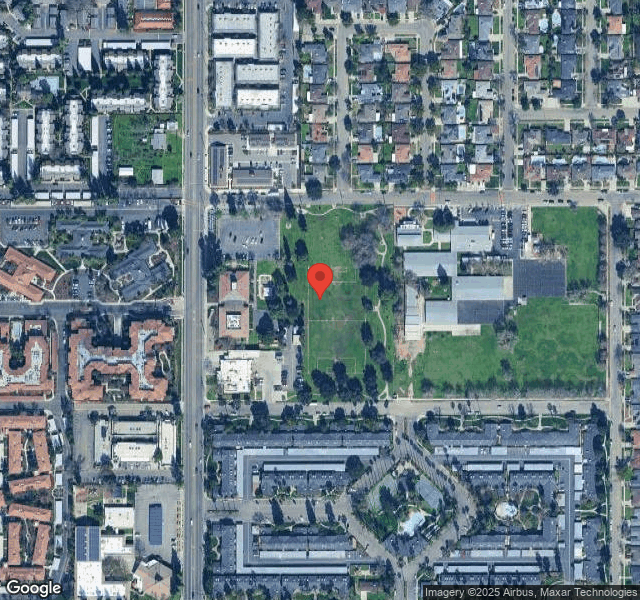
Sept 2024 2 deficiencies
CONCERN (D) 📢 Someone Reported This

A family member, employee, or ombudsman was alarmed enough to file a formal complaint

Potential for Harm - no one hurt, but risky conditions existed

Deficiency F0806 (Tag F0806)

Could have caused harm · This affected 1 resident

**NOTE- TERMS IN BRACKETS HAVE BEEN EDITED TO PROTECT CONFIDENTIALITY** Based on interview and record review, the facility failed to ensure one of four sampled residents (Resident 1) was served food t...

Read full inspector narrative →
**NOTE- TERMS IN BRACKETS HAVE BEEN EDITED TO PROTECT CONFIDENTIALITY** Based on interview and record review, the facility failed to ensure one of four sampled residents (Resident 1) was served food that accommodated the resident ' s allergies (when the immune system [defends the body against harmful substances] overreacts to a food triggering a protective response) and intolerances when Resident 1 with a documented shrimp allergy was served shrimp for lunch on 8/19/24. This failure resulted in Resident 1 experiencing an allergic reaction causing nausea, vomiting, and abdominal pain and required a transfer to the emergency department (ED) by ambulance for treatment. (cross reference 657) Findings: During an interview on 9/3/24 at 10:21 a.m. with the Certified Dietary Manager (CDM), the CDM stated Resident 1 had an allergic reaction to shrimp during lunch on 8/19/24. The CDM stated Resident 1 was mistakenly served shrimp because the allergy was not listed on his meal ticket. The CDM stated the facility process was to list all food allergies on the meal tickets to prevent residents receiving food they were allergic to. During a review of Resident 1 ' s admission Record (AR), undated, the AR indicated, . admission Date . 8/12/24 . Allergies . shrimp . Diagnosis Information . cervical disc degeneration [spinal discs in neck wear down] . chronic obstructive pulmonary disease [lung disease which restricts airflow and breathing problems] . Gastro-esophageal reflux disease [stomach acid flows back into the esophagus (tube connecting mouth and stomach)] . During a review of Residents 1 ' s Minimum Data Set (MDS- a resident assessment tool used to identify resident cognitive and physical function) assessment dated [DATE], indicated Resident 1 ' s Brief Interview of Mental status assessment (BIMS – assessment of cognitive status for memory and judgement) scored 04 of 15 (a score of 13-15 indicates cognitively intact, 08-12 indicates moderately impaired, and 00-07 indicates severe impairment). The BIMS assessment indicated Resident 1 had a severe cognitive impairment. During an interview on 9/3/24 at 10:45 a.m. with Certified Nursing Assistant (CNA) 1, CNA 1 stated she took care of Resident 1 on 8/19/24. CNA 1 stated she had gone into Resident 1 ' s room before lunch and reviewed the menu with the resident. CNA 1 stated the menu options were on one side of the ticket and the resident ' s allergies were listed on the other. CNA 1 stated it was important to review the allergies when taking the meal order to prevent the resident from ordering a food they were allergic to. CNA 1 stated Resident 1 ordered shrimp with his lunch and shrimp was not on the meal ticket as an allergy. CNA 1 stated the staff served Resident 1 ' s lunch and he quickly started to cough, grabbed his chest saying it hurt and tried to throw up. CNA 1 stated she took Resident 1 to his room and Licensed Vocational Nurse (LVN) 1 checked Resident 1 ' s tray and found shrimp on it. CNA 1 stated LVN 1 checked Resident 1 ' s electronic health record (EHR) and discovered he had a shrimp allergy which was not listed on the meal ticket. Resident 1 continued to try and vomit, so the nurse called the ambulance, and the resident was transferred to the ED. CNA 1 stated the meal ticket was supposed to have all allergies documented on it as a safety measure, so the food tray and allergies could be compared during meal service. During a review of the facility ' s menu for 8/19/24, the lunch options included Honey Walnut Shrimp. During a review of Residents 1 ' s SBAR (Situation, Background, Assessment and Recommendation-communication tool used to communicate critical resident information between health care providers), dated 8/19/24 at 12:33 p.m., the SBAR indicated, . Abdominal/GI [gastrointestinal-stomach, small and large intestines] Status Evaluation: Nausea and/or vomiting . resident was sitting at dinning [sic] room table eating lunch, resident was coughing while eating food . resident stated I dont know what happen[ed] but I feel like Im going to throw up . resident had episodes of vomiting clear/yellowish emesis [vomit] . received telephone order to Send out to [name of acute care hospital] for further evaluation . During a concurrent interview and record review on 9/3/24 at 10:54 a.m. with LVN 1, LVN 1 stated she was the charge nurse on 8/19/24. LVN 1 stated she had checked Resident 1 ' s meal ticket and tray before he received it. LVN 1 stated shortly after Resident 1 started to eat, he began coughing and said he felt sick. LVN 1 stated Resident 1 was spitting up phlegm, trying to vomit and saying he did not feel well. LVN 1 stated she checked Resident 1 ' s EHR and saw he was allergic to shrimp, so she checked his tray and found shrimp buried under the rice. LVN 1 stated shrimp was not listed as an allergy on his meal ticket. LVN 1 stated Resident 1 was transferred to the ED for an allergic reaction to the shrimp. Resident 1 ' s EHR allergy report was reviewed and indicated the resident had a shrimp allergy. Resident 1 ' s care plans were reviewed, and she was unable to locate a care plan for food allergies. LVN 1 stated the meal tickets and trays were checked before serving to verify the residents ' received their prescribed diet and do not receive food they are allergic to. LVN 1 stated Resident 1 ' s allergic reaction was avoidable if the allergy had been listed on the meal ticket. During an interview on 9/3/24 at 12:35 p.m. with the Certified Dietary Manager (CDM), the CDM stated during lunch service on 8/19/24 a staff member informed her Resident 1 ate shrimp and had an allergic reaction. The CDM stated Resident 1 ' s meal ticket did not list shrimp as an allergy. The CDM stated she met with Resident 1 after admission and did a food preference note so she was aware he had an allergy. The CDM stated she had forgotten to add Resident 1 ' s allergy in the system, so it did not print on his meal ticket. The CDM stated the meal ticket system was separate from the EHR and she was responsible to enter the allergies into the system. The CDM stated the meal tickets were supposed to have the resident ' s order on one side and the list of allergies highlighted in red on the other. The CDM stated Resident 1 was served shrimp because his allergy was not listed on the meal ticket to warn the staff, he should not eat shrimp. During a telephone interview on 9/3/24 at 3:17 p.m. with Dietary Aide (DA) 2, DA 2 stated she was the food server on 8/19/24. DA 2 stated it was her job to check the meal ticket for the order and allergies, then plate the food. DA 2 stated the tray was checked by a nurse and the CNAs delivered the food. DA 2 stated shrimp was circled on Resident 1 ' s meal ticket and was not listed in the allergies. DA 2 stated when Resident 1 started coughing, the nurse had checked the EHR and found shrimp listed as an allergy. DA 2 stated allergies were supposed to be listed on the meal ticket, so the staff knew not to serve the resident those foods. During a telephone interview on 9/3/24 at 3:30 p.m. with the registered dietician (RD), the RD stated she was not at the facility when Resident 1 had the allergic reaction. The RD stated the CDM was responsible to enter all allergies into the meal ticket system. The RD stated it was important for the allergy to be listed on the meal ticket to prevent residents from ingesting food they are allergic to. The RD stated she had assessed Resident 1 and she had documented the resident had a shrimp allergy. During a telephone interview on 9/5/24 at 2:20 p.m. with the Director of Nursing (DON), the DON stated Resident 1 was served shrimp because the allergy was not documented on his meal ticket. The DON stated the expectation was for all allergies to be on the meal ticket to alert staff. The DON stated residents with food allergies could suffer anaphylactic shock (extreme, life-threatening allergic reaction) if served the food they are allergic to. During a record review of Resident 1 ' s Interdisciplinary Team (IDT) note, dated 8/19/24 at 7:20 p.m. the IDT note indicated, . On 8/19/24, at approximately 12:00 PM, this resident was observed coughing during lunch in the dining area . reported a sensation of nausea/vomiting . he experienced episodes of vomiting . Upon inspecting the resident ' s meal tray, the LN [licensed nurse] discovered a piece of shrimp, and a review of the HER [electronic health record] confirmed a documented allergy to shrimp. The MD was notified immediately, and an order was obtained to transfer the resident to an acute care hospital for further evaluation . Subsequent investigation revealed that the resident ' s shrimp allergy was not included on the meal tray ticket by the CDM . residents ' allergies must be clearly marked on meal tickets to prevent exposure to allergens . During a review of the facility ' s job description titled Dietary Technician . Certified Dietary Manager, undated, the job description indicated, . CDM promotes health and wellness in an effort to prevent disease . Reviews resident diet information and discusses requests, changes, and inconsistencies with resident and staff . Reviews resident medical chart to obtain diet and medical history . assist with meal planning and proper adherence to diet . Properly completes documentation . Consult with healthcare professionals regarding dietary modifications and restrictions . During a review of Resident 1 ' s ACH document titled ED Provider Notes, dated 8/19/24, the ED Note indicated, . Chief Complaint: Allergic Reaction (From [name of SNF], allergic to shrimp, ate shrimp this AM, pt having abd [abdominal] cramping and dry heaves) . presents to emergency department for allergic reaction . patient was allergic to shrimp however he was given shrimp . Afterwards, patient had some abdominal cramping as well as nausea . Mild epigastric [upper middle area of abdomen] tenderness, no rebound [tenderness by rapidly removing the examining hand] or guarding [voluntary or involuntary tensing of the abdominal muscles] . Diagnosis . Allergic reaction . During a review of the facility ' s policy and procedure (P&P) titled, Food Allergies and Intolerances, dated 8/2017, the P&P indicated, . Residents with food allergies and/or intolerances are identified upon admission . Steps are taken to prevent resident exposure to the allergens . Food Allergies are immune system responses to allergens . Residents are assessed for a history of food allergies and intolerances upon admission and as part of the comprehensive assessment . All resident reported food allergies and intolerances are documented in the assessment notes and incorporated into the resident ' s care plan . Severe food allergies are noted on the face of the chart . and communicated in writing directly to the dietician and director of food and nutrition services . During a review of the facility ' s P&P titled, Special Food Needs, Swallowing/Chewing Difficulties and Food Allergies, dated 1/2024, the P&P indicated, . All food and beverages served will be assessed and determined safe for residents with special dietary needs, including those with food allergies . All staff are in-serviced on therapeutic and modified texture diet orders and common food allergies . Nursing . Communicates diet orders including special instructions and food allergies . Food and Nutrition services . Documents information received in the resident ' s nutrition file . Ensures information is transferred to the meal card, meal ticket or community specific method of identifying resident ' s diet order, food allergies . Ensures staff is aware of allergen containing menu items . Trains staff to follow diet orders to include allergies .
CONCERN (E) 📢 Someone Reported This

A family member, employee, or ombudsman was alarmed enough to file a formal complaint

Potential for Harm - no one hurt, but risky conditions existed

Deficiency F0657 (Tag F0657)

Could have caused harm · This affected multiple residents

Based on interview and record review, the facility failed to develop and implement a resident-centered comprehensive care plan for three of four sampled residents (Residents 1, 2 and 3) when Residents...

Read full inspector narrative →
Based on interview and record review, the facility failed to develop and implement a resident-centered comprehensive care plan for three of four sampled residents (Residents 1, 2 and 3) when Residents 1, 2 and 3 did not have a care plan addressing the residents ' food allergies. This failure placed Residents 1, 2 and 3 at risk for being served foods they were allergic to and had the potential for a severe anaphylactic reaction (extreme, life-threatening allergic reaction). (cross reference F806) Findings: During a review of Resident 1 ' s admission Record (AR), undated, the AR indicated, . admission Date . 8/12/24 . Allergies . shrimp . Diagnosis Information . cervical disc degeneration [spinal discs in neck wear down] . chronic obstructive pulmonary disease [lung disease which restricts airflow and breathing problems] . Gastro-esophageal reflux disease [stomach acid flows back into the esophagus (tube connecting mouth and stomach)] . During a review of Resident 2 ' s AR, undated, the AR indicated, . admission Date . 11/11/2020 . Allergies . peanut butter flavor . Diagnosis Information . Palliative Care [specialized medical care for people living with a serious illness] . Hemiplegia [paralysis of one side of the body] and hemiparesis [weakness on one side of the body] following cerebral infarction [stroke-disrupted blood flow to the brain] . atrial fib [irregular heartbeat] . During a review of Resident 3 ' s AR, undated, the AR indicated, . admission Date . 12/18/2013 . Allergies . Shell Fish . Palliative Care . Chronic Obstructive Pulmonary Disease [lung disease causing restricted airflow] . Heart Failure [heart muscle doesn ' t pump blood as well as it should] . During a concurrent interview and record review on 9/3/24 at 10:54 a.m. with Licensed Vocational Nurse (LVN) 1, LVN 1 stated Resident 1 had an allergic reaction to shrimp on 8/19/24 which required him to transfer to the emergency department on 8/19/24. LVN 1 stated Resident 1 ' s allergy was not documented on the meal ticket and should have been. LVN 1 stated it was important for the meal ticket to be accurate so anyone checking trays or serving food can see if there is an allergy. Resident 1 ' s care plans were reviewed and LVN 1 was unable to locate a care plan addressing Resident 1 ' s food allergy. LVN 1 stated care plans were important to help with the resident ' s process of care, to be individualized for each residents needs and to meet their goals. The Facility ' s policy and procedure (P&P) titled Food Allergies and Intolerances, dated 8/2017 was reviewed. The P&P indicated, . Residents with food allergies and/or intolerances are identified upon admission . Steps are taken to prevent resident exposure to the allergens . Food Allergies are immune system responses to allergens . Residents are assessed for a history of food allergies and intolerances upon admission and as part of the comprehensive assessment . All resident reported food allergies and intolerances are documented in the assessment notes and incorporated into the resident ' s care plan . LVN 1 stated the P&P was not followed. During a concurrent interview and record review on 9/3/24 at 12:09 p.m. with LVN 1, LVN 1 reviewed Resident 2 ' s care plans and was unable to locate documentation regarding the resident ' s peanut allergy. LVN 1 reviewed Resident 3 ' s care plans and was unable to locate a care plan addressing her peanut butter allergy. LVN 1 stated the Food Allergies and Intolerances P&P was not followed. During a concurrent interview and record review on 9/3/24 at 12:35 p.m. with the Certified Dietary Manager (CDM), the CDM stated Resident 1 had an allergic reaction to shrimp on 8/19/24 and was sent to the ED. The P&P for food allergies was reviewed and the CDM stated the facility did not document food allergies in the care plan. The CDM stated the P&P was not followed. During a concurrent interview and record review on 9/3/24 at 1:00 p.m. with the Infection Preventionist (IP), the food allergy P&P was reviewed. The IP stated food allergies were not entered on the care plans. The IP stated the P&P was not followed and should have been. During a telephone interview on 9/5/24 at 2:20 p.m. with the Director of Nursing (DON), the DON stated Resident 1 was served shrimp and had an allergic reaction. The DON stated it was her expectation for food allergies to be in the residents ' plan of care. During a telephone on 9/5/24 at 2:35 p.m., with the Administrator (ADM), the ADM stated if a resident had a food allergy, the expectation was for it to be addressed in the residents ' care plan. During a review of the facility ' s policy and procedure (P&P) titled, Food Allergies and Intolerances, dated 8/2017, the P&P indicated, . Residents with food allergies and/or intolerances are identified upon admission . Steps are taken to prevent resident exposure to the allergens . Food Allergies are immune system responses to allergens . Residents are assessed for a history of food allergies and intolerances upon admission and as part of the comprehensive assessment . All resident reported food allergies and intolerances are documented in the assessment notes and incorporated into the resident ' s care plan . During a review of the facility's policy and procedure titled, Care Planning-Interdisciplinary Team (IDT-a team of different healthcare disciplines who work together to provide care to meet the patient needs), dated 3/2022, the P&P indicated, . The interdisciplinary team is responsible for the development of the resident care plans . Comprehensive, person-centered care plans are based on resident assessments .
May 2024 1 deficiency
CONCERN (D) 📢 Someone Reported This

A family member, employee, or ombudsman was alarmed enough to file a formal complaint

Potential for Harm - no one hurt, but risky conditions existed

Deficiency F0658 (Tag F0658)

Could have caused harm · This affected 1 resident

**NOTE- TERMS IN BRACKETS HAVE BEEN EDITED TO PROTECT CONFIDENTIALITY** Based on interview, and record review, the facility failed to ensure one of six sampled residents (Resident 1) received treatmen...

Read full inspector narrative →
**NOTE- TERMS IN BRACKETS HAVE BEEN EDITED TO PROTECT CONFIDENTIALITY** Based on interview, and record review, the facility failed to ensure one of six sampled residents (Resident 1) received treatment and care in accordance with professional standards of practice when Licensed Vocational Nurse (LVN) 1 discharged Resident 1 home with seven medications which belonged to Resident 2. This failure resulted in Resident 1 not being administered her prescribed blood pressure medications for four days as prescribed by the physician and placed Resident 1 at risk for adverse effects of medication. Findings: During a review of Resident 1 ' s admission Record (AR-a document with person identifiable and medical information), dated, 05/30/24 the AR indicated, Resident 1 was admitted to the facility on [DATE] with diagnoses which included Type 2 Diabetes Mellites (body has trouble controlling blood sugar), hypertensive heart disease (heart problems that develop over time in people with long term high blood pressure), Hyperlipidemia, (abnormally high levels of lipids (fatty acids), Osteoarthritis (a progressive degradation of bone and joints). During a review of Residents 1 ' s Minimum Data Set (MDS- a resident assessment tool used to identify resident cognitive and physical function) assessment dated [DATE], indicated Resident 1 ' s Brief Interview of Mental status assessment (BIMS – assessment of cognitive status for memory and judgement) scored 11 of 15 (a score of 13-15 indicates cognitively intact, 08-12 indicates moderately impaired, and 00-07 indicates severe impairment). The BIMS assessment indicated Resident 1 was moderately impaired. During a concurrent interview and record review on 05/30/24, at 10:00 a.m. with Administrator, (ADM), Resident 1 ' s Medication Disposition Form. (MDF) dated 05/02/24 was reviewed. The ADM stated, MDF is the form used to list all medications provided to residents discharging from facility. The ADM stated, the name and medications listed on the MDF were for another resident [Resident 2]. The ADM stated, Resident 1 ' s FM signed the form with LVN 1 indicating the medications being provided. The ADM stated, LVN 1 ' s signature on the form indicates medications were reviewed with FM and the right medications were provided to the right resident. During an interview on 05/30/24, at 10:10 a.m., with LVN 2. LVN 2 stated, Staff were able to provide medications to residents being discharged home. LVN 2. Resident medication list are updated daily, and when removing medication from medications cart we verify the medication list to the medications coming out of the medication cart. LVN 2 stated, the five rights of medication rights should be followed when providing medications to discharging residents (right resident, right medication, right dosage, rights route, and right time). LVN 2 stated, staff should validate the medication orders and compare to the most recent Medical Doctor (MD) orders for accuracy. LVN 2 stated, LVN ' s should explain to resident or FM the medications being provided. LVN 2 stated by going over the medications with FM, staff would notice the name and medications were correct. LVN 2 stated, it is important to validate with documents and verify with the medication bubble packs (card used that packages doses of medication). LVN 2 stated, there are many opportunities to verify the medications and name of resident were correct. During an interview on 05/30/24 at 10:40 a.m., with LVN 3, LVN 3 stated, When residents are going to discharge, we print out residents ' documents and most recent medication orders. LVN 3 stated, the bubble packs have a sticker on them that shows the residents name and the name of the medication. LVN 3 stated, the sticker is placed on the MDF. LVN 3 stated there was a triple check process when discharging residents with medications. LVN 3 stated, the first check is when removing resident medications from the medication cart and comparing with the most recent MD orders. LVN 3 stated the second check is when applying the sticker from the bubble pack to the MDF and reviewing the name of resident and medication on the sticker. LVN 3 stated, the third check happens when reviewing the medication with resident and FM before discharging the resident. LVN 3 stated reviewing the medications with FM and the resident and educating them about the medication would be another way to validate the correct medications were being provided to resident. During an interview on 05/30/24 at11:00 a.m., with ADM, the ADM stated, Resident 1 ' s FM came to the facility on [DATE] and notified ADM his mother had received the wrong medications upon discharge from the facility. The ADM stated the discharged resident took the wrong medications for four days at home before FM noticed the error. ADM stated FM informed him Resident 1 seemed to be more sleepy than usual while taking the medications. The ADM stated there was a potential for serious health conditions, adverse effects, and potential for death due to the medication error. The ADM stated LVN 1 did not follow the process to provide the correct medications. During an telephone interview on 05/30/24 at 11:30 a.m. with LVN 1, LVN 1 stated she was responsible for Resident 1 ' s discharge on [DATE]. LVN 1 stated the morning shift Licensed Nurse provided her with medications for Resident 1. LVN 1 stated, I should have immediately verified the medications with the current MD orders to make sure the right medications were being provided to [Resident 1]. LVN 1 stated she did not review the medications with FM and Resident 1 and just handed them the medications. LVN 1 stated I did not follow the proper procedure for discharging [Resident 1] home with medications. LVN 1 stated she gave Resident 2 ' s medication in error and due to her negligence, there was potential for serious harm or death. During a concurrent interview and record review on 05/30/24 at 11:50 a.m., with LVN 4 Resident 1 ' s Order Summary Report was reviewed. The OSR indicated Resident 1 was prescribed the following medications. 1. Acetaminophen 325mg (milligrams -unit of measurement) Give two tablet by mouth every 4 hours as needed for Mild Pain. 2. Atorvastatin Calcium Oral Tablet 20 mg, Give one tablet by mouth at bedtime for hyperlipidemia. 3. Enoxaparin Sodium Injection Solution Prefilled Syringe 40mg/0.4 milliliters (ml) Inject 0.4 ml subcutaneously (beneath the skin) one time a day for prevention of blood clots. 4. Gabapentin Oral Tablet 600 mg, Give one tablet by mouth every fours for Neuropathy (weakness, numbness and pain from nerve damage) 5. Jardiance Oral Tablet 25 mg, Give 1 tablet by mouth one time a day for TYPE 2 Diabetes Mellites 6. Metformin Oral Tablet 1000 mg, Give one tablet two times a day for TYPE 2 Diabetes Mellites 7. Hydrocodone Oral Tablet 5-325mg Give one tablet every 4 hours as needed for moderate pain (4/10-6/10) (Measurement of pain scale). During a concurrent interview and record review on 05/30/24 at 11:50 a.m., with LVN 4, Resident 1 ' s MDF was reviewed. LVN 4 stated the MDF indicated another resident [Resident 2] name and medications were on the stickers placed on the MDF for Resident 1. The following medications were listed. 1. Metoprolol Succinate ER 25 mg 2. Losartan Potassium 50 mg 3. Eliquis 2.5 mg 4. Amiodarone HCL 200 mg 5. Furosemide 20 mg 6. Famotidine 40 mg 7. Atorvastatin 40 mg 8. Hydrocodone 5/325 LVN 4 stated, there was potential for harm because the incorrect medications were provided to Resident 1. LVN 4 stated, Resident 1 could of experienced low blood pressure, unstable blood sugar, and bleeding. LVN 4 stated, the LVN did not follow the discharge process and placed Resident 1 in harm ' s way. During a telephone interview on 06/03/24 at 1:53 p.m., with the Director of Nursing (DON). The DON stated, she was at the facility on 05/02/24. DON stated, the incident occurred during shift change between AM shift and PM shift. The DON stated, LVN 1 came to her office and asked what documents needed to be signed for discharge. The DON stated, the MDF is a document used with a list of medications that will be going home with discharging resident. The DON stated MDF has a sticker placed by staff with the resident ' s name, quantity of medication, and name of medication. The DON stated the wrong medications were sent home with Resident 1. The DON stated the medications provided were for Resident 2 (roommate) to Resident 1. The DON stated a review of the Summary Discharge Medication Error document indicates the morning nurse denies removing the medications out of the medication cart in anticipation for the discharge. The DON stated the facility is unsure which staff removed the medications from the cart. The DON stated LVN 1 did not review the medications with the FM or resident prior to discharge. The DON stated LVN 1 should have had the most active medication orders from the MD and compared it to the medications Resident 1 was handed before being discharged home. The DON stated Resident 1 discharged home with seven medications that were not prescribed to her. The DON stated Resident 1 went home with a blood thinner, diuretic (medicine used to make more urine), two high blood pressure medications and fatty acid medications. The DON stated Resident 1 did not receive her Type 2 Diabetes Medications. The DON stated Resident 1 had the potential for adverse health issues such as low blood pressure, bleeding, and unstable blood sugar. The DON stated the possibility of a serious negative outcome to Resident 1 ' s health and wellness was high due to the medication error. During a review of the facility ' s policy and procedure (P&P) titled Discharge Medications, dated 03/2022, the P&P indicated, .Unless otherwise specified by facility policy or contrary to current law or regulation, medications shall be sent with the resident upon discharge .The charge nurse shall verify that the medications are labeled consistent with current physicians orders including instructions for use .The nurse will reconcile pre-discharge medications with the president ' s post discharge medications. The medication reconciliation will be documented .The nurse shall review medication instructions with the resident, family member or representative before the resident leaves the facility .The nurse shall complete the medication disposition record including .the residents name .name of person who will be assisting or administering the medications after discharge .the name and prescription (Rx) number of each medication .the quantity or amount of each medication .the strength of each medication . During a review of the facility ' s policy and procedure (P&P) titled Staffing, Sufficient and Competent Nursing, dated August 2022, the P&P indicated, Our facility provides . nursing staff with appropriate skills and competency necessary to provide nursing and related care and services for all residents in accordance with resident care plans and the facility assessment .Licensed Nurses .to provide competent resident care services including .assuring resident safety .attaining or maintaining the highest practicable physical, mental, and psychosocial well-being of each resident .Staff must demonstrate the skills and techniques necessary to care for resident needs including .Resident rights .Medication management .Communication . During a review of a professional reference retrieved from https://www.ncbi.nlm.nih.gov/books/NBK560654/#:~:text=It%20is%20crucial%20that%20nurses,do%20so%20in%20clinical%20practice. titled, Nursing Rights of Medication Administration, dated 9/4/2023, the reference indicated, . Nurses have a unique role and responsibility in medication administration, in that they are frequently the final person to check to see that the medication is correctly prescribed and dispensed before administration . It is standard during nursing education to receive instruction on a guide to clinical medication administration and upholding patient safety known as the ' five rights ' . of medications administration . ' Right Patient ' . ascertaining that a patient being treated is, in fact, the correct recipient for whom medication was prescribed . this is best practiced by nurses directly asking a patient to provide his or her full name aloud . It is advisable not to address patients by first name or surname [last name] alone, in the event, there are two or more patients with identical or similar names in a unit . nurses are advised to confirm a patient ' s identity through alternative means with appropriate due dilige
Feb 2024 8 deficiencies
CONCERN (D)

Potential for Harm - no one hurt, but risky conditions existed

Resident Rights (Tag F0550)

Could have caused harm · This affected 1 resident

**NOTE- TERMS IN BRACKETS HAVE BEEN EDITED TO PROTECT CONFIDENTIALITY** Based on observation, interview, and record review, the facility failed to ensure residents were treated with dignity and respec...

Read full inspector narrative →
**NOTE- TERMS IN BRACKETS HAVE BEEN EDITED TO PROTECT CONFIDENTIALITY** Based on observation, interview, and record review, the facility failed to ensure residents were treated with dignity and respect for one of three sampled residents (Resident 16) when Resident 16's urinary catheter (is a tube that is inserted into the bladder, allowing the urine to drain freely) bag was not covered and was visible to the public while Resident 16 was in her room. This failure violated Resident 16's privacy to ensure dignity and respect which resulted in Resident 16's urinary catheter bag to be visible to other residents and visitors in the facility. Findings: During the initial tour of the facility on 2/06/2024 at 11:31 a.m., Resident 16's urinary catheter bag was observed on the left side of her bed without a privacy cover. The urinary catheter bag was visible from the door of the resident's room. During a concurrent interview and record review, on 2/06/2024 at 3:03 p.m. with Licensed Vocational Nurse (LVN)1, the photo taken on 02/06/2024 at 11:31 a.m. was reviewed. The photo was of the uncovered urinary catheter bag was visible from the entrance of Resident 16's room. LVN 1 stated the urinary catheter bag should be covered with a dignity bag for privacy. During a concurrent interview and record review, on 0/07/2024 at 2:02 p.m. with the Infection Preventionist (IP), the photo taken on 2/06/2024 at 11:31 a.m. was reviewed. The photo was of the uncovered urinary catheter bag was visible from the entrance of Resident 16's room. The IP stated the urinary catheter bag should be placed in a dignity bag to protect Resident 16's privacy and dignity. During a concurrent interview and record review, on 2/8/2024 at 2:43 p.m. with the Director of Nursing (DON), the photo taken on 02/06/2024 at 11:31 a.m. was reviewed. The photo was of the uncovered urinary catheter bag was visible from the entrance of Resident 16's room. The DON stated the urinary catheter bag should be placed in a dignity bag to protect Resident 16's privacy and dignity. During a review of Resident 16's admission Record (AR), dated 2/08/2024, the AR indicated Resident 16 was admitted to the facility on [DATE] with diagnoses which included .Urinary Tract Infection, Metabolic Encephalopathy (an alteration in consciousness caused due to brain dysfunction), Spinal stenosis (a narrowing of the spinal canal in the lower part of your back), dementia (the loss of cognitive functioning) without behaviors, and fevers. During a review of Residents 16's Brief Interview for Mental Status (BIMS - assessment of cognitive status for memory and judgement [a score of 13-15 indicates cognitively intact, 08-12 indicates moderately impaired, 00-07 indicates severe impairment and 99 indicates they are unable to complete the interview) score dated 6/22/2023, score was 15 which indicated Resident 16 was cognitively intact. During a review of the facility's Policy and Procedure (P&P), titled, Dignity dated 02/2021, the P&P indicated, . Each resident shall be cared for in a manner that promotes and enhances his or her sense of wellbeing, at a level of satisfaction .with life, and feelings of self-worth and self esteem . 12 .a. helping the resident to keep urinary catheter bags covered .
CONCERN (D)

Potential for Harm - no one hurt, but risky conditions existed

Deficiency F0655 (Tag F0655)

Could have caused harm · This affected 1 resident

**NOTE- TERMS IN BRACKETS HAVE BEEN EDITED TO PROTECT CONFIDENTIALITY** Based on interview and record review, the facility failed to develop and implement a baseline care plan (individualized plan of ...

Read full inspector narrative →
**NOTE- TERMS IN BRACKETS HAVE BEEN EDITED TO PROTECT CONFIDENTIALITY** Based on interview and record review, the facility failed to develop and implement a baseline care plan (individualized plan of care to document patient needs and potential risks, to work collaboratively toward optimal outcomes) within 48 hours of admission for one of five sampled residents (Resident 18) when Resident 18 did not have a care plan for diabetes mellitus (chronic condition with persistently high blood sugar level). This failure placed Resident 18 at risk for hyperglycemia (high blood sugar) and ketoacidosis (a life-threatening complication of diabetes). Findings: During a review of Resident 18's admission Record (AR-a document with personal identifiable and medical information), undated, the AR indicated, Resident 18 was admitted on [DATE] with diagnoses which included Type 2 diabetes mellitus with ketoacidosis (complication of diabetes in which acids build up in the blood to levels that can be life-threatening), kidney failure (kidneys lose the ability to remove waste from the body) and hypertensive heart disease (heart disease caused by high blood pressure). During a review of Resident 18's Minimum Data Set (MDS-a functional and cognitive abilities assessment) assessment, dated [DATE], indicated the Brief Interview for Mental Status (BIMS) score was 15 out of 15 (a BIMS score of 13-15 indicates cognitively intact, 8-12 indicates moderately impaired and 0-7 indicates severe impairment), which indicated Resident 18 was cognitively intact. During an interview on [DATE] at 10:42 a.m. with Resident 18, Resident 18 stated he was admitted to the facility because he was diabetic, and his blood sugar had been out of control. During a concurrent interview and record review, on [DATE] at 10:03 a.m. with Certified Nursing Assistant (CNA) 3, Resident 18's Electronic Medical Record (EMR) was reviewed. CNA 3 stated the CNAs utilized care plans for information such as the interventions to follow for providing resident care and a resident's cardiopulmonary resuscitation (CPR) status (whether a patient wishes to have lifesaving cardiopulmonary resuscitation). CNA 3 checked Resident 18's care plans and stated Resident 18 was a diabetic, but she was unable to find a diabetes care plan. During a concurrent interview and record review, on [DATE], at 2:08 p.m. with Licensed Vocational Nurse (LVN) 4, Resident 18's care plans were reviewed. LVN 4 stated he was unable to locate Resident 18's diabetes mellitus care plan. LVN 4 stated Resident 18 was recently admitted , and a care plan for diabetes mellitus should have been started with the admission care plans to meet the medical needs of the resident. LVN 4 stated Resident 18 was diabetic and required interventions to manage the disease such as checking circulation (movement of blood throughout the body), signs and symptoms of hypoglycemia (low blood sugar) and hyperglycemia (high blood sugar), monitoring for fruity breath (a sign of ketoacidosis), dizziness and altered mental status. During a concurrent interview and record review on [DATE] at 2:40 p.m. with the Director of Nursing (DON), Resident 18's care plans were reviewed. The DON stated Resident 18 was diabetic and she was unable to locate a diabetes care plan in the EMR. The DON stated her expectation was for the staff to document an individualized care plan on admission. The DON stated a diabetic care plan was important because it would direct care for the management of diabetes such as initiating parameters for his blood sugars, monitoring the blood sugar, monitor for signs and symptoms of hypoglycemia (low blood sugar) and hyperglycemia (high blood sugar) and notify the physician if the blood sugars were out of range. During a review of the facility's policy and procedure (P&P), titled Care Plans-Baseline, dated 3/2022, The P&P indicated, . A baseline plan of care to meet the resident's immediate health and safety needs is developed for each resident within forty-eight (48) hours of admission .The baseline care plan includes instructions needed to provide effective, person-centered care of the resident that meet professional standards of quality care .The resident and/or representative are provided a written summary of the baseline care plan .that includes, but is not limited to .stated goals and objectives of the resident . a summary of the resident's medication and dietary instructions . any services and treatments to be administered by the facility and personnel acting on behalf of the facility .
CONCERN (E)

Potential for Harm - no one hurt, but risky conditions existed

Pharmacy Services (Tag F0755)

Could have caused harm · This affected multiple residents

**NOTE- TERMS IN BRACKETS HAVE BEEN EDITED TO PROTECT CONFIDENTIALITY** Based on observation, interview, and record review, the facility failed to provide pharmaceutical services which ensured appropr...

Read full inspector narrative →
**NOTE- TERMS IN BRACKETS HAVE BEEN EDITED TO PROTECT CONFIDENTIALITY** Based on observation, interview, and record review, the facility failed to provide pharmaceutical services which ensured appropriate administration and disposal of medications to meet residents needs when: 1. 3. Nursing staff administered and failed to clarify Resident 243's pancrelipase (medication containing enzymes for those that have pancreatic problems) medication order lacked appropriate instructions to administer with meals. Nursing staff administered and failed to clarify Resident 240 and Resident 242's midodrine (medication given to raise blood pressure) medication orders with inappropriate hold parameters. 2. Nursing staff administered and failed to clarify Resident 241's amlodipine (medication given to lower blood pressure) medication order with inappropriate hold parameters and Resident 241's diclofenac sodium (medication used to reduce pain and stiffness) gel order which lacked dosage parameters These failures resulted in Residents 240, 242, 12, 241 and 243 being at risk of adverse effects from being administered unnecessary medications and receiving subtherapeutic therapy from not being administered appropriate medication dosage. 4. Licensed Vocational Nurse (LVN) 4 disposed of Resident 14's pain medication (a controlled substance whose possession and use is regulated by the government and can cause mental and physical dependence) without a witness. This failure had the potential to result in drug diversion (transfer of any legally prescribed controlled from the individual for whom it was prescribed to another person for any illicit use) and inaccurate documentation. Findings: 1. During record review of Resident 240's admission Record (AR- a document that provides resident contact details, a brief medical history), the AR indicated, Resident 240 was admitted to the facility on [DATE]. Resident 240's diagnoses included .SYSTOLIC (CONGESTIVE) HEART FAILURE (failing of the heart where one of the heart's left chambers becomes too weak to pump) .HYPOTENSION . During record review of Resident 242's AR, the AR indicated, Resident 242 was admitted to the facility on [DATE]. Resident 242's diagnoses included .ORTHOSTATIC HYPOTENSION (blood pressure dropping too low when standing up after sitting or lying down) .BRADYCARDIA (when the heart beats too slow) . During a concurrent observation and interview, on 2/6/24 at 9:23 a.m. with Licensed Vocational Nurse (LVN) 5 in Resident 240's room, LVN 5 administered Resident 240's morning medications including carvedilol (medication that lowers blood pressure), metformin (medication that lowers blood sugar), apixaban (blood thinning medication), fluoxetine (used to treat certain mental and mood disorders), furosemide (medication that removes excess fluid in the body), multivitamin, aldactone (medication that removes excess fluid from the body and can lower blood pressure). LVN 5 stated she did not administer Resident 240's midodrine due to Resident 240's blood pressure which was 142/85 at about 0700. During an observation on 2/6/24 at 3:10 p.m., in the [NAME] Wing medication cart, Resident 242's three midodrine medication cards (a card containing individually packaged doses of a medication for one specific person) were observed with a label indicating to hold the medication if the systolic blood pressure (measures the pressure in heart vessels when the heart beats) was greater than 160. During an observation on 2/6/24 at 3:30 p.m. in the South Wing medication cart, Resident 12's midodrine medication card was observed with a label indicating to hold the medication if the systolic blood pressure was greater than 140. During an interview on 2/7/24 at 10:51 a.m. with LVN 5, LVN 5 stated, midodrine was given for hypotension (a decrease in blood pressure below accepted low values). LVN 5 stated, Resident 240's blood pressure was over 140 so she did not administer the medication. LVN 5 stated, she should have clarified the Midodrine order for Resident 240 to clarify the parameters to administer because nurses would not have know when to give it. During a review of Resident 240's Medication Order, dated 1/26/24, the Medication Order indicated, .Midodrine HCl Oral Tablet 10 MG (unit of measurement) Give 1 tablet by mouth three times a day for Hypotension related to HYPOTENSION .Hold: Systolic Blood Pressure [greater than] 140 Hold .Start Date: 2/1/2024 .End Date: Indefinite . During a review of Resident 240's Medication Administration Record (MAR), dated 2/7/24, the MAR indicated, .Midodrine HCl Oral Tablet 10 MG Give 1 tablet by mouth three times a day for Hypotension related to HYPOTENSION .Hold: Systolic Blood Pressure [greater than] 140 Hold -Start Date- 02/01/2024 0800 . The MAR indicated Resident 240's BP (blood pressure) was 129/82 and Midodrine 10 mg 1 tablet was administered to Resident 240 on 2/5/24 at 0800. During an interview on 2/7/24 at 11:11 a.m. with LVN 5, LVN 5 stated, Resident 242's current medication order was for midodrine 10 mg every day before meals and held for a blood pressure greater than 160. LVN 5 stated, Resident 242's Midodrine order was not clear and needed to follow up with the physician for clearer parameters on when to administer. During a review of Resident 242's Medication Order, dated 2/2/24, the Medication Order indicated, .Midodrine HCl Oral Tablet 10 MG .Give 1 tablet by mouth before meals for hypotension Hold for [Systolic Blood Pressure] greater than 160 mmHg .Start Date: 2/3/2024 .End Date: Indefinite . During a review of Resident 242's MAR, dated 2/7/24, the MAR indicated, .Midodrine HCl Oral Tablet 10 MG .Give 1 tablet by mouth before meals for hypotension Hold for [Systolic Blood Pressure] greater than 160 mmHg -Start Date- 02/03/2024 0700 . The MAR indicated Resident 242's BP was 130/69 and Midodrine 10 mg 1 tablet was administered on 2/5/24 at 1600. During concurrent interview and record review, on 2/7/24 at 2:09 p.m. with LVN 1, Resident 12's current midodrine MAR was reviewed. Resident 12's MAR indicated, Resident 12 was being administered Midodrine 5 mg 1 tablet by mouth two times a day and held if systolic blood pressure was greater than 140. LVN 1 stated, midodrine was given for low blood pressure. LVN 1 stated, a low systolic blood pressure would be anything less than 100 mmHg (millimeters of mercery- unit of measurement). LVN 1 stated, Resident 12's midodrine order to hold when less than 140 mmHg was quite high. During an interview on 2/8/24 at 9:42 a.m. with the Director of Nursing (DON), the DON stated, the midodrine orders for Residents 240, 242 and 12 did not contain clear parameters of when to administer and when to not administer. The DON stated the nurses should have received clarification from the physician and pharmacy of when to give the midodrine to Residents 240, 242 and 12. The DON stated midodrine was used to increase blood pressure. The DON stated if midodrine was administered when the resident's blood pressure was not hypotensive, the blood pressure would increase further. During an interview on 2/12/24 at 5:49 p.m. with the Pharmacy Consultant (PC), the PC stated nurses should have clarified Resident 240, 242 and 12's midodrine medication orders. During a review of the facility's policy and procedure (P&P) titled, Administering Medications, 4/19, the P&P indicated, .Medications are administered in a safe and timely manner .If a dosage is believed to be inappropriate or excessive for a resident, or a medication has been identified as having potential adverse consequences for the resident .the person preparing or administering the medication will contact the prescriber . to discuss the concerns . During a professional reference review retrieved from National Institutes of Health (NIH- a United States government agency that supports and conducts medical research) https://www.ncbi.nlm.nih.gov/books/NBK499961/, dated 2/23, .Hypotension is a decrease in systemic blood pressure below accepted low values .pressures less than 90/60 are recognized as hypotensive .becomes a concern once pumping pressure is not sufficient to perfuse key organs with oxygenated blood . 2. During a review of Resident 241's AR, the AR indicated, Resident 241 was admitted to the facility on [DATE]. Resident 241's diagnoses included .SPECIFIED FRACTURE OF LEFT PUBIS (a break in one of the bones that makes up the hip) .UNSPECIFIED FRACTURE OF SACRUM (a break in a bone at the bottom of the spinal column that is connected to the pelvis) . During a concurrent observation and interview, on 2/7/24, at 8:57 a.m. with LVN 1 in Resident 241's room, LVN 1 administered amlodipine 10 mg 1 tablet to Resident 241. LVN 1 stated, Resident 241's blood pressure was taken between 6:30 am and 7:00 am that morning and was 130/62. During an interview 2/7/24 at 2:09 p.m. with LVN 1, LVN 1 stated, Resident 241's current amlodipine order is for 10 mg 1 tablet one time a day and to hold for a systolic blood pressure less than 220. LVN 1 stated, amlodipine is given to treat high blood pressure. LVN 1 stated, LVN 1 was surprised to read that the parameter was to hold the medication if the systolic blood pressure was less than 220 because 220 is hypertensive (elevated blood pressure). LVN 1 stated, amlodipine was usually held due to hypotension for systolic blood pressure values of 100-110. LVN 1 stated, this amlodipine order was an error that needed to be clarified with the physician and the pharmacy. LVN 1 stated, if nurses were to follow that parameter, Resident 241 would never receive amlodipine and would not have been treated for their condition. During a concurrent interview and record review, on 2/7/24 at 2:21 p.m. with LVN 1, Resident 241's MAR, dated 2/7/24 was reviewed. The MAR indicated, .Diclofenac Sodium 1% .Apply to feet, thigh, elbow topically three times a day for pain -Start Date- 02/05/2024 1700 . The MAR indicated Diclofenac Sodium was administered to Resident 241 on 2/5/24 at 1700, 2/6/24 at 0800, 1200 and 1700 and 2/7/24 at 0800 and 1200. LVN 1 stated, the amount of Diclofenac Sodium was measured on a stick ruler to determine the dosage. LVN 1 stated, Resident 241's current Diclofenac Sodium order did not include a specific dosage so nurses would not have known how much to administer. LVN 1 stated, LVN 1 should have called the physician and pharmacy to clarify the order. LVN 1 stated, Resident 241 may not have received enough relief if too little Diclofenac Sodium was administered. LVN 1 stated, Resident 241 would have too much of the medication's effect if an excessive amount was administered. During a review of Resident 241's Medication Order, undated, the Medication Order indicated .Diclofenac Sodium 1% .Apply to feet, thigh, elbow topically three times a day for pain .Start Date .2/5/2024 17:00 . During an interview on 2/8/24 at 9:48 a.m. with the DON, the DON stated Resident 241's amlodipine order was incorrect because the hold parameter of 220 was too high. The DON stated, Resident 241 would not receive their Amlodipine medication if nurses followed that order and Resident 241's blood pressure would remain high. DON stated, clarification was needed from the physician and pharmacy to clarify the order. During an interview on 2/8/24 at 9:51 a.m. with the DON, the DON stated Resident 241's Diclofenac Sodium order needed clarification because the order was missing the dosage. The DON stated, clarification of the Diclofenac Sodium order was needed and for the pharmacy to clarify the dose with the physician. The DON stated the incomplete Diclofenac Sodium order had the potential to administer the incorrect dose to Resident 241. The DON stated there would be diminished effectiveness if Resident 241 received too little of a dose of the Diclofenac Sodium. During an interview on 2/12/24, at 5:49 p.m. with the PC, the PC stated nurses should have clarified Resident 241's Amlodipine and Diclofenac Sodium gel orders. During a review of Lexicomp (a nationally recognized drug reference), the manufacturer for Diclofenac Sodium indicated, .Use the lowest effective dose for the shortest duration of time .Gel 1% .Apply up to 4 g (grams- unit of measurement) to each affected area up to 4 times daily, maximum dose per area: 16 g/day; maximum total body dose (all combined areas): 32 g/ day . 3. During an observation on 2/6/24 at 3:30 p.m. in the South Wing medication cart, Resident 243's pancrelipase medication card was observed with a label indicating [Brand name] 36,000 UNIT CAPSULE .GIVE 2 CAPSULES BY MOUTH TWICE DAILY . The label on the medication card included a sticker indicating .Take with food . During a concurrent interview and record review, on 2/7/24 at 2:58 p.m. with LVN 1, Resident 243's MAR was reviewed. The MAR indicated, Resident 243 was currently taking pancrelipase oral capsule delayed release particles 2 capsules by mouth two times in a day at 0900 and 1700. LVN 1 stated, Resident 243's pancrelipase medication was for the pancreas (organ that aids in digestion) and that LVN 1 was not aware that the medication should be administered with food. LVN 1 stated, Resident 243's pancrelipase medication order should have directions listed on the order to be given with food. LVN 1 stated, Resident 243's pancrelipase medication should have been scheduled by the admission nurse to be administered at mealtimes. LVN 1 stated, Resident 243 had not been receiving the pancrelipase medication at the appropriate times and needed to be changed. During an interview on 2/8/24 at 9:57 a.m. with the DON, the DON stated pancrelipase was given to Resident 243 to help absorb food. DON stated, the pancrelipase order should have been updated to be given with food at mealtimes. The DON stated when Resident 243's pancrelipase was not administered with food, there was decreased absorption of the medication. The DON stated the expectation of nursing and pharmacy was to receive clarification of meal times, administer during meal times and have instructions to administer pancrelipase during meal times. During an interview on 2/12/24, at 5:49 p.m. with the PC, the PC stated nurses should have clarified Resident 243's pancrelipase medication order. During a review of Lexicomp, the manufacturer for pancrelipase indicated, .Administer with meals or snacks and swallow whole with a generous amount of liquid .Administer half the prescribed dose at the start of a meal and the second half in the middle of the meal . 4. During a review of Resident 14's admission Record (AR- document containing resident demographic information and medical diagnosis), undated, the AR indicated, Resident 14 was admitted to the facility on [DATE] with diagnoses which included post herpetic nervous system involvement (intermittent or continuous nerve pain in an area previously affected by shingles), gout (a form of arthritis that causes severe pain, swelling, redness, and tenderness in the joint) and osteoarthritis (degenerative disease to joints causing chronic pain). During a concurrent observation and interview on 2/12/24 at 10:13 a.m. with LVN 4, LVN 4 walked to the medication cart in the East Hallway with a plastic medication cup in his hand. LVN 4 stated Resident 14 had refused her medication because they were crushed and mixed in applesauce. LVN 4 unlocked the narcotic drawer, opened the drawer underneath it and took out a bottle. LVN 4 scraped the medication and applesauce out of the cup and disposed of it into the bottle. LVN 4 stated the bottle contained a liquid which dissolved medication and disposed of it. During a concurrent interview and record review on 2/12/24 at 10:19 a.m. with LVN 4, Resident 14's Medication Administration Record (MAR), dated February 2024, was reviewed. LVN 4 stated he had crushed Resident 14's 9:00 a.m. dose of hydrocodone/acetaminophen (medication for moderate to severe pain with high risk for addiction) 5/325 mg (milligrams-a unit of measurement), metoprolol (medication to treat high blood pressure, chest pain and heart failure) 50 mg and sertraline (medication to treat depression) 100mg and mixed it with applesauce. LVN 4 stated the process when a resident refused a controlled medication was to document the refusal on the MAR and have another nurse witness the medication being disposed. LVN 4 stated two nurses would document on the back of the controlled drug log to indicate the medication was disposed and witnessed. During a concurrent interview and record review on 2/12/24 at 10:35 a.m. with the Director of Nursing (DON), Resident 14's Controlled Drug Record, for hydrocodone/acetaminophen was reviewed. The DON stated LVN 4 signed the back of the drug log on 2/12/24 which indicated he had disposed of one tablet. The DON stated the Witnessed By section was blank indicating LVN 4 disposed of the medication without a witness. The DON stated her expectation was for two nurses to dispose of controlled medications. The DON stated it was important to have another nurse witness the disposal of controlled medication to verify it was properly disposed of and not diverted. The DON stated the facility's policy and procedures (P&P) were not followed. During a telephone interview on 2/12/24, at 5:53 p.m. with the Pharmacy Consultant (PC), the PC stated when a controlled medication was refused, two nurses must dispose of the medication together to prevent drug diversion. During a review of the facility's policy and procedure (P&P) titled Controlled Substances, dated 11/2022, the P&P indicated, . The facility complies with all laws, regulations, and other requirements related to handling, storage, disposal, and documentation of controlled medications . Dispensing and Reconciling Controlled Substances . Controlled substance inventory is monitored and reconciled to identify loss or potential diversion in a manger that minimizes the time between loss/diversion and detection/follow-up . Unless otherwise instructed by the director of nursing services, when a resident refuses a non-unit dose medication . the medication is destroyed . Waste and/or disposal of controlled medication are done in the presence of the nurse and a witness who also signs the disposition sheet .
CONCERN (E)

Potential for Harm - no one hurt, but risky conditions existed

Medication Errors (Tag F0758)

Could have caused harm · This affected multiple residents

**NOTE- TERMS IN BRACKETS HAVE BEEN EDITED TO PROTECT CONFIDENTIALITY** Based on observation, interview and record review, the facility failed to ensure that four out of four residents (Residents 10, ...

Read full inspector narrative →
**NOTE- TERMS IN BRACKETS HAVE BEEN EDITED TO PROTECT CONFIDENTIALITY** Based on observation, interview and record review, the facility failed to ensure that four out of four residents (Residents 10, 11, 14 and 15) were free from unnecessary psychotropic (drugs that affect brain activities associated with mental processes and behavior) medications when: 1. Resident 10 was administered citalopram (a medication used to treat depression- mental health condition with a persistent feeling of sadness and loss of interest), lorazepam (a medication used to treat anxiety- a mental health disorder characterized by fear and worry) and aripiprazole (medication used in conjunction with an anti-depressant medication for those with an inadequate response) and the facility did not attempt or implement resident specific non-pharmacological interventions (an intervention not based on medicine such as breathing techniques or massage) prior to prescribing and administering citalopram, lorazepam and aripiprazole, facility did not adequately monitor side effects and facility did not monitor for behaviors to assess the effectiveness of administering citalopram, lorazepam and aripiprazole . 2. Resident 11 was administered sertraline (medication used to treat certain mental/mood disorders like depression) and the facility did not attempt or implement resident specific non-pharmacological interventions, facility did not adequately monitor sertraline side effects and facility did not monitor for behaviors to assess the effectiveness of administering sertraline. 3. Resident 14 was administered lorazepam and sertraline, and the facility did not attempt or implement resident specific non-pharmacological interventions, facility did not adequately monitor lorazepam and sertraline side effects, facility did not monitor for behaviors to assess the effectiveness of administering lorazepam and sertraline and facility did not attempt a gradual dose reduction (GDR) for Resident 14's lorazepam and sertraline. 4. Resident 15 was administered clonazepam (medication used to treat anxiety) and escitalopram (medication used to treat anxiety and depression), and the facility did not attempt or implement resident specific non-pharmacological interventions, facility did not adequately monitor clonazepam and escitalopram side effects and facility did not monitor for behaviors to assess the effectiveness of administering clonazepam and escitalopram. These failures resulted in the potential for unnecessary psychotropic medications for Residents 10, 11, 14 and 15, which increased the potential for medical interactions, adverse reactions, and unidentified risks associated with the use of psychotropic medications including but not limited to sedation, respiratory depression, constipation, anxiety, agitation, memory loss, and death. Findings: 1. During a review of Resident 10's admission Record (AR- a document that provides resident contact details, a brief medical history), the AR indicated, Resident 10 was admitted to the facility on [DATE]. Resident 10's diagnoses included .UNSPECIFIED PSYCHOSIS (severe mental condition associated with a disconnection from reality) NOT DUE TO A SUBSTANCE OR KNOWN PHYSIOLOGICAL (relating to how the body functions) CONDITION .MAJOR DEPRESSIVE DISORDER .ANXIETY DISORDER . During an observation on 2/8/24 at 12:12 p.m. in the East Wing dining room, Resident 10 was observed sitting in a wheelchair at a dining table rocking back and forth. During an interview on 2/12/24 at 10:08 a.m. with Licensed Vocational Nurse (LVN) 3, LVN 3 stated, Resident 10 did not have resident specific non-pharmacologic interventions implemented prior to initiation of lorazepam. or in the current. LVN 3 stated, Resident 10 likes to get up, drink tea, play bingo, interact with residents. LVN 3 stated, it was important to try non-pharmacological interventions first before giving medications. LVN 3 stated, if Resident 10 was exhibiting behaviors, the physician would have been notified in case the medication was not working. During a concurrent interview and record review, on 2/12/24 at 10:29 a.m. with LVN 3, Resident 10's Medication Administration Record (MAR), dated 2/12/24 was reviewed. The MAR indicated, .MONITOR FOR BEHAVIOR OF DEPRESSON [manifested by] TEARFULLNESS (Citalopram) every shift 1. None needed 2. Attempt to Redirect 3. Conduct 1:1 Intervention 4. Reposition- Assess for Pain/Discomfort 5. Offer Snack/Fluids 6. Provide Quiet Environment 7. Express Feelings 8. Other/see note OUTCOME .0 UNCHANGED -WORSE -Start Date- 02/06/2024 2230 .MONITOR FOR BEHAVIOR OF ANXIETY [manifested by] Repetitive Physical Movement (In and Out of bed) LORAZEPAM every shift 1. None needed 2. Attempt to Redirect 3. Conduct 1:1 Intervention 4. Reposition- Assess for Pain/Discomfort 5. Offer Snack/Fluids 6. Provide Quiet Environment 7. Express Feelings 8. Other/see note OUTCOME .0 UNCHANGED -WORSE -Start Date- 02/06/2024 2230 -D/C Date- 02/10/2024 0618 . MONITOR FOR BEHAVIOR OF ANXIETY [manifested by] Repetitive vocalization (help, help me, Hello) LORAZEPAM every shift 1. None needed 2. Attempt to Redirect 3. Conduct 1:1 Intervention 4. Reposition- Assess for Pain/Discomfort 5. Offer Snack/Fluids 6. Provide Quiet Environment 7. Express Feelings 8. Other/see note OUTCOME .0 UNCHANGED -WORSE -Start Date- 02/10/2024 1430 . MONITOR FOR BEHAVIOR OF DEPRESSION [manifested by] CONSTANTLY CRYING/YELLING OUT (Abilify) every shift 1. None needed 2. Attempt to Redirect 3. Conduct 1:1 Intervention 4. Reposition- Assess for Pain/Discomfort 5. Offer Snack/Fluids 6. Provide Quiet Environment 7. Express Feelings 8. Other/see note OUTCOME .0 UNCHANGED -WORSE -Start Date- 02/06/2024 2230 -D/C Date- 02/09/2024 0030 . MONITOR FOR BEHAVIOR OF DEPRESSION [manifested by] CONSTANTLY CRYING/YELLING OUT (Abilify) every shift 1. None needed 2. Attempt to Redirect 3. Conduct 1:1 Intervention 4. Reposition- Assess for Pain/Discomfort 5. Offer Snack/Fluids 6. Provide Quiet Environment 7. Express Feelings 8. Other/see note OUTCOME .0 UNCHANGED -WORSE -Start Date- 02/09/2024 0630 .Monitor for the following behaviors (specify): Unable to sit still, and unable to sleep. Every shift Document: 'Y' if monitored and none of the above observed. 'N' if monitored and any of the above was observed .-Start Date- 02/01/2024 0630 . LVN 3 stated, Resident 10's behavior monitoring had not been done prior to 2/7/24. LVN 3 stated, Resident 10's monitoring for behaviors associated with anxiety and depression both started on 2/7/24. LVN 3 stated, Resident 10's MAR included general non-pharmacological interventions that were not resident specific and were created from a software template. LVN 3 stated, Resident 10's order did not indicate to monitor the number of behaviors but only to monitor for symptoms and interventions. During a concurrent interview and record review, on 2/12/24 at 10:54 a.m. with LVN 3, Resident 10's MAR, dated 2/12/24 was reviewed. The MAR indicated, .Observe closely for significant side effects of Anti-Anxiety medication including drowsiness, blurred vision, dizziness, nausea, fatigue, trouble sleeping, dry mouth, hallucinations, other unusual changes in mood or behavior every shift Document: 'Y' if monitored and none of the above observed. 'N' if monitored and any of the above was observed .-Start Date- 02/07/2024 1430 [2:30 p.m.] .Observe closely for significant side effects of Anti-Anxiety medication including drowsiness, blurred vision, dizziness, nausea, fatigue, trouble sleeping, dry mouth, hallucinations, other unusual changes in mood or behavior every shift Document: 'Y' if monitored and none of the above observed. 'N' if monitored and any of the above was observed .-Start Date- 02/07/2024 1430 [2:30 p.m.] . LVN 3 stated, the side effects listed on the MAR that were being monitored for anti-anxiety and anti-depressant medications were the same. LVN 3 stated, different side effects should be listed for the anti-anxiety medication and the anti-depressant medication. LVN 3 stated, there was no monitoring for the anti-psychotic medication Abilify for Resident 10. LVN 3 stated, side effects should have been monitored to know if the resident had a change of mental health behaviors that required notifying the physician. LVN 3 stated, the MAR documentation indicates to mark yes or no to side effect monitoring. LVN 3 stated, it was unclear what the check marks nurses documented on the MAR meant. LVN 3 stated, LVN 3 thought staff might have documented 'N' on the MAR to mean there weren't any side effects observed. During an interview on 2/12/24 at 4:35 p.m. with Director of Nursing (DON), DON stated, resident specific non-pharmacological interventions should have been implemented first to see which interventions could work effectively on the resident before starting the psychotropic medications. DON stated, Resident 10's MAR indicated generalized interventions which were not resident specific for Resident 10. DON stated, it was important to assess if non-pharmacological interventions benefited the resident prior to starting psychotropic medications. DON stated, Resident 10 started having behaviors at the end of December of yelling out and getting out of bed. DON stated, hospice was notified and had started Resident 10 on lorazepam. DON stated, nurses should have been assessing Resident 10 for psychotropic medication side effects to report to the physician. DON stated, the physician could have reduced or changed medications if side effects were monitored and reported. DON stated, nurses were using check marks on the MAR which was incorrect documentation and does not indicate whether a side effect was observed or not. DON stated, the MAR documentation with check marks did not allow the doctor to be able to assess if the resident was having side effects. DON stated, behavior monitoring allowed the physician to know if the resident's behaviors were being controlled. DON stated, the physician could have adjusted the psychotropic medications based on the behaviors exhibited and documented. DON stated, the number of behaviors should have been an objective goal listed in the care plan. DON stated, it was important to see if the medication was working and the medication could have been adjusted if the objective was met. DON stated, a gradual dose reduction was important to see if a resident could be tapered off a medication. DON stated, Resident 10 had been on the same dose of citalopram since 12/27/22 and did not have a GDR attempted. DON stated, the expectation was to attempt a GDR at least once a year. During an interview on 2/12/24 at 5:20 p.m. with Pharmacy Consultant (PC), PC stated, nurses should have implemented resident specific non-pharmacological interventions to assess if these interventions may be beneficial to the resident prior to starting psychotropic medications. PC stated, there was a difference between the side effects for anti-anxiety, anti-depression and anti-psychotic medications. PC stated, nurses should have monitored Resident 10 based on the side effect for antidepressants and anti-anxiety medications to know if the resident was experiencing a side effect to citalopram and/or lorazepam. PC stated, if a resident experienced a side effect, nurses should have notified the doctor to reduce or discontinue a medication. During a review of Resident 10's Medication Order (MO), dated 1/20/24, the MO indicated .Citalopram .Oral Tablet 10 mg (milligram- unit of measurement) .Give 1 tablet by mouth one time a day every Mon, Tue, Wed, Thu, Fri, Sun related to MAJOR DEPRESSIVE DISORDER .Monitor for tearfulness .Start Date: 2/1/2024 1700 [5 p.m.] . During a review of Resident 10's MO, dated 1/20/24, the MO indicated, .Aripiprazole Oral Tablet 5 MG .Give 1 tablet by mouth one time a day every Tue, Wed, Thu related to MAJOR DEPRESSIVE DISORDER .CONSTANTLY CRYING/YELLING OUT .Start Date: 2/1/2024 1700 [5 p.m.] . During a review of Resident 10's MO, dated 2/11/24, the MO indicated, .[Lorazepam] Oral Tablet 0.5 MG .Give 1 tablet by mouth every 6 hours as needed for anxiety, agitation, restlessness for 14 Days [manifested by] Repetitive vocalization (Help, Help me, Hello) .Start Date: 2/11/2024 1415 [2:15 p.m.] . During a review of Resident 10's Care Plan Report (CPR), undated, the CPR indicated .[Resident 10] is on [combined medications] psychotropic therapy. The resident express mood and behavior issues related depression/anxiety that are [manifested by] refusing of med & meals believing staff planning to harm her by poisoning with food and meds .EFFECTIVE: 8/17/2021 - Present .will have no adverse reaction to conjunctive medications regime daily through the next review date .When the resident becomes agitated: Intervene before agitation escalates .Provide positive feedback and encourage her to participate .Provide medications as order by MD (medical doctor) and monitor for effectiveness and adverse reactions .encourage her to keep room clean .monitor behaviors and document .Encourage shower on schedule shower days .IDT met and reviewed psychotronic medication and behaviors .Problems .[Black Box Warning- a stringent warning label on drugs] - Antipsychotics: [Resident 10] is taking (ARIPIPRAZOLE), which carries a High Risk/Black box warning for Antipsychotics: Increased mortality (define) in elderly residents with dementia- related psychosis .EFFECTIVE: 1/12/2023- Present .[Resident] will be free of side effects and/or adverse reactions related to Antipsychotics .Monitor [Resident 10] for any significant cardiovascular (relating to the heart and vessels) effects .metabolic (relating the chemical processes required for life) changes .Monitor [Resident 10] for improvement of dementia- related target symptoms. Antipsychotics are to be used for the shortest duration at the lowest dose possible in older adults with dementia. The need for a gradual dose reduction should be re-assessed periodically . [Resident 10] is receiving antipsychotic drugs on a regular basis . Aripiprazole . Effective: 1/12/2023- Present .Record behaviors on Behavior Tracking Form. Monitor pattern of behavior . [Resident 10] is receiving antidepressant drugs on a regular basis .CITALOPRAM .EFFECTIVE: 1/12/2023- Present .Symptoms of depression with be controlled/managed with minimal side effects over the next 90 days .Monitor for side effects of medication (constipation, dry mouth, anxiety, agitation, headache, falls). Report promptly to the physician . Plan with [NAME] and the physician for a trial period .Record behavior on Behavior Tracking Record. Observe [Resident 10] for changes in mood/behavior (sleep patterns, fatigue, appetite, ability to concentration, participation in activities, crying . During a review of Resident 10's Treatment Administration Record (TAR), dated 2/12/24, the TAR indicated, .Behavior Intervention option: 1. No Modification Needed 2. Attempt to Redirect 3. Conduct 1:1 Intervention 4. Speak in Calm Manner 5. Reposition- Assess for Pain/Discomfort 6. Offer Snack/Fluids 7. Provide Quiet Environment 8. Adjust Room Temp 9. Encourage Express Feelings 10. Encourage Slow Deep Breathing/ Relaxation Tech 11. Offering Toileting 12. Other Describe every shift for Aripiprazole -Start Date- 02/01/2024 0630 -D/C Date- 02/06/2024 1642 . Behavior Intervention option: 1. No Modification Needed 2. Attempt to Redirect 3. Conduct 1:1 Intervention 4. Speak in Calm Manner 5. Reposition- Assess for Pain/Discomfort 6. Offer Snack/Fluids 7. Provide Quiet Environment 8. Adjust Room Temp 9. Encourage Express Feelings 10. Encourage Slow Deep Breathing/ Relaxation Tech 11. Offering Toileting 12. Other Describe every shift for Citalopram -Start Date- 02/01/2024 0630 -D/C Date- 02/06/2024 1641 . Behavior Intervention option: 1. No Modification Needed 2. Attempt to Redirect 3. Conduct 1:1 Intervention 4. Speak in Calm Manner 5. Reposition- Assess for Pain/Discomfort 6. Offer Snack/Fluids 7. Provide Quiet Environment 8. Adjust Room Temp 9. Encourage Express Feelings 10. Encourage Slow Deep Breathing/ Relaxation Tech 11. Offering Toileting 12. Other Describe every shift for Lorazepam -Start Date- 02/01/2024 0630 -D/C Date- 02/06/2024 1641 . During a review of the facility's Policy and Procedure (P&P) titled, Psychotropic Medication Use, dated 7/22, the P&P indicated, .Residents will not receive medications that are not clinically indicted to treat a specific condition .A psychotropic medication is any mediation that affects brain activity associated with mental processes and behavior .Residents who have not used psychotropic medications are not prescribed or given these medications unless the medication is determined to be necessary to treat a specific condition that is diagnosed and documented in the medical record .Use of psychotropic medications (other than antipsychotics) are not increased when efforts to decrease psychotic medications are being implemented .Consideration of the use of any psychotropic medication is based on comprehensive review of the resident. This includes evaluation of the resident's signs and symptoms in order to identify underlying causes .Non-pharmacological (an intervention not primarily based on medication) approaches are used .to minimize the need for medications, permit the lowest possible dose, and allow for discontinuation of medications when possible .Residents receiving psychotropic medications are monitored for adverse consequences, including .anticholinergics (drugs that block acetylcholine- a chemical messenger in the nervous system) effects .cardiovascular effects .neurologic (pertaining to the brain and spine) effects .psychosocial (relating to an individual's thought and behaviors in relation to social factors) effects .If psychotropic medications are identified as possibly causing or contributing to adverse consequences, the prescriber will determine whether the medication(s) should be continued . 2. During a review of Resident 11's AR, the AR indicated, Resident 11 was admitted to the facility on [DATE]. Resident 11's diagnoses included .MAJOR DEPRESSIVE DISORDER . UNSPECIFIED SEVERITY, WITHOUT BEHAVIORAL DISTURBANCE, PSYCHOTIC DISTURBANCE, MOOD DISTURBANCE, AND ANXIETY . During a review of Resident 11's Minimum Data Set (MDS- a standardized assessment and care screening tool), dated 1/8/24, the MDS indicated, Resident 11's Brief Interview for Mental Status (BIMS- an evaluation of attention, orientation and memory recall) indicated a score of 123 (0-7 severe cognitive impairment, 8-12 moderate cognitive impairment, 13-15 no cognitive impairment), indicating Resident 12 had severe cognitive impairment. During a concurrent observation and interview on 2/8/24 at 11:45 a.m. with Resident 11 in Resident 11's room, Resident 11 was observed lying awake in bed. Resident 11 stated, she was terribly sad but had not mentioned the sadness to the nurses or doctor. Resident 11 stated, the nurses didn't do anything when Resident 11 was sad but Resident 11 did enjoy playing bingo. During an interview on 2/12/24 at 11:26 a.m. with LVN 3, LVN 3 stated, Resident 11 was taking Sertraline in the hospital for depression. LVN 3 stated, Resident 11 had generalized non-pharmacological interventions (interventions that have not been tailored to the individual but rather from a prefabricated template) being monitored. LVN 3 stated, there were no resident specific non-pharmacological interventions care planned or implemented for Resident 11. LVN 3 stated, general non-pharmacological interventions may not work for Resident 11. LVN 3 stated, if non-pharmacological interventions are effective for Resident 11, a GDR may be considered. LVN 3 stated, the number of behaviors Resident 11 was exhibiting was not being monitored each shift. LVN 3 stated, if Resident 11 did not exhibit behaviors like tearfulness or yelling out, the physician should have been notified to possibly do a GDR. LVN 3 stated, Resident 11 is capable of verbalizing feelings of sadness which was an appropriate way to monitor. LVN 3 stated, documentation of side effects were indicated with either a yes or a no. LVN 3 stated she believed nurses would mistakenly marked N (no) to indicate no side effects were exhibited however the MAR actually indicated to document Y (yes) if no side effects were exhibited and N (no) for no side effects exhibited. LVN 3 stated, it was important to have observed Resident 11 for the medication's side effects so a physician could have been notified and the medication could have been stopped or changed. During an interview on 2/12/24 at 4:35 p.m. with DON, DON stated, resident specific non-pharmacological interventions should have been implemented to see which interventions work appropriately on the resident. DON stated, Resident 11's MAR indicated generalized interventions which were not resident specific for Resident 11. DON stated, it was important to assess if non-pharmacological interventions benefited the resident prior to starting psychotropic medications. DON stated, nurses should have been assessing Resident 11 for psychotropic medication side effects to report to the physician. DON stated, the physician could have reduced or changed medications if side effects were monitored and reported. DON stated, nurses were using check marks on the MAR which was incorrect documentation and does not indicate whether a side effect was observed or not. DON stated, the MAR documentation with check marks did not allow the doctor to be able to assess if the resident was having side effects. DON stated, behavior monitoring allowed the physician to know if the resident's behaviors were being controlled. DON stated, the physician could have adjusted the psychotropic medications based on the behaviors exhibited and documented. DON stated, the number of behaviors should have been an objective goal listed in the care plan. DON stated, it was important to see if the medication was working and the medication could have been adjusted if the goal was met. During an interview on 2/12/24 at 5:20 p.m. with PC, PC stated, nurses should have implemented resident specific non-pharmacological interventions too assess if these interventions may be beneficial to the resident prior to starting psychotropic medications. PC stated, Resident 11 can communicate adequately so nurses should not have evaluated Resident 11's behaviors based on Resident 11's facial expressions. PC stated, there was a difference between anti-anxiety, anti-depression and anti-psychotic medication side effects. PC stated, nurses should have monitored based on the side effect of the class of medication to know if the resident was experiencing a side effect. PC stated, if a resident experienced a side effect, nurses should have notified the doctor to reduce or discontinue a medication. During a review of Resident 14's Medication Order, dated 1/12/24, the Medication Order indicated, .Sertraline HCl Tablet 50 MG Give 1 tablet by mouth one time a day for Depression related to MAJOR DEPRESSIVE DISORDER .Manifested by sad facial expressions .Start Date: 2/1/2024 0900 End Date: Indefinite . During a review of Resident 14's CPR, dated 2/9/24, the CPR indicated, .Problems .[Resident 14] is receiving antidepressant drugs on a regular basis .Effective: 1/4/2024 .Symptoms of depression will be controlled/managed with minimal side effects over the next 90 days .Record behavior on Behavior Tracking Record. Observe [Resident 14] for changes in mood/behavior (sleep patterns, fatigue, appetite, ability to concentration, participation in activities, crying . During a review of Resident 14's MAR, dated 2/12/24, the MAR indicated .Antidepressant side Effects, Non-pharmacological Interventions Number of behaviors. Monitor for sad facial expressions. Every shift Document: 'Y' If monitored and non of the above observed. 'N' If monitored and any of the above was observed .-Start Date 02/01/2024 0630- .[Check [NAME] Symbol] = Administered . The MAR indicated, a check mark was noted every day from 2/1/24- 2/10/24 during .Day .Eve .Night . which indicated Administered. The MAR indicated, no 'Y' or 'N' documentations were noted on the MAR. During a review of Resident 14's MAR, dated 2/12/24, the MAR indicated .MONITOR FOR BEHAVIOR OF DEPRESSION [manifested by] SAD FACIAL EXPRESSIONS (SERTRALINE) every shift 1. None Needed 2. Attempt to Redirect 3. Conduct 1:1 Intervention 4. Reposition- Assess for Pain/Discomfort 5. Offer Snack/Fluids 6. Provide Quiet Environment 7. Express Feelings 8. Other/see note OUTCOME . 0 UNCHANGED -WORSE -Start Date 02/10/2024 1430 . The MAR indicated, no behaviors, interventions and outcome unchanged on 2/10/24 noted for the Eve and Night. The MAR indicated, one behavior with no intervention needed on 2/11/24 at Night. During a review of Resident 14's TAR, dated 2/12/24, the TAR indicated, .Behavior Intervention option: 1. No Modification Needed 2. Attempt to Redirect 3. Conduct 1:1 Intervention 4. Speak in Calm Manner 5. Reposition- Assess for Pain/Discomfort 6. Offer Snack/Fluids 7. Provide Quiet Environment 8. Adjust Room Temp 9. Encourage to Express Feelings 10. Encourage Slow Deep Breathing/Relaxation Tech 11. Offering Toileting 12. Other Describe every Shift for Sertraline -Start Date- 02/01/2024- -D/C Date- 02/10/2024 1521 . The TAR indicated, behaviors were observed on 2/1/24 at Day with no modification needed for Resident 14 and no behaviors observed from 2/1/24 at Eve through 2/10/24 Day. 3. During a review of Resident 14's AR, the AR indicated, Resident 14 was admitted to the facility on [DATE]. Resident 14's diagnoses included .UNSPECIFIED DEMENTIA (condition with persistent decline of intellectual functioning), UNSPECIFIED SEVERITY, WITHOUT BEHAVIORAL DISTURBANCE, PSYCHOTIC DISTURBANCE, MOOD DISTURBANCE, AND ANXIETY .MAJOR DEPRESSIVE DISORDER .ANXIETY DISORDER . During an observation on 2/8/24 at 11:57 a.m. in Resident 14's room, Resident 14 was observed sitting upright in a wheelchair. During an interview on 2/12/24 at 1:34 p.m. with LVN 3, LVN 3 stated, nurses were monitoring Resident 14 for constant body monitoring that could have been due to anxiety. LVN 3 stated, behavioral monitoring episodes were not completed the first week of February until surveyors arrived. LVN 3 stated, it was important to monitor and document how the medication impacted Resident 15's behaviors. LVN 3 stated, if Resident 14 wasn't having behaviors, a GDR may have been considered. LVN 3 stated, if Resident 14 was having constant behaviors, nurses should have contacted the physician. During a concurrent interview and record review on 2/12/24 at 1:45 p.m. with LVN 3, Resident 14's MAR, dated 2/12/24, were reviewed. The MAR indicated .Observe closely for significant side effects of Anti-Anxiety medication including drowsiness, blurred vision, dizziness, nausea, fatigue, trouble sleeping, dry mouth, hallucinations, other unusual changes in mood or behavior. Every shift Document: 'Y' If monitored and none of the above observed. 'N' if monitored and any of the above observed .-Start Date- 02/07/2024 1430 .Observe closely for significant side effects of Anti-Depressant medication including drowsiness, blurred vision, dizziness, nausea, fatigue, trouble sleeping, dry mouth, hallucinations, other unusual changes in mood or behavior. Every shift Document: 'Y' If monitored and none of the above observed. 'N' if monitored and any of the above observed .-Start Date- 02/07/2024 1430 . LVN 3 stated, the side effects listed were the same for anti-anxiety and anti-depressant monitoring. LVN 3 stated, side effect documentation was indicated with yes and no options and the use of check marks. LVN 3 stated, there should have been different side effects listed for the anti-anxiety medication and the anti-depressant medication. LVN 3 stated, the anti-anxiety and anti-depressant medications can impact the resident so nurses should have been monitoring for side effects to know if the resident is going through major changes. During an interview on 2/12/24 at 1:51 p.m. LVN 3, LVN 3 stated, a GDR recommendation for Resident 14's Ativan at bedtime six times a week was made in November through December 2023 but the prescriber disagreed. During a concurrent interview and record review, on 2/12/24 at 3:23 p.m. with LVN 3, Resident 14's MAR, dated 1/2023-12/2024, was reviewed. The MAR indicated, .Antianxiety- Behavioral Symptoms and Non-Pharmacologic Interventions .By Shift Starting 11/02/2022 .anxiety [manifested by] constant body movements . The MAR indicated, one behavior related to anxiety on 2/9/23, 7/6/23, 1/1/24 and 1/30/24 and two body movements indicated on 1/4/24. LVN 3 stated, there were no behaviors documented from January 2023 until June 2023 and no behaviors from August 2023 until December 2023. LVN 3 stated, there were no objective goals for behaviors in the care plans. LVN 3 stated, objective goals on the care plan were important because staff could use the information to help with medication dosage. During an interview on 2/12/24 at 4:35 p.m. with DON, DON stated, resident specific non-pharmacological interventions should have been implemented to see which interventions work appropriately on the resident. DON stated, Resident 14's MAR indicated generalized interventions which were not resident specific for Resident 14. DON stated, it was important to assess if non-pharmacological interventions benefited the resident prior to starting psychotropic medications. DON stated, Resident 14 was not having constant body movements but rather that Resident 14 reaches for objects and got anxious. DON stated, constant body movements could be related to anxiety depending on the resident. DON stated, gradual dose reductions were important to assess if a medication was appropriate for the resident. DON stated, if the behavior was controlled then the physician might have been able to reduce the dosage. DON stated, five behaviors in a year was considered controlled for Resident 14 while Resident 14 was on lorazepam. DON stated, a GDR could be attempted under a physician's order to see if Resident 14's anxiety symptoms could have been managed at a lower dose. DON stated, nurses should have been assessing Resident 14 for psychotropic medication side effects to report to the physician. DON stated, the physician could have reduced or changed medications if side effects were monitored and reported. DON stated, nurses were using check marks on the MAR which was incorrect documentation and does not indicate whether a side effect was observed or not. DON stated, the MAR documentation with check marks did not allow the doctor to be able to assess if the resident was having side effects. DON stated, behavior monitoring allowed the physician to know if the resident's behaviors were being controlled. DON stated, the physician could have adjusted the psychotropic medications based on the behaviors exhibited and documented. DON stated, the number of behaviors should have been an objective goal listed in the care plan. DON stated, it was important to see if the medication was working and the medication could have been adjusted if the goal was met. DON stated, a gradual dose reduction was important to see if a resident could be tapered off a medication. DON stated, the expectation was to attempt a GDR at least once a year. During an interview on 2/12/24 at 5:20 p.m., with PC, PC stated, nurses should have implemented resident specific non-pharmacological interventions too assess if these interventions may be beneficial to the resident prior to starting psychotropic medications. PC stated, there was a difference between anti-anxiety, anti-depression and anti-psychotic medication side effects. PC stated, nurses should have monitored based on the side effect of the class of medication to know if the resident was exper[TRUNCATED]
CONCERN (E)

Potential for Harm - no one hurt, but risky conditions existed

Unnecessary Medications (Tag F0759)

Could have caused harm · This affected multiple residents

**NOTE- TERMS IN BRACKETS HAVE BEEN EDITED TO PROTECT CONFIDENTIALITY** Based on observation, interview, and record review, the facility failed to ensure the facility medication error rate did not exc...

Read full inspector narrative →
**NOTE- TERMS IN BRACKETS HAVE BEEN EDITED TO PROTECT CONFIDENTIALITY** Based on observation, interview, and record review, the facility failed to ensure the facility medication error rate did not exceed five percent or greater when observation of 26 opportunities during the medication pass resulted in five errors. The calculated medication error rate was 19.23%. These failures resulted in: 1. Placing Resident 23 at risk of a stroke (damage to the brain caused by a blockage or bleeding) and blood clots when Licensed Vocational Nurse (LVN) 5 administered a chewable Aspirin (drug that reduces blood clotting, fever, pain and inflammation) tablet instead of the prescribed Aspirin Delayed Release (DR- a medication designed to release the active ingredients later after it is taken) tablet. 2. Placing Resident 241 at risk of elevated levels of vitamin D when LVN 1 administered Oyster Shell Calcium plus Vitamin D tablet instead of the prescribed Oyster Shell Calcium tablet. 3. Placing Resident 21 at risk for decreased levels of Vitamin B12 and anemia when LVN 1 administered a Vitamin B12 tablet instead of the prescribed Vitamin B12 Extended Release (ER- a medication is released slowly over time) tablet. 4. Placing Resident 21 at risk for inadeqate ferrous sulfate (iron) when LVN 1 administered ferrous sulfate 325mg tablet instead of the prescribed ferrous sulfate liquid 330mg liquid solution. 5. Placing Resident 21 at risk for adverse drug interactions (when two drugs interact incorrectly with one another) and potentially causing a blockage in Resident 21's gastrostomy tube (a tube placed directly into the stomach through the abdomen to deliver food and medication), when LVN 1 failed to flush water in between each administration of medications into Resident 21's gastrostomy tube. Findings: 1. During a review of Resident 23's admission Record (AR- a document that provides resident contact details, a brief medical history), the AR indicated, Resident 23 was admitted to the facility on [DATE]. Resident 23's diagnoses included .ATHEROSCLEROTIC HEART DISEASE OF NATIVE CORONARY ARTERY WITHOUT ANGINA PECTORIS (when the blood vessels that carry oxygen become thick and stiff which restricts blood flow) .NONRHEUMATIC MITRAL VALVE DISORDERS (a condition where a valve in the left side of the heart does not function properly) .PERSONAL HISTORY OF TRANSIENT ISCHEMIC ATTACK (TIA) (a temporary disruption in blood supply to the brain), AND CEREBRAL INFARCTION (damage to the tissues in the brain due to loss of oxygen to the area) WITHOUT RESIDUAL DEFICITS . During an observation on 2/6/24 at 9:15 a.m., in Resident 23's room, LVN 5 administered a chewable Aspirin 81 mg (unit of measurement ) tablet to Resident 23. During an interview on 2/7/24 at 10:50 a.m. with LVN 5, LVN 5 stated, a chewable Aspirin was administered to Resident 23 instead of the prescribed Aspirin Delayed Release. LVN 5 stated, a chewable Aspirin would have broken down more quickly than a Delayed Release Aspirin which would have taken several hours to break down. LVN 5 stated, prior to administering medications, the right patient, right time, right route, right medication and right education should have been completed. LVN 5 stated, it was important to check and follow physician's orders. During an interview on 2/8/24 at 10:01 a.m. with the Director of Nursing (DON), the DON stated, a chewable Aspirin did not have the same effect as a delayed release Aspirin. The DON stated, a delayed release Aspirin releases medication over a longer period of time. The DON stated, LVN 5 should have followed the standard of practice which was to confirm the right route, right medication, right patient and right time prior to administration. The DON stated, medications should have been administered by LVN 5 according to what the prescriber ordered because of the specific effect that the medication has on the resident. During a review of Resident 23's Physician's Orders, (undated), the Physician's Orders indicated .Order .Aspirin Oral Tablet Delayed Release 81 MG .Give 1 tablet by mouth one time a day related to ATHEROSCLEROTIC HEART DISEASE OF NATIVE CORONARY ARTERY WITHOUT ANGINA PECTORIS . During a review of Resident 23's Medical Administration Record (MAR), dated 2/8/24, the MAR indicated .Aspirin Oral Tablet Delayed Release 81 MG .Give 1 tablet by mouth one time a day .-Start Date- 02/01/2024 0900 . The MAR indicated Aspirin Oral Tablet Delayed Release 81 mg was administered on 2/7/24 at 0900. During a review of the facility's policy and procedure (P&P) titled, Administering Medications, 4/19, the P&P indicated, .Medications are administered in a safe and timely manner, and as prescribed .Medications are administered in accordance with prescriber orders .The individual administering the medication checks the label THREE (3) times to verify the right resident, right medication, right dosage, right time and right method (route) of administration before giving the medication . During a professional reference review retrieved from National Institutes of Health (NIH- a United States government agency that supports and conducts medical research) https://pubmed.ncbi.nlm.nih.gov/31132586/, dated 5/19, .nurses are taught safe medication administration using a framework known as the 'five-rights' . This framework is a globally accepted guide for safe medication administration practice. It is meant to ensure that the right patient receives the right drug at the right time in the right dose and by the right route . 2. During a review of Resident 241's AR, the AR indicated, Resident 241 was admitted to the facility on [DATE]. Resident 241's diagnoses included .SPECIFIED FRACTURE OF LEFT PUBIS (a break in one of the bones that makes up the hip) .UNSPECIFIED FRACTURE OF SACRUM (a break in a bone at the bottom of the spinal column that is connected to the pelvis) . During an observation on 2/7/24 at 8:57 a.m., in Resident 241's room, LVN 1 administered Oyster Shell Calcium with Vitamin D (a medication containing both calcium and vitamin D) tablet to Resident 241. During a concurrent interview and record review, on 2/7/24 at 2:15 p.m. with LVN 1, Resident 241's MAR, dated 2/8/24 was reviewed. The MAR indicated, .Oyster Shell Calcium Tablet 500 MG (Oyster Shell) Give 1 tablet by mouth one time a day for osteoporosis -Start Date- 02/04/2024 0900 . The MAR indicated Oyster Shell Calcium Tablet 500 mg was administered on 2/7/24 at 0900. LVN 1 stated, the Oyster Shell Calcium with Vitamin D tablet was incorrectly administered by LVN 1 to Resident 241 instead of the prescribed Oyster Shell Calcium tablet. LVN 1 stated, the prescriber's orders should have been followed while administering medications. During an interview on 2/8/24 at 9:54 a.m. with the DON, the DON stated Oyster Shell Calcium with Vitamin D was not ordered for Resident 241, and stated Resident 241 received the wrong medication that was not prescribed by the physician. The DON stated, LVN 1 did not check the order when the medication was administered. The DON stated, Resident 241 needed to be monitored for potential adverse effects because Resident 241 received a medication that was not ordered. During a review of Resident 21's Physician's Orders, (undated), the Physician's Orders indicated .Order .Oyster Shell Calcium Tablet 500 MG (Oyster Shell) .Give 1 tablet by mouth one time a day for osteoporosis (condition where bones become weak and brittle) .Start .2/4/24 09:00 . 3. During a review of Resident 21's AR, the AR indicated, Resident 21 was admitted to the facility on [DATE]. Resident 21's diagnoses included .ENCOUNTER FOR ORTHOPEDIC (branch of medicine dealing with bones or muscles) AFTERCARE FOLLOWING SURGICAL AMPUTATION (a surgery that removes a body part) .ENCOUNTER FOR ATTENTION TO GASTROSTOMY (a surgical opening into the stomach through the abdomen) .PRESSURE-INDUCED DEEP TISSUE DAMAGE (damage to the skin and tissue caused by long periods of pressure) OF RIGHT HEEL .OTHER SPECIFIED ANEMIAS (a condition where there is not enough cells to carry oxygen in the blood) . During an observation on 2/7/24 at 11:21 a.m., in Resident 21's room, LVN 1 administered two crushed tablets of Vitamin B12 500 mcg (unit of measurement) through Resident 21's gastrostomy tube. During a concurrent interview and record review, on 2/7/24 at 2:36 p.m. with LVN 1, Resident 21's MAR, dated 2/8/24 was reviewed. The MAR indicated, .Vitamin B12 Oral Tablet Extended Release 1000 MCG .Give 1 tablet via G-Tube one time a day related to OTHER SPECIFIED ANEMIAS -Start Date- 02/01/2024 1200 . The MAR indicated Vitamin B12 Extended Release 1000 mcg was administered on 2/7/24 at 1200. LVN 1 stated, LVN 1 administered Vitamin B12 tablets to Resident 21 that were not extended release. LVN 1 stated, the extended release Vitamin B12 tablets worked slower to be absorbed by the body than the standard Vitamin B12 tablets that were administered. LVN 1 stated, the physician should have been consulted and the order should have been clarified. During an interview on 2/8/24 at 10:03 a.m. with the DON, the DON stated the Vitamin B12 extended release order should have been clarified with the physician to be changed to another form that would have been compatible with Resident 21's gastrostomy tube. During a review of Resident 21's Physician's Orders, (undated), the Physician's Orders indicated .Order .Vitamin B12 Oral Tablet Extended Release 1000 MCG .Give 1 tablet via G-Tube one time a day related to OTHER SPECIFIED ANEMIAS .Start .2/1/2024 12:00 . During a review of the facility's P&P titled, Administering Medications through an Enteral Tube, 11/18, the P&P indicated, .this procedure is to provide guidelines for the safe administration of medications through an enteral tube .Check the label and confirm the medication name and dose with the MAR . 4. During an observation on 2/7/24 at 11:21 a.m. in Resident 21's room, LVN 1 administered one crushed ferrous sulfate 325 mg tablet through Resident 21's gastrostomy tube. During a concurrent interview and record review, on 2/7/24 at 2:36 p.m. with LVN 1, Resident 21's MAR, dated 2/8/24 was reviewed. The MAR indicated, .Order .Ferrous Sulfate Oral Solution 220 (44 Fe) MG/5ML (unit of measurement) .Give 7.5 ml via G-Tube one time a day related to OTHER SPECIFIED ANEMIA .Start .1/23/24 12:00 . The MAR indicated Ferrous Sulfate 7.5 ml Solution was administered on 2/7/24 at 1200. LVN 1 stated, LVN 1 administered ferrous sulfate to Resident in a tablet form incorrectly. LVN 1 stated, the tablet that was administered to Resident 21 contained 325 mg of ferrous sulfate however the physician's order indicated to administer 330 mg of ferrous sulfate. LVN 1 stated, Resident 21 did not receive the correct dosage of ferrous sulfate that was prescribed by the physician. During an interview on 2/8/24 at 10:03 a.m. with the DON, the DON stated, Resident 21 did not receive an adequate dosage of ferrous sulfate as prescribed by the physician. The DON stated the physician's order was not followed when LVN 1 administered the incorrect form and dosage of ferrous sulfate to Resident 21. During a review of Resident 21's Physician's Orders, (undated), the Physician's Orders indicated .Order .Ferrous Sulfate Oral Solution 220 (44 Fe) MG/5ML (Ferrous Sulfate) Give 7.5 ml via G-Tube one time a day related to OTHER SPECIFIED ANEMIA .Start .1/23/2024 12:00 . During a review of the facility's P&P titled, Administering Medications through an Enteral Tube, 11/18, the P&P indicated, .this procedure is to provide guidelines for the safe administration of medications through an enteral tube .Request liquid forms of medications from the pharmacy .Check the label and confirm the medication name and dose with the MAR .Confirm that the medication dosage form is compatible with enteral administration .Calculate the medication dosage. Re-check the calculation . During a review of the facility's P&P titled, Administering Medications, 4/19, the P&P indicated, .Medications are administered in a safe and timely manner, and as prescribed .Medications are administered in accordance with prescriber orders .The individual administering the medication checks the label THREE (3) times to verify the right resident, right medication, right dosage, right time and right method (route) of administration before giving the medication . 5. During an observation on 2/7/24 at 11:33 a.m. in Resident 21's room, LVN 1 was observed to not flush between every medication administered through Resident 21's gastrostomy tube with water. During an interview on 2/7/24 at 2:43 p.m. with LVN 1, LVN 1 stated, 15 to 20 ml of water should have been administered between each medication through Resident 21's gastrostomy tube. During an interview on 2/8/24 at 10:08 a.m. with the DON, the DON stated, the expectation was that LVN 1 should have flushed water between administering each medication through Resident 21's gastrostomy tube. The DON stated, the importance of flushing was to make sure the medications pass through the gastrostomy tube and dissolve appropriately. The DON stated, LVN 1 should have flushed between medications to prevent clogging and clear the gastrostomy line. During a review of the facility's P&P titled, Administering Medications through an Enteral Tube, 11/18, the P&P indicated, .this procedure is to provide guidelines for the safe administration of medications through an enteral tube .Administer each medication separately and flush between medications .If administering more than one medication, flush with 15 mL warm purified water (or prescribed amount) between medications .
CONCERN (E)

Potential for Harm - no one hurt, but risky conditions existed

Deficiency F0761 (Tag F0761)

Could have caused harm · This affected multiple residents

**NOTE- TERMS IN BRACKETS HAVE BEEN EDITED TO PROTECT CONFIDENTIALITY** Based on observation, interview, and record review, the facility failed to ensure all medications used in the facility were prop...

Read full inspector narrative →
**NOTE- TERMS IN BRACKETS HAVE BEEN EDITED TO PROTECT CONFIDENTIALITY** Based on observation, interview, and record review, the facility failed to ensure all medications used in the facility were properly labeled and discarded after the expiration date or discontinued date when: 1. In the East Wing medication storage room, discharged Resident 244's carboxymethylcellulose sodium eye drops (eye moisturizer and lubricant), white petrolatum-mineral oil eye drops, hypromellose eye drops, and nasal spray were found in the patient own med bin not separated from for residents currently in the facility. 2. In the [NAME] Wing medication cart, Resident 19's discontinued lactulose (medication used to treat constipation and liver disease) 10 GM (gram- unit of measurement)/15 ML (milliliter- unit of measurement) solution bottle was found not separated from medications that were in use for facility residents. 3. In the South Wing medication cart, Resident 21's discontinued ondansetron (medication used for nausea) 4 mg (milligram- unit of measurement) medication card was found not separated from medications that were in use for facility residents. 4. In the South Wing treatment cart, Resident 2's discontinued nystatin cream (medication used for fungal infection) and Resident 31's discontinued collagenase ointment (medication to remove dead cells from a wound to promote healing) were found not separated from medications that were in use for facility residents. These failures had the potential for medications to be administered incorrectly causing an underdosing or overdosing of medications, or to be administered to the wrong residents causing harm to the resident. Findings: 1. During a concurrent observation and interview, on 2/6/24 at 11:21 a.m. with Licensed Vocational Nurse (LVN) 2 in the East Wing medication storage room, a plastic bag containing bottles of eye drops and nasal mist for discharged Resident 244 were found in the Patient Own Med bin beside other medications for residents still in the facility. LVN 2 stated, Resident 244 was discharged from the facility and the medications found in the Patient Own Med bin belonged to Resident 244. LVN 2 stated, the usual process was to have family members of the resident take the medication home. LVN 2 stated medications for a discharged resident should not be stored with medications for residents in the facility. During an interview on 2/8/24 at 9:39 a.m. with the Director of Nursing (DON), the DON stated, the expectation was to send residents their medications upon discharge. The DON stated, discharged residents may not have their medications at home available to be administered. During a review of Resident 244's admission Record (AR- a document that provides resident contact details, a brief medical history), the AR indicated, Resident 244 was admitted to the facility on [DATE]. Resident 244's diagnoses included .LEGAL BLINDNESS .DRY EYE SYNDROME (condition involving decreased tear production) OF BILATERAL (both) LACRIMAL GLANDS (structures near the eyes that produce tears) .PRIMARY OPEN-ANGLE GLAUCOMA (damage inside the eye due to high pressure), BILATERAL .SHORTNESS OF BREATH (difficulty breathing) . During a review of Resident 244's Clinical Notes Report (CNR), dated 1/21/24, the CNR indicated, .Resident [244] discharging back to Assisted Living .on approx. (approximately) 01/21/24 at 1000. Discharge completed with resident and A.L. (Assisted Living) staff meds given to staff . During a review of California Code of Regulations Title 22 § 72357, undated, Title 22 § 72357 indicated .Discontinued drug containers shall be marked, or otherwise identified, to indicate that the drug has ben discontinued, or shall be stored in separate location which shall be identified solely for this purpose . 2. During a concurrent observation and interview, on 2/6/24 at 3:12 p.m. with LVN 7 at the [NAME] Wing medication cart, a lactulose bottle for Resident 19 with a label indicating .ISSUE 1/20/24 .LACTULOSE 10 GM/15 ML SOLUTION .GIVE 30 ML(S) BY MOUTH TWICE DAILY FOR 3 DAY(S) . was found in the [NAME] Wing medication cart. LVN 7 stated, the order observed on the Lactulose bottle was discontinued and a new order was placed. LVN 7 stated, the current order on the MAR was Lactulose 30 ml once daily for constipation which was started on 2/1/24. LVN 7 stated, the importance of having correct labeling on medication bottles was to administer according to the doctor's orders, and that the directions need to match. During an interview on 2/6/24 at 3:54 p.m. with the DON, the DON stated, a sticker should have been placed on the medication packaging indicating DIRECTIONS CHANGED REFER TO CHART which would have notified the nurse the order had changed. The DON stated, medications should have been properly labeled to avoid administering a medication that was discontinued and not what the prescriber had ordered. During a review of Resident 19's AR, the AR indicated, Resident 19 was admitted to the facility on [DATE]. Resident 19's diagnoses included .CONSTIPATION (difficulty emptying the bowels) . During a review of Resident 19's Medication Order, dated 2/8/24, the Medication Order indicated, .Lactulose 20 gram/30 mL oral solution, 20 grams Oral (by mouth) .Order Status: Discontinued (History) .Order Date: 1/20/2024 .Frequency (Scheduled): Two Times Daily for Three Days (Starting 1/20/2024 Ending 1/22/2024, 17:00) . During a review of Resident 19's Medication Order, dated 1/23/24, the Medication Order indicated .Lactulose Oral Solution 20 GM/30 ML .Give 30 mL by mouth one time a day related to CONSTIPATION .Start Date: 2/1/2024 .End Date: Indefinite . During a review of the facility's P&P titled, Labeling of Medication Containers, dated 4/19, the P&P indicated, .All medications maintained in the facility are properly labeled in accordance with current state and federal guidelines and regulations .Any medication packing or containers that are inadequately or improperly labeled are returned to the issuing pharmacy .The nursing staff must inform the pharmacy of any changes in physician orders for a medication . 3. During a concurrent observation and interview, on 2/6/24 at 3:30 p.m. with LVN 6 near the South Wing medication cart, Resident 21's ondansetron medication card (a card containing individually packaged doses of a medication for one specific person) was found. Resident 21's ondansetron medication card label indicated ondasetron was to be used as needed for 14 days, ordered 12/27/23 and a stop date of 1/10/24. LVN 6 stated, it was important to remove discontinued medications from the medication cart so it would prevent accidentally giving that medication to another resident causing adverse effects (an undesired harmful effect of a medication). LVN 6 stated, the expectation was to confirm with the doctor that the medication was discontinued and place the medication in the medication room for destruction. During an interview on 2/6/24 at 3:54 p.m. with the DON, the DON stated discontinued medications should have been removed from the medication cart. The DON stated the importance of removing discontinued medications from the cart is to prevent accidental medication administration. During a review of Resident 21's AR, the AR indicated, Resident 19 was admitted to the facility on [DATE]. Resident 21's diagnoses included .NAUSEA . During a review of Resident 21's Medication Order, dated 2/8/24, the Medication Order indicated .ondansetron HCL 4 mg tablet, 1 tablet Oral .Order Date: 12/27/2023 .Frequency (Scheduled): As Needed Every Six Hours for 14 Days (Starting 12/27/2023 Ending 1/10/2024) .as needed for nausea . 4. During a concurrent observation and interview, on 2/6/24 at 3:46 p.m. with the DON near the South Wing treatment cart, Resident 2's nystatin cream tube was observed in the South Wing treatment cart. The DON stated, Resident 2's nystatin was discontinued and should have been removed from the South Wing treatment cart. During a concurrent observation interview, on 2/6/24 at 3:49 p.m. with the DON near the South Wing treatment cart, Resident 31's tube of Collagenase cream was observed in the treatment cart. DON stated, the directions on Resident 31's Collagenase cream were discontinued and a new order was active with new directions. During an interview on 2/6/24 at 3:54 p.m. with the DON, the DON stated, a sticker should have been placed on the medication packaging indicating DIRECTIONS CHANGED REFER TO CHART which would have notified the nurse the order had changed. The DON stated medications should have been properly labeled to avoid administering a medication that was discontinued and not what the prescriber had ordered. During a review of Resident 2's AR, the AR indicated, Resident 19 was admitted to the facility on [DATE]. Resident 2's diagnoses included .HEART FAILURE (heart muscles can't pump enough blood to meet the body's needs) .ANEMIA (a condition where there is not enough cells to carry oxygen in the blood) . During a review of Resident 2's Medication Order, undated, the Medication Order indicated .Start Date: 11/06/2023 Stop Date: 11/20/2023 Expiration Date: 11/20/2023 Medication Name: nystatin 100,000 unit/gram (unit of measurement) topical (applied directly to the body) cream Directions: 1 gram (unit of measurement) Topical 3 Times Daily for 14 Days Apply to bilateral breast folds . During a review of Resident 31's AR, the AR indicated, Resident 19 was admitted to the facility on [DATE]. Resident 31's diagnoses included .PRESSURE ULCER OF SACRAL REGION (a wound located near the lower back and buttocks that was caused by prolonged periods of pressure to the area) . During a review of Resident 31's Medication Order, dated 2/7/24, the Medication Order indicated .Collagenase 250 unit/gram (unit of measurement) topical ointment, 1 application Topical (applied directly to the body) .Frequency (Scheduled): Three Times Daily for 14 Days (Starting 1/18/2024 Ending 2/1/2024 . During a review of Resident 31's Medication Order, dated 1/22/24, the Medication Order indicated .Collagenase External (outside) Ointment 250 UNIT/GM .Apply to sacral topically every shift related to PRESSURE ULCER OF SACRAL REGION .Cleanse (clean) sacral region with NS (normal saline), pat dry with gauze and apply Medihone (Medihoney- a wound gel made with honey) mixed with collagenase .
CONCERN (E)

Potential for Harm - no one hurt, but risky conditions existed

Food Safety (Tag F0812)

Could have caused harm · This affected multiple residents

Based on observation, interview, and record review, the facility failed to ensure food was stored, prepared, distributed and served in accordance with professional standards for food service safety wh...

Read full inspector narrative →
Based on observation, interview, and record review, the facility failed to ensure food was stored, prepared, distributed and served in accordance with professional standards for food service safety when: 1. One of two dry storage pantries had two boxes of instant cereal, one box of dry yeast, three cans of black olives and two jars of dill pickles did not have a received by and expiration date. 2. One of two dry storage pantries had a large plastic container of flour with an open ill-fitting lid. 3. One of two freezer storages had a large plastic container of ice cream with an open ill-fitting lid. These failures placed residents at risk for food borne illness. Findings: During a concurrent observation on 2/6/24 at 9:30 a.m. with the Certified Dietary Manager (CDM), in the dry storage pantry, two boxes of instant cereal, one box of dry yeast, three cans of black olives and two jars of dill pickles did not have a received by and expiration date. During a concurrent observation and interview, on 2/6/24 at 9:31 a.m. with the Certified Dietary Manager (CDM), in the dry storage pantry, a large opaque plastic container labeled flour had an open ill-fitting lid. The contents of the container were exposed. The CDM stated all food items stored in containers should have lids that close tightly and food should never be left exposed to because pests, dust and or debris could contaminate the food possibly resulting in poor food quality and residents getting food born illness after consuming the food. During a concurrent observation and interview, on 2/6/24 at 9:33 a.m., with the CDM, in freezer one, a large plastic blue container labeled ice-cream had an open, ill-fitting lid. The contents of the container were open and exposed. The CDM stated all food items stored in containers should have lids that close tightly and food should never be left exposed as the food quality will be compromised which could result in freezer burn and contamination from debris which could contaminate the food possibly resulting in food born illness to the residents. During a concurrent interview and record review, on 2/8/24, at 2:41 pm with the Director of Dietary (DOD), the facility's policy and procedure (P&P) titled, Food and Storage dated 1/2022 was reviewed. The P&P indicated, . All food .shall be stored I such a manner as to prevent contamination to maintain the safety and wholesomeness of the food for human consumption .Date and rotate items; first in first out .discard food past the use-by or expiration date .Dry Storage . must be stored in NSF approved containers that have tight fitting lids . Frozen Storage .tight fitting lids . The DOD stated all food in pantry should have a received dated with date and received and expiration date. Food is to be labeled and the oldest received goes in the front to be used first. This is to help prevent expired foods in the pantry that could lose quality and possibly cause food born illness.
CONCERN (E)

Potential for Harm - no one hurt, but risky conditions existed

Medical Records (Tag F0842)

Could have caused harm · This affected multiple residents

**NOTE- TERMS IN BRACKETS HAVE BEEN EDITED TO PROTECT CONFIDENTIALITY** Based on interview and record review, the facility failed to maintain medical records for residents that were complete, accurate...

Read full inspector narrative →
**NOTE- TERMS IN BRACKETS HAVE BEEN EDITED TO PROTECT CONFIDENTIALITY** Based on interview and record review, the facility failed to maintain medical records for residents that were complete, accurately documented and readily accessible for seven of nine sampled residents (Resident 15, 18, 17, 33, 11, 31, and 10) when a copy of the Physician Orders for Life-Sustaining Treatment (POLST) forms (a legal document that specifies the type of care a resident's treatment and services would like in an emergency life threatening medical situation) were incomplete and not readily available as part of the residents' medical record. These failures had the potential risk for Residents 15, 18, 17, 33, 11, 31, and 10's end-of-life care decisions to not be followed in case of an emergency. Findings: During a review of Resident 15's admission Record (AR-a document with personal identifiable and medical information), undated, the AR indicated, Resident 15 was admitted on [DATE] with diagnoses which included dementia (loss of cognitive functioning-thinking, remembering and reasoning), hypertensive heart disease (heart disease caused by high blood pressure) and cardiomegaly (enlarged heart). During a review of Resident 15's POLST, undated, the POLST indicated, .Date Form Prepared [blank] . Physician/NP[nurse practitioner]/PA [physician assistant] Phone number [blank] . Signature of Patient or Legally Recognized Decision Maker . Relationship [blank] . Mailing Address [blank] . Phone Number [blank] . Preparer Name [blank] . Title [blank] . Phone # [blank] . During a review of Resident 18's AR, undated, the AR indicated Resident 18 was admitted on [DATE] with diagnoses which included Type 2 diabetes mellitus (chronic condition with persistently high blood sugar level) with ketoacidosis (life threatening complication from high blood sugar), kidney failure (kidneys lose the ability to remove waste from the body) and hypertensive heart disease (heart disease caused by high blood pressure). During a review of Resident 18's POLST form, dated [DATE], the POLST indicated, . Discussed with [blank] . Relationship [blank] . Preparer Name/Title [blank] . Phone # [blank] During a review of Resident 17's AR, undated, the AR indicated, Resident 17 was admitted on [DATE] with diagnoses which included cardiomyopathy (heart disease), hypertensive heart disease (heart disease caused by high blood pressure) and heart failure (heart unable to pump effectively). During a review of Resident 17's POLST, undated, the POLST indicated, .Date Form Prepared [blank] . Discussed with [blank] . Physician/NP [nurse practitioner]/PA [physician assistant] Phone number [blank] . Signature of Patient or Legally Recognized Decision Maker . Relationship [blank] . Mailing Address [blank] . Phone Number [blank] . Preparer Name [blank] . Title [blank] . Phone # [blank] . During a review of Resident 33's AR, undated, the AR indicated, Resident 33 was admitted on [DATE] with diagnoses which included metabolic encephalopathy (alteration in consciousness), myocardial infarction (heart attack), heart failure and dementia. During a review of Resident 33's POLST, dated [DATE], the POLST indicated, . Discussed with [blank] . Physician/NP [nurse practitioner]/PA [physician assistant] Phone number [blank] . Signature of Patient or Legally Recognized Decision Maker . Relationship [blank] . Mailing Address [blank] . Phone Number [blank] . Preparer Name [blank] . Title [blank] . Phone # [blank] . During a review of Resident 11's AR, undated, the AR indicated, Resident 11 was admitted on [DATE] with diagnoses which included fracture (broken bone) of the right humerus (upper arm), fracture of the ribs and peripheral vascular disease (reduced circulation of blood). During a review of Resident 11's POLST, dated [DATE], the POLST indicated, . Preparer Name [blank] . Title [blank] . Phone # [blank] . During a review of Resident 31's AR, undated, the AR indicated Resident 31 was admitted on [DATE] with diagnoses which included encephalopathy (alteration in consciousness), dementia, seizures (sudden, uncontrolled burst of electrical activity in brain) and sleep apnea (sleep disorder in which breathing starts and stops). During a review of Resident 31's POLST, undated, the POLST indicated, . Date Form Prepared [blank] . Discussed with [blank] . Preparer Name [blank] . Title [blank] . Phone # [blank] . During a review of Resident 10's AR undated, undated, the AR indicated Resident 10 was admitted on [DATE] with diagnoses which included chronic obstructive pulmonary disease (lung diseases that block airflow making it difficult to breathe), hypertensive heart disease and heart failure. During a review of Resident 10's POLST, dated [DATE], the POLST indicated, . Physician/NP [nurse practitioner]/PA [physician assistant] Phone number [blank] . Address [blank] . Daytime Phone Number [blank] . Evening Phone Number [blank] . Preparer Name [blank] . Title [blank] . Phone # [blank] . During a concurrent interview and record review on [DATE] at 10:23 a.m. with Licensed Vocational Nurse (LVN) 4, LVN 4 stated POLSTs were important because it indicated a resident's emergency wishes if their heart stopped. LVN 4 stated the POLST process was, the admission nurse would review the POLST with the Resident or responsible party (RP) and if they were unable to complete the POLST, the charge nurse would flag the POLST for follow up. LVN 4 stated if a POLST was incomplete it would not be considered a legal document, and the resident would be considered a full code (full emergent treatment a person would receive if their heart stopped beating or they stopped breathing). LVN 4 reviewed Resident 15 and 18's POLSTs and stated they were incomplete. During a concurrent interview and record review on [DATE] at 10:36 a.m. with LVN 2, LVN 2 stated POLSTs needed to be complete and accurate so the facility could honor the resident's emergency care wishes. Resident 17 and 33's POLSTs were reviewed. LVN 2 stated the POLSTs were not complete. LVN 2 stated the preparer's name, title and phone number needed to be included on all POLSTs otherwise she would not know who had prepared the POLST or how to contact them. During a concurrent interview and record review on [DATE] at 9:18 a.m. with the Director of Nursing (DON), the DON stated POLST forms were a physician's order for emergency care if a resident's heart stopped or they stopped breathing. The DON stated the POLSTs were important to inform staff of the resident's end-of-life decisions in case of an emergency. The DON stated the process was the admission nurse would initiate the POLST and the charge nurses would follow up if needed. The DON stated her expectation was for the POLST forms to be complete and accurate before being placed in the medical record. Residents 11, 31 and 10's POLSTs were reviewed. The DON stated they were incomplete, and she was not sure if they would be considered legal. The DON stated the facility's policy and procedures (P&P) were not followed. During a review of the facility's P&P, titled Advance Directives, dated 9/2022, the P&P indicated, . The resident has the right to formulate an advance directive, including the right to accept or refuse medical or surgical treatment . Physician Orders for Life-Sustaining Treatment (or POLST) paradigm form-a form designed to improve patient care by creating a portable medical order form that records patients treatment wishes so that emergency personnel know what treatments the patient wants in the event of a medical emergency, taking the patients current medical condition into consideration . During a professional reference retrieved from https://capolst.org/ titled POLST California, dated 2023, the reference indicated, .Physician Orders for Life-Sustaining Treatment (POLST) is a form that gives seriously-ill patients more control over their end-of-life care, including medical treatment, extraordinary measures (such as a ventilator or feeding tube) and CPR . signed by both a patient and physician, nurse practitioner or physician assistant, POLST can prevent unwanted or ineffective treatments, reduce patient and family suffering, and ensure that a patient's wishes are honored. During a professional reference review retrieved from https://capolst.org/polst-for-healthcare-providers/forms/ titled California POLST Forms, dated 2024, the reference indicated, . POLST is not just a check-box form . POLST is a medical order and should be completed by a medical professional as part of a rich conversation between a patient and their health care provider . This helps ensure that patients have the information they need to make informed choices .
Apr 2023 1 deficiency
CONCERN (D) 📢 Someone Reported This

A family member, employee, or ombudsman was alarmed enough to file a formal complaint

Potential for Harm - no one hurt, but risky conditions existed

Report Alleged Abuse (Tag F0609)

Could have caused harm · This affected 1 resident

**NOTE- TERMS IN BRACKETS HAVE BEEN EDITED TO PROTECT CONFIDENTIALITY** Based on interview and record review, the facility failed to report an allegation of alleged sexual abuse to the state agency, o...

Read full inspector narrative →
**NOTE- TERMS IN BRACKETS HAVE BEEN EDITED TO PROTECT CONFIDENTIALITY** Based on interview and record review, the facility failed to report an allegation of alleged sexual abuse to the state agency, ombudsman and local law enforcement within the required 24-hour time frame for one of one sampled residents (Resident 1) when on 1/11/23, Resident 1 reported to the Administrator (ADM) that the attending physician inappropriately touched her while conducting a breast exam. This failure had the potential to result in allegations of abuse to go unnoticed and unreported. Findings: During an interview on 3/24/23, at 11:35 a.m., with the ADM, the ADM stated, it was brought to his attention upon a recent re-admission inquiry on 3/14/23 by the Hospital Social Worker that Resident 1 did not want to be re-admitted to the facility due to inappropriate touching and feeling unsafe to return to facility. The ADM stated, he was made aware of Resident 1's claim of inappropriate touching on 1/11/23 but did not report to the appropriate state agency, local law enforcement or the Ombudsman (someone who assists residents in long-term care facilities). The ADM stated he did not report the incident as facilities investigation concluded no evidence of intent of abuse, so the ADM did not feel a report was required. The ADM stated it was important to submit reporting of allegations of abuse in the future as it allows a third party to investigate allegations for patient safety and discuss findings with facility. During a review of Resident 1s Face Sheet (document containing resident demographic information and medical diagnosis), dated 3/27/23, the Face Sheet indicated, Resident 1 was admitted to the facility on [DATE]. Resident 1's diagnosis included, but were not limited to Unspecified atrial fibrillation (is an irregular and often very rapid heart rhythm that can lead to blood clots in the heart), Type 2 Diabetes mellitus without complications (condition that happens because of a problem in the way the body regulates and uses sugar as a fuel), Anxiety disorder (A mental health disorder characterized by feelings of worry, anxiety, or fear that are strong enough to interfere with one's daily activities), and Radiculopathy, Lumbar region (pinching of the nerves at the root, which sometimes can also produce pain, weakness and numbness in the wrist and hand). During a review of Resident 1's Minimum Data Set (MDS - a resident assessment tool used to identify resident cognitive and physical function) Assessment, the MDS indicated Resident 1's Brief Interview for Mental Status (BIMS -an evaluation of attention, orientation, and memory recall) score of 13 (0-7 severe cognitive impairment, 8-12 moderate cognitive impairment, 13-15 no cognitive impairment), indicating Resident 1 had no cognitive impairment. During a review of Resident 1's clinical record titled, HG Incident-Adverse Event IDT Investigation , dated 1/12/23, the HG Incident-Adverse Event IDT Investigation indicated, .On 1/11 . [Resident 1's] son stated that the resident informed him that her physician had inappropriately touched her during the initial examination upon admission .[the physician] ' suddenly reached down and grabbed her breast.' .During a care conference on 1/11, when [the son] was not updated on the conclusion of the investigation/incident he brought it to the attention of the writer . During a review of the facility policy and procedure (P&P) titled, Elder Abuse Prevention, Identification, response, reporting, dated 1/2013, the P&P indicated.Reporting Abuse, Exploitation, Neglect or Misappropriation in Life Plan Communities .The appropriate community leader makes any required verbal and written report to the local law enforcement and to the Department of Public Health During a review of the California Welfare and Institutions Code Section 15630, . (ii) If the suspected abuse does not result in serious bodily injury, a telephone report shall be made to the local law enforcement agency within 24 hours of the mandated reporter observing, obtaining knowledge of, or suspecting the physical abuse, and a written report shall be made to the local ombudsman, the corresponding licensing agency, and the local law enforcement agency within 24 hours of the mandated reporter observing, obtaining knowledge of, or suspecting the physical abuse .
May 2022 8 deficiencies 1 Harm (1 facility-wide)
SERIOUS (I)

Actual Harm - a resident was hurt due to facility failures

Deficiency F0692 (Tag F0692)

A resident was harmed · This affected most or all residents

⚠️ Facility-wide issue

**NOTE- TERMS IN BRACKETS HAVE BEEN EDITED TO PROTECT CONFIDENTIALITY** Based on observation, interview, and record review, the facility failed to implement a comprehensive systemic approach to ensure...

Read full inspector narrative →
**NOTE- TERMS IN BRACKETS HAVE BEEN EDITED TO PROTECT CONFIDENTIALITY** Based on observation, interview, and record review, the facility failed to implement a comprehensive systemic approach to ensure effective monitoring and systems to maintain acceptable parameters of nutritional status for 10 of 10 sampled Residents (145, 146, 25, 1, 28, 40, 31, 201, 197, and 34) when: 1. Resident 145 experienced a severe unplanned weight gain of 25.2 pounds (lbs-measurement of weight), or 10% of previous weight, in two days. Weights were obtained but were not communicated to the Physician and Registered Dietitian (RD) to determine effective interventions. The Interdisciplinary Team (IDT- an interdisciplinary team comprised of professionals from various disciplines who work in collaboration to address a Resident with multiple physical and psychological needs) did not meet to discuss the severe unplanned weight gain, interventions were not implemented to address the severe unplanned weight gain and the care plan did not reflect the weight gain. Resident 145 was diagnosed with congestive heart failure (CHF- a weakness of the heart that leads to a buildup of fluid in the lungs and surrounding body tissues). 2. Resident 146 experienced a severe unplanned weight gain of 10.4 lbs, 5.8% from the weights obtained on 4/20/22 to 4/26/22. Weights were obtained but were not communicated to the Physician and RD to determine effective interventions. The care plan did not reflect the significant unplanned weight gain. Resident 146 was diagnosed with hypertensive heart disease (heart problems that occur because of high blood pressure that is present over a long time) without heart failure. 3. Resident 25 experienced a severe unplanned weight loss of 21.6 lbs, 11% from the weights obtained on 3/28/22 to 4/26/22. Weights were obtained but were not communicated to the Physician and RD to determine effective interventions. The IDT did not meet to address the severe unplanned weight loss and interventions were not implemented. The care plan did not reflect the unplanned severe weight loss. Resident 25 was diagnosed with malignant neoplasm of the pancreas (pancreatic cancer- a disease in which malignant cells form in the tissues of the pancreas). 4. Resident 1 experienced a severe unplanned weight loss of 21 lbs, 9.2% from the weights obtained on 2/22/22 to 5/1/22. Weights were obtained but were not communicated to the Physician and RD to determine effective interventions. The IDT did not meet to address the severe unplanned weight loss and interventions were not implemented. The care plan did not reflect the severe unplanned weight loss. Resident 1 was diagnosed with CHF. 5. Resident 28 experienced a severe unplanned weight loss of 8.6 lbs, 5.78% from the weights obtained 3/17/22 to 4/2/22. Weights were obtained but were not communicated to the Physician or the RD to determine effective interventions. The IDT did not meet to address the severe unplanned weight loss, interventions were not implemented, and the care plan did not reflect the severe unplanned weight loss. Resident 28 was diagnosed with hemiplegia (paralysis of one side of the body) and chronic obstructive pulmonary disease (COPD- diseases that cause airflow blockage and breathing related problems). 6. Resident 40 experienced a severe unplanned weight loss of 14.6 lbs, 6.3% from the weights obtained on 2/24/22 to 2/28/22. Weights were obtained but were not communicated to the Physician to determine effective interventions. The IDT did not implement effective nutritionally related interventions to address the severe unplanned weight loss. The care plan did not reflect the severe unplanned weight loss. Resident 40 was diagnosed with aphasia (loss of ability to understand or express speech caused by a brain damage) following cerebral infraction (a condition that affects your ability to communicate), hemiplegia (paralysis of one side of the body), muscle wasting and atrophy (decrease in muscle mass) and hypertensive heart disease (heart problems that occur because of high blood pressure that is present over a long time). 7. Resident 31 experienced a severe unplanned weight loss of 12.5 lbs, 10.4% from the weights obtained 3/2/22 to 3/22/22. Weights were obtained but were not communicated to the Physician or the RD to determine effective interventions. The IDT did not meet to address the severe unplanned weight loss, interventions were not implemented, and the care plan did not reflect the severe unplanned weight loss. Resident 31 was diagnosed with aphasia (loss of ability to understand or express speech, caused by brain damage) following cerebral infraction (a condition that affects your ability to communicate) .hemiplegia (paralysis of one side of the body), muscle wasting and atrophy (decrease in muscle mass) and hypertensive heart disease. 8. Resident 201 experienced a severe unplanned weight loss of 11.1 lbs, 6.9% from the weights obtained on 4/22/22 to 5/3/22. Weights were obtained but were not communicated to the Physician or the RD to determine effective interventions. The IDT did not meet to address the severe unplanned weight loss, interventions were not implemented, and the care plan did not reflect the severe unplanned weight loss. Resident 201 was diagnosed with type 2 diabetes (impairment of the body to regulate sugar), hypothyroidism (thyroid gland does not produce enough hormone). 9. Resident 197 experienced a significant unplanned weight loss of nine lbs, 5% from the weights obtained on 4/27/22 to 5/3/22. Weights were obtained but were not communicated to the Physician or the RD to determine effective interventions. The IDT did not meet to address the severe unplanned weight loss, interventions were not implemented, and the care plan did not reflect the severe unplanned weight loss. Resident 197 was diagnosed with hypertensive heart disease, nausea with vomiting, colostomy (a surgical operation in which a piece of the colon is diverted to an artificial opening in the abdominal wall), history of other diseases of the digestive system, and cancer. 10. Resident 34 experienced a severe weight loss of 7.6 lbs, 6.3% from the weights obtained on 11/2/21 to 12/1/21. Weights were obtained but were not communicated to the Physician or the RD to determine effective interventions. The IDT did not meet to address the severe unplanned weight loss, interventions were not implemented. Resident 34 was on palliative care (optimizing quality of life and mitigating suffering) and was diagnosed with atherosclerosis heart disease (the build-up of fats, cholesterol in the artery walls) and hypothyroidism. As a result of these failures, all 10 residents' compromised nutritional status was not addressed which could lead to further medical complications including but not limited to dehydration, loss of muscle mass with decreased mobility and negatively affect the diagnoses for each resident and the reasons for admission to the facility. A significant weight gain in Resident 145 with Congestive Heart Failure posed a serious risk for exacerbation of heart condition which could include death. Because of the significant unplanned weight loss for Residents 25, 1, 28, 40, 31, 201, 197, and 34, the significant unplanned weight gain for Residents 145 and 146 and the facility lacking a comprehensive systemic approach to ensure effective monitoring and systems to maintain acceptable parameters of nutritional status was in place, an Immediate Jeopardy (IJ- a situation in which the provider's noncompliance with one or more requirements of participation has caused or is likely to cause serious injury, harm, impairment, or death to a resident) situation was called on 5/6/22 at 6:23 p.m., under Code of Federal Regulations (CFR) §483.25 Nutrition/Hydration Status Maintenance (F692) with the Administrator (ADM), Infection Preventionist (IP), Director of Nursing (DON), Registered Dietitian (RD), Director of Staff Development (DSD), Director of Facilities (DOF), Admissions (ADMS), Social Services (SS), Executive Director (ED), Minimum Data Set Nurse (MDS) and Activities (ACT) in attendance. The IJ template was provided to the ADM. The facility submitted an acceptable IJ Plan of Removal (Version 5) on 5/9/2, at 4:52 p.m. The IJ Plan of Removal included but was not limited to the following: 1) Notify the Physicians for Residents 28, 201, 1, 40, 34, 31, 25, 197, 145 and 146 of significant weight change. 2) Complete a root cause analysis by the facility's Interdisciplinary Team (IDT) and revision of facility weight policy. 3) Immediate training for Certified Nursing Assistants (CNAs) and Licensed Nurses (LNs) 4) A new baseline weight for Residents 28, 1, 40, 145, 31, and 197 were obtained. LNs will assess for weight changes. Residents 201, 25 and 146 were discharged from the facility. Resident 34 was placed on the Nutrition Alert Committee monitoring. 5) LNs will implement new orders for Resident 145. 6) Immediate training for LNs on weight change. 7) Immediate training for LNs and CNAs on weighing technique. 8) The RD will complete nutritional assessments on Residents 28, 1, 40, 145, 34, 31, and 197 Residents 201, 25 and 146 were discharged from the facility. 9) Resident-centered care plan will be written/revised with specific interventions to address weight changes by the RD and IDT for Residents 28, 1, 40, 145, 34, 31, and 197. Residents 201, 146 and 25 were discharged , RD will determine if Resident meets the criteria for Nutritional Alert Committee. 10) Immediate training for LNs and CNAs on the Management of Heart Failure Patients. 11) A dedicated CNA/backup will be responsible for obtaining weights and reporting them to the LNs, DON and RD. 12) Medical Records/designee will audit weight documentation reporting for three months to determine compliance with weight reporting this information will be used in QAPI to determine compliance. The RD will monitor the weights weekly and notify the DON of discrepancies for follow up. 13) An audit of all current Residents will be completed with a look back period of 60 days. Resident identified as having an unplanned weight change of three pounds or greater within 60 days will be referred to the Nutrition Alert Committee for follow up and physician notification will be documented. The components of the IJ Plan of Removal were validated through observations, interviews, and record review. The IJ was removed on 5/10/22 at 3:31 p.m. with the ADM in attendance. Findings: During a review of professional reference titled, Practice Paper of the American Dietetic Association, dated 2010, indicated , . In older adults, a 5% or more unplanned weight loss in 30 days often results in protein-energy undernutrition as critical lean body mass is lost . that may trigger sarcopenia [a condition characterized by loss of skeletal muscle mass and function] and functional decline [a loss of independence in self-care capabilities and deterioration in mobility and in activities of daily living]. (Practice Paper of the American Dietetic Association: Individualized Nutrition Approaches for Older Adults in Health Care Communities, October 2010 Journal of the American Dietetic Association) . During a review of professional reference titled, Involuntary Weight Loss can lead to Muscle Wasting . Depression and an increased rate of Disease Complications (www.aafp.org/afp American Family Physician). Dated 2/15/02, indicated, . Various studies demonstrated a strong correlation between weight loss and morbidity (the condition of suffering from a disease or medical condition) and mortality. One study showed that nursing home patients had a significantly higher mortality rate in the six months after losing 10 percent of their body weight, irrespective of diagnoses or cause of death. In another study, institutionalized elderly patients who lost five percent of their body weight in one month were found to be four times more likely to die within one year . During a review of a professional reference publication titled, Nutrition Care of the Older Adult from the Academy of Nutrition and Dietetics, dated 2016, indicated, . The goal of Medical Nutrition Therapy is to maintain or restore the individual's usual body weight . During a review of professional reference titled, The Academy of Nutrition and Dietetics Evidence Analysis Library regarding Unintended Weight Loss for Older Adults Evidence-Based Nutrition Practice Guidelines dated 2007-2009, indicated, . The Registered Dietitian should monitor and evaluate weekly body weights of older adults with unintended weight loss, until body weight has stabilized, to determine effectiveness of medical nutrition therapy (MNT) . 1. During a professional reference reviewed retrieved from https://www.ncbi.nlm.nih.gov/pmc/articles/PMC2892745/pdf/nihms156446.pdf, Patterns of Weight Change Preceding Hospitalization for Heart, dated October 2007, indicated, . Increases in body weight are associated with hospitalization for heart failure and begin at least [one] week before admission. Daily information about patients' body weight identifies a high-risk period during which interventions to avert decompensated heart failure that necessitates hospitalization for Heart Failure . Frequent monitoring of heart failure patients' clinical status, specifically their body weights, can alert clinicians to the early stages of heart failure decompensation. By focusing on weight changes, clinicians would be well positioned to implement interventions that could prevent decompensation of heart failure that necessitates hospitalization . During a review of Resident 145's Face Sheet (FS- a document containing resident profile information), dated 3/11/22, the FS indicated, Resident 145 was admitted to the facility on [DATE] with diagnoses which included acute kidney failure (is a condition when kidneys suddenly are unable to filter waste products from blood ), chronic kidney disease, stage 4 (moderately or severely damaged kidneys that can not filter waste products from the blood), type 2 diabetes mellitus with diabetic chronic kidney disease (kidney disease attributed to diabetes), heart disease of native coronary artery (heart disease when it is difficult for the arteries to supply the heart with enough blood, oxygen and nutrients) and hypertensive heart disease with heart failure (long term high blood pressure that leads to heart failure). During a review of Resident 145's Minimum Data Set (MDS- a resident assessment tool used to identify resident cognitive and physical function) assessment, dated 5/4/22, the MDS assessment indicated, Resident 145's Brief Interview for Mental Status (BIMS- assessment of cognitive status for memory and judgement) was 15 of 15 points which indicated Resident 145 was cognitively intact. During a review of Resident 145's Section K Swallowing/Nutritional Status (Section K) assessment, dated 5/4/22, Section K indicated, Resident 145's weight was 226 pounds .Base weight on most recent measure in the last 30 days . During a review of Resident 145's Care Plan Report, dated 4/21/22, the Care Plan Report indicated, . Resident 145's Problems . [h]as good intakes, resident go[es] to social food related activities. [K]eep snacks in the room [diagnosis] of diabetes. [W]eight fluctuation due to cardiac issues. EFFECTIVE 4/21/22-Present . Goals .[Resident 145] will maintain weight 225 +/- 3% throughout next review date STATUS .Active (Current) .Interventions .Provide and serve diet as ordered .Signed [name] Registered Dietician [name] . During a review of Resident 145's Initial Nutritional Risk Assessment For Short-Term Stay, dated 4/25/22, the Initial Nutritional Risk Assessment For Short-Term Stay indicated, .Adm[it] Weight 238.4 [pounds] .Most Recent Weight 238.40 [pounds] .Weight Goal 225+/- 3% .[Registered Dietitian] will [follow up] [as needed] . During a concurrent interview and record review, on 5/6/22, at 9:57 a.m., with RN 1, the electronic medical record (EMR) for vital signs weights dated 4/24/22 to 4/30/22 was reviewed. The vital signs weights indicated Resident 145's weights were: 4/24/22 225.6 lbs 4/26/22 151 lbs [sic] 4/27/22 149.0 lbs [sic] 4/29/22 0 lbs [sic] 4/30 250.8 lbs. [25.2 lbs, 10% significant severe gain since 4/24/22] RN 1 stated, the physician should have been notified of the two pound plus or minus weight change for Resident 145. During an interview on 5/5/22, at 10:56 a.m., with the RD, the RD stated a significant weight change was plus or minus three pounds in a week and/or plus or minus 5 pounds in a month. The RD stated she was responsible to place residents with significant weight changes on a Nutrition Alert for weekly monitoring. The Nutrition Alert consisted of a review of the resident's information with the RD and the Director of Nursing. The RD stated an IDT meeting should also be completed. During a concurrent interview and record review, on 5/6/22, at 10:18 a.m., with RN 1, CHF [congestive heart monitoring] Monitoring order, dated 4/21/22 was reviewed. The CHF Monitoring order indicated, . Order Status: Active (Current) .Order Date: 4/21/2022 .Diagnoses .heart failure .Frequency .Every One Day (Starting 4/21/2022 .) .Notes: notify [Medical Doctor] of [weight] change 2lbs +/- in 24[hours] . RN 1 stated a weight change from 225.6 [pounds] to 251.0 [pounds] would be critical for Resident 145. RN 1 was unable to find documentation the Physician or the RD was notified of the unplanned significant severe weight gain of 25.6 lbs., 10% in a two-day period. RN 1 was unable to find documentation an IDT meeting addressing the unplanned significant severe weight gain was held. RN 1 stated the RD had not assessed Resident 145's unplanned significant severe weight gain of 25.2 lbs., 10% in the month of April. RN 1 stated Resident 145's care plan did not reflect the significant severe unplanned weight gain of 25.2 lbs., 10% from 4/24/22 to 4/30/22. During a concurrent observation and interview on 5/6/22, at 2:05p.m., with Resident 145. Resident 145 sat in a wheelchair in her room. Resident 145 stated, with a chuckle that she felt fine but has gained weight since she has been in the facility. During an interview on 5/7/22, at 9:36 a.m., with the Director of Nursing (DON), the DON stated the expectation for the Certified Nurse Assistants (CNA's) was to weigh the residents and the CNA's to notify the charge nurses of a three pound increase or decrease in weight. The DON stated the expectation for the nurses was to call the physician with the weight change and underlining medical conditions, and the resident's family unless the resident was their own Responsible Party (RP). The DON stated the LNs were responsible to notify the RD when there is a change in weight. The DON stated there was no consistent way LNs notify the RD. The DON stated the expectation was there will be documentation of communication regarding weights and this was not done for Resident 145. During a concurrent interview and record review, on 5/7/22, at 9:54 a.m., with the DON, the facility document titled Weight Sheet dated 4/23/22 to 5/2/22 for Resident 145 was reviewed. The Weight Sheet indicated, Resident 145's weight were: 4/22/22 225.6 lbs 4/23/22 225.4 lbs 4/24/22 225.6 lbs 4/26/22 251.0 lbs [25.6 lbs, 10% severe gain in two days] 4/27/22 249.0 lbs 4/29/22 249.2 lbs 5/2/22 251.0 lbs The DON stated LNs should had noticed the weight change from 4/24/22 of 225.6 lbs. to 4/26/22 of 251.0 lbs. or the incorrect weight in Resident 145's electronic medical record. The DON stated, If the weight had been refused by [Resident 145], it should have been documented in the medical record. The DON stated the weight for Resident 145 was incorrect, but she was not able to determine if the weights on 4/22/22, 4/23/22, 4/24/22 or the weights for 4/26/22, 4/27/22, 4/29/22, 5/2/22 were incorrect. During a concurrent interview on 5/09/22, at 3:05 p.m., with the RD, the electronic medical record for Resident 145's Physician Orders, progress notes and the vital signs dated 4/22/22 to 4/28/22 were reviewed. The RD stated Resident 145 had an Physician order for daily weights. The RD stated she was not involved with daily weights. The RD stated if she noticed a significant weight gain for a resident, she would look into it further. The RD stated she felt several weights taken for Resident 145 appeared incorrect. The RD stated a resident with a significant weight gain would be followed in the Nutrition Alert meeting (a team to implement systemic and interdisciplinary approach to identify, track, intervene, monitor and follow-up with residents at high risk for weight changes) until the correct weight could be determined. The RD stated Resident 145 had been followed in the Nutrition Alert meeting but the RD was unable to find documentation that a Nutrition Alert meeting had taken place. The RD stated the DON had entered a note in the EMR on 5/5/22, more than a week after the significant severe unplanned weight gain had occurred. 2. During a review of Resident 146 FS, dated 5/6/22, the FS indicated, Resident 146 was admitted to the facility on [DATE] with diagnoses which included, fracture of the sacrum (broken bone at the back of the pelvis), hypertensive heart disease without heart failure and gastro-esophageal reflux disease without esophagitis (inflammation of the esophagus- the muscular tube connecting the throat to the stomach). During a review of Resident 146's MDS assessment, dated 4/28/22, the MDS assessment indicated, Resident 146's BIMS score was 14 of 15 points which indicated Resident 146 was cognitively intact. During a review of Resident 146's Section K Swallowing/Nutritional Status (Section K) assessment, dated 4/28/22, Section K indicated, Resident 146's weight was 164 pounds (lbs-measurement of weight) .Weight Loss .Base weight on most recent measure in the last 30 days .Loss of 5% or more in the last month or loss of 10% or more in last 6 months .Yes, on a physician-prescribed weight-loss regimen . During a review of Resident 146's Physician Order Sheet (POS) dated 5/22, the POS indicated, Resident 146 was on a Regular diet. During a review of Resident 146's Initial Nutritional Risk Assessment for Short-Term Stay (Initial Nutrition Assessment), dated 4/19/22, the Initial Nutrition Assessment indicated, Resident 146's admission weight was 163.8 lbs. During a review of Resident 146's facility document titled Weight Sheet, dated 4/19/22 to 5/3/22, the Weight Sheet indicated the following weights and comparisons for Resident 146: 4/19/22: 169 lbs. 4/20/22: 167.6 lbs. 4/26/22: 178.0 lbs. [10.4 lbs., 5.8% significant severe gain] 4/27/22: 177.2 lbs. 5/1/22: 178.6 lbs. 5/3/22: 177.6 lbs. During an interview on 5/5/22, at 10:56 a.m., with the RD, the RD stated a significant weight change was plus or minus three pounds in a week and/or plus or minus 5 pounds in a month. The RD stated she was responsible to place residents with significant weight changes on a Nutrition Alert for weekly monitoring. The Nutrition Alert consisted of a review of the resident's information with the RD and the Director of Nursing. The RD stated an IDT meeting should be completed and was not done for Resident 146. During a concurrent interview and record review, on 5/6/22, at 11:03 a.m., with RN 1, the electronic medical record for Resident 146's vital signs, dated 4/16/22 to 4/28/22 were reviewed. The vital sign weights indicated Resident 146 weights and comparisons were: 4/16/22: 163.8 lbs. 4/19/22: 169 lbs. 4/20/22: 167.6 lbs. 4/27/22 :177.2 lbs. RN 1 stated she was unable to locate a weight documented in the electronic medical record for 4/26/22. RN 1 stated Resident 146 met the criteria for significant weight change and the physician should had been notified and was not notified. RN 1 stated she was unable to locate documentation that the physician had been notified of the weight gain on 4/27/22. RN 1 stated she was unable to locate a care plan for weight gain in Resident 146's electronic medical record. During an interview on 5/6/22, at 2:42 p.m., with Resident 146, Resident 146 stated, he weighed about 180 pounds and his goal weight was 167 pounds. Resident 146 stated he had gained weight since he arrived at the facility. Resident 146 stated he was given foods and soda that were high in sugar. During an interview, on 5/7/22, at 9:36 a.m., with the DON, the DON stated the expectation for the CNA's was to weigh the residents and the CNA's notify the charge nurses of a three pound increase or decrease in weight. The DON stated the expectation for the LNs was to call the physician with weight and underlining medical conditions. The DON stated she would expect the LNs to notify the resident's family unless the resident is their own RP. The DON stated LNs were responsible to notify the RD when there is a change in weight. The DON stated there was no consistent way LNs notify the RD. The DON stated the expectation was to have documentation of communication regarding weights and this was not done for Resident 146. During a concurrent interview and record review, on 5/10/22, at 4:26 p.m., with LVN 2, the electronic medical record progress notes dated 4/26/22 to 5/5/22 were reviewed. The electronic medical record progress notes indicated there had not been a nursing assessment completed after Resident 146's weight gain. 3. During a review of Resident 25's FS dated 3/28/22, the FS indicated Resident 25 was admitted to the facility on [DATE] with admitting diagnoses which included right femur fracture (leg fracture), encounter for closed fracture with routine healing, hypertensive heart disease without heart failure, hypercholesterolemia (high cholesterol in the blood) and malignant neoplasm of pancreas (pancreatic cancer). During a review of Resident 25's MDS assessment dated [DATE], the MDS assessment Resident 25's BIMS score was 12 of 15 points which indicated Resident 25 had moderate cognitive impairment. The MDS assessment Section K indicated Resident 25's weight was 193 and Resident 25 did not have a weight change of 5% or more in the last 30 days or 10% or more in the last six months. During a review of the facility document titled, Weight Sheet undated, indicated the following weights and comparisons for Resident 25: 3/28/22: 193 lbs. 4/1/22: 187.3 lbs. [5.7 lbs., 3% loss] 4/19/22 177 lbs. [10.3 lbs., 5.5% loss since 4/1/22] 4/21/22: 175.4 lbs. 4/26 171.4 lbs. [21.6 lbs., 11% severe loss since 3/28/22] During a review of Resident 25's Care Plan created on 3/28/22 by the RD, the care plan indicated, Diet orders- resident has potential nutritional problem related to pancreatic cancer and history of weight loss. Some weight loss is expected and anticipated due to Diagnosis: pancreatic cancer . Goal: Res will maintain weight 193 +/- 3% average intake >50% of meals and supplement throughout next review date . Intervention: Provide and serve diet as ordered: doesn't typically eat meat, but eggs and fish are okay. Prefers to avoid milk per preferences. During a review of Resident 25's care plan, the care plan was changed on 4/21/22 to reflect . Diet orders- Resident pancreatic Cancer and h/o (history of) weight loss and h/o poor appetite with nausea Some weight loss is expected and anticipated due to Diagnosis: pancreatic cancer . Goal: res will maintain weight 180# +/- 3% average intake >50% of meals and supplement throughout next review date . Interventions: Provide and serve diet as ordered: Doesn't typically eat meat, but eggs and fish are okay. Prefers to avoid milk per preference- sometimes declines meals in favor of foods brought by family . During a review of the POS dated May 2022, the POS indicated on 3/31/22, . Ensure Enlive (nutritional supplement) 8 oz at breakfast for poor intake, and on 3/28/22 a Regular diet was ordered by the Physician for Resident 25.3/28 weigh resident weekly x 4 after admission . During a review Resident 25's Initial Nutritional Risk Assessment for short term stay completed by the RD, dated 4/1/22 indicated, . Weight: 193 UBW 210 interpretation: borderline overweight, not appropriate for weight management at this time Goal is to maintain weight . Weight trend/Fluid status . Self- reported weight loss over unspecified time frame noted BLE (bilateral lower extremity) edema, some weight fluctuations expected and anticipated . Diet: regular . Labs: 3/245/22 no nutrition pertinent labs . Fat wasting: none identified . Muscle wasting: temples, clavicles hands . Skin integrity: stg [stage] 1 sacrococcygeal area . At Risk for unintended weight loss: yes. Poor appetite, self-reported history of weight loss . Malnutrition clinical characteristics: acute/injury severe: moderate muscle mass loss . Nutrition Dx: predicted inadequate oral intake r/t poor appetite AEB need for supplementation . Weight Goal: maintain weight 193# +/- 4% . Discharge goals/other: D/C goal- maintain weight PMH .Reports poor appetite and history of unspecified weight loss. Some weight loss is expected and anticipated due to Dx: pancreatic cancer. Takes Ensure home daily for breakfast. Recommend Ensure Enlive (nutritional supplement) 8 oz PO QD with breakfast for poor appetite and monitor through nutrition alerts . Interventions: diet as prescribed nourishment/supplement monitor through nutrition alert. Monitor weight monthly/weekly. Monitor oral intake of food and fluid . During an interview on 5/5/22, at 10:56 a.m., with the RD, the RD stated a significant weight change was plus or minus three pounds in a week and/or plus or minus 5 pounds in a month. The RD stated she was responsible to place residents with significant weight changes on a Nutrition Alert for weekly monitoring. The Nutrition Alert consisted of a review of the resident's information with the RD and the Director of Nursing. The RD stated an IDT meeting should be completed. During a concurrent interview and record review on 5/06/22 at 9:57 a.m., with RN 1, Resident 25's EMR vitals signs were reviewed. RN 1 stated Resident 25 was admitted to the facility on [DATE]. The following weights were confirmed by RN 1 for Resident 25: 3/28/22 weight: 193 lbs., 4/1/22 weight: 187.3 lbs., [5.7 lbs., 2.9% loss] 4/12/22 weight: 186.5 lbs., 4/19/22 weight: 177 lbs. and [16 lbs., 8.3% severe loss since 3/28/22] 4/21/22 weight: 175.4 lbs. [17.6 lbs., 9% severe loss since 3/28/22] RN 1 stated the severe unplanned weight losses on 4/1/22 of 5.7 lbs., on 4/19/22 of 16 lbs., 8.3%, and on 4/26 17.6 lbs., 9% since 3/28/22 should have been reported to the Physician. RN 1 was unable to find documented evidence, the Physician was notified of any of the weight losses for Resident 25. During an interview, on 5/7/22, at 9:36 a.m., with the DON, the DON stated the expectation for CNA's was to weigh the residents and the CNA's to notify the charge nurses of a three pound increase or decrease in weight. The DON stated the expectation for the nurses was for them to call the physician with weight and underlining medical conditions. The DON stated she would expect the licensed nurses to notify the resident's family unless the resident is their own RP. The DON stated licensed nurses were responsible to notify the RD when there is a change in weight. The DON stated there was no consistent way licensed nurses notify the RD. The DON stated the expectation was there will be documentation of communication regarding weights. During a concurrent interview [TRUNCATED]
CONCERN (D)

Potential for Harm - no one hurt, but risky conditions existed

Deficiency F0658 (Tag F0658)

Could have caused harm · This affected 1 resident

Based on observation, interview and record review, the facility failed to provide services which met professional standards of quality for one of three sampled residents (Residents 199) when Resident ...

Read full inspector narrative →
Based on observation, interview and record review, the facility failed to provide services which met professional standards of quality for one of three sampled residents (Residents 199) when Resident 199's enoxaparin (medication used to prevent blood clot) injection site was not rotated. This failure placed Resident 199 at risk of developing skin bruising and scarring. Findings: During an observation on 5/4/22, at 12:00 p.m., in Resident 199's room, LVN 3 injected enoxaparin on Resident 199's right lower quadrant (section of the abdomen). During a concurrent interview and record review on 5/4/22, at 12:27 p.m., with LVN 3, Resident 199's Non-PRN [as needed] Medication Notes, dated 5/4/22 was reviewed. The notes indicated, .Enoxaparin 40 mg [milligrams (unit of measure)] .subcutaneous [under skin] syringe .5/2/2022 13:00 [1:00 p.m.] Injection site Abdomen - Right Upper Quadrant .5/3/2022 13:00 Injection Site Abdomen - Right Upper Quadrant . LVN 3 stated the enoxaparin injection required different injections sites for effectiveness and should not have been injected in the same site on 5/3/22. During a concurrent interview and record review on 5/4/22, at 2:53 p.m., with Director of Staff Development (DSD), the Professional Reference titled, Enoxaparin Injection dated 7/2018, retrieved from https://medlineplus.gov/druginfo/meds/a601210.html#:~:text=Enoxaparin%20is%20usually%20injected%20in,in%20it%20for%20one%20shot was reviewed. The professional reference indicated, .Enoxaparin is usually injected in the stomach area. You must use a different area of the stomach each time you give the shot . The DSD stated she did not check the previous injection site prior to administering the enoxaparin on 5/3/22. The DSD stated it was professional standard of practice to rotate injection site to prevent bruising. During an interview on 5/5/22, at 9:19 a.m., with Resident 199, Resident 199 stated they [licensed nurse] should have rotated the injection site when administering enoxaparin. Resident 199 stated she did not always remember the injection site that was administered to her. During an interview on 5/6/22, at 11:00 a.m., with the Director of Nursing (DON), the DON stated prior to enoxaparin injection, Licensed Nurses should have checked the previous injection site. The DON stated the purpose of rotating the injection site was to have better medication absorption.
CONCERN (D)

Potential for Harm - no one hurt, but risky conditions existed

Deficiency F0676 (Tag F0676)

Could have caused harm · This affected 1 resident

Based on observation, interview, and record review, the facility failed to ensure grooming needs were met for one of three sampled residents (Resident 195) when Certified Nursing Assistants (CNAs) fai...

Read full inspector narrative →
Based on observation, interview, and record review, the facility failed to ensure grooming needs were met for one of three sampled residents (Resident 195) when Certified Nursing Assistants (CNAs) failed to assist Resident 195 with her shaving. This failure resulted in Resident 195 's hygiene care needs being unmet. Findings: During a concurrent observation and interview, on 5/3/22, at 11:22 p.m., with Resident 195 in Resident 195's room, Resident 195 had long facial hair underneath her chin. Resident 195 stated she did not like having facial hair and wanted the facial hair removed. During a review of Resident 195's Minimum Data Set (MDS- a resident assessment tool used to identify cognitive (mental processes) and physical functional level assessment undated, the MDS indicated Resident 195's Brief Interview for Mental Status (BIMS - screening tool used to assess resident cognitive level) score was 12 of 15 points which indicated Resident 195 had moderate cognitive impairment. During a concurrent observation and interview, on 5/3/22, at 11:41 a.m., with CNA 4 in Resident 195's room, Resident 195 had long facial hair underneath her chin. CNA 4 stated she had not asked Resident 195 if she would like her facial hair removed. CNA 4 validated Resident 195's facial hair and stated Resident 195 shouldn't have facial hair and it was the CNA's responsibility to ensure grooming needs were met. During a concurrent interview and record review on 5/4/22, at 3:01 p.m., with the Director of Staff Development (DSD), the facility policy titled Activities of Daily Living dated 3/2018 was reviewed. The policy indicated, .Residents will be provided with care, treatment and services as appropriate to maintain or improve their ability to carry out activities of daily living (ADLs) .Appropriate care and services will be provided for residents who are unable to carry out ADLs independently, with the consent of the resident and in accordance with the plan of care, including appropriate support and assistance with: a. Hygiene (bathing, dressing, grooming . The DSD stated, CNA's should offer shaving and hygiene care anytime its needed. The DSD stated it was the facility's policy to provide resident with their grooming needs. During an interview on 5/6/22, at 11:15, with the Director of Nursing (DON), the DON stated it was the CNA's responsibility to take care of residents' personal hygiene. The DON stated, If a resident refuses hygiene care, CNA's should still continue to offer hygiene care. During a review of the facility job description titled Certified Nurse Assistant dated 8/2018, the job description indicated, .Work Duties .Actively engage residents in participation in daily activities which are part of resident's rhythm of daily life (including desired hygiene, grooming, and mobility) . Will take initiative in identifying the resident's needs, wants, and preferences .
CONCERN (D)

Potential for Harm - no one hurt, but risky conditions existed

Deficiency F0697 (Tag F0697)

Could have caused harm · This affected 1 resident

Based on observation, interview, and record review, the facility failed to provide pain management services consistent with professional standards of practice for one of three sampled residents (Resid...

Read full inspector narrative →
Based on observation, interview, and record review, the facility failed to provide pain management services consistent with professional standards of practice for one of three sampled residents (Resident 200) when Licensed Vocational Nurse (LVN) 1 did not assess Resident 200's pain prior to administering acetaminophen (pain medication). This failure had the potential for Resident 200 to experience pain without adequate pain relief. Findings: During an observation on 5/5/22, at 8:09 a.m., near Resident 200's room, Physical Therapy Assistant (PTA) informed LVN 1 that Resident 200 was requesting pain medication. LVN 1 proceeded to walk to the medication cart, opened Resident 200's clinical record and clicked on the PRN (as needed) acetaminophen. LVN 1 documented a pain level of 3 out of 10 (pain scale- is a tool that measures pain intensity to help assess a person's pain) pain without asking or assessing Resident 200's pain. During an interview on 5/5/22, at 8:12 a.m., with LVN 1, LVN 1 stated the PTA informed him that Resident 200 was in pain. LVN 1 stated Resident 200 pain is usually a 3 out of 10 in the pain scale and that he did not need to assess her pain. LVN 1 stated for a pain level of 3 out of 10, Resident 200 had acetaminophen. During an observation on 5/5/22, at 8:14 a.m., in Resident 200's room, LVN 1 entered Resident 200's room, administered the acetaminophen 325 milligram (mg- a unit of measurement) and provided Resident 200 with water. LVN 1 informed Resident 200 that he will be back to check on her and did not assess Resident 200's pain. During an interview on 5/5/22, at 8:17 a.m., with Resident 200, Resident 200 stated she had left hip pain of 6 on a scale of 0-10. Resident 200 stated the pain on her left hip was a dull, aching pain and was more severe with movement. Resident 200 stated the pain medication she was receiving helped but was not enough and stated, what about [name of narcotic medication- medication for mild to moderate pain] whatever is the strongest. During a review of Resident 200's Minimum Data Set (MDS- a resident assessment tool used to identify cognitive (mental processes) and physical functional level assessment undated, the MDS indicated Resident 200's Brief Interview for Mental Status (BIMS - screening tool used to assess resident cognitive level) score was 4 out of 15 which indicated Resident 200 had severe cognitive impartment. During an interview on 5/6/22, at 10:25 a.m., with Minimum Data Set Coordinator (MDSC), the MDSC stated she conducted the BIMS screening and asked Resident 200 questions from the MDS screening tool. The MDSC stated Resident 200 could be understood making her needs known and if she was in pain, she could verbalize it. During a review of Resident 200's May 2022 Medications, dated 5/5/22, the medications indicated, . acetaminophen 325 mg as needed every six hours .Notes: Mild Pain 1-3/10 .5/5/2022 8:12 Pain level Pain 3 . During a review of Resident 200's Nursing admission Evaluation, dated 4/25/22, the evaluation indicated, .Pain .Is client experiencing pain? Yes .Is client able to communicate? Yes .0 no pain .4-6 moderate pain . 10 worst possible pain .Frequency: chronic and upon movement .Worse pain gets: 3 Best pain gets: 0 .acceptable pain level: 0-2 . During an interview on 5/5/22, at 9:05 a.m., with the PTA, the PTA stated she took Resident 200 to the therapy room, Resident 200 was not complaining of pain until she walked 5 feet. The PTA stated Resident 200 was crying in pain, so she took Resident 200 to her room and informed LVN 1 that she was in pain. During a concurrent interview and record review on 5/5/22, at 10:43 a.m., with LVN 1, Resident 200's Care Plan Report, dated 4/25/22 was reviewed. The care plan indicated, .Pain Management .Assess location, intensity, duration, precipitating factors, and character of pain . LVN 1 stated he should have assessed Resident 200's pain prior to administering pain medication but didn't. LVN 1 stated mild pain was 1-3, 4-7 moderate pain and 7-10 was severe pain. LVN 1 stated it was the standard of practice and the facility policy to assess pain prior to administering PRN medication. LVN 1 stated although he had worked with Resident 200 in the past, he should not have assumed that her pain was a 3 out of 10 on the pain scale. During an interview on 5/6/22, at 11:14 a.m., with Director of Nursing (DON), the DON stated it was the professional standard of practice to assess pain prior to administration of pain medication. The DON stated Licensed Nurses should assess pain even if they have worked with the resident in the past, to determine the current level of pain the resident was experiencing. During a review of the facility policy and procedure (P&P) titled, Pain-Clinical Protocol dated 3/2018, the P&P indicated, .The nursing staff will assess each individual for pain upon admission to the facility, at the quarterly review, whenever there is a significant change in condition, and when there is onset of new pain or worsening of existing pain .The staff and physician will identify the characteristics of pain such as location, intensity, frequency, pattern, and severity . During a review of professional reference titled Pain Assessment and Management - Understanding the Requirements, dated 10/21/21 retrieved from (https://www.jointcommission.org/standards/standard-faqs/hospital-and-hospital-clinics/provision-of-care-treatment-and-services-pc/000002161/) indicated, .A screening is a process for evaluating the possible presence of a problem. An 'assessment' gathers more detailed information through collection of data, observation, and physical examination. Assessments are completed individuals deemed qualified through education, training, licensure, etc., to conduct such evaluations. Pain assessment tools are generally evidence-based and often include, at a minimum, an evaluation of pain intensity, location, quality, and associated symptoms. An accurate pain screening and assessment is the foundation on which an individualized, effective pain management plan is developed. For example, a pain screening may be used to determine if the patient has pain or not. If the patient answers yes, a comprehensive pain assessment would be indicated . Organizations are responsible for ensuring that appropriate screening and assessment tools are readily available and used appropriately .
CONCERN (D)

Potential for Harm - no one hurt, but risky conditions existed

Deficiency F0804 (Tag F0804)

Could have caused harm · This affected 1 resident

Based on observation and interview, the facility failed to ensure two of 46 sampled residents received pureed foods that were prepared by methods to conserve nutritive value, when puree food items wer...

Read full inspector narrative →
Based on observation and interview, the facility failed to ensure two of 46 sampled residents received pureed foods that were prepared by methods to conserve nutritive value, when puree food items were cooked more than one and a half hours prior to meal service. This failure placed residents receiving a pureed diet at risk for compromised nutritional status. Findings: The nutritional value of food, in particular vegetables, which are heated multiple times compromises both the palatability and nutritional value of food (Nutrition.gov). During a concurrent observation and interview, on 5/4/22 at 10:15 a.m., an observation of the preparation of the puree vegetables was conducted with [NAME] 2. [NAME] 2 stated he prepared two portions of puree Italian cut green beans. The [NAME] 2 stated the Italian cut green beans had been previously cooked in the steamer. After measuring all the ingredients, [NAME] 2 pureed the mixture. The puree vegetables were put in the steamer to heat them up again then put in the hot box (a warming device used to hold hot foods) at 180 degrees Fahrenheit (F) until lunch meal service at noon. During an interview on 5/5/22 at 10:38 a.m., with the Registered Dietitian (RD), RD was asked if cooking and holding vegetables under 180 degrees Fahrenheit (F- unit of measurement) for more than an hour and half before meal service would compromise the nutrient value of the vegetables and the RD stated she would agree but need to verify the question. The RD stated the kitchen usually cooked the vegetables as close to meal service as possible.
CONCERN (D)

Potential for Harm - no one hurt, but risky conditions existed

Deficiency F0805 (Tag F0805)

Could have caused harm · This affected 1 resident

**NOTE- TERMS IN BRACKETS HAVE BEEN EDITED TO PROTECT CONFIDENTIALITY** Based on observation, interview, and record review, the facility failed to ensure food was prepared in a form to meet resident n...

Read full inspector narrative →
**NOTE- TERMS IN BRACKETS HAVE BEEN EDITED TO PROTECT CONFIDENTIALITY** Based on observation, interview, and record review, the facility failed to ensure food was prepared in a form to meet resident needs for one sampled resident (Resident 18) when Resident 18 did not received thickened liquids as ordered. This failure placed Resident 18 at risk for aspiration (when food or liquids are breathed into the lungs). Findings: During a review of Resident 18's Face Sheet (FS-a document containing resident profile information) dated 5/5/22, the FS indicated Resident 18 was admitted to the facility on [DATE] with diagnoses which included Chronic Obstructive Pulmonary Disease (COPD- a lung disease that blocks airflow making breathing difficult) During a review of Resident 18's Physician Orders dated 12/19/21, the Physician Orders indicated Resident 18 was on a mechanical soft regular diet with nectar thickened liquids. During a concurrent observation and interview, during the lunch meal observation on 5/4/22, at 11:36 a.m., with the Dietary Aid (DA), the DA delivered Resident 18's lunch meal. Resident 18's lunch meal consisted of meat lasagna, green beans with cherry tomatoes, mashed potatoes with gravy, V-8 juice, one unlabeled large glass of water, one unlabeled large glass of brown liquid resembling tea. When asked how the DA knew if the liquid consistency was correct, the DA stated pre-thickened products were used for thickened liquids. During an interview on 5/4/22 at 12:42 p.m., with Licensed Vocational Nurse (LVN) 4, LVN 4 stated it was the Licensed Nurses (LNs) responsibility to check resident meal trays. When asked if LVN 4 checked Resident 18's lunch meal tray, LVN 4 stated she had not. When asked to confirm the liquid consistency of Resident 18's lunch meal beverages, LVN 4 picked up the glass of iced tea and swirled it around and stated she did not feel the iced tea was nectar thick. LVN 4 stated usually the glass is labeled with the consistency. LVN 4 stated she would ask about the iced tea. During an interview on 5/4/22 at 12:49 p.m., with Certified Nursing Assistant (CNA) 1, CNA 1 was asked regarding the procedure for thickening liquids. CNA 1 stated she had thickened the liquids for Resident 18's lunch meal. CNA 1 stated the glass was 360 milliliters (ml- a unit of measurement) (12 ounces) and she added four pumps of the thickening agent to the glass. CNA 1 stated she did not label the glass. During a review of the manufacturer's instructions located on the side of the thickener bottle, the manufacturer's instructions indicated, .Nectar thick consistency- one stroke of thickener per four ounces liquid, two stroke of thickener per eight ounces of liquid . During an interview on 5/4/22, at 12:54 p.m., with the Registered Dietitian (RD), the RD was asked regarding the process of thickening of liquids. The RD checked the iced tea from Resident 18's lunch meal and stated it was pourable and therefore the correct consistency for nectar thick liquids. The RD then referred to a binder kept in the country kitchen cupboard with pictures of the glasses used at the facility. The picture of the large glass showed it held 300 ml (ten ounces). The RD stated the facility had replaced the glasses since the picture was taken. The RD was asked to measure the content of the glass currently being used. The RD measured the content of the glass and stated it was 360 ml (12 ounces). The RD was asked how the CNA would know how to thicken the liquids appropriately using a glass that was 360 ml. The RD stated there was a range, it was not an exact measurement. The RD was asked how the CNAs were trained on thickening liquids. The RD stated she was responsible to train the CNAs, but the DSD also trained the CNAs upon hire. On 5/4/22 at 3:55 p.m. the RD provided a form titled, Care Partner Training Competency used to train CNAs during orientation. During an interview on 5/5/22 at 12:04 p.m., with the Speech Language Pathologist (SLP), the SLP was asked to state the definition of nectar thick liquids. The SLP stated nectar thick liquids were between thin liquids such as water that run off a spoon and honey consistency. When asked if V-8 juice was appropriate for nectar thick liquids, the SLP stated V-8 juice was considered a thin liquid. The SLP stated the facility used pre-thickened liquids. The SLP stated she was not aware CNAs were thickening resident liquids using a thickening agent from a pump bottle. The SLP stated CNAs should have been trained by herself on how to use the thickening agent from a pump bottle.
CONCERN (D)

Potential for Harm - no one hurt, but risky conditions existed

Deficiency F0888 (Tag F0888)

Could have caused harm · This affected 1 resident

Based on observation, interview, and record review, the facility failed to follow their contingency plan (backup plan to protect residents from being exposed to COVID-19) for employees who were grante...

Read full inspector narrative →
Based on observation, interview, and record review, the facility failed to follow their contingency plan (backup plan to protect residents from being exposed to COVID-19) for employees who were granted COVID-19 vaccination exemptions when one of six employees exempted from receiving the COVID-19 vaccination (Cook 1) was not wearing an N95 mask that fit properly and was not wearing a face mask or goggles while he prepared, cooked, and delivered food throughout the facility; and [NAME] 1 had never been fit tested (a test to ensure a specific brand/type of N95 mask creates a proper seal with a specific person's face to ensure protection). This failure placed all residents at risk for exposure to COVID-19 by an unvaccinated employee which could lead to hospitalization, severe illness, and death. Findings: During an interview on 5/3/22, at 11:12 a.m., with Licensed Vocational Nurse (LVN) 1, LVN 1 stated all employees not vaccinated against COVID-19 must wear an N95 mask and a face shield and were tested every day. During a concurrent observation and interview on 5/3/22, at 12:05 p.m., with [NAME] 1 and the Infection Preventionist (IP), in the Country Kitchen East Side, [NAME] 1 was observed delivering carts of prepared food from the main kitchen to the skilled nursing facility kitchens. [NAME] 1 took the containers of food out of the cart, removed the plastic wrap over the top of the containers, and placed the open containers into a food warmer. [NAME] 1 was wearing a small N95 mask with a beard net over it, had beard stubble present, and was sweating excessively. The mask had slipped down so there were gaps between the mask and the sides of [NAME] 1's nose. [NAME] 1 stated he was wearing an N95 mask because he was required to as he was not vaccinated for COVID-19 but this N95 mask did not fit him well and kept sliding down. [NAME] 1 stated the facility had not fit tested him for any N95 mask and he wore what was available when he came to work. The IP walked up and handed [NAME] 1 a pair of safety goggles and stated she had noticed [NAME] 1 was not wearing goggles or a face shield. The IP stated [NAME] 1 needed to wear an N95 mask and face shield or goggles per policy since he had a COVID-19 vaccination exemption. The IP stated she would retrieve [NAME] 1's previous N95 mask fit test. During a concurrent interview and record review, on 5/3/22, at 12:17 p.m., with the IP, the facility document PTCOVID-19 Staff Vaccination Status for Providers, (undated but current version per IP) was reviewed. The PTCOVID-19 Staff Vaccination Status for Providers, indicated, [NAME] 1 had been granted a non-medical waiver (excused from getting the mandatory COVID-19 vaccination for all healthcare workers due to a religious or moral belief). The IP stated she did not have a previous N95 mask fit test on file for [NAME] 1. The IP stated it was important for unvaccinated employees to be fit tested for an N95 mask to ensure the mask completed a seal to prevent them from possibly passing the COVID-19 virus to the residents. During a review of the professional standard from Occupational Safety and Health Administration (OSHA), MAJOR REQUIREMENTS OF OSHA'S RESPIRATORY PROTECTION STANDARD 29 CFR 1910.134, the standard indicated, .(f) Fit Testing, All employees using a negative or positive pressure tight-fitting facepiece respirator must pass an appropriate qualitative fit test (QLFT) or quantitative fit test (QNFT) . Fit testing is required prior to initial use, whenever a different respirator facepiece is used, and at least annually thereafter . During a concurrent interview and record review, on 5/3/22, at 12:50 p.m., with the Administrator (ADM), the employee exemption request forms were reviewed. The ADM stated there were six current employees with COVID-19 vaccination exemptions. The ADM stated unvaccinated employees were required to wear an N95 mask and face-shield and were tested two times a week. The ADM stated it was important for the N95 masks to fit properly or it would not protect residents from possible transmission of COVID-19 from the unvaccinated employee. During a concurrent interview and record review on 5/3/22, at 2:36 p.m., with the IP, [NAME] 1's Respirator Fit Test Record, dated 5/3/2 was reviewed. The IP stated [NAME] 1 had been fit tested for an N95 mask that day and passed. [NAME] 1's Respirator Fit Test Record, indicated, D. Conditions which could affect respirator fit .1-2-day beard growth. During a review of professional standard from OSHA, Occupational Safety and Health Standards Subpart:1910 Subpart I Subpart Title: Personal Protective Equipment Standard Number: 1910.134 App A Title: Fit Testing Procedures (Mandatory), dated 8/4/2002, the standard indicated, The employer shall conduct fit testing .9. The test shall not be conducted if there is any hair growth between the skin and the facepiece sealing surface, such as stubble beard growth, beard, mustache or sideburns which cross the respirator sealing surface . During an interview on 5/4/22, at 9:37 a.m., with Certified Nursing Assistant (CNA) 1, CNA 1 stated she had been granted a waiver for the COVID-19 vaccination and was unvaccinated. CNA 1 stated the facility required her to wear an N95 mask and a face-shield while at work and she was tested twice a week. During an interview on 5/6/22, at 10:48 a.m., with [NAME] 1, [NAME] 1 stated he had worked at the facility since 2/2022 and was told he would need to wear an N95 mask and face shield or goggles since he was unvaccinated. [NAME] 1 stated he was not fit tested for an N95 mask until 5/3/22. During an interview on 5/10/22, at 2:50 p.m., with the IP, the IP stated their policy on employee vaccination did not include the contingency plan for unvaccinated staff, but the facility followed the waived approval which indicated that unvaccinated employees must wear an N95 mask and face shield. The IP stated the facility also followed the CDC (Centers for Disease Control) and county recommendations that unvaccinated employees be tested two times per week. During a review of the professional standard, State Public Health Officer Order of February 22, 2022, the order indicated, .Unvaccinated persons are more likely to get infected and spread the virus, which is transmitted through the air. Most current hospitalizations and deaths are among unvaccinated persons .Hospitals, skilled nursing facilities (SNFs), and the other health care facility types identified in this order are particularly high-risk settings where COVID-19 outbreaks can have severe consequences for vulnerable populations including hospitalization, severe illness, and death . If an operator of a facility listed above under section (1) deems a worker to have met the requirements of an exemption pursuant to section (3) .the worker must meet the following requirements when entering or working in such facility: a. Test for COVID-19 .Testing must occur at least twice weekly for unvaccinated exempt workers and booster-eligible workers who have not yet received their booster in acute health care and long-term care settings .b. Wear a surgical mask or higher-level respirator approved by the National Institute of Occupational Safety and Health (NIOSH), such as an N95 filtering facepiece respirator, at all times while in the facility.
CONCERN (F)

Potential for Harm - no one hurt, but risky conditions existed

Food Safety (Tag F0812)

Could have caused harm · This affected most or all residents

Based on observation, interview, and record review, the facility failed to ensure food safety and sanitation requirements were met in accordance with professional standards for food service when: 1. A...

Read full inspector narrative →
Based on observation, interview, and record review, the facility failed to ensure food safety and sanitation requirements were met in accordance with professional standards for food service when: 1. A systematic process was not used to ensure meats were thawed properly, 2. Resident dishes were not washed to prevent cross contamination, 3. One of three ice machines was not clean, 4. Hair restraints were not worn during food service activities, 5. Frozen foods were not stored to prevent freezer burn, and 6. Food preparation equipment was not air dried. These failures had the potential for the growth of microorganisms which can result in food borne illnesses in a highly susceptible resident population of 46 facility residents that consumed food prepared in the kitchen. Findings: 1. During a concurrent observation and interview on 5/3/33, at 9:36 a.m., with the Registered Dietitian (RD), in the meat walk-in refrigerator, the following food items were observed: a. one 10-pound (lb- unit of measurement) box of thawed pork with the date of 4/28/22 (no additional dates or stickers were observed) b. six 10-lb boxes of thawed chicken thigh meat with the date of 4/23/22 (no additional dates or stickers were observed) c. six 11-lb boxes of thawed flank steak dated 4/23/22, (no additional dates or stickers were observed) and, d. one 15-lb box of thawed boneless beef shoulder dated 4/28/22 (no additional dates or stickers were observed) were observed. The RD stated, We follow manufacturers recommendations for thawing, the date on the box is the date the meat was received at the facility. During an interview, on 5/3/22, at 9:50 a.m., with Chef 1, Chef 1 stated, When the meats are moved to the refrigerator from the freezer, they should have a sticker with a pulled-on date. Chef 1 stated the facility did not have stickers available that was why they had not been placed on the boxes of meat. Chef 1 stated that there was no dated pulled-on stickers on any of the boxes of meat that had been placed into the walk-in refrigerator. According to the USFDA (Food and Drug Administration) March 2018, fresh poultry is safely stored in the refrigerator for one to two days and fresh meats (beef and pork) are safely stored in the refrigerator for three to five days. During a review of the facility's policy and procedure (P&P) titled, Thawing, dated January 2022, the P&P indicated, Food is handled using a [Hazard Analysis & Critical Control Points] process in accordance with regulatory guidelines. Proper handling procedures and techniques are visually monitored on an ongoing basis. Thawing of meat is handled in a way but by the outlined procedure to ensure food is safe to consume .THAW FROZEN MEAT/POULTRY/SEAFOOD .Under refrigeration at temperature of 41 [degrees Fahrenheit- measurement of temperature] or less .Count the day the raw meat is removed from the freezer as Day 1; it must be cooked by the end of +4 days. Label with the date it was removed from the freezer, and the date by which it must be used. Add a yellow adhesive dot to the orange label to indicate a product that is thawing. A yellow dot is not required if the [brand name] Thaw to Use label is utilized . During a review of the facility's P&P titled, Refrigerated Storage, dated January 2022, the P&P indicated, .Cover, label and date unused portions and open packages. Complete all sections of a [brand name] orange label or use the [brand name] or other approved labeling system. Products are put through the close of business on the date noted on the label .Date and rotate items; first in first out (FIFO). Discard food past the use-by or expiration date . 2. During a concurrent observation and interview on 5/4/22 at 10:42 a.m., an observation of the dishwashing was conducted with Food Service Worker (FSW 2) and Chef 2 using FSW 3 as an interpreter. FSW 2 was observed washing dishes with gloved hands. FSW 2 touched the dirty dishes then without changing gloves did not perform hand hygiene, FSW 2 touched the clean dishes on two occasions. FSW 2 stated to wash dishes, he sprayed food off the plates then ran the dishes through the dish machine. FSW 2 then stated he let the dishes air dry. FSW 2 stated was not aware he should change gloves and wash his hands prior to touching the clean dishes. Chef 2 stated FSW 2 should always change his gloves, and perform hand hygiene prior to handling clean dishes. During a review of the facility's P&P titled, Hand Hygiene, dated January 2022, the P&P indicated, .In the Food & Nutrition Services Department All associates associated with the handling of food shall wash hands. Hands are washed with soap and water at the following times .Before touching clean utensils/dishes/equipment .After handling soiled silverware/utensils .After handling garbage . 3. During a concurrent observation and interview on 5/3/22, at 3:24 p.m., with the Maintenance Technician (MT) in the west country kitchen, an observation of the ice machine was conducted. Upon examination of the interior components of the ice machine, the ice flap regulator (the part inside the ice machine that regulates the dropping of ice) was observed with a green residue and white build up. The MT stated the ice machine was cleaned quarterly. The MT stated he would order a new ice flap regulator. During a review of professional reference retrieved from (https://www.fda.gov/media/110822/download) Food Code: U.S. Public Health Service FDA US Food & Drug, dated 2017, indicated, .Section 4-601.11 Equipment, Food-Contact Surfaces, Nonfood Contact Surfaces, and Utensils . EQUIPMENT FOOD-CONTACT SURFACES and UTENSILS shall be clean to sight and touch . 4. During an observation on 5/4/22 at 9:52 a.m., with [NAME] 2, [NAME] 2 did not wear a hair restraint to cover his facial hair while preparing food. During an observation on 5/4/22, at 11:36 a.m., with Chef 2, Chef 2 was observed taking the food temperatures of the lunch meal. Chef 2 wore a hat with her hair in a bun on the outside of the hat. Chef 2's bun was not covered with a hair restraint. During a concurrent observation and interview on 5/5/22, at 8:48 a.m., with FSW 4, in the west kitchen, FSW 4 was observed without a hair restraint covering his facial hair. FSW 4 stated there were no hair restraints available to him in the west kitchen. During a concurrent observation and interview, on 5/5/22, at 9:04 a.m., with Chef 2, in the west kitchen, Chef 2 was observed wearing a hat with her hair in a bun on the outside of the hat. Chef 2's bun was not covered with a hair restraint. Chef 2 stated she always wore a hat with her hair in a bun while at work. Chef 2 stated she wasn't aware she needed a hair net over the bun that was outside her hat. During an interview on 5/6/22, at 9:18 a.m., with the RD, the RD stated it was her expectation that hair nets be worn when employees were in the kitchen. During a review of the facility's policy and procedure (P&P) titled, Uniform Dress Code, dated January 2022, indicated, .Wear the approved hair restraint when on duty regardless of length or presence of hair. The only exception is to remove hair restraints when delivering trays to patients/residents . During a review of professional reference retrieved from https://www.fda.gov, (hair restraints) dated 2017 indicated, . FOOD EMPLOYEES shall wear hair restraints such as .hair coverings or nets, beard restraints, and clothing that covers body hair, that are designed and worn to effectively keep their hair from contacting exposed FOOD; clean equipment, utensils . 5. During the initial tour of the kitchen on 5/3/33 at 10:10 a.m., with the RD, an observation of the walk-in freezer was conducted. The following items were observed: one opened box of pre-shaped cookie dough dated 4/9/22, and a plastic container filled with gravy dated 4/3/22. The top to the plastic container did not close which exposed the gravy to the freezer air. The RD discarded the gravy and stated the cookie dough should be sealed. During a review of the facility's P&P titled, Refrigerated Storage, dated January 2022, the P&P indicated, .All food, non-food items and supplies used in food preparation shall be stored in such a manner as to prevent contamination to maintain the safety and wholesomeness of the food for human consumption .Cover, label and date unused portions and open packages. Complete all sections of a [brand name] orange label, or use the [brand name] or other approved labeling system . 6. During the initial tour of the kitchen with the RD on 5/3/22 at 10:24 a.m., the [brand name of food processor] (a machine used to puree foods) was observed stored wet with the lid on. The RD stated, Storing the equipment wet was not correct. During a review of facility's P&P titled, Storage of Pots, Dishes, Flatware, Utensils, dated January 2022, the P&P indicated, .Air dry all food contact surfaces, including pots, dishes, flatware, and utensils before storage or store in a self-draining position. Do not stack or store when wet .
Understanding Severity Codes (click to expand)
Life-Threatening (Immediate Jeopardy)
J - Isolated K - Pattern L - Widespread
Actual Harm
G - Isolated H - Pattern I - Widespread
Potential for Harm
D - Isolated E - Pattern F - Widespread
No Harm (Minor)
A - Isolated B - Pattern C - Widespread

Questions to Ask on Your Visit

  • "Can I speak with families of current residents?"
  • "What's your RN coverage like on weekends and overnight?"

Our Honest Assessment

Strengths
  • • No fines on record. Clean compliance history, better than most California facilities.
  • • 33% turnover. Below California's 48% average. Good staff retention means consistent care.
Concerns
  • • 32 deficiencies on record, including 1 serious (caused harm) violation. Ask about corrective actions taken.
Bottom line: Mixed indicators with Trust Score of 65/100. Visit in person and ask pointed questions.

About This Facility

What is The Terraces At San Joaquin Gardens Village's CMS Rating?

CMS assigns THE TERRACES AT SAN JOAQUIN GARDENS VILLAGE an overall rating of 4 out of 5 stars, which is considered above average nationally. Within California, this rating places the facility higher than 99% of the state's 100 nursing homes. This rating reflects solid performance across the metrics CMS uses to evaluate nursing home quality.

How is The Terraces At San Joaquin Gardens Village Staffed?

CMS rates THE TERRACES AT SAN JOAQUIN GARDENS VILLAGE's staffing level at 5 out of 5 stars, which is much above average compared to other nursing homes. Staff turnover is 33%, compared to the California average of 46%. This relatively stable workforce can support continuity of care.

What Have Inspectors Found at The Terraces At San Joaquin Gardens Village?

State health inspectors documented 32 deficiencies at THE TERRACES AT SAN JOAQUIN GARDENS VILLAGE during 2022 to 2025. These included: 1 that caused actual resident harm and 31 with potential for harm. Deficiencies causing actual harm indicate documented cases where residents experienced negative health consequences.

Who Owns and Operates The Terraces At San Joaquin Gardens Village?

THE TERRACES AT SAN JOAQUIN GARDENS VILLAGE is owned by a non-profit organization. Non-profit facilities reinvest revenue into operations rather than distributing to shareholders. The facility is operated by HUMANGOOD, a chain that manages multiple nursing homes. With 54 certified beds and approximately 48 residents (about 89% occupancy), it is a smaller facility located in FRESNO, California.

How Does The Terraces At San Joaquin Gardens Village Compare to Other California Nursing Homes?

Compared to the 100 nursing homes in California, THE TERRACES AT SAN JOAQUIN GARDENS VILLAGE's overall rating (4 stars) is above the state average of 3.2, staff turnover (33%) is significantly lower than the state average of 46%, and health inspection rating (3 stars) is at the national benchmark.

What Should Families Ask When Visiting The Terraces At San Joaquin Gardens Village?

Based on this facility's data, families visiting should ask: "Can I visit during a mealtime to observe dining assistance and food quality?" "How do you handle medical emergencies, and what is your hospital transfer rate?" "Can I speak with family members of current residents about their experience?"

Is The Terraces At San Joaquin Gardens Village Safe?

Based on CMS inspection data, THE TERRACES AT SAN JOAQUIN GARDENS VILLAGE has a clean safety record: no substantiated abuse findings (meaning no confirmed cases of resident harm), no Immediate Jeopardy citations (the most serious violation level indicating risk of serious injury or death), and is not on the Special Focus Facility watch list (a federal program monitoring the lowest-performing 1% of nursing homes). The facility has a 4-star overall rating and ranks #1 of 100 nursing homes in California. While no facility is perfect, families should still ask about staff-to-resident ratios and recent inspection results during their visit.

Do Nurses at The Terraces At San Joaquin Gardens Village Stick Around?

THE TERRACES AT SAN JOAQUIN GARDENS VILLAGE has a staff turnover rate of 33%, which is about average for California nursing homes (state average: 46%). Moderate turnover is common in nursing homes, but families should still ask about staff tenure and how the facility maintains care continuity when employees leave.

Was The Terraces At San Joaquin Gardens Village Ever Fined?

THE TERRACES AT SAN JOAQUIN GARDENS VILLAGE has no federal fines on record. CMS issues fines when nursing homes fail to meet care standards or don't correct problems found during inspections. The absence of fines suggests the facility has either maintained compliance or corrected any issues before penalties were assessed. This is a positive indicator, though families should still review recent inspection reports for the full picture.

Is The Terraces At San Joaquin Gardens Village on Any Federal Watch List?

THE TERRACES AT SAN JOAQUIN GARDENS VILLAGE is not on any federal watch list. The most significant is the Special Focus Facility (SFF) program, which identifies the bottom 1% of nursing homes nationally based on persistent, serious quality problems. Not being on this list means the facility has avoided the pattern of deficiencies that triggers enhanced federal oversight. This is a positive indicator, though families should still review the facility's inspection history directly.