PARK VISTA AT MORNINGSIDE
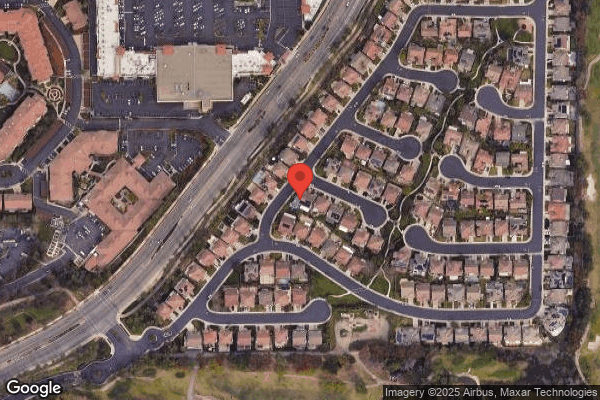
2525 BREA BLVD., FULLERTON, CA 92835 (714) 256-1000
For profit - Partnership 99 Beds CONTINUING LIFE Data: November 2025
Trust Grade
78/100
#161 of 1155 in CA
Last Inspection: December 2024

Within standard 12-15 month inspection cycle. Federal law requires annual inspections.

Overview

Park Vista at Morningside has a Trust Grade of B, indicating it is a good choice for families, though there are some concerns. It ranks #161 out of 1,155 nursing homes in California, placing it in the top half of facilities, and #12 out of 72 in Orange County, meaning only 11 local options are better. The facility is showing improvement, with issues decreasing from 19 in 2024 to just 5 in 2025. Staffing is a strength, earning a 5-star rating with a turnover rate of 30%, which is below the state average, indicating that staff are likely to remain consistent and familiar with residents. Notably, there have been no fines, which is a positive sign, but there are some weaknesses, including a concerning incident where a resident suffered a burn from hot tea due to a lack of immediate intervention, and ongoing issues with kitchen sanitation that could pose health risks, such as improper food storage practices. Overall, while there are strengths in staffing and recent trends, families should be aware of specific incidents that highlight areas needing attention.

Trust Score
B
78/100
In California
#161/1155
Top 13%
Safety Record
Moderate
Needs review
Inspections
Getting Better
19 → 5 violations
Staff Stability
✓ Good
30% annual turnover. Excellent stability, 18 points below California's 48% average. Staff who stay learn residents' needs.
Penalties
✓ Good
No fines on record. Clean compliance history, better than most California facilities.
Skilled Nurses
○ Average
Each resident gets 38 minutes of Registered Nurse (RN) attention daily — about average for California. RNs are the most trained staff who monitor for health changes.
Violations
⚠ Watch
39 deficiencies on record. Higher than average. Multiple issues found across inspections.
★★★★★
5.0
Overall Rating
★★★★★
5.0
Staff Levels
★★★★★
5.0
Care Quality
★★★☆☆
3.0
Inspection Score
Stable
2024: 19 issues
2025: 5 issues

The Good

  • 5-Star Staffing Rating · Excellent nurse staffing levels
  • 5-Star Quality Measures · Strong clinical quality outcomes
  • Low Staff Turnover (30%) · Staff stability means consistent care
  • Full Sprinkler Coverage · Fire safety systems throughout facility
  • No fines on record
  • Staff turnover is low (30%)

    18 points below California average of 48%

Facility shows strength in staffing levels, quality measures, staff retention, fire safety.

The Bad

Chain: CONTINUING LIFE

Part of a multi-facility chain

Ask about local staffing decisions and management

The Ugly 39 deficiencies on record

1 actual harm
Sept 2025 5 deficiencies 1 Harm
SERIOUS (G) 📢 Someone Reported This

A family member, employee, or ombudsman was alarmed enough to file a formal complaint

Actual Harm - a resident was hurt due to facility failures

Accident Prevention (Tag F0689)

A resident was harmed · This affected 1 resident

**NOTE- TERMS IN BRACKETS HAVE BEEN EDITED TO PROTECT CONFIDENTIALITY** Based on observation, interview, medical record review, facility document review, and facility P&P review, the facility failed t...

Read full inspector narrative →
**NOTE- TERMS IN BRACKETS HAVE BEEN EDITED TO PROTECT CONFIDENTIALITY** Based on observation, interview, medical record review, facility document review, and facility P&P review, the facility failed to ensure one of three sampled residents (Resident 4) reviewed for safety was free from accident/hazards. * The facility failed to ensure Residents 4 was evaluated to handle and consume hot beverages as per the facility's P&P. In addition, Residents 8 and 9 were also not evaluated to handle and consume hot beverages. * RNAs 1 and 2 failed to notify a licensed nurse immediately after Resident 4 spilled hot tea onto her lap. * The facility failed to ensure Resident 4 was provided the immediate and appropriate interventions when Resident 4 spilled hot tea to her left upper thigh. In addition, the facility failed to obtain a physician's order to properly treat a burn for Resident 4's left thigh. Theses failures resulted in Resident 4 sustaining a blisters to her left thigh and delay in the provision of the necessary and appropriate care/interventions which could potentially affect the resident's well-being.Findings: Review of the facility's P&P titled Accidents and Incidents Investigating and Reporting Procedure revised 2/2022 showed:1. Regardless of how minor an accident or incident may be, including injuries of unknown source, it must be reported to the department supervisor as soon as such accident/incident is discovered or when information of such accident/incident is learned, and2. The nurse supervisor/charge nurse must be immediately informed of accidents or incidents so that medical attention can be provided. Review of the facility's P&P titled Change in a Resident's Condition or Status revised 2/2021 showed our facility promptly notifies the resident, his or her attending physician, and the resident representative of changes in the resident's medical/mental condition and/or status. 1. The nurse will notify the residents attending physician or physician on call when there has been a(an) accident or incident involving the resident,2. The nurse will record in the resident's medical record information relative to the changes in the resident's medical/mental condition or status,3. Prior to notifying the physician or healthcare provider, the nurse will make detailed observations and gather relevant information for the provider, including (for example) information prompted by the Interact SBAR Communication Form, and4. Except in medical emergencies, notifications will be made within twenty-four (24) hours of a change occurring in the resident's medical/mental condition or status. According to the United States Product Safety Commission, Avoiding Tap Water Scalds (undated), showed most adults will suffer a third-degree burns if exposed to 150 degree Fahrenheit water for two seconds. Burns will also occur with a six-second exposure to 140 degree Fahrenheit water or with a thirty second exposure to 130 degree Fahrenheit water. Even if the temperature is 120 degrees Fahrenheit, a five minute exposure could result in third-degree burns. According to the National Library of Medicine dated 8/2023 showed the older adults are particularly susceptible to burn injuries due to increasing dementing illness, sensory impairment, poor mobility, slow reaction times, and medication side effects. Review of the facility's letter to CDPH L&C Program dated 9/5/25, showed on 9/4/25, during routine care, CNA observed blisters to Resident 4's left upper thigh. The charge nurse and RN supervisor evaluated the resident and observed three blisters to the left upper thigh. Further investigation was conducted, and it was noted that on 9/3/24, during lunchtime in the main dining room, Resident 4 spilled warm tea on her lap. Medical record review for Resident 4 was initiated on 9/9/25. Resident 4 was admitted to the facility on [DATE]. Resident 4 has a diagnosis of hemiplegia (one side paralysis) and hemiparesis (one sided muscle weakness) affecting the right side, aphasia (impaired ability to understand or form speech) following a cerebral infarction (condition where blood flow to brain was interrupted, causing tissue damage), and generalized muscle weakness. Review of Resident 4's H&P examination dated 11/22/24, showed Resident 4 had no capacity to understand and make medical decisions. Review of Resident 4's Plan of Care initiated on 11/22/24, and revised on 1/24/25, for the OT care plan showed Resident 4 demonstrated a decreased in ADL care function due to deficits in strength aphasia, right sided weakness, deficits in gross motor, and fine motor coordination, aerobic capacity, and balance deficits status post cerebral vascular accident (stroke). Review of Resident 4's MDS assessment dated [DATE], under Section GG-Functional Abilities showed the following:- for Functional Limitation in Range of Motion, showed Resident 4 had impairments on one side for the upper extremities (shoulder, elbow, wrist and hands), and - for Self-Care - Eating (the ability to use suitable utensils to bring food and/or liquid to the mouth and swallow food/or liquid once the meal is placed before the resident), showed Resident 4 required supervision or touching assistance (the helper provides verbal cues and /or touching/steadying and/or contact guard assistance as the resident complete the activity). On 9/10/25 at 1216 hours, an observation was conducted for Resident 4. Resident 4 was observed removing her tea bag out of her mug and using both right and left hands to grab the mug and taking sips of her tea. 1. a. Review of the facility's P&P titled Safety of Hot Liquids dated 10/2014 showed the residents will be evaluated for safety concerns and potential for injury from hot liquids upon admission, readmission, and on change of condition. The residents who prefer how beverages with meals (i.e. coffee, tea, soups, etc.) will not be restricted from these options. Instead, the staff will conduct regular hot liquids safety evaluations as indicated and document the risk factors for scalding and burns in the care plan. Review of the facility's document titled Beverage Preference by Resident dated 9/3/25, showed Resident 1 preferred hot tea for lunch and dinner. Review of Resident 4's medical records did not show Resident 4 was evaluated to handle hot liquids. A brief review of Residents 8 and 9's medical records showed the residents were not evaluated to handle hot liquids. On 9/12/25 at 1615 hours, an interview was conducted with the Administrator and Administrator Trainee. When asked if an assessment to handle hot beverages should be conducted for all the residents in the facility as per the facility's P&P, the Administrator stated yes. When asked if the facility conducted the assessment for any residents in the facility, the Administrator stated no. On 9/16/25 at 1332 hours, an interview and concurrent medical record review was conducted with the MDS Nurse. When asked if Residents 4, 8, and 9 were assessed to handle hot beverages, the MDS Nurse stated no. When asked if the assessment to handle hot beverages should have been conducted for all the residents based on the facility's P&P, the MDS Nurse stated yes. b. Review of Resident 4's Progress Note dated 9/4/25, showed at approximately 1830 hours, a CNA alerted charge nurse and RN supervisor of the redness on Resident 4's left upper thigh while providing care to the resident. The note further showed Resident 4 had blisters on her left thigh. Two blisters noted to the proximal left thigh, one located medially, measuring 4.5 cm by 1 cm; one located distally, measuring 2 cm by 2 cm; and a third blister noted laterally to mid-thigh, intact with no redness, and measuring 3 cm by 1 cm. On 9/9/25 at 1547 hours, an interview was conducted with RNA 1. RNA 1 stated on 9/3/25, when Resident 4 was eating lunch in Dining room [ROOM NUMBER], she heard a glass fell and was then informed by RNA 2 the tea had spilled onto Resident 4. RNA 1 stated they patted Resident 4 dry, then allowed Resident 4 to finish eating her dessert. RNA 1 stated after Resident 4 consumed her dessert, she was brought back to her room approximately five to 10 minutes later and then she informed CNA 4. When asked if she informed any licensed nurse or supervisor, RNA 1 stated no. On 9/9/25 at 1559 hours, an interview was conducted with RNA 2. RNA 2 stated on 9/3/25, while Resident 4 was holding her cup of tea, the cup tipped over and everything (tea) went into her lap, floor, and table. RNA 2 stated they patted Resident 4 dry. When asked how she knew it was a tea, RNA 1 stated it had the tea bag. When asked if she notified anyone, RNA 2 stated not me, RNA 1 told CNA 4. On 9/10/25 at 0933 hours, a telephone interview was conducted with CNA 3. CNA 3 stated on 9/4/25, she noticed blisters on Resident 4's skin while providing perineal care. CNA 3 stated she immediately notified LVN 2 and RN 1 to see if anyone had reported the blisters on her skin. CNA 3 stated she was not comfortable continuing the perineal care without notifying the licensed nurses as Resident 4's blisters were huge. On 9/10/25 at 1008 hours, a follow up interview was conducted with RNA 1. When asked what time lunch was served, RNA 1 stated approximately at 1200 hours. When asked the process was when an incident occurred, RNA 1 stated to report it right away. When asked if it was reported right away, RNA 1 stated no, it was not. On 9/10/25 at 1019 hours, an interview was conducted with CNA 4. CNA 4 stated on 9/3/25, when Resident 4 returned to her room from Dining room [ROOM NUMBER], she removed the resident's pants, saw redness on her left thigh, and reported it to RN 2 and Treatment Nurse 1. When asked what time she reported it to the licensed nurses, CNA 4 stated sometime between 1230-1345 hours. On 9/11/25 at 0955 hours, a telephone interview was conducted with RN 2. RN 2 stated she was notified on 9/3/25, by CNA 4 when Resident 4 spilled hot water on her thigh. However, RN 2 further stated she was not notified at the time the incident had occurred. c. According to the National Library of Medicine titled First Aid for Burns, the Blister Controversy and Acute Washing of the Burn Wound dated 9/2020 showed cooling the burn with cool running tap water has been shown to decrease cellular damage and edema (swelling), reduce the inflammatory reaction with increased healing and decreased need for skin grafting. Although the ideal temperature of water is unknown, the duration shows maximum benefit when done for 20 min and is useful when done up to three hour/s post burn. Cooling the burn with ice is detrimental and can lead to prolonged vasoconstriction (constrict the blood vessels). Other first aid components include immediate removal of clothing and jewelry, but any clothing melted or firmly adherent to the wound should be left to experienced personnel. * Review of Resident 4's Interdisciplinary Progress Note dated 9/5/25, showed during the routine care on 9/4/25, the assigned CNA observed blisters to Resident 4's left upper thigh. The charge nurse and RN supervisor evaluated the resident and observed 3 blisters to the resident's left upper thigh and the surrounding skin was intact. The note further showed on 9/3/25, during lunchtime in the main dining room, Resident 4 spilled warm tea on her lap and upon returning to the resident's room, Resident 4 was evaluated by the nursing staff and noted slight redness to her left upper thigh to which ice was applied to the area. On 9/9/25 at 1603 hours, an interview was conducted with LVN 2. When asked if you would pat the resident dry after the hot liquid was spilled, LVN 2 stated no, we would remove the clothing and apply cold compress. When asked what can happen if you let hot liquid sit on the resident's clothing for five minutes LVN 2 stated blisters and pain. LVN 2 stated the licensed nurses should have been notified right away rather than waiting until Resident 4 finished eating her dessert. On 9/10/25 at 1019 hours, an interview was conducted with CNA 4. CNA 4 stated on 9/3/25, she was informed by RNA 1 that Resident 4's pants were wet because she spilled hot tea on her lap. CNA 4 stated she proceeded to take Resident 4 to the restroom and noticed redness on her left thigh. When asked if Resident 4 complained of pain, CNA 4 stated she's a little bit burnt that is why I put ice. On 9/11/25 at 1248 hours, an interview and concurrent medical record review was conducted with RN 1. RN 1 verified on 9/4/25, Resident 4 had three blisters on her left upper thigh. When asked if it is an appropriate treatment to apply ice to a burned skin, RN 1 stated no, because it can cause vasoconstriction and damage the tissue. On 9/12/25 at 0950 hours, an interview and concurrent medical record review was conducted with MDS Nurse. The MDS Nurse verified the progress notes dated 9/5/25, showed an ice was applied to Resident 4's burn to her left upper thigh. * Review of Resident 4's medical record for the incident on 9/3/25, failed show documented evidence Resident 4's left thigh was assessed, the physician was notified, treatment was obtained and provided, and the resident was monitored. The documentation was not initiated until 9/4/25 at 1830 hours, approximately 30 hours later. On 9/10/25 at 1119 hours, an interview was conducted with Treatment Nurse 1. Treatment Nurse 1 stated CNA 4 had notified her on 9/3/25, close to 1300 hours, of the incident when Resident 4 had spilled hot tea onto her lap and her clothes were warm. When asked if that would be considered a change in condition, Treatment Nurse 1 stated yes. When asked what the process for a change of condition, Treatment Nurse 1 stated to inform the physician and the resident's family, document, provide the treatment as ordered by the physician, and monitor the resident. Treatment Nurse 1 verified there were no documentation to show a change of condition was initiated on 9/3/25, for Resident 4. On 9/11/25 at 0955 hours, a telephone interview was conducted with RN 2. RN 2 stated on 9/3/25, when she was notified of Resident 4 spilling hot tea on her thigh. RN 2 stated she assessed her skin, noticed slight redness, and was informed by Treatment Nurse 1 that she applied ice to the area. When asked what Resident 4's leg looked like on the second day, RN 2 stated she developed blisters. When asked what type of burn Resident 4 had, RN 2 stated on the first day it was redness, on the second day it was second to third degree burns. RN 2 verified the physician should have been notified on 9/3/25.
CONCERN (D) 📢 Someone Reported This

A family member, employee, or ombudsman was alarmed enough to file a formal complaint

Potential for Harm - no one hurt, but risky conditions existed

Quality of Care (Tag F0684)

Could have caused harm · This affected 1 resident

**NOTE- TERMS IN BRACKETS HAVE BEEN EDITED TO PROTECT CONFIDENTIALITY** Based on interview and medical record review, the facility failed to provide the necessary wound care services to one of nine sa...

Read full inspector narrative →
**NOTE- TERMS IN BRACKETS HAVE BEEN EDITED TO PROTECT CONFIDENTIALITY** Based on interview and medical record review, the facility failed to provide the necessary wound care services to one of nine sampled residents (Resident 1). * The facility failed to provided Resident 1's wound treatment as per the physician's order. In addition, the facility failed to accurately monitor and document the wound care provided to Resident 1. This failure had the potential for the resident's wound to become worse and negatively affect the resident's well-being.Findings: Medical record review for Resident 1 was initiated on 8/27/25. Resident 1 was admitted to the facility on [DATE], and transferred to an acute care facility on 8/16/25. Review of Resident 1's SBAR Communication Form dated 7/31/25, showed Resident 1 had a skin tear to the right distal medial aspect of the right lower leg. Review of Resident 1`s Order Summary Report showed a physician's order dated 7/31/25, for full thickness skin tear to the right distal medial aspect of lower leg, to apply Steri-Strips (adhesive bandage strips used to close small wounds) x 1(one) every shift for 21 days; and to monitor for evidence of infection or drainage, if drainage noted, cover with foam dressing and if an infection is noted, to notify the physician. Review of Resident 1's Progress Note dated 7/31/25, showed Resident 1 presented with a full thickness skin tear to the right distal/medial aspect of lower leg, measured size of 6 cm (length) by 2.5 cm (width), able to visualize adipose tissue/muscle, large amounts of serosanguinous (drainage that consists of clear serum and blood), and bleeding stopped when pressure applied. The skin tear was approximated and Steri-Strips was applied. Review of Resident 1's Plan of Care dated 7/31/25, showed a care plan problem addressing Resident 1`s full thickness skin tear to the right distal medial aspect of lower leg. The interventions included to provide treatment as ordered. Review of Resident 1's Treatment Administration Record for August 2025 showed a check mark to indicate the task was completed on 8/1 to 8/15/25, for the full thickness skin tear to the right distal medial aspect of lower leg, to apply Steri-Strips x 1(one) every shift for 21 days; and to monitor for evidence of infection or drainage, if drainage noted, cover with foam dressing and if an infection is noted to notify the physician. Review of Resident 1's Progress Notes showed documentation for the following dates:- dated 8/1/25, the treatment given as ordered;- dated 8/2/25, the treatment given as ordered;- dated 8/3/25, Steri-Strips was intact;- dated 8/4/25, Steri-Strips was intact; and- dated 8/5/25, new orders per physician for cephalexin (antibiotic) three times a day for cellulitis. Review of Resident 1's SBAR Communication Form dated 8/5/25, showed Resident 1 developed cellulitis (bacterial infection of the skin and underlying tissues) on her right lower leg. On 9/2/25 at 1522 hours, a telephone interview was conducted with LVN 1. LVN 1 stated he was notified on 7/31/25, that Resident 1 had a skin tear on her right lower leg as a result of CNA 2 accidently opening the restroom door hitting Resident 1's leg and causing injury to her right lower leg. LVN 1 stated he instructed CNA 2 to apply pressure so he can notify the treatment nurse. When asked what the appearance of the wound was, LVN 1 stated it had a flap and was still bleeding, so it was covered with a foam dressing. On 9/4/25 at 1508 hours, an interview was conducted with LVN 2. LVN 2 stated Resident 1's skin tear was being monitored. When asked how the wound was monitored, LVN 2 stated no complaints of pain and was observed for redness. When asked if the foam dressing was opened, LVN 2 stated no, we did not open it unless there was a lot of drainage. When asked how the wound was being monitored if the foam dressing was not removed, LVN 2 stated we monitor around the foam dressing, monitor for increased discharge, and monitor for pain. On 9/4/25 at 1556 hours, an interview and concurrent medical record review was conducted with Treatment Nurse 1. Treatment Nurse 1 stated Resident 1 was observed with a foam dressing on her right lower leg. When asked if a treatment was rendered, Treatment Nurse 1 stated when I saw it, it was covered with a foam dressing, I lifted it up, cleansed with normal saline, and covered it with a foam dressing. When asked what the physician's treatment order for Resident 1's wound, Treatment Nurse 1 stated she assumed the treatment included cleaning the wound because that was what the facility would normally do. Treatment Nurse 1 verified there were no cleansing orders, and stated Resident 1's wound orders were not complete and should have been clarified. On 9/16/25 at 1422 hours, the Administrator was made aware and acknowledged the above findings.
CONCERN (D) 📢 Someone Reported This

A family member, employee, or ombudsman was alarmed enough to file a formal complaint

Potential for Harm - no one hurt, but risky conditions existed

Respiratory Care (Tag F0695)

Could have caused harm · This affected 1 resident

**NOTE- TERMS IN BRACKETS HAVE BEEN EDITED TO PROTECT CONFIDENTIALITY** Based on interview, medical record review, and facility P&P review, the facility failed to ensure the necessary respiratory care...

Read full inspector narrative →
**NOTE- TERMS IN BRACKETS HAVE BEEN EDITED TO PROTECT CONFIDENTIALITY** Based on interview, medical record review, and facility P&P review, the facility failed to ensure the necessary respiratory care services were provided for one of nine sampled residents (Resident 2). * The facility failed to ensure Resident 2 was provided with the continuous oxygen via nasal cannula and Resident 2's oxygen saturation was maintained greater than 92% as ordered by the physician. These failures had the potential for the resident to not receive the necessary respiratory services and negatively impact the resident's well-being.Findings: Review of the facility's P&P titled Physicians Orders and Telephone Orders dated 11/2017 showed the physicians orders shall be obtained prior to the administration of any medication or treatment from a personal lawfully authorized to prescribe for and treat human illness. All orders must be specific and complete and no standing orders shall be accepted. All orders shall be specific and complete with all the necessary details to carry out the prescribed order without any question. Medical record review for Resident 2 was initiated on 8/27/25. Resident 2 was admitted to the facility on [DATE], and transferred to an acute care facility on 8/27/25. Resident 2's diagnosis included lung cancer, acute and chronic respiratory failure with hypoxia (condition where there is an inadequate supply of oxygen to the body's tissues) and dependence on supplemental oxygen. Review of Resident 2's Order Summary Report showed a physician's order dated 8/25/25, to administer oxygen at two to five liters per minute via nasal canula to keep the oxygen saturation greater than 92% every shift. Review of Resident 2's Weights and Vitals Summary showed the oxygen saturation on the following dates and times:- dated 8/26/25 at 1006 hours, 92% on room air;- dated 8/26/25 at 1709 hours, 92% oxygen via nasal cannula; and- dated 8/27/25 at 0323 hours, 93% on room air. Review of Resident 2's Progress Note dated 8/27/25, showed Resident 2 was desaturating with an oxygen saturation of 93% at 0430 hours to 51% at 0520 hours. Resident 2 was sent to an acute care facility via paramedics. On 9/11/25 at 1248 hours, an interview and concurrent medical record review was conducted with RN 1. RN 1 verified Resident 2's order showed to keep Resident 2 on continuous oxygen, and the oxygen should remain on at all times. RN 1 verified the oxygen should have been titrated to maintain an oxygen saturation greater than 92% as per the physician's orders . On 9/16/25 at 1422, the Administrator was made aware and acknowledged the above findings.
CONCERN (D) 📢 Someone Reported This

A family member, employee, or ombudsman was alarmed enough to file a formal complaint

Potential for Harm - no one hurt, but risky conditions existed

Infection Control (Tag F0880)

Could have caused harm · This affected 1 resident

**NOTE- TERMS IN BRACKETS HAVE BEEN EDITED TO PROTECT CONFIDENTIALITY** Based on observation, interview, medical record review, and facility P&P review, the facility failed to maintain the infection c...

Read full inspector narrative →
**NOTE- TERMS IN BRACKETS HAVE BEEN EDITED TO PROTECT CONFIDENTIALITY** Based on observation, interview, medical record review, and facility P&P review, the facility failed to maintain the infection control practices to help prevent the development and transmission of diseases and infections for three of nine sampled residents (Residents 4, 6, and 7). * Treatment Nurse 1 failed to perform hand hygiene and changed her gloves after removing the soiled wound dressing for Resident 4. In addition, Treatment Nurse 1 failed to dispose the unused gauze brought in resident's room and ensure the alcohol based sanitizer used was not expired. * CNA 4 failed to wear gloves and perform hand hygiene after touching contaminated items inside Resident 4's contact isolation room. In addition, CNA 4 then proceeded to deliver Resident 7's meal tray without performing hand hygiene. * CNA 4 failed to wear gloves and perform hand hygiene after touching contaminated items inside Resident 6's contact isolation room. In addition, CNA 4 then proceeded to feed Resident 6 without performing hand hygiene. These failures had the potential for the transmission of disease-causing pathogens and infections to the staff and residents.Findings: Review of the facility's P&P titled Wound Care revised 10/2010 showed;1. Verify there is a physician's order;2. Put on exam glove. Loosen tape and remove dressing;3. Pull glove over dressing and discard into appropriate receptacle. Wash and dry your hands thoroughly;4. Antiseptic (as ordered)5. Take only the disposable supplies that are necessary for the treatment into the room. Disposable supplies cannot be returned to the cart.6. The following information should be recorded in the resident's medical record. a. The type of wound care given;b. The date and time the wound care was given;c. All assessment data (i.e., wound bed color, size, drainage etc.) obtained when inspecting the wound;d. The signature and title of the person recording the data. Review of the facility's P&P titled Handwashing/Hand Hygiene revised 8/2019 showed all the personnel shall follow the handwashing/hand hygiene procedures to help prevent the spread of infections to other personnel, residents, and visitors. Review of the facility's P&P titled Isolation-Categories of Transmission-Based Precautions revised 9/2022 showed under the section for Contact Isolation, the staff and visitors wear gloves (clean, non-sterile) when entering the room. While caring for a resident, the staff will change gloves after having contact with infective material (for example, fecal material, and wound drainage). Gloves are removed and hand hygiene performed before leaving the room. The staff to avoid touching potentially contaminated environmental surfaces or items in the resident's room after gloves are removed. 1. On [DATE] at 1332 hours, a wound care treatment observation to Resident 4 was conducted with Treatment Nurse 1. Treatment Nurse 1 was observed placing the supplies needed for wound treatment into a small basket, which included a half pack of disposable gauze. Treatment Nurse 1 proceeded to remove the old dressing on Resident 4's left upper thigh and with the same gloves, entered the restroom and grabbed a cup with soapy water. Treatment Nurse 1 proceeded to clean Resident 4's wounds without performing hand hygiene or glove change. Treatment Nurse 1 was then observed while cleaning Resident 4's wounds reached into the gauze package and touched the inside of the gauze package with her gloves. After Resident 4's wound treatment, Treatment Nurse 1 was observed sanitizing her hands with an expired alcohol-based sanitizer after cleaning her workstation. Treatment Nurse 1 also returned the unused package of gauze inside Treatment Cart 1. On [DATE] at 1410 hours, an interview was conducted with Treatment Nurse 1 after completing the wound care for Resident 4. When asked what the expiration date on the hand sanitizer, Treatment Nurse 1 verified it had expired on 5/2025. When asked what she did with the unused gauze, Treatment Nurse 1 stated once she removed one half of the pack, she would continue to use the leftover gauze for the remainder of her residents until the half pack of unused gauze was empty. Treatment Nurse 1 acknowledged hand hygiene practices should have been performed after removing the old dressing and to throw away the unused and contaminated gauze. On [DATE] at 1523 hours, an interview was conducted with the DON. The DON acknowledged the expired hand sanitizer should have been discarded. The DON stated the process for proper hand hygiene while providing wound care would be to perform hand hygiene after removing the soiled dressing. The DON stated any unused disposable supplies would be disposed of if they were brought into a resident's room. 2. On [DATE] at 1209 hours, an observation was conducted for CNA 4 delivering the lunch trays. a. CNA 4 was observed holding a lunch tray, placed the lunch tray on top of the contact isolation cart outside the room, and donned an isolation gown before entering Resident 4's room. CNA 4 placed the lunch tray on Resident 4's bedside table, with bare hands moved Resident 4's bedside table around to accommodate Resident 4's sitting position and then removed the lids from her plateware. CNA 4 proceeded to place the lids of the plateware on top of the isolation cart outside the resident's room and washed her hands inside Resident 4's room. However, after performing hand hygiene, CNA 4 grabbed the same lid on top of the isolation cart outside Resident 4's room and placed it on top of the lunch cart. CNA 4 then grabbed another lunch tray and delivered it to Resident 7 without performing hand hygiene. b. On [DATE] at 1219 hours, CNA 4 was observed entering Resident 6's contact isolation room with an isolation gown with no gloves on to deliver a lunch tray to Resident 6. CNA 4 was observed touching Resident 6's bedside table, adjusting the height of the bed and adjusting Resident 6's blanket with no gloves on. CNA 4 then proceeded to feed Resident 6 without performing hand hygiene. On [DATE] at 1247 hours, an interview was conducted with CNA 4. CNA 4 stated the policy for the PPE for a contact isolation room would include wearing the gown and gloves. On [DATE] at 1325 hours, a follow up interview was conducted with CNA 4. When asked if she wore gloves when dropping off the lunch trays and entering a contact isolation rooms, CNA 4 stated, no and only when working with the residents. When asked what the proper hand hygiene practices would be for contact isolation was, CNA 4 stated to wash hands. CNA 4 acknowledged she did not use the proper PPE and perform hand hygiene practices when entering contact isolation rooms. On [DATE] at 1550 hours, an interview was conducted with the DON. The DON stated the process for entering the contact isolation rooms would include hand washing or sanitizing and wearing a gown and gloves. The DON stated after leaving an isolation room, hand hygiene should be performed. The DON was made aware and acknowledged the above findings. On [DATE] at 1422 hours, the Administrator was made aware and acknowledged the above findings.
MINOR (B) 📢 Someone Reported This

A family member, employee, or ombudsman was alarmed enough to file a formal complaint

Minor Issue - procedural, no safety impact

Medical Records (Tag F0842)

Minor procedural issue · This affected multiple residents

**NOTE- TERMS IN BRACKETS HAVE BEEN EDITED TO PROTECT CONFIDENTIALITY** Based on interview, medical record review, and facility P&P review, the facility failed to ensure the medical information was co...

Read full inspector narrative →
**NOTE- TERMS IN BRACKETS HAVE BEEN EDITED TO PROTECT CONFIDENTIALITY** Based on interview, medical record review, and facility P&P review, the facility failed to ensure the medical information was complete and accurate for two of nine sampled residents (Residents 1 and 4). * The facility failed to ensure Resident 1's intake, output, and eating percentage documentation were complete and accurate. * The facility failed to document the incident when Resident 4 spilled hot tea on her left thigh on 9/3/24. These failures had the potential for the residents to receive inadequate care as their clinical information were incomplete and inaccurate.Findings: Review of the facility's P&P titled Charting and Documentation revised 7/2017 showed all the services provided to the resident, progress towards the care plan goals, or any changes in the residents mental, physical, functional or psychosocial condition, shall be documented in the residents medical record. The medical record should facilitate communication between the interdisciplinary team regarding the residents condition and response to care. The following information is to be documented in the resident medical record: a. Objective observations;b. Medications administered;c. Treatments or services performed;d. Changes in the resident's condition;e. Events, incidents or accidents involving the resident; andf. Progress toward or changes in the care plan goals and objectives.Documentation in the medical record will be objective (not opinionated or speculative), complete, and accurate. 1. Medical record review for Resident 1 was initiated on 8/27/25. Resident 1 was admitted to the facility on [DATE], and discharged to an acute care facility on 8/16/25. Review of Resident 1's Order Summary Report showed a physician's order dated 7/25/25, to monitor the intake and output every shift, document the intake and output in ml every shift. Review of Resident 1's Documentation Survey Report for August 2025 showed the documentation of the fluid intake and urine output on the following dates and times:- dated 8/1/25 at 2300-0700 hours, showed NA (not applicable);- dated 8/3/25 at 0700-1500 hours, had no entry;- dated 8/5/25 at 2300-0700 hours, showed NA - dated 8/6/25, 1500-2300 hours, had no entry;- dated 8/6/25 at 2300-0700 hours, showed NA- dated 8/8/25 at 2300-0700 hours, showed NA- dated 8/9/25 at 0700-1500 hours, had no entry;- dated 8/11/25 at 2300-0700 hours, showed NA- dated 8/12/25 at 2300-0700 hours, had no entry; and- dated 8/13/25 at 1500-2300 hours, had no entry. Review of Resident 1's Documentation Survey Report for August 2025 showed the documentation of the eating percentage on the following dates and times:- dated 8/5/25 at 0900 hours, showed 10 (not attempted due to environmental limitations (e.g., lack of equipment or weather constraints);- dated 8/6/25 at 0900 hours, showed 10- dated 8/6/25 at 1800 hours, had no entry;- dated 8/8/25 at 090 hours, showed 10- dated 8/9/25 at 0900 and 1300 hours, had no entry;- dated 8/12/25 at 1800 hours, showed 10 - dated 8/13/25 at 1800 hours, had no entry On 9/10/25 at 1550 hours, an interview and concurrent medical record review was conducted with the DON. The DON verified and stated the multiple blank entries in Resident 1's Documentation Survey Report were missed charting. The DON further stated documenting NA and 10 for the intake, output, and eating percentage would be an incorrect documentation. On 9/16/25 at 1422 hours, the Administrator was made aware and acknowledged the above findings. 2. Review of the facility's P&P titled Change in a Resident's Condition or Status revised 2/2021 showed our facility promptly notifies the resident, his or her attending physician, and the resident representative of changes in the resident's medical/mental condition and/or status. 1. The nurse will notify the residents attending physician or physician on call when there has been a(an) accident or incident involving the resident,2. The nurse will record in the resident's medical record information relative to the changes in the resident's medical/mental condition or status,3. Prior to notifying the physician or healthcare provider, the nurse will make detailed observations and gather relevant information for the provider, including (for example) information prompted by the Interact SBAR Communication Form, and4. Except in medical emergencies, notifications will be made within twenty-four (24) hours of a change occurring in the resident's medical/mental condition or status. Medical record review for Resident 4 was initiated on 9/9/25. Resident 4 was admitted to the facility on [DATE]. Review of Resident 4's Progress Note dated 9/4/25, showed at approximately 1830 hours, CNA alerted the charge nurse and RN supervisor of the redness on Resident 4's left upper thigh while providing care to the resident. The note further showed Resident 4 had blisters on her left thigh. Review of Resident 4's Interdisciplinary Progress Note dated 9/5/25, showed during the routine care on 9/4/25, the assigned CNA observed blisters to Resident 4's left upper thigh. The charge nurse and RN supervisor evaluated the resident and observed three blisters to the resident's left upper thigh and the surrounding skin was intact. The note further showed on 9/3/25, during the lunch time in the main dining room, Resident 4 spilled warm tea on her lap and upon returning to the resident's room, Resident 4 was evaluated by the nursing staff and noted slight redness to her left upper thigh to which an ice was applied to the area. Review of Resident 4's medical record failed to show any documentation regarding the incident when Resident 4 had spilled hot tea on her left thigh on 9/3/25. On 9/10/25 at 1119 hours, an interview was conducted with Treatment Nurse 1. Treatment Nurse 1 stated CNA 4 had notified her on 9/3/25, close to 1300 hours regarding Resident 4 had spilled hot tea onto her lap, and her clothes were warm. When asked if that would be considered a change in condition, Treatment Nurse 1 stated yes. When asked if a change of condition was initiated for Resident 4 on 9/3/25, Treatment Nurse 1 stated no. On 9/11/25 at 0955 hours, a telephone interview was conducted with RN 2. RN 2 stated she forgot to document and she had endorsed it to Treatment Nurse 1. On 9/12/25 at 0950 hours, an interview and concurrent medical record review was conducted with the MDS Nurse. The MDS Nurse verified Resident 4's medical record did not show any documentation when Resident 4 spilled hot tea on her left thigh on 9/3/25. Cross reference to F689.
Dec 2024 18 deficiencies
CONCERN (D)

Potential for Harm - no one hurt, but risky conditions existed

Deficiency F0692 (Tag F0692)

Could have caused harm · This affected 1 resident

**NOTE- TERMS IN BRACKETS HAVE BEEN EDITED TO PROTECT CONFIDENTIALITY** Based on interview, medical record review, and facility P&P review, the facility failed to ensure the RD evaluations and interve...

Read full inspector narrative →
**NOTE- TERMS IN BRACKETS HAVE BEEN EDITED TO PROTECT CONFIDENTIALITY** Based on interview, medical record review, and facility P&P review, the facility failed to ensure the RD evaluations and interventions related to weight loss were conducted timely for one of one final sampled residents (Resident 18) reviewed for nutrition. This failure had the potential for further weight loss and not meeting the nutrition needs for the resident. Findings: Review of the facility's P&P titled Weight Management Guidelines revised 12/2023 showed the residents with significant weight variance should be identified and appropriate intervention implemented. Suggested parameters for evaluating significance of unplanned and undesired weight loss/gain are: a. 1 (one) week - 2-3% is significant; greater than 3% is severe. b. 1 (one) month - 5% is significant; greater than 5% is severe. c. 3 (three) months - 7.5% is significant; greater than 7.5% is severe. Further review of the P&P showed to follow best practice guidelines for interventions. Obtain residents preferences regarding interventions and individualize. Try food first. If weight loss continues and intake is consistently less than or equal to 50%, recommend an appetite stimulant for 30 days. When additional weight loss occurs, recommend a three day calorie count and check the advance directives. Medical record review for Resident 18 was initiated on 12/2/24. Resident 18 was readmitted to the facility on [DATE]. Review of Resident 18's Mini Nutritional assessment dated [DATE], showed Resident 18 was at risk for malnutrition (condition in which the body does not get enough nutrients). Review of the facility's document titled Weights and Vitals Summary showed Resident 18's weights were documented as follows: - 143.2 lbs on 6/30/24; - 136.2 lbs on 7/7/24 (a loss of 7 lbs/4.9% in one week); - 138.2 lbs on 7/14/24; - 130.4 lbs on 7/21/24 (a loss of 7.8 lbs/5.6% in one week from 7/14/24 to 7/21/24); - 131.6 lbs on 7/28/24; (a loss of 11.6 lbs/8.1% in one month); - 128.4 lbs on 8/4/24 (a loss of 3.2 lbs/2.4% in one week from 7/28/24 to 8/4/24); - 124.8 lbs on 8/12/24 (a loss of 3.6 lbs/2.5% in one week from 8/4/24 to 8/12/24); - 119.8 lbs on 8/18/24 (a loss of 23.4 lbs/16.34% in seven weeks) Review of the facility's document titled Documentation Survey Reports for June, July, and August 2024 showed Resident 18's oral intakes for the following months: - For June 2024, 94.6% of the 37 meals recorded had intakes less than or equal to 50% intake. - For July 2024, 80% of the 92 meals recorded had intakes less than or equal to 50% intake. - For August 2024, 68.8% of the 93 meals recorded had intakes less than or equal to 50% intake. Review of Resident 18's Nutritional Services Notes showed the following: - dated 6/21/24, Resident 18 was evaluated to have an increased risk for weight loss related to edema and suboptimal PO intake. Resident 18's skin was intact and she had edema. Recommend liberalized diet to regular SB6 NAS diet with mildly thick liquids and fruit instead of dessert. Recommend add Glucerna one container at 10 AM for 180 calories and 10 grams of protein per day. - dated 7/2/24, showed Resident 18 disliked Glucerna and other nutritional supplements. Resident 18's intake was 25% which did not meet the established assessed needs of 58-71% PO for nutrition and hydration. Resident 18's skin was intact and edema was resolved. Recommend to add special nutrition program with all meals and gelato of Magic Cup (frozen dessert) with lunch for an additional approximate 1100 calories and 48 grams of protein. Recommend to discontinue Glucerna one container at 10 AM. - dated 7/16/24, Resident 18's weight was consistent with previous weight of 135-140 lbs. Resident 18's intake was 25-75% which met established assessed needs of 58-71% PO for nutrition and hydration. No recommendations at this time. - dated 7/25/24, all nutritional interventions have been used. Will recommend to communicate with MD that all nutritional interventions had been exhausted by weight loss persists. Continue plan of care and monitor weights and skin for significant changes. - dated 8/15/24, Resident 18's intake was 50%, which did not meet the established assessed needs of 58-71 % PO for nutrition and hydration. All the nutritional interventions had been used. Recommend Glucerna between meals to provide 360 kcal and 20 grams of protein. Continue the plan of care and to monitor the weights and skin for significant changes. - dated 8/21/24, Resident 18's intake was 35-50%, which did not meet the established assessed needs of 58-71 % PO for the nutrition and hydration. Recommend speech therapy evaluation to approve thin liquids and/or ice cream to improve PO intake. Discontinue Glucerna, resident disliked. Review of Resident 18's Physician's Progress Note dated 7/11/24, failed to address Resident 18's weight loss. Under the plan for frailty syndrome, it showed the RD was to assess the resident's adequate caloric intake for weight loss prevention. Review of the facility's document titled Dietary Recommendations dated 7/25/24, showed Resident 18 had nutritional concerns of a 7.8 lbs weight loss in one week. The recommendation showed to communicate to the MD that all nutritional interventions have been exhausted, but the resident's weight loss persisted. Under the section for follow up, the date was blank. Review of Resident's Physician's Progress Note dated 8/9/24, showed Resident 18 was slowly improving since coming back from the acute care hospital for sepsis. Weights were stable and her PO intake was fair. Under the plan for frailty syndrome showed the RD to assess regarding adequate caloric intake for weight loss prevention. Further review of Resident 18's medical record failed to show the resident's physician was notified of the RD recommendation on 7/25/24. There was no documented evidence of evaluation or recommendation from the physician or RD to address Resident 18's continued weight loss from 7/25/24 through 8/15/24. Additionally, there was no documented evidence of the recommendation for an appetite stimulant per the facility's P&P. On 12/4/24 at 1119 hours, an interview and concurrent medical record review was conducted with RN 2. RN 2 stated the RD would write down their dietary recommendations on the form titled Dietary Recommendations, give the forms to the nurses, then the nursing staff would follow up. RN 2 reviewed the RD recommendation on 7/25/24, for Resident 18 and verified there was no documented evidence the physician was notified of the RD recommendations. On 12/4/24 at 1552 hours, an interview and concurrent medical record review was conducted with the DON. The DON stated Resident 18 had weight loss but had maintained her weight range since August 2024. The DON stated the facility first identified Resident 18's weight loss on 6/30/24 and had conducted weekly weights at that time. The DON stated the resident would have significant weight loss if they lost three pounds in one week or five pounds in one month. The DON reviewed the RD recommendation on 7/25/24 and verified there was no documented evidence the physician was notified per the RD recommendation. The DON stated the nursing staff should carry out the RD recommendations in a timely fashion, ideally the next day. On 12/5/24 at 0926 hours, an interview and concurrent medical record review was conducted with the RD. The RD stated the facility had a written communication form he would fill out and provide to the nurses to follow up. The RD stated he started working at the facility on 8/15/24 and saw Resident 18 on 8/15/24. When asked about his recommendations to give Glucerna even when it was documented Resident 18 disliked Glucerna, the RD stated he talked to Resident 18 and she told him she would try. The RD verified there was no documented evidence of follow up from the RD regarding Resident 18's weight loss from 7/25/24 until 8/15/24. On 12/5/24 at 1200 hours, a follow-up interview was conducted with the DON. The DON acknowledged the above findings.
CONCERN (D)

Potential for Harm - no one hurt, but risky conditions existed

Respiratory Care (Tag F0695)

Could have caused harm · This affected 1 resident

**NOTE- TERMS IN BRACKETS HAVE BEEN EDITED TO PROTECT CONFIDENTIALITY** 4. During the initial tour of the facility on 12/2/24 at 1034 hours, Resident 18's oxygen concentrator was observed not in use. ...

Read full inspector narrative →
**NOTE- TERMS IN BRACKETS HAVE BEEN EDITED TO PROTECT CONFIDENTIALITY** 4. During the initial tour of the facility on 12/2/24 at 1034 hours, Resident 18's oxygen concentrator was observed not in use. The oxygen nasal cannula was observed on the floor under the chair next to the concentrator. The humidifier bottle and nasal cannula were observed unlabeled. On 12/2/24 at 1041 hours, an observation and concurrent interview was conducted with LVN 1. LVN 1 stated Resident 18 used the oxygen as needed intermittently. LVN 1 verified the above findings and stated the nasal cannula should be in a bag and changed every Wednesday or as needed. Medical record review for Resident 18 was initiated on 12/2/24. Resident 18 was readmitted to the facility on [DATE]. Review of Resident 18's Order Summary Report dated 12/2/24, showed a physician's order dated 6/18/24, to provide the oxygen at two to four liters via nasal cannula as needed for shortness of breath or oxygen saturation less than 92%. On 12/5/24, an interview was conducted with the DON and Administrator. The DON and Administrator acknowledged the above findings. Based on observation, interview, medical record review, and facility P&P review, the facility failed to ensure four of four final sampled residents (Residents 31, 32, 36, and 18) reviewed for respiratory care were provided with the appropriate respiratory care. * The facility failed to ensure Resident 36's oxygen was administered as ordered. In addition, the facility failed to change the humidifier and the oxygen nasal cannula (flexible tube to deliver oxygen into the nose) timely. * The facility failed to ensure Resident 32's oxygen nasal cannula was stored in a sanitary manner when not in use. * The facility failed to ensure Resident 31's oxygen nasal cannula was stored in a sanitary manner and changed timely. * The facility failed to ensure Resident 18's oxygen nasal cannula was stored in a sanitary manner. These failures had the potential to affect the respiratory health and well-being of the residents in the facility. Findings: 1. Medical record review for Resident 36 was initiated on 12/2/24. Resident 36 was admitted to the facility on [DATE]. Review of the facility's P&P titled Oxygen Management dated 9/10/24, showed the humidifiers should be dated, timed, and initialed when used. The nasal cannulas, masks, and tubing should be changed every seven days, timed, and initialed. Review of Resident 36's Order Summary Report dated 12/2/24, showed a physician's order dated 12/21/11, to administer the oxygen at two to three liters per minute via nasal cannula continuously to keep the oxygen saturation level above 92%. On 12/2/24 at 0800 hours, Resident 36 was observed with an oxygen at four liters per minute via nasal cannula. The humidifier was empty, and the oxygen nasal cannula and storage bag were dated 11/20/24. On 12/2/24 at 0900 hours, an observation and concurrent interview was conducted with LVN 1. LVN 1 verified Resident 36 was receiving oxygen at four liters per minute. LVN 1 stated he was not sure what the physician's order was for Resident 36's oxygen and would check it. LVN 1 verified the oxygen nasal cannula was undated and the storage bag was dated 11/20/24. LVN 1 acknowledged the humidifier was empty. On 12/2/24 at 1030 hours, an observation, interview, and concurrent medical record review was conducted with the MDS Coordinator. The MDS Coordinator verified Resident 36 had an oxygen orders for three liters per minute; however, the resident was observed receiving four liters per minute of oxygen. 2. Medical record review for Resident 32 was initiated on 12/2/24. Resident 32 was admitted to the facility on [DATE], and readmitted on [DATE]. Review of Resident 32's Order Summary Report dated 12/3/24, showed a physician's order dated 10/26/24, to administer the oxygen at two to four liters per minute via nasal cannula as needed for shortness of breath or oxygen saturation level less than 92%. On 12/2/24 at 0810 hours, Resident 32 was observed lying in bed, with the nasal cannula placed on top of the oxygen concentrator and not inside the storage bag when not in use. The nasal cannula was undated, and the storage bag was dated 11/20/24. On 12/2/24 at 0915 hours, an observation and concurrent interview was conducted with LVN 1. LVN 1 stated the nasal cannula should be stored inside the storage bag when not in use. LVN 1 verified the nasal cannula was undated and the storage bag was dated 11/20/24. 3. Medical record review of Resident 31 was initiated on 12/2/24. Resident 31 was admitted to the facility on [DATE], and readmitted on [DATE]. Review of Resident 31's Order Summary Report dated 12/3/24, showed a physician's order dated 11/19/24, to administer the oxygen at two to four liters per minute via nasal cannula as needed for shortness of breath or oxygen saturation levels less than 92% and to administer the oxygen at two to four liters per minute via nasal cannula at night to keep the resident's oxygen saturation levels above 92% during the evening and night shifts. On 12/2/24 at 0815 hours, Resident 31 was observed sitting upright in bed with the nasal cannula on the right side of his bed. The oxygen nasal cannula was connected to the oxygen concentrator at two liters per minute. The nasal cannula was undated, and the storage bag was dated 11/20/24. When asked if he had taken off his oxygen, Resident 31 stated no. On 12/2/24 at 0920 hours, an observation and concurrent interview was conducted with LVN 1. LVN 1 verified the nasal cannula should be placed in the resident's nostrils or stored inside the storage bag when not in use. LVN 1 verified the oxygen nasal cannula was undated and the storage bag was dated 11/20/24. LVN 1 stated the storage bag should be changed weekly.
CONCERN (D)

Potential for Harm - no one hurt, but risky conditions existed

Pharmacy Services (Tag F0755)

Could have caused harm · This affected 1 resident

**NOTE- TERMS IN BRACKETS HAVE BEEN EDITED TO PROTECT CONFIDENTIALITY** Based on observation, interview, medical record review, facility document review, and facility P&P review, the facility failed t...

Read full inspector narrative →
**NOTE- TERMS IN BRACKETS HAVE BEEN EDITED TO PROTECT CONFIDENTIALITY** Based on observation, interview, medical record review, facility document review, and facility P&P review, the facility failed to provide the pharmaceutical services necessary to ensure the accurate reconciliation and disposal of medications. * The facility failed to ensure one of 17 final sampled residents (Resident 25) medications were not left at the resident's bedside. In addition, the facility failed to ensure the pharmaceutical services were provided to meet the needs of one nonsampled resident (Resident 2). * The facility failed to ensure the count performed for all controlled medications in the Omnicell (automatic drug delivery system) was accurate as per the facility's P&P. This failure posed the risk of medication diversion. * The facility failed to ensure Resident 2's routine medication was available. This failure had the potential to result in poor health outcomes to the resident. Findings: 1. Review of the facility's P&P titled Automated Drug Delivery System (ADDS) dated 2022 showed the pharmacy and facility staff shall comply with complaint, medication error, or omission reporting procedures for incidents that result from the use of the ADDS and/or system software. The pharmacy and facility shall follow the policies set forth by their respective organizations, which may include, but are not limited to: notifying the prescriber, documenting the facts of the incident, identifying the individuals involved, performing a root cause analysis, and developing a corrective action plan. Review of the facility document titled Pharmacy Discrepancy Report dated from 9/1/24 through 12/3/24, showed the following medications were listed: - On 11/18/24 at 0737 hours, for the zolpidem tartrate (sleep aide medication) 5 mg tablet, the bin quantity before was five tablets, one tablet taken out, and the bin quantity after was 4 tablets. - On 11/19/24 at 0558 hours, for the zolpidem tartrate 5 mg tablet, the bin quantity before was four tablets, one tablet was added, and the bin quantity after was five tablets. - On 11/28/24 at 0537 hours, for the hydralazine (blood pressure medication) 10 mg tablet, the bin quantity before was 17 tablets, seven tablets were taken out, and the bin quantity after was 10 tablets. - On 11/28/24 at 0537 hours, for the hydralazine 10 mg tablet, the bin quantity before was 10 tablets, one tablet was taken out (corrected), and the bin quantity after was nine tablets. - On 10/21/24 at 0418 hours, for the tramadol hydrochloride (controlled pain medication) 50 mg tablet, the bin quantity before was 10 tablets, two tablets were taken out, and the bin quantity after was eight tablets. - On 10/21/24 at 0524 hours, for the tramadol hydrochloride 50 mg tablet, the bin quantity before was 62018 (bar code) tablets. The transaction quantity showed 760212 (bar code). There was no specific actions documented and the bin quantity after was six tablets. - On 10/21/24 at 1216 hours, for the tramadol hydrochloride 50 mg tablet, the bin quantity before was seven tablets. However, the transaction quantity showed 760212 (bar code). There was no specific actions documented and the bin quantity after was 760219. - On 10/22/24 at 0707 hours, for the tramadol hydrochloride 50 mg tablet, the bin quantity before was eight tablets, two tablets were added, and the bin quantity after was 10 tablets. - On 11/23/24 at 0814 hours, for the levofloxacin (antibiotic medication) 250 mg, the bin quantity was five tablets, one tablet was removed, and the bin quantity after was four tablets. - On 11/24/24 at 0948 hours, for the levofloxacin 250 mg tablet, the bin quantity before was four tablets, two tablets were added, and the bin quantity after was 6 tablets. On 12/4/24 at 1340 hours, an interview and concurrent facility document was conducted with the DON, Pharmacy Staff 1, and 2. The review of the facility document titled Pharmacy Discrepancy Report dated from 9/1/24 through 12/3/24 was conducted with the DON regarding the Omnicell. When the DON was asked how the medications in the Omnicell were accounted for, the DON stated the night shift nurses were counting the controlled medications, antibiotics, and other medications. Pharmacy Staff 1 and 2 stated if there was a discrepancy when the medications were checked, the Omnicell would generate the discrepancy report automatically and email it to the DON. When Pharmacy Staff 1 and 2, and the DON were asked how the zolpidem medication was added back into the Omnicell on 11/19/24, almost 24 hours after it was removed. The DON stated the nurse added it back, however, the DON and Pharmacy Staff 1 and 2 were unable to explain where the nurse got the zolpidem tablet from to change the bin quantity back to five tablets. The DON and Pharmacy Staff 1 and 2 were asked about the seven tablets of hydralazine medication removed from the Omnicell on 11/28/24, the DON stated it was a discrepancy and the nurse should have taken only one tablet. The DON verified when after the nurse corrected the count for the hydralazine medication on 11/28/24, after removing only one tablet, and the ending count was nine tablets. However, when the DON and Pharmacy Staff 1 and 2 were asked why the ending count for the hydralazine medication was nine tablets and not 16 tablets, they were unable to provide an explanation. When the DON and Pharmacy Staff 1 and 2 were asked how the count for the tramadol medication remained at 10 tablets on 10/22/24, even after two tablets were removed on 10/21/24 at 0418 hours, and the bin quantity was six tablets on 10/21/24 at 0524 hours, the DON and Pharmacy Staff 1 and 2 were unable to provide an explanation. In addition, when the DON was asked about the discrepancy report for the tramadol medication for 10/21/24 at 0524 hours and 10/21/24 at 1216 hours, which did not show the specific actions taken by the staff (taken out or added), the DON stated the nurse scanned the bar code of the medication, instead of inputing the number of tablet(s) removed when the Omnicell system asked for the quantity and the system accepted and recorded it. Lastly, when the DON, Pharmacy Staff 1 and 2 were asked why and how the nurse added two tablets to the levefloxacin count on 11/24/24, the DON and Pharmacy Staff 1, 2 were unable to provide an explanation but they stated the nurse must have miscounted. On 12/4/24 at 1500 hours, an interview was conducted with the DON. The DON acknowledged the discrepancy in counting the of the controlled medications and other medications in the Omnicell. The DON acknowledged the count for the hydralazine medication after the correction was made on 11/28/24, should have been 16 tablets, and not nine tablets as shown. The DON acknowledged there was a potential for the actual count of the controlled medications and other medications to not be accurate. The DON verified the above findings. 2. Medical record review of Resident 2 was initiated on 12/2/24. Resident 2 was admitted to the facility on [DATE], and readmitted on [DATE]. Review of the facility's P&P titled Receipt of Interim/Stat/Emergency Deliveries dated 1/1/13, showed if a necessary medication is not contained within the Facility's interim/stat/emergency supply, and facility determines that an interim/stat/emergency medication(s) in an earlier scheduled delivery or a special delivery as required or for delivery by contract courier. Review of the facility's P&P titled Reordering, Changing and Discontinuing Reorder dated 1/1/13, showed facility staff should reorder medications using an electronic list of residents and medications due or by use of barcode technology. Facility staff should review the transmitted reorders for status and potential issues and Pharmacy response. Review of Resident 2's Order Summary Report dated 12/9/24, showed a physician's order dated 11/19/24, to administer Eliquis (blood thinner) 2.5 mg orally one tablet by mouth twice a day for deep vein thrombosis (blood clot in a deep vein) prophylaxis. Additionally, there was a physician's order dated 11/23/24, to administer zinc sulfate (supplement) 220 mg one capsule by mouth once a day for 14 days for wound care. On 12/4/24 at 0900 hours, a medication administration observation was conducted with LVN 2 for Resident 2. LVN 2 stated the bubble pack for the routine Eliquis and zinc sulfate medications had run out of supply. LVN 2 stated she had faxed and called the pharmacy several times regarding the routine Eliquis and zinc sulfate medications, but the pharmacy had not sent either medications. Review of the facility's document titled Refill Reorder Form dated 11/28/24, showed the Eliquis 2.5 mg was ordered. The form also indicated the communication with the pharmacist regarding the refill for the Eliquis medication took place on 12/2/24 via phone, followed by a fax request on 12/3/24. There was no documenation to show why the pharmacy never sent the medications. On 12/4/24 at 1130 hours, an observation and concurrent interview was conducted with LVN 2. LVN 2 was observed receiving the medication delivery for Resident 2 from the pharmacy. LVN 2 administered the zinc sulfate and Eliquis medications to Resident 2.
CONCERN (D)

Potential for Harm - no one hurt, but risky conditions existed

Deficiency F0760 (Tag F0760)

Could have caused harm · This affected 1 resident

**NOTE- TERMS IN BRACKETS HAVE BEEN EDITED TO PROTECT CONFIDENTIALITY** Based on observation, interview, medical record review, and facility P&P review, the facility failed to ensure one of 17 final s...

Read full inspector narrative →
**NOTE- TERMS IN BRACKETS HAVE BEEN EDITED TO PROTECT CONFIDENTIALITY** Based on observation, interview, medical record review, and facility P&P review, the facility failed to ensure one of 17 final sampled residents (Resident 25) was free of significant medication errors. * The facility failed to ensure Resident 25 was administered the piperacillin sodium tazobactam medication (antibiotic) as ordered by the physician. This failure had the potential to negatively impact the residents' well-being. Findings: Review of the facility's P&P titled Adminsitering Medications dated 2001 showed the medications are administered in a safe and timely manner, and as prescribed. Medications are administered within one hour of their prescribed time, unless, otherwise specified. Medical record review for Resident 25 was initiated on 12/2/24. Resident 25 was admitted to the facility on [DATE]. Review of Resident 25's H&P examination dated 11/5/24, showed Resident 25 had the capacity to understand and make decisions. Review of Resident 25's Order Summary Report dated active as of 12/3/24, showed a physician's order dated 11/29/24, to administer piperacillin sodium tazobactam solution reconstituted 3.375 g intravenously every six hours for UTI for seven days. On 12/2/24 at 1102 hours, an interview was conducted with Resident 25. Resident 25 stated she was not administered her 0600 hours antibiotic dose during the previous night shift. Review of Resident 25's Infusion Medication Administration Record for December 2024 failed to show the dose of the piperacillin sodium tazobactam medication due on 12/2/24 at 0600 hours was administered to Resident 25. On 12/3/24 at 1406 hours, an interview and concurrent medical record review was conducted with RN 2. RN 2 acknowledged and verified the above findings.
CONCERN (D)

Potential for Harm - no one hurt, but risky conditions existed

Deficiency F0761 (Tag F0761)

Could have caused harm · This affected 1 resident

**NOTE- TERMS IN BRACKETS HAVE BEEN EDITED TO PROTECT CONFIDENTIALITY** Based on observation, interview, medical record review, facility document review, and facility P&P review, the facility failed e...

Read full inspector narrative →
**NOTE- TERMS IN BRACKETS HAVE BEEN EDITED TO PROTECT CONFIDENTIALITY** Based on observation, interview, medical record review, facility document review, and facility P&P review, the facility failed ensure proper storage and label of medications in one of two medication storage rooms (Medication room [ROOM NUMBER]) and two of three medication carts (Medication Carts A and C) when: * An opened tuberculin (medication used to help diagnose tuberculosis) vial was stored in the refrigerator inside Medication room [ROOM NUMBER] without an open date. An opened box of instant food thickener was stored in Medication room [ROOM NUMBER] and contained multiple expired packets of food thickener. In addition, a bag of the home medications without a resident's name was stored in Medication room [ROOM NUMBER]. * Temperature log for Medication room [ROOM NUMBER] had multiple missing entries on multiple dates. * Three packets of Non-Adhesive Pad was stored in Medication Cart A and had expired on 6/2024. * Residents 14 and 40's topical medications in Medication Cart C was not labeled with an open date as per the facility's policy. These failures had the potential to negatively impact the residents' well-being, and the potential for the medications to lose the stability and effectiveness. Findings: Review of the facility's P&P titled Storage and Expiration Dating of Medications, Biologicals, Syringes and Needles revised on 3/6/18, showed the following: - Facility staff should record the date opened on the medication container has a shortened expired date once opened. - Facility should ensure that medications and biologicals for expired or discharged residents are stored separately, away from use, until destroyed. Review of the facility's P&P titled Temperature of Medications dated 10/2018 showed the drugs required to be stored at a room temperature shall be stored at a temperature between 59-to-86-degree Fahrenheit, recommend a temperature log for daily documentation, saving records for a minimum of one year. Review of the facility's P&P Medication Labeling and Storage revision dated 10/20/24, showed to distinguish the house items from the resident supplies, non-prescription drugs belong to an individual resident shall bear the resident's name. 1. On 12/2/24 at 0938 hours, an observation and concurrent inspection of Medication room [ROOM NUMBER] was conducted with RN 1. The following was observed: - An opened tuberculin vial inside the refrigerator was observed without an open date. - An opened box of EasyMix (instant food thickener) with multiple packets was stored in the cabinet and was expired on 10/26/2024. - A bag of home medications without a resident's name was observed on the counter. RN 1 verified the above findings. 2. On 12/2/24 at 1030 hours, an interview and concurrent facility document review was conducted with the DON for Medication room [ROOM NUMBER]'s Temperature Logs for the month of October through December 2024. Review of Medication room [ROOM NUMBER]'s Temperature Logs showed missing entries for the following dates: 10/13, 10/19 through 10/21, 11/9 through 11/12, 11/23, 11/25 and 12/1/24. The DON verified the findings. 3. On 12/2/24 at 1130 hours, a medication cart inspection for Medication Cart A was conducted with LVN 4. The following was observed: - Three packets of Polymem Non-Adhesive Pad were observed inside the medication cart and were expired on 6/2024. LVN 4 verified the findings. 4. On 12/2/24 at 1211 hours, a medication cart inspection for Medication Cart C was conducted with LVN 1. The following was observed: - One opened tube of diclofenac sodium (used for pain relief) topical gel for Resident 14 was observed without an open date. - One opened tube of diclofenac sodium topical gel for Resident 40 was observed without an open date. LVN 1 verified the findings. a. Medical record review was initiated for Resident 12 on 10/3/24. Resident 12 was admitted to the facility on [DATE], and readmitted on [DATE]. Review of Resident 12's Order Summary Report dated 12/5/24, showed a physician's order to administer diclofenac sodium external topical gel 1% to the left shoulder every eight hours as needed for pain management. b. Medical record review was initiated for Resident 40 dated 12/5/24. Resident 40 was admitted to the facility on [DATE]. Review of Resident 40's Order Summary Report dated 12/5/24, showed a physician's order to administer Voltaren External Gel 1% (diclofenac sodium) to the right hip and right knee topically as needed for pain every eight hours for pain management.
CONCERN (D)

Potential for Harm - no one hurt, but risky conditions existed

Menu Adequacy (Tag F0803)

Could have caused harm · This affected 1 resident

Based on observation, interview, and facility document review, the facility failed to ensure the menu was followed for three of 50 residents who received food from the kitchen. * Residents 22, 40, and...

Read full inspector narrative →
Based on observation, interview, and facility document review, the facility failed to ensure the menu was followed for three of 50 residents who received food from the kitchen. * Residents 22, 40, and 43 were not provided with the garlic breadstick as per the lunch menu on 12/2/24. This failure had the potential for the residents not receiving adequate nutrition and not receiving the menu as planned. Findings: Review of the facility's document titled Diet Count by Diet dated 12/2/24, showed 50 of 54 residents received food prepared in the kitchen. Review of the facility's document titled Daily Spreadsheet - Monday dated 12/2/24, showed the following menu for lunch: - regular/NAS (no added salt) diet included a serving of a garlic breadstick and butter; - easy to chew diet included a soft and buttered garlic breadstick; and - soft and bite sized diet and pureed diet included a serving of pureed garlic breadstick and butter. a. On 12/2/24 at 1200 hours, LVN 1 was observed checking the meals in a meal cart. LVN 1 stated he checked if the diet matched the texture on the meal tray. On 12/2/24 at 1210 hours, during the dining observation, Resident 43 was observed in her room with her lunch tray in front of her. Resident 43's meal ticket showed she would receive a pureed garlic breadstick and butter. Resident 43's meal tray was observed without a pureed garlic breadstick and butter. CNA 3 verified there was no pureed garlic breadstick and butter on Resident 43's meal tray and verified the resident should have received the pureed garlic breadstick according to Resident 43's meal ticket. On 12/2/24 at 1227 hours, the CDM verified the above findings. b. On 12/2/24 at 1218 hours, during the dining observation, Resident 40 was observed in the dining room. Resident 40's meal ticket showed she would receive a soft and buttered garlic breadstick with butter. Resident 40's meal tray was observed without the garlic breadstick. RNA 1 verified Resident 40's meal tray did not have a garlic breadstick according to the resident's meal ticket and proceeded to go to the kitchen to get Resident 40 the breadstick. On 12/2/24 at 1223 hours, the CDM verified the above findings. c. On 12/2/24 at 1222 hours, during the dining observation, Resident 22 was observed in the dining room. Resident 22's meal ticket showed he would receive a pureed garlic breadstick and butter. Resident 22's meal tray was observed without a pureed garlic breadstick and butter. On 12/2/24 at 1223 hours, the CDM verified the findings. On 12/2/24 at 1230 hours, an interview was conducted with the CDM and Chef de Cuisine. The Chef de Cuisine stated the staff who was responsible for serving the pureed bread missed the garlic breadstick for the first few trays and forgot to put it on the first few orders. The CDM stated they had a third server on the line who checked the trays and then the nursing staff would check the meal trays one final time before entering the room. The CDM stated in the dining room the third server would check the meal tray on the trayline and then the RNA in the dining room would check the resident's meal tray.
CONCERN (D)

Potential for Harm - no one hurt, but risky conditions existed

Medical Records (Tag F0842)

Could have caused harm · This affected 1 resident

**NOTE- TERMS IN BRACKETS HAVE BEEN EDITED TO PROTECT CONFIDENTIALITY** Based on observation, interview, and medical record review, the facility failed to ensure one of 17 final sampled residents (Res...

Read full inspector narrative →
**NOTE- TERMS IN BRACKETS HAVE BEEN EDITED TO PROTECT CONFIDENTIALITY** Based on observation, interview, and medical record review, the facility failed to ensure one of 17 final sampled residents (Resident 30) had accurate and complete medical record. * The facility also failed to ensure the monitoring of behavior for the psychotropic medication on Resident 2's MAR was completed. This failure had the potential for the resident's care needs not being met as the medical record was incomplete and inaccurate. Findings: Medical record review of Resident 30 was initiated on 12/2/24. Resident 30 was admitted to the facility on [DATE], and readmitted on [DATE]. Review of Resident 30's Order Summary Report dated 12/3/24, showed the following physician's orders: - dated 3/26/24, to monitor behavior for poor meal intake (less than 50 percent) for Remeron (antidpressant medication). - dated 8/2/23, to monitor behavior for verbalization of feeling anxious every shift for buspirone (antidepressant medication). - dated 6/25/24, to monitor behavior of anxiety manifested by biting nails and scratching for Ativan (antianxiety medication) every shift. - dated 10/10/24, to monitor behavior for hyperventilation for lorazepam (Ativan) every shift. Review of Resident 30's behavior monitoring for anxiety manifested by biting nails and scratching at skin every shift for Ativan showed the following missing documentation in Resident 30's MAR: - On 10/12 (night shift), 10/19 (night shift), 10/24 (evening shift), 10/25 (morning shift), and 10/26/24 (night shift). - On 11/4 (night shift), 11/9 (night shift), 11/21 (evening shift), 11/22 (night shift), and 11/29/24 (night shift). Review of Resident 30's behavior monitoring for hyperventilation every shift for lorazepam showed the following missing documentation in Resident 30's MAR: - On 10/12 (night shift), 10/19 (night shift), 10/24 (evening shift), 10/25 (morning shift), and 10/26/24 (night shift). - On 11/4 (night shift), 11/9 (night shift), 11/21 (evening shift), 11/22 (night shift), and 11/29/24 (night shift). Review of Resident 30's behavior monitoring for the resident's poor meal intake (less than 50 percent) every shift showed the following missing documentation in Resident 30's MAR: - On 10/19 at 1800 hours, 10/24 at 1800 hours, 10/25 at 0900 hours, 10/25 at 1300 hours, 10/27 at 0900 hours, and 10/27/24 at 13:00 hours. - On 11/7 at 0900 hours, 11/7 at 1300 hours, 11/12 at 1300 hours, and 11/21/24 at 1800 hours. Review of Resident 30's behavior monitoring for verbalization of feeling anxious every shift for buspirone showed the following missing documentation in Resident 30's MAR: - On 10/12 (night shift), 10/19 (night shift), 10/24 (evening shift), 10/25 (morning shift), and 10/26/24 (night shift). - On 11/4 (night shift), 11/9 (night shift), 11/21 (evening shift), 11/22 (night shift), and 11/29/24 (night shift). On 12/4/24 at 1025 hours, an interview and concurrent medical record review was conducted with the MDS Coordinator. The MDS Coordinator stated the nursing staff should have completed the documentation if they were monitoring Resident 30's above behaviors. The MDS Coordinator stated if the nursing staff were unable to do so, the reason would be documented in the progress notes. The MDS Coordinator verified the findings.
CONCERN (D)

Potential for Harm - no one hurt, but risky conditions existed

Infection Control (Tag F0880)

Could have caused harm · This affected 1 resident

**NOTE- TERMS IN BRACKETS HAVE BEEN EDITED TO PROTECT CONFIDENTIALITY** Based on observation, interview, medical record review, and facility P&P review, the facility failed to implement the safe and s...

Read full inspector narrative →
**NOTE- TERMS IN BRACKETS HAVE BEEN EDITED TO PROTECT CONFIDENTIALITY** Based on observation, interview, medical record review, and facility P&P review, the facility failed to implement the safe and sanitary environment to help prevent the development and transmission of infections to two of 17 final sample residents (Residents 26 and 31) and one nonsampled resident (Resident 2) when: * The facility failed to ensure LVN 3 donned the appropriate PPE when administering medications through the GT tube for Resident 26 who was on the EBP precautions. In addition, Resident 26's isolation cart was touching the trash inside the resident's room. *The facility failed to ensure LVN 2 donned the appropriate PPE when administering medications to one nonsampled resident (Resident 2) on the EBP precautions. * A stack of incontinence briefs was observed on top of the isolation cart inside the Room A. In addition, the isolation cart was observed touching the trash bin. * Resident 31's incontinence briefs were stored on the floor at the right side of the bed. In addition, the isolation cart inside Room B was touching the trash bin. These failures posed a risk of transmitting disease-causing microorganisms. Findings: 1. Review of the facility's P&P titled Enhanced Standard Precautions (ESP) Guidelines dated 1/24/24, showed Enhanced Standard Precaution primary includes the expansion of barriers such as gowns and gloves for specific hight contact care activities, based on the resident's characteristics that are associated with a high [NAME] of Multi-drug Resistant Organism (MDRO) colonization and transmission , the following might be considered for implementation of ESP: Presence of indwelling devices (e.g urinary catheter, feeding tube, endotracheal or tracheostomy tube, vascular catheters), wound presence of pressure injury, functional disability and total dependence on others for assistance with activites of daily living. Medical record review of Resident 26 was initiated on 12/2/24. Resident 26 was admitted to the facility on [DATE], and readmitted on [DATE]. Review of Resident 26's Order Summary Report dated 12/3/24, showed a physician's order dated 5/16/24, for the enhanced precautions due to the presence of a gastrostomy tube. On 12/3/24 at 0805 hours, LVN 3 was observed taking Resident 26's blood pressure and pulse using a stethoscope without donning an isolation gown. In addition, the isolation cart for the enhanced precautions was inside the room, was touching the trash. On 12/3/24 at 0850 hours, LVN 3 was observed checking the GT placement and residual, and administering Resident 26's medication through the GT tube. LVN 3 was observed without an isolation gown. On 12/3/24 at 0910 hours, LVN 3 was observed administering two types of eye medications to Resident 26 and did not don an isolation gown. On 12/3/24 at 0920 hours, LVN 3 was observed suctioning Resident 26 and then administering ipratropium albuterol (medication to help open up breathing airways) solution through a nebulizer mask. LVN 3 did not don an isolation gown. On 12/3/24 at 1000 hours, an interview and concurrent medical record review was conducted with LVN 3. LVN 3 acknowledged she was not aware Resident 26 was on enhanced barrier precautions. LVN 3 was informed she was observed not donning on an isolation gown when she took Resident 26's blood pressure and pulse, suctioned the resident, checked the GT placement and residual, and administered Resident 26's medication through the GT tube. LVN 3 was also informed the isolation cart was touching the trash bin. LVN 3 acknowledged and verified these findings 2. Medical Record review of Resident 2 was initiated on 12/2/24. Resident 2 was admitted to the facility on [DATE], and readmitted on [DATE]. Review of Resident 2's Order Summary Report dated 12/3/24, showed a physician's order for the enhanced precautions due to a wound. On 12/4/24 at 0900 hours, LVN 2 was observed giving Resident 2 water and administering the medication without donning on an isolation gown. The isolation cart for the enhanced precautions was inside the resident's room. On 12/4/24 at 0930 hours, an interview and concurrent medical record review was conducted with LVN 2. LVN 2 stated she was not aware Resident 2 was on enhanced barrier precautions. LVN 2 acknowledged Resident 2 required enhanced barrier precautions for a wound and verified the above findings. 3. Medical record review for Resident 36 was initiated on 12/2/24. Resident 36 was admitted to the facility on [DATE]. On 12/2/24 at 0800 hours, a stack of incontinence briefs were stored on top of the isolation cart inside Room A. In addition, the isolation cart was observed touching the trash bin. On 12/2/24 at 0900 hours, an observation and concurrent interview was conducted with LVN 1. LVN 1 acknowledged the incontinence briefs should not be stored on top of the isolation cart and the isolation cart should not be touching the trash bin as it had the potential to spread infection. LVN 1 verified the findings. 4. Medical record review of Resident 31 was initiated on 12/2/24. Resident 31 was admitted to the facility on [DATE], and readmitted on [DATE]. Review of Resident 31's Order Summary Report dated 12/3/24, showed a physician's order dated 9/20/24, for the enhanced based precautions due to the indwelling urinary Foley catheter (flexible tube used to drain uring from the bladder into a collection bag) use. On 12/2/24 at 0805 hours, two stacks of Resident 31's incontinence briefs were stored on the floor next to the right side of Resident 31's bed. In addition, the isolation cart was observed touching the trash bin. On 12/2/24 at 0920 hours, an observation and concurrent interview was conducted with LVN 1. LVN 1 acknowledged the incontinence briefs should not be stored on the floor and the isolation cart should not be touching the trash bin as it had the potential to spread infection. LVN 1 verified the findings.
CONCERN (D)

Potential for Harm - no one hurt, but risky conditions existed

Deficiency F0883 (Tag F0883)

Could have caused harm · This affected 1 resident

**NOTE- TERMS IN BRACKETS HAVE BEEN EDITED TO PROTECT CONFIDENTIALITY** Based on interview, medical record review, and facility P&P review, the facility failed to ensure four of five final sampled res...

Read full inspector narrative →
**NOTE- TERMS IN BRACKETS HAVE BEEN EDITED TO PROTECT CONFIDENTIALITY** Based on interview, medical record review, and facility P&P review, the facility failed to ensure four of five final sampled residents (Residents 12, 21, 25, and 507) and one nonsampled resident (Resident 24) reviewed for immunizations were educated and offered the influenza and pneumococcal vaccinations as evidenced by: * The facility failed to offer the educational materials for the risks and benefits for the pneumococcal and influenza vaccines to Residents 12, 21, 24, 25, and 507 as per the facility's P&P. In addition, the facility failed to indicate which pneomococcal vaccine was offered for Residents 12, 21, 24, 25, and 507. These failures put the residents at risk for infection and transmission of pneumococcal and influenza infections. Findings: Review of the facility's P&P titled Pnemococcal Vaccine Guidelines dated 1/3/24, showed all the residents will be offered pneumococcal vaccines to aid in preventing pneumonia/pneumococcal infections. Before receiving a pneumococcal vaccine, the resident or legal representative shall receive information and education regarding the benefits and potential side effects of the pneumococcal vaccine. Review of the facility's P&P titled Influenza Vaccine Guidelines dated 1/3/24, showed all the residents and employees who have no medical contraindications to the vaccine will be offered the influenza vaccine annually to encourage and promote the benefits associated with vaccinations against influenza. The facility shall provide pertinent information about the significant risks and benefits of vaccines to staff and residents or residents' representatives. Prior to the vaccination the resident or resident's legal representative will be provided information and education regarding the benefits and potential side effects of the influenza vaccine. 1. Medical record review for Resident 12 was initiated on 12/2/24. Resident 12 was admitted to the facility on [DATE] and readmitted on [DATE]. Review of Resident 12's medical record failed to show the following was offered to the resident: - the educational materials of the risks and benefits for the pneumococcal and influenza vaccines; and - the type of pneumococcal vaccine offered. 2. Medical record review for Resident 21 was initiated on 12/2/24. Resident 21 was admitted to the facility on [DATE], and readmitted to the facility on [DATE]. Review of Resident 21's medical record failed to show the following was offered to the resident: - the educational materials of the risks and benefits for the pneumococcal and influenza vaccines; and - the type of pneumococcal vaccine offered. 3. Medical record review for Resident 24 was initiated on 12/2/24. Resident 24 was admitted to the facility on [DATE], and readmitted on [DATE]. Review of Resident 24's medical record failed to show the following was offered to the resident: - the educational materials of the risks and benefits for the pneumococcal and influenza vaccines; and - the type of pneumococcal vaccine offered. 4. Medical record review for Resident 25 was initiated on 12/2/24. Resident 25 was admitted to the facility on [DATE]. Review of Resident 25's medical record failed to show the following was offered to the resident: - the educational materials of the risks and benefits for the pneumococcal and influenza vaccines; and - the type of pneumococcal vaccine offered. 5. Medical record review for Resident 507 was initiated on 12/2/24. Resident 507 was admitted to the facility on [DATE], and readmitted on [DATE]. Review of Resident 507's medical record failed to show the following was offered to the resident: - the educational materials of the risks and benefits for the pneumococcal and influenza vaccines; and - the type of pneumococcal vaccine offered. On 12/4/24 at 0923 hours, an interview and concurrent medical record review for Residents 12, 21, 24, 25, and 507 was conducted with the IP. The IP acknowledged and verified the above findings.
CONCERN (D)

Potential for Harm - no one hurt, but risky conditions existed

Room Equipment (Tag F0908)

Could have caused harm · This affected 1 resident

Based on observation, interview, facility document review, and facility P&P review, the facility failed to ensure the essential kitchen equipment was maintained in safe operation condition when the ic...

Read full inspector narrative →
Based on observation, interview, facility document review, and facility P&P review, the facility failed to ensure the essential kitchen equipment was maintained in safe operation condition when the ice machine manufacturer cleaning and sanitizing instructions were not followed for two of three ice machines (Ice Machines 1 and 2) in the facility. This failure had the potential to result in the equipment to not function in the way it was intended which could affect the health status of the residents. Findings: Review of the facility's P&P titled Ice Machine revised 10/2018 under the section titled Frequency: Two Times per Year -Internal Components, showed per the Food Code, the internal components must be cleaned and sanitized per manufacturer guidelines, county or state regulations and not less than two times per year. Review of the ice machine instruction manual for the Hoshizaki ice machine undated, showed the appliance must be maintained in accordance with the instruction manual and labels provided. Failure to install, operate, and maintain the equipment in accordance with this manual will adversely affect safety, performance, component life, and warranty coverage. Under the section titled Maintenance Schedule, showed the following schedule for every six months: -Icemaker and ice storage bin: clean and sanitize per the cleaning and sanitizing instructions provided in this manual. -Dispense drain pan and gear motor drain pan: wipe down with a clean cloth and warm water. Slowly pour one cup of sanitizing solution (prepare as outlined in the sanitizing instructions in this manual) into the dispense drain pan and gear motor drain pan. Be careful not to overflow the dispense or gear motor drain pan. Repeat with a cup of clean water to rinse. Under the section titled Cleaning and Sanitizing Instructions, showed the following: -Cleaning solution: dilute 9.6 fluid ounces of Hoshizaki Scale Away with 1.6 gallons of warm water. -Sanitizing solution: dilute 0.82 fluid ounces of 5.25% sodium hypochlorite solution (chlorine bleach) with 1.6 gallons of warm water. -Cleaning and sanitizing procedures for the icemaker and ice storage bin and the dispense drain pan and gear motor drain pan. On 12/3/24 at 0911 hours, an observation of Ice Machines 1 and 2 and concurrent interview was conducted with the Maintenance Director. The Maintenance Director stated Ice Machine 1 was eight months old and Ice Machine 2 was one year old. The Maintenance Director was asked about the cleaning procedures for the two ice machines. The Maintenance Director stated Ice Machines 1 and 2 were closed units and did not use any chemicals in the ice machines. The Maintenance Director stated the facility cleaned the filters weekly and cleaned the inside every three months. The Maintenance Director verified he did not clean the icemaker or ice storage bin for Ice Machines 1 and 2. There was an orange residue observed on Ice Machine 2's ice machine spout. The Maintenance Director verified the finding and stated he would put it on their system to be cleaned once a week. On 12/3/24 at 0943 hours, a concurrent interview and facility document review was conducted with the Maintenance Director. The Maintenance Director verified Ice Machines 1 and 2 were not cleaned per the manufacturer's guidelines. On 12/4/24 at 1308 hours, the CDM, Food and Nutrition Manager, and Chef de Cuisine were informed and acknowledged the above findings.
CONCERN (D)

Potential for Harm - no one hurt, but risky conditions existed

Deficiency F0909 (Tag F0909)

Could have caused harm · This affected 1 resident

**NOTE- TERMS IN BRACKETS HAVE BEEN EDITED TO PROTECT CONFIDENTIALITY** 3. On 12/2/24 at 1028 hours, Resident 38's bed was observed with bilateral one-fourth side rails elevated. Resident 38 stated sh...

Read full inspector narrative →
**NOTE- TERMS IN BRACKETS HAVE BEEN EDITED TO PROTECT CONFIDENTIALITY** 3. On 12/2/24 at 1028 hours, Resident 38's bed was observed with bilateral one-fourth side rails elevated. Resident 38 stated she held onto the side rails when she turned while in bed. Medical record review for Resident 38 was initiated on 12/2/24. Resident 38 was readmitted to the facility on [DATE]. Review of Resident 38's H&P examination dated 4/30/24, showed Resident 38 had the capacity to understand and make decisions. Review of Resident 38's Order Summary Report dated 12/2/24, showed a physician's order dated 12/2/24, for high/low bariatric bed with one-fourth side rails as enabler for turning and repositioning. Review of Resident 38's Entrapment Risk Evaluation for Bedrails dated 12/2/24, showed the IDT determined the bilateral one-fourth siderails were indicated to serve as an enabler to promote independence and safety concerns both general and unique to Resident 38 had been considered. Review of Resident 38's Bed System Measurement Device Test Results Worksheet dated 11/1/24, showed Zones 2 and 3 were checked and P was circled for Pass. However, the worksheet did not show if Zones 1, 4, 6, and 7 were assessed for the entrapment risk. On 12/4/24 at 1413 hours, an interview and concurrent facility document review was conducted with the Maintenance Director. The Maintenance Director stated he checked the beds daily and when it was reported a bed was not working. The Maintenance Director verified he measured the beds for safety. The Maintenance Director reviewed Resident 38's Bed System Measurement Device Test Results Worksheet. The Maintenance Director verified he only assessed for the entrapment Zones 2 and 3 and did not assess for Zones 1, 4, 6, and 7. On 12/4/24 at 1530 hours, an interview was conducted with CNA 1. CNA 1 stated Resident 38 needed two people to assist her with mobility and she would grab the side rails when the resident turned in bed. On 12/5/24 at 1116 hours, an interview was conducted with the DON and Admnistrator. The DON and Administrator were informed and acknowledged the above findings. Based on observation, interview, medical record review, facility document review, and facility P&P review, the facility failed to ensure the residents' entrapment assessments were accurate and complete; and the measurements were recorded during the bed inspection when identifying areas of possible entrapment with the use of bed side rails for three of three final sampled residents (Residents 507, 30, and 38) reviewed for the entrapment risk. These failures had the potential to negatively impact the residents resulting in possible entrapment, serious injury, and death. Findings: According to the Hospital Bed System Dimensional and Assessment Guidance to Reduce Entrapment, the term entrapment describes an event in which a patient/resident is caught, trapped, or entangled in the space in or about the bed rail, mattress, or hospital bed frame. Patient entrapments may result in deaths and serious injuries. These entrapment events have occurred in openings within the bed rails, between the bed rails and mattresses, under bed rails, between split rails, and between the bed rails and head or foot boards. The population most vulnerable to entrapment are elderly patients and residents, especially those who are frail, confused, restless, or who have uncontrolled body movement. The seven areas in the bed system where there is a potential for entrapment are: - Zone 1: within the rail; - Zone 2: under the rail, between the rail supports or next to a single rail support; - Zone 3: between the rail and the mattress; - Zone 4: under the rail, at the ends of the rail; - Zone 5: between split bed rails; - Zone 6: between the end of the rail and the side edge of the head or foot board; and - Zone 7: between the head or foot board and the mattress end. Review of the facility's P&P titled Proper Use of Side Rails Guidelines revised 7/10/19, showed the purposes of the guidelines are to ensure the safe use of side rails as resident mobility aids and to prohibit use of side rails as restraints unless necessary to treat a resident's medical symptoms. An assessment will be made by the IDT to determine the resident's symptoms, risk of entrapment and reason for using the side rails. When side rail use is appropriate, the facility will assess the space between the mattress and side rails to reduce the risk for entrapment. 1. On 12/2/24 at 0921 hours, Resident 507's bed was observed with bilateral one-fourth side rails elevated. Resident 507 stated she used the side rails to reposition herself while in bed. Medical record review for Resident 507 was initiated on 12/2/24. Resident 507 was admitted to the facility on [DATE], and readmitted on [DATE]. Review of Resident 507's H&P examination dated 11/28/24, showed Resident 507 had the capacity to understand and make decisions. Review of 507's Order Summary Report dated 12/2/24, showed a physician's order dated 12/2/24, for high/low bed with one-fourth side rails as enabler for turning and repositioning. Review of Resident 507's Entrapment Risk Evaluation dated 12/2/24, showed the IDT determined the bilateral one-fourth siderails were indicated to serve as an enabler to promote independence and safety concerns both general and unique to Resident 507. Review of Resident 507's Bed System Measurement Device Test Results Worksheet dated 12/2/24, showed Zones 2, 3, and 4 were checked and P was circled for Pass. However, the worksheet did not show if Zones 1, 5, 6, and 7 were assessed for the entrapment risk. 2. On 12/2/24 at 0938 hours, Resident 30's bed was observed with bilateral one-fourth side rails elevated. Medical record review for Resident 30 was initiated on 12/2/24. Resident 30 was admitted to the facility on [DATE], and readmitted on [DATE]. Review of Resident 30's H&P examination dated 11/18/24, showed Resident 30 had no capacity to understand and make decisions. Review of 30's Order Summary Report dated 12/2/24, showed a physician's order dated 12/2/24, for high/low bed with one-fourth side rails as enabler for turning and repositioning. Review of Resident 30's Entrapment Risk Evaluation dated 11/23/24, showed the IDT determined the bilateral one-fourth siderails were indicated to serve as an enabler to promote independence and safety concerns both general and unique to Resident 38 had been considered. Review of Resident 30's Bed System Measurement Device Test Results Worksheet dated 2/21/23, showed Zones 2, 3, and 4 were checked and P was circled for Pass. However, the worksheet did not show if Zones 1, 5, 6, and 7 were assessed for the entrapment risk. On 12/4/24 at 1054 hours, an interview and concurrent facility document review was conducted with the Maintenance Director. The Maintenance Director verified he only assessed for the entrapment Zones 2, 3, and 4 and did not assess for Zones 1, 5, 6, and 7.
CONCERN (E)

Potential for Harm - no one hurt, but risky conditions existed

Food Safety (Tag F0812)

Could have caused harm · This affected multiple residents

Based on observation, interview, facility document review, and facility P&P review, the facility failed to ensure the sanitary requirements were met in the kitchen. * The facility failed to ensure pro...

Read full inspector narrative →
Based on observation, interview, facility document review, and facility P&P review, the facility failed to ensure the sanitary requirements were met in the kitchen. * The facility failed to ensure proper labeling and dating of foods in the kitchen. * The facility failed to ensure proper labeling and dating of foods in the refrigerator used for residents' food brought in by visitors and expired foods were discarded. * The facility failed to ensure the foods were stored off the floor. * The facility failed to ensure the plate lowerator (adjustable heated plate dispenser), can opener, kitchen microwave, oven, and warmer were clean. * The facility failed to ensure the egg salad was not stored on the shelf containing raw meats. These failures had the potential to cause foodborne illnesses in a medically vulnerable resident population who consumed food prepared in the kitchen. Findings: Review of the facility's document titled Diet Count by Diet dated 12/2/24, showed 50 of 54 residents received food prepared in the kitchen. 1. Review of the facility P&P titled Food Storage revised 7/2024 showed the food items should be stored, thawed, and prepared in accordance with good sanitary practice. All the products should be inspected for safety and quality and be dated upon receipt, when opened, and when prepared. Use use-by dates on all the food stored in refrigerators. Any expired or outdated food products should be discarded. Under the section titled Frozen Vegetables showed the frozen vegetables should be stored as purchased. Review of the facility's P&P titled Labeling and Dating for Safe Storage of Food revised 4/2023 showed when the food is taken out of an original container write the name of the food being stored on the container, the placed date, and the use-by date. On 12/2/24 at 0802 hours, an initial tour was conducted in the kitchen with the [NAME] and the following were observed: a. In Refrigerator 1, the following was observed prepared but not labeled per the facility policy: - a pan of tilapia filets; - a pan of cleaned chicken; - a container of mushrooms; - a container of egg salad; - two containers of chopped onions; and - a container of tomato wedges. Additionally, the following expired items were observed: - one box of pork chops with a use-by date of 11/31/24; - one container of mushrooms with a use-by date of 11/30/24; - one container of marinated vegetables with a use-by date of 11/30/24; - one container of chopped tomatoes with a use by date of 11/29/24; and - one container of Tuscan Caesar dressing with a use by date of 11/30/24. b. In Freezer 1, the following was observed not labeled per the facility policy: - one opened and unsealed bag of pearl onions; - one bag of assorted pastries; and - brown rice packets. c. In the pantry area, the following was observed not labeled per the facility policy: - one bottle of breakfast syrup; and - one bag of a dry mixture. d. In Refrigerator 2, the following was observed not labeled per the facility policy: - one uncovered pan of dessert; and - one container of opened lemon meringue pie. e. In the Freezer 2, the following was observed not labeled per the facility policy: - two containers of Thrifty ice cream. The [NAME] verified the above findings. 2. Review of the facility's P&P titled Food from Outside Sources revised 9/2023 showed perishable food should be sealed and dated with a use-by date and placed in refrigeration. On 12/2/24 at 0852 hours, an observation of Refrigerator 3 was conducted with the Activities Assistant. The following were observed: - one container of whipped cream cheese spread, unlabeled and undated; - one container of veggie spread, unlabeled and undated; - one bottle of ranch dressing, unlabeled and undated; - one container with a croissant sandwich, unlabeled and undated; - one container with a bagel with spread, labeled with resident's name, however, undated; - a bag of tomatoes, labeled with the resident's name and dated 11/26; - two disposable cups filled with food, unlabeled and undated; - one Silk soy milk carton, expired on 11/16/24, unlabeled; - two opened tubs of ice cream, unlabeled and undated; and - a bag of tamales, labeled with resident's name, however, the bag was undated. The Activities Assistant verified the above findings. The Activities Assistant stated the food items should be dated and have the resident's name on it and would be thrown out after three days. On 12/2/24 at 1542 hours, an interview was conducted with the CDM. The CDM was asked how often the resident refrigerators were checked and cleared out. The CDM stated the dietary staff would do the refrigerator checks daily. On 12/4/24 at 1308 hours, the CDM, Food and Nutrition Manager, and Chef de Cuisine were informed and acknowledged the above findings. 3. According to the USDA Food Code 2022, Section 3-305.11, foods should be stored six inches above the floor. On 12/2/24 at 0802 hours, an initial tour was conducted in the kitchen with the Cook. In Freezer 1, a box of salmon filets was observed on the floor with another box of chicken pot pie stacked on top of it. Additionally, a box of petite peas was observed on the floor with boxes of ice cream cups, chicken wing sections, and deep dish pie shells observed stacked on top of it. The [NAME] verified the findings. 4. According to the USDA Food Code 2022, 4-601.11 Equipment, Food- Contact Surfaces, Nonfood Contact Surface, and Utensils, the food- contact surfaces of cooking equipment and pans shall be kept free of encrusted grease deposits and other soil accumulations. Nonfood- contact surface of equipment shall be kept free of an accumulation of dust, dirt, food residue, and other debris. According to the USDA Food Code 2022, 4-602.13, Non- Contact Surfaces, nonfood-contact surfaces of equipment shall be cleaned at a frequency necessary to preclude accumulation of soil residues. On 12/2/24 at 0802 hours, an initial tour was conducted in the kitchen with the Cook, the following were observed: a. The can opener was observed with black and yellow substance on the blade. b. The base of the blender was observed with brown dried residues. c. There was a brown substance observed on the inside top and a white residue on the walls of the microwave. d. The oven door and inside base were observed with dried brown and white substances. e. The plate lowerator was observed with plates. The plate lowerator was observed with a brownish and yellow substance on the bottom warming plate. The [NAME] verified the above findings. On 12/4/24 at 1308 hours, the CDM, Food and Nutrition Manager, and Chef de Cuisine were informed and acknowledged the above findings. The CDM stated they got a new can opener and cleaned the above mentioned. 5. According to the USDA Food Code 2022, 3-302.11 Packaged and Unpackaged Food - Separation, Packaging, and Segregation, food shall be protected from cross contamination by separating raw animal foods during storage, preparation, holding and display from cooked ready-to-eat food. On 12/2/24 at 0802 hours, an initial tour was conducted in the kitchen with the Cook. In Refrigerator 1, there was a container of the egg salad labeled 12/1 stored on top of an unopened box of lamb loin chops and next to a box of sliced bacon. There was a box containing roasted bacon on the shelf above. The [NAME] stated the egg salad should not have been stored on the shelf because the shelf was only used to store meats.
MINOR (B)

Minor Issue - procedural, no safety impact

Deficiency F0554 (Tag F0554)

Minor procedural issue · This affected multiple residents

**NOTE- TERMS IN BRACKETS HAVE BEEN EDITED TO PROTECT CONFIDENTIALITY** Based on observation, interview, medical record review, and facility P&P review, the facility failed to ensure one of 17 final s...

Read full inspector narrative →
**NOTE- TERMS IN BRACKETS HAVE BEEN EDITED TO PROTECT CONFIDENTIALITY** Based on observation, interview, medical record review, and facility P&P review, the facility failed to ensure one of 17 final sampled residents (Resident 507) was assessed to determine if it was safe to self-administer their medications. In addition, the facility failed to ensure Resident 507 had the physician's order and care plan developed prior to self-administering their medications. These failures had the potential for the unsafe medication administration and negatively impact the resident's physiological well-being. Findings: Review of the facility's P&P titled Self Administration of Medications revised 11/28/16, showed the facility should comply with facility policy, applicable law, and the state operations manual with respect to the resident self-administration of the medications. The facility in conjunction with the IDT, should assess and determine, with respect to each of the resident, whether self-adminsitration of medications is safe and clinically appropriate, based on the resident's functionality and health condition. The facility should ensure that orders for self-administration list the specific medication(s) the resident may self-administer. The facility should document the self-administration of medications in the resident's care plan. Medical record review for Resident 507 was initiated on 12/2/24. Resident 507 was admitted to the facility on [DATE], and readmitted on [DATE]. Review of Resident 507's H&P examination dated 11/28/24, showed Resident 507 had the capacity to understand and make decisions. Review of Resident 507's Order Summary Report dated 12/3/24, showed a physician's order dated 11/28/24, to administer carboxymethylcellulose sodium ophthalmic solution 0.5% (medication used to relieve dry eyes) eye drops. On 12/2/24 at 0930 hours, a white bottle of carboxymethylcellulose sodium ophthalmic solution 0.5% eye drops was observed on Resident 507's bedside table. Resident 507 stated she administered the eye drops to both of her eyes when she had dry eyes. Further review of Resident 507's medical record failed to show a physician's order was obtained or a care plan problem was developed addressing Resident 507's self-administration of the medication. On 12/2/24 at 0943 hours, an observation and concurrent interview was conducted with LVN 2. LVN 2 verified the above findings and stated there were no residents in the facility who were able to self-administer the medications.
MINOR (B)

Minor Issue - procedural, no safety impact

Deficiency F0558 (Tag F0558)

Minor procedural issue · This affected multiple residents

**NOTE- TERMS IN BRACKETS HAVE BEEN EDITED TO PROTECT CONFIDENTIALITY** Based on observation, interview, medical record review, and facility P&P review, the facility failed to ensure the call light wa...

Read full inspector narrative →
**NOTE- TERMS IN BRACKETS HAVE BEEN EDITED TO PROTECT CONFIDENTIALITY** Based on observation, interview, medical record review, and facility P&P review, the facility failed to ensure the call light was within reach for one nonsampled resident (Resident 307). This failure had the potential for Resident 307 not being able to summon help if needed and not receiving the care timely. Findings: Review of the facility's P&P titled Answering the Call Lights dated October 2010 showed when the resident is in bed or confined to a chair in the room, be sure the call light is within easy reach of the resident. On 11/18/24 at 0900 hours, Resident 307 was observed awake and sitting up in a wheelchair. Resident 307's call light was observed on the floor. Medical record review of Resident 307 was initiated on 12/2/24. Resident 307 was admitted to the facility on [DATE]. Review of Resident 307's plan of care showed a care plan problem dated 11/26/24, addressing the resident's risk for bowel incontinence related to immobility and cognitive impairment. The interventions included assisting the resident to the toilet as needed. Review of Resident 307's plan of care showed a care plan problem dated 11/26/24, addressing the resident's deficits in the daily living self-care performance. The interventions included to assist the resident with toileting hygiene, toilet transfers, and sitting to lying repositioning as the resident was dependent on the staff for assistance. On 11/18/24 at 1005 hours, the MDS Coordinator was summoned to the room. The MDS Coordinator verified the call light was out of Resident 307's reach. The MDS Coordinator was asked if Resident 307 could press the call light. Resident 307 was observed pressing the call light. The MDS Coordinator verified the findings.
MINOR (B)

Minor Issue - procedural, no safety impact

Deficiency F0578 (Tag F0578)

Minor procedural issue · This affected multiple residents

**NOTE- TERMS IN BRACKETS HAVE BEEN EDITED TO PROTECT CONFIDENTIALITY** Based on interview, medical record review, and facility P&P review, the facility failed to provide and document in the medical r...

Read full inspector narrative →
**NOTE- TERMS IN BRACKETS HAVE BEEN EDITED TO PROTECT CONFIDENTIALITY** Based on interview, medical record review, and facility P&P review, the facility failed to provide and document in the medical record the information on how to formulate an advance directive for one of two final residents (Resident 508) reviewed for an advance directives. * Resident 508's responsible party had not been provided the information regarding their rights to formulate an advance directive. This failure had the potential for the facility to provide treatment and services against the resident's wishes. Findings: Review of the facility's P&P titled Advance Directives revised 6/24/15, showed it is the policy to provide written information to the resident and their responsible party regarding their rights to formulate an advance directive. If the resident indicates that he or she has not established advance directives, the facility will offer assistance in establishing advance directives. Medical record review for Resident 508 was initiated on 12/2/24. Resident 508 was admitted to the facility on [DATE]. Review of Resident 508's Social Services Evaluation dated 11/21/24, showed Resident 508 did not have an advance directive. Review of Resident 508's POLST dated 11/19/24, showed the resident had a legally recognized decision-maker. Further review of Resident 508's medical record failed to show whether Resident 508 and/or the responsible party were informed of their rights to formulate an advance directive. On 12/3/24 at 1549 hours, an interview and concurrent medical record review was conducted with the SSD. The SSD acknowledged Resident 508 and/or the responsible party were not informed of their rights to formulate an advance directive.
MINOR (B)

Minor Issue - procedural, no safety impact

Deficiency F0582 (Tag F0582)

Minor procedural issue · This affected multiple residents

**NOTE- TERMS IN BRACKETS HAVE BEEN EDITED TO PROTECT CONFIDENTIALITY** Based on interview and facility document review, the facility failed to provide the Skilled Nursing Facility Advance Beneficiary...

Read full inspector narrative →
**NOTE- TERMS IN BRACKETS HAVE BEEN EDITED TO PROTECT CONFIDENTIALITY** Based on interview and facility document review, the facility failed to provide the Skilled Nursing Facility Advance Beneficiary Notice of Non-coverage (SNF ABN) Form CMS-10055 for one of three residents (nonsample resident, Resident 44) reviewed for beneficiary notices. This failure had the potential to not allow Resident 44's responsible party to make an informed decision regarding their Medicare services. Findings: Review of the facility's document titled Beneficiary Notice Guidelines dated 11/2024 showed the SNF ABN Form CMS-10055 is provided to residents or their responsible parties when the SNF determines the beneficiary no longer required daily skilled services and the resident remains in the facility regardless of payer type. Medical record review for Resident 44 was initiated on 12/2/24. Resident 44 was admitted to the facility on [DATE], and readmitted on [DATE]. Review of Resident 44's medical record showed Resident 44's Medicare Part A skilled services benefits exhausted on 5/17/24. On 12/3/24 at 1558 hours, an interview and concurrent facility document review was conducted with the SSD. The SSD verified Resident 44's Medicare Part A skilled services benefits exhausted on 5/17/24. The SSD acknowledged Resident 44's responsible party was not provided with the SNF ABN Form CMS-10055 but should have been.
MINOR (B)

Minor Issue - procedural, no safety impact

MDS Data Transmission (Tag F0640)

Minor procedural issue · This affected multiple residents

**NOTE- TERMS IN BRACKETS HAVE BEEN EDITED TO PROTECT CONFIDENTIALITY** Based on interview, medical record review, and facility document review, the facility failed to ensure the MDS for discharge was...

Read full inspector narrative →
**NOTE- TERMS IN BRACKETS HAVE BEEN EDITED TO PROTECT CONFIDENTIALITY** Based on interview, medical record review, and facility document review, the facility failed to ensure the MDS for discharge was completed and transmitted to CMS for two nonsampled residents (Residents 42 and 46) reviewed for resident assessments. This failure had the potential to affect the provision of care or services for the residents. Findings: Review of the facility's guidelines titled CMS RAI Manual Version 3.0 Chapter 2: Assessments for the RAI revised Octorber 2024 showed under the section Discharge Assessment-Return Not Anticipated, assessments must be completed within 14 days after the discharge date and must be submitted within 14 days after the MDS completion date. 1. Closed medical record review for Resident 42 was initiated on 12/5/24. Resident 42 was admitted to the facility on [DATE], and was discharged from the facilty on 7/3/24. Review of Resident 42's medical record failed to show a discharge MDS assessment was completed and transmitted. 2. Closed medical record review for Resident 46 was initiated on 12/5/24. Resident 42 was admitted to the facility on [DATE] and was discharged from the facilty on 7/5/24. Review of Resident 46's medical record failed to show a discharge MDS assessment was completed and transmitted. On 12/5/24 at 0759 hours, an interview and concurrent medical record review was conducted with the MDS Coordinator. The MDS Coordinator stated she completed the MDS assessments based on the CMS RAI Manual. The MDS Coordinator acknowledged and verified the above findings.
MINOR (B)

Minor Issue - procedural, no safety impact

Garbage Disposal (Tag F0814)

Minor procedural issue · This affected multiple residents

Based on observation, interview, and facility P&P review, the facility failed to ensure the garbage was properly stored in three of five garbage dumpsters. This failure had the potential to attract pe...

Read full inspector narrative →
Based on observation, interview, and facility P&P review, the facility failed to ensure the garbage was properly stored in three of five garbage dumpsters. This failure had the potential to attract pests/rodents that carried diseases. Findings: According to the FDA Food Code 2022, 5-501.113, Covering Receptacles, receptacle and waste handling units for refuse, recyclables, and returnables shall be kept covered with tight-fitting lids or doors if kept outside the food establishment. Review of the facility's P&P titled Health Center Trash Removal dated 1/2015 showed the environmental services staff is responsible for all trash removal from the health center. When trash is transferred, it must be moved in trash bins that are covered. This is for infection control reasons. On 12/3/24 at 0920 hours, an observation and concurrent interview was conducted with the Maintenance Director. Three garbage dumpsters located outside of the facility were observed with trash overfilled, causing the lids to not be able to fully close. On 12/3/24 at 0925 hours, an interview was conducted with the EVS Director. The EVS Director stated the garbage dumpster lids should always be covered. The EVS Director was informed and acknowledged the above findings. On 12/4/24 at 1308 hours, the CDM, Food and Nutrition Manager, and Chef de Cuisine were informed and acknowledged the above findings.
Mar 2024 1 deficiency
CONCERN (D) 📢 Someone Reported This

A family member, employee, or ombudsman was alarmed enough to file a formal complaint

Potential for Harm - no one hurt, but risky conditions existed

Report Alleged Abuse (Tag F0609)

Could have caused harm · This affected 1 resident

**NOTE- TERMS IN BRACKETS HAVE BEEN EDITED TO PROTECT CONFIDENTIALITY** Based on interview, facility document review, and facility P&P review, the facility failed to implement the P&P for ensuring the...

Read full inspector narrative →
**NOTE- TERMS IN BRACKETS HAVE BEEN EDITED TO PROTECT CONFIDENTIALITY** Based on interview, facility document review, and facility P&P review, the facility failed to implement the P&P for ensuring the reporting of a reasonable suspicion of a crime in accordance with section 1150B of the Act. Resident's 1 allegation of physical abuse was not reported to the local enforcement agency as per the facility's P&P. This failure had the potential for the abuse allegation going unreported and uninvestigated. Findings: Review of the facility's P&P titled Elder Abuse;Identification Investigation & Reporting dated January 2024 showed the Administrator in conjunction with the Director of Nursing notifies the following of a suspected abuse incident within two (2) hours if the alleged violation involves abuse or serious bodily injury; and 24 hours if the alleged violation does not involve abuse and does not result in serious bodily injury: a. state licensing/certification agency; b. local ombudsman; c. resident's legal representative of record (via telephone); d. resident's attending physician (via telephone); e. law enforcement; and f. Adult Protective Services as deemed appropriate. Review of the facility's SOC 341 form dated 3/9/24, showed a physical abuse allegation made by Resident 1 against the CNA staff members. Medical record review for Resident 1 was initiated on 3/12/24. Resident 1 was admitted to the facility on [DATE]. Further review of the facility's SOC 341 form showed the facility reported Resident 1's physical abuse allegation against the CNA staff members to the local ombudsman and CDPH, L&C Program. However, further review of the medical record and SOC form showed no documented evidence the physical abuse allegation was reported to the local law enforcement. On 3/13/24 at 0802 hours, an interview and concurrent facility document review was conducted with the Administrator. The Administrator verified Resident 1's physical abuse allegation against the CNA staff members was not reported to the local law enforcement agency. On 3/13/24 at 0930 hours, a follow-up interview with the Administrator was conducted. The Administrator acknowledged the findings and immediately reported the abuse allegation to the [NAME] Police Department on 3/13/24.
Apr 2023 7 deficiencies
CONCERN (D)

Potential for Harm - no one hurt, but risky conditions existed

Respiratory Care (Tag F0695)

Could have caused harm · This affected 1 resident

**NOTE- TERMS IN BRACKETS HAVE BEEN EDITED TO PROTECT CONFIDENTIALITY** 3. Review of the facility's P&P titled Oxygen Management revised 2/12/22, showed the humidifiers should be dated, timed, and ini...

Read full inspector narrative →
**NOTE- TERMS IN BRACKETS HAVE BEEN EDITED TO PROTECT CONFIDENTIALITY** 3. Review of the facility's P&P titled Oxygen Management revised 2/12/22, showed the humidifiers should be dated, timed, and initialed when used. The humidifier should be changed every seven days. On 4/18/23 at 0902 hours, Resident 23 was observed with a nebulizer machine at bedside. Resident 23's nebulizer mask was observed inside Resident 23's bedside drawer. On 4/18/23 at 1113 hours, an observation and concurrent interview was conducted with LVN 1. When LVN 1 took Resident 23's nebulizer mask out of the bedside drawer, Resident 23's nebulizer mask was observed undated and not stored inside a plastic bag. LVN 1 stated it should have been dated and stored in a plastic bag when not in use. Medical record review for Resident 23 was initiated on 4/18/23. Resident 23 was admitted to the facility on [DATE], and readmitted on [DATE]. Review of Resident 23's Order Summary Report showed a physician's order dated 4/15/23, to administer ipratropium-albuterol solution (breathing treatment) 0.5-2.5 mg/3 ml inhale orally every four hours as needed for SOB or wheezing via nebulizer. Review of Resident 23's MAR for April 2023, showed Resident 23 received ipratropium-albuterol solution 0.5-2.5 mg/3 ml every six hours for SOB/wheezing for two days via nebulizer on the following dates and times: - 4/15/23 at 1200 and 1800 hours; - 4/16/23 at 0000, 0600, 1200, and 1800 hours; and - 4/17/23 at 0000 and 0600 hours. On 4/21/23 at 0955 hours, an interview was conducted with the DSD/IP. When asked regarding Resident 23's nebulizer supplies, the DSD/IP stated it should be dated and stored in a plastic bag due to risk of contamination and infection. Based on observation, interview, medical record review, and facility P&P review, the facility failed to ensure two of 16 final sampled residents (Residents 38 and 39) and one nonsampled resident (Resident 23) were provided with the respiratory care to prevent possible respiratory tract complications. * The facility failed to ensure Resident 38 received the necessary care for breathing treatments via CPAP machine. * The facility failed to provide the oxygen therapy as ordered by the physician to Resident 39. * The facility failed to ensure Resident 23's nebulizer mask was dated and stored in a sanitary manner. These posed the risk of the residents not receiving the appropriate breathing treatments and the spread of infection to the residents. Findings: 1. Review of the facility's P&P titled CPAP/BiPAP revised March 2015 showed to review the physician's order to determine the oxygen concentration and flow for the machine. Under the general guidelines for cleaning, it showed to wipe the machine with warm, soapy water and rinse at least once a week and as needed. The facility's policy also showed to clean the mask, nasal pillows and tubing daily by placing in warm, soapy water and soaking/agitating for five minutes. Review of the [NAME] Respironics user manual showed the instructions for the home and hospital/institution cleaning for the device and humidifier exterior showing the device's exterior surface should be cleaned weekly or more often if necessary. Further review of the user manual showed in the hospital or institutional environment to clean the device's exterior surface weekly and between patients. Review of Resident 38's medical record was initiated on 4/18/23. Resident 38 was admitted to the facility on [DATE]. Resident 38's diagnoses included sleep apnea (a sleep disorder that is marked by pauses in breathing of ten seconds or more during sleep and causes unrestful sleep). Review of Resident 38's MDS dated [DATE], showed Resident 38 had a BIMS of 13 (cognitively intact). Review of Resident 38's acute care hospital inpatient consultation document dated 3/25/23, showed Resident 38 had a past medical history of sleep apnea and was on CPAP. Review of the Order Summary Report showed an order dated 4/20/23, to use CPAP at bedtime for sleep apnea and to clean CPAP machine and mask as per the manufacturer's instructions every week. Review of the MAR dated April 2023 failed to show documented evidence for Resident 38's CPAP administration and cleaning. On 4/18/23 at 0902 hours, an observation and concurrent interview was conducted with Resident 38. During the initial tour of the facility, a CPAP machine was observed at Resident 38's bedside with mask inside the drawer without a bag. Resident 38 stated the CPAP machine was her own personal machine and was brought from home. Resident 38 stated the CPAP machine was cleaned once a week at home and it had not been cleaned since she was admitted to the facility. On 4/20/23 at 0715 hours, a follow-up observation and concurrent interview was conducted with Resident 38. Resident 38's CPAP machine was observed at the bedside with mask inside the top drawer without a bag. Resident 38's top drawer was observed to have the bed remote control, papers, and unopened straws. Resident 38 stated she stored the CPAP mask inside her drawer with no bag. On 4/20/23 at 0724 hours, an interview was conducted with CNA 1. CNA 1 stated Resident 38 used the CPAP machine. CNA 1 further stated the CPAP mask should be stored in a plastic bag for infection control purposes. On 4/20/23 at 0734 hours, an observation, concurrent interview, and medical record review was conducted with the DSD/IP. The DSD/IP verified and acknowledged the above findings. The DSD/IP stated the CPAP machine should have a physician's order and the CPAP mask should be stored in a sanitary manner. 2. Review of the facility's P&P titled Oxygen Administration revised October 2010 showed it is the facility's policy to provide guidelines for safe oxygen administration. The P&P also showed to verify if there is a physician's order and to review the physician's orders or facility protocol for oxygen administration. Review of Resident 39's medical record was initiated on 4/18/23. Resident 39 was admitted to the facility on [DATE], and readmitted on [DATE]. On 4/18/23 at 0816 and 1104 hours, an observation was conducted with Resident 39. Resident 39 was observed lying in bed using a nasal cannula connected to an oxygen concentrator machine at 2.5 liters per minute. Review of the MAR dated April 2023 showed an order dated 1/31/23, to administer continuous oxygen at 4 liters per minute via nasal cannula every shift. On 4/18/23 at 1106 hours, an interview and concurrent medical record review was conducted with LVN 2. LVN 2 stated Resident 39 was on continuous oxygen therapy. LVN 2 verified and acknowledged the above findings. LVN 2 further stated the physician's order for oxygen was at 4 liters per minute and it should be followed. On 4/21/23 at 1319 hours, an interview was conducted with the DON. The DON was informed and acknowledged the above findings.
CONCERN (D)

Potential for Harm - no one hurt, but risky conditions existed

Deficiency F0700 (Tag F0700)

Could have caused harm · This affected 1 resident

**NOTE- TERMS IN BRACKETS HAVE BEEN EDITED TO PROTECT CONFIDENTIALITY** Based on observation, interview, and medical record review, the facility failed to ensure one of 16 final sampled residents (Res...

Read full inspector narrative →
**NOTE- TERMS IN BRACKETS HAVE BEEN EDITED TO PROTECT CONFIDENTIALITY** Based on observation, interview, and medical record review, the facility failed to ensure one of 16 final sampled residents (Resident 31) remained free from accident hazards related to the use of elevated side rails. * The facility failed to ensure the physician's order was obtained and the care plan problem was developed prior to the use of side rails for Resident 31. This had the potential to put the resident at risk for entrapment and serious injury. Findings: The FDA issued a Safety Alert entitled Entrapment Hazards with Hospital Bed Side Rails. Residents most at risk for entrapment are those who are frail or elderly or those who have conditions such as agitation, delirium, confusion, pain, uncontrolled body movement, hypoxia, fecal impaction, acute urinary retention, etc., that may cause them to move about the bed or try to exit from the bed. Entrapment may occur when a resident is caught between the mattress and bed rail or in the bed rail itself. Inappropriate positioning or other care related activities could contribute to the risk of entrapment. On 4/18/23 at 0923 hours, during the initial tour of the facility, Resident 31 was observed lying in bed with ½ (half)right side rail and ¼ (quarter) side rail elevated. On 4/18/23 at 0930 hours, a follow-up interview was conducted with Resident 31. Resident 31 was observed lying in bed with ½ right side rail and ¼ side rail elevated. Resident 31 stated she used the side rails to reposition herself. Medical record review for Resident 31 was initiated on 4/18/23. Resident 31 was readmitted to the facility on [DATE]. Review of Resident 31's MDS dated [DATE], showed Resident 31 was cognitively intact and required extensive assistance with bed mobility from one-staff assistance. Review of Resident 31's Entrapment Risk Evaluation for Bedrails dated 10/14/22, showed bedrails were considered for bed mobility and transfer to promote independence used as enabler, and resident's request for sense of security. The evaluation, under the hazards and risks section, showed Resident 31 had a bed mobility problem and required extensive assist. Review of Resident 31's medical record did not show a physician's order for the use of the side rails. Review of the plan of care did not show a care plan problem to address the use of the side rails. On 4/19/23 at 0934 and 1413 hours, and 4/20/23 at 0808 hours, Resident 31 was observed lying in bed with ½ right side rail and ¼ side rail elevated. On 4/19/23 at 1642 hours, an interview and concurrent medical record review was conducted with the DON. The DON verified the above findings. The DON stated an assessment would be done by the IDT to determine if the side rails were appropriate for the resident, and if deemed appropriate, an assessment for entrapment would be conducted, and a consent would be obtained. The DON also stated a physician's order would be obtained prior to the use of side rails, and a care plan problem would be initiated to address the use of side rails.
CONCERN (D)

Potential for Harm - no one hurt, but risky conditions existed

Pharmacy Services (Tag F0755)

Could have caused harm · This affected 1 resident

**NOTE- TERMS IN BRACKETS HAVE BEEN EDITED TO PROTECT CONFIDENTIALITY** Based on observation, interview, medical record review, and facility P&P review, the facility failed to provide the necessary ph...

Read full inspector narrative →
**NOTE- TERMS IN BRACKETS HAVE BEEN EDITED TO PROTECT CONFIDENTIALITY** Based on observation, interview, medical record review, and facility P&P review, the facility failed to provide the necessary pharmacy services for one of 16 final sampled residents (Resident 41). * Resident 41's lorazepam (antianxiety medication) Controlled or Antibiotic Drug Record did not match Resident 41's MAR. LVN 1 did not document the lorazepam administration in the resident's MAR. This failure posed the risk for diversion of controlled medications. Findings: Review of the facility's P&P titled Controlled Substances revised April 2019 showed under the section for Administration, the nurse administering the medication is responsible for recording the time of administration. On 4/19/23 at 1501 hours, review of Resident 41's Controlled or Antibiotic Drug Record and MAR was conducted with LVN 2. Review of Resident 41's lorazepam Controlled or Antibiotic Drug Record showed Resident 41 was administered lorazepam 0.5 mg tablet on 1/13/23 at 1050 hours. Review of Resident 41's January 2023 MAR failed to show documentation of lorazepam administration on 1/13/23 at 1050 hours. LVN 2 acknowledged Resident 41's lorazepam Controlled or Antibiotic Drug Record did not match with Resident 41's MAR for January 2023. Medical record review for Resident 41 was initiated on 4/19/23. Resident 41 was admitted to the facility 12/16/22, and readmitted on [DATE]. Review of Resident 41's Order Summary Report showed a physician's order dated 1/13/23, to administer Ativan oral tablet (lorazepam) 0.5 mg by mouth every eight hours as needed for anxiety for 14 days manifested by verbalization of feeling anxious. On 4/20/23 at 0927 hours, an interview and concurrent review of Resident 41's lorazepam Controlled or Antibiotic Drug Record and MAR was conducted with the DON. The DON acknowledged the above findings. The DON stated she would verify who was the LVN that signed the Controlled or Antibiotic Drug Record. On 4/20/23 at 1303 hours, a follow-up interview was conducted with the DON. The DON stated Resident 41's lorazepam should have been documented in the MAR for accuracy. On 4/20/23 at 1308 hours, an interview and concurrent review for Resident 41's Controlled or Antibiotic Drug Record and MAR was conducted with LVN 1. LVN 1 verified and acknowledged the above findings. LVN 1 further stated he forgot to document in Resident 41's MAR when he administered the medication.
CONCERN (D)

Potential for Harm - no one hurt, but risky conditions existed

Deficiency F0761 (Tag F0761)

Could have caused harm · This affected 1 resident

**NOTE- TERMS IN BRACKETS HAVE BEEN EDITED TO PROTECT CONFIDENTIALITY** 3. During an inspection of Med room [ROOM NUMBER] and concurrent interview with RN 2 and LVN 2 on 4/19/23 at 1427 hours, the fol...

Read full inspector narrative →
**NOTE- TERMS IN BRACKETS HAVE BEEN EDITED TO PROTECT CONFIDENTIALITY** 3. During an inspection of Med room [ROOM NUMBER] and concurrent interview with RN 2 and LVN 2 on 4/19/23 at 1427 hours, the following was identified: - one box of enoxaparin sodium (blood thinner medicine) 40 mg/0.4 ml syringes, unopened and labeled with Resident 459's name; - one opened box of enoxaparin sodium 40 mg/0.4 ml with no label of the resident's name; - two bottles of Qunol turmeric 500 mg (supplement) with no label of the resident's name; - one bottle of Nutrivein Liposomal vitamin C 1650 mg (supplement) with no label of the resident's name. LVN 2 stated Qunol turmeric and Nutrivein Liposomal vitamin C belonged to Resident 20. LVN 2 was asked how a staff could verify the turmeric and liposomal vitamin C belonged to Resident 20 since there were no labels of Resident 20's name on the bottles. LVN 2 replied they only put the label of the resident's name after opening the bottles. LVN 2 also stated Resident 459 was discharged from the facility with no return anticipated, and they kept the discharged resident's medicines until they were picked up by the resident or family. * Review of Resident 20's medical record was initiated on 4/19/23. Review of the current physician's orders showed an order dated 1/16/23, to administer Turmeric capsule 1000 mg by mouth two times a day for supplement and Liposomal vitamin C 1650 mg two capsules two times a day. Review of Resident 20's MAR on 4/19/23 showed the turmeric and liposomal vitamin C capsules were administered daily at 0900 and 1700 hours. * Review of Resident 459's medical record was initiated on 4/21/23. Resident 459 was admiitted to the facility on [DATE], and discharged on 1/13/23. Review of Resident 459's physician orders showed an order dated 12/26/22, for enoxaparin sodium solution prefilled syringe 40 mg/0.4 ml and was discontinued on 1/9/23. Resident 459's Discharge summary dated [DATE], did not show the resident's discharge medications included enoxaparin. 4. Review of the facility's P&P titled Storage and Expiration of Medications, Biologicals, Syringes and Needles dated 1/1/13, showed the facility should destroy the medications and biologicals with incomplete, damaged, or missing labels; ensure the medications and biologicals for expired or discharged residents are stored separately, away from use, or until destroyed; and should destroy or return all discontinued, outdated/expired, or deteriorated medications or biologicals. Review of the facility's P&P titled Medication Brought to Facility by the Resident/Family/Physician/ Prescriber dated 1/5/17, showed the nonprescription medications must be kept in the original container and with the resident's name. During an inspection of Med room [ROOM NUMBER] and concurrent interview with the CSC on 4/19/23 at 1350 hours, the following was identified: - one tube of Insta-glucose liquid glucose (to treat low blood sugar) with an expiration date of 3/2023 - one tube of Sunmark Double Antibiotic Oinment with an expiration date of 2/2023. The CSC stated she should have discarded the expired medicines and she had missed it. The CSC also stated she checked the medication supplies every month but did not document her tracking of the supplies and expirations of the medications. On 4/19/23 at 1449 hours, an interview was conducted with the DON. The DON stated the medications with no labels were discarded, and the medications of the discharged residents were kept for seven days for the resident or family to get them before disposal. The DON confirmed the drugs for disposal were done on a monthly basis by a company called Mediwaste. Review of the facility's log book for drug disposal showed a signature from Mediwaste on the first of week each month for the months of January to April 2023. Based on observation, interview, and facility P&P review, the facility failed to store the drugs and biologicals in a safe manner. * The facility failed to discard outdated sterile dressing kit tray found in the intravenous cart (Medication Cart B). This posed the risk for this cleaning wound supplies lose their sterility making them unsafe to use. * The facility failed to ensure the oral medications were stored separately from externally used medications and failed to ensure the Sani wipes were stored separately from the medications found in Medication Cart A. This posed the risk for cross-contamination of the medications. * The facility failed to label three bottles of medications for one nonsampled resident (Resident 20) and failed to dispose of the discontinued medication for one nonsampled resident who had been discharged (Resident 459) from the facility. These failures posed the risk of medication errors. * The facility failed to disposed of the expired antibiotic ointment and glucose gel tubes found in Med room [ROOM NUMBER], creating the risk of medication errors of using the expired medications. Findings: Review of the facility's P&P Storage and Expiration of Medications, Biological, Syringes and Needles revised 5/1/07, showed the facility should ensure that external use medications and biologicals are stored separately from internal use medications and biologicals. Topicals (external) use medications or other medications should be stored separately from oral medications. When infection control issues may be a consideration, the facility should ensure that test reagents, germicides, disinfectants, and other household substances are stored separately from medications. The facility should ensure that medication and biologicals have not been retained longer than recommended by manufacturer or supplier guidelines. 1. On 4/19/23 at 1104 hours, an inspection of Medication Cart B and concurrent interview was conducted with RN 1. A sterile wound dressing change tray kit with an expiration date of 2/18/23, was observed, and RN 1 verified the findings. 2. On 4/19/23 at 1451 hours, an inspection of Medication cart A was conducted with LVN 2. The following was observed: - one hydrocortisone (relives inflammation) suppository 25 mg, diclofenac sodium (relives inflammation) topical gel 1%, ondansetron ODT UD (prevents nausea and vomiting) 8 mg tablet, and a pair of scissors were stored in the same compartment. - Lidoderm 5% patches (relives pain) were stored in the same compartment with one tub of cholestyramine 4 gram powder (treats high cholesterol), administered orally. - Lidoderm patch 5% mixed with a can of food and beverage thickener, vitamin D3 5000 units with COQ (supplements) 100 mg tablet, one tub of Sani cloth plus (disinfection wipes), bisacodyl suppository (treats constipation) 10 mg, acetaminophen suppository (fever reducer) 650 mg, proheal liquid protein collagen + whey protein formula liquid (supplement), lactulose solutions (laxative) 10 mg/15 ml, blood pressure apparatus, stethoscope, and a bottle for drug disposal were stored in the same compartment LVN 2 stated the bottle for drug disposal was used for the medications refused by the residents and kept for 15 to 30 days, then disposed to the pharmacy bin in the medication room. LVN 2 verified the above findings. On 4/20/23 at 0919 hours, the DON further verified the internal medications should not be mixed with the external and biologicals, and expired medication or dressing kits should be discarded.
CONCERN (D)

Potential for Harm - no one hurt, but risky conditions existed

QAPI Program (Tag F0867)

Could have caused harm · This affected 1 resident

Based on interview and record review, the facility failed to implement their Quality Assessment and Assurance (QA&A) plan of action. There was no documentation to show the facility was monitoring the ...

Read full inspector narrative →
Based on interview and record review, the facility failed to implement their Quality Assessment and Assurance (QA&A) plan of action. There was no documentation to show the facility was monitoring the effects of the corrective action plan to identify if they had achieved and sustained the improvement for the repeated deficient practice cited at F695 in accordance with their POC for an abbreviated survey completed on 2/18/20. This had the potential to affect the quality of care for all the residents in the facility. Findings: On 4/21/23 at 1400 hours, an interview and concurrent facility document review was conducted with the Administrator. Review of the POC submitted by the facility to the CDPH, L&C Program for the recertification survey completed on 2/18/20, showed a deficient practice cited at F695 related to the CPAP cleaning per the manufacturer's specifications. The POC included the a corrective action for the Health Information Director/Designee to conduct an audit on all CPAP orders to ensure proper placement on the MAR and weekly cleaning were conducted. Any findings will be reported to the QA for three months and/or until 100% compliance achieved. Review of the facility's QA documents failed to show the facility had conducted its corrective action plan for F695 to audit all CPAP orders to ensure proper placement on the MAR and weekly cleaning performed for three months and/or 100% compliance was achieved. On 4/21/23 at 1420 hours, the Administrator verified the facility documents and stated the Health Information Director/Designee failed to conduct the the corrective action.
CONCERN (D)

Potential for Harm - no one hurt, but risky conditions existed

Room Equipment (Tag F0908)

Could have caused harm · This affected 1 resident

**NOTE- TERMS IN BRACKETS HAVE BEEN EDITED TO PROTECT CONFIDENTIALITY** Based on observation, interview, and facility document review, the facility failed to ensure the essential equipment was maintai...

Read full inspector narrative →
**NOTE- TERMS IN BRACKETS HAVE BEEN EDITED TO PROTECT CONFIDENTIALITY** Based on observation, interview, and facility document review, the facility failed to ensure the essential equipment was maintained in the safe operating condition. * The facility failed to ensure two glucometers (a device which measures the amount of sugar in the blood) currently used by two nonsampled residents (Residents 158 and 458) stored in the medication carts were properly calibrated. In addiition, the facility failed to ensure the glucometer monitoring log were completed. These posed the risk for inaccurate blood glucose test results and inappropriate treatments. * The facility failed to ensure there was no ice build up in the chest freezer in the kitchen. In addition, the facility failed to ensure the microwave in the kitchen was free from corrosion, chipped paint, and rust. These failures had the potential for the equipment not functioning in the way they were intended and in turn could cause contamination of the food, leading to foodborne illnesses for the residents who received food from the kitchen. Findings: 1. Review of the [NAME] True Metric Pro Professional Glucose Meter Owner's Manual under Quality Control Testing showed the control test should be performed before using the system for the first time, for practice to ensure testing technique is good, when opening a new vial of test strips, if the results seem unusually high or low, based on patient's condition, if a vial has been left opened or exposed to extreme heat or cold, or humidity, whenever a check on the performance of the system is needed, and if meter damage is suspected (meter was dropped, crushed , wet, etc.) On 4/20/23 at 1312 hours, an inspection of Medication Cart A, interview and concurrent facility document review was conducted with LVN 1. Medication Cart A had three glucometers as follows: - one glucometer with serial no. TP0332331 - one glucometer with serial no. TP0628272 labeled for Resident 158 - one glucometer with serial no. TP0628297 labeled for Resident 458 During the concurrent interview, LVN 1 stated the labeled glucometers with serial numbers TP0628272 and TP0628297 were being used for Residents 158 and 458 respectively. Review of the Supreme II Control Solution Record for April 2023 showed the glucometer with serial no. TP0332331 was calibrated from April 1 thru April 20, 2023. The glucometers with serial no. TP0628272 and TP0628297 did not show any calibration. Review of the Routine Check List and Duties for the 11 PM -7 AM shift showed to calibrate and check the controls for glucose monitor and to record the result. On 4/20/23 at 1327 hours, LVN 1 verified the calibration for glucometers should be performed before use for accuracy. 2. According to the USDA Food Code 2022 Section 4-501.11, equipment shall be maintained in good repair and proper adjustment. a. On 4/18/23 at 1117 hours, an observation of the kitchen and concurrent interview was conducted with the CDM. The chest freezer was observed with a thick ice build-up surrounding the interior of the freezer. The freezer was observed with several tubs of ice cream. The CDM verified the above findings. b. On 4/19/23 at 0830 hours, a follow-up observation of the kitchen and concurrent interview was conducted with the CDM. The interior surface of the microwave was observed corroded. In addition, rust and chipped paint were observed on the interior left side of the microwave. The CDM verified the findings and stated the microwave needed to be replaced.
CONCERN (E)

Potential for Harm - no one hurt, but risky conditions existed

Food Safety (Tag F0812)

Could have caused harm · This affected multiple residents

**NOTE- TERMS IN BRACKETS HAVE BEEN EDITED TO PROTECT CONFIDENTIALITY** Based on observation, interview, and facility P&P review, the facility failed to ensure the sanitary requirements were met in th...

Read full inspector narrative →
**NOTE- TERMS IN BRACKETS HAVE BEEN EDITED TO PROTECT CONFIDENTIALITY** Based on observation, interview, and facility P&P review, the facility failed to ensure the sanitary requirements were met in the kitchen. * The facility failed to ensure proper labeling and dating of foods in the kitchen * The facility failed to ensure proper labeling and dating of foods in the refrigerator used for residents' food brought in by visitors. In addition, the facility failed to ensure the foods stored in the refrigerator belonged to the residents and not the staff, and expired foods were discarded. * The facility failed to ensure the foods were stored off the floor. * The facility failed to ensure a proper sanitary condition of the ice machine. * The facility failed to ensure the plate lowerator (adjustable heated plate dispenser) and resident refrigerator were clean. * The facility failed to ensure the cutting boards were in sanitary condition. * The facility failed to ensure the cooking utensils were in good repair. These failures had the potential to cause foodborne illnesses in a medically vulnerable resident population who consumed food prepared in the kitchen. Findings: Review of the CMS 672 Resident Census and Conditions of Residents completed by the facility dated 4/18/23, showed 56 of 57 residents in the facility received food prepared in the kitchen. 1. Review of the facility's P&P titled Food Storage revised date 4/6/23, showed all products should be inspected for safety and quality and be dated upon receipt, when opened, and when prepared. On 4/18/23 at 0754 hours, an initial tour was conducted in the kitchen and the following was observed: a. In a refrigerator in the kitchen, a container of milk was observed open but was not labeled with an open date. Dietary Aide 1 verified the findings. b. In the pantry area, the following was observed opened but not labeled with an open date: -a box of cornstarch; -a can of bakery release spray; -a container of sea salt; -a pack of brown gravy mix; -a pack of chicken gravy mix; -a pack of hot cereal cream; -a container of ground all spice; -a container of caraway seed; -a container of clear canola salad oil; and -a container of ground cardamom. The [NAME] verified the findings. c. In Refrigerator 2, a container of beef base was observed open and unlabeled with an open date. The CDM verified the findings and stated the food items should have been properly labeled and dated with the received and open dates. 2. Review of the facility's P&P titled Food from Outside Sources dated February 2018 showed perishable food should be sealed and dated with a use-by date and placed in refrigerators. Review of the facility's Employee Handbook issued March 2022, under Break Rooms, showed the employee break rooms are located near the time clocks and are open to employees for all breaks, and all staff are able to put in personal items, such as lunch bags, in the employee breakroom refrigerators on a first come, first serve basis. On 4/18/23 at 1412 hours, an observation of the residents' refrigerator in the Activity Lounge was conducted with the CDM and the Chef de Cuisine, with the Activities Director present. The following was observed: - an unopened bottle of Pepsi, unlabeled and undated; - an unopened bottle of Coca-cola, unlabeled and undated; - two apples, unlabeled and undated; - a bottle of unopened dairy whipped topping, unlabeled and undated; - a bottle of unopened [NAME] sparkling cider, unlabeled and undated; - a box containing four unopened ice pops, labeled with resident name, but undated; - a box of unopened protein bowl microwaveable packaged meal, unlabeled and undated; - a box of unopened enchilada cheese microwaveable packaged meal, unlabeled and undated; - a box of unopened county fried chicken microwaveable packaged meal, unlabeled and undated; and - two unopened tubs of ice cream, and several unopened containers of ice cream, unlabeled and undated. On 4/18/23 at 1420 hours, a follow-up interview was conducted with the CDM, Chef de Cuisine, and Activities Director. The CDM stated the dietary staff checked the refrigerator's temperature and cleanliness, and made sure the food items inside the refrigerator were labeled with the residents' name and dates. The CDM stated the tubs and containers of ice cream were from the kitchen and given to the residents during the activities. When asked about the boxes of microwaveable packaged meal, the Activities Director verified these belonged to her. The CDM stated the food items inside the refrigerator should only be used by the residents. 3. According to the USDA Food Code 2022, Section 3-305.11, foods should be stored six inches above the floor. Review of the facility's P&P titled Food Storage revised date 4/6/23, under the Dry Storage section, showed all food should be stored away from the walls, off the floor, and clear of ceiling sprinkles, sewers/waste disposal pipes and vents. On 4/18/23 at 0754 hours, an initial tour was conducted in the kitchen. In the dry storage area, a box containing containers of apple sauce, a box containing buttermilk pancake mix, a box of fancy shredded coconut and a sack of all-purpose flour were observed on the floor. Dietary Aide 1 verified the findings. Dietary Aide 1 stated these food items were on the floor because they did not have enough room in the dry storage area. 4. On 4/19/23 at 0832 hours, an observation and interview was conducted with the Plant Operations Director, Plant Operations Supervisor, and Plant Operations Staff. During the ice machine inspection, a brownish debris was removed with a white paper towel from the ice chute. The Plant Operations Director and Plant Operations Supervisor verified the findings and stated they would clean the ice machine today. 5. According to the USDA Food Code 2022, 4-601.11 Equipment, Food- Contact Surfaces, Nonfood Contact Surface, and Utensils, the food- contact surfaces of cooking equipment and pans shall be kept free of encrusted grease deposits and other soil accumulations. Nonfood- contact surface of equipment shall be kept free of an accumulation of dust, dirt, food residue, and other debris. According to the USDA Food Code 2022, 4-602.13, Non- Contact Surfaces, nonfood-contact surfaces of equipment shall be cleaned at a frequency necessary to preclude accumulation of soil residues. a. On 4/18/23 at 1412 hours, an observation of the residents' refrigerator in the Activity Lounge was observed with an orange liquid spill at the bottom of the freezer, and a brownish substance was observed inside one of the bins in the freezer. The CDM and Chef de Cuisine verified the findings. The CDM stated the dietary staff checked the refrigerator to check the food items inside, and check the temperature of the refrigerator, and make sure the refrigerator was clean. The CDM stated the dietary staff could wipe off any minor liquid spill, and the housekeeping department cleaned the refrigerator. b. On 4/20/23 at 0900 hours, an observation of the plate lowerator was conducted. The plate lowerator was observed with plates. The plate lowerator was observed with dirt and brownish substance inside and on the spring coils. The Chef de Cuisine verified the findings. The Chef de Cuisine stated the dietary staff cleaned the inside and top surfaces of the plate lowerator, but they would have to call the maintenance department to clean the dirt from the spring coils of the plate lowerator. 6. According to the USDA Food Code 2022, 4-501.12, Cutting Surfaces, surfaces such as cutting blocks that are subject to scratching and scoring shall be resurfaced if they can no longer be effectively cleaned and sanitized, or discarded if they are not capable of being resurfaced. On 4/20/23 at 1420 hours, four cutting boards were observed to be heavily marred with knife marks. The CDM and Chef de Cuisine verified the cutting boards needed to be replaced. 7. According to the USDA Food Code 2022 Section 4-502.11 Good Repair and Calibration, (A) Utensils shall be maintained in a state of repair and condition that complies with the requirements specified under Parts 4-1 and 4-2 or shall be discarded. According to the USDA Food Code 2022, Section 4-101.11, Multiuse, Characteristics, materials that are used in the construction of utensils and food contact surfaces of equipment may not allow the migration of deleterious substances or impart colors, odors, or tastes to food and under normal use conditions shall be durable, corrosion-resistant, nonabsorbent, finished to have a smooth, easily cleanable surface, and resistant to pitting, chipping, crazing, scratching, scoring, distortion, and decomposition. On 4/20/23 at 0900 hours, a chipped plate was inside the plate lowerator. The Chef de Cuisine verified the findings. On 4/20/23 at 0930 hours, in the kitchen utensils bin, a plastic serving spoon was observed with a worn-off glaze, and a spatula and a ladle were observed with the plastic handles melted . The CDM and Chef de Cuisine verified the findings. On 4/20/23 at 1420 hours, three rubber spatulas were observed chipped. The CDM and the Chef de Cuisine verified the findings.
Feb 2020 8 deficiencies
CONCERN (D)

Potential for Harm - no one hurt, but risky conditions existed

Deficiency F0558 (Tag F0558)

Could have caused harm · This affected 1 resident

**NOTE- TERMS IN BRACKETS HAVE BEEN EDITED TO PROTECT CONFIDENTIALITY** Based on observation, interview, and medical record review, the facility failed to ensure the call light was within reach for on...

Read full inspector narrative →
**NOTE- TERMS IN BRACKETS HAVE BEEN EDITED TO PROTECT CONFIDENTIALITY** Based on observation, interview, and medical record review, the facility failed to ensure the call light was within reach for one of 14 final sampled residents (Residents 14). Resident 14 was dependent on the staff's assistance with their ADL care. This posed the potential of the resident's needs not being met. Findings: Medical record review for Resident 14 was initiated on 2/11/2020. Resident 14 was admitted to the facility on [DATE]. Review of the MDS dated [DATE], showed Resident 14 needs extensive assistance with transfers, eating, bathing, and hygiene. The resident had limitations with range of motion to one upper extremity. Review of the plan of care showed a care plan problem dated 1/26/2020, to address Resident 14 had ADL self-care deficit. The care plan approaches included to require extensive assistance from the staff for dressing, bed mobility, toileting, and transfers. Review of the plan of care showed a care plan problem dated 1/26/2020, to address Resident 14 was at risk for falls related to gait/balance problems and a fracture to the left arm. The care plan approaches included to place the call light within reach. On 2/11/2020 at 0730 hours, Resident 14 was observed sitting up in a wheelchair positioned next to her bed. Her bed was located on her left side. The call light was observed clipped to the middle blue sheet in the resident's bed. Resident 14 was calling out, help, help. Resident 14 was asked what she was calling for. Resident 14 stated she needed help to position her up straight in the wheelchair. Resident 14 was asked if she could reach the call light and push it to call the nurse. Resident 14 attempted to reach the call light, but she stated she could not reach it. At this time, CNA 1 entered Resident 14's room and CNA 1 verified the finding. CNA 1 stated the call light was hard to reach. On 2/13/2020 at 0734 hours, Resident 14 was observed lying in her bed and asked for assistance to go to the bathroom. The call light was observed clipped to the right lower part of the pillow with the activation button hanging down on the right side of the bed frame. Resident 14 was asked if she could reach her call light to push the button. Resident 14 stated she could not reach the call light. The MDS Coordinator was summoned to Resident 14's room. The MDS Coordinator asked Resident 14 if she could press the call light. Resident 14 stated she could not see the call light. The MDS Coordinator grabbed the call light button and asked the resident to push the button. Resident 14 was able to push the call light button. The MDS Coordinator stated the resident had limitation of her left arm and the call light was out of reach. The MDS Coordinator verified the finding.
CONCERN (D)

Potential for Harm - no one hurt, but risky conditions existed

Quality of Care (Tag F0684)

Could have caused harm · This affected 1 resident

**NOTE- TERMS IN BRACKETS HAVE BEEN EDITED TO PROTECT CONFIDENTIALITY** 2. Medical record review for Resident 201 was initiated on 2/13/2020. Resident 201 was readmitted to the facility on [DATE]. Rev...

Read full inspector narrative →
**NOTE- TERMS IN BRACKETS HAVE BEEN EDITED TO PROTECT CONFIDENTIALITY** 2. Medical record review for Resident 201 was initiated on 2/13/2020. Resident 201 was readmitted to the facility on [DATE]. Review of the Order Summary Report dated 2/13/2020, showed a physician's order dated 12/7/19, to give Ativan (its generic name: lorazepam) 1 mg by mouth every one hour as needed for severe agitation. Review of the Medication Administration Record for December 2019 showed the licensed nurses administered Ativan on 12/7/19 at 1720 hours and 12/8/19 at 0413 hours. Review of the [NAME] Care Rx pharmacy form for Resident 201 showed a label with lorazepam 2 mg/ml with the instruction of instilling 0.25 ml (equivalent to 0.5 mg) under the tongue every six hours as needed for anxiety. The records showed the licensed nurses administered 0.5 ml (equivalent to 1 mg) of lorazepam on 12/7/19 and 1 ml (equivalent to 2 mg) of lorazepam on 12/8/19. On 2/13/2020 at 1130 hours, a concurrent interview, medical record review, and narcotic disposition document review was conducted with the DON. The DON stated the [NAME] Care Rx pharmacy form for Resident 201's lorazepam was not from the facility's contracted pharmacy. The DON verified the licensed nurse had administered lorazepam on 12/8/19 at 0413 hours, using the wrong form, leading to the incorrect dose for Resident 201. The DON verified the finding. Based on interview, medical record review, and facility document review, the facility failed to provide the necessary care and services to ensure one of 14 final sampled residents (Resident 37) and one nonsampled resident (Resident 201) maintained their highest practicable physical well-being. * The facility failed to follow a physician's order to monitor Resident 37 for shortness of breath (SOB) during exertion every shift. This failure posed the risk for the development of complications affecting Resident 37's respiratory condition. * The licensed nurse failed to follow the physician's order to administer the right dose of Ativan (antianxiety medication) for Resident 201. This put Resident 201 at risk for medical complications. Findings: 1. Medical record review for Resident 37 was initiated on 2/13/2020. Resident 37 was admitted to the facility on [DATE]. Review of Resident 37's Order Summary Report dated 2/13/2020, showed an order dated 1/31/12020, to monitor the resident's SOB during exertion every shift. Review of Resident 37's plan of care showed a care plan problem dated 1/30/2020, to address an altered cardiovascular status. The interventions included to assess for SOB and cyanosis (a bluish color to the skin or mucous membrane usually due to a lack of oxygen in the blood). Another care plan problem dated 1/30/2020, addressed the risk for altered respiratory status/difficulty breathing. The interventions included to observe for signs and symptoms of respiratory distress and report to the physician as needed and observe/document/report abnormal breathing patterns to the physician. Review of Resident 37's Medication Administration Record for February 2020 showed to monitor SOB while lying flat every shift. However, there was no directive to monitor SOB during exertion every shift. On 2/13/2020 at 1436 hours, an interview was conducted with RN 2. RN 2 stated Resident 37's SOB was being monitored while lying flat. RN 2 verified Resident 37's monitoring for SOB during exertion was not being documented and the physician's order was not written on the Medication Administration Record.
CONCERN (D)

Potential for Harm - no one hurt, but risky conditions existed

Respiratory Care (Tag F0695)

Could have caused harm · This affected 1 resident

**NOTE- TERMS IN BRACKETS HAVE BEEN EDITED TO PROTECT CONFIDENTIALITY** Based on observation, interview, and medical record review, the facility failed to ensure one of 14 final sampled residents (Res...

Read full inspector narrative →
**NOTE- TERMS IN BRACKETS HAVE BEEN EDITED TO PROTECT CONFIDENTIALITY** Based on observation, interview, and medical record review, the facility failed to ensure one of 14 final sampled residents (Resident 16) and one nonsampled resident (Resident 150) were provided with respiratory care to prevent possible respiratory tract complications. * The facility failed to ensure Residents 150 and 16's CPAP (continuous positive airway pressure) machines (a device which supplies air under pressure to treat sleep apnea) were cleaned as per the manufacturers' specifications. The facility failed to establish the P&Ps for the maintenance of the respiratory equipment and the most appropriate time to clean the equipment since the residents used the equipment at night while sleeping. This had the potential to result in the spread of infection to the residents. Findings: 1. On 2/11/2020 at 0819 hours, Resident 16 was observed sleeping in bed. The resident was heard snoring. On 2/11/2020 at 0838 hours, a CNA was observed taking Resident 16's breakfast tray into the room. A sign was observed posted on an isolation cart at the door to Resident 16's room. Medical record review for Resident 16 was initiated on 2/11/2020. Resident 16 was admitted to the facility on [DATE]. Resident 16's diagnoses included sleep apnea. On 2/13/2020 at 1447 hours, an interview was conducted with LVN 3 from the 3-11 shift and LVN 4 from the 7-3 shift. When asked about cleaning the CPAP machines, LVNs 3 and 4 stated the CPAP machines were cleaned at night. When asked what the procedure was for cleaning the CPAP equipment, LVN 3 stated she was not sure of the procedure to clean the equipment, but they rinsed the tubing with tap water then let it dry. LVN 3 stated she did not know if there was a specific policy regarding how the CPAP tubing should be cleaned or how often. On 2/13/2020 at 1458 hours, an interview was conducted with the DSD who was also the infection control coordinator. The DSD stated she thought the CPAP equipment was cleaned on the 11-7 shift but was not aware of a P&P addressing the cleaning of the CPAP equipment. On 2/18/2020 at 1557 hours, an interview was conducted with the DSD who verified the facility did not have a P&P on respiratory care equipment. The DSD stated the facility followed the manufacturer's recommendations for cleaning the CPAP equipment. 2. Medical record review for Resident 150 showed the resident was admitted to the facility on [DATE], with diagnoses including obstructive sleep apnea. Resident 150 had a CPAP machine at the bedside. On 2/13/2020 at 1631 hours, an interview was conducted with LVN 2. LVN 2 was asked how the CPAP machines were cleaned. LVN 2 stated he emptied the old water from the machine and filled it with distilled water every night. LVN 2 stated he cleaned the outside of Resident 150's CPAP machine with the cleaning wipes every night. LVN 2 stated he did not know how the tubing was supposed to be cleaned or how often it was to be changed. On 2/18/2020 at 1356 hours, an interview was conducted with Resident 150. Resident 150 stated she normally took care of the CPAP machine herself at home. Resident 150 stated she had not cleaned the CPAP machine while in the facility. Resident 150 stated, at home she cleaned the hose part with vinegar and water then let it dry in the shower. Resident 150 stated the facility had not been cleaning the CPAP machine components. Resident 150's CPAP machine was a ResMed Elite. Review of the cleaning section from the ResMed user manual (provided by the DSD) showed the mask should be soaked in warm water with mild detergent after each use then thoroughly rinsed.
CONCERN (D)

Potential for Harm - no one hurt, but risky conditions existed

Pharmacy Services (Tag F0755)

Could have caused harm · This affected 1 resident

**NOTE- TERMS IN BRACKETS HAVE BEEN EDITED TO PROTECT CONFIDENTIALITY** Based on interview, medical record review, and facility P&P review, the facility failed to implement the procedures for provisio...

Read full inspector narrative →
**NOTE- TERMS IN BRACKETS HAVE BEEN EDITED TO PROTECT CONFIDENTIALITY** Based on interview, medical record review, and facility P&P review, the facility failed to implement the procedures for provision of pharmaceutical services to meet the needs of three nonsampled residents (Residents 201, 202, and 401) and one of three closed record sampled residents (Resident 50). * The facility failed to ensure the amount of controlled medications were accurately disposed for Residents 50 and 201. * The facility failed to ensure the medications brought into the facility by Residents 202 and 401 were verified and identified by the pharmacy before being administered to the residents. These failures posed the risk for diversion of controlled medications. Findings: Review of the facility's P&P titled Medication Brought to Facility by Residents/Family/Physician/Prescriber dated 1/5/17, showed facility staff should not administer medications, including over-the-counter medications, naturally occurring substances, and physician or prescriber medication samples, brought to the facility by a resident. or a resident's family, or a resident's physician/prescriber unless the medications are verified by a pharmacist or physician. Upon verification, the facility staff should document verification in the resident's medical record per facility policy. On 2/13/2020 at 1100 hours, an interview and concurrent drug record review was conducted with the DON during a review of the drug disposition log of Controlled or Antibiotic Records for six months. The following was identified: 1. The Patient's Controlled Medication Record - Liquid for Resident 50 showed the remaining amount of morphine sulfate (narcotic pain medication) 100 mg/5 ml solution dated 11/27 was 27.25 ml. At the bottom of the form showed the amount of destroyed drug was 18 ml. The date destroyed showed 12/23/19. 2. The [NAME] Care Rx pharmacy form for Resident 201 showed the remaining amount of lorazepam 2 mg/ml solution was 13.5 ml. The amount of destroyed drug documented at the bottom of the form and dated 12/23/19, was 15 ml. 3. The label on the Controlled or Antibiotic Drug Record for Resident 202 showed the name of the drug as ABHR syringes. The doses disposed dated 10/22/19, showed 10 without the form of the drug. The DON was asked what the name of the drug was and what form the drug was when destroyed. The DON was asked whether the drug was tablet, solution, or injectable form. The DON failed to provide the name of the drug and its form. 4. The Controlled or Antibiotic Drug Record for Resident 401 failed to show the name of the drugs. Handwritten on the form was 2 caps. Under the number of doses showed 2 with a circle around the number and an X. Above that, the number 4 was circled. When asked about this form, the DON stated this controlled medication was brought into the facility by the resident or the family member. The DON was asked about the procedure for the medications brought into the facility by the resident or their family. The DON stated when the licensed nurses received the controlled medication from the outside pharmacy, the nurses should write all information about the drug on the label, such as the name of the drug, the strength, and the directions for use. The DON unable to identify the name of the drug she destroyed. The DON was unable to show the nursing progress note documenting the nurse received the medication from the resident or family member. On 2/13/2020 at 1130 hours, the DON stated she called the Pharmacy Consultant and verified the name of the drug for Resident 401. The DON stated the only controlled drug Resident 401 receiving at that time was pregabalin for pain management. The DON acknowledged the nurse should have documented the complete name, dose, and instructions for use when the medications were brought in from outside the facility according to the facility's P&P. The DON verified the above findings.
CONCERN (D)

Potential for Harm - no one hurt, but risky conditions existed

Food Safety (Tag F0812)

Could have caused harm · This affected 1 resident

Based on observation, interview, and facility P&P review, the facility failed to maintain the safe food handling practices to ensure the food safety and prevent the foodborne illnesses when the food i...

Read full inspector narrative →
Based on observation, interview, and facility P&P review, the facility failed to maintain the safe food handling practices to ensure the food safety and prevent the foodborne illnesses when the food items were not discarded. The facility failed to discard four bunches of wilted cilantro. These failures posed the risk for food borne illnesses in a highly susceptible population of residents who consumed food prepared in the kitchen. Findings: Review of the CMS 672 Resident Census and Conditions of Residents completed by the facility dated 2/11/2020, showed 47 of the 52 residents residing in the facility received food prepared in the kitchen. During the initial tour of the kitchen on 2/11/2020 at 0706 hours, an observation of the walk-in refrigerator and concurrent interview was conducted with the Lead Server. A bin with bunches of wilted cilantro wrapped in tissue was observed dated 1/21/19. There were two cilantro bunches in a container, unwrapped and wilted. There were green onions/chives wrapped in tissue with no date. The lead Server stated she was unsure how long the cilantro and the onions were good for. The Lead Server stated items in the refrigerator were labeled with opened dates and were then referred back to the policy for the used by dates or followed the expiration dates.
CONCERN (D)

Potential for Harm - no one hurt, but risky conditions existed

Medical Records (Tag F0842)

Could have caused harm · This affected 1 resident

**NOTE- TERMS IN BRACKETS HAVE BEEN EDITED TO PROTECT CONFIDENTIALITY** b. On 2/13/2020 at 1200 hours, Resident 48 was observed lying in bed receiving oxygen at three liters per minute via nasal cannu...

Read full inspector narrative →
**NOTE- TERMS IN BRACKETS HAVE BEEN EDITED TO PROTECT CONFIDENTIALITY** b. On 2/13/2020 at 1200 hours, Resident 48 was observed lying in bed receiving oxygen at three liters per minute via nasal cannula. Review of Order Summary report dated 2/14/2020, showed a physician's order dated 2/11/2020, to administer oxygen at three liters per minute via nasal cannula continuously for SOB. Review of the Medication Administration Record for February 2020 failed to show documentation the licensed nurses administered the oxygen as ordered. On 2/14/2020 at 1341 hours, an interview and concurrent medical record review was conducted with LVN 1. LVN 1 stated the physician's order to administer oxygen for Resident 48, that order should be transferred to the Medication Administration Record, and the nurses should document very shift. LVN 1 verified she did not document the oxygen administration on the Medication Administration Record even though the oxygen was administered to Resident 48. Based on interview and medical record review, the facility failed to ensure the medical records for three of 15 final sampled residents (Resident 24, 48, and 400) was accurately maintained. * The PPD result was incomplete or inaccurately documented for Residents 24, 48, and 400. These deficient practices put the residents at risk for inaccurate readings for tuberculosis. Findings: 1. Medical record review for Resident 400 was initiated on 2/11/2020. Resident 400 was admitted to the facility on [DATE], and was readmitted on [DATE]. Review of the Medication Administration Record for May 2019 showed the Step 2 PPD one time only for tuberculosis test was administered on 5/15/19. However, for the induration on 5/18/19, the nurse marked X instead of the size of the induration. 2. Medical record Review for Resident 24 was initiated on 2/11/20. Resident 24 was admitted to the facility on [DATE]. Review of Resident 24's Medication Administration Record for October 2019 showed the Step 2 PPD one time only for Tuberculosis test was administered on 10/15/19. However, the result of the reading was not documented on Medication Administration Record. The Nurse documented their initials on 10/17/19, but failed to show if the result was positive or negative. On 2/18/2020 at 1346 hours, an interview and medical record review was conducted with the DSD. The DSD stated they should have documented the size of the induration on the Medication Administration Record. The DSD verified the finding. 3. Medical record Review for Resident 48 was initiated on 2/11/2020. Resident 48 was admitted to the facility on [DATE], and readmitted on [DATE]. a. Review of Resident 48's Medication Administration Record for May 2019 showed the Step 2 PPD one time only for tuberculosis test was administered on 11/1/19. However, for the induration on 11/3/19, the nurse marked X instead of the size of the induration.
CONCERN (D)

Potential for Harm - no one hurt, but risky conditions existed

Infection Control (Tag F0880)

Could have caused harm · This affected 1 resident

Based on observation, interview, and medical record review, the facility failed to ensure one staff member followed the facility's sick policy. This deficient practice placed residents, visitors, and ...

Read full inspector narrative →
Based on observation, interview, and medical record review, the facility failed to ensure one staff member followed the facility's sick policy. This deficient practice placed residents, visitors, and other staff members at risk for infection. Findings: Review of facility's P&P titled Illness Reporting Acknowledgement dated 7/12 showed the staff understands it is their responsibility to self-report any influenza like symptoms (fever, chills, sore throat, cough, respiratory illness) to the person in charge. On 2/11/2020 at 0800 hours, LVN 5 was observed with episodes of coughing at the nurses' station and wore a mask. On 2/11/2020 at 1028 hours, an interview was conducted with the DSD. The DSD was asked about the facility's P&P regarding staff health issues. The DSD stated they were to track the staff's health, and the staff should report if they had symptoms such as cough, body aches, sore throat, elevated temperature, malaise, and/or chills. The DSD stated the staff should not be at work if they developed symptoms. When they came back to work after 24 to 48 hours and had no signs or symptoms, they were encouraged to call their physician to get a clearance. On 2/11/2020 at 1135 hours, LVN 5 was observed in the hallway with episodes of coughing and wearing a mask. LVN 5 was asked how long she had had the cough. LVN 5 stated she had had the cough since yesterday and did not get a flu shot; that was why she needed to wear the mask. On 2/11/2020 at 1500 hours, an interview was conducted with the DSD. The DSD stated they had an in-service last Tuesday regarding the influenza, coronavirus, and not coming to work if they had signs and symptoms of the flu and they needed to call the supervisor. The DSD was asked if she was aware of any staff reporting sick today or any symptoms such as a cough. The DSD state she was not aware of LVN 5's symptoms.
MINOR (B)

Minor Issue - procedural, no safety impact

Deficiency F0813 (Tag F0813)

Minor procedural issue · This affected multiple residents

Based on observation, interview, and medical record review, the facility failed to ensure the safe and sanitary handling of food brought from home for one of 14 final sampled residents ( Resident 24)....

Read full inspector narrative →
Based on observation, interview, and medical record review, the facility failed to ensure the safe and sanitary handling of food brought from home for one of 14 final sampled residents ( Resident 24). This failure had the potential for food borne illness. Findings: Review of the facility's P&P for Food from Outside Resources dated 1/22/19, showed the nonperishable foods left in a resident's room should be tightly sealed to prevent infestation of vermin and rodents and should be dated. On 2/11/2020 at 0800 hours, an observation and concurrent interview was conducted with RN 1. Resident 24 was observed with two Tupperware containers with food at the bedside. One container contained prunes and the other container contained cookies. Both containers were not labeled. On 2/11/2020 at 1137 hours, an interview was conducted with RN 1. RN 1 was asked how long the food had been in Resident 24's room. RN 1 stated his family brought the prunes and cookies for Resident 24, but she did not know when the food was brought in. RN 1 stated the food from home should have been dated. RN 1 verified the findings.
Understanding Severity Codes (click to expand)
Life-Threatening (Immediate Jeopardy)
J - Isolated K - Pattern L - Widespread
Actual Harm
G - Isolated H - Pattern I - Widespread
Potential for Harm
D - Isolated E - Pattern F - Widespread
No Harm (Minor)
A - Isolated B - Pattern C - Widespread

Questions to Ask on Your Visit

  • "Can I speak with families of current residents?"
  • "What's your RN coverage like on weekends and overnight?"

Our Honest Assessment

Strengths
  • • No fines on record. Clean compliance history, better than most California facilities.
  • • 30% annual turnover. Excellent stability, 18 points below California's 48% average. Staff who stay learn residents' needs.
Concerns
  • • 39 deficiencies on record, including 1 serious (caused harm) violation. Ask about corrective actions taken.
Bottom line: Generally positive indicators. Standard due diligence and a personal visit recommended.

About This Facility

What is Park Vista At Morningside's CMS Rating?

CMS assigns PARK VISTA AT MORNINGSIDE an overall rating of 5 out of 5 stars, which is considered much above average nationally. Within California, this rating places the facility higher than 99% of the state's 100 nursing homes. This rating reflects solid performance across the metrics CMS uses to evaluate nursing home quality.

How is Park Vista At Morningside Staffed?

CMS rates PARK VISTA AT MORNINGSIDE's staffing level at 5 out of 5 stars, which is much above average compared to other nursing homes. Staff turnover is 30%, compared to the California average of 46%. This relatively stable workforce can support continuity of care.

What Have Inspectors Found at Park Vista At Morningside?

State health inspectors documented 39 deficiencies at PARK VISTA AT MORNINGSIDE during 2020 to 2025. These included: 1 that caused actual resident harm, 30 with potential for harm, and 8 minor or isolated issues. Deficiencies causing actual harm indicate documented cases where residents experienced negative health consequences.

Who Owns and Operates Park Vista At Morningside?

PARK VISTA AT MORNINGSIDE is owned by a for-profit company. For-profit facilities operate as businesses with obligations to shareholders or private owners. The facility is operated by CONTINUING LIFE, a chain that manages multiple nursing homes. With 99 certified beds and approximately 54 residents (about 55% occupancy), it is a smaller facility located in FULLERTON, California.

How Does Park Vista At Morningside Compare to Other California Nursing Homes?

Compared to the 100 nursing homes in California, PARK VISTA AT MORNINGSIDE's overall rating (5 stars) is above the state average of 3.2, staff turnover (30%) is significantly lower than the state average of 46%, and health inspection rating (3 stars) is at the national benchmark.

What Should Families Ask When Visiting Park Vista At Morningside?

Based on this facility's data, families visiting should ask: "Can I visit during a mealtime to observe dining assistance and food quality?" "How do you handle medical emergencies, and what is your hospital transfer rate?" "Can I speak with family members of current residents about their experience?"

Is Park Vista At Morningside Safe?

Based on CMS inspection data, PARK VISTA AT MORNINGSIDE has a clean safety record: no substantiated abuse findings (meaning no confirmed cases of resident harm), no Immediate Jeopardy citations (the most serious violation level indicating risk of serious injury or death), and is not on the Special Focus Facility watch list (a federal program monitoring the lowest-performing 1% of nursing homes). The facility has a 5-star overall rating and ranks #1 of 100 nursing homes in California. While no facility is perfect, families should still ask about staff-to-resident ratios and recent inspection results during their visit.

Do Nurses at Park Vista At Morningside Stick Around?

Staff at PARK VISTA AT MORNINGSIDE tend to stick around. With a turnover rate of 30%, the facility is 16 percentage points below the California average of 46%. Low turnover is a positive sign. It means caregivers have time to learn each resident's needs, medications, and personal preferences. Consistent staff also notice subtle changes in a resident's condition more quickly.

Was Park Vista At Morningside Ever Fined?

PARK VISTA AT MORNINGSIDE has no federal fines on record. CMS issues fines when nursing homes fail to meet care standards or don't correct problems found during inspections. The absence of fines suggests the facility has either maintained compliance or corrected any issues before penalties were assessed. This is a positive indicator, though families should still review recent inspection reports for the full picture.

Is Park Vista At Morningside on Any Federal Watch List?

PARK VISTA AT MORNINGSIDE is not on any federal watch list. The most significant is the Special Focus Facility (SFF) program, which identifies the bottom 1% of nursing homes nationally based on persistent, serious quality problems. Not being on this list means the facility has avoided the pattern of deficiencies that triggers enhanced federal oversight. This is a positive indicator, though families should still review the facility's inspection history directly.