ST ELIZABETH HEALTHCARE CENTER
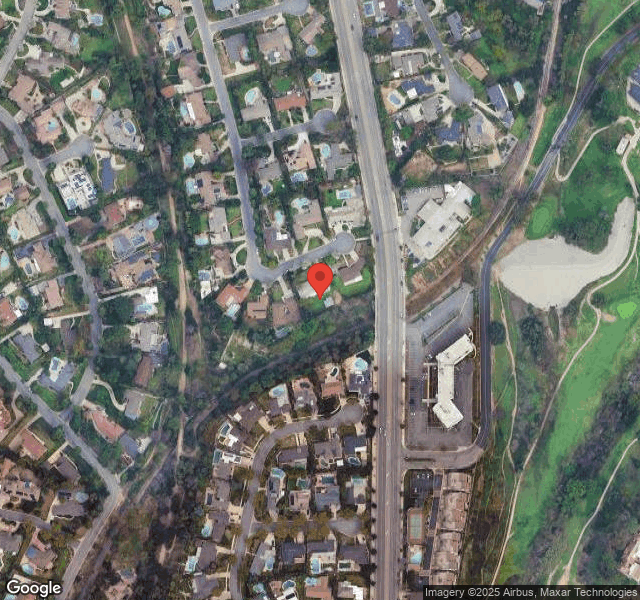
2800 N. HARBOR BLVD., FULLERTON, CA 92835 (714) 871-9202
For profit - Corporation 59 Beds THE ENSIGN GROUP Data: November 2025
Trust Grade
65/100
#683 of 1155 in CA
Last Inspection: December 2024

Within standard 12-15 month inspection cycle. Federal law requires annual inspections.

Overview

St. Elizabeth Healthcare Center has a Trust Grade of C+, indicating it is slightly above average but not exceptional. It ranks #683 out of 1155 facilities in California, placing it in the bottom half, and #49 out of 72 in Orange County, meaning only a few local options are better. The facility is improving, with issues decreasing from 17 in 2024 to 8 in 2025, and it boasts a good staffing rating of 4 out of 5 stars, with a turnover rate of 24%, significantly lower than the state average. There have been no fines recorded, which is a positive sign, and the center has more registered nurse coverage than 82% of California facilities, ensuring better oversight of patient care. However, there are notable concerns. Recent inspections revealed issues such as improper food safety practices, including expired food and unsanitary kitchen conditions, which could lead to foodborne illnesses. There were also problems with medication storage, such as expired supplies and unsecured medications, posing potential risks to residents. While the staffing and turnover rates are strengths, these critical incident findings highlight areas needing urgent attention to ensure resident safety and well-being.

Trust Score
C+
65/100
In California
#683/1155
Bottom 41%
Safety Record
Low Risk
No red flags
Inspections
Getting Better
17 → 8 violations
Staff Stability
✓ Good
24% annual turnover. Excellent stability, 24 points below California's 48% average. Staff who stay learn residents' needs.
Penalties
✓ Good
No fines on record. Clean compliance history, better than most California facilities.
Skilled Nurses
✓ Good
Each resident gets 44 minutes of Registered Nurse (RN) attention daily — more than average for California. RNs are trained to catch health problems early.
Violations
⚠ Watch
53 deficiencies on record. Higher than average. Multiple issues found across inspections.
★★★☆☆
3.0
Overall Rating
★★★★☆
4.0
Staff Levels
★★★☆☆
3.0
Care Quality
★★★☆☆
3.0
Inspection Score
Stable
2024: 17 issues
2025: 8 issues

The Good

  • 4-Star Staffing Rating · Above-average nurse staffing levels
  • Low Staff Turnover (24%) · Staff stability means consistent care
  • Full Sprinkler Coverage · Fire safety systems throughout facility
  • No fines on record
  • Staff turnover is low (24%)

    24 points below California average of 48%

Facility shows strength in staffing levels, staff retention, fire safety.

The Bad

3-Star Overall Rating

Near California average (3.1)

Meets federal standards, typical of most facilities

Chain: THE ENSIGN GROUP

Part of a multi-facility chain

Ask about local staffing decisions and management

The Ugly 53 deficiencies on record

Sept 2025 4 deficiencies
CONCERN (D) 📢 Someone Reported This

A family member, employee, or ombudsman was alarmed enough to file a formal complaint

Potential for Harm - no one hurt, but risky conditions existed

Accident Prevention (Tag F0689)

Could have caused harm · This affected 1 resident

**NOTE- TERMS IN BRACKETS HAVE BEEN EDITED TO PROTECT CONFIDENTIALITY** Based on observation, interview, medical record review, facility document review, and facility P&P review, the facility failed t...

Read full inspector narrative →
**NOTE- TERMS IN BRACKETS HAVE BEEN EDITED TO PROTECT CONFIDENTIALITY** Based on observation, interview, medical record review, facility document review, and facility P&P review, the facility failed to ensure one of three sampled residents (Resident 6) reviewed for falls remained free from accident hazards. * The facility failed to include a possible cause of injury in the initial investigation statement for a fall. * The facility failed to collaborate with the IDT (Interdisciplinary Team) following Resident 6's change in condition. These failures had the potential for Resident 6 not to receive adequate supervision, assistance, and sustain additional accidents and/or injuries.Findings: Review of the facility's P&P titled Change in Condition revised on 4/2025 showed it is the policy of this facility to ensure each resident receives quality of care and services to attain and maintain the highest practicable physical mental and psychosocial well-being in accordance with the interdisciplinary comprehensive assessment and plan of care. Additionally, under the procedure section, the IDT shall collaborate with the attending physician, resident, and/or resident representative to review risk indicators and the plan of care. The IDT will document this collaboration in the EMR in the next scheduled Comprehensive Care Plan Meeting or sooner if deemed necessary by the IDT. On 8/19/25 at 1751 hours, the CDPH L&C Program received a facility investigative report regarding Resident 6's fall and subsequent fracture. The report showed on 7/28/25, Resident 6 sustained a fall from the bed at the facility with no injury. There was no possible cause regarding the fall incident documented on the report. Medical record review for Resident 6 was initiated on 9/2/25. Resident 6 was admitted to the facility on [DATE], and readmitted on [DATE]. a. On 9/2/25 at 1245 hours, an interview and concurrent medical record review was conducted with the DON. The DON stated Resident 6 had a fall and the facility had ordered an x-ray. The DON stated the facility should have included the possible cause of the fracture, since the facility was aware of the cause in the conclusion statement. Additionally, the DON stated the fall incident should also have been part of the investigation statement. b. Review of Resident 6's Radiology Report dated 8/12/25, showed Resident 6 had an acute, displaced comminuted distal femoral shaft fracture (a break in the thighbone near the knee) of the right knee. Further review of Resident 6's medical record failed to show documented evidence an IDT meeting was completed following the results Resident 6's x-ray report. On 9/9/25 at 1508 hours, an interview was conducted with the DON. The DON verified there was no documentation of the IDT meeting was conducted following the x-ray result for an acute, displaced comminuted distal femoral shaft fracture of the right knee for Resident 6. The DON also verified the IDT should have collaborated and documented.
CONCERN (D) 📢 Someone Reported This

A family member, employee, or ombudsman was alarmed enough to file a formal complaint

Potential for Harm - no one hurt, but risky conditions existed

Pharmacy Services (Tag F0755)

Could have caused harm · This affected 1 resident

Based on interview, medical record review, and facility P&P review, the facility failed to implement the pharmaceutical procedures when the nursing staff did not ensure an accurate controlled substanc...

Read full inspector narrative →
Based on interview, medical record review, and facility P&P review, the facility failed to implement the pharmaceutical procedures when the nursing staff did not ensure an accurate controlled substance accountability for one of three sampled residents (Resident 6) reviewed for medications. * Resident 6's medications were signed out of the CDR (Controlled Drug Record) but not documented as administered on the MAR (Medication Administration Record). This failure had the potential for Resident 6 to be exposed to the medication errors and diversion of the controlled medications.Findings: Review of the facility's P&P titled Controlled Medication - Storage and Reconciliation revised 12/2023 showed it is the policy of this facility to safeguard access and storage of controlled drugs listed in Schedule II of the Comprehensive Drug Abuse Prevention and Control Act of 1976 and other drugs subject to abuse using separately locked, permanently affixed compartments, with the exception that controlled medications and those medications subject to abuse may be stored with non-controlled medications as part of a single unit detectable. This facility will maintain a process for monitoring, administration, documentation, reconciliation, and destruction of controlled substances. Review of Resident 6's Order Summary Report showed an order dated dated 7/22/25, to administer hydrocodone-acetaminophen oral tablet 5-325 mg (opioid analgesic) medication give one tablet by mouth every four hours as needed for moderate (4-6) to severe (7-10) pain NTE (not to exceed) 3 gms of APAP (Acetaminophen) in 24 hours from all sources. This order was discontinued on 8/1/25. Review of Resident 6's CDR showed the hydrocodone-acetaminophen medication 5-325 mg tablet was removed/taken out on the following dates and times: - on 7/27/25 at 1610 hours, - on 7/29/25 at 2015 hours, - on 7/30/25 at 1810 hours, and- o 8/1/25 at 1510 hours. Review of Resident 6's MAR for July and August 2025 failed to show the hydrocodone-acetaminophen medication was administered on the above dates and times. On 9/9/25 at 1039 hours, an interview was conducted with LVN 2. LVN 2 stated the process for giving a controlled medication would be to document in the controlled medication log and record the dose, time, date, and initials when given. LVN 2 further stated it also needed to be documented in the MAR. On 9/9/25 at 1058 hours, an interview, medical record review, and concurrent facility document review was conducted with LVN 1. LVN 1 stated the process of giving a controlled medication to a resident was to sign out the medication by documenting the date, time, amount, how it was administered, how many were left, and sign. LVN 1 also stated the documentation of the medication administration was needed to be in the MAR as well. LVN 1 verified the CDR showed the hydrocodone-acetaminophen 5-325 mg tablet medication was signed out for Resident 6 on 7/27/25 at 1610 hours, 7/29/25 at 2015 hours, 7/30/25 at 1810 hours, and 8/1/25 at 1510 hours. LVN 1 also verified Resident 6's MAR did not show the medication was administered. LVN 1 verified the order was discharged on 8/1/25 at 1114 hours. On 9/9/25 at 1140 hours, an interview, medical record review, and concurrent facility document review was conducted with the DON. The DON stated the process of giving a controlled medication was to verify the order, sign the controlled medication log, give the medication to the resident, and then document in the MAR. The DON verified the discrepancy of the controlled medication log for the hydrocodone-acetaminophen 5-325 mg tablet medication to the MAR for Resident 6.
MINOR (B) 📢 Someone Reported This

A family member, employee, or ombudsman was alarmed enough to file a formal complaint

Minor Issue - procedural, no safety impact

Deficiency F0558 (Tag F0558)

Minor procedural issue · This affected multiple residents

**NOTE- TERMS IN BRACKETS HAVE BEEN EDITED TO PROTECT CONFIDENTIALITY** Based on observation, interview, medical record review, and facility P&P review, the facility failed to provide reasonable accom...

Read full inspector narrative →
**NOTE- TERMS IN BRACKETS HAVE BEEN EDITED TO PROTECT CONFIDENTIALITY** Based on observation, interview, medical record review, and facility P&P review, the facility failed to provide reasonable accommodations to meet the needs of one of eight sampled residents (Resident 1). *The facility failed to ensure Resident 1 was provided with assistance in a timely manner. The failure had the potential to negatively impact the resident's physical and psychosocial well- being and result in delayed provision of care. Findings Review of the facility's P&P titled Call Light revised 5/2007 showed to answer the call light within a reasonable time and turn off the call light once the request/ need is met. Review of Resident 1's medical record was initiated on 9/8/25. Resident 1 was admitted on to the facility on 7/28/25. Review of Resident 1's H&P examination dated 7/29/25, showed Resident 1 had the capacity to understand and make decisions. Review of Resident 1's care plan dated 7/29/25, showed a care plan for bowel and bladder incontinence related to impaired mobility, general weakness, and overactive bladder. The care plan intervention included to check the resident as required for incontinence, wash, rinse, and dry perineum, and change clothing as needed after incontinence episodes. Review of Resident 1's MDS assessment dated [DATE], showed the resident had a BIMS score of 15 (meaning cognitively intact). On 9/9/25 at 0707 hours, an observation was conducted of Resident 1's call light. The call light included a visual light and a sound to indicate it was turned on. On 9/9/25 at 0712 hours, during an observation, CNAs 4 and 5 responded to Resident 1's call light. Resident 1 stated she had been waiting for almost an hour to be cleaned after having a bowel movement. CNA 4 told Resident 1 to make sure a complaint ws made, and CNA 4 would inform the nurse. Both CNAs 4 and 5 left the room. On 9/9/25 at 0715 hours, an interview was conducted with LVN 1. LVN 1 stated she was not aware Resident 1 had not been attended to. On 9/9/25 at 0720 hours, during an observation, Resident 1 was changed by her assigned CNA (CNA 1). On 9/9/25 at 0938 hours, an interview was conducted with CNA 1. CNA 1 stated as soon as she came to the nurses' station, she was told Resident 1 needed to be changed and went to change Resident 1 immediately. CNA 1 stated Resident 1 had a bowel movement. On 9/9/25 at 1037 hours, an interview was conducted with CNA 4. CNA 4 verified she answered the call light in room [ROOM NUMBER] and was told by Resident 1 she has been waiting for an hour to be changed after a bowel movement. CNA 4 stated she told Resident 1 they just came into the room and would find out what was going on. CNA 4 verified she walked out of the room. CNA 4 further stated I know I'm supposed to take care of Resident 1 right away; it is not an excuse I was not thinking right. CNA 4 verified she turned off Resident 1's call light and walked out of the room to find Resident 1's assigned CNA instead of changing the resident right away. On 9/9/25 at 1050 hours, an interview was conducted with CNA 5. CNA 5 verified she went inside Resident 1's room with CNA 4 to respond to the call light. CNA 5 verified Resident 1 needed to be changed and had been waiting for a reasonable amount of time. CNA 5 verified they turned off the call light then left the room. CNA 5 stated she did not change the resident because she was not assigned to her but should have changed the resident right away. On 9/9/25 at 1105 hours, an interview and concurrent facility P&P review was conducted with the DON. The DON stated the reasonable amount of time to answer the call light was three to five minutes. The DON verified Resident 1's call light was not answered timely and CNAs 4 and 5 should not have turned off the call light and left the room. The DON stated this was not acceptable and CNAs 4 and 5 should have just changed the resident right away. On 9/9/25 at 1115 hours, an interview was conducted with Resident 1. Resident 1 stated it was not a good morning. Resident 1 stated I had a bowel movement, I hit the call light at 630 hours, and they showed up at 720 and changed me. Resident 1 was asked how the situation made her feel, Resident 1 stated I was very upset, they were supposed to change me before the shift ends - but no one changed me, I was last changed after 0500 hours but I had a bowel movement.
MINOR (B) 📢 Someone Reported This

A family member, employee, or ombudsman was alarmed enough to file a formal complaint

Minor Issue - procedural, no safety impact

Deficiency F0605 (Tag F0605)

Minor procedural issue · This affected multiple residents

**NOTE- TERMS IN BRACKETS HAVE BEEN EDITED TO PROTECT CONFIDENTIALITY** Based on interview and medical record review, the facility failed to ensure one of three sampled residents (Resident 6) reviewed...

Read full inspector narrative →
**NOTE- TERMS IN BRACKETS HAVE BEEN EDITED TO PROTECT CONFIDENTIALITY** Based on interview and medical record review, the facility failed to ensure one of three sampled residents (Resident 6) reviewed for unnecessary medications were free from unnecessary medications. * The facility failed to ensure NPI (nonpharmacological intervention) was consistently implemented for Resident 6 prior to administering hydrocodone-acetaminophen (narcotic) 5/325 mg tablet or Ultracet (narcotic) oral tablet 37.5-325 mg medication. This failure had the potential to negatively impact the resident's well being. Findings: Medical record review for Resident 6 was initiated on 9/2/25. Resident 6 was admitted to the facility on [DATE], and readmitted on [DATE]. Review of Resident 6's Order Summary Report showed the following orders:- dated 7/22/25, for nonpharmacological interventions for pain: 1 = repositioning, 2 = dim light/quiet environment, 3 = relaxation, 4 = distraction, 5 = music, 6 = massage as needed.- dated 8/1/25, for Ultracet 37.5-325 mg, give one tablet by mouth every four hours as needed for moderate to severe pain (7-10, on the pain scale of 0 to 10 with 0 = no pain and 10 = worst). Review of Resident 6's MAR for July 2025 showed a physician's order dated 7/22/25, for hydrocodone-acetaminophen 5-325 mg oral tablet, give one tablet by mouth every four hours as needed for moderate (4-6, on the pain scale of 0 to 10 with 0 = no pain and 10 = worst) to severe (7-10) pain. Resident 6 received hydrocodone medication on the following dates and times: - on 7/24/25 at 1032 hours- on 7/25/25 at 1655 hours- on 7/26/25 at 0317 hours- on 7/27/25 at 1147 hours- on 7/28/25 at 0906 hours- on 7/29/25 at 0930 hours- on 7/30/25 at 0600 hours- on 7/31/25 at 0700 hours The order was discontinued on 8/1/25. Review of Resident 6's MAR for August 2025 showed the resident received Ultracet medication on the following dates and times:- on 8/3 at 0429 and 1846 hours- on 8/4 at 000 hours- on 8/5 at 0245 hours-on 8/6 at 0430 hours-on 8/9 at 1807 hours-on 8/10 at 1346 hours-on 8/11 at 1534 hours Review of Resident 6's medical record failed to show documented evidence NPI was attempted prior to administering the hydrocodone medication on 7/24 to 7/27/25 and Ultracet medication on 8/3, 8/9, and 8/10/25. On 9/9/25 at 1039 hours, an interview was conducted with LVN 2. LVN 2 stated prior to giving the pain medication, the NPIs were implemented such as repositioning, adjusting lighting, reassurance, and redirection. If NPIs were unsuccessful, then pain medication was given. LVN 2 stated NPIs should be documented when assessing the resident's pain. LVN 2 verified there was no documented evidence NPIs were attempted prior to Resident 6 receiving the hydrocodone and Ultracet medications on the above dates and times. On 9/9/25 at 1140 hours, an interview and concurrent medical record review was conducted with the DON. The DON verified Resident 6's medical record did not show documented evidence NPIs were attempted on the above dates and times prior to the resident receiving hydrocodone and Ultracet medications. The DON stated the nurses should be implementing NPIs first and document it was attempted.
Jul 2025 4 deficiencies
CONCERN (D) 📢 Someone Reported This

A family member, employee, or ombudsman was alarmed enough to file a formal complaint

Potential for Harm - no one hurt, but risky conditions existed

Quality of Care (Tag F0684)

Could have caused harm · This affected 1 resident

**NOTE- TERMS IN BRACKETS HAVE BEEN EDITED TO PROTECT CONFIDENTIALITY** Based on observation, interview, medical record review, and facility P&P review, the facility failed to provide the necessary ca...

Read full inspector narrative →
**NOTE- TERMS IN BRACKETS HAVE BEEN EDITED TO PROTECT CONFIDENTIALITY** Based on observation, interview, medical record review, and facility P&P review, the facility failed to provide the necessary care and services to ensure two of three sampled residents (Residents 1 and 3) attained and maintained the highest practicable physical well-being. * The facility to ensure Resident 1's nystatin external cream (a medicated cream used to treat fungal or yeast infections of the skin) was administered as per the physician's order. * The facility failed to ensure Resident 3's fluid restriction was followed as per the physician's order. These failures had the potential to negatively affect the residents' health condition and well- being.Findings: 1. Review of the facility's P&P titled Skin Assessment revised 5/2007 showed wound care/ treatment provided for the residents will be according to the physician's orders and documented in the resident's treatment administration record and/or in nursing progress notes or in the medication administration record if applicable. Medical record review for Resident 1 was initiated on 7/9/25. Resident 1 was admitted to the facility on [DATE], and readmitted on [DATE]. Review of Resident 1's Order Summary dated 6/20/25, showed a physician's order dated 5/20/25, to administer nystatin (antifungal cream) external cream 100000 unit/gm to the affected area topically twice a day. Review of Resident 1's H&P examination dated 6/26/25, showed Resident 1 had no capacity to understand and make decisions. Review of Resident 1's TAR for June 2025 failed to show a documentation if the nystatin external cream was administered to the affected area as ordered on the following dates and time: - on 6/5 to 6/8/25, 6/13, 6/14, and 6/16/25 at 1700 hours, and- on 6/15/25 at 0900 and 1700 hours On 7/9/25 at 1213 hours, an interview and concurrent medical record review was conducted with LVN 2. LVN 2 verified Resident 1's TAR for June 2025 failed to show a documentation if the nystatin external cream 100000 unit/gm was administered as ordered on the dates listed above. LVN 2 stated the nurses should place their initials after the administration of the treatment as ordered by the physician. LVN 2 further stated if the treatment administration record was not initialed by the nurse, the treatment was not performed. On 7/10/25 at 0839 hours, an interview was conducted with the DON. The DON was informed of the findings. The DON stated the evening charge nurses should provide the skin treatment to their assigned residents. The DON further stated if the treatment was not documented, it meant the treatment was not administered as prescribed by the physician. 2. Review of the facility's P&P titled Fluid Restriction revised on May 2007 showed it is the policy of the facility to provide fluids as specified by the physician's order. Distribution of fluids will be determined by licensed nursing staff, dietary services supervisor, activities, social services and the resident. Fluid intake will be encouraged to meet minimum requirements as stated in the physician's orders. The dietary supervisor will ensure a care plan entry has been made. The total number of ml distribution among disciplines will be noted on the resident's care plan. The dietary services supervisor will divide the allotted total fluid amount for the dietary among the daily meal pattern and enter the specified amounts on the resident's dietary tray card. Medical record review for Resident 3 was initiated on 7/10/25. Resident 3 was admitted to the facility on [DATE], and readmitted on [DATE]. Review of Resident 3's Order Summary showed a physician's order dated 6/20/25, for 1500 ml fluid restriction with the following breakdown: - morning shift: nursing 360 ml and dietary 240 ml; - evening shift: nursing 360 ml and lunch meal dietary 120 ml; and - night shift: nursing 180 ml, and dinner dietary 240ml. Review of Resident 3's H&P examination dated 6/23/25, showed Resident 3 had the capacity to understand and make decisions. Review of Resident 3's plan of care failed to show the ml distribution for the total number or the amount of fluids per discipline per the facility P&P. On 7/10/25 at 0827 hours, an observation and concurrent interview of Resident 3 was conducted in the resident's room. Resident 3 stated she just had her breakfast. Resident 3 was observed in bed with one small and one tall empty plastic cup from the kitchen and one empty coffee mug. In addition, there was one open bottle (591 ml) of Vitamin Zero drink that was almost empty, and a purple water tumbler were on top of Resident 3's bedside table. On 7/10/25 at 0852 hours, an interview was conducted with CNA 2. When asked if Resident 3 was on fluid restriction, CNA 2 stated Resident 3 was not on fluid restriction. On 7/10/25 at 0854 hours, a follow-up interview was conducted with Resident 3. When asked if she was on fluid restriction, Resident 3 stated she did not know she was on fluid restriction. On 7/10/25 at 0938 hours, an interview and concurrent medical record review was conducted with RN 2. RN 2 verified Resident 3 had a physician's order for 1500 ml fluid restriction. RN 2 stated the fluids for the resident were measured using the medication cups. RN 2 stated she was not sure of how the bottle of Vitamin Zero and the water tumbler are being accounted for in the resident's fluid restriction. On 7/10/25 at 0945 hours, an observation of Resident 3's bedside table was conducted with RN 2. RN 2 verified Resident 3 had one small and one tall empty plastic cup from the kitchen, one empty coffee mug, a bottle of Vitamin Zero that was almost empty, and a purple water tumbler on Resident 3's bedside table. On 7/10/25 at 1018 hours, an interview was conducted with the DON. The DON stated Resident 3 should have a graduated pitcher brought by the kitchen staff daily for the nursing fluid allowance when they give the medications and for the resident to drink throughout the day. On 7/10/25 at 1330 hours, an interview was conducted with Dietary Aides 1 and 2. Dietary Aide 2 stated they were not aware of Resident 3's fluid restriction. Dietary Aide 1 stated they were not informed until this morning regarding Resident 3 was on fluid restriction. Dietary Aide 2 stated a graduated pitcher was provided to Resident 3 today after being informed of the fluid restriction order. On 7/10/25 at 1450 hours, follow-up interview and concurrent medical record review was conducted with the DON. The DON stated there was a miscommunication with Resident 3's fluid restriction between nursing and dietary. The DON verified Resident 3's plan of care did not indicate the total number of the fluid according to the facility's P&P. The DON was made aware and acknowledged the above findings.
CONCERN (D) 📢 Someone Reported This

A family member, employee, or ombudsman was alarmed enough to file a formal complaint

Potential for Harm - no one hurt, but risky conditions existed

Deficiency F0694 (Tag F0694)

Could have caused harm · This affected 1 resident

**NOTE- TERMS IN BRACKETS HAVE BEEN EDITED TO PROTECT CONFIDENTIALITY** Based on observation, interview, medical record review, and facility P&P review, the facility failed to administer the parentera...

Read full inspector narrative →
**NOTE- TERMS IN BRACKETS HAVE BEEN EDITED TO PROTECT CONFIDENTIALITY** Based on observation, interview, medical record review, and facility P&P review, the facility failed to administer the parenteral fluids consistent with the professional standards of practice and in accordance with the physician orders when Resident 1's IV fluids was administered at 80 ml per hour, the facility failed to close the clamp and remove the IV container from the IV pole when the infusion was completed. In addition, the facility failed to ensure the IV solution was labeled with the date and time the IV solution was hung. These failures posed the risk for the resident to develop complications related to the use of the peripheral IV catheter.Findings: Review of the facility's P&P titled Administration of Intravenous (IV) Infusion Solution reviewed on July 2017 showed the intravenous medications/fluids must be administered in accordance with the written orders of the attending physician. The nurse hanging the IV solutions will label the bag with date, time, and initials. All administration sets should be labeled when hung with date, time, and nurse's initials. Administration sets should be changed as follows: Continuous peripheral set is changed every 48 hours. Review of the facility's P&P titled Changing Infusion Containers (undated) showed when the present container is empty close the roller clamp and remove the old container from the IV pole. Medical record review for Resident 1 was initiated on 7/9/25. Resident was admitted to the facility on [DATE], and readmitted on [DATE]. Review of Resident 1's H&P examination dated 6/26/25, showed Resident 8 had no capacity to understand and make decisions. Review of Resident 1's Order Summary showed a physician's order dated 7/7/25, to administer dextrose 5% (D5) - sodium chloride 0.45 (1/2 NS - normal saline) solution use 60 ml intravenously once a day for hydration and nutrition until 7/8/25 at 2359 hours for 500 ml today. Review of Resident 1's IV MAR for July 2025 showed Dextrose 5% - sodium chloride solution use 60 ml intravenously once a day for hydration and nutrition was administered on 7/7/25 and 7/8/25. On 7/9/25 at 0828 hours, an observation of Resident 1 was conducted. An empty IV fluid hydration bag labeled D5 1/2 NS at 60 ml per hour without a date and time indicated was observed hanging in a pole. The D5 1/2 NS hydration bag was empty with air in the tubing from the bottom of the IV bag, the IV administration set tubing clamp was open and the infusion dial was set at 80 ml/hour. The IV hydration fluid bag was attached to Resident 1's IV access on the right hand. On 7/9/25 at 0839 hours, an observation and concurrent interview was conducted with LVN 2. LVN 2 verified the empty bag of the IV fluid hydration labeled D5 1/2 NS at 60 ml per hour had no date and time indicated was still hanging in a pole. LVN 2 verified the IV fluid hydration bag had air in the tubing from the bottom of the IV bag, the IV administration set tubing clamp was open, and the administration dial was set at 80 ml/hour was attached to Resident 1's IV access on the right hand. LVN 2 stated she did not know when the D5 1/2 NS was hung but will find out. On 7/9/25 at 1608 hours, an interview and concurrent medical record review was conducted with the DON. The DON verified the D5-1/2 NS solution at 60 ml per hour intravenously was ordered for Resident 1. The DON was informed of the above findings. The DON stated she expected the nurses to label the IV fluid hydration bag and administration tubing set according to facility policy, and to administer the IV fluids as ordered by the physician.
CONCERN (D) 📢 Someone Reported This

A family member, employee, or ombudsman was alarmed enough to file a formal complaint

Potential for Harm - no one hurt, but risky conditions existed

Respiratory Care (Tag F0695)

Could have caused harm · This affected 1 resident

**NOTE- TERMS IN BRACKETS HAVE BEEN EDITED TO PROTECT CONFIDENTIALITY** Based on observation, interview, medical record review, and facility P&P review, the facility failed to ensure the necessary res...

Read full inspector narrative →
**NOTE- TERMS IN BRACKETS HAVE BEEN EDITED TO PROTECT CONFIDENTIALITY** Based on observation, interview, medical record review, and facility P&P review, the facility failed to ensure the necessary respiratory care and services were provided for two of three sampled residents (Residents 1and 2). * The facility failed to ensure Resident 1's Yankauer suction tubing was stored in a bag. * The facility failed to ensure Resident 2's nebulizer administration set-up was stored in a bag. These failures had the potential for the residents to have respiratory infections and negatively affect the residents' well-being.Findings: 1. Review of the facility's P&P titled Respiratory Equipment policy reviewed 7/2012 showed it is the policy of the facility to have cleaning and replacement schedule for the respiratory equipment to ensure patient's safety. Respiratory equipment replacement indicated to replace Yankauer suction and bag weekly. Medical record review for Resident 1 was initiated on 7/9/25. Resident 1 was admitted to the facility on [DATE], and readmitted on [DATE]. Review of Resident 1's H&P examination dated 6/26/25, showed Resident 1 had no capacity to understand and make decisions. Review of Resident 1's Order Summary showed a physician's order dated 6/25/25, to suction as needed for increased oral secretions. On 7/9/25 at 0828 hours, an observation was conducted in Resident 1's room. Resident 1 had a suction machine on a bedside table. The Yankauer suction tip attached to the suction tubing was observed exposed to air and not enclosed in a bag. The Yankauer suction tip was placed on top of the suction canister with fluid. Additionally, the Yankauer suction tip and canister were undated. On 7/9/25 at 0839 hours, an observation and concurrent interview was conducted with LVN 2. LVN 2 verified the Yankauer suction tip attached to the suction tubing was exposed to air, not enclosed in a bag and was placed on top of the suction canister with fluid. LVN 2 stated the Yankauer suction tip should be stored in a bag when not in use for infection control. LVN 2 removed the Yankauer suction tip and tubing to dispose. On 7/9/25 at 1608 hours, an interview was conducted with the DON. The DON was informed of the findings as above. The DON stated she expects the nurses to store the Yankauer suction tip in a bag after use and to change the Yankauer suction tip, tubing and bag every week with the date label. 2. Review of the facility's P&P titled Respiratory equipment policy reviewed 7/2012 showed it is the policy of the facility to have cleaning and replacement schedule for the respiratory equipment to ensure patient's safety. Respiratory equipment replacement schedule indicated to clean and replace small volume nebulizer tubing and bag weekly. Medical record review for Resident 2 was initiated on 7/9/25. Resident 2 was admitted to the facility on [DATE]. Review of Resident 2's H&P examination dated 7/7/25, showed Resident 2 had the capacity to understand and make decisions. Review of Resident 2's Order Summary dated 7/9/25 showed a physician's order dated 7/6/25 to administer the following medications: - acetylcysteine (a mucolytic, helps reduce the thickness of mucus) inhalation 2 ml inhale orally two times a day, - ipratropium albuterol solution (bronchodilators work by relaxing the muscles around the airways in the lungs, making it easier to breathe) 0.5-2.5 mg/ml 3 ml inhale orally two times a day, and - levalbuterol hydrochloride (medication used to treat or prevent breathing difficulties) inhalation nebulization solution 0.63 mg/3 ml inhale orally every 6 hours. On 7/9/25 at 0854 hours, an observation was conducted in Resident 2's room. Resident 2's nebulizer tubing was observed on top of the resident's nightstand and exposed to air. Additionally, the nebulizer tubing and storage bag were not labeled with a date to indicate when the set up was changed. On 7/9/25 at 0855 hours, an interview was conducted with Resident 2. Resident 2 stated she had a nebulizer breathing treatment before going to sleep last night. Resident 2 further stated the nurse left the nebulizer tubing uncovered when she completed her treatment last night. On 7/9/25 at 0857 hours, an observation and concurrent interview was conducted with RN 1. RN 1 verified the nebulizer tubing was left on top of the resident's nightstand which was exposed to air, and the nebulizer tubing and storage bag were not dated to indicate when the tubing was opened or changed. RN 1 stated the nebulizer administration set should be enclosed in a labeled bag for infection control. RN 1 further stated she will replace the nebulizer tubing and store it in a bag. On 7/9/25 at 1608 hours, an interview was conducted with the DON. The DON was informed of the findings. The DON stated she expected the nurses to store the nebulizer tubing in a bag after use, and to change the nebulizer tubing and bag every week with a date label.
MINOR (B) 📢 Someone Reported This

A family member, employee, or ombudsman was alarmed enough to file a formal complaint

Minor Issue - procedural, no safety impact

Medical Records (Tag F0842)

Minor procedural issue · This affected multiple residents

**NOTE- TERMS IN BRACKETS HAVE BEEN EDITED TO PROTECT CONFIDENTIALITY** Based on interview, medical record review, and facility P&P review, the facility failed to ensure the medical records for two of...

Read full inspector narrative →
**NOTE- TERMS IN BRACKETS HAVE BEEN EDITED TO PROTECT CONFIDENTIALITY** Based on interview, medical record review, and facility P&P review, the facility failed to ensure the medical records for two of three sampled residents (Residents 2 and 3) were accurate. * The facility failed to ensure the documentation of the intake monitoring for Resident 2 were accurate. * The facility failed to ensure the documentation of the intake monitoring for Resident 3 were accurate. These failures had the potential for the residents' care needs not being met as their medical information were inaccurate.Findings: Review of the facility's P&P titled Intake and Output Documentation revised on February 2023 showed to measure and record all liquids taken by the resident on the intake and output monitoring. Records of enteral and IV intake may be recorded on the eMAR (electronic MAR) and all other intake and output. 1. Medical record review for Resident 2 was initiated on 7/9/25. Resident was admitted to the facility on [DATE]. Review of Resident 2's H&P examination dated 7/7/25, showed Resident 2 had the capacity to understand and make decisions. Review of Resident 2's Order Summary dated 7/9/25, showed a physician's order dated 7/6/25, to monitor the intake every shift to include oral intake, enteral feeding and flush, IV fluids and IV antibiotics every shift for 30 days. Review of Resident 2's Task - Fluid Intake documented by the CNAs showed the amount of the resident's fluid intakes for the following dates and times: - dated 7/7/25 at 0338 hours = 120 ml, 1459 hours = 840 ml, and 2053 hours = 450 ml- dated 7/8/25 at 0307 hours = 300 ml, 1323 hours = 1480 ml, and 1958 hours = 600 ml- dated 7/9/25 at 0648 hours = 400 ml, and 1305 hours = 500 ml Review of Resident 2's MAR for fluid intake documented by the licensed nurses showed the resident's amount of intakes fluids on the following dates and shifts: - dated 7/7/25 on the night shift = 100 ml- dated 7/8/25 on the day shift = 400 ml, evening shift = 400 ml, and night shift = 100 ml- dated 7/9/25 on the day shift = 550 ml, and night shift = 100 ml Further review of Resident 2's fluid intakes in the Task - Fluid Intake and MAR for the above dates showed the number of ml's the licensed nurses' shift documentation were less than the CNAs and did not match. On 7/9/25 at 1132 hours, an interview and concurrent medical record review was conducted with the DSD. The DSD stated the monitoring of the resident's intake were documented by the CNA in the Task: Fluid intake, the LVN should refer to the intake documented by the CNA then add the amount of fluids given by the licensed nurse to the resident. The DSD further stated the total of the fluid intake should be documented in the MAR at the end of the shift. The DSD verified the fluid intake documentation in Resident 2's MAR were inaccurate when resident's MAR showed lesser fluid amount documented by the licensed nurses than the Task documented by the CNAs. On 7/9/25 at 1608 hours, an interview was conducted with the DON. The DON stated the monitoring of fluid intake documented in the MAR should include the resident's meal intake from dietary tray, all fluids consumed by the resident throughout the shift and the fluid given during the medication administration. The DON stated she expected the nurses to document the resident's intake in the MAR accurately. 2. Medical record review for Resident 3 was initiated on 7/10/25. Resident 3 was admitted to the facility on [DATE], and readmitted on [DATE]. Review of Resident 3's H&P examination dated 6/23/25, showed Resident 3 had the capacity to understand and make decisions. Review of Resident 3's Order Summary dated 6/20/25, showed a physician's order dated 6/19/25, to monitor the intake every shift to include the oral intake, enteral feeding and flush, IV fluids and IV antibiotics every shift for 30 days. Review of Resident 3's Task - Fluid Intake documented by the CNAs showed the amount of the resident's fluid intakes for the following dates and times: - dated 7/1/25 at 0134 hours = 400 ml- dated 7/2/25 at 0303 hours = 200 ml, and 2233 hours = 500 ml- dated 7/3/25 at 0048 hours = 260 ml- dated 7/4/25 at 0618 hours = 240 ml, 0845 hours = 240 ml, and 2220 hours = 400 ml- dated 7/5/25 at 0802 hours = 360 ml, and 2028 hours = 450 ml - dated 7/6/25 at 1058 hours = 360 ml, and 2217 hours = 600 ml - dated 7/7/25 at 0312 hours = 120 ml, 1459 hours = 360 ml, and 2149 hours = 500 ml - dated 7/8/25 at 0834 hours = 240 ml, 1235 hours = 120 ml, and 2259 hours = 500 ml Review of Resident 3's MAR fluid intake documented by the licensed nurses showed the amount of the resident's fluid intakes on the following dates and shifts: - dated 7/1/25 on the night shift = 100 ml- dated 7/2/25 on the night shift = 100 ml and evening shift = 400 ml- dated 7/3/25 on the night shift = 100 ml- dated 7/4/25 on the day shift = 120 ml, evening shift = 140 ml, and night shift = 100 ml- dated 7/5/25 on the day shift = 120 ml, evening shift 120 ml, night shift 100 ml- dated 7/6/25 on the day shift = 360 ml, evening shift = 360 ml, and night shift = 100 ml- dated 7/7/25 on the day shift = 120 ml, evening shift = 400 ml, and night shift = 100 ml- dated 7/8/25 on the day shift = 200 ml, evening shift = 400 ml, and night shift = 100 ml Further review of Resident 3's fluid intakes in the Task - Fluid Intake and MAR for the above dates showed the amount of fluids for the licensed nurses' shift documentation were less than the CNAs and did not match. On 7/10/25 at 0854 hours, an interview was conducted with Resident 3. Resident 3 stated she did not know if the nurses were monitoring how much she drinks. On 7/10/25 at 0938 hours, an interview and concurrent medical record review was conducted with RN 2. RN 2 verified Resident 3 had a physician's order to monitor the resident's fluid intake every shift. RN 2 verified the inaccuracy in documenting Resident 3's intake when resident's MAR showed lesser amount of fluids documented in the MAR by the licensed nurses compared with the Task-Fluid Intake documented by the CNAs. On 7/10/25 at 1018 hours, an interview was conducted with the DON. The DON stated the monitoring of the fluid intake documented in the MAR should include the resident's meal intake from the dietary tray, all the fluids consumed by the resident throughout the shift and the fluid given during the medication administration. The DON stated she expected the nurses to document the resident's intake in the MAR accurately.
Dec 2024 14 deficiencies
CONCERN (D)

Potential for Harm - no one hurt, but risky conditions existed

Deficiency F0604 (Tag F0604)

Could have caused harm · This affected 1 resident

**NOTE- TERMS IN BRACKETS HAVE BEEN EDITED TO PROTECT CONFIDENTIALITY** Based on observation, interview, medical record review, and facility P&P review, the facility failed to ensure two of 16 final s...

Read full inspector narrative →
**NOTE- TERMS IN BRACKETS HAVE BEEN EDITED TO PROTECT CONFIDENTIALITY** Based on observation, interview, medical record review, and facility P&P review, the facility failed to ensure two of 16 final sampled residents (Residents 12 and 40) and one nonsampled resident (Resident 38) were free from the unnecessary restraints. * The facility failed to obtain the order and informed consent, complete the restraint assessment, and develop a care plan problem for the use of Tab alarm prior to applying a Tab alarm for Resident 40's bed and wheelchair. * The facility failed to obatain an informed consent and complete the restraint assessment for the use of pad alarm prior to applying a pad alarm for Resident 38's bed and wheelchair. * The facility failed to obatain an informed consent and complete the restraint assessment for the use of Tab alarm prior to applying a Tab alarm for Resident 12's bed and wheelchair. These failures posed the risk of compromising the residents' independence and psychosocial well-being. Findings: 1. Review of the facility's P&P titled Restraint, Physical revised 5/2007 showed a physician's order is necessary for the use of a physical restraint, explain the potential negative outcomes of restraint use, and medical symptoms that warrant the use of restraints must be documented in the resident's medical record, ongoing assessments, and care plans. Review of the facility's P&P titled Informed Consent revised 5/2019 showed a physician's orders related to the use of psychotherapeutic drug and physical restraint should not be initiated until an informed consent is obtained. Medical record review for Resident 40 was initiated on 12/12/24. Resident 40 was admitted to the facility on [DATE]. Review of Resident 40's H&P examination dated 11/11/24, showed Resident 40 had the capacity to understand and make decisions. Review of Resident 40's MDS dated [DATE], showed Resident 40's BIMS score was three (meaning the resident had severe cognitive impairment). Review of Resident 40's Order Summary Report dated 12/12/24, did not show an active order for the use of Tab alarm in bed and wheelchair. Review of Resident 40's Restraint/Enabling Device/Safety Device Evaluation dated 12/9/24, did not show an assessment was completed for the use of the Tab alarm in bed or wheelchair. Review of Resident 40's Plan of Care failed to show a care plan problem was developed to address the use of Tab alarm in bed or wheelchair. On 12/12/24 at 0845 hours, Resident 40 was observed lying in bed asleep. The Tab alarm in bed was observed in placed and turned on with the device light blinking. On 12/12/24 at 1155 hours, a concurrent observation and interview was conducted with CNA 4. Resident 40 was observed lying in bed with the Tab alarm on. Resident 40 was awake, alert, and could answer to yes or no questions. CNA 4 verified Resident 40's Tab alarm was attached to the resident in the bed and the device light was blinking. CNA 4 stated Resident 40 had the Tab alarm in bed since admission for fall prevention. On 12/12/24 at 1356 hours, a concurrent interview and medical record review was conducted with the DON. The DON was asked to show the order of Resident 40's Tab alarm in bed or wheelchair in the resident's medical record. The DON verified the above findings and confirmed there was no order for the use of Tab alarm for Resident 40 while in bed and wheelchair. On 12/12/24 at 1429 hours, a concurrent interview and medical record review was conducted with LVN 7. LVN 7 was asked to show Resident 40's order, informed consent, restraint assessment, and care plan for the Tab alarm in bed and wheelchair. LVN 7 reviewed Resident 40's medical record and verified there were no order, informed consent, restraint/device assessment, and care plan problem for Resident 40's Tab alarm for the bed and wheelchair. On 12/17/24 at 0818 hours, an interview was conducted with LVN 5. LVN 5 was asked if Resident 40 had a Tab alarm in bed and wheelchair. LVN 5 stated Resident 40 did not have the order, assessment, and care plan problem for the use of the Tab alarm in bed or wheelchair. In addition, LVN 5 stated the nursing staff member must assess the resident first if he needed the Tab alarm then get an order from the physician, obtain an informed consent, and develop a care plan problem. On 12/17/24 at 0928 hours, an interview was conducted with the DON. The DON was asked regarding the facility's restraint P&P. The DON stated the licensed nurses must assess the resident, complete the safety/restraint/enabling device evaluation, obtain an order, inform the responsible party for consent and develop a care plan problem. The facility did not consider the Tab alarms as restraints unless the resident would say I cannot move, then the facility would discontinue the Tab alarm. When the DON was asked if the resident was confused and could not verbalize their needs, how would the facility determine if the Tab alarm was appropriate for the resident, the DON stated if the resident was confused, the nursing staff member would monitor the resident's behavior. The DON stated inappropriate use of the Tab alarm could affect the residents' well-being. The DON stated Resident 40 must have the order, informed consent, assessment, and care plan problem for the Tab alarms if he needed them. The DON was informed and acknowledged the above findings. 3. Medical record review for Resident 12 was initiated on 12/11/24. Resident 12 was admitted to the facility on [DATE], and readmitted on [DATE]. Review of Resident 12's H&P examination dated 12/14/23, showed Resident 12 had no capacity to understand and make decisions. Review of Resident 12's MDS dated [DATE], showed a BIMS score of eight (meaning moderately impaired cognition). Review of Resident 12's Order Summary Report showed the following physician's orders: - dated 12/12/23, for a Tab alarm in bed and wheelchair to alert the staff member that the resident was getting out of bed or wheelchair unassisted - dated 12/12/23, for a floor pad on the left side of bed for safety On 12/11/24 at 0938 hours, Resident 12 was observed lying in bed awake with no signs of pain or discomfort. The Tab alarm in bed was observed in placed and turned on with the device light blinking. On 12/13/24 at 0812 hours, a concurrent observation of Resident 12 and interview was conducted with CNA 11. Resident 12 was observed lying in bed, awake, alert, and able to answer to yes or no questions. CNA 11 verified the findings. On 12/13/24 at 1150 hours, an interview was conducted with CNA 2. CNA 2 stated Resident 12 had no episodes of getting up from the wheelchair or bed in the past month unassisted. On 12/16/24 at 0953 hours, a concurrent interview and medical record review was conducted with the MDS Coordinator. The MDS Coordinator was asked to show the informed consents for the Tab alarm for the bed and wheelchair. The MDS Coordinator reviewed Resident 12's medical record and verified there was no informed consent for the use of the Tab alarm in bed and wheelchair. On 12/17/24 at 0945 hours, an interview was conducted with the DON. The DON was informed and acknowledged above findings. 2. Medical record review of Resident 38 was initiated on 12/12/24. Resident 38 was admitted to the facility on [DATE], and readmitted on [DATE]. On 12/12/24 at 0805 hours, Resident 38 was observed sitting up in a wheelchair with a pad alarm attached. On 12/12/24 at 0900 hours and 12/16/24 at 0800 hours, Resident 38 was observed sitting up in bed with a pad alarm. On 12/16/24 at 0810 hours, a concurrent interview and medical record review was conducted with LVN 4. LVN 4 was asked to show Resident 38's informed consent for the use of pad sensor alarm in the bed and wheelchair; however, the LVN was unable to provide the documentation. LVN 4 verified the findings. On 12/16/24 at 0830 hours, a concurrent interview and medical record review was conducted with the DON. The DON was asked to show the facility's assessment that was completed for Resident 38's use of the sensor pad alarm in bed and wheelchair. The DON was unable to provide the documentation. The DON verified the findings. On 12/16/24 at 0845 hours, an interview was conducted with CNA 10. CNA 10 stated they placed the sensor pad alarm in the bed and wheelchair because Resident 38 had episodes of attempting to get up unassisted.
CONCERN (D)

Potential for Harm - no one hurt, but risky conditions existed

Comprehensive Care Plan (Tag F0656)

Could have caused harm · This affected 1 resident

**NOTE- TERMS IN BRACKETS HAVE BEEN EDITED TO PROTECT CONFIDENTIALITY** Based on observation, interview, medical record review, and facility P&P review, the facility failed to develop and implement th...

Read full inspector narrative →
**NOTE- TERMS IN BRACKETS HAVE BEEN EDITED TO PROTECT CONFIDENTIALITY** Based on observation, interview, medical record review, and facility P&P review, the facility failed to develop and implement the comprehensive person-centered care plans for four of 16 final sampled residents (Residents 2, 22, 49, and 456). * The facility failed to develop a care plan problem to address Resident 22's refusal to shower, turn positions, change diaper, and take medications. * The facility failed to implement the intervention for 1:1 (one staff member to one resident) assistance during meals to address Resident 49's weight loss. * The facility failed to develop a care plan to address the use of oxygen and CPAP for Resident 456. * The facility failed to ensure Resident 2's care plan problem addressing diabetes mellitus included the use of insulin as ordered. These failures placed the residents at risk of not being provided appropriate, consistent, and individualized care. Findings: 1. Review of the facility's P&P titled Comprehensive Person-Centered care planning dated 8/2019 showed the resident has the right to refused or discontinue treatment. In the event that a resident refuses certain services posing a risk to resident's health and safety, the comprehensive care plan will identify care or service declined, the associated risks, IDT's effort to educate the resident and resident representative and any alternate means to address risk. Medical record review for Resident 22 was initiated on 12/11/24. Resident 22 was admitted to the facility on [DATE], and readmitted on [DATE]. Review of Resident 22's H&P examination dated 6/5/24, showed the resident had a capacity to understand and make decisions. On 12/13/24 at 0823 hours, a concurrent observation and interview was conducted with Resident 22. Resident 22 was observed lying in bed. On 12/13/24 at 0908 hours, an interview was conducted with CNA 9. CNA 9 stated Resident 22 had episodes of refusing to take showers, turn and reposition in bed, and have the diapers changed. CNA 9 stated the licensed nurses were aware of Resident 22's refusals for the above care. On 12/16/24 at 0843 hours, a concurrent interview and medical record review was conducted with the DSD. The DSD verified there was no care plan problem developed to address Resident's 22's refusal to shower, turn positions, change diaper, and take medications. 2. Medical record review for Resident 49 was initiated on 12/11/24. Resident 49 was admitted to the facility on [DATE]. Review of Resident 49's H&P examination dated 11/15/24, showed the resident had a capacity to understand and make decisions. Review of Resident 49's Order Summary Report dated 12/12/24 showed the following physician orders: - dated 11/15/14, for the resident to have 1:1 meal assistance feeder with the meals. On 12/11/24 at 1223 hours, during the dining observation for Resident 49. Resident 49 was observed eating by himself. There was no staff member observed assisting the resident with his meal. On 12/13/24 at 1242 hours, during the dining observation for Resident 49, the resident was observed refusing to eat his lunch. Resident 49 requested for an ice cream. There were no staff observed helping Resident 49 with his meals. On 12/16/24 at 1323 hours, a concurrent interview and medical record review was conducted with LVN 4. LVN 4 verified Resident 49 had a 36 lbs weight loss in 26 days. LVN 4 verified there was an order for 1:1 meal assistance feeder during the meals; however, the 1:1 meal assistance was not implemented. On 12/17/24 at 0945 hours, an interview was conducted with the DON. The DON was informed and acknowledged above findings. Cross reference to F692. 3. Review of the facility's P&P titled Comprehensive Person-Centered Care Planning revised on 8/2019 showed it is the policy of this facility that the IDT shall develop a comprehensive person-centered care plan for each resident that includes measurable objectives and time frames to meet a resident's medical, nursing, mental and psychosocial needs that are identified in the comprehensive assessment. Medical record review for Resident 456 was initiated on 12/12/24. Resident 456 was admitted to the facility on [DATE]. Review of Resident 456's H&P examination dated 11/30/24, showed the resident had the capacity to understand and make decisions. Reviewed of Resident 456's Order Summary Report showed the following physician orders: - dated 11/29/24, for oxygen at 2 liters per minute via nasal canula continuously every shift - dated 12/5/24, for CPAP setting: continues at 4 PSI, apply CPAP Q HS and remove in the morning every shift. On 12/12/24 at 1000 hours, a concurrent observation and interview was conducted with Resident 456. Resident 456 was lying in bed with an oxygen at 2 liters per minute via nasal canula and CPAP machine at the bedside. Resident 456 stated he used the oxygen during the day and the CPAP at night. Review of Resident 456's medical record failed to show a care plan problem was developed for the resident's use of oxygen and CPAP. On 12/12/24 at 1225 hours, a concurrent interview and medical record review was conducted with the DON. The DON reviewed Resident 456's medical record and verified the facility failed to develop a care plan problem specific to the use of oxygen and CPAP for Resident 456. 4. Medical record review for Resident 2 was initiated on 12/11/24. Resident 2 was admitted to the facility on [DATE], and readmitted on [DATE]. Review of Resident 2's Order Summary report dated 12/12/24, showed the following physician orders: - dated 11/28/24, to administer Insulin gargline solution (a long-acting, synthetic version of human insulin to help manage diabetes mellitus) 100 unit per ml inject 16 unit subcutenously at bedtime - dated 11/28/24 to administer lispro insulin (a fast-acting, synthetic insulin that helps people with type 1 and type 2 diabetes manage their blood sugar levels) one unit dial solution pen injector 100 unit per ml inject per sliding scale subcatnouelsy before meals and bedtime Review of Resident 2's care plan problem dated 4/23/24, showed Resident 2 had diabetes mellitus and was prescribed metformin hydrochloride oral tablet 500 mg. The care plan interventions included monitoring, documenting, and reporting to the resident's physician for the signs and symptoms of hypo and hyperglycemia. However, the care plan problem failed to address the use of insulin as ordered by the physician. On 12/12/24 at 1550 hours, an interview and concurrent medical record review were conducted with LVN 3. LVN 3 was asked if Resident 2 had received two types of insulin. LVN 3 stated, yes, insulin lispro and glargine. LVN 3 was then asked if any care plan problem was developed to address the use of insulin. LVN 3 was unable to provide the documentation and verified the findings.
CONCERN (D)

Potential for Harm - no one hurt, but risky conditions existed

Deficiency F0658 (Tag F0658)

Could have caused harm · This affected 1 resident

**NOTE- TERMS IN BRACKETS HAVE BEEN EDITED TO PROTECT CONFIDENTIALITY** Based on observation, interview, facility document review, and facility P&P review, the facility failed to follow the profession...

Read full inspector narrative →
**NOTE- TERMS IN BRACKETS HAVE BEEN EDITED TO PROTECT CONFIDENTIALITY** Based on observation, interview, facility document review, and facility P&P review, the facility failed to follow the professional standards of clinical practice accepted for the administration of GT medications for one of two residents (final sampled resident, Resident 8) observed for medication administration receiving GT medications. * LVN 4 did not flush the GT in between the administering of three of eight medications for Resident 8. This failure had the potential to disrupt the flow of medications and clog the GT affecting the patency and placement of Resident 8's GT. Findings: Review of the facility's P&P titled Medication Administration via Feeding Tube revised 12/2023 showed under Guidelines: If administering several medications, administer each one separately, the tube should be flushed with at least 5 ml of water between medications. According to the NIH's National Library of Medicine Open Resources for Nursing (Open RN) Nursing Skills 2021 page 14, under Enteral Medication Administration: medications given through enteral feeding tube should not be mixed because of the risks of physical and chemical incompatibilities, tube obstruction, and altered therapeutic drug responses. Between each medication, the tube is flushed with 15 ml of water. Review of Resident 8's medical record was initiated on 12/11/24. Resident 8 was admitted to the facility on [DATE]. Review of Resident 8's Order Summary Report dated 12/12/24, showed the following physician orders: - dated 10/7/24, aspirin (nonsteroidal anti-inflammatory drug) 81 mg one tablet via GT one time a day - dated 10/14/24, sodium chloride (supplement) 1 gm one tablet via GT two times a day - dated 10/7/24, cyanocobalamin (vitamin B 12 supplement) 1000 mcg one tablet via GT one time a day - dated 10/10/24, multivitamin one tablet via GT one time a day - dated 10/7/24, Cozaar (antihypertensive medication) 50 mg one tablet via GT one time a day - dated 12/9/24, Azithromycin (antibiotic) 250 mg one tablet by mouth one time a day - dated 10/20/24, demeclocycline hcl (antibiotic) 150 mg one tablet via GT two times a day - dated 11/20/24, acetaminophen (analgesic medication) 325 mg two tablets via GT every four hours as needed On 12/11/24 at 0840 hours, a concurrent medication administration observation for Resident 8 and interview was conducted with LVN 4. LVN 4 administered eight medications via GT to Resident 8. Resident 8's GT was flushed in between the first five medications administered (aspirin, sodium chloride, cyanocobalamin, multivitamin, and Cozaar). LVN 4 did not flush the GT in between the last three medications administered (Azithromycin, demeclocycline hcl, and acetaminophen). LVN 4 stated the process of administering the medications via GT included flushing the GT with 10-15 ml of water after each medication administered. LVN 4 acknowledged he might have missed flushing the GT for the last few medications administered to the resident. On 12/17/24 at 0902 hours, an interview with the DON was conducted. The DON verified all of the above findings.
CONCERN (D)

Potential for Harm - no one hurt, but risky conditions existed

Deficiency F0692 (Tag F0692)

Could have caused harm · This affected 1 resident

**NOTE- TERMS IN BRACKETS HAVE BEEN EDITED TO PROTECT CONFIDENTIALITY** Based on observation, interview, medical record review, and facility P&P review, the facility failed to ensure the appropriate s...

Read full inspector narrative →
**NOTE- TERMS IN BRACKETS HAVE BEEN EDITED TO PROTECT CONFIDENTIALITY** Based on observation, interview, medical record review, and facility P&P review, the facility failed to ensure the appropriate services needed to maintain the acceptable parameters of nutritional status were provided for one of one final sampled resident (Resident 49) reviewed for weight loss. * The facility failed to ensure the RD's recommendations on 12/12/24, were followed up with the physician and addressed in the IDT weight variance meeting when Resident 49 had a severe weight loss of 36 lbs in 26 days. This failure had the potential for Resident 49 not to receive the necessary intervention to prevent further weight loss. Finding : Review of the facility's P&P titled Nutrition Care Management revised dated 7/2021 showed the recommendation based on the nutritional goals will be communicated via electronic system and the Licensed Nurse will confirm to document the physician prescription. The MD declination of RDN recommendation will be documented in the Progress Notes. The expectation that the RDN will be carried out before any effects. Medical record review for Resident 49 was initiated on 12/11/24. Resident 49 was admitted to the facility on [DATE]. Review of Resident 49's H&P examination dated 11/15/24, showed the resident had capacity to understand and make decisions. Review of Resident 49's Weight Summary showed the following weights: - on 11/15/24, 233 lbs; - on 11/18/24, 223 lbs, a weight loss of 10 lbs from 11/15; - on 11/23/24, 220 lbs; a weight loss of 3 lbs from 11/18; - on 11/25/24, 216 lbs; a weight loss of 4 lbs from 11/23; - on 12/3/24, 202 lbs; a weight loss of 14 lbs from 11/25; and - on 12/10/24, 197 lbs; a weight loss of 5 lbs from 12/3 Review of Resident 49's Order Summary report showed a physician's order dated 11/27/24, for a mechanical soft chopped diet, regular with thin liquid. Review of Resident 49's Nutrition IDT note dated 12/12/24, showed Resident 49 with 36 lbs weight loss in 26 days which was undesirable weight loss related to the resident's poor oral intake. The IDT recommendations/comments showed the RD had the following recommendations: - fortify the current diet order; - one pack Arginaid (nutritional supplement) BID x 14 days; and - 30 ml of ProStat (liquid protein supplement) every day On 12/16/24 at 1353 hours, a concurrent interview and medical record review was conducted with the RD. The RD was asked what the facility's plan was to address Resident 49's weight loss. The RD stated she had some recommendations for Resident 49 weight loss related to the resident's poor oral intake. Review of Resident 49's medical record with the RD failed to show the recommendations of the RD on 12/12/24, was communicated with the resident's physician. The RD verified the recommendations made on 12/12/24, were not followed. On 12/16/24 at 1431 hours, a concurrent interview and medical record review was conducted with the RD and DON. Review of Resident 49's medical record failed to show documentation the facility had communicated and followed up with the resident's physician regarding the RD's recommendations on 12/12/24. On 12/17/24 at 0945 hours, an interview was conducted with the DON. The DON was informed and acknowledged above findings. Cross reference to F656, example #2.
CONCERN (D)

Potential for Harm - no one hurt, but risky conditions existed

Respiratory Care (Tag F0695)

Could have caused harm · This affected 1 resident

**NOTE- TERMS IN BRACKETS HAVE BEEN EDITED TO PROTECT CONFIDENTIALITY** Based on observation, interview, medical record review, and facility P&P review, the facility failed to ensure one of five final...

Read full inspector narrative →
**NOTE- TERMS IN BRACKETS HAVE BEEN EDITED TO PROTECT CONFIDENTIALITY** Based on observation, interview, medical record review, and facility P&P review, the facility failed to ensure one of five final sampled residents (Resident 6) reviewed for respiratory care was provided with the appropriate respiratory care when: * The facility failed to ensure the physician's order for CPAP had a schedule when to apply and remove the CPAP for Resident 6. Additionally, Resident 6's medical record did not show the CPAP was applied from 12/9 to 12/11/24. * The facility failed to ensure the physician's order for cleaning and maintenance of Resident 6's CPAP was accurate. The physician's order showed to clean the humidified container but Resident 6's CPAP had no humidified container. These failures had the potential to affect the respiratory health and well-being of Resident 6. Findings: Review of the facility's P&P titled BiPAP and CPAP (undated) showed the cleaning and maintenance: hand wash the tubing once a week with warm water and soap and allow to air dry. Review of the facility's P&P titled Physician Orders revised 11/2019 showed the physician's orders shall be obtained prior to the initiation of any medication or treatment. The guidelines section showed all orders must be specific and complete with all the necessary details to carry out the prescribed orders without any question. On 12/11/24 at 0917 hours, a concurrent observation and interview was conducted with Resident 6. Resident 6 stated she did not put her CPAP on for two nights. Resident 6 further stated she was supposed to have the CPAP on every night to help her with her breathing. Resident 6 stated she did not refuse the CPAP and the CPAP was not offered to her by the staff member. Medical record review for Resident 6 was initiated on 12/11/24. Resident 6 was admitted to the facility on [DATE]. Review of Resident 6's MDS dated [DATE], showed Resident 6's cognition was moderately impaired. Review of Resident 6's Order Summary Report for December 2024 showed the following physician's orders: - dated 12/9/24, to apply CPAP setting: pressure 4.0 cm H20. The order failed to show the schedule for when to apply and remove the CPAP. - dated 11/25/24, to clean the humidified container: wash with hot water and soap, leave open to air dry every Sunday. a. Review of Resident 6's medical record did not show Resident 6's CPAP was applied from 12/9 to 12/11/24. On 12/13/24 at 1007 hours, a concurrent interview and medical record review was conducted with LVN 1. LVN 1 verified the order for the CPAP setting was incomplete. LVN 1 stated the licensed nurse should have clarified this order. LVN 1 further stated the order should have the times for the CPAP setting, such as when the machine to be on at bedtime and off in the morning when the resident wakes up. LVN 1 acknowledged there was no documentation Resident 6 had the CPAP applied from 12/9 to 12/11/24. On 12/13/24 at 1450 hours, a concurrent interview and medical record review was conducted with LVN2. LVN 2 acknowledged the order for the CPAP setting was incomplete. LVN 2 stated the licensed nurse should have verified with the physician to obtain the correct order. LVN 2 further stated the physician's order should have the instruction when to apply and remove the CPAP. On 12/17/24 at 0736 hours, a concurrent interview and medical record review was conducted with the DON. The DON was informed of the above findings. The DON stated Resident 6's physician's order should include the schedule to apply the CPAP at hour of sleep and remove the CPAP when the resident woke up in the morning. The DON acknowledged there was no documentation Resident 6's CPAP was applied from 12/9 to 12/11/24. The DON stated the physician's order did not go through the MAR because the order did not include when to apply the CPAP. b. Review of Resident 6's TAR for December 2024 showed the CPAP humidified container was washed with hot water and soap, left open to air dry on 12/1/24 and 12/8/24. On 12/13/24 at 1450 hours, a concurrent interview and medical record review was conducted with LVN 2. LVN 2 verified Resident 6's TAR showed the CPAP humidified container was washed with hot water on 12/1 and 12/8/24. LVN 2 acknowledged the physician's order was incorrect because Resident 6's CPAP had no humidified container. LVN further stated Resident 6's CPAP had a filter. LVN 2 stated the licensed nurse should have checked Resident 6's CPAP, called the respiratory therapist from the home care provider, and called Resident 6's physician. On 12/17/24 at 0736 hours, a concurrent interview and medical record review was conducted with the DON. The DON verified the physician's order to wash Resident 6's CPAP humidified container with hot water. The DON stated the staff should not use hot water because the CPAP was made of plastic. The DON acknowledged Resident 6's CPAP had no humidified container. The DON further stated the licensed nurse should have clarified the physician's order that Resident 6's CPAP had no humidified container and should have checked with the manufacturer. The DON stated there was no documentation Resident 6's CPAP filter was cleaned because there was no physician's order to clean the CPAP filter. The DON stated Resident 6's CPAP filter was cleaned on 12/13/24. The DON stated if the filter was not cleaned, then the CPAP would not be effectively functioning as it should be.
CONCERN (D)

Potential for Harm - no one hurt, but risky conditions existed

Deficiency F0697 (Tag F0697)

Could have caused harm · This affected 1 resident

**NOTE- TERMS IN BRACKETS HAVE BEEN EDITED TO PROTECT CONFIDENTIALITY** Based on observation, interview, medical record review, and facility P&P review, the facility failed to provide the necessary ca...

Read full inspector narrative →
**NOTE- TERMS IN BRACKETS HAVE BEEN EDITED TO PROTECT CONFIDENTIALITY** Based on observation, interview, medical record review, and facility P&P review, the facility failed to provide the necessary care and services to maintain the highest practicable physical, mental, and psychosocial well-being for one of 16 final sampled residents (Resident 354). * The facility failed to completely assess Resident 354 for pain prior to administering oxycodone (narcotic analgesic medication). This failure had the potential to cause increased pain and distress to the resident. Findings: Review of the facility's P&P titled Recognition and Management of Pain dated 7/2017 showed the pain will be documented in the EHR using a scale of 1-10 (with zero = no pain and 10 = worst pain). Monitoring: the interdiscplincary Care plan will reflect the location and the type of pain, pharmacologial and non pharmcological intervention, with evalution and revision as indicated. Medical record review for Resident 354 was initiated on 12/11/24. Resident 354 was admitted to the facility on [DATE]. Review of Resident 354's care plan to address the resident's pain medication therapy related to spine fractures dated 12/12/24, showed the approaches included the following: - administering analgesic medication as per the orders - giving medication 1/2 hour before treatments or care - anticipating the need for pain relief and responding immediately to any complaints of pain - following the pain scale to medicate as ordered - monitoring and recording pain characteristics: quality (e.g., sharp, burning); severity (1 to 10 pain scale); anatomical location; onset; duration (e.g., continuous, intermittent); aggravating factors; and relieving factors - monitoring, recording, and reporting to the nurse for any signs/symptoms of non-verbal pain: changes in breathing (noisy, deep/shallow, labored, fast/slow); vocalizations (grunting, moans, yelling out, silence); mood/behavior (changes, more irritable, restless, aggressive, squirmy, constant motion); eyes (wide open/narrow slits/shut, glazed, tearing, no focus); face (sad, crying, worried, scared, clenched teeth, grimacing); and body (tense, rigid, rocking, curled up, thrashing). Review of Resident 354's Order Summary Report showed the following physician orders: - dated 12/6/24, to administer oxycodone hcl 10 mg one tablet by mouth every six hours as needed for severe pain (pain levels 7-10). - dated 12/6/24, Tylenol (analgesic) 325 mg two tablets by mouth every six hours for pain management. On 12/11/24 at 0940 hours, Resident 354 was observed turned on the call light and requested for a pain medication from RN 2. Resident 354 stated he would like to have the pain medication before exercising with the physical therapist. RN 2 went into the room and stated they would let the nurse know. RN 2 did not assess Resident 354's pain level or offer nonpharmacological interventions. On 12/11/24 at 1020 hours, an interview was conducted with Resident 354. Resident 354 was asked if any of the staff member responded to the call light. Resident 354 stated a staff member came in and was informed of the resident's need for pain medication. Resident 354 stated the staff member responded that it would take a long time and did not explain why. Resident 354 expressed a concern that this had happened before. Resident 354 felt upset because he had to wait approximately one hour to get his pain medication. Resident 354 stated the staff member did not ask what his pain level was, assess his pain, or offer any other alternatives. On 12/11/24 at 1025 hours, during an observation, the PT and OT were both observed going into the room to provide exercise to Resident 354. Resident 354 refused to perform exercise before getting the pain medication and stated he needed it before exercising. On 12/11/24 at 1040 hours, an interview was conducted with the OT. The OT stated Resident 354 would like to have a pain medication administered before exercising. The OT stated she informed LVN 4. On 12/11/24 at 1055 hours, an interview was conducted with RN 2. RN 2 stated she informed LVN 4 about Resident 354's pain but LVN 4 was busy. RN 2 was asked if they assessed the pain level of Resident 354 and followed up with the resident about the pain or offered nonpharmacological interventions. RN 2 acknowledged they did not ask or follow up on Resident 354's pain level. RN 2 was asked if another nurse could administer Resident 354's pain medication when the assigned LVN was busy. RN 2 stated they could and verified the above findings. On 12/11/24 at 1120 hours, LVN 4 was observed administering oxycodone medication for pain to Resident 354. LVN 4 did not ask Resident 354's pain level, location, and frequency of pain. On 12/11/24 at 1130 hours, a concurrent interview and medical record review was conducted with LVN 4. LVN 4 stated he did not ask or assess Resident 354's pain level, quality, anatomical location, onset, duration, aggravating factors, and relieving factors. LVN 4 verified the above findings. On 12/17/24 at 1000 hours, the DON was informed and verified the findings.
CONCERN (D)

Potential for Harm - no one hurt, but risky conditions existed

Pharmacy Services (Tag F0755)

Could have caused harm · This affected 1 resident

**NOTE- TERMS IN BRACKETS HAVE BEEN EDITED TO PROTECT CONFIDENTIALITY** Based on observation, interview, medical record review, facility document review, and facility P&P review, the facility failed t...

Read full inspector narrative →
**NOTE- TERMS IN BRACKETS HAVE BEEN EDITED TO PROTECT CONFIDENTIALITY** Based on observation, interview, medical record review, facility document review, and facility P&P review, the facility failed to provide the necessary pharmaceutical services when: * The facility failed to ensure the accurate and complete documentation of the controlled medications administered for one nonsampled resident (Resident 356). * The facility failed to ensure the narcotic sheets had the nurses' initials and signatures for one of two medication carts (Medication Cart 1). * Medication Cart 1 was left unlocked in an area where the residents, other staff, or visitors could access it. These failures had the potential for the medications to be administered in error and opportunities for drug diversion or drug misuse. Findings: 1. Review of the facility's P&P titled Controlled Medications revised 12/2019 showed when a controlled medication is administered, the licensed nurse administering the medication immediately enters all of the following information on the accountability record: date of administration, amount administered, signature of nurse administering the dose, completed after the medication is actually administered. Review of the facility's P&P titled Medication Administration revised 8/2021 showed the staff member administering the medication must record such information on the resident's MAR before administering the next resident's medication. Review of Medication Cart 2's Controlled Substances Book for the narcotic count sheets showed on 12/7/24 at 1100 hours, there were 17 tablets of oxycodone 5 mg as amount on hand for Resident 356, and one tablet was removed with a total amount of 16 tablets left and documented on the narcotic count of Resident 356's oxycodone 5 mg tablet medication. Medical record review for Resident 365 was initiated on 12/13/24. Resident 365 was admitted to the facility on [DATE]. Review of Resident 356's Order Summary Report dated 12/12/24, showed an order dated 12/6/24, for oxycodone hcl oral tablet 5 mg by mouth every four hours as needed for moderate pain (pain levels 4-6, using the 0-10 pain scale; zero meaning no pain and 10 meaning worst pain) to severe pain (pain levels 7-10). Review of Resident 356's MAR failed to show documented evidence the oxycodone hcl medication was administered to Resident 356 on 12/7/24 at 1100 hours. On 2/17/24 at 0902 hours, an interview and concurrent medical record review was conducted with the DON. The DON was informed and verified all of the above findings. 2. Review of the facility's P&P titled Controlled Medication revised 12/2019 showed at each shift change, a physical inventory of all controlled medications is conducted by the licensed nurses and is documented on an audit record. Alternatively, the shift change audit may be recorded on the accountability record is there is a designated column for the audit. Review of Medication Cart 1's Controlled Substances Book for the narcotic count sheet showed multiple entries were missing the nurses' signatures and initials when the incoming and outgoing nurses counted the narcotic medication on the following dates and times: - 9/28/24 at 1500 - 2300 hours, for the incoming nurse - 10/3/24 at 0700 - 1500 hours, for the outgoing nurse - 10/7/24 at 0700 - 1500 hours, for the outgoing nurse - 10/11/24 at 2300- 0700 hours, for the outgoing nurse - 10/11/24 at 1500 - 2300 hours, for the incoming nurse - 10/27/24 at 0700- 1500 hours, for the incoming nurse - 11/14/24 at 1500 - 2300 hours, for the outgoing nurse - 11/15/24 at 0700- 1500 hours, for the incoming nurse On 12/13/24 at 0835 hours, a concurrent interview and facility document review was conducted with the DON. The DON reviewed Medication Cart 1's Controlled Substances Book and verified there were no signatures and initials from the nurses for the above dates and times. The DON verified it should have been done. 3. Review of the facility's P&P titled Medication Access and Storage revised 2/2019 showed the medication rooms, carts, and medication supplies are locked or attended by the persons with authorized access. On 12/11/24 at 0840 hours, a concurrent observation and interview was conducted with LVN 4. LVN 4 left the medication cart unlocked and went into a resident's room to administer the medications. LVN 4 verified the medication cart was not locked when he went inside the resident's room to administer medications. On 2/17/24 at 0902 hours, an interview was conducted with the DON. The DON was informed and verified all of the above findings.
CONCERN (D)

Potential for Harm - no one hurt, but risky conditions existed

Medication Errors (Tag F0758)

Could have caused harm · This affected 1 resident

**NOTE- TERMS IN BRACKETS HAVE BEEN EDITED TO PROTECT CONFIDENTIALITY** Based on interview, medical record review, and facility P& P review, the facility failed to ensure two of five final sampled res...

Read full inspector narrative →
**NOTE- TERMS IN BRACKETS HAVE BEEN EDITED TO PROTECT CONFIDENTIALITY** Based on interview, medical record review, and facility P& P review, the facility failed to ensure two of five final sampled residents (Residents 6 and 49) reviewed for unnecessary medications were free from the unnecessary psychotropic medications. * There were no specific resident-centered goals to monitor for increased appetite for Resident 6's use of mirtazapine (antidepressant medication). * There was no evidence of non-pharmacological interventions for Resident 49's use of escitalopram (antidepressant medication) These failures had the potential to result in unnecessary use of, ineffective and/ or lack of monitoring or interventions for psychotropic medications that could negatively affect Residents 6 and 49's highest practicable mental, physical, and psychosocial well- being. Findings: 1. Review of the facility's P&P titled Psychotropic Drug Use revised 8/2017 showed the licensed nurses shall review the classification of the drug, the appropriateness of the diagnosis, its indication/ behavior monitoring and related adverse side effects prior to verification of admission orders with the attending physician. The residents with prescribed psychotropic drugs will be monitored for adverse consequences, and effectiveness of medications are in place by the Psychotropic Drug Review Committee. Medical record review for Resident 6 was initiated on 12/12/24. Resident 6 was admitted to the facility on [DATE]. Review of Resident 6's Order Summary Report dated 12/16/24, showed the following physician orders: - dated 11/25/24, for mirtazapine (antidepressant medication) oral tablet 30 mg one tablet by mouth at bedtime for depression manifested by poor oral intake - dated 11/25/24, for antidepressants' common side effects: sedation, drowsiness, headache, decreased appetite, blurred vision, urinary retention; extrapyramidal symptoms every shift - dated 11/25/24, to monitor episodes of depression as evidenced by poor meal intake every shift Review of Resident 6's MAR for December 2024 showed the following: - mirtazapine oral tablet 30 mg was documented as administered from 12/1 nightly until 12/11/24. - monitoring of common side effects with documented results of negative observation including decreased appetite on all the shifts from 12/1 to 12/12/24. - monitoring of the episodes of the depression as evidenced by poor meal intake every shift was documented as follows: the resident did not eat on 12/1, 12/3, 12/5 to 12/12 from 0700-1300 hours, 12/1, 12/2, 12/7 to 12/10 from 1300-2300 hours, 12/1 to 12/11 from 2300-0700 hours; the resident refused meals on 12/2 from 0700-1300 hours, and 12/4 to 12/6, and 12/11/24 from 1300-2300 hours. Review of Resident 6's CNA Plan of Care Response dated 12/1 to 12/16/24, showed the percentage of the resident's meals eaten as follows: - From 0-25%, 20 episodes - From 26- 50%, 13 episodes - From 51-75%, nine episodes - From 76- 100%, seven episodes Further review of Resident 6's medical record failed to show documented evidence of specific resident-centered goal to monitor and evaluate if the mirtazapine was effectively used. On 12/13/24 at 1455 hours, a telephone interview was conducted with the facility's Pharmacy Consultant. The Pharmacy Consultant was asked about the process of medication review on new admissions. The Pharmacy Consultant stated the facility's pharmacist would review the newly admitted medications within 24 hours. The facility's drug regimen review was performed monthly or as often as needed. The Pharmacy Consultant stated they did not review Resident 6's drug regimen review as of yet. On 12/17/24 at 0902 hours, an interview and concurrent medical record review was conducted with the DON. The DON verified the indication for poor meal intake did not specify the percentage that needed to be monitored. The DON verified the above findings and acknowledged the facility did not have a specific order for for the use of mirtazapine. 2. Review of the facility's P&P titled Psychotropic medications revised 8/2017 showed the newly admitted residents with psychiatric, mood or behavior disorders, mental and psychosocial difficulties and/or with physician's orders for psychotropic medications will be referred to the facility's Psychotropic Drug Review Committee and/or Psychiatrist to ensure a review of plan of care shows individualized, person centered care approaches to manage behavior with non- pharmacological interventions. Medical record review for Resident 49 was initiated on 12/13/24. Resident 49 was admitted to the facility on [DATE]. Review of Resident 49's H&P examination dated 11/15/24, showed Lexapro (antidepressant) 5 mg daily as one of the medications listed. A review of psychiatric symptoms showed no depression, no anxiety, and no panic attacks. The assessment and plan section showed the resident with depressive disorder recurrent eurythmic (feeling of cheerfulness calmness) at this time. Resident 49 was on Lexapro daily. Review of Resident 49's Order Summary Report dated 12/12/ 24, showed the following physician orders: - dated 11/15/24, for antidepressants' common side effects: sedation, drowsiness, headache, decreased appetite; less common side effect: dry mouth blurred vision, urinary retention; rare side effects: extra pyramidal every shift - dated 11/15/24, to monitor episodes of depression as evidenced by verbalization of feeling depressed every shift - dated 11/15/24, for escitalopram oxalate (Lexapro) oral tablet 5 mg by mouth one time a day for depression manifested by verbalization of feeling depressed Review of Resident 49's care plan revised 11/16/24, showed a care plan problem addressing the use of the antidepressant medications related to depression manifested by verbalization of feeling depressed. The interventions including for non- pharmacological interventions were as follows: done back rub, redirections, speak to/approach in a calm manner reposition/offer snacks/ encourage to express feelings, take to activities, provide reassurance, and frequent family visits. On 12/16/24 at 1124 hours, a concurrent interview and medical record review was conducted with LVN 8. LVN 8 reviewed Resident 49's orders related to Lexapro use and was unable to show the non-pharmacological interventions were implemented and monitored for the effectiveness in the physician's order, nurses notes, or MAR. LVN 8 acknowledged there was no documentation of the implementation of non-pharmacological interventions. On 12/17/24 at 0902 hours, an interview was conducted with the DON. The DON verified the above findings and acknowledged there was no documentation of nonpharmacological interventions in place for the use of the Lexapro medication.
CONCERN (D)

Potential for Harm - no one hurt, but risky conditions existed

Unnecessary Medications (Tag F0759)

Could have caused harm · This affected 1 resident

**NOTE- TERMS IN BRACKETS HAVE BEEN EDITED TO PROTECT CONFIDENTIALITY** Based on observation, interview, medical record review, and facility P&P review, the facility failed to ensure the medication er...

Read full inspector narrative →
**NOTE- TERMS IN BRACKETS HAVE BEEN EDITED TO PROTECT CONFIDENTIALITY** Based on observation, interview, medical record review, and facility P&P review, the facility failed to ensure the medication error rate was below 5%. The facility's medication error rate was 19.35%. One of three licensed nurses (LVN 4) observed during the medication administration was found to have made errors. * LVN 4 failed to ensure the full dosages for six of eight prescribed medications were administered to Resident 8 as per the physician's orders. This failure had the potential to negatively affect the residents' health. Findings: On 12/11/24 at 0755 hours, during a medication administration observation, LVN 4 administered the following medications to Resident 8 via GT: - aspirin (nonsteroidal anti-inflammatory drug) 81 mg - Cozaar (antihypertensive medication) 50 mg - demeclocycline hcl (antibiotic medication) 150 mg one tablet - Azithromycin (antibiotic medication) 250 mg one tablet - cyanocobalamin (vitamin B 12 supplement medication) 1000 mcg one tablet - multivitamins with minerals (supplement medication) one tablet - acetaminophen (analgesic medication) 325 mg two tablets - sodium chloride tablets (supplement supplement) one tablet LVN 4 separately crushed the eight medications, placed them in a cup and individually labeled with the names of the medications. LVN 4 administered the medications individually via GT. After the administration, the medication cups used were inspected for medication residue with LVN 4. LVN 4 verified the medication cups for aspirin, demeclocycline, Azithromycin, vitamin B 12, multivitamins with minerals and acetaminophen still had medication residue. LVN 4 was asked if he administered all the medications, LVN 4 stated technically, no. Medical record review for Resident 8 was initiated on 12/11/24. Resident 8 was admitted to the facility on [DATE]. Review of Resident 8's Order Summary Report dated 12/12/24, showed the following physician's orders scheduled for 0900 hours: - dated 10/7/24, aspirin 81 mg give one tablet via GT one time a day - dated 10/14/24, sodium chloride 1 gm one tablet via GT two times a day - dated 10/7/24, cyanocobalamin 1000 mcg one tablet via GT one time a day - dated 10/10/24, multivitamin one tablet via GT one time a day - dated 10/7/24, Cozaar (antihypertensive medication) 50 mg one tablet via GT one time a day - dated 12/9/24, Azithromycin 250 mg one tablet by mouth one time a day - dated 10/20/24, demeclocycline hcl 150 mg one tablet via GT two times a day - dated 11/20/24, acetaminophen 325 mg two tablets via GT every four hours as needed On 12/17/24 at 0902 hours, an interview was conducted with the DON. The DON verified the above findings.
CONCERN (D)

Potential for Harm - no one hurt, but risky conditions existed

Deficiency F0761 (Tag F0761)

Could have caused harm · This affected 1 resident

Based on observation, interview, medical record review, facility document review, and facility P&P review, the facility failed to ensure the medications were properly labeled and stored safely. * The ...

Read full inspector narrative →
Based on observation, interview, medical record review, facility document review, and facility P&P review, the facility failed to ensure the medications were properly labeled and stored safely. * The facility failed to ensure the single use dressing was discarded after use. * The facility failed to ensure the topical medication was accurately labeled in accordance with currently accepted professional principles, including the expiration date. These failures had the potential to negatively impact the residents' well being. Findings: 1. Review of the facility's P&P titled Medication Access and Storage revised 2/2019 showed in part, the contaminated medications, or those without secure closures are immediately removed from stock .the provider pharmacy dispenses medications in containers that meet the legal requirements including requirements of good manufacturing practices where applicable. On 12/12/24 at 0757 hours, a concurrent inspection of the treatment cart and interview was conducted with LVN 2. An opened package of Puracol (used for wound management) wound dressing was observed inside the treatment cart with a small cut out piece of the wound dressing. The Puracol dressing package's description showed it was a single use only dressing. LVN 2 stated if they only needed a small piece, the remaining dressing was placed in a storage bag, dated, and used within 24 hours. LVN 2 verified the package was a single time use and confirmed the finding. 2. Review of the facility's P&P titled Administration of Medications, and Fluids, Intravenous revised 12/2019 showed the expiration date of the solution/medications should be ascertained prior to administration. On 12/12/24 at 0757 hours, a concurrent inspection of the treatment cart inspection and interview was conducted with LVN 2. The treatment cart had a 16 ounce jar of zinc oxide skin protectant (skin treatment) with no information of the expiration date. LVN 2 verified the zinc oxide jar did not have an expiration date, and discarded the jar. On 12/17/24 at 0902 hours, an interview was conducted with the DON. The DON verified the above findings.
CONCERN (D)

Potential for Harm - no one hurt, but risky conditions existed

Medical Records (Tag F0842)

Could have caused harm · This affected 1 resident

**NOTE- TERMS IN BRACKETS HAVE BEEN EDITED TO PROTECT CONFIDENTIALITY** 2. Medical record review for Resident 904 was initiated on 12/17/24. Resident 904 was admitted to the facility on [DATE]. Revie...

Read full inspector narrative →
**NOTE- TERMS IN BRACKETS HAVE BEEN EDITED TO PROTECT CONFIDENTIALITY** 2. Medical record review for Resident 904 was initiated on 12/17/24. Resident 904 was admitted to the facility on [DATE]. Review of Resident 904's Order Summary Report dated 12/12/24, showed the following physician's orders dated 12/7/24: - left foot third digit unstageable pressure injury: cleanse with normal saline, pat dry, paint with betadine solution (a topical antiseptic that provides infection protection against a variety of germs for minor cuts, scrapes, and burns), and leave open to air every day shift for 30 days; - left foot fourth digit unstageable pressure injury: cleanse with normal saline, pat dry, paint with betadine solution, and leave open to air every day shift for 30 days; - left hand skin tear: cleanse with normal saline, pat dry, apply Triple antibiotic ointment, and cover with a dry dressing every day shift for 21 days; - left lateral aspect of forearm skin tear with periwound staining: cleanse with normal saline, pat dry, apply Triple antibiotic ointment, and cover with a dry dressing every day shift for 21 days; - right forearm skin tear with periwound staining, to cleanse with normal saline, pat dry, apply Triple antibiotic ointment, and cover with a dry dressing every day shift for 21 days; - right groin fold open wound: cleanse with normal saline, pat dry, apply Medihoney (a medical-grade wound care product made from honey and used to treat wounds and burns), and cover with a dry dressing every day shift for 21 days; and - Stage 2 sacrococcyx pressure injury: cleanse with normal saline, pat dry, apply hydrogel (a non-ionic/neutral gel used to treat all types and stages of wounds), and cover with a foam dressing every day shift for 21 days. On 12/17/24 at 0901 hours, a concurrent interview and medical record review was conducted with LVN 7. Resident 904's TAR for December 2024 was reviewed with LVN 7. LVN 7 verified missing initials by the nurses to show the wound care treatments were provided to Resident 904 on the following dates: - 12/8, 12/9, and 12/14/24, for the left foot third digit unstageable pressure injury; - 12/8, 12/9, and 12/14/24, for the left foot fourth digit unstageable pressure injury; - 12/8 and 12/9/24, for the left hand skin tear; - 12/7 to 12/11/24, for the left lateral aspect of forearm skin tear with periwound staining; - 12/7 to 12/11/24, for the right forearm skin tear; - 12/8 and 12/9/24, for the right groin fold; and - 12/8 and 12/9/24, for the Stage 2 sacrococcyx pressure injury. On 12/17/24 at 0928 hours, an interview with the DON was conducted. The DON stated the licensed nurses must document after any ordered treatments were provided. The DON was informed and acknowledged the above findings. On 12/17/24 at 1040 hours, a concurrent interview and medical record review with LVN 2 was conducted. LVN 2 verified and stated she provided the treatment on 12/14/24, for Resident 904's left foot third and fourth digit unstageable pressure injury; however, she did not document that the wound care was provided to the resident as ordered. In addition, LVN 2 stated she must document after the wound care treatments were performed. Based on interview, medical record review, and facility P&P review, the facility failed to ensure two of 16 final sampled residents (Residents 456 and 904) had accurate and complete medical records. * The facility failed to ensure the information on Resident 456's POLST was accurate and updated. * The facility failed to ensure Resident 904's TAR documentation regarding multiple wound treatment orders were completed. These failures had the potential for the residents' health care needs to not be met as the medical record was incomplete and inaccurate. Findings: Review of the facility's P&P titled Documentation (undated) showed the resident's clinical record is a concise and accurate account of treatment, care, response to care, signs, symptoms, and progress of the resident's condition. 1. Medical record review for Resident 456 was initiated on 12/12/24. Resident 456 was admitted to the facility on [DATE]. Review of Resident 456's H&P examination dated 11/30/24, showed the resident had the capacity to understand and make decisions. Review of Resident 456's POLST dated 11/29/24, showed under Section D, no advance directive. Review of Resident 456's Progress Note dated 12/2/24, showed Resident 456 had an existing advance directive but did not have a copy at this time. The documentation showed Resident 456's family member would check their records if a copy was available. Reviewed of Resident 456's IDT Care Plan Review Note dated 12/4/24, showed the SSD would follow up with the resident's family member regarding Resident 456's existing advance directive, no available copy at this time. On 12/12/24 at 1435 hours, a concurrent interview and medical record review was conducted with the SSD. The SSD verified Resident 456's POLST was not updated and showed the resident did not have an advanced directive. The SSD stated the POLST should have been updated.
CONCERN (D)

Potential for Harm - no one hurt, but risky conditions existed

Infection Control (Tag F0880)

Could have caused harm · This affected 1 resident

4. On 12/11/24 at 1036 hours, during an initial tour of the facility, CNA 8 was observed taking care of Resident 49. CNA 8 removed her gloves after taking care of Resident 49 and put on a new pair of ...

Read full inspector narrative →
4. On 12/11/24 at 1036 hours, during an initial tour of the facility, CNA 8 was observed taking care of Resident 49. CNA 8 removed her gloves after taking care of Resident 49 and put on a new pair of gloves without performing a hand hygiene. CNA 8 proceeded to take care of another resident. On 12/11/24 at 1101 hours, an interview was conducted with CNA 8. CNA 8 acknowledged she did not perform hand washing after providing care for Resident 49. On 12/16/24 at 0843 hours, an interview was conducted with the DSD. The DSD stated all staff needed to perform handwashing before and after removing gloves and when taking care of one resident to another. On 12/17/24 at 1035 hours, an interview was conducted with the DON. The DON was informed and acknowledged above findings. b. On 12/11/24 at 0755 hours, during a medication administration observation with LVN 4, LVN 4 was preparing the medications to administer to a resident. While preparing the mediations, a sharpie fell on the floor. LVN 4 picked up the sharpie, placed it on top of the medication cart, and proceeded with the medication preparation without performing hand hygiene. c. On 12/11/24 at 0927 hours, during a medication administration observation with LVN 4, LVN 4 sanitized the blood pressure machine and stethoscope using Sani cloth with gloves on. LVN 4 removed his gloves, used the computer, then continued preparing the medications for a resident. LVN 4 did not perform a hand hygiene. d. On 12/11/24 at 0927 hours, LVN 4 finished administering medications to a resident. LVN 4 washed his hands, turned off the faucet with his newly washed hands and proceeded to dry his hands with paper. On 2/11/24 at 1520 hours, an interview was conducted with LVN 4. LVN 4 verified and acknowledged the above findings. 3. Review of the CDC Core Infection Prevention and Control Practices for Safe Healthcare Delivery in All Settings dated 4/20/24, showed under standard precautions 5c. Injection and Medication Safety Reerences and Resources to disinfect the access diaphragms of medication vials before inserting a device into the vial. On 12/11/24 at 1433 hours, RN 1 was observed preparing IV medication, ceftriaxone sodium (antibiotic medication) 1 gm to be mixed with dextrose 5% solution 50 ml. During the medication preparation, RN 1 was observed disinfecting the IV tubing and connected it to the dextrose 5% IV solution bag. RN 1 failed to disinfect the ceftriaxone vial prior to connecting to the dextrose 5 % solution bag. On 12/13/24 at 1049 hours, an interview was conducted with RN 1. RN 1 confirmed the above findings and stated she was trained by the supervisor to disinfect the top of the vial prior to connecting to the solution to prevent the contaminants from ending up in the medication inside the vial. On 12/17/24 at 0902 hours, an interview was conducted with the DON. The DON verified all of the above findings. 2. Review of the facility's P&P titled Infection Control Prevention and Control Program - Hand Hygiene (undated) showed this facility considers hand hygiene the primary means to prevent the spread of infections. Use of an alcohol-based hand-rub; or, alternatively, soap (antimicrobial or non-antimicrobial) and water after removing gloves .the use of alcohol-based hand rub; or alternatively soap and water for the following situations including, before and after handling medications and after handling contaminated equipment, etc wash hands with soap and water to prevent the spread of infections. a. On 12/13/24 at 1039 hours, during the wound treatment observation, LVN 2 was wearing a gown, performing hand hygiene, donning the gloves, sanitizing Resident 50's side table, and removing the gloves. LVN 2 did not perform hand hygiene after removing the gloves. On 12/13/24 at 1045 hours, an interview was conducted with LVN 2. LVN 2 verified she did not perform hand hygiene after removing her gloves. LVN 2 stated she should have performed the hand hygiene to prevent cross contamination and spread of infection. On 12/13/24 at 1416 hours, an interview was conducted with the IP. The IP stated the infection could spread from the staff' member's hand if the handwashing was not done after removing the gloves. On 12/17/24 at 0933 hours, an interview was conducted with the DON. The DON acknowledged the above findings. Based on observation, interview, medical record review, facility document review, and facility P&P review, the facility failed to maintain the infection control practices to help prevent the development and transmission of diseases and infections. * The facility failed to follow their water management program to regularly test water temperatures as per the facility's P&P. * The facility failed to ensure the staff performed hand hygiene as per the facility's P&P. * The facility failed to ensure the best practice was performed for infection prevention and control when an antibiotic vial was not disinfected prior connecting the intravenous solution to the antibiotic vial. * The facility failed to ensure the staff performed hand hygiene after removing gloves between resident care. These failures had the potential for increased risk of infections and compromising the residents' medical conditions. Findings: 1. According to the CMS QSO 17-30 titled Requirement to Reduce Legionella Risk in Healthcare Facility Water Systems to Prevent Cases and Outbreaks of Legionnaire's Disease dated 6/2/17, the facility must develop and adhere to the policies and procedures that inhibit microbial growth in building water systems that reduce the risk of growth and spread of Legionella and other opportunistic pathogens in building water systems. These facilities must have water management plans and documentation that, at a minimum, ensure each facility: - Conducts a facility risk assessment to identify where Legionella and other opportunistic waterborne pathogens (e.g. Pseudomonas, Acinetobacter, Burkholderia, Stenotrophomonas, nontuberculous mycobacteria, and fungi) could grow and spread in the facility water system; - Develops and implements a water management program that considers the ASHRAE industry standards and the CDC toolkit; and - Specifies testing protocols and acceptable rangers for control measures and documents the results of testing and corrective actions when control limits are not maintained. Review of the facility's P&P titled Legionella Water Management Program revised 10/2024 showed the purpose of the policy is to provide identification of areas that could be potential to develop legionella and minimize risk associated with bacteria and organisms in water supply. The Building Description section showed hot water is heated for resident rooms, showers, and nurse's stations to 105 to 120 degrees Fahrenheit. The Monitoring Control Measures section showed the sinks and showers will maintain appropriate temperatures. Review of the facility's P&P titled Water Temperature revised 12/2022 showed it is the policy of the facility to monitor and measure water temperatures and make sure the temperatures are maintained within desired ranges. Resident rooms/common areas are to be checked monthly, more frequently when indicated. Review of facility's documents failed to show documented evidence the water temperatures throughout the facility were tested monthly as per the facility's P&P. On 12/17/24 at 0747 hours, a concurrent interview and facility document review was conducted with the Maintenance Supervisor. The Maintenance Supervisor acknowledged and verified the above findings. On 12/17/24 at 1010 hours, an interview was conducted with the Administrator. The Administrator acknowledged the above findings.
MINOR (B)

Minor Issue - procedural, no safety impact

Deficiency F0558 (Tag F0558)

Minor procedural issue · This affected multiple residents

**NOTE- TERMS IN BRACKETS HAVE BEEN EDITED TO PROTECT CONFIDENTIALITY** Based on observation, interview, medical record review, and facility P&P review, the facility failed to follow up on the request...

Read full inspector narrative →
**NOTE- TERMS IN BRACKETS HAVE BEEN EDITED TO PROTECT CONFIDENTIALITY** Based on observation, interview, medical record review, and facility P&P review, the facility failed to follow up on the request of the resident to have the bilateral grab bars for one of 16 final sampled resident (Resident 29). This failure had the potential for Resident 29 not to receive care timely. Findings: Review of the facility's P&P titled Resident Rights: Accommodation of Needs and Preferences and Homelike Environment Policy (undated) showed the facility will assess and interview the residents for the need to make reasonable accommodations, such as necessary adaptive devices. Medical record review for Resident 29 was initiated on 12/11/24. Resident 29 was admitted to the facility on [DATE]. On 12/11/24 at 0810 hours, a concurrent observation and interview was conducted with Resident 29. Resident 29 was observed awake, sitting up in bed, and had turned on the call light. Resident 29 stated on the previous day, he asked a staff member for the bilateral grab bars. Resident 29 further stated he would like to have them to help with his turning or repositioning in bed and sometimes he used them to sit in the middle of the bed. Resident 29 stated he felt upset because the staff member did not respond regarding his request for the bilateral grab bars. On 12/11/24 at 0825 hours, an interview was conducted with LVN 5. LVN 5 stated Resident 29 had previously requested the bilateral grab bars and LVN 5 would need to inform the request to the resident's the physician. On 12/11/24 at 1300 hours, a follow-up interview was conducted with LVN 5. LVN 5 was asked if he had informed the physician about the bilateral grab bars. LVN 5 stated he informed RN 1 but did not follow up afterwards. LVN 5 stated he would follow up, and verified the findings. On 12/11/24 at 1320 hours, an interview was conducted with RN 1. RN 1 was asked if she had informed the resident's physician regarding the resident's request for the bilateral grab bars for Resident 29. RN 1 stated she had not and would do it.
MINOR (B)

Minor Issue - procedural, no safety impact

Deficiency F0583 (Tag F0583)

Minor procedural issue · This affected multiple residents

Based on observation, interview, facility document review, and facility P&P review, the facility failed to ensure the privacy was provided for one of three final sampled residents (Resident 8). * The ...

Read full inspector narrative →
Based on observation, interview, facility document review, and facility P&P review, the facility failed to ensure the privacy was provided for one of three final sampled residents (Resident 8). * The privacy curtain was not pulled completely in Resident 8's room when the licensed nurse administered the medications via GT. This failure had the potential to negatively affect the dignity of the resident and violate the resident's rights to privacy. Findings: Review of the facility's P&P titled Medication Administration via Tube Feeding revised 12/2023, under the section for procedures, showed to screen resident for privacy. Review of the facility's P&P titled Resident's Rights: Dignity and Privacy dated 11/2021, under the section for procedures, showed the residents shall be examined and treated in a manner that maintains the privacy of their bodies. A closed door or drawn curtain shields the resident from passers-by. On 12/11/24 at 0840 hours, during an observation, LVN 4 went inside Resident 8's room to administer medications via GT. LVN 4 did not completely pull the privacy curtain when administered the medications to Resident 8. The room door was open and Resident 8 was exposed to the hallway when LVN 4 was administering the resident's medications via GT. Other residents and staff members were observed passing by the hallway during this procedure. On 12/11/24 at 1520 hours, an interview was conducted with LVN 4. LVN verified Resident 8 was not provided with complete privacy during the medication administration. On 12/17/24 at 0902 hours, during an interview, the DON verified all of the above findings.
Jul 2024 1 deficiency
CONCERN (D) 📢 Someone Reported This

A family member, employee, or ombudsman was alarmed enough to file a formal complaint

Potential for Harm - no one hurt, but risky conditions existed

Free from Abuse/Neglect (Tag F0600)

Could have caused harm · This affected 1 resident

**NOTE- TERMS IN BRACKETS HAVE BEEN EDITED TO PROTECT CONFIDENTIALITY** Based on interview, medical record review, facility document review, and facility P&P review, the facility failed to protect the...

Read full inspector narrative →
**NOTE- TERMS IN BRACKETS HAVE BEEN EDITED TO PROTECT CONFIDENTIALITY** Based on interview, medical record review, facility document review, and facility P&P review, the facility failed to protect the resident's rights to be free from the sexual abuse by a resident for one of three sampled residents (Resident 1). * On 7/28/24, Resident 2 was observed inappropriately touching Resident 1's genitals and making a shaking motion. Resident 1 had severe cognitive impairment and did not have the capacity to consent. This failure had the potential to cause Resident 1 to experience sexual abuse and placed Resident 1 at risk for psychological and emotional harm. Findings: Review of the facility's P&P titled Prevention of Sexual Abuse revised 11/2019 showed it is the policy of this facility that each resident has the rights to be free from abuse, specifically sexual abuse. The residents must not be subjected to sexual abuse by anyone, including, but not limited to, facility staff, other residents, consultants or volunteers, staff of other agencies serving the resident, resident representatives, families, friends, or other individuals. Under definitions showed sexual abuse is non-consensual sexual contact of any type with a resident. Review of the facility's SOC 341 (a form used to report suspected dependent adult/elder abuse) dated 7/29/24, showed on 7/28/24 around 1345 hours, CNA 1 allegedly witnessed Resident 2 inappropriately touching Resident 1. a. Medical record review for Resident 1 was initiated on 7/30/24. Resident 1 was admitted to the facility on [DATE]. Review of Resident 1's H&P examination dated 7/22/24, showed Resident 1 did not have the capacity to understand and make medical decisions. Resident 1 had a diagnosis of advanced dementia. Review of Resident 1's MDS dated [DATE], showed Resident 1 had severe cognitive impairment and required assistance from the staff for most ADL care. b. Medical record review for Resident 2 was initiated on 7/30/24. Resident 2 was admitted to the facility on [DATE]. Review of Resident 2's H&P examination dated 4/26/24, showed Resident 1 had the capacity to understand and make medical decisions. Review of Resident 2's Plan of Care showed a care plan problem initiated on 4/27/24, addressing the resident demonstrated verbally inappropriate behaviors towards the staff related to ineffective coping skills and poor impulse control. The interventions included to document the observed behaviors and attempted interventions. Review of Resident 2's Change in Condition Evaluation dated 7/28/24, showed a CNA witnessed Resident 2 sitting in his wheelchair at the bedside of Resident 1 and his right hand was inserted into Resident 1's briefs and was touching his genital area. Resident 1 was confused and disoriented. Review of Resident 2's Change in Condition Note dated 7/28/24 at 1350 hours, showed after witnessing the incident, CNA 1 called Resident 2's attention to stop and wheeled Resident 2 away from Resident 1. CNA 1 immediately covered Resident 1 with a blanket and immediately reported to the DON. The DON immediately went to the room and found Resident 2 had already wheeled himself close to Resident 1's bed again. The DON called attention of Resident 2's inappropriate behaviors towards Resident 1. Resident 1 was unaware of the situation or unable to account for the incident due to confusion. Resident 2was moved temporarily to the facility'sconference room. Review of Resident 2's Psychological Consult and Progress Note dated 7/29/24, showed Resident 2 reported being cognitively intact and purposeful in his actions. The Progress Note also showed Resident 2's actions were likely due to the need for general sexual gratification and curiosity with fluctuating impulse control. On 7/30/24 at 1237 and 1305 hours, an interview was conducted with Resident 2 in his private room. When asked about his prior roommates (Resident 1), Resident 2 stated Resident 1 takes off his diaper and has exposed his penis, and that's what got me interested. Resident 2 stated he had never had these behaviors in the past. Resident 2 stated,I wanted to look at his penis, and behind me was a nurse and I didn't care .I wheeled over to him, touched his penis with my right hand. Resident 2 stated when the staff saw, he let go and the DON came over. On 7/30/24 at 1356 hours, a telephone interview was conducted with Family Member 1. Family Member 1 stated she was there on 7/28/24, and left right before 1300 hours. Family member 1 stated she received a call from the Administrator before 1500 hours and was told Resident 1's roommate had touched Resident 1 in the private parts. Family Member 1 stated she visited Resident 1 on 7/29/24, and his hands were folded at his stomach, he was very quiet and staring at the wall. Family member 1 stated Resident 1 seemed very distant and was not as talkative as before. On 7/30/24 at 1406 hours, an interview was conducted with Resident 3 with Family Member 2 who assisted with translation. Resident 3 stated he saw Resident 2 moving and rubbing his hand in massaging motions on Resident 1's stomach and whatever he could reach underneath Resident 1's diaper. On 7/31/24 at 1005 hours, an interview was conducted with CNA 3. CNA 3 stated Resident 2 was verbally inappropriate towards him when he changed him. CNA 3 stated whenever he would change Resident 2, Resident 2 told CNA 3 to wipe his genital area more because it felt good. CNA 3 stated he had reported this and had not been scheduled to work with Resident 2 afterwards. On 7/31/24 at 1108 hours, an interview was conducted with CNA 1. CNA 1 stated Resident 2 had been verbally inappropriate towards him and had asked during brief changes if CNA 1 could clean his genitals again. CNA 1 had reported this to his supervisor in the past. CNA 1 stated on 7/28/24, at 1345 hours, he was walking to get some supplies for another room, peaked into the room, and observed Resident 2 touching and shaking Resident 1's penis with his right hand. CNA 1 stated Resident 1 was awake, had a blank facial expression, and was not saying anything. CNA 1 stated he immediately pulled Resident 2's hand out, told Resident 2 that he could not do that, fixed Resident 1's brief, covered Resident 1 with a blanket, pulled Resident 2's chair away, and then reported to the DON. On 7/31/24 at 1351 hours, an interview and concurrent medical record review was conducted with the DON and Administrator. The DON and Administrator verified the above findings. The DON stated Resident 2 has had inappropriate verbal behavior towards the staff. The Administrator stated Resident 2 had not had any inappropriate behavior towards the residents and did not have any indicators that they should be extra cautious with putting Resident 2 in a roommate situation. When asked about the incident, the DON stated CNA 1 reported to her that he saw Resident 2 touching Resident 1 in his genital area. The DON stated she went to the room right away and found Resident 2 close to Resident 1's bed and Resident 2's hand was in his brief. The DON stated she put Resident 2 in the conference room to keep him separated from Resident 1. Review of the facility document titled Allegation of Abuse – Investigation Report dated 8/1/24, showed the facility substantiated the alleged incident of Resident 2 inappropriately touching Resident 1 because there were two eyewitnesses and Resident 2 acknowledged his actions.
May 2024 1 deficiency
CONCERN (D) 📢 Someone Reported This

A family member, employee, or ombudsman was alarmed enough to file a formal complaint

Potential for Harm - no one hurt, but risky conditions existed

Pressure Ulcer Prevention (Tag F0686)

Could have caused harm · This affected 1 resident

**NOTE- TERMS IN BRACKETS HAVE BEEN EDITED TO PROTECT CONFIDENTIALITY** Based on interview, medical record review, and facility document review, the facility failed to ensure one of two sampled reside...

Read full inspector narrative →
**NOTE- TERMS IN BRACKETS HAVE BEEN EDITED TO PROTECT CONFIDENTIALITY** Based on interview, medical record review, and facility document review, the facility failed to ensure one of two sampled residents (Resident 1) was provided with the necessary care and services to prevent the development and worsening of pressure injuries. * Resident 1 was evaluated to have a Stage 1 pressure injury to his sacral coccyx on 1/3/24. Resident 1's sacral coccyx pressure injury had advanced to a Stage 2 pressure injury on 1/11/24. On 1/17/24, Resident 1's wound was evaluated by Wound Specialist 1 as an unstageable pressure injury. The facility failed to ensure Resident 1's sacral coccyx unstageable pressure injury was continued to be treated by Wound Specialist 1. This failure posed the risk for Resident 1's pressure injury to deteriorate and develop additional pressure injuries. Findings: Review of the facility's P&P titled Skin and Wound Monitoring and Management revised 12/2023 showed it is the policy of the facility that a resident having a pressure injury receives the necessary treatment and services to promote healing, prevent infection, and prevent new, avoidable pressure injuries from developing. Medical record review for Resident 1 was initiated on 5/6/24. Resident 1 was admitted to the facility on [DATE]. Review of Resident 1's MDS dated [DATE], showed Resident 1 required substantial to maximal assistance to roll left and right in bed. The MDS further showed Resident 1 was at risk for developing pressure injuries and did not have any pressure injuries on admission to the facility. Review of Resident 1's Skin Pressure Ulcer Weekly dated 1/3/24,showed Resident 1 developed a sacral coccyx Stage 1 pressure injury with non-blanchable redness, measuring 6.2 cm (length) x 6.0 cm (width). Review of Resident 1's Skin Pressure Ulcer Weekly dated 1/11/24,showed Resident 1 developed a Stage 2 pressure injury on the sacral coccyx area, measuring 6.0 cm (length) x 6.0 cm (width) x 0.1 cm (depth). Review of Resident 1's Order Summary Report dated 1/31/24, showed a physician's order for a wound care consult dated 1/13/24. Review of Resident 1's Wound Specialist evaluation dated 1/17/24, showed Wound Specialist 1 was asked by the physician to evaluate and treat Resident 1's multiple wounds. The evaluation showed Resident 1 had a sacral coccyx unstageable pressure-induced tissue damage, measuring 6.2 cm x 8.2 cm after debridement of the wound. The wound tissue type showed 30% granulation, 20% slough, 20% eschar, and 30% purple tissue. The evaluation showed Wound Specialist 1 would be visiting Resident 1 on a weekly basis and as needed until all the wounds healed or otherwise specified. Further review of Resident 1's medical record failed to show documented evidence Wound Specialist 1 re-evaluated Resident 1's pressure injury after the initial visit on 1/17/24, or specified why Resident 1 had no longer required the services from the wound care specialist. Review of Resident 1's Skin Pressure Ulcer Weekly dated 2/24/24,showed Resident 1 had a sacral coccyx unstageable pressure injury, measuring 6.1 cm x 6.0 cm. The description of the wound showed 30% granulation, 20% slough, 20% eschar, and 30% purple discoloration. Review of Resident 1's Discharge Summary and Post-Discharge Plan of Care dated 3/1/24, showed Resident 1 required ongoing wound treatment for his sacral coccyx unstageable pressure injury. Review of Resident 1's MDS discharge date d 3/2/24,showed Resident 1 had one unhealed unstageable pressure injury upon discharge from the facility. On 5/7/24 at 1023 hours, a concurrent interview and medical record review was conducted with the DSD/IP regarding the development and evaluation of Resident 1's sacral coccyx unstageable pressure injury. The DSD/IP stated the wound care specialist would come once a week and was ordered for Resident 1 on 1/13/24. The DSD/IP stated once the wound care specialist saw the resident, they would make a note if they were followed. The DSD/IP was informed of the wound care specialist's consultation on 1/17/24 and was informed there was no documented evidence of the follow-up visits from Wound Specialist 1. The DSD/IP stated she would follow up if there were more progress notes from Wound Specialist 1. On 5/7/24 at 1300 hours, an interview and concurrent medical record review was conducted with the DON. The DON stated there was only one initial visit note from Wound Specialist 1 and was not sure why Wound Specialist 1 did not follow up regarding Resident 1's wound. On 5/7/24 at 1333 hours, a telephone interview was conducted with the Wound Specialist Manager. The Wound Specialist Manager verified Resident 1 only had one initial wound consultation visit with Wound Specialist 1. The Wound Specialist Manager stated there were no notes or documentation on other visits for Resident 1 and no documentation available as to why Resident 1 was not continued to be seen by Wound Specialist 1. The Wound Specialist Manager stated Wound Specialist 1 was on vacation and could not follow up until he returned. On 5/7/24 at 1425 hours, a follow-up interview and concurrent medical record review was conducted with the DON. The DON stated the wound care specialist would directly schedule their visits with the wound care nurse. The DON verified there was only one initial consultation visit for Resident 1 from Wound Specialist 1, and no follow-up visits were made. The DON stated if the wound care specialist's visits were not needed weekly, the wound care specialist would let them know. The DON verified there was no communication to the facility regarding if Resident 1's wound care specialist's visits were changed or discontinued. The DON acknowledged the above findings and stated she would need to work with the wound care specialist.
Jan 2024 1 deficiency
MINOR (B) 📢 Someone Reported This

A family member, employee, or ombudsman was alarmed enough to file a formal complaint

Minor Issue - procedural, no safety impact

Notification of Changes (Tag F0580)

Minor procedural issue · This affected multiple residents

**NOTE- TERMS IN BRACKETS HAVE BEEN EDITED TO PROTECT CONFIDENTIALITY** Based on observation, interview, and medical record review, the facility failed to notify the resident's representative regardin...

Read full inspector narrative →
**NOTE- TERMS IN BRACKETS HAVE BEEN EDITED TO PROTECT CONFIDENTIALITY** Based on observation, interview, and medical record review, the facility failed to notify the resident's representative regarding the change of condition for one of two sampled residents (Resident 1). This failure posed the risk of violating Resident 1's rights. Findings: Review of the facility's P&P titled Significant Change of Condition, Response dated 12/2023 showed the resident's representative will be notified of the change of condition and any changes in the resident's medical or nursing care. Medical record review for Resident 1 was initiated on 1/29/24. Resident 1 was admitted to the facility on [DATE]. Review of Resident 1's History and Physical Examination dated 1/3/24, showed Resident 1 did not have the capacity to understand and make medical decisions. Review of Resident 1's eInteract Change in Condition Evaluation dated 1/20/24, showed the resident was noted to have pulled out his indwelling urinary catheter with moderate clotted blood noted in the diaper. The name of family or health care agent notified section showed the resident representative's name and a note showing to endorse to notify in the morning. Review of Resident 1's progress notes of a change of condition notes dated 1/21/24 at 1130 hours, showed while doing the nursing rounds at around 1100 hours, the resident was noted with his catheter in his hand. Upon the assessment, the resident had pulled out his indwelling urinary catheter with slight bleeding noted around the urethral opening. On 1/29/24 at 1115 hours, a concurrent interview and medical record review was conducted with RN 1. RN 1 was asked when the family should be notified about the change of condition. RN 1 stated they should be notified immediately, and it should be documented. If they were not able to reach the family, they should endorse and document it. On 1/29/24 at 1330 hours, a concurrent interview and medical record review was conducted with LVN 3. LVN 3 was asked if he had notified the family regarding Resident 1 pulling out the indwelling urinary catheter on 1/21/24. LVN 3 stated he did not notify the resident's family right away but spoke with them when they came to the facility. LVN 3 also stated the family was upset because they were not notified about the resident pulling out the catheter on the previous day. LVN 3 was asked if he could provide any documentation showing he had notified the family and stated he did not document it. LVN 3 verified the finding. On 1/30/24 at 1240 hours, an interview was conducted with LVN 4. LVN 4 was asked if she had notified the family when there was a change of condition for Resident 1 on 1/20/24 at 2000 hours. LVN 4 stated she was busy during her shift and did not call the family to notify them of Resident 1's change in condition. When asked why she wrote she would endorse to notify in the morning, LVN 4 stated it was an error and should be endorsed to the next shift. LVN 4 verified she should have notified Resident 1's family of the change in condition. On 1/31/24 at 0850 hours, an interview was conducted with LVN 7. LVN 7 was asked if LVN 4 had endorsed to call the family regarding Resident 1 pulling out the catheter. LVN 7 stated he did not recall and did not call the family.
May 2023 16 deficiencies
CONCERN (D)

Potential for Harm - no one hurt, but risky conditions existed

Deficiency F0558 (Tag F0558)

Could have caused harm · This affected 1 resident

**NOTE- TERMS IN BRACKETS HAVE BEEN EDITED TO PROTECT CONFIDENTIALITY** Based on observation, interview, medical record review, and facility P&P review, the facility failed to provide the reasonable a...

Read full inspector narrative →
**NOTE- TERMS IN BRACKETS HAVE BEEN EDITED TO PROTECT CONFIDENTIALITY** Based on observation, interview, medical record review, and facility P&P review, the facility failed to provide the reasonable accommodations to meet the needs of three nonsampled residents (Residents 9, 14, and 399). * The facility failed to ensure Residents 14 and 399's call lights and water pitchers were within their reach. * The facility failed to ensure Resident 9's call light and bed remote control were within her reach. These failures created the potential to negatively impact the residents' psychosocial well-being or result in a delay to provide care. Findings: Review of the facility's P&P titled Call Light/ Bell revised 2/2023 showed to leave the resident comfortable, ensure the call device is within resident's reach before leaving the room. If resident is unable to reach the call light, do not leave the resident unattended. 1. On 5/2/23 at 0908 and 0921 hours, Resident 14 was observed seated in the wheelchair in his room, facing his bed. Resident 14's call light was observed on his bed, and the water pitcher was observed on the bedside table. Resident 14 stated he wanted to drink water. When asked if he could reach his water pitcher, Resident 14 answered no. When asked if he could reach his call light button, Resident 14 answered no. The call light and water pitcher were observed away from Resident 14, and not within his reach. Medical record review for Resident 14 was initiated on 5/2/23. Resident 14 was readmitted to the facility on [DATE]. Review of Resident 14's MDS dated [DATE], showed Resident 14 had severe cognitive impairment and required extensive assistance from one to two staff members for ADL care. 2. On 5/2/23 at 0923 hours, Resident 399 was observed seated in the wheelchair in his room, facing his bed. Resident 399's call light was observed on his bed, and the water pitcher was observed on the bedside table. Resident 399 stated he wanted to drink water. When asked if he could reach his water pitcher, Resident 399 answered no. When asked if he could reach his call light button, Resident 399 answered no. The call light and water pitcher were observed away from Resident 399, and not within his reach. Medical record review for Resident 399 was initiated on 5/2/23. Resident 399 was admitted to the facility on [DATE]. Review of Resident 399's MDS dated [DATE], showed Resident 399 was cognitively intact and required total assistance from one to two staff members for ADL care. On 5/2/23 at 0925 hours, CNA 5 was summoned to go to Residents 14 and 399's room. CNA 5 verified the call light and water pitchers were not within Residents 14 and 399's reach. CNA 5 was observed assisting Resident 14 with water, and another staff came to assist Resident 399. 3. On 5/5/23 at 0930 hours, Resident 9 was observed in bed, with the head of the bed elevated. Resident 9's call light cord was observed clipped on the left side of the bed, and the call light button was observed hanging on the side of the bed. Resident 9's bed remote control was observed at the foot of the bed. Resident 9 asked for help to reposition herself. When asked if she could reach her call light button, Resident 9 attempted to reach her call light but could not reach it. Medical record review for Resident 9 was initiated on 5/2/23. Resident 9 was readmitted to the facility on [DATE]. Review of Resident 9's MDS dated [DATE], showed Resident 9 had severe cognitive impairment and required extensive assistance from one to two staff members for ADL care. On 5/5/23 at 0935 hours, CNA 1 was summoned to go to Residents 9's room. CNA 1 verified the call light and the bed remote control were not within Resident 9's reach.
CONCERN (D)

Potential for Harm - no one hurt, but risky conditions existed

Deficiency F0578 (Tag F0578)

Could have caused harm · This affected 1 resident

**NOTE- TERMS IN BRACKETS HAVE BEEN EDITED TO PROTECT CONFIDENTIALITY** Based on interview and medical record review, the facility failed to clearly identify the current medical intervention status fo...

Read full inspector narrative →
**NOTE- TERMS IN BRACKETS HAVE BEEN EDITED TO PROTECT CONFIDENTIALITY** Based on interview and medical record review, the facility failed to clearly identify the current medical intervention status for one of 12 final sampled residents (Resident 20). In addition, a copy of Resident 20's advance directive was not available in the resident's medical record. These failures had the potential to not provide the proper care in accordance with the resident's treatment wishes. Findings: Medical record review for Resident 20 was initiated on 5/2/23. Resident 20 was initially admitted to the facility on [DATE], and readmitted on [DATE]. Review of Resident 20's MDS dated [DATE], showed Resident 20 had moderate cognitive impairment. Review of Resident 20's Order Summary Report showed a physician's order dated 5/4/22, for DNR with comfort measures only. Review of the POLST dated 4/4/23, showed, Do Not Attempt Resuscitation/DNR (Allow Natural Death) and Selective Treatment were checked. Further review of the POLST, under Section D, showed the advance directive was not available. Review of the Social Services Assessment/ Evaluation V2 dated 3/20/23, showed Resident 20 did not have an advance directive. However, the Additional Information section showed Resident 20 had an existing advance healthcare directive but the resident's representative did not have access to it at this time. Review of the the resident's plan of care did not show Resident 20's code status and medical interventions were addressed. On 5/3/23 at 1536 hours, an interview and concurrent medical record review was conducted with RN 1. When asked about the different medical interventions mentioned in the POLST, RN 1 stated, full treatment meant to do everything such as intubation and ventilation; selective treatment meant to do non-invasive procedures such as IV treatments; while comfort-focused treatment meant to only provide comfort measures only such as oxygen, and no IV treatments and no intubation. RN 1 verified Resident 20's medical interventions on the POLST form was not reflected in the physician's order. When asked about the facility's process regarding the resident's advance directive, RN 1 stated upon admission, the resident was asked if there was an advance directive, and a copy was requested if the resident had an advance directive. RN 1 stated the case manager or the social services department would follow-up with the resident or the representative for a copy of the advance directive. On 5/3/23 at 1545 hours, an interview and concurrent medical record review for Resident 20 was conducted with the SSD. When asked about the existence of Resident 20's advance healthcare directive, the SSD stated she did a follow-up call and spoke with Resident 20's representative. The SSD stated she was told by the resident's representative that Resident 20 did not have an advance directive, so they would go by the POLST. When asked if there was any documentation of the follow-up call she made to the resident's representative, the SSD only showed her personal notes but did not mention anything about Resident 20's advance directives. The SSD verified there was no documentation in Resident 20's medical records regarding her follow-up call with Resident 20's representative. The SSD verified Resident 20's POLST showed her advance healthcare directive was not available. The SSD also verified the medical interventions on the POLST form did not match the physician's order.
CONCERN (D)

Potential for Harm - no one hurt, but risky conditions existed

Comprehensive Care Plan (Tag F0656)

Could have caused harm · This affected 1 resident

**NOTE- TERMS IN BRACKETS HAVE BEEN EDITED TO PROTECT CONFIDENTIALITY** Based on interview, medical record review, and facility P&P review, the facility failed to develop the plan of care to reflect t...

Read full inspector narrative →
**NOTE- TERMS IN BRACKETS HAVE BEEN EDITED TO PROTECT CONFIDENTIALITY** Based on interview, medical record review, and facility P&P review, the facility failed to develop the plan of care to reflect the individual care needs for one of 12 final sampled residents (Resident 349). * The established care plan problems did not include the individualized the non-pharmacological interventions to address Resident 349's specific behaviors. This failure posed the risk of not providing the appropriate and individualized care to the resident. Findings: Review of the facility's P&P titled Care and Treatment for Psychotropic Drug Use revised August 2017 showed upon initial comprehensive assessment the Social Services designee shall review new admissions for any psychiatric, mood or behavior disorders, mental and psychosocial difficulties, and/or physician's orders for psychotoropic medications. These residents will be referred to the facility's Psychotropic Drug Reviw Committe and/or the psychiatrist to ensure the care plan shows individualized, person-centered care approaches to manage behavior with non-pharmacological interventions. Medication record review for Resident 349 was initiated on 5/4/23. Resident 349 was admitted on [DATE]. Review of Resident 349's H&P examination dated 4/22/23, showed Resident 349 had no capacity to understand and make decisions. Review of Resident 349's plan of care showed the care plan problems were developed to address the following: - the use of the antipsychotic medication manifested by yelling out without apparent reason - the use of the antianxiety medication manifested by yelling out - the use of the antidepressant medication manifested by crying However, the non-pharmacological interventions included in these care plan problems were the same as follows: back rub, redirection, speak to/approach in a calm manner, reposition, offer snacks/fluid/milk, assess for pain, provide a quite environment, encourage to express feelings, take to activities, and provide reassurance. On 5/5/23 at 1105 hours, an interview was conducted with the DON. The DON was asked regarding Resident 349's individualized care plan for the use of the psychotropic medications. The DON stated the care plan for Resident 349 was individualized. The DON was asked regarding the non-pharmacological interventions being generic and same for the resident's behaviors and use of antianxiety, antipsychotic, and antidepressant medications. The DON stated she would need to figure out how to make those changes on the PCC (Point Click Care) to reflect the resident's individual interventions.
CONCERN (D)

Potential for Harm - no one hurt, but risky conditions existed

Deficiency F0679 (Tag F0679)

Could have caused harm · This affected 1 resident

**NOTE- TERMS IN BRACKETS HAVE BEEN EDITED TO PROTECT CONFIDENTIALITY** Based on observation, interview, medical record review, and facility document review, the facility failed to provide an individu...

Read full inspector narrative →
**NOTE- TERMS IN BRACKETS HAVE BEEN EDITED TO PROTECT CONFIDENTIALITY** Based on observation, interview, medical record review, and facility document review, the facility failed to provide an individualized and ongoing activity program to meet the needs and interests of one of 12 final sampled residents (Resident 7). The facility failed to provide activities for Resident 7 which met her identified interests. This had the potential for Resident 7 to experience feelings of social isolation and frustration. Findings: On 5/2/23 at 0847 hours, during the initial tour of the facility, Resident 7 was observed awake and lying in bed. There was no TV, or any in-room sensory stimulation observed. On 5/3/23 at 0742, 1015, 1033, 1604, and 1623 hours, Resident 7 was observed awake and lying in bed. Resident 7 was observed starring at the ceiling and curtain and touching her face. There was no TV, or any in-room sensory stimulation observed. On 5/3/23 at 1055 hours, an observation of Resident 7 and concurrent interview was conducted with CNA 1. When asked about the resident's activities, CNA 1 stated Resident 7 sometimes went to the dining room/activities room to eat, if not, Resident 7 stayed in the room. CNA 1 stated when Resident 7 was in bed, sometimes the TV was on; and sometimes, the resident did not do anything. Resident 7 was observed in bed, awake, and starring at the curtain. There was no TV, or any in-room sensory stimulation observed. CNA 1 verified there were no activities provided to the resident. When asked about Resident 7's TV, CNA 1 stated the TV was behind the door. On 5/3/23 at 1623 hours, an observation of Resident 7 and concurrent interview was conducted with RN 1. Resident 7 was observed in bed, awake, and touching her face. There was no TV, or any in-room sensory stimulation observed. RN 1 verified no activities were provided to Resident 7. Medical record review for Resident 7 was initiated on 5/2/23. Resident 7 was admitted to the facility on [DATE]. Review of the MDS 1/31/23, showed Resident 7 could make self usually understood and understand others, and was dependent on the staff for all ADL care. Review of the Activity - Quarterly Evaluation dated 5/3/23, showed Resident 7 needed encouragement to participate in social programs, special events, music, religious services, trivia, senior topics, exercise, movies, televisions, and arts/crafts. Review of the Activities Care Plan revised date 7/2/22, showed Resident 7 needed respectful encouragement and significant interactive motivation from staff participation in 1:1 room visits and group activities. Review of the Daily Activity Participation Documentation for April and May 2023 showed there was no activity provided from 4/1 to 4/7/23, and the week was marked with x and the word quarterly' was written. The documentation showed Resident 7 was mostly provided with socializing which was documented as a or active, and Resident 7 was also provided with a newspaper/daily chronicle which was documented as active and p or passive. The documentation also showed Resident 7 was provided with movies/TV on 4/8, 4/9, 4/10, 4/11, 4/12, 4/25, 4/29, 4/30, 5/1, 5/2, and 5/3/23, which was documented as active and passive. On 5/4/23 at 1019 hours, an interview and concurrent medical record review for Resident 7 was conducted with the Activities Director. When asked what activities were provided to Resident 7, the Activities Director stated the activity staff provided group activities for Resident 7 daily. The Activities Director stated when Resident 7 was in bed, the activity staff also turned the TV on for her and also provided music for her by turning the TV of her roommate which provided the music for her and her roommate. When asked whether Resident 7 could participate in the activities actively or passively as documented in the activity participation record, the Activities Director verified Resident 7 was documented to be actively and passively participating with the activities, but it was the Activity Assistant who filled out the form. On 5/4/23 at 1033 hours, an observation of Resident 7's TV and concurrent interview was conducted with the Activities Director. The Activities Director was asked to show where Resident 7's TV was, the Activities Director showed the TV which was behind the door. When asked to turn the TV on, the Activities Director could not find the remote control for Resident 7's TV and tried to use the other residents' TV remote controls. The Activities Director acknowledged she could not turn the TV on. On 5/4/23 at 1048 hours, an interview and concurrent medical record was conducted with the Activities Assistant. When asked what activities were provided to Resident 7, the Activities Assistant stated she went to the resident's room daily to give the daily chronicle paper. When asked if Resident 7 went to the activity room daily, the Activities Assistant stated she would only bring Resident 7 to the activities room when the CNAs got her up in the wheelchair. The Activities Assistant stated if Resident 7 stayed in bed, she was provided with TV or music. The Activities Assistant stated she turned the TV on alternately with her roommate. When asked about the daily activity participation documentation, the Activities Assistant verified she filled out the form. When asked what active or passive meant, the Activities Assistant stated she documented active when the resident was sort of participating such as when she responded, and passive when they did the activities for the resident. The Activities Assistant acknowledged she should have documented passive with the activities provided for Resident 7. On 5/4/23 at 1059 hours, a follow-up interview was conducted with the Activities Director. The Activities Director stated she called the Maintenance Director to check Resident 7's TV. The Activities Director stated they found out Resident 7's TV was unplugged and the TV remote control was underneath the resident's belongings inside the drawer.
CONCERN (D)

Potential for Harm - no one hurt, but risky conditions existed

Quality of Care (Tag F0684)

Could have caused harm · This affected 1 resident

**NOTE- TERMS IN BRACKETS HAVE BEEN EDITED TO PROTECT CONFIDENTIALITY** Based on observation, interview, and medical record review, the facility failed to ensure the physician's order was obtained for...

Read full inspector narrative →
**NOTE- TERMS IN BRACKETS HAVE BEEN EDITED TO PROTECT CONFIDENTIALITY** Based on observation, interview, and medical record review, the facility failed to ensure the physician's order was obtained for a contact precaution for one nonsampled resident (Resident 500). This failure created the risk of not providing the appropriate and consistent care for Resident 500. Findings: On 5/2/23 at 0815 hours, during the initial tour of the facility, a sign showing respiratory, droplet, and contact precaution with instructions to perform hand washing, wear gloves, gown, N95 mask, and face shield was posted at the entry of Resident 500's room. On 5/2/23 at 0818 hours, an interview was conducted with LVN 2. LVN 2 stated Resident 500 was on contact isolation for cough. On 5/2/23 at 0920 hours, an interview was conducted with Resident 500. Resident 500 stated he was on isolation for cough and had not been out of the room. Medical record review for Resident 500 was initiated on 5/2/23. Resident 500 was admitted to the facility on [DATE]. Review of Resident 500's H&P examination dated 4/14/23, showed Resident 500 had the capacity to understand and make decisions. Review of Resident 500's Order Summary Report with active orders as of 4/13/23 and 5/1/23, failed to show an order for contact precaution. Review of Resident 500's MAR for April 2023 and May 2023 failed to show an order for contact precaution. Review of Resident 500's Progress Notes, under the Change of Condition Note, dated 4/27/23 at 0355 and 0930 hours, showed Resident 500 was noted with cough and chest congestion. Further review of Resident 500's medical record showed Resident 500 was negative for COVID-19. On 5/5/23 at 0811 hours, a concurrent interview and medical record review was conducted with the DSD/IP. The DSD/IP stated Resident 500 was on contact precaution for cough. The DSD/IP acknowledged Resident 500 did not have an order for contact precaution and stated it may or may not have an order for quarantine. The DSD/IP further stated it was an extra precaution for the facility to quarantine Resident 500. On 5/5/23 at 1136 hours, a concurrent interview and medical record review was conducted with the DON. The DON acknowledged the above findings and stated there should have an order for contact precaution. The DON further stated it was the practice of the facility to have an order for contact precaution.
CONCERN (D)

Potential for Harm - no one hurt, but risky conditions existed

Accident Prevention (Tag F0689)

Could have caused harm · This affected 1 resident

**NOTE- TERMS IN BRACKETS HAVE BEEN EDITED TO PROTECT CONFIDENTIALITY** Based on observation, interview, and medical record review, the facility failed to ensure one of 12 final sampled residents (Res...

Read full inspector narrative →
**NOTE- TERMS IN BRACKETS HAVE BEEN EDITED TO PROTECT CONFIDENTIALITY** Based on observation, interview, and medical record review, the facility failed to ensure one of 12 final sampled residents (Resident 398) remained free of accident hazards. * The facility failed to provide Resident 398 with the bilateral floor mats and bolster pillow, and failed to keep the bed in the lowest position as per the physician's orders and care plan. This failure had the potential for the resident to fall and sustain injuries. Findings: On 5/2/23 at 0849 hours, during the initial tour of the facility, Resident 398 was observed awake and lying in bed. A gray floor pad was on the left side of the bed, and the bed was observed not in the lowest position. Medical record review was initiated on 5/2/23. Resident 398 was admitted to the facility on [DATE]. Review of Resident 398's Order Summary Report showed the following physician's orders dated 10/21/22: - to use bilateral floor pads for safety; - to use bolster pillows to bilateral side of the bed to assist patient in repositioning while in bed; and - to keep bed at the lowest position when in bed except during meals and ADL care. Review of Resident 398's plan of care showed a care plan problem addressing falls. The interventions included bilateral floor pads, bilateral bolster pillow, and continued with the use of the low bed. Review of the SBAR Communication Form dated 3/3/23, showed Resident 398 was found on the floor mat next to bed. Review of the LN-Fall Risk Evaluation dated 4/12/23, showed Resident 398 was a high risk for fall. On 5/3/23 at 0810 and 1032 hours, Resident 398 was observed asleep in bed. A gray floor pad was observed on the left side of the bed, no bolster pillows observed, and the bed was approximately two feet high, not in the lowest position. On 5/3/23 at 1614 hours, an observation for Resident 398 and concurrent interview and medical record review was conducted with RN 1. Resident 398 was observed asleep in bed. A gray floor pad was observed on the left side of the bed, no bolster pillows observed, and the bed was approximately two feet high, not in the lowest position. RN 1 verified the findings. RN 1 was observed putting the bed to the lowest position. On 5/4/23 at 1010 hours, an observation for Resident 398 and concurrent interview was conducted with LVN 1. A gray floor pad was observed on the right side of the bed. LVN 1 verified the findings. LVN 1 stated he was not sure why Resident 398 only had the floor pad on one side.
CONCERN (D)

Potential for Harm - no one hurt, but risky conditions existed

Pharmacy Services (Tag F0755)

Could have caused harm · This affected 1 resident

**NOTE- TERMS IN BRACKETS HAVE BEEN EDITED TO PROTECT CONFIDENTIALITY** Based on observation, interview, medical record review, and facility P&P review, the facility failed to provide the pharmaceutic...

Read full inspector narrative →
**NOTE- TERMS IN BRACKETS HAVE BEEN EDITED TO PROTECT CONFIDENTIALITY** Based on observation, interview, medical record review, and facility P&P review, the facility failed to provide the pharmaceutical services to meet the needs of one of 12 final sampled resident (Resident 25) and two nonsampled residents (Residents 43 and 44). * The facility failed to provide the pharmaceutical services to assure the accurate acquiring, receiving, dispensing, and administering of medications to meet the needs of Residents 43 and 44. * The facility failed to ensure Resident 25 received the medications via GT and not PO. Resident 25 was on a GT feeding, but the ferrous sulfate and acetaminophen medications were ordered to be given by mouth as per the physician's orders. This had the potential for Resident 25 for aspiration (accidental breathing in of food or fluid into the lungs). These failures had the potential to negatively impact the residents' well-being. Findings: Review of the facility's P&P titled Preparation and General Guidelines under Medication Administration-General Guidelines dated February 2015 showed in part, medications are administered in accordance with written orders of the attending physician. 1. Review of Resident 43's Order Summary Report showed a physician's order dated 3/20/23, to administer the following: - ascorbic acid 100 mg one tablet by mouth one time a day for supplement. - vitamin B12 Complex one tablet by mouth one time a day for supplement. Review of Resident 43's Order Summary Report showed a physician's order dated 3/24/23, to administer zinc sulfate 220 mg one capsule by mouth one time a day for supplement. On 5/3/23 at 0918 hours, during the medication pass observation with LVN 2 for Resident 43, LVN 2 stated he would not be administrating the zinc sulfate 220 mg because the facility's supply of zinc sulfate 220 mg medication was out of stock. On 5/2/23 at 1442 hours, an interview was conducted with LVN 2. LVN 2 confirmed vitamin C 500 mg and vitamin B12 1000 mcg were given to the resident during the medication pass instead of vitamin C 100 mg and vitamin B12 complex as ordered. LVN 2 stated not sure if vitamin 100 mg was available in the facility. LVN 2 was asked if vitamin B12 complex was available as the facility supply. LVN 2 stated yes and showed the following medications were available: - vitamin B12 1000 mcg - vitamin B complex with vitamin C Review of the facility's over-the-counter medication list showed vitamin B12 complex was not one of the medications stored as the facility's over the counter stock. 2. On 5/3/23 at 0918 hours, during the medication pass observation with LVN 2 for Resident 44, LVN 2 stated he would not be administrating Coreg (used to treat high blood pressure) 6.25 mg during the medication administration because Resident 44's Coreg 6.25 mg medication was out of stock. On 5/3/23 at 0918 hours, an interview was conducted with LVN 2. LVN 2 stated he was not aware Resident 44's Coreg 6.25 mg was out until he was about to administer. LVN 2 stated not sure if the medication was refilled. 3. On 5/2/23 at 0905 hours, Resident 25 was observed on GT feeding of Glucerna (a type of feeding formula) 1.2 Cal at the rate of 55 ml/hours. The ST was observed at bedside. Medical record review for Resident 25 was initiated on 5/2/23. Resident 25 was initially admitted to the facility on [DATE], and readmitted on [DATE]. Review of Resident 25's Order Summary Report showed the following physician's orders: - dated 3/13/23, to administer Glucerna 1.2 via GT at 55 ml/hour; - dated 3/3/23, to administer acetaminophen (pain medication) 325 mg by mouth every four hours as needed for general discomfort/mild pain; and - dated 3/6/23, to administer ferrous sulfate (iron supplement) 325 mg by mouth two times a day. Review of Resident 25's MAR for May 2023 showed Resident 25 was administered with ferrous sulfate medication on 5/1 and 5/2/23 at 0900 and 1700 hours, and 5/3/23 at 0900 hours. On 5/3/23 at 1412 hours, an interview was conducted with CNA 2. When asked about Resident 25's intake, CNA 2 stated Resident 25 did not get any food or liquids or snack by mouth. On 5/3/23 at 1426 hours, a concurrent interview and medical record review for Resident 25 was conducted with LVN 2. LVN 2 stated Resident 25 was NPO, and the resident's medications were given via GT. LVN 2 verified the acetaminophen and ferrous sulfate medications for Resident 25 were ordered to be given by mouth as per the physician's orders. LVN 2 verified Resident 25 was documented in the MAR to have been given ferrous sulfate by mouth on 5/2 to 5/3/23. LVN 2 stated the physician's orders for the acetaminophen and ferrous sulfate medications were confusing. LVN 2 stated he would notify the RN and would contact the physician to clarify the physician's orders for the acetaminophen and ferrous sulfate medications. On 5/4/23 at 0904 hours, a concurrent interview and medical record review was conducted with the ST. When asked about Resident 25's intake, the ST stated she worked with Resident 25 on oral gratification since admission and after four to five trials, Resident 25 was observed coughing. The ST stated Resident 25 was on GT and not able to take any medications by mouth at this time. The ST stated Resident 25 would be at risk for aspiration, aspiration pneumonia, choking, and coughing. On 5/4/23 at 0904 hours, a concurrent interview and medical record review was conducted with RN 1. RN 1 verified the acetaminophen and ferrous sulfate medications for Resident 25 were ordered to be given by mouth. RN 1 stated Resident 25 was on a GT feeding. RN 1 stated Resident 25 should not be given medications by mouth due to the risk of choking and aspiration pneumonia.
CONCERN (D)

Potential for Harm - no one hurt, but risky conditions existed

Medication Errors (Tag F0758)

Could have caused harm · This affected 1 resident

**NOTE- TERMS IN BRACKETS HAVE BEEN EDITED TO PROTECT CONFIDENTIALITY** Based on interview, medical record review, and facility P&P review, the facility failed to ensure one of 12 final sampled reside...

Read full inspector narrative →
**NOTE- TERMS IN BRACKETS HAVE BEEN EDITED TO PROTECT CONFIDENTIALITY** Based on interview, medical record review, and facility P&P review, the facility failed to ensure one of 12 final sampled residents (Resident 349) was free from an unnecessary psychotropic (any drug that affects brain activity) medications. * The facility failed to document the implementation of non-pharmacological interventions for crying and yelling episodes prior to the use of sertraline (antidepressant medication) and ziprasidone (antipsychotic medication) for Resident 349. This failure had the potential for Resident 349 to experience adverse effect or receive unnecessary medications. Findings: Review of the facility's P&P titled Care and Treatment for Psychotropic Drug Use revised August 2017 showed residents who use psychotropic drugs receive gradual dose reduction, and behavioral interventions, unless clinically contraindicated in an effort to discontinue these drugs. Medication record review for Resident 349 was initiated on 5/4/23. Resident 349 was admitted on [DATE]. Review of Resident 349's H&P examination dated 4/22/23, showed Resident 349 had no capacity to understand and make decisions. Review of Resident 349's Order Summary Report showed a physician's order dated 4/26/23, to administer the following: - sertraline HCL 100 mg one tablet by mouth one time a day for depression manifested by episodes of crying. - ziprasidone HCL 40 mg one capsule by mouth two times a day for schizoaffective disorder bipolar type manifested by continues yelling/screaming for no reason. a. Review of Resident 349's MAR for April and May 2023 showed the monitoring of depression as evidence by episodes of crying. The documents showed Resident 349 had the following crying episodes: - one episode on 4/24, 4/25, 4/26, 4/27, and 5/2/23; - two episodes on 4/28/23; - four episodes on 4/29/23; - five episodes on 4/30 and 5/1/23; - three episodes on 5/3/23; and - no episode on 5/4/23. However, Resident 349's MAR for April and May 2023 failed to show documentation of implemented non-pharmacological interventions for crying prior to the use of sertraline (antidepressant) medication. b. Review of Resident 349's MAR for April and May 2023 showed the monitoring of psychotic behaviors as evidence by yelling out without apparent reason each shift. The documents showed Resident 349 had the following episodes of yelling without apparent reason: - four episodes on 4/23 and 5/1/23; - three episodes on 4/24, 5/2, and 5/3/23; - 10 episodes on 4/25/23; - two episodes on 4/26 and 4/27/23; - five episodes on 4/28/23; - 11 episodes on 4/29/23; and - seven episodes on 4/30/23. However, review of Resident 349's MAR for April and May 2023 failed to show documentation of implemented non-pharmacological interventions prior to the use of ziprasidone medication. On 5/4/23 at 1438 hours, concurrent interview and medical record review was conducted with LVN 1. LVN 1 was asked regarding Resident 349's behaviors. LVN 1 responded Resident 349's behaviors included episodes of yelling out for a family member, general yelling, and sometimes crying. LVN 1 was asked what non-pharmacological interventions were implemented. LVN 1 stated Resident 349 was offered ice cream, food items that were sweet which were Resident 349's preference; talking; one to one with staff when available, to be placed close to the nurse's station; and a company. LVN 1 was asked how often Resident 349's behavior was observed. LVN 1 stated at least once for his shift either crying or yelling out. LVN 1 verified the documentation failed to show non-pharmacological interventions performed during these episodes of crying and yelling.
CONCERN (D)

Potential for Harm - no one hurt, but risky conditions existed

Unnecessary Medications (Tag F0759)

Could have caused harm · This affected 1 resident

Based on observation, interview, medical record review, and facility P&P review, the facility failed to ensure the medication error rate was less than 5%. * The facility's medication error rate was 32...

Read full inspector narrative →
Based on observation, interview, medical record review, and facility P&P review, the facility failed to ensure the medication error rate was less than 5%. * The facility's medication error rate was 32.56%. Two of two licensed nurses (LVNs 1 and 2) were found to have made errors during the medication administration for two of 12 final sampled residents (Residents 20 and 41) and two nonsampled residents (Residents 43 and 44). This failure had the potential to negatively affect the residents' well- being. Findings: Review of the facility's P&P titled Medication Administration-General Guidelines dated February 2015 showed the medications are administered in accordance with written orders of the attending physician. 1. On 5/2/23 at 0810 hours, a medication pass observation for Resident 20 and concurrent interview was conducted with LVN 1. LVN 1 was observed preparing and administering Resident 20's medications which included the following: - one tablet of Eliquis 2.5 mg (blood thinner) - one tablet of metoprolol tart 25 mg (medication for blood pressure) - one tablet of multivitamin with minerals (supplement) - one tablet of morphine sulfate IR 15 mg (medication for pain) - one liquid 10 ml of levetiracetam 100 mg/ml (medication for seizures) During an interview, LVN 1 verified there was a medication residual in the medication cup for Eliquis and multivitamin with minerals medications after administration. LVN 1 confirmed the medication residual left on the spoon. LVN 1 confirmed Resident 20 did not receive the complete dose for Eliquis and multivitamin with minerals. Review of Resident 20's Order Summary Report showed the following medications were also ordered to be administer at 0900 hours: - the physician's order dated 3/16/23, for ascorbic acid tablet 500 mg one tablet via GT one time a day for supplement and sodium bicarbonate tablet 650 mg one tablet via GT three times a day for indigestion - the physician's order dated 3/23/23, for vitamin D3 25 mcg one tablet via GT one time a day for supplement - the physician's order dated 4/27/23, for senna 8.6 mg one tablet via GT two times a day for bowel management However, LVN 1 did not administer these medications during the above medication pass observation. On 5/2/23 at 1354 hours, a concurrent interview and medical record review was conducted with LVN 1. LVN 1 confirmed ascorbic acid, sodium bicarbonate, vitamin D3, and senna were active orders and not given to the resident during the medication pass observation. LVN 1 stated not sure why the medications ordered did not show earlier during medication observation. 2. On 5/2/23 at 0938 hours, a medication pass observation for Resident 43 and concurrent interview was conducted with LVN 2. LVN 2 was observed preparing and administering Resident 43's medications which included the following: - one tablet of vitamin C 500 mg (supplement) - one softgel of docusate sodium 100 mg (stool softener) - one drop of dorzolamide HCL ophthalmic solution 2% (medication for glaucoma) into each eye - one drop of alphagan 0.1% (medication for glaucoma) into each eye - one tablet of vitamin B12 1000 mcg (supplement) - one tablet of vitamin D3 125 mg (supplement) - one capful of MiraLAX 3350 (medication for constipation) Durng an observation, Resident 43's Miralax cup had white residual left after administration. Review of Resident 43's Order Summary Report showed a physician's order dated 3/20/23, to administer the following at 0900 hours: - ascorbic acid 100 mg one tablet by mouth one time a day for supplement - vitamin B12 Complex one tablet by mouth one time a day for supplement On 5/2/23 at 1442 hours, an interview was conducted with LVN 2. LVN 2 confirmed vitamin C 500 mg and vitamin B12 1000 mcg were given to the resident instead of vitamin C 100 mg and vitamin B12 complex. 3. On 5/2/23 at 1008 hours, a medication pass observation for Resident 41 was conducted with LVN 2. LVN 2 was observed preparing and administering Resident 41's medications which included the following: - one tablet of lisinopril 20 mg (medication for high blood pressure) - one capsule of gabapentin 100 mg (medication for neuropathy) - one tablet of allopurinol 100 mg (medication for gout) - one tablet of multivitamin with minerals (supplement) - one tablet of vitamin C 500 mg (supplement) - one tablet of sodium bicarbonate 650 mg (antiacid) - one drop of dorzolamide HCL + timolol maleate 22.3 mg/6.8 mg per ml (medication for glaucoma) into each eye. Review of Resident 41's Order Summary Report showed a physician's order dated 4/18/23, to administer psyllium fiber oral capsule one tablet by mouth one time a day for bowel management at 0900 hours. On 5/223 at 1442 hours, an interview was conducted with LVN 2. LVN 2 confirmed the psyllium fiber capsule was not administered during the medications administration observation. 4. Review of Premier Pharmacy Services' P&P titled Specific Medication Administration Procedures under the Oral inhalation administration dated February 2015 showed breathe in and out normally through the holding chamber or spacer for one (three (3)) breaths. Wait one minute between puffs for multiple inhalations of the same medication. On 5/3/23 at 0918 hours, a medication pass observation for Resident 44 and concurrent interview was conducted with LVN 2. LVN 2 was observed preparing and administering Resident 44's medications which included the following: - one tablet of aspirin 81 mg EC (blood thinner) - one spray of azelastine HCL nasal spray 0.1% -137 mcg per spray (medication for allergies) - one spray of fluticasone propionate nasal spray 50 mcg (medication for allergies) - two tablets of furosemide 20 mg (diuretic) - two puffs of budesonide and formoterol fumarate dihydrate inhalation aerosol 160-4.5 mcg (medication for chronic obstructed pulmonary disease) - one capful of Miralax powder 3350 (medication for constipation) - one tablet of senna concentrate 8.6 mg (medication for constipation) During an interview, LVN 2 verified Resident 44 left the mouth opened after received the first and second puffs of budesonide and formoterol fumarate dihydrate inhalation. LVN 2 verified he did not wait one minute before administering the second puff to Resident 44. LVN 2 confirmed Resident 44 did not receive the full doses of medication. Review of Resident 44's Order Summary Report showed a physician's order dated 3/20/23, for the following medications to also be administered at 0900 hours: - ascorbic acid 500 mg one tablet by mouth one time a day for supplement. - multivitamin one tablet by mouth one time a day for supplement. - carvedilol 6.25 mg one tablet two times a day for hypertension (high blood pressure). However, LVN 2 did not administer these medications during the above medication pass observation. On 5/3/23 at 1006 hours, a review of Resident 44's MAR and concurrent interview with LVN 2 was conducted. Resident 44's MAR indicated vitamin C 500 mg tablet and multivitamin tablet were marked as given. Vitamin C and multivitamin were not observed administered to the resident during Resident 44's medication observation. During the medication administration observation, LVN 2 confirmed there were four pills, two nasal, one powder, and one inhalation were prepared prior to administration to Resident 44.
CONCERN (D)

Potential for Harm - no one hurt, but risky conditions existed

Deficiency F0760 (Tag F0760)

Could have caused harm · This affected 1 resident

**NOTE- TERMS IN BRACKETS HAVE BEEN EDITED TO PROTECT CONFIDENTIALITY** Based on observatioon, interview, medical record review, and facility P&P, the facility failed to ensure two nonsampled resident...

Read full inspector narrative →
**NOTE- TERMS IN BRACKETS HAVE BEEN EDITED TO PROTECT CONFIDENTIALITY** Based on observatioon, interview, medical record review, and facility P&P, the facility failed to ensure two nonsampled residents (Residents 15 and 44) were free from the significant medication errors. * The facility failed to document Resident 15's controlled medication (medications that have some potential for abuse or dependence) administration and follow the physician's orders. * The facility failed to administer Resident 44's carvedilol (medication used to control high blood pressure) during the medication observation. These failures placed Residents 15 and 44 at risk for medical complications. Findings: Review of the facility's P&P titled Preparation and General Guidelines: Controlled Medications dated February 2015 showed when medication is administered, the license nurse administering the medication immediately enters the following information on the accountability record and the MAR: 1. Date and time of administration. 2. Amount administered. 3. Signature of the nurse administering the dose, completed after the medication is actually administered. Review of the facility's P&P titled Medication Administration-General Guidelines dated February 2015 showed the medications are administered in accordance with written orders of the attending physician. 1. Medical record review for Resident 15 was initiated on 5/02/23. Resident 15 was admitted to the facility on [DATE], and readmitted on [DATE]. Review of Resident 15's Order Summary Report showed a physician's order dated 9/13/22, to administer hydrocodone-Acetaminophen (narcotic pain medication, generic name for Norco) tablet 10-325 mg one tablet by mouth every eight hours as needed for moderate to severe pain. Review of Resident 15's Record of Controlled Substance log showed Norco 10-325 mg tablet was removed from the resident's bubble pack (a card where medications are placed in individual clear sealed bubbles) on 5/3/23 at 0500 and 0855 hours, approximately four hours apart instead of eight hours as ordered. Review of Resident 15's MAR for May 2023 showed no documented evidence of Norco 10/325 mg administration on 5/3/23 at 0500 hours. The MAR showed a dose of Norco was administered at 0900 hours on 5/3/23. Due to lack of documentation for medication administration at 0500 hours, the Norco administered at 0900 hours was given four hours sooner than the prescribed dose, every eight hours as needed. On 5/3/23 at 1456 hours, an interview was conducted with Resident 15. Resident 15 was asked if she took medication for pain. Resident 15 responded yes, Norco for pain and Baclofen (muscle relaxant medication) for nerve pain. Resident 15 was asked if she recalled having pain between 0500 to 0530 hours this morning. Resident 15 did not recall. Resident 15 stated always having pain but only requested for pain medication if having a lot of pain. Resident 15 recalled taking the pain medication later in the morning before getting ready for the council meeting. On 5/3/23 at 1315 hours, an interview and concurrent medical record review for Resident 15 was conducted with LVN 1. LVN 1 verified the above findings. LVN 1 confirmed on 5/3/23 at 0500 hours, Norco 10/325 mg was not documented as administered on the MAR. LVN 1 confirmed administering Norco 10/325 mg on 5/3/23 at 0900 hours. On 5/4/23 at 0746 hours, an interview was conducted with LVN 3. LVN 3 was asked what happened in the morning of 5/3/23. LVN 3 stated when responded to Resident 15's call light, Resident 15 reported having pain and requested for pain medication. LVN 3 stated he administered the pain medication and forgot to document on the MAR (on 5/3/23 at 0500 hours). LVN 3 was asked what could occur if the medication administered was not documented. LVN 3 stated a risk for the resident, the residents could have side effects such as lethargy, nausea, and vomiting. LVN 3 was asked about Resident 15's prescribed order for Norco. LVN 3 stated Norco one tablet was ordered every eight hours as needed. LVN 3 was asked if there was significance medication error. LVN 3 confirmed a medication error occurred and the Norco medication was given earlier than prescribed. LVN 3 confirmed he was aware of Resident 15 receiving Norco on 5/3/23 at 0900 hours. LVN 3 was asked what could happen if the resident received the medication sooner than prescribed. LVN 3 responded the resident could have lethargy, nausea, vomiting, and tremors. LVN 3 was asked what the process for documenting and administering the resident's controlled medication. LVN 3 stated to sign the MAR, administer the medication, then document on the controlled log. LVN 3 was asked if that practice was in accordance with the facility's policy. LVN 3 responded yes. LVN 3 was asked what process LVN 3 followed on 5/3/23. LVN 3 stated removing the medication, then signed on the controlled log but not documented on the MAR. LVN 3 confirmed not following the facility's policy. On 5/5/23 at 1105 hours, an interview was conducted with the DON. The DON was asked regarding the process when administering and documenting the controlled medication. The DON stated to sign the controlled log, administer the medication, then sign the MAR after medication administration. The DON confirmed LVN 3's process was incorrect. 2. Medical record review for Resident 44 was initiated on 5/03/23. Resident 44 was admitted to the facility on [DATE]. Review of Resident 44's H&P examination dated 3/22/23, showed Resident 44 had the capacity to understand and make decisions. Review of Resident 44's Order Summary Report dated 5/1/23, showed a physician's order dated 3/30/23, to administer carvedilol 6.25 mg one tablet by mouth two times a day for hypertension, hold if SBP <110 mmHg or pulse < 65 beats per minute. On 5/3/23 at 0918 hours, during the medication pass observation with LVN 2 for Resident 44, LVN 2 verified the carvedilol medication was not available in the facility and not sure if it was refilled. LVN 2 verified the ordered medication was not administered to the resident.
CONCERN (D)

Potential for Harm - no one hurt, but risky conditions existed

Menu Adequacy (Tag F0803)

Could have caused harm · This affected 1 resident

Based on observation, interview, facility document review, and facility P&P review, the facility failed to ensure the menus were followed. * The facility failed to ensure the correct texture of fish ...

Read full inspector narrative →
Based on observation, interview, facility document review, and facility P&P review, the facility failed to ensure the menus were followed. * The facility failed to ensure the correct texture of fish and noodles were served. Chopped fish and whole noodles were served instead of ground fish and softly chopped noodles for the residents on the dysphagia mechanical soft diet (diet consists of foods that are moist soft-textured and easily formed into a bolus, meant for people with chewing and swallowing difficulties) as per the facility's menu. This failure had the potential for the residents not receiving the correct food texture and could potentially result to choking. Findings: Review of the CMS-672 form titled Resident Census and Conditions of Residents completed by the facility dated 5/2/23, showed 42 of 54 residents residing in the facility received food prepared in the kitchen. Review of the facility's P&P titled Menu Planning undated, showed the menus are planned to meet the nutritional needs of residents in accordance with established national guidelines, physician's orders, and to the extent medically possible, in accordance with the most recommended dietary allowances of the Food and Nutrition Board of the National Research Council National Academy of Sciences. Menus are to be approved by the facility RD prior to the beginning of each quarterly menu cycle. Review of the facility's document titled Diet Order Tally Report - Selected Textures dated 5/5/23, showed one resident was on a dysphagia mechanical soft diet, with no restrictions to fish and noodles. Review of the facility's document titled Spring Cycle Menus for 5/4/23, showed to serve ground teriyaki fish and soft-chop imperial noodles for a dysphagia mechanical soft diet. On 5/4/23 at 1205 hours, during the trayline observation with the DSS present, the [NAME] was observed serving chopped teriyaki fish and whole imperial noodles for a dysphagia mechanical soft diet instead of ground teriyaki fish and soft-chop imperial noodles as per the facility's menu. The [NAME] and DSS verified the findings. The DSS verified the diet spreadsheet showed to serve ground teriyaki fish and softly chopped imperial noodles.
CONCERN (D)

Potential for Harm - no one hurt, but risky conditions existed

Deficiency F0909 (Tag F0909)

Could have caused harm · This affected 1 resident

**NOTE- TERMS IN BRACKETS HAVE BEEN EDITED TO PROTECT CONFIDENTIALITY** 2. On 5/2/23 at 0823 hours, a concurrent observation and interview was conducted with Resident 33. Resident 33 was observed in b...

Read full inspector narrative →
**NOTE- TERMS IN BRACKETS HAVE BEEN EDITED TO PROTECT CONFIDENTIALITY** 2. On 5/2/23 at 0823 hours, a concurrent observation and interview was conducted with Resident 33. Resident 33 was observed in bed with the bilateral grab bars elevated. Resident 33 stated she used the bilateral grab bars to assist her with repositioning and transferring out of bed. On 5/3/23 at 1050 hours, Resident 33 was observed in bed with bilateral grab bars elevated. Medical record review for Resident 33 was initiated on 5/2/23. Resident 33 was admitted to the facility on [DATE]. Review of Resident 33's MDS dated [DATE], showed Resident 33 was cognitively intact. Resident 33 required one-person assistance for bed mobility and two-person assistance for transfer. Review of Resident 33's Order Summary Report showed a physician's order dated 3/13/23, for bilateral grab bars when in bed as enabler for bed mobility, turning, repositioning, and transfer. Review of Resident 33's Bed Rail Evaluation dated 3/13/23, showed Resident 33 needed the bed rails for positioning/support and/or rising from supine to sitting/standing position as a mobility enabler. On 5/3/23 at 1053 hours, an interview was conducted with CNA 3. CNA 3 stated Resident 33 used the grab bars to help her reposition in bed. 3. On 5/2/23 at 0938 hours, a concurrent observation and interview was conducted with Resident 499. Resident 499 was observed in bed with bilateral grab bars elevated. Resident 499 stated she used the bilateral grab bars to assist her with repositioning and transferring out of bed. Medical record review for Resident 499 was initiated on 5/2/23. Resident 499 was admitted to the facility on [DATE]. Review of Resident 499's H&P examination dated 4/27/23, showed Resident 499 had the capacity to understand and make decisions. Review of Resident 499's Order Summary Report showed a physician's order dated 4/30/23, for bilateral grab bars when in bed as enabler for bed mobility, turning, repositioning, and transfer. Review of Resident 499's Bed Rail Evaluation dated 4/30/23, showed Resident 499 needed the bed rails for positioning/support and/or rising from supine to sitting/standing position as a mobility enabler. On 5/3/23 at 1053 hours, an interview was conducted with CNA 3. CNA 3 stated Resident 499 used the grab bars to help her reposition in bed. On 5/3/23 at 1358 hours, an interview and concurrent facility document review for Resident 33 and 499 was conducted with the Maintenance Director. The Maintenance Director verified the above findings. When asked about the bed inspection process, the Maintenance Director stated the maintenance department was responsible to inspect the bed every month and annually. The Maintenance Director stated he checked the mattress, bed frame, side rails, power control, the head and foot part of the mattress, up and down function of the bed, and the head and leg function of the bed. The Maintenance Director stated he visually inspected the beds monthly and then another visual inspection and measurement of the length and width of the bed annually. The Maintenance Director stated he installed Residents 33 and 499's grab bars. When asked if Residents 33 and 499's beds were inspected for the seven areas/zones of the bed where there was a potential for entrapment, the Maintenance Director answered no and stated he did not check the different zones of the bed for possible areas of entrapment because Residents 33 and 499 had grab bars and not side rails. The Maintenance Director stated the grab bars were not considered as side rails. When asked if he inspected the bed when there was a change of bed or mattress or a new resident to determine if any areas of possible entrapment are present based on the change of the bed, or mattress, or user, the Maintenance Director answered he would only measure the head of the bed, and not the sides of the bed, because the measurement on the side of the bed would always be the same. The Maintenance Director stated he only checked for possible areas of entrapment on the different zones annually because the equipment they used was expensive. On 5/3/23 at 1411 hours, a concurrent interview and facility document record review for Residents 33 and 499 was conducted with the Maintenance Director. The Maintenance Director stated he did the annual bed inspection this month. The Maintenance Director stated he only checked the length and width of the bed. When asked to show the documentation of his bed inspection, the Maintenance Director showed and verified the following documents: - Review of the facility document titled Bed Inspection showed Resident 33 and 499's bed was inspected on 1/2, 2/6, 3/6, 4/17, and 5/3/23. The documents showed on 5/3/23, the following was inspected: power cord, controller, wires, wheels, brakes, bed frame, full and smooth operation of the bed, headboard, and foot board. However, the mattress were not check for damage, the gap between the bed and mattress were not check, the left and right mobility bars were not checked, and the bed frame, mattress and rails were not checked to be adequately fit and if compatible. - Review of the Bed Inspection Form (undated) showed the width and length of Residents 33 and 499's beds and mattresses were measured. However, the seven zones were left blank. - Review of the facility document (untitled and undated) showing the different zones inspection only showed Residents 33 and 499's bed numbers. The different zones inspection were left blank and did not show whether the bed inspection was passed or failed. Based on observation, interview, medical record review, facility document review, and facility P&P review, the facility failed to inspect the bed frames, mattress, and side rails to identify areas of possible entrapment for three of 12 final sampled residents (Residents 33, 398, and 499). This had the potential to negatively impact the residents resulting to entrapment, serious injuries, and death. Findings: Review of the facility's P&P titled Bedrail Assessment revised 8/2017 showed it is the policy of the facility to assess the use of bedrails and the facility must ensure correct installation, use, and maintenance of bed rails. When installing and using bed rails, the facility should: a. Ensure that the bed's dimensions are appropriate for the resident. b. Confirm that the bed rails to be installed are appropriate for the size and weight of the resident using the bed. c. Install bed rails using the manufacturer's instructions to ensure a proper fit. d. Inspect and regularly check the mattress and bed rails for areas of possible entrapment. e. Regardless of mattress width, length, and/or depth, the bed frame, bed rail and mattress should leave no gap wide enough to entrap a resident's head or body. Gaps can be created by movement or compression of the mattress which may be caused by resident weight, resident movement or bed position, or by using a specialty mattress, such as an air mattress, mattress pad or waterbed. f. Check bed rails regularly to make sure they are still installed correctly as rails may shift or loosen over According to the Hospital Bed System Dimensional and Assessment Guidance to Reduce Entrapment, the term entrapment describes an event in which a patient/resident is caught, trapped, or entangled in the space in or about the bed rail, mattress, or hospital bed frame. Patient entrapments may result in deaths and serious injuries. These entrapment events have occurred in openings within the bed rails, between the bed rails and mattresses, under bed rails, between split rails, and between the bed rails and head or foot boards. The population most vulnerable to entrapment are elderly patients and residents, especially those who are frail, confused, restless, or who have uncontrolled body movement. The seven areas in the bed system where there is a potential for entrapment are: - Zone 1: within the rail; - Zone 2: under the rail, between the rail supports or next to a single rail support; - Zone 3: between the rail and the mattress; - Zone 4: under the rail, at the ends of the rail; - Zone 5: between split bed rails; - Zone 6: between the end of the rail and the side edge of the head or foot board; and - Zone 7: between the head or foot board and the mattress end. 1. On 5/2/23 at 0849 hours, 5/3/23 at 0810 and 1032 hours, and 5/4/23 at 1009 hours, Resident 398 was observed in bed with the bilateral grab bars elevated. Medical record review for Resident 398 was initiated on 5/2/23. Resident 398 was admitted to the facility on [DATE]. Review of Resident 398's MDS 2/20/23, showed Resident 398 had a severe cognitive impairment. Resident 398 required one-person assistance for bed mobility and two-person assistance for transfer. Review of Resident 398's Order Summary Report showed a physician's order dated 4/20/23, for bilateral grab bars when in bed as enabler for bed mobility, turning, repositioning, and transfer. Review of Resident 398's Bed Rail Evaluation dated 4/20/23, showed Resident 398 needed the bed rails for positioning/support and/or rising from supping to sitting/standing position as a mobility enabler. On 5/3/23 at 1055 hours, an interview was conducted with CNA 1. When asked about Resident 398's grab bars, CNA 1 stated Resident 398 could move her hands and arms and hold on to the grab bars to reposition herself. On 5/3/23 at 1358 hours, an interview and concurrent facility document review for Resident 398 was conducted with the Maintenance Director. The Maintenance Director verified the above findings. When asked about the bed inspection process, the Maintenance Director stated the maintenance department was responsible to inspect the bed every month, and annually. The Maintenance Director stated he checked the mattress, bed frame, side rails, power control, the head and foot part of the mattress, up and down function of the bed, and the head and leg function of the bed. The Maintenance Director stated he visually inspected the beds monthly and another visual inspection and measurement of the length and width of the bed annually. The Maintenance Director stated he installed Resident 398's grab bars. When asked if Resident 398's bed was inspected in the seven areas/zones of the bed where there was a potential for entrapment, the Maintenance Director answered no and stated he did not check the different zones of the bed for possible areas of entrapment because Resident 398 had grab bars and not side rails. The Maintenance Director stated the grab bars were not side rails. When asked if he inspected the bed when there was a change of bed or mattress or a new resident to determine if any areas of possible entrapment were present based on the change of the bed, mattress, or user, the Maintenance Director answered he would only measure the head of the bed, and not the sides of the bed, because the measurement on the side of the bed would always be the same. The Maintenance Director stated he only checked for possible areas of entrapment on the different zones annually because the equipment they used was expensive. On 5/3/23 at 1630 hours, a follow-up interview and concurrent facility document record review for Resident 398 was conducted with the Maintenance Director. The Maintenance Director stated he did the annual bed inspection this month. The Maintenance Director stated he only checked the length and the width of the bed. When asked to show documentation of his bed inspection, the Maintenance Director showed and verified the following documents: - Review of the facility document titled Bed Inspection showed Resident 398's bed was inspected on 1/2, 2/6, 3/6, 4/17, and 5/3/23. The document showed on 5/3/23, the following was inspected: power cord, controller, wires, wheels, brakes, bed frame, full and smooth operation of the bed, headboard and foot board. However, the mattress was not check for damage, the gap between the bed and mattress were not check, the left and right mobility bars were not checked, and the bed frame, mattress and rails were not checked to be adequately fit and if compatible. - Review of the Bed Inspection Form (undated) showed the width and length of Resident 398's bed and mattress were measured. However, the seven zones were left blank; and - Review of the facility document (untitled and undated) showing the different zones inspection only showed Resident 398's bed number. The different zones inspection were left blank and did not show whether the bed passed or failed.
CONCERN (E)

Potential for Harm - no one hurt, but risky conditions existed

Deficiency F0761 (Tag F0761)

Could have caused harm · This affected multiple residents

Based on observation, interview, facility P&P review, and facility pharmacy P&P, the facility failed to ensure the medications and supplies were properly stored. * LVN 1 left MiraLAX (medication for ...

Read full inspector narrative →
Based on observation, interview, facility P&P review, and facility pharmacy P&P, the facility failed to ensure the medications and supplies were properly stored. * LVN 1 left MiraLAX (medication for constipation) unattended on the medication cart. * Multiple expired medications and supplies were observed in the central supply room. * Oral and suppository medications were stored next to each other on the same shelf in the central supply room. * Expired wound care supplies were observed in the treatment cart. * Expired IV supplies were observed in the IV cart. * Medication labeled for a resident was opened, used, and stored in the central supply room. * The facility failed to store a bottle of acetaminophen (pain medication) securely and inaccessible by the staff, residents, and visitors. This had the potential for unauthorized access to the medication. These failures had the potential to result in unsafe medication administration and wound care treatment. Findings: Review of the Pharmacy Services' P&P titled Medication Storage in the Facility under storage of medications dated February 2015, showed the following: - Medications and biologicals are stored safely, securely, and properly, following manufacturer's recommendations or those of the supplier. - During administration of medications, the medication cart is kept closed and locked when out of sight of medication nurse or aide. No medications are kept on top of the cart. - Orally administered medications are kept separate from externally used medications, such as suppositories, liquids, and lotions. - Medications labeled for individualized residents are store separately from floor stock medications when not in the medication cart. - Outdated, contaminated, or deteriorated medications and those in containers that are cracked, soiled, or without secure closures are immediately removed from stock, disposed of according to procedures for medication disposal. Review of the Pharmacy Services' P&P titled Medication Ordering and receiving under medication labels dated February 2015, showed floor stock medications are labeled as floor stock or house supply and kept in the original manufacturer's container. The manufacturers or pharmacy's label should include the following: medication name, medication strength, quantity, accessory instructions, lot number and expiration date. 1. On 5/2/23 at 0901 hours, an observation and concurrent interview conducted with LVN 1. The MiraLAX medication was observed being left unattended on the medication cart. LVN 1 was asked about the MiraLAX medication and acknowledged the medication should not be left unattended. 2. On 5/3/23 at 0806 hours, an inspection of central supply room and concurrent interview was conducted with RN 1. The following was identified: - Acetic acid 0.25% (for urological irrigation) 500 ml had expired on 3/22. - Toothette oral care suction swabs (x 40) had expired on 2/25/20. - a trach T adapter with drainage bag (x 2) had expired on 5/20/22. - hypodermic needle 25 G 1-1/2 (x 3) had expired on 4/18. - nitro syringe 5 ml (x 7) had expired on 8/19. - freedom cath 28 mm (x 6) had expired on 8/6/22. - freedom cath 28 mm (x 2) had expired on 10/12/22. - freedom cath 35 mm (x 7) had expired on 9/22/22. - freedom cath 23 mm (x 7) had expired on 8/25/22. - iodosorb cadexomer iodine gel (x 7) had expired on 7/22. - Foley catheter pure gold ptfe coated size French 24 had expired on 11/28/21. - Foley catheter pure gold ptfe coated size French 24 had expired on 1/28/22. - Foley catheter 26 French siliconized (x 7) had expired on 1/17. - Zinc oxide ointment skin protectant x 1 with no expiration date, other zinc oxide ointment x 4 were dated with an expiration date. - dermoplast first aid spray (x 1) had expired on 06/22. - dermafilm HD hydrocolloid wound dressing 4x4 had expired on 3/12/23. - a half-full bottle of Dakin's solution sodium hypochlorite 0.50% had no label of expiration date. RN 1 confirmed the expired medications and supplies. RN 1 confirmed Dakin's solution sodium hypochlorite 0.50% was half emptied with no expiration date. 3. On 5/3/23 at 0806 hours, an inspection of central supply room and concurrent interview was conducted with RN 1. The following was identified: - Dulcolax suppository (medication for constipation) 10 mg (box of 13) was observed on the same shelf as Tylenol (medication for pain relief) 325 mg 20 liquid gels, milk of magnesium (medication for constipation) bottles, Mucinex 600 mg ER bilayer tablets (x 20 container x 2), Mucus DM ER 1200 mg/60 mg packet (14 tabs), and Unna Boot with Zinc (x 3 boxes). RN 1 confirmed findings and acknowledged the oral medications and external used medications were on the same shelf. 4. On 5/3/23 at 1353 hours, an inspection of the treatment cart and concurrent interview was conducted with LVN 4. The following was identified: - Puracol plus microscaffold collagen wound dressing (x 1) had expired on 10/21. - lubricating jelly (x 6) had expired on 11/6/22. - lubricating jelly packet (x 1) had expired on 4/28/23. - lubricating jelly packet (x 1) had expired on 01/20. - Partial used package of alginate wound dressing with antibacterial silver (sterile product). LVN 4 confirmed those were the expired supplies. LVN 4 was asked what the practice of dressing storage. LVN 4 stated the practice was to dispose of the partial used dressing. 5. On 5/3/23 at 1110 hours, an inspection of the IV cart and concurrent interview was conducted with RN 1. The following was identified. - an extension set 15-inch 1.2-micron filter secure lock (x 1) had expired on 4/1/22. - a secondary set secure lock 34 inch with IV set hanger (x 1) had expired on 11/1/22. RN 1 confirmed the expired supplies. 6. On 5/3/23 at 0806 hours, an inspection of central supply room and concurrent interview was conducted with RN 1. The miconazole nitrate (antifungal medication) 2 % powder 2.5 oz labeled for a resident was opened and used. RN 1 confirmed the medication should be stored in the medication cart and not in central supply room. 7. On 5/4/23 at 1230 hours, a medication cart parked in the hallway by the Rehabilitative Department was observed with a bottle of acetaminophen medication on top of the cart unattended. The resident and visitors from Room A were observed passing by the cart in the hallway. On 5/4/23 at 1238 hours, an interview was conducted with LVN 5. LVN 5 verified and acknowledged the above findings. LVN 1 further stated the medications should not be left unattended. On 5/5/23 at 0830 hours, an interview was conducted with the DON. The DON was informed of the above findings. The DON acknowledged the findings and further stated the medications should be secured and not left unattended.
CONCERN (E)

Potential for Harm - no one hurt, but risky conditions existed

Food Safety (Tag F0812)

Could have caused harm · This affected multiple residents

Based on observation, interview, facility documents review, and facility P&P review, the facility failed to ensure the sanitary requirements were met in the kitchen. * The facility failed to ensure th...

Read full inspector narrative →
Based on observation, interview, facility documents review, and facility P&P review, the facility failed to ensure the sanitary requirements were met in the kitchen. * The facility failed to ensure the food items in the refrigerator and resident refrigerator were properly labeled. * The facility failed to ensure the resident refrigerator and the bin containing the scoops were clean. * The facility failed to ensure the kitchen utensils were in good repair. * The facility failed to ensure the cutting boards were in sanitary condition. These failures had the potential to expose the residents who consumed food prepared in the kitchen to foodborne illnesses. Findings: Review of the CMS 672 - Resident Census and Conditions of Residents completed by the facility dated 5/2/23, showed 43 of 46 residents in the facility received food prepared in the kitchen. 1. Review of the facility's P&P titled Labeling and Dating of Foods (undated) showed all food items in the storeroom, refrigerator, and freezer need to be labeled and dated on established procedures for either food safety or product rotation. For foods that are commercially processed, ready to eat and intended to be stored cold greater than 24 hours will be marked with a use by date. The use by date will incorporate the open date for TCS foods (time/temperature control for safety foods, require time and temperature controls to limit the growth of bacteria) as defined by the Federal Food Code. The use by date signifies the date in which food must be consumed or discarded. The dating once opened, but require refrigeration are included on the Dry Good Storage Guidelines or Refrigerated Storage Guide. Review of the facility's document titled Dry Goods Storage Guidelines 2018 showed the fruit juices that were opened and refrigerated are good for five days. Review of the facility's document titled Refrigerated Storage Guidelines 2019 showed the maximum refrigeration time for cream cheese and sour cream is to follow the expiration date or seven days after opening, whichever comes first. On 5/2/23 at 0754 hours, during the initial tour of the kitchen, the following was observed: - a tray containing several cups of juices with a prepared date of 4/2/23; - a container of pasteurized cream cheese with a delivery date of 1/4/23, was observed open with no opened date; and - a container of sour cream was observed with no delivery date and opened date. The DSS verified the above findings. The DSS discarded the containers of cream cheese and sour cream. The DSS stated the dietary staff had mistakenly wrote 4/2/23, instead of 5/2/23, on the label for the fruit juices. 2. Review of the facility's P&P titled Foods Brought by Family or Visitor revised date 7/21/21, showed the residents' food shall be stored in the facility in the following locations: resident refrigerator or in the kitchen. The Residents' food stored in the facility kitchen will be easily distinguishable from facility food. All foods shall be labeled with the resident's name, location, and date. On 5/2/23 at 0835 hours, an observation of the residents' refrigerator in the dining room was conducted with the DSS. An opened bottle of soda was observed inside the resident refrigerator with no label with the resident name, location, and date on the bottle. The DSS verified the findings. 3. According to the USDA Food Code 2022 Section 4-601.11, Equipment, Food-Contact Surfaces, Nonfood-Contact Surfaces, and Utensils, (A) Equipment, Food-Contact and utensils shall be clean to sight and touch. Review of the facility's P&P titled Sanitation 2023 showed the FNS (Food and Nutrition Services) Director is responsible for instructing FNS personnel in the use of equipment. Each employee shall know how to operate and clean all equipment in his specific work area. All utensils, counters, shelves, and equipment shall be kept clean, maintained in good repair and shall be free from breaks, corrosions, open seam, crack, and chipped areas. a. On 5/2/23 at 0835 hours, the residents' refrigerator was observed with a brown liquid at the bottom of the refrigerator and dirty. The DSS verified the findings. b. On 5/5/23 at 1108 hours, a bin containing the scoops was observed with brown particles. A scoop inside the bin was also observed with brown particle. The DSS verified the findings. 4. According to the USDA Food Code 2022 Section 4-502.11 Good Repair and Calibration, (A) Utensils shall be maintained in a state of repair and condition that complies with the requirements specified under Parts 4-1 and 4-2 or shall be discarded. On 5/4/23 at 1147 hours, three white rubber spatulas were observed to be chipped. The DSS verified the findings. 5. According to the USDA Food Code 2022, 4-501.12, Cutting Surfaces, surfaces such as cutting blocks that are subject to scratching and scoring shall be resurfaced if they can no longer be effectively cleaned and sanitized, or discarded if they are not capable of being resurfaced. On 5/5/23 at 1108 hours, several cutting boards were observed to be heavily marred with knife marks. The DSS verified the above findings.
CONCERN (E)

Potential for Harm - no one hurt, but risky conditions existed

Infection Control (Tag F0880)

Could have caused harm · This affected multiple residents

5. Review of facility's P&P titled Preparation and General Guidelines medication administration general guidelines under administration dated February 2015 showed hands are washed before and after adm...

Read full inspector narrative →
5. Review of facility's P&P titled Preparation and General Guidelines medication administration general guidelines under administration dated February 2015 showed hands are washed before and after administration of topical, ophthalmic, otic, parenteral, enteral, rectal and vaginal medications. On 5/2/23 at 1008 hours, a medication pass observation for Resident 41 was conducted with LVN 2. LVN 2 was observed preparing and administering Resident 41's medication which included a total of five medications to be administered orally and dorzolamide HCL + timolol maleate 22.3 mg/6.8 mg per ml (medication for glaucoma) to be administered one drop in each eye. The following were observed: - LVN 2 performed hand washing prior to donning gloves to administer the medications to Resident 41. LVN 2 proceeded with instillation of dorzolamide HCL + timolol maleate one drop to the right eye. LVN 2 was observed not performing hand hygiene between glove change. On 5/2/23 at 1008 hours, an interview was conducted with LVN 2 . LVN 2 was asked if hand hygiene was performed in between administration of eye drop and glove change. LVN 2 acknowledged hand hygiene was not performed between eye drop administration and glove change. 6. On 5/3/23 at 0918 hours, a medication pass observation for Resident 44 was conducted with LVN 2. LVN 2 was observed administering the medications, including azelastine HCL nasal spray 0.1% -137 mcg per spray (medication for allergies) and fluticasone propionate nasal spray 50 mcg (medication for allergies). LVN 2 performed hand washing prior to donning gloves to administer the medications for Resident 44. LVN 2 proceeded with administration of azelastine HCL nasal spray to the left nostril, removed gloves, donned gloves, and administered nasal spray to the right nostril. LVN 2 proceeded with administration of fluticasone propionate nasal spray to the left nostril, removed gloves, donned new gloves, and administered the medication to the right nostril. LVN 2 was not observed performing hand hygiene in between administration of nasal medications and between glove changing. On 5/3/23 at 0930 hours, an interview was conducted with LVN 2. LVN 2 was asked if hand hygiene was performed in between administration of nasal spray medications and glove changes. LVN 2 acknowledged hand hygiene was not performed between nasal spray administration and glove changes. 7. Review of the facility's P&P titled Preparation and General Guidelines under reconstitution of medication for parenteral administration dated February 2015 showed to provide for safe and accurate reconstitution of parental medications prior to administration, manufacturer information is reviewed, and aseptic technique is observed. Under the procedures section showed the following: - Wash hands thoroughly. - Break and remove seal from vial of diluent and wipe rubber stopper with alcohol swab. - Swab rubber stopper on medication vial with alcohol wipe. Review of the facility's P&P titled Policy II-A Continuous infusion of Medications and Solutions under procedures dated January 2021 showed to gather equipment, prepare appropriate work area, and wash hands. On 5/2/23 at 1400 hours, an IV medication administration observation for Resident 648 was conducted with RN 1. RN 1 prepared one IV medication, piperacillin and tazobactam (antibiotic) for injection 2.25 gram vial. On 5/2/23 at 1400 hours, RN 1 performed hand hygiene with sanitizer. RN 1 gathered one IV tubing, one 0.9% sodium chloride 100 ml, and one piperacillin and tazobactam (antibiotic to treat infection) injection vial; and placed the supply and medication on top of IV cart. RN 1 was observed not disinfecting preparing area, IV cart. RN 1 removed the seal of the piperacillin and tazobactam injection vial and proceeded to mix with 0.9% sodium chloride. RN 1 was observed not swabbing rubber stopper of piperacillin and tazobactam vials with alcohol wipe prior to mixing. On 5/2/23 at 1430 hours, an interview was conducted with RN 1. RN 1 was asked if hand washing was performed prior to prepping the IV medication. RN 1 confirmed hand washing was not performed, and hand hygiene was performed with sanitizer. RN 1 was asked if the preparation area, the IV chart surface was disinfected prior to preparation. RN 1 confirmed the IV cart surface was not disinfected. RN 1 was asked if the piperacillin and tazobactam vial's rubber stopper was swabbed with alcohol. RN 1 confirmed the rubber stopper was not swabbed with alcohol and the practice was to cleanse when contaminated. RN 1 acknowledged not following the proper practice. 8. On 5/2/23 at 0810 hours, a medication observation was conducted for Resident 20 with LVN 1. LVN 1 prepared Eliquis (blood thinner) one tablet and placed in the medication cup. LVN 1 was observed placing the medication cup with Eliquis in LVN 1's pocket. On 5/2/23 at 0840 hours, an interview was conducted with LVN 1. LVN 1 was asked if the medication cup with the Eliquis medication should have placed in LVN 1's pocket. LVN 1 confirmed that practice should not have been done. Based on observation, interview, facility document review, and facility P&P review, the facility failed to establish and maintain the infection control program and practices designed to help prevent the development and transmission of diseases and infections. * The facility failed to ensure Resident 500's family member wore the required personal protective equipment when entering a contact precaution room (Room B). * The facility failed to ensure the infection control practices were maintained in the facility's storage room for cleaning supplies when the personal belongings of staff were stored with the cleaning supplies as per the facility's policy. * The facility failed to ensure the infection control practices were maintained in the facility's laundry room area when a dusty fan and air conditioning unit with dusted air vent were observed in the clean linen area. * The facility failed to ensure the staff wore the required personal protective equipment in an isolation precaution room (Room A) and changed personal protective equipment when assisting between residents in Room A. * The facility failed to ensure the nursing staff performed hand hygiene between glove changes during medication administration. * The facility failed to ensure the nursing staff followed proper infection control practices during the IV medication administration. These failures posed the risk for transmission of disease-causing microorganisms and infections to the residents and staff. Findings: 1. Review of the facility's document titled Respiratory, Droplet, and Contact Precaution undated showed to wash hands, wear gloves, gown, N95 mask, and face shield. Further review of the facility's record showed 9B - cough and to Stop - please report to the nurse before entering. On 5/2/23 at 0815 hours, during the initial tour of the facility, a sign showing Respiratory, Droplet, and Contact Precaution with instructions to perform hand washing, wear gloves, gown, N95 mask, and face shield was posted at the entry of Room B. On 5/2/23 at 0818 hours, an interview was conducted with LVN 2. LVN 2 stated Bed B resident was on contact isolation for cough in Room B. On 5/2/23 at 1111 hours, an interview was conducted with CNA 6. CNA 6 stated Bed B in Room B was on contact precaution. CNA 6 further stated he would wear the required personal protective equipment as showed on the sign outside Room B when entering the room. On 5/2/23 at 1216 hours, a concurrent observation and interview was conducted with Resident 500's family member. Resident 500's family member was observed inside Room B sitting on the chair beside Bed B without a gown, gloves, mask and face shield. Facility staff was observed passing in the hallway of Room B. On 5/2/23 at 1221 hours, an interview was conducted with Resident 500's family member. Resident 500's family member stated she was not aware of the sign outside and was not informed of what to do before entering Room B. On 5/2/23 at 1228 hours, an interview was conducted with CNA 6. CNA 6 verified and acknowledged the above findings. CNA 6 stated Resident 500's family member should be wearing the personal protective equipment when went inside Room B to prevent the spread of infections. On 5/2/23 at 1232 hours, a concurrent observation and interview was conducted with LVN 2 and Resident 500's family member. LVN 2 was observed instructing Resident 500's family member to wear the required personal protective equipment and Resident 500's family member complied. LVN 2 verified and acknowledged the above findings. On 5/4/23 at 1612 hours, and interview was conducted with the DSD/IP. The DSD/IP was informed and acknowledged the above findings. The DSD/IP stated personal protective equipment should be worn in isolations rooms. 2. Review of the facility's P&P titled Infection Control Policy/Procedure, Housekeeping Department under Personnel Guidelines section revised on 3/12/20, showed employees are provided with locker for personal items/belongings during their shift. On 5/3/23 at 0847 hours, an inspection of the storage room for the cleaning supplies was conducted with the Housekeeping. Several personal belongings were observed in the storage room of cleaning supplies as follows: - a jacket on top of the wet floor sign, - a backpack hanging on the wet floor sign, - a sealed plastic bag of oranges, two gray cups, multiple bottled water, one sealed jar of disposable utensils, one silver tumbler, and one black basket on the first shelf, - a plastic bag of disposable cups and bowls, and two brown plates on the second shelf, - a plastic bag of disposable plates on the third shelf and an opened box of instant noodles on the far end of the third shelf, and - several jackets hanging on the wall beside the rack of clean rags. The Housekeeping verified and acknowledged the above findings. The Housekeeping staff stated they did not have a locker for their personal belongings. On 5/3/23 at 0901 hours, an interview was conducted with the Maintenance Director. The Maintenance Director verified and acknowledged the above findings. 3. Review of the facility's P&P titled Infection Control Policy/Procedure, Laundry Department revised on 2/2022 showed it is the facility's policy to follow careful precautionary procedures by the laundry personnel to prevent the spread of infectious disease to other staff members, residents, and visitors. Further review of the facility's policy showed an air flow from the fans and exhaust systems in the laundry areas will be from clean to soiled in direction to prevent airborne contamination and all fans and exhaust systems will be kept clean. Review of the facility's document titled Work History Report undated showed the exhaust fans were inspected for proper operation and clean if necessary. Further review of the facility's document showed the Maintenance Director marked it was done on 4/10/23. On 5/3/23 at 0914 hours, a laundry area inspection was conducted with the laundry staff. One small white portable fan was observed clipped to the shelf of the cabinet with folded clean linens accumulated with dust on the grill metal cover of the fan in the clean laundry area. One air conditioning unit accumulated with dust on the air flow vents that was on the wall above the clean linen folding area. On 5/3/23 at 0923 hours, a concurrent observation and interview was conducted with the Maintenance Director. The Maintenance Director verified and acknowledged the above findings and stated the fans and air conditioning unit were used as needed and cleaned monthly. On 5/3/23 at 0927 hours, an interview was conducted with the DSD/IP. The DSD/IP was informed of the above findings. The DSD/IP stated the fan and air conditioning unit in the clean laundry area should be cleaned. The DSD/IP stated personal belongings should be stored in the designated lockers. 4. According to CDC 2007 Guideline for Isolation Precautions: Preventing Transmission of Infectious Agents in Healthcare Settings dated 5/2022, under the section IV. Standard Precautions IV. B Personal Protective Equipment Gowns IV.B.3.c showed to not reuse gowns, even for repeated contacts with the same patient. Review of the facility's P&P titled Infection Prevention - Control of Transmission of Infection undated under Standard Precautions including Contact Precautions - Protective Barriers section showed to wear disposable gowns when entering room or cubicle and it is anticipated that clothing will become soiled with blood or other body fluids or when contact with soiled surfaces (such as siderails or bed linens of an infected resident) is anticipated. Remove gowns when the procedure is complete and prior to leaving the resident's room. On 5/4/23 at 1248 hours, CNAs 2 and 3 were observed inside of Room A. An isolation precaution sign was observed outside of Room A. CNA 3 was observed assisting the residents in Beds A and B using the same isolation gown between the residents. CNA 2 was observed wearing gloves; however, CNA 2 was not wearing an isolation gown. On 5/4/23 at 1250 hours, an interview was conducted with CNA 2. When asked about the residents in Room A were on isolation, CNA 2 answered yes. CNA 2 verified and acknowledge the above findings. CNA 2 stated he was helping CNA 3 pulling up the residents in Beds A and B. CNA 2 further stated he should wear a gown because he touched the linens of the residents on isolation. On 5/4/23 at 1257 hours, an interview was conducted with CNA 3. CNA 3 stated in-between residents care should be changing gown and gloves. CNA 3 further stated gowns were not changed when pulling up the residents in bed. On 5/4/23 at 1144 hours, an interview was conducted with LVN 5. LVN 5 acknowledge the above findings and stated gowns should be changed when assisting between the residents to prevent the spread of infection.
MINOR (B)

Minor Issue - procedural, no safety impact

Room Equipment (Tag F0908)

Minor procedural issue · This affected multiple residents

Based on observation and interview, the facility failed to ensure the freezer compartment inside the resident refrigerator was free of ice buildup. This had the potential for the refrigerator not bein...

Read full inspector narrative →
Based on observation and interview, the facility failed to ensure the freezer compartment inside the resident refrigerator was free of ice buildup. This had the potential for the refrigerator not being maintained in safe operating condition. Findings: On 5/2/23 at 0835 hours, an inspection of the residents' refrigerator was conducted with the DSS. The surrounding of the freezer compartment of the residents' refrigerator was observed with a build-up of ice. The DSS verified the above findings. The DSS stated the dietary staff cleaned the resident refrigerator every night and tossed the expired food items after three days.
Mar 2023 1 deficiency
CONCERN (D) 📢 Someone Reported This

A family member, employee, or ombudsman was alarmed enough to file a formal complaint

Potential for Harm - no one hurt, but risky conditions existed

Pharmacy Services (Tag F0755)

Could have caused harm · This affected 1 resident

**NOTE- TERMS IN BRACKETS HAVE BEEN EDITED TO PROTECT CONFIDENTIALITY** Based on interview, medical record review, and facility document review, the facility failed to ensure the medication was admini...

Read full inspector narrative →
**NOTE- TERMS IN BRACKETS HAVE BEEN EDITED TO PROTECT CONFIDENTIALITY** Based on interview, medical record review, and facility document review, the facility failed to ensure the medication was administered in accordance with the physician's order for one of three sampled residents (Resident 1). This posed the risk to negatively impact Resident 1's medical condition. Findings: Closedmedical record review for Resident 1 was initiated on 3/2/23. Resident 1 was admitted to the facility on [DATE], and discharged home on 2/1/23. Review of Resident 1's Order Summary Report dated 12/29/22, did not show an order for melatonin (supplement for sleep). Review of the facility's Grievance Resolution Form dated 1/11/23, showed Resident 1 complained the charge nurse on the PM shift on 1/10/23, had given her melatonin at 2100 hours withouta physician's order. The Grievance Resolution Form also showed an incident report was initiated, the physician and family were made aware, theresident was monitored for adverse reaction, and Resident 1 and family agreed with the plan of care. On 3/2/23 at 1120 hours, an interview and concurrent closed medical record review was conducted with the DSD. The DSD verified the above findings. The DSD stated once Resident 1 complained, an investigation was initiated and all parties were notified. On 3/2/23 at 1430 hours, an interview and concurrent closed medical record review was conducted with the DON. The DON verified the above findings. The DON acknowledged the licensed staff should not administer the medication without the physician's order. On 3/13/23 at 1115 hours, a telephone interview and concurrent closed medical record review was conducted with LVN 4. LVN 4 stated on 1/10/23 around 2030 hours, Resident 1 asked for melatonin, and he informed Resident 1 that the resident did not have the order. Resident 1 insisted she took it at home. LVN 4 stated he gave her melatonin 1 mg with the intention to call the physician for the order after he finished passing the medications, but he forgot. LVN 4 acknowledged he should have obtained the order from the physician prior to administer the melatonin.
Feb 2023 1 deficiency
CONCERN (D) 📢 Someone Reported This

A family member, employee, or ombudsman was alarmed enough to file a formal complaint

Potential for Harm - no one hurt, but risky conditions existed

Quality of Care (Tag F0684)

Could have caused harm · This affected 1 resident

**NOTE- TERMS IN BRACKETS HAVE BEEN EDITED TO PROTECT CONFIDENTIALITY** Based on interview, medical record review, and facility P&P review, the facility failed to follow the physician's order to sched...

Read full inspector narrative →
**NOTE- TERMS IN BRACKETS HAVE BEEN EDITED TO PROTECT CONFIDENTIALITY** Based on interview, medical record review, and facility P&P review, the facility failed to follow the physician's order to schedule a follow-up appointment with the orthopedic surgeon (a doctor that specializes in muscles and skeleton of the body) related to Resident 1's fractured right ankle for one of two sampled residents (Resident 1). This failure had the potential to negatively impact the resident's well-being. Findings: Review of the facility'sP&P titled Policy/Procedure-Appointments revised July 2013 showed the appointments will be scheduled as ordered, and if unable to arrange for the ordered appointment, the nurse manager or designee may involve the ordering physician and/or other disciplines warranted. Medical record review was initiated for Resident 1 on 1/31/23. Resident 1 was admitted to the facility on [DATE], with diagnoses including displaced bimalleolar fracture of right lower leg (an injury where the ligaments [connective tissue that attaches bone to bone] on the inside part of the ankle are injured, and that only one bone has broken). Review of Resident 1's acute care hospital's Discharge Summary Note dated 12/22/22, showed Resident 1 was discharged to the facility on [DATE], and had a discharge instruction to schedule an appointment with the orthopedic surgeon as soon as possible for a visit in 10 days. Review of Resident 1's LN- Initial admission Record dated 12/22/22, showed Resident 1 had the right lower extremity cast in place. Review of Resident 1's Order Summary Report showed a physician's order dated 12/22/22, to schedule a follow-up appointment with Resident 1's orthopedic surgeon in 10 days. Further review of Resident 1's medical record failed to show Resident 1 was seen by the orthopedic surgeon within 10 days as ordered by the physician. On 1/31/23 at 1150 hours, an interview with Case Manager 1 was conducted. Case Manager 1 stated an authorization was needed from Resident 1's insurance prior to scheduling the follow-up appointment. Case Manager 1stated the authorization was sent to Resident 1's insurance on 12/30/22. It was also stated by Case Manager 1 that authorization was then received on 1/5/23, and Resident 1's follow-up appointment was scheduled on 1/10/23. When asked why it took eight days to send a request for authorization to Resident 1's insurance company, Case Manager 1 stated she did not know why the request for authorization was not sent earlier. On 1/31/23 at 1500 hours, an interview was conducted with the DON. The DON verified Resident 1 had a physician's order to see the orthopedic surgeon in 10 days when the order was placed on 12/22/22. The DON also verified Resident 1 was not seen by the orthopedic surgeon until 1/10/23, 19 days later instead of 10 days as ordered. When asked about the delay in sending for the authorization for the appointment, DON stated, we could have gotten it earlier . Review of Resident 1's acute care hospital's History and Physical examination dated 1/10/23, showed Resident 1 was admitted to the acute care hospital after her follow-up appointment with the orthopedic surgeon. Resident 1 was assessed to have a 4 cm x 4 cm open wound to the right medial (towards the center or middle) ankle that needed debridement (the removal of damaged or dead tissue from a wound). Resident 1 also had an open reduction intramedullary fixation (also known as ORIF, a type of surgery used to stabilize and heal a broken bone) on her right ankle.
Mar 2020 10 deficiencies
CONCERN (D)

Potential for Harm - no one hurt, but risky conditions existed

Comprehensive Care Plan (Tag F0656)

Could have caused harm · This affected 1 resident

**NOTE- TERMS IN BRACKETS HAVE BEEN EDITED TO PROTECT CONFIDENTIALITY** Based on observation, interview, and medical record review, the facility failed to ensure the person-centered comprehensive care...

Read full inspector narrative →
**NOTE- TERMS IN BRACKETS HAVE BEEN EDITED TO PROTECT CONFIDENTIALITY** Based on observation, interview, and medical record review, the facility failed to ensure the person-centered comprehensive care plan was developed for one of 15 final sampled residents (Resident 32) to address the resident's care needs. This had the potential for the resident's care needs not being met. Findings: Clinical record review for Resident 32 was initiated on 2/25/2020. Resident 32 was admitted to the facility on [DATE], with a diagnosis of chronic urinary retention with self catheterization (intermittent catheterization). Review of Resident 32's physician's showed a physician's order dated 2/17/2020, to perform the in and out catheterization every 12 hours. Review of the Order Summary Report dated 2/27/2020, showed a physician's order dated 2/24/2020, to monitor post void residual, bladder scan or straight catheterize (also known as in and out catheterization). If unable to bladder scan, do straight catheterization. For more than 300 ml do in and out catheterization as ordered every eight hours. Review of the resident's plan of care failed to show a care plan problem was developed to address Resident 32's bladder problem. On 2/27/20 at 1429 hours, an interview and concurrent medical record review was conducted with RN 1. RN 1 reviewed Resident 32's care plan and verified a care plan was not developed for the resident's bladder. RN 1 stated Resident 32 should have a bladder care plan to ensure the proper care and interventions were provided to the resident.
CONCERN (D)

Potential for Harm - no one hurt, but risky conditions existed

Accident Prevention (Tag F0689)

Could have caused harm · This affected 1 resident

**NOTE- TERMS IN BRACKETS HAVE BEEN EDITED TO PROTECT CONFIDENTIALITY** Based on observation, interview, and medical record review, the facility failed to ensure two of 15 final sampled residents (Res...

Read full inspector narrative →
**NOTE- TERMS IN BRACKETS HAVE BEEN EDITED TO PROTECT CONFIDENTIALITY** Based on observation, interview, and medical record review, the facility failed to ensure two of 15 final sampled residents (Residents 499 and 500) remained free of accident hazards. * The facility failed to keep Resident 499's bed in the lowest position as the physician ordered. * The facility failed to keep Resident 500's bed in the lowest position as shown in the plan of care, failed to update Resident 500's care plan to address the use of floor mats, and failed to ensure the environment was free of obstacles. These failures had the potential for the residents to fall and sustain injuries. Findings: 1. On 2/25/2020 at 0815 hours, Resident 499 was observed during the initial tour of the facility in bed with the bed in the high position. Review of Resident 499's medical record was initiated on 2/25/2020. Resident 499 was admitted to the facility on [DATE]. Review of the Order Summary Report dated 2/27/2020, showed a physician's order dated 11/16/19, to keep the bed in the low position every shift. Review of Fall Risk Evaluation dated 10/11/19, showed Resident 499 had a medium risk for falls. Review of Resident 499's care plan showed a care plan problem dated 10/12/19, addressing Resident 499's risk of falling. The interventions included the bed in the lowest position. On 2/26/2020 at 0833 hours, and on 2/27/2020 at 0740 hours, Resident 499 was observed lying in bed with bed in the high position. On 2/27/2020 at 0828 hours, an interview was conducted with CNA 2. CNA 2 was asked how high Resident 499's bed was. CNA 2 stated she could not tell how high it was. CNA 2 stated she asked for the Maintenance Director to measure the bed height. On 2/27/2020 at 0830 hours, an interview was conducted with the Maintenance Director. The Maintenance Director measured the height of Resident 499's bed and verified the following measurements: - The highest position of the bed was 26 inches. - The lowest position of bed was 17 inches. The Maintenance Director verified Resident 499's bed was able to be kept in the lowest position. On 2/27/2020 at 0835 hours, Resident 499 was asked how she felt with the bed in the lowest position. Resident 499 stated she was fine. On 2/27/2020 at 0901 hours, the above finding was verified by CNA 2. 2. On 2/25/2020 at 0800 hours and on 2/26/2020 at 0900 hours, Resident 500 was observed lying in bed, with two side rails elevated and the bed in the high position. There were no floor mats observed at that time. Review of Resident 500's medical record was initiated on 2/25/2020. Resident 500 was admitted to the facility on [DATE]. Review of Resident 500's Order Summary Report dated 2/27/2020, showed a physician's order dated 1/26/2020, to keep the bed in the low position for safety. Review of Resident 500's care plan showed a care plan problem dated 1/26/2020, addressing the risk for falls. The interventions included keeping the bed in the lowest position, floor-mats at the bed side, and keep the floor free from spills or cluster. Review of Fall Risk Evaluation dated 1/25/2020, showed Resident 500 was a high risk for falls. On 2/26/2020 at 0900 hours, and on 2/27/2020 at 0930 hours, Resident 500 was observed lying in bed with the bed in the high position, two side rails elevated, and without floor mats. On 2/27/2020 at 1513 hours, an interview was conducted with CNA 2. CNA 2 stated Resident 500 never had floor mats at the bed side. CNA 2 stated Resident 500 used the grab-bars as enablers for mobility. On 2/27/2020 at 1525 hours, an interview and concurrent medical record review was conducted with RN 2. RN 2 verified the physician's order showed an order for the bed to be kept in the low position and failed to show an order for floor mats. RN 2 stated the care plan should be revised for Resident 500. RN 2 was informed of the observation or Resident 500's bed in the high position when Resident 500 was in the bed. RN verified the findings.
CONCERN (D)

Potential for Harm - no one hurt, but risky conditions existed

Incontinence Care (Tag F0690)

Could have caused harm · This affected 1 resident

Based on observation, interview, and facility P&P review, the facility failed to ensure the infection control practices were implemented for one of 15 final sampled residents (Resident 10). Resident 1...

Read full inspector narrative →
Based on observation, interview, and facility P&P review, the facility failed to ensure the infection control practices were implemented for one of 15 final sampled residents (Resident 10). Resident 10's urinary drainage bag laid on a towel placed on the floor. These failures posed the risk for transmission of disease-causing microorganisms and infections. Findings: On 2/25/2020 at 1301 hours, Resident 10 was observed in bed with an indwelling urinary catheter attached to a urinary drainage bag. The urinary drainage back was observed lying on a towel placed on the floor. On 2/26/2020 at 0948 hours, and at 1114 hours, Resident 10's urinary drainage bag attached to the bed frame was observed touching the floor. On 2/27/2020 at 0928 hours, and at 1410 hours, Resident 10's urinary drainage bag attached to the bed frame was observed lying on the towel placed on the floor. On 2/27/2020 at 1423 hours, an observation of Resident 10 and a concurrent interview was conducted with RN 1. RN 1 verified Resident 10 had a urinary catheter. RN 1 verified the urinary drainage bag laid on the towel touching the floor. RN 1 stated the urinary drainage bag should not have contact with the floor. On 3/2/2020 at 1010 hours, an interview was conducted with the DSD. The DSD verified urinary drainage bags should not touch the floor.
CONCERN (D)

Potential for Harm - no one hurt, but risky conditions existed

Tube Feeding (Tag F0693)

Could have caused harm · This affected 1 resident

**NOTE- TERMS IN BRACKETS HAVE BEEN EDITED TO PROTECT CONFIDENTIALITY** Based on observation, interview, and medical record review, the facility failed to ensure two of 15 final sampled residents (Res...

Read full inspector narrative →
**NOTE- TERMS IN BRACKETS HAVE BEEN EDITED TO PROTECT CONFIDENTIALITY** Based on observation, interview, and medical record review, the facility failed to ensure two of 15 final sampled residents (Residents 48 and 199) received the nutritional formulas as ordered by the physician. This posed the risk of the residents' nutritional needs not being met. * The facility ran out of Glucerna 1.2 CAL and failed to notify Resident 48 and 199's physicians timely and failed to notify the RD so another alternative could be obtained. As a result, Residents 48 and 199 did not receive the caloric intake ordered by their physicians to ensure adequate nutritional intake for over 24 hours. Findings: 1. On 2/25/2020 at 0737 hours, Resident 48 was observed lying in bed. A tube feeding pump was observed on a pole next to her bed with no formula being administered. Medical record review for Resident 48 was initiated on 2/25/2020. Resident 48 was admitted to the facility on [DATE]. Review of the Order Summary Report dated 2/26/2020. showed an order dated 1/31/2020, to administer Glucerna 1.2 CAL (nutritional formula) via GT, infuse at 60 ml per hour times 20 hours to provide 1500 ml/2250 calories or until the total volume is infused, turn the GT feeding on at 1400 hours and off at 1000 hours to provide 1200 total ml/Kcal over 20 hours or until volume limit is completed, and restart at 1400 hours. On 2/26/2020 at 0730, 0830, and 0900 hours, Resident 48 was observing lying in bed, asleep. No GT feeding was being administered. On 2/26/2020 at 1026 hours, an interview was conducted with LVN 2. LVN 2 stated on 2/25/2020 at 1400 hours, she did not hang Glucerna 1.2 CAL for Resident 48 because the facility ran out of the formula. On 2/26/2020 at 1435 hours, an interview was conducted with the DON. The DON verified the facility ran out of Glucerna 1.2 formula. The DON verified Resident 48 did not receive their tube feeding calories needed for maintaining nutritional status from 1400 hours on 2/25/2020, to 1000 hours on 2/26/2020. The DON stated the physician was notified and ordered the tube feeding to be placed on hold until the facility received the new supply of Glucerna 1.2. Review of Resident 48's Progress Notes showed an entry dated 2/26/2020 at 1359 hours, showing the RN Supervisor contacted the physician to notify him of the unavailability of the Glucerna 1.2 CAL and the resident had not received the enteral feeding. According to the note, the physician instructed the RN Supervisor to resume the feeding as soon as the formula was available, to which the RN Supervisor documented the Glucerna 1.2 CAL was now available and was restarted. On 2/27/2020 at 1022 hours, an interview was conducted with RD. The RD stated the DON notified her on 2/26/2020, the Glucerna 1.2 ran out but was already reordered and delivered. When asked what she would have recommended if she were consulted at the time the Glucerna 1.2 ran out, the RD stated she would have recommended an alternative, whatever was in stock. 2. On 2/25/2020 at 0954 hours, Resident 199 was observed. Resident 199 was not being administered a tube feeding. Medical record review for Resident 199 was initiated on 2/25/2020. Resident 199 was admitted to the facility on [DATE]. Review of the Resident 199's Order Summary Report dated 2/26/2020, showed a physician's order dated 2/25/2020, to administer Glucerna 1.2 every shift via GT at 70 ml per hour to provide 1400 ml/1680 Kcal over 20 hours or until volume limit is complete and restart at 1400 hours. On 2/26/2020 at 0757 hours, and 0942 hours, Resident 199 was observed with no GT feeding being administered. On 2/26/2020 at 1026 hours, an interview was conducted with LVN 2. LVN 2 stated on 2/25/2020 at 1400 hours, she did not hang Glucerna 1.2 CAL to Resident 199 because the facility ran out of the formula. Review of Resident 199's Progress Notes showed an entry by the RN Supervisor dated 2/26/2020 at 1409 hours, showing Resident 199's physician was notified the resident had not received the Glucerna 1.2 CAL because it was not available. The physician instructed to restart the formula when it became available. The RN Supervisor documented the formula was not available and had been restarted.
CONCERN (D)

Potential for Harm - no one hurt, but risky conditions existed

Deficiency F0700 (Tag F0700)

Could have caused harm · This affected 1 resident

**NOTE- TERMS IN BRACKETS HAVE BEEN EDITED TO PROTECT CONFIDENTIALITY** Based on observation, interview, and medical record review, the facility failed to ensure one of 15 final sampled residents (Res...

Read full inspector narrative →
**NOTE- TERMS IN BRACKETS HAVE BEEN EDITED TO PROTECT CONFIDENTIALITY** Based on observation, interview, and medical record review, the facility failed to ensure one of 15 final sampled residents (Resident 3) was assessed for alternatives prior to the use of side rails. The facility failed to attempt alternatives prior to the use of side rails for Resident 3. This had the potential to put Resident 3 at risk for entrapment and serious injuries. Findings: The FDA issued a Safety Alert entitled Entrapment Hazards with Hospital Bed Side Rails. Residents most at risk for entrapment are those who are frail or elderly or those who have conditions such as agitation, delirium, confusion, pain, uncontrolled body movement, hypoxia, fecal impaction, acute urinary retention, etc., that may cause them to move about the bed or try to exit from the bed. Entrapment may occur when a resident is caught between the mattress and bed rail or in the bed rail itself. Inappropriate positioning or other care related activities could contribute to the risk of entrapment. Review of Resident 3's medical record was initiated on 2/25/2020. Resident 3 was admitted to the facility on [DATE], and readmitted on [DATE]. Review of the Order Summary Report dated 2/27/2020, showed a physician's order dated 11/19/19, to use the left side grab bar as an enabler for transfer and bed mobility. Review of the Fall Risk Evaluation dated 11/18/2020, showed Resident 3 was at high risk for falls. Review of the Progress Notes showed an entry dated 11/19/19, for a Fall Committee IDT evaluation. The entry failed to show documentation of alternatives attempted before using the side rail. Review of Bed Rail Evaluation dated 11/19/19, failed to show attempts of alternatives prior to the use of the side rail. On 2/25/20 at 0731 hours, Resident 3 was observed in a wheelchair. Resident 3's bed was in the low position with the left enabler rail elevated. At 1023 hours, Resident 3 was observed wheeling the wheelchair to the restroom, standing up by himself, and using the restroom. On 2/26/2020 at 1433 hours, an interview and concurrent medical record review was conducted with RN 2. RN 2 was asked to show documentation of the alternatives attempted prior to the use of the bed rail. RN 2 was unable to show the documentation of alternative attempts to the use of the side rail. On 2/27/2020 at 1100 hours, an interview and concurrent medical record review for Resident 3 was conducted with the DON. The DON was unable to show documentation of alternative attempts prior to the use of the side rail. The DON verified the finding.
CONCERN (D)

Potential for Harm - no one hurt, but risky conditions existed

Unnecessary Medications (Tag F0759)

Could have caused harm · This affected 1 resident

Based on observation, interview, medical record review, and facility P&P review, the facility failed to ensure the medication error rate was below 5%. The facility's medication error rate was 51.85%. ...

Read full inspector narrative →
Based on observation, interview, medical record review, and facility P&P review, the facility failed to ensure the medication error rate was below 5%. The facility's medication error rate was 51.85%. One of two licensed nurses (LVN 2) who was observed during medication administration was found to have errors. * LVN 2 failed to administer seven of Resident 48's medications and seven of Resident 2's medications in a timely manner. This had the potential to negatively affect the residents' health. Findings: Review of the facility's P&P titled Preparation for Medication Administration (undated) showed the five rights of medication administration are to be followed: right patient, right drug, right dose, right time, and right route. In addition, medications are administered within sixty minutes of scheduled time, except before or after meal orders. Unless otherwise specified by the prescriber, routine medications are administered according to the established medication administration schedule for the facility. Medications are administered in accordance with written orders of the attending physician. 1. On 2/26/2020 at 0958 hours, a medication administration observation for Resident 48 was conducted with LVN 2. LVN 2 stated Resident 48's medications were administered via GT. LVN 2 administered seven medications to Resident 48: - one tablet of amlodipine besylate (antihypertensive) 10 mg, - two tablets of cyanocobalamin (vitamin B12 supplement) 500 mcg, - 7.5 ml of ferrous sulfate elixir (iron supplement), - one tablet of potassium bicarb-citric acid (supplement) 20 mEq, - one tablet of amoxicillin-pot clavulanate (antibiotic) 85-125 mg, - one tablet of Eliquis (anticoagulant) 2.5 mg, - one tablet of hydralazine HCL (antihypertensive)10 mg, Review of the Medication Administration Record dated February 2020 showed Resident 48's medications were due at 0900 hours. On 2/26/2020 at 1125 hours, an interview and concurrent medical record review was conducted with LVN 2. LVN 2 stated Resident 48's medications were due at 0900 hours. LVN 2 acknowledged Resident 48's seven medications were administered between 1100 hours to 1125 hours. LVN 2 verified Resident 48's seven medications were administered two hours late. 2. On 2/26/2020 at 1200 hours, a medication administration observation was conducted with LVN 2 for Resident 2. LVN 2 administered the following medications to Resident 2: - one tablet of aspirin 81 mg (anticoagulant) - one tablet of clopidogrel bisulfate 75 mg (antiplatelett drug to prevent clotting) - one and a half tablet of furosemide 40 mg (diuretic to treat fluid retention) - one tablet of potassium chloride 10 mEq (hypokalemia) - one tablet of Tylenol 500 mg (pain) - one drop to both eyes of artificial tears solution (dry eyes) - two Lidoderm patches 5% to the left and right knee (pain management) Review of the Medication Administration Record dated February 2020 showed Resident 2's medications were due at 0900 hours. On 2/26/2020 at 1200 hours, an interview and concurrent medical record review was conducted with LVN 2. LVN 2 acknowledged Resident 2's medications were due at 0900 hours. LVN 2 verified Resident 2's medications were administered three hours late. On 3/2/2020 at 1415 hours, an interview and concurrent medical record review was conducted with the DON. The DON stated LVN 2 was assigned rooms 2-12 and 14 (13 rooms) on 2/26/2020, for medication administration. The DON acknowledged Residents 2's and 48's medications were due at 0900 hours. The DON verified LVN 2 was late in administering medications to Residents 48 and 2.
CONCERN (D)

Potential for Harm - no one hurt, but risky conditions existed

Deficiency F0761 (Tag F0761)

Could have caused harm · This affected 1 resident

Based on observation, interview, medical record review, and facility P&P review, the facility failed to ensure proper labeling and storage of medications for one of 15 final sampled residents (Residen...

Read full inspector narrative →
Based on observation, interview, medical record review, and facility P&P review, the facility failed to ensure proper labeling and storage of medications for one of 15 final sampled residents (Resident 48). The bubble pack (a card where medications are placed in individual sealed compartments) labels did not have the expiration dates for two of Resident 48's medications. This failure had the potential to negatively impact the resident's well-being. Findings: Review of facility's P&P titled Labeling of Medications and Biologicals (undated) showed each prescription medication label includes the expiration date. If the pharmacy has labeled medication incorrectly, a medication incident report is completed. On 2/26/2020 at 1026 hours, during the medication pass observation with LVN 2, the labels on the bubble packs of losartan potassium and escitalopram oxide for Resident 48 did not show the expiration dates. On 2/26/2020 at 1026 hours, an interview was conducted with LVN 2. LVN 2 stated the labels on the bubble packs should have had the expiration dates. LVN 2 verified there were no expiration dates on the bubble pack labels for Resident 48's losartan potassium and escitalopram.
CONCERN (D)

Potential for Harm - no one hurt, but risky conditions existed

Deficiency F0801 (Tag F0801)

Could have caused harm · This affected 1 resident

Based on dietetic service observations, RD interview, and facility document review, the facility failed to ensure the RD effectively monitored the dietetic service operations in accordance with the RD...

Read full inspector narrative →
Based on dietetic service observations, RD interview, and facility document review, the facility failed to ensure the RD effectively monitored the dietetic service operations in accordance with the RD job description. Failure to effectively monitor the dietetic service operations had the potential to put 55 high-risk residents who received food prepared in the kitchen at risk for food borne illness. Findings: During the annual recertification survey from 2/25 - 3/2/2020, multiple concerns involving the dietetic services sanitation and safety were identified; staff did not use proper hand hygiene or glove use, expired foods were not discarded, thawing foods were not labeled or dated, food was not stored in a sanitary manner, there was not an effective system in place to ensure the kitchen and kitchen equipment was sanitary, damaged or worn out kitchen equipment was not replaced and kept in use, and items were not air dried. Cross reference to F812, examples #1-6. Review of the facility's document titled Dietitian dated 8/7/19, showed under Purpose of Your Job Position .assure quality nutritional services are provided on a daily basis and the dietary department is maintained in a clean, safe, and sanitary manner. The Safety and Sanitation section of the document showed Ensure dietary service work areas are maintained in a clean and sanitary manner and ensure all dietary service personnel follow established departmental policies and procedures. Review of the facility's document titled Food and Nutrition Services Competency Assessment Tool (undated) did not include competency for dietetic service operations or safety and sanitation of the dietary service department. Review of the facility's document titled Sanitation and Food Safety Checklist dated February and January 2020 showed the RD failed to identify issues that were not in accordance with standards of practice and facility policy and procedures which included: General Sanitation and Safety 6) all floors and mats are clean, free from greasy film and food debris, 14) work tables, drawers, carts, and racks are clean and neat, 24) the following equipment is clean, free from greasy film and food debris: filters above the stove and grill, blender, meat slicer, knife rack, 27) cutting boards are non porous, clean, and free from deep groves, cuts. Under Dishwashing and Pot Washing Area 5) walls, surfaces, spray nozzle in the area are free from mold, mildew, 7) all dishes, utensils, pots, pans, trays etc., are air-dried. Under Freezers 4) shelves, racks, and surfaces are clean and free from ice build-up. Under Refrigeration 12) thawing meat is stored separately, labeled, and dated for proper use. Under Maintenance 1) all equipment is operational and routinely checked. Appropriate hand washing was not assessed or included in the Sanitation and Food Safety Checklist. On 2/25/2020 at 0850 hours, an interview was conducted with the RD. The RD stated she worked at the facility two days a week and completed a kitchen sanitation assessment monthly. The kitchen sanitation assessment included sanitation, food preparation, storage, labeling, and hygiene. When asked if the RD had any issues with the kitchen safety or sanitation, the RD stated she had not had any issues. On 2/27/2020 at 1033 hours, an interview was conducted with the RD. After reviewing pictures the surveyors had taken of the soiled equipment and food containers in the kitchen, the RD confirmed the equipment and food containers were not clean. The RD stated her safety and sanitation assessments could be more detailed.
CONCERN (D)

Potential for Harm - no one hurt, but risky conditions existed

Garbage Disposal (Tag F0814)

Could have caused harm · This affected 1 resident

Based on observation and interview, the facility failed to transport, store, and dispose of trash in a safe and sanitary manner. This failure had the potential to attract vermin (rats, mice and insect...

Read full inspector narrative →
Based on observation and interview, the facility failed to transport, store, and dispose of trash in a safe and sanitary manner. This failure had the potential to attract vermin (rats, mice and insects) and promote the spread of germs in the facility, potentially resulting in the spread of disease and foodborne illness in a facility with a census of 55 residents. Findings: 1. During an observation on 2/25/2020 at 1540 hours, two trash dumpsters were observed behind closed gates. One dumpster was over-filled with trash, resulting in the lids sticking up about 10 inches and being unable to be closed. The second dumpster was full, but the lids were closed. During an observation with concurrent interview with the Maintenance Supervisor, Administrator, and Director of Admissions on 2/25/2020 at 1546 hours, the Director of Community Liaison was already at the dumpsters and admitted he had just pushed down all the trash with a pole so the dumpster lids would close. The Director of Community Liaison stated it was not okay to have the dumpster lids open. According to the FDA Food Code 2017, Section 5-501.15 Outside Receptacle, (A) Receptacles and waste handling units for refuse shall be designed and constructed to have tight-fitting lids, doors or covers. 2. During an observation and concurrent interview with Dietary Aide 2 on 2/27/2020 at 0903 hours, Dietary Aide 2 wore gloves but did not cover the kitchen trash as he transported it to the dumpster. Dietary Aide 2 stated this was the normal process. Dietary Aide 2 returned to the kitchen with the same soiled gloves on and immediately started to get a new, clean trash bag from the clean equipment storage rack. The DSS motioned to Dietary Aide 2 and he immediately put down the roll of clean trash bags he had already contaminated with his soiled gloves. Dietary Aide 2 removed his gloves, washed his hands, put on new gloves, and put a new bag in the trash can. The DSS stated the trash bag should have been tied and the trash can should have been covered when it was taken to the dumpsters. According to the FDA Food Code 2017, Section 5-501.113 Covering Receptacles, Receptacles and waste handling units for refuse shall be kept covered: (A) Inside the Food Establishment if the receptacles .: (1) Contain food residue (2) After they are filled.
CONCERN (F)

Potential for Harm - no one hurt, but risky conditions existed

Food Safety (Tag F0812)

Could have caused harm · This affected most or all residents

Based on observation, interview, and facility document review, the facility failed to ensure food safety and sanitation requirements were met in the kitchen as evidenced by: * The staff did not use pr...

Read full inspector narrative →
Based on observation, interview, and facility document review, the facility failed to ensure food safety and sanitation requirements were met in the kitchen as evidenced by: * The staff did not use proper hand hygiene or glove use. * The expired foods were not discarded. * The thawing foods were not labeled or dated. * The food was not stored in a sanitary manner. * The kitchen and kitchen equipment was not sanitary. * The damaged or worn out kitchen equipment was not in good repair and kept in use. * The items were not air dried. These failures had the potential to cause food borne illnesses in a medically vulnerable resident population who consumed food prepared in the kitchen. Findings: Review of the CMS 672 Resident Census and Conditions of Residents completed by the facility and dated 2/26/2020, showed 51 of the 55 residents received food/meals prepared in the kitchen. 1. Review of the facility's policy and procedure titled Glove Use Policy dated 2020 showed WHEN GLOVES NEED TO BE CHANGED: .before beginning a different task; .as soon as they become soiled, such as when doing housekeeping duties - including .removing garbage, .cleaning; .after sneezing, coughing, smoking, eating, drinking .Hand washing is important to prevent the spread of infection. It also showed the following: the appropriate use of gloves is essential in preventing food borne illness. Gloved hands are considered a food contact surface that can get contaminated or soiled. Disposable gloves are a single use item and should be discarded after each use, and especially before handling clean food items. a. During an observation of the puree preparation on 2/26/2020 at 1132 hours, [NAME] 1 removed her gloves after puree preparation, then donned new gloves without washing her hands. b. During an observation on 2/26/2020 at 1150 hours, [NAME] 1 drank water from a water bottle in the office with bare hands. [NAME] 1 returned to the kitchen without washing her hands and donned new gloves. c. During an observation on 2/26/2020 at 1150 hours, Dietary Aide 2 wore gloves as he put a soiled pan in the dish room. Dietary Aide 2 did not change his gloves and wash his hands before he returned to the kitchen and picked up a clean blender. After putting oven mitts on over his gloves, Dietary Aide 2 removed his gloves but did not wash his hands prior to donning new gloves. d. During an observation on 2/26/20 at 1214 hours, [NAME] 2, Dietary Aide 1 and Dietary Aide 2 donned new gloves before lunch meal service but did not wash their hands. Dietary Aide 1 touched the refrigerator handle with gloved hands then picked up rolls for each tray during lunch meal service. During an interview with the DSS and the RD on 2/26/2020 at 1607 hours, the DSS stated gloves should be changed between tasks and staff should wash hands between changing gloves. The DSS also confirmed hands should be washed after drinking. 2. Review of the facility's document titled Storage of Food and Supplies dated 2020 showed Policy: Food and supplies will be stored properly and in a safe manner. All food will be dated - month, day, year. All food products will be used per the times specified in the Dry Food Storage Guidelines, in the Policy and Procedure Book. a. During an observation of Refrigerator 3 on 2/25/2020 at 0750 hours, nectar thick apple juice was dated opened on 2/13/2020. The DSS confirmed the juice label showed it was to be discarded 10 days after opening and it was not okay for the product to still be in the refrigerator. b. During an observation of the dry food storage area and concurrent interview on 2/25/2020 at 0801 hours, a large opened plastic bag containing four inches of tortilla chips had a received on date of 1/30/2020, and an opened on date of 1/31/2020. After reviewing the facility document titled Dry Goods Storage Guidelines (undated), the DSS confirmed the tortilla chips should have been used within one week of opening. c. During an interview on 2/25/2020 at 1415 hours, the DSD stated resident's nutrition supplements were stored in the nursing unit medication room refrigerator. During concurrent observation, the medication room refrigerator contained a carton of Med Plus 2.0 Vanilla med pass supplement with opened-on date of 2/19/2020. The DSD verified the label on the Med Plus bottle showed the product should have been refrigerated and used within three days after it was opened. 3. Review of the facility's P&P titled Food Preparation with Policy: Thawing of Meats dated 2018 showed to label defrosting meat with pull and use by date. During an observation of Refrigerator 2 and concurrent interview with the DSS on 2/25/2020 at 0730 hours, there were two packages of meat without labels or dates. The DSS stated the packages contained raw chicken and sausage for today's lunch. The DSS verified the packages had no labels or dates and, without the dates, the staff would not know when the meat was pulled from the freezer. 4a. According to the 2017 Food and Drug Administration (FDA) Food Code, Section 3-305.11 Food Storage - Pathogens can contaminate and/or grow in food that is not stored properly. Drips of condensate can be sources of microbial contamination for stored food. Review of the facility's P&P titled Procedure for Freezer Storage dated 2018 showed to store frozen foods in an airtight moisture-resistant wrapper such as a plastic bag or freezer paper to prevent freezer burn. During the initial tour on 2/25/2020 at 0715 hours, there was dripping, frozen ice on the shelf above an open box of beef patties in Freezer 1. Both the box and plastic storage bag were open, creating potential for decreased food quality and cross- contamination from the melting ice drips on the freezer racks. During an interview with the DSS on 2/25/2020 at 0730 hours, the DSS verified the box and bag around the beef patties should not be open. Observation of Freezer 2 with a concurrent interview on 2/25/2020 at 0743 hours, showed the freezer contained chocolate chip cookie dough and carrots which were in plastic bags and boxes that were open to the air in the freezer. The DSS stated the bags should have been tied closed and the boxes should have been closed. b. According to the FDA Food Code 2017, Section 4-903.11 Equipment, Utensils, Linens, and Single-Service and Single-Use Articles: Cleaned equipment and utensils, laundered linens, and single-service and single-use articles shall be stored in a clean, dry location. During the initial tour of the kitchen on 2/25/20 at 0730 hours, the following food items were not clean: - Salad dressing was soiled with multiple drips of dressing on the outside of the bottle. - Seven bottles of cooking liquids were heavily soiled with a gray fuzzy substance and drips of dried liquid on the outside of the bottles. - One bottle of soy sauce was soiled with drips of dried soy sauce, a black hair stuck to the dried sauce and a gray fuzzy substance covering the bottle. The DSS verified the salad dressing and bottles of cooking liquids were not clean. During an interview with the RD on 2/27/2020 at 1033 hours, the RD confirmed the bottle of soy sauce with a hair stuck to it was not clean. 5. According to the FDA Food Code, 2017 4-601.11, it is the standard of practice to ensure non-food contact surfaces of equipment shall be kept free of an accumulation of dust, dirt, food residue, and other debris. According to the FDA Food Code Annex 4-602.13, the presence of food debris or dirt on nonfood contact surfaces may provide a suitable environment for the growth of microorganisms which employees may inadvertently transfer to food. If these areas are not kept clean, they may also provide harborage for insects, rodents, and other pests. During the initial tour on 2/25/2020, beginning at 0715 hours, the following kitchen areas were not clean: a. Pipes easily seen up inside the hood were black, dirty, and greasy. In a concurrent interview, the DSS stated Maintenance scheduled the hood cleaning using an outside vendor. A sticker on the hood showed the vendor last cleaned the hood on 8/17/19. An interview was conducted with the Maintenance Supervisor on 2/25/2020 at 0837 hours. The Maintenance Supervisor stated the hood was cleaned by an outside vendor every six months. When asked about the pipes, the Maintenance Supervisor stated the pipes were cleaned by a different vendor and were last cleaned on 11/20/19. When asked about the procedure if the pipes were greasy after three months, the Maintenance Supervisor stated he would schedule a cleaning with the vendor. b. The knife rack in the cook's prep area was observed fuzzy with dust, debris, and white splatter. In a concurrent interview, the DSS stated it was not dirty, it was just stained and was sanitized daily. A white paper towel wiped across the knife rack came back with a gray substance. The white splatter could be scraped off with a finger nail. The paper towel dispenser on the wall near the food preparation sink in the cooks' area was visibly soiled. During an interview on 2/25/2020 at 0837 hours, the DSS stated everyone had cleaning duties as listed on their position descriptions; however, the dietary department did not a have a system to document routine cleaning. c. During an observation and concurrent interview on 2/25/2020 at 0837 hours, the exterior of the microwave was observed with a greasy, dirty handle, and a drip down the door. When the interior was wiped with a white paper towel, it showed yellow-orange debris and a dried piece of macaroni. The DSS stated the microwave oven was cleaned each night and as needed throughout the day. [NAME] 1 verified they had not served macaroni that day. d. During an observation with concurrent interview on 2/25/2020 at 0845 hours, it was observed the blender base was covered with unidentified food particles. The DSS verified the blender base was not clean, had brown residue and food debris. e. During observation and concurrent interview with Dietary Aide 1 and the DSS in the dish room on 2/25/2020 at 0850 hours, a paper towel was wiped along the back splash on the clean side of the dish machine, which produced a black substance. There was also a brown sticky substance on the walls of the dish room. Dietary Aide 1 stated the walls were cleaned daily and verified the walls in the dish room were not clean. The sprayer nozzle on the dirty side of the dish machine had a thick black buildup. Dietary Aide 1 stated they tried to wipe the nozzle down as much as possible. The DSS stated the nozzle was not clean. The floor under the dish machine was heavily soiled. The floor sinks (drains) were dirty with gray/brown residue, and had an accumulation of a pink substance that was preventing it from draining quickly. The DSS stated the drains were cleaned by the kitchen once a week. Dietary Aide 1 stated she cleaned the dish machine every two to three days. There was food debris at the end of the counter on the clean side of the dish machine. There was a white, hard water build up (calcium deposits) on all exterior sides of the dish machine that could be scraped with a fingernail. The RD stated the dish machine was de-limed (removal of calcium deposits) every three days. The RD stated, despite the hard water build up, the dish machine was still clean. The floor of the dish machine had food debris and black/brown buildup. The top of dish machine had food debris and dust buildup. The RD agreed it was not clean. f. During an observation on 2/25/2020 at 0915 hours, the meat slicer was observed on a metal table in the cook's preparation area, covered with a plastic bag. The meat slicer was observed with a sticky substance and a sticky handle and dried food debris. The metal table was sticky and with food debris under the meat slicer. In a concurrent interview, the RD verified the surfaces on the meat slicer were not clean. The DSS verified the stainless steel table under the meat slicer was not clean. The DSS stated the meat slicer was the cook's responsibility, and they should have cleaned it before they left. g. During an observation and concurrent interview with the Director of Admissions on 2/25/20 at 1430 hours, in the facility storage room, a blue open plastic bin was observed containing white plastic spoons. The spoons were not covered in any way, and there were food crumbs on the bottom of the container. The Director of Admissions stated the spoons were used by nurses during medication pass. The Director of Admissions stated the spoons came in large Ziplock bags but he took them out. The Director of Admissions stated he restocked the bin when the supply was low and no cleaning of the container/bin was done. h. During an observation of the ice chests in the dining room on 2/26/2020 at 0743 hours, pink slime was observed in an indentation in the inside lid, and a buildup of black/brown substance near the hinge of the red ice chest was observed. During a concurrent interview, the DSS stated the ice chests were washed and sanitized daily after the morning medication pass. The pink slimy substance and black/brown build up came off when wiped with a paper towel. i. According to the FDA Food Code, 2017 4-602.11, it is the standard of practice to ensure food contact surfaces of equipment shall be cleaned at any time during the operation when contamination may have occurred. During an observation on 2/26/2020 at 0956 hours, Dietary Aide 2 placed clean, wet meal trays into a meal cart that had not been cleaned after transporting used/dirty trays from the previous meal. During an observation and concurrent interview in the dish room on 2/26/2020 at 1010 hours, meal cart 3 was not cleaned after being unloaded of dirty breakfast dishes/trays. Dietary Aide 2 pulled the uncleaned cart over to the clean side of the dish machine and reloaded it with clean trays. Dietary Aide 1 stated she tried to get her cleaning responsibilities done at the end of her shift, including cleaning the meal carts. Review of the Job Descriptions posted on the bulletin board in the kitchen showed Diet Aide 3 (AM dish room position) and Diet Aide 4 (PM dish room position) were both supposed to strip and sanitize food carts. The job descriptions did not show when or how frequently the carts were to be cleaned. During an interview with the DSS and the RD on 2/26/2020 at 1607 hours, the DSS stated the meal carts were deep cleaned every Monday when they were taken outside and sanitized. The DSS stated the carts were wiped down daily with detergent and sanitized. We don't have time to deep clean them every day. During an observation on 2/26/2020 at 1231 hours, the meal cart for the dining room had dried food on the side, and drips of liquid on the front and on one side. 6. According to the 2017 FDA Food Code Section 4-202.11, multi-use food contact surfaces shall be: smooth; free of breaks, open seams, cracks, chips, inclusions, pits, and similar imperfections; free of sharp internal angles, corners, and crevices; and finished to have smooth welds and joints. According to the 2017 FDA Food Code, equipment and utensils shall be in a state of repair. a. During an observation with concurrent interview on 2/26/2020 at 0820 hours, the green cutting board with extensive rough cut marks over most of the surface was discussed with the DSS. The DSS verified the cutting board looked worn and took the cutting board out of service. b. During an observation of a drawer of serving utensils on 2/25/2020 at 0845 hours, seven scoops were observed with frayed and severely rough and worn plastic handles. One of the scoops was also without the black end-plug. The RD and DSS stated the damaged, worn out handles were not okay. c. During an observation and concurrent interview in the dish room with the DSS, Maintenance Supervisor, and Dietary Aide 1 on 2/25/2020 at 0850 hours, a rag containing food debris was observed in place in the back corner of the counter between the dish machine and the counter on the clean side. Dietary Aide 1 stated the rag was used to cover a gap. A white/tan crusty substance was between where the dish machine and counter connected in the front corner on the clean side. The DSS stated the white/tan substance was to prevent water from leaking out the crack and on to the floor. The Maintenance Supervisor stated he had put caulking in the space between the dish machine and the clean side counter to prevent leaking. During an interview with the RD on 2/27/2020 at 1033 hours, she stated placing a towel containing food debris over a gap to prevent water from going on the floor was not the best solution. d. During a joint observation and concurrent interview with the RD and DSS on 2/25/2020 at 0915 hours, the meat slicer knob/handle on the meat holder part was observed broken/gone leaving rough, hard plastic edges and a hole in the middle. The DSS verified the broken knob/handle on the meat slicer. e. During an observation of the lunch meal service preparation on 2/26/2020 at 1149 hours, seven meal trays in the meal carts were observed chipped, exposing sharp metal edges with the potential to injure residents and collect food debris. During an interview on 2/26/2020 at 1553 hours, the damaged edges of the meal trays were discussed with the DSS. The meal trays were chipped, had metal showing, were not a cleanable surface, and the edges could be sharp enough to injure a resident. The DSS verified the finding. f. During an observation in the dish room and a concurrent interview with Dietary Aide 2 on 2/26/2020 at 0948 hours, staff was observed using two dish racks that were chipped and broken. Dietary Aide 2 demonstrated one of the dish racks was broken. Dietary Aide 2 stated they were just old. g. During an observation in the dish room on 2/26/2020 at 0948 hours, a pan on the clean equipment shelf was observed with a burned and crumbling protective rubber handle cover. The DSS verified the finding. 7. According to the FDA Food Code 2017, Section 4-901.11 Equipment and Utensils, Air-Drying Required, After cleaning and sanitizing, equipment and utensils: shall be air-dried . During a joint observation and concurrent interview with the DSS on 2/25/2020 at 0845 hours, the DSS verified the blender pitcher and lid observed setting on the blender base on the cook's food preparation counter had water inside and had been put away wet. The DSS stated it should have been air dried. During an observation in the dish room on 2/26/2020 at 0948 hours, Dietary Aide 2 placed six wet cups in more than five stacks. Dietary Aide 2 stated it was okay to stack the cups wet because they would be used for dinner that day. Dietary Aide 2 then placed additional wet cups in stacks on a tray - four cups per stack in more than 10 stacks. During an interview on 2/26/2020 at 1004 hours, the DSS stated cups needed to be air dried and it was not okay to stack wet cups. Review of the facility' s policy titled Dish Washing, dated 2018 showed all dishes will be properly sanitized through the dish washer. Dishes are to be air dried in racks before stacking.
Understanding Severity Codes (click to expand)
Life-Threatening (Immediate Jeopardy)
J - Isolated K - Pattern L - Widespread
Actual Harm
G - Isolated H - Pattern I - Widespread
Potential for Harm
D - Isolated E - Pattern F - Widespread
No Harm (Minor)
A - Isolated B - Pattern C - Widespread

Questions to Ask on Your Visit

  • "Can I speak with families of current residents?"
  • "What's your RN coverage like on weekends and overnight?"

Our Honest Assessment

Strengths
  • • No major safety red flags. No abuse findings, life-threatening violations, or SFF status.
  • • No fines on record. Clean compliance history, better than most California facilities.
  • • 24% annual turnover. Excellent stability, 24 points below California's 48% average. Staff who stay learn residents' needs.
Concerns
  • • 53 deficiencies on record. Higher than average. Multiple issues found across inspections.
Bottom line: Mixed indicators with Trust Score of 65/100. Visit in person and ask pointed questions.

About This Facility

What is St Elizabeth Healthcare Center's CMS Rating?

CMS assigns ST ELIZABETH HEALTHCARE CENTER an overall rating of 3 out of 5 stars, which is considered average nationally. Within California, this rating places the facility higher than 0% of the state's 100 nursing homes. This mid-range rating indicates the facility meets federal standards but may have areas for improvement.
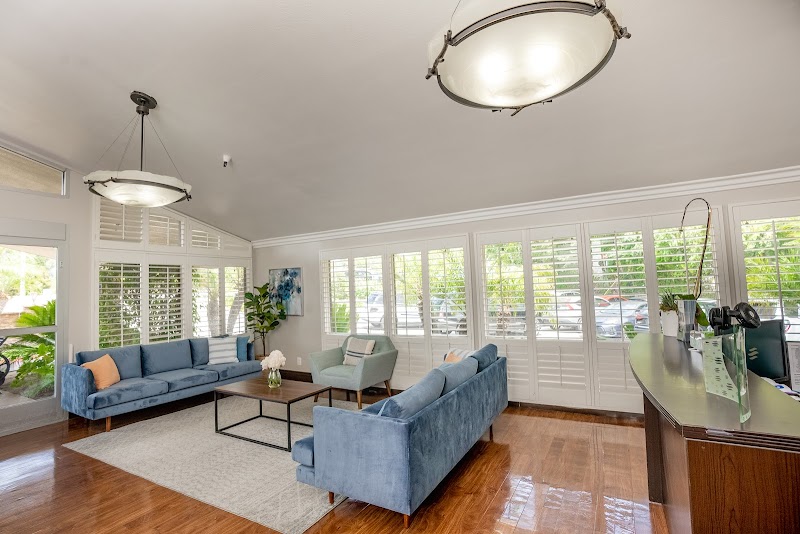
How is St Elizabeth Healthcare Center Staffed?

CMS rates ST ELIZABETH HEALTHCARE CENTER's staffing level at 4 out of 5 stars, which is above average compared to other nursing homes. Staff turnover is 24%, compared to the California average of 46%. This relatively stable workforce can support continuity of care.

What Have Inspectors Found at St Elizabeth Healthcare Center?

State health inspectors documented 53 deficiencies at ST ELIZABETH HEALTHCARE CENTER during 2020 to 2025. These included: 46 with potential for harm and 7 minor or isolated issues. While no single deficiency reached the most serious levels, the total volume warrants attention from prospective families.
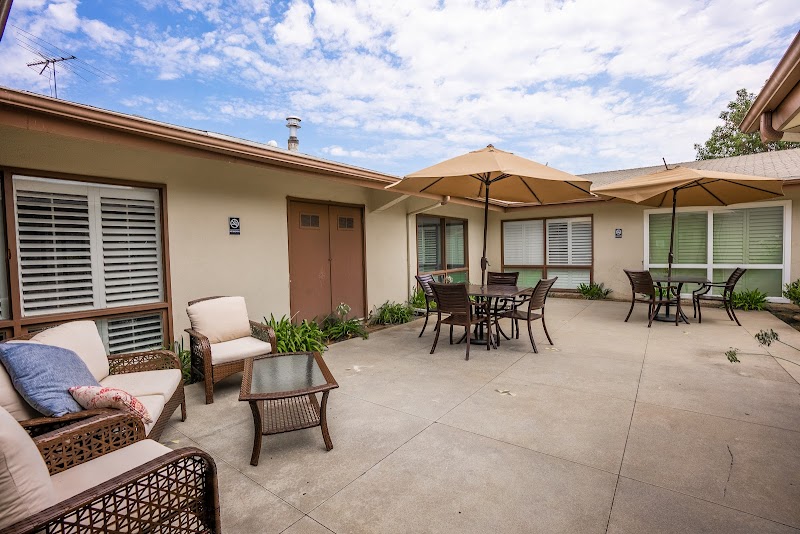
Who Owns and Operates St Elizabeth Healthcare Center?

ST ELIZABETH HEALTHCARE CENTER is owned by a for-profit company. For-profit facilities operate as businesses with obligations to shareholders or private owners. The facility is operated by THE ENSIGN GROUP, a chain that manages multiple nursing homes. With 59 certified beds and approximately 56 residents (about 95% occupancy), it is a smaller facility located in FULLERTON, California.
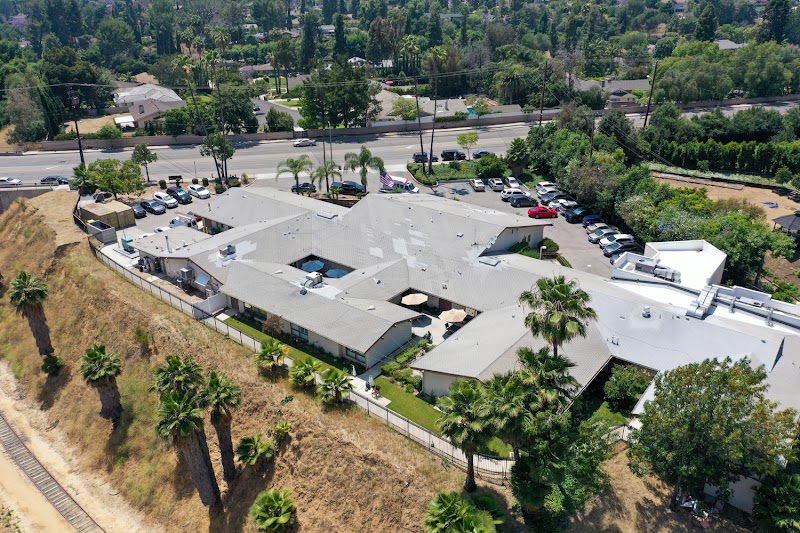
How Does St Elizabeth Healthcare Center Compare to Other California Nursing Homes?

Compared to the 100 nursing homes in California, ST ELIZABETH HEALTHCARE CENTER's overall rating (3 stars) is below the state average of 3.1, staff turnover (24%) is significantly lower than the state average of 46%, and health inspection rating (3 stars) is at the national benchmark.

What Should Families Ask When Visiting St Elizabeth Healthcare Center?

Based on this facility's data, families visiting should ask: "Can I visit during a mealtime to observe dining assistance and food quality?" "How do you handle medical emergencies, and what is your hospital transfer rate?" "Can I speak with family members of current residents about their experience?"

Is St Elizabeth Healthcare Center Safe?

Based on CMS inspection data, ST ELIZABETH HEALTHCARE CENTER has a clean safety record: no substantiated abuse findings (meaning no confirmed cases of resident harm), no Immediate Jeopardy citations (the most serious violation level indicating risk of serious injury or death), and is not on the Special Focus Facility watch list (a federal program monitoring the lowest-performing 1% of nursing homes). The facility has a 3-star overall rating and ranks #100 of 100 nursing homes in California. While no facility is perfect, families should still ask about staff-to-resident ratios and recent inspection results during their visit.

Do Nurses at St Elizabeth Healthcare Center Stick Around?

Staff at ST ELIZABETH HEALTHCARE CENTER tend to stick around. With a turnover rate of 24%, the facility is 22 percentage points below the California average of 46%. Low turnover is a positive sign. It means caregivers have time to learn each resident's needs, medications, and personal preferences. Consistent staff also notice subtle changes in a resident's condition more quickly. Registered Nurse turnover is also low at 12%, meaning experienced RNs are available to handle complex medical needs.

Was St Elizabeth Healthcare Center Ever Fined?

ST ELIZABETH HEALTHCARE CENTER has no federal fines on record. CMS issues fines when nursing homes fail to meet care standards or don't correct problems found during inspections. The absence of fines suggests the facility has either maintained compliance or corrected any issues before penalties were assessed. This is a positive indicator, though families should still review recent inspection reports for the full picture.

Is St Elizabeth Healthcare Center on Any Federal Watch List?

ST ELIZABETH HEALTHCARE CENTER is not on any federal watch list. The most significant is the Special Focus Facility (SFF) program, which identifies the bottom 1% of nursing homes nationally based on persistent, serious quality problems. Not being on this list means the facility has avoided the pattern of deficiencies that triggers enhanced federal oversight. This is a positive indicator, though families should still review the facility's inspection history directly.