THE PAVILION AT SUNNY HILLS


2222 N. HARBOR BLVD., FULLERTON, CA 92835 (714) 992-5701
For profit - Partnership 300 Beds ABBY GL, LLC Data: November 2025
Trust Grade
60/100
#697 of 1155 in CA
Last Inspection: April 2025

Within standard 12-15 month inspection cycle. Federal law requires annual inspections.

Overview

The Pavilion at Sunny Hills has a Trust Grade of C+, indicating it is slightly above average but still shows room for improvement. It ranks #697 out of 1155 nursing homes in California, placing it in the bottom half of facilities in the state, and #51 out of 72 in Orange County, meaning only one local option is better. The facility's trend is concerning, with issues increasing from 2 in 2024 to 29 in 2025, suggesting a decline in quality. Staffing is a relative strength, rated 4 out of 5 stars, but the turnover rate is at 40%, which is typical for California. There are no fines on record, which is a positive sign, but the facility has less RN coverage than 86% of state facilities, potentially impacting the quality of care. Specific incidents of concern include repeated failures to meet food safety standards in the kitchen, such as improperly stored food and a dirty ice machine, which could pose health risks to residents. Additionally, there were observations of unlabeled and undated medical equipment, indicating a lack of attention to proper care protocols. While there are some strengths in staffing ratings, these weaknesses highlight significant areas that families should consider when evaluating this nursing home.

Trust Score
C+
60/100
In California
#697/1155
Bottom 40%
Safety Record
Low Risk
No red flags
Inspections
Getting Worse
2 → 29 violations
Staff Stability
○ Average
40% turnover. Near California's 48% average. Typical for the industry.
Penalties
✓ Good
No fines on record. Clean compliance history, better than most California facilities.
Skilled Nurses
⚠ Watch
Each resident gets only 18 minutes of Registered Nurse (RN) attention daily — below average for California. Fewer RN minutes means fewer trained eyes watching for problems.
Violations
⚠ Watch
78 deficiencies on record. Higher than average. Multiple issues found across inspections.
★★★☆☆
3.0
Overall Rating
★★★★☆
4.0
Staff Levels
★★★★☆
4.0
Care Quality
★★★☆☆
3.0
Inspection Score
Stable
2024: 2 issues
2025: 29 issues

The Good

  • 4-Star Staffing Rating · Above-average nurse staffing levels
  • 4-Star Quality Measures · Strong clinical quality outcomes
  • Full Sprinkler Coverage · Fire safety systems throughout facility
  • No fines on record
  • Staff turnover below average (40%)

    8 points below California average of 48%

Facility shows strength in staffing levels, quality measures, fire safety.

The Bad

3-Star Overall Rating

Near California average (3.1)

Meets federal standards, typical of most facilities

Staff Turnover: 40%

Near California avg (46%)

Typical for the industry

Chain: ABBY GL, LLC

Part of a multi-facility chain

Ask about local staffing decisions and management

The Ugly 78 deficiencies on record

Jul 2025 1 deficiency
CONCERN (D) 📢 Someone Reported This

A family member, employee, or ombudsman was alarmed enough to file a formal complaint

Potential for Harm - no one hurt, but risky conditions existed

Report Alleged Abuse (Tag F0609)

Could have caused harm · This affected 1 resident

**NOTE- TERMS IN BRACKETS HAVE BEEN EDITED TO PROTECT CONFIDENTIALITY** Based on interview, medical record review, and facility P&P review, the facility failed to report an allegation of abuse to the ...

Read full inspector narrative →
**NOTE- TERMS IN BRACKETS HAVE BEEN EDITED TO PROTECT CONFIDENTIALITY** Based on interview, medical record review, and facility P&P review, the facility failed to report an allegation of abuse to the Administrator of the facility, CDPH L&C Program, Long-Term Care Ombudsman, and local law enforcement in a timely manner for one of four sampled residents (Resident 10) reviewed for abuse allegations. * The facility's staff reported allegations of abuse to the administrator of the facility, CDPH L&C Program, Long-Term Care Ombudsman, and local law enforcement, around eight hours after the staff from the Acute Care Hospital had voiced concerns about Resident 10's allegation of abuse and mistreatment in the facility. This failure had the potential to delay the investigation of the alleged abuse and for the staff not to take prompt and appropriate corrective actions to prevent the alleged abuse.Findings: Review of the facility's P&P titled Abuse Prohibition and Prevention Program revised April 2024 showed the facility shall ensure that all alleged violation involving abuse, neglect, exploitation, or mistreatment, including injuries of unknown source and misappropriation of resident property, are reported immediately, but not later than two hours after the allegation is made, if the events that caused the allegation involve abuse or result in serious bodily injury, or not later than 24 hours if the events that caused the allegation do not involve abuse and do not result in serious bodily injury, to the administrator of the facility and to other officials (including the state survey agency and adult protective services where state law provides for jurisdiction in long term care facilities) in accordance with state law through established procedures. Medical record review for Resident 10 was initiated on 7/9/25. Resident 10 was admitted to the facility on [DATE], and discharged on 7/8/25. Review of Resident 10's H&P examination dated 7/5/25, showed Resident 10 had no capacity to understand and make decisions. Review of Resident 10's Progress Notes showed the following: - On 7/8/25 at 0054 hours, the staff in the facility called the Acute Care Hospital via telephone on 7/8/25 at 0050 hours, and spoke to the RN of the Acute Care Hospital who informed the staff upon discharge that Resident 10 told the RN of the Acute Care Hospital she did not want to go back to the facility because as per Resident 10, she was abused and mistreated at the facility. - On 7/8/25 at 0944 hours, the investigation for an alleged mistreatment and SOC 341 was submitted. On 7/9/25 at 1516 hours, a telephone interview was conducted with LVN 6. LVN 6 stated on 7/7/25, Resident 10 was transferred to the acute care hospital. LVN 6 stated on 7/8/25 around midnight, she spoke to the RN of the acute care hospital who informed her that Resident 10 verbalized she did not want to go back to the facility because she was abused and mistreated at the facility. LVN 6 stated the Administrator was the abuse coordinator of the facility. LVN 6 stated she reported the incident to the RN supervisor in the facility on duty; however, she did not report the allegation made by Resident 10 to the Administrator of the facility, nor did she report the incident to CDPH L&C Program, Long-Term Care Ombudsman, and local law enforcement. LVN 6 stated she should have reported the allegation made by Resident 10 to the Administrator right away. On 7/9/25 at 1607 hours, an interview was conducted with the Administrator. The Administrator stated he was the Abuse Coordinator in the facility. The Administrator stated the facility staff should report to him right away any allegation of abuse and mistreatment made by the resident, and he would then report the allegation to CDPH L&C Program, Long-Term Care Ombudsman, and local law enforcement not later than two hours after the allegation was made. The Administrator stated he was notified about the above allegation made by Resident 10 on 7/8/25 at around 0800 hours, (approximately 8 hours after the allegation was made) then he reported the incident to CDPH L&C Program, Long-Term Care Ombudsman, and local law enforcement. The Administrator further stated the staff should have reported the allegation made by Resident 10 right away. On 7/10/25 at 1417 hours, an interview was conducted with the DON. The DON was informed and acknowledged the above findings.
May 2025 1 deficiency
MINOR (B) 📢 Someone Reported This

A family member, employee, or ombudsman was alarmed enough to file a formal complaint

Minor Issue - procedural, no safety impact

Medical Records (Tag F0842)

Minor procedural issue · This affected multiple residents

Based on interview, medical record review, and facility P&P review, the facility failed to ensure the medication administration was documented for one of three sampled residents (Resident 1). This fai...

Read full inspector narrative →
Based on interview, medical record review, and facility P&P review, the facility failed to ensure the medication administration was documented for one of three sampled residents (Resident 1). This failure had the potential for the medical record information to be not accurate for Resident 1. Findings: Review of facility's P&P titled Administering Medications revised March 2023 showed the medications must be administered in accordance with the orders. Medications must be administered in accordance with state and federal guidelines. Following verification of the resident and scheduled medication, the licensed nurse follows the pour, pass, chart standard of practice. Closed medical record review for Resident 1 was initiated on 5/27/25. Resident 1 was admitted in the facility on 4/23/25. Review of Resident 1's Order Summary Report dated 5/28/25, showed the following physician's orders: - dated 4/23/25, acetaminophen (pain reliever) 325 mg, give two tablets by mouth every four hours as needed for mild pain (1-3 pain scale) - dated 4/23/25, baclofen (muscle relaxant) 5 mg tablet, give onetablet by mouth every eight hours as needed for muscle spasm. Review of Resident 1's MAR for May 2025 failed to show two tablets of acetaminophen 325 mg and one tablet of baclofen 5 mg were documented as administered on 5/9/25 at approximately 1300 hours. Review of Resident 1's Progress Notes failed to show two tablets of acetaminophen 325 mg and one tablet of baclofen 5 mg medications were documented as administered on 5/9/25 at approximately 1300 hours. On 5/27/25 at 1112 hours, an interview was conducted with Family Member 1. Family Member 1 stated on 5/9/25, Resident 1 was given baclofen medication approximately 1300 hours. On 5/27/25 at 1437 hours, an interview and concurrent closed medical record review was conducted with LVN 1. LVN 1 stated he administered two tablets of acetaminophen 325 mg and one tablet of baclofen 5 mg orally between 1200-1300 hours to Resident 1 for pain and muscle spasm. LVN 1 verifiedhe failed to document the medications as administeredin the MAR. LVN 1 stated he should have documented in Resident 1's MAR after the medications were administered to prevent medication errors. On 5/27/25 at 1625 hours, an interview was conducted with RN 1. RN 1 stated LVN 1 verified with him Resident 1 received one tablet of baclofen on 5/9/25, between 1200-1300 hours; however, LVN 1 was not able to document the medication was administered. RN 1 stated the administration of the medications as needed was important to prevent the confusion in the medications received by the resident. On 5/27/25 at 1537 hours, an interview was conducted with the DON. The DON was informed and acknowledged the above findings. The DON stated she expects the licensed nurses to document right after the medications were administered.
Apr 2025 25 deficiencies
CONCERN (D) 📢 Someone Reported This

A family member, employee, or ombudsman was alarmed enough to file a formal complaint

Potential for Harm - no one hurt, but risky conditions existed

Resident Rights (Tag F0550)

Could have caused harm · This affected 1 resident

**NOTE- TERMS IN BRACKETS HAVE BEEN EDITED TO PROTECT CONFIDENTIALITY** Based on observation, interview, medical record review and facility P&P review, the facility failed to ensure one nonsampled res...

Read full inspector narrative →
**NOTE- TERMS IN BRACKETS HAVE BEEN EDITED TO PROTECT CONFIDENTIALITY** Based on observation, interview, medical record review and facility P&P review, the facility failed to ensure one nonsampled resident (Resident 8) was provided with the necessary care in the manner which promoted dignity and respect. * The facility staff failed to knock and request for permission before entering Resident 8's room. This failure resulted in the resident feeling exposed and disrespected. Findings: Review of the facility's P&P titled Dignity And Respect effective June 2018 showed each resident shall be cared for in a manner that promotes dignity and respect, and staff will knock and request permission before entering the residents' rooms. Medical record review for Resident 8 was initiated on 4/21/25. Resident 8 was readmitted to the facility on [DATE]. Review of Resident 8's MDS assessment dated [DATE], showed the resident was cognitively intact. On 4/23/25 at 1518 hours, an interview was conducted with Resident 8. Resident 8 stated she had concerns with her privacy being respected as the facility staff were coming into her room and opening her privacy curtain without getting permission from her. Resident 8 stated last week, a male housekeeping staff opened her privacy curtain while she was lying in bed using a female urinal and she was exposed to him. Resident 8 stated she felt exposed and disrespected. Resident 8 stated she had the same issues with other facility staff not waiting for permission prior to entering her room. On 4/24/25 at 0744 hours, CNA 2 was observed entering Resident 8's room with a breakfast tray. CNA 2 did not knock prior to entering the resident's room. On 4/24/25 at 0745 hours, an observation and interview was conducted with CNA 1. CNA 1 was observed entering Resident 8's room with a breakfast tray and delivering the tray to the resident's roommate. CNA 1 did not knock prior to entering the resident's room. CNA 1 verified she did not knock on the door or announced herself prior to entering the room and delivering the meal tray. On 4/24/25 at 0746 hours, an interview was conducted with CNA 2. CNA 2 verified she did not knock prior to entering Resident 8's room but stated she should have.
CONCERN (D)

Potential for Harm - no one hurt, but risky conditions existed

Deficiency F0578 (Tag F0578)

Could have caused harm · This affected 1 resident

**NOTE- TERMS IN BRACKETS HAVE BEEN EDITED TO PROTECT CONFIDENTIALITY** Based on interview, medical record review, and facility P&P review, the facility failed to determine and clarify whether two of ...

Read full inspector narrative →
**NOTE- TERMS IN BRACKETS HAVE BEEN EDITED TO PROTECT CONFIDENTIALITY** Based on interview, medical record review, and facility P&P review, the facility failed to determine and clarify whether two of four final sampled residents (Residents 123 and 785) reviewed for advanced directives had formulated an advance directive for healthcare. * Resident 123's medical record showed conflicting documentation as to whether the resident had formulated an advance directive. * The facility failed to determine if Resident 785 had formulated an advanced directive. These failures had the potential for the residents' decisions regarding their healthcare and treatment options not being honored. Findings: Review of the facility's P&P titled Advanced Directive revised 1/2025 showed the residents have the right to request, refuse, and/or discontinue treatment, to participate in or refuse to participate in experimental research, and to formulate an advance directive. Advance care planning is an integral aspect of the facility's comprehensive care planning process and assures re-evaluation of the resident's desires on a routine basis and when there is a significant change in the resident's condition. 1. Medical record review for Resident 123 was initiated on 4/21/25. Resident 123 was admitted to the facility on [DATE]. Review of Resident 123's POLST dated 1/27/23, showed Resident 123 had formulated an advanced directive for healthcare on 2/1/23, and had designated her spouse as her health care agent. However, Resident 123's medical record did not contain a copy of Resident 123's advanced directive. Review of Resident 123's Psychosocial assessment dated [DATE], showed Resident 123 had not formulated an advanced directive. On 4/23/25 at 0920 hours, an interview was conducted with Resident 123. Resident 123 stated she believed she had formulated an advanced directive for the healthcare in the past and designated her spouse to make healthcare decisions for her in the event she was to become incapacitated and no longer able to make health care decisions. Resident 123 stated if the facility was unable to obtain a copy of her advanced directive, she wished to formulate another advanced directive. On 4/23/25 at 0927 hours, a telephone interview was conducted with Family Member 2. Family Member 2 stated she would attempt to locate a copy of Resident 123's advanced directive for healthcare. Family Member 2 stated she had made medical decisions for Resident 123 in the past. Family Member 2 stated Resident 123 was incapacitated while residing in the acute care hospital and at that time, she made medical decisions on Resident 123's behalf. Family Member 2 stated if she was unable to locate a copy of Resident 123's advance directive, she along with Resident 123 would like to formulate another advanced directive for healthcare. On 4/23/25 at 1000 hours, an interview and concurrent medical record review was conducted with the Social Worker. The Social Worker verified Resident 123's medical record failed to contain a copy of Resident 123's advanced directive for health care. The Social Worker stated he had yet to follow up with Family Member 2 to obtain a copy of Resident 123's advance directive. The Social Worker stated he would contact Family Member 2 and attempt to obtain a copy of Resident 123's advance directive. 2. Medical record review for Resident 785 was initiated on 4/21/25. Resident 785 was admitted to the facility on [DATE]. Review of Resident 785's H&P examination dated 4/17/25, showed the resident had no capacity to understand and make decisions. Review of Resident 785's Physician Orders for Life-Sustaining Treatment (POLST) dated 4/17/25, showed section D was incomplete and did not show if the resident had an advance directive. Review of Resident 785's Resident IDT Care Conference Review dated 4/18/25, showed under the section Care Areas, the facility staff reviewed the resident's advance directive/POLST. On 4/22/25 at 1300 hours, an interview and concurrent medical record review was conducted with RN 2. RN 2 verified Resident 785's POLST section D was incomplete and did not show if the resident had an advance directive. On 4/22/25 at 1146 hours, an interview and concurrent medical record review was conducted with the SSD. The SSD verified Resident 785's POLST was incomplete and did not show if the resident had an advance directive. The SSD stated she was responsible to follow up with the resident and/or his responsible party to determine if he had an advance directive and to ensure the resident's POLST was completed. The SSD verified she had not followed up with the resident and/or his responsible party to determine if he had an advance directive, or if he wanted to formulate an advance directive. On 4/24/25 at 1352 hours, an interview was conducted with the Administrator, ADON, DON, and Nurse Consultant. The Administrator, ADON, DON, and Nurse Consultant were informed and acknowledged the above findings.
CONCERN (D)

Potential for Harm - no one hurt, but risky conditions existed

Deficiency F0645 (Tag F0645)

Could have caused harm · This affected 1 resident

**NOTE- TERMS IN BRACKETS HAVE BEEN EDITED TO PROTECT CONFIDENTIALITY** 2. Medical record review for Resident 92 was initiated on 4/21/25. Resident 92 was admitted to the facility on [DATE]. Review of...

Read full inspector narrative →
**NOTE- TERMS IN BRACKETS HAVE BEEN EDITED TO PROTECT CONFIDENTIALITY** 2. Medical record review for Resident 92 was initiated on 4/21/25. Resident 92 was admitted to the facility on [DATE]. Review of Resident 92's Acute Care Hospital 1 Neurological Progress Note dated 3/5/25, showed Resident 92 had a diagnosis of depression and was prescribed citalopram 10 mg orally at night. Review of Resident 92's Level I PASRR screening dated 3/6/25, showed Resident 92 had no diagnosis of serious mental illness. Review of Resident 92's Mental Status Examination dated 3/17/25, showed Resident 92 had a diagnosis of major depressive disorder. The examination showed documentation Resident 92 was observed in his room withdrawn, staring blankly at the wall, and with poor eye contact. On 4/28/25 at 1020 hours, an interview and concurrent medical record review was conducted with the DON. The DON verified Resident 92's Level I PASRR screening dated 3/6/25, failed to show Resident 92 had a diagnosis of major depressive disorder. The DON stated the Level I PASRR should have included Resident 92's diagnosis of depression to determine if a Level II mental health evaluation referral was necessary, and to ensure Resident 92 received the appropriated care and services (for mental illness) while residing in the facility. Based on interview, medical record review, and facility P&P review, the facility failed to ensure the Level I PASRR contained accurate information for two of two final sampled residents (Residents 92 and 135) reviewed for PASRR screening. * Resident 135 had a diagnosis of unspecified psychosis (a symptom or feature of mental illness typically characterized by radical changes in personality, impaired functioning, and a distorted or nonexistent sense of objective reality) and major depressive disorder (a mental disorder characterized by persistent feelings of sadness, loss of interest or pleasure in activities, and other symptoms that significantly impair daily functioning) and was prescribed olanzapine (an antipsychotic medication); however the Level I PASRR showed Resident 135 had no serious mental illness and was not prescribed any psychotropic medications. * Resident 92 had a diagnosis of major depressive disorder and was prescribed citalopram (an antidepressant medication); however, the Level I PASRR showed Resident 92 had no serious mental illness. These failures posed the risk for the residents' inappropriate placement in a long-term care nursing home when a PASRR Level II evaluation was not done. Findings: Review of the facility's P&P titled Preadmission Screening and Resident Review (PASRR) revised 1/2025 showed the facility ensures each resident is screened for a mental disorder (MD) or intellectual disability (ID) prior to admission to the extent possible, and that individuals identified with MD or ID are evaluated and receive care and services in the most integrated setting appropriate. PASARR, a federal requirement to help ensure that individuals who have a mental disorder or intellectual disabilities are not inappropriately placed in nursing homes for long-term care. The PASARR process requires that all applicants to Medicaid-certified nursing facilities be screened for possible serious mental disorders, intellectual disabilities, and related conditions. The purpose of the Level I pre-admission screening is to identify individuals who have or may have a MD/ID or a related condition, who would then require a PASARR Level II evaluation and determination prior to admission to the facility. A positively Level I screen necessitates an in-depth evaluation of the individual, by the state-designated authority, known as Level II PASARR, which must be conducted prior to admission to the facility. 1. Medical record review for Resident 135 was initiated on 4/21/25. Resident 135 was admitted to the facility on [DATE], with the diagnoses of unspecified psychosis and major depressive disorder. Review of Resident 135's H&P examination dated 7/18/24, showed Resident 135 had no capacity to understand and make decisions. Review of Resident 135's Preadmission Screening and Resident Review (PASRR) Level I Screening dated 7/18/24, showed Resident 135 had no diagnosis of serious mental illness and had not been prescribed psychotropic medications. The form showed the Level I screening was negative and Level II evaluation was not required. Review of Resident 135's Order Summary Report dated 4/23/25, showed a physician's order dated 7/18/24, to administer olanzapine 10 mg one tablet by mouth at bedtime for psychosis manifested by sudden angry outburst. On 4/23/25 at 1038 hours, an interview and concurrent medical record review for Resident 135 was conducted with the DON. The DON stated prior to the resident's admission to the facility, a PASRR screening would be conducted for the resident at the acute care hospital. The results of the screening would be sent to the facility and reviewed by the DON for accuracy. The DON stated upon review of the PASRR Level I Screening, if the screening was inaccurate, she would amend the Level I Screening by completing a Resident Review Status Change. The DON reviewed Resident 135's medical record and verified the above findings. The DON stated Resident 135's Level I PASRR Screening was inaccurate, and a Resident Review Status Change should have been completed. On 4/28/25 at 1440 hours, the Administrator and DON were informed and acknowledged the above findings.
CONCERN (D)

Potential for Harm - no one hurt, but risky conditions existed

Comprehensive Care Plan (Tag F0656)

Could have caused harm · This affected 1 resident

**NOTE- TERMS IN BRACKETS HAVE BEEN EDITED TO PROTECT CONFIDENTIALITY** Based on observation, interview, medical record review, and facility P&P review, the facility failed to ensure the comprehensive...

Read full inspector narrative →
**NOTE- TERMS IN BRACKETS HAVE BEEN EDITED TO PROTECT CONFIDENTIALITY** Based on observation, interview, medical record review, and facility P&P review, the facility failed to ensure the comprehensive care plans were developed or implemented for three of 35 final sampled residents (Residents 13, 80, and 143). * The facility failed to implement Resident 143's care plan specific to the PICC line management. * The facility failed to develop a care plan problem to address Resident 13's use of an e-cigarette and safe smoking practices. * The facility failed to develop a care plan problem addressing Resident 80's LUA midline catheter use. These failures placed the residents at risk for not being provided appropriate, consistent, and individualized care. Findings: Review of the facility's P&P titled Comprehensive Care Plans-Timing revised 1/2025 showed each resident has a person-centered, comprehensive care plan, developed, reviewed, and revised by the facility interdisciplinary team including the resident and resident representative. 1. Medical record review for Resident 143 was initiated on 4/21/25. Resident 143 was admitted to the facility on [DATE]. Review of Resident 143's Order Summary Report showed an order dated 3/13/25, to administer daptomycin (antibiotic medication) 450 mg intravenously once a day for sepsis for six weeks. On 4/21/25 at 1025 hours, an observation and concurrent interview was conducted with Resident 143. Resident 143 was observed with a PICC line located on her right arm. Resident 143 stated she had an infection after a recent surgery and was currently receiving a course of IV antibiotic therapy via her PICC line. Review of Resident 143's care plan titled Risk for Infection related to IV site initiated 3/12/25, showed to measure Resident 143's PICC line on admission and after dressing changes. The care plan showed to measure Resident 143's arm circumference three inches above the PICC line insertion site. Review of Resident 143's IV Administration Treatment Records dated 2/2025, 3/2025, and 4/2025, failed to show documentation for the measurements of the PICC line external catheter length or Resident 143's arm circumference when Resident 143's PICC line dressing change was performed on the following dates: 2/17, 2/24, 3/3, 3/10, 3/17, 3/24, 3/31, 4/7, 4/14, and 4/21/25. On 4/24/25 at 1429 hours, an interview and concurrent medical record review was conducted with the DON. The DON verified the facility failed to ensure the licensed nurse obtained and documented the measurements of Resident 143's arm circumference and for the PICC line external catheter length, after dressing changes in accordance with Resident 143's care plan for Risk for Infection related to IV site. 2. Review of the facility's P&P titled Electronic Cigarette (e-Cigarette) revised 1/2024 showed the residents who express a desire to use a vape or e-Cigarette device will be assessed for capabilities and deficits to use the device safely. The results of the assessment will be documented in the resident's care plan and updated as necessary to reflect the resident's status. On 4/21/25 at 1054 hours, a concurrent observation and interview was conducted with Resident 13 in Resident 13's room. Resident 13 stated he would go to use the vape outside of the facility building and carried his vape with him. Resident 13 was observed to pull out a vape from a pouch attached to the left side of his wheelchair. Resident 13 stated he kept his vape with him, unless he knew he would not be using it, or at nighttime. Medical record review for Resident 13 was initiated on 4/21/25. Resident 13 was readmitted to the facility on [DATE]. Review of Resident 13's plan of care failed to show a care plan focus was developed to address the resident's use of the vape or smoking. On 4/24/25 at 1328 hours, a concurrent interview and medical record review was conducted with the DON. The DON verified Resident 13 used an e-Cigarette. The DON stated for the residents who smoke, they did a smoking assessment and a care plan. The DON verified Resident 13 did not have a care plan developed to address the resident's use of e-cigarette or smoking. Cross reference to F689, example #2. 3. On 4/21/25 at 0828 hours, during the initial tour of the facility, Resident 80 was observed with a midline catheter to the LUA with the dressing dated 4/17/25. Resident 80 stated he was receiving two different types of antibiotic medications in the facility due to a bone infection to his left foot. Medical record review for Resident 80 was initiated on 4/21/25. Resident 80 was admitted to the facility on [DATE]. Review of Resident 80's H&P examination dated 3/13/25, showed Resident 80 had the capacity to understand and make decisions. Review of Resident 80's plan of care showed a care plan problem dated 3/21/25, addressing Resident 80's RUA PICC line use. Review of Resident 80's Midline Insertion Record dated 4/17/25, showed the LUA midline catheter was inserted because the previous IV access on the RUE was infiltrated (occurs when the fluids or medications intended to be delivered into a vein leak into the surrounding tissue instead of the bloodstream) and came out of the resident's arm. Further review of Resident 80's plan of care failed to show a care plan problem addressing the resident's LUA midline catheter inserted on 4/17/25. On 4/23/25 at 0938 hours, an observation and concurrent interview was conducted with Resident 80. Resident 80 was observed with a midline catheter to the LUA. Resident 80 stated he accidentally pulled out the previous IV access on his RUA when he was putting on his sweater sleeve. Resident 80 further stated the facility staff immediately responded and a licensed nurse from an outside company placed a midline catheter to his LUA on 4/17/25. On 4/23/25 at 0958 hours, an interview and medical record review was conducted with RN 1. RN 1 verified Resident 80's IV access was changed to a LUA midline catheter on 4/17/25, and there was no care plan developed to address the resident's LUA midline catheter. On 4/23/25 at 1108 hours, an interview and medical record review was conducted with the DON. The DON verified there was no care plan developed to address Resident 80's LUA midline catheter use. On 4/24/25 at 1352 hours, an interview was conducted with the Administrator, ADON, DON, and Nurse Consultant. The Administrator, ADON, DON, and Nurse Consultant were informed and acknowledged the above findings.
CONCERN (D)

Potential for Harm - no one hurt, but risky conditions existed

Quality of Care (Tag F0684)

Could have caused harm · This affected 1 resident

**NOTE- TERMS IN BRACKETS HAVE BEEN EDITED TO PROTECT CONFIDENTIALITY** 2. Medical record review for Resident 77 was initiated on 4/22/25. Resident 77 was admitted to the facility on [DATE], and readm...

Read full inspector narrative →
**NOTE- TERMS IN BRACKETS HAVE BEEN EDITED TO PROTECT CONFIDENTIALITY** 2. Medical record review for Resident 77 was initiated on 4/22/25. Resident 77 was admitted to the facility on [DATE], and readmitted to the facility on [DATE]. Review of Resident 77's quarterly MDS assessment dated [DATE], showed Resident 77 with a BIMS score of 13, which indicated the resident was cognitively intact. Review of Resident 77's Order Summary Report for April 2025 showed the following physician's order: - dated 7/6/23, to administer Novolin R (medication to lower blood sugar) Injection Solution 100 unit per ml subcutaneously before meals and at bedtime per the sliding scale as follows: * if the blood sugar level less than 70 mg/dL, give orange juice and/or cookies; and if unresponsive or remains less than 70 mg/dL, give glucagon (medication to increase blood sugar) one mg IM one time and call the MD, * for blood sugar level of 70 to 150 mg/dL, give zero units of insulin, * for blood sugar level of 151 to 200 mg/dL, give three units of insulin, * for blood sugar level of 201 to 250 mg/dL, give six units of insulin, * for blood sugar level of 251 to 300 mg/dL, give nine units of insulin, * for blood sugar level of 301 to 350 mg/dL, give 12 units of insulin, and * for blood sugar level of 351 to 400 mg/dL, give 15 units of insulin and call the MD. Review of Resident 77's MAR for April 2025 showed Resident 77's blood sugar levels were between 351 to 400 mg/dL and had received 15 units of Novolin R insulin at 1630 hours, on the following dates: - on 4/3/25, the blood sugar level was 382 mg/dL. - on 4/10/25, the blood sugar level was 361 mg/dL. Further review of Resident 77's medical record showed no documented evidence Resident 77's physician was notified when the resident's blood sugar levels were between 351 to 400 mg/dL as per the physician's order. On 4/25/25 at 1516 hours, an interview and concurrent medical record review was conducted with LVN 4. LVN 4 verified the above findings. LVN 4 stated the physician should have been notified for the blood sugar readings above 351 mg/dL as per the physician's order. LVN 4 further stated there was no documented evidence Resident 77's physician was notified of the elevated blood sugar readings on 4/3 and 4/10/25. On 4/28/25 at 0925 hours, an interview and concurrent medical record review was conducted with the DON. The DON verified the above findings. The DON stated she expected the license nurses to call the resident's physician if the blood sugar level was between 351 to 400 mg/dL as ordered. The DON verified there was no documented evidence Resident 77's physician was notified of the elevated blood sugar levels on 4/3 and 4/10/25. The DON stated the physician should have been notified of the resident's elevated blood sugar levels so the physician could adjust the resident's insulin orders appropriately. On 4/28/25 at 1443 hours, an interview was conducted with the Administrator, DON, and Nurse Consultant. The Administrator, DON, and Nurse Consultant were informed and acknowledged the above findings. Based on observation, interview, medical record review, and facility P&P review, the facility failed to provide the necessary care and services to maintain the highest physical well-being for two of 35 final sampled residents (Residents 44 and 77). * The facility failed to ensure the TLSO brace was applied to Resident 44 as per the physician's order. * The facility failed to ensure Resident 77's physician was notified when the resident had the blood sugar levels between 351- 400 mg/dL as ordered. These failures had the potential to affect Resident 44 and 77's well-being. Findings: 1. On 4/21/25 at 1034 hours, Resident 44 was observed lying in her bed and sleeping. There was a TLSO brace observed on her wheelchair. Medical record review for Resident 44 was initiated on 4/21/25. Resident 44 was admitted to the facility on [DATE]. Review of Resident 44's Order Summary Report dated 4/24/25, showed a physician's order dated 4/9/25, to apply the TLSO brace while up on the wheelchair; and may remove when in bed and during ADL care. Review of Resident 44's plan of care showed a care plan problem dated 3/12/25, to address Resident 44's risk for falls. The intervention showed for the TLSO brace to be worn at all times while out of bed. On 4/24/25 at 1007 hours, Resident 44 was observed to not be in her room; however, the TLSO brace was observed on top of the desk in her room. On 4/24/25 at 1030 hours, an interview was conducted with LVN 2. LVN 2 stated Resident 44 was in the activities room. LVN 2 stated Resident 44 used the TLSO brace due to a fracture of her T11 (a fracture located at the thoracic spine) and needed the brace on at all times when she was out of bed. LVN 2 was informed of the above findings. LVN 2 then checked Resident 44's room and verified the TLSO brace was not on Resident 44. Afterwards, LVN 2 walked to Dining Room B. Resident 44 was observed sitting in her wheelchair, without the TLSO brace on. LVN 2 then brought Resident 44 to her room and applied the TLSO brace on Resident 44. On 4/24/25 at 1317 hours, an interview and concurrent medical record review was conducted with the DOR. The DOR stated Resident 44 had a vertebral (spinal) fracture and required a TLSO brace. The DOR stated the TLSO was recommended by the orthopedic surgeon for the resident to wear for fractures. The DOR stated the TLSO brace prevented for turning or twisting at the spine and maintained an upright posture. The DOR was informed and acknowledged the above findings. The DOR stated Resident 44's physician's order showed for the resident to have the TLSO brace on while up in the wheelchair. On 4/28/25 at 0851 hours, an interview and concurrent medical record review was conducted with the DON and Nurse Consultant. The DON and Nurse Consultant were informed and acknowledged the findings.
CONCERN (D)

Potential for Harm - no one hurt, but risky conditions existed

Accident Prevention (Tag F0689)

Could have caused harm · This affected 1 resident

**NOTE- TERMS IN BRACKETS HAVE BEEN EDITED TO PROTECT CONFIDENTIALITY** Based on observation, interview, medical record review, and facility P&P review, the facility failed to ensure one of three fina...

Read full inspector narrative →
**NOTE- TERMS IN BRACKETS HAVE BEEN EDITED TO PROTECT CONFIDENTIALITY** Based on observation, interview, medical record review, and facility P&P review, the facility failed to ensure one of three final sampled residents (Resident 13) and one nonsampled resident (Resident 40) remained free from accidents and hazards. * Resident 40's room had items cluttered on multiple surfaces of her room, including the floor. This failure had the potential for injury related to resident care and obstacles when a quick and safe evacuation of the resident was needed in an emergency. * The facility failed to ensure Resident 13 was evaluated to determined if the resident required supervision and could safely store their own e-cigarette. These failures had the potential to put the residents at an increased risk for serious injuries and negative health outcomes. Findings: 1. Review of the facility's P&P titled Free of Accident Hazards/Supervision/Devices revised January 2025 showed the following: - The facility will provide an environment free from accident hazards including in the resident's environment that have the potential to cause injury. The facility will identify, evaluate and analyze the hazards and risks and will implement an individualized, resident centered interventions. Medical record review for Resident 40 was initiated on 4/21/25. Resident 40 was admitted to the facility on [DATE], and readmitted on [DATE]. Review of Resident 40's Social Services progress note dated 7/17/24 at 1514 hours, showed Social Services Staff 1 and the CEO (previous Administrator) met with the resident. The resident had five bedside tables scattered around the resident's room with personal belongings on them. Social Services Staff 1 informed the resident she could only have one tray table for her use, just like the other residents in the facility. Social Services Staff 1 offered to assist the resident in organizing her belongings, and the resident became agitated, yelled, cursed, and used inappropriate name calling towards Social Services Staff 1. Review of the Social Services progress note dated 4/16/25 at 1645 hours, showed Social Services Staff 2 and the Ombudsman met with Resident 40 at her bedside. The Ombudsman expressed concerns regarding the amount of resident belongings in the resident's room and bed. The Ombudsman suggested if some of the clutter could be relocated to enable the licensed nurses and CNAs to provide better care, but the resident refused. On 4/24/25 at 1010 hours, an interview was conducted with CNA 8. CNA 8 stated Resident 40 did not like the facility staff going into her room or touching her belongings. The CNA stated the resident had a lot of belongings around the bed and room, and if the items were in the CNA's way, the resident did not like the facility staff moving them. On 4/24/25 at 1015 hours, an interview was conducted with LVN 12. LVN 12 stated Resident 40 had a lot of belongings in her room and it was a hazard. LVN 12 stated the resident did not like the facility staff going into her room, unless she called them with the call light. On 4/24/25 at 1026 hours, an interview and concurrent medical record review was conducted with the SSD. The SSD stated Resident 40's hoarding (mental health condition characterized by acquiring and retaining a large number of possessions) had gotten worse, but the resident did not want the facility staff to touch her belongings. The SSD stated Social Services Staff 1 used to be the assigned Social Services staff, but the resident refused her and now Social Services Staff 2 was assigned to the resident. On 4/24/25 at 1033 hours, an interview was conducted with Social Services Staff 2. Social Services Staff 2 stated he was been assigned to Resident 40 for about two weeks; and when he met with the resident, she would get upset when she was asked to move her belongings. On 4/24/25 at 1044 hours, an interview was conducted with Social Services Staff 1. Social Services Staff 1 stated Resident 40 got upset with her and refused her as her assigned Social Services staff, so a new one Social Services staff was assigned. Social Services Staff 1 stated the facility purchased a small storage shelf for the resident to use, but the resident refused it. On 4/24/25 at 1048 hours, an interview was conducted with the DON. The DON stated the facility spoke to Resident 40 on multiple occasions about her hoarding, but the resident refused to do anything. The DON stated the resident was not currently being followed by a consultant psychiatrist or psychologist. On 4/24/25 at 1428 hours, an observation and concurrent interview was conducted with Social Services Staff 2 at Resident 40's bedside. Upon entering the room, the resident was observed in bed, with three bedside tables, one on each side of the bed and the third one over the foot of the bed. A nebulizer machine and food items were on one tray table, and two water pitchers with straws were on another table. All three bedside tables were covered with multiple items. On the floor, at the foot of the bed was a wash basin filled with nail polish, and boxes on the floor. A TV was sitting on a stand pulled away from the wall. Boxes and storage containers were on the floor around and behind the TV stand. A case of cup of noodles was on a stack of items at the back corner of the room. Delivery boxes and items were stacked along the entire wall to the left side of the resident; and behind the TV stand, a wheelchair was observed with items stacked on the seat. The bed frame for a potential roommate did not have a mattress on it, and there were belongings stacked on the bed frame. Social Services Staff 2 informed the resident the facility arranged a psychiatry consult for next week, and the resident stated she was glad because she was not doing good and one inch away from a breakdown. The resident stated she was aware that her clutter was an issue, but just thinking about it brought up a lot of emotions and she became overwhelmed. The resident expressed having multiple losses over the past few years and had a difficult time coping. The resident stated she also used online shopping as a coping mechanism and had packages that she had not even opened yet. The resident expressed she was open to meeting with the psychiatrist and hopeful that she could address any issues and work with the facility staff on the clutter and creating safer environment. On 4/28/25 at 0805 hours, an interview was conducted with CNA 9. When asked if Resident 40's clutter got in the way of performing the resident's cares safely, CNA 9 stated it was difficult, but doable. 2. Review of the facility's P&P titled Electronic Cigarette (e-Cigarette) revised 1/2024 showed the following: - Facility will recognize the residents' rights to use e-Cigarettes; however, this right is strictly in accordance with the interdisciplinary team assessment of a resident's ability to smoke safely, in a designated smoking area. - To promote the safety of the smoking resident, the IDT may require a resident to smoke under direct supervision. Residents are responsible for providing all smoking materials. Such materials will be labeled and maintained in a safe area by facility staff. - E-cigarettes or vaping material(s) for residents requiring supervision will be labeled and kept at the nurses' station. Residents may ask for their vape materials prior to vaping in designated smoking areas. - Residents evaluated by the nurse and reviewed by the IDT as independent through a smoking assessment; and who wish to maintain their own vape materials, may do so only when able to indicate the understanding vape materials are for individual use only and may not be shared with other residents. On 4/21/25 at 1054 hours, an observation and concurrent interview was conducted with Resident 13 in Resident 13's room. Resident 13 stated he would go and use the vape (inhaling aerosol from an electronic cigarette) outside of the facility building and carried his vaping device with him. Resident 13 was observed pulling out a vaping device from a pouch attached to the left side of his wheelchair. Resident 13 stated he kept his vaping device with him, unless he knew he would not be using it, or at nighttime. Medical record review for Resident 13 was initiated on 4/21/25. Resident 13 was readmitted to the facility on [DATE]. Review of Resident 13's H&P examination dated 4/4/25, showed Resident 13 had the capacity to understand and make decisions. Review of Resident 13's Smoking Risk assessment dated [DATE], showed Resident 13 was safe to smoke, could light his own cigarette, and did not have any limitations which would impact his ability to smoke. The section for additional information showed Resident 13 was observed using a vape (electronic cigarette). Further review of the medical record for Resident 13 failed to show if Resident 13 was thoroughly assessed and evaluated to determine if he required supervision during smoking and if he could safely store his own smoking materials. On 4/24/25 at 1023 hours, an observation, interview, and concurrent medical record review was conducted with LVN 2. LVN 2 verified Resident 13 used a nicotine vaping device and would use it independently. LVN 2 stated he kept Resident 13's vaping device in the narcotic drawer when the resident was not using it. LVN 2 stated Resident 13 had his vaping device on him right now, but the resident was not able to keep it with him. LVN 2 stated he needed to ask for the vaping device back from Resident 13. On 4/24/25 at 1328 hours, an interview and concurrent medical record review was conducted with the DON. The DON verified Resident 13 used an e-cigarette. The DON stated for the residents who smoke, the facility completed a smoking assessment and developed a care plan. The DON verified the Smoking Risk Assessment nor the IDT assessment did not include if Resident 13 was assessed to be able to smoke without supervision or if he could safely store his smoking materials. Cross reference to F656, example #2.
CONCERN (D)

Potential for Harm - no one hurt, but risky conditions existed

Incontinence Care (Tag F0690)

Could have caused harm · This affected 1 resident

**NOTE- TERMS IN BRACKETS HAVE BEEN EDITED TO PROTECT CONFIDENTIALITY** Based on observation, interview, medical record review, and facility P&P review, the facility failed to ensure the nursing staff...

Read full inspector narrative →
**NOTE- TERMS IN BRACKETS HAVE BEEN EDITED TO PROTECT CONFIDENTIALITY** Based on observation, interview, medical record review, and facility P&P review, the facility failed to ensure the nursing staff provided the necessary care for one of three final sampled residents (Resident 985) reviewed for indwelling urinary catheter (a flexible tube that drains urine from the bladder) use. * The facility failed to ensure Resident 985's suprapubic indwelling urinary catheter bag was placed below the bladder and covered with a privacy bag. This failure had the potential to result in inadequate care and risk for adverse complications for the residents with an indwelling urinary catheter. Findings: Review of the facility's P&P titled Urinary Catheter Care revised 12/24 showed urinary drainage bags should be maintained in a position to avoid contact with the floor to reduce the risk of developing a urinary tract infection to the extend possible. Urinary drainage bags should be placed in a privacy bag to preserve resident dignity. Medical record review for Resident 985 was initiated on 4/21/25. Resident 985 was admitted to the facility on [DATE]. Review of Resident 985's H&P examination dated 4/19/25, showed the resident had the capacity to understand and make decisions. Review of Resident 985's Order Summary Report for April 2025 showed the following physician's order: - dated 4/18/25, for the suprapubic indwelling catheter 16 FR/10 ml to drainage bag due to the diagnosis of urethral stricture (narrowing of the urethra, the tube connected to the bladder that allows urination). On 4/21/25 at 0946 hours, during the initial tour of the facility, an observation and concurrent interview was conducted with LVN 2. Resident 985's suprapubic indwelling urinary catheter bag was observed placed on the left side of the bed side rail and hanging above the level of Resident 985's bladder. The suprapubic indwelling urinary catheter bag was not covered with a privacy bag. LVN 2 verified the findings and stated the suprapubic indwelling urinary catheter bag should be placed below the resident's bladder. On 4/21/25 at 1000 hours, an interview was conducted with CNA 3. CNA 3 verified she placed Resident 985's suprapubic indwelling urinary catheter bag on the side rail so it did not touch the floor and stated the residents with an indwelling urinary catheters should have the privacy bag. On 4/28/25 at 0925 hours, an interview and concurrent medical record review was conducted with the DON. The DON verified Resident 985 had a suprapubic indwelling catheter. The DON stated the indwelling urinary catheter bag should be placed below the bladder to prevent the reflux of urine going back into the bladder and prevent the occurrence of an infection. The DON further stated the indwelling urinary catheter bag should be covered with the privacy bag to ensure the privacy and dignity of the resident. On 4/28/25 at 1443 hours, an interview was conducted with the Administrator, DON, and Nurse Consultant. The Administrator, DON, and Nurse Consultant were informed and acknowledged the above findings.
CONCERN (D)

Potential for Harm - no one hurt, but risky conditions existed

Deficiency F0692 (Tag F0692)

Could have caused harm · This affected 1 resident

**NOTE- TERMS IN BRACKETS HAVE BEEN EDITED TO PROTECT CONFIDENTIALITY** Based on interview, medical record review and facility P&P review, the facility failed to timely respond and follow up on the we...

Read full inspector narrative →
**NOTE- TERMS IN BRACKETS HAVE BEEN EDITED TO PROTECT CONFIDENTIALITY** Based on interview, medical record review and facility P&P review, the facility failed to timely respond and follow up on the weight loss for one of four final sampled residents (Resident 169) reviewed for nutrition. In addition, the facility failed to review the resident's nutritional status during the weekly weight management IDT meetings. These failures had the potential for adverse nutritional outcomes and to negatively affect the resident's well-being. Findings: Review of the facility's P&P titled Weight Management revised December 2024 showed the weight management committee, consisting of the key members of the IDT, meets weekly and will include residents who have lost five lbs since their last recorded weight, and a lost of 5% or more of their body weight in the last month. Medical record review for Resident 169 was initiated on 4/22/25. Resident 169 was admitted to the facility on [DATE], and readmitted on [DATE]. Review of Resident 169's Order Summary Report showed a physician's order dated 4/21/25, for weekly weights every weekend for four weeks. Review of Resident 169's EHR's Weights and Vitals Summary showed the following weights: - dated 3/17/25, a weight of 218 lbs. - dated 3/31/25, a weight of 187 lbs (a loss of 31 lbs/14.2 % in two weeks). - dated 4/5/25, a weight of 179 lbs (a loss of 29 lbs/17.9 % in 19 days). - dated 4/12/25, a weight of 175 lbs (a loss of 43 lbs/19.7 % in less than one month). Review of the facility's RNA Weekly Weight Monitoring log binders for March and April 2025 showed the following weights for Resident 169: - dated 3/27/25, a weight of 202 lbs (a loss of 16 lbs/ 7.3 % in 10 days). The weight was not recorded in the resident's EHR. - dated 3/30/25, a weight of 201 lbs (a loss of 17 lbs/ 7.8 % in 13 days). The weight was not recorded in the resident's EHR. - dated 4/22/25, the resident's readmission weight of 172 lbs (a loss of 46 lbs/ 21.1 % in five weeks and one day). The weight was not recorded in the resident's EHR. Review of Resident 169's SBAR: Change of Condition assessment dated [DATE], showed the resident had a weight loss of 31 lbs in two weeks, typically consumed more than 51% of most of their meals, and was currently on a diuretic (medication that removes excess body fluid). The assessment showed the physician was notified and no new orders were obtained. Review of Resident 169's Nutrition Assessment/Evaluation dated 4/3/25, completed by RD 2 showed the resident's first nutrition evaluation since admission to the facility on 3/16/25. The evaluation showed the resident's weight loss (referring to the resident's 31 lbs weight loss since admission to the facility) and the resident's current weight of 187 lbs. Review of Resident 169's Dietary/Nutritional Progress Note dated 4/17/25 at 1332 hours, completed by RD 1 showed the RD reviewed the resident's weights for 3/17, 3/31, 4/5, and 4/12/25. The RD updated the resident's physician, and the physician was agreeable to adding a Boost VHC (very high caloric) nutritional supplements twice a day. On 4/24/25 at 0823 hours, an interview and concurrent record review was conducted with the DON. The DON stated all the residents were weighed upon admission to the facility, then weekly for four weeks, and then monthly. The DON stated when a resident was readmitted to the facility, the resident should be reweighed upon admission to the facility, and then weekly. The DON stated for the residents who had a weight loss of at least five lbs or five % within 30 days, should be part of the Weight Management IDT meeting. The DON reviewed Resident 169's weights and verified the resident should have been included in the weekly Weight Management IDT meetings due to the resident's weight loss. While reviewing the resident's weights in the resident EHR, the DON was asked about the missing weights. The DON checked the RNA weight logs for each nursing station, and found Resident 169's readmission weights were completed on 3/27 and 4/22/25. The DON verified the resident's weights were not entered in the resident's medical record but should have been. The DON stated the RD and physician should have been notified for the resident's initial weight loss on 3/27/25, and verified the RD and physician were not notified. The DON stated there was a full-time RD and a part-time RD, and the expectation was for the RD to review Resident 169's weight and nutritional status the following workday after the resident's initial weight loss was identified on 3/27/25. On 4/24/25 at 0904 hours, an interview and medical record review was conducted with RD 1, RNAs 1 and 2. RD 1 stated for new admissions, RD 2 usually reviewed the newly admitted residents' nutrition evaluations. RD 1 stated the nutrition evaluation was usually done within seven days after the resident's admission to the facility; however, with Resident 169's weight loss, she should have been evaluated sooner. The RD verified the resident should have been included in the weekly weight management committee meetings. During the interview with RD 1, RNAs 1 and 2 entered the office and both stated the process for obtaining the weights was to document the residents' weight on the weight log after obtaining the resident's weights and provide a copy to the RD. RNAs 1 and 2 further stated for any residents with a weight change of three lbs or more, the RNA would also notify the licensed nurse.
CONCERN (D)

Potential for Harm - no one hurt, but risky conditions existed

Deficiency F0694 (Tag F0694)

Could have caused harm · This affected 1 resident

**NOTE- TERMS IN BRACKETS HAVE BEEN EDITED TO PROTECT CONFIDENTIALITY** Based on observation, interview, medical record review, and facility P&P review, the facility failed to ensure the PICC line ass...

Read full inspector narrative →
**NOTE- TERMS IN BRACKETS HAVE BEEN EDITED TO PROTECT CONFIDENTIALITY** Based on observation, interview, medical record review, and facility P&P review, the facility failed to ensure the PICC line assessments were performed and documented for two of two final sampled residents (Residents 80 and 143) reviewed for IV management. * The facility failed to ensure the nurse obtained measurements of Resident 143's arm circumference and PICC line external catheter length in accordance with the physician's orders and the facility's P&P. * The facility failed to ensure the arm circumference and external catheter length measurements were measured on admission and during the PICC line change for Resident 80's PICC line. These failures posed the risk for the residents developing complications related to the use of the PICC line. Findings: Review of the facility's P&P titled Assessment of the Patient Receiving IV Therapy dated 2011 showed to measure the external length of the central venous access device and compare to the length documented at insertion, during each dressing change and when catheter dislodgement is suspected. Measure resident's upper arm circumference when clinically indicated to assess the presence of edema and possible deep vein thrombosis. Measure 10 cm above the insertion site. 1. Medical record review for Resident 143 was initiated on 4/21/25. Resident 143 was admitted to the facility on [DATE]. Review of Resident 143's Order Summary Report showed an order dated 2/11/25, to measure the PICC line on admission and after dressing change(s) and arm circumference three inches above the insertion site. Review of Resident 143's Order Summary Report showed an order dated 3/13/25, for daptomycin (antibiotic medication) 450 mg intravenously once a day for sepsis for six weeks. On 4/21/25 at 1025 hours, an observation and concurrent interview was conducted with Resident 143. Resident 143 was observed with a PICC line on her right arm. Resident 143 stated she had an infection after a recent surgery and was currently receiving a course of IV antibiotic therapy via her PICC line. On 4/23/25 at 1138 hours, an interview and concurrent medical record review was conducted with RN 1. RN 1 was asked to describe the facility's practice for the resident's PICC line management and assessment. RN 1 stated upon admission to the facility and every 7 (seven) days thereafter, during PICC line dressing changes, the nursing staff would obtain measurements specific to the PICC line. RN 1 stated the nurse would obtain a measurement of the resident's arm circumference and PICC line external catheter length. RN 1 stated the arm circumference measurement was obtained to identify any swelling, which could indicate a deep vein thrombosis. RN 1 stated the external catheter length measurement was obtained to determine if the catheter remained in place. RN 1 stated the PICC line measurements were documented on the resident's IV MAR and/or progress notes. Review of Resident 143's IV Administration Treatment Records dated 2/2025, 3/2025 and 4/2025 showed documentation Resident 143's PICC line dressing change was performed on the following dates: 2/17, 2/24, 3/3, 3/10, 3/17, 3/24, 3/31, 4/7, 4/14, and 4/21/25. However, further review of Resident 143's medical record failed to show documentation for the measurements of the PICC line external catheter length or Resident 143's arm circumference for these dates. RN 1 verified the findings. On 4/24/25 at 1429 hours, an interview and concurrent medical record review was conducted with the DON. The DON verified the findings and stated the facility would update the electronic medical record to allow the nurses to document the PICC line external catheter lengths and the resident's arm circumference. Cross reference to F656, example #1. 2. On 4/21/25 at 0828 hours, during the initial tour of the facility, Resident 80 was observed with a midline catheter to the LUA with the dressing dated 4/17/25. Resident 80 stated he was receiving two different types of antibiotic medications in the facility due to a bone infection to his left foot. Medical record review for Resident 80 was initiated on 4/21/25. Resident 80 was admitted to the facility on [DATE]. Review of Resident 80's admission Body Check dated 3/12/25, showed the resident had a RUA PICC line with two lumens (channels or tubes inside the PICC line). Review of Resident 80's H&P examination dated 3/13/25, showed Resident 80 had the capacity to understand and make decisions. Review of Resident 80's plan of care showed a care plan problem dated 3/21/25, addressing the resident's RUA PICC line. The interventions included to measure the IV lines on admission and after dressing change, and the arm circumference three inches above the insertion site every seven days during the day shift (0700 to 1500 hours). Review of Resident 80's MAR for March and April 2025 showed a physician's order dated 3/13/25, to measure the IV lines on admission and after dressing change, and the arm circumference three inches above the insertion site every seven days during the day shift. The MAR showed the order was discontinued on 4/16/25. Further review of Resident 80's MAR for March and April 2025 showed the licensed nurses signed the MAR; however, the MAR failed to show the measurements of the arm circumference and external catheter length for the PICC line on 3/13, 3/20, 3/27, 4/3, and 4/10/25. Further review of Resident 80's medical record failed to show the baseline measurements of the arm circumference and external catheter length were obtained upon admission to the facility. On 4/23/25 at 0938 hours, an observation and concurrent interview was conducted with Resident 80. Resident 80 was observed with a midline catheter to the LUA. Resident 80 stated he accidentally pulled out the previous IV access on his RUA when he was putting on his sweater sleeve but the IV access was changed to a midline catheter on 4/17/25. On 4/23/25 at 0958 hours, an interview and medical record review was conducted with RN 1. RN 1 verified Resident 80 had a RUA PICC line upon admission to the facility, but it was changed to a midline catheter on 4/17/25. On 4/23/25 at 1108 hours, an interview and medical record review was conducted with the DON. When asked, the DON stated the RNs were responsible to measure and document the arm circumference and external catheter length upon the resident's admission to the facility, then weekly when the resident had a PICC line or a midline catheter. The DON verified Resident 80's MAR for March and April 2025 did not show the measurements of the resident's arm circumference and external catheter length of the PICC line for the above dates. The DON further verified the baseline measurements of Resident 80's RUA PICC line external catheter length and arm circumference were not obtained upon Resident 80's admission to the facility. On 4/24/25 at 1352 hours, an interview was conducted with the Administrator, ADON, DON, and Nurse Consultant. The Administrator, ADON, DON, and Nurse Consultant were informed and acknowledged the above findings.
CONCERN (D)

Potential for Harm - no one hurt, but risky conditions existed

Respiratory Care (Tag F0695)

Could have caused harm · This affected 1 resident

**NOTE- TERMS IN BRACKETS HAVE BEEN EDITED TO PROTECT CONFIDENTIALITY** Based on observation, interview, medical record review, and facility P&P review, the facility failed to ensure three of four sam...

Read full inspector narrative →
**NOTE- TERMS IN BRACKETS HAVE BEEN EDITED TO PROTECT CONFIDENTIALITY** Based on observation, interview, medical record review, and facility P&P review, the facility failed to ensure three of four sampled residents (final sampled residents, Residents 109, 143, and 155) reviewed for respiratory care were provided with the appropriate respiratory care and services when: * The facility failed to ensure Resident 109 received the continuous oxygen therapy via the nasal cannula (flexible tube to deliver oxygen into the nose) as per the physician's order. In addition, the facility failed to ensure the nasal cannula oxygen tubing was not touching the floor mat on the ground. * Resident 143's nebulizer oxygen tubing was improperly stored, having been found lying on top of a sock on the resident's end table. * The facility failed to ensure a physician's order was obtained for Resident 155's use of oral suctioning equipment. Additionally, the facility failed to ensure Resident 155's oral suctioning equipment was labeled when changed. These failures had the potential to affect the respiratory health and well-being of these residents in the facility. Findings: Review of the facility's P&P titled Respiratory Care Oxygen Therapy revised 1/2025 showed the facility provides competent staff to administer oxygen therapy through various types of supply and delivery systems. Equipment may include the provision of oxygen through nasal cannulas, trans-tracheal oxygen catheter, oxygen canisters, cylinders, or concentrators. A physician order shall be maintained in the medical record including parameters of oxygen administration and indications for use. The medical record reflects ongoing assessment of the resident's respiratory status and response to oxygen therapy. The staff should document, based on current professional standards of practice, the assessment and monitoring of the resident's respiratory condition, including response to therapy provided, and any changes in the respiratory condition 1. On 4/21/25 at 0852 hours, Resident 109 was observed in bed, with the nasal cannula oxygen tubing inside a clear plastic bag. Resident 109 was not observed receiving the oxygen. Medical record review for Resident 109 was initiated on 4/21/25. Resident 109 was admitted to the facility on [DATE], and readmitted on [DATE]. Resident 109 had the diagnosis of acute respiratory failure with hypoxia and acute pulmonary edema. Review of Resident 109's Order Summary Report dated 4/23/25, showed a physician's order dated 3/24/25, to administer continuous oxygen at two to three liters per minute via the nasal cannula, may titrate to maintain SPO2 (peripheral oxygen saturation, a measurement of the amount of oxygen in a person's blood) greater than 91 percent (%) and to monitor and document the oxygen saturation level every shift. Review of Resident 109's plan of care showed a care plan problem dated 3/24/25, addressing Resident 109's episode of desaturation, shortness of breath, and altered level of consciousness on 3/24/25. The interventions included to administer the oxygen continuously at two to three liters per minute via the nasal cannula and to monitor and document the oxygen saturation level every shift. On 4/23/25 at 0846 hours, Resident 109 was observed with the following: - The oxygen nasal cannula was on the right side of Resident 109's bed between the bedrail and the mattress and connected to the oxygen concentrator machine. The oxygen concentrator machine was on and set at two liters per minute; and - The oxygen nasal cannula tubing was observed touching the floor mat on the ground. LVN 5 was observed at the doorway to Resident 109's room, preparing for the morning medication administration. On 4/23/25 at 0918 hours, Resident 109 was observed in bed with the oxygen nasal cannula on the right side of the bed, near the bed rail, and the oxygen nasal cannula tubing was observed touching the floor mat on the ground. On 4/23/25 at 0921 hours, an observation, interview, and concurrent medical record review for Resident 109 was conducted with LVN 5. LVN 5 was observed exiting Resident 109's room and pushing the medication cart to another room. LVN 5 stated she had completed her morning medication administration for the three residents in Resident 109's room, including Resident 109. When asked about Resident 109's oxygen therapy, LVN 5 reviewed Resident 109's medical record and stated Resident 109 was currently receiving continuous oxygen at two to three liters per minute via the nasal cannula. When asked about Resident 109's current oxygen setting, LVN 5 stated she did not check the oxygen setting during the medication administration for Resident 109. LVN 5 verified the above findings. When asked, LVN 5 stated she did not pay attention as to whether Resident 109's nasal cannula was properly on him or if the nasal cannula oxygen tubing was touching the floor mat. LVN 5 was observed replacing the oxygen nasal cannula tubing with a new tubing and placed the new nasal cannula on Resident 109. LVN 5 checked Resident 109's oxygen saturation level and stated his oxygen saturation level was at 88-89%. When asked if LVN 5 could hear the oxygen concentrator machine during the medication administration, LVN 5 stated she was able to hear the oxygen concentrator machine was on, but she did not check to see if the nasal cannula was properly on Resident 109. LVN 5 further stated she should have checked. On 4/28/25 at 1046 hours, an interview was conducted with the DON. The DON stated for the care of a resident on oxygen therapy, the licensed nurses were expected to administer the oxygen as per the physician's order. The DON stated when making rounds and during the administration of medications, the licensed nurse was responsible for checking the placement of the nasal cannula to ensure it was properly placed on the resident. The DON further stated in addition to checking for the proper placement of the oxygen tubing, the licensed nurses were responsible for checking to ensure the oxygen tubing was not touching the ground. On 4/28/25 at 1440 hours, the Administrator and DON were informed and acknowledged the above findings. 3. On 4/21/25 at 1436 hours, an observation and concurrent interview was conducted with CNA 4 in Resident 155's room. CNA 4 stated Resident 155 did her own oral care and the licensed nurses would suction her. The oral suctioning equipment, including the Yankauer suction tip, suction tubing, and suction canister were observed not labeled with the date and time it was last changed. On 4/21/25 at 1556 hours, an observation and concurrent interview was conducted with LVN 9 in Resident 155's room. LVN 9 stated Resident 155 performed the oral suctioning by herself and the facility staff changed the canister, tubing, and Yankauer suction tip once a week. The oral suctioning equipment, including the Yankauer suction tip, suction tubing, and suction canister were observed not labeled with the date and time it was last changed. LVN 9 verified the above findings and stated usually the Yankauer suction tip and tubing would be labeled with a date. LVN 9 stated the facility staff replaced the tubing every Sunday; however, LVN 9 verified he did not know when Resident 155's tubing and Yankauer suction tip were last changed. LVN 9 stated the facility staff labeled the tubing with the date it was changed to prevent infections. Medical record review for Resident 155 was initiated on 4/21/25. Resident 155 was readmitted to the facility on [DATE]. Review of Resident 155's H&P examination dated 4/4/25, showed Resident 155 had the capacity to understand and make decisions. Review of Resident 155's Assessment Summary dated 4/4/25, showed the resident's change in condition involving throat congestion. The assessment section showed Resident 155 complained of throat congestion, oral suction was provided as tolerated, and no complaints of nasal congestion. The NP was made aware and ordered STAT chest x-ray, laboratory tests, and an inhaler medication every six hours for shortness of breath. Review of Resident 155's Order Summary Report dated 4/23/25, showed a physician's order dated 4/22/25, to suction orally with the Yankauer suction tip as needed for increased oral secretions/oral care. On 4/22/25 at 1515 hours, an interview was conducted with Resident 155. Resident 155 stated she used the oral suction by herself for excessive phlegm in her throat. On 4/24/25 at 0957 hours, an interview and concurrent medical record review was conducted with LVN 1. LVN 1 stated Resident 155 performed oral care by herself. LVN 1 was informed Resident 155 was observed with the oral suctioning equipment at the bedside since 4/21/25. LVN 1 verified Resident 155 was started on oral suctioning on 4/4/25. LVN 1 stated the resident needed a physician's order for oral suctioning. LVN 1 verified Resident 155 had no physician's order for oral suctioning until 4/22/25. On 4/28/25 at 0851 hours, an interview and concurrent medical record review was conducted with the DON and Nurse Consultant. The DON and Nurse Consultant were informed and acknowledged the above findings. The DON verified Resident 155 had no physician's order for the oral suctioning until 4/22/25. The DON stated the suctioning tubing and canister should be labeled with a date and time and would be changed out weekly, or as needed if soiled. 2. Medical record review for Resident 143 was initiated on 4/21/25. Resident 143 was admitted to the facility on [DATE]. Review of Resident 143's Order Summary Report showed a physician's order dated 2/11/25, to administer ipratropium-Albuterol (medication to relax muscles around the lungs' airways, to ease breathing) inhalation solution 0.5-2.5 mg per 3 ml inhalation solution, every four hours as needed for shortness of breath and/or wheezing. On 4/21/25 at 1019 hours, an observation and concurrent interview was conducted with Resident 143 and LVN 3. A nebulizer attached to an oxygen tubing was observed at Resident 143's bedside. The open end of the oxygen tubing was observed lying on top of a sock on Resident 143's end table. Resident 143 stated she had not handled the oxygen tubing. LVN 3 verified the findings and stated she would discard the oxygen tubing for infection control.
CONCERN (D)

Potential for Harm - no one hurt, but risky conditions existed

Deficiency F0697 (Tag F0697)

Could have caused harm · This affected 1 resident

**NOTE- TERMS IN BRACKETS HAVE BEEN EDITED TO PROTECT CONFIDENTIALITY** Based on interview, medical record review, and facility P&P review, the facility failed to provide the appropriate pain manageme...

Read full inspector narrative →
**NOTE- TERMS IN BRACKETS HAVE BEEN EDITED TO PROTECT CONFIDENTIALITY** Based on interview, medical record review, and facility P&P review, the facility failed to provide the appropriate pain management for two of two final sampled residents (Residents 18 and 69) reviewed for pain management. * The facility failed to accurately document the monitoring of pain for Residents 18 and 69 and administer the pain medications according to the physician's order. In addition, the facility failed to ensure the non-pharmacological interventions for pain were provided to Residents 18 and 69 prior to the administration of the pain medications as per the physician's order. These failures had the potential to put Residents 18 and 69 at risk for ineffective pain management and adverse effects related to the use of unnecessary pain medication. Findings: Review of the facility's P&P titled Pain Assessment and Management revised 1/2025 showed the facility provides pain management to residents who require such services, consistent with the professional standards of practice, the comprehensive person-centered care plan, and the resident's goals and preferences. Strategies for the prevention and management of pain may include but are not limited to the following: developing and implementing both non-pharmacological and pharmacological interventions/approaches to pain management, depending on factors such as whether the pain is episodic, continuous, or both. 1.a. Medical record review for Resident 18 was initiated on 4/21/25. Resident 18 was admitted to the facility on [DATE], and readmitted on [DATE]. Review of Resident 18's MDS assessment dated [DATE], showed Resident 18 was cognitively intact and coded for the use of an opioid (narcotic pain medication) medication. Review of Resident 18's Order Summary Report for April 2025 showed the following physician's orders: - dated 6/25/24, to monitor Resident 18's level of pain every shift, using the 0-10 pain scale as follows: 0= no pain, 1-3= mild pain, 4-6= moderate pain, and 7-10= severe pain. - dated 6/25/24, to administer acetaminophen (analgesic medication) 325 mg two tablets by mouth every six hours as needed for mild pain, pain levels of 1 to 3; not to exceed three grams of acetaminophen in 24 hours from all sources. - dated 9/24/24, for the use of Norco (narcotic opioid medication), to document the non-pharmacological approach attempted prior to the administration of pain medication every shift; and to document as follows: 1. Repositioning; 2. Dim Light/Quiet Environment; 3. Hot/Cold Application; 4. Relaxation Techniques; 5. Distraction; 6. Music; 7. Other. - dated 10/28/24, for the use of acetaminophen, to document the non-pharmacological approach attempted prior to the administration of pain medication, every shift; and to document as follows: 1. Repositioning; 2. Dim light/Quiet Environment; 3. Hot/Cold Application; 4. Relaxation techniques; 5. Distraction; 6. Music; 7. Other. - dated 3/31/25, to administer hydrocodone-acetaminophen (narcotic opioid medication) 5-325 mg one tablet by mouth every four hours as needed for moderate pain (pain levels of 4 to 6). - dated 3/31/25, to administer hydrocodone-acetaminophen 5-325 mg two tablets by mouth every four hours as needed for severe pain (pain levels of 7 to 10). Review of Resident 18's plan of care showed a care plan problem dated 6/26/24, addressing Resident 18's risk for pain. The interventions included to administer the acetaminophen and Norco medication as ordered; and to provide the resident with reassurance that pain was time limited; and to encourage the resident to try different pain-relieving methods i.e. positioning, relaxation therapy, progressive relaxation, bathing, heat and cold application, muscle stimulation, ultrasound. Review of Resident 18's MAR for April 2025 showed Resident 18 was administered the hydrocodone-acetaminophen 5-325 mg medication one tablet by mouth every four hours as needed for moderate pain (pain levels of 4 to 6) on the following dates and times when the resident's pain level was not within the pain levels of 4 to 6 as ordered: - On 4/2/25 at 1047 hours, for a pain level of 8. - On 4/10/25 at 2350 hours, for a pain level of 8. - On 4/22/25 at 0856 and 2109 hours, for a pain level of 8. b. Review of Resident 18's MAR from April 2025 showed Resident 18 was administered the following medications on the following dates, times, and pain levels: * Resident 18's was administered the acetaminophen medication 325 mg two tablets by mouth every six hours as needed for mild pain (pain levels of 1 to 3): - On 4/2/25 at 2300 hours, for a pain level of 3. - On 4/15/25 at 1903 hours, for a pain level of 2. - On 4/16/25 at 2053 hours, for a pain level of 2. * Resident 18 was administered the hydrocodone-acetaminophen medication 5-325 mg one tablet by mouth every four hours as needed for moderate pain (pain levels of 4 to 6): - On 4/6/25 at 0630 hours, for a pain level of 5. - On 4/18/25 at 0945 hours, for a pain level of 4. - On 4/22/25 at 0856 and 2109 hours, for a pain level of 8. However, review of Resident 18's MAR for April 2025 to document the monitoring of the resident's pain level showed the licensed nurses documented Resident 18's pain level was assessed as 0 for no pain for the following dates and shifts: - on 4/2/25, for the night shift; - on 4/6/25, for the night shift; - on 4/15/25, for the evening shift; - on 4/16/25, for the evening shift; - on 4/18/25, for the morning shift; and - on 4/22/25, for the morning and evening shifts. Additionally, further review of Resident 18's MAR for April 2025 showed the non-pharmacological approach attempted prior to the administration of the acetaminophen and Norco pain medications were documented as 0 from 4/1 to 4/22/25 for the day, evening, and night shifts. On 4/23/25 at 1433 hours, an interview and concurrent medical record review for Resident 18 was conducted with LVN 7. LVN 7 stated when pain was reported, the resident's pain would be assessed and the non-pharmacological pain interventions would be implemented and documented in the MAR. LVN 7 stated if the non-pharmacological pain interventions were effective, then the pain medication would not be needed; but if the non-pharmacological pain interventions were not effective, then the pain medication would be administered as per the physician's order and within the ordered parameters. LVN 7 reviewed Resident 18's medical record and verified the above findings. LVN 7 stated if the pain medication was administered, the non-pharmacological intervention should not be documented as 0. On 4/28/25 at 1046 hours, an interview and concurrent medical record review for Resident 18 was conducted with the DON. The DON reviewed Resident 18's medical record and verified the above findings. 2. a. Medical record review for Resident 69 was initiated on 4/21/25. Resident 69 was admitted to the facility on [DATE], and readmitted on [DATE]. Review of Resident 69's H&P examination dated 12//23/24, showed Resident 69 had no capacity to understand and make decisions. Review of Resident 69's Order Summary Report for April 2025 showed the following physician's orders: - dated 10/9/23, to monitor Resident 69's level of pain every shift, using the 0-10 pain scale as follows: 0= no pain, 1-3= mild pain, 4-6= moderate pain, and 7-10= severe pain. - dated 12/15/23, for the use of the acetaminophen-codeine (narcotic pain medication), to document the non-pharmacological approach attempted prior to the administration of the pain medication every shift; and to document as follows: 1. Repositioning; 2. Dim Light/Quiet Environment; 3. Hot/Cold Application; 4. Relaxation Techniques; 5. Distraction; 6. Music; and 7. Other. - dated 2/6/25, to administer acetaminophen-codeine 300-30 mg one tablet by mouth every four hours as needed for mild pain, pain levels of 1 to 3; not to exceed three grams of acetaminophen in 24 hours from all sources. Review of Resident 69's plan of care showed a care plan problem dated 10/11/23, addressing Resident 69's risk for pain. The interventions included to administer the acetaminophen with codeine pain medication as ordered and to offer the non-pharmacological interventions for pain (repositioning, dim lighting, calm and quiet environment, minimal stimulation, etc.). Review of Resident 69's MAR for April 2025 showed Resident 69 was administered the acetaminophen-codeine 300-30 mg one tablet by mouth every four hours as needed for mild pain (pain levels of 1 to 3) on the following dates and times when the resident's pain level was not within the pain levels of 1 to 3 as ordered: - On 4/1/25 at 1120 hours, for a pain level of 0. - On 4/7/25 at 1450 hours, for a pain level of 0. - On 4/15/25 at 1130 hours, for a pain level of 0. - On 4/21/25 at 2158 hours, for a pain level of 7. b. Review of Resident 69's MAR for April 2025 showed Resident 69 was administered the acetaminophen-codeine 300-30 mg one tablet by mouth every four hours as needed for mild pain (pain levels of 1 to 3) on the following dates and times: - On 4/2/25 at 0848 hours, for a pain level of 3. - On 4/3/25 at 1336 hours, for a pain level of 3. - On 4/4/25 at 0200 hours, for a pain level of 3. - On 4/5/25 at 0806 hours, for a pain level of 3. - On 4/8/25 at 0438 hours, for a pain level of 3. - On 4/9/25 at 0100 hours, for a pain level of 3. - On 4/10/25 at 1235 hours, for a pain level of 3. - On 4/11/25 at 1338 hours, for a pain level of 3. - On 4/14/25 at 1340 hours, for a pain level of 1. - On 4/16/25 at 0040 and 1251 hours, for a pain level of 3. - On 4/17/25 at 1300 hours, for a pain level of 3. - On 4/19/25 at 1805 hours, for a pain level of 3. - On 4/22/25 at 0200 hours, for a pain level of 3. - On 4/24/25 at 0230 hours, for a pain level of 3. However, review of Resident 69's MAR for April 2025 for the monitoring of the resident's pain level showed the licensed nurses documented Resident 69's pain level was 0 for no pain for the following dates and shifts: - on 4/2 and 4/3/25, for the day shift; - on 4/4/25. for the night shift; - on 4/5/25, for the day shift; - on 4/8 and 4/9/25; for the night shift; - on 4/10, 4/11, and 4/14/25, for the day shift; - on 4/16/25, for the night shift; - on 4/17/25, for the day shift; - on 4/19/25, for the evening shift; and - on 4/22 and 4/24/25, for the night shift. Additionally, further review of Resident 69's MAR for April 2025 showed the non-pharmacological approach attempted prior to the administration of the acetaminophen-codeine medication was documented as 0 on the following dates and shifts: - for the day shift: on 4/2, 4/3, 4/5, 4/10, 4/14, 4/16, and 4/17/25, - for the evening shift: on 4/19 and 4/21/25, - for the night shift: 4/3, 4/7, 4/8, 4/15, 4/21, and 4/23/25. On 4/24/24 at 1039 hours, an interview and concurrent medical record review for Resident 69 was conducted with LVN 3. LVN 3 stated the non-pharmacological pain interventions were implemented and documented prior to the administration of the pain medications. LVN 3 stated if the non-pharmacological pain interventions were effective, then the pain medication would not be needed. LVN 3 reviewed Resident 69's medical record and verified the above findings. LVN 3 stated the pain medication should be administered as per the physician's order and within the pain parameters. LVN 3 further stated if the pain medication was administered, then the non-pharmacological intervention should be documented. On 4/28/25 at 1046 hours, an interview was conducted with the DON. The DON stated if the pain medication was administered to the resident, the non-pharmacological interventions for pain should be implemented and documented in the MAR; and if the non-pharmacological interventions for pain were ineffective, then the licensed nurse should administer the pain medication as per the physician's orders. The DON stated the purpose of the pain monitoring was to track the resident's pain and to see if there was a trend in the resident's pain. The DON stated the monitoring of pain should be documented accurately. The DON stated if the pain medication was administered to the resident during the shift, then there should be a pain level documented for the monitoring of pain for that shift in the MAR. The DON stated if the resident reported pain after the licensed nurse documented no pain, the DON expected the licensed nurses to update the pain monitoring for that shift in the MAR to accurately reflect the resident's pain monitoring. On 4/28/25 at 1440 hours, the Administrator and DON were informed and acknowledged the above findings.
CONCERN (D)

Potential for Harm - no one hurt, but risky conditions existed

Pharmacy Services (Tag F0755)

Could have caused harm · This affected 1 resident

**NOTE- TERMS IN BRACKETS HAVE BEEN EDITED TO PROTECT CONFIDENTIALITY** Based on observation, interview, medical record review, and facility P&P review, the facility failed to ensure the pharmaceutica...

Read full inspector narrative →
**NOTE- TERMS IN BRACKETS HAVE BEEN EDITED TO PROTECT CONFIDENTIALITY** Based on observation, interview, medical record review, and facility P&P review, the facility failed to ensure the pharmaceutical services were provided to meet the needs for one of 35 sampled residents (Resident 60) and two nonsampled residents (Residents 73 and 685). * The facility failed to ensure Resident 73's omeprazole (acid reflux medication) medication bottle was shaken well prior to administering the medication as per the instruction on the bottle. * The facility failed to ensure the narcotic medication for Residents 60 and 685 were accurately signed out and documented as per the facility's P&P. These failures had the risk for negative health outcomes to the residents and the potential to result in medication diversion (the illegal use or distribution of a prescription medication that was not originally intended by the prescriber) and unsafe handling of the narcotic medications. Findings: Review of the facility's P&P titled Administering Medications revised 3/2023 showed the medications must be administered in accordance with the orders. The medications must be administered in accordance with State and Federal guidelines. The P&P further showed the licensed nurse must check the label three times to verify the right resident, right medication, right dosage, right time and right method (route) of administration before giving the medication. Review of the facility's P&P titled Medication Administration - Controlled Substances revised 1/2023 showed the controlled medications are substances that have an accepted medical use (medications which fall under U.S. Drug Enforcement Agency Schedules II-V), have a potential for abuse, ranging from low to high, and may also lead to physical or psychological dependence. These medications are subject to special handling, storage, disposal, and record keeping at the nursing care center, in accordance with federal and state laws and regulations. The P&P further showed when a controlled medication is administered, the licensed nurse administering the medication immediately enters the flowing information on the accountability record when removing dose from the controlled storage. Administer the controlled medication and document dose administration on the MAR. According to the United States Drug Enforcement Administration (DEA), oxycodone (pain medication) is categorized as a Schedule II narcotic. Tramadol (pain medication) is categorized as a Schedule IV (low potential for abuse) narcotic. The DEA labels these drugs as having a potential for abuse. 1. Medical record review for Resident 73 was initiated on 4/22/25. Resident 73 was admitted to the facility on [DATE], and readmitted on [DATE]. Review of Resident 73's H&P examination dated 11/4/24, showed the resident had a history of neurocognitive disorder (group of conditions that primarily affect cognitive abilities like memory, language, and problem solving) and was mostly non-verbal with global weakness (general lack of physical and/or mental strength and fatigue). Review of Resident 73's Order Summary Report for April 2025 showed a physician's order dated 1/2/25, to administer 10 ml of omeprazole oral suspension two mg/ml via GT one time a day for GERD. Review of Resident 73's omeprazole medication bottle showed the instructions to shake well. On 4/22/25 at 0835 hours, during the medication administration observation, LVN 7 was observed pouring Resident 73's omeprazole into a medication cup. LVN 7 did not shake the bottle well as instructed prior to pouring the omeprazole medication into the medication cup. On 4/22/25 at 0918 hours, an interview and concurrent medical record review was conducted with LVN 7. LVN 7 verified the above findings. LVN 7 verified the omeprazole medication bottle had instructions to shake the bottle well prior to administering. LVN 7 stated the bottle should be shaken well to ensure the concentrate at the bottom of the bottle was distributed. On 4/28/25 at 1443 hours, an interview was conducted with the Administrator, DON, and Nurse Consultant. The Administrator, DON, and Nurse Consultant were informed and acknowledged the above findings. 2. a. Medical record review for Resident 60 was initiated on 4/22/25. Resident 60 was admitted to the facility on [DATE], and readmitted on [DATE]. Review of Resident 60's H&P examination dated 4/15/25, showed the resident had the capacity to make decisions. Review of Resident 60's Order Summary Report for April 2025 showed a physician's order dated 3/2/25, to administer tramadol (opioid medication) 50 mg one tablet by mouth three times a day for pain management; and to hold if the respiratory rate less than 12 breaths per minute. The tramadol medication was scheduled to be administered at 0930, 1530, and 2130 hours. Review of Resident 60's MAR for April 2025 showed the tramadol 50 mg tablet was administered on 4/22/25 at 0930 hours. Review of Resident 60's tramadol narcotic bubble pack showed there was one tablet of tramadol 50 mg medication remaining. However, review of Resident 60's Controlled Drug Record initiated on 4/19/25, showed there should be two tramadol 50 mg tablets remaining instead of one tablet as showed in the bubble pack. On 4/22/25 at 1129 hours, an inspection of the Controlled Drug Record at Medication Cart A was conducted with LVN 4. LVN 4 verified the above findings. LVN 4 stated the narcotic bubble pack and the Controlled Drug Record sheet did not match. LVN 4 stated it should match to ensure the accuracy and to show the medication was administered. On 4/22/25 at 1145 hours, an interview and concurrent medical record review was conducted with LVN 10. LVN 10 verified the above findings. LVN 10 stated the facility protocol was to sign the Controlled Drug Record and the MAR when administering the narcotic medications, to ensure there were no errors in the narcotic count. b. Medical record review for Resident 685 was initiated on 4/22/25. Resident 685 was admitted to the facility on [DATE]. Review of Resident 685's H&P examination dated 4/17/25, showed the resident had no capacity to understand and make decisions. Review of Resident 685's Order Summary Report for April 2025 showed a physician's order dated 4/17/25, to administer oxycodone (opioid medication) 5 mg one tablet by mouth in the morning for pain management, hold for AMS or if the respiratory rate was less than 12 breaths per minute and to notify the physician. Review of Resident 685's MAR for April 2025 showed the oxycodone 5 mg tablet was administered on 4/22/25 at 0900 hours. Review of Resident 685's oxycodone narcotic bubble pack showed there were three tablets of oxycodone 5 mg remaining. However, review of Resident 685's Controlled Drug Record initiated on 4/16/25, showed there should be four oxycodone 5 mg tablets remaining instead of three tablets as showed in the bubble pack. On 4/22/25 at 1359 hours, an inspection of the Controlled Drug Record at Medication Cart B was conducted with LVN 16. LVN 16 verified the above findings. LVN 16 stated the narcotic bubble pack and Controlled Drug Record sheet should match. On 4/28/25 at 1206 hours, and interview with the DON was conducted. The DON stated the facility's expectation was for the licensed nurses to sign the controlled drug sheet once the licensed nurses removed the narcotic medication from the bubble pack and signed the MAR. The DON further stated the licensed nurses must sign out the medication on the controlled drug sheet and MAR to avoid diversion. On 4/28/25 at 1443 hours, an interview was conducted with the Administrator, DON, and Nurse Consultant. The Administrator, DON, and Nurse Consultant were informed and acknowledged the above findings.
CONCERN (D)

Potential for Harm - no one hurt, but risky conditions existed

Deficiency F0757 (Tag F0757)

Could have caused harm · This affected 1 resident

**NOTE- TERMS IN BRACKETS HAVE BEEN EDITED TO PROTECT CONFIDENTIALITY** Based on interview, medical record review, and facility P&P review, the facility failed to ensure one of 35 final sampled reside...

Read full inspector narrative →
**NOTE- TERMS IN BRACKETS HAVE BEEN EDITED TO PROTECT CONFIDENTIALITY** Based on interview, medical record review, and facility P&P review, the facility failed to ensure one of 35 final sampled residents (Resident 81) was free from the unnecessary medications. * The facility failed to follow the physician's order to hold the amlodipine, metoprolol, and hydralazine (antihypertensive medications) medications when Residents 81's systolic blood pressure (the top number in a blood pressure measurement) was less than 110 mmHg. This failure had the potential for Resident 81 to develop significant side effects. Findings: Review of the facility's P&P titled Administering Medications revised 3/2023 showed the medications must be administered in accordance with the orders. Medical record review for Resident 81 was initiated on 4/21/25. Resident 81 was admitted to the facility on [DATE]. Review of Resident 81's physician's order dated 11/3/24, showed to administer amlodipine 10 mg via GT once a day for hypertension and to hold the medication for a systolic blood pressure less than 110 mmHg. Review of Resident 81's physician's order dated 11/3/24, showed to administer hydralazine 50 mg via GT three times a day for hypertension and to hold the medication for a systolic blood pressure less than 110 mmHg. Review of Resident 81's physician's order dated 11/3/24, showed to administer metoprolol 50 mg via GT two times a day for hypertension and to hold the medication for a systolic blood pressure less than 110 mmHg. Review of Resident 81's Medication Administration Records for 3/2025 and 4/2025 showed the amlodipine 10 mg, hydralazine 50 mg, and metoprolol 50 mg medications were administered by LVN 7, on the following dates/times when Resident 81's systolic blood pressure was less than 110 mmHg: * On 3/14/25 at 0900 hours, the amlodipine 10 mg, metoprolol 50 mg, and hydralazine 50 mg medications were administered when Resident 81's systolic blood pressure was 108 mmHg. * On 4/7/25 at 1300 hours, the hydralazine 50 mg medication was administered when Resident 81's systolic blood pressure was 106 mmHg. * On 4/16/25 at 1300 hours, the hydralazine 50 mg medication was administered when Resident 81's systolic blood pressure was 105 mmHg. On 4/24/25 at 1057 hours, an interview and concurrent medical record review was conducted with LVN 7. LVN 7 verified she administered the amlodipine 10 mg, metoprolol 50 mg, and hydralazine 50 mg medications on the above listed dates and times when Resident 81's systolic blood pressure was less than 110 mmHg.
CONCERN (D)

Potential for Harm - no one hurt, but risky conditions existed

Medication Errors (Tag F0758)

Could have caused harm · This affected 1 resident

**NOTE- TERMS IN BRACKETS HAVE BEEN EDITED TO PROTECT CONFIDENTIALITY** 4. a. Medical record review for Resident 56 was initiated on 4/22/25. Resident 56 was admitted to the facility on [DATE]. Revie...

Read full inspector narrative →
**NOTE- TERMS IN BRACKETS HAVE BEEN EDITED TO PROTECT CONFIDENTIALITY** 4. a. Medical record review for Resident 56 was initiated on 4/22/25. Resident 56 was admitted to the facility on [DATE]. Review of Resident 56's H&P examination dated 11/12/21, showed Resident 56 had no capacity to understand and make decisions. Review of Resident 56's Physician Order Summary Report showed a physician's order dated 4/14/25, to administer seroquel (antipsychotic medication) 50 mg oral tablet by mouth two times a day for psychosis due to dementia (memory loss) manifested by visual hallucination. Review of Resident 56's MAR for April 2025 showed the Seroquel 50 mg medication was administered to the Resident 56. Further review of Resident 56's medical record did not show if the orthostatic blood pressure (when the blood pressure changes from a lying or sitting position to standing) was monitored related to the use of the antipsychotic medication. On 4/24/25 at 1010 hours, an interview and concurrent medical record review for Resident 56 was conducted with LVN 3. LVN 3 stated the orthostatic blood pressure should be monitored for the residents receiving antipsychotic medication. LVN 3 verified Resident 56 received an antipsychotic medication and the orthostatic blood pressure was not monitored related to the use of the antipsychotic medication. b. Review of Resident 56's MAR for April 2025 showed a physician's order dated 1/23/24, to monitor the episodes of psychosis due to dementia manifested by visual hallucination as evidenced by talking to the younger version of her kids related to the use of the Seroquel medication. The MAR further showed the resident had the behavior episodes on the following dates and shifts: - on 4/1/25, during the day, evening and night shifts; - on 4/11/25, during the evening and night shifts; - on 4/13/25, during the evening shift; - on 4/14/25, during the evening and night shifts; - on 4/15/25, during the day and evening shifts; and - on 4/16/25, during the evening shift. Further review of Resident 56's medical record did not show if the non-pharmacological interventions were provided when Resident 56 had the behavior episodes on the above dates and shifts. On 4/24/25 at 1010 hours, an interview and concurrent medical record review for Resident 56 was conducted with LVN 3. LVN 3 verified the behavior episodes on the above dates and shifts for Resident 56 and stated she was not able to find the documentation to show if the non-pharmacological interventions were provided for the use of the Seroquel medication. LVN 3 stated when Resident 56 had the behavior episodes related to the use of the Seroquel medication, the non-pharmacological interventions should have been provided. 5. Medical record review for Resident 155 was initiated on 4/23/25. Resident 155 was admitted to the facility on [DATE]. Review of Resident 155's H&P examination dated 4/4/25, showed Resident 155 had the capacity to understand and make decisions. Review of Resident 155's Order Summary Report showed a physician's order dated 4/22/25, to administer alprazolam (antianxiety) 0.25 mg one tablet via GT every 12 hours for anxiety as manifested by inability to relax. Review of Resident 155's MAR for April 2025 showed Resident 155 received the alprazolam medication on 4/22/25 at 2100 hours, and 4/23/25 at 0900 hours. Review of the Resident 155's Psychotherapeutic Medication Informed Consent dated 3/25/25, showed the informed consent was for Xanax (brand name for alprazolam) 0.25 mg half tablet every 12 hours. Further review of Resident 155's medical record failed to show if the informed consent was obtained for the alprazolam 0.25 mg one tablet via GT every 12 hours. On 4/23/25 at 1101 hours, an interview and concurrent medical record review for Resident 155 was conducted with RN 1. RN 1 stated the informed consent should be obtained prior to the administration of the psychotropic medication. RN 1 verified Resident 155's physician's order for the alprazolam tablet 0.25 mg one tablet via GT every 12 hours and stated she was not able to find documented evidence to show if the informed consent was obtained for the alprazolam 0.25 mg one tablet every 12 hours prior to administering the medication to the resident. 6. Medical Record review for Resident 985 was initiated on 4/23/25. Resident 985 was admitted to the facility on [DATE]. Review of Resident 985's POLST dated 4/18/25, showed Resident 985 had the capacity. Review of Resident 985's Order Summary Report showed the following physician's orders dated 4/18/25: - to administer buspirone (antianxiety medication) HCL 5 mg one tablet via GT two times a day for anxiety as manifested by restlessness. - to administer venlafaxine (antidepressant medication) HCL 150 mg extended release 24-hour one capsule via GT every 12 hours for depression as manifested by verbalization of sad feelings. Review of the Resident 985's MAR dated 4/1-4/30/25, showed Resident 985 was administered the buspirone medication on 4/19, 4/20, 4/21, and 4/22/25 at 0900 and 1700 hours, and 4/23/25 at 0900 hours. Further review of the MAR showed Resident 985 was administered the venlafaxine medication on 4/19, 4/20, 4/21, and 4/22/25 at 0900 and 2100 hours, and 4/23/25 at 0900 hours. Further review of Resident 985's medical record failed to show if the informed consent was obtained for the above medications prior to the administration of the medications. On 4/23/25 at 1101 hours, an interview and concurrent medical record review for Resident 155 was conducted with RN 1. RN 1 verified Resident 985's physician's orders for the buspirone and venlafaxine medications. RN 1 stated she was not able to find documented evidence to show if the informed consent was obtained for the above medications for Resident 985. RN 1 stated the informed consent should have been obtained for the use of the buspirone and venlafaxine medications before administering the medications to Resident 985. On 4/25/25 at 0908 hours, an interview and concurrent medical record review was conducted for Residents 56, 155 and 985 with the DON. The DON verified and acknowledged the above findings. 3. Medical record review for Resident 9 was initiated on 4/21/25. Resident 9 was admitted to the facility on [DATE]. Review of Resident 9's H&P examination dated 4/10/24, showed the resident had the capacity to understand and make decisions. Review of Resident 9's Order Summary Report for April 2025 showed a physician's order dated 4/14/25, to administer trazodone 50 mg (depression medication) two tablets by mouth at bedtime for depression manifested by poor sleep. Review of Resident 9's MAR for April 2025 showed Resident 9 was administered the trazadone 100 mg at 2100 hours from 4/14 to 4/22/25. Review of Resident 9's Psychotherapy Medication Informed Consent form for the trazadone 100 mg medication dated 4/14/25, showed no documented evidence Resident 9's physician had signed or dated the informed consent for the use of the trazadone medication. On 4/23/25 at 0949 hours, an interview and concurrent medical record review was conducted with LVN 14. LVN 14 verified the above findings. LVN 14 stated Resident 9's informed consent for the trazadone medication should have been signed and dated by the physician since the medication dosage was increased. LVN 14 verified there was no documented evidence the physician had signed and dated the informed consent for Resident 9's trazadone medication. On 4/28/25 at 1443 hours, an interview was conducted with the Administrator, DON, and Nurse Consultant. The Administrator, DON, and Nurse Consultant were informed and acknowledged the above findings. Based on interview, medical record review, and facility P&P review, the facility failed to ensure six of seven final sampled residents (Residents 9, 56, 69, 135, 155, and 985) reviewed for the unnecessary medications were free from the unnecessary psychotropic drugs. * The facility failed to ensure Resident 69's orthostatic blood pressure was monitored for the use of the quetiapine (antipsychotic) medication as per the care plan. In addition, the facility failed to implement the non-pharmacological interventions for Resident 69's observed behaviors for the use of the quetiapine and sertraline (antidepressant) medications. * The facility failed to ensure Resident 135's orthostatic blood pressure was accurately monitored as ordered by the physician and per the care plan, for the use of the olanzapine (antipsychotic) medication. In addition, the facility failed to implement the non-pharmacological interventions for Resident 135's use of the olanzapine, lorazepam (antianxiety), and citalopram (antidepressant) medications. * The facility failed to ensure Resident 135's informed consent for the olazapine medication showed who gave the consent for the medication. * The facility failed to ensure Resident 9's informed consent for the trazadone medication was signed and dated by the physician. * The facility failed to ensure the orthostatic blood pressure was monitored related to the use of the Seroquel (antipsychotic medication) medication for Resident 56. In addition, the facility failed to ensure the non-pharmacological interventions were implemented for the psychotic behaviors exhibited by Resident 56. * The facility failed to ensure the informed consent was obtained prior to administering the alprazolam (antianxiety) medication when the dose of the medication was increased from 0.25 mg one-half tablet to one tablet for Resident 155. * The facility failed to ensure the informed consent was obtained prior to administering the venlafaxine (antidepressant medication) and buspirone (antianxiety medication) medications for Resident 958. These failures had the potential for these residents to receive unnecessary psychotropic medication and to not be informed of the medication and potential effects of psychotropic medications. Findings: Review of the facility's P&P title Dignity and Respect Psychoactive Drugs dated 1/2025 showed the residents who use psychotropic drugs shall receive gradual dose reduction and behavioral interventions, unless contraindicated, in an effort to discontinue these drugs. The practitioner shall determine that the medication(s) is appropriate to treat a resident's specific, diagnosed, and documented condition and the medication(s) is beneficial to the resident, as demonstrated by monitoring and documentation of the resident's response to the medication (s). The facility will monitor for adverse side effects associated with the use of psychotropic medications. The use of non-pharmacological approaches shall be attempted, unless clinically contraindicated, to minimize the need for psychotropic medications, use the lowest possible dose, or discontinue the medications. Under the section Resident's Right to be informed, prior to initiating or increasing psychoactive medication, the Resident, family, and/or Resident representative shall be informed of the benefits, risks, and alternatives for the medication, including any black box warning for antipsychotic medication, in advance of such initiation or increase. Further review of the P&P showed the resident's medical record shall include documentation that the resident or resident representative was informed in advance of the risk and benefits of the proposed care, the treatment alternative that he or she preferred. The facility has a written consent form which may serve as evidence of a resident's consent to psychotropic medication; and may have other documented evidence of the resident's consent or decline to treatment 1. Medical record review for Resident 69 was initiated on 4/21/25. Resident 69 was admitted to the facility on [DATE], and readmitted on [DATE]. Review of Resident 69's H&P examination dated 12/23/24, showed Resident 69 had no capacity to understand and make decisions. Review of Resident 69's Order Summary Report dated 4/24/25, showed the following physician's orders for the use of the quetiapine medication: - dated 12/11/23, to document the non-pharmacological approach attempted prior to the administration of the quetiapine medication; and to document: 1. Encourage to verbalize feelings (needs/concern), 2. Encourage family to participate in care, 3. Encourage to attend daily activities, 4. Provide a quiet and calm environment with diversion like listening to music/watching TV, 5. Teach the resident relaxation techniques or deep breathing exercises, 6. Redirect and provide gentle reality orientation, 7. Other, every shift; - dated 1/9/24, for the use of the quetiapine medication, to monitor the episodes of psychosis manifested striking out and tally with hashmarks every shift; and - dated 4/10/25, to administer quetiapine 25 mg one tablet by mouth three times a day for psychosis manifested by striking out. Review of Resident 69's Order Summary Report dated 4/24/25, showed the following physician's orders for the use of the sertraline medication: - dated 12/15/23, to document the non-pharmacological approach attempted prior to the administration of the sertraline medication. To document: 1. Encourage to verbalize feelings (needs/concern), 2. Encourage family to participate in care, 3. Encourage to attend daily activities, 4. Provide a quiet and calm environment with diversion like listening to music/watching TV, 5. Teach the resident relaxation techniques or deep breathing exercises, 6. Redirect and provide gentle reality orientation, 7. Other, every shift; - dated 1/5/25, to administer sertraline 100 mg one tablet by mouth daily for depression manifested by uncontrollable crying, and - dated 4/19/25, for the use of the sertraline medication, to monitor the episodes of depression manifested by uncontrollable crying and tally with hashmarks every shift. Review of Resident 69's plan of care showed the following care plans: - dated 10/11/23, addressing Resident 69's use of the quetiapine medication. The interventions included to monitor for orthostatic hypotension, to obtain the blood pressure readings while lying and sitting weekly and to call the physician when changes were noted; and to use non-pharmacological approaches: 1. Encourage to verbalize feelings (needs/concern), 2. Encourage family to participate in care, 3. Encourage to attend daily activities, 4. Provide a quiet and calm environment with diversion like listening to music/watching TV, 5. Teach the resident relaxation techniques or deep breathing exercises, 6. Redirect and provide gentle reality orientation, 7. Other as needed; and - dated 10/11/23, addressing Resident 69's use of the sertraline medication. The interventions included to use non-pharmacological approaches: 1. Encourage to verbalize feelings (needs/concern), 2. Encourage family to participate in care, 3. Encourage to attend daily activities, 4. Provide a quiet and calm environment with diversion like listening to music/watching TV, 5. Teach the resident relaxation techniques or deep breathing exercises, 6. Redirect and provide gentle reality orientation, 7. Other as needed. Review of Resident 69's MAR for April 2025 showed Resident 69 was administered quetiapine 25 mg one tablet by mouth three times a day and sertraline 100 mg one tablet by mouth daily. Further review of Resident 69's MAR for April 2025 showed the following: * Resident 69 had the episodes of psychosis behaviors manifested by striking out for the usage of the quetiapine medication as follows: - on 4/4/25, two episodes during the day shift, - on 4/5/25, three episodes during the day shift, - on 4/6/25, two episodes during the day and evening shifts, - on 4/7/25, four episodes during the day and evening shifts, and three episodes during the night shift, - on 4/8/25 three episodes during the day shift and four episodes during the evening shift, - on 4/9/25, five episodes during the day and evening shifts, and three episodes during the night shift, - on 4/10/25, two episodes during the day and night shifts, and three episodes during the evening shift. - on 4/11/25, three episodes during the day shift, - on 4/16/25, two episodes during the day, evening, and night shifts, - on 4/17/25, four episodes during the day shift, and - on 4/19/25, 10 episodes during the day shift and five episodes during the night shift. * Resident 69 had the episodes of depression manifested by uncontrollable crying for the usage of the sertraline medication as follows: - on 4/2/25, seven episodes during the day shift and six episodes during the evening shift. - on 4/3/25, nine episodes during the day shift, - on 4/5/25, 10 episodes during the day shift and seven episodes during the evening shift, - on 4/6/25, four episodes during the day shift, - on 4/9/25, four episodes during the day shift and evening shift, and three episodes during the night shift, - on 4/15/25, two episodes during the day shift, - on 4/16/25, six episodes during the day shift and evening shift, - on 4/17/25, seven episodes on the day shift and two episodes on the evening and night shift, - on 4/18/25, four episodes during the day shift, - on 4/19/25, seven episodes during the days shift, and - on 4/20/25, 11 episodes during the day shift. Further review of the MAR showed the non-pharmacological approaches attempted prior to the administration of the quetiapine and sertraline medications were documented as 0 for the above documented behavioral episodes. Review of Resident 69's medical record failed to show a physician's order to monitor Resident 69 for orthostatic hypotension. The medical record also failed to show the care plan intervention was implemented for Resident 69's orthostatic blood pressures monitoring related to Resident 69's use of the quetiapine medication. Additionally, Resident 69's medical record failed to show documented evidence the non-pharmacological interventions were implemented when Resident 69 exhibited the monitored behaviors for the use of the sertraline and quetiapine medication. On 4/24/25 at 1011 hours, an interview and concurrent medical record review for Resident 69 was conducted with LVN 3. LVN 3 stated for the residents who were prescribed the antipsychotic medications, the orthostatic blood pressures should be monitored and documented in the medical record. LVN 3 stated when the licensed nurse did not see an order for the monitoring of orthostatic hypotension for the residents with prescribed antipsychotic medication, the licensed nurse should clarify the order with the physician. LVN 3 stated the residents on any psychotropic medications were monitored for the behavior every shift. LVN 3 stated when the residents were observed with the exhibiting behaviors, the non-pharmacological interventions should be implemented and documented. LVN 3 reviewed Resident 69's medical record and verified the above findings. 2.a. Medical record review for Resident 135 was initiated on 4/21/25. Resident 135 was admitted to the facility on [DATE], with the diagnoses of unspecified psychosis and major depressive disorder. Review of Resident 135's H&P examination dated 7/18/24, showed Resident 135 had no capacity to understand and make decisions. Review of Resident 135's Order Summary Report dated 4/23/25, showed the following physician's orders for the use of the olanzapine medication dated 7/18/24: - to administer olanzapine 10 mg one tablet by mouth at bedtime for psychosis manifested by sudden angry outburst, - to monitor for orthostatic hypotension for the use of the olanzapine medication, to obtain the blood pressure while lying and sitting every seven days, on the day shift, - for the use of the olanzapine medication, to monitor the episodes of psychosis manifested by sudden angry outburst, every shift, and - to document the nonpharmacological approach attempted prior to the administration of the olanzapine medication; and to document: 1. Encourage to verbalize feelings (needs/concern), 2. Encourage family to participate in care, 3. Encourage to attend daily activities, 4. Provide a quiet and calm environment with diversion like listening to music/watching TV, 5. Teach the resident relaxation techniques or deep breathing exercises, 6. Redirect and provide gentle reality orientation, 7. Other, every shift. Review of Resident 135's plan of care showed the following care plans: - dated 7/19/24, addressing the black box warning for Resident 135's use of the olanzapine medication. The interventions included monitoring for orthostatic hypotension, to obtain the blood pressure readings while standing/lying and sitting weekly and to call the physician when changes were noted. - dated 7/24/24, addressing Resident 135's use of the olanzapine medication. The interventions showed to use non-pharmacological approaches: 1. Encourage to verbalize feelings (needs/concern), 2. Encourage family to participate in care, 3. Encourage to attend daily activities, 4. Provide a quiet and calm environment with diversion like listening to music/watching TV, 5. Teach the resident relaxation techniques or deep breathing exercises, 6. Redirect and provide gentle reality orientation, 7. Other as needed. Review of Resident 135's MAR for April 2025 showed the following orthostatic blood pressure readings: - on 4/7/25, the blood pressure readings were documented as 122/62 mmHg for the lying and sitting positions, - on 4/14/25, the blood pressure readings were documented as 124/68 mmHg for the lying and sitting positions, and - on 4/21/25, the blood pressure readings were documented as 126/62 mmHg for the lying and sitting positions. Further review of Resident 135's MAR for April 2025 showed Resident 135 had the episodes of psychosis manifested by sudden angry outburst for the usage of the olanzapine medication on the following dates: - on 4/1/25, two episodes during the day and evening shifts, - on 4/2/25, eight episodes during the day shift and one episode during the evening shift, - on 4/3/25, eight episodes during the day shift, -on 4/4/25, five episodes during the day shift, - on 4/5/25, seven episodes during the day shift and one episode during the evening shift, - on 4/8/25, eight episodes during the day shift, - on 4/9/25, six episodes during the day shift, - on 4/10/25, four episodes during the day shift, - on 4/11/25, five episodes during the day shift, - on 4/14/25, six episodes during the day shift, - on 4/15/25, two episodes during the day shift and 10 episodes during the night shift, - on 4/16/25, six episodes during the day shift, four episodes during the evening shift, and eight episodes during the night shift, - on 4/17/25, six episodes during the morning shift and three episodes during the evening shift, - on 4/19/25, six episodes during the day shift and one episode during the evening shift, and - on 4/22/25, six episodes during the day and evening shifts. However, review of Resident 135's MAR for April 2025 showed the non-pharmacological approached attempted for the olanzapine medication was documented as 0 for the above documented behavioral episodes. b. Review of Resident 135's Psychotherapeutic Medication Informed Consent for the olanzapine 10 mg medication showed a verbal consent was obtained by phone on 1/16/25. However, further review of the informed consent failed to show who gave the consent for the olanzapine medication. Under the signature of the representative section showed, verbal consent, and the section for the name and relationship to the resident was left blank. c. Review of Resident 135's Order Summary Report dated 4/23/25, showed the following physician's orders for the use of the citalopram medication: - dated 7/18/24, for the use of the citalopram medication, to monitor the episodes of depression manifested by tearfulness every shift; - dated 7/18/24, to document the non-pharmacological approach attempted prior to the administration of the citalopram medication, and to document: 1. Encourage to verbalize feelings (needs/concern), 2. Encourage family to participate in care, 3. Encourage to attend daily activities, 4. Provide a quiet and calm environment with diversion like listening to music/watching TV, 5. Teach the resident relaxation techniques or deep breathing exercises, 6. Redirect and provide gentle reality orientation, 7. Other, every shift; and - dated 12/29/24, to administer citalopram 20 mg one tablet by mouth two times a day for depression manifested by tearfulness. Review of Resident 135's plan of care showed the following care plan: - dated 7/24/24, addressing Resident 135's use of the citalopram medication. The interventions showed to use non-pharmacological approaches: 1. Encourage to verbalize feelings (needs/concern), 2. Encourage family to participate in care, 3. Encourage to attend daily activities, 4. Provide a quiet and calm environment with diversion like listening to music/watching TV, 5. Teach the resident relaxation techniques or deep breathing exercises, 6. Redirect and provide gentle reality orientation, 7. Other as needed. Review of Resident 135's MAR for April 2025 showed the following: * Resident 135 had the episodes of depression manifested by the tearfulness for the usage of the citalopram medication on the following dates: - on 4/2 and 4/3/25, two episodes during the day shift, - on 4/4/25, two episodes during the evening shift, - on 4/5/25, one episode during the evening shift, - on 4/7/25, three episodes during the day shift, - on 4/9/25, two episodes during the day shift, - on 4/11 and 4/12/25, one episode during the evening shifts, - on 4/14 and 4/15/25, two episodes during the day shifts, - on 4/17/25, two episodes during the evening shift, - on 4/19 and 4/20/25, one episode during the evening shift, - on 4/21/25, two episodes during the day shift and one episode during the evening shift, and - on 4/22/25, two episodes during the day shift, and one episode during the evening and night shifts. However, review of Resident 135's MAR for April 2025 showed the non-pharmacological approached attempted prior to the administration of the citalopram medication was documented as 0 for the above documented behavioral episodes. c. Review of Resident 135's Order Summary Report dated 4/23/25, showed the following physician's orders for the use of the lorazepam (anti-anxiety) medication: - dated 3/20/25, to document the non-pharmacological approach attempted prior to the administration of the lorazepam medication, and to document: 1. Encourage to verbalize feelings (needs/concern), 2. Encourage family to participate in care, 3. Encourage to attend daily activities, 4. Provide a quiet and calm environment with diversion like listening to music/watching TV, 5. Teach the resident relaxation techniques or deep breathing exercises, 6. Redirect and provide gentle reality orientation, 7. Other, every shift; and - dated 4/20/25, to administer lorazepam 0.5 mg one tablet by mouth every eight hours as needed for anxiety manifested by agitation, yelling with no apparent reason for 30 days. Review of Resident 135's MAR for April 2025 showed Resident 135 was administered lorazepam (antianxiety medication) 0.5 mg one tablet by mouth every eight hours as needed for anxiety manifested by agitation, yelling with no apparent reason on the following dates and times: - on 4/4/25 at 1020 hours, - on 4/5/25 at 2000 hours, - on 4/6/25 at 1800 hours, - on 4/7/25 at 2213 hours, - on 4/8/25 at 1249 hours, - on 4/10/25 at 1900 hours, - on 4/13/25 at 1240 hours, - on 4/14/25 at 1028 hours, and - on 4/21/25 at 1138 hours. However, review of Resident 135's MAR showed the non-pharmacological approached attempted prior to the administration of the lorazepam medication was documented as 0 for the above dates. On 4/23/25 at 1456 hours, an interview and concurrent medical record review for Resident 135 was conducted with LVN 7. LVN 7 stated for the residents prescribed with the psychotropic medication, the consent was obtained by the physician and reviewed by the licensed nurses. LVN 7 stated the consent should be completed to include the name of the drug, dose, behavior manifestations, and the person who consented. LVN 7 further stated for the residents prescribed with the antipsychotic medication, there should be a physician's order to monitor for the orthostatic hypotension. LVN 7 stated the process to monitor for the orthostatic hypotension was to obtain the resident's blood pressure in two different positions and the blood pressure readings were compared to determine if there was a drop in the blood pressure. LVN 7 reviewed Resident 135's medical record and verified the above findings. LVN 7 stated the informed consent for the olanzapine medication was incomplete and should indicate the name of the person who consented for the antipsychotic medication. LVN 7 further stated the orthostatic blood pressure readings (lying and sitting positions) should not be the same. On 4/28/25 at 1046 hours, an interview was conducted with the DON. The DON stated for the residents prescribed with the antipsychotic medication, the informed consent should include the resident's name, medication ordered, targeted behaviors, and drug category. The DON stated the informed consent should have the physician's signature and signature of the person consenting for the medication. The DON stated for the verbal consents, the informed consent should show who the verbal consent was obtained from. The DON further stated prior to the administration of the psychotropic medication, the informed consent should be complete and include the above information. The DON stated for the residents on the antipsychotic medication, the resident should be monitored for the orthostatic hypotension. The DON stated the process to monitor for the orthostatic hypotension was for the licensed nurse to obtain the resident's blood pressure reading in two different positions. The DON stated after obtaining the blood pressure readings in two different positions, the licensed nurse was expected to compare the blood pressure reading to determine if there was a drop in the blood pressure, which could indicate orthostatic hypotension. The DON stated the blood pressure readings for each position should not be the same. The DON stated the residents were monitored for the behaviors related to psychotropic medication usage every shift. The DON stated if the behavior was observed, the licensed nurse was expected to implement and document the non-pharmacological interventions rendered and should not document as 0 (zero). On 4/28/25 at 1440 hours, the Administrator and DON were informed and acknowledged the above findings
CONCERN (D)

Potential for Harm - no one hurt, but risky conditions existed

Deficiency F0761 (Tag F0761)

Could have caused harm · This affected 1 resident

**NOTE- TERMS IN BRACKETS HAVE BEEN EDITED TO PROTECT CONFIDENTIALITY** 3. On 4/22/25 at 1132 hours, during the inspection of Medication Room B with LVN 7, the following was observed: - two collection...

Read full inspector narrative →
**NOTE- TERMS IN BRACKETS HAVE BEEN EDITED TO PROTECT CONFIDENTIALITY** 3. On 4/22/25 at 1132 hours, during the inspection of Medication Room B with LVN 7, the following was observed: - two collection swabs with the expiration date of 11/30/22, - one administration set with the expiration date of 1/7/25, - two scabies collection kits with the expiration date of 1/13/25, - one 23 g injection needle with three ml syringe with the expiration date of 3/31/25, - one 4 ml vacutainer with the expiration date of 11/30/24, - one 6 ml vacutainer with the expiration date of 1/31/25, - one 8 ml vacutainer with the expiration date of 12/31/24, and - one 8 ml vacutainer with the expiration date of 3/31/25. LVN 7 verified the above findings and stated the expired supplies should be removed from the medication room. 4. Review of the facility document titled Ophthalmic Medication Beyond-Use Date Guide dated 4/2024 showed the expiration date for the latanoprost (glaucoma medication) solution 0.005% was 42 days after opening. On 4/22/25 at 1419 hours, during the inspection of Medication Cart C with LVN 8, the following medications was observed: - one opened bottle of latanoprost 0.005% eye drops for Resident 95, labeled 2/12/25 (69 days from the opened date). - one opened bottle of latanoprost 0.005% eye drops for Resident 95 was not labeled with an opened date. - one opened bottle of latanoprost 0.005% eye drops for Resident 81 was not labeled with an opened date. LVN 8 verified the above findings. LVN 8 stated the eye drop medications should be labeled with the opened date when the medication was first opened to determine the discard date. LVN 8 further stated the eye drops should be discarded after 28 days after opening. 5. On 4/24/25 at 0753 hours, an inspection of Medication Cart F was conducted with LVN 11 and the following was observed: - one opened packet of type 1 bovine collagen powder (wound filler dressing) labeled with the opened date of 4/18/25. The instructions on the packet showed to not use if the package was opened or damaged. Do not reuse. Sterile unless package was opened or damaged. - one opened and cut hydrofera blue (antibacterial foam) dressing. LVN 11 verified the above findings. On 4/28/25 at 1046 hours, an interview was conducted with the DON. The DON stated all eye drop medications should be labeled with the opened date to determine the discard date. The DON stated the licensed nurses were responsible for checking the medication rooms weekly and expected to remove the expired supplies during the weekly inspection. The DON stated the licensed nurses assigned to the medication carts were responsible for the storage of medications inside the medication cart and should ensure the medications inside the medication carts were labeled properly with the opened date and removed from the medications carts when expired. The DON stated the collagen powder was for single use and should not be kept once opened. The DON added the hydrofera blue dressing should be sterile and it was for one-time use. The DON stated the unused portion of the collagen powder and hydrofera blue dressing should be discarded. On 4/28/25 at 1440 hours, the Administrator and DON were informed and acknowledged the above findings 7. On 4/21/25 at 0816 hours, during the initial tour of the facility, a bottle of Refresh Relieva eye drop was observed on the resident's cabinet. On 4/21/25 at 0839 hours, an observation and concurrent interview was conducted with LVN 1. LVN 1 verified the above findings and stated Resident 785 was unable to administer the eye drop independently. Medical record review for Resident 785 was initiated on 4/21/25. Resident 785 was admitted to the facility on [DATE]. Review of Resident 785's H&P examination dated 4/17/25, showed the resident had no capacity to understand or make decisions. Review of Resident 785's Order Summary Report dated 4/22/25, showed a physician's order dated 4/21/25, to administer one drop of Refresh Optive Advanced PF (lubricant eye drop) ophthalmic solution to both eyes every six hours as needed for dry eyes. However, further review of Resident 785's physician's orders failed to show the physician's orders for the use of the Refresh Relieva eye drop and/or to store the medication at the bedside prior to 4/21/25. On 4/22/25 at 1419 hours, an interview and concurrent medical record review for Resident 785 was conducted with LVN 1. LVN 1 verified there was no physician's orders for the use of the Refresh Relieva eye drop and/or to store the medication at the bedside prior to 4/21/25. LVN 1 stated he notified Resident 785's physician on 4/21/25, to obtain the physician's order for the Refresh Relieva eye drop, after he verified the resident was observed with the eye drop at the bedside. On 4/24/25 at 1352 hours, an interview was conducted with the Administrator, ADON, DON, and Nurse Consultant. The Administrator, ADON, DON, and Nurse Consultant were informed and acknowledged the above findings. 6.a. On 4/21/25 at 0859 hours, a concurrent observation of Refrigerator B and interview was conducted with the Activities Director in Dining Room B. A bottle of Norwegian fish oil supplement medication was observed in the refrigerator labeled with an open date of 11/2/24. There was no resident name or room number on the bottle. The Activities Director verified the findings. Medical record review for Resident 136 was initiated on 4/21/25. Resident 136 was admitted to the facility on [DATE]. Review of Resident 136's Order Summary Report dated 4/23/25, showed a physician's order dated 9/24/25, for ½ (half) teaspoon of Norwegian Omega 3s via GT in the morning for supplement, in fridge, and the family provided. b. On 4/22/25 at 1112 hours, a concurrent observation of Refrigerator B and interview was conducted with the Activities Assistant in Dining Room B. An unlabeled bottle of Norwegian fish oil supplement medication was observed in Refrigerator B. The Activities Assistant then asked LVN 10 about the fish oil and verified the Norwegian fish oil bottle medication was for Resident 136's. On 4/22/25 at 1115 hours, a concurrent interview and medical record review was conducted with LVN 10. LVN 10 stated Resident 136's daughter brought in the Norwegian fish oil medication and the LVNs had been providing Resident 136 the fish oil every morning since November. LVN 10 verified the physician's order for the Norwegian fish oil. LVN 10 verified the Norwegian fish oil was a medication and should be stored in the medication room. On 4/24/25 at 1345 hours, an interview was conducted with the DON. The DON stated the fish oil was a medication, should be stored in the medication room, and should be labeled with the resident's name, date opened, and directions for use. Based on observation, interview, medical record review, and facility P&P review, the facility failed to provide the necessary pharmacy services to ensure the proper storage and disposal of the medications as evidence by the following: * The facility failed to ensure the oral and suppository medications in Medication Cart D were stored separately. * The facility failed to ensure the opened and expired medications and medical supplies in Medication Cart E were properly disposed. * The facility failed to ensure the expired medical supplies were removed from Medication Room B. * The facility failed to ensure Resident 81 and 95's latanoprost 0.005% (glaucoma medication) eye drops were labeled with the opened date; and failed to discard Resident 95's latanoprost 0.005% eyedrop after the beyond-use by date in Medication Cart C. * The facility failed to ensure the opened collagen powder and opened hydrofera blue (antibacterial foam) dressing were discarded after opening in Medication Cart F. * The facility failed to ensure Resident 136's Norwegian fish oil was stored safely. * The facility failed to ensure Resident 785's Refresh Relieva (lubricant eye drop) eye drop was not stored at the bedside. These failures had the potential to negatively impact the residents' well-being and the potential for the medications to lose the stability and effectiveness. Findings: Review of the facility's P&P titled Labeling of Biologicals and Storage of Biologicals revised 3/2022 showed the facility will provide accurate labeling to facilitate precautions and safe administration of medications, and safe and secure storage. The P&P also showed drugs and biologicals used in the facility are labeled in accordance with currently accepted professional principles, and include the appropriate accessory and cautionary infections, and the expiration date when applicable. 1. On 4/22/25 at 1129 hours, an inspection of Medication Cart D and concurrent interview was conducted with LVN 4. LVN 4 verified the following medications were stored together: - six acetaminophen 650 mg (pain medication) suppositories; - three bisacodyl laxative 10 mg (stool softener medication) suppositories; and - eight ondansetron ODT (orally dissolving tablet) 4 mg (nausea and vomiting medication) tablets LVN 4 stated the oral and suppository medications should not be stored together. LVN 4 stated the medications were organized based on the route for the medication to be administered to ensure the oral and suppository medications were not mixed up. 2. On 4/22/25 at 1346 hours, an inspection of Medication Cart E and concurrent interview was conducted with RN 2. The following medical supplies and medications were observed: - one 0.9 % sodium chloride (normal saline) syringe was opened ; - one bandage roll was opened; - two sterile gloves were opened; and - two IV secondary administration sets had expired on 8/12/24. RN 2 verified the findings and stated the expired items should be discarded to ensure the integrity of the medical supply. RN 2 also stated the 0.9% sodium chloride syringe, the bandage, and the sterile gloves should have been closed to ensure the medication and medical supplies were not used and kept sterile. On 4/28/25 at 1443 hours, an interview was conducted with the Administrator, DON, and Nurse Consultant. The Administrator, DON, and Nurse Consultant were informed and acknowledged the above findings.
CONCERN (D)

Potential for Harm - no one hurt, but risky conditions existed

Menu Adequacy (Tag F0803)

Could have caused harm · This affected 1 resident

Based on observation, interview, facility document review, and facility P&P review, the facility failed to ensure 45 of 171 residents who received food from the kitchen received the proper diets when ...

Read full inspector narrative →
Based on observation, interview, facility document review, and facility P&P review, the facility failed to ensure 45 of 171 residents who received food from the kitchen received the proper diets when the facility's menu was not followed. * The facility failed to ensure 45 residents who were on CCHO diets (diets for diabetics) and three residents who were on renal diets (specialized diet designed to support kidney health) received the homemade barbeque (BBQ) sauce with their oven BBQ beef roast as per the menu and recipe. This failure had the potential for the residents' nutritional needs not being met, which could result in medical complications. Findings: Review of the Diet Order Tally Report dated 4/21/25, showed 171 of 182 residents received food from the kitchen. Review of the Diet Order Tally Report - All Special Diets dated 4/21/25, showed 45 residents were on CCHO diets and three residents were on renal diets. Review of the facility's P&P titled Menus revised 9/2021 showed the facility provides meals to the residents that meet requirements of the Food and Nutrition Board of the National Research Council of the National Academy of Sciences. Food served should adhere to the written menu. Review of the facility's document titled Spring Cycle Menus, Week 4 Wednesday dated 4/23/25, showed the beef roast for the CCHO and renal diets was to be served with the homemade BBQ sauce. Review of the facility document titled Recipe: Oven BBQ Beef Roast Week 4 Wednesday dated 2024 showed the following recipe for the special diets: - For the renal diets, to make with low sodium BBQ sauce or homemade BBQ sauce; and - For the CCHO diets, to make with homemade BBQ sauce. Review of the facility document titled Recipe: Homemade BBQ sauce dated 2025 showed a recipe for BBQ sauce and to use as indicated with other recipes and spreadsheets. On 4/23/25 at 1133 hours, during the lunch tray line observation, [NAME] 1 was observed to have served the prepared beef roast for all the therapeutic diets with the same BBQ sauce. On 4/23/25 at 1254 hours, an observation and concurrent interview was conducted with the DSS and [NAME] 1. The DSS stated the facility used a bottled BBQ sauce for the beef roast. The DSS and [NAME] 1 verified the same bottled BBQ sauce was used for all of the therapeutic diets and there was no homemade BBQ sauce. On 4/8/25 at 1200 hours, an interview was conducted with RD 1. RD 1 was informed of the above findings. RD 1 stated the kitchen staff should be following the recipes.
CONCERN (D)

Potential for Harm - no one hurt, but risky conditions existed

Deficiency F0813 (Tag F0813)

Could have caused harm · This affected 1 resident

Based on interview and facility P&P review, the facility failed to ensure the facility staff responsible for handling food brought for the residents from the outside and family/visitors who brought fo...

Read full inspector narrative →
Based on interview and facility P&P review, the facility failed to ensure the facility staff responsible for handling food brought for the residents from the outside and family/visitors who brought food for the residents from the outside were educated on safe food handling procedures. This failure posed the risk for food borne illness in residents who consume food from outside sources. Findings: Review of the facility's P&P titled Use and Storage of Food Brought to Resident revised 3/2023 showed the facility has procedures to ensure safe and sanitary storage, handling, and consumption of the foods brought to the residents by the family and other visitors. The facility strives to support each resident's right to safe food storage, handling, and preparation. To ensure safe food practices and the prevention of foodborne illness, the facility shall provide safe and sanitary storage of food brought to the residents by the family and visitors for a period not to exceed 48 hours, and in accordance with the following guidelines. The facility helps the family and visitors to understand safe food handling practices. On 4/21/25 at 1230 hours, an observation and concurrent interview was conducted with Resident 88 in her room. Resident 88's personal refrigerator was observed to contain several foil-covered plates. On 4/23/25 at 0910 hours, an observation and concurrent interview was conducted with CNA 5. CNA 5 stated the facility stored the residents' food in the dining room refrigerator. CNA 5 stated she reheated the food in the residents' microwave. When asked how she reheated the food, CNA 5 stated the resident would tell her how long they wanted the food to be microwaved. CNA 5 stated the facility had a thermometer in the utility room to check the temperatures of the reheated food; however, when the utility room microwave was checked with CNA 5, there was no thermometer observed. On 4/23/25 at 0912 hours, an interview was conducted with LVN 12. LVN 12 stated the safe food handling included to make sure the food did not burn the resident when the food was very hot. When asked what she educated the family members regarding the safe food handling, LVN 12 stated the food had to be thrown out within a three-day period, so the resident would not get sick from eating the old food. LVN 12 was unable to recall if she received any in-service education regarding the safe food handling. On 4/23/25 at 0926 hours, an interview was conducted with CNA 6. CNA 6 stated the safe food handling included hand washing and labeling the food with a name and date. CNA 6 stated if a family member brought in food for a resident, he would not tell the family member anything and would let the resident eat the food. On 4/23/25 at 0929 hours, an interview was conducted with LVN 13. LVN 13 stated if she reheated food for a resident, she would ask how hot they wanted the food, re-heated the food, then checked with the resident if the food was warm enough. LVN 13 stated she was not sure if she had been educated regarding the safe food handling. On 4/23/25 at 0934 hours, an interview was conducted with LVN 14. LVN 14 verified there were residents who had family members bring in food from the outside. LVN 14 stated the facility would check the food to make sure it was aligned with the resident's diet and would inform the next shift about the food. LVN 14 stated the facility staff would inform the family member that the facility would be storing the food for two days. LVN 14 stated she had not been educated regarding the safe food handling. On 4/23/25 at 0942 hours, an interview was conducted with the Admissions Designee. The Admissions Designee stated on the admission, the admissions staff would educate the family members to make sure they talked with the nursing staff about the food from the outside and if it aligned with the resident's diet. The Admissions Designee stated the admissiona staff provided the facility's policy titled Use and Storage of Food Brought to Resident in the facility's admission packet and verified the admissions staff did not provide information specific to the safe food handling. On 4/23/25 at 1000 hours, an interview was conducted with the DSD. The DSD stated the safe food handling included having the CNAs sanitize their hands and for the licensed nurses to check on the meals before it was sent out to the resident. The DSD stated when she provided the in-services to the facility staff, she would instruct the facility staff to label and date the food item and to endorse to the next shift if the resident wanted to eat it at the following mealtime. When asked if she provided education specific to the safe food handling to the facility staff, the DSD stated she had not educated the facility staff about the safe food handling. On 4/23/25 at 1013 hours, an interview was conducted with RD 1. RD 1 stated she had not provided education to the nursing staff regarding the safe food handling. RD 1 stated she did not educate everyone who brought in food and could not guarantee they had the safe food handling practices. On 4/23/25 at 1435 hours, an interview was conducted with Family Member 1. Family Member 1 stated she had brought Resident 88 a traditional lamb dish for Easter Sunday. Family Member 1 stated she had not been educated by the facility regarding the safe food handling and stated the facility did not instruct her regarding bringing in food from the outside. On 4/28/25 at 1450 hours, an interview was conducted with the Administrator, DON, ADON, Nurse Consultant, RD 1, and DSS. The Administrator, DON, ADON, Nurse Consultant, RD 1, and DSS acknowledged the findings.
CONCERN (D)

Potential for Harm - no one hurt, but risky conditions existed

Medical Records (Tag F0842)

Could have caused harm · This affected 1 resident

**NOTE- TERMS IN BRACKETS HAVE BEEN EDITED TO PROTECT CONFIDENTIALITY** 4. Review of the facility's P&P titled Medical Record Content revised 5/2019 showed the purpose of the policy is to ensure adequ...

Read full inspector narrative →
**NOTE- TERMS IN BRACKETS HAVE BEEN EDITED TO PROTECT CONFIDENTIALITY** 4. Review of the facility's P&P titled Medical Record Content revised 5/2019 showed the purpose of the policy is to ensure adequate and accurate documentation of care provided to each resident while at the facility. The Procedure section showed the medical record will be accurate, timely, and complete and may include the MAR and TAR. Medical record review for Resident 80 was initiated on 4/21/25. Resident 80 was admitted to the facility on [DATE]. Review of Resident 80's IV MAR for March 2025 showed the following entries had missing documentation from the licensed nurses on 3/14/25, for the day shift: - for IV line order #2 (blood return check, then flush with 10 ml of normal saline before and after medication administration every shift); - for IV line order #3 (flush to remain accessed and blood return check, then flushed with five ml of normal saline followed by 3 ml of Heparin (anticoagulant) 10 unit per ml before and after medication administration every shift); and - for IV line order #5 (to monitor IV line and observe for reactions during infusion. Observe for signs and symptoms of infiltration or phlebitis (inflammation of the vein) before and after medication administration. Further review of Resident 80's IV MAR for March 2025 showed the following entries had missing documentation from the licensed nurses: - dated 3/25/25, to administer daptomycin (antibiotic) 750 mg intravenously every 24 hours (at 1600 hours) for left foot osteomyelitis (bone infection) for four weeks; and - dated 3/30 and 3/31/25, to administer ertapenem (antibiotic) 1 gram intravenously every 24 hours (at 2200 hours) for left foot osteomyelitis for four weeks. On 4/23/25 at 0958 hours, an interview and concurrent medical record review was conducted with RN 1. RN 1 verified the above findings. RN 1 stated the IV MAR should be signed by the licensed nurses after administering the medications and completing the physician's orders. On 4/23/25 at 1108 hours, an interview and concurrent medical record review was conducted with the DON. The DON verified the above findings. On 4/24/25 at 1352 hours, an interview was conducted with the Administrator, ADON, DON, and Nurse Consultant. The Administrator, ADON, DON, and Nurse Consultant were informed and acknowledged the above findings. 3. Medical record review for Resident 163 was initiated on 4/21/25. Resident 163 was admitted to the facility on [DATE]. Review of Resident 163's H&P examination dated 3/24/25, showed the resident had no capacity to understand and make decisions. Review of Resident 163's admission Record showed Resident 163 had a GT. Review of Resident 163's Order Summary Report for April 2025 showed the following physician's orders: - dated 3/21/25, for NPO diet, NPO texture, NPO consistency; - dated 3/21/25, to administer senna 8.6 mg (stool softener) one tablet by mouth every 12 hours as needed; - dated 3/25/25, to administer vitamin D3 125 mcg (supplement) one tablet by mouth one time a day; - dated 4/13/25, to administer ferrous sulfate 325 mg (supplement) one tablet by mouth two times a day; - dated 4/13/25, to administer vitamin C 500 mg (supplement) by mouth in the morning; - dated 4/16/25, for aspiration precaution every shift; - dated 4/19/25, to administer Decadron 2 mg (inflammation medication) by mouth two times a day for one day, then give one mg by mouth two times a day for two days, then give one mg by mouth one time a day for two days then give 0.5 mg by mouth one time a day for two days for anemia (condition where the blood does not carry enough oxygen to the body's tissues). On 4/24/25 at 0925 hours, an interview and concurrent medical record review was conducted with LVN 16. LVN 16 verified the above findings. LVN 16 stated Resident 163 did not receive the medications or food by mouth and was NPO. LVN 16 further stated Resident 163's medication orders were not accurate and the route of medication administration should be via GT. On 4/28/25 at 1443 hours, an interview was conducted with the Administrator, DON, and Nurse Consultant. The Administrator, DON, and Nurse Consultant were informed and acknowledged the above findings. 2. Medical record review for Resident 56 was initiated on 4/22/25. Resident 56 was admitted to the facility on [DATE]. Review of the Resident 56's Physician Order Summary Report showed a physician order dated 2/26/24, for hydralazine (medication to lower the blood pressure), to monitor the blood pressure every eight hours and to give hydralazine as needed if the systolic blood pressure more than 150 mmHg. Review of Resident 56's MAR from 4/1/25 to 4/22/25, showed on 4/6, 4/7, 4/8, 4/9, and 4/18/25 at 1400 hours, failed to show documented evidence Resident 56's blood pressure was monitored. Further review of the MAR showed the resident's blood pressure readings of 128/74 mmHg on 4/22/25 at 0600 and 1400 hours. Review of Resident 56's medical record did not show documented evidence to explain why the resident's blood pressure was not monitored on 4/6, 4/7, 4/8, 4/9, and 4/18/25, as ordered by the physician. On 4/22/25 at 1444 hours, an interview and concurrent medical record review was conducted with LVN 7. LVN 7 verified the above findings and stated she was not able to find documentation showing why the blood pressure was not monitored for Resident 56 on the above dates and time. LVN 7 stated on 4/22/25 at 1400 hours, Resident 56 refused the blood pressure monitoring; however, LVN 7 verified she documented the blood pressure for Resident 56 as 128/74 mmHg. LVN 7 stated she made a mistake and copied the blood pressure from the previous shift. LVN 7 stated she did not accurately document the blood pressure reading for Resident 56. LVN 7 further stated she should have documented accurately when Resident 56 refused the blood pressure monitoring. On 4/25/25 at 0908 hours, an interview and concurrent medical record review for Residents 56 was conducted with the DON. The DON verified and acknowledged the above findings. 5. Review of the facility's P&P titled Medical Record Content revised 5/2019 showed the facility will maintain an accurate medical record to facilitate continuity of care among health care providers by ensuring adequate and accurate documentation of care provided. The medical record will be accurate, timely and complete and may include consultant reports and physician progress notes. Medical record review for Resident 40 was initiated on 4/17/25. Resident 40 was readmitted to the facility on [DATE]. Review of Resident 40's Order Summary Report showed a physician's order dated 5/8/22, for a psychiatry evaluation and follow-up as needed. Review of Resident 40's Care Plan Report showed on 9/26/24, the resident was seen by a psychiatrist. Further review of the Resident 40's medical record failed to show the consultant psychiatrist's consult note. On 4/28/25 at 1318 hours, an interview and concurrent record review was conducted with the DON. The DON stated she was unable to locate the consultant psychiatrist's progress note in the resident's records. Based on interview, medical record review, and facility P&P review, the facility failed to ensure the medical records were complete and accurately maintained for four of 35 final sampled residents (Residents 56, 80, 81, and 163) and one nonsampled resident (Resident 40). * Resident 81 had conflicting orders for holding Resident 81's enteral feeding via GT, specific to the residuals. * The facility failed to ensure the accurate and complete medical record for Resident 56. * The facility failed to ensure the medication routes for Resident 163 with GT were accurate. * The facility failed to ensure the documentation on the IV MAR was completed for Resident 80. * Resident 40's consult psychiatrist's progress note was not part of the resident's medical record. These failures had the potential for not providing necessary care and services due to inaccurate medical records. Findings: 1. Medical record review for Resident 81 was initiated on 4/21/25. Resident 81 was admitted to the facility on [DATE]. Review of Resident 81's physician's order dated 11/3/24, showed to provide Glucerna (enteral feed type) 1.5 by enteral feeding pump (via GT) at a rate of 60 ml/hr for 20 hours. Review of Resident 81's physician's order dated 11/3/24, showed to check and record the enteral feeding (gastric) residuals every shift and to hold the feeding one hour for residual greater than 100 ml. Review of Resident 81's physician's order dated 11/8/24, showed to check the GT feeding (gastric) residuals every six hours and to hold the feeding for two hours if the residual greater or equal to 500 ml. On 4/24/25 at 1235 hours, an interview and concurrent medical record review was conducted with the DON. The DON verified Resident 81 had conflicting orders for holding Resident 81's enteral feeding, specific to gastric residuals. The DON stated the order needed to be clarified with Resident 81's physician to ensure the enteral feeding was administered in accordance with the appropriate gastric residual hold parameters.
CONCERN (D)

Potential for Harm - no one hurt, but risky conditions existed

Infection Control (Tag F0880)

Could have caused harm · This affected 1 resident

**NOTE- TERMS IN BRACKETS HAVE BEEN EDITED TO PROTECT CONFIDENTIALITY** 4. On 4/25/25 at 0954 hours, an inspection of the facility's clean laundry room was conducted with the Maintenance Director and ...

Read full inspector narrative →
**NOTE- TERMS IN BRACKETS HAVE BEEN EDITED TO PROTECT CONFIDENTIALITY** 4. On 4/25/25 at 0954 hours, an inspection of the facility's clean laundry room was conducted with the Maintenance Director and the Laundry Aide. The following were observed in the clean linen area: - Staff's personal jacket and backpack were hanging on a hook next to the dryer, hanging over a bin of clean linen. - Staff's personal cell phone and a plastic water bottle were sitting on the clean linen folding table, in contact with the clean linen. - Staff's personal keys and keyring were on the table next to a pile of clean resident clothing. - A container of Sani-clean disinfectant wipes was on the table touching a pile of clean resident clothing. - Staff's plastic water bottle was on a pile of clean resident blankets in a clean laundry bin. The Maintenance Director and Laundry Aide verified the above findings and stated the personal belongings and disinfectant wipes should not be near the clean linen areas. 5. Medical record review for Resident 985 was initiated on 4/21/25. Resident 985 was admitted to the facility on [DATE]. Review of Resident 985's Order Summary Report showed a physician's order dated 4/21/25, for contact isolation for MDRO in the urine. On 4/21/25 at 1205 hours, an observation of Resident 985's room and interview was conducted with LVN 2. LVN 2 verified the resident was in contact isolation for the MDRO, and the trash receptacle in the resident's room did not have a lid, and it should. On 4/23/25 at 1441 hours, an interview was conducted with the IP. The IP stated for the residents on an isolation precautions for an active MDRO, they should have a trash bin with a lid. The IP verified Resident 985 had an active MDRO and should have a trash bin with a lid in their room. Based on observation, interview, medical record review, facility document review, and facility P&P review, the facility failed to maintain the infection control practices to help prevent the development and transmission of diseases and infections for two of 35 final sampled residents (Residents 143 and 985) and one nonsampled resident (Resident 37) as evidence by the following: * The facility failed to ensure the EBP was maintained for Resident 143 with a PICC line during an IV medication administration observation. * The facility failed to ensure the visitors wore PPE in a contact isolation room for Resident 985. * During the medication administration observation for Resident 37, LVN 6 failed to perform hand hygiene in between glove use. * The clean laundry room had the facility staff's personal belongings and a Sani-cloth disinfectant wipe container with the clean linen. * Resident 985's did not have a trash bin with a lid in their room, when the resident had a MDRO. These failures had the potential to result in the transmission of infection to a vulnerable population of residents in the facility. Findings: Review of the facility's P&P titled Enhanced Barrier Precautions revised 4/2024 showed Enhanced Barrier Precautions (EBP) refers to an infection control intervention designed to reduce transmission of multidrug-resistant organisms that employs targeted gown and glove use during high contact resident care activities that are associated with a high risk of multidrug-resistant organism (MDRO) colonization when contact precautions do not otherwise apply and/or transmission such as presence of indwelling devices (e.g., urinary catheter, feeding tube, endotracheal or tracheostomy tube, vascular catheters) and wounds or presence of unhealed pressure ulcers. The P&P further showed indwelling medical device examples include central lines, urinary catheters, feeding tubes, and tracheostomies. For residents for whom EBP are indicated, EBP is employed when performing the following high contact resident care activities such as device care or use: central line, urinary catheter, feeding tube, tracheostomy/ventilator. According to the CDC's Transmission-Based Precaution - Infection Control Basics dated 4/2024 showed contact precautions are used for residents with known or suspected infections that represent an increased risk for contact transmission. Furthermore, use of PPE includes gloves and gown for all interactions that may involve contact with the patient or the patient's environment. Donning PPE upon room entry and properly discarding before exiting the resident room is done to contain pathogens. 1. Medical record review for Resident 143 was initiated on 4/21/25. Resident 143 was admitted to the facility on [DATE]. Review of Resident 143's Order Summary Report for April 2025 showed the following physician orders: - dated 3/13/25, to administer daptomycin (antibiotic medication) 450 mg intravenously once a day for sepsis for six weeks. - dated 2/11/25, to change the central line cap every seven days and as needed or after blood draws. Further review of Resident 143's Order Summary Report for April 2025 showed no documented evidence of a physician's order for the EBP. On 4/23/25 at 0905 hours, during the IV medication administration observation, RN 1 was observed administering the IV medication for Resident 143 via a PICC line to the resident's right upper arm. RN 1 was observed administering the IV medication with gloves on but without a gown. Furthermore, an observation outside of Resident 143's room showed no evidence an EBP signage was posted outside the resident's room. On 4/23/25 at 0918 hours, an interview was conducted with RN 1. RN 1 verified the above findings. RN 1 also verified Resident 143 had a PICC to the right upper arm. RN 1 stated the residents with the PICC lines, GT, indwelling urinary catheters, wounds or colostomy were placed on EBP. RN 1 stated for EBP, the PPE included donning of the gown and gloves. RN 1 further stated there should be a physician's order for the EBP and an EBP signage should be posted outside of the resident's room. 2. Medical record review for Resident 985 was initiated on 4/21/25. Resident 985 was admitted to the facility on [DATE]. Review of Resident 985's H&P examination dated 4/19/25, showed the resident had the capacity to understand and make decisions. Review of Resident 985's Order Summary Report for April 2025 showed the following physician orders: - dated 4/21/25, for contact isolation related to the diagnosis of MDRO Serratia (type of bacterial infection) in the urine every shift until 4/26/25. - dated 4/18/25, for suprapubic indwelling urinary catheter size 16 FR/10 ml to drainage bag due to the diagnosis of urethral stricture. Review of Resident 985's Care Plan Report dated 4/24/25, showed a care plan problem addressing the resident's isolation contact precautions related to UTI Serratia in the urine. The interventions included to maintain a contact precautions as indicated and to provide instructions and/or education to the resident, family, visitor, and facility staff regarding the contact precaution, proper use of the PPE when in direct contact with the resident and the materials needed and used by the resident. On 4/24/25 at 0958 hours, Family Member 3 was observed sitting at the bedside without wearing PPE (gloves and gown). Family Member 3 verified he did not wear the PPE upon entering the room. On 4/24/25 at 1019 hours, an observation and concurrent interview was conducted with LVN 2. LVN 2 verified the above findings. LVN 2 stated Resident 985 was on contact isolation and the visitors should wear their PPE while in the room for infection control and to protect the transmission of the infection. LVN 2 further stated the contact isolation PPE included wearing the gown and gloves. On 4/28/25 at 0925 hours, an interview and concurrent medical record review was conducted with the DON. The DON stated the PPE, including gloves and gown and mask as needed, was worn in a contact isolation room to prevent the spread of germs through direct or indirect contact with the resident or their environment. The DON further stated the PPE was required for the facility staff and visitors. On 4/28/25 at 1443 hours, an interview was conducted with the Administrator, DON, and Nurse Consultant. The Administrator, DON, and Nurse Consultant were informed and acknowledged the above findings. 3. Review of the facility's P&P titled Personal Protective Equipment revised 9/2023 showed hands are washed before and after removing of gloves. Medical record review for Resident 37 was initiated on 4/22/25. Resident 37 was admitted to the facility on [DATE]. Review of Resident 37's Order Summary Report for April 2025 showed a physician's order dated 4/25/24, to implement enhanced barrier precautions due to the indwelling urinary catheter medical device usage, every shift. On 4/22/25 at 0901 hours, a medication administration observation was conducted with LVN 6 for Resident 37. LVN 6 was observed preparing the following medications: - one tablet of metformin (diabetic medication) 1000 mg, - one tablet of enteric-coated aspirin (antiplatelet medication) 81 mg, - one tablet of Januvia (diabetic medication) 100 mg, - one tablet of multivitamin with mineral (supplement) - 30 ml of LiquaCell-protein, and - one bottle of olopatadine 0.7% (to treat allergic conjunctivitis) eyedrop. LVN 6 was observed donning gloves and entered Resident 37's room to administer the medications. After administering Resident 37's oral medications, LVN 6 was observed removing her gloves and donned a new pair of gloves. LVN 6 was not observed performing hand hygiene. LVN 6 then made contact with Resident 37 and administered a drop of the olopatadine 0.7% eye drop into Resident 37's right eye. LVN 6 then removed her gloves and donned a new pair of gloves. LVN 6 was not observed performing hand hygiene. LVN 6 then administered a drop of the olopatadine 0.7% eye drop medication into Resident 37's left eye. On 4/22/25 at 0917 hours, a concurrent observation and interview was conducted with LVN 6. LVN 6 verified the sign posted on Resident 37's room door showed to adhere to EBP for the residents in Beds A and C (Resident 37 was in bed C). LVN 6 stated Resident 37 was on enhanced barrier precautions for her indwelling urinary catheter. LVN 6 was asked about the process for the administration of the eye drops. LVN 6 stated when administering the eye drop medication for both eyes, separate gloves should be worn to prevent cross contamination. LVN 6 stated after removing the gloves, hand hygiene should be performed prior to donning a new pair of gloves. LVN 6 verified she did not perform hand hygiene between the glove use during the medication administration observation. On 4/23/25 at 1103 hours, an interview was conducted with the IP. The IP stated the facility staff should don gown and gloves when anticipating coming in close contact with a resident who was on EBP. The IP stated during the medication administration process, when a licensed nurse transitioned from administering oral medications to administering eye drops, the licensed nurse should doff the gloves, wash hands or perform hand hygiene, and then don a new pair of gloves. The IP further stated when administering eye drops for both eyes, the licensed nurse should doff gloves, perform hand hygiene and don a new pair of gloves, after administering the eye drop to one eye to prevent cross contamination. On 4/28/25 at 1440 hours, the Administrator and DON were informed and acknowledged the above findings.
CONCERN (D)

Potential for Harm - no one hurt, but risky conditions existed

Room Equipment (Tag F0908)

Could have caused harm · This affected 1 resident

2. Review of the facility document titled Assure Platinum Blood Glucose Monitoring System: Quality Control Record for April 2025 for Medication Cart B, showed the serial number was 1040-4306369. Howev...

Read full inspector narrative →
2. Review of the facility document titled Assure Platinum Blood Glucose Monitoring System: Quality Control Record for April 2025 for Medication Cart B, showed the serial number was 1040-4306369. However, an inspection of the glucometer in use for Medication Cart B showed the serial number was 1040-4436257. On 4/22/25 at 1421 hours, an inspection of the glucometer in Medication Cart B was conducted with LVN 4. LVN 4 verified the serial numbers for the glucometer in use and the quality control record for Medication Cart B did not match. 3. Review of the facility document titled Assure Platinum Blood Glucose Monitoring System: Quality Control Record for April 2025 and the glucometers for Medication Carts A and B showed the quality control checks were not performed from 4/16 to 4/22/25. LVN 4 stated the quality control checks should be performed to ensure the glucometer readings for the residents' blood sugars were accurate. On 4/28/25 at 0925 hours, an interview was conducted with the DON. The DON stated the serial numbers on the glucometer and the Quality Control Record should match. The DON also stated the glucometers were calibrated to ensure for an accurate blood sugar readings when the glucometers were used on the residents. On 4/28/25 at 1443 hours, an interview was conducted with the Administrator, DON, and Nurse Consultant. The Administrator, DON, and Nurse Consultant were informed and acknowledged the above findings. Based on observation, interview, and facility document review, the facility failed to ensure the facility equipment was maintained in the safe operating condition. * For Medication Cart C, the glucometer's (a device that measures the amount of sugar in the blood) serial number did not match the serial number for the glucometer tested on the quality control log. In addition, the facility failed to ensure the corrective actions were taken when the quality control results for the glucometer were out of range. * The facility failed to ensure the serial number on the glucometer and on the Quality Control Record matched for Medication Cart B. * The facility failed to ensure the quality control checks were performed for the glucometers in Medication Cart A and B. These failures had the potential risk of inaccuracy for the residents' blood glucose test results. Findings: Review of the Assure Platinum (blood glucose monitoring system), User Instruction Manual (undated) showed to perform control solution tests in accordance with the state regulatory guidelines. To use the Assure Dose Control Solutions to check if: the meter and test strips are working correctly as a system, and you are testing correctly. There are two levels of control solution: Normal and High. Under the section for Performing a Control Solution Test showed to compare the result to the range printed on the test strip bottle. To make sure the result is within the acceptable range. If the result falls within this range, the meter and test strip are working correctly. Do not use the system if the control solution result is out of range. For professionals: to record the result in the quality logbook. Do not use the system to test the blood glucose until the control solution result is within the range. 1. On 4/22/25 at 1419 hours, an inspection of Medication Cart C, interview, and concurrent facility document review was conducted with LVN 8. Inspection of the medication cart showed the glucometer currently in use with the serial number of 1040-4428884. However, review of the Assure Platinum Blood Glucose Monitoring System: Quality Control Record for April 2025 for the glucometer for Medication Cart C showed the serial number of the glucometer was 1040-4209664 which did not match the serial number of the glucometer observed in Medication Cart C. Further review of the Assure Platinum Blood Glucose Monitoring System: Quality Control Record for April 2025 for Medication Cart C showed the following recorded control results: - dated 4/2/25, the high control range was recorded as 209-261 mg/dL. The high control result showed 348 mg/dL, and the corrective action was recorded as 0; and - dated 4/17/25, the high control range was recorded as 212- 264 mg/dL. The high control result showed 359 mg/dL, and the corrective action was recorded as 0. LVN 8 verified the above findings. LVN 8 stated if the quality control result was out of range, a corrective action should have been completed. On 4/28/25 at 1046 hours, an interview was conducted with the DON. The DON stated the purpose of quality control test for the glucometer was to ensure the glucometer was working effectively to provide accurate results when checking the residents' blood sugar. The DON stated the quality control for the glucometers were conducted daily, during the night shift. The DON stated the serial number on the glucometer device should match the serial number documented on the quality control log. The DON stated if the control reading result was out of range, the licensed nurse should recheck and perform the quality control test again. The DON stated if the result was still out of range, another glucometer should be used. The DON further stated if the result was out of range, she expected a corrective action to be documented. On 4/28/25 at 1440 hours, the Administrator and DON were informed and acknowledged the above findings.
CONCERN (E)

Potential for Harm - no one hurt, but risky conditions existed

Food Safety (Tag F0812)

Could have caused harm · This affected multiple residents

**NOTE- TERMS IN BRACKETS HAVE BEEN EDITED TO PROTECT CONFIDENTIALITY** 9. On 4/21/25 at 0908 hours, an observation of Resident 19's private refrigerator and concurrent interview was conducted with CN...

Read full inspector narrative →
**NOTE- TERMS IN BRACKETS HAVE BEEN EDITED TO PROTECT CONFIDENTIALITY** 9. On 4/21/25 at 0908 hours, an observation of Resident 19's private refrigerator and concurrent interview was conducted with CNA 3. There was an unopened package of turkey breast deli meat with a use by date of 5/13/23, stored inside the refrigerator. CNA 3 verified the turkey breast was kept past the used by date. 10. On 4/21/25 at 0928 hours, an observation of Resident 986's private refrigerator and concurrent interview was conducted with LVN 2. There was an undated and unlabeled resealable bag of noodles stored inside the refrigerator. LVN 2 verified the bag of noodles was not dated and labeled. Based on observation, interview, facility document review, and facility P&P review, the facility failed to ensure the sanitary requirements were met in the kitchen and resident food storage areas. * The facility failed to ensure the resident carafes were air dried. * The facility failed to ensure the food in the cold and dry storage areas were labeled, dated, and the expired items were thrown out. * The facility failed to ensure the food preparation equipment was clean and free from damage. * The facility failed to ensure the freezer in Refrigerator A, located in Dining Room A and Refrigerator B, located in Dining Room B were monitored for the temperatures and recorded in the temperature log. * The facility failed to ensure the resident's food items in Refrigerators A and B were properly labeled and dated. Additionally, the resident's food items of Resident 13 and 735's personal refrigerators were not properly labeled and dated. * The facility failed to ensure the temperature of the personal refrigerator for Resident 13 was at or below 41 degrees F. * The facility failed to ensure the dishwasher's chlorine concentration met the minimum concentration of 50 ppm. * The facility failed to ensure the quaternary sanitizer test paper was not expired. * Resident 19 had expired deli sandwich meat in the resident's private refrigerator. * Resident 986 had undated food items in the resident's private refrigerator. These failures had the potential to expose the residents who received food from the kitchen to foodborne illnesses. Findings: Review of the Diet Order Tally Report dated 4/21/25, showed 171 of 182 residents received food from the kitchen. Review of the facility's P&P titled Use And Storage of Food Brought To Resident revised March 2023 showed the food brought to the residents will be stored for no more than 48 hours, must be labeled with the resident's name, dated, and ensure it is used by the use by date. 1. According to the USDA Food Code 2022 Section 4-901.11 Equipment and Utensils, Air-Drying Required. After cleaning and sanitizing, equipment and utensils: (A) Shall be air-dried. On 4/21/25 at 0801 hours, during an initial tour of the kitchen with the DSS, resident plastic carafes were observed stored on top of a sheet pan on a clean storage rack. Four of the resident carafes were observed with condensation on the inside. The DSS verified the finding and stated the kitchen staff would usually have a netting underneath to air dry. 2. Review of the facility's P&P titled Labeling and Dating of Foods dated 2020 showed all the food items in the storeroom, refrigerator, and freezer need to be labeled and dated. Newly opened food items will need to be closed and labeled with an open date and used by date that follows the guidelines. On 4/21/25 at 0805 hours, during an initial tour of the kitchen and concurrent interview with the DSS, the following was observed: - Six containers of diced peaches had the use by dates of 4/19 and 4/20 in Refrigerator C. The DSS verified the items had expired and removed them from the refrigerator. - A bin of thickener was undated in the dry storage area. - A bin of brown rice was undated in the dry storage area. - 10 heads of lettuce were wilted with brown areas in the Refrigerator D. - One bottle of cranberry juice cocktail was without a use by date in Refrigerator D. - One bottle of chocolate flavored syrup was without a use by date in Refrigerator D. - One opened bag of wafer cookies was undated in the dry storage room. - One bag of cherry gelatin mix was without a use by date in the dry storage room. - One bag of potato chips was without a use by date in the dry storage room. The DSS verified the findings. 3. According to the USDA Food Code 2022 Section 4-601.11 Equipment, Food-Contact Surfaces, Nonfood-Contact Surfaces, and Utensils. (A) Equipment food-contact surfaces and utensils shall be clean to sight and touch. (C) Nonfood-contact surfaces of equipment shall be kept free of an accumulation of dust, dirt, food residue, and other debris. Review of the facility's P&P titled Sanitation dated 2018 showed all the utensils, counters, shelves, and equipment shall be kept clean, maintained in good repair and shall be free from breaks, corrosions, open seam, crack and chipped areas. a. On 4/21/25 at 0823 hours, during an initial tour of the kitchen and concurrent interview with the DSS, the following was observed: - The can opener blade was observed with brown and yellow residue. - The kitchen microwave was observed with yellow stains on the top wall and yellow residues on the bottom wall. The DSS verified the above findings. b. On 4/23/25 at 0905 hours, an observation and concurrent interview was conducted with LVN 11 in the Station A utility room. The resident's microwave was observed to have an orange and black stain on the inside corner back wall, with chipped areas. LVN 11 stated the housekeeping staff would clean the microwave. On 4/28/25 at 1119 hours, an observation and concurrent interview was conducted with the Maintenance Director in the Station A utility room. The resident's microwave was observed to have an orange and black stain on the inside corner back wall, with chipped areas. The Maintenance Director started to scrape the back wall of the microwave and stated it was a liquid burn that damaged the coating. The Maintenance Director stated he would take the microwave out and bring another one. 4. Review of the facility's P&P titled Refrigerator/Freezer Temperature Records revised 7/2016 showed a daily temperature record is to be kept for refrigerated and frozen storage areas. The freezer temperature must be zero degrees F or below. a. On 4/21/25 at 0838 hours, an observation and concurrent interview was conducted with LVN 15 in Dining Room A for Refrigerator A. LVN 15 was asked about the temperature log for the freezer. LVN 15 verified there were food items in the freezer, however, there was no freezer temperature log. b. On 4/21/25 at 0859 hours, an observation and concurrent interview was conducted with the Activities Director in Dining Room B for Refrigerator B. The Activities Director verified there were food items in the freezer; however, there was no freezer temperature log. On 4/21/25 at 0916 hours, an observation and concurrent interview was conducted with Housekeeping 1, translated by CNA 7, in Dining Room B. Housekeeping 1 stated she would clean Refrigerator B and would check the temperatures everyday. Housekeeping 1 stated she checked the freezer temperature; however, she would only document the refrigerator temperature. Housekeeping 1 verified the facility did not have a freezer temperature log. On 4/21/25 at 0937 hours, an interview was conducted with the Maintenance Director. The Maintenance Director verified the findings. The Maintenance Director stated the facility staff did not check the freezer temperatures for the refrigerators in Dining Rooms A and B . 5. Review of the facility's P&P titled Use and Storage of Food Brought to Resident revised 3/2023 showed to ensure safe food practices and the prevention of foodborne illness, the facility shall provide safe and sanitary storage of food brought to resident's by family and visitors for a period not to exceed 48 hours. Perishable foods must be stored in the refrigerator .containers will be labeled with the resident's name, and the manufacturer use-by date as applicable. Labeling, dating, and monitoring refrigerated food, including leftovers, so it is used by its use-by date or frozen or discarded in accordance with acceptable standards of safe food storage guidelines, shall be the responsibility of the designated facility staff. a. On 4/21/25 at 0838 hours, an observation and concurrent interview was conducted with LVN 15 in Dining Room A for Refrigerator A. On the side of the refrigerator was a sign posted showing All items in the refrigerator must be labeled and dated; Label must say resident's name, room number, and dated; Any foods without label or dates will be discarded; Any food stored longer than three days will be discarded. LVN 15 stated the activities staff was responsible to check for the expired food. The following was observed: - Two bags of bread without a name or date; - One [NAME] drink with a straw inside it, unlabeled; - One round cake in a container, unlabeled; and - One food container with liquid for Resident A dated 4/17. LVN 15 verified the above findings On 4/21/25 at 0855 hours, an observation and concurrent interview was conducted with the Activities Director in Dining Room A for Refrigerator A. The Activities Director stated their responsibility for the resident's refrigerators were to check the temperature logs and together with the housekeeping staff, would check the food for a label and if the food items were older than three days. The Activities Director stated she would label the food with the room number, name, and date the food came in. The Activities Director stated Resident A's food should have been thrown out the day prior. b. On 4/21/25 at 0859 hours, an observation and concurrent interview was conducted with the Activities Director in Dining Room B for Refrigerator B. The following was observed and verified with the Activities Director: - One opened and one unopened Breyers chocolate ice cream, unlabeled; - One opened bottle of cranberry juice dated 4/8/25; - One yogurt with a best by date of 4/5/25; - One opened bottle of apple sauce dated 4/2/25; - One bag with illegible writing containing prepared food items; - One opened black forest ham package for Resident 40 dated 3/19/25; and - One opened cheese tray for Resident 40 dated 3/19/25. The Activities Director stated she needed to re-inservice the facility staff to talk to the residents' family members about labeling of the food items. c. On 4/21/25 at 1054 hours, an observation and concurrent interview was conducted with Resident 13 in his room. Resident 13's personal refrigerator was observed with food items, including bottled sauces, cartons of milk, and packaged cheeses, which were unlabeled. On 4/21/25 at 1604 hours, an observation and concurrent interview was conducted with RN 3 in Resident 13's room. RN 3 opened Resident 13's personal refrigerator and verified Resident 13's food items were not labeled. d. On 4/21/25 at 1522 hours, an observation and concurrent interview was conducted with Resident 735 in her room. Resident 735's personal refrigerator was observed with five covered food containers from the kitchen, unlabeled. Resident 735 stated she refrigerated her soups from the kitchen. On 4/21/25 at 1609 hours, an observation and concurrent interview was conducted with RN 3 in Resident 735's room. RN 3 opened Resident 13's personal refrigerator and verified the food items were unlabeled. 6. Review of the facility's P&P titled Refrigerator/Freezer Temperature Records revised 7/2016 showed the refrigerator temperature must be 41 degrees F or below. On 4/21/25 at 1054 hours, an observation and concurrent interview was conducted with Resident 13 in his room. Resident 13's personal refrigerator's thermometer was observed to read 52 degrees F. Resident 13 stated he might need a new thermometer. The refrigerator was observed with food items, including sauces, covered items from the kitchen, cartons of milk, and packaged cheeses. On 4/21/25 at 1604 hours, an observation and concurrent interview was conducted with RN 3 in Resident 13's room. RN 3 opened Resident 13's personal refrigerator and verified the thermometer read 48 degrees F. RN 3 stated she did not know what the refrigerator temperature should be. On 4/21/25 at 1615 hours, an interview was conducted with LVN 2 and RN 3. LVN 2 stated the resident refrigerator needed to be less than 40 degrees F. LVN 2 stated he would need to throw out the items in the refrigerators with the out-of range temperature. On 4/28/25 at 1119 hours, an observation and concurrent interview was conducted with the Maintenance Director. The Maintenance Director stated the housekeeping staff checked the temperatures of the personal refrigerators daily. The Maintenance Director stated if the temperatures were out of range, he would replace the thermometer or would need to fix the refrigerator. The Maintenance Director was informed of the above findings. The Maintenance Director then went to Resident 13's room, opened the personal refrigerator, and checked the temperature. The temperature was observed to be 50 degrees F. The Maintenance Director stated he would need to get a new thermometer and Resident 13 left the refrigerator door open frequently. 7. Review of the facility's P&P titled Dishwashing dated 2018 showed for a low temperature machine, the chlorine should read 50-100 ppm on dish surface in final rinse. The proper chlorine level is crucial in sanitizing dishes. If you do not achieve the proper temperature or chlorine level, resort to the manual method of dishwashing. On 4/22/25 at 0909 hours, an observation of the facility's dishwashing machine was conducted with Dietary Aide 1 with translation by the Dietary Assistant Supervisor. Dietary Aide 3 was observed clearing dishes on the dirty side, Dietary Aide 1 was observed placing the dishes in the dishwasher, and Dietary Aide 2 was observed on the clean side, putting the dishes away. Several cycles of dishwashing were observed, and Dietary Aide 2 was observed to put dish domes, trays, and plates away. Dietary Aide 1 was asked how he checked if the machine was working and demonstrated how he checked the sanitizer solution. Dietary Aide 1 stated the solution should test at 50-100 ppm. The test strip was observed to have a lighter color than 50 ppm (the sanitizer solution concentration did not reach 50 ppm). The Dietary Assistant Supervisor then tested the sanitizer solution and verified the sanitizer solution concentration was lower than 50 ppm. The DSS stated she would call the Dishwasher Company. The Dietary Assistant Supervisor stated the kitchen staff would stop the dishwashing and wait for the Dishwasher Company to come. On 4/22/25 at 0956 hours, a follow-up interview was conducted with the DSS. The DSS stated for the dishes which were already washed, they would have to re-run the dishes through the dishwasher once the Dishwasher Company Employee came. On 4/22/25 at 1106 hours, the Dishwasher Company Employee was observed finishing the repair of the facility's dishwashing machine. The Dishwasher Company Employee verified the dishwashing machine was fixed and stated he needed to change the chlorine sanitizer solution line. 8. On 4/23/25 at 1518 hours, an observation and concurrent interview was conducted with Dietary Aide 4 and the DSS regarding the changing out and testing for the quaternary ammonium sanitizer solution used for their red buckets. The Quat-10 test paper used to test the sanitizer solution showed an expiration date of 11/1/24. The DSS verified the Quat-10 test paper was expired and brought new Quat-10 test paper to Dietary Aide 4. The DSS stated using the expired test strips, the reading could be wrong.
MINOR (B) 📢 Someone Reported This

A family member, employee, or ombudsman was alarmed enough to file a formal complaint

Minor Issue - procedural, no safety impact

Deficiency F0554 (Tag F0554)

Minor procedural issue · This affected multiple residents

**NOTE- TERMS IN BRACKETS HAVE BEEN EDITED TO PROTECT CONFIDENTIALITY** Based on observation, interview, medical record review, and facility P&P review, the facility failed to ensure one of 35 final s...

Read full inspector narrative →
**NOTE- TERMS IN BRACKETS HAVE BEEN EDITED TO PROTECT CONFIDENTIALITY** Based on observation, interview, medical record review, and facility P&P review, the facility failed to ensure one of 35 final sampled residents (Resident 115) was safe to self-administer the medications. * The facility failed to ensure the plastic containers filled with Halls Menthol Cough and Throat Relief (cough drop) were not stored in Resident 115's cabinet and bedside table. This failure had the potential for the resident to administer the medication inaccurately, develop adverse reactions from the medication, and negatively affect the residents' well-being. Findings: Review of the facility's P&P titled Resident Self Administer Medications revised March 2023 showed the IDT supports the right of each resident to self-administer medications when this practice is clinically appropriate. The Procedure section showed a resident may only self-administer medications after the IDT has determined which medications may be self-administered. On 4/21/25 at 0822 hours, during the initial tour of the facility, the plastic containers filled with Halls Menthol Cough and Throat Relief were observed on Resident 115's cabinet and bedside table. Resident 115 was not in the room. On 4/21/25 at 0913 hours, an observation and concurrent interview as conducted with LVN 1. LVN 1 verified the findings and stated Resident 115 was not allowed to have the cough drops at the bedside. When asked, LVN 1 stated he was responsible for checking the resident's room for safety issues and any medications at the bedside. Medical record review for Resident 115 was initiated on 4/21/25. Resident 115 was admitted to the facility on [DATE]. Review of Resident 115's Self Administration of Medication assessment dated [DATE], showed the resident was not physically able to administer his own medications and the licensed nurses were to administer the medications as per the facility's protocols. Review of Resident 115's H&P examination dated 3/6/25, showed Resident 115 had the capacity to understand and make decisions. Review of Resident 115's plan of care failed to show a care plan problem addressing Resident 115's ability to self-administer the medications prior to 4/21/25. Review of Resident 115's Order Summary Report dated 4/23/25, showed a physician's order dated 4/21/25, allowing Resident 115 to keep the Halls cough drops at the bedside and to consume as needed. However, further review of Resident 115's physician's orders failed to show the orders for the Halls cough drops and/or for the resident to self-administer the Halls cough drops prior to 4/21/25. On 4/22/25 at 0939 hours, an observation and concurrent interview was conducted with Resident 115. The plastic container filled with the Halls cough drops was observed in the resident's cabinet. Resident 115 stated the Halls cough drops were brought into the facility by his family member. Resident 115 stated he administered the Halls cough drop independently and as needed. Resident 115 further stated the facility staff were aware he had the Halls cough drops at the bedside. On 4/22/25 at 1431 hours, a follow-up interview and concurrent medical record review was conducted with LVN 1. LVN 1 verified Resident 115 did not have the physician's orders for the Halls cough drop and/or for the resident to self-administer the Halls cough drop prior to 4/21/25. LVN 1 further verified Resident 115's Self Administration of Medication assessment dated [DATE], showed the licensed nurses were to administer the resident's medications. LVN 1 stated he had notified Resident 115's physician and updated the resident's medical record on 4/21/25, after he was informed of the above findings. On 4/24/25 at 1352 hours, an interview was conducted with the Administrator, ADON, DON, and Nurse Consultant. The Administrator, ADON, DON, and Nurse Consultant were informed and acknowledged the above findings.
MINOR (B)

Minor Issue - procedural, no safety impact

Deficiency F0583 (Tag F0583)

Minor procedural issue · This affected multiple residents

Based on observation, interview, and facility document review, the facility failed to ensure the residents' privacy was maintained when the confidential resident roster (a list which identified the na...

Read full inspector narrative →
Based on observation, interview, and facility document review, the facility failed to ensure the residents' privacy was maintained when the confidential resident roster (a list which identified the names of the residents by their, to protect the residents' identities) for the abbreviated survey completed on 10/12/21, was in the survey binder and available for public view. This failure had the potential to result in a violation of the residents' rights in maintaining and upholding confidentiality with the residents' protected health information. Findings: On 4/24/25 at 1312 hours, the facility's survey results binder was observed at the receptionist desk located in the front lobby. The binder included the Confidential Resident Roster showing the resident names for an abbreviated survey for a complaint intake. The resident roster had Confidential printed diagonally across the page in a large gray font. On 4/24/25 at 1308 hours, an interview and concurrent facility document review was conducted with the Administrator. The Administrator verified the confidential resident roster was in the survey binder and accessible for public view. The Administrator stated the confidential resident roster should not have been in the binder. On 4/24/25 at 1352 hours, an interview was conducted with the Administrator, ADON, DON, and Nurse Consultant. The Administrator, ADON, DON, and Nurse Consultant were informed and acknowledged the above findings.
MINOR (B)

Minor Issue - procedural, no safety impact

Assessment Accuracy (Tag F0641)

Minor procedural issue · This affected multiple residents

**NOTE- TERMS IN BRACKETS HAVE BEEN EDITED TO PROTECT CONFIDENTIALITY** Based on interview and medical record review, the facility failed to ensure the MDS was coded accurately for one of three sample...

Read full inspector narrative →
**NOTE- TERMS IN BRACKETS HAVE BEEN EDITED TO PROTECT CONFIDENTIALITY** Based on interview and medical record review, the facility failed to ensure the MDS was coded accurately for one of three sampled residents (Resident 183) reviewed for the closed records. This failure had the potential for inaccurate data submitted for quality measures. Findings: Closed medical record review for Resident 183 was initiated on 4/24/25. Review of Resident 183's Discharge Summary note dated 3/11/25 at 1230 hours, showed the resident was discharged to the community. Review of Resident 183's discharge MDS assessment dated [DATE], showed the resident was discharged to a short-term acute care hospital. On 4/24/25 at 1620 hours, an interview and concurrent closed medical record review was conducted with the MDS Coordinator. The MDS Coordinator reviewed Resident 183's closed medical record and verified the resident was discharged to the community. The MDS Coordinator verified the discharge MDS assessment was inaccurately coded.
MINOR (B)

Minor Issue - procedural, no safety impact

Garbage Disposal (Tag F0814)

Minor procedural issue · This affected multiple residents

Based on observation, interview, and facility P&P review, the facility failed to properly dispose of the discarded cardboard boxes. This failure had the potential to attract rodents and pests that car...

Read full inspector narrative →
Based on observation, interview, and facility P&P review, the facility failed to properly dispose of the discarded cardboard boxes. This failure had the potential to attract rodents and pests that carried a disease. Findings: Review of the facility's P&P titled Dispose of Garbage And Refuse revised March 2023 showed the facility will properly dispose of the garbage and refuse, waste will be contained in dumpsters or bins with lids to prevent harboring of pests. On 4/25/25 at 0940 hours, an observation and concurrent interview was conducted with the Maintenance Director. A pile of broken-down and flattened cardboard boxes and a stack of carboard boxes were observed on the ground against the building. The Maintenance Director stated the discarded boxes were stored there to be picked up weekly. The Maintenance Director verified the discarded boxes were not placed in a container with a lid.
Mar 2025 2 deficiencies
CONCERN (D) 📢 Someone Reported This

A family member, employee, or ombudsman was alarmed enough to file a formal complaint

Potential for Harm - no one hurt, but risky conditions existed

Quality of Care (Tag F0684)

Could have caused harm · This affected 1 resident

**NOTE- TERMS IN BRACKETS HAVE BEEN EDITED TO PROTECT CONFIDENTIALITY** Based on interview, medical record review, and the facility P&P review, the facility failed to provide the necessary care and se...

Read full inspector narrative →
**NOTE- TERMS IN BRACKETS HAVE BEEN EDITED TO PROTECT CONFIDENTIALITY** Based on interview, medical record review, and the facility P&P review, the facility failed to provide the necessary care and services to maintain the highest practicable well -being for one of two sampled residents (Resident 2). * The facility failed to ensure Resident 2 had a physician's order for suctioning as per the discharge order from the acute care hospital. * The facility failed to weigh daily and provide the Lasix medication to Resident 2 as per the physician's instructions. * The facility failed to notify the physician and responsible party of Resident 2's continued refusals of the medications and supplements. * The facility failed to provide Resident 2's indwelling urinary foley catheter care, and wound care treatments as ordered by the physician. These failures had the potential to negatively affect the resident's well-being as the necessary care and services were not provided. Findings: Closed medical record review for Resident 2 was initiated on 3/5/25. Resident 2 was admitted to the facility on [DATE] and transferred to the acute care facility on 1/30/25. Resident 2's diagnoses included COPD, heart failure, Stage 3 CKD, and hydronephrosis. 1. Review of the facility's P&P titled admission Orders for Immediate Care revised 1/2025 showed the facility obtains a physician's orders for the immediate care of the resident at the time of admission. Review of the facility's P&P titled Physicians Orders revised 5/2019 showed whenever possible the licensed nurse receiving the order will be responsible for documenting and implementing the order. Review of Resident 2's Post Acute Care Facility Physician admission Orders dated 12/9/24, the section for Respiratory Therapy/Care showed to suction per facility protocol unless otherwise specified. Review of Resident 2's Order Summary Report for December 2024 and January 2025, did not show the respiratory therapy/care suctioning orders. Review of Resident 2's Care Plan Report dated 12/20/24, showed a care plan problem to address Resident 2's altered respiratory status, risk for respiratory distress, difficulty breathing/SOB r/t diagnosis of asthma/COPD overlap syndrome, emphysema, and CHF. The interventions includedto maintain a clear airway by encouraging to clear own secretions with effective coughing, and if the secretions cannot be cleared, suction as ordered/required to clear secretions. Review of Resident 2's Progress Notes showed the following: - dated 1/28/25 at 2311 hours, showed the resident during AM was using the suctionmachine on his own, and put it all the way back to his throat causing the resident to vomit, no episode noted during the shift and the resident was educated on proper way to use the suction device, and - dated 1/29/25 at 0722 hours, showed progress note for 1/28/25 . The note further showed the CNA came up to the nurse to let her know the patient was using the suctioning machine on his own and the Yankauer to the back of his throat and made himself throw up. On 3/5/25 at 1526 hours, an interview and concurrent closed medical record review was conducted with LVN 2. LVN 2 stated the suctioning required a physician's order, and notification of the resident's family member. LVN 2 verified Resident 2's admission orders from the acute care hospital included suctioning, and the plan of care showed to suction as ordered. LVN 2 verified Resident 2 did not have a physician's orders for suctioning the resident upon admission to the facility. LVN 2 stated the nurse who received the physician's orders should have entered the suction orders. 2. Review of Resident 2's After Visit Summary dated 1/10/25, a physician's instructions showed to continue to monitor your weight every day. If your weight goes up by 3-5 pounds in one day, or you notice extra swelling, OK to take one extra Lasix (medication used for hypertension) pill a day for 1-3 days. Review of Resident 2's Order Summary Report for January 2025 did not show a physician's order to monitor Resident 2's weights daily. Review of Resident 2's Weights and MAR for January 2025 did not show Resident 2's weights were monitored from 1/10 to 1/30/25. On 3/7/25 at 1710 hours, a follow up interview and concurrent closed medical record review was conducted with LVN 2 and the ADON. LVN 2 and the ADON verified Resident 2 did not have a physician's order for daily weight monitoring, and stated there should have been a weight monitoring. 3. Review of the facility's P&P titled Notification of Changes revised 1/2025 showed the facility notifies the physician and resident representative of a need to alter treatment significantly, (that is, a need to discontinue an existing form of treatment due to adverse consequences, or to commence a new form of treatment. Review of the facility's P&P titled Develop-Implement Comprehensive Care Plans revised 1/2025 showed the following: 1. A resident may choose to refuse services or treatments that staff believe may be indicated to assist the resident in reaching his or her highest practicable level of well-being or to keep the resident safe. 2. When a resident's choice to decline care or treatment poses a risk to the resident's health or safety, the comprehensive care plan must: a. identify the care or service being declined; b. the risk for declination poses to the resident; c. efforts by the interdisciplinary team to educate the resident and the representative as appropriate; and d. attempts to find alternative means to address the identified risk. Review of Resident 2's Order Summary Report showed the following orders: - dated 12/9/24,for Breyna Inhalation Aerosol (breathing treatment) 160-4.5 mcg/act, two puffs inhale orally two times a day, and Spiriva Respimat Inhalation Aerosol Solution (breathing treatment) 2.5 mcg/act, two inhalations inhale orally one time a day, and - dated 12/17/24, for Suplena 1.8/CarbSteady Oral Liquid (nutritional supplement), give one can by mouth one time a day. Review of Resident 2's MAR for January 2024, showed a documentation of 2. (indicating Resident 2 refused) for the following medications, dates and times: - Breyna Inhalation Aerosol on 1/1, 1/3, 1/6, 1/9, 1/11, 1/12, 1/15-1/18, 1/21-1/24, and 1/27/25 at 0900 hours, and at 1700 hours: 1/3, and 1/6/25 at 1700 hours; - Spiriva Respimat Inhalation Aerosol Solution on 1/1, 1/3, 1/4, 1/6, 1/9, 1/15-1/18, 1/22-1/25, and 1/27/25 at 0900 hours; and - Suplenaon 1/1-1/4, 1/6-1/9, and 1/11-1/30/25 at 0900 hours. On 3/18/25 at 1647 hours, an interview and concurrent closed medical record review for Resident 2 was conducted with the ADON. When asked what the 2 indicated in Resident 2's MAR, the ADON stated drug refused. When asked what the expectation was when there weremultiple consecutive refusals of the medications or supplements, the ADON stated to notify the physician. When asked if the physician had been notified, the ADON stated, they should have been notified, and when there are three consecutive refusals, a COC/SBAR is advised . When asked if there was a COC/SBAR for refusals, the ADON stated, nothing . When asked what is included in a COC/SBAR the ADON stated to notify the MD and responsible party, obtain vital signs, do an assessment of the resident, and the resident would be monitored for 72 hours after a COC. 4. Review of the facility's P&P titled Medication and Treatment Orders revised 2/2023 showed the Care plans must be person-centered and reflect the resident's goals for admission and desires outcomes, interventions that reflect the resident's cultural preferences, values, and practices. The interdisciplinary team develops the care plan with the corresponding interventions for care that is in accordance with the professional standards of practice and accounting for residents' experiences and preferences to climate or mitigate triggers that may cause re-traumatization of the resident. Review of Resident 2's Care Plan Report showed the following care plan problems to address the following: - Resident 2 was admitted in the facility with an indwelling urinary catheter initiated on 12/20/24. The interventions included for indwelling urinary catheter care daily and PRN, and - thehigher risk/potential for pressure ulcer development, skin breakdown, secondary to decreased mobility. Resident 2 was admitted with left and right gluteal and sacrococcyx Stage 1 pressure ulcer initiated on 12/10/24. The interventions included to administer treatments as ordered and monitor for effectiveness. Review of Resident 2's Order Summary Report showed the following physician's orders: - dated 12/10/24, for the indwelling urinary catheter, monitor everyshift for change in urine character, and indwelling urinary catheter care daily and PRN as needed. Review of Resident 2's TAR for January 2025, showed blank entries on the following dates and treatment orders: - on 1/4, 1/5, 1/11, 1/12, 1/18, 1/25, 1/26, and 1/31/25, for the indwelling urinary catheter care daily and PRN; - on 1/4 and1/5/25, for the indwelling urinary catheter monitoring every shift for change in urine character; -on 1/18/25, for the right gluteal pressure injury Stage 2, to cleanse with NS, pat dry, apply foam dressing; and - on 1/4 and 1/5/25 on the day shift, and 1/6/25 on the evening shift, for the left gluteal pressure injury Stage 1, to cleanse with NS, pat dry, apply zinc oxide every day and evening shift for 14 days, left groin erythema (redness) to cleans with NS, pat dry, apply zinc oxide every day and evening shift for 14 days, right gluteal pressure injury Stage 1, to cleanse with NS, pat dry, apply zinc oxide every day and evening shift for 14 days, and right groin erythema to cleanse with NS, pat dry, apply zinc oxide, every day for 14 days. On 3/18/25 at 1647 hours, an interview and concurrent closed medical record review was conducted with the ADON. When asked what the blank entries were in Resident 2's TAR indicated, the ADON stated if blank, it was never done. On 3/19/25 at 1347 hours, the Administrator and DON was made aware and acknowledged the above findings.
MINOR (B) 📢 Someone Reported This

A family member, employee, or ombudsman was alarmed enough to file a formal complaint

Minor Issue - procedural, no safety impact

Deficiency F0836 (Tag F0836)

Minor procedural issue · This affected multiple residents

Based on observation, interview, and the facility P&P review the facility failed to comply with the State laws as evidenced by LVN 3 and CNA 2 not wearing their name badges. This failure had the poten...

Read full inspector narrative →
Based on observation, interview, and the facility P&P review the facility failed to comply with the State laws as evidenced by LVN 3 and CNA 2 not wearing their name badges. This failure had the potential to negatively affect the resident's emotional well-being as they are not able to identify the person providing their care. Findings: Review of the facility's P&P titled Name Badges revised 3/2024 showed the name badges are a required part of the employee dress standards. On 3/6/25 at 1239 hours, a concurrent observation and interview was conducted with CNA 2. CNA 2 was observednot wearing her name badge. When asked, CNA 2 stated, it fell off, I'm going to put it on now. On 3/6/25 at 1251 hours, a concurrent observation and interview was conducted with LVN 3. LVN 3 was observed not wearing her name badge. LVN 3 stated the purpose of the name badges was for the residents and family could see their names if they had questions and know they were the employees ofthe facility. When asked if name badges are to be worn at all times, LVN 3 stated yes. When asked where her name badge was, LVN 3 stated on the cart. On 3/18/25 at 1455 hours, an interview was conducted with the ADON. When asked what the expectations of the staff wearing their name badges were, the ADON stated they should be worn at all times, as it is a part of their uniform.
Jul 2024 1 deficiency
CONCERN (D) 📢 Someone Reported This

A family member, employee, or ombudsman was alarmed enough to file a formal complaint

Potential for Harm - no one hurt, but risky conditions existed

Quality of Care (Tag F0684)

Could have caused harm · This affected 1 resident

**NOTE- TERMS IN BRACKETS HAVE BEEN EDITED TO PROTECT CONFIDENTIALITY** Based on observation, interview, medical record review, and facility P&P review, the facility failed to provide the necessary ca...

Read full inspector narrative →
**NOTE- TERMS IN BRACKETS HAVE BEEN EDITED TO PROTECT CONFIDENTIALITY** Based on observation, interview, medical record review, and facility P&P review, the facility failed to provide the necessary care and services to attain or maintain the highest practicable well-being for one of three sampled residents (Resident 1). * The facility failed to follow up with the hospice for the latanoprost eye drop (to treat glaucoma) order for Resident 1. This failure had the potential to negatively impact the resident's well-being. Findings: Review of the facility's P&P titled Hospice Services revised March 2023 showed the nursing home staff may obtain the orders for care from the designated hospice physicians and communicate the necessary changes initiated by the hospice provider to the resident's attending physician/practitioner in a timely manner. The nursing home shall communicate changes in orders provided by the resident's attending physician/practitioner in the facility if he/she is not the resident's designated physician on the hospice team. Review of the facility's Hospice and Nursing Facility Services Agreement signed 4/4/24, showed when the facility personnel are directed by the hospice to administer the prescribed therapies to the residents who are under hospice's care, including those therapies determined appropriate by the hospice and delineated in the plan of care, the facility personnel shall administer the therapies in accordance with applicable law and thefacility policies and procedures. Review of Resident 1's medical record was initiated on 7/30/24. Resident 1was admitted to the facility on [DATE]. Review of Resident 1's physician's order for July 2024 showed an order dated 6/3/24, to admit the resident for hospice care. Review of Resident 1's MDS Change of Condition assessment dated [DATE], showed Resident 1 was able to make self-understood and understand others. Review of Resident 1's plan of care showed a care plan problem for actual impaired vision related to diabetes mellitus was initiated on 6/22/24, with the interventions to administer the medications as ordered and monitor for side effects and effectiveness. Review of Resident 1's hospice physician's order dated 6/29/24, showed an order for latanoprost solution (used for glaucoma) 0.005 % one drop to both eyes at bedtime. Review of Resident 1's hospice pharmacy delivery receipt showed the eye drop latanoprost solution 0.005 % was received by LVN 2 on 6/30/24. Review of Resident 1's SNF physician's orders and MAR from 6/29/24 to 7/8/24, failed to show an order for latanoprost solution (used for glaucoma) 0.005 % one drop to both eyes at bedtime. Review of Resident 1's progress notes from 6/29/24 to 7/8/24, failed to show documentation regarding the new order for the resident's eye drop. Further review of Resident 1's Order Summary Report for July 2024 showed an order dated 7/9/24, to administer latanoprost solution 0.005 % one drop in both eyes at bedtime. On 7/30/24 at 1215 hours, an interview with Resident 1 was conducted. Resident 1 stated he received his eye drops at night. Resident 1 further stated he had eye discomfort, and it was bothersome for weeks before he received his eye drops. On 7/30/24 at 1435 hours, an interview and concurrent medical record review with the MDS nurse was conducted. The MDS nurse verified the resident had a care plan initiated on 6/22/24, for impaired vision. The MDS nurse verified the order for latanoprost was received on 7/9/24. On 7/30/24 at 1523 hours, a telephone interview was conducted with the hospice Case Manager. The hospice Case Manager verified the order for the latanoprost solution 0.005 % was sent to the facility through facsimile. The Case Manager stated the eye drop medication latanoprost solution was received by the facility nurse signed on 6/30/24. On 7/30/24 at 1633 hours, an interview and concurrent medicalrecord review with the DON was conducted. The DON stated the hospice agency usually wrote the order or would facsimile the order to the facility and would call the facility nurse for a new order. The DON stated the nurse who received the medication delivered by the hospice pharmacy should havefollowed up with the order for the new medication for the resident. The DON verified the order for latanoprost solution 0.005% was started on 7/9/24, instead of 6/30/24, when the staff received the order from the hospice agency and the eye drop from the pharmacy. On 7/31/24 at 1329 hours, a telephone interview was conducted with LVN 2. LVN 2 verified she received the eye drop latanoprost solution for Resident 1 on 6/30/24,and stated it slipped through her mind and was not able to verify and carry out the order for the latanoprost solution 0.005% eye drop.
May 2024 1 deficiency
CONCERN (D) 📢 Someone Reported This

A family member, employee, or ombudsman was alarmed enough to file a formal complaint

Potential for Harm - no one hurt, but risky conditions existed

Pharmacy Services (Tag F0755)

Could have caused harm · This affected 1 resident

**NOTE- TERMS IN BRACKETS HAVE BEEN EDITED TO PROTECT CONFIDENTIALITY** Based on observation, interview, medical record review, and facility P&P review, the facility failed to provide the necessary ca...

Read full inspector narrative →
**NOTE- TERMS IN BRACKETS HAVE BEEN EDITED TO PROTECT CONFIDENTIALITY** Based on observation, interview, medical record review, and facility P&P review, the facility failed to provide the necessary care and services for one of four sampled residents (Resident 4). * The licensed nurse failed to prime Resident 4's Tresiba (insulin pen injection) prior to administering the insulin medication as per the manufacturer's instructions for the use of insulin pen medication. This failure posed the risk for complications related to the resident not receiving the correct amount of the prescribed medication. Findings: Review of the facility's P&P titled Insulin Administration effective 2/2024 showed the nursing staff will have access to specific manufacturer's instructions on all forms of insulin delivery system prior to their use. Under the section for Insulin Delivery, the forms of insulin delivery include the pens containing insulin cartridges to deliver insulin subcutaneouslythrough a needle. Review of the Manufacturer's Instruction for Use for Tresiba (insulin degludec) injection revised 7/2022 showed the following steps for priming the Tresiba insulin pen injection: - Step 7: Turn the dose selector to select two units. - Step 8: Hold the pen with the needle pointing up. Tap the top of the pen gently a few times to let any air bubbles rise to the top. - Step 9: Hold the pen with the needle pointing up. Press and hold in the dose button until the dose counter shows 0 (zero). A drop of insulin should be seen at the needle tip, if you do not see a drop of insulin, repeat step 7 to 9, no more than six times. - Step 10: Selecting your dose: Turn the dose selector to select the number of units you need to inject. On 5/23/24 at 0831 hours, a medication administration observation was conducted with LVN 1. LVN 1 was observed preparing Resident 4's medications, including the Tresiba insulin pen injection. LVN 1 was observed cleaning the tip of the Tresiba insulin pen, twisted the needle onto the pen, and then immediately turned the dose selector to the number of units to be administered to Resident 4. LVN 1 was observed entering Resident 4's room and administered the prepared medications, including the Tresiba inulin injection. However, LVN 1 did not prime the insulin pen injection as per the manufacturer's instructions for use. An interview was conducted with LVN 1 following the medication administration observation. LVN 1 was asked how he prepared the Tresiba insulin pen injection for Resident 4. LVN 1 stated he sanitized the top of the pen, attached the needle, and then selectedthe number of units to be administered based on the physician's orders. Medical record review for Resident 4 was initiated on 5/23/24. Resident 4 was admitted to the facility on [DATE], with diagnoses including DM Type 2. Review of Resident 4's Order Summary Report showed a physician's order dated 5/13/24, to administer Tresiba FlexTouch subcutaneous solution pen-injector 200 units/ml (insulin degludec), inject 12 units subcutaneously one time a day for DM Type 2. Review of Resident 4's MAR for May 2024 showed LVN 1 administered the Tresiba insulin medications to Resident 4 on 5/13, 5/14, 5/15, 5/16, 5/17, 5/20, 5/21, 5/22, 5/23, and 5//24/24. On 5/23/24 at 1315 hours, a follow-up interview was conducted with LVN 1. LVN 1 explained the steps to prepare the insulin pen injections. However, LVN 1 acknowledged he was not aware the insulin pen should be primed prior to selecting the dose for injection. On 5/23/24 at 1317 hours, an interview was conducted with RN 1. RN 1 explained the steps to prepare the insulin pen injections. However, RN 1 acknowledged she was not aware the insulin pen should be primed prior to selecting the dose for injection. On 5/23/24 at 1524 hours, an interview was conducted with the ADON. The ADON was informed and acknowledged the above findings. The ADON verified the insulin pen should be primed prior to selecting the numbers of the unit dose for injection.
Dec 2023 24 deficiencies
CONCERN (D)

Potential for Harm - no one hurt, but risky conditions existed

Deficiency F0554 (Tag F0554)

Could have caused harm · This affected 1 resident

**NOTE- TERMS IN BRACKETS HAVE BEEN EDITED TO PROTECT CONFIDENTIALITY** 5. Medical record review for Resident 520 was initiated on 12/4/23. Resident 520 was admitted to the facility on [DATE]. On 12/4...

Read full inspector narrative →
**NOTE- TERMS IN BRACKETS HAVE BEEN EDITED TO PROTECT CONFIDENTIALITY** 5. Medical record review for Resident 520 was initiated on 12/4/23. Resident 520 was admitted to the facility on [DATE]. On 12/4/23 at 1014 hours, during the initial tour of the facility, Resident 520 was observed sitting in the wheelchair in his room. Resident 520 had the personal refrigerator in his room. The personal refrigerator contained one bottle of Colace 100 mg and one bottle of Probiotic 10. Resident 520 stated he was the one who put the medications in the refrigerator and had taken two capsules of Probiotic 10 in the morning. Resident 520's bathroom was also observed with one bottle of Nasal Saline. On 12/4/23 at 1030 hours, an observation and concurrent interview was conducted with LVN 1. LVN 1 verified the presence of medications in Resident 520's personal refrigerator and Nasal Saline spray in Resident 520's bathroom. LVN 1 removed the medications from the refrigerator and bathroom and stated the medications should not have been there. Review of Resident 520's H&P examination dated 12/3/23, showed the resident had the capacity to understand and make decision. Review of Resident 520's Order Summary Report failed to show an order was obtained to self-administer the medications. Review of Resident 520's Plan of Care failed to show a care plan problem was initiated to address Resident 520's ability to self-administer the medications. Further review of Resident 520's medical record failed to show Resident 520 was assessed for the self-administration of the medications. On 12/7/23 at 1142 hours, an interview and concurrent medical record review was conducted with LVN 5. LVN 5 verified the findings. 4. During the initial tour of the facility on 12/4/23 at 1100 hours, an observation was conducted with Resident 151. The following medications were observed at Resident 151's bedside table and dresser: - One opened Voltaren Arthritis Pain gel tube; - One opened calmoseptine ointment tube; - One bottle of Systaine eye drop; and - One opened container of Vicks VaporRub ointment. Medical record review for Resident 151 was initiated on 12/4/23. Resident 151 was admitted to the facility on [DATE], and readmitted on [DATE]. Review of Resident 151's H&P examination dated 11/6/23, showed Resident 151 did not have the capacity to understand and make decisions. Review of the Self Administration of Medication assessment dated [DATE], showed Resident 151 was alert and oriented to person, place, time; and physically able to administer medications. However, the Summary section showed Resident 151 did not express desire to self-administer and the licensed nurse to administer medications as per the facility's protocol. Further review of Resident 151's medical record failed to show the physician's orders for the self-administration of the Voltaren Arthritis Pain gel, calmoseptine ointment, Systaine eye drop, and Vicks VaporRub ointment; and for these medications to be stored at the resident's bedside. In addition, there was no care plan problem initiated or developed to address the resident's self-administration of the medications. On 12/4/23 at 1110 hours, an observation and concurrent interview was conducted with LVN 9. LVN 9 verified Resident 151 had the above medications at bedside. LVN 9 stated she would check Resident 151's medical record for a physician's order for the above medications and/or if there was a care plan problem addressing the above medications. On 12/6/23 at 0921 hours, an interview and concurrent medical record review was conducted with LVN 10. LVN 10 verified Resident 151's Self-Administration of Medication Assessment showed the licensed nurses would administer the medications to Resident 151. LVN 10 verified Resident 151 did not have the physician's orders to self-administer and store the above medications at the bedside. In addition, LVN 10 verified there was no care plan problem addressing the resident's self-administration of the medications. On 12/7/23 at 0925 hours, an interview was conducted with the DON. The DON was informed and acknowledged the above findings. 2. On 12/4/23 at 0900 hours, during an initial tour of the facility, an observation and concurrent interview with Resident 422. An eye drop medication, a medicine cup filled with white cream and a suppository medication at the resident's bedside table were observed. Resident 422 verified the eye drop medication was his medicine and stated it came from the hospital. Resident 422 also stated he had a skin excoriation on his groin and buttocks, the nurse applied the cream on. On 12/4/23 at 0935 hours, an interview and concurrent observation was conducted with LVN 2. LVN 2 verified the medications should not be left at the resident's bedside. LVN 2 was asked what the white cream inside the clear plastic cup was, LVN 2 was not able to identify. LVN 2 stated the resident sometimes was able to self- administer themselves the medication, but she was not sure if there was a care plan and assessment for the self-administration of the medication for Resident 422. Medical record review for Resident 422 was initiated on 12/5/23. Resident 422 was admitted to the facility on [DATE]. Review of Resident 422's Order Summary Report dated 12/5/23, showed a physician's order dated 11/29/23, to cleanse the right buttock pressure injury with normal saline and apply zinc oxide cream every day for 14 days until finished. Another physician's order dated 11/28/23, showed to administer Dulcolax (laxatives) suppository rectally every 24 hours as needed for bowel regimen. Further review of the Order Summary Report showed there were no physician's orders for the eye drop medication and self-administer the medications. Review of Resident's 422 plan of care did not show a care plan problem was initiated to address Resident 422's ability to self-administer medication. Review of Resident 422's medical record failed to show Resident 422 was assessed for self-administration of the medication. 3. On 12/4/23 at 1000 hours, an observation and concurrent interview was conducted with Resident 425. An albuterol inhaler on top of the over the bed table was observed in front of the resident in bed. Resident 425 stated the nurse gave the inhaler to him and had used the inhaler two days ago. On 12/4/23 at 1014 hours, an observation and concurrent interview with LVN 2. LVN 2 verified the inhaler medication was observed at the resident's bedside table. LVN 2 stated the physician wanted the inhaler to be placed at the resident's bedside. Medical record review for Resident 425 was initiated on 12/5/23. Resident 425 was admitted to the facility on [DATE]. Review of Resident 425's Physician Progress Note dated 11/28/23, showed Resident 425 had decision making capacity. Review of the Order Summary Report dated 12/5/23, showed a physician's order dated 11/27/23, to administer albuterol sulfate inhalation aerosol solution 108 (90 Base) mcg/act two puffs inhale orally every four hours as needed for shortness of breath and/or wheezing. Further review of the Order Summary Report showed no physician's order for Resident 425 to self -administer the medication. Review of Resident's 425 plan of care did not show a care plan problem was initiated to address Resident 425's ability to self-administer medication. Review of Resident 425's medical record failed to show Resident 425 was assessed for self-administration of medication. On 12/5/23 at 1446 hours, an interview and concurrent medical record review for Resident 425 was conducted with LVN 2. LVN 2 verified there was no documentation Resident 425 could keep the inhaler at bedside. LVN 2 verified there was no physician's order, self-administration of medication assessment, and care plan for Resident 425. On 12/6/23 at 1409 hours, an interview and concurrent medical record review for Residents 422 and 425 was conducted with RN 1. RN 1 stated residents should be assessed for self-administration of medication, care plan should be formulated, and a physician's order should be obtained. RN 1 was informed of Residents 422 and 425's medications were observed at the bedside. RN 1 verified there was no documentation of the medications at bedside of the residents. On 12/7/23 at 0945 hours, an interview was conducted with the DON. The DON stated the expectations for the licensed nurse to assess the residents for self-administration of medication, obtain a physician's order, and formulate a plan of care. The DON was informed and verified the above findings. Cross reference to F695, example #2. Based on observation, interview, medical record review, and facility P&P review, the facility failed to determine if it was safe for four of 35 final sampled residents (Residents 151, 422, 425, and 520) and one nonsampled resident (Resident 110) to self-administer the medication left at the bedside. * Resident 110 was observed with bottles of vitamin B12 (supplement), vitamin E (supplement), fish oil (supplement), vitamin D3 (supplement), and PreserVision (supplement) medications at the bedside. Resident 110 did not have the assessment, physician's order, and care plan problem addressing the resident's self-administration of medication. * A bottle of polymix B sulfate and trimethoprim ophthalmic solution (eye drops antibiotic), a medication cup filled with white cream, and one Dulcolax suppository were observed at Resident 422's bedside table. Resident 422 had self-administered the eye drop antibiotic without being assessed for self-administration of medications. * An albuterol sulfate HFA inhalation aerosol Solution (inhaler medication to prevent breathing problem) was observed at 425's bedside table. Resident 425 had self-administered the inhaler without being assessed for self-administration of medications. * The facility failed to ensure Resident 151 was assessed to safely self-administer Voltaren Arthritis Pain (non-steroidal gel used to relieve arthritis pain) gel, calmoseptine (use to treat and prevent minor skin irritation) ointment, Systaine (used to relieve burning, irritation and discomfort caused by dry eyes) eye drop, and Vicks VaporRub (use to relieve minor throat irritation and cough) ointment. * The facility failed to ensure Resident 520 was assessed to safely self-administer Colace 100 mg (medication to relieve constipation) , Probiotic 10 (medication to treat bowel problems and improve digestion), and Nasal Saline (a mixture of water and salt designed to lubricate and flush out nasal passages to relieve nasal dryness) spray. These failures had the potential for the residents to administer the medications inaccurately. Findings: Review of the facility's P&P Resident Self-Administer Medications revised 3/2023 showed the following: - The IDT evaluates each resident's ability to safely-administer medications when the resident requests to exercise this right. - A resident may only self-administer medications after the IDT has determined which medications may be self-administered. - Medications self-administered by the resident and which the resident has been determined safe to be maintained at bedside shall be stored in a locked container to maintain safety. - Determination of a resident's ability to self-administer medication(s) shall be documented in the resident's medical record and care plan. 1. On 12/5/23 at 1134 hours, Resident 110 was observed sitting in the wheelchair in his room, near the dresser. Bottles of vitamin B12, vitamin B2, vitamin E, fish oil, vitamin D3, and PreserVision medications were observed on top of the dresser. Resident 110 stated these medications were his and he took these medications by himself. On 12/5/23 at 1141 hours, an observation for Resident 110 and concurrent interview with LVN 3 was conducted. Bottles of vitamin B12, vitamin B2, vitamin E, fish oil, vitamin D3, and PreserVision medications were observed on top of the dresser. LVN 3 verified the finding. Medical record review for Resident 110 was initiated on 12/4/23. Resident 110 was readmitted to the facility on [DATE]. Review of Resident 110's MDS dated [DATE], showed Resident 110 was cognitively intact with an impairment to one of the upper extremities. Review of the Self-Administration of Medication assessment dated [DATE], showed Resident 110 did not express desire to self-administer medications and was not physically able to administer medications. Review of the medical record failed to show a physician's order for the vitamin B12, vitamin B2, vitamin E, fish oil, vitamin D3, and PreserVision medications, nor a physician's order to self-administer these medications. Review of the plan of care failed to show a care plan problem was developed to address Resident 110's self-administration of the vitamin B12, vitamin B2, vitamin E, fish oil, vitamin D3, and PreserVision medications. On 12/5/23 at 1510 hours, an interview and concurrent medical record review for Resident 110 was conducted with the DON. When asked how the residents were evaluated to self-administer medication, the DON stated a self-administration assessment should be completed if the resident wished to self-administer their medications, and the resident had the cognitive and physical abilities to self-administer their medications. The DON stated if a resident was assessed to be able to self-administer her medication, there should be a physician's order for the resident's self-administration of medication, and also to monitor the resident while self-administering the medications. The DON also stated the resident's self-administration of medication should be addressed in the resident's care plan. The DON verified Resident 110 was assessed to be not physically able to administer medications by himself. The DON also verified there was no physician's order to self-administer medications, and no care plan to address the resident's self-administration of medication
CONCERN (D)

Potential for Harm - no one hurt, but risky conditions existed

Deficiency F0578 (Tag F0578)

Could have caused harm · This affected 1 resident

**NOTE- TERMS IN BRACKETS HAVE BEEN EDITED TO PROTECT CONFIDENTIALITY** Based on interview, medical record review, and facility P&P review, the facility failed to obtain and maintain the copy of the a...

Read full inspector narrative →
**NOTE- TERMS IN BRACKETS HAVE BEEN EDITED TO PROTECT CONFIDENTIALITY** Based on interview, medical record review, and facility P&P review, the facility failed to obtain and maintain the copy of the advance directive (legal document that stats a person's wishes about receiving medical care if that person is no longer able to make medical decisions) for two of 35 final sampled residents (Residents 91 and 151). This failure had the potential for the resident's decisions regarding their healthcare and treatment options not being honored. Findings: Review of the facility's P&P titled Advance Directives revised 2/1/17, showed upon admission, the admission Staff or designee will obtain a copy of a resident's advance directive. A copy of the resident's advance directive will be included in the resident's medical record. 1. Medical record review for Resident 91 was initiated on 12/4/23. Resident 91 was admitted to the facility on [DATE]. Review of the MDS dated [DATE], showed resident was cognitively intact. Review of Resident 91's POLST dated 8/3/23, showed Resident 91 did not have an advance directive. However, review of the Psychosocial Assessment/Social History/ Discharge Planning-V 8 dated 11/1/23, under the Person Information Continuation section, showed the box for the resident already had an existing advance directive was checked off. Further review of Resident 91's medical record failed to show a copy of Resident 91's advance directive. On 12/5/23 at 1126 hours, an interview and concurrent medical record review was conducted with the Social Services Coordinator. The Social Services Coordinator verified the above findings. The Social Services Coordinator stated the social services staff was responsible for obtaining the copies of advance directives from the resident or their families. The Social Services Coordinator stated she must have forgotten to obtain a copy of the advance directive from Resident 91's family. 2. Medical record review for Resident 151 was initiated on 12/4/23. Resident 151 was admitted to the facility on [DATE], and readmitted on [DATE]. Review of Resident 151's H&P examination dated 11/6/23, showed Resident 151 did not have the capacity to understand and make decisions. Review of Resident 151's POLST dated 7/17/23, showed Resident 151 did not have an advance directive. However, review of Resident 151's Psychosocial Assessment/ Social History/Discharge Planning-V 8 dated 11/6/23, under the Person Information Continuation section, showed the advance directive was offered and completed and the box for Durable Power of Attorney (DPOA) was checked off for the type of advance directive. Further review of Resident 151's medical record failed to show a copy of Resident 151's advance directive. On 12/5/23 at 1133 hours, an interview and concurrent medical record review was conducted with the Social Services Coordinator. The Social Services Coordinator verified the above findings. The Social Services Coordinator stated the copy of Resident 151's advance directive might be in the SSD's office. However, the Social Services Coordinators stated the copy of the advance directive should be in the resident's medical record. On 12/5/23 at 1148 hours, a follow-up interview was conducted with the Social Services Coordinator. The Social Services Coordinator showed the copy of Resident 151's advance directive dated 10/19/23. The Social Services Coordinator stated the copy of Resident 151's advance directive was in the SSD's office. On 12/7/23 at 0925 hours, an interview was conducted with the DON. The DON was informed and acknowledged the above findings.
CONCERN (D)

Potential for Harm - no one hurt, but risky conditions existed

Grievances (Tag F0585)

Could have caused harm · This affected 1 resident

**NOTE- TERMS IN BRACKETS HAVE BEEN EDITED TO PROTECT CONFIDENTIALITY** Based on interview, observation, medical record review, facility document review, and facility P&P review, the facility failed t...

Read full inspector narrative →
**NOTE- TERMS IN BRACKETS HAVE BEEN EDITED TO PROTECT CONFIDENTIALITY** Based on interview, observation, medical record review, facility document review, and facility P&P review, the facility failed to notify and promptly resolve a written filed grievance for one of 35 final sampled residents (Resident 6). Resident 6 had missing personal photos from her room after she was moved to another room and requested for reprinting he photos; however, no staff had followed up with her regarding reprinting her personal photos. As a result of this failure, Resident 6 stated she felt depressed and angry. Findings: Review of the facility's P&P titled Grievance Policy revised March 2023 showed the facility will make prompt efforts to resolve grievances the resident may have. The Grievance Official will, as necessary, take immediate action to prevent further potential violations of any resident right while the alleged violation is being investigated. Review of the facility's P&P Theft Prevention revised 9/1/21, showed upon completion of the investigation, the Administrator or designee is responsible for notifying the resident and/or the resident's representative of the results of the investigation and for taking corrective action in a timely manner. On 12/6/23 at 0839 hours, an observation and concurrent interview was conducted with Resident 6. Resident 6 stated she was moved to another room after testing positive for COVID-19. Resident 6 stated she did not move the pictures with her because she was returning to her room. The photo board was observed hanging on Resident 6's wall to the left side of her bed without photos. Resident 6 stated when she returned to her initial room, her personal photos of her family were missing. Resident 6 stated the staff moved another resident in her room while she was in the other room. Resident 6 claimed the resident who was moved to her initial room took the photos and threw them away. Resident 6 stated she spoke to the Assistant Administrator and told her that they would reprint her pictures for her. Resident 6 stated she emailed the personal photos she still had via email to the Assistant Administrator. However, Resident 6 stated she told the Assistant Administrator a week ago and she still did not have the personal photos reprinted. Resident 6 stated not having the photos reprinted made her feel depressed and angry. Resident 6 stated the photos were very important to her and preferred looking at her personal photos. Medical record review for Resident 6 was initiated on 12/6/23. Resident 6 was readmitted to the facility on [DATE]. Review of Resident 6's H&P examination dated 5/22/23, showed Resident 6 had the capacity to understand and make decisions. Review of Resident 6's MDS under Section F dated 9/5/23, showed taking care of Resident 6's personal belongings or things was very important to her. Review of the Grievance/Complaint Resolution Report filed by Resident 6 dated 11/27/23, showed the alleged event date was 11/24/23. Resident 6 felt upset that resident who was placed in her room threw away her personal photos. Resident 6 emailed the pictures she wanted printed on 11/29/23, to the Assistant Administrator. The grievance/complaint report did not show resolved or unresolved. Review of Resident 6's emailed message to the Assistant Administrator dated 11/29/23, showed Resident 6 requested to make two copies each of the photos sent. Review of the facility's email sent from the Assistant Administrator to the Activities Director dated 11/29/23, showed a request from the Assistant Administrator to the Activities Director to develop photos for Resident 6 attached from the email. On 12/6/23 at 1021 hours, an interview was conducted with CNA 1. CNA 1 stated Resident 6 asked her to go in her previous room to check if her pictures where in her previous room because another resident was in her room. CNA 1 stated Resident 1's pictures were not in her room and she was not aware of what happened to Resident 1's pictures. On 12/6/23 at 1058 hours, an interview was conducted with LVN 2. LVN 2 stated Resident 6 was tested positive for COVID-19 and had moved to another room. LVN 2 stated Resident 6 was specific with the placement of her personal belongings. LVN 2 stated Resident 6 made her aware there were missing photos that were mounted on the picture board on the wall. LVN 2 stated staff were unable to find Resident 6's photos. LVN 2 stated a grievance was filed and the Assistant Administrator was dealing with Resident 6's concerns and would reprint the photos. On 12/6/23 at 1318 hours, an interview was conducted with the Assistant Administrator. The Assistant Administrator stated the social services department handled grievances. However, the Assistant Administrator stated she had an encounter with Resident 6 when Resident 6 was moved to another room. The Assistant Administrator stated Resident 6 reported to her that there were missing personal photos that could not be found. The Assistant Administrator stated she initiated grievance process and started the investigation of Resident 6's concern. The Assistant Administrator stated she offered to print Resident 6's personal photos and received an email from Resident 6 with the attached photos. The Assistant Administrator stated the CVS store's photo copier was down and unable to reprint the photos. The Assistant Administrator stated if Resident 6 wanted the pictures to be printed in regular paper, they would have it ready to provide to Resident 6. The Assistant Administrator stated she emailed the Activities Director to reprint Resident 6's personal photos. The Assistant Administrator stated the grievances or concerns were resolved as soon as possible or within a week, but some grievances such as missing hearing aides or dentures might take longer. The Assistant Administrator stated she had not followed up with Resident 6 why her personal photos were not printed yet. On 12/6/23 at 1333 hours, an interview was conducted with the Social Services Coordinator. The Social Services Coordinator verified the above finding. The Social Services Coordinator stated the resident who moved to Resident 6's initial room had dementia and threw away Resident 6's pictures. The Social Services Coordinator stated she had not spoken to Resident 6 since the grievance was filed. The Social Services Coordinator stated the Assistant Administrator offered to reprint the missing personal photos of Resident 6. On 12/6/23 at 1350 hours, an interview was conducted with the Activities Director. The Activities Director stated she was asked by the Assistant Administrator to reprint Resident 6's photos from the email the Assistant Administrator sent her. The Activities Director stated she had not spoken to Resident 6 regarding reprinting the resident's photos. The Activities Director stated she just printed Resident 6's photos in a regular paper in the morning. On 12/6/23 at 1420 hours, the Assistant Administrator provided an updated Grievance/Complaint Resolution Report from Resident 6 with her concerns resolved. However, prior to the interview of the Assistant Administrator, Resident 6 was not notified or followed up promptly of the resolution of her grievance with her missing personal photos.
CONCERN (D)

Potential for Harm - no one hurt, but risky conditions existed

Comprehensive Care Plan (Tag F0656)

Could have caused harm · This affected 1 resident

**NOTE- TERMS IN BRACKETS HAVE BEEN EDITED TO PROTECT CONFIDENTIALITY** 5. On 12/4/23 at 0851 hours, during the initial tour of the facility, Resident 135 was observed in bed with bilateral 1/4 sidera...

Read full inspector narrative →
**NOTE- TERMS IN BRACKETS HAVE BEEN EDITED TO PROTECT CONFIDENTIALITY** 5. On 12/4/23 at 0851 hours, during the initial tour of the facility, Resident 135 was observed in bed with bilateral 1/4 siderails up. On 12/4/23 at 1118 hours, Resident 135 was observed in bed with bilateral 1/4 side rails up. Medical record review for Resident 135 was initiated on 12/4/23. Resident 135 was admitted to the facility on [DATE], and readmitted on [DATE]. Review of Resident 135's Order Summary Report dated 12/6/23, showed a physician's order dated 11/3/23, for bilateral 1/4 side rails for mobility and transfers on all shifts, every shift. Review of Resident 135's Plan of Care failed to show a care plan problem was developed to address the use of bilateral 1/4 side rails. On 12/6/23 at 1427 hours, an interview and concurrent medical record review was conducted with LVN 6. LVN 6 verified the bilateral 1/4 side rails order was added on the care plan on 12/6/23, under the care plan problem for ADL Self-Care Performance Deficit. LVN 6 stated the intervention for bilateral ¼ siderails should have been initiated on the date when the order was received. 3. Review of the facility's P&P titled smoking policy dated March 2023 showed the residents who express desire to smoke will be assessed for deficit and capabilities to smoke safely. Result of the assessment will be documented in the care plan and updated necessary to reflect the resident's status. On 12/05/23 at 0754 hours, an observation and concurrent interview was conducted with Resident 520. Smoking materials (cigarettes and the lighter) were observed on the bedside table to the right side of the Resident 520's bed. The resident's room was a single room or no roommate was observed. Resident 520 stated he smoked and required assistance to move to/from the smoking area. Resident 520 further stated he smoked only when the family member was present, and in the facility's designated smoking area. Medical record review for Resident 520 was initiated on 12/5/23. Resident 520 was admitted to the facility on [DATE]. Review of the Resident 520's Care Plan dated 12/1/23, showed the care plan problem addressing smoking. However, review of the care plan did not show if Resident 520 required supervision, assistance to/from designated smoking area; and if he could safely store smoking materials (cigarettes' and lighter). On 12/5/23 at 1421 hours, an interview and concurrent medical record review for Resident 520 was conducted with the DON. The DON verified the above findings and stated the care plan for Resident 520 addressing smoking was not person centered. The DON stated the care plan did not address Resident 520 required supervision, assistance to/from smoking area, and Resident 520's family member kept the smoking materials for the resident. Cross reference to F689 Based on interview, medical record review, and the facility P&P review, the facility failed to develop the comprehensive plans of care to reflect the individual care needs for five of 35 final sampled residents (Residents 91, 135, 154, 424, and 520). * The facility failed to develop a care plan problem for Resident 154's use of oxygen and Resident 424's use of PICC line (peripherally inserted central catheter - intravenous access used for a prolonged period of time). * The facility failed to ensure Resident 520's care plan was personalized to address safe smoking practice. * The facility failed to develop and implement a person-centered care plan for Resident 91's buspirone. * The facility failed to develop a care plan problem to address Resident 135's use of bilateral 1/4 side rails. These failures posed the risk of not providing appropriate, consistent, and individualized care to these residents. Findings: Review of the facility's P&P titled Develop-Implement Comprehensive Care Plans revised March 2023 showed the comprehensive, person-centered care plan: a. reflects the resident's goals for admission and desired outcome, interventions, that reflect the resident's cultural preferences, values, and practices. b. must establish, document, and implement the care and services to be provided to each resident to assist in attaining or maintaining his or her highest practicable quality of life. c. shall provide care and services, measurable objectives, and timeframe in order to evaluate the resident's progress toward his/her goal. 1. Medical record review for Resident 154 was initiated on 12/5/23. Resident 154 was admitted to the facility on [DATE]. Review of Resident 154's MDS dated [DATE], showed Resident 154 had severe cognitive impairment. Review of the Order Summary Report dated 12/6/23, showed a physician's order dated 11/20/23, to administer oxygen at two liters per minute via nasal cannula as needed for shortness of breath. Review of Resident 154's plan of care failed to show documented evidence a care plan problem was developed to address Resident's 154 use of oxygen therapy. On 12/6//23 at 1348 hours, an interview and concurrent medical record review for Resident 154 was conducted with LVN 8. LVN 8 stated Resident 154 used the oxygen therapy on an as needed basis. LVN verified there was no care plan developed for the resident's use of oxygen. LVN 8 stated the charge nurses were responsible for formulating a care plan for the resident. Cross reference to F695, example # 1. 2. Medical record review for Resident 424 was initiated on 12/5/23. Resident 424 was admitted to the facility on [DATE]. Review of Resident 424's Order Summary Report dated 12/5/23, showed a physician's order dated 11/22/23, for TPN (total parenteral nutrition - intravenous administration of nutrition outside of the gastrointestinal tract) at 70 ml per hour via PICC line. Another physician's order was for Central IV (intravenous) line dressing to be changed using sterile technique and to cleanse the site with chloroprep (antiseptic) or betadine as needed. Review of Resident's 424 plan of care failed to show documented evidence a care plan problem was initiated to address Resident 424's use of the PICC line. On 12/6/23 at 1042 hours, an interview and concurrent medical record review for Resident 424 was conducted with RN 1. RN 1 stated the PICC line care was done by the licensed nurses. RN 1 was asked about the plan of care for the resident's use of the PICC line. RN 1 verified there was no care plan developed for the resident's PICC line. RN 1 stated there should have been a care plan developed for the use of PICC line. On 12/7/23 at 0952 hours, an interview was conducted with the DON for Residents 154 and 424. The DON was informed and verified the above findings. Cross reference to F694. 4. Review of the facility's P&P titled Develop-Implement Comprehensive Care Plans dated 3/23 showed in part, the facility develops a person-centered comprehensive care plans that are culturally competent and trauma-informed, developed and implemented to meet his or her preferences and goals, and address the resident's medical, physical, mental and psychosocial needs The facility must establish, document, and implement the care and services to be provided to each resident to assist in attaining or maintaining his or her highest practicable quality of life. Medical record review for Resident 91 was initiated on 12/5/23. Review of medical records showed Resident 91 was admitted on [DATE]. Review of the physician's order dated 11/6/23, showed an order for buspirone 5 mg tablet for anxiety manifested by feeling anxious. Review of the Resident 91's care plan on 11/5/23, showed no care plan developed for buspirone. On 12/6/23 at 1510 hours, an interview and concurrent medical record review was conducted with the DON. The DON verified there was no care plan developed for Resident 91's buspirone. The DON stated the care plan should have been developed for buspirone. On 12/7/23 at 0954 hours, an interview was conducted with LVN 7. LVN 7 stated the nurse taking the phone order for a new medication from the physician should develop and document the care plan in the resident's record. LVN 7 also stated the care plan was very important for the residents on psychotropic medications especially for monitoring.
CONCERN (D)

Potential for Harm - no one hurt, but risky conditions existed

Deficiency F0679 (Tag F0679)

Could have caused harm · This affected 1 resident

**NOTE- TERMS IN BRACKETS HAVE BEEN EDITED TO PROTECT CONFIDENTIALITY** Based on observation, interview, and medical record review, the facility failed to provide an individualized and ongoing activit...

Read full inspector narrative →
**NOTE- TERMS IN BRACKETS HAVE BEEN EDITED TO PROTECT CONFIDENTIALITY** Based on observation, interview, and medical record review, the facility failed to provide an individualized and ongoing activity program to meet the needs and interests of two of 35 final sampled residents (Residents 33 and 76). * The facility failed to provide activities for Residents 33 and 76 to meet the residents' identified interests. The facility only provided activity programs to Residents 33 and 76 on 11/9, 11/20, 11/23, and 12/2/23, for November and December 2023. This failure had the potential for the residents to experience feelings of social isolation and frustration. Findings: 1. On 12/5/23 at 1454 hours, 12/6/23 at 1300 hours, and 12/7/23 at 0900 and 0949 hours, Resident 76 was observed in bed and awake. There was no in-room sensory stimulation observed. The TV and radio were turned off. Medical record review for Resident 76 was initiated on 12/4/23. Resident 76 was readmitted to the facility on [DATE]. Review of Resident 76's MDS dated [DATE], showed Resident 76 had a severe cognitive impairment. Review of the Activities Participation Review assessment dated [DATE], showed Resident 76's attendance preferences and participation level with activities was to be seen on 1:1 (one facility staff to one resident) room visits for social and sensory stimulation and reality awareness. Further review of the activity assessment, under the resident's favorite activities, showed Resident 76 was seen watching TV programs and has a radio/ clock at bedside for music stimulation. Under the Additional Activity Summary/Notes showed Resident 76's primary language was Hindi. Review of Resident 76's plan of care showed a care plan problem revised 5/4/23, addressing Resident 76 benefitting from participating in self-directed and group activities. The goal was for Resident 76 to participate in group activities one to two times a week. The interventions included to provide 1:1 room visits two to three times per week such as conversing and any other activities of the resident's choice. Review of the task sheet showing the activity programs for November and December 2023 showed Resident 33 was provided with activities only for four days. For example: - On 11/9/23, Resident 76 was provided music/radio player/audio tape, 1:1 program/room visit, and sensory stimulation; - On 11/20/23, Resident 76 was provided music/radio player/audio tape, 1:1 program/room visit, sensory stimulation, and watching TV/movies; - On 11/23/23, Resident 76 was provided music/radio player/audio tape, 1:1 program/room visit, and watching TV/movies; and - On 12/2/23, Resident 76 was provided good morning/afternoon conversation. 2. On 12/5/23 at 1001, 1022, 1039, and 1104 hours; 12/6/23 at 1301 hours; and 12/7/23 at 0859 and 0949 hours, Resident 76 was observed in bed, awake, and playing with his hands. There was no in-room sensory stimulation observed. The TV and radio were turned off. Medical record review for Resident 33 was initiated on 12/4/23. Resident 33 was admitted to the facility on [DATE]. Review of Resident 33's MDS dated [DATE], showed Resident 33 had a severe cognitive impairment. Review of the Activities Participation Review assessment dated [DATE], showed Resident 33's attendance preferences and participation level with activities was to be seen on 1:1 room visits for social and sensory stimulation and reality awareness. Further review of the activity assessment, under the resident's favorite activities, showed Resident 33 enjoyed listening to music such as oldies and jazz with radio at bedside, and watching TV programs such as cowboy movies and football. Review of Resident 33's plan of care showed a care plan problem initiated 9/11/23, to address Resident 33's dependency on staff for activities, cognitive stimulation, and social interaction. The goal was for Resident 33 to attend/participate in activities of choice one to two times a week. The interventions included to provide 1:1 bedside/in-room visits and activities if unable to attend out of room events. Review of the task sheet showing the activity programs for November and December 2023 showed Resident 76 was provided with activities only for four days. For example: - On 11/9, 11/20, and 11/23/23, Resident 33 was provided 1:1 program/room visit, music - radio and other musical devices, sensory/memory stimulation, and watching TV/movies; and -On 12/2/23, Resident 33 was provided with news and awareness - current events/daily chronicle, and TV programs/news. On 12/7/23 at 0930 hours, an interview and concurrent medical record review for Residents 33 and 76 was conducted with the Activity Director. The Activity Director verified the above findings. When asked about Resident 76, the Activity Director stated Resident 76's primary language was Hindi and he could not understand English. When asked how the facility provided activities to Resident 76, the Activity Director stated the facility did not have a Hindi TV channel and only played Hindi music. When asked about Resident 33, the Activity Director stated they turned the TV and radio on for the resident. When asked to show documentation of the activity programs provided to Residents 33 and 76, the Activity Director showed the activity participation log in the Task section of the residents' electronic medical record. The Activity Director verified Residents 33 and 76 were only provided on 11/9, 11/20, 11/23, and 12/2/23. On 12/7/23 at 0949 hours, an observation for Residents 33 and 76 and concurrent interview was conducted with the Activities Director. Residents 33 and 76 were observed in bed and awake. There was no in-room sensory stimulation observed. The TV and radio were turned off. The Activities Director verified the findings.
CONCERN (D)

Potential for Harm - no one hurt, but risky conditions existed

Quality of Care (Tag F0684)

Could have caused harm · This affected 1 resident

**NOTE- TERMS IN BRACKETS HAVE BEEN EDITED TO PROTECT CONFIDENTIALITY** Based on interview, medical record review, facility record review, and facility P&P review, the facility failed to provide the n...

Read full inspector narrative →
**NOTE- TERMS IN BRACKETS HAVE BEEN EDITED TO PROTECT CONFIDENTIALITY** Based on interview, medical record review, facility record review, and facility P&P review, the facility failed to provide the necessary services to attain or maintain the highest practicable well-being for one of 35 final sampled residents (Resident 10). * Resident 10 was not administered hydralazine (antihypertensive; used to treat high blood pressure) medication when the resident's SBP was more than 150 mmHg as per the physician's order. This failure had the potential for Resident 10 to develop health complication from high blood pressure. Findings: Medical record review for Resident 10 was initiated on 12/4/23. Resident 10 was readmitted to the facility on [DATE]. Review of Resident 10's Order Summary Report showed the following physician's orders dated: - 1/4/23, to administer hydralazine 25 mg every six hours as needed to give if SBP more than 150 mmHg; and - 9/24/23, to monitor blood pressure every six hours. May administer hydralazine if SBP more than 150 mmHg. Review of Resident 10's MAR for November and December 2023 showed Resident 10 was not administered hydralazine when the SBP was more than 150 mmHg. For example: -On 11/10/23 at 1800 hours, the BP was 152/83 mmHg, and Resident 10 was not administered hydralazine. -On 11/20/23 at 0600 hours, the BP was 154/79 mmHg, and Resident 10 was not administered hydralazine. -On 11/21/23 at 1200 hours, the BP was 152/72 mmHg, and Resident 10 was not administered hydralazine. -On 11/22/23 at 1800 hours, the BP was 154/84 mmHg, and Resident 10 was not administered hydralazine. -On 11/25/23 at 2400 hours, the BP was 151/74 mmHg, and Resident 10 was not administered hydralazine. -On 12/4/23 at 0800 hours, the BP was 155/85 mmHg, and Resident 10 was not administered hydralazine. On 12/6/23 at 1034 hours, an interview and concurrent medical record review for Resident 10 was conducted with the ADON. The ADON verified the above findings. When asked if Resident 10 refused the hydralazine medication, the ADON could not find any documentation Resident 10 had refused the medication. On 12/7/23 at 0849 hours, an interview and concurrent medical record review for Resident 10 was conducted with the DON. The DON verified the findings. The DON stated the licensed nurses should have followed the physician's order and administered the hydralazine medication when Resident 10's SBP was more than 150 mmHg.
CONCERN (D)

Potential for Harm - no one hurt, but risky conditions existed

Accident Prevention (Tag F0689)

Could have caused harm · This affected 1 resident

**NOTE- TERMS IN BRACKETS HAVE BEEN EDITED TO PROTECT CONFIDENTIALITY** Based on observation, interview, medical record review, and facility P&P review, the facility failed to ensure the resident was ...

Read full inspector narrative →
**NOTE- TERMS IN BRACKETS HAVE BEEN EDITED TO PROTECT CONFIDENTIALITY** Based on observation, interview, medical record review, and facility P&P review, the facility failed to ensure the resident was evaluated for safe smoking practices for one of 35 sampled residents (Residents 520). * Residents 520 was not evaluated to determine if the resident required supervision and could safely store their own cigarettes or lighters. This failure posed the risk for unsafe environment. Findings: Review of the facility's P&P titled Smoking Policy - Residents revised 3/2023 showed following: - Facility will recognize the residents' right to smoke; however, this right is strictly in accordance with the interdisciplinary team assessment of a resident's ability to smoke safely, in a designated smoking area; - To promote the safety of the smoking resident, the IDT may require a resident to smoke under the direct supervision. Resident were responsible for proving all smoking material. Such materials will be labeled and maintained in a safe area by the facility staff; - Smoking material (s) for resident requiring supervision will be labeled and kept at nurses' station. Resident may ask for their smoking materials prior to smoking in designated areas; and, - Residents evaluated by nurse and reviewed by the IDT as independent smoker; and who wish to maintain their smoking materials, may do so only when able to indicate the understanding smoking materials were for individual use only and may not be shared with the other residents. On 12/05/23 at 0754 hours, a concurrent observation and interview was conducted with Resident 520. Smoking materials (cigarettes and the lighter) were observed on the bedside table on the right side of the Resident 520's bed. Resident 520 stated he smoked and required assistance to move to/from the smoking area. Resident 520 stated he smoked only when the family member was present, and in the facility's designated smoking area. The resident was observed with no roommate or in a single room. On 12/5/23 at 1220 hours, an observation and concurrent interview was conducted with LVN 1. Resident 520 was observed smoking in the designated smoking area with a family member present. LVN 1 stated the facility did not store smoking materials for Resident 520. LVN 1 was observed asking Resident 520 if he kept his smoking material, Resident 520 stated his family kept the smoking materials and left them in his room during the exchange of family members. LVN 1 stated the smoking materials should not have been left at the bed side. Record review for Resident 520 was initiated on 12/5/23. Resident 520 was admitted to the facility on [DATE]. Review of Resident 520's H&P examination dated 12/3/23, showed Resident 520 had the capacity to understand and make decisions. Review of Resident 520's Smoking Risk assessment dated [DATE], showed Resident 520 was high risk/unsafe to smoke. Further review of the Smoking Risk Assessment showed the resident was able to light his own cigarette; however, he was not able to move without assistance to/from smoking area. Under the section additional information showed Resident 520 was alert, awake, oriented, able to make his needs known, and instructed to have CNA assist to smoking area. The Smoking Risk Assessment did not show if Resident 520 required supervision or not during smoking. Further review of the medical record for Resident 520 failed to show if Resident 520 was thoroughly assessed and evaluated to determine if he required supervision during smoking and if he could safely store his own smoking materials. On 12/5/23 at 1421 hours, an interview and concurrent medical record review for Resident 520 was conducted with the DON. The DON verified the above findings and stated there should have been an evaluation by a nurse and IDT to determine if Resident 520 required supervision and if he could safely store his smoking materials. Cross reference to F656, example #4.
CONCERN (D)

Potential for Harm - no one hurt, but risky conditions existed

Tube Feeding (Tag F0693)

Could have caused harm · This affected 1 resident

**NOTE- TERMS IN BRACKETS HAVE BEEN EDITED TO PROTECT CONFIDENTIALITY** 3. Review of the facility's P&P titled Enteral Feeding-Pump revised 3/2023 showed on the formula label document initials, date, ...

Read full inspector narrative →
**NOTE- TERMS IN BRACKETS HAVE BEEN EDITED TO PROTECT CONFIDENTIALITY** 3. Review of the facility's P&P titled Enteral Feeding-Pump revised 3/2023 showed on the formula label document initials, date, and time the formula was hung or administered. On 12/4/23 at 0953 hours, during the initial tour of the facility, Resident 871 was observed lying in bed. Resident 871's Fibersource enteral formula container did not show the time when the enteral formula was hung. Resident 871's water bag for flushing was observed unlabeled and undated. Medical record review for Resident 871 was initiated on 12/4/23. Resident 871 was admitted to the facility on [DATE]. Review of Resident 871's H&P examination dated 11/20/23, showed Resident 871 had the capacity to understand and make medical decisions. Review of Resident 871's Order Summary Report dated 12/5/23, showed the following orders: - A physician's order dated 11/20/23, to provide water flush at 40 ml/hour for 12 hours (2000 hours to 0800 hours). - A physician's order dated 12/4/23, to provide Fibersource gastrostomy tube feeding at 75 ml/hour for 12 hours, to provide 900 ml/1080 kilocalories. Start infusion at 2000 hours and continue for 12 hours or until volume is complete. On 12/4/23 at 1007 hours, an observation and concurrent interview was conducted with the DON. The DON verified Resident 871's water flush bag did not have a label and should have been labeled. The DON also verified Resident 871's Fibersource enteral feeding bag was dated; however, there was no documentation of the time when the enteral feeding was hung, and should have included the time when it was hung. Based on observation, interview, medical record review, and facility P&P review, the facility failed to provide the necessary GT care and services for two of final sampled residents (Residents 3 and 76) and one nonsampled resident (Resident 871). * The facility failed to ensure Resident 76 was positioned safely at least 40 degrees during feeding administration via GT as ordered. * The facility failed to ensure Resident 33 was administered the water flush via GT pump as ordered. *The facility failed to ensure Resident 871's enteral formula container was labeled with the time when it was hung, and the water flush container was labeled and dated when hung. These failures posed the risk for developing complications related to GT. Findings: Review of the facility's P&P titled Enteral Feeding - Pump revised 3/2023 showed to raise the head of the bed at 30 to 45 degrees for feeding, unless medically contraindicated. The P&P also showed to document the initials, date, and time the formula was hung/administered on the formula label. 1. Medical record review for Resident 76 was initiated on 12/4/23. Resident 76 was readmitted to the facility 2/17/23. Review of Resident 76's MDS dated [DATE], showed Resident 76 had a severe cognitive impairment. Review of Resident 76's Order Summary Report showed the following physician's orders dated 2/17/23: -To administer Diabetisource 1.2 (enteral feeding formula) at 65 ml per hour via GT for 20 hours. To start the infusion at 1200 hours and continue for 20 hours or until the total volume was completed; and -To elevate head of the bed at least 40 degrees at all times during feeding. On 12/5/23 at 1000 hours, Resident 76 was observed slouched in bed, and almost lying flat while the GT feeding was on. On 12/5/23 at 1039 hours, Resident 76 was observed with staff, and the GT feeding was turned off. On 12/5/23 at 1454 hours, Resident 76 was observed slouched in bed, and almost lying flat while the GT feeding was on. On 12/5/23 at 1456 hours, an observation for Resident 76 and concurrent interview was conducted with LVN 5. LVN 5 verified the above findings. LVN 5 verified the GT feeding was on, and Resident 76's position was not at 40 degrees. LVN 5 stated Resident 76 looked like he was lying flat in bed and not all the way up because the resident slid down the bed. LVN 5 stated the head of the bed should be 30 to 45 degrees. On 12/5/23 at 1516 hours, an interview and concurrent medical record review for Resident 76 was conducted with the DON. The DON verified the findings. The DON stated the staff had to make sure to elevate the resident's head of the bed between 30 to 45 degrees during the GT feeding. 2. On 12/5/23 at 1001, 1039, and 1104 hours, Resident 33 was observed in bed. A GT syringe was observed at bedside, and there was no GT feeding pump in the room. Review of Resident 33's MDS dated [DATE], showed Resident 33 had a severe cognitive impairment. Review of Resident 33's Order Summary Report showed the following physician's orders dated: - 9/1/23, to give water flush at 50 ml per hour for eight hours via GT pump. The order status of this physician's order showed active; - 11/27/23, to give 150 ml water flush every eight hours for hydration. The order status of this physician's order showed active. Further review of Resident 33's Order Summary Report showed the following physician's order with an order status of on hold: - On 8/15/23, to change syringe daily; - On 8/15/23, to check and record residual every shift. Fold feeding for one hour for residual more than 100 ml; - On 8/15/23, to elevate head of the bed at least 40 degrees at all times during feeding; - On 8/15/23, to flush feeding tube with 30 ml water before and after medication; and - On 8/28/23, to give Fibersource 1.2 (enteral feeding formula) at 50 ml per hours for eight hours. On 12/5/23 at 1456 hours, an observation for Resident 33 and concurrent interview and medical record review was conducted with LVN 5. LVN 5 verified the above findings. LVN 5 verified Resident 33 did not have any water flushes given via GT pump. LVN 5 stated the licensed nurses were providing the 150 ml of water flushes given via syringe for hydration and 30 ml of water before and after medication administration to Resident 33. LVN 5 verified the physician's order to give water flush at 50 ml per hour for eight hours via GT pump was still active, and the physician's order to flush feeding tube with 30 ml water before and after medication was on hold. On 12/5/23 at 1518 hours, an interview and concurrent medical record review for Resident 33 was conducted with the DON. The DON verified the findings. The DON verified the physician's order to give water flush at 50 ml per hour for eight hours via GT pump was still active, and the physician's order to flush feeding tube with 30 ml water before and after medication was on hold.
CONCERN (D)

Potential for Harm - no one hurt, but risky conditions existed

Deficiency F0694 (Tag F0694)

Could have caused harm · This affected 1 resident

**NOTE- TERMS IN BRACKETS HAVE BEEN EDITED TO PROTECT CONFIDENTIALITY** Based on observation, interview, medical record review, and facility P&P review, the facility failed to provide the necessary ca...

Read full inspector narrative →
**NOTE- TERMS IN BRACKETS HAVE BEEN EDITED TO PROTECT CONFIDENTIALITY** Based on observation, interview, medical record review, and facility P&P review, the facility failed to provide the necessary care and services to maintain the intravenous accesses for one of 35 final sampled residents (Resident 424). The facility failed to ensure the PICC line external catheter and arm circumference measurements were performed and documented in the medical record for Residents 424. This failure had the potential to delay identification of catheter related complications for the resident. Findings: Review of the facility's P&P titled Assessment of the Patient Receiving IV therapy dated September 2022 showed to measure the external length of the midline or central venous access device, and compare to the length documented at insertion, during each dressing change and when catheter dislodgment is suspected. Medical record review for Resident 424 was initiated on 12/5/23. Resident 424 was admitted to the facility on [DATE]. Review of Resident 424's Order Summary Report dated 12/5/23, showed a physician's order dated 11/22/23, for TPN (total parenteral nutrition - intravenous administration of nutrition outside of the gastrointestinal tract) at 70 ml per hour via PICC line. Another physician's order was for Central IV (intravenous) line dressing to be changed using sterile technique and cleansed the site with chloroprep (antiseptic) or betadine as needed. Review of Resident 424's admission assessment dated [DATE], showed under section C, Skin Integrity, on others, Resident 424 had a PICC line on the left upper arm. However, the medical record failed to show the length of the external catheter and arm circumference above the insertion site were obtained upon admission. On 12/6/23 at 1042 hours, an interview and concurrent medical record review was conducted with RN 1. RN 1 verified Residents 424's medical record did not show the PICC line external catheter and arm measurements. RN 1 stated the PICC external catheter line and resident's arm circumference measurements had to be done upon admission and with every dressing change to ensure the intravenous access line not getting dislodged. On 12/7/23 at 0952 hours, an interview was conducted with the DON. The DON stated all the residents with PICC line, and midline catheters had to have measurements of the arm circumference and external catheter length. The DON was informed and verified the above findings. Cross reference to F656, example #3.
CONCERN (D)

Potential for Harm - no one hurt, but risky conditions existed

Deficiency F0698 (Tag F0698)

Could have caused harm · This affected 1 resident

**NOTE- TERMS IN BRACKETS HAVE BEEN EDITED TO PROTECT CONFIDENTIALITY** Based on observation, interview, medical record review, and facility P&P review, the facility failed to ensure the dialysis care...

Read full inspector narrative →
**NOTE- TERMS IN BRACKETS HAVE BEEN EDITED TO PROTECT CONFIDENTIALITY** Based on observation, interview, medical record review, and facility P&P review, the facility failed to ensure the dialysis care was provided for three of 35 final sampled residents (Residents 10, 86, and 126). * The facility failed to ensure the physician's order for 1000 ml fluid restriction (a diet which limits the amount of daily fluid consumption) per 24 hours was followed and carried out accordingly for Resident 126. * The facility failed to ensure the water pitcher was not in Resident 126's room when on a fluid restriction as per the facility's P&P. * The facility failed to ensure the dressing on the dialysis access site was removed four hours after dialysis treatment. Resident 86 was observed with a dressing on the left forearm dialysis access two days after dialysis treatment. * The facility failed to ensure Resident 10's pre-dialysis assessment of dialysis access and post-dialysis documentation of return date and time were accurate. These failures had the potential for the residents not being provided with the appropriate care and treatment, and the possibility of medical complications related to dialysis. Findings: Review of the facility's P&P titled Fluid Restrictions revised 1/1/17 showed the licensed nurse will: - Educate the resident and/or responsible party regarding the fluid restriction. - Initiate strict intake measurement per the Attending Physician order. - Remove the water pitcher and notify care givers of the fluid restriction. - Monitor for compliance with the fluid restriction and explain risks especially if resident is non-compliant. - Record any fluids given on the Input and Output record. - Total the amount of fluid each 24 hours and compare it against the Fluid Restriction Guidelines. - Review Intake and Output summary weekly and address the adequacy of fluids and accuracy of documentation. - Document fluid restriction outcomes, Intake and Output, and compliance, in the resident's medical record. 1.a. Medical record review of Resident 126 was initiated on 12/5/23. Resident 126 was readmitted in the facility on 7/6/23. Review of Resident 126's H&P examination dated 5/11/23, showed Resident 126 did not have the capacity to understand and make decisions and had End Stage Renal Disease (ESRD) required hemodialysis. Review of Resident 126's Order Summary Report for December 2023 showed the following physician's orders dated: - 5/11/23, to provide fluid restriction of 1000 ml/24 hours: Nursing: day shift = 340 ml, evening shift = 200 ml, night shift = 100 ml; and Dietary: breakfast = 120 ml, lunch = 120 ml, and dinner = 120 ml. - 5/11/23, for intake and output weekly evaluation every evening shifts every Sunday, average 24 hours intake and every evening shift every Sunday average 24 hours output. - 5/11/23, daily intake monitoring, every evening shift monitor daily intake (24 hours); and every shift monitor output and every evening shift monitor daily output (24 hours). - 11/20/23, for Resident 126 to have hemodialysis treatment three times a week every Monday, Wednesday, and Friday. Review of Resident 126's MAR for December 2023 showed the licensed nurses documented the fluid intake provided by the dietary and nursing. For example: - On 12/1/23, 7-3 shift = 360 ml, 3-11 shift = 300 ml, and 11-7 shift = 100 ml, which totaled to 760 ml. - On 12/2/23, 7-3 shift = 400 ml, 3-11 shift = 600 ml, and 11-7 shift = 150 ml, which totaled to 1150 ml. - On 12/3/23, 7-3 shift = 400 ml, 3-11 shift = 240 ml, and 11-7 shift = 150 ml, which totaled to 790 ml. - On 12/4/23, 7-3 shift = 500 ml, 3-11 shift = 300 ml, and 11-7 shift = 100 ml, which totaled to 900 ml. Further review of Resident 126's MAR for December 2023 showed the following licensed nurses' documentation for monitoring of daily intake for 24 hours, which was not consistent with the above documented intakes in the MAR: - On 12/1/23, a total of fluid intake within 24 hours was 300 ml. - On 12/3/23, a total of fluid intake within 24 hours was 0 ml. - On 12/4/23, a total of fluid intake within 24 hours was 300 ml. Review of Resident 126's CNA Task for December 2023 showed the CNAs documented the resident's fluid intakes; however, the total of intakes documented by the CNAs were not the same as the above intakes documented by the licensed nurse . For example: - On 12/1/23, the total fluid intakes from the morning shift was 480 ml and evening shift was 240 ml. - On 12/2/23, the total fluid intakes from the morning shift was 540 ml and evening shift was 450 ml. - On 12/3/23, the total fluid intakes from the morning shift was 540 ml and evening shift was 350 ml. - On 12/4/23, the total fluid intakes from the morning shift was 600 ml and evening shift was 200 ml. In addition, review of Resident 126's MAR for December 2023 did not show documented evidence of the Intake and Output weekly evaluation. On 12/5/23 at 1444 hours, an interview was conducted with CNA 2. CNA 2 stated she would ask the charge nurse or CNA for report regarding a resident she was unfamiliar with on how to provide care for the resident. However, CNA 2 did not know Resident 126 was a dialysis resident and on fluid restriction. On 12/5/23 at 1450 hours, an interview was conducted with LVN 4. LVN 4 stated Resident 126 was receiving hemodialysis treatment every Monday, Wednesday, and Friday. Resident 126 stated Resident 126 was on 1000 ml/24 hours fluid restriction. LVN 4 stated the licensed nurses documented Resident 126's fluid intake and output in the MAR. LVN 4 stated Resident 126 had an allotted and preset fluid intake for medication pass and meal trays. On 12/5/23 at 1459 hours, an interview and concurrent medical record review was conducted with LVN 2. LVN 2 verified the above findings. LVN 2 stated the CNAs would report to their charge nurses of the amount of fluid intake the resident consumed and output during their shifts and that would be documented by the charge nurses in the resident's MAR with the addition of fluids given by the charge nurses. LVN 2 stated the CNAs documentation of fluid intake under Resident 126's CNA Task should match the fluid intake documentation of the licensed nurses in Resident 126's MAR. LVN 2 verified there was no documented evidence Resident 126's fluid intake was totaled for 24 hours nor fluid intake and output weekly evaluation was completed. LVN 2 stated there should be a calculation of the average fluid intake and output for the week. LVN 2 also verified on 12/2/23, Resident 126's fluid intake was 1100 ml, which was more that the physician's order of 1000 ml/24 hours of fluid restriction. LVN 2 verified there was no documented evidence the physician was notified. b. On 12/5/23 at 1047 hours, a clear pitcher with labeled numbers in mls filled with water was observed in Resident 126's bedside table. Resident 126 stated he received dialysis treatments three times a week. When Resident 126 was asked if he was on fluid restriction, he replied, I don't think so. On 12/5/23 at 1444 hours, an observation and concurrent interview was conducted with CNA 2. CNA 2 verified there was a clear pitcher in Resident 126 filled with water. CNA 2 stated Resident 126's pitcher was filled halfway in the morning and refilled the pitcher full after lunch. CNA 2 stated she was not aware Resident 126 was on fluid restriction or was on dialysis treatments. CNA 2 stated there should not be a pitcher in Resident 126's room. On 12/5/23 at 1450 hours, an observation and concurrent interview was conducted with LVN 4. LVN 4 verified there was a clear pitcher filled with water in Resident 126's bedside table. LVN 4 stated the residents who were on dialysis on fluid restriction had a clear pitcher in their room compared to other residents without fluid restriction that had maroon colored pitcher. LVN 4 stated Resident 126 could have a pitcher in the room based on his fluid restriction orders. However, the facility's P&P showed the licensed nurse will remove the pitcher for the residents on fluid restrictions. 2. Review of the facility's P&P titled Dialysis Management revised 3/2023 showed to ensure the facility assures that each resident receives care and services for the provision of hemodialysis and/ or peritoneal dialysis consistent with professional standards of practice including the following: - Ongoing assessment of the resident's condition and monitoring for complications before and after dialysis treatment received a certified dialysis facility; - Ongoing assessment and oversight of the resident before, during and after dialysis treatments, including monitoring the resident's condition during treatments, monitoring for complications, implementing appropriate interventions, and using appropriate infection control practices; and - Ongoing communication and collaboration with the dialysis facility regarding dialysis care and services. On 12/5/23 at 1005 hours, Resident 86 was observed in bed. Resident 86 stated he had a dialysis appointment at 1100 hours. On 12/6/23 at 1001 hours, Resident 86 was observed in bed. A dressing was observed on Resident 86's dialysis access site on the left forearm. Resident 86 stated he went to dialysis yesterday, and the dressing on the dialysis access site was put on at the dialysis center yesterday. On 12/7/23 at 0908 hours, Resident 86 was observed in bed. A dressing was still observed on Resident 86's dialysis access site on the left forearm. Resident 86 stated the dressing on the dialysis access was the dressing from 12/5/23. Resident 86 stated he had another dialysis appointment at 1100 hours. Medical record review for Resident 86 was initiated on 12/4/23. Resident 86 was readmitted to the facility on [DATE]. Review of Resident 86's MDS showed Resident 86 had a moderately impaired cognition. Review of Resident 86's Order Summary Report showed the following physician's orders dated: - 9/23/23, for hemodialysis schedule three times per week every Tuesday, Thursday, and Saturday; and - 5/24/23, to monitor hemodialysis access site for redness, swelling, drainage and pain every shift. Review of the Dialysis Communication Record - V2 dated 12/2/23, under the Dialysis Center Assessment, showed a handwritten note showing arrived with AVF (arteriovenous fistula) dressing still on. Please remove dressing in four hours after arrival to avoid clotting the access. On 12/7/23 at 0918 hours, an observation for Resident 86 and concurrent interview and medical record review was conducted with the ADON. The ADON verified the findings. The ADON verified Resident 86 still had a dressing on the dialysis access site on the left forearm. The ADON stated the licensed nurses should have removed the dressing on Resident 86's dialysis access site on the left forearm four hours after the dialysis treatment on 12/5/23. 3. Medical record review for Resident 10 was initiated on 12/4/23. Resident 10 was readmitted to the facility on [DATE]. Review of Resident 10's MDS showed Resident 10 was cognitively intact. Review of Resident 10's Order Summary Report showed the following physician's orders dated: - 5/24/23, to monitor left upper arm AV shunt access site for redness, swelling, drainage and pain every shift. - 8/29/23, for hemodialysis schedule three times per week every Monday, Wednesday, and Friday; and Review of the Dialysis Communication Record - V2 showed the pre-dialysis assessments were inaccurate and incomplete, and the post-dialysis assessments were incomplete and showed inaccurate return dates and time. For example, the Dialysis Communication Records dated: - On 11/1, 11/3, 11/15, 11/17, 11/22, and 12/4/23, the Pre-Dialysis Assessment section, showed the access site was a dialysis catheter; - On 11/6 and 11/8/23, the Pre-Dialysis Assessment section showed the access site was a dialysis catheter. Under the Post-Dialysis Assessment section, showed Resident 10 returned on 11/03/23 at 0000 hours. - On 11/13/23, the Pre-Dialysis Assessment section showed the access site was a dialysis catheter. Under the Post-Dialysis Assessment section, showed Resident 10 returned on 11/03/23 at 1645 hours. - On 11/20/23, the Pre-Dialysis Assessment section showed the access site was a dialysis catheter. Under the Post-Dialysis Assessment section, showed Resident 10 returned on 11/17/23 at 1610 hours. - On 11/24/23, the Pre-Dialysis Assessment section showed the access site was a dialysis catheter. Under the Post-Dialysis Assessment section, showed Resident 10 returned on 11/22/23 at 1610 hours. - On 11/27 and 11/29/23, the Pre-Dialysis Assessment section did not show the location of the access site; and - On 12/1/23, the Post-Dialysis Assessment section showed Resident 10 returned on 11/29/23 at 1620 hours, and the boxes for the presence of bruit and thrill on the AV shunt were not checked. On 12/7/23 at 0918 hours, an interview and concurrent medical record review for Resident 10 was conducted with the ADON. The ADON verified the findings. The ADON stated the licensed nurses checked the vital signs and assessed the presence of bruit and thrill on Resident 10's left upper arm AV shunt before the resident went to the dialysis. Then the licensed nurses would print the dialysis communication record from the electronic health record and send the dialysis communication record with the resident to the dialysis center. When the resident came back from dialysis, the licensed nurses would re-assess the dialysis access site and presence of bruit and thrill, then documented the vital signs, assessments and the return date and time on the dialysis communication record in the electronic health record. The ADON verified the dialysis communication records for Resident 10 was inaccurate and incomplete.
CONCERN (D)

Potential for Harm - no one hurt, but risky conditions existed

Pharmacy Services (Tag F0755)

Could have caused harm · This affected 1 resident

**NOTE- TERMS IN BRACKETS HAVE BEEN EDITED TO PROTECT CONFIDENTIALITY** Based on observation, interview, facility P&P, and document review, the facility failed to * Ensure accountability for controll...

Read full inspector narrative →
**NOTE- TERMS IN BRACKETS HAVE BEEN EDITED TO PROTECT CONFIDENTIALITY** Based on observation, interview, facility P&P, and document review, the facility failed to * Ensure accountability for controlled medications (medications that have some potential for abuse or dependence) for one of 35 sampled Residents (Resident 135), when the controlled medication was signed out of the resident's narcotic record but was not documented as administered. This failure had the potential for exposing residents to ineffective treatment, medication errors, and the potential for diversion of controlled medications. * Ensure used refrigerated emergency medication kit was replaced timely. This failure had the potential for medication not to be available when needed, which may result in poor resident's outcome. Findings: 1. Review of the facility's P&P titled Ordering and Receiving Controlled Medications dated 1/23 showed the pharmacy or the nursing care prepares an individual resident-controlled substance record/receipt/log for each controlled substance medication prescribed for a resident as applicable per state law. This log is placed in the MAR or narcotic book to be counted every shift . Review of the facility's P&P titled Medication Administration General Guidelines dated 1/2023 shows the individual who administers the medication dose, records the administration on the resident's MAR immediately following the medication being given. Medical record review for Resident 135 was initiated on 12/4/23. Resident 135 was readmitted to the facility on [DATE]. Review of Resident 135's Physician's Orders showed an order dated 11/3/23, to administer oxycodone (a controlled medication used to treat severe pain) 10 mg one tablet every four hours as needed for severe pain. Review of Resident 135's narcotic record showed oxycodone 10 mg tablet was removed from the bubble pack on the following dates and times: - 11/18/23 at 2200 hours, - 11/19/23 at 2300 hours, - 11/20/23 at 2300 hours, - 11/21/23 at 2300 hours, - 11/22/23 at 0010 hours, - 11/23/23 at 1743 hours, - 11/23/23 at 2315 hours, - 11/24/23 at 2300 hours, - 11/25/23 at 2320 hours, - 11/26/23 at 0931 hours, - 11/27/23 at 0200 hours, - 11/27/23 at 2130 hours, - 11/28/23 at 0814 hours, - 11/28/23 at 2230 hours, - 11/29/23 at 2200 hours, - 11/30/23 at 0600 hours, - 11/30/23 at 1530 hours, - 11/30/23 at 2300 hours, - 12/1/23 at 0715 hours, - 12/1/23 at 2230 hours, - 12/2/23 at 0630 hours, - 12/3/23 at 0300 hours, and - 12/4/23 at 0000 hours. Review of Resident 135's MAR for November and December 2023 showed the oxycodone 10 mg tablet was documented as administered on the following dates and times: - 11/21/23 at 0000 hours, - 11/21/23 at 2352 hours, - 11/23/23 at 0008 hours, - 11/23/23 at 1742 hours, - 11/23/23 at 2312 hours, - 11/26/23 at 0928 hours, - 11/28/23 at 0814 hours, - 11/29/23 at 2214 hours, - 11/30/23 at 0600 hours, - 11/30/23 at 1519 hours, - 11/30/23 at 2300 hours, - 12/1/23 at 0700 hours, - 12/2/23 at 0630 hours, - 12/3/23 at 0300 hours, and - 12/4/23 at 0000 hours. However, review of Resident 135's MAR for November and December 2023 failed to show documented evidence oxycodone 10 mg tablet was documented as administered for the following dates and times when the medication tablets were removed from the bubble pack. - 11/18/23 at 2200 hours, - 11/19/23 at 2300 hours, - 11/24/23 at 2300 hours, - 11/25/23 at 2320 hours, - 11/27/23 at 0200 hours, - 11/27/23 at 2130 hours, - 11/28/23 at 2230 hours, and - 12/1/23 at 2230 hours. On 12/4/23 at 1516 hours, an interview and concurrent medical record review was conducted with LVN 6. LVN 6 verified the above findings. On 12/6/23 at 1341 hours, during an interview and concurrent medical record review, the DON stated anytime the nurse removed a controlled medication, they should document on the controlled medication record, administer the controlled medication to the resident, and document the administration on the MAR. 2. Review of the facility's P&P titled Emergency Pharmacy Service and Emergency Kits (E-Kits) dated 1/23 showed in part, emergency pharmaceutical service is available on a 24 -hour basis. Emergency needs for medication are met by using the nursing care center's approved emergency medication supply or by special order from the provider pharmacy. Emergency medications and supplies are provided by the pharmacy in compliance with applicable state and federal regulations . Upon removal of any medication or supply item from the emergency kit, the nurse documents the medication or item used on an emergency kit log. One copy of this information should be immediately faxed to the pharmacy or placed within the resealed emergency kit until it is scheduled for exchange. On 12/5/23 at 0753 hours, during an interview and concurrent observation in Medication room [ROOM NUMBER] with the DSD, an opened emergency kit was observed in the refrigerator. A closer inspection of the emergency kit showed it was opened and lorazepam injection (medication used to relieve anxiety) was taken out on 8/18/23. The DSD verified above and stated the emergency kit should be replaced within 72 hours of opening. On 12/6/23 at 1341 hours, an interview was conducted with the DON. The DON stated the E-Kits should be replaced within 72 hours of opening.
CONCERN (D)

Potential for Harm - no one hurt, but risky conditions existed

Drug Regimen Review (Tag F0756)

Could have caused harm · This affected 1 resident

**NOTE- TERMS IN BRACKETS HAVE BEEN EDITED TO PROTECT CONFIDENTIALITY** 3. Medical record review for Resident 135 was initiated on 12/4/23. Resident 135 was admitted to the facility on [DATE], and rea...

Read full inspector narrative →
**NOTE- TERMS IN BRACKETS HAVE BEEN EDITED TO PROTECT CONFIDENTIALITY** 3. Medical record review for Resident 135 was initiated on 12/4/23. Resident 135 was admitted to the facility on [DATE], and readmitted on [DATE]. Review of Resident 135's Order Summary Report showed a physician's order dated 11/3/23, for enoxaparin sodium injection solution prefilled syringe 40 mg/0.4ml, to inject 0.4 ml subcutaneously one time a day for DVT PPX, rotate site of administration. The order did not include a stop date. Review of the Consultant Pharmacists's Medication Regimen Review dated 11/13/23, showed the Pharmacist made a recommendation to provide a duration of therapy for the use of Lovenox (Enoxaparin Sodium) for Resident 135. On 12/7/23 at 1123 hours, an interview and concurrent medical record review was conducted with the DON. The DON verified there was no stop date for the Lovenox order and the pharmacy recommendation was not followed through for Resident 135. When asked regarding the facility's process in addressing the recommendations received from the Pharmacist, the DON stated the recommendations should be followed through as soon as they were received from the Pharmacist. Based on interview, medical record review, facility document review, and facility P&P review, the facility failed to ensure the Pharmacy Consultant's recommendations were acted upon for three of 35 final sampled residents (Resident 91, 92, and 135). * The Pharmacy Consultant's recommendation for a duration of therapy for the prescribed heparin (anticoagulant; used to decrease the clotting ability of the blood) medication for Resident 92 was not acted upon. This failure had the potential to put Resident 92 at risk for adverse consequences related to the medication. * The facility failed to ensure the consultant pharmacist identified the medication-related irregularities during the monthly drug regimen review; when adverse effects of lamotrigine medication used to treat mood swings by Resident 91 was not being monitored and it was not identified by the consultant pharmacist. This failure resulted in inadequate medication monitoring for the resident which has the potential to compromise their health. * The Pharmacy Consultant recommendation if clinically feasible, to provide a duration of therapy for Lovenox (an anticoagulant used to decrease the clotting ability of the blood) for Resident 135 was not acted upon. Findings: Review of the facility's P&P titled Medication Regimen Review and Reporting dated 1/2023 showed the following: - The consultant pharmacist reviews the medication regimen and medical chart of each resident at least monthly to appropriately monitor the medication regimen and ensure that the medications each resident receives are clinically indicated. - The nursing care center follows up on the recommendation to verify that appropriate action has been taken. Recommendations shall be acted upon within 30 calendar days. - For those issues that require physician intervention, the attending physician either accepts and acts upon the report and recommendations of rejects all or some of the report and should document his or her rationale of why the recommendation is rejected in the medical record. 1. Medical record review for Resident 92 was initiated on 12/4/23. Resident 92 was admitted to the facility on [DATE]. Review of Resident 92's Order Summary Report showed a physician's order dated 2/24/23, to administer Heparin 1 ml subcutaneously (given into the subcutaneous fat under the skin) every 12 hours. Review of the Consultant Pharmacist's Medication Regimen Review for Resident 92 dated 11/13/23, showed, if clinically feasible, to provide a duration of therapy for the prescribed Heparin medication for Resident 92. Under the Follow-through column, a handwritten note showed a signature and continue. On 12/7/23 at 0834 hours, an interview and concurrent medical record review was conducted with the DON. The DON verified the above findings. When the DON was asked how the facility informed the prescribing physician about the pharmacy consultant's recommendations, the DON stated they called the prescribing physician to inform of the pharmacy consultant's recommendation, and then documented in the progress notes when they called or follow-up with the prescribing physician. Then, the licensed nurses would sign the medication regimen review form to indicate that it was done or verified. When asked about the pharmacy consultation's recommendation to provide a duration of therapy for the prescribed Heparin medication for Resident 92, the DON verified the signature and the handwritten note continue under the follow-through column. The DON could not locate any documentation to show the nurses had verified the duration of the Heparin treatment with the attending physician, and why the attending physician did not follow the pharmacy recommendation to provide a duration of the heparin therapy. When asked how soon the facility should follow-up on the pharmacy consultant's recommendations, the DON stated as soon as they received the consultation reports. The DON verified the pharmacy consultant's recommendation to provide a duration of therapy for the prescribed Heparin medication for Resident 92 was not acted upon. 2. Review of the facility's P&P titled Medication Regimen Review and Reporting dated 1/23 showed in part, the Medication Regimen Review (MRR) or Drug Regimen Review is a thorough evaluation of the medication regimen of a resident, with goal of promoting positive outcomes and minimizing adverse consequences and potential risks associated with medication. The MRR includes review of the medical record in order to prevent, identify, report, and resolve medication-related problems, medication errors, or other irregularities. The MRR also involves collaborating with other members of the IDT, including the resident, their family, and /or resident representative . The consultant pharmacist reviews the medication regimen and medical chart of each resident at least monthly to appropriately monitor the medication regimen and ensure that the medications each resident receives are clinically indicated. Identification of irregularities may occur by the consultant pharmacist utilizing a variety of sources including medication administration records (MAR), prescriber's orders, progress notes, nurse's notes, Resident Assessment Instrument (RAI), Minimum Data Set (MDS), laboratory and diagnostic test results, behavior monitoring information and information from the nursing care center staff and other health professional involved in the resident's care. Medical record review for Resident 91 was initiated on 12/5/23. The medical record showed Resident 91 was admitted on [DATE]. Review of Resident 91's physican's order dated 8/3/23, showed to administer lamotrigine oral tablet 100 mg three tablets by mouth one time a day for bipolar disorder manifested by mood swings. Review of Resident 91's MAR and care plan failed to show the monitoring of the specific adverse effects of lamotrigine was implemented. During an interview and concurrent record review, on 12/6/23 at 1510 hours, an interview and concurrent medical record review was conducted with the DON. The DON verified adverse effects for lamotrigine were not being monitored. During an interview and concurrent record review On 12/7/23 at 11053 hours, an inerview and concurrent medical record review was conducted with the Consultant Pharmacist. The Consultant Pharmacist verified the finding.
CONCERN (D)

Potential for Harm - no one hurt, but risky conditions existed

Medication Errors (Tag F0758)

Could have caused harm · This affected 1 resident

**NOTE- TERMS IN BRACKETS HAVE BEEN EDITED TO PROTECT CONFIDENTIALITY** Based on observation, interview, medical record review, facility document review, and facility P&P review, the facility failed t...

Read full inspector narrative →
**NOTE- TERMS IN BRACKETS HAVE BEEN EDITED TO PROTECT CONFIDENTIALITY** Based on observation, interview, medical record review, facility document review, and facility P&P review, the facility failed to ensure four of 35 final sampled residents (Residents 55, 91, 94, and 425) were free from the unnecessary psychotropic drugs (any drug that affects brain activity associated with mental processes and behavior). * The facility failed to monitor the specific behavior manifestation for Resident 94's use of clonazepam (use to treat anxiety). * The facility failed to ensure Resident 55's orthostatic blood pressure (measure the blood pressure while laying down and sitting) was monitored as ordered by the physician related to the use of an antipsychotic medication. * The facility failed to ensure Resident 425's orthostatic blood pressure (measure the blood pressure while laying down and sitting) was monitored as ordered by the physician related to the use of an antipsychotic medication. * The facility failed to implement non-pharmacological intervention for quetiapine, mirtazapine, lamotrigine, and buspirone for Resident 91. In addition, the facility failed to monitor the adverse consequences of lamotrigine and ensure the monthly lamotrigine behavioral data was in a consolidated manner available to the prescriber for Resident 91. These failures had the potential for the residents to have adverse complications from the medications and the potential of not providing the correct data to the prescriber in order to adjust the dose of the psychotropic medications for the residents. Findings: Review of the facility's P&P titled Psychotherapeutic Drug Management revised 10/24/23, under the Policy section, showed the facility will utilize individualized, non-pharmacological approaches to care (e.g., purposeful, and meaningful activities). Meaningful activities are those that address the resident's customary routines, interests, preferences, and choices to enhance the resident's wellbeing. Under the Nursing Responsibility section, showed to monitor psychotropic drug use daily noting any adverse effects. Monitoring should also include evaluation of the effectiveness of non-pharmacological approaches prior to administering PRN medications. In addition, the policy showed to monitoring the presence of target behaviors on a daily basis charting by exception. 1. Medical record review for Resident 94 was initiated on 12/4/23. Resident 94 was readmitted to the facility on [DATE]. Review of Resident 94's H&P examination dated 6/23/23, showed Resident 94 had the capacity to understand and make decisions. Review of Resident 94's Order Summary Report showed a physician's order dated 11/26/23, to administer clonazepam 0.5 mg one tablet by mouth every 12 hours as needed for anxiety manifested by verbalization of anxious for 30 days. Review of Resident 94's MAR for November and December 2023 showed Resident 94 received clonazepam 0.5 mg as ordered on 11/26, 11/30, 12/1, and 12/4/23. Further review of Resident 94's medical record failed to show Resident 94 was monitored for anxiety manifested by verbalization of anxious. On 12/6/23 at 0941 hours, an interview and concurrent medical record review was conducted with the ADON. The ADON verified there were no monitoring of Resident 94's behavior in which the clonazepam was ordered for. On 12/6/23 at 1025 hours, an interview was conducted with the DON. The DON was informed and acknowledged the above finding. 2. Medical record review for Resident 55 was initiated on 12/4/23. Resident 55 was admitted to the facility on [DATE]. Review of Resident 55's H&P examination dated 10/23/22, showed Resident 55 did not have the capacity to understand and make decisions. Review of the MAR for December 2023 showed the following physician's orders: - dated 6/28/23, for Seroquel (antipsychotic medication) 25 mg one-half tablet (12.5 mg) by mouth at bedtime for psychosis manifested by sudden angry outburst - dated 2/22/23, to monitor orthostatic hypotension by checking blood pressure while lying and sitting once a day every seven days. Review of the MAR for October and November 2023 showed orthostatic blood pressures (lying and sitting) were scheduled to be monitored every Wednesday. However, the blood pressure readings for both positions (lying and sitting) were the same as follows: -On 10/11/23, the blood pressure readings were 123/79 mmHg for sitting position and 123/79 mmHg for the lying position. -On 10/18/23, the blood pressure readings were 124/70 mmHg for sitting position and 124/70 mmHg for the lying position. -On 11/22/23, the blood pressure readings were 123/78 mmHg for sitting position and 123/78 mmHg for the lying position. -On 11/29/23, the blood pressure readings were 118/70 mmHg for sitting position and 118/70 mmHg for the lying position. On 12/6/23 at 1553, an interview and concurrent medical record review was conducted for Resident 55 with the ADON. The ADON reviewed the medical record for Resident 55 and verified the licensed nurses were not monitoring for orthostatic hypotension accurately because of the same blood pressure readings for both sitting and lying positions. On 12/7/23 at 0925 hours, an interview was conducted with the DON. The DON was informed and acknowledged the above findings. 3. Medical record review for Resident 425 was initiated on 12/5/23. Resident 425 was admitted to the facility on [DATE]. Review of Resident 425's Order Summary Report dated 12/5/23, showed the following physician's orders: - dated 11/27/23, to administer Aripiprazole (antipsychotic medication) 30 mg one tablet by mouth once a day for Bipolar (a mental disorder characterized by periods of depression and periods of abnormally elevated mood) manifested by mood swings. - dated 11/28/23, to monitor for orthostatic hypotension by checking the blood pressure in two positions (lying down and sitting) everyday related to the use of the Aripiprazole for 10 days. Review of the MAR for December 2023 showed the orthostatic blood pressures (sitting and lying) were scheduled to be monitored every day for 10 days. However, the blood pressure readings for both positions (lying and sitting) were the same as follows: - On 12/1/23, the blood pressure readings were 156/74 mmHg for the sitting position and 156/74 mmHg for the lying position. - On 12/2/23, the blood pressure readings were 111/57 mmHg for the sitting position and 111/57 mmHg for the lying position. - On 12/3/23, the blood pressure readings were 118/77 mmHg for the sitting position and 118/77 mmHg for the lying position. - On 12/4/23, the blood pressure readings were 128/66 mmHg for the sitting position and 128/66 mmHg for the lying position. On 12/5/23 at 1446 hours, an interview and concurrent medical record review was conducted for Resident 425 with LVN 2. LVN 2 reviewed the medical record for Resident 425 and verified the licensed nurses were not checking for orthostatic hypotension accurately because of the same blood pressure readings for both sitting and lying positions. LVN 2 stated the monitoring of the blood pressures were important and should have been accurate because the resident was taking the medications that might caused hypotension. On 12/7/23 at 0945 hours, an interview was conducted for Resident 425 with the DON. The DON was informed and verified the above findings. The DON stated the expectations for the licensed nurses to monitor the resident's vital signs accurately. 4. Review of the facility's P&P titled Dignity and Respect Psychoactive Medications dated 3/23 showed in part, each resident has the right to be free from any physical or chemical restraints imposed for purposes of discipline or convenience and not required to the resident's medical symptoms . The facility shall attempt to use the least restrictive alternative treatment that would meet the resident's needs and preferences including when the medical symptom justifying use of psychoactive medication has subsided. Review of the facility's nursing manual (provided by the facility) titled Psychotherapeutic Drug Management dated 10/22, showed to ensure non-pharmacological interventions are considered and used when indicated, instead or in addition to medication. To ensure clinically significant adverse consequences are minimized. Medical record review for Resident 91 was initiated on 12/5/23. Review of medical records showed Resident 91 was admitted on [DATE]. a. Review of Resident 91's physician's order showed the following orders dated: - on 8/3/23, lamotrigine oral tablet 100 mg three tablets by mouth one time a day for bipolar disorder manifested by mood swings; - on 11/1/23, Mirtazapine 22.5 mg at bedtime for depression manifested by poor food intake; - on 11/6/23, buspirone 5 mg one time a day for anxiety manifested by feeling anxious; and - on 10/25/23, quetiapine 25 mg at bedtime manifested by sudden angry outburst . Review of Resident 91's MAR did not show any non-pharmacological intervention being implemented for behaviors manifested by the resident. On 12/6/23 at 1030 hours, an interview and concurrent medical record review was conducted with LVN 10. LVN 10 was unable to show the documentation for non- pharmacological interventions. On 12/6/23 at 1510 hours, an interview and concurrent record review was conducted with the DON. The DON verified there was no documentation of non-pharmacological intervention was implemented. b. Review of Resident 91's physician's order dated 8/3/23, showed to administer lamotrigine oral tablet 100 mg three tablets by mouth one time a day for bipolar disorder manifested by mood swings. Review of Resident 91's MAR and care plan failed to show the monitoring of the specific adverse effects of lamotrigine medication was implemented. Review of Resident 91's medical record also failed to show the monthly behavioral data that needed by the physician to make the dosing decision. During an interview and concurrent record review, on 12/6/23 at 1510 hours, an interview and concurrent medical record review was conducted with the DON. The DON verified the adverse effects for lamotrigine medication were not being monitored and there was no monthly behavioral data available for lamotrigine medication.
CONCERN (D)

Potential for Harm - no one hurt, but risky conditions existed

Infection Control (Tag F0880)

Could have caused harm · This affected 1 resident

**NOTE- TERMS IN BRACKETS HAVE BEEN EDITED TO PROTECT CONFIDENTIALITY** 3. Review of the facility's P&P titled Infection Prevention and Control Program revised 10/24/22, showed the objectives of the f...

Read full inspector narrative →
**NOTE- TERMS IN BRACKETS HAVE BEEN EDITED TO PROTECT CONFIDENTIALITY** 3. Review of the facility's P&P titled Infection Prevention and Control Program revised 10/24/22, showed the objectives of the facility infection control P & P are to maintain a safe, sanitary and comfortable environment for personnel, residents, visitors and the general public, and to identify the possible incidents of communicable disease or infections and to help prevent any transmission of disease and infection. On 12/4/23 at 0902 hours, Resident 925 was observed in bed in his room. A urinal without a lid was observed next to a water cup with a straw placed on the resident's bedside table. LVN 6 was present during the observation and verified the findings. LVN 6 also stated Resident 925's urinal should have had a lid and it should not have been placed next to a water cup for infection control purposes. 2. Review of the facility's signage for Contact Precautions showed the following: - Everyone must clean their hands, including before entering and when leaving the room. - Providers and staff must also put on gloves before room entry. - Discard Gloves before room exit. - Put on gown before room entry. Discard gown before room exit. - Do not wear the same gown and gloves for the care of more than one person. - Use dedicated of disposable equipment. Clean and disinfect reusable equipment before use on another person. Review of the facility's signage for The Six Moments of Enhanced Standard Precaution showed for the six groups of care activities (morning and evening care; toileting and changing incontinence briefs; caring for devices and giving medical treatments; wound care; mobility assistance and preparing to leave room; and cleaning the environment), to use hand hygiene, gloves, and gowns. On 12/5/23 at 0746 hours, there were two posted signages observed on Resident 75's entrance door side walls. The two posted signages were for Contact Precautions and The Six Moments of Enhanced Standard Precaution. There was a three-tier isolation cart near Resident 75's entrance door filled with blue disposable gowns and disposable stethoscopes. There were boxes of gloves mounted near the inside entrance door wall and trash can near the entrance door. Medical record review for Resident 75 was initiated on 12/6/23. Resident 75 was readmitted to the facility on [DATE]. Review of Resident 75's MDS dated [DATE], showed Resident 75 had moderately impaired cognition. Review of Resident 75's Order Summary Report for December 2023 showed a physician's order dated 5/24/23, for enhanced standard isolation precaution for history of Carbapenem-resistant Acinetobacter baumannii (CRAB) in the urine. On 12/5/23 at 1014 hours, two staff were observed entered Resident 75's room. The two staff performed hand hygiene and put on gloves but did not don a gown. On 12/5/23 at 1020 hours, an interview was conducted with CNA 3 (one of the two staff observe entering Resident 75's room without donning a gown). CNA 3 stated Resident 75 was on contact precaution and enhanced precaution because of an infection. CNA 3 stated they were transferring Resident 75's roommate from bed to wheelchair. CNA 3 stated for contact precautions staff should wear a mask, gloves, and gown. CNA 3 verified she did not wear a gown prior to entering Resident 75's room. On 12/5/23 at 1038 hours, an observation and concurrent interview was conducted with RN 1. RN 1 verified the above findings. RN 1 stated for contact precaution, the staff should perform hand hygiene and wear gloves, gown, and mask regarding of which resident the staff was providing care. RN 1 stated for enhanced standard precaution, the staff should perform hand hygiene and wear gloves and gown when providing the six moments of direct resident care to the specific resident who was on an enhanced standard precaution. On 12/5/23 at 1137 hours, an observation and concurrent interview was conducted with the IP. The IP verified and acknowledged the above findings. When the IP saw there were two posted signage for contact precaution and enhanced precaution near Resident 75's entrance door wall, the IP removed the posted signage for the contact precaution directed for Resident 75. The IP stated Resident 75 should not be in contact precaution. The IP further stated Resident 75 should only be on enhanced standard precaution for history of CRAB in the urine. Based on observation, interview, and facility P&P review, the facility failed to ensure the infection control practices were maintained. * The facility failed to ensure the residents' clothing and blankets from the laundry were transported and delivered in a clean and sanitary manner. The facility failed to ensure the residents' clothing and blankets were inside a fully covered linen cart during transportation. * The facility failed to ensure the staff practiced the contact precaution when entering Resident 75's room that had a posted signage outside the room for contact precaution. In addition, the facility failed to ensure the correct special precautions for Resident 75 were posted. * The facility failed to ensure Resident 925's uncovered urinal was not placed next to a drinking water cup. These failures posed the risk of potential transmission of communicable diseases to other residents in the facility. Findings: 1. Review of the facility's P&P titled Laundry Services revised 7/1/15, showed the facility employs adequate staff to ensure that linen is kept clean, in good repair and in good repair, and in sufficient quantities to meet the needs of the residents. When the facility operates its own laundry, the laundry has equipment that is of suitable capacity, in good repair and maintained in sanitary condition, and the laundry is maintained in a clean and sanitary condition. On 12/6/23 at 0823 hours, Laundry Aide 2 was observed transporting a clean personal clothing linen cart. The linen cart was observed full of residents' clothing and partially open. The residents' clothing were observed hanging on the handlebars of the linen cart, and blankets were observed on top of the linen cart. On 12/6/23 at 0832 hours, an observation and concurrent interview as conducted with Laundry Aide 2. The Laundry Aide verified the above findings. Laundry Aide 2 stated she hung the unlabeled residents' clothing on the handlebars outside the linen cart so she could ask the residents or the family members whose clothes were those. Laundry Aide 2 also verified she placed the blankets on top of the linen cart. When asked why the linen cart was not completely closed, the Laundry Aide stated because the linen cart was full of residents' clothing and the covers could not be closed completely. On 10/5/23 at 0828 hours, an interview was conducted with the Housekeeping Supervisor. The Housekeeping Supervisor verified the above findings. The Housekeeping Supervisor stated the linen cart for the clean resident clothing and linen was supposed to be covered from top to bottom and all the sides during transport, and it was not a facility practice to deliver the clothes or blankets uncovered, or outside the linen cart.
CONCERN (D)

Potential for Harm - no one hurt, but risky conditions existed

Antibiotic Stewardship (Tag F0881)

Could have caused harm · This affected 1 resident

Based on interview, medical record review, facility document review, and facility P&P review, the facility failed to accurately determine whether five nonsampled residents (A, 22, 41, 128, and 159) wh...

Read full inspector narrative →
Based on interview, medical record review, facility document review, and facility P&P review, the facility failed to accurately determine whether five nonsampled residents (A, 22, 41, 128, and 159) who were prescribed antibiotics had met the McGeer's criteria. As a result, the facility failed to inform the residents' physicians that the residents did not meet McGeer's criteria for true infections and potentially inhibited the residents' physicians from discontinuing the unnecessary antibiotics. This failure had the potential to result in the adverse reactions associated with antibiotics and the development of antibiotic resistant bacteria. Findings: According to the Centers for Disease Control and Infection, an estimated 70% of nursing home residents receive one or more courses of antibiotics during a year. Studies have shown that 40% to 75% of the antibiotics prescribed in nursing homes may be unnecessary or inappropriate. Frail and older adults are at significant risk of harm from antibiotic overuse including increased adverse drug events, increased drug interactions and infection with antibiotic-resistant organisms. The World Health Organization cites antibiotic resistance as one of the biggest threats to human health. Review of the facility's P&P titled Antibiotic Stewardship Program dated January 2017 showed the facility policy is to limit antibiotic resistance in the post-acute care setting, improve treatment efficacy and resident safety, and reduce treatment-related costs. The facility's policy also showed it is designed to promote appropriate use of antibiotics while optimizing the treatment of infections, and simultaneously reducing the possible adverse events associated with antibiotic use. The facility will encourage Attending Physicians to utilize the ASP criteria when making decisions to use antibiotics. Licensed nurses may reassess and review the need and choice of antibiotic based on diagnostic information in coordination with the Attending Physician. On 12/6/23 at 0815 hours, an interview and concurrent medical record review and facility document review was conducted with the IP. The IP stated she was responsible for the oversight of the facility's antibiotic stewardship program. The IP stated a component of the facility's antibiotic stewardship program consisted of conducting a review of prescribed antibiotics and determining whether those residents had met McGeer's criteria. The IP stated when a resident was prescribed antibiotics and failed to meet McGeer's criteria, the resident's physician would be notified that the resident did not meet the McGeer's criteria for a true infection. The IP stated the rationale for notifying the physician when a resident prescribed antibiotics had not met McGeer's criteria, was to provide the physician with the opportunity to discontinue unnecessary antibiotics. The IP stated the unnecessary use of antibiotics was associated with development of MDROs. Review of the facility's Antibiotic Infection Surveillance Logs for September 2023 through November 2023 was conducted with the IP and showed the following residents were prescribed antibiotics: - Resident 22 (September 2023) - Resident 128 (September 2023) - Resident A (October 2023) - Resident 41 (October 2023) - Resident 159 (October 2023) Review of the facility's Surveillance Data Collection forms (which contained McGeer's criteria) and the residents' medical records was conducted with the IP. The IP verified Residents A, 22, 41, 128, and 159 were prescribed antibiotics; however, they did not meet the McGeer's criteria for a true infection as per the facility's antibiotic stewardship program. Further review of the residents' medical records failed to show documented evidence the residents' physicians were notified that these residents did not meet the McGeer's criteria (thus potentially preventing the physicians from discontinuing the antibiotics for these residents). The IP verified these findings.
CONCERN (D)

Potential for Harm - no one hurt, but risky conditions existed

Deficiency F0909 (Tag F0909)

Could have caused harm · This affected 1 resident

**NOTE- TERMS IN BRACKETS HAVE BEEN EDITED TO PROTECT CONFIDENTIALITY** 4. On 12/4/23 at 1140 hours, during the initial tour of the facility, Resident 167 was observed lying in bed with the bilateral ...

Read full inspector narrative →
**NOTE- TERMS IN BRACKETS HAVE BEEN EDITED TO PROTECT CONFIDENTIALITY** 4. On 12/4/23 at 1140 hours, during the initial tour of the facility, Resident 167 was observed lying in bed with the bilateral ¼ side rails elevated. Medical record review for Resident 167 was initiated on 12/4/23. Resident 167 was admitted to the facility on [DATE]. Review of Resident 167's Order Summary Report dated 12/5/23, showed a physician's order dated 12/5/23, for 1/4 side rails for mobility and transfers on all shifts. Review of Resident 167's H&P examination dated 11/13/23, showed the resident had the capacity to understand and make medical decisions. Review of Resident 167's Bed/Side Rail IDT dated 11/10/23, showed the bed/side rail was considered for mobility enabler. Review of Resident 167's Bed/Side Rail Entrapment Risk assessment dated [DATE], showed the form was incomplete. There was no documentation for the reasons and recommendations for the use of siderails. On 12/5/23 at 0922 hours, an observation and concurrent interview was conducted with LVN 6. LVN 6 verified the resident had bilateral ¼ side rails elevated while Resident 167 was in bed. LVN 6 stated Resident 167 was using the side rails to reposition himself in bed. On 12/7/23 at 0837 hours, an interview and concurrent medical record review was conducted with LVN 6. LVN 6 stated the admission RN was responsible for doing the assessment. When LVN 6 was asked about the reason why the other questions on the Bed/Side Rail Entrapment Risk Assessment form were not filled out, LVN 6 stated he was not sure of the the reasons why it was not filled out. On 12/7/23 at 0922 hours, an interview and concurrent medical record review was conducted with the DON. The DON stated she would not know if Resident 167 was at risk for entrapment by looking at the Bed/Side Rail Entrapment Risk Assessment form. The DON verified the Bed/Side Rail Entrapment Risk Assessment form was incomplete and should have been completely filled out. 5. On 12/4/23 at 0953 hours, during the initial tour of the facility, Resident 871 was observed lying in bed with the bilateral ¼ side rails elevated. Medical record review for Resident 871 was initiated on 12/4/23. Resident 871 was admitted to the facility on [DATE]. Review of Resident 871's Order Summary Report dated 12/5/23, showed a physician's order dated 11/19/23, for 1/4 siderails for mobility and transfers on all shifts. Review of Resident 871's H&P examination dated 11/20/23, showed the resident had the capacity to understand and make medical decisions. Review of Resident 871's Informed Consent for Devices & Physical Restraints dated 11/19/23, showed an informed consent for bilateral ¼ side rails for bed mobility and transfers. Review of Resident 871's Bed/Side Rail IDT dated 11/10/23, showed the bed/side rail was considered for mobility enabler. Review of Resident 871's Bed/Side Rail Entrapment Risk assessment dated [DATE], showed the form was incomplete. There was no documentation for the reasons and recommendations regarding the use of siderails. On 12/4/23 at 1007 hours, an observation and concurrent interview was conducted with the DON. The DON verified Resident 871 had bilateral ¼ side rails elevated while Resident 871 was in bed. The DON stated the resident used the siderails for mobility. On 12/7/23 at 0837 hours, an interview and concurrent medical record review was conducted with LVN 5. When asked about the facility's process on assessment for risk for bed entrapment, LVN 5 stated the admission nurse did the assessment. LVN 5 stated she saw the Bed/Side Rail Entrapment Risk Assessment before, but she had never done an assessment. On 12/7/23 at 0922 hours, an interview and concurrent medical record review was conducted with the DON. When asked for the reason why the Bed/Side Rail Entrapment Risk Assessment form was incomplete, the DON stated she did not know. The DON verified the Bed/Side Rail Entrapment Risk Assessment form was incomplete and should have been completed. Based on observation, interview, medical record review, facility document review, and facility P&P review, the facility failed to ensure the residents' entrapment assessments were completed and the measurements were recorded during the bed inspection when identifying areas of possible entrapment with the use of bed rails for four of 35 sampled residents (Residents 5, 92, 167, and 422). These failures had the potential to negatively impact the residents' well-being. Findings: According to the Hospital Bed System Dimensional and Assessment Guidance to Reduce Entrapment dated March 10, 2006, showed the term entrapment describes an event in which a patient/resident is caught, trapped, or entangled in the space in or about the bed rail, mattress, or hospital bed frame. Patient entrapments may result in deaths and serious injuries. These entrapment events have occurred in openings within the bed rails, between the bed rails and mattresses, under bed rails, between split rails, and between the bed rails and head or foot boards. The population most vulnerable to entrapment are elderly patients and residents, especially those who are frail, confused, restless, or who have uncontrolled body movement. Entrapments have occurred in a variety of patient care setting, including hospitals, nursing homes, and private homes. Long term care facilities reported the majority of the entrapments. The seven areas in the bed system where there is a potential for entrapment are: - Zone 1: within the rail; - Zone 2: under the rail, between the rail supports or next to a single rail support; - Zone 3: between the rail and the mattress; - Zone 4: under the rail, at the ends of the rail; - Zone 5: between split bed rails; - Zone 6: between the end of the rail and the side edge of the head or foot board; and - Zone 7: between the head or foot board and the mattress end. Review of the facility's P&P titled Bed Inspection revised March 2023 showed the facility assures bed rails, mattress, and bed frame are compatible when bed rails and mattresses are used and purchased separately from the bed frame. The facility used standard practice of resources to reduce the risk of entrapment including Food and Drug Administration (FDA) documents entitled Hospital Bed System Dimensional and Assessment Guidance to Reduce Entrapment dated March 10,2006. 1. On 12/5/23 at 1049, 1138 hours, and on 12/6/23 at 0839 hours, Resident 5 was observed lying in bed with bilateral grab bars elevated. On 12/5/23 at 1138 hours, an observation a concurrent interview was conducted with LVN 3. LVN 3 verified Resident 5's bilateral grab bars were elevated. LVN 3 stated Resident 5 used the grab bars to hold on to for turning and repositioning. Medical record review for Resident 5 was initiated on 12/5/23. Resident 5 was admitted to the facility on [DATE]. Review of Resident 5's Order Summary Report for November 2023 showed a physician's order dated 10/9/23, for the bilateral grab bars for functional mobility. Review of Resident 5's Bed/Side Rail Entrapment Risk assessment dated [DATE], showed bilateral grab bars for mobility aid to assist for turning and repositioning in bed. Review of Resident 5's Bed System Measurement Device Test Results Worksheet dated 9/2023, did not show if Zone 1 and Zone 7 (distance between foot board and the mattress end) were measured. On 12/6/23 at 0839 hours, an interview and concurrent medical record review for Resident 5 was conducted with the Maintenance Director. The Maintenance Director stated the grab bars were considered bed rails. The Maintenance Director stated he performed the bed entrapment assessment once a year for all the beds in the facility and did not perform entrapment assessment before and after installation of the grab bars. The Maintenance Director further stated he used National Safety Technologies: Bed System Measurement Device, which showed pass or fail for entrapment Zones. The Maintenance Director verified the above findings and stated he was not able to provide documentation if he measured Zone 1 and Zone 7 (distance between foot board and the mattress end) for Resident 5. 3. Medical record review for Resident 422 was initiated on 12/5/23. Resident 422 was admitted to the facility on [DATE]. On 12/4/23 at 1450 hours, and 12/5/23 at 1152 hours, Resident 422 was observed in bed with upper side rails elevated on both sides of the bed. Review of the Order Summary Report dated 12/5/23, showed a physician's order dated 11/28/23, for bilateral one-fourth side rails for mobility and transfers on all shifts. On 12/6/23 at 0827 hours, an interview was conducted with CNA 7. CNA 7 stated Resident 422 used the side rails to reposition himself in bed and able to hold the side rails when assisting the resident in bed. Review of Resident 422's entrapment assessment titled Bed/Side Rail Entrapment Risk assessment dated [DATE], showed the alternatives interventions were attempted. However, the sections for the reasons, recommendations, and comments for the use of the side rails were left blank. On 12/6/23 at 0810 hours, an interview and concurrent medical record review for Resident 422 was conducted with RN 1. RN 1 stated the side rail assessment was done upon admission of the resident. RN 1 stated the maintenance staff was responsible for the entrapment assessment for the use of the side rails. On 12/7/23 at 0919 hours, an interview and concurrent facility document review for Resident 422 was conducted with the Maintenance Director. The Maintenance Director stated he was responsible for the installation of the side rail for the residents with a physician's order. The Maintenance Director stated he was also responsible for the entrapment assessment of the side rails in bed. The Maintenance Director was asked for Resident 422's entrapment assessment. The Maintenance Director was not able to show documented evidence an entrapment assessment was performed. The Maintenance Director stated Resident 422's bed was provided by his own health insurance company and came with the resident when Resident 422 was admitted to the facility. The Maintenance Director verified there was no entrapment assessment and acknowledged he should have been assessed for entrapment of the resident's bed even if it was not a facility provided bed. 2. On 12/6/23 at 0847 hours, Resident 92 was observed sitting in a wheelchair inside his room. The bed was observed with the bilateral grab rails elevated. Resident 92 stated he used the grab rails for turning and repositioning while in bed. Medical record review was initiated on 12/4/23. Resident 92 was admitted to the facility on [DATE]. Review of Resident 92's MDS dated [DATE], showed Resident 92 had a moderately impaired cognition and no impairment on upper and lower extremities. Review of Resident 92's Order Summary Report showed a physician's order dated 2/24/23, for bilateral grab rails for functional mobility. Review of the Bed/Side Rail Entrapment Risk assessment dated [DATE], showed Resident 92 was able to hold on to the grab bars during turning and repositioning. Review of the plan of care showed a care plan problem dated 2/26/23, to address Resident 92's use of bilateral grab bars for functional mobility, and the risk factors such as strangulation, suffocation, bodily injury or death if resident or body parts were caught (entrapped) between between the rails and mattress. The interventions included to involve the maintenance staff/ designee to oversee the bed dimensions were appropriate for resident's size and weight prior to installation of bed/side rails and as needed, and the manufacturer's recommendation and specifications for installing and maintaining bed/side rails were followed. On 12/6/23 at 0848 hours, an interview and concurrent facility document review was conducted with the Maintenance Director. The Maintenance Director stated he conducted the bed assessment annually. When asked about the bed inspection process, the Maintenance Director stated he checked if there was a gap between the mattress and side rails, using the bed system measurement device. When asked if he inspected the bed when the side rails were initially ordered and installed, the Maintenance Director answered no, but he only conducted the bed inspection annually which was on the month of September each year. When asked if he inspected the bed when there was a change of bed or mattress or a new resident to determine if any areas of possible entrapment were present based on the change of the bed, or mattress, or user; the Maintenance Director answered no. When asked for his documented annual bed inspection, the Maintenance Director showed the Preventative Maintenance Task Sheet and the Bed System Measurement Device Test Results Worksheet (Rails Intermediate Position) form. Review of the Preventative Maintenance Task Sheet showed Bed #160 dated 9/17/21, 9/8/22, and 9/2023. The Maintenance Director verified Bed #160 corresponded to the bed that Resident 92 was currently using, and his annual inspection dates, to which he checked the power cord, plug, control, brakes, mattress, frame, and side rails. Review of the Bed System Measurement Device Test Results Worksheet (Rails Intermediate Position) showed, Bed #160 dated 9/17/21, 9/8/22, and 9/2023. The worksheet showed Zones 2, 3, and 4 were printed and P was marked. The worksheet also showed a handwritten note Zone 7 below the printed headboard and P was also marked. Zones 1 and 7 (between the mattress and foot board) were not included in the worksheet. The Maintenance Director stated, P meant passed. When asked if he measured Zones 1 and 7 (between the mattress and foot board), the Maintenance Director answered no. When asked if he measured Zone 7 (between the mattress and headboard), the Maintenance Director answered yes, and stated he wrote Zone 7 on the form and marked P when he measured it. On 12/6/23 at 1329 hours and 12/7/23 at 0900 hours, Resident 92 was observed in bed with bilateral grab rails elevated. On 12/7/23 at 1343 hours, a follow-up interview was conducted with the Maintenance Director, with Facility Consultants 1 and 2 present. The Maintenance Director stated he should have used the other form to show Zone 1. Review of a blank Bed System Measurement Device Test Results Worksheet (Rails Fully Raised) showed Zone 1 was printed on the form. The Maintenance Director stated he measured Zones 1 and 7 (between the mattress and foot board) but forgot to indicate in the old form he initially used. However, when asked if he measured Zones 1 and 7 (between the mattress and foot board), why was he not able to write that in the initial form he used, when he was able to write down Zone 7 (between the mattress and headboard), the Maintenance Director was not able to respond.
CONCERN (E)

Potential for Harm - no one hurt, but risky conditions existed

Respiratory Care (Tag F0695)

Could have caused harm · This affected multiple residents

**NOTE- TERMS IN BRACKETS HAVE BEEN EDITED TO PROTECT CONFIDENTIALITY** 9. On 12/4/23 at 0902 hours, during the initial tour of the facility, Resident 160 was observed lying in bed. Resident 160's neb...

Read full inspector narrative →
**NOTE- TERMS IN BRACKETS HAVE BEEN EDITED TO PROTECT CONFIDENTIALITY** 9. On 12/4/23 at 0902 hours, during the initial tour of the facility, Resident 160 was observed lying in bed. Resident 160's nebulizer mask was observed on top of the bedside table, unlabeled and undated. Medical record review for Resident 160 was initiated on 12/4/23. Resident 160 was admitted to the facility on [DATE]. Review of Resident 160's Order Summary Report showed a physician's order dated 11/16/23, to provide ipratropium-albuterol (medication to help control the symptoms of lung disease) inhalation solution 0.5-2.5 3 mg/3 ml (Ipatropium-Albuterol) 3 ml inhale orally every four hours for respiratory therapy. On 12/4/23 at 0916 hours, an observation and concurrent interview was conducted with LVN 6. LVN 6 verified Resident 160's nebulizer mask was undated and unlabeled. LVN 6 stated the nebulizer mask should have been labeled and dated. 10. On 12/4/23 at 1034 hours, during the initial tour of the facility, Resident 872 was observed receiving oxygen at three liters per minute via nasal cannula. Resident 872's oxygen cannula tubing was observed unlabeled and undated. Medical record review for Resident 872 was initiated on 12/4/23. Resident 872 was admitted to the facility on [DATE], and readmitted on [DATE]. Review of Resident 872's Order Summary Report showed a physician's order dated 11/16/23, to provide oxygen at two to three liters per minute via nasal cannula continuously, monitor and document oxygen saturation every shift, and may titrate to maintain oxygen saturation level greater than 91%. On 12/4/23 at 1050 hours, an observation and concurrent interview was conducted with CNA 5. CNA 5 verified Resident 872's oxygen cannula tubing was undated and unlabeled. CNA 5 stated the oxygen cannula tubing should have been labeled and dated. 11. On 12/4/23 at 1058 hours, during the initial tour of the facility, Resident 146 was observed receiving oxygen at two liters per minute via nasal cannula. Resident 146's oxygen cannula tubing was observed unlabeled and undated. Medical record review for Resident 146 was initiated on 12/4/23. Resident 146 was admitted to the facility on [DATE]. Review of Resident 146's Order Summary Report showed a physician's order dated 11/2/23, to provide oxygen at one to two liters per minute via nasal cannula continuously and monitor and document oxygen saturation every shift; and may titrate to maintain oxygen saturation greater than 91% for Pneumonia (infection that inflames the air sacs in one or both lungs) with acute hypoxic respiratory failure (happens when there is not enough oxygen in the blood). On 12/4/23 at 1104 hours, an observation and concurrent interview was conducted with CNA 5. CNA 5 verified Resident 146's oxygen cannula tubing was undated and unlabeled. CNA 5 stated the oxygen cannula tubing should have been labeled and dated. 12. On 12/4/23 at 1140 hours, during the initial tour of the facility, Resident 167 was observed receiving oxygen at three liters per minute via nasal cannula. Medical record review for Resident 167 was initiated on 12/4/23. Resident 167 was admitted to the facility on [DATE]. Review of Resident 167's Order Summary Report for December 2023 failed to show a physician's order for the administration of oxygen via nasal cannula. On 12/5/23 at 0925 hours, an observation and concurrent interview was conducted with LVN 6. LVN 6 verified Resident 167 was receiving oxygen at three liters per minute via nasal cannula. On 12/5/23 at 0934 hours, an interview and concurrent medical record review was conducted with LVN 6. LVN 6 verified there was no physician's order for the administration of oxygen via nasal cannula for Resident 167. LVN 6 stated there should have been an order for the administration of oxygen via nasal cannula. 6. During the initial tour of the facility on 12/4/23 at 1104 hours, Resident 55 was observed in bed with oxygen via nasal cannula at two liters per minute. Resident 55's oxygen cannula tubing was not labeled and dated. Medical record review for Resident 55 was initiated on 12/4/23. Resident 55 was admitted to the facility on [DATE]. Review of Resident 55's Order Summary Report showed a physician's order dated 12/4/23, for oxygen to be administered at two liters per minute via nasal cannula as needed to maintain oxygen saturation level greater or equal to 92%, may titrate to four liters per minute. On 12/4/23 at 1110 hours, an observation and concurrent interview was conducted with LVN 9. LVN 9 verified the oxygen cannula tubing was not labeled and dated. LVN 9 was observed writing the date on the oxygen cannula tubing. LVN 9 stated the hospice nurse was just in to provide care for Resident 55 and might have changed the oxygen cannula tubing without dating the tubing. However, LVN 9 stated it was the facility's responsibility to make sure the oxygen cannula tubing was labeled and dated. 7. During the initial tour of the facility, on 12/4/23 at 1100 hours, Resident 151 was observed in bed with oxygen via nasal cannula at three liters per minute. Resident 151's oxygen cannula tubing was dated 11/22/23. Medical record review for Resident 151 was initiated on 12/4/23. Resident 151 was admitted to the facility on [DATE], and readmitted on [DATE]. Review of Resident 151's Order Summary Report showed a physician's order dated 11/5/23, for oxygen to be administered at two to three liters per minute continuously via nasal cannula. On 12/4/23 at 1110 hours, an observation and concurrent interview was conducted with LVN 9. LVN 9 verified Resident 151's oxygen cannula tubing was dated 11/22/23. LVN 9 stated she did not know how often the oxygen cannula tubing was changed because the night shift licensed nurses were responsible to change them. On 12/5/23 at 1502 hours, an interview was conducted with RN 2. RN 2 stated the central supply staff changed the oxygen cannula tubing and nebulizer equipment weekly. However, RN 2 also stated the licensed nurses were expected to change the oxygen cannula tubing with dates beyond seven days. On 12/5/23 at 1510 hours, an interview was conducted with the Central Supply staff. When asked how often the oxygen cannula tubing were changed, the Central Supply staff stated he changed the oxygen cannula tubing weekly on Wednesdays. The Central Supply staff stated he last changed the oxygen cannula tubing throughout the facility on 11/29/23. The Central Supply staff stated the licensed nurses were expected to label and date the new oxygen cannula tubing used after Wednesdays when he had already finished changing the oxygen equipment throughout the facility. The Central Supply staff stated when he went to change Resident 151's oxygen cannula tubing on 11/29/23, she was not in the room. However, the Central Supply staff stated he discarded the old oxygen cannula tubing connected to the oxygen concentrator and attached a new labeled and dated oxygen cannula tubing to the oxygen concentrator. 8. Review of the facility's P&P titled Nebulizer (Aerosol) Therapy revised March 2023 showed after completion of therapy: (a) remove the nebulizer container, (b) rinse the container with fresh tap water, (c) dry on a clean paper towel or gauze sponge, (d) reconnect to the administration set-up when air dried, (e) take care not to contaminate mask, mouthpiece and/or internal tubes, (f) if any part of the administration set-up becomes contaminated, discard and obtain new equipment, (g) wipe the mouthpiece with damp towel or gauze, (h) store in plastic bag, marked with date and resident's name between uses, and (i) discard the administration set-up every seven days. During the initial tour of the facility on 12/4/23 at 1200 hours, the nebulizer medication cup and tubing were observed on top of Resident 94's bedside dresser. Medical record review for Resident 94 was initiated on 12/4/23. Resident 94 was readmitted to the facility on [DATE]. Review of Resident 94's Order Summary Report showed the following physician's orders dated 6/22/23: - To administer budesonide inhalation solution (to prevent difficulty breathing, chest tightness, wheezing, and coughing) 2 ml inhale orally via nebulizer two times a day for pulmonary edema. - To administer ipratropium-albuterol inhalation solution (to treat and prevent symptoms of wheezing and shortness breath) 3 ml inhale orally every six hours for COPD (chronic obstructive pulmonary disease- group of diseases that cause airflow blockage and breathing problems). On 12/4/23 at 1212 hours, an observation of Resident 94 and concurrent interview was conducted with LVN 10. LVN 10 verified the nebulizer medication cup and tubing were on top of Resident 94's bedside dresser. LVN 10 stated the nebulizer mask should be stored inside a bag in between uses. On 12/5/23 at 1502 hours, an interview was conducted with RN 2. RN 2 stated the licensed nurses were expected to store the nebulizer mask in a clear plastic bag between each use. On 12/7/23 at 0925 hours, an interview was conducted with the DON. The DON was informed and acknowledged the above findings. The DON stated the nebulizer equipment should be placed inside a plastic bag after each use. 13. On 12/5/23 at 1030 hours, Resident 58 was observed wearing a nasal cannula attached to an oxygen machine with a setting of 2 liters per minute. Resident 58's nasal cannula and tubing connected to the humidifier bottle was observed dated 11/15/23. Medial record review for Resident 58 was initiated on 12/5/23. Resident 58 was readmitted to the facility on [DATE]. Review of Resident 58's Order Summary Report for December 2023 showed a physician's order dated 10/23/23, to administer oxygen at two to three liters per minute via nasal cannula continuously. Review of Resident 58's MAR for December 2023 showed Resident 58 was receiving oxygen at two to three liters per minute continuously daily. On 12/5/23 at 1040 hours, an observation and concurrent interview was conducted with RN 1. RN 1 verified Resident 58's nasal cannula tubing and humidifier tubing connector were dated 11/15/23. RN 1 stated oxygen supplies should be changed weekly. RN 1 stated Resident 58's oxygen supplies should be changed. Based on observation, interview, medical record review, and facility P&P review, the facility failed to ensure 10 of 35 final sampled residents (Residents 55, 58, 94, 151, 154, 167, 420, 421, 423, and 425) and three nonsampled residents (Residents 146, 160, and 872) were provided with the appropriate respiratory care when: * The facility failed to ensure Resident 154's oxygen nasal cannula (flexible tube to deliver oxygen into the nose) tubing was labeled and dated as per the physician's order. * The facility failed to ensure Resident 425 had a physician's order for administration of oxygen and oxygen nasal cannula tubing was labeled and dated. * The facility failed to ensure Resident 420's nebulizer mask, tubing, and oxygen tubing were labeled and dated. * The facility failed to ensure Resident 421's oxygen nasal cannula tubing and CPAP (continuous positive airway pressure, a machine used to help keep breathing airways open while sleeping) facemask and tubing was labeled and dated. * The facility failed to ensure Resident 423's CPAP facemask and tubing were labeled and dated. * The facility failed to ensure Resident 55's oxygen cannula tubing was labeled and dated when it was changed. * The facility failed to ensure Resident 151's oxygen tubing was changed. Resident 151's oxygen cannula tubing was labeled 11/22/23. * The facility failed to ensure Resident 94's nebulizer mask was stored properly. * The facility failed to ensure Resident 160's mask nebulizer tubing was labeled and dated. * The facility failed to ensure Residents 872 and 146's nasal cannula tubing was labeled and dated. * The facility failed to ensure Resident 167 had a physician's order for oxygen via nasal cannula. * The facility failed to ensure the supplies used for Resident 58's respiratory care were changed weekly. These failures had the potential to affect the respiratory health and well-being of the residents in the facility. Findings: Review of the facility's P&P titled Respiratory Care and Suctioning revised March 2023 showed a physician's order shall be maintained in the medical record including the parameters of oxygen administration and indication of use. Review of the facility's P&P titled Oxygen Therapy revised 3/2023 showed all oxygen tubing, humidifiers, masks, and cannulas used to deliver oxygen are for single resident use only, will be changed weekly and when visibly soiled, and will be stored in a plastic bag at the resident's bedside to protect the equipment from dust and dirt when not in use. Review of the facility's P&P titled Oxygen Therapy revised 3/2023 showed the residents receiving oxygen therapy will have a physician order outlining administration. 1. During the initial tour of the facility on 12/4/23 at 1226 hours, Resident 154 was observed in bed. Resident 154's oxygen nasal cannula tubing was observed inside the drawer unlabeled and undated connecting to the concentrator machine. On 12/4/23 at 1230 hours, an observation and concurrent interview for Resident 154 was conducted with LVN 8. LVN 8 verified there was no label on the oxygen tubing from the concentrator machine, and it was placed inside the drawer of the bedside table. LVN 8 stated the oxygen tubing should have been labeled and placed inside the clear plastic bag. LVN 8 stated the central supply staff was responsible for changing the oxygen tubing once a week on Wednesdays. Medical record review for Resident 154 was initiated on 12/5/23. Resident 154 was admitted to the facility on [DATE]. Review of the Order Summary Report dated 12/6/23, showed a physician's order dated 11/20/23, to administer oxygen at two liters per minute via nasal cannula as needed for shortness of breath. 2. On 12/4/23 at 1000 hours, an observation and concurrent interview was conducted with Resident 425. Resident 425 was in her wheelchair awake with oxygen via nasal cannula at one liter per minute from the concentrator machine. Resident 425 stated she needed the oxygen therapy continuously. The oxygen tubing was observed unlabeled and undated. On 12/4/23 at 1014 hours, an observation and concurrent interview for Resident 425 was conducted with LVN 2. LVN 2 verified the oxygen tubing was unlabeled and undated. Medical record review for Resident 425 was initiated on 12/5/23. Resident 425 was admitted to the facility on [DATE]. Review of the Order Summary Report dated 12/5/23, showed there was no physician's order for the use of oxygen therapy. On 12/5/23 at 1446 hours, an interview and concurrent medical record review for Resident 425 was conducted with LVN 2. LVN 2 verified there was no physician's order for the oxygen therapy for Resident 425. Cross reference to F554, example # 3. 3. On 12/4/23 at 1229 hours, Resident 420 was observed in bed with oxygen therapy at three liters per minute via nasal cannula tubing unlabeled and undated connecting from the concentrator machine. A nebulizer machine with facemask and tubing was on top of the bedside drawer unlabeled and undated. On 12/4/23 at 1230 hours, an observation and concurrent interview for Resident 420 was conducted with LVN 12. LVN 12 verified Resident 420's oxygen tubing and nebulizer facemask and tubing were unlabeled and undated. LVN 12 stated the licensed nurses were responsible for labeling the oxygen tubing. Medical record review for Resident 420 was initiated on 12/6/23. Resident 420 was admitted to the facility on [DATE], and readmitted on [DATE]. Review of the Order Summary Report dated 12/6/23, showed a physician's order dated 11/29/23, to administer oxygen inhalation at two to five liters per minute via nasal cannula as needed for diagnosis of CHF. Another physician's order dated 11/29/23, showed to administer ipratropium-albuterol inhalation solution (a medication used to treat and prevent breathing problem) 0.5-2.5 3 mg/3 ml three ml inhale orally every four hours as needed for shortness of breath or wheezing. 4. On 12/4/23 at 0839 hours, Resident 421 was observed in bed awake with oxygen therapy via nasal cannula at two liters per minute from the concentrator machine. Resident 421's oxygen tubing was observed unlabeled and undated. The CPAP machine was observed at the bedside table with tubing and facemask unlabeled and undated. On 12/4/23 at 0937 hours, an interview and concurrent observation was conducted with LVN 2. LVN 2 verified Resident 421's oxygen tubing and CPAP machine tubing and facemask were unlabeled and undated. LVN 2 stated the oxygen tubing, CPAP tubing, and facemask should have been placed on a clear plastic bag. Medical record review Resident 421 was initiated on 12/5/23. Resident 421 was admitted to the facility on [DATE]. Review of the Order Summary Report dated 12/5/23, showed a physician's order dated 11/27/23, to administer oxygen at one to two liter per minute via nasal cannula as needed for shortness of breath, may titrate to maintain oxygen saturation level greater than 91%. Another physician's order dated 11/27/23, showed an order to use CPAP machine at continuous setting of four to 20 mmHg at bedtime as needed. On 12/6/23 at 1114 hours, an interview for Resident 421 was conducted with LVN 4. LVN 4 stated the morning shift licensed nurses were responsible for cleaning the CPAP machine. LVN 4 stated the CPAP machine tubing and facemask should have been placed in a clear plastic bag after cleaning and when not in use. 5. On 12/4/23 at 1012 hours, an observation and concurrent interview was conducted with for Resident 423. The CPAP machine tubing and facemask unlabeled and undated was observed on top of the bedside drawer. Resident 423 stated the CPAP machine was her personal machine and had been using it a long time. On 12/4/23 at 1014 hours, an observation and concurrent interview for Resident 423 was conducted with LVN 2. LVN 2 verified the CPAP machine tubing and facemask was unlabeled and undated. LVN 2 stated the CPAP tubing and facemask should have been placed in a clear plastic bag after use. Medical record review for Resident 423 was initiated on 12/5/23. Resident 423 was admitted to the facility on [DATE]. Review of the Order Summary Report dated 12/6/23, showed a physician's order dated 11/28/23, to place CPAP machine continuously at bedtime and as needed for respiratory distress. On 12/6/23 at 1419 hours, an interview and concurrent medical record review for Resident 423 was conducted with RN 1. RN 1 verified the CPAP machine tubing and facemask were unlabeled and undated. RN 1 stated the licensed nurses were responsible for cleaning the CPAP machine of the resident after each use and placed it in a set up bag.
CONCERN (E)

Potential for Harm - no one hurt, but risky conditions existed

Deficiency F0761 (Tag F0761)

Could have caused harm · This affected multiple residents

**NOTE- TERMS IN BRACKETS HAVE BEEN EDITED TO PROTECT CONFIDENTIALITY** Based on observation, interview, medical record review, and facility P&P review, the facility failed to ensure proper labeling a...

Read full inspector narrative →
**NOTE- TERMS IN BRACKETS HAVE BEEN EDITED TO PROTECT CONFIDENTIALITY** Based on observation, interview, medical record review, and facility P&P review, the facility failed to ensure proper labeling and storage of medications according to the facility's P&P and/or manufacturer's specifications when: * Medications were not properly labeled and stored in five of eight inspected medication carts and two of two inspected medication rooms. This deficient practice had the potential for inadequately monitored medications, which could lead to unsafe and ineffective medications for the residents, unsafe and reduced efficacy from being used past their discard date, and medication errors due to medication not being labeled. Findings: Review of the facility's P&P titled Labeling of Biologicals and Storage of Biologicals dated 3/23 showed in part, drugs and biologicals used in the facility are labeled in accordance with currently accepted professional principles, and include the appropriate accessory and cautionary instructions, and the expiration date when applicable . For medications designed for multiple administration (inhalers, eye drops), the label identifies the specific resident for whom it was prescribed . Facility staff should date the label of any multi-use vial when the vial is first accessed and access the vial in a dedicated medication preparation area. If a multi dose vial has been opened or accessed (needle punctured), the vial should be dated and discarded within 28 days unless the manufacturer specifies a different (shorter or longer) date for that opened vial. 1. During an interview and concurrent observation on the first-floor Medication Cart 1 on [DATE] at 1516 hours, an unlabeled, opened used Restasis multidose eye drop (medication used to treat chronic dry eye disease) was observed in the medication cart. LVN 6 stated the unlabeled eye drop was brought in by a resident's family. LVN 6 also stated the facility had been using the unit dose eye drops obtained from their pharmacy. 2. During an interview and concurrent observation on the third-floor Medication Cart 1 on [DATE] at 1548 hours, a resident's eye drops opened on [DATE], was observed in the medication cart. LVN 12 stated the eye drops was good for 28 days once opened and should not be in the medication cart. 3. During an interview and concurrent observation on the first-floor Medication Room on [DATE] at 0753 hours, the following outdated medications and supply were observed: - vitamin E 450 mg soft gels had expired on 11/23. - bisacodyl Enteric Coated 200 tabs x 2 had expired on 9/23 (stimulant laxative). - Geri-Lanta 12 oz bottle had expired on 10/23 (antacid for the relief of heartburn. - Elder tonic multivitamin with mineral 16 fluid oz had expired 10/23. - multivitamin with mineral liquid 8 fluid oz had expired on 10/23. - Zio patch had expired on [DATE] (used to monitor heart's rhythm). The DSD verified the above findings. 4. During an interview and concurrent observation on the third-floor medication room on [DATE] at 0830 hours, a parenteral nutrition labeled for Resident 424 with the use by date of [DATE], was observed in the refrigerator. RN 1 stated the parenteral nutrition had expired and the resident could get sick if the expired parenteral nutrition was administered. 5. During an interview and concurrent observation on Treatment Cart 3 on [DATE] at 0850 hours, the following was observed: - acetic Acid 0.25% irrigation 1-liter single use bottle with the opened date of [DATE], still using. (for effective elimination of wound infections caused due to multi-drug resistant, large variety of bacteria and fungus). - Stoma Powder (used to absorb moisture from broken skin around the stoma) 1 oz container had expired on 10/2023. - Mepitel One and stay strips wound dressings were opened. The DSD and LVN 11 verified the above findings. LVN 11 stated he was not aware the acetic acid solution was a single use container. 6. During an interview and concurrent observation on Treatment Cart 2 on [DATE] at 0946 hours, the following was observed: - 0.25% Acetic acid 1 Liter x 2, single use container, both were opened on [DATE]. - AquaDerm hydrogel sheet wound dressing x 5 had expired [DATE] (wound dressing) - Sterile lubricating gel tube x 3 had expired [DATE] (used for lubrication prior to the insertion of catheters, endoscopes, and surgical instruments). - Collagen hydrogel wound dressing 3 oz had expired 9/2022. The DSD verified the above findings. 7. During an interview and concurrent observation on the second-floor Medication Cart 2 on [DATE] at 1015 hours, the following was observed: - artificial eye drops x 2 was opened on [DATE], and x 1 opened on 10/30/ 23 (to lubricate dry eyes and help keep moisture on the outer surface of your eyes). - Naphcon A eye drop was opened on [DATE] (to temporarily relieve eye redness, puffiness, itching, and watering that commonly occur with allergies). - Olopatadine 0.15 %eye drop was opened [DATE] (to treat itching of the eye caused by a condition known as allergic conjunctivitis (pink eye). - Dorzolamide HCL 2% eye drops was opened [DATE] (to treat increased pressure in the eye caused by open-angle glaucoma or a condition called hypertension of the eye). - Tramadol 50 mg tablets expired [DATE] (used to treat pain). LVN 3 stated the above eye drops were outdated and they should not be used for the residents. LVN 3 and the DSD verified the outdated medications.
CONCERN (E)

Potential for Harm - no one hurt, but risky conditions existed

Food Safety (Tag F0812)

Could have caused harm · This affected multiple residents

**NOTE- TERMS IN BRACKETS HAVE BEEN EDITED TO PROTECT CONFIDENTIALITY** 5. Review of the facility's P&P titled Refrigerator/Freezer Temperature Records revised 7/1/16, showed a daily temperature recor...

Read full inspector narrative →
**NOTE- TERMS IN BRACKETS HAVE BEEN EDITED TO PROTECT CONFIDENTIALITY** 5. Review of the facility's P&P titled Refrigerator/Freezer Temperature Records revised 7/1/16, showed a daily temperature record is to be kept for refrigerated and frozen storage areas. Review of the facility's P&P titled Use and Storage of Food Brought to Resident revised 3/2023 showed the designated facility staff should be responsible for labeling, dating and monitoring refrigerated food, including leftovers, so it is used by its use-by date, or frozen or discarded in accordance with acceptable standards of safe food storage guidelines including but not limited to Foodkeeper.gov. Review of the facility's P&P titled Use and Storage of Food Brought to Resident revised 3/2023 showed the facility has procedures to ensure safe and sanitary storage, handling, and consumption of foods brought to residents by family and other visitors. To ensure safe food practices and prevention of foodborne illness, the facility shall provide safe and sanitary storage of food brought to residents by family and visitors for a period not to exceed 48 hours, and in accordance with the following guidelines. a. On 12/4/23 at 1245 hours, during the dining observation on the 2nd floor, a refrigerator was observed in the corner of the dining room containing multiple food items. The refrigerator had a section for refrigerated food and frozen food. During this time, a concurrent interview was conducted with LVN 13. The following food items were found inside the freezer: - One opened 1.5 quart carton of [NAME] ice cream labeled Room B, undated - Two 4 oz Wild berry ice cream, undated - One 4 oz Blue Ribbon ice cream, undated - Eight popsicles dated 9/16/23 - A bag was labeled Room C and dated 11/25/23, which contained three boxes of [NAME] French bread pizza, one box of Banquet Chicken fried beef steak, three boxes of [NAME] Pizza, one box of [NAME] Mac & Cheese. - One bag was labeled as Room D and dated 11/25/23, which contained 13 individual packs of Beef and Bean Burrito. - One bag was dated 11/20/23, which contained five unsealed bread. The following items were found inside the refrigerator: - An opened block of Buffalo cheese was dated 11/25 and labeled for Room E - An opened block of Gruyere cheese was dated 11/25/23 - A carton of Tomato Soup was undated, labeled for Resident 66. - One opened bottle of Soy Sauce was undated. - One cup of Meat lovers was undated. - Six Cuties oranges was undated. - Four apples was dated 11/25/23. - An opened package of seve slices of round cheese was dated 12/2/23, for Resident 66 - An opened box of six chocolate donuts was dated 12/3/23. - An opened Philadelphia whipped original cream was dated 11/29/23. - An opened Country Crock Light Spread was dated 11/29/23. - A plate of mashed potato and gravy was dated 12/1/23. LVN 13 verified all the findings and removed the food items from the freezer and refrigerator. During this time, LVN 13 was asked for the temperature monitoring for the freezer. LVN 13 was not able to provide documentation of temperature monitoring for the freezer. On 12/7/23 at 0822 hours, an interview was conducted with the DON. When asked regarding the facility's practice about the food received from home, the DON stated if the food items were to be kept in the fridge, she believed the nurses of the family would have had to date the food items when brought in to the facility, and was good for 3 days or 72 hours. The DON stated the freezer and refrigerator temperature monitoring was required. When asked who was required to take the temperature, the DON stated if it was for the second floor refrigerator, the activity staff or the housekeeper was responsible to do it. On 12/7/23 at 0842 hours, and interview was conducted with Housekeeper 1. When asked if she monitored the freezer temperature in the second floor dining room, Housekeeper 1 stated no and only monitored the refrigerator temperature. Housekeeper 1 stated she was not aware she needed to monitor the temperature of the freezer. On 12/7/23 at 1125 hours, an interview was conducted with the AD. When asked if she monitored the temperature of the freezer/refrigerator in the second floor dining room, the AD stated she only monitored the refrigerator temperature. b. On 12/4/23 at 1014 hours, during the initial tour of the facility, an observation of Resident 520 and his personal refrigerator was conducted. There were four cartons of 8 oz milk, one cup of pudding unlabeled and undated, and one half sandwich unlabeled and undated observed in the refrigerator. On 12/6/23 at 0829 hours, an observation and concurrent interview was conducted with LVN1. LVN 1 verified the findings. LVN 1 stated the food items should have been labeled and dated. 4. Review of the facility's P&P titled Refrigerator/Freezer Temperature Records revised 7/1/16, showed a daily temperature record is to be kept for refrigerated and frozen storage areas. Review of the facility's P&P titled Use and Storage of Food Brought to Resident revised 3/2023, showed labeling, dating, and monitoring refrigerated food, including leftovers, so it is used by its use-by date, or frozen (where applicable) or discarded in accordance with acceptable standards of safe food storage guidelines, including but not limited to Foodkeeper.gov, shall be the responsibility of the designated facility staff. Review of the facility's P&P titled Sanitation of Reach in Refrigerator revised 7/1/16, showed the reach in refrigerator will be maintained in sanitary condition. Wipe spills on shelves, sides, and floor of refrigerator by using clean sanitizing solution and clean cloth. a. On 12/4/23 at 0902 hours, during the initial tour of the facility, Resident 160's personal refrigerator was observed with red stains inside the door. Resident 160's refrigerator temperature log was not filled out. Resident 160's personal refrigerator had a plastic container inside the refrigerator containing chopped banana. The plastic container was unlabeled and undated. Medical record review for Resident 160 was initiated on 12/4/23. Resident 160 was admitted to the facility on [DATE], and readmitted on [DATE]. On 12/4/23 at 0916 hours, an observation and concurrent interview was conducted with LVN 6. LVN 6 verified Resident 160's chopped banana in a plastic container was unlabeled and undated and should have been labeled and dated. LVN 6 stated the banana was brought by Resident 160's family. LVN 6 verified the personal refrigerator temperature log was not filled up and the temperature should have been recorded and checked daily. LVN 6 also verified the inside of the personal refrigerator door had red stains. b. On 12/4/23 at 1034 hours, during the initial tour of the facility, Resident 872's personal refrigerator temperature log for 12/3/23, was blank. Resident 872's personal refrigerator was observed with mashed potato in a plastic container unlabeled and undated. Medical record review for Resident 872 was initiated on 12/4/23. Resident 872 was admitted to the facility on [DATE], and readmitted on [DATE]. On 12/4/23 at 1050 hours, an observation and concurrent interview was conducted with LVN 5. LVN 5 verified Resident 872's personal refrigerator temperature log for 12/3/23, was blank and should have been recorded. LVN 5 verified Resident 872's mashed potato in the plastic container was unlabeled and undated and should have been labeled and dated. c. On 12/4/23 at 0931 hours, during the initial tour of the facility, Resident 870's personal refrigerator was observed with six eggs in a paper carton undated and unlabeled. Resident 870's personal refrigerator had no temperature log. Medical record review for Resident 870 was initiated on 12/4/23. Resident 870 was admitted to the facility on [DATE], and readmitted on [DATE]. On 12/4/23 at 0931 hours, an observation and concurrent interview was conducted with CNA 6. CNA 6 verified Resident 870's refrigerator had no temperature log and should have had a temperature log for the resident's refrigerator. CNA 6 verified the paper carton with six eggs inside the personal refrigerator was unlabeled and undated and should have been labeled and dated. d. On 12/4/23 at 1058 hours, during the initial tour of the facility, Resident 146's personal refrigerator was observed with hummus and guacamole in plastic containers unlabeled and undated. Medical record review for Resident 146 was initiated on 12/4/23. Resident 146 was admitted to the facility on [DATE]. On 12/4/23 at 1104 hours, an observation and concurrent interview was conducted with CNA 5. CNA 5 verified Resident 146's hummus in a plastic container and a guacamole in a plastic container were unlabeled and undated. CNA 5 stated the food in the refrigerator should have been labeled and dated. e. On 12/4/23 at 0944 hours, during the initial tour of the facility, Resident 96's personal refrigerator did not have a temperature log. Medical record review for Resident 96 was initiated on 12/4/2. Resident 96 was admitted to the facility on [DATE], and readmitted on [DATE]. On 12/4/23 at 0916 hours, an observation and concurrent interview was conducted with the Activities Assistant. The Activities Assistant verified Resident 96's refrigerator had no temperature log. The Activities Assistant stated there should have been a temperature log for the refrigerator. f. On 12/4/23 at 1007 hours, during the initial tour of the facility, Resident 871's personal refrigerator did not have a record of temperature for 12/3/23, in the temperature log. Medical record review for Resident was initiated on 12/5/23 at 1511 hours. Resident 871 was admitted to the facility on [DATE]. On 12/4/23 at 1007 hours, an observation and concurrent interview was conducted with the DON. The DON verified Resident 871's refrigerator had no temperature recorded in the temperator log for 12/3/23. The DON stated the housekeeper should check the refrigerator's temperature daily and record in the log. Based on observation, interview, and facility P&P review, the facility failed to ensure the sanitary requirements were met in the kitchen and in patient food storage areas. * The facility failed to ensure food preparation equipment was air dried. * The facility failed to ensure the resident food equipment was stored clean. * The facility failed to ensure the food cutting boards were in good condition. * The facility failed to ensure the resident food in the cold and dry storage areas were labeled and dated. * The facility failed to ensure the resident food in the third floor community refrigerator was labeled and dated. * The facility failed to ensure the food items stored in the residents' personal refrigerator for Residents 146, 160, 520, 870, and 872 were properly labeled and dated. * The facility failed to ensure the temperatore of the personal refrigerators for Residents 96, 160, 870, 871, and 872 were checked and recorded daily. * The facility failed to ensure Resident 160's personal refrigerator was maintained in a clean manner. * The facility failed to ensure the resident food in the second floor community refrigerator was labeled and dated. * The facility failed to ensure the freezer in the second floor community refrigerator was monitored for temperature and recorded in the temperature log. These failures had the potential to expose 161 facility residents to foodborne illnesses. Findings: Review of the facility's document showed 161 of 178 residents recieved meal trays from the kitchen. 1. Review of the facility's P&P titled Pot and Pan Cleaning revised 7/1/26, showed the items should be stored once dried. According to the USDA Food Code 2022 Section 4-901.11 Equipment and Utensils, Air-Drying Required. After cleaning and sanitizing, equipment and utensils: (A) Shall be air-dried . On 12/04/23 at 0801 hours, an initial tour of the kitchen and concurrent interview was conducted with the DSS. Observation of the clean dry storage shelf, five tan patient food containers and five clear patient food containers were observed stacked and stored wet; the second clean dry storage shelf, an additional two medium metal steam pan trays and two large steam pan trays were observed stacked and stored wet. The DSS verified the findings and stated they did not have a large drying area. 2. According to the USDA Food Code 2022 Section 4-601.11 Equipment, Food-Contact Surfaces, Nonfood-Contact Surfaces, and Utensils. (A) .cleaning focuses on the need to remove organic matter from food-contact surfaces so that sanitation can occur. On 12/04/23 at 0801 hours, an initial tour of the kitchen and concurrent interview was conducted with the DSS. During the inspection, the following was observed: - in the clean dry storage shelf, five clear drinking pitchers were stored with red liquid inside, - one clear resident salad bowl was with purple cabbage like remnants inside, and - two clear dessert bowls with a brown hardened crust inside. The DSS verified the findings and stated those items should not be on the shelf. 3. According to the USDA Food Code 2022 Section 4-101.11 Characteristics. Materials that are used in the construction of utensils and food-contact surfaces of equipment may not allow the migration of deleterious substances or impart colors, odors, or tastes to food and under normal use conditions shall be: .(E) Resistant to pitting, chipping, crazing, scratching, scoring, distortion, and decomposition. On 12/04/23 at 0801 hours, an initial tour of the kitchen and concurrent interview was conducted with the DSS. Two large green food cutting boards were observed heavily marred and with black markings. The DSS verified the findings and stated she was unsure where the black markings were from. 4. Review of the facility's P&P titled, Food Receiving and Storage revised 03/2023 showed the facility must keep track of when to discard perishable foods and label and date all food stored in the refrigerator or freezer. On 12/04/23 at 0801 hours, an initial tour of the kitchen and concurrent interview was conducted with the DSS. The following was observed during initial tour: - One opened package of veggie patties was observed unlabeled and undated in the walk-in freezer. - One package of sliced Tilamok Swiss Cheese was observed undated in the walk-in refrigerator. - One opened bag of Vanilla Wafer Crackers was observed undated in the dry storage room. - One opened bag of almond cookies was observed undated in the dry storage room. The DSS verified the above findings and stated the items should be labeled with the name and open date. 5. Review of the facility's P&P titled Use and Storage of Food Brought to Resident revised 03/2023 showed staff must label, date, and monitor resident's refrigerated food. On 12/6/23 at 1331 hours, a concurrent interview and observation of the third floor community refrigerator was conducted with Activities Assistant 2. When asked about the policy for storing resident's food brought from home, Activities Assistant 2 stated the resident's food should be labeled with the resident's name and room number, and it should be dated when placed in the community refrigerator. Activities Assistant 2 further stated the nursing staff would label the resident's food, and the activities staff would monitor the community fridge and discard the expired food. Upon inspection of the third floor community refrigerator with Activities Assistant 2, the following was observed: - One opened bottle of International Delight Coffee Creamer, unlabeled and dated 11/16/23; - One opened bottle of Cold Brew black coffee, unlabeled with no open date; and - Three small Alta Dena milk cartons, unlabeled. Activities Assistant 2 stated the expired coffee creamer should be thrown away. When asked if he knew who the milk cartons belonged to, he stated the CNAs sometimes left an extra milk in the fridge, but it should be thrown away. On 12/6/23 at 1402 hours, an interview was conducted with the RD. When asked about the resident food storage policy, the RD stated food in the community refrigerator should be dated when received and labeled with the resident's name. On 12/06/23 at 1500 hours, the Administrator, Facility Consultant 2, Registered Dietitian, and Assistant Dietary Director were informed of the above findings.
MINOR (B)

Minor Issue - procedural, no safety impact

Deficiency F0552 (Tag F0552)

Minor procedural issue · This affected multiple residents

**NOTE- TERMS IN BRACKETS HAVE BEEN EDITED TO PROTECT CONFIDENTIALITY** Based on interview, medical record review, and facility P&P review, the facility failed to properly obtain the informed consents...

Read full inspector narrative →
**NOTE- TERMS IN BRACKETS HAVE BEEN EDITED TO PROTECT CONFIDENTIALITY** Based on interview, medical record review, and facility P&P review, the facility failed to properly obtain the informed consents (permission granted in the knowledge of the possible consequences) for the use of psychotropic medications (medications affecting brain activity) and treatments from the responsible party (person designated to make decisions on behalf of the residents) for one of 35 final sampled residents (Resident 55). This failure posed the risk for Resident 55 and her responsible party to not be informed of her medications and the potential side effects. Findings: Review of the facility's P&P titled Psychotherapeutic Drug Management revised October 2022 showed the purpose of the policy is to implement the most desirable and effective interventions to change, modify, decrease, or eliminate behaviors that are distressing to the resident, and/or are decreasing or negatively impacting the resident's quality of life. Under the Attending Medical Practitioner Responsibility section, it showed the psychotherapeutic medication order will include informed consent from resident and/or surrogate decision maker for each drug and for each increase in dosage. Under the Nursing Responsibility section, it showed the licensed nurse will not administer the psychotherapeutic medication until an informed consent form has been obtained and documented by the attending physician from the resident and/or surrogate decision maker. Medical record review for Resident 55 was initiated on 12/4/23. Resident 55 was admitted to the facility on [DATE]. Review of Resident 55's H&P examination dated 10/23/22, showed Resident 55 did not have the capacity to understand and make decisions. Review of Resident 55's physician's order dated 12/6/23, showed to administer escitalopram oxalate (antidepressant medication) 10 mg one tablet one time a day for depression manifested by verbalization of sadness. Review of Resident 55's MAR for October 2023 showed Resident 55 received escitalopram medication from 10/1 to 10/23, and 10/25 to 10/31/23 at 0900 hours. Review of Resident 55's MAR for November 2023 showed Resident 55 received escitalopram medication from 11/1 to 11/30/23 at 0900 hours. Review of Resident 55's MAR for December 2023 showed Resident 55 received escitalopram medication on 12/1 to 12/6/23 at 0900 hours. Review of Resident 55's medical record failed to show documented evidence an informed consent for the escitalopram was obtained from Resident 55's responsible party by the attending physician. Further review of Resident 55's medical record failed to show the facility documented the verification of informed consent from Resident 55's responsible party for the escitalopram medication. On 12/6/23 at 1349 hours, an interview and concurrent medical record review was conducted with the ADON. When asked about the informed consents, the ADON stated the physician would obtain the informed consent from the residents' responsible party. The licensed nurses would then verify the consent and fill out the Psychotropic Medication Informed Consent form. The ADON verified there was no documentation to show an informed consent was obtained for the escitalopram medication. On 12/7/23 at 0925 hours, an interview was conducted with the DON. The DON was informed and acknowledged the above findings. The DON stated there should be an informed consent for the escitalopram medication prior to the administration of the medication.
MINOR (B)

Minor Issue - procedural, no safety impact

Deficiency F0583 (Tag F0583)

Minor procedural issue · This affected multiple residents

**NOTE- TERMS IN BRACKETS HAVE BEEN EDITED TO PROTECT CONFIDENTIALITY** Based on observation, interview, and facility P&P review, the facility failed to ensure the medical record was safeguarded to pr...

Read full inspector narrative →
**NOTE- TERMS IN BRACKETS HAVE BEEN EDITED TO PROTECT CONFIDENTIALITY** Based on observation, interview, and facility P&P review, the facility failed to ensure the medical record was safeguarded to protect the confidential health information for one nonsampled resident (Resident 146). This failure had the potential for the residents' personal and health information to be accessed from the unauthorized users. Findings: Review of the facility's P&P titled Privacy and Confidentiality revised 3/2023 showed the resident has a right to personal privacy and confidentiality of his or her personal and medical records, including all provisions of the HIPAA Privacy Rule. Care must be taken to protect the privacy of personal information on all residents, including gender identity and sexual orientation. Resident medical information, including lists of medical conditions, shall not be in public view at nursing stations or in hearing range of residents and visitors, when communicated. On 12/4/23 at 0930 hours, Nursing Station A (next to Room A) was observed with a computer monitor turned on and unattended. The computer monitor showed Resident 146's bilateral hips with pelvis x-ray result dated 12/3/23. The computer monitor showed RN 1 as the username. The computer monitor was accessible to other people walking by Nursing Station A. Medical record review for Resident 146 was initiated on 12/4/23. Resident 146 was admitted to the facility on [DATE]. On 12/4/23 at 0940 hours, an interview was conducted with RN 1. RN 1 verified the computer monitor was left on and unattended showing Resident 146's medical information. RN 1 stated she was called to respond to an emergency upstairs of the facility. RN 1 further verified the computer monitor should not have been left unattended for HIPAA reasons.
MINOR (B)

Minor Issue - procedural, no safety impact

Deficiency F0657 (Tag F0657)

Minor procedural issue · This affected multiple residents

**NOTE- TERMS IN BRACKETS HAVE BEEN EDITED TO PROTECT CONFIDENTIALITY** Based on interview, medical record review, and facility P&P review, the facility failed to ensure the comprehensive plan of care...

Read full inspector narrative →
**NOTE- TERMS IN BRACKETS HAVE BEEN EDITED TO PROTECT CONFIDENTIALITY** Based on interview, medical record review, and facility P&P review, the facility failed to ensure the comprehensive plan of care for one of 35 final sampled residents (Resident 75) was revised to reflect the resident's current care needs and interventions. The facility failed to ensure Resident 75's plan of care was revised to address the change in the frequency of Resident 75's RNA ROM physician's order. This posed the risk of not providing Resident 75 with individualized and person-centered care. Findings: Review of the facility's P&P titled Develop-Implement Comprehensive Care Plans revised March 2023 showed the care plans must be person-centered and reflect the resident's goal for admission and desired outcomes, interventions that reflects the resident's cultural preferences, values, and practices. Medical record review for Resident 75 was initiated on 12/6/23. Resident 75 was readmitted to the facility on [DATE]. Review of Resident 75's MDS dated [DATE], showed Resident 75 had moderately impaired cognition and impairment to both upper and lower extremities. Review of Resident 75's Order Summary Report for December 2023 showed a physician's order dated 6/9/23, for Resident 75 to receive RNA for BUE and BLE PROM daily five times a week or as tolerated every day shift. Review of Resident 75's plan of care showed a care plan problem revised 7/9/22, addressing Resident 75's RNA treatments for BUE and BLE PROM exercises seven times a week or as tolerated. The plan of care was not revised to reflect Resident 75's physician's order for the RNA treatments for BUE and BLE PROM daily five times a week or as tolerated. On 12/6/23 at 1054 hours, an interview and concurrent medical record review was conducted with LVN 2. LVN 2 verified the above findings. LVN 2 stated Resident 75's plan of care interventions should had been updated when the physician's order for the RNA treatments was changed. On 12/6/23 at 1113 hours, an interview and concurrent medical record review was conducted with the Assistant DON. The Assistant DON verified the above findings. The Assistance DON stated Resident 75's plan of care for RNA services should be changed to five times a week when the order was changed.
MINOR (B)

Minor Issue - procedural, no safety impact

Garbage Disposal (Tag F0814)

Minor procedural issue · This affected multiple residents

Based on observation, interview, and facility P&P review, the facility failed to ensure multiple waste bins were properly contained. This failure had the potential to cause unsafe and unsanitary condi...

Read full inspector narrative →
Based on observation, interview, and facility P&P review, the facility failed to ensure multiple waste bins were properly contained. This failure had the potential to cause unsafe and unsanitary conditions in the facility. Findings: Review of the facility's P&P titled Dispose of Garbage and Refuse revised March 2023 showed the waste must be properly contained in dumpsters or compactors with lids covered. On 12/4/23 at 1038 hours, during the facility rounds, two large dumpsters outside of the facility next to the back parking lot were observed overfilled with lids open. On 12/04/23 at 1103 hours, a tour of the facility garbage disposal area and concurrent interview were conducted with the Maintenance Director. The Maintenance Director stated he was to oversee the housekeeping department. During the facility tour, one additional large dumpster was observed with the lid open and a large pile of clear trash bags filled with diapers observed on the floor next to the dumpsters. The large pile of trash on the floor was partially covered with a gray tarp. The Maintenance Director verified three of the four large dumpsters were over filled and that the large pile of trash filled with diapers were on the floor. When asked for the reason of the overfilled garbage disposal area, the Maintenance Director stated they did not have Sunday trash service. The Maintenance Director further stated the trash should be inside a closed bin to prevent rodents and contamination. On 12/06/23 at 1500 hours, the Administrator, Facility Consultant 2, Registered Dietitian, and Assistant Dietary Director were informed of the above findings.
MINOR (B)

Minor Issue - procedural, no safety impact

Room Equipment (Tag F0908)

Minor procedural issue · This affected multiple residents

Based on observation, interview, and facility P&P review, the facility failed to ensure the second floor microwave used to heat the residents' food was free from brown splash marks, rust, and holes. T...

Read full inspector narrative →
Based on observation, interview, and facility P&P review, the facility failed to ensure the second floor microwave used to heat the residents' food was free from brown splash marks, rust, and holes. This failure had the potential to cause foodborne illnesses to the second floor residents who brought food by the family members or visitors. Findings: According to the USDA Food Code 2022 Section 4-601.11 Equipment, Food-Contact Surfaces, Nonfood-contact surfaces and Utensils.C. Nonfood-contact surfaces of equipment shall be kept free of an accumulation of dust, dirt, residue and other debris. Review of the facility's P&P titled Microwave Oven - Operation and Cleaning, revised 7/1/26, showed the microwave oven will be cleaned after each use. On 12/6/23 at 1015 hours, a tour of the second floor utility room and concurrent interview was conducted with LVN 13. When asked about the process of reheating the patient's food, LVN 13 stated they reheated the patient's food in the microwave in the utility room. During the inspection of the microwave in the second floor utility room, the inside of the microwave was observed with rust, brown splash marks, and holes on the top ceiling wall. LVN 13 verified the findings and stated the microwave should not have those marks or holes. On 12/6/23 at 1500 hours, the Administrator, Facility Consultant 2, Registered Dietitian, and Assistant Dietary Director were informed and acknowledge the above findings.
Nov 2023 1 deficiency
CONCERN (D) 📢 Someone Reported This

A family member, employee, or ombudsman was alarmed enough to file a formal complaint

Potential for Harm - no one hurt, but risky conditions existed

Free from Abuse/Neglect (Tag F0600)

Could have caused harm · This affected 1 resident

**NOTE- TERMS IN BRACKETS HAVE BEEN EDITED TO PROTECT CONFIDENTIALITY** Based on interview, medical record review, facility document review, and facility P&P review, the facility failed to ensure one ...

Read full inspector narrative →
**NOTE- TERMS IN BRACKETS HAVE BEEN EDITED TO PROTECT CONFIDENTIALITY** Based on interview, medical record review, facility document review, and facility P&P review, the facility failed to ensure one of two sampled residents (Resident 1) was free from abuse when the Activity Assistant yelled, held Resident 1's wristdown, and raised her hand in a fist above Resident 1 in a threatening manner. This failure had the potential to negatively impact the resident's well-being. Findings: Review of the facility's P&P titled Abuse Prevention and Prohibition Program revised 10/2022 showed the facility has zero tolerance for abuse, neglect, mistreatment, and/or misappropriation of resident property. Staff must not permit anyone to engage in verbal, mental, sexual, or physical abuse, neglect, mistreatment, misappropriation of resident property, or deprivation of goods necessary to attain or maintain physical, mental, and psychosocial well-being. Review of the facility's SOC 341 form dated 11/7/23 at 1621 hours, showed CNA 2 overheard Activity Assistant 1 raise their voice and grab the arm of Resident 1. Review of the facility's conclusion letter dated 11/10/23, showed the facility acknowledged Activity Assistant 1 grabbed the arm of Resident 1. Medical record review for Resident 1 was initiated on 11/8/23. Resident 1 was initially admitted to the facility on [DATE], and readmitted [DATE], with diagnoses including Parkinson's disease (a brain disorder that causes unintended or uncontrollable movements, such as shaking, stiffness, and difficulty with balance and coordination) and major depressive disorder (a mental health disorder characterized by persistently depressed mood or loss of interest in activities, causing significant impairment in daily life). Review of Resident 1's MDS dated [DATE], showed Resident 1 was cognitively intact. On 1/8/23 at 1040 hours, an interview was conducted with Resident 1. Resident 1 stated while she was playing bingo in the activity room, Activity Assistant 1 grabbed Resident 1's wrist, then raised her right hand in a fist above Resident 1 in a threateningmanner. On 1/8/23 at 1200 hours,an interview was conducted with CNA 2. CNA 2 stated they heard Activity Assistant 1 yelling in the activity room. When CNA 2 entered the area, they observed Activity Assistant 1 standing over Resident 1 who was in a wheelchair, with their hand in a fist above Resident 1. On 1/8/23 at 1228 hours,an interview was conducted with Activity Assistant 1. Activity Assistant 1 acknowledged while they were in the activity room on 11/7/23, she yelled at Resident 1 to give her a minute because Resident 1 was pressuring her to call out bingo numbers faster. Activity Assistant 1 also acknowledged she put her left arm on the Resident 1's right wrist and raised her right arm in the air in a fist above Resident 1.
Aug 2023 2 deficiencies
CONCERN (D) 📢 Someone Reported This

A family member, employee, or ombudsman was alarmed enough to file a formal complaint

Potential for Harm - no one hurt, but risky conditions existed

Deficiency F0602 (Tag F0602)

Could have caused harm · This affected 1 resident

**NOTE- TERMS IN BRACKETS HAVE BEEN EDITED TO PROTECT CONFIDENTIALITY** Based on observation, interview, medical record review, and facility P&P review, the facility failed to protect the rights to be...

Read full inspector narrative →
**NOTE- TERMS IN BRACKETS HAVE BEEN EDITED TO PROTECT CONFIDENTIALITY** Based on observation, interview, medical record review, and facility P&P review, the facility failed to protect the rights to be free from misappropriation of property for one of two sampled residents (Resident 1). This failure resulted in Resident 1 experiencing psychological distress after learning she had lost $7,000 cash when the facility was unable to locate and produce the cash money that was arranged to be kept safe within the facility, which had the potential to negatively impact the resident's well-being. Findings: Review of the facility's P&P titled Abuse Prevention and Prohibition Program revised 10/2022 showed each resident has the right to be free from mistreatment, neglect, abuse, involuntary seclusion, and misappropriation of property. Review of the facility's P&P titled Theft Prevention undated, showed the facility is committed to preventing the misappropriation of resident property and will exercise reasonable care for the protection of the resident's property from theft or loss. Review of the facility's letter report dated 8/23/23, showed Resident 1 alleged she had given cash to Business Office Manager 1 a few years ago and been recently informed of her balance which was not consistent with her understanding. Resident 1 alleged to Business Office Manager 2 she was missing the money she had given to Business Office Manager 1. The document further showed Business Office Manager 1 had been no longer employed at the facility. Review of Resident 1's receipt titled Patient's Valuables Envelope dated 1/27/22, showed a listed record of $7,000 cash signed by Resident 1 and the Social Services Coordinator as a witness. Medical record review of Resident 1 was initiated on 8/24/23. Resident 1 was initially admitted to the facility on [DATE],and readmitted on [DATE]. Review of Resident 1's H&P examination dated 3/15/23, showed Resident 1 had capacity to make decisions. Review of Resident 1's MDS dated [DATE], showed Resident 1's BIMS score was 15. On 8/24/23 at 1453 hours, an interview was conducted with CNAs 1 and 2. Both CNAs 1 and 2 verified Resident 1 was alert and had no problems with memory. On 8/24/23 at 1455 hours, an interview was conducted with LVN 1. LVN 1 verified Resident 1 was alert and had no problems with memory. On 8/24/23 at 1506 hours, an observation and concurrent interview was conducted with Resident 1. Resident 1 stated she had given a large amount of cash in an envelope to Business Office Manager 1 for safekeeping, and the facility had lost that money. Resident 1 was observed crying during the interview. Resident 1 further stated the situation was a nightmare for her, and she trusted the staff, but now she had no one to trust. On 8/24/23 at 1627 hours, an interview was conducted with the Social Services Coordinator. The Social Services Coordinator verified Resident 1 had a large amount of cash in an envelope and did not want to deposit into the trust account. The Social Services further explained she handed Resident 1's envelope of money to the previous Administrator for safekeeping and stated the envelope of money was missing. On 8/28/23 at 1014 hours, a concurrent observation and interview was conducted with Business Office Manager 2 in the business office. Business Office Manager 2 stated she had searched the office for Resident 1's envelope of money and was not able to find it. Business Office Manager 2 stated Business Office Manager 1 did not mention anything about Resident 1's money envelope during the handoff of the job position. Business Office Manager 2 stated she would have placed the money in a locked compartment such as the file cabinet next to her desk where she had the only key for access. On 8/28/23 at 1101 hours, an interview was conducted with Assistant Administrator. The Assistant Administrator verified Resident 1's envelope of money was missing. The Assistant Administrator stated she was the Administrator at the time when she received Resident 1's envelope of money from the Social Services Coordinator and handed the envelope to Business Office Manager 1 for safekeeping. The Assistant Administrator stated she felt responsible because she did not follow up with Business Office Manager 1 on where the envelope of money was kept and should have ensured Resident 1's envelope of money was safe and secured.
CONCERN (D) 📢 Someone Reported This

A family member, employee, or ombudsman was alarmed enough to file a formal complaint

Potential for Harm - no one hurt, but risky conditions existed

Employment Screening (Tag F0606)

Could have caused harm · This affected 1 resident

Based on observation, interview, medical record review, and facility P&P review, the facility failed to conduct thecriminal background screening prior to hiring Business Office Manager 1. This failure...

Read full inspector narrative →
Based on observation, interview, medical record review, and facility P&P review, the facility failed to conduct thecriminal background screening prior to hiring Business Office Manager 1. This failure had the potential of hiring an employee with prior reported incidents of abuse, neglect, misappropriation, or exploitation and put the residents in the facility at risk. Findings: Review of the facility's P&P titled Abuse Prevention and Prohibition Program dated 10/2022 showed the facility is committed to protecting residents from abuse by anyone, including but not limited to facility staff, other residents, consultants, volunteers, staff from other agencies serving residents, family members, legal guardians, surrogates, friends, and visitors. Review of the facility's P&P titled Staff Screening dated 2/2023 showed the facility will utilize reasonable and prudent criminal background screening and reference checks for prospective staff, and prior to employment, the facility will verify and document or obtain a copy, if applicable of previous and/or current employer regarding work history and abuse findings against residents and others as well as criminal background checks. Review of Business Office Manager 1's employee file showed Business Office Manager 1 was hired on 1/18/22. There was no documented evidence a criminal background screening was done prior to Business Office Manager 1's hire. On 8/29/23 at 0748 hours, an interview was conducted with the Administrator. The Administrator stated the DSD was not able to find the criminal background screening record of Business Office Manager 1. On 8/29/23 at 0755 hours, an interview was conducted with the Assistant Administrator. The Assistant Administrator stated the criminal background screening was part of the hiring process, and the former DSD had conducted the screening of Business Office Manager 1. The Assistant Administrator also stated Business Office Manager 1 had last worked in the facility on 8/18/23. On 8/29/23 at 1011 hours, an interview was conducted with the DSD. The DSD stated she began her position on January 2023 and denied processing the background check for Business Office Manager 1. When asked about the hiring process, the DSD explained she would conduct reference checks and criminal background screening because they would not hire anyone with criminal history.
Jul 2023 1 deficiency
CONCERN (D) 📢 Someone Reported This

A family member, employee, or ombudsman was alarmed enough to file a formal complaint

Potential for Harm - no one hurt, but risky conditions existed

Deficiency F0726 (Tag F0726)

Could have caused harm · This affected 1 resident

**NOTE- TERMS IN BRACKETS HAVE BEEN EDITED TO PROTECT CONFIDENTIALITY** Based on interview, and medical record review, the facility failed to ensure staff had appropriate competency in skills and tech...

Read full inspector narrative →
**NOTE- TERMS IN BRACKETS HAVE BEEN EDITED TO PROTECT CONFIDENTIALITY** Based on interview, and medical record review, the facility failed to ensure staff had appropriate competency in skills and techniques to provide care for one of three sampled residents (Resident 1). * CNA 2 turned off Resident 1's oxygen concentrator, causing Resident 1's oxygen level to become dangerously low. This failure put Resident 1 at risk of respiratory distress and harm. Findings: According to the American Lung Association, a normal oxygen saturation level is above 90%. On 6/27/23 at 1229 hours, an observation and concurrent interview was conducted with Resident 1 at the bedside. Resident 1 stated there was an incident when CNA 2 turned off her oxygen concentrator. Resident 1 stated CNA 2 was assisting her with a brief change at the time. Resident 1 stated CNA 1 finished assisting with care, left the room, and then Resident 1 went to sleep. Resident 1 stated she woke up sometime during the night when her oxygen level was low. Resident 1 said she immediately called the staff for help stating she could not breathe. Resident 1 stated LVN 2 came into the room and turned the oxygen concentrator back on, and after a while, she began to feel better. Medical record review for Resident 1 was initiated on 6/27/23. Resident 1 was admitted to the facility on [DATE], and readmitted on [DATE]. Review of Resident 1 ' s Order Summary Report showed an order dated 6/22/23, to administer oxygen at 2 lpm via nasal cannula continuously every shift to maintain the oxygen saturation levels of greater than 91%. Review of Resident 1 ' s Health Status Note dated 5/26/23 at 2300 hours, completed by LVN 2, showed Resident 1 complained of chest pain. Further review of the Note showed Resident 1 asked the CNA to shut off the oxygen without notifying the charge nurse, and Resident 1 had desaturated to 78%. Resident 1's oxygen was restarted, and a breathing treatment was given, which was effective to bring Resident 1's oxygen saturation level up to 95%. On 7/5/23 at 1121 hours, a telephone interview and concurrent medical record review was conducted with LVN 2. LVN 2 was asked about Resident 1 and the above incident. LVN 2 stated he was familiar with Resident 1's care and recalled documenting the above note. LVN 2 stated Resident 1 had complained of chest pain twice during the night but declined to be transferred to the acute care hospital. LVN 2 stated the second time Resident 1 complained, he assessed her oxygen saturation level and found it to be low. LVN 2 stated Resident 1's nasal cannula was in place; however, the oxygen concentrator was off. LVN 2 stated he turned the oxygen concentrator back on and waited for Resident 1's oxygen saturation level to increase and for her to feel better. When asked why the oxygen concentrator was off, LVN 2 stated Resident 1 had told him she asked CNA 2 to turn off the machine. LVN 2 stated he did not know any further details, but CNA 2 also told him she had turned off Resident 1's oxygen concentrator at Resident 1's request. On 7/5/23 at 1136 hours, an interview was conducted with the DON. The DON was asked who was allowed to administer the oxygen to the residents in the facility. The DON stated only the licensed nurses were allowed to turn off or adjust the oxygen concentrator. When asked if a CNA was allowed to turn off the oxygen concentrator or adjust the oxygen settings, the DON stated no.
Jun 2023 2 deficiencies
CONCERN (D) 📢 Someone Reported This

A family member, employee, or ombudsman was alarmed enough to file a formal complaint

Potential for Harm - no one hurt, but risky conditions existed

Free from Abuse/Neglect (Tag F0600)

Could have caused harm · This affected 1 resident

**NOTE- TERMS IN BRACKETS HAVE BEEN EDITED TO PROTECT CONFIDENTIALITY** Based on observation, interview, medical record review, facility document review, and facility P&P review, the facility failed t...

Read full inspector narrative →
**NOTE- TERMS IN BRACKETS HAVE BEEN EDITED TO PROTECT CONFIDENTIALITY** Based on observation, interview, medical record review, facility document review, and facility P&P review, the facility failed to protect Resident 3 to be free from the physical abuse by CNA 2 when: * CNA 2 punched Resident 3 on the right shoulder and abdominal area on two separate occasions in May 2023. This failure had the potential to result in serious injury and/or psychosocial harm to Resident 3. Findings: Review of the facility's P&P titled Abuse Prevention and Prohibition Program Version No. 9.0 revised 10/24/22, showed each resident has the right to be free from abuse, the facility has zero-tolerance for abuse, the staff must not permit anyone to engage in verbal, mental, sexual, or physical abuse to attain or maintain physical, mental, and psychosocial well-being, and the facility is committed to protecting the residents from abuse by anyone, including but not limited to facility staff. Review of the SOC 341 (Report of suspected dependent adult/elder abuse) dated 6/2/2023, showed CNA 1 witnessed CNA 2 hit Resident 3 during the ADL care several weeks ago and then again days after the initial incident. Review of the facility's Summary of Allegation and Condition/Protection of Resident dated 6/7/23, showed CNA 2 was turning Resident 3 on the side to provide care with CNA 1. Resident 3 was acting restless and started swinging his arms to interfere with care. At that time, CNA 2 held Resident 3 with one arm and hit the resident with his other arm somewhere around Resident 3's abdominal area. The document also showed a couple days after the initial incident CNA 2 asked CNA 1 to help with Resident 3's ADL care. Resident 3 was restless when CNA 2 was changing Resident 3's incontinence brief. While Resident 3 was turned to the side, CNA 1 witnessed CNA 2 punch Resident 3's stomach. On 6/13/23 at 1543 hours, an observation and interview with Resident 3 was conducted. Resident 3 was observed lying in bed and unable to state his name, the current time, where and what the situation was. Resident 3 did not respond to any questions. Medical record review for Resident 3 was initiated on 6/13/23. Resident 3 was initially admitted to the facility on [DATE], and readmitted on [DATE]. Review of Resident 3's History and Physical Examination dated 11/4/22, showed Resident 3 did not have the capacity to understand and make decisions. Review of Resident 3's MDS (Minimum Data Set, a standardized assessment tool) dated 3/6/23, showed Resident 3 has dementia and was severely cognitively impaired. The document also showed Resident 3required extensive physical assistance from two people for bed mobility (how resident moves to and from lying position, turns side to side, and positions body while in bed or alternate sleep furniture) and transfers (how resident moves between surfaces including to or from: bed, chair, wheelchair, standing position). Review of Resident 3's Progress Notes dated 6/2/23 at 1742 hours, showed at approximately 1145 hours, an anonymous person informed the Administrator and DON that they had witnessed CNA 2 punch Resident 3 on two separate occasions during the resident's morning care three weeks ago. On 6/13/23 at 1000 hours, an interview with CNA 1 was conducted. CNA 1 stated approximately at the beginning of the month of May 2023, CNA 1 stated he was helping CNA 2 with Resident 3's ADL care when Resident 3 started swinging his arms at CNAs 1 and 2. CNA 1 stated he then witnessed CNA 2 punch Resident 3's right shoulder three times with a closed fist during Resident 3's diaper change. A few days later, CNA 1 witnessed CNA 2 punch Resident 3's abdominal area with a closed fist while aiding in Resident 3's bed bath. During the interviews conducted with other facility residents, the following concerns were verbalized by Residents 4 and 5 regarding CNA 2's behavior: On 6/13/23 at 1355 hours, an interview with Resident 4 was conducted. Resident 4 was assessed to be alert and oriented. Resident 4 stated CNA 2 had utilized an elevated tone in his voice when communicating with her, which had caused Resident 4 distress and discomfort. On 6/13/23 at 0915 hours, an interview with Resident 5 was conducted. Resident 5 was assessed to be alert and oriented. Resident 5 stated CNA 2 applied excessive force during the wheelchair transfers and came across as rough handling, which caused Resident 5 discomfort to his waist area. Further review of the facility's Summary of Allegation and Condition/Protection of Resident dated 6/7/23, showed the facility had interviewed over 40 residents in the area where CNA 2 worked. The residents who were cognitively able to answer the questions and recall CNA 2 were interviewed. There were reports of some pattern of CNA 2 sometimes speaking loudly, being impatient, not listening to the resident's desires and sometimes providing care too quickly. One resident said while CNA 2 had never done anything abusive or cause harm to him, I wouldn't want to get in his bad side. On 6/14/23 at 1310 hours, an interview with the Administrator was conducted. The Administrator considered CNA 1 a credible witness and could not find any reason for CNA 1 to falsely report two specific incidents of alleged abuse involving Resident 3 and CNA 2. Cross reference to F609.
CONCERN (D) 📢 Someone Reported This

A family member, employee, or ombudsman was alarmed enough to file a formal complaint

Potential for Harm - no one hurt, but risky conditions existed

Report Alleged Abuse (Tag F0609)

Could have caused harm · This affected 1 resident

**NOTE- TERMS IN BRACKETS HAVE BEEN EDITED TO PROTECT CONFIDENTIALITY** Based on interview, facility document review, and facility P&P review, the facility failed to ensure a witnessed act of physical...

Read full inspector narrative →
**NOTE- TERMS IN BRACKETS HAVE BEEN EDITED TO PROTECT CONFIDENTIALITY** Based on interview, facility document review, and facility P&P review, the facility failed to ensure a witnessed act of physical abuse against one of five sampled residents (Resident 3) was reported in a timely manner to the CDPH, L&C Program. * CNA 1 witnessed CNA 2 punch Resident 3 on the right shoulder and abdominal area in two separate occasions in early May 2023; however, CNA 1 did not report the alleged abuse to the Administrator until 6/2/23, approximately three weeks after two incidents of physical abuse had occurred. This failure had the potential for Resident 3 and other residents to be vulnerable for further abuse. Findings: Review of the facility's P&P titled Abuse Prevention and Prohibition Program revised 10/24/22, showed facility staff are mandatory reporters, facility staff are obligated by the Elder Justice Act and California Elder Abuse and Dependent Adult Civil Protection Act to report known or suspected instances of abuse of elder or dependent adults, failure to report suspected or known abuse may result in legal action against the individual(s) withholding such information, and all mandated reporters will report reasonable suspicion of a crime against a resident when it is objectively reasonable for a person to entertain a suspicion of conduct that appears to be physical abuse. Review of the SOC 341 (Report of suspected dependent adult/elder abuse) dated 6/2/2023, showed CNA 1 witnessed CNA 2 hit Resident 3 during the ADL care several weeks ago and then again days after the initial incident. Medical record review for Resident 3 was initiated on 6/13/23. Resident 3 was initially admitted to the facility on [DATE], and readmitted on [DATE]. Review of Resident 3's History and Physical Examination dated 11/4/22, showed Resident 3 did not have the capacity to understand and make decisions. Review of Resident 3's Progress Notes dated 6/2/23 at 1742 hours, showed at approximately 1145 hours, an anonymous person informed the Administrator and DON that they had witnessed CNA 2 punch Resident 3 on two separate occasion during the resident's morning care three weeks ago. On 6/13/23 at 1000 hours, an interview with CNA 1 was conducted. CNA 1 stated approximately at the beginning of the month of May 2023, CNA 1 witnessed CNA 2 punch Resident 3's right shoulder three times with a closed fist while aiding in Resident 3's diaper change. A few days later, CNA 1 witnessed CNA 2 punch Resident 3's abdominal area with a closed fist while aiding in Resident 3's bed bath. CNA 1 stated he reported the incident to the Administrator on 6/2/23, approximately three weeks after the incidents had occurred. CNA 1 stated he did not report the alleged abuse to the Administrator immediately because CNA 1was afraid of retaliation. Review of the facility's staffing assignment documents dated 5/11, 5/12, 5/15/23, 5/21, 5/22, 5/23, 5/24, 5/27, 5/28, and 5/29/23 showed CNA 2 continued to be assigned to care for Resident 3 even after CNA 1 had witnessed CNA 2 punch Resident 3 on the right shoulder and abdominal area. On 6/14/23 at 1310 hours, an interview with the Administrator was conducted. The Administrator stated all facility staff were mandated reporters of abuse and must report any suspected abuse to the Administrator immediately. The Administrator verified the alleged abuse was reported to him by CNA 1 approximately three weeks after the second incident occurred again. The facility reported the incidences of physical abuse on 6/2/23. Cross reference to F600.
Nov 2021 17 deficiencies
CONCERN (D)

Potential for Harm - no one hurt, but risky conditions existed

Resident Rights (Tag F0550)

Could have caused harm · This affected 1 resident

**NOTE- TERMS IN BRACKETS HAVE BEEN EDITED TO PROTECT CONFIDENTIALITY** Based on observation, interview, and medical record review, the facility failed to promote dignity, respect, for two of 28 final...

Read full inspector narrative →
**NOTE- TERMS IN BRACKETS HAVE BEEN EDITED TO PROTECT CONFIDENTIALITY** Based on observation, interview, and medical record review, the facility failed to promote dignity, respect, for two of 28 final sampled residents (Residents 58 and 110). The facility failed to ensure the staff were seated at the eye level when providing assistance during meals for Residents 58 and 110. This had the potential to negatively impact the residents feelings of self-worth and well-being Findings: 1. Medical record review of Resident 110 was initiated on 11/9/21. Resident 110 was admitted to the facility on [DATE]. Review of the MDS dated [DATE], showed Resident 110 needed assistance from one staff when eating. On 11/8/21 at 0800 hours, a concurrent observation and interview was conducted with CNA 8. Resident 110 was observed lying in bed with the head of bed elevated. CNA 8 was observed standing over Resident 110 while feeding and assisting during meals. When asked on how the residents were to be assisted during meals, CNA 8 stated she should be at the eye level with Resident 110 when assisting during meals. 2. Review of Resident 58's medical record review was initiated on 11/9/21. Resident 58 was admitted to facility on 7/30/20, and readmitted on [DATE]. Review of the MDS dated [DATE], showed Resident 58 needed extensive assistance from a facility staff when eating. On 11/9/21 at 0810 hours, Resident 58 was observed lying in bed with the head of bed elevated. CNA 8 was observed standing over Resident 58 while assisting during meals. When asked on how the residents were to be assisted during meals, CNA 8 stated she should be at the eye level with Resident 58 when assisting during meals.
CONCERN (D)

Potential for Harm - no one hurt, but risky conditions existed

Deficiency F0558 (Tag F0558)

Could have caused harm · This affected 1 resident

**NOTE- TERMS IN BRACKETS HAVE BEEN EDITED TO PROTECT CONFIDENTIALITY** 2. Medical record review for Resident 13 was initiated on 11/9/21. Resident 13 was readmitted to the facility on [DATE]. Review...

Read full inspector narrative →
**NOTE- TERMS IN BRACKETS HAVE BEEN EDITED TO PROTECT CONFIDENTIALITY** 2. Medical record review for Resident 13 was initiated on 11/9/21. Resident 13 was readmitted to the facility on [DATE]. Review of the MDS dated [DATE] showed Resident 13 was cognitively intact. Resident 13 needed extensive assistance from two staff members when being transferred on and off the commode. Review of the Progress Notes dated 10/31/21, showed Resident 13 complained about CNA 1 taking too long to put her back in bed. The document also showed Resident 13 stated she was not strong enough to stay on the bedside commode. Review of the Nurse Call Activity Report dated 11/10/21, showed Resident 13 pressed the call light on 10/31/21 at 2210 hours, and the staff responded to the call light on 10/31/21 at 2231 hours. Resident 13 was on the bedside commode for 21 minutes before receiving assistance from the facility staff. On 11/9/21 at 1123 hours, an observation and concurrent interview was conducted with Resident 13. Resident 13 was observed sitting on her wheelchair. A sign posted on Resident 13's room showed she had vertigo (a sudden spinning sensation) and was a fall risk when sitting on the bedside commode. The sign also showed the staff should try to arrive back within five minutes after Resident 13 pressed the call light. Resident 13 stated on 10/31/21, she was transferred by a staff to the bedside commode. Resident 13 stated she requested for privacy while sitting on the commode. Resident 13 stated the staff gave her the call light button in order to alert the staff when she was done because she could not sit on the commode for a long time. Resident 13 stated she was worried that she was going to fall off from the bedside commode. Resident 13 stated she needed assistance from the staff to transfer back to her wheelchair. Resident 13 stated on 10/31/21, the facility staff took a long time to address her call. On 11/12/21 at 1338 hours, a telephone interview was conducted with CNA 1. CNA 1 verified the above findings. CNA 1 stated Resident 13 was alert and able to verbalize her needs. CNA 1 stated she transferred Resident 13 to the bedside commode on 10/31/21 around 2200 hours, and was unable to return back to the room to assist the resident because she had to attend to the needs of another resident. CNA 1 stated she heard one of the staff announcing on the facility's radio (a communication device) that Resident 13 had her call light on. CNA 1 stated she informed the staff through the radio that she was in the middle of assisting another resident and could not assist Resident 13. CNA 1 stated when she finished assisting the other resident, she immediately went to Resident 13's room to help transferring Resident 13 back to bed. CNA 1 stated Resident 13 was angry and upset regarding the incident. On 11/10/21 at 1011 hours, an interview was conducted with the DON. The DON stated all facility staff were expected to respond to the call lights, not just the CNAs. The DON stated when a resident was transferred to the toilet or bedside commode, the facility staff were expected to immediately respond to the resident's call for assistance. Based on interview, medical record review, facility document review, and facility P&P review, the facility failed to accommodate the needs for two of 28 final sampled residents (Residents 13 and 123). * The facility failed to answer Resident 123's call light in a timely manner, which resulted in Resident 550 urinating on herself. * The facility failed to ensure Resident 13 was assisted back in bed in a timely manner after being placed on the bedside commode. These failures placed the resident at risk for her needs to not be met. Findings Review of the facility's P&P titled Communication Call System revised 1/22/16, showed the nursing staff will answer the call lights promptly in a courteous manner. 1. Medical record review for Resident 123 was initiated on 11/8/21. Resident 123 was admitted to the facility on [DATE]. Review of the MDS dated [DATE], showed Resident 123 was cognitively intact and totally dependent on the staff for toileting which included the use of bedpan. On 11/8/21 at 0957 hours, an observation and concurrent interview was conducted with Resident 123 and Family Member A. Resident 123 was observed lying in her bed. Resident 123 stated she was admitted to the facility approximately one month ago. Resident 123 stated she required staff assistance as she could not walk due to muscle weakness. Resident 123 stated she required staff assistance when using a bedpan. Resident 123 stated she had a concern with the call light response time. Resident 123 stated shortly after admitted to the facility, during the evening shift (1500 to 2300 hours), she activated her call light to request for staff assistance because she needed to use the bedpan. Resident 123 stated she was continent of bowel and bladder; however, she required staff assistance to use the bed pan. Resident 123 stated she waited approximately one hour before the staff answered her call light causing her to urinate on herself in bed. Resident 123 was asked how this incident made her feel, to which she replied, I feel the facility is understaffed. Resident 123 stated CNA 7 was assigned to care for her during this incident. Family Member A stated she was in the facility daily, at the bed side of Resident 123 to assist her with anything she may need. Family Member A stated on approximately 3 occasions, after Resident 123 finished using the bed pan and used her call light, the facility staff took approximately 30 minutes to respond. Review of the facility's Nurse Call Activity Report dated 10/14/21, showed Resident 123 activated her call light at 2153 hours, and the facility staff responded at 2257 hours (a response time of 1 hour and four minutes). On 11/9/21 at 1446 hours an interview was conducted with CNA 7. CNA 7 verified he was assigned to care for Resident 123 on 10/14/21, during the evening shift. CNA 7 stated Resident 123 was alert and needed assistance from the staff for the use of a bed pan. When asked what he considered to be a reasonable amount of time to respond to Resident 123's request for assistance after the resident activated her call light, CNA 7 stated a few minutes. CNA 7 stated Family Member A was frequently at Resident 123's bedside, approximately once per week. CNA 7 stated Family Member A had approached him during the shift change and stated Resident 123 was on the bed pan for approximately 20 to 30 minutes and required staff assistance. CNA 7 verified the facility's Nurse Call Activity Report dated 10/14/2021, showed Resident 123 activated her call light at 2153 hours, and the facility staff responded at 2257 hours. On 11/10/21 at 0949 hours, an interview and concurrent facility document review was conducted with the DON. The DON stated her expectation of staff was to answer the resident's call lights within 5 to 10 minutes. The DON verified the facility's Nurse Call Activity Report dated 10/14/21, showed Resident 123 had activated her call light at 2153 hours, and the facility staff responded at 2257 hours (a response time of 1 hour and four minutes). The DON stated it was unacceptable for Resident 123 to have waited greater than 15 minutes after activating her call light.
CONCERN (D)

Potential for Harm - no one hurt, but risky conditions existed

Deficiency F0583 (Tag F0583)

Could have caused harm · This affected 1 resident

**NOTE- TERMS IN BRACKETS HAVE BEEN EDITED TO PROTECT CONFIDENTIALITY** Based on observation, interview, and medical record review, the facility failed to ensure the privacy was maintained during care...

Read full inspector narrative →
**NOTE- TERMS IN BRACKETS HAVE BEEN EDITED TO PROTECT CONFIDENTIALITY** Based on observation, interview, and medical record review, the facility failed to ensure the privacy was maintained during care for one nonsampled resident (Resident 76). * The facility failed to ensure Resident 76 had full visual privacy during care. This posed the risk of exposing the resident's body to other residents, staff, and visitors and had the potential to negatively affect the resident's dignity. Findings: Medical record review for Resident 76 was initiated on 11/10/21. Resident 76 was admitted to the facility on [DATE]. Review of the History and Physical examination dated 7/20/21, showed Resident 76 did not have the capacity to understand and make decisions. On 11/10/21 at 0850 hours, a medication administration observation was conducted with LVN 13 for Resident 76. LVN 13 lifted Resident 13's clothes exposing her abdomen and accessed the GT. After checking for GT placement, LVN 13 administered all of Resident 13's medications via GT. Resident 76's abdomen remained exposed during the entire procedure. Resident 76's privacy curtain and room door were left open the entire time. A facility staff entered Resident 76's room during the procedure. Resident 76's roommate was also observed sitting in the chair inside the room. On 11/10/21 at 0905 hours, an interview was conducted with LVN 13. When asked about Resident 76's abdomen exposed during the administration of medications, LVN 13 stated she should have closed the privacy curtain during the administration of medications.
CONCERN (D)

Potential for Harm - no one hurt, but risky conditions existed

Comprehensive Care Plan (Tag F0656)

Could have caused harm · This affected 1 resident

**NOTE- TERMS IN BRACKETS HAVE BEEN EDITED TO PROTECT CONFIDENTIALITY** Based on observation, interview, medical record review and facility P&P review, the facility failed to develop the comprehensive...

Read full inspector narrative →
**NOTE- TERMS IN BRACKETS HAVE BEEN EDITED TO PROTECT CONFIDENTIALITY** Based on observation, interview, medical record review and facility P&P review, the facility failed to develop the comprehensive care plans for two of 28 final sampled residents (Residents 79 and 340). * The facility failed to develop a care plan to address Resident 79's smoking behavior. Resident 79 was assessed as an independent smoker. * The facility failed to implement Resident 340's care plan for the use of oxygen. Resident 340 was not provided a oxygen humidifier while on the oxygen therapy. Resident 340 had episodes of nose bleeds due to the drying effect of oxygen therapy. These failures posed the risks of the residents not receiving the necessary care and services. Findings: 1. Review of the facility's P&P titled Smoking by Residents revised on 1/19 showed a smoking care plan will be created for the residents who smoke. Medical record review for Resident 79 was initiated on 11/9/21. Resident 79 was readmitted to the facility on [DATE]. Review of Resident 79's Smoking Risk assessment dated [DATE], showed Resident 79 currently smoked. Review of Resident 79's plan of care failed to show a care plan problem was developed to address Resident 79's smoking. On 11/12/21 at 1231 hours, an interview was conducted with Resident 79. Resident 79 stated he smoked a cigarette occasionally after dialysis. On 11/12/21 at 1322 hours, an interview was conducted with the DON. The DON verified the above findings. 2. Medical record review for Resident 340 was initiated on 11/8/2021. Resident 340 was admitted to the facility on [DATE], and readmitted on [DATE]. Review of the plan of care showed a care plan problem addressing oxygen therapy dated 11/6/21, with the interventions to provide Resident 340 with the continuous humidified oxygen via nasal cannula. On 11/8/21 at 1611 hours, an observation and concurrent interview was conducted with Resident 340. Resident 340 was observed lying in bed receiving oxygen therapy at a rate of three liters per minute via nasal cannula. Resident 340 stated the oxygen caused her nose to become dry and she sustained a bloody nose yesterday. An oxygen humidifier bottle was observed on Resident 340's bedside table detached from the oxygen concentrator. On 11/8/21 at 1618 hours, an interview, observation, and concurrent medical record review was conducted with LVN 12. LVN 12 verified Resident 340's oxygen was administered without humidification. LVN 12 verified Resident 340's care plan for the use of continuous oxygen therapy showed Resident 340's oxygen was to be administered with humidification. Cross reference to F695, example #2.
CONCERN (D)

Potential for Harm - no one hurt, but risky conditions existed

Deficiency F0679 (Tag F0679)

Could have caused harm · This affected 1 resident

**NOTE- TERMS IN BRACKETS HAVE BEEN EDITED TO PROTECT CONFIDENTIALITY** Based on observation, interview, medical record review, and facility P&P review, the facility failed to provide an individualize...

Read full inspector narrative →
**NOTE- TERMS IN BRACKETS HAVE BEEN EDITED TO PROTECT CONFIDENTIALITY** Based on observation, interview, medical record review, and facility P&P review, the facility failed to provide an individualized and ongoing activity program to meet the needs and interests of one of 28 final sampled residents (Resident 88). * The facility failed to ensure the television in Resident 88's room was turned to a program with the resident's primary language. In addition, the facility failed to ensure Resident 88 was provided her preferred religious activities. These failures had the potential to affect the resident's psychosocial well-being. Findings: Medical record review for Resident 88 was initiated on 11/9/21. Resident 88 was admitted to the facility on [DATE]. Review of Resident 88's MDS dated [DATE], showed Resident 88 had a severe cognitive impairment. Resident 88 was able to make herself understood and understand others. Resident 88 needed assistance from one to two staff with her activities of daily living. Review of Resident 88's quarterly Activity Participation Review assessment dated [DATE], showed Resident 88 was currently on 1:1 room visits for social stimulation/reality awareness. Resident 88 enjoyed watching television programs in her own language. Under the Additional Activity Summary/Notes showed Resident 88 only spoke her primary language. Review of Resident 88's plan of care showed a care plan problem dated 10/18/21, addressing Resident 88's activity involvement. The care plan problem showed Resident 88 was on 1:1 room visits and spoke her primary language only. The interventions included Resident 88's preferred activities such as watching TV in her own primary language, and to provide and honor/respect cultural preferences and religious preference. Review of the Documentation Survey Report for November 2021, under the section for Resident 88 speaks primary language only, showed three entries on 11/9 and 11/10/21. The Report showed Resident 88 was provided television/movies daily on 11/1, 11/2, 11/3, 11/4, 11/7, 11/8, and 11/9/21. Further review of the Resident 88's activity participation log did not show Resident 88 was provided any religious activities. On 11/9/21 at 0948 hours, Resident 88 was observed being awake in bed and the television in the room was turned on to a foreign language program. When asked if she understood the foreign language, Resident 88 stated no since it was not her primary language. When asked if she would like to change the channel, Resident 88 stated she did not know how to change the television channel. On 11/10/21 at 1100 hours, Resident 88 was observed being awake in bed and the television was turned on to an English language program. On 11/10/21 at 1103 hours, an observation for Resident 88 and concurrent interview was conducted with CNA 2. CNA 2 verified Resident 88's television was on showing an English language program. CNA 2 stated she did not know Resident 88's primary language and stated Resident 88 could speak English and another foreign language (not Resident 88's primary language). CNA 2 stated Resident 88 watched television while in bed and could turn the television by herself. On 11/10/21 at 1517 hours, an observation for Resident 88 and concurrent interview was conducted with the Activities Supervisor. The Activities Supervisor verified the above findings. The Activities Supervisor stated Resident 88 could speak English and her primary language. The Activities Supervisor verified she documented in the activity assessment and care plan that Resident 88 could only speak her primary language. When asked about the religious services provided to Resident 88, the Activities Supervisor stated the facility had volunteers on weekends who provided Resident 88 preferred religious services by going to the room to do bible readings. When asked for documentation, the Activities Supervisor was not able to provide any documentation to show Resident 88 was provided her preferred religious services. On 11/10/21 at 1555 hours, Resident 88 was observed being awake in bed and the television in the room was on showing an English language program. Resident 88 stated she wanted the television changed to her primary language program because she could understand only little English. On 11/10/21 at 1559 hours, an observation for Resident 88 and concurrent interview was conducted with LVN 3. When LVN 3 tried to change the television channel, LVN 3 stated the television remote control was not working and she had to look for batteries. On 11/12/21 at 0818 hours, Resident 88 was observed being awake in bed and the television in the room was on showing another foreign language program other than Resident 88's primary language. Resident 88 stated she did not understand the foreign language. On 11/12/21 at 0819 hours, an observation for Resident 88 and concurrent interview was conducted with RNA 1. RNA 1 verified the television in Resident 88's room was on showing another foreign language program other than the resident's primary language. On 11/12/21 at 0844 hours, a follow-up interview was conducted with Resident 88. When asked if she wanted to participate in religious services such as masses, bible readings, or prayers, Resident 88 said yes. When asked if she had participated in mass, bible readings or prayers, Resident 88 did not answer.
CONCERN (D)

Potential for Harm - no one hurt, but risky conditions existed

Respiratory Care (Tag F0695)

Could have caused harm · This affected 1 resident

**NOTE- TERMS IN BRACKETS HAVE BEEN EDITED TO PROTECT CONFIDENTIALITY** Based on observation, interview, medical record review, and facility P&P review, the facility failed to provide respiratory care...

Read full inspector narrative →
**NOTE- TERMS IN BRACKETS HAVE BEEN EDITED TO PROTECT CONFIDENTIALITY** Based on observation, interview, medical record review, and facility P&P review, the facility failed to provide respiratory care to meet the needs of two of 28 final sampled residents (Residents 28 and 340). * The facility failed to ensure Resident 28 received oxygen as ordered by the physician. This posed the risk of the resident receiving unnecessary oxygen. * The facility failed to ensure an oxygen humidifier was provided for Resident 340 while receiving the oxygen therapy as per Resident 340's care plan. This posed the risk for discomfort associated with a dry airway. Findings: 1. Review of the facility's P&P titled Oxygen Administration revised on 7/15 showed oxygen should be turned on at the prescribed rate. Medical record review for Resident 28 was initiated on 11/9/2021. Resident 28 was readmitted to the facility on [DATE]. Review of Resident 28's Order Summary Report dated 11/10/21, showed a physician's order dated 5/21/21, to administer oxygen at two liters per minute via nasal cannula as needed to keep the oxygen saturation level (level of oxygen in the blood) above 91%. On 11/9/21 at 0831 hours and 11/10/21 at 1158 hours, Resident 28 was observed receiving oxygen at three liters per minute via nasal cannula. On 11/10/21 at 1202 hours, a concurrent observation and interview was conducted with LVN 1. LVN 1 verified the above findings and stated Resident 28's oxygen should be administered at two liters per minute as prescribed by the physician. 2. Medical record review for Resident 340 was initiated on 11/8/2021. Resident 340 was admitted to the facility on [DATE], and readmitted [DATE]. Review of the physician's order dated 11/5/21, showed an order for continuous oxygen at three liters per minute via nasal cannula for shortness of breath. On 11/8/21 at 1611 hours, an observation and concurrent interview was conducted with Resident 340. Resident 340 was observed lying in bed and receiving continuous oxygen at a rate of three liters per minute via nasal cannula. Resident 340's oxygen was administered utilizing an oxygen concentrator located adjacent to the bed. Resident 340 stated she needed oxygen for shortness of breath. Resident 340 stated the oxygen air was dry and had caused her nose to bleed. An oxygen humidifier bottle was observed on Resident 340's bedside table, detached from the oxygen concentrator. Resident 340 stated since her admission to the facility, the humidifier bottle was never attached to the oxygen concentrator. Review of Resident 340's plan of care showed a care plan problem addressing continuous oxygen therapy initiated 11/6/21. Interventions included to administer a continuous humidified oxygen to Resident 340. On 11/8/21 at 1618 hours, an interview, observation, and concurrent medical record review was conducted with LVN 12. LVN 12 verified Resident 340's oxygen was administered without humidification. LVN 12 verified Resident 340's care plan for the use of continuous oxygen therapy showed Resident 340's oxygen was to be administered with humidification. Cross reference to F656.
CONCERN (D)

Potential for Harm - no one hurt, but risky conditions existed

Deficiency F0700 (Tag F0700)

Could have caused harm · This affected 1 resident

**NOTE- TERMS IN BRACKETS HAVE BEEN EDITED TO PROTECT CONFIDENTIALITY** 2. Review of Resident 87's medical record was initiated on 11/8/21. Resident 87 was admitted to the facility on [DATE]. Review o...

Read full inspector narrative →
**NOTE- TERMS IN BRACKETS HAVE BEEN EDITED TO PROTECT CONFIDENTIALITY** 2. Review of Resident 87's medical record was initiated on 11/8/21. Resident 87 was admitted to the facility on [DATE]. Review of the admission H&P examination dated 7/10/21, showed Resident 87 did not have the capacity to understand and make decisions. Review of the MDS dated [DATE], showed Resident 87 had severe cognitive impairment. Resident 87 was totally dependent on staff with her ADL care. Resident 87 did not use a side rail. Review of the Bed Side Rail Entrapment Risk Assessments dated 7/10 and 10/8/21, showed the recommendation was left blank and Resident 87 did not use any device. On 11/8/21 at 0830 hours, and 11/9/21 at 0930 hours, Resident 87 was observed lying in bed with the bilateral ¼ bed rails elevated at the midsection of the bed. On 11/15/21 at 1004 hours, a concurrent observation and interview was conducted with LVN 11. LVN 11 verified Resident 87 had elevated the bilateral ¼ bed rails at the midsection of the bed. LVN 11 stated Resident 11 was confused and unable to ask for assistance. LVN 11 stated Resident 87 had the bilateral side rails for safety. On 11/15/21 at 1115 hours, an observation, interview, and concurrent medical record review was conducted with the MDS Coordinator. The MDS Coordinator verified Resident 87 had elevated the ¼ bilateral bed rails at the midsection of her bed. The MDS Coordinator stated the Bed Side Rail Entrapment Risk Assessments dated 7/10 and 10/8/21, showed Resident 87 had no recommendation for the use of side rails. The MDS Coordinator stated Resident 87 should not have been provided with the bed side rails based on the side rail entrapment risk assessment. On 11/15/21 at 1011 hours, an interview was conducted with the DON. The DON verified the findings. Based on observation, interview, and medical record review, the facility failed to ensure two of 28 final sampled residents (Residents 87 and 340) remained free from accident hazards due to the use of elevated side rails. * The facility failed to ensure Resident 340 was assessed for the risk of entrapment for side rails use. * Resident 87's side rail entrapment assessment showed she did not use side rails and had no recommendations for its use; however, Resident 87 was observed with the bilateral 1/4 side rails elevated while in bed. These failures had the potential to place the residents at risk for entrapment and serious injury. Findings: 1. Review of the FDA issued Safety Alert entitled Entrapment Hazards with Hospital Bed Side Rails showed the residents most at risk for entrapment are those who are frail or elderly or those who have conditions such as agitation, delirium, confusion, pain, uncontrolled body movement, hypoxia, fecal impaction, acute urinary retention, etc., that may cause them to move about the bed or try to exit from the bed. Entrapment may occur when a resident is caught between the mattress and bed rail or in the bed rail itself. Inappropriate positioning or other care related activities could contribute to the risk of entrapment. Medical record review for Resident 340 was initiated on 11/8/21. Resident 340 was admitted to the facility on [DATE], and readmitted [DATE]. Review of the Order Summary Report dated 11/9/21, showed a physician's order dated 11/5/21, to provide Resident 340 with 1/4 side rails for mobility and transfers. On 11/8/21 at 1611 hours, an observation and concurrent interview was conducted with Resident 340. Resident 340 was observed lying in bed with the bilateral side rails elevated at the head of the bed. Resident 340 stated she used the side rails for bed mobility. Review of Resident 340's plan of care showed a care plan problem for the use of side rails initiated 11/6/21. The care plan problem showed the risk factors associated with the use of side rails included strangulation, bodily injury, or death if the resident or body parts are caught (entrapped) between the rails and mattress. Further review of the medical record failed to show Resident 340 was assessed for the risk of entrapment from the side rails use. On 11/10/21 at 1236 hours, an interview and concurrent medical record review was conducted with the DON. The DON was asked to describe the facility's process for the implementation of side rails for resident use. The DON stated before the side rails were implemented, the alternatives to the use of side rails had to be first attempted. If the alternatives to the side rails were successful, the alternatives would be utilized in place of the side rails. If the alternatives to the side rails were unsuccessful, the informed consent would be obtained and an entrapment assessment would be conducted before the side rails were implemented. The DON verified Resident 340's medical record failed to show the risk of entrapment assessment for the use of side rails was conducted before the side rails were implemented.
CONCERN (D)

Potential for Harm - no one hurt, but risky conditions existed

Pharmacy Services (Tag F0755)

Could have caused harm · This affected 1 resident

2. According to the Blood Glucose Quality Assurance/Quality Control reference manual titled Assure Platinum Blood Glucose Monitoring System revised 3/14 showed the section for Assure Dose Control Solu...

Read full inspector narrative →
2. According to the Blood Glucose Quality Assurance/Quality Control reference manual titled Assure Platinum Blood Glucose Monitoring System revised 3/14 showed the section for Assure Dose Control Solution showing to use with the glucometer and test strips as a quality control check to verify the accuracy of blood glucose test results. On 11/12/21 at 1418 hours, an inspection of Medication Cart F and concurrent interview and facility document review was conducted with LVN 2. When asked about the glucometer calibration, LVN 2 handed the glucometer, bottle of glucose test strips, and bottles of control solutions. The bottle of glucose test strips was observed with lot number 082621A. Review of the Assure Pro Blood Glucose Monitoring System: Quality Control Record for November 2021 showed the record did not match the lot number of the test strip. LVN 2 verified the above findings. On 11/12/21 at 1644 hours, an interview and concurrent facility document review was conducted with the DON. The DON verified the above findings. When asked about the inaccurate test strip lot number documented in the glucose quality control record, the DON stated the night shift (2300-0700 hours) licensed staff conducted the glucose quality control and she did not know why they did not document the correct test strip lot number. Based on observation, interview, facility document review, and facility P&P review, the facility failed to provide the pharmaceutical services in maintaining the emergency medication supplies and accurate quality control for one glucose meter. * Two opened emergency kits in Medication Room A were not replaced in a timely manner. Emergency Kit A had one vial of lorazepam (anti-anxiety medication) removed on 9/12/21. Emergency Kit B had one vial of Humulin R (insulin medication to decrease blood sugar) removed on 10/12/21. These failures posed the risk for the medications not be available when needed in an emergency. * The facility failed to ensure the staff documented the correct test strip lot number in the glucometer quality control record. This failure had the potential for inaccurate glucose readings. Findings: 1. According to the facility's P&P titled Medication Ordering and Receiving from Pharmacy dated September 2019 showed Emergency Pharmacy service is available on 24 hours basis. If exchanging the kits, the opened kits are replaced within 72 hours of opening. On 11/9/21 at 1521 hours, an inspection of Medication Room A was conducted with LVN 7. Two emergency kits with red tags were observed inside the medication refrigerator. When asked what the red tags were for, LVN 7 stated the red tag was used when the emergency kits had been opened and medications were removed. A receipt inside Emergency Kit A showed a vial of lorazepam was removed from the kit on 9/12/21. Emergency Kit B showed a receipt for one vial of Humulin was removed on 10/12/21. LVN 7 stated once the medications were removed from the emergency kit, the pharmacy had to be informed in order for the emergency kit to be replaced. LVN 7 stated the emergency kits had to be refilled immediately to ensure the medications were available to the residents when needed.
CONCERN (D)

Potential for Harm - no one hurt, but risky conditions existed

Unnecessary Medications (Tag F0759)

Could have caused harm · This affected 1 resident

Based on observation, interview, medical record review, and facility P&P review, the facility failed to ensure the medication error rate was below 5%. The facility's medication error rate was 12%. * ...

Read full inspector narrative →
Based on observation, interview, medical record review, and facility P&P review, the facility failed to ensure the medication error rate was below 5%. The facility's medication error rate was 12%. * LVN 13 failed to administer a water flush in between the GT administration of metoprolol (medication for blood pressure) and gabapentin (medication for seizure/nerve pain) medications for Resident 76. * LVN 10 crushed and mixed together Resident 64's multivitamin and GeriKot tablets. These failures created the risk of complications and ineffective therapeutic effects of the medications. Findings: 1. According to the facility's P&P titled Feeding Tube-Administration Medication revised on 7/01/16, showed to avoid mixing together medications intended for administration through an enteral feeding, given the risk of physical and chemical incompatibilities, tube obstruction, and altered drug response. Medications must be administered separately, flushed with five cc of water between each medication. On 11/10/21 at 0850 hours, a medication administration observation was conducted with LVN 13 for Resident 76. LVN 13 prepared the following medications for Resident 76: - one capsule of duloxetine (medication for depression) 60 mg - one tablet of Eliquis (blood thinner) 2.5 mg - 6 ml of gabapentin 300 mg - one tablet of metoprolol 50 mg LVN 13 crushed Resident 76' medication tablets, placed each of them in a separate cup and mixed with water. LVN 13 administered the metoprolol tablet mixed with water via GT. LVN 13 administered the gabapentin liquid medication via GT. LVN 13 failed to flush the GT with water in between the administration of metoprolol and gabapentin medications. LVN 13 acknowledged the water flush was not administered in between the administration of metoprolol tablet and gabapentin liquid medication. LVN 13 stated since the gabapentin was a liquid medication, there was no need for a water flush in between the two medications. On 11/15/21 at 1011 hours, the DON verified the findings. Cross reference to F550. 2. On 11/10/21 at 0943 hours, a medication administration observation was conducted with LVN 10 for Resident 64. LVN 10 prepared the following medications for Resident 64: - artificial tears eye drops (medication for dry eyes) - one tablet of MVI (multivitamin supplement) - one tablet of Geri-Kot (stool softener) LVN 10 placed the MVI tablet and Geri-Kot tablets together in a pill crusher bag, crushed them, mixed them with apple sauce and administered to Resident 64. LVN 10 verified the MVI and Geri-Kot tablets were crushed and mixed together in Resident 64's apple sauce. LVN 10 acknowledged the medications should not have been crushed and mixed together. On 11/15/21 at 1001 hours, the DON verified the findings.
CONCERN (D)

Potential for Harm - no one hurt, but risky conditions existed

Deficiency F0805 (Tag F0805)

Could have caused harm · This affected 1 resident

**NOTE- TERMS IN BRACKETS HAVE BEEN EDITED TO PROTECT CONFIDENTIALITY** Based on observation, interview, medical record review, and facility document review, the facility failed to ensure one nonsampl...

Read full inspector narrative →
**NOTE- TERMS IN BRACKETS HAVE BEEN EDITED TO PROTECT CONFIDENTIALITY** Based on observation, interview, medical record review, and facility document review, the facility failed to ensure one nonsampled residents (Resident 588) was provided with the appropriate diet. * Resident 588's lunch plate had an uncut chicken meat when the prescribed diet was mechanical soft and bite size texture. This failure had the potential to result in choking for the resident. Findings: Medical record review for Resident 588 was initiated on 11/9/21. Resident 588 was admitted to the facility on [DATE]. Review of Resident 588's Physician's Orders showed an order dated 11/3/21, for controlled carbohydrate NAS (no added salt) diet, mechanical soft with soft and bite sized texture. Review of the plan of care showed a care plan problem dated 10/29/21, addressing Resident 588's risk for aspiration. An intervention included to provide diet as ordered. Another care plan problem dated 10/29/21, addressed Resident 588's decreased swallow safety and function. Review of Resident 588's Nutritional Risk assessment dated [DATE], under the section Texture of diet, showed cut up or minced. The Comment section showed the controlled carbohydrate NAS (no added salt), mechanical soft Level 3 diet. Review of the Speech Therapy Evaluation and Plan of Treatment note dated 10/29/21-11/24/21, showed Resident 588 had a dietary recommendation for solid food as mechanical soft/ground textures. On 11/9/21 at 1200 hours, during tray line observation, an inspection of Meal Cart A was conducted with the Dietary Assistant Supervisor. Resident 588's lunch tray consisted of a piece of uncut chicken, pasta, and spinach. Resident 588's meal ticket dated 11/9/21, showed a diet order for mechanical soft and bite sized. The Dietary Assistant Supervisor verified Resident 588 's lunch tray was not the prescribed diet texture. The Dietary Assistant Supervisor stated Resident 588 was on mechanical soft and bite sized diet.
CONCERN (D)

Potential for Harm - no one hurt, but risky conditions existed

Deficiency F0813 (Tag F0813)

Could have caused harm · This affected 1 resident

Based on observation, interview, and facility P&P review, the facility failed to implement their P&P to ensure proper storage of food in the residents' refrigerators. * The facility failed to ensure ...

Read full inspector narrative →
Based on observation, interview, and facility P&P review, the facility failed to implement their P&P to ensure proper storage of food in the residents' refrigerators. * The facility failed to ensure proper labeling and dating of food items in the refrigerators and cabinet used for the residents' food brought in by visitors and from the residents' trays. In addition, the facility failed to ensure the expired food items were discarded for one of 28 final sampled residents (Resident 136) and seven nonsampled residents (Residents 17, 33, 63, 75, 130, 341, and 439). These failures had the potential to result in foodborne illnesses in a highly susceptible resident population. Findings: Review of the facility's P&P titled Food Brought in by Visitors revised date 6/1/21, showed if the resident desires to have food brought in by visitors, the dietary staff will review the resident's diet with the visitor, and provide education regarding the resident's diet orders and safe food handling. Food from outside sources should be stored in a sealable container with the resident's name and date it was brought to the facility. Perishable food requiring refrigeration will be discarded after two hours at bedside, and if refrigerated it will then be labeled, dated, and discarded after 48 hours. Food brought in from outside will not be commingled with kitchen supply food. On 11/9/21 at 0825 hours, an interview was conducted with LVN 7. LVN 7 stated the food items inside the residents' refrigerators were from their family members who brought the food and from the residents' meal trays. When asked how the staff stored the food items in the refrigerator inside the residents' rooms, LVN 7 stated the nursing staff were to label the food items with the name and received date. LVN 7 stated the opened food items needed to be discarded after three days, and if the food item was unopened, then they would go by the best by date. LVN 7 stated the dietary and housekeeping staff checked the residents' refrigerators daily. 1. On 11/9/21 at 0826 hours, an inspection of Resident 33's refrigerator inside the room was conducted with LVN 7. The following food items were observed: - an undated, opened clear plastic container with cooked beans; - an undated, opened plastic cup with pineapple chunks; - an undated, opened chocolate pudding; - an undated, unopened chocolate pudding; - two undated, unopened bottles of protein drinks; and - two glasses of nectar thick milk and nectar thick juice were observed with a use by date of 9/28/21. LVN 7 verified the above findings. 2. On 11/9/21 at 0831 hours, an inspection of Resident 439's refrigerator inside the room was conducted with LVN 7. The undated, opened container with cookies; and undated, opened bottle of Pedialyte (a rehydration solution used to help prevent dehydration) were observed inside the resident's refrigerator. Resident 439 stated the cookies were brought in three to four days ago. LVN 7 verified the above findings. 3. On 11/9/21 at 0833 hours, an inspection of Resident 130's refrigerator inside the room was conducted with LVN 7. An undated, unopened popsicle was observed inside the resident's refrigerator. Resident 130's family member stated Resident 130 did not use the refrigerator, and did not know why there was a popsicle inside the resident's refrigerator. LVN 7 verified the above findings. 4. On 11/9/21 at 0838 hours, an inspection of Resident 75's refrigerator inside the room was conducted with LVN 7. Two undated, unopened cans of sodas were observed inside the resident's refrigerator. Resident 75 stated the two cans of sodas were not hers. LVN 7 verified the above findings. 5. On 11/9/21 at 0839 hours, an inspection of Resident 17's refrigerator inside the room was conducted with LVN 7. The following food items were observed: - one undated, opened Glucerna (a meal replacement shake); - one undated, opened jar of peanut butter; - an undated clear container with sauce; - an undated bowl of soup; - an undated boiled eggs; - an undated bowl of porridge; - an undated plastic bag containing cut-up squash; - an undated plastic bag containing oatmeal; - an undated plastic bag containing unidentified brown spice; - an undated container with a cookie; - an undated, unopened rice pudding; - an undated, unopened bottles of juice; - an undated, unopened container with tofu; - an undated, unopened Glucerna; - three undated, unopened cans of sodas; -one opened jar of apricot jam dated 10/13/21; -one opened jar of strawberry jam dated 10/13/21; and -an undated opened container of Vitasoy (soy milk) with a received date of 6/5/21. A cabinet inside Resident 17's room was observed with the following food items: - an undated, opened container of coffee biscuits; - two undated, opened bags of bread; - two undated, opened containers of cooked dried pork; and - a soft and discolored orange fruit. LVN 7 verified the above findings. 6. On 11/9/21 at 0858 hours, an inspection of Resident 136's refrigerator inside the room was conducted with LVN 7. The following food items were observed: - an undated, opened apple juice; - an undated, opened vitamin water; and - an undated chocolate ice cream. LVN 7 verified the above findings. 7. On 11/9/21 at 0901 hours, an inspection of Resident 63's refrigerator inside the room was conducted with LVN 7. The following food items were observed: - an undated, opened apple juice; - an undated, opened ginger ale; - an undated clear plastic bag with moldy orange slices; and - a carton of milk with a used by date of 10/31/21. LVN 7 verified the above findings. 8. On 11/9/21 at 0816 hours, an inspection of Resident 341's refrigerator inside the room was conducted with CNA 10. The refrigerator's temperature was 60 degrees. An undated bowl of salad was observed inside Resident 341's refrigerator. Resident 341 stated the bowl of salad was not hers. CNA 10 verified the above findings. On 11/10/21 at 1607 hours, an interview was conducted with the Maintenance Director. The Maintenance Director stated the housekeeping staff checked the resident's refrigerators daily, and made sure the refrigerator temperature was correct and the refrigerator was clean. The Maintenance Director stated he was not sure if the housekeeping staff or dietary staff checked the food items. The Maintenance Director stated he did not receive any reports from the housekeeping staff that the residents refrigerators needed to be cleaned. On 11/10/21 at 1617 hours, an interview was conducted with the Central Supply Supervisor. The Central Supply Supervisor stated he was in charge of the housekeeping services. The Central Supply Supervisor stated the housekeeping staff checked the residents' refrigerators daily and made sure the refrigerator temperature was correct and the refrigerator was clean. The Central Supply Supervisor stated the dietary staff checked the food items. The Central Supply Supervisor also stated each of the department heads were in charge of certain rooms and would do their daily room rounds which included checking the residents' refrigerators. The Central Supply Supervisor stated he did not receive any reports from the housekeeping or dietary staff or the department heads that the residents refrigerators needed to be cleaned or the food items needed to be discarded.
CONCERN (D)

Potential for Harm - no one hurt, but risky conditions existed

Medical Records (Tag F0842)

Could have caused harm · This affected 1 resident

**NOTE- TERMS IN BRACKETS HAVE BEEN EDITED TO PROTECT CONFIDENTIALITY** 2. On 11/10/21 at 0943 hours, during medication administration observation, LVN 10's computer screen was observed facing the hal...

Read full inspector narrative →
**NOTE- TERMS IN BRACKETS HAVE BEEN EDITED TO PROTECT CONFIDENTIALITY** 2. On 11/10/21 at 0943 hours, during medication administration observation, LVN 10's computer screen was observed facing the hallway while Resident 64's health information was open. Two facility staff were observed passing by. On 11/10/21 at 0955 hours, LVN 10 acknowledged the computer screen was big enough for the staff to view Resident 64's health information. LVN 10 stated the computer screen should not have been facing the hallway to prevent others from viewing Resident 64's health information. Based on observation, interview, medical record review, and facility P&P review, the facility failed to maintain the accurate medical records for one of 28 final sampled residents (Resident 28) and ensure the resident's personal health information was kept private for one non sampled resident (Resident 64). * The facility failed to ensure the administration of oxygen was recorded for Resident 28. This failure had the potential for the resident's care needs not being met as their medical information was inaccurate. * Resident 64's personal health information was exposed to passerby when LVN 10's computer monitor was facing the hallway while preparing medications for Resident 64. This had the potential to allow unauthorized staff or visitors access to residents' confidential medical or personal information. Findings: Review of the facility's P&P titled Oxygen Administration revised on 7/15 showed to document the following in the patient's record: - Date and time oxygen is being used. - Oxygen flow rate and device being used. On 11/9/21 at 0831 hours, Resident 28 was observed receiving oxygen at 3 liter per minute via nasal cannula. On 11/10/21 at 1158 hours, Resident 28 was observed receiving oxygen at 3 liter per minute via nasal cannula. On 11/10/21 at 1202 hours, an interview was conducted with LVN 1. LVN 1 verified the above findings. Medical record review for Resident 28 was initiated on 11/9/2021. Resident 28 was readmitted to the facility on [DATE]. Review of Resident 28's Medication Administration Record for November 2021 failed to show documentation of oxygen administration on 11/9 and 11/10/21. On 11/12/21 at 0949 hours, an interview was conducted with the DON. The DON verified the above findings and stated all oxygen administration should be documented in the Medication Administration Record. Cross reference to F695, example #1.
CONCERN (D)

Potential for Harm - no one hurt, but risky conditions existed

Room Equipment (Tag F0908)

Could have caused harm · This affected 1 resident

Based on observation and interview, the facility failed to ensure the residents' refrigerators were maintained in the safe operating condition. * The facility failed to ensure there was no ice buildu...

Read full inspector narrative →
Based on observation and interview, the facility failed to ensure the residents' refrigerators were maintained in the safe operating condition. * The facility failed to ensure there was no ice buildup in the freezers of the residents' refrigerators for one of 28 final sampled residents (Resident 136) and three nonsampled residents (Residents 17, 63, and 439). This failure had the potential for equipment not functioning in the way they were intended and in turn could cause contamination of food, leading to foodborne illnesses for the residents who received food from the kitchen. Findings: According to the USDA Food Code 2017 Section 4-501.11, equipment shall be maintained in good repair and proper adjustment. 1. On 11/9/21 at 0831 hours, an inspection of Resident 439's refrigerator inside his room was conducted with LVN 7. The freezer compartment of Resident 439's refrigerator was observed with ice buildup. LVN 7 verified the above findings. 2. On 11/9/21 at 0839 hours, an inspection of Resident 17's refrigerator inside her room was conducted with LVN 7. The freezer compartment of the Resident 17's refrigerator was observed with ice buildup. LVN 7 verified the above findings. 3. On 11/9/21 at 0858 hours, an inspection of Resident 136's refrigerator inside his room was conducted with LVN 7. The freezer compartment of Resident 136's refrigerator was observed with ice buildup. LVN 7 verified the above findings. 4. On 11/9/21 at 0901 hours, an inspection of Resident 63's refrigerator inside her room was conducted with LVN 7. The surrounding of the freezer compartment of the Resident 63's refrigerator was observed with ice buildup. LVN 7 verified the above findings. On 11/12/19 at 1602 hours, an interview was conducted with the Maintenance Director. The Maintenance Director stated the housekeeping staff was in charge of cleaning and checking the resident's refrigerators daily. The Maintenance Director was asked if he was aware of the ice buildup in the freezer of the residents' refrigerators, the Maintenance Director stated the housekeeping staff did not report any ice buildup in the residents' refrigerators.
CONCERN (E)

Potential for Harm - no one hurt, but risky conditions existed

Deficiency F0761 (Tag F0761)

Could have caused harm · This affected multiple residents

**NOTE- TERMS IN BRACKETS HAVE BEEN EDITED TO PROTECT CONFIDENTIALITY** b. On 11/10/21 at 0943 hours, LVN 10 left a medication cup containing Prostat on top of Medication Cart D unattended. Medication...

Read full inspector narrative →
**NOTE- TERMS IN BRACKETS HAVE BEEN EDITED TO PROTECT CONFIDENTIALITY** b. On 11/10/21 at 0943 hours, LVN 10 left a medication cup containing Prostat on top of Medication Cart D unattended. Medication Cart D was also left unlocked while parked in the hallway across the resident rooms where the staff, visitors, and residents were observed passing by. On 11/10/21 at 0955 hours, LVN 10 acknowledged she left the medication cup containing Prostat on top of Medication Cart D which was unlocked and unattended. On 11/15/21 at 1001 hours, the DON verified the findings. 7.a. According to the facility's P&P titled Storage of Medications updated on 8/19 showed the medications and biologicals are stored safely, securely and properly, following manufacturer's recommendations or those of the supplier. Only licensed nurses, pharmacy personnel and those lawfully authorized to administer the medication supplies are allowed access to the medications. Medication rooms, carts and medication supplies are locked or attended by persons with authorized access. On 11/10/21 at 1154 hours, Medication Cart A was observed unlocked and unattended in the hallway of Station C. Medication Cart A was observed to have the prescription medications inside. Unlicensed staff were observed standing near Medication Cart A. On 11/10/21 at 1156 hours, an interview was conducted with LVN 1. LVN 1 verified the above findings and stated the medication carts should be locked and attended. Based on observation, interview, medical record review, and facility P&P review, the facility failed to store the drugs and biologicals in a safe manner for five of 12 Medication Carts (Medication Carts A, B, D, E, and F) and one treatment cart (Treatment Cart A). * Multiple medications in Medication Carts A, E, and F medications were not properly labeled and stored. * The facility failed to ensure the narcotic medications were labeled accurately for two nonsampled residents (Residents 440 and 441) as per the physician's orders. * A medication cup with six tablets of unknown medications was observed inside Medication Cart B. * A medication cup filled with powdered white medication was observed inside Treatment Cart A * LVN 10 left Medication Cart D unlocked and unattended. In addition, LVN 10 left a medication cup filled with Prostat (protein supplement) on top of Medication Cart D unattended. * The facility failed to ensure Medication Cart A was not left unattended and unsecured. These failures had the potential to negatively impact the residents in the facility. Findings: Review of the facility's P&P titled Disposal of Medications and Medication-Related Supplies: Discontinued Medications revised 8/2019 showed when the medications are discontinued by a prescriber, a resident is transferred or discharged and does not take the medications with him/ her, or in the event of a resident's death, the medications are marked as discontinued and destroyed. Medications are removed from the medication cart immediately upon receipt of an order to discontinue (to avoid inadvertent administration). Medications awaiting disposal or return are stored in a locked secure area designated for that purpose until destroyed or picked up by pharmacy. Review of the facility's P&P Storage of Medications dated 8/2019 showed the following: - Orally administered medications are kept separate from externally used medications, such as suppositories, liquids, and lotions. - Potentially harmful substances (such as urine test reagent tablets, household poisons, cleaning supplies, disinfectants) are clearly identified and stored in a locked area separately from medications. Review of the manufacturer's instructions for use of Humulin N KwikPen dated 2020 showed to store unused pens in the refrigerator (36° F to 46° F) and the unused pens may be used until the expiration date printed on the label if the pen has been kept in the refrigerator. Store pens currently use at the room temperature and throw away the Humulin N pen after 14 days, even if it still has insulin left in it. Review of the instructions for use of Humulin R insulin human injection multiple-dose vial dated 2019 showed to store the opened vials in the refrigerator or at room temperature below 86° F for up to 31 days. Throw away all opened vials after 31 days, even if there is still insulin left in the vial. 1. On 11/12/21 at 1524 hours, an inspection of Medication Cart A and concurrent interview was conducted with LVN 10. The following was observed: - an unopened Humulin insulin pen stored in the medication cart and not refrigerated; - the bisacodyl suppositories (a laxative medication used to treat constipation) were observed in the same compartment with the residents' oral medication in the bubble packs (pre-formed plastic blister packaging); - the opened bottles of aspirin (a non-steroidal non-inflammatory medication used to treat mild to moderate pain) 81 mg, aspirin 325 mg and mega sporebiotic (a probiotic used for digestive and immune function) without any open date. LVN 10 verified the above findings. 2. On 11/12/21 at 1418 hours, an inspection of Medication Cart F and concurrent interview was conducted with LVN 2. The following was observed: - an opened bottle of calcium supplement without any open date; - an opened vial of Humulin without any open date; - a box containing estradiol vaginal cream (medication used to help reduce symptoms of menopause) and a box containing diclofenac sodium topical gel (anti-inflammatory medication) were observed in the same compartment with the residents' oral medications in the bubble packs; - a container of bleach wipes was observed stored in the same compartment with the residents' oral medications in the bubble packs, - Two bubble packs (pre-formed plastic blister packaging) of hydralazine (a vasodilator medication used to treat high blood pressure) and a vial of Humulin (medication to control high blood sugar) for Resident 442; and a bottle of Narcan (a medication used for the emergency treatment of opioid or narcotic overdose) nasal spray for Resident 443. Residents 442 and 443 had been discharged from the facility. - one-half tablet (no name) in a medication cup, and the other half tablet (no name) in a pill crusher pouch (a pouch used for crushing a tablet or a pill). The medication cup and pouch were labeled with the same room number for Resident 441, but without the name of the medication. LVN 2 verified the above findings. LVN 2 stated Residents 442 and 443 were discharged and their medications should be kept inside the medication room until it was time for the medication destruction. When asked about the two half tablets stored in the narcotic drawer, LVN 2 stated the two half tablets were both Tylenol with codeine (narcotic pain medication) medication for Resident 441. LVN 2 stated he cut the whole pill of Tylenol with codeine and offered one-half tablet to Resident 441 but the resident refused, so he kept the medication inside the medication cart to waste with another licensed staff. LVN 2 stated he was supposed to also waste the other half tablet of Tylenol with codeine with another licensed staff but did not get a chance to do so. On 11/12/21 at 1644 hours, an interview and concurrent medical record review was conducted with the DON. The DON stated the medications of the discharged residents should have been pulled out from the medication cart when the residents were discharged , and the medications should have been stored in the medication room until it was time for the medication destruction. When asked about the opened bottle for the over counter medication, the DON stated the licensed staff should write the date when the medication bottle was opened. When asked about the medication disposal, the DON stated the licensed nurse needed to waste the narcotic medication with another licensed nurse and needed to dispose it immediately 3.a. Review of the facility's P&P Medication Labels dated 9/2019 showed when a label appears on the container, the medication nurse checks the resident's medication administration record (MAR) or the physician's order for current information. The dispensing pharmacy is informed prior to the next refill of the prescription so the new container will have an accurate label. Review of Resident 441's medical record was initiated on 11/12/21. Resident 441 was admitted to the facility on [DATE]. Review of Resident 441's Order Summary Report showed the following physician's orders: - On 11/11/21, to administer Tylenol with Codeine 300-30 mg one-half tablet by mouth every eight hours for pain management. - On 11/11/21, to administer Tylenol with Codeine 300-30 mg one tablet by mouth every four hours as needed for breakthrough pain. - On 11/11/21, to administer Tylenol with Codeine 300-30 mg one tablet by mouth every day shift for pain management. On 11/12/21 at 1418 hours, during the inspection of Medication Cart F with LVN 2, the label on Resident 441's Tylenol with codeine bubble pack showed Tylenol with Codeine one tablet by mouth every six hours as needed for moderate to severe pain. However, Resident 441's Medication Administration Record for 11/2021 showed an order dated 11/11/21, to administer Tylenol with Codeine 300-30 mg one-half tablet by mouth every eight hours for pain management. On 11/12/21 at 1644 hours, an interview was conducted with the DON. The DON verified the above findings. The DON verified none of the physician's orders for Tylenol with Codeine matched the label on the bubble pack of Tylenol with Codeine for Resident 441. b. Review of Resident 440's medical record was initiated on 11/12/21. Resident 440 was admitted to the facility on [DATE]. Review of Resident 440's Order Summary Report showed the following physician's orders: - On 11/3/21, to administer Norco (narcotic pain medication) 5-325 mg one tablet by mouth as needed for pain. Hold for increased sedation. - On 11/11/21, to administer Norco 5-325 mg one tablet by mouth one time a day for pain management prior to PT/OT routine. On 11/12/21 at 1524 hours, during an inspection of Medication Cart A with LVN 10, Resident 440's Norco 5/325 medication bubble pack label showed Norco 5-325 mg one tablet by mouth every four hours as needed for moderate pain (4-6 pain level) and two tablets every six hours as needed for severe pain (7-10 pain level). However, review of Resident 440's Medication Administration Record showed an order dated 11/4/21, to administer Norco 5-325 mg by mouth one time a day for pain management prior to PT/OT (Physical Therapy/ Occupational Therapy) routine. LVN 10 verified the label on the Norco 5-325 mg bubble pack did not match the physician's order for Norco 5-325 mg for Resident 440. LVN 10 stated Resident 440 was given Norco 5-325 mg one tablet daily because it was routine. On 11/12/21 at 1644 hours, an interview was conducted with the DON. The DON verified the above findings. The DON verified none of the physician's orders for Norco 5-325 mg matched the label on the bubble pack of Norco 5-325 mg for Resident 440. 4. On 11/12/21 at 1503 hours, an inspection of Medication Cart E and concurrent interview was conducted with LVN 9. A container of bleach wipes was observed in the same compartment with the residents' oral medications bubble packs. LVN 9 verified the above findings. 5. On 11/9/21 at 1543 hours, an inspection of Medication Cart B was conducted with LVN 7. A medication cup containing six tablets was observed inside the drawer of Medication Cart B. When asked what the medications were in the medication cup, LVN 7 stated she did not know what they were and for whom. LVN 7 acknowledged the medications were not labeled and should have been discarded. 6. On 11/9/21 at 1605 hours, an inspection of Treatment Cart A was conducted with LVN 6. A medication cup filled with powdered white medication was observed inside the top drawer. When asked what the medication was for, LVN 6 stated she was not sure. When asked who the medication was for, she stated she did not know. LVN 6 stated the unlabeled medication should have been discarded.
CONCERN (E)

Potential for Harm - no one hurt, but risky conditions existed

Infection Control (Tag F0880)

Could have caused harm · This affected multiple residents

3. According to the CDC Guideline for Hand Hygiene in Health Care Settings in 2002, the practice of handwashing decreases the transmission of pathogenic microorganisms to patients and healthcare worke...

Read full inspector narrative →
3. According to the CDC Guideline for Hand Hygiene in Health Care Settings in 2002, the practice of handwashing decreases the transmission of pathogenic microorganisms to patients and healthcare workers. Hand washing is recommended: a) prior to direct contact with a patient, b) after contact with a patient's skin, c) after contact with patient's body fluids, excretions, non- intact skin and wound dressings, and d) after removal of gloves. According to the facility's P&P titled Hand Hygiene dated 07/01/15, gloving does not replace the hand hygiene procedures. Hand hygiene should be performed in between glove changes. On 11/10/21 at 0943 hours, during medication administration observation, LVN 10 donned a pair of gloves without performing hand hygiene. LVN 10 then administered Resident 64's eye drops. After administering the eyedrops, LVN 10 removed her gloves and left the room to grab a cup of water. LVN 10 did not perform hand hygiene after removing her gloves. On 11/15/21 at 0955 hours, an interview was conducted with LVN 10. When asked about her hand hygiene, LVN 10 verified the finding. LVN 10 stated she should have performed hand hygiene before administering Resident 64's eye drops and after removing her gloves. Based on observation, interview, medical record review, facility document review, and facility P&P review, the facility failed to maintain the infection control practices to help prevent the development and transmission of diseases and infections. * The facility failed to develop a water management program to identify, test, and prevent Legionella (a bacteria that can cause a serious type of lung infection) and other opportunistic waterborne pathogens. * The facility failed to ensure LVN 8 disinfected the top of the vial before aspirating (removing) medication from the vial. This posed the risk of contaminating the medication. * LVN 10 failed to perform hand hygiene before and after donning gloves. These failures had the potential for increased risk of infections and compromising the resident's medical conditions. Findings: 1. According to the CMS QSO 17-30 titled Requirement to Reduce Legionella Risk in Healthcare Facility Water Systems to Prevent Cases and Outbreaks of Legionnaire's Disease dated 6/2/17, the facilities must develop and adhere to the policies and procedures that inhibit microbial growth in building water systems that reduce the risk of growth and spread of Legionella and other opportunistic pathogens in building water systems. These facilities must have water management plans and documentation that, at a minimum, ensure each facility: - Conducts a facility risk assessment to identify where Legionella and other opportunistic waterborne pathogens (e.g. Pseudomonas, Acinetobacter, Burkholderia, Stenotrophomonas, nontuberculous mycobacteria, and fungi) could grow and spread in the facility water system; - Develops and implements a water management program that considers the ASHRAE (American Society of Heating Refrigerating and Air-Conditioning Engineers) industry standards and the CDC (Centers for Disease Control and Prevention) toolkit; and - Specifies testing protocols and acceptable ranges for control measures and documents the results of testing and corrective actions when control limits are not maintained. The facility failed to show documentation that the water management program was developed to identify, test, and prevent Legionella and other opportunistic waterborne pathogens in the facility. On 11/10/21 at 1539 hours, an interview was conducted with the Administrator. The Administrator verified the above findings.2. According to Taylor's Clinical Nursing Skills fifth edition, under the skills checklist titled Removing Medication from a Vial, when removing a medication from a vial, the medication is withdrawn into a syringe in a sterile manner preventing the medication from contamination, and the proper dose is prepared. The procedure included the following: - Remove the metal or plastic cap on the vial that protects the self-sealing stopper. - Scrub the self-sealing stopper top with the antimicrobial swab and allow to dry. On 11/10/21 at 0932 hours, a medication administration observation for Resident 438 was conducted with LVN 8. LVN 8 was observed removing the plastic top of a heparin (medication to prevent clotting) vial. LVN 8 was observed withdrawing the medication from the vial, then administered the medication to Resident 438. LVN 8 did not disinfect the self-sealing stopper top of the vial with an antimicrobial swab. On 11/10/21 at 1010 hours, an interview was conducted with LVN 8. LVN 8 verified the above findings.
CONCERN (F)

Potential for Harm - no one hurt, but risky conditions existed

Food Safety (Tag F0812)

Could have caused harm · This affected most or all residents

Based on observation, interview, and facility document review, the facility failed to ensure the food safety and sanitation requirements were met in the kitchen. * The facility failed to ensure label...

Read full inspector narrative →
Based on observation, interview, and facility document review, the facility failed to ensure the food safety and sanitation requirements were met in the kitchen. * The facility failed to ensure labeling and dating of food items in the refrigerator and open, dry storage area used for resident food. * The facility failed to ensure the clean sippy cups were stored properly and not mixed with dirty sippy cups. * The facility failed to ensure the ice machine was clean. * The facility failed to ensure the ice machine drainpipe had an air gap and not touching the drain. These failures had the potential to cause foodborne illnesses in a medically vulnerable resident population who consumed food prepared in the kitchen. Findings: Review of the form CMS-672 Resident Census and Conditions of Residents completed by the DON dated 11/9/21, showed 131 of 140 residents residing in the facility received food prepared in the kitchen. 1. Review of the facility's P&P titled Labeling and Dating of Foods dated 2020 showed all food items in the storeroom, refrigerator, and freezer need to be labeled and dated. Food delivered to the facility needs to be marked with a received date. Newly opened food items will need to be closed and labeled with an open date and used by date. All prepared foods need to be covered, labeled, and dated. Items can be dated individually or in bulk stored on a tray with masking tape if going to be used for meal service. On 11/8/21 at 0730 hours, during the initial tour of the kitchen conducted with Dietary Aide 1, the following was observed: - Two square buckets containing whitish liquid were unlabeled, undated, and uncovered. - One bag of English muffin was undated and left open. - An opened Sun Tree lemon juice with no opened date was on the dry storage shelf when the bottle indicated to refrigerate after opening. - One clear squeeze bottle with yellowish liquid inside was unlabeled and undated. - Grill and griddle cooking spray had no opened date. - An opened bag of hamburger bread in the freezer had no open date and used by date. Dietary Aide 1 verified the above findings. Dietary Aide 1 stated the two square buckets contained thickened liquids prepared by the kitchen staff and should have been covered, dated, and labeled 2. According to the USDA 2017 Food Code, Section 4-601.11, Equipment, Food-Contact Surfaces, Nonfood Contact Surfaces, and Utensils (A): Equipment food-contact surfaces and utensils shall be clean to sight and touch. On 11/8/21 at 0752 hours, during the initial tour of the kitchen conducted with Dietary Aide 1, the clean sippy cups were observed mixed with dirty ones on a tray stored at the bottom counter. Dietary Aide 1 acknowledged the findings and stated it looked dirty. 3. Review of the facility's P&P titled Ice Machine Cleaning Procedures undated, showed the ice machine needs to be cleaned monthly and the date recorded when cleaned. The maintenance supervisor can keep this record, or it can be posted on the ice machine. Information about the operation, cleaning, and care of the ice machine can be obtained from owner's manual, the manufacturer and/or in the directional panel on the inside of the machine. On 11/9/21 at 1544 hours, an inspection of the ice machine was conducted with the Maintenance Director and RD. The upper cabinet of the ice machine was observed to have whitish/ yellowish sediments inside and some blackish residue. The Maintenance Director verified the findings and stated ice machine was last cleaned in July 2021. The RD acknowledged the above findings. 4. According the USDA 2017 Food Code, Section 5-202.13, Backflow Prevention, Air Gap, an air gap between the water supply inlet and the flood level rim of the plumbing fixture, equipment, or nonfood equipment, shall be at least twice the diameter of the water supply inlet and may not be less than 25 mm (1 inch). On 11/9/21 at 1544 hours, an inspection of the ice machine was conducted with the Maintenance Director. The drainpipe was observed touching the drain. The Maintenance Director verified the findings. On 11/9/21 at 1554 hours, the RD acknowledged the above findings and stated the drainpipe had to be two inches away from the drain.
MINOR (B)

Minor Issue - procedural, no safety impact

Garbage Disposal (Tag F0814)

Minor procedural issue · This affected multiple residents

Based on observation and interview, the facility failed to ensure the garbage and refuse were properly stored in two out of four garbage dumpsters. * The lids of the two garbage dumpsters were left p...

Read full inspector narrative →
Based on observation and interview, the facility failed to ensure the garbage and refuse were properly stored in two out of four garbage dumpsters. * The lids of the two garbage dumpsters were left partially open. This failure had the potential to harbor pests or rodents which carry diseases. Findings: According to the US Food Code 2013, 5-501.113, covering Receptacles, receptacle units for refuse shall be kept covered with tight fitting lids after they are filled. On 11/10/21 at 1447 hours, an observation was conducted with Dietary Aide 1. Two garbage dumpsters located outside of the facility adjacent to the kitchen were observed with the lids partially propped open. Dietary Aide 1 acknowledged the above findings. On 11/10/21 at 1505 hours, an interview was conducted with the Maintenance Director. The Maintenance Director verified the dumpster lids were left partially open. The Maintenance Director stated the lids had to be fully closed to prevent rats and other animals from getting to it.
Understanding Severity Codes (click to expand)
Life-Threatening (Immediate Jeopardy)
J - Isolated K - Pattern L - Widespread
Actual Harm
G - Isolated H - Pattern I - Widespread
Potential for Harm
D - Isolated E - Pattern F - Widespread
No Harm (Minor)
A - Isolated B - Pattern C - Widespread

Questions to Ask on Your Visit

  • "Can I speak with families of current residents?"
  • "What's your RN coverage like on weekends and overnight?"

Our Honest Assessment

Strengths
  • • No major safety red flags. No abuse findings, life-threatening violations, or SFF status.
  • • No fines on record. Clean compliance history, better than most California facilities.
  • • 40% turnover. Below California's 48% average. Good staff retention means consistent care.
Concerns
  • • 78 deficiencies on record. Higher than average. Multiple issues found across inspections.
Bottom line: Mixed indicators with Trust Score of 60/100. Visit in person and ask pointed questions.

About This Facility

What is The Pavilion At Sunny Hills's CMS Rating?

CMS assigns THE PAVILION AT SUNNY HILLS an overall rating of 3 out of 5 stars, which is considered average nationally. Within California, this rating places the facility higher than 0% of the state's 100 nursing homes. This mid-range rating indicates the facility meets federal standards but may have areas for improvement.
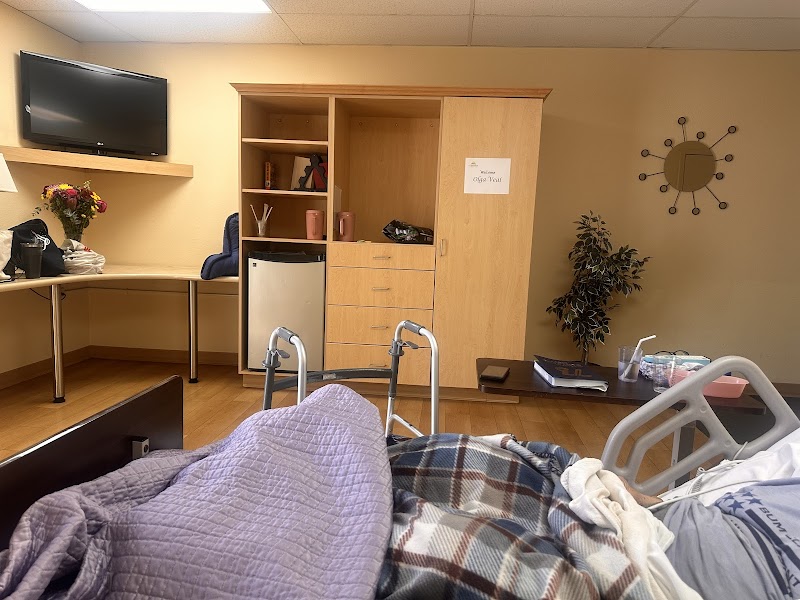
How is The Pavilion At Sunny Hills Staffed?

CMS rates THE PAVILION AT SUNNY HILLS's staffing level at 4 out of 5 stars, which is above average compared to other nursing homes. Staff turnover is 40%, compared to the California average of 46%. This relatively stable workforce can support continuity of care.

What Have Inspectors Found at The Pavilion At Sunny Hills?

State health inspectors documented 78 deficiencies at THE PAVILION AT SUNNY HILLS during 2021 to 2025. These included: 66 with potential for harm and 12 minor or isolated issues. While no single deficiency reached the most serious levels, the total volume warrants attention from prospective families.
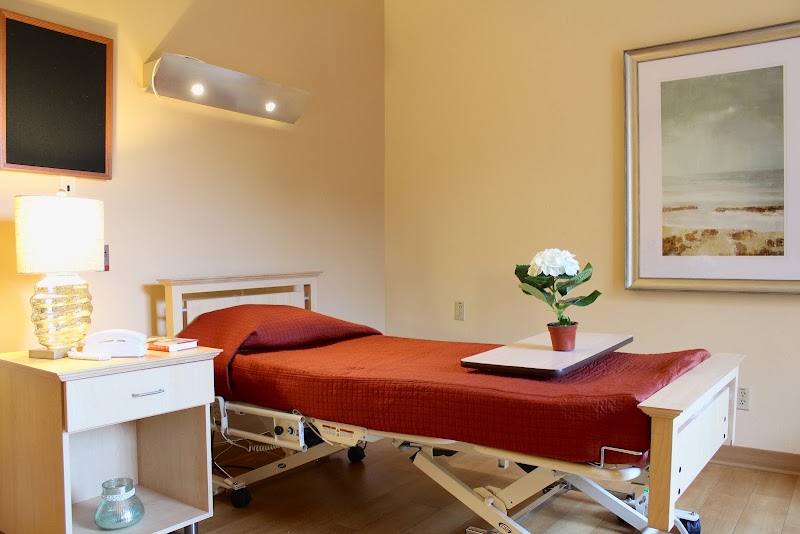
Who Owns and Operates The Pavilion At Sunny Hills?

THE PAVILION AT SUNNY HILLS is owned by a for-profit company. For-profit facilities operate as businesses with obligations to shareholders or private owners. The facility is operated by ABBY GL, LLC, a chain that manages multiple nursing homes. With 300 certified beds and approximately 186 residents (about 62% occupancy), it is a large facility located in FULLERTON, California.

How Does The Pavilion At Sunny Hills Compare to Other California Nursing Homes?

Compared to the 100 nursing homes in California, THE PAVILION AT SUNNY HILLS's overall rating (3 stars) is below the state average of 3.1, staff turnover (40%) is near the state average of 46%, and health inspection rating (3 stars) is at the national benchmark.

What Should Families Ask When Visiting The Pavilion At Sunny Hills?

Based on this facility's data, families visiting should ask: "Can I visit during a mealtime to observe dining assistance and food quality?" "How do you handle medical emergencies, and what is your hospital transfer rate?" "Can I speak with family members of current residents about their experience?"

Is The Pavilion At Sunny Hills Safe?

Based on CMS inspection data, THE PAVILION AT SUNNY HILLS has a clean safety record: no substantiated abuse findings (meaning no confirmed cases of resident harm), no Immediate Jeopardy citations (the most serious violation level indicating risk of serious injury or death), and is not on the Special Focus Facility watch list (a federal program monitoring the lowest-performing 1% of nursing homes). The facility has a 3-star overall rating and ranks #100 of 100 nursing homes in California. While no facility is perfect, families should still ask about staff-to-resident ratios and recent inspection results during their visit.

Do Nurses at The Pavilion At Sunny Hills Stick Around?

THE PAVILION AT SUNNY HILLS has a staff turnover rate of 40%, which is about average for California nursing homes (state average: 46%). Moderate turnover is common in nursing homes, but families should still ask about staff tenure and how the facility maintains care continuity when employees leave.

Was The Pavilion At Sunny Hills Ever Fined?

THE PAVILION AT SUNNY HILLS has no federal fines on record. CMS issues fines when nursing homes fail to meet care standards or don't correct problems found during inspections. The absence of fines suggests the facility has either maintained compliance or corrected any issues before penalties were assessed. This is a positive indicator, though families should still review recent inspection reports for the full picture.

Is The Pavilion At Sunny Hills on Any Federal Watch List?

THE PAVILION AT SUNNY HILLS is not on any federal watch list. The most significant is the Special Focus Facility (SFF) program, which identifies the bottom 1% of nursing homes nationally based on persistent, serious quality problems. Not being on this list means the facility has avoided the pattern of deficiencies that triggers enhanced federal oversight. This is a positive indicator, though families should still review the facility's inspection history directly.