JEROLD PHELPS COMM HOSP SNF

733 CEDAR STREET, GARBERVILLE, CA 95542 (707) 923-3921
Government - Hospital district 17 Beds Independent Data: November 2025 1 Immediate Jeopardy citation
Trust Grade
38/100
#827 of 1155 in CA
Last Inspection: March 2024

Within standard 12-15 month inspection cycle. Federal law requires annual inspections.

Overview

Jerold Phelps Community Hospital SNF has received a Trust Grade of F, which indicates significant concerns about the facility's quality and safety. Ranking #827 out of 1155 facilities in California places it in the bottom half, while its county rank of #3 out of 5 suggests that only two local options are better. The facility is showing signs of improvement, with issues decreasing from 7 in 2024 to 3 in 2025. Staffing is a notable strength, boasting a turnover rate of 0%, which is well below the California average, but the staffing rating is only 1 out of 5 stars. There are no fines reported, which is a positive sign, but the facility has faced serious deficiencies, including allowing a resident to smoke in unsafe conditions and failing to properly document and investigate allegations of abuse, raising concerns about resident safety and care quality.

Trust Score
F
38/100
In California
#827/1155
Bottom 29%
Safety Record
High Risk
Review needed
Inspections
Getting Better
7 → 3 violations
Staff Stability
○ Average
Turnover data not reported for this facility.
Penalties
✓ Good
No fines on record. Clean compliance history, better than most California facilities.
Skilled Nurses
✓ Good
Each resident gets 48 minutes of Registered Nurse (RN) attention daily — more than average for California. RNs are trained to catch health problems early.
Violations
⚠ Watch
24 deficiencies on record. Higher than average. Multiple issues found across inspections.
★★☆☆☆
2.0
Overall Rating
★☆☆☆☆
1.0
Staff Levels
☆☆☆☆☆
0.0
Care Quality
★★★☆☆
3.0
Inspection Score
Stable
2024: 7 issues
2025: 3 issues

The Good

  • Full Sprinkler Coverage · Fire safety systems throughout facility
  • No fines on record

Facility shows strength in fire safety.

The Bad

2-Star Overall Rating

Below California average (3.1)

Below average - review inspection findings carefully

The Ugly 24 deficiencies on record

1 life-threatening
Apr 2025 3 deficiencies
CONCERN (D) 📢 Someone Reported This

A family member, employee, or ombudsman was alarmed enough to file a formal complaint

Potential for Harm - no one hurt, but risky conditions existed

Resident Rights (Tag F0550)

Could have caused harm · This affected 1 resident

Based on interview and record review, the facility failed to ensure one resident (Resident 1) of three sampled residents was treated with respect and dignity when Certified Nursing Assistant A (CNA A)...

Read full inspector narrative →
Based on interview and record review, the facility failed to ensure one resident (Resident 1) of three sampled residents was treated with respect and dignity when Certified Nursing Assistant A (CNA A) shaved Resident 1's pubic hair without Resident 1's consent. This failure had the potential to cause risks like cuts, infections, and skin irritations to Resident 1. Findings: A review of Resident 1's Minimum Data Set (MDS- is a standardized assessment tool that measures health status in nursing home residents) dated 1/26/25, indicated Resident 1: -had a Brief Interview for Mental Status (BIMS- an assessment tool used by facilities to screen and identify memory, orientation, and judgement status of the resident) score was 5 which indicated he had severe cognitive (the mental process involved in knowing, learning, and understanding things) impairment; - was dependent on staff for toileting hygiene; - has dementia (a progressive state of decline in mental abilities), Parkinson's disease (a progressive disease of the nervous system marked by tremor, muscular rigidity, and slow, imprecise movements), anxiety (a group of mental health conditions characterized by excessive worry, fear, and avoidance behaviors that significantly interfere with daily life), and depression (a mood disorder characterized by persistent sadness and loss of interest or pleasure in daily activities). During an interview on 4/17/25 at 11:25 a.m., Licensed Nurse B (LN B) stated she observed Resident 1's pubic area was shaved sloppily (in a careless, untidy, or messy way). LN B stated she submitted a report regarding the incident on 4/3/25. LN B stated she also reported her observation to the Director of Nursing (DON) on 4/4/25. During an interview on 4/17/25 at 12:15 p.m., LN C stated she reported what happened to Resident 1 to the DON on 4/4/25. The LN C stated she had been questioned by Human Resources (HR) about Resident 1. The LN C notified HR Resident 1 was unable to give consent to whomever shaved him, and there was no reason for him to be shaved because he was not scheduled to have surgery. The LN C stated she felt Resident 1 had been abused. During an interview on 4/19/25 at 2 p.m., CNA D stated on 3/29/25, she witnessed CNA A shave Resident 1's pubic hair using Resident 1's personal beard shaver. The CNA D stated she and CNA A both worked the 7 a.m. to 7:30 p.m. shift on 3/29/25. The CNA D stated she was confused as to why CNA A shaved Resident 1's pubic hair because Resident 1 had not asked for it and CNA A had not given a reason why she did it. The CNA D stated Resident 1 looked agitated but had not asked CNA A to stop. The CNA D stated on 4/3/25 at around 5 p.m., she received a phone call from CNA A asking her not to tell anybody she had shaved Resident 1's pubic area. The CNA D stated she reported for work on 4/5/25 and informed LN C what CNA A did to Resident 1. During an interview on 4/20/25 at 10:30 a.m., CNA A confirmed she worked with CNA D to provide incontinent care to Resident 1 on 3/29/25. CNA A stated she observed Resident 1 was hurting as she cleaned him from front to back because he had long pubic hair. The CNA A acknowledged she used Resident 1's own personal shaving equipment to shave his pubic hair. The CNA A stated Resident 1 was fine when she started shaving his pubic hair but Resident 1's body language looked like he was uncomfortable with the shaving, so she stopped right away. The CNA A stated the incident was investigated by the DON and a person from HR The CNA A stated she signed a document which indicated she understood she had committed a violation. During an interview on 4/21/25 at 1:07 p.m., the DON stated it was her expectation CNAs would not unilaterally act without discussing and checking with licensed nurses when providing care that is not included in a resident's plan of care. A review of an undated facility document titled Statement of Patient Rights indicated, Patients of this facility have the right to .Considerate and respectful care, and to be comfortable. You have the right to respect for your cultural, psychosocial, spiritual, and personal values, beliefs, and preferences .receive as much information about any proposed .procedure as you may need in order to give informed consent or to refuse a course of treatment. A review of a facility document titled Job Description: Certified Nursing Assistant dated 6/19/2019, indicated, The Certified Nursing Assistant (CNA) employs intellectual, interpersonal, and technical skills to perform basic resident/patient care, under the supervision of the RN (Registered Nurse) or LVN (Licensed Vocational Nurse) . Adheres to all facility policies and procedures .Assists with problem solving and resolution in collaboration with the [LVN], Resource [RN] and [DON] within the Skilled Nursing Facility.
CONCERN (D) 📢 Someone Reported This

A family member, employee, or ombudsman was alarmed enough to file a formal complaint

Potential for Harm - no one hurt, but risky conditions existed

Report Alleged Abuse (Tag F0609)

Could have caused harm · This affected 1 resident

Based on interviews and record reviews, the facility failed to ensure: 1. An allegation of abuse was reported to the California Department of Public Health (CDPH) within 2 hours of awareness of the al...

Read full inspector narrative →
Based on interviews and record reviews, the facility failed to ensure: 1. An allegation of abuse was reported to the California Department of Public Health (CDPH) within 2 hours of awareness of the allegation for one resident (Resident 1) of three sampled residents when Certified Nursing Assistant D (CNA D) and Licensed Nurse E (LN E) did not report when CNA A shaved Resident 1 ' s pubic hair without medical reason and without consent; and, 2. The facility submitted the investigation summary within 5 business days to CDPH. These failures decreased the facility's potential to protect Resident 1 and other residents from abuse and take appropriate corrective action. Cross reference F607. Findings: 1. A review of Resident 1's Minimum Dats Set (MDS- is a standardized assessment tool that measures health status in nursing home residents) dated 1/26/25, indicated Resident 1: -had a Brief Interview for Mental Status (BIMS- an assessment tool used by facilities to screen and identify memory, orientation, and judgement status of the resident) score was 5 which indicated he had severe cognitive (the mental process involved in knowing, learning, and understanding things) impairment. - was dependent on staff for toileting hygiene; - has dementia (a progressive state of decline in mental abilities), Parkinson's disease (a progressive disease of the nervous system marked by tremor, muscular rigidity, and slow, imprecise movements), anxiety (a group of mental health conditions characterized by excessive worry, fear, and avoidance behaviors that significantly interfere with daily life), and depression (a mood disorder characterized by persistent sadness and loss of interest or pleasure in daily activities). A review of a document titled Report of Suspected Dependent Adult/Elder Abuse faxed to the CDPH on 4/7/25 at 2:03 p.m., from the facility indicated, Date Completed .4/5/2025 .Received report from nursing staff that another staff member unilaterally clipped a [Resident 1's] pubic hair without consulting others. The employee [CNA A] in question was placed on administrative leave pending completion of investigation and follow up action. During an interview on 4/17/25 at 11:25 a.m., LN B stated she observed Resident 1's pubic area was shaved sloppily (in a careless, untidy, or messy way) on 4/3/25. The LN B confirmed she submitted an incident report regarding her observation of Resident 1's pubic area on 4/3/25 at approximately 6 p.m. to the facility's Human Resources (HR) department. LN B stated she also reported her observation to the Director of Nursing (DON) on 4/4/25. During an interview on 4/19/25 at 2 p.m., CNA D stated on 3/29/25, she witnessed CNA A shave Resident 1's pubic hair using Resident 1's personal beard shaver. The CNA D stated she and CNA A both worked the 7 a.m. to 7:30 p.m. shift on 3/29/25. CNA D stated she was confused as to why CNA A shaved Resident 1's pubic hair because Resident 1 had not asked for it and CNA A had not given a reason why she did it. CNA D stated Resident 1 looked agitated while CNA A shaved him but had not asked CNA A to stop. CNA D stated on 4/3/25 at around 5 p.m., she received a phone call from CNA A asking her not to tell anybody she had shaved Resident 1's pubic area. CNA D stated she reported for work on 4/5/25 and informed LN C what CNA A did to Resident 1. During an interview on 4/20/25 at 8:29 p.m., LN E stated CNA D reported to her CNA A shaved Resident 1's pubic hair on 3/29/25. LN E stated she did not know what to do so she reported this to the oncoming nurse, whose name she could not recall. LN E stated she had worked at other facilities and knew that things like shaving were care planned. LN E stated she had observed Resident 1's pubic area after the incident and noticed it was shaved at the center, but there was pubic hair on the sides, and it was not completely shaven. LN E stated the skin was a little red. LN E stated she asked CNA A why she shaved Resident 1's pubic hair and CNA A replied it was for hygiene, and did not elaborate or explain the reason further. LN E stated CNA A did not ask her if she could shave Resident 1's pubic hair. On 4/28/25 a review of the facility ' s policy and procedure (P&P) titled Abuse and Neglect Investigation printed on 4/17/25 was conducted. Upon review, the P&P did not indicate the facility was to report allegations of resident abuse within 2 hours of the facility ' s awareness to CDPH. On 4/28/25 at 10:13 a.m., the CDPH Surveyor requested a copy of the facility ' s P&Ps regarding reporting allegations of abuse to CDPH. The documents were received by CDPH on 4/28/25 at 3:39 p.m. A review of the facility ' s undated P&P titled Abuse Reporting Requirements showed no documented evidence the facility was to report allegations of resident abuse within 2 hours of the facility ' s awareness to CDPH. During an interview on 5/1/25, at 1:25 p.m., the DON stated facility staff were expected to report suspected abuse as required. The DON stated CNA D and LN E were mandated reporters of elder abuse and should have reported the allegation as soon as they were aware but no later than 2 hours of becoming aware of the suspicion of abuse on 3/29/25. The DON stated it was her understanding that the reporting requirements on a suspected abuse allegation was to report it immediately or not later than 2 hours. In an interview on 5/6/25 at 10:54 a.m., the DON acknowledged neither the P&Ps titled Abuse and Neglect Investigation and Abuse Reporting Requirements indicated the facility was to report allegations of resident abuse within 2 hours of the facility ' s awareness to CDPH. The DON stated she was notified of the 2-hour reporting timeframe by the facility ' s Chief Quality Officer. 2. During an interview on 4/21/25, at 1:07 p.m., the DON stated she did not provide a 5-day follow-up report to CDPH. On 4/28/25 a review of the facility ' s policy and procedure (P&P) titled Abuse and Neglect Investigation printed on 4/17/25 was conducted. Upon review, the P&P did not indicate the facility was to submit a summary of the investigation to CDPH within 5 business days. In an interview on 5/6/25 at 10:54 a.m., the DON acknowledged the P&Ps titled Abuse and Neglect Investigation and Abuse Reporting Requirements did not indicate the investigation summary was to be submitted to CDPH within 5 business days. The DON stated she was notified of the 5-day investigation summary timeframe from the CDPH Surveyor.
CONCERN (F) 📢 Someone Reported This

A family member, employee, or ombudsman was alarmed enough to file a formal complaint

Potential for Harm - no one hurt, but risky conditions existed

Abuse Prevention Policies (Tag F0607)

Could have caused harm · This affected most or all residents

Based on interview and record review, the facility failed to ensure their policy regarding resident abuse indicated the person responsible for investigating abuse allegations was to submit allegations...

Read full inspector narrative →
Based on interview and record review, the facility failed to ensure their policy regarding resident abuse indicated the person responsible for investigating abuse allegations was to submit allegations of resident abuse within 2 hours of being made aware and submit an investigation summary within 5 business days to the California Department of Public Health (CDPH). These failures decreased the facility's potential to protect a census of 8 residents from abuse and take appropriate corrective action. Findings: A review of the facility ' s policy and procedure (P&P) titled Abuse and Neglect Investigation printed on 4/17/25 was conducted on 4/28/25. Upon review, the P&P did not indicate the facility was to report allegations of resident abuse within 2 hours of the facility ' s awareness to CDPH nor did it indicate a summary of the investigation was to be submitted to CDPH within 5 business days. On 4/28/25 at 10:13 a.m., the CDPH Surveyor requested a copy of the facility ' s P&Ps regarding reporting allegations of abuse to CDPH. The documents were received by CDPH on 4/28/25 at 3:39 p.m. A review of the facility ' s undated P&P titled Abuse Reporting Requirements showed no documented evidence the facility was to report allegations of resident abuse within 2 hours of the facility ' s awareness to CDPH. In an interview on 5/6/25 at 10:54 a.m., the Director of Nursing (DON) acknowledged neither the P&Ps titled Abuse and Neglect Investigation and Abuse Reporting Requirements indicated the facility was to report allegations of resident abuse within 2 hours of the facility ' s awareness to CDPH and the investigation summary was to be submitted to CDPH within 5 business days. The DON stated she was notified of the 2-hour reporting timeframe by the facility ' s Chief Quality Officer and was notified of the 5 day investigation summary timeframe from the CDPH Surveyor.
Mar 2024 7 deficiencies
CONCERN (D)

Potential for Harm - no one hurt, but risky conditions existed

Deficiency F0552 (Tag F0552)

Could have caused harm · This affected 1 resident

Based on observation, interview and record review, the facility failed to ensure one of six residents (Resident 57) was informed in advance, by the physician or other practitioner or professional, of ...

Read full inspector narrative →
Based on observation, interview and record review, the facility failed to ensure one of six residents (Resident 57) was informed in advance, by the physician or other practitioner or professional, of the use, the risks and benefits of a psychotropic (class of medication affecting the thoughts and behaviors of the person using the drug) and other medication options. This failure deprived Resident 57 her right to be receive information about the medication or other treatment options as basis for her decision to choose the medication or treatment she preferred. Findings: During an observation of medication administration on 2/29/24, at 9:07 AM, Licensed Nurse H (LN H) administered one (1) 5 mg (milligram = unit of measure of mass in the metric system equal to a thousandth of a gram) tablet of Diazepam (a class of medication called benzodiazepine used to relieve symptoms of anxiety and alcohol withdrawal, may also be used treat certain seizure disorders and help relax muscles or relieve muscle spasm) to Resident 57. During a review of records on 2/29/24, at 3:15 PM, the missing informed consent for Resident 57's Diazepam was requested from the Chief Nursing Officer (CNO) During a concurrent review of record and interview on 3/1/24, at 9:25 AM, the CNO provided the informed consent for diazepam, signed by Resident 57 and the physician, dated 2/29/24. The CNO acknowledged the informed consent was done on 2/29/24. A review of the facility policy titled: Consent for use of psychoactive medications, dated 3/30/23, indicated: the physician is responsible for obtaining informed consent .must document the informed consent in the chart. The policy also indicated: per Title 22 CCR Section 72528(c) requires facility staff to verify that the patient's health record contains such documentation prior to initiating the therapy. The policy further indicated: before initiating the administration of psychoactive drugs which may lead to the inability to regain use of normal bodily function, the ordering provider must obtain informed consent.
CONCERN (D)

Potential for Harm - no one hurt, but risky conditions existed

Comprehensive Assessments (Tag F0636)

Could have caused harm · This affected 1 resident

Based on observation, interview, and record review, the facility failed to complete a smoking assessment on admission for one of six residents (Resident 57) to determine Resident 57's functional capac...

Read full inspector narrative →
Based on observation, interview, and record review, the facility failed to complete a smoking assessment on admission for one of six residents (Resident 57) to determine Resident 57's functional capacity to safely smoke with or without assistance and need for protective devices. This failure had the potential to result to inappropriate care and provision of supervision and protective devices and result in fire hazard to both the resident and facility. Findings: During a concurrent observation and interview on 2/27/24, at 8:44 AM, Resident 57 was smoking outside the facility with one of the security staff. A portable ashtray was positioned by the right side of Resident 57's wheelchair. Resident 57 stated she smoked after meals, outside the facility. During an interview on 2/28/24, at 8:53 AM, when asked if Resident 57 was assessed for smoking, LN B stated Resident 57 was a safe smoker. When LN B was asked where the smoking assessment of Resident 57 was, he could not provide the assessment ,and he would refer to the Health Information Management (HIM)/Information technician (IT) to print out the document from the facility's electronic medical records. During an interview on 2/28/24, at 9:55 AM, Resident 57 when asked if she underwent a smoking assessed and stated she could not say if she was assessed for safety to smoke. A review of the facility's policy titled, Subject: Resident assessment (MDS 3.0), dated effective 1/20/16, and reviewed 2024, indicated purpose was, to assess each resident in a timely manner and provide care appropriate to the resident's needs from admission to discharge .within fourteen (14) or eight (8) days of the resident's admission, a comprehensive assessment of the resident's needs will be made by the interdisciplinary team .the purpose of the assessment is to describe the resident's capability to perform daily life functions and identify significant impairments in functional capacity .information derived from the comprehensive assessment enables staff to plan care that allows the resident to reach his/her highest practicable level of functioning and includes .physical and mental functional status .including determining the resident's need for staff assistance and assistive devices or equipment to maintain or improve functional abilities.
CONCERN (D)

Potential for Harm - no one hurt, but risky conditions existed

Accident Prevention (Tag F0689)

Could have caused harm · This affected 1 resident

**NOTE- TERMS IN BRACKETS HAVE BEEN EDITED TO PROTECT CONFIDENTIALITY** Based on observation, interview and record review, the facility failed to maintain an environment free from accident hazards and...

Read full inspector narrative →
**NOTE- TERMS IN BRACKETS HAVE BEEN EDITED TO PROTECT CONFIDENTIALITY** Based on observation, interview and record review, the facility failed to maintain an environment free from accident hazards and provide assistive devices to one (1) of six (6) residents (Resident 57) to prevent avoidable accidents. This failure had the potential to result in cigarette burns to Resident 57 and create a fire hazard to residents, staff and facility. Findings: During a concurrent observation and interview on 2/27/24, at 8:44 AM, Resident 57 was smoking outside the facility by the roadside with one of the security staff. A portable ashtray was positioned by the right side of Resident 57's wheelchair. Resident 57 stated she smoked after meals outside the facility. During a concurrent interview and observation on 2/28/24, at 8:53 AM, Licensed Nurse B (LN B) stated Resident 57 smoked outside the facility after breakfast, lunch and dinner, and sometimes evenings when a staff is free. LN B stated Resident 57 had to be accompanied by staff during her smoke breaks. LN B stated the designated smoking area was 15 feet from the building, with fire extinguisher, and potable ashtray. LN B state Resident 57's cigarettes and lighter were kept in the Nurses' cart inside the locked medication room. Resident 57's family supplied the cigarettes. LN B Stated Resident 57 was a safe smoker, but when asked where Resident 57's smoking assessment was, he could not provide it and referred to the Health Information Manager (HIM)/Information technician (IT) to print the assessment. When it was mentioned that Resident 57 was observed not wearing an apron this date and on 2/27/24, LN B stated they have an apron if she needed it, but that Resident 57 is a low risk. During an observation on 2/28/24, at 9:02 AM, LN B was overheard asking the CNO where to find the apron for Resident 57's use. During a concurrent interview and observation on 2/28/24, at 09:21 AM, LN B brought the blanket that maybe used by Resident 57. When it was pointed out that it looked new, as the blanket was still wrapped in plastic, LN B stated it had not been used. When it was pointed out that the blanket looked flammable as it is made of [NAME] material, LN B stated he would provide documentation that indicated it was safe to be used. During an observation on 2/28/24, at 9:44 AM, the designated smoking area could be seen through the glass portion of the wall adjacent to the Emergency Exit door. The designated smoking area was about 3-4 meters or approximate 10 to 13 and half feet from the Emergency exit door. The blanket was still wrapped in plastic on top of the concrete wall by the fire extinguisher. During an interview on 2/28/24, at 9:55 AM, Resident 57 stated she was instructed to leave her cigarettes and lighter with the nurses, that she had to be accompanied by one of the staff during her smoke breaks. Resident 57 stated she could not recall if she was assessed for safety to smoke. During a concurrent observation and interview on 2/28/24, at 1:45 PM, it was pointed out to the Engineering and Environmental Manager (E&EVS Manager) that the fire extinguisher for their Designated Smoking area was approximately 3-4 meters from the Emergency exit door. The E&EVS Manager stated he measured by steps the place where they positioned the portable ashtray by the roadside where Resident 57 smoked, which is more than 25 feet away. The E&EVS Manager was told they must decide where their designated smoking area should be, should it be by the fire extinguisher attached to the fence wall opposite the Emergency Exit door or by the roadside where they positioned the portable ashtray. During an interview on 3/01/24, at 9:05 AM, when asked if the [NAME] blanket may be used as a protective apron when smoking, the Customer service representative of [NAME] Industries, who supplied the blanket proposed to be used by Resident 57 stated, the blanket was not customized to be used as an apron to protect the wearer from cigarette burns. A review of the product description of the wool blanket, proposed to be worn as protective material for Resident 57 indicated, the wool blanket could be used to keep shock victims warm or to smother clothing fires. A review of the facility policy titled, Smoking policy for in-patients and residents, effective 4/5/23, indicated, It is necessary that a written order to smoke be placed into the resident's chart by the physician, residents will be allowed to smoke in designated areas only, designated area will be 25 feet from all hospital and clinic entrances, exits, and open windows. The policy did not indicate the need to complete a smoking assessment of the resident's capabilities and deficits to determine whether supervision was required, or if adaptive equipment like a smoking apron, cigarette holder or other safety equipment was needed.
CONCERN (E)

Potential for Harm - no one hurt, but risky conditions existed

Drug Regimen Review (Tag F0756)

Could have caused harm · This affected multiple residents

**NOTE- TERMS IN BRACKETS HAVE BEEN EDITED TO PROTECT CONFIDENTIALITY** A review of Resident 1's face sheet (demographics) indicated he was admitted to the facility on [DATE]. His diagnoses included H...

Read full inspector narrative →
**NOTE- TERMS IN BRACKETS HAVE BEEN EDITED TO PROTECT CONFIDENTIALITY** A review of Resident 1's face sheet (demographics) indicated he was admitted to the facility on [DATE]. His diagnoses included Hypertension (a condition in which the force of the blood against the artery walls is too high), Anxiety Disorder (a mental health disorder characterized by feelings of worry, anxiety, or fear), Depression (a mood disorder that causes a persistent feeling of sadness or loss of interest), Type 2 diabetes (a health condition that affects how your body turns food into energy), and Parkinson's Disease (a disorder of the central nervous system that affects movement, often including tremors). A review of Medication Orders printed on 2/29/24 at 10:18 a.m. indicated Resident 1 was prescribed Trazodone (Trazodone is an antidepressant medication used to treat depression and anxiety. It works by helping to restore the balance of a natural chemical in the brain) 100 mg (mg is a milligram, a unit of measure of mass in the metric system equal to a thousandth of a gram) on 7/12/23. A review of a printed Excel spreadsheet which documented the Pharmacist's monthly drug regimen review (DRR) had an entry for Resident 1 under the heading 1/2/2024. The document indicated trazadone taper recommended, action taken: Reported to DON, recommendation: REQUIRES URGENT CLARIFICATION, and was initialed by, ps. The facility was unable to provide any documentation or follow-up in regard to the Pharmacist's recommendation to taper Trazodone for Resident 1. A review of medication orders printed 2/27/23 at 8:32 PM, indicated Resident 4 was prescribed Quetiapine (Quetiapine is an antipsychotic medication - alters brain chemistry to help reduce psychotic symptoms like hallucinations, delusions and disordered thinking) 25 mg (milligram = unit of measure of mass in the metric system equal to a thousandth of a gram) on 12/8/23. A review of the printed excel spreadsheet, without heading or official facility logo, indicated a tabulation of the Pharmacist's documentation of the monthly DRR, dated from 11/1/23 to 2/1/24. The tables have five (5) columns. Column 1 lists the names of the facility residents, column 2 contains notes of a combination of findings, action taken, and recommendations, column 3 with heading, Action and contained notes like, reported to DON, etc., column 4 with heading, recommendation, and column 5, without heading but contained the Pharmacist's initials. On the DRR, dated 2/1/24, and across the name of Resident 4, the PC wrote in column 2, consider lower Seroquel dose and in the of recommendations the PC wrote, review antipsychotic order. The PC did not document the irregularity he found and the reason for the recommendation to reduce the medication. During an interview on 3/01/24, at 10:47 AM, the PC confirmed he did the DRR monthly at the facility and reported his findings and any recommendations during the daily utilization review meetings. The PC stated he started sending his excel records to the DON since 12/2023. When asked how he was able to keep track and monitor whether his recommendations were acted upon, the PC acknowledged the need to improve his documentation and process of communicating the DRR and GDR recommendations to the facility. Based on interview and record review, the facility failed to ensure: 1. irregularities (refers to use of medication that is inconsistent with acceptable standards of practice, use without adequate indication, monitoring, in excessive doses, and/or in the presence of adverse consequences, etc.) noted by the pharmacist during drug regimen review (DRR) of two (2) of six (6) residents (Resident 1 and Resident 4) were documented on a separate, written report and sent to the attending physician and the facility's medical director and director of Nursing (DON) and lists, among others the irregularity that the pharmacist identified; 2. the attending physician documented in the resident's medical record that the identified irregularity has been reviewed and any action taken to address it with a rationale for not agreeing with the recommendation; and, 3. the pharmacist followed the different steps in the process of the DRR and the steps to be taken when he identified an irregularity that required action to protect the resident. This failure had the potential to result to unwanted, uncomfortable, or dangerous effects like impairment or decline in the residents' mental or physical condition or functional or psychosocial status, debility, or death of residents in the facility. Findings: During an interview on 2/29/24, at 9:94 AM, the Pharmacy Tech (PT) described his role in the management of pharmacy services in the facility. The PT stated the Pharmacy Consultant (CJ) came to the facility monthly to review each resident's medication. The PT stated the PJ had an excel spreadsheet documenting his reviews with recommendations and added he could print it and provide a copy to the Surveyors.
CONCERN (F)

Potential for Harm - no one hurt, but risky conditions existed

Deficiency F0655 (Tag F0655)

Could have caused harm · This affected most or all residents

During an interview on 03/1/24 at 10 a.m. Licensed Nurse K (LN K) stated new residents signed documents in an admission packet. She did not know if a care plan was developed within 48 hours of admissi...

Read full inspector narrative →
During an interview on 03/1/24 at 10 a.m. Licensed Nurse K (LN K) stated new residents signed documents in an admission packet. She did not know if a care plan was developed within 48 hours of admission. She further stated she did not know if residents or their Resident Representative, RR (an individual chosen by the resident or authorized by law to act on behalf of the resident to support decision-making) acknowledged or signed for receipt of a baseline care plan. During an interview on 03/1/24 at 10:30 a.m., the Chief Nursing Officer (CNO) discussed the admission process for new residents. She confirmed there was not a Baseline Care Plan developed within 48 hours of admission. The CNO also stated there were no records of any care plans signed by new residents or their RR, if appropriate. She consulted with Health Information Management (HIM), and they were unable to find any documentation for 6 of 6 residents stating they received and signed for a Baseline Care Plan. A review of the facility's policies titled, admission documentation requirements dated 9/26/19, and Resident care planning, dated 3/30/23, did not indicate or mention developing a baseline care plan within a resident's admission. A review of the regulatory Health and Safety Code §483.21 Comprehensive Person-Centered Care Planning, §483.21(a) Baseline Care Plans §483.21(a)(1) to §483.21(a)(3)(iv), indicated, the facility must develop and implement a baseline care plan for each resident that includes instructions needed to provide effective and person-centered care of the resident that meet professional standards of quality care . the baseline care plan should be developed within 48 hours of a resident's admission . include minimum health care information necessary to properly care for a resident including, but not limited to - Initial goals based on admission orders, Physician orders, Dietary orders, Therapy services, Social services, PASARR recommendations, if applicable .the facility must provide the resident and their representative with a summary of the baseline care plan that includes but is not limited to: the initial goals of the resident, a summary of the resident's medication and dietary instructions, any services and treatments to be administered by the facility and personnel acting on behalf of the facility, any updated information based on the details of the comprehensive care plan as necessary. Based on interview and record review, the facility failed to develop a baseline care plan for six (6) of six (6) residents (Resident 1, Resident 2, Resident 3, Resident 4, Resident 5, Resident 57) within 48 hours of their admission. This failure can impede continuity of care, cause uncertain communication among facility staff, and render them unprepared for adverse events that might occur right after the residents' admission as well as keeping the resident or representative in the dark of the initial plan for delivery of care and services. Findings: During a review of records on 2/29/24 at 4:30 PM, no baseline care plans, signed by the residents or their representatives, were found among the facility documents. A request was made to the CNO.
CONCERN (F)

Potential for Harm - no one hurt, but risky conditions existed

Comprehensive Care Plan (Tag F0656)

Could have caused harm · This affected most or all residents

**NOTE- TERMS IN BRACKETS HAVE BEEN EDITED TO PROTECT CONFIDENTIALITY** Based on interview and record review, the facility failed to develop a person-centered comprehensive care plan for 5 of 6 reside...

Read full inspector narrative →
**NOTE- TERMS IN BRACKETS HAVE BEEN EDITED TO PROTECT CONFIDENTIALITY** Based on interview and record review, the facility failed to develop a person-centered comprehensive care plan for 5 of 6 residents (Resident 1, Resident 3, Resident 4, Resident 5, and Resident 57) to meet his or her preferences and goals, and address the resident's medical, physical, mental, and psychosocial needs. This failure had the potential to negatively impact the residents' quality of life as well as the quality of care and services received. Findings: A review of Resident 1's face sheet (demographics) indicated he was admitted to the facility on [DATE]. His diagnoses included Hypertension (a condition in which the force of the blood against the artery walls is too high), Anxiety Disorder (a mental health disorder characterized by feelings of worry, anxiety, or fear), Depression (a mood disorder that causes a persistent feeling of sadness or loss of interest), Type 2 diabetes (a health condition that affects how your body turns food into energy), and Parkinson's Disease (a disorder of the central nervous system that affects movement, often including tremors). A review of Resident 1's Physician Orders included Sertraline with an indication for use: depression related to Parkinson Disease and Trazodone with an indication for use: insomnia and nighttime depression related to Parkinson Disease. Sertraline and Trazodone are psychotropic drugs (medications used to treat mental health disorders). Record review of documents for Resident 1, titled, Patient Care Plan, did not include a care plan for Psychotropic Drug Use for two of two psychotropic drugs. A review of Resident 3's face sheet (demographics) indicated a current admission date of 7/1/23. Her diagnoses included Dementia (a group of conditions characterized by impairment of at least two brain functions, such as memory loss and judgement), Anxiety Disorder (a mental health disorder characterized by feelings of worry, anxiety, or fear), Depression (a mood disorder that causes a persistent feeling of sadness or loss of interest), Bipolar Disorder (a mental disordered characterized by mood swings ranging from depressive lows to manic highs), Diabetes (a health condition that affects how your body turns food into energy), and Hyperlipidemia (a condition in which there are high levels of fat particles in the blood). A review of Resident 3's Physician Orders included Risperidone with indications of use: depression associated with bipolar disorder, mania associated with bipolar disorder, and Sertraline with indications of use: depression and anxiety associated with bipolar disorder. Risperidone and Sertraline are psychotropic drugs (medications used to treat mental health disorders). Record Review of documents for Resident 3 titled, Patient Care Plan, did not include a Care Plan for Psychotropic Drug Use for one of two psychotropic drugs. A review of Resident 5's face sheet (demographics) indicated he was admitted to the facility on [DATE]. His diagnoses included Coronary Artery Disease (damage or disease in the heart's major blood vessels), Hypertension (a condition in which the force of the blood against the artery walls is too high), and Dementia (a group of conditions characterized by impairment of at least two brain functions, such as memory loss and judgement). During an interview and record review on 3/1/24 at 10:30 a.m., with the Chief Nursing Officer (CNO), the CNO stated she had been unable to locate any individualized care plans for Resident 5. She further stated she asked Licensed Nurse D (LN D) to develop care plans for Resident 5. Licensed Nurse D developed a set of individualized care plans for Resident 5, all dated 2/29/24. A review of Resident 4's admission Minimum Data Set (MDS - federally mandated clinical assessment tool of all residents' functional capabilities in nursing homes identifying health problems) indicated she is [AGE] years old, was admitted [DATE], for debility (state of being weak, feeble, or infirm) and/or cachexia (illness and characterized by muscle mass loss with or without fat mass loss), Dementia (the loss of cognitive functioning - thinking, remembering, and reasoning - to such an extent that it interferes with a person's daily life and activities. Some people with dementia cannot control their emotions, and their personalities may change), malnutrition, adult failure to thrive (condition characterized by weight loss, decreased appetite and poor nutrition, and inactivity, often accompanied by dehydration, depressive symptoms, impaired immune function, and low cholesterol) among other conditions. Further review of Resident 4's MDS indicated, care areas like cognitive loss/dementia and psychotropic drug use were among other care areas triggered during admission assessment. Care plans for these care areas could not be found among facility documents provided to the Surveyors. During a concurrent observation and interview on 2/27/24, at 8:44 AM, Resident 57 was smoking outside the facility with one of the security staff. Resident 57 stated she smokes every after meals outside the facility. During a concurrent review of records and interview on 2/28/24, at 8:27 AM, the Health Information Manager (HIM) came to assist the CNO generate reports and was requested Resident 57's care plan on smoking. During an observation of medication observation on 2/29/24, at 9:07 AM, Licensed Nurse H (LN H) administered one (1) 5 mg (milligram = unit of measure of mass in the metric system equal to a thousandth of a gram) tablet of Diazepam (a class of medication called benzodiazepine used to relieve symptoms of anxiety and alcohol withdrawal, may also be used treat certain seizure disorders and help relax muscles or relieve muscle spasm) to Resident 57. During review of records provided by the facility, Resident 57's care plans for smoking and Diazepam use could not be found among documents provided by the facility. During a concurrent review of records and interview on 3/1/24, at 9:25 AM, the CNO and Licensed Nurse K (LN K) acknowledged the care plans they just provided dated 2/29/24, were completed the night before. A review of the facility policy titled, Resident care planning, dated effective 3/30/23, indicated, upon admission nurses gather data, input it into the electronic medical record (EMR) system and complete weekly summaries to generate data for the MDS. The MDS auto populate appropriate plans of care for each resident which are initiated and updated as needed by the MDS coordinator and nursing staff. The care plans are reviewed monthly by the Director of Nursing (DON). The policy further indicated; the date the care plan was initiated should reflect the date that the problem was identified. A review of the facility policy titled, Resident assessment (MDS 3.0), date effective 1/20/16, indicated, information derived from the comprehensive assessment enable the staff to plan care that allows the resident to reach his/her highest level of functioning. The policy further indicated, within seven (7) days of the completion of the resident assessment, a comprehensive care plan will be developed.
CONCERN (F)

Potential for Harm - no one hurt, but risky conditions existed

Deficiency F0837 (Tag F0837)

Could have caused harm · This affected most or all residents

Based on interview and record review, the Governing Body (individuals such as facility owner(s), chief Executive Officer(s), or other individuals who are legally responsible to establish and implement...

Read full inspector narrative →
Based on interview and record review, the Governing Body (individuals such as facility owner(s), chief Executive Officer(s), or other individuals who are legally responsible to establish and implement policies regarding the management and operation of the facility) failed to ensure to appoint a California Licensed Nursing Home Administrator (NHA) who was responsible for management of the facility. This failure had the potential to result in mismanagement and misguided care of the vulnerable residents and staff of the facility. Findings: During an interview on 2/26/24, at 4:09 PM, the Chief Nursing Officer (CNO) was requested a copy of the license of the facility Administrator. The CNO called the Administrator on her cell phone to check and requested for his Administrator's License. After speaking with the Administrator, the CNO stated, according to the Administrator, if this was not a hospital-based SNF, he would have to have an Administrator License, but it was not required for a hospital-based SNF. During an interview on 2/28/24, at 10:28 AM, when asked if he had an Administrator's License, the Administrator responded he did not have a license. During a review through the California Department of Public Health (CDPH) Licensure and Certification (L & C) verification search page, the query for an NHA license confirmed the Administrator did not have one.
May 2021 11 deficiencies
CONCERN (D)

Potential for Harm - no one hurt, but risky conditions existed

Comprehensive Assessments (Tag F0636)

Could have caused harm · This affected 1 resident

**NOTE- TERMS IN BRACKETS HAVE BEEN EDITED TO PROTECT CONFIDENTIALITY** Based on observation interview and record review, the facility failed to ensure one of eight residents (Resident 58) received a ...

Read full inspector narrative →
**NOTE- TERMS IN BRACKETS HAVE BEEN EDITED TO PROTECT CONFIDENTIALITY** Based on observation interview and record review, the facility failed to ensure one of eight residents (Resident 58) received a comprehensive assessment using a resident assessment instrument, Minimum Data Set (MDS). This failure had the potential for residents, with no Medicare insurance, to not receive an assessment identifying their needs, strengths, goals, life history and preferences to provide quality of care. Findings: During an initial observation and interview on 05/17/21, at 2:22 p.m., Resident 58 was in his bed wearing a left knee brace, and he stated he was in the facility for a Physical Therapy. During interview and record review on 05/19/21, at 3:40 p.m., the Interim Chief Nursing Officer (ICNO) verified Resident 58 did not have an admission MDS, and Resident 58 had private insurance, not Medicare. Resident 58 was admitted to the facility on [DATE]. Review of the facility policy and procedure titled Resident Assessment (MDS 3.0) dated 1/20/16, indicated, It is the policy of the [name of the facility] to complete the state specified Resident Assessment Instrument (RAI) Minimum Data Set (MDS) Version 3.0 on all Medi-Cal residents within fourteen (14) days of their admission. Medicare patients will have their assessment completed within eight (8) days of admission.
CONCERN (D)

Potential for Harm - no one hurt, but risky conditions existed

Deficiency F0676 (Tag F0676)

Could have caused harm · This affected 1 resident

**NOTE- TERMS IN BRACKETS HAVE BEEN EDITED TO PROTECT CONFIDENTIALITY** Finding: During an interview on 5/18/21, at 3 p.m., Interim Chief Nursing Officer stated she did not have a facility Policy and ...

Read full inspector narrative →
**NOTE- TERMS IN BRACKETS HAVE BEEN EDITED TO PROTECT CONFIDENTIALITY** Finding: During an interview on 5/18/21, at 3 p.m., Interim Chief Nursing Officer stated she did not have a facility Policy and Procedure(P&P) for a Rehabilitative Nursing Assistant (RNA) Program because the facility did not have na RNA Program. She stated she did not have a specific P&P for Activities of Daily Living (ADL), and stated the P&P titled Certified Nursing Assistant (CNA) Documentation, dated 5/24/18 addressed ADLs. Based on observation, interview and record review, the facility failed to ensure one of eight residents (Resident 7) received care to prevent diminish resident's abilities in activities of daily living (ADL) when Resident 7 was not encouraged to get out of bed to eat. This failure resulted to Resident 7's decline of in ADL abilities. Findings: During an initial observation on 5/17/21, at 2:26 p.m., Resident 7 was in bed and stated he was receiving good care. The Minimum Data Set (MDS-a resident assessment tool) indicated Resident 7 had changes in his ADL abilities. Review of the Quarterly MDS dated [DATE] and 3/08/21 indicated Resident 7 had a decline in the following ADL abilities: 1. Bed mobility (how resident move and change position while in bed). Resident 7 used to receive supervision and assistance from one person in 12/20 to receiving extensive assistance (resident involved in activity, staff provide weight-bearing assistance) from two persons in 3/21. 2. Transfers (how resident moves between surfaces including to or from: bed, chair, wheelchair, standing position excluding to/from bath/toilet). Resident 7 used to be received limited assistance (resident was highly involved in activity and received physical help in guided maneuvering of limb(s) or other non-weight-bearing assistance) from one person to receiving extensive assistance from two persons. 3. Walk in room (how resident walks between locations in his/her room). Resident 7 used to receive limited assistance from one person to receiving extensive assistance from two persons. 4. Walk in corridor (how resident walks in corridor on unit.) Resident 7 used to receive limited assistance from one person to receiving extensive assistance from two persons. 5. Dressing (how resident puts on, fastens and takes off all items of clothing). Resident 7 used to be totally dependent (full staff performance of an activity with no participation by resident) from one person to being totally dependent from two persons. 6. Eating (how resident eats and drinks). Resident 7 used to receive supervision and set up of food only, to receiving limited assistance from one person. 7. Toilet use (how resident uses the toilet room, commode, bedpan, or urinal; transfers on/off toilet; cleanses self after elimination; changes pad; manages ostomy or catheter; and adjusts clothes). Resident 7 used to receive limited assistance from one person to being totally dependent from two persons. 8. Personal hygiene: how resident maintains personal hygiene, including combing hair, brushing teeth, shaving, applying makeup, washing/drying face and hands). Resident 7 used to receive limited assistance from one person to being totally dependent from one person. During an interview on 05/17/21, at 3:43 p.m., Licensed Staff I stated Resident 7 refused to stand up and had a diagnosis of dementia (general term for loss of memory, language, problem-solving and other thinking abilities that are severe enough to interfere with daily life). During an observation on 05/18/21, at 12:05 p.m., Resident 7 was in bed and lunch food tray was on his table. Licensed Staff A was at the bedside speaking with Resident 7. During an interview on 5/18/21, at 2:05 p.m., Staff B stated Resident 7 did not like to get out bed, was not motivated and just watched television and sleeps. During an interview on 5/18/21, at 3 p.m., Interim Chief Nursing Officer stated she did not have a facility Policy and Procedure (P&P) for a Rehabilitative Nursing Assistance (RNA) Program because the facility did not have an RNA Program. She stated she did not have a specific P&P for Activities of Daily Living (ADL), and stated the P&P titled Certified Nursing Assistant (CNA) Documentation, dated 5/24/18 addressed ADLs. During an interview on 5/19/21at 1:15 p.m., Physical Therapist K stated Resident 7 refused to participate in therapy and received exercise program for him to do by himself. During Resident 7's record review on 5/20/21, at 9 a.m., with Physical Therapy Assistant (PTA), the Case Note authored by Physical Therapist K, dated 6/05/20, indicated Resident 7 refused 38 times and participated four times with physical therapy. Review Resident 7's of the Medical Record, the Physician Order, dated 8/26/20 at 2:21 p.m., indicated, Out of bed at every meal. Please do not let patient eat in bed. Review Resident 7's of the Medical Record, the Care Plan for ADL Function/Rehab potential, updated 5/17/21, indicated a planned approach to provide active and passive ROM (Range of Motion- measurement of the amount of movement around a specific joint or body part) and to encourage participation with ADLs. The Care Plan for Non-Compliance, dated 3/3/20, did not indicate Resident 7's refusal with getting out of bed with every meal. The Care Plan for Behavior and Cognitive loss, updated 5/17/21, did not indicate planned approaches for Resident 7's refusal of getting out of bed. Review of the facility policy and procedure titled Resident Care Planning dated 8/30/18, indicated, The purpose of the resident care planning is to develop coordinated and comprehensive plan in order to meet the resident individual needs.
CONCERN (D)

Potential for Harm - no one hurt, but risky conditions existed

Pharmacy Services (Tag F0755)

Could have caused harm · This affected 1 resident

Based on observation, interview and record review, the facility did not ensure the safe and secure disposition of medications, including narcotics destruction, and diversion prevention, when an unsecu...

Read full inspector narrative →
Based on observation, interview and record review, the facility did not ensure the safe and secure disposition of medications, including narcotics destruction, and diversion prevention, when an unsecured medication disposal bin was observed in the Medication Room. This failure had the potential for theft and diversion of medications and narcotics, when the container and pills contained within, were accessible and unsecured. Findings: During an observation and interview, in the Medication Room, on 5/18/21, at 10:19 a.m. with Licensed Staff G, there was a white plastic bin with a blue snap on lid that had a 3 inch yellow circular opening, with an attached cap, to access the interior. The white container sat unsecured to the countertop to the right of the two medication carts. Licensed Staff G stated if he had to dispose of any narcotics he would get it witnessed by another nurse, document, then dispose of it in the white bin with the blue top. He slid it across the countertop, and viewed the interior through the circular opening and stated he saw intact pills, glass vials, syringes and an intravenous bag (a plastic bag typically filled with fluid medicine that goes into persons vein). He stated the vials, bags and syringes should not be disposed of in the white container with the blue lid. He stated the contents were close to the top of the container and stated when it was full the pharmacist would come and get it. Licensed Staff G stated he did not know what the facility Policy and Procedure (P&P) was for narcotics disposal. During an observation and interview in the Medication Room, on 5/18/21, at 11:20 a.m., Licensed Staff H pointed to the white container with the blue top on the counter, to the right of the medication carts and stated narcotics are disposed of in this container. He was unable to state what the manufacturer's recommendations for use of the container was. He was unable to state what the facility P&P for narcotics destruction was. Licensed Staff H stated he did not know what the facility P&P for diversion of narcotics prevention was. He stated the white container with the blue top was unsecured and the pills viewed inside had the potential to be stolen. Licensed Staff H observed the labeling on the outside of the container and stated it didn't say how to secure or destroy the medications. During an interview on 5/18/21, at 11:54 a.m. the Interim Director of Nursing (DON) stated nothing other than pills or wasted liquid medications should go into the white container with the blue top. She stated when the container was full to the top, staff are supposed to close the lid. She stated the container stayed in the med room, which was locked, until the pharmacist or his unlicensed pharmacy assistant comes into the locked medication room and takes the container away. She stated when we need a new one we ask Pharmacy to bring us one. She stated she did not know the manufacturers instructions for use or the facility's P&P for narcotic diversion prevention. During an interview on 5/18/21, at 12 p.m., Licensed Staff J stated when he needs to dispose of narcotics he just puts them into a sharps container. He stated he didn't know the facility P&P for medication or narcotic disposal. He stated he was unaware of how the facility prevented medication diversion by staff. During an interview on 5/18/21, at 2:20 p.m., Licensed Staff H stated the manufacturer's recommendations for the white bin with the blue top was that it should not to be used to dispose of glass vials, intravenous bags or syringes. He stated the facility was not using the container according to manufacturer instructions and someone could access the undestroyed pills inside the container. During an interview and observation on 5/19/21, at 9:15 a.m., Licensed Staff I stated she didn't know the P&P for medication disposal. Licensed Staff I stated, if I drop a narcotic on the floor I put it in the white bin with the blue top. She stated when the bin got full, to the top, maybe the pharmacist would pick it up. According to the U.S. Department of Justice, Title 21 Code of Federal Regulations, 1317.75, Collection Receptacles should . (1) Be securely fastened to a permanent structure so that it cannot be removed; (3) The outer container shall include a small opening that allows contents to be added to the inner liner, but does not allow removal of the inner liner's contents. Review of a document titled Proper Disposal of DEA Controlled Substances, not dated, indicated When disposing of by destruction, the drug must be rendered non-retrievable. Non-retrievable means to permanently alter the controlled substance ' s physical or chemical condition through irreversible means, making it unavailable and unusable In a clinical setting, this means controlled substances should not be simply placed into a sharps container or non-hazardous pharmaceutical waste container. That ' s because these methods could allow the controlled substance to be poured out and used, making them retrievable. for all practical purposes. Review of a document titled General Pharmacy Operations, dated 5/28/20, indicated 4. Space, Equipment and Storage: . D. Drugs are stored under proper conditions of sanitation, temperature, light, moisture, ventilation, segregation, and security. Review of a facility P&P doc titled Medication Storage, dated 5/28/20, indicated The purpose of this policy and procedure is to describe the storing methods for medications.6. Medication on the nursing units which must be discarded are placed into a special blue and white incinerator waste disposal container designed especially for this purpose. These are collected by a Housekeeping Department staff member and taken to locked storage in the Engineering Manager's shop.
CONCERN (D)

Potential for Harm - no one hurt, but risky conditions existed

QAPI Program (Tag F0867)

Could have caused harm · This affected 1 resident

Based on interview and record review, the facility failed to consistently Identify quality deficiencies and develop and implement action plans to correct identified quality deficiencies. This failure...

Read full inspector narrative →
Based on interview and record review, the facility failed to consistently Identify quality deficiencies and develop and implement action plans to correct identified quality deficiencies. This failure had the potential to negatively impact residents standard of care and quality of life by not identifying and quickly addressing resident care issues. Finding: During an interview and record review with Administrator, on 5/20/21, at 10:45 a.m., he stated he had 15 years experience as an Administrator. He stated the Quality Assessment and Performance Improvement (QAPI) committee met quarterly, and had a project to address getting the meal trays back to Dietary (kitchen) in a timely fashion. Administrator stated he could not remember if there was any monitoring or audits, Performance Improvement Projects to monitor, or Minimum Data Set (MDS) (A resident assessment tool) completion issues. Administrator stated the Director of Nursing Services went out on medical leave March 10 and the facility had hired an Interim DON. He stated the Interim DON was expected to complete the residents Minimum Data Set (MDS) and provide oversight for all functions in the Skilled Nursing Facility. He stated he did not know if the MDS was completed in a timely fashion. He stated he did not know if the residents' care plan accuracy or reviews and/or admission assessments were monitored for being completed on time, or if Rehabilitation Nursing Assistant effectiveness, survey readiness review or staffing and management for day to day operations was reviewed. After he acquired the minutes from the QAPI meetings, he stated the QAPI committee met monthly, and after a review of the attendance sheets for February, March and April, he stated the QAPI had reviewed the following issues: Dietary trays left in resident rooms, monitored pills left on trays, Infection control data for MRSA (Methicillin-resistant Staphylococcus aureus - a bacteria) testing recommendations were made, Pharmacy bedside scanning for medications. Administrator stated the facility did not monitor survey readiness, MDS completion, care plan completion, staffing strategies for management coverage, storage of medications, narcotics disposal, and diversion prevention, and Rehabilitation Nursing Assistant (RNA) program. A review of the facility document titled 2019 Quality Assurance & Performance Improvement (QAPI) Plan for Southern Humboldt Community Healthcare District (SHCHD) Skilled Nursing Facility (SNF), indicated Guiding principal #3: At SHCHD QAPI includes all employees, all departments, and all services provided. Services Rendered-We strive to meet each resident's goals of care . Administration-We align all business practices to ensure every patient has individualized care. Feedback, Data Systems, and Monitoring-SHCHD will put in place systems to monitor care and services. The QAPI team at SHCHD will decide what data to monitor routinely. Areas to consider may include, but not be limited to, the following examples: . Care plans, including ensuring implementation and evaluation of measurable interventions, State survey results and deficiencies, Results from MDS resident assessments. Business and Administrative processes (e.g., .caregiver turnover, caregiver competencies, and staffing patterns .)
CONCERN (D)

Potential for Harm - no one hurt, but risky conditions existed

Deficiency F0868 (Tag F0868)

Could have caused harm · This affected 1 resident

Based on interview and record review, the facility failed to ensure the Medical Director attended the Quality Assessment and Performance Improvement (QAPI) committee meetings. This failure had the pot...

Read full inspector narrative →
Based on interview and record review, the facility failed to ensure the Medical Director attended the Quality Assessment and Performance Improvement (QAPI) committee meetings. This failure had the potential to not properly identify deficient practices that other committee members might be aware of. Findings: During an interview and record review with Administrator, on 5/20/21, at 10:45 a.m., he stated he had 15 years experience as an Administrator. He stated the QAPI committee met quarterly. After review of the QAPI minutes, he stated the QAPI committee meets monthly, the last meeting was 4/8/21, and after a review of the attendance sheets for February, March and April, he stated the Medical Director and two staff representative did not attend. He stated he did not know there was a requirement for mandatory attendance by the medical director or by staff.
CONCERN (E)

Potential for Harm - no one hurt, but risky conditions existed

Deficiency F0638 (Tag F0638)

Could have caused harm · This affected multiple residents

**NOTE- TERMS IN BRACKETS HAVE BEEN EDITED TO PROTECT CONFIDENTIALITY** Based on interview, and record review, the facility failed to ensure four of eight residents (Resident 3, Resident 59, Resident ...

Read full inspector narrative →
**NOTE- TERMS IN BRACKETS HAVE BEEN EDITED TO PROTECT CONFIDENTIALITY** Based on interview, and record review, the facility failed to ensure four of eight residents (Resident 3, Resident 59, Resident 6, Resident 2) received a quarterly assessment using a resident assessment instrument, Minimum Data Set (MDS). This failure had the potential for the facility to miss the critical indicators of gradual change in a resident's status affecting their quality of life and quality of care. Findings: Resident 2 During an observation and interview on 5/18/21, at 10 a.m., Resident 2 was sitting up in bed, eating breakfast. He stated he was pretty independent and took care of himself as well as looked out for other residents' well being. A wheelchair, walker and a cane were observed by his bedside. During a record review on 5/19/21, at 4:45 p.m., the Daily Census Report indicated that Resident 2 was admitted to the facility 9/16/19. There was no admission Assessment found. A review of the MDS indicated diagnoses that included cancer, post traumatic stress disorder, pain and anxiety. During an interview and concurrent record review on 5/19/21, at 5:10 p.m., the DON verified there was no completed Quarterly MDS assessment for April 2021 for Resident 2. Resident 6 During an observation and interview on 5/17/21, at 3 p.m., Resident 6 was in bed, sitting up, with both lower legs elevated on a pillow. He declined to be interviewed and stated to get out. During an interview on 5/19/21, at 9:30 a.m., Licensed Staff I stated Resident 6 was difficult to provide care for due to his disabilities. She stated he had contractures (a condition of shortening and hardening of muscles, tendons, or other tissue, often leading to deformity and rigidity of joints) of both lower legs and had a history of pain. She stated due to his disabilities he could not tell you he was in pain, but he would demonstrate it by crying out loud. During a record review on 5/19/21, at 4:30 p.m., the Daily Census Report indicated the facility re-admitted Resident 6 to the facility on 7/1/20. The Assessment report indicated he complained of pain, was non-weight bearing, had contractures of his right upper arm, right lower leg and left lower leg. It indicated when he was in pain he cried, whimpered and grimaced. The record indicated Resident 6 had decreased appetite. Review of the document titled Facesheet, (a resident demographic) indicated he was originally admitted [DATE] for diagnoses that included cerebral palsy, autism, failure to thrive and protein malnourishment. A review of the MDS (Minimum Data Set-a resident assessment tool) indicated his admission weight was 83 pounds. During an interview and concurrent record review on 5/19/21, at 5 p.m., the DON verified there was no completed Quarterly MDS assessment for April 2021 for Resident 6. Resident 3 During an interview on 05/17/21, at 2:42 p.m., Resident 3 stated she had lost 100 pounds of water weight, and the wound on her buttock was getting better. During an interview and concurrent record review on 5/18/21, at 3:10 p.m., the Director of Nursing (DON) verified there was no completed Quarterly MDS assessment, which was due on 3/12/21, for Resident 3 Resident 59 During an observation and interview on 5/17/21, at 2:57 p.m., Resident 59 pointed at the pictures of Buddha and Hindu gods posted on his wall and stated he had no complaint. During an interview on 5/17/21, at 4 p.m., Licensed Staff A stated Resident 59 had not left the facility since he was admitted . During a record review on 5/18/21, at 8:45 a.m., the Daily Census Report indicated Resident 59 was admitted to the facility on [DATE]. The MDS report indicated the facility completed Resident 59's admission MDS assessment on 7/29/20 and had a late submission of a Quarterly MDS due on 10/30/20. There were no Quarterly MDS assessments completed for January 2021 and April 2021. During an interview on 05/18/21, at 2:05 p.m., Staff F stated Resident 59 liked to stay in his room, and Staff F was trying to find ways to connect with Resident 59 and his activity of interest. During an interview and concurrent record review on 5/18/21, at 3:38 p.m., the DON verified there were no completed Quarterly MDS assessments for January 2021 and April 2021 for Resident 59. Review of the facility policy and procedure titled MDS Assessments, Care Planning and Conference 5/06/2013, indicated, It is the policy of the [facility's name] to comply with regulatory standards pertaining with the MDS assessment, care planning and family conferences. The policy did not indicate completing Quarterly MDS and Significant Change MDS.
CONCERN (E)

Potential for Harm - no one hurt, but risky conditions existed

Deficiency F0655 (Tag F0655)

Could have caused harm · This affected multiple residents

**NOTE- TERMS IN BRACKETS HAVE BEEN EDITED TO PROTECT CONFIDENTIALITY** Based on observation, interview and record review, the facility failed to complete admission assessments and baseline care plans...

Read full inspector narrative →
**NOTE- TERMS IN BRACKETS HAVE BEEN EDITED TO PROTECT CONFIDENTIALITY** Based on observation, interview and record review, the facility failed to complete admission assessments and baseline care plans that were individualized, for sampled Residents 108, 109, 2, 6, 4 and 7 when: admission Assessments were not completed within 48 hours of admission for residents 108, 109, 2, and 6; and Resident 108 did not have a care plan for allergies to foods and medications; and Resident 4 did not have a care plan for pain; and Resident 7 did not have a care plan for ADLs (activities of daily living) that documented refusal of care. This failure had the potential for the facility to miss the critical indicators necessary to ensure continuity of care and communication among nursing home staff, resident safety, and interventions that would affect residents quality of life and quality of care. Findings: Resident 108 During an observation and interview on 5/17/21, at 3:29 p.m. Resident 108 was sitting up in bed. She stated she had fractured her left leg and it was severely swollen. She stated she had lots of allergies and discovered that she should not be eating grapefruit while on an anticoagulant (a medication that slows blood clotting) medication. During an observation on 5/18/21, at 11:10 a.m., Resident 108's left lower extremity appeared swollen, dusky and had evidence of blisters. She had oxygen administered at 2 liters per minute through a nasal tube. She stated she had been given grapefruit for several days and then experienced a severe allergic reaction that included shortness of breath, bleeding from her nose and face, swelling and extreme fatigue. She stated she has told dietary staff, nursing, her physician and the facility pharmacist that she did not want to have grapefruit, but the facility continued to serve it on breakfast trays for several days. During an interview with the Interim Director of Nursing, and concurrent record review, on 5/18/21, at 1:52 p.m., she was unable to locate an admission Assessment for Resident 108. She stated there should be one completed immediately upon admission. She was unable to locate any documentation or care plan to address the Resident's allergy/drug interaction with grapefruit. She stated everyone knew she would not get it and the kitchen no longer provided it. A review of the Medical Record chart indicated an allergy sticker on the front of the chart that did not list grapefruit. A review of the electronic medical record Progress Notes did not indicate any documentation about grapefruit or allergies. During an interview and record review with the Director of Nursing (DON) and Interim Director of Nursing on 5/18/21, at 2:01 p.m., they stated there was no documentation of a completed admission Assessment. DON stated an admission Assessment was everything, and without one a resident may not get care that allowed her to live her optimal life. She stated it was the basis for the day to day care plans for every resident. A record review of Resident 108's Facesheet, (a resident demographic) indicated she was admitted [DATE], at midnight, and her admission Assessment completion date was 5/18/21. Resident 109 During an interview and concurrent record review with the DON and the Interim DON, on 5/18/21, at 2:01 p.m., they were unable to locate admission Screening Assessment documentation. The DON stated she did not see an admission Assessment, and it was everything. She stated they needed to be completed within 48 hours. She stated the admission Assessment provided important information about resident care, incisions, pain. She stated the risk to residents without an admission Assessment and subsequent care plans was that the resident may not get care that would allow her to live her optimal life. During a record review on 5/19/21, at 1:55 p.m., Resident 109's Facesheet, indicated Resident 109 was admitted on [DATE]. A document titled, Assessment Report, indicated the admission Assessment was completed 5/4/21. Resident 2 During a record review on 5/19/21, at 2:15 p.m., a document titled Facesheet, indicated Resident 2 was admitted on [DATE]. During a record review and concurrent interview on 5/20/21, at 10:50 a.m., the Interim DON stated she could not find an admission Assessment for Resident 2. She stated there was completed admission Assessment documentation in the medical record. A facility document titled admission Documentation Requirements, dated 8/30/18, indicated Upon admission the nurse on duty is to complete the following: SNF/Swing admission Assessment. A facility document titled Resident Care Planning, dated 10/24/19, indicated Upon admission the nurse gathers data and inputs it into the Electronic Medical Record (EMR) system. The process of evaluation and re-assessment of the resident care plan will occur on a continuing basis as needed until the resident is discharged . However, each individual resident care plan will be reviewed and re-evaluated at least every month. Resident 6 During a record review and concurrent interview on 5/20/21, at 10:55 a.m., the DON and Interim DON stated Resident 6 was admitted [DATE], and the admission Assessment was completed 1/6/20. They stated the admission Assessment was not completed within 48 hours. Resident 4 During an interview and record review on 05/18/21, at 10:18 a.m., Interim Director of Nursing (IDON) verified Resident 4 had medication Norco 5 milligram/325 milligram for pain as needed and there was no Care Plan for Pain. During an interview on 05/19/21, at 2:19 p.m., Licensed Staff I stated Resident 4 was receiving Tylenol (pain medication) for headache, Voltaren (pain medication) for his joint pain, and Norco. Licensed Staff I verified there was no care plan for pain for Resident 4. When asked what to do when there was no Care Plan for pain, Licensed Staff I stated staff would ask Resident 4 if he has pain and see the Medication Administration Record if he has medication order for pain. Resident 7 (Cross Reference F 676) During an interview on 5/18/21, at 3 p.m., Interim Chief Nursing Officer stated she did not have a facility Policy and Procedure(P&P) for a Rehabilitative Nursing Assistance (RNA) Program because the facility did not have an RNA Program. She stated she did not have a specific P&P for Activities of Daily Living (ADL), and stated the P&P titled Certified Nursing Assistant (CNA) Documentation, dated 5/24/18 addressed ADLs. Review Resident 7's of the Medical Record, the Physician Order, dated 8/26/20 at 2:21 p.m., indicated, Out of bed at every meal. Please do not let patient eat in bed. Review Resident 7's of the Medical Record, the Care Plan for ADL Function/Rehab potential, updated 5/17/21, indicated a planned approach to provide active and passive ROM (Range of Motion- measurement of the amount of movement around a specific joint or body part) and to encourage participation with ADLs. The Care Plan for Non-Compliance, dated 3/3/20, did not indicate Resident 7's refusal with getting out of bed with every meal. The Care Plan for Behavior and Cognitive loss, updated 5/17/21, did not indicate planned approaches for Resident 7's refusal of getting out of bed. Review of the facility policy and procedure titled Resident Care Planning dated 8/30/18, indicated, The purpose of the resident care planning is to develop coordinated and comprehensive plan in order to meet the resident individual needs.
CONCERN (E)

Potential for Harm - no one hurt, but risky conditions existed

Comprehensive Care Plan (Tag F0656)

Could have caused harm · This affected multiple residents

**NOTE- TERMS IN BRACKETS HAVE BEEN EDITED TO PROTECT CONFIDENTIALITY** Based on observation, interview and record review, the facility did not develop and implement care plans for residents that were...

Read full inspector narrative →
**NOTE- TERMS IN BRACKETS HAVE BEEN EDITED TO PROTECT CONFIDENTIALITY** Based on observation, interview and record review, the facility did not develop and implement care plans for residents that were individualized, implemented and re-evaluated for Sampled Residents 109, 6, 4 and 7 when: Resident 109's hearing loss was not assessed and a care plan was not developed and implemented, Resident 6 did not have a care plan for weight loss, Resident 4 did not have a care plan for pain, and Resident 7 did not have an intervention for refusal of care and decline of Activities of Daily Living (ADL). These failures had the potential for resident decline and harm and negatively impact the resident's quality of life, quality of care and services. Resident 109 During an observation and interview on 5/17/21, at 3:54 p.m., Resident 109 stated I am hard of hearing and when people wore those masks it makes it worse. No signs indicated the resident experienced hearing loss. No hearing aids were observed. Resident 109 stated she asked people to remove her mask to help her hear what they are saying. During an interview on 5/18/21, at 1:52 p.m., the Interim Director of Nursing stated she did not think Resident 109 was hard of hearing. During an interview and concurrent record review, on 5/18/21, at 2:01 p.m., the Director of Nursing stated hearing loss should have been assessed on the admission assessment. A review of a document titled admission Assessment, indicated Resident 109 was admitted [DATE], and the assessment did not contain documentation of hearing assessment or hearing loss. A review of the paper chart for resident 109 did not indicate a care plan for hearing loss was initiated. Resident 6 During a interview on 5/18/21, at 12:20 p.m., Licensed Staff I stated Resident 6 always refused his puree diet. She stated the only thing he ate was his mother's cooking and even then he eats only 25%. She stated the only thing he liked was Ensure (a nutritional drink) because he had a sweet tooth. Resident 6 was admitted [DATE] with diagnoses that included Protein Malnourishment, Failure to Thrive, History of Pressure Ulcers (pressure sores develop, typically over bony areas of the body, due to prolonged pressure or laying on that area for an extended amount of time), Autism (a developmental disorder characterized by difficulties with social interaction and communication.) During a record review on 5/18/21, at 3:30 p.m., a document titled Dietary Notes, indicated on 1/2/20, Resident 6 weighed 78.6 pounds. A review of documented weights indicated an admission weight of 81 pounds. During an interview and concurrent record review with Registered Dietician, on 5/20/21, at 9:34 a.m., she stated Resident 6 had lost 2.5 pounds since January and was considered a 3% weight loss for someone who weighed 81 pounds. She stated the facility should be aware and should be monitoring his intake. Registered Dietician stated interventions for weight loss would include a care plan that offered smaller meals, provided meals of his preference, and provided a nutritional fortified drink with every meal. She stated each container of nutritional fortified drink would provide 16 grams of protein. She stated Resident 6 needed at least 37 grams of protein a day. She stated if he was only consuming 25 % of his meals and beverages he may or may not be getting what he needed to prevent weight loss. A review of documentation for percentage of meals consumed, indicated inconsistent documentation of meals that were consumed and/or how much was consumed. During an interview with the Interim Director of Nursing, on 5/20/21, at 10 a.m., she stated Resident 6 had gained weight, and he only has a fortified nutritional drink as a meal. She stated she was not sure what the plan was for Resident 6 and weight loss except to drink the fortified nutritional beverage. She was unable to state how the facility was monitoring his nutritional needs. During an interview with Licensed Staff L, he stated Resident 6 did not have weight loss. He stated the meals consumption was inconsistent in the electronic medical record because all he consumed was the fortified nutritional drink. He stated he was not certain what the plan was to prevent weight loss for Resident 6. A review of Resident 6's care plans indicated only a care plan titled Nutritional Status, last reviewed/revised 1/18/21. It did not indicate any new interventions related to the Registered Dietician's reported 3% body weight loss of 2.5 pounds. A request for Resident 6's admission weight documentation and weights from January 2021 were not received. Resident 4 During an interview and record review on 05/18/21, at 10:18 a.m., Interim Director of Nursing (IDON) verified Resident 4 had medication Norco 5 milligram/325 milligram for pain as needed and there was no Care Plan for Pain. During an interview on 05/19/21, at 2:19 p.m., Licensed Staff I stated Resident 4 was receiving Tylenol (pain medication) for headache, Voltaren (pain medication) for his joint pain, and Norco. Licensed Staff I verified there was no care plan for pain for Resident 4. When asked what to do when there was no Care Plan for pain, Licensed Staff I stated staff would ask Resident 4 if he has pain and see the Medication Administration Record if he has medication order for pain. Resident 7 (Cross Reference F 676) During an interview on 5/18/21, at 3 p.m., Interim Chief Nursing Officer stated she did not have a facility Policy and Procedure(P&P) for a Rehabilitative Nursing Assistance (RNA) Program because the facility did not have an RNA Program. She stated she did not have a specific P&P for Activities of Daily Living (ADL), and stated the P&P titled Certified Nursing Assistant (CNA) Documentation, dated 5/24/18 addressed ADLs. Review Resident 7's of the Medical Record, the Physician Order, dated 8/26/20 at 2:21 p.m., indicated, Out of bed at every meal. Please do not let patient eat in bed. Review Resident 7's of the Medical Record, the Care Plan for ADL Function/Rehab potential, updated 5/17/21, indicated a planned approach to provide active and passive ROM (Range of Motion- measurement of the amount of movement around a specific joint or body part) and to encourage participation with ADLs. The Care Plan for Non-Compliance, dated 3/3/20, did not indicate Resident 7's refusal with getting out of bed with every meal. The Care Plan for Behavior and Cognitive loss, updated 5/17/21, did not indicate planned approaches for Resident 7's refusal of getting out of bed. Review of the facility policy and procedure titled Resident Care Planning dated 8/30/18, indicated, The purpose of the resident care planning is to develop coordinated and comprehensive plan in order to meet the resident individual needs.
CONCERN (E)

Potential for Harm - no one hurt, but risky conditions existed

Deficiency F0697 (Tag F0697)

Could have caused harm · This affected multiple residents

Based on observation, interview and record review, the facility did not provide professional standards of pain relief when effectiveness of pain medication administration was not assessed and document...

Read full inspector narrative →
Based on observation, interview and record review, the facility did not provide professional standards of pain relief when effectiveness of pain medication administration was not assessed and documented for Sampled Residents 1, 4, 5, 6, 58, 108 and 109. This failure had the potential for increased discomfort and potential resident harm due to incomplete monitoring of the effects of scheduled and as needed (PRN) pain medication orders which may have resulted in ineffective pain relief for residents. Findings: During an observation of Resident 6, on 5/19/21, at 9:15 a.m., he was whimpering and his lower legs were shaking. A Certified Nursing Assistant (CNA) was observed to come in and observe Resident 6 for pain and then went to Licensed Staff I to report Resident 6 was in pain. At 9:20 a.m., Licensed Staff I was observed to administer Tramadol, HCL (hydrochloride) 50 mg (milligrams) half tablet for pain to Resident 6. (Tramadol is a narcotic medicine used to treat moderate to severe pain.) During a record review and concurrent interview with the Interim Director of Nursing and Interim Chief Nursing Officer, on 5/19/21, at 3 p.m., no assessment of the effectiveness of the pain medication was located in Resident 6's medical record. Interim Director of Nursing stated staff should be assessing the effectiveness of pain medications to determine if the Resident's pain was relieved. The Interim Chief Nursing Officer stated pain should be assessed before and after pain medication administration. A review of pain medication administration for Resident 6 indicated for all scheduled and PRN pain medication administrations for the entire month of April and May indicated there was no assessment performed by licensed staff after administration of the pain medication. During a record review and concurrent interview with the Interim Director of Nursing and Interim Chief Nursing Officer, on 5/19/21, at 3 p.m., the medication administration records for Residents 1, 4, 5, 58, 108 and 109 were reviewed and the Interim Direct or Nursing could not find any pain administration assessments to determine if the Residents' pain was relieved. During a document review and concurrent interview with the Interim Director of Nursing, on 5/19/21, at 3:45 p.m., a document titled PATIENT CARE PLAN #19 PAIN & PAIN SYMPTOM RISK, reviewed 10/1/10, indicated APPROACH NEEDS / PREFERENCES, indicated Assess level of pain using pain rating scale, Administer pain medications as ordered, Monitor response using pain scale related to: Medications . Evaluate resident for break through pain & establish pain relief intervention. Interim Director of Nursing reviewed Residents 1, 3, 4, 5, 6, 58, 108 and 109 medical records that licensed staff who administered pain medication, evaluated pain relief and was unable to locate any documentation in any resident medical record. She stated staff should have documented evaluation of pain medication effectiveness. During a document review and concurrent interview with the Interim Director of Nursing, on 5/19/21, at 3:45 p.m., a facility Policy and Procedure (P&P) titled Medication Administration, dated 5/28/21, indicated It is the policy of the [Facility] to administer medications according to the acceptable standards of practice.When charting administration of any PRN medication, the nurse will document full details including the patient's symptoms, method, route and time of administration, effect of medication and signature. The Interim Director of Nursing stated the staff had not done that. A facility P&P titled PAIN MANAGEMENT PROGRAM, reviewed 2017, indicated The patient's self report of pain is the single most reliable indication of how much pain that patient experienced. It is sufficient for a nursing diagnosis of altered comfort and development of an appropriate plan of care. Adequate treatment of pain is of such importance that it cannot be over-emphasized. Report ineffective medications/treatment to physician. Reassess and adjust medical plan of care as directed. Report the effective plan of care each shift. E. Reassessment: 1. Pain is rated with patient's routine vital signs (as the 5th vital sign) . Documentation: . C. Nursing Flowsheet: Describe assessment, re-assessments, , side effects, action taken, including prevention measure, interventions and outcome. Review of a Nursing Reference titled, Medical Surgical Nursing Assessment and Management of Clinical Problems, 5th Edition, Mosby, indicated ASSESSMENT OF PAIN . The third step of the pain assessment process is doing follow-up assessments. Documentation of Pain Pain assessment information should be documented in a part of the medical record that is easy to access by all health care providers . Even the best pain measurement or assessment conducted by one nurse is of limited value, unless the information is shared with other nurses and health health professionals responsible for the care of the patient with pain. Review of a Nursing Reference titled NCBI Bookshelf. A service of the National Library of Medicine, National Institutes of Health. Patient Safety and Quality: An Evidence-Based Handbook for Nurses. Rockville (MD): Agency for Healthcare Research and Quality (US); 2008 Apr., indicated Chapter 17 Improving the Quality of Care Through Pain Assessment and Management . American Pain Society Current Guidelines . Reassess and adjust pain management, plan as needed. Monitor processes and outcomes of pain management.
CONCERN (F)

Potential for Harm - no one hurt, but risky conditions existed

Deficiency F0761 (Tag F0761)

Could have caused harm · This affected most or all residents

Based on observation, interview and record review, the facility did not ensure resident medications were stored according to Policy and Procedure, manufacturer's recommendations, and National Standard...

Read full inspector narrative →
Based on observation, interview and record review, the facility did not ensure resident medications were stored according to Policy and Procedure, manufacturer's recommendations, and National Standards when the medication storage room and the pharmacy storage and ambient room temperatures were not monitored. This failure had the potential risk for resident harm or death if medication integrity was compromised and then administered to residents. Findings: During an observation and interview in the Medication Room, on 5/18/21, at 10:19 a.m. with Licensed Staff G, an observation indicated two shelves above the medication carts contained pre-packed medications. Licensed Staff G stated they were stored up there because there was no room in the medication cart. An observation of the all the drawers in the medication cart indicated bottles of supplements, over the counter medications, ointments, eye drops and pre-packed medication packets. He stated the medication refrigerator contained insulin (a diabetic medication that helps lower blood sugar), and was monitored by a centralized electronic monitoring system. He was unable to state what the temperature range should be in the refrigerator. An observation of an LED read out, on the front of the refrigerator indicated a reading of 05. He stated he did not know what that was. He stated if the refrigerator went out of range, the system would notify a manager who would then investigate and correct. He stated insulin needed to stay within a certain temperature range or it would be compromised and would not work effectively to lower blood sugar for the diabetic patient and might result in harm. He stated he was not aware if the room temperature was being monitored by anyone. Licensed Staff G stated he did not know what the facility Policy and Procedure (P&P) was for temperature monitoring. During an observation and interview of the Medication Room, on 5/18/21, at 11:46 a.m., Licensed Staff H stated only the medication refrigerator temperature was monitored. He was unaware if the temperature of the Medication Room was monitored. During an interview in the Medication Room, on 5/18/21, at 3:15 p.m., Licensed Staff H stated Only the medication refrigerators have a centralized monitoring system. He stated the medication room and the pharmacy storage rooms do not have ambient room temperature monitoring. He stated he did not know what the facility P&P was for temperature monitoring. During an observation and interview in the Pharmacy Storage Room, on 5/18/21, at 3:30 p.m., an Automated Medication Dispensing Machine, and attached medication refrigerator, were observed. Observation indicated there was no ambient temperature gauge or monitoring system in the area. Licensed Staff H stated only the Automated Medication Dispensing Machine and medication refrigerator were monitored for temperature. He stated the risk to residents was if the temperature went to high or low and compromised the integrity of the medications and it potentially would not have the desired effect for residents taking the medications. During an interview with Staff C, on 5/20/21, at 9:20 a.m., he stated if a medication refrigerator would go out of range he would receive an alert on his phone and would investigate. He stated there was no ambient room temperature monitoring in the Medication Room or the Pharmacy Storage Room. Review of a document titled General Pharmacy Operations, dated 5/28/20, indicated 4. Space, Equipment and Storage: . D. Drugs are stored under proper conditions of sanitation, temperature, light, moisture, ventilation, segregation, and security. Review of a document titled Medication Storage, dated 5/28/20, indicated The purpose of this policy and procedure is to describe the storing methods for medications. 3. Medications shall be stored at appropriate temperatures: . b. Room temperature shall be between . 59 degrees Fahrenheit and . 77 degrees Fahrenheit.
CONCERN (F)

Potential for Harm - no one hurt, but risky conditions existed

Food Safety (Tag F0812)

Could have caused harm · This affected most or all residents

Based observation, interview, and record review, the facility failed to ensure the food safety requirements were met when: 1. The meats were stored above ready to eat foods. 2. One of three Dietary St...

Read full inspector narrative →
Based observation, interview, and record review, the facility failed to ensure the food safety requirements were met when: 1. The meats were stored above ready to eat foods. 2. One of three Dietary Staff (Dietary Staff E) handled clean dishes after touching dirty dishes using the same gloves. This failure had the potential for food-borne illness outbreak affecting vulnerable residents. Findings: 1. During an initial kitchen tour observation on 5/17/21, at 1:43 p.m., Dietary Staff D verified there were meats on the top shelves of the freezer, and below the shelves were cookie dough, ice cream, and other food. During an interview 5/19/21, at 9:18 a.m., Dietary Staff D stated the arrangement of how foods were stored in the freezer were done according to the manager's [instruction]. Dietary Staff D verified there was ice cream and tortillas at the bottom of freezer shelves and meats on the top shelves. During an observation on 5/19/21, at 11a.m., Dietary Staff E placed strawberries on each ice cream cup, covered them, and stored them on the freezer shelves below the meat packages. During an interview on 5/20/21, at 9:44 a.m., when asked what the best practice was for storing meat in the freezer, Dietitian F stated, if it's meat and there's other food items, meat should be in the lowest level. Review of the facility policy and procedure titled Food Preparation and Storage dated 10/24/2019, indicated, Meats should be loosely wrapped, and stored on the lowest shelves to prevent contamination of other food products with dripping blood. 2. During an observation on 5/19/21, at 10:05 a.m., Dietary Staff E was wearing gloves and prewashing cups, and then took a tray of clean cups from the dishwasher using the same gloves. Dietary F continued to prewash dirty dishes before putting them in the dishwasher, then removed clean dishes from the dishwasher and put dishes in the cupboards wearing the same gloves. During an interview on 5/19/21, at 2:40 p.m., Dietary Staff E stated she would change her gloves and do handwashing after touching dirty dishes. When mentioned about the earlier observation of not changing gloves between touching dirty to clean dishes, Dietary Staff E stated she always changed gloves and did handwashing. During an interview on 5/20/21, at 9:44 a.m., when asked about the expectation for wearing gloves, Dietitian F stated when grabbing dirty dishes, the staff can use gloves, once done washing, staff can remove gloves and then do hand washing. Review of the facility policy and procedure titled Sanitation and Safety Standards for Dietary Employees dated 12/05/2019, indicated the dietary employees must wash hands frequently before touching clean equipment and dishes.
Aug 2019 3 deficiencies 1 IJ (1 facility-wide)
CRITICAL (L)

Immediate Jeopardy (IJ) - the most serious Medicare violation

Accident Prevention (Tag F0689)

Someone could have died · This affected most or all residents

⚠️ Facility-wide issue

Based on observation, interview, and record review, the facility failed to ensure eight out of eight sampled residents were safe from fire when one resident (Resident 9) was permitted to smoke in an a...

Read full inspector narrative →
Based on observation, interview, and record review, the facility failed to ensure eight out of eight sampled residents were safe from fire when one resident (Resident 9) was permitted to smoke in an area that had no immediate access to fire extinguishing equipment, cigarettes were being disposed of in a trashcan that contained paper, the resident had not been assessed to be safe to smoke unsupervised and the resident kept his smoking materials in his room. This failure had the potential for smoking materials to ignite a fire that could cause serious harm or death due to burns or smoke inhalation. On 8/19/19 at 6:15 p.m., due to the facility's failure to maintain a safe smoking area for residents and ensure residents were assessed to be safe to smoke unsupervised, Chief Nursing Officer was notified verbally and in writing of Immediate Jeopardy. The Health Facilities Evaluator Nurses informed Chief Nursing Officer (CNO) of the survey team's findings that the resident smoking area had no equipment for extinguishing fire, no safe receptacle for cigarette disposal, the smoking resident had no documentation he had been assessed to be safe to smoke unsupervised or an order to smoke, and the resident was keeping his cigarettes and his lighter in his room. Immediate Jeopardy is a situation in which a provider's noncompliance with one or more requirements of participation has caused or is likely to cause serious injury, harm, impairment, or death to a resident (Standard Operation Manual, Appendix Q). On 8/19/19 at 1:52 p.m., the facility presented an acceptable corrective plan of action, including but not limited to: 1) placing a suitable cigarette receptacle in the smoking area, 2) mounting a fire extinguisher on the wall adjacent to the smoking area and ordering a fire blanket, 3) keeping residents' cigarettes and lighters locked in the medication room, 4) obtaining a physician order for the resident to smoke and having the physician complete a social assessment that he has been deemed safe to smoke unattended. On 8/21/19 at 10:35 a.m., the abatement (lifting) of Immediate Jeopardy occurred in the presence of Chief Executive Officer after interviews, observations, and record review confirmed the facility implemented the corrective plan of action. On 8/21/1 at 2:35 p.m., Director of Nursing was notified of substandard quality of care identified and that the facility was on extended survey. Substandard quality of care means one or more deficiencies related to participation requirements under 42 CFR 483.25 Quality of Care that constitute to immediate jeopardy to resident health or safety (level J, K, or L) (Standard Operation Manual, Appendix PP). Findings: During an interview on 8/19/19 at 2:12 p.m., Resident 9 stated he smoked every once in a while. Resident 9 stated he could go out whenever he wanted to, no staff go out with him, he just has to sign out in the book at the nurses' station. When asked where he kept his cigarettes and lighter, Resident 9 stated he kept his own cigarettes and lighter in his room. During an observation on 8/19/19 at 2:51 p.m., Resident 9 was outside smoking on the backside of the building between the cinderblock wall of the facility and the cement retaining wall of the parking lot. Cement walkways led to and from the smoking area, which was under the overhang of the building. No fire extinguisher or fire blanket were in the vacinity, and Resident 9 was not wearing a smoking apron. No ashtray was present in the smoking area. Around the corner, approximately 20 feet from where Resident 9 was sitting, was a trashcan with a clear plastic liner that was half hanging down into trashcan obstructing view of what was inside. Muliple cigarette butts were on the ground surrounding the trashcan. During an observation and concurrent interview on 8/19/19 at 3:15 p.m., Licensed Nurse A confirmed the area where Resident 9 was smoking was the designated smoking area. Licensed Nurse A confirmed there was no fire extinguisher or fire blanket, and no ashtray for cigarette disposal. Licensed Nurse A looked in the trashcan around the corner from the smoking area and stated there were cigarette butts in there. Licensed Nurse A stated he was not aware that there was no equipment in the smoking area to put out a fire if the trashcan or the residents' clothes caught on fire. When asked the location of the nearest fire extinguisher readily available, Licensed Nurse A walked down the path, inside the front lobby, down the hall to the left past the nurses' station before he found one in an alcove. Licensed Nurse A confirmed it was not close to the smoking area. A fire extinguisher was noted down the hall next to the emergency exit near the smoking area, but Licensed Nurse A stated the emergency exit door was locked from the outside. Licensed Nurse A pointed out there was a fire extinguisher across from the nurses' station, which he had not noticed and walked past initially. The fire extinguisher across from the nurses' station was behind a plate of glass that indicated, In Case of Fire, Break Glass. When asked if Resident 9 had signed any kind of consent or waiver related to smoking, Licensed Nurse A searched in Resident 9's medical record, but stated he was unable to find one. Review of facility policy titled Smoking Policy for In-Patients and Residents, dated 4/5/18, revealed, 2. It is necessary that a written order to smoke be placed into the resident/patient chart by the physician. 5. Any smoking products; matches, lighters, pipes, cigars, cigarettes must be kept locked in the medication room in a defined place with resident/patient name. During a record review and concurrent interview on 8/19/19 at 4 p.m., when asked if Resident 9's lighter and cigarettes were in the medication room, Licensed Nurse A stated no, they are in Resident 9's room. Licensed Nurse A reviewed the smoking policy and confirmed it indicated they are to be kept in the medication room. Licensed Nurse A stated he had not known that. When asked if Resident 9 had an order to be allowed to smoke, Licensed Nurse A searched in Resident 9's medical record, and stated no, he does not have one. During an observation on 8/19/19 at 4:57 p.m., the trash can in the smoking area contained wadded up napkins, papers, paper drink cups and approximately 30 to 40 cigarette butts. During an interview on 8/19/19 at 5:10 p.m., Chief Nursing Officer (CNO) stated she did not know if Resident 9 had an assessment done to determine if he was safe to smoke unsupervised. She stated she saw that Resident 9 did not have a physician's order to smoke. CNO stated if the facility policy says he should have a physician's order, then she expectated him to have one. When asked about resident supervision during smoking, CNO stated, There's no direct supervision, [the residents] just let staff know they're going out to smoke, and they go out with no direct supervision. When asked about a cigarette receptacle, CNO stated there used to be a receptacle with sand in it. She stated, It's supposed to be out there. When asked how a fire in the smoking area would be extinguished, CNO stated, We would use an extinguisher from the hallway here or a blanket from the linen closet. When asked where Resident 9's cigarettes and lighter are kept, CNO stated, I was told today that they are in his room. They are supposed to be kept in the narcotic room in his specific bin. During an interview on 8/22/19 at 10:58 a.m., Chief Executive Officer (CEO) stated he did not know if there was a safety plan in place for the smoking area at the facility. When asked if it was anyone's responsibility to monitor the smoking area for a cigarette receptacle, CEO stated not that he was aware of. He stated prior to 8/19/19, he was not aware of what the situation was out there (the smoking area). In response to a request for the facility policy on resident safety, facility policy titled Patient and Staff Safety Plan, dated 4/26/18, was provided. The policy statement indicated, It is the policy of [facility named] to provide a safe environment for patients, visitors, and staff.
CONCERN (D)

Potential for Harm - no one hurt, but risky conditions existed

Assessment Accuracy (Tag F0641)

Could have caused harm · This affected 1 resident

**NOTE- TERMS IN BRACKETS HAVE BEEN EDITED TO PROTECT CONFIDENTIALITY** Based on interview and record review, the facility failed to document the use of an antipsychotic medication on the MDS (minimum...

Read full inspector narrative →
**NOTE- TERMS IN BRACKETS HAVE BEEN EDITED TO PROTECT CONFIDENTIALITY** Based on interview and record review, the facility failed to document the use of an antipsychotic medication on the MDS (minimum data set, an assessment tool) for one of eight sampled residents (Resident 9). This could potentially lead to an insufficient plan of care for a vulnerable resident. Findings: Review of the facility Matrix for Providers (used to identify pertinent care) received on 8/19/19, indicated Resident 9 was not taking an antipsychotic medication. During a record review and concurrent interview on 8/22/19 at 12:14 p.m., Director of Nursing (DON) stated she was responsible for completing the residents' MDS assessments. Review of Resident 9's physician orders indicated he was taking risperidone (an antipsychotic medication) 2 mg every evening for PTSD (post-traumatic stress disorder). Review of Resident 9's admission MDS, dated [DATE], indicated under section titled Medications Resident 9 had not taken an antipsychotic in the previous seven days. DON confirmed Resident 9 had been taking risperidone at the time of his admission from a swing bed to the skilled nursing unit, and the MDS should have reflected that. DON stated, That was my mistake. Review of facility policy titled MDS Assessments, Care Planning and Conferences, dated 5/6/13, revealed, Policy: It is the policy of [facility named] to comply with regulatory standards pertaining with the MDS assessment, care planning and family conferences. Procedure: . 2. Complete the MDS assessments per regulatory standards. Review of the CMS RAI Version 3.0 Manual (how to complete the MDS), dated 10/18, indicated the resident assessment process requires that the assessment accurately reflects the resident's status.
CONCERN (D)

Potential for Harm - no one hurt, but risky conditions existed

Comprehensive Care Plan (Tag F0656)

Could have caused harm · This affected 1 resident

Deficiency Text Not Available

Read full inspector narrative →
Deficiency Text Not Available
Understanding Severity Codes (click to expand)
Life-Threatening (Immediate Jeopardy)
J - Isolated K - Pattern L - Widespread
Actual Harm
G - Isolated H - Pattern I - Widespread
Potential for Harm
D - Isolated E - Pattern F - Widespread
No Harm (Minor)
A - Isolated B - Pattern C - Widespread

Questions to Ask on Your Visit

  • "What changes have you made since the serious inspection findings?"
  • "Can I speak with families of current residents?"
  • "What's your RN coverage like on weekends and overnight?"

Our Honest Assessment

Strengths
  • • No fines on record. Clean compliance history, better than most California facilities.
Concerns
  • • Multiple safety concerns identified: 1 life-threatening violation(s). Review inspection reports carefully.
  • • 24 deficiencies on record, including 1 critical (life-threatening) violation. These warrant careful review before choosing this facility.
  • • Grade F (38/100). Below average facility with significant concerns.
Bottom line: Trust Score of 38/100 indicates significant concerns. Thoroughly evaluate alternatives.

About This Facility

What is Jerold Phelps Comm Hosp Snf's CMS Rating?

CMS assigns JEROLD PHELPS COMM HOSP SNF an overall rating of 2 out of 5 stars, which is considered below average nationally. Within California, this rating places the facility higher than 0% of the state's 100 nursing homes. A rating at this level reflects concerns identified through health inspections, staffing assessments, or quality measures that families should carefully consider.
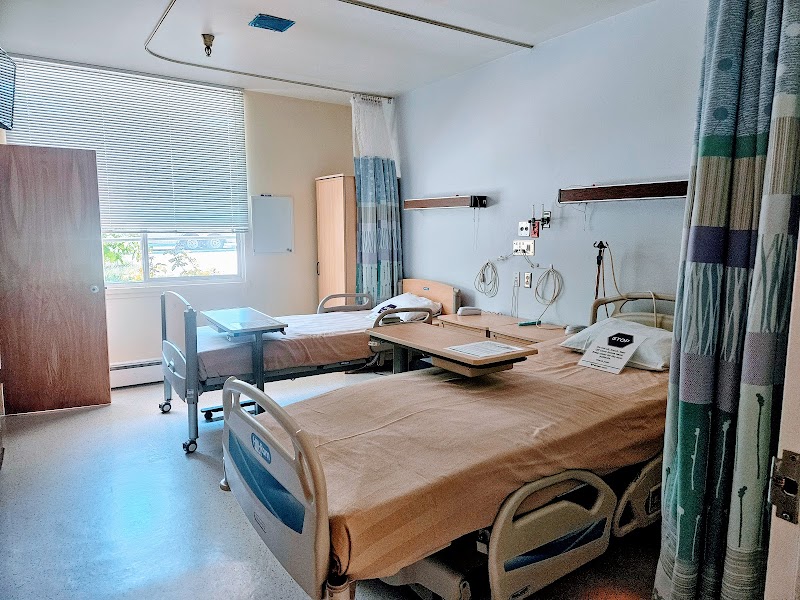
How is Jerold Phelps Comm Hosp Snf Staffed?

CMS rates JEROLD PHELPS COMM HOSP SNF's staffing level at 1 out of 5 stars, which is much below average compared to other nursing homes.

What Have Inspectors Found at Jerold Phelps Comm Hosp Snf?

State health inspectors documented 24 deficiencies at JEROLD PHELPS COMM HOSP SNF during 2019 to 2025. These included: 1 Immediate Jeopardy (the most serious level, indicating potential for serious harm or death) and 23 with potential for harm. Immediate Jeopardy findings are rare and represent the most serious regulatory concerns. They require immediate corrective action.
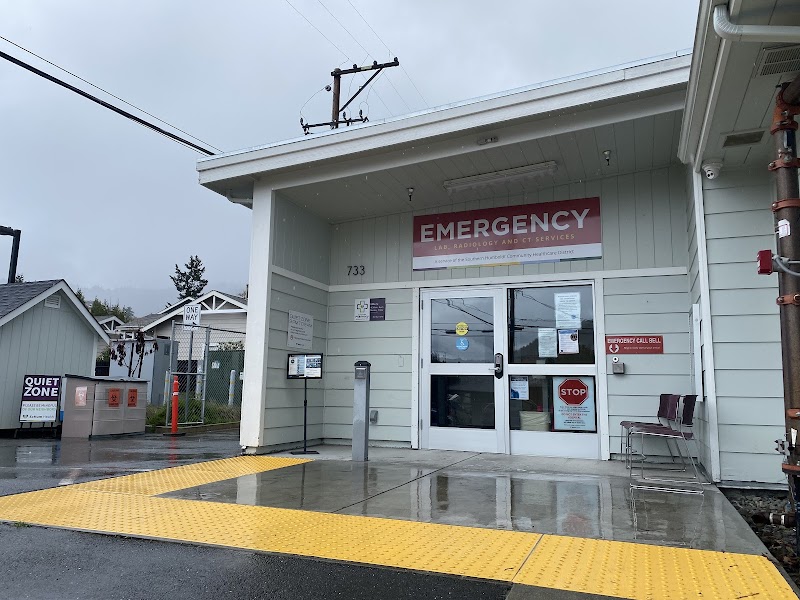
Who Owns and Operates Jerold Phelps Comm Hosp Snf?

JEROLD PHELPS COMM HOSP SNF is owned by a government entity. Government-operated facilities are typically run by state, county, or municipal agencies. The facility operates independently rather than as part of a larger chain. With 17 certified beds and approximately 6 residents (about 35% occupancy), it is a smaller facility located in GARBERVILLE, California.
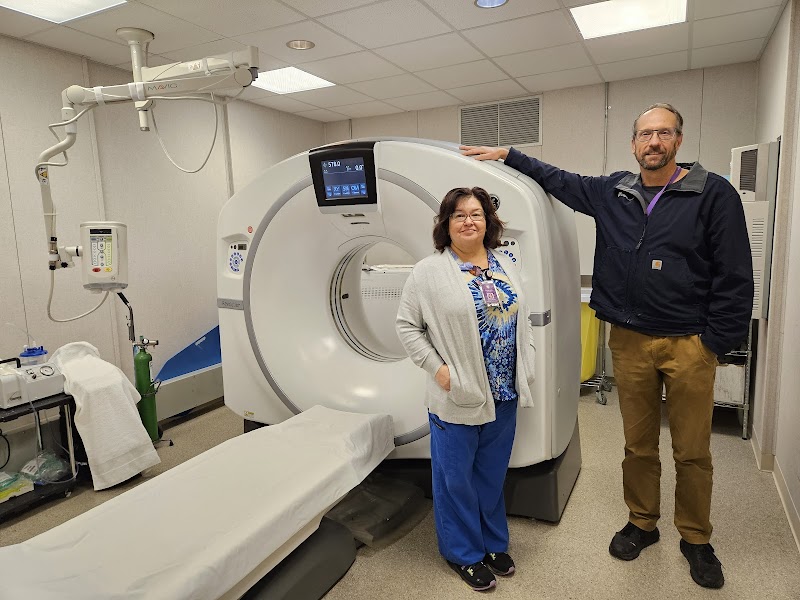
How Does Jerold Phelps Comm Hosp Snf Compare to Other California Nursing Homes?

Compared to the 100 nursing homes in California, JEROLD PHELPS COMM HOSP SNF's overall rating (2 stars) is below the state average of 3.1 and health inspection rating (3 stars) is at the national benchmark.

What Should Families Ask When Visiting Jerold Phelps Comm Hosp Snf?

Based on this facility's data, families visiting should ask: "What changes have been made since the serious inspection findings, and how are you preventing similar issues?" "Can you walk me through typical staffing levels on day, evening, and night shifts?" "Can I visit during a mealtime to observe dining assistance and food quality?" "How do you handle medical emergencies, and what is your hospital transfer rate?" These questions are particularly relevant given the facility's Immediate Jeopardy citations and the below-average staffing rating.

Is Jerold Phelps Comm Hosp Snf Safe?

Based on CMS inspection data, JEROLD PHELPS COMM HOSP SNF has documented safety concerns. Inspectors have issued 1 Immediate Jeopardy citation (the most serious violation level indicating risk of serious injury or death). The facility has a 2-star overall rating and ranks #100 of 100 nursing homes in California. Families considering this facility should ask detailed questions about what corrective actions have been taken since these incidents.

Do Nurses at Jerold Phelps Comm Hosp Snf Stick Around?

JEROLD PHELPS COMM HOSP SNF has not reported staff turnover data to CMS. Staff turnover matters because consistent caregivers learn residents' individual needs, medications, and preferences. When staff frequently change, this institutional knowledge is lost. Families should ask the facility directly about their staff retention rates and average employee tenure.

Was Jerold Phelps Comm Hosp Snf Ever Fined?

JEROLD PHELPS COMM HOSP SNF has no federal fines on record. CMS issues fines when nursing homes fail to meet care standards or don't correct problems found during inspections. The absence of fines suggests the facility has either maintained compliance or corrected any issues before penalties were assessed. This is a positive indicator, though families should still review recent inspection reports for the full picture.

Is Jerold Phelps Comm Hosp Snf on Any Federal Watch List?

JEROLD PHELPS COMM HOSP SNF is not on any federal watch list. The most significant is the Special Focus Facility (SFF) program, which identifies the bottom 1% of nursing homes nationally based on persistent, serious quality problems. Not being on this list means the facility has avoided the pattern of deficiencies that triggers enhanced federal oversight. This is a positive indicator, though families should still review the facility's inspection history directly.