GARDEN GROVE POST ACUTE
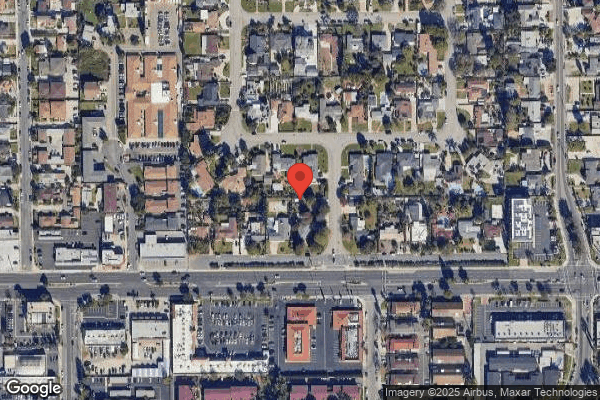

12882 SHACKELFORD LANE, GARDEN GROVE, CA 92841 (714) 638-9470
For profit - Corporation 99 Beds THE MANDELBAUM FAMILY Data: November 2025
Trust Grade
75/100
#351 of 1155 in CA
Last Inspection: March 2025

Within standard 12-15 month inspection cycle. Federal law requires annual inspections.

Overview

Garden Grove Post Acute has a Trust Grade of B, indicating it is a good option for families seeking care, meaning it is solid but not without flaws. It ranks #351 out of 1,155 nursing homes in California, placing it in the top half, and #25 out of 72 in Orange County, suggesting it has some local competition. However, the facility is experiencing a concerning trend, with issues increasing from 3 in 2024 to 24 in 2025. On a positive note, staffing is strong with a 4/5 rating and a low turnover rate of 18%, which is significantly better than the California average of 38%. Additionally, there have been no fines, which is encouraging. However, there are serious concerns regarding food safety and infection control, including improper food storage practices that could lead to contamination and a lack of proper hand hygiene by staff, which risks spreading infections. Families should weigh these strengths and weaknesses carefully when considering this facility.

Trust Score
B
75/100
In California
#351/1155
Top 30%
Safety Record
Low Risk
No red flags
Inspections
Getting Worse
3 → 24 violations
Staff Stability
✓ Good
18% annual turnover. Excellent stability, 30 points below California's 48% average. Staff who stay learn residents' needs.
Penalties
✓ Good
No fines on record. Clean compliance history, better than most California facilities.
Skilled Nurses
○ Average
Each resident gets 30 minutes of Registered Nurse (RN) attention daily — about average for California. RNs are the most trained staff who monitor for health changes.
Violations
⚠ Watch
53 deficiencies on record. Higher than average. Multiple issues found across inspections.
★★★★☆
4.0
Overall Rating
★★★★☆
4.0
Staff Levels
★★★★★
5.0
Care Quality
★★★☆☆
3.0
Inspection Score
Stable
2024: 3 issues
2025: 24 issues

The Good

  • 4-Star Staffing Rating · Above-average nurse staffing levels
  • 5-Star Quality Measures · Strong clinical quality outcomes
  • Low Staff Turnover (18%) · Staff stability means consistent care
  • Full Sprinkler Coverage · Fire safety systems throughout facility
  • No fines on record
  • Staff turnover is low (18%)

    30 points below California average of 48%

Facility shows strength in staffing levels, quality measures, staff retention, fire safety.

The Bad

Chain: THE MANDELBAUM FAMILY

Part of a multi-facility chain

Ask about local staffing decisions and management

The Ugly 53 deficiencies on record

Aug 2025 4 deficiencies
CONCERN (D) 📢 Someone Reported This

A family member, employee, or ombudsman was alarmed enough to file a formal complaint

Potential for Harm - no one hurt, but risky conditions existed

Quality of Care (Tag F0684)

Could have caused harm · This affected 1 resident

**NOTE- TERMS IN BRACKETS HAVE BEEN EDITED TO PROTECT CONFIDENTIALITY** Based on observation, interview, medical record review, and facility P&P review, the facility failed to provide the necessary ca...

Read full inspector narrative →
**NOTE- TERMS IN BRACKETS HAVE BEEN EDITED TO PROTECT CONFIDENTIALITY** Based on observation, interview, medical record review, and facility P&P review, the facility failed to provide the necessary care and services to ensure two of seven sampled residents (Residents 4 and 7) attained and maintained the highest practicable physical well-being. * The facility failed to ensure Resident 4's sling was positioned properly to the resident's left arm as ordered by the physician. Additionally, the facility failed to provide toileting schedule as ordered by the physician for Resident 4. * The facility failed to ensure Resident 7's left thumb had a splint as ordered by the physician. These failures had the potential to negatively impact Residents 4 and 7 physical well-being.Findings: 1. Medical record review for Resident 4 was initiated on 8/26/25. Resident 4 was admitted to the facility on [DATE]. Review of Resident 4's MDS Quarterly assessment dated [DATE], showed the resident had clear speech. Resident 4 could sometimes make themselves understood and sometimes was able to understand others. Resident 4 had a limitation in range of motion to both upper extremities. Review of Resident 4's H&P examination dated 6/8/25, showed the resident could make needs known but could not make medical decisions. a. Review of Resident 4's Radiology Interpretation dated 7/2/25, showed the resident had a mildly displaced fracture across the neck of the left humerus with lying soft tissue swelling along the deltoid. Review of Resident 4's care plan for the fracture at the neck of the let humerus mildly displaced dated on 7/2/25, showed interventions including applying the sling to the left shoulder at all times. Review of Resident 4's Order Summary Report showed the following physician orders: - dated 7/2/25, may place sling on the left shoulder at all times every shift. - dated 7/15/25, to apply sling to left upper arm at all times and monitor for skin integrity every shift. On 8/26/25 at 1550 hours, during an observation, Resident 4 was awake and lying on bed. Resident was wearing a sling, however, it was not supporting the resident' left arm. On 8/26/25 at 1600 hours, an observation and concurrent interview was conducted with LVN 2. LVN 2 checked Resident 4's sling and verified it was not supporting the left arm. LVN 2 stated he would ask someone to help him fix the sling. On 8/26/25 at 1655 hours, during an observation, Resident 4 was sleeping in bed. Resident 4 was observed wearing the sling. However, the sling was still not supporting the left arm. On 8/26/25 at 1657 hours, an interview was conducted with LVN 2. LVN 2 stated he could not place the sling on properly to Resident 4 because CNA 6 was changing the resident's undergarment. LVN 2 stated he will fix it later. LVN 2 further stated the resident had an order to apply the sling to left arm at all times for treatment of the fractured arm. b. Review of facility's P&P titled Continence/ Incontinence of Bladder Management revised October 2017 showed the programs that require staff involvement and assistance include prompted voiding, which is appropriate for use with dependent or more cognitively impaired residents. This involves regular monitoring with encouragement to report continence status; prompting on a scheduled basis; and praise and positive feedback when the resident is continent and attempts to toilet. Another program that requires staff involvement and assistance is habit training/scheduled voiding, which calls for scheduled use of the bathroom at regular intervals on a planned basis. Review of Resident 4's care plans showed the following: - dated 6/27/25, showed the resident had an actual fall with approach/ intervention to assist to bathroom as needed every two hours and as needed and to place call light within reach. - dated 7/2/25, showed the resident had a witnessed fall seen to independently walk to the restroom without calling for help or assistance with approach/ intervention listed to place on bladder training program. Review of Resident 4's Order Summary Report showed a physician's order dated 7/9/25, toileting program for 90 days. Review of Resident 4's medical record failed to show documented evidence a toileting program schedule was implemented for the resident according to physician's order and resident's plan of care. On 8/26/25 at 1554 hours, an interview was conducted with CNA 4. CNA 4 stated Resident 4 was not being taken to the restroom. CNA 4 further stated resident was being cleaned and changed when soiled. CNA stated resident had the ability to inform staff when need to urinate. CNA 4 stated she was not aware Resident 4 was on toileting schedule program. On 8/26/25 at 1600 hours, an interview was conducted LVN 2. LVN 2 stated he did not know Resident 4 was on toileting schedule. LVN 2 further stated he will ask the RN about toileting schedule policy. On 8/26/25 at 1610 hours, a medical records review was conducted with LVN 4. LVN verified Resident 4's medical records failed to show a toileting program schedule was initiated for the resident. On 8/26/25 at 1615 hours, an interview was conducted with LVN 2. LVN 2 stated Resident 4 should have been taken to the restroom upon awakening, before and after meals and at bedtime. LVN 2 further stated the CNA should have documented in the Toileting Program Schedule Form. On 8/26/25 at 1635 hours, an interview was conducted with RN 3. RN 3 stated she could not locate the Toileting Program Schedule binder to check for Resident 4's Toileting Program Schedule; it must be in the Central Supply Office with CNA 1. On 8/26/25 at 1645 hours, an interview was conducted with the DON. The DON stated Resident 4 was placed on toileting schedule to prevent another fall because Resident 4 attempted to go to the restroom without staff assistance. The DON further stated she expected the staff to offer and take the resident to use the restroom upon awakening, before and after meals, and at bedtime. On 8/27/25 at 0857 hours, an interview and concurrent medical record review was conducted with CNA 1. CNA 1 stated she informed the CNAs when a resident was placed on the toileting schedule program, however, the residents on the toileting schedule program did not reflect in the daily assignment. Review of Resident 4's toileting schedule program failed to show toileting schedule program was initiated for Resident 4. CNA 1 stated she was not able to check on the CNAs to made sure toileting schedule program for the resident was implemented. On 8/27/25 at 0925 hours, an interview was conducted with the DSD. The DSD stated Resident 4 was placed on the toileting schedule program as part of intervention to prevent fall. The DSD further stated Resident 4 goes to the bathroom unassisted and the resident had unsteady gait and should not go to the bathroom by herself. The DSD stated he was responsible to educate the staff on providing the care for the resident and following up with how the CNA provided care to the residents. The DSD stated he had not given the in-service on the toileting or bowel and bladder retraining program to the CNAs recently. On 8/28/25 at 1445 hours, an interview was conducted with the DON. The DON was informed and acknowledged the findings as above. 2. Medical record review for Resident 7 was initiated on 8/27/25. Resident 7 was admitted to the facility on [DATE]. Review of Resident 7's H&P examination dated 6/3/25, showed Resident 7's neurological assessment was alert, nonverbal and confused. Review of Resident 7's Quarterly MDS assessment dated [DATE], showed the resident's speech was unclear. Resident 7 was sometimes able to make self-understood and sometimes able to understand others. Review of Resident 7's Radiology Interpretation dated 7/31/25, showed the resident's left thumb had proximal phalanx fracture. Review of Resident 7's Order Summary Report showed an order dated 8/8/25, to apply splint at all times for immobilization due to thumb. Review of Resident 7's care plan dated 8/4/25, showed the resident was noncompliant to put the splinter at all times. Interventions included explaining to the resident to put the splint to the left thumb at all times, providing education on importance of immobilization for healing and continuing to apply splint to the left thumb. On 8/27/25 at 1350 hours, during an observation, Resident 7 was sleeping in bed with no splint on left thumb. On 8/27/25 at 1352 hours, an observation of Resident 7 and concurrent interview was conducted with RN 1. RN 1 verified Resident 7 did not have a splint on the left thumb and there was no splint observed at the resident's bed or at bedside. RN 1 stated the resident was not compliant therefore the split was not provided. On 8/27/25 at 1446 hours, an interview was conducted with LVN 1. LVN 1 stated resident had episodes of removing the splint. LVN 1 further stated she and the treatment nurse had just applied the splint to the resident few minutes ago. On 8/28/25 at 1445 hours, an interview was conducted with the DON. The DON was informed and acknowledged the findings.
CONCERN (D) 📢 Someone Reported This

A family member, employee, or ombudsman was alarmed enough to file a formal complaint

Potential for Harm - no one hurt, but risky conditions existed

Accident Prevention (Tag F0689)

Could have caused harm · This affected 1 resident

**NOTE- TERMS IN BRACKETS HAVE BEEN EDITED TO PROTECT CONFIDENTIALITY** Based on interview, medical record review, and facility P&P review, the facility failed to provide the necessary care and servic...

Read full inspector narrative →
**NOTE- TERMS IN BRACKETS HAVE BEEN EDITED TO PROTECT CONFIDENTIALITY** Based on interview, medical record review, and facility P&P review, the facility failed to provide the necessary care and services to prevent a fall incident for one of seven sampled residents (Resident 4). * The facility failed to assess and notify the resident's physician and family member when Resident 4 was found on the floor mattress. These failures had the potential to negatively impact the resident's well-being.Findings: Review of facility's P&P titled Fall Risk/ Prevention revised July 2018 showed if a resident sustains a fall, the licensed nurse is to be notified immediately prior to moving the resident. The licensed nurse will assess the resident immediately and an incident report will be completed with an investigation. Special emphasis should be placed on events leading up to the fall, the condition of the resident at the time of the fall and the environment where the resident fell. The incident report and the investigation will be reviewed by the Interdisciplinary Team with recommendations for additional approaches in an attempt to prevent further falls. Review of facility's P&P titled Post Fall Policy revised [DATE], showed Following a resident's fall, the licensed nurse will assess the resident and fill out an incident report with the investigation. Emphasis should be placed on the events leading up to the fall, the condition of the resident following the fall and the environment where the resident was found. The incident report is to be given to the Director of Nurses for review and any necessary follow up. Each time a resident sustains a fall, the Fall Risk Assessment needs to be updated. The Fall Risk Meeting Assessment form shall be completed within 72 hours and placed in the clinical record under Assessments. Rehab. Therapy is responsible for completing a Post Fall Assessment with any recommendations to prevent repeated falls. These forms will be reviewed by the Interdisciplinary Team/Committee but are to be filled out by the designated person in the facility. Falls will be logged. The Committee Chairperson will present the Quality Assurance Committee Report on falls to the QAPI Committee quarterly. The resident's plan of care should be updated following a fall. Medical record review for Resident 4 was initiated on 8/26/25. Resident 4 was admitted to the facility on [DATE]. Review of Resident 4's MDS Quarterly assessment dated [DATE], showed the resident had clear speech. Resident 4 could sometimes make themselves understood and sometimes was able to understand others. Resident 4 had a limitation in range of motion to both upper extremities. Resident 4 required substantial/ maximal assistance in toileting and mobility. Resident 4 was frequently incontinent of urine function and was continent of bowel function. Review of Resident 4's H&P examination dated 6/8/25, showed the resident could make needs known but could not make medical decisions. Review of Resident 4's care plans showed the following: - dated 6/27/25, showed the resident had an actual fall with approach/ intervention to assist to bathroom as needed every two hours and as needed and to place call light within reach. - dated 7/2/25, showed the resident had a witnessed fall seen to independently walk to the restroom without calling for help or assistance with approach/ intervention listed to place on bladder training program. Review of Resident 4's Order Summary Report showed the following physician orders:- dated 7/9/25, toileting program for 90 days. - dated 7/9/25, bed mattress on the floor on the right side and floor mat on the left side of the bed to prevent to minimize injury from falling. Review of Resident 4's Social Work Progress Note dated 8/6/25, showed Resident 4 was found lying down on the mattress on the floor. Further review of Resident 4's medical record failed to show Resident 4 was assessed, the physician and family member were notified and follow-up care and monitoring were provided for the resident. On 8/27/25 at 1133 hours, an interview and a concurrent record review was conducted with the SSD. The SSD verified Resident 4 was found lying on the floor mattress on 8/6/25, however she does not remember the time. The SSD stated she informed LVN 3 of the incident. On 8/27/25 at 1140 hours, an interview and a concurrent medical record review was conducted with the DON. The DON stated the floor mattress sed to prevent injury. The DON further stated a resident who was found on the floor mattress is considered a fall incident and the Fall policy should be followed. The DON stated she did not know Resident 4 was found on the floor mattress by the SSD on 8/6/25. The DON verified Resident 4's medical record failed to show an assessment of the resident was conducted, and the physician and the family member were notified of the resident's fall on 8/6/25. On 8/27/25 at 1516 hours, an interview was conducted with LVN 3. LVN 3 verified the SSD informed him of Resident 4 was found on the floor mattress on 8/6/25. LVN 3 stated he did not thought of it as a fall because resident was found on the floor mattress. LVN 3 stated he did not initiate to call the physician and the resident's family member. On 8/28/25 at 1445 hours, an interview was conducted with the DON. The DON was informed and acknowledged the findings as above.
CONCERN (D) 📢 Someone Reported This

A family member, employee, or ombudsman was alarmed enough to file a formal complaint

Potential for Harm - no one hurt, but risky conditions existed

Tube Feeding (Tag F0693)

Could have caused harm · This affected 1 resident

**NOTE- TERMS IN BRACKETS HAVE BEEN EDITED TO PROTECT CONFIDENTIALITY** Based on observation, interview, medical record review, and facility P&P review, the facility failed to ensure the appropriate c...

Read full inspector narrative →
**NOTE- TERMS IN BRACKETS HAVE BEEN EDITED TO PROTECT CONFIDENTIALITY** Based on observation, interview, medical record review, and facility P&P review, the facility failed to ensure the appropriate care and services related to GT were provided for two of seven sampled residents (Residents 2 and 3). * Resident 2 was provided with Glucerna (enteral feeding formula) 1.2 at 65 cc/hour via GT, when the physician's order specified it to be 50 cc/hour. * Resident 3 was provided with water flush at 30 cc/hour via GT, when the physician's order specified it to be 35 c/hour. These failures posed the risk for complications related to the use of GT for Residents 2 and 3.Findings: Review of the facility's P&P titled Gastrostomy Tube Feeding via Continuous Pump revised January 2017 showed it is the policy of the facility to provide nourishment via continuous pump to the residents who are unable to obtain adequate nourishment orally, as ordered by the resident's attending physician. 1. Medical record review for Resident 2 was initiated on 8/26/25. Resident 2 was admitted to the facility on [DATE]. Review of Resident 2's Nutritional Assessment Progress Note dated 8/14/25, showed the resident had a trend in weight gain. The RD planned to decrease the GT feeding rate of the Glucerna 1.2 at 50 ml/hour to provide 1000 ml/1200 kcal per day secondary to trend weight gain. Review of Resident 2's Order Summary Report showed an order dated 8/15/25, to administer enteral feeding of Glucerna 1.2 at 50 ml/hour for 20 hours via an enteral pump to provide with 1000/1200 kcal per day or until volume limit is consumed or completed. Review of Resident 2's care plan for trending weight gain dated 8/15/25, showed interventions included to provide Glucerna 1.2 at 50 ml/hour to provide 1000 ml/ 1200 kcal per day. Review of Resident 2's H&P examination dated 8/21/24, showed the resident had no capacity to understand and make medical decisions. On 8/26/25 at 1150 hours, during an observation, Resident 2 was in bed with the GT feeding container. The feeding container had Glucerna 1.2 labeled 65 cc/hour dated 8/26/25 at 1200 hours. The GT feeding Glucerna 1.2 was infusing at 65 cc/hour and water flush at 40 cc/hour via continuous pump. On 8/26/25 at 1153 hours, an interview was conducted with LVN 4. LVN 4 stated she just started the enteral feeding via GT to Resident 2. On 8/26/25 at 1446 hours, an observation of Resident 2's GT feeding was conducted with LVN 4. LVN 4 verified Glucerna 1.2 was infusing at 65 cc/hour via continuous pump. On 8/26/25 at 1450 hours, an interview and concurrent medical record review was conducted with LVN 2. LVN 2 verified Resident 2's Order Summary Report showed an order dated 8/15/25 to administer enteral feeding of Glucerna 1.2 at 50 ml/hour for 20 hours via an enteral pump to provide with 1000/1200 kcal per day or until volume limit was consumed or completed. LVN 2 verified Resident 2's GT feeding was set at 65 cc/ hour and verified Resident 2 received 15 ml/hour higher than the physician's prescribed enteral feeding. 2. Medical record review for Resident 3 was initiated on 8/26/25. Resident 3 was admitted to the facility on [DATE]. Review of Resident 3's H&P examination dated 10/5/24 showed the resident had no capacity to understand and make medical decisions. Review of Resident 3's Order Summary Report showed an order dated 8/18/25, to flush the GT with minimum of 35 cc of water every hour for 20 hours to provide 700 ml/day. On 8/26/25 at 1412 hours, during an observation, Resident 3 was in bed with GT water flush bag labeled with date 8/26/25, and the time hung at 2400 hours. The GT pump was infusing at 30 cc/hour via continuous pump. On 8/26/25 at 1426 hours, an observation of Resident 3's GT water flushing and concurrent interview was conducted with LVN 6. LVN 6 verified Resident 3's GT water flush infusing at 30 cc/hour via continuous pump. On 8/26/25 at 1430 hours, an interview and concurrent medical record review was conducted with LVN 6. LVN 6 verified Resident 3's order to flush GT with minimum of 35 cc of water every hour for 20 hours to provide 700 ml/day. LVN 6 verified resident received 5 ml/ hour lower than the physician's prescribed enteral water flush. On 8/28/25 at 1445 hours, an interview was conducted with the DON. The DON was informed and acknowledged the findings.
MINOR (B) 📢 Someone Reported This

A family member, employee, or ombudsman was alarmed enough to file a formal complaint

Minor Issue - procedural, no safety impact

Deficiency F0558 (Tag F0558)

Minor procedural issue · This affected multiple residents

**NOTE- TERMS IN BRACKETS HAVE BEEN EDITED TO PROTECT CONFIDENTIALITY** Based on observation, interview, medical record review, and facility P&P review, the facility failed to provide the reasonable a...

Read full inspector narrative →
**NOTE- TERMS IN BRACKETS HAVE BEEN EDITED TO PROTECT CONFIDENTIALITY** Based on observation, interview, medical record review, and facility P&P review, the facility failed to provide the reasonable accommodations to meet the needs for one of seven sampled residents (Resident 4). * The facility failed to ensure Resident 4's call light was within the resident's reach. This failure had the potential to negatively impact the residents' physical and psychosocial well-being or result in a delay to receive care.Findings: Review of the facility's P&P titled Call Lights revised on January 2017 showed it is the policy of the facility to respond to the resident's request and needs. When the resident is in bed or in the wheelchair or chair in the room, staff should make sure the call light was within easy reach of the resident. Medical record review for Resident 4 was initiated on 8/26/25. Resident 4 was admitted to the facility on [DATE]. Review of Resident 4's MDS Quarterly assessment dated [DATE], showed the resident had clear speech. Resident 4 could sometimes make themselves understood and sometimes was able to understand others. Resident 4 had a limitation in the range of motion to both upper extremities. Review of Resident 4's H&P examination dated 6/8/25, showed the resident could make their needs known but could not make medical decisions. Review of Resident 4's care plan dated 6/27/25, showed the resident had an actual fall with approaches/ intervention to place call light within reach. On 8/26/25 at 1400 hours, during an observation, Resident 4 was lying in bed. The call light was clipped at the right corner of the mattress by the head of the bed, and the call light cord was dangling off the resident's bed. The resident's call light was not within reach. On 8/26/25 at 1550 hours, during an observation, Resident 4 was lying in bed. The call light was still clipped at the right corner of the mattress by the head of the bed, and was not within the resident's reach. On 8/26/25 at 1554 hours, an observation of Resident 4 and concurrent interview was conducted with CNA 6. CNA 6 verified the resident's call light was not within reach for the resident to use and was clipped by Resident 4's right corner of the mattress by the head of the bed. CNA 6 stated Resident 4 had the ability to use call light when needing assistance. CNA 6 repositioned the call light within Resident 4's reach. On 8/26/25 at 1645 hours, an interview was conducted with the DON. The DON stated she expected the staff to make sure the resident's call lights were always within the resident's reach at all times. Cross reference F689.
May 2025 2 deficiencies
CONCERN (D) 📢 Someone Reported This

A family member, employee, or ombudsman was alarmed enough to file a formal complaint

Potential for Harm - no one hurt, but risky conditions existed

Deficiency F0757 (Tag F0757)

Could have caused harm · This affected 1 resident

**NOTE- TERMS IN BRACKETS HAVE BEEN EDITED TO PROTECT CONFIDENTIALITY** Based on interview, medical record review, and facility P&P review, the facility failed to ensure one of four sampled residents ...

Read full inspector narrative →
**NOTE- TERMS IN BRACKETS HAVE BEEN EDITED TO PROTECT CONFIDENTIALITY** Based on interview, medical record review, and facility P&P review, the facility failed to ensure one of four sampled residents (Resident1) was free from the unnecessary medications. * Resident 1 was administered Ozempic (medication used to manage type 2 diabetes) one mg subcutaneously (beneath the skin) for DM. However, Resident 1 had no diagnosis of DM. In addition, the facility failed to ensure Resident 1's plan of care addressed the use of the Ozempic medication and monitored the side effects of the medication. * Resident 1 was administered oxycodone (used to relieve severe pain) 10 mg medication when Resident 1's pain level was below the parameters ordered for the medication. These failures had the potential for Resident 1 to receive unnecessary medications and experience adverse effects from the medications. Findings: Review of the facility's P&P titled Medication Administration revised 4/2025 showed it is the policy of the facility that medications for residents be administrated in a safe manner and as prescribed. Medical record review for Resident 1 was initiated on 5/7/25. Resident 1 was admitted to the facility on [DATE], and readmitted on [DATE]. a. Review of Resident 1's H&P examination dated 1/5/21, showed the resident had no diagnosis of diabetes mellitus (DM). Review of Resident 1's Order Summary Report showed a physician's order dated 1/24/25, to administer Ozempic one mg/dose subcutaneously every evening shift on Wednesdays for DM. Review of Resident 1's MAR for April 2025 showed Resident 1 was administered the Ozempic medication on 4/2, 4/9, 4/16, 4/23, and 4/30/25. Review of Resident 1's General Lab Work dated 4/14/25, showed Resident 1's hemoglobin A1c level was 5.2, indicating normal or non-diabetic range. Further review of Resident 1's medical record failed to show a care plan problem addressing Resident 1's use of the Ozempic medication and the monitoring of the side effects for the use of the medication. On 5/8/25 at 1250 hours, an interview and concurrent medical record review was conducted with the ADON. The ADON verified Resident 1 had no diagnosis of DM and there was no care plan and monitoring for the use of the Ozempic medication. Furthermore, the ADON stated she was not sure if the Ozempic medication was clarified with the resident's physician. b. Review of Resident 1's Order Summary Report showed a physician's order dated 7/8/21, to administer oxycodone 10 mg one tablet as needed for severe pain (equal to the pain level of 7-10 on the pain scale of 0 to 10 with 0 = no pain and 10 = worst pain). Review of Resident 1's MAR for April 2025 showed Resident 1 was administered the oxycodone 10 mg medication on the following dates, times, and pain levels: - On 4/1/25 at 1804 hours, for a pain level of 0. - On 4/7/25 at 1218 hours, for a pain level of 6. - On 4/14/25 at 1345 hours, for a pain level 6. - On 4/22/25 at 1818 hours, for a pain level of 0. - On 4/25/25 at 1115 and 1730 hours, for a pain level of 0. Review of Resident 1's MAR for May 2025 showed Resident 1 was administered the oxycodone 10 mg medication on the following dates, times, and pain levels: - On 5/2/25 at 1703 hours, for a pain level of 6. - On 5/5/25 at 1314 hours, for a pain level of 6 - On 5/6/25 at 1802 hours, for a pain level of 0. On 5/8/25 at 1250 hours, an interview and concurrent medical record review was conducted with the ADON. The ADON verified the above findings. The ADON verified 0 documented in the MAR meant the resident had no pain. The ADON stated the oxycodone medication should not be given when the resident had no pain. Furthermore, the ADON stated the oxycodone medication should be given as prescribed by the physician. On 5/8/25 at 1445 hours, the Administrator was informed and acknowledged the above findings.
MINOR (B) 📢 Someone Reported This

A family member, employee, or ombudsman was alarmed enough to file a formal complaint

Minor Issue - procedural, no safety impact

Deficiency F0761 (Tag F0761)

Minor procedural issue · This affected multiple residents

Based on observation, interview, and facility P&P review, the facility failed to provide the necessary pharmacy services to ensure the proper safe storage of drugs for one of four sampled residents (R...

Read full inspector narrative →
Based on observation, interview, and facility P&P review, the facility failed to provide the necessary pharmacy services to ensure the proper safe storage of drugs for one of four sampled residents (Resident 2). * LVN 1 left a medication inside a clear cup unattended on Resident 2's bedside table. This failure posed the risk of other residents, visitors or unauthorized facility staff gaining access to the medication. Findings: Review of the facility's P&P titled Medication Administration revised 4/2025 showed it is the policy of the facility that medications for residents be administrated in a safe manner. For residents not in their rooms or otherwise unavailable to receive medication on the pass, the nurse will continue the medication pass and return later. After completing the medication pass, the nurse will return to the missed resident to administer the medication. On 5/7/25 at 0830 hours, an observation and concurrent interview was conducted with LVN 1 at Resident 2's bedside. A white tablet inside an unlabeled clear cup was observed on top of Resident 2's bedside table. LVN 1 was then observed entering Resident 2's room to administer his medications. LVN 1 verified the white tablet inside the unlabeled clear cup on Resident 2's bedside table. LVN 1 stated the medication should not have been left on the resident's bedside table. Furthermore, LVN 1 stated the resident could not administer the medication himself and she should have taken the medication back and administered it when Resident 2 was ready. On 5/8/25 at 1250 hours, an interview was conducted with the ADON. The ADON was informed of the above findings. The ADON stated the medication should not have been left on the resident's bedside table. If the licensed nurse was unable to administer the medication, the licensed nurse should come back when the resident was ready and administer the medication.
Apr 2025 1 deficiency
MINOR (B) 📢 Someone Reported This

A family member, employee, or ombudsman was alarmed enough to file a formal complaint

Minor Issue - procedural, no safety impact

Deficiency F0760 (Tag F0760)

Minor procedural issue · This affected multiple residents

**NOTE- TERMS IN BRACKETS HAVE BEEN EDITED TO PROTECT CONFIDENTIALITY** Based on interview, medical record review, and facility P&P review, the facility failed to ensure one of four sampled residents ...

Read full inspector narrative →
**NOTE- TERMS IN BRACKETS HAVE BEEN EDITED TO PROTECT CONFIDENTIALITY** Based on interview, medical record review, and facility P&P review, the facility failed to ensure one of four sampled residents (Resident 1) was free from the significant medication errors. * The facility failed to administer Resident 1's ketotifen (an antiallergic medicationto help prevent asthma attacks) as ordered by Resident 1's physician. This failure had the potential to negatively affect the resident's well-being. Findings: Review of the facility's P&P titled Medication Administration revised 4/2025 showed the medications shall be administered as prescribed by the resident's physician. Medical record review for Resident 1 was initiated on 4/15/25. Resident 1 was admitted to the facility on [DATE], and readmitted on [DATE]. Review of Resident 1's MDS assessment dated [DATE], showed the resident was cognitively intact. Review of Resident 1's Order Summary Report showed a physician's order dated 12/6/24, for Resident 1 to have ketotifen 1 mg capsules, give two capsules two times a day for chronic urticaria for five months. Review of Resident 1's MAR for April 2025 showed 9 (other/see progress note) and the nurses' initial for the ketotifen oral capsules administration on 4/14/25 at 0900 and 1700 hours, and 4/15/25 at 0900 hours. On 4/15/25 at 0917 hours, a concurrent interview and medical record review was conducted with the DON and RN 1. RN 1 stated the Ketotifen medication was not re-ordered in time. Review of the MAR showed Resident 1 did not receive the ketotifen medication on 4/14 and 4/15/25. The DON verified the above findings.
Mar 2025 17 deficiencies
CONCERN (D)

Potential for Harm - no one hurt, but risky conditions existed

Quality of Care (Tag F0684)

Could have caused harm · This affected 1 resident

**NOTE- TERMS IN BRACKETS HAVE BEEN EDITED TO PROTECT CONFIDENTIALITY** Based on observation, interview, medical record review, and facility document review, the facility failed to provide the necessa...

Read full inspector narrative →
**NOTE- TERMS IN BRACKETS HAVE BEEN EDITED TO PROTECT CONFIDENTIALITY** Based on observation, interview, medical record review, and facility document review, the facility failed to provide the necessary care and services to ensure one of 19 sampled residents (Resident 745) and one nonsampled resident (Resident 31) attained and maintained their highest practicable physical well-being. * Resident 745's measurements of abdominal girth were not documented. * The licensed nurse did not check Resident 31's last bowel movement prior to administering the stool softener medication to determine if it needed to be hold as per the physician's order. These failures had the potential for delay in providing the necessary care and services to the residents. Findings: 1. Medical record review for Resident 745 was initiated on 3/5/25. Resident 745 was admitted to the facility on [DATE], with a diagnosis of perforated gastric ulcer (a condition where an ulcer in the stomach wall breaks through, creating a hole that allows stomach contents to leak into the abdominal cavity). Review of Resident 745's H&P examination dated 3/2/25, showed Resident 745 had fluctuating capacity to understand and make decisions. Review of Resident 745's Order Summary Report dated 3/6/25, showed a physician's order dated 3/2/25, to measure Resident 745's abdominal girth before breakfast every two days at 0630 hours. If the abdominal girth was greater than 3 cm in size, the staff was to call the physician. Review of Resident 745's MAR for March 2025 showed for the measurements of Resident 745's abdominal girth on 3/3 and 3/5/25 at 0630 hours, were documented with a check. However, there were no measurements documented for 3/3 and 3/5/25. Review of Resident 745's Licensed Nurses Progress Notes failed to show the documentation of the measurements of Resident 745's abdominal girth. On 3/6/25 at 1125 hours, an interview and concurrent medical record review for Resident 745 was conducted with RN 2. RN 2 stated Resident 745 was at the facility for status post a perforated ulcer. RN 2 reviewed Resident 745's medical record and verified the above findings. RN 2 stated the check meant the nurses had measured Resident 745's abdominal girth. When asked what the measurements were, RN 2 was unable to find the documentation of the measurements and whether the measurements were compared. RN 2 further stated the measurements should be documented and compared with the resident's baseline abdominal girth to determine if there was an increase in the girth size. On 3/10/25 at 1234 hours, an interview was conducted with the DON. The DON stated if there was a physician's order to measure the abdominal girth, she expected the staff to measure and document the measurements to track and trend the size of the abdomen. On 3/10/25 at 1319 hours, the DON, Administrator, and Nurse Consultant were informed and acknowledged the above findings.2. Review of the facility's P&P titled Medication Administration - General Guidelines dated 10/2017 showed the medications are administered as prescribed in accordance with good nursing principles and practices and only by persons legally authorized to do so. Personnel authorized to administer medications do so only after they have familiarized themselves with the medication. On 3/6/25 at 0902 hours, during a medication administration observation, LVN 2 administered one capsule of docusate sodium (stool softener) 250 mg to Resident 31. Medical record review was initiated for Resident 31 on 3/6/25. Resident 31 was admitted to the facility on [DATE]. Review of Resident 31's H&P examination dated 10/8/24, showed the resident had the capacity to understand and make decisions. Review of Resident 31's Order Summary Report for 2/26/25, showed a physician's order dated 8/18/15, to administer dioctyl sodium sulfosuccinate (same as docusate sodium) oral capsule 250 mg one capsule by mouth in the morning as stool softener for constipation, and to hold if with loose stool. On 3/6/25 at 1125 hours, an interview and concurrent medical record review was conducted with LVN 2. LVN 2 verified she did not ask Resident 31 if she had loose stool. LVN 2 stated she forgot to ask when Resident 31's last bowel movement was. LVN 2 stated Resident 31 was alert and could verbalize if he had loose stool. LVN 2 further stated she should have checked Resident 31's medical record if he had bowel movement before she gave the medication. LVN 2 stated she should have asked Resident 31 too if he had bowel movement. On 3/7/25 at 1402 hours, an interview was conducted with the DON. The DON acknowledged the above findings. The DON stated the licensed nurse should have asked Resident 31 about his bowel movement before giving the medication.
CONCERN (D)

Potential for Harm - no one hurt, but risky conditions existed

Deficiency F0688 (Tag F0688)

Could have caused harm · This affected 1 resident

**NOTE- TERMS IN BRACKETS HAVE BEEN EDITED TO PROTECT CONFIDENTIALITY** Based on observation, interview, medical record review, and facility P&P review, the facility failed to ensure the treatment was...

Read full inspector narrative →
**NOTE- TERMS IN BRACKETS HAVE BEEN EDITED TO PROTECT CONFIDENTIALITY** Based on observation, interview, medical record review, and facility P&P review, the facility failed to ensure the treatment was provided to prevent a decline in ROM functions for one of 19 final sampled residents (Resident 80). * The physician's order to apply an extension splint to Resident 80's left elbow was not followed. In addition, Resident 80's skin was not assessed when the splint was applied. These failures had the potential for Resident 80 to sustain a decline in ROM functions, leading to muscle atrophy and decrease in functioning. Findings: Review of the facility's P&P titled Splint Application dated 5/2017 showed the splints should be applied correctly to maintain the resident's ROM and prevent contractures and further loss of range of motion. During the initial tour of the facility on 3/5/25 at 0922 hours, Resident 80 was in bed asleep and noted to have contractures to the left arm. There was no splint applied to Resident 80's left arm contracture. Also, the splint was observed in the clear plastic bag on Resident 80's cabinet. Medical record review for Resident 80 was initiated on 3/6/25. Resident 80 was admitted to the facility on [DATE]. Review of Resident 80's Order Summary Report dated 2/26/25, showed a physician's order dated 9/27/24, to apply the left elbow extension splint to the left elbow for four to six hours a day as tolerated every Monday, Tuesday, Friday, Saturday, and Sunday. However, there was no physician's order to include the skin assessment when the left elbow splint was applied. Review of Resident 80's plan of care showed a care plan problem dated 9/29/24, addressing the potential decline in the resident's ROM and mobility. The interventions included the application of the left elbow extension splint for four to six hours as per the physician's order. However, there were no interventions to include Resident 80's skin assessment on the care plan. Review of Resident 80's Restorative Nursing Record for January and March 2025 showed the RNA had applied the left extension elbow splint to Resident 80. However, the record failed to show an accurate record of the time when the splint was applied and removed. In addition, there was no documented evidence a skin assessment was completed when the left elbow splint was applied to Resident 80's left elbow. On 3/6/25 at 0939 hours, an interview and concurrent medical record review for Resident 80 was conducted with RNA 2. RNA 2 verified Resident 80 had an RNA services ordered and the application of left elbow splint. RNA 2 was asked what time she applied the left elbow splint to Resident 80. RNA 2 stated she applied the left elbow splint to Resident 80's left elbow at 0800 hours, and taken off at 12 noon, for four hours total every day. RNA 2 verified there was no documentation of the exact time when the left elbow splint was applied and removed from Resident 80's elbow. RNA 2 was asked about Resident 80's skin when the left elbow was applied. RNA 2 stated she checked the skin after she had taken off the left elbow splint from Resident 80's elbow. RNA 2 was asked where she documented the skin assessment of Resident 80. RNA 2 verified and acknowledged there was no documentation about the skin assessment of Resident 80's left elbow when the left elbow splint was applied. On 3/10/25 at 0919 hours, an interview and concurrent medical record review for Resident 80 was conducted with RN 2. RN 2 verified Resident 80's physician's order for RNA services and the application of left elbow splint to Resident 80's left elbow. RN 2 verified there was no physician's order to assess the resident's skin while the splint was applied. RN 2 reviewed the RNA record and verified the hours of application for the left elbow splint to Resident 80's elbow was not documented, and the skin assessment was not included in the documentation. RN 2 stated a physician's order for the skin assessment at least every two hours should have been obtained and carried out to prevent any skin problem related to placement of the splint on the resident. RN 2 verified the care plan for the use of splint did not include the skin assessment of the resident when the splint was in use. On 3/10/25 at 1348 hours, an interview for Resident 80 was conducted with the DON. The DON was informed and verified the above findings.
CONCERN (D)

Potential for Harm - no one hurt, but risky conditions existed

Accident Prevention (Tag F0689)

Could have caused harm · This affected 1 resident

**NOTE- TERMS IN BRACKETS HAVE BEEN EDITED TO PROTECT CONFIDENTIALITY** Based on observation, interview, medical record review, facility document review, and facility P&P review, the facility failed t...

Read full inspector narrative →
**NOTE- TERMS IN BRACKETS HAVE BEEN EDITED TO PROTECT CONFIDENTIALITY** Based on observation, interview, medical record review, facility document review, and facility P&P review, the facility failed to provide the necessary care and services to prevent accidents for one of 19 final sampled residents (Resident 68). * The facility failed to ensure the floor mats were in place as per Resident 68's physician's order and care plan. This failure put Resident 68 at high risk for falls and serious injuries. Findings: Review of the facility's P&P titled Fall Risk/Prevention dated 7/2018 showed the residents who were assessed upon admission have a high risk for fall, a care plan will be developed and with approaches to prevent falls may include the provision of floor mats at the bedside. On 3/5/25 at 1037 hours, and 3/6/25 at 0813 hours, Resident 68 was observed in bed. The bed was observed to be in the lowest position. There were no floor mats on both sides of the bed. Medical record review for Resident 68 was initiated on 3/6/25. Resident 68 was admitted to the facility on [DATE]. Review of Resident 68's Fall Risk Evaluation dated 2/15/25, showed Resident 68 was at high risk for falls. Review of Resident 68's plan of care showed a care plan problem dated 2/15/25, addressing Resident 68's high risk for falls and injuries related to bowel incontinence, bladder incontinence, poor balance, and fall history. The interventions included to place the bilateral floor mats to prevent and/or minimize injuries from fall. Review of Resident 68's MDS dated [DATE], showed Resident 68 had a severe cognitive impairment and required extensive assistance from staff for ADL care. Review of Resident 68's Order Summary Report dated 2/26/25, showed a physician's order dated 2/17/25, to apply bilateral floor mats on the floor to prevent and/or minimize injury from fall. Review of Resident 68's SBAR Communication Form dated 1/23/25, showed Resident 68 had an incident of a witnessed fall. On 3/6/25 at 0914 hours, an observation and concurrent interview was conducted with CNA 5 at Resident 68's bedroom. CNA 5 stated Resident 68 had a history of fall, and they monitored the resident frequently. CNA 5 was asked what they would need to place on the floor if the resident had a history of fall. CNA 5 stated they would place a floor mat on both side of the bed. CNA 5 stated Resident 68 had the floor mat on both side of the bed. CNA 5 was asked to check and acknowledged there were no floor mats on both sides of the bed. On 3/6/25 at 1108 hours, an interview and concurrent medical record review was conducted with LVN 2. LVN 2 verified Resident 68 had a fall risk and needed assistance from staff. LVN 2 verified Resident 68's physician order included a floor mat on both sides of the bed. LVN 2 verified there were no floor mats placed at Resident 68's bedside. On 3/10/25 at 0929 hours, an interview and concurrent medical record review was conducted with RN 2. RN 2 verified Resident 68 was a high risk for fall and had a physician's order for the floor mats on both side of the bed. RN 2 verified Resident 68 had an incident of fall on 1/23/25. RN 2 verified there were no floor mats in placed on both sides of the bed. RN 2 acknowledged there should have been a floor mat on both sides of the bed in placed to minimize any harm or injury of the resident in the event of fall. On 3/10/25 at 1348 hours, an interview was conducted with the DON. The DON was informed of the findings and verified the above findings.
CONCERN (D)

Potential for Harm - no one hurt, but risky conditions existed

Deficiency F0694 (Tag F0694)

Could have caused harm · This affected 1 resident

**NOTE- TERMS IN BRACKETS HAVE BEEN EDITED TO PROTECT CONFIDENTIALITY** Based on observation, interview, medical record review, and facility P&P review, the facility failed to provide the necessary ca...

Read full inspector narrative →
**NOTE- TERMS IN BRACKETS HAVE BEEN EDITED TO PROTECT CONFIDENTIALITY** Based on observation, interview, medical record review, and facility P&P review, the facility failed to provide the necessary care and services to maintain the IV access for one of one final sampled resident (Resident 745) reviewed for IV care and failed to ensure the enteral feeding water bag was accurately labeled with the resident's name for one of 19 final sampled residents (Resident 30) reviewed for enteral feeding care. * The facility failed to ensure the baseline measurements of the PICC line external catheter length and arm circumference were confirmed and documented in the medical record prior to the administration of the IV antibiotics for Resident 745. In addition, the facility failed to ensure the PICC line external catheter length and arm circumference were measured and documented during the PICC dressing change as per the facility's P&P and Resident 745's care plan. These failures had the potential to delay the identification of catheter related complications for Resident 745. * The facility failed to ensure the enteral feeding water bag was accurately labeled with the resident's name for one of 19 final sampled residents (Resident 30). This failure had the potential for the resident's care needs to not be met as their medical information was not complete and accurate. Findings: 1. Review of the facility's P&P titled PICC Dressing Change dated 3/2023 showed the dressing changes using transparent dressings are performed: upon admission (if not dated or site not visible for assessment), at least weekly, and if the integrity of the dressing had been compromised. The length of the external catheter is obtained: upon admission, during dressing changes, and if sign or symptoms of complications are present. Further review of the facility's P&P showed documentation in the medical record includes, but is not limited to: the date and time of the dressing change, the site assessment, the length of the external catheter, the resident's response to the procedure and/or medication, and resident teachings. On 3/5/25 at 0959 hours, Resident 745 was observed in bed with a PICC line with a two-port external catheter to the right upper arm. A transparent dressing with paper tape was observed with a label dated 3/5/25. Medical record review for Resident 745 was initiated on 3/5/25. Resident 745 was admitted to the facility on [DATE], with a diagnosis of perforated gastric ulcer. Review of Resident 745's care plan for IV therapy dated 3/1/25, showed the interventions included to measure the external catheter length for the PICC and midlines upon admission and with each dressing change. Review of Resident 745's H&P examination dated 3/2/25, showed Resident 745 had fluctuating capacity to understand and make decisions. Review of Resident 745's Order Summary Report dated 3/6/25, showed the following physician's orders: - dated 3/1/25, to administer piperacillin-tazobactam sodium solution (antibiotic medication) 3.375 gm intravenously every six hours for infection of the perforated ulcer status post sepsis (a life-threatening condition that occurs when the body's immune system overreacts to an infection) for 10 days. Review of Resident 745's IV Medication Administration Record for March 2025 showed Resident 745 was administered the piperacillin-tazobactam sodium 3.375 gm IV every six hours on the following dates and times: - from 3/2/25 to 3/5/25 at 0000, 0600, 1200, and 1800 hours; and - on 3/6/5 at 0000, 0600, and 1200 hours. Further review of Resident 745's IV MAR for March 2025 showed Resident 745's PICC dressing was changed on 3/5/25. However, there was no documentation of the external catheter length measurement obtained during the dressing change on 3/5/25. Review of Resident 745's Licensed Nurse Progress Notes showed an RN admission Note on 3/1/25 at 1500 to 2300 hours shift. The nurse entry showed documentation Resident 745's right upper arm PICC line external catheter length was 11 cm long and the arm circumference was 18 cm. However, further review of Resident 745's Licensed Nurse Progress Notes failed to show documentation the licensed nurse had confirmed the baseline measurements of Resident 745's arm circumference and PICC line external catheter length measurement prior to the use of the PICC line to administer the antibiotic medication. On 3/6/25 at 1046 hours, an interview and concurrent medical record review for Resident 745 was conducted with RN 2. RN 2 stated for the residents admitted to the facility with a PICC line, the baseline arm circumference and PICC external catheter length should be verified with the transferring facility or the medical records. RN 2 also stated the baseline measurements should be verified and documented in the medical record. RN 2 stated the PICC dressing changes were done weekly and as needed if soiled. RN 2 stated for every PICC dressing change, the external catheter length and arm circumference should be measured and documented in the IV administration record or the nurse's progress notes. RN 2 reviewed Resident 745's medical record and verified the above findings. RN 2 stated the measurements should be documented and compared with the baseline measurements to determine if there were any complications related to the PICC line. On 3/10/25 at 1234 hours, an interview was conducted with the DON. The DON stated for the residents admitted to the facility with a PICC line, the nurse was expected to communicate with the acute care hospital about the baseline PICC measurements, to verify the resident's baseline measurements with the measurements obtained upon admission, and document the verification in the resident's medical record prior to the use of the PICC line. On 3/10/25 at 1319 hours, the DON, Administrator, and Nurse Consultant were informed and acknowledged the above findings. 2. On 3/6/25 at 0822 hours, during an observation, Resident 30's enteral feeding water bag was incorrectly labeled with Resident 46's name. Medical record review for Resident 30 was initiated on 3/6/25. Resident 30 was admitted to the facility on [DATE]. On 3/6/25 at 0833 hours, a concurrent observation and interview was conducted with LVN 8. LVN 8 verified Resident 30's enteral feeding water bag was incorrectly labeled with Resident 46's name. On 3/6/25 at 1510 hours, an interview was conducted with RN 2. RN 2 verified the enteral feeding bags should always be checked by both licensed nurses from the night and morning shifts to prevent the errors. On 3//10/25 at 1102 hours, an interview was conducted with the DON, Nurse Consultant, and Administrator. The DON, Nurse Consultant, and Administrator verified the above finding.
CONCERN (D)

Potential for Harm - no one hurt, but risky conditions existed

Respiratory Care (Tag F0695)

Could have caused harm · This affected 1 resident

**NOTE- TERMS IN BRACKETS HAVE BEEN EDITED TO PROTECT CONFIDENTIALITY** 2. During the initial tour of the facility on 3/5/25 at 0922 hours, Resident 80 was observed in bed receiving oxygen at 2 LPM vi...

Read full inspector narrative →
**NOTE- TERMS IN BRACKETS HAVE BEEN EDITED TO PROTECT CONFIDENTIALITY** 2. During the initial tour of the facility on 3/5/25 at 0922 hours, Resident 80 was observed in bed receiving oxygen at 2 LPM via nasal canula from the oxygen machine. Resident 68's nasal canula tubing was touching the floor. In addition, Resident 80's nebulizer machine was observed on top of the bedside drawer and the nebulizer tubing was undated and placed inside the drawer. On 3/5/25 at 1102 hours, an observation and concurrent interview for Resident 80 was conducted with LVN 1. LVN 1 verified Resident 80 was receiving an oxygen via nasal cannula. LVN 1 was informed of the observation Resident 80's nasal cannula touching the floor and the nebulizer tubing was undated and placed inside the drawer. LVN 1 verified and acknowledged the observation and stated she would change the oxygen tubing, label the nebulizer tubing, and place inside a clear plastic bag. Medical record review for Resident 80 was initiated on 3/6/25. Resident 80 was admitted to the facility on [DATE]. Review of Resident 80's Order Summary Report dated 2/26/25, showed the following physician's order: - dated 2/10/25, to administer oxygen at 2 LPM via nasal cannula continuously for shortness of breath or wheezing. - dated 8/20/24, to administer Ipratropium-Albuterol (breathing treatment) inhalation solution 0.5-2.5 (3) mg per 3 ml inhalation orally every six hours for shortness of breath or wheezing. On 3/10/25 at 0919 hours, an interview and concurrent medical record review for Resident 80 was conducted with RN 2. RN 2 was asked about the facility's process about the oxygen tubing, nebulizer tubing, and mask. RN 2 stated the licensed nurses changed and labeled the oxygen tubing including the nebulizer mask every Sunday and or as needed. RN 2 stated the nebulizer mask and tubing should be placed in a clear plastic bag when not in use and labeled. RN 2 stated the oxygen tubing should not be touching the floor and would change the oxygen tubing when observed touching the floor. RN 2 was informed of the observation of the resident's oxygen tubing, nebulizer tubing, and mask and verified the findings. On 3/10/25 at 1348 hours, an interview for Resident 80 was conducted with the DON. The DON was informed and verified the above findings. Based on observation, interview, medical record review, and facility P&P review, the facility failed to ensure the physician's order for oxygen therapy was followed for one of two final sampled residents (Resident 80) and one nonsampled resident (Resident 695) reviewed for oxygen administration. * The facility failed to follow the physician's order for the administration of the oxygen for Resident 695. Additionally, there was no care plan developed for the use of oxygen. * The facility failed to ensure Resident 80's nasal cannula was not touching the floor and the nebulizer tubing was dated and placed on a clear plastic bag when not in use. These failures had the potential to negatively impact the resident's medical condition. Findings: Review of the facility's P&P Oxygen Administration revised 3/2017 showed it is the policy of the facility to provide guidelines for the administration of oxygen. 1.a. Medical Record Review for Resident 695 was initiated on 3/5/25. Resident 695 was admitted to the facility on [DATE]. Review of Resident 695's Order Summary Report showed a physician's order dated 11/26/24, to administer the oxygen at 2 LPM via nasal cannula as needed for shortness of breath and/or wheezing, to keep pulse oximetry above 92%. Review of Residents 695's MDS dated [DATE], showed a BIMS score of 3 which meant the resident was cognitively impaired. On 3/5/25 at 0816 hours, during an initial tour of the facility, Resident 695 was observed in bed with oxygen administered via nasal cannula at 2 LPM. There was an oxygen concentrator next to the resident's bed. On 3/5/25 at 1215 hours, an observation and concurrent interview was conducted with RNA 1. Resident 695 was sitting in a wheelchair in the main dining room receiving oxygen at 5 LPM via nasal cannula. RNA 1 verified Resident 695 was receiving oxygen at 5 LPM via nasal cannula. On 3/5/25 at 1223 hours, an observation, interview, and concurrent medical review was conducted with LVN 1. LVN 1 verified Resident 695's oxygen was at 5 LPM via nasal cannula. LVN 1 stated they were not sure how the resident's oxygen rate increased from 2 to 5 LPM. b. Review of Resident 695's care plans failed to show documented evidence a care plan was developed for the use of the oxygen. On 3/6/25 at 1234 hours, an interview and concurrent medical record review was conducted with RN 1. RN 1 verified there was no care plan developed for the use of the oxygen. On 3/10/25 at 1102 hours, an interview was conducted with the Administrator and DON. The Administrator and DON was informed and acknowledged the above findings.
CONCERN (D)

Potential for Harm - no one hurt, but risky conditions existed

Deficiency F0698 (Tag F0698)

Could have caused harm · This affected 1 resident

**NOTE- TERMS IN BRACKETS HAVE BEEN EDITED TO PROTECT CONFIDENTIALITY** Based on interview, medical record review, and facility P&P review, the facility failed to provide the necessary care and servic...

Read full inspector narrative →
**NOTE- TERMS IN BRACKETS HAVE BEEN EDITED TO PROTECT CONFIDENTIALITY** Based on interview, medical record review, and facility P&P review, the facility failed to provide the necessary care and services for one of two final sampled residents (Resident 34) reviewed for dialysis care. * The facility failed to ensure Resident 34 was assessed upon her return to the facility after dialysis treatment. * The facility failed to ensure the accurate documentation for the monitoring of Resident 34's fluid restriction. * The facility failed to ensure the emergency dialysis kit was kept at Resident 34's bedside. * The facility failed to ensure Resident 34's care plan was updated to include the dialysis transportation information as per the facility's P&P. These failures had the potential to negatively affect Resident 34's physical well-being. Findings: Review of the facility's P&P titled Dialysis Care revised 2/2018 showed in case of an emergency, at the bedside of a dialysis resident, there should be a clamp, tape, 4x4 (gauzes), and Kerlix. An individualized plan of care will be developed to provide caregiver information and quality care to include: 1. Monitoring of vital signs, weights, lab values, and who to notify with any concerns. 2. Information regarding transportation of the resident to the dialysis center, name of the company who will transport the resident and the approximate time the resident will be picked up at the facility. 6. The resident's diet as ordered and any fluid restriction. If fluid restriction is ordered, the plan of care will indicate the breakdown per shift that is to be provided by dietary and nursing. Medical record review for Resident 34 was initiated on 3/5/25. Resident 34 was admitted to the facility on [DATE], and readmitted on [DATE]. Review of Resident 34's H&P examination dated 12/27/24, showed Resident 34 had ESRD and received hemodialysis treatment. Review of Resident 34's MDS dated [DATE], showed Resident 34 had severely impaired cognition. Review of Resident 34's Order Summary Report dated 3/6/25, showed the following physician's orders: - dated 1/9/25, for dialysis schedule on Mondays, Wednesdays, and Fridays. Chair time: 1300 hours. - dated 1/9/25, to administer Nepro (enteral formula) 1.8 at 45 ml/hr for 18 hours vi GT to provide 810 ml/1458 kilocalories or until the volume limit is completed. - dated 2/6/25, to flush the GT with a minimum of 80 ml of water every shift. - dated 2/6/25, to provide fluid restriction of 1000 ml per day. Review of Resident 34's care plan for altered renal function due to ESRD on hemodialysis dated 12/26/24, failed to include information regarding the transportation going to the dialysis treatment center. The contact person, contact number, and pick-up time were left blank. Review of Resident 34's Dialysis Notes for February and March 2025 showed the following: - dated 2/26/25, Resident 34's pre-dialysis weight was documented as 67 kg (147.4 pounds), and post-dialysis weight was 47.8 kg (105.2 pounds). A total of 42.2 pounds difference. The section for comments or special instructions post dialysis from the Dialysis Unit was left blank. - dated 2/28/25, there was no documentation of the time when Resident 34 left the facility for dialysis. - dated 3/5/25, there was no documentation of the time when Resident 34 returned to the facility after her dialysis treatment. Additionally, there was no documentation of Resident 34's post-dialysis assessment upon her return to the facility, including the pre and post dialysis weights, vital signs, hemodialysis site assessment, or post dialysis body assessment. Review of Resident 34's Licensed Nurses Progress Notes failed to show documentation the licensed nurse clarified Resident 34's pre-dialysis weight on 2/26/24, and/or documentation the physician was notified of the significant pre and post dialysis weight variance. Further review of the progress notes failed to show documentation of when Resident 34 left the facility to the dialysis center on 2/28/25, and returned to the facility after her dialysis treatment on 3/5/25. Review of Resident 34's MAR for February and March 2025 showed the following: - for the Nepro 1.8 at 45 ml/hr for 18 hours via GT to provide 810 ml/1458 kcal showed from 2/1/25 to 2/28/25 and from 3/1/25 to 3/5/25, for the day, evening, and night shifts, the intake was documented as checks each shift. - for the fluid restriction of 1,000 ml/day: from 2/7/25 to 2/28/25, and from 3/1/25 to 3/5/25, for the day, evening, and night shifts, the fluid restriction of 1,000 ml/day was documented as checks each shift. - for the GT flush with minimum of 80 ml of water each shift: from 2/14/24 to 2/28/25 and from 3/1/25 to 3/5/25, for the day, evening, and night shifts, the MAR showed checks each shift. On 3/6/25 at 0825 hours, an interview and concurrent observation was conducted with LVN 8. LVN 8 stated Resident 34 received the hemodialysis treatments every Monday, Wednesday, and Fridays and her hemodialysis access was located in her right upper arm. When asked about the potential risks related to Resident 34's hemodialysis access, LVN 8 stated Resident 34 was at risk for bleeding. When LVN 8 was asked about the protocol when bleeding occurred from the dialysis access, LVN 8 stated she would obtain gauze from the medication cart and apply a pressure dressing. When asked about any supplies kept at the resident's bedside in case of an emergency, LVN 8 checked and verified there were no supplies at Resident 34's bedside. On 3/6/25 at 1430 hours, a follow-up interview and concurrent medical record review was conducted with LVN 8. LVN 8 reviewed Resident 34's medical record and stated Resident 34 was on a fluid restriction of one liter per day and was receiving 80 ml of water flushes every shift. LVN 8 stated during her medication administration for Resident 34, she also flushed Resident 34's GT with water in between each medication. When asked how the flushes were being monitored and documented, LVN 8 stated the fluid restriction was documented in the MAR. LVN 8 reviewed Resident 34's MAR and verified the above findings. LVN 8 agreed the documentation in the MAR did not show how much fluid Resident 34 received during each shift and whether it added up to one liter per day. Additionally, LVN 8 reviewed Resident 34's Dialysis Notes for 2/26, 2/28, and 3/5/25, and verified the above findings. LVN 8 stated if there was a weight discrepancy/variance in the pre and post dialysis weight, the licensed nurse should call the dialysis center to clarify the resident's weight. LVN 8 stated if the weight was accurate, the nurse should then inform the physician and document in the progress notes. LVN 8 reviewed Resident 34's medical record and stated there was no documentation the physician was informed regarding the weight variance. On 3/10/25 at 1234 hours, an interview was conducted with the DON. The DON stated for the residents on dialysis, the facility communicated with the dialysis center using the dialysis communication form. The DON stated the form should be completed before the resident left the facility and should also be completed by the dialysis center upon the residents returned to the facility. The DON stated the licensed nurse was responsible for reviewing the dialysis communication form. Additionally, the DON stated the Dialysis Note, which included the pre and post dialysis assessment of the resident, the documentation of when the resident left the facility and returned to the facility, and the pre and post dialysis weights, should be completed by the licensed nurse before the resident leaving the facility and upon returning to the facility, after the dialysis treatment. The DON stated the nurse completing the post dialysis assessment was responsible for comparing the pre and post dialysis weights and for any weight discrepancy of three pounds or more, the nurse was expected to clarify with the dialysis center and document. For the GT residents on fluid restrictions, the DON stated the routine water flushes and flushes administered during medication administrations should be documented to accurately account for how much fluid the resident received. On 3/10/25 at 1319 hours, the DON, Administrator, and Nurse Consultant were informed and acknowledged the above findings.
CONCERN (D)

Potential for Harm - no one hurt, but risky conditions existed

Pharmacy Services (Tag F0755)

Could have caused harm · This affected 1 resident

**NOTE- TERMS IN BRACKETS HAVE BEEN EDITED TO PROTECT CONFIDENTIALITY** Based on observation, interview, medical record review, facility document review, and facility P&P review, the facility failed t...

Read full inspector narrative →
**NOTE- TERMS IN BRACKETS HAVE BEEN EDITED TO PROTECT CONFIDENTIALITY** Based on observation, interview, medical record review, facility document review, and facility P&P review, the facility failed to provide the necessary pharmaceutical services. * The facility failed to ensure the active ingredients for Resident 31's artificial tears medication were the same as the Resident 31's physician's order. * The facility failed to ensure the Controlled Drug Record matched the MAR for Resident 66's oxycodone hcl (a narcotic pain medication). These failures had the potential to negatively affect the resident's well-being and posed the risk of diversion of the controlled medication. Findings: 1. Review of the facility's P&P titled Medication Administration - General Guidelines dated 10/2017 showed the medications are administered as prescribed in accordance with good nursing principles and practices and only by persons legally authorized to do so. Personnel authorized to administer medications do so only after they have familiarized themselves with the medication. During a medication administration observation on 3/6/25 at 0902 hours, with LVN 2, LVN 2 was observed preparing Artificial Tears (used to relieve dry eyes) lubricant eye drop for Resident 31. However, Resident 31 refused the Artificial Tears lubricant eye drop. Medical record review was initiated for Resident 31 on 3/6/25. Resident 31 was admitted to the facility on [DATE]. Review of Resident 31's H&P examination dated 10/8/24, showed the resident had the capacity to understand and make decisions. Review of Resident 31's Order Summary Report for 2/26/25, showed a physician's order dated 10/27/22, to administer artificial tears ophthalmic solution 1% (carboxymethylcellulose sodium ophthalmic, medication used to relieve dry, irritated eyes) one drop in both eyes two times a day for dry eyes. On 3/6/25 at 1115 hours, an observation, interview, and concurrent medical record review was conducted with LVN 2. The box of the Artificial Tears medication showed the active ingredients for Resident 31's artificial tears were glycerin (a type of carbohydrate known as a sugar alcohol or polyol) 0.2%, hypromellose (a plant-derived semi-synthetic, water-soluble polymer) 0.2%, and polyethylene glycol 400 (eye lubrication) 1%. LVN 2 verified Resident 31's Artificial Tears medication was different from Resident 31's physician's order for the artificial tears ophthalmic medication. LVN 2 acknowledged Resident 31's Artificial Tears medication had different active ingredients compared to the medication the physician had ordered. LVN 2 stated she would ask the person who ordered over the counter medication if she could order the artificial tears medication ordered by Resident 31's physician, if not she would order the artificial tears medication from the pharmacy. LVN 2 stated she would take out Resident 31's Artificial Tears medication from the medication cart and would put it in the medication box disposal. On 3/7/25 at 1354 hours, an interview and concurrent medical record review was conducted with the DON. The DON acknowledged the above findings. The DON stated the licensed nurse should order the exact medication per the physician's order from the pharmacy. The DON stated when the medication arrived, the nurse who received the medication from the pharmacy should compare the medication to the physician's order. 2. Review of the facility's P&P titled Controlled Medications dated 8/2014 showed when a controlled medication is administered, the licensed nurse administering the medication immediately enters the following information on the accountability record and the MAR: * Date and time of administration. * Amount administered. * Signature of the nurse administering the dose on the accountability record of the time the medication is removed from supply. * Initials of the nurse administering the dose on the MAR after the medication is administered. Medical record review of Resident 66 was initiated on 3/7/25. Resident 66 was admitted to the facility on [DATE]. On 3/7/25 at 1059 hours, during the inspection of Medication Cart C, an interview, medical record review, and facility document review was conducted with LVN 4. Review of the Antibiotic or Controlled Drug Record showed Resident 66 received the oxycodone hcl 5 mg one tablet on 3/10/24 at 1840 hours, for severe pain. Review of Resident 66's MAR failed to show the administration of oxycodone hcl 5 mg tablet on 3/10/24 at 1840 hours. LVN 4 verified the findings and stated she would ask for help on checking the documentation of the administration of the oxycodone hcl 5 mg tablet on 3/10/24 at 1840 hours, in the MAR. Review of Resident 66's Order Summary Report for 3/11/24, showed a physician's order dated 3/8/24, to administer oxycodone hcl oral tablet 5 mg one tablet by mouth every four hours as needed for severe pain. On 3/7/25 at 1326 hours, a follow-up interview, medical record review, and facility document review was conducted with LVN 4. LVN 4 verified the resident's Antibiotic or Controlled Drug Record for oxycodone hcl did not match the resident's MAR for March 2024. LVN 4 stated she did not know what happened because Resident 66 was in a different station before. On 3/7 25 at 1417 hours, an interview and concurrent record review was conducted with the DON. The DON was informed and acknowledged the above findings. The DON stated when the nurse took the narcotic medication from the bubble pack (a form of tamper-evident packaging where an individual pushes individually sealed tablets through the foil to take the medication), the licensed nurse should have signed on the controlled drug record. The DON stated the licensed nurse should have signed the MAR showing the medication was given to Resident 66 as soon as the nurse administered the medication. On 3/7/25 at 1645 hours, the Administrator and DON were informed and acknowledged the above findings.
CONCERN (D)

Potential for Harm - no one hurt, but risky conditions existed

Medication Errors (Tag F0758)

Could have caused harm · This affected 1 resident

**NOTE- TERMS IN BRACKETS HAVE BEEN EDITED TO PROTECT CONFIDENTIALITY** Based on interview, medical record review, facility document review, and facility P&P review, the facility failed to ensure one ...

Read full inspector narrative →
**NOTE- TERMS IN BRACKETS HAVE BEEN EDITED TO PROTECT CONFIDENTIALITY** Based on interview, medical record review, facility document review, and facility P&P review, the facility failed to ensure one of five sampled residents (final sampled resident, Resident 56) reviewed for the use of psychotropic medications. * Resident 56 who had diagnoses including dementia (a disorder which causes a progressive decline in memory and behavior that affects the ability to perform everyday activities) was prescribed Seroquel (an antipsychotic medication). There was no documented diagnosis prior to starting the Seroquel medication. * The facility failed to ensure an informed consent was obtained and least restrictive measures were implemented prior to starting Resident 56's Seroquel medication. * The facility failed to ensure a care plan for the use and monitoring of Resident 56's Seroquel medication was created at the time Resident 56 started receiving the medication. * The facility failed to ensure the side effects of postural hypotension was monitored for Resident 56's Seroquel medication. * Resident 56 was additionally prescribed Ativan (antianxiety medication) as needed for agitation for 14 days. There was no clinical indication or documented behaviors of agitation. These failures had the potential to place the resident at risk for receiving unnecessary medications and increased risk of serious medication adverse reactions. Findings: Review of the FDA black box warning for prescribing Seroquel showed elderly patients with dementia-related psychosis treated with antipsychotic drugs are at an increased risk of death. Seroquel is not approved for elderly patients with dementia-related psychosis. Review of the facility's P&P titled Psychotropic Drug Treatment revised 9/2017 showed the purpose of this procedure is to provide psychotropic drug treatment for a resident with a specific condition as diagnosed and documented in the clinical record. When their use is indicated, the facility should use the least restrictive alternative for the least amount of time and document on-going evaluation of the need for psychotropic drug treatment. The resident or his/her representative will be given information regarding the need for, the desired effects and the potential side effects of the medication. This enables the resident or his/her representative to make an informed decision regarding the use of any psychoactive medication. The facility staff will monitor for side effects, reduce dosage to the minimum required, and when possible, discontinue the use of such medications. The residents who have not used antipsychotic drugs will not be given such drugs unless antipsychotic drug therapy is necessary to treat a specific condition. Review of the facility's P&P titled Informed Consent Policy revised 4/2024 showed the attending physician, physician assistant or nurse practitioner must obtain the informed consent of the resident or their responsible party for purposes of prescribing, ordering, or increasing an order for a psychotherapeutic medication. The facility shall verify that informed consent has been obtained prior to the administration of psychotherapeutic medication. Medical record review for Resident 56 was initiated on 3/5/25. Resident 56 was readmitted to the facility on [DATE]. Review of Resident 56's After Visit Summary dated 10/18/24, from Resident 56's Neurologist showed for Resident 56 to start taking Seroquel 25 mg one tablet by mouth two times a day. However, there was no documentation of the diagnosis for the use of Resident 56's Seroquel medication. Review of Resident 56''s Licensed Nurses Progress Notes dated 10/18/24 at 1000 and 1200 hours, showed Resident 56 came back from an appointment with the neurologist. The notes showed the ordered Seroquel 25 mg two times a day for hallucination manifested by see animals and small adults. The order was noted and carried out, and the resident's family member was made aware. Review of Resident 56's Order Summary Report showed the following physicians orders: - dated 10/18/24, and discontinued on 10/27/24, to administer Seroquel oral tablet 25 mg one table by mouth two times a day for hallucination manifested by see animals, small adult. - dated 10/18/24, to monitor side effects of Seroquel and record every shift. - dated 10/27/24, to administer Seroquel oral tablet 25 mg one tablet by mouth two times a day for psychosis manifested by visual hallucinations as evidenced by seeing animals and small adult. - dated 2/27/25, for Ativan oral tablet 0.5 mg one tablet by mouth as needed for agitation for 14 days. Review of Resident 56's plan of care showed a care plan problem dated 10/27/24, to address the following: - Altered thought process related to psychosis manifested by visual hallucination as evidenced by seeing animals and small adult. The approach plan included to monitor for side effects of the Seroquel medication every shift. The side effects of the medication included postural hypotension. - Potential for discomfort and side effects related to use of antipsychotic medication Seroquel 25 mg. The interventions included to monitor for side effects including orthostatic hypotension. Review of Resident 56's medical record failed to show Resident 56's risk for postural hypotension was monitored. The medical record showed Resident 56' care plan was created on 10/27/24, after the resident was prescribed Seroquel on 10/18/24. Review of Resident 56's Psychiatric Evaluation dated 10/28/24, showed Resident 56 was started on Seroquel 25 mg two times a day on 10/18/24, for hallucinations manifested by see animals, small adult. Resident 56 was diagnosed with unspecified psychosis. The document showed the visual hallucination most likely were secondary to dementia. The recommendations showed to continue the Seroquel as prescribed and to change the indication to psychosis manifested by visual hallucinations. Review of Resident 56's Informed Consent dated 10/30/24, showed an informed consent for Resident 56's Seroquel 25 mg medication was obtained from Resident 56's Responsible party on 10/30/24. Review of Resident 56's MARs from October 2024 through March 2025 showed Resident 56 was administered the Seroquel medication starting on 10/19/24, two times a day, every day. Further review of Resident 56's medical record failed to show the least restrictive measures were implemented and informed consent was obtained prior to Resident 56 starting the Seroquel medication on 10/18/25. Furthermore, there was no documented evidence of the informed consent for the Ativan medication. On 3/6/25 at 1417 hours, a concurrent interview and medical record review was conducted with RN 1. RN 1 stated she reviewed the psychotropic medications for the informed consents, psych consult if indicated, and monthly behavioral reviews. RN 1 stated they obtained the informed consent for the psychotropic medication once they received the order for the medication and before the resident taking the medication, and would look for a diagnosis for the indication of the medication. RN 1 stated the resident should have a correct diagnosis prior to prescribing the medication and would ask for a psych consult so they could properly diagnose the resident. RN 1 reviewed Resident 56's medical record regarding the prescribed Seroquel and Ativan medications. RN 1 verified Resident 56 started receiving the Seroquel medication on 10/19/24. RN 1 verified there was no documented evidence of least restrictive measures implemented or informed consent obtained prior to Resident 56 starting the Seroquel medication. RN 1 verified Resident 56 did not have a clinical indication prior to starting the Seroquel or Ativan medications. RN 1 reviewed Resident 56's plan of care and verified the care plan for Resident 56's Seroquel medication was not initiated until 10/27/25. RN 1 then reviewed the side effects of the Seroquel medication and verified they were not monitoring Resident 56 for postural hypotension. Additionally, RN 1 verified there was no change of condition or informed consent regarding Resident 56's prescribed Ativan medication.
CONCERN (D)

Potential for Harm - no one hurt, but risky conditions existed

Deficiency F0813 (Tag F0813)

Could have caused harm · This affected 1 resident

Based on observation, interview, and facility P&P review, the facility failed to ensure the P&P regarding the outside food for the residents was updated to meet the state regulations and failed to ens...

Read full inspector narrative →
Based on observation, interview, and facility P&P review, the facility failed to ensure the P&P regarding the outside food for the residents was updated to meet the state regulations and failed to ensure the visitors and staff were educated on safe food handling of outside food. These failures posed the risk for food borne illness to the residents who consumed food from outside sources. Finding: Review of the facility's P&P titled Foods and Liquids from Outside Sources or Other than the Dietary Department revised 9/2017 showed the visitors are discouraged from bringing in potentially hazardous foods, i.e., meats, fish, eggs, custards, milk products, etc. If such foods are brought to the residents, they should be consumed immediately and not shared with other residents within the facility. Food items brought into the facility for residents cannot be reheated or stored. They are to be consumed or discarded. On 3/6/25 at 1609 hours, an interview was conducted with the DSD. The DSD was asked about the facility's policy for food brought from the outside. The DSD stated the visitors were encouraged to bring food for the residents; however, the food must be consumed. The DSD further stated if the food was not consumed, the resident's family member must take the food home. The DSD stated the facility did not store food for the residents. On 3/6/25 at 1628 hours, a follow-up interview and concurrent facility document review was conducted with the DSD. The DSD reviewed the documentation for the in-service provided to the staff on 2/12/25. The attached material used for the in-service was the facility's P&P titled Food and Liquids from Outside Sources or Other than the Dietary Department. The DSD verified the P&P showed the facility did not store or reheat food brought from the outside. When asked if the DSD provided the staff and visitors with education regarding safe food handling to prevent foodborne illnesses, the DSD stated he did not. On 3/10/25 at 1234 hours, an interview and concurrent review of the facility's P&P was conducted with the DON. The DON was asked about the facility's policy regarding food brought from outside. The DON stated when the food was brought to the facility, the facility labeled the food with the resident's name and date, and stored the food in the refrigerator for 72 hours. When asked if the facility provided education to the visitors and staff on the safe food handling of the food brought in for the residents, the DON stated no. The DON reviewed the facility's P&P for food brought from outside and verified the P&P showed the facility did not store or reheat the food. On 3/10/25 at 1303 hours, the DON, Administrator, Nurse Consultant, and RD were informed and acknowledged the above findings.
CONCERN (E)

Potential for Harm - no one hurt, but risky conditions existed

Food Safety (Tag F0812)

Could have caused harm · This affected multiple residents

Based on observation, interview, facility document review, and facility P&P review, the facility failed to ensure the food safety and sanitation requirements were met in the kitchen as evidenced by: *...

Read full inspector narrative →
Based on observation, interview, facility document review, and facility P&P review, the facility failed to ensure the food safety and sanitation requirements were met in the kitchen as evidenced by: * The facility failed to ensure the opened food items in the freezer were properly dated. * The facility failed to ensure the foods in refrigerator were properly labeled and dated, and failed to discard the items in the refrigerator that past the use-by date. * The facility failed to ensure the juice boxes and thickener were properly labeled and dated. * The facility failed to ensure the kitchen utensils and equipment were stored or kept in sanitary conditions. * The facility failed to ensure the food preparation equipment was in good condition. * The facility failed to ensure multiple bags of the English muffins did not have ice buildup inside. * The facility failed to ensure the sugar container was properly covered. * The facility failed to ensure the food brought from outside was properly labeled and stored for Resident 92. * The kitchen staff (Main Cook) had black hairy forearms which were not covered during pureed vegetable food preparation. * The kitchen staff (Main Cook) touched and wiped the sink counter with a dirty white towel, then proceeded to touch the scooper to prepare for pureed vegetable food preparation without washing his hands. * The facility failed to ensure Resident 42's three expired sauces were discarded. These failures had the potential for exposure to food-borne illnesses for a medical vulnerable population of 81 residents who received food prepared in the kitchen. Findings: Review of the facility document titled Diet Type Report dated 3/5/25, showed 81 of 94 residents in the facility received food prepared in the kitchen. 1. Review of the facility's P&P titled Dietary-Labeling and Dating Foods revised 9/2016 showed the frozen foods will be covered, clearly labeled, and dated. Review of the facility's P&P titled Frozen Storage, undated, showed to store frozen foods in an airtight moisture-resistant wrapper such as a plastic bag or freezer paper to prevent freezer burn. All frozen food should be labeled and dated. On 3/5/25 at 0755 hours, an observation of Freezer 1 was conducted with the Dietary Supervisor. One bag of white English muffins was observed opened and labeled with the date of 2/7/25. Five other bags of English muffins were observed unopened and labeled with the date of 2/7/25. The Dietary Supervisor was asked when the opened bag of the white English Muffins was opened. The Dietary Supervisor stated she did not know. The Dietary Supervisor stated the received date was 2/7/25, and if the bag of English muffins was opened on the same day as the received date, it should have been labeled with both received and opened dates. 2. Review of the facility's P&P titled Dietary-Labeling and Dating Foods revised 9/2016 showed the refrigerated foods will be covered, clearly labeled without using abbreviations, and dated. Review of the facility's P&P titled Dietary- Refrigerated Storage revised 1/2017 showed all meat and perishable food, for example, pudding, milkshakes, juices, etc. should be placed in the refrigerator for thawing must be labeled and redated with the date when the item was transferred to the refrigerator. On 3/5/25 at 0755 hours, an observation of Refrigerator 1 and concurrent interview was conducted with the Dietary Supervisor. The following was observed: - a tray of yellow colored substance, labeled puree fruit, dated 3/2/25. There was no label of the use-by date. - an unlabeled tray of multiple covered cups with whitish-light brown colored content, dated 3/4/25. The tray was not labeled with the content or the use-by date. - a pitcher containing a yellow-colored liquid, dated 3/3/25. The pitcher was not labeled with the content or the use-by date. - a tray labeled gelatin with the use-by date of 3/4/25. The Dietary Supervisor verified the above findings. The Dietary Supervisor stated all the items in the refrigerator should be labeled with the content, prepared date, and use-by date. The Dietary Supervisor further stated the dietary aide was responsible for checking the refrigerator at the end of each day to remove items that were past the use-by date. The Dietary Supervisor stated the tray of gelatin should have been removed the day before. 3. On 3/5/25 at 0755 hours, during the initial tour of the kitchen, the following was observed: - a box of apple juice dated 12/16/24 (over 45 days), connected to the juice dispenser. The label on the box showed to use the product 45 days after connecting. - a box of prune juice was observed with an unclear opened date, connected to the juice dispenser. The label on the box showed to use the product 45 days after connecting. - a box of thickened water, undated, connected to the juice dispenser. The label on the box showed to use the product 45 days after connecting. The Dietary Supervisor verified the above findings. The Dietary Supervisor stated the juice boxes should be labeled with the received date. The Dietary Supervisor further stated once opened and connected to the juice dispenser, the juice boxes should be labeled with the opened date and discarded after 45 days. 4. According to the USDA Food Code 2022, 4-601.11 Equipment, Food - Contact Surfaces, Nonfood Contact Surface, and Utensils, the equipment food-contact surfaces and utensils shall be clean to sight and touch, the food-contact surfaces of cooking equipment and pans shall be kept free of encrusted grease deposits and other soil accumulations; and the nonfood- contact surface of equipment shall be kept free of an accumulation of dust, dirt, food residue, and other debris. According to the USDA Food Code 2022, 4-602.13, Non- Contact Surfaces, nonfood-contact surfaces of equipment shall be cleaned at a frequency necessary to preclude accumulation of soil residues. Review of the facility's P&P titled Sanitation (undated) showed all the utensils, counters, shelves and equipment shall be kept clean, maintained in good repair and shall be free from breaks, corrosions, open seam, cracks and chipped areas. On 3/5/25 at 0755 hours, during an initial tour of the kitchen, the following items were observed: - a white scooper observed with multiple crusted residue and whitish dry residue. - a yellow scooper observed with dry crusted residue. - one white rubber spatula observed with yellow colored dry residue. - one clear bin and three large plastic bins containing clean cooking utensils were observed with multiple dry particles and debris at the bottom of the bins. - the shelf of the stainless steel cart storing multiple measuring cups and pitchers was observed with multiple dry debris. The Dietary Supervisor verified the above findings. 5. Review of the facility's P&P titled Sanitation (undated) showed all utensils, counters, shelves and equipment shall be kept clean, maintained in good repair and shall be free from breaks, corrosions, open seam, cracks and chipped areas. On 3/5/25 at 0755 hours, during an initial tour of the kitchen, the following items were observed: - one can opener in the stand with chipped stainless- steel coating, exposing the blade, and - four portion servers (one-white, one-black, and two-brown colored handles) were observed with the handle partially melted. The Dietary Supervisor verified the above findings and stated the can opener blade and portion scoopers with the melted handles should be changed. 6. Review of the facility's P&P titled Procedure for Freezer Storage dated 2023 showed to store the frozen foods in an airtight moisture-resistant wrapper such as a plastic bag or freezer paper to prevent freezer burn. On 3/5/25 at 0755 hours, an observation of Freezer 1 was conducted with the Dietary Supervisor. Three unopened bags of white English muffins were observed with a significant amount of ice buildup. The Dietary Supervisor verified the above findings. 7. According to the USDA Food Code 2022, 3-302.11, Food shall be protected from cross contamination: by (4) storing the food in packages, covered in containers, or wrappings. On 3/5/25 at 0755 hours, an initial tour of the kitchen was conducted with the Dietary Supervisor. In the dry storage room, the lid for large white container of sugar was not completely closed. The Dietary Supervisor verified the finding and placed the lid completely over the container. 8. On 3/5/25 at 0900 hours, during an inspection of the resident refrigerator, the following was observed: - a sign on the refrigerator showed all foods/drinks must be labeled with the resident room and date before storing in the refrigerator. Foods/drinks can only be stored for 48 hours and must be discarded after 48 hours. - inside the refrigerator, there was a plastic cup of orange colored liquid dated 3/5/25; however, there was no label to indicate which resident the drink belonged to. - on top of the refrigerator, there was a white plastic bag labeled with Resident 92's name. The plastic bag contained a white steamed bun and a brown colored pastry. The bag was observed undated. The Dietary Supervisor verified the above findings. The Dietary Supervisor stated she did not know who the orange-colored drink was for, and she did not see the plastic bag the day before. When asked, the Dietary Supervisor stated she did not know how long the bag was left on top of the fridge. On 3/10/25 at 1303 hours, the DON, Administrator, Nurse Consultant, and RD were informed and acknowledged the above findings. 9. According to the USDA Food Code 2022, Section 2-402.11 Effectiveness, (A) Except as provided in (B) of this section, FOOD EMPLOYEES shall wear hair restraints such as hats, hair coverings or nets, beard restraints, and clothing that covers body hair, that are designed and worn to effectively keep their hair from contacting exposed FOOD; clean EQUIPMENT, UTENSILS, and LINENS; and unwrapped SINGLE-SERVICE and SINGLE-USE ARTICLES. On 3/6/25 at 1028 hours, an observation of the pureed vegetable food preparation by the Main [NAME] and concurrent interview was conducted with the Dietary Supervisor. The Main [NAME] had black hairy forearms which were uncovered during the puree food preparation. The Dietary Supervisor was asked what their facility process was regarding body hair like hairy arms. The Dietary Supervisor stated she was not aware about it but would suggest to have one. 10. According to the USDA Food Code 2022 Section 2-301.14 When to Wash, FOOD EMPLOYEES shall clean their hands and exposed portions of their arms as specified under § 2-301.12 immediately before engaging in FOOD preparation including working with exposed FOOD, clean EQUIPMENT and UTENSILS, and unwrapped SINGLE-SERVICE and SINGLE-USE ARTICLESP and (E) After handling soiled EQUIPMENT or UTENSILS; P (F) During FOOD preparation, as often as necessary to remove soil and contamination and to prevent cross contamination when changing tasks; On 3/6/25 at 1048 hours, an observation of the pureed vegetable food preparation by the Main [NAME] and concurrent interview was conducted with the Dietary Assistant. The Main [NAME] touched a dirty white towel with green food residue and used it to clean the counter sink, touched the scooper, and prepared the pureed vegetable food preparation. The Dietary Assistant verified the Main [NAME] should have washed his hands in between touching the soiled dirty white towel and before preparing the vegetable pureed food preparation. The Dietary Assistant verified the Main [NAME] should not have used a dirty towel to clean the kitchen surfaces. On 3/6/25 at 1055 hours , an interview was conducted with the Dietary Supervisor. The Dietary Supervisor verified the [NAME] should have washed his hands in between touching the dirty white towel and before preparing pureed vegetable food preparation. On 3/10/25 at 1304 hours, an interview was conducted with the DON, Nurse Consultant, and Registered Dietitian. They all verified that something should at least be worn to cover the black hairy forearms and the Main [NAME] should have washed hands in between touching soiled dirty white towel and preparing pureed vegetable food preparation. 11. Review of the facility's P&P titled Dietary - Refrigerator for Resident Storage of Food revised 5/2019 showed it is the policy of the facility that provisions for limited storage of food will be available. The facility has a responsibility to help family and visitors understand safe food handling practices in a language that they understand. The procedure section #3 showed the food will be labeled with the resident's name and the date the food is placed in the refrigerator. The procedures section #4 showed the leftover food will be kept for 72 hours after the date on the container and will be discarded after 72 hours or discarded based on the expiration date if opened. On 3/5/25 at 0849 hours, during the initial tour of the facility, there were three plastic containers with sauce dated 2/25 on Resident 42's side table. On 3/5/25 at 0855 hours, an observation and concurrent interview was conducted with CNA 2. CNA 2 verified there were three plastic containers with sauce inside dated 2/25 on top of Resident 42's side table. CNA 2 stated the three sauces were soy sauce, chili sauce, and oyster sauce. CNA 2 stated Resident 42's sauces should have been labeled and kept in the refrigerator if it was not expired. CNA 2 stated the three sauces should have been thrown because they were already expired. CNA 2 stated the staff labeled the residents' food, put it in the refrigerator and the food would only be good for 72 hours. On 3/7/25 at 0845 hours, an interview was conducted with LVN 7. LVN 7 acknowledged the above findings. LVN 7 stated the CNAs and licensed nurses should have checked if a resident had food in their room. LVN 7 stated if the food was in the room too long, it would be expired and the resident could get food poisoning. On 3/7/25 at 1645 hours, the Administrator and DON were informed and acknowledged the above findings.
CONCERN (E)

Potential for Harm - no one hurt, but risky conditions existed

Infection Control (Tag F0880)

Could have caused harm · This affected multiple residents

**NOTE- TERMS IN BRACKETS HAVE BEEN EDITED TO PROTECT CONFIDENTIALITY** Based on observation, interview, medical record review, facility document review, and facility P&P review, the facility failed t...

Read full inspector narrative →
**NOTE- TERMS IN BRACKETS HAVE BEEN EDITED TO PROTECT CONFIDENTIALITY** Based on observation, interview, medical record review, facility document review, and facility P&P review, the facility failed to implement the infection control practices designed to provide the safe and sanitary environment and help prevent the development and transmission of diseases and infections as evidenced by: * The facility failed to ensure the water management plan was available which addressed and identified where Legionella and other opportunistic waterborne pathogens could grow and spread, control measures to prevent the growth of the pathogens, and how to monitor them. * The facility failed to ensure the Administrator attended the quarterly infection control committee meetings. * The facility failed to ensure the Laundry Attendant performed proper hand hygiene prior to touching the clean linens. In addition, there were dirty items stored with the clean linens. * The facility failed to ensure the staff donned proper PPE when checking Resident 645's blood sugar level. * The facility failed to ensure the staff donned proper PPEs when assisting Resident 745 from the restroom to his bed. Resident 745 had a right upper arm PICC line and a surgical abdominal wound. * CNA 1 failed to use proper PPE when feeding Resident 696 on EBP. These failures posed the risk for the transmission of disease-causing microorganisms to the residents in the facility. Findings: 1. Review of the CMS QSO 17-30 titled Requirement to Reduce Legionella Risk in Healthcare Facility Water Systems to Prevent Cases and Outbreaks of Legionnaires' Disease revised 7/2018 showed the facilities must develop and adhere to policies and procedures that inhibit microbial growth in building water systems that reduce the risk of growth and spread of Legionella and other opportunistic pathogens in water. Facilities must have water management plans and documentation that, at a minimum, ensure each facility: - Conducts a facility risk assessment to identify where Legionella and other opportunistic waterborne pathogens (e.g. Pseudomonas, Acinetobacter, Burkholderia, Stenotrophomonas, nontuberculous mycobacteria, and fungi) could grow and spread in the facility water system. - Develops and implements a water management program that considers the ASHRAE (American Society of Heating, Refrigerating, and Air-Conditioning Engineers) industry standard and the CDC toolkit. - Specifies testing protocols and acceptable ranges for control measures, and document the results of testing and corrective actions taken when control limits are not maintained. - Maintains compliance with other applicable federal, state, and local requirements. Review of the facility's P&P titled Policy for Legionnaire's Disease revised 6/2017 showed it is the policy of the facility to have a plan for the prevention of Legionnaire's disease. Under the section titled Process to Develop a Water Management Program showed the following: - The facility will develop a Water Management Program which will be reviewed annually. - The facility will complete Water Flow Diagram specific to the facility to identify risk areas in which Legionella can grow. - The facility will determine risk areas by completing the Building Water System Process Flowchart and implement controls and indicate where these controls are located by completing the Control Area Monitoring Flowchart. - During routine inspections of control areas, the facility will attempt to reduce areas of concern with the specific plans that have been developed. Preventative maintenance plans have been developed for each control area. Review of the facility's document titled Legionella Risk assessment dated [DATE], showed a form which was filled out in order to determine if the facility needed a water management program to reduce the risk of Legionella growth and spread. The form showed the facility should have a water management program for the building's hot and cold-water distribution systems. Review of the facility's document Building Water System Process Flowchart (undated) showed a water flow diagram specific to the facility; however, there was no documentation of identified risk areas in which Legionella could grow or control measures to monitor. Further review of the facility's water management program binder failed to show the Control Area Monitoring Flowchart was completed as per the facility's P&P. In addition, there was no documented evidence of a facility water management program which specified testing protocols, acceptable ranges for control measures, and corrective actions taken when control limits were not maintained. On 3/6/25 at 0910 hours, a concurrent interview, facility P&P review, and facility document review was conducted with the Maintenance Director. The Maintenance Director verified he was in charge of the facility's water management program. The Maintenance Director stated they tested for Legionella yearly and the facility did not have any areas of standing water. The Maintenance Director was informed of the above findings. The Maintenance Director was unable to provide documented evidence a facility risk assessment was completed to identify where Legionella and other waterborne pathogens could potentially grow and spread. The Maintenance Director verified the Building Water System Process Flowchart was not completed and Control Area Monitoring Flowchart was not completed as per the facility's P&P. The Maintenance Director was not able to provide a documented facility water management plan which addressed the testing protocols, acceptable ranges for control measures, and monitoring for the controls. Further review of the facility's water management program binder showed maintenance logs for the boiler and hot water heater, air conditioning and air handlers, evaporative coolers, and ice machine. When asked why these specific maintenance forms were in the binder, the Maintenance Director stated he included the logs in the program because he was told to and did not know why he filled out the forms. On 3/6/25 at 1607 hours, a concurrent interview, facility P&P review, and facility document review was conducted with the Administrator. The Administrator verified the facility's water management plan did not specify the areas in the facility water system which Legionella could grow and spread. The Administrator verified the Building Water System Process and Control Area Monitoring Flowcharts were not completed per the facility's P&P and there were no control measures identified. 2. Review of the facility's P&P titled Infection Control Plan Program revised 3/2021 showed the facility shall establish an infection control committee which will oversee and implement the plan of the infection control program. The infection control committee will establish policies and procedures for the investigation, control, and prevention of transmission of disease and infections within the facility. The infection control committee will consist of at least the following: Medical Director, Administrator, Director of Nursing, Infection Control Nurse, Dietary, Housekeeping/Maintenance. Review of the facility document titled Garden Grove Convalescent Quarterly Infection Control Committee Minutes Attendance Sheet dated 5/2, 9/4, and 12/10/24, showed the signatures of the IP, Housekeeping/Laundry, Dietary, Maintenance, DON, and MD. However, there was no signature of attendance from the Administrator for all of the above listed quarterly meetings. On 3/6/25 at 1001 hours, an interview and concurrent facility document review was conducted with the DSD and IP. The DSD stated their previous IP had resigned and he was covering until the new IP started. The DSD stated the facility's new IP had started yesterday. The DSD stated the IP attended the infection control committee meeting every quarter and they would review the facility's use of antibiotics and new updates and changes to the infection control program. When asked if the Administrator attended the infection control committee quarterly meetings, the DSD verified there was no Administrator who attended the quarterly meetings for 5/2024, 9/2024, and 12/2024. The DSD stated the Administrator would sometimes just attend the QA meeting but not the infection control committee meeting. On 3/10/25 at 1321 hours, the Administrator and DON acknowledged the above findings. 3. Review of the facility's P&P titled Hand Hygiene Program dated 9/2010 showed the indications for performing hand hygiene, including before handling clean linen, after disposal of soiled linen, and after touching items that are likely to be contaminated (bedpans, urinals). Review of the facility's P&P titled Laundry - Nursing P&P Manual revised 8/2016 showed linens are handled, stored, processed and transported in such a manner as to prevent the spread of infection Review of the facility's P&P titled Laundry Department - Post in Laundry, P&P Manual and Use for Training revised 8/2016 showed careful precautionary procedures must be followed by laundry personnel for handling, storing, processing and transporting linens to prevent the spread of infectious diseases to other staff members, residents and visitors. All soiled linen is considered potentially infectious. Wash hands each time soiled linen is handled. On 3/6/25 at 0840 hours, an observation and concurrent interview was conducted with the Laundry Attendant. The Laundry Attendant walked through the dirty linen area and touched the soiled linen barrels and bag of dirty linens. The Laundry Attendant then entered the clean linen area and proceeded to touch the clean linens without performing hand hygiene. The Laundry Attendant then opened the buckets for clean linen storage, and there were the soap opener and scissors stored with the clean linens. The Laundry Attendant stated they should not be stored there. The Laundry Attendant then was asked about the facility's dryers. The Laundry Attendant stated she cleaned the lint every two hours, went outside, and brought a broom and pan into the clean linen area. The Laundry Attendant then proceeded to sweep the lint from the dryer. The Laundry Attendant then touched the clean towels from one of the dryers and restarted the machine. When asked when she should perform hand hygiene, the Laundry Attendant stated she should perform hand hygiene after sorting the dirty linens and verified she did not perform hand hygiene after touching the soiled linen barrels and prior to touching the clean linens. On 3/10/25 at 1037 hours, an interview was conducted with the DSD. The DSD stated the laundry staff should perform hand hygiene every time they touched the dirty contaminated linens and if going from the dirty area, before going to the clean area. The DSD was informed of the findings and stated he would need to do a one-to-one in-service with the Laundry Attendant. The DSD stated the soap opener should have been stored in the dirty area. 5. On 3/5/25 at 0959 hours, an observation was conducted outside of Resident 745's room. The signage outside of Resident 745's room showed to perform EBP for the resident in Bed A (Resident 745 was in Bed B). Additionally, the EBP sign showed the providers and staff must also wear the gloves and gown for the high contact resident care activities as follows: activities of daily living, toileting and changing incontinence briefs, caring for device and medical treatments, wound care, mobility assistance and preparing to leave the room, and cleaning the environment. Resident 745 was observed in bed with the right upper arm PICC. Medical record review for Resident 745 was initiated on 3/5/25. Resident 745 was admitted to the facility on [DATE] with a diagnosis of perforated gastric ulcer. Review of Resident 745's H&P examination dated 3/2/25, showed Resident 745 had fluctuating capacity to understand and make decisions. Review of Resident 745's Order Summary Report dated 3/6/25, showed the following physician's orders: - dated 3/1/25, to administer piperacillin sodium-tazobactam sodium solution (antibiotic medication) 3.375 gm intravenously every six hours for infection of the perforated ulcer status post sepsis for 10 days, - dated 3/1/25, for the mid abdomen surgical incision, to cleanse with normal saline, pat dry, and apply the xeroform (non-adherent dressing) gauze, and cover with an abdominal pad and dry dressing for 30 days, every day shift, - dated 3/5/25, for the left lower quadrant open wound, to cleanse with normal saline, pat dry and apply the calcium alginate (water-in-soluble dressing to absord excess moisture) and cover with a dry dressing for 30 days, every day shift. Further review of Resident 745's Order Summary Report failed to show a physician's order for the EBP for Resident 745. Review of Resident 745's medical record failed to show a care plan for the EBP related to Resident 745's PICC and abdominal wounds. On 3/6/25 at 0814 hours, an observation was conducted outside of Resident 745's room. The EBP sign only showed to perform EBP for the resident in Bed A (the sign did not include to perform EBP for Resident 745). On 3/6/25 at 1450 hours, an interview was conducted with CNA 4. CNA 4 was asked how she was informed which resident needed to be on special isolation or precautions. CNA 4 stated she looked at the signage at the residents' doors. CNA 4 stated the sign would indicate which resident, in which bed was on isolation or precaution. CNA 4 verified Resident 745 had the PICC line and wounds. When asked if Resident 745 had any isolation precautions, CNA 4 checked the signage outside of Resident 745's room and stated the sign only showed to perform EBP for the resident in Bed A. On 3/6/25 at 1500 hours, an interview and concurrent medical record for Resident 745 was conducted with LVN 8. LVN 8 stated Resident 745 was currently receiving antibiotics via his PICC line and wound treatments for his perforated abdomen. When asked, LVN 8 stated the EBP was ordered for the residents with wounds, indwelling urinary foley catheter, GT, or IV lines. LVN 8 reviewed Resident 745's medical record and verified Resident 745 had no order for the the EBP. LVN 8 stated Resident 745 should be on the EBP due to his PICC line and abdominal wounds. On 3/10/25 at 0810 hours, a concurrent observation and interview was conducted with LVN 8. Resident 745 was observed standing over a walker inside his room by the restroom door. A staff member was observed assisting Resident 745 from the restroom door to his bed. The staff member was observed touching Resident 745 and was not observed wearing a gown. LVN 8 verified the above findings. LVN 8 also verified the signage on the door still did not include Resident 745 for the EBP. LVN 8 stated there was not a physician's order to place Resident 745 on the EBP. On 3/10/25 at 1007 hours, an interview and concurrent medical record review for Resident 745 was conducted with the IP. The IP nurse stated the EBP was initiated for the residents who had the central lines, pressure wounds, and open wounds. The IP further stated when the staff were entering the room of the residents who were on the EBP to provide care, the staff should don the gown and gloves to minimize the transmission of organisms to other residents. When asked how the EBP was communicated to the staff, the IP stated the signage on the resident's doors would show the room and bed of the resident currently on the EBP. When asked about Resident 745, the IP stated Resident 745 was admitted to the facility with the PICC line and abdominal wounds. The IP nurse verified Resident 745 was not placed on the EBP. The IP further stated the admitting nurse should have placed Resident 745 on the EBP upon admission. On 3/10/25 at 1319 hours, the DON, Administrator, and Nurse Consultant were informed and acknowledged the above findings. 4. Review of the facility's P&P titled Enhanced Standard Precautions revised 5/2024, showed the EBP is an approach of targeted gown and glove use during high contact resident care activities, designed to reduce transmission of staphylococcus aureus (a common bacterium found in the nose or on the skin of about 30% of people) and MDRO's. The EBP recommendations now include use of the EBP for the residents with chronic wounds, indwelling medical devices, during high-contact resident care activities regardless of their multiple-drug organism status. Review of the EBP signage revised 9/9/24, showed everyone must clean hands on room entry and when exiting. Providers and staff must also wear gloves and gowns for the high-contact resident care activities below: 1. Activities of daily living (dressing, grooming, bathing, bathing, changing bed linens, feeding). 2. Toileting and changing incontinence briefs. 3. Caring for devices and giving medical treatments. 4. Wound Care. 5. Mobility assistance and preparing to leave room. 6. Cleaning the environment. On 3/6/25 at 1153 hours, during a medication administration observation, LVN 8 was observed donning gloves before checking Resident 645's blood sugar level. However, there was an EBP signage before entering Resident 645's room and LVN 8 did not don a gown before checking Resident 645's blood sugar level. Medical record review was initiated for Resident 645 on 3/6/25. Resident 645 was admitted to the facility on [DATE]. Review of Resident 645's Order Summary Report for 3/12/25, showed a physician's order dated 2/27/25, for EBP due to presence of open wound. On 3/6/25 at 1202 hours, an interview was conducted with LVN 8. LVN 8 verified Resident 645 was on the EBP and she did not wear gown when she went into the room to check Resident 645's blood sugar level. LVN 8 stated she should have worn the gown and gloves before checking the blood sugar level because the resident was on the EBP and to prevent infection. On 3/7/25 at 1345 hours, an interview was conducted with the DSD. The DSD stated he was covering for the IP because the previous IP resigned last week and the facility just hired another IP. The DSD acknowledged the above findings. The DSD stated the LVN should have worn the PPE before providing patient care and contact care. The DSD stated the LVN should have worn the PPE since the LVN had contact with the resident. On 3/7/25 at 1645 hours, the Administrator and DON were informed and acknowledged the above findings. 6. Medical Record Review of Resident 696 was initiated on 3/5/25. Resident 696 was admitted to the facility on [DATE], and readmitted on [DATE] Review of Resident 696's Order Summary Report showed an order dated 2/25/25, for EBP due to presence of pressure injury. Review of Resident 696's H&P examination dated 2/25/25, showed, Resident 696 had no capacity to understand and make decisions. On 3/5/25 at 0908 hours, during the initial tour of the facility, room [ROOM NUMBER] had a sign showing the resident was on the EBP. The sign further showed clean hands on room entry and when exiting, providers and staff must also wear gloves and gowns for the high-contact resident care activities as follow: 1. Activities of daily living (dressing, grooming, bathing, bathing, changing bed linens, feeding). 2. Toileting and changing incontinence 3. Caring for devices & giving medical treatments. 4. Wound Care. 5. Mobility assistance & preparing to leave room. 6. Cleaning the environment. On 3/6/25 at 0810 hours, an observation and concurrent interview was conducted with CNA 1. CNA 1 was feeding Resident 696 and was not wearing a gown or gloves. CNA 1 verified they did not wear a gown or gloves while feeding Resident 696. On 3/6/25 at 0819 hours, an observation, interview, and concurrent medical record review was conducted with the IP. The IP verified Resident 696 was on the EBP for the pressure injury and stated all the staff needed to use the gown and gloves when performing ADL care to all the resident on the EBP. The IP verified CNA 1 did not use proper PPE when feeding Resident 696. On 3/10/25 at 1102 hours, an interview was conducted with the Administrator and DON. The Administrator and DON were informed and acknowledged the above findings.
MINOR (B)

Minor Issue - procedural, no safety impact

Deficiency F0554 (Tag F0554)

Minor procedural issue · This affected multiple residents

**NOTE- TERMS IN BRACKETS HAVE BEEN EDITED TO PROTECT CONFIDENTIALITY** Based on observation, interview, medical record review, and facility P&P review, the facility failed to ensure the safe self-adm...

Read full inspector narrative →
**NOTE- TERMS IN BRACKETS HAVE BEEN EDITED TO PROTECT CONFIDENTIALITY** Based on observation, interview, medical record review, and facility P&P review, the facility failed to ensure the safe self-administration of medication for one of 19 final sampled residents (Resident 745). * Resident 745 had a bottle of the Glucosamine/Chondroitin (supplement) medication at the bedside. Resident 745 did not have a physician's order to keep the medication at bedside. Resident 745 reported to self-administer the medication despite not being qualified to self-administer. This failure had the potential to negatively impact Resident 745's physiological well-being as well as the potential for the medication interactions and inappropriate use of medications. Findings: Review of the facility's P&P titled Medication- Self Administration revised 1/2017 showed on admission or shortly thereafter, each resident would be assessed to determine if they want to self-administer their medication. It is the responsibility of the IDT to determine if it is safe for the resident to self-administer drugs before the resident may exercise that right. The IDT must determine whether the resident or the nursing staff would be responsible for storage and documentation of the administration of the medications, as well as the location where the medications will be administered. Medical record review for Resident 745 was initiated on 3/5/25. Resident 745 was admitted to the facility on [DATE]. On 3/6/25 at 0814 hours, during an observation in Resident 745's room, there was a bottle of the Glucosamine/Chondroitin medication in the resident's bedside drawer. Review of Resident 745's H&P examination dated 3/2/25, showed Resident 745 had fluctuating capacity to understand and make decisions. Review of Resident 745's Order Summary Report dated 3/1/25, failed to show a physician's order for the self-administration of the Glucosamine/Chondroitin medication. Review of Resident 745's Self Administration of Medication assessment dated [DATE], showed Resident 745 was not a candidate for the self-administration of medications. On 3/6/25 at 1113 hours, a concurrent interview, observation, and medical record review for Resident 745 was conducted with RN 2. Resident 745 was observed in bed with the Glucosamine/Chondroitin medication at Resident 745's bedside. RN 2 verified the above findings. When asked, Resident 745 stated his daughter brought the medication to the facility and he had self-administered two tablets the day before. RN 2 reviewed Resident 745's medical record and stated Resident 745 was not a candidate for the self-administration of medications. RN 2 further stated the potential risks of having the medication at the bedside when the resident was not a candidate for the self-administration of medication were the drug to drug interactions or the over consumption of the medications. On 3/10/25 at 1234 hours, an interview was conducted with the DON. The DON stated all the residents who wanted to self-administer their medications should have a self-administration medication assessment completed. If the assessment showed the resident was not qualified to self-administer the medications, then the resident should not have any medication at the bedside. On 3/10/25 at 1319 hours, the DON, Administrator, and Nurse Consultant were informed and acknowledged the above findings.
MINOR (B)

Minor Issue - procedural, no safety impact

Assessment Accuracy (Tag F0641)

Minor procedural issue · This affected multiple residents

**NOTE- TERMS IN BRACKETS HAVE BEEN EDITED TO PROTECT CONFIDENTIALITY** Based on interview and medical record review, the facility failed to ensure the MDS was coded accurately for one of 19 final sam...

Read full inspector narrative →
**NOTE- TERMS IN BRACKETS HAVE BEEN EDITED TO PROTECT CONFIDENTIALITY** Based on interview and medical record review, the facility failed to ensure the MDS was coded accurately for one of 19 final sampled residents (Resident 34). This failure had the potential for the resident to not receive individualized plans of care to address individual care needs. Findings: Medical record review for Resident 34 was initiated on 3/5/25. Resident 34 was admitted to the facility on [DATE], and readmitted on [DATE]. Review of Resident 34's H&P examination dated 12/27/24, showed Resident 34 had ESRD and was receiving hemodialysis (a medical procedure that filters waste products and excess fluid from the blood when the kidneys are unable to do so). Review of Resident 34's Quarterly MDS assessment dated [DATE], showed Resident 34 was not coded for receiving dialysis treatments. On 3/6/25 at 1003 hours, an interview and concurrent medical record review for Resident 34 was conducted with the MDS Coordinator. The MDS Coordinator stated Resident 34 had been receiving dialysis treatments for over a year. The MDS Coordinator reviewed Resident 34's medical record and verified the above findings. The MDS Coordinator stated the MDS assessment was coded incorrectly. On 3/10/25 at 1319 hours, the DON, Administrator, and Nurse Consultant were informed and acknowledged the above findings.
MINOR (B)

Minor Issue - procedural, no safety impact

Deficiency F0657 (Tag F0657)

Minor procedural issue · This affected multiple residents

**NOTE- TERMS IN BRACKETS HAVE BEEN EDITED TO PROTECT CONFIDENTIALITY** Based on observation, interview, and medical record review, the facility failed to update the care plan regarding removing of ox...

Read full inspector narrative →
**NOTE- TERMS IN BRACKETS HAVE BEEN EDITED TO PROTECT CONFIDENTIALITY** Based on observation, interview, and medical record review, the facility failed to update the care plan regarding removing of oxygen for one of 19 sampled residents (Resident 49). This failure had the potential for not providing necessary care and services to the resident. Findings: On 3/5/25 at 0838 hours, during the initial tour of the facility, Resident 49 was observed lying in bed with a nasal cannula on Resident 49's face. The nasal prong was not in Resident 49's nose. Resident 49's nasal cannula was distributing oxygen at 2 LPM and connected to the oxygen concentrator. Medical record review was initiated for Resident 49 on 3/5/25. Resident 49 was admitted to the facility on [DATE], and readmitted on [DATE]. Review of Resident 49's MDS assessment dated [DATE], showed Resident 49 had severe cognitive impairment. Review of Resident 49's Order Summary Report for 2/25/25, showed a physician's order dated 2/1/25, to administer oxygen at 2 LPM continuously via nasal cannula to keep oxygen saturation level up to 92% every shift. On 3/5/25 at 0842 hours, an observation and concurrent interview was conducted with LVN 3. LVN 3 verified the nasal cannula was on Resident 49's face but the nasal prong was not in Resident 49's nose. LVN 3 stated the licensed nurses checked Resident 49's nasal cannula every two hours because the resident pulled out his nasal cannula. LVN 3 placed back the nasal prong in Resident 49's nose. LVN 3 took Resident 49's oxygen saturation level and it was 91%. However, Resident 49's plan of care did not address the resident's behavior of pulling out the nasal cannula. On 3/7/25 at 1335 hours, an interview was conducted with RN 2. RN 2 acknowledged the above findings. RN 2 stated the licensed nurse should do visual checks of the residents including the placement of nasal cannula every two hours. RN 2 further stated the licensed nurse should adjust the nasal cannula on the neck area so it would not be dislodged right away. RN 2 stated the licensed nurse should also take into consideration that the nasal cannula was not too tight so it would not cause pressure injury on the resident's ear. On 3/7/25 at 1645 hours, the Administrator and DON were informed and acknowledged the above findings.
MINOR (B)

Minor Issue - procedural, no safety impact

Deficiency F0761 (Tag F0761)

Minor procedural issue · This affected multiple residents

**NOTE- TERMS IN BRACKETS HAVE BEEN EDITED TO PROTECT CONFIDENTIALITY** Based on observation, interview, medical record review, facility document review, and facility P&P review, the facility failed t...

Read full inspector narrative →
**NOTE- TERMS IN BRACKETS HAVE BEEN EDITED TO PROTECT CONFIDENTIALITY** Based on observation, interview, medical record review, facility document review, and facility P&P review, the facility failed to provide the necessary pharmacy services to ensure proper storage and disposal of the medications. * Medication Cart B had oral medications stored with the externally used medication. * Medication Cart D had two expired skin staple removers. These failures had the potential to negatively impact the residents' well-being. Findings: Review of the facility's P&P titled Storage of Medications dated 4/2008 showed the medications and biologicals are stored safely, securely, and properly, following manufacturer's recommendations or those of the supplier. Procedures section C showed the orally administered medications are kept separate from externally used medications, such as suppositories, liquids, and lotions. Procedures section M showed the outdated, contaminated, or deteriorated medications and those in containers that are cracked, soiled, or without secure closures are immediately removed from stock, disposed of according to procedure for medication disposal, and reordered from pharmacy if a current order exists. 1. On [DATE] at 0959 hours, a concurrent inspection of Medication Cart B and interview was conducted with LVN 5. The diclofenac sodium topical gel 1% (non-steroidal anti-inflammatory) was observed stored next to one bottle of calcium carbonate (supplement) tablets, one bottle of ferrous sulfate (supplement) tablets, and one bottle of acidophilus lactobacilli probiotic (supplement) capsules. LVN 5 verified the external medication diclofenac sodium topical gel was next to the oral medications. LVN 5 stated these medications should not be stored together because of possible cross contamination. On [DATE] at 1405 hours, an interview was conducted with the DON. The DON acknowledged the above findings. The DON stated the licensed nurse should have checked the medication cart every shift before they started giving the medications. The DON stated the external and internal medications should have been separated. 2. On [DATE] at 1034 hours, a concurrent inspection of Medication Cart D and interview was conducted with LVN 6. Two skin staple removers were observed with an expiration date of [DATE] and [DATE]. LVN 6 verified the two skin staple removers had expired. LVN 6 stated she needed to double check the expiration date next time. On [DATE] at 1410 hours, an interview was conducted with the DON. The DON acknowledged the above findings. The DON stated the treatment nurse should have checked the treatment cart for expiration items before starting her treatment. On [DATE] at 1645 hours, the Administrator and DON were informed and acknowledged the above findings.
MINOR (B)

Minor Issue - procedural, no safety impact

Medical Records (Tag F0842)

Minor procedural issue · This affected multiple residents

**NOTE- TERMS IN BRACKETS HAVE BEEN EDITED TO PROTECT CONFIDENTIALITY** Based on observation, interview, and medical record review, the facility failed to ensure the enteral feeding water bag was accu...

Read full inspector narrative →
**NOTE- TERMS IN BRACKETS HAVE BEEN EDITED TO PROTECT CONFIDENTIALITY** Based on observation, interview, and medical record review, the facility failed to ensure the enteral feeding water bag was accurately labeled with the resident's name for one of 19 final sampled residents (Resident 30). This failure had the potential for the resident's care needs to not be met as their medical information was not complete and accurate. Findings: On 3/6/25 at 0822 hours, during an observation, Resident 30's enteral feeding water bag was incorrectly labeled with Resident 46's name. Medical record review for Resident 30 was initiated on 3/6/25. Resident 30 was admitted to the facility on [DATE]. On 3/6/25 at 0833 hours, a concurrent observation and interview was conducted with LVN 8. LVN 8 verified Resident 30's enteral feeding water bag was incorrectly labeled with Resident 46's name. On 3/6/25 at 1510 hours, an interview was conducted with RN 2. RN 2 verified the enteral feeding bags should always be checked by both licensed nurses from the night and morning shifts to prevent the errors. On 3//10/25 at 1102 hours, an interview was conducted with the DON, Nurse Consultant, and Administrator. The DON, Nurse Consultant, and Administrator verified the above finding.
MINOR (B)

Minor Issue - procedural, no safety impact

Deficiency F0883 (Tag F0883)

Minor procedural issue · This affected multiple residents

**NOTE- TERMS IN BRACKETS HAVE BEEN EDITED TO PROTECT CONFIDENTIALITY** Based on interview and medical record review, the facility failed to ensure the influenza vaccine (a vaccine which provides immu...

Read full inspector narrative →
**NOTE- TERMS IN BRACKETS HAVE BEEN EDITED TO PROTECT CONFIDENTIALITY** Based on interview and medical record review, the facility failed to ensure the influenza vaccine (a vaccine which provides immunity to a variety of influenza viruses) was consented to be provided to one of five final sampled residents reviewed for vaccinations (Resident 38). * Resident 38 was administered the influenza vaccine on 9/20/24. There was no informed consent from Resident 38's responsible party for the influenza vaccine to be administered to Resident 38. This failure had the potential for violating Resident 38's right to refuse the vaccine. Findings: Review of the facility's P&P titled Flu (Influenza) Vaccination for Residents revised 1/2024 showed to obtain written, informed consent from the resident or their decision maker prior to administration. Medical record review for Resident 38 was initiated on 3/5/25. Resident 38 was admitted to the facility on [DATE], and readmitted on [DATE]. Review of Resident 38's IDT Progress Note dated 9/20/24, showed Resident 38 received the influenza vaccine intramuscularly 0.5 ml to the left deltoid. Review of Resident 38's H&P examination form dated 12/22/24, showed Resident 38 could make his needs known but could not make medical decisions. Further review of Resident 38's medical record failed to show an informed consent was obtained from Resident 38's responsible party to administer the influenza vaccine for the 2024 - 2025 influenza season. On 3/10/25 at 1037 hours, a concurrent interview and medical record review was conducted with the DSD. The DSD verified Resident 38 had received the influenza vaccine on 9/20/24, and no informed consent from Resident 38's responsible party prior to the facility administering the vaccine to the resident. The DSD stated they needed to ask for the informed consent prior to administering the influenza vaccine. On 3/10/25 at 1321 hours, the Administrator and DON acknowledged the above findings.
Oct 2024 1 deficiency
CONCERN (D) 📢 Someone Reported This

A family member, employee, or ombudsman was alarmed enough to file a formal complaint

Potential for Harm - no one hurt, but risky conditions existed

Investigate Abuse (Tag F0610)

Could have caused harm · This affected 1 resident

**NOTE- TERMS IN BRACKETS HAVE BEEN EDITED TO PROTECT CONFIDENTIALITY** Based on interview, medical record review, and facility P&P review, the facility failed to thoroughly investigate the allegation...

Read full inspector narrative →
**NOTE- TERMS IN BRACKETS HAVE BEEN EDITED TO PROTECT CONFIDENTIALITY** Based on interview, medical record review, and facility P&P review, the facility failed to thoroughly investigate the allegations of abuse for one of two sampled residents (Resident 1). * Resident 1 claimed he was hit in the head by a staff member. The facility failed to ensure other residents were interviewed by the facility's Abuse Coordinator. This failure had the potential to put Resident 1 and other residents at risk of not being protected against the alleged abuse. Findings: Review of the facility's P&P titled Abuse Reporting and Prevention dated 8/2018 showed all reported incidents of abuse will be investigated by the Abuse Coordinator or designee thoroughly and report the results to the appropriate agencies and personnel, and to include for the interview of the involved residents and other parties who have knowledge of the alleged incident documenting on the interview records. On 9/23/24 at 1455 hours, CDPH, L&C Program received the SOC 341 form dated 9/23/24. Review of the SOC 341 showed the allegation of abuse by Resident 1 that he was hit in the head by a staff member. Medical record review for Resident 1 was initiated on 10/2/24. Resident 1 was admitted to the facility on [DATE]. Review of Resident 1's History and Physical Examination dated 12/18/23, showed Resident 1 could make needs known but could not make medical decisions due to dementia (a group of conditions characterized by impairment of thinking, judgement, and memory loss). On 10/3/24 at 1040 hours, a review of the facility's investigation file folder was conducted. The facility's documented the interviews and statements of the facility staff and Resident 1's interview. However, there was no documented evidence Resident 1's roommate and/or other resident were interviewed by the facility to identify other residents who were potentially subjected to abuse by the alleged perpetrator. Further review of the facility's conclusion letter showed a resident council meeting was conducted on 9/19/23, with the meeting minutes about the resident's knowledge about the allegation of abuse in the facility. However, the resident council meeting was held four days before the information about the allegation of abuse for Resident 1 was reported to the abuse coordinator. On 10/3/24 at 1100 hours, an interview and concurrent medical record review for Resident 1 was conducted with the DON. The DON stated as part of the investigative process, the alleged victim would be interviewed, and the interviews would be conducted with whoever had the knowledge of abuse, resident, and involved staff. Family, if present, would be interview and anyone in room at the time of the incident would be interviewed to determine what had happened. The DON stated if happened in the resident's room, the roommate would also be interviewed to determine if he had any knowledge of the incident. The DON verified the allegation of abuse was concluded. The DON verified there were no interviews with other alert residents who received care from the alleged perpetrator was documented. The DON verified the findings.
Apr 2024 1 deficiency
CONCERN (D) 📢 Someone Reported This

A family member, employee, or ombudsman was alarmed enough to file a formal complaint

Potential for Harm - no one hurt, but risky conditions existed

Quality of Care (Tag F0684)

Could have caused harm · This affected 1 resident

**NOTE- TERMS IN BRACKETS HAVE BEEN EDITED TO PROTECT CONFIDENTIALITY** Based on observation, interview, medical record review, and facility P&P review, the facility failed to provide the services to ...

Read full inspector narrative →
**NOTE- TERMS IN BRACKETS HAVE BEEN EDITED TO PROTECT CONFIDENTIALITY** Based on observation, interview, medical record review, and facility P&P review, the facility failed to provide the services to attain or maintain the highest practicable well-being for two of 18 final sampled residents (Residents 4 and 5). * The facility failed to ensure the Xeloda (capecitabine - chemotherapy drug used to treat colorectal cancer) medication was administered as per the physician's orders for Resident 5. * The facility failed to follow up with the physician timely when Resident 4 had a change of condition involving an episode of hypertension (high blood pressure) of 180/100 mmHg. These failures had the potential to negatively affect the resident's health conditions and well-being. Findings: Review of the facility's P&P titled Significant Change in Conditionrevised 4/2017 showed all staff member shall communicate any information about resident status change to appropriate licensed personnel immediately upon observation. A licensed nurse shall assess the resident for signs and symptoms of physical or mental change of condition. This assessment shall be reported to the primary physician or designated alternate. Family members or responsible parties will also be notified of a change of condition. Notification of the physician, time, and date (month, day, and year) are to be documented in nurses' notes. The licensed nurse must speak directly to the physician; you may not leave a message with answering service or receptionist. Physician must call back. If the primary physician or alternate does not respond, then the Medical Director must be notified. Each condition change shall be documented on the 24-hour nursing/change of condition report. Each change of condition shall be documented on every shift for 72 hours post resolution in the nurses' progress notes. 1. Medical record review for Resident 5 was initiated on 3/7/24. Resident 5 was admitted to the facility on [DATE]. Review of Resident 5's MDS dated [DATE],showed Resident 5 was cognitively intact. Review of Resident 5's Physician's Order dated 8/9/23,showed the following order summary: - to administer capecitabine 1,500 mg PO BID for two weeks on 7/31/23 to 8/15/23; - one week off from the capecitabine medication on 8/16/23 – 8/23/23; and - to administer capecitabine 1,500 mg PO BID for two weeks on 8/24/23 to 9/7/23. - Appointment with the oncologist on 9/5/23. Review of Resident 5's MARs from July to September 2023 showed the capecitabine medication was administered to the resident on 8/1 - 8/16/23, 8/23 - 8/31/23, and 9/1-9/6/23. There was no documented evidence the resident received capecitabine medication on 7/31/23, as ordered. Review of Resident 5's Oncology Progress Note dated 9/5/23, showed Resident 5 had a diagnosis of malignant neoplasm of colon (colon cancer) diagnosed on 7/25/23, and Resident 5 was taking Xeloda (brand name for capecitabine)with no issues, two weeks on and one week off. Further review of the oncologist's note showed the plan for six months of therapy given for high risk disease and for Resident 5 to continue taking Xeloda 1500 mg PO BID, two weeks on and one week off, a 21-days cycle for eight cycles. Review of Resident 5's Oncology Progress Note dated 10/3/23, showed Resident 5 was taking Xeloda with no issues, two weeks on and one week off. Further review of the oncologist's note showed Resident 5 to continue taking the Xeloda 1500 mg by PO BID, two weeks on and one week off cycle. Review of Resident 5's Licensed Personnel Weekly Progress Note dated 10/3/23, showed a note by LVN 6 regarding Resident 5's oncology follow-up appointment on 11/1/23, and lab work orders. However, the progress note failed to show any follow up was conducted with the oncologist regarding the Xeloda medication after Resident 5's visit on 10/3/23. Review of Resident 5's medical record failed to show the physician orders for the Xeloda medication for 10/2023. Further review of Resident 5's MARs failed to show the Xeloda was administered to Resident 5 in October 2023. Review of Resident 5's Oncology Progress Note dated 11/1/23, showed Resident 5 was taking Xeloda two weeks on and one week off; however, the nursing home stopped giving the Xeloda medication according to Resident 5. Resident 5stated the nursing home was not consistently giving him the Xeloda and missed several months of Xeloda. Further review of the oncologist note showed the nursing home was not reliably giving Resident 5 his Xeloda and wouldcontact the nursing home to continue the Xeloda 1,500 mg PO BID, two weeks on and one week off cycle. On 4/4/24 at 0925 hours, an interview and concurrent medical record review was conducted with RN 3. RN 3 was informed and verified the above findings. On 4/4/24 at 1023 hours, an interview and concurrent medical record review was conducted with LVN 6. LVN 6 was informed of the above findings. LVN 6 stated when the resident came back from a doctor's appointment, the charge nurse would always look for the information from the doctor's appointment when the patient came back. LVN 6 stated the charge nurse would follow up if the packet did not have information, would call the doctor's office, and ask for the orders and note. LVN 6 was unable to state the reasonwhy Resident 5 did not receive the Xeloda medication last October 2023. On 4/4/24 at 1129 hours, an interview and concurrent medical record review was conducted with the DON and LVN 6. The DON was informed and verified the above findings. The DON stated Resident 5 had a routine order for the Xeloda medication for two weeks on and one week off and would continue until he was seen by the oncologist. The DON stated the oncologist would make a decision to continue and discontinue the medication. The DON was informed of no copy of Resident 5'sOncology Progress note dated 10/3/23, until the document was requested from the oncology office on 4/3/24. The DON stated when a resident came back from an appointment, LVN 6 or the next shift would follow up. The DON verified there was no follow up to the oncologist regarding the Xeloda medication to be given in October 2023. The DON verified the Xeloda medication was not given as per the physician's progress note dated 10/3/23, and the physician's orders dated 8/9/23. 2. Review of the American Heart Association's health topic titled Hypertensive Crisis: When You Should Call 911 for High Blood Pressure dated 5/2023, showed a hypertensive crisis is when blood pressure rises quickly and severely with readings of 180/120 mmHg or greater. The consequences of uncontrolled blood pressure in this range can be severe and include stroke and heart attack. Medical record review for Resident 4 was initiated on 3/25/24. Resident 4 was admitted to the facility on [DATE]. Review of Resident 4's Resident Care plan dated 10/5/23, showed a care plan problem to address Resident 4's diagnosis of hypertension. The care plan goal was for Resident 5's BP would be maintained between 110/60 mmHg to 130/80 mmHg. The care plan interventions were unchecked and showed the handwritten checkmarks next to the medications that Resident 4 had the physician's orders for. The Care Plan further showed a care plan problem to address Resident 4'scurrent diagnosis or history of CVA with a risk for repeat CVA. The care plan approach included the interventions to monitor the vital signs as indicated, stabilize the resident, and notify the physician of the abnormal ranges (high or low). Review of Resident 4's Weight and Vitals Summary dated 10/5/23 – 10/6/23, showed the following BP: - on 10/5/23 at 2107 hours, 155/81 mmHg - on 10/6/23 at 0750 hours, 215/112 mmHg - on 10/6/23 at 1328 hours, 184/85 mmHg Review of Resident 4's SBAR Communication form dated 10/6/23, showed Resident 4 had a change of condition for elevated blood pressure of 180/100 mmHg and Resident 4 would not open her eyes and mouth to take the medications. The standing PRN clonidine (blood pressure medication) for SBP greater than 160 mmHg and hydralazine (blood pressure medication) for SBP greater than 140 was given as ordered. However, Resident 4 wasresistive to open her mouth and had spitted out the hydralazine. The clonidine was given sublingual instead. Review of Resident 4's Licensed Personnel Weekly Progress Notes dated 10/6/23 at 0730 hours, showed Resident 4 was sleeping in bed, eyes closed, with no acute distress noted; and had BP of 215/112 mmHg. Review of the Licensed Review of the Licensed Personnel Weekly Progress Notes dated 10/6/23, written by RN 2 showed the following: - at 0740 hours, RN 2 reassessedResident 4. Resident 4 was in bed, with eyes closed, calm, respirations even and non-labored. Resident 4 was non-responsive to verbal stimuli, responsive only to tactile and painful stimuli, and had a BP of 180/100 mmHg. - at 1200 hours, the physician called back and gave the new orders. - at 1300 hours, Resident 4'sBP was 184/86 mmHg, not in acute distress. Resident 4 still refused to open mouth and eyes and refused medications, foods, and fluids. Further review of Resident 4's medical record failed to show the time Resident 4'sphysician was notified regarding Resident 4's change of condition. There was no documented evidence of follow up to Resident 4's physician nor the Medical Director regarding Resident 4's change of condition prior to the 1200 hours on 10/6/23, when the physician called back. Review of Resident 4's Licensed Personnel Weekly Progress Notes dated 10/6/23 at 1520 hours, written by RN 1, showed Resident 4 was unresponsive to verbal and tactile stimuli and had a BP of 205/110 mmHg. Resident 4's family member was at bedside and said the physician was aware and said to hold off on transfer until the responsible party agreed for transfer to an acute care hospital. Further review of RN 1's showed at 1550 hours, Resident 4's physician was contacted and said to transfer Resident 4 to the acute care hospital. On 4/3/24 at 1053 hours, an interview and concurrent medical record review was conducted with RN 2. RN 2 stated she was preoccupied the whole shift with Resident 4. RN 2 stated she received the resident with high blood pressure and tried to give her theclonidine and hydralazine; however, Resident 4 spittedit out and did not take the whole medication. RN 2 stated she notified Resident 4's physician on 10/6/23 at 0830 hours, in regard to Resident 4's change of condition but did not get a response until 12 noon. RN 2 stated at 1300 hours, Resident 4's BP was still high, and the family was at bedside and discussing possible hospice services. RN 2 was unable to recall if she had followed up with Resident 4's physician. RN 2 verified there was no documented evidence she followed up with the physician. RN 2 stated she would follow up with the physician if they did not respond within one hour; and if the physician didnot respond, she would speak with the responsible party and would call the Medical Director. RN 2 verified she did not contact the Medical Director. RN 2 stated Resident 4's responsible party refused for Resident 4to be transferred to the hospital; however, RN 2 could not provide documented evidence Resident 4's responsible party refused the transfer. On 4/4/24 at 1043 hours, an interview and concurrent medical record review was conducted with the DON. The DON was informed and acknowledged the above findings. The DON stated Resident 4 had three kinds of BP medications and the physician was called at the time and did not call back before 1200 hours. The DON stated the staff should follow up with the resident's physician within an hour, would call three times; and if the physician did not respond right away, the staff were in-serviced to contact the Medical Director.
Mar 2024 1 deficiency
CONCERN (D) 📢 Someone Reported This

A family member, employee, or ombudsman was alarmed enough to file a formal complaint

Potential for Harm - no one hurt, but risky conditions existed

Free from Abuse/Neglect (Tag F0600)

Could have caused harm · This affected 1 resident

**NOTE- TERMS IN BRACKETS HAVE BEEN EDITED TO PROTECT CONFIDENTIALITY** Based on interview, medical record review, and facility document review, the facility failed to protect the resident's rights to...

Read full inspector narrative →
**NOTE- TERMS IN BRACKETS HAVE BEEN EDITED TO PROTECT CONFIDENTIALITY** Based on interview, medical record review, and facility document review, the facility failed to protect the resident's rights to be free from the physical abuse by the staff. * Resident 3 was hit on the right of the head by CNA 1 with an open hand, which was witnessed by another staff. This failure had the potential to cause injury and physical and/or psychosocial harm to the resident. Findings: Review of the facility's P&P titled Abuse Reporting and Prevention revised January 2023 showed the Abuse means the willful infliction of injury, unreasonable confinement, intimidation, or punishment with resulting physical harm, or mental anguish, or deprivation of an individual, including a caretaker, of goods and services that are necessary to attain or maintain physical, mental, and psychosocial wellbeing. This presumes that instances of abuse of all residents, even those in a coma, cause physical harm, or pain, or mental anguish. Physical Abuse means a willful physical action that is meant to inflict physical harm, pain, or mental anguish. Review of the facility's SOC 341 Report of Suspected Dependent Adult/Elder Abuse dated 2/24/24, the document showed an abuse allegation reported by Housekeeping 1. Housekeeping 1 observed CNA 1 hit Resident 3 in the head. Medical record review for Resident 3 was initiated on 2/29/24. Resident 3 was admitted to the facility on [DATE], and readmitted on [DATE]. Review of Resident 3's MDS dated [DATE], showed Resident 3 had moderate cognitive impairment (when a person has trouble remembering, learning new things, concentrating, or making decisions that affect their everyday life) and was dependent on staff for feeding, mobility (the ability of a patient to change and control their body position) and their activities of daily living (a term used to refer to an individual's daily self-care activities). Review of Resident 3's Progress Note completed by the physician on 1/27/24, showed Resident 3 was alert and oriented to person, place, and time, able to comprehend questions, able to converse and answer basic questions appropriately, and able to make needs know. On 2/29/24 at1030 hours, an interview with the aid of a Vietnamese speaking interpreter was conducted with Resident 3. Resident 3 stated a female staff member had hit him on the right side of the face with their open hand after receiving a shower the previous week. Resident 3 further stated he felt abused by the staff member. On 2/29/24 at 1100 hours, an interview was conducted with Housekeeping 1. Housekeeping 1 stated on 2/23/24 between 1545 and1600 hours, CNA 1 was observed with Resident 3 who was on a shower gurney (a bed used to transport an immobile person to and from a shower area) at the doorway of the shower room. Housekeeping 1 stated CNA 1's face appeared red and observed CNA 1 wiped something off her face. Housekeeping 1 then observed CNA 1 hit Resident 3 on the right temple (side of head) with an open hand. On 2/29/24 at 1130 hours, an interview was conducted with CNA 1. CNA 1 stated on 2/23/24, as she was leaving the shower room with Resident 3, she had to stop and kneel down to wipe the water accumulated under the gurney. While she was wiping the water, Resident 3 spitted and it accidently went into her ear. On 2/29/24 at 1320 hours, an interview was conducted with Family Member 1. Family Member 1 stated they were told by Resident 3 that on 2/24/24, he was hit on the side of the head by a staff member the previous day. On 3/5/24 at 1350 hours, the Administrator and DON were notified of the above findings. Review of the facility's Updated Suspected Abuse Summary and Conclusion report date 3/7/24, showed the facility substantiated the allegation of abuse for Resident 3.
Sept 2023 13 deficiencies
CONCERN (D)

Potential for Harm - no one hurt, but risky conditions existed

Comprehensive Care Plan (Tag F0656)

Could have caused harm · This affected 1 resident

**NOTE- TERMS IN BRACKETS HAVE BEEN EDITED TO PROTECT CONFIDENTIALITY** Based on observation, interview, and medical record review, the facility failed to ensure the comprehensive care plan was implem...

Read full inspector narrative →
**NOTE- TERMS IN BRACKETS HAVE BEEN EDITED TO PROTECT CONFIDENTIALITY** Based on observation, interview, and medical record review, the facility failed to ensure the comprehensive care plan was implemented for one of 20 final sampled residents (Resident 22). * The facility failed to ensure Resident 22's bed was maintained in the lowest possible position in accordance with Resident 22's at risk for fall/injury care plan. This failure placed the resident at risk for not being provided appropriate, consistent, and individualized care. Findings: Medical record review for Resident 22 was initiated on 9/18/23. Resident 22 was admitted to the facility on [DATE]. Review of Resident 22's care plan titled At Risk for Fall/Injury dated 9/1/23, showed Resident 22 was at risk for fall/injury related to impaired vision, incontinence, and antihypertensive medications. In order to minimize Resident 22's risk for fall/injury the care plan showed the staff would provide the visual checks every two hours to assess the resident's needs and safety, instruct the resident to utilize the call light to ask for assistance, and maintain the bed in the lowest possible position. On 9/18/23 at 1139 hours, an observation and concurrent interview was conducted with CNA 1. Resident 22 was observed lying in bed. Resident 22's bed was not positioned in the lowest possible position. CNA 1 verified the findings and stated Resident 1 was a fall risk due to generalized weakness. On 9/18/23 at 1152 hours, an observation, interview, and concurrent medical record review was conducted with LVN 1. Resident 22 was observed lying in bed. Resident 22's bed was not positioned in the lowest possible position. LVN 1 stated Resident 22 was a fall risk due to generalized weakness. LVN 1 verified Resident 1's care plan titled At Risk for Fall/Injury dated 9/1/23, showed Resident 22's bed was to be positioned in the lowest possible position. On 9/20/23 at 0917 hours, an observation and concurrent interview was conducted with CNA 1. Resident 22 was observed lying in bed. Resident 22's bed was not positioned in the lowest possible position. CNA 1 verified the above findings.
CONCERN (D)

Potential for Harm - no one hurt, but risky conditions existed

Quality of Care (Tag F0684)

Could have caused harm · This affected 1 resident

**NOTE- TERMS IN BRACKETS HAVE BEEN EDITED TO PROTECT CONFIDENTIALITY** Based on interview, medical record review, and facility P&P review, the facility failed to provide the necessary care and servic...

Read full inspector narrative →
**NOTE- TERMS IN BRACKETS HAVE BEEN EDITED TO PROTECT CONFIDENTIALITY** Based on interview, medical record review, and facility P&P review, the facility failed to provide the necessary care and services to ensure one of 20 final sampled residents (Resident 25) attained and maintained the highest practicable physical well-being. * The facility failed to coordinate with the contracted hospice agency to provide the services to Resident 25 regarding the plan of care. This failure created the risk of not providing the appropriate and consistent care to Resident 25. Findings: Review of the facility's P&P titled Hospice Services dated 1/2017 showed the facility should ensure the hospice services meet professional standards and principles that apply to individuals providing services at the facility, and to the timeliness of the services. Further review of the P&P showed when a resident participates in the hospice program, a coordinated plan of care between the facility, the hospice agency and resident/responsible party should be developed and should include directives for managing pain and other uncomfortable symptoms. The care plan should be revised and updated as necessary to reflect the resident's status. The designated IDT member should be responsible for collaborating with hospice representatives and coordinating facility staff participating in the hospice care planning process for residents receiving these services. Review of the facility's Contract Agreement with Hospice A dated 7/1/17, showed the provider was responsible for copies of the initial assessment to be completed by Hospice A's RN and the ongoing assessments to be completed at each visit, the plan of care to be developed once the initial visit had been made, and the scheduling of visits and hours the resident was to be seen and rely on the facility to inform the hospice of additional needs. Medical Record review for Resident 25 was initiated on 9/20/23. Resident 25 was admitted to the facility on [DATE], and readmitted on [DATE]. Review of Resident 25's physician's order dated 9/6/23, showed an order for a hospice evaluation with Hospice A. Review of Resident 25's physician's order dated 9/13/23, showed an order to admit Resident 25 to Hospice A. Review of Resident 25's plan of care failed to show all care plans were reviewed and signed by Hospice A. On 9/20/23 at 1547 hours, an interview and concurrent medical record review was conducted with the ADON. The ADON was also the facility's Hospice Coordinator. The ADON verified there was no documentation of integration or coordination of plan of care from Hospice A for Resident 25. The ADON further stated Hospice A nurse should have reviewed and signed Resident 25's plan of care.
CONCERN (D)

Potential for Harm - no one hurt, but risky conditions existed

Accident Prevention (Tag F0689)

Could have caused harm · This affected 1 resident

**NOTE- TERMS IN BRACKETS HAVE BEEN EDITED TO PROTECT CONFIDENTIALITY** 2. Review of the facility's P&P titled Record Content - Licensed Nurses Notes dated 1/04 showed meaningful and informative notes...

Read full inspector narrative →
**NOTE- TERMS IN BRACKETS HAVE BEEN EDITED TO PROTECT CONFIDENTIALITY** 2. Review of the facility's P&P titled Record Content - Licensed Nurses Notes dated 1/04 showed meaningful and informative notes shall be written by a licensed nurse to reflect the treatment, observations and assessments and other appropriate entries. Medical record review for Resident 72 was initiated on 9/18/23. Resident 72 was admitted to the facility on [DATE] and readmitted on [DATE]. Review of Resident 72's fall history showed Resident 72 had an unwitnessed fall on 7/25/23. On 9/19/23 at 0945 hours, an interview and concurrent medical record review was conducted with RN 1. Review of Resident 72's Fall Risk Evaluation dated 7/25/23, under the category titled History of Falls, showed the numerical score of zero to indicate the resident had no fall within the last three months. The History of Falls category on the Fall Risk Evaluation form indicated a score of two showing the resident had one to two falls in the past three months. RN 1 verified the inaccuracy in the documentation and stated the score under the category of History of Falls should have reflected a score of two to account for Resident 72's fall on 7/25/23. The Fall Risk Evaluation score on 7/25/23, status post fall showed a total score of 13. However, adding the additional two points would equal a total Fall Risk Evaluation score of 15 where the higher the total fall risk score indicated the resident's higher risk for falls. On 9/20/23 at 0922 hours, an interview and medical record review was conducted with the ADON. The ADON verified Resident 72 had a fall on 7/25/23. The ADON further stated Resident 72's History of Falls category in the Fall Risk Evaluation form should have been scored a two to indicate Resident 72 had a fall within the past three months by including the fall that occurred on 7/25/23. The ADON stated accurate assessment of the Fall Risk Evaluation was important in order to provide proper interventions and recommendations to prevent future falls. Based on observation, interview, medical record review, and facility P&P review, the facility failed to ensure two of 20 final sampled residents (Residents 22 and 72) remained free from accident hazards. * The facility failed to ensure Resident 22's bed was maintained in the lowest possible position as per the physician's order. Resident 22 was assessed to be at risk for falls. * The facility failed to accurately document Resident 72's history of falls on the Fall Risk Evaluation form resulting in an inaccurate fall risk score status post an unwitnessed fall. These failures had the potential to place the residents at risk for serious injury. Findings: 1. Medical record review for Resident 22 was initiated on 9/18/23. Resident 22 was admitted to the facility on [DATE]. Review of Resident 22's physician's order dated 5/21/22, showed an order for Resident 22's bed to be positioned in the lowest possible position. Review of Resident 22's care plan titled At Risk for Fall/Injury dated 9/1/23, showed Resident 22 was at risk for fall/injury related to impaired vision, incontinence, and antihypertensive medications. Resident 22's risk for fall/injury care plan showed the staff would provide visual checks every two hours to assess the resident's needs and safety, instruct the resident to utilize call light to ask for assistance, and maintain bed in lowest possible position. On 9/18/23 at 1138 hours, Resident 22 was observed lying in bed. Resident 22's bed was not positioned in the lowest possible position. On 9/18/23 at 1139 hours, an observation and concurrent interview was conducted with CNA 1. Resident 22 was observed lying in bed. Resident 22's bed was not positioned in the lowest possible position. CNA 1 verified the findings and stated Resident 22 was a fall risk due to generalized weakness. On 9/18/23 at 1152 hours, an observation, interview, and concurrent medical record review was conducted with LVN 1. Resident 22 was observed lying in bed. Resident 22's bed was not positioned in the lowest possible position. LVN 1 stated Resident 22 was a fall risk due to generalized weakness. LVN 1 verified Resident 22 had a physician's order for the bed to be positioned in the lowest possible position. On 9/20/23 at 0917 hours, an observation and concurrent interview was conducted with CNA 1. Resident 22 was observed lying in bed. Resident 22's bed was not positioned in the lowest possible position. CNA 1 verified the above findings. Cross reference to F656.
CONCERN (D)

Potential for Harm - no one hurt, but risky conditions existed

Respiratory Care (Tag F0695)

Could have caused harm · This affected 1 resident

**NOTE- TERMS IN BRACKETS HAVE BEEN EDITED TO PROTECT CONFIDENTIALITY** 3. Medical Record review for Resident 87 was initiated on 9/18/23. Resident 87 was admitted to the facility on [DATE]. Review of...

Read full inspector narrative →
**NOTE- TERMS IN BRACKETS HAVE BEEN EDITED TO PROTECT CONFIDENTIALITY** 3. Medical Record review for Resident 87 was initiated on 9/18/23. Resident 87 was admitted to the facility on [DATE]. Review of Resident 87's Order Summary Report dated 8/25/23, showed a physician's order dated 7/03/23, to administer oxygen at 2 L/min via nasal cannula continuous to keep oxygen saturation level above 92%. May titrate up to 5 L/min via nasal cannula to keep saturation level above 92% every shift for COPD (Chronic Obstructive Pulmonary Disease - a group of lung disease that block airflow and make it difficult to breathe). On 9/18/23 at 1152 hours, during the initial tour of the facility, an observation and concurrent interview was conducted with LVN 11. Resident 87 was observed on his bed receiving oxygen at 2 L/min via nasal cannula. An oxygen concentrator (a portable medical device to provide a person extra oxygen) humidification bottle was observed attached to the oxygen concentrator and nasal cannula of Resident 87. The nasal cannula tubing was dated 8/27/23. LVN 11 verified the date written on the nasal cannula tubing was 8/27/23. On 9/20/23 at 0956 hours, a follow-up interview was conducted with LVN 11. LVN 11 was asked regarding the facility's practice on how often the oxygen tubing was changed. LVN 11 stated the oxygen tubing should be changed once a week, every Sunday. 2. Review of Resident 23's medical record was initiated on 9/18/23. Resident 23 was readmitted to the facility on [DATE], from the hospital. Review of Resident 23's H&P examination dated 8/15/23, showed Resident 23 was admitted with diagnoses of COVID and sepsis. Review of Resident 23's MD Order Summary showed an order dated 8/13/23, for oxygen at 3 liters per minute via nasal cannula continuously to keep oxygen saturation above 92% for shortness of breath. On 9/18/23 at 0922 hours, an observation was conducted on Resident 23. Resident 23 was observed with oxygen via nasal cannula on both nostrils. It was also observed the oxygen concentrator humidifier bottle was dated 9/10/23, while the cannula tubing did not have a date. During a concurrent observation and interview on 9/19/23 at 0752 hours, with the IP in Resident 23's bedside, Resident 23's oxygen concentrator humidifier bottle and cannula were observed to have a new label dated 9/18/23. The IP verified Resident 23's oxygen humidifier and cannula were changed yesterday, 9/18/23 in the evening and should have been changed on Sunday, 9/17/23, because both the oxygen humidifier bottle and cannula set should have been changed every week on Sundays. Based on observation, interview, medical record review, and facility P&P review, the facility failed to ensure the equipment utilized to provide the residents with oxygen therapy was labeled and changed in accordance with the facility's P&P, for three of 20 final sampled residents (Residents 22, 23, and 87). * The facility failed to ensure Resident 22's nasal cannula oxygen tubing and oxygen concentrator humidification bottle were labeled with the date when they were changed. * The facility failed to ensure Resident 23's nasal cannula oxygen tubing and oxygen concentrator humidification bottle were changed weekly and labeled with the date when they were changed. * The facility failed to ensure Resident 87's nasal cannula oxygen tubing was changed every seven days and as needed. These failures had the potential to result in negative health outcomes to the residents. Findings: Review of the facility's P&P titled Oxygen Concentrators dated 6/2017 showed pre-filled humidifiers are to be dated and replaced weekly or as needed. 1. Medical record review for Resident 22 was initiated on 9/18/23. Resident 22 was admitted to the facility on [DATE]. Review of Resident 22's care plan titled At Risk for Altered Breathing Pattern and Risk for Respiratory Distress related to CHF and history of COVID-19 revised 9/2023 showed to administer oxygen as ordered. Review of Resident 22's physician's orders showed an order to administer oxygen at 2 L/min via nasal cannula continuously. The oxygen rate may be titrated up to 5 L/min as needed to keep oxygen saturation level greater than 92%. On 9/18/23 at 1143 hours, an observation and concurrent interview was conducted with LVN 1. Resident 22 was observed lying in bed and receiving continuous oxygen at 3 liters per minute via a nasal cannula connected to an oxygen concentrator. An oxygen concentrator humidification bottle was observed attached to the oxygen concentrator and nasal cannula tubing. The nasal cannula tubing and humidification bottle were not labeled with the date they were changed as per the facility's P&P. LVN 1 verified the findings and was uncertain as to when the nasal cannula tubing and humidification bottle were last changed. LVN 1 stated the facility's P&P was to change the humidification bottle weekly and to label the humidification bottle with the date when it was changed. LVN 1 stated she would immediately discard Resident 22's nasal cannula oxygen tubing and humidification bottle and provide Resident 22 with new nasal cannula oxygen tubing and humidification bottle.
CONCERN (D)

Potential for Harm - no one hurt, but risky conditions existed

Deficiency F0726 (Tag F0726)

Could have caused harm · This affected 1 resident

**NOTE- TERMS IN BRACKETS HAVE BEEN EDITED TO PROTECT CONFIDENTIALITY** 2. Review of the facility document titled Assure Platinum glucometer, undated, showed to use the control solution within 90 day...

Read full inspector narrative →
**NOTE- TERMS IN BRACKETS HAVE BEEN EDITED TO PROTECT CONFIDENTIALITY** 2. Review of the facility document titled Assure Platinum glucometer, undated, showed to use the control solution within 90 days (three months) of first opening. It is recommended that you write the date of opening on the control solution bottle label (date opened) as a reminder to dispose of the opened solution after 90 days. Review of the facility document titled Assure Platinum Test Strips dated 1/21 showed for storage and handling, when first open the vial, to write the date on the vial label and use the test strips within three months of first opening the vial. On 9/19/23 at 1121 hours, an inspection of Medication Cart 3 and concurrent interview was conducted with LVN 9. The following was observed: - an opened vial of Assure Platinum blood glucose test strips 30 counts with an open date of 9/18/23. - an opened box of Assure Dose control solution with an open date of 7/12/23. Review of the facility document titled Daily Quality Control Record for September 2023 showed the Assure Platinum glucometer quality control check was completed from 9/6/23 through 9/19/23. The Daily Quality Control Record for the blood glucose test strips opened on 9/18/23, showed the documented use by date was 12/22/24, more than 15 months after the opened date instead of 90 days after the opened date as per the manufacturer's instructions. For the control solution opened on 7/12/23, the use by date documented was for 1/3/24, more than six months after the opened date instead of 90 days after the opened date as per the manufacturer's instructions. LVN 9 verified the use by date on the Daily Quality Control Record was the expiration date of the blood glucose test strips and the control solution. On 9/19/23 at 1209 hours, a concurrent observation and interview was conducted with the DON and RN 1. RN 1 stated the test strips and control solution were good until the expiration date and the log was documented by the night shift. RN 1 and the DON acknowledged the documented use by date was not according to the manufacturer's instructions. RN 1 stated the LVN from the SNF pharmacy came to check their medication cart once a month and must have missed that the test strip and control solution were documented with the original expiration date. Based on observation, interview, and facility document review, the facility failed to ensure the nursing staff demonstrated the competencies and skill sets needed to provide safe nursing care to the residents. * CNA 6 failed to perform within their scope of practice when CNA 6 was observed turning off Resident 24's enteral feeding pump prior to performing ADL care. * The blood glucose test strips and control solution were not accurately tested with the Assure Platinum glucometer (device used to measure blood sugar levels). These failures had the potential to result in inadequate care and risk for adverse consequences for the residents. Findings: 1. Review of the facility document titled Certified Nursing Assistant Job Description, undated, showed the general duties and responsibilities for CNAs are to perform assigned duties in accordance with state, federal, and facility policies and procedures. Furthermore, specific requirements for CNAs showed they must demonstrate the knowledge and skills necessary to provide care appropriate to the age-related needs of the residents served. Medical record review for Resident 24 was initiated on 9/18/23. Resident 24 was admitted to the facility on [DATE]. On 9/18/23 at 1023 hours, a concurrent observation and interview with LVN 5 and CNA 6 was conducted. While interviewing LVN 5 regarding Resident 24 in Resident 24's room, CNA 6 was observed turning off Resident 24's enteral feeding pump. CNA 6 verified she turned off the enteral feeding pump because she needed to pull up Resident 24 and provide care. CNA 6 further stated she should have asked the license nurse to turn off the enteral feeding pump. LVN 5 verified CNA 6 turned off the enteral feeding pump and stated CNAs were not allowed to operate the enteral feeding pump. On 9/20/23 at 0834 hours, an interview with CNA 7 was conducted. CNA 7 stated CNAs or RNAs were not supposed to touch the enteral feeding pump. CNA 7 also stated the RNs or LVNs were the designated staff to operate the enteral feeding pump. On 9/20/23 at 0840 hours, an interview with the DON was conducted. The DON verified the CNAs could not turn on or off the enteral feeding pump and were to notify their charge nurse. In addition, the DON also stated CNAs were not to operate the machine regardless if a license nurse was present in the resident's room and stated only the RNs and LVNs could operate the enteral feeding pump.
CONCERN (D)

Potential for Harm - no one hurt, but risky conditions existed

Pharmacy Services (Tag F0755)

Could have caused harm · This affected 1 resident

**NOTE- TERMS IN BRACKETS HAVE BEEN EDITED TO PROTECT CONFIDENTIALITY** Based on interview, medical record review, and facility P&P review, the facility failed to ensure the pharmaceutical services we...

Read full inspector narrative →
**NOTE- TERMS IN BRACKETS HAVE BEEN EDITED TO PROTECT CONFIDENTIALITY** Based on interview, medical record review, and facility P&P review, the facility failed to ensure the pharmaceutical services were provided to meet the needs of one nonsampled resident (Resident 27) when Resident 27's losartan (blood pressure medication) was not available on 9/15 and 9/16/23. This failure resulted in Resident 27 not receiving the blood pressure medication for two days, which had the potential to result in poor health outcomes to the resident. Findings: Review of the facility's P&P titled Medication Ordering and Receiving from Pharmacy dated 4/2008 showed repeat medications (refills) are written on a medication order form/ordered by peeling the bottom part of the pharmacy label and placing it in the appropriate area on the order form provided by the pharmacy for that purpose and ordered as follows: reorder medication five days in advance of need to assure an adequate supply is on hand. Medical record review for Resident 27 was initiated on 9/18/23. Resident 27 was admitted to the facility on [DATE], with diagnoses including essential hypertension (high blood pressure). Review of Resident 27's Order Summary Report dated 9/19/23, showed a physician's order dated 1/24/23, for losartan potassium oral tablet 100 mg one table orally in the morning for hypertension. Review of Resident 27's MAR for September 2023 showed to see LVN 2's progress notes for losartan potassium for 9/15 and 9/16/23. Review of Resident 27's Orders - Administration Note dated 9/15/23 and 9/16/23, showed a progress note for each day stating the losartan potassium was not available. On 9/20/23 at 0832 hours, an interview and concurrent medical record review was conducted with LVN 2. LVN 2 verified the above findings. LVN 2 stated Resident 27's medication ran out on 9/15/23. On 9/20/23 at 0855 hours, a follow-up interview was conducted with LVN 2. LVN 2 stated he called the pharmacy for the refill on 9/15/23; however, he verified he did not fax a medication order form to the pharmacy.
CONCERN (D)

Potential for Harm - no one hurt, but risky conditions existed

Deficiency F0757 (Tag F0757)

Could have caused harm · This affected 1 resident

**NOTE- TERMS IN BRACKETS HAVE BEEN EDITED TO PROTECT CONFIDENTIALITY** Based on interview, medical record review, and facility P&P review, the facility failed to ensure the side effect monitoring of ...

Read full inspector narrative →
**NOTE- TERMS IN BRACKETS HAVE BEEN EDITED TO PROTECT CONFIDENTIALITY** Based on interview, medical record review, and facility P&P review, the facility failed to ensure the side effect monitoring of blood thinner medications for two nonsampled residents (Residents 10 and 68). This failure had the potential to cause negative outcomes for Residents 10 and 68. Findings: Review of the facility's P&P titled Adverse Consequences and Medication Errors revised April 2014 showed the residents receiving any medication that has a potential for an adverse consequence will be monitored to ensure that any such consequences are promptly identified and reported. 1. Medical record review of Resident 10 was initiated on 9/19/23. Resident 10 was admitted to the facility on [DATE], from the acute care hospital. Review of Resident 10's H&P examination dated 7/9/23, showed Resident 10 had a history of medical diagnoses of carotid stenosis and CVA. Review of Resident 10's care plan titled At Risk for Bleeding dated 7/7/23, showed Resident 10 was on anticoagulant therapy of Plavix (blood thinner medication) with the following interventions: * Observe for presence of bleeding in urine, stool, nosebleed, emesis, etc; * Observe for any complaints of pain of the abdomen, headaches, etc; * Notify MD of coffee-ground color emesis; and * Notify MD of any bleeding episodes or any significant change in general condition, presence of bruises, etc. Review of Resident 10's MD Order Summary showed an order dated 7/7/23, for Plavix oral tablet 75 mg one tablet by mouth one time a day for CVA prophylaxis. However, the order summary did not show any orders to monitor for side effects of bleeding for Plavix. Review of Resident 10's MAR and TAR from 9/1/23-9/18/23, showed Resident 10 had been receiving Plavix daily at 0900 hours, but there was no documented evidence of monitoring for the side effects of bleeding. On 9/19/23 at 1143 hours, an interview was conducted with LVN 10. LVN 10 stated the medications, such as Eliquis, aspirin, warfarin, Lovenox, and Plavix were to be monitored for side effects of bleeding. LVN 10 also verified there was no MD order to monitor for bleeding and no documented evidence of monitoring for bleeding, and further stated there should be one. 2. Medical record review of Resident 68 was initiated on 9/18/23. Record review showed Resident 68 was readmitted to the facility on [DATE], from the acute care hospital. Review of Resident 68's H&P examination dated 7/13/23, showed Resident 68 had a medical history of HTN, osteoporosis, generalized weakness, and dementia. It also showed Resident 68 went to the hospital for a placement of feeding tube. Review of Resident 68's MDS dated [DATE], showed Resident 68 required extensive assistance and/or total dependence on staff with ADL care as well as the use of wheelchair for mobility. Review of Resident 68's care plan titled At Risk for Bleeding dated 7/13/23, showed Resident 68 was on Lovenox (blood thinner medication) injection with the following interventions: * Observe for signs and symptoms of bleeding, such as tarry stools, bleeding gums, epistaxis, hematuria, hemoptysis, vomiting, pain, and swelling of joins, elevated temperature, easy bruisability, and notify MD for any; * Observe injection site for bleeding, pain/tenderness, and notify MD for any; and *Observe for signs and symptoms of adverse reactions from medication, such as fever, pain, paralysis, confusion, shortness of breath, elevated LFT, persistent bleeding or oozing from mucus membranes or wounds, and notify MD for any. Review of Resident 68's MD Order Summary showed an order dated 7/13/23, for Enoxaparin Sodium Solution (Lovenox) 40 mg/0.4 ml to be injected subcutaneously one time a day for blood clotting prevention. Further review of Resident 68's MD Order Summary Report did not show any orders to monitor for side effects of bleeding for Lovenox. Review of Resident 68's MAR and TAR from 9/1/23-9/18/23, showed Resident 68 had been receiving Lovenox daily at 0900 hours, but there was no documented evidence of monitoring for the side effects of bleeding. On 9/19/23 at 1008 hours, an interview was conducted with LVN 5. LVN 5 stated they monitored for bleeding by looking at bruising on the skin and blood in the urine and stool. LVN 5 verified there was no MD order to monitor for side effects of bleeding nor documented evidence of monitoring the side effects of bleeding, and further stated there should be one. On 9/19/23 at 1008 hours, an interview was conducted with the Assistant DON. The Assistant DON stated there should have an MD order to monitor for the side effects of bleeding and documented evidence of monitoring the side effects of bleeding.
CONCERN (D)

Potential for Harm - no one hurt, but risky conditions existed

Medication Errors (Tag F0758)

Could have caused harm · This affected 1 resident

**NOTE- TERMS IN BRACKETS HAVE BEEN EDITED TO PROTECT CONFIDENTIALITY** Based on interview, medical record review, facility document review, and facility P&P review, the facility failed to ensure one ...

Read full inspector narrative →
**NOTE- TERMS IN BRACKETS HAVE BEEN EDITED TO PROTECT CONFIDENTIALITY** Based on interview, medical record review, facility document review, and facility P&P review, the facility failed to ensure one of 20 final sampled residents (Resident 43) were free from unnecessary psychotropic drugs (any drug that affects brain activity associated with mental processes and behavior). * Resident 43 who had diagnoses including dementia (a disorder which causes a progressive decline in memory and behavior that affects the ability to perform everyday activities) was prescribed quetiapine fumarate (Seroquel, an antipsychotic medication) for psychosis manifested by striking out at staff. There was no documented diagnosis of psychosis prior to starting the quetiapine fumarate medication. * The facility failed to ensure documentation of evaluation and rationale for increasing Resident 43's prescription of Seroquel from 12.5 mg once a day to 12.5 mg two times a day on 10/4/22, and from 12.5 mg two times a day to 50 mg two times a day on 1/30/23. * The facility failed to ensure the non-pharmacological interventions were implemented prior to administering and increasing Resident 43's Seroquel. * The facility failed to ensure documentation of clinical rationale for a GDR clinical contraindication. * The facility failed to ensure the MDS was accurately documented for Resident 43's Seroquel dose. These deficient practices had the potential to place the residents at risk for receiving unnecessary medications and increased risk of serious medication adverse reactions. Findings: Review of the FDA black box warning for prescribing Seroquel (quetiapine fumarate) showed elderly patients with dementia-related psychosis treated with antipsychotic drugs are at an increased risk of death. Seroquel is not approved for elderly patients with dementia-related psychosis. Review of the facility's P&P titled Psychotropic Drug Treatment revised 9/2017 showed in part, the purpose of this procedure is to provide psychotropic drug treatment for a resident with a specific condition as diagnosed and documented in the clinical record. When their use is indicated, the facility should use the least restrictive alternative for the least amount of time and document on-going evaluation of the need for psychotropic drug treatment .Medication use is not the sole approach for behavioral intervention. Other non-pharmacological interventions will be identified and implemented on the plan of care .Before initiating or increasing an antipsychotic medication, the target behavior must be clearly and specifically identified and documented. Monitoring must ensure that the behavioral symptoms are not due to environmental stressors that can be addressed to improve the symptoms and not due to psychological stressors alone that can be addressed to improve or resolve the symptoms. Additionally, the P&P stated for dose reductions, clinically contraindicated means that a resident need not undergo a GFR if the resident's physician provides justification why the continued use of the drug and the dose is clinically appropriate .the information must be a part of the resident's clinical record. Medical record review for Resident 43 was initiated on 9/19/23. Resident 43 was admitted to the facility on [DATE]. Review of Resident 43's Hospitalist Discharge Summary from the acute care hospital dated 8/27/22, showed Resident 43 had a diagnosis of dementia. The Discharge Summary note showed Resident 43's caretaker was unable to care for the patient as she is healing from an injury and thus skilled nursing was found for the placement. Resident 43 was started on low-dose Seroquel to help with sleep with her usual home medications for chronic cough. Review of Resident 43's Discharge Medication List from the acute care hospital dated 8/27/22, showed Resident 43 was discharged from the acute care hospital with the medications including Seroquel 25 mg 1/2 tablets (12.5 mg) by mouth nightly (one time a day). Review of Resident 43's Physician Order Report showed an admission order dated 8/27/22, for quetiapine 25 mg 1/2 tablet (12.5 mg) oral for psychosis manifested by striking out at staff at bedtime. * Review of Resident 43's H&P examination dated 8/29/22, showed Resident 43 had a diagnosis of dementia and was alert but demented; however, the document failed to show a justification for Resident 43's Seroquel medication order. The H&P examination failed to show a diagnosis of psychosis for the use of Seroquel. Review of the Physician and Telephone Orders dated 10/4/22, showed a telephone order by NP 1 to change to the quetiapine dosage to 25 mg 1/2 tablet (12.5 mg) by mouth every 12 hours for psychosis manifested by striking out at staff. Review of Resident 43's Psychiatry Initial Eval dated 11/26/22, showed Resident 43 was on Seroquel 12.5 mg every 12 hours for psychosis manifested by striking out at staff. Seroquel was increased on 10/4/22, because of episodes of trying to get out of bed to go home and calling out for people due to fear of being alone. The family member said she wanted the current dose continued because it helped to calm the resident. The evaluation also showed the family member said Seroquel was originally prescribed prior to admission for insomnia (difficulty sleeping). Review of Resident 43's Physician Order Report from January 2023 showed the following: - The dose of quetiapine ordered on 10/4/22, was discontinued on 1/30/23. - The Physician and Telephone Orders dated 1/30/23, showed an order by NP 1 for Seroquel 50 mg by mouth two times a day for psychosis manifested by striking out at staff. The dose was four times more than the previous dose taken by Resident 43. Additionally, the Physician and Telephone Orders showed an order by NP 1 on 2/3/23 (four days after), to discontinue the Seroquel 50 mg dose and changed the prescription to Seroquel 25 mg by mouth two times a day for psychosis manifested by striking out at staff. * However, review of the Psychotherapeutic Drug Summary for Resident 43 dated 8/27/22 through 2/28/23, showed no episodes of Resident 43 striking out at staff during the time period. Further review of Resident 43's medical record failed to show available documentation of the justification and clinical indication for the increase doses of Seroquel prescribed on 10/4/22, and 1/30/23. * Review of Resident 43's Physician Order Reports dated October 2022 through March 2023 failed to show an order for non-pharmacological interventions related to the use of the psychotropic medication. * Further review of Resident 43's medical record failed to show any documented evidence related to non-pharmacological interventions implemented. * Review of Resident 43's informed consents showed an informed consent for the increase of Seroquel on 10/4/22. However, for the increase of the Seroquel dose on 1/30/23, to 50 mg, an informed consent was not obtained until 2/5/23, six days after the increase of the dose. * Review of Physician 1's progress notes for Resident 43 dated 6/23/23, showed to continue Seroquel as prescribed and the GDR not clinically indicated. However, Physician 1 failed to document the clinical rationale for the clinical contraindication of a GDR. * Review of the MDS dated [DATE], showed a GDR had been attempted on 2/3/23. However, further review of Resident 43's medical record failed to show any other physician or pharmacy notes related to a GDR. On 9/20/23 at 1110 hours, an interview was conducted with LVN 9. LVN 9 stated Resident 43 was nice and quiet. LVN 9 stated sometimes Resident 43 was confused but did not yell out. On 9/20/23 at 1126 hours, an interview was conducted with CNA 2. CNA 2 stated Resident 43 would start yelling when she needed something and would call for the bathroom, if she was hungry, or needed to be changed. CNA 2 stated Resident 43 always had a reason to scream, if not, she was sleeping and fine. On 9/20/23 at 1157 hours, an interview was conducted with Family Member 2. Family Member 2 stated Resident 43 was started on Seroquel in the hospital and worked well because Resident 43 was nervous and could not sleep. Family Member 2 stated at one point, the Seroquel dose was too much, and Resident 43 had trouble eating her meals, so they had to lower the dosage. On 9/21/23 at 0836 hours, an interview was conducted with RN 1, the ADON, and DON. The DON stated before Resident 43 was admitted , she was put on the Seroquel for sleep; and they tried to discontinue it, but Resident 43's family member insisted Resident 43 to take the medication. The DON stated the family member insisted and claimed Resident 43 was taking the Seroquel at home. The ADON verified there were no order or documentation of implementation for nonpharmacological interventions since admission 8/2022 for Resident 43, and RN 1 verified she inputted the orders for the nonpharmacological interventions one year later 8/2023. On 9/21/23 at 0927 hours, an interview was conducted with the MDS nurse. The MDS nurse verified there was no GDR performed for Resident 43 and the date of 2/3/23, documented on the MDS was inaccurate. The MDS nurse stated there was no note for a GDR recommendation. On 9/21/23 at 1034 hours, an interview was conducted with NP 1. NP 1 stated his process for prescribing psychotropic medications upon admission was to look at the residents' past medical history, past behavior during and after hospitalization, speak to the family members, and evaluate available records. NP 1 stated Resident 43 had disorganized thought and dementia and had dangerous behavior to herself, which was getting out of the wheelchair. NP 1 stated he diagnosed Resident 43 with psychosis upon admission. NP 1 stated to increase a dose, the resident would need to be reevaluated in person, and he would review the last 24-72 hours of behaviors and write a progress note. NP 1 stated he e-faxes his notes to the facility and could not provide reasoning as to why there were no progress notes available for the increase of the Seroquel doses. NP 1 verified the informed consent should be done within 72 hours prior to increasing the dose of the medication. * Further medical record review for Resident 43 showed no progress notes available to show a diagnosis of psychosis for Resident 43 until the psychiatric evaluation by Physician 1 on 11/26/22. There were no progress notes available from NP 1 until 9/20/22, which additionally, did not mention any diagnosis of psychosis for Resident 43. On 9/21/23 at 1154 hours, an interview was conducted with Physician 1. Physician 1 stated he submited a rationale for GDR not indicated on a form which clarified the clinical rational for clinical contraindication and did not know what happened to the form. Physician 1 stated his progress note should be accompanied by his GDR form and would follow up with the staff. On 9/21/23 at 1552 hours, an interview and concurrent facility document review was conducted with the SSD. The SSD stated Physician 1 had emailed the GDR form to her; however, the document was blank. The SSD stated she asked Physician 1 if he had filled out the form, and Physician 1 stated no. The SSD verified there was no document explaining why a GDR was clinical contraindicated for Resident 43's dose of Seroquel.
CONCERN (D)

Potential for Harm - no one hurt, but risky conditions existed

Unnecessary Medications (Tag F0759)

Could have caused harm · This affected 1 resident

**NOTE- TERMS IN BRACKETS HAVE BEEN EDITED TO PROTECT CONFIDENTIALITY** Based on observation, interview, medical record review, and facility P&P review, the facility failed to ensure the medication er...

Read full inspector narrative →
**NOTE- TERMS IN BRACKETS HAVE BEEN EDITED TO PROTECT CONFIDENTIALITY** Based on observation, interview, medical record review, and facility P&P review, the facility failed to ensure the medication error rate was below 5%. The medication error rate was 13.79%. * The facility failed to administer eyedrops as per the facility's P&P and aspirin (blood thinner) chewable tablets as chewable to Resident 28. * The facility failed to administer aspirin chewable tablets as chewable for Resident 27. * The facility failed to administer Metamucil (fiber supplement) in accordance with the pharmacy label to Resident 94. These failures had the potential to negatively affect the residents' health. Findings: 1. Review of the facility's P&P titled Specific Medication Administration Procedures - IIB6: Eye Drop Administration dated 4/2008 showed the procedure as follows: - Pull the lower eyelid down and away from the eyeball to form a pocket. - Hold the dropper tip directly over the eye, taking care to avoid touching the eye or eyelid. - Instruct resident to look upward, and place one drop into the pocket, continuing to hold the eyelid for a moment to allow the medication to distribute. On 9/18/23 at 0818 hours, an observation of Resident 28's medication administration was conducted with LVN 1. a. LVN 1 was observed to instill one drop of Artificial Tears (lubricant) to each of Resident 28's eyes by lifting the top of the eyelid and applied the drop directly onto each eye. Medical record review for Resident 28 was initiated on 9/18/23. Resident 28 was readmitted to the facility on [DATE]. Review of Resident 28's Order Summary Report dated 9/19/23, showed a physician's order dated 3/26/23, for Artificial Tears ophthalmic solution (carboxymethylcellulose sodium) one drop to both eyes four time a day for dryness of the eyes. b. While LVN 1 was preparing Resident 28's morning medications, Resident 28's aspirin medication bottle was observed showing the medication was chewable aspirin 81 mg tablet. LVN 1 was observed to administer Resident 28's morning medications; however, upon administration of the aspirin tablet, LVN 1 did not instruct Resident 28 to chew the medication. Review of Resident 28's Order Summary Report dated 9/19/23, showed a physician's order dated 11/27/21 for aspirin tablet 81 mg one tablet by mouth in the morning for CVA (stroke) prophylaxis. On 9/18/23 at 1451 hours, an interview was conducted with LVN 1. LVN 1 acknowledged she did not administer the eyedrops as per the facility's P&P and verified she did not administer the aspirin to Resident 28 as chewable. 2. On 9/18/23 at 0853 hours, an observation of Resident 27's medication administration was conducted with LVN 3. While LVN 3 was preparing Resident 27's morning medications, Resident 27's aspirin medication bottle was observed showing the medication was a chewable aspirin 81 mg tablet. LVN 3 was observed to administer Resident 27's morning medications; however, upon administration of the aspirin tablet, LVN 3 did not instruct Resident 27 to chew the medication. Medical record review for Resident 27 was initiated on 9/18/23. Resident 27 was admitted to the facility on [DATE]. Review of Resident 27's Order Summary Report dated 9/19/23, showed a physician's order dated 1/24/23, for aspirin tablet chewable 81 mg one tablet by mouth one time a day for CVA (stroke) prophylaxis. On 9/18/23 at 1506 hours, an interview and concurrent medical record review was conducted with LVN 3. LVN 3 verified she did not administer the aspirin to Resident 27 as chewable. 3. On 9/18/23 at 0916 hours, an observation of Resident 94's medication administration was conducted with LVN 5. While LVN 5 was preparing Resident 94's morning medications, Resident 94's Metamucil bubble pack with a pharmacy label was observed and showed the following: to take this product at least two hours before or two hours after other medications. However, LVN 5 administered the Metamucil together with Resident 94's other morning medications. On 9/18/23 at 1506 hours, an observation and concurrent interview was conducted with LVN 5. LVN 5 acknowledged the pharmacy alert label on the Metamucil bubble pack and acknowledged the medication was not given in accordance with the pharmacy label.
CONCERN (E)

Potential for Harm - no one hurt, but risky conditions existed

Deficiency F0761 (Tag F0761)

Could have caused harm · This affected multiple residents

**NOTE- TERMS IN BRACKETS HAVE BEEN EDITED TO PROTECT CONFIDENTIALITY** Based on observation, interview, facility document review, and facility P&P review, the facility failed to store the drugs and b...

Read full inspector narrative →
**NOTE- TERMS IN BRACKETS HAVE BEEN EDITED TO PROTECT CONFIDENTIALITY** Based on observation, interview, facility document review, and facility P&P review, the facility failed to store the drugs and biologicals in a safe manner. * The facility failed to ensure the proper storage temperature of medications in Medication room [ROOM NUMBER]. The temperature of Medication room [ROOM NUMBER] was 81 degrees F; however, the medications stored in Medication room [ROOM NUMBER] showed to store at the controlled room temperature between 68 to 77 degrees F. This failure posed the risk for administration of deteriorated medication. * The facility failed to maintain the acceptable temperature of the medication refrigerator in Medication rooms [ROOM NUMBERS]. The temperatures of the medication refrigerators were below 36 to 46 degrees Fahrenheit. This failure posed the risk for administration of deteriorated medication. * The facility failed to dispose of the expired and discontinued medications and supplies in Medication Carts 1, 2, 3, and 4. This failure had the potential for the medications to be accidentally administered and/or diverted. * The facility failed to ensure the medications administered orally were stored separate from the externally used medications in Medication Cart 2. This failure posed the risk for medication errors. Findings: Review of the facility's P&P titled Medication Storage In The Facility dated 4/2008 showed medications and biologicals are stored safely, securely, and properly, following manufacturer's recommendations or those of the supplier. Orally administered medications are kept separate from externally used medications, such as suppositories, liquids, and lotions. Medications requiring refrigeration or temperatures between 36 degrees F and 46 degrees F are kept in a refrigerator with a thermometer to allow temperature monitoring. Outdated, contaminated, or deteriorated medications and those in containers that are cracked, soiled, or without secure closures are immediately removed from stock, disposed of according to procedures for medication disposal, and reordered from the pharmacy if a current order exists. 1. On [DATE] at 1556 hours, an inspection of Medication room [ROOM NUMBER] and concurrent interview was conducted with LVNs 5 and 7, and RN 2. The following was observed: a. A thermometer on the wall showed the temperature reading of 81 degrees F. Review of the facility document titled Medication Room Daily Temperature Log for 2023 showed to check the medication room temperature log daily, the temperature should be between 59 - 86 degrees F. The Log showed for August and [DATE], the temperature of Medication room [ROOM NUMBER] was at 79 - 81 degrees F. Multiple medications for different residents were observed in a cabinet. The medications inside the cabinet showed to store the medication at a controlled room temperature 68 to 77 degrees F. For example, an unopened box of levalbuterol inhalation solution 0.63 mg/3 ml (medication which relaxes muscles in the airways), showed an intruction to store the medication at 68 to 77 degrees F. Other medications in the cabinet also showed the same storage instructions, including an unopened box of budesonide inhalation suspension 0.5 mg/2 ml (steroid which decreases inflammation in the lungs), an unopened box of enoxaparin sodium injections 40 mg/ 0.4 ml (blood thinner), and multiple bubble packs (a package of individually sealed tablets in which an individual pushes the medication through the foil to take the medication) of medications. In addition, Medication room [ROOM NUMBER] was observed to store three E-Kits containing medications such as one ampule of epinephrine 1 mg/ml (emergency medication to treat severe allergic reactions) and three vials of Rocephin 1 gm/vial (antibiotic). RN 2 verified the above findings and acknowledged the temperature for Medication room [ROOM NUMBER] was not within the manufacturer's recommendations for medication storage. b. During an inspection on [DATE] at 1556 hours, a thermometer in the medication refrigerator showed a temperature reading of 30 degrees F. The freezer portion of the medication refrigerator was surrounded with a layer of white frost. Multiple medications were observed inside the refrigerator. The medications inside the refrigerator showed to store the medications at 36 to 46 degrees F. For example, an unopened box of tuberculin purified protein derivative 5 TU/0.1 ml (medication used to aid with the diagnosis of tuberculosis, a respiratory disease) showed an instruction to store the medication between 36 to 46 degrees F. Review of the facility document titled Refrigerator Temperature Log for 2023 showed documentation of the refrigerator temperatures within range (36 to 46 degrees F) for the year, including the morning of [DATE] (inspection day), which was 38 degrees F. LVN 5 verified the above findings and acknowledged the temperature for the medication refrigerator was not maintained within the manufacturer's recommendations for medication storage. 2. On [DATE] at 0821 hours, an inspection of Medication room [ROOM NUMBER] and concurrent interview was conducted with RN 1. The following was observed: A thermometer in the medication refrigerator showed the temperature reading of 32 degrees F. Multiple medications were observed inside the refrigerator with the instructions to store the medications at 36 to 46 degrees F. Review of the facility document titled Refrigerator Temperature Log for 2023 showed documentation of the refrigerator temperatures were within range (36 to 46 degrees F) from the beginning of the year to the review date. The log showed in the morning of inspection date of [DATE], the temperature was 40 degrees F. RN 1 verified the above findings and acknowledged the temperature for the medication refrigerator was not maintained within the manufacturer's recommendations for medication storage. 3. On [DATE] at 0849 hours, an inspection of Medication Cart 1 and concurrent interview was conducted with RN 1. RN 1 stated the nurses checked the carts every Friday. The following was observed: - 12 hyperdermic needles with an expiration date of 6/2020 - one safety needle with an expiration date of 3/2020 - one open tegaderm (wound dressing) taken out of the package - one open sterile bandage roll pack - one nail cutter RN 1 verified the above findings. 4. On [DATE] at 1043 hours, an inspection of Medication Cart 2 and concurrent interview was conducted with LVN 8. The following was observed: - one 12 tablet bubble pack of APAP/COD #3 300/30 mg (pain medication) with an expiration date of [DATE]. - a box of hydrocortisone acetate suppositories 25 mg (used to treat inflammation in the rectum/anus) for rectal administration stored together with a box of albuterol sulfate inhalation aerosol (medication which helps with breathing) 90 mcg. - a box of saline laxative enema stored together with docusate sodium (stool softener) and Pro-Stat nutritional supplement. LVN 8 verified the above findings. 5. On [DATE] at 1121 hours, an inspection of Medication Cart 3 and concurrent interview was conducted with LVN 9. The following was observed: - one 28 tablet bubble pack of Tramadol 50 mg with an expiration date of [DATE]. LVN 9 verified the above finding. 5. On [DATE] at 1239 hours, an inspection of Medication Cart 4 and concurrent interview was conducted with RN 1. The following was observed: - two Lifesaver Adult Manual Resuscitator with Mask and Flow Diverter with an expiration date of [DATE]. - five povidone-iodine swab sticks with an expiration date of [DATE]. - one IV start kit with an expiration date of [DATE]. - one smallbore extension set with an expiration date of [DATE]. - one opened box of alcohol prep pads with an expiration date of 09/21. - one box probe covers with an expiration date of [DATE]. - three respvac yankauer suction handle with an expiration date of [DATE]. - five Lubricating jelly packets with an expiration date of 6/20. - four vitamin A&D ointment packets with an expiration date of 8/22. - seven packets of triple antibiotic ointment with an expiration date of 12/22. - seven packets of skin protectant with an expiration date of 8/22. - two CHG wipes packets with an expiration date of 5/21. - one saline flush with an expiration date of [DATE]. RN 1 verified the above findings.
CONCERN (E)

Potential for Harm - no one hurt, but risky conditions existed

Food Safety (Tag F0812)

Could have caused harm · This affected multiple residents

Based on observation, interview, and facility document review, the facility failed to ensure the food safety and sanitation requirements were met in the kitchen as evidenced by: * The facility failed ...

Read full inspector narrative →
Based on observation, interview, and facility document review, the facility failed to ensure the food safety and sanitation requirements were met in the kitchen as evidenced by: * The facility failed to ensure the kitchen staff performed hand hygiene during dishwashing. * The facility failed to ensure the heavy-duty blender used for puree preparation was air dried prior to storing. * The facility failed to ensure the microwave oven was clean and free of food particles. * The facility failed to ensure the cutting boards were in sanitary condition and with cleanable surface. These failures had the potential to cause foodborne illnesses in a medically vulnerable resident population who consumed food prepared in the kitchen. Findings: Review of the form CMS-672 Resident Census and Conditions of Residents completed by the DON dated 9/18/23, showed 82 of 97 residents residing in the facility received food prepared in the kitchen. 1. According to the USDA Food Code 2017, 2-301, when to Wash, food employees shall clean their hands and exposed portions of their arms immediately before engaging in food preparation, including working with exposed food, clean equipment, and utensils, and unwrapped single-service and single use articles; after handling soiled equipment or utensils; during food preparation, as often as necessary to remove soil and contamination and to prevent cross contamination when changing tasks; before donning gloves to initiate a task that involves working with food; and after engaging in other activities that contaminate the hands. On 9/20/23 at 0842 hours, an observation with concurrent interview was conducted with Dietary Aide 1 during dishwashing. Dietary Aide 1 was observed wearing gloves and scraping food from the dirty plates and meal trays for dishwashing; and while wearing the same pair of gloves, Dietary Aide 1 was observed handling the clean dishes. Dietary Aide 1 then touched the clean plates and cups with the same gloves. Dietary Aide 1 verified the findings and stated he rinsed his gloves prior to touching the clean dishes. On 9/20/23 at 0845 hours, the above findings were verified with the Dietary Supervisor Assistant. The Dietary Supervisor Assistant stated Dietary Aide 1 should have performed hand hygiene and changed his gloves to avoid cross contamination. 2. According to the USDA Food Code 2017, Section 4-901.11, Equipment and Utensils, Air-Drying Required, items must be allowed to drain and air-dry before being stacked or stored. Stacking wet items prevents them from drying and may allow an environment where microorganism can begin to grow. Cloth drying of equipment and utensils is prohibited to prevent the possible transfer of microorganisms. During the initial kitchen tour on 9/18/23 at 0852 hours, a concurrent observation and interview was conducted with the Dietary Supervisor. A heavy-duty blender was observed stored on the counter shelves and was still wet and with visible water inside. The Dietary Supervisor verified the above findings and stated it was supposed to be air dried. 3. According to the FDA Food Code, 2017 4-601.11, it is the standard of practice to ensure non-food contact surfaces of equipment shall be kept free of an accumulation of dust, dirt, food residue, and other debris. According to the FDA Food Code Annex 4-602.13, the presence of food debris or dirt on nonfood contact surfaces may provide a suitable environment for the growth of microorganisms which employees may inadvertently transfer to food. If these areas are not kept clean, they may also provide harborage for insects, rodents, and other pests. During the initial kitchen tour on 9/18/23 at 0835 hours, an observation and concurrent interview was conducted with the Dietary Supervisor. The microwave oven on the counter shelves used for warming food for the residents was observed with dry, crusted, whitish food residue on the interior part of the microwave door. The Dietary Supervisor verified the findings and stated it should have been cleaned daily by the dietary staff. 4. According to the 2017 FDA Food Code Section 4-202.11, multi-use food contact surfaces shall be smooth; free of breaks, open seams, cracks, chips, inclusions, pits, and similar imperfections; free of sharp internal angles, corners, and crevices; and finished to have smooth welds and joints. During the initial kitchen tour on 9/18/23 at 0850 hours, a concurrent observation and interview was conducted with the Dietary Supervisor. Two dark brown, one white, and blue cutting boards were observed with deep groves, marred, discolored, and fuzzy. The Dietary Supervisor verified the findings and stated they should have been replaced, cleaning would not be sufficient.
MINOR (B)

Minor Issue - procedural, no safety impact

Comprehensive Assessments (Tag F0636)

Minor procedural issue · This affected multiple residents

**NOTE- TERMS IN BRACKETS HAVE BEEN EDITED TO PROTECT CONFIDENTIALITY** Based on observation, interview, and medical record review, the facility failed to accurately complete the MDS for one of 20 fin...

Read full inspector narrative →
**NOTE- TERMS IN BRACKETS HAVE BEEN EDITED TO PROTECT CONFIDENTIALITY** Based on observation, interview, and medical record review, the facility failed to accurately complete the MDS for one of 20 final sampled residents (Resident 69). This posed the risk of the resident not receiving an individualized plan of care based on the resident's specific needs. * Resident 69 had an order to apply splints to left upper extremity and bilateral knee. The facility failed to code the use of splints in the annual MDS dated [DATE], and quarterly MDS dated [DATE]. Findings: On 9/19/23 at 1130 hours, Resident 69 was observed lying in bed with left upper extremity and bilateral knee splints in placed. Medical record review for Resident 69 was initiated on 9/21/23. Resident 69 was admitted on [DATE] and readmitted to the facility on [DATE]. Review of Resident 69's Order Summary Report showed a physician's order dated 7/1/22, for RNA to apply bilateral knee splints daily five times per week for four to six hours as tolerated and left upper extremity hand splint daily five times per week for four to six hours as tolerated. Review of Resident 69's plan of care showed a care plan problem dated 7/1/22, addressing Resident's 69's splints. Review of Resident 69's annual MDS dated [DATE], and quarterly MDS dated [DATE], showed the use of splints was not coded. On 9/21/23 at 1437 hours, an interview and concurrent medical record review was conducted with the MDS Coordinator. The MDS Coordinator verified the above findings and stated she should have coded in the MDS splints were applied to the resident.
MINOR (B)

Minor Issue - procedural, no safety impact

Garbage Disposal (Tag F0814)

Minor procedural issue · This affected multiple residents

Based on observation and interview, the facility failed to ensure garbage was properly stored in three of four garbage dumpsters. The failure had the potential to attract pest/rodents that carried dis...

Read full inspector narrative →
Based on observation and interview, the facility failed to ensure garbage was properly stored in three of four garbage dumpsters. The failure had the potential to attract pest/rodents that carried diseases. Findings: According to the 2022 FDA (Food and Drug Administration) Food Code, outside garbage receptacles must be constructed with tight-fitting lids or covers to prevent the scattering of the garbage or refuse by birds, the breeding of flies, or the entry of rodents. On 9/18/23 at 0906 hours, an observation with concurrent interview with the Maintenance Supervisor was conducted. Three of four facility's outside garbage dumpsters were observed to have the lids partially propped open by garbage, preventing the lids from fully closing. The Maintenance Supervisor verified the findings. The Maintenance Supervisor stated he had to push the trash down to close the lids and it was important to keep the lids completely closed due to infection control purposes.
May 2023 1 deficiency
CONCERN (D) 📢 Someone Reported This

A family member, employee, or ombudsman was alarmed enough to file a formal complaint

Potential for Harm - no one hurt, but risky conditions existed

Transfer Notice (Tag F0623)

Could have caused harm · This affected 1 resident

**NOTE- TERMS IN BRACKETS HAVE BEEN EDITED TO PROTECT CONFIDENTIALITY** Based on interview, medical record review, and facility P&P review, the facility failed to notify the resident and/or their repr...

Read full inspector narrative →
**NOTE- TERMS IN BRACKETS HAVE BEEN EDITED TO PROTECT CONFIDENTIALITY** Based on interview, medical record review, and facility P&P review, the facility failed to notify the resident and/or their representatives of the transfer or discharge and the reasons for the move in writing, failed to send a copy of the notice of transfer/discharge to the representative of the Office of the State Long-Term Care Ombudsman, and failed to provide the information on how to obtain the appeal form, assistance in completing the form, and submitting the appeal hearing request for one of two sampled residents (Residents 1). These failures posed the risk of the resident and/or their representatives not being aware of their appeal rights and the Ombudsman not being aware of the circumstances of the resident's transfer/discharge should an appeal be filed or requested by the resident or their representatives regarding the transfer. Findings: Review of the facility's P&P titled Discharge Process revised 1/2017 showed before the facility transfers or discharges a resident, the facility will notify the resident and the resident's representatives of the transfer or discharge and the reasons for the move in writing and in a language and manner they understand. The facility will send a copy of the notice to a representative of the Office of the State Long-Term Care Ombudsman and record the reasons for the transfer or discharge in the resident's medical record. The notice that must be provided and a copy sent to the Office of the State Long-Term Care Ombudsman and documented in the resident's medical record will include the following . A statement of the resident's appeal rights, including the name, address (mailing and email), and telephone number of the entity which receives such requests; and information on how to obtain an appeal form and assistance in completing the form and submitting the appeal for a hearing request. Closed medical record review for Resident 1 was initiated on 5/11/23. Resident 1 was admitted to the facility on [DATE], and transferred to the acute care hospital on 2/28/23. Review of Resident 1's Notice of Transfer/discharge date d 2/28/23, showed the following: - The section to document the date when a copy of the notice was sent to the Ombudsman was blank, -The contact information for assistance in obtaining or completing the appeal form or submitting the appeal hearing request was blank, -No resident/resident representative's signature, and -Two of two carbon copies were still attached to the original Notice of Transfer/Discharge. On 5/11/23 at 1049 hours, an interview and concurrent closed medical record review was conducted with the Medical Records Supervisor. After reviewing Resident 1's Notice of Transfer/discharge date d 2/28/23, the Medical Records Supervisor verified the above findings and stated there was no documented evidence a copy of the notice was sent to the Ombudsman nor written notice provided to the resident or their representatives. On 5/11/23 at 1117 hours, an interview and concurrent closed medical record review was conducted with the DON. The DON verified the above findings.
Feb 2023 1 deficiency
CONCERN (D) 📢 Someone Reported This

A family member, employee, or ombudsman was alarmed enough to file a formal complaint

Potential for Harm - no one hurt, but risky conditions existed

Deficiency F0804 (Tag F0804)

Could have caused harm · This affected 1 resident

**NOTE- TERMS IN BRACKETS HAVE BEEN EDITED TO PROTECT CONFIDENTIALITY** Based on interview and medical record review, the facility failed to ensure one of two sampled residents (Resident 1) was served...

Read full inspector narrative →
**NOTE- TERMS IN BRACKETS HAVE BEEN EDITED TO PROTECT CONFIDENTIALITY** Based on interview and medical record review, the facility failed to ensure one of two sampled residents (Resident 1) was served a palatable meal when the cooking instructions were not followed for the non-meat roast as part of a special holiday meal. This failure had to potential to negatively impact the resident's well-being. Findings: Medical record review for Resident 1 was initiated on 1/12/23, and showed Resident 1 was re-admitted to the facility on [DATE]. Review of Resident 1's Physician Order Report for January 2023 showed a physician's order dated 10/6/22, to provide Resident 1 a high protein vegan diet, mechanical soft minced texture with thin liquids at 1100, 1700, and 2300 hours as per the resident's request. On 1/12/23 at 1111 hours, an interview was conducted with SSD 1. SSD 1 stated each year, she purchased a special holiday meal for Resident 1. SSD 1 explained the special holiday meal was divided into three parts so Resident 1 could enjoy the special meal for three holiday dinners. SSD 1 further added Resident 1 gave the kitchen specific instructions via writing on how she wanted the holiday meal to be cooked. On 1/12/23 at 1130 hours, a telephone interview was conducted with [NAME] 1. [NAME] 1 stated he followed Resident 1's directions when he cooked the special holiday meal on 12/31/22. On 1/12/23 at 1200 hours, a follow-up telephone interview was conducted with [NAME] 1. When asked how the special holiday meal was prepared, [NAME] 1 stated the Kitchen Supervisor cooked the special holiday meal on 12/31/22. [NAME] 1 stated after the non-meat roast (which was included in the special holiday meal) was cooked by the Kitchen Supervisor, the non-meat roast was divided into three parts. [NAME] 1 took 1/3 of the non-meat roast and cooked it for an additional 20 minutes in the oven at 165 degrees F. On 1/12/23 at 1234 hours, an interview was conducted with SSD 2. SSD 2 stated she worked on 12/31/22. SSD 2 stated Resident 1 was not satisfied with the non-meat roast served for dinner on 12/31/22. SSD 2 stated Resident 1 asked SSD 2 to inspect the non-meat roast. SSD 2 confirmed the non-meat roast was hard to the touch and crispy. On 1/12/23 at 1238 hours, an interview was conducted with the Kitchen Supervisor. The Kitchen Supervisor confirmed she cooked the special holiday meal for Resident 1 on 12/31/22. The Kitchen Supervisor stated she marinated the non-meat roast in olive oil and soy sauce per Resident 1's written instructions. The non-meat roast was covered in foil and cooked in the oven at 250 degrees F for three hours. Upon completion, the non-meat roast was divided into three parts and put in three separate bowls and covered with foil. The kitchen supervisor stated the non-meat roast only needed to be warmed up in the oven before serving, not re-cooked. When asked if cooking the non-meat roast for 20 minutes in the oven set at 165 degrees F was correct, the Kitchen Supervisor stated that was not correct and should not have been cooked that long. Review of the special holiday meal preparation instructions, handwritten by Resident 1 showed to re-heat the non-meat roast by rubbing with olive oil and soy sauce and cover with foil. The handwritten instructions also showed to follow the temperature and time specified on the special holiday meal box.
Nov 2022 1 deficiency
CONCERN (E)

Potential for Harm - no one hurt, but risky conditions existed

Infection Control (Tag F0880)

Could have caused harm · This affected multiple residents

Based on interview, facility document review, and facility P&P review, the facility failed to implement their infection control surveillance program in accordance with the facility's P&P. * The facil...

Read full inspector narrative →
Based on interview, facility document review, and facility P&P review, the facility failed to implement their infection control surveillance program in accordance with the facility's P&P. * The facility failed to maintain an accurate infection control surveillance program for the months of January through October 2022. The facility conducted surveillance only on residents who exhibited signs and symptoms of an infection and were prescribed antimicrobial medications. The facility failed to include the residents who exhibited signs and symptoms of infection, met the facility's criteria for infection (McGeer's Criteria); however, were not prescribed antimicrobial medications. This failure posed the risk for not identifying resident infections and thereby, preventing the implementation of interventions to control the potential transmission of communicable diseases to other residents in the facility. Findings: Review of the facility's P&P titled Infection Control dated 1/2017, showed the facility maintains written standards, polices, and procedures for the infection control program, which includes: a system of surveillance designed to identify possible communicable diseases or infections before they can spread to other residents or persons in the facility. The IP manages the monitoring and tracking of the clinical status of residents to detect and prevent the transmission of infection and disease. The IP collects data and analyzes the information, utilizing the facility's surveillance tools, to develop strategies to prevent further infection transmission. The IP utilizes the revised McGeer's Criteria for definitions of an infection. On 11/17/22 at 1107 hours, an interview and concurrent facility document review was conducted with the facility's IP. The IP was asked to describe the facility's infection surveillance program. The IP stated when a resident at the facility exhibited signs and symptoms of an infection and was prescribed antimicrobial medications, the facility would initiate a Surveillance Data Collection Form. The IP stated the Surveillance Data Collection Form contained information to determine whether the infection met McGeer's Criteria. The IP stated she would review the Surveillance Data Collection Forms and analyze, utilizing McGeer's Criteria, whether the resident's infection had met the criteria of a true infection. The IP further stated if resident's infection met McGeer's criteria, she would further categorize whether the resident's infection was a hospital-associated infection (HAI) (nosocomial infection) or community-associated infection (CAI). IP would then, document the information on the facility's monthly Infection Prevention and Control Surveillance Log, in order to conduct surveillance of residents' infections in the facility and implement interventions to prevent infectious outbreaks. Review of the facility's monthly Infection Prevention and Control Surveillance Logs from January 2022 through October 2022, showed the following resident infection surveillance data for HAIs and CAIs. 1/2022 HAI - 8 and CAI - 1 2/2022 HAI - 2 and CAI - 8 3/2022 HAI - 6 and CAI - 4 4/2022 HAI - 7 and CAI - 10 5/2022 HAI - 4 and CAI - 3 6/2022 HAI - 5 and CAI - 7 7/2022 HAI - 12 and CAI - 6 8/2022 HAI - 6 and CAI - 11 9/2022 HAI - 4 and CAI - 6 10/2022 HAI - 4 and CAI - 7 Further review of the facility's monthly Infection Prevention and Control Surveillance Logs from January through October 2022, showed all residents determined to have either an HAI or CAI were prescribed antimicrobial medications. There was no documented evidence residents who exhibited signs and symptoms of an infection, met the facility's criteria for a true infection (McGeer's Criteria) but were not prescribed antimicrobial medications, were included in the surveillance logs. The IP was asked, if residents who exhibited signs and symptoms of infection, met the McGeer's Criteria for true infection but were not prescribed antimicrobial medications were included in the surveillance logs for the months of January through October 2022. The IP replied the facility conducted surveillance on residents with infections who were prescribed antimicrobial medications. The IP acknowledged stated the facility did not include residents who exhibited signs and symptoms of infection but were not prescribed antimicrobial medications The IP was asked how many residents in the facility from January 2022 through October 2022, who exhibited signs and symptoms of infections (met McGeer's Criteria) but were not prescribed antimicrobial medications. The IP stated she was unable to provide any information on those residents.
Jun 2021 10 deficiencies
CONCERN (D)

Potential for Harm - no one hurt, but risky conditions existed

Deficiency F0554 (Tag F0554)

Could have caused harm · This affected 1 resident

**NOTE- TERMS IN BRACKETS HAVE BEEN EDITED TO PROTECT CONFIDENTIALITY** Based on observation, interview, medical record review, and facility P&P review, the facility failed to determine if it was safe...

Read full inspector narrative →
**NOTE- TERMS IN BRACKETS HAVE BEEN EDITED TO PROTECT CONFIDENTIALITY** Based on observation, interview, medical record review, and facility P&P review, the facility failed to determine if it was safe for one of 18 final sampled residents (Residents 50) to self-administer the medications. This had the potential for the resident to administer the medications inaccurately. Findings: Medical record review for Resident 50 was initiated on 6/23/21. Resident 50 was admitted to the facility on [DATE]. Review of the facility's P&P titled Medication - Self Administration revised 1/2017 showed on admission or shortly thereafter, each resident will be assessed to determine if they want to self-administer their medications. It is the responsibility of the IDT to determine if it is safe for the resident to self-administer drugs before the resident may exercise that right. On 6/23/21 at 0800 hours, an observation of Resident 50 was initiated in her room. A medication cup containing five tablets of medications was observed on Resident 50's bedside table. Resident 50 was observed self-administering the lubricating eye drops to her left and right eyes. During a concurrent interview, Resident 50 stated the licensed nurse left the medications on her bedside table. Resident 50 stated the staff had done this every morning since her admission. Review of the medical record failed to show documentation Resident 50 was assessed to self-administer her medications. On 6/23/21 at 0804 hours, an interview and concurrent medical record review for Resident 50 was conducted with LVN 6. When asked if Resident 50 had been assessed for her ability to self-administer the medications, LVN 6 verified there was no such assessment for Resident 6 and there should have been one. LVN 6 verified there was no physicians order for the resident to self-administer the medications.
CONCERN (D)

Potential for Harm - no one hurt, but risky conditions existed

Deficiency F0578 (Tag F0578)

Could have caused harm · This affected 1 resident

**NOTE- TERMS IN BRACKETS HAVE BEEN EDITED TO PROTECT CONFIDENTIALITY** Based on interview, medical record review, and facility P&P review, the facility failed to determine whether one of 18 final sam...

Read full inspector narrative →
**NOTE- TERMS IN BRACKETS HAVE BEEN EDITED TO PROTECT CONFIDENTIALITY** Based on interview, medical record review, and facility P&P review, the facility failed to determine whether one of 18 final sampled residents (Resident 3) wished to formulate an advance directive. This had the potential for the resident's decisions regarding her health care and treatment options not being honored. Findings: Review of the facility's P&P titled Advance Directives revised 04/2017 showed prior to, or upon admission, residents will be provided with written information concerning the residents' right under State law to accept or refuse medical or surgical treatment and the residents' right to prepare an advance directive. Medical record review for Resident 3 was initiated on 6/22/21. Resident 3 was admitted to the facility on [DATE]. Review of Resident 3's History and Physical Examination dated 3/5/21, showed Resident 3 had the capacity to understand and make decisions. Review of Resident 3's POLST dated 6/25/20, showed Resident 3 did not have an advance directive. Review of Resident 3's medical record failed to show whether Resident 3 was offered assistance to formulate an advance directive. On 6/23/21 at 1140 hours, an interview and concurrent medical record review was conducted with SSD 1. SSD 1 was asked about the facility's process regarding the resident's advance directive. SSD 1 stated it was the Admissions who would provide the written information to the resident or the family regarding how to formulate an advance directive by providing the Advance Directive Acknowledgement form. When asked if Resident 3 was offered assistance to formulate an advance directive, SSD 1 stated she was not able to find any documentation in the resident's medical records to show assistance was offered in formulating an advance directive and there was no Advance Directive Acknowledgement form in Resident 3's medical record.
CONCERN (D)

Potential for Harm - no one hurt, but risky conditions existed

Accident Prevention (Tag F0689)

Could have caused harm · This affected 1 resident

**NOTE- TERMS IN BRACKETS HAVE BEEN EDITED TO PROTECT CONFIDENTIALITY** Based on observation, interview, and medical record review, the facility failed to ensure one of 18 final sampled residents (Res...

Read full inspector narrative →
**NOTE- TERMS IN BRACKETS HAVE BEEN EDITED TO PROTECT CONFIDENTIALITY** Based on observation, interview, and medical record review, the facility failed to ensure one of 18 final sampled residents (Resident 328) was free from accident hazards. The facility failed to follow the physician's order to place the bilateral floor mats at Resident 328's bedside. This had the potential to cause injury to Resident 328 in case of a fall. Findings: On 6/22/21 at 0905 hours, Resident 328 was observed lying in bed with bed in the low position with no floor mats on either side of the bed. Medical record review for Resident 328 was initiated on 6/22/21. Resident 328 was readmitted to the facility on [DATE]. Review of the Fall Risk Evaluation dated 6/18/21, showed Resident 328 was a high risk for falls. Review of the Physician admission Orders dated 6/18/21, showed an order to apply the bilateral bedside mats on the floor to prevent and minimize the injury from falls. On 6/24/21 at 0750 and 1430 hours, Resident 328 was observed lying in bed without the bilateral floor mats. On 6/28/21 at 0840 hours, an observation of Resident 328 and concurrent interview was conducted with CNA 3. Resident 328 was observed lying in bed without the bilateral floor mats. CNA 3 verified the findings. CNA 3 stated he did not know about the floor mats that should be placed bilaterally. CNA 3 stated Resident 328 needed assistance to go to the bathroom. On 6/28/21 at 0848 hours, an interview and concurrent medical record review was conducted with LVN 4. LVN 4 acknowledged the physician's order to place bilateral floor mats to prevent injury. LVN 4 verified the the physician's order for bilateral floor mats was not carried out.
CONCERN (D)

Potential for Harm - no one hurt, but risky conditions existed

Incontinence Care (Tag F0690)

Could have caused harm · This affected 1 resident

**NOTE- TERMS IN BRACKETS HAVE BEEN EDITED TO PROTECT CONFIDENTIALITY** Based on interview, medical record review, and facility P&P review, the facility failed to provide the necessary care and servic...

Read full inspector narrative →
**NOTE- TERMS IN BRACKETS HAVE BEEN EDITED TO PROTECT CONFIDENTIALITY** Based on interview, medical record review, and facility P&P review, the facility failed to provide the necessary care and services to restore as much normal bladder and bowel function as possible for one of 18 final sampled residents (Resident 62). This posed the risk for further decline in the resident's bladder and bowel functions. Findings: Review of the facility's P&P titled Continence/Incontinence of Bladder Management revised 10/2017 showed it is the facility policy that a resident who is continent of bladder on admission receive care, including assistance, and services to maintain continence unless the resident's clinical condition is or becomes such that it is not possible to maintain continence. If a resident is admitted with incontinence of bladder, the resident should receive appropriate treatment and services to restore as much normal bladder function as possible and to prevent urinary tract infections. Medical record review for Resident 62 was initiated on 6/22/21. Resident 62 was admitted to the facility on [DATE]. Review of the form titled Post Fall Risk assessment dated [DATE], showed IDT had met to discuss Resident 62's fall on 4/27/21. The documentation showed Resident 62 was trying to transfer from bed to wheelchair to go to the bathroom and did not call for help. The IDT recommendations included a toileting program. Review of the Rehabilitation Department's Status Post Fall assessment dated [DATE], showed the nursing staff found Resident 62 on the floor at the bedside. The documentation showed Resident 62 informed the nursing staff he tried to get out of bed to go to the restroom. The recommendations from the Rehabilitation Department included a nursing toileting program. Review of the MDS dated [DATE], showed Resident 62 was frequently incontinent of bowel and bladder. The MDS showed a trial of toileting program such as scheduled toileting, prompted voiding, or bladder training had not been attempted on admission/entry or reentry or since urinary incontinence was noted in the facility. On 6/28/21 at 0851 hours, an interview and concurrent medical record review was conducted with RN 2. RN 2 verified the recommendations were made by the Rehabilitation Department to include toileting program for Resident 62. RN 2 verified toileting program had not been attempted for Resident 62. RN 2 stated if the toileting program was not ordered, it was not done. On 6/28/21 at 0946 hours, an interview was conducted with RN 1. RN 1 verified she completed the post fall risk assessment dated [DATE], for Resident 62. RN 1 verified the toileting program recommended by Rehabilitation Department was not followed through and stated it was her mistake. On 6/28/21 at 0950 hours, an interview was conducted with CNA 4. CNA 4 stated Resident 62 was incontinent of bladder and bowel but took Resident 62 to the bathroom because the resident wanted to go to the bathroom, and not because of a toileting program. On 6/28/21 at 1044 hours, an interview was conducted with the DON. When asked regarding the recommendation for toileting program from IDT and Rehabilitation Department, the DON stated she was not aware of the toileting program recommended by Rehabilitation Department for Resident 62. When asked the process of following through with the recommendations, the DON stated the process was to take care of the recommendation within the same day, the nursing staff was to assess the resident's toileting pattern, and plan the resident's schedule for toileting program based on the resident's assessment.
CONCERN (D)

Potential for Harm - no one hurt, but risky conditions existed

Deficiency F0698 (Tag F0698)

Could have caused harm · This affected 1 resident

**NOTE- TERMS IN BRACKETS HAVE BEEN EDITED TO PROTECT CONFIDENTIALITY** Based on observation, interview, medical record review, and facility P&P review, the facility failed to ensure one of 18 final s...

Read full inspector narrative →
**NOTE- TERMS IN BRACKETS HAVE BEEN EDITED TO PROTECT CONFIDENTIALITY** Based on observation, interview, medical record review, and facility P&P review, the facility failed to ensure one of 18 final sampled residents (Resident 35) who required dialysis services consistent with the professional standards of practice. The licensed nurse failed to properly assessed Resident 35's dialysis access site. This failure had the potential to delay nursing staff identifying any issues with the resident's dialysis access site including the intact and patent shunt (access site used for dialysis treatments). Findings: According to the facility's P&P titled Dialysis Care revised 2/2018, once a shift the shunt site is to be checked for bruit and thrill. Bruit can be heard by placing a stethoscope over the vein and listening for the sound created as blood flows through. Thrill can be felt as a vibration by placing fingertips lightly over the access vein. Medical record review for Resident 35 was initiated on 6/22/21. Resident 35 was admitted to the facility on [DATE]. Review of the Physician Order Report showed a physician's order dated 4/19/21, to check the shunt for positive bruit and thrill every shift. On 6/24/21 at 1050 hours, an interview was conducted with LVN 3. LVN 3 was asked how she checked the dialysis access site as per the physician's order. LVN 3 stated she checked for the bruit and thrill once during her shift. LVN 3 was asked to show how she checked for the bruit and thrill at the access site. Resident 35's dialysis access site was observed on the right arm. LVN 3 was observed using her fingers to check the access site. LVN 3 stated the access site had a positive bruit and thrill. LVN 3 was asked how she checked for the bruit and thrill. LVN 3 stated she felt the bruit and thrill with her fingers. LVN 3 was informed the correct way of assessing the bruit and thrill. LVN 3 acknowledged she should assess the bruit by using the stethoscope and listening for the sound created as the blood flows.
CONCERN (D)

Potential for Harm - no one hurt, but risky conditions existed

Medical Records (Tag F0842)

Could have caused harm · This affected 1 resident

**NOTE- TERMS IN BRACKETS HAVE BEEN EDITED TO PROTECT CONFIDENTIALITY** Based on interview and medical record review, the facility failed to maintain the complete and accurate medical record for one o...

Read full inspector narrative →
**NOTE- TERMS IN BRACKETS HAVE BEEN EDITED TO PROTECT CONFIDENTIALITY** Based on interview and medical record review, the facility failed to maintain the complete and accurate medical record for one of 18 final sampled residents (Resident 37). * The facility failed to ensure the RNA (Restorative Nursing Assistance) services for Resident 37 were documented as whether they were provided or not. This failure had the potential for the resident's care needs not being met as their medical record was incomplete. Findings: Review of the facility's P&P titled Restorative Nursing Assistant Documentation (undated) showed the RNAs will document daily the care given, on the flow sheet. Medical record review for Resident 37 was initiated on 4/4/21. Resident 37 was admitted to the facility on [DATE]. Review of the Order Summary Report showed physician's orders dated 5/18/21, to provide RNA services for: - AAROM (Active Assist Range of Motion) exercises to the RUE (right upper extremity) as tolerated five times per week, - PROM (Passive Range of Motion) exercises to the LUE (left upper extremity) as tolerated five times per week, and - Applying the left elbow splint for 4 to 6 hours as tolerated five times per week. Review of the Restorative Nursing Record dated April 2021 showed all RNA orders scheduled for 4/23/21, were not signed as completed. Review of the Restorative Nursing Record dated June 2021 showed the following RNA orders were not signed as completed: - PROM to the LUE on 6/3/21, 6/4/21, - Application of the left elbow splint and PROM to the LUE on 6/21/21, - AAROM to the RUE, application of the left elbow splint, and PROM to the LUE on 6/24 and 6/25/21. On 6/24/21 at 0849 hours, an interview and concurrent medical record review was conducted with RNA 1. RNA 1 stated she did not know if the RNA services were provided or not for the dates that were left blank and not signed. RNA 1 verified the incomplete documentation. RNA 1 stated they should document refusal if the resident refused, or sign the record if they provided the RNA services. RNA 1 verified the findings.
CONCERN (D)

Potential for Harm - no one hurt, but risky conditions existed

Deficiency F0849 (Tag F0849)

Could have caused harm · This affected 1 resident

**NOTE- TERMS IN BRACKETS HAVE BEEN EDITED TO PROTECT CONFIDENTIALITY** Based on interview and facility document review, the facility failed to ensure a designated IDT member coordinated care between ...

Read full inspector narrative →
**NOTE- TERMS IN BRACKETS HAVE BEEN EDITED TO PROTECT CONFIDENTIALITY** Based on interview and facility document review, the facility failed to ensure a designated IDT member coordinated care between the facility and the hospice agency for one of 18 final sampled residents (Resident 40) who received hospice services. This failure had the potential to place the resident on hospice services at risk of uncoordinated medical care between the facility and hospice agency. Findings: Medical record review for Resident 40 was initiated on 6/22/21. Resident 40 was readmitted to the facility on [DATE], and was admitted to Hospice A on 6/8/21. On 6/28/21 at 1023 hours, an interview was conducted with LVN 5. LVN 5 was asked who the facility's hospice coordinator was. LVN 5 stated when the hospice nurses called, the charge nurses communicated with them. LVN 5 stated if she was the charge nurse, she was the one who communicated with the hospice nurse. LVN 5 stated she had never attended the IDT meetings for the hospice residents. On 6/28/21 at 1028 hours, an interview and concurrent review of the contract between the facility and Hospice A, and Resident 40's medical record was conducted with the ADON. The ADON was asked who the facility's hospice coordinator was. The ADON stated she was the facility's hospice coordinator. The ADON reviewed Resident 40' medical record and verified it failed to show the facility's designated person to coordinate the hospice care for the resident. Review of the contract between the facility and Hospice A failed to identify the facility's IDT member designated to coordinate the hospice services with the hospice agency. The ADON verified the findings.
CONCERN (D)

Potential for Harm - no one hurt, but risky conditions existed

Infection Control (Tag F0880)

Could have caused harm · This affected 1 resident

**NOTE- TERMS IN BRACKETS HAVE BEEN EDITED TO PROTECT CONFIDENTIALITY** Based on observation, interview, and medical record review, the facility failed to implement the infection control practices des...

Read full inspector narrative →
**NOTE- TERMS IN BRACKETS HAVE BEEN EDITED TO PROTECT CONFIDENTIALITY** Based on observation, interview, and medical record review, the facility failed to implement the infection control practices designed to help prevent the development and transmission of diseases and infections for one of 18 final sampled residents (Resident 40). Resident 40's oxygen tubing was on the floor. This failure had the potential for increased risk of infection and compromising the resident's respiratory condition. Findings: On 6/22/21 at 0835 hours, Resident 40 was observed lying in bed. Resident 40's nasal cannula was observed not placed properly under Resident 40's nostrils and the oxygen tubing was lying on the floor. On 6/22/21 at 1143 hours, Resident 40 was observed in bed with the oxygen tubing observed lying on the floor. Medical record review for Resident 40 was initiated on 6/22/21. Resident 40 was readmitted to the facility on [DATE]. Review of the admission Orders dated 6/8/21, showed Resident 40 had diagnoses including MRSA (methicillin-resistant Staphylococcus aureus, a type of bacteria that is resistant to several antibiotics) in the nares and sepsis (a potentially life-threatening condition that occurs when the body's response to an infection damages its own tissues). On 6/23/21 at 1120 hours, Resident 40 was observed in bed with the oxygen tubing observed lying on the floor. On 6/23/21 at 1145 hours, an interview was conducted with LVN 3. LVN 3 verified Resident 40's oxygen tubing was lying on the floor. LVN 3 acknowledged the oxygen tubing should not be on the floor due to the risk of infection.
CONCERN (E)

Potential for Harm - no one hurt, but risky conditions existed

Menu Adequacy (Tag F0803)

Could have caused harm · This affected multiple residents

**NOTE- TERMS IN BRACKETS HAVE BEEN EDITED TO PROTECT CONFIDENTIALITY** Based on observation, interview, and facility document review, the facility failed ensure the residents received meals based upo...

Read full inspector narrative →
**NOTE- TERMS IN BRACKETS HAVE BEEN EDITED TO PROTECT CONFIDENTIALITY** Based on observation, interview, and facility document review, the facility failed ensure the residents received meals based upon nutritional needs, allergies, and personal preferences. * The facility failed to follow the recipe for the pureed rice during the puree preparation process. * Resident 43 had a physician's order for a renal diet, however, was served a renal pureed diet. * Resident 9 had a physician's order for a fortified mechanical soft diet, however, was served a mechanical soft diet. * Resident 11 had a physician's order for a carbohydrate controlled, mechanical soft, finely chopped diet, however, was served a no added salt, carbohydrate controlled, mechanical soft, finely chopped diet. * Resident 34 had a physician's order for a no added salt, mechanical soft, chopped diet, however, was served a mechanical soft, finely chopped diet. * Resident 40 had a physician's order for a fortified pureed diet, however, was served a pureed diet. * Resident 62 had a physician's order for a fortified mechanical soft texture diet, however, was served a fortified no added salt mechanical soft diet. These failures posed the risk of the residents' nutritional needs not being met. Findings: 1. On 6/24/21 at 1043 hours, an observation of the puree preparation process was conducted with the Cook. The [NAME] was observed to place 13 scoops of steamed rice into a blender. The [NAME] then added five scoops of water to the blender containing steamed rice. As he continued with the puree preparation, the [NAME] was observed to place 7 scoops of steamed rice into a blender, and added two and a half scoops of water to the blender containing the streamed rice. During a concurrent interview, when asked how the [NAME] knew what fluid to add to the food before he pureed it, the [NAME] stated he used what the supervisor gave him. Review of the facility document titled Liquefied Pureed Diet dated 2015 showed for starches (such as potato, rice, or noodles), the fluids to be added are milk, broth, gravy or sauces. On 6/24/21 at 1144 hours and 6/28/21 at 1129 hours, an interview and concurrent facility document review was conducted with the RD. The RD verified the above findings and stated the rice should not have been pureed using water. The RD stated the approved fluids to be added in a pureed meal were important to maintain the nutritional value of the meals. Review of the facility's document titled Order Report by Category: Diets dated 6/24/21, showed there were 19 residents who received the pureed rice in the facility. The RD verified the above findings. 2. Medical record review for Resident 43 was initiated on 6/28/21. Resident 43 was readmitted to the facility on [DATE]. Review of the facility document titled Liquefied Puree Diet dated 2015 showed pureed diet should be served only by resident need and per physician's order. Review of the physician's order dated 3/1/21, showed an order for the resident to continue with a renal diet. Review of the Order Report by Category: Diets dated 6/24/21, showed Resident 43 was to receive a carbohydrate controlled, no added salt, renal diet with pureed consistency . On 6/28/21 at 1129 hours, an interview and concurrent facility document review was conducted with the RD. The RD verified the above findings. On 6/28/21 at 1437 hours, an interview and concurrent medical record review was conducted with the DSD. The DSD verified Resident 43 did not have an active physician's order for a pureed diet. 3. On 6/22/21 at 1245 hours, meal cart observation at Station B was conducted with LVN 7. The following was observed: a. Resident 9 was served a mechanical soft diet. However, review of the physician's order dated 5/3/21, showed an order for a fortified mechanical soft diet. b. Resident 11 was served a no added salt, carbohydrate controlled, mechanical soft finely chopped diet. However, review of the physician's order dated 6/21/21, showed an order for a carbohydrate controlled, mechanical soft, finely chopped texture diet. c. Resident 34 was served a mechanical soft finely chopped diet. However, review of the physician's order dated 4/22/21, showed an order for a no added salt, mechanical soft, chopped diet. d. Resident 40 was served a pureed diet. However, review of the physician's order dated 6/13/21, showed an order for fortified pureed diet. e. Resident 62 was served a fortified, no added salt, mechanical soft diet. However, review of the physician's order dated 12/7/20, showed an order for a fortified mechanical soft texture diet. LVN 7 verified the above findings. On 6/28/21 at 1448 hours, an interview and concurrent medical record review was conducted with the RD. The RD verified Residents 9, 11, 34, 40, and 62 were not served the diets as ordered by the physician. When asked what could potentially happen when the residents did not get the diets as ordered by the physician, the RD stated the residents might not get the appropriate nutritive values, especially the ones with fortified diets.
CONCERN (E)

Potential for Harm - no one hurt, but risky conditions existed

Food Safety (Tag F0812)

Could have caused harm · This affected multiple residents

Based on observation, interview, and facility document review, the facility failed to ensure the sanitary conditions were maintained at the kitchen during food storage and preparation. * The facility ...

Read full inspector narrative →
Based on observation, interview, and facility document review, the facility failed to ensure the sanitary conditions were maintained at the kitchen during food storage and preparation. * The facility failed to label the food items with the open or use by dates. * The facility failed to label the food items with the received date as per their first-in, first-out process. * The facility staff failed to wear their face masks appropriately while in the kitchen. * The facility failed to use unexpired sanitization control test strips when measuring the chemical levels of the sanitization solutions used to sanitize the dishes. These failures posed the increased risk of cross-contamination and created the potential for pathogens to cause food-borne illnesses to the residents in the facility. Findings: Review of the CMS-672 Resident Census and Conditions of Residents completed by the facility dated 6/22/21, showed 66 of 80 residents residing in the facility received food prepared in the kitchen. Review of the facility's P&P titled Sanitization and Infection Control dated 2011 showed the following: - Perishable food should be refrigerated immediately upon receipt. The older items should be rotated to use the First-In - First-Out method. - Fresh fruits and vegetables should be washed and stored in designated bins or containers in a designated area of the refrigerator. a. On 6/22/21 at 0814 hours, an observation of the walk-in refrigerator was conducted with the Cook. The following was observed: - an open container of almond milk with no open date; and - an open container of creamer with no open date. During a concurrent interview, when asked if the above listed items should have had an open date, the [NAME] stated yes. The [NAME] verified the above opened items had no open date. b. On 6/22/21 at 0830 hours, an observation of the walk-in refrigerator was conducted with the RD. The following was observed: - 10 eggplants with no received date; - two bags of leafy green vegetables with no received date; - four bags of cilantro with no received date; - one bag of soybean sprouts with no received date; - one bag of cheddar cheese with no open date; - two bags cheddar cheese with no received date; and - one open jar mayonnaise with illegible open date. The RD verified the above findings. When asked if the above vegetables should have been in a designated bin, the RD stated yes. When asked if the cheese should have had an open date, the RD stated yes. When asked if she could identity the date on the jar of mayonnaise, the RD stated no. When asked if the above perishable items where labeled with a received date, the RD verified the items were not labeled with a received date and should have been. c. On 6/22/21 at 1028 hours, an observation of the kitchen was conducted. Dietary Aide 1 was observed wearing his face mask below his chin. d. On 6/24/21 at 0950 hours, an observation of the kitchen was conducted. Dietary Aide 1 was observed wearing his face mask below his nose. The Assistant Dietary Supervisor was observed wearing her face mask below her chin. The Dietary Supervisor verified the findings and stated the face mask were supposed to be worn over the nose and face. e. On 6/24/21 at 0958 hours, an observation of the three-compartment sink and interview was conducted with the Cook. The [NAME] stated they used the test strip to measure the chemical level of the sanitizing solution for the dishes. The test strip was observed with an expiration date of 3/15/21. The RD verified the chemical testing strip was expired and should not have been. When asked to describe the significance of the expiration date, the RD stated it was important to use unexpired testing strips when measuring the sanitization levels, so staff knew the measurement results were accurate. f. On 6/24/21 at 1009 hours, an observation of the facility dishwasher was conducted with Dietary Aide 2. When asked, Dietary Aide 2 stated a bleach mixture was used as the sanitizing chemical in the dishwasher. Dietary Aide 2 demonstrated the measurement of the sanitizing chemical by placing a test strip into the fluid coming from the dishwasher. Observation of the test strip showed an expiration date of December 2015. The RD verified the chemical testing strip was expired and should not have been. When asked to describe the significance of the expiration date, the RD stated it was important to use unexpired testing strips when measuring the sanitization levels, so staff knew the measurement results were accurate.
Understanding Severity Codes (click to expand)
Life-Threatening (Immediate Jeopardy)
J - Isolated K - Pattern L - Widespread
Actual Harm
G - Isolated H - Pattern I - Widespread
Potential for Harm
D - Isolated E - Pattern F - Widespread
No Harm (Minor)
A - Isolated B - Pattern C - Widespread

Questions to Ask on Your Visit

  • "Can I speak with families of current residents?"
  • "What's your RN coverage like on weekends and overnight?"

Our Honest Assessment

Strengths
  • • No major safety red flags. No abuse findings, life-threatening violations, or SFF status.
  • • No fines on record. Clean compliance history, better than most California facilities.
  • • 18% annual turnover. Excellent stability, 30 points below California's 48% average. Staff who stay learn residents' needs.
Concerns
  • • 53 deficiencies on record. Higher than average. Multiple issues found across inspections.
Bottom line: Generally positive indicators. Standard due diligence and a personal visit recommended.

About This Facility

What is Garden Grove Post Acute's CMS Rating?

CMS assigns GARDEN GROVE POST ACUTE an overall rating of 4 out of 5 stars, which is considered above average nationally. Within California, this rating places the facility higher than 99% of the state's 100 nursing homes. This rating reflects solid performance across the metrics CMS uses to evaluate nursing home quality.
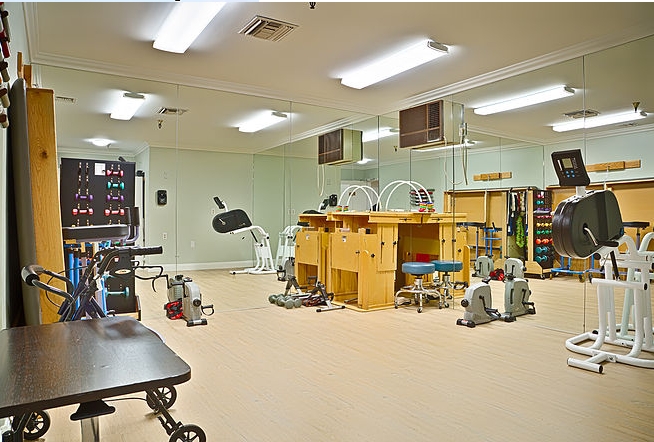
How is Garden Grove Post Acute Staffed?

CMS rates GARDEN GROVE POST ACUTE's staffing level at 4 out of 5 stars, which is above average compared to other nursing homes. Staff turnover is 18%, compared to the California average of 46%. This relatively stable workforce can support continuity of care.

What Have Inspectors Found at Garden Grove Post Acute?

State health inspectors documented 53 deficiencies at GARDEN GROVE POST ACUTE during 2021 to 2025. These included: 42 with potential for harm and 11 minor or isolated issues. While no single deficiency reached the most serious levels, the total volume warrants attention from prospective families.

Who Owns and Operates Garden Grove Post Acute?

GARDEN GROVE POST ACUTE is owned by a for-profit company. For-profit facilities operate as businesses with obligations to shareholders or private owners. The facility is operated by THE MANDELBAUM FAMILY, a chain that manages multiple nursing homes. With 99 certified beds and approximately 92 residents (about 93% occupancy), it is a smaller facility located in GARDEN GROVE, California.
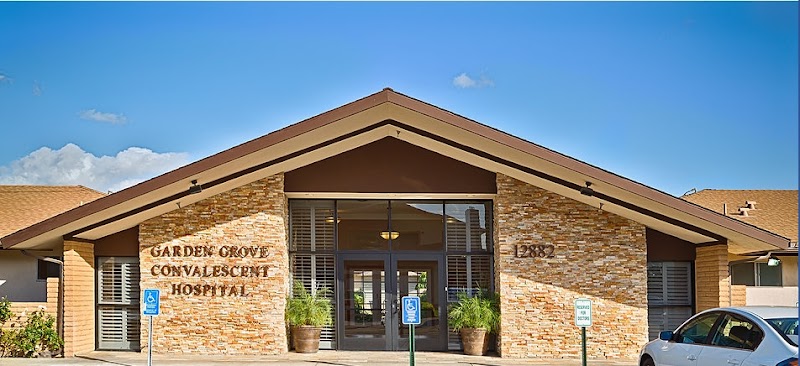
How Does Garden Grove Post Acute Compare to Other California Nursing Homes?

Compared to the 100 nursing homes in California, GARDEN GROVE POST ACUTE's overall rating (4 stars) is above the state average of 3.2, staff turnover (18%) is significantly lower than the state average of 46%, and health inspection rating (3 stars) is at the national benchmark.

What Should Families Ask When Visiting Garden Grove Post Acute?

Based on this facility's data, families visiting should ask: "Can I visit during a mealtime to observe dining assistance and food quality?" "How do you handle medical emergencies, and what is your hospital transfer rate?" "Can I speak with family members of current residents about their experience?"

Is Garden Grove Post Acute Safe?

Based on CMS inspection data, GARDEN GROVE POST ACUTE has a clean safety record: no substantiated abuse findings (meaning no confirmed cases of resident harm), no Immediate Jeopardy citations (the most serious violation level indicating risk of serious injury or death), and is not on the Special Focus Facility watch list (a federal program monitoring the lowest-performing 1% of nursing homes). The facility has a 4-star overall rating and ranks #1 of 100 nursing homes in California. While no facility is perfect, families should still ask about staff-to-resident ratios and recent inspection results during their visit.

Do Nurses at Garden Grove Post Acute Stick Around?

Staff at GARDEN GROVE POST ACUTE tend to stick around. With a turnover rate of 18%, the facility is 27 percentage points below the California average of 46%. Low turnover is a positive sign. It means caregivers have time to learn each resident's needs, medications, and personal preferences. Consistent staff also notice subtle changes in a resident's condition more quickly.

Was Garden Grove Post Acute Ever Fined?

GARDEN GROVE POST ACUTE has no federal fines on record. CMS issues fines when nursing homes fail to meet care standards or don't correct problems found during inspections. The absence of fines suggests the facility has either maintained compliance or corrected any issues before penalties were assessed. This is a positive indicator, though families should still review recent inspection reports for the full picture.

Is Garden Grove Post Acute on Any Federal Watch List?

GARDEN GROVE POST ACUTE is not on any federal watch list. The most significant is the Special Focus Facility (SFF) program, which identifies the bottom 1% of nursing homes nationally based on persistent, serious quality problems. Not being on this list means the facility has avoided the pattern of deficiencies that triggers enhanced federal oversight. This is a positive indicator, though families should still review the facility's inspection history directly.