THE GROVE POST ACUTE
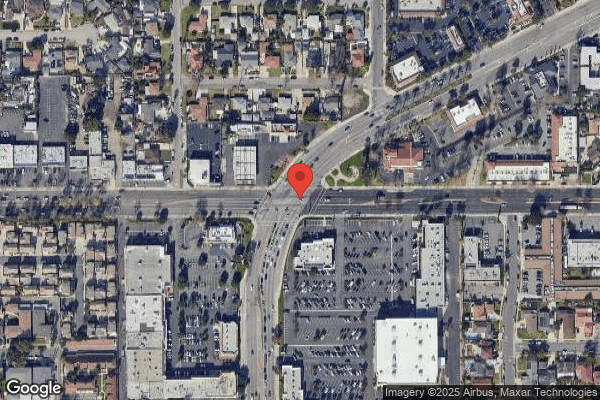

12332 GARDEN GROVE BLVD., GARDEN GROVE, CA 92843 (714) 534-1041
For profit - Limited Liability company 97 Beds DAVID & FRANK JOHNSON Data: November 2025
Trust Grade
80/100
#224 of 1155 in CA
Last Inspection: June 2025

Inspected within the last 6 months. Data reflects current conditions.

Overview

The Grove Post Acute in Garden Grove, California has a Trust Grade of B+, indicating it is above average and recommended for families considering care options. It ranks #224 out of 1,155 facilities in the state, placing it in the top half, and #16 out of 72 in Orange County, which means there are only 15 local options that are better. However, the facility's trend is concerning as it has worsened, increasing from 4 issues in 2024 to 20 in 2025. Staff turnover is relatively low at 32%, which is better than the California average, and there have been no fines recorded, showing a strong compliance history. On the downside, there have been multiple concerns related to food safety, including failures to properly label and date food items and maintain sanitary conditions in the kitchen, which could pose risks for residents.

Trust Score
B+
80/100
In California
#224/1155
Top 19%
Safety Record
Low Risk
No red flags
Inspections
Getting Worse
4 → 20 violations
Staff Stability
○ Average
32% turnover. Near California's 48% average. Typical for the industry.
Penalties
✓ Good
No fines on record. Clean compliance history, better than most California facilities.
Skilled Nurses
⚠ Watch
Each resident gets only 29 minutes of Registered Nurse (RN) attention daily — below average for California. Fewer RN minutes means fewer trained eyes watching for problems.
Violations
⚠ Watch
40 deficiencies on record. Higher than average. Multiple issues found across inspections.
★★★★★
5.0
Overall Rating
★★★★☆
4.0
Staff Levels
★★★★★
5.0
Care Quality
★★★★☆
4.0
Inspection Score
Stable
2024: 4 issues
2025: 20 issues

The Good

  • 4-Star Staffing Rating · Above-average nurse staffing levels
  • 5-Star Quality Measures · Strong clinical quality outcomes
  • Full Sprinkler Coverage · Fire safety systems throughout facility
  • No fines on record
  • Staff turnover below average (32%)

    16 points below California average of 48%

Facility shows strength in staffing levels, quality measures, fire safety.

The Bad

Staff Turnover: 32%

13pts below California avg (46%)

Typical for the industry

Chain: DAVID & FRANK JOHNSON

Part of a multi-facility chain

Ask about local staffing decisions and management

The Ugly 40 deficiencies on record

Jun 2025 19 deficiencies
CONCERN (D)

Potential for Harm - no one hurt, but risky conditions existed

Deficiency F0578 (Tag F0578)

Could have caused harm · This affected 1 resident

**NOTE- TERMS IN BRACKETS HAVE BEEN EDITED TO PROTECT CONFIDENTIALITY** Based on interview, medial record review, and facility P&P review, the facility failed to obtain and/or maintain the copies of t...

Read full inspector narrative →
**NOTE- TERMS IN BRACKETS HAVE BEEN EDITED TO PROTECT CONFIDENTIALITY** Based on interview, medial record review, and facility P&P review, the facility failed to obtain and/or maintain the copies of the advance directive in the medical record for one of two final sampled residents (Resident 52) reviewed for advance directives. This failure had the potential for the resident's decisions regarding their healthcare and treatment not being honored. Findings: Review of the facility's P&P titled Residents' Rights Regarding Treatment and Advance Directives revised 12/2022 showed on admission, the facility will determine if the resident has executed an advance directive. Upon admission, should the resident have an advance directive, copies will be made and placed on the chart as well as communicated to the staff. Medical record review for Resident 52 was initiated on 6/16/25. Resident 52 was admitted to the facility on [DATE]. Review of Resident 52's Advance Directive Acknowledgement form dated 10/22/24, showed Resident 52 had executed an advance directive. Review of Resident 52's H&P examination dated 10/23/24, showed Resident 52 had no capacity to understand and make medical decisions. Review of Resident 52's Physician Orders for Life-Sustaining Treatment (POLST) dated 10/31/24, showed Section D - Information and Signatures of the advance directive information was left blank. Review of Resident 52's medical record failed to show a copy of Resident 52's advance directive was maintained in the resident's medical record. Further review of Resident 52's medical record failed to show documented evidence the facility attempted to obtain a copy or follow up regarding Resident 52's advance directive. On 6/19/25 at 0948 hours, a concurrent interview and medical record review was conducted with the SSD and SSA. The SSA stated prior to April 2025 their admissions did the Advance Directive Acknowledgement form, and the Social Services department did not see the forms. The SSD verified the Social Services department was now responsible for the residents' advance directives. The SSD stated they did not have documentation of the follow up or a record of Resident 52's advance directive. On 6/19/25 at 1601 hours, an interview was conducted with the Administrator, DSS, and DON. The Administrator, DSS, and DON acknowledged the findings.
CONCERN (D)

Potential for Harm - no one hurt, but risky conditions existed

Grievances (Tag F0585)

Could have caused harm · This affected 1 resident

**NOTE- TERMS IN BRACKETS HAVE BEEN EDITED TO PROTECT CONFIDENTIALITY** Based on interview, medical record review, facility document review, and facility P&P review, the facility failed to determine w...

Read full inspector narrative →
**NOTE- TERMS IN BRACKETS HAVE BEEN EDITED TO PROTECT CONFIDENTIALITY** Based on interview, medical record review, facility document review, and facility P&P review, the facility failed to determine whether a resident's grievance allegation was resolved in accordance with the facility's P&P for one of 19 final sampled residents (Resident 53). * Resident 53 stated on 5/9/25, she sustained a skin abrasion to her thigh after a CNA changed her soiled adult brief. Resident 53 stated she sustained the abrasion form a towel the CNA used to clean her. Resident 53 stated the CNA was too rough and hard with the towel when cleaning her. Resident 53 stated the facility failed to address her concern (after having informed the facility on 5/9/25) thus she informed the facility again during a resident council meeting held on 6/12/25. Resident 53 stated the facility has yet to address her concern. * The facility failed to determine whether Resident 53's allegation the CNA was too rough and hard with the towel when cleaning her, was resolved in accordance with the facility's P&P for grievances. These failures posed the risk for the resident's grievance not being thoroughly addressed, investigated, documented, and resolved. Findings: Review of the facility's P&P titled Resident and Family Grievances revised 2/22/23, showed the social services designee has been designated as the facility's grievance official. The staff member receiving the grievance will record the nature and specifics of the grievance on the designated grievance form. The grievance official will keep the resident appropriately apprised of the progress towards resolution of the grievances. The grievance official may issue a written decision on the grievance to the resident at the conclusion of the investigation. The written decision will include at a minimum: A summary of the pertinent findings or conclusions regarding the resident's concern. A statement as to whether the grievance was confirmed or not confirmed. Any corrective action taken or to be taken by the facility as a result of the grievance. The facility will make prompt efforts to resolve grievances. Medical record review for Resident 53 was initiated on 6/16/25. Resident 53 was admitted to the facility on [DATE]. Review of Resident 53's H&P examination dated 4/25/25, showed Resident 53 had the capacity to understand and make decisions. On 6/16/25 at 1327 hours, an interview was conducted with Resident 53. Resident 53 stated on 5/9/25, she sustained a skin abrasion to her thigh after a CNA changed her soiled adult brief. Resident 53 stated she sustained the abrasion form a towel the CNA used to clean her. Resident 53 stated the CNA was too rough and hard with the towel when cleaning her. Resident 53 stated she reported the incident to facility staff on 5/9/25, and no longer wished for this particular CNA to provide care for her. Resident 53 stated the facility failed to address her concern, therefore she again voiced her concern during a resident council meeting held on 6/12/25. Resident 53 stated the facility had not followed up with her and she would like the facility to follow up with her specific concern. On 6/18/25 at 0916 hours, an interview and concurrent facility record review was conducted with the facility's Grievance Official, the SSD. The SSD stated Resident 53 informed her of a grievance on 5/9/25, and she documented Resident 53's grievance on the facility's grievance form. The SSD stated Resident 53 informed her that a CNA caused a skin tear while cleaning her with a towel, during an adult brief change. The SSD stated Resident 53 informed her the CNA was not gentle and cleaned her hard. Review Resident 53's Grievance form dated 5/9/25, showed the SSD documented that a CNA changed Resident 53's adult brief and Resident 53 alleged the CNA caused open skin on Resident 53's left groin. The Grievance form failed to show the SSD documented Resident 53's allegation that the CNA was not gentle and cleaned Resident 53 hard. The SSD stated Resident 53's concern specific to the allegation the CNA was not gentle and cleaned Resident 53 hard should have been included and documented on the Grievance form. Additionally, the SSD stated Resident 53's allegation the CNA was not gentle and cleaned her hard should have been addressed with Resident 53 and a determination made as to whether Resident 53 was satisfied with the facility's investigation, outcomes, and facility interventions. The SSD stated this information should then be documented on Resident 53's Grievance form. The SSD verified the Grievance form section titled Complainant (Resident 53) Satisfied, and Date (Grievance) Resolved were both blank. The SSD stated Resident 53 again voiced her concern during a resident council meeting conducted on 6/12/25. The SSD stated Resident 53's concern was documented on the facility's Department Response Resident Council Concerns Form dated 6/12/25. A review of the Department Response Resident Council Concerns Form dated 6/12/25, was then conducted with the SSD. Documentation showed Resident 53 again voiced her concern specific to the CNA. The facility documented Resident 53 stated a CNA was rough in handling Resident 53 during an adult brief change. Further review of the form showed the department's written response to Resident 53's allegation. The department's response showed documentation specific to whether Resident 53 was to be compensated for a skin tear. However, the department response failed to show a response specific to Resident 53's allegation that the CNA was rough in handling her during an adult brief change. The SSD verified the findings. The SSD stated Resident 53's allegation a CNA was rough in handling her during an adult brief change should have been addressed, and the department's response and resolution documented. Further review of the Department Response Resident Council Concerns Form dated 6/12/25, showed a section as to if the allegation was resolved to Resident 53's satisfaction, with a Yes or No option available, however, this section was blank. The SSD verified the findings.
CONCERN (D)

Potential for Harm - no one hurt, but risky conditions existed

Deficiency F0605 (Tag F0605)

Could have caused harm · This affected 1 resident

**NOTE- TERMS IN BRACKETS HAVE BEEN EDITED TO PROTECT CONFIDENTIALITY** Based on interview, medical record review, and facility P&P review, the facility failed to ensure one of five final sampled resi...

Read full inspector narrative →
**NOTE- TERMS IN BRACKETS HAVE BEEN EDITED TO PROTECT CONFIDENTIALITY** Based on interview, medical record review, and facility P&P review, the facility failed to ensure one of five final sampled residents (Resident 1) reviewed for unnecessary medications was free from the unnecessary psychotropic medications. * The facility failed to ensure the non-pharmacological interventions were implemented prior to to the administration of the temazepam (a sedative medication used to relieve difficulty of falling asleep) to Resident 1. This failure had the potential to negatively affect the resident's well-being and had the potential for adverse effects from the psychotropic medications. Findings: Review of the facility's P&P titled Use of Psychotropic Medication(s) dated 3/17/25, showed it is the intent of this policy to ensure that residents only receive psychotropic medications when other nonpharmacological interventions are clinically contraindicated. Additionally, these medications should only be used to treat the resident's medical symptoms and not used for discipline or staff convenience, which would deem it a chemical restraint. 5. The indications for initiating, maintaining or discontinuing medication(s), as well as use of non-pharmacological approaches, will be determined by evaluating the resident's physical, behavioral, mental, and psychosocial signs and symptoms in order to identify and rule out any underlying medical conditions, including the assessment of relative benefits and risks, and the preferences and goals for treatment. 6. Nonpharmacological interventions must be attempted unless clinically contraindicated to minimize the need for psychotropic medications, use the lowest possible dose, or discontinue the medication. Medical record review for Resident 1 was initiated on 6/16/25. Resident 1 was admitted to the facility on [DATE], and readmitted on [DATE]. Review of Resident 1's H&P examination dated 5/5/5, showed Resident 1 had the capacity to make decisions. Review of Resident 1's Order Summary dated 6/17/25, showed the following physician's orders: - dated 5/6/25, to administer temazepam 30 mg capsule by mouth at bedtime for insomnia manifested by inability to sleep. - dated 5/6/25, to monitor for side effects related to use of psychotropic medications. - dated 5/20/25, to monitor inability to sleep and record the number of hours of sleep every shift for insomnia. Review of Resident 1's care plan revised 5/5/25, showed a care plan problem addressing Resident 1 was on sedative/hypnotic therapy (temazepam) related to insomnia which included the following interventions: - to administer sedative/hypnotic medications as ordered by physician and monitor/document the side effects. - to evaluate other factors potentially causing insomnia, for example, environment (excessive heat, cold, or noise), lighting, inadequate physical activity, facility routines, caffeine/medications and attempt to modify and control these external factors before initiating hypnotic therapy. - to precede or accompany hypnotic use by other interventions to try to improve sleep. Review of Resident 1's MAR for May 2025 showed the following hours of sleep every shift for insomnia: - On 5/6, 5/17, 5/22, 5/23, 5/24, and 5/31/25, had seven hours of sleep during the night shift. - On 5/6, 5/8, 5/10, 5/11, 5/14, 5/15, 5/16, 5/17, 5/24, 5/26, 5/30 and 5/31, one hour of sleep during the evening shift. - On 5/7, 5/8, 5/9, 5/10, 5/11, 5/12, 5/13, 5/15, 5/16, 5/18, 5/19, 5/20, 5/21, 5/25, 5/26, 5/27, 5/28, 5/29, and 5/30/25, had six hours of sleep during the night shift. - On 5/7, 5/11, 5/13, 5/15, 5/22, 5/23, 5/25, 5/26, 5/27, 5/29, 5/30, 5/31/25, had one hour of sleep during the day shift. - On 5/7, 5/9, 5/12, 5/13, 5/20, 5/21, 5/22, 5/23, 5/27, 5/28, and 5/29/25, had two hours of sleep during the evening shift. - On 5/8, 5/9, and 5/16/25, zero hour of sleep during the day shift. - On 5/10, 5/12, 5/14, 5/17, 5/18, 5/19, 5/21, 5/24, and 5/28/25, had two hours of sleep during the day shift. - On 5/14/25, had five hours of sleep during the night shift. - On 5/18, 5/19 and 5/25/25, zero hour of sleep during the evening shift. - On 5/20/25, no documentation on the hour(s) of sleep, during the day shift. Review of the the chart codes and follow-up codes in the MAR for May 2025 showed the following: - [NAME] for Group Observed-All, - OBI for Observed Individual, - OBP for Group Observed -Partial, - 1, for Drug refused, - 2 for hold/see progress notes / Treatment refused, - 3 for vital signs outside parameters of administration and for hospitalized - checkmark for administered, - I for ineffective, - E for effective, - U for unknown, and - H for on hold by physician. Review of Resident 1's MAR for May 2025 showed the X marks from 5/6 to 5/31/25, for NPI (nonpharmacological interventions) for temazepam 30 mg capsule by mouth at bedtime for insomnia as manifested by inability to sleep. The MAR chart codes and prompt legends showed no X for documentation. Further review of the MAR showed no documentation of the nonpharmacological interventions were provided prior to the administration of the temazepam medication. Review of Resident 1's Licensed Progress Notes for 5/2025 failed to show documentation nonpharmacological interventions were implemented prior to the administration of Resident 1's temazepam medication. On 6/18/25 at 0940 hours, an interview and a concurrent medical record review for Resident 1 was conducted with RN 1. RN 1 was asked what was the X mark on the NPI (nonpharmacological intervention box documented by the licensed nurses in the MAR on the physician order for Resident 1's temazepam. RN 1 was also asked to show any documentation of the nonpharmacological interventions implemented prior to the administration of temazepam medication to Resident 1. RN 1 verified she did not know what the X mean as it was not in the MAR chart code, and she was not able to show any documentation of the nonpharmacological interventions were implemented for the administration of the temazepam medication.
CONCERN (D)

Potential for Harm - no one hurt, but risky conditions existed

Comprehensive Care Plan (Tag F0656)

Could have caused harm · This affected 1 resident

**NOTE- TERMS IN BRACKETS HAVE BEEN EDITED TO PROTECT CONFIDENTIALITY** Based on observation, interview, and medical record review, the facility failed to ensure the comprehensive care plan was develo...

Read full inspector narrative →
**NOTE- TERMS IN BRACKETS HAVE BEEN EDITED TO PROTECT CONFIDENTIALITY** Based on observation, interview, and medical record review, the facility failed to ensure the comprehensive care plan was developed for one of 19 final sampled residents (Resident 40) and two nonsampled residents (Residents 27 and 96). * The facility failed to develop a care plan specific to Residents 27 and 96's preference for Korean food and the residents were subsequently served American food. * The facility failed to develop a care plan problem to address Resident 40's food allergies to shrimp. These failures placed the residents at risk for not being provided appropriate, consistent, and individualized care. Findings: 1. Medical record review for Resident 27 was initiated on 6/16/25. Resident 27 was admitted to the facility on [DATE], and readmitted on [DATE]. Review of Resident 27's Nutrition Progress Note dated 6/2/25 at 1716 hours, showed Resident 27 preferred Korean food for lunch and dinner. On 6/17/25 at 1320 hours, an observation was conducted of Resident 27. Resident 27 was observed lying in bed asleep. Resident 27's lunch tray was observed on a bedside table adjacent to Resident 27's bed. Resident 27's lunch tray was observed with pureed food items from the American menu (pureed Dijon pork cutlet, pureed orzo with vegetables, and pureed seasoned beets). 2. Medical record review for Resident 96 was initiated on 6/16/25. Resident 96 was admitted to the facility on [DATE]. Review of Resident 96's Nutrition Progress Note dated 6/2/25 at 1454 hours, showed Resident 96 preferred Korean food at lunch and dinner. On 6/17/25 at 1246 hours, an observation was conducted of Resident 96. Resident 96 was observed in the dining room eating lunch. Resident 96's lunch tray was observed with pureed food items from the American menu (pureed Dijon pork cutlet, pureed orzo with vegetables, and pureed seasoned beets). Resident 96's lunch ticket showed Resident 96 preferred Korean Food. On 6/17/25 at 1555 hours, an interview and concurrent medical record review was conducted with the DSS. The DSS verified Residents 27 and 96 received American pureed food for lunch today (6/17/25) rather than Korean pureed food for lunch in accordance with the residents' food preferences. The DSS then reviewed Residents 27 and 96's care plans and verified the facility failed to develop a care plan specific to Residents 27 and 96's preference for Korean food. Cross reference to F806, examples #2 and #3. 3. Medical record review for Resident 40 was initiated on 6/17/25. Resident 40 was admitted to the facility on [DATE]. Review of Resident 40's admission Record dated 4/7/25, showed Resident 40 had a food allergy to shrimp. Review of Resident 40's plan of care failed to show documented evidence a care plan problem was developed to address Resident 40's food allergy to shrimp. On 6/18/25 at 1347 hours, an interview and concurrent medical record review for Resident 40 was conducted with LVN 4. LVN 4 verified Resident 40 had a food allergy to shrimp. LVN 4 verified and acknowledged there was no plan of care formulated to address Resident 40's allergy to shrimp. On 6/19/25 at 1612 hours, an interview was conducted with the DON. The DON was informed and acknowledged the above findings.
CONCERN (D)

Potential for Harm - no one hurt, but risky conditions existed

Incontinence Care (Tag F0690)

Could have caused harm · This affected 1 resident

**NOTE- TERMS IN BRACKETS HAVE BEEN EDITED TO PROTECT CONFIDENTIALITY** Based on observation, interview, and medical record review, the facility failed to provide the appropriate care and services to ...

Read full inspector narrative →
**NOTE- TERMS IN BRACKETS HAVE BEEN EDITED TO PROTECT CONFIDENTIALITY** Based on observation, interview, and medical record review, the facility failed to provide the appropriate care and services to prevent UTI for one of one final sampled resident (Resident 68) reviewed for urinary catheter or UTI. * Resident 68 had an indwelling urinary catheter (an indwelling catheter used to drain urine from the bladder) and a history of recurrent UTIs. The facility failed to ensure proper positioning of Resident 68's urinary drainage bag to prevent urine from flowing back into the bladder. This failure posed the risk for Resident 68 to develop a CAUTI. Findings: Review of the CDC's Guideline for Prevention of Catheter-Associated Urinary Tract Infections dated 6/2009 under the section titled Proper Techniques for Urinary Catheter Maintenance, showed to keep the collecting bag below the level of the bladder at all times. Do not rest the bag on the floor. Medical record review for Resident 68 was initiated on 6/16/25. Resident 68 was readmitted to the facility on [DATE]. Review of Resident 68's SBAR Communication Form dated 6/9/25, showed Resident 68 had a change in condition related to being sleepier than usual. The physician was notified and recommended for the IV fluids, blood tests, and urinalysis test. Review of Resident 68's Nurses Progress Note dated 6/11/25, showed Resident 68 was seen by her physician and the physician had ordered IV antibiotics for seven days for UTI. Review of Resident 68's Order Summary Report dated 6/19/25, showed a physician's order dated 5/7/25, for an indwelling urinary catheter for neurogenic bladder. On 6/17/25 at 1637 hours and 6/18/25 at 1615 hours, Resident 68 was observed lying in bed with a urinary catheter tubing attached to a urinary drainage bag. The urinary drainage bag was observed lying on the floor. On 6/18/25 at 1622 hours, a concurrent observation and interview was conducted with LVN 3. LVN 3 verified the findings. LVN 3 verified the urinary drainage bag should not be touching the floor and proceeded to elevate Resident 68's bed. LVN 3 stated the floor was dirty and the bag should not be touching the floor for infection prevention. On 6/19/25 at 0915 hours, an interview was conducted with RN 1. RN 1 stated Resident 68 had frequent UTIs. RN 1 acknowledged the findings. RN 1 stated the urinary drainage bag should be above the floor to prevent infections.
CONCERN (D)

Potential for Harm - no one hurt, but risky conditions existed

Respiratory Care (Tag F0695)

Could have caused harm · This affected 1 resident

**NOTE- TERMS IN BRACKETS HAVE BEEN EDITED TO PROTECT CONFIDENTIALITY** Based on observation, interview, medical record review, and facility P&P review, the facility failed to ensure the physician's o...

Read full inspector narrative →
**NOTE- TERMS IN BRACKETS HAVE BEEN EDITED TO PROTECT CONFIDENTIALITY** Based on observation, interview, medical record review, and facility P&P review, the facility failed to ensure the physician's order for the oxygen therapy was followed for one of one final sampled resident reviewed for oxygen therapy (Resident 70). This failure had the potential to affect the respiratory health and well-being of Resident 70. Findings: Review of the facility's P&P titled Oxygen Administration revised 5/20/24, showed the oxygen was administered under orders of a physician, except in case of an emergency. In such case, oxygen is administered and orders for oxygen are obtained as soon as practicable when the situation is under control. Medical record review for Resident 70 was initiated on 6/17/25. Resident 70 was admitted to the facility on [DATE]. Review of Resident 70's H&P examination dated 5/27/25, showed Resident 70 had the capacity to understand and make decisions. Review of Resident 70's Order Summary Report showed the following orders dated 6/3/25: - to administer oxygen via nasal cannula at 2 liters per minute, may titrate up to four liters per minute, if oxygen saturation level less than 92% every shift for acute and chronic respiratory failure with hypoxia; and, - to monitor oxygen saturation level in room air every shift. Review of Resident 70's MAR dated 6/1 to 6/18/25, showed an order dated 6/3/25, to monitor the oxygen saturation in room air every shift. The MAR also showed Resident 70 had an oxygen saturation level in room air ranging from 84% to 97%. On 6/18/25 at 0945 hours, Resident 91 was observed in his room sitting in the wheelchair at the left side of his bed. Resident 91 stated his roommate (Resident 70) was supposed to be receiving oxygen; however, Resident 70 removed his oxygen most of the time and he was wondering if that was ok for Resident 70 to remove his oxygen. On 6/18/25 at 0952 hours, during an observation and concurrent interview with Resident 70. Resident 70 was observed sitting in the wheelchair on the patio of the facility. Resident 70 was observed with portable oxygen tank at the back of his wheelchair. The oxygen tubing was observed connected to the portable oxygen tank and the portable oxygen tank was observed to be turned off. The nasal cannula was observed on the patio table and was not in Resident 70's nose. Resident 70 stated he did not need oxygen so he turned his oxygen off. Resident 70 stated he turned his oxygen off almost every day, for the most part of the day; and he was fine. On 6/18/25 at 1001 hours, an observation for Resident 70 and concurrent interview was conducted with RN 1. RN 1 verified the above observation. RN 1 was observed checking the oxygen saturation level for Resident 70 which showed 92%. RN 1 stated the facility was in the process of removing the oxygen administration for Resident 70, and Resident 70 was ok without the continuous oxygen administration if Resident 70 did not want the oxygen on. RN 1 was not observed educating Resident 70 about the risks and benefits of the oxygen administration. RN 1 was observed further assisting Resident 70 to administer the continuous oxygen at 2 liters per minute. On 6/18/25 at 1005 hours, an interview and concurrent medical record review for Resident 70 was conducted with RN 1. RN 1 verified the physician's order for the oxygen and stated Resident 70 had an order for continuous oxygen administration. RN 1 also verified Resident 70's oxygen saturation level in room air was ranging from 84% to 97%. RN 1 further stated Resident 70 should have received continuous oxygen administration. On 6/18/25 at 1304 hours, an interview and concurrent medical record review for Resident 70 was conducted with the DON. The DON was informed and acknowledged the above findings.
CONCERN (D)

Potential for Harm - no one hurt, but risky conditions existed

Deficiency F0697 (Tag F0697)

Could have caused harm · This affected 1 resident

**NOTE- TERMS IN BRACKETS HAVE BEEN EDITED TO PROTECT CONFIDENTIALITY** Based on interview, medical record review, and facility's P&P review, the facility failed to provide the adequate and appropriat...

Read full inspector narrative →
**NOTE- TERMS IN BRACKETS HAVE BEEN EDITED TO PROTECT CONFIDENTIALITY** Based on interview, medical record review, and facility's P&P review, the facility failed to provide the adequate and appropriate pain management for one of one final sampled resident reviewed for pain management (Resident 49). * The facility failed to ensure an accurate pain level was assessed and documented prior to the administration of the pain medication for Resident 49. * The facility failed to ensure non-pharmacological interventions were provided prior to the administration of the pain medication for Resident 49. These failures had the potential for Resident 49 to not receive the appropriate pain management. Findings: Review of the facility's P&P titled Pain Management dated 3/17/25, showed the facility will use pain assessment tool, which is appropriate for Resident's cognitive status, to assist staff in consistent assessment of a resident's pain. Under the section pain management and treatment showed non-pharmacological intervention will include but are not limited to: - Environmental comfort measures (e.g., adjusting room temperature, smoothing linens, comfortable seating, assistive devices or pressure redistributing mattress and positioning) - Loosening any constrictive bandage, clothing or device. - Applying splinting for example (e.g., pillow or folded blanket). - Physical modalities (e.g., cold compress, warm shower bath, message, turning and repositioning). - Exercises to address stiffness and prevent contractors as well as restorative nursing program to maintain joint mobility. - Cognitive/behavioral interventions (e.g., music, relaxation, technique, activities, diversion, spiritual and comfort support, teaching the resident coping techniques and education about pain) a. Medical record review for Resident 49 was initiated on 6/17/25. Resident 49 was admitted to the facility on [DATE]. Review of Resident 49's MDS assessment dated [DATE], showed Resident 49 had moderate cognitive impairment. Review of Resident 49's Order Summary Report showed a physician's order dated 6/16/25, for tramadol HCL (pain medication) oral tablet 50 mg one tablet by mouth every six hours as needed for moderate to severe pain. Review of Resident 49's MAR dated 6/1 to 6/30/25, showed an order dated 6/16/25, for tramadol 50 mg one tablet by mouth as needed for moderate to severe pain. The MAR showed Resident 49 received the above medication on 6/17/25 at 0846 hours, and the pain level was 0 (on a pain scale of 0 to 10, with 0 which meant no pain, and 10 which meant the worst possible pain). Further review of Resident 49's medical record failed to show if the pain level was assessed and accurately documented prior to the administration of the above pain medication. b. Review of Resident 49's Physician's Order dated 2/26/25, showed an order for tramadol 50 mg one tablet by mouth every six hours as needed for moderate to severe pain. Review of Resident 49's MAR dated 6/1 to 6/30/25, showed an order dated 2/26/25, for tramadol 50 mg one tablet by mouth as needed for moderate to severe pain. The above physician's order for tramadol was discontinued on 6/16/25. Further review of Resident 49's MAR showed the medication was administered on the following dates and times with documented pain level: - on 6/1/25 at 0831 hours, for a pain level of 5; and at 1641 hours, for a pain level of 6; - on 6/5/25 at 0824 hours, for a pain level of 7; - on 6/5/25 at 0442 and 1200 hours, for a pain level of 7; - on 6/9/25 at 0400 hours, for a pain level of 8; - on 6/10/25 at 0857 hours, for a pain level of 7; - on 6/14/25 at 0913 hours, for a pain level of 7; and, - on 6/15/25 at 1015 hours. for a pain level of 7. Further review of Resident 49's MAR failed to show if non-pharmacological interventions were provided to the resident prior to the administration of the pain medication for the above dates and times. On 6/18/25 at 1009 hours, an interview and concurrent medical record review for Resident 49 was conducted with RN 1. RN 1 stated moderate to severe pain meant for pain level of 4-10, on a pain scale of 0 to 10, with 0 meant no pain and 10 meant the worst possible pain. RN 1 verified the above findings and stated the staff should have assessed and documented the accurate pain level prior to the administration of pain medication to Resident 49 on 6/17/25 at 0846 hours. In addition, RN 1 stated the staff should have provided non-pharmacological interventions prior to the administration of the pain medication to Resident 49 for the above dates and times. On 6/18/25 at 1304 hours, an interview and concurrent medical record review for Resident 49 was conducted with the DON. The DON verified and acknowledged the above findings.
CONCERN (D)

Potential for Harm - no one hurt, but risky conditions existed

Pharmacy Services (Tag F0755)

Could have caused harm · This affected 1 resident

**NOTE- TERMS IN BRACKETS HAVE BEEN EDITED TO PROTECT CONFIDENTIALITY** 5. Medical record review for Resident 50 was initiated on 6/16/25. Resident 50 was admitted to the facility on [DATE], and readm...

Read full inspector narrative →
**NOTE- TERMS IN BRACKETS HAVE BEEN EDITED TO PROTECT CONFIDENTIALITY** 5. Medical record review for Resident 50 was initiated on 6/16/25. Resident 50 was admitted to the facility on [DATE], and readmitted on [DATE]. Review of Resident 50's Order Summary Report showed a physician's order dated 1/3/24, for insulin glargine 23 units to be administered by subcutaneous injection at bedtime for diabetes. Review of Resident 50's Location of Administration Report for the months of May and June 2025, showed Resident 50's insulin injections sites were not rotated on the following dates and times: - On 5/7/25 at 2100 hours, the insulin glargine was administered subcutaneously to the left lower quadrant of Resident 50's abdomen. - On 5/8/25 at 2100 hours, the insulin glargine was administered subcutaneously to the left lower quadrant of Resident 50's abdomen. - On 5/9/25 at 2100 hours, the insulin glargine was administered subcutaneously to the left lower quadrant of Resident 50's abdomen. - On 5/13/25 at 2100 hours, the insulin glargine was administered subcutaneously to the left lower quadrant of Resident 50's abdomen. - On 5/14/25 at 2100 hours, the insulin glargine was administered subcutaneously to the left lower quadrant of Resident 50's abdomen. - On 5/29/25 at 2100 hours, the insulin glargine was administered subcutaneously to the left lower quadrant of Resident 50's abdomen. - On 5/30/25 at 2100 hours, the insulin glargine was administered subcutaneously to the left lower quadrant of Resident 50's abdomen. - On 6/5/25 at 2100 hours, the insulin glargine was administered subcutaneously to the left lower quadrant of Resident 50's abdomen. - On 6/6/25 at 2100 hours, the insulin glargine was administered subcutaneously to the left lower quadrant of Resident 50's abdomen. - On 6/7/25 at 2100 hours, the insulin glargine was administered subcutaneously to the left lower quadrant of Resident 50's abdomen. - On 6/8/25 at 2100 hours, the insulin glargine was administered subcutaneously to the left lower quadrant of Resident 50's abdomen. On 6/19/25 at 0910 hours, an interview and concurrent medical record review was conducted with RN 1. RN 1 verified Resident 50's insulin injection sites were not rotated on the above listed dates and times. RN 1 stated the injection sites should have been rotated to prevent lipohypertrophy and skin discomfort. 3. Medical record review for Resident 59 was initiated on 6/17/25. Resident 59 was admitted to the facility on [DATE]. Review of Resident 59's Order Summary Report dated 6/18/25, showed a physician's order dated 5/30/25, to administer insulin lispro injection as per sliding scale if the blood sugar level result was 151 to 200 mg/dl, 2 units of insulin subcutaneously before meals and at bedtime. If blood sugar below 70 mg/dl, to follow hypoglycemic protocol. Another physician's order dated 5/28/25, showed to administer lantus (long acting) insulin 5 units subcutaneously at bedtime for DM. Review of Resident 59's Location of Administration Report for May and June 2025 for Resident 59's insulin medication injection showed the injection sites were not rotated on the following dates and times: - on 5/28/25 at 2046 hours, the lantus insulin medication was administered subcutaneously to the right lower quadrant of the abdomen. - on 5/29/25 at 2100 hours, the lantus insulin medication was administered subcutaneously to the right lower quadrant of the abdomen. - on 5/30/25 at 0648 hours, the insulin lispro medication was administered subcutaneously to the right lower quadrant of the abdomen. - on 5/30/25 at 1645 hours, the insulin lispro medication was administered subcutaneously to the right lower quadrant of the abdomen. - on 5/30/25 at 2100 hours, the insulin lispro medication was administered subcutaneously to the right lower quadrant of the abdomen. - on 6/2/25 at 2039 hours, the lantus insulin medication was administered subcutaneously to the right lower quadrant of the abdomen. - on 6/3/25 at 2053 hours, the lantus insulin medication was administered subcutaneously to the right lower quadrant of the abdomen. - on 6/4/25 at 2143 hours, the lantus insulin medication was administered subcutaneously to the left lower quadrant of the abdomen. - on 6/5/25 at 2026 hours, the lantus insulin medication was administered subcutaneously to the left lower quadrant of the abdomen. - on 6/16/25 at 2025 hours, the lantus insulin medication was administered subcutaneously to the left upper quadrant of the abdomen. - on 6/17/25 at 2111 hours, the lantus insulin medication was administered subcutaneously to the left upper quadrant of the abdomen. - on 6/4/25 at 1628 hours, the insulin lispro medication was administered subcutaneously to the right lower quadrant of the abdomen. - on 6/4/25 at 2143 hours, the insulin lispro medication was administered subcutaneously to the right lower quadrant of the abdomen. - on 6/8/25 at 1623 hours, the insulin lispro medication was administered subcutaneously to the right lower quadrant of the abdomen. - on 6/8/25 at 2034 hours, the insulin lispro medication was administered subcutaneously to the right lower quadrant of the abdomen. - on 6/11/25 at 1228 hours, the insulin lispro medication was administered subcutaneously to the right lower quadrant of the abdomen. - on 6/11/25 at 1713 hours, the insulin lispro medication was administered subcutaneously to the right lower quadrant of the abdomen. - on 6/11/25 at 2130 hours, the insulin lispro medication was administered subcutaneously to the right lower quadrant of the abdomen. 4. Medical record review for Resident 82 was initiated on 6/18/25. Resident 82 was admitted to the facility on [DATE]. Review of Resident 82's Order Summary Report dated 6/18/25, showed a physician's order dated 2/9/25, to administer insulin glargine (long acting) subcutaneously 15 units every 12 hours for DM. Review of Resident 82's Location of Administration Report for May and June 2025 for Resident 82's insulin medication injection showed the injection sites were not rotated on the following dates and times: - on 5/2/25 at 0930 hours, the glargine insulin medication was administered subcutaneously to the right lower quadrant of the abdomen. - on 5/2/25 at 2059 hours, the glargine insulin medication was administered subcutaneously to the right lower quadrant of the abdomen. - on 5/3/25 at 1002 hours, the glargine insulin medication was administered subcutaneously to the right lower quadrant of the abdomen. - on 5/8/25 at 0822 hours, the glargine insulin medication was administered subcutaneously to the left lower quadrant of the abdomen. - on 5/8/25 at 2052 hours, the glargine insulin medication was administered subcutaneously to the left lower quadrant of the abdomen. - on 5/9/25 at 0828 hours, the glargine insulin medication was administered subcutaneously to the right lower quadrant of the abdomen. - on 5/9/25 at 2048 hours, the glargine insulin medication was administered subcutaneously to the right lower quadrant of the abdomen. - on 5/16/25 at 2027 hours, the glargine insulin medication was administered subcutaneously to the left upper quadrant of the abdomen. - on 5/17/25 at 1017 hours, the glargine insulin medication was administered subcutaneously to the left upper quadrant of the abdomen. - on 5/23/25 at 1339 hours, the glargine insulin medication was administered subcutaneously to the right lower quadrant of the abdomen. - on 5/23/25 at 2058 hours, the glargine insulin medication was administered subcutaneously to the right lower quadrant of the abdomen. - on 5/24/25 at 2101 hours, the glargine insulin medication was administered subcutaneously to the left upper quadrant of the abdomen. - on 5/25/25 at 0933 hours, the glargine insulin medication was administered subcutaneously to the left upper quadrant of the abdomen. - on 6/4/25 at 0820 hours, the glargine insulin medication was administered subcutaneously to the left lower quadrant of the abdomen. - on 6/4/25 at 2047 hours, the glargine insulin medication was administered subcutaneously to the left lower quadrant of the abdomen. - on 6/5/25 at 0904 hours, the glargine insulin medication was administered subcutaneously to the left lower quadrant of the abdomen. - on 6/5/25 at 2019 hours, the glargine insulin medication was administered subcutaneously to the left lower quadrant of the abdomen. - on 6/17/25 at 0813 hours, the glargine insulin medication was administered subcutaneously to the left lower quadrant of the abdomen. - on 6/17/25 at 2215 hours, the glargine insulin medication was administered subcutaneously to the left lower quadrant of the abdomen. On 6/18/25 at 1333 hours, an interview and concurrent medical record review for Residents 59 and 82 was conducted with LVN 4. LVN 4 verified Residents 59 and 82 were receiving insulin injections. LVN 4 was asked about things to remember when administering the medications subcutaneously. LVN 4 stated the licensed nurses needed to rotate the injection sites to prevent any complications such as non-absorption of the insulin when administered on the same site. LVN 4 was asked to review the location of administration for insulin injections for Residents 59 and 82 in the MARs for May and June 2025. LVN 4 verified the insulin injections sites were not rotated. LVN 4 acknowledged and stated the injection sites for the insulin administration should have been rotated to prevent any complication. On 6/19/25 at 1612 hours, an interview was conducted with the DON. The DON was informed and acknowledged the above findings. Based on interview, medical record review, and facility P&P review, the facility failed to provide the pharmaceutical services to meet the resident's needs as evidenced by: * The facility failed to ensure the injection sites for the subcutaneous medication administration for four of 19 final sampled residents (Resident 49, 52, 59, and 82) and one nonsampled resident (Resident 50) were rotated consistently. This failure had the potential to negatively affect the residents' health condition and well-being. * The facility failed to ensure the emergency kit for intravenous medications and oral medications were refilled replaced within 72 hours as per the facility's P&P. This failure had the potential for negative health outcomes for residents who needed medications from the emergency kits. Findings: 1. According to the FDA Highlights of Prescribing Information for Lantus (long-acting insulin) revised 5/2019, under Dosage and Administration, showed to rotate injection sites to reduce the risk of lipodystrophy (the loss of local fat deposits as a complication of repeated insulin injections into the same subcutaneous tissue). Medical record review for Resident 52 was initiated on 6/16/25. Resident 52 was admitted to the facility on [DATE]. Review of Resident 52's H&P examination dated 10/23/24, showed Resident 52 had no capacity to understand and make medical decisions. Review of Resident 52's Order Summary Report dated 6/19/25, showed a physician's order dated 1/1/25, to administer Lantus SoloStar subcutaneous solution pen-injector 100 unit/ml (insulin glargine) 15 units subcutaneously in the evening for diabetes mellitus. Review of Resident 52's Medication Administration Records for May and June 2025 showed Resident 52 was administered the Lantus insulin daily from 5/1/25 through 6/18/25, and the injection sites used to administer the insulin injections were not consistently rotated. For example, Resident 52 received the Lantus insulin at the same site on the left arm on the following dates: - from 5/1 through 6/13/25 at 2000 hours - on 6/15 and 6/16/25 at 2000 hours 2. Medical record review for Resident 49 was initiated on 6/16/25. Resident 49 was readmitted to the facility on [DATE]. Review of Resident 49's H&P examination dated 2/26/25, showed Resident 49 did not have the capacity to understand and make medical decisions. Review of Resident 49's Order Summary Report dated 6/19/25, showed a physician's order dated 3/5/25, to administer Lantus subcutaneous solution 100 unit/ml (insulin glargine) 15 units subcutaneously at bedtime for diabetes mellitus. Review of Resident 49's Medication Administration Records for May and June 2025 showed Resident 49 was administered the Lantus insulin daily from 5/1/25 through 6/18/25, and the injection sites used to administer the insulin injections were not consistently rotated. For example, Resident 49 received the Lantus insulin at the same site as follows: - on 5/1 and 5/2/25 at 2100 hours, the insulin was injected into the right arm; - from 5/3 to 5/7/25 at 2100 hours, the insulin was injected into the left arm; - from 5/12 to 5/14/25 at 2100 hours, the insulin was injected into the right arm; - on 5/18 and 5/19/25 at 2100 hours, the insulin was injected into the right arm; - on 5/20 and 5/21/25 at 2100 hours, the insulin was injected into the left arm; - on 5/24 and 5/25/25 at 2100 hours, the insulin was injected into the right arm; - on 5/30 and 5/31/25 at 2100 hours, the insulin was injected into the left arm; - on 6/1 and 6/2/25 at 2100 hours, the insulin was injected into the left arm; - on 6/4 and 6/5/25 at 2100 hours, the insulin was injected into the left arm; and - from 6/13 to 6/16/25 at 2100 hours, the insulin was injected into the left arm. On 6/19/25 at 0902 hours, an interview and concurrent medical record review was conducted with RN 1. RN 1 verified the insulin injection sites were not rotated for Residents 49 and 52. RN 1 stated they rotated the administration sites for the insulin based on the previous shift and would choose a different site. RN 1 stated they rotated the sites to prevent lipohypertophy (a skin condition where fat or scar tissue forms under the skin due to repeated injections in the same area. This condition can affect the absorption of insulin). 5. Review of the facility's P&P titled Medication Ordering and receiving from Pharmacy revised on 8/2014 showed in part, the following: L. Before reporting duty, the charge nurse indicates the opened status of emergency kit at the shift change report. M. If exchanging kits, when the replacement kit arrives, the receiving nurse gives the used kit to the courier for return to the pharmacy. N. If exchanging kits, the used sealed kits are replaced with the new sealed kits within 72 hours of opening. O. The kits are checked by a pharmacist monthly. P. The Quality Assessment and Assurance Committee and provider pharmacy is responsible for establishing the list of medications to be maintained in the emergency supply, in compliance with any directives from state law regarding the emergency supply. On 6/16/25 at 0944 hours, an inspection of Medication Storage Room A and concurrent interview was conducted with RN 1. RN 1 was asked for the documentation when the emergency kits for the IV and oral medications were last opened. RN 1 showed the emergency pharmacy logs that included all the items, date and time when the items were used from the emergency kit, and the initial dose(s) of the ordered medications were used from the emergency kits (oral and IV). Review of the log showed the following: - dated 6/9/25 at 0900 hours, one bag of one liter 0.9% normal saline (type of IV fluid) was taken. - dated 6/13/25 at 0900 hours, one tablet of an oral medication Bactrim Double Strength (antibiotic) 800/160 mg was taken. RN 1 was asked when the emergency kits for the IV and oral medications be replaced. RN 1 verified the emergency kits for the IV and oral medications should have been replaced within 72 hours after it was opened.
CONCERN (D)

Potential for Harm - no one hurt, but risky conditions existed

Deficiency F0761 (Tag F0761)

Could have caused harm · This affected 1 resident

3. Review of the facility's P&P titled Medication Storage dated 1/2025 showed outdated, contaminated, or deteriorated medication and those in containers that are cracked, soiled, or without secure clo...

Read full inspector narrative →
3. Review of the facility's P&P titled Medication Storage dated 1/2025 showed outdated, contaminated, or deteriorated medication and those in containers that are cracked, soiled, or without secure closure are immediately removed from stock, dispose disposed off according to procedure for medication disposal, and reorder from the pharmacy if a current order exists. On 6/17/25 at 0846 hours, an inspection of Treatment Cart A was conducted with LVN 5. Multiple packets of Dermaseptin ointments and Dermarite Boarder Gauzes, each packaged in separate plastic, were observed without the expiration date. LVN 5 verified the observation and stated multiple staff including other treatment nurses, LVNs, used Treatment Cart A. LVN 5 stated the staff should have labeled the multiple Dermaseptin ointments and Dermarite Boarder Gauzes with an expiration date when they were removed from the original box stored in the medication room. On 6/18/25 at 1304 hours, the DON was informed and acknowledged the above findings. Based on observation, interview, medical record review, and facility P&P review, the facility failed to provide the necessary pharmacy services to ensure for proper storage, labeling, and disposal of the medications. * The facility failed to ensure the medication cabinets were maintained in a clean and sanitary condition. * The facility failed to ensure the multidose medications were labeled with the expiration date once the medication were taken out from the original box. * The facility failed to ensure multiple packets of Dermaseptin ointment (skin protectant cream) and Dermarite Boarder Gauzes in Treatement Cart A were labeled with an expiration date. These failures had the potential to negatively impact the residents' well-being, and the potential for the medications to lose the stability and effectiveness. Findings: Review of the facility's P&P titled Medication Storage in the facility revised on 1/2025 showed in part, the medications and biologicals are stored safely, securely, and properly, following manufacturer's recommendations or those of the supplier. The medication supply is accessible only to licensed nursing personnel, pharmacy personnel, or staff members lawfully authorized. N. Medication storage areas are kept clean, well-lit, and free of clutter and extreme temperatures. O. Medication storage conditions are monitored on a routine basis and corrective action taken if problems are identified. On 6/16/25 at 0944 hours, an inspection of Medication Storage Room A and concurrent interview was conducted with RN 1. Medication Storage Room A's two cabinets were observed to be dusty and with a hanger. RN 1 acknowledged the medication storage cabinets in Medication Storage Room A should always be maintained clean and sanitary for infection prevention and control. On 6/16/25 at 1028 hours, an inspection on Medication Storage Room B and concurrent interview was conducted with RN 1. A bottle of geri-tussin (an expectorant liquid medication used to relieve chest congestion, thins and loosens mucus) was observed to have an illegible expiration date. When asked, RN 1 verified she could not read the expiration date and stated the significance of legible expiration dates on the medications was for the residents' safety and the expiration dates should be readable.
CONCERN (D)

Potential for Harm - no one hurt, but risky conditions existed

Deficiency F0806 (Tag F0806)

Could have caused harm · This affected 1 resident

**NOTE- TERMS IN BRACKETS HAVE BEEN EDITED TO PROTECT CONFIDENTIALITY** 2. Medical record review for Resident 27 was initiated on 6/16/25. Resident 27 was admitted to the facility on [DATE], and readm...

Read full inspector narrative →
**NOTE- TERMS IN BRACKETS HAVE BEEN EDITED TO PROTECT CONFIDENTIALITY** 2. Medical record review for Resident 27 was initiated on 6/16/25. Resident 27 was admitted to the facility on [DATE], and readmitted to the facility on [DATE]. Review of Resident 27's Nutrition Progress Note dated 6/2/25 at 1716 hours, showed Resident 27 preferred Korean food for lunch and dinner. On 6/17/25 at 1320 hours, an observation was conducted of Resident 27. Resident 27 was observed lying in bed asleep. Resident 27's lunch tray was observed on a bedside table adjacent to Resident 27's bed. Resident 27's lunch tray was observed with pureed food items from the American menu (pureed Dijon pork cutlet, pureed orzo with vegetables, and pureed seasoned beets). 3. Medical record review for Resident 96 was initiated on 6/16/25. Resident 96 was admitted to the facility on [DATE]. Review of Resident 96's Nutrition Progress Note dated 6/2/25 at 1454 hours, showed Resident 96 preferred Korean food at lunch and dinner. On 6/17/25 at 1246 hours, an observation was conducted of Resident 96. Resident 96 was observed in the dining room eating lunch. Resident 96's lunch tray was observed with pureed food items from the American menu (pureed Dijon pork cutlet, pureed orzo with vegetables, and pureed seasoned beets). Resident 96's lunch ticket showed Resident 96 preferred Korean Food. On 6/17/25 at 1555 hours, an interview and concurrent medical record review was conducted with the DSS. The DSS verified Resident 27 preferred Korean food for lunch and dinner as indication on Resident 27's nutrition progress note dated 6/2/25 at 1716 hours. Additionally, the DSS verified Resident 96 also preferred Korean food for lunch and dinner as indicated on Resident 96's nutrition progress note dated 6/2/25 at 1454 hours. The DSS verified Residents 27 and 96 received American pureed food for lunch today, rather than Korean pureed food for lunch in accordance with the residents' food preferences. 4. On 6/16/25 at 1317 hours, a lunch meal observation and concurrent interview for Resident 40 was conducted. Resident 40 was observed in her room eating her lunch meal. Resident 40's food plate was observed with chopped cooked carrots. Resident 40 did not eat the carrots that were served with the meal. Review of Resident 40's meal ticket on the food tray showed Resident 40 disliked the carrots. On 6/16/25 at 1321 hours, an observation and concurrent interview with LVN 6 was conducted in Resident 40's room. LVN 6 verified Resident 40's meal tray was served with carrots. LVN 6 was asked to review Resident 40's meal ticket on the food tray. LVN 6 verified Resident 40's food preferences, and the resident disliked the carrots. On 6/16/25 at 1321 hours, the DSS was summoned to come to Resident 40's room. The DSS was asked about Resident 40's food tray. The DSS verified Resident 40 was served with the carrots and the meal ticket showed Resident 40 disliked the carrots. On 6/19/25 at 1612 hours, an interview was conducted with the DON. The DON was informed and acknowledged the above findings. Cross refernces to F803, example #6. Based on observation, interview, and medical record review, the facility failed to ensure the food preferences were honored for six of 87 residents who received food prepared in the kitchen. * The facility failed to serve the pureed Korean menu to the residents who had a preference for Korean food (Residents 7, 16, 27, 35, and 96). * The facility failed to ensure the food preferences was honored for Resident 40. Resident 40 disliked carrots but was served with carrots on her lunch tray. These failures had the potential to negatively impact the residents' food intake and well-being. Findings: Review of the facility's document titled Diet Type Report dated 6/16/25 showed 87 of 89 residents received food prepared in the kitchen. 1. Review of the facility's document titled Daily Spreadsheet, Parsley - Spring 2025 Week 1 Tuesday - Day 3, showed the following menu for Tuesday lunch for the pureed diet: - Pureed Dijon pork cutlet; - Pureed orzo with vegetables; - Pureed seasoned beets; and - Soft puree or slurry, one bread or roll with margarine or butter. Review of the facility's document titled Daily Spreadsheet, Korean Menu - Spring 2025 Week 1 Tuesday - Day 3, showed the following menu for Tuesday lunch for the pureed diet: - Pureed spinach doenjang soup - Pureed kimchi - Pureed dak bulgogi (Korean BBQ chicken) - Pureed steam white rice; and - Pureed stir fried cabbage. On 6/17/25 at 1145 hours, a trayline observation was conducted in the kitchen. The pureed foods on the Korean menu, including the pureed dak bulgogi (Korean BBQ chicken), pureed steamed white rice, and the pureed stir fried cabbage were not observed to be prepared. On 6/17/25 at 1232 hours, an observation of the lunch meal service was conducted in the facility's dining room. A meal cart was observed dropped off by the kitchen staff. The ADON and DSD were observed checking the trays in the meal cart. The ADON was observed checking a printout of the physician's diet orders and calling the orders out. The DSD was observed checking the resident tray's meal and meal ticket (used to identify the resident's diet and food preferences for meal service. The following was observed during the lunch meal service: - Residents 7, 16, and 35's meal tickets were observed and showed Residents 7, 16, and 35 preferred Korean food. Residents 7, 16, and 35's meal trays were observed with the American menu puree (pureed Dijon pork cutlet, pureed orzo with vegetables, and pureed seasoned beets) and pureed kimchi. On 6/17/25 at 1309 hours, a concurrent observation and interview was conducted with the Lead [NAME] in the kitchen. The Lead [NAME] stated he used the American menu for all the pureed meals and verified the Korean Menu pureed items were not prepared. The Lead [NAME] stated he served a pureed bread for the American menu and a pureed kimchi for the Korean menu puree. On 6/17/25 at 1315 hours, an interview was conducted with the DSS. The DSS stated the kitchen staff were communicated the resident's preferences for American menu or Korean menu on the meal ticket. The DSS was informed and acknowledged the findings. The DSS stated she was not aware the Korean menu puree, aside from the puree kimchi, was not prepared. On 6/17/25 at 1555 hours, a follow-up interview was conducted with the DSS. When asked why the Korean menu puree was not prepared, the DSS stated the cook made a mistake.
CONCERN (D)

Potential for Harm - no one hurt, but risky conditions existed

Deficiency F0808 (Tag F0808)

Could have caused harm · This affected 1 resident

**NOTE- TERMS IN BRACKETS HAVE BEEN EDITED TO PROTECT CONFIDENTIALITY** Based on observation, interview, medical record review, and facility P&P review, the facility failed to ensure one nonsampled re...

Read full inspector narrative →
**NOTE- TERMS IN BRACKETS HAVE BEEN EDITED TO PROTECT CONFIDENTIALITY** Based on observation, interview, medical record review, and facility P&P review, the facility failed to ensure one nonsampled resident (Resident 61) observed during the dining observation task received the appropriate mechanically altered diet as ordered by the physician. This failure posed the risk of aspiration and resident's nutritional needs not being met. Findings: Review of the facility's P&P titled Therapeutic Diet Orders revised 11/2024 showed the therapeutic diets, including mechanically altered diets where appropriate, will be based on the resident's individual needs as determined by the resident's assessment. Therapeutic diets are provided only when ordered by the attending physician or a registered or licensed dietitian who has been delegated to write diet orders, to the extent allowed by state law. Dietary and nursing staff are responsible for providing therapeutic diets in the appropriate form and/or the appropriate nutritive content as prescribed. Review of the International Dysphagia Diet Standardization Initiative (IDDSI) Complete IDDSI Framework Detailed definitions 2.0 dated 7/2019 for a soft and bite-sized diet (SB6), showed the food can be mashed/broken down with pressure from fork, spoon, or chopsticks and a knife is not required to cut this food. The food is also soft, tender, and moist throughout but with no separate thin liquid. Under the section titled food specific - bread, showed no regular dry bread, sandwiches or toast of any kind. On 6/16/25 at 1209 hours, a lunch meal cart was observed to be dropped off by the kitchen staff for the residents in the dining room. The ADON was observed checking a printout of the physician's diet orders and calling the orders out. The DSD was observed checking the meal and meal ticket on the residents' trays. The ADON stated they made sure the menu matched the diet orders, the texture matched, and any additional directions. On 6/16/25 at 1226 hours, Resident 61 was observed in the dining room being fed by Resident 70. Resident 61's meal ticket showed her diet order was a carbohydrate controlled soft and bite-sized diet (SB6). Resident 61's meal tray was observed with a regular texture slice of bread. On 6/16/25 at 1242 hours, an observation of Resident 61 and concurrent interview was conducted with the DSS. The DSS observed, was informed, and acknowledged the above findings. The menu spreadsheet was reviewed and the DSS acknowledged Resident 61 should not have received the regulax texture slice of the bread. Medical record review for Resident 61 was initiated on 6/16/25. Resident 61 was admitted to the facility on [DATE]. Review of Resident 61's Speech Language Pathologist (SLP) Discharge summary dated [DATE], showed a soft and bite-sized diet was recommended for Resident 61. Review of Resident 61's MDS assessment dated [DATE], showed Resident 61's cognition was severely impaired. Review of Resident 61's Order Audit Report dated 6/18/25, showed a physician's order dated 3/7/25, for a carbohydrate controlled diet, soft and bite-sized (SB6) texture, thin liquid consistency, plate guard for all meals, bread cleared and screened by the SLP. The order details history section showed the SLP updated the original order on 6/16/25 at 1510 hours, to show on the order that bread was cleared and screened by the SLP. On 6/18/25 at 1326 hours, an interview and concurrent medical record review for Resident 61 was conducted with the SLP. The SLP stated when she evaluated a resident and changed the diet, the change was not active until the physician's order was written. The SLP stated once she put the physician's order in their EHR, then it was considered active. The SLP was informed and acknowledged the above findings. The SLP verified she did not revise the diet order for Resident 61 until 6/16/25 at 1510 hours, to show Resident 61 was cleared to eat regular bread. The SLP verified Resident 61 should not have been served the regular bread during lunch.
CONCERN (D) 📢 Someone Reported This

A family member, employee, or ombudsman was alarmed enough to file a formal complaint

Potential for Harm - no one hurt, but risky conditions existed

Deficiency F0838 (Tag F0838)

Could have caused harm · This affected 1 resident

**NOTE- TERMS IN BRACKETS HAVE BEEN EDITED TO PROTECT CONFIDENTIALITY** Based on interview and facility document review, the facility failed to ensure the Facility Assessment addressed or included the...

Read full inspector narrative →
**NOTE- TERMS IN BRACKETS HAVE BEEN EDITED TO PROTECT CONFIDENTIALITY** Based on interview and facility document review, the facility failed to ensure the Facility Assessment addressed or included the following: 1. Active involvement of required individuals in developing the Facility Assessment; 2. Resources necessary to care for residents including weekends; 3. A plan to maximize recruitment and retention of direct care staff; and 4. A contingency plan for staffing needs. This failure had the potential to not meet the residents' care needs if the assessed population's needs and resources were not comprehensively identified and addressed. Findings: According to the CMS QSO-24-13-NH dated 6/18/24, with an implementation date of 8/8/24, CMS had issued a revised guidance for long-term care facility assessment requirement. The Facility Assessment should address and included the active involvement of the direct care staff in developing the Facility Assessment. Also included the staffing resources necessary to care for the residents, including the weekends; a plan to maximize recruitment and retention of direct care staff member, and a contingency plan for staffing needs for the events not to activate the facility's emergency plan. Review of the Facility's assessment dated [DATE], did not show the direct care staff member, direct care representatives, residents, residents' representatives, and residents' family members were actively involved in developing the Facility Assessment; the resources necessary to care for the residents including weekends; and a plan to maximize recruitment and retention of the direct care staff, or include a contingency plan for the staffing needs. On 6/19/25 at 1343 hours, an interview and concurrent facility document review of the Facility Assessment was conducted with Administrator. The Administrator verified the Facility Assessment was dated 7/8/24, and acknowledged he was not aware of the new update of the Facility Assessment from the CMS. The Administrator verified there were no direct care staff, direct care representatives, residents, resident representatives, and family members actively involved in developing the Facility Assessment. The Administrator further verified there were no resources necessary to care for the residents including weekends, and a plan to maximize recruitment and retention of the direct care staff, or include a contingency plan for the staffing needs. The Administrator verified and acknowledged the Facility Assessment was not updated based on the latest update from the CMS.
CONCERN (D)

Potential for Harm - no one hurt, but risky conditions existed

Infection Control (Tag F0880)

Could have caused harm · This affected 1 resident

**NOTE- TERMS IN BRACKETS HAVE BEEN EDITED TO PROTECT CONFIDENTIALITY** 3. On 6/19/25 at 1129 hours, an observation of the facility's laundry room and concurrent interview was conducted with the Laund...

Read full inspector narrative →
**NOTE- TERMS IN BRACKETS HAVE BEEN EDITED TO PROTECT CONFIDENTIALITY** 3. On 6/19/25 at 1129 hours, an observation of the facility's laundry room and concurrent interview was conducted with the Laundry Aide. The counter designated for clean laundry sorting was observed with clean bed linens folded and stacked on top of the counter. The Laundry Aide's cell phone charger, plastic water bottle, and water [NAME] were observed stored on the clean laundry counter adjacent to the clean resident bed linens. The Laundry Aide verified the findings and stated his personal items should not be stored adjacent to resident clean linens. On 6/19/25 at 1133 hours, an interview was conducted with the IP. The IP stated the staff's personal items should not be stored on the residents clean laundry sorting area adjacent to the clean resident laundry, to prevent contamination of the clean residents' laundry from potentially unclean staff personal items. 2. On 6/16/25 at 1031 hours, initial tour of the facility, an observation and concurrent interview for Resident 85 was conducted with CNA 4. Resident 85 was observed sitting in his wheelchair inside his room. A posted signage was observed at Resident 85's doorway showing Resident 85 was placed on EBP, and the staff must wear a gown and gloves when providing high contact resident care such as changing incontinent briefs or assisted in transferring. Resident 85 asked CNA 4 for assistance for going back to bed. CNA 4 performed hand hygiene and donned of disposable gloves. CNA 4 assisted Resident 85 back to bed with no PPE gown was observed. On 6/16/25 at 1041 hours, an observation and concurrent interview with CNA 4 was conducted. CNA 4 was asked about Resident 85. CNA 4 verified Resident 85 was on enhanced barrier precaution (EBP), as shown on the resident's doorway posted signage. CNA 4 was asked when she assisted Resident 85 in the room. CNA 4 verified and acknowledged she performed hand hygiene and put on gloves but did not put a gown per EBP protocol. On 6/16/25 at 1056 hours, an interview for Resident 85 was conducted with LVN 6. LVN 6 verified Resident 85 was on enhanced barrier precaution. LVN 6 verified and stated the staff should wear the PPE first before providing care to the resident such as changing linens, providing hygiene and transferring the resident. Medical record review for Resident 85 was initiated on 6/17/25. Resident 85 was admitted to the facility on [DATE]. Review of Resident 85's Order Summary Report dated 6/17/25, showed a physician's order dated 4/30/25 to place Resident 85 on an EBP related to urostomy. Review of Resident 85's Plan of Care showed a care plan problem dated 4/30/25, addressing the enhance barrier precaution. The interventions included to apply EBP to prevent the spread of infection for specific care activities. On 6/18/25 at 1318 hours, an interview for Resident 85 was conducted with the IP. The IP was asked about the facility's process about the EBP. The IP stated they placed the residents who had a central lines, urinary catheters, and other devices placed inside the resident's body on EBP. The IP stated the staff would put on PPE when providing a closed contact care such as transferring, changing diapers and if expecting a splash, they must wear a face shield. The IP was informed of the observation when CNA 4 assisted Resident 85 in an EBP room not wearing a PPE gown for transferring the resident back to bed. The IP stated CNA 4 should have been wearing a PPE gown for providing care to the resident. On 6/19/25 at 1612 hours, an interview was conducted with the DON. The DON was informed and acknowledged the above findings. Based on observation, interview, medical record review, and P&P review, the facility failed to implement the infection control practices designed to provide a safe and sanitary environment and help prevent the development and transmission of diseases and infections. * The facility staff failed to ensure hand hygiene was performed in between changing of gloves during the medication pass administration on Resident 52 with GT feeding. * The facility failed to ensure CNA 4 followed the enhanced barrier precaution for Resident 85 when assisting the resident back to bed. * The facility failed to ensure the Laundry Aide did not store his personal items adjacent to resident clean linens in the laundry sorting area. These failures posed the risk for the transmission of disease-causing microorganisms. Findings: 1. Review of the facility's P&P titled Hand Hygiene revised 12/19/22, showed the use of gloves does not replace hand hygiene. If your task requires gloves, perform hand hygiene prior to donning gloves and immediately after removing gloves. Medical record review of Resident 52 was initiated on 6/18/25. Resident 52 was admitted on [DATE]. Review of Resident 52's H&P examination dated 10/23/24 showed Resident 52 had no capacity to understand and make decisions. Review of Resident 52's Order Summary Report dated 6/18/25, showed the following physician's orders: - dated 1/30/25, for enhanced barrier precaution related to G-tube every shift. - dated 6/4/25, for enteral feed order every shift for G-tube feeding. Continuous enteral feeding: formula: Glucerna 1.2 (enteral feeding formula) rate 70 ml/hr x 20 =1400 ml/24 hours, 84 grams protein, 1134 ml free water. Start at 12 PM and stop at 8 AM, may run until full dose is completed. On 6/18/25 at 0842 hours, an observation was conducted with LVN 1 during the medication pass administration for Resident 52 with a G-tube feeding. LVN 1 was observed to not perform hand hygiene in between the changing of the gloves on the following situations: - LVN 1 failed to perform hand hygiene after removing his gloves, proceeded to touch the edge of the bed to check the wiring, then wore his gloves and turned off the G-tube machine of Resident 52 and proceeded to check G-tube placement of Resident 52. - LVN 1 removed his gloves to get spoons from the medication cart, then when LVN 1 got spoons from the medication cart, LVN 1 proceeded to wear new set of disposable gloves without performing hand hygiene. On 6/18/25 at 1034 hours, an interview was conducted with LVN 2. LVN 2 was informed he missed to perform hand hygiene in between changing of the gloves. LVN 2 verified he should have performed hand hygiene On 6/19/25 at 1604 hours, an interview was conducted with the DON. The DON acknowledged the above findings.
CONCERN (D)

Potential for Harm - no one hurt, but risky conditions existed

Deficiency F0883 (Tag F0883)

Could have caused harm · This affected 1 resident

**NOTE- TERMS IN BRACKETS HAVE BEEN EDITED TO PROTECT CONFIDENTIALITY** Based on interview, medical record review, and facility P&P review, the facility failed to offer PCV15 or PCV 20 vaccination to ...

Read full inspector narrative →
**NOTE- TERMS IN BRACKETS HAVE BEEN EDITED TO PROTECT CONFIDENTIALITY** Based on interview, medical record review, and facility P&P review, the facility failed to offer PCV15 or PCV 20 vaccination to one of five final sampled residents (Resident 23) reviewed for immunizations. * Resident 23 received the PPSV23 vaccine on 12/5/13, however, the facility failed to offer Resident 23 PCV15 or PCV 20 vaccination, in accordance with the facility's P&P and CDC's recommendations. This failure increased the resident's risk for being inadequately vaccinated for the pneumococcal disease and its associated complications. Findings: Review of the CDC's guidelines for pneumococcal vaccination showed adults aged 65 years and older, who had only received PPSV23 vaccination (regardless of risk conditions) are to receive one dose of PCV15 or PCV20 at least one year after the most recent PPSV23 vaccination. Review of the facility's P&P titled Pneumococcal Vaccine Series dated 12/19/22, showed it is the facility's policy to offer residents immunization against pneumococcal disease in accordance with current CDC guidelines and recommendations. The type of pneumococcal vaccine (PCV15, PCV20, or PPSV23) offered will depend upon the recipient's age and susceptibility to pneumonia, in accordance with current CDC guidelines and recommendations. A pneumococcal vaccination is recommended for all adults 65 years and older and based on the following recommendations: For adults 65 years or older who have only received PPSV23: Give one dose PCV15 or PCV 20. The PCV 15 or PCV 20 dose should be administered at least one year after the most recent PPSV23 vaccination. Medical record review for Resident 23 was initiated on 6/16/25. Resident 23 was admitted to the facility on [DATE]. Review of Resident 23 admission record dated 6/19/25, showed Resident 23 was [AGE] years of age. Review of Resident 23's Pneumococcal Vaccine Consent Form dated 6/11/23, showed Resident 23's responsible party declined to give consent for the pneumococcal vaccine, as Resident 23 had received a pneumococcal vaccine (PPSV23) in 2013. Review of Resident 23's California Immunization Registry (CAIR) dated 6/19/25, showed Resident 23 received the PPSV23 vaccine on 12/5/13. The CAIR immunization record failed to show Resident 23 had received the PCV 15 or PCV 20 vaccine. Review of Resident 23's facility Immunization Report dated 6/18/25, failed to show Resident 23 had received the PCV 15 or PCV 20 vaccine. On 6/19/25 at 1445 hours, an interview and concurrent medical record review was conducted with the IP. The IP reviewed Resident 23's medial record and verified Resident 23's medical record and CAIR immunization record failed to show Resident 23 had received the PCV 15 or PCV 20 vaccine in accordance with the facility's P&P and CDC recommendations (for Resident 23's age group and immunization history). The IP stated he would follow up with Resident 23's responsible party to determine if Resident 23's responsible party would consent for Resident 23 receiving the PCV 15 or PCV 20 vaccine.
CONCERN (E)

Potential for Harm - no one hurt, but risky conditions existed

Menu Adequacy (Tag F0803)

Could have caused harm · This affected multiple residents

**NOTE- TERMS IN BRACKETS HAVE BEEN EDITED TO PROTECT CONFIDENTIALITY** 5. Review of the facility's document titled Daily Spreadsheet, Korean Menu - Spring 2025 Week 1 Tuesday - Day 3, showed the foll...

Read full inspector narrative →
**NOTE- TERMS IN BRACKETS HAVE BEEN EDITED TO PROTECT CONFIDENTIALITY** 5. Review of the facility's document titled Daily Spreadsheet, Korean Menu - Spring 2025 Week 1 Tuesday - Day 3, showed the following menu for Tuesday's (6/17/25) lunch for the pureed diet: - Pureed spinach doenjang soup - Pureed kimchi - Pureed dak bulgogi (Korean BBQ chicken) - Pureed steam white rice; and - Pureed stir-fried cabbage. a. Medical record review for Resident 27 was initiated on 6/16/25. Resident 27 was admitted to the facility on [DATE], and readmitted on [DATE]. Review of Resident 27's Order Summary Report showed a physician's order dated 9/16/24, for a regular diet pureed texture. Review of Resident 27's Nutrition Progress Note dated 6/2/25 at 1716 hours, showed Resident 27 preferred Korean food for lunch and dinner. On 6/17/25 at 1320 hours, an observation was conducted of Resident 27. Resident 27 was observed lying in bed asleep. Resident 27's lunch tray was observed on a bedside table adjacent to Resident 27's bed. Resident 27's lunch tray was observed with pureed food items from the American menu (pureed Dijon pork cutlet, pureed orzo with vegetables, and pureed seasoned beets). On 6/17/25 at 1337 hours, an observation and concurrent interview was conducted with CNA 7. CNA 7 was observed removing Resident 27's meal tray from Resident 27's room. CNA 7 was asked the percentage of food Resident 27 had consumed for lunch. CNA 7 stated Resident 27 had consumed approximately 10% of her lunch. b. Medical record review for Resident 96 was initiated on 6/16/25. Resident 96 was admitted to the facility on [DATE]. Review of Resident 96's Order Summary Report showed a physician's order dated 5/31/25, for a heart healthy diet with pureed texture. Review of Resident 96's Nutrition Progress Note dated 6/2/25 at 1454 hours, showed Resident 96 preferred Korean food at lunch and dinner. On 6/17/25 at 1246 hours, an observation was conducted of Resident 96. Resident 96 was observed in the dining room eating lunch. Resident 96's lunch tray was observed with pureed food items from the American menu (pureed Dijon pork cutlet, pureed orzo with vegetables, and pureed seasoned beets). Resident 96's lunch ticket showed Resident 96 preferred Korean Food. On 6/17/25 at 1555 hours, an interview and concurrent medical record review was conducted with the DSS. The DSS verified Residents 27 preferred Korean food for lunch and dinner as indication on Resident 27's nutrition progress note dated 6/2/25 at 1716 hours. Additionally, the DSS verified Resident 96 also preferred Korean food for lunch and dinner as indicated on Resident 96's nutrition progress note dated 6/2/25 at 1454 hours. The DSS verified Residents 27 and 96 received the American pureed food for lunch, rather than Korean pureed food for lunch in accordance with the residents' food preferences. The DSS stated the cook made a mistake today and failed to prepare the Korean pureed menu. 6. On 6/16/25 at 1317 hours, a lunch meal observation and concurrent interview for Resident 40 was conducted. Resident 40 was observed in her room eating her lunch. Resident 40's food plate was observed with chopped cooked carrots. Resident 40 did not eat the carrots that were served with the meal. Resident 40 stated her skin got itchy when she ate carrots and which was why she did not like the carrots. Medical record review for Resident 40 was initiated on 6/17/25. Resident 40 was admitted to the facility on [DATE]. On 6/16/25 at 1321 hours, an observation and concurrent interview with LVN 6 was conducted in Resident 40's room. LVN 6 verified Resident 40's meal tray was with cooked carrots and served to Resident 40. Review of the facility's menu served for the day was provided by the DSS. However, menu did not show the carrots were included for the lunch meal of the residents for the day. On 6/16/25 at 1534 hours, an interview and concurrent facility document review for Resident 40 was conducted with the DSS. The DSS verified the lunch menu for the day. The DSS was asked if the carrots were part of the lunch menu for the day. The DSS verified there were no carrots on the menu for the day. The DSS was asked why Resident 40 was served with carrots for the lunch meal. The DSS stated the cook made a mistake. The DSS further stated the food trays were not checked for accuracy before coming out from the kitchen. On 6/19/25 at 1612 hours, an interview was conducted with the DON. The DON was informed and acknowledged the above findings. Cross reference to F806, sample #4. Based on observation, interview, facility document review, and facility P&P review, the facility failed to ensure 87 of 89 residents who received food from the kitchen received the proper diets and portion sizes when the facility's menus were not followed. * The facility failed to ensure Resident 65 received the pureed green beans as per the menu. * The facility failed to ensure the kitchen staff served the correct portion sizes as per the menu and menu spreadsheet. * The facility failed to prepare the Korean menu puree and failed to serve the Korean menu puree to the residents who preferred to eat Korean food. * The facility failed to provide the American menu for Resident 79 when she was served pureed kimchi instead of pureed bread. * The facility failed to prepare the Korean menu puree and failed to serve the Korean menu puree for two nonsampled residents (Residents 27 and 96) who preferred to eat Korean food. * The facility failed to ensure the menus were followed. Resident 40 was served with carrots not included in the menu for the day. These failures had the potential for the residents' nutritional needs not being met. Findings: Review of the facility's document titled Diet Type Report dated 6/16/25, showed 87 of 89 residents in the facility received food prepared in the kitchen. The Diet Type Report showed 20 of the 87 residents received a pureed diet. Review of the facility's document titled Resident Diet Information dated 6/19/25, showed 14 of the 20 residents in the facility were on a pureed diet and preferred the Korean menu. Review of the facility's P&P titled Standardized Menus revised 12/2022 showed the facility shall provide nourishing, palatable meals to meet the nutritional needs of the residents based on the Recommended Daily Allowances (RDA) of the Food and Nutrition Board of the National Research Council, of the National Academy of Sciences, standardized cycle menus are planned in advance and utilized. 1. Review of the facility's document titled Daily Spreadsheet, Parsley - Spring 2025 Week 1 Monday - Day 2, showed the following menu for Monday lunch for the pureed diet: - Pureed baked chicken; - Pureed potatos O'Brien; - Pureed whole green beans; and - One soft puree or slurry of bread or roll with margarine or butter. On 6/16/25 at 1237 hours, during the dining observation, Resident 65 was observed in the dining room with her lunch meal in front of her with RNA 2 providing assistance with the resident's feeding. Resident 65's meal tray was observed without the pureed whole green beans. Resident 65's meal ticket showed the resident was to be served a pureed diet and did not indicate Resident 65 should not receive the pureed green beans as per the menu. RNA 2 verified Resident 65 did not receive the pureed green beans. On 6/16/25 at 1242 hours, the DSS was summoned to the dining room and observed Resident 65's meal. The DSS verified the findings and stated she would need to ask the cook about the green beans and proceeded to leave. The DSS shortly came back to the dining room and provided Resident 65 a portion of pureed green beans. 2. Review of the facility's document titled Daily Spreadsheet, Korean Menu - Spring 2025 Week 1 Tuesday - Day 3, showed the following: - Dak bulgogi (Korean BBQ chicken) regular portion, 2 oz (1/4 cup); - Stir fried cabbage regular portion, to be served with a #8 scoop. On 6/17/25 at 1145 hours, during the lunch tray line observation, the Lead [NAME] used a #8 scoop (1/2 cup) to serve the dak bulgogi regular portion. [NAME] 2 was observed to use a #12 scoop (1/3 cup) serving the stir fried cabbage regular portion. On 6/17/25 at 1315 hours, a concurrent observation and interview was conducted with the DSS. The DSS was informed and acknowledged the incorrect portion sizes were served for the dak bulgogi and stir fried cabbage regular portions. 3. Review of the facility's document titled Daily Spreadsheet, Korean Menu - Spring 2025 Week 1 Tuesday - Day 3, showed the following menu for Tuesday lunch for the pureed diet: - Pureed spinach doenjang soup - Pureed kimchi - Pureed dak bulgogi (Korean BBQ chicken) - Pureed steam white rice; and - Pureed stir fried cabbage. On 6/17/25 at 1145 hours, a trayline observation was conducted in the kitchen. The pureed foods on the Korean menu, including the pureed dak bulgogi (Korean BBQ chicken), pureed steamed white rice, and pureed stir fried cabbage were not observed to be prepared. On 6/17/25 at 1309 hours, a concurrent observation and interview was conducted with the Lead Cook. The Lead [NAME] stated he used the American menu for all the pureed meals and verified the Korean Menu pureed items were not prepared. The Lead [NAME] stated he served a pureed bread for the American menu and a pureed kimchi for the Korean menu puree. On 6/17/25 at 1315 hours, an interview was conducted with the DSS. The DSS stated the kitchen staff were communicated the resident's preferences for American menu or Korean menu on the meal ticket. The DSS was informed and acknowledged the findings. The DSS stated she was not aware the Korean menu puree, aside from the puree kimchi, was not prepared. On 6/17/25 at 1555 hours, a follow-up interview was conducted with the DSS. When asked why the Korean menu puree was not prepared, the DSS stated the cook made a mistake. 4. Review of the facility's document titled Daily Spreadsheet, Parsley - Spring 2025 Week 1 Tuesday - Day 3, showed the following menu for Tuesday lunch for the pureed diet: - Pureed Dijon pork cutlet; - Pureed orzo with vegetables; - Pureed seasoned beets; and - Soft puree or slurry, one bread or roll with margarine or butter. On 6/17/25 at 1232 hours, an observation of the lunch meal service was conducted in the facility's dining room. Resident 79's meal tray was observed. Resident 79's meal ticket showed she did not have any preferences. Resident 79's meal tray was observed with the American menu puree (pureed Dijon pork cutlet, pureed orzo with vegetables, and pureed seasoned beets) and pureed kimchi. On 6/17/25 at 1309 hours, a concurrent observation and interview was conducted with the Lead Cook. The Lead [NAME] stated he used the American menu for all the pureed meals. The Lead [NAME] stated he served a pureed bread for the American menu and a pureed kimchi for the Korean menu puree. On 6/17/25 at 1315 hours, an interview was conducted with the DSS. The DSS stated the kitchen staff were communicated the resident's preferences for American menu or Korean menu on the meal ticket. The DSS was informed and acknowledged Resident 79 should have been served the pureed bread and not the pureed kimchi.
CONCERN (E)

Potential for Harm - no one hurt, but risky conditions existed

Food Safety (Tag F0812)

Could have caused harm · This affected multiple residents

**NOTE- TERMS IN BRACKETS HAVE BEEN EDITED TO PROTECT CONFIDENTIALITY** Based on observation, interview, facility document review, and facility P&P review, the facility failed to ensure the food safet...

Read full inspector narrative →
**NOTE- TERMS IN BRACKETS HAVE BEEN EDITED TO PROTECT CONFIDENTIALITY** Based on observation, interview, facility document review, and facility P&P review, the facility failed to ensure the food safety and sanitation guidelines were followed when: * The facility failed to ensure the foods in the kitchen were properly labeled and dated, and the expired items were thrown out. * The facility failed to ensure the kitchen utensils and equipment were clean and not worn out. * The facility failed to ensure the cutting boards were in sanitary condition. * The facility failed to ensure the refrigerator used to store residents' food from the outside was clean. * The facility failed to ensure the handwashing signage was posted and visible at the handwashing station in the kitchen. * Two pieces of bananas on Resident 22's bedside table were unlabeled and dated. These failures posed the risk for food borne illnesses in highly susceptible resident population of 87 facility residents who received food prepared in the kitchen. Findings: Review of the facility's document titled Diet Type Report dated 6/16/25, showed 87 of 89 residents received food prepared in the kitchen. 1. Review of the facility's P&P titled Date Marking for Food Safety revised 12/2022 showed the facility adheres to a date marking system to ensure the safety of ready-to-eat, time/temperature control for safety food. The food shall be clearly marked to indicate the date or date by which the food shall be consumed or discarded. The marking system shall include the date of opening, and the date the item must be consumed or discarded or may refer to the food storage charts posted as the use by dates if manufacturer expiration dates are not present. The discard day or date may not exceed the manufacturer's use-by date, or four days, whichever is earliest. The date of opening or preparation counts as Day 1. During an initial tour of the kitchen on 6/16/25 at 0755 hours, the following was observed with [NAME] 1: - one container labeled dry pasta with a prepared date of 4/15/25, and a use by date of 6/15/25; - one opened bottle of oyster sauce with a prepared date of 6/12/25, and a use by date of 6/12/28; and the manufacturer's expiration date on the bottle showed 2/27/28. The [NAME] 1 verified the findings. - one container labeled kimchi with a prepared date of 5/15/25, and a use by date of 5/25/25; and - one container labeled chopped kimchi with a prepared date of 5/15/25, and a use by date of 5/25/25. On 6/16/25 at 0846 hours, the DSS was informed and verified the findings. The DSS stated the label was wrong and the kimchi was prepared the day prior. 2. According to the USDA Food Code 2022, Section 4-101.11, Multiuse, Characteristics, for materials that are used in the construction of utensils and food-contact surfaces of equipment may not allow the migration of deleterious substances or impart colors, odors, or tastes to food and under normal use conditions shall be safe, durable, corrosion-resistant, nonabsorbent, finished to have a smooth, easily cleanable surface, and resistant to pitting, chipping, crazing, scratching, scoring, distortion, and decomposition. During an initial tour of the kitchen on 6/16/25 at 0755 hours, the following was observed with [NAME] 1: - two rubber spatulas with corroded edges; - one rubber spatula with melted handle, coating on the spatula appears brown; and - one small pitcher with a melted bottom. Cook 1 verified the findings. On 6/16/25 at 0846 hours, the DSS was informed of and acknowledged the findings. 3. According to the USDA Food Code 2022, Section 4-501.12, Cutting Surfaces, cutting surfaces such as cutting boards and blocks that become scratched and scored may be difficult to clean and sanitize. As a result, pathogenic microorganisms transmissible through food may build up or accumulate. These microorganisms may be transferred to foods that are prepared on such surfaces. Review of the facility's P&P titled Cutting Boards dated 2014 showed cutting boards should be replaced when the boards begin to have breaks, corrosion, open seams, cracks and chipped areas as the boards can no longer be sanitized properly. During an initial tour of the kitchen on 6/16/25 at 0755 hours, the following was observed with [NAME] 1: - Two cutting boards heavily marred with chipped areas Cook 1 verified the above findings. On 6/16/25 at 0846 hours, the DSS was informed and acknowledged the findings. 4. According to the USDA Food Code 2022, Section 4-601.11, Equipment, Food-Contact Surfaces, Nonfood-Contact Surfaces, and Utensils, the nonfood-contact surfaces of equipment shall be kept free of an accumulation of dust, dirt, food residue, and other debris. On 6/16/25 at 0819 hours, an observation of the residents' refrigerator was conducted with RN 1. There was a brown food residue observed on one of the refrigerator shelves. RN 1 verified the findings. 5. According to the USDA Food Code 2022, Section 6-301.14, Handwashing Signage, a sign or poster that notifies food employees to wash their hands shall be provided at all handwashing sinks used by food employees and shall be clearly visible to food employees. On 6/16/25 at 0755 hours, 6/17/25 at 1145 hours, and 6/18/25 at 0848 hours, the handwashing station in the kitchen was observed without a handwashing signage posted or visible. On 6/18/25 at 0917 hours, the handwashing station was observed with the DSS. The DSS stated she had the handwashing signage but did not currently have it posted. The DSS stated it should had been posted. 6. Review of the facility's P&P titled Use and Storage of Food Brought in by Family or Visitors revised on 1/30/25, showed it is the right of the residents of this facility to have food brought in by family or other visitors, however the food must be handled in a way to ensure the safety of the resident .2. All food items that are already prepared by the family or visitor brought in must be approved per Nursing to ensure is in accordance with the diet order and labeled with content and dated. a. The facility may refrigerate labeled and dated prepared items in the nourishment refrigerator . d. If not consumed within three days, food will be thrown away by facility staff .5. All items not maintained are subject to being discarded if not removed by the resident and/or resident representative. 6. If any part of this policy is not followed, the facility reserves the right to protect others by not allowing food items to be brought into the facility for a resident. 7. The facility staff will assist residents in accessing and consuming food that is brought in by the residents and family or visitors if the resident is not able to do so on their own. Medical record review of Resident 22 was initiated on 6/16/25. Resident 22 was admitted on [DATE], and readmitted to the facility on [DATE]. Review of Resident 22's H&P examination dated 8/16/24, showed Resident 22 had no capacity to understand and make decisions. Review of Resident 22's Order Summary Report dated 6/17/25, showed a physician order dated 2/21/25, for regular diet soft and bite sized texture, thin consistency, patient screened and cleared for bread by speech language pathologist, gravies to meals, double protein, fortified meals for breakfast, lunch and dinner, Korean menu. On 6/16/25 at 0914 hours, an observation of Resident 22's bedside table and concurrent interview was conducted with CNA 3. Resident 22's bedside table was observed to have two pieces of bananas in a clear plastic bag that was not labeled with name, date brought and use by date. CNA 3 was asked when the bananas were brought in by the resident's visitor. CNA 3 stated she did not know since when the bananas were brought. CNA 3 verified the bananas were perishable foods and should have been at least dated when it was brought in by the resident's visitor. On 6/16/25 at 1252 hours, an interview was conducted with LVN 2. LVN 2 was informed about the two pieces of bananas in a clear plastic bag on Resident 22's bedside table. LVN 2 was asked when the two pieces of bananas were brought in by Resident 22's visitor. LVN 2 stated she did not know when the two pieces of bananas were brought. LVN 2 verified the two pieces of bananas brought in by Resident 22's visitor should have been dated because the banana was a perishable food. On 6/19/25 at 1604 hours, an interview was conducted with the DON. The DON acknowledged the above findings.
MINOR (B)

Minor Issue - procedural, no safety impact

Deficiency F0558 (Tag F0558)

Minor procedural issue · This affected multiple residents

**NOTE- TERMS IN BRACKETS HAVE BEEN EDITED TO PROTECT CONFIDENTIALITY** Based on observation, interview, and medical record review, the facility failed to provide the reasonable accommodations to meet...

Read full inspector narrative →
**NOTE- TERMS IN BRACKETS HAVE BEEN EDITED TO PROTECT CONFIDENTIALITY** Based on observation, interview, and medical record review, the facility failed to provide the reasonable accommodations to meet the needs of two of 19 final sampled residents (Residents 1 and 28). * The facility failed to ensure Residents 1 and 28's bed remote control was within the residents' reach. This failure had the potential to negatively impact the residents' psychosocial well-being or result in a delay to receive care. Findings: 1. On 6/16/25 at 0818 hours, during the initial tour of the facility, Resident 28's bed remote control was observed to be placed at the foot of the bed that was not within Resident 28's reach. Resident 28 was observed to be sleeping during the initial tour. Medical record review for Resident 28 was initiated on 6/16/25. Resident 28 was admitted to the facility on [DATE], and readmitted on [DATE]. Review of Resident 28's H&P examination dated 2/4/25, showed Resident 28 had no capacity to understand and make decisions. On 6/16/25 at 0825 hours, an observation on Resident 28's call light and bed remote control and concurrent interview was conducted with CNA 2. Resident 1's call light was observed to be within reach of Resident 28's left hand; however, Resident 28's bed remote control was still placed at the foot of the bed. CNA 2 was asked how Resident 1 was using her call light and bed remote control. CNA 2 stated Resident 28 was able to verbalize her needs by using her call light and use her bed remote control in adjusting her position of comfort. CNA 2 was asked further what the facility's process was on placement of the resident's bed remote control. CNA 2 placed Resident 1's bed remote on her left side near her left hand and verified Resident 1's bed remote control should be placed within the resident's reach since Resident 28 knew how to use the bed remote control. On 6/16/25 at 1252 hours, an interview was conducted with LVN 2. LVN 2 was asked on the facility's protocol on the placement of the bed remote control for the residents. LVN 2 stated the bed remote control should be within reach of the residents. LVN 2 was informed on Resident 28's bed remote control which was observed to be placed at the foot of the bed. LVN 2 acknowledged the bed remote control should be placed within reach of the resident. 2. On 6/17/25 at 0756 hours, an observation on Resident 1's bed remote control and concurrent interview was conducted with Resident 1 and the IP. Resident 1's bed remote control was observed to be hanging by Resident 1's left side of the bed. Resident 1 was asked if he would prefer his bed remote control within reach, Resident 1 stated he preferred the bed remote control to be within reach. The IP was asked for the facility's process on the placement of the bed remote control for the residents. The IP verified Resident 1's bed remote control should have been placed within Resident 1's reach. Medical record review for Resident 1 was initiated on 6/16/25. Resident 1 was admitted to the facility on [DATE], and readmitted on [DATE]. Review of Resident 1's H&P examination dated 5/5/5, showed Resident 1 had the capacity to make decisions. Review of Resident 1's MDS assessment Section C- Cognitive Patterns dated 5/6/25, showed Resident 1's BIMS score was 15, indicating Resident 1's cognition was intact.
MINOR (B)

Minor Issue - procedural, no safety impact

Assessment Accuracy (Tag F0641)

Minor procedural issue · This affected multiple residents

**NOTE- TERMS IN BRACKETS HAVE BEEN EDITED TO PROTECT CONFIDENTIALITY** Based on interview, medical record review, and facility P&P review, the facility failed to ensure the MDS was coded accurately f...

Read full inspector narrative →
**NOTE- TERMS IN BRACKETS HAVE BEEN EDITED TO PROTECT CONFIDENTIALITY** Based on interview, medical record review, and facility P&P review, the facility failed to ensure the MDS was coded accurately for one of 19 final sampled residents (Resident 399). This failure had the potential for the resident to not receive individualized plans of care to address the resident's individual care needs. Findings: Review of the facility's P&P titled Conducting an Accurate Resident assessment dated [DATE], showed all the residents received an accurate assessment, reflective of the resident's status at the time of the assessment, by staff qualified to assess relevant care areas. Medical record review for Resident 399 was initiated on 6/18/25. Resident 399 was admitted to the facility on [DATE]. Review of Resident 399's admission MDS assessment dated [DATE], showed under Section O, Special Treatments, Procedures, and Programs showed Resident 399 was not coded for hemodialysis. Review of Resident 399's Order Summary Report dated 6/17/25, showed a physician's order dated 6/5/25, for Resident 399's hemodialysis schedule on Mondays, Wednesdays, and Fridays at a contracted dialysis facility. On 6/18/25 at 1241 hours, an interview and concurrent medical record review for Resident 399 was conducted with the MDS Coordinator. The MDS Coordinator verified the above findings and stated she coded the MDS assessment incorrectly. On 6/19/25 at 1612 hours, an interview was conducted with the DON. The DON was informed and acknowledged the above findings.
MINOR (B)

Minor Issue - procedural, no safety impact

Medical Records (Tag F0842)

Minor procedural issue · This affected multiple residents

**NOTE- TERMS IN BRACKETS HAVE BEEN EDITED TO PROTECT CONFIDENTIALITY** Based on interview and closed medical record review, the facility failed to ensure the medical record was accurate, for one of t...

Read full inspector narrative →
**NOTE- TERMS IN BRACKETS HAVE BEEN EDITED TO PROTECT CONFIDENTIALITY** Based on interview and closed medical record review, the facility failed to ensure the medical record was accurate, for one of three resident closed records. * The facility documented Resident 94's vital signs were obtained on 6/12/25, however, Resident 94 was not in the facility on 6/12/25, having been transferred to the acute care hospital on 6/10/25. This failure had the potentail to negative impact Resident 94's well-being as the medical record information was inaccurate. Findings: Closed medical record review for Resident 94 was initiated on 6/16/25. Resident 94 was admitted to the facility on [DATE], and transferred to Acute Care Hospital 1 on 6/10/25. Review of Resident 94's Nursing Progress Note dated 6/10/25 at 1100 hours, showed Resident 94 was transferred to Acute Care Hospital 1 for lethargy on 6/10/25. Review of Resident 94's Weights and Vital Signs dated 6/12/25 1455 hours, showed the following vital signs were obtained for Resident 94 on 6/12/25 at 1455 hours: blood pressure 146/83 mmHg, respirations 19 breaths per minute, pulse 70 beats per minute, and oxygen saturation level 96%. On 6/18/25 at 1625 hours, an interview and concurrent closed medical record was conducted with the DON. The DON verified Resident 94 was transferred to Acute Care Hospital 1 on 6/10/25, and had remained at Acute Care Hospital 1 thereafter. The DON verified Resident 94's closed medical record was inaccurate specific to the documentation of Resident 94's vital signs (blood pressure, pulse, respirations, and oxygen saturation) being obtained in the facility on 6/12/25 at 1455 hours (as Resident 94 resided in Acute Care Hospital 1 on this date and time).
Feb 2025 1 deficiency
MINOR (B) 📢 Someone Reported This

A family member, employee, or ombudsman was alarmed enough to file a formal complaint

Minor Issue - procedural, no safety impact

Deficiency F0676 (Tag F0676)

Minor procedural issue · This affected multiple residents

**NOTE- TERMS IN BRACKETS HAVE BEEN EDITED TO PROTECT CONFIDENTIALITY** Based on observation, interview, medical record review, and facility P&P review, the facility failed to ensure two of three samp...

Read full inspector narrative →
**NOTE- TERMS IN BRACKETS HAVE BEEN EDITED TO PROTECT CONFIDENTIALITY** Based on observation, interview, medical record review, and facility P&P review, the facility failed to ensure two of three sampled residents (Residents 1 and 2) were provided the necessary care and services to maintain their ADL capabilities. * The facility failed to ensure Residents 1 and 2's dentures were cleaned and stored properly according to the facility's P&P. These failures had the potential to negatively impact the residents' well-being. Findings: Review of the facility's P&P titled Accommodation of Needs reviewed on 12/19/22, showed the facility will evaluate and make reasonable accommodations for the individual needs and preferences of a resident. Under the Policy Explanation and Compliance Guidelines, based on individual needs and preferences, the facility will assist the resident as much as possible in maintaining and/or achieving independent functioning, dignity, and well-being to the extent possible. Review of facility's P&P titled Care of Dentures reviewed on 12/19/22, showed it is the practice of this facility to provide denture care to residents. Under the Policy Explanation and Compliance Guidelines, dentures may be placed in a properly labeled denture cup with warm water and a commercial denture cleaner and cleaned as per package instructions. Store dentures in a properly labeled denture cup in tepid water when not in use and place in a secure place to prevent loss. 1. Medical record review for Resident 1 was initiated on 2/12/25. Resident 1 was admitted to the facility on [DATE]. Review of Resident 1's MDS dated [DATE], showed Resident 1 had a BIMS score of 7,which indicated severe cognitive impairment. The MDS further showed Resident 1 required substantial or maximal assistance in oral hygiene. On 2/12/25 at 0830 hours, Resident 1 was observed lying in bed and the resident's denture cup was observed on top of the beside drawer by the resident's bed. On 2/12/25 at 0835 hours, an observation and concurrent interview was conducted with CNA 1 for Resident 1. CNA 1 stated the resident had already eaten breakfast and usually refused to wear her dentures. Resident 1's upper and lower dentures were observed in a denture cup filled with very small amount of clear liquid, resembling water. CNA 1 verified the findings and stated she had not cleaned Resident 1's dentures this morning. CNA 1 further stated Resident 1's dentures should have been cleaned from the previous evening and submerged in water with the denture cleanser tablet. On 2/12/25 at 1158 hours, Resident 1 was observed sitting in the wheelchair in the dining room, waiting to be served lunch. Resident 1 was observed without her upper and lower dentures inside her mouth. Resident 1 shook her head indicating no, when she asked if she wanted to wear her dentures. When Resident 1 was asked if she had any discomfort when she wore her dentures, the resident shook her head again indicating no. On 2/12/25 at 1205 hours, a follow up observation and concurrent interview was conducted with CNA 1 for Resident 1. Resident 1's upper and lower dentures were observed in a denture cup filled with a very small amount of clear liquid, resembling water. CNA 1 stated she offered to place the dentures in for Resident 1 but Resident 1 refused to wear her dentures. When asked, CNA 1stated she did not clean the dentures when she offered them for Resident 1 to wear. CNA 1 further stated she would clean Resident 1's denturesbefore her shift ended. On 2/12/25 at 1210 hours, an interview was conducted with LVN 1. LVN 1 stated Resident 1 would sometimes refuse to wear her dentures. However, review of Resident 1's plan of care failed to show a care plan problem addressing the resident'srefusal to wear the dentures. 2. Medical record review for Resident 2 was initiated on 2/12/25. Resident 2 was admitted to the facility on [DATE], and readmitted on [DATE]. Review of Resident 2's H&P examination dated 8/16/24, showed the resident had no capacity to understand and make decisions. Review of Resident 2's MDS dated [DATE], showed Resident 2 required partial to moderate assistance from the staff for oral hygiene. On 2/12/25 at 0840 hours, an observation and concurrent interview was conducted with CNA 1 for Resident 2. Resident 2 was observed lying in bed. Resident 2's upper and lower dentures were observed in a denture cup filled with a very small amount of clear liquid, resembling water. CNA 1 stated Resident 2 usually refused to wear her dentures. CNA 1 further stated the resident's dentures should have been cleaned from the previous evening and submerged in a water with the denture cleanser tablet. CNA 1 verified the above findings. On 2/12/25 at 0855 hours, an interview was conducted with LVN 1. When asked about the facility's policy regarding denture care for the residents, LVN 1 stated the residents' dentures should be cleaned and stored in water at night. LVN 1 further stated the CNAs were expected to clean the dentures and offer them to the residents in the morning before breakfast. On 2/12/25 1220 hours, an interview was conducted with the DSD. The DSD stated the CNAs in the morning shift were expected to clean the residents' dentures every morning, before offering them to the residents. The DSD further stated the CNAs in the evening shift should clean the dentures and store them in water with the denture cleanser tablet. On 2/12/25 at 1552 hours, an interview and concurrent medical record review was conducted with the DON. The DON stated denture care should be provided by the CNAs daily. The DON stated when the residents' dentures were not being used, the dentures should be submerged in water with the denture cleanser tablet. The DON verified there was no care plan addressing Resident 1's refusal to wear the dentures. The DON was informed and acknowledged the above findings.
Nov 2024 2 deficiencies
CONCERN (D) 📢 Someone Reported This

A family member, employee, or ombudsman was alarmed enough to file a formal complaint

Potential for Harm - no one hurt, but risky conditions existed

Quality of Care (Tag F0684)

Could have caused harm · This affected 1 resident

**NOTE- TERMS IN BRACKETS HAVE BEEN EDITED TO PROTECT CONFIDENTIALITY** Based on interview and medical record review, the facility failed to ensure the necessary care and services were provided to mee...

Read full inspector narrative →
**NOTE- TERMS IN BRACKETS HAVE BEEN EDITED TO PROTECT CONFIDENTIALITY** Based on interview and medical record review, the facility failed to ensure the necessary care and services were provided to meet the needs for one of two final sampled residents (Resident 1). * The facility failed to ensure Resident 1's levothyroxine medication was continued upon his discharge from the acute care hospital. This failure had the potential to affect Resident 1's health and wellbeing. Findings: Closed medical record review for Resident 1 was initiated on 11/19/24. Resident 1 was admitted to the facility on [DATE], from the acute care hospital and discharged on 11/9/24. Review of Resident 1's acute care hospital H&P examination dated 10/22/24, showed Resident 1 [NAME] history of hypothyroidism. Review of Resident 1's ED Patient Education and Visit Summary from the acute care hospital dated 10/22/24, the section for Final Active Medication List showed an order for levothyroxine (a medicine used to treat an underactive thyroid gland) 100 mcg orally one tablet daily before breakfast on an empty stomach. Further review of the closed medical record showed no documented evidence levothyroxine was ordered for the resident upon admission to the facility. There was no documented evidence as to why the levothyroxine medication was not continued when it was included in the active medications list from the acute care hospital. Review of Resident 1's Order Summary Report showed a physician's order dated 10/31/24, to administer levothyroxine 100 mcg by mouth in the morning for hypothyroidism, starting on 11/1/24, six days after Resident 1 had been admitted to the facility. On 11/19/24 at 1615 hours, an interview and concurrent closedmedical record review for Resident 1 was conducted with the ADON. The ADON acknowledged the findings. The ADON further stated the admitting nurse failed to reconcile the discharge medications thoroughly on 10/25/24 (admission date). Resident 1 should have continued his levothyroxine medication as directed in the acute care hospital's discharge medication list for the treatment of hypothyroidism. The ADON verified Resident 1 was not provided with the levothyroxine medication until 11/1/24.
MINOR (B) 📢 Someone Reported This

A family member, employee, or ombudsman was alarmed enough to file a formal complaint

Minor Issue - procedural, no safety impact

Accident Prevention (Tag F0689)

Minor procedural issue · This affected multiple residents

**NOTE- TERMS IN BRACKETS HAVE BEEN EDITED TO PROTECT CONFIDENTIALITY** Based on observation, interview, medical record review, and facility P&P review, the facility failed to provide the necessary ca...

Read full inspector narrative →
**NOTE- TERMS IN BRACKETS HAVE BEEN EDITED TO PROTECT CONFIDENTIALITY** Based on observation, interview, medical record review, and facility P&P review, the facility failed to provide the necessary care and services to prevent the accidents for one of two sampled residents (Resident 1). * The facility failed to conduct the initial fall risk assessment for Resident 1. This failure had the potential for the resident to sustain additional falls and possible injuries. Findings: Review of the facility's P&P titled Fall Prevention Program revised 12/28/23, showed upon admission, the nurse will complete the fall risk assessment along with the admission assessment to determine the resident's level of fall risk. Closed medical record review for Resident 1 was initiated on 11/19/24. Resident 1 was admitted to the facility on [DATE], and discharged on 11/9/24. Review of Resident 1's acute care hospital H&P examination dated 10/22/24, showed Resident 1 was brought in by the ambulance from home after the mechanical trip and fall. The examination further showed Resident 1 had a left hip intertrochanteric fracture (a break in the upper part of the thigh bone). Review of Resident 1's Fall Risk form dated 10/25/24, showed the LVN signed the form. However, all sections of the fall risk assessment were left blank. On 11/19/24 at 1615 hours, an interview and concurrent closed medical record review was conducted with the ADON. The ADON verified the findings. The ADON further stated Resident 1 should have a fall risk assessment completed upon admission as necessary to identify the risks and formulate the appropriate interventions to reduce or prevent the risk of falls.
May 2024 2 deficiencies
CONCERN (D)

Potential for Harm - no one hurt, but risky conditions existed

Deficiency F0604 (Tag F0604)

Could have caused harm · This affected 1 resident

Based on observation, record review, interviews, and facility policy reviews, the facility failed to ensure an assessment was completed before they applied a bolster mattress to 1 (Resident #292) of 1...

Read full inspector narrative →
Based on observation, record review, interviews, and facility policy reviews, the facility failed to ensure an assessment was completed before they applied a bolster mattress to 1 (Resident #292) of 1 sampled resident reviewed for physical restraints to determine whether the bolster mattress was a physical restraint. Findings included: A review of the facility policy titled, Restraint Free Environment, implemented on 12/19/2022, revealed Policy: It is the policy of this facility that each resident shall attain and maintain his/her highest practicable well-being in an environment that prohibits the use of restraints for discipline or convenience and limits restraint use to circumstances in which the resident has medical symptoms that warrant the use of restraints. Definitions: Physical Restraint refers to any manual method or physical or mechanical device, material, or equipment attached or adjacent to the resident's body that the individual cannot remove easily which restricts freedom of movement or normal access to one's body. According to the policy, 5. Before a resident is restrained, the facility will determine the presence of a specific medical symptom that would require the use of restraints, and determine: a. How the use of restraints would treat the medical symptom. b. The length of time the restraint is anticipated to be used to treat the medical symptom, who may apply the restraint, and the time and frequency that the restraint will be released. c. The type of direct monitoring and supervision that will be provided during the use of the restraint. d. How the resident will request staff assistance and how his/her needs will be met while the restraint is in place. e. How to assist the resident in attaining or maintaining his or her highest practicable level of physical and psychosocial well-being. A review of the facility policy titled, Use of Assistive Devices implemented on 12/19/2022, revealed Policy: The purpose of this policy is to provide a reliable process for the proper and consistent use of assistive devices for those residents requiring equipment to maintain or improve function and/or dignity. Per the policy, 2. The use of assistive devices will be based on the resident's comprehensive assessment, in accordance with the resident's plan of care. A review of Resident #292's admission Record revealed the facility originally admitted the resident on 03/28/2023, with diagnoses to include paroxysmal atrial fibrillation, osteoarthritis of the left hip, hypertensive heart disease, and orthostatic hypotension. Per the admission Record, the resident had a medical history to include diagnoses of reduced mobility, lack of coordination, dizziness and giddiness, and history of falling. A review of Resident #292's quarterly Minimum Data Set (MDS), with an Assessment Reference Date (ARD) of 02/26/2024, revealed the resident had a Brief Interview for Mental Status (BIMS) score of 15 which indicated the resident was cognitively intact. The MDS revealed the resident required substantial/maximal assistance with the ability to roll left and right, sit to lying position, and lying to sitting on the side of their bed and was dependent on staff for sit to stand and chair/bed-to-chair transfers. A review of Resident #292's care plan, initiated on 04/04/2023, revealed the resident was at risk for falls related to impaired activities of daily living/mobility function, a history of falls, and multiple diagnoses. The care plan did not include an intervention for the use of a bolster mattress. During an observation on 04/29/2024 at 10:29 AM, Resident #292 was noted lying flat on their back in their bed with high bolsters on each side of the resident. Resident #292 was observed to fit tightly between each bolster that covered the entire length of the bed and were approximately 12 inches tall and six inches wide. During an interview on 04/30/2024 at 1:30 PM the MDS Coordinator stated the bolsters were placed on Resident #292's bed due to the resident falls. During a follow-up interview on 04/30/2024 at 1:37 PM, the MDS Coordinator stated she did not know if the facility assessed Resident #292 to determine if the resident could remove them. During an interview on 05/01/2024 at 2:07 PM, Certified Nursing Assistant (CNA) #1 acknowledged she provided care to Resident #292. CNA #1 stated Resident #292 had the bolster mattress to keep them safe and could not get out of bed when the bolster mattress was on their bed. During an interview on 05/01/2024 at 2:09 PM, Licensed Vocational Nurse (LVN) #2 stated Resident #292 required extensive assistance with activities of daily living. LVN #2 stated Resident #292 had the bolster mattress on their bed to keep them from moving out of the bed. According to LVN #2, the bolster mattress on Resident #292's bed did restrict the resident's movement and if the resident did not have it, the resident might roll out of bed. Per LVN #2, the bolster mattress was placed on Resident #292's bed because the resident had a history of falls. During an interview on 05/01/2024 at 2:46 PM, the Director of Nursing (DON) stated an assessment to determine whether a device is a restraint or not, should be defined more to ensure an assessment was completed. The DON stated an assessment should have been completed during the 04/11/2024 interdisciplinary team meeting for the use of the bolster mattress on Resident #292's bed. During an interview on 05/01/2024 at 3:14 PM, the Administrator stated the facility has had a hard time keeping Resident #292 safe. The Administrator stated he thought Resident #292 had a different type of mattress on their bed and not the bolster mattress. Per the Administrator, he expected an assessment to be completed prior the application of the bolster mattress on the resident's bed to ensure it was not a restraint. During an interview on 05/01/2024 at 3:24 PM, the Director of Rehabilitation acknowledged physical therapy had been working with Resident #292 after the resident experienced a fall; however, there was no documentation of what the treatment plan included. The Director of Rehabilitation stated she could see that there needed to be an assessment of Resident #292 for the use of the bolster mattress to determine if the bolster mattress could be a restraint.
CONCERN (D)

Potential for Harm - no one hurt, but risky conditions existed

Deficiency F0645 (Tag F0645)

Could have caused harm · This affected 1 resident

Based on interviews, record review, and facility policy review, the facility failed to ensure a level II mental health evaluation was completed for 1 (Resident #4) of 4 sampled residents reviewed for ...

Read full inspector narrative →
Based on interviews, record review, and facility policy review, the facility failed to ensure a level II mental health evaluation was completed for 1 (Resident #4) of 4 sampled residents reviewed for preadmission screening and resident review (PASARR). Findings included: A review of a facility policy titled, Resident Assessment - Coordination with PASARR Program revised on 12/18/2023, revealed, Policy: This facility coordinates assessments with the preadmission screening and resident review (PASARR) program under Medicaid to ensure that individuals with a mental disorder, intellectual disability, or a related condition receives care and services in the most integrated setting appropriate to their needs. Policy Explanation and Compliance Guidelines: 1. All applicants to this facility will be screened for serious mental disorders or intellectual disabilities and related conditions in accordance with the State's Medicaid rules for screening. Per the policy, b. PASARR Level II - a comprehensive evaluation by the appropriate state-designated authority (cannot be completed by the facility) that determines whether the individual has MD [mental disorder], ID [intellectual disability], or related condition. determines the appropriate setting for the individual, and recommends any specialized services and/or rehabilitative services the individual needs. A review of Resident #4's admission Record revealed the facility admitted the resident on 02/19/2024, with diagnoses that included depression and bipolar disorder. A review of Resident #4's admission Minimum Data Set (MDS), with an Assessment Reference Date (ARD) of 02/23/2024, revealed the resident had a Brief Interview for Mental Status (BIMS) score of 12, which indicated the resident had moderate cognitive impairment. The MDS revealed the resident was currently considered by the state level II PASARR process to have a serious mental illness and/or intellectual disability or a related condition. A review of a document from the State of California-Health and Human Services Agency Department of Health Care Services, dated 02/19/2024, revealed Resident #4 had a positive level I screening and a level II mental health evaluation was required. A review of Resident #4's medical record, revealed no evidence to indicate a level II mental health evaluation was completed. During an interview on 04/30/2024 at 10:00 AM, the Administrator stated the facility did not have Resident #4's level II mental health evaluation. Per the Administrator, the Director of Nursing (DON) was responsible for the PASARR follow-up. During an interview on 04/30/2024 at 10:31 AM, the DON stated if a resident had a positive level I screening, he was responsible to ensure the level II mental health evaluation was completed. The DON stated Resident #4's level II mental health evaluation fell through the cracks. During a follow-up interview on 05/01/2024 at 3:15 PM, the Administrator stated he expected the DON to follow up if a resident had a positive level I screening to ensure a level II mental evaluation was completed so that the resident would receive any specialized mental health services deemed appropriate.
Jul 2023 1 deficiency
CONCERN (D) 📢 Someone Reported This

A family member, employee, or ombudsman was alarmed enough to file a formal complaint

Potential for Harm - no one hurt, but risky conditions existed

Quality of Care (Tag F0684)

Could have caused harm · This affected 1 resident

**NOTE- TERMS IN BRACKETS HAVE BEEN EDITED TO PROTECT CONFIDENTIALITY** Based on observation, interview, medical record review, and facility P&P review, the facility failed to ensure one of two sample...

Read full inspector narrative →
**NOTE- TERMS IN BRACKETS HAVE BEEN EDITED TO PROTECT CONFIDENTIALITY** Based on observation, interview, medical record review, and facility P&P review, the facility failed to ensure one of two sampled residents' (Resident 1) physician was notified of a change in Resident 1's skin condition. This failure had the potential to negatively impact Resident 1's well-being. Findings: Review of the facility's P&P titled Wound Treatment Management dated 12/19/22, showed to promote wound healing of various types of wounds, it is the policy of the facility to provide evidence-based treatment in accordance with the current standards of practice and physician order. The P&P further showed in the absence of treatment orders, the licensed nurse will notify physician to obtain treatment orders. On 7/18/23 at 1032 hours, a telephone interview was conducted with the Resident Representative. The Resident Representativestated when he visited Resident 1 around the end of May 2023, and noticed Resident 1's fingers on the right hand were white in color and looked like it had a fungal infection. The Resident Representative stated another family member visited Resident 1 on 7/11/23, and noticed the fingers of the Resident 1 ' s right hand were worse and sent a picture of the wound to the Resident Representative. The Resident Representativestated the picture showed Resident 1's nails looked long and had thick yellow whitish substance. The Resident Representative stated the facility did not take care of the Resident 1's right hand fingers. Medical record review for Resident 1 was initiated on 7/18/23. Resident 1 was admitted to the facility on [DATE],and was readmitted to the facility on [DATE]. Review of Resident 1's History and Physical Examination dated 2/17/23, showed Resident 1 did not have the capacity to understand and make decisions. Review of Resident 1's MDS dated [DATE], showed Resident 1 had cognitive impairment and required extensive assistance for her ADL care. Review of Resident 1's Progress Notes dated 7/18/23 at 1147 hours, showed Resident 1 had a change in skin color and condition. The progress notes further showed Resident 1 was assessed to have hard thick fingernails. Resident 1's physician was notified and ordered to apply ciclopirox (medication to treat fungal skin infection) external solution 8% daily. Review of Resident 1's Surgical Note dated 7/18/23, showed Resident 1 was assessed with a lesion on Resident 1's right fourth and fifth fingernails. The physician described the condition of the fingernails as thickened yellow nails with severe mycosis (fungus infection) of right fourth and fifth nails. Nails were yellow thick and dystrophic (abnormal changes in shape, color, texture, and growth). Further review of the document showed Resident 1's wound had a duration of more than four weeks. Further review of Resident 1's medical record failed to show Resident 1 received any treatment for the changes in her fingernails prior to 7/18/23. Furthermore, there were no documented assessments performed regarding the change in Resident 1's skin prior to 7/18/23. On 7/18/23 at 1448 hours, a concurrent interview and medical record review was conducted with LVN 1. LVN 1 verified above findings and stated she noticed Resident 1 had hard and thick fourth and fifth fingernails of her right hand around 2 weeks ago. When asked if she notified Resident 1's physician when she first noticed the change in Resident 1's skin condition, LVN 1 stated she did not notify the physician. LVN 1 added Resident 1's DO came to see the Resident 1 on 7/18/23 (approximately two weeks after the change in Resident 1's skin condition was identified by LVN 1), and addressed the above change in Resident 1's skin condition. LVN 1 stated she should have documented the change in Resident 1's skin condition and notified Resident 1's physician when the change was first identified. LVN 1 acknowledged Resident 1's wound treatment was delayed for two weeks. On 7/18/23 at 1655 hours, a concurrent observation and interview was conducted with LVN 1. Resident 1 was observed laying in the bed, Resident 1's right fourth fingernail was observed grown outward with thick yellowish deposit and fifth fingernail was observed with thick yellowish deposit. LVN 1 was observed measuring right fourth fingernail which showed 1.7 cm in length and 3 cm round thick deposit. LVN 1 verified the above observation. On 7/19/23 at 1217 hours, a concurrent interview and medical record review was conducted with the ADON. The ADON verified and acknowledged above findings. The ADON stated LVN 1 should have notified thephysician and started treatment as soon as possible after the skin issue was identified. On 7/20/23 at 1441 hours, a telephone interview was conducted with the DO. The DO stated he was notified of the Resident 1 ' s skin issue of her right-hand fourth and fifth fingernails on 7/18/23. The DO stated based on his clinical judgement, he thought Resident 1 had the fungal infection on her right fourth and fifth fingernails for more than four weeks.
Jul 2023 3 deficiencies
CONCERN (D) 📢 Someone Reported This

A family member, employee, or ombudsman was alarmed enough to file a formal complaint

Potential for Harm - no one hurt, but risky conditions existed

Notification of Changes (Tag F0580)

Could have caused harm · This affected 1 resident

**NOTE- TERMS IN BRACKETS HAVE BEEN EDITED TO PROTECT CONFIDENTIALITY** Based on interview, medical record review, and facility document review, the facility failed to notify the resident's emergency ...

Read full inspector narrative →
**NOTE- TERMS IN BRACKETS HAVE BEEN EDITED TO PROTECT CONFIDENTIALITY** Based on interview, medical record review, and facility document review, the facility failed to notify the resident's emergency contact of an elopement for one of eight sampled residents (Resident 6). This failure resulted in a delay of elopement notification and incomplete information being passed on to the resident's emergency contact, which had the potential to negatively impact the resident's well-being. Findings: Review of the facility's P&P titled Elopements and Wandering Resident revised 12/2022 showed the DON or designee shall notify the family or legal representative of an elopement. The policy also showed documentation in the medical record will include findings from post elopement assessments, physician and family notification. Closed medical record review for Resident 6 was initiated on 7/6/23. Resident 6 was admitted to the facility on [DATE], and discharged to the community on 7/4/23. Review of Resident 6's admission Record facesheet showed Resident 6's emergency contact was Family Member 2. Review of Resident 6's H&P examination dated 6/5/23, showed the resident could not make their own medical decisions and Family Member 2 was the surrogate decision maker. Review of Resident 6's MDS dated [DATE], showed the resident had severe cognitive impairment. On 7/5/23 at 1148 hours, an interview was conducted with the DON. When asked if the facility had any resident elopement in the past few months, the DON replied there had been none. On 7/6/23 at 0937 hours, a telephone interview was conducted with LVN 3. LVN 3 stated there had been a resident elopement on 6/26/23. LVN 3 stated the local police department notified staff that a person matching the missing resident's description was brought into the ED. LVN 3 stated the facility staff went to the ED and brought the resident back to the facility. On 7/11/23 at 1113 hours, a telephone interview was conducted with the local Police Dispatch. The Police Dispatch stated on 6/26/23, they received the two following calls: - At 0119 hours, a call for a welfare check on a subject found wandering around Motel A. The subject was picked up by the police office and brought to the local ED. - At 0122 hours, a call placed by The Grove Post Acute staff for a missing person. The Police Dispatch stated the calls were on the same call ticket, meaning they were determined to be related to each other, and showed the subject was returned to the caregiver. Review of Resident 6's medical record failed to show the resident eloped and family were notified. On 7/11/23 at 1142 hours, an interview and concurrent closedmedical record review were conducted with the DON. The DON was asked about Resident 6's elopement. The DON stated it was not really considered an elopement. The DON stated yes when asked if Resident 6 left the faciity on 6/26/23 around 0100 hours. The DON further stated the resident was found by the facility staff at a motel and brought the resident back. The DON was informed Resident 6 was picked up by police while wandering around Motel A and brought to the ED, where staff went and identified the resident. The DON stated, my mistake. When asked if the DON notified Resident 6's family of the elopement, the DON replied yes. The DON was unable to locate documentation to show Resident 6's family was notified of the elopement. On 7/12/23 at 0814 hours, a telephone interview was conducted with Family Member 2. Family Member 2 stated they were Resident 6's responsible party and all notifications should be communicated to them. When asked if they were notified by the facility that Resident 6 had eloped on 6/26/23, Family Member 2 stated they were not notified by the facility but was told later that day by Family Member 3. Family Member 2 was not aware Resident 6 was found wandering around Motel A and brought to the ED by local police. Family Member 2 stated Family Member 3 was not Resident 6's emergency contact and Family Member 2 should have been notified by the facility of the elopement immediately.
CONCERN (D) 📢 Someone Reported This

A family member, employee, or ombudsman was alarmed enough to file a formal complaint

Potential for Harm - no one hurt, but risky conditions existed

Accident Prevention (Tag F0689)

Could have caused harm · This affected 1 resident

**NOTE- TERMS IN BRACKETS HAVE BEEN EDITED TO PROTECT CONFIDENTIALITY** Based on interview, medical record and facility document review, the facility failed to ensure adequate supervision, assistance,...

Read full inspector narrative →
**NOTE- TERMS IN BRACKETS HAVE BEEN EDITED TO PROTECT CONFIDENTIALITY** Based on interview, medical record and facility document review, the facility failed to ensure adequate supervision, assistance, and interventions were in place to prevent accidents for two of eight sampled residents (Residents 1 and 6). * Resident 6 was not assessed by the nursing staff and social services after eloping from the facility and brought back to the facility, creating the risk for a delay in assessments and interventions. * Resident 1 was not transferred with a mechanical lift per their plan of care and facility's P&P, creating the risk for an unsafe transfer. Findings: 1. Review of the facility's P&P titled Elopements and Wandering Resident revised 12/19/22, showed after the eloped resident returns to the facility, the nurse will assess the resident, social services will re-assess the resident and make any needed referral for counseling or psychological/psychiatric consults. Closed medical record review for Resident 6 was initiated on 7/6/23. Resident 6 was admitted to the facility on [DATE], and discharged to the community on 7/4/23. Review of Resident 6's MDS dated [DATE], showed the resident had severe cognitive impairment. On 7/11/13 at 0945 hours, a telephone interview was conducted with CNA 3. CNA stated a few weeks ago, Resident 6 eloped from the facility. CNA 3 stated while they were outside looking for the resident, a police officer drove by and told them there was someone matching Resident 6's description in the local ED. CNA 3 stated they went to the ED and identified the person brought into the ER as Resident 6. Review of Resident 6's medical record failed to show the elopement occurred. There were no documented evidence of the post-elopement nurse and social services assessment to address the resident's physical and psychosocial well-being. On 7/11/23 at 1142 hours, an interview and concurrent closedmedical record review was conducted with the DON. The DON verified on 6/26/23 around 0100 hours, Resident 6 had eloped from the facility and was found wandering around Motel A. The DON stated the resident was returned to facility. The DON was unable to locate documentation to show Resident 6's post-elopement assessment performed by the nursing and social services. The DON verified there was no post-elopement IDT meeting to discuss the resident's needs and plan of care to prevent a future elopement. Cross reference to F842. 2. Review of the facility's P&P titled Safe Resident Handling dated 12/2022showed all residents require safe handling when transferred to prevent or minimize the risk of injury to themselves, the use of mechanical lifts are a safer alternative and should be used. Medical record review for Resident 1 was initiated on 7/5/23. Resident 1 was readmitted to the facility on [DATE]. Review of Resident 1's H&P examination dated 6/29/23, showed the resident had a history of quadriplegia. Review of Resident 1's MDS dated [DATE], showed the resident was totally dependent on staff for transfers to/from bed and required two or more person assistance for all transfers. Review of Resident 1's Care Plan showed a focus dated 1/3/17, for Resident 1 being at risk falls/injury. The interventions included to assist Resident 1 with two-person transfers using mechanical lift for safety. Review of Resident 1's SBAR Communication Form dated 6/24/23, showed the resident was noted with a deformity to their right thigh, with physician instructions to transfer to the ED for evaluation. Review of Resident 1's GACH medical record showed a radiology report dated 6/26/23. The report showed Resident 1 had a right femur fracture as well as osteopenia (a loss of bone mineral density that weakens bones). On 7/5/23 at 1647 hours, a telephone interview was conducted with CNA 1. CNA 1 stated on 6/24/23, he went to transfer Resident 1 from bed to the shower chair. CNA 1 stated Resident 1 refused the mechanical lift and wanted the CNA to transfer him from bed to the shower chair without it. CNA 1 stated they had transferred the resident without the mechanical lift in the past, per Resident 1's request. So, CNA 1 lifted the resident from the bed to the shower chair. CNA 1 stated once the resident was transferred to the shower chair, Resident 1 told the CNA he heard a pop. CNA 1 informed the LVN. On 7/12/23 at 1022 hours, an interview and concurrent medical record review was conducted with the ADON. The ADON reviewed Resident 1's Care Plan focus for Resident 1 being at risk falls/injury with the intervention to assist Resident 1 with two-person transfers using mechanical lift for safety. The ADON reviewed the revision history and stated the intervention to assist Resident 1 with two-person transfers using mechanical lift was in place as of 5/9/19. The ADON verified Resident 1's MDS showed the resident was totally dependent on staff for all transfers and required two-person assistance for transfers. The ADON verified the resident's plan of care was not followed when the resident was transferred with only one staff assisting and without the use of the mechanical lift.
CONCERN (D) 📢 Someone Reported This

A family member, employee, or ombudsman was alarmed enough to file a formal complaint

Potential for Harm - no one hurt, but risky conditions existed

Medical Records (Tag F0842)

Could have caused harm · This affected 1 resident

**NOTE- TERMS IN BRACKETS HAVE BEEN EDITED TO PROTECT CONFIDENTIALITY** Based on interview, medical record review and facility P&P, the facility failed to ensure a complete and accurate medical record...

Read full inspector narrative →
**NOTE- TERMS IN BRACKETS HAVE BEEN EDITED TO PROTECT CONFIDENTIALITY** Based on interview, medical record review and facility P&P, the facility failed to ensure a complete and accurate medical record for two of eight sampled residents (Residents 3 and 6). * Resident 6's elopement from the facility was not documented in the medical record. * Resident 3's newly identified wound and care provided were not documented in the medical record. These failures resulted in incomplete medical records. Findings: Review of the facility'sP&P titled Documentation in Medical Record dated 12/2022 showed documentation can be completed at the time of service, but no later than the shift in which the assessment, observation, or care service occurred. 1. Review of the facility's P&P titled Elopements and Wandering Resident revised 12/2022, showed documentation in the medical record will include the findings from the post elopement assessments, physician and family notification. Closed medical record review for Resident 6 was initiated on 7/6/23. Resident 6 was admitted to the facility on [DATE], and discharged to the community on 7/4/23. On 7/11/13 at 0945 hours, a telephone interview was conducted with CNA 3. CNA 3 stated a few weeks ago, Resident 6 eloped from the facility. CNA 3 stated while they were outside looking for the resident, a police officer drove by and told them there was someone matching Resident 6's description in the local ED. CNA 3 stated they went to the ED and identified the person brought to the ED by police as Resident 6. Review of Resident 6's medical record showed no documented evidence of the resident's elopement and post-elopement assessment from the nursing and social services to address the resident's physical and psychosocial well-being. On 7/11/23 at 1142 hours, an interview and concurrent closedmedical record review was conducted with the DON. The DON verified on 6/26/23 around 0100 hours, Resident 6 had eloped from the facility and was found wandering around Motel A. The DON stated the resident was returned to facility. The DON was unable to locate documentation to show Resident 6's eloped from the facility. The DON stated Resident 6's medical record should show the elopement and follow-up assessments and interventions completed. Cross reference to F689. 2. Medical record review for Resident 3 was initiated on 7/5/23. Resident 3 was readmitted to the facility on [DATE]. Review of Resident 3's Change of Condition Progress note dated 7/2/23 at 0015 hours, showed upon arrival on shift, the writer was informed by the nurse from the prior shift (1500 -2300 hour shift) at 2215 hours, a wound on the resident's left foot/inner toe was found and maggots were noted in the wound. The note showed the prior shift LVN and RN had cleansed and bandaged the wound. On 7/5/23 at 1503 hours, an interview was conducted with LVN 2. LVN 2 stated they were working the 1500-2300 hour shift when Resident 3's wound with maggots was discovered towards the end of the shift. LVN 2 stated they and the RN Supervisor had cleaned and dressed the wound. When asked where they documented the wound observation and care provided, LVN 2 stated they were told not to document Resident 3's wound until the treatment nurse assessed it the following day.
Dec 2022 12 deficiencies
CONCERN (D)

Potential for Harm - no one hurt, but risky conditions existed

Deficiency F0554 (Tag F0554)

Could have caused harm · This affected 1 resident

Based on observation, interview, medical record review, and facility P&P review, the facility failed to ensure one nonsampled resident (Resident 442) self- administered the medication only as ordered ...

Read full inspector narrative →
Based on observation, interview, medical record review, and facility P&P review, the facility failed to ensure one nonsampled resident (Resident 442) self- administered the medication only as ordered by the physician. * During the medication pass observation, LVN 3 provided ofloxacin solution (antibiotic medication) 0.3 % bottle to Resident 442. Resident 442 self- administered the ofloxacin ear drop medication; however, there was no physician's order for Resident 442 to self-administer the ear drop medication. This failure had the potential risk for Resident 442 for unsafe self-administration of the medication. Findings: Review of the facility's P&P titled Preparation and General Guidelines IIA2: Medication Administration-General Guidelines dated October 2017 showed residents are allowed to self-administer medications when specifically authorized by the attending physician and in accordance with procedures for self-administration of medications. Medical record review for Resident 442 was initiated on 11/28/22. Resident 442 was admitted in the facility on 11/7/22. Review of the physician's order dated 11/8/22, showed to administer ofloxacin solution 0.3 % instill three drops to the left ear two times a day for left otitis media (ear infection). Further review of the Physician's Order Summary for November 2022 failed to show an order for Resident 442 to self-administer her medications. Review of the Initial Assessment for Self-Administration dated 11/7/22, showed the interdisciplinary team concluded Resident 442 was unable to self-administer her medications. On 11/28/22 at 0845 hours, a medication pass observation of Resident 442 was conducted with LVN 3. LVN 3 provided the ear drop bottle medication to Resident 442. Resident 442 then self-administered the ear drop by squeezing the bottle three times to her left ear. Resident 442 gave the ear drop bottle medication back to LVN 3. On 11/28/22 at 1420 hours, an interview was conducted with LVN 3. LVN 3 verified the above finding and stated she was unaware of the facility's policy addressing resident self-administration of medication. LVN 3 verified there was no physician's order for Resident 442 to self-administer ofloxacin solution 0.3 % ear drop medication. On 11/30/22 at 1434 hours, an interview with the DON was conducted. The DON verified the above finding and stated a physician's order was required for a resident to self-administer medication.
CONCERN (D)

Potential for Harm - no one hurt, but risky conditions existed

Deficiency F0578 (Tag F0578)

Could have caused harm · This affected 1 resident

Based on interview, medical record review, and facility P&P review, the facility failed to determine whether one of 18 sampled residents (Resident 61) had formulated an advance directives. This had th...

Read full inspector narrative →
Based on interview, medical record review, and facility P&P review, the facility failed to determine whether one of 18 sampled residents (Resident 61) had formulated an advance directives. This had the potential for the resident's decisions regarding their healthcare and treatment options not being honored. Findings: Review of the facility's P&P titled Physician Orders for Life Sustaining Treatment (POLST) revised 9/30/20, showed the facility will provide the Resident/Segregate decision-maker the option to complete or honor a POLST or complete the Preferred Intensity of Care form at the time of admission. On 11/28/22 at 1500 hours, review of Resident 61's medical record was initiated. Review of Resident 61's POSLT form showed the section to document whether Resident 61 had an advance directive was left blank. On 12/1/22 at 0808 hours, an interview and concurrent medical record was conducted with the Social Services Assistant. The Social Services Assistant verified the section to document whether Resident 61 had an advance directive was not completed but should have been completed. When asked why it was important for that section of the POLST form to be completed, the Social Services Assistant stated it was important for the staff to know about the resident's healthcare wishes.
CONCERN (D)

Potential for Harm - no one hurt, but risky conditions existed

Notification of Changes (Tag F0580)

Could have caused harm · This affected 1 resident

**NOTE- TERMS IN BRACKETS HAVE BEEN EDITED TO PROTECT CONFIDENTIALITY** Based on interview, medical record review, and facility P&P review, the facility failed to notify the physician when one of 18 s...

Read full inspector narrative →
**NOTE- TERMS IN BRACKETS HAVE BEEN EDITED TO PROTECT CONFIDENTIALITY** Based on interview, medical record review, and facility P&P review, the facility failed to notify the physician when one of 18 sampled residents (Resident 1) refused the medication as per their P&P. This failure had the potential risk to affect the resident's health. Findings: Review of the facility's P&P titled Refusal of Medications and Treatments dated April 2001 showed documentation pertaining to a resident's refusal or treatment shall include the date and time the physician was notified as well as the physician's response. The physician and DON should be notified if the resident refuses two doses of medication or two treatments. Medical record review for Resident 1 was initiated on 11/29/22. Resident 1 was readmitted to the facility on [DATE]. Review of the MDS quarterly assessment dated [DATE], showed Resident 1 was cognitively intact. Review of Resident 1's history and physical examination dated on 5/11/22, showed diagnoses of quadriplegia (a paralysis that affects all a person's limbs and body from the neck down), injury of cervical spine, chronic pain syndrome, and neuropathic pain (shooting or burning pain caused by progressive nerve disease). Review of the physician's order dated 12/27/21, showed to administer oxycodone (opioid pain medication) hcl 10 mg one tablet by mouth four times a day for pain management. Review of the Antibiotic or Controlled Drug Record showed oxycodone 10 mg was administered three times on 11/25, 11/27, and 11/28/22, instead of four times a day as per the physician's order. Further review of the medical record failed to show documentation explaining why the oxycodone medication for Resident 1 was not administered as per the physician's order. On 11/29/22 at 1032 hours, an interview was conducted with LVN 2. LVN 2 verified Resident 1 had refused the administration of oxycodone 10 mg on 11/19, 11/21, 11/23, 11/27, and 11/28/22. LVN 2 acknowledged if a resident had refused more than three times, the physician and DON should be notified. On 11/30/22 at 0936 hours, an interview with Resident 1 was conducted. Resident 1 verified the resident had refused oxycodone in the afternoon because the resident felt his blood pressure would get low in the afternoon. On 11/30/22 at 0947 hours, an interview with the DON was conducted. The DON verified the above finding and stated if the resident refused a medication, the licensed nurses should notify the physician and DON.
CONCERN (D)

Potential for Harm - no one hurt, but risky conditions existed

Comprehensive Care Plan (Tag F0656)

Could have caused harm · This affected 1 resident

**NOTE- TERMS IN BRACKETS HAVE BEEN EDITED TO PROTECT CONFIDENTIALITY** Based on observation, interview, and medical record review, the facility failed to implement the plan of care of one of 18 final...

Read full inspector narrative →
**NOTE- TERMS IN BRACKETS HAVE BEEN EDITED TO PROTECT CONFIDENTIALITY** Based on observation, interview, and medical record review, the facility failed to implement the plan of care of one of 18 final sampled residents (Resident 58) related to fall prevention. This posed the risk for the resident to sustain the repeated falls. Findings: Medical record review for Resident 58 was initiated on 11/29/22. Resident 58 was admitted to the facility on [DATE]. Review of Resident 58's History and Physical Examination dated 11/26/22, showed the resident had the capacity to understand and make decisions. Review of the MDS Section G Functional Status dated 8/18/22, showed Resident 58 required extensive physical assistance of one person for transfers, bed mobility, and locomotion. The MDS Section J Health Conditions dated 8/18/22, showed Resident 58 had one fall incident in the facility with injury. Review of Resident 58's Nurses Progress note dated 8/11/22, showed Resident 58 was resting in her bed after finishing her dinner meal when Resident 58 tried to transfer herself unassisted to her wheelchair to go to the hallway. Resident 58 was found on the floor by a CNA. Resident 58 complained of mild left ankle pain. Review of Resident 58's care plan showed a care plan problem dated 8/11/22, addressing the unwitnessed fall. The care plan problem showed an intervention to place a floor landing pad on right side of the resident's bed. On 11/29/22 at 0900 hours and 11/30/22 at 0930 hours, Resident 58 was observed lying in bed; however, there was no floor landing pad observed on right side of the resident's bed. On 12/1/22 at 0925 hours, an observation and concurrent interview was conducted with Resident 58. Resident 58 was observed sitting in her bed with the head of the bed elevated. Resident 58 stated she did not want to wait for assistance because the facility staff took too long so she attempted to transfer herself from the bed to wheelchair; however, the wheelchair moved backwards as she attempted to sit on it which resulted to a fall. She stated she injured her left ankle but it was now healed. 12/01/22 at 0940 hours, an interview was conducted with CNA 2. CNA 2 stated Resident 58 could transfer on her own but very slowly; however, she needed supervision or one person physical assistance. CNA 2 further stated Resident 58 would not use the call light to request for assistance and would attempt to transfer in and out of bed by herself. On 12/1/22 at 1330 hours, an observation, interview, and concurrent medical record review was conducted with LVN 1. LVN 1 acknowledged there was no floor landing pad observed on right side of the resident's bed. LVN 1 verified the care plan problem addressing falls showed an intervention to use of a floor landing pad to be placed on right side of the resident's bed. LVN 1 verified the care plan was not implemented.
CONCERN (D)

Potential for Harm - no one hurt, but risky conditions existed

Medication Errors (Tag F0758)

Could have caused harm · This affected 1 resident

**NOTE- TERMS IN BRACKETS HAVE BEEN EDITED TO PROTECT CONFIDENTIALITY** Based on interview, medical record review, and facility P&P review, the facility failed to ensure the non-pharmacologic interven...

Read full inspector narrative →
**NOTE- TERMS IN BRACKETS HAVE BEEN EDITED TO PROTECT CONFIDENTIALITY** Based on interview, medical record review, and facility P&P review, the facility failed to ensure the non-pharmacologic interventions were attempted for one of 18 final sampled residents (Resident 16) prior to initiating the use of psychotropic medication (drug that affects brain activities associated with mental processes and behaviors). In addition, the facility failed to monitor Resident 16's targeted behavior for the use of the psychotropic medication. This failure had the potential for unnecessary medications, which placed the resident at risk for experiencing harmful adverse effects from the psychotropic medications. Findings: Review of the facility's P&P titled Psychotropic Medication Use dated 6/2021 showed the facility should involve the resident or the resident's representative(s) in the discussion of potential non-drug and medication interventions to address and management of behaviors. The involvement should be documented in the resident's medical record. Facility staff should document the number and/or intensity of symptoms; and the resident's response to staff interventions. Review of the facility's P&P titled Psychotropic Medication Use IIIB2: Antipsychotic Medication Use dated October 2017 showed pertinent non-pharmacological interventions must be attempted, unless, contraindicated, and documented that do not require a physician intervention following the resolution of the acute psychiatric situation. Before initiating or increasing a psychotropic medication for enduring conditions, the target behavior must be clearly and specifically identified and monitored objectively and qualitatively. Medical record review for Resident 16 was initiated on 11/29/22. Resident 16 was readmitted in the facility on 2/14/22. Review of Resident 16's History and Physical Examination dated 2/16/22, showed diagnoses of diabetes with complication, insulin dependent diabetes, dementia with psychosis, poor hearing, and status post COVID-19 positive Review of Resident 16's Physician's Progress Notes dated 4/11/22, showed to add Zyprexa (antidepressant medication) 2.5 mg every afternoon. Review of Resident 16's MDS quarterly assessment dated [DATE], showed Resident 16 did not exhibit any behavior and had no episode of hallucinations. Review of the recapitulated physician's orders as of 11/1/22, showed to administer olanzapine (Zyprexa) tablet 5 mg give 1 tablet by mouth at bedtime for psychosis manifested by hallucination. Further review of the medical record failed to show documented evidence Resident 16's targeted behaviors for the use of olanzapine were monitored. There was no documented evidence the non-pharmacological interventions were attempted prior to administering olanzapine as per the facility's P&P. Review of Resident 16's plan of care showed a care plan problem addressing the use of psychotropic medication related to the diagnosis of psychosis manifested by auditory hallucinations. The interventions included to administer the psychotropic medications as per the physician's order; and observe for side effects and effectiveness of the medication. However, the care plan did not include non-pharmacologic interventions to address Resident 16's auditory hallucinations. On 11/30/22 at 1434 hours, an interview was conducted with the DON. The DON verified the above findings and stated when a resident initially exhibit a new behavior, the resident's behavior had to be assessed and monitored; and non-pharmacological interventions should be implemented prior to initiating a psychotropic medication. 2. Review of Resident 38's medical record showed Resident 38 was admitted on [DATE]. Review of Resident 38's Order Summary Report as of 11/1/22, showed an order dated 8/31/21, to administer sertraline (antidepressant medication) 50 mg by mouth one time a day for depression manifested by diminished interest in usual activities. Review of Resident 38's care plan showed a care plan problem dated 9/1/21, addressing the use of sertraline related to diminished interest in usual activities daily. The interventions included to administer as per the physician's order and observe for side effects and effectiveness of the medication. However, the care plan did not include nonpharmacological interventions to address Resident 38's behavior of diminished interest in usual activities. During an interview with CNA 3 on 12/01/22 at 1021 hours, CNA 3 stated Resident 38 wanted to stay in bed and watch television; and if Resident 38 would attend activities, she would want to go back to her room before the end of the activity. During an interview on 12/01/22 at 1150 hours, the DON was informed and verified there was no documented evidence nonpharmacological intervention was implemented to address Resident 38 behavior of diminished interest in usual activities.
CONCERN (D)

Potential for Harm - no one hurt, but risky conditions existed

Unnecessary Medications (Tag F0759)

Could have caused harm · This affected 1 resident

Based on observation, interview, medical record review, and facility P&P, the facility failed to ensure the medication error rate was below 5%. The facility's medication error rate was 14.81% during t...

Read full inspector narrative →
Based on observation, interview, medical record review, and facility P&P, the facility failed to ensure the medication error rate was below 5%. The facility's medication error rate was 14.81% during the medication administration observations as evidenced by: * Resident 442 had physician's orders to administer fluticasone-salmeterol aerosol powder breath activated (medication that helps control the symptoms of asthma and improve breathing) 500-50 mcg one puff inhale orally two times a day; and ofloxacin solution 0.3 % (used to treat infection of the ear canal) instill three drops in the left ear two times a day for left otitis media ok to use in ear. However, LVN 3 failed to administer the medications as per the facility's P&P. * Resident 191 had physician's order to administer bisacodyl suppository (medication to relieve constipation) 10 mg insert rectally for bowel management, hold if having loose stool. However, LVN 1 administered the medication even when Resident 191 had episodes of loose stools. *Resident 30 had the physician's order to administer metformin hcl metformin (oral diabetes medication) tablet 850 mg one tablet by mouth two times a day. However, LVN 1 did not administer the medication with food as per the manufacturer's specification. These failures posed the risk for the residents to experience adverse effects including hypoglycemia (low blood sugar with symptoms of confusion, palpitation, and shakiness) and had the potential to negatively affect the resident's health. Findings: According to the facility's P&P titled Preparation and General Guidelines IIA2: Medication Administration-General Guideline dated October 2017, the medications are administered as prescribed in accordance with good nursing principles and practices. 1. Review of the facility's P&P titled Specific Medication Administration Procedures IIB8: Ear Drop Administration dated April 2008, showed have the resident tilt his/her head to one side, or lie down with the affected ear up. Gently pull the resident's ear backward ad upward to open the ear canal. Instruct resident to stay in the same position for at least five minutes. If the resident is unlikely to be able to comply with the requirement, place a clean piece of cotton ball into the ear canal opening to prevent medication from draining out. Review of the facility's P&P titled Specific Medication Administration Procedures IIB9: Oral Inhalation Administration dated August 2014 showed instruct resident to tilt his/her head back slightly, stand or sit up as straight as possible and breathe out through mouth. Instruct resident to inhale slowly as you release the medication. Instruct resident to hold breath for ten seconds after receiving medication. If receiving an inhaler containing steroid, have resident rinse his/her mouth and spit out the rinse water after final dose. On 11/28/22 at 0845 hours, a medication administration observation for Resident 442 was conducted with LVN 3. The following was identified: - LVN 3 handed the ofloxacin solution (antibiotic medication) 0.3 % bottle to Resident 442. LVN 3 instructed Resident 442 to place three drops to left ear and pulled the bottom tip of the ear flap down. However, LVN 3 did not instruct Resident 442 to tilt her head to the side and stay in the same position for at least five minutes or placed a cotton ball into the ear canal opening as per the facility's P&P. - LVN 3 administered fluticasone/salmeterol (corticosteroid medication) oral inhaler to Resident 442 with one puff. However, Resident 442 did not tilt his/her head back slightly, stand or sit up as straight as possible. LVN 3 did not instruct Resident 442 to hold her breathe for at least ten seconds or rinse mouth after administration. Resident 442 took a sip of water; however, she did not rinse her mouth after fluticasone/salmeterol oral inhaler use. On 11/28/22 at 1412 hours, an interview was conducted with LVN 3. LVN 3 was informed and verified the findings. 2. On 11/28/22 at 0929 hours, a medication administration observation for Resident 191 was conducted with LVN 1. LVN 1 administered the bisacodyl suppository to Resident 191. Review of the recapitulated physician's orders as of 11/30/22, showed to administer bisacodyl (laxative) suppository 10 mg insert rectally in the morning for bowel management, hold if having loose stools. Review of Intervention/Task B&B Bowel Elimination Documentation dated 11/27 to 11/28/22, showed Resident 191 had loose stools on 11/27/22 at 1459 hours and 11/28/22 at 0613 and 0844 hours. On 11/28/22 at 1430 hours, an interview was conducted with LVN 1. LVN 1 was informed and verified the physician's order was not followed because he should have held the bisacodyl suppository medication due Resident 191 having loose stools. 3. According to Lexicomp.com (a professional resource or a nationally recognized drug information site for healthcare professionals) administer metformin (antidiabetic) with food to decrease gastrointestinal upset. On 11/28/22 at 1000 hours, a medication administration observation for Resident 30 was conducted with LVN 1. LVN 1 prepared the medications for Resident 30. The bubble pack (a card that packages doses of medication within a small, clear, plastic bubble) label for metformin showed a direction to take the medication with food. LVN 1 administered the metformin to Resident 30. Review of the recapitulated physician's orders as of 11/1/22, showed to administer metformin hcl tablet 850 mg one tablet by mouth two times a day. Review of the Electronic Medication Administration Record for November 2022 showed to administer metformin hcl tablet 850 mg one tablet by mouth two times a day at 0900 and 1700 hours. On 11/28/22 at 1435 hours, an interview was conducted with LVN 1. LVN 1 stated Resident 30 ate all her breakfast meal. LVN 1 stated breakfast was served around 0730 hours and Resident 30 should have taken the metformin with her breakfast meal. On 11/30/22 at 1434 hours, an interview was conducted with the DON. The DON stated medications with directions to be taken with food should be given at 0800 hours when the breakfast meal was served. The DON was informed and verified all the above findings during the medication administration observations with LVNs 1 and 3.
CONCERN (D)

Potential for Harm - no one hurt, but risky conditions existed

Deficiency F0761 (Tag F0761)

Could have caused harm · This affected 1 resident

Based on observation, interview, and facility P&P review, the facility failed to store the drugs and biologicals as per the facility's P&P in one medication room (Station 1 Medication Room). * The fa...

Read full inspector narrative →
Based on observation, interview, and facility P&P review, the facility failed to store the drugs and biologicals as per the facility's P&P in one medication room (Station 1 Medication Room). * The facility failed to ensure Resident 191's medication was disposed after the medication's expiration date. This failure had the potential for the medication to be accidentally administered and/or diverted. Findings: Review of the facility's P&P titled Disposal of Medications and Medication-Related Supplies IE3: Discontinued Medications dated December 2018, showed when the medications have expired, discontinued by a prescriber, a resident is transferred or discharged and does not take medications with him/her, or in the event of a resident's death, the medications are marked discontinued or stored in a separate location and later destroyed. On 11/29/22 at 0803 hours, an inspection of the Station 1 Medication Room was conducted with RN 1. One bottle of lansoprazole (proton pump inhibitor) solution was observed with an expiration date of 11/7/22. RN 1 verified the above finding and stated the medication was for Resident 191. RN 1 further stated the expired medications should be removed from the medication room and disposed.
CONCERN (D)

Potential for Harm - no one hurt, but risky conditions existed

Deficiency F0847 (Tag F0847)

Could have caused harm · This affected 1 resident

**NOTE- TERMS IN BRACKETS HAVE BEEN EDITED TO PROTECT CONFIDENTIALITY** Based on interview and medical record review, the facility failed to ensure the arbitration agreement was explained to one nonsa...

Read full inspector narrative →
**NOTE- TERMS IN BRACKETS HAVE BEEN EDITED TO PROTECT CONFIDENTIALITY** Based on interview and medical record review, the facility failed to ensure the arbitration agreement was explained to one nonsampled resident (Resident 76). This failure posed the risk for the resident to not have the right to file an appeal if there was any issue of medical malpractice. Findings: Review of the facility's P&P titled Binding Arbitration Agreements dated 2022 showed when explaining the arbitration agreement, the facility shall: - Explicitly inform the resident or his or her representative of his or her right not to sign the agreement as a condition of admission or as a requirement to continue to receive care at this facility. - Explain to the resident and his or her representative in a form and manner that he or she understands, including in a language the resident and his or her representative understands. - Ensure the resident or his or her representative acknowledges that he or she understands the agreement. Review of Resident 76's medical record was initiated on 11/28/22. Resident 76 was admitted to the facility on [DATE]. Review of Resident 76's History and Physical examination dated 7/11/22, showed Resident 76 did not have the capacity to understand and make decision. Review of Resident 76's POLST dated 7/20/22, showed Resident 76's family member was the legal recognized decisionmaker. Review of Resident 76's Arbitration Agreement dated 7/10/22, showed by signing this contract you are agreeing to have any issue of medical malpractice decided by neutral arbitration and you are giving up your right to a jury or court trial. Further review of the Arbitration Agreement showed a signature of the legal representative. The duplicate copy of the agreement was retained in Resident 76's medical record. On 11/30/22 at 0907 hours, an interview and concurrent medical record review was conducted with the Director of Admissions. The Director of Admissions stated a meeting was held with the resident and their representative to discuss the admission and arbitration agreement forms. The Director of admission further stated the right not to sign the arbitration forms was explained to the resident or their legal representative. If the residents and their representatives opted not to sign the Arbitration Agreement, they could file legal action against the facility. The Director of Admissions acknowledged the duplicate copy of the agreement was retained in Resident 76's medical record and there was no documented evidence a copy of the agreement was provided to Resident 76's legal representative. On 11/30/22 at 1325 hours, a telephone interview was conducted with Resident 76's family member. Resident 76's family member stated he signed the admission packet including the Arbitration Agreement; however, he did not understand what it was. Resident 76's family member stated the facility did not explain the agreement and if he had known by signing it he could not file a legal action against the facility, he would not have signed it. On 11/30/22 at 1545 hours, an interview was conducted with the Administrator and Director of Admissions. The Administrator and Director of Admissions confirmed there was no documented evidence the Arbitration Agreement was explained to Resident 76; and a duplicate copy of the agreement was not provided to Resident 76's legal representative.
CONCERN (D)

Potential for Harm - no one hurt, but risky conditions existed

Antibiotic Stewardship (Tag F0881)

Could have caused harm · This affected 1 resident

Based on interview, facility document review, and facility P&P review, the facility failed to implement their P&P addressing antibiotic stewardship program designed to monitor infections and implement...

Read full inspector narrative →
Based on interview, facility document review, and facility P&P review, the facility failed to implement their P&P addressing antibiotic stewardship program designed to monitor infections and implement actions to ensure the appropriate use of antibiotics for one final sampled resident (Resident 30) and five non-sampled residents (Residents 24, 27, 28, 59, and 291) as evidenced by: * The facility failed to ensure the McGeer's criteria was utilized when considering initiation of antibiotic medication and at 72 hours after administration of antibiotic medication, each resident was reassessed for consideration of antibiotic need. The Infection Control Surveillance Log for November 2022 failed show documentation that the residents who were prescribed antibiotic medication had signs and symptoms of the conditions indicated. Without documentations on the signs and symptoms of the infection, the facility was unable to determine whether the infection met the McGeer's criteria for a true infection. In addition, the November 2022 Healthcare Associated Infections Summary Report of new cases of infections was not completed and not presented at the monthly QAPI committee meeting. These failures had the potential for antibiotics to be used when not indicated and development of antibiotic resistant bacteria. Findings: According to the CDC, repeated and/or improper use of antibiotics is the primary cause of the proliferation (rapid increase) of drug-resistant bacteria. Each time a person uses antibiotics, the sensitive bacteria are killed; however, resistant bacteria may result. These resistant bacteria may then grow and multiply. When the antibiotics fail to work, the consequences include longer lasting illnesses, extended hospital stays, and the need for more expensive and toxic medications. Some resistant infections can even cause death. Review of the facility P&P titled Antibiotic Stewardship Program reviewed on 5/31/22, showed the facility will utilize the McGeer's criteria when considering initiation of antibiotics. At 72 hours after antibiotic initiation or first dose in the facility, each resident should be reassessed for consideration of antibiotic need. At this time, laboratory testing results, response to therapy, and resident condition will be considered. The Antibiotic Stewardship Team will identify actions to directly impact inappropriate antibiotic use of specific syndromes and for prophylactic indications. On 11/29/22 at 1000 hours, an interview and concurrent facility document review was conducted with IP 1. The IP 1 stated he was responsible for the facility's infection control and antibiotic stewardship program. The IP 1 stated the facility utilized the McGeer's criteria to define a true infection. The IP 1 stated his responsibilities included gathering data on each resident prescribed with an antibiotic medication and document on the Infection Control Surveillance forms. Review of the facility's Infection Control Surveillance Log for November 2022 showed the signs and symptoms section on the form was not completed for all residents listed on the surveillance form who were administered antibiotic medications. Without documentations on the signs and symptoms of the infection, the facility was unable to determine whether the infection met the McGeer's criteria for a true infection. For example: 1. Review of Resident 30's Surveillance Data Collection Form dated 11/10/22, showed Resident 30 was prescribed an antibiotic for a UTI and had a urinary microbiologic test completed. However, there was no signs and symptoms documented to determine whether the infection met the McGeer's criteria for a true infection. There was no documentation to show the physician was made aware that Resident 30's infection did not meet the McGeer's criteria for a true infection that required antibiotic therapy. 2. Review of Resident 24's Surveillance Data Collection Form dated 11/15/22, showed Resident 24 was prescribed an antibiotic for a UTI and had a urinary microbiologic test completed. However, there was no signs and symptoms documented to determine whether the infection met the McGeer's criteria for a true infection. There was no documentation to show the physician was made aware that Resident 24's infection did not meet the McGeer's criteria for a true infection that required antibiotic therapy. Further review of Residents 27, 28, 59, and 291's Surveillance Data Collection forms showed all residents were prescribed antibiotic medications; however, there was no signs and symptoms documented to determine whether the infection met the McGeer's criteria for a true infection. On 11/29/22 at 1030 hours, a follow-up interview and concurrent facility document review was conducted with IP 1. The IP 1 provided the Healthcare-Associated Infection Summary Report which showed the percentage of new cases of infections per month. However, IP 1 acknowledged the evaluation and action plans addressing the infection trends had not been completed for November 2022 to present at the monthly QAPI meeting. On 11/29/22 at 1100 hours, an interview and concurrent facility document review was conducted with the DON and IP 2. The DON and IP 2 verified the Infection Control Surveillance log for November 2022 did not show documentation of signs and symptoms of infections and did not show whether McGeer's criteria was met for true infections prior to prescribing antibiotics.
CONCERN (E)

Potential for Harm - no one hurt, but risky conditions existed

Food Safety (Tag F0812)

Could have caused harm · This affected multiple residents

**NOTE- TERMS IN BRACKETS HAVE BEEN EDITED TO PROTECT CONFIDENTIALITY** Based on observation, interview, and facility P&P review, the facility failed to ensure the safe food handling practices and san...

Read full inspector narrative →
**NOTE- TERMS IN BRACKETS HAVE BEEN EDITED TO PROTECT CONFIDENTIALITY** Based on observation, interview, and facility P&P review, the facility failed to ensure the safe food handling practices and sanitary conditions were maintained in the dietary services as evidenced by: * The facility failed to ensure the food items were labeled with an open date and/or received date, the expired food items and dented cans were discarded, and the food items were not exposed to leaking water from the refrigerator condenser (one of the main operating components that make up the cooling system on a standard refrigerator). The facility also failed to ensure the facility staff's personal food items were not stored in the walk-in refrigerator and dry storage room; and the facility staff's personal belongings were not stored in the food preparation area or on top of the clean towels used for cleaning the surfaces in the kitchen. * The facility failed to ensure the dishwashing chlorine sanitizer met the required concentration as per the facility's P&P. These failures had the potential to cause food borne illnesses in a medically vulnerable resident population who consumed food prepared in the kitchen. Findings: Review of the form CMS-672 titled Resident Census and Conditions of residents completed by the DON dated 12/1/22, showed 80 out of 87 residents residing in the facility received food prepared in the kitchen. Review of the facility's P&P titled Date Marking for Food Safety revised date 10/11/22, showed food items shall be clearly marked to indicate the date or day by which the food shall be consumed or discarded. The marking system shall consist of color-coded label, the day/date of opening, and the day/date the item must be consumed or discarded. Review of the facility's P&P titled Food Storage revised date 3/9/20, showed all products should be inspected for safety and quality and be dated upon receipt, when open, and when prepared. Dented or bulging cans should be placed on damaged goods shelf and returned for credit. Open products should be placed in a seamless plastic or glass containers with tight fitting lids, labeled, and dated. Review of the facility's P&P titled Dishwashing Procedure-Recording of Dish Machine Temperatures revised date 8/31/18, showed the concentration of the chlorine sanitizer during the rinse cycle is 50-100 ppm. Review of the facility's P&P titled: Personal Hygiene/Safety/Food Handling/Infection control dated 11/22 showed an area in the Director of Food and Nutrition office or dry storage area may be designated as a separate employee personal belonging area with signage. On 11/28/22 at 0828 hours, an initial tour observation of the kitchen and concurrent interview was conducted with [NAME] 1 and the DSS. 1a. The following were observed in the walk-in refrigerator: - An open container of strawberries without a received date - Two opened white bread without an open date - One cardboard box without a received date containing 44 tomatoes, one half cut green bell pepper, one bunch of cilantro, three carrots, and two small green chili peppers with black spots on the skin - One large open bag of sprouts without an open date or received date - One loosely closed bag of spinach without an open date or received date - Kimchi in two steel canisters without a use by date - One open bag of waffles without an open date; however, [NAME] 1 stated it was a staff food item. - A drip tray with water from the refrigerator condenser was on top of cardboard box containing 50 squashes b. The following were observed in the walk-in freezer: - One open bag of peppers without an open date - One open bag of asparagus without an open date - One open bag of cauliflower without an open date c. The following were observed in the dry storage area: - One box of potatoes without a received date. - One box of onions without a received date. - Three open bags of pudding mix (not securely sealed) without an open date. - One six-pound nine ounces dented can of yams (found in regular stock) - 32 bananas on plastic tray without a receive date. - Flour in plastic container with a use by date of 9/1/22; however, the food item was not discarded after the use by date. - Sugar in plastic container with a use by date of 9/1/22; however, the food item was not discarded after the use by date. - [NAME] rice in plastic container without a use by date. - One open 14-ounce container of instant coffee without an open date; however, [NAME] 1 stated it was a staff food item. - Five 5-pound bags of chocolate cake mix without an expiration date. - Six 5-pound bags of butter milk pancake mix without an expiration date. - One plastic container of raw macaroni with a use by date of 11/18/22; however, the food item was not discarded after the use by date. - One 12-quart container of raw pasta with a use by date of 11/16/22; however, the food item was not discarded after the use by date d. The following were observed in the preparation area: - One open 26-ounce container of granulated garlic without an open date. - A staff personal cell phone was found in cabinet with the residents food preparation items. - One 12.34-ounces open package of seaweed with a use by date of 11/22/21; however, the food item was not discarded after the use by date - One 18-ounces container of imperial white pepper with a use by date of 10/25/22; however, the food item was not discarded after the use by date . - One three-pound bag of [NAME] seeds with a use by date of 10/21; however, the food item was not discarded after the use by date e. Staff personal belongings including jackets, purses and a cell phone were observed lying on top of the clean towels used for cleaning the surfaces in the kitchen. The DSS acknowledged personal belongings should not be stored with the clean kitchen towels due to the possibility of cross contamination. 2. During an observation of the dishwasher and concurrent interview with the DSS on 11/28/22 at 0855 hours, the chlorine sanitizer concentration of the dishwasher was checked. The DSS dipped the chlorine/bleach test strip into the water in the dishwasher, removed the strip, and read the result of 10 ppm. The DSS confirmed the solution concentration of 10 ppm was not acceptable and should be at 50-100 ppm as per the facility's P&P.
CONCERN (E)

Potential for Harm - no one hurt, but risky conditions existed

Infection Control (Tag F0880)

Could have caused harm · This affected multiple residents

**NOTE- TERMS IN BRACKETS HAVE BEEN EDITED TO PROTECT CONFIDENTIALITY** b. Medical record review for Resident 442 was initiated on 11/28/22. Resident 442 was admitted to the facility on [DATE]. Review...

Read full inspector narrative →
**NOTE- TERMS IN BRACKETS HAVE BEEN EDITED TO PROTECT CONFIDENTIALITY** b. Medical record review for Resident 442 was initiated on 11/28/22. Resident 442 was admitted to the facility on [DATE]. Review of Resident 442's Order Summary Report showed a physician's order dated 11/21/22, to implement contact and droplet isolation precautions every shift for 10 days from 11/21-12/1/22 due to a diagnosis of COVID positive. On 11/28/22 at 0825 hours, Resident 442's room was observed to have droplet and contact precaution signage posted on the door with an isolation cart outside the room; however, the door was open. LVN 3 was observed entering Resident 442's room wearing an N95 mask and gloves; and took Resident 442's vital signs. However, LVN 3 did not don a gown and a face shield. LVN 3 verified Resident 442 was on contact and droplet precautions due to COVID-19 positive. LVN 3 acknowledged the staff should wear N95 mask, face shield, gown, and gloves. On 11/30/22 at 1036 hours, an interview with IP 1. The IP 1 stated residents who tested positive for COVID 19 were placed in contact precautions and the doors must be closed. The IP 1 further stated the staff need to wear N95 masks, gowns, protective goggles or face shields, and gloves. 2. Review of the facility's P&P titled Infection Control - Water Management (undated) showed the purpose of the policy was to eliminate or reduce the potential transmission of water-borne pathogens. The Surveillance Process showed the facility will monitor respiratory cultures for the identification of Legionella or causes of healthcare-associated Pseudomonas pneumonia. On 12/1/22 at 0933 hours, an interview was conducted with the Maintenance Director. The Maintenance Director stated he was responsible for the water management program to identify, test, and prevent Legionella. When asked to explain the process the facility used to identify and test for Legionella, the Maintenance Director stated they would flush the water to the towels to ensure there was no leak. When asked how the facility would identify and test for Legionella, Maintenance Director replied he did not think the facility was testing for Legionella. When asked if the Maintenance Director was provided with any training related to the water management program to identify, test, and prevent Legionella, the Maintenance Director replied he was not provided with training from this company. When asked why identifying, testing, and prevention of Legionella was important, the Maintenance Director stated to prevent the residents from getting sick. On 12/1/22 at 1008 hours, an interview was conducted with the Administrator. The Administrator stated the facility had not been testing for Legionella due to not having any standing water. Based on observation, interview, medical record review, and facility P&P review, the facility failed to implement their infection control P&Ps designed to provide a safe and sanitary environment; and help prevent the development and transmission of diseases and infections as evidenced by: * The facility failed to implement their P&P related to caring for the residents who were known or suspected to have COVID-19 by donning full PPE as per the facility's P&P. * The facility failed to identify, test, and prevent Legionella (a bacteria that can cause a serious type of lung infection) and other opportunistic waterborne pathogens These failures had the potential for cross-contamination and spread of infectious organisms in the facility. Findings: 1. Review of the facility's P&P titled Infection Control Manual-Coronavirus (COVID-19) dated 3/30/22, showed full PPE should be worn as per the CDC guidelines for the care of any resident with known or suspected COVID-19. PPE includes gloves, isolation gowns, facemasks, face shield or eye protection. a. Review of Resident 73's medical record was initiated on 11/28/22. Resident 73 was admitted to the facility on [DATE]. Review of Resident 73's Order Summary Report showed a physician's order dated 11/29/22, to implement contact and droplet isolation precautions every shift for 10 days due to a diagnosis of COVID 19 positive. On 12/1/22 at 0952 hours, Resident 73's room was observed to have an Enhanced Droplet and Contact Precautions signage posted at the entrance of the room. The door to Resident 73's room was open and CNA 1 was observed providing care to Resident 73 without an N95 mask and isolation gown. On 12/1/22 at 1005 hours, an interview was conducted with CNA 1. CNA 1 stated she cleaned and changed Resident 73's incontinence brief. CNA 1 was informed and verified she was supposed to wear full PPE with an N95 mask when providing care to a resident who tested positive for COVID-19. On 12/1/22 at 1401 hours, an interview was conducted with IP 1. IP 1 stated the staff were expected to wear the full PPE with face shield or goggles and an N95 mask when caring for resdents who tested positive for COVID-19.
MINOR (B)

Minor Issue - procedural, no safety impact

Deficiency F0638 (Tag F0638)

Minor procedural issue · This affected multiple residents

**NOTE- TERMS IN BRACKETS HAVE BEEN EDITED TO PROTECT CONFIDENTIALITY** Based on interview and medical record review, the facility failed to ensure the quarterly MDS assessment was completed for one n...

Read full inspector narrative →
**NOTE- TERMS IN BRACKETS HAVE BEEN EDITED TO PROTECT CONFIDENTIALITY** Based on interview and medical record review, the facility failed to ensure the quarterly MDS assessment was completed for one nonsampled resident (Resident 74). This had the potential to not provide appropriate care when there was no MDS assessment information was available. Findings: Medical record review for Resident 74 was initiated on 12/1/22. Resident 74 was admitted to the facility on [DATE]. Further review of the medical record showed the last quarterly MDS assessment was completed on 7/23/22. However, there was no documented evidence a quarterly MDS assessment was completed after 7/23/22. There was no documentation to explain why a quarterly MDS assessment was not completed On 12/2/22 at 0802 hours, an interview and concurrent medical record review for Resident 74 was conducted with the MDS Coordinator. The MDS Coordinator verified Resident 74's last MDS quarterly assessment was completed on 7/23/22, and there was no quarterly MDS assessment in October 2022. The MDS Coordinator acknowledged it was missed due to the change of ownership and the transition might have resulted in the data transfer issue.
Understanding Severity Codes (click to expand)
Life-Threatening (Immediate Jeopardy)
J - Isolated K - Pattern L - Widespread
Actual Harm
G - Isolated H - Pattern I - Widespread
Potential for Harm
D - Isolated E - Pattern F - Widespread
No Harm (Minor)
A - Isolated B - Pattern C - Widespread

Questions to Ask on Your Visit

  • "Can I speak with families of current residents?"
  • "What's your RN coverage like on weekends and overnight?"

Our Honest Assessment

Strengths
  • • Grade B+ (80/100). Above average facility, better than most options in California.
  • • No major safety red flags. No abuse findings, life-threatening violations, or SFF status.
  • • No fines on record. Clean compliance history, better than most California facilities.
  • • 32% turnover. Below California's 48% average. Good staff retention means consistent care.
Concerns
  • • 40 deficiencies on record. Higher than average. Multiple issues found across inspections.
Bottom line: Generally positive indicators. Standard due diligence and a personal visit recommended.

About This Facility

What is The Grove Post Acute's CMS Rating?

CMS assigns THE GROVE POST ACUTE an overall rating of 5 out of 5 stars, which is considered much above average nationally. Within California, this rating places the facility higher than 99% of the state's 100 nursing homes. This rating reflects solid performance across the metrics CMS uses to evaluate nursing home quality.
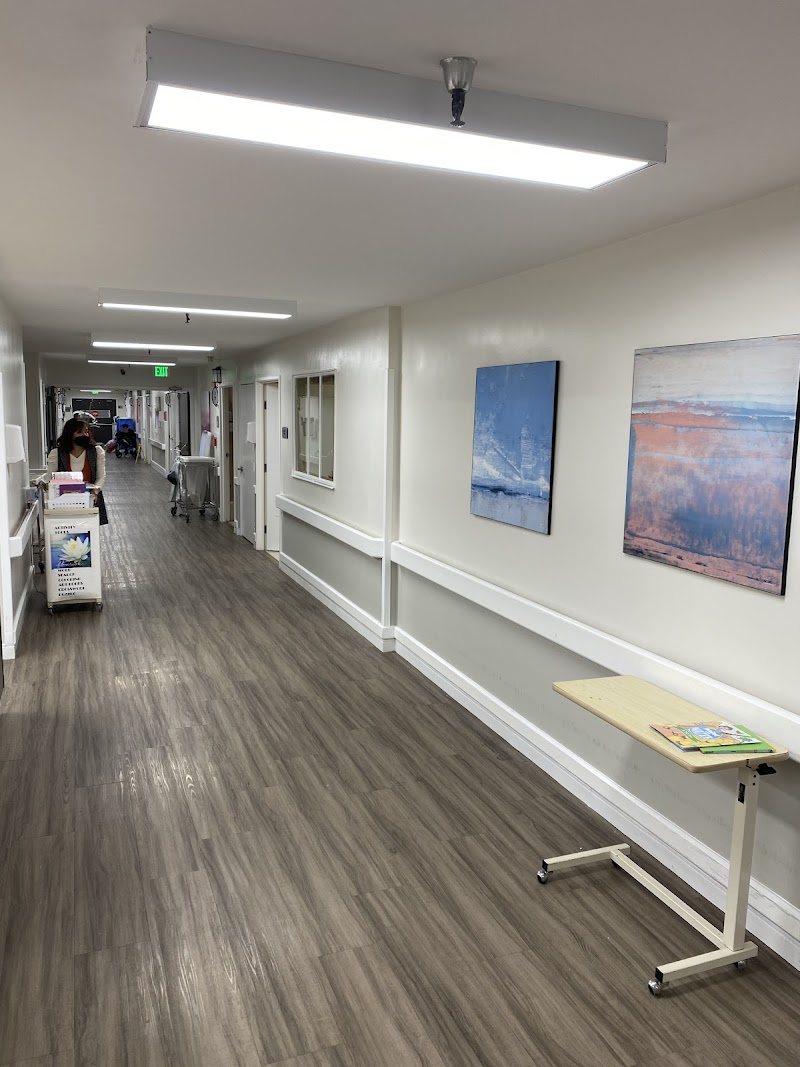
How is The Grove Post Acute Staffed?

CMS rates THE GROVE POST ACUTE's staffing level at 4 out of 5 stars, which is above average compared to other nursing homes. Staff turnover is 32%, compared to the California average of 46%. This relatively stable workforce can support continuity of care.

What Have Inspectors Found at The Grove Post Acute?

State health inspectors documented 40 deficiencies at THE GROVE POST ACUTE during 2022 to 2025. These included: 34 with potential for harm and 6 minor or isolated issues.
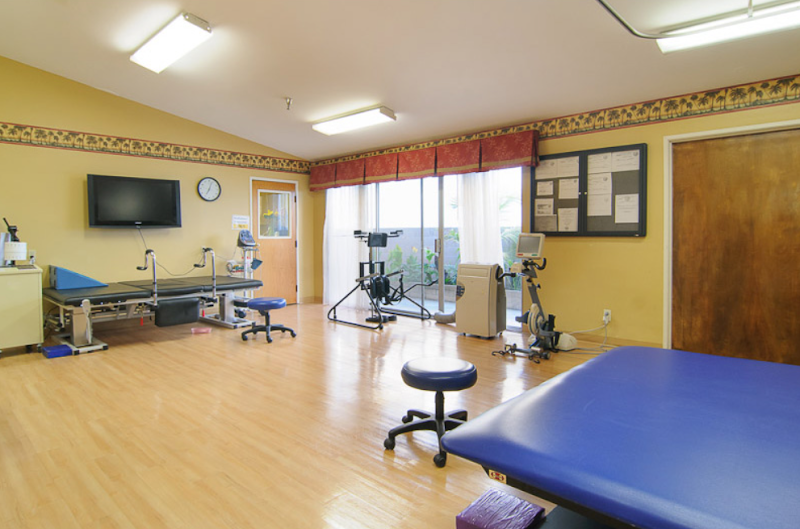
Who Owns and Operates The Grove Post Acute?

THE GROVE POST ACUTE is owned by a for-profit company. For-profit facilities operate as businesses with obligations to shareholders or private owners. The facility is operated by DAVID & FRANK JOHNSON, a chain that manages multiple nursing homes. With 97 certified beds and approximately 92 residents (about 95% occupancy), it is a smaller facility located in GARDEN GROVE, California.

How Does The Grove Post Acute Compare to Other California Nursing Homes?

Compared to the 100 nursing homes in California, THE GROVE POST ACUTE's overall rating (5 stars) is above the state average of 3.2, staff turnover (32%) is significantly lower than the state average of 46%, and health inspection rating (4 stars) is above the national benchmark.

What Should Families Ask When Visiting The Grove Post Acute?

Based on this facility's data, families visiting should ask: "Can I visit during a mealtime to observe dining assistance and food quality?" "How do you handle medical emergencies, and what is your hospital transfer rate?" "Can I speak with family members of current residents about their experience?"

Is The Grove Post Acute Safe?

Based on CMS inspection data, THE GROVE POST ACUTE has a clean safety record: no substantiated abuse findings (meaning no confirmed cases of resident harm), no Immediate Jeopardy citations (the most serious violation level indicating risk of serious injury or death), and is not on the Special Focus Facility watch list (a federal program monitoring the lowest-performing 1% of nursing homes). The facility has a 5-star overall rating and ranks #1 of 100 nursing homes in California. While no facility is perfect, families should still ask about staff-to-resident ratios and recent inspection results during their visit.

Do Nurses at The Grove Post Acute Stick Around?

THE GROVE POST ACUTE has a staff turnover rate of 32%, which is about average for California nursing homes (state average: 46%). Moderate turnover is common in nursing homes, but families should still ask about staff tenure and how the facility maintains care continuity when employees leave.

Was The Grove Post Acute Ever Fined?

THE GROVE POST ACUTE has no federal fines on record. CMS issues fines when nursing homes fail to meet care standards or don't correct problems found during inspections. The absence of fines suggests the facility has either maintained compliance or corrected any issues before penalties were assessed. This is a positive indicator, though families should still review recent inspection reports for the full picture.

Is The Grove Post Acute on Any Federal Watch List?

THE GROVE POST ACUTE is not on any federal watch list. The most significant is the Special Focus Facility (SFF) program, which identifies the bottom 1% of nursing homes nationally based on persistent, serious quality problems. Not being on this list means the facility has avoided the pattern of deficiencies that triggers enhanced federal oversight. This is a positive indicator, though families should still review the facility's inspection history directly.