GRASS VALLEY HEALTHCARE CENTER
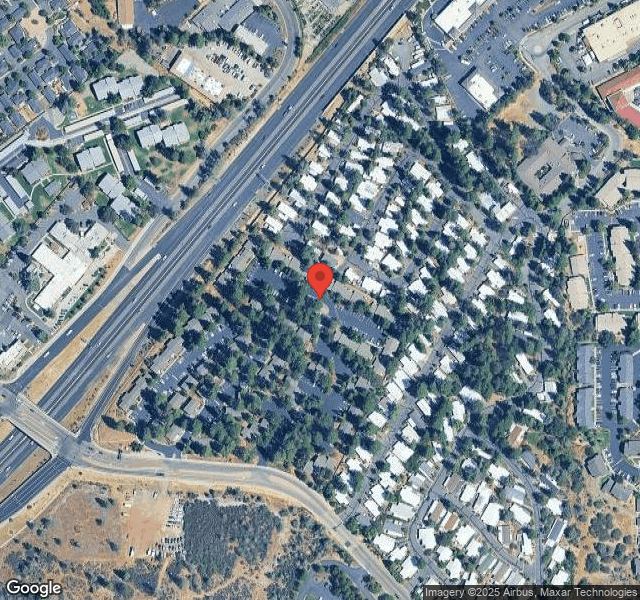
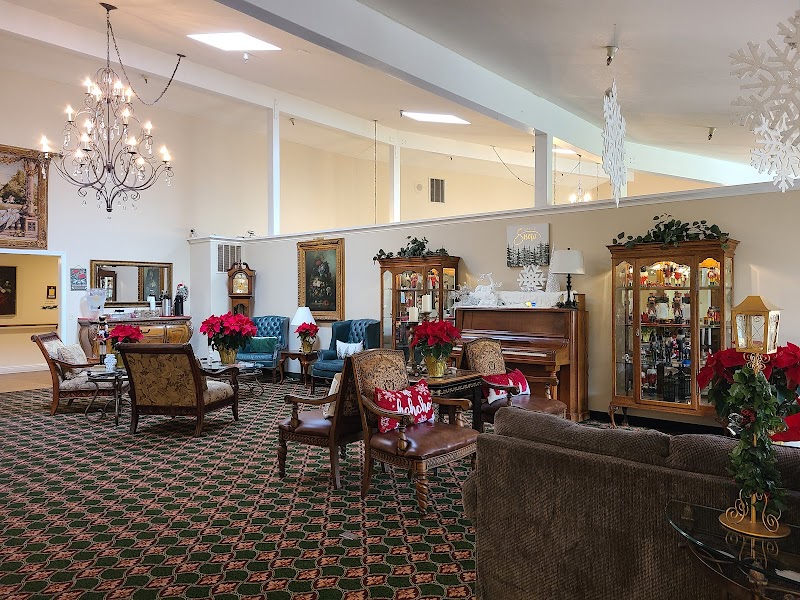
355 JOERSCHKE DR, GRASS VALLEY, CA 95945 (530) 273-7247
For profit - Corporation 86 Beds Independent Data: November 2025
Trust Grade
85/100
#85 of 1155 in CA
Last Inspection: June 2023

Over 2 years since last inspection. Current conditions may differ from available data.

Overview

Grass Valley Healthcare Center holds a Trust Grade of B+, indicating they are above average and recommended for consideration. They rank #85 out of 1,155 facilities in California, placing them in the top half, and are the top facility out of five in Nevada County. The facility is improving, with issues decreasing from six in 2023 to four in 2025. Staffing is a concern, rated at just 2 out of 5 stars, but with a low turnover rate of 0%, indicating staff stability. Notably, there have been no fines, which is a positive sign. However, there are weaknesses to consider. The facility has had multiple concerns, including not properly monitoring non-medication pain interventions for residents, which could lead to inconsistent pain management. Additionally, food safety practices have been inadequate, with failures to label food properly and ensure hygienic kitchen practices, raising the risk of foodborne illnesses. Overall, while there are strengths such as excellent overall ratings and a strong trend of improvement, families should weigh these against the identified concerns.

Trust Score
B+
85/100
In California
#85/1155
Top 7%
Safety Record
Low Risk
No red flags
Inspections
Getting Better
6 → 4 violations
Staff Stability
○ Average
Turnover data not reported for this facility.
Penalties
✓ Good
No fines on record. Clean compliance history, better than most California facilities.
Skilled Nurses
⚠ Watch
Each resident gets only 21 minutes of Registered Nurse (RN) attention daily — below average for California. Fewer RN minutes means fewer trained eyes watching for problems.
Violations
⚠ Watch
18 deficiencies on record. Higher than average. Multiple issues found across inspections.
★★★★★
5.0
Overall Rating
★★☆☆☆
2.0
Staff Levels
★★★★★
5.0
Care Quality
★★★★☆
4.0
Inspection Score
Stable
2023: 6 issues
2025: 4 issues

The Good

  • 5-Star Quality Measures · Strong clinical quality outcomes
  • Full Sprinkler Coverage · Fire safety systems throughout facility
  • No fines on record

Facility shows strength in quality measures, fire safety.

The Bad

No Significant Concerns Identified

This facility shows no red flags. Among California's 100 nursing homes, only 0% achieve this.

The Ugly 18 deficiencies on record

Jul 2025 4 deficiencies
CONCERN (D) 📢 Someone Reported This

A family member, employee, or ombudsman was alarmed enough to file a formal complaint

Potential for Harm - no one hurt, but risky conditions existed

Deficiency F0551 (Tag F0551)

Could have caused harm · This affected 1 resident

**NOTE- TERMS IN BRACKETS HAVE BEEN EDITED TO PROTECT CONFIDENTIALITY** Based on interview and record review, the facility failed to ensure that Resident 1's rights were protected when:1. Licensed Nur...

Read full inspector narrative →
**NOTE- TERMS IN BRACKETS HAVE BEEN EDITED TO PROTECT CONFIDENTIALITY** Based on interview and record review, the facility failed to ensure that Resident 1's rights were protected when:1. Licensed Nurse (LN) B administered a PPD test (purified protein derivative, injected under the skin to determine if a person had tuberculosis, a contagious bacterium that had the potential to cause death) after Resident 1's responsible party (RP, decision maker) had declined administration of the PPD test. 2. The facility provided medication to Resident 1 based on the RP's decisions rather than assessment data and concerns regarding Resident 1's appearance of being sedated. These failures violated Resident 1's rights. Findings: 1. A review of the Resident [NAME] of Rights, dated 12/1/12, indicated, residents had the right to refuse any treatment or procedure. A review of the facility's policies and procedures (P&P) titled, Requesting, Refusing, and/or Discontinuing Care or Treatment, revised 2/1/21, indicated, the resident and or the residents RP had the right to refuse treatment. A review of the Client Resident Profile, dated 8/5/24, indicated, Resident 1 was admitted to the facility on [DATE] and Resident 1 was not her own RP. A review of the Medical Diagnosis, dated 8/5/24, indicated, Resident 1 was admitted to the facility with the diagnoses of pressure ulcer of sacral region, unstageable (a painful wound that was caused by pressure, located at the tail bone area. The wound was unstageable because dead tissue covered the wound making wound depth measurements and visual inspection impossible), depression (a sad mood), and dementia (memory loss). During an interview on 7/24/25 at 10:10 am, Resident 1's RP stated, on August 11th Resident 1 was given a TB shot [PPD test] without my permission. During a concurrent interview and record review on 7/29/25, at 2:10 pm, with LN B, Resident 1's Medication Administration Record (MAR), dated 8/11/24 was reviewed. LN B confirmed, the MAR indicated, LN B performed a PPD skin test on Resident 1 and stated, when he [RP] came back to the room, I alerted him I gave the PPD, I did not know it was refused previously, and the order to give the PPD was still in the computer. LN B reviewed the MAR, dated 8/5/24, and confirmed the MAR indicated the PPD had been refused. LN B stated, my view of the MAR was not of the entire month, it only showed what was due that day, so I couldn't see that it had been refused. During an interview on 7/29/25 at 10:15 am, Director of Nursing (DON) confirmed, Resident 1 had been provided the PPD skin test on 8/11/24 and stated, the nurse didn't remove the PPD order from the system and that's why LN B provided the PPD. After it was originally refused, the nurse should have removed the order and entered a note. 2. A review of the Resident [NAME] of Rights, dated 12/1/12, indicated, residents had the right to be free from excessive medication. A review of the Medication Review Report, dated 7/30/25, indicated, Resident 1 received Buspirone HCL (Buspar, a medication that was used to treat anxiety) 15 milligrams (mg, unit of measure), give 1 tablet by mouth three times a day for anxiety manifested by continuous calling out after needs have been met. The Medication Review Report, indicated, Resident 1 received oxycodone HCL (a strong opioid pain medication that had the potential to cause sedation and drowsiness. When using oxycodone and Buspirone together, potential risks and side effects included an increased risk of profound sedation [depressed consciousness], drowsiness, and impaired judgement) 10mg, give one tablet by mouth three times a day for pain and may also give every 4 hours as needed for pain that was scored 4-10 out of 10 on the pain scale. During an interview on 7/24/25 at 10:10 am, Resident 1's RP stated, I'm concerned about her [Resident 1's] anxiety, they started her on a lower level once a day, then they increased to twice a day, then we moved it to three times a day. I just told them, it's helped a lot, there are still minor break outs [related to Resident 1's yelling out], so I asked to up the dosage. During an interview on 7/30/25 at 8:44 am, facility's physician (MD) stated, Resident 1's RP is concerned about the pain, he was pushing for stronger pain medications, we accommodated his request and her pain control really isn't bad. During an interview on 7/30/25 at 9:18 am, LN G stated, Resident 1's RP would by-pass the nurse and go to the DON to complain Resident 1 was in pain and demand more pain meds. I went once to assess Resident 1's pain after the RP said she was in pain, and the RP said, say your pain is a 7, then Resident 1 agreed her pain was a 7. LN G stated, prior to RPs arrival Resident 1 stated she had no pain. LN G stated, sometimes the PRN (as needed dose of oxycodone) was held because nurses felt uncomfortable giving it because she appeared to be sedated or sleepy and the RP would demand that pain meds still be given. LN G stated, there were times when Resident 1 was provided PRN pain medication [oxycodone] due to the RP pushing pain meds and convincing Resident 1 she was in pain, so it's given. During a review of the IDT (Interdisciplinary Team, a group of facility staff such as department heads and staff that provided direct resident care, met to discuss resident care concerns and goals) Note, dated 5/21/25, indicated, PHARM F was notified Resident 1's RP had concerns about Resident 1's medication and RP felt sometimes Resident 1 was sedated. The ID note indicated that the doctor had ordered a decrease in Resident 1's pain medication and the RP did not want the pain medication changed. The IDT note indicated that the RP did not feel Resident 1 was sedated and was more concerned about addressing Resident 1's calling out. During an interview on 7/30/25 at 11:06 am, Pharmacist (PHARM) F, stated, one time while I was at the facility, I was told the RP didn't care about sedation anymore and just wanted to keep Resident 1 comfortable. During a review of the Care Plan Conference Notes, dated 5/29/25, indicated, Resident 1's RP was in attendance and Concerns-increased sedation/groggy were discussed. The Care Plan Conference Notes, indicated, Resident 1's Buspar would be increased to 15 mg today and MD suggest decrease of Oxycodone dose, declined at that time by RP.
CONCERN (D) 📢 Someone Reported This

A family member, employee, or ombudsman was alarmed enough to file a formal complaint

Potential for Harm - no one hurt, but risky conditions existed

Pharmacy Services (Tag F0755)

Could have caused harm · This affected 1 resident

**NOTE- TERMS IN BRACKETS HAVE BEEN EDITED TO PROTECT CONFIDENTIALITY** Based on interview and record review, the facility failed to follow their policies and procedures (P&P) regarding medication adm...

Read full inspector narrative →
**NOTE- TERMS IN BRACKETS HAVE BEEN EDITED TO PROTECT CONFIDENTIALITY** Based on interview and record review, the facility failed to follow their policies and procedures (P&P) regarding medication administration documentation for one out of three sampled residents (Resident 1) when Licensed Nurse (LN) B initialed the medication administration record (MAR) for a medication that LN A prepared and administered to Resident 1. This caused inaccurate documentation and had the potential to negatively impact resident safety.Findings: A review of the facility's P&P titled, Administering Medications, revised 4/1/19, indicated, The individual administering the medication initials the residents MAR on the appropriate line after giving each medication and before administering the next dose. A review of the Client Resident Profile, dated 8/5/24, indicated, Resident 1 was admitted to the facility on [DATE] and Resident 1 was not her own responsible party (RP, decision maker). A review of the Medical Diagnosis, dated 8/5/24, indicated, Resident 1 was admitted to the facility with the diagnoses of pressure ulcer of sacral region, unstageable (a wound that was caused by pressure, located at the tail bone area. The wound was unstageable because dead tissue covered the wound making wound depth measurements and visual inspection impossible), depression (a sad mood), and dementia (memory loss). During a concurrent interview and record review on 7/29/25 at 2:10 pm, with LN B, Resident 1's MAR, dated 3/20/25 was reviewed. LN B confirmed, the MAR indicated, LN B had administered oxycodone (a strong pain killer) 10 milligrams (unit of measure), one tablet, by mouth, on 3/20/25, at 6:32 pm, to Resident 1. LN B stated, I checked off the oxycodone [in the MAR], but I didn't give it, LN A did. LN B stated, it is not normal for me to sign off a medication that I did not administer. During an interview on 7/29/25 at 3:05 pm, Director of Nurses (DON) stated, nurses should not sign out medication they did not administer.
CONCERN (D) 📢 Someone Reported This

A family member, employee, or ombudsman was alarmed enough to file a formal complaint

Potential for Harm - no one hurt, but risky conditions existed

Infection Control (Tag F0880)

Could have caused harm · This affected 1 resident

**NOTE- TERMS IN BRACKETS HAVE BEEN EDITED TO PROTECT CONFIDENTIALITY** Based on observation, interview, and record review, the facility failed to maintain infection control practices when facility st...

Read full inspector narrative →
**NOTE- TERMS IN BRACKETS HAVE BEEN EDITED TO PROTECT CONFIDENTIALITY** Based on observation, interview, and record review, the facility failed to maintain infection control practices when facility staff disinfected the Hoyer lift (mechanical device used to safely transfer residents from one place to another) in the hallway, did not wear gloves, or perform hand hygiene (washing hands or using alcohol-based hand sanitizer) afterwards. This failure had the potential to spread infections to other residents, facility staff, and visitors.Findings: A review of the facility's policies and procedures, (P&P) titled, Cleaning and Disinfection of Resident-Care Items and Equipment, revised 9/1/22, indicated, facility staff would clean and disinfect medical equipment in-between resident use. A review of the facility's P&P titled, Personal Protective Equipment (PPE, items worn to prevent the spread of infection such as gowns or gloves), revised 10/1/18, indicated, PPE requirements were specific to job requirements and facility staff would wear the appropriate PPE for specific tasks. A review of the facility's P&P titled, Infection Prevention and Control, revised 12/1/23, indicated, the facility utilized infection control practices to maintain a safe environment. A review of the CaviWipes Safety Data Sheet, dated 6/29/22, indicated, facility staff were required to wear gloves while using CaviWipes (a brand name, cleansing and disinfecting wipes that were used to clean resident care equipment). The safety data sheet indicated repeated exposure could cause dry, cracked skin (this had the potential for bacteria to enter through cracked skin and cause the spread of infection). During an observation on 7/25/25 at 12:54 pm, Certified Nurse Assistant (CNA) C and CNA D were observed wiping down the Hoyer lift without wearing gloves, in the hallway, outside of room [ROOM NUMBER]. When CNA C and CNA D finished, they walked immediately into room [ROOM NUMBER] with the Hoyer lift and were not observed performing hand hygiene. During a concurrent interview and record review on 7/25/25 at 1:00 pm, with CNA C and CNA D, the entirety of the observation made was described. CNA C and CNA D confirmed the observation. CNA C stated, we should wear gloves and acknowledged not performing hand hygiene after cleaning the Hoyer lift and before entering room [ROOM NUMBER]. CNA D produced a plastic container that had a black lid with the name of CaviWipes on the label. CNA D reviewed the instructions on the label and confirmed, the label indicated gloves were to be worn while using the product. During an interview on 7/25/25 at 1:44 pm, the facility's infection preventionist (IP) confirmed the observation made of CNA C and CNA D wiping down the Hoyer lift and stated, they should be cleaning [the Hoyer lift] in the room, not in the hall, and wearing gloves. IP confirmed, hand hygiene should have been performed after wiping down the Hoyer lift.
CONCERN (E) 📢 Someone Reported This

A family member, employee, or ombudsman was alarmed enough to file a formal complaint

Potential for Harm - no one hurt, but risky conditions existed

Deficiency F0697 (Tag F0697)

Could have caused harm · This affected multiple residents

**NOTE- TERMS IN BRACKETS HAVE BEEN EDITED TO PROTECT CONFIDENTIALITY** Based on interview and record review the facility failed to follow their pain management policies and procedures (P&P) for three...

Read full inspector narrative →
**NOTE- TERMS IN BRACKETS HAVE BEEN EDITED TO PROTECT CONFIDENTIALITY** Based on interview and record review the facility failed to follow their pain management policies and procedures (P&P) for three out of three residents (Residents 1, 2, and 3) when: 1. Resident 1 had high PRN (as needed and must be asked for) pain medication usage for eight months prior to evaluating the need to change the current pain medication regimen. 2.The facility failed to determine if Resident 1's behavior of screaming was caused by pain, anxiety, or related to a diagnosis of dementia. 3a. Non-pharmacological interventions (any health intervention that was used to assist with managing chronic pain and did not involve the use of medication. Examples included but were not limited to distraction, music, re-positioning, stretching, or activities) were not implemented or monitored for effectiveness for Resident 1. 3b. Non-pharmacological interventions were not implemented or monitored for effectiveness for Resident 2. 3c. Non-pharmacological interventions were not implemented or monitored for effectiveness for Resident 3. These failures had the potential to cause resident harm, inconsistent pain control, a decline in health status, and to negatively impact the residents' overall well-being. Findings: 1. A review of the facility's P&P titled, Pain Assessment and Management, revised 10/1/22, indicated, The purposes of this procedure are to help staff identify pain in the resident, and to develop interventions that are consistent with the resident's goals and needs and that address the underlying causes of pain. The P&P indicated, the facility would review how often the individual requested and received PRN pain medication and would consider administering regularly scheduled pain medication rather than PRN. The P&P indicated, the facility would monitor the resident to ensure the pain was being adequately controlled. A review of the Client Resident Profile, dated 8/5/24, indicated, Resident 1 was admitted to the facility on [DATE] and Resident 1 was not her own responsible party (RP, decision maker). A review of the Medical Diagnosis, dated 8/5/24, indicated, Resident 1 was admitted to the facility with the diagnoses of pressure ulcer of sacral region, unstageable (a painful wound that was caused by pressure, located at the tail bone area. The wound was unstageable because dead tissue covered the wound making wound depth measurements and visual inspection impossible), depression (a sad mood), and dementia (memory loss). A review of Resident 1's admission Minimum Data Set (MDS, a resident assessment tool), dated 8/15/24, indicated, the facility performed a Brief Interview for Mental Status assessment (BIMS, an assessment tool used by facilities to screen and identify memory, orientation, and judgement status of the resident) and scored a 5 out of 15 which indicated severe cognitive (memory, orientation, judgement) impairment. The MDS indicated Resident 1 had received scheduled and PRN pain medication and occasionally had pain. A review of Resident 1's care plan (a document that described resident healthcare needs, goals, and interventions [actions taken by facility staff] required to achieve those goals) titled Pain, dated 8/6/24, indicated, the facility staff would monitor the resident for requests for pain treatment and review pain medication dosing schedules for resident satisfaction. A review of the Order Details, dated 8/5/24, indicated the Physician ordered Gabapentin (an anticonvulsant medication that was used to treat seizure disorders and treated nerve pain) 400 milligrams (mg, a unit of measure) by mouth three times a day for pain that was caused by Resident 1's pressure ulcer. A review of the Order Details, dated 8/5/24, indicated the Physician ordered Oxycodone (a strong narcotic that was used to treat moderate to severe pain) 10 mg by mouth every four hours as needed (PRN) for moderate to severe pain (pain was rated on a scale of 0 through 10 out of ten, 0 meant no pain and 10 meant the worst pain, moderate to severe pain was rated as a 4 through 10). During an interview on 7/29/25 at 3:05 pm, Director of Nursing (DON) stated, the amount the PRN [pain medication] was provided [to Resident 1] was the same as if it had been given on a routine basis. A review of Resident 1's Medication Administration Record (MAR), dated 8/5/24 through 8/31/24, indicated that a request for PRN Oxycodone was made 62 times. A review of Resident 1's MAR, dated 9/1/24 through 9/30/24, indicated that a request for PRN Oxycodone was made 85 times. A review of Resident 1's MAR, dated 10/1/24 through 10/31/24, indicated that a request for PRN Oxycodone was made 73 times. A review of Resident 1's MAR, dated 11/1/24 through 11/30/24, indicated that a request for PRN Oxycodone was made 71 times. A review of Resident 1's MAR, dated 12/1/24 through 12/31/24, indicated that a request for PRN Oxycodone was made 77 times. A review of Resident 1's MAR, dated 1/1/25 through 1/31/25, indicated that a request for PRN Oxycodone was made 73 times. A review of Resident 1's MAR, dated 2/1/25 through 2/28/25, indicated that a request for PRN Oxycodone was made 62 times. A review of Resident 1's MAR, dated 3/1/25 through 3/21/25, indicated that a request for PRN Oxycodone was made 49 times. From 8/5/24 through 3/21/25, Resident 1 or her RP was required to ask for pain medication 552 times before the pain medication regimen was re-evaluated and changed. During an interview on 7/30/25 at 8:44 am, the facility's Physician (MD) stated, Resident 1's pain control isn't really bad, we previously discussed pain medications and accommodated the request made by the RP. A review of Resident 1's Order Details, dated 3/21/25, indicated, MD changed the PRN Oxycodone order to include the addition of Oxycodone 10 mg one tablet by mouth three times a day for pain. During an interview on 7/30/25, at 9:34 am, Pharmacist (PHARM) E stated, when we see high usage of PRN pain medication, there is some recommendation to give an extended release [a longer acting medication that controlled pain for a longer period]. PHARM E confirmed, when there was a high PRN pain medication usage, the pharmacist will recommend the pain medication regimen to be re-evaluated. PHARM E stated, the best person to talk to [regarding Resident 1] was PHARM F. During a concurrent interview and record review on 7/30/25 at 11:06 am, PHARM F stated, high usage of PRN pain medication was hard to answer because it is different for each resident. PHARM F reviewed the MAR dated 9/1/24 through 9/30/24 and confirmed more than half of the PRN pain medication that was administered to Resident 1, indicated she had pain that was scored at a 7 or 8 out of 10 (pain that was rated 7 through 10 was considered severe pain). PHARM F stated, I sent a letter to the doctor in January, a documented progress note, indicating high PRN med use. Pharm F was asked if there was a time frame regarding high PRN medication use and notifying the doctor and no time frame was provided. A review of Resident 1's progress note titled, Pharmacy Consultant Note, dated 1/30/25 (five months after Resident 1's admission to the facility), indicated, Resident takes PRN oxycodone often. The progress note did not indicate that the Physician had been notified. 2. A review of the facility's P&P titled, Pain Assessment and Management, revised 10/1/22, indicated, the facility would be able to recognize non-verbal signs of pain to include screaming. The P&P indicated, facility staff would consider cognitive .influences [for example, a diagnosis of dementia] on the president's ability or willingness to verbalize pain are considered when assessing and treating pain. During an interview on 7/29/25 at 2:10 pm, LN B stated, she [Resident 1] yells all the time, not always due to pain, it could be anxiety or just behaviors, unsure which. During an interview on 7/30/25 at 11:06 am, PHARM F stated, so many medications were added and changed to determine if she [Resident 1] had pain or if it was just screaming. PHARM F confirmed, it was unknown if Resident 1 was screaming due to pain, anxiety, or dementia related behaviors. During a concurrent interview and record review on 7/30/25 at 2:37 pm, medical records were requested that indicated the facility had determined the root cause of Resident 1's yelling and screaming was related to pain or a different condition. DON provided psychotropic (medications that affected how the brain worked) notes, dated 12/16/24, 12/18/24, 3/24/25, 4/15/25, 4/30/25, 5/22/25, and 7/28/25. DON confirmed there was no documentation present, including the psychotropic notes that indicated the facility had discussed or determined if Resident 1 was yelling due to pain, anxiety, or dementia related behaviors. 3a. A review of the facility's P&P titled, Pain Assessment and Management, revised 10/1/22, indicated, Non-pharmacological interventions may be appropriate alone or in conjunction with medications. The P&P indicated some examples of non-pharmacological interventions included but were not limited to, adjusting the room temperature, repositioning, ice packs, exercise, relaxation, music, diversions, and activities. The P&P indicated, the facility would monitor and evaluate the effectiveness of interventions in place. A review of the RAI (Resident Assessment Instrument, a set of instructions that assisted facility staff to accurately code the MDS) instructions for pain management, dated 10/1/24, indicated, Non-medication pain (non-pharmacologic) interventions for pain can be important adjuncts to pain treatment regimens. The RAI indicated, interventions included, but were not limited to use of heat and or cold therapy, exercise, and ultra-sound (use of sound waves to treat pain). A review of Resident 1's MDS, dated [DATE], indicated, Resident 1 occasionally had moderate (significant but not severe) pain and did not receive non-pharmacological pain interventions. A review of Resident 1's care plan titled, Pain, dated 8/6/24 indicated, Provide the resident with reassurance that pain is time limited. Encourage resident to try different pain-relieving methods i.e. positioning, relaxation therapy, progressive relaxation, bathing, heat and cold application, muscle stimulation, ultra-sound. A review of Resident 1's Medication Review Report, dated 7/30/25, that included all active and current orders, did not include an order to provide Resident 1 with non-pharmacological interventions or to monitor for effectiveness. During an interview on 7/30/25 at 9:18 am, LN G stated, there isn't anywhere to chart daily non-pharmacological interventions, it's documented in the weekly assessments. A review of Resident 1's Weekly Nursing Summary V.5, dated 1/8/25, indicated, Resident 1 did not receive non-pharmacological pain interventions that week. There was no place to document what non-pharmacological interventions had been provided, if any. A review of Resident 1's Pain Assessment Records, dated 8/12/24, indicated, the facility's occupational therapist (healthcare professional that helped residents to perform tasks that were required for independent living) was working with Resident 1 with positioning in wheelchair for comfort. The Pain Assessment Records, dated 11/5/24, 2/7/25, 3/6/25, and 6/27/25, indicated, nonpharmacological interventions had not been provided for pain and the section that required documentation describing interventions and effectiveness was blank. 3b. A review of Resident 2's Medical Diagnosis, dated 12/6/24, indicated, Resident 2 was admitted to the facility on [DATE] with the diagnoses of radiculopathy, lumbar region (nerve pain, caused by a pinched nerve, in the lower back) and age related osteoporosis without current pathological fracture (weak, brittle bones that were caused by aging and did not include any broken bones). A review of Resident 2's quarterly MDS, dated [DATE], indicated, Resident 2 occasionally had moderate (significant but not severe) pain and did not receive non-pharmacological pain interventions. A review of Resident 2's care plan titled, Pain, dated 12/6/24, indicated, Provide the resident with reassurance that pain is time limited. Encourage resident to try different pain-relieving methods i.e. positioning, relaxation therapy, progressive relaxation, bathing, heat and cold application, muscle stimulation, ultra-sound. A review of Resident 2's Medication Review Report, dated 7/30/25, that included all active and current orders, did not include an order to provide Resident 1 with non-pharmacological interventions or to monitor for effectiveness. A review of Resident 2's Pain Assessment Records, dated 12/9/24, 3/9/25, and 6/13/25, indicated, non-pharmacological interventions had not been provided for pain and the section that required documentation describing interventions and effectiveness was blank. 3c. A review of the Clinical Resident Profile, dated 6/24/24, indicated Resident 3 was admitted to the facility on [DATE]. A review of Resident 3's Medical Diagnosis, dated 6/24/24, indicated Resident 3 was admitted to the facility with the diagnosis of acquired absence of right and left leg above the knee (both legs were surgically removed just above the knee, sometimes people felt pain where their leg used to be). A review of Resident 3's annual MDS, dated [DATE], Resident 3 occasionally had moderate (significant but not severe) pain and did not receive non-pharmacological pain interventions. A review of Resident 3's care plan titled, Pain, dated 6/25/24 indicated, Provide the resident with reassurance that pain is time limited. Encourage resident to try different pain-relieving methods i.e. positioning, relaxation therapy, progressive relaxation, bathing, heat and cold application, muscle stimulation, ultra-sound. A review of Resident 3's Medication Review Report, dated 7/30/25, that included all active and current orders, did not include an order to provide Resident 1 with non-pharmacological interventions or to monitor for effectiveness. A review of Resident 3's Pain Assessment Records, dated 6/28/24 and 6/26/25 indicated, non-pharmacological interventions had not been provided for pain and the section that required documentation describing interventions and effectiveness was blank. During an interview on 7/30/25 at 2:37 pm, DON confirmed, non-pharmacological interventions had not been provided or documented for effectiveness for residents in the facility that experienced pain.
Jun 2023 5 deficiencies
CONCERN (D)

Potential for Harm - no one hurt, but risky conditions existed

Medication Errors (Tag F0758)

Could have caused harm · This affected 1 resident

Based on interview and record review, the facility failed to ensure one of four sampled residents (Resident 43) was free of unnecessary psychotropic medication (drug prescribed to affect the mind, emo...

Read full inspector narrative →
Based on interview and record review, the facility failed to ensure one of four sampled residents (Resident 43) was free of unnecessary psychotropic medication (drug prescribed to affect the mind, emotions or behavior) when Resident received clonazepam (a type of medication used to treat anxiety, seizures and panic disorders) on an as needed (PRN) schedule for longer than the 14 day limit without clinical justification. This failure had the potential for adverse effects such as sedation, falls, headaches weight gain, dizziness, nausea and abnormal involuntary movements. Findings: Review of Resident 43's record indicated they were admitted to the facility with diagnosis including anxiety disorder, encephalopathy (a disease in which the functioning of the brain is affected by some agent or condition) ,Type 2 diabetes mellitus and syncope (fainting or passing out and falling down). Resident 43's Physician Orders dated 08/07/22, included an order for clonazepam 1 mg by mouth as needed for anxiety manifested by verbally expressed every evening. Clonazepam was discontinued on 09/13/2022 38 days later. Review of Resident 43's Medication Administration Record (MAR) for August/September 2022, indicated that they were administered clonazepam one mg every evening from 08/07/2022 to 09/13/2022, (38 days). There was no documentation found in the record that the attending physician documented a rationale to extend the medication past 14 days. During concurrent interview and record review on 06/09/2022 at 8:20 AM, Director of Nursing (DON) and Assistant Director Of Nursing (ADON), both confirmed there was no physician note for reason/rationale to continue clonazepam beyond 14 day PRN time limit. DON and ADON confirmed it was a mistake, and it should have been done. Review of facility policy titled Antipsychotic Medication Use dated December 2016, policy indicated the need to continue PRN orders for psychotropic medications beyond 14 days requires that the practitioner document the rationale for the extended order. The duration of the PRN order will be indicated in the order.
CONCERN (D)

Potential for Harm - no one hurt, but risky conditions existed

Deficiency F0761 (Tag F0761)

Could have caused harm · This affected 1 resident

**NOTE- TERMS IN BRACKETS HAVE BEEN EDITED TO PROTECT CONFIDENTIALITY** Based on observation, interview, and record review the facility failed to ensure safe medication storage practices in one of fou...

Read full inspector narrative →
**NOTE- TERMS IN BRACKETS HAVE BEEN EDITED TO PROTECT CONFIDENTIALITY** Based on observation, interview, and record review the facility failed to ensure safe medication storage practices in one of four medication carts (Med Cart, a locked mobile cart used to store medications and supplies) when undated multidose prescription medication was stored and available for use. These failed practices could contribute to unsafe medication storage and administration of outdated and ineffective medications. Findings: Record review indicated Resident 43 was admitted to the facility on [DATE], with diagnoses included Type 2 diabetes mellitus ( a disease in which the body is unable to regulate the blood sugar levels) and anxiety disorder. During a concurrent observation and interview on 6/7/23 at 10:58 AM, Licensed Vocational Nurse (LVN B) removed an insulin pen, Tresiba Flextouch 100 (a device resembling a pen used to administer insulin used to treat diabetes), for Resident 43 from med cart on Hall 4. The insulin pen did not have a date written on the date opened label on the medication. LVN B stated that the medication was taken out of the refrigerator and put in the med cart but not used due to the Resident 43 being admitted to the hospital. LVN B stated nursing staff should date the insulin pens once removed from refrigerator. During an interview with Director of Nurses (DON) on 6/8/2022 at 11:30, she confirmed there was no date written on the Date Opened label and confirmed it should have been dated by nursing staff when the medication was removed from the refrigerator. According to LexiComp (Online resource of information from drug manufacturers), the manufacturer of Tresiba Flextouch 100 reports the expiration period is 56 days after removal from the refrigerator. Review of the facility's policy titled Dating of Containers When Opened, dated March 2018, indicated insulin pens requires a shortened date when not stored under refrigeration or when removed from the refrigerator and put on the medication cart. The pharmacy will send pens maintaining the cold chain and place an Opened Date label on each pen. Facility nursing staff will need to indicate the date opened on the label when removing from the refrigerator and placing on the medication cart.
CONCERN (D)

Potential for Harm - no one hurt, but risky conditions existed

Deficiency F0808 (Tag F0808)

Could have caused harm · This affected 1 resident

**NOTE- TERMS IN BRACKETS HAVE BEEN EDITED TO PROTECT CONFIDENTIALITY** Based on observation, interview, and record review, the facility failed to provide the physician ordered diet for one of eightee...

Read full inspector narrative →
**NOTE- TERMS IN BRACKETS HAVE BEEN EDITED TO PROTECT CONFIDENTIALITY** Based on observation, interview, and record review, the facility failed to provide the physician ordered diet for one of eighteen sampled residents, (Resident 24) when the Fortified Regular, finger foods, small portions diet was not followed. This failure had the potential to cause negative clinical outcomes including weight loss, and the inability to eat independently due to a severe cognitive impairment. Findings: A policy revised October 2017, titled Therapeutic Diets, indicated therapeutic diets are prescribed by the attending physicians to support the residents' treatment and plan of care and in accordance with his or her goals and preferences. This policy indicated the diet order should match the terminology used by the food and nutrition services department. The dietician, nursing staff, and attending physician will regularly review the need for, and resident acceptance of prescribed therapeutic diets. A review of medical records indicated Resident 24 was admitted to the facility on [DATE] with diagnoses of high blood pressure, Alzheimer's disease, cardiac disease, and a history of falling. A review of Resident 24's Minimum Data Set (MDS, a resident assessment tool) dated 2/19/23, which included a brief interview for mental status (BIMS) score of 0, which indicated this resident had a severe cognitive impairment. A review of a physician orders, dated 6/7/23, indicated a diet ordered for Resident 24 as follows: Fortified Regular, finger foods, small portions. A review of Resident's 24's medical records titled, Care Plan, indicated Resident 24 was ordered a therapeutic diet that included finger foods related to the diagnosis of cognitive impairment. During an observation on 6/6/23 at 12:06 pm, Resident 24 had a meal tray with roast beef covered with brown gravy, mashed potatoes, Caesar salad with dressing, and a dessert of a crumble cake. No finger foods were noted on meal tray. During an observation and interview on 6/6/23 at 12:20 pm, Licensed Nurse (LN) E gave Resident 24 a peanut butter and jelly sandwich that she could hold and started eating. During a follow up interview on 6/6/23 at 12:30 pm, LN E stated, They forgot to get her finger foods, and confirmed Resident 24 should have finger foods on meal tray for every meal per physician's order. During an interview on 6/7/23 at 1:30 pm, the Registered Dietician confirmed Resident 24 is ordered a diet with finger foods related to cognitive decline and there is a problem with checking the meal trays once they are delivered on the hall. During an interview on 6/8/23 at 7:25 am, Administrator (Admin) stated, Dietary manager told me he sent the wrong tray out on Tuesday, the nurse did not check it. We are making sure the nurses will check the diet orders moving forward. The Admin did confirm the wrong therapeutic diet order was served to Resident 24 on 6/6/23. During an interview on 6/8/23 8:50 am, Certified Nursing Assistant (CNA) N stated, Yes, the wrong tray was sent on Tuesday (6/6/23), there were no finger foods, but the nurse brought a peanut butter and jelly sandwich. Yesterday she got finger foods on 6/7/23 with potato wedges, sandwich, etc. During an interview on 6/9/23 at 8:25 am, the Director of Nursing (DON) confirmed all nurses need to check diet orders and meals served for safety and to follow physician's orders for all residents. DON stated, We will immediately improve our processes to make sure all residents receive the ordered diets for every meal.
CONCERN (E)

Potential for Harm - no one hurt, but risky conditions existed

Food Safety (Tag F0812)

Could have caused harm · This affected multiple residents

Based on observation, interview, and record review, the facility failed to: 1. Label/date and dispose of specific food in accordance with the professional standards for food service safety 2. Have die...

Read full inspector narrative →
Based on observation, interview, and record review, the facility failed to: 1. Label/date and dispose of specific food in accordance with the professional standards for food service safety 2. Have dietary staff follow hygienic practices in the facility's kitchen 3. Have accurate values and documentation for the dish machine chemical solutions. These failures resulted in the potential to result in putting residents at risk for food borne illnesses (illness caused by consuming contaminated foods or beverages). Findings: 1. During a concurrent observation and interview on 06/06/2023 at 10:03 AM, with Dietary Aide C (DA C) and the Dietary Manager (DM), it was observed in the refrigerator in the facility kitchen that there was a clear, plastic container with a green lid labeled, Egg, with a date of 06/01/2023, with approximately six eggs inside of the container. Another clear, plastic container with a green lid labeled, Turkey, with a date of 06/01/2023 was identified in the facility kitchen refrigerator, and was acknowledged as a turkey sandwich by DA C. It was confirmed by DA C and DM that the eggs in this container and the turkey sandwich were expired and needed to be disposed of. During a concurrent observation and interview on 06/06/2023 at 10:05 AM with DA C, a container of Egg beaters, egg whites that DA C confirmed was opened did not have an open date label. A meat, that DA C identified as ham, was stored in the facility refrigerator without a labeled date on the packaging. An opened sliced cheese packet consisting of 120 slices of Pasteurized Processed American Cheese was stored in the facility refrigerator without an open date label. An opened shredded cheese packet was stored in the facility refrigerator without an open date label. It was confirmed by DA C that these items were opened and did not have the appropriate labeling. During a review of the facility's policy and procedure titled, Labeling And Dating Of Foods, dated 2023, indicated, All food items in the storeroom, refrigerator, and freezer need to be labeled and dated . Newly opened food items will need to be closed and labeled with an open date and used by the date that follows . 2. During an observation on 06/07/2023 at 10:18 AM and on 06/08/2023 at 1:47 PM, DA A was observed on his personal cellular phone in the kitchen preparation area. During an interview on 06/08/2023 at 4:00 PM with the Registered Dietician (RD), stated that personal belongings are to be kept outside of the kitchen preparation area and in a designated area for their belongings. The RD stated that phones cannot be used, and if they have an emergency call, they must leave the kitchen preparation area to take the phone call. RD stated that a dietary staff member cannot work (for example, producing food, doing dishes, etc.) and use their phone as it is, An infection control issue, and can cause cross contamination. During a review of the facility's policy and procedure titled, Dress Code, dated 2023, indicated, No cell phones in kitchen area. During a review of the facility's policy and procedure titled, Spring Hill Manor Cell Phone Policy, dated 02/28/2018, indicated, Personal cellular phone use is discouraged while you are working. Cell phones will be turned off or on vibrate and stored with your personal affects in a locker or in your car while giving care or on the clock . Violations will result in disciplinary actions up to and including termination. 3. During concurrent observation and record review of a document titled, Dish Machine Temperature Log, dated June 2023, on 06/06/2023 at 9:46 AM, the test strip values for chlorine (a chemical used to sanitize the dishware) were 200 ppm (parts per million, a unit of concentration) for each breakfast with the dates 06/01/2023 to 06/06/2023. The test strip values for chlorine were 200 ppm on 06/01/2023 and 150 ppm on 06/02/2023 for lunch. The test strip values for chlorine were 150 ppm on 06/01/2023 and 200 ppm on 06/02/2023 and 06/03/2023. During a concurrent observation and record review of a document titled, Dish Machine Temperature Log, dated June 2023, on 06/08/2023 at 8:08 AM, the test strip values for chlorine were now all consistently 100 ppm, with what appeared to be visible eraser marks and the number 1 written over the number 2 to indicate 100 ppm rather than 200 ppm. During an interview on 06/08/2023 at 4:00 PM with the RD, she confirmed and acknowledged that it did appear that there were eraser marks and numbers written over other numbers. During a review of the facility's document titled, Dish Machine Temperature Log, dated June 2023, indicated, Chlorine should be 50 to 100 ppm.
CONCERN (E)

Potential for Harm - no one hurt, but risky conditions existed

Deficiency F0940 (Tag F0940)

Could have caused harm · This affected multiple residents

Based on observation, interview, and record review, the facility failed to develop, implement, and maintain an effective training program for all new and existing staff with documentation that dietary...

Read full inspector narrative →
Based on observation, interview, and record review, the facility failed to develop, implement, and maintain an effective training program for all new and existing staff with documentation that dietary staff had been provided appropriate competencies and trainings. This failure had the potential to result in dietary staff providing inadequate and potentially harmful services that could result in foodborne illnesses (illness caused by consuming contaminated foods or beverages). Findings: During concurrent observation and record review of a document titled, Dish Machine Temperature Log, dated June 2023, on 06/06/2023 at 9:46 AM, the test strip values for chlorine (a chemical used to sanitize the dishware) were 200 ppm (parts per million, a unit of concentration) for each breakfast with the dates 06/01/2023 to 06/06/2023. The test strip values for chlorine were 200 ppm on 06/01/2023 and 150 ppm on 06/02/2023 for lunch. The test strip values for chlorine were 150 ppm on 06/01/2023 and 200 ppm on 06/02/2023 and 06/03/2023. During a review of the facility's document titled, Dish Machine Temperature Log, dated June 2023, indicated, Chlorine should be 50 to 100 ppm. During a concurrent observation and interview on 06/06/2023 at 10:03 AM with Dietary Aide C (DA C) and the Dietary Manager (DM), it was observed in the refrigerator in the facility kitchen that there was expired food. It was confirmed by DA C and DM that the food was expired and needed to be disposed of. It was observed that food in the facility kitchen's refrigerator did not have a labeled date on it. It was confirmed by DA C that these items were opened and did not have the appropriate labeling. During a concurrent observation and record review of a document titled, Dish Machine Temperature Log, dated June 2023, on 06/08/2023 at 8:08 AM, the test strip values for chlorine were now all consistently 100 ppm, with what appeared to be visible eraser marks and the number 1 written over the number 2 to indicate 100 ppm rather than 200 ppm. During a concurrent interview and record review on 06/08/2023 at 4:00 PM with the Registered Dietician (RD), stated that new and existing dietary staff (9 out of 9 staff members) did not have trainings or competencies documented and further explained that she needed to provide inservices (specialized training in relation to the job position) to the kitchen staff. RD provided a copy of a document that listed requested items and wrote, No, next to the request for competencies/trainings of all dietary staff and clarified that this meant she did not have any documentation. The RD confirmed and acknowledged that it did appear that there were eraser marks and numbers written over other numbers, which could be due to ineffective competency. During an interview on 06/08/2023 at 4:30 PM with the Dietary Manager (DM), he stated that there wasn't documentation for the dietary staff's competencies and/or trainings and it needed to be provided. During an interview on 06/09/2023 at 9:00 AM with Dietary Aide B (DA B), stated that he had been hired at this facility for approximately two years and within the two years had no written tests to complete to acknowledge competencies. He also stated that he was trained by being shown how to do a task (for example, how to do the temperature logs for the dishwasher), but it was not documented/he did not have to sign or fill out any form after being taught. During a review of the facility's policy and procedure titled, Demonstrating Food Safety and Job Competency For Food and Nutrition Services Employees, dated 2023, indicated, Food and Nutrition Services employees will be tested on the competency of their skill . Each employee must successfully complete the following within each year (12 months) . Verification of Demonstrated Job Competencies (Cooks or Diet Aids) . 2 written tests. The Director of the Food and Nutrition Services and/or Facility Registered Dietician will conduct the tests on each employee and complete the form as it is written . The Director of the Food and Nutrition Services and/or Facility Registered Dietician will sign off as each skill is demonstrated properly on the competency forms.
Mar 2023 1 deficiency
CONCERN (E) 📢 Someone Reported This

A family member, employee, or ombudsman was alarmed enough to file a formal complaint

Potential for Harm - no one hurt, but risky conditions existed

Free from Abuse/Neglect (Tag F0600)

Could have caused harm · This affected multiple residents

**NOTE- TERMS IN BRACKETS HAVE BEEN EDITED TO PROTECT CONFIDENTIALITY** Based on observations, interviews, and record review, the facility failed to protect resident's right to be free from physical a...

Read full inspector narrative →
**NOTE- TERMS IN BRACKETS HAVE BEEN EDITED TO PROTECT CONFIDENTIALITY** Based on observations, interviews, and record review, the facility failed to protect resident's right to be free from physical abuse. The facility failed to provide sufficient supervision to prevent resident to resident abuse when Residents 1 and 2 were allowed to wander unsupervised after they had previous incidents of physical assault (striking and slapping). This resulted in five incidents of preventable physical abuse to Resident 1, 2, and 3. These failed actions had the potential to cause injury, fear, anxiety, and negative psychosocial outcome to residents. Findings: A review of a Coordinating /Implementing Abuse, Neglect and Exploitation Policy and Procedures, revised 4/2021, indicated the Administrator or other delegated staff are responsible for the implementation of the facility ' s policies and procedures against abuse. Under treatment and management, the policy directs that the facility management will institute measures to minimize the possibility of abuse to residents. During an interview with the Administrator (Admin) on 1/24/23 at 12:35 am, she stated Resident 1 had one previous reported altercation with Resident 3 on 1/10/22 where Resident 1 had slapped Resident 3 on the arm. The following five reported resident to resident physical abuse incidents were reported to the California Department of Public Health (CDPH): *On 9/4/22 at 4:10 pm, Resident 2 informed staff that Resident 1 hit her with a bra in the face. During an interview with Licensed Nurse (LN) A on 2/1/23 at 6:10 pm, she stated Resident 1 wandered into other residents ' rooms. She stated she did not see the incident, but that Resident 2 told her Resident 1 hit her in the face with a bra. LN A stated she could not remember if Resident 1 had a one on one (1:1, one staff assigned to watch and supervise only her). On 1/24/23 at 11:13 am Resident 2 was interviewed. She stated Resident 1 had hit her in the face with a big bra and made her lip bleed. She stated since this incident Resident 1 had slapped her again and this did upset her. Resident 2 stated the staff try to watch Resident 1 but she goes everywhere. A review of a resident-to-resident incident care plan dated 9/4/22, under interventions directed staff to monitor Resident 2 ' s lip times 72 hours for redness and bruising. The care plan additionally included to keep the residents separated from each other. 2. On 9/23/22 at 7:25 pm, staff observed Resident 1 strike Resident 3 on her right cheek while standing by Nursing Station 1 and the lobby. On 2/2/23 at 6:10 am, LN D was interviewed. She stated she remembers the incident on her shift on 9/23/22 when Resident 1 hit Resident 3 in the face. She stated Resident 3 called out . Why did you do that? LN D stated she could not remember if Resident 1 was a 1:1, but she recalls Resident 1 had a handful of resident-to-resident incidents and staff could not watch her all the time. 3. On 11/7/22 at 3:25 pm, Resident 1 had another confrontation over a doll with Resident 2 in a hallway. Resident 1 slapped Resident 2 on the left cheek. During an interview, with LN B on 2/1/23 at 6:20 pm, she stated she first heard arguing by Resident 2 ' s doorway. She stated before she could separate them Resident 1 had slapped Resident 2 on her cheek. LN B stated Resident 1 was not appointed a 1:1 that shift. LN B stated they are short staffed at times, get busy, and have residents that need assistance with feeding. 4. On 11/7/22 at 6:20 pm, Resident 1 wandered to Resident 3 ' s room. Resident 3 told Resident 1 to leave. Resident 1 then slapped Resident 3 in the mouth. Resident 3 continued to yell at Resident 1, and then Resident 1 hit Resident 3 in the stomach. Resident 3 then threw her dinner tray at Resident 1. During an interview with LN B on 2/1/23 at 6:40 pm, she acknowledged this was the second time during the pm shift that Resident 1 struck another resident. She stated Resident 1 went to Resident 3 ' s room. Resident 3 told Resident 1 to get away and then Resident 1 hit Resident 3 in the chest. She stated then Resident 3 then threw her dietary tray at Resident 1. She stated she tried to get to the residents in time but did not make it. A review of a handwritten statement by Certified Nursing Assistant (CNA) C indicated that on 11/7/22 at 6:20 pm, Resident 1 .smacked . Resident 2 on the mouth, and then hit her in the chest. CNA C documented there was a CNA on the hall but that she was feeding another resident. 5. On 11/21/22 at 3:20 pm, Resident 2 approached Resident 1 in the hallway and slapped Resident 1 across the face. A review of a nursing progress note dated 11/21/22 at 6:32 pm, a LN documented that Resident 3 was approached by another resident in the hallway. The Resident gestured with her hand and then Resident 3 reached out and slapped the other Resident. A review of an updated report of the 11/21/22 incident by the facility Administrator dated 11/25/22 identified the above other resident was Resident 1. The CNA who was identified as assigned to Resident 1 on 11/21/22 was unavailable for an interview and is no longer employed by the facility. On 1/24/23 at 11 am Resident 1 was observed lying in her room and appeared to be sleeping. A table and chair were observed outside her room with no staff present. Resident 1 was admitted to the facility on [DATE] with diagnoses that included kidney disease, dementia, and anxiety. A review of a Minimum Data Set (MDS, an assessment tool) dated 10/16/22 assessed Resident 1 as being cognitively impaired (memory problems). A review of an elopement evaluation dated 2/16/21, fourteen days after her admission, indicated Resident 1 had a pattern of wandering aimlessly that could affect the privacy of other residents. Under clinical suggestions the evaluation included to monitor her location frequently and to notify staff of her wandering risk. A review of a dementia with behavioral disturbance care plan initiated on 11/4/21 indicated Resident 1 had angry outbursts, and aggressive symptoms causing distress with the potential for harm. The goal was documented that Resident 1 would have no episodes of this behavior. Under interventions the care plan directed to monitor her whereabouts, continue to redirect her, and to provide 1:1. The care plan was revised on 2/2/23 and next to the 1:1 History was documented. During an interview and review of the above care plans with the Director of Nurses (DON) on 2/3/23 at 2:45 pm she stated the 1:1 History means the 1:1 intervention were discontinued. Resident 2 was admitted to the facility on [DATE] with diagnoses that included heart failure depression and muscle weakness. A review of a MDS, dated [DATE] assessed Resident 2 as mentally intact, required staff assistance for transfers and was not able to ambulate. Resident 3 was admitted to the facility on [DATE] with diagnoses that included Alzheimer's (a brain disorder that effects memory, speech, and reasoning), diabetes (excess glucose in the blood stream) and kidney disease. On 1/24/23 at 11:25 am, Resident 3was interviewed while she was lying in her bed. Resident 3 stated she did not feel well and became tearful. LN H was informed of Resident 3 ' s complaint at this time. LN H stated Resident 3 gets emotional, has anxiety and dementia. A review of a MDS, dated [DATE] assessed Resident 3 as cognitively impaired. A review of a dementia with behavioral disturbance care plan initiated 11/4/21 indicated Resident 3 has angry outbursts with aggressive symptoms with the potential to cause harm. Under interventions the care plan directs to monitor her behaviors, monitor her whereabouts, redirect her, and provide 1:1 supervision. Daily shift assignments were requested for when Resident 1 was appointed a 1:1 for supervision. During an interview, and review of the Daily Shift Assignments with the Administrator on 2/3/23 at 2:40 pm, she stated Resident 1 was a 1:1 from 9/24/22 to 11/2/22. She stated Resident 1 had a 1:1 on 11/21/22, but not on 11/7/22. She stated Resident 1 often would not have a sitter on the night shift as she would be sleeping. When asked how the altercations happened if Resident 1 was a 1:1, Admin stated Resident 1 was quick. At 4 pm, the same day, Admin stated after 11/2/22 Resident 1 had 1:1 prn (as needed). Prior to the implementation of a 1:1 sitter for Resident 1 on 9/24/22 she had two abuse altercations with other residents on 9/4/22 and 9/23/22. On 2/3/23 at 9:40 pm, the Admin was interviewed again along with the Director of Nurses (DON). The Admin stated there was no policy or protocol when a 1:1 is started or stopped. The Admin stated it was discussed during their Interdisciplinary Team Meetings (IDT, a group of professionals that meet to discuss and plan resident care needs). The DON stated she was not sure if it Residents 1:1 supervision was documented in the IDT notes. The DON stated when Resident 1 ' s behaviors would stop then they would not do a 1:1. A review of Resident 1 ' s IDT meeting notes indicated the following: On 9/26/22 at 3:49 pm, Resident 1 was documented to still be a 1:1 and would continue until otherwise indicated. On 10/6/22 at 7:48 am, The IDT documented Resident remained a 1:1. These two entries were the only documented I:1 documentation provided in the IDT notes during the above allegations. There was no documentation or written direction/criteria provided as to when a 1:1 supervision would begin or end by the end of the investigation. During an interview with LN E on 2/2/23 she stated she had cared for Resident 1 for the last year. She stated she feels her dementia has worsened, was a 1: 1 but not all the time. She stated they were not able to watch her all the time. On 2/2/23 at 4:15 pm CNA F stated she had been assigned 1:1 to Resident 1. She stated her wandering, and behaviors would worsen in the evenings and the change of shift when there was more commotion and noise. CNA F stated staff were not able to be with her all the time. On 2/2/23 at 4:30 pm, CNA G stated she had been assigned 1:1 to Resident 1 when her room was on Station 1. She stated she would frequently wander over to Station 2. On 2/3/23 at 9:35 am Resident 1 was observed sleeping in bed in her room. A table and chair were placed outside her door. Again no staff were observed sitting at the table. On 2/3/23 at 11 am Resident 2 was interviewed. She stated Resident 1 had been friends for a long time and that it was upsetting when she had hit her on both occasions. On 2/3/23 at 12:30 pm, Resident 1 was observed ambulating with her walker on Station 3 across from her room. Resident 1 was only able to state her first name and was unaware of where she was. During this observation CNA I was concurrently interviewed. She stated she was not Resident 1 ' s appointed 1:1 and pointed to the empty table outside Resident 1 ' s room. On 2/3/23 at 2:30 pm the facility Staffing Clerk (SC) was interviewed while reviewing Staffing Assignments from 9/24 to 11/30/22. She stated there was no previous 1:1 documentation for the incidents on 9/4/22 and 9/23/22. SC stated there was also no 1:1 staff provided for 11/7/22 during the pm shift. For the 11/21/22 incident SC stated there was a 1:1 sitter. During an interview with the DON on 2/3/23 at 2:45 pm she acknowledged Resident 1 and 3 had not been adequately supervised during the five incidents to prevent abuse. The DON confirmed the reasonable person would not want to be slapped and punched and physical abuse could lead to fear, anxiety, and negative psychosocial outcome.
Oct 2019 2 deficiencies
CONCERN (D)

Potential for Harm - no one hurt, but risky conditions existed

Abuse Prevention Policies (Tag F0607)

Could have caused harm · This affected 1 resident

**NOTE- TERMS IN BRACKETS HAVE BEEN EDITED TO PROTECT CONFIDENTIALITY** Based on interviews, record reviews, and review of the facility's policy, the facility failed to implement their policy and iden...

Read full inspector narrative →
**NOTE- TERMS IN BRACKETS HAVE BEEN EDITED TO PROTECT CONFIDENTIALITY** Based on interviews, record reviews, and review of the facility's policy, the facility failed to implement their policy and identify an allegation of resident to resident abuse for six residents (Resident (R) 43, R61, R44, R47, R20 and R63) out of a survey sample of 17 residents. Specifically, the facility failed to report allegations of resident to resident physical abuse, within 24 hours, to the State Agency (SA) as federally mandated. The failure to recognize abuse and immediately implement the facility's abuse prohibition policy had the potential to adversely affect all 69 resident's residing in the facility at the time of the survey. Findings include: 1. A review of R43's admission Record revealed the resident was admitted to the facility on [DATE], with a diagnosis of cerebral vascular disease. A review of R43's quarterly Minimum Data Set (MDS) assessment, with an Assessment Reference Date (ARD) of 09/01/19, revealed the resident had a Brief Interview for Mental Status (BIMS) of 12 out of 15, which indicated the resident had moderate cognitive impairments. A review of an Interdisciplinary Progress Note dated 10/06/19, documented an unnamed staff member overheard R61 and R43 yelling at each other. Their wheel chair foot pedals had entangled. R61 hit R43 with her fist and contacted R43's foot. R43 then attempted to throw a cup of water at R61. Both residents were immediately separated from each other. The responsible parties for both residents were notified of the incident. The progress noted revealed the staff member faxed the report to the ombudsman. A review of a social service's Progress Note for R43, dated 10/07/19, revealed the Interdisciplinary Team (IDT) met to discuss the resident to resident incident which occurred on 10/06/19. The progress note revealed R43 was sitting in the lobby of the facility when R61 went up to her and ran her wheel chair into R43's right leg and then hit R43's left leg twice which resulted in R43 throwing water onto R61. Both residents were separated immediately. The residents' representatives were notified, and the progress note also mentioned the ombudsman was notified. R43 sustained two bruises on her left leg as a result of this encounter. 2. A review of R61's admission Record revealed the resident was admitted to the facility on [DATE], with a diagnosis of unspecified dementia with behavioral disturbances. A review of R61's quarterly MDS assessment, with an ARD of 09/15/19, had a BIMS of six out of 15, which indicated the resident was severely cognitively impaired. A review of a social service's Progress Note for R61, dated 10/07/19, revealed the IDT met to discuss the resident to resident incident which occurred on 10/06/19. The progress note revealed R43 was sitting in the lobby of the facility when R61 went up to her and ran her wheel chair into R43's right leg and then hit R43's left leg twice which resulted in R43 throwing water onto R61. Both residents were separated immediately. The residents' representatives were notified, and the progress note also mentioned the ombudsman was notified. R43 sustained two bruises on her left leg as a result of this encounter. A review of a document titled, Report of Suspected Dependent Adult/Elder Abuse dated 10/06/19, revealed the incident between R43 and R61. This document identified the ombudsman was notified by fax of this incident. There was no evidence to show the SA had been notified of the allegation of a resident to resident abuse. 3. A review of R44's admission Record revealed the resident was admitted to the facility on [DATE] with a diagnosis of anxiety disorder. A review of R44's significant change MDS assessment dated [DATE], had a BIMS of 15 out of 15 which indicated R44 was fully cognitively aware. A review of a nursing Progress Note for R44, dated 09/06/19, revealed R44 was in the lobby of the facility and R47 came up to R44 and punched R44's right upper arm. Both residents were immediately separated by staff. 4. A review of R47's admission Record revealed the resident was admitted to the facility on [DATE] with a diagnosis of unspecified dementia with behavioral disturbances. A review of R47's quarterly MDS assessment dated [DATE], had a BIMS of seven out of 15 which indicated the resident was severely cognitively impaired. A review of the nursing Progress Notes for R47, dated 09/06/19, revealed R47 was attempting to get around R44, and when R44 would not move, R47 punched her. Both residents were immediately separated by staff. A review of a document titled, Report of Suspected Dependent Adult/Elder Abuse dated 09/06/19, revealed the incident between R47 and R44. This document identified the ombudsman was notified by fax of this incident. There was no evidence to show the SA had been notified of the allegation of a resident to resident abuse. 5. A review of R20's Face Sheet revealed the resident was admitted to the facility on [DATE], with a diagnosis of dementia with behavioral disturbances and major depressive disorder. A review of R20's significant change MDS assessment, dated 09/22/19, revealed the resident had a Brief Interview for Mental Status (BIMS) of 5, which indicated the resident was severely cognitively impaired. A review of R63's Face Sheet revealed the resident was admitted to the facility on [DATE], with a diagnosis of dementia without behavioral disturbances. 6. A review of R63's quarterly MDS assessment, dated 07/21/19, revealed the resident had a Brief Interview for Mental Status (BIMS) of 13, which indicated the resident was cognitively intact. A review of a Progress Note dated 09/29/19, revealed that R20 was witnessed to stand up beside his bed, reach out to R63 and R63 slapped his hand out of the way before the staff member could get to R20. Both residents were immediately separated from each other. No injuries were noted either R20 or R63. The responsible parties for both residents were notified of the incident. A review of the facility investigation form indicated the incident happened on 09/29/19. The facility responded appropriately by separating the two residents from each other and each residents' representative, and physician, was notified of the resident to resident incident. The local long-term care ombudsman was notified however, the facility did not report the incident to the state survey agency as indicated in their abuse policy and procedure. A review of a Progress Note dated 10/05/19, revealed that R20 was being assisted in the merry walker (an ambulation device that is a walker/chair combination. It allows a person, who would normally be placed in a wheelchair, to be able to walk independently and safely), when R20 reached over roommates' bed (R63) and slapped R63's hand. Both residents were immediately separated from each other. No injuries were noted to either R20 or R63. The responsible parties for both residents, and physician, were notified of the incident. A review of the facility's investigation form indicated the incident happened on 10/05/19. The facility responded appropriately by separating the two residents from each other and each residents' representative, and physician, was notified of the resident to resident incident. The local long-term care ombudsman was notified however, the facility did not report the incident to the state survey agency as indicated in their abuse policy and procedure. During an interview with the Administrator on 10/10/19 at 2:40 PM, the Administrator confirmed she was the facility's abuse coordinator. She confirmed she only notified the ombudsman and not the State Agency on all resident to resident abuse allegations. The Administrator stated the reason she did not notify the SA was because each of the residents had a diagnosis of dementia and there was no intent to harm the other resident. A review of a facility policy titled, Abuse Investigation and Reporting dated as revised 07/17, revealed, .All reports of resident abuse, neglect, exploitation, misappropriation of resident property, mistreatment and/or injuries of unknown source (abuse) will be reported immediately to the Administrator, and shall be promptly reported to local, state and federal agencies (as defined by current regulations) and thoroughly investigated by facility management.
CONCERN (D)

Potential for Harm - no one hurt, but risky conditions existed

Report Alleged Abuse (Tag F0609)

Could have caused harm · This affected 1 resident

**NOTE- TERMS IN BRACKETS HAVE BEEN EDITED TO PROTECT CONFIDENTIALITY** Based on interview, record review, the facility failed to ensure all allegations of suspected abuse were reported immediately, b...

Read full inspector narrative →
**NOTE- TERMS IN BRACKETS HAVE BEEN EDITED TO PROTECT CONFIDENTIALITY** Based on interview, record review, the facility failed to ensure all allegations of suspected abuse were reported immediately, but not later than 24 hours after the allegation was made, for resident to resident altercations which involved six residents (Resident (R) 43, R61, R44, R47, R20 and R63). This failure had the potential to impede the safety and protection of the facility's residents. Findings include: Review of the facility policy titled, Abuse Investigation and Reporting dated as revised 07/17, revealed, .All alleged violations involving abuse.will be reported by the facility Administrator, or-his/her designee immediately, and to the following persons or agencies as required by law or regulation.The State licensing/certification agency responsible for surveying/licensing the facility. Record reviews during the survey process revealed six Residents were involved in incidents of potential resident to resident abuse that were not reported to the state survey agency as required. Please refer to F607 for the details of these incidents. 1. A review of R43's admission Record revealed the resident was admitted to the facility on [DATE], with a diagnosis of cerebral vascular disease. 2. A review of R61's admission Record revealed the resident was admitted to the facility on [DATE], with a diagnosis of unspecified dementia with behavioral disturbances. 3. A review of R44's admission Record revealed the resident was admitted to the facility on [DATE] with a diagnosis of anxiety disorder. 4. A review of R47's admission Record revealed the resident was admitted to the facility on [DATE] with a diagnosis of unspecified dementia with behavioral disturbances 5. A review of R20's Face Sheet revealed the resident was admitted to the facility on [DATE], with a diagnosis of dementia with behavioral disturbances and major depressive disorder. 6. A review of R63's Face Sheet revealed the resident was admitted to the facility on [DATE], with a diagnosis of dementia without behavioral disturbances. During an interview with the Administrator on 10/11/19 at 8:18 AM, she stated she attempted to keep up with the regulatory requirements. The Administrator stated her expectation from staff was to separate the residents immediately from each other, the nurse was to assess the residents, and to speak with the residents about the incident. The Administrator stated she expected all staff to follow the abuse prevention policies. On 10/11/19 at 8:44 AM, the Administrator presented a document titled California Legislative Information.Article 3 Mandatory and Nonmandatory Reports of Abuse [15630-15632].If the suspected abuse does not result in serious bodily injury.a written report shall be made to the local ombudsman, the corresponding licensing agency.within 24 hours of the mandated reporter observer, obtaining knowledge of, or suspecting the physical abuse.When the suspected abuse is allegedly caused by a resident with a physician's diagnosis of dementia, and there is no serious bodily injury.the reporter shall report to the local ombudsman. It was brought to the attention of the Administrator that the state statutes contradicted the federal requirements.
Nov 2018 6 deficiencies
CONCERN (D)

Potential for Harm - no one hurt, but risky conditions existed

Resident Rights (Tag F0550)

Could have caused harm · This affected 1 resident

**NOTE- TERMS IN BRACKETS HAVE BEEN EDITED TO PROTECT CONFIDENTIALITY** Based on observation, interview and record review the facility failed to honor Resident's rights by not treating residents with ...

Read full inspector narrative →
**NOTE- TERMS IN BRACKETS HAVE BEEN EDITED TO PROTECT CONFIDENTIALITY** Based on observation, interview and record review the facility failed to honor Resident's rights by not treating residents with dignity and by not facilitating their right to vote when: 1. Call lights were not answered in a timely manner causing residents to go to the bathroom on themselves for two of 18 sampled residents, (Residents 1, and 34) and 5 of 9 confidential residents. These failures resulted in residents having accidents causing them to feel humiliated due to waiting long periods of time for staff to assist the residents to the bathroom. 2. The facility failed to ensure that residents who wished to exercise their right to vote had an opportunity to do so for three of 9 confidential residents. This failure resulted in residents not being able to exercise their right to vote. Findings: 1. Resident 1 was admitted to the facility on [DATE] with diagnoses of pneumonia, weakness and a stroke. During an interview on 10/29/18 at 10:33 am, Resident 1 stated he feels they are short of staff and slow to respond to call lights. Resident 1 stated he had accidents waiting for staff to respond to his call light and it makes him feel terrible. Resident 1 stated he gets up to use the bathroom without assistance because he cannot wait for help since the call light response was long. During an observation on 10/29/18 at 3 pm, Resident 34's call light was on for 30 minutes prior to staff responding. During a concurrent observation and interview on 10/30/18 at 3:30 pm, Resident 34 stated they never answer her call bell timely and the wait was always 20-30 minutes. During the interview, Resident 34 pushed her call light and staff responded 20 minutes later. During a confidential interview on 10/30/18 at 10:35 am, 5 of 9 residents stated that it takes too long for staff to respond to call lights. One of 9 residents stated that the call light response was worse in the mornings taking up to 30 minutes. Another resident stated that the call light response was worse when he needs to use the bathroom. During a confidential interview on 10/30/18 at 11:20 am, one of nine residents stated that he waits so long for staff to respond to his call light that he has had accidents. He stated that he was humiliated by it. 2. During a confidential interview on 10/30/18 at 10:35 am, 3 of 9 Residents stated they wanted to vote and were not given an opportunity or assistance in voting. During an interview on 10/31/18 at 3:39 pm, Director of Nursing (DON) stated that she would expect that all alert residents be given the opportunity to vote. DON stated that it was too late for this election, but they will make sure next time that residents are given the opportunity to vote. DON stated that it was her expectation that staff would keep proof of notification of residents regarding information such as voting. DON stated that just notifying resident council about the election would not be sufficient and that the election was not mentioned in the resident council minutes and it should have been.
CONCERN (D)

Potential for Harm - no one hurt, but risky conditions existed

Garbage Disposal (Tag F0814)

Could have caused harm · This affected 1 resident

Based on observation, interview, and record review, the facility failed to maintain the trash collection area in a clean, uncluttered manner. This failure had the potential to result in the spread of ...

Read full inspector narrative →
Based on observation, interview, and record review, the facility failed to maintain the trash collection area in a clean, uncluttered manner. This failure had the potential to result in the spread of disease from vermin infestation. Findings: During a tour of the facility trash collection area on 10/31/18 at 8:50 AM, the recycling dumpster lid was observed to be open and over flowing with boxes. Four cardboard boxes were noted on the ground along with pieces of trash (paper, wrappers, hairnets). During an interview with the Maintenance Supervisor (MS) on 10/31/18 at 8:51 AM, he noted that no trash or recycling should be on the ground and the lids should be closed. A review of a facility policy entitled Garbage and Trash, 2018, indicated, Adequate, clean, vermin-proof areas must be provided for storage and rubbish.
CONCERN (E)

Potential for Harm - no one hurt, but risky conditions existed

Deficiency F0804 (Tag F0804)

Could have caused harm · This affected multiple residents

During an interview with the Registered Dietician (RD) on 11/1/18 at 8:05 am, she stated that the kitchen had functioned without a supervisor for quite a while. We are conducting in-services and train...

Read full inspector narrative →
During an interview with the Registered Dietician (RD) on 11/1/18 at 8:05 am, she stated that the kitchen had functioned without a supervisor for quite a while. We are conducting in-services and training for staff to help them learn. A review of the facility's policy, Food Preparation, 2018, indicated that Recipes are specific as to portion yield, method of preparation, amounts of ingredients, and time and temperature guide. Foods shall be prepared by methods that conserve nutritive value, flavor and appearance. Based on observation, interview and record review, the facility failed to prepare and serve food that maintained an appetizing flavor, texture and appearance, when 10 of 18 sampled residents (Residents 1, 14, 20, 25, 57, 13, 33, 30, 9 and 11), complained of unappetizing food being served. This failure resulted in decreased pleasure and food complaints, which had the potential to lead to negative clinical outcomes. Findings: A review of the menu for 10/29/18, indicated baked fresh zucchini was to be served for lunch. A review of the recipe for Baked Fresh Zucchini, undated, indicated that the zucchini was to be cut in half lengthwise and covered with a topping of bread crumbs and parmesan cheese. During an observation on 10/29/18 at 12:22 pm, residents were observed during lunch in the main dining room. The zucchini appeared mashed up and it did not contain any crumb topping. During an interview on 10/31/18 at 10:07 am, [NAME] E was asked about the zucchini that was served. [NAME] E stated that he sliced and baked the zucchini, Maybe you couldn't see bread crumbs or cheese? was his response when asked about additional preparation. During an interview on 10/31/18 at 10:10 am, the Dietary Service Supervisor (DSS) stated that [NAME] E did not follow the recipe for zucchini. The DSS stated that it was her expectation that cooks follow all recipes. The DSS stated I'm working with the cooks, reminding them to read the menu and recipes everyday. During a confidential interview on 10/30/18 at 10:35 am, five of nine residents stated that they have a problem with the quality of the food served by the facility. The residents stated that it just seems like bad cooking and they agreed that the zucchini was not prepared properly and did not taste good. A review of Resident council meeting minutes, from the past 90 days, indicated that resident council has brought up the issue of food quality to the facility before. The Resident Council Minutes, dated 10/16/18 were addressed to the Registered Dietician (RD). The residents reported many concerns including: the banana bread was raw, the turkey was tough and stringy and the baked cheese omelet needed more cheese. The RD responded to the group Will review with cook. During an interview on 10/30/18 at 8:04 am, Resident 14 stated that the food was horrible most times she did not like it. A review of Resident 14's tray card (a paper used to indicate the diet order and preferences) on 10/31/18 at 1:20 pm, indicated that Resident 14 had no food preferences. During an interview on 10/29/18 at 10:57 am, Resident 20 stated that the food is bland and overcooked. During an observation on 10/29/18 at 1:03 pm, Resident 20 was observed eating her lunch at her bedside. The entree was uneaten and Resident 20 was eating a half deli meat sandwich, potato chips and tomato. A review of Resident 20's tray card on 10/31/18 at 8:13 am, indicated Resident 20's preference for Half deli meat sandwich. A review of Resident 20's Nutrition at Risk Form, dated 2/14/18, the RD noted that Resident 20 Complained of dislike to food, depends on menu. During an interview on 10/30/18 at 9:15 am, Resident 25 stated the food is not good, it is just not my style of food. During an interview on 10/29/18 at 3:19 pm, Resident 57 stated she does not care for the food. Resident 57 stated that the food was her only complaint about the facility. Resident 57 stated that her husband brings her food from home and she kept food in her room. A review of Resident 57's Quarterly Nutrition update, dated 10/3/18, indicated that Resident 57 eats out 1-3 times per week and her spouse is in daily with food.
CONCERN (E)

Potential for Harm - no one hurt, but risky conditions existed

Food Safety (Tag F0812)

Could have caused harm · This affected multiple residents

Based on observation, interview, and record review, the facility failed to store, prepare and serve food under safe and sanitary conditions when: 1. Oven cooking racks were observed on the floor under...

Read full inspector narrative →
Based on observation, interview, and record review, the facility failed to store, prepare and serve food under safe and sanitary conditions when: 1. Oven cooking racks were observed on the floor under the oven. Food and serving items were not stored properly. 2. Dietary staff did not cover their hair in the kitchen. A dietary cook had an eyebrow piercing. 3. Food that requires time-temperature control to prevent the growth of bacteria, was not cooled down safely. These failures had the potential to cause food contamination and food borne illness. Findings: 1. During an initial tour of the kitchen on 10/29/18 at 10:05 am, two cooking racks used in the oven, were observed lying on the kitchen floor, under the oven. During a tour of the kitchen on 10/31/18 at 8:30 am, a storage room containing emergency food supplies was observed to be stacked to the ceiling. During an observation of an additional storage area for food serving products, on 10/31/18 at 8:40 am, all products were noted directly on the floor. During an interview with the Registered Dietician (RD) on 10/29/18 at 10:07 am, regarding the oven racks, the RD stated, I don't know why they are there. They should not be there. A review of the facility's policy entitled Storage of Food and Supplies, 2017, indicated all food and supplies should be stored at least 18 inches from the ceiling for fire sprinkler clearance. All food and food containers are to be stored six inches off the floor and on clean surfaces in a manner that protects it from contamination. 2. During a tour of the kitchen on 10/31/18 at 9:24 am, a Dietary Aid (DA I) was observed unloading clean dishes from the dishwasher wearing a beard guard that did not cover his moustache. DA I stated that his mustache should be covered but the beard guard kept slipping down. During a kitchen observation on 10/31/18 at 10:29 am, DA H was observed walking through the kitchen without wearing a hairnet. During an interview with the Registered Dietician (RD) on 10/31/18 at 10:30 am, she reported that all kitchen staff should have all hair covered. During a kitchen observation on 10/31/18 at 11:44 am, a cook (Cook C) preparing food for lunch, was observed to have a left eyebrow piercing with body jewelry extending out of the skin. A review of the facility's policy entitled Dress Code, dated 6/18/18, indicated no facial jewelry is to be worn. Hair nets should completely cover hair. Beards and mustaches that are not closely cropped should be covered with a beard guard. 3. During a review of a cool down log on 10/31/18 at 10:40 am, an entry for turkey listed the temperature at 58 degrees after four hours, with no other information provided on the log. During an interview with [NAME] D (CD), on 10/31/18 at 10:43 am, he reported that he had just been employed at the facility and was not sure if he was performing the cool down properly. A review of a facility policy entitled, Cooling and Reheating Potentially Hazardous Food, 3/13, indicated potentially hazardous food included poultry and must be cooled as quickly as possible using the two-stage method. Within two hours food must be cooled from 140 degrees to 70 degrees. Then the food is cooled from 70 degrees to 41 degrees in an additional four hours, for a total cooling time of six hours. FDA food Code 2009: Annex 3, 3-501.14 Cooling-Safe cooling requires removing heat from food quickly enough to prevent microbial growth. Excessive time for cooling of potentially hazardous foods has been consistently identified as one of the leading contributing factors to foodborne illness. The food code provision provides for cooling from 135 degrees to 41 degrees within six hours with cooling from 135 degrees to 70 degrees within two hours.
CONCERN (E)

Potential for Harm - no one hurt, but risky conditions existed

Infection Control (Tag F0880)

Could have caused harm · This affected multiple residents

**NOTE- TERMS IN BRACKETS HAVE BEEN EDITED TO PROTECT CONFIDENTIALITY** 2. During a concurrent observation and interview on 10/31/18 at 10:27 am, the Environmental Services Staff (ES) acknowledged tha...

Read full inspector narrative →
**NOTE- TERMS IN BRACKETS HAVE BEEN EDITED TO PROTECT CONFIDENTIALITY** 2. During a concurrent observation and interview on 10/31/18 at 10:27 am, the Environmental Services Staff (ES) acknowledged that clean socks awaiting residents use were kept uncovered on the side of the linen carts in four of four hallways. ES acknowledged that in hall three's clean linen cart there was a used, dirty can of Red Hot Dry Mist Air Freshener in with clean socks. ES acknowledged there was a potential of cross contamination and had to potential to spread bacteria causing infections. During a concurrent interview and record review on 10/31/18 at 12:55 pm, the Assistant Director of Nursing (ADON) stated that storing air freshener in with clean socks was not acceptable due to potential spread of bacteria and was an infection control issue. The ADON acknowledged that clean socks should not be stored uncovered in the hallways prior to resident use. 3. During a concurrent observation and interview on 10/31/18 at 10:27 am, Environmental Services (ES) stated in hall 2's hopper room the garbage can for feces soiled linens was not marked soiled and the lid was cracked. ES acknowledged that the condition of the can and lid did not allow it to properly seal or be cleaned. ES acknowledged that was an infection control issue and she will remove it immediately. ES stated that it should be labeled soiled. Hall 3's clean blanket linen holder was not labeled clean, ES stated it should be labeled clean and will fix it right away. During a concurrent interview and record review on 10/31/18 at 12:55 pm, [NAME] Sims, Assistant Director of Nursing (ADON) acknowledged that all dirty and clean linen storage containers should be labeled as such to prevent cross contamination. ADON acknowledged it was not acceptable to have a dirty container that was cracked and broken to store dirty linens. ADON stated that it was an infection control issue since it cannot be sealed or cleaned properly. Based on observation, interview and record review, the facility failed to ensure infection control procedures were followed when: 1. For Resident 32, hand hygiene was not performed by Volunteer Staff (VS) when touching residents and before feeding assistance. 2. Air Freshener was being stored in the cart containing clean socks. 3. The garbage can for feces soiled linens was not marked soiled and the lid was cracked. These failures had the potential to place residents and staff at risk for illness and the spread of infectious disease. Findings: 1. During a lunch observation on 10/29/18 at 12:30 pm, VS was noted to enter the dining room. VS greeted and hugged or touched many residents (on the head, arm or hand) as she moved from one end of the dining room to the other. At 12:35 pm, lunch trays were distributed to the residents. VS was observed picking up the fork of Resident 32 and placing food into his mouth. VS then walked out of the dining room. During an interview with VS on 10/29/18 at 12:45 pm, she reported that every Monday she provided volunteer nail care to the residents. VS denied being trained to assist with feeding residents. During an interview with the Director of Staff Development (DSD), on 10/30/18 at 4:07 pm, she reported that it is her role to orient volunteers to the facility and explain the scope of their duties, usually related to activities. The DSD stated that all volunteers are instructed to wash their hands in between resident contact. VS should have washed her hands and should not have been feeding a resident. She should only be filing nails. A review of a facility record entitled, Volunteer Orientation, 11/2017, lists hand washing as a content area to be covered during volunteer orientation. The Centers for Disease Control and Prevention (CDC), Hand Hygiene in Healthcare settings, recommends performing hand washing before and after any patient contact.
MINOR (B)

Minor Issue - procedural, no safety impact

PASARR Coordination (Tag F0644)

Minor procedural issue · This affected multiple residents

**NOTE- TERMS IN BRACKETS HAVE BEEN EDITED TO PROTECT CONFIDENTIALITY** Based on interview and record review, the facility failed to ensure the Preadmission Screening and Resident Review (PASARR- a fe...

Read full inspector narrative →
**NOTE- TERMS IN BRACKETS HAVE BEEN EDITED TO PROTECT CONFIDENTIALITY** Based on interview and record review, the facility failed to ensure the Preadmission Screening and Resident Review (PASARR- a federal requirement to ensure individuals with mental disorder or intellectual disabilities are appropriately placed for long term care) was completed and accurate for one of one residents investigated. (Resident 14) This failed practice had the potential for Resident 14 to not receive the necessary mental health care services in an appropriate healthcare setting. Findings: A review of Resident 14's clinical record indicated that she was admitted to the facility on [DATE] with diagnoses that included high blood pressure and dementia. The admission Minimum Data Set (MDS, a standardized resident assessment) dated 2/22/18, indicated that Resident 14 had no diagnosis of psychosis (a mental disorder characterized by a disconnection from reality) and was not taking any antipsychotic (used to treat mental disorders) medication. Review of PASARR dated 2/18/18 indicated no level II screen was indicated. A review of Resident 14's Significant change of condition MDS, dated [DATE], indicated a new diagnosis of psychosis and antipsychotic medication was used daily. During an interview on 10/31/18 at 4:39 pm, the DON agreed that Resident 14 should have had another PASARR screening done when she had a new diagnosis of a mental disorder and a significant change of condition after her initial admission screening.
Understanding Severity Codes (click to expand)
Life-Threatening (Immediate Jeopardy)
J - Isolated K - Pattern L - Widespread
Actual Harm
G - Isolated H - Pattern I - Widespread
Potential for Harm
D - Isolated E - Pattern F - Widespread
No Harm (Minor)
A - Isolated B - Pattern C - Widespread

Questions to Ask on Your Visit

  • "Can I speak with families of current residents?"
  • "What's your RN coverage like on weekends and overnight?"

Our Honest Assessment

Strengths
  • • Grade B+ (85/100). Above average facility, better than most options in California.
  • • No major safety red flags. No abuse findings, life-threatening violations, or SFF status.
  • • No fines on record. Clean compliance history, better than most California facilities.
Concerns
  • • 18 deficiencies on record. Higher than average. Multiple issues found across inspections.
Bottom line: Generally positive indicators. Standard due diligence and a personal visit recommended.

About This Facility

What is Grass Valley Healthcare Center's CMS Rating?

CMS assigns GRASS VALLEY HEALTHCARE CENTER an overall rating of 5 out of 5 stars, which is considered much above average nationally. Within California, this rating places the facility higher than 99% of the state's 100 nursing homes. This rating reflects solid performance across the metrics CMS uses to evaluate nursing home quality.
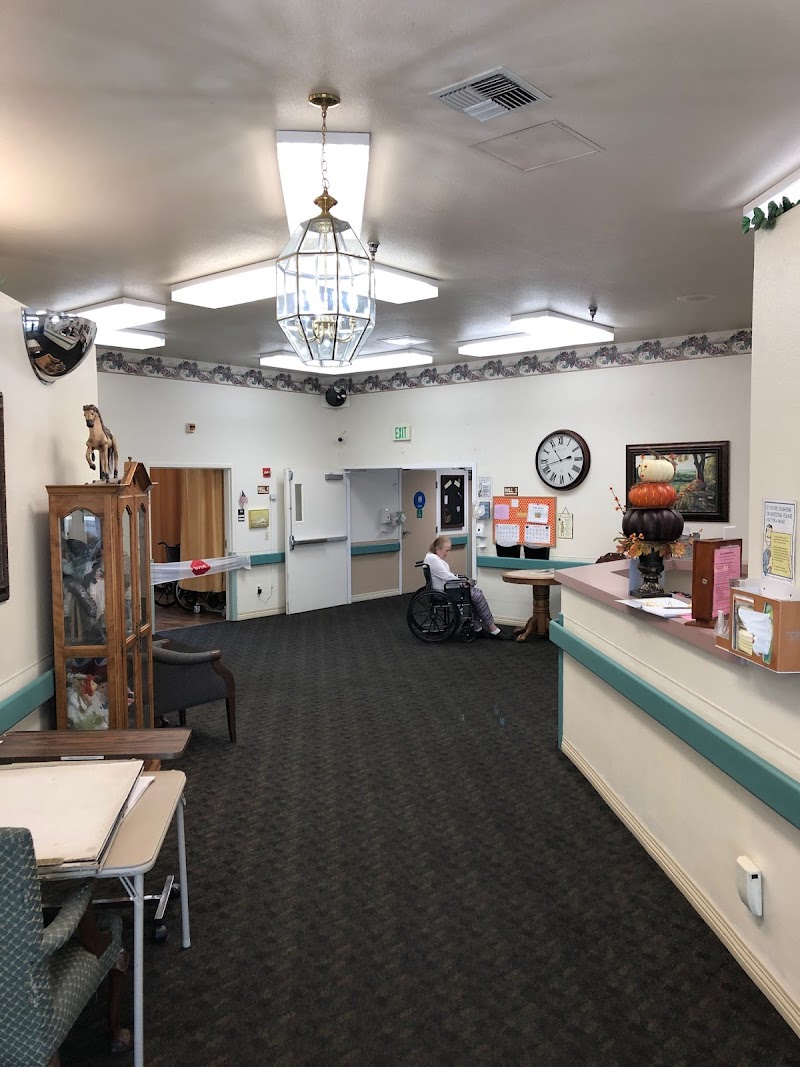
How is Grass Valley Healthcare Center Staffed?

CMS rates GRASS VALLEY HEALTHCARE CENTER's staffing level at 2 out of 5 stars, which is below average compared to other nursing homes.

What Have Inspectors Found at Grass Valley Healthcare Center?

State health inspectors documented 18 deficiencies at GRASS VALLEY HEALTHCARE CENTER during 2018 to 2025. These included: 17 with potential for harm and 1 minor or isolated issues.

Who Owns and Operates Grass Valley Healthcare Center?

GRASS VALLEY HEALTHCARE CENTER is owned by a for-profit company. For-profit facilities operate as businesses with obligations to shareholders or private owners. The facility operates independently rather than as part of a larger chain. With 86 certified beds and approximately 75 residents (about 87% occupancy), it is a smaller facility located in GRASS VALLEY, California.
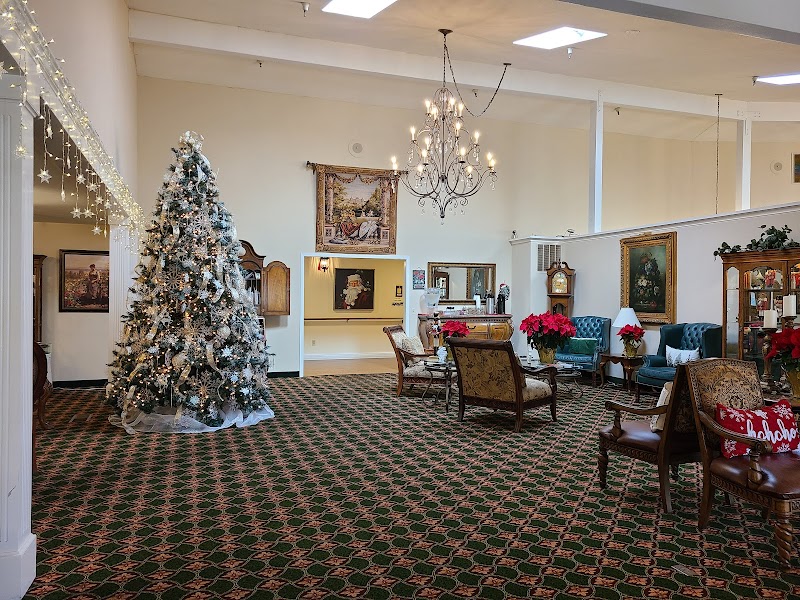
How Does Grass Valley Healthcare Center Compare to Other California Nursing Homes?

Compared to the 100 nursing homes in California, GRASS VALLEY HEALTHCARE CENTER's overall rating (5 stars) is above the state average of 3.2 and health inspection rating (4 stars) is above the national benchmark.

What Should Families Ask When Visiting Grass Valley Healthcare Center?

Based on this facility's data, families visiting should ask: "Can you walk me through typical staffing levels on day, evening, and night shifts?" "Can I visit during a mealtime to observe dining assistance and food quality?" "How do you handle medical emergencies, and what is your hospital transfer rate?" "Can I speak with family members of current residents about their experience?" These questions are particularly relevant given the below-average staffing rating.

Is Grass Valley Healthcare Center Safe?

Based on CMS inspection data, GRASS VALLEY HEALTHCARE CENTER has a clean safety record: no substantiated abuse findings (meaning no confirmed cases of resident harm), no Immediate Jeopardy citations (the most serious violation level indicating risk of serious injury or death), and is not on the Special Focus Facility watch list (a federal program monitoring the lowest-performing 1% of nursing homes). The facility has a 5-star overall rating and ranks #1 of 100 nursing homes in California. While no facility is perfect, families should still ask about staff-to-resident ratios and recent inspection results during their visit.

Do Nurses at Grass Valley Healthcare Center Stick Around?

GRASS VALLEY HEALTHCARE CENTER has not reported staff turnover data to CMS. Staff turnover matters because consistent caregivers learn residents' individual needs, medications, and preferences. When staff frequently change, this institutional knowledge is lost. Families should ask the facility directly about their staff retention rates and average employee tenure.

Was Grass Valley Healthcare Center Ever Fined?

GRASS VALLEY HEALTHCARE CENTER has no federal fines on record. CMS issues fines when nursing homes fail to meet care standards or don't correct problems found during inspections. The absence of fines suggests the facility has either maintained compliance or corrected any issues before penalties were assessed. This is a positive indicator, though families should still review recent inspection reports for the full picture.

Is Grass Valley Healthcare Center on Any Federal Watch List?

GRASS VALLEY HEALTHCARE CENTER is not on any federal watch list. The most significant is the Special Focus Facility (SFF) program, which identifies the bottom 1% of nursing homes nationally based on persistent, serious quality problems. Not being on this list means the facility has avoided the pattern of deficiencies that triggers enhanced federal oversight. This is a positive indicator, though families should still review the facility's inspection history directly.