WOLF CREEK CARE CENTER
107 CATHERINE LANE, GRASS VALLEY, CA 95945 (530) 273-4447
For profit - Limited Liability company 59 Beds PACS GROUP Data: November 2025
Trust Grade
80/100
#273 of 1155 in CA
Last Inspection: May 2025

Inspected within the last 6 months. Data reflects current conditions.

Overview

Wolf Creek Care Center in Grass Valley, California, has a Trust Grade of B+, which means it is above average and recommended for potential residents. It ranks #273 out of 1,155 facilities in California, placing it in the top half, and #3 out of 5 in Nevada County, indicating only two local options are better. However, the facility is experiencing a worsening trend, with issues increasing from 4 in 2023 to 6 in 2025. Staffing is a concern, rated 2 out of 5 stars, with a high turnover rate of 51%, above the state average of 38%. On the positive side, there have been no fines reported, and RN coverage is average, meaning residents do receive some level of professional nursing care. Specific incidents of concern include inadequate staffing for food and nutrition services, which could lead to unsafe food handling practices, and issues with food safety, such as stained and scratched cutting boards and improperly stored food that poses a risk of foodborne illness. Additionally, there were failures in infection control practices for one resident, who did not have their nebulizer mask and oxygen cannula changed as required, increasing the risk of infection. Overall, while Wolf Creek Care Center has some strengths, particularly in its quality measures and absence of fines, families should be aware of significant staffing and safety concerns.

Trust Score
B+
80/100
In California
#273/1155
Top 23%
Safety Record
Low Risk
No red flags
Inspections
Getting Worse
4 → 6 violations
Staff Stability
⚠ Watch
51% turnover. Above average. Higher turnover means staff may not know residents' routines.
Penalties
✓ Good
No fines on record. Clean compliance history, better than most California facilities.
Skilled Nurses
⚠ Watch
Each resident gets only 25 minutes of Registered Nurse (RN) attention daily — below average for California. Fewer RN minutes means fewer trained eyes watching for problems.
Violations
⚠ Watch
27 deficiencies on record. Higher than average. Multiple issues found across inspections.
★★★★★
5.0
Overall Rating
★★☆☆☆
2.0
Staff Levels
★★★★★
5.0
Care Quality
★★★★☆
4.0
Inspection Score
Stable
2023: 4 issues
2025: 6 issues

The Good

  • 5-Star Quality Measures · Strong clinical quality outcomes
  • Full Sprinkler Coverage · Fire safety systems throughout facility
  • No fines on record

Facility shows strength in quality measures, fire safety.

The Bad

Staff Turnover: 51%

Near California avg (46%)

Higher turnover may affect care consistency

Chain: PACS GROUP

Part of a multi-facility chain

Ask about local staffing decisions and management

The Ugly 27 deficiencies on record

May 2025 6 deficiencies
CONCERN (D)

Potential for Harm - no one hurt, but risky conditions existed

Quality of Care (Tag F0684)

Could have caused harm · This affected 1 resident

Based on interview and record review, the facility failed to ensure physician orders were followed in accordance with the facility's policy and procedures as well as professional standards of care for...

Read full inspector narrative →
Based on interview and record review, the facility failed to ensure physician orders were followed in accordance with the facility's policy and procedures as well as professional standards of care for one out of 16 sampled residents (Resident 20), when Resident 20 did not receive insulin (hormone that controls the amount of sugar in the blood) medication within the parameters as ordered by the physician. This failure had the potential for Resident 20 to experience hypoglycemia (condition where the level of sugar in the blood drops below a healthy range) and for the resident to not achieve their highest practicable well-being. Findings: Resident 20 was originally admitted to the facility in September 2022 with multiple diagnoses which included type 2 diabetes mellitus (condition where the body either doesn't produce enough insulin or doesn't respond properly to the insulin). A review of Resident 20's Minimum Data Set (MDS, an assessment tool) dated 3/18/25, indicated, Resident 20 was cognitively intact. During a review of Resident 20's Order Summary Report, dated 5/21/25, Resident 20 had an order for, Insulin Glargine [long-acting synthetic version of human insulin used to treat diabetes] Solution 100 UNIT/ML [unit of measure] Inject 18 unit subcutaneously [under the skin] at bedtime for DM [diabetes mellitus] Hold for FSBS [finger stick blood sugar- test that measures the level of sugar in a small drop of blood] less than 150, with a start date of 7/15/24. During a concurrent interview and record review on 5/20/25, at 2:48 p.m., with Licensed Nurse 1 (LN 1), Resident 20's Medication Administration Record (MAR, a legal document used to record medications given to the residents) for the month of May 2025 was reviewed. LN 1 confirmed Resident 20 had FSBS less than 150 on 5/2/25, 5/6/25, 5/10/25, and 5/13/25 but the MAR indicated insulin was given. LN 1 stated insulin should not have been given on those days because the order stated to hold insulin if FSBS was less than 150. LN 1 stated the expectation were for nurses to always follow the physician orders. LN 1 further stated that not following the physician orders could have potentially been dangerous for Resident 20 and result in them experiencing hypoglycemia. During an interview on 5/21/25, at 9:33 a.m., with the Director of Nursing (DON), DON stated it was the expectation of nursing staff to always follow physician orders including parameters when administrating medications. The DON confirmed that not following physician orders could potentially cause harm to the resident and result in a change of condition. A review of Resident 20's care plan initiated on 10/3/22, indicated, .Fluctuating blood sugars. At risk for ill effects such as: Hypoglycemia (Tremors, Confusion, and Diaphoresis [sweating]) .Medication as ordered . During a review of the facility's Policy and Procedure (P&P) titled, Insulin Administration, revised 10/24, the P&P indicated, .The type of insulin, dosage requirements .are verified before administration to assure that it corresponds with the physician's order. During a review of the facility's P&P titled, Physician Orders, dated 10/24, the P&P indicated, Prescribed medication and treatment orders will be carried out in accordance with the physician/nurse practitioner order. During a review of the facility's P&P titled, Administering Medications, revised 10/24, the P&P indicated, Medications are administered in accordance with prescribers' orders, including any required time frame.
CONCERN (D)

Potential for Harm - no one hurt, but risky conditions existed

Incontinence Care (Tag F0690)

Could have caused harm · This affected 1 resident

Based on interview and record review, the facility failed to ensure one out of 16 sampled residents (Resident 2) received treatment and care in accordance with professional standards of practice, and ...

Read full inspector narrative →
Based on interview and record review, the facility failed to ensure one out of 16 sampled residents (Resident 2) received treatment and care in accordance with professional standards of practice, and facility's policy, procedure (P&P), and care plan when Resident 2's suprapubic catheter (a tube that drains urine from the bladder through a small incision in the lower abdomen) drainage bag was not positioned below Resident 2's bladder during a wound care treatment. This failure had the potential for Resident 2 to develop infection and possible suprapubic catheter complications. Findings: A review of Resident 2's clinical record indicated Resident 2 was initially admitted September of 2024 and had diagnoses that included hemiplegia (complete loss of the ability to move one side of the body) and hemiparesis (partial weakness of one side of the body), urinary tract infection (UTI- an infection in the bladder/urinary tract), and obstructive and reflux uropathy (blockage in the urinary tract that prevents urine from flowing properly causing backflow of urine from the bladder into the ureters). A review of Resident 2's Minimum Data Set (MDS- a federally mandated resident assessment tool) Cognitive Patterns, dated 4/9/25, indicated Resident 2 had a Brief Interview for Mental Status (BIMS- a tool to assess cognition) score of 15 out of 15 which indicated Resident 2 had an intact cognition (mental process of acquiring knowledge and understanding). A review of Resident 2's MDS Bladder and Bowel conditions, dated 4/9/25, indicated Resident 2 has Indwelling catheter [a flexible tube inserted into the bladder and left in place to drain urine] (including suprapubic catheter .) A review of Resident 2's care plan, dated 4/8/25, indicated, [Resident 2] has a Suprapubic Catheter r/t [related to] OBSTRUCTIVE AND REFLUX UROPATHY. A review of Resident 2's care plan intervention, dated 4/8/24, indicated, CATHETER: .suprapubic catheter. Position catheter bag and tubing below the level of the bladder and away from entrance room door. During a concurrent observation and interview on 5/19/25 at 12:36 p.m. with Resident 2, in Resident 2's room, Resident 2 was observed connected to a urinary catheter tubing and bag draining yellowish liquid. The urinary bag was covered with privacy bag and hung on Resident 2's bedside. Resident 2 stated she recently got hospitalized because of UTI. During an observation on 5/20/25 at 10:04 a.m. with the Treatment Nurse (TN), in Resident 2's room, the TN was observed doing Resident 2's wound care treatment on Resident 2's back. The TN placed Resident 2's bed in a flat position, turned Resident 2 sideways, and placed Resident 2's suprapubic catheter drainage bag on the bed, next to her legs. Resident 2's drainage bag was not kept below Resident 2's bladder all throughout the wound care treatment. During a subsequent interview on 5/20/25 at 10:19 a.m. with the TN, in Resident 2's room, the TN confirmed that Resident 2's suprapubic catheter drainage bag was placed on Resident 2's bed and was not kept below Resident 2's bladder all throughout the wound care treatment. The TN stated the drainage bag should be always placed below Resident 2's bladder to prevent back flow of the urine. During an interview on 5/21/25 at 9:44 p.m. with the Infection Preventionist (IP), the IP stated that urinary catheter bag should have been placed below the resident's bladder because there would be a risk for the urine to flow back into the bladder causing possible UTI or other catheter complications. During an interview on 5/21/25 at 11:28 p.m. with the Director of Nursing (DON), the DON stated that the urinary catheter bag should always be placed below the resident's bladder. The DON further stated there would be a risk of infection or other complications if the catheter bag is not placed below the resident's bladder. A review of the facility's policies and procedures titled, Indwelling Catheters, revised 9/2021, indicated, Maintaining Unobstructed Urine Flow .3. The urinary drainage bag must be held or positioned lower than the bladder at all times to prevent the urine in the tubing and drainage bag from flowing back into the urinary bladder.
CONCERN (D)

Potential for Harm - no one hurt, but risky conditions existed

Deficiency F0697 (Tag F0697)

Could have caused harm · This affected 1 resident

Based on interview and record review, the facility failed to ensure one out of 16 sampled residents (Resident 43) received appropriate pain management services consistent with professional standards o...

Read full inspector narrative →
Based on interview and record review, the facility failed to ensure one out of 16 sampled residents (Resident 43) received appropriate pain management services consistent with professional standards of practice, facility's policy and procedure (P&P), and physician's order when Resident 43's pain medication orders were not consistently followed. This failure had the potential for Resident 43 to experience over medication, not achieve pain relief, and not attain her highest practicable well-being. Findings: A review of Resident 43's clinical record indicated Resident 43 was admitted April of 2025 and had diagnoses that included infection following a surgical procedure, fracture (a break in the continuity of a bone) of left lower leg, osteomyelitis (a serious infection of the bone), neuropathy (a nerve condition that can cause pain, numbness, tingling, or weakness in the body), and opioid dependence (reliance on a substance found in certain prescription pain medications). A review of Resident 43's Minimum Data Set (MDS- a federally mandated resident assessment tool) Cognitive Patterns, dated 5/2/25, indicated Resident 43 had a Brief Interview for Mental Status (BIMS- a tool to assess cognition) score of 15 out of 15 which indicated Resident 43 had an intact cognition (mental process of acquiring knowledge and understanding). A review of Resident 43's MDS Health Conditions, dated 5/2/24, indicated Resident 43 occasionally experiences pain and received routine and as needed pain medications, and non-medication intervention for pain. A review of Resident 43's care plan, revised 5/1/25, indicated, Pain: [Resident 43] is at risk for acute pain or discomfort due to wounds, decreased mobility, Neuropathy. A review of Resident 43's care plan intervention, initiated 4/30/25, indicated, Administer medications as ordered . A review of Resident 43's physician's order, dated 4/30/25, indicated, Ibuprofen [a medication for pain] Oral Tablet 200 MG [milligrams- unit of measurement] .Give 2 tablet by mouth every 6 hours as needed for Mild Pain (1-3) [numeric pain scale from 1 to 10; 1-3 is mild pain, 4-6 is moderate pain, 7-10 is severe pain]. A review of Resident 43's physician's order, dated 4/30/25, indicated, oxyCODONE HCl [a controlled medication used to treat moderate to severe pain] Oral Tablet 10 MG .Give 1 tablet by mouth every 6 hours as needed for Moderate to Severe pain (7-10) for 7 Days. A review of Resident 43's physician's order, dated 5/13/25, indicated, oxyCODONE HCl Oral Tablet 10 MG .Give 1 tablet by mouth every 12 hours as needed for Moderate to Severe pain (7-10). During an interview on 5/19/25 at 9:40 a.m. with Resident 43, Resident 43 stated she was not getting her pain medications on time which causes her to experience severe pain at times. A review of Resident 43's medication administration records (MAR- a daily documentation record used by a licensed nurse to document medications and treatments given to a resident) for the month of May 2025 indicated Resident 43 received ibuprofen which was as needed for mild pain on the following occasions: 5/8/25 at 2:23 p.m.- pain level was 5 (moderate pain) 5/9/25 at 12:49 p.m.- pain level was 5 (moderate pain) 5/15/25 at 10:42 a.m.- pain level was 5 (moderate pain) 5/16/25 at 2:14 p.m.- pain level was 7 (severe pain) 5/17/25 at 11:49 a.m.- pain level was 5 (moderate pain) 5/19/25 at 11:58 a.m.- pain level was 10 (severe pain) 5/20/25 at 2:39 p.m.- pain level was 6 (moderate pain) A review of Resident 43's MAR for the month of May 2025 indicated Resident 43 received oxycodone which was as needed for moderate to severe pain on the following occasions: 5/6/25 at 6:15 a.m.- pain level was 0 (no pain) 5/8/25 at 4:31 a.m.- pain level was 3 (mild pain) 5/14/25 at 5:06 a.m.- pain level was 0 (no pain) 5/19/25 at 7:20 a.m.- pain level was 0 (no pain) 5/21/25 at 4:37 a.m.- pain level was 0 (no pain) During a concurrent interview and record review on 5/21/25 at 9:33 a.m. with Licensed Nurse (LN) 2, Resident 43's clinical records were reviewed. LN 2 confirmed that Resident 43's pain medication orders were not consistently followed. LN 2 stated the resident would either have an unrelieved pain or experience overmedication complications if the physician's order is not followed. LN 2 further stated that nurses should always follow the physician's order when administering pain medication. During an interview on 5/21/25 at 11:28 a.m. with the Director of Nursing (DON), the DON stated she would expect staff to assess the resident's pain level first and the pain level should accurately reflect the needed pain medication. The DON further stated the resident's pain would not be managed well or the resident would be overmedicated if the physician's order was not followed. A review of the facility's P&P titled, Pain Assessment and Management, revised 9/2024, indicated, Implementing Pain Management Strategies .3. Implement the medication regimen per Physician orders. A review of the facility's P&P titled, Administering Medications, revised 10/2024, indicated, 2. Medications are administered in accordance with prescriber orders .
CONCERN (E)

Potential for Harm - no one hurt, but risky conditions existed

Infection Control (Tag F0880)

Could have caused harm · This affected multiple residents

Based on observation, interview, and record review, the facility failed to follow and maintain an effective infection prevention and control program for one out of 16 sampled residents (Resident 17) w...

Read full inspector narrative →
Based on observation, interview, and record review, the facility failed to follow and maintain an effective infection prevention and control program for one out of 16 sampled residents (Resident 17) when: 1. Resident 17's nebulizer (machine that turns liquid medicine into a mist that can be easily inhaled) face mask was not changed every seven days and was left uncovered when not in use; and, 2. Resident 17's oxygen nasal cannula (a medical device with two prongs that is connected to an oxygen source used to deliver supplemental oxygen directly into the nostrils) was not changed every seven days. These failures resulted in an increased risk for cross-contamination (movement or transfer of harmful bacteria from one person, object, or place to another), potential exposure to germs, and may cause infection to Resident 17. Findings: 1. A review of Resident 17's clinical record indicated Resident 17 was admitted April of 2025 and had diagnoses that included chronic obstructive pulmonary disease (COPD- a group of diseases that causes airflow blockage and breathing-related problems), respiratory failure (is a serious condition that develops when the lungs can't get enough oxygen into the blood and makes it difficult for a person to breathe on his own), and shortness of breath A review of Resident 17's Minimum Data Set (MDS- a federally mandated resident assessment tool) Cognitive Patterns, dated 4/30/25, indicated Resident 17 had a Brief Interview for Mental Status (BIMS- a tool to assess cognition) score of 15 out of 15 which indicated Resident 17 had an intact cognition (mental process of acquiring knowledge and understanding). A review of Resident 17's MDS Health Conditions, dated 4/30/24, indicated Resident 17 experienced shortness of breath or trouble breathing when lying flat. A review of Resident 17's physician's order, dated 4/28/25, indicated, Budesonide [a medication that reduces inflammation and swelling] Suspension [a mixture where solid particles are mixed with but not dissolved in a liquid] 0.5 MG [milligram- unit of measurement] /2ML [milliliters- unit of measurement] 2 ml inhale orally via nebulizer two times a day for COPD exacerbation [worsening]. During a concurrent observation and interview on 5/19/25 at 9:34 a.m. with Resident 17, in Resident 17's room, Resident 17's nebulizer face mask and tubing was labeled 5/6 and was placed on top of Resident 17's bedside drawer, uncovered. Resident 17 stated she last used her nebulizer last night. During a concurrent observation and interview on 5/19/25 at 10:15 a.m. with Certified Nurse Assistant (CNA) 1, in Resident 17's room, CNA 1 confirmed that Resident 17's nebulizer face mask and tubing was labeled 5/6 which was 2 weeks ago and was placed on top of Resident 17's bedside drawer, uncovered. CNA 1 stated that nebulizer face mask and tubing should be changed every Sunday and should be placed in a black bag when it is not being used for infection control. 2. A review of Resident 17's physician's order, dated 4/29/25, indicated, Oxygen - @ 2 Liters/Min [liters per minute- unit of measurement for oxygen administration flow rate] Via Nasal Cannula Continuous Medical DX [diagnosis]: COPD . A review of Resident 17's physician's order, dated 4/29/25, indicated, Change Nasal Cannula. every night shift every Sun [Sunday] AND as needed. During a concurrent observation and interview on 5/19/25 at 9:34 a.m. with Resident 17, in Resident 17's room, Resident 17 was sitting on the side of her bed, awake, and was on oxygen set at 2 LPM via nasal cannula which was labeled 5/11. Resident 3 stated she uses oxygen all the time. During a concurrent observation and interview on 5/19/25 at 10:15 a.m. with CNA 1, in Resident 17's room, CNA 1 confirmed that Resident 17's oxygen nasal cannula was labeled 5/11. CNA 1 stated oxygen nasal cannula should be changed every Sunday. During an interview on 5/21/25 at 9:44 a.m. with the Infection Preventionist (IP), the IP stated that nebulizer face mask and tubing should always be placed in a bag when not being used and should be changed every Sunday. The IP also stated oxygen nasal cannula should also be changed every Sunday. The IP further stated there would be a risk of infection or possible exposure of the resident to bacteria if the nebulizer face mask is left uncovered and not being changed every week, and if the oxygen nasal cannula is not being changed every week. During an interview on 5/21/25 at 11:28 a.m. with the Director of Nursing (DON), the DON stated she would expect nebulizer face mask and oxygen nasal cannula to be changed every seven days for infection control. The DON further stated she would expect the nebulizer face mask to be clean and placed inside the black bag when not being used. A review of the facility's policy and procedures (P&P) titled, Respiratory Care and Oxygen Administration, revised 10/2024, indicated, Oxygen therapy is administered by way of .nasal cannula .c. The oxygen tubing is changed at least weekly, labeled with the date it was changed .Infection Control Considerations Related to Medication Nebulizers/Continuous .5. Store the nebulizer mask in the antimicrobial bag, marked with date and resident's first initial and last name. 6. Discard the nebulizer tubing and mask at least weekly.
CONCERN (F)

Potential for Harm - no one hurt, but risky conditions existed

Deficiency F0801 (Tag F0801)

Could have caused harm · This affected most or all residents

Based on interview and record review, the facility failed to employ sufficient staff with the appropriate competencies and skills sets to carry out the functions of the food and nutrition service for ...

Read full inspector narrative →
Based on interview and record review, the facility failed to employ sufficient staff with the appropriate competencies and skills sets to carry out the functions of the food and nutrition service for a census of 53 residents when the Registered Dietician (RD) and Dietetic Services Supervisor (DSS) were both hired as part time (an employee who is scheduled to work and who does work a schedule of anything under 32 hours per week) employees. This failure had the potential for unsafe food handling and spread of food borne illnesses in a highly susceptible population. Findings: During an interview on 5/19/25 at 9:40 a.m. with the DSS, the DSS stated she was working as a part time employee for the facility and was also working at another facility. The DSS further stated that their RD was also working as part time employee and the Dietetic Services Supervisor in Training (DSSIT) who was not yet licensed, was working as full-time employee. A review of the DSS's employment document titled, New Hire Input Form, dated 9/7/24, indicated the DSS was hired as a part time employee of the facility on 9/7/24. During an interview on 5/20/25 at 10:52 a.m. with the DSSIT, the DSSIT stated she was working as a full-time employee for the facility. The DDSIT further stated she was currently doing online schooling and will take the Certified Dietary Manager (CDM) examination within four months. A review of the DSSIT's employment document titled, New Hire Input Form, dated 1/27/25, indicated the DSSIT was hired as a full-time employee of the facility on 1/27/25. During an interview on 5/21/25 at 10:01 a.m. with the RD, the RD stated she was working as a part time employee for the facility. A review of the RD's employment document titled, New Hire Input Form, dated 9/11/23, indicated the RD was hired as a part time employee of the facility on 9/11/23. During an interview on 5/21/25 at 11:08 a.m. with the administrator (ADM), the ADM stated that state regulations should be followed. A review of the facility's policies and procedures titled, PERSONNEL MANAGEMENT, undated, indicated, A qualified FNS [Food and Nutrition Services] Director is responsible for the total operation of the Food & Nutrition Services Department. All food & Nutrition service is performed under their direction. PROCEDURE: If a person is not a Registered Dietician, they must meet the Federal and State laws . A review of the California Health and Safety Code, section 1265.4, current as of dated 1/1/23, indicated, (a) A licensed health facility .shall employ a full-time, part-time, or consulting dietitian. A health facility that employs a registered dietitian less than full time, shall also employ a full-time dietetic services supervisor who meets the requirements of subdivision (b) to supervise dietetic service operations .(b) The dietetic services supervisor shall have completed at least one of the following educational requirements: .(4) Is a graduate of a dietetic services training program approved by the Dietary Managers Association and is a certified dietary manager credentialed by the Certifying Board of the Dietary Managers Association . (https://codes.findlaw.com/ca/health-and-safety-code/hsc-sect-1265-4/)
CONCERN (F)

Potential for Harm - no one hurt, but risky conditions existed

Food Safety (Tag F0812)

Could have caused harm · This affected most or all residents

Based on observation, interview, and record review the facility failed to ensure food storage and preparation, and maintenance of food contact surfaces were in accordance with professional standards f...

Read full inspector narrative →
Based on observation, interview, and record review the facility failed to ensure food storage and preparation, and maintenance of food contact surfaces were in accordance with professional standards for food safety for the 53 residents who ate facility prepared meals when: 1. Three out of three small cutting boards had stains, and two out of six large cutting boards had deep scratches; and, 2. A box of garlic bread, a box of fried eggs, and a box of bacon were found with ice crystals built-up, opened and were exposed to air in the freezer. These failures had the potential to put residents at risk for foodborne illnesses. Findings: 1. During a concurrent observation and interview on 5/19/25, within the initial kitchen tour beginning at 8:23 a.m., with the Dietetic Services Supervisor in Training (DSSIT), three out of three small cutting boards were found stained with brownish substance, and two out of six large cutting boards were found with deep scratches. The DSSIT confirmed the observation and stated cutting boards with stains and deep scratches could potentially harbor bacteria. During an interview on 5/21/25, at 10:01 a.m., with the Registered Dietician (RD), the DM stated bacteria might get into those uncleaned cutting board stains or in the groves of those cutting board scratches. The RD further stated cutting boards with stains and deep scratches are risk for bacterial overgrowth and possible foodborne illnesses. A review of the United States (US) Food and Drug Administration (FDA) 2022 Food Code, section 4-501.12, titled Cutting Surfaces, 1/18/23 version, indicated, Cutting surfaces such as cutting boards and blocks that become scratched and scored may be difficult to clean and sanitize. As a result, pathogenic microorganisms transmissible through food may build up or accumulate. These microorganisms may be transferred to foods that are prepared on such surfaces. 2. During a concurrent observation on 5/19/25, within the initial kitchen tour beginning at 8:23 a.m., with the DSSIT, a box of garlic bread, a box of fried eggs, and a box of bacon were all found with ice crystals built-up, opened, and were exposed to air in the freezer. The DSSIT confirmed the observation. During an interview on 5/21/25, at 10:01 a.m., with the RD, the RD stated food items should be tightly sealed when placed in the freezer. The RD further stated the texture and taste of the food could get affected because of the ice crystals build-up. A review of facility's policies and procedures titled, PROCEDURE FOR FREEZER STORAGE, dated 2023, indicated, 5. Store frozen foods in an airtight moisture-resistant wrapper such as a plastic bag or freezer paper to prevent freezer burn (a condition in which ice crystals form on frozen food as the result of air coming into contact with food). A review of the US FDA 2022 Food Code, section 3-302.11, titled Packaged and Unpackaged Food -Separation, Packaging, and Segregation, 1/18/23 version, indicated, (A) FOOD shall be protected from cross contamination by .storing the food in packages, covered containers, or wrappings . A review of the US FDA article titled, Are You Storing Food Safely?, dated 1/18/23, indicated, .Freezer burn is a food-quality issue . (https://www.fda.gov/consumers/consumer-updates/are-you-storing-food-safely)
Dec 2023 1 deficiency
CONCERN (D) 📢 Someone Reported This

A family member, employee, or ombudsman was alarmed enough to file a formal complaint

Potential for Harm - no one hurt, but risky conditions existed

Infection Control (Tag F0880)

Could have caused harm · This affected 1 resident

**NOTE- TERMS IN BRACKETS HAVE BEEN EDITED TO PROTECT CONFIDENTIALITY** Based on observation, interview and record review, the facility failed to provide a sanitary environment when one out of three s...

Read full inspector narrative →
**NOTE- TERMS IN BRACKETS HAVE BEEN EDITED TO PROTECT CONFIDENTIALITY** Based on observation, interview and record review, the facility failed to provide a sanitary environment when one out of three sampled residents, (Resident 1), had oxygen tubing, suctioning tubing and yankhauer (hard tube-like plastic tool which is placed into a person ' s mouth to suction secretions) laying on Resident 1 ' s bedroom floor. This failure had the potential to transmit communicable diseases and infections to Resident 1. Findings: During a review of Resident 1 ' s record titled, admission Record, dated 11/28/2023 indicated Resident 1 was admitted on [DATE]. Resident 1 was admitted with cancer of the major salivary glands (glands located in and around the mouth area), trouble swallowing, muscle weakness and a gastrostomy tube, (tube inserted directly into the stomach used for nutrition when a person cannot eat using their mouth). During a review of Resident 1 ' s record titled, Order Summary Report, indicated Resident 1 had an order for: 1. Oxygen 2 liters via nasal cannula (tube that is connected to oxygen on one end and the other end is placed in a person ' s nose to deliver the oxygen) as needed. 2. Change the nasal canula every night shift on Sundays and as needed. 3. Speech therapy to work with Resident 1 with trial diets to assess if Resident 1 could tolerate food and fluid via the mouth. During a review of Resident 1 ' s record titled, Care Plans, dated 12/1/2023 indicated Resident 1 had mouth care daily, and to ,cue Resident 1 to cough and clear secretions as able and suction as needed. During an interview on 12/6/2023 at 9:20 am, with Resident 1, Resident 1 appeared confused. Resident 1 attempted to respond but was only able to make sounds. During an observation on 12/6/2023 at 9:20 am, in Resident 1 ' s room, observed Resident 1 ' s bed against the wall with a portable oxygen tank next to his bed with oxygen tubing connected to it. The oxygen tubing did not have a date on it and it was laying on the floor under the portable oxygen tank. Resident 1 had a suction machine on a small dresser next to his bed with tubing and a yankhauer. The tubing and yankhauer were laying on the floor under his bedside table. During an interview with Licensed Vocational Nurse (LVN) 1, on 12/6/2023 at 9:25 am, stated she did not know when the oxygen tubing or suction tubing had been placed in Resident 1 ' s room. LVN 1 stated the oxygen tubing, should be changed weekly, dated, and stored in a black bag (an antimicrobial bag to decrease bacteria), hanging on Resident 1 ' s bed. LVN 1 was unsure how to store the suction tubing and yankhauer in Resident 1 ' s room. LVN 1 confirmed Resident 1 ' s oxygen tubing should have been dated. LVN 1 confirmed Resident 1 ' s oxygen tubing, suction tubing and yankhauer should not have been on the floor. During an interview on 12/6/2023 at 10:25 am, with Director of Nursing (DON), confirmed the oxygen tubing should have been dated. DON confirmed Resident 1 ' s oxygen tubing, suction tubing and yankhauer should not have been left on the floor. During an interview on 12/6/2023 at 11:00 am, with Assistant Director of Nursing (ADON), confirmed Resident 1 ' s oxygen tubing should be changed weekly, dated, and stored in an antimicrobial black bag at the resident ' s bedside and not on the floor.
Oct 2023 1 deficiency
CONCERN (D) 📢 Someone Reported This

A family member, employee, or ombudsman was alarmed enough to file a formal complaint

Potential for Harm - no one hurt, but risky conditions existed

Free from Abuse/Neglect (Tag F0600)

Could have caused harm · This affected 1 resident

**NOTE- TERMS IN BRACKETS HAVE BEEN EDITED TO PROTECT CONFIDENTIALITY** Based on interview and record review, the facility failed to protect Resident 1 from abuse when Resident 1 was scratched on the ...

Read full inspector narrative →
**NOTE- TERMS IN BRACKETS HAVE BEEN EDITED TO PROTECT CONFIDENTIALITY** Based on interview and record review, the facility failed to protect Resident 1 from abuse when Resident 1 was scratched on the face and her hair was pulled by Resident 2. This failure caused a scratch to the left cheek and mild scalp pain for Resident 1, potentially leading to adverse clinical outcomes. Findings: A review of Resident 1's (R1) admission Record, indicated R1 was admitted to the facility on [DATE] with diagnoses including stroke, difficulty speaking and lack of coordination. A test for mental function referred to as a Brief Interview for Mental Status (BIMS) was scored as a12 on 8/03/23, indicating moderate cognitive (ability to think and reason) impairment. A review of Resident 2's (R2) admission Record, indicated R2 was admitted on [DATE] with diagnoses including psychosis (a collection of symptoms that affect the mind, where there has been some loss of contact with reality) and anxiety disorder. R2 had a BIMS score of 2 on 7/26/23, indicating severe cognitive impairment. A review of R1's Nurse's Notes, documented by the Director of Nursing (DON) indicated, On 9/14/2023 at 17:10 (5:10 PM), staff responded to screaming from resident's (R1) room. [Staff] Entered to find roommate (R1) pointing to her hair and cheek which was bleeding. R2 was said to have grabbed her (R1) by the hair . After the incident, R1 was observed to have a scratch inflicted by R2 on the left side of her face. There were also tiny scratches on R2's hand caused by her ring being pulled off in the altercation. The ring was documented as being on the floor afterwards. R1 also indicated her hair was pulled by R2. A review of R1's Nurse's Notes, documented by the Director of Nursing (DON) on 9/15/23, indicated that, .she (R1) has mild pain where her hair was pulled. On 10/11/23 at 1:45 PM Certified Nursing Assistant (CNA1) was interviewed regarding the incident. CNA1 stated, I was working that day. She (R2) punched her (R1) and her (R2's) ring scuffed her (R1's) face. CNA1 went on to discuss prevention of future incidents by moving R2 to a different room. During a concurrent interview and record review on 10/12/23 at 9:00 AM , the DON confirmed the incident had taken place. The facility sought treatment for R2 so as to prevent future incidents. The DON related treatment for R2 was effective and no further incidents between R1 and R2 have occurred.
May 2023 1 deficiency
CONCERN (D) 📢 Someone Reported This

A family member, employee, or ombudsman was alarmed enough to file a formal complaint

Potential for Harm - no one hurt, but risky conditions existed

Accident Prevention (Tag F0689)

Could have caused harm · This affected 1 resident

**NOTE- TERMS IN BRACKETS HAVE BEEN EDITED TO PROTECT CONFIDENTIALITY** Based on interview and record review, the facility failed to follow their post-fall care interventions to ensure that one of two...

Read full inspector narrative →
**NOTE- TERMS IN BRACKETS HAVE BEEN EDITED TO PROTECT CONFIDENTIALITY** Based on interview and record review, the facility failed to follow their post-fall care interventions to ensure that one of two sampled residents (Resident 1) was monitored after a fall. The failed practice resulted in Resident 1 not having adequate clinical oversight for 72 hours after a fall with a head injury. Resident 1 was found deceased in his bed 41.5 hours after the fall. Findings: The facility policy and procedure titled, Wolf Creek Care Center Fall Program, revised 2022, directed facility staff to monitor the resident for 72 hours for potential injury related to the fall, and the IDT to meet post fall for evaluation of root cause and risk factors. Patient 1's record was reviewed. Resident 1 was admitted to the facility on [DATE] with diagnoses that included wedge compression fracture of first lumbar vertebra, collapsed vertebra, history of falling, dementia and anxiety disorder. Resident 1 had repeated history of falls and had a total of 2 falls in the 24 days of his stay in the facility. The record showed that on [DATE] at around 11:25 am, Resident 1 was noted with unwitnessed fall. Resident said he was attempting to get out of his bed. Resident stated he hit his head. Resident reported no pain post fall. Neuro checks initiated per protocol. The record had one additional Nursing Post-Fall Review written by the Director of Nurses on [DATE] at 3:57 pm. The next narrative nursing note was written on [DATE] at 7:15 am, which read, at approx. 0600 Staff doing room rounds found resident with no palpable pulse and no respirations. There were no further observations or assessments made in the record regarding Resident 1's fall on [DATE]. During a concurrent interview and record review on [DATE] at 2:10 pm, the Administrator and Nurse Consultant confirmed that the post-fall policy required that Resident 1 was supposed to have neuro signs and vital signs completed by staff every 15 minutes for 1 hour, every 30 minutes for 2 hours, every 1 hour for 4 hours, every 2 hours for 4 hours, every 4 hours for 4 hours and lastly, every 8 hours for 4 hours. They both verified that there was no evidence that this was done. They also verified that there was no follow-up by the IDT (Interdisciplinary Team-group of different disciplines that meet to discuss and review resident care needs) as required in the facility policy.
Mar 2023 1 deficiency
CONCERN (D) 📢 Someone Reported This

A family member, employee, or ombudsman was alarmed enough to file a formal complaint

Potential for Harm - no one hurt, but risky conditions existed

Deficiency F0657 (Tag F0657)

Could have caused harm · This affected 1 resident

**NOTE- TERMS IN BRACKETS HAVE BEEN EDITED TO PROTECT CONFIDENTIALITY** Based on observation, interview and record review, the facility failed to ensure that a care plan for one of two sampled residen...

Read full inspector narrative →
**NOTE- TERMS IN BRACKETS HAVE BEEN EDITED TO PROTECT CONFIDENTIALITY** Based on observation, interview and record review, the facility failed to ensure that a care plan for one of two sampled residents (Resident 1) was revised and updated to reflect a change in condition for a left arm fracture and hospice services (end of life care) ordered. This failure had the potential for resident's individual care needs to go unrecognized, and a risk for a decline in residents physical, mental, and psychological status. Findings: A review of a policy revised February 2022, titled Comprehensive Care Plans, indicated assessments of residents are ongoing and care plans are revised as information about the residents and the residents' conditions change to include identified problem areas, and to incorporate risk factors and associated with identified problems. During a record review of a policy date January 2011, titled Safety and Supervision of Residents the Policy Statement indicated The staff shall use various sources to identify risk factors for residents, and communicate specific interventions to all relevant staff, assign responsibilities for carrying out interventions, provide training as necessary and document interventions. This policy also indicated Monitoring the effectiveness of the interventions shall include to ensure the interventions are implemented correctly and consistently, evaluate the effectiveness of the interventions, and modify or replace the interventions as needed. Resident 1 was admitted to the facility on [DATE] with diagnoses of fracture of left femur (broken upper leg), dementia (a cognitive disorder when a person can no longer be independent), and history of falling. A review of Resident 1's Minimum Data Set (MDS, an assessment tool), dated 01/03/23, indicated functional status for bed mobility, transfers, using toilet, and bathing, is extensive assistance with two assistants needed. Resident 1's Brief Interview for Mental Status (BIMS, an assessment of cognition) assessment score was 5, which indicated a severe cognitive impairment (unable to think and reason). A review of a record dated 1/24/23 titled Emergency Department Patient Discharge Instructions indicated diagnoses after an evaluation at a hospital included new closed fracture (a broken bone that does not go through the skin) of left proximal humerus, (upper arm bone), laceration (a cut) to the left eyebrow and was treated with adhesive glue to not be removed, and an abrasion to the left knee covered with a band aid. Use sling to left arm until follow up with an orthopedist (a doctor who specializes in the treatment of bones). A review of a record for Resident 1 dated 1/24/23 titled Nurse's Note indicated Resident 1 had a follow up appointment scheduled on 1/31/23 with an orthopedist appointment for hip and shoulder. A review of a record for Resident 1 dated 1/31/23 at 11:00 am, seven new orders were received from an orthopedist doctor as follows: 1- Left wrist brace, may remove for bathing, hand washing and skin checks. 2- NWB (non-weight bearing) to left upper extremity. 3-Start gentle range of motion to left shoulder pendulum (an exercise to relieve pain and preserve joint range of motion for shoulder injuries) and gentle range of motion to left elbow. 4-Sling to left upper extremity (LUE) for two more weeks, remove as needed (prn). 5-Weight bearing as tolerated (WBAT) to left lower extremity. 6-Left posterior hip precautions for two more months. 7-Follow up in four weeks. A review of Resident 1's record indicated there was no updated or revised plan of care to include new problems from a fall on 1/24/23 and seven new orders received from an orthopedist on 1/31/23 as of 2/9/23. During an interview on 2/9/23 at 2:29 pm, the Infection Prevention Nurse confirmed there were no instructions or information on the Simplified Plan of Care (a new process started to communicate needs to all staff), posted in Resident 1's room on the closet door for staff to read, no information was listed about the sling to the left arm, weight bearing status for left arm, and no update of hospice services started as of 2/9/23. During an interview on 2/9/23 at 2:50 pm, the Minimum Data Sheet (MDS) coordinator confirmed the plan of care for Resident 1 had not been updated or revised with the new problems for Resident 1 and was not communicated in writing to the staff providing direct care. MDS stated, I agree and confirm the care plan was not up to date or completed after the fracture and the hospice referral/admission. If I had it to do over, I would have just added it. The staff should have been updated in writing, not just a verbal update. During an interview on 2/9/23 at 2:55 pm, the Director of Nursing confirmed the care plan should have been revised for Resident 1 for the changes and new injury when she came back to the facility from the hospital with an injury to be transferred to the [NAME] (a communication tool for all certified nursing assistants to use while providing care) for all the staff to be updated.
Nov 2022 2 deficiencies
CONCERN (D) 📢 Someone Reported This

A family member, employee, or ombudsman was alarmed enough to file a formal complaint

Potential for Harm - no one hurt, but risky conditions existed

Deficiency F0561 (Tag F0561)

Could have caused harm · This affected 1 resident

**NOTE- TERMS IN BRACKETS HAVE BEEN EDITED TO PROTECT CONFIDENTIALITY** Based on interview and record review, the facility failed to ensure one of two sampled residents (Resident 1) was treated with d...

Read full inspector narrative →
**NOTE- TERMS IN BRACKETS HAVE BEEN EDITED TO PROTECT CONFIDENTIALITY** Based on interview and record review, the facility failed to ensure one of two sampled residents (Resident 1) was treated with dignity and respect when the resident felt forced to take a shower. This failure had the potential for Resident 1 to feel devalued as an individual and not feel safe. Findings: A review of the facility ' s policy titled, Resident Rights dated 2011, indicated Residents are entitled to exercise their rights and privileges to the fullest extent possible. Our facility will make every effort to assist each resident in exercising his/her rights to assure that the resident is always treated with respect, kindness, and dignity. A review of Resident 1 ' s medical record revealed that Resident 1 was admitted to the facility on [DATE] with diagnoses of stoke (a brain injury) with left sided weakness, muscle weakness and a contracture of left hand. He was his own responsible party. A review of Resident 1 ' s Minimum Data Set (MDS, a resident assessment) admission assessment dated [DATE], indicated Resident 1 required total dependence with bathing and it was very important for him to choose between a tub bath, shower, bed bath, or sponge bath. Resident 1 ' s Brief Interview for Mental Status (BIMS, an assessment of cognition) assessment score was 14, indicating he was cognitively intact. During an interview on 11/17/22 at 12:05 pm, Resident 1 indicated he usually was given a bed bath because he did not like showers. Resident 1 stated they gave me a forceable shower, A big nurse wrapped her arm around me and plopped me into a shower chair. Resident 1 indicated he felt forced to do something he did not want to do; it was scary and very upsetting to him. During an interview on 11/17/22 at 12:18 pm, Certified Nursing Assistant (CNA) D indicated Resident 1 refused showers because he did not like to get out of bed. He preferred to have bed baths and stated, residents were supposed to get what they wanted. During an interview on 11/17/22 at 12:40 pm, Resident 1 indicated that the night he was given a shower he remembered saying to the CNA I get bed baths, and she (CNA) said no you ' re not, you ' re getting a shower. Resident 1 indicated that they gave him a shower, and he did not want one. Resident 1 stated he told the facility Administrator about it. During an interview on 11/17/22 at 12:45 pm, Resident 1 ' s roommate, Resident 2, indicated he remembered the incident because he had heard the conversation. He remembered Resident 1 telling the CNA he wanted a bed bath but the CNA telling him he was going to get a shower. Resident 2 recalled seeing Resident 1 being pushed out of their room in a shower chair. During an interview on 11/18/22 at 8:22 am, Resident 1 ' s family member (FM) indicated that during a visit to the facility on 11/12 and 11/13/22, Resident 1 mentioned to him that a staff member said, you ' re not getting any more bed baths you are getting a shower. During an interview on 11/21/22 at 8:58 am, CNA B recalled Resident 1 telling her that he was made to take a shower. During an interview on 11/21/22 at 10:06 am, CNA C confirmed that Resident 1 was known to refuse showers a lot. CNA C confirmed that a few weeks ago she had a conversation with Resident 1 about getting a shower when he had asked for a bed bath. She indicated it would be good for him to have at least one shower a week. She confirmed he was given a shower that day. During an interview on 11/22/22 at 12:05 pm, with the Activities Director (AD), the AD indicated she had interviewed Resident 1 concerning his likes and dislikes. AD confirmed that Resident 1 preferred to stay in bed that it was very important to him to choose between his bed bath or shower. AD indicated that if he wanted a bed bath then it was his choice, and he should get a bed bath. During an interview on 11/22/22 at 3:30 pm, the Administrator confirmed that if a resident wanted a bed bath, it was their right to have what they asked for.
CONCERN (D) 📢 Someone Reported This

A family member, employee, or ombudsman was alarmed enough to file a formal complaint

Potential for Harm - no one hurt, but risky conditions existed

Accident Prevention (Tag F0689)

Could have caused harm · This affected 1 resident

**NOTE- TERMS IN BRACKETS HAVE BEEN EDITED TO PROTECT CONFIDENTIALITY** Based on interview and record review, the facility failed to ensure one of two sampled residents (Resident 1) was transferred wi...

Read full inspector narrative →
**NOTE- TERMS IN BRACKETS HAVE BEEN EDITED TO PROTECT CONFIDENTIALITY** Based on interview and record review, the facility failed to ensure one of two sampled residents (Resident 1) was transferred with a full body lift (Hoyer), as his care plan indicated, when Resident 1 was manually transferred by two staff members from his bed to a shower chair then back to his bed again. This failure placed Resident 1 at risk for falling and being injured. Findings: A review of the facility ' s policy titled, Safety and Supervision of Residents dated January 2011, indicated Our facility strives to make the environment as free from accident hazards as possible. Implementing interventions to reduce accident risks and hazards shall include the following: e. ensuring that interventions are implemented. A review of resident 1 ' s medical record revealed that Resident 1 was admitted to this facility on 9/27/22 with the diagnoses of stoke (brain injury) with left sided weakness, muscle weakness, and a contracture of the left hand. He was his own responsible party. A review of Resident 1 ' s Minimum Data Set (MDS, a resident assessment) admission assessment dated [DATE], revealed Resident 1 required total dependence with bathing and extensive assistance with bed mobility (there was no assessment of how he transferred). Resident 1 ' s Brief Interview for Mental Status (BIMS, an assessment of cognition) assessment score was 14, indicating he was cognitively intact. A review of Resident 1 ' s Activity of Daily Living Care Plan dated 9/27/22, revealed interventions indicating Resident 1 required a mechanical lift (Hoyer) for transfers. During an interview on 11/17/22, at 12:05 pm, Resident 1 stated. A nurse wrapped her arm around me and plopped me into a shower chair. He indicated they were supposed to use a lift on him, but they did not that day and it was painful for his already sore left shoulder. During an interview on 11/17/22, at 12:18 pm, with certified nursing assistant (CNA) A, CNA A confirmed that Resident 1 was a two person assist and they were supposed to use a Hoyer for transfers. During an interview on 11/17/22, at 12:45 pm, with Resident 2, Resident 2 was in the bed next to Resident 1. Resident 2 indicated he remembered the incident because he heard Resident 1 land in the shower chair and saw him be pushed out of their room. Resident 2 confirmed that the staff had not brought a lift into the room. During an interview on 11/17/22, at 3:30 pm, with the Director of Rehabilitation (DOR), the DOR confirmed Resident 1 required a Hoyer lift for transfers because of his left sided weakness. The DOR confirmed Resident 1 ' s care plan interventions included the use of a Hoyer for transfers. During an interview on 11/21/22, at 8:58 am, with CNA B, CNA B recalled Resident 1 telling her about a girl (cna) picking him up and putting him in a shower chair. CNA B stated, the staff did this a lot when they are supposed to use a Hoyer. She confirmed that Resident 1 required a Hoyer lift for transfer. During an interview on 11/21/22, at 10:06 am, with CNA C, CNA C confirmed that she and CNA D manually picked up Resident 1 and transferred him to a shower chair and did not use a Hoyer lift. We used a gait belt and a sheet under his legs (she called it a fireman ' s carry). CNA C stated Resident 1 was unable to stand on his feet due to his weakness. CNA C indicated she was unaware that Resident 1 was a Hoyer lift. During an interview on 11/22/22, at 3:30 pm, the Administrator confirmed that Resident 1 ' s care plan indicated he required a Hoyer lift when transferred and should not have been manually transferred by two staff members lifting him.
Nov 2022 9 deficiencies
CONCERN (D)

Potential for Harm - no one hurt, but risky conditions existed

Deficiency F0657 (Tag F0657)

Could have caused harm · This affected 1 resident

**NOTE- TERMS IN BRACKETS HAVE BEEN EDITED TO PROTECT CONFIDENTIALITY** Based on observation, interview and record review, the facility failed to ensure that a care plan for one of fourteen sampled re...

Read full inspector narrative →
**NOTE- TERMS IN BRACKETS HAVE BEEN EDITED TO PROTECT CONFIDENTIALITY** Based on observation, interview and record review, the facility failed to ensure that a care plan for one of fourteen sampled residents (Residents 8) was revised and updated to reflect current fall risk interventions. This failure had the potential for resident's individual care needs to go unrecognized, and a risk for a decline in residents physical, mental, and psychological status. Findings: A review of a facility policy titled, Care Plan Revision, no date, indicated, Care plans shall be reviewed and revised to incorporate goals and objectives that lead to the resident's highest obtainable level of independence . These goals and objectives are revised when the desired outcome has not been achieved . A review of Resident 8's admission record indicated he was admitted to the facility on [DATE], and re-admitted to the facility on [DATE], with diagnoses that included cervical vertebra fracture, abnormal posture, and Parkinson's disease (neurological involuntary movement which includes tremors) A review of the Minimum Data Set (MDS - a resident assessment) dated 8/19/22, indicated Resident 8 reentered the facility from an acute hospital. Resident 8 was screened as having severe cognitive impairment 9unable to think and reason) and required one-person physical assistance for bed mobility (turning side to side), transferring (moving from bed to chair to wheelchair), and locomotion in a wheelchair. A review of Resident 8's at-risk fall care plan dated 8/16/22, indicated that general fall risk interventions should be continued when an 'actual fall' care plan was developed. Interventions indicated the use of a wheelchair with a pad alarm and noted that a fall mat (a specially designed floor mat at the side of bed to protect from serious physical trauma resulting from falls). The fall mat should not be used due to the potential tripping hazard when Resident 8 transferred between bed and wheelchair. During a concurrent observation and interview with CNA E and CNA F on 11/01/22 at 2:54 pm, Resident 8 was in his room, sitting in a wheelchair positioned halfway on a fall mat. CNA E stated Resident 8 had a fall mat placed at the side of his bed for the past 1-2 months to protect him from serious injuries related to forward- leaning falls. CNA E stated that new care plan interventions were communicated to staff at the start of each shift. CNA E and CNA F had not been informed that Resident 8 should not have a fall mat. During a concurrent interview and record review on 11/04/22 at 12:24 pm, the Director of Nursing (DON), and DSD (Director of Staff Development) verified that Resident 8's at risk fall care plan had not been updated to reflect the current plan of care when Resident 8 was currently using a fall mat.
CONCERN (D)

Potential for Harm - no one hurt, but risky conditions existed

Accident Prevention (Tag F0689)

Could have caused harm · This affected 1 resident

**NOTE- TERMS IN BRACKETS HAVE BEEN EDITED TO PROTECT CONFIDENTIALITY** Based on interview and record review, the facility failed to transfer one of fourteen sampled residents, (Resident 45) safely us...

Read full inspector narrative →
**NOTE- TERMS IN BRACKETS HAVE BEEN EDITED TO PROTECT CONFIDENTIALITY** Based on interview and record review, the facility failed to transfer one of fourteen sampled residents, (Resident 45) safely using a Hoyer lift (a mechanical lift used to transfer residents safely) per resident's care plan when two Certified Nursing Assistants (CNA)transferred Resident 45 from the bed to the wheelchair without a lift. This failure resulted in an avoidable accident when Resident 45 sustained a dislocated right shoulder that caused pain. Findings: A review of a facility policy titled, Safety and Supervision of Residents, dated (January 2011), indicated Our facility strives to make the environment as free from accident hazards as possible. The policy instructed that The staff shall use various sources to identify risk factors for residents. It indicated Implementing interventions to reduce accident risks and hazards shall include the following: Communicate specific interventions to all relevant staff, assign responsibilities for carrying out interventions, provide training as necessary and document interventions. It further indicated Monitoring the effectiveness of the interventions shall include the following: Ensure the interventions are implemented correctly and consistently, evaluate the effectiveness of the interventions, and modify or replace the interventions as needed. During a record review of a policy revised (July 2022), titled, Lifting Machine, Using a Mechanical, indicated the purpose is to establish the general principles of safe lifting using a mechanical lift and at least two nursing assistants are needed to safely move a resident with a mechanical lift. During a record review Resident 45 was admitted to the facility on [DATE] for diagnoses of Alzheimer's disease, history of falling and high blood pressure. A review of the Minimum Data Set (MDS, a resident assessment) dated 10/5/22, indicated for functional ability Resident 45 was totally dependent on staff for transfers and needed two assistants. Resident 45 had a severe cognitive impairment (unable to think and reason), unable to verbalize needs, and unable to recall events due to severe memory loss. A review of Resident 45's care plan last revised on 10/12/22, the Hoyer lift was not listed as an identified problem and intervention for safe transfers for Resident 45. A review of the Progress Notes dated 10/28/22 at 10:29 am, indicated, Restorative Nurse Assistant (RNA) was assisting with exercises with Resident 45 and found to have right shoulder pain. Physician was notified and an x-ray ordered for the right shoulder. A record review of the Discharge summary dated [DATE], indicated Resident 45 had dislocated right shoulder. Physician attempted reduction in the emergency department a few times without success, then an orthopedic surgeon was consulted, and patient deemed not a candidate for surgical intervention at this time. During a record review dated 10/1/22, 10/8/22, 10/15/22, and 10/22/22 titled Weekly Summary Notes indicated Resident 45 had zero pain using a pain scale with faces that stated No hurt on all previous days of October 2022. During a review of the Medication Administration Record (MARs) on 11/2/22 at 12:40 pm, Tylenol 650 milligrams (mg, a unit of measure) was administered by mouth (PO) to Resident 45 for pain. A physician was notified requesting an order for break through pain at 1:47 pm by Licensed Nurse (LN) H. Physician ordered Motrin 600 mg PO three times daily as needed for breakthrough pain. During an interview on 11/2/22 at 9:10 am, the Director of Nursing, (DON) stated Resident 45 should have been transferred with a Hoyer lift and was unaware that CNAs were not using the lift. During an interview on 11/2/22 at 9:20 am, CNA A stated with DON present, We were transferring Resident 45 using a side-to-side lift, we did not use the Hoyer lift. I was on the right side and CNA H was on the left. When I found out Resident 45 had a dislocated shoulder on Monday, I tried to tell the DON that CNA H was being rough during the transfer when she helped me with the transfer. During a review of the fall care plan initiated on 11/1/22, indicated to continue to use Hoyer lift for transfers.
CONCERN (D) 📢 Someone Reported This

A family member, employee, or ombudsman was alarmed enough to file a formal complaint

Potential for Harm - no one hurt, but risky conditions existed

Deficiency F0744 (Tag F0744)

Could have caused harm · This affected 1 resident

**NOTE- TERMS IN BRACKETS HAVE BEEN EDITED TO PROTECT CONFIDENTIALITY** Based on observation, interview and record review the facility failed to provide individualized dementia (the loss of cognitive ...

Read full inspector narrative →
**NOTE- TERMS IN BRACKETS HAVE BEEN EDITED TO PROTECT CONFIDENTIALITY** Based on observation, interview and record review the facility failed to provide individualized dementia (the loss of cognitive functioning - thinking, remembering, and reasoning) care plan for two of fourteen sampled residents (Resident 28 and Resident 34). This failure resulted in Resident 28 feeling cold and startled and had the potential to adversely affect the psychosocial well-being of all dementia residents. Findings: 1) During a record review Resident 28 was admitted to the facility on [DATE] with diagnoses of dementia (a cognitive disorder when a person can no longer be independent), dysphagia, (difficulty swallowing), and history of falls. A review of the Minimum Data Set (MDS, an assessment tool), dated 9/15/22, indicated functional status for bed mobility is extensive assistance with two assistants needed, indicated resident is totally dependent on staff for activities of daily living. Resident 1 had severe cognitive impairment (unable to think and reason). A review of Resident 28's care plans, dated 10/17/22, dementia plan of care was not developed nor implemented. During an interview on 11/1/22 at 11:10 am, Resident 28 stated, Yes, they treat me good except those two girls on night shift and they never tell me what they are doing. Resident 28 stated, They just come in here and start undressing me and I get cold. They come in around 4:00 am, but I cannot remember names. It startles me. During an interview with the Administrator (Admin) on 11/1/22 at 12:40 pm, Admin stated Resident 28 talked to Licensed Nurse, (LN) A. Admin stated LN A told him two girls were the ones that startled Resident 28 explained they were being rough. Admin stated the direct care staff needed more training for caring for dementia residents. During a follow up interview on 11/1/22 at 2:30 pm, LN A confirmed Resident 28 had a complaint about night shift and stated, He told me they were rough, that come in around 4:00 am. I reported it to the Admin. During a record review dated 11/1/22 titled Note Text at 1:33 pm, it was documented Resident 28 stated to the Admin he would be happy with facility if they educate the staff to announce themselves. During a record review titled Care Plan revised 11/1/22, indicated Staff will be in-serviced and provided education on the proper ways to provide care to the residents when they are asleep. During an interview on 11/4/22 at 9:20 am, the Director of Nursing (DON) stated, There are yellow triangles for Resident 28's care plan, meaning the care plan is not complete and it needs attention. I do agree the care plan needs specific dementia interventions. 2) During a record review Resident 34 was admitted to the facility on [DATE] for the diagnoses of dementia, diabetes, high blood pressure and heart disease. A review of the MDS dated [DATE], indicated Resident 34 is dependent on staff with all activities of daily living (bathing, grooming, oral hygiene, eating, incontinent care), one assistance is needed at all times for safety. Resident 34 had a severe cognitive impairment. During a record review of a care plan dated 10/3/22, there were no specific interventions for dementia care for direct care staff to follow. During an interview on 11/4/22 at 9:25 am, DON confirmed, Yes the staff needs more training for dementia care. DON confirmed there are no dementia care interventions on the care plans for both Resident 28 and 34. The staff should tell residents step by step what they are doing. We will do hot spot training as soon as possible, I am communicating with the Director of Staff Development, (DSD) to set it up.
CONCERN (D)

Potential for Harm - no one hurt, but risky conditions existed

Pharmacy Services (Tag F0755)

Could have caused harm · This affected 1 resident

**NOTE- TERMS IN BRACKETS HAVE BEEN EDITED TO PROTECT CONFIDENTIALITY** Based on observation, interview, and record review, the facility failed to ensure safe standards of medication administration fo...

Read full inspector narrative →
**NOTE- TERMS IN BRACKETS HAVE BEEN EDITED TO PROTECT CONFIDENTIALITY** Based on observation, interview, and record review, the facility failed to ensure safe standards of medication administration for three of four sampled residents (Residents 164, 39, 33) when: 1. Resident 164 was instructed to take one puff on an inhaler instead of two puffs, resulting in receiving half of the ordered dose, and, 2. Resident 39's identification was not verified at the time of medication administration which placed him at risk of receiving the wrong medication, and, 3. Resident 33 was given a topical antibiotic ointment and the nurse failed to check the expiration date which placed the resident at risk of receiving expired and/or ineffective medication. Findings: 1. Resident 164 who was admitted to the facility on [DATE] with diagnosis of lung disease. A review of Resident 164 physician's order summary dated, [DATE], indicated Spiriva (a medication that relaxes muscles around airways to treat lung disorders) Handihaler Capsule 18 microgram, 2 puffs inhaled orally daily. During a medication pass observation on [DATE] at 8:16 am, Resident 164 was instructed by Licensed Nurse (LN) E to take one inhalation of a Spiriva one puff inhalation instead of 2 puffs as ordered by the physician. During an interview with LN E confirmed that he had given Resident 164 a single puff whereas two puffs were ordered after he checked the label. A facility policy titled, Oral Inhalation Administration, revised [DATE], indicated, the purpose for the policy was to allow for correct administration of oral inhalers to residents; procedures included repeat doses as prescribed. 2. Resident 39 was admitted to the facility on [DATE] with diagnoses which included diabetes, atrial fibrillation (a disorder of the heart that affects its ability to pump normally) and lung disease. During a medication pass observation on [DATE] at 9:06 am, LN F addressed Resident 39 by the first name and proceeded to administer medications without identifying last name or date of birth . During an interview conducted directly after administration, LN F confirmed she should have stated Resident 39 by name and she didn't. A facility policy titled,Administering Medications, 2022, indicated, the individual administering medications must verify the resident's identity before giving medications. 3. Resident 33 was admitted on [DATE] with diagnoses which included dementia, retinal detachment (layers of tissue in the back of the eye detach from the blood vessels that provide it nutrients and oxygen) and vision loss. A review of the physician's order dated [DATE], indicated, triamcinolone 0.1% ointment for dermatitis, apply to rash on body twice [NAME] for 1-2 weeks as needed. During a medication pass observation on [DATE] at 10:30 am, LN D applied ointment to Resident 33 without checking the expiration date on the packet. During a concurrent interview, LN D confirmed that she had not checked the expiration date. A facility policy titled, Administering Medications, dated 2022, indicated, Medication must not be expired.
CONCERN (D)

Potential for Harm - no one hurt, but risky conditions existed

Deficiency F0761 (Tag F0761)

Could have caused harm · This affected 1 resident

**NOTE- TERMS IN BRACKETS HAVE BEEN EDITED TO PROTECT CONFIDENTIALITY** Based on observation, interview and record review, the facility failed to ensure medications were stored, labeled and disposed o...

Read full inspector narrative →
**NOTE- TERMS IN BRACKETS HAVE BEEN EDITED TO PROTECT CONFIDENTIALITY** Based on observation, interview and record review, the facility failed to ensure medications were stored, labeled and disposed of correctly for two of 14 residents (Residents 19 and 34) when: 1. a.Two tubs of triamcinolone cream (a medicated cream to treat certain skin conditions) were found in the treatment cart when they should have been disposed of as the orders for use had expired, and b. An opened bottle of latanoprost (a medicated solution to treat a condition that leads to vision loss) that had not been dated when it was first opened was found in medication cart 2, and, c. An opened bottle of risperidone (a medication to treat certain mood/mental disorders) was found unlabeled in medication cart 2. These failures had the potential for medication misuse and ineffectiveness. Findings: 1. a. During a concurrent observation and interview on [DATE] at 10:25 am with Licensed Nurse (LN) E, two tubs of triamcinolone 0.1% cream labeled for the use of Resident 19 were found. On the labels were the orders as directed by physician, Apply topically to affected area(s) every shift for reoccurring skin condition with a start date of [DATE] and end date of [DATE]. LN E stated that, there was no real process for disposing, of outdated products from the treatment cart and that in his opinion, there should be a designated person for cleaning and checking the treatment cart. The Director of Nurses (DON) approached at this time, was shown the product, and she stated, They should have thrown this out. A facility policy titled, Administering Medications, revised 2022 (no month), indicated Medications must be administered in accordance with the orders. A facility policy titled, Storage of Medications undated, indicated the facility was required to store all drugs and biologicals in a safe, secure, and orderly manner, and shall not use discontinued, outdated, or deteriorated drugs or biologicals. b. During a concurrent observation and interview on [DATE] at 11:21 am with LN D on medication cart 2, an opened bottle of latanoprost solution 0.005% eye drops for Resident 19 was found. The physician ordered on the label for use: instill 1 drop into each eye at bedtime, with a start date of [DATE]. There was no date written on the label indicating when a nurse had first opened the product for use. LN D was uncertain whether eye drops should be dated when first opened. During an interview on [DATE] at 4:17 pm, with DON stated, If writing a date is in the policy then it should be routinely done, and that she will ensure staff are instructed. A facility policy titled, Eye Drops, revised 3/2022, indicated, to administer ophthalmic (a medical term relating to the eye and its diseases) solution into and around the eye in a safe and accurate manner; the first procedure listed was, date bottle when initially opened and discard after 60 days unless shorter expiration date per manufacturer. c. During a concurrent observation and interview on [DATE] at 11:25 am with LN D on medication cart 2 An unlabeled nearly empty bottle of risperidone 0.5 milligram tablets was found. LN D stated the bottle belonged to Resident 34, was no longer used and pulled a card from the cart with doses of risperidone 0.5 mg in individual cells, labeled give 1 tablet (0.5 mg) by mouth two times a day for psychosis. The DON approached during this exchange and was interviewed; she stated that there had been a problem obtaining the medication and Resident 34's family brought in the unlabeled bottle from home. She agreed that it had not been sent to pharmacy to be checked and labeled and that it should have been. A facility policy titled, Personal Medications effective date [DATE], indicated all medications administered in the facility must be labeled in accordance with state and federal laws. Medications brought in with residents from home on admission must be identified and approved by a physician or pharmacist to ensure correct contents and proper labeling.
CONCERN (D)

Potential for Harm - no one hurt, but risky conditions existed

Medical Records (Tag F0842)

Could have caused harm · This affected 1 resident

Based observation, interview, and record review, the facility failed to maintain complete documentation of controlled drugs for two of 14 residents (Residents 35 and 22) when a licensed nurse (LN) did...

Read full inspector narrative →
Based observation, interview, and record review, the facility failed to maintain complete documentation of controlled drugs for two of 14 residents (Residents 35 and 22) when a licensed nurse (LN) did not document doses given at the time of administration. This failure resulted in the incorrect accounting of federally controlled drugs. Findings: A concurrent observation, interview and record review was made on 11/3/22 at 11:03 am, during an inspection of Medication Cart 2. When LN D was instructed to show documentation for the administration of controlled drugs (medications that can potentially be abused or lead to dependence) she requested to complete the documentation first. When asked when she had administered the medications she stated, a couple hours ago. A review of residents' Controlled Drug Records and electronic Medication Administration Records and an observation of the controlled drugs resulted in the finding that two residents (Residents 35 and 22) had been administered controlled drugs (respectively, lacosamide, an anticonvulsant, at 8:15 am, and lorazepam, a sedative, at 9:59 am) and the nurse had failed to document the administration onto the residents' records of controlled substances: 1. Resident 35: Nine tablets of lacosamide 200 milligrams were found upon inspection, and the incomplete Resident Controlled Drug Record indicated there were ten tablets. 2. Resident 22: Twenty-eight tablets of lorazepam 0.5 mg were found upon inspection, and the incomplete Resident Controlled Drug Record indicated there were 29 tablets. During an interview on 11/4/22 at 10 am, regarding the documenting of controlled substances into residents' Controlled Drug Records the DON stated, I would encourage it to be done at the time you're administering it, and added that it is the standard of practice and her expectation is that it be documented at the time the drug is administered. A facility policy titled, Controlled Medications revised 3/2022, indicated that when a controlled medication is administered, the licensed nurse accounts for the medication by entering the date and time, the amount administered, and their signature into the record of controlled medications and the medication administration record (MAR).
CONCERN (E) 📢 Someone Reported This

A family member, employee, or ombudsman was alarmed enough to file a formal complaint

Potential for Harm - no one hurt, but risky conditions existed

Safe Environment (Tag F0584)

Could have caused harm · This affected multiple residents

Based on observation, interview and record review, the facility failed to maintain clean, comfortable, and safe assistive devices needed for daily living for five of fourteen sampled residents (Reside...

Read full inspector narrative →
Based on observation, interview and record review, the facility failed to maintain clean, comfortable, and safe assistive devices needed for daily living for five of fourteen sampled residents (Resident 7, 8, 17, 19 and 45) when their assistive devices (wheelchair) were soiled with food debris and sticky substances. The failure to ensure a safe and sanitary condition of residents' assistive devices resulted in the potential to cause cross contamination between residents from micro-organisms present on the soiled wheelchairs and cushions. Findings: A review of a policy revised 2022, titled, Wheelchair Cleaning, indicated cleaning schedule as follows: All wheel chairs should be cleaned monthly on a weekly schedule when is use and as needed (prn). A cleaning log should be kept recording when wheelchairs are actually cleaned. Policy indicated cleaning method as follows: Remove all cushions from the wheelchair prior to cleaning. Ensure cushions are labeled appropriately. When cleaning, wheelchairs should be turned on their backs and hosed down with pressurized hot water. After being hosed down, the wheelchair should be sprayed with cleaning agent, then wiped down with a clean cloth. Spray cushion with cleaning agent, wipe down with a clean cloth. Return wheelchair to room or storage. 1. During a concurrent observation and interview on 11/2/22 at 9:08 am, Resident 17 and Certified Nursing Assistant, (CNA) A, Resident 17 was unable to communicate verbally except with yes and no answers. Resident 17 was totally dependent on a wheelchair and has left sided weakness. CNA A confirmed observation of the wheelchair was visibly soiled with food particles on the wheelchair cushion, and also confirmed the sides of the wheelchair and the arm rests had dried food particles and dried sticky substances. During a record review of the schedule for cleaning wheelchairs for October 2022 and November 2022, the last recorded date Resident 17's wheelchair was cleaned was on 10/10/22. 2. During a concurrent observation and interview on 11/2/22 at 8:42 am, Resident 7 was in bed and her wheelchair was observed beside the bed with a soiled cushion with sticky substances and food particles. CNA A confirmed the wheelchair cushion, and the outside of wheelchair including the arm rests, sides of the wheelchair had sticky substances and food particles. During a record review of the schedule for cleaning wheelchairs for October 2022 and November 2022, the last recorded date Resident 7's wheelchair was cleaned was on 10/10/22. 3. During a concurrent observation and interview on 11/2/22 at 8:35 am, Resident 45 was lying in bed and her wheelchair was sitting beside the bed. CNA A confirmed observed soiled cushion of reclining wheelchair with a white-color sticky substance, and the outside of her chair and footrest had both white and yellow-colored dried substances. During a record review of the schedule for cleaning wheelchairs for October 2022 and November 2022, the last recorded date Resident 45's wheelchair was cleaned was on 10/7/22. 4. During a concurrent observation and interview on 11/2/22 at 8:47 am, Resident 19's wheelchair was in a corner of room with linens and incontinent care supplies covering the bottom cushion. Linens and supplies were removed by CNA A and soiled cushion observed. CNA A confirmed the wheelchair cushion, arm rests, back support and leg rest had dried food, sticky substances, and food particles. The metal area under the cushion also had food particles and a sticky substance. CNA A stated, They always leave these things in her chair, and it is always dirty. During a record review of the schedule for cleaning wheelchairs for October 2022 and November 2022, the last recorded date Resident's 19's wheelchair was cleaned on 10/10/22. During an interview on 11/3/22 at 10:10 am, the Housekeeping Supervisor, (HS) stated, All wheelchairs are cleaned weekly and prn. We have not completed the 200 hall yet. If the staff tells us a specific wheelchair needs to be cleaned, we will clean it. I do not check after the staff cleans them, I will if I need to. 5. During a concurrent observation and interview on 11/01/22 at 2:54 pm, Resident 8 was sitting in his wheelchair with a dried, yellow fluid and debris resembling food particles saturating the wheelchair frame and seat pad. CNA A and CNA F confirmed Resident 8's wheelchair was soiled and removed the seat pad to reveal large amounts of crusted, yellow fluid, with debris on the underneath seat frame. CNA A and CNA F stated the substance appeared very old and confirmed that a strong odor was coming from the seat frame. CNA A stated she will notify housekeeping that Resident 8's wheelchair needed to be cleaned. During an interview on 11/01/22 at 3:14 pm, DON stated that all resident devices are routinely sanitized monthly by housekeeping. DON further explained if a device needed additional cleaning, the staff that identified the soiled device was expected to clean the device with the necessary cleaning agents at the required dry times. If staff were untrained or unfamiliar with the cleaning processes then they were expected to notify housekeeping of the cleaning need. All device cleanings were to be logged on housekeeping audit sheets. Two days later,during a concurrent observation and interview on 11/03/22 at 11:50 am, Resident 8 was sitting in his wheelchair, hunched over, with a thick yellow substance hanging from his mouth to his leg. Resident 8's left pant leg, left arm, left wheelchair frame, and seat pad was saturated with a thick yellow/orange substance that had a strong odor. CNA G stated it appeared that Resident 8 had vomited on himself and his wheelchair. CNA G advised he was going to change Resident 8 and notify housekeeping that the wheelchair needed to be cleaned. During a record review of the facility's Wheelchair/Geri-Chair Cleaning Log for October 2022 and November 2022, the last recorded date Resident 8's wheelchair was cleaned was 10/17/22. During an interview on 11/04/22 at 11:36 am, DON, DSD, and MDS stated that both housekeeping and CNA's should properly clean devices to a sanitary and safe condition. DON reported she has only been employed with the facility for six weeks and has not had the opportunity to audit the facility's cleaning processes. DON stated she has attended Interdisciplinary Team (IDT-group of healthcare disciplines that meet to discuss residents care needs) meetings where the facility's equipment cleaning processes and back-up equipment inventory were discussed. DON stated to plan a future inservice to train staff on the correct cleaning and disinfection processes of resident equipment.
CONCERN (E) 📢 Someone Reported This

A family member, employee, or ombudsman was alarmed enough to file a formal complaint

Potential for Harm - no one hurt, but risky conditions existed

Comprehensive Care Plan (Tag F0656)

Could have caused harm · This affected multiple residents

**NOTE- TERMS IN BRACKETS HAVE BEEN EDITED TO PROTECT CONFIDENTIALITY** Based on observation, interview and record review, the facility failed to develop a comprehensive care plan to reflect the care ...

Read full inspector narrative →
**NOTE- TERMS IN BRACKETS HAVE BEEN EDITED TO PROTECT CONFIDENTIALITY** Based on observation, interview and record review, the facility failed to develop a comprehensive care plan to reflect the care needs for four of 14 Residents (Residents 8, 14, 33, and 45) when: 1. A care plan problem and intervention for Hoyer lift (a mechanical lift used to safely transfer residents) use was not listed for Resident 45. This failure resulted in a dislocated right shoulder and pain. 2. A comprehensive care plan was not developed for antipsychotic (medication use to treat behaviors) use for Resident 33. This had the potential for staff to be unaware of potential adverse events, side effects or therapeutic effect. 3. Resident 8's skin assessment intervention was not implemented. This had the potential to result in skin injury going unnoticed and untreated. 4. Resident 14's weekly weight interventions were not implemented. This had the potential to result in delayed nutritional care for weight fluctuations. Findings: 1. A review of a facility policy titled, Care Plans, Comprehensive revised (February 2022), indicated a care plan that includes measurable objectives and timetables to meet the resident's physical, psychosocial, and functional needs must be developed and implemented. This included identifying problem areas, risk factors, and the professional services responsible for each element of care to aide in preventing or reducing decline in the resident's functional status. A review of a facility policy titled, Lifting Machine, Using a Mechanical, revised (July 2022), indicated the purpose is to establish the general principles of safe lifting using a mechanical lift. Number one indicated at least two nursing assistants are needed to safely move a resident with a mechanical lift. During a record review Resident 45 was admitted to the facility on [DATE] for diagnoses of Alzheimer's disease, history of falling and high blood pressure. The most recent Minimum Data Set (MDS- an assessment tool) dated 10/5/22 indicated, Resident 45 was totally dependent on staff for transfers, needed extensive assist with two assistant. Resident 45 had a severe cognitive impairment (unable to think and reason), unable to verbalize needs and unable to recall events due to severe memory loss. During a record review titled, Care Plan, last revised on 10/12/22, the Hoyer lift was not listed as an identified problem and intervention for safe transfers for Resident 45. During a record review dated 10/28/22 at 10:29 am, titled, Progress Notes, indicated Restorative Nurse Assistant (RNA) was doing range of motion (ROM) with Resident 45 and found to have right shoulder pain. Physician notified and an x-ray ordered for the right shoulder. During a record review dated 10/31/22, titled, Discharge Summary, for Resident 45 from a hospital indicated on page five Diagnosis for this visit is shoulder injury-Major. Anterior dislocation of right shoulder, physician attempted reduction in the emergency department a few times without success, then an orthopedic surgeon was consulted, and patient deemed not a candidate for surgical intervention at this time. During an interview on 11/2/22 at 9:20 am, Certified Nursing Assistant (CNA) A stated with (DON) present, We were transferring Resident 45 using a side-to-side lift, we did not use the Hoyer lift. I was on the right side and CNA H was on the left. When I found out Resident 45 had a dislocated shoulder on Monday, I tried to tell the DON that CNA H was being rough during the transfer she helped me with. During an interview on 11/4/22 at 2 pm, MDS Coordinator stated, The Hoyer lift is not on the care plan dated 10/12/22, I will add the lift to the new one once I finish Resident 45's MDS for re-admission. 3. A review of Resident 8's admission record indicated he was admitted to the facility on [DATE], and re-admitted to the facility on [DATE], with diagnoses that included cervical vertebra fracture related to a fall, abnormal posture, and Parkinson's disease. (disorder of the central nervous system that affects movement including tremors) A review of medical orders dated 8/30/22, indicated that Resident 8 wears a trunk support harness at all times when up in a wheelchair and requires skin checks to the shoulders and trunk every other day to ensure there is no skin breakdown related to the trunk harness. A review of Resident 8's trunk postural support care plan dated 10/19/22, indicated that skin check interventions were to be implemented every other day to ensure skin integrity underneath the postural support remained intact. A review of Resident 8's treatment administration record dated 9/01/22 - 9/30/22, indicated that required skin checks were not completed on: 9/02, 9/04, 9/08, 9/10, 9/16, 9/20, 9/26, and 9/28. A review of Resident 8's treatment administration record dated 10/01/22 - 10/30/22, indicated that required skin checks were not completed on 10/06 and 10/14. During a concurrent observation and interview with CNA A on 11/02/22 at 8:03 am, Resident 8 was sitting in his wheelchair, wearing a trunk support harness secured to his torso with buckles that clasped behind each shoulder blade and waist. CNA A stated that Resident 8 repositions himself frequently in the wheelchair which can cause the harness to create pressure on Resident 8's shoulders and waist. During an interview on 11/03/22 at 1:19 pm, LN F confirmed that the facilities licensed nurses are responsible for implementing Resident 8's required skin checks every other day to ensure his postural harness is not causing injury to the skin. During a concurrent interview and record review on 11/04/22 at 12:29 pm, DON, MDS, and DSD verified that Resident 8's skin assessment interventions were not implemented in September or October. DON stated the facility did not have a process to audit treatment administration records for completeness of interventions. This will be a an action item at the next staff inservice. 4) A review of Resident 14's admission record indicated she was admitted to the facility on [DATE] with diagnoses that included hip fracture, history of falls, and kidney failure. A review of Resident 14's nutritional problems care plan dated 10/18/22, indicated to refer to IDT for additional interventions. IDT meeting notes dated 10/18/22, indicated RD recommendations of weekly weights x 4 weeks to monitor Resident 14's weight variances. A review of Resident 14's weight and vitals summary dated 11/04/22, indicated Resident 14 was weighed once, on 10/19/22, since the RD recommended weekly weight interventions. Resident 14's weights on week two and week three were not measured. During a concurrent interview and record review on 11/04/22 at 12:29 pm, DON, MDS, and DSD verified that Resident 14's weekly weight interventions were not implemented in 10/22. DON stated the facility's RNAs or CNAs are expected to measure weights as ordered in the Residents' care plans. The facility did not have a process to audit Residents' weight and vitals summary for accuracy of interventions. This will be a an action item at the next staff inservice. 2. Resident 33 was admitted to the facility on [DATE] with diagnoses which included dementia, retinal detachment (layers of tissue in the back of the eye detach from the blood vessels that provide it nutrients and oxygen) and vision loss. A review of Resident 33's order audit report with an order by Medical Doctor (MD) A for quetiapine fumarate (an antipsychotic medication used to control certain mental disorders) 25 milligrams (mg), one tablet to be given at bedtime for the diagnosis of behavioral disturbances as evidenced by picking at eye. A review of resident 33's care plans revealed that there was no care plan in place for antipsychotic use. A concurrent interview and record review was conducted on 11/02/22 at 3:45 pm, with the Director of Nurses (DON). The DON stated that she had not reviewed Resident 33's care plans since starting in her position as DON. DON confirmed that there was no care plan addressing antipsychotic medication and stated that there should have been.
CONCERN (E)

Potential for Harm - no one hurt, but risky conditions existed

Food Safety (Tag F0812)

Could have caused harm · This affected multiple residents

Based on observation, interview and record review, the facility failed to ensure safe and sanitary food preparation and storage practices in the kitchen when: 1. The blue plastic holder for the can ...

Read full inspector narrative →
Based on observation, interview and record review, the facility failed to ensure safe and sanitary food preparation and storage practices in the kitchen when: 1. The blue plastic holder for the can opener and the base was unsanitary. 2. The chipped paint on white shelves in both three-door reach in refrigerators were not easily cleanable. 3. The rusting area of the shelf on the table had stored mixing bowls which had the potential to contaminate the clean metal bowls and containers. 4. A visible amount of water was observed in a kitchen drawer. 5. Four of the kitchen drawers had yellowish sticky food particles on the inside of the drawers which stored cooking utensils. 6. The ventilator fans had black debris in both three-door reach in refrigerators. 7. The cooking utensils had dried food particles. 8. The metal dividers used for separating the food during tray line preparation had food particles. 9. The pipes under the cook preparation (prep) sink next to the stove were covered with black debris and cumulative dust. 10. There were sausage patties in a box unwrapped found exposed to air in the freezer. The food exposed to the air in the freezer could potentially cause freezer burn and affect the quality of the food. The failures to ensure a safe and sanitary condition resulted in the potential for foodborne illness. Findings: 1. During a concurrent observation and interview on 11/1/22 at 10:20 am, the blue plastic piece of the can opener holder was filled with yellowish-brown slime, the metal base of the can opener was full of black debris. After Dietary Aide (DA) A removed the metal base of the can opener more black debris was observed under the base on the table. DA A stated, It looks like it has been a while since this part has been removed. The Dietary Supervisor (DS) confirmed the blue plastic piece of the can opener stand had not been cleaned per cleaning schedule and the base of the can opener needed to be completely removed. DS confirmed the table surface needed to be scrubbed to remove the black debris. DA A and DS confirmed this unclean can opener base could contaminate food and cause food-borne illness. During a record review of a policy dated 2018, titled, Can Opener and Base number three indicated to wash the base with a brush and cloth and a detergent solution following manufacturer's instructions. Make sure the shaft cavity is clean, rinse with fresh water and dry thoroughly with a clean cloth. Number five stated to clean the base at least once every three months, the underside of the base should be cleaned as well as the table where the base rested. 2. During a concurrent observation and interview on 11/1/22 at 9:45 am, both three-door reach-in refrigerators had chipped paint on the white shelves where residents' food was stored. The DS confirmed that cross contamination could potentially occur from the chipped white shelves in the three-door refrigerators that stored food for the residents and could cause food-borne illness. During an interview on 11/2/22 at 8:04 am, the Administrator (admin) stated he would replace all the shelves with chipped paint on both three-door refrigerators due to the potential for contamination to stored food. During a record review of a policy dated 2018, titled, Sanitation, indicated all counters, shelves, and equipment shall be kept clean, maintained in good repair and shall be free from breaks, corrosions, open seam, cracks, and chipped areas. 3. During a concurrent observation and interview on 11/1/22 at 10:22 am, a large rust-colored area was observed on the bottom shelve of the can opener table, cleaned storage mixing bowls were stored on this table over the rust-colored area. The DS confirmed this rust-colored area looked like rust and had the potential to contaminate the cleaned stored bowls and could potentially cause food-borne illness. During an interview on 11/2/22 at 8:10 am, the Admin stated I see the rust spots, I will replace this table. I will approve it now and the DS can order a new table. During a record review of a policy dated 2018, titled, Sanitation, indicated all counters, shelves, and equipment shall be kept clean, maintained in good repair and shall be free from breaks, corrosions, open seam, cracks, and chipped areas. 4. During a concurrent observation and interview on 11/1/22 at 10:28 am, a visible small amount of water was observed on the inside of a scoop (serving utensil) inside a kitchen drawer. DS confirmed all cooking and serving utensils should be kept clean and dry in the drawers to prevent cross contamination with food that could cause food-borne illness. The DS then removed all utensils out of the drawer to rewash and stated the utensils would all be air-dried for proper storage. Review of the Federal Food and Drug Administration (FDA) 2017 Food Code §4-903.11 Equipment, Utensils, Linens, and Single-Service and Single-Use Articles. Cleaned equipment and utensils, shall be stored: (1) In a clean, dry location. 5. During a concurrent observation and interview on 11/1/22 at 10:30 am, four separate kitchen drawers had yellow-colored dried liquid substance on the inside of the drawers, both top and bottom of the drawers with the cooking utensils, spatulas, and scoop utensils. Black debris was also observed on the bottom of the drawers. The DS confirmed the drawers were not clean and removed all utensils from four separate drawers to rewash and stated the staff would clean the drawers before returning utensils to be stored in a clean and dry drawer. DS did confirm the yellow-colored substance and the black debris in the drawers could contaminate food and cause food-borne illness. According to the FDA Federal Food Code 2017, .(C) Non-food contact surfaces of equipment shall be kept free of accumulation of dust, dirt, food residue, and other debris. The presence of food debris or dirt on nonfood contact surfaces may provide a suitable environment for the growth of microorganisms which employees may inadvertently transfer to food. If these areas are not kept clean, they may also provide harborage for insects, rodents and other pests. 6. During a concurrent observation and interview on 11/1/22 at 10:08 am, both three-door refrigerators had a large amount of black debris on the all the ventilators where prepared food is stored. The DS confirmed the ventilators were covered with black debris and would call maintenance to clean as soon as possible and she would move the prepared food to a clean area for safety until the ventilators were cleaned. The DS confirmed the dirty ventilators could cross contaminate food and cause food-borne illness. During a review of a policy dated 2018, titled, Sanitation indicated The maintenance department will assist Food and Nutrition services as necessary in maintaining equipment and doing janitorial duties which the kitchen staff cannot do. During a record review of a policy titled, Sanitation indicated, the kitchen staff is responsible for all the cleaning except for ceiling vents, light fixtures, and the hood over the stove to maintain a clean kitchen. 7. During a concurrent observation and interview on 11/1/22 at 10:15 am, cooking utensils with dried food particles in the kitchen drawer next to the refrigerator. DS confirmed the utensils for preparing food was dirty and had dried food particles. DS removed the utensils with dried food and confirmed dirty utensils could cause cross contamination and result in food-borne illness. During a record review of a policy dated 2018, titled, Sanitation indicated all counters, shelves, and equipment shall be kept clean, maintained in good repair and shall be free from breaks, corrosions, open seam, cracks, and chipped areas. According to the FDA Federal Food Code 2017, .(C) Non-food contact surfaces of equipment shall be kept free of accumulation of dust, dirt, food residue, and other debris. The presence of food debris or dirt on nonfood contact surfaces may provide a suitable environment for the growth of microorganisms which employees may inadvertently transfer to food. If these areas are not kept clean, they may also provide harborage for insects, rodents and other pests. 8. During a concurrent observation and interview on 11/1/22 at 10:25 am, four metal serving dividers for meal preparation had orange-colored food particles present while stored in the drawer for use. The DS confirmed the serving dividers had orange- food particles and removed the dividers for cleaning. DS confirmed the dried food particles on the dividers used for tray line preparation could cross contaminate the cooked food and cause food -borne illness. During a record review of a policy dated 2018, titled, Sanitation, indicated all counters, shelves, and equipment shall be kept clean, maintained in good repair and shall be free from breaks, corrosions, open seam, cracks, and chipped areas. According to the FDA Federal Food Code 2017, .(C) Non-food contact surfaces of equipment shall be kept free of accumulation of dust, dirt, food residue, and other debris. The presence of food debris or dirt on nonfood contact surfaces may provide a suitable environment for the growth of microorganisms which employees may inadvertently transfer to food. If these areas are not kept clean, they may also provide harborage for insects, rodents and other pests. 9. During a concurrent observation and interview on 11/1/22 at 10:35 am, the pipes under the prep sink on the left side of the stove were covered with black debris and cumulative dust. The DS confirmed this debris and dust had the potential to attract pests and harbor bacterial growth. During a record review of a policy titled, Sanitation indicated, the kitchen staff is responsible for all the cleaning except for ceiling vents, light fixtures and the hood over the stove to maintain a clean kitchen. Review of the Federal Food and Drug Administration (FDA) 2017 Food Code §4-601.11, indicated, Nonfood-contact surfaces of equipment shall be kept free of an accumulation of dust, dirt, food residue, and other debris. Also, The objective of cleaning focuses on the need to remove . soil from non-food contact surfaces so that pathogenic microorganisms will not be allowed to accumulate, and insects and rodents will not be attracted. 10. During a concurrent observation and interview on 11/1/22 at 9:50 am, in the freezer, there was a box of opened sausage patties. Inside the box there were many pieces of sausage patties exposed to the air. The DS stated, We were short staffed this morning, and we forgot to seal the bag of frozen sausage. DS confirmed the opened food items need to be sealed to prevent freezer burn. During a record of a policy dated 2018, titled, Freezer Storage indicated to store foods in an airtight moisture-resistant wrapper such as a plastic bag or a freezer paper to prevent freezer burn.
Nov 2019 6 deficiencies
CONCERN (D)

Potential for Harm - no one hurt, but risky conditions existed

Deficiency F0559 (Tag F0559)

Could have caused harm · This affected 1 resident

Based interview, and record review, the facility failed to provide written notice, including the reason for the change, before the resident's room or roommate in the facility was changed for three of ...

Read full inspector narrative →
Based interview, and record review, the facility failed to provide written notice, including the reason for the change, before the resident's room or roommate in the facility was changed for three of three residents review for recent room changes (Residents 8, 16, and 46). This failure resulted in a process that did not take into account the Resident's preferences before making room changes for Residents are made. Findings: On 11/05/19 12:35 pm during an interview, the Social Service Director (SSD) indicated the facility's room change process did not include giving written notice, of any kind, before the resident's room or roommate in the facility was changed. The SSD confirmed no written notice was provided, prior to recent facility initiated room changes, for Residents 8, 16, and 46. On 11/05/19 at 4:20 pm, during an interview and concurrent record review, the Medical Records Director confirmed the following: a. Resident 8 was moved to a new room, on 10/31/19, from the room where he had resided since 6/20/17 (over two years). b. Resident 16 was moved to a new room, on 10/31/19, from the room where he had resided since 7/17/17 (over two years). c. Resident 46 was moved to a new room, on 9/30/19 from the room where she had resided since 9/25/14 (over five years). On 11/7/19 at 11:10 am, during an interview and concurrent review of the facility's room change policy. The DON and Administrator confirmed the policy and procedure, did not include the provision of a written notice, including the reason for the change, before the resident's room or roommate in the facility changed.
CONCERN (D)

Potential for Harm - no one hurt, but risky conditions existed

Deficiency F0560 (Tag F0560)

Could have caused harm · This affected 1 resident

**NOTE- TERMS IN BRACKETS HAVE BEEN EDITED TO PROTECT CONFIDENTIALITY** Based on observation, interview, and record review, the facility failed to ensure the resident right to refuse a room transfer, ...

Read full inspector narrative →
**NOTE- TERMS IN BRACKETS HAVE BEEN EDITED TO PROTECT CONFIDENTIALITY** Based on observation, interview, and record review, the facility failed to ensure the resident right to refuse a room transfer, for one of three residents (Resident 16). This resulted in Resident 16, being moved to a new room without consent, solely for the convenience of the facility. Findings: Resident 16's medical records were reviewed. Resident 16 was admitted to the facility on [DATE] with diagnoses that included a stroke. Resident 16 was alert and oriented. Resident 16's speech was impaired (due to the stroke), but his communication ability was effective to make his needs and wishes known. The record included guidelines to contact Resident 16's Family Member (FM) 1 by text only and if no response, call FM 2 by phone. On 11/04/19 at 12:04 pm, during an interview, Resident 16 stated he was not happy with his new room. Resident 16 stated he was moved to his current room three days ago, and doesn't know why. Resident 16 stated he liked the room he was in and wants to move back to his room. On 11/05/19 at 4:40 pm, during a telephone interview, Resident 16's FM 2 stated she received a call from the facility, on 10/31/19, indicating they needed to move Resident 16 because his level of care had changed and he didn't need as much care anymore. The facility indicated his room would be used for hospital patients. FM 2 confirmed she was not aware of, nor informed of, the residents' right to refuse the room change. On 11/05/19 at 12:35 pm during an interview, the Social Service Director (SSD) indicated the facility initiated a room change process that did not include verbal or written information regarding the resident's right to refuse a room change. The SSD confirmed the facility did not provide Resident 16 and/or his representative, the opportunity to exercise the right to refuse the room change. On 11/05/19 at 4:20 pm, during an interview and concurrent record review, the Medical Records Director confirmed that Resident 16 was moved to a new room, on 10/31/19, from the room where he had resided since 7/17/17 (over two years). On 11/05/19 at 2:10 pm, the Director of Nursing (DON) stated Resident 16 was moved to make room for a new admission. The DON confirmed other male beds were available at the time of the new admission, but Resident 16's room was preferable. On 11/7/19 at 11:10 am, during an interview and concurrent review of the facility's room change policy. The DON and Administrator confirmed the policy and procedure, did not include a process to ensure the resident was provided the opportunity to exercise the right to refuse the room change.
CONCERN (D)

Potential for Harm - no one hurt, but risky conditions existed

Free from Abuse/Neglect (Tag F0600)

Could have caused harm · This affected 1 resident

**NOTE- TERMS IN BRACKETS HAVE BEEN EDITED TO PROTECT CONFIDENTIALITY** Based on interview and record review the facility failed to prevent physical abuse when Resident 21 was the aggressor in an alte...

Read full inspector narrative →
**NOTE- TERMS IN BRACKETS HAVE BEEN EDITED TO PROTECT CONFIDENTIALITY** Based on interview and record review the facility failed to prevent physical abuse when Resident 21 was the aggressor in an altercation with Resident 47. This failure resulted in Resident 47 sustaining bruises from being pinched on the arm by Resident 21. Findings: Resident 21's medical record was reviewed. Resident 21 was admitted to the facility on [DATE] with a diagnosis that included unspecified intellectual disabilities, obsessive-compulsive disorder and bipolar disorder. On 10/03/19 Resident 21 had an assessment of his mental status using a test called a Brief Interview for Mental Status (BIMS) in which he scored a zero (0), indicating he could not mentally perform the assessment exam. Resident 47's medical record was reviewed. Resident 47 was admitted to the facility on [DATE] with a diagnosis that included dementia. On 7/04/19 Resident 47 had a BIMS score of 5 indicating severe cognitive dysfunction; with a BIMS score of 5 memory and recall of events would be minimal. On 11/04/19 at 3:33 PM a review of Resident 21's care plans revealed Resident 21 had care plan intervention entries for Psychotropic Drug Use on 4/06/18 to address behaviors of yelling at staff, self-harm and interventions of giving medications to treat those behaviors. Care plans also included interventions for Wandering Elopement Care Plan on 4/01/19 for Resident 21 wandering into other resident rooms. Wandering into other resident rooms is a known risk for causing resident abuse. Interventions included maintaining a calm environment for Resident 21. A Nurses note dated 10/17/19 at 9:36 PM indicated on 10/17/19 Resident 21 had abusive behavior directed at another resident (Resident 47). Nursing staff documented Resident 21 became agitated when a second nurse was present when Resident 21's noon medications were being given. The medication was administered by LVN 1 with an RN observer which LVN 1 stated 'caused Resident 21 to become agitated.' LVN 1 attempted to take Resident 21 to his room to calm Resident 21 down. On the way down the hallway Resident 21 was yelling and grabbing at staff when he grabbed Resident 47's arm and pinched him. The pinch resulted in a bruise on Resident 47's arm. On 11/06/19 at 1:50 PM the Director of Nursing (DON) was interviewed regarding the altercation between Resident 21 and Resident 47. Licensed Vocational Nurse (LVN 1) was giving medications to (Resident 21) when (Resident 21) became very upset. (Resident 21) started biting himself and yelling out then grabbing at staff. He was able to reach (Resident 47) and pinched him resulting in a few bruises on his arm afterwards. On 11/06/19 at 2:15 PM, LVN 1 was interviewed regarding the altercation between Resident 21 and Resident 47. LVN 1 witnessed the altercation as he was giving Resident 21 his medication. Resident 21 became irritated because medication got stuck in his cup and he started yelling. I tried to calm him down in there and then took him out and towards his room. He was still mad, like yelling and biting himself on his arms then began to grab us. That is when he grabbed (Resident 47) and pinched him hard. There were some bruises on Resident 47's arm afterwards. Review of the facility's policy on abuse prevention titled, Abuse Prevention Program states Our residents have the right to be free from abuse . and requires staff to Protect our residents from abuse by anyone . In this instance resident 47 was not protected per policy when Resident 21 engaged in the altercation.
CONCERN (D)

Potential for Harm - no one hurt, but risky conditions existed

Food Safety (Tag F0812)

Could have caused harm · This affected 1 resident

Based on observation, interview and record review, the facility failed to store and prepare food in a safe and sanitary manner when a container filled with leftover chicken noodle soup was found unlab...

Read full inspector narrative →
Based on observation, interview and record review, the facility failed to store and prepare food in a safe and sanitary manner when a container filled with leftover chicken noodle soup was found unlabelled and areas on the clean side of the kitchen were found to contain areas of grime and food splatter, potentially exposing the residents to food borne illnesses associated with out-dated foods and unclean surfaces. Findings: During the initial tour of the kitchen on 11/4/19 at 10:05 am, a plastic pitcher containing chicken noodle soup was found in refrigerator 2, the cook acknowledged there was no date on the container. Dietary Aide (DA) 1 stated he had put it in the refrigerator the day before and on the cook's instruction, added a label to the container. Review of the facility's policy Food Receiving and Storage, revised October 2017, indicated all foods stored in the refrigerator or freezer will be covered, labeled and dated. During an observation on 11/5/19 at 12:30 pm, dark colored grime was noticed on the lower wall in the corner on the clean side of the kitchen, next to the sink. Grime was also observed on the can opener handle on the table holding the toaster. The toaster had food splattered on one side as did the fire suppression system on the wall above. During a concurrent Interview and observation with the Registered Dietitian (RD) on 11/5/19 at 2 pm, she observed the grime in the corner and on the toaster and can opener and acknowledged it was unsanitary.
CONCERN (E)

Potential for Harm - no one hurt, but risky conditions existed

Resident Rights (Tag F0550)

Could have caused harm · This affected multiple residents

**NOTE- TERMS IN BRACKETS HAVE BEEN EDITED TO PROTECT CONFIDENTIALITY** Based on observation, interview, and record review, the facility failed to ensure residents were treated with respect and dignit...

Read full inspector narrative →
**NOTE- TERMS IN BRACKETS HAVE BEEN EDITED TO PROTECT CONFIDENTIALITY** Based on observation, interview, and record review, the facility failed to ensure residents were treated with respect and dignity for two of three residents (Residents 16 and 46) when they were not informed of, nor provided with the opportunity to exercise the right to refuse a room change. This resulted in avoidable psychosocial distress and could have a negative impact on the resident's health and well-being. Findings: Resident 16's medical records were reviewed. 1. Resident 16 was admitted to the facility on [DATE] with diagnoses that included a stroke, depression, and anxiety disorder. Resident 16 was alert and oriented. Resident 16's speech was impaired (due to the stroke), but his communication ability was effective to make his needs and wishes known. The record included guidelines to contact Resident 16's Family Member (FM) 1 by text only and if no response, call FM 2. On 11/04/19 at 12:04 pm, during an observation and interview, Resident 16 stated he was not happy with his new room. Resident 16 stated he was moved to his current room three days ago, and doesn't know why. Resident 16 stated he liked the room he was in before and wants to move back to his room. On 11/05/19 at 4:40 pm, during a telephone interview, FM 2 explained she received a call from the facility, on 10/31/19, indicating they needed to move Resident 16 because his level of care had changed and he didn't need as much care anymore. The facility indicated his room would be used for hospital patients. FM 2 confirmed she was not aware of, nor informed of, the residents' right to refuse the room change. FM 2 stated FM 1 told her Resident 16 was very upset about the move, he was in the middle of two other residents and one of them yelled at them because of the dog she brought in. Resident 16 was content in his other room. Now he is very upset and so is FM 1. FM 2 stated the FM 1 visits Resident 16, with the dog, almost every day. They sit and watch TV together. She brings him snacks and other things he likes. When she would visit with Resident 16 at the bedside, Resident 16's roommate could not get to his bed, which was irritating for everyone. FM 2 stated Resident 16 and FM 1 wants the facility to move him back to the room he has been in for the last two years. On 11/05/19 at 12:35 pm during an interview, the Social Service Director (SSD) indicated the facility initiated room change process did not include verbal or written information regarding the residents right to refuse a room change. The SSD confirmed the facility did not provide Resident 16 and/or his representative, the opportunity to exercise the right to refuse the room change. On 11/05/19 at 4:20 pm, during an interview and concurrent record review, the Medical Records Director confirmed that Resident 16 was moved to a new room, on 10/31/19, from the room where he had resided since 7/17/17 (over two years). On 11/05/19 at 2:10 pm, the Director of Nursing (DON) stated Resident 16 was moved to make room for a new admission. The DON confirmed other male beds were available at the time of the new admission, but Resident 16's room was preferable. On 11/06/19 at 4:15 pm during an interview, Resident 16 stated he was not aware the room change was going to happen until they came in and told him he was moving. Resident 16 stated he was not given the option to refuse the transfer. Resident 16 indicated the room change was very distressing to him. On 11/7/19 at 11:10 am, during an interview and concurrent review of the facility's room change policy the DON and Administrator acknowledged that the policy and procedure indicated the facility would make room changes as it deemed was necessary. The policy and procedure, and/or the facility practice, did not promote the residents right to refuse a room change. 2. Resident 46's medical record was reviewed. Resident 46 was admitted on [DATE] with diagnoses that included anxiety disorder, schizophrenia (mental disorder) and psychosis (delusional). The record indicated Resident 46 was not capable of making her own health care decisions. Family M was designated as her decision maker. Resident 46 was alert with periods of confusion. On 11/06/19 at 10:30 am, Resident 46 was observed straightening her clothes and bedding while sitting in her wheelchair. Resident 46 refused to be interviewed. On 11/6/19 at 10:40 am, the Medication Nurse (MN) stated the Resident 46 liked her room, seemed content and reasonably happy. MN stated Resident 46 liked being in the first bed and near the medication cart. MN explained she would often self propel out of the room and visit with the nurse. Resident 46 could easily ask for what she needed. MN stated Resident 46 did not want to be bothered much of the time, but at other times she was very engaging. On 11/6/19 at 10:50 am, the Laundry Staff (LS) stated Resident 46 had been in the same room for several years. LS stated Resident 46 was one of her favorite residents. On 11/06/19 at 2:20 pm, during a telephone interview, Family M stated Resident 46 had been in the facility about six years. Family M explained she recently got several phone calls from the facility concerning Resident 46. In 8/2019 the facility called because Resident 46 had two incidents (8/5/19 and 8/28/19) where she had hit another resident. Then in 9/27/19 the facility told her that Resident 46 had to move to a different room. Family M stated she was very upset and told them not to move her. Family M told the facility this would be very bad for Resident 46 and would make her very upset. A couple days later, she got a call in the middle of the night because Resident 46 was so upset about being moved out of her room, she had threatened to kill herself. Family M stated she had not agreed to the room change and was not aware the room change had actually taken place. Family M stated this was the first time she was aware of Resident 46 making suicidal statements while in the facility. On 11/6/19 at 3:30 pm during an interview the SSD confirmed that Family M was opposed to the room change when notified. SSD confirmed the room change was facility initiated and the residents right to refuse the room change was not offered as an option. On 11/06/19 at 4:30 pm, two Certified Nursing Assistants (CNAs) who work with Resident 46 regularly, CNA O and CNA P, were interviewed. The CNAs explained her mood was hit and miss. Things that set her off were other residents repetitive behaviors, and when other residents bump into her or otherwise got into her personal space. Resident 46's progress notes indicated the following: a. On 9/27/19, Family M was made aware of a proposed room change. Family M voiced concern over resident not cooperating with the room change. b. On 9/30/19, at 7:02 pm, the resident continued to acknowledge frustration with the room change verbally to staff. Resident had two episodes of crying spells. c. On 10/1/19 at 1:48 pm, slept in bed throughout the shift. d. On 10/1/19 at 2:17 pm, resident woke up and wheeled her wheelchair down the hall to her previous room. She was upset to find that her belongings had been moved to a new room. She sat outside her previous room and repeatedly stated, This is my bed. I don't want to move. Resident was able to be calmed, but continued to sit outside the door of her previous room. e. On 10/1/10 at 7:50 pm, she stated she just wanted to sleep and to leave her alone, f. when staff encouraged her to get up and take a shower. g. On 10/1/19 at 8:25 pm, Resident was upset about having been moved to a new room. She stated I just want to kill myself. If I can find a knife or a screwdriver I will do it. Resident was difficult to console. Resident was placed on alert charting and every 15 minute checks. h. 10/2/19 at 11:17 am, resident was unhappy with previous room change and made statement to nurse r/t (related to) self harm. Resident has been moved back to her original room. i. 10/2/19 at 1:39 pm, resident was sitting at bedside eating lunch, when asked if everything was ok with her now that she was back in her room, she replied yes, I am happy to be back. Resident 46's behavior monitoring was reviewed for the two week period prior to the room change on 9/30/19. One behavior of unprovoked screaming rage was noted on 9/18/19. One extreme behavior of mood swings was documented on 9/17, 9/21 (x2), and 9/28/19. No incidents towards other residents were documented after 8/28/19 (one month prior to the room change). On 11/7/19 at 11:10 am, the DON explained Resident 46 was moved to another room in the facility because she had had a couple incidents with other residents, (8/5/19 - hit a resident after he waved his hand at her, then he hit her back; and 8/28/19 - hit a confused resident with loud repetitive behaviors, while in the hallway). The DON insisted the facility had the right to move the resident to a different room (on 9/30/19, over a month after the second incident had occurred and the most recent incident prior to 8/5/19 being approximately two years ago) regardless of the amount of time the resident had lived in her room (over five years), regardless of Family M being opposed to the move, and her diagnoses of anxiety disorder and schizophrenia. During a concurrent interview, the Administrator and DON acknowledged the facility did not promote the residents right to refuse a room change. The DON confirmed Resident 46 was very upset with the room change, and was moved back to her original room because of her emotional distress and making statements that she wanted to kill herself.
CONCERN (E)

Potential for Harm - no one hurt, but risky conditions existed

Infection Control (Tag F0880)

Could have caused harm · This affected multiple residents

2. During an observation in the main dining room on 11/4/19 at 12:25 pm, RNA 1 was observed emptying a tray full of lids from the resident's cups and bowls into a trash can, touching the lid with her ...

Read full inspector narrative →
2. During an observation in the main dining room on 11/4/19 at 12:25 pm, RNA 1 was observed emptying a tray full of lids from the resident's cups and bowls into a trash can, touching the lid with her bare hands. She returned to the table where three residents were sitting and proceeded to touch their plates and bowls and assist the residents with their meal. During an interview with RNA 1 on 11/4/19 at 12:30, she stated that she had sanitized her hands outside the room, I told her I saw her walk directly back from the trash can, she did not leave the dinning room, she acknowledged that she had not sanitized her hands before resuming assisting the residents with their meal. A review of the facility policy Assisting the Residents in the Dining Room revised December 2017, indicated that employees must wash their hands or use hand sanitizer before serving food to residents, if there is contact with soiled dishes, clothing or . the employee must wash his/her hands before serving food to the next resident. Based on observation, interview and record review the facility failed to develop and/or implement infection control policies and procedures when: 1. No policy and procedure was found for use of the residential style washing machine in the laundry room (used for small loads). 2. Restorative Nurse Assistant (RNA) touched the lid of a trash can, then proceeded to assist residents with eating without performing hand hygiene. This failure resulted in the potential for cross-contamination of germs and viruses to residents, which could negatively impact their health and well-being. Findings: 1. On 11/06/19 at 3:40 pm, during an observation of the laundry room and a concurrent interview, the Laundry Supervisor (LS) explained a residential style washing machine was used for small loads that included clothing protectors (bib style, used to protect resident clothing during meals), kitchen rags, and other miscellaneous items. LS stated laundry detergent and one ounce of bleach was added to wash loads (unless the material was not appropriate for the use of bleach). When asked about a written policy, procedure, or guidelines for using this machine, LS confirmed none were present in the laundry area. After reviewing the facility's laundry policies, procedures, and other written guidelines, LS stated no directives were in place for the residential style washing machine. When asked about the temperature of the water during wash cycles, LS stated all temperature regulation and monitoring was done by the Maintenance Supervisor (MS). LS was not aware of specific temperature requirements. On 11/07/19 8:10 am, during an interview and concurrent documentation review, MS stated the water temperature in the laundry room was tested on a weekly basis. MS stated the laundry area had its own water heater and temperature regulator that was set to keep the water temperature between 130-140. MS stated he did not have a written directive regarding the temperature requirement. The Water Temperature Checks log, indicated random checks from different locations would be done once each week. Recorded laundry water temperatures (in degrees Fahrenheit) were 135 on 6/7/19, 142 on 7/5/19, 135 on 8/2/19, 137 on 8/30/19, 136 on 9/27/19, and 140 on 10/25/19. MS explained the commercial machine had built in water temperature documentation/monitoring during wash cycles, but the residential style machine did not include any way to monitor/document the temperature of the water during wash cycles. MS confirmed the actual temperature of the water being used could vary depending on recent hot water use. When asked about the use of bleach during wash cycles, MS explained the maintenance person for the commercial machine verbally told him that once ounce per load would meet the requirement. MS was not aware of any written documentation to confirm this was the correct amount. MS stated when he had questions about what to do, he consulted with the person that maintained the commercial washing machine. MS was not aware of a written policy regarding specific requirements for the residential machine wash process (guidelines for water temperature monitoring, quantities of detergent and bleach to be used). MS confirmed he was responsible for the monitoring of the equipment in the laundry room as directed by the facility. MS confirmed no direction was in place for the residential washing machine. On 11/07/19 at 8:40 am, during an interview, the infection control nurse (IC) nurse stated she had recently started in her position and confirmed no evaluation had been done for the washing machine procedure requirements. During a concurrent review of the infection control logs for 2019, no evidence was found that the residential washing machine process had been evaluated for compliance with infection control standards. On 11/07/19 at 11:30 am, during an interview and facility document review, the IC nurse confirmed the facility policy, Department (Environmental Services) - Laundry and Linen, dated 1/2014, included guidelines for washing linen and other soiled items. The policy indicated laundry would be processed in either Low-Temperature (water that is at least 71-77 degrees Fahrenheit (F) and required the use of 125 part-per-million chlorine bleach rinse) or High Temperature processing (washed in water that is at least 140-160 degrees F, for a minimum of 25 minutes). The IC nurse stated the facility used CDC (Centers for Disease Control and Prevention, the US agency charged with tracking and investigating public health trends) guidelines. The IC nurse confirmed the facility policy was not in compliance with CDC guidelines of at least 160 degree F water for hot water washing. The CDC guidelines for infection control in healthcare facilities, dated 2003, indicated the antimicrobial action of the laundering process results from a combination of mechanical, thermal, and chemical factors. Dilution and agitation in water remove substantial quantities of microorganisms. Soaps and detergents function to suspend soils and also exhibit some microbiocidal properties. Hot water provides an effective means of destroying microorganisms. A temperature of at least 160°F (71°C) for a minimum of 25 minutes is commonly recommended for hot-water washing. 2 Water of this temperature can be provided by steam jet or separate booster heater. The use of chlorine bleach assures an extra margin of safety. A total available chlorine residual of 50-150 ppm is usually achieved during the bleach cycle. Chlorine bleach becomes activated at water temperatures of 135°F-145°F (57.2°C-62.7°C). The last of the series of rinse cycles is the addition of a mild acid (i.e., sour) to neutralize any alkalinity in the water supply, soap, or detergent. The rapid shift in pH from approximately 12 to 5 is an effective means to inactivate some microorganisms. Effective removal of residual alkali from fabrics is an important measure in reducing the risk for skin reactions among patients.
Understanding Severity Codes (click to expand)
Life-Threatening (Immediate Jeopardy)
J - Isolated K - Pattern L - Widespread
Actual Harm
G - Isolated H - Pattern I - Widespread
Potential for Harm
D - Isolated E - Pattern F - Widespread
No Harm (Minor)
A - Isolated B - Pattern C - Widespread

Questions to Ask on Your Visit

  • "Can I speak with families of current residents?"
  • "What's your RN coverage like on weekends and overnight?"

Our Honest Assessment

Strengths
  • • Grade B+ (80/100). Above average facility, better than most options in California.
  • • No major safety red flags. No abuse findings, life-threatening violations, or SFF status.
  • • No fines on record. Clean compliance history, better than most California facilities.
Concerns
  • • 27 deficiencies on record. Higher than average. Multiple issues found across inspections.
Bottom line: Generally positive indicators. Standard due diligence and a personal visit recommended.

About This Facility

What is Wolf Creek's CMS Rating?

CMS assigns WOLF CREEK CARE CENTER an overall rating of 5 out of 5 stars, which is considered much above average nationally. Within California, this rating places the facility higher than 99% of the state's 100 nursing homes. This rating reflects solid performance across the metrics CMS uses to evaluate nursing home quality.
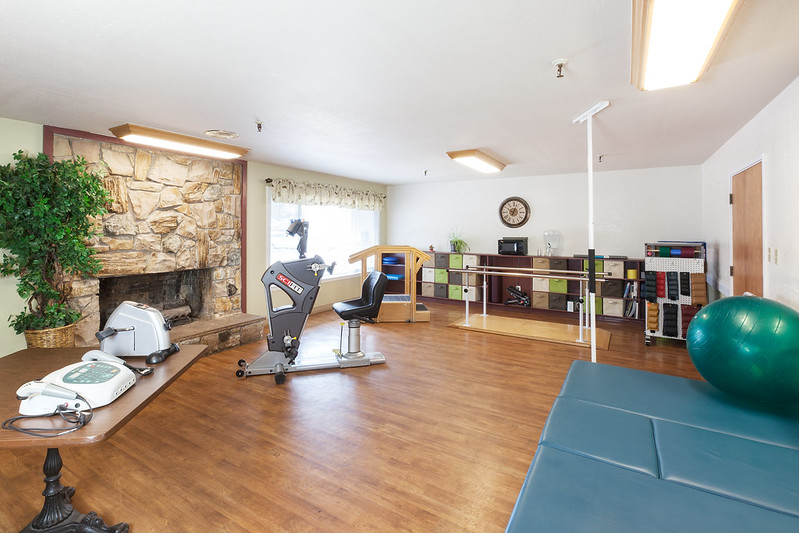
How is Wolf Creek Staffed?

CMS rates WOLF CREEK CARE CENTER's staffing level at 2 out of 5 stars, which is below average compared to other nursing homes. Staff turnover is 51%, compared to the California average of 46%.

What Have Inspectors Found at Wolf Creek?

State health inspectors documented 27 deficiencies at WOLF CREEK CARE CENTER during 2019 to 2025. These included: 27 with potential for harm.

Who Owns and Operates Wolf Creek?

WOLF CREEK CARE CENTER is owned by a for-profit company. For-profit facilities operate as businesses with obligations to shareholders or private owners. The facility is operated by PACS GROUP, a chain that manages multiple nursing homes. With 59 certified beds and approximately 52 residents (about 88% occupancy), it is a smaller facility located in GRASS VALLEY, California.
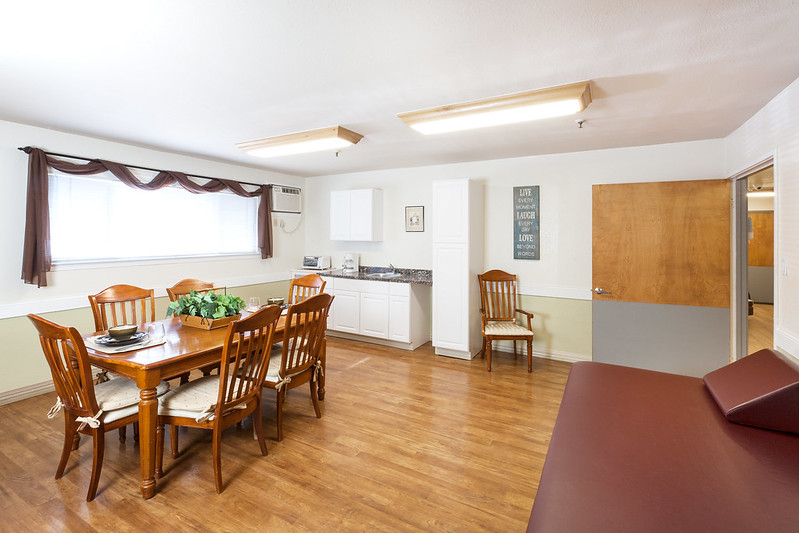
How Does Wolf Creek Compare to Other California Nursing Homes?

Compared to the 100 nursing homes in California, WOLF CREEK CARE CENTER's overall rating (5 stars) is above the state average of 3.2, staff turnover (51%) is near the state average of 46%, and health inspection rating (4 stars) is above the national benchmark.

What Should Families Ask When Visiting Wolf Creek?

Based on this facility's data, families visiting should ask: "Can you walk me through typical staffing levels on day, evening, and night shifts?" "Can I visit during a mealtime to observe dining assistance and food quality?" "How do you handle medical emergencies, and what is your hospital transfer rate?" "Can I speak with family members of current residents about their experience?" These questions are particularly relevant given the below-average staffing rating.

Is Wolf Creek Safe?

Based on CMS inspection data, WOLF CREEK CARE CENTER has a clean safety record: no substantiated abuse findings (meaning no confirmed cases of resident harm), no Immediate Jeopardy citations (the most serious violation level indicating risk of serious injury or death), and is not on the Special Focus Facility watch list (a federal program monitoring the lowest-performing 1% of nursing homes). The facility has a 5-star overall rating and ranks #1 of 100 nursing homes in California. While no facility is perfect, families should still ask about staff-to-resident ratios and recent inspection results during their visit.

Do Nurses at Wolf Creek Stick Around?

WOLF CREEK CARE CENTER has a staff turnover rate of 51%, which is about average for California nursing homes (state average: 46%). Moderate turnover is common in nursing homes, but families should still ask about staff tenure and how the facility maintains care continuity when employees leave.

Was Wolf Creek Ever Fined?

WOLF CREEK CARE CENTER has no federal fines on record. CMS issues fines when nursing homes fail to meet care standards or don't correct problems found during inspections. The absence of fines suggests the facility has either maintained compliance or corrected any issues before penalties were assessed. This is a positive indicator, though families should still review recent inspection reports for the full picture.

Is Wolf Creek on Any Federal Watch List?

WOLF CREEK CARE CENTER is not on any federal watch list. The most significant is the Special Focus Facility (SFF) program, which identifies the bottom 1% of nursing homes nationally based on persistent, serious quality problems. Not being on this list means the facility has avoided the pattern of deficiencies that triggers enhanced federal oversight. This is a positive indicator, though families should still review the facility's inspection history directly.