
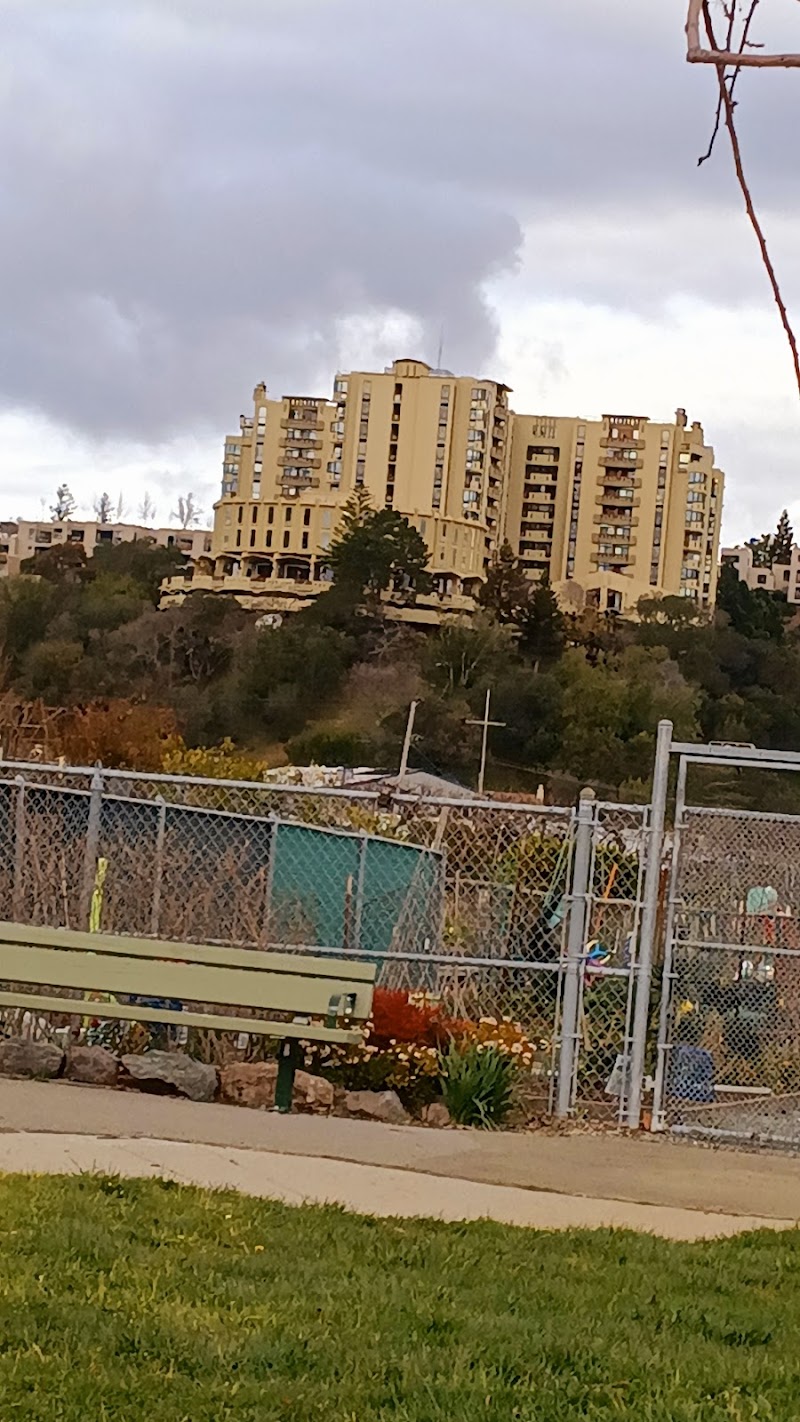


THE TAMALPAIS

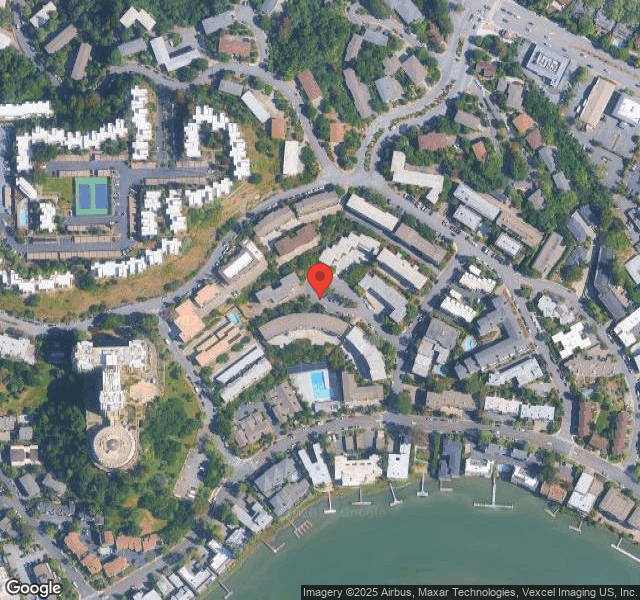
501 VIA CASITAS, GREENBRAE, CA 94904 (415) 461-2300
Non profit - Corporation 52 Beds Independent Data: November 2025
Trust Grade
65/100
#701 of 1155 in CA
Last Inspection: September 2025

Inspected within the last 6 months. Data reflects current conditions.

Overview

The Tamalpais in Greenbrae, California has a Trust Grade of C+, which means it is slightly above average but still has notable shortcomings. It ranks #701 out of 1155 facilities in California, placing it in the bottom half, and #6 out of 11 in Marin County, indicating that there are better local options available. The facility's performance is worsening, with reported issues increasing from 5 in 2023 to 8 in 2025. While it has good RN coverage, with more than 87% of California facilities, staffing is a significant weakness, receiving only 1 out of 5 stars and a turnover rate of 41%, which is average. Notably, the facility has had incidents such as failing to provide RN coverage for eight consecutive hours daily over several months, which risks inadequate care, and not maintaining proper hand hygiene in the kitchen, which could lead to infection spread. Additionally, the lack of a dedicated full-time infection preventionist is concerning for resident health and safety.

Trust Score
C+
65/100
In California
#701/1155
Bottom 40%
Safety Record
Low Risk
No red flags
Inspections
Getting Worse
5 → 8 violations
Staff Stability
○ Average
41% turnover. Near California's 48% average. Typical for the industry.
Penalties
✓ Good
No fines on record. Clean compliance history, better than most California facilities.
Skilled Nurses
✓ Good
Each resident gets 55 minutes of Registered Nurse (RN) attention daily — more than average for California. RNs are trained to catch health problems early.
Violations
⚠ Watch
14 deficiencies on record. Higher than average. Multiple issues found across inspections.
★★★☆☆
3.0
Overall Rating
★☆☆☆☆
1.0
Staff Levels
★★☆☆☆
2.0
Care Quality
★★★★☆
4.0
Inspection Score
Stable
2023: 5 issues
2025: 8 issues

The Good

  • Full Sprinkler Coverage · Fire safety systems throughout facility
  • No fines on record
  • Staff turnover below average (41%)

    7 points below California average of 48%

Facility shows strength in fire safety.

The Bad

3-Star Overall Rating

Near California average (3.1)

Meets federal standards, typical of most facilities

Staff Turnover: 41%

Near California avg (46%)

Typical for the industry

The Ugly 14 deficiencies on record

Sept 2025 8 deficiencies
CONCERN (D)

Potential for Harm - no one hurt, but risky conditions existed

Deficiency F0628 (Tag F0628)

Could have caused harm · This affected 1 resident

**NOTE- TERMS IN BRACKETS HAVE BEEN EDITED TO PROTECT CONFIDENTIALITY** Based on interview and record review, the facility failed to ensure one of 2 sampled discharge residents (Resident 26), had a di...

Read full inspector narrative →
**NOTE- TERMS IN BRACKETS HAVE BEEN EDITED TO PROTECT CONFIDENTIALITY** Based on interview and record review, the facility failed to ensure one of 2 sampled discharge residents (Resident 26), had a discharge order and discharge summary maintained in their medical record. This failure had the potential to adversely affect Resident 26's continuity of care after discharge. Findings:During a review of Resident 26's Face Sheet, the Face Sheet indicated Resident 26 was admitted to the facility on [DATE] with diagnoses of atrial fibrillation (irregular heart rhythm), myocardial infarction (heart muscle damage), asthma (difficulty breathing), high blood pressure, and elevated liver enzymes.During a concurrent interview and record review on 9/10/2025 at 3:13 p.m. with Minimum Data Set Registered Nurse (MDSRN - nurse who specializes in collecting patient data in a long-term care facility), Resident 26's electronic medical record (EMR) was reviewed. The MDSRN indicated that the physician should write a discharge order and discharge summary to provide the resident guidance for continued medical treatment after discharge. MDSRN verified that no discharge order or discharge summary was in the EMR or provided to Resident 26.During an interview on 9/11/2025 at 10:00 a.m. with the Medical Director (MD) 1, the MD 1 indicated that it was the responsibility of the discharging physician to provide a discharge summary for the family and continuing care provider for continuity of care. MD 1 also stated the discharging physician was responsible for ensuring a signed discharge order was in the EMR.During a concurrent interview and record review on 9/11/2025 at 11:50 a.m. with the Director of Nursing (DON), Resident 26's EMR was reviewed. The DON verified that no doctor's discharge order, discharge note, or discharge summary was in Resident 26's EMR. During a concurrent interview and record review on 9/11/2025 at 3:00 p.m. with the Social Worker (SW), Resident 26's EMR was reviewed. The SW stated that the discharge physician should have provided a discharge order and discharge summary when it was determined the resident was ready for discharge. These documents should have been given to the resident upon discharge and forwarded to the primary care provider or specialist who will continue to care for the resident after discharge. The SW stated the importance of the summary was to make the primary care provider aware of the resident's current health status and any continued medical needs of the resident. The SW indicated that she did not forward a discharge summary to the primary care physician of Resident 26. The SW verified that Resident 26's EMR did not have a discharge order or discharge summary.During a review of the facility's policy and procedure (P&P) titled, Provision of physician services, alternate schedule for visits, and prompt notification of physicians, dated 4/2024, the P&P indicated, The resident shall be discharged only with a written order of the physician. A discharge summary shall be completed within 14 days of discharge.During a review of the facility's policy and procedure (P&P) titled, Discharge plan and post discharge plan of care, dated 3/2024, the P&P indicated, There shall be a physician order for discharge and the reason for discharge . At a minimum the discharge summary will contain a summary of the resident's status to include a description of the resident's medical condition, current medical status, . special treatments or procedures, . drug therapy and disposition of medications.
CONCERN (D)

Potential for Harm - no one hurt, but risky conditions existed

Comprehensive Care Plan (Tag F0656)

Could have caused harm · This affected 1 resident

**NOTE- TERMS IN BRACKETS HAVE BEEN EDITED TO PROTECT CONFIDENTIALITY** Based on observation, interview, and record review, the facility failed to develop a care plan (an individualized plan that prov...

Read full inspector narrative →
**NOTE- TERMS IN BRACKETS HAVE BEEN EDITED TO PROTECT CONFIDENTIALITY** Based on observation, interview, and record review, the facility failed to develop a care plan (an individualized plan that provides direction on the type of care a resident needs) for one of 17 sampled residents (Resident 2). This failure had the potential for Resident 2 to not receive the specific services necessary to meet her needs.Findings: During a review of Resident 2's Profile Face Sheet (demographic), the Profile Face Sheet indicated Resident 2 was admitted to the facility on [DATE] with a femur (bone of the thigh) fracture and Alzheimer's Disease (a progressive brain disorder that causes memory loss, confusion, and other cognitive decline).During an observation on 9/8/25 at 5:38 p.m., outside of Resident 2's room, an Enhanced Barrier Precautions (EBP, are infection control interventions designed to reduce the spread of multidrug-resistant organism, MDROs - a germ that is resistant to many antibiotics) sign was posted on the wall below Resident 2's name plate. The EBP indicated, Stop. Everyone must: clean their hands, including before entering and when leaving the room. Providers and staff must also: Wear gloves and a gown for the following high-contact resident care activities. Dressing, Bathing/Showering, Transferring, Changing Linens, Providing Hygiene, Changing briefs or assisting with toileting. Device care or use: central line, urinary catheter, feeding tube, tracheostomy. Wound care: any skin opening requiring a dressing. CNA (Certified Nursing Assistant) 1 entered Resident 2's room and informed Resident 2 that dinner was being served. CNA 2 entered Resident 2's room with a meal tray. CNA 1 and CNA 2 were observed moving and repositioning Resident 2 on her bed, preparing her to eat. CNA 1 and CNA 2 did not have on gloves or gown while moving and repositioning Resident 2 in bed. During an interview on 9/8/25 at 5:43 p.m., with CNA 1, CNA 1 stated Resident 2 was in EBP because Resident 2 had a dressing on her leg. CNA 1 stated staff did not need to wear a gown or gloves when the staff reposition a resident in bed.During a review of Resident 2's interdisciplinary notes dated 8/23/25 - 9/10/25, there was no documented evidence when EBP was initiated or the reason why Resident 2 was on EBP.During a review of Resident 2's Baseline and Comprehensive Care Plan, there was no care plan for EBP.During an interview on 9/10/25 at 3:21 p.m., with the Infection Preventionist (IP), the IP stated moving a resident in bed was considered high-contact care. IP stated the certified nursing assistants should have worn gown and gloves when moving a resident who was on EBP. IP stated the facility uses the Centers for Disease Control and Prevention (CDC) EBP as a guideline. IP further stated the facility did not have an EBP policy and procedures.During a concurrent interview and record review on 9/11/25 at 9:32 a.m., with IP, Resident 2's medical record was reviewed. IP stated Resident 2 was on EBP because on 8/23/25 a skin tear was found on Resident 2's left leg. IP confirmed that between 8/23/25 - 9/10/25, Resident 2's interdisciplinary notes had no documented evidence when EBP was initiated or the reason why Resident 2 was on EBP. IP confirmed there was no documented evidence of EBP in Resident 2's care plan. During an interview on 9/11/25 at 11:44 a.m., with the IP, IP stated the CDC guidelines does not indicate that EBP was required to be care planned. The IP stated EBP was not part of the care planning process. During a review of the facility's policy and procedures (P&P) titled, Care Planning / Interdisciplinary Team Care Planning Conference, dated March 2024, the P&P indicated, All residents will have a comprehensive care plan to meet their individual needs that is prepared by an interdisciplinary Team within 7 days after the completion of the comprehensive assessment and periodically reviewed and revised after subsequent assessments. Procedure . 9. Care plans are revised per RAI (Resident Assessment Instrument) schedules and as changes in the resident's condition dictates .
CONCERN (D)

Potential for Harm - no one hurt, but risky conditions existed

Quality of Care (Tag F0684)

Could have caused harm · This affected 1 resident

**NOTE- TERMS IN BRACKETS HAVE BEEN EDITED TO PROTECT CONFIDENTIALITY** Based on observation, interview, and record review, the facility failed to provide the necessary care and services to attain or ...

Read full inspector narrative →
**NOTE- TERMS IN BRACKETS HAVE BEEN EDITED TO PROTECT CONFIDENTIALITY** Based on observation, interview, and record review, the facility failed to provide the necessary care and services to attain or maintain the highest practicable well-being for two of 17 sampled residents (Resident 8 and Resident 22) when:1. Resident 8 was observed without a wanderguard device (a wearable device designed to help prevent residents at risk of wandering from leaving a designated area in a care facility) per physician's order and there was no elopement assessment prior to placing a wander guard device on Resident 8. These failures had the potential to adversely affect Resident 8's physical and psychosocial well-being.2. Resident 22's floor mats were not placed as ordered by the physician. This failure had the potential to cause injury to Resident 22. Findings: 1.During a review of Resident 8’s “Profile Face Sheet (demographic),” the “Profile Face Sheet” indicated Resident 8 was admitted to the facility on [DATE] with a diagnosis of dementia (a general term for a decline in mental ability that is severe enough to interfere with a person’s daily life and functioning). During a review of Resident 8’s “Physician’s Orders,” dated 2/8/24, the “Physician’s Orders” indicated orders to change wanderguard as needed to the right wrist, to check the battery of the wander guard daily (on the right wrist), and to check the placement of the wander guard every shift. During a concurrent observation and interview on 9/9/25 at 11:56 a.m., with Resident 8’s Care Giver (CG) 1, Resident 8 was sitting on a wheelchair in the Sunroom. CG 1 stated she was familiar with Resident 8. CG 1 checked for a wanderguard device on Resident 8’s wrists and on Resident 8’s wheelchair. CG 1 stated there was no wanderguard device on Resident 8’s wrists nor on Resident 8’s wheelchair. During a concurrent observation, interview, and record review on 9/9/25 at 12:03 p.m., with Registered Nurse (RN) 1, RN 1 verified that Resident 8 had active physician’s orders for a wanderguard device. RN 1 stated the wander guard device was placed on her wheelchair because the wander guard bracelet would cut her skin. RN 1 checked the wheelchair Resident 8 was sitting on but was unable to locate the wanderguard device. During a concurrent interview and record review on 9/9/25 at 3:34 p.m., with RN 2, Resident 8’s medical record was reviewed. RN 2 confirmed Resident 8’s physician’s orders for wander guard device dated 2/8/24. RN 2 stated Resident 8 had a history of attempting to leave the unit by trying to go on the elevator on her own. RN 2 stated Resident 8 required supervision when she leaves the unit. RN 2 stated that on 2/8/25 at 10:25 p.m., the interdisciplinary note indicated Resident 8 was asking for the location of the elevator because she wanted to go back to her apartment and a wanderguard was put on Resident 8’s right wrist. RN 2 stated Resident 8 had only one “Elopement Risk Assessment” dated 4/15/24 which indicated Resident 8 was at risk for elopement. RN 2 stated a wanderguard device should have been on Resident 8’s right wrist and should always be on Resident 8. During an interview on 9/10/25 at 8:34 a.m., with the Director of Nursing (DON), the DON stated an elopement assessment is typically done upon admission, when there was a change of condition, and annually. The DON stated an elopement assessment for Resident 8 should have been completed prior to putting a wanderguard device on her. During a review of the facility’s policy and procedures (P&P) titled, “Elopement and Hazardous Wandering,” dated January 2016, the P&P indicated, “Prevention & Intervention I. Resident Assessments A. All new residents shall be assessed for risk of hazardous wandering. The assessment is completed during the admission process, annually, each time a resident moves to a different level of care, and more frequently in accordance with the resident’s condition.” 2. During a review of Resident 22’s “Profile Face Sheet (demographics),” the “Profile Face Sheet” indicated Resident 22 was admitted to the facility on [DATE] with diagnoses of cerebral infarction (also known as ischemic stroke, when blood flow to the brain is interrupted causing damage to the brain tissue) and muscle weakness. During a review of Resident 22’s “Physician’s Orders,” dated 5/15/24, the “Physician’s Orders” indicated floor pads (mats) to the side of the bed. During a review of Resident 22’s “Post Fall Risk Assessment,” dated 4/4/25, the “Post Fall Risk Assessment” indicated Resident 22 was at high risk for falls. During an observation on 9/9/25 at 9:18 a.m., in Resident 22’s room, Resident 22 was sitting up in bed. There was a floor mat on the right side of the bed and another floor mat rolled up in between a chair and a dresser. During a concurrent observation and interview on 9/9/25 at 9:22 a.m., in Resident 22’s room, with the Director of Nursing (DON), the DON confirmed that a floor mat was rolled up in between a chair and a dresser. The DON stated Resident 22 could not walk and Resident 22 did not have a history of falls. The DON stated the floor mats were a precautionary measure, and they should have been on the floor on each side of the bed. During an interview on 9/9/25 at 9:23 a.m., with Registered Nurse (RN) 1, RN 1 stated Resident 22 should have the floor mats on each side of her bed because Resident 22 had tendencies to slide out of her bed. During a review of Resident 22’s care plan for “Falls” dated 3/20/24, the “Falls” care plan indicated floor mats to be placed on side of the bed. During a review of the facility’s policy and procedures (P&P) titled, “Physician Order Recap System,” dated April 2024, the P&P indicated, “. B. Receiving Physician Orders . 8. Licensed nurse shall be responsible for noting and implementing the order.”
CONCERN (D)

Potential for Harm - no one hurt, but risky conditions existed

Food Safety (Tag F0812)

Could have caused harm · This affected 1 resident

Based on observation, interview, and record review, the facility failed to ensure the kitchen preparation area was maintained in a safe and sanitary manner when one of the staff with facial hair was o...

Read full inspector narrative →
Based on observation, interview, and record review, the facility failed to ensure the kitchen preparation area was maintained in a safe and sanitary manner when one of the staff with facial hair was observed cooking food not wearing a beard net. This failure had the potential to place all residents who received food prepared in the kitchen at risk for food contamination.During an observation on 9/8/2025 at 2:20 p.m. of the kitchen, [NAME] 1 was observed without a beard net covering his facial hair while standing next to the stove cooking.During a concurrent observation and interview on 9/10/2025 at 10:04 a.m. with Director of Dining Services (DDS), in the kitchen, the DDS verified that [NAME] 1 did not wear a beard net.During a record review of the facilities policy and procedure (P&P) titled, Uniform Dress Code, dated 1/2020, the P&P indicated, Restrain all facial hair with a beard net/restraint.During a review of the FDA Food Code 2022, 2-402 - Hair Restraints, the code states, Food employees shall wear hair restraints such . beard restraints . that covers hair, that are designed and worn to effectively keep their hair from contacting . FOOD.
CONCERN (D)

Potential for Harm - no one hurt, but risky conditions existed

Infection Control (Tag F0880)

Could have caused harm · This affected 1 resident

**NOTE- TERMS IN BRACKETS HAVE BEEN EDITED TO PROTECT CONFIDENTIALITY** Based on observation, interview, and record review, the facility failed to follow and implement infection control practices for ...

Read full inspector narrative →
**NOTE- TERMS IN BRACKETS HAVE BEEN EDITED TO PROTECT CONFIDENTIALITY** Based on observation, interview, and record review, the facility failed to follow and implement infection control practices for two of 17 sampled residents (Resident 2 and Resident 7) when:1.Two staff members did not wear personal protective equipment (PPE) while providing care to Resident 2 who was in Enhanced Barrier Precautions (EBP, are infection control interventions designed to reduce the spread of multidrug-resistant organism, MDROs - a germ that is resistant to many antibiotics) 2. One staff member did not clean and disinfect reusable blood pressure cuff in between resident use. These failures had the potential to cause the spread of infections to residents.Findings: 1.During a review of Resident 2’s “Profile Face Sheet (demographic),” the “Profile Face Sheet” indicated Resident 2 was admitted to the facility on [DATE] with a femur (bone of the thigh) fracture and Alzheimer’s Disease (a progressive brain disorder that causes memory loss, confusion, and other cognitive decline). During an observation on 9/8/25 at 5:38 p.m., outside of Resident 2’s room, an Enhanced Barrier Precautions sign was posted on the wall below Resident 2’s name plate. The EBP indicated, “Stop. Everyone must: clean their hands, including before entering and when leaving the room. Providers and staff must also: Wear gloves and a gown for the following high-contact resident care activities. Dressing, Bathing/Showering, Transferring, Changing Linens, Providing Hygiene, Changing briefs or assisting with toileting. Device care or use: central line, urinary catheter, feeding tube, tracheostomy. Wound care: any skin opening requiring a dressing.” CNA (Certified Nursing Assistant) 1 entered Resident 2’s room and informed Resident 2 that dinner was being served. CNA 2 entered Resident 2’s room with a meal tray. CNA 1 and CNA 2 were observed moving and repositioning Resident 2 on her bed, preparing her to eat. CNA 1 and CNA 2 did not have on gloves or gown while moving and repositioning Resident 2 in bed. During an interview on 9/8/25 at 5:43 p.m., with CNA 1, CNA stated Resident 2 was in EBP because Resident 2 had a dressing on her leg. CNA 1 stated staff did not need to wear a gown or gloves when staff reposition a resident in bed. During an interview on 9/10/25 at 3:21 p.m., with the Infection Preventionist (IP), the IP stated moving a resident in bed was considered high-contact care. IP stated the certified nursing assistants should have worn gown and gloves when moving a resident who was on EBP. IP stated the facility uses the Centers for Disease Control and Prevention (CDC) EBP as a guideline. During a review of CDC’s guideline titled, “Implementation of Personal Protective Equipment (PPE) Use in Nursing Homes to Prevent Spread of Multidrug-resistant Organisms (MDROs),” dated 4/2/24, the guideline indicated for “Enhanced Barrier Precautions to expand the use of PPE and refer to the use of gown and gloves during high-contact resident care activities that provide opportunities for transfer of MDROs to staff hands and clothing.” 2. During a review of Resident 7’s Face Sheet (Resident Demographics), the Face Sheet indicated Resident 7 was admitted to the facility on [DATE] with diagnoses which included chronic diastolic heart failure (condition where the heart muscle becomes stiff and less able to relax between heartbeats) and dysphagia (difficulty swallowing). During an observation on 9/10/2025 at 9:03 a.m. with Registered Nurse (RN) 1, RN 1 was observed leaving Resident 20’s room after taking her blood pressure measurement and walking into Resident 7’s room. RN 1 was observed using the same blood pressure machine and reusable blood pressure cuff without cleaning or disinfecting them on Resident 7. During an interview on 9/10/2025 at 10:31 a.m. with RN 1, RN 1 stated blood pressure machine and reusable cuff needed to be cleaned and disinfected after each resident use. RN 1 confirmed blood pressure machine and reusable cuff were not cleaned and disinfected after Resident 20 use and before Resident 7’s blood pressure measurement was performed. During an interview on 9/10/2025 at 2:39 p.m. with the Infection Preventionist (IP), IP stated blood pressure machine and reusable blood pressure cuff were to be cleaned and disinfected in between resident use. IP also stated if blood pressure machine and reusable cuff were not cleaned and disinfected, and used on a resident, it could lead to microbe (microscopic organism that includes bacteria and viruses) transmission between residents. During a review of the facility’s policy and procedure (P&P) titled, “Cleaning and Disinfecting Non-Critical Resident-Care Items,” dated September 2025, the P&P indicated, “Reusable items are to be cleaned and disinfected or sterilized between residents (e.g., stethoscopes, durable medical equipment).”
CONCERN (E)

Potential for Harm - no one hurt, but risky conditions existed

Deficiency F0761 (Tag F0761)

Could have caused harm · This affected multiple residents

Based on observation, interview, and record review, the facility failed to remove one multidose vial of PPD diagnostic antigen (chemical used to indicate tuberculosis) from the medication refrigerator...

Read full inspector narrative →
Based on observation, interview, and record review, the facility failed to remove one multidose vial of PPD diagnostic antigen (chemical used to indicate tuberculosis) from the medication refrigerator 30 days after opening per facility policy. This failure had the potential to expose all the residents to use of an outdated antigen which could lead to an incorrect medical diagnosis for Tuberculosis (bacterial respiratory infection.)During an observation and interview on 9/9/2025 at 3:02 p.m. in the medication refrigerator located in the nursing station, with the Director of Nursing (DON), the DON verified a vial of PPD diagnostic antigen label indicated an opening date of 7/25/2025. The DON stated that the vial should have been discarded 30 days after opening.During an interview on 9/10/2025 at 4:48 p.m. with DON, the DON indicated that the facility policy was to label a multidose vial with the date when opened and to discard the vial 30 days after opening. The DON stated that medications lose effectiveness or potency after opening. During a review of the facility's policy and procedures (P&P) titled, Storage and Expiration Dating of Medications, Biologicals, Syringes and Needles, dated 8/1/24, the P&P indicated, The facility should ensure that medications and biologicals . have an expiration date on the label . once . opened, facility should follow manufacturer/supplier guidelines.During a review of the www.fda.gov for APLISOL, dated 11/2013, the site stated, Vials in use more than 30 days should be discarded due to possible oxidation which may affect potency.
CONCERN (F)

Potential for Harm - no one hurt, but risky conditions existed

Deficiency F0727 (Tag F0727)

Could have caused harm · This affected most or all residents

Based on interview and record review, the facility failed to provide a Registered Nurse (RN) for eight consecutive hours a day, seven days a week from January 2025 to August 2025 for all the residents...

Read full inspector narrative →
Based on interview and record review, the facility failed to provide a Registered Nurse (RN) for eight consecutive hours a day, seven days a week from January 2025 to August 2025 for all the residents residing in the facility.This failure had the potential to result in insufficient nursing care and services for the vulnerable residential population residing in the facility.During a review of the facility's Payroll Based Journal (PBJ) Staffing Data Report, dated Quarter 2 2025 (January 1 - March 31), the PBJ Staffing Data Report indicated, the facility had no RN hours for the following Sundays: 1/5/2025, 2/2/2025, 2/16/2025, 3/2/2025, and 3/30/2025.During a review of the facility's Skilled Daily Staffing, assignment report dated Sunday, 8/17/2025, the Skilled Daily Staffing report indicated there was no RN coverage for skilled nursing.During a review of the facility's Skilled Daily Staffing, assignment report dated Sunday, 8/31/2025, the Skilled Daily Staffing report indicated there was no RN coverage for skilled nursing.During an interview on 9/10/2025 at 7:47 a.m. with Administrator (Admin), the Admin stated there was no RN coverage for the skilled nursing facility on the dates indicated on the PBJ Staffing Data Report (1/5/2025, 2/2/2025, 2/16/2025, 3/2/2025, and 3/30/2025.)During an interview on 9/11/2025 at 10:12 a.m. with the Admin, the Admin confirmed there were additional dates not indicated on PBJ Staffing Data Report where there was no RN coverage for the skilled nursing facility. Admin stated the facility was unaware RN coverage was needed specifically for the skilled nursing facility, and confirmed there was no RN coverage scheduled for every other Sunday.
CONCERN (F)

Potential for Harm - no one hurt, but risky conditions existed

Deficiency F0836 (Tag F0836)

Could have caused harm · This affected most or all residents

Based on interview and record review, the facility failed to have a dedicated full-time infection preventionist (IP) according to the California Assembly [NAME] (AB) 2644 (Chapter 287, Statutes of 202...

Read full inspector narrative →
Based on interview and record review, the facility failed to have a dedicated full-time infection preventionist (IP) according to the California Assembly [NAME] (AB) 2644 (Chapter 287, Statutes of 2020). This failure had the potential to negatively affect the facility's infection prevention and control program and the residents' quality of care.Findings:During an interview on 9/10/25 at 3:21 p.m., with the IP, the IP stated her responsibilities included assist with infection surveillance, track and trend infections, train staff in infection control, keep up to date with infection control and prevention guidelines, and participate in the infection control committee and the quality assurance and performance improvement (QAPI). The IP stated she was employed as a full-time IP for the Continuing Care Retirement Community's (CCRC, a residential community for seniors that offers various levels of care on a single campus) 3 levels of care - independent living, assisted living, and the skilled nursing facility (SNF). IP stated she tries to devote most of her time to the SNF because the residents require a higher level of care, but her time oscillates to the three levels of care. The IP stated that when there was an outbreak in an area outside of the SNF, she would spend more time in that area. The IP stated she did not document how much time she spends as an IP in the SNF.During a concurrent interview and record review on 9/11/25 at 2:02 p.m., with the Administrator (Admin), the California All Facility Letter (AFL) 20-85 dated 11/9/2020 which had AB 2644 (Chapter 287, Statutes of 2020) and the IP's employment status were reviewed. AB 2644 indicated that effective 1/1/2021, a skilled nursing facility requires to have a full-time IP. The Admin stated the AFL 20-85 only indicated the need to employee a full-time IP, but it did not specify that the IP should only work in the SNF. The Admin stated the IP's primary job was a full-time infection preventionist in the healthcare level of care also known as their SNF. The Admin confirmed that the IP was not solely an IP for the SNF, but rather she was an IP for the CCRC. The Admin further stated the IP goes to the 2 other levels of care, independent living and assisted living, and works as an IP for those two levels of care as well.During a review of AFL 20-85 titled, Assembly [NAME] (AB) 2644 - Skilled Nursing Facilities: Infection Preventionists and Communicable Disease Reporting, dated 11/9/2020, the AFL 20-85 indicated, Effective January 1, 2021, AB 2644 requires a SNF to have a full-time IP, a role that may be shared by two staff members if the total time dedicated to the IP role is equivalent to one full-time staff member.During a review of the facility's policy and procedures (P&P) titled, Infection Preventionist, dated August 2023, the P&P indicated, Hours of Work 1. The infection preventionist is employed in accordance with state and federal regulations.During a review of the facility's position description titled, Infection Preventionist, dated 6/11/2020, the position description indicated, Essential functions: Plans, organizes, develops, coordinates, and directs the Infection Prevention Program and its activities in accordance with Federal and State laws and regulations. Acts as Community Infection Preventionist.
Dec 2023 5 deficiencies
CONCERN (D)

Potential for Harm - no one hurt, but risky conditions existed

Deficiency F0582 (Tag F0582)

Could have caused harm · This affected 1 resident

Based on interviews, record reviews, and facility document reviews, the facility failed to provide advance beneficiary notices 48 hours prior to discharge from Medicare Part A services for two (Reside...

Read full inspector narrative →
Based on interviews, record reviews, and facility document reviews, the facility failed to provide advance beneficiary notices 48 hours prior to discharge from Medicare Part A services for two (Resident #19 and Resident #21) of three sampled residents reviewed for beneficiary notices. Findings included: A review of Resident #19's Profile Face Sheet revealed the facility admitted Resident #19 on 08/17/2023 with diagnoses that included acidosis (a buildup of acid in the bloodstream), acute kidney failure, and chronic kidney disease. A review of Resident #19's Skilled Nursing Facility Advance Beneficiary Notice of Non-coverage (SNFABN) form indicated their last covered day was 09/01/2023. The form was signed and dated 12/04/2023. A review of Resident #21's Profile Face Sheet revealed the facility admitted Resident #21 on 06/16/2023 with diagnoses that included pneumonia (lung infection), Parkinson's disease (a disorder of the central nervous system that affects movement, often including tremors), and Alzheimer's disease (A progressive disease that destroys memory and other important mental functions). A review of Resident #21's SNFABN form indicated the resident's last covered day was 07/07/2023. The form was signed and dated 12/04/2023. During an interview on 12/06/2023 at 9:40 AM, the Social Worker (SWK) said he did not know the SNFABN had to be provided until he was gathering information for the survey. The SWK stated the SNFABN form for Resident #19 and Resident #21 was provided on 12/04/2023. During an interview on 12/08/2023 at 8:04 AM, the Director of Nursing Services (DNS) stated the social worker was responsible for the Advance Beneficiary Notices (ABNs). The DNS stated she expected all notices to be provided timely. During an interview on 12/08/2023 at 8:33 AM, the Administrator stated the social worker was responsible for issuing ABNs. The Administrator said he expected the notices to be provided timely. During an interview on 12/08/2023 at 10:47 AM, the DNS stated the facility did not have a policy that addressed ABNs.
CONCERN (D)

Potential for Harm - no one hurt, but risky conditions existed

Deficiency F0637 (Tag F0637)

Could have caused harm · This affected 1 resident

Based on record review, interviews, facility policy review, and review of the Centers for Medicare and Medicaid Services (CMS) Long-Term Care Resident Assessment Instrument (RAI) 3.0 User's Manual, th...

Read full inspector narrative →
Based on record review, interviews, facility policy review, and review of the Centers for Medicare and Medicaid Services (CMS) Long-Term Care Resident Assessment Instrument (RAI) 3.0 User's Manual, the facility failed to ensure a significant change in status comprehensive assessment was completed within 14 days of hospice services election for one (Resident #24) of one sampled resident reviewed for hospice services. Findings included: A review of a facility policy titled Hospice Care, revised in May 2021, revealed, 5. If appropriate a change of condition Minimum Data Set (MDS) shall be completed per RAI guidelines. A review of the CMS Long-Term Care RAI 3.0 User's Manual, Version 1.18.11, dated October 2023, Chapter 2: Assessments for the RAI revealed, 03. Significant Change in Status Assessment (SCSA) (A0310A = 4) The SCSA is a comprehensive assessment for a resident that must be completed when the IDT [interdisciplinary team] has determined that a resident meets the significant change guidelines for either major improvement or decline. The user's manual further specified, An SCSA is required to be performed when a terminally ill resident enrolls in a hospice program (Medicare-certified or State-licensed hospice provider) or changes hospice providers and remains a resident at the nursing home. The ARD [Assessment Reference Date] must be within 14 days from the effective date of the hospice election. A review of Resident #24's Profile Face Sheet revealed the facility most recently admitted the resident on 10/06/2023 with diagnoses that included encephalopathy (A broad term for any brain disease that alters brain function or structure) and acute respiratory distress (a condition in which fluid collects in the lungs' air sacs, depriving organs of oxygen). A review of Resident #24's admission MDS, with an ARD of 10/12/2023, revealed Resident #24 had not received hospice services while a resident of the facility. A review of Resident #24's Transdisciplinary Notes revealed a note dated 11/07/2023 that indicated Resident #24 was admitted to hospice. A review of Resident #24's hospice record revealed the resident's hospice benefit period started on 11/07/2023. A review of Resident #24's MDS history revealed a SCSA MDS with an ARD of 12/04/2023 and a completion date of 12/05/2023. The MDS assessment history reflected there was no other SCSA MDS completed following Resident #24's admission to hospice services. During an interview on 12/07/2023 at 1:30 PM, the MDS Consultant confirmed Resident #24's SCSA MDS was not completed within the timeframe it should have been. The MDS Consultant said the SCSA MDS should have been completed within 14 days of Resident #24's admission to hospice. During an interview on 12/07/2023 at 1:44 PM, the Administrator stated Resident #24's SCSA MDS should have been completed within 14 days of the resident's admission to hospice.
CONCERN (D)

Potential for Harm - no one hurt, but risky conditions existed

Medication Errors (Tag F0758)

Could have caused harm · This affected 1 resident

Based on record review and interviews, the facility failed to ensure a pro re nata (PRN, as needed) psychotropic medication (medications that affect the mind, emotions, and behavior) order specified t...

Read full inspector narrative →
Based on record review and interviews, the facility failed to ensure a pro re nata (PRN, as needed) psychotropic medication (medications that affect the mind, emotions, and behavior) order specified the duration of use or stop date for one (Resident #20) of five sampled residents reviewed for unnecessary medications. Findings included: A review of Resident #20's Profile Face Sheet revealed the facility most recently admitted the resident on 03/30/2023 with diagnoses that included mild cognitive impairment (a condition in which people have more memory or thinking problems than other people their age) and unspecified disorientation. A review of Resident #20's Baseline & Comp [comprehensive] Care Plan, undated, revealed a Problem area that indicated Resident #20 required the use of psychotropic medications to manage their mood and/or behavior symptoms. The care plan specified the resident required antianxiety medication related to anxiety (Intense, excessive and/or persistent worry and fear) under hospice care. A review of Resident #20's physician's orders revealed orders dated 03/30/2023 for lorazepam (an antianxiety medication) 0.5 milligram (mg), one tablet every four hours PRN (as needed) for mild anxiety and lorazepam 0.5 mg, two tablets every four hours PRN for moderate to severe anxiety. Neither PRN order specified the duration of use or a stop date. A review of a Gradual Dose Reduction Tracking Report, dated 09/20/2023, revealed the interdisciplinary team (IDT) discussed Resident #20's PRN lorazepam order during an IDT meeting on 09/20/2023. According to the report, the resident was receiving lorazepam per hospice protocol, and the IDT discussed having the hospice physician document the continued need for the medication. A review of a Physician Psychotropic Chart Review, dated 11/01/2023, revealed Resident #20's orders for PRN lorazepam were reviewed. The physician documented a gradual dose reduction was clinically contraindicated due to hospice care; however, the duration of use or stop date for the orders was not specified. A review of Resident #20's quarterly Minimum Data Set (MDS), with an Assessment Reference Date (ARD) of 11/10/2023, revealed Resident #20 had a Brief Interview for Mental Status (BIMS) score of 4, which indicated Resident #20 had severe cognitive impairment. According to the MDS, Resident #20 received an antianxiety medication during the seven days prior to the assessment. During an interview on 12/06/2023 at 1:37 PM, the Medical Director (MD) stated all psychotropic PRN medications should have a stop date. During an interview on 12/07/2023 at 12:26 PM, the Director of Nursing Services (DNS) stated she thought because they had documented the rationale for continued use of Resident #20's lorazepam, a stop date was not needed. During an interview on 12/07/2023 at 1:30 PM, the Administrator stated PRN medications should have a stop date.
CONCERN (D)

Potential for Harm - no one hurt, but risky conditions existed

Deficiency F0761 (Tag F0761)

Could have caused harm · This affected 1 resident

Based on observations, interviews, record review, and facility policy review, the facility failed to ensure medications were not repackaged in one (third-floor medication cart) of two medication carts...

Read full inspector narrative →
Based on observations, interviews, record review, and facility policy review, the facility failed to ensure medications were not repackaged in one (third-floor medication cart) of two medication carts, and the facility failed to ensure an opened multi-dose vial was discarded in one (second-floor medication room) of one medication room observed. Findings included: During an interview on 12/08/2023 at 10:47 AM, the Director of Nursing Services (DNS) stated the facility did not have a policy that addressed repackaging medications. A review of a facility policy titled 5.3 Storage and Expiration Dating of Medications, Biologicals, Syringes and Needles, revised on 04/01/2022, revealed, Once any medication or biological package is opened, Facility [sic] should follow manufacturer/supplier guidelines with respect to expiration dates for opened medications. 1. Medication administration observation was conducted on 12/06/2023 at 7:59 AM with Licensed Vocational Nurse (LVN) #1. LVN #1 prepared Resident #12's medications, which included acetaminophen 325 milligrams (mg). LVN #1 removed one tablet from the bubble pack labeled #2 on the multi-dose medication card. The following bubble pack labeled #1 on the multi-dose medication card contained two tablets. Clear tape was observed on the back of the multi-dose medication card covering the bubble packs labeled numbers three through five. LVN #1 said it was okay to place medication tablets back in the open bubble packs on the multi-dose medication card. A review of the pharmacy label on the top of the medication card for Resident #12 revealed acetaminophen (a pain and fever medication) 325 mg tablet - take two tablets (650mg) by mouth every four hours as needed. A review of Resident #12's Physician's Orders dated 12/08/2023 revealed an order for Tylenol (acetaminophen) 325 mg tablet - two tablets by mouth every four hours PRN (pro re nata; as needed) for pain with an order date of 09/04/2017 and another order for acetaminophen 325 mg tablet - one tablet by mouth twice daily in addition to PRN with an order date of 05/22/2019. 2. An observation of the second-floor medication room was conducted on 12/06/2023 at 11:28 AM with LVN #1. An open multi-dose vial of Tuberculin Purified Protein Derivative (PPD) was observed in the refrigerator, which was dated as opened on 10/19/2023. LVN #1 said the multi-dose vial should have been used within 30 days of opening. A review of the undated, Aplisol (Tuberculin Purified Protein Derivative) package insert, provided by the facility, revealed, Vials in use more than 30 days should be discarded due to possible oxidation and degradation which may affect potency. During an interview on 12/08/2023 at 8:04 AM, the DNS said nurses should not tape medications back into the medication card and that a new card of acetaminophen should have been ordered. The DNS stated a multi-dose vial should be dated when opened and was good for 30 days after it was opened. The DNS said she expected multi-dose vials to be discarded after 30 days, and she expected medications not to be repackaged or taped in the medication card. During an interview on 12/08/2023 at 8:33 AM, the Administrator stated he expected multi-dose vials to be discarded if that was the policy. The Administrator said he expected the procedure to be followed regarding the repackaging of medications.
CONCERN (E)

Potential for Harm - no one hurt, but risky conditions existed

Infection Control (Tag F0880)

Could have caused harm · This affected multiple residents

Based on observations, interviews, record review, and facility policy review, the facility failed to ensure proper infection control practices during medication administration for three (Residents #8,...

Read full inspector narrative →
Based on observations, interviews, record review, and facility policy review, the facility failed to ensure proper infection control practices during medication administration for three (Residents #8, #12, and #87) of nine residents observed during medication administration. Findings included: A review of a facility policy titled Personal Protective Equipment - Gloves, revised in July 2009, revealed, Gloves must be worn when handling blood, body fluids, secretions, excretions, mucous membranes and/or non-intact skin. Further review of the policy revealed, 3. The use of gloves will vary according to the procedure involved. The use of disposable gloves is indicated: a. when it is likely that the employee's hands will come in contact with blood, body fluids, secretions, excretions, mucous membranes, and/or non-intact skin while performing the procedure. A review of a facility policy titled Handwashing/Hand Hygiene, revised in August 2019, revealed, This facility considers hand hygiene the primary means to prevent the spread of infections. The policy revealed, 7. Use an alcohol-based hand rub containing at least 62% alcohol; or, alternatively, soap (antimicrobial or non-antimicrobial) and water for the following situations: f. Before and after direct contact with residents; g. Before preparing or handling medications. Further review of the policy revealed, 8. Hand hygiene is the final step after removing and disposing of personal protective equipment. 9. The use of gloves does not replace hand washing/hand hygiene. Integration of glove use along with routine hand hygiene is recognized as the best practice for preventing healthcare-associated infections. 10. Single-use disposable gloves should be used: u. when anticipating contact with blood or body fluids. A review of Resident #8's Profile Face Sheet revealed the facility admitted Resident #8 on 03/10/2020 with a diagnosis of glaucoma (A group of eye conditions that can cause blindness). A review of Resident #8's physician orders revealed an order dated 03/10/2020, for Simbrinza (eye drop medication used to treat glaucoma) 1%-0.2% one drop to both eyes two times daily. Observation and interview during medication administration on 12/05/2023 at 9:10 AM revealed Licensed Vocational Nurse (LVN) #3 administered Simbrinza eye drops to Resident #8 by touching the resident's lower eyelid with their left hand and with their right hand administered one drop of medication to the resident's right eye. Continued observation showed LVN #3 touched the resident's left lower eyelid and administered one drop of medication to the left eye without performing hand hygiene or donning gloves before administration. During an interview with LVN #3 at the time of the observation, he confirmed he did not wear gloves when he administered the eye drops. LVN #3 stated he would have to check to see if he needed to wear gloves when administering eye drops. A review of Resident #12's Profile Face Sheet revealed the facility admitted Resident #12 on 08/31/2017 with a diagnosis of blepharitis (inflammation of the eyelid). A review of Resident #12's physician orders revealed an order dated 11/12/2022 for lubricating eye drops, one drop to both eyes daily for dry eye syndrome. Observation of medication administration on 12/06/2023 at 8:00 AM revealed LVN #1 administered eye drops to Resident #12. Resident #12's eyes were matted, and with gloved hands, LVN #1 held the bottle of eye drops in their left hand and administered one drop to the resident's right eye using their right hand to open the resident's right lower eyelid. Continued observation showed with the same gloved hands, LVN #1 placed the eye drop bottle in their right hand and administered one drop to the resident's left eye while using their left gloved hand to open the resident's left lower eyelid. LVN #1 then placed the lid on the eye drop bottle and, without removing the gloves, adjusted the head of the resident's bed, pillow, and meal tray. LVN #1 removed the gloves and performed hand hygiene. A review of Resident #87's Profile Face Sheet revealed the facility admitted Resident #87 on 12/04/2023 with a diagnosis of right artificial hip joint. A review of Resident #87's physician orders revealed an order dated 12/04/2023 for ibuprofen (anti-inflammatory and pain medication) 400 milligrams (mg) two times a day and Lidocaine 4% (numbing medication used to decrease pain) topical patch to right hip. During observation of medication administration on 12/06/2023 at 8:15 AM, LVN #1 donned gloves and prepared and gathered Resident #87's medications. LVN #1 touched the medication cards for acetaminophen (non-narcotic pain medication), multivitamins, Vitamin D3, and Vitamin B12, the box that contained a blood thinner medication, the box for the lidocaine patch, and three bottles of Miralax (stool softener medication) while preparing the medications. Continued observation showed LVN #1, with the same gloved hands, removed two ibuprofen tablets from the blister pack by popping the pills from the blister pack into her gloved right hand and placed the pills in a medication cup for administration to Resident #87. During an interview with LVN #1, at the time of the observation, LVN #1 stated she wore gloves to prevent infection and stated the palm of her hand was clean. Further observation of medication administration with LVN #1 showed after administration of the oral medications, LVN #1, with gloved hands, removed a lidocaine patch from Resident #87's right hip area and wadded the removed patch with the covering of the new lidocaine patch into her hand, and with the same gloved hands applied the new patch to the resident's right hip. With the same gloves and the old dressing in her hand, LVN #1 retrieved a pen from her pocket, signed the new patch, and then placed the pen back in her pocket. LVN #1 then removed the gloves and performed hand hygiene. During an interview with the Infection Preventionist (IP) on 12/07/2023 at 3:15 PM, the Infection Preventionist (IP) stated staff should wear gloves when in contact with blood, body fluids, or mucous membranes. The IP stated it was best practice to wear gloves when administering eye drops and confirmed the nurse placing the pen back in her pocket after touching the old lidocaine patch was an infection control issue. During an interview on 12/08/2023 at 8:04 AM, the Director of Nursing Services (DNS) stated facility policy did not instruct staff to don gloves for eye drop administration; however, staff were trained to wear gloves when administering eye drops. The DNS confirmed there were cross-contamination issues when LVN #1 was observed touching other items with gloved hands and placing the ibuprofen pills into her gloved hand. The DNS stated she expected gloves to be changed after removing an old patch and before applying a new patch, and if staff anticipated touching mucous membranes or drainage, gloves should be worn. During an interview on 12/08/2023 at 8:33 AM, the Administrator stated he expected staff to follow procedures for infection prevention. During an interview on 12/08/2023 at 10:20 AM, LVN #1 stated she should not have touched Resident #12's bed control, pillow, and meal tray with gloved hands due to the risk of contamination. During an interview with the DNS, in the presence of the Administrator, on 12/08/2023 at 10:47 AM, the DNS stated the facility did not have an infection control policy that specifically addressed cross-contamination.
Oct 2019 1 deficiency
CONCERN (F)

Potential for Harm - no one hurt, but risky conditions existed

Food Safety (Tag F0812)

Could have caused harm · This affected most or all residents

Based on observation, interview, and record review, the facility failed to ensure proper hand hygiene was maintained in the kitchen when a kitchen staff member handled dirty dishes and then handled cl...

Read full inspector narrative →
Based on observation, interview, and record review, the facility failed to ensure proper hand hygiene was maintained in the kitchen when a kitchen staff member handled dirty dishes and then handled clean dishes without washing hands in between. This could potentially spread infectious microorganisms in a vulnerable population. Findings: During an observation and concurrent interview on 10/23/19 at 11:56 a.m., a kitchen staff member loaded used coffee cups into a rack for the dishwasher. The kitchen staff member then went over to the clean side of the dishwashing area and placed clean dishes in plastic bins up on a shelf. The staff member did not wash his hands before handling the clean dishes. When queried, Director of Food Services stated his expectation was for the staff member to wash his hands and re-glove when switching from handling dirty dishes to clean dishes. In response to a request for a dish washing policy, an untitled document, not dated, was provided with the policy statement, Facility will adhere to the Safety standards to ensure high standards of cleanliness and sanitation will be maintained. The policy did not indicate hand hygiene should be performed after handling dirty dishes and before handling clean dishes. Facility policy titled Handwashing/Hand Hygiene, dated 8/2015, indicated policy statement, This facility considers hand hygiene the primary means to prevent the spread of infections. Section titled, Policy Interpretation and Implementation, indicated, 2. All personnel shall follow the handwashing/hand hygiene procedures to help prevent the spread of infections to other personnel, residents, and visitors.
Understanding Severity Codes (click to expand)
Life-Threatening (Immediate Jeopardy)
J - Isolated K - Pattern L - Widespread
Actual Harm
G - Isolated H - Pattern I - Widespread
Potential for Harm
D - Isolated E - Pattern F - Widespread
No Harm (Minor)
A - Isolated B - Pattern C - Widespread

Questions to Ask on Your Visit

  • "Can I speak with families of current residents?"
  • "What's your RN coverage like on weekends and overnight?"

Our Honest Assessment

Strengths
  • • No major safety red flags. No abuse findings, life-threatening violations, or SFF status.
  • • No fines on record. Clean compliance history, better than most California facilities.
  • • 41% turnover. Below California's 48% average. Good staff retention means consistent care.
Concerns
  • • 14 deficiencies on record. Higher than average. Multiple issues found across inspections.
Bottom line: Mixed indicators with Trust Score of 65/100. Visit in person and ask pointed questions.

About This Facility

What is The Tamalpais's CMS Rating?

CMS assigns THE TAMALPAIS an overall rating of 3 out of 5 stars, which is considered average nationally. Within California, this rating places the facility higher than 0% of the state's 100 nursing homes. This mid-range rating indicates the facility meets federal standards but may have areas for improvement.

How is The Tamalpais Staffed?

CMS rates THE TAMALPAIS's staffing level at 1 out of 5 stars, which is much below average compared to other nursing homes. Staff turnover is 41%, compared to the California average of 46%. This relatively stable workforce can support continuity of care. RN turnover specifically is 56%, which is notably high. RNs provide skilled clinical oversight, so turnover in this role can affect medical care quality.

What Have Inspectors Found at The Tamalpais?

State health inspectors documented 14 deficiencies at THE TAMALPAIS during 2019 to 2025. These included: 14 with potential for harm.

Who Owns and Operates The Tamalpais?

THE TAMALPAIS is owned by a non-profit organization. Non-profit facilities reinvest revenue into operations rather than distributing to shareholders. The facility operates independently rather than as part of a larger chain. With 52 certified beds and approximately 22 residents (about 42% occupancy), it is a smaller facility located in GREENBRAE, California.

How Does The Tamalpais Compare to Other California Nursing Homes?

Compared to the 100 nursing homes in California, THE TAMALPAIS's overall rating (3 stars) is below the state average of 3.1, staff turnover (41%) is near the state average of 46%, and health inspection rating (4 stars) is above the national benchmark.

What Should Families Ask When Visiting The Tamalpais?

Based on this facility's data, families visiting should ask: "Can you walk me through typical staffing levels on day, evening, and night shifts?" "Can I visit during a mealtime to observe dining assistance and food quality?" "How do you handle medical emergencies, and what is your hospital transfer rate?" "Can I speak with family members of current residents about their experience?" These questions are particularly relevant given the below-average staffing rating.

Is The Tamalpais Safe?

Based on CMS inspection data, THE TAMALPAIS has a clean safety record: no substantiated abuse findings (meaning no confirmed cases of resident harm), no Immediate Jeopardy citations (the most serious violation level indicating risk of serious injury or death), and is not on the Special Focus Facility watch list (a federal program monitoring the lowest-performing 1% of nursing homes). The facility has a 3-star overall rating and ranks #100 of 100 nursing homes in California. While no facility is perfect, families should still ask about staff-to-resident ratios and recent inspection results during their visit.

Do Nurses at The Tamalpais Stick Around?

THE TAMALPAIS has a staff turnover rate of 41%, which is about average for California nursing homes (state average: 46%). Moderate turnover is common in nursing homes, but families should still ask about staff tenure and how the facility maintains care continuity when employees leave.

Was The Tamalpais Ever Fined?

THE TAMALPAIS has no federal fines on record. CMS issues fines when nursing homes fail to meet care standards or don't correct problems found during inspections. The absence of fines suggests the facility has either maintained compliance or corrected any issues before penalties were assessed. This is a positive indicator, though families should still review recent inspection reports for the full picture.

Is The Tamalpais on Any Federal Watch List?

THE TAMALPAIS is not on any federal watch list. The most significant is the Special Focus Facility (SFF) program, which identifies the bottom 1% of nursing homes nationally based on persistent, serious quality problems. Not being on this list means the facility has avoided the pattern of deficiencies that triggers enhanced federal oversight. This is a positive indicator, though families should still review the facility's inspection history directly.