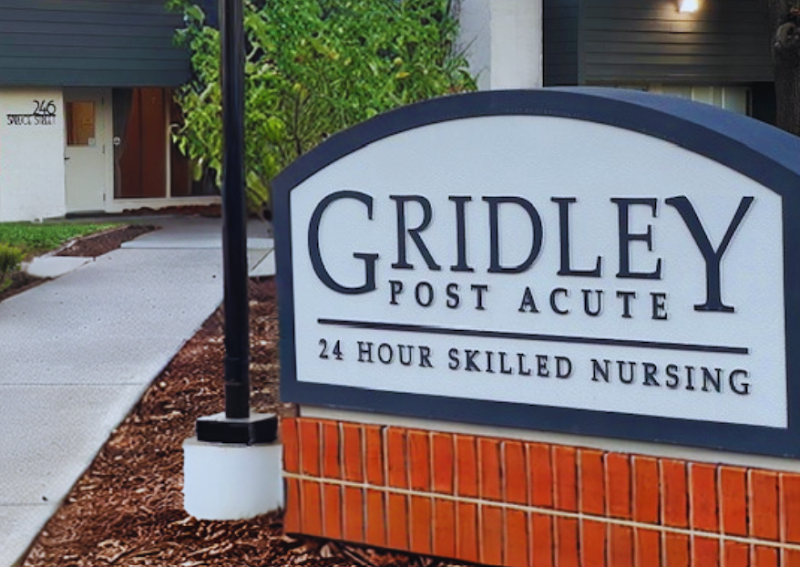
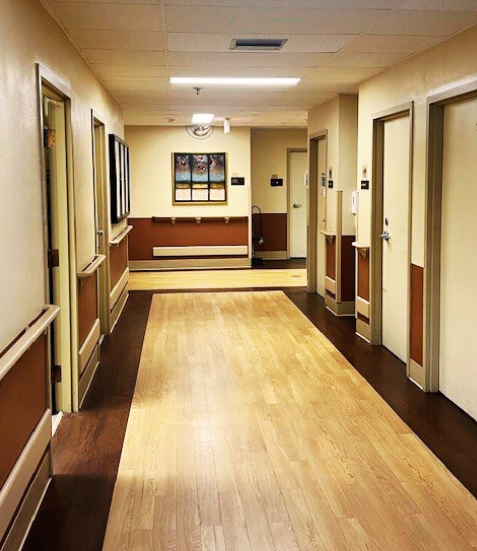
GRIDLEY POST ACUTE

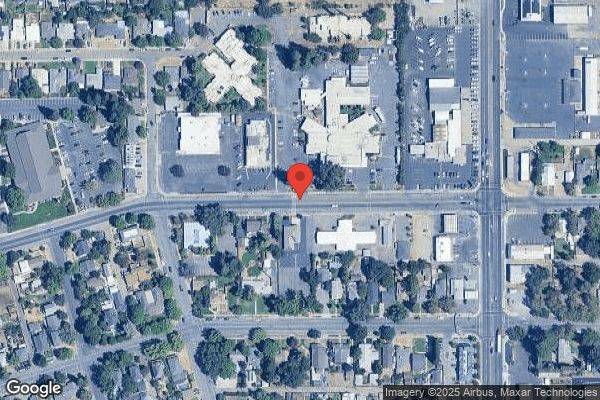
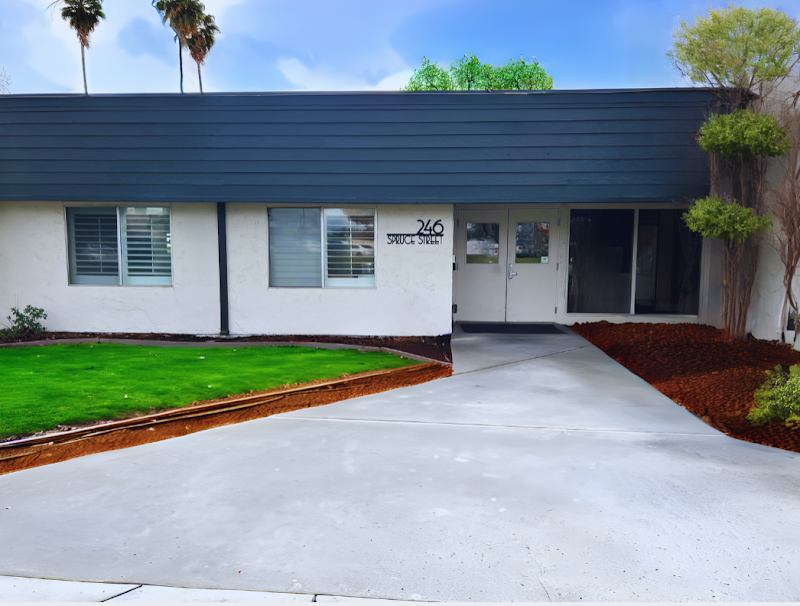
246 SPRUCE STREET, GRIDLEY, CA 95948 (530) 846-5671
For profit - Limited Liability company 82 Beds WEST HARBOR HEALTHCARE Data: November 2025
Trust Grade
60/100
#364 of 1155 in CA
Last Inspection: March 2025

Within standard 12-15 month inspection cycle. Federal law requires annual inspections.

Overview

Gridley Post Acute has a Trust Grade of C+, indicating it is slightly above average but not particularly exceptional. It ranks #364 out of 1,155 facilities in California, placing it in the top half, and is #2 of 8 in Butte County, suggesting only one local option is better. Unfortunately, the facility's trend is worsening, with issues increasing from 2 in 2024 to 9 in 2025. Staffing is rated 4 out of 5, but turnover is concerning at 56%, which is higher than the state average, indicating staff may not stay long enough to build strong relationships with residents. The facility has accumulated $49,252 in fines, which is higher than 84% of California facilities, raising concerns about compliance issues. While the RN coverage is average, there have been serious incidents, including one where a CNA was reported for physically abusing a resident, causing injury and emotional distress. Additionally, there were concerns about food sanitation, with unclean conditions in the cold food storage area, risking residents' health. Overall, while Gridley Post Acute has some positive aspects, such as decent ratings, the significant issues and incidents warrant careful consideration for families exploring options.

Trust Score
C+
60/100
In California
#364/1155
Top 31%
Safety Record
Moderate
Needs review
Inspections
Getting Worse
2 → 9 violations
Staff Stability
⚠ Watch
56% turnover. Above average. Higher turnover means staff may not know residents' routines.
Penalties
⚠ Watch
$49,252 in fines. Higher than 90% of California facilities, suggesting repeated compliance issues.
Skilled Nurses
○ Average
Each resident gets 37 minutes of Registered Nurse (RN) attention daily — about average for California. RNs are the most trained staff who monitor for health changes.
Violations
⚠ Watch
19 deficiencies on record. Higher than average. Multiple issues found across inspections.
★★★★☆
4.0
Overall Rating
★★★★☆
4.0
Staff Levels
★★★☆☆
3.0
Care Quality
★★★★☆
4.0
Inspection Score
Stable
2024: 2 issues
2025: 9 issues

The Good

  • 4-Star Staffing Rating · Above-average nurse staffing levels
  • Full Sprinkler Coverage · Fire safety systems throughout facility
  • No fines on record

Facility shows strength in staffing levels, fire safety.

The Bad

Staff Turnover: 56%

Near California avg (46%)

Frequent staff changes - ask about care continuity

Federal Fines: $49,252

Above median ($33,413)

Moderate penalties - review what triggered them

Chain: WEST HARBOR HEALTHCARE

Part of a multi-facility chain

Ask about local staffing decisions and management

Staff turnover is elevated (56%)

8 points above California average of 48%

The Ugly 19 deficiencies on record

1 actual harm
Mar 2025 6 deficiencies
CONCERN (D)

Potential for Harm - no one hurt, but risky conditions existed

Deficiency F0625 (Tag F0625)

Could have caused harm · This affected 1 resident

**NOTE- TERMS IN BRACKETS HAVE BEEN EDITED TO PROTECT CONFIDENTIALITY** Based on interview, record review, and facility policy review, the facility failed to provide a bed hold notice upon transfer to...

Read full inspector narrative →
**NOTE- TERMS IN BRACKETS HAVE BEEN EDITED TO PROTECT CONFIDENTIALITY** Based on interview, record review, and facility policy review, the facility failed to provide a bed hold notice upon transfer to the hospital for 1 (Resident #47) of 2 sampled residents reviewed for hospitalization. Findings included: A facility policy titled, Bed-Holds and Returns, revised 10/2022, revealed, Residents and/or representatives are informed (in writing) of the facility and state (if applicable) bed-hold policies. Policy Interpretation and Implementation 1. All residents/representative are provided written information regarding the facility and state bed-hold policies, which address holding or reserving a resident's bed during periods of absence (hospitalization or therapeutic leave). Residents, regardless of payer source, are provided written notice about these polices at least twice: a. a. notice 1: well in advance of any transfer (e.g., in the admission packet); and b. notice 2: at the time of transfer (or, if the transfer was an emergency, within 24 hours). An admission Record indicated the facility admitted Resident #47 on 03/16/2022. According to the admission Record, the resident had a medical history that included diagnoses of atrial fibrillation and type 2 diabetes mellitus. A quarterly Minimum Data Set (MDS), with an Assessment Reference Date (ARD) of 12/17/2024, revealed Resident #47 had a Brief Interview for Mental Status (BIMS) score of 9, which indicated the resident had moderate cognitive impairment. Resident #47's Progress Note dated 01/03/2025 at 8:34 AM, revealed the resident was transferred to the hospital for further evaluation of blood in their urine and hallucinations. Resident #47's Progress Note, dated 01/08/2025 at 9:41 AM, revealed the resident arrived back in the facility. Resident #47's medical record revealed no evidence of a bed hold notice for when the resident transferred to the hospital on [DATE]; however, there was evidence to indicate on 01/08/2025, the Admissions Director left a message for Resident #47's family member regarding a bed hold and transfer notice (Resident #47's Progress Note dated 01/08/2025 at 12:16 PM, revealed the Admissions Director left a message for Resident #47's family member regarding bed hold and transfer notice this morning. Awaiting call back.). During an interview on 03/27/2025 at 12:42 PM, the Admissions Director stated bed hold/transfer was explained to a resident's family during the admissions process. Per the Admissions Director, if a resident transferred to the hospital, the resident's family would be asked if they would like to start a bed hold. The Admissions Director stated the bed hold notice should be completed prior to the resident leaving the facility. The Admissions Director stated she was not timely in issuing Resident #47s' bed hold notice. During an interview on 03/26/2025 at 2:57 PM, the Director of Nursing (DON) stated the Admissions Director was responsible for sending out bed hold/transfer notices. According to the DON, the bed hold/transfer notice should be done immediately upon transfer. The DON stated waiting until after Resident #47's return to the facility on [DATE] to contact their family about the bed hold policy was not appropriate. Per the DON, the bed hold/transfer notice should have been sent or the family called when the resident left the faciity on [DATE]. The DON stated the Admissions Director should not have waited until Resident #47 readmitted to discuss bed hold/transfer options. During an interview on 03/27/2025 at 2:17 PM, the Administrator stated if a resident was their own responsible party, it would be difficult to get the notice of bed hold to the resident; however, if the resident had a responsible party, the notice should be given as soon as possible, but at least by the next day after transfer to the hospital. The Administrator stated the facility had an external marketer who could take the notice of bed hold to the hospital when a resident was their own responsible party.
CONCERN (D)

Potential for Harm - no one hurt, but risky conditions existed

Comprehensive Care Plan (Tag F0656)

Could have caused harm · This affected 1 resident

Based on interview, record review, and facility policy review, the facility failed to develop and implement a comprehensive, person-centered care plan to address a resident's onset of bilateral leg ed...

Read full inspector narrative →
Based on interview, record review, and facility policy review, the facility failed to develop and implement a comprehensive, person-centered care plan to address a resident's onset of bilateral leg edema for 1 (Resident #15) of 1 sampled resident reviewed for care planning. Findings included: A facility policy titled, Care Plans, Comprehensive Person-Centered, revised 03/2022, specified, A comprehensive, person-centered care plan that includes measurable objectives and timetables to meet the resident's physical, psychosocial and functional needs is developed and implemented for each resident. The policy specified, the comprehensive, person-centered care plan, e. reflects currently recognized standards of practice for problem areas and conditions. An admission Record indicated the facility admitted Resident #15 on 05/08/2024. According to the admission Record, the resident had a medical history that included diagnoses of type 2 diabetes mellitus with diabetic neuropathy and essential hypertension. A quarterly Minimum Data Set (MDS), with an Assessment Reference Date (ARD) of 02/15/2025, revealed Resident #15 had a Brief Interview for Mental Status (BIMS) score of 11, which indicated the resident had moderate cognitive impairment. Resident #15's Progress Note, dated 12/17/2024 at 7:47 PM, revealed the resident had edema in their bilateral legs. Resident #15's Progress Note, dated 03/11/2025 at 3:44 AM, revealed the resident reported pain and swelling in their right lower leg. The Progress Note indicated to address these symptoms, thrombo-embolic deterrent (TED) hose was prescribed to provide supportive care and alleviate discomfort. Per the Progress Note, the resident's condition would be monitored, and further evaluation would be conducted if swelling or pain persisted. Resident #15's Order Summary Report for active orders as of 03/25/2025, revealed an order dated 08/09/2024, that directed staff to monitor the resident for edema, ascites (a condition that occurred when fluid collected in spaces in the abdomen), abdominal distention related to weight gain every shift and notify the physician if present; an order dated 12/07/2024, that directed staff to monitor the resident for signs and symptoms of ascites and edema one time a day; and an order dated 03/13/2025, that directed staff to place TED hose/compression stocking on the resident in morning and remove at night, one time a day for swelling/edema to the right lower extremity. Resident #15's Care Plan Report, revealed no evidence of a care plan to address the resident's bilateral leg edema. During an interview on 03/26/2025 at 2:41 PM, Certified Nursing Assistant #4 stated Resident #15 complained their feet were swollen. During a telephone interview on 03/26/2025 at 6:25 PM, Registered Nurse #1 stated Resident #15 had pain or swelling in their leg a few months prior. During an interview on 03/27/2025 at 11:03 AM, Licensed Vocational Nurse (LVN) #7 stated edema required a care plan and for any kind of care a resident required, it should be care planned. LVN #7 stated Resident #15 had swelling in their right ankle on 03/27/2025 and did not have a care plan to address their edema. During an interview on 03/27/2025 at 1:06 PM, the MDS Coordinator stated Resident #15 did not have a care plan that addressed their edema and a care plan should have been initiated when the monitoring for edema order was placed and when the TED hose was ordered. During an interview on 03/27/2025 at 11:19 AM, the Director of Nursing (DON) stated edema would require a care plan because it was an issue. The DON confirmed Resident #15 did not have a care plan to address their edema and needed one because it was issue that needed to be monitored and resolved. According to the DON, when the resident was found to have edema, a care plan should have been initiated by the nurse who assessed the resident to have edema. During an interview on 03/27/2025 at 1:19 PM, the Administrator stated he expected the staff to initiate care plan timely.
CONCERN (D)

Potential for Harm - no one hurt, but risky conditions existed

Quality of Care (Tag F0684)

Could have caused harm · This affected 1 resident

Based on interview and record review, the facility failed to timely initiate antibiotic therapy for 1 (Resident #47) of 2 sampled residents reviewed for hospitalization. Findings included: An admissi...

Read full inspector narrative →
Based on interview and record review, the facility failed to timely initiate antibiotic therapy for 1 (Resident #47) of 2 sampled residents reviewed for hospitalization. Findings included: An admission Record indicated the facility admitted Resident #47 on 03/16/2022. According to the admission Record, the resident had a medical history that included diagnoses of atrial fibrillation and type 2 diabetes mellitus. A quarterly Minimum Data Set (MDS), with an Assessment Reference Date (ARD) of 12/17/2024, revealed Resident #47 had a Brief Interview for Mental Status (BIMS) score of 9, which indicated the resident had moderate cognitive impairment. Resident #47's Progress Note, dated 12/22/2024 at 12:18 PM, revealed the physician gave an order for a urinalysis with a culture and sensitivity. Resident #47's Lab Results Report revealed a urine culture with culture and sensitivity was collected on 12/20/2024 and the results were marked final and reported on 12/22/2024. Resident #47's Progress Note, dated 12/30/2024 at 11:32 AM, revealed the nurse practitioner (NP) started the resident on Bactrim DS (an antibiotic medication) two times a day for five days for a urinary tract infection. Resident #47's Order Summary Report, revealed an order dated 12/30/2024, for Bactrim DS oral tablet 800-160 milligrams, give one tablet by mouth two times a day for five days for a urinary tract infection. During an interview on 03/27/2025 at 9:34 AM, the Director of Nursing stated there was no reason she could find for the eight-day delay in obtaining an order for an antibiotic for Resident #47. During an interview on 03/27/2025 at 4:03 PM, the NP stated eight days was an excessive amount of time to start an antibiotic after a positive urinalysis with culture and sensitivity.
CONCERN (D)

Potential for Harm - no one hurt, but risky conditions existed

Accident Prevention (Tag F0689)

Could have caused harm · This affected 1 resident

Based on observation, interview, record review, and facility policy review, the facility failed to ensure a resident's environment was free from accident hazards, specifically a space heater for 1 (Re...

Read full inspector narrative →
Based on observation, interview, record review, and facility policy review, the facility failed to ensure a resident's environment was free from accident hazards, specifically a space heater for 1 (Resident #1) of 4 sampled residents reviewed for accidents. Findings included: A facility policy titled, Electrical Safety for Residents, revised 01/2011, revealed, The resident will be protected from injury associated with the use of electrical devices, including electrocution, burns and fire. The policy specified, 3. Portable space heaters are not permitted in the facility. An admission Record revealed the facility admitted Resident #1 on 06/27/2024. According to the admission Record, the resident had a medical history that included atrial fibrillation, hypertension, and muscle weakness. A quarterly Minimum Data Set (MDS), with an Assessment Reference Date (ARD) of 01/03/2025, revealed Resident #1 had a Brief Interview for Mental Status (BIMS) score of 12, which indicated the resident had moderate cognitive impairment. During an observation on 03/24/2025 at 1:01 PM, a free-standing space heater was noted in the middle of the floor of Resident #1's room. The space heater was plugged into the wall and there was a sign on the door of the resident's room that indicated to not put anything on the space heater, as it would be a fire hazard. During an observation of Resident #1's room on 03/25/2025 at 7:42 AM, the space heater was noted to be on and the resident was lying in bed. The facility incident log for the time frame 10/31/2024 to 03/25/2025, revealed no evidence to indicate a resident burn or injury related to a space heater. During an interview on 03/26/2025 at 2:17 PM, Registered Nurse (RN) #1 stated she was familiar with Resident #1, but did not know exactly how long the resident had the space heater in their room, but that it had been a while. RN #1 stated there was no air conditioning or heat vents in the resident's room, thus the space heater was there to help keep the resident warm during the winter months. RN #1 stated she was not aware of any residents that touched the space heater or been injured as the result of the space heater. Per RN #1, the sign on Resident #1's door about the space heater was a precautionary sign that made people aware of the space heater was there. RN #1 stated the space heater was placed in the resident's room by maintenance and it was not the resident's personal heater, that it belonged to the facility. During an interview on 03/26/2025 at 2:32 PM, RN #2 stated Resident #1 had had the space heater since winter because there was no heating unit in their room. RN #2 stated she was unaware of any incidents related to the space heater and the sign on the resident's door was hung by management to make staff aware the space heater was there and to watch it. During an interview o 03/26/2025 at 2:57 PM, the Director of Nursing (DON) stated the space heater had been in Resident #1's room for three weeks to a month and there had not been any incidents related to it. The DON stated the sign on the resident's door about a fire hazard was placed there by Maintenance Director, who stated the space heater was allowed. According to the DON, she questioned if the space heater was allowed but was told it was a safe model and compliant with state regulations. During an interview on 03/26/2025 at 3:57 PM, the Maintenance Director stated he was told the facility was allowed to have space heaters as long as they met a few criteria, such as being made by an underwriter laboratory (UL) company, had a UL rating, were properly placed in a room, not near curtains or bedding, were oil-based instead of electric coil based, and the facility had proof of frequent checks of the heater. The Maintenance Director stated Resident #1 was in a room without a wall unit for air and/or heat. According to the Maintenance Director, when Resident #1 was too hot, the facility provided the resident a fan and when the resident was too cold, they provided the space heater. The Maintenance Director stated the regulations he based his decision to use the space heater for Resident #1 was a state regulation. Per the Maintenance Director, he was not aware he needed to follow the federal regulation and was not told space heaters were not allowed at all in skilled nursing facilities. During an interview on 03/27/2025 at 2:18 PM, the Administrator stated the Maintenance Director tried to do a lot of research to help meet Resident #1's needs, and thought he was doing a good thing. The Administrator stated the Maintenance Director thought the space heater was okay to have, since when the facility was part of the hospital, they were okay. The Administrator stated he expected space heaters to not be in a resident's room going forward.
CONCERN (D)

Potential for Harm - no one hurt, but risky conditions existed

Deficiency F0773 (Tag F0773)

Could have caused harm · This affected 1 resident

Based on interview and record review, the facility failed to timely notify the physician of laboratory results for 1 (Resident #47) of 2 sampled residents reviewed hospitalization. Findings included:...

Read full inspector narrative →
Based on interview and record review, the facility failed to timely notify the physician of laboratory results for 1 (Resident #47) of 2 sampled residents reviewed hospitalization. Findings included: An admission Record indicated the facility admitted Resident #47 on 03/16/2022. According to the admission Record, the resident had a medical history that included diagnoses of atrial fibrillation and type 2 diabetes mellitus. A quarterly Minimum Data Set (MDS), with an Assessment Reference Date (ARD) of 12/17/2024, revealed Resident #47 had a Brief Interview for Mental Status (BIMS) score of 9, which indicated the resident had moderate cognitive impairment. Resident #47's Progress Note, dated 12/22/2024 at 12:18 PM, revealed the physician gave an order for a urinalysis with a culture and sensitivity. Resident #47's Lab Results Report revealed a urine culture with culture and sensitivity was collected on 12/20/2024 and the results were marked final and reported on 12/22/2024. Resident #47's Progress Note, dated 12/30/2024 at 11:32 AM, revealed the nurse practitioner (NP) started the resident on Bactrim DS (an antibiotic medication) two times a day for five days for a urinary tract infection. Resident #47's Order Summary Report, revealed an order dated 12/30/2024, for Bactrim DS oral tablet 800-160 milligrams, give one tablet by mouth two times a day for five days for a urinary tract infection. During an interview on 03/27/2025 at 9:34 AM, the Director of Nursing (DON) stated she could not find any documentation to indicate the physician was notified of Resident #47's laboratory results. During an interview on 03/27/2025 at 4:03 PM, the NP stated her expectation for the staff would be to call the provider with the results of the culture and sensitivity as soon as possible. The NP stated she was available 24 hours a day, as well as the other providers in the group. During a follow-up interview on 03/27/2025 at 12:23 PM, the DON stated she expected the staff to timely notify the physician with laboratory results. During an interview on 03/27/2025 at 2:17 PM, the Administrator stated he expected staff to timely follow through with physician notification of laboratory results.
CONCERN (E)

Potential for Harm - no one hurt, but risky conditions existed

PASARR Coordination (Tag F0644)

Could have caused harm · This affected multiple residents

2. An admission Record revealed the facility admitted Resident #1 on 06/27/2024. According to the admission Record, the resident had a medical history that included atrial fibrillation, hypertension, ...

Read full inspector narrative →
2. An admission Record revealed the facility admitted Resident #1 on 06/27/2024. According to the admission Record, the resident had a medical history that included atrial fibrillation, hypertension, and muscle weakness. The admission Record indicated the resident received diagnoses of bipolar disorder and anxiety disorder on 02/25/2025. A quarterly Minimum Data Set (MDS), with an Assessment Reference Date (ARD) of 01/03/2025, revealed Resident #1 had a Brief Interview for Mental Status (BIMS) score of 12, which indicated the resident had moderate cognitive impairment. The MDS indicated the resident had active diagnoses to include anxiety disorder, depression and bipolar disorder. Resident #1's medical record revealed no evidence to indicate the facility referred the resident to the appropriate state-designated authority for a level II PASARR evaluation when the resident received a new mental illness diagnosis. During an interview on 03/25/2025 at 1:30 PM, the Director of Nursing (DON) stated the facility thought the only time the resident needed a new PASARR included a new qualifying diagnosis. During a follow-up interview on 03/25/2025 at 1:38 PM, the DON stated the facility did not have an updated PASARR for Resident #1. Based on interview, record review, and facility policy review, the facility failed to refer a resident to the appropriate state-designated authority for a level II preadmission screening and resident review (PASARR) when 2 (Resident #1 and Resident #2) of 3 sampled residents reviewed for PASARR were diagnosed with a new serious mental illness. Findings included: An undated facility policy titled, PASRR Completion Policy, revealed, The Center will a make sure that all admissions have the appropriate Patient Assessment and Resident Review (PASRR) completed. 1. An admission Record revealed the facility admitted Resident #2 on 05/22/2018. According to the admission Record, the resident had a medical history that included a diagnosis of spastic hemiplegic cerebral palsy. According to the admission Record, the resident received diagnoses of psychosis, manic episode, and depression on 12/06/2023. An annual Minimum Data Set (MDS), with an Assessment Reference Date (ARD) of 12/18/2024, revealed Resident #2 had a Brief Interview for Mental Status (BIMS) score of 1, which indicated the resident had severe cognitive impairment. The MDS indicated the resident had active diagnoses to include depression, bipolar disorder, and psychotic disorder. Resident #2's medical record revealed no evidence to indicate the facility referred the resident to the appropriate state-designated authority for a level II PASARR evaluation when the resident received a new mental illness diagnosis. During an interview on 03/25/2025 at 1:30 PM, the Director of Nursing (DON) stated the facility thought the only time the resident needed a new PASARR included a new qualifying diagnosis. During a follow-up interview on 03/25/2025 at 1:38 PM, the DON stated the facility did not have an updated PASARR for Resident #2.
Jan 2025 3 deficiencies
CONCERN (D) 📢 Someone Reported This

A family member, employee, or ombudsman was alarmed enough to file a formal complaint

Potential for Harm - no one hurt, but risky conditions existed

Deficiency F0552 (Tag F0552)

Could have caused harm · This affected 1 resident

**NOTE- TERMS IN BRACKETS HAVE BEEN EDITED TO PROTECT CONFIDENTIALITY** Based on interview and record review, the facility failed to inform one of three sampled residents (Resident 1) of the risks and...

Read full inspector narrative →
**NOTE- TERMS IN BRACKETS HAVE BEEN EDITED TO PROTECT CONFIDENTIALITY** Based on interview and record review, the facility failed to inform one of three sampled residents (Resident 1) of the risks and benefits of proposed care, treatment, and treatment alternatives in a language she could understand (Spanish) prior to starting a psychotropic (drugs that affect a person's mental state) medication. This failure denied Resident 1's responsible party (RP) her right to participate in Resident 1's treatment decisions and had the potential to affect Resident 1's functional status, rehabilitation and restorative potential, ability to participate in activities, cognitive status, and psychosocial status. Findings: During a record review of Resident 1's admission record, indicated Resident 1 was admitted on [DATE] with diagnoses that included dementia (a decline in mental abilities that affect daily life), glaucoma (chronic eye disease that can cause vision loss or blindness), dysphagia (difficulty swallowing), and type 2 diabetes (body cannot produce enough insulin). Document indicated Resident 1's primary language was Spanish, and her RP's primary language was Spanish. During a record review of document titled Minimum Data Set (MDS) Section C, Resident 1's Brief Interview of Mental Status (BIMS) score was 8, indicated moderate cognitive impairment. During a record review of facility policy titled Informed Consent Verification (undated), indicated facility shall verify that informed consent has been obtained by the physician before a psychotherapeutic medication is administered. The policy also indicated the facility needed to obtain indication for use from the physician. The policy also indicated a printed or electronic version of the informed consent would be included in resident's medical record. During a record review of Resident 1's Medication Administration Record (MAR) September 2024, October 2024, and November 2024, indicated Resident 1 received Rexulti 2 mg by mouth once daily from 9/6/2024 - 11/8/2024 for dementia as evidenced by psychotic behaviors. During a website review on www.dailymed.nlm.nih.gov/dailymed/ (undated), Rexulti had a boxed warning (the strongest warning that the Federal Drug Administration (FDA) required, and signified medical studies indicated drug carried a significant risk of serious or life-threatening adverse effects) and indicated increased mortality in elderly patients with dementia-related psychosis. Website further indicated medical studies found that Rexulti is not approved for the treatment of patients with dementia-related psychosis .due to increased risk of death [due to] heart failure, sudden death, and pneumonia. During a record review of document titled Discontinued Physician Orders (undated), indicated Medical Director (MD) started Resident 1 on Rexulti 2 milligrams (mg) by mouth once daily on 9/6/2024. MD did not document behaviors that indicated the need for the medication order. MD discontinued the medication on 11/8/2024 with no indication for the discontinuation of the order. During a concurrent interview with Director of Nursing (DON) on 12/31/2024 at 11:56 am, DON stated facility could not locate informed consent for MD order of Rexulti 2 mg by mouth once daily. DON confirmed the informed consent was not scanned into Resident 1's chart. The DON stated Resident 1 did really well on the medication and staff saw good results when Resident 1 took the medication. The DON stated Resident 1's responsible party requested facility discontinue medication order. DON stated MD was notified and confirmed medication order was discontinued. During a concurrent interview with Administrator (Admin) on 12/31/2024 at 12:10 pm, Admin confirmed facility could not locate Resident 1's informed consent for MD order of Rexulti 2 mg by mouth once daily. Admin stated informed consent facility process included a signature by responsible party or resident and scanned into resident's chart. Admin confirmed informed consent was not scanned into Resident 1's chart. During a concurrent interview on 1/2/2025 at 11:30 am with Resident 1's physician (MD), MD stated he prescribed Rexulti 2 mg by mouth once daily for Resident 1 due to some aggression issues and agitation problems towards staff and other residents. MD could not recall when the order was started, the timeframe Resident 1 took the medication, nor when the order was discontinued. MD stated he did not observe Resident 1's behavior prior to the medication being prescribed or Resident 1's behavior when she took the medication. MD stated he could not remember if he signed an informed consent for Resident 1 to start the medication. MD stated I don't know. I can't remember. During a concurrent interview with Responsible Party (RP) on 1/8/2025 at 10:25 am, RP stated she never spoke to the MD before Resident 1 started Rexuli 2 mg by mouth once daily. RP stated only person she spoke to at facility regarding the medication was a Certified Nursing Assistant (CNA). RP stated during a conversation with the CNA, she agreed to start the medication. RP stated the risks and benefits were not explained to her by the MD. RP stated she had no idea how Resident 1 did on the medication due to no communication from facility. RP stated she did not like that Resident 1 had a flat expression on the medication, and requested it discontinued. RP stated she made this request through a Spanish-speaking CNA. During a concurrent interview with DON on 1/16/2025 at 10:00 am, DON stated she heard about Rexulti and thought it would be a good medication for Resident 1. DON stated she contacted MD and requested an order. DON re-confirmed an informed consent could not be located for Resident 1.
CONCERN (D) 📢 Someone Reported This

A family member, employee, or ombudsman was alarmed enough to file a formal complaint

Potential for Harm - no one hurt, but risky conditions existed

Deficiency F0711 (Tag F0711)

Could have caused harm · This affected 1 resident

**NOTE- TERMS IN BRACKETS HAVE BEEN EDITED TO PROTECT CONFIDENTIALITY** Based on interview, and record review, the Medical Director (MD) failed to provide progress notes for one of three sampled resid...

Read full inspector narrative →
**NOTE- TERMS IN BRACKETS HAVE BEEN EDITED TO PROTECT CONFIDENTIALITY** Based on interview, and record review, the Medical Director (MD) failed to provide progress notes for one of three sampled residents (Resident 1) that reflected a review of total resident care, current condition (including medications and treatments), and MD decisions about the continued appropriateness of a medical regimen. The facility also failed to work with the MD or seek alternate MD participation to ensure Resident 1 received appropriate care and treatment. This failure had the potential to result in miscommunication of medical diagnosis, treatment, unclear and/or missing direct care staff expectations for Resident 1. Findings: During a record review of Resident 1's admission record, indicated Resident 1 was admitted on [DATE] with diagnoses that included dementia (a decline in mental abilities that affect daily life), glaucoma (chronic eye disease that can cause vision loss or blindness), dysphagia (difficulty swallowing), and type 2 diabetes (body cannot produce enough insulin). Document indicated Resident 1's primary language was Spanish, and her RP's primary language was Spanish. During a record review of document titled Minimum Data Set (MDS) Section C, Resident 1's Brief Interview of Mental Status (BIMS) score was 8, indicated moderate cognitive impairment. During a record review of document titled Discontinued Physician Orders, indicated Medical Director (MD) started Resident 1 on Rexulti 2 milligrams (mg) by mouth once daily on 9/6/2024. MD did not document behaviors that indicated the need for the medication order. MD discontinued the medication on 11/8/2024 with no indication for the discontinuation of the order. During a record review of Resident 1's Medication Administration Record (MAR) September 2024, October 2024, and November 2024, indicated Resident 1 received Rexulti 2 mg by mouth once daily from 9/6/2024 - 11/8/2024 for dementia as evidenced by psychotic behaviors. During a record review of document titled Physician Note September 2024, MD indicated no new behaviors, though continues to have occasional verbal outbursts and yelling at staff. MD did not document the order for Resident 1 to start Rexulti 2 mg by mouth once daily on 9/6/2024. MD did not document Resident 1 received Rexulti 2 mg by mouth once daily from 9/6/2024 - 9/30/2024. MD indicated no changes to medications this month. During a record review of document titled Physician Note October 2024, MD indicated no new behaviors documented. MD did not document that Resident 1 received Rexulti 2 mg by mouth once daily for the entire month. During a record review of document titled Physician Note November 2024, MD indicated resident noted to be pinching other residents and making false accusations .some bruising noted on right forearm. Resident denies any aggressive behaviors. MD did not document that Resident 1 received Rexulti 2 mg by mouth once daily from 11/1/2024 - 11/8/2024. MD indicated in document no changes to medications this month. During an interview on 1/2/2025 at 11:30 am with MD, MD stated he prescribed Rexulti 2 mg by mouth once daily for Resident 1 due to some aggression issues and agitation problems towards staff and other residents. MD could not recall when the order was started, the timeframe Resident 1 took the medication, nor when the order was discontinued. MD stated he did not observe Resident 1's behavior prior to the medication being prescribed or Resident 1's behavior when she took the medication. MD stated he could not remember if he signed an informed consent for Resident 1 to start the medication. MD stated I don't know. I can't remember.
CONCERN (D) 📢 Someone Reported This

A family member, employee, or ombudsman was alarmed enough to file a formal complaint

Potential for Harm - no one hurt, but risky conditions existed

Medication Errors (Tag F0758)

Could have caused harm · This affected 1 resident

**NOTE- TERMS IN BRACKETS HAVE BEEN EDITED TO PROTECT CONFIDENTIALITY** Based on interview, and record review, the facility failed to adequately document the necessity of a psychotropic medication for...

Read full inspector narrative →
**NOTE- TERMS IN BRACKETS HAVE BEEN EDITED TO PROTECT CONFIDENTIALITY** Based on interview, and record review, the facility failed to adequately document the necessity of a psychotropic medication for one of three sampled residents' (Resident 1) with resident-centered indications for use and monitoring for adverse side effect while on Rexulti (an atypical antipsychotic medication). This failure had the potential to result in Resident 1 not maintaining her highest practicable mental, physical, and psychosocial well-being and put Resident 1 at a high risk for physical harm due to adverse consequences. Findings: During a record review of Resident 1's admission record, indicated Resident 1 was admitted on [DATE] with diagnoses that included dementia (a decline in mental abilities that affect daily life), glaucoma (chronic eye disease that can cause vision loss or blindness), dysphagia (difficulty swallowing), and type 2 diabetes (body cannot produce enough insulin). Document indicated Resident 1's primary language was Spanish, and her responsible party (RP)'s primary language was Spanish. During a record review of document titled Minimum Data Set (MDS) Section C, Resident 1's Brief Interview of Mental Status (BIMS) score was 8, indicated moderate cognitive impairment. During a record review of document titled Discontinued Physician Orders (undated), indicated Medical Director (MD) started Resident 1 on Rexulti 2 milligrams (mg) by mouth once daily on 9/6/2024. MD did not document behaviors that indicated the need for the medication order. MD discontinued the medication on 11/8/2024 with no indication for the discontinuation of the order. During a record review of Resident 1's Medication Administration Record (MAR) September 2024, October 2024 and November 2024, indicated Resident 1 received Rexulti 2 mg by mouth once daily from 9/6/2024 - 11/8/2024 for dementia as evidenced by psychotic behaviors. During a website review on www.dailymed.nlm.nih.gov/dailymed/ (undated), Rexulti had a boxed warning (the strongest warning that the Federal Drug Administration (FDA) required, and signified medical studies indicated drug carried a significant risk of serious or life-threatening adverse effects) and indicated increased mortality in elderly patients with dementia-related psychosis. Website further indicated medical studies found that Rexulti is not approved for the treatment of patients with dementia-related psychosis .due to increased risk of death [due to] heart failure, sudden death, and pneumonia. During a record review of facility policy titled Psychotropic Medication Use 2001 MED-PASS, indicated residents who have not used psychotropic medications are not prescribed or given these medications unless the medication is determined to be necessary to treat a specific condition that is diagnosed and documented in the medical record. Furthermore, the document indicated a comprehensive assessment of the resident needed to be performed prior to describing a psychotropic medication. This includes evaluation of the resident's signs and symptoms in order to identify underlying causes. Document also indicated when determining whether to initiate, modify, or discontinue medication therapy, the [Interdisciplinary Team IDT] conducts an evaluation of the resident to determine other causes for symptoms, signs and symptoms that were clinically significant to warrant medication therapy, and the actual or intended benefit of the medication is understood by the resident/responsible party (RP). During an interview with Director of Nursing (DON) on 12/31/2024 at 11:56 am, DON stated facility spoke with RP prior to starting Resident 1 on Rexuli 2 mg by mouth once daily and RP agreed to medication. DON confirmed facility could not locate informed consent for MD order of Rexulti 2 mg by mouth once daily. DON stated Resident 1 did really well on medication and staff saw good results when Resident 1 took the medication. DON stated Resident 1's responsible party requested facility discontinue medication order in November 2024. DON stated MD was notified and confirmed medication order was discontinued on 11/8/2024. During an interview on 1/2/2025 at 11:30 am with MD, MD stated he prescribed Rexulti 2 mg by mouth once daily for Resident 1 due to some aggression issues and agitation problems towards staff and other residents. MD could not recall when the order was started, the timeframe Resident 1 took the medication, nor when the order was discontinued. MD stated he did not observe Resident 1's behavior prior to the medication being prescribed or Resident 1's behavior when she took the medication. MD stated he could not remember if he signed an informed consent for Resident 1 to start the medication. MD stated I'm sure I did. Usually, staff will put it in my box and sign it. I don't know. I can't remember. MD stated he prescribed the medication after facility contacted him and specifically requested a prescription for Rexulti for Resident 1. MD was unaware Rexulti had a boxed warning and could have caused adverse consequences for Resident 1. During an interview with Responsible Party (RP) on 1/8/2025 at 10:25 am, RP stated she never spoke to the MD before Resident 1 started Rexuli 2 mg by mouth once daily. RP stated only person she spoke to at facility regarding the medication was a Certified Nursing Assistant (CNA). RP stated she was never updated by facility or MD how Resident 1 did on the medication. RP stated risks and benefits were not explained to her by the MD. RP stated she had no idea how Resident 1 did on the medication due to no communication from facility. RP stated she went to facility in early November 2024 to retrieve laundry from Resident 1 and a housekeeper that spoke Spanish told her how Resident 1 did on the medication and how her behaviors had changed. RP stated she did not like that Resident 1 had a flat expression on the medication, and requested it discontinued. RP stated she made this request through a Spanish-speaking CNA. During an interview on 1/16/2025 at 10:00 am, the Director of Nursing (DON) stated the clinical indication for Rexulti 2 mg by mouth once daily for Resident 1 was dementia with behaviors, like yelling at staff. DON stated she entered the order for Rexulti 2 mg by mouth once daily after speaking with MD. DON stated, I heard it was a new medication for dementia and I thought [Resident 1] would do well on it. DON stated facility did not monitor Resident 1 per facility policy for at least three days when Resident 1 started the medication. DON stated she missed entering the monitoring parameters into Resident 1's MAR for behaviors and side effects of the medication. DON confirmed facility did not monitor Resident 1 on Rexulti 2 mg by mouth once daily. DON stated facility IDT did not determine what behaviors to monitor. DON stated she did not communicate relevant information regarding medication monitoring for Resident 1 to other staff members. DON stated facility did not assess if the medication was effective. DON stated facility did not attempt to reduce the medication. DON stated she did not communicate Resident 1's behavior to MD when she requested the medication for Resident 1.
Mar 2024 2 deficiencies
CONCERN (D)

Potential for Harm - no one hurt, but risky conditions existed

Deficiency F0761 (Tag F0761)

Could have caused harm · This affected 1 resident

Based on observation, interview, and record review, the facility failed to properly label and store COVID-19 (a highly contagious infectious disease caused by severe acute respiratory syndrome coronav...

Read full inspector narrative →
Based on observation, interview, and record review, the facility failed to properly label and store COVID-19 (a highly contagious infectious disease caused by severe acute respiratory syndrome coronavirus 2) rapid test kits when the kits stored in one medication cart had expired. This failure had the potential to cause inaccurate test results which could have put the residents at risk for inappropriate care and treatment based on the test results. Findings: During a concurrent observation and interview, on 3/7/24, at 9:52 AM, at Medication Cart One, the Assistant Director of Nursing (ADON) opened the locked cart. In the bottom drawer were four boxes of COVID-19 Antigen (any substance that caused the body to make an immune response against that substance) Rapid Test kits. Each box contained two tests. ADON confirmed the expiration date printed on the boxes was 9/6/23. The lot number was 221CO20907. The United States Food and Drug Administration Authorized At-Home Over-the-Counter Diagnostic Tests and Expiration Dates table, located online at https://www.fda.gov/medical-devices/coronavirus-covid-19-and-medical-devices/home-otc-covid-19-diagnostic-tests#list, was reviewed. The table contained a list of various manufacturers' COVID-19 testing kits, information about the tests, links to directions for use, expiration dates and expiration date extensions based on lot numbers. The table indicated that for test lot number 221CO20907, with a printed expiration date of 9/6/23, the expiration date had been extended to 12/6/23, which had already passed.
CONCERN (E)

Potential for Harm - no one hurt, but risky conditions existed

Deficiency F0804 (Tag F0804)

Could have caused harm · This affected multiple residents

**NOTE- TERMS IN BRACKETS HAVE BEEN EDITED TO PROTECT CONFIDENTIALITY** Based on in interview and record review the facility failed to provide the residents food that is palatable (tasty, and flavorfu...

Read full inspector narrative →
**NOTE- TERMS IN BRACKETS HAVE BEEN EDITED TO PROTECT CONFIDENTIALITY** Based on in interview and record review the facility failed to provide the residents food that is palatable (tasty, and flavorful), visually pleasing presentation, and an appetizing temperature for 23 of 47 residents (Residents: 53, 39, 28, 42, 35, 63, 24, 50, 16, 27, 52, 40, 58, 33, 56, 4, 59, 6, 5, 32, 18, 9, and 22) when residents complained of food not tasting good, visually unappealing/unrecognizable presentation, and being cold on a regular basis. This failure had the potential to result in residents not obtaining adequate nutritive intake, precarious weight loss, increased health issue complications, and diminished emotional well-being. Findings: During a record review of the facility's policy and procedure titled, Food: Quality and Palatability, Revised 9/2017, the Food: Quality and Palatability policy indicated, Food will be prepared by methods that conserve nutritive value, flavor and appearance. Food will be palatable, attractive, and served at a safe and appetizing temperature . 1.A review of Resident 53's medical record indicated that resident 53 was admitted on [DATE] with diagnoses that included, Diabetes Mellitus, High Blood Pressure, Peripheral Vascular Disease (PVD, Circulatory condition in which narrowed blood vessels reduce blood flow to the limbs). During an interview on 3/5/24 at 9:50 am, with Resident 53, stated, Food is not good. (Related to all food) All things, not good. Every day is scrambled eggs. Taste like Hell. 2.A review of Resident 39's medical record indicated that resident 39 was admitted on [DATE] with diagnoses that included, Degenerative Disease of the Basal Ganglia (Rare disease, over time, causing areas of the brain to shrink, nerve cells break down and die affecting areas of the brain that process information and control movement), High Blood Pressure, Intervertebral Disc Degeneration (Breakdown of one or more of the discs that separate the bones of the spine) During an interview on 03/05/24 9:50 am, with Resident 39, stated, always get scrambled eggs. every day is scrambled eggs, never changed. (Food) Temp is cold. 3.A review of Resident 28's medical record indicated that resident 28 was admitted on [DATE] with diagnoses that included, Fracture of the fifth lumbar vertebra, Diabetes Mellitus, High Blood Pressure. During an interview on 03/05/24 1:55 pm, with Resident 28, stated, The flavor is not good. I need lots of salt in the food (to eat it). the gravy isn't good. The problem is food .no salt, no eat, (I go) hungry . 4.A review of Resident 42's medical record indicated that resident 42 was admitted on [DATE] with diagnoses that included, Anoxic Brain Damage (Blood flow is disrupted to the brain causing complete, lack of oxygen resulting in death of brain cells), Chronic Obstructive Pulmonary Disease (COPD, inflammatory lung disease that block airflow and make it difficult to breathe), Congestive Heart Failure (CHF, heart muscle does not pump blood effectively). During an interview on 3/5/24 at 10:09 am, with Resident 42, stated, (The food is) Bland, no flavor, not good. 5.A review of Resident 35's medical record indicated that resident 35 was admitted on [DATE] with diagnoses that included, Diabetes Mellitus, Non-ST Elevation Myocardial Infarction (NSTEMI, less severe form of heart attack, inflicting less damage on the heart), COPD. During an interview on 03/05/24 9:50 am, with Resident 35, stated, The food is the main issue, no taste. 6.A review of Resident 63's medical record indicated that resident 63 was admitted on [DATE] with diagnoses that included, Acute Embolism and Thrombosis of Unspecified Deep Veins of Bilateral Lower Extremities (Blood clots forming in deep veins of the legs blocking blood flow), Polyneuropathy (Many nerves outside the brain and spinal cord are damaged causing weakness, numbness, and pain), and High Blood Pressure. During an interview on 03/05/24 10:15 am, with Resident 63, stated, Food is unrecognizable. 7.A review of Resident 24's medical record indicated that resident 24 was admitted on [DATE] with diagnoses that included, Dementia, Benign Prostatic Hyperplasia (BPH, Age related condition where the prostate becomes enlarged. The prostate is a small gland that helps make semen, found below the bladder, the enlargement results in blocking the flow of urine out of the bladder), Malignant Neoplasm of Colon (Colon cancer). During an interview on 03/05/24 10:15 am, with Resident 24, stated, Food is sometimes ok. I am not able to recognize what it is .I do not like to eat what I do not know what is. I can't recognize (the food) at all. I have told them when it isn't hot .I do not return food, I just try to eat it, or I just don't eat. 8.A review of Resident 50's medical record indicated that resident 50 was admitted on [DATE] with diagnoses that included, Cerebral Infarction (stroke), Hemiplegia and Hemiparesis following Cerebral Infarction (weakness and paralysis on one side of the body)), Malignant Neoplasm of breast (Breast cancer). During an interview on 03/05/24 10:42 am, with Resident 50, stated, (Food is) Yuck. 9.A review of Resident 16's medical record indicated that resident 16 was admitted on [DATE] with diagnoses that included, COPD, Diabetes Mellitus, Hyperkalemia (High Potassium levels in the blood). During an interview on 03/05/24 10:45 am, with Resident 16, stated, I am on specified diet, I am not supposed to have process food. but everything they offered me is processed food. I would be going hungry .every single meal I have gravy and mash potato for breakfast, they told me I cannot have greens, but they still gave it to me. They are not consistent .often it doesn't taste good. 10.A review of Resident 27's medical record indicated that resident 27 was admitted on [DATE] with diagnoses that included, Fracture of Lumbar Vertebra, Heart Failure, Atrial Fibrillation (A Fib, Irregular often rapid heart rate that causes poor blood flow, the heart's upper chamber beat out of coordination with lower chambers). During an interview on 03/05/24 10:48 am, with Resident 27, stated, I got scrambled eggs every day. Food is cold. 11.A review of Resident 52's medical record indicated that resident 52 was admitted on [DATE] with diagnoses that included, COPD, Unspecified Protein- Calorie Malnutrition (nutritional status with reduced availability of nutrients), High Blood Pressure. During an interview on 3/5/24 at 10:54 am, with Resident 52, stated, The food isn't what I like (taste). 12.A review of Resident 40's medical record indicated that resident 40 was admitted on [DATE] with diagnoses that included, Paroxysmal A Fib, High Blood Pressure, PVD. During an interview on 03/05/24 11:15 am, with Resident 40, stated, The food is not very good, but I eat it. 13.A review of Resident 58's medical record indicated that resident 58 was admitted on [DATE] with diagnoses that included, Diabetes Mellitus, Muscle Weakness, High Blood Pressure. During an interview on 03/05/24 11:32 am, with Resident 58, stated, There is not enough food, and the food is only so-so (taste). 14.A review of Resident 33's medical record indicated that resident 33 was admitted on [DATE] with diagnoses that included, Vascular Dementia (Damaged blood vessels in the brain impairing the blood flow to the brain resulting in brain damage and causing memory, reasoning, and thought process problems), Generalized Muscle Weakness, Chronic Pain Syndrome. During an interview on 03/05/24 11:55 am, with Resident 33, stated, Food is horrible. Slop. They cannot even cook a grilled cheese. 15.A review of Resident 56's medical record indicated that resident 56 was admitted on [DATE] with diagnoses that included, Diabetes Mellitus, High Blood Pressure, Benign Prostatic Hyperplasia (BPH, Age related condition where the prostate becomes enlarged. The prostate is a small gland that helps make semen, found below the bladder, the enlargement results in blocking the flow of urine out of the bladder). During an interview on 03/05/24 12:10 pm, with Resident 56, stated, In morning, breakfast, especially eggs, almost always cold. 16.A review of Resident 4's medical record indicated that resident 4 was admitted on [DATE] with diagnoses that included, Acute Pyelonephritis (Bacterial infection causing inflammation to the kidneys), High Blood Pressure, Mixed Hyperlipidemia (condition with high levels of fats in the blood, low density (LDL) cholesterol and triglycerides, which increase the risk of heart disease). During an interview on 03/05/24 12:40 pm, with Resident 4, stated, There is not enough food. It tastes ok sometimes. 17.A review of Resident 59's medical record indicated that resident 59 was admitted on [DATE] with diagnoses that included, Dementia (Entails a decline in mental function from a previously higher level severe enough to interfere with daily living), Transient Ischemic Attack (TIA, Brief blockage of blood flow to the brain resulting in stroke like symptoms), Presence of Cardiac Pacemaker (Small battery powered device implanted under the skin near the collarbone that prevents the heart from beating too slow). During an interview on 03/05/24 1:55 pm, with Resident 59, stated, Food is cold, didn't know there were alternatives, I was taught to eat what I was given. 18.A review of Resident 6's medical record indicated that resident 6 was admitted on [DATE] with diagnoses that included, Acute Myocardial Infarction (MI, heart attack), Hemiplegia and Hemiparesis following Cerebral Infarction, High blood pressure. During an interview on 03/06/24 2:00 pm, with Resident 6, stated, Scrambled eggs every morning. I do not like it. Food is always cold and does not taste good. 19.A review of Resident 5's medical record indicated that resident 5 was admitted on [DATE] with diagnoses that included, Epilepsy (Disorder of the brain causing recurrent seizures, brief episodes of involuntary movement that may involve a part of the body (partial), or the entire body (generalized), and are sometimes accompanied by loss of consciousness and loss of bladder/ bowel control), Liver Cancer, Parkinson's Disease (Progressive disorder of the central nervous system, causing nerve cell damage, affecting movement, often including tremors). During an interview on 3/6/24 at 09:19 am, with Resident 5, stated, Food is not so good (taste), the food temp is mostly cold. 20.A review of Resident 32's medical record indicated that resident 32 was admitted on [DATE] with diagnoses that included, A fib, Heart Failure, High Blood Pressure. During an interview on 03/06/24 1:15 pm, with Resident 32, stated, Food is not good, no taste. It is cold, especially the scrambled eggs. 21.A review of Resident 18's medical record indicated that resident 18 was admitted on [DATE] with diagnoses that included, Cerebral infarction (stroke, disruption of blood flow to the brain due to problems with the blood vessels that supply it), Malignant Neoplasm of Left Breast (breast cancer), Heart Failure. During an interview on 03/06/24 1:15 pm, with Resident 18, stated, Food is unrecognizable, can't tell what it is. Taste is tolerable, but not great. 22.A review of Resident 9's medical record indicated that resident 9 was admitted on [DATE] with diagnoses that included, High Blood Pressure, Unspecified Severe Protein Calorie Malnutrition, Cellulitis of the Buttock (Bacterial skin infection resulting in inflammation and pain). During an interview on 03/06/24 1:15 pm, with Resident 9, stated, The food has no taste. It is cold, especially the breakfast and scrambled eggs. 23.A review of Resident 22's medical record indicated that resident 22 was admitted on [DATE] with diagnoses that included, Cirrhosis of the Liver (Permanent scarring that damages the liver and interferes with the function), Hypotension (Low blood pressure), Spinal Stenosis (Narrowing of one or more spaces within the spinal canal). During an interview on 03/06/24 8:25 am, with Resident 22 stated, I do not like the food at all (taste/presentation). During a review of Resident Council Minutes, Resident Council Discussion of New Business, and Resident Council Action Form, dated December 2023 through January 2024, the Resident Council Minutes, Resident Council Discussion of New Business, and Resident Council Action Form, indicated, food could be better, (food had) no taste, food was not at desirable temperatures, residents dislike some meals and wanted changes. During an interview on 3/7/24 3:00 pm, with DM, DM stated, I know we have complaints .We are looking at what we can do to try and alleviate this issue and make food more acceptable to our residents. During an interview on 03/08/24 11:12 am, with Admin, Admin stated, I expect the food served to the residents be edible, appetizing, aesthetically pleasing, nutritious, with an appropriate temperature, and to their satisfaction.
Oct 2023 4 deficiencies
CONCERN (D)

Potential for Harm - no one hurt, but risky conditions existed

Deficiency F0572 (Tag F0572)

Could have caused harm · This affected 1 resident

**NOTE- TERMS IN BRACKETS HAVE BEEN EDITED TO PROTECT CONFIDENTIALITY** Based on interview and record review, the facility failed to provide one of two sampled residents (Resident 12), a copy of the R...

Read full inspector narrative →
**NOTE- TERMS IN BRACKETS HAVE BEEN EDITED TO PROTECT CONFIDENTIALITY** Based on interview and record review, the facility failed to provide one of two sampled residents (Resident 12), a copy of the Resident [NAME] of Rights. This failure had the potential for new residents to be unaware of their rights that maintain quality of life while undergoing care in the skilled nursing setting. Findings: A review of an admission record was done. Resident 12 was admitted on [DATE] with diagnoses which included severe protein-calorie malnutrition, major depressive disorder (a mood disorder that causes a persistent feeling of sadness and loss of interest), weakness and difficulty walking, and lumbar disc degeneration. A concurrent interview and record review was conducted on 10/05/23 11:54 am, with the admission Coordinator (AC) who stated that the admission process was completed using an iPad device and residents signed the California Standard admission Agreement for Skilled Nursing Facilities electronically. In her estimation, half of residents requested a printed copy of the e-documents they sign which she prints and provides. AC was asked to print a completed admission packet for Resident 12, it was noted that the Resident [NAME] of Rights had not printed, and AC was unable to explain why that particular section had not printed. A review of a California Standard admission Agreement for Skilled Nursing Facilities (AKA admission packet) was made. Attachments A through F were listed in the table of contents, with Attachment F designated for the Resident [NAME] of Rights. Section iv, Your Rights as a Resident, specified as follows, Residents of this Facility keep all their basic rights and liberties as a citizen or resident of the United States when, and after, they are admitted . Because these rights are so important, both federal and state laws and regulations describe them in detail, and state law requires that a comprehensive Resident [NAME] of Rights be attached to this agreement. Attachment F, entitled 'Resident [NAME] of Rights,' lists your rights, as set forth in State and Federal law, and further directs, You should review the attached Resident [NAME] of Rights very carefully. A review of Attachment F, the Resident [NAME] of Rights, was made. Attachment F consisted of 31 pages detailing rights that relate to quality of life and care in the following categories: privacy and confidentiality, participation in the plan of care and in groups and activities, living accommodations, the protection of money and possessions, visitors, self-determination in how to spend one's time, addressing grievances, refusal/participation in medical care and treatment, and freedom from abuse and restraints, among others. A review of Resident 12's admission packet dated 8/30/22 was done. The signature was done electronically. Attachment F was not among those documents. In an interview on 10/05/23 12:50 pm, the Administrator stated that the facility's Information Technologist (IT) had discovered that Attachment F, Resident [NAME] of Rights, had not been selected during the initial set-up of the electronic records process and therefore, Attachment F did not print out with the admission forms when residents requested a copy of their admission documents. This was confirmed with IT, who was present.
CONCERN (D)

Potential for Harm - no one hurt, but risky conditions existed

Deficiency F0657 (Tag F0657)

Could have caused harm · This affected 1 resident

**NOTE- TERMS IN BRACKETS HAVE BEEN EDITED TO PROTECT CONFIDENTIALITY** Based on observation, interview, and record review, the facility failed to ensure a care plan for one of 16 sampled residents (R...

Read full inspector narrative →
**NOTE- TERMS IN BRACKETS HAVE BEEN EDITED TO PROTECT CONFIDENTIALITY** Based on observation, interview, and record review, the facility failed to ensure a care plan for one of 16 sampled residents (Resident 46), was revised and updated to reflect current individual needs for feeding assistance required. This failure resulted in the resident's individual care needs to go unrecognized, and the potential for a further decline in resident's physical, mental, and psychological status. Findings: During a review of the facility's policy, not dated, titled, Care Plans, Comprehensive Person-Centered, indicated, The care plan interventions are derived from a thorough analysis of the information gathered as part of the comprehensive assessment. Each resident's care plan is consistent with the resident's rights to receive the services that are to be furnished to attain or maintain the resident's highest practicable physical, mental, and psycho-social wellbeing. This facility's policy also indicated, Assessments of residents are ongoing and care plans are revised as information about the residents' condition changes. A review of Resident 46's clinical record indicated Resident 46 was admitted to the facility on [DATE] for diagnoses that included high blood pressure, Palliative Care (a program appropriate with any serious medical condition with the primary goal to improve quality of life while providing comfort), Dyspnea (medical term for shortness of breath), and chronic pain. A review of the most recent Minimum Data Set, (MDS, a resident assessment tool), for Resident 46 dated 9/1/23, indicated Resident 46 had a brief interview for mental status (BIMS) score of 13 of 15, no noted cognitive impairment and was her own responsible party. A review of a care plan revised 9/20/23 indicated Resident 46 was admitted to Hospice Services (end of life care), and to coordinate plan of care with hospice agency and to update with any changes. Resident 46's care plan dated 9/20/23 also indicated, Establish a plan of care and update/revise plan frequently. During a concurrent observation and interview on 10/5/23 at 8:15 am, Resident 46 was unable to reach water and yogurt left on the bedside table. Resident 46 stated, Yes, I am hungry, but I need help please. During an interview on 10/5/23 at 8:25 am, Registered Nurse (RN) A confirmed Resident 46 had a recent decline and needs assistance from staff with eating and drinking. During an interview on 10/5/23 at 8:32 am, Certified Nursing Assistant (CNA) H stated, I know [Resident 46] needs help with feeding now, that changed sometime last week. I told the nurse, and I have been helping [Resident 46]. During an interview on 10/5/23 at 8:40 am, CNA G stated, Yes, I was told by CNA H [Resident 46] needs help with feeding assistance, she cannot do it herself now. During an interview on 10/5/23 at 8:45 am, Director of Staff Development (DSD) confirmed the change in condition for Resident 46's self-feeding ability was not updated on the care plan. A review of Resident 46's clinical record dated 10/5/23 at 13:22, titled, General Note, indicated, Resident 46 was noted to have a decline in ability to self-feed, Hospice notified of change, Medical Doctor (MD), updated and resident agrees with needing assistance During an interview on 10/5/23 at 2:55 pm, MDS Coordinator (MDS) stated, I cannot believe no one told me about this decline with [Resident 46], but I will make sure it is added to the care plan. During an interview on 10/5/23 at 3:45 pm, Interim Director of Nursing (IDON) confirmed all changes should be added to the care plan as soon as staff is aware to meet the individual needs of all residents in a timely manner. IDON confirmed the care plan was not revised or updated for Resident 46 in a timely manner.
CONCERN (D)

Potential for Harm - no one hurt, but risky conditions existed

Deficiency F0685 (Tag F0685)

Could have caused harm · This affected 1 resident

Based on observation, interview, and record review, the facility failed to maintain consistent placement of hearing aids for one (Resident 27), of six sampled residents. This resulted in difficult com...

Read full inspector narrative →
Based on observation, interview, and record review, the facility failed to maintain consistent placement of hearing aids for one (Resident 27), of six sampled residents. This resulted in difficult communication between Resident 27 and others and had the potential to lead to misidentification of the resident and resulting errors, for example, administration of incorrect medications or treatments. Findings: A review was made of a facility policy titled, Sensory Impairments - Clinical Protocol, undated, wherein was directed that staff will try to minimize complications of sensory impairments. A review of an admission record was done. Resident 27 was admitted with diagnoses which included major depressive disorder (a mood disorder that causes a persistent feeling of sadness and loss of interest), adult failure to thrive (a state of decline due to poor nutrition, weight loss, inactivity, depression and decreasing functional ability), heart failure (the heart muscle does not pump sufficiently), and hearing loss. On 10/3/23 2:50 pm, a concurrent observation and interview was conducted with Resident 27, who was not wearing her hearing aids. Close proximity to her left ear and speaking loudly was required for Resident 27 to be able to hear questions. A physician's order dated 6/30/23, for the use of hearing aids for Resident 27 was reviewed and instructed staff to apply right and left hearing aids each morning and to remove them at bedtime and place them on the charger at the patient's bedside. A care plan for a hearing deficit for Resident 27 was reviewed which instructed staff to ensure hearing aids were in place to both ears. A Medication Administration Record (MAR) for Resident 27, dated October 2023 was reviewed wherein on 10/5/23 at 8 am, Registered Nurse (RN) A documented having applied Patient 27's hearing aids. An observation was made on 10/05/23 9:47 am, of Resident 27 who did not have hearing aids in either ear; aids were in the charger on a stand across from the foot of her bed. In an interview conducted 10/5/23 9:50 am, RN A was asked how she communicated with Resident 27. RN A stated she leans next to her ear and that the resident can hear when she talks loudly to her. When asked why Resident 27 did not have hearing aids in when there was a physician's order to place hearing aids each morning, and that RN A had already documented placing the hearing aids nearly two hours previously, RN A stated that she had documented placing the hearing aids in and had meant to go back and actually put the hearing aids in, but she had been busy doing her morning medication pass, and had forgotten. In an interview conducted dated 10/5/23 12:42 pm, the Interim Director of Nursing stated it was her expectation that hearing aids be placed in residents' ears first thing in the morning.
CONCERN (E)

Potential for Harm - no one hurt, but risky conditions existed

Food Safety (Tag F0812)

Could have caused harm · This affected multiple residents

Based on observation, interview, and record review, the facility failed to store, distribute and serve food in accordance with professional standards for food service safety when a case of Glucerna (a...

Read full inspector narrative →
Based on observation, interview, and record review, the facility failed to store, distribute and serve food in accordance with professional standards for food service safety when a case of Glucerna (a sugar-free nutritional supplement protein shake), had expired on 8/1/23, and was still on the shelf and available for use. This failure had the potential to result in health and safety concerns for individual residents that consumed the shake for nutritional supplement. Findings: During a concurrent observation and interview on 10/3/23 at 09:30 am with the Dietary Manager (DM) in the dry storage food pantry, a case of Glucerna that expired on 8/1/23, was available for use. DM stated, I see the date, yes, they are expired. I will get rid of them immediately. During a review of the facility's policy and procedure titled, Receiving HCSG Policy 017, dated 9/2017, indicated, safe food handling procedures for time .will be practiced in storage of all food items. During a review of the United States (U.S.) Food and Drug Administration (FDA) Food Code 2022, indicated, regarding commercially processed food requirements .processed .foods that exceed the use-by date or manufacturer's pull date .must be disposed of in a proper manner.
Jun 2023 2 deficiencies
CONCERN (E) 📢 Someone Reported This

A family member, employee, or ombudsman was alarmed enough to file a formal complaint

Potential for Harm - no one hurt, but risky conditions existed

Deficiency F0804 (Tag F0804)

Could have caused harm · This affected multiple residents

Based on interview and record review, the facility failed to provide palatable food at temperatures acceptable to three (Residents 1, 2, and 3) out of four residents. This failure had the potential to...

Read full inspector narrative →
Based on interview and record review, the facility failed to provide palatable food at temperatures acceptable to three (Residents 1, 2, and 3) out of four residents. This failure had the potential to negatively impact health through decreased nutritional intake and weight loss. Findings: A review was made of a facility policy titled Food: Quality and Palatability, revised 9/2017: Food will be palatable, attractive and served at a safe and appetizing temperature. In an interview on 6/15/23 at 8 am, Resident 1 stated the breakfast was cold and tasteless, and most meals that were supposed to be warm were served too cool and likewise tasteless. In an interview on 6/15/23 at 8:20 am, Resident 2 stated the food served was not tasty and was lukewarm, that nothing is ever pretty good. In an interview on 6/15/23 at 8:30 am, Resident 3 stated, the food here is terrible, it ' s always cold. During a concurrent observation and interview with Dietary Staff 1 (DS 1) on 6/15/23 at 7:30 am, it was observed that the plate warmer was not being used during tray line (tray line: the process whereby staff assemble food onto trays for resident meals.) DS 1 stated that the warmer was broken and a part was on order for it. In an interview on 6/15/23 at 8:40 am, the Dietary Manager 1 (DM 1) stated the plate warmer was an older model and its heating element needed to be replaced; as best DM 1 could recall a heating element had been replaced twice in the past and another part had been ordered. A record review was made of a resident council action form from resident meeting minutes dated 5/31/23; concern addressed by council members was please explain why the food is still cold. A record review was made of a resident council action form from resident meeting minutes dated 6/6/23; concern addressed by council members was food is still very nasty cold and not enough.
CONCERN (F) 📢 Someone Reported This

A family member, employee, or ombudsman was alarmed enough to file a formal complaint

Potential for Harm - no one hurt, but risky conditions existed

Food Safety (Tag F0812)

Could have caused harm · This affected most or all residents

Based on observation, interview, and record review the facility failed to maintain proper sanitation in the cold food storage. This failure had the potential for contamination of food products which c...

Read full inspector narrative →
Based on observation, interview, and record review the facility failed to maintain proper sanitation in the cold food storage. This failure had the potential for contamination of food products which could result in food-borne illness to residents. Findings: A review was made of a facility policy titled Environment, revised 9/2017, which indicated that the facility will ensure that the kitchen is maintained in a clean and sanitary manner, and will ensure that a routine cleaning schedule is in place for all cooking equipment, food storage areas, and surfaces. During a concurrent observation and interview with the Dietary Manager 2 (DM 2) on 6/21/23 at 11:35 am, potentially contaminating material was noted on shelves and floor of the walk-in refrigerator. Black powdery irregularly shaped material dotted areas of the shelf edges, and reddish-brown dried and liquid matter was smeared on shelf surfaces. What appeared to be mineral and dirty build-up was found on cart wheels and some surfaces of the metal floor. DM 2 stated that dietary staff were responsible for maintaining cleanliness and he expected them to clean the refrigerator daily and as needed. During a concurrent observation and interview on 6/21/23 at 12:30 pm, DM 2 was asked to wipe the soiled areas on shelves of the walk-in refrigerator with a newly laundered, dampened white rag; after a few swipes, there was black, gray, and pink soiling to the rag and DM 2 confirmed that it was dirty.
Jun 2023 2 deficiencies 1 Harm
SERIOUS (G) 📢 Someone Reported This

A family member, employee, or ombudsman was alarmed enough to file a formal complaint

Actual Harm - a resident was hurt due to facility failures

Free from Abuse/Neglect (Tag F0600)

A resident was harmed · This affected 1 resident

**NOTE- TERMS IN BRACKETS HAVE BEEN EDITED TO PROTECT CONFIDENTIALITY** Based on observation, interview, and record review the facility failed to protect one of two sampled residents (Resident 1) from...

Read full inspector narrative →
**NOTE- TERMS IN BRACKETS HAVE BEEN EDITED TO PROTECT CONFIDENTIALITY** Based on observation, interview, and record review the facility failed to protect one of two sampled residents (Resident 1) from abuse when Certified Nurse's Assistant (CNA) 1 roughly threw Resident 1 into bed, put a pillow on her face, and hit her on her head. This incident was heard by Resident 2. This resulted in Resident 1 to have an injury to the head with bruising and pain; and Resident 1 and Resident 2 to experience emotional distress. Findings: Review of a policy titled Abuse, Neglect, Exploitation and Misappropriation Prevention Program revised 4/4/21, indicated that the facility would protect residents from being abused by facility staff, ensure adequate oversight, and implement policies and procedures that would identify and prevent abuse. Additionally, the policy indicated that the facility would maintain a culture of compassion and caring for all residents, particularly those with cognition and mentation deficits (a decline in mental ability). A review of Resident 1's admission record indicated she was admitted to the facility on [DATE] with diagnosis of kidney infection, left hip pain and recent falling. Review of two documented Minimum Data Sets (MDS, a Resident assessment tool) dated 1/20/23 and 4/22/23, indicated that Resident 1 scored a nine on the Brief Interview for Mental Status (BIMS), which indicated she had moderately impaired mentation (a slight decline in mental ability), had no disordered thinking and was able to recall words. During an interview on 5/5/23 at 10 AM, Resident 1 stated, CNA 1 slapped me, roughly threw me into my bed, put a pillow over my face and hit me here on my head (Resident 1 was pointing to her right forehead). Resident 1 stated, I was afraid and crying. Resident 1 confirmed that her roommate (Resident 2) called for help and that she had reported what happened to a nurse. Resident 1 stated, I feel safe now because the Administrator told me CNA 1 will not be coming back. Review of a record title MDS dated [DATE], indicated that Resident 2 had a BIMS score of 15 and had no difficulty with mentation or word recall. During an interview on 5/5/23 at 11:15 AM, Resident 2 (Resident 1's roommate) stated, CNA 1 came into the room, she was being rough with my roommate, I heard CNA 1 slap her, I could hear everything. Resident 2 explained that she was in her bed and that Resident 1 was in her wheelchair on the other side of the curtain. Resident 2 explained she could hear thrashing and Resident 1 hollering for CNA 1 to stop hurting her. Resident 2 stated, I heard my roommate crying and calling for help, I heard a slap, and my roommate saying she could not breath. Resident 2 stated, I felt so disgusted that I could not help, and I was afraid. Resident 2 confirmed that she had called for another nurse to come into the room and that Resident 1 had told them what happened. Resident 2 stated, I was afraid for her, she was crying and so upset. Resident 2 stated, The Administrator told me that her (Resident 1's) bed controller had slipped from the CNA's hand accidentally and that is all that I heard; he said I should not talk about it but what she (CNA 1) did was not right. Review of a document titled Final Report: Allegations of Abuse written by the Administrator, dated 4/25/23, indicated that during an interview on 4/21/23, Resident 1 stated that CNA 1 had hit her in the face, and that during another interview on 4/24/23 Resident 1 had stated that CNA 1 had hit her on the face and tried to smother her with a pillow. The report also indicated that on 4/22/23 a mark was visible on Resident 1's right head at the hair line and that Resident 2 had stated during the investigation interview that CNA 1 was grumpy when she entered the room, cursed while providing care, that she had heard slapping and hitting sounds, and had that she heard Resident 1 yell out twice, once indicating that she could not breath. Lastly, the report indicated that CNA 1 was allowed to return to work. During an interview on 5/5/23 at 10:18 AM, Licensed Vocational Nurse (LVN 1) stated that Resident 1 was not one to complain about others, was usually calm, nice, cooperative, and was not easily influenced. LVN 1 stated, I am very familiar with Resident 1, her memory is good. LVN 1 stated, yes, I think you can believe a confused resident. During an interview on 5/5/23 at 11 AM, the Administrator confirmed that CNA 1 was new to the facility and that he had planned on terminating her after the abuse was reported to him but that after his investigation he did not. The Administrator stated during his investigation, CNA 1 had stated she did not hit Resident 1, that the bed controller had slipped from her hand and may have hit Resident 1. CNA 1 explained she had not seen or heard it hit, and that Resident 1 said to her You hit me but she saw the resident was fine, had apologized and then left the room. Administrator stated, While conducting my investigation, Resident 1 changed her story from being hit to being smothered with a pillow, I believe her roommate (Resident 2) influenced her recollection of the event. Administrator explained that Resident 1's roommate likes to get into everyone's business and is a Confabulator. The Administrator stated, my investigation determined that CNA 1 did not intentionally hit Resident 1 and she was allowed to return to work. When asked, the Administrator stated, You can believe a confused resident, but again explained that his investigation determined that Resident 1's recollection of how she got the bruise on her head was not accurate. During an interview on 5/9/23 at 11:08 AM Resident 1 was observed with a pale-yellow green bruise with a small thin white scab to the center just below and extending to the hairline on the right forehead that was approximately 2.5 x 3 centimeters in size. When asked how she got the bruise Resident 1 stated, A CNA hit me. When asked to provide more details Resident 1 explained that CNA 1 had thrown her into bed, then hit her and held a pillow over her face. When asked what hit her, Resident 1 stated She hit me with her hand, and the television controller. When asked if she had told anyone, Resident 1 stated that her roommate (Resident 2) was there and that she called for help and then two staff members came into the room. Resident 1 stated that she was unable to call for help during the attack and that she was upset, crying, and scared. Resident 1 indicated she was in her wheelchair on the left side of the bed (near Resident 2 ' s bed) just before it happened. Resident 1 stated that she did not know why CNA 1 did this, and that she had asked the CNA why she was so mean. Resident 1 indicated that CNA 1 had not been in her room since and stated, I am afraid of her. Resident 1's bed control remote was observed hanging from the bed rail, when asked if the bed control had hit her, Resident 1 stated, No, the television (TV) control (Resident 1 held up the TV controller in her hand). Resident 1 was observed using the TV control without difficulty and identified the call assist button, demonstrating she knows the difference between the items. Resident 1 stated, I feel safe now, I know they will not let her come back. During an interview on 5/9/23 at 1:15 PM, LVN 2 stated, CNA 2 came and got me, she was saying that the Resident 1 was crying, and that a CNA had abused her; I went into the room and saw both residents upset. Resident 1 was crying when she stated, CNA 1 had hit her, put a pillow over her face and choked her. LVN 2 explained Resident 1 was very sweet and never had conflict with anyone. LVN 2 stated he informed the Administrator and CNA 1 was sent home. During an interview on 5/9/23 at 1:38 PM, CNA 2 stated, Resident 1 told me CNA 1 had hit her, and I saw there was a red bump forming on the right side of Resident 1's head. CNA 2 explained that Resident 1 was crying and so upset that she could hardly get her words out, and that Resident 2 had stated to her I heard Resident 1 getting hit and yelling, stop you ' re hurting me, and I can ' t breathe. CNA 2 explained that the next day Resident 1 had stated to her, my head really hurts and then again stated, CNA threw me on the bed, hit me and held a pillow over my face. CNA 2 stated, The small bump on her head had formed into a larger raised bruise. CNA 2 confirmed she was familiar with Resident 1, and stated, she never cries out like that, I had never seen her so upset. CNA 2 stated, I had only worked with CNA 1 a few times before, she was different that day, she was angry and confrontational when she arrived. During an interview on 5/9/23 at 1:50 PM, CNA 1 stated, I was helping The lady (Resident 1) back into bed, I got her laid back down, I lost my grip, the bed controller slipped out of my hand and struck the lady on the head, I changed her, She was ok. CNA 1 confirmed that she had not told anyone about what had happened and stated, She (Resident 1) had a tiny bruise forming, and I did not think it was a big deal, I had already said I was sorry, and the lady was fine when I left the room. CNA 1 denied being upset about anything prior to or during her shift, having any conflicts and stated, other than calling off for the morning my shift, I had started as usual that day. During an interview on 5/12/23 at 10:50 AM, CNA 3 stated, she was near the nurses station just before Resident 1 reported the abuse. CNA 3 explained that CNA 1 approached her looking for CNA 2. CNA 3 told her that CNA 2 was at lunch, then CNA 1 turned abruptly and walked off towards the break room with a fast pace like she was Angry. Review of Nursing Note written on 4/21/23 at 5:10 PM, Licensed Nurse (LN) 3 indicated that Resident 1 complained of a headache that required pain medication. LN 3 indicated that Resident 1 was crying, had bruising to her right head, and had reported that CNA 1 threw her on to the bed, slapped her on the head, and put a pillow over her face that smothered her. Review of a Medication Administration Record, indicated that LN 3 gave Resident 1 Acetaminophen (pain medication) on 4/21/23 at 7:18 PM. Review of a nursing note dated 4/23/23 at 5:45 AM, by Registered Nurse 1 indicated that Resident 1 had a bruise to the right side of her head. Review of an Interdisciplinary team (IDT) note dated 4/24/23 at 9:30 AM, Director of Nursing (DON) indicated that Resident 2 stated she heard a slapping sound, that Resident 1 stated a CNA 1 had slapped her, and that the facility assured Resident 1 that CNA 1 would not be coming back.
CONCERN (D) 📢 Someone Reported This

A family member, employee, or ombudsman was alarmed enough to file a formal complaint

Potential for Harm - no one hurt, but risky conditions existed

Investigate Abuse (Tag F0610)

Could have caused harm · This affected 1 resident

**NOTE- TERMS IN BRACKETS HAVE BEEN EDITED TO PROTECT CONFIDENTIALITY** Based on observation, interview, and record review the facility failed to complete and thorough investigation of an allegation o...

Read full inspector narrative →
**NOTE- TERMS IN BRACKETS HAVE BEEN EDITED TO PROTECT CONFIDENTIALITY** Based on observation, interview, and record review the facility failed to complete and thorough investigation of an allegation of abuse after Resident 1 and Resident 2 reported that a Certified Nurse Assistant (CNA 1) had abused Resident 1 physically and verbally. This resulted in an injury to Resident 1 and placed all residents at risk for potential abuse due to CNA 1 being allowed to return to work. Findings: Review a of policy titled Abuse, Neglect, Exploitation and Misappropriation Prevention Program, revised on 4/4/202, indicated that the facility would protect residents from being abused by facility staff, ensure adequate oversight, and implement policies and procedures that would identify and prevent abuse. Identify and investigate all possible incidents of abuse, neglect, mistreatment, or misappropriation of resident property. Investigate and report any allegations within timeframe's required by federal requirements. Resident 1 was admitted to the facility on [DATE] with diagnosis of kidney infection, left hip pain and recent falling. Review of two documented Minimum Data Sets (MDS, a Resident assessment tool) dated 1/20/2023 and 4/22/23 indicated that Resident 1 scored a 9 on the Brief Interview for Mental Status (BIMS), had moderately impaired mentation (a slight decline in mental ability), but had no disorder thinking and was able to recall words. During interview an on 5/5/2023 at 10:00 AM, Resident 1 stated, CNA 1 slapped me, roughly threw me into my bed, put a pillow over my face and hit me here on my head (Resident 1 was pointing to her right forehead). Resident 1 stated, I was afraid and crying. Resident 1 confirmed that her roommate (Resident 2) called for help and that she had reported what happened to a nurse. Resident 1 stated, I feel safe now because the Administrator told me CNA 1 will not be coming back. Review of Nursing Note written on 4/21/23 at 5:10 PM by Licensed Nurse (LN) 3 indicated that Resident 1 complained of a headache that required pain medication; that Resident 1 was crying, had bruising to her right head, and reported that CNA 1 threw her on to the bed, slapped her on the head, and put a pillow over her face that smothered her. During an interview on 5/5/2023 at 10:18 AM, Licensed Vocational Nurse (LVN 1) confirmed that Resident 1 was not one to complain about others, usually calm, nice, cooperative, and was not easily influenced. LVN 1 stated, I am very familiar with Resident 1, her memory is good. LVN 1 stated, yes, I think you can believe a confused resident. During an interview on 5/5/2023 at 11 AM, the Administrator confirmed that CNA 1 was new to the facility and that he had interviewed both Resident 1 and CNA 1 while investigating the reported abuse and that he had anticipated terminating CNA 1. The Administrator stated during his investigation CNA 1 had stated she did not hit Resident 1, that the bed controller had slipped from her hand and may have hit Resident 1. CNA 1 further explained that she had not seen or heard it hit her forehead. CNA explained to Adminstrator that Resident 1 said to her you hit me but she saw the resident was fine, apologized and then left the room. Administrator stated, while conducting my investigation Resident 1 changed her story from being hit to being smothered with a pillow, I believe her roommate (Resident 2) influenced her recollection of the event. Administrator explained that Resident 1's roommate likes to get into everyone's business and is a confabulator. The Administrator stated, my investigation determined that CNA 1 did not intentionally hit Resident 1, she was allowed to return to work. When asked, the Administrator stated, you can believe a confused resident, but his investigation determined that Resident 1's recollection of how she got the bruise on her head was not accurate. Review of a record title MDS dated [DATE] indicated that Resident 2 had a BIMS score of 15 and had no difficulty with mentation or word recall. During an interview on 5/5/2023 at 11:15 AM, Resident 2 (Resident 1's roommate) stated, CNA 1 came into the room, she was being rough with my roommate, I heard CNA 1 slap her, I could hear everything. Resident 2 explained that she was in her bed and that Resident 1 was in her wheelchair on the other side of the curtain. Resident 2 explained she could hear thrashing and Resident 1 hollering for CNA 1 to stop hurting her. Resident 2 stated, I heard my roommate crying and calling for help, I heard a slap, and my roommate saying she could not breath. Resident 2 stated, the Administrator told me that her (Resident 1's) bed controller had slipped from the CNAs hand accidentally and that is all I heard; he said I should not talk about it, but I know what she (CNA 1) did was not right. During an interview on 5/9/23 at 11:08 AM, Resident 1 was observed with a pale-yellow green bruise with a small thin white scab to the center at the hairline on the right forehead that would measure approximately 2.5 x 3 centimeters. When asked how she got the bruise Resident 1 stated, a CNA hit me. When asked to provide more details Resident 1 explained that CNA 1 had threw her into bed, hit her and held a pillow over her face. When asked how the bruise occurred, Resident 1 stated she hit me with her hand, and she threw the television controller at me, before she walked out. When asked if she had told anyone, Resident 1 stated that her roommate (Resident 2) was there and that she called for help and then two staff members came into the room. Resident 1 ' s bed control remote was observed hanging from the right-side bed rail, when asked if the bed control had hit her, Resident 1 stated, No, but she (CNA 1) threw the television (TV) controller at me (Resident 1 held up the TV controller in her hand). Resident 1 identified the call assist button when prompted demonstrating she knows the difference between the items. Resident 1 stated, I feel safe now, I know they will not let her come back. During an interview on 5/9/23 at 1:38 PM CNA 2 stated, Resident 1 told me CNA 1 had hit her, and I saw there was a red bump forming on the right side of Resident 1 ' s head. During an interview on 5/9/23 at 1:50 PM CNA 1 stated, I was helping the lady (Resident 1) back into bed, the bed controller slipped out of my hand and struck the lady on the head, she was ok. CNA 1 confirmed that she had not told anyone about what had happened and stated, she (Resident 1) had a tiny bruise, I did not think it was a big deal, I had already said I was sorry, and the lady was fine when I left the room. CNA 1 denied being upset about anything that prior to or during her shift, and stated, other than calling off for the morning my shift had started as usual. During an interview on 5/12/23 at 10:50 AM, CNA 3 stated, she was near the nurses station just before Resident 1 reported the abuse. CNA 3 explained that CNA 1 approached her looking for CNA 2. CNA 3 told her that CNA 2 was at lunch, then CNA 1 turned abruptly and walked off towards the break room with a fast pace like she was angry. Review of a document titled Final Report: Allegations of Abuse written by the Administrator, indicated Resident 1 was interviewed on 4/21/23, and stated that CNA 1 had hit her in the face, and on 4/24/23 Resident 1 stated that CNA 1 had hit her on the face and tried to smother her with a pillow. The report indicated on 4/22/23, a mark was visible on Resident 1 ' s right forehead at the hair line and on 4/24/23, a small bruise was observed only to the left hairline. The report also indicated that Resident 2 had stated that CNA 1 seemed grumpy when she entered the room, had cursed while providing care, that she had heard slapping and hitting sounds. There were no interviews in the report documented that any of the direct care staff scheduled that day were interviewed to determine CNA 1's disposition (mood). Resident 2 explained that she had heard Resident 1 yell out twice, and once stating that she could not breath. In conclusion, the Administrator had determined that Resident 1's allegation that CNA 1 abused her was not substantiated due to Resident 1's story had changed, and that Resident 1's statement had been directly influenced by Resident 2. Administrator concluded that Resident 1 had only a small bruise that occurred accidentally to Resident 1's left head and that CNA 1 was allowed to return to work. During an interview on 5/9/23 at 11:35 AM the Administrator stated, the facility investigation concluded that the bruise to Resident 1's head resulted when the bed control recoiled out of CNA 1's hand striking Resident 1 on the head and that CNA 1 had been allowed to return to work. The Administrator stated, Resident 1 kept changing her story, CNA 1 said it was an accident, and I believe Resident 2 influenced Resident 1's statements.
Understanding Severity Codes (click to expand)
Life-Threatening (Immediate Jeopardy)
J - Isolated K - Pattern L - Widespread
Actual Harm
G - Isolated H - Pattern I - Widespread
Potential for Harm
D - Isolated E - Pattern F - Widespread
No Harm (Minor)
A - Isolated B - Pattern C - Widespread

Questions to Ask on Your Visit

  • "Why is there high staff turnover? How do you retain staff?"
  • "Can I speak with families of current residents?"
  • "What's your RN coverage like on weekends and overnight?"

Our Honest Assessment

Strengths
  • • Licensed and certified facility. Meets minimum state requirements.
Concerns
  • • 19 deficiencies on record, including 1 serious (caused harm) violation. Ask about corrective actions taken.
  • • $49,252 in fines. Higher than 94% of California facilities, suggesting repeated compliance issues.
  • • 56% turnover. Above average. Higher turnover means staff may not know residents' routines.
Bottom line: Mixed indicators with Trust Score of 60/100. Visit in person and ask pointed questions.

About This Facility

What is Gridley Post Acute's CMS Rating?

CMS assigns GRIDLEY POST ACUTE an overall rating of 4 out of 5 stars, which is considered above average nationally. Within California, this rating places the facility higher than 99% of the state's 100 nursing homes. This rating reflects solid performance across the metrics CMS uses to evaluate nursing home quality.

How is Gridley Post Acute Staffed?

CMS rates GRIDLEY POST ACUTE's staffing level at 4 out of 5 stars, which is above average compared to other nursing homes. Staff turnover is 56%, which is 10 percentage points above the California average of 46%. High turnover can affect care consistency as new staff learn residents' individual needs.

What Have Inspectors Found at Gridley Post Acute?

State health inspectors documented 19 deficiencies at GRIDLEY POST ACUTE during 2023 to 2025. These included: 1 that caused actual resident harm and 18 with potential for harm. Deficiencies causing actual harm indicate documented cases where residents experienced negative health consequences.

Who Owns and Operates Gridley Post Acute?

GRIDLEY POST ACUTE is owned by a for-profit company. For-profit facilities operate as businesses with obligations to shareholders or private owners. The facility is operated by WEST HARBOR HEALTHCARE, a chain that manages multiple nursing homes. With 82 certified beds and approximately 74 residents (about 90% occupancy), it is a smaller facility located in GRIDLEY, California.

How Does Gridley Post Acute Compare to Other California Nursing Homes?

Compared to the 100 nursing homes in California, GRIDLEY POST ACUTE's overall rating (4 stars) is above the state average of 3.2, staff turnover (56%) is near the state average of 46%, and health inspection rating (4 stars) is above the national benchmark.

What Should Families Ask When Visiting Gridley Post Acute?

Based on this facility's data, families visiting should ask: "How do you ensure continuity of care given staff turnover, and what is your staff retention strategy?" "Can I visit during a mealtime to observe dining assistance and food quality?" "How do you handle medical emergencies, and what is your hospital transfer rate?" "Can I speak with family members of current residents about their experience?" These questions are particularly relevant given the facility's high staff turnover rate.

Is Gridley Post Acute Safe?

Based on CMS inspection data, GRIDLEY POST ACUTE has a clean safety record: no substantiated abuse findings (meaning no confirmed cases of resident harm), no Immediate Jeopardy citations (the most serious violation level indicating risk of serious injury or death), and is not on the Special Focus Facility watch list (a federal program monitoring the lowest-performing 1% of nursing homes). The facility has a 4-star overall rating and ranks #1 of 100 nursing homes in California. While no facility is perfect, families should still ask about staff-to-resident ratios and recent inspection results during their visit.

Do Nurses at Gridley Post Acute Stick Around?

Staff turnover at GRIDLEY POST ACUTE is high. At 56%, the facility is 10 percentage points above the California average of 46%. High turnover means new staff may not know residents' individual needs, medications, or preferences. It can also be disorienting for residents, especially those with dementia who rely on familiar faces. Families should ask: What is causing the turnover? What retention programs are in place? How do you ensure care continuity during staff transitions?

Was Gridley Post Acute Ever Fined?

GRIDLEY POST ACUTE has been fined $49,252 across 5 penalty actions. The California average is $33,571. While any fine indicates a compliance issue, fines under $50,000 are relatively common and typically reflect isolated problems that were subsequently corrected. Families should ask what specific issues led to these fines and confirm they've been resolved.

Is Gridley Post Acute on Any Federal Watch List?

GRIDLEY POST ACUTE is not on any federal watch list. The most significant is the Special Focus Facility (SFF) program, which identifies the bottom 1% of nursing homes nationally based on persistent, serious quality problems. Not being on this list means the facility has avoided the pattern of deficiencies that triggers enhanced federal oversight. This is a positive indicator, though families should still review the facility's inspection history directly.