COUNTRY CREST POST-ACUTE
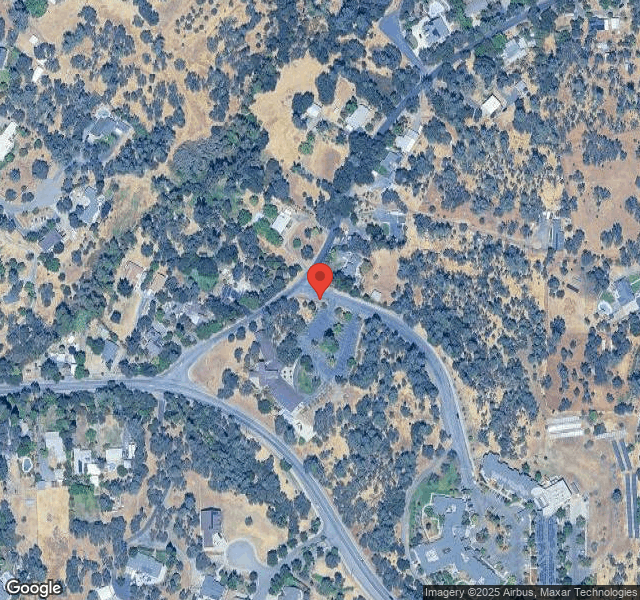
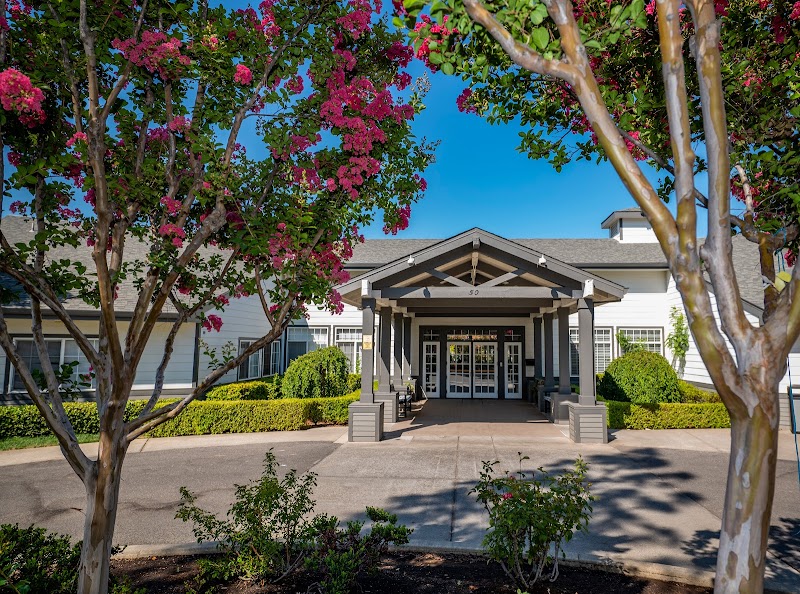
50 CONCORDIA LANE, OROVILLE, CA 95966 (530) 532-6600
For profit - Limited Liability company 59 Beds ASPEN SKILLED HEALTHCARE Data: November 2025 1 Immediate Jeopardy citation
Trust Grade
33/100
#558 of 1155 in CA
Last Inspection: September 2024

Within standard 12-15 month inspection cycle. Federal law requires annual inspections.

Overview

Country Crest Post-Acute in Oroville, California, has a trust grade of F, indicating significant concerns about care quality. It ranks #3 out of 8 nursing homes in Butte County, which means only two local options are better, but its overall performance is poor. The facility is showing an improving trend, reducing issues from 13 in 2024 to 5 in 2025, but it still has a concerning staffing rating of 2 out of 5 stars and a high turnover rate of 58%, well above the state average. Additionally, the facility has accrued $50,454 in fines, which is higher than 89% of California facilities, pointing to compliance issues. Specific incidents include a failure to maintain a sanitary environment, resulting in the spread of Clostridium difficile infections among residents, as well as improper food handling practices that could jeopardize resident safety. Overall, while there are some signs of improvement, families should be cautious due to significant past concerns.

Trust Score
F
33/100
In California
#558/1155
Top 48%
Safety Record
High Risk
Review needed
Inspections
Getting Better
13 → 5 violations
Staff Stability
⚠ Watch
58% turnover. Above average. Higher turnover means staff may not know residents' routines.
Penalties
⚠ Watch
$50,454 in fines. Higher than 91% of California facilities. Major compliance failures.
Skilled Nurses
⚠ Watch
Each resident gets only 19 minutes of Registered Nurse (RN) attention daily — below average for California. Fewer RN minutes means fewer trained eyes watching for problems.
Violations
⚠ Watch
47 deficiencies on record. Higher than average. Multiple issues found across inspections.
★★★☆☆
3.0
Overall Rating
★★☆☆☆
2.0
Staff Levels
★★★★★
5.0
Care Quality
★★☆☆☆
2.0
Inspection Score
Stable
2024: 13 issues
2025: 5 issues

The Good

  • 5-Star Quality Measures · Strong clinical quality outcomes
  • Full Sprinkler Coverage · Fire safety systems throughout facility
  • No fines on record

Facility shows strength in quality measures, fire safety.

The Bad

3-Star Overall Rating

Near California average (3.1)

Meets federal standards, typical of most facilities

Staff Turnover: 58%

12pts above California avg (46%)

Frequent staff changes - ask about care continuity

Federal Fines: $50,454

Above median ($33,413)

Moderate penalties - review what triggered them

Chain: ASPEN SKILLED HEALTHCARE

Part of a multi-facility chain

Ask about local staffing decisions and management

Staff turnover is elevated (58%)

10 points above California average of 48%

The Ugly 47 deficiencies on record

1 life-threatening
Jun 2025 1 deficiency
CONCERN (D) 📢 Someone Reported This

A family member, employee, or ombudsman was alarmed enough to file a formal complaint

Potential for Harm - no one hurt, but risky conditions existed

Pressure Ulcer Prevention (Tag F0686)

Could have caused harm · This affected 1 resident

**NOTE- TERMS IN BRACKETS HAVE BEEN EDITED TO PROTECT CONFIDENTIALITY** Based on interview and record review, the facility failed to ensure one of five sampled residents (Resident 1) received wound pr...

Read full inspector narrative →
**NOTE- TERMS IN BRACKETS HAVE BEEN EDITED TO PROTECT CONFIDENTIALITY** Based on interview and record review, the facility failed to ensure one of five sampled residents (Resident 1) received wound preventative measures as ordered to prevent skin breakdown, promote circulation, and provide pressure relief. This failure resulted in Resident 1 sustaining a stage 2 pressure ulcer (partial-thickness skin loss, where the epidermis (outer layer) and part of the dermis (second layer) are damaged caused by prolonged pressure) to their coccyx (tailbone), which had the potential to lead to complications including pain, discomfort, and infection. Findings: During a record review of the facility policy titled Skin Integrity Management Protocol dated 1/2019, it was indicated that staff were to relieve the underlying cause, addressing pressure, shear, other physical friction, and maceration/moisture factors. The facility policy indicated to keep local areas clean, dry, and free of body wastes such as urine, feces, perspiration, and wound drainage. The policy indicated to inspect skin frequently for indications of hyperemia (redness, swelling, and warmth), non-blanchable erythema (redness of the skin or mucous membranes), or disruption of skin integrity .sacrum/coccyx, and buttocks and to apply skin A&D ointment (zinc oxide) as indicated for skin maintenance. During a record review of the facility job description for Certified Nursing Assistants (CNAs) undated, it was indicated that facility CNAs were to observe and report the presence of pressure areas and skin breakdowns to prevent bedsores. A record review of Resident 1's admission record indicated they were admitted to the facility on [DATE] with diagnoses that included an intertrochanteric fracture of the right femur (a break in the upper part of the thigh bone) after a fall at home with Open Reduction Internal Fixation (ORIF - a surgical procedure used to repair broken bones, particularly in cases where the bone is displaced or comminuted), protein-calorie malnutrition (nutritional status with reduced availability of nutrients leads to changes in body composition and function), panic disorder (frequent and unexpected panic attacks), and hypokalemia (a low potassium level in blood). Resident 1 was their own responsible party (made their own financial and medical decisions). During a record review of Resident 1's Minimum Data Set (MDS - a standard assessment tool used in nursing homes and other long-term care facilities to collect data on residents' health and functional status) Section H Bowel and Bladder dated 9/26/24, Resident 1 was assessed as occasionally incontinent for urine and always incontinent for bowel. During a record review of Resident 1's MDS Section M Skin Conditions dated 9/26/24, Resident 1 was assessed as at risk for developing pressure ulcers. During a record review of Interdisciplinary Team (IDT - team of professionals from different disciplines to work collaboratively towards a resident's treatment plan) Notes dated 11/4/24, the Director of Nursing (DON) indicated that Resident 1 had a Braden score (a tool used to predict the risk of developing pressure ulcers) risk of 14 (a score of 18 or less indicates at-risk status) and indicated they were a moderate risk. During a record review of Resident 1's admission Baseline Care Plan dated 9/26/24, Resident 1's skin was assessed with surgical staples to the right hip and scattered purple discoloration to bilateral upper extremities, and moisture-associated skin damage (MASD - skin inflammation and erosion caused by prolonged exposure to moisture, like urine, stool, perspiration, or wound drainage) to buttocks and groin. During a record review of Resident 1's care plan dated 9/27/24, staff were to observe for skin redness and report accordingly. Resident 1 was at risk for skin breakdown or pressure ulcer formation. The care plan further indicated that staff were to observe for the presence of skin breakdown during care. During a record review of Resident 1's Physician Orders dated 9/26/24, it was indicated that zinc oxide was to be applied to the buttocks and groin as needed for skin maintenance. During a record review of the Situation-Background-Assessment-Recommendation (SBAR - a structured communication tool used to improve communication between healthcare professionals, especially when discussing critical patient information) dated 10/28/24, Resident 1 had a wound to their coccyx evaluated by nursing staff. Nursing staff concluded that Resident 1 had a stage 2 pressure ulcer (a partial-thickness skin loss due to unrelieved pressure) to their coccyx, and Resident 1 verbalized pain. During a record review of Resident 1's Physician Orders dated 10/28/24, it was indicated that the coccyx area was to be cleaned with normal saline, zinc oxide applied and covered with comfort foam dressing every shift for wound care. During a record review of Resident 1's shower sheets dated 10/1/24, 10/5/24, 10/8/24, 10/12/24, 10/15/24, 10/19/24, 10/22/24, 10/26/24, 11/2/24, 11/5/24, 11/9/24, 11/12/24, 11/15/24, and 11/16/24, CNAs did not indicate any reddened areas or rashes on Resident 1. During a record review of Skilled Services Documentation dated 9/29/24 through 10/27/24, nursing staff documented no skin issues for Resident 1 every day. During an interview with Licensed Vocational Nurse (LVN) A on 6/10/25 at 9:54 am, LVN A stated that the facility expectation was for CNAs to document on shower sheets when they noted skin issues. LVN A stated that CNAs should have documented rash for Resident 1's coccyx area and notified facility nursing staff. LVN A stated that it was difficult to get CNAs to complete skin assessments on facility residents. LVN A stated that they had voiced their concerns to the Director of Staff Development (DSD) but did not receive feedback. During an interview with the DSD on 6/10/25 at 10:21 am, the DSD stated that they faced challenges with newer CNAs and resident skin assessments. The DSD stated that CNAs did not know how to assess residents' skin and how to determine if a change had occurred. The DSD stated that they were aware that nursing staff complained about CNAs and how they did not know how to properly document skin assessments. The DSD confirmed that staff did not follow the facility skin assessment policy for Resident 1. During an interview with the Administrator (Admin) on 6/10/25 at 11:30 am, the Admin confirmed that CNAs and nursing staff did not assess and document per facility policy to prevent and treat Resident 1's pressure ulcer. The Admin confirmed that the lack of assessment and documentation contributed to the breakdown of communication and care that could have prevented a stage 2 pressure ulcer for Resident 1.
Mar 2025 4 deficiencies
CONCERN (D) 📢 Someone Reported This

A family member, employee, or ombudsman was alarmed enough to file a formal complaint

Potential for Harm - no one hurt, but risky conditions existed

Notification of Changes (Tag F0580)

Could have caused harm · This affected 1 resident

**NOTE- TERMS IN BRACKETS HAVE BEEN EDITED TO PROTECT CONFIDENTIALITY** Based on interview and record review, the facility failed to notify the Medical Director (MD) for one of three sampled residents...

Read full inspector narrative →
**NOTE- TERMS IN BRACKETS HAVE BEEN EDITED TO PROTECT CONFIDENTIALITY** Based on interview and record review, the facility failed to notify the Medical Director (MD) for one of three sampled residents (Resident 1), when there was a need to alter Resident 1's healthcare decision maker as Resident 1 was still listed as the decision maker. Resident 1 had a St. Louis University Mental Status (SLUMS) examination (a cognitive screening test designed to detect the early signs of mild cognitive impairment and dementia) done on 7/22/24, and had a score of 3 out of 30, indicating that Resident 1 was cognitively impaired. This failure resulted in the facility continuing indicating that Resident 1 Has the capacity to make and understand decisions , and only notified Resident 1 when there was an alleged abuse allegation. Findings: During a review of the facility's policy titled, Change in a Resident's Condition or Status , revised 5/2027, indicated: 1. Our facility shall promptly notify the resident, his or her Attending Physician, and representative (sponsor) of changes in the resident's medical/mental condition and/or status (e.g., changes in level of care, billing/payments, resident rights, etc.). 2. The nurse will notify the resident's Attending Physician or physician on call when there has been a(an) .significant change in the resident's physical/emotional/mental condition; need to alter the resident's medical treatment significantly 3. A significant change of condition is a major decline or improvement in the resident's status that .Will not normally resolve itself without intervention by the staff or by implementing standard disease-related clinical interventions (is not self-limiting ); 4. The nurse will record in the resident's medical record information relative to changes in the resident's medical/mental condition or status. During a review of Resident 1's admission record, indicated that Resident 1 was initially admitted to the facility on [DATE], and readmitted on [DATE] with diagnoses which included Alzheimer's disease (a disease characterized by a progressive decline in mental abilities), dementia (a progressive state of decline in mental abilities), left hip fracture, muscle weakness (generalized), and abnormalities of gait and mobility. Resident 1 was listed as her Responsible Party (RP - an individual chosen by the resident to act on behalf of the resident to support the resident in decision-making; access medical, social or other personal information of the resident; manage financial matters; or receive notifications). During a review of Resident 1's Minimum Data Set (MDS - an assessment and care screening tool), the MDS indicated that Resident 1's cognition level had changed from moderately impaired to severely impaired since early 2024: 1. On 1/16/24, the MDS indicated that Resident 1 had a brief interview for mental status (BIMS) score of 11 out of 15, indicating her cognition was moderately impaired. 2. On 4/12/24, the MDS indicated that Resident 1 had a BIMS score of 3 out of 15, indicating her cognition was severely impaired. 3. On 6/14/24, the MDS indicated that Resident 1 had a BIMS score of 3 out of 15, indicating her cognition was severely impaired. 4. On 2/2/25, the most recent MDS indicated that Resident 1 had a BIMS score of 3 out of 15, indicating her cognition was severely impaired. During a review of Resident 1's record titled, SLUMS Examination , dated 7/22/24, indicated Resident 1 had a score of 3 out of 30, suggesting Resident 1 had dementia. During a review of Resident 1's Speech Therapy (ST) Evaluation record, dated 7/22/24, completed by the Speech-Language Pathologist ([SLP] - the healthcare professionals who work to prevent, identify, diagnose, and treat disorders related to speech, language, social communication, cognitive communication, and swallowing in people of all ages), the ST evaluation record indicated that Resident 1 was referred to the ST services for assessing any changes in her status. In the Impressions section, the record indicated: - Patient [Resident 1] completed SLUMS assessment with a score of 3/30, deficits noted across all cognitive-linguistic domains (a way of studying language as a mental phenomenon). - Patient [Resident 1] presented with decreased orientation on this date with patient [Resident 1] oriented to state and mixed orientation to self. - Patient [Resident 1] was able to provide first name and date of birth but was unable to provide last name and age. - Patient [Resident 1] presented with difficulty with memory recall both in structured assessment tasks as well as in conversational tasks requiring memory recall. - She [Resident 1] presented with deficits in basic problem solving such as using call light. Also noted was decreased awareness of deficits as patient [Resident 1] stated she was safe to get out of bed. During a concurrent interview and record review on 2/5/25 at 11:20 am with the ADMIN in the ADMIN's office, Resident 1's grievance resolution form, dated 10/26/24, was reviewed. The ADMIN stated he did not recall he filed the alleged abuse report to the proper authorities, and he believed the SSD was the one investigating the allegation. The ADMIN stated he was the facility abuse coordinator, and he and the SSD would be the one investigating any alleged abuse event. When asked as a mandated reporter and the facility abuse coordinator, why he did not report to the authorities, the ADMIN said, We did our own review, and it was unsubstantiated. Even We did our own investigation, do we still need to report it? She [Resident 1] had Alzheimer's, dementia, and often made false accusation, we did not have a staff look like that, and she was her own RP, so I didn't think we had to report it. During a concurrent interview and record review on 2/5/25 at 11:28 am with the ADMIN in the ADMIN's office, Resident 1's current physician order and the most current MDS, dated [DATE], were reviewed. The order indicated that Resident 1, Has the capacity to make and understand decisions , and it was ordered on 5/28/23 and had never been revised or updated based on Resident 1's status. When asked why Resident 1 who had Alzheimer's disease, with a BIMS score of 3, and was still listed as the RP, the ADMIN agreed that Resident 1 shouldn't be listed as the RP, and stated, We will ask the doctor to update it. During an interview on 2/5/25 at 11:50 am, with the Certified Nursing Assistant (CNA) D, in the dining area, the CNA D stated she took care of Resident 1 this month, she said, Resident 1 had dementia, she was not accurate, and often confused. During an interview on 2/5/25 at 2 pm with Licensed Nurse (LN) A, in the hallway, LN A stated, Resident 1 has Sundowning syndrome (a set of symptoms that can occur in people with dementia in the late afternoon and evening. Symptoms include confusion, anxiety, agitation, and difficulty sleeping), especially in the afternoon, she would be very agitated, try to walk out of the room on her own, and refuse any help. Resident 1 could not walk on her own . During a concurrent interview and record review on 2/7/25 at 10:37 am, with the ADMIN in the ADMIN 's office, Resident 1's SLUMS examination report, dated 7/22/24, was reviewed. The ADMIN stated that he wasn't sure whether the MD was notified about the report, the ADMIN said, Once we received the result, we would notify the physician, the nurse probably would be the one who notifies the MD. The ADMIN stated the Director of Nursing (DON) should have more information about whether the MD was notified. During an interview on 2/7/25 at 11:10 am with CNA B in Resident 1's room, the CNA B stated that she took care of Resident 1 very often, so she knew her. The CNA B said, Resident 1 has dementia, her mood swings a lot. She is very confused and forgetful. She would ask to go to the bathroom, then in seconds, when I tried to help her, she would refuse to go, and say she did not have to go . During a concurrent interview and record review on 2/7/25 at 10:55 am with the DON in the ADMIN's office, Resident 1's medical record was review. When asked whether the MD was notified about Resident 1' SLUMS examination report, the DON stated, I believed the MD was notified. At 12:10 pm in the ADMIN'S office, the DON admitted that he could not locate such note that indicating the MD was notified in Resident 1's medical record, and he stated, First of all, someone had to be made aware of. The medical record received the report and scanned it into the resident's PointClickCare (PCC - a cloud-based healthcare software platform that helps manage care, services, and finances.) They did not come to me, so I was not made aware of it . The MDS nurse did the cognition assessment, found her BIMS was 3, she should mention it during the Interdisciplinary care team (IDT - a group of health care professionals from different disciplines who work together to provide care) meeting when we were discussing Resident 1's capacity of signing treatment consent. Then Resident 1's SLUMS report, BIMS, and her capacity would be brought to the attention during the meeting, and the MD would be eventually notified. The DON agreed that the above process did not occur for Resident 1.
CONCERN (D) 📢 Someone Reported This

A family member, employee, or ombudsman was alarmed enough to file a formal complaint

Potential for Harm - no one hurt, but risky conditions existed

Report Alleged Abuse (Tag F0609)

Could have caused harm · This affected 1 resident

**NOTE- TERMS IN BRACKETS HAVE BEEN EDITED TO PROTECT CONFIDENTIALITY** Based on interview and record review, the facility failed to report an abuse allegation for one of three sampled residents (Resi...

Read full inspector narrative →
**NOTE- TERMS IN BRACKETS HAVE BEEN EDITED TO PROTECT CONFIDENTIALITY** Based on interview and record review, the facility failed to report an abuse allegation for one of three sampled residents (Resident 1) when Resident 1 informed Certified Nursing Assistant (CNA) A that a male staff was Really rough when getting her [Resident 1] in & out of bed, grabbed her really hard, and wanted to hurt her on 10/24/24. This failure had the potential to result in psychosocial and emotional harm for Resident 1 and had the potential to place all the residents at risk for undetected/unreported elder neglect or abuse. Findings: During a review of the facility's policy titled, Abuse Prevention Program , revised 12/1/22, indicated this policy is to, Promote and environment free from any form of resident abuse, neglect, misappropriation of resident property, exploitation and /or mistreatment. The policy also indicated that: 1. The facility shall thoroughly investigate allegation of abuse by identifying and interviewing all involved, including the alleged victim, alleged perpetrator, witness (es) and others who might have seen, heard or have knowledge of the allegations, and with documented evidence that support the investigation. 2. The facility's Abuse Prevention Coordinator shall initiate the investigation process immediately within the required time frame in accordance with the regulation after the alleged incident occurred - focusing on determining if allegations have occurred, the cause and its extent and by providing complete and through documentation of the investigation and exercising caution in handling possible evidence(s). 3. The facility shall respond to abuse allegation(s) immediately by protecting the alleged victim and integrity of the investigation. 4. The facility shall report any and all allegation of abuse to the District California Department of Public Health (CDPH), Local Ombudsman, and/or Local Law enforcement, either by phone, email or facsimile, within 2-hour timeframe. During a review of Resident 1's admission record, indicated that Resident 1 was initially admitted to the facility on [DATE], and readmitted on [DATE] with diagnoses which included Alzheimer's disease ((a disease characterized by a progressive decline in mental abilities), dementia (a progressive state of decline in mental abilities), left hip fracture, and need for assistance with personal care. Resident 1 was her Responsible Party (RP - an individual chosen by the resident to act on behalf of the resident to support the resident in decision-making; access medical, social or other personal information of the resident; manage financial matters; or receive notifications). During a review of Resident 1's most recent Minimum Data Set (MDS - an assessment and care screening tool), dated 2/2/25, the MDS indicated that Resident 1 had a brief interview for mental status (BIMS) score of 3 out of 15, indicating her cognition was severely impaired. During a review of Resident 1's medical record titled, St. Louis University Mental Status (SLUMS) Examination (an assessment tool for dementia and mild cognitive impairment), dated 7/22/24, indicated Resident 1 had a score of 3 out of 30, suggesting Resident 1 had dementia. During a review of the facility's document titled, Grievance Resolution Form , dated 10/26/24, indicated that Resident 1 reported to CNA A on 10/24/24, stating, A tall, male, attractive, light-colored hair, on 10/24/24, really rough when getting in & out of bed. Grabbed her [Resident 1] really hard. He wanted to hurt her. He does not like her or women. He helped her twice on the same day. The person listed as the investigator was the Social Service Director (SSD). The SSD and the administrator (ADMIN) both signed the form and dated 10/28/24. The statement for the Resolution on the form indicated, No one of that description worked that shift. Name [Resident 1] has diagnose of Alzheimer's. During a concurrent interview and record review on 2/5/25 at 11:20 am with the ADMIN in the ADMIN's office, Resident 1's grievance resolution form, dated 10/26/24, was reviewed. The ADMIN stated he did not recall he filed the alleged abuse report to the proper authorities, and he believed the SSD was the one investigating the allegation. The ADMIN stated he was the facility abuse coordinator, and he and the SSD would be the one investigating any alleged abuse event. When asked as a mandated reporter and the facility abuse coordinator, why he did not report to the authorities, the ADMIN said, We did our own review, and it was unsubstantiated. Even We did our own investigation, do we still need to report it? She [Resident 1] had Alzheimer's, dementia, and often made false accusation, we did not have a staff look like that, and she was her own RP, so I didn't think we had to report it. During a concurrent interview and record review on 2/5/25 at 12 pm, with the ADMIN in the ADMIN's office, Resident 1's most recent MDS, dated [DATE], progress note, social service note, and care plan were reviewed. The ADMIN agreed that Resident 1's BIMS was 3, and Resident 1 shouldn't be listed as the RP, the ADMIN said, Family B was the main contacted person, we would ask the doctor to update it. The ADMIN admitted that he could not locate any documentation from the social service department regarding the investigation for the alleged abuse allegation. The ADMIN stated, There should have been an interdisciplinary care team (IDT - a team of health care professionals from different disciplines that work together to provide care) meeting, a documentation of investigation, and it should be care planned. When asked whether Family B was contacted for this alleged abuse allegation, the ADMIN stated, I am not sure. During an interview on 2/5/25 at 1:40 pm with the SSD in the SSD's office, when asked for the record of Resident 1's alleged abuse allegation investigation, the SSD stated, I did not do the investigation. The SSD said, It's been too long, I don't remember. When asked if she was to investigate an abuse incident, would she document the investigation process in the resident's record, the SSD stated, Probably, but I am not sure. When asked whether she would report the abuse incident to CDPH, and local authorities, the SSD stated that she wouldn't, and she would only report it to the ADMIN.
CONCERN (D) 📢 Someone Reported This

A family member, employee, or ombudsman was alarmed enough to file a formal complaint

Potential for Harm - no one hurt, but risky conditions existed

Deficiency F0745 (Tag F0745)

Could have caused harm · This affected 1 resident

**NOTE- TERMS IN BRACKETS HAVE BEEN EDITED TO PROTECT CONFIDENTIALITY** Based on interview and record review, the facility failed to ensure social services met the needs for two of three residents (Re...

Read full inspector narrative →
**NOTE- TERMS IN BRACKETS HAVE BEEN EDITED TO PROTECT CONFIDENTIALITY** Based on interview and record review, the facility failed to ensure social services met the needs for two of three residents (Resident 1, 2) when: 1. The Social Service Director did not investigate and reported to the authorities after Resident 1 informed the Certified Nursing Assistant (CNA) B of an allegation of abuse on 10/24/24. This failure had the potential to result in psychosocial and emotional harm for Resident 1 and had the potential to place all the residents at risk for undetected/unreported elder neglect or abuse. 2. The Social Service Director failed to ensure the Behavior Management Committee address the appropriateness of the use of the psychotropic medication when Resident 2 was prescribed with PRN Lorazepam (brand name: Ativan - used to relive anxiety) for extended time period without the rationale. This failure could contribute to unsafe use of psychotropic medications that could have placed residents at risk for adverse consequences. Findings: A review of a facility policy titled, Social Services Assessment, revised 11/22/16, indicated the purpose was to identify information to help staff develop a personalized plan of care that utilizes the individual's existing needs, strengths, functional deficits, and optimizes function and quality of life and meets individual's goal and preferences. When a resident is admitted a discharge plan is discussed, documented in the social services assessment, and updated in the record to reflect changes to the initial discharge plan. 1. A review of a facility job description for Social Service Director (SSD), no revised date provided, indicated The primary purpose of the job position is to plan, organize, develop, and direct the overall operation of the facility's Social Services Department in accordance with current federal, state, and local standards, guidelines and regulations, our established policies and procedures, and as may be directed by the Administrator (ADMIN), to assure that the medically related emotional and social needs of the resident are met/maintained on an individual basis. The duties and responsibilities of the SSD were to: · Administrative Functions - Perform administrative requirements, such as completing necessary forms, reports, etc., and submitting such to the ADMIN as required. · Committee Functions - Serve on, participate in, and attend various committees of the facility (i.e., Infection Control, Policy Advisory, Pharmaceutical, Budget, Quality Assessment, and Assurance, etc.) as required, and as appointed by the ADMIN; Evaluate and implement recommendations from established committees as they may pertain to social services. · Resident Rights - Review complaints and grievances made by the resident and make a written/oral report to the ADMIN indicating what action(s) were taken to resolve the complaint or grievance. Follow facility's established procedures; Maintain a written record of the resident's complaints and/or grievances that indicates the action taken to resolve the complaint and the current status of the complaint. · Specific Requirements - Must be knowledgeable of the rules, regulations, and guidelines that govern nursing care facilities. During a review of Resident 1's admission record, indicated that Resident 1 was initially admitted to the facility on [DATE], and readmitted on [DATE] with diagnoses which included Alzheimer's disease ((a disease characterized by a progressive decline in mental abilities), dementia (a progressive state of decline in mental abilities), left hip fracture, and need for assistance with personal care. Resident 1 was listed as her health care decision maker (Refer to F 580). During a review of Resident 1's most recent Minimum Data Set (MDS - an assessment and care screening tool), dated 2/2/25, the MDS indicated that Resident 1 had a brief interview for mental status (BIMS) score of 3 out of 15, indicating her cognition was severely impaired. During a review of Resident 1's medical record titled, St. Louis University Mental Status (SLUMS) Examination (an assessment tool for dementia and mild cognitive impairment), dated 7/22/24, indicated Resident 1 had a score of 3 out of 30, suggesting Resident 1 had dementia. During a review of the facility's document titled, Grievance Resolution Form , dated 10/26/24, indicated that Resident 1 reported to CNA A on 10/24/24, stating, A tall, male, attractive, light-colored hair, on 10/24/24, really rough when getting in & out of bed. Grabbed her [Resident 1] really hard. He wanted to hurt her. He does not like her or women. He helped her twice on the same day. The person listed as the investigator was the Social Service Director (SSD). The SSD and the administrator (ADMIN) both signed the form and dated 10/28/24. The statement for the Resolution on the form indicated, No one of that description worked that shift. Name [Resident 1] has diagnose of Alzheimer's. During a concurrent interview and record review on 2/5/25 at 11:20 am with the ADMIN in the ADMIN's office, Resident 1's grievance resolution form, dated 10/26/24, was reviewed. The ADMIN stated he did not recall he filed the alleged abuse report to the proper authorities, and he believed the SSD was the one investigating the allegation. The ADMIN stated he was the facility abuse coordinator, and he and the SSD would be the one investigating any alleged abuse event. During a concurrent interview and record review on 2/5/25 at 11:40 am with the Director of Staff Development (DSD) in the ADMIN's office, the facility's abuse training record was reviewed. The DSD confirmed that the SSD had abuse training titled, titled, Mandated Reporter, Elder and Dependent Adult Abuse , on 2/12/24, 7/31/24, and 1/30/25. During a concurrent interview and record review on 2/5/25 at 12 pm, with the ADMIN in the ADMIN's office, Resident 1's most recent MDS, dated [DATE], social service progress note, and care plan were reviewed. The ADMIN agreed that Resident 1's BIMS was 3, and Resident 1 shouldn't be listed as the RP, the ADMIN said, Family B was the main contacted person, we would ask the doctor to update it. The ADMIN admitted that he could not locate any documentation from the social service department regarding the investigation for the alleged abuse allegation. The ADMIN stated, There should have been an interdisciplinary care team (IDT - a team of health care professionals from different disciplines that work together to provide care) meeting, a documentation of investigation, and it should be care planned. When asked whether Family B was contacted for this alleged abuse allegation, the ADMIN stated, I am not sure. During an interview on 2/5/25 at 1:40 pm with the SSD in the SSD's office, when asked for the record of Resident 1's alleged abuse allegation investigation, the SSD stated, I did not do the investigation. The SSD said, It's been too long, I don't remember. When asked if she was to investigate an abuse incident, would she document the investigation process in the resident's record, the SSD stated, Probably, but I am not sure. When asked whether she would report the abuse incident to CDPH, and local authorities, the SSD stated that she wouldn't, and she would only report it to the ADMIN. 2. During a review of the facility policy titled, Behavior Management Committee , revised 9/2025, indicated, It is the policy of this facility that the residents exhibiting behavior problem will be assessed thoroughly and less restrictive interventions will be offered prior to the administration of the psychoactive medications. The Social Services: · Will meet with residents and attempt to identify possible psychosocial issues that may be causing the behaviors. · In collaboration with the Director of Nursing Services/designated Licensed Nurse will oversee the Behavior Management Committee. · Decide further intervention in collaboration with the Attending Physician and Psychiatrist to support the need of psychotropic medication not to exclude gradual dose reduction. · Will ensure that the Behavior Management Committee will address the appropriateness of the use of the psychotropic medication and the need for gradual dose reduction. · Will document in the Social Service note information discussed during the Behavior Management Committee Meeting which includes the intervention, psychological or psychiatric referral and gradual dose reduction. · Will ensure that the Behavior Management Committee address the appropriate use of the psychotropic medication. During a review of Resident 2's admission record, indicated that Resident 2 was admitted to the facility on [DATE], with diagnoses which included dementia (a progressive state of decline in mental abilities), anxiety disorder (a condition in which a person has excessive worry and feelings of fear, dread, and uneasiness), and need for assistance with personal care. Resident 2 was not her healthcare decision maker. During a review of Resident 2's most recent Minimum Data Set (MDS - an assessment and care screening tool), dated 12/18/24, the MDS indicated that Resident 2 had a brief interview for mental status (BIMS) score of 7 out of 15, indicating her cognition was moderately impaired. During a concurrent interview and record review on 2/7/25 at 1:55 pm, with the administrator (ADMIN) in the admin's office, SOM - the guidance for PRN order for psychotropic and antipsychotic medication, and Resident 2's Medication Administration Record (MAR), dated from 4/1/24 to 4/30/24, were reviewed. The MAR record indicated Resident 2 was prescribed with Lorazepam tablet 0.5 mg, and was to Give 1 tablet by month every 8 hours as needed for Anxiety for 30 days as exhibited by yelling out even when all needs are met, start date-4/2/24 . The ADMIN stated he was aware that the PRN psychotropic drugs were limited to 14 days, unless the provider indicated the need for the extended time period in the resident's record. The ADMIN confirmed that he couldn't locate such note in Resident 2's medical record. During a concurrent interview and record review on 2/7/25 at 2:28 pm with the Director of Nursing, in the admin's office, Resident 2's medical record titled, Psychotherapeutic review interdisciplinary care team (IDT- a team of health care professionals from different disciplines that work together to provide care) v.2 , dated 4/10/24, was reviewed. The DON stated residents who were prescribed with psychotropic and antipsychotic medication, their status, indication of using the medication, and reaction to the medication, etc., would be discussed in the monthly Psychotherapeutic review IDT meeting, and Resident 2's rationale for needing PRN Ativan for 30 days should be discussed and documented in the Psychotherapeutic review IDT meeting. The DON confirmed that he could not locate such note in Resident 2's medical record.
CONCERN (D) 📢 Someone Reported This

A family member, employee, or ombudsman was alarmed enough to file a formal complaint

Potential for Harm - no one hurt, but risky conditions existed

Medication Errors (Tag F0758)

Could have caused harm · This affected 1 resident

**NOTE- TERMS IN BRACKETS HAVE BEEN EDITED TO PROTECT CONFIDENTIALITY** Based on interview and record review, the facility failed to ensure safe use of psychotropic medications (medication that alters...

Read full inspector narrative →
**NOTE- TERMS IN BRACKETS HAVE BEEN EDITED TO PROTECT CONFIDENTIALITY** Based on interview and record review, the facility failed to ensure safe use of psychotropic medications (medication that alters mood, behavior, and cognition) for one of three sampled residents (Resident 2) when Resident 2 was prescribed with Lorazepam (brand name: Ativan - used to relive anxiety) for extended time period without the rationale. This failure could contribute to unsafe use of psychotropic medications that could have placed residents at risk for adverse consequences. Findings: During a review of the State Operations Manual (SOM -contains guidance on certification and survey activities, a federal document from the Centers for Medicare & Medicaid Services), revised 8/8/24, indicated, 1. A psychotropic drug is any drug that affects brain activities associated with mental processes and behavior. 2. As needed (PRN) for psychotropic drugs are limited to 14 days. 3. Order may be extended beyond 14 days if the attending physician or prescribing practitioner believes it is appropriate to extend the order. The Attending physician or prescribing practitioner should document the rationale for the extended time period in the medial record and indicate a specific duration. During a review of Resident 2's admission record, indicated that Resident 2 was admitted to the facility on [DATE], with diagnoses which included dementia (a progressive state of decline in mental abilities), anxiety disorder (a condition in which a person has excessive worry and feelings of fear, dread, and uneasiness), and need for assistance with personal care. Resident 2 was not her healthcare decision maker. During a review of Resident 2's most recent Minimum Data Set (MDS - an assessment and care screening tool), dated 12/18/24, the MDS indicated that Resident 2 had a brief interview for mental status (BIMS) score of 7 out of 15, indicating her cognition was moderately impaired. During a concurrent interview and record review on 2/7/25 at 1:55 pm, with the administrator (ADMIN) in the ADMIN's office, the SOM - in the guidance for PRN order for psychotropic and antipsychotic medication, and Resident 2's Medication Administration Record (MAR), dated from 4/1/24 to 4/30/24, were reviewed. The MAR record indicated Resident 2 was prescribed with Lorazepam tablet 0.5 mg, and was to Give 1 tablet by month every 8 hours as needed for Anxiety for 30 days as exhibited by yelling out even when all needs are met, start date-4/2/24 . The ADMIN stated he was aware that the PRN psychotropic drugs were limited to 14 days, unless the provider indicated the need for the extended time period in the resident's record. The ADMIN confirmed that he couldn't locate such note in Resident 2's medical record. During a concurrent interview and record review on 2/7/25 at 2:28 pm with the Director of Nursing (DON) in the ADMIN's office, Resident 2's medical record titled, Psychotherapeutic review interdisciplinary care team (IDT- a team of health care professionals from different disciplines that work together to provide care) v.2 , dated 4/10/24, was reviewed. The DON stated residents who were prescribed with psychotropic and antipsychotic medication, their status, indication of using the medication, and reaction to the medication, etc. would be discussed in the monthly Psychotherapeutic review IDT meeting, and Resident 2's rationale for needing PRN Ativan for 30 days should be discussed and documented in the Psychotherapeutic review IDT meeting. The DON confirmed that he could not locate such note in Resident 2's medical record.
Sept 2024 12 deficiencies
CONCERN (D)

Potential for Harm - no one hurt, but risky conditions existed

Assessment Accuracy (Tag F0641)

Could have caused harm · This affected 1 resident

Based on observation, interview, record review, and review of the Centers for Medicare and Medicaid Services [CMS] Long-Term Care Facility Resident Assessment Instrument [RAI] 3.0 User's Manual, the f...

Read full inspector narrative →
Based on observation, interview, record review, and review of the Centers for Medicare and Medicaid Services [CMS] Long-Term Care Facility Resident Assessment Instrument [RAI] 3.0 User's Manual, the facility failed to ensure oxygen use was accurately coded on the Minimum Data Set (MDS) assessment for 2 (Resident #17 and Resident #11) of 4 residents reviewed for respiratory services. Findings included: The Centers for Medicare and Medicaid Services [CMS] Long-Term Care Facility Resident Assessment Instrument [RAI] 3.0 User's Manual, Version 1.19.1, dated 10/2024, Section O: Special Treatments, Procedures, and Programs revealed, Coding Instructions for Column b. While a Resident Check all treatments, procedures, and programs that the resident received or performed after admission/entry or reentry to the facility and within the last 14 days. The user's manual further revealed, O0110C1, Oxygen therapy Code continuous or intermittent oxygen administered via mask, cannula, etc. [et cetera, and other similar things] delivered to a resident to relieve hypoxia in this item. The user's manual specified to check O0110C2, Continuous if oxygen therapy was continuously delivered for 14 hours or greater per day and to check O0110C3, Intermittent if oxygen therapy was intermittent (i.e. [id est, that is], not delivered continuously for at least 14 hours per day). 1. An admission Record indicated the facility admitted Resident #17 on 09/15/2020. According to the admission Record, the resident had a medical history that included a diagnosis of chronic respiratory failure. Resident #17's Order Summary Report for all active, completed, and discontinued orders, contained orders started on 01/30/2023, to administer oxygen at 2 liters via nasal cannula as needed for shortness of breath or to maintain an oxygen saturation above 88 percent (%). The orders specified to monitor the resident's oxygen saturation every shift. Resident #17's September 2024 Medication Administration Record (MAR) revealed staff documented that oxygen was administered at 2 liters via nasal canula every shift on 09/01/2024, 09/02/2024, and 09/03/2024. The MAR also revealed staff documented that the resident's oxygen cannula tubing, oxygen tubing storage bag, and oxygen humidifier bottle were changed on 09/01/2024. A quarterly Minimum Data Set (MDS), with an Assessment Reference Date (ARD) of 09/03/2024, revealed Resident #17 had a Brief Interview for Mental Status (BIMS) score of 13, which indicated the resident had intact cognition. The MDS indicated the resident did not receive continuous or intermittent oxygen therapy while a resident of the facility and within the last 14 days. During an interview on 09/26/2024 at 10:11 AM, the MDS Resource Staff stated the MDS Coordinator was responsible for the accuracy of the MDS. She stated the information used to complete the assessment came from resident interviews, records, and physician information. She stated if a resident utilized supplemental oxygen during the MDS lookback period, then it should be reflected on the MDS. The MDS Resource stated Resident #17 was using oxygen during the lookback period; therefore, oxygen use should have been coded on the MDS. During an interview on 09/26/2024 at 10:29 AM, the Director of Nursing (DON) stated he was ultimately responsible for the MDS. He stated he signed that they were complete, but the MDS Coordinator was responsible for the accuracy. He stated Resident #17's oxygen use should have been coded on the MDS. During an interview on 09/26/2024 at 10:54 AM, the Administrator stated the accuracy of the MDS was the responsibility of the MDS nurse. He stated the MDS should be coded accurately and if oxygen was used, it should be coded. 2. An admission Record indicated the facility admitted Resident #11 on 07/10/2024. According to the admission Record, the resident had a medical history that included diagnoses of unspecified dementia with other behavioral disturbance, anxiety disorder, and depression. Resident #11's Order Summary Report for all active, completed, and discontinued orders, contained orders started on 09/27/2022, to administer oxygen at 2 liters as needed to maintain an oxygen saturation at 90 percent (%) or greater. The orders specified to monitor the resident's oxygen saturation every shift. Resident #11's August 2024 Medication Administration Record (MAR) revealed staff documented that oxygen was being administered at 2 liters every shift on 08/01/2024 through 08/06/2024. The MAR also revealed staff documented that the resident's oxygen cannula tubing and oxygen humidifier bottle were changed on 08/04/2024. A quarterly Minimum Data Set (MDS), with an Assessment Reference Date (ARD) of 08/06/2024, revealed Resident #11 had a Brief Interview for Mental Status (BIMS) score of 3, which indicated the resident had severe cognitive impairment. The MDS did not indicate that the resident received continuous or intermittent oxygen therapy while a resident of the facility and within the last 14 days. During an interview on 09/26/2024 at 10:11 AM, the MDS Resource Staff stated the MDS Coordinator was responsible for the accuracy of the MDS. She stated the information used to complete the assessment came from resident interviews, records, and physician information. She stated if a resident utilized supplemental oxygen during the MDS lookback period, then it should be captured on the MDS. The MDS Resource stated Resident #11 was using oxygen during the lookback period; therefore, oxygen use should have been coded on the MDS. During an interview on 09/26/2024 at 10:29 AM, the Director of Nursing (DON) stated he was ultimately responsible for the MDS. He stated he signed that they were complete, but the MDS Coordinator was responsible for the accuracy. He stated Resident #11's oxygen use should have been coded on the MDS. During an interview on 09/26/2024 at 10:54 AM, the Administrator stated the accuracy of the MDS was the responsibility of the MDS nurse. He stated the MDS should be coded accurately and if oxygen was used, it should be coded.
CONCERN (D)

Potential for Harm - no one hurt, but risky conditions existed

Deficiency F0645 (Tag F0645)

Could have caused harm · This affected 1 resident

Based on interview, record review, and review of the California Department of Health Care Services Preadmission Screening and Resident Review (PASRR) Level I Assessment Guide, the facility failed to e...

Read full inspector narrative →
Based on interview, record review, and review of the California Department of Health Care Services Preadmission Screening and Resident Review (PASRR) Level I Assessment Guide, the facility failed to ensure a Level I PASRR accurately reflected the presence of a serious diagnosed mental disorder and the use of prescribed psychotropic medication for 1 (Resident #30) of 4 residents reviewed for PASRR requirements. Findings included: The California Department of Health Care Services Preadmission Screening and Resident Review (PASRR) Level I Assessment Guide, dated 01/12/2023, revealed, Section III-Serious Mental Illness Questions 10-12 This section helps determine if the individual may have a serious mental illness and benefit from specialized services. Question 10. Diagnosed Mental Illness *Does the individual have a serious diagnosed mental disorder such as Depressive Disorder, Anxiety Disorder, Panic Disorder, Schizophrenia/Schizoaffective Disorder, or symptoms of Psychosis, Delusions, and/or Mood Disturbance? *If yes, there will be a text box question [to] provide the type of mental illness. The guide also revealed, Question 12. Psychotropic Medication *If 'yes' a text box will appear to list all the names of prescribed medications for mental illness. An annual Minimum Data Set (MDS), with an Assessment Reference Date (ARD) of 02/05/2024, revealed the facility admitted Resident #30 on 02/10/2020. According to the MDS, the resident had an active diagnosis of bipolar disorder. A Psychotherapeutic Review_IDT [Interdisciplinary Team] note, dated 06/26/2024, revealed Resident #30 had a medical diagnosis of bipolar disorder. The note revealed, Noted behaviors of being easily frustrated and clenching fist. Continue to refuse ADL [activities of daily living] care. The note also revealed Resident #30 was prescribed Depakote for bipolar disorder. Resident #30's Order Summary Report revealed an order to transfer the resident to another facility on 07/02/2024, due to an emergency evacuation of the facility. The Order Summary Report also contained an active order started on 01/16/2024 for Depakote. Resident #30's Discharge Summary from the temporary facility they were evacuated to, dated 07/10/2024, revealed the resident was being discharged back to the facility after evacuation orders lifted. Resident #30's Level I PASRR, completed on 07/10/2024, revealed the question that asked if the resident had a serious diagnosed mental disorder under Section III - Serious Mental Illness was answered, No. The Level I PASRR also reflected the resident was not prescribed psychotropic medications for a serious mental illness. As a result, the Level I PASRR screening was negative for a serious mental illness, and a Level II evaluation was not required. During an interview on 09/24/2024 at 9:57 AM, the Medical Records (MR) Director stated she did not know who was responsible for ensuring Level I PASRRs were accurate. During an interview on 09/24/2024 at 10:01 AM, the Marketing Director stated the Director of Nursing (DON) read over PASRRs the day after a resident's admission to ensure they were accurate; however, the Marketing Director did not know what happened if one was found to be inaccurate. During an interview on 09/24/2024 at 10:10 AM, the DON stated it was his responsibility to ensure the Level I PASRRs were accurate. He stated if a resident had a diagnosis of bipolar disorder, then their Level I should have been positive and triggered a Level II evaluation. After reviewing Resident #30's Level I PASRR, the DON stated the questions had been answered incorrectly and should have reflected the resident had a serious mental illness. During a follow-up interview on 09/26/2024 at 9:53 AM, the DON stated he expected the staff to review PASRRs for accuracy and make corrections, if needed. During an interview on 09/26/2024 at 10:45 AM, the Administrator stated Level I PASRRs should be completed accurately and reflect the resident's history and diagnoses.
CONCERN (D)

Potential for Harm - no one hurt, but risky conditions existed

Comprehensive Care Plan (Tag F0656)

Could have caused harm · This affected 1 resident

Based on interview, record review, and facility policy review, the facility failed to develop and a comprehensive person-centered care plan for 1 (Resident #34) of 4 sampled residents who had cardiac ...

Read full inspector narrative →
Based on interview, record review, and facility policy review, the facility failed to develop and a comprehensive person-centered care plan for 1 (Resident #34) of 4 sampled residents who had cardiac pacemakers. Specifically, the facility failed to develop a care plan for the care and treatment of Resident #34's cardiac pacemaker. Findings included: A facility policy titled, Care Plans, Comprehensive Person-Centered, revised 12/2016, indicated, 8. The comprehensive, person-centered care plan will: a. Include measurable objectives and timeframes; b. Describe the services that are to be furnished to attain or maintain the resident's highest practicable physical, mental, and psychosocial well-being; and k. Reflect treatment goals, timetables and objectives in measurable outcomes. An admission Record revealed the facility most recently admitted Resident #34 on 07/06/2024. According to the admission Record, the resident had a medical history that included diagnoses of presence of cardiac pacemaker, atrial fibrillation, and presence of prosthetic heart valve. Resident #34's Pacemaker Follow-Up Form for follow-up visits on 03/01/2023, 09/26/2023, and 05/14/2024 and a [trademark name] Summary, dated 05/14/2024, revealed the resident's cardiac pacemaker was implanted on 02/18/2020. A quarterly Minimum Data Set (MDS), with an Assessment Reference Date (ARD) of 09/09/2024, revealed Resident #34 had a Brief Interview for Mental Status (BIMS) of 5, indicating the resident had severe cognitive impairment. The MDS revealed the resident had an active diagnosis of cardiac pacemaker. Resident #34's Care Plan, last reviewed on 08/08/2024, revealed no documented evidence the facility developed a care plan that addressed care and monitoring of the resident's cardiac pacemaker. During an interview on 09/26/2024 at 1:11 PM, the Director of Nursing (DON) stated the facility failed to update the care plan to reflect the cardiac pacemaker status of the resident. During an interview on 09/26/2024 at 2:50 PM, the Administrator stated that his expectation was that resident care plans reflect the resident's medical and health status.
CONCERN (D)

Potential for Harm - no one hurt, but risky conditions existed

Drug Regimen Review (Tag F0756)

Could have caused harm · This affected 1 resident

Based on interview, record review, and facility policy review, the facility failed to ensure pharmacy recommendations were addressed for 1 (Resident #40) of 5 residents reviewed for unnecessary medica...

Read full inspector narrative →
Based on interview, record review, and facility policy review, the facility failed to ensure pharmacy recommendations were addressed for 1 (Resident #40) of 5 residents reviewed for unnecessary medications. Findings included: A facility policy titled, Medication Monitoring-Medication Regimen Review and Reporting, dated 01/2024, revealed, 8. The nursing care center follows up on the recommendations to verify that appropriate action has been taken. Recommendations should be acted upon within 30 calendar days or per facility specific protocols. An admission Record revealed the facility originally admitted Resident #40 on 04/06/2023 and readmitted the resident on 12/29/2023. According to the admission Record, the resident had a medical history that included diagnoses of schizophrenia, bipolar disorder, and major depressive disorder. An annual Minimum Data Set (MDS), with an Assessment Reference Date (ARD) of 04/10/2024, revealed Resident #40 had a Brief Interview for Mental Status (BIMS) score of 3, which indicated the resident had severe cognitive impairment. The MDS revealed Resident #40 received antipsychotic medication during the assessments seven-day lookback period. Resident #40's care plan, included a focus area revised 01/23/2024, that indicated the resident used psychotropic medications including Abilify (used to treat schizophrenia and bipolar disorder), Depakote (used to treat bipolar disorder), and Seroquel (an atypical antipsychotic used to treat schizophrenia and bipolar disorder). Interventions directed staff to monitor, document, and report any adverse reactions of psychotropic medications including tardive dyskinesia (involuntary, repetitive movement), shuffling gait, rigid muscles, and shaking (revised 12/30/2023). Interventions directed staff to consult with the pharmacy and medical doctor to consider dosage reduction when clinically appropriate at least quarterly (revised 12/30/2023). An Interim Medication Regimen Review, dated 07/08/2024, revealed, Antipsychotics: Perform AIMS [Abnormal Involuntary Movement Scale] test within 30 days of admission &[and] every 6 months. Resident #40's AIMS assessments revealed they were completed on 01/18/2024 and on 09/24/2024. During an interview on 09/24/2024 at 11:49 AM, the Director of Nursing (DON) stated it was his responsibility to ensure the AIMS assessment was completed as recommended by the pharmacist. The DON stated the AIMS assessment had not been completed for Resident #40 timely but was only done after the surveyor inquired about it and when the DON recalled that he should do it. During an interview on 09/25/2024 at 2:31 PM, the Pharmacy Consultant stated if there was a request for an AIMS, it should be completed as recommended. During an interview on 09/26/2024 at 10:40 AM, the Administrator stated he expected the facility staff to follow the pharmacy recommendations.
CONCERN (D)

Potential for Harm - no one hurt, but risky conditions existed

Medication Errors (Tag F0758)

Could have caused harm · This affected 1 resident

**NOTE- TERMS IN BRACKETS HAVE BEEN EDITED TO PROTECT CONFIDENTIALITY** Based on interview, record review, and facility policy review, the facility failed to ensure PRN (pro re nata, as needed) psycho...

Read full inspector narrative →
**NOTE- TERMS IN BRACKETS HAVE BEEN EDITED TO PROTECT CONFIDENTIALITY** Based on interview, record review, and facility policy review, the facility failed to ensure PRN (pro re nata, as needed) psychotropic medication use was limited to 14 days for 1 (Resident #7) of 5 residents reviewed for unnecessary medications. Findings included: A facility policy titled, Psychotropic Medication Use, revised 02/2024, specified, Procedure The facility should comply with the State Operations Manual, and all other Applicable Law relating to the use of psychoactive medications, including gradual dose reductions. The policy further indicated, 3. Psychotropic medications to treat behaviors will be used appropriately to address specific underlying medical or psychiatric causes of behavioral symptoms. Residents do not receive psychotropic drugs pursuant to a PRN order unless that medication is necessary to treat a diagnosed specific condition that is documented in the clinical record. PRN orders for psychotropic drugs are limited to 14 days. a. For psychotropic PRN medications, excluding antipsychotics, if the attending physician or prescribing practitioner believes that it is appropriate for the PRN order to be extended beyond 14 days, he or she should document their rationale in the resident's medical record and indicate the duration for the PRN order. An admission Record revealed Resident #7 was originally admitted to the facility on [DATE] and readmitted on [DATE]. According to the admission Record, the resident had a medical history that included a diagnosis of anxiety disorder. A quarterly Minimum Data Set (MDS), with an Assessment Reference Date (ARD) of 07/19/2024, revealed Resident #7 had a Brief Interview for Mental Status (BIMS) score of 12, which indicated the resident had moderate cognitive impairment. The MDS also indicated Resident #7 received antianxiety medication during the assessments seven-day lookback period. Resident #7's Order Summary Report, contained an order dated 06/03/2024, for phenobarbital (a barbiturate and anticonvulsant hypnotic used to calm anxiety) 16.2 milligrams (mg) every six hours as needed for anxiety/SOB (shortness of breath). Further review revealed there was no stop date on the order. Resident #7's June 2024 Medication Administration Record [MAR] indicated the resident received phenobarbital 16.2 mg every six hours as needed for anxiety/SOB three times during the month of June. Resident #7's August 2024 MAR indicated the resident received phenobarbital 16.2 mg every six hours as needed for anxiety/SOB five times during the month of August. Resident #7's September 2024 MAR indicated the resident received phenobarbital 16.2 mg every six hours as needed for anxiety/SOB six times during the month of September. Resident #7's Recommendation for DON [Director of Nursing] & Medical Director, dated 09/18/2024, revealed a pharmacy recommendation to include a stop date for the resident's PRN phenobarbital prescription. During an interview on 09/25/2024 at 9:27 AM, the Medical Director stated he did not believe there were any restrictions on using phenobarbital as a psychotropic for anxiety on an as-needed basis. During an interview on 09/25/2024 at 2:28 PM, the Pharmacy Consultant stated it was her expectation that the physician clarified how long an as-needed medication would be used before writing an as-needed psychotropic prescription for anxiety. The Pharmacy Consultant stated when the physician renewed the phenobarbital prescription on 06/03/2024, he did not include a stop date. During an interview on 09/26/2024 at 11:05 AM, the DON stated that as-needed antianxiety medications should have stop dates. The DON stated he did not know why Resident #7's prescription had no stop date. During an interview on 09/26/2024 at 1:38 PM, the Administrator stated he expected staff to follow the regulation concerning as-needed psychotropic medication.
CONCERN (D)

Potential for Harm - no one hurt, but risky conditions existed

Unnecessary Medications (Tag F0759)

Could have caused harm · This affected 1 resident

Based on observation, interview, record review, and facility policy review, the facility failed to ensure the medication error rate was less than 5 percent (%). The facility had 2 errors out of 36 tot...

Read full inspector narrative →
Based on observation, interview, record review, and facility policy review, the facility failed to ensure the medication error rate was less than 5 percent (%). The facility had 2 errors out of 36 total opportunities, resulting in a medication error rate of 5.55 %, affecting 2 (Resident #6 and Resident #34) of 5 residents observed during medication administration. Findings included: A facility policy titled, Medication Administration (General), dated 08/18/2022, indicated, 9. The licensed nursing or medical personnel administering the medication shall check the label at least THREE (3) times to verify the right resident, right medication, right dosage, right time, and right method (route) of administration before giving the medication. 10. The following information must be checked/verified for each resident prior to administering medications: a. Allergies to medications b. Vital signs, if necessary. An admission Record indicated the facility most recently admitted Resident #6 on 07/10/2024. According to the admission Record, the resident had a medical history that included diagnoses of atrial fibrillation (irregular heart rate), personal history of pulmonary embolism (blockage of an artery in the lungs), and gastritis with bleeding. Resident #6's Order Summary Report contained an active order dated 05/20/2024 for aspirin 81 milligrams (mg) delayed release tablets with instructions to give one tablet one time a day for Stroke Prevention. The order specified, Do not crush or chew. On 09/25/2024 at 8:02 AM, Licensed Vocational Nurse (LVN) #3 was observed preparing and administering medications for Resident #6, including a chewable aspirin 81 mg instead of the delayed release aspirin as ordered by the physician. During an interview on 09/25/2024 at 10:19 AM, LVN #3 stated she realized as soon as she went back to the computer to sign out the medications, she saw that the order said do not chew or crush. She confirmed that she gave the resident crushable aspirin and not the delayed release aspirin as ordered by the physician. She stated she should have double checked the order with the label on the medication and ensured she had the right resident, right medication, right dose, right route, and right time. An admission Record indicated the facility most recently admitted Resident #34 on 07/06/2024. According to the admission Record, the resident had a medical history that included diagnoses of atrial fibrillation and essential (primary) hypertension. Resident #34's Order Summary Report contained an active order dated 12/08/2023 for metoprolol succinate (extended release) 25 mg with instructions to give one tablet by mouth two times a day. The order included instructions to hold the medication for a systolic blood pressure (top number of a blood pressure value) less than 110 millimeters of Mercury (mmHg) and apical heart rate (obtained by listening directly to the heart with a stethoscope) less than 60 beats per minute. On 09/25/2024 at 8:18 AM, LVN #2 entered Resident #34's room and obtained the resident's blood pressure with a result of 130/68. LVN #2 did not obtain the resident's pulse. LVN #2 was observed to administer Resident #34's metoprolol succinate without checking the resident's pulse first. After administering Resident #34's medication, LVN #2 realized she had not checked the resident's pulse. LVN #2 then attempted to obtain a pulse using a pulse oximeter (a device used to measure oxygen levels in the blood) but when it did not work correctly, LVN #2 obtained a radial pulse (peripheral pulse that can be felt on the radial artery in the wrist) with a result of 64 beats per minute. During an interview on 09/25/2024 at 10:23 AM, LVN #2 confirmed that she had forgotten to get the resident's pulse before administering the medication. She stated if the resident's pulse had been below 60 after she had already administered the medication, she would have needed to call the physician. She stated she should have double checked the resident's name, the medication, the dose, the route, and the time against the label on the medication and the order. She stated she should have read the order in its entirety to make sure she was following the physician's orders completely. During an interview on 09/26/2024 at 10:29 AM, the Director of Nursing (DON) stated that when the nurses were passing medications, they should compare the medication with the order. He stated if a medication order included vital sign parameters, the nurses should obtain the blood pressure and heart rate prior to administering the medication. During an interview on 09/26/2024 at 10:54 AM, the Administrator stated that when passing medications, the nurses should be following the orders as written.
CONCERN (D)

Potential for Harm - no one hurt, but risky conditions existed

Medical Records (Tag F0842)

Could have caused harm · This affected 1 resident

Based on interview, record review, and facility policy review, the facility failed to maintain a complete medical record for 1 (Resident #4) of 4 residents reviewed who had a cardiac pacemaker. Specif...

Read full inspector narrative →
Based on interview, record review, and facility policy review, the facility failed to maintain a complete medical record for 1 (Resident #4) of 4 residents reviewed who had a cardiac pacemaker. Specifically, the facility failed to ensure Resident #4's medical record contained information regarding the model and/or serial number and the implant date for the resident's cardiac pacemaker. Findings included: A facility policy titled, Pacemaker, Care of a Resident with a, revised 12/2015, indicated, The purpose of this procedure is to provide information about and guidance for the care of a resident with a pacemaker. The policy revealed for monitoring the resident's pacemaker, 5. Make sure the resident has a medical identification card that indicates he or she has a pacemaker. The medical record must contain this information as well. The policy also indicated, 1. For each resident with a pacemaker, document the following in the medical record and on a pacemaker identification card upon admission: a. The name, address and telephone number of the cardiologist; b. Type of pacemaker; c. Type of leads; d. Manufacturer and model; e. Serial number; f. Date of implant. An admission Record revealed the facility admitted Resident #4 on 01/10/2024. According to the admission Record, the resident had a medical history that included diagnoses of presence of a cardiac pacemaker, paroxysmal atrial fibrillation, and cardiomegaly. A quarterly Minimum Data Set (MDS), with an Assessment Reference Date (ARD) of 09/02/2024, revealed that Resident #4 had a Brief Interview for Mental Status (BIMS) of 13, which indicated the resident had intact cognition. Resident #4's Care Plan, revealed a focus area initiated on 07/19/2023, that indicated the resident was at risk for pacemaker malfunction. Interventions directed staff to check the resident's pacemaker every six months and to follow up with the resident's cardiologist at the address and phone number listed. The Care Plan revealed the facility listed the pacemaker brand and the manufacturer's telephone number; however, there was no documented evidence the facility documented the model/serial number of the resident's pacemaker or the date the pacemaker was implanted. During an interview on 09/26/2024 at 2:38 PM, the Director of Nursing (DON) stated he had no pacemaker card information for Resident #4. He stated not having the information was an oversight. During an interview on 09/26/2024 at 1:28 PM, the Administrator stated that he expected staff to get the pacemaker make and model and have the appropriate pacemaker documentation in the resident's medical record when a resident was admitted . He stated that he was not sure why pacemaker documentation was missed.
CONCERN (E)

Potential for Harm - no one hurt, but risky conditions existed

Respiratory Care (Tag F0695)

Could have caused harm · This affected multiple residents

Based on observation, interview, record review, and facility policy review, the facility failed to ensure oxygen was administered appropriately for 3 (Residents #204, #17, and #11) of 4 residents revi...

Read full inspector narrative →
Based on observation, interview, record review, and facility policy review, the facility failed to ensure oxygen was administered appropriately for 3 (Residents #204, #17, and #11) of 4 residents reviewed for respiratory care. Specifically, the facility failed to ensure Resident #204 and Resident #17 received oxygen at their prescribed flow rates and failed to ensure the humidifier bottle on Resident #11's oxygen concentrator was functioning properly. Findings included: A facility policy titled, Oxygen Administration (Mask, Cannula, Catheter), revised 12/2016, revealed, The purpose of the oxygen therapy is to provide sufficient oxygen to the blood stream and tissues. The policy also indicated, It is the policy of this facility that oxygen therapy is administered, as ordered by the physician or as an emergency measure until the order can be obtained. The facility policy procedures revealed, 9. Attach the oxygen delivery device to the oxygen unit. 10. Turn the unit on to the desired flow rate and assess equipment for proper functioning. A. Airflow should be felt through the oxygen delivery device. B. Bubbles should be seen diffusing through the humidifier bottle. 11. If no evidence of oxygen flow, check connections and tubing for leaks. The policy revealed, 13. Reassess oxygen flowmeter for correct liter flow. 1. An admission Record indicated the facility most recently admitted Resident #204 on 09/10/2024. According to the admission Record, the resident had a medical history that included diagnoses of chronic obstructive pulmonary disease with acute exacerbation and acute respiratory failure. An admission Minimum Data Set (MDS), with an Assessment Reference Date (ARD) of 09/13/2024, revealed Resident #204 had a Brief Interview for Mental Status (BIMS) score of 15, which indicated the resident had intact cognition. The MDS indicated the resident received oxygen therapy on admission and while a resident of the facility. Resident #204's care plan, last reviewed on 09/23/2024, included a focus area, initiated on 09/10/2024, that indicated the resident was at risk for complications related to the use of oxygen. Resident #204's Order Summary Report included an active order, dated 09/24/2024, to administer oxygen at 2 liters per minute via nasal cannula as needed (PRN). An observation on 09/23/2024 at 9:32 AM revealed Resident #204 was receiving oxygen via nasal cannula at a flow rate of 2.5 liters per minute. Observations on 09/24/2024 at 8:30 AM and 09/25/2024 at 11:54 AM revealed Resident #204 was receiving oxygen via a nasal cannula at a flow rate of 3 liters per minute. During an interview on 09/25/2024 at 2:14 PM, Licensed Vocational Nurse (LVN) #1 confirmed the resident's oxygen was set at flow rate of 3 liters per minute but should be set at 2 liters per minute. 2. An admission Record indicated the facility most recently admitted Resident #17 on 09/15/2020. According to the admission Record, the resident had a medical history that included a diagnosis of chronic respiratory failure. A quarterly Minimum Data Set (MDS), with an Assessment Reference Date (ARD) of 09/03/2024, revealed Resident #17 had a Brief Interview for Mental Status (BIMS) score of 13, which indicated the resident had intact cognition. Resident #17's Order Summary Report included active orders, dated 01/30/2023, to administer oxygen at 2 liters per minute via nasal cannula as needed for shortness of breath or to maintain an oxygen saturation above 88 percent (%). Observations on 09/23/2024 at 10:16 AM and 09/25/2024 at 10:50 AM revealed Resident #17 was receiving oxygen via nasal cannula at a flow rate of less than 0.5 liters a minute. During an interview on 09/25/2024 at 12:24 PM, Licensed Vocational Nurse (LVN) #1 confirmed that Resident #17's oxygen was set at a flow rate of 0.5 liters per minute but should be set at 2 liters per minute. She stated it was her responsibility to ensure the oxygen was set to the correct flow rate according to the orders. 3. An admission Record indicated the facility most recently admitted Resident #11 on 07/10/2024. According to the admission Record, the resident had a medical history that included diagnoses of unspecified dementia with behavioral disturbance, anxiety disorder, and depression. A quarterly Minimum Data Set (MDS), with an Assessment Reference Date (ARD) of 08/06/2024, revealed Resident #11 had a Brief Interview for Mental Status (BIMS) score of 3, which indicated the resident had severe cognitive impairment. The MDS did not indicate the resident received oxygen therapy. Resident #11's care plan included a focus area, initiated on 02/17/2022, that indicated the resident received oxygen therapy related to ineffective gas exchange. An intervention dated 02/17/2022 specified the resident's oxygen setting was to be set at 2 liters per minute. Resident #11's Order Summary Report included active orders, dated 09/27/2024, to administer oxygen at 2 liters per minute as needed to maintain an oxygen saturation at 90 percent (%) or greater. An observation on 09/24/2024 at 8:32 AM revealed Resident #11 was receiving oxygen at 2 liters per minute; however, the humidifier bottle on the resident's oxygen concentrator was not producing bubbles. During a concurrent observation and interview on 09/25/2024 at 9:44 AM, Resident #11 was receiving oxygen at 2 liters per minute; however, the humidifier bottle on the resident's oxygen concentrator was not producing bubbles. Licensed Vocational Nurse (LVN) #1 stated the humidifier bottle was not screwed on completely, so it was possible the resident was not getting the proper amount of oxygen. During an interview on 09/26/2024 at 10:08 AM, LVN #2 stated it was everyone's responsibility to ensure the oxygen was set accurately and indicated the certified nursing assistants (CNAs) should ask the nurse what the oxygen setting should be. LVN #2 stated the oxygen would not work properly if the humidifier bottle was not screwed on completely and could cause increased condensation in the tubing. During an interview on 09/26/2024 at 10:29 AM, the Director of Nursing (DON) stated the licensed nurse was responsible for ensuring oxygen was set according to the physician's orders. The DON stated if a humidifier bottle was not screwed on correctly, then there would be no seal, which could cause oxygen to leak and an incorrect amount of oxygen would be administered. During an interview on 09/26/2024 at 10:54 AM, the Administrator stated the staff should make sure the settings for oxygen were according to the orders and the equipment was functioning properly.
CONCERN (E)

Potential for Harm - no one hurt, but risky conditions existed

Infection Control (Tag F0880)

Could have caused harm · This affected multiple residents

2. A facility policy titled, Oxygen/Nebulizer Equipment, revised 06/2021, indicated Purpose To prevent respiratory infection from oxygen or nebulizer equipment. The policy indicated 2. Prevent cannula...

Read full inspector narrative →
2. A facility policy titled, Oxygen/Nebulizer Equipment, revised 06/2021, indicated Purpose To prevent respiratory infection from oxygen or nebulizer equipment. The policy indicated 2. Prevent cannula, mask, or tubing from falling to the floor when not in use. An admission Record indicated the facility admitted Resident #204 on 09/10/2024. According to the admission Record, the resident had a medical history that included diagnoses of chronic obstructive pulmonary disease (COPD) with acute exacerbation and acute respiratory failure. An admission Minimum Data Set (MDS), with an Assessment Reference Date (ARD) of 09/13/2024, revealed Resident #204 had a Brief Interview for Mental Status (BIMS) score of 15, which indicated the resident had intact cognition. The MDS indicated the resident received oxygen therapy. Resident #204's Care Plan included a focus area initiated 09/10/2024, that indicated the resident was at risk for complications related to the use of oxygen. Interventions directed staff to observe for signs and symptoms of respiratory distress. Resident #204's Order Summary Report revealed the following active orders: - 09/10/2024 - An order to change the black microfiber oxygen tubing storage bag every month. - 09/12/2024 - An order to administer ipratropium-albuterol inhalation solution via nebulizer every four hours as needed for wheezing/shortness of breath. - 09/14/2024 - An order to administer Pulmicort suspension via nebulizer every twelve hours for severe COPD Observation on 09/23/2024 at 9:32 AM, revealed a nebulizer machine was on Resident #204's nightstand with tubing lying on top of the nightstand next to the machine. Observation on 09/25/2024 at 11:54 AM, revealed the nebulizer machine was on Resident #204's nightstand and the tubing was lying on top of the over-the-bed table with a small amount of fluid noted in the cannister. Resident #204 stated they used the machine several times a day and the staff changed out the equipment weekly, but stated staff did not rinse out the nebulizer medication cup. 3. An admission Record indicated the facility admitted Resident #17 on 09/15/2022. According to the admission Record, the resident had a medical history that included a diagnosis of chronic respiratory failure. A quarterly Minimum Data Set (MDS), with an Assessment Reference Date (ARD) of 09/03/2024, revealed Resident #17 had a Brief Interview for Mental Status (BIMS) score of 13, which indicated the resident had intact cognition. The MDS did not indicate the resident received oxygen therapy. Resident #17's Order Summary Report indicated an order dated 01/30/2023, to administer supplemental oxygen at 2 liters via nasal cannula as needed for shortness of breath or to maintain saturations above 88% and an order dated 11/18/2023 to change a black microfiber oxygen tubing storage bag every month on night shift. During an observation on 09/24/2024 at 8:28 AM, Resident #17's oxygen tubing was stored on top of the oxygen concentrator with the cannula touching the surface of the machine. 4. An admission Record indicated the facility re-admitted Resident #37 on 09/17/2024. According to the admission Record, the resident had a medical history that included diagnoses of chronic obstructive pulmonary disease with acute exacerbation and acute respiratory failure with hypercapnia (elevated levels of carbon dioxide in the bloodstream). A quarterly Minimum Data Set (MDS), with an Assessment Reference Date (ARD) of 08/23/2024, revealed Resident #37 had a Brief Interview for Mental Status (BIMS) score of 14, which indicated the resident had intact cognition. The MDS indicated the resident received oxygen therapy. Resident #37's Care Plan initiated 09/17/2024, indicated the resident was at risk for altered respiratory status/difficulty breathing and complication related to supplemental oxygen use such as skin irritation or tripping over the oxygen tubing. Interventions directed staff to provide extension tubing or a portable oxygen apparatus, keep oxygen tubing away from the resident's feet to minimize being tangled, and observe for signs and symptoms of respiratory distress. Resident #37's Order Summary Report revealed an ordered dated 09/17/2024 to change the black microfiber oxygen storage bag every month on night shift and an order dated 09/18/2024, to change the tubing/mask for the nebulizer machine every week and as needed. Observation on 09/23/2024 at 10:19 AM and on 09/24/2024 at 8:29 AM, revealed a nebulizer machine was on Resident #37's nightstand with the mask, medication cannister, and tubing still connected to the machine, and stored on top of the machine. The observation revealed a small amount of fluid in the medication cup of the tubing. Observation on 09/25/2024 at 10:52 AM, revealed Resident #37's nebulizer machine was on the nightstand with the mask, medication, and tubing still attached and lying next to the machine. The observation revealed a small amount of fluid in the medication cup and dried debris inside the mask. There was no bag available to store the equipment. During an interview on 09/26/2024 at 10:08 AM, Licensed Vocational Nurse (LVN) #2 stated oxygen tubing should be stored in a bag when not in use. She stated nebulizer equipment should be rinsed out and also stored in a bag when not in use. She stated the items should be replaced weekly or as needed for infection control reasons. During an interview on 09/26/2024 at 10:29 AM, the Director of Nursing (DON) stated that when supplemental oxygen was not in use, tubing should be stored in a black mesh bag to keep it from getting contaminated. He stated nebulizer equipment should also be stored in a mesh bag when not in use. He stated the staff would only rinse out a nebulizer medication cup if the resident had not taken in the entire amount of the medication. During an interview on 09/26/2024 at 10:54 AM, the Administrator stated respiratory equipment should be stored appropriately. Based on observation, interview, record review, facility document review, and facility policy review, the facility failed to ensure an effective infection prevention and control program was followed and maintained for 1 (Resident #38) of 1 resident reviewed for urinary catheters and 3 (Residents #37, #17, and #204) of 4 residents reviewed for respiratory care. Specifically, Resident #38's urinary catheter bag was observed on the ground or floor, and respiratory equipment was inappropriately stored to prevent infections for Residents #37, #17, and #204. Findings included: 1. A facility policy titled, Urinary Catheter Care, revised 03/2021, under the section, Infection Control, revealed b. Be sure the catheter tubing and drainage bag are kept off the floor. An admission Record revealed the facility originally admitted Resident #38 on 01/19/2023 and readmitted the resident on 07/11/2024. According to the admission Record, the resident had a medical history that included a diagnosis of obstructive and reflux uropathy. A quarterly Minimum Data Set (MDS), with an Assessment Reference Date (ARD) of 07/19/2024, revealed Resident #38 had a Brief Interview for Mental Status (BIMS) score of 15, which indicated the resident had intact cognition. The MDS indicated the resident required partial/moderate assistance with all activities of daily living (ADLs). The MDS indicated Resident #38 had an indwelling catheter. Resident #38's care plan, included a focus area initiated 01/20/2023, that indicated the resident was at an elevated risk for developing complications, including urinary tract infections (UTI), due to the presence of a suprapubic catheter related to obstructive uropathy. Interventions directed staff to observe and notify the physician of signs and symptoms of a UTI, provide catheter care daily and as needed, and keep the drainage bag below the level of the bladder (initiated 01/22/2023). An observation on 09/23/2024 from 11:03 AM through 11:08 AM, revealed Resident #38 propelling their wheelchair with their catheter drainage bag dragging across the floor. No facility staff were observed present. An observation on 09/24/2024 from 9:35 AM through 9:43 AM, revealed Resident #38 propelling themself in a wheelchair while their urine catheter drainage bag dragged across the floor of the facility. No facility staff were observed present. During an observation on 09/24/2024 at 11:07 AM, Resident #38 was observed outside of the facility propelling themself in a wheelchair while their catheter drainage bag dragged against the ground. No facility staff were observed present. An observation on 09/25/2024 from 8:47 AM through 8:57 AM, revealed Resident #38 propelling themself in a wheelchair while their urine catheter drainage bag dragged across the floor of the facility. No facility staff were observed present. Licensed Vocational Nurse (LVN) #2 was interviewed on 09/25/2024 at 9:18 AM and stated Resident #38's catheter drainage bag should not touch the floor. LVN # 2 stated she had seen Resident #38's drainage bag on the floor before and would find a better way to hang the bag so it would not touch the floor. During an interview on 09/25/2024 at 9:25 AM, LVN #1 revealed Resident #38's catheter drainage bag should never touch the floor or ground because of bacteria. During an interview on 09/26/2024 at 9:42 AM, the Director of Nursing (DON) revealed Resident #38's catheter drainage bag should never touch the floor. The DON stated having the drainage bag on the floor could increase the risk of infection. During an interview on 09/26/2024 at 10:38 AM, the Administrator revealed he expected the facility staff to raise the catheter drainage bag so that it did not contact the floor or ground.
CONCERN (F)

Potential for Harm - no one hurt, but risky conditions existed

Food Safety (Tag F0812)

Could have caused harm · This affected most or all residents

Based on observation, interview, and facility policy review, the facility failed to ensure sanitary preparation and service of meals. Specifically, the facility failed to practice proper hand hygiene ...

Read full inspector narrative →
Based on observation, interview, and facility policy review, the facility failed to ensure sanitary preparation and service of meals. Specifically, the facility failed to practice proper hand hygiene and glove use during food preparation, and the facility failed to hold foods at safe temperatures during meal service. This had the potential to affect all residents who received meals from the facility's kitchen. Findings included: 1. During an observation on 09/24/2024 at 11:23 AM, the temperature of pizza's being served to residents was at 136 degrees Fahrenheit (F). The temperature of the pizza's was measured again at 12:17 PM, and was at 122 degrees F. It was also observed that there were three stacked pizza pans underneath the pizza, separating it from the heat source. There were four pizza slices that remained, and they were served to two unidentified residents. During an interview on 09/25/2024 at 1:47 PM, the Food Services Director (FSD) stated that the facility staff should have discarded the four slices of pizza that were served and instead served the pizza that remained in the food warmer. The FSD stated there was no facility policy specific to safe holding temperature for foods. 2. A facility policy titled, Glove Use Policy, dated 2018, indicated that gloves needed to be changed Before beginning a different task. The policy revealed gloves needed to be changed As soon as they become soiled such as when doing housekeeping duties - including mopping, removing garbage, using the phone, cleaning. During an observation on 09/25/2024 at 10:40 AM, [NAME] #7 mixed iceberg lettuce with gloved hands. He opened the walk-in refrigerator door, touching the handle, to get more lettuce of a different variety. He opened the bag and mixed in the new lettuce with the iceberg lettuce with both of his hands. At no point between touching the refrigerator and mixing the lettuce did he wash his hands or change his gloves. During an interview on 09/25/2024 at 10:43 AM, [NAME] #7 stated that the salad was for dinner for the residents. During an interview on 09/25/2024 at 11:00 AM, the Food Services Director (FSD) stated that the residents were having salad for dinner. During an interview on 09/25/2024 at 11:43 AM, the Culinary Director stated that [NAME] #7 was his newest hire. He stated that [NAME] #7 was often being written up for infractions similar to what was observed, and he often forgot to wash his hands between certain tasks. He stated that it was his expectation that staff change gloves and wash their hands after touching a high-contact surface, before touching food. During a follow-up interview on 09/25/2024 at 1:47 PM, the FSD stated that she was not part of the hiring or training staff for the kitchen the food was prepared in. She stated that she had not worked with [NAME] #7. The FSD stated that if she saw [NAME] #7 touch lettuce after touching a high-contact surface, she would expect that the food be discarded, and the staff member retrained on glove use. During an interview on 09/26/2024 at 11:05 AM, the Director of Nursing (DON) deferred to dietary staff on questions regarding all kitchen related concerns. During an interview on 09/26/2024 at 1:38 PM, the Administrator deferred to dietary staff on questions regarding food temperatures and handwashing during food preparation.
CONCERN (F)

Potential for Harm - no one hurt, but risky conditions existed

Garbage Disposal (Tag F0814)

Could have caused harm · This affected most or all residents

Based on observation, interview, facility policy review, and review of the United States (U.S.) Food and Drug Administration (FDA) 2022 Food Code, the facility failed to ensure 1 of 1 dumpster was clo...

Read full inspector narrative →
Based on observation, interview, facility policy review, and review of the United States (U.S.) Food and Drug Administration (FDA) 2022 Food Code, the facility failed to ensure 1 of 1 dumpster was closed to prevent the potential for vermin and pest attraction. This had the potential to affect all 56 residents that resided in the facility. Findings included: The U.S. FDA 2022 Food Code, dated 01/18/2023, revealed Chapter 5. Water, Plumbing, and Waste, section 5-5 Refuse, Recyclables, and Returnables, included, 5-501.15 Outside Receptacles. (A) Receptacles and waste handling units for REFUSE, recyclables, and returnables used with materials containing FOOD residue and used outside the FOOD ESTABLISHMENT shall be designed and constructed to have tight-fitting lids, doors, or covers. (B) Receptacles and waste handling units for REFUSE and recyclables such as an on-site compactor shall be installed so that accumulation of debris and insect and rodent attraction and harborage are minimized and effective cleaning is facilitated around and, if the unit is not installed flush with the base pad, under the unit. A facility policy titled, Food-Related Garbage and Refuse Disposal, revised 10/2017, indicated, 2. All garbage and refuse containers are provided with tight-fitting lids or covers and must be kept covered when stored or not in continuous use. The policy also indicated, 5. Garbage and refuse containing food wastes will be stored in a manner that is inaccessible to pests. An observation on 09/25/2024 at 12:10 PM, revealed the dumpster behind the building was open. During a concurrent interview, the Food Services Director (FSD) confirmed the dumpster should be closed. An observation on 09/26/2024 at 8:22 AM, revealed the dumpster behind the building was open. During a concurrent interview, the FSD stated that for as long as she had been with the facility the dumpster had always been open. The FSD stated the only things discarded in the dumpsters were paper and containers from the kitchen as well as nursing materials. During an interview on 09/26/2024 at 11:05 AM, the Director of Nursing (DON) stated the regulation required the dumpster lids to be closed. During an interview on 09/26/2024 at 1:38 PM, the Administrator stated he did not really know the expectation, but he wanted the dumpster to be closed when it could be.
MINOR (C)

Minor Issue - procedural, no safety impact

Staffing Information (Tag F0732)

Minor procedural issue · This affected most or all residents

Based on interview and facility document review, the facility failed to ensure the daily staffing postings were updated every shift for 24 days from 09/01/2024 through 09/24/2024. This had the potenti...

Read full inspector narrative →
Based on interview and facility document review, the facility failed to ensure the daily staffing postings were updated every shift for 24 days from 09/01/2024 through 09/24/2024. This had the potential to affect all 56 residents that resided in the facility. Findings included: An observation on 09/25/2024 at 1:23 PM, revealed the staff postings were not being updated with the actual hours worked. Daily staff postings for the timeframe from 09/01/2024 through 09/24/2024, revealed staff documented the staff hours scheduled but not the actual staff hours worked for every shift. During an interview on 09/25/2024 at 2:45 PM, the Staffing Scheduler stated she was told she had to post the staffing for the previous day, the current day, and the next day, but she was not aware the postings had to be updated every shift with the actual hours worked. During an interview on 09/26/2024 at 10:29 PM, the Director of Nursing (DON) stated the Staffing Scheduler printed the staff postings and placed them on the wall. The DON stated the postings should be updated by him or the Staffing Scheduler. The DON stated adjustments to the postings should be made after hours and on the weekends. The DON stated no one was specifically responsible, but one of the charge nurses should update the postings outside the Staffing Scheduler's door as well as the assignment sheet that was kept in the break room. During an interview on 09/26/2024 at 10:54 AM, the Administrator stated the Staffing Scheduler was responsible for the daily staff postings. The Administrator stated he was not aware that the postings had to be updated every shift. The Administrator stated that moving forward the updates would be done and the charge nurse would be responsible for updating the postings for off hours and weekends. During a follow-up interview on 09/26/2024 at 1:16 PM, the Administrator stated they did not have a policy about staff postings. The Administrator stated they should be following the regulation.
Apr 2024 1 deficiency
CONCERN (D) 📢 Someone Reported This

A family member, employee, or ombudsman was alarmed enough to file a formal complaint

Potential for Harm - no one hurt, but risky conditions existed

Report Alleged Abuse (Tag F0609)

Could have caused harm · This affected 1 resident

**NOTE- TERMS IN BRACKETS HAVE BEEN EDITED TO PROTECT CONFIDENTIALITY** Based on observation, interview, and record review, the facility failed to report injury of unknown origin for one resident (Res...

Read full inspector narrative →
**NOTE- TERMS IN BRACKETS HAVE BEEN EDITED TO PROTECT CONFIDENTIALITY** Based on observation, interview, and record review, the facility failed to report injury of unknown origin for one resident (Resident 1) out of three sampled residents reviewed for abuse within 2 hours, to the California Department of Public Health (CDPH). This failure had the potential to delay investigation and interventions to prevent abuse to other residents in the facility. Findings: The facility ' s policy revised1/10/24, titled Abuse Reporting and Investigation, indicated to promptly report all allegations of abuse as required by law and regulations to appropriate agencies within the required time frames. All allegations of abuse, neglect, exploitation, or injury of unknown cause/origin shall be reported to the Abuse Prevention Coordinator (APC) immediately. All alleged violations involving abuse, neglect, exploitation, or mistreatment, including injuries of unknown source and misappropriation of resident property shall be reported by APC/Designee to local CDPH, Long Term Care Ombudsman and Local Law Enforcement either by telephone, email, or in writing (SOC 341, form to report alleged abuse or injury of unknown source) immediately. A review of Resident 1 ' s record indicated she had been admitted to the facility on [DATE] for diagnoses that included Urinary Tract Infection (UTI, bladder infection), dementia (a progressive brain disorder that slowly destroys memory and thinking skills, and eventually, the ability to carry out simple tasks), cognitive communication deficit (problems with the ability to think, learn, remember, use judgement, and make decisions), Diabetes (a disease when the body has too much sugar in the blood) and need for personal care. Resident 1 was unable to make her own decisions and did have a responsible party. During an observation on 4/17/24 at 12:17 pm, Resident 1 had a circular, dark purple discoloration, approximate size was 3 centimeters (cm, a unit of measure) by 2 cm on the lateral upper left arm. Resident 1 denied pain or discomfort of left arm. During an interview on 4/17/24 at 12:20 pm, with Licensed Nurse (LN) A, LN A stated, I would have reported this injury to Resident 1 to the abuse coordinator to follow up with an investigation and put Resident 1 on alert charting to monitor. It looks like a bruise with a blood blister in the middle. During a concurrent record review and interview with the Director of Nursing (DON) on 4/17/24 at 1:10 pm, the DON confirmed documentation had not been completed for Resident 1 in the progress notes. DON stated, I had not documented for Resident 1 ' s left upper arm injury on 4/15/24 when this was reported to me by a family member, but I was investigating the cause. I agree this injury should have been reported to CDPH. During a follow up interview on 4/17/24 at 1:15 pm, DON confirmed he had not updated the administrator to report Resident 1 ' s injury to left arm to all mandated agencies per their facility ' s policy and the family was not updated of the investigation in progress to Resident 1 ' s left upper arm. During an interview on 4/17/24 at 1:30 pm, the Administrator (Admin) confirmed the injury of unknown origin to Resident 1 ' s left upper arm should have been reported immediately. Admin stated, This was a miss on our part, I confirm the injury of unknown origin was 3 days late reporting to CDPH, we should have reported this injury on 4/15/24 when it was found. I was not updated about this injury to Resident 1, so I did not report.
Oct 2023 1 deficiency
CONCERN (F) 📢 Someone Reported This

A family member, employee, or ombudsman was alarmed enough to file a formal complaint

Potential for Harm - no one hurt, but risky conditions existed

Food Safety (Tag F0812)

Could have caused harm · This affected most or all residents

Based on interview, record review and observation, this regulation was not met when two vinegar bottles, one molasses bottle, and a 20 gallon jug of unlabled cooking oil, and five bags of bread and ro...

Read full inspector narrative →
Based on interview, record review and observation, this regulation was not met when two vinegar bottles, one molasses bottle, and a 20 gallon jug of unlabled cooking oil, and five bags of bread and rolls were observed not to have expiration, open dates, or use-by dates. This resulted in the potential for foodborne illness and lack of palatability of the affected food, for all residents. Findings: Review of the the facility's record titled Policy and Procedure, Food Service Management, Nutricopia, Inc, dated 2018, indicated as follows: Store, prepare, distribute and serve food in accordance with professional standards for food service safety; and, All open food items will have an open date and use-by date per manufacturer's guidelines. Additionally, the policy indicated that the shelf life of opened vinegar and syrups is 12 months. The policy indicated that refrigerated biscuits, rolls, pastries . were recommended to be used by expiration date on label. In an observation and concurrent interview in the kitchen with Prep [NAME] B (PCB) on 10/24/23 at 1:00 PM, two open one-gallon bottles of vinegar and one one-gallon bottle of molasses beneath the preparation area of the kitchen were observed to have no open date or use-by dates. In a concurrent interview on 10/24/23 at 1:00 PM, PCB confirmed that the bottles were unlabeled and had no use-by date per policy. In an observation in the kitchen on 10/24/23 at 1:15 PM, a 20-gallon polyethylene container with cap was observed to contain a substance that appeared to be cooking oil. The bottle's contents were unlabeled and undated. In a concurrent interview on 10/24/23 at 1:15 PM, Dietary Services Manager (DMA) confirmed that it was cooking oil and needed to be labeled and dated per policy. On 10/24/23 at 1:45 PM, a rack of bread was observed to have five bags of hamburger rolls with no expiration date or marking on their clear plastic bag. Four loaves of whole wheat bread had no markings on the clear plastic bag. In an interview on 10/25/23 at 7:30 AM, DMA confirmed the items should be labeled and have an expiration date. DMA stated that all of the unlabeled items observed had been disposed of.
Apr 2023 1 deficiency
CONCERN (D) 📢 Someone Reported This

A family member, employee, or ombudsman was alarmed enough to file a formal complaint

Potential for Harm - no one hurt, but risky conditions existed

Safe Environment (Tag F0584)

Could have caused harm · This affected 1 resident

**NOTE- TERMS IN BRACKETS HAVE BEEN EDITED TO PROTECT CONFIDENTIALITY** Based on interview and observation, the facility failed to provide residents with a clean, home-like environment when five of ni...

Read full inspector narrative →
**NOTE- TERMS IN BRACKETS HAVE BEEN EDITED TO PROTECT CONFIDENTIALITY** Based on interview and observation, the facility failed to provide residents with a clean, home-like environment when five of nine toilets in residents ' rooms, (Rooms 101, 102, 107, 124, and 129) were observed to have a heavy brown or brown/blue streaked buildup running down the back. This resulted in two residents stating that the environment was dirty and not home-like. Findings On 4/5/23 at 12:03 PM, blue and brown streaks of material that appeared to be calcified were observed on the rear interior of the toilet bowl in room [ROOM NUMBER]. On 4/5/23 at 12:04 PM, severe brown stains that appeared to be calcified were observed on the rear interior of the toilet bowl in room [ROOM NUMBER]. On 4/5/23 at 12:06 PM, blue and brown streaks that appeared to be calcified were observed on the rear interior of the toilet bowl in room [ROOM NUMBER]. In an interview on 4/5/23 at 11:40 AM, Director of Maintenance (DOM A) stated that he was aware of the calcification on some toilets and that he would have to try to use a pumice stone or other material to remove the stains. In a concurrent observation and interview on 4/5/23 at 12:13 PM, the toilet bowl in room [ROOM NUMBER] was observed to have significant brown heavy stains on the interior. A resident of the room, Resident 1, stated, The toilet is stained. It seems like it's dirty. It gives the appearance of being unclean. I don't like it. In a concurrent observation and interview on 4/5/23 at 12:10 PM, heavy stains were observed on the back of the toilet bowl in room [ROOM NUMBER]. A resident of the room, Resident 2, stated, There is built on grime running down the back of the toilet bowl. I don ' t like it. It feels dirty. It ' s not the way I would keep my toilet bowl at home.
Feb 2023 1 deficiency
CONCERN (D) 📢 Someone Reported This

A family member, employee, or ombudsman was alarmed enough to file a formal complaint

Potential for Harm - no one hurt, but risky conditions existed

Report Alleged Abuse (Tag F0609)

Could have caused harm · This affected 1 resident

**NOTE- TERMS IN BRACKETS HAVE BEEN EDITED TO PROTECT CONFIDENTIALITY** Based on observation, interview, and record review, the facility did not investigate and report an injury of unknown origin to t...

Read full inspector narrative →
**NOTE- TERMS IN BRACKETS HAVE BEEN EDITED TO PROTECT CONFIDENTIALITY** Based on observation, interview, and record review, the facility did not investigate and report an injury of unknown origin to the California Department of Public Health (CDPH), as their Abuse Policy specified, for one of three sampled residents (Resident 1), when his familty member (FM) found a bump and a red area to the back of his head, and the facility had no knowledge of how that happened. This resulted in Resident 1 being transferred to the hospital for an evaluation of head trauma and had the potential for vulnerable residents to be exposed to unrecognized ongoing abuse and mistreatment, which could negatively impact their emotional and psychosocial well-being. Findings: The facility's policy and procedure titled, Abuse Prevention Program , effective 12/1/2022, was reviewed, and indicated that an injury of unknown source, which was not observed, and is in an area not generally vulnerable to trauma, shall be reported. Additionally, the facility shall investigate the allegation, with the facility's Abuse Prevention Coordinator initiating the investigation process. The facility shall report any and all allegations to the District CDPH, Local Ombudsman, and/or Law Enforcement .within 2-hour timeframe. Resident 1's medical record was reviewed. Resident 1 was admitted to the facility on [DATE] with diagnoses of Chronic Kidney Disease (progressive disease damaging the kidneys), Alzheimers (most common dementia, a progressive brain disease that destroys memory and other important mental functions), and muscle weakness. Resident 1 had severe cognitive impairments, as evidenced by a Brief Interview for Mental Status (BIMS) cognition score of 2/15, dated 12/14/2022. Resident 1's medical record was reviewed. On 1/7/23 at 11:59 AM, Licensed Nurse (LN) 2 documented in her nursing progress notes, Family in to visit, came to nursing station asking about patient's fall. They stated there was a .bump on back of head. Assessed patient with small red area to back of head. On 1/20/23 at 3:30 PM, during an interview with the Administrator (Admin), he stated that he had not heard of the family member's allegation of a fall and head bump until after the resident had left for the hospital. He believed that because the nurse had documented that there was no evidence of a fall, and the staff thought the resident would not return to the facility, he did not think there was cause to investigate and report, and confirmed that the origin of Resident 1's head injury was unknown. On 2/14/23 at 09:00 AM, during an interview with LN 1, she indicated that she was the night shift (PM) nurse and in report with the day shift (AM) nurse she had been told that Resident 1's FM alleged that the Resident 1 fell and had injuries including a bump to the back of his head. LN 1 indicated that she was not allowed to assess Resident 1, because FM requested he be sent immediately to the hospital. LN 1 called 911, and Resident 1 was transferred to the hospital. LN 1 confirmed she did not know how Resident 1's head was injured. On 2/16/23 at 3:30 PM, during an interview with the Director of Nursing (DON), he stated that he had been informed of Resident 1's alleged incident but due to the surrounding circumstances did not think it was necessary to investigate or report. The DON confirmed that the facility had not known how Resident 1's head was injured. On 2/21/23, the hosptial records for Resident 1 were reviewed. The Hospitalists admission History and Physical dated 1/7/23 at 15:56 PM (3:56 pm) was reviewed and indicated, small hematoma [blood collection under the skin from an injury or trauma] on the back of his head with a small laceration [cut]. An ER Mid-Level Note dated 1/7/23 at 16:02 PM (4:02 pm), indicated that there was a hematoma to occiput [back of the head]. The Discharge Summary dated 1/10/23, indicated that Resident 1 had a, small hematoma on the back of his head and a laceration.
Feb 2023 3 deficiencies 1 IJ (1 affecting multiple)
CRITICAL (K) 📢 Someone Reported This

A family member, employee, or ombudsman was alarmed enough to file a formal complaint

Immediate Jeopardy (IJ) - the most serious Medicare violation

Infection Control (Tag F0880)

Someone could have died · This affected multiple residents

**NOTE- TERMS IN BRACKETS HAVE BEEN EDITED TO PROTECT CONFIDENTIALITY** Based on observation, interview, record review, and policy review, the facility failed to ensure a safe and sanitary environment...

Read full inspector narrative →
**NOTE- TERMS IN BRACKETS HAVE BEEN EDITED TO PROTECT CONFIDENTIALITY** Based on observation, interview, record review, and policy review, the facility failed to ensure a safe and sanitary environment which promoted the prevention of the spread of infection for 11 of 12 sampled residents (Residents 1, 2, 3, 4, 5, 7, 8, 9, 10, 11 and 12) when: 1. Resident 3 and Resident 4 had Clostridium difficile infections (C-Diff, a highly contagious bacteria in their intestines that causes severe diarrhea, inflammation of the colon, abdominal discomfort, lack of appetite, weight loss, isolation, extended hospital stays, and death); and a. Housekeeping Staff (HSK) had not disinfected Resident 3 and Resident 4's rooms which were contaminated with C-diff, with a disinfectant that was approved to kill C-diff. (According to the Centers for Disease Control (CDC), C-diff bacteria produces spores that can live on surfaces for months and years), and continued to clean 21 other resident rooms on 2 of 3 facility units; and b. Licensed Nurse (LN) C used a glucometer (a machine used to check blood sugar levels in diabetics), on Resident 4 and did not have a disinfectant approved to kill C-diff available to clean the glucometer after she used it. LN C then placed the contaminated glucometer back in her medication cart, where medications were kept for 17 other residents, and the glucometer was available to be used on other residents; and c. Certified Nursing Assistant (CNA) E, used a thermometer and a pulse oximeter (a device placed on a finger that checks oxygen levels), on Resident 4, and had not disinfected the equipment and then used that same equipment on 9 other residents. These failures had the likelihood to spread C-Diff infections to all 27 residents who resided on 2 of the 3 units of the facility and spread C-diff infections to staff and visitors with the likelihood to negatively impact their health, safety and welfare by serious illness, harm, impairment and death. Due to the facility's likelihood to cause injury, harm, impairment, and death by spreading C-Diff infections to 27 of 27 residents who resided on 2 of 3 units where there were C-diff infections, an Immediate Jeopardy situation was identified on 1/27/23 at 4:45 pm, in the presence of the Director of Nursing (DON) and by phone to the Corporate Nurse Consultant (NC) and an immediate corrective action plan was requested. On 2/1/23 at 12:00 pm, an immediate corrective action plan was accepted from the DON. On 2/2/23 at 10:30 am, the California Department of Public Health (CDPH) conducted an on-site visit to the facility and verified that the facility had implemented their immediate corrective action plan and ensured that there was no longer any immediate threats to the health, safety, and welfare of their residents, staff and visitors by means of spreading C-Diff infections. 2. Resident 3 was suspected of having C-diff and was not placed on Contact Isolation (precautions and the use of personal protective equipment to prevent the spread of infection by touching the resident and surfaces in th room), for 2 days. 3. Personal laundry for 5 of 10 residents (Residents 2, 3, 10, 11, and 12) that was contaminated with urine and feces, was lying on the floor of a cabinet in their rooms and not contained in a closed bag to prevent the spread of germs. 4. Two of 5 dining room tables on the Cottage unit had nicks and dents, 2 of 3 resident dining room counter tops on the Villa and Cottage units were pitted, dented, chipped and cracked, and 1 of 3 cloth chairs in the Villa dining room was torn. 5. Five of 8 resident's rooms (Residents 1, 2, 3, 5, and 7) had brown substances and gray dust balls on their floors and under their beds, corn chips and other food crumbs on the floors, and 2 of 4 bathrooms observed had brown smears of feces on the toilet and walls. 6. Two of 2 resident's (Resident 8 and 9) oxygen concentrators (a machine that provides oxygen to a resident), were observed to have thick brown dust on their filters. Findings: The facility's policy titled, Clostridium Difficile dated October 2018, was reviewed The policy indicated, Measures are taken to prevent the occurrence of Clostridium difficile infections (CDI) among residents. Precautions are taken while caring for residents with C. difficile to prevent transmission to other residents. The primary reservoirs for C. difficile are infected people and surfaces. Spores can persist on resident-care items and surfaces for several months and are resistant to some common cleaning and disinfection methods. C-difficile is transmitted via the fecal-oral route. Therefore, any resident-care activity that involves contact with the resident's mouth when hands or instruments are contaminated may provide an opportunity for transmission Residents with diarrhea associated with C. difficile are placed on Contact Precautions: A category of transmission-based precautions when transmission of a germ can be transmitted by direct contact with the resident or indirect contact with environmental surfaces or resident-care item in the resident ' s environment. Precautions include, isolating the resident by a private room or other means, staff and visitors wear gloves and gowns when entering room and dispose of gloves and gowns when leaving room and washing hands with soap and water. Environmental cleaning in rooms of residents with CDI is done with a disinfecting agent recommended for C. difficile (e.g., household bleach and water solution or an EPA [Environmental Protection Agency, an agency that is responsible for the protection of human health and the environment], registered germicidal [a substance or other agent that destroys harmful germs] agent effective against C. difficile spores. The facility's policy titled, Isolation -Categories of Transmission-Based Precautions dated October 2018, was reviewed and indicated, Transmission-Based Precautions are initiated when a resident develops signs and symptoms of a transmissible infection When transmission-based precautions are in effect, non-critical resident-care equipment (thermometers, pulse oxygen machines, and glucometers) will be dedicated to a single resident when possible. If re-use of items is necessary, then the items will be cleaned and disinfected according to current guidelines before use with another resident. The facility's policy titled, Cleaning and Disinfecting Residents' Rooms dated August 2013, was reviewed and indicated, 1. Housekeeping surfaces (floors and tabletops) will be cleaned on a regular basis, when spills occur, and when these surfaces are visibly soiled. 2. Environmental surfaces will be disinfected on a regular basis .and when surfaces are visibly soiled. 4. Walls, blinds, and window curtains in resident areas will be cleaned when these surfaces are visibly contaminated or soiled. 1. A review of Resident 3's admission record dated 1/6/23, indicated that Resident 3 was admitted on [DATE] with diagnoses that included, COVID-19 (Coronavirus disease, a respiratory infection), urinary tract infection, and dementia (a loss of memory, language, problem-solving and other thinking abilities). A review of Resident 3's lab results for C.diff testing indicated that Resident 3 had tested positive for C-Diff on 1/14/23. On 1/24/23 at 11:59 pm, a sign was observed on Resident 3's door that indicated, Contact Enteric [vomiting or diarrhea] Precautions, Everyone Must: Clean hands with sanitizer when entering room, wash with soap and water upon leaving room. Gown and glove when entering the room. Doctors and staff must: Use patient dedicated or disposable equipment. Clean and disinfect shared equipment before leaving room. A review of Resident 4's admission record dated 1/13/23, indicated that Resident 4 was admitted on [DATE] with diagnoses that included diabetes, muscle weakness and the need for assistance with personal care. A review of Resident 4's lab results dated 1/17/23, indicated that Resident 4 had tested positive for C-Diff. During an observation and interview on 1/27/23 at 12:08 pm, with CNA F, Resident 4's door was observed to have a sign posted titled, Contact Enteric Precautions . CNA F confirmed that Resident 4 was on isolation for C-Diff and had been for about a week. a. On 1/24/23 at 1:47 pm, an interview was conducted with HSK C. HSK C indicated that she was assigned to clean Resident 3's room, but did not know why the resident was on isolation. HSK C indicated that she was not aware of any special cleaning products that needed to be used in Resident 3's room, and continued to clean 10 other rooms after that. On 1/24/23 at 2:18 pm, an interview was conducted with the Housekeeping Supervisor (HSKS). HSKS indicated that he was not aware of any residents in the facility who had C-diff, or that rooms with C-diff contamination required any special cleaning solutions. On 1/27/23 at 1:07 pm, an observation and interview was conducted with HSK D. HSK D indicated that he cleaned Resident 4's room, and 11 other rooms after that. HSK D indicated that he was not aware that Resident 4 had C-diff or that rooms contaminated with C-diff required disinfectants that killed C-diff spores. HSK D indicated that he had cleaned Resident 4's room earlier in the day with, Room Sense 200 Disinfectant and Neutral Multi-Purpose Floor Cleaner. An observation with HSK D of the labels on the Room Sense and Neutral Multi-Purpose cleaners indicated that they would not kill C-diff. HSK D confirmed the cleaning solutions he had used to clean Resident 4's room would not kill C-diff. On 1/27/23 at 1:30 pm, an inteview and concurrent observation was conducted with the DON and HSKS. The Environmental Protection Agency (EPA registered cleaning products, their uses, and protection of the environment and humans), List K: Antimicrobial products Registered with EPA for Claims Against Clostridium Diffficile dated June 15, 2016, was reviewed with the DON and HSKS and both confirmed that Room Sense and Neutral Multi-Purpose floor cleaner were not listed as cleaners on the EPA's list that would kill C-diff. The DON indicated that a bleach product or EPA registered product specifically to kill C-diff should have been used and was not. The HSKS confirmed the facilty was out of bleach and bleach containing products. b. On 1/27/23 at 12:59 pm, an observation and interview was conducted with LN C. LN C indicated that she had checked Resident 4's blood sugar earlier that day with a glucometer that she was not able to disinfect afterwards because she did not have any disinfecting supplies available. LN C confirmed that her medication cart held medications for 17 other residents, and that she had put the contaminated glucometer back into her medication cart after checking Resident 4's blood sugar, without disinfecting it. LN C indicated that she did not know what disinfectant should have been used to kill C-Diff. On 1/27/23 at 1:27 pm, the HSKS and DON were interviewed. The HSKS indicated that the glucometers could be disinfected with Purell Food Service Surface Sanitation wipes (alcohol) and/or Health Care Clorox (Bleach) wipes, but confirmed that the facility did not have the Health Care Clorox wipes available, they are on backorder. The DON indicated that Purell Food Service Surface Sanitation wipes would not kill C-diff, because they are alcohol based and alcohol does not kill C-diff. The DON indicated that the Clorox bleach wipes would have been the appropriate disinfectant to use to disinfect the glucometer in order to kill C-diff, I expect my nurses to know this. The DON confirmed that LN C should not have put the contaminated glucometer back into her medication cart after she used the device on Resident 4. The DON indicated that he was not aware that the facility had ran out of Clorox wipes. c. On 1/27/23 at 12:54 pm, CNA E was interviewed. CNA E confirmed that she was aware that Resident 4 had C-diff. CNA E indicated that she had used a thermometer and pulse oximeter on Resident 4 that day and several days before that, and had used alcohol to wipe off the equipment. CNA E confirmed that she continued to use the same thermometer and pulse oximeter on the rest of her 9 residents. CNA E indicated that she did not know that alcohol would not kill C-diff and stated, we should have adequate cleaning stuff and this patient should have dedicated equipment and they should have provided us with that, they should have told us. 2. The facility's policy titled, Clostridium Difficile dated October 2018, was reviewed and indicated, Residents with diarrhea and suspected CDI [C-Diff Infections], are placed on Contact Precautions while awaiting laboratory results. The facility's policy titled, Isolation-Categories of Transmission-Based Precautions dated October 2018, was reviewed and indicated, The individual on contact precautions will be placed in a private room . During a review of Resident 3's nursing progress notes dated 1/12/23 at 10:07 am, LN L documented, Resident is having more than three loose stools per day for the third day .send a stool specimen to the lab to check for C-Diff. During a review of Resident 3's lab results for C-Diff dated 1/14/23, the results revealed that Resident 3 was positive for C-diff from the stool sample that was collected on 1/12/23. During a review of Resident 3's nursing progress notes dated 1/14/23 at 1:04 pm, the DON documented, Results of stool testing show C-Diff. Resident moved to a private room for contact precautions. On 2/10/23 at 3 pm, an interview and concurrent review of Resident 3's record was conducted with the Infection Prevention nurse (IP). The IP confirmed that Resident 3 was having symptoms of C-diff (diarrhea) and was therefore, suspected to have C-diff on 1/12/23, but was not placed in a private room with Contact Precautions until 1/14/23. The IP indicated that Resident 3 should have been placed in a private room and on Contact Precautions on 1/12/23, when she was first suspected to have C-diff, to avoid spreading the infection to others and that was not done. On 2/10/23 at 4:15 pm, the DON confirmed during an interview that Resident 3 should have been moved to a private room and placed on Contact Precautions on 1/12/23 instead of on 1/14/23, and that the facility had not followed their infection prevention policies. 3. The facility's policy titled, Appendix D-Linen and laundry management dated March 27, 2020, was reviewed and indicated, Always place it [soiled laundry] in the designated container. Carefully rollup soiled linen to prevent contamination of the air, surfaces, and cleaning staff. Place soiled linen into a clearly labeled, leak proof container (e.g., bag, bucket). The facility's policy titled, Appendix G-Laundry and Bedding dated November 5, 2015, was reviewed and indicated, The contaminated textiles and fabrics are placed into bags or other appropriate containment .these bags are then securely tied or otherwise closed to prevent leakage. On 1/24/23 at 11:13 am, an interview and observation was conducted with Resident 2. A pair of wet pants were observed laying on the floor of a cabinet under the TV in Resident 2's bedroom and not contained in a bag or laundry basket. Resident 2 indicated that the cabinet was where his dirty laundry was kept and indicated that his pants were wet with urine from that morning and his CNA threw the wet pants in the cabinet. On 1/24/23 at 11:52 am, during an interview and observation, CNA E confirmed that she had put those urine soaked pants of Resident 2 on the floor of the cabinet in his bedroom. CNA E confirmed that there was no laundry basket in the cabinet and indicated that she should have put them in a bag. On 1/24/23 at 11:59 am, an observation and interview was conducted with Resident 3. A pair of wet flannel pants were observed on the floor of the cabinet under her TV, and were not contained in a plastic bag and there was no laundry basket in the cabinet. Resident 3 indicated that those flannel pants were soaked with urine from the night before and her CNA threw them in the cabinet. On 1/24/23 at 2:18 pm, during an interview with HSKS, he indicated that dirty, wet or soiled laundry should be put into plastic bags before going into the cabinet. On 1/27/23 at 12:54 pm, an observation and interview was conducted with Resident 10. A wet blanket was observed in the cabinet under the TV in Resident 10's bedroom. Resident 10 indicated that his blanket was wet with urine and thrown into the cabinet without being put into a plastic bag. On 1/27/23 at 3:51 pm, an inteview was conducted with the IP. The IP indicated that the residents' dirty laundry should be put in a plastic bag before being placed in their cabinets to contain germs. The IP indicated she had been doing monitoring of this and confirmed that this practice was not being done. The IP explained that the facility did not have laundry facilities and that residents' personal laundry was being done every other day at another skilled nursing facility. She indicated the cabinet was considered a dirty area and should be disinfected by housekeeping. On 1/31/23 at 2:30 pm, an observation was conducted in Resident 11 and 12's bedroom. Soiled laundry was observed on the floor of their cabinets where the facility was also keeping their slippers, foot pedals to their wheelchairs, clean briefs (adult diapers), wash basins, and a coloring book. On 1/31/23 at 3:05 pm, an interview and concurrent observation was conducted with CNA J. CNA J confirmed that the cabinet in Resident 3's bedroom had dirty laundry, clean briefs and wheelchair foot pedals all stored together. CNA J indicated that none of those clean items should be stored with dirty laundry. 4. The facility's policy titled, Cleaning and Disinfection of Environmental Surfaces dated June 2009, was reviewed and indicated that, Environmental surfaces will be cleaned and disinfected according to current CDC recommendations for disinfection of healthcare facilities and the OSHA Bloodborne Pathogens Standards. The CDC Guidelines for Disinfection and Sterilization in Healthcare Facilities dated 2008, was reviewed and indicated, 2.f. Inspect equipment surfaces for breaks in integrity that would impair either cleaning or disinfection/sterilization. Discard or repair equipment that no longer functions as intended or cannot be properly cleaned and disinfected or sterilized. On 1/27/23 at 12:59 pm, an observation was conducted in the Cottage unit. A counter that was measured to be 9 feet long in the resident's dining room, was pitted, dented, cracked and chipped on over half of the surface. On 1/27/23 at 1:05 pm, an observation and interview was conducted on the Cottage unit with CNA E. Two of 5 resident dining room tables were observed covered with pits and dents. CNA E confirmed that the resident dining room table surfaces contained pits and dents and could not be disinfected in that condition. On 1/27/23 at 2:50 pm, an observation and interview was conducted on the Villa unit with LN H. One cloth swivel chair in the dining room was observed to be torn and stained. LN H confirmed that the material on the swivel chair was ripped up and was filthy and could not be cleaned or disinfected in that condition. On 1/27/23 at 4:37 pm, during an interview and observation with the DON, he confirmed that the damaged countertop and resident dining room tables on the Cottage unit could not be disinfected in their current condition and needed to be replaced. On 1/31/23 at 2:45 pm, an observation and interview on the Villa unit was conducted with LN H. A counter that measured 9 feet in the resident's dining rooming was observed to be pitted, dented, cracked and chipped. LN H indicated that the countertop was not sealed anymore and confirmed there were many pits and dents on it. LN H indicated that the counter could not be disinfected anymore and was, filthy and gross. 5. The facility's policy titled, Cleaning and Disinfecting Residents Rooms dated August 2013, was reviewed and indicated, Housekeeping surfaces (e.g., floors, tabletops) will be cleaned on a regular basis, when spills occur, and when these surfaces are visibly soiled. On 1/24/23 at 11:13 am, an observation and interview was conducted with Resident 2. Resident 2's bedroom had a large amount of corn chips, gray balls of dust, brown spots, and papers on his floor. His bathroom had a brown smear on the toilet seat. Resident 2 indicated that his room had not been cleaned for a couple of days. He indicated that he had dropped corn chips on his floor a couple of days ago and had asked a housekeeper to clean it up, but it had not been done yet. On 1/24/23 at 11:33 am, an interview was conducted with Resident 5 who indicated that her room was not cleaned every day and that there was dust and food on her floor. On 1/24/23 at 11:36 am, an interview was conducted with HSK C. HSK C indicated that there was no daily cleaning schedule for resident rooms and indicated that she was unable to clean all of the resident's rooms during her shift therefore, some rooms did not get done. On 1/24/23 at 11:47 am, Resident 7's room was observed to have balls of dust on his floor and under his bed. On 1/24/23 at 11:52 am, during an interview and observation with CNA I, she confirmed that there was corn chips, balls of dust, and brown spots on Resident 2's bedroom floor. CNA I confirmed that Resident 2's toilet had a dried smear of a brown substance on the seat. CNA I indicated that she did not know when Resident 2's room had been last cleaned. On 1/24/23 at 1:33 pm, an interview and observation was conducted with CNA E. Resident 3's bathroom was observed to have a dried brown substance on her toilet and bathroom wall. CNA E confirmed that Resident 3's toilet and bathroom wall had a dried brown substance smeared on them and indicated she did not know when Resident 3's bathroom was last cleaned. On 1/24/23 at 2:07 pm, an interview and record review was conducted with the HSKS. The HSKS indicated that he had not been monitoring if resident rooms were getting cleaned daily and that there was not a daily room cleaning schedule. A review of the HSKS, room cleaning check off list showed that the last entry was 1 year and 1 month ago. HSKS stated that he, had not been able to get to this yet. On 1/24/23 at 2:35 pm, an interview was conducted with the DON. The DON confirmed that Resident 3 was on Contact Isolation for C-Diff and indicated that her room and bathroom should have been disinfected with bleach or an EPA approved C-Diff killing disinfectant, and that the housekeeping staff should have known this. On 1/27/23 at 11:02 am, Resident 1's Family Member (FM) 2 was interviewed. FM 2 stated that Resident 1's room was, filthy, with food on the floor and the counters and tables were always dirty. On 1/27/23 at 12:17 pm, an observation and interveiw was conducted with Resident 1. Potato chips were observed on his floor and Resident 1 stated, they clean the room about every three to four days. 6. The facility's policy titled, Concentrator Maintenance dated 8/5/09, was reviewed and indicated, clean the gross particle filter when visibly dirty. On 1/27/23 at 11:28 am, an observation of Resident 9 and Resident 10's oxygen concentrator filters (filters prevent dust, pollen, hair, mites and other contaminants from getting into the machine and infecting the resident). Resident 9 and 10's oxygen concentrator filters were observed covered in a thick brown dust. On 1/31/23 at 2:45 pm, an observation and interview was conducted with LN H. LN H confirmed that Resident 9 and 10's oxygen concentrator filters were covered in a thick brown dust and indicated that it was up to the housekeeping staff to clean them. On 1/31/23 at 4:00 pm, an observation and interview was conducted with the HSKS. The HSKS confirmed that the oxygen concentrator filters for Resident's 9 and 10 were covered with a thick brown dust and stated, they need to be cleaned. HSKS indicated that the concentrator could malfunction if too much dust got into the machine. The HSKS indicated that the nurses were responsible for keeping the filters clean and that his department did not have a policy for this procedure. On 2/10/23 at 4:15 pm, during an interview the DON indicated that the oxygen concentrator filters were to be cleaned by the housekeeping staff.
CONCERN (D) 📢 Someone Reported This

A family member, employee, or ombudsman was alarmed enough to file a formal complaint

Potential for Harm - no one hurt, but risky conditions existed

Medication Errors (Tag F0758)

Could have caused harm · This affected 1 resident

**NOTE- TERMS IN BRACKETS HAVE BEEN EDITED TO PROTECT CONFIDENTIALITY** Based on interview and record review, the facility failed to ensure one of three sampled resident's as needed (PRN) Phenobarbita...

Read full inspector narrative →
**NOTE- TERMS IN BRACKETS HAVE BEEN EDITED TO PROTECT CONFIDENTIALITY** Based on interview and record review, the facility failed to ensure one of three sampled resident's as needed (PRN) Phenobarbital (a psychoactive medication that affects brain activity and mental processes used to treat anxiety), was reevaluated by his physican every 14 days and did not monitor his anxious behaviors. (Resident 1) This had the potential for Resident 1 to go without needed medication to treat his anxiety and to have the effectiveness of the anxiety medication evaluated which could negatively impact his emotional and psychosocial well-being. Findings: The facility's policy titled, Medication Management dated 2007, was reviewed. The policy indicated, Each resident's entire drug/medication regimen is managed and monitored to promote or maintain the residents highest practicable mental, physical, and psychosocial wellbeing. PRN orders for psychoactive drugs are limited to 14 days. The prescriber and the care planning team reassess the continued need for the ordered medication. Resident 1's admission record dated 10/6/22, was reviewed and indicated that he was admitted on [DATE] with diagnoses that included lung disease, adult failure to thrive, need for assistance with personal care, schizophrenia (a serious mental disorder in which people interpret reality abnormally), depressive disorder, and dependence on supplemental oxygen. A review of Resident 1's Physician's Orders for the month of October 2022, revealed an order for Phenobarbital Oral Tablet 16.2 MG (milligrams), give 1 tablet by mouth every 6 hours as needed for anxiety, agitation, SOB [shortness of breath] for 14 days. Start date 10/18/22. Stop date 11/1/22. There were no further orders to continue the Phenobarbital after the 14 day stop date on 11/1/22. A review of Resident 1's October and November 2022 Medication Administration Records (MARs) showed that no behaviors related to anxiety had been monitored, and that the order for the Phenobarbital had stopped after 14 days on 1/11/22, and was not reordered. On 1/24/23 at 2:35 pm, an interview and concurrent review of Resident 1's Physician's Orders, MARs and Progress Notes was conducted with the Director of Nursing (DON). The DON confirmed that Resident 1's anxious behaviors for the use of Phenobarbital had not been monitored in October and November 2022, and should have been so that this information could be given to his physician to determine if the Phenobarbital was effective as prescribed. The DON confirmed that when Resident 1's order for PRN Phenobarbital was discontinued after 14 days, it had not been reevaluated by his physician or by the Interdisciplinary Team (a team of facility managers who discuss ongoing care issues for the residents and care planning). The DON indicated that the reason for the reevaluation was to evaluate if Resident 1 still needed the Phenobarbital PRN, or given on a routine schedule, or discontinued, and confirmed that was not done and should have been.
CONCERN (D) 📢 Someone Reported This

A family member, employee, or ombudsman was alarmed enough to file a formal complaint

Potential for Harm - no one hurt, but risky conditions existed

Deficiency F0773 (Tag F0773)

Could have caused harm · This affected 1 resident

**NOTE- TERMS IN BRACKETS HAVE BEEN EDITED TO PROTECT CONFIDENTIALITY** Based on interview, record and policy review, the facility failed to ensure that 1 of 6 sampled residents' physician was notifie...

Read full inspector narrative →
**NOTE- TERMS IN BRACKETS HAVE BEEN EDITED TO PROTECT CONFIDENTIALITY** Based on interview, record and policy review, the facility failed to ensure that 1 of 6 sampled residents' physician was notified when they received lab testing results that were positive for an infection of Clostridium difficile (C-Diff, a bacteria in the intestines that causes severe diarrhea, inflammation of the colon, abdominal discomfort, lack of appetite, weight loss, isolation, extended hospital stays, and death), and had not notified the physician for 2 days. (Resident 3) This resulted in a delay in treating Resident 3 for C-Diff, and had the potential to worsen her infection and negatively impact her physical well-being and spread the infection to other residents, staff and visitors. Findings: During a review of the facility's policy titled, Change in Condition dated 2014, the policy indicated, Immediate Notification [to primary physician] when there is any symptom or sign .that is acute or sudden in onset and a marked change in condition A review of Resident 3's admission record dated 1/6/23, indicated Resident 3 was admitted on [DATE] with diagnoses of COVID-19 (a respiratory infection), urinary tract infection, and dementia (a loss of memory, language, problem-solving and other thinking abilities). A review of Resident 3's progress notes dated 1/12/23 at 10:07 pm, indicated that Licensed Nurse (LN) L documented that Resident 3's physician gave her a telephone order to send a stool sample from Resident 3 to the lab to test for C-Diff. A review of Resident 3's lab results dated 1/14/23, indicated that Resident 3 was positive for C-Diff. A review of Resident 3's progress notes dated 1/14/23 at 1:04 pm, indicated that the Director of Nursing (DON) documented, Results of stool testing show C-Diff. Report sent to clinician, awaiting response. A review of Resident 3's progress notes dated 1/16/23 at 8:31 am, indicated that the Infection Preventionist (IP) documented, spoke to MD [medical doctor] about stool sample resulting positive for C-Diff, received orders from [primary physician] to start Vancomycin (a strong antibiotic to treat C-Diff) On 2/12/23 at 3 pm, an interview and concurrent review of Resident 3's progress notes was conducted with the IP. The IP confirmed that Resident 3's physician was not notified for 2 days after the facility had knowledge that Resident 3 had C-diff. and confirmed this delayed the treatment. The IP indicated that the lab results had been received over the weekend and the weekend nurses should have notified Resident 3's physician immediately. On 2/10/23 at 4:15 pm, the DON was interviewed and confirmed that Resident 3's physician should have been immediately notified of this change in Resident 3's condition on 1/14/23, and not 2 days later. The DON confirmed that the facility's policy for reporting changes in resident conditions to their physicians, was not followed.
Jan 2023 2 deficiencies
CONCERN (D) 📢 Someone Reported This

A family member, employee, or ombudsman was alarmed enough to file a formal complaint

Potential for Harm - no one hurt, but risky conditions existed

Deficiency F0655 (Tag F0655)

Could have caused harm · This affected 1 resident

**NOTE- TERMS IN BRACKETS HAVE BEEN EDITED TO PROTECT CONFIDENTIALITY** Based on interview and record review the facility failed to ensure a baseline care plan was developed and implemented within 48 ...

Read full inspector narrative →
**NOTE- TERMS IN BRACKETS HAVE BEEN EDITED TO PROTECT CONFIDENTIALITY** Based on interview and record review the facility failed to ensure a baseline care plan was developed and implemented within 48 hours of admission to the facility for two of three sampled residents (Resident 1 and 3) when they were not developed per policy which placed the residents at risk for their immediate needs not to be determined and met. Findings: During a review of the facility's policy titled, Care Plans-Baseline , dated December 2016, the policy indicated, A baseline plan of care to meet the resident's immediate needs shall be developed for each resident within forty-eight (48) hours of admission. 1.During a review of Resident 1's admission record dated 12/2/22, the record indicated Resident 1 was admitted to this facility on 12/2/22 with diagnoses of post-surgery for fracture of the left hip, fracture of left middle finger, repeated falls, muscle weakness, lung disease, and Parkinson's disease. During a review of Resident 1's Baseline admission screening dated 12/2/22 at 1:13 pm, by the Director of Nursing (DON), the DON indicated Resident 1 had a recent fall, was at risk for nutritional impairment and dehydration, had shortness of breath while lying flat, was on oxygen, and was having pain. Resident 1 was dependent with bed mobility, transfers, toilet use, dressing, personal hygiene, and bathing. During a review of Resident 1's care plan for the initial 48 hours in facility dated 12/2/22 through 12/4/22, Resident 1 had care plans in place for dental care, vision care, adjustment to facility, and a discharge plan. There was no immediate plan of care with interventions to prevent pain, falls, dehydration, skin breakdown, decreased mobility or shortness of breath. 2. During a review of Resident 3's admission record dated 12/1/22, the record indicated Resident 3 was admitted on [DATE] with the diagnoses of Pneumonia, muscle weakness, need for assistance with personal care, diabetes, headache, anxiety, heart disease and disorders of the bladder. During a review of Resident 3's admission Minimum Data Set (MDS, a complete clinical assessment of a Resident) dated 12/8/22, the MDS identified Resident 2 to be at risk for falls, incontinence of urine and bowel, shortness of breath, skin breakdown, nutrition and dehydration, and decrease in activity of daily living (ADL's) functions. Resident 3 had moderately impaired cognition. During a review of Resident 3's care plan for the initial 48 hours in facility dated 12/1/22 through 12/3/22, Resident 3 had care plans in place for hearing, dental care, vision care, adjustment to facility, and a discharge plan. There was no plan of care with interventions to prevent falls, decreased mobility, dehydration, skin breakdown, and shortness of breath. During an interview and record review on 1/12/22 at 2:44 pm, Resident 1 and Resident 3's care plans were reviewed with the DON and Administrator. The DON confirmed that Resident 1 and Resident 3 did not have a baseline care plan in the first 48 hours of admission for the above areas of risks. The DON indicated that a base line care plan was to be done within the first 48 hours of a resident's admission and should cover at least five areas for a resident: falls, pain, ADL's, skin and nutrition. He confirmed that this was not done for these residents, and it should have been.
CONCERN (D) 📢 Someone Reported This

A family member, employee, or ombudsman was alarmed enough to file a formal complaint

Potential for Harm - no one hurt, but risky conditions existed

Pharmacy Services (Tag F0755)

Could have caused harm · This affected 1 resident

Based on interview and record review, the facility failed to ensure medications were aquired and administered per physician's orders for two of three residents (Resident 1 and 2) when: 1. Resident 1 d...

Read full inspector narrative →
Based on interview and record review, the facility failed to ensure medications were aquired and administered per physician's orders for two of three residents (Resident 1 and 2) when: 1. Resident 1 did not receive four medications the evening of his admission as ordered by his physician. 2. Resident 2 did not receive seven medications the evening of his admission as ordered by his physician. These failures resulted in missed doses of necessary medications which could have potentially adversely affected these resident's clinical condition. Findings: A review of the facility policy titled, Medication Administration dated 1/18/22, indicated, Medications shall be administered in accordance with the orders, including any required time frame. 1. During a review of Resident 1's admission record dated 12/2/22, the record indicated Resident 1 was admitted to this facility on 12/2/22 with diagnoses of post-surgery for fracture of the left hip, fracture of left middle finger, repeated falls, muscle weakness, lung disease, and Parkinson's disease. During a review of Resident 1's admission physician orders dated 12/2/22, the orders indicated medications due the evening of his admission were Albuterol Sulfate (treats lung spasms) inhalation Aerosol Solution 1 puff inhale orally four times a day for shortness of breath and wheezing, Asmanex (helps prevent asthma) Inhalation Aerosol Powder Breath Activated 1 Inhalation inhale orally two times a day, Budesonide (prevents difficulty with breathing) inhalation suspension inhale orally every 12 hours and Protonix Oral (decreases stomach acid) tablet delayed release give 1 tablet by mouth two times a day. During a review of Resident 1's Medication Administrating Record (MAR) dated December 2022, the MAR revealed that on 12/2/22, Asmanex and Protonix were due to be administered at 5:00 pm, but were signed by Licensed Nurse (LN) C with directions to see progress notes. Budesonide and Albuterol were due to be administered at 9:00 pm, but were signed by LN D with directions to see progress notes. During a review of Resident 1's progress notes dated 12/2/22 at 4:09 pm, LN C charted awaiting for pharmacy to deliver (Asmanex) med. At 4:10 pm, LN C charted awaiting for pharmacy to deliver (Protonix) med. At 10:34 pm, LN D charted, medication (Albuterol) not available and at 10:35 pm, medication (Budesonide) not available. There was no documentation that the physician was notified of that these medications were not available or given. During an interview and record review on 1/10/23 at 3:22 pm, with LN C, Resident 1's MAR and progress notes were reviewed. LN C confirmed that Resident 1 did not receive the above-mentioned medications the evening of 12/2/22 as per physician's orders. LN C indicated the medications had not been received from the pharmacy yet. She confirmed there was no documentation that the pharmacy was contacted for follow up and Resident 1's physician was not notified, and these things should have been done. 2. During a review of Resident 2's admission record dated 12/4/22, the record indicated Resident 2 was admitted to this facility on 12/4/22 with the diagnoses of post-surgery for fracture of the left hip, repeated falls, muscle weakness, high blood pressure, heart disease and high cholesterol. A review of Resident 2's physician orders dated 12/4/22 revealed admission medication orders for Amiodarone HCL (medication used to treat life-threatening heart rhythm problems) Tablet 200 mg (milligrams), Atorvastatin Calcium Tablet (medication for high cholesterol) 80 mg, Isosorbide Mononitrate ER (extended release) (medication used to treat chest pain) Tablet Extended Release 24-hour 30 mg, Metoprolol Tartrate (medication used to treat high blood pressure, chest pain and heart failure)Tablet 25 mg, Oxcarbazepine (medication used for severe facial pain) Oral Tablet 300 mg, Ranolazine ER (medication used to treat chest pain) tablet extended release 12 Hour 500 mg, and Reglan (used to treat nausea)Tablet 5 mg. A review of Resident 2's MAR dated December 2022, revealed that on 12/4/22, Amiodarone, Isosorbide, Metoprolol, Oxcarbazepine, and Reglan were due to be administered at 5:00 pm. Ranolazine and Atorvastatin were due to be administered at 9:00 pm. LN E signed off these medications with a note indicating to see progress notes. A review of Resident 2's progress notes dated 12/4/2022 at 5:30 pm and 5:32 pm, LN E charted Medication (Amiodarone, Isosorbide, Reglan, Oxcarbazepine and Metoprolol) unavailable pharmacy notified. At 8:13 pm and 8:14 pm, LN E charted Medication (Atorvastatin and Ranolazine) currently unavailable pharmacy notified. There was no documentation that the physician was notified. An interview and record review on 1/10/23 at 2:50 pm, Resident 2's MAR and progress notes were reviewed. LN E confirmed that Resident 2's evening medications on 12/4/22 were not administered at prescribed times and the resident did not get these medications until the next scheduled time the next day. She indicated it was typical that they would not get the newly admitted residents' medications in time for the evening doses. She figured they were received from the pharmacy some time after she went home from her shift (her pm shift ended 11:00 pm). She indicated it was very frustrating not to get medications timely. She verified that the physician was not notified and should have been. During an interview and record review on 1/12/23 at 1:23 pm, with the Director of Nursing (DON), Resident 1 and Resident 2's MAR and progress notes were reviewed. The DON confirmed that Resident 1 and Resident 2's physician ordered evening medications were not administered on the day these residents were admitted , and their physicians were not notified, and they should have been. An interview and record review on 1/13/23 at 10:20 am, the Pharmacy Personnel (PP) indicated medication delivery times (the time the medication leaves the pharmacy) were at 11:00 am, 5:30 pm and 10:30 pm. The pharmacy was two hours away from this facility. PP indicated they received Resident 1's admission medication request on 12/2/22 at 3:30 pm. A review of the pharmacy manifest dated 12/2/22, for Resident 1 indicated the medications left the pharmacy at 10:00 pm on 12/2/22, and they arrived at the facility around 1:00 am on 12/3/22. She did not know why they took so long to be filled and get to the facility. PP also indicated that on 12/4/22, Resident 2's request for admission medication orders were received at 1:00 pm. A review of Resident 2's pharmacy manifest dated 12/4/22, indicated and the medication left the pharmacy at 6:42 pm and did not get to the facility until after midnight. She did not know why they took so long to get to the facility. During an interview on 1/13/22 at 10:20 am, the Pharmacy Director (PD) confirmed that the medication delivery for Resident 1 and Resident 2 on the above-mentioned dates were delayed but did not know why.
Jan 2022 12 deficiencies
CONCERN (D)

Potential for Harm - no one hurt, but risky conditions existed

Deficiency F0726 (Tag F0726)

Could have caused harm · This affected 1 resident

**NOTE- TERMS IN BRACKETS HAVE BEEN EDITED TO PROTECT CONFIDENTIALITY** Based on observation, interview and record review, the facility failed to ensure Certified Nursing Assistant (CNA) D was compete...

Read full inspector narrative →
**NOTE- TERMS IN BRACKETS HAVE BEEN EDITED TO PROTECT CONFIDENTIALITY** Based on observation, interview and record review, the facility failed to ensure Certified Nursing Assistant (CNA) D was competent to provide safety measures during resident care, when Resident 7 rolled off the bed. This failure resulted in Resident 7 sustaining injuries that required a trip to emergency department services for evaluation and treatment. Findings: A review of Resident 7's record indicated she was admitted to the facility on [DATE] with diagnoses that included dementia and muscle weakness. The Minimum Data Set (resident assessment), dated 10/10/2021, indicated Resident 7 had severe cognitive impairment 9unable to think or reason), total dependence for activities of daily living (ADLs), and required two person assistance for bed mobility, transfers and toilet care. Resident 7's range of motion was impaired on both sides of her upper and lower extremities, and used a wheelchair for mobility. A review of Resident 7's Interdisciplinary Team (IDT, a team of health care professionals who assess, coordinate, and manage each resident's care) Progress Note, dated 10/25/2021, indicated Resident 7 had a witnessed fall from bed on 10/22/2021 at 5:20 AM, during incontinence care by one staff. Resident 7 had rolled off her bed and sustained skin tears to her left arm. Resident 7 was noted to have discoloration to left side of face. Resident 7 was sent to the hospital emergency department for evaluation, and returned to the facility. Root cause analysis indicated Resident 7 was totally dependent for care, and was two person assist at the time of the accident. Staff did not follow facility policy/procedure for two person assist. Resident 7's care plan was updated with new intervention: re-educate the staff on having two staff in the room, one on each side of the bed during care. During an interview on 1/12/2022 at 5:58 PM, CNA D stated she was assigned care for Resident 7 on 10/22/2021. CNA D stated she was making her final resident rounds on night shift, and decided to change Resident 7, as the resident was incontinent (having no or insufficient voluntary control over urination or defecation). She stated when she rolled the resident towards her on the bed, the resident was too close to the edge of the bed, and Resident 7 rolled onto the floor. CNA D stated Resident 7 was sent to the hospital emergency department for evaluation. CNA D stated that at the time of the incident, Resident 7 was one person assist for incontinence care, and did not require two staff to change the resident. CNA D stated Resident 7 was two person assist for transfers, using a resident lift. She stated the nurse was busy at the time giving medications to another resident. CNA D stated staff education was provided following the incident on use of the resident lift, as well as instruction to always use two staff at all times, when providing care to Resident 7. During an interview on 1/13/2022 at 6:25 AM, Licensed Nurse (LN) F stated she was the nurse on duty on 10/22/2021 when Resident 7 rolled out of bed. LN F stated CNA D was changing the resident at the time of the incident. LN F stated that CNA D was working with Resident 7 by herself at the time of the incident, and reported the incident to her right away. LN F stated Resident 7 was total care and non-verbal. LN F stated that following the incident, education was provided to CNA staff to always have two staff present when providing care to Resident 7, and to use a resident lift. A review of the facility's policy/procedure titled, Safe Resident Handling and Movement, revised 11/2012, indicated daily staff assignments would include a buddy for assistance when moving or repositioning a resident. If a buddy was not available, another staff would be requested to assist with the resident. DSD was responsible to ensure staff completed initial and annual training, including required training when staff were non-compliant with safe resident handling and movement. Verification of training would be documented in individual staff records. A review of the Human Resources (HR) file of CNA D, indicated that CNA D was hired on 8/18/2020 and completed orientation on 10/22/2020. CNA D's Employee Orientation Checklist, signed 10/22/2020, indicated CNA D had received training on basic resident care. A document titled Buddy System, signed by CNA D on 10/22/2020, indicated This is a Buddy System facility. The Buddy System is a procedure in which two people, operate together as a single unit so that they are able to help each other. The Buddy System is a great way to improve safety. When in doubt ALWAYS remember to ask for help. The following documents (checklists) were not in CNA D's HR file: CNA Core Clinical Competencies, Mechanical Lift (Sling Lift), and Turning and Positioning a Resident. During a concurrent observation, interview and document review on 1/13/2022 at 9:30 AM, with Director of Staff Development (DSD) stated she used a human dummy to train nursing staff how to turn and reposition residents. DSD stated CNA competencies were validated upon hire during orientation, and annually as part of the performance evaluation process. DSD provided a packet of documents (checklists) including CNA Core Clinical Competencies, Mechanical Lift (Sling Lift), and Turning and Positioning a Resident, which DSD stated were used for validating staff competency. DSD was unable to provide copies of these documents completed for CNA D. DSD stated the requested documents could be in CNA D's Human Resource file. When asked for a copy of the facility's policy and procedure for staff competency evaluation, DSD stated the facility did not have a policy, and would follow regulatory standards. A review of the facility's competency checklist titled, Turning and Positioning a Resident, not dated, indicated when resident cannot assist two CNAs perform this procedure on opposite sides of bed. A review of the Facility Annual Assessment, dated 3/21/2021, indicated each nursing staff member would have nursing competency skills reviewed upon hire and annually thereafter. The DSD was responsible for monitoring compliance. A review of the facility's Job Description - Certified Nursing Assistant, dated 2003, indicated the CNA would perform all assigned duties in accordance with established policies and procedures, and as instructed by supervisors. During a concurrent interview and record review on 1/13/2022 at 1:36 PM, Director of Nursing (DON) stated the incident happened because CNA D had not followed the facility's standard of practice for two staff members present, one on either side of the bed, when positioning totally dependent residents. DON stated that Resident 7 was totally dependent, and had been for several years prior to the incident. When asked about education provided to staff as a result of the incident, DON confirmed there was no documentation regarding education or training of staff following the incident.
CONCERN (E)

Potential for Harm - no one hurt, but risky conditions existed

Accident Prevention (Tag F0689)

Could have caused harm · This affected multiple residents

**NOTE- TERMS IN BRACKETS HAVE BEEN EDITED TO PROTECT CONFIDENTIALITY** 3) A review of a facility policy titled, Proper Use of Bed Rails revised 11/2017, indicated the facility would ensure that the u...

Read full inspector narrative →
**NOTE- TERMS IN BRACKETS HAVE BEEN EDITED TO PROTECT CONFIDENTIALITY** 3) A review of a facility policy titled, Proper Use of Bed Rails revised 11/2017, indicated the facility would ensure that the use of bed rails are appropriate and safe for the resident, and that bed rails are properly installed and maintained. It indicated the facility will perform an assessment to determine whether to use bed rails to meet the resident's needs and should regularly check positioning or movement that may contribute to possible entrapment every shift. Resident 19 was admitted to the facility on [DATE] with diagnoses which included dementia with behavioral disturbance and schizophrenia (disorganized speech and thought process). Resident 19 did not have the capacity for making decisions, giving informed consent, or understanding choices to make health care decisions. A review of a physician order dated 07/28/2021, indicated Bilateral side rails at head of bed for mobility. A review of MDS dated [DATE], indicated she had an impaired cognition (unable to think and reason) and required extensive assistance and two person assist with bed mobility and transfers. Review of the care plan dated 8/23/2021, indicated the resident was at risk for falls related to confusion; incontinence; unaware of safety needs; and wandering. It indicated the resident required assistance with mobility and activities of daily living. Interventions for the care plan included the use of Bilateral ¼ side rails to increase mobility and independence (initiated 08/23/2021). The care plan indicated the resident will be provided with the safe use of side rails daily. Interventions implemented by nursing staff included: a. Assessment for entrapment risk between mattress and rail (initiated on 08/29/2021.) b. If side rails are not used or they inhibit resident's freedom of movement the bed rails should be discontinued (initiated 08/29/2021.) During an observation on 01/10/2022 from 12:11 PM to 12:28 PM, Resident 19 was hunched over her bed table and sleeping in bed, with both side rails positioned down beside resident's torso and abdomen. Resident 19's right arm was entrapped in between the bed rails on the right side of the bed, and were not positioned up at the head of the bed as indicated in the physician orders. In a concurrent interview, on 01/10/2022 at 12:34 PM, LN N acknowledged Resident 19 had her right arm caught between the bed rail on the right side of the bed. LN N was observed to awaken Resident 19, she repositioned which freed the resident's right arm from bed rail. LN N placed the bed rails up at the head of the bed as per plan of care. During a concurrent observatio and interview on 01/12/2022 at 2:09 PM, DON stated a bed rail assessment needed to be done on admission, quarterly, or change of condition. DON stated there must be a physician order and informed consent(s) for the resident for the use of bed rails. DON demonstrated the use of bed rails positioned up at the head of the bed versus down beside the resident. DON stated bed rails could become a restraint if positioned down, and would keep the resident in place restricting their movement, and no longer be an assistive device for mobility. DON stated licensed nurses Have the competency to assess the need for bed rails, and the CNA's Don't have the ability to use or implement bed rails. Based on observation, interview and record review, the facility failed to ensure staff supervision and implemented care plan interventions to meet the needs of the residents for four of four residents when: 1. Resident 244's fall mat equipment was not used as per manufacturer's recommendation. This failure put Resident 244 at risk for continued accidents and hazards. 2. Resident 7 rolled out of bed when she did not receive required assistance during care. This failure resulted injuries that required evaluation and treatment at hospital emergency department. 3. Resident 19's care plan was not implemented. This failure resulted in Resident 19's right arm to be entrapped in bedrail and had the potential for injury. Findings: A review of the facility's policy titled, Safety and Supervision of Residents revised September 2011, indicated: 1. Our resident-oriented approach to safety addresses safety and accident hazards for individual residents; 2. Staff shall use various sources to identify risk factors for residents, including the information obtained from the medical history, physical exam, observation of the resident, and the Minimum Data Set (MDS resident assessment); 3. The interdisciplinary (IDT- group of healthcare disciplines that meet to discuss resident care needs) care team shall analyze information obtained from assessments and observations to identify any specific accident hazards or risks for that resident. The care team shall target interventions to reduce the potential for accidents; 4. Implementing interventions to reduce accident risks and hazards shall include .a. communicating specific interventions to all relevant staff, d. ensuring that interventions are implemented, and e. documenting interventions. 1. Resident 244 was admitted to the facility on [DATE] with diagnoses that included an abdominal aneurysm (swollen vein with potential to burst), dementia (brain decline), general weakness, a history of syncope (fainting), and repeated falls. A review of the most recent MDS dated [DATE], indicated Resident 244 was cognitively intact (able to think and reason) and required limited assistance for bed mobility and transfer. A review of Resident 244's Care Plan, initiated 12/21/2021, indicated that he was at Risk for Falls related to a history of falls, poor safety awareness, impulsive behavior, with the goal, Resident will be free from falls. Interventions to include; alarm pad to alert staff when resident is making unsafe actions, and utilize devices as appropriate to ensure safety such as bed mats, etc. A review of Resident 244's record indicated he had two falls since admission, on 1/2/2022 and 1/3/2022 both as unwitnessed falls. Both of these falls required a trip to the emergency room for evaluation. On 1/10/2022 at 3 PM, it was observed that the facility had stacked two mats on either side of the resident's bed; one that appeared to be a thinner alarm mat, and another thicker beveled rubber mat. The mats were observed to be stacked in a manner that created a flap suspended with an open gap over the lower mat. In an interview on 1/10/22 at 3:28 PM, Responsible party (RP2), stated that after the resident arrived on 12/21/2021, there were fall mats by his bed, but they were taken away at points by staff with no explanation. When she asked that they be replaced, the facility replaced them. After he fell, we did not want him to come back here. He was supposed to have supervision. He is now confused, he was not like that. Two trips to the hospital because they messed up by removing the fall pads. His bed is now low, alarm is there. She noted that, instead of putting out an alarm mat, the facility stacked an alarm mat on top of a thicker, cushioned, beveled fall mat, that combined, presented another tripping hazard. In an interview on 1/10/22 at 06:40 PM, Administrator (ADMIN) stated that he did agree that the stacked fall mats could have presented an additional fall hazard to the resident. The Director of Nursing (DON) wasn't sure if we should be stacking the mats. We'll look for the manufacturer's instructions. In an interview on 1/11/2022 at 9:30 AM, with concurrent review of photos of the stacked mats, Director of Staff Development (DSD) stated, That's an additional fall hazard. There is no need to stack the mats. They're both cushioned, and that stacking them would make a fall more likely. In an interview on 1/11/22 at 9:45 AM, DON stated, Ordinarily I don't put two pads together one on top of another. When we put them there we didn't see how it could be a trip hazard. In an interview on 1/18/22 2:30 PM, customer support representative for manufacturer of fall matt, noted that the instructions for use for the alarm and pad specifically stated, WARNING: The manufacturer does not claim that this device will stop elopement and falls. The device is designed to augment caregivers' comprehensive mobility management program . he stated further, We have two types of fall mats, a thicker one that is beveled and has more cushioning, and a thinner one that just has an alarm and less cushioning. We would recommend going with the our thicker, 'weight sensing and landing mat, beveled' rather than stacking the thinner alarm mat with a thicker beveled mat. Stacking those two mats causes an additional tripping hazard because they are both the same size but the lower one is beveled, so the top mat projects over the inner edge of the bevel and the edge could catch a foot. It's not only a danger to patients but to staff who are working with them as well. So stacking them would actually become a trip hazard rather than protection. We would advise against doing that. 2) A review of Resident 7's record indicated she was admitted to the facility on [DATE] with diagnoses that included dementia and muscle weakness. MDS, dated [DATE], indicated Resident 7 had severe cognitive impairment (unable to think and reason), total dependence for activities of daily living (ADLs), and required two person assistance for bed mobility (how a resident moves to and from lying position, turns side to side, and positions body while in bed), transfers (how a resident moves between surfaces including to or from: bed, chair, wheelchair, standing position), and toilet use. Resident 7's range of motion was impaired on both sides of her upper and lower extremities, and used a wheelchair for mobility. A review of Resident 7's Nurses Progress Note, dated 10/22/2021 at 6:21 AM by Licensed Nurse (LN) F, indicated Resident 7 had a witnessed fall. Certified Nursing Assistant (CNA) D informed LN F that on her last round at 5:20 AM, Resident 7 had fallen out of bed onto the floor while being changed by CNA D. CNA D stated she didn't see Resident 7 hit her head on the floor, as the pillow came along with the resident onto the floor. LN F assessed Resident 7 right away, and noted skin tears on upper left elbow, and a bigger skin tear on lower left forearm. LN F also noted discoloration to Resident 7's left forehead, and redness on her upper back. A review of Resident 7's Care Plan, initiated 10/21/2021, indicated she was non-ambulatory, dependent for all ADL care, and at risk for falls related to dementia, immobility, gait/balance problems, and incontinence (lack of voluntary control over urination or defecation). Resident 7 was at risk for accidental injury during ADL care. Resident 7 had actual pain related to a fall from bed to floor on 10/22/2021. New intervention, dated 10/26/2021, indicated Care-giver retraining on fall precaution and 2 person bed mobility safety. A review of Resident 7's Interdisciplinary Team (IDT, a team of health care professionals who assess, coordinate, and manage each resident's care) Progress Note, dated 10/25/2021, indicated she had an witnessed fall from bed on 10/22/2021 at 5:20 AM, during incontinence care by one staff. Resident 7 had rolled off her bed and sustained skin tears to her left arm. Resident 7 was noted to have discoloration to left side of face. She was sent to the hospital emergency department for evaluation, and returned to the facility. Root cause analysis indicated Resident 7 was totally dependent for care, and was two person assist at the time of the accident. Staff did not follow facility policy/procedure for two person assist. Resident 7's care plan was updated with new intervention: re-educate the staff on having two staff in the room, one on each side of the bed during care. During an interview on 1/12/2022 at 11:20 AM, CNA E stated Resident 7 was non-verbal, unable to make her needs known. and was totally dependent on staff for ADLs and care. During an interview on 1/12/2022 at 5:58 PM, CNA D stated she was assigned care for Resident 7 on 10/22/2021. CNA D stated she was making her final resident rounds on night shift, and decided to change Resident 7, as the resident was incontinent. She stated when she rolled the resident towards her on the bed, the resident was too close to the edge of the bed, and Resident 7 rolled onto the floor. CNA D stated she immediately checked the resident for any injury, and noted that Resident 7 had sustained some skin tears. She notified the nurse immediately, who assessed Resident 7. CNA D assisted the nurse in getting Resident 7 back into bed, using a resident lift. CNA D stated that at the time of the incident, Resident 7 was one person assist for incontinence care, and did not require two staff to change the resident. CNA D stated Resident 7 was two person assist for transfers, using a resident lift. She stated the nurse was busy at the time giving medications to another resident. CNA D stated staff education was provided following the incident on use of the resident lift, as well as instruction to always use two staff at all times, when providing care to Resident 7. During an interview on 1/13/2022 at 6:25 AM. Licensed Nurse (LN) F stated she was the nurse on duty on 10/22/2021 when Resident 7 rolled out of bed. LN F stated CNA D was changing the resident at the time of the incident. LN F stated she and CNA D were the two staff assigned to resident care on NOC shift for Unit A. LN F stated that CNA D was working with Resident 7 by herself at the time of the incident, and reported the incident to her right away. LN F stated Resident 7 was total care and non-verbal, so she assessed the resident's pain by looking for grimacing (to distort one's face in an expression of pain). LN 7 stated that following the incident, education was provided to CNA staff to always have two staff present when providing care to Resident 7. A review of the facility's policy/procedure titled, Safe Resident Handling and Movement, revised 11/2012, indicated daily staff assignments would include a buddy for assistance when moving or repositioning a resident. If a buddy was not available, another staff would be requested to assist with the resident. During a concurrent interview and record review on 1/13/2022 at 1:36 PM with Director of Nursing (DON), Resident 7's record was reviewed. DON confirmed that Resident 7 had fallen from bed while receiving care from CNA D, on 10/22/2021. DON stated the incident happened because CNA D had not followed the facility's standard of practice for two staff members present, one on either side of the bed, when positioning totally dependent residents. DON stated that Resident 7 was totally dependent, and had been for several years prior to the incident. DON stated an x-ray had been taken of the resident's elbow following the resident's return from an evaluation at the hospital, as the resident had discomfort/pain in their elbow after the fall.
CONCERN (E)

Potential for Harm - no one hurt, but risky conditions existed

Deficiency F0802 (Tag F0802)

Could have caused harm · This affected multiple residents

Based on observation, interview and record review, the facility failed to ensure contracted kitchen staff were able to verbalize or demonstrate their competence to carry out the responsibilities of th...

Read full inspector narrative →
Based on observation, interview and record review, the facility failed to ensure contracted kitchen staff were able to verbalize or demonstrate their competence to carry out the responsibilities of the food and nutrition services when: 1) Staff did not properly complete the food cooling process to ensure food safety. 2) Staff signed off on cleaning schedules, indicating 100% of daily cleaning assignments were completed when equipment was not clean. 3) Staff did not follow standardized recipes. These failures had the potential to result in foodborne illness, decreased nutritional status, and medical decline for residents consuming food prepared in the contract kitchen. Findings: During observations and concurrent interviews with the contract kitchens' Food and Nutrition Services Director (FNSD) and staff between 1/10/2022 at 9:45 AM and 1/12/2022 at 4 PM staff knowledge and professional standards of practice were not consistently in place. Temperatures were not monitored or documented for food stored in the sandwich station. Expired food was not discarded. Food was not properly labeled and dated. Raw animal protein was not labeled, dated, or stored correctly. Cool down logs were not completed for tuna or egg salad. Staff did not follow standardized recipes and pureed food did not meet the required consistency. (Cross Reference F803, F805, F812). 1). During an observation in the contract kitchen on 1/11/22 at 10:00 AM [NAME] O (CK) stated she had been at the facility for about 4 years. She prepared egg salad using pre-cooked eggs, then placed it in a refrigerator. A cooling log was started with a 10 AM start time and initial temperature 49°F. During an observation, concurrent record review and interview in the contract kitchen on 1/11/22 at 3:10 PM, the cooling log on the refrigerator showed no further temperature monitoring had occurred for Tuna Salad or Egg Salad since the log was started at 10 AM. The FNSD stated his expectation was staff should have checked the temperatures again at 12 noon and 2 PM. Review of a document titled, Inservice a2021, provided by the FNSD, indicated he provided an in-service on cooling and reheating food to his staff on 10/22/21 but CK O's name was not on his typed list. During a telephone interview on 1/13/22 at 12:15 PM, FNSD stated he did not have sign in sheets, curriculum, posttests, training checklists or competencies available for his staff. 2). During observations of the contract kitchen between 1/10/2022 at 9:45 AM and 1/12/22 at 4 PM it was not sanitary. (Cross Reference F812). Review of contract facility documents titled, Cleaning Schedule and Check List Dish/Prep and Cleaning Schedule and Check List Cooks dated weekly from 12/13/21 through 1/9/22 showed 100% of daily cleaning assignment were signed off as completed. The daily cleaning assignments for both AM and PM shifts included cleaning carts, pot and pan shelves, the walk-in refrigerator and freezer. Review of a policy titled, Sanitation dated 2018 showed, The FNS Director is responsible for instructing Food & Nutrition Services personnel in the use of equipment. Each employee shall know how to operate and clean all equipment in his specific work area. During an observation and concurrent interview on 1/11/22 at 2:40 PM, CK K stated she was responsible for shutting down the kitchen and ensuring it was clean at the end of the night. She described the process as washing the counters with soapy water; wiping off the soap; then wiping with sanitizer. CK K re-confirmed she used 2 steps -detergent and then sanitizer to clean the counters. Review of a policy titled, Shelves, Counters and Other Surfaces Including Hand Washing Sinks, dated 2018, showed the cleaning procedure includes 3 - steps as the following: * Washing surface with a warm detergent solution following manufactures instructions . * Rinse with clear water using a clean sponge or cloth. Wipe dry with a clean cloth. * Spray with a sanitizer Review of a document titled, Inservice a2021 provided by the FNSD indicated he provided an in-service titled Demonstrate Sanitizer on 09/25/21 and Understanding Cleaning List on 11/24/21. CK K's name was typed in as present at both in-services. During a telephone interview on 1/13/22 at 12:15 PM, FNSD stated he did not have sign in sheets, curriculum, posttests, training checklists or competencies available for his staff. 3). During an observation of lunch tray line (meal tray assembly process) in the facility kitchen on 1/11/22 at 12:15 PM, Resident 24's tray ticket indicated a 2-gram (2gm) sodium diet order and he was given regular polenta. There was no low sodium version of polenta available. Review of a document titled, Winter Menus, Cooks Spreadsheet dated 1/11/22 showed 2gm sodium diets were to be served polenta no parmesan (cheese). During an interview with the contract kitchen's Food and Nutrition Services Director (FNSD) on 1/11/22 at 2:40 PM, he stated staff should have removed a portion of the polenta to not have parmesan. During an observation and concurrent interview in the contract kitchen on 1/11/22 at 10 AM near the recipe binders CK O was asked, How do you follow recipes when the recipe binders are here (near FNSD office) and you cook on the other side of the room? CK O stated she memorized the recipe and used pork gravy to make the sauce. Review of a document titled, Recipe: Pork in [NAME] Sauce dated Week 2 Tuesday showed, Low-sodium beef broth was to be used. Pork gravy was not listed. The recipe noted SPECIAL DIETS: 2 GM NA (sodium)/LOW SALT: May give, sauce is made with low-sodium beef broth. During an observation of lunch tray line on 1/11/22 at 12:15 PM, Resident 14's tray ticket showed he had a Vegetarian diet order, and he was served a salad of romaine lettuce topped with approximately 1/4 cup beans on an entrée-sized plate. Staff called it a Veggie Salad. Review of an undated recipe titled, Recipe: Vegetarian Chef's Salad, provided by the FNSD specified the salad should contain a combination of lettuces, cheese, tomatoes, hard-cooked eggs, and salad dressing with optional sliced beets, shredded carrots, alfalfa sprouts. The salad provided contained lettuce with approximately ¼ cup of beans.
CONCERN (E)

Potential for Harm - no one hurt, but risky conditions existed

Menu Adequacy (Tag F0803)

Could have caused harm · This affected multiple residents

**NOTE- TERMS IN BRACKETS HAVE BEEN EDITED TO PROTECT CONFIDENTIALITY** Based on observation, interview and record review, the facility failed to ensure menus were in place and followed when: 1. A veg...

Read full inspector narrative →
**NOTE- TERMS IN BRACKETS HAVE BEEN EDITED TO PROTECT CONFIDENTIALITY** Based on observation, interview and record review, the facility failed to ensure menus were in place and followed when: 1. A vegetarian menu was not used or followed, and the nutritional adequacy of vegetarian meals served to two residents (Residents 14, 42) since admission was unknown. 2. Menus were not followed for 10 of 10 residents (Residents 3, 17, 18, 28, 30, 34, 245, 251, 254, 397) on mechanical soft diets. 3. Portions were not served according to the menu for six of 43 residents (Residents 4, 10, 12, 19, 38 and 397). 4. Menus for therapeutic diets were not followed for three residents (Residents 22, 24 and 28). These failures created the potential for residents to receive food that did not comply with the physician ordered diet, did not meet resident nutritional needs, and had the potential to compromise residents' medical status, nutritional status, and quality of life. Findings: 1. During an interview with Dietary Aide (DA) L on 1/10/22 at 11:30 AM, she stated they currently had 2 Vegetarian residents in the facility. One vegetarian resident (Resident 42) sometimes wanted meat because she got tired of salads. During an interview with Resident 14 on 1/10/22 at 12:01 PM, he stated he was vegetarian, ate dairy, eggs and fish, but he did not receive enough vegetables. He stated no dietitian had discussed his diet with him. He wanted nuts but received no nuts. During an observation of lunch tray line and concurrent record review of lunch tray tickets, on 1/10/22 between 11:30 AM and 12:30 PM, Resident 14's tray ticket showed a Vegetarian diet order, and Resident 42's tray ticket showed Lacto-Ovo Vegetarian (includes dairy foods and eggs) diet order. Resident 42 was served noodles, tofu steak, mixed vegetables, and corn soup. During an observation of the lunch meal tray line on 1/11/22 between 11:45 AM and 12:15 PM, 2 Vegetarian residents (14, 42) were served entree salads. Resident 14's salad was romaine lettuce with approximately ¼ cup garbanzo beans on top, no other visible ingredients visible. In a concurrent interview the Dietary Services Supervisor (DSS), stated Resident 14 should receive the vegetarian bean soup in addition to his salad. A #8 scoop (½ cup) portion of bean soup was served in a bowl. Review of an undated document titled, Recipe: Navy Bean Soup showed portion size was 1 cup and equaled 1 ounce of protein. During an observation and concurrent interview in the contract kitchen on 1/11/22 at 10 AM, a binder labeled Vegetarian Menus and Recipes was reviewed in the presence of CK O. When asked how the cooks knew what to cook for vegetarian residents CK O stated there was no set menu. We just switch it up every day. When asked how a cook would know what was served to vegetarian residents on previous days, she stated, Someone always knows what the person before us did. Since the facilities did not follow the vegetarian menu and staff served what they wanted, this resulted in a potentially low nutrient meal. During an interview with the contract kitchen Food & Nutrition Service Director (FNSD) on 1/11/22 at 10:50 AM, he stated for vegetarian options they have their Vegetarian binder. They carry vegetarian sausage and vegetarian patties. Recently they've had more vegetarian residents, but they come in spurts. He stated he leaves it up to the cooks to decide what to make for the vegetarian options each day. Current vegetarians like a lot of salads. If a resident or family wanted to see a defined menu he could print up a vegetarian menu from the menu vendor. He stated the current vegetarians were happy with the food and how it was served. Review of a document provided by the FNSD titled, Good For Your Health Menus Vegetarian Menu dated Winter, Week 2, January 10-16, 2022 showed lacto-ovo (contains dairy/eggs) vegetarian breakfasts and lunch and dinner alternate vegetarian choices. This menu was not present in the Vegetarian Menus and Recipes binder and it was not posted in the Contract Kitchen or Facility Kitchen for staff use. On 1/10/22 the normal menu showed Sesame Orange Chicken, Chinese Corn Soup and Imperial Noodles, with Vegetarian Alternates listed as Vegetarian Chinese Corn Soup and English Muffin Cheese Pizza. The vegetarian alternate foods actually served were grilled tofu/no sauce, and regular corn soup. On 1/11/22 the normal menu showed Pork in [NAME] Sauce and Polenta, with the Vegetarian Alternates listed as Grilled Tofu with Cacciatore Sauce and Vegetarian Polenta. The vegetarian alternate foods actually served were bean soup and a lettuce salad with garbanzo beans. An email to the Contract Kitchen FNSD on 1/13/22 at 10:32 AM requested vegetarian recipes listed on the facility's Good For Your Health Menus Vegetarian Menu dated Winter, Week 2, January 10-16, 2022 on 1/10/2022, 1/11/2022 and 1/12/2022. During a telephone interview with the contract kitchen FNSD on 1/13/22 12:15 PM, he stated he didn't have any of the vegetarian recipes listed on the menu. Review of an undated document in the Vegetarian Menus and Recipes, binder titled Spreadsheet for Vegetarian, guided staff to follow recipes and replace the MEAT entrée of the day with the vegetarian entrée. Review of an additional undated document titled, Nutritional Breakdown for Vegetarian for RDs, listed the nutritional value of the diet as Calories 2000, Protein 75-80 grams, Fat 90 grams, Carbohydrate 229 grams. The contract and facility kitchens did not follow the vegetarian menu alternates or recipes, so the nutrient content of meals provided to vegetarian residents was unknown. Review of the Minimum Data Set (MDS- resident assessment) indicated, Resident 14 was admitted to the facility on [DATE] and Resident 42 was admitted to the facility on [DATE]. This indicates that potentially 78 out of 78 meals (3 meals per day multiplied by number of days living in the facility) served to Resident 14 since his admission to the facility, and potentially 519 out of 519 meals served to Resident 42 since her admission to the facility did not provide a nutritionally adequate vegetarian diet. During a telephone interview with the RD on 1/13/22 at 9:18 AM, she stated the vegetarian menu should be the same as the regular menu but with a meat replacement. She stated I don't have access to the recipes. She acknowledged she didn't have vegetarian on her menu spreadsheets and stated the spreadsheet says Follow the Vegetarian Substitute for vegetarians. Review of documents titled, Winter Menus Cooks Spreadsheet, dated 1/10/22, 1/11/22 and 1/12/22 showed no vegetarian diet was listed. A review of the facility's policy of Menu Planning, dated 2018, indicated: a. The menus are planned to meet nutritional needs of residents in accordance with established national guideline, physician's orders . b. Food & Nutrition Service Director (FNSD) shall keep a copy of the menu as served on file at least 30 days c. Standardized recipes adjusted to appropriate yield shall be maintained and used food preparation. 2. During an observation of the lunch meal service on 1/11/22 at 12:15 pm, Dietary Aide (DA) P placed fresh, un-chopped parsley on the trays for mechanical soft diets. Review of a document titled, Winter Menus, Cooks Spreadsheet, dated 1/11/22 indicated mechanical soft, pureed and dysphagia mechanical diets were to be garnished with parsley flakes (small and thin pieces). No parsley flakes were observed present on tray line. Regular texture garnishes such as whole fresh parsley had the potential to be a choking hazard for residents on a texture modified diet. Modifed texture garnishes such as parsley flakes are not a choking hazard and can create an appetizing color contrast in the presentation of resident meals. Review of resident meal tray tickets dated 1/12/22 showed 10 residents with mechanical soft diet orders (Residents 3, 17, 18, 28, 30, 34, 245, 251, 254, 397). During an interview on 1/10/22 at 10:30 AM, the contract kitchen FNSD stated the facility kitchen received separate deliveries for dry goods (this would include parsley flakes) and those goods were stored at that facility. Ingredients to prepare food were delivered and stored at the contract kitchen. During an interview with DA L in the facility kitchen on 1/12/22 at 7:40 AM, she was asked about use of parsley flakes for garnish. She stated they didn't stock garnishes there (at the facility kitchen). The garnishes would need to come from the contract kitchen. 3. During an observation of lunch tray line (meal assembly process) and concurrent review of lunch tray tickets on 1/10/2022 between 11:50 AM and 12:15 PM, Dietary Aide M (DA M) served vegetables using a gray handled portion scoop (#8, 1/2 cup). Residents (4 and 397) were served approximately half scoops of vegetables. Review of lunch tray tickets showed Resident 397 had a regular, mechanical soft diet order and Resident 4 had a regular diet order. Neither resident had small portions ordered. Review of a document titled Winter Menus, Cooks Spreadsheet dated 1/10/22 showed the serving size for Golden Carrots&Zucchini with Margarine for regular and mechanical soft diets was ½ cup. During an observation of lunch tray line on 1/11/22 at 12:15 PM Resident 38 received a regular portion of polenta when the diet order on her tray ticket showed small portions. During an observation of the lunch tray line, on 1/11/22 at 12:15 pm, DA P used a #12 (1/3 cup) green scoop for the small portions of polenta. Review of a document titled Winter Menus, Cooks Spreadsheet dated 1/11/22 indicated a #16 (1/4 cup) Blue scoop should be used for the small portions of polenta. A review of the facility's policy titled, Food Preparation - portion control, dated 2018, indicated To be sure portions served equal portion sizes listed on the menu, portion control equipment must be used .; Scoops are sized by number . the smaller the number, the larger the size . 4. Review of a document titled, Winter Menus, Cooks Spreadsheet dated 1/11/22 showed the 2gm sodium diet was to be served polenta -no parmesan (cheese) and salt free salad dressing. It also showed a low fat/low cholesterol diet order should be served fat free salad dressing. During an observation of lunch tray line in the facility kitchen on 1/11/22 at 12:15 PM, Resident 24's and 28 tray ticket indicated a 2-gram (2gm) sodium diet order. He was given regular polenta (included parmesan) and regular ranch salad dressing (not salt free). Resident 22's tray ticket indicated he had a consistent carbohydrate, low fat/ low cholesterol diet order and he received regular salad dressing (not low fat). Resident During an interview with the contract kitchen's FNSD on 1/11/22 at 2:40 PM, he was asked about 2 gm sodium diet orders. The menu spreadsheet for 2 gm low sodium polenta stated no parmesan. FNSD confirmed kitchen staff should have prepared a low sodium polenta without parmesan to serve residents with low sodium diets.
CONCERN (E)

Potential for Harm - no one hurt, but risky conditions existed

Deficiency F0805 (Tag F0805)

Could have caused harm · This affected multiple residents

Based on dietetic services observations, dietary staff interview and departmental document review the facility failed to ensure pureed foods for seven residents (Residents 7, 8, 32, 40, 252, 244 and 3...

Read full inspector narrative →
Based on dietetic services observations, dietary staff interview and departmental document review the facility failed to ensure pureed foods for seven residents (Residents 7, 8, 32, 40, 252, 244 and 396) were prepared in accordance with standards of practice and departmental policies. Failure to ensure meal preparations were in accordance departmental procedures may result in decreased meal intake compromising the nutritional status of residents. Findings: The International Dysphagia Diet Standardization Initiative describes a pureed diet as one where all food should be pureed to a homogenous, cohesive, smooth texture. Foods should be pudding-like and hold its shape on a spoon. Contains no lumps. Not sticky. Pureed foods can be piped or molded and will not spread out if spilled. The prongs of a fork make a clear pattern when drawn across the surface of the puree. During meal plating observation on 1/11/22 beginning at 11:20 AM, it was noted the pureed broccoli resembled a thickened creamed soup. It was noted when it was plated it did not hold shape, rather spread out on the plate. In a follow up observation on 1/12/22 at 8:05 AM, it was noted the pureed sausage also did not hold it's shaped, rather resembled a thickened creamed soup. In a telephone interview on 01/13/22 at 9:18 AM, the Registered Dietitian (RD) indicated she reviewed the operations of the contract food service. The RD also indicated there were frequent calls to the contract food service which included concerns regarding food consistency, giving an example that pureed foods are thin. Additionally, the RD indicated she provided the supervisor of the contracted food service with a written report outlining the areas of concern. Review of facility document titled Consultant Dietitian Report Card dated December 2021 indicated therapeutic and texture modified diets were not accurately served, however there was no description of what the issue was. Additional reports dated June through July 2021 indicated there were no issues with texture modified diets. The description of the regular pureed diet from the facility diet manual dated 2020 confirmed pureed food items should be of a smooth moist consistency and able to hold its shape.
CONCERN (E)

Potential for Harm - no one hurt, but risky conditions existed

Administration (Tag F0835)

Could have caused harm · This affected multiple residents

Based on interview and record review, the Administrator (ADMIN) failed to provide and administer oversight and use its resources effectively when: 1. Infection control program for soiled resident laun...

Read full inspector narrative →
Based on interview and record review, the Administrator (ADMIN) failed to provide and administer oversight and use its resources effectively when: 1. Infection control program for soiled resident laundry was not implemented, staff training, to ensure their policy and procedures followed Center of Disease Control (CDC) infection control standards. This failure resulted in resident clothing not being clean and sanitary and had the potential to spread disease and infection throughout the facility. Refer to F 880 and F 867 2. Dietary services did not follow national standards and guidelines for kitchen cleanliness, food temperatures,storage and nutritional needs. Refer to F 803, F804, F 805 and F 812. This commulative failures resulted in a potential for spread of disease and infection and dietary needs of residents' not to be met. Findings: A review of the facility's Administrator Job Description, dated 2017, indicated the ADMIN was responsible to Assist the Quality Assurance and Assessment Committee in developing and implementing appropriate plans of action to correct identified quality deficiencies. Consult with department directors concerning the operation of their departments to assist in eliminating/correcting problem areas and/or improvement of services. Plan, develop, organize, implement, evaluate, and direct the facility's programs and activities in accordance with guidelines issued by governing board. 1. A review of a facility policy titled, Infection Control Manual - Laundry Department date 5/7/2019, indicated It is the policy of this facility to practice safe and sanitary laundry procedures and the purpose of the policy is to decrease the risk of disease transmission . and ensure an effective infection control program. Administrative staff act jointly with the infection control committee to create policies and procedures to laundering resident's personal clothing. Monitor linen handling in resident care and laundry areas to ensure proper procedures are followed. Act jointly with infection control committee in making periodic facility inspection to ensure infection control standards consistently maintained. Soiled linen will be removed from the resident's room and placed in a sealed soiled linen container and kept away from closets. Laundry supervisor will perform set standards for department in accordance with all local, state, federal law and standards (CDC), regulations and guidelines. Implement effective systems for laundry sanitation including regular cleaning and maintenance for all linen areas. Train staff in all policies and procedures pertaining to use of equipment and infection control. In an interview on 01/11/2022 at 11:31 AM, a family member (RP 1) stated I do my husband's laundry because the laundry here sucks. They washed his clothes in the mesh bag without taking it out and I found food stuck on the clothes after they had supposedly been washed. In a concurrent observation and interview, on 01/11/2022 at 2:10 PM, a white mesh bag with dirty laundry belonging to Resident 22 was observed in his closet. Certified Nursing Assistant (CNA) J confirmed the white mesh bag had dirty laundry and stated that laundry services are every Thursday or Friday. In an interview, on 01/13/2022 at 8:30 AM, the ADMIN stated that residents' personal laundry was sent home with family or taken to a local laundry mat called by Environmental Staff (EVS). ADMIN stated EVS took resident laundry to be washed several times a week. In an interview, on 01/13/2022 at 8:40 AM, Maintenance Director (MAINT) stated EVS came six days a week to do resident laundry and the process were as follows: a. Nursing staff have all the residents' soiled clothes bagged in a white mesh bag and ready to go to the laundry mat. b. EVS takes the dirty clothes to a local laundromat and uses commercial washers and dryers. c. EVS takes the resident clothes out of the white mesh bag and washes one load at a time using household laundry detergent. d. EVS brings back the clean laundry for residents and drops off the mesh bags in the cubby by the nursing stations for nursing staff to return to the residents. In an interview on 1/13/2022 at 9:09 AM, Director Staff Development stated, We have an outside laundry service that comes in with a cart. She used to take it to [another nearby long term care facility] to be done, but when their laundry is down she has to take it to the laundromat. I have been concerned about the process from an infection control view. There's no way we can monitor temperature regulation, detergent used. No knowledge of what manufacturer specifications are on laundromat washing machines. I never noticed what kind of detergent the laundry service uses. In an interview on 1/13/2022 at 9:11 AM, Infection Preventionist (IP) stated that she is new to her role and has not received training yet in laundry infection prevention requirements. In an interview, on 01/13/2022 at 9:37 AM, EVS stated the following process for laundering resident clothes: I come twice a week and hit Unit B once a week. I pick up the mesh bag from the resident rooms and put it into a plastic bag. I take them to the local laundry mat. Depending on the amount of the laundry I can sometimes put them all together like two different bags for two different residents. I wash the clothes in the mesh bag, I don't take them out of the bag. I use the cheap dollar general pods, no bleach, and I use cold water temps. After the clothes are washed, I take the clothes out of the mesh bag and dry the resident's clothes in their own separate dryer. If there are feces soiled laundry, I bring it back to the facility and tell the nursing staff that they need to go rinse it off in the hopper, and then the clothes goes back into the dirty bag and I wash it again. I bring the clean clothes back to the units and put them back in the resident rooms. I don't let the staff know when I arrive with the clothes. In an interview on 01/13/2022 at 10:23 AM, DON and ADMIN stated they were not aware of any issues related to laundry process for resident clothing. During an interview on 01/13/2022 at 10:55 AM, Infection Preventionist (IP) stated the MAINT was responsible for EVS competencies and training. During a concurrent observation and interview, on 01/13/2022 at 11:05 AM, EVS stated she did not receive training or education on her job responsibilities as laundry staff/personnel. EVS confirmed she did not identify resident's laundry bags by name on log sheet, but by room number only. During an observation, EVS confirmed that Resident 22 had dirty laundry (in a white mesh bag) inside resident's closet on Unit C and stated she will be washing resident laundry for unit C tomorrow (1/14/2022). A review of Guidelines for Environmental Infection Control in Health-Care Facilities recommendations of Centers of Disease Control (CDC) and the Healthcare Infection Control Practices Advisory Committee (HICPAC), revised July 2019, indicated the standard for laundry processing: Hot water provides an effective means of destroying microorganisms.1277 A temperature of at least 160°F (71°C) for a minimum of 25 minutes is commonly recommended for hot-water washing.2 Water of this temperature can be provided by steam jet or separate booster heater.120 The use of chlorine bleach assures an extra margin of safety.1278, 1279 A total available chlorine residual of 50-150 ppm is usually achieved during the bleach cycle.1277 Chlorine bleach becomes activated at water temperatures of 135°F-145°F (57.2°C-62.7°C). The last of the series of rinse cycles is the addition of a mild acid (i.e., sour) to neutralize any alkalinity in the water supply, soap, or detergent. The rapid shift in pH from approximately 12 to 5 is an effective means to inactivate some microorganisms.1247 Effective removal of residual alkali from fabrics is an important measure in reducing the risk for skin reactions among patients. 2. Dietary services did not meet the nutritional and palatability needs of resident and did not follow national standards and guidelines for kitchen cleanliness, food temperatures, and storage. During a concurrent interview and document review on 1/13/2022 at 2:05 PM with ADMIN, the facility's QAPI plan and meeting minutes were reviewed. ADMIN stated the facility had not identified or implemented improvement plans to address dietary services, kitchen, and resident laundry concerns identified during the survey.
CONCERN (E)

Potential for Harm - no one hurt, but risky conditions existed

QAPI Program (Tag F0867)

Could have caused harm · This affected multiple residents

Based on observation, interview and record review, the facility's Quality Assurance and Performance Improvement (QAPI) committee failed to identify and implement plans of action to correct deficiencie...

Read full inspector narrative →
Based on observation, interview and record review, the facility's Quality Assurance and Performance Improvement (QAPI) committee failed to identify and implement plans of action to correct deficiencies when: 1. Laundry services for residents did not meet standards for sanitation and infection control. This failure resulted in resident clothing not being cleaned and sanitary and had potential for the spread of diseases and infection throughout the facility. Refer to F880. 2. Dietary services did not meet the nutritional and palatability needs of residents. These failures created the potential for residents to receive food that did not comply with the physician ordered diet, did not meet resident nutritional needs, and had the potential to compromise residents' medical status, nutritional status, and quality of life. Refer to F803, F804, and F805. 3. Dietary services did not follow national standards and guidelines for kitchen cleanliness, food temperatures, and storage. These failures had the potential for the spread of infection, and foodborne illness to occur in residents. Refer to F812. Findings: A review of the facility's policy and procedure titled, Quality Assessment and Assurance Committee, revised 8/2006, indicated the Administrator (ADMIN) was responsible for delegating necessary actions and processes to the QAPI committee. Primary responsibilities of the committee included overseeing facility systems, processes, and appropriate practices in resident care; identifying and resolving negative outcomes relevant to resident care; monitoring, evaluating, developing, and implementing action plans to achieve quality goals. 1. In an interview on 1/13/2022 at 9:09 AM, Director Staff Development stated, We have an outside laundry service that comes in with a cart. She used to take it to [another nearby long term care facility] to be done, but when their laundry is down she has to take it to the laundromat. I have been concerned about the process from an infection control view. There's no way we can monitor temperature regulation, detergent used. No knowledge of what manufacturer specifications are on laundromat washing machines. I never noticed what kind of detergent the laundry service uses. In an interview on 1/13/2022 at 9:11 AM, Infection Preventionist (IP) stated that she was new to her role and had not received training yet in laundry infection prevention requirements. In an interview, on 01/13/2022 at 9:37 AM, EVS stated the following process for laundering resident clothes: I come twice a week and hit Unit B once a week. I pick up the mesh bag from the resident rooms and put it into a plastic bag. I take them to the local laundry mat. Depending on the amount of the laundry I can sometimes put them all together like two different bags for two different residents. I wash the clothes in the mesh bag, I don't take them out of the bag. I use the cheap dollar general pods, no bleach, and I use cold water temps. After the clothes are washed, I take the clothes out of the mesh bag and dry the resident's clothes in their own separate dryer. If there are feces soiled laundry, I bring it back to the facility and tell the nursing staff that they need to go rinse it off in the hopper, and then the clothes goes back into the dirty bag and I wash it again. I bring the clean clothes back to the units and put them back in the resident rooms. I don't let the staff know when I arrive with the clothes. In an interview on 01/13/2022 at 10:23 AM, DON and ADMIN stated they were not aware of any issues related to laundry process for resident clothing. In an interview on 01/13/2022 at 10:55 AM, Infection Preventionist (IP) stated the MAINT was responsible for EVS competencies and training. During a concurrent observation and interview, on 01/13/2022 at 11:05 AM, EVS stated she did not receive training or education on her job responsibilities as laundry staff/personnel. EVS confirmed she did not identify resident's laundry bags by name on log sheet, but by room number only. During an observation, EVS confirmed that Resident 22 had dirty laundry (in a white mesh bag) inside resident's closet on Unit C and stated she would be washing resident laundry for unit C tomorrow (1/14/2022). 2. a. menus not being followed, and potential for residents to receive the wrong caloric intake and/or physician ordered diet, which could further compromise their medical status and quality of life. b. meals served at a temperature that did not meet the individual preferences of two Residents (Residents 36 and 246), and potential for decreased food intake, and weight loss, which could further compromise their medical status. c. pureed foods for seven residents (Residents 7, 8, 32, 40, 252, 244, and 396) not prepared in accordance with standards of practice and departmental policies. 3. a. The facility kitchen staff were not following the departmental dress code b. Internal bin of the ice machine had an area with pink,clear slimy appearing material c. The kitchen areas and equipment were not clean. d.Refrigerated food were not labeled, dated, monitored and raw foods were not separated from ready-to-eat foods. e. Potentially hazardous foods (PHF) were not at safe temperatures below 41°F. During a concurrent interview and document review on 1/13/2022 at 2:05 PM with ADMIN, the facility's QAPI plan and meeting minutes were reviewed. ADMIN stated the facility had not identified or implemented improvement plans to address dietary services, kitchen, and resident laundry concerns identified during the survey.
CONCERN (E)

Potential for Harm - no one hurt, but risky conditions existed

Infection Control (Tag F0880)

Could have caused harm · This affected multiple residents

Based on interview and record review, the facility failed to ensure Center of Disease Control (CDC) infection control standards for residents' soiled laundry were implemented. This failure resulted in...

Read full inspector narrative →
Based on interview and record review, the facility failed to ensure Center of Disease Control (CDC) infection control standards for residents' soiled laundry were implemented. This failure resulted in residents' clothing not being cleaned and sanitary and had the potential to spread disease and infection throughout the facility. Findings: A review of a facility policy titled, Infection Control Manual - Laundry Department dated 5/7/2019, indicated, It is the policy of this facility to practice safe and sanitary laundry procedures, and the purpose of the policy is to decrease the risk of disease transmission . and ensure an effective infection control program. Administrative staff act jointly with the infection control committee to create policies and procedures to laundering resident's personal clothing. Monitor linen handling in resident care and laundry areas to ensure proper procedures are followed. Act jointly with infection control committee in making periodic facility inspection to ensure infection control standards consistently maintained. Soiled linen will be removed from the resident's room and placed in a sealed soiled linen container and kept away from closets. Laundry supervisor will perform set standards for department in accordance with all local, state, federal law and standards (CDC), regulations and guidelines. Implement effective systems for laundry sanitation including regular cleaning and maintenance for all linen areas. Train staff in all policies and procedures pertaining to use of equipment and infection control. In an interview on 01/11/2022 at 11:31 AM, a family member (RP) 1 stated, I do my husband's laundry because the laundry here sucks. They washed his clothes in the mesh bag without taking it out and I found food stuck on the clothes after they had supposedly been washed. In a concurrent observation and interview, on 01/11/2022 at 2:10 PM, a white mesh bag with dirty laundry belonging to Resident 22 was observed in his closet. Certified Nursing Assistant (CNA) J confirmed the white mesh bag had dirty laundry and stated that laundry services were every Thursday or Friday. In an interview, on 01/13/2022 at 8:30 AM, the Administrator (ADMIN) stated that residents' personal laundry was sent home with family or taken to a local laundry mat called by Environmental Staff (EVS). ADMIN stated EVS took resident laundry to be washed several times a week. In an interview, on 01/13/2022 at 8:40 AM, Maintenance Director (MAINT) stated EVS came six days a week to do resident laundry and the process were as follows: a. Nursing staff have all the residents' soiled clothes bagged in a white mesh bag and ready to go to the laundry mat. b. EVS takes the dirty clothes to a local laundromat and uses commercial washers and dryers. c. EVS takes the resident clothes out of the white mesh bag and washes one load at a time using household laundry detergent. d. EVS brings back the clean laundry for residents and drops off the mesh bags in the cubby by the nursing stations for nursing staff to return to the residents. In an interview on 01/13/2022 at 9 AM, Licensed Nursing staff (LN) N stated, Laundry services are an ongoing problem and have not been consistent with cleaning and washing residents' clothing. LN N statedand the clothes turned up wrinkled and still dirty at times with food. LN N also stated better communication was needed between laundry staff and floor staff to know when resident clothes were picked up for washing and when they were returned to the unit. During an observation, on 01/13/2022 at 9:05 AM, the white mesh bag with dirty laundry was still in Resident 22's closet. In an interview on 1/13/2022 at 9:09 AM, Director of Staff Development stated, We have an outside laundry service that comes in with a cart. She used to take it to [another nearby long term care facility] to be done, but when their laundry is down she has to take it to the laundromat. I have been concerned about the process from an infection control view. There's no way we can monitor temperature regulation, detergent used. No knowledge of what manufacturer specifications are on laundromat washing machines. I never noticed what kind of detergent the laundry service uses. In an interview on 1/13/2022 at 9:11 AM, Infection Preventionist (IP) stated that she was new to her role and had not received training yet in laundry infection prevention requirements. In an interview, on 01/13/2022 at 9:37 AM, EVS stated the following process for laundering resident clothes: I come twice a week and hit Unit B once a week. I pick up the mesh bag from the resident rooms and put it into a plastic bag. I take them to the local laundry mat. Depending on the amount of the laundry I can sometimes put them all together like two different bags for two different residents. I wash the clothes in the mesh bag, I don't take them out of the bag. I use the cheap dollar general pods, no bleach, and I use cold water temps. After the clothes are washed, I take the clothes out of the mesh bag and dry the resident's clothes in their own separate dryer. If there are feces soiled laundry, I bring it back to the facility and tell the nursing staff that they need to go rinse it off in the hopper, and then the clothes goes back into the dirty bag and I wash it again. I bring the clean clothes back to the units and put them back in the resident rooms. I don't let the staff know when I arrive with the clothes. In an interview on 01/13/2022 at 10:23 AM, DON and ADMIN stated they were not aware of any issues related to laundry process for resident clothing. During an interview on 01/13/2022 at 10:55 AM, IP stated the MAINT was responsible for EVS competencies and training. Review of a record titled, Laundry List, indicated the following information should be filled out on the form: a. Resident name b. Laundry taken OUT for cleaning and brought back IN after cleaning c. Pick Up Days d. Number of Soiled Linen Bags and Clean Linen Bags The record indicated laundry for residents were identified by room numbers; no resident names were recorded; and no record of the total number soiled/clean linen bags were noted for the following dates: 12/15/2021-12/17/202 and 12/21/2021-12/24/2021. In a concurrent observation and interview on 01/13/2022 at 11:05 AM, EVS stated she did not receive training or education on her job responsibilities as laundry staff/personnel. EVS confirmed she did not identify resident's laundry bags by name on log sheet, but by room number only. During an observation, EVS confirmed that Resident 22 had dirty laundry (in a white mesh bag) inside resident's closet on Unit C and stated she would be washing resident laundry for unit C tomorrow (1/14/2022). A review of Guidelines for Environmental Infection Control in Health-Care Facilities recommendations of Centers of Disease Control (CDC) and the Healthcare Infection Control Practices Advisory Committee (HICPAC), revised July 2019, indicated the standard for laundry processing indicated tghe following: Hot water provides an effective means of destroying microorganisms. A temperature of at least 160°F (71°C) for a minimum of 25 minutes is commonly recommended for hot-water washing.2 Water of this temperature can be provided by steam jet or separate booster heater.120 The use of chlorine bleach assures an extra margin of safety.1278, 1279 A total available chlorine residual of 50-150 ppm is usually achieved during the bleach cycle.1277 Chlorine bleach becomes activated at water temperatures of 135°F-145°F (57.2°C-62.7°C). The last of the series of rinse cycles is the addition of a mild acid (i.e., sour) to neutralize any alkalinity in the water supply, soap, or detergent. The rapid shift in pH from approximately 12 to 5 is an effective means to inactivate some microorganisms.1247 Effective removal of residual alkali from fabrics is an important measure in reducing the risk for skin reactions among patients.
CONCERN (E)

Potential for Harm - no one hurt, but risky conditions existed

Safe Environment (Tag F0921)

Could have caused harm · This affected multiple residents

4) During an observation on nursing unit C, on 01/10/2022 at 11:10 AM, it was noted the shower room sink had a small clump of gray hair that had not been cleaned out. In a concurrent observation and i...

Read full inspector narrative →
4) During an observation on nursing unit C, on 01/10/2022 at 11:10 AM, it was noted the shower room sink had a small clump of gray hair that had not been cleaned out. In a concurrent observation and interview with Certified Nursing Assistant (CNA) J, on 01/10/2022 at 11:16 AM, CNA J stated staff rinsed out used wash cloths in sink but they didn't wash resident's hair in the sink. CNA J confirmed there was a clump of gray hair in sink drain in the shower room on nursing unit C. 5) Review of a facility policy titled, Medication Administration, revised 02/2013, indicated that, The nurse or authorized staff member on duty ensures equipment and supplies relating to medication storage and use are clean and orderly. On 01/12/2022 at 08:16 AM, it was observed that the Medication Storage room on nursing unit C had a moderate amount of dirt and dust on the floor, and empty shipping boxes with corrugated cardboard stored under the medication supplies. In an interview with Housekeeping (HK) G, on 01/12/2022 at 11:09 AM, HK G stated housekeeping was not given the assignment of cleaning the medication storage rooms, and that it was the responsibility of the maintenance department. During a concurrent observation and interview on 01/12/2022 at 11:32 AM, LN H confirmed the Medication Storage room on nursing unit C had a moderate amount of dirt and dust on the floor, and empty shipping boxes with corrugated cardboard were stored under resident medication supplies. LN H also stated that only licensed nursing staff have access to the locked medication room, and housekeeping would asked the licensed nurse in charge to open the medication room to clean it. In an interview on 01/12/2022 at 11:45 AM, Director of Staff Development (DSD) and Infection Preventionist (IP) both stated that housekeeping was responsible for cleaning the medication storage rooms. During an interview on 01/12/2022 11:56 AM, LN I stated that housekeeping would ask licensed nursing staff to open the medication room for cleaning, but could not recall the last time housekeeping asked to clean the medication storage rooms. In a concurrent observation and interview on 01/12/2022 at 2:03 PM, Director of Nursing (DON) stated he checked the medication storage rooms once a month and would call on housekeeping to clean the medication room. DON confirmed there was no record or log of Medication Storage room cleaning. DON acknowledged the Medication Storage room on nursing unit C had a moderate amount of dirt and dust on the floor and needed to be cleaned. He also confirmed there were empty shipping boxes with corrugated cardboard stored under the medication supplies and stated they should not be there and was observed removing the boxes. Based on observation, interview and record review, the facility failed to provide a safe, functional, sanitary and comfortable environment when: 1) The Contracted Kitchen (in the nearby assisted living facility where food for this facility was prepared) had broken floor tiles, damaged/uncleanable wall and door surfaces, a plumbing leak, and inadequate hot water at the handwashing sink; 2) The Facility Kitchen had chipped paint/soiled doors, and a broken light cover; 3) The heat for the shower room on nursing unit B was broken; 4) The Medication Storage room on nursing unit C had an accumulation of dirt and dust on the floor and corrugated shipping boxes stored under medication supplies; and 5) Hair was left in shower room sink on nursing unit C. These failures resulted in an unsanitary, uncomfortable and unhomelike environment with the potential for infection and causing residents to avoid showering, and resident medication supplies stored in an unsanitary environment. Findings: 1) A review of the 2017 Food and Drug Administration (FDA) Food Code §6-501.11 showed, Physical Facilities shall be maintained in good repair. §4-202.16 showed, Non-food-contact surfaces shall be free of unnecessary ledges, projections, and crevices, and designed and constructed to allow easy cleaning and to facilitate maintenance. §6-501.12 Physical Facilities shall be cleaned as often as necessary to keep them clean. §4-601.11 showed It is the standard of practice to ensure non-food contact surfaces of equipment shall be kept free of an accumulation of dust, dirt, food residue, and other debris. The 2017 FDA Food Code Annex §4-602.13 explained the presence of food debris or dirt on nonfood contact surfaces may provide a suitable environment for the growth of microorganisms which employees may inadvertently transfer to food. If these areas are not kept clean, they may also provide harborage for insects, rodents, and other pests. Observations with concurrent interviews in the Contracted Food Service Kitchen between 1/10/22 at 9:45 AM and 1/11/22 at 4 PM showed: 1A) Broken Floor Tile - During an observation on 1/10/22 at 10:08 AM, there were broken floor tiles at the base of a pillar across from the cook's food preparation sink. On 1/11/22 at 10 AM broken/uncleanable floor tiles were observed in the walk-in refrigerator/freezer at the freezer door. 1B) Damaged/Uncleanable Wall and Door Surfaces - During an observation on 1/10/22 at 10:08 AM, exit doors and door trim in the contract kitchen had damaged wood surfaces and chipped paint, resulting in uncleanable surfaces. Additionally, the trim on a pillar across from the food preparation sink was pulled away from the wall, providing an uncleanable surface and potential harborage for pests. 1C) Plumbing Leak - During an observation and concurrent interview on 1/10/22 at 10:08 AM capped off plumbing protruded from a wall near the free-standing mixer and dripped water onto the lower shelf of a stainless-steel cart. 1D) Warm water was not provided in a timely manner - Review of California Health and Safety Code (HSC) Article 4, 113953 (c) showed, Handwashing facilities shall be equipped to provide warm water under pressure for a minimum of 15 seconds through a mixing valve or combination faucet. If the temperature of water provided to a handwashing sink is not readily adjustable at the faucet, the temperature of the water shall be at least 100°F, but not greater than 108°F. The handwashing sink had inadequate hot water. During an observation and concurrent interview on 1/10/22 at 9:50 AM, water at the handwashing sink was not warm despite continuous running as 3 surveyors consecutively washed their hands - approximately 3 minutes. The water temperature was 69.1°F (degrees Fahrenheit - a unit of measure) after the third surveyor washed her hands. The FNSD stated, It takes a while for hot water to get there. During an observation on 1/11/22 at 10 AM it also took approximately 3 minutes for warm water to arrive at the handwashing sink. Review of a policy titled, Hand Washing Procedure, dated 2018 showed, Procedure: Use warm running water. 2) During observations with concurrent interviews in the Facility Kitchen between 1/10/22 at 9:15 AM and 1/13/22 at 4 PM showed: 2A) Chipped Paint/Soiled Doors During an observation on 1/10/22 at 9:15 AM, the door from the facility lobby into the facility kitchen had chipped paint and was heavily soiled on both the interior and exterior surfaces. During an observation and concurrent interview in the facility kitchen on 1/10/22 at 3:23 PM, the soiled/damaged door between the kitchen and the lobby was reviewed with the Maintenance Director (MAINT). He agreed the door was not clean and stated this is not clean. When asked how often the chipped paint/ damaged surfaces get taken care of, he stated the whole facility was painted inside and out a few months ago but the kitchen was not painted. It's hard to find a time to paint the kitchen. It would have to be done at night. 2B) Broken Ceiling Light Cover During an observation and concurrent interview in the kitchen with the MAINT on 1/10/22 at 2:57 PM, he was asked about the cracked cover on the ceiling light fixture near tray line. He stated I order things and sometimes they take a long time to come in. 3) A review of the facility's policy titled, Building Systems Heating, Ventilation, and Air Conditioning, indicated that, It is the policy of this facility to maintain buliding systems in good working order, inspecting them at interveals which comply with state, federal and company standards to repair as necessary. In an observation and concurrent interview on 1/11/2022 at 9:15 AM, Maintenance Supervisor (MAINT) was asked to check the temperature of the shower room. MAINT initially read the temperature on his thermometer at 75°F. MAINT was instructed to reset the thermometer and took another reading. MAINT acknowledged that his reading had been incorrect. Two subsequent readings read 66°F both times. MAINT stated, The goal should be 71°F. Right now it's off. The heat was off for that room, the compressor has been broken for about two weeks. MAINT called [a local repair company] to come out to fix it. MAINT stated on two occasions that he would provide evidence of intent to repair but did not provide the requested record. In an interview on 1/10/2022 at 11:10 AM, Resident 247 stated, Shower room cold? [Expletive] yeah, it's cold every time you go in there! In an observation on 1/11/2022 at 9 AM, the facility's shower room on B station temperature was read as 67.7°F following two readings with two different thermometers. In an observation and concurrent interview on 1/11/22 09:10 AM Resident 27 was observed being taken out of the shower room and stated, It's cold in there! In an interview on 1/10/2022 10:27 AM, Resident 28 stated that her toilet and sink had been clogged for approximately one week, causing staff to take her to the shower room to use the toilet, where it was uncomfortably cold. Resident 28 stated, The shower room was freezing on off-hours. I'm uncomfortable in there. In an interview on 1/11/22 at 2:18 PM Licensed Nurse (LN) A stated, We've known about [the lack of heat] for a while. The girls were going in before residents shower to run hot water and heat the room up. LN A stated that she was unsure of whether the room was warmed prior to Resident 28's off-hour use while her toilet was clogged.
CONCERN (F)

Potential for Harm - no one hurt, but risky conditions existed

Deficiency F0801 (Tag F0801)

Could have caused harm · This affected most or all residents

Based on dietetic services observations, dietary staff interview and departmental document review, the Registered Dietitian (RD) and/or the Dietary Services Supervisor (DSS) failed to ensure: 1) Veget...

Read full inspector narrative →
Based on dietetic services observations, dietary staff interview and departmental document review, the Registered Dietitian (RD) and/or the Dietary Services Supervisor (DSS) failed to ensure: 1) Vegetarian menus were in place and followed. 2) Timely and effective communication and monitoring system was in place between the facility kitchen and the contract kitchen regarding resident diet orders and food allergies. These failures had the potential to result in nutritionally inadequate meals, and the potential to promote decline in medical and nutritional status as well as quality of life for residents who received food from the facility food services. Findings: 1) During concurrent observations, interviews and record reviews between 01/10/22 at 9:15 AM and 1/13/22 at 4 PM showed: a vegetarian menu was not used or followed. Menus were not followed for mechanical soft diets; Portions were not served according to the menu; and menus for therapeutic diets were not followed (Cross Reference F803). 1A) A menu was not followed for Vegetarian Diets. During an observation of the lunch meal tray line on 1/11/22 between 11:45 and 12:15 PM, two residents (14 and 42) had vegetarian diet orders and were served entrée salads (Cross Reference F803). During an interview with [NAME] O (CK) O in the contract kitchen on 1/11/22 at 10 AM, she stated there was no set menu for vegetarian diets, staff switch it up every day. During a concurrent interview and record review with the contract kitchen FNSD on 1/11/22 at 10:50 AM, he stated he leaves it up to the cooks to decide what to make for the vegetarian options each day. He further stated he had ability to print out a vegetarian menu if residents/families wanted it. The vegetarian menu was not posted in the facility kitchen, the contract kitchen, or the cook's binder for staff reference. A review of the vegetarian menu provided by the FNSD showed vegetarian foods served on 1/10/22 and 1/11/22 did not match the vegetarian alternate foods listed on the menu (Cross Reference F803). During an interview with the RD on 1/13/22 at 9:19 AM, she stated the vegetarian menu should be the same as the regular menu but with a meat replacement. She stated she didn't have access to the vegetarian recipes and agreed she didn't have vegetarian on her menu spreadsheets. During a telephone interview with the contract kitchen FNSD on 1/13/22 at 12:15 PM, he stated he didn't have any of the vegetarian recipes listed on the menu. 2) During a review of resident tray tickets on 1/11/22 at 8:09 AM, food allergies for two residents (36 and 397) were noted. Resident 36 had an allergy to walnuts, and Resident 397 had an allergy to peanuts and buckwheat. During an interview with the contract kitchen FNSD on 1/11/22 at 10:31 AM, he stated he got the allergy list from the facility DSS. Facility dietary staff called the contract kitchen and reported food allergies to them. They do not provide resident's names or room numbers, just the list of the food allergies. During an interview regarding food allergies on 1/11/22 at 2:29 PM, the DSS stated she called the contract kitchen to report allergies and provided them with a paper copy diet count weekly. On 1/12/22 at 3:40 PM, the DSS stated she sent the allergy report to the contract kitchen with each meal count report. During an observation on 1/11/22 at 02:40 PM, in the contract kitchen, the meal count report was on a clipboard. It was undated and showed no food allergies. During a concurrent interview, the FNSD agreed there was no date on the form to know when it was received. He stated the DSS emailed it to him, and there was lots of verbal communication between the contract kitchen and facility kitchen, and his staff wrote any changes on the (meal) counts. He stated he couldn't remember there being any food allergies in the past few months. During a telephone interview with the RD on 01/13/22 at 9:18 AM, she stated food allergies should be communicated to the contract kitchen immediately. During an email conversation and concurrent document review with the FNSD on 1/13/22 at 9:07 AM, he provided what he identified as his last 2 resident meal counts provided by the facility kitchen: Diet Count 10-26 and Diet Count 12-29-21. No food allergies were listed. The FNSD stated he no longer had the original emails from the DSS (to see if food allergies were provided there).
CONCERN (F)

Potential for Harm - no one hurt, but risky conditions existed

Deficiency F0804 (Tag F0804)

Could have caused harm · This affected most or all residents

Based on resident interviews, meal delivery observations and departmental document review the facility failed to ensure meals were presented at a temperature that met the individual preferences of two...

Read full inspector narrative →
Based on resident interviews, meal delivery observations and departmental document review the facility failed to ensure meals were presented at a temperature that met the individual preferences of two Residents (Residents 36 and 246). Failure to ensure meals are prepared and delivered in a manner that meets residents needs may result in decreased food intake, resulting in weight loss further compromising medical status. Findings: During an interview on 1/10/2022 at 9:30 AM, Resident 246 stated Breakfast is always cold. During an interview on 01/10/22 at 12:05 PM, Resident 36 stated Food is sometimes cold, they need some plate warmers or something . Eggs and toast are not hot. I think I'm the last of the line. The toast is ice cold. On 01/12/22 beginning at 8:05 AM, a test tray was conducted on Unit B. The cart contained 11 resident trays in addition to the test trays. It was noted Unit B was designated as a COVID-19 yellow zone. The COVID-19 yellow zone is intended for residents who are awaiting COVID-19 test results or may have been exposed to someone who has tested positive. Standards of practice require gown and gloves are worn and changed between Residents. In an interview on 1/12/22 at 8:20 AM, the Dietary Services Supervisor (DSS) stated the necessity for nursing staff to change gowns and gloves prior to entering the room of each resident increased the amount of time required for meal distribution. The DSS also stated they used to have a heated base warmer however that piece of equipment was broken and was not replaced. She also indicated there were no modifications to the meal distribution process to account for additional time required for meal delivery. Food temperatures were taken on 01/12/22 at 8:29 AM, after the 11 resident trays were distributed and all residents were eating. The temperatures were recorded using the facility thermometer: French toast 95°F (degrees Fahrenheit - a unit of measure); sausage 106°F; pureed sausage 98°F and pureed French Toast 108°F. In a concurrent interview the DSS acknowledged the hot foods were not warm enough. With respect to the pureed French toast, she would like to taste more cinnamon. Departmental document titled Meal Service dated 2018 indicated the recommended food temperature of hot items, including French toast was 120°F or greater.
CONCERN (F)

Potential for Harm - no one hurt, but risky conditions existed

Food Safety (Tag F0812)

Could have caused harm · This affected most or all residents

**NOTE- TERMS IN BRACKETS HAVE BEEN EDITED TO PROTECT CONFIDENTIALITY** Based on observation, interview and record review, the facility failed to ensure food were stored, prepared, distributed and mai...

Read full inspector narrative →
**NOTE- TERMS IN BRACKETS HAVE BEEN EDITED TO PROTECT CONFIDENTIALITY** Based on observation, interview and record review, the facility failed to ensure food were stored, prepared, distributed and maintained in safe and sanitary condition in their contracted kitchen when: 1. a. The facility kitchen staff were not following the departmental dress code. b. Internal bin of the ice machine had an area with pink, clear slimy appearing material. c. The kitchen areas and equipment were not clean. 2. a. Refrigerated food were not labeled, dated, monitored and raw foods were not separated from ready-to-eat foods. b. Potentially hazardous foods (PHF) were not at safe temperatures below 41°F. These failures had the potential for the spread of infection and foodborne illness to occur to residents. Findings: 1. a. On 1/10/2022 at 9:15 AM, during the initial tour of the facility contract kitchen and concurrent interviews with Dietary Aide (DA) L and DA M, the following were observed: * DA L and DA M wore no apron. * DA M did not wear a hair net or hat. DA M's forehead was sweating and he wiped the sweat with his sleeve. * At 9:52 AM, during a concurrent observation and interview with Food & Nutrition Service Director (FNSD), kitchen staff were observed to have no apron on, and FNSD's shirt front was covered with white powder and food debris. During a concurrent observation and interview, in the contract kitchen, on 1/11/2022 at 2:40 PM, [NAME] (CK) K was wearing a soiled apron. A review of the facility policy titled, Food Borne Illness Outbreak, dated 2018, indicated Poor Personal Hygiene - examples: . wearing soiled aprons . An undated document titled, Personal Hygiene, posted in the facility's kitchen indicated proper attire included wearing an apron. A review of the facility policy titled, Dress Code, dated 2018, indicated the proper dress for men with short hair was to wear hats and for the men with long hair (over the ears of longer) was to wear a hair net. In an interview on 1/12/22 beginning at 9:30 AM, the Dietary Service Supervisor (DSS) indicated it was the expectation that the contracted kitchen follows the policies and procedures adopted by the facility. b. During an observation of the ice machine and concurrent interview with the Maintenance Director (MAINT) on 1/10/2022 at 2:57 PM, the internal bin of the ice machine had an area with pink, clear slimy appearing material on the ice deflector (a temporary shield from frost damage). MAINT stated, That means it's time to clean the ice machine. A Review of the ice machine cleaning log, indicated the last date of cleaning the ice machine was on 12/10/2021. MAINT stated he didn't know what the pink stuff was, and he cleaned the inside of the ice bin with vinegar and water. A review of the facility policy titled, Ice Machine Cleaning Procedure, dated 2018, indicated The ice machine (bin and internal components), needs to be cleaned monthly and the date recorded when cleaned .Information about the operation, cleaning and care of the ice machine can be obtained from owner's manual . A review of the ice machine manufacture's instruction manual titled, Manitowoc INDIGO NXT Air/Water/Remote Condenser Ice Machines - Technician's Handbook, revised 5/2019, indicated: * Use only Manitowoc approved Ice Machine Cleaner and Sanitizer for cleaning/sanitizing procedure. * Ice Machine cleaner is used to remove lime scale and mineral deposits. Ice Machine sanitizer disinfects and removes algae and slime. * The manual did not direct use of vinegar and water to clean or sanitize the ice machine. c. On 1/10/2022 at 9:15 AM, during the initial tour of the facility contract kitchen , the can opener and mount were observed soiled with grime and debris. FNSD stated, It's soiled. It's supposed to be cleaned each night. Cook's Prep Sink Area observation: * A cart next to the cook's prep sink was observed to have soiled, unclean trays, stained blender pitchers and lids, and old food debris on the bottom shelf. *The wall and ceiling had splatters of food debris. * There were three expired food items on the condiment cart: white vinegar, expired on 11/9/2021; [NAME] wine, expired on 1/3/2022; cooking wine, expired on 2/15/2021. FNSD stated those should be thrown away. * Drips around lid and down the side of Worcestershire Sauce. * A visible soiled large freestanding mixer with a hair and food debris on it. * The meal delivery cart for the facility was soiled with grease stains. Seven cutting boards were observed to be worn and had deep cut grooves. FNSD indicated he had replacements in his office, however did not recall the last time he replaced the cutting boards. A review of the facility policy titled, Can Opener and Base Clean Procedure, dated 2018, indicated Proper sanitation and maintenance of the can opener and base is important to sanitary food preparation 1. The can opener must be thoroughly cleaned each work shift and, when necessary, more frequently. A review of the facility policy titled, Sanitation, dated 2018, indicated .9. All utensils, counters, shelves and equipment shall be kept clean, maintained in good repair and shall be free from breaks, corrosions, open seam, cracks . A review of the contract kitchen's dish/prep cleaning logs and cook cleaning logs from 12/13/21 to 1/9/2022, indicated, can open, blender, back wall, mixer . need to be cleaned every shift; floors, carts, shelves, walk-in refrigerator, freezer . need to be clean at least every shift; walls need to be cleaned in March and September. Staff signed off both assignments indicating cleaning was completed. During a concurrent observation of the walk-in refrigerator and freezer and interview with FNSD on 1/11/2022 at 10:11 AM, the door and the gasket crevices were soiled with a black substance resembling mold. The floor of the walk-in freezer was soiled. FNSD stated it needs to be cleaned. FNSD agreed that the black substance shouldn't be there, and the staff should made sure it was clean. A review of the facility policy titled, Procedure for Refrigerated Storage, dated 2018, indicated #3. Refrigeration equipment should be routinely cleaned. A review of the facility policy titled, Refrigerator and Freezer, dated 2018, indicated: 1).Maintaining a clean refrigerator and freezer can improve the safety and quality of your foods . 2). Refrigerator and freezer should be on a weekly cleaning schedule. 3). Frequently clean the refrigerator and freezer handles, since they are touched countless time a day. 4). Wipe down gaskets with soapy water. A review of documents titled, Dish/Prep Cleaning Schedule and Check List dated 12/13/21 though 12/19/21, 12/20/21 through 12/26/21 and 12/27/21 through 1/2/22 showed Walk-in and Freezer were assigned to be cleaned daily. Staff signed off both assignments indicating cleaning was completed 21 out of 21 opportunities. The standard of practice would be to ensure cleaning frequency of equipment food contact surfaces are clean to slight and touch at all times (USDA Food Code, 2017). 2. a. During an observation of the facility Unit B kitchen refrigerator on 1/10/2022 at 3:25 PM : * A carton of Med Pass 2.0 vanilla (liquid nutritional supplement), was opened without opened date. * A carton of Med Pass 2.0, Reduced Sugar, Vanilla was opened without opened date. Med Pass 2.0 carton indicated, Storage and Handling- After open, consume product within 4 days if properly refrigerated .within 4 hours if not refrigerated. In an interview on 1/12/22 at 7:40 AM, the DSS stated there was no policy or procedure for the handling of the Med Pass supplement. During an interview on 1/12/11 at 11:30 AM, Licensed Nurse (LN) H stated a new supplement was taken from the refrigerator each morning, and opened. She acknowledged she should have put an opening date on it. A follow up observation on Nursing Unit A, noted the Med Pass supplement was opened, dated, however had no opening time recorded on the carton. An additional observation and concurrent interview on 1/12/22 at 3:15 PM, LN S indicated she usually put the supplement back in the refrigerator if it had been out too long or felt warm. A temperature was taken noted 54 degrees Fahrenheit. During an interview on 1/13/2022 at 9:50 AM, RD stated nursing should have discarded the Med Pass if opened. During an interview on 1/13/22 at 12:10 PM, the Director Of Nursing confirmed he was unable to locate a policy or procedure for the handling of the Med Pass supplement. During an observation in the Walk-in refrigerator on 1/10/2022 at 9:45 AM: * Six 10 lbs chubs of ground beef were fully thawed; three 14 lbs pork butts were fully thawed: both items were unlabeled, no thaw dates or use-by-dates. FNSD stated the ground beef and pork butt roasts came in on the Friday delivery (1/7/2022) and were put straight into the refrigerator to thaw. During a follow-up observation of the walk-in refrigerator and concurrent interview with FNSD on 1/11/2022 at 10:15 AM. There were three 10 lbs thawed chubs of ground beef (left from 1/10/22) with labels, indicating prep on 1/7/22, use by 7 days; a bag of thawed pork butts with labels, indicated prep on 1/7/22, use by 7 days; a bag of thawed chicken with label, indicated prep date:1/10/22, use by 1/15/22. While reviewing an undated document titled Refrigerated storage guideposted on the door of the refrigerator with FNSD, he stated I labeled the date wrong. A review of the vendor' invoice with delivery date 1/7/2022, showed the ground beef and pork butt were delivered fresh, not frozen. *Two plastic bags were dated 1/7/2022, and were not labeled. The contents of one bag resembled cooked sausage. The contents of the second bag resembled sliced cured sausage. FNSD stated they were sausage and pepperoni used in making pizza. * Boxes of bacon were stored above ready-to-eat-foods. A review of the facility policy titled, Procedure for Refrigerated Storage, dated 2018, indicated Individual packages of refrigerated or frozen food taken from the original packing box need to be labeled and dated . A review of the facility policy titled, Refrigerated Storage Guide, dated 2018, indicated that the maximum refrigeration time once meat has thawed for roasts, steaks, chops, poultry, fish and ground meat is 2 days. A review of the facility policy titled, Proper Refrigerator Storage, posted on the door of the walk-in refrigerator, indicated, all raw foods should be placed under cooked and ready-to-eat food. 2. b. During a concurrent observation of the refrigerated sandwich station and interview with FNSD on 1/10/2022 at 10:45 AM, the station contained deli meat (ham, turkey) and mayonnaise. When temperature was checked: turkey was 48°F, ham was 46°F. mayonnaise was at 48°F. The thermometer in the refrigerator below the sandwich station registered 46°F. FNSD stated the items are filled at the end of the day. Food items may be tossed next morning based on how they look, there is no temperature monitoring of food times. He stated, We should have, but we didn't. FNSD acknowledged that the temperature should be below 41°F. If food was above 41 °F or greater for more than 6 hours, it should be discarded. FNSD also agreed that without proper temperature monitoring system, there would be no way to know when the food was out of temperature. FNSD stated that he reviewed refrigerator temperature logs every Monday but does not validate any temperature. A review of the facility policy titled, Food Borne Illness Outbreak, dated 2018, indicated Unsafe Food Holding Temperatures - examples: holding prepared, potentially hazardous foods at room temperature; unsafe refrigeration temperatures; unsafe hot holding temperatures. A review of the facility policy titled, Procedure for Refrigerated Storage, dated 2018, indicated the refrigerator temperature should be kept at 41 °F or lower. Potentially hazardous foods (PHFs) are those capable of supporting bacterial growth associated with foodborne illness. Protein based foods such as eggs and meat are considered as PHFs and require time/temperature control for food safety. Foods that may be prepared from ingredients above 41 degrees must be cooled to 41 degrees Fahrenheit (°F) within 4 hours of preparation (USDA Food Code, 2017). During an observation and concurrent interview on 1/11/2022 at 10 AM, CK O had just completed making egg salad. She stated the temperature was 49 °F. Upon checking the temperature of egg salad, it showed 52 °F. CK O indicated egg salad was prepared 2 to 3 times per week. During a follow up observation on 1/11/2022 at 3:10 PM, of the cooling process for the egg salad, it was also noted the facility had prepared tuna salad. A label on the tuna salad indicated it was placed inside the refrigerator on 1/11/2022 at 10 AM. A temperature check of the tuna salad was 46°F after being placed inside the refrigerator for 5 hours. Concurrent record review of the cooling log in the presence of the FNSD indicated the cooldown process for the tuna salad was not monitored. Additionally, while the egg salad was listed on the cooling log at 10 AM, no follow up temperatures were recorded. FNSD stated staff should have checked the temperature again at 12 AM and 2 PM. A review of the facility policy titled, Cooling and Reheating Potentially Hazardous Foods (PHF) ., dated 2018, indicated Ambient Temperature Foods: Potentially hazardous foods shall be cooled within 4 hours to 41°F or less if prepared from ingredients at ambient temperature, such as reconstituted foods and canned tuna. Used cool down log in section 7, for ambient temperature foods. Review of departmental document titled, Cooldown Log, beginning 10/1/2021 through 1/12/2022, the contract kitchen failed to document any entries for tuna salad. With the exception of the incomplete 1/12/2022 entry for egg salad, there was no other cooldown monitoring.
Jun 2019 9 deficiencies
CONCERN (D)

Potential for Harm - no one hurt, but risky conditions existed

Notification of Changes (Tag F0580)

Could have caused harm · This affected 1 resident

**NOTE- TERMS IN BRACKETS HAVE BEEN EDITED TO PROTECT CONFIDENTIALITY** Based on observation, interview, and record review, the facility failed to ensure the physician was promptly notified when one o...

Read full inspector narrative →
**NOTE- TERMS IN BRACKETS HAVE BEEN EDITED TO PROTECT CONFIDENTIALITY** Based on observation, interview, and record review, the facility failed to ensure the physician was promptly notified when one of 6 sampled residents (Resident 1) experienced a change of condition. This failure caused Resident 1 to have unnecessary pain, swelling, difficulty using the left arm. Findings: A review of Resident 1's medical record indicated she was admitted to the facility on [DATE] with diagnoses of heart failure, asthma (difficulty breathing), and depression. Resident 1 was able to make her own healthcare decisions. A review of a nursing note dated 6/21/19 at 8 PM indicated that Resident 1's left wrist was swollen, and that oxycodone (a pain medication) had been given for pain rated seven out of 10 (on a 1 - 10 scale, with one being very mild pain and 10 being very severe). The nursing note did not indicate that the physician had been notified. On 6/23/19 at 8:40 AM, during a concurrent observation and interview Resident 1 stated, she had awakened with a sprained wrist. A towel was observed wrapped around her left wrist. The resident removed the towel to reveal her left wrist reddened and swollen. Resident 1 denied pain and stated staff jumped right on it. During an interview on 6/24/19 at 9:12 AM, Resident 1 stated that the physician had not seen her yet for her wrist. During an observation, interview, and record review on 06/25/19 at 09:25 AM, Licensed Nurse (LN) 2 confirmed that the physician had not been notified until 6/23/19. LN 2 stated the nurse should have called the physician when the redness and swelling was first noted on 6/21/19.
CONCERN (D)

Potential for Harm - no one hurt, but risky conditions existed

Safe Environment (Tag F0584)

Could have caused harm · This affected 1 resident

**NOTE- TERMS IN BRACKETS HAVE BEEN EDITED TO PROTECT CONFIDENTIALITY** Based on observation, interview and record review, the facility failed to protect Resident 36's property. This failure resulted ...

Read full inspector narrative →
**NOTE- TERMS IN BRACKETS HAVE BEEN EDITED TO PROTECT CONFIDENTIALITY** Based on observation, interview and record review, the facility failed to protect Resident 36's property. This failure resulted in the destruction of medications that belonged to Resident 36. Findings: A review of the facility policy titled, Medications Brought to Nursing Care Center by Resident or Responsible Party with no review date, indicated that .Medication not ordered by the resident's prescriber, or unacceptable for other reasons .are returned to the family or responsible party . A review of Resident 36's medical record indicated he was admitted to the facility on [DATE] with diagnoses that included generalized muscle weakness, chronic kidney disease (long term loss of kidney function) and diabetes. Resident 36 was admitted with a suprapubic catheter (a tube inserted into the bladder through an incision in the abdomen to drain urine). During an interview on 6/26/19 at 8:35 AM, Resident 36 stated that when he went to the physician (his urologist - a physician that specializes in diseases of the urinary tract), on 6/14/19, he was prescribed antibiotics (used to treat infections) but the facility had not started him on the antibiotics. During an interview on 6/26/19 at 8:54 AM, Licensed Nurse (LN) 1 was asked about antibiotics for Resident 36. LN 1 stated they were locked in the medication drawer in the medication cart but upon looking, they were not in the locked drawer. LN 1 stated they were locked in the drawer on 6/23/19. During a concurrent observation and interview on 6/26/19 at 9:15 AM, LN 1 looked for Resident 36's antibiotics in the locked area of the medication room at the Bungalow nursing station, where medications are stored, but the antibiotics could not be located. Resident 36's nursing notes were reviewed and no documentation could be found regarding the antibiotics other than one nursing note on the evening (PM) shift of 6/21/19, that stated, PCP (Primary Care Provider) prescribed antibiotic for suspected suprapubic infection. Nursing clarifying reason for antibiotic prior to administering. During an interview on 6/26/19 at 9:18 AM, the Registered Nurse Consultant (RNC) confirmed that no reference to antibiotics being prescribed to Resident 36 could be located in the medical record except as above. During an interview on 6/26/19 at 9:45 AM, the Director of Nursing (DON) stated that Resident 36's antibiotics were not logged in the destruction log (a list of medications that have been destroyed by the facility). During an interview with RNC and Registered Nurse (RN) 1 on 6/26/19 at 10:05 AM, RNC stated that RN 1 had destroyed the antibiotics but had not logged them on the destruction log. RN 1 confirmed that Resident 36's antibiotics were destroyed. RNC indicated that because they weren't ordered by the facility physician, they were destroyed. RNC agreed that they should have not been destroyed and that the facility should have either kept them locked up or returned them to the family.
CONCERN (D)

Potential for Harm - no one hurt, but risky conditions existed

Grievances (Tag F0585)

Could have caused harm · This affected 1 resident

**NOTE- TERMS IN BRACKETS HAVE BEEN EDITED TO PROTECT CONFIDENTIALITY** Based on interview and record review, the facility failed to investigate and resolve a grievance for one of 6 sampled residents ...

Read full inspector narrative →
**NOTE- TERMS IN BRACKETS HAVE BEEN EDITED TO PROTECT CONFIDENTIALITY** Based on interview and record review, the facility failed to investigate and resolve a grievance for one of 6 sampled residents (Resident 1) when her purse containing various items of personal identification (ID), such as photo ID, birth certificate, and Medicare card,were stolen or lost. This failure had the potential for Resident 1's identity information to be at risk for fraud. Findings: A review of Resident 1's medical record indicated that she was admitted to the facility on [DATE] with diagnoses of heart failure, asthma (difficulty breathing), and depression. She was able to make her own healthcare decisions. During an interview on 6/24/19 at 8:54 AM, Resident 1 stated she lost her purse this past Christmas, and thinks it was a visitor who stole it. The purse had her ID, birth certificate, and other personal information in it. During an interview on 6/26/19 at 9:03 AM, LN 2 remembered Resident 1 lost her purse and ID, and stated the facility administration interviewed Resident 1, and conducted a search for the purse and ID. During an interview on 6/26/19 at 10:11 AM, Adminstrator (ADM) stated that she interviewed Resident 1 regarding the theft, and replaced Resident 1's purse, but did not replace the ID items. ADM stated she was unable to determine what had happened to Resident 1's purse. ADM stated a report of the investigation had been completed, but was unable to produce the investigative report.
CONCERN (D)

Potential for Harm - no one hurt, but risky conditions existed

Comprehensive Care Plan (Tag F0656)

Could have caused harm · This affected 1 resident

**NOTE- TERMS IN BRACKETS HAVE BEEN EDITED TO PROTECT CONFIDENTIALITY** Based on observation, interview and record review, the facility failed to ensure that care plans were developed and followed for...

Read full inspector narrative →
**NOTE- TERMS IN BRACKETS HAVE BEEN EDITED TO PROTECT CONFIDENTIALITY** Based on observation, interview and record review, the facility failed to ensure that care plans were developed and followed for two of six sampled residents when: 1. Resident 68 chronic lung disease and dependence on continuous oxygen was not care planned. This had the potential to caused Resident 68 to suffer difficulty breathing or a decline in health status relate to lack of oxygen. 2. Resident 36's care plan regarding his suprapubic catheter (a tube inserted into the bladder through an incision in the abdomen to drain urine) was not implemented when signs and symptoms of infection were observed by staff. This had the potential to result Resident 36 not getting prompt treatment for a UTI, which could lead to complications such as an infection or sepsis (the spread of infection to the blood stream). Findings: 1. A review of Resident 68's medical record indicated she was admitted to the facility on [DATE], with diagnoses that included joint replacement, chronic obstructive pulmonary disease (COPD-a lung disease characterized by chronic, long term, obstruction of lung airflow that interferes with normal breathing), heart failure (inability of the heart to keep up with the demands on it) and diabetes. During a concurrent observation and interview on 6/23/19 at 10:30 AM, Resident 68 was noted to not be wearing the oxygen that was in the room at her bedside. Resident 68 stated that staff had taken the oxygen off earlier in the morning because they had wanted to check her oxygen saturation level (measurement of how well the body distributes oxygen from the lungs to the cells). A review on 6/23/19 at 2:30 PM of the medical record for Resident 68, indicated a physician order dated 6/7/19 for oxygen at 3 liters continuous via nasal cannula (through a tube into the nose). A review on 6/23/19 at 2:30 PM of the care plans for Resident 68, did not show a care plan for oxygen usage. During a concurrent observation and interview on 6/23/19 at 4:05 PM, Resident 68 was not wearing the oxygen and stated that no one had ever been back to check her level. During a concurrent observation and interview on 6/23/19 at 4:09 PM, the Registered Nurse Consultant (RNC) checked Resident 68's oxygen saturation level. It was 76% on room air (under 90% is considered low). A Certified Nurse Assistant (CNA) brought in a different pulse oximetry device and first it measured 73% and then 77%. During an interview on 6/23/19 at 4:11 PM, Licensed Nurse (LN) 1 was asked by the RNC about Resident 68 not having her oxygen on and she stated that she had taken it off to check the saturation level in the morning, and that she was busy and didn't get back in the room to recheck it. During a concurrent interview and record review on 6/24/19 at 2:51 PM, LN 3 reviewed Resident 68's care plan for COPD and agreed it was not dated and unknown when it was initiated. A review was done of the COPD care plan for Resident 68. The care plan indicated to monitor oxygen saturation every shift. The Medication Administration Record (MAR) was reviewed and the order for oxygen saturation checks was on the MAR and the first check was done 6/23/19 on PM (evening) shift. During an interview on 6/24/19 at 4:14 PM with the RNC, she agreed that the oxygen saturation checks were just started 6/23/19 and that the care plan was just written yesterday. 2. A review of Resident 36's medical record indicated he was admitted to the facility on [DATE] with diagnoses that included generalized muscle weakness, chronic kidney disease (long-term kidney damage) and diabetes. Resident 36 was admitted with a suprapubic catheter. A review of Resident 36's Resident Baseline Care plan dated 4/17/19 indicated a problem of At Risk for complications: Suprapubic catheter. The goal/approach was will not have S/S (signs or symptoms) or Urinary Tract Infection (UTI) and to observe for signs and symptoms of UTI (high temperature, painful urination, foul odor, etc and to call MD. A strong smell of urine was noted from Resident 36, both next to his bed and next to his door, on 6/23/19 at 8:50 AM, 6/24/19 at 9:07 AM, 6/24/19 at 9:55 AM, and 6/25/19 at 11:10 AM. During a concurrent observation and interview on 6/24/19 at 9:55 AM with RNC, she agreed that the urine smell was very strong at Resident 36's bedside and she agreed that his urine in the suprapubic catheter tubing was very cloudy. During an interview on 6/24/19 at 3:45 PM, CNA 1 stated that Resident 36 frequently had urine with a strong odor. During a concurrent interview with RNC on 6/25/19 at 2:35 PM and review of a urinalysis performed on 6/24/19 at 12:30 PM on Resident 36, she agreed that the results were suggestive of a urinary tract infection (UTI) and that the physician would be notified when the culture was complete.
CONCERN (D)

Potential for Harm - no one hurt, but risky conditions existed

Pharmacy Services (Tag F0755)

Could have caused harm · This affected 1 resident

Based on observation, interview, and record review, the facility failed to provide accurate pharmaceutical services when: 1. Glucometer (a machine that tests blood for sugar levels) testing was impro...

Read full inspector narrative →
Based on observation, interview, and record review, the facility failed to provide accurate pharmaceutical services when: 1. Glucometer (a machine that tests blood for sugar levels) testing was improperly recorded for the entire facility by not including the range for the test reagent strips (material used to check whether a glucometer was working properly) being used, and no indication of what action was taken if the glucometer had tested out of range. This failure had the potential to cause incorrect blood sugar test (a test for blood sugar levels) results that could lead to incorrect administration of insulin (a medication to control blood sugar), and severe health decline for affected residents. And when 2. Medications were not administered per physician orders to meet the needs of each resident when the incorrect dosage of Lactulose (a laxative) was administered for one of 20 sampled residents (Resident 20). This had the potential to cause constipation and related health complications for Resident 20. Findings: 1. A review of a facility policy and procedure titled Obtaining a Finger stick Glucose Level revised 12/2011, indicated The night shift licensed nurse will perform the quality assurance control upon the glucose testing device on a daily basis. Documentation of testing and quality assurance will be maintained on the Blood Glucose log. During a concurrent interview and record review on 6/25/19 at 2:10 PM, the Blood Glucose (sugar) Monitoring Log on the medication cart for the Bungalow wing did not indicate the range for the test reagent strips (material used to check whether a glucometer was working properly) being used, and had no indication of what action was taken if the glucometer had tested out of range. Licensed Nurse (LN) 3 admitted that the range should have been included on the log. LN 3 stated he has not been in-service on what to do if glucometer testing results are out of range. A review of the Blood Glucose Monitoring Logs for all facility wings indicated that the range for test reagent strips and indication of corrective action was missing on all logs. During an interview and record review on 6/25/19 at 2:27 PM, Director of Nurses (DON) confirmed that the range for each lot number (an identification number for a container) of test strips should be put on the Blood Glucose Monitoring Log so staff would know whether the glucometer is in range. DON confirmed that the log did not provide a way to know what action was taken if the test results are out of range. DON admitted that false test results could have a negative impact on residents receiving insulin, and stated that the facility has not had an in-service recently for glucometer testing. 2. During an observation, interview, and record review on 6/25/19 at 3:28 PM, Registered Nurse (RN) 2 administered Lactulose solution 30cc (the fluid amount) to Resident 20, when the label on the medication indicated 10g/15cc give 45cc (30g) BID (twice daily), but physician's orders and the Medication Administration Record (MAR) stated 20g packet, 30g PO BID. RN 2 confirmed that 30cc had been administered, and that 45cc should have been given, and admitted that there had been a medication error.
CONCERN (D)

Potential for Harm - no one hurt, but risky conditions existed

Deficiency F0761 (Tag F0761)

Could have caused harm · This affected 1 resident

Based on observation, interview, and record review, the facility failed to store medications properly when: 1. Oral and topical (applied on the body) medications were stored together on the same store...

Read full inspector narrative →
Based on observation, interview, and record review, the facility failed to store medications properly when: 1. Oral and topical (applied on the body) medications were stored together on the same storeroom shelf, 2. Opened MedPass nutritional supplement was not kept cold on medication carts, and 3. A medication cart drawer was sticky from a leaking Lactulose (a laxative) bottle. These failures had the potential to cause medication errors, and lead to contamination of medications and supplements. Findings: 1. A review of a facility policy and procedure titled 4.1 Storage of Medication and dated 2007, indicated that 4. Internally administered medications are stored separately from medications used externally such as lotions, creams, ointments, and suppositories. During an observation and interview on 6/25/19 at 10:22 AM, the medication supply closet of the Cottage wing had medicated cream used for hemorrhoids (swollen tissue around the rectum), on the same shelf labeled topical next to stool softener pills. Licensed Nurse (LN) 2 verified that the medications should have been stored separately. 2. A review of manufacturer's instructions for MedPass 2.0 indicated MED PASS® 2.0/MED PASS® NSA needs to be kept at refrigerated temperature (34-40 degrees F) once opened. If kept at this temperature range, product is good for 4 days from the time opened. If product is opened and not refrigerated, product should be discarded after 4 hours. During an observation and interview on 6/25/19 at 11:19 AM, LN 3 stated that opened MedPass containers cannot be returned to the refrigerator per facility practice, but they can stay on the medication cart for 12 hours if they are kept cold. When informed that MedPass can only stay unrefrigerated four hours, per manufacturer's instructions, LN 3 agreed that keeping it out 12 hours was not safe storage. During an interview on 6/25/19 at 11:56 AM, LN 4 confirmed that the nurse is expected to discard an opened container of MedPass at the end of the shift. During an observation and interview on 6/25/19 at 12:15 PM, LN 2 stated she discards MedPass after her shift. Throughout her shift, LN 2 keeps MedPass in an open cold storage box on top of the Cottage wing medication cart. A temperature of a sample of MedPass from the Cottage medication cart indicated that the MedPass available for residents was 65 degrees Fahrenheit. LN 2 confirmed that that was an unsafe storage temperature for MedPass. 3. A review of a facility policy and procedure titled 4.1 Storage of Medication and dated 2007, indicated that 15. All medication storage areas should be kept clean, well lit, organized and free of clutter. During an observation and interview on 6/25/19 at 12:29 PM, an undated partially used bottle of lactulose syrup was found leaking in the drawer of the Cottage medication cart. The inside of the drawer and the other medications in it were sticky. LN 2 confirmed the presence of the sticky material, and stated the drawer should be clean.
CONCERN (D)

Potential for Harm - no one hurt, but risky conditions existed

Medical Records (Tag F0842)

Could have caused harm · This affected 1 resident

**NOTE- TERMS IN BRACKETS HAVE BEEN EDITED TO PROTECT CONFIDENTIALITY** Based on interview and record review, the facility failed to maintain medical records that were complete and accurate for one of...

Read full inspector narrative →
**NOTE- TERMS IN BRACKETS HAVE BEEN EDITED TO PROTECT CONFIDENTIALITY** Based on interview and record review, the facility failed to maintain medical records that were complete and accurate for one of six sampled residents (Resident 24), when nursing staff documented that Resident 24 was receiving Restorative Nursing Assistant (RNA) treatments (exercises and stretches to promote strength and flexibility) after the order for the treatments had been stopped. This failure had the potential to prevent Resident 24's care providers from receiving accurate information needed to provide appropriate care. Findings: On 6/23/19 at 11 AM, Resident 24's admission record was reviewed. Resident 24 was admitted to the facility on [DATE], with diagnoses that included Generalized Muscle Weakness and Unspecified abnormalities of gait (difficulty walking normally) and mobility (the ability to move freely or be moved easily). On 6/23/19 at 1 PM, during a concurrent interview and record review the RNA confirmed, that Resident 24 had not received treating since 6/24/19 when Resident 24 was sent to the hospital. On 6/25/19 at 10:30 AM, during a concurrent interview and record review with Licensed Nurse (LN) 2 of Resident 24's medical record, LN 2 confirmed that the LNs charted Resident 24 was receiving RNA services when he was not. On 6/25/19 at 1 PM, a concurrent interview and record review with LN 5 of Resident 24's medical record confirmed that the LNs charted that Resident 24 was receiving RNA services (RNA) when he was not. On 6/25/19 at 1:30 PM, a concurrent interview and record review of Resident 24's medical record with Registered Nurse (RN) 2 confirmed that the LNs charted Resident 24 was receiving RNA services when he was not. On 6/26/19 at 10 AM, a concurrent interview and record review of Resident 24's medical record with the Director of Nurses (DON) and the Registered Nurse Consultant (RNS) was performed. The DON and RNS confirmed that the LNs charted Resident 24 was receiving RNA services when he was not.
CONCERN (E)

Potential for Harm - no one hurt, but risky conditions existed

Quality of Care (Tag F0684)

Could have caused harm · This affected multiple residents

**NOTE- TERMS IN BRACKETS HAVE BEEN EDITED TO PROTECT CONFIDENTIALITY** Based on interview and record review, the facility failed to provide needed care and services for three sampled residents (Resid...

Read full inspector narrative →
**NOTE- TERMS IN BRACKETS HAVE BEEN EDITED TO PROTECT CONFIDENTIALITY** Based on interview and record review, the facility failed to provide needed care and services for three sampled residents (Residents 24, 68, and 36), when: 1. Resident 24, physician orders dated 5/30/19 for evaluation and treatment by Physical Therapy (PT) (treatments to help improve or maintain mobility) and Occupational Therapy (OT) (treatment that helps maintain strength and independence with everyday activities such as eating and bathing) were not implemented. This had the potential to prevent Resident 24 from achieving the highest physical level of mobility as possible. 2. Resident 68, oxygen was not given as prescribed by the physician which contributed to low blood oxygen level. This had the potential to caused Resident 68 to suffer difficulty breathing or a decline in health status relate to lack of oxygen. 3. Resident 36, the facility failed to ensure that staff recognized the signs and symptoms of a urinary tract infection (UTI-a bladder infection). This had the potential to result Resident 36 not getting prompt treatment for the UTI, which could lead to complications such as an infection or sepsis (the spread of infection to the blood stream). Findings: 1. On 6/23/19 at 11 am, Resident 24's admission record was reviewed. Resident 24 was admitted to the facility on [DATE] with diagnoses that included generalized muscle weakness and unspecified abnormalities of gait (difficulty walking normally) and mobility (the ability to move freely or be moved easily). Resident 24 record contained a document titled, Telephone Physician Order, dated 5/30/19 at 1 pm, which instructed Resident 24 to have PT and OT evaluation and treatment. On 6/23/19 at 10:30 am, during a concurrent interview and record review of Resident 24's records, Licensed Nurse (LN) 1 confirmed there was no documentation that the order for PT and OT evaluation was implemented. Resident 24 record contained no record of PT or OT evaluation or treatment. On 6/25/19 at 2 pm, during a concurrent interview and record review with the Director of Nurses (DON) and the Registered Nurse Consultant (RNS) of Resident 24's medical record, they confirmed that the PT and OT order was missed and there was no PT or OT evaluation completed in the chart. On 6/25/19 at 3 pm, during a concurrent interview and record review with the Physical Therapy Supervisor (PTS) of Resident 24's medical record confirmed that they never received the order to evaluate and treat and there was no PT or OT assessment completed in the chart. 2. Resident 68's medical record were reviewed and indicated she was admitted to the facility on [DATE] with diagnoses that included care following joint replacement, chronic obstructive pulmonary disease (COPD-a lung disease characterized by chronic, long term, obstruction of lung airflow that interferes with normal breathing), heart failure (inability of the heart to keep up with the demands on it), and diabetes. During a concurrent observation and interview on 6/23/19 at 10:30 AM with Resident 68, it was noted that she had oxygen in the room but it was not on her. Resident 68 stated that staff had taken the oxygen off earlier in the morning because they had wanted to check her oxygen saturation level (a measurement of how well the body distributes oxygen from the lungs to the cells). A review on 6/23/19 at 2:30 PM of the medical record for Resident 68, indicated a physician order dated 6/7/19 for oxygen to be on at a rate of 3 liters per minute, continuously, by way of a nasal cannula (through the nose). During a concurrent observation and interview on 6/23/19 at 4:05 PM, Resident 68 was not wearing the oxygen. Resident 68 stated that no one had ever been back to check her oxygen level. During a concurrent observation and interview on 6/23/19 at 4:09 PM with the Registered Nurse Consultant (RNC), she checked Resident 68's oxygen saturation level using a pulse oximeter (a device placed on the finger to measure a person's oxygen level). It measured 76% on room air (90% is considered low). A Certified Nurse Assistant (CNA) brought in a different pulse oximeter and it first measured 73% and then 77%. Resident 68 denied any shortness of breath. During a concurrent observation and interview on 6/23/19 at 4:11 PM with LN 1, she was asked by the RNC about Resident 68 not having her oxygen on. LN 1 stated that she had taken it off to check the saturation level earlier in the morning, but that she got busy and didn't get back in the room to recheck it. During a concurrent interview and record review on 6/24/19 at 2:51 PM, LN 3 agreed that Resident 68's care plan for COPD did not have an initiation date. A review was done of an undated COPD care plan for Resident 68. The care plan indicated to monitor oxygen saturation every shift. The Medication Administration Record (MAR) was reviewed and the order for oxygen saturation checks was on the MAR. The first check was done 6/23/19 on the evening (PM) shift. During an interview on 6/24/19 at 4:14 PM, the RNC agreed that the oxygen saturation checks were just started on 6/23/19. RNC stated that the care plan had been written on 6/23/19 but that the care plan itself did not have an initiation date. 3. A review of Resident 36's medical record indicated he was admitted to the facility on [DATE] with diagnoses that included generalized muscle weakness, chronic kidney disease (a decrease in kidney function) and diabetes. Resident 36 was admitted with a suprapubic catheter (a tube inserted into the bladder through an incision in the abdomen to drain urine). A review of the Resident 36's Resident Baseline Care plan dated 4/17/19, indicated a problem of At Risk for complications: Suprapubic catheter. The goal/approach was will not have S/S of a UTI and to observe for signs and symptoms of UTI (high temperature, painful urination, foul odor, etc.), and to call MD. A strong smell of urine was noted from Resident 36's room on 6/23/19 at 8:50 AM, 6/24/19 at 9:07 AM, 6/24/19 at 9:55 AM, and 6/25/19 at 11:10 AM. During a concurrent observation and interview on 6/24/19 at 9:55 AM, RNC agreed that the urine smell was very strong at Resident 36's bedside and she agreed that his urine in the suprapubic catheter tubing was very cloudy. During an interview on 6/24/19 at 3:45 PM, CNA 1 stated that Resident 36 frequently had urine with a strong odor. During a concurrent interview on 6/25/19 at 2:35 PM and review of a urinalysis (UA-a urine test) performed on 6/24/19 at 12:30 pm on Resident 36, RNC agreed that the UA results were suggestive of a UTI. During an interview on 6/26/19 at 8:35 AM, Resident 36 stated he had not noted any strong odor to his urine, but did state that when he went to his urologist (a doctor that specializes in diseases of the urinary tract), on 6/14/19, the doctor had prescribed antibiotics but no on at the facility had started him on them. During an interview on 6/26/19 at 8:54 AM, Licensed Nurse (LN) 1 stated the antibiotics for Resident 36 had never been started because his urologist, the ordering physician did not have privileges at the facility and the resident didn't meet the Antibiotic Stewardship criteria needed to start antibiotics. A record review of Resident 36's nursing notes was done. No information could be found regarding the antibiotics other than a note on 6/21/19 on the evening shift that states PCP (Primary Care Physician) prescribed antibiotic for suspected suprapubic infection. Nursing clarifying reason for antibiotic prior to administering. During an interview on 6/26/19 at 9:18 AM, the RNC confirmed that she was also unable to find any reference to antibiotics prescribed to Resident 36 except as above. She stated she would have expected nursing to call the urologist to verify the need for antibiotics and then to inform the resident's PCP. During an interview on 6/26/19 at 9:37 AM, the Director of Nursing (DON) stated she been informed by staff the antibiotics were ordered by the urologist and picked up at the pharmacy by the Resident 36's son. The DON stated she would have expected staff to call the urologist to clarify the medication and the reason and then inform the resident's PCP. During a concurrent interview on 6/26/19 at 10:30 AM and record review of Resident 36's urology physician progress notes with the Resident's PCP, the note from 6/14/19 was reviewed. The PCP agreed this urology note did not have any information regarding an antibiotic. The PCP does not remember if the urologist relayed any info to him and this was the first he had seen the progress note. The PCP stated that with Antibiotic Stewardship, Resident 36 most likely didn't meet the criteria for antibiotics if it had been ordered for a suspected infection. The PCP agreed that Resident's use of Norco could mask a fever, which along with the strong odor was more indicative of a urinary tract infection (UTI). The PCP did state that when the urinalysis culture was completed, he would order an antibiotic if indicated.
CONCERN (F)

Potential for Harm - no one hurt, but risky conditions existed

Infection Control (Tag F0880)

Could have caused harm · This affected most or all residents

**NOTE- TERMS IN BRACKETS HAVE BEEN EDITED TO PROTECT CONFIDENTIALITY** Based on interview and record review, the facility failed to ensure that they had an effective infection prevention program when...

Read full inspector narrative →
**NOTE- TERMS IN BRACKETS HAVE BEEN EDITED TO PROTECT CONFIDENTIALITY** Based on interview and record review, the facility failed to ensure that they had an effective infection prevention program when five of six sampled Residents (Residents 18, 34, 36, 52, and 63) were not tested for tuberculosis (TB-a serious infectious bacterial disease that mainly affects the lungs) in a timely manner. These failures had the potential to allow an airborne disease to spread throughout the facility. Findings: A review of the facility policy titled, Resident TB Screening with a review date of 1/2018 read, .Upon admission a symptom questionnaire will be completed for all residents to screen for the presence of symptoms of tuberculosis (TB) infection and disease .All new admissions should have a two-step TST (tuberculin skin test) unless there is documented evidence of a negative TST within the previous twelve (12) months .The First TST will be administered within five days after admission .An admission TST is not required if there is written documentation of a positive TST . A review of TB screenings indicated the following: Resident 52 was admitted on [DATE]. TB screening was done 6/15/19. The first TST was done 6/15/19. Resident 18 was admitted on [DATE]. TB screening was done 6/15/19. The first TST was done 6/15/19. Resident 34 was admitted on [DATE]. TB screening was done 5/31/19. The first TST was done 6/3/19. Resident 63 was admitted on [DATE]. TB screening was done 5/30/19, The first TST was done 5/31/19. Resident 36 was admitted on [DATE]. TB screening was done 5/31/19. The first TST was done 5/31/19. During an interview on 6/25/19 at 11:45 AM, the Director of Staff Development (DSD) addressed TB screening at the facility. The DSD stated that nursing staff believed that a chest x-ray (CXR) during hospitalization of the resident before their admittance to the facility, could be used to not do TB testing if the CXR did not indicate TB. DSD stated that this is not correct and that she has had to re-educate staff. The DSD stated staff did not follow facility policy or the Centers for Disease Control (CDC) recommendations for TB testing.
Understanding Severity Codes (click to expand)
Life-Threatening (Immediate Jeopardy)
J - Isolated K - Pattern L - Widespread
Actual Harm
G - Isolated H - Pattern I - Widespread
Potential for Harm
D - Isolated E - Pattern F - Widespread
No Harm (Minor)
A - Isolated B - Pattern C - Widespread

Questions to Ask on Your Visit

  • "What changes have you made since the serious inspection findings?"
  • "Why is there high staff turnover? How do you retain staff?"
  • "Can I speak with families of current residents?"
  • "What's your RN coverage like on weekends and overnight?"

Our Honest Assessment

Strengths
  • • Licensed and certified facility. Meets minimum state requirements.
Concerns
  • • Multiple safety concerns identified: 1 life-threatening violation(s), $50,454 in fines, Payment denial on record. Review inspection reports carefully.
  • • 47 deficiencies on record, including 1 critical (life-threatening) violation. These warrant careful review before choosing this facility.
  • • $50,454 in fines. Extremely high, among the most fined facilities in California. Major compliance failures.
  • • Grade F (33/100). Below average facility with significant concerns.
Bottom line: Trust Score of 33/100 indicates significant concerns. Thoroughly evaluate alternatives.

About This Facility

What is Country Crest Post-Acute's CMS Rating?

CMS assigns COUNTRY CREST POST-ACUTE an overall rating of 3 out of 5 stars, which is considered average nationally. Within California, this rating places the facility higher than 0% of the state's 100 nursing homes. This mid-range rating indicates the facility meets federal standards but may have areas for improvement.
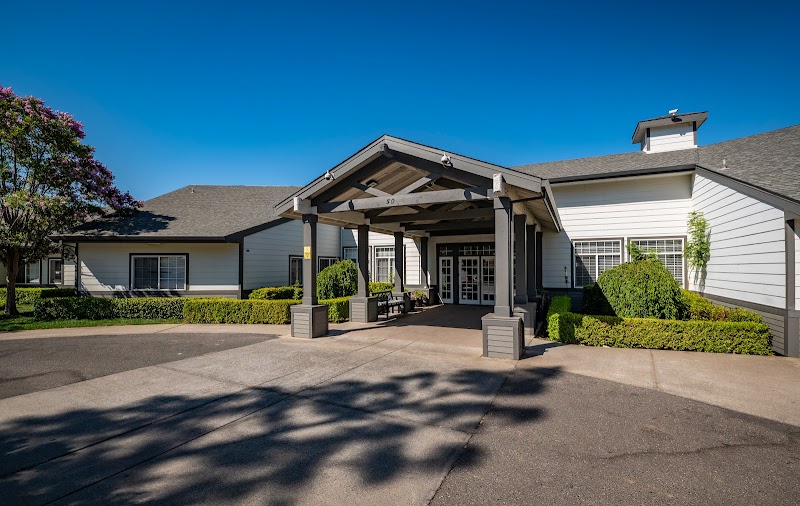
How is Country Crest Post-Acute Staffed?

CMS rates COUNTRY CREST POST-ACUTE's staffing level at 2 out of 5 stars, which is below average compared to other nursing homes. Staff turnover is 58%, which is 12 percentage points above the California average of 46%. High turnover can affect care consistency as new staff learn residents' individual needs. RN turnover specifically is 67%, which is notably high. RNs provide skilled clinical oversight, so turnover in this role can affect medical care quality.

What Have Inspectors Found at Country Crest Post-Acute?

State health inspectors documented 47 deficiencies at COUNTRY CREST POST-ACUTE during 2019 to 2025. These included: 1 Immediate Jeopardy (the most serious level, indicating potential for serious harm or death), 45 with potential for harm, and 1 minor or isolated issues. Immediate Jeopardy findings are rare and represent the most serious regulatory concerns. They require immediate corrective action.
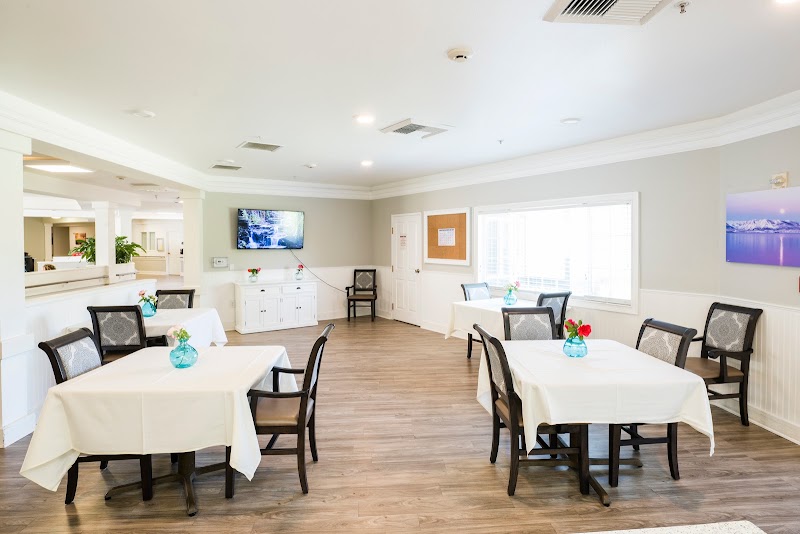
Who Owns and Operates Country Crest Post-Acute?

COUNTRY CREST POST-ACUTE is owned by a for-profit company. For-profit facilities operate as businesses with obligations to shareholders or private owners. The facility is operated by ASPEN SKILLED HEALTHCARE, a chain that manages multiple nursing homes. With 59 certified beds and approximately 52 residents (about 88% occupancy), it is a smaller facility located in OROVILLE, California.
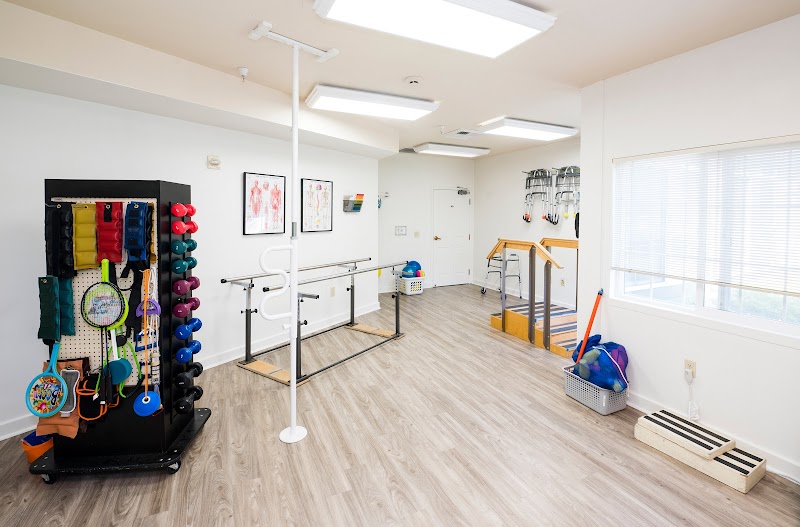
How Does Country Crest Post-Acute Compare to Other California Nursing Homes?

Compared to the 100 nursing homes in California, COUNTRY CREST POST-ACUTE's overall rating (3 stars) is below the state average of 3.1, staff turnover (58%) is significantly higher than the state average of 46%, and health inspection rating (2 stars) is below the national benchmark.

What Should Families Ask When Visiting Country Crest Post-Acute?

Based on this facility's data, families visiting should ask: "What changes have been made since the serious inspection findings, and how are you preventing similar issues?" "How do you ensure continuity of care given staff turnover, and what is your staff retention strategy?" "Can you walk me through typical staffing levels on day, evening, and night shifts?" "Can I visit during a mealtime to observe dining assistance and food quality?" These questions are particularly relevant given the facility's Immediate Jeopardy citations, the facility's high staff turnover rate, and the below-average staffing rating.

Is Country Crest Post-Acute Safe?

Based on CMS inspection data, COUNTRY CREST POST-ACUTE has documented safety concerns. Inspectors have issued 1 Immediate Jeopardy citation (the most serious violation level indicating risk of serious injury or death). The facility has a 3-star overall rating and ranks #100 of 100 nursing homes in California. Families considering this facility should ask detailed questions about what corrective actions have been taken since these incidents.

Do Nurses at Country Crest Post-Acute Stick Around?

Staff turnover at COUNTRY CREST POST-ACUTE is high. At 58%, the facility is 12 percentage points above the California average of 46%. Registered Nurse turnover is particularly concerning at 67%. RNs handle complex medical decisions and coordinate care — frequent RN changes can directly impact care quality. High turnover means new staff may not know residents' individual needs, medications, or preferences. It can also be disorienting for residents, especially those with dementia who rely on familiar faces. Families should ask: What is causing the turnover? What retention programs are in place? How do you ensure care continuity during staff transitions?

Was Country Crest Post-Acute Ever Fined?

COUNTRY CREST POST-ACUTE has been fined $50,454 across 1 penalty action. This is above the California average of $33,583. Fines in this range indicate compliance issues significant enough for CMS to impose meaningful financial consequences. Common causes include delayed correction of deficiencies, repeat violations, or care failures affecting resident safety. Families should ask facility leadership what changes have been made since these penalties.

Is Country Crest Post-Acute on Any Federal Watch List?

COUNTRY CREST POST-ACUTE is not on any federal watch list. The most significant is the Special Focus Facility (SFF) program, which identifies the bottom 1% of nursing homes nationally based on persistent, serious quality problems. Not being on this list means the facility has avoided the pattern of deficiencies that triggers enhanced federal oversight. This is a positive indicator, though families should still review the facility's inspection history directly.