DEVONSHIRE CARE CENTER
1350 EAST DEVONSHIRE AVENUE, HEMET, CA 92544 (951) 925-2571
For profit - Limited Liability company 99 Beds GENESIS HEALTHCARE Data: November 2025 1 Immediate Jeopardy citation
Trust Grade
21/100
#1013 of 1155 in CA
Last Inspection: April 2025

Within standard 12-15 month inspection cycle. Federal law requires annual inspections.

Overview

Devonshire Care Center has received a Trust Grade of F, indicating significant concerns about the quality of care provided. With a ranking of #1013 out of 1155 facilities in California, they are in the bottom half of all nursing homes, and #48 out of 53 in Riverside County, meaning there are only a few local options that are worse. The facility is getting worse, with issues increasing from 12 in 2024 to 38 in 2025, which is alarming. Staffing is a major weakness, with a rating of 1 out of 5 stars and a high turnover rate of 62%, far exceeding the state's average of 38%, indicating instability among staff members. Additionally, there are serious concerns regarding care incidents, including a critical finding where a resident did not receive prescribed IV antibiotics for over a month, which could lead to severe complications. Another incident involved a failure to clarify medication orders, resulting in inadequate treatment for residents. While the facility has some average RN coverage, the overall picture raises red flags for families considering this nursing home for their loved ones.

Trust Score
F
21/100
In California
#1013/1155
Bottom 13%
Safety Record
High Risk
Review needed
Inspections
Getting Worse
12 → 38 violations
Staff Stability
⚠ Watch
62% turnover. Above average. Higher turnover means staff may not know residents' routines.
Penalties
✓ Good
$10,364 in fines. Lower than most California facilities. Relatively clean record.
Skilled Nurses
⚠ Watch
Each resident gets only 18 minutes of Registered Nurse (RN) attention daily — below average for California. Fewer RN minutes means fewer trained eyes watching for problems.
Violations
⚠ Watch
73 deficiencies on record. Higher than average. Multiple issues found across inspections.
★☆☆☆☆
1.0
Overall Rating
★☆☆☆☆
1.0
Staff Levels
★★★☆☆
3.0
Care Quality
★☆☆☆☆
1.0
Inspection Score
Stable
2024: 12 issues
2025: 38 issues

The Good

  • Full Sprinkler Coverage · Fire safety systems throughout facility
  • No fines on record

Facility shows strength in fire safety.

The Bad

1-Star Overall Rating

Below California average (3.1)

Significant quality concerns identified by CMS

Staff Turnover: 62%

15pts above California avg (46%)

Frequent staff changes - ask about care continuity

Federal Fines: $10,364

Below median ($33,413)

Minor penalties assessed

Chain: GENESIS HEALTHCARE

Part of a multi-facility chain

Ask about local staffing decisions and management

Staff turnover is elevated (62%)

14 points above California average of 48%

The Ugly 73 deficiencies on record

1 life-threatening
Aug 2025 1 deficiency
CONCERN (D) 📢 Someone Reported This

A family member, employee, or ombudsman was alarmed enough to file a formal complaint

Potential for Harm - no one hurt, but risky conditions existed

Deficiency F0697 (Tag F0697)

Could have caused harm · This affected 1 resident

**NOTE- TERMS IN BRACKETS HAVE BEEN EDITED TO PROTECT CONFIDENTIALITY** Based on interview and record review, the facility failed to ensure Resident 1 was adequately assessed for pain during the eveni...

Read full inspector narrative →
**NOTE- TERMS IN BRACKETS HAVE BEEN EDITED TO PROTECT CONFIDENTIALITY** Based on interview and record review, the facility failed to ensure Resident 1 was adequately assessed for pain during the evening and night shifts on July 12, 2025, and provide appropriate pain medication to manage pain. This failure resulted to Resident 1 calling emergency services to be transferred out of the facility on July 13, 2025, due to worsening pain.Findings:On August 12, 2025, at 1:43 p.m., an unannounced visit was made at the facility to conduct an investigation of a complaint regarding quality of care.A review of Resident 1's admission Record, indicated Resident 1 was admitted to the facility on [DATE], around 4:31 p.m., with diagnoses which included left femur fracture (a break in the long bone of the left leg), presence of left artificial hip joint, low back pain, multiple sclerosis (body's immune system attacks the protective covering of the nerve cells in the brain, optic nerve and spinal cord), and fibromyalgia (persisting condition characterized by widespread muscle pain and tenderness).A review of Resident 1's Minimum Data Set (MDS- a clinical assessment tool), dated July 13, 2025, indicated Resident 1 had a Brief Interview for Mental Status (BIMS) score of 15 (cognitively intact).A review of Resident 1's Order Summary Report, included physician's orders for:- Pain monitor every shift., order date July 12, 2025; and- Hydrocodone (narcotic pain medication)-Acetaminophen (used to relieve mild pain or fever) Oral (by mouth) tablet 5-325 MG (milligram- unit of measurement).Give 1 tablet by mouth every 6hours as needed for pain., order date July 12, 2025.A review of Resident 1's Medication Administration Record (MAR) for July 1 to 31, 2025, indicated the following:- Pain Monitor every shift.Start Date 7/12/2025 1500 (3 pm)., there was no pain level documented for the Evening (PM) shift and Night (NOC) shits and there were no licensed nurses' (LN) initials on the document to signify the task was performed;- The MAR did not include the order for Hydrodocone-Acetaminophen, therefore there was no indication that the medication was given to Resident 1 for pain.A review of Resident 1's care plans indicated there was no care plan initiated for pain or pain management.A review of the SBAR (Situation, Background, Appearance, Review and Notify) Communication Form, dated July 13, 2025, indicated the following:- .Situation.The change in condition.is/are.Pain (uncontrolled), Shortness of Breath (SOB).- .Background.Pain Evaluation.Does the resident have pain.Yes.Worsening of chronic pain.hip pain from hip surgery.Intensity of pain rate on scale of 1-10, with 10 being the worst): 8.- .Appearance.Resident sent self out per 911 (emergency medical services). complaints of pain and SOB. No signs of SOB noted.A review of Resident 1's progress notes indicated no documentation pertaining to pain assessment for the PM or NOC shifts for July 12, 2025, to July 13, 2025, prior to Resident 1 calling 911 to be transferred out of the facility. The progress notes indicated Resident 1 left the facility at 8:09 a.m. on July 13, 2025.On August 28, 2025, at 10:57 a.m., Registered Nurse (RN) 1 was interviewed. RN 1 stated she was working on July 13, 2025, when Resident 1 was sent out via 911. RN 1 recalled the endorsement from the previous shift's RN that Resident 1 was frequently asking for pain medication throughout the previous night, and no medications were delivered for Resident 1 that night. On August 28, 2025, at 2:19 p.m., RN 2 was interviewed. RN 2 stated she did not recall Resident 1, but stated if a resident asked for narcotic pain medication, and verified that the resident has an order for the narcotic pain medication, but the resident's stock was not available, then authorization has to be obtained from the pharmacy for the medication to be taken out of the emergency kit (e-kit). RN 2 stated two nurses, one RN and one LVN (Licensed vocational Nurse), have to sign for the medication's removal from the e-kit, then it would be administered to the resident. RN 2 also stated she did not recall if Resident 1 was given any regular or narcotic pain medication.On August 28, 2025, at 3:43 p.m., the Director of Nursing (DON) was interviewed. The DON confirmed Resident 1 had physician's orders for Hydrocodone-Acetaminophen and to monitor pain every shift. The DON confirmed there was no documentation on Resident 1's MAR and other Resident 1's record regarding pain monitoring for the PM and NOC shifts. The DON stated she expected LNs to document what they did, saw, or observed regarding pain monitoring in the MAR. The DON further stated pain monitoring for Resident 1 should have been documented in the MAR.A review of the facility's policy and procedure titled Pain Management, dated August 25, 2021, indicated, .To maintain the highest possible level of comfort for Residents by providing a system to identify, assess, treat, and evaluate pain.To design a plan of care to achieve an optimal balance between pain relief and preservation of function, in accordance with Resident directed goals.Patients will be evaluated.for the presence of pain upon admission/re-admission.with change in condition or change in pain status.At a minimum of daily, Residents will be evaluated for the presence of pain by making an inquiry of the Resident or by observing for signs of pain.Electronic Order Management (EOM): Document pain presence on the Medication Administration Record (MAR).If a Resident has a change in pain status, complete a pain evaluation (electronic).Residents receiving interventions for pain will be monitored for effectiveness and side effects.in providing pain relief. Document.non-pharmacological interventions and effectiveness.Effectiveness of PRN medications.Ineffectiveness of routine or PRN medications including interventions, follow-up, and physician.notification.The care plan will be evaluated for effectiveness until satisfactory pain management is achieved.
Jul 2025 1 deficiency
CONCERN (D) 📢 Someone Reported This

A family member, employee, or ombudsman was alarmed enough to file a formal complaint

Potential for Harm - no one hurt, but risky conditions existed

Safe Environment (Tag F0921)

Could have caused harm · This affected 1 resident

**NOTE- TERMS IN BRACKETS HAVE BEEN EDITED TO PROTECT CONFIDENTIALITY** Based on observation, interview, and record review, the facility failed to provide a safe, functional and comfortable environmen...

Read full inspector narrative →
**NOTE- TERMS IN BRACKETS HAVE BEEN EDITED TO PROTECT CONFIDENTIALITY** Based on observation, interview, and record review, the facility failed to provide a safe, functional and comfortable environment, when the ceiling of room [ROOM NUMBER] was observed damaged, and the television cable outlet was exposed and did not have a plate cover. This failure to maintain a functional environment had the potential to compromise resident safety.On July 9, 2025, at 1:28 p.m., an unannounced visit was conducted at the facility for several complaints including a complaint regarding a resident room.On July 9, 2025, at 4:20 p.m. room [ROOM NUMBER] was observed. room [ROOM NUMBER] was observed to have two beds occupied by two residents in bed A and bed B, respectively. The ceiling above bed B was observed to have an irregular, circular, warped protrusion, with paint peeling, and the center cracked exposing the board underneath. Towards the feet of the beds, a few inches above the counter, in the space between two closets, was one television cable outlet without a plate cover. The cable wire was exposed, and the inner wall was visible trough the opening.On July 9, 2025, at 4:30 p.m., the Maintenance Director (MD) was interviewed, the MD stated the ceiling damage looked like it was from a past water leak, maybe from the heavy rains early in the year. The MD further stated this should have been identified and fixed. On July 9, 2025,a t 4:36 p.m., in a concurrent observation in room [ROOM NUMBER] with the MD and Director of Nursing (DON), the MD confirmed the television cable outlet should have a cover.On July 9, 2025, at 4:43 p.m. The Administrator (ADM) was interviewed. The ADM stated he expected the MD and his assistants to conduct rounds in every room and check every crevice once a month. The ADM further stated the department heads should also be looking into environmental issues when they conducted their routine daily rounds, and expected all staff to report any observed issues to the MD or his assistant verbally or through the facility's electronic reporting system. A review of the facility's policy and procedure titled, Maintenance Service, revised December 2009, indicated, .Maintenance service shall be provided to all areas of the building, grounds, and equipment .The Maintenance Department is responsible for maintaining the buildings, grounds, and equipment in a safe and operable manner at all times.Functions of the maintenance personnel include, but are not limited to.Maintaining the building in good repair and free from hazards.
Jul 2025 4 deficiencies 1 IJ
CRITICAL (J) 📢 Someone Reported This

A family member, employee, or ombudsman was alarmed enough to file a formal complaint

Immediate Jeopardy (IJ) - the most serious Medicare violation

Quality of Care (Tag F0684)

Someone could have died · This affected 1 resident

**NOTE- TERMS IN BRACKETS HAVE BEEN EDITED TO PROTECT CONFIDENTIALITY** Based on observation, interview, and record review, the facility failed to ensure an IV (intravenous - administered into a vein)...

Read full inspector narrative →
**NOTE- TERMS IN BRACKETS HAVE BEEN EDITED TO PROTECT CONFIDENTIALITY** Based on observation, interview, and record review, the facility failed to ensure an IV (intravenous - administered into a vein) antibiotic (medication to treat infection) for septic arthritis (a serious joint infection, often caused by bacteria, that can lead to significant joint damage and even sepsis if left untreated) was administered in accordance with the physician's order and the orthopedic surgeon's (OS - a medical doctor specializing in the diagnosis, treatment, and prevention of musculoskeletal system injuries and diseases) recommendation, for one of three residents reviewed (Resident 1), when the orthopedic physician ordered for Resident 1 to start on Rocephin (medication to treat infection) on May 23, 2025, for septic arthritis. The IV Rocephin was not administered to Resident 1 from May 23, 2025, to June 27, 2025 (35 days). In addition, the facility failed to arrange a follow up appointment with the OS in three weeks after the appointment on May 23, 2025.On June 27, 2025, at 6:07 p.m., the Administrator (ADM) was verbally notified of the Immediate Jeopardy (IJ - situation in which the provider's noncompliance with one or more requirements of participation has caused or likely to cause serious injury, harm, impairment, or death to a resident), due to the facility's failure to administer the IV antibiotic to Resident 1 for 35 days.This failure resulted in a delay in the care and treatment of Resident 1's septic arthritis which could lead to severe and permanent joint damage, chronic pain, and even life-threatening conditions like sepsis or death.On June 30, 2025, at 12:05 p.m., the ADM presented an acceptable removal plan which included the following:-Resident 1 was assessed and examined by the primary physician on June 27, 2025, with order to discontinue IV Rocephin;-Resident 1 was scheduled for a follow up appointment with the orthopedic physician on June 30, 2025, at 9:30 a.m.;-A triple check audit (compare the physician's orders, Medication Administration Record [MAR], and the medications at hand) was conducted on June 27, 2025;-All residents medical records were reviewed on June 27, 2025, to ensure IV orders were administered as ordered;-Resident's care plans were audited by the Registered Nurse Supervisor (RNS) and ADM to ensure active IV orders were included in the care plan and were being followed;-The Medical Director (MD) was notified by the ADM of the IJ on June 27, 2025;-An in-service to the licensed nurses (LN) was conducted by the ADM on June 27, 2025, regarding administration of IV orders;-The Pharmacy Nurse Consultant will conduct skills competencies to the RN and LN on June 28, 2025, regarding following physician orders with emphasis on IV medication administration;-The Regional Nurse Consultant (RNC) will provide in-service training to LN on June 28, 2025, to review policy and procedure on proper and timely follow up, and clarify the physician's orders;-The [NAME] President for Operations and the RNC provided in-service training on June 27, 2025, to the ADM and IDT (Interdisciplinary Team - a group of healthcare professionals) on June 27, 2025, regarding the facility's process on conducting daily stand up to include review of new physician's orders, 24-hour summary, chart review of new admissions, and order listing report; and-A Quality Assurance and Performance Improvement (QAPI) has been initiated to discuss the monitoring and auditing procedures regarding ensuring IV orders were carried out as ordered.On July 1, 2025, at 1:35 p.m., the IJ was removed in the presence of the ADM and the current Director of Nursing (CDON) during the onsite survey, upon verification of the implementation of the IJ removal plan. The facility was notified an extended survey would be conducted due to substandard quality of care issues. Findings:On June 19, 2025, at 10 a.m., an unannounced visit was conducted at the facility to investigate a complaint on quality of care. On June 19, 2025, at 1:14 p.m., Resident 1 was observed sitting on a wheelchair in the smoking area, and was able to maneuver self throughout the facility. In a concurrent interview with Resident 1, she stated she was supposed to receive IV antibiotics and the orthopedic consultation notes from a follow up appointment on May 23, 2025 was concurrently reviewed with Resident 1 which indicated the following:- Rocephin 1 (one) gram daily for 6 (six) weeks through IV midline (a type of peripheral IV catheter [PIVC] that is longer than a standard IV, inserted into a vein in the upper arm, and the tip of the catheter resides in a larger vein near the shoulder) with (name of home health agency); and-RTC (Return to clinic) in three (3) weeks.Resident 1 further stated she had not received the IV antibiotic order of Rocephin since the orthopedic appointment on May 23, 2025. Resident 1 stated she was sent to the general acute hospital (GACH) on June 11, 2025, for the IV line placement but the hospital was not able to start the IV line and did not know why it was not done. On June 19, 2025, at 1:50 p.m., during a concurrent interview and record review with Registered Nurse (RN) 1, RN 1 stated when she received the orthopedic consult notes on May 23, 2025, after Resident 1 went to the follow up appointment on May 23, 2025, she placed the order for IV antibiotics in the system. RN 1 stated Resident 1 should have been sent to the hospital to have the IV antibiotic be administered since it was to be given through IV midline. RN 1 stated the following shift should have followed up as the order also indicated with home health agency to administer. RN 1 stated she thought Resident 1 would be getting too much antibiotic since the resident was on oral antibiotic as well. On June 19, 2025, at 2:49 p.m., during an interview with the Medical Assistant (MA) of the OS, the MA stated the IV antibiotic Rocephin should have started on May 23, 2025. The MA stated the previous Director of Nursing (PDON) had called the orthopedic clinic on June 11, 2025, and was told the Rocephin order for Resident 1 should have started on May 23, 2025. The MA stated the PDON told her she would send Resident 1 to the hospital on June 11, 2025.On June 20, 2025, at 11:20 a.m., during an interview with Resident 1, she stated she went to the GACH but nothing was done regarding her IV antibiotic. Resident 1 stated the OS told her there was something like a black spot in the x-ray (radiographic test) of her left knee. Resident 1's left knee was observed to have redness at the sides of the incision site. Resident 1 stated she gets pain medication routinely. Resident 1 stated she received physical therapy daily. Resident 1 was observed with the therapist walking slowly in the hallway with a walker. Resident 1 was observed to be unable to ambulate independently and continued to require wheelchair if not with the therapist. On June 20, 2025, at 3:50 p.m., during an interview with the ADM, the ADM stated he also has a current RN license. Resident 1's orthopedic consultation note, dated May 23, 2025, was concurrently reviewed with the ADM. The ADM stated the order should have been clarified with the orthopedic clinic as it was not clear when the IV antibiotic should be administered to Resident 1. A review of Resident 1's Orthopedic Operative Report, dated May 8, 2025, indicated, .POSTOPERATIVE (the period of time following a surgical operation) DIAGNOSES: Left knee large effusion (excess fluid accumulation within or around the knee joint), questionable septic arthritis (a painful joint infection, usually caused by bacteria, that can damage cartilage and bone) with lateral meniscus (cartilage - a strong connective tissue found in joints, ear, nose) and medial meniscus tear (a common knee injury involving damage to the cartilage that acts as a shock absorber and stabilizer in the knee joint), popliteal cyst (a fluid-filled swelling that develops behind the knee).large 30 ml (milliliter - unit of measurement) of turbid (cloudy, opaque, or thick with suspended matter) viscous (thick, sticky consistency) fluid is evacuated and is sent for Gram stain (a laboratory technique used to differentiate bacteria into two main groups: Gram-positive and Gram-negative).explained to her regarding the operation findings and the need for several weeks of IV antibiotics as consulted to infectious disease.IV midline is recommended. IV Rocephin 1 g (gram) daily for 6 (six) weeks and IV Flagyl (antibiotic to treat infection) 500 mg (milligram - unit of measurement) every 6 (six) hours recommended.A review of Resident 1's admission Record, indicated Resident 1 is a [AGE] year old female admitted to the facility on [DATE], with diagnoses which included left elbow fracture (broken bone), left knee ORIF (open reduction with internal fixation - a surgical procedure used to treat fractures, particularly those that are severely displaced or unstable), and lupus (a chronic autoimmune disease where the body's immune system mistakenly attacks healthy tissue which could lead to inflammation and damage in various parts of the body, including the skin, joints, kidneys, heart, lungs, and blood cells).A review of Resident 1's physician's orders, date ordered May 16, 2025, indicated, .RESIDENT HAS F/U (follow up) ORTHO APPOINTMENT ON 5/23 (May 23, 2025) AT 8:30 AM (a.m.) WITH (name of orthopedic surgeon) AT (address of orthopedic clinic). A review of Resident 1's orthopedic consult notes, dated May 23, 2025, indicated, .Pt (patient) doesn't (does not) have IV access.Left knee septic arthritis.Plan.IV midline.IV Rocephin 1 gm q (every) daily x 6 weeks.A review of the facility document titled Progress Record, documented by the OS, sent with Resident 1 when she came back from appointment, dated May 23, 2025, indicated, .ordering IV midline and IV Rocephin 1 (one) gram QD (daily) x 6 wks (weeks) w/ (with) (name of home health agency).RTC (return to clinic) in 3 (three) weeks (around June 13, 2025).A review of Resident 1's physician order, date ordered May 23, 2025, .ORDER FOR IV MIDLINE AND IV ROCEPHIN 1 (one) GRAM (unit of measurement) DAILY X (times) 6 (six) WEEKS WITH (name of home health agency)., A review of Resident 1's Progress Notes, dated May 23, 2025, at 10:51 a.m., documented by RN 1, indicated the order from the orthopedic appointment for IV Rocephin, IV midline, and return to clinic in 3 weeks.Further review of Resident 1's record indicated there was no documented evidence of the orthopedic orders for IV midline and IV Rocephin was clarified with the orthopedic surgeon when to start the IV antibiotic and indication for the IV antibiotic. There was no documented evidence the physician's order for IV midline and IV Rocephin were carried out as ordered and administered to Resident 1 since May 23, 2025. A review of Resident 1's physician order, date ordered June 11, 2025, indicated, .Send to ER (Emergency Room) for IV Midline insertion.A review of Resident 1's GACH records, dated June 11, 2025, at 1:28 p.m., indicated, .Chief Complaint: midline placement.pt (patient) sent to ER (Emergency Room) from (name of skilled nursing facility) for midline placement.A review of Resident 1's Progress Notes, dated June 13, 2025, at 8:35 p.m., documented by RN 2 indicated, .Patient arrived at 2035 (8:35 p.m.) from (name of GACH).MD made aware. The progress notes did not include presence of IV access on Resident 1 or IV orders.Further review of Resident 1's records from June 13, 2025, to June 27, 2025, indicated there was no documented evidence if the physician or orthopedic surgeon was consulted regarding the IV midline not done in GACH and if the IV Rocephin was still needed to be given to Resident 1. On June 26, 2025, at 4: 20 p.m., a follow up interview was conducted with RN 1. RN 1 stated she was the RN on duty when Resident 1 came back from orthopedic appointment on May 23, 2025, and the orthopedic surgeon ordered IV midline and IV Rocephin daily for six weeks. RN 1 stated IV midline were not being done at the facility and the resident would need to be scheduled at the hospital for IV midline placement. RN 1 stated she was not able to clarify with the orthopedic surgeon when the IV Rocephin should be started as she got busy and did not endorse it to the next shift RN. RN 1 stated she did not start a peripheral line so the IV Rocephin could be started on May 23, 2025. RN 1 stated she was not aware Rocephin could also be given through intramuscular (IM - through the muscles) injection.On June 26, 2025, at 5:47 p.m., an interview was conducted with the ADM. The ADM stated the RN should have clarified with the OS the order for IV midline and IV Rocephin when the IV antibiotic should be started, and if the IV antibiotic could be administered in a different route. The ADM stated he found out about the OS orders on June 13, 2025, when he did chart review with the Case Manager (CM), Social Services Director (SSD), and the Infection Preventionist (IP) and then discussed it with the PDON. The ADM stated he instructed the PDON to clarify the OS orders. The ADM stated the CM told him that the IV Rocephin should have started on May 23, 2025. The ADM stated Rocephin could be given through IM or IV peripheral line while waiting for an IV midline to be placed. On June 27, 2025, at 9:28 a.m., a concurrent observation and interview was conducted with Resident 1 inside the resident's room. Resident 1 was observed sitting at the edge of the bed wearing short sleeve shirt, was observed without IV access on her arms. In a concurrent interview with Resident 1, she stated she had surgery on her left knee for septic arthritis which she was treated with IV antibiotics while at the GACH and thought it would be continued in the facility. Resident 1 stated she had a follow up appointment with the OS on May 23, 2025, and was ordered for IV antibiotic but until this date, have not received any IV antibiotics. Resident 1 stated she had inquired with the licensed nurses about the IV antibiotic but did not get a clear response from anyone of them. Resident 1 stated she went to the GACH on June 11, 2025, to have an IV midline placed but did not know why it was not placed while she was at the GACH. Resident 1 stated she did not know if she had a follow up appointment with the OS.On June 27, 2025, at 10:15 a.m., an interview was conducted with the CM. The CM stated her responsibility was to oversee the care and services being provided to the residents who received skilled services, from admission to discharge planning. The CM stated she would also arrange necessary appointments and transport services, and would review consultant notes after appointments. Resident 1's record was concurrently reviewed with the CM. The CM stated the following about Resident 1:-admitted to the facility on [DATE], for rehabilitation after left knee surgery;-Had a follow up appointment with the OS on May 23, 2025, with an order for IV Rocephin daily for six (6) weeks via IV midline;-The CM was not aware of the IV orders from the OS appointment on May 23, 2025, not until the DON discussed it with her on June 11, 2025, and the OS was called by the PDON and clarified the order for IV Rocephin and was informed IV Rocephin should have started on May 23, 2025; - The CM stated there was no documentation the licensed nurses followed up with the OS to clarify the order for IV midline and IV Rocephin. The CM stated the RN should have clarified with the OS regarding the need for the IV Rocephin and when it should be administered. -RN 1 told CM that a peripheral line was attempted but unable to get one on May 23, 2025. The CM stated there was no documentation a peripheral line was attempted to be inserted on Resident 1 and was not successful; -The DON told the CM she would handle the issue on Resident 1's IV order and the resident was sent out to the GACH for IV midline placement on June 11, 2025;-Resident 1 returned to the facility on June 13, 2025, without IV access and no further recommendations for IV antibiotics;-There was no documentation the facility communicated to the OS that IV Rocephin was not administered to Resident 1 since the resident came back from GACH on June 13, 2025, and if the IV Rocephin would still be needed to be administered to the resident; -The CM stated the facility should have clarified with the OS regarding the IV Rocephin order if still needed even after coming back from the GACH on June 13, 2025; and-There was no follow up appointment scheduled with the OS after it was ordered on May 23, 2025, for a RTC in three (3) weeks (around June 13, 2025). The CM stated a follow up appointment with the OS should have been scheduled according to the physician's order. On June 27, 2025, at 11:11 a.m., an interview was conducted with the OS MA. The MA stated the PDON called the orthopedic clinic on June 11, 2025, to clarify regarding the IV Rocephin ordered by the OS on May 23, 2025, and advised the PDON the IV Rocephin should have been started on May 23, 2025. The MA stated the IV Rocephin was ordered by the OS for septic arthritis. The MA stated there was no schedule made by the facility for a follow up appointment with the OS after May 23, 2025. On June 27, 2025, at 1:32 p.m., a concurrent interview and record review was conducted with the Infection Preventionist (IP). The IP stated she was not aware Resident 1 was ordered for IV Rocephin when the resident returned from the orthopedic follow up appointment on May 23, 2025. The IP stated she should have reviewed Resident 1's record to evaluate appropriateness of the antibiotic since the resident was also ordered for Levaquin (medication to treat infection). On June 27, 2025, at 5:47 p.m., an interview was conducted with the ADM. The ADM stated he instructed the CM to clarify with the orthopedic clinic and the primary physician to inform them the IV Rocephin was not administered to Resident 1 since May 23, 2025. The ADM stated he thought the CM would follow through with his instructions to address the issue on Resident 1. The ADM stated he was not aware the CM did call the orthopedic clinic not until today to verify for return appointment after May 23, 2025. The ADM stated Resident 1 could develop complications such as infection, pain, discomfort, and joint stiffness. On July 2, 2025, at 11 a.m., an interview was conducted with the OS. The OS stated left knee surgery was done on Resident 1 on May 8, 2025, due to fluid build up on her left knee joint with differential diagnosis (a systematic process used by healthcare professionals to identify the most likely cause of a patient's symptoms by distinguishing between various conditions that share similar characteristics) of septic arthritis. The OS stated during surgery, there was turbid viscous fluid-like pus from the knee joint indicative of septic arthritis, and he recommended for Resident 1 to receive IV Rocephin for 6 weeks while at the skilled nursing facility. The OS stated Resident 1 had a follow up appointment with him on May 23, 2025, and he ordered Resident 1 to have IV Rocephin after the appointment on May 23, 2025, for septic arthritis. The OS stated he was not aware the IV Rocephin was not administered to Resident 1 since May 23, 2025. The OS stated the IV Rocephin could be given via IV midline or peripheral line whatever was available. The OS stated the facility should have clarified with his clinic if the order was not clear and he expected the facility to have administered the IV Rocephin as ordered. The OS stated he evaluated Resident 1 on June 30, 2025, and assessed the resident to still have stiffness and pain in the affected knee. The OS stated the standard care for septic arthritis is IV antibiotic for 6 weeks and order was not followed by the facility. The OS stated Resident 1 could develop possible complications such as worsening of septic arthritis, osteomyelitis (a bone infection that occurs when bacteria or other microorganisms invade and infect the bone), destruction on the joint, chronic limp, gangrene (the death of body tissue due to a lack of blood supply or a severe bacterial infection), loss of limb, amputation (surgical removal of a limb or other body part), and death. A review of the facility's policy and procedures titled, Administering Medications, dated April 2019, indicated, .Medications are administered in accordance with prescriber orders, including any required time frame.A review of the facility's policy and procedure titled, Change in Condition: Notification of, dated August 25, 2021, indicated, .To ensure residents, family, legal representatives, and physicians are informed of changes in the resident's condition.A Facility must immediately.consult with the Resident's physician.and notify.when there is.A significant change in the Resident's physical, mental, or psychosocial status.A need to alter treatment significantly (that is, a need to discontinue or change an existing form of treatment due to adverse consequences, or to commence a new form of treatment).A review of the facility's policy and procedure titled, Physician Orders, dated March 22, 2022, indicated, .Whenever possible, the Licensed Nurse receiving the order will be responsible for documenting and implementing the order. Medication/treatment orders will be transcribed onto the appropriate resident administration record. Orders pertaining to other health care disciplines will be transcribed on the appropriate communication system for that discipline. A review of the facility's undated policy and procedure titled, Appointments, indicated, .This policy and procedure document outlines the support a facility provides to residents in accessing specialty healthcare services to enhance their health and wellbeing.Requests for appointments are documented in the electronic medical record.The licensed nurse or designee schedules appointments based on medical necessity and other factors like cognitive status and transportation needs.License Nurse to document resident's departure and clinical condition on the day of the appointment and when resident comes back.Any orders and follow up appointment are documented in the electronic record and to follow up availability of MD (doctor of medicine) progress notes to be included in the resident's medical record.A review of the facility's policy and procedure titled, General Policies for IV Therapy, dated March 2023, indicated, .IV medications may be administered by RNs Physician's orders are required for initiating intravenous therapy .All orders must include name, dose, frequency, duration of therapy, route of administration and diagnosis .Initial antibiotic dose is be given within 4 (four) hours from the time the physician's order is obtained at at the next scheduled dose .When IV therapy is questioned, a collaborative effort amongst the physician, pharmacy, and facility will determine the safety and appropriateness of the therapy .
CONCERN (E) 📢 Someone Reported This

A family member, employee, or ombudsman was alarmed enough to file a formal complaint

Potential for Harm - no one hurt, but risky conditions existed

Deficiency F0726 (Tag F0726)

Could have caused harm · This affected multiple residents

**NOTE- TERMS IN BRACKETS HAVE BEEN EDITED TO PROTECT CONFIDENTIALITY** Based on interview and record review, the facility failed to ensure appropriate nursing services were provided to carry out the ...

Read full inspector narrative →
**NOTE- TERMS IN BRACKETS HAVE BEEN EDITED TO PROTECT CONFIDENTIALITY** Based on interview and record review, the facility failed to ensure appropriate nursing services were provided to carry out the physician and orthopedic surgeon (OS - a medical doctor specializing in the diagnosis, treatment, and prevention of musculoskeletal system injuries and diseases) orders to administer IV antibiotic, for one of four residents reviewed (Resident 1), when:1.Registered Nurse (RN) 1 did not clarify with the physician or the OS regarding the IV orders after Resident 1's follow up appointment on May 23, 2025. In addition RN 1 did not endorse to the following RN the need to clarify the IV order, and there was no documentation other licensed nurses (RNs and Licensed Vocational Nurses), followed up or clarified the IV order with the OS from May 23, 2025, to June 11, 2025; 2. RN 1 was not knowledgeable regarding other routes of administration of Rocephin (a medication to treat infection);These failures resulted to Resident 1 to not receive the IV antibiotic as ordered by the physician and the OS and had the potential to experience pain or discomfort, infection, joint stiffness, and affect overall health condition.Cross Reference F684Findings:On June 19, 2025, at 10 a.m., an unannounced visit was conducted at the facility to investigate a complaint on quality of care.On June 19, 2025, at 1:14 p.m., Resident 1 was observed sitting on a wheelchair in the smoking area, and was able to maneuver self throughout the facility. In a concurrent interview with Resident 1, she stated she was supposed to receive IV antibiotics and the orthopedic consultation notes from a follow up appointment on May 23, 2025 was concurrently reviewed with Resident 1 which indicated the following:- Rocephin 1 (one) gram daily for 6 (six) weeks through IV midline (a type of peripheral IV catheter [PIVC] that is longer than a standard IV, inserted into a vein in the upper arm, and the tip of the catheter resides in a larger vein near the shoulder) with (name of home health agency); and-RTC (Return to clinic) in three (3) weeks.Resident 1 further stated she had not received the IV antibiotic order of Rocephin since the orthopedic appointment on May 23, 2025. Resident 1 stated she was sent to the general acute hospital (GACH) on June 11, 2025, for the IV line placement but the hospital was not able to start the IV line and did not know why it was not done. On June 19, 2025, at 1:50 p.m., during a concurrent interview and record review with Registered Nurse (RN) 1, RN 1 stated when she received the orthopedic consult notes on May 23, 2025, after Resident 1 went to the follow up appointment on May 23, 2025, she placed the order for IV antibiotics in the system. RN 1 stated Resident 1 should have been sent to the hospital to have the IV antibiotic be administered since it was to be given through IV midline. RN 1 stated the following shift should have followed up as the order also indicated with home health agency to administer. RN 1 stated she thought Resident 1 would be getting too much antibiotic since the resident was on oral antibiotic as well. A review of Resident 1's admission Record, indicated Resident 1 is a [AGE] year old female admitted to the facility on [DATE], with diagnoses which included left elbow fracture (broken bone), left knee ORIF (open reduction with internal fixation - a surgical procedure used to treat fractures, particularly those that are severely displaced or unstable), and lupus (a chronic autoimmune disease where the body's immune system mistakenly attacks healthy tissue which could lead to inflammation and damage in various parts of the body, including the skin, joints, kidneys, heart, lungs, and blood cells).A review of Resident 1's physician's orders, date ordered May 16, 2025, indicated, .RESIDENT HAS F/U (follow up) ORTHO APPOINTMENT ON 5/23 (May 23, 2025) AT 8:30 AM (a.m.) WITH (name of orthopedic surgeon) AT (address of orthopedic clinic). A review of Resident 1's orthopedic consult notes, dated May 23, 2025, indicated, .Pt (patient) doesn't (does not) have IV access.Left knee septic arthritis.Plan.IV midline.IV Rocephin 1 gm q (every) daily x 6 weeks.A review of the facility document titled Progress Record, documented by the OS, sent with Resident 1 when she came back from appointment, dated May 23, 2025, indicated, .ordering IV midline and IV Rocephin 1 (one) gram QD (daily) x 6 wks (weeks) w/ (with) (name of home health agency).RTC (return to clinic) in 3 (three) weeks (around June 13, 2025).A review of Resident 1's physician order, date ordered May 23, 2025, .ORDER FOR IV MIDLINE AND IV ROCEPHIN 1 (one) GRAM (unit of measurement) DAILY X (times) 6 (six) WEEKS WITH (name of home health agency)., A review of Resident 1's Progress Notes, dated May 23, 2025, at 10:51 a.m., documented by RN 1, indicated the order from the orthopedic appointment for IV Rocephin, IV midline, and return to clinic in 3 weeks.Further review of Resident 1's record indicated there was no documented evidence of the OS orders for IV midline and IV Rocephin was clarified with the OS when to start the IV antibiotic and indication for the IV antibiotic. There was no documented evidence the physician's order for IV midline and IV Rocephin were carried out as ordered and administered to Resident 1 since May 23, 2025. On June 26, 2025, at 4: 20 p.m., a follow up interview was conducted with RN 1. RN 1 stated she was the RN on duty when Resident 1 came back from orthopedic appointment on May 23, 2025, and the orthopedic surgeon ordered IV midline and IV Rocephin daily for six weeks. RN 1 stated IV midline were not being done at the facility and the resident would need to be scheduled at the hospital for IV midline placement. RN 1 stated she was not able to clarify with the orthopedic surgeon when the IV Rocephin should be started as she got busy and did not endorse it to the next shift RN. RN 1 stated she did not start a peripheral line so the IV Rocephin could be started on May 23, 2025. RN 1 stated she was not aware Rocephin could also be given through intramuscular (IM - through the muscles) injection.On June 26, 2025, at 5:47 p.m., an interview was conducted with the ADM. The ADM stated the RN should have clarified with the OS the order for IV midline and IV Rocephin when the IV antibiotic should be started, and if the IV antibiotic could be administered in a different route. The ADM stated he found out about the OS orders on June 13, 2025, when he did chart review with the Case Manager (CM), Social Services Director (SSD), and the Infection Preventionist (IP) and then discussed it with the previous DON (PDON). The ADM stated he instructed the PDON to clarify the OS orders. The ADM stated the CM told him that the IV Rocephin should have started on May 23, 2025. The ADM stated Rocephin could be given through IM or IV peripheral line while waiting for an IV midline to be placed. On June 27, 2025, at 10:15 a.m., an interview was conducted with the Case Manager (CM). The CM stated her responsibility was to oversee the care and services being provided to the residents who received skilled services, from admission to discharge planning. The CM stated she would also arrange necessary appointments and transport services, and would review consultant notes after appointments. The CM the PDON called the OS clinic on June 11, 2025, and clarified the IV order from May 23, 2025, and was told the IV ordered by the OS should have been started on May 23, 2025. The CM stated the PDON sent out Resident 1 to the hospital for IV midline placement on June 11, 2025, and thought the PDON handled Resident 1's IV issue even after the resident came back to the facility on June 13, 2025. The CM stated she was not aware Resident 1 did not get an IV access from the hospital and if Resident 1 still needed the IV antibiotic. On June 27, 2025, at 5:47 p.m., an interview was conducted with the ADM. The ADM stated he instructed the CM to clarify with the orthopedic clinic and the primary physician to inform them the IV Rocephin was not administered to Resident 1 since May 23, 2025. The ADM stated he thought the CM would follow through with his instructions to address the issue on Resident 1. The ADM stated he was not aware the CM did call the orthopedic clinic not until today to verify for return appointment after May 23, 2025. The ADM stated Resident 1 could develop complications such as infection, pain, discomfort, and joint stiffness. On July 2, 2025, at 11:30 a.m., a concurrent interview and review of training records of RN 1 with the Director of Staff Development (DSD), the DSD stated RN 1 did not have training regarding notification of the Medical Director, and documentation. The DSD stated RN1 missed the skills lab scheduled as she was working at that time, and was not able to make up for it. The DSD stated RN 1 should have completed the training as scheduled. A review of the facility's job description for RNs, indicated, .The primary purpose of this position is to provide skilled nursing care to residents under the medical direction of the residents' attending physician and within the scope of nursing practice for the state .Consult and coordinate with the interdisciplinary team (IDT - a group of healthcare professionals) and healthcare professionals to assess, plan, implement and evaluate individualized resident care plans .Provide nursing services to residents in accordance with scope of practice, facility policies and professional standards of care .Maintain documentation of all nursing care and services provided to the residents; use nurses' notes, flow sheets and electronic medical records according to facility protocol .Administer medications according to practitioner orders .Attend continuing education and in-service training programs as required to provide person-centered and competent care .A review of the facility's policy and procedure titled, Competency of Nursing Staff, dated May 2019, indicated, .All nursing staff must meet the specific competency requirements of their respective licensure and certification requirements defined by State law .Competency in skills and techniques necessary to care for residents' needs includes .Basic nursing skills .Training and competency evaluations include elements of critical thinking and processes necessary to identify and report resident changes of condition .RNs are trained for and evaluated on managing and reporting pertinent findings to the provider .
CONCERN (E) 📢 Someone Reported This

A family member, employee, or ombudsman was alarmed enough to file a formal complaint

Potential for Harm - no one hurt, but risky conditions existed

Deficiency F0865 (Tag F0865)

Could have caused harm · This affected multiple residents

Based on interview and facility record review, the facility failed to have a written Quality Assurance Performance Improved (QAPI - a systematic, interdisciplinary, comprehensive, and data - driven ap...

Read full inspector narrative →
Based on interview and facility record review, the facility failed to have a written Quality Assurance Performance Improved (QAPI - a systematic, interdisciplinary, comprehensive, and data - driven approach to maintain and improve safety, quality of care, and quality of life of the residents) plan in place to address issue on carrying out physician's order for IV antibiotics, when the facility identified the resident did not receive the IV antibiotic the orthopedic surgeon (OS - a medical director specializing in the diagnosis, treatment, and prevention of musculoskeletal system injuries and diseases) ordered.This failure resulted to the resident not to receive the appropriate care and treatment after a surgical procedure and had the potential for the resident to develop complications such as pain or discomfort, infection, joint stiffness, and affect overall health condition. Findings:On June 27, 2025, at 6:07 p.m., the Administrator (ADM) was verbally notified of the Immediate Jeopardy (IJ - situation in which the provider's noncompliance with one or more requirements of participation has caused or likely to cause serious injury, harm, impairment, or death to a resident), due to the facility's failure to administer the IV antibiotic to Resident 1 for 35 days. A substandard quality of care (SQC) was identified related to the facility's failure to administer IV antibiotic to Resident 1. See findings under F684. On July 1, 2025, at 2:33 p.m., an interview was conducted with the ADM to discuss regarding the facility's QAPI program. The ADM stated the facility did not proceed to conduct a QAPI program to address the issue on the IV medications order not carried out as ordered by the physician and the OS on May 23, 2025, after it was identified as a missed administration on June 11, 2025 (19 days after the IV medication was initially ordered). A review of the facility's QAPI program meeting information, indicated QAPI meetings were held on February 6, 2025, April 24, 2025, and June 19, 2025, which was attended by the Medical Director, ADM, Director of Nursing (DON), Director of Staff Development (DSD), Infection Preventionist, Activity Director, Dietary Director, Social Services Director, Medical Records Designee, Maintenance Supervisor, Pharmacy Consultant, and [NAME] President of Operations. On July 2, 2025, at 10:45 a.m., a follow up interview and concurrent review of QAPI meetings was conducted with the ADM. The ADM stated the facility had a QAPI meeting on June 19, 2025, but did not discuss the IV medication order not carried out since May 23, 2025. The ADM stated the facility should have included the issue on IV medication during their QAPI meeting on June 19, 2025. The ADM stated he thought the previous DON had taken cared of the issue. The ADM stated he was not aware the facility had an issue on IV medication order not carried out until it was brought to their attention on June 19, 2025, during the investigation of the complaint.A review of the facility's policy and procedure titled, Quality Assurance and Performance and Improvement (QAPI) Program - Governance and Leadership), dated March 2020, indicated, .The Quality Assurance and Performance Improvement Program is overseen and implemented by the QAPI Committee, which reports its findings, actions and results to the Administrator and governing body .The Administrator .is ultimately responsible for the QAPI program, and for interpreting the results and findings to the governing body .The governing body is responsible for ensuring that the QAPI program .Focused on problems and opportunities that reflect processess, functions and services provided to the residents .
CONCERN (E) 📢 Someone Reported This

A family member, employee, or ombudsman was alarmed enough to file a formal complaint

Potential for Harm - no one hurt, but risky conditions existed

Antibiotic Stewardship (Tag F0881)

Could have caused harm · This affected multiple residents

**NOTE- TERMS IN BRACKETS HAVE BEEN EDITED TO PROTECT CONFIDENTIALITY** Based on interview and record review, the facility failed to ensure an effective antibiotic surveillance program (program to hel...

Read full inspector narrative →
**NOTE- TERMS IN BRACKETS HAVE BEEN EDITED TO PROTECT CONFIDENTIALITY** Based on interview and record review, the facility failed to ensure an effective antibiotic surveillance program (program to help monitor the effectiveness of antibiotics, identify emerging resistance patterns, and inform strategies for infection prevention and control) was conducted, for four of four residents (Residents 1, 2, 3, and 4) according to the facility's policy and procedure, when:1.For Resident 1, there was no appropriate indication for the use of Levaquin (medication to treat infection). In addition, there was no antibiotic surveillance assessment completed for the use of Levaquin;2.For Resident 2, the physician was not notified the use of Cipro (medication to treat infection) did not meet the criteria of the symptoms of urinary tract infection;3.For Resident3, there was no appropriate indication for the use of Macrobid (medication to treat infection). In addition, there was no antibiotic surveillance assessment completed for the use of Macrobid; and4.For Resident 4, there was no appropriate indication for the use of Cirpo (medication to treat infection). In addition, there was no antibiotic surveillance assessment completed for the use of Cipro and Doxycycline (medication to treat infection).These failures resulted to the residents' use of antibiotic not to be evaluated for the appropriateness of its use, which could lead to development of complications related to use of the antibiotics. Findings:On June 25, 2025, at 1:11 p.m., during an interview with the Infection Preventionist (IP), the IP stated the facility conducts antibiotic surveillance of the residents who were prescribed antibiotics on admission and during their stay in the facility to ensure the antibiotic is necessary for the resident to be administered. The IP stated she would run a report indicating a list of residents on antibiotic. The IP stated the facility form titled, Antibiotic Surveillance Data Collection, was to be completed by the licensed nurse who initiated the antibiotic order either during admission or during the resident stay in the facility. The IP stated the document utilizes McGeer's criteria (a standardized definitions of infection used primarily for surveillance in long-term care facilities) or Loeb's criteria (a set of minimum clinical guidelines used in long-term care facilities to help determine when antibiotic treatment is appropriate for residents) to determine if the antibiotic is appropriate for the resident. The IP stated if the antibiotic surveillance indicated the criteria was not met, they will proceed with a time out to call the physician if still needed for the antibiotic to be administered to the resident. The IP stated it was her responsibility to ensure the antibiotic surveillance form was completed accurately and implement the antibiotic surveillance program according to the guidelines.On June 25, 2025, at 1:32 p.m., a concurrent interview and review of Residents 1, 2, 3, and 4's records were conducted with the IP. The following indicated:1.Resident 1 was admitted to the facility on [DATE], with diagnoses which included aftercare following joint replacement and fracture of right elbow.A review of Resident 1's physician order, dated May 23, 2025, indicated the following:- .Levaquin (antibiotic) Tablet 500 MG (milligram - unit of measurement).Give 1 (one) tablet by mouth one time day for R/O (rule out) FRACTURE for 20 days.; and- .Order for IV Midline and IV Rocephin 1 (one) gram (unit of measurement) daily x (times) 6 (six) weeks with (name of home health).A review of Resident 1's Progress Notes, indicated, .RESIDENT CAME BACK FROM APPOINTMENT WITH A STAFF MEMBER AND TRANSPORT COMPANY. SUTURE WAS REMOVED, STERISTRIPS APPLIED.ORDER FOR IV MIDLIN (sic) AND IV ROCEPHIN 1 GRAM DAILY X 6 WEEKS WITH (name of home health).LEVAQUIN 500MG PO DAILY X 20.In a concurrent interview with the IP, the IP she stated there was no antibiotic surveillance form completed for the use of Levaquin for Resident 1. The IP stated she thought the indication for the antibiotic was for prophylaxis (prevent disease) related to the fracture. The IP stated she did not review the orthopedic consult notes to check why the physician ordered Levaquin for Resident 1. The IP stated the indication for Levaquin use was not appropriate and should have been clarified and reviewed. The IP stated she was not aware Resident 1 was ordered for IV Rocephin.2.Resident 2 was admitted to the facility on [DATE], with diagnoses which included chronic obstructive pulmonary disease (lung disease) and diabetes mellitus (abnormal blood sugar).A review of Resident 2's Progress Notes, dated June 15, 2025, at 5:49 a.m., indicated, .Pt (patient) had episode of delirious (an acutely disturbed state of mind resulting from illness or intoxication and characterized by restlessness, illusions, and incoherence of thought and speech). Pt was sitting on edge of bed stating she was going to jump off to start walking.A review of Resident 2's lab Results Report, dated June 16, 2025, indicated cloudy urine, and many bacteria.A review of Resident 2's Progress Notes, dated June 18, 2025, at 12:32 a.m., indicated, .(name of physician) reviewed urine test result and he ordered Cipro 500 mg tab (tablet) bid (twice a day) x 10 days.A review of Resident 2's physician order, dated June 18, 2025, indicated, .Cipro Oral Tablet 500 MG.Give 1 (one) tablet by mouth two times a day for UTI (urinary tract infection) for 10 days. A review of Resident 2's Antibiotic Surveillance Data Collection, dated June 18, 2025, indicated, .Type of Infection.Urinary Tract Infection.Without an Indwelling Catheter.Criteria 1 and 2 must be present (none clicked).Not a True Infection.In a concurrent interview with the IP, the IP stated Resident 2's symptoms did not meet the criteria of a urinary tract infection. The IP stated a time out should have been conducted and the physician should have been notified that Resident 2's symptoms did not meet the criteria of urinary tract infection.3.Resident 3 was admitted to the facility on [DATE], with diagnoses which indicated fracture (broken) of the right femur (thigh bone) and urinary retention.A review of Resident 3's physician order, dated June 18, 2025, indicated, .Macrobid Oral Capsule 100 MG.Give 1 (one) capsule by mouth two times a day for infection for 5 (five) days).In a concurrent interview with the IP, she stated the Nurse Practitioner (NP) would usually order urinalysis (urine test) upon admission regardless of if the resident had symptoms or not. The IP stated the NP ordered urinalysis for Resident 3 on June 15, 2025. The IP stated the urinalysis results came back on June 17, 2025, with the presence of mucus and bacteria. The IP stated Resident 3 did not manifest any signs and symptoms of urinary tract infection. The IP stated the NP ordered for Macrobid (medication to treat infection) twice a day for five days. The IP stated the order for Macrobid for Resident 3 should have been clarified with the NP of what infection was being treated for it. The IP stated there was no antibiotic surveillance assessment initiated for the use of the Macrobid for Resident 3. The IP stated the antibiotic surveillance assessment should have been completed to determine if criteria for a true infection was met or not and if the antibiotic medication was necessary for the resident.4.Resident 4 was admitted to the facility on [DATE], with diagnoses which included hemiplegia (weakness) and diabetes mellitus (abnormal blood sugar).A review of Resident 4's physician order, dated June 7, 2025, indicated, .Doxycycline Hyclate (medication to treat infection) Oral Tablet 100 MG .Give 1 (one) tablet by mouth two times a day for wound infection for 10 days.A review of Resident 4's physician order, dated June 23, 2025, indicated, .Cipro (medication to treat infection) Oral Tablet 500 MG.Give 1 (one) tablet by mouth two times a day for Infection for 10 days.In a concurrent interview with the IP, she stated there was no antibiotic surveillance assessment form completed for the use of the doxycycline. The IP stated there should be an antibiotic surveillance assessment each time a resident was ordered for antibiotic. The IP stated the order for Cipro should have been clarified with the physician to have a specific diagnosis. The IP stated there was no antibiotic surveillance assessment completed for the use of Cipro, and stated there should have been completed to determine if it met the criteria for a true infection.A review of the facility's policy and procedure titled, Antibiotic Stewardship, dated September 18, 2023, indicated, .Antibiotics will be prescribed and administered to residents under the guidance of the facility's antibiotic stewardship program.The purpose of our antibiotic stewardship program is to monitor the use of antibiotics in our residents.If an antibiotic is indicated, prescribers will provide complete antibiotic orders including.Indications for use.When a nurse calls a physician/prescriber to communicate a suspected infection, he or she will have the following information.signs and symptoms.
Jun 2025 3 deficiencies
CONCERN (D) 📢 Someone Reported This

A family member, employee, or ombudsman was alarmed enough to file a formal complaint

Potential for Harm - no one hurt, but risky conditions existed

Deficiency F0658 (Tag F0658)

Could have caused harm · This affected 1 resident

Based on observation, interview, and record review, the facility failed to ensure services provided met professional standards, when two nursing staff members were observed using their personal cell p...

Read full inspector narrative →
Based on observation, interview, and record review, the facility failed to ensure services provided met professional standards, when two nursing staff members were observed using their personal cell phones in the patient care areas. This failure had the potential to affect the quality of care the residents would receive in the facility. Findings: On April 29, 2025, at 10 a.m. an unannounced visit was made to the facility for the investigation of a complaint regarding quality of care. On April 29, 2025, at 10:20 a.m., an observation and concurrent interview was conducted with Licensed Vocational Nurse (LVN) 1. LVN 1 was observed looking at her personal cell phone, with an earbud in her right ear, sitting at nurse ' s station two. LVN 1 stated she should not have been on her cell phone, or have an ear bud in, the facility has rules about personal cell phone use. On April 29, 2025, at 12 p.m., an observation and concurrent interview was conducted with Certified Nursing Assistant (CNA) 1. CNA 1 was observed at nurse ' s station one, leaning onto countertop, texting on her cell phone. CNA 1 stated she was not supposed to use her cell phone when she is on the floor working. CNA 1 further stated they were supposed to go into the break room if they need to use their cellphones. On April 29, 2025, at 4:45 p.m., an interview was conducted with the Director of Staff Development (DSD). The DSD stated personal cell phone use is discouraged on the floor as the staff would be distracted, and not pay attention to their residents. The DSD further stated personal cell phone use is allowed before and after their shift, or while on break. A review of the facility ' s employee handbook titled Personal Electronic Devices, dated November 1, 2023, indicated, .workplace use of these devices can raise a number of issues involving safety, security, privacy, and productivity .rules regarding the use of personal communication devices in the workplace during working hours .employees should conduct personal business during meal breaks and other rest periods .phones and other devices with cameras or recording capabilities are strictly prohibited in all work areas that contain proprietary information . A review of an article, published by Hospital Topics, titled Use of Personal Cell Phones by Nurses is Barrier to Effective Nursing Care in Hospitals: A Qualitative Research, published August 14, 2024, indicated, .using cell phones by nurses can affect the quality of care .using a cell phone during work could jeopardize patients ' safety and ruins the nursing profession image .
CONCERN (D) 📢 Someone Reported This

A family member, employee, or ombudsman was alarmed enough to file a formal complaint

Potential for Harm - no one hurt, but risky conditions existed

Quality of Care (Tag F0684)

Could have caused harm · This affected 1 resident

**NOTE- TERMS IN BRACKETS HAVE BEEN EDITED TO PROTECT CONFIDENTIALITY** Based on interview and record review, the facility failed to ensure follow-up appointments and laboratory work were completed ac...

Read full inspector narrative →
**NOTE- TERMS IN BRACKETS HAVE BEEN EDITED TO PROTECT CONFIDENTIALITY** Based on interview and record review, the facility failed to ensure follow-up appointments and laboratory work were completed according to the discharge instructions from the acute hospital, for one of six residents (Resident A). This failure resulted in a delay in care and treatment for Resident A and had a potential to affect the resident's overall health condition. Findings: On April 29, 2025, at 10:00 a.m. an unannounced visit was conducted to the facility for the investigation of a complaint regarding quality of care. On April 29, 2025, at 12:20 p.m., an interview was conducted with Resident A. Resident A stated he was admitted to the facility for rehabilitation services after he had surgical repair of a hernia (a bulging of an organ or tissue through an abnormal opening). On April 29, 2025, at 2:25 p.m., a follow up interview was conducted with Resident A. Resident A stated he had not had a follow up appointment with the surgeon since his surgery. Resident A stated he has heart and breathing problems, and none of the staff have told anything about following up with a cardiologist or pulmonologist. Resident A stated he had blood draw done about three weeks ago, but that was the last time, and he was not aware what the blood test was for. On April 29, 2025, a review of Resident A ' s medical record was conducted. Resident A was admitted to the facility on [DATE], with diagnoses which included chronic obstructive pulmonary disease (COPD- a group of lung diseases that block airflow and make it difficult to breathe), inguinal hernia repair (a surgical procedure to repair, where part of the intestine or fatty tissue pushes through a weak spot in the abdominal wall near the groin), and atherosclerotic heart disease (damage or disease in the heart ' s major blood vessels). A review of Resident A's History and Physical Examination, dated March 29, 2025, indicated Resident A had the capacity to understand and make decisions. A review of Resident A ' s SNF (Skilled Nursing Facility) Transfer Orders & (and) Report, dated March 25, 2025, indicated CBC (complete blood count - blood draw to check blood cell levels) every week. A review of Resident A ' s Order Summary Report, included a physician's order for CBC to be completed on March 28, 2025. A review of Resident A ' s CBC results indicated the following: - RBC (red blood cell) count was 2.24 million cells per microliter (a type of measurement) of blood, a normal range is between 4.2 to 5.5. - HGB (hemoglobin - an iron rich protein found in red blood cells that is responsible for transporting oxygen throughout the body) was 7.9 grams per deciliter (a unit of measurement), a normal range is 12.0 to 18.0; and - HCT (hematocrit - a percentage of red blood cells in the blood) was 25.1%, a normal range is 38-52%. A review of Resident A ' s hospital summary, dated March 26, 2025, indicated Resident A needed to have follow up appointment with the surgeon in two weeks and as well with the cardiologist (a physician who focuses on treating the heart and blood vessels) and pulmonologist (a physician who focuses on the respiratory system, including the lungs and airway). Further review of Resident A's record indicated there was no documented evidence follow up physician appointments were ordered and scheduled for the resident. On April 29, 2025, at 2:40 p.m., an interview was conducted with the Social Services Director (SSD). The SSD stated when a resident was admitted to the facility, the admitting nurse should review the admission orders, put in any needed services, consults, or appointments. The SSD stated the nursing department will contact social services once the appointments were made and would arrange the transportation to the appointment. The SSD stated social services were not responsible in scheduling the appointments for the residents, it was the responsibility of the nursing staff. The SSD stated there was no documentation follow up physician appointments were made for Resident A and there have been no requests for transportation. On April 29, 2025, at 3:00 p.m., an interview was conducted with Licensed Vocational Nurse (LVN) 2. LVN 2 stated when residents are admitted , the Registered Nurse (RN) supervisor normally reviews all orders, and the discharge plan of care from the acute care facility. LVN 2 stated all hospital orders, medications, laboratory orders were to be verified with the physician who will be caring for the resident while in the facility, after verification, orders were to be placed in the computer, any additional tasks may be completed by nursing if requested. On April 29, 2025, at 3:15 p.m., an interview and concurrent record review were conducted with the RN supervisor (RNS). The RNS stated the admission packet was given to the front desk, station one, when the resident was admitted . The RNS or if there was a desk nurse, will begin to review the resident ' s diet and medications first, to ensure continuity of care, and verify all the orders with the primary physician. The RN stated then consults, appointments, treatments and labs were to be reviewed and placed into the system. The RNS stated Resident A ' s admission orders from the hospital indicated there was recommendation for the resident to consult with the surgeon in two (2) weeks, and follow ups with the cardiologist and pulmonologist ordered, as well as a CBC every week. The RNS stated Resident A had a CBC done on March 28, 2025, he had a medication ordered for his low hemoglobin and hematocrit, but no additional orders for labs to continue every week. The RNS stated there was no documentation appointments were scheduled for Resident A to see the surgeon, cardiologist, and pulmonologist. The RNS reviewed who entered the orders, she stated our interim MDS (Minimum Data Set - a standardized assessment tool used in nursing homes to collect basic, essential information about the resident) nurse entered the orders and could give more information. On April 29, 2025, at 3:25 p.m., an interview and concurrent record review were conducted with the MDS nurse. The MDS nurse stated the admission nurse was to follow up with a resident ' s orders, their discharge summary, and plan of care from the hospital, and place the information in the electronic health record of the resident, such as follow up appointments, ordered labs. The MDS nurse stated once the admission nurse had scheduled the follow up appointments, a copy of the order with the appointment time, place, and date was to be given to the social services department to arrange transportation. The MDS nurse reviewed Resident A ' s admission orders and his discharge summary from the hospital and stated she did not see the order for the CBC weekly nor the follow up appointments with the surgeon, cardiologist, and pulmonologist, they should have been put in and were missed. A review of the undated facility ' s policy and procedure titled Appointments, indicated, .the support a facility provides to residents in accessing specialty healthcare services to enhance their health and wellbeing. The facility will help residents contact specialty providers as needed, based on healthcare recommendations .assist in scheduling appointments and arranging necessary transportation for residents .Requests for appointments are documented in the electronic medical record .Licensed nurse informs the social service department or designee about the appointment order .The licensed nurse or designee schedule appointments based on medical necessity .This structured approach ensures that resident receive the necessary support and resources for their healthcare appointments, thereby promoting better health outcomes .
CONCERN (E) 📢 Someone Reported This

A family member, employee, or ombudsman was alarmed enough to file a formal complaint

Potential for Harm - no one hurt, but risky conditions existed

Deficiency F0725 (Tag F0725)

Could have caused harm · This affected multiple residents

Based on interview and record review, the facility failed to ensure sufficient number of nursing staff was provided to attend to the resident's needs and assure resident safety, when the nursing staff...

Read full inspector narrative →
Based on interview and record review, the facility failed to ensure sufficient number of nursing staff was provided to attend to the resident's needs and assure resident safety, when the nursing staff had an extended lunch break with no staff coverage. This failure had the potential to result in several residents to not have their needs met safely nor in a way to promote their rights. Findings: On April 29, 2025, at 10 a.m. an unannounced visit was made to the facility for the investigation of a complaint regarding quality of care and insufficient staffing. On April 29, 2025, at 4:45 p.m., an interview was conducted with the Director of Staff Development (DSD). The DSD stated all staff who were hourly employees must clock in and out for lunch breaks, payroll keeps track of their breaks, and it should be reflected in the payroll sheets. The DSD stated she received a phone call on April 27, 2025, from a staff member regarding a few Certified Nursing Assistants (CNAs) taking extended lunches, during the weekend, and the CNAs thought no one would notice. The DSD stated she would assign the lunch breaks for the CNAs with only one CNA to go on lunch break in their assigned area, leaving two CNAs on the floor to cover one another. The DSD stated CNAs do go to lunch together, but two CNAs need to be in each assigned area to care for residents, if one of the CNAs goes late, it could put the remaining lunches behind, and the CNAs need to wait until they come back and then can go on their break. On May 1, 2025, at 11:05 a.m., an email was received from the DSD. The document was reviewed and indicated, Following a comprehensive investigation into the reported incident of April 27, 2025, concerning Certified Nursing Assistants exceeding their allotted 30-minute lunch break. The findings indicated CNA 2 and CNA 3 took extended lunch breaks during the PM shift (2:30 p.m.-11 p.m.) on April 27, 2025. On May 1, 2025, a review of the documents, pertaining to CNA schedules and timecards, dated April 15, 2025, April 16, 2025, and April 27, 2025, were conducted. The documents indicated, on April 15, 2025, the facility census was 93, there were 10 CNAs, and one Restorative Nursing Assistant (RNA) scheduled to work the day shift from 6:30 a.m. until 2:30 p.m., nine or ten residents were assigned to each CNA. Four CNAs covering rooms 15C to 18C, and 53A to 74A, clocked out for lunch between 10:31 a.m. and 10:38 a.m. and clocked back in from lunch between 11:02 a.m. and 11:09 a.m., with no CNA coverage to the front hallway of the facility for approximately 20 minutes. Five CNAs covering rooms 10A to 15B, and 74B to 24C clocked out for lunch between 11 a.m. and 11:10 a.m. and clocked back in from lunch between 11:30 a.m. and 11:40 a.m., leaving the back hallway of the facility without CNA coverage for approximately 20 minutes. The PM shift (2:30 p.m. until 11:00 p.m.) had 8 CNAs scheduled to work, with a census of 92. Three of the CNAs clocked out for lunch between 7:05 p.m. and 7:17 p.m. and clocked back in from lunch between 7:43 p.m. and 7:49 p.m., with no CNA coverage to the station two hallway of the facility for approximately 20 minutes. The documents indicated, on April 16, 2025, the facility census was 94, there were 11 CNAs and one RNA, scheduled to work the day shift. Five CNAs covering rooms 15A to 24C and 84A to 99B, clocked out for lunch between 11:00 a.m. and 11:14 a.m. and clocked back in from lunch between 11:30 a.m. and 11:46 a.m., with no CNA coverage to the back hallway of the facility for approximately 16 minutes. The document indicated, on April 27, 2025, the facility census was 96, there were eight CNAs, and one RNA assigned to work the day shift from 6:30 a.m. until 2:30 p.m., 12 residents were assigned to each CNA. Six CNAs clocked out for lunch between 10:58 a.m. and 11:02 a.m. and clocked back in from lunch between 11:28 a.m. and 11:32 a.m., this left two CNAs and one RNA to care for 96 residents for approximately 30 minutes. On May 2, 2025, at 1:05 p.m., an interview and concurrent record review were conducted with the DSD. The DSD reviewed schedules, CNA break times, and timecards, dated April 15, 16, and 27, 2025. The DSD stated CNA 3 was written up for taking a long lunch and then going to payroll after to adjust his time, for his time out and time in for lunch, he was given a final warning. The DSD stated she does not know how long CNA 3 took his break; the timecard was adjusted by payroll from 7:08 p.m. until 7:43 p.m., and she stated it was longer than 30 minutes. The DSD stated two to three employees cannot care for 96 residents in a safe manner, this many CNAs should not have been at lunch at the same time, this is not safe for the residents. The DSD stated the CNAs should have varied their lunches, to ensure there was adequate coverage for all the residents in the facility. A review of the facility ' s job description titled Certified Nursing Assistant, dated June 27, 2017, indicated, .provides patient care in a manner conducive to safety and comfort .answer call light or bell promptly .promotes a culture of safety to ensure a healthy practice and living environment .contributes to an environment that is respectful, team-oriented, and responsive to the concerns of staff, patients and families .
May 2025 1 deficiency
CONCERN (D) 📢 Someone Reported This

A family member, employee, or ombudsman was alarmed enough to file a formal complaint

Potential for Harm - no one hurt, but risky conditions existed

Report Alleged Abuse (Tag F0609)

Could have caused harm · This affected 1 resident

**NOTE- TERMS IN BRACKETS HAVE BEEN EDITED TO PROTECT CONFIDENTIALITY** Based on observation, interview, and record review, the facility failed to ensure the California Department of Health (CDPH - a ...

Read full inspector narrative →
**NOTE- TERMS IN BRACKETS HAVE BEEN EDITED TO PROTECT CONFIDENTIALITY** Based on observation, interview, and record review, the facility failed to ensure the California Department of Health (CDPH - a state agency) was notified timely or within two hours after an abuse allegation against a Certified Nursing Assistant (CNA) was reported to the facility staff according to the facility's policy and procedure, for one of three residents reviewed (Resident A). This failure had the potential for a delay in the investigation and implementation of the abuse protocol and exposed the vulnerable residents to further abuse. Findings: On March 9, 2025, at 1:30 p.m., an unannounced visit was conducted at the facility to investigate an allegation of abuse. On March 9, 2025, at 3:22 p.m., during an interview with Resident A and Resident A's family member, Resident A stated CNA 1 kept on putting her cellphone in his pocket on April 27, 2025. Resident A stated she told her family members about it when they visited her on April 28, 2025. On March 9, 2025, Resident A's record was reviewed. Resident A was admitted to the facility on [DATE], with diagnoses which included end stage renal disease and diabetes mellitus (abnormal blood sugar). Resident A's Minimum Data Set (MDS - a resident assessment tool), dated May 1, 2025, indicated Resident A had a BIMS (Brief Interview of Mental Status) score of 15 (indicating cognitively intact). Review of Resident A's progress notes did not indicate the abuse allegation reported to the facility on April 28, 2025. Resident A's Interdisciplinary Care Conference, dated April 30, 2025, at 8:45 a.m., indicated, .SSD (Social Service Director) DSD (Director of Staff Development) interview the patient .Per the resident, she is stating that on Sunday (April 27, 2025), the male CNA she describe as medium height lighter skin tone than the DSD with his hair in braids, entered her oom provided no patient care at the time and picked up her cell phone and proceeded to walk out of the room per the resident. She stated she got his attention by saying hey, hey, hey myc cell phone and he said oh I'm sorry and placed it back on the table .There was nothing on it besides her water pitcher, and her cell phone she stated that the CNA placed her cell phone in his pocket twice the third time he placed it in his pocket on his shirt each time she asked him to give her cell phone back and he would state. Oh, I'm sorry. Per the patient, she stated that her (family member) came into the facility on Monday (April 28, 2025) to bring her tablet (an electronic device) so she would be able to watch her shows on her tablet and she told the family to take it home because a male CNA had tried to steal her cell phone. According to CN (Charge Nurse) that was endorsed to the RN (Registered Nurse) Supervisor (RNS) on the PM (evening) shift on Monday. IDT (Interdisciplinary Team - a group of healthcare professionals) was made aware of the incident today around 9:45 a.m . On May 21, 2025, at 11:07 a.m., during an interview conducted with the SSD, the SSD stated Licensed Vocational Nurse (LVN) 1 called LVN 2 on April 29, 2025, at around 9 a.m., about the abuse allegation reported by Resident A's family member on April 28, 2025. The SSD stated LVN 2 reported to her the abuse allegation reported by Resident A on April 29, 2025, at around 10 a.m. The SSD stated LVN 1 informed the RNS about Resident A family member's allegation of abuse toward CNA 1 on April 28, 2025. The SSD stated the RNS did not report to CDPH the abuse allegation immediately or within two hours after the abuse allegation was reported on the PM shift of April 28, 2025. The SSD stated the RNS should have reported Resident A's abuse allegation to CDPH immediately or within two hours after the report was made, according to the facility's policy and procedure. On May 21, 2025, at 11:27 a.m., during an interview conducted with the Administrator (ADM), the ADM stated the abuse allegation reported by Resident A's family member should have been reported to CDPH immediately or within two hours from the facility's knowledge of the abuse allegation. A review of the facility's policy and procedure titled, Abuse Prohibition, dated February 23, 2021, indicated, .Health Care Centers prohibit abuse, mistreatment, neglect, misappropriation of resident property, and exploitation for all residents .After receiving information concerning a report of suspected or alleged abuse, mistreatment, or neglect .designee will .Report allegations involving abuse .not later than two (2) hours after the allegation is made .
Apr 2025 17 deficiencies
CONCERN (D)

Potential for Harm - no one hurt, but risky conditions existed

Deficiency F0558 (Tag F0558)

Could have caused harm · This affected 1 resident

**NOTE- TERMS IN BRACKETS HAVE BEEN EDITED TO PROTECT CONFIDENTIALITY** Based on observation, interview, and record review, the facility failed to ensure call light was within reach for use, for one o...

Read full inspector narrative →
**NOTE- TERMS IN BRACKETS HAVE BEEN EDITED TO PROTECT CONFIDENTIALITY** Based on observation, interview, and record review, the facility failed to ensure call light was within reach for use, for one of one resident reviewed for accommodations of needs (Resident 17). This failure had the potential to cause delay of care and to cause resident's needs to not be met in a timely manner. Findings: On April 7, 2025, at 9:54 a.m., Resident 17 was observed with Certified Nursing Assistant (CNA) 1 was conducted. Resident 17's call light was observed tucked in his bedside drawer which was located behind him. On April 9, 2025, Resident 17's record was reviewed. Resident 17 was admitted on [DATE], with diagnoses which included, cerebral infarction (lack of blood flow to the brain), seizures (disturbance of brain activity), and ulcerative colitis (inflammation of the inner lining of large intestines). Resident 17's History and Physical, dated October 27, 2024, indicated Resident 17 was alert and oriented to person, place, and situation and able to make his needs known. Resident 17's Minimum Data Set (MDS - an assessment tool), dated March 8, 2025, indicated Resident 17 had a BIMS (Brief Interview for Mental Status) score of 13 (cognitively intact), and Resident 17 required substantial/maximal assistance with activities of daily living (ADL). Resident 17 was also dependent for shower/bathe self, as well as putting on/taking off footwear. Resident 17's care plan, dated March 24, 2025, indicated a Focus that Resident 17 had ADL self-care performance deficits related to terminal illness for CVA (cerebral vascular accident) and seizure disorder. On April 9, 2025, at 12:40 p.m., a concurrent observation and interview was conducted with Resident 17. Resident 17 was observed lying in bed awake and alert. Resident 17 stated his call light was left out of reach in the past and it was concerning to him when he was not able to reach his call light when he needed something. On April 9, 2025, at 12:50 p.m., an interview with CNA 1 was conducted. CNA 1 stated Resident 17's call light was not in reach, and it should always be within the resident's reach. CNA 1 stated it was her mistake, but she failed to put the call light back in place. CNA 1 also stated it was the expectation that the call light was in reach for all residents. CNA 1 further stated the resident might need something and could fall while trying to reach the call light. On April 11, 2025, at 4:07 p.m., an interview with the Director of Nursing (DON) was conducted. The DON stated after the CNA's had completed resident care, the call light should have been put within the resident's reach. The DON stated the residents could fall or their needs would not be met if they did not have access to the call light. The DON further stated it was the expectation the call light is placed within reach for all residents. A review of the facility's job description titled, Certified Nursing Assistant, dated October 2020, indicated, .Duties and Responsibilities .Keep the nurses' call system within easy reach of the resident . A review of the facility's policy and procedure titled, Answering the Call Light, dated October 24, 2024, indicated, .The purpose of this procedure is to ensure timely response to the resident's requests and needs .Ensure that the call light is accessible to the resident when in bed, from the toilet, from the shower or bathing facility and from the floor .
CONCERN (D)

Potential for Harm - no one hurt, but risky conditions existed

Safe Environment (Tag F0584)

Could have caused harm · This affected 1 resident

**NOTE- TERMS IN BRACKETS HAVE BEEN EDITED TO PROTECT CONFIDENTIALITY** Based on observation, interview, and record review, the facility failed to exercise reasonable care for the protection of the re...

Read full inspector narrative →
**NOTE- TERMS IN BRACKETS HAVE BEEN EDITED TO PROTECT CONFIDENTIALITY** Based on observation, interview, and record review, the facility failed to exercise reasonable care for the protection of the resident's property from theft or loss to occur, for one of one resident reviewed for personal property (Resident 27), when the resident's lower dentures were lost. This failure resulted in Resident 27 feeling distressed about the loss of her bottom dentures. Findings: On April 7, 2025, at 12:25 p.m., a concurrent observation and interview was conducted with Resident 27 in the room. Resident 27 was observed sitting in bed and watching television. Resident 27 stated she had lost her bottom teeth approximately two weeks ago. Resident 27 stated she believed her bottom dentures may have gone to the laundry and she told the nurse on the first morning the dentures were missing. On April 10, 2025, at 3 p.m., an interview with Resident 27 was conducted in the activity room at the resident's request. Resident 27 stated the CNA who worked yesterday had been unable to find them. A concurrent observation indicated Resident 27 had no bottom dentures present. On April 10, 2025, Resident 27's records was reviewed. Resident 27 was admitted to the facility on [DATE], with diagnoses which included dementia (memory loss) and depression (mood disorder of feeling sad). Resident 27's Minimum Data Set (MDS - a resident assessment tool), dated March 11, 2025, indicated Resident 27 had a BIMS (Brief Interview of Mental Status) score of 8 (moderately impaired cognition). Resident 27's care plan, dated March 5, 2025, indicated, .Resident exhibits at risk for oral health or dental care problems as evidence by Full upper and lower dentures, needs assistance with hygiene Brush/clean dentures .Encourage use or wear dentures . On April 10, 2025, at 4:15 p.m., the Director of Nursing (DON), was interviewed. The DON stated she had not heard of Resident 27's missing dentures. A concurrent review of Resident 27's record was conducted. Resident 27's Oral Health Evaluation, dated March 5, 2025, indicated, .Section A. Dentures Upper Full and Lower Full noted in resident's mouth .dentures in good health without any broken areas . The DON stated the staff member should have notified the Registered Nurse (RN) Supervisor or the DON immediately to allow for a quick search of the room, laundry, and trash. The DON further stated a notification of the resident's family and attempts to replace lower dentures by the administration should have been done. A review of Resident 27's record Physician Orders, dated March 5, 2025, indicated .Dental .Consult and treatment as needed for patient health and comfort . A review of the facility's policy and procedure titled, Investigating Incidents of Theft and Loss, dated February 2023, indicated, .all reports of theft .of resident property shall be promptly and thoroughly investigated .residents have the right to be free from .loss .the administrator will report the results of the investigation to local police, the ombudsman and state survey agency within 5 working days . A review of the facility's policy and procedure titled, Lost and Found, dated January 2001, .resident .complaints of missing items must be reported to the director of nursing services .lost and found records will be maintained . A review of the facility's undated policy and procedure titled, Dental Services, indicated .dentures will be protected from loss .while being stored .lost .dentures will be replaced .an employee or contractor of the facility is responsible for accidentally or intentionally damages the dentures .if dentures .are lost, residents will be referred for dental services within 3 days. If the referral is not made within 3 days, documentation will be provided regarding what is being done to ensure the resident can eat .adequately .
CONCERN (D)

Potential for Harm - no one hurt, but risky conditions existed

Assessment Accuracy (Tag F0641)

Could have caused harm · This affected 1 resident

**NOTE- TERMS IN BRACKETS HAVE BEEN EDITED TO PROTECT CONFIDENTIALITY** Based on interview and record review, the facility failed to ensure the Minimum Data Set (MDS - a clinical assessment tool) was ...

Read full inspector narrative →
**NOTE- TERMS IN BRACKETS HAVE BEEN EDITED TO PROTECT CONFIDENTIALITY** Based on interview and record review, the facility failed to ensure the Minimum Data Set (MDS - a clinical assessment tool) was accurately coded, for one of three residents reviewed for dialysis (Resident 52). This failure resulted in an inaccurate MDS assessment to be submitted to CMS (Centers for Medicare and Medicaid Services). Findings: On April 8, 2025, Resident 52's record was reviewed. Resident 52 was admitted to the facility on [DATE] with diagnoses which included congestive heart failure (serious condition where the heart does not pump blood efficiently), chronic (persisting for a long time) kidney disease stage 3 (moderate damage), and presence of an automatic cardiac defibrillator (a small battery-powered device placed in the chest which detects and stops irregular heartbeats). Review of Resident 52's indicated the resident was placed under hospice services and was not receiving dialysis services. A review of Resident 52's MDS Section O, dated September 11, 2024, indicated Resident 52 was neither on hospice care (end of life care) or dialysis. A review of Resident 52's MDS Section O, dated October 29, 2024, indicated Resident 52 was on hospice care and not on dialysis. A review of Resident 52's MDS Section O, dated January 22, 2025, indicated Resident 52 was on dialysis. On April 10, 2025, at 4:16 p.m., a concurrent interview and review of Resident 52's record was conducted with the MDS Nurse. The MDS Nurse stated Resident 52 was admitted to the facility on [DATE] and neither was he on dialysis or hospice services at that time. The MDS Nurse stated Resident 52 became hospice on October 18, 2024, and this change was reflected in the MDS assessment dated [DATE] which was a Significant Change in Status Assessment (SCSA). The MDS Nurse stated she completed this assessment, as well as the assessment dated [DATE]. The MDS Nurse stated Resident 52 was never on dialysis, only hospice, and she had coded the January 22, 2025 assessment wrong. The MDS Nurse stated Resident 52's assessment should have been coded as hospice. The MDS Nurse stated MDS assessments should be accurate, and the care plan should have matched the assessment. On April 11, 2025, at 10:02 a.m., the Director of Nursing (DON) was interviewed. The DON stated the MDS needed to be coded to reflect the actual status of the resident, and Resident 52 should have been coded as hospice and not dialysis. A review of the facility's policy and procedure titled, Resident Assessments, dated October 2023, indicated, .A comprehensive assessment of each resident is completed at intervals designated by OBRA (Omnibus Budget Reconciliation Act) regulations and PPS (Prospective Payment System) requirements .All persons who have completed any portion of the MDS resident assessment form must sign the document attesting to the accuracy of such information .Information in the MDS assessments will consistently reflect information in the progress notes, plans of care and resident observations/interviews .
CONCERN (D)

Potential for Harm - no one hurt, but risky conditions existed

Quality of Care (Tag F0684)

Could have caused harm · This affected 1 resident

**NOTE- TERMS IN BRACKETS HAVE BEEN EDITED TO PROTECT CONFIDENTIALITY** Based on observation, interview, and record review, for one of 21 residents reviewed (Resident 138), the facility failed to ensu...

Read full inspector narrative →
**NOTE- TERMS IN BRACKETS HAVE BEEN EDITED TO PROTECT CONFIDENTIALITY** Based on observation, interview, and record review, for one of 21 residents reviewed (Resident 138), the facility failed to ensure the physician was notified timely of Resident 138's urine culture and sensitivity result. This failure resulted in Resident 138 not receiving prompt treatment for the urinary tract infection. Findings: On April 7, 2025, Resident 138's record was reviewed. Resident 138 was admitted to the facility on [DATE], with diagnoses which included diabetes (abnormal blood sugars) and chronic (persisting for a long time) kidney disease stage 3b (moderate kidney damage). A review of Resident 138's eINTERACT Change in Condition, dated April 3, 2025, at 7:14 p.m., indicated Resident 138 complained of burning during urination. Subsequently the physician was notified and the physician recommended a urinalysis with culture and sensitivity if indicated. A review of Resident 138's urinalysis report indicated the urine specimen was collected on April 4, 2025, at 6 a.m., and the result was reported to the facility on April 6, 2025, at 6:06 p.m. The result indicated Resident 138 had few bacteria, WBC 16 (reference range is 0-5) and moderate mucus (reference range is none - few) with signs of urinary tract infection (UTI) and the culture of the urine specimen was pending. A review of Resident 138's urine culture report, reported to the facility on April 7, 2025, at 2:39 p.m., indicated Resident 138 had a urinary tract infection (UTI) caused by the bacteria Escherichia coli and was sensitive to several antibiotics (medication to treat infection). Further review of Resident 138's record indicated there was no documented evidence the physician was notified of the urinalysis and urine culture results. A review of Residents 138's physician's orders for April 2025 indicated there was no medication was prescribed for UTI. A review of Resident 138's care plan indicated there was no documented evidence a care plan for the change in condition identified on April 3, 2025 regarding the UTI, was initiated. On April 8, 2025, at 2:57 p.m., Resident 138 was interviewed. Resident 138 stated a few days ago she thought she had a UTI because she had a burning sensation when urinating. Resident 138 further stated she gave a sample for urine culture, but They have not told me about the results, so I do not know if I had it or not, and they have not started any antibiotics (medicine that stops or destroys microorganisms that cause infection). On April 10, 2025, at 9:34 a.m., a concurrent interview and review of Resident 138's record was conducted with LVN 1. LVN 1 stated Resident 138 was not on any oral or intravenous antibiotics, and currently had no infection documented. On April 10, 2025, at 10 a.m., a concurrent interview and review of Resident 183's record was conducted with Registered Nurse (RN) 2. RN 2 stated there was no documentation in Resident 138's record the physician was notified of the urine culture result, but stated she had notified the physician twice, once when the physician was in the building, and once via a secure text message regarding the urine culture result, however there was still no response from the physician at this time (three days since the urine culture was reported to the facility by the laboratory). On April 10, 2025, at 3:11 p.m., a concurrent interview and review of Resident 138's record was conducted with the Director of Nursing (DON). The DON stated the routine was once the licensed nurses see the lab results, they would review it and report any abnormality to the physician and obtain an order to address the issue. The DON stated there was no documentation the physician was notified of Resident 138's urine culture result, no antibiotic order was obtained, nor was there a care plan developed for UTI. The DON stated for the change in condition, she expected the licensed staff to do a change in condition report, notify the physician and resident representative (if resident unable to decide for self), get a physician's order for the urinalysis, and create a care plan. Once the urinalysis was done, check the lab result, notify the physician of the result as soon as possible, obtain an order for medication, and carry out the order. The DON further stated, by this time there should have been a follow up with the physician, and there should have been an order obtained to address Resident 138's UTI. A review of the facility's policy and procedure titled, Change in Condition: Notification of, dated August 25, 2021, indicated, . PURPOSE To ensure residents, family .and physicians are informed of changes in the resident's condition .Facility must immediately inform the resident, consult with the Resident's physician and/or NP (nurse practitioner), and notify .where there is .A significant change in the Resident's physical, mental or psychosocial status .
CONCERN (D)

Potential for Harm - no one hurt, but risky conditions existed

Deficiency F0685 (Tag F0685)

Could have caused harm · This affected 1 resident

**NOTE- TERMS IN BRACKETS HAVE BEEN EDITED TO PROTECT CONFIDENTIALITY** Based on observation, interview, and record review the facility failed to coordinate optometry services when the resident reques...

Read full inspector narrative →
**NOTE- TERMS IN BRACKETS HAVE BEEN EDITED TO PROTECT CONFIDENTIALITY** Based on observation, interview, and record review the facility failed to coordinate optometry services when the resident requested it for one of one Residents, (Resident 40), reviewed for vision/hearing. In addition, Resident 40 was admitted on [DATE], with a pair of glasses that was missing the right lens. This failure could have caused Resident 40 sensory deprivation and had the potential to result in physical discomfort. Findings: On April 8, 2025, at 10:23 a.m., Resident 40 was observed to be wearing his eyeglasses on with the right lens missing. In a concurrent interview with Resident 40, he stated he had waited months to see the optometrist (an eye specialist). A review of Resident 40's record indicated Resident 40 was readmitted to the facility on [DATE], with diagnoses which included major depressive disorder (feelings of sadness and loss of interest), and diabetes cellulitis (high blood sugar levels). A review of Resident 40's Inventory of Personal Effects, dated January 17, 2025, indicated Resident 40 had black glasses with a right lens missing. A review of Resident 40's Minimum Data Set (MDS - a resident assessment tool), dated March 26, 2025, indicated Resident 40 had a Brief Interview for Medical Status (BIMS) score of 15 (cognitively intact). A review of Resident 40's, Order Summary Report, included a physician's order, dated January 18, 2025, which indicated, .ophthalmology (eye specialist) consult and treatment as needed for patient health and comfort . On April 10, 2025, at 11:13 a.m. and interview was conducted with the Social Services Director (SSD). The SSD stated the optometrist comes in the facility every two months, and next schedule is on April 11, 2025. The SSD stated Resident 40 told a Certified Nursing Assistant (CNA) earlier this month that he needed to see the eye specialist. On April 11, 2025, at 3:56 p.m., an interview was conducted with the SSD. The SSD stated the eye specialist did not come to see Resident 40. On April 14, 2025, at 10:49 a.m., an interview was conducted with the Director of Nursing (DON). The DON stated there was a standing order for ancillary care, once a resident mentions needing ancillary services it should be arranged once the facility gets the authorization. The DON further stated Resident 40's broken glasses should have been identified and an authorization should have been requested sooner after the eyeglasses was identified broken on January 17, 2025. A review of the facility's policy and procedure titled, Referrals, Social Services, indicated, .Social services shall coordinate most resident referrals .Referrals for medical services must be based on physician evaluation of resident need and a related physician order .Social services will document the referral in the residents medical record .Social services and administration will maintain a listing of referral agencies that may provide assistance or therapy to residents with special problems and/or needs .
CONCERN (D)

Potential for Harm - no one hurt, but risky conditions existed

Incontinence Care (Tag F0690)

Could have caused harm · This affected 1 resident

**NOTE- TERMS IN BRACKETS HAVE BEEN EDITED TO PROTECT CONFIDENTIALITY** Based on observation, interview, and record review, for two of three residents reviewed for urinary catheter (used to drain urin...

Read full inspector narrative →
**NOTE- TERMS IN BRACKETS HAVE BEEN EDITED TO PROTECT CONFIDENTIALITY** Based on observation, interview, and record review, for two of three residents reviewed for urinary catheter (used to drain urine from the bladder) (Residents 13 and 59), the facility failed to identify, assess, and address signs and symptoms related to urinary catheter complications, when: 1. Resident 13's suprapubic catheter (a tube placed through the abdominal wall directly into the bladder) tubing was found to have an excessive amount of sediment. In addition, the follow up appointment with the urologist was not done timely; and 2. Resident 59's indwelling foley catheter (urinary catheter used for continuous drainage of the bladder) tubing was found to have an excessive amount of sediment. In addition, the follow up urology appointment scheduled on November 19, 2024, was not done accordingly. These failures had increased the risk of urinary tract infection for Residents 13 and 59. Findings: 1. On April 7, 2025, at 10:28 a.m., Resident 59 was observed sitting in his wheelchair. Resident 59's urinary catheter tubing was observed attached to the wheelchair was observed to have small white sediments. In a concurrent interview with Resident 59, he stated he had surgery and still had stitches to his scrotum which needed to be removed. Resident 59 further stated he did not notice the particles in his urinary catheter tubing. On April 9, 2025, at 8:13 a.m., a follow up observation was conducted of Resident 59's urinary catheter tubing. Resident 59's urinary catheter tubing had an increased amount of small white sediments. On April 9, 2025, at 8:17 a.m., an interview was conducted with the Treatment Nurse (TN). The TN stated there was a lot of sediments in Resident 59's urinary tubing. The TN stated someone should have reported the increase of white sediments in Resident 59's urinary catheter tubing to the physician. Resident 59's record was reviewed. Resident 59's record indicated the resident was admitted to the facility on [DATE], with a diagnoses which included abscess of epidydimis or testis (infection in the scrotum), and retention of urine (difficulty urinating). A review of Resident 59's care plan, dated March 14, 2025, indicated, .Resident requires indwelling foley catheter care .report to physician promptly if the urine contains any sediment, or blood, is cloudy, or odorous, or if the resident has a fever . A review of Resident 59's Minimum Data Set (MDS - a resident assessment tool), dated March 19, 2025, indicated Resident 59 had a Brief Interview for Mental Status (BIMS) score of 14 (cognitively intact.) A review of Resident 59's physician order, dated March 17, 2025, indicated Resident 59 needed follow up with his urologist (a doctor who specializes in disorders of the urinary tract) in 2 weeks. A review of Resident 59's physician order, dated April 9, 2025 (23 days after it was ordered), indicated an appointment with urologist on April 25, 2025 (39 days after it was ordered on March 17, 2025). On April 11, 2025, at 11:47 a.m., an interview was conducted with the Infection Preventionist (IP). The IP stated There should never be a delay in care especially if there's a risk for infection. I expect both the CNA's (Certified Nursing Assistants) and the licensed nurses to notice if a foley catheter tubing has changed especially if with sediments, that could start an infection. On April 11, 2025, at 5:01 p.m., an interview was conducted with the Director of Nursing (DON). The DON stated the staff should have noticed the increase in sediment and followed through with calling the doctor. The DON further stated, the follow-up appointment with the urologist should have been made at the time of admission. A review of an article from the National Library of Medicine titled, Exploring Relationships of Catheter Associated Urinary Tract Infection and Blockage in People with Long Term Indwelling Urinary Catheters dated September 2018 indicated, .other catheter related problems are of concern also, such as leakage of urine, sediment, and catheter related pain .nurses can develop care management strategies to identify catheter blockage prior to its occurrence by tracking the amount of sediment and frequency of leakage .urinary sediment which causes encrustation and blockage of the catheter lumen is caused by the precipitation . 2. On April 7, 2025, at 9:59 a.m., Resident 13 was observed awake and lying in bed. Resident 13's foley catheter was observed cloudy with excessive sediments in the urinary tubing. In a concurrent interview with Resident 13, he stated his catheter hurts. Resident 13's record was reviewed. Resident 13 was admitted on [DATE], with diagnoses which included benign prostatic hyperplasia (enlarged prostate), obstructive and reflex uropathy (blockage in the urinary tract with back flow from the bladder) and retention of urine (difficulty emptying the bladder). Resident 13's History and Physical, dated June 26, 2024, indicated Resident 13 had fluctuating capacity to understand and make decisions. Resident 13's Minimum Data Set (MDS- an assessment tool), dated January 25, 2025, indicated Resident 13 had a BIMS (Brief Interview for Mental Status) score of 12 (moderate cognition) and section GG indicated Resident 13 was dependent for toileting hygiene. Resident 13's Order Listing Report, included an active physician's order, dated November 9, 2024, which indicated, .perform foley catheter care every day shift and perform Foley Catheter Care as needed . A subsequent order dated March 13, 2025, indicated Indwelling Catheter: Foley catheter; change for blockage, leaking, pulled out, excessive sedimentation . Resident 13's physician's order, dated October 30, 2024, at 10:19 a.m. indicated a urology (diseases of the urinary tract) follow up appointment on November 19, 2024, at 2:30 p.m. related to suprapubic catheter (a type of urinary catheter inserted directly into the bladder through a small incision in the lower abdomen, rather than through the urethra) care . On April 8, 2025, at 10:26 a.m., a follow up observation of Resident 13's foley catheter was conducted. Resident 13's foley catheter remained cloudy with excessive sediments. On April 9, 2025, at 10:30 a.m., a concurrent observation and interview with CNA 5 was conducted. CNA 5 stated the foley catheter was foggy and had buildup inside the tubing. CNA 5 stated he was Resident 13's CNA on April 8, 2025, the night shift. CNA 5 stated he previously reported the resident's complaint of abdominal pain and the sediments to the Licensed Vocational Nurse (LVN ) 1. CNA 2 further stated Resident 13's foley had been like that for 3 months, and he and other CNAs made reports to different nurses over different shifts and until now nothing has been done. On April 9, 2025, at 2:08 p.m., a concurrent observation with LVN 1 of Resident 13's foley catheter was conducted. LVN 1 stated Resident 13's foley catheter was cloudy with sediments. In a concurrent interview LVN 1 stated she had not previously observed the foley catheter nor had she ever irrigated the foley catheter. LVN 1 stated the facility's process is to report any change of condition to the supervisor and doctor. LVN 1 further stated a care plan should have been initiated. On April 10, 2025, at 3 p.m., a concurrent record review and interview with the Treatment Nurse (TN) was conducted. The TN verified there was no weekly notes for Resident 13's foley catheter care and no current care plan. The TN confirmed Resident 13 was not sent to the urologist follow up appointment scheduled on November 19, 2024. The TN also was not able to provide documentation for assessment and care of Resident 13's foley catheter. The TN further stated changes in the foley catheter should be reported to the doctor. On April 10, 2025, at 3:25 p.m., a concurrent record review and interview with the Director of Nursing (DON) was conducted. The DON stated there were no recent documentation regarding the foley catheter in the treatment record. The DON confirmed Resident 13 missed a follow up urology appointment on November 19, 2024. The DON also stated she called the urologist and was informed the missed appointment was documented as no show. The DON stated Social Services should have arranged for Resident 13's appointment and transportation to the urologist. The DON also stated foley catheter care was part of the resident's daily assessment and should be checked for drainage, unusual color, clogs/blockage and sediments. The DON further stated the expectation for a change of condition should to be reported to the charge nurse and the doctor. The DON stated the resident could have pain, discomfort, or infection if foley catheter assessments and care were not done daily. A review of the facility's policy and procedure titled, Suprapubic Catheter Care dated October 2010, indicated, .the purpose of this procedure is to prevent skin irritation .and to prevent infection of the resident's urinary tract .check the urine for unusual appearance (i.e., color, blood etc.) .Check the resident frequently to be sure the tubing is free of kinks .Observe the resident for signs and symptoms of urinary tract infection and urinary retention. Report findings to your supervisor .Document character of urine, such as color (dark, or red .clarity (cloudy, solid particles) .
CONCERN (D)

Potential for Harm - no one hurt, but risky conditions existed

Deficiency F0692 (Tag F0692)

Could have caused harm · This affected 1 resident

**NOTE- TERMS IN BRACKETS HAVE BEEN EDITED TO PROTECT CONFIDENTIALITY** Based on observation, interview, and record review the facility failed to follow Resident 289's physician order to provide a reg...

Read full inspector narrative →
**NOTE- TERMS IN BRACKETS HAVE BEEN EDITED TO PROTECT CONFIDENTIALITY** Based on observation, interview, and record review the facility failed to follow Resident 289's physician order to provide a regular textured, thin liquid consistency diet. This deficit practice had the potential for Resident 289's needs to not be met and placed the resident at risk for weight loss. Findings: On April 7, 2025, at 11:33 a.m., a concurrent observation and interview was conducted with Resident 289. Resident 289 was sitting in bed. In a concurrent interview, Resident 289 stated he could eat whatever he wants even without teeth when he was at home. Resident 289 stated he had been receiving a pureed diet since his admit to the facility and he should be getting a regular diet. A review of Resident 289's record was reviewed. Resident 289 was admitted to the facility on [DATE], with diagnoses which included open wound of left cheek and temporomandibular area (the joint that connects the lower jaw (mandible) to the skull), sequela (limited jaw movement, clicking or popping sounds, and even long-term complications). A review of Resident 289's Minimum Data Set (MDS - a resident assessment tool), dated March 28, 2025, indicated Resident 289 had a Brief Interview for Mental Status (BIMS) score of 12 (cognition is mildly impaired). A review of Resident 289's dietary profile, dated March 26, 2025, indicated, Resident 289 was to be provided a pureed texture diet. The dietary profile further indicated Resident 289 consumed 25% of his meals. A review of Resident 289's Speech Therapy Evaluation, dated March 31, 2025, indicated the speech therapist recommended for Resident 289 to receive a Regular Texture (chopped meat) diet. A review of Resident 289's physician order, dated April 7, 2025, indicated, Resident 289 was to receive a Regular, No Added Salt diet, Regular texture. Thin consistency, diet. A review of Resident 289's physician order, dated April 7, 2025, indicated, Resident 289 was to receive Speech Therapy three times a week for four weeks. On April 9, 2025, at 12:41 p.m., a concurrent observation and interview was conducted with Resident 289 Resident 289 was observed consuming a Regular Texture, Thin Liquid Consistency Diet, Resident 289 stated he was very happy with his diet now. On April 9, 2025, at 4:50 p.m. an interview was conducted with the Director of Nursing (DON). The DON stated Resident 289 should have been on the regular textured, thin Liquid consistency following the recommendations from his speech therapy evaluation on March 31, 2025. A review of the facility's policy and procedure titled, Dining and Food Preferences, dated September 2017, indicated, .individual dining, food preferences are identified for all residents .the dining service director . will interview the resident .to complete a food preference interview .the registered dietician .will review, and after consult with resident, adjust the individual meal plan . any resident with expressed or observed refusal of food .will be offered an alternative selection .alternative meal .will be provided in a timely manner .
CONCERN (D)

Potential for Harm - no one hurt, but risky conditions existed

Deficiency F0730 (Tag F0730)

Could have caused harm · This affected 1 resident

Based on interview and facility document review, the facility failed to ensure the performance evaluation was completed annually, for one of eight direct care staff reviewed (DCS 5). Findings: On Apr...

Read full inspector narrative →
Based on interview and facility document review, the facility failed to ensure the performance evaluation was completed annually, for one of eight direct care staff reviewed (DCS 5). Findings: On April 2025, 2:45 p.m., a concurrent interview and facility document review of DCS 5 personnel file was conducted with the Director of Staff Development (DSD). The DSD confirmed and acknowledged DCS 5 was hired on January 3, 2012, and no annual performance evaluation documentation was readily available in the employee personnel file. A review of the facility's policy and procedure titled, Performance Evaluations, dated November 1, 2023, indicated, .The first performance evaluations may be after completion of the first 90 days of employment .After that review, performance evaluation may be conducted annually, on or around your anniversary date.
CONCERN (D)

Potential for Harm - no one hurt, but risky conditions existed

Deficiency F0761 (Tag F0761)

Could have caused harm · This affected 1 resident

**NOTE- TERMS IN BRACKETS HAVE BEEN EDITED TO PROTECT CONFIDENTIALITY** Based on observation, interview, and record review, the facility failed to ensure storage of medical supplies and medication con...

Read full inspector narrative →
**NOTE- TERMS IN BRACKETS HAVE BEEN EDITED TO PROTECT CONFIDENTIALITY** Based on observation, interview, and record review, the facility failed to ensure storage of medical supplies and medication conformed to national standards and the facility policy and procedure when: 1. Four Biopatch IV (intravenous- into the vein) dressings (used to absorb exudate and to cover a wound caused by IV lines) were found outdated inside the Station 1 IV cart, readily available for use; and 2. Fluocinonide 0.05% (percent- unit of measurement) topical solution (used to treat the itching, redness, dryness, crusting, scaling, inflammation, and discomfort of various skin conditions) with an open date of [DATE], with the label torn and faded, was found in the treatment cart, readily available for use. This had the potential for the IV dressings and outdated topical solution to be used on the vulnerable residents of the facility, which could lead to adverse effects from use of these outdated IV supplies and medication. Findings: 1. On [DATE], at 4:58 p.m., an inspection of Station 1 IV medication cart was conducted with Registered Nurse (RN) 3 . Inside the top drawer of the cart were two pieces of Biopatch IV dressings with an expiration date of [DATE], and two pieces of Biopatch IV dressings with an expiration date of February 28, 2025. In a concurrent interview with RN 3, RN 3 stated the IV dressings were expired and should not have been in the IV cart, to prevent these from being used on residents. 2. On [DATE], at 5:15 p.m., the treatment cart was inspected with Licensed Vocational Nurse (LVN) 2. One bottle of Fluocinonide 0.05% topical solution with an open date of [DATE], with the label torn and faded, was found in top drawer of the treatment cart. In a concurrent interview with LVN 2, LVN 2 stated the medication was expired and should not have been in the treatment cart. On [DATE], at 10:02 a.m., the Director of Nursing (DON) was interviewed. The DON stated the Biopatch and Fluocinonide should not have been in the IV and treatment carts, and should have already been discarded. A review of the facility's policy and procedure titled, STORAGE OF MEDICATIONS, dated [DATE], indicated, .Outdated, contaminated, or deteriorated medications and those in containers that are cracked, soiled, or without secure closures are immediately removed from stock, disposed of according to procedures for medical disposal, and reordered from the pharmacy if a current order exists .
CONCERN (D)

Potential for Harm - no one hurt, but risky conditions existed

Safe Environment (Tag F0921)

Could have caused harm · This affected 1 resident

**NOTE- TERMS IN BRACKETS HAVE BEEN EDITED TO PROTECT CONFIDENTIALITY** Based on observation, interview, and record review, the facility failed to provide a safe environment when loose wires were obse...

Read full inspector narrative →
**NOTE- TERMS IN BRACKETS HAVE BEEN EDITED TO PROTECT CONFIDENTIALITY** Based on observation, interview, and record review, the facility failed to provide a safe environment when loose wires were observed hanging at the base of the back wall in the room, for one of one resident reviewed for environment (Resident 67). This failure had the potential to affect the safety and wellbeing of the resident. Findings: On April 7, 2025, at 10:30 a.m., loose hanging wires were observed at the base of the back wall in Resident 67's room. Resident 67's record was reviewed. Resident 67's admission Record, indicated the resident was admitted to the facility on [DATE], with diagnoses which included surgical amputation, muscle weakness, unsteady on his feet, and diabetes mellitus (body can't control sugar in the blood). Resident 67's History and Physical, dated February 21, 2025, indicated Resident 67 had the capacity to understand and make decisions. Resident 67's Minimum Data Set (MDS-an assessment tool), dated February 24, 2025, indicated Resident 67 had a BIMS (Brief Interview for Mental Status) of 15 which indicated cognitively intact and Resident 67 required use of a wheelchair and a walker. Resident 67 further required partial to moderate assistance with shower/bathing self, lower body dressing and putting on and taking off footwear. On April 7, 2025, at 11:29 a.m., a concurrent observation and interview with the Maintenance Director (MD) was conducted. The MD stated the wires were low voltage, but still should not be open. The MD stated a possible concern could be fire and it was not safe. The MD stated no one had reported the open loose wires to him. The MD stated anyone could report open wires via the facility's process using a Building Maintenace Software application, (TELS- building maintenance application). On April 7, 2025, at 11:33 a.m., an interview with Resident 67 was conducted. Resident 67 stated the open wires concerned him and that anything like a fire could happen. On April 11, 2025, at 4:10 p.m., an interview with Director of Nursing (DON) was conducted. The DON stated anyone can report open wires, inoperable equipment, or anything that could pose a risk to the resident or staff. The DON tated the facility's staff was trained to report via TELS. The DON also stated staff can call maintenance and were trained to look out and report unusual wiring or exposed wiring. The DON stated wires should not be left opened and should be sealed with electrical tape or properly covered and they were not. The DON also stated the wires should be secured and not hanging. The DON further stated the expectation was open wires should be secured or clamped to prevent trips, falls, accidents, or fires. A review of the facility's policy and procedure titled, Hazardous Areas, Devices and Equipment, dated July 2017, indicated, .All hazardous areas, devices and equipment in the facility will be identified and addressed appropriately to ensure resident safety and mitigate accident hazards to the extent possible .as part of the facility's overall safety and accident prevention program, hazardous areas and objects in the resident environment will be identified and addressed by the Safety Committee .Irregular floor surfaces (cords) .Any element of the resident environment that has the potential to cause injury and that is accessible to a vulnerable resident is considered hazardous.
CONCERN (E)

Potential for Harm - no one hurt, but risky conditions existed

Deficiency F0578 (Tag F0578)

Could have caused harm · This affected multiple residents

**NOTE- TERMS IN BRACKETS HAVE BEEN EDITED TO PROTECT CONFIDENTIALITY** Based on interview and record review, the facility failed to ensure accurate documentation of the residents' wishes regarding th...

Read full inspector narrative →
**NOTE- TERMS IN BRACKETS HAVE BEEN EDITED TO PROTECT CONFIDENTIALITY** Based on interview and record review, the facility failed to ensure accurate documentation of the residents' wishes regarding their care were maintained for 12 of 18 residents reviewed for Advance Directives (AD - a written instruction relating to the provision of health care when the individual is incapacitated) (Residents 14, 21, 32, 40, 41, 50, 55, 59, 61, 71, 78, and 138), when: 1. For Resident 14, the signing doctor was different from the physician's name on the Physician Orders for Life-Sustaining Treatment (POLST - documents a patient's preferences for end-of-life care in the face of serious illness or irreversible conditions); 2. For Resident 32, the POLST did not have the physician's information or license number on the form; 3. For Resident 41, the POLST was not signed by the physician since January 28, 2025; 4. For Resident 50, there was no physician information and physician signature on the POLST form; 5. For Residents 21, 55, 59 and 61, there was no documented evidence the POLST was reviewed periodically; and 6. For Residents 14, 21, 32, 40, 41, 50, 55, 59, 61, 71, 78, and 138, there was no documented evidence formulation of an Advance directive was offered to the residents and/or resident representatives. In addition, there was no documented evidence IDT reviews regarding advance directives for these residents were conducted quarterly and annually per facility policy. These failures had the potential for the resident's decisions regarding their healthcare and treatment to not be honored. Findings: 1. A review of Resident 14's record indicated Resident 14 was re-admitted to the facility on [DATE], with an original admit date of August 1, 2015, with diagnosis of respiratory failure (not enough oxygen in the body) and metabolic encephalopathy (brain dysfunction). A review of Resident 14's POLST, dated September 4, 2024, indicated the signing doctor was different from the physician's name on the POLST. On April 11, 2025, at 2:04 p.m., an interview was conducted with the Social Services Director. The SSD stated the POLST was uploaded at time of admission, and they review the POLST every 3 months (quarterly) to see if any changes. On April 14, 2025, at 10:02 a.m., an interview was conducted with the Director of Nursing, DON. The DON stated there should be documentation indicating an annual review of the POLST. A review of the policy and procedure titled, Do Not Resuscitate Order, dated March 2021, indicated, .Do not resuscitate orders must be signed by the resident's attending physician on the physician's order sheet maintained in the resident's medical record .a do not resuscitate (DNR) order from must be completed and signed by the attending physician . 2. A review of Resident 32's record indicated Resident 32 was admitted to the facility on [DATE] with a diagnoses of multiple sclerosis (autoimmune disease). A review of Resident 32's Minimum Data Set (MDS - a resident assessment tool), dated March 7, 2025, indicated Resident 32's had a Brief Interview for Mental Status (BIMS) score of 15 (cognition intact). A review of Resident 32's POLST, dated ____, indicated Resident 32's POLST did not have the physician information or license number on the form. On April 11, 2025, at 2:06 p.m., an interview was conducted with the SSD. The SSD stated the POLST should consist of the physician name, license number, signature, and date. The SSD stated the POLST were uploaded at the time of admission and reviewed every three months. On April 14, 2025, at 10:04 p.m., an interview was conducted with the DON. The DON stated there should be documentation indicating an annual review of the POLST. The POLST should be reviewed at the quarterly care conference, any changes should be made at that time. A review of the policy an procedure titled, Do Not Resuscitate Order dated, March 2021, indicated, .a do not resuscitate (DR) order from must be completed and signed by the attending physician . 3. A review of Resident 41's record, indicated Resident 41 was admitted to the facility on [DATE], with diagnoses of heart failure (heart doesn't pump as well as it should). A review of Resident 41's POLST, dated January 28, 2025, indicated the POLST was not signed by the physician. A review of Resident 41's MDS, dated March 7, 2025, indicated Resident 41 had a BIMS score of 7 (cognition impaired). On April 11, 2025, at 2:07 p.m., an interview was conducted with the Social Services Director. The SSD stated the physician should have signed the POLST. On April 14, 2025, at 10:06 a.m., an interview was conducted with the Director of Nursing, DON. The DON stated the physician should have signed the POLST within 30 days of the POLST being filled out. A review of the policy and procedure titled, Physician Visits, dated April 2013, indicated, .attending physican must visit his/her patients at least once every 30 days for the first ninety days following the residents admission, and then at least every sixty days thereafter . A review of the policy and procedure titled, Do Not Resuscitate Order, dated March 2021, indicated, .a do not resuscitate order form must be completed and signed by the attending physician . 4. A review of Resident 50's record indicated, Resident 50 was admitted to the facility on [DATE] with a diagnoses of intraspinal abscess and granuloma (a collection of pus within the spinal canal). A review of Resident 50's POLST, dated January 5, 2025, indicated Resident 50's POLST had no physician information or physician signature on the POLST form. A review of Resident 50's MDS, dated January 23, 2025, indicated Resident 50 has a BIMS score of 15 (cognition intact). On April 11, 2025, at 2:09 p.m., an interview was conducted with the Social Services Director. The SSD stated Resident 50's POLST should have the physician's information including the physician's signature. On April 14, 2025, at 10:06 a.m., an interview was conducted with the Director of Nursing, DON. The DON stated the physician should have filled out his section of the POLST at the time of his visit after admission. A review of the policy and procedure titled, Do Not Resuscitate Order, dated March 2021, indicated, .do not resuscitate orders must be signed by the residents attending physician on the physician's order sheet maintained in the resident's medical record . 5a. A review of Resident 21's record indicated Resident 21 was admitted to the facility on [DATE], and readmitted on [DATE], with diagnoses of heart failure and chronic kidney disease (lose of ability to filter waste and fluid out of blood). A review of Resident 21's MDS, dated February 6, 2025, indicated a BIMs score of 13 (cognition intact). A review of Resident 21's interdisciplinary case conference, dated February 10, 2025 indicated there was no documented evidence Resident 21's POLST was reviewed periodically. 5b. A review of Resident 55's record indicated, Resident 55 was admitted to the facility on [DATE], with a diagnoses of delusional disorders (serious mental illness) and dementia (decline in cognition). A review of Resident 55's MDS, indicated a BIMS score of 15 (cognition intact). A review of Resident 55's record indicated there was no documented evidence Resident 55's POLST was reviewed periodically. 5c. A review of Resident 59's record indicated Resident 59 was admitted to the facility on [DATE] with a readmit date of March 14, 2025, with a diagnoses of abscess of epididymis or testis (infection of the testicle) and chronic obstructive pulmonary disease (COPD - ongoing lung condition). A review of Resident 59's MDS, dated March 19, 2025, indicated a BIMs score of 14 (cognition intact). A review of Resident 59's record indicated there was no documented evidence Resident 59's POLST was reviewed periodically. 5d. A review of Resident 61's record indicated Resident 61 was admitted to the facility on [DATE] with a readmit of June 17, 2025 with a diagnoses of hepatic encephalopathy (brain function that occurs as a result of liver dysfunction) A review of Resident 61's MDS, dated March 8, 2025, indicated a BIMs score of 13 (cognition intact). A review of Resident 61's record indicated there was no documented evidence Resident 61's POLST was documented regularly. On April 11, 2025, at 2:12 p.m., an interview was conducted with the SSD. The SSD stated the POLST was uploaded at time of the resident's admission and reviewed quarterly (every 3 months) to see if any changes. The SSD stated Resident 21, 55, 59 and 61's POLST were not reviewed quarterly. On April 14, 2025, at 10:11 a.m., an interview was conducted with the Director of Nursing (DON). The DON stated the POLST's should be reviewed quarterly and as needed. The DON stated it did not appear the POLST for Residents 21, 55, 59 , and 61 have been reviewed quarterly. A review of the policy and procedure, titled, Do Not Resuscitate Order, dated March 2021, indicated, . do not resuscitate orders must be signed by the resident attending physician on the physician's order sheet maintained in the resident's medical record .the interdisciplinary care planning team will review with the resident during quarterly care planning sessions to determine if the resident wishes to make changes . 6a. A review of Resident 14's record indicated Resident 14 was re-admitted to the facility on [DATE], with an original admit date of August 1, 2015, with diagnosis of respiratory failure (not enough oxygen in the body) and metabolic encephalopathy (brain dysfunction). A review of Resident 14's brief interview for mental status, dated January 2, 2025, indicated a score of 15 (cognition intact). 6b. A review of Resident 21's record indicated Resident 21 was admitted to the facility on [DATE], with a readmit of November 11, 2024 with diagnoses of heart failure and chronic kidney disease (lose of ability to filter waste and fluid out of blood). A review of Resident 21's MDS, dated February 6, 2025, indicated a BIMs score of 13 (cognition intact). 6c. A review of Resident 32's record indicated Resident 32 was admitted to the facility on [DATE] with a diagnoses of Multiple Sclerosis (autoimmune disease). A review of Resident 32's MDS, dated March 7, 2025, indicated a BIMs score of 15 (cognition intact). 6d. A review of Resident 40's record indicated Resident 40 was admitted to the facility on [DATE] with a readmit on January 17, 2025 with diagnoses calculus of kidney (kidney stones) and uropathy (urine flow is obstructed). A review of Resident 40's MDS, dated March 26, 2025, indicated a BIMs score of 15 (cognition intact). 6e. A review of Resident 41's record, indicated Resident 41 was admitted to the facility on [DATE], with diagnoses of heart failure (heart doesn't pump as well as it should). A review of Resident 41's MDS, dated March 7, 2025, indicated a BIMs score of 7 (cognition impaired). 6f. A review of Resident 50's record indicated Resident 50 was admitted to the facility on [DATE], with a diagnoses of intraspinal abscess and granuloma (a collection of pus within the spinal canal). A review of Resident 50's MDS, dated January 23, 2025, indicated a BIMs score of 15 (cognition intact). 6g. A review of Resident 55's record indicated Resident 55 was admitted to the facility on [DATE], with a diagnoses of delusional disorders (serious mental illness) and dementia (decline in cognition). A review of Resident 55's MDS, indicated a BIMs of 15 (cognition intact). 6h. A review of Resident 59's record indicated Resident 59 was admitted to the facility on [DATE], and readmitted on [DATE], with a diagnoses of abscess of epididymis or testis (infection of the testicle) and chronic obstructive pulmonary disease (COPD - ongoing lung condition). A review of Resident 59's MDS, dated March 19, 2025, indicated a BIMs score of 14 (cognition intact). 6i. A review of Resident 61's record indicated Resident 61 was admitted to the facility on [DATE] with a readmit of June 17, 2025, with a diagnoses of hepatic encephalopathy (brain function that occurs as a result of liver dysfunction). A review of Resident 61's MDS, dated March 19, 2025, brief interview for mental status indicated a BIMs score of 13 (cognition intact). 6j. On April 7, 2025, Resident 71 record was reviewed. Resident 71 was admitted to the facility on [DATE], with diagnoses which included acute on chronic systolic congestive heart failure (the heart can't pump enough blood to meet the body's needs) and respiratory failure (not enough oxygen). A review of Resident 71's MDS, dated March 15, 2025, indicated Resident 71 had a BIMs score of 14 (cognitive intact). 6k. On April 7, 2025, Resident 78's record was reviewed. Resident 78 was admitted to the facility on [DATE], with diagnoses which included osteomyelitis of the left ankle and foot (bone infection) and diabetes mellitus, type 2 (body has trouble controlling blood sugar). A review of Resident 78's MDS, dated March 15, 2025, indicated a BIMs score of 15 (cognitive intact). 6l. On April 7, 2025, Resident 138's record was reviewed. Resident 138 was admitted to the facility on [DATE], with diagnoses which indicated aftercare for joint replacement surgery and diabetes mellitus. A review of Resident 138's MDS, dated March 31, 2025, indicated Resident 138 had a BIMs score of 15 (cognitive intact). There was no documented evidence information regarding formulation of an Advance Directive was offered to the residents and/or resident representatives, for Residents 14, 21, 32, 40, 41, 50, 55, 59, 61, 71, 78, and 138. In addition, there was no documented evidence of an IDT review regarding advance directives for these residents was conducted quarterly and annually per facility policy. On April 11, 2025, at 2:18 p.m., an interview was conducted with the SSD. The SSD stated the POLST was uploaded at time of admission and reviewed quarterly (every 3 months) to see if any changes, there was no documentation a written information regarding formulating an AD was provided to the resident or resident's representative. On April 14, 2025, at 10:20 a.m., an interview was conducted with the Director of Nursing, DON. The DON stated the written information regarding formulation of advance directive was being provided due to no documentation during quarterly IDT meetings. A review of the job description for Social Worker, indicated, .Administrative functions .Provide residents with information concerning resident rights, living will, etc . A review of the facility's policy and procedure titled Advance Directives, dated December 2016, indicated, .Upon admission, the resident will be provided with written information concerning the right to refuse or accept medical or surgical treatment and to formulate an advance directive if he or she chooses to do so .If a resident is incapacitated and unable to receive information about his or her right to formulate an advance directive, the information may be provided to the resident's legal representative .The interdisciplinary team will conduct ongoing review of the resident's decision-making and communicate significant changes to the resident's legal representative. Such changes will be documented in the care plan and medical record .the interdisciplinary team will review annually with the resident his or her advance directive to ensure that such directives are still the wishes of the resident. Such reviews will be made during the annual assessment process and recorded on the resident assessment instrument .
CONCERN (E) 📢 Someone Reported This

A family member, employee, or ombudsman was alarmed enough to file a formal complaint

Potential for Harm - no one hurt, but risky conditions existed

Deficiency F0657 (Tag F0657)

Could have caused harm · This affected multiple residents

**NOTE- TERMS IN BRACKETS HAVE BEEN EDITED TO PROTECT CONFIDENTIALITY** Based on interview and record review, the facility failed to ensure resident care plans were initiated and/or updated when: 1. N...

Read full inspector narrative →
**NOTE- TERMS IN BRACKETS HAVE BEEN EDITED TO PROTECT CONFIDENTIALITY** Based on interview and record review, the facility failed to ensure resident care plans were initiated and/or updated when: 1. No discharge care plans were developed and/or updated for Residents 33, 71, 78 and 139. This failure had the potential for the residents' pre and post-discharge needs to not be anticipated and addressed by the facility staff; 2. No care plan was developed for the use of a indwelling catheter (a flexible tube inserted into the bladder to drain urine) for Resident 13. This failure had the potential to result in Resident 13's indwelling catheter care issues to not be addressed and monitored by the facility staff; and 3. No care plan was developed regarding the change in condition on April 3, 2025, regarding a urinary tract infection (UTI) for Resident 138. This failure had the potential for Resident 138's UTI to not be addressed and monitored by the facility staff. Findings: 1a. On April 8, 2025, at 1:30 p.m., the (name on county) Ombudsman (OMB) was present in the facility to assist residents with discharge issues, including Resident 33. On April 10, 2025, at 2:43 p.m., Resident 33's FM was interviewed. The FM stated Resident 33 was admitted to the facility around July 2024, and a previous Social Services Director (SSD) had initially assisted with the Assisted Living Waiver program (ALW- allows eligible seniors and individuals with disabilities who need a nursing facility level of care to receive care in a residential care facility for the elderly (RCFE) or other participating assisted living setting instead of a nursing home) application process, but has since left the facility. The FM stated they had been reaching out to the facility since September 2024 to get Resident 33 to a permanent care home. On April 10, 2025, Resident 33's record was reviewed. Resident 33 was admitted to the facility on [DATE], with diagnoses which included mood disorder and dementia. A review of Resident 33's History and Physical Examination, dated August 11, 2024, indicated Resident 33 had fluctuating capacity to understand and make decisions due to dementia. A review of Resident 33's care plan, dated August 12, 2024, indicated, .Resident/patient has potential for discharge, or is expected to be discharged related to .Resident's desire to discharge to community . A review of Resident 33's Minimum Data Set (MDS- a clinical assessment tool), dated January 31, 2025, indicated Resident 33 had a Brief Interview of Mental Status (BIMS- a brief screening tool that aids in detecting cognitive status) score of 9 (moderate impairment). A review of Resident 33's Progress Notes, dated March 4, 2025, at 4:14 p.m., indicated the facility had arranged with the Assisted Living facility but was declined several times due to the resident's aggressive behavior and was referred to another placement that would better addressed Resident 33's behavior. Further review of Resident 33's care plan indicated there was no documented evidence the interventions of the care plan for discharge were updated to reflect changes or developments in Resident 33's discharge planning process. 1b. A review of Resident 71's record indicated Resident 71 was admitted to the facility on [DATE], with diagnoses which included acute on chronic systolic congestive heart failure (the heart can't pump enough blood to meet the body's needs) and respiratory failure (not enough oxygen in the blood). A review of Resident 71's MDS dated [DATE], indicated Resident 71 had a BIMS score of 14 (cognitively intact). A review of Resident 71's interdisciplinary (IDT) progress note, dated March 11, 2025, indicated Resident 71 was interviewed by the SSD. The progress note indicated the Social Services Director (SSD) went over a welcome letter stating to Resident 71 he was at the facility under HMO (health maintenance organization- network or organization that provides health insurance coverage for a monthly or annual fee) insurance. The SSD stated to Resident 71, his estimated time frame of stay could be one to three weeks. The SSD stated Resident 71 had a CM (Case Manager) and a physician, and the three would collaborate and determine the course of action for his care while in the facility. A review of Resident 71's CM progress notes, dated April 4, 2025, indicated a CM from IEHP had provided the facility's CM a list of recuperative care programs for Resident 71 to choose from, as well as programs with resources such as how to apply for EBT (Electronic Benefit Transfer- system used in the United States to deliver government benefits to eligible recipients, such as SNAP (food stamps) and cash assistance, via a debit-like card), and even food banks in the area. A review of Resident 71's CM progress notes, dated April 7, 2025, indicated the CM from IEHP requested the facility to request the required DME (durable medical equipment- medical devices, equipment, or supplies that can be used repeatedly and are primarily used for medical purposes, especially at home) that would be needed prior to Resident 71 going to a recuperative care program. Further review of Resident 71's record indicated there was no documented evidence a care plan was initiated regarding discharge plans. On April 10, 2025, at 3:10 p.m. an interview was conducted with the facility CM. The CM stated Resident 71 was told on the day of admission he would be at the facility for 1 to 3 weeks, and IEHP had been covering his current stay. The CM stated a care plan should be started the day of admission and updated as discharge process continued. The CM further stated Resident 71 was shown how to take his blood sugars and the facility had requested the DME required for him to be placed in a recuperative care program. The CM further stated Resident 71 had an appeal, but that would only delay the discharge for a few days, and the facility was just waiting for the authorization from IEHP for the care program. 1c. A review of Resident 78's record indicated Resident 78 was admitted to the facility on [DATE], with diagnoses which included osteomyelitis of the left ankle and foot (bone infection) and diabetes mellitus, type 2 (body has trouble controlling blood sugar). A review of Resident 78's MDS, dated March 15, 2025, indicated Resident 78 had a BIMS score of 15 (cognitively intact). A review of Resident 78's IDT care conference notes, dated April 2, 2025, indicated the SSD provided Resident 78 with needed resources for discharge back to the community. Resident 78 had no income and was trying to get Supplemental Security Income (SSI- a program run by the Social Security Administration (SSA) that provides monthly benefits to individuals with limited income and resources who are blind, age [AGE] or older, or have a qualifying disability). A review of Resident 78's Social Services (SS) progress note, dated April 3, 2025, indicated the SSD spoke with Resident 78 and provided her with the website to go to and start her application process for disability. The SSD stated that once Resident 78 was discharged from the facility, she could go see her primary doctor, and her doctor could assist with the rest of the information needed for the disability paperwork. A review of Resident 78's care plans indicated there was no documented evidence a discharge care plan was initiated. On April 7, 2025, at 2:40 p.m., an interview was conducted with Resident 78. Resident 78 stated she was homeless and got an infection on her foot. Resident 78 stated she was supposed to get discharged once the antibiotics (medicine that fights bacterial infections by either killing the bacteria or preventing them from growing and multiplying) were done. Resident 78 stated the SSD gave her websites and printouts to try and get Social Security benefits. On April 9, 2025, at 10:22 a.m., an interview was conducted with the SSD. The SSD stated she provided information for the residents and their CM would follow up. On April 11, 2025, at 2:43 p.m., an interview was conducted with CM. The CM stated, We create a plan of care as we go. Long term care plan is started with updates when I have an actual discharge date . 1d. On April 10, 2025, Resident 139's record was reviewed. Resident 139 was admitted to the facility on [DATE], with diagnoses which included encephalopathy (brain dysfunction), kidney failure, and diabetes (abnormal blood sugars). Resident 139 was discharged from the facility on February 3, 2025. A review of Resident 139's History and Physical Examination, dated December 23,2024, indicated Resident 139 had fluctuating capacity to understand make decisions. A review of Resident 139's MDS, dated January 23, 2025, indicated Resident 139 had a BIMS score of 15 (cognitively intact). A review of the Social Service Progress Note, dated January 30, 2025, indicated Resident 139's family member had found placement for the resident at board and care, the Social Service Director (SSD) stated resident could still benefit from more rehabilitative therapy but due to high share of cost and resident not wanting to apply for MediCal, the discharge would move forward, and the IDT create a plan of care. A review of Resident 139's care plans indicated no discharge care plan was initiated since Resident 139's admission to the facility on September 17, 2024. On April 11, 2025, at 2:54 p.m., a concurrent interview was conducted with the SSD. The SSD further stated Resident 139's discharge care plan should have been updated. On April 14, 2025, at 10:02 a.m., the DON stated residents' discharge care plans should be initiated on day one of care and the initial care plan should be updated as needed. The DON stated if the resident was going to discharge to the community, the care plan should be updated. The DON further stated the Ombudsman should be included in discharge planning, and a care conference conducted within 72 hours from the time the SSD or case manager communicated the planned discharge. A review of the job description for Case Manager, indicated, .Administrative Functions .Implement and monitor the care plan to ensure effectiveness of appropriate services as part of the interdisciplinary team (IDT) and discharge planning process .Ensure that discharge needs of each resident are identified and result in the development of a discharge plan for each resident .Include regular re-evaluation of residents to identify changes that require modifications of the discharge plan; update the discharge plan as needed to reflect these changes .Ensure residents care plans accurately reflect appropriate goals, problems, and approaches and revisions based on resident needs . A review of the job description for Social Worker, indicated, .Care Plan and Assessment Functions .Participate in the development of a resident-centered care plan for each resident .Involve the resident/family in planning individualized goals for the resident .Communicate the social, psychological and emotional needs of the resident/family to other members of the IDT . A review of the policy and procedure titled, Care Planning-Interdisciplinary Team, dated August 25, 2021, indicated, .a comprehensive care plan for each resident is developed within seven (7) days of completion of the comprehensive assessment (MDS) . 2. On April 7, 2025, at 9:59 a.m., Resident 13's foley catheter was observed to be cloudy with excessive sediments in the tubing. Resident 13's record was reviewed. Resident 13 was admitted on [DATE], with diagnoses which included benign prostatic hyperplasia (enlarged prostate), obstructive and reflex uropathy (blockage in the urinary tract with back flow from the bladder) and retention of urine (difficulty emptying the bladder). Resident 13's History and Physical, dated June 26, 2024, indicated Resident 13 had fluctuating capacity to understand and make decisions. Resident 13's Minimum Data Set (MDS - an assessment tool), dated January 25, 2025, indicated Resident 13 had a BIMS (Brief Interview for Mental Status) score of 12 which indicated moderate cognition, The MDS also indicated Resident 13 was dependent for toileting hygiene, substantial to maximal assistance with lower body dressing and putting on and taking off footwear. Resident 13's Order Listing Report, included a physician's order, dated November 9, 2024, to Perform Foley (indwelling) Catheter Care every day shift and perform Foley Catheter Care as needed. A further order dated March 13, 2025, indicated, Indwelling Catheter: Foley catheter; change for blockage, leaking, pulled out, excessive sedimentation. Further review of Resident 13's record indicated there was no plan of care developed to address the use of an indwelling catheter. On April 9, 2025, at 2:08 p.m., a concurrent observation of Resident 13 and interview with Licensed Vocational Nurse (LVN) 1 was conducted. LVN 1 observed Resident 13 and stated Resident 13's foley catheter was cloudy with sediments. LVN 1 stated there was no care plan initiated regarding Resident 13's indwelling catheter. LVN 1 stated there should be a care plan developed to address the use of the indwelling catheter. On April 10, 2025, at 3:25 p.m., a concurrent record review and interview with the Director of Nursing (DON) was conducted. The DON stated there was no current care plan for foley catheter care or current daily treatment documentation. The DON stated the expectation was there should be a care plan to address Resident 13's use of the indwelling catheter. 3. On April 7, 2025, Resident 138's record was reviewed. Resident 138 was admitted to the facility on [DATE], with diagnoses which included diabetes (abnormal blood sugars) and chronic (persisting for a long time) kidney disease stage 3b (moderate kidney damage). A review of Resident 138's eINTERACT Change in Condition, dated April 3, 2025, indicated Resident 138 complained of burning during urination. Subsequently the physician was notified and the physician recommended a urinalysis. A review of Resident 138's urinalysis report indicated the urine specimen was collected on April 4, 2025, at 6 a.m., and the result was reported to the facility on April 6, 2025, at 6:06 p.m. The result indicated Resident 138 had a signs of urinary tract infection (UTI) and the culture of the urine specimen was pending. A review of Resident 138's urine culture report, reported to the facility on April 7, 2025, at 2:39 p.m., indicated Resident 138 had a urinary tract infection (UTI) caused by the bacteria Escherichia coli and was sensitive to several antibiotics (medication to treat infection). A review of Resident 138's care plan indicated there was no documented evidence a care plan for the change in condition identified on April 3, 2025 regarding the UTI, was initiated. On April 8, 2025, at 2:57 p.m., Resident 138 was interviewed. Resident 138 stated a few days ago she thought she had a UTI because she had a burning sensation when urinating. Resident 138 further stated she gave a sample for urine culture, but They haven't told me about the results, so I don't know if I had it or not, and they haven't started any antibiotics (medicine that stops or destroys microorganisms that cause infection). On April 10, 2025, at 3:11 p.m., a concurrent interview and review of Resident 138's record was conducted with the Director of Nursing (DON). The DON stated there was no care plan developed when Resident 138 had a change of condition on April 3, 2025, to address signs of UTI. The DON further stated a care plan should have been developed when Resident 138 had a change in condition due to the UTI. A review of the facility's policy and procedure titled, Care Planning-Interdisciplinary Team, dated August 25, 2021, indicated, .Our facility's Interdisciplinary Team is responsible for the development of an individualized comprehensive care plan for each resident .care plan is based on the resident's comprehensive assessment and is developed by an Interdisciplinary Team which includes .a Registered Nurse, with responsibility for the resident, Social Services Worker responsible for the resident, the Charge Nurse Nursing Assistants with responsibility for the resident .
CONCERN (E) 📢 Someone Reported This

A family member, employee, or ombudsman was alarmed enough to file a formal complaint

Potential for Harm - no one hurt, but risky conditions existed

ADL Care (Tag F0677)

Could have caused harm · This affected multiple residents

**NOTE- TERMS IN BRACKETS HAVE BEEN EDITED TO PROTECT CONFIDENTIALITY** Based on observation, interview, and record review, for four of four residents, (Residents 14, 18, 49, and 8), the facility fail...

Read full inspector narrative →
**NOTE- TERMS IN BRACKETS HAVE BEEN EDITED TO PROTECT CONFIDENTIALITY** Based on observation, interview, and record review, for four of four residents, (Residents 14, 18, 49, and 8), the facility failed to ensure the residents were not left soiled, wet, and unchanged by staff. These failures resulted in Resident 8, 14, 18, and 49, being left soiled in their urine, feces, and wet linen for hours and feeling ignored and not cared for. In addition, the failure has the potential for the residents to develop skin conditions and infection which could affect the resident's overall health condition. Findings: 1.On April 9, 2025, at 12:50 p.m., an interview with Certified Nursing Assistant, (CNA) 1 was conducted. CNA 1 stated Resident 8 complained to her she was soiled and CNA 2 answered the light, came into the room, did not acknowledge her need, walked out and never came back to change her. CNA 1 stated she observed Resident 8 entire bed linen was soiled. On April 9, 2025, Resident 8's record was reviewed. Resident 8 was admitted on [DATE], with diagnoses which included, type 2 diabetes mellitus (body doesn't produce enough blood sugar), dementia (decline in mental abilities), and malignant neoplasm of right breast (cancer in the breast). Resident 8's care plan, revised on September 19, 2023, indicated at risk for decreased ability to perform Activity of Daily Living (ADL(s)-self care tasks) in bathing, grooming, personal hygiene, dressing and eating. Resident 8's Nursing Documentation Evaluation, dated November 12, 2024, indicated Resident 8 was incontinent for bowel and bladder. Resident 8's History and Physical, dated November 30, 2024, indicated Resident 8 had the capacity to understand and make decisions. Resident 8's Minimum Data Set (MDS-an assessment tool), dated February 5, 2025, indicated Resident 8 had a BIMS (Brief Interview for Mental Status) score of 15 (cognitively intact) and Resident 8 required substantial to maximal assistance with oral and personal hygiene, and was dependent for toileting hygiene, shower/bathe self, lower body dressing, putting on and taking off footwear and tub/shower transfer. On April 9, 2025, at 1:04 p.m., an interview with Resident 8 was conducted. Resident 8 stated she called for CNA 2 to clean her, CNA 2 came in the room, left and never came back to change her. Resident 8 also stated she laid in her own urine and feces for about 35-40 minutes until another CNA came and cleaned her. Resident 8 further stated she and her linen was left soiled, and she felt like she was at their mercy and not being cared for. On April 9, 2025, at 1:09 p.m., an interview CNA 2 was conducted. CNA 2 stated he was assigned to Resident 8 on April 8, 2025. CNA 2 stated Resident 8 asked for help to be cleaned, and he did not clean her as Resident 8 was due for a shower. CNA 2 stated he should have cleaned the resident and changed her linen. CNA 2 also stated, Resident 8 should not have had to wait to be cleaned, and it probably did not make her feel good. CNA 2 further stated it was not respectful to leave Resident 8 soiled in her urine and stool. On April 9, 2025, at 1:11 p.m., an interview with Resident 8's roommate (Resident 50) was conducted. Resident 50 stated CNA 2 came into the room and did not respond to Resident's 8 need. Resident 50 stated CNA 2 came in the room, left out and did not come back to clean Resident 8. Resident 50 stated it happened all the time. On April 9, 2025, Resident 50 record was reviewed. Resident 50 was admitted to the facility on [DATE], with diagnoses which included local infection of the skin, depression (mental health disorder characterized by persistent sadness) and asthma (lung disease). Resident 50's History and Physical, dated January 5, 2025, indicated Resident 50 had the capacity to understand and make decisions. Resident 50's 'Minimum Data Set (MDS), dated January 23, 2025, indicated Resident 50 had a BIMS (Brief Interview for Mental Status) score of 15 (cognitively intact0. On April 9, 2025, at 4:47 p.m., an interview with , CNA 3 was conducted. CNA 3 stated she cared for Resident 8 on April 8, 2025 (3 p.m. to 11 p.m. shift), and Resident 8 informed her that she was left soiled and was not changed since before lunch. CNA 3 further stated Resident 8 stated she was not happy about the situation. CNA 3 stated she immediately cleaned Resident 8 as Resident 8's linens were soiled all over. 2. On April 7, 2025, at 1:11 p.m., an interview with Resident 14 was conducted. Resident 14 stated her call light was night answered in a timely manner. Resident 14 stated on April 6, 2025, the CNA on the day shift never changed her from morning until 2:30 p.m. Resident 14 stated she was incontinent, and her bed was wet from the top of her back to the bottom end of the bed. Resident 14 stated she felt terrible, and she felt like a dog. On April 9, 2025, Resident 14's record was reviewed. Resident 14 had an initial admit date of August 15, 2015, and was readmitted on [DATE], with diagnoses which included, acute respiratory failure (difficulty breathing), morbid obesity (too much body fat), signs involving the genitourinary system (conditions affecting the urinary systems) and lower back pain. Resident 14's History and Physical, dated September 14, 2024, indicated Resident 14 had the capacity to understand and make decisions. Resident 14's Minimum Data Set, dated March 27, 2025, indicated Resident 14 had a BIMS score of 15 (cognitively intact) and Resident 14 was dependent for Activities of Daily Living (ADL) toileting hygiene, shower/bathe self, lower body dressing and putting on and taking off footwear. required substantial /maximal assistance with oral and personal hygiene, and was dependent for toileting hygiene, shower/bathe self, lower body dressing. Resident 14's care plan, revised on September 4, 2024, indicated Resident 14 required extensive assistance for ADL care in bathing, grooming, personal hygiene, dressing bed mobility, toileting related to functional decline. The care plan indicated intervention such as to provide dependent assist for toileting for Resident 14. 3. On April 7, 2025, at 4:05 p.m., an interview with Resident 18 was conducted. Resident 18 stated on April 6, 2025, he and his roommate was left wet and soiled in their urine the entire day shift from morning until 2 p.m. Resident 18 stated two weeks ago he was left soiled in his own stool and he felt like an ass. Resident 18 stated he felt neglected and ignored. Resident 18 further stated he used the call light, and no one answered. Resident 18 further stated he told staff and administration but know one came back to update him. On April 9, 2025, Resident 18's record was reviewed. Resident 18 initial admit date was June 5, 2020, with a readmission date on March 31, 2024, with diagnoses which included heart failure, morbid obesity (too much body fat), diabetes mellitus and foot ulcer (sore on the foot). Resident 18's History and Physical, dated November 30, 2024, indicated Resident 18 had the capacity to understand and make decisions. Resident 18's Minimum Data Set (MDS), dated January 15, 2025, indicated Resident 18 had a BIMS score of 15 (cognitively intact) and Resident 18 was dependent for Activities of Daily Living (ADL) toileting hygiene, shower/bathe self, lower body dressing and putting on and taking off footwear, and required substantial/maximal assistance with shower/bathe self. Resident 18's care plan, initiated June 7, 2020, indicated a focus that Resident 18 required/is dependent for ADL care in bathing, grooming, personal hygiene, dressing eating, bed mobility, transfer, locomotion, toileting related diabetic foot infection, sepsis, general weakness, physical debility, decreased circulation, and use of diuretic. On April 14, 2025, at 10:26 a.m., an interview with Registed Nurse (RN) 1 was conducted. RN 1 stated staff reported to her that Resident 18 was left soiled. RN 1 stated she went to the room and saw the soiled stains on Resident 18 sheets. RN 1 stated she paged the CNA at 2:30 p.m. but she did not respond. RN 1 stated her expectations was that the CNA's should check all their residents to see if they are dry and clean before their shift ends. 4. On April 7, 2025, at 9:19 a.m., an anonymous online complaint was submitted. The complaint indicated Resident 49 was not touched all day as witnessed by his roommate. The complaint further indicated Resident 49 was nonverbal and could speak for himself. On April 9, 2025, Resident 49's record was reviewed. Resident 49 was admitted to the facility on [DATE], with diagnoses which included hemiplegia (one sided paralysis) and hemiparesis (partial weakness), hear failure, and encephalopathy (disease of the brain). Resident 49's History and Physical, dated August 14, 2024, indicated Resident 49 had fluctuating capacity to understand and make decisions. Resident 49's Minimum Data Set (MDS), dated January 3, 2025, indicated Resident 49 was dependent for Activities of Daily Living (ADL) toileting hygiene, and required substantial/maximal assist with oral hygiene, shower/bathe self, upper and lower body dressing and putting on and taking off footwear, and personal hygiene. Resident 49's care plan, initiated August 12, 2023, indicated a focus that Resident 49 required/is dependent for ADL care in bathing, grooming, personal hygiene, dressing eating, bed mobility, transfer, locomotion, toileting related recent illness, fall, hospitalization resulting in fatigue, activity intolerance and confusion. On April 10, 2024, at 8:41 a.m., an interview with CNA 4 was conducted. CNA 4 stated she worked the day shift from 6:30 a.m. to 2:30 p.m. CNA 4 stated her duties was to get residents up, dressed, groom and help with hygiene. Stated she also helps with bathing and keeping the room clean. CNA 4 stated everyone was responsible for answering the call lights. CNA 4 stated she worked the day shift on April 6, 2025, and no resident complained to her about not receiving care. CNA 4 stated she cared for all the residents assigned to her on April 6, 2025. CNA 4 also stated no staff or licensed nurse informed her of any residents complaint of not receiving care. CNA 4 stated she did not observe call lights not being answered. CNA 4 denied leaving the residents assigned to her soiled and in wet linen. On April 10, 2025, at 4:01 p.m., an interview with the Director of Nursing (DON) was conducted. The DON stated the expectation was all staff can answer call lights. The DON stated no residents should have to wait pass 10 minutes to be changed and should not be left in their own stool. The DON also stated residents call light should be answered and acknowledge and the expectation was that staff would clean and change residents when made aware. On April 14, 2025, at 10:29 a.m. an interview with RN 1 was conducted. RN 1 stated the CNAs should answer the call light right away and acknowledge the resident's request. RN 1 stated the expectation was for CNAs to be attentive to the needs of the patients. RN 1 stated the CNA should have answered and acknowledged Resident's 8 call light. RN 1 also stated Resident 8 should not have had to wait to be cleaned. A review of the facility's job description titled, Certified Nursing Assistant, dated October 2020, indicated .Duties and Responsibilities .Keep the nurses' call system within easy reach of the resident . A review of the facility's policy and procedure titled, Answering the Call Light, dated October 24, 2024, indicated .The purpose of this procedure is to ensure timely response to the resident's requests and needs .Ensure that the call light is accessible to the resident when in bed, from the toilet, from the shower or bathing facility and from the floor . A review of the facility's policy and procedure titled, Dignity, dated February 2021, indicated .Each resident shall be cared for in a manner that promotes and enhances his or her sense of well-being .level of satisfaction with life .and feelings of self-worth and self-esteem .Demeaning practices and standards of care that compromise dignity are prohibited. Staff are expected to promote dignity and assist residents; for example: promptly responding to a resident's request for toileting assistance . A review of the facility's policy and procedure titled, Resident Rights: dated February 2021, indicated .Employees shall treat all residents with kindness, respect, and dignity .Federal and state laws guarantee certain basic rights to all residents of this facility .these rights include the resident's right to: a dignified existence .be treated with respect, kindness, and dignity .
CONCERN (E) 📢 Someone Reported This

A family member, employee, or ombudsman was alarmed enough to file a formal complaint

Potential for Harm - no one hurt, but risky conditions existed

Deficiency F0725 (Tag F0725)

Could have caused harm · This affected multiple residents

**NOTE- TERMS IN BRACKETS HAVE BEEN EDITED TO PROTECT CONFIDENTIALITY** Based on observation, interview, and record review, the facility failed to ensure sufficient staff were provided to meet the nee...

Read full inspector narrative →
**NOTE- TERMS IN BRACKETS HAVE BEEN EDITED TO PROTECT CONFIDENTIALITY** Based on observation, interview, and record review, the facility failed to ensure sufficient staff were provided to meet the needs of the residents, 1. For four of 88 residents (Residents 14,18, 46, and 51) complained that staff failed to assist with activities of daily living (ADL- daily care activities) in a timely manner; and 2. The facility did not meet the required minimum of Actual Total Direct Care Service Hours (Actual DCSH) of 3.5 and the actual CNA DCSH of 2.4 hours for the month of March 2025. These deficient practices caused feelings of frustrations and anger, among the residents, and negatively affected the quality of care for the residents. Findings: 1. On April 7, 2025, at 1:11 p.m., during an interview with Resident 14, Resident 14 stated the call light was not answered in a timely manner. Resident 14 stated 30 percent of the time the call light is not answered at all. Resident 14 stated the CNA's go to lunch and no one covered them. Resident 14 further stated there was no teamwork, and she used the call light because she needed assistance with ice water or toileting. Resident 14 stated the CNA never changes her for the morning shift of April 6, 2025, [NAME] bed was wet from top of her back all the way down to the bottom of her bed. On April 9, 2025, Resident 14's record was reviewed. Resident 14 had an initial admit date of August 1, 2015, and was readmitted on [DATE], with diagnoses which included, acute respiratory failure (difficulty breathing), morbid obesity (too much body fat), signs involving the genitourinary system (conditions affecting the urinary systems) and lower back pain. Resident 14's History and Physical, dated September 14, 2024, indicated Resident 14 had the capacity to understand and make decisions. Resident 14's Minimum Data Set (MDS - an assessment tool), dated March 27, 2025, indicated Resident 14 had a BIMS (Brief Interview for Mental Status) score of 15 cognitively intact and Resident 14 was dependent for Activities of Daily Living (ADL) toileting hygiene, shower/bathe self, lower body dressing and putting on and taking off footwear. required substantial /maximal assistance. 2. On April 7, 2025, at 4:05 p.m. during an interview with Resident 18, Resident 18 stated he and his roommate (Resident 49) was left wet and soiled in their urine the entire day shift, from the morning until 2 p.m. on April 6, 2025. Resident 18 stated Resident 49 needed assistance and he would speak up for him because Resident 49 was non - verbal. Resident 18 also stated he was left soiled in his own bowel, two weeks ago. Resident 18 stated he used the call light, and no one would answer, and by 2:30 p.m. staff was gone. Resident 18 also stated he complained to staff, and no one responded to him. On April 9, 2025, Resident 18's record was reviewed. Resident 18 initial admit date was June 5, 2020, with a readmission date on March 31, 2024, with diagnoses which included heart failure, morbid obesity (too much body fat), diabetes mellitus (too much sugar in the blood) and foot ulcer (sore on the foot). Resident 18's History and Physical, dated November 30, 2024, indicated Resident 18 had the capacity to understand and make decisions. Resident 18's Minimum Data Set (MDS-an assessment tool), dated January 15, 2025, indicated Resident 18 had a BIMS (Brief Interview for Mental Status) score of 15 cognitively intact and Resident 18 was dependent for Activities of Daily Living (ADL) toileting hygiene, shoer/bathe self, lower body dressing and putting on and taking off footwear, and required substantial/maximal assistance with shower/bathe self. Resident 18's care plan, initiated June 7, 2020, indicated Resident 18 required/is dependent for ADL care in bathing, grooming, personal hygiene, dressing eating, bed mobility, transfer, locomotion, toileting related diabetic foot infection, sepsis, general weakness, physical debility, decreased circulation, and use of diuretic. 3. On April 8, 2025, at 8:25 a.m., during an interview with Resident 46, Resident 46 stated she had been left soiled in her own urine and stool more than three times. Resident 46 stated it t been happening so long until you feel like this was the way it was in the facility. Resident 46 stated she had told administration before that she was left in her urine and stool, and she felt like they did not care for the people in the facility. Resident 46 also stated the weekends were the worst. Resident 46's record was reviewed. Resident 46's was admitted to the facility on [DATE], with diagnoses which included lymphedema (swelling caused by blockage), muscle weakness, morbid obesity (too much body fat), right leg above knee amputation, and ulcer (sore) to left lower leg. Resident 46's History and Physical, dated June 26, 2024, indicated Resident 46 had the capacity to understand and make decisions. A review of Resident 46's MDS, dated February 11, 2025, indicated Resident 46 had a BIMS (Brief Interview for Mental Status) score of 15 (cognitively intact), and Resident 46 was dependent for toileting hygiene, shower/bathing, and lower and upper body dressing. A review of Resident 46's care plan, initiated January 6, 2023, indicated a focus that Resident 46 was at risk for decreased ability to perform ADLs (activity of daily living) in bathing, grooming, personal hygiene, dressing, eating, bed mobility, transfers, locomotion, toileting related to history of right above knee amputation, multiple wounds to left lower extremity, and infection with lymphedema. 4. On April 9, 2025, at 8:37 a.m., during an interview with Resident 51, Resident 51 stated the facility was short of CNAs and she had been left in her urine and stool for hours. Resident 51 stated it got so bad she told a supervisor. Resident 51 stated she had asked CNA's for things, but the staff never came back. Resident 51 stated when 2 o'clock comes you can be sure the CNA's were gone. Resident 51's record was reviewed. Resident 51 was admitted to the facility on [DATE], with diagnoses which included peripheral autonomic neuropathy (damaged nerves), hypertension (high blood pressure), and disorders of the diaphragm (health issues with the muscle that helps you breath). Resident 51's History and Physical, dated February 24, 2023, indicated Resident 51 had intermittent capacity to make decisions. A review of Resident's 51's MDS, dated January 29, 2025, indicated Resident 51 had a BIMS score of 13 (cognitively intact), and Resident 51 was dependent for toileting hygiene, and lower body dressing. A review of Resident 51's care plan, initiated February 21, 2025, indicated Resident 51 had an ADLs (activity of daily living) self-care performance deficit related to activity intolerance. On April 9, 2025, at 12:50 p.m. during an interview with Certified Nursing Assistant (CNA) 1, CNA 1 stated call lights should be answered as soon as possible. On April 11, 2025, at 5:53 p.m. a concurrent interview and record review of the facility's Census and Direct Care Service Hours Per Patient Day, (DHPPD - measures the number of hours of direct care given to patients in skilled nursing facilities) was conducted with the Director of Staff Development (DSD). The DSD acknowledged and confirmed records for multiple days in March 2025, indicated the Actual Total Direct Care Service Hours (Actual DCSH) were below the required minimum of 3.5 for seven (7) of 30 days reviewed and the actual CNA DCSH were below the stated required minimum of 2.4 hours for seventeen (17) of the 30 days reviewed. The Actual Total DCSH hours were below 3.5, and the CNA DHPPD was below 2.4 on the following dates: - March 1, 2025 (Saturday): 3.22 hrs (DCSH); 2.06 (CNA DCSH) - March 5, 2025 (Wednesday): 3.28 hrs (DCSH); 2.21 (CNA DCSH); - March 7, 2025 (Wednesday): 3.48 hrs (DCSH); 2.29 (CNA DCSH); - March 8, 2025 (Saturday): 3.37 hrs (DCSH); 2.38 (CNA DCSH); - March 9, 2025, (Monday): 2.34 hrs (CNA DCSH); - March 10, 2025 (Sunday): 2.29 hrs (CNA DCSH); - March 11, 2025 (Sunday): 2.26 hrs (CNA DCSH); - March 12, 2025 (Sunday): 2.32 hrs (CNA DCSH); - March 13, 2025 (Sunday): 2.34 hrs (CNA DCSH); - March 16, 2025 (Sunday): 3.41 hrs (DCSH); 2.28 (CNA DCSH); - March 18, 2025 (Tuesday): 3.25 hrs (DCSH); 2.10 (CNA DCSH); - March 19, 2025 (Sunday): 2.14 hrs (CNA DCSH); - March 20, 2025 (Sunday): 2.38 hrs (CNA DCSH); - March 22, 2025 (Sunday): 2.39 hrs (CNA DCSH); - March 24, 2025 (Sunday): 2.38 hrs (CNA DCSH); - March 25, 2025 (Sunday): 2.33 hrs (CNA DCSH); and - March 30, 2025 (Sunday): 3.09 hrs. (DCSH); 2.27 (CNA DCSH). On April 11, 2025, at 8:29 p.m., during an intervie with the DSD, she stated CNAs should not get more than 8 residents on the a.m. shift (7 a.m. to 3 p.m.), 10 residents on the p.m. shift (3 p.m. to 11 p.m.) and 12 CNAs on the noc shift (11 p.m. to 7 a.m.). A concurrent record review and interview with the DSD of the Nursing Staff Assignment and Sign-In Sheet, for the mentioned dates indicated one CNA provided more than the projected number of residents per shift on the following dates: -March 1, 2025 (Saturday): AM shift - 10 residents each; PM shift - 13 residents each; - March 5, 2025 (Wednesday): AM shift - 9 residents each; PM shift - 11 residents each; NOC shift -15 residents each; - March 8, 2025 (Saturday): AM shift - 9 residents each; PM shift -11 residents each; NOC shift -10 residents each; - March 16, 2025 (Sunday): AM shift - 9 residents each; PM shift -11 residents each; NOC shift - 11 residents each; - March 18, 2025 (Tuesday): AM shift - 9 residents each; PM shift -11 residents each; NOC shift - 16 residents each; - March 30, 2025 (Sunday): AM shift -10 residents each; PM shift - 10 residents each; NOC shift -15 residents each. The DSD also stated some concerns was staff burn out, and residents can experience possible neglect. The DSD stated the DHPPD for Actual Total Direct Care Service Hours and Actual Total CNA Direct Are Service Hours were not met on documented dates reviewed. The DSD further stated the expectation was that the facility meets the DHPPD. The DSD stated possible causes of not meeting was challenges in the pay offered, and no hiring bonuses. On April 11, 2025, at 8:21 a.m. during an interview with the DSD, the DSD stated she determined staffing by using a facility software for (staffing labor projections) and the census to determine staffing needs. The DSD also stated if patient acuity is high, she balanced out the assignment between the CNAs and asks staff to stay over as a float to assist. The DSD stated the facility was impacted as the census increased. The DSD stated the facility required at least a two-hour notice for call offs. The DSD stated she did not use registry and offered facility staff double shifts. She stated some staff had brought some workload concerns to her attention and it was a process of weeding out the staff that did not meet the facility needs.The DSD also stated she determined resident's needs by listening to the residents, referred them to quality assurance and assessments, in-services, and exit interviews to determine the competency needs. The DSD stated she make sure staff are appropriately assigned by knowing the individual staff competencies and personally observing their skills. On April 11, 2025, at 9:22 p.m., during a concurrent record review and interview with the Director of Nursing (DON), the DON acknowledged and confirmed the facility did not meet the DHPPD for documented dates reviewed. The DON further stated not meeting the hours for patient care affect the quality of resident care. On April 14, 2025, at 11:20 a.m., an interview with Certified Nursing Assistant (CNA) 6 was conducted. CNA 6 stated she worked the day shifts 6:30 a.m. to 2:30 p.m. CNA 6 stated she was normally assigned 10 residents when the census was high. CNA 6 stated today she had 13. CNA 6 stated when the acuity was high, her workload was harder. CNA 6 stated she did her best to work safely, but she felt rushed to get her work done and felt pulled in many directions. CNA 6 stated when the census was 90 there was 9 to 10 CNAs assigned, but lately it was about 7 CNAs assigned. CNA 6 stated they had been short staffed during the weekdays and the weekend. CNA 6 stated the facility did not have enough staff and administration was made aware. A review of the facility's job description titled, Certified Nursing Assistant, dated October 2020, indicated .Duties and Responsibilities .Keep the nurses' call system within easy reach of the resident . A review of the facility's policy and procedure titled, Answering the Call Light, dated October 24, 2024, indicated, .The purpose of this procedure is to ensure timely response to the resident's requests and needs .Ensure that the call light is accessible to the resident when in bed, from the toilet, from the shower or bathing facility and from the floor . A review of the facility's policy and procedure titled, Staffing, revised October 2017, indicated, .Our facility provides sufficient numbers of staff with the skills and competency necessary to provide care and services for all residents in accordance with resident care plans and the facility assessment .Licensed nurses and certified nursing assistants are available 24 hours a day to provide direct resident care services .staffing numbers and the skill requirement of direct care staff are determined by the deeds of residents .
CONCERN (E)

Potential for Harm - no one hurt, but risky conditions existed

Deficiency F0804 (Tag F0804)

Could have caused harm · This affected multiple residents

Based on observation, interview, and record review, the facility failed to provide food of the temperature, flavor, consistency, and appearance preferred by residents, when: 1) Residents 14, 19, 41, 3...

Read full inspector narrative →
Based on observation, interview, and record review, the facility failed to provide food of the temperature, flavor, consistency, and appearance preferred by residents, when: 1) Residents 14, 19, 41, 32, 50, 61, 71, and 289 complained of the food being tasteless, poor appearance, and temperatures were either too hot or too cold; and 2) Resident 67 complained snacks were not available for most of the residents. These failures could potentially lead to weight loss and a general lack of enjoyment in daily living, which could lead to potentially negative clinical outcomes. Findings: On April 7, 2025, at 10:30 a.m., an interview was conducted with Resident 67. Resident 67 stated he recently had asked staff for a snack at night because he felt hungry. Resident 67 stated he was told by the night staff there was not anything for him as, they had run out of snacks five minutes before he asked. On April 7, 2025, at 11:33 a.m., an interview was conducted with Resident 289. Resident 289 stated he had been without teeth even prior to admission and could eat anything he wants. Resident 289 stated he could swallow without difficulty. Resident 289 stated the facility had him on a pureed diet, which he did not like the food that way and he would keep returning the food until he gets the correct diet. Resident 289 further stated he had requested a regular diet and had asked for someone to check his chart to see past for swallow study result so his diet could be changed without effect. On April 7, 2025, at 12 p.m., a lunch meal observation was conducted. Scheduled time for the lunch meal was 12 p.m The meal cart arrived at 12:55 p.m. Concurrent interview with several residents indicated food was not palatable and the presentation of the food was unappetizing. On April 7, 2025, at 1:11 p.m., an interview was conducted with Resident 14. Resident 14 stated the food was awful. On April 7, 2025, at 1:20 p.m., an interview with Resident 71 was conducted in the dining room. Resident 71 stated the lunch was tasteless and looked like something pureed instead of an enchilada. Resident 71 stated he complained to staff, and they took his tray away as he told them he would not eat that crap. Resident 71 further stated the food was always bad. On April 7, 2025, at 1:40 p.m., an interview was conducted with Resident 50. Resident 50 stated lunch arrived at 1:45 p.m., and her tray had cranberry juice, 4 ounces cheese enchiladas two each, Spanish rice 8 oz (ounce - unit of measurement), a scoop of fortified mash potatoes with gravy and pineapple. Resident 50 stated the fortified mash potatoes with gravy, peanut butter and jelly sandwich and pineapple were nasty. Resident 50 stated she did not know what the alternatives were for the day. Resident 50 further stated she opted to use her own ensure, granola bar and tangerines. On April 7, 2025, at 1:50 p.m., an observation and concurrent interview with Resident 19 during lunch meal in the resident's room was conducted. During thee observation Resident 19 consumed 50% of his. Resident 19 stated the food was ok, not very good looking. Resident 19 further stated his preference was for chocolate flavored Ensure but the facility always gave him vanilla which he did not like. On April 8, 2025, at 10 a.m., an interview was conducted with Resident 61. Resident 61 stated he started out having three (3) eggs as his tray ticket indicated but he received only two (2), and lately no eggs at all. Resident 61 stated he was a breakfast person, and it was the most important meal of the day for him. Resident 61 stated he was told eggs were too expensive and the supplier did not have eggs. Resident 61 showed pictures of his breakfast entrees without any eggs on the plate, one waffle and bowl of fruit. Resident 61 stated the residents were not being informed of any changes in the menu items served and the food was a big problem. Resident 61 further stated there was often no meat in meals and sometimes he wanted beef. On April 8, 2025, at 10:22 a.m., an interview was conducted with Resident 41. Resident 41 stated sometimes the food, like the enchiladas were unrecognizable, stated he had never eaten it like that before. Resident 41 stated if he did not like the food the resident's wife would bring him a sandwich. Resident 41 stated there was a need to change the cook. On April 8, 2025, at 3:34 p.m. an interview was conducted with Resident 32. Resident 32 stated she had prepared food from home every three (3) days and the facility threw it out before the labeled date and she was upset. On April 10, 2025, at 10:30 a.m., an interview and concurrent record review was conducted with the Registered Dietician (RD), and Dietary Manager (DM), was conducted. A review of the resident's complaints from Resident Council and screening interviews related to food appearance, taste, and failure to arrive hot and ready to eat to the residents, a consistent lack of sufficient snacks available when requested and resident preferences not followed. The DM stated he had been monitoring the variables such as, time carts arrive to floor to resident and temperature of trays, monthly and results were being forwarded to corporate, the Director of Nursing (DON) and the Administrator (ADM). The RD and the DM stated the new menu, and dietary program had started this last week, and the resident preferences did not transfer into the system. The DM stated he had uploaded the preferences into the system himself and he must have missed or only entered part of some of the residents' preferences. The DM stated the residents should be able to have access to snacks through out the day and night. On April 10, 2025, at 2 p.m. and 8 p.m., an observation of snack carts was conducted. The facility document titled HS (bedtime) Snack, indicated the following snacks in the snack cart: - 15 sandwiches cut in half; - 8 packs of graham crackers; - 9 fruits; apple, oranges, bananas; - any left over desserts. On April 10, 2025 at 3:45 p.m., an interview was conducted with the DON. The DON stated snacks were passed to the residents at 10 a.m., 2 p.m., and 8 p.m., each day. The DON stated the CNA's or licensed nurses received the snacks on a cart, at the nurse station, at those times from the kitchen and the ordered snacks were labeled with resident name and room to assure safe contribution of snacks to appropriate residents. The DON further stated the snacks were available in the kitchen 24 hours a day for resident requests On April 10, 2025, 7:30 p.m., an interview was conducted with Licensed Vocational Nurse (LVN) 2. LVN 2 stated the snacks were delivered to the nurses' station and the Certified Nursing Assistants (CNAs) delivered the labeled ones to the residents. LVN 2 stated if a resident requested snacks, crackers, sandwich etc., the kitchen would bring to the nurse station 3,or if after kitchen closed the supervisor or licensed nurse would access snacks from the kitchen. LVN 2 further stated if the shift was busy some residents would miss if a snack was not labeled or the staff missed giving a snack to the resident. A review of the facility's policy and procedure titled, Dining and Food Preferences, dated September 2017, indicated, .individual dining, food .preferences are identified for all residents .the dining service director .will interview the resident .to complete a food preference interview .the registered dietician .will review, and after consult with resident, adjust the individual meal plan .any resident with expressed or observed refusal of food .will be offered an alternative selection .alternative meal .will be provided in a timely manner .
CONCERN (E)

Potential for Harm - no one hurt, but risky conditions existed

Food Safety (Tag F0812)

Could have caused harm · This affected multiple residents

Based on observation, interview, and record review, the facility failed to ensure safe, sanitary food preparation and storage practices were followed in the kitchen when: 1. One open box of breakfast...

Read full inspector narrative →
Based on observation, interview, and record review, the facility failed to ensure safe, sanitary food preparation and storage practices were followed in the kitchen when: 1. One open box of breakfast patties was exposed and open to air in the walk-in freezer; and 2. Black wet debris was observed where the metal walls met the flooring on all four sides of the walk-in refrigerator. These failures had the potential to cause food-borne illness in a highly susceptible resident population. Findings: 1.On April 7, 2025, at 9:30 a.m., an observation with the Dietary Manager (DM) was conducted in the kitchen. One open box of breakfast patties was observed exposed and open to air in the walk-in freezer. During a concurrent interview the DM stated this could cause possible cross-contamination. The DM further stated all food items should be sealed to avoid food deterioration. A review of the facility's policy and procedure, titled Food Storage: Cold Food, dated September 2017, indicated .all foods will be stored wrapped or in a covered container .to prevent cross contamination . 2. On April 7, 2025, at 9:40 a.m., an observation with the DM was conducted in the kitchen. Black wet debris was observed at where the metal walls met the flooring on all four sides of the walk-in refrigerator. During the concurrent interview with the DM, the DM described the substance as wet, black debris. The DM further stated this wet, black debris should not be in the walk-in refrigerator as the food stored here are at risk for cross-contamination and possibly lead to resident illness. A review of the facility's policy and procedure, titled Environment, dated September 2017, indicated, .Dietary Service director will ensure that the kitchen is maintained in a clean and sanitary manner, including floors and walls .ensure all employees are knowledgeable in the proper procedures for cleaning and sanitizing .that prevent cross contamination .
CONCERN (E)

Potential for Harm - no one hurt, but risky conditions existed

Infection Control (Tag F0880)

Could have caused harm · This affected multiple residents

**NOTE- TERMS IN BRACKETS HAVE BEEN EDITED TO PROTECT CONFIDENTIALITY** 3. On April 10, 2025, at 8:38 a.m., during a medication administration observation, Licensed Vocational Nurse (LVN) 1 was observ...

Read full inspector narrative →
**NOTE- TERMS IN BRACKETS HAVE BEEN EDITED TO PROTECT CONFIDENTIALITY** 3. On April 10, 2025, at 8:38 a.m., during a medication administration observation, Licensed Vocational Nurse (LVN) 1 was observed taking Resident 54's blood pressure using a wrist blood pressure (BP) machine. After obtaining Resident 54's blood pressure, LVN 1 placed the BP machine on top of the medication cart. LVN 1 then proceeded to administer Resident 54's medications, documented the medication administration and proceeded to the next patient. LVN 1 did not disinfect or sanitize the BP machine. On April 10, 2025, at 9:01 a.m., LVN 1 stopped in front of room [ROOM NUMBER] and reviewed Resident 16's Medication Administration Record (MAR). LVN 1 was observed putting on a yellow disposable gown and a pair of disposable gloves (types of PPE- personal protective equipment), following the instructions on the poster beside the door for enhanced barrier precautions (EBP- a CDC [Centers for Disease Control and Prevention] containment strategy recommending the use of gown and glove use for nursing home residents with wounds and indwelling devices during specific high-contact resident care activities associated with MDRO [multidrug resistant organisms] transmission). LVN 1 picked up the unsanitized blood pressure machine and entered the room, proceeding to take Resident 16's BP. After obtaining Resident 16's BP, LVN 1 hung the BP machine on the doorknob and removed her PPEs, picked up the BP machine with her bare hands, placed the BP machine on top of the medicine cart, and used alcohol based hand rub (ABHR) to sanitize her hands. With ungloved hands, LVN 1 took a Medline micro-kill (brand name) germicidal bleach wipe and disinfected the BP machine with it. LVN 1 prepared Resident 16's medications into two plastic medicine cups, withholding the blood pressure medicine per physician's order, and placed the prepared medications and a cup of water in a square plastic tray. LVN 1 put on her PPEs, entered the room, placed the plastic tray on top of Resident 16's over bed table, and administered the medications to Resident 16. With the gown and gloves still on, LVN 1 picked up the medicine cups and water cup and placed them on top of the TV stand near the door and removed her PPEs. LVN 1 proceeded to pick up the used medicine cups and water cup with bare hands and discarded them in the trash bin by the door. LVN 1 returned to the medicine cart, paused, and went back inside the room to pick up the used plastic tray on top of Resident 16's over bed table using her bare hands, and placed them on top of the medicine cart. The plastic tray was not disinfected after use. In a concurrent interview, LVN 1 stated she should have disinfected the BP machine between patient use, should not have hung the used BP machine on the doorknob, and should have disinfected the BP machine after using it on Resident 16 while using gloves. LVN 1 further stated she should have discarded the used medicine cups and water cup, as well as handled the plastic tray while still wearing PPEs, and disinfected the plastic tray after it was used. Resident 16's record was reviewed. Resident 16 was admitted to the facility on [DATE], with diagnoses which included urinary tract infection (UTI). Resident 16's HISTORY and PHYSICAL, dated March 19, 2025, indicated Resident 16 had a past medical history of ESBL (extended-spectrum beta-lactamase- enzymes produced by certain bacteria that can make infections harder to treat with certain antibiotics), E. coli UTI (UTI caused by the bacteria Escherichia Coli), and staph UTI (UTI caused by the staphylococcus bacteria). Resident 16's Order Summary Report, for April 2025, included a physician's order for enhanced barrier precautions related to history of ESBL/MDRO. A review of the Medline micro-kill bleach wipes' instructions for disinfection indicated, .Always use personal protective equipment .Open Micro-Kill Bleach Germicidal bleach Wipes canister .Remove pre-moistened 7 (inches) x 8 wipe .Apply pre-saturated towelette and wipe desired surface to be disinfected. A 30 second contact time is required to kill the bacteria and viruses on the label (specific instructions follow for certain microorganisms) .Reapply as necessary to ensure that the surface remains visibly wet for the entire contact time .Allow surfaces to air dry and discard used wipe and empty canister . On April 14, 2025, at 10:02 a.m., the Director of Nursing (DON) was interviewed. The DON stated she expected staff to adhere to infection control practices and follow professional standards of care in practicing and implementing infection control practices. The DON stated there was already a break in infection control when the staff placed the ice scoop on the transport cart. The scoop should have been brought back to the kitchen and replaced with a new one. The DON stated LVN 2 should have followed professional standards of care for infection control during med pass. The licensed staff should have observed infection control practices, disinfected medical equipment between patients, performed hand hygiene, used PPE during disinfection of medical equipment and handling used medical equipment during med pass. A review of the facility's policy and procedure titled, Policies and Procedures- Infection Prevention and Control, dated December 2023, indicated, .The facility adopted infection prevention and control policies and procedures to help maintain a safe, sanitary, and comfortable environment and to help prevent and manage transmission of diseases and infections .Infection prevention and control apply to all personnel .All personnel are trained in infection prevention and control policies and procedures .including where and how to find and use pertinent procedures and equipment related to infection control . Based on observation, interview, and record review, the facility failed to ensure infection prevention and control practices were upheld when: 1. One staff was observed placing the ice scoop on top of the transport cart instead of the designated container, while refilling the residents' water pitchers with ice; 2. Resident 236's peripheral (away from the center) intravenous line (IV- into the vein) was not labeled with a date and licensed nurse initials; This had the potential for the IV site to not be changed timely, resulting in infiltration or infection of the IV site; and 3. During medication administration observation, Licensed Vocational Nurse (LVN) 1 was observed not disinfecting the blood pressure cuff in between patient use. In addition, LVN 1 did not follow infection control practices when administering medications to Resident 16. These failures had the potential to spread infection among the vulnerable residents of the facility. 1. On April 7, 2025, at 9:27 a.m., a concurrent observation and interview was conducted with Certified Nursing Assistant (CNA) 4. CNA 4 was observed scooping ice from the ice chest to place in the residents' water pitchers. CNA 4 placed the metal ice scooper on the top surface of the transportation cart, then picked up the ice scooper and placed it in the designated ice bag cover. CNA 4 stated she should not have placed the ice scooper on the top surface of transportation cart. CNA 4 further stated she should have put it back into the ice bag cover to prevent contamination. On April 7, 2025, at 4:30 p.m., the Director of Nursing (DON) was interviewed. The DON stated that the ice scooper should not have been placed on the top surface of the transportation cart. The DON stated the scooper should have been placed in the designated bag to prevent contamination. The DON stated the concern was the contaminated object could carry germs and bacteria. The DON further stated it was her expectation that staff follow the facility's infection control policies On April 14, 2025, at 10:19 a.m., Registered Nurse (RN) 1 was interviewed. RN 1 stated staff should not have put the ice scoop on the top surface of the transportation cart because it was contaminated. RN 1 stated the ice scooper should have gone into the bag provided for the ice scooper, since that was why the bag was there, to prevent contamination with other surfaces. RN 1 also stated the facility's process was to place the scooper back in the bag and not left on open surfaces. RN 1 further stated residents could pick up bacteria or get an infection. 2. On April 7, 2025, at 10:36 a.m., an observation of Resident 236 was conducted with the Director of Staff Development (DSD). Resident 236 was observed seated in her wheelchair with an IV- saline lock on top of her right hand. Resident 236's IV-saline lock did not have a date and the licensed nurse initial on it. On April 10, 2025, Resident 236's record was reviewed. Resident 236 was admitted to the facility on [DATE], with diagnoses which included metabolic encephalopathy (dysfunction of the brain) and fibromyalgia (widespread body pain). Resident 236's Minimum Data Set (MDS - an assessment tool), dated March 22, 2025, indicated Resident 236 had a BIMS (Brief Interview for Mental Status) score of 11 (moderate cognition status). A review of Resident 236's Medication Administration Record, dated April 1 to April 30, 2025, indicated, Sodium (Sodium Chloride Solution) administration use 500 ml (milliliter - unit of measurement) intravenously one time only for hydration for one day with a start date of April 4, 2025. On April 10, 2025, at 3:45 p.m., an interview with the Director of Nursing (DON) was conducted. The DON stated the facility process was for the licensed nurse to verify the doctor's order for the IV use and length of time. The DON stated at the time the IV was placed it should have been dated and signed by the licensed nurse who inserted it. The DON also stated it should have been dated to know when the IV was placed and when it needed to be changed. The DON further stated it was the expectation that whoever starts the IV should date and initial it. The DON further stated the resident could be at risk for infection. On April 10, 2025, at 4:16 p.m., an interview with the Director of Staff Development (DSD) was conducted. The DSD stated she observed Resident 236's IV site and it should have been dated and initialed. The DSD stated it was not the facility's policy to leave an IV saline lock inserted without the licensed staff initial or date. The DSD further stated the risk of not knowing the insertion date can lead to IV infiltration (when some of the fluid leaks out into the tissues under the skin where the tube has been put into your vein) or the cause of infection for the resident. A review of the facility's policy and procedure titled, Peripheral IV Dressing Changes, dated April 2016, indicated, .This purpose of the procedure is to prevent catheter-related infections associated with contaminated, loosened or soiled catheter-site dressings .Label dressing with date, time, and initials .
Apr 2025 1 deficiency
CONCERN (D) 📢 Someone Reported This

A family member, employee, or ombudsman was alarmed enough to file a formal complaint

Potential for Harm - no one hurt, but risky conditions existed

Deficiency F0698 (Tag F0698)

Could have caused harm · This affected 1 resident

**NOTE- TERMS IN BRACKETS HAVE BEEN EDITED TO PROTECT CONFIDENTIALITY** Based on interview and record review, the facility failed to ensure scheduled hemodialysis (a treatment using a machine and spec...

Read full inspector narrative →
**NOTE- TERMS IN BRACKETS HAVE BEEN EDITED TO PROTECT CONFIDENTIALITY** Based on interview and record review, the facility failed to ensure scheduled hemodialysis (a treatment using a machine and special filter to clean the blood of a kidney failure person) treatments were received, for one of three residents reviewed (Resident 4), when transportation to the dialysis center was not arranged. This failure resulted in Resident 4 to missed dialysis treatments while at the facility. In addition, this failure had the potential for Resident 4 to increased risk of medical complications including fluid overload (excess fluid in the blood), edema (swelling), shortness of breath, and high blood pressure. Findings: On March 27, 2025, at 9 a.m., an unannounced visit was made to the facility for the investigation of a complaint regarding quality of care and treatment. On March 27, 2025, Resident 4's record was reviewed. Resident 4 was admitted to the facility on [DATE], with diagnoses which included end stage renal disease (a severe condition where the kidneys have permanently lost most of their ability to function). A review of Resident 4's Order Summary, included a physician's order, dated February 14, 2025, which indicated, .Dialysis: Location: (Name of Center) Sun City [NAME] Dialysis .Days: Monday, Wednesday .Friday Time:1:15pm-5:15pm Transport via (Name of Company) Transportation . A review of Resident 4's Nurses Progress Note, dated February 14, 2025, indicated, .(Name of Company) did not come to pick up resident. (Name of Company) transport contacted and spoke with (name) who stated transportation was never finalized . A review of Resident 4's physicians order, dated February 14, 2025, indicated, .MAY SEND OUT TO THE ER DUE TO MISSED DIALYSIS . A review of Resident 4's Nurses Progress Note, dated February 15, 2025, indicated, .RESIDENT IS STATING HE DID NOT GET DIALYSIS YESTERDAY WHEN HE WENT TO THE HOSPITAL . In addition, Resident 4's Nurses Progress Note, dated March 9, 2025, indicated, .Wife of the patient called .stated that her husband already missed 4 days of hemodialysis due to transportation problem. Last HD (hemodialysis) is 3/5/2025 .Dr. (Name) was notified, gave new order to send the patient to ER (emergency room) for Hemodialysis . A review of Resident 4's Minimum Data Set (MDS - a tool for assessment), dated March 18, 2025, indicated Resident 4 had a BIMS (Brief Interview for Mental Status - a tool used to assess cognition) score of 14 (cognitively intact). On March 27, 2025, at 10:50 a.m., during an interview with transport staff (TS), he stated the transport company did not receive authorization to transport Resident 4 to the dialysis center after he was admitted to the facility from the general acute hospital on February 13, 2025. The TS stated they did not transport Resident 4 to the dialysis center on February 14, 2025. On March 27, 2025, at 11:56 a.m., during a concurrent interview and record review with the Registered Nurse (RN). The RN stated Resident 4 did not receive his dialysis treatment on February 14, 2025, and March 7, 2025, due to transportation was not arranged. The RN stated the transportation should have been followed up and arranged prior to dialysis to avoid missed dialysis treatments. The RN further stated, if a resident would not receive dialysis, Resident 4 could have complications such as shortness of breath and edema that could lead to hospitalization. On March 27, 2025, at 2:15 p.m., during an interview with the Case Manager (CM), the CM stated she was responsible to follow up and arrange transportation for dialysis residents. The CM stated, I should have followed up and verified the transportation, of Resident 4 to avoid missed treatment. The CM further stated if dialysis resident would miss dialysis treatments, it could lead to complications such as fluid overload and breathing problems. On April 1, 2025, at 10:25 a.m., during an interview with the Director of Nursing (DON), the DON stated she expected for all licensed nurses to follow the facility ' s policy and procedure of dialysis care. The DON stated the transportation should have been followed up or arranged upon admission and should have been communicated to avoid miss treatment. The DON further stated if the resident would not receive a dialysis treatment, resident would increase the risks for medical condition such as fluid overload, respiratory problems and high blood pressure. A review of facility's policy and procedure titled, Dialysis Care, dated August 25, 2021, indicated, .To provide dialysis care for residents in renal failure and those residents who require ongoing dialysis treatments .The facility will arrange for dialysis care as ordered by the Attending Physician .The facility will arrange transportation to and from the dialysis provider .
Mar 2025 2 deficiencies
CONCERN (D) 📢 Someone Reported This

A family member, employee, or ombudsman was alarmed enough to file a formal complaint

Potential for Harm - no one hurt, but risky conditions existed

Deficiency F0697 (Tag F0697)

Could have caused harm · This affected 1 resident

**NOTE- TERMS IN BRACKETS HAVE BEEN EDITED TO PROTECT CONFIDENTIALITY** Based on interview and record review, the facility failed to ensure pain management was provided according to the physician's or...

Read full inspector narrative →
**NOTE- TERMS IN BRACKETS HAVE BEEN EDITED TO PROTECT CONFIDENTIALITY** Based on interview and record review, the facility failed to ensure pain management was provided according to the physician's order and plan of care, for two of six residents (Residents B and D). This failure had the potential to result in Residents B and D's pain to not be managed. Findings: On February 19. 2025, at 8:45 a.m., an unannounced visit to the facility was conducted to investigate complaints of quality of care. 1. On February 20, 2025, at 10:20 a.m., a review of Resident B ' s medical record was conducted. Resident B was admitted to the facility on [DATE], with diagnoses which included encephalopathy (brain disease which alters function or structure) and cerebral infarct (a stroke-blood flow to the brain is interrupted, leading to brain tissue death). A review of Resident B ' s Medication Administration Record (MAR), included a physician's order, dated January 6, 2025, which indicated, Acetaminophen (pain medication) Tablet 325 MG (milligram - unit of measurement) Give 2 (two) tablet by mouth every 4 (four) hours as needed for mild to moderate pain (1 - 7). A review of Resident B ' s document titled Interdisciplinary Team Care Conference, dated January 15, 2025, at 11:54 a.m., indicated .fall incident .during the assessment by the LVN (licensed vocational nurse) and RN (registered nurse), resident was unable to use pain scale .resident was being resistive during the assessment .resident was saying negative vocalization while moving right hip .Resident is showing guarding behavior of the right lower extremity .send the resident to ER (emergency room) for further evaluation . A review of Resident B ' s document titled Nurse Progress Note, January 15, 2025, at 12:17 p.m., indicated .Transferred .by ambulance for right hip pain. On assessment, resident was .groaning in pain when being moved . Further review of Resident B's record indicated there was no documented evidence acetaminophen was administered to Resident B when the resident complained of pain after sustaining a fall. 2. On February 19, 2025, a review of Resident D ' s medical record was conducted. Resident D was admitted on [DATE], with diagnoses which included congestive heart failure (a condition in which the heart does not pump blood adequately) and cardiac defibrillator (an implanted device that monitors and treats dangerous heart rhythms and abnormalities). On February 19, 2025, at 10:20 a.m., an interview with Resident D was conducted. Resident D stated he had weakness in his legs and could move around without assistance. Resident D stated he needed help in turning, and the wound on his backside could be painful at times, especially when they change his diaper. A review of Resident D ' s Order Summary Report, included the following physician's orders: - Monitor and Document pain levels, pain rating scale: 1-4 = mild, 5-7 = moderate, 8-10 = severe; - Acetaminophen tablet 325 mg, give two tablets every four hours as needed for mild pain of 1-4; - Tramadol (medication given for pain) tablet 50 mg every six hours as needed for moderate pain of 5-7. A review of Resident D ' s Medication Administration Record (MAR), for the month of February 2025, indicated Resident D received Tramadol 50 mg tablet on February 4, 2025, at 1:08 p.m., and on February 17, 2025, at 9:39 a.m., for a pain level of 8 (severe pain). There was no documented evidence pain medication was ordered to address severe pain level of 8 -10, or a call to the provider for further orders. On February 21, 2024, at 4:40 p.m., an interview with the Administrator (ADM) was conducted. The ADM stated the facility should have orders to manage pain, and the nurses should be following the physician ' s orders for pain management. A review of the facility ' s policy titled Pain Management, dated August 25, 2021, indicated, .maintain the highest possible level of comfort for residents by providing a system to identify, assess, treat, and evaluate pain .a plan of care to achieve an optimal balance between pain relief and preservation of function .pain management that is consistent with professional standards of practice, the comprehensive person-centered care plan .the nurse will notify the .provider as appropriate and obtain treatment orders as indicated .resident will be evaluated for the presence of pain by making an inquiry .or by observing for signs of pain .
CONCERN (E) 📢 Someone Reported This

A family member, employee, or ombudsman was alarmed enough to file a formal complaint

Potential for Harm - no one hurt, but risky conditions existed

Quality of Care (Tag F0684)

Could have caused harm · This affected multiple residents

**NOTE- TERMS IN BRACKETS HAVE BEEN EDITED TO PROTECT CONFIDENTIALITY** Based on observation, interview, and record review, the facility failed to ensure appropriate monitoring was conducted according...

Read full inspector narrative →
**NOTE- TERMS IN BRACKETS HAVE BEEN EDITED TO PROTECT CONFIDENTIALITY** Based on observation, interview, and record review, the facility failed to ensure appropriate monitoring was conducted according to the facility's policy and procedure, for three of six residents (Residents A, B, and C), when the residents sustained a fall. This failure had the potential for a delay in the care and treatment to address possible neurological complications related to fall incident for Residents A, B, and C. Findings: On February 19, 2025, at 8:45 a.m., an unannounced visit to the facility was conducted to investigate complaints of quality of care. 1. On February 19, 2025, a review of Resident A's medical record was conducted. Resident A was admitted to the facility on [DATE], with diagnoses which included Parkinson ' s (a disorder of the central nervous system that affects movement and includes tremors) disease, subdural hemorrhage (caused by a head injury, bursts blood vessels and blood pools, pushing the brain), and aphasia (language disorder, unable to communicate effectively). A review of Resident A ' s Progress Notes, indicated the following: - February 4, 2025, at 2:42 p.m., indicated, .Fall .pain? Yes .resident observed on ground laying [sic] next to wall w/ (with) head on bottom of vitals machine in dining room. Resident reportedly walked into dining room and walked into trash can and fell. Resident was assessed by RN (registered nurse) and Administrator and found no apparent injuries. Resident VS (vital signs-heart rate, blood pressure, respiratory rate) WNL (within normal limits) and neuro checks (a series of tests and examinations used to assess the function of the nervous system-includes the brain, spinal cord, and nerves) in place .MD (medical doctor) made aware . - February 4, 2025, at 6:08 p.m., indicated, .Pt (patient) fell at approximately 2:30 PM (p.m.) today and is now c/o (complain of) moderate to severe neck pain. Pt (patient) is unable to tilt head side to side d/t (due to) pain .send to ER (emergency room) for further evaluation and treatment . A review of Resident A's Neurological Evaluation Flow Sheet (an assessment tool used to evaluate the level of consciousness after a brain injury), dated February 4, no year found, at 2:00 p.m., indicated to check Resident A's neurological status on the following recommended schedule: - Every 1 (one) hour x (times) 4; - Every 4 (four) hours x 4; then - Every shift to make total of 72 hour evaluation period. Further review of Resident A's Neurological Evaluation Flow Sheet, indicated Resident A was monitored for neurological changes every hour from 2 p.m. to 6 p.m. (until Resident A was transferred to the acute hospital). On February 21, 2025, at 2:30 p.m., an interview was conducted with Licensed Vocational Nurse (LVN) 1. LVN 1 stated towards the end of his shift on February 4, 2025, he was informed by the treatment nurse of Resident A had fallen in the dining area. LVN 1 stated he had gone to assess Resident A and found him laying on his side, when he assessed him, Resident A complained of pain to his neck, the RN came along and assessed Resident A and stated he has no injuries. LVN 1 stated we got Resident A up in a chair and took his vital signs, Resident A continued to complain of pain. LVN 1 stated, he asked about sending Resident A to the hospital for an evaluation and the RN and administrator stated, his vital signs are stable, we don ' t need to send him out. LVN 1 stated he began neuro checks on Resident A and gave Resident A medication for pain. 2. On February 20, 2025, at 10:20 a.m., a review of Resident B's record was conducted. Resident B was admitted to the facility on [DATE], with diagnoses which included encephalopathy (brain disease which alters function or structure) and cerebral infarct (a stroke-blood flow to the brain is interrupted, leading to brain tissue death). A review of Resident B ' s Progress Notes titled Summary for Providers, - dated January 14, 2025, at 6:54 p.m., indicated .Falls .resident was found on the side of the bed laying on his right side. Resident was eating dinner .asked if he had pain and stated 'no' .frequent visual checks made, floor mat placed .recommendations: visual checks, floor mat . - dated February 8, 2025, at 5:20 p.m., indicated, .falls .Pt (patient) sitting in w/c (wheelchair) in front of nurse station. Observed PT (patient) trying to get up from w/c (wheelchair) then fell forward landing on knees and hands .no visible injuries .recommendations .monitor Q (every) shift x (times) 72 hours . A review of Resident B's care plan, dated February 8, 2025, indicated, .witnessed fall with no injury .interventions: COC (change in condition-a change in a person's health, physical, mental or psychosocial) initiated, MD (medical doctor) and family aware, monitor Q (every) shift x 72 hours . Further review of Resident B's record indicated there was no documented evidence Resident B was monitored after his fall on January 14, 2025, or February 8, 2025. 3. On February 20, 2025, at 12:10 p.m., a review of Resident C's medical record was conducted. Resident C was admitted to the facility on [DATE], with diagnoses which included encephalopathy and dementia (a group of conditions where two or more brain functions are impaired-memory loss, lack of judgment). A review of Resident C's SBAR Communication Form, dated February 3, 2025, indicated, .4:45 pm (p.m.) .resident was observed to be laying on the floor to the right of his bed . A review of Resident C's Interdisciplinary Team Care Conference, dated February 6, 2025, at 12:30 p.m., indicated, .Fall incident .date and time of fall 02/03/2025 (February 3, 2025), at 4:25 p.m . resident was observed laying on the floor, on the left of the bed with the neck and head resting on the mattress .asked resident was unable to remember the reason why he was out of bed .stat (immediately) xray [sic] requested .results negative . Further review of Resident C's record indicated there was no monitoring of Resident C after the resident sustained a fall on February 3, 2025. A review of Resident C's document titled Change in Condition Evaluation, dated February 9, 2025, indicated, .02/09/2025 (February 9, 2025) .Falls .found on floor, resident unable to explain what happened .MD (medical doctor) notified will start 72 hr (hour) monitoring and neurochecks [sic] .initiate neurochecks [sic] per facility protocol . A review of Resident C's care plans indicated the following: - COC (Change in Condition) 02/03/2025 (February 3, 2025) found on floor .Interventions .frequent check on the resident (dated 02/10/2025-February 10, 2025) .Q (every)15 (minute) rounds x 3 (three) days, neuro checks x 3 days . - COC (Change in Condition) 2/9/25 (February 9, 2025) resident had an actual fall .Interventions .neuro-checks x 72 hours . A review of Resident C's document titled Neurological Evaluation Flow Sheet, dated February 9 and 10, no year, indicated the resident was evaluated to be evaluated every hour x 4, every 4 hours x 4, then every shift to make of total 72 hours. The document indicated Resident C neurological status was evaluated on the following date and times: - February 9, 2025, at 2:12 a.m., 3:12 a.m., 4:12 a.m.; and 5:12 a.m., 5:12 p.m., and 9:12 p.m.; - February 10, 2025, at 3 p.m. and 11 p.m. Further review of the document indicated there was no evaluation of Resident C's neurological status was not documented as conducted on February 9, 2025, at 9:12 a.m., 1:12 p.m., and on February 10, 2025, at 2 a.m., and 7 a.m. as indicated in the neurological recommended schedule . On February 21, 2025, at 4:40 p.m., a concurrent interview and record review was conducted with the Administrator (ADM). The ADM stated residents who have fallen in the facility should have neuro checks done, if the policy states they were needed. Residents A, B, C's records were review with the ADM. The ADM stated Residents A, B, and C should have been monitored after they sustained a fall according to the facility's policy and procedure. A review of the facility's policy titled Fall Management, dated May 26, 2021, indicated, .patients experiencing a fall will receive appropriate care and investigation of the cause .review and revise care plans as indicated. If patient falls: observe/check for injury perform neurological evaluation for all unwitnessed falls and witnessed falls with injury to the head or face. Document accident/incident in the clinical record . A review of the facility's policy titled Neurological Assessment, dated June 1, 2023, indicated, .Neurological evaluation will be performed as indicated or ordered. When a resident sustains an injury to the head or face and/or unwitnessed fall, neurological evaluation will be performed: every 15 minutes x two hours, then every 30 minutes x two hours, then every 60 minutes x four hours, then every eight hours until at least 72 hours .
Mar 2025 1 deficiency
CONCERN (D) 📢 Someone Reported This

A family member, employee, or ombudsman was alarmed enough to file a formal complaint

Potential for Harm - no one hurt, but risky conditions existed

Report Alleged Abuse (Tag F0609)

Could have caused harm · This affected 1 resident

**NOTE- TERMS IN BRACKETS HAVE BEEN EDITED TO PROTECT CONFIDENTIALITY** Based on observation, interview, and record review, the facility failed to report an injury of unknown origin (the cause of inju...

Read full inspector narrative →
**NOTE- TERMS IN BRACKETS HAVE BEEN EDITED TO PROTECT CONFIDENTIALITY** Based on observation, interview, and record review, the facility failed to report an injury of unknown origin (the cause of injury was not observed by any person or could not be explained by the resident) to California Department of Public Health (CDPH), for one of three residents (Resident 1), when Resident 1 had discoloration on the both upper extremities, lower abdomen, and left lateral trunk on March 10, 2025. This failure had the potential to result into a delayed investigation to rule out abuse and neglect. Findings: On March 12, 2025, at 9:10 a.m., an unannounced visit was conducted at the facility to investigate a complaint regarding an injury of unknown origin. On March 12, 2025, Resident 1's medical record was reviewed. A review of Resident 1's admission Record, indicated the resident was admitted to the facility on [DATE], with diagnoses which includes chronic respiratory failure (condition of lungs unable to adequately exchange oxygen and carbon dioxide over an extended period), cirrhosis of the liver (liver damage from a variety of causes), chronic kidney failure (kidneys stop filtering waste from the blood), pleural effusion (a buildup of fluid between the tissues that line the lungs and the chest), and acute embolism and thrombosis (blood clots in blood vessels and can travel and block blood flow) at left femoral vein (a large blood vessel in the thigh that carries deoxygenated blood from the lower leg back to the heart). A review of Resident 1 ' s History and Physical, dated March 6, 2025, indicated the resident does not have the capacity to understand and make her own decisions. A review of Resident 1's Minimum Data Set (MDS - standardized assessment and care screening tool), dated March 6, 2025, indicated BIMS (Brief Interview for Mental Status), score of 03 (severely impaired cognitive function). A review of Resident 1's Progress Notes, dated March 6, 2025, at 10:39 p.m., indicated Resident 1 did not have maroon and purple discolorations on left upper arms, lower abdoment, and left lateral trunk. A review of Resident 1's (name of facility) Shower Sheets, dated March 10, 2025, indicated Resident 1 had discoloration on left upper part of the body. A review of Resident 1's Body Check (used to document skin conditions by the treatment nurse), dated March 10, 2025, at 12:57 p.m., indicated maroon and purple discoloration of Resident 1's upper arms, lower abdomen, and left lateral trunk. A review of Resident 1's Situation, Background, Assessment, and Recommendation ([SBAR] used as a communication tool to share information about a patient condition that needs to be addressed), dated March 11, 2025, at 12 p.m., indicated skin discoloration on Resident 1's body. On March 12, 2025, at 10:35 a.m., Resident 1 was observed sleeping in bed laying on her right side. On March 12, 2025, at 10:40 a.m., an interview with Certified Nursing Assistant (CNA) 1 was conducted. CNA 1 stated she was informed of residents bruising at the beginning of her shift and Resident 1 was dependent for most of her daily needs. On March 12, 2025, at 11:18 a.m., an interview was conducted with the Treatment Nurse (TN) was conducted. The TN stated the discoloration on Resident 1 ' s back was found while resident was having a shower, by a CNA who reported it to treatment nurse on March 10, 2025. The TN stated the discoloration on the left side of the Resident 1 was observed to be maroon and purple colored, and was patchy. On March 12, 2025., at 12:35 p.m., a concurrent interview and record review with the Director of Nursing (DON) was conducted. The DON stated the CNA recognized skin discoloration on Resident 1 when the resident was lifted into shower chair using Hoyer lift and sling for a shower. The DON stated California Department of Health (CDPH) was not notified as there was no trauma noted and the resident had multi-system failure, which the discolorations were not unexpected. The DON further stated after reviewing chart and the facility's policy, Resident 1's discolorations on the left upper part of the body is an injury of unknown origin and should have been reported to CDPH immediately. On March 12, 2025, at 2 p.m., an interview with the Administrator (ADM) was conducted. The ADM stated an injury of unknown origin meant the witness was unaware of how the injury occurred, could not explain the extent of the injury. The ADM further stated after reviewing the incident and the facility's policy and procedure for injury of unknown origin, this incident of Resident 1 with multiple discoloratiosn on the resident's upper body should have been reported to CDPH within 24 hours when it was identified. A review of the facility ' s policy and procedure titled, Unusual Occurrence Reporting, revised August 27, 2021, indicated, .to ensure timely reports are made a s required by state and federal law .regarding the reporting of unusual occurrences .allegations of abuse or neglect . A review of the facility ' s undated policy and procedure titled, Abuse, Neglect, Exploitation or Misappropriation – Reporting and Investigating, indicated, .All reports of abuse (including injuries of unknown origin), are reported to local state and federal agencies .if resident .injury if unknown origin is suspected, the suspicion must be reported immediately to .state licensing/certification agency .within 24 hours .
Feb 2025 2 deficiencies
CONCERN (D) 📢 Someone Reported This

A family member, employee, or ombudsman was alarmed enough to file a formal complaint

Potential for Harm - no one hurt, but risky conditions existed

Deficiency F0602 (Tag F0602)

Could have caused harm · This affected 1 resident

**NOTE- TERMS IN BRACKETS HAVE BEEN EDITED TO PROTECT CONFIDENTIALITY** Based on interview and record review the facility failed to ensure resident's money are protected from theft and loss, for one o...

Read full inspector narrative →
**NOTE- TERMS IN BRACKETS HAVE BEEN EDITED TO PROTECT CONFIDENTIALITY** Based on interview and record review the facility failed to ensure resident's money are protected from theft and loss, for one of four sampled residents (Resident 1), when the residents money was missing and not accounted for after the resident was admitted to the facility. This failure had the potential for a misappropriation of resident's funds to occur. Findings: On January 14, 2025, at 9:10 a.m., an unannounced visit was conducted at the facility to investigate a quality-of-care, infection control, misappropriation of property, resident rights and resident neglect issues. A review of Resident 1's admission record indicated Resident 1 was admitted to the facility on [DATE], and discharged on December 1, 2025, with diagnoses which included surgical aftercare of skin and subcutaneous tissue (a layer of tissue beneath the skin), squamous cell carcinoma (type of cancer that starts as a growth of cells on the skin) of left upper limb, hypothyroidism (condition in which thyroid gland does not produce enough thyroid hormones) and hypertension (when force of the blood against the artery walls is too high). A review of Resident 1's Minimum Data Set (MDS - a standardized comprehensive assessment and care planning tool), dated November 13, 2024, indicated Resident 1 had a Brief interview for Mental Status (BIMS -a tool used to screen and identify cognitive condition of residents) score of 14 (no cognitive impairment). A review of Resident 1's medical record indicated two Inventory Sheets (a document that lists all resident's personal items, including clothing, jewelry, medications, electronics, cash and other valuables, upon admission to the facility), dated November 9, 2024, indicated documentation of cash $1,176 and Inventory Sheet, dated November 10, 2024, had no documentation of the cash. On January 14, 2025, at 10:57 a.m., during an interview with Certified Nurse Assistant (CNA) 1 stated when a resident would be admitted to the facility, would take the inventory of the belongings and document on the Inventory Sheet. CNA1 stated if a resident had cash it should be counted by both the CNA and the licensed nurse (LN), document in the Inventory Sheet which would be filed in the resident's chart and the cash would be handed over to social services. CNA 1 stated one should not be taking residents cash or personal belongings. On January 14, 2025, at 11:30 a.m., during an interview with CNA 2, she stated all resident's belongings would be taken and documented on the Inventory Sheet upon admission. CNA 2 stated if a resident had cash, it should be counted and signed by both the CNA and the LN. CNA 2 stated if it was cash or valuables, the LN would ask the resident if they would want the cash or valuable next to them at bedside or want it to be kept in the facility safe or for their family to pick it up. CNA 2 further stated it was against facility policy to ask or take residents money. On January 14, 2025, at 12 p.m., the Director of Staff Development (DSD) was interviewed. The DSD stated Resident 1 asked for his belongings prior to his discharge from the facility. The DSD stated there was no documentation Resident 1 had money when she checked the Inventory Sheet pulled out from the resident's electronic record. The DSD stated the Administrator further investigated the missing money and found another inventory sheet which indicated the money Resident 1 had on admission. The DSD stated Resident 1's money was missing. The DSD stated CNA 3 was the assigned CNA when Resident 1 was admitted . The DSD stated CNA 3 told them he counted Resident 1's money while he was assisting CNA 4 who was assigned to the resident. The DSD stated CNA 3 indicated he gave Resident 1's money to the Licensed Vocational Nurse (LVN). The DSD stated the LVN denied receiving Resident 1's money for safe keeping. On February 7, 2025, at 11:45 a.m., during an interview with the Administrator (ADM) stated when a resident was admitted , an inventory of resident's belongings was taken. ADM stated if a resident was unable to sign the inventory sheet, then the responsible party for the resident checks if the items were listed correctly and signed it. ADM stated if a resident was alert and oriented (aware of their identity, location and time) they could keep the money at bedside, would recommend not keeping large sums of money or would suggest keeping the money safe with the facility. ADM stated Resident 1's money should have been placed in a safe and protected. ADM further stated there was a failure to review the inventory sheet and validate the money by the Interdisciplinary Team (a group of professionals who work together to assess a patient's needs and develop a care plan). A review of the facility's policy and procedure titled, identifying Exploitation, Theft and Misappropriation of Resident Property dated April 2021, indicated, .As part of the abuse prevention strategy, volunteers, employees and contractors hired by the facility are expected to be able to recognize exploitation of residents and misappropriation of resident property .Exploitation, theft and misappropriation of resident property are strictly prohibited .Misappropriation of resident property means the deliberate misplacement, exploitation, or wrongful, temporary or permanent use of a resident's belongings or money without the resident's consent .
CONCERN (E) 📢 Someone Reported This

A family member, employee, or ombudsman was alarmed enough to file a formal complaint

Potential for Harm - no one hurt, but risky conditions existed

Comprehensive Care Plan (Tag F0656)

Could have caused harm · This affected multiple residents

**NOTE- TERMS IN BRACKETS HAVE BEEN EDITED TO PROTECT CONFIDENTIALITY** Based on interview and record review, the facility failed to ensure a care plan was developed to address the rashes, for five of...

Read full inspector narrative →
**NOTE- TERMS IN BRACKETS HAVE BEEN EDITED TO PROTECT CONFIDENTIALITY** Based on interview and record review, the facility failed to ensure a care plan was developed to address the rashes, for five of the six residents (Residents 2, 6, 7, 8 and 10). This failure had the potential to result in unmet needs and a potential for the rashes to worsen. Findings: On January 14, 2025, at 9:10 a.m., an unannounced visit was conducted at the facility to investigate a quality of care, infection control, misappropriation of property and resident rights issue. 1. A review of Resident 2's admission record indicated Resident 2 was admitted to the facility on [DATE] with diagnoses which included aftercare following surgery on the genitourinary system (relating to the genital and urinary organs), obstructive and reflux uropathy (conditions that affect the urinary system), calculus of kidney (hard deposit of minerals and salts that forms in the kidney), heart failure (occurs when the heart is unable to pump enough blood and oxygen to the body), atrial fibrillation (rapid heart rate that causes poor blood flow) and chronic obstructive pulmonary disease (lung disease that blocks airflow and makes it difficult to breathe). A review of Resident 2's Minimum Data Set (MDS- a standardized comprehensive assessment and care planning tool), dated November 23, 2024, indicated the following: - Resident 2 had a Brief interview for Mental Status (BIMS -a tool used to screen and identify cognitive condition of residents) score of 14 (no impairment); and - Resident 2 required maximum assistance with ADL's (activities of daily living includes bathing or showering, dressing, getting in and out of bed or a chair, walking, using the toilet and eating). A review of Resident 2's document titled Body Check (physical assessment conducted by a nurse to examine a resident's entire body to monitor their health and identify any changes), dated November 28, 2024, indicated, .posterior trunk rash scattered papules (small raised, tender bump on the skin) . A review of Resident 2's record indicated there was no care developed to address the rashes after it was identified. 2. A review of Resident 6's admission record indicated Resident 6 was admitted to the facility on [DATE] with diagnoses which included cerebral infarction (occurs when blood flow to the brain is interrupted causing brain tissue to die), diabetes (long term condition in which the body has trouble controlling blood sugar and using it for energy), hypertension ((force of blood against the artery walls is too high) and atrial fibrillation (rapid heart rate that causes poor blood flow). A review of Resident 6's Minimum Data Set (MDS), dated January 13, 2025, indicated Resident 6 had a BIMS score of 1 (severe cognitive impairment). A review of Resident 6's document titled Body Check, dated January 9, 2025, indicated, .posterior trunk liver spots/age spots scattered papules/rash. A review of Resident 6's record indicated there was no care developed to address the rashes after it was identified. 3. A review of Resident 7's admission record indicated Resident 7 was admitted to the facility on [DATE], with diagnoses which included spastic quadriplegic palsy (weak and inactive postural muscles of the neck and trunk), hypertension ((force of blood against the artery walls is too high) and acute respiratory failure (when respiratory system cannot maintain normal levels of oxygen and carbon dioxide in the body). A review of Resident 7's Minimum Data Set (MDS), dated December 19, 2024, indicated the following: - Resident 7 had a BIMS score of 10 (moderate cognitive impairment); and - Resident 7 was dependent with ADL's. A review of Resident 7's document titled Body Check, dated January 7, 2025, indicated, .is responding well to treatment decreased scattered papules noted at this time. A review of Resident 7's record indicated there was no care developed to address the rashes after it was identified. 4. A review of Resident 8's admission record indicated Resident 8 was admitted to the facility on [DATE], with diagnoses which included Alzheimer's (a progressive disease that destroys memory and other important mental functions), and cervical disc degeneration (condition where the intervertebral discs in the neck break down and lose their cushioning properties). A review of Resident 8's Minimum Data Set (MDS), dated November 8, 2024, indicated the following: - Resident 8 had a BIMS score of 05 (severe cognitive impairment); and - Resident 8 was dependent with ADL's. A review of Resident 8's document titled Body Check, dated January 9, 2025, indicated, .resident found with general body scattered papules. Mostly to the anterior (front) and posterior (back) trunk. No trailing noted no drainage noted. A review of Resident 8's record indicated there was no care developed to address the rashes after it was identified. 5. A review of Resident 10's admission record indicated Resident 10 was admitted to the facility on [DATE], with diagnoses which included complication of urinary catheter (is a flexible tube used to empty the bladder and collect urine in a drainage bag), benign prostatic hyperplasia (age-related prostate gland enlargement that can cause urination difficulty), dementia (a group of thinking and social symptoms that interferes with daily functioning) and hypertension (force of blood against the artery walls is too high). A review of Resident 10's Minimum Data Set (MDS), dated November 8, 2024, indicated the following: - Resident 10 had a BIMS score of 12 (moderate cognitive impairment); and - Resident 10 required moderate to maximum assistance with ADL's. A review of Resident 10's document titled Body Check, dated January 7, 2025, indicated, .General body rash scattered papules . A review of Resident 10's record indicated there was no care developed to address the rashes after it was identified. On January 15, 2025, at 11 a.m., during an interview with the Treatment Nurse (TN) stated a care plan can be created by all licensed nurses. The TN stated it was important to have a care plan in place right after any changes were identified in a resident's condition. The TN stated a care plan helps to know of any changes in interventions for a resident, so that optimum care could be provided. The TN further stated a care plan was also a communication tool between staff who are providing care to the resident. On January 15, 2025, at 1:42 p.m., during an interview with the Director of Nursing (DON), he stated the clinical Interdisciplinary team (IDT-staff from different health care disciplines discuss to help people receive the care they need) was responsible to make sure the care plans were in place for all the residents. The DON stated if a resident had a change of condition, a care plan should be in place immediately. The DON stated a care plan was basically a blueprint on taking care of our residents and it also helps in endorsing care to the staff. The DON further stated if a resident had a change in skin condition, the treatment nurse or the charge nurse should update the care plan. A review of facility's policy and procedure titled Care Plan-Comprehensive, with an effective date of August 25, 2021, indicated, .An individualized comprehensive care plan that includes measurable objectives and timetables to meet the resident's medical, physical, mental and psychosocial needs shall be developed for each resident .Each resident's comprehensive care plan is designed to: Reflect treatment goals, timetables, and objectives in measurable outcomes .Aid in preventing or reducing declines in the resident's functional status and/or functional levels .Care plan interventions are designed after careful consideration of the relationship between the resident's problem areas and their causes .Assessments of residents are ongoing and care plans are reviewed and revised as information about the resident and resident's condition change .
Feb 2025 5 deficiencies
CONCERN (D) 📢 Someone Reported This

A family member, employee, or ombudsman was alarmed enough to file a formal complaint

Potential for Harm - no one hurt, but risky conditions existed

Report Alleged Abuse (Tag F0609)

Could have caused harm · This affected 1 resident

**NOTE- TERMS IN BRACKETS HAVE BEEN EDITED TO PROTECT CONFIDENTIALITY** Based on interview and record review, the facility failed to ensure an allegation of physical abuse involving Resident 1 was rep...

Read full inspector narrative →
**NOTE- TERMS IN BRACKETS HAVE BEEN EDITED TO PROTECT CONFIDENTIALITY** Based on interview and record review, the facility failed to ensure an allegation of physical abuse involving Resident 1 was reported to the California Department of Public Health (CDPH - a state agency), Omdubsman, and law enforcement immediately, or not later than two hours after the allegation was made according to the facility's policy and procedure, for one of three residents (Resident 1). This failure had the potential to place Resident 1 at risk for harm from further abuse. Findings: On January 16, 2025, at 3:51 p.m., CDPH received a facsimile (fax - telephonic transmission) report of a complaint from Adult Protective Services Department (APS) indicating an allegation of abuse involving Resident 1. The report indicated the reporting individual to APS alleged Resident 1 was assaulted by another resident at the facility, but the incident was not reported by the facility. On January 30, 2025, at 10:13 a.m., an unannounced visit was conducted at the facility for complaint investigations. On February 3, 2025, Resident 1 ' s record was reviewed. Resident 1 ' s record indicated Resident 1 was admitted to the facility on [DATE], with diagnoses which included traumatic subdural hemorrhage (bleeding between the skull and brain caused by trauma), multiple sclerosis (a long lasting disease of the central nervous system disorder) and cerebral palsy (temporary paralysis or weakness of the facial muscles on one side of the face). A review of Resident 1 ' s History and Physical Examination, dated July 5, 2024, indicated Resident 1 had the capacity to understand and make decisions. A review of Resident 1's Minimum Data Set (MDS- a clinical assessment tool), dated December 20, 2024, indicated Resident 1 had a Brief Interview for Mental Status (BIMS- a screening tool used to assess a resident ' s cognitive status) score of 15 (cognitively intact). A review of Resident 1 ' s SBAR (Situation, Background, Appearance, Recommendation- a clinical assessment and communication tool), created on December 20, 2024, at 4 p.m., indicated .WOKE UP 12/19/24 (December 19, 2024) SAID SOMEONE WAS PULLING HER HAIR . Further review of Resident 1 ' s record indicated there was no documented evidence Resident 1 was monitored following the allegation of abuse on December 20, 2024, nor was there documented evidence an investigation was conducted by the Interdisciplinary Team (IDT) regarding the incident. On February 4, 2025, at 2:30 p.m., a concurrent interview was conducted with the DON and Nurse Consultant (NC).The DON stated he was aware of the SBAR created on December 20, 2024, and remembered he talked to the resident about the abuse allegation. The DON stated the details of the story always changed, and since the allegation was not substantiated, the allegation was not reported to the CDPH, the Ombudsman or the police. The DON further stated the incident was not reported since there was no proof Resident 1 was abused. The DON explained the facility ' s abuse protocol indicated the allegation reported by Resident 1 was an allegation of abuse and should have been reported to the CDPH, the Ombudsman and the law enforcement agency. In a concurrent interview, the NC stated the incident involving Resident 1 was an allegation of abuse and should have been reported to the state agencies and the local law enforcement agency. A review of the facility ' s policy and procedure titled, Abuse Investigation and Reporting, revised July 2017, indicated, .All reports of resident abuse, neglect, exploitation, misappropriation of resident property, mistreatment and/or injuries of unknown source (abuse) shall be promptly reported to local, state and federal agencies (as defined by current regulations) and thoroughly investigated by facility management .Reporting .All alleged violations involving abuse .will be reported by the facility Administrator, or his/her designee, to the following persons or agencies: .The State licensing/certification agency responsible for surveying/licensing the facility .The local/State Ombudsman .The Resident ' s Representative .Adult Protective Services .Law enforcement officials .The resident ' s Attending Physician; and .The facility Medical Director .An alleged violation of abuse .will be reported immediately, but not later than: .Two (2) hours if the alleged violation involves abuse OR has resulted in serious bodily injury; or .Twenty-four (24) hours if the alleged violation does not involve abuse AND has not resulted in serious bodily injury .
CONCERN (D) 📢 Someone Reported This

A family member, employee, or ombudsman was alarmed enough to file a formal complaint

Potential for Harm - no one hurt, but risky conditions existed

Investigate Abuse (Tag F0610)

Could have caused harm · This affected 1 resident

**NOTE- TERMS IN BRACKETS HAVE BEEN EDITED TO PROTECT CONFIDENTIALITY** Based on interview and record review, the facility failed to conduct a thorough investigation of an allegation of abuse, for one...

Read full inspector narrative →
**NOTE- TERMS IN BRACKETS HAVE BEEN EDITED TO PROTECT CONFIDENTIALITY** Based on interview and record review, the facility failed to conduct a thorough investigation of an allegation of abuse, for one of three residents (Resident 1), when Resident 1 reported to the facility staff on December 20, 2024, that someone pulled her hair. This failure resulted in Resident 1 to not be provided sufficient protection, and potentially exposed the resident to further abuse. Findings: On January 16, 2025, at 3:51 p.m., the California Department of Public Health (CDPH – state agency) received a facsimile (fax - telephonic transmission) report of a complaint from the Adult Protective Services Department (APS) containing an allegation of abuse involving Resident 1. The report indicated the reporting individual to APS alleged Resident 1 was assaulted by a fellow resident at the facility, but the incident was not reported by the facility. On January 30, 2025, at 10:13 a.m., an unannounced visit was conducted at the facility for complaint investigations. On February 3, 2025, Resident 1 ' s record was reviewed. A review of Resident 1 ' s record indicated Resident 1 was admitted to the facility on [DATE], with diagnoses which included traumatic subdural hemorrhage (bleeding between the skull and brain caused by trauma), multiple sclerosis (a long lasting disease of the central nervous system disorder) and cerebral palsy (temporary paralysis or weakness of the facial muscles on one side of the face). A review of Resident 1 ' s History and Physical Examination, dated July 5, 2024, indicated Resident 1 had the capacity to understand and make decisions. A review of Resident 1's Minimum Data Set (MDS- a clinical assessment tool), dated December 20, 2024, indicated Resident 1 had a Brief Interview for Mental Status (BIMS- a screening tool used to assess a resident ' s cognitive status) score of 15 (cognitively intact). A review of Resident 1 ' s SBAR (Situation, Background, Appearance, Recommendation- a clinical assessment and communication tool), created on December 20, 2024, at 4 p.m., indicated .WOKE UP 12/19/24 (December 19, 2024) SAID SOMEONE WAS PULLING HER HAIR . Further review of Resident 1 ' s record indicated there was no documented evidence Resident 1 was monitored following the allegation of abuse on December 20, 2024, nor was there documented evidence a thorough investigation was conducted by the Interdisciplinary Team (IDT – a group of healthcare professionals) regarding the allegation of abuse by Resident 1. On February 4, 2025, at 2:30 p.m., a concurrent interview was conducted with the DON and the Nurse Consultant (NC). The DON stated he was aware of the SBAR created on December 20, 2024, and remembered he talked to Resident 1 about the abuse allegation. The DON stated the details of the story always changed and concluded the abuse allegation was not substantiated. The DON stated no further investigation was conducted (e.g. interview with other residents and staff). The DON explained the facility ' s abuse protocol and stated the incident involving Resident 1 was an allegation of abuse and should have been investigated further. In a concurrent interview, the NC stated the incident involving Resident 1 was an allegation of abuse. The NC further stated the incident should have been investigated following the facility ' s policy and procedure on abuse prevention. A review of the facility ' s policy and procedure titled, Abuse Investigation and Reporting, revised July 2017, indicated, .All reports of resident abuse, neglect, exploitation, misappropriation of resident property, mistreatment and/or injuries of unknown source (abuse) shall be promptly reported to local, state and federal agencies (as defined by current regulations) and thoroughly investigated by facility management .Implementation .Role of the Administrator: .If an incident or suspected incident of resident abuse .is reported, the Administrator will assign the investigation to an appropriate individual .The Administrator will provide any supporting documents relative to the alleged incident to the person in charge of the investigation .The Administrator will keep the resident and his/her representative (sponsor) informed of the progress of the investigation .The Administrator will ensure that any further potential abuse .is prevented .The Administrator will inform the resident and his/her representative of the status of the investigation and measures taken to protect the safety and privacy of the resident .The Role of the Investigator .Review the completed documentation forms .Review the resident ' s medical record to determine events leading up to the incident .Interview the person(s) reporting the incident .Interview the resident (as medically appropriate) .Interview the resident ' s Attending Physician as needed to determine the resident ' s current level of cognitive function and medical condition .Interview staff members (on all shifts) who have had contact with the resident during the period of the alleged incident .Interview the resident ' s roommate, family members, and visitors .Review all events leading up to the alleged incident .Witness reports will be obtained in writing. Either the witness will write his/her statement and sign and date it, or the investigator may obtain a statement, read it back to the member and have him/her sign and date it .The investigator will notify the ombudsman that an abuse investigation is being conducted .The investigator will consult daily with the Administrator concerning the progress/findings of the investigation .Upon conclusion of the investigation, the investigator will record the results of the investigation on approved documentation forms and provide the completed documentation to the Administrator .
CONCERN (D) 📢 Someone Reported This

A family member, employee, or ombudsman was alarmed enough to file a formal complaint

Potential for Harm - no one hurt, but risky conditions existed

Quality of Care (Tag F0684)

Could have caused harm · This affected 1 resident

**NOTE- TERMS IN BRACKETS HAVE BEEN EDITED TO PROTECT CONFIDENTIALITY** Based on observation, interview, and record review, the facility failed to follow the physician ' s treatment orders for skin co...

Read full inspector narrative →
**NOTE- TERMS IN BRACKETS HAVE BEEN EDITED TO PROTECT CONFIDENTIALITY** Based on observation, interview, and record review, the facility failed to follow the physician ' s treatment orders for skin conditions, for two of three residents (Residents 3 and 4). This failure had the potential to result in the worsening of Resident 3 and 4 ' s skin conditions. Findings: On February 3, 2025, at 10 a.m., an unannounced visit was conducted at the facility to investigate complaint intakes. 1. On February 3, 2025, at 11:22 a.m., Resident 3 was observed lying in bed. On February 3, 2025, a review of Resident 3 ' s record indicated the resident was admitted to the facility on [DATE], with diagnoses which included gastrostomy status (presence of a surgical opening in the stomach) and ileostomy status (a piece of the upper small intestines is diverted to an artificial opening in the abdominal wall, allowing waste to leave the body). A review of Resident 3 ' s History and Physical Examination, dated January 9, 2025, indicated Resident 3 had the capacity to understand and make decisions. A review of Resident 3 ' s Minimum Data Set (MDS- a clinical assessment tool), dated January 13, 2025, indicated Resident 3 had a Brief Interview for Mental Status (BIMS- a screening tool used to assess a resident ' s cognitive status) score of 13 (cognitively intact). A review of Resident 3 ' s Body Check, dated July 8, 2024, indicated Resident 3 had a right lower abdomen ileostomy. A review of Resident 3 ' s Treatment Administration Record (TAR), for January 2025, included the following treatment orders: - Right lower abdomen ileostomy care daily and as needed every day shift; date ordered January 10, 2025; - Right lower abdomen ileostomy, cleanse with normal saline pat, dry change ileostomy bag every 3 days and as needed; date ordered January 10, 2025; and - Right lower abdomen redness, wash with soap and water, rinse, pat dry, apply nystatin powder (antifungal powder), and leave open to air daily and as needed every day shift for 21 days; date ordered January 10, 2025. A review of Resident 3 ' s TAR, for January 2025, indicated there was no licensed nurse signature on the treatment orders for the right lower abdomen ileostomy care daily on the following dates: - January 11 to 13, 2025 (three days); - January 18 to 27, 2025 (10 days); and - January 29 to 30 (two days); total of 15 days for January 2025. A review of Resident 3 ' s TAR, for January 2025, indicated there was no licensed nurse signature on the treatment order to change the ilestomy bag every three days on January 13, 22, and 25, 2025. A review of Resident 3 ' s TAR, for January 2025, indicated there was no licensed nurse signature on the treatment order for the right lower abdomen redness on the following dates: - January 11 to 13, 2025 (three days); - January 18 to 27, 2025 (10 days); and - January 29 to 30 (two days); total of 15 days for January 2025. On February 4, 2025, at 11:15 a.m., a concurrent interview and record review was conducted with Treatment Nurse (TN) 1. TN 1 stated there were 2 TNs for the facility, she worked Tuesday to Friday from 8:30 a.m. to 5 p.m, and TN 2 worked Saturday to Tuesday from 8:30 a.m. to 5 p.m. TN 1 stated there was only one TN daily, and the only day of the week when there were 2 TNs working in the facility was on Tuesdays. TN 1 stated both TNs were out sick from January 19 to 27, 2025, so a licensed nurse was assigned to do the treatments. TN 1 stated TN2 had an emergency on January 18, 2025, and had to leave work early, which may be the reason why the TAR was not signed that day. TN 1 stated she was not able to sign Resident 3 ' s TAR on January 29 and 30, 2025, because the caseload was heavy and she had to focus on doing the actual care for the residents and did not have time to document the treatment orders for Resident 3 were provided. TN 1 stated she should have signed the TAR, since if it was not documented, then the care was not done. On February 4, 2025, at 1:15 p.m., a concurrent interview and record review was conducted with the Director of Nursing (DON). The DON stated during the week of January 18 to 27, 2025, they had designated Licensed Vocational Nurse (LVN) 1 to do the treatments, because both TNs were out sick. The DON stated he was not sure why LVN 1 did not document on Resident 3 ' s TAR. The DON stated LVN 1 he should have documented on the TAR. The DON further stated the nurses should have initialed on the TAR to indicate the care had been provided to the residents. 2. On February 3, 2025, at 11:16 a.m., Resident 4 was observed lying in bed. On February 3, 2025, a review of Resident 4 ' s record indicated the resident was admitted to the facility on [DATE], with diagnoses which included nontraumatic intracerebral hemorrhage (bleeding inside the brain not caused by trauma), hemiplegia (paralysis on one side of the body), high blood pressure, and aphasia (language disorder, inability to communicate effectively). A review of Resident 4 ' s History and Physical Examination, dated December 7, 2024, indicated Resident 4 did not have the capacity to understand and make decisions. A review of Resident 4 ' s MDS, dated December 9, 2024, indicated Resident 4 had a BIMS score of five (severe cognitive impairment), and an MASD (Moisture-associated skin damage- skin inflammation that occurs when the skin is exposed to moisture for a long time). A review of Resident 4 ' s Body Check, dated December 6, 2024, indicated .PERINEAL (area of skin and muscle located between the anus and the external genitalia) TO PERIANAL (around the anus) EXTENDING TO THE BILATERAL (both) BUTTOCKS MASD . A review of Resident 4 ' s Treatment Administration Record (TAR), for January 2025 included the following treatment orders; - Perineal to perianal extending to the bilateral buttocks MASD, wash with soap and water, rinse, pat dry, apply zinc oxide ointment (used to treat skin irritations including diaper rash and eczema), then apply nystatin powder and leave open to air daily and as needed for 30 days; date ordered January 5, 2025; A review of Resident 4 ' s TAR, for January 2025, indicated there was no licensed nurse signature on the treatment orders for the MASD on both buttocks on January 13, 19, 25, 26, 2025 (four days). On February 4, 2025, at 2:30 p.m., the Director of Nursing (DON) and Nurse Consultant (NC) were concurrently interviewed. The DON stated during the week of January 18 to 27, 2025, they had designated Licensed Vocational Nurse (LVN) 1 to do treatments, because both TNs were out sick. The DON stated they reviewed the TAR for Resident 4 and found that LVN1 also did not sign on the dates specified above. The DON stated LVN 1 should have documented on Resident 4 ' s TAR. The DON further stated the nurses should have initialed on the TAR to indicate the treatments had been provided to the residents. In a concurrent interview, the NC stated the licensed and treatment nurses were expected to document right away after each medication was administered, and after each treatment had been completed. Before they leave at the end of their shift, they need to make sure that they have documented all the care they have rendered to the residents. A review of the facility ' s policy and procedure titled, Nursing Documentation, effective June 27, 2022, indicated, .PURPOSE .To communicate patient ' s status and provide complete, comprehensive, and accessible accounting of care and monitoring provided .Nursing documentation will follow (name of company) policy and procedure and federal and state guidelines .Timely entry of documentation must occur as soon as possible after the provision of care and in conformance with time frames for completion as outlined by other policies and procedures .
CONCERN (D) 📢 Someone Reported This

A family member, employee, or ombudsman was alarmed enough to file a formal complaint

Potential for Harm - no one hurt, but risky conditions existed

Pressure Ulcer Prevention (Tag F0686)

Could have caused harm · This affected 1 resident

**NOTE- TERMS IN BRACKETS HAVE BEEN EDITED TO PROTECT CONFIDENTIALITY** Based on observation, interview, and record review, the facility failed ensure the physician ' s orders for treatment of pressur...

Read full inspector narrative →
**NOTE- TERMS IN BRACKETS HAVE BEEN EDITED TO PROTECT CONFIDENTIALITY** Based on observation, interview, and record review, the facility failed ensure the physician ' s orders for treatment of pressure injuries (a localized area of skin and/or underlying tissue damage caused by prolonged pressure, shear, and/or friction) was conducted, for two of three residents reviewed (Residents 3 and 4). This failure had the potential to result in the worsening of Resident 3 and 4 ' s pressure injuries. Findings: On February 3, 2025, at 10 a.m., an unannounced visit was conducted at the facility to investigate complaint intakes. 1.On February 3, 2025, at 11:22 a.m., Resident 3 was observed lying in bed. In a concurrent interview, Resident 3 stated she had a pressure wound to her bottom. On February 3, 2025, Resident 3 ' s record was reviewed. A review of Resident 3 ' s record indicated Resident 3 was admitted to the facility on [DATE], with diagnoses which included anemia (when the blood produces a lower-than-normal amount of healthy red blood cells) in chronic (occurs over time) kidney disease, acute and chronic respiratory failure with hypoxia (low oxygen), and cardiomyopathy (disease that affects the heart muscle). A review of Resident 3 ' s History and Physical Examination, dated January 9, 2025, indicated Resident 3 had the capacity to understand and make decisions. A review of Resident 3 ' s Minimum Data Set (MDS- a clinical assessment tool), dated January 13, 2025, indicated Resident 3 had a Brief Interview for Mental Status (BIMS- a screening tool used to assess a resident ' s cognitive status) score of 13 (cognitively intact). A review of Resident 3 ' s Body Check, dated July 8, 2024, indicated Resident 3 had an unstageable wound to the sacrococcyx (tailbone area). A review of Resident 3 ' s Care Plan indicated a care plan initiated November 12, 2024 with a focus on the sacrocccyx pressure ulcer/SDTI with interventions which included, .TREATMENT AS ORDERED .CLEANSE WITH NORMAL SALINE PAT DRY APPLY VENELEX OINTMENT AND LEAVE OPEN TO AIR Q(every)DAILY AND PRN (as needed) x 30 DAYS . A review of Resident 3 ' s Treatment Administration Record (TAR) for January 2025, included a treatment order, dated January 10, 2025, which indicated, .Sacrococcyx pressure ulcer injury/SDTI (suspected deep tissue injury- the underlying soft tissue is damaged due to pressure or shear): Cleanse with normal saline, pat dry, apply Venelex ([NAME]/castor oil - an ointment used on the skin to cover wounds, also helps get rid of smells and might relieve pain from the wound) and cover with border foam dressing (type of dressing made of highly absorbent foam) daily and as needed, every day shift for 30 days . A review of Resident 3 ' s TAR, for January 2025, indicated there was no licensed nurse signature on the treatment orders for the pressure injury on the sacroccyx on the following dates: - January 11 to 13, 2025 (three days); - January 18 to 27, 2025 (10 days); and - January 29 to 30, 2025 (two days); total of 14 days. On February 4, 2025, at 11:15 a.m., a concurrent interview and record review was conducted with Treatment Nurse (TN) 1. TN 1 stated there were two TNs for the facility, she worked Tuesday to Friday from 8:30 a.m. to 5 p.m., and TN 2 worked Saturday to Tuesday from 8:30 a.m. to 5 p.m. TN 1 stated there was only one TN daily, and the only day of the week when there were 2 TNs working in the facility was on Tuesdays. TN 1 stated the week of January 19 to 27, 2025, both TNs were out sick, so a licensed nurse was assigned to do the treatments. TN 1 stated TN2 had an emergency on January 18, 2025, and had to leave work early, which may be the reason why the TAR was not signed that day. TN 1 stated she returned to work on January 28, 2025. TN 1 stated she was not able to sign Resident 3 ' s TAR on January 29 and 30, 2025, because the case load was heavy and she had to focus on doing the actual care for the residents and did not have time to document the treatment rendered. TN 1 stated she should have signed the TAR, since if it was not documented, then the care was not done. On February 4, 2025, at 1:15 p.m., a concurrent interview and record review was conducted with the Director of Nursing (DON). The DON stated during the week of January 18 to 27, 2025, they had designated Licensed Vocational Nurse (LVN) 1 to do the treatments, because both TNs were out sick. The DON stated he was not sure why LVN 1 did not document on Resident 3 ' s TAR, and he should have done so. The DON further stated the nurses should have initialed on the TAR to indicate the treatments had been provided to the residents. 2. On February 3, 2025, at 11:16 a.m., Resident 4 was observed lying in bed. In a concurrent interview, Resident 4 stated she had sores on her feet. On February 3, 2205, a review of Resident 4 ' s record indicated the resident was admitted to the facility on [DATE], with diagnoses which included nontraumatic intracerebral hemorrhage (bleeding inside the brain not caused by trauma), hemiplegia (paralysis on one side of the body), high blood pressure, and aphasia (language disorder, inability to communicate effectively). A review of Resident 4 ' s History and Physical Examination, dated December 7, 2024, indicated Resident 4 did not have the capacity to understand and make decisions. A review of Resident 4 ' s MDS, dated December 9, 2024, indicated Resident 4 had a BIMS score of five (severe cognitive impairment) and an unstageable deep tissue injury. A review of Resident 4 ' s Body Check, dated December 6, 2024, indicated, .SACROCOCCYX PRESSURE ULCER INJURY SDTI WOUND BED IS 100% NECROTIC BOGGY MUSHY PURPLE DISCOLORATION (4CM [centimeter- unit of measurement] X 4CM X UTD [unable to determine]) NO DRAINAGE NOTED AT THIS TIME . A review of Resident 4 ' s Treatment Administration Record (TAR), for January 2025 included the following treatment orders: - Right lateral malleolus (knobby bone on the outside of the right ankle) pressure ulcer injury: Cleanse with normal saline, pat dry, apply medihoney (wound treatment gel containing manuka honey and helps wound heal by reducing bacteria, reducing inflammation, and promoting a moist wound environment), cover with foam dressing daily and as needed every day shift x 30 days; date ordered January 5, 2025; - Left lateral malleolus (knobby bone on the outside of the left ankle) unstageable wound: Cleanse with normal saline, pat dry, apply medihoney, cover with dry dressing daily and as needed, every day shift for 30 days; date ordered January 28, 2025; - Sacrococcyx pressure ulcer injury/SDTI: Cleanse with normal saline pat dry cover with dry dressing daily and as needed, every day shift for 30 days; date ordered January 5, 2025; and - Venelex External ointment (Balsam Peru Castor Oil) Apply to sacrococcyx topically every day shift for pressure ulcer injury/SDTI for 30 days; date ordered January 5, 2025 A review of Resident 4 ' s TAR, for January 2025, indicated there was no licensed nurse signature on the treatment orders for the pressure injury on the right lateral malleolus on January 13, 19, 25, 26, and 31, 2025 (five days); A review of Resident 4 ' s TAR, for January 2025, indicated there was no licensed nurse signature on the treatment orders for the pressure injury on the left lateral malleolus on January 31, 2025. A review of Resident 4 ' s TAR, for January 2025, indicated there was no licensed nurse signature on the treatment orders for the pressure injury on the sacrococcyx SDTI on January 11, 13, 19, 25, and 26, 2025 (five days). On February 4, 2025, at 2:30 p.m., the Director of Nursing (DON) and Nurse Consultant (NC) were concurrently interviewed. The DON stated during the week of January 18 to 27, 2025, they had designated Licensed Vocational Nurse (LVN) 1 to the treatments, because both TNs were out sick. The DON stated LVN 1 should have documented on the TAR. The DON further stated the licensed nurses should have initialed on the TAR to indicate the care had been provided to the residents. In a concurrent interview, the NC stated the licensed and treatment nurses were expected to document right away after each medication was administered, and after each treatment has been completed. Before they leave at the end of their shift, they need to make sure that they have documented all the care they have rendered to the residents. A review of the facility ' s pressure ulcer list indicated 13 residents with pressure injuries, ranging from one to five pressure injury sites per resident, and with varying degrees of pressure injuries ranging from SDTIs to Stage 4 (the most severe stage where the skin damage extends fully through all tissue layers, exposing underlying muscle, tendon, or bone, often with visible dead tissue [slough or eschar] and a high risk of infection), as well as unstageable (a full-thickness wound where the base of the injury is obscured by slough or eschar) pressure injuries. A review of the facility ' s policy and procedure titled, Nursing Documentation, effective June 27, 2022, indicated, .PURPOSE .To communicate patient ' s status and provide complete, comprehensive, and accessible accounting of care and monitoring provided .Nursing documentation will follow (name of company) policy and procedure and federal and state guidelines .Timely entry of documentation must occur as soon as possible after the provision of care and in conformance with time frames for completion as outlined by other policies and procedures .
CONCERN (E) 📢 Someone Reported This

A family member, employee, or ombudsman was alarmed enough to file a formal complaint

Potential for Harm - no one hurt, but risky conditions existed

Infection Control (Tag F0880)

Could have caused harm · This affected multiple residents

**NOTE- TERMS IN BRACKETS HAVE BEEN EDITED TO PROTECT CONFIDENTIALITY** Based on observation, interview, and record review, the facility failed to ensure infection control practices were implemented a...

Read full inspector narrative →
**NOTE- TERMS IN BRACKETS HAVE BEEN EDITED TO PROTECT CONFIDENTIALITY** Based on observation, interview, and record review, the facility failed to ensure infection control practices were implemented according to the facility policies and procedures and Centers for Disease and Prevention Control (CDC) guidelines, when the facility had COVID -19 (respiratory infection caused by the SARS-CoV virus) outbreak with 33 residents and 12 staff tested positive for COVID-19, when: 1.The Director of Nursing (DON) was observed wearing an N95 respirator mask (a type of respiratory protective device or personal protective equipment [PPE] designed to achieve a very close facial fit and very efficient filtration of airborne [suspended in air] particles) which was not fit-tested (a procedure that verifies that a respirator fits a person's face and provides the expected level of protection). In addition, the DON had a beard while wearing an N95 mask; 2. 46 out of 70 current direct care staff (Registered Nurses [RN] 1, 2, 3, 4, Licensed Vocational Nurses [LVN] 1, 2, 3, 4, 5, 6, 7, 8, 9, 10, 11, Restorative Nursing Assistant [RNA] 1, Certified Nursing Assistants [CNA] 1, 2, 3, 4, 5, 6, 7, 8, 9, 10, 11, 12, 13, 14, 15, 16, 17, 18, 19, 20, 21, 22, 23, 24, 25, 26, Physical Therapy Assistant [PTA] 1, Housekeepers [HSKP] 1, 2, ,3, 4, 5, 6) were not fit-tested for N95 respirator masks; 3. Eight of 18 rooms on SPECIAL DROPLET CONTACT PRECAUTIONS (used to prevent the spread of diseases that can be transmitted by touching a patient or their belongings, or by breathing in droplets from a cough or sneeze) for residents with positive COVID-19 were not kept close; and 4. The facility ' s COVID-19 outbreak was not reported to the California Department of Public Health (CDPH- state agency) upon identification of a COVID-19 outbreak which started on January 20, 2025. These failures had the potential to result in further spread of COVID-19 infection among healthcare personnel and residents, during an existing COVID-19 outbreak in the facility. Findings: On January 30, 2025, at 10:13 a.m., an unannounced visit was conducted at the facility for complaint investigations. Upon reaching the lobby, a notice to the public, printed on red colored paper, indicated the facility had a COVID-19 outbreak since January 20, 2025, and use of an N95 respirator mask was being implemented. 1. On January 30, 2025, at around 10:20 a.m., the DON was observed wearing a white Honeywell (brand of N95 mask) N95 mask, which was not fitted securely to the bridge of the nose. The DON was also observed to have a beard which interfered with the fit of the N95 mask. On January 30, 2025, beginning at 10:20 a.m., the Infection Preventionist (IP) was interviewed. The IP stated the DON was fit-tested with the BYD (another brand of N95 mask). In a concurrent record review of the DON ' s Qualitative Respirator Fit Test Record, dated December 16, 2024, indicated the fit-testing was conducted by the IP on the DON for the BYD half-face one size N95 respirator. The IP confirmed the DON was currently wearing the white Honeywell N95 respirator mask. The IP stated the DON should be wearing the BYD N95 respirator mask since that was what he was fit-tested for. The IP stated the DON did not have any facial hair when he was fit-tested, but now he had a beard. The IP further stated the DON should not have facial hair when wearing the N95 respirator mask, since proper seal on the face could not be maintained. On January 30, 2025, at 10:45 a.m., during an interview conducted with the DON, he stated he was fit-tested for the use of BYD N95 mask, and was not sure if he was fit-tested for the use of the Honeywell N95 mask. In a concurrent record review of the fit-testing, the DON stated he was fit-tested with the use of the BYD mask. The DON stated he should be using the BYD N95 mask and he should not have facial hair when wearing an N95 mask. A review of the facility ' s undated policy and procedure titled, COVID-19 Management, indicated, .To provide a safe environment and to prevent the development and tramission (sic) of COVID-19 .When Covid-19 hospitalizations are high or when in an outbreak, all staff should wear a surgical/procedure mask or higher (N95 respirator) for source control when providing resident care, working with a resident in-person, or in resident care areas in the facility . A review of the facility ' s policy and procedure titled, N95 Fit Testing, effective January 1, 2021, indicated, .The person wearing an N95 respirator should not have a beard or excessive facial hair that will interfere with providing a good fit . 2. On January 30, 2025, at 11:30 a.m., a concurrent interview and record review was conducted with the IP. A review of the facility document titled, All Staff Vaccines 2024-2025 included a list for N95 Fit Test, which indicated 61 out of 87 direct care staff on the list did not have dates when their N95 respirator mask fit-testing was completed. The IP acknowledged that 50-60% of staff have not been fit-tested, and the current list was not updated to exclude staff who no longer worked in the facility. A review of the facility document COVID-19 line list, indicated a total of 12 staff and 33 residents were tested COVID-19 positive starting January 20, 2025. On January 30, 2025, at 2:31 p.m., Certified Nursing Assistant (CNA) 1 was observed wearing a white Honeywell N95 mask. In a concurrent interview, CNA 1 stated she was not fit-tested for the use of the N95 mask. On January 30, 2025, at 2:40 p.m., Licensed Vocational Nurse (LVN) 1 was observed wearing white Honeywell N95 mask. In a concurrent interview, LVN 1 stated he was not fit-tested for the use of the N95 mask since he was hired in August 2024. On January 30, 2025, at 2:55 p.m., Licensed Vocational Nurse (LVN) 2 was observed wearing a white Honeywell N95 mask. In a concurrent interview, LVN 2 stated he was not fit-tested for this N95 mask since he was hired in September 2024. On January 30, 2025, at 3 p.m., a concurrent interview and record review was conducted with the IP. The IP stated she did not conduct an N95 fit-test for CNA 1, and was not sure if the Director of Staff Development (DSD) did one with CNA 1. The IP stated she had deferred conducting an N95 fit-test on LVN 1 upon hire due to presence of beard, and to figure out what type of respirator would then be appropriate for him to test. The IP stated she was not able to do the follow up and LVN 1 was never fit-tested. The IP stated she did not conduct any N95 fit-test on LVN 2 since he was hired in September 2024. The IP stated the expectation was for all staff to be fit-tested for the use of N95 upon hire and annually thereafter, and also when there are changes to their facial structures that would affect the fit of the mask. On January 30, 2025, at 8:44 p.m., the final list of completed N95 fit tests for facility staff was submitted by the ADM, the DON and the IP. The list was reviewed and indicated there were 46 out of the 70 currently employed direct care staff who did not have any N95 respirator fit test done prior to January 30, 2025. The document also indicated 17 direct care staff were fit-tested on [DATE]. A review of the facility ' s undated policy and procedure titled, COVID-19 Management, indicated, .To provide a safe environment and to prevent the development and tramission (sic) of COVID-19 .Transmission Based Precautions and Personal Protective Equipment (PPE) .Covid-19 transmission based precautions will use the following PPE .N95 respirator, gloves, gown, and eye protection . A review of the facility ' s policy and procedure titled, N95 Fit Testing, effective January 1, 2021, indicated, .Fit testing will be performed initially and then to be performed annually. If the employee has any change in [physical appearance due to weigh (sic) loss or recent dental work, a new fit test should be performed .the fit tester should document the results of the fit test for which the model the staff member was successfully tested .The fit tester should also maintain a log of all the staff fit tested and when the annual test will be needed . According to the web article published by the CDC titled, Proper N95 Respirator Use for Respiratory Protection Preparedness, dated March 16, 2020, indicated, .OSHA (Occupational Safety and Health Administration) requires healthcare workers who are expected to perform patient activities with those suspected or confirmed with COVID-19 to wear respiratory protection, such as an N95 respirator .Fit testing is a critical component to a respiraotry protection program whenever workers use tight-fitting respirators. OSHA requires an initial respirator fit test to identify the right model, style, and size respirator for each worker. Annual fit tests ensure that users continue to receive the expected level of protection. A fit test confirms that a respirator correctly fits the user . 3. On January 30, 2025, beginning at 11:10 a.m., an observation of the resident care areas was conducted with the IP. Rooms 14, 15, 16, 93, 92, 77, 75, and 71, had SPECIAL DROPLET CONTACT PRECAUTIONS signs posted at the doorways due to COVID-19 positive residents in these rooms. The doors to these rooms were observed open. In a concurrent interview, the IP stated the doors to these rooms should be kept closed to prevent the spread of infection. A review of the facility ' s undated policy and procedure titled, COVID-19 Management, indicated, .To provide a safe environment and to prevent the development and tramission (sic) of COVID-19 .Isolation .Confirmed COVID-19 case .Isolate in a dedicated Covid-19 isolation area .Suspected cases .Symtomatic (sic) pending test results may be isolated in place under transmission based precautions for Covid-19 . A review of the facility ' s document titled, SPECIAL DROPLET CONTACT PRECAUTIONS, which was posted outside each room identified as isolation rooms, included the instructions, .Place in private room. Keep door closed (if safe to do so) . According to the CDC 2007 Guidelines for Isolation Precautions: Preventing Transmission of Infectious Agents in Healthcare Settings, updated September 2024, transmission based precautions include airborne precautions which .prevent transmission of infectious agents that remain infectious over long distances when suspended in the air (e.g., rubeola virus [measles], varicella virus [chickenpox], .and possibly SARS-CoV [COVID-19]) .the preferred placement for patients who require Airborne Precautions .is a single-patient room that is equipped with special air handling and ventilation capacity .In settings where Airborne Precautions cannot be implemented due to limited engineering resources .masking the patient, placing the patient in a private room with the door closed, and providing N95 or higher level respirators .for healthcare personnel will reduce the likelihood of airborne transmission . 4. On January 30, 2025, at 11:30 a.m., the IP was interviewed. The IP stated the COVID-19 Outbreak was not reported to the CDPH when the outbreak started on January 20, 2025. On January 30, 2025, at 4:35 p.m. the ADM and DON were concurrently interviewed. The ADM and the DON both stated they did not report the facility ' s COVID-19 outbreak to CDPH, and were both unaware that the IP did not report it to the CDPH. The ADM and DON were also unaware that the facility ' s COVID-19 outbreak was reportable to the CDPH. A review of the facility ' s undated policy and procedure titled, COVID-19 Management, indicated, .Reporting of COVID-19 results will be done based on Local Public Health and State reporting guidelines . A review of AFL (All Facilities Letter- a CDPH communication letter to all facility types including Skilled Nursing Facilities [Nursing Homes]) 23-08, dated January 18, 2023, indicated, .This AFL reminds providers of the requirements to report outbreaks and unusual infectious disease occurrences to the local public health officer and the California Department of Public Health (CDPH) and provides definitions and updated examples of reportable incidents .Health facilities licensed by CDPH Licensing and Certification (L&C) are required to report outbreaks (occurrence of cases of a disease or condition above the expected or baseline level, usually over a given period of time, in a geographic area or facility, or in a specific population group) and unusual infectious disease occurrences to the local public health officer and their respective District Office (DO) .Examples of Reportable Incidents .Facility outbreak of COVID-19, influenza (lung infection caused by influenza viruses), pneumonia (bacterial lung infection), other respiratory viral pathogen (e.g., respiratory syncytial virus), or gastroenteritis (e.g., norovirus- virus causing abdominal symptoms) . A review of the Council for Outbreak Response: Healthcare-Associated Infections and Antimicrobial-Resistant Pathogens (CORHA) and the Council of State and Territorial Epidemiologists ' (CSTE) article titled Proposed Investigation/Reporting Thresholds and Outbreak Definitions for COVID-19 in Healthcare Settings, dated January 2, 2024, indicated thresholds for reporting to Public Health for Long Term Care Facilities (LTCFs- includes nursing homes) is two or more cases of probable or confirmed COVID-19 among residents identified within seven days, OR two or more cases of suspect, probable, or confirmed COVID-19 among health care providers (facility staff) and one or more case of probable or confirmed COVID-19 among residents .
Nov 2024 1 deficiency
CONCERN (E) 📢 Someone Reported This

A family member, employee, or ombudsman was alarmed enough to file a formal complaint

Potential for Harm - no one hurt, but risky conditions existed

Quality of Care (Tag F0684)

Could have caused harm · This affected multiple residents

**NOTE- TERMS IN BRACKETS HAVE BEEN EDITED TO PROTECT CONFIDENTIALITY** Based on interview and record review, the facility failed to ensure consults were arranged for four of the seven sampled residen...

Read full inspector narrative →
**NOTE- TERMS IN BRACKETS HAVE BEEN EDITED TO PROTECT CONFIDENTIALITY** Based on interview and record review, the facility failed to ensure consults were arranged for four of the seven sampled residents (Residents 3, 4, 6 and 7) in accordance with the physician order. This failure had the potential to result in delayed provision of care and treatment for the residents to reach the highest practicable physical, mental, and psychosocial well-being. Findings: On November 14, 2024, at 9:15 a.m., an unannounced visit was conducted at the facility to investigate a quality-of-care issue. 1. A review of Resident 3 ' s admission record indicated Resident 3 was admitted to the facility on [DATE]. Resident 3 was admitted with diagnoses which included lymphedema (a chronic condition that causes swelling in the body due to buildup of lymph fluid), atherosclerosis of arteries of extremities (when plaque builds up in the walls of arteries, reducing the blood flow), peripheral vascular disease (affects blood vessels outside the brain and heart) and anxiety disorder (condition that causes persistent and uncontrollable feelings of fear and anxiety). A review of Resident 3 ' s Physician Orders dated October 24, 2024, indicated a follow up appointment with the orthopedic (a doctor who focuses on caring for the bones, joints, ligaments, tendons, and nerves) surgeon related to the prosthetic (a device that replaces a missing or non-functional body part) limb. 2. A review of Resident 4 ' s admission record indicated Resident 4 was admitted to the facility on [DATE], with diagnoses which included hemiplegia (condition that causes weakness in one side of the body) and hemiparesis (condition that causes an inability to move one side of the body) on the right side, encephalopathy (brain disorder that can be caused by injury disease or chemicals), diabetes (chronic disease that occurs when body cannot produce insulin properly), aphasia (a language disorder that affects a person ' s ability to understand and express written and spoken language) and hyperlipidemia (imbalance of cholesterol). A review of Resident 4 ' s Physician Orders dated October 8, 2024, indicated a consult for removal of a clogged G-tube (a flexible tube that is inserted into the stomach to provide nutritional support) for non-use. 3. A review of Resident 6 ' s admission record indicated Resident 6 was admitted to the facility on [DATE], with diagnoses which included traumatic subdural hemorrhage (condition that occurs when blood leaks between the brain and the skull), multiple sclerosis (chronic autoimmune disease that affects the brain and spinal cord), and cerebral palsy (condition that affects a person ' s ability to move and maintain balance). A review of Resident 6 ' s Physician Orders dated October 17, 2024, indicated a cardiology (a medical doctor who specializes in the diagnosis and treatment of conditions affecting the heart and blood vessels) consult related to multiple falls. 4. A review of Resident 7 ' s admission record indicated Resident 7 was admitted to the facility on [DATE], with diagnoses which included embolism (when a blood clot moves from one location to another in the body) and thrombosis (a blood clot that forms in the vein or artery) of left lower extremity, hypertension (condition that occurs when pressure of blood in the arteries is too high), hemiplegia (condition that causes weakness in one side of the body) and hemiparesis (condition that causes an inability to move one side of the body) on left side and neuropathy (a nerve condition that can cause pain, tingling or numbness in various parts of the body). A review of Resident 7 ' s Physician Orders dated October 24, 2024, indicated a urology (medical specialty that focuses on diagnosing and treating conditions of the urinary tract) consult related to pain on urination and presence of blood in the urine through urine analysis result. On November 14, 2024, at 1:30 p.m., during an interview, the Social Service Assistant (SSA) stated when there is a physician order for a consult, one of the nurses would inform them verbally or would give the social services department a copy of the order, then the SS would check with the resident ' s insurance and would follow up. The SSA stated once the consult was authorized, the transportation would be arranged. The SSA stated for Resident 4, there was no follow up after the first call to the insurance; and she did not have information on the consults for Residents 3, 6 and 7. On November 14, 2024, at 12:28 p.m., during an interview, Licensed Vocational Nurse (LVN) 3 stated a consult should be followed up as it can affect the resident ' s health and safety. LVN 3 stated a lack of communication could lead to missed appointment. On November 14, 2024, at 12:50 p.m., during an interview, the Registered Nurse (RN) stated once there was an order for consult, the RN would give a copy of the physician order for consult to the case manager if the resident had Health Maintenance Organization (HMO), and to the Social Services if resident has Medicare insurance and a copy to the charge nurse. The RN stated a consult had to followed up until the resident has an appointment. The RN stated it was important to follow up as it was part of a resident ' s continuity of care to get evaluated by a specialist and address any health concerns. On November 14, 2024, at 1:53 p.m., during an interview, the Administrator (ADM) stated there was no excuse on why the consults were not processed. The ADM stated it was important to address the resident ' s health concerns, it was for their safety and their right as well. A review of facility ' s policy and procedure titled, Referrals, Social Services with revision date December 2008, indicated .Social services shall coordinate most referrals .Referrals for medical services must be based on physician evaluation or resident need and a related physician order. Social services will collaborate with the nursing staff or other pertinent disciplines to arrange for services that have been ordered by the physician. Social services will document the referral in the resident ' s medical record .
Oct 2024 1 deficiency
CONCERN (D) 📢 Someone Reported This

A family member, employee, or ombudsman was alarmed enough to file a formal complaint

Potential for Harm - no one hurt, but risky conditions existed

Pharmacy Services (Tag F0755)

Could have caused harm · This affected 1 resident

**NOTE- TERMS IN BRACKETS HAVE BEEN EDITED TO PROTECT CONFIDENTIALITY** Based on interview and record review, the facility failed to ensure list of home medications were obtained timely to ensure rout...

Read full inspector narrative →
**NOTE- TERMS IN BRACKETS HAVE BEEN EDITED TO PROTECT CONFIDENTIALITY** Based on interview and record review, the facility failed to ensure list of home medications were obtained timely to ensure routine medications were made available and administered for one of the four sampled residents (Resident 2) on admission to the facility. This failure to make the medications readily available had the potential to cause an adverse effect on the health of the resident. Findings: On October 8, 2024, at 8:56 a.m., an unannounced visit was conducted at the facility to investigate a complaint on resident ' s rights and quality of care issue. A review of Resident 2 ' s admission record indicated Resident 2 was admitted to the facility on [DATE]. Resident 2 ' s diagnoses included sprain in the right knee (when ankle rolls or twists in an odd way), falls, difficulty walking, pain in the right knee and muscle weakness. A review of Resident 2 ' s progress notes dated September 23, 2024, by Registered Nurse (RN) 3 indicated, admitted .from (hospital 1) .under the care of (name of physician at skilled nursing facility). No medical history and no home medication on file . A review of Resident 2 ' s progress notes dated September 25, 2024, at 12:13 p.m., by RN 2 indicated, sent text message via facilities cell phone requesting for (name of physician at the skilled nursing facility) to contact this resident ' s PCP (primary care physician) (name of primary physician) to obtain a current/updated med (medication) list. Currently waiting for a response. A review of Resident 2 ' s progress notes dated September 25, 2024, at 5:14 p.m., by RN 2 indicated, called three times for medication list to be put on, no answer from the office. PCP (name of primary physician) . A review of Resident 2 ' s progress notes dated October 3, 2024, at 9:20 a.m., by the Social Services Director (SSD) indicated, . (name 3) requested resident ' s med list from PCP and (name of skilled nursing facility) cc (carbon copy) to ensure resident is taking heart medication. Information was sent to (name 3) via email with high importance. On October 8, 2024, at 1:20 p.m., during an interview, RN 1 stated if a resident was admitted from the hospital, medications are reconciled by the doctor to continue or not to continue at the facility. RN1 stated if the doctor could not be reached, then next, had to call the medical director for orders. RN 1 stated the nurses do not have to wait overnight for the doctor to call back, they could reach out to the medical director. RN 1 also stated for Resident 2, staff failed to follow up with the primary care physician. RN 1 further stated that not administering the medications the resident used to take could put the resident at risk of having a change of condition which could also risk her life. On October 8, 2024, at 2:42 p.m., during an interview, RN 2 stated if the doctor could not be reached, the staff had to contact the medical director for orders. RN2 stated it was important to follow up on medications a resident was taking before coming to the facility. On October 8, 2024, at 3:00 p.m., during an interview, RN 3 stated Resident 2 was admitted from the emergency room and during report from the emergency room nurse she asked for the medication list but was told they did not administer any medications while the resident was in the emergency room and had no medication list. A review of the facility ' s policy and procedure titled, Reconciliation of Medications on Admission, revised July 2017 indicated, The purpose of this procedure is to ensure medication safety by accurately accounting for the resident ' s medications, routes and dosages upon admission or readmission to the facility .Preparation: 1. Gather the information needed to reconcile the medication list .All prescription and supplement information obtained from the resident/family during the medication history .medication reconciliation is the process of comparing pre-discharge medications to post-discharge medications by creating an accurate list of both prescription and over the counter medications that includes the drug name, dosage, frequency, route, and indication for use for the purpose of preventing unintended changes or omissions at transition points in care .medication reconciliation .enhances resident safety by ensuring that the medications the resident needs and has been taking continue to be administered without interruption .Steps in the procedure. 1. If a medication history has not been obtained from the resident or family, complete this first. Information from the medication history should include: a. Prescription medications, including those taken only as needed .2. Ask the resident to list all physicians and pharmacies from which he or she has obtained medications .
Jul 2024 1 deficiency
CONCERN (D) 📢 Someone Reported This

A family member, employee, or ombudsman was alarmed enough to file a formal complaint

Potential for Harm - no one hurt, but risky conditions existed

Infection Control (Tag F0880)

Could have caused harm · This affected 1 resident

Based on observation, interview and record review, the facility failed to ensure appropriate infection control practices, when one visitor and one staff failed to wear personal protective equipment (P...

Read full inspector narrative →
Based on observation, interview and record review, the facility failed to ensure appropriate infection control practices, when one visitor and one staff failed to wear personal protective equipment (PPE) before entering a room with a signage for contact isolation precaution (required to protect against either direct or indirect transmission). This failure had the potential to result in the spread of infection, cross-contamination and spread of disease that could affect other residents in the facility, visitors, and staff. Findings: On July 17, 2024, at 9:03 a.m., an unannounced visit was conducted at the facility to investigate infection control issue. On July 17, 2024, at 9:42 a.m., during facility tour observation, Resident 1's room was observed with a signage for contact isolation, and a visitor was sitting on Resident 1's bed not wearing any PPE. On July 17, 2024, at 9:50 a.m., during an interview, the visitor stated facility staff did not inform him Resident 1 was on contact isolation precaution and he should wear a gown before entering the room. On July 17, 2024, at 9:59 a.m., during a concurrent observation and interview, the Social Service Director (SSD) was observed inside Resident 2's room without the PPE. Resident 2's room had a signage outside for contact isolation precaution. The SSD stated when a resident was on contact isolation precaution, the staff had to wear the gown, gloves and wash hands before and after donning and doffing the PPE. The SSD stated not wearing the proper PPE could infect self, other residents and staff as well. The SSD stated PPE was required to prevent spread of infection. On July 17, 2024, at 10:35 a.m., during an interview, Certified Nursing Assistant (CNA) stated if a resident was on contact isolation precautions, had to wash hands before and after donning and doffing the gown and gloves. The CNA stated PPE was required to prevent spread of infection. On July 17, 2024, at 11:21 a.m., during an interview, the Infection Preventionist (IP) nurse stated the visitor could be at risk of infection for himself and should have been stopped at the reception and educated on wearing the PPE. The IP nurse stated not wearing the right PPE could spread infection and lead to cross contamination. The IP nurse also stated education to visitors and family on wearing the right PPE was given by all staff members. A review of Resident 1's physician's orders dated July 16, 2024, indicated contact isolation for rashes. A review of Resident 2's physician's orders dated July 3, 2024, indicated contact isolation related to Methicillin-resistant Staphylococcus aureus of right hip abscess. A review of the facility's policy and procedure titled, Isolation-Categories of Transmission-Based Precautions revised September 2022, indicated, Transmission-based precautions are initiated when a resident develops signs and symptoms of a transmissible infection; .and is at risk of transmitting the infection to other residents .Transmission-based precautions are additional measures that protect staff, visitors and other residents from becoming infected .contact precautions are implemented for residents known or suspected to be infected with microorganisms that can be transmitted by direct contact with the resident or indirect contact with environmental surfaces .staff and visitors wear a disposable gown upon entering the room and remove before leaving the room . A review of the facility's policy and procedure titled, Infection Prevention and Control Program effective date, September 18, 2023, indicated, .established and maintained to provide a safe, sanitary and comfortable environment and to help prevent the development of communicable diseases and infections .is a facility-wide effort involving all disciplines and individuals .Prevention of Infection .educating staff and ensuring that they adhere to proper techniques and procedures .
Jul 2024 2 deficiencies
CONCERN (D) 📢 Someone Reported This

A family member, employee, or ombudsman was alarmed enough to file a formal complaint

Potential for Harm - no one hurt, but risky conditions existed

ADL Care (Tag F0677)

Could have caused harm · This affected 1 resident

**NOTE- TERMS IN BRACKETS HAVE BEEN EDITED TO PROTECT CONFIDENTIALITY** Based on observation, interview, and record review, the facility failed to ensure necessary services to maintain appropriate hyg...

Read full inspector narrative →
**NOTE- TERMS IN BRACKETS HAVE BEEN EDITED TO PROTECT CONFIDENTIALITY** Based on observation, interview, and record review, the facility failed to ensure necessary services to maintain appropriate hygiene was provided, for one of eight residents reviewed (Resident 1), when Resident 1 did not receive fingernail care. This failure had the potential to negatively impact the physiological and psychological well-being for Resident 1. In addition, this failure had the potential for Resident 1 to acquire food borne illness and infection. Findings: On July 3, 2024, at 8:37 a.m., during a concurrent observation and interview with Resident 1, Resident 1's fingernails were observed to be discolored yellow with dark debris underneath, long, and untrimmed. In a concurrent interview, Resident 1 stated he was unable to trim and clean his fingernails on his own. Resident 1 stated the staff had not provided nail care to him. On July 3, 2024, at 9 a.m., Resident 1 was concurrently observed with Licensed Vocational Nurse (LVN) 1. LVN 1 stated the podiatrist (a specialist in the care for feet) would perform nail care for diabetic (abnormal blood sugar) residents once a month or as needed. On July 3, 2024, at 9:20 a.m., during an interview with the TN, the TN stated the CNAs should be performing nail care. The TN further stated it was unacceptable to let the fingernails get long and dirty. The TN further stated she had been working on the floor and had not been performing primary TN duties recently such as weekly body checks. On July 3, 2024, at 9:30 a.m., during an interview with Registered Nurse (RN) 1, RN 1 stated the podiatrist (physician who treats foot disease and/or disorder) performs fingernail care if a resident is diabetic or has an infection on the hand. RN 1 stated an order should be obtained for a podiatry consult and would notify the Social Services Designee to arrange for a consult. On July 3, 2024, at 9:38 a.m., during a concurrent interview and observation of Resident 1 wih the TN Nurse, the TN stated Resident 1 had long fingernails. On July 3, 2024, at 12:39 p.m., during an interview with the Social Services Director (SSD), the SSD stated an order for podiatry was to be obtained, she would call the podiatrist's office to notify them of the consult and would be added to the podiatrist list of residents who needed to be seen. A review of Resident 1's record indicated Resident 1 was admitted to the facility on [DATE], with diagnoses which included hemiplegia (paralysis) of the right side, diabetes mellitus type II, cerebral edema (brain swelling), aphasia (language disorder caused by injury to the brain), and vascular dementia (general term describing problems with reasoning, planning, judgment, memory, and other thought processes caused by brain damage from impaired blood flow to the brain). A review of Resident 1's care plan, dated August 12, 2023, indicated, .Resident .requires assistance/ is dependent for ADL (activities of daily living- tasks done on a regular basis to maintain well-being and survival) care in bathing, grooming, personal hygiene . related to recent illness .hospitalization .Interventions .Provide resident .with substantial/maximal assist for personal hygiene . A review of Resident 1's Body Check Assessment, dated June 27, 2024, did not include any documentation of fingernail care provided to Resident 1. A review of the facility's policy and procedure titled, Fingernails/Toenails, Care of, dated February 2018, indicated, .Nail care includes daily cleaning and regular trimming .Unless otherwise permitted, do not trim the nails of diabetic residents or residents with circulatory impairments . A review of the facility's policy and procedure titled, Activities of Daily Living (ADLs), Supporting, dated March 2018, indicated, .Appropriate care and services will be provided for residents who are unable to carry out ADLs independently, with the consent of the resident .including .hygiene (bathing, dressing, grooming, and oral care) .
CONCERN (D) 📢 Someone Reported This

A family member, employee, or ombudsman was alarmed enough to file a formal complaint

Potential for Harm - no one hurt, but risky conditions existed

Quality of Care (Tag F0684)

Could have caused harm · This affected 1 resident

**NOTE- TERMS IN BRACKETS HAVE BEEN EDITED TO PROTECT CONFIDENTIALITY** Based on observation, interview, and record review, the facility failed to ensure necessary services to prevent skin breakdown w...

Read full inspector narrative →
**NOTE- TERMS IN BRACKETS HAVE BEEN EDITED TO PROTECT CONFIDENTIALITY** Based on observation, interview, and record review, the facility failed to ensure necessary services to prevent skin breakdown was provided, for one of eight residents reviewed (Resident 1), when Resident 1 developed skin irritation on the neck. This failure had the potential for Resident 1 to develop worsening skin irritation and infection. Findings: On July 3, 2024, at 8:37 a.m., during a concurrent observation and interview with Resident 1, there was a red area of skin irritation on the right side of the neck between the resident's skin folds. In a concurrent interview, Resident 1 stated there was no treatment provided for the redness on the skin of the neck. On July 3, 2024, at 9 a.m., Resident 1 was concurrently observed with Licensed Vocational Nurse (LVN) 1. LVN 1 stated the Certified Nursing Assistant (CNA) and the Treatment Nurse (TN) performed resident skin checks. LVN 1 stated he was not aware of the skin issue on Resident 1's neck area and did not notice it when he was providing care to Resident 1. He stated Resident 1 tended to slump toward the right side because of stroke. On July 3, 2024, at 9:10 a.m., during an interview with CNA 1, she did not realize Resident 1 had skin redness on the neck. She stated she had not been in the room to provide hygiene care after the morning meal was finished. CNA 1 stated she usually repositions Resident 1 as he always lean to the right side. On July 3, 2024, at 9:20 a.m., during an interview with the TN, the TN stated she was not aware of the reddened area of skin on Resident 1's neck. The TN further stated she had been working on the floor and had not been performing primary TN duties recently such as weekly body checks. A review of Resident 1's record indicated Resident 1 was admitted to the facility on [DATE], with diagnoses which included hemiplegia (paralysis) of the right side, diabetes mellitus type II, cerebral edema (brain swelling), aphasia (language disorder caused by injury to the brain), and vascular dementia (general term describing problems with reasoning, planning, judgment, memory, and other thought processes caused by brain damage from impaired blood flow to the brain). A review of Resident 1's care plan, dated August 12, 2023, indicated, .Resident .requires assistance/ is dependent for ADL (activities of daily living- tasks done on a regular basis to maintain well-being and survival) care in bathing, grooming, personal hygiene . related to recent illness .hospitalization .Interventions .Provide resident .with substantial/maximal assist for personal hygiene . A review of Resident 1's care plan dated August 23, 2023, indicated, .Resident at risk for increased skin breakdown related to functional decline, hemiplegia .Interventions .observe skin condition daily with ADL care and report abnormalities .Weekly skin assessment by licensed nurse . A review of Resident 1's Change in Condition Evaluation, dated May 16, 2024, did not include documentation of any skin redness on the right side of the neck. A review of Resident 1's Body Check Assessment, dated June 27, 2024, did not include any documented evidence of the skin redness on the right side of the neck of Resident 1. On July 15, 2024, at 5:10 p.m., during an interview with Certified Nursing Assistant (CNA) 2, CNA 2 stated she did not notice the skin redness on the neck of Resident 1 when providing care in May or June 2024. On July 16, 2024, at 11:17 a.m., during an interview with CNA 3, CNA 3 stated she was not aware of any redness to the skin of Resident 1's neck when providing care in May or June 2024. On July 16, 2024, at 7:50 a.m., during an interview with Registered Nurse (RN) 2, RN 2 stated it is unacceptable to leave the skin red, irritated, and not treated. RN 2 stated it is her expectation that all CNAs and LVNs notify her of changes in skin condition so she can follow up and perform a skin assessment. A review of the facility's policy and procedure titled, Skin Integrity Management, dated May 26, 2021, indicated, .Perform skin inspection on admission/re-admission and weekly . A review of the facility's policy and procedure titled, Activities of Daily Living (ADLs), Supporting, dated March 2018, indicated, .Appropriate care and services will be provided for residents who are unable to carry out ADLs independently, with the consent of the resident .including .hygiene (bathing, dressing, grooming, and oral care) .
Apr 2024 3 deficiencies
CONCERN (D) 📢 Someone Reported This

A family member, employee, or ombudsman was alarmed enough to file a formal complaint

Potential for Harm - no one hurt, but risky conditions existed

Deficiency F0558 (Tag F0558)

Could have caused harm · This affected 1 resident

**NOTE- TERMS IN BRACKETS HAVE BEEN EDITED TO PROTECT CONFIDENTIALITY** Based on observation, interview, and record review, the facility failed to ensure call lights were answered in a timely manner, ...

Read full inspector narrative →
**NOTE- TERMS IN BRACKETS HAVE BEEN EDITED TO PROTECT CONFIDENTIALITY** Based on observation, interview, and record review, the facility failed to ensure call lights were answered in a timely manner, for one of nine residents (Resident 5), when Resident 5 waited 15 minutes for the call light to be answered. This failure had the potential for Resident 5 to have needs unmet. Findings: On March 7, 2024, at 10 a.m., an unannounced visit to the facility was conducted to investigate four complaints and one Facility Reported Incident (FRI). On March 7, 2024, at 11:15 a.m., an interview was conducted with Resident 5. Resident 5 stated the staff were terrible about responding to the call light. Resident 5 stated staff would come in to turn the call light off, leave, and not return. On March 7, 2024, at 11:40 a.m. observed Resident 5 activated his call light. At 11:55 a.m., a staff member came into Resident 5's room to address the call light. On March 7, 2024, at 12:30 p.m., an interview was conducted with Certified Nursing Assistant, (CNA 1). CNA 1 stated that call lights should be answered no more than ten minutes maximum. CNA 1 stated 15 minutes is too long for the resident to wait. On March 8, 2024, at 11:30 a.m. an interview was conducted with CNA 4. CNA 4 stated the call lights should be answered immediately about three to five minutes at the most. On March 8, 2024, at 11:44 a.m., an interview was conducted with CNA 3. CNA 3 stated that call lights should be answered right away. CNA 3 stated that 15 minutes is too long to wait. A review of Resident 5's medical record indicated he was admitted on [DATE], with diagnoses of pneumonia (infection in the lungs), sepsis (occurs when chemicals released in the bloodstream to fight an infection trigger inflammation throughout the body, that can lead to death), dysphagia, (difficulty swallowing), and acute kidney failure, (occurs when the kidneys suddenly become unable to filter waste products from the blood). A review of Resident 5's History and Physical, dated February 15, 2024, indicated he had the capacity to make decisions. A review of the facility's policy and procedure titled Answering the Call Light, revised March 2021, indicated, .The purpose of this procedure is to ensure timely responses to the resident's requests and needs .
CONCERN (D) 📢 Someone Reported This

A family member, employee, or ombudsman was alarmed enough to file a formal complaint

Potential for Harm - no one hurt, but risky conditions existed

Pressure Ulcer Prevention (Tag F0686)

Could have caused harm · This affected 1 resident

**NOTE- TERMS IN BRACKETS HAVE BEEN EDITED TO PROTECT CONFIDENTIALITY** 2. On March 7, 2024, at 10:30 a.m., an observation with concurrent interview was conducted with Resident 5. Resident 5 was awake...

Read full inspector narrative →
**NOTE- TERMS IN BRACKETS HAVE BEEN EDITED TO PROTECT CONFIDENTIALITY** 2. On March 7, 2024, at 10:30 a.m., an observation with concurrent interview was conducted with Resident 5. Resident 5 was awake and lying on his back in bed with the head of the bed elevated. Resident 5 was observed to be using a blue and gray colored mattress on the bed. Resident 5 was observed to be wearing an incontinence brief as well. In a concurrent interview, Resident 5, he stated he preferred to lay on his back, and that the facility was supposed to have him on an air mattress but did not provide one until today (March 7, 2024). On March 7, 2024, at 11:45, an observation was conducted with Resident 5. Two certified nursing aides (CNAs) went in the room, placed an air mattress on the bed next to Resident 5 ' s bed and told Resident 5 he was being moved to that bed with the air mattress because the bed Resident 5 was in, did not have an air mattress on it. On March 7, 2024, Resident 5's record was reviewed. Resident 5 was admitted on [DATE], with diagnoses which included pneumonia, sepsis (an infection in the blood caused by bacteria), arthritis (inflammation of a joint, usually accompanied by pain, swelling, and stiffness), muscle weakness, and acute kidney failure. The History and Physical, dated February 15, 2024, indicated, Resident 5 is alert, oriented times four (knows person, place, time, and event), and resident has the capacity to make decisions. The document titled, IDT (Interdisciplinary Team) Wound, dated February 14, 2024, indicated, Resident 5 had a .sacrococcyx stdi (suspected deep tissue injury- intact or non-itact skin with localized area of persistent non-blanchable deep red, maroon, purple discoloration) 8cm(centimeter- a unit of measurement) x (by) 8cm x (by) utd (unable to determine) boggy mushy purple discoloration. Current treatment: refer to tar (treatment administration record) . Risk Factors . impaired/decrease mobility and decreased functional ability . exposure of skin to urinary and fecal incontinence . reposition as tolerated offload lower ext (extremities) as tolerated pt (patient) and md (medical doctor) agrees with poc (plan of care) . Redness on the left buttock was not documented. The Treatment Administration Record dated February 14, 2024, indicated, .Venelex (brand name of ointment) external ointment (a thick, smooth, and greasy substance used to apply on the skin) .apply to sacrococcyx topically every day shift for sdti for 30 days cleanse with normal saline pet dry apply venelex ointment open to air -start date- February 15, 2024, 7:00 a.m. The document titled, Care Plan dated February 14, 2024, indicated, sacrococcyx sdti . goal .no further complications x 30 days .target date 05/06/2024 . interventions . reposition as tolerated, offload lower ext (extremities) as tolerated, notify md of coc (change of condition) . The treatment intervention to Leave open to air was not documented in the care plan. The document titled, Wound Assessment, documented by the Wound Care consulting physician, dated February 27, 2024, indicated, .Sacrococcyx deep tissue pressure injury . healing factors controllable with pressure reduction . today ' s treatment plan pressure reduction and offloading per facility . The document titled Progress Notes dated March 7, 2024, at 9:04 a.m., documented by Treatment Nurse (TN) 1, indicated, .During treatment pt (patient) noted to have change in skin condition left buttock PUI (pressure ulcer injury): noted to have open area 1cm x 1cm x 0.3cm wound bed 100% granulation tissue scant serosanguinous drainage noted surrounding area noted to be boggy mushy purple in color as present on admission .MD (Medical Doctor) (name of doctor) made aware obtained new orders .Made pt aware that we change mattress to LALM (low air loss mattress) for wound management pt verbalized understanding and agreed . On March 8, 2024, at 1:40 p.m., an interview with concurrent record review was conducted with Treatment Nurse (TN) 2. TN 2 stated, Resident 5 should have had an air mattress on the bed since admission to prevent worsening and/or complications of his current pressure injury. TN 2 stated Resident 5 was incontinent (inability to control the flow of urine or feces), the facility used incontinence briefs (adult diapers), since they do not have cloth diapers or chux (disposable, absorbent pad for incontinence that [NAME] moisture away from skin). TN 2 stated Resident 5 ' s wound on his sacrococcyx should have been left open to air and stated using a diaper for a resident who already has altered skin integrity can cause more skin irritation. TN 2 stated when a resident refuses an air mattress, the primary physician is notified of the refusal by the TN, however there is no documentation in Resident 5 ' s medical record of refusal or physician notification. On March 12, 2024, at 9:45 a.m., an interview was conducted with the Director of Nursing (DON). The DON stated Resident 5 should be using an air mattress since admission because of the PI ' s. Staff did not notify the DON about Resident 5 ' s refusal for air mattress. On March 12, 2024, at 9:55 a.m., an interview was conducted with the Wound Care Specialist (WCS). The WCS clarified the order for pressure reduction, stating the facility uses its discretion about which type of air mattress to use. She stated there were no issues of noncompliance when she assessed Resident 5 and was not made aware of Resident 5 ' s refusals for air mattress use. A review of the facility policy titled, Pressure Ulcers/Skin Breakdown – Clinical Protocol dated (revised) April 2018 indicated, The nursing staff and practitioner will assess and document an individual ' s significant risk factors for developing pressure ulcers .the nurse shall describe and document/report .full assessment of the pressure sore including location, stage, length, width and depth . the physician will order pertinent wound treatments, including pressure reduction surfaces, wound cleansing and debridement approaches, dressings and application of topical agents . A review of the National Pressure Injury Advisory Panel ' s document titled, Prevention and Treatment of Pressure Ulcers/Injuries: Clinical Practice Guideline 2019, indicated, .Incontinence can lead to prolonged skin exposure to excess moisture and chemical irritants in urine and feces . the overall result can be inflammation, erythema, erosion, and denudation with decreased tolerance to other forms of skin damage, such as that associated with prolonged exposure to pressure . A review of the National Pressure Injury Advisory Panel ' s document titled Prevention and Treatment of Pressure Ulcers/Injuries: Clinical Practice Guideline 2019, indicated, .Support surfaces are an important element in pressure injury prevention and treatment because they can prevent damaging tissue deformation and provide an environment that enhances perfusion of at risk or injured tissue . Support surfaces can mitigate pressure injury risk by redistributing pressure, managing friction and shear, managing the microclimate . Based on observation, interview, and record review, the facility failed to ensure appropriate care and treatment services for pressure injuries (PIs - localized damage to the skin and underlying soft tissue over a bony prominence or from a medical device) were provided, for two of seven residents reviewed (Residents 1 and 5), when: 1. The facility failed to assess Resident 1's intergluteal cleft linear (the deep [NAME] or groove that lies between the two gluteal regions), and the right buttock linear excoriations, (raw wearing of the skin), weekly. This failure had the potential for the facility not to be able to determine if the wound was healing or worsening; and 2. The facility failed to place an air mattress on the bed at admission according to the physician's order for Resident 5. In addition, the facility failed to carry out the wound care specialist's recommendation for the provision of an air mattress for Resident 5. This failure resulted in the delay of implementation of care and treatment for Resident 5's PI which had the potential to lead to worsening of wounds or development of a new pressure injury. Findings: On March 7, 2024, at 10 a.m., an unannounced visit to the facility was initiated for four complaints and one facility reported incident. 1. On March 7, 2024, a record review of Resident 1's medical records indicated she was admitted on [DATE], and was discharged on January 23, 2024, with diagnoses of acute (a serious condition that develops quickly without warning when the lungs can't get enough oxygen into the blood), and chronic respiratory failure, (a long-term condition in which the respiratory system is unable to adequately exchange oxygen and carbon dioxide in the body), respiratory syncytial virus, (RSV - a common respiratory virus that usually causes mild cold-like symptoms), pneumonia, (infection in the lungs), acute kidney failure, (occurs when the kidneys suddenly become unable to filter waste products from the blood), and pulmonary fibrosis, (scarring of the lungs which causes difficulty in breathing). A review of Resident 1's History and Physical, dated January 11, 2024, indicated she had the capacity to make decisions. A review of Resident 1's Progress Notes dated January 13, 2024, at 11:30 a.m., indicated CNA REPORTED A NEW CHANGE IN SKIN CONDITION. REASSESSED THE RESIDENT. INTERGLUTEAL CLEFT LINEAR EXCORIATION, (4CM, [centimeters] X 1CM) WOUND BED, [the base or open area of a wound], IS 100% GRANULATED, [the development of new tissue and blood vessels in a wound during the healing process] WITH SMALL SEROSANGUINEOUS DRAINAGE. [discharge of blood and yellow liquid]. SUPERFICIAL, [only involve the top layer of the skin], LINEAR IN SHAPE. RIGHT BUTTOCK LINEAR EXCORIATION, (2CM X 1CM) WOUND BED IS 100% GRANULATED WITH SMALL SEROSANGUINEOUS DRAINAGE, MD .MADE AWARE, OBTAINED NEW TREATMENT ORDER NOTED AND CARRIED OUT. GOOD SKIN CARE RENDERED. WILL CONTINUE TO MONITOR THE RESIDENT'S SKIN CONDITION. A review of Resident 1's SBAR, [situation, background, assessment, recommendation], Summary for Providers dated January 13, 2024, at 3:22 p.m., indicated Situation: The Change In Condition/s reported on this CIC, [change in condition], Evaluation are/were: Skin wound or ulcer . Nursing observations, evaluation, and recommendations are:CNA (sic), reported to LN [Licensed Nurse] and Treatment nurse a COC, [change of condition] to patient's sacral area. Treatment nurse assessed and noted excoriation to right buttock linear and intergluteal cleft Patient denies pain at this time. MD, [medical doctor] .made aware with new orders noted. Wound care provided . There was no documented evidence a follow up skin assessment was completed from January 20, 2024, to January 23, 2024 (Resident 1 was transferred to the hospital) after the wound was initially identified on January 13, 2024. On March 7, 2024, at 12:48 p.m., an interview was conducted with Treatment Nurse (TN 1). TN 1 stated residents who develop pressure ulcer injuries, should have an initial wound measurements and then weekly skin assessments thereafter. On March 8, 2024, at 1:25 p.m., a concurrent interview and record review was conducted with TN 2. TN 2 stated Resident 1 had a change in condition on January 13, 2024, for excoriations on her gluteal areas. TN 2 stated there was no follow up assessment completed on January 20, 2024, and there should be one to determine status of the wound. A review of the facility's policy and procedure titled Pressure Ulcers/Skin Breakdown - Clinical Protocol, revised April 2018, indicated, .2. In addition, the nurse shall describe and document/report the following: a. Full assessment of pressure sore including location, stage, length, width and depth, presence of exudates or necrotic tissue .Monitoring . During resident visits, the physician will evaluate and document the progress of wound healing .
CONCERN (D) 📢 Someone Reported This

A family member, employee, or ombudsman was alarmed enough to file a formal complaint

Potential for Harm - no one hurt, but risky conditions existed

Accident Prevention (Tag F0689)

Could have caused harm · This affected 1 resident

**NOTE- TERMS IN BRACKETS HAVE BEEN EDITED TO PROTECT CONFIDENTIALITY** Based on observation, interview, and record review, the facility failed to ensure, for one of nine residents (Resident 7), had f...

Read full inspector narrative →
**NOTE- TERMS IN BRACKETS HAVE BEEN EDITED TO PROTECT CONFIDENTIALITY** Based on observation, interview, and record review, the facility failed to ensure, for one of nine residents (Resident 7), had floor mats on both sides of the bed. This failure increased the risk of Resident 7 to have an injury if she fell out of bed on the right side. Findings: On March 7, 2024, at 10 a.m., an unannounced visit to the facility was conducted to investigate for four complaints and one Facility Reported Incident, (FRI). On March 7, 2024, at 11:37 a.m., observed Resident 7 lying in bed. Resident 7's bed was in the lowest position and had one floor mat on the left side of the bed. On March 7, 2024, at 11:37 a.m., an interview was conducted with Resident 7. Resident 7 stated she had a fall previously but was unsure of when her fall had occurred. On March 7, 2023, at 12:30 p.m., an interview was conducted with Certified Nursing Assistant, (CNA 1). CNA 1 stated floor mats should be on each side of the bed. CNA 1 stated Resident 7 should have floor mats on each side of the bed. A review of Resident 7's medical records indicated she was re-admitted to the facility on [DATE], with diagnoses of acute respiratory failure, (a serious condition that develops quickly without warning when the lungs can't get enough oxygen into the blood), chronic obstructive pulmonary disease, (COPD - a chronic inflammatory lung disease that causes obstructed airflow from the lungs), encounter for surgical aftercare following surgery on the digestive system, encephalopathy, (any diffuse disease of the brain that alters brain function or structure), and epilepsy, (a neurological disorder marked by sudden recurrent episodes of sensory disturbance, loss of consciousness, or convulsions, associated with abnormal electrical activity in the brain). A review of Resident 7's History and Physical, dated January 19, 2024, indicated she had was alert and oriented x 4, (refers to a person's level of awareness of self, place, time, and situation). A review of Resident 7's Care Plan revised on February 1, 2024, indicated Resident is at risk for falls .s/p, [status post], fall on 1/29/24 )January 29, 2024) no injury noted .Interventions .Resident was observed on the floor supine with back of head resting on the bottom of the bedside table. Head to toe assessment rendered, no injuries sustained . Resident education regarding calling for help. Low bed. Fall mats . On March 8, 2024, at 11:44 a.m., an interview was conducted with CNA 3. CNA 3 stated there should have been two floor mats in place, one on each side of the bed. A review of the facility's policy and procedure titled Fall Management, dated May 26, 2021, indicated .Patients will be assessed for falls risk as part of the nursing assessment process. Those determined to be at risk will receive appropriate interventions to reduce risk and minimize injury .
Mar 2024 4 deficiencies
CONCERN (D)

Potential for Harm - no one hurt, but risky conditions existed

Deficiency F0583 (Tag F0583)

Could have caused harm · This affected 1 resident

Based on interviews, record reviews, and facility policy review, the facility failed to ensure 2 (Resident #56 and Resident #296) of 2 sampled residents reviewed for privacy, did not share a bathroom ...

Read full inspector narrative →
Based on interviews, record reviews, and facility policy review, the facility failed to ensure 2 (Resident #56 and Resident #296) of 2 sampled residents reviewed for privacy, did not share a bathroom with residents of the opposite sex. Findings included: A review of the facility policy titled, Confidentiality of Information and Personal Privacy, revised in October 2017, revealed Our facility will protect and safeguard resident confidentiality and personal privacy. The policy revealed, 2. The facility will strive to protect the resident's privacy regarding his or her: a. accommodations; b. medical treatment; c. written and telephone communications; d. personal care; e. visits; and f. family and resident group meetings. 1. A review of Resident #56's admission Record revealed the facility admitted the resident on 11/04/2022, with diagnoses to include acute respiratory failure with hypoxia and type 2 diabetes mellitus. A review of Resident #56's quarterly Minimum Data Set (MDS), with an Assessment Reference Date (ARD) 02/22/2024, revealed the resident had a Brief Interview for Mental Status (BIMS) score of 15, which indicated the resident was cognitively intact. The MDS revealed the resident was independent with toileting hygiene and was always continent of bowel and bladder. During an interview on 03/11/2024 at 10:08 AM, Resident #56 complained about having to share a bathroom with residents of the opposite sex. During a follow-up interview on 03/12/2024 at 1:32 PM, Resident #56 stated it was not right that they had to share a bathroom with residents of the opposite sex. 2. A review of Resident #296's admission Record revealed the facility admitted the resident on 03/06/2024, with diagnoses to include cellulitis of the left lower limb and muscle weakness. A review of Resident #296's Nursing Documentation Evaluation, dated 03/06/2024 revealed the resident was alert and oriented to person, place, and time. The Nursing Documentation Evaluation revealed the resident required limited assistance with toileting and was continent of bowel and bladder. During an interview on 03/13/2024 at 9:29 AM, Resident #296 stated they were able to use the bathroom without assistance from staff. Resident #296 confirmed they shared a bathroom with residents of the opposite sex. According to Resident #296, about a week ago, a resident of the opposite sex walked in on them when they were using the bathroom. Per Resident #296, the resident of the opposite sex yelled and stated, why are you using my bathroom? Resident #296 stated it was at that point that they started to lock the bathroom room. t During an interview on 03/13/2024 at 11:54 PM, the Executive Director (ED) stated it was the facility's policy to ensure that a bathroom was not shared by residents of the opposite sex, unless any of the opposite residents did not use the bathroom. Per the ED, he looked at the facility's current census and did not see where residents of the opposite sex shared a bathroom. The ED stated he expected bathrooms to not be shared by residents of the opposite sex. During an interview on 03/13/2024 at 12:59 PM, the Social Service Director (SSD) stated they facility tried to ensure residents of the opposite sex did not share a bathroom. The SSD stated she was not aware until today that residents of the opposite sex shared a bathroom.
CONCERN (D)

Potential for Harm - no one hurt, but risky conditions existed

Deficiency F0645 (Tag F0645)

Could have caused harm · This affected 1 resident

2. A review of Resident #17's admission Record revealed the facility admitted the resident on 02/23/2024 with diagnoses that included bipolar disorder. A review of Resident #17's admission Minimum Dat...

Read full inspector narrative →
2. A review of Resident #17's admission Record revealed the facility admitted the resident on 02/23/2024 with diagnoses that included bipolar disorder. A review of Resident #17's admission Minimum Data Set (MDS), with an Assessment Reference Date (ARD) of 02/26/2024, revealed the resident had a Brief Interview for Mental Status (BIMS) score of 12, which indicated the resident had moderate cognitive impairment. A review of letter from the State of California-Health and Human Services Agency Department of Health Care Services, dated 03/03/2024, revealed the resident had a positive Level I screening, and a Level II mental health evaluation referral was required. A review of Resident #17's medical record revealed no evidence to indicate a Level II mental health evaluation was completed. During an interview on 03/13/2024 at 12:57 PM, the Social Service Director (SSD) stated she was responsible for the follow-up with the state if the facility had not heard from the state within four days of a PASARR submission. During a follow-up interview on 03/13/2024 at 2:39 PM, the SSD stated Resident #17 had a positive Level I screen but no one from the facility contacted the state for completion of the Level II mental health evaluation. During an interview on 03/14/2024 at 10:38 AM, the Director of Nursing stated she expected staff to follow-up with the state after the fourth day to ensure the Level II evaluation had been addressed. During an interview on 03/14/2024 at 10:57 AM, the Executive Director stated he expected after two to four days someone from the facility to follow-up on Resident #17's Level II mental health evaluation. Based on interviews, record reviews, and facility policy review, the facility failed to ensure a Level II mental health evaluation was completed for 2 (Resident #17 and Resident #41) of 4 sampled residents reviewed for preadmission screening and resident review (PASARR). Findings included: A review of the facility policy titled, Preadmission screening Resident review, with an effective date of 02/01/2023, revealed The facility PASRR [preadmission screening resident review] Designee will be responsible to access and ensure updates to the PASRR is done. 1. A review of Resident #41's admission Record revealed the facility admitted the resident on 01/19/2024 with diagnoses to include alcohol abuse with alcohol-induced anxiety disorder and post-traumatic stress disorder. A review of Resident #41's admission Minimum Data Set (MDS), with an Assessment Reference Date (ARD) of 01/24/2024, revealed the resident had a Brief Interview for Mental Status (BIMS) score of 9, which indicated the resident had moderate cognitive impairment. A review of Resident #41's care plan, initiated on 01/19/2024, revealed the resident was at risk for complications related to the use of psychotropic medications. A review of letter from the State of California-Health and Human Services Agency Department of Health Care Services, dated 01/19/2024, revealed the resident had a positive Level I screening, and a Level II mental health evaluation referral was required. A review of Resident #41's medical record revealed no evidence to indicate a Level II mental health evaluation was completed. During an interview on 03/13/2024 at 9:44 AM, the Social Service Director (SSD) stated the former Director of Nursing (DON) submitted Resident #41's positive Level I screening to the state. Per the SSD, a response was not received and did not follow-up on a response as she did not submit the Level I to the state. During an interview on 03/13/2024 at 10:18 AM the DON stated the facility submitted the PASARR to the state. According to the DON, the state had four days to respond; however, if the state did not respond within four days, the facility should contact the state for follow-up. The DON stated she would expect the admissions team to contact the state for follow-up on a submitted PASARR. The DON acknowledged there was no documentation to indicate someone had contacted the state to follow-up on Resident #41's positive Level I screening. During an interview on 03/14/2024 at 9:48 AM, the Executive Director (ED) stated it was the responsibility of facility staff to contact the state to follow-up on a resident's PASARR. The ED stated he expected PASSARS to be submitted and if the state did not respond, he expected some from social services to contact the state for follow-up.
CONCERN (D)

Potential for Harm - no one hurt, but risky conditions existed

Pharmacy Services (Tag F0755)

Could have caused harm · This affected 1 resident

Based on observation, interviews, record review, and facility policy review, the facility failed to ensure all medications were available to be administered during medication administration for 1 (Res...

Read full inspector narrative →
Based on observation, interviews, record review, and facility policy review, the facility failed to ensure all medications were available to be administered during medication administration for 1 (Resident #68) of 5 residents observed for medication administration. Findings included: A review of the facility policy titled, Pharmacy Services Overview, revised in April 2019, revealed, The facility shall accurately and safely provide or obtain pharmaceutical services, including the provision of routine and emergency medications and biologicals, and the services of a licensed consultant pharmacist. The policy revealed, 4. Residents have sufficient supply of their prescribed medications and receive medications (routine, emergency or as needed) in a timely manner. A review of Resident #68's admission Record revealed the facility admitted the resident on 01/05/2023 with diagnoses that included lymphedema and mild protein-calorie malnutrition. A review of Resident #68's annual Minimum Data Set (MDS), with an Assessment Reference Date (ARD) of 12/18/2023, revealed the resident had a Brief Interview for Mental Status (BIMS) score of 15, which indicated the resident was cognitively intact. A review of Resident #68's Order Summary Report, with active orders as of 03/12/2024, revealed an order dated 01/05/2023, for vitamin A capsule 3 milligrams give one capsule by mouth one time a day for supplement. During medication administration observation on 03/12/2024 at 8:43 AM, Licensed Vocational Nurse (LVN) #5 acknowledged Resident #68's vitamin A was not available to be administered. During an interview on 03/12/2024 at 12:01 PM, LVN #5 confirmed the vitamin A was not available to be administered and it should have been. During an interview on 03/14/2024 at 9:15 AM, the Director of Nursing (DON) indicated the facility had some minor issues with receiving medications in a timely manner since the facility changed pharmacies. The DON stated she expected for medication including the vitamin A to be available when it was time for it to be administered. The DON stated it was important for medications to be at the facility. During an interview on 03/14/2024 at 10:57 AM, the Executive Director stated he expected medications to be available for administration.
CONCERN (D)

Potential for Harm - no one hurt, but risky conditions existed

Infection Control (Tag F0880)

Could have caused harm · This affected 1 resident

Based on observation, interviews, and record review, the facility failed to ensure staff changed their gloves during the provision of incontinence care between dirty and clean tasks for 1 (Resident #1...

Read full inspector narrative →
Based on observation, interviews, and record review, the facility failed to ensure staff changed their gloves during the provision of incontinence care between dirty and clean tasks for 1 (Resident #17) of 1 sampled resident reviewed for bladder and bowel incontinence. Findings included: A review of Resident #17's admission Record revealed the facility admitted the resident on 02/23/2024 with diagnoses to include metabolic encephalopathy and urinary tract infection. A review of Resident #17's admission Minimum Data Set (MDS), with an Assessment Reference Date (ARD) of 02/26/2024, revealed the resident had a Brief Interview for Mental Status (BIMS) score of 12, which indicated the resident had moderate cognitive impairment. The MDS revealed Resident #17 was dependent on staff for toileting hygiene and was always incontinent of bladder and bowel function. A review of Resident #17's care plan, created on 03/04/2024, revealed the resident experienced urinary incontinence related to a urinary tract infection. Interventions directed staff to provide assistance with perineal care as needed. On 03/13/2024 at 9:12 AM, the surveyor observed Certified Nursing Assistant (CNA) #2 provide incontinence care to Resident #17. CNA #2 did not change his gloves or sanitize his hands after he cleansed the resident's perineal area. While still wearing the same pair of gloves, CNA #2 cleansed the resident's buttocks and then discarded the soiled incontinence brief. While still wearing the same pair of gloves, CNA #2 obtained a clean incontinence brief, placed it on the resident, then the resident's clothing items, and lastly adjusted the resident's bed with the bed control. Afterwards, CNA #2 removed their gloves and sanitized their hands. During an interview on 03/13/2024 at 9:22 AM, CNA #2 acknowledged he did not change his gloves during the incontinence care process. CNA #2 confirmed he touched the soiled brief and then touched the clean brief and the resident's clothes with dirty gloves on. During an interview on 03/14/2024 at 10:06 AM, the Infection Preventionist (IP) stated gloves should be changed after dirty items were removed and replaced with clean gloves to prevent infection. The IP was informed that CNA #2 did not remove his gloves during incontinence care and the IP stated CNA #2 contaminated the clean items and needed to be in-serviced on the provision of perineal care. During an interview on 03/14/2024 at 10:38 AM, the Director of Nursing (DON) stated she expected staff to change their gloves and sanitize their hands when soiled items are removed and before clean gloves are applied. The DON stated it was an infection control issue to not change gloves between dirty and clean items. During an interview on 03/14/2024 at 10:57 AM, the Executive Director (ED stated staff should change their gloves and perform hand hygiene when they went from a dirty to a clean task. During a follow-up interview on 03/14/2024 at 3:16 PM, the ED stated the facility did not have a policy specific to glove changing, and that it was implied in the standards of practice not to use dirty gloves when clean items were touched.
Oct 2023 2 deficiencies
CONCERN (D) 📢 Someone Reported This

A family member, employee, or ombudsman was alarmed enough to file a formal complaint

Potential for Harm - no one hurt, but risky conditions existed

Comprehensive Care Plan (Tag F0656)

Could have caused harm · This affected 1 resident

**NOTE- TERMS IN BRACKETS HAVE BEEN EDITED TO PROTECT CONFIDENTIALITY** Based on interview and record review, the facility failed to develop a plan of care (POC) with specific goals and objectives to ...

Read full inspector narrative →
**NOTE- TERMS IN BRACKETS HAVE BEEN EDITED TO PROTECT CONFIDENTIALITY** Based on interview and record review, the facility failed to develop a plan of care (POC) with specific goals and objectives to address the resident's condition, for one of four sampled residents (Resident 1) when Resident 1 complained of painful urination on September 7, 2023. These failures increased the potential to result in inconsistent and inadequate provision of care for Resident 1. Findings: On October 18, 2023, at 10:32 a.m., an unannounced visit was conducted at the facility for a complaint investigation. On October 18, 2023, Resident 1's medical record was reviewed. Resident 1 was admitted to the facility on [DATE], with diagnoses which included abscess (swollen area filled with pus) of the abdominal (stomach) wall, bowel obstruction (blockage of the intestines) with surgical repair with ileostomy (loop of the intestine is brought through the skin to pass waste outside the body), and diabetes mellitus (abnormal sugar in the blood). Review of Resident 1's eInteract Change of Condition (COC) Evaluation dated September 7, 2023, at 6:49 p.m., indicated, .Burning/painful urination while urinating .Dr (name of physician) notified, new order for UA, with c/s (culture and sensitivity-test to determine what bacteria is causing the infection and antibiotics that would work best to treat) if indicated . There was no documented evidence a POC was created to address Resident 1's COC of painful urination. On October 18, 2023, at 1:38 p.m., an interview and concurrent record review was conducted with Licensed Vocational Nurse (LVN) 1. LVN 1 stated when a resident had a COC, the POC was updated. LVN 1 stated Resident 1's had a COC of painful urination on September 7, 2023. LVN 1 stated Resident 1's POC was not updated or revised to include Resident 1's complaint of painful urination. LVN 1 stated Resident 1's POC should have been updated and it was not. On October 18, 2023, at 2 p.m., an interview and concurrent record review was conducted with LVN 2. LVN 2 stated when a resident had a COC, the resident's POC was updated to reflect the change. LVN 2 stated Resident 1 complained of painful urination on September 7, 2023. LVN 2 stated Resident 1's POC was not updated to reflect the complaint of painful urination. On October 18, 2023, at 2:25 p.m., an interview was conducted with the Director of Nursing (DON). The DON stated Resident 1 had complained of painful urination and a change of condition was created on September 7, 2023. The DON stated Resident 1's POC should have been revised to reflect his COC and it was not. Review of the facility policy titled Care Plan Comprehensive effective date August 25, 2021, indicated, .An individualized comprehensive care plan that includes measurable objectives and timetables to meet the resident's medical , physical, mental and psychosocial needs shall be developed for each resident .Assessments of residents are ongoing and care plans are reviewed and revised as information about the resident and the resident's condition change .updating of care plans .when there has been a significant change in the resident's condition .
CONCERN (D) 📢 Someone Reported This

A family member, employee, or ombudsman was alarmed enough to file a formal complaint

Potential for Harm - no one hurt, but risky conditions existed

Laboratory Services (Tag F0770)

Could have caused harm · This affected 1 resident

**NOTE- TERMS IN BRACKETS HAVE BEEN EDITED TO PROTECT CONFIDENTIALITY** Based on interview, and record review, the facility failed to ensure laboratory (lab) tests were completed as ordered by the phy...

Read full inspector narrative →
**NOTE- TERMS IN BRACKETS HAVE BEEN EDITED TO PROTECT CONFIDENTIALITY** Based on interview, and record review, the facility failed to ensure laboratory (lab) tests were completed as ordered by the physician, for one of four residents reviewed (Resident 1) when the physician ordered urinalysis (UA-test to determine if a urinary tract infection [UTI] is present) was not completed. This failure had the potential to result in the delay of diagnoses and necessary treatments for Resident 1. Findings: On October 18, 2023, at 10:32 a.m., an unannounced visit was conducted at the facility for a complaint investigation. On October 18, 2023, Resident 1 ' s medical record was reviewed. Resident 1 was admitted to the facility on [DATE], with diagnoses which included abscess (swollen area filled with pus) of the abdominal (stomach) wall, bowel obstruction (blockage of the intestines) with surgical repair with ileostomy (loop of the intestine is brought through the skin to pass waste outside the body), and diabetes mellitus (abnormal sugar in the blood). Review of Resident 1 ' s eInteract Change of Condition Evaluation dated September 7, 2023, at 6:49 p.m., indicated, .Burning/painful urination while urinating .Dr (name of physician) notified, new order for UA, with c/s (culture and sensitivity-test to determine what bacteria is causing the infection and antibiotics that would work best to treat) if indicated . Review of Resident 1 ' s Physician Order Summary indicated there was no documented order for Resident 1 ' s UA. Review of Resident 1 ' s lab results indicated no results for a UA. Review of Resident 1 ' s nursing progress notes dated September 7-10, indicated there was no documentation a UA was collected by staff. On October 18, 2023, at 1:38 p.m., an interview and concurrent record review was conducted with Licensed Vocational Nurse (LVN) 1. LVN 1 stated when a physician order was received for a UA, staff should collect the sample as soon as possible and document in the progress notes the sample was collected. LVN 1 stated Resident 1 ' s Change of Condition (COC) on September 7, indicated Resident 1 complained of painful urination and the physician ordered a UA to be done. LVN 1 stated there was no documentation the UA was ordered, and the UA was collected and sent to the lab for analysis. LVN 1 stated Resident 1 should have had the lab test as ordered by the physician and he did not. On October 18, 2023, at 2 p.m., an interview and concurrent record review was conducted with LVN 2. LVN 2 stated when a resident complained of painful urination the physician was notified so lab testing could be done to rule out a UTI. LVN 2 stated Resident 1 complained of painful urination on September 7, 2023, and the physician ordered a UA to be done. LVN 2 stated there was no documented evidence the UA was input for orders. LVN 2 stated there was no documentation the UA was collected and sent to the lab. LVN 2 stated Resident 2 did not have the UA as ordered by the physician and he should have. On October 18, 2023, at 2:25 p.m., an interview was conducted with the Director of Nursing (DON). The DON stated Resident 1 had complained of painful urination and the physician ordered a UA and it was not done. The DON stated Resident 1 should have had the UA as ordered and he did not. Review of the facility policy titled Availability of Services, Diagnostic revised December 2009, indicated, .Clinical laboratory and radiology services to meet the needs of our residents are provided by our facility . Review of the facility policy titled Physician Orders effective date March 22, 2022, indicated, .This will ensure that all physician orders are complete and accurate .Telephone Orders .A Licensed Nurse will record the telephone orders on the telephone order sheet with the date, time and signature of the person receiving the order .The order is transcribed onto the Physician ' s Order Form at the time the order is taken .Lab orders will include the name of the test desired, the frequency and reason for the test and associated diagnosis .
Sept 2023 1 deficiency
CONCERN (D) 📢 Someone Reported This

A family member, employee, or ombudsman was alarmed enough to file a formal complaint

Potential for Harm - no one hurt, but risky conditions existed

Deficiency F0840 (Tag F0840)

Could have caused harm · This affected 1 resident

**NOTE- TERMS IN BRACKETS HAVE BEEN EDITED TO PROTECT CONFIDENTIALITY** Based on interview and record review, the facility failed to provide physician ordered consultation services for two of three re...

Read full inspector narrative →
**NOTE- TERMS IN BRACKETS HAVE BEEN EDITED TO PROTECT CONFIDENTIALITY** Based on interview and record review, the facility failed to provide physician ordered consultation services for two of three residents (Resident 1 and 2) when: 1. A follow up dental appointment was not scheduled for Resident 1, and; 2. An ophthalmologist appointment was not scheduled for Resident 2. These failures had the possibility to delay treatment and care for the residents. Findings: On July 24, at 8:05 a.m., an unannounced visit was conducted at the facility for a complaint investigation. 1. On July 24, 2023, Resident 1's record was reviewed. Resident 1 was admitted to the facility on [DATE], with diagnoses which included diabetes mellitus (DM- abnormal sugar in the blood), paraplegia (paralysis of the lower limbs) and spinal stenosis (narrowing of the spinal column which can cause the nerves to be compressed). Review of Resident 1's physician History and Physical indicated Resident 1 had capacity to understand and make decisions. Review of Resident 1's Physician Order Summary indicated, .May have Dental consult d/t (due to) pain to right lower molar . dated May 23, 2023, and .Follow up appointment with Oral Surgeon on June 27, 2023 . dated June 20, 2023. Review of Resident 1's Care Plan indicated, .Focus .is at risk for oral health or dental care problems .Goal .will maintain intact oral mucous membranes as evidence by the absence of discomfort .Interventions .dental referral as needed . dated April 20, 2023. Review of Resident 1's nursing progress notes dated June 2, 2023, at 12:46 p.m., indicated, .Resident saw the dentists (sic) this week due to a tooth pain he had. Dentist did inform resident that he would need to have a tooth extraction for the pain to go away .Resident informed SSD (Social Service Designee) that he decided to have the extraction done. SSD will inform dentist of residents (sic) decision . Review of Resident 1's nursing progress note dated July 12, 2023, at 2:51 p.m., indicated, .Oral Surgery appt (appointment) was also discussed, the last appt unfortunately was not able to be completed due to not being able to perform the needed X-rays with the equipment present. A new appt is being scheduled with (names of dentists). a (sic) call was made to both for an appt date, detailed message was left to both dentistry's for a call back. SS will continue to follow-up . Review of Resident 1's nursing progress note dated July 19, 2023, at 9:31 a.m., indicated, .Attempt to schedule new Appt with (name of dentists). A call was made to both for an appt date, detailed message was left to both dentistry's for a call back. As a facility we have yet to receive a call back after multiple attempts. SSwill (sic) continue to follow up . On August 3, 2023, at 10:35 a.m., a follow up visit was conducted at the facility. On August 3, 2023, at 11:10 a.m., Resident 1 was observed lying in bed. During a concurrent interview, Resident 1 stated he had nagging toothache pain. Resident 1 stated his tooth broke in the back of his mouth and when he eats on that side of his mouth the pain gets worse. Resident 1 stated he had been trying to see the dentist but it just wasn't happening. Resident 1 stated he went to get dental x-rays but was not able to stand and the x-rays were not done. Resident 1 stated he was still waiting to see the dentist. On August 3, 2023, at 12:22 p.m., an interview was conducted with the Social Service Assistant (SSA). The SSA stated residents should be scheduled for an outside referral once authorization was approved. The SSA stated when the outside referral did not answer, or a message was left, a follow up call should be done within 24-48 hours, and documentation done. The SSA stated the facility should continue to call weekly until an appointment was scheduled and document. The SSA stated Resident 1 went to the dentist in June and could not have the needed x-rays done and was referred to other dentist(s) that had the equipment Resident 1 needed. The SSA stated Resident 1 got a referral in July, but the facility had not been able to contact the dentist(s) to schedule an appointment for Resident 1. The SSA stated he attempted to contact the dentist(s) to schedule but did not have any success. During a concurrent record review, the SSA stated the documentation indicated July 19, 2023, was the last time the facility attempted to contact the dental referral(s). The SSA stated the facility should have continued to follow up with Resident 1's referral(s) for the outside dental appointment. On August 4, 2023, at 12:35 p.m., an interview was conducted with the Director of Nursing (DON). The DON stated Resident 1 complained of dental pain and was sent to the dentist. The DON stated the dentist was not able to perform the needed x-rays and referred Resident 1 to other dentists. During a concurrent record review, the DON stated there was no documentation from July 12-August 3 regarding Resident 1's need for referral to the outside dentist(s). The DON stated an appointment had not been made for Resident 1 to been seen by the outside dentist(s), and it had been several weeks since Resident 1 complained of dental pain. The DON stated Resident 1 should have been seen by the dentist for his dental needs. 2. On August 3, 2023, at 11:20 a.m., Resident 2 was observed dressed in the hallway in his wheelchair. Resident 2 went to his room for a concurrent interview. Resident 2 stated he had requested to see the eye doctor several months ago, for debris that got in his eye and did damage to the lens. Resident 2 stated he had not seen the eye doctor yet. On August 3, 2023, Resident 2's record was reviewed. Resident 2 was admitted to the facility on [DATE], and re-admitted on [DATE], with diagnoses which included diabetes mellitus, cerebral infarction (stroke), and chest pain. Review of Resident 2's Physician History and Physical indicated Resident 2 had capacity to understand and make decisions. Review of Resident 2's Physician Order Summary indicated, .Opthalmologist (sic) consult as indicated . dated June 30, 2023. Review of Resident 2's nursing progress note dated July 5, 2023, at 9:55 a.m., indicated, .reported that he got debri (sic) during construction .Eye examined .No foreign object noted .requested for eye consult .MD ok'd . Review of Resident 2's progress note dated July 19, 2023, at 12:59 p.m., indicated, .on 7/19/23 Dr (name of physician) came in to visit patient. He stated he examined the eye of the patient .stated that the eye is ok externally-no negative outcome .not swollen but if patient insisting-ok forOpthalmologist (sic) consult . On August 3, 2023, at 12:22 p.m., an interview was conducted with the SSA. The SSA stated Resident 2 did not have any referrals for upcoming appointments. During a concurrent record review, the SSA stated Resident 2 had complained of debris in his eye on July 5, with a recommendation for a referral with an Ophthalmologist. The SSA stated he was unaware of the need for Resident 2's referral to the Ophthalmologist. The SSA stated Resident 2 did not have authorization or an appointment for the outside referral, and he should have. On August 3, 2023, at 12:35 p.m., an interview was conducted with the DON. The DON stated Resident 2 had complained of debris in his eye. The DON stated she examined Resident 2's eye, as well as Resident 2's primary care physician. The DON stated Resident 2's physician stated Resident 2 could be sent to the Ophthalmologist for evaluation. The DON stated Resident 2 had not seen the Ophthalmologist as ordered. The DON stated Resident 2 should have been referred and seen the Ophthalmologist as ordered and he did not. Review of the facility document titled Transportation, Diagnostic Services revised December 2008, indicated, .Our facility will assist residents in arranging transportation to/from diagnostic appointments when necessary . Review of the facility document titled, Dental Examination/Assessment revised December 2013, indicated, .Resident shall be offered dental services as needed .a resident needing dental services will be promptly referred to a dentist .
Apr 2023 1 deficiency
CONCERN (D) 📢 Someone Reported This

A family member, employee, or ombudsman was alarmed enough to file a formal complaint

Potential for Harm - no one hurt, but risky conditions existed

Safe Environment (Tag F0584)

Could have caused harm · This affected 1 resident

**NOTE- TERMS IN BRACKETS HAVE BEEN EDITED TO PROTECT CONFIDENTIALITY** Based on interview and record review, the facility failed to exercise reasonable care for the protection of the resident's prope...

Read full inspector narrative →
**NOTE- TERMS IN BRACKETS HAVE BEEN EDITED TO PROTECT CONFIDENTIALITY** Based on interview and record review, the facility failed to exercise reasonable care for the protection of the resident's property from theft or loss to occur, for one of four sampled residents (Resident 1), when Resident 1's personal belongings went missing. This failure resulted in the violation of the resident's rights of having a safe environment, ensuring the protection of personal property and/or belongings and had the potential to cause emotional distress for the residents and/or family. Findings: On February 28, 2023, at 10:35 a.m., an unannounced visit was conducted at the facility to investigate a resident's rights concern. On February 28, 2023, Resident 1's record was reviewed. Resident 1 was admitted to the facility on [DATE], with diagnoses which included heart disease, atrial fibrillation (irregular heart rhythm), and hypertension (high blood pressure). Resident 1 was transferred to the general acute care hospital (GACH) on July 22, 2022. A review of Resident 1's facility Inventory of Personal Effects, dated March 31, 2022, indicated, .1 .Purse .Black .1 Check Book .1 Cell Phone . signed by Resident 1 and a facility staff on March 31, 2022. Further review of Resident 1's facility Inventory of Personal Effects, indicated the signatures for the discharge reconciliation of Resident 1's effects on July 22, 2022, were signed by the facility staff. The resident or resident's family signature line was left blank. On February 28, 2023, at 11:20 a.m., an interview was conducted with Licensed Vocational Nurse (LVN) 1. LVN 1 stated when a resident was transferred to the GACH, their belongings were packed up and sent with the resident or given to Social Services (SS) and held until the resident returned or was discharged . She stated the belongings were inventoried and signed for when the resident and/or their family picked the belongings up. On February 28, 2023, at 11:26 a.m., an interview was conducted with Certified Nursing Assistant (CNA) 1. CNA 1 stated when a resident transfers to the GACH their belongings were packed up and given to SS until the resident returns or the family picks the belongings up. On February 28, 2023, at 12:43 p.m., an interview was conducted with CNA 2. CNA 2 stated a resident belongings would either be sent with the resident, or given to SS when they transfers to the GACH. She stated the belongings were inventoried when the resident returns or when the family pick the belongings up. CNA 2 stated the inventory list should be sign by the resident and/or family when the belongings were released. On February 28, 2023, at 12:50 p.m., an interview was conducted with the Social Service Assistant (SSA). The SSA stated when residents transferred to the GACH, their belongings were packed up and brought to SS office for storage until the resident returned or discharged . The SSA stated the resident and/or family were notified the belongings were at the facility and were given 45 days to pick the resident's belongings up. He stated after 45 days the belongings were donated. The SSA stated when resident and/or family collected the resident's belongings, the belongings were reconciled and the inventory list was signed. During a concurrent record review, the SSA stated Resident 1 transferred to the GACH on July 22, 2022. He stated there was no documentation where Resident 1's belongings were stored. The SSA stated Resident 1's inventory list was not signed by Resident 1 and/or her family. The SSA stated there was no documentation Resident 1 and/or her family were notified Resident 1's belongings were stored and need to be released. The SSA stated there was no documentation Resident 1 and/or her family received her belongings. On February 28, 2023, at 1:05 p.m., an interview was conducted with the Director of Nursing (DON). The DON stated when a resident transferred to the GACH, the belongings were packed up and stored in the SS office until the resident returned or was discharged . She stated when the resident was not returning, the resident and/or family were notified to pick the belongings up. The DON stated when the resident and/or family arrived to retrieve the resident's belongings, the inventory was reconciled and the inventory list signed by staff and the resident and/or the family. During a concurrent record review, the DON stated Resident 1 transferred to the GACH on July 22, 2022, and did not return to the facility. She stated there was no documentation the family was notified Resident 1's belongings needed to be picked up. The DON stated there was no signature on Resident 1's inventory list to indicate Resident 1's belongings were reconciled with her family. She stated there should be a signature to indicate Resident 1's belongings were returned to her family, and there was not. On February 28, 2023, at 1:12 p.m., a telephone interview was conducted with the Social Service Director (SSD) in the DON's office. The SSD stated she was unsure if Resident 1's family were contacted about the belongings at the facility. The SSD stated the inventory list should have been signed by Resident 1's family to indicate Resident 1's belongings were reconciled and received. Review of the facility document titled Release of a Resident's Personal Belongings, revised March 2017, indicated, .Our facility protects the personal belongings of a resident who has been transferred or discharged from our facility .The personal belongings of a resident transferred or discharged from our facility will be released to the resident or authorized resident representative .Individuals receiving the resident's personal belongings will be required to sign a release for such items .Disposal or disposition of the resident's personal belongings will be filed in the resident's medical record .
Apr 2023 1 deficiency
CONCERN (D) 📢 Someone Reported This

A family member, employee, or ombudsman was alarmed enough to file a formal complaint

Potential for Harm - no one hurt, but risky conditions existed

Quality of Care (Tag F0684)

Could have caused harm · This affected 1 resident

**NOTE- TERMS IN BRACKETS HAVE BEEN EDITED TO PROTECT CONFIDENTIALITY** Based on observation, interview, and record review, the facility failed to ensure a physician's verbal order for EENT (eyes, ear...

Read full inspector narrative →
**NOTE- TERMS IN BRACKETS HAVE BEEN EDITED TO PROTECT CONFIDENTIALITY** Based on observation, interview, and record review, the facility failed to ensure a physician's verbal order for EENT (eyes, ears, nose and throat) consult was carried out, for one of four residents reviewed (Resident 1). This failure resulted in a delay in the care and services to be provided to Resident 1. Findings: On February 14, 2023, at 10:47 a.m., an announced visit was conducted at the facility for a complaint investigation. On February 14, 2023, at 11:21 a.m., Resident 1 was observed lying in bed. During a concurrent interview with Resident 1, she stated she had been having nasal congestion for over five months, and had requested to see a specialist. Resident 1 stated the case manager (CM) had got approval from her insurance but now needed to re-submit another authorization due to the delay. On February 14, 2023, Resident 1's record was reviewed. Resident 1 was admitted to the facility on [DATE], with diagnoses which included diabetes mellitus (DM-abnormal sugar in the blood). Review of Resident 1's History and Physical Examination, dated May 7, 2022, indicated Resident 1 had the capacity to understand and make decisions. Review of Resident 1's nursing progress note, dated December 22, 2022, at 4:05 p.m., indicated, .Writer went to see the resident at bedside due to a concern-she was concern about her nose. She has episodes of post-nasal drip. Assessment completed .Resident requested to be seen by an EENT doctor, MD notified and agreed. Orders carried out . There was no documented evidence the physician's order for EENT consult on December 22, 2022, was transcribed for Social Services to carry out. Review of Resident 1's SBAR (situation, background, assessment, response-form used to communicate a change in condition), dated January 27, 2023, indicated, .nasal drip, headache, dizziness .reported increased nasal drip .Primary Care Clinician Notified .Yes .EENT consult as indicated . Review of Resident 1's nursing progress note, dated January 27, 2023, at 2:59 p.m., indicated, .Care Plan meeting .met with resident and addressed residents' concerns regarding follow-up Appts (appointments) .working in getting them done in a timely matter . Review of Resident 1's Physician Order Summary, which included discontinued and completed orders, indicated, .EENT consult as indicated . dated January 27, 2023. (five weeks after the first complaint was received from Resident 1 regarding her concerns about her nasal drip). On February 14, 2023, at 1:55 p.m., an interview was conducted with the Social Service Assistant (SSA). The SSA stated when an order was received for a referral, Social Services would be notified and would start on the referral process. The SSA stated depending on the resident's insurance, referrals could take up to 7 days. During a concurrent record review, he stated there was no order for a referral for EENT for Resident 1 on December 22, 2022, and a referral was not made. On February 14, 2023, at 2:26 p.m., an interview was conducted with the Director of Nursing (DON). The DON stated verbal orders from the physician were to be written when received. During a concurrent record review, the DON stated she received the physician order for an EENT referral for Resident 1 on December 22, 2022. The DON stated she thought she put the order in, but there was no documented order until January 27, 2023. She stated since there was no order for an EENT referral on December 22, 2022, Resident 1 had not seen the EENT as ordered. The DON stated Resident 1 should have been seen by the EENT. On February 14, 2023, at 3 p.m., an interview was conducted with the Administrator (ADM). The ADM stated an EENT referral was ordered for Resident 1 on December 22, 2022. He stated Resident 1 should have had the verbal order by the attending physician transcribed so Resident 1 could be seen by the specialist, as ordered. Review of the facility's policy and procedure titled, Medication and Treatment Orders, revised July 2016, indicated, .Verbal orders must be recorded immediately in the resident's chart by the person receiving the order . Review of the facility's policy and procedure titled, Physician Services, dated February 2021, indicated, .Consultative services are made available from community-based consultants or from a local hospital or medical center .
Mar 2023 1 deficiency
CONCERN (E) 📢 Someone Reported This

A family member, employee, or ombudsman was alarmed enough to file a formal complaint

Potential for Harm - no one hurt, but risky conditions existed

Quality of Care (Tag F0684)

Could have caused harm · This affected multiple residents

**NOTE- TERMS IN BRACKETS HAVE BEEN EDITED TO PROTECT CONFIDENTIALITY** Based on observation, interview, and record review, the facility failed to ensure care and treatment was provided timely to addr...

Read full inspector narrative →
**NOTE- TERMS IN BRACKETS HAVE BEEN EDITED TO PROTECT CONFIDENTIALITY** Based on observation, interview, and record review, the facility failed to ensure care and treatment was provided timely to address continuous episodes of loose stools, for one of four residents reviewed, (Resident 1), when Resident 1 was not thoroughly assessed and appropriate interventions implemented to address episodes of loose/watery stools. In addition, the physician was not notified of the resident's refusal of loperamide (medication to treat diarrhea). This failure had the potential to result in the delay of the necessary care and treatment needed for Resident 1. Findings: On January 23, 2023, at 10:30 a.m., an unannounced visit was conducted at the facility for a complaint investigation. On January 23, 2023, at 10:53 a.m., Resident 1 was observed lying in bed and watching television. During a concurrent interview, Resident 1 stated he had the runs for several days and would go to the bathroom about four to eight times a day. He stated he was trying to get a referral to the gastrointestinal (GI) specialist (physician to treat abdominal problems) and no schedule had been made. Resident 1 stated the staff had offered him medication to help the loose stools but it was not working. On January 23, 2023, Resident 1's record was reviewed. Resident 1 was admitted to the facility on [DATE], with diagnoses which included chronic obstructive pulmonary disease (COPD-a lung condition that makes it hard to breathe), and sepsis (severe infection of the blood). Review of the facility document titled, History and Physical Examination, dated December 1, 2022, indicated Resident 1 had capacity to understand and make decisions. Review of Order Summary Report, dated January 23, 2023, included the following physician's order: - Loperamide HCL Capsule 2 MG (milligrams – unit of measurement) Give 2 (two) tablet by mouth every 6 hours as needed for diarrhea ., dated January 12, 2023; and - GI consult re: (regarding) on and off diarrhea .per patient's request, dated January 20, 2023. Review of Resident 1's ADL (activities of daily living) Record, included the frequency and consistency of bowel movements (BM's)/stools for the month of January 2023, indicated the following: - January 12, 2023; 5 episodes of soft/loose (SL) consistency (2 for NOC [night shift] and 3 for AM [morning shift]; - January 13, 2023; 8 episodes (4 episodes of SL consistency [3 for NOC and 1 for AM] and 4 watery (W) for PM [evening shift]); - January 14, 2023; 9 episodes (4 SL for NOC, 1 SF [soft formed] for AM, 4 W for PM); - January 15, 2023; 6 episodes (4 SL for NOC, none documented for AM, 2 W for PM); - January 16, 2023; 8 episodes (3 SL for NOC, 3 SL for AM, 2 SF for PM); - January 17, 2023; 3 episodes (1 SL for NOC, 2 SF for PM); - January 18, 2023; 4 episodes (2 SL for NOC, none documented for AM, 2 SL for PM); - January 19, 2023; 2 episodes (1 SL for NOC, 1 SF for AM, none documented for PM); - January 20, 2023; 3 episodes (1 SL for NOC, none documented for AM, 2 SL for PM); - January 21, 2023; 7 episodes (2 W for NOC, 1 SL for AM, 4 W for PM); - January 22, 2023; 2 episodes (1 W for NOC, 1 W for AM, none documented for PM); and - January 23, 2023; 2 episodes (1 W for NOC, 1 W for AM) Review of Resident 1's care plan indicated the following: - .(name of resident) is at risk for dehydration as evidence (sic) by .diarrhea .Administer medications as ordered, monitor for effectiveness .; and - .Resident has had multiple episodes of loose stool .Date Initiated .01/16/2023 (January 16, 2023) .Report any changes to MD (physician) immediately . Review of eInteract Change in Condition (COC), dated January 15, 2023, at 12:48 p.m. (three days after initial onset of loose stools on January 12, 2023), indicated, .Diarrhea .started on 01/15/2023 (January 15, 2023) .Morning .Per CNA (Certified Nursing Assistant), resident noted with multiple episodes of loose stool. malodorous (sic). Dr (name of physician) was notified with new order . There was no documented evidence Resident 1 was assessed, monitored, and the physician was notified, when Resident 1 presented with frequent watery/loose stools on January 12, 2023. Review of Medication Administration Record, for the month of January 2023, indicated loperamide was administered once a day on January 13, 14, and 18, 2023. There was no documented evidence Resident 1 was assessed, monitored, and the physician was notified when he had continuous episodes of loose stools despite use of loperamide. On January 23, 2023, at 11:20 a.m., an interview was conducted with CNA 1. CNA 1 stated the charge nurse was to be notified when a resident had frequent stools. He stated Resident 1 had frequent stools in a day. On January 23, 2023, at 2:10 p.m., an interview was conducted with Licensed Vocational Nurse (LVN) 1. LVN 1 stated when a resident had greater than three loose stools a shift, the physician was to be notified for orders, and a change of condition (COC) was to be created for monitoring. She stated when a resident had an order for a medication to treat diarrhea, it should be offered to the resident and documented. LVN 1 stated the resident should be monitored and stools documented for the effectiveness of the medication. During a concurrent record review with LVN 1, she stated Resident 1 had frequent loose stools. She stated she created a COC on January 15, 2023, after Resident 1 presented with frequent malodorous watery stools. LVN 1 stated Resident 1 started with frequent watery stools on January 12, 2023, and the COC was not created not until January 15, 2023. LVN 1 stated the COC should have been created when Resident 1 started with the frequent watery stools on January 12, 2023 for monitoring. She stated Resident 1 had refused to take loperamide but refusals were not documented. On January 23, 2023, at 2:30 p.m., an interview was conducted with the Director of Nursing (DON). The DON stated the physician should be notified for orders when a resident had three episodes of loose stools, and a COC created for assessment and monitoring. The DON stated Resident 1 had a history of C-Diff (clostridium difficile-a bacterial infection that can cause severe diarrhea). She stated there was no documentation loperamide was offered to Resident 1 and had refused the medication. She stated the staff should have documented loperamide was offered and Resident 1 refused. On January 23, 2023, at 3:35 p.m., a record review was conducted with the DON. The DON stated the ADL Record, for Resident 1 indicated the resident had several episodes of loose and watery stools daily from January 12 to 23, 2023 (12 days). The DON stated a COC was created on January 15, 2023, three days after Resident 1 started with frequent loose stools. The DON stated a COC should have been created on January 12, 2023, when Resident 1 started with loose stools so orders could have been received and the resident monitored and assessed. She stated Resident 1 should have been continuously assessed, monitored, and evaluated the effectiveness of interventions to address Resident 1's continuous episodes of loose stools. Review of the facility's policy and procedure titled, Change in a Resident's Condition or Status, revised February 2021, indicated, .Our facility promptly notifies the resident, his or her attending physician .of changes in the resident's medical/mental condition .The nurse will notify the resident's attending physician .when there has been .significant change in the resident's physical/emotional/mental condition .need to alter the resident's medical treatment significantly, refusal of treatment or medications two (2) or more consecutive times .A significant change of condition is a major decline or improvement in the resident's status that .will not normally resolve itself without intervention .
Jan 2023 1 deficiency
CONCERN (D) 📢 Someone Reported This

A family member, employee, or ombudsman was alarmed enough to file a formal complaint

Potential for Harm - no one hurt, but risky conditions existed

Safe Environment (Tag F0584)

Could have caused harm · This affected 1 resident

**NOTE- TERMS IN BRACKETS HAVE BEEN EDITED TO PROTECT CONFIDENTIALITY** Based on interview and record review, the facility failed to exercise reasonable care for the protection of the resident's prope...

Read full inspector narrative →
**NOTE- TERMS IN BRACKETS HAVE BEEN EDITED TO PROTECT CONFIDENTIALITY** Based on interview and record review, the facility failed to exercise reasonable care for the protection of the resident's property from theft or loss to occur, for one of five sampled residents (Resident 1), when Resident 1's personal belongings went missing. This failure resulted in the violation of the resident's rights of having a safe environment, ensuring the protection of personal property and/or belongings and had the potential to cause emotional distress for Resident 1 and/or the resident's family. Findings: On December 19, 2022, at 10:30 a.m., an unannounced visit was conducted at the facility for a complaint investigation. On December 19, 2022, Resident 1's record was reviewed. Resident 1 was admitted to the facility on [DATE], with diagnoses which included alcohol dependence with withdrawal delirium (confused thinking). Resident 1 was discharged to the general acute care hospital (GACH) on November 23, 2022 for Covid-19 (a contagious respiratory infection). A review of Resident 1's facility document titled, Inventory of Personal Effects, dated November 8, 2022, indicated Resident 1 had a white shoes, a watch, and a cell phone charger upon admission. A review of Resident 1's Progress Notes, indicated the following: - November 23, 2022, at 11:16 a.m., indicated, .received a call from family requesting to have resident moved to (name of GACH) . - November 23, 2022, at 12:11 p.m., indicated, .Resident noted with positive covid (sic) 19 .called (name of family) .inform the situation and requested to send the patient to ER (emergency room-name of GACH) and okayed by MD .waiting for transport . - December 12, 2022, at 12:36 p.m., indicated, .Spoke with resident's (family) regarding missing items investigation. Items were not found in either of the resident's previous rooms, laundry, or storage spaces . The Inventory of Personal Effects, did not indicate the signatures of the resident's representative and facility representative when Resident 1 was discharged from the facility. The facility document titled, Report of Lost Property, dated December 9, 2022, indicated, .Description of Missing Item(s) .Brother came to facility to inform us that resident did not discharge with a few items on inventory list. Special lift shoes, watch, & (and) (cell phone brand) phone charger .Facility Action Taken to Find Missing Item(s) .Previously used rooms were searched as well as laundry room & (and) storage areas. No items were found in either room or other areas searched . On December 19, 2022, at 1:42 p.m., an interview was conducted with the Social Service Director (SSD). The SSD stated inventory of residents' personal effects was done upon admission, when new items were added, and upon discharge/transfer. She stated when items were lost a theft/loss form was completed, and staff would search for the missing items. She stated the facility would reimburse the cost to replace the missing items when the missing items were not found. The SSD stated Resident 1's family called after he left the facility and stated Resident 1 was missing a prosthetic shoes and other items. She stated the items were not located in the facility. On December 19, 2022, at 2:40 p.m., an interview was conducted with the Assistant Director of Nursing (ADON). The ADON stated an inventory of the resident's personal effects were done on admission and upon discharge/transfer. She stated the Personal Effects form should be signed by the staff and the resident and/or resident's representative on admission and at discharge/transfer. During a concurrent record review, the ADON stated Resident 1's Inventory of Personal Effects, was not signed by the staff nor the resident and/or his family when he was transferred to the GACH on November 23, 2022. She stated staff should have collected his personal effects and documented if they were stored at the facility or sent with Resident 1. The ADON stated there was no signature from the staff or the resident to indicate that his personal effects were reconciled upon his transfer/discharge. The ADON stated Resident 1's family came to collect Resident 1's personal effects but the items were not able to be located. A review of the facility policy titled, Resident's Personal Property, effective date August 25, 2021, indicated, .To protect the Resident right to retain his/her personal belongings and preserve the Resident individuality and dignity .All items brought into the Facility will be listed on the Inventory of Personal Effects form .signatures on the Inventory of Personal Effects .Resident or resident representative/date .Employee/date .Resident or resident representative will sign the Inventory of Personal Effects again at discharge to acknowledge receipt of personal property . A review of the facility policy titled, Theft & Loss, updated October 1, 2022, indicated, .Residents have a right to a safe environment. A safe environment is a place where one's personal belongings such as clothes, jewelry .are not lost or stolen .It is the facility's responsibility to maintain a current record of the personal property of each resident .All items in the inventory must be entered in ink, signed by the resident or family member .and a representative from the facility .
May 2021 16 deficiencies
CONCERN (D)

Potential for Harm - no one hurt, but risky conditions existed

Deficiency F0554 (Tag F0554)

Could have caused harm · This affected 1 resident

**NOTE- TERMS IN BRACKETS HAVE BEEN EDITED TO PROTECT CONFIDENTIALITY** Based on observation, interview, and record review, the facility failed to ensure the resident was evaluated for the safe self-a...

Read full inspector narrative →
**NOTE- TERMS IN BRACKETS HAVE BEEN EDITED TO PROTECT CONFIDENTIALITY** Based on observation, interview, and record review, the facility failed to ensure the resident was evaluated for the safe self-administration of medications, for one of one resident reviewed (Resident 23). This failure had the potential for the resident to administer the medication in an unsafe manner and to experience adverse (harmful) effects. Findings: On May 18, 2021, at 9:25 a.m., a concurrent observation and interview was conducted with Resident 23. Resident 23 was sitting on her bed with both legs in front of her. Resident 23 was observed to have reddish discoloration on the lower part of her right leg and foot. Resident 23's right foot appeared to be swollen, and a blackish discoloration on the right big toe was also observed. In a concurrent interview with Resident 23, she stated she kept a tube of lotion in her bedside drawer, and she used it daily when her right leg and foot were hurting. Resident 23 showed the tube of an antifungal cream (treatment for fungal infections) from the bedside table drawer and stated somebody gave it to her. The active ingredient (component of the medicine that allows the medicine to have an effect in the body) listed on the antifungal packaging is Miconazole Nitrate 2.0% (medication to treat fungal infections). On May 18, 2021, a record review was conducted for Resident 23. Resident 23 was admitted to the facility on [DATE], with diagnoses that included cellulitis (serious infection of the skin) of the right and left lower limbs. There was no documented evidence the resident was assessed for self-administration of medication. There was no documented evidence of an active physician order for an antifungal cream for Resident 23. On May 20, 2021, at 11:27 a.m., a concurrent interview and record review was conducted with Licensed Vocational Nurse (LVN) 3. LVN 3 stated the facility's policy for self-administration of medication was for the resident to be assessed by the licensed nurse using the Self-Administration of Medications Evaluation form. The physician would be notified of the result of the assessment and a physician's order should be obtained. LVN 3 stated the resident had to be alert, able to understand the side effects of the medication, and should know how to use the medication correctly. LVN 3 stated there was no documentation the Self-Administration of Medications Evaluation form was completed or a doctor's order for self-administration of medication for Resident 23. LVN 3 stated Resident 23 should not have had an antifungal cream kept at bedside for use without the appropriate evaluation and doctor's order. LVN 3 stated she was not aware Resident 23 had been self-administering the anti-fungal medication. A review of the facility's policy and procedure titled, Medications: Self-Administration, dated November 1, 2019, indicated, .when a patient requests medication, complete the Self-Administration of Medications Evaluation .If evaluation indicates patient is capable of medication self-administration, notify physician .to obtain order .
CONCERN (D)

Potential for Harm - no one hurt, but risky conditions existed

Deficiency F0578 (Tag F0578)

Could have caused harm · This affected 1 resident

**NOTE- TERMS IN BRACKETS HAVE BEEN EDITED TO PROTECT CONFIDENTIALITY** Based on interview and record review, the facility failed to ensure information regarding formulating an Advance Directive (AD -...

Read full inspector narrative →
**NOTE- TERMS IN BRACKETS HAVE BEEN EDITED TO PROTECT CONFIDENTIALITY** Based on interview and record review, the facility failed to ensure information regarding formulating an Advance Directive (AD - a written instruction, such as a living will, relating to the provision of treatment and services when the individual is rendered unable to make decisions) was provided to the resident's representative (RR), for three of 15 residents reviewed for AD (Residents 53, 4, and 33). This failure had the potential to result in not determining and/or following the residents' wishes related to the provision of medical treatment and health care services when the residents become unable to make decisions for themselves. Findings: 1. On May 19, 2021, Resident 53's record was reviewed. Resident 53 was admitted to the facility on [DATE], with diagnoses which included dementia (memory loss). The Social Services Assessment and Documentation, dated January 15, 2021, indicated, .Advance Directives .No .Additional conversation regarding advance care planning provided .No .Advance directive educational materials, including state form, provided .No .No advance directive due to cognitive function .daughter remain her primary decision maker . The Minimum Data Set (MDS - an assessment tool), dated April 15, 2021, indicated a BIMS (Brief Interview of Mental Status) score of three (severely impaired cognitive status). There was no documented evidence information regarding formulating an advance directive was provided to Resident 53's RR. On May 20, 2021, at 1:16 p.m., the Social Service Director (SSD) was interviewed. She stated the facility did not provide information regarding the right to formulate an AD to the RR of residents who did not have the capacity to make decisions. Resident 53's record was concurrently reviewed with the SSD. She stated she did not provide information regarding the right to formulate an AD to Resident 53's RR because the resident was not cognitively intact. 2. On May 20, 2021, Resident 4's record was reviewed. She was admitted to the facility on [DATE], with diagnoses which included dementia. The History and Physical Examination, dated September 3, 2020, indicated Resident 4 did not have the capacity to understand and make decisions. The Social Services Assessment and Documentation, dated January 28, 2021, indicated, .Advance Directives .No .Additional conversation regarding advance care planning provided .No .Advance directive educational materials, including state form, provided .No .Resident has no advance directive on file at this time, daughter in law states she has DPOA (Durable Power of Attorney - a document whereby a person designates another to be able to make health care decisions if he or she is unable to make those decisions for him or herself) but no copy is on file at this time . On May 20, 2021, at 10:51 a.m., Resident 4's record was reviewed with the SSD. She stated Resident 4's family member (FM) became the responsible party a year ago. She stated Resident 4's FM informed her that she had DPOA for the resident. She stated she requested a copy of the DPOA from Resident 4's RR a year ago and have not received it since then. She stated she waited for a long time for Resident 4's RR to send the facility a copy of the DPOA. She stated she should have followed up more often from Resident 4's RR for the DPOA documents. The SSD stated Resident 4's RR was not provided the information regarding the right to formulate an AD because the RR claimed she had DPOA for Resident 4. On May 20, 2021, at 3:15 p.m., the Director of Nursing (DON) was interviewed. She stated the facility should have followed their policy and procedure on providing information regarding the right to formulate an AD to Residents 53 and 4's RR. She stated the facility should have followed up with Resident 4's RR regarding the DPOA documents. 3. On May 18, 2021, Resident 33's record was reviewed. Resident 33 was admitted to the facility on [DATE], with diagnoses which included heart failure and cognitive communication deficit. On May 19, 2021, at 3:53 p.m., the record of Resident 33 was reviewed with the SSD. In a concurrent interview with the SSD, she stated Resident 33 is cognitively impaired (did not have the capacity to make decisions for herself) and she was unable to appoint a power of attorney (POA- legally appointed resident representative). The SSD stated Resident 33's family member was the primary decision-maker The Social Services Assessment and Documentation, dated April 7, 2021, indicated, .Due to the resident('s) cognitive function an advance directive can not be obtained at this time, the resident has a POLST (Physicians Order for Life Sustaining Treatment) . There was no documentation the facility provided information regarding advance directives to Resident 33 or her representative. The facility's policy and procedure titled, Health Care Decision Making, dated April 15, 2020, was reviewed. The policy indicated, .It is the right of all patients to participate in their own health care decision-making, including the right to .formulate or not formulate an advance directive .To provide patient the opportunity and knowledge necessary to make his/her health care decisions known . To assure that patient's wishes concerning health care decisions are communicated to all staff so that patients' rights will be honored and their wishes will be executed at the appropriate time . If the patient/resident representative has not brought the document(s) to the Center, the Center Admissions Designee will advise the patient/resident representative that wishes cannot be honored without a copy in the medical record .Request that patient/resident representative bring the document(s) to the Center as soon as possible . If the patient does not have an advance directive . Inform the patient/resident representative of their rights under state law regarding health care decision making, including the right to prepare an advance directives . Document that information has been provided to the patient/resident representative .
CONCERN (D)

Potential for Harm - no one hurt, but risky conditions existed

Safe Environment (Tag F0584)

Could have caused harm · This affected 1 resident

**NOTE- TERMS IN BRACKETS HAVE BEEN EDITED TO PROTECT CONFIDENTIALITY** Based on interview and record review, the facility failed to ensure a safe and secured environment was provided for the resident...

Read full inspector narrative →
**NOTE- TERMS IN BRACKETS HAVE BEEN EDITED TO PROTECT CONFIDENTIALITY** Based on interview and record review, the facility failed to ensure a safe and secured environment was provided for the resident's belongings when the resident representative (RR) reported missing personal items and belongings upon the resident's discharge from the facility on May 2, 2021, for one of three residents reviewed for personal property (Resident 63). In addition, the facility failed to promptly respond to the RR's report of missing belongings. These failures had the potential to negatively impact the well-being of Resident 63. Findings: On May 13, 2021, at 8:31 a.m., Resident 63's RR was interviewed. He stated when Resident 63 was discharged to home on May 2, 2021, he found out Resident 63 did not have her upper denture and two sets of pajamas. He stated Resident 63 was admitted to the facility with both upper and lower dentures. He stated he brought the two sets of pajamas (one pink printed pajama and one blue with white trim pajama) on April 22, 2021 (a day after Resident 63's admission). The RR stated he went back to the facility on May 2, 2021, to report the missing items and was told that the facility would check on it and call him the following day. He stated he had not received any call from the facility since May 2, 2021 regarding the missing dentures and pajamas. On May 20, 2021, Resident 63's record was reviewed. Resident 63 was admitted to the facility on [DATE], with diagnoses which included cervical fracture (a break in the neck). The Oral Health Evaluation, dated April 21, 2021, indicated Resident 63 had full upper and lower dentures. The Inventory of Personal Effects, dated April 21, 2021, indicated Resident 63 had upper and lower dentures. The document did not include the two sets of pajamas brought in by Resident 63's RR a day after she was admitted (April 22, 2021). The Progress Notes, dated May 2, 2021, at 11:47 a.m., indicated, .PATIENT (Resident) DC (discharge to) HOME TO (address) on 5/2/2021 (May 2, 2021) PER FAMILY REQUEST SON PICKED PATIENT UP AT 1130AM (11:30 a.m.) VIA PRIVATE CAR . On May 21, 2021, at 9:03 a.m., a concurrent interview and record review was conducted with Registered Nurse Supervisor (RNS) 1. She stated a resident was to be assessed head to toe, to include any skin condition, presence of prosthetic device, dentures, and hearing aid upon admission. She stated an inventory of personal belongings was to be completed upon admission. She stated any personal belongings brought in after the resident's admission should be logged in the inventory form. RNS 1 stated when a resident gets discharged , the facility should check the resident's inventory of belongings and ensure all the items in the inventory form were accounted for. She stated if any of the personal belongings were to be found missing, they should check for it. She stated if the missing items could not be found, the facility should discuss with the administrator, the director of nursing, and the social services designee (SSD) for appropriate action. Resident 63's record was concurrently reviewed with RNS 1. She stated Resident 63 had upper and lower dentures when she was admitted on [DATE]. A picture of Resident 63 was included in the record and Resident 63 was observed to be wearing a blue pajama with white trim. During the interview with RNS 1, Certified Nursing Assistant (CNA) 7 was present and identified the blue pajama with white trim (in the picture) as Resident 63's belonging when she took care of her before. RNS 1 stated there was no documentation in Resident 63's inventory list of the blue pajama the resident was wearing in the picture. She stated the two pajama sets brought in by Resident 63's RR after admission should have been documented in the inventory list. RNS 1 stated she was not aware of the missing dentures and personal clothing for Resident 63. She stated the SSD was not aware of the missing dentures and personal clothing. On May 21, 2021, at 9:56 a.m., Licensed Vocational Nurse (LVN) 5 was interviewed. She stated she worked the afternoon shift of May 3, 2021. She stated Resident 63's RR came to the facility looking for the missing denture. She stated she checked the rooms where Resident 63 stayed and could not find the missing denture. She stated she informed RNS 1 and was told RNS 1 would inform the SSD. On May 21, 2021, at 10:01 a.m., RNS 1 was interviewed. She stated she could not recall if she was informed of Resident 63's missing denture. She stated she got confused with another resident who had missing dentures. She stated the administrator and the SSD should have been notified of the missing denture and personal clothing for appropriate action. The facility's policy and procedure titled, Personal Property: Patient's, dated July 24, 2018, was reviewed. The policy indicated, .To protect the patient's right to retain his/her personal belongings and preserve the patient's individuality and dignity .All items brought into the Center will be listed on the Inventory of Personal Effects form and kept in the patient's clinical chart. Any additional items brought into the Center after admission must be added in the list .The patient and/or resident representative will be notified of the loss or breakage of personal items, and advised if the loss or breakage will or will not be replaced or repaired at the Center's expense .Any loss or breakage of a patient's personal item will be properly documented on the property loss form .by the person receiving the report to the CED (Center Executive Director - Administrator) .The CED or designee will investigate the lost item .The results of the investigation will be given to the patient/family and documented .in the event the Center fails to make reasonable efforts to safeguard patient property, the Center will reimburse a patient for, or replace stolen or lost patient property, at its then current value .
CONCERN (D)

Potential for Harm - no one hurt, but risky conditions existed

Free from Abuse/Neglect (Tag F0600)

Could have caused harm · This affected 1 resident

**NOTE- TERMS IN BRACKETS HAVE BEEN EDITED TO PROTECT CONFIDENTIALITY** Based on observation, interview, and record review, the facility failed to provide an environment free from verbal abuse, when R...

Read full inspector narrative →
**NOTE- TERMS IN BRACKETS HAVE BEEN EDITED TO PROTECT CONFIDENTIALITY** Based on observation, interview, and record review, the facility failed to provide an environment free from verbal abuse, when Resident 2 was heard yelling while using foul language towards Resident 20. This failure had the potential for Resident 20 to be subjected to verbal abuse which could negatively affect the resident's emotional and psychosocial wellbeing. Findings: On May 19, 2021, at 9:52 a.m., while conducting a medication cart inspection with Licensed Vocational Nurse (LVN) 1, Resident 2 was overheard yelling shut up at Resident 20. In a concurrent interview with LVN 1, she stated Resident 2 was mean to staff and would sometimes yell at Resident 20 when she would make the loud noises. On May 19, 2021, at 9:55 a.m., Certified Nursing Assistant (CNA) 6 was observed going into Resident 2's room after she heard her yelling at Resident 20. CNA 6 was observed providing care to Resident 2. On May 19, 2021, at 10:00 a.m. CNA 6 was interviewed. She stated Resident 2 was verbally abusive to staff and would sometimes yell at Resident 20 when she would start to make the loud noises. On May 19, 2021, at 3:15 p.m., while conducting a medication cart inspection with LVN 4, Resident 2 was heard yelling Hey, shut the F up B .! LVN 4 stated that Resident 2 would yell at Resident 20 when she starts to babble loudly. She stated Resident 2 had been heard yelling at Resident 20 twice in a week. She stated that the use of foul language towards another resident would be considered verbal abuse and needed to be reported to a supervisor. On May 20, 2021, Residents 2 and 20's records were reviewed. Resident 2 was admitted to the facility on [DATE], with diagnoses which included depression (mood disorder). The plan of care, revised on January 19, 2021, indicated, .Resident/patient exhibits, or has the potential to exhibit physical behaviors .poor anger management, Poor impulse control .Encourage resident/patient to seek staff support for distressed mood .Listen to resident and try to calm . The History and Physical Examination, dated March 8, 2021, indicated Resident 2 had the capacity to understand and make decisions. Resident 2's Psychological Consult and Progress Note, dated May 7, 2021, indicated, .Current Status .Irritability . Resident 20 was admitted to the facility on [DATE], with diagnoses which included mild intellectual disabilities and schizoaffective disorder (mental illness). The plan of care, revised on October 30, 2017, indicated, .Resident/Patient exhibits symptoms of psychosis .M/B (manifested by) incoherence, angry outburst, impaired verbal communication .repetitive speech .Monitor behavior and report to MD (physician) when behavior escalates .Reassure resident of her safety .Create a calm, soothing environment by using dim lighting, reducing noise, limiting number of people . The Minimum Data Set (MDS - an assessment tool, dated March 11, 2021, indicated, .Brief Interview for Mental Status (BIMS - screening test used for mental and cognitive status) score of 4 (severely impaired cognitive status). On May 20, 2021, at 3:30 p.m., the Director of Nursing (DON) was interviewed. She stated that Resident 20 was alert to person only and was developmentally delayed. She stated if Resident 2 was heard using foul language to Resident 20, it would be considered verbal abuse and would need to be reported and investigated. She stated a resident should not be subjected to any form of abuse even if she is developmentally delayed. She stated there was no abuse allegation between Resident 2 and Resident 20 reported to her during the week. On May 21, 2021, at 2:54 p.m., the Director of Staff Development (DSD) was interviewed. The DSD stated the last in-service for abuse was done in March of 2021, for the morning and afternoon shifts. She stated yelling or cursing at a resident could affect the resident emotionally and was considered verbal abuse. She stated the verbal abuse should be reported to the Registered Nurse Supervisor, Administrator, or the DON. The DSD stated no abuse allegations were reported to her during the week. A review of the facility's policy and procedure titled, Abuse Prohibition, revised on February 23, 2021, indicated, .any use or oral, written or gestured language that willfully includes disparaging and derogatory terms to patients or their families, or within their hearing distance, regardless of their age, ability to comprehend, or disability .Anyone who witnesses an incident of suspected abuse, neglect, involuntary seclusion, injuries of unknown origin, or misappropriation of patient property is to tell the abuser to stop immediately and report the incident to his/her supervisor immediately .if the suspected abuse is resident-to-resident, the resident who has in any way threatened or attacked another will be removed from the setting .investigation will be completed . According to §483.12(a)(1) Abuse, indicates, .Instances of abuse of all residents, irrespective of any mental or physical condition, cause physical harm, pain or mental anguish. It includes verbal abuse, sexual abuse, physical abuse, and mental abuse including abuse facilitated or enabled through the use of technology.
CONCERN (D)

Potential for Harm - no one hurt, but risky conditions existed

Deficiency F0658 (Tag F0658)

Could have caused harm · This affected 1 resident

**NOTE- TERMS IN BRACKETS HAVE BEEN EDITED TO PROTECT CONFIDENTIALITY** Based on observation, interview, and record review, the facility failed to ensure, for one of five residents reviewed (Resident ...

Read full inspector narrative →
**NOTE- TERMS IN BRACKETS HAVE BEEN EDITED TO PROTECT CONFIDENTIALITY** Based on observation, interview, and record review, the facility failed to ensure, for one of five residents reviewed (Resident 27), metformin (medication used to treat high blood sugar levels in the blood) was administered with food as ordered by the physician and according to current professional standards of practice. This failure had the potential for the resident to experience medication adverse effects. Findings: On May 19, 2021, at 9:11 a.m., a medication administration observation with LVN 3 was conducted for Resident 27. Resident 27's medications included one metformin HCL (Hydrochloride) 1000 mg (milligram - a unit of measurement) tablet. LVN 3 was observed to dispense a medication from a bubble pack with a label Metformin HCL .Give with food. On May 19, 2021 at 9:28 a.m., LVN 3 was observed to enter Resident 27's room and administered medications, including metformin, to Resident 27. Resident 27 swallowed all medications individually, taking medications with bottled water. LVN 3 did not administer metformin with food as ordered by the physician. On May 19, 2021, Resident 27's record review was reviewed. Resident 27 was admitted to the facility on [DATE], with diagnoses that included diabetes mellitus (DM- disease associated with high or fluctuating blood sugar levels). A physician's order, dated February 25, 2021, indicated, .metformin HCl Tablet 1000 MG. Give 1 tablet by mouth two times a day for DM. GIVE WITH FOOD. Resident 27's care plan, dated May 19, 2021, indicated .Focus .The resident has a diagnosis of diabetes .Administer hypoglycemic medications (medications that lower blood sugar) as ordered .Metformin as ordered . On May 19, 2021, at 10:20 a.m., an interview was conducted with Certified Nursing Assistant (CNA) 7. CNA 7 stated she served Resident 27's breakfast tray at 7:30 a.m. and picked up resident's breakfast tray at 8:00 a.m. CNA 7 stated Resident 27 had not been given or eaten any snacks after breakfast. On May 19, 2021, at 10:56 a.m., a concurrent interview and record review was conducted with LVN 3. LVN 3 stated the physician's order for metformin for Resident 27 indicated the medication to be given with food. LVN 3 stated she administered the metformin 1000 mg tablet to Resident 27 at 9:35 a.m. without offering food or snacks. LVN 3 stated Resident 27 should have been given a snack with the metformin. LVN 3 stated resident may experience side effect, such as upset stomach, if the metformin was not given with food. According to Lexi-comp (drug reference), dated June 1, 2021, it indicated, Metformin . Administer with a meal (to decrease GI [gastrointestinal - relating to the stomach or intestines] upset) . Drug may cause GI upset; take with food (to decrease GI upset) .
CONCERN (D)

Potential for Harm - no one hurt, but risky conditions existed

Deficiency F0661 (Tag F0661)

Could have caused harm · This affected 1 resident

**NOTE- TERMS IN BRACKETS HAVE BEEN EDITED TO PROTECT CONFIDENTIALITY** Based on interview and record review, the facility failed to ensure a complete discharge summary was provided to the resident or...

Read full inspector narrative →
**NOTE- TERMS IN BRACKETS HAVE BEEN EDITED TO PROTECT CONFIDENTIALITY** Based on interview and record review, the facility failed to ensure a complete discharge summary was provided to the resident or resident representative upon the resident's discharge from the facility, for one of four closed record sampled residents reviewed (Resident 63). This failure had the potential to cause confusion to the resident, the resident representative, and/or caregivers involved with the resident's care and could increase the risk for an unsafe discharge transition to the community. Findings: On May 20, 2021, Resident 63's record was reviewed. Resident 63 was admitted to the facility on [DATE], with diagnoses which included cervical fracture (break in the neck). The Progress Notes, dated May 2, 2021, at 11:47 a.m., indicated, .PATIENT (Resident) DC (discharge to) HOME TO (address) ON 5/2/2021 (May 2, 2021) PER FAMILY REQUEST. HH (Home Health) RN/PT (Registered Nurse/Physical Therapy) TO FOLLOW AND TO BE APPORVED (sic) AND ARRANGED BY MED GRP (medical group). DME (durable medical equipment) TO BE PROVIDED BY (name and contact number of provider) .SON PICKED PATIENT UP AT 1130AM (11:30 a.m.), VIA PRIVATE CAR, SIGNED TRANSFER/DISCHARGE, BELONGINGS AND ACCEPTED MEDICATION . The Discharge Plan Documentation, dated April 30, 2021, indicated a scheduled discharge date of May 2, 2021, at 11:30 a.m. The document included the following information regarding resident's stay in the facility which was completed by the facility's case manager: - Family/Resident Representative information and discharge destination; - Cognitive/Mood/Behavior status; - Home care services to be provided at home; and - Primary physician name and contact number and instructions to call to schedule the next appointment. The document indicated the following information were left blank / not completed by the nursing staff who discharged Resident 63: - Dietary recommendation (therapeutic and consistency); - Skin condition; - Presence of infections (if any) and precautions to observe; - Hearing, vision, dental status, - Bowel and bladder continence status; - Activities of Daily Living (ADL) level of assistance; - Instruction if any changes in condition; and - Therapy services received during facility stay. There was no documented evidence a summary of Resident 63's stay in the facility including discharge instructions was completed and provided to the resident's representative when Resident 63 was discharged to home on May 2, 2021. On May 21, 2021, at 10:27 a.m., a concurrent interview and record review was conducted with Registered Nurse Supervisor (RNS) 1. She stated the discharge instructions should include any follow up appointment with the primary physician and specialty physician, list of medications to take at home, and any home health care services (include name of home health agency and contact number) arranged for the resident. On May 21, 2021, at 10:33 a.m., a concurrent interview and record review was conducted with the Case Manager (CM). She stated the Discharge Plan Documentation form should be completed by the CM and the discharging licensed nurse (LN). She stated she completed part of the form for Resident 63 prior to discharge to home on May 2, 2021. She stated the licensed nurse (LN) who discharged Resident 63 did not complete the rest of the form when the resident got discharged from the facility on May 2, 2021. The CM stated once the LN completed the form, then a narrative report of the form should be given to the resident or resident representative. The resident or resident representative should acknowledge receipt of the discharge summary provided to them by the LN. She stated there was no documentation Resident 63's representative acknowledged the discharge summary. On May 21, 2021, at 10:54 a.m., a concurrent interview and record review was conducted with Licensed Vocational Nurse (LVN) 6. She stated she did not complete the Discharge Plan Documentation form and did not provide Resident 63's representative of the narrative discharge summary when the resident was discharged to home on May 2, 2021. She stated she should have provided Resident 63's representative of the narrative discharge summary when the resident was discharged to home on May 2, 2021. The facility's policy and procedure titled, Discharge Planning Process, dated February 1, 2019, was reviewed. The policy indicated, .The Center must develop and implement an effective discharge planning process that focuses on the patient's discharge goals, preparation of patients to be active partners and effectively transition them to post-discharge care, and the reduction of factors leading to preventable re-admissions .All patients being discharged to home .will be given a Discharge Transition Plan and Discharge Packet .The Discharge Transition Plan must include, but not limited to .A recapitulation of the patient's stay that includes, but is not limited to, diagnoses, course of illness/treatment or therapy, and pertinent lab, radiology, and consultation results .A final summary of the patient's status at the time of discharge that is available for release to authorized persons and agencies, with the consent of the patient or resident representative .The Discharge Transition Plan will be reviewed with and given to the patient and/or resident representative along with the Discharge Packet upon discharge .
CONCERN (D)

Potential for Harm - no one hurt, but risky conditions existed

ADL Care (Tag F0677)

Could have caused harm · This affected 1 resident

**NOTE- TERMS IN BRACKETS HAVE BEEN EDITED TO PROTECT CONFIDENTIALITY** Based on observation, interview, and record review, the facility failed to ensure the resident's fingernails were kept clean and...

Read full inspector narrative →
**NOTE- TERMS IN BRACKETS HAVE BEEN EDITED TO PROTECT CONFIDENTIALITY** Based on observation, interview, and record review, the facility failed to ensure the resident's fingernails were kept clean and well-trimmed, for one of two residents reviewed for activities of daily living (ADLs) (Resident 4). This failure had the potential to result in injury and/or the spread of infection. Findings: On May 17, 2021, at 11:14 a.m., Resident 4 was observed sitting in a wheelchair in the hallway. She was observed to have long fingernails with black matter deposits underneath her fingernails. On May 17, 2021, at 1:03 p.m., Resident 4 was observed when the lunch meal tray was served. She was sitting on her wheelchair and a Certified Nursing Assistant (CNA) was observed to serve Resident 4's meal tray without providing hand hygiene to the resident. Resident 4 was observed to get the bread off the tray with her hands and ate it. On May 19, 2021, at 11:51 a.m., Resident 4 was observed lying in bed with long fingernails and with black matter underneath her fingernails. On May 19, 2021, at 12:30 p.m., the Director of Staff Development (DSD) was interviewed. She stated the CNAs were expected to clean and trim the resident's fingernails. Resident 4 was concurrently observed with the DSD. The DSD stated Resident 4 had long fingernails and had black matter underneath. She stated Resident 4's fingernails should have been kept clean and trimmed. On May 20, 2021, at 10:45 a.m., Resident 4 was observed sitting in the wheelchair and had long fingernails with black matter underneath. On May 20, 2021, Resident 4's record was reviewed. Resident 4 was admitted to the facility on [DATE], with diagnoses which included dementia (memory loss). The History and Physical Examination, dated September 3, 2020, indicated Resident 4 did not have the capacity to understand and make decisions. The ADL Record, for the month of May 2021, indicated Resident 4 required limited assistance with personal hygiene. The policy and procedure titled, Activities of Daily Living, dated November 30, 2020, was reviewed. The policy indicated, .the Center must provide the necessary care and services to ensure that a patient's activities of daily living (ADLs) activities are maintained or improved .A patient who is unable to carry out ADLs will receive the necessary level of ADL assistance to maintain good nutrition, grooming, and personal and oral hygiene .
CONCERN (D)

Potential for Harm - no one hurt, but risky conditions existed

Pressure Ulcer Prevention (Tag F0686)

Could have caused harm · This affected 1 resident

**NOTE- TERMS IN BRACKETS HAVE BEEN EDITED TO PROTECT CONFIDENTIALITY** Based on observation, interview, and record review, the facility failed to ensure care and treatment to manage pressure ulcers (...

Read full inspector narrative →
**NOTE- TERMS IN BRACKETS HAVE BEEN EDITED TO PROTECT CONFIDENTIALITY** Based on observation, interview, and record review, the facility failed to ensure care and treatment to manage pressure ulcers (injury to skin and underlying tissue resulting from prolonged pressure to the skin) was provided, for one of one residents reviewed for pressure ulcers (Resident 53) when: 1. The wound dressing on the right hip wound was not replaced immediately after being dislodged; and 2. The Registered Dietitian's (RD) recommendation for Vitamin C (supplement) was not referred to the physician for appropriate action. In addition, the RD's recommendation for Proheal (protein liquid supplement) was not evaluated after the order was completed in 30 days. These failures had the potential for Resident 53 to experience delayed wound healing or worsening of multiple pressure ulcers. Findings: On May 18, 2021, at 9:42 a.m., Certified Nursing Assistant (CNA) 6 was observed providing care to Resident 53. Resident 53 was lying on her left side with both of her legs flexed by the knees toward her buttocks. Resident 53's bilateral feet were observed to be covered with white dressings. A brown padded dressing was observed on the sheets of the bed. In a concurrent interview with CNA 6, she stated the brown padded dressing came from the wound of the right hip of Resident 53, while she was observed pointing at the wound on the right hip. Resident 53's right hip was observed to have a black eschar (type of dead tissue adhering to the wound bed) with yellow slough (dead tissue) surrounding the black eschar. The surrounding area of the wound on the right hip was observed to be reddish in color. On May 18, 2021, at 12:15 p.m., Resident 53 was observed lying in bed with no sheets covering the resident's lower part of the body. Resident 53's right hip wound was observed to be not covered with a dressing. Resident 53 was observed rubbing her right leg toward her right hip with her right hand. There was a licensed nurse providing care to Resident 53's roommate and could see Resident 53. On May 18, 2021, at 12:45 p.m., Resident 53 was observed lying in bed on her left side. Resident 53's wound on the right hip was observed to be exposed (not covered with a dressing). Resident 53 was observed to be pulling on her diaper and breaking apart the material into pieces. Resident 53 was observed scratching the right hip wound area. On May 18, 2021, at 2:48 p.m., Resident 53 was observed with CNA 6. Resident 53 was observed lying on her right side. CNA 6 was observed to show Resident 53's right hip wound without a dressing on it. In a concurrent interview with CNA 6, she stated she forgot to tell the licensed nurse or treatment nurse to replace the dressing on the right hip wound of Resident 53 when it got dislodged in the morning during resident care. She stated she should have notified the licensed nurse or treatment nurse when the dressing on the right hip wound came off during resident care. On May 18, 2021, at 2:52 p.m., Licensed Vocational Nurse (LVN) 1 was interviewed. She stated she knew about the dislodged dressing on Resident 53's right hip wound at around 12 p.m., and had told the treatment nurse about it. She stated she should have changed the wound dressing on Resident 53's right hip when it came off. On May 18, 2021, at 2:59 p.m., the Treatment Nurse (TN) was interviewed. He stated the licensed nurse or treatment nurse should replace a dressing when it gets dislodged in order to cover the wound and prevent infection. He stated he was not informed Resident 53's dressing on the right hip wound came off that morning. He stated the dressing on Resident 53's right hip wound should have been replaced immediately. On May 20, 2021, Resident 53's record was reviewed. Resident 53 was admitted to the facility on [DATE], with diagnoses which included contracture (stiffening of the joints) of both knees and diabetes mellitus (abnormal blood sugar). The Nutritional Assessment, dated January 18, 2021, indicated, .Recent wt (weight) loss possibly d/t (due to) new pressure injury noted on 1/10/21 (January 10, 2021) .Nutrition Interventions .Add Proheal 30 ml (milliliter) BID (two times a day) .x (times) 30 days to aid in wound healing . The Progress Notes, dated January 19, 2021, at 5:50 p.m., indicated, .Resident was examined by RD. New order received from MD (physician): Protein Liquid two times a day for wound healing supplement for 30 Days. ADD PROHEAL 30ML BID X 30 DAYS TO AID IN WOUND HEALING . There was no documented evidence the order for Proheal was re-evaluated after 30 days of completion. The Progress Notes, dated April 29, 2021, at 12:41 p.m., indicated, .Nutrition .Skin follow up .R (right) hip (DTI - deep tissue injury) .R outer Foot R inner [NAME] (sic), R heel, L (left) outer Foot .Rec (recommendation) add vitamin (sic) 500 mg (milligrams - unit of measurement) as a suppl (supplement) with current skin condition . There was no documented evidence the RD's recommendation for Vitamin C was referred to the physician for appropriate action. The Skin Check, dated May 17, 2021, indicated Resident 53 had skin breakdown on the following sites: - Right hip deep tissue injury measuring 2 centimeters (cm) x (by) 2.1 cm; - Right outer foot stage 3 (full thickness pressure ulcer) measuring 3.1 cm x 2.4 cm; - Right inner foot stage 2 (partial thickness pressure ulcer) measuring 1 cm x 0.2 cm; and - Left outer foot unstageable wound measuring 1.6 cm x 1.1 cm. The plan of care, revised May 19, 2021, indicated, .Resident is at risk for skin breakdown related to immobility and DX (diagnosis) of DM (diabetes mellitus) .Obtain dietitian consult as needed/ordered .Provide wound treatment as ordered .Provide supplements as ordered . On May 20, 2021, at 4:03 p.m., a concurrent interview and record review was conducted with the Director of Nursing (DON). She stated the RD evaluated the residents with significant weight changes and pressure ulcers. She stated the RD recommended for Resident 53 to add Proheal liquid supplement on January 18, 2021 for 30 days to aid in wound healing. She stated there was no documentation the Proheal liquid supplement was evaluated after 30 days from January 18, 2021. She stated the RD should have re-evaluated the use of the Proheal after 30 days due to Resident 53's multiple pressure ulcers. On May 21, 2021, at 3:13 p.m., a concurrent interview and record review was conducted with the DON. She stated the RD's recommendation for Vitamin C 500 mg on April 29, 2021, was not carried out for Resident 53. She stated the RD's recommendation for Vitamin C should have been referred to the MD for appropriate action. The facility's policy and procedure titled, Skin Integrity Management, dated January 31, 2020, indicated, .To provide safe and effective care to prevent the occurrence of pressure ulcers, manage treatment, and promote healing of all wounds .Notify Dietitian .as indicated .Notify physician .to obtain orders . For wounds requiring daily dressing change or wounds without a dressing, monitor for signs of decline in wound status .
CONCERN (D)

Potential for Harm - no one hurt, but risky conditions existed

Accident Prevention (Tag F0689)

Could have caused harm · This affected 1 resident

**NOTE- TERMS IN BRACKETS HAVE BEEN EDITED TO PROTECT CONFIDENTIALITY** 3. On May 17, 2021, at 10:51 a.m., an interview was conducted with LVN 2. LVN 2 stated Resident 44 received meals, fed himself, ...

Read full inspector narrative →
**NOTE- TERMS IN BRACKETS HAVE BEEN EDITED TO PROTECT CONFIDENTIALITY** 3. On May 17, 2021, at 10:51 a.m., an interview was conducted with LVN 2. LVN 2 stated Resident 44 received meals, fed himself, and did not require any assistance during meals. On May 17, 2021, at 1:06 p.m., a concurrent observation and record review was conducted for Resident 44 during a lunch meal. Resident 44's tray ticket indicated, .Regular-Dysphagia Advanced Diet. Nectar Thickened Liquids (similar in consistency to thick cream-based soups) . Large portions. Small sips/bites . Resident 44 was observed sitting upright in bed, tray table in front of him, feeding himself and was unassisted by a staff member. The following items were observed on Resident 44's meal tray: Mashed potatoes with gravy, ground turkey with gravy, sliced glazed carrots, marble cake with white frosting, dinner roll with margarine, nectar thickened water. Resident 44 was observed eating slowly. No staff member was observed to enter Resident 44's room after meal tray was delivered at 1:06 p.m. until Certified Nursing Assistant (CNA) 8 entered Resident 44's room to remove the meal tray at 1:36 p.m. On May 17, 2021, at 1:36 p.m., an interview was conducted with CNA 8. CNA 8 stated Resident 44's food was chopped so he would not choke, and his water was thickened so he could not chug it. CNA 8 stated technically someone is supposed to watch him during meals. CNA 8 stated someone should have been in the room with Resident 44 while he was eating to know if he was taking small bites and small sips. CNA 8 stated no one was supervising Resident 44 while he ate his lunch meal on May 17, 2021. CNA 8 stated someone should have been supervising Resident 44 while he ate his food. On May 17, 2021, at 1:47 p.m., an interview was conducted with LVN 2. LVN 2 stated Resident 44 was on a dysphagia advanced diet with small bites and small sips so he would not aspirate or choke. LVN 2 stated there was no actual order for Resident 44 to be supervised while eating. LVN 2 stated we don't have someone sitting and watching him during meals. LVN 2 stated someone should have been in the room with Resident 44 to ensure if he was taking small bites of food and small sips of liquids to prevent aspiration or choking. On May 17, 2021, at 4:30 p.m., an interview was conducted with Resident 44. Resident 44 indicated that he was instructed to eat slowly and to take small bites of food and small sips when eating and drinking. On May 17, 2021, a record review was conducted for Resident 44. Resident 44 was admitted to the facility on [DATE], with diagnoses that included dysphagia. The Order Summary Report, for May 2021, indicated, a physician order, dated May 1, 2021, which indicated, .Dysphagia Advanced texture, Thick Liquids-Nectar Like/thick consistency . The plan of care, created on March 26, 2020, indicated, .Resident exhibits or is at risk for impaired swallowing related to CVA (stroke) with right sided weakness, dysphagia . Interventions . Provide supervision and assistance as needed during meals . Encourage small sips/bites and cue as needed .Encourage resident to chew and swallow each bite .Monitor signs/symptoms of aspiration i.e. coughing, watery eyes, choking, moist sounding voice . Provide supervision during meals . Provide resident/patient with supervision of x1 for eating; PO (by mouth) meals . On May 20, 2021, at 12:35 p.m., an interview was conducted with RNS 1. RNS 1 stated dysphagia advanced diets were ordered for residents who were unable to chew very well. RNS 1 stated that all meals should be supervised for residents on a dysphagia advanced diet. RNS 1 stated staff should check on residents who are on aspiration precautions (specific measures taken to prevent choking while eating and drinking), such as Resident 44, during mealtimes. RNS 1 stated Resident 44 needed to be supervised by staff to ensure resident was not taking big bites of food. A review of the facility's policy and procedure titled, Aspiration Precautions, revised on November 1, 2019, indicated, .Patients identified as being at risk for aspiration .will receive appropriate nursing interventions .to decrease the risk for aspiration .PRACTICE STANDARDS . Implement nursing interventions per Aspiration Precautions procedure . Remind patient not to tilt head backward when eating or while drinking . Provide verbal coaching, reminding patient to chew and think about swallowing . Monitor swallowing and observe for any respiratory difficulty . Position patient sitting upright for at least 30-60 minutes after meal . Document all interventions and orders in the patient's medical record . Based on observation, interview, and record review, the facility failed to ensure an environment free of accident hazards was provided for three of four residents reviewed for falls and accidents (Residents 4, 6, and 44) when: 1. For Resident 4, the facility did not conduct a fall risk evaluation after the resident had episodes of falls on February 18, 2021, and March 9, 2021. This failure had the potential for Resident 4 to have recurrent falls; 2. For Resident 6, the facility failed to follow the physician's order and the plan of care to provide half side rails for bed mobility. This failure had the potential for Resident 6 to have further falls. In addition, the facility failed to conduct monitoring of the resident after Resident 6 fell on May 7, 2021. This failure had the potential for the delay in care and treatment related to the fall incident; and 3. For Resident 44, who was on a dysphagia (difficulty swallowing) diet, the facility failed to follow the plan of care to provide adequate supervision during a meal. This failure placed Resident 44 at risk for choking or aspiration (breathing in a foreign object). Findings: 1. On May 17, 2021, at 11:14 a.m., Resident 4 was observed sitting in the wheelchair in the hallway. She was observed leaning forward trying to reach for the tape on the floor and was halfway off the wheelchair seat. On May 17, 2021, at 11:38 a.m., Resident 4 was observed to stand up from the wheelchair while she was inside her room. On May 18, 2021, at 10:59 a.m., Resident 4 was observed inside her room sitting in the wheelchair. She was observed to stand up from the wheelchair and walk towards the door to the hallway with unsteady gait and was not using an assistive device. On May 18, 2021, Resident 4's record was reviewed. Resident 4 was admitted to the facility on [DATE], with diagnoses which included unsteadiness on feet and dementia (memory loss). The plan of care, dated August 8, 2019, indicated, .Resident is at risk for falls: cognitive loss, lack of safety awareness, Dementia .Multiple falls .history of falling .able to walk but needs limited assist due to unsteady gait, wandering, impulsiveness .2/18/21 (February 18, 2021): Found on the floor near her room .3/9/21 (March 9, 2021): FOF (found on the floor) .Walk (resident's name) especially when she gets up from her WC (wheelchair) .Check her whereabouts frequently . The History and Physical Examination, dated September 3, 2020, indicated Resident 4 did not have the capacity to understand and make decisions. The Minimum Data Set (MDS - an assessment tool), dated January 28, 2021, indicated Resident 4 required supervision on transfer and limited assistance in walk in room and corridor. The MDS indicated Resident 4 did not have a steady balance while walking. The Fall Risk Evaluation, dated January 28, 2021, indicated a score of 11 (score of 12 or above indicates resident as high risk for fall). The Progress Notes, dated February 18, 2021, at 6:41 p.m., indicated, .At 1720 (5:20 p.m.) Patient found in room at foot of neighboring bed .pain 3/10 (three out of ten pain rating scale - mild pain) to bilateral hips upon turning . The Progress Notes, dated March 9, 2021, at 9:31 p.m., indicated, .Patient was found sitting on the floor near station 1 by RN (Registered Nurse). No witnesses present . There was no documented evidence a fall risk evaluation was completed after Resident 4 fell on February 18, 2021, and March 9, 2021. On May 21, 2021, at 10:10 a.m., a concurrent interview and record review was conducted with Registered Nurse Supervisor (RNS) 1. She stated Resident 4 fell on February 18, 2021, and March 9, 2021. She stated the last fall risk evaluation was completed on January 28, 2021 (quarterly). She stated there was no documentation that a fall risk evaluation was completed when Resident 4 fell on February 18, 2021, and March 9, 2021. She stated the licensed nurse should have completed a fall risk evaluation after Resident 4 fell on February 18, 2021, and March 9, 2021. She stated if the fall risk evaluation was completed on February 18 and March 9, 2021, after Resident 4 fell, the resident would be considered a high risk for falls. On May 21, 2021, at 2:29 p.m., the Director of Nursing (DON) was interviewed. She stated the fall risk evaluation should have been completed after Resident 4 fell on February 18, 2021, and March 9, 2021 to determine further interventions.2. On May 18, 2021, at 11:30 a.m., Resident 6 was observed awake, lying in bed. The bed was observed to have u shape grab bar on each side of the bed. The bed was observed to be on a high position. In a concurrent interview with Resident 6, she stated she fell from bed reaching for something from the night stand. On May 19, 2021, the record of Resident 6 was reviewed. Resident 6 was admitted to the facility on [DATE], with diagnosis of muscle weakness. The plan of care for falls, dated June 22, 2015, indicated, 1/2 side rails to bed for bed mobility . The Order Summary Report, dated May 16, 2017, indicated 1/2 (one half) SIDE RAILS AS AN ENABLER FOR TURNING AND REPOSITIONING IN BED . The FALL RISK EVALUATION, dated May 8, 2021, indicated a score of 14 (score of 12 or above indicates high risk of for falls). The IDT (Interdisciplinary Team) notes, dated May 10, 2021, indicated, .On may (sic) 7th, at around 5:00 pm, she was being assisted by staff in repositioning in bed. In the process, she overextended self and was at the very edge of the bed and would likely to fall. The staff helped her lowered to the floor . There was no documented evidence that Resident 6 was assessed and monitored for the fall incident that occurred on May 7, 2021. On May 19, 2021, at 12:45 p.m., the record of Resident 6 was reviewed with RNS 1. In a concurrent interview with RNS 1, she stated she was not able to find a change of condition assessment related to the fall incident of Resident 6 on May 7, 2021. RNS 1 stated Resident 6 should have been assessed and monitored for falls in the next 72 hours after she fell on May 7, 2021. On May 20, 2021, at 3:12 p.m., LVN 1 was interviewed. LVN 1 stated Resident 6 had an assisted fall on May 7 and 19, 2021. On May 19, 2021, at 3:20 p.m., RNS 1 was interviewed. RNS 1 stated she was not aware of the order for the one half bed rails for bed mobility. The facility's policy and procedure titled, Person - Centered Care Plan, dated July 1, 2019, was reviewed. The policy indicated.The care plans will be .Reviewed and revised by the interdisciplinary team after each assessment . and as needed to reflect the response to care and changing needs and goals . The facility's policy and procedure titled, Falls Management, dated February 18, 2020, indicated, .Patients will be assessed for falls risk as part of the nursing assessment process. Those determined to be at risk will receive appropriate interventions to reduce risk and minimize injury . Purpose . To reduce risk for falls and minimize the actual occurrence of falls . To address injury and provide care for a fall . Identify patient's fall risk by reviewing the following .fall risk evaluation . Document accident/incident . On a Change of Condition Note . Update care plan to reflect new interventions . FALL Evaluate and Monitor Patient for 72 hours .
CONCERN (D)

Potential for Harm - no one hurt, but risky conditions existed

Respiratory Care (Tag F0695)

Could have caused harm · This affected 1 resident

**NOTE- TERMS IN BRACKETS HAVE BEEN EDITED TO PROTECT CONFIDENTIALITY** Based on observation, interview, and record review, the facility failed to ensure a physician's order was obtained for oxygen us...

Read full inspector narrative →
**NOTE- TERMS IN BRACKETS HAVE BEEN EDITED TO PROTECT CONFIDENTIALITY** Based on observation, interview, and record review, the facility failed to ensure a physician's order was obtained for oxygen use, for one of four sampled residents (Resident 27). This failure resulted in Resident 27's continuous oxygen use without a specific physician's order. In addition this failure had the potential for Resident 27 to receive unnecessary oxygen treatment without proper physician's evaluation. Findings: On May 17, 2021, at 1:34 p.m., a concurrent observation and interview was conducted for Resident 27. Resident 27 was alert, oriented and able to verbalize her needs. Resident 27 was observed with oxygen on at three liters per minute through nasal cannula (a device used to deliver oxygen using a plastic tubing placed in the nostrils). Resident 27 stated she had been using the oxygen continuously. On May 18, 2021, at 9:53 a.m., Resident 27 was observed being transported by paramedics out of the facility with oxygen on through nasal cannula attached to a portable oxygen tank. On May 19, 2021, at 9:35 a.m., Resident 27 was observed in her room. Resident 27 was observed with oxygen on at three liters per minute (3L/min) through nasal cannula. On May 20, 2021, at 10:30 a.m., Resident 27 was observed asleep with oxygen on at three liters per minute through nasal cannula. On May 20, 2021, Resident 27's record was reviewed. Resident 27 was readmitted to the facility on [DATE], with diagnoses including chronic obstructive pulmonary disease (COPD - a lung disease), and status post left mastectomy (surgical removal of left breast). On May 20, 2021, at 11:05 a.m., a concurrent record review and interview was conducted with Licensed Vocational Nurse (LVN) 3. LVN 3 stated Resident 27 was readmitted on [DATE]. The Nursing Documentation ., dated March 26, 2021, indicated the respiratory care needs section for the oxygen was not marked. LVN 3 stated when Resident 27 was readmitted to the facility, the licensed staff should have completed the assessment and should have notified the physician when resident came with oxygen from the hospital. LVN 3 further stated licensed staff should have obtained a physician's order to continue or discontinue the oxygen, depending on the resident's room air oxygen saturation (a unit of measurement for blood oxygen level). LVN 3 confirmed there was no physician's order for oxygen use when Resident 27 was readmitted to the facility on [DATE]. On May 20, 2021, at 11:15 a.m., Resident 27 was interviewed. Resident 27 stated she had been using the oxygen continuously since she came back from the hospital after her left breast surgery. On May 20, 2021, at 12:40 p.m., a concurrent record review and interview was conducted with Registered Nurse Supervisor (RNS) 1. RNS 1 confirmed there was no physician's order for oxygen for Resident 27 since March 26 to May 16, 2021. RNS 1 stated licensed staff who assessed Resident 27 should have taken Resident 1's oxygen saturation on room air. RNS 1 further stated the licensed nurse should have notified the physician of Resident 27's oxygen saturation to determine if Resident 27's oxygen needed to be ordered as needed or be given continuously. RNS 1 stated licensed nurses should have obtained a physician's order for oxygen use from March 26 through May 16, 2021. On May 20, 2021, at 4:02 p.m., the Director of Nursing (DON) was interviewed. The DON stated the licensed staff should have notified the physician of Resident 27's respiratory assessment and status on March 26, 2021, to obtain physician's order for oxygen flow rate and frequency. The DON further stated licensed staff were responsible for checking the physician's order for oxygen. The DON stated licensed staff should have checked for oxygen order. The facility's policy and procedure titled, Assessment: Nursing ., dated November 1, 2019, indicated, .The assessment must accurately reflect the patient's status at the time of assessment. A nursing assessment will be performed by a licensed nurse for all patients within 24 hours of admission . The facility's policy and procedure titled, Respiratory Management, dated November 1, 2019, indicated, .Patients will be assessed for the need for respiratory services as part of the nursing assessment process .The nurse will consult with the physician .regarding a respiratory referral . The facility's policy and procedure titled, Oxygen ., dated November 1, 2019, indicated, .Verify order . Document .Date and time oxygen started . Method of administration . Liter flow . Evaluation of heart rate, respiratory rate, pulse oximetry, lung sounds, and skin color . Patient's response to therapy .
CONCERN (D)

Potential for Harm - no one hurt, but risky conditions existed

Deficiency F0919 (Tag F0919)

Could have caused harm · This affected 1 resident

**NOTE- TERMS IN BRACKETS HAVE BEEN EDITED TO PROTECT CONFIDENTIALITY** Based on observation and interview, the facility failed to ensure two of 66 residents (Residents 2 and 20) had a functioning cal...

Read full inspector narrative →
**NOTE- TERMS IN BRACKETS HAVE BEEN EDITED TO PROTECT CONFIDENTIALITY** Based on observation and interview, the facility failed to ensure two of 66 residents (Residents 2 and 20) had a functioning call light (a device used by a patient to signal his or her needs for assistance) in their room. This failure resulted for residents not to have a means of directly contacting the staff for assistance. Findings: 1. On May 18, 2021, at 10:08 a.m., the call lights for room [ROOM NUMBER] were checked. The call lights for room [ROOM NUMBER]A, 14B, and 14C were not working when there was no light observed outside of the residents' room and at the nurses station when the call light buttons were pressed. On May 19, 2021, at 10:29 a.m., the call lights for room [ROOM NUMBER] were still observed not working. On May 19, 2021, at 10:40 a.m., an interview was conducted with Registered Nurse Supervisor (RNS) 1. RNS 1 stated staff were responsible to ensure call lights were working and within reach. She stated if the call lights were not working, they needed to contact maintenance to fix it. She stated the residents should have a working call light. On May 19, 2021, at 12:50 p.m., an interview was conducted with Certified Nursing Assistant (CNA) 6. She stated call lights were checked when staff were in the resident's room on a daily basis. CNA 6 stated the call button would be pushed and a light outside the resident's room and at the nurses station would turn on. She stated she had not checked the call lights in room [ROOM NUMBER]. CNA 6 verified the call lights in room [ROOM NUMBER] were not working. She stated she should have checked the call lights for the residents. On May 19, 2021, at 12:55 p.m., an interview was conducted with the Maintenance Supervisor (MS). The MS stated that if anything was broken, any staff member with computer access could enter a maintenance request online. He stated the work order would go to his phone where he would be notified right away. The MS stated the call lights were checked on a monthly basis. He stated the call lights were last checked at the end of April 2021. He stated the expectation was for the residents to use the call light to ask for assistance so call lights should be working. The facility's policy and procedure titled, NSG101 Call Lights, revised on November 1, 2019, indicated, .All .patients will have a call light or alternative communication device within their reach at all times when unattended .
CONCERN (E)

Potential for Harm - no one hurt, but risky conditions existed

Quality of Care (Tag F0684)

Could have caused harm · This affected multiple residents

**NOTE- TERMS IN BRACKETS HAVE BEEN EDITED TO PROTECT CONFIDENTIALITY** 1b. On May 18, 2021, at 9:25 a.m., a concurrent observation and interview was conducted with Resident 23. Resident 23 was sittin...

Read full inspector narrative →
**NOTE- TERMS IN BRACKETS HAVE BEEN EDITED TO PROTECT CONFIDENTIALITY** 1b. On May 18, 2021, at 9:25 a.m., a concurrent observation and interview was conducted with Resident 23. Resident 23 was sitting on her bed with both legs in front of her. Resident 23 was observed to have reddish discoloration on the lower part of her right leg and foot. Her right foot was observed to be swollen, and a blackish discoloration on the right big toe was also observed. Resident 23 stated her leg had been red for a long time. On May 18, 2021, a record review was conducted for Resident 23. Resident 23 was admitted to the facility on [DATE], with diagnoses that included cellulitis (serious infection of the skin) of the right and left lower limbs. The following facility documents were reviewed: - The nursing care plan, revised on March 8, 2021, indicated, .Focus .Resident at risk for skin breakdown related to .decreased activity, frail fragile skin, impaired cognition .limited mobility .shear/friction risks .Interventions .Weekly wound assessment to include measurements and description of wound status .Observe skin for signs/symptoms of skin breakdown .Evaluate for any localized skin problem .Observe skin condition daily with ADL (Activities of Daily Living) care and report abnormalities . - The SKIN INTEGRITY REPORT, initiated on April 7, 2021, indicated Resident 23 had a fungal infection and redness of the right and left legs d/t (due to) cellulitis. The report further indicated the fungal infection and redness on Resident 23's right and left legs were resolved on April 14, 2021. There was no documented evidence an assessment was conducted on the status of the fungal infection after it was resolved on April 14, 2021. -The Progress Notes, dated May 1, 2021 and May 8, 2021 indicated, .Nursing Documentation Note . Integumentary System reviewed Skin Check completed . There was no documented evidence of an assessment of changes in the skin condition for Resident 23. -The WEEKLY BATH AND SKIN REPORT, dated May 9 and May 16, 2021, indicated Resident 23's skin check was .Normal . The anatomical picture on the document indicated Resident 23's right and left lower legs were pink. The document included the following instructions: - .perform skin check weekly during resident's bath/shower . - .Record abnormal skin conditions on anatomical picture . - .Report any abnormal skin conditions to the Charge Nurse Immediately . - .The Charge Nurse must sign skin report .and briefly describe action taken if abnormal skin condition exists . The document further indicated the signature sections for the licensed nurses were left blank on May 9, 2021, and May 16, 2021. There was no documented evidence the changes in Resident 23's skin condition identified on May 9, 2021 and May 16, 2021 were addressed and reported to the physician for appropriate care and treatment. - The Order Summary Report for May 2021 did not indicate an order for treatment on Resident 23's right leg or right foot. On May 18, 2021, at 11:19 a.m., an interview was conducted with the Treatment Nurse (TN). The TN stated the weekly skin assessments should be conducted to monitor for any changes in the resident's skin condition. The TN stated the physician should also be notified by the licensed nurse for any changes in the resident's skin condition. On May 20, 2021, at 10:41 a.m., an interview was conducted with LVN 6. LVN 6 stated the TN would be notified when the licensed nurse would document a change in the resident's skin condition. She stated the TN should conduct a skin assessment and any changes in the resident's skin condition should be reported to the physician for appropriate care and treatment. On May 20, 2021, at 11:20 a.m., a concurrent observation and interview was conducted with Resident 23. Resident 23's right foot and right toes were observed to be swollen and to have reddish discoloration. Resident 23's right big toe and right fourth toe were observed to have blackish nail discoloration. Resident 23 stated her right foot hurt all night and she used a cream on it. On May 20, 2021, at 11:27 a.m., an observation, interview, and record review was conducted with LVN 3. Resident 23's right foot and right toes were observed to be swollen and to have reddish discoloration. Resident 23's right big toe and right fourth toe were observed to have blackish nail discoloration. LVN 3 stated she was not aware of any changes in skin condition for Resident 23's right leg, right foot, right big toe, and right fourth toe. LVN 3 stated she there was no documentation of changes in skin condition on the right leg, right foot, and right toes. LVN 3 stated there was no documentation the physician was notified of any changes in skin condition for Resident 23. LVN 3 stated changes in Resident 23's skin condition should have been identified by the licensed nurses during their weekly skin and shower assessments. She further stated the physician should have been notified. A review of the facility's policy and procedure titled, Skin Integrity Management, dated January 31, 2020, indicated, .Staff continually observes and monitors patients for changes and implements revisions to the plan of care as needed . Perform skin inspection . weekly . Document on Treatment Administration Record (TAR) .Implement Skin/Wound Care Guidelines as applicable . 1c. On May 17, 2021, at 10:57 a.m., a concurrent observation, interview, and record review was conducted with LVN 2. LVN 2 stated it was the facility's procedure to change GT dressings daily. LVN 2 was observed to assess Resident 44's GT dressing. LVN 2 stated the date label on Resident 44's G-tube dressing indicated a date of May 13, 2021. LVN 2 stated the Treatment Administration Record (TAR) for Resident 44's GT dressing was signed by the licensed nurses on May 14, 15, and 16, 2021. LVN 2 further stated Resident 44's GT dressing should have been changed daily and it was not done. On May 17, 2021, a record review was conducted for Resident 44. Resident 44 was admitted to the facility on [DATE], with diagnoses that included dysphagia (difficulty swallowing) and gastrostomy (surgical opening in the stomach). A physician's order, dated April 11, 2020, indicated, .GT Site: Cleanse with wound cleanser, Pat dry, Apply split sponge, Secure with tape daily every day shift . The plan of care, dated April 13, 2020, indicated .Focus .Resident has a new enteral feeding tube via GT to meet nutritional needs due to dysphagia .Monitor skin around PEG (percutaneous endoscopic gastrostomy - a tube placed through the stomach to deliver nutrition directly into the stomach) tube site, skin care and dressing as ordered . On May 17, 2021, at 4:10 p.m., a concurrent observation, interview, and record review was conducted with the Treatment Nurse (TN). The TN verified the date indicated on Resident 44's GT dressing was May 13, 2021. He stated the check mark on Resident 44's TAR indicated the GT dressing was changed on that date. The TN stated he signed the TAR on May 14, 2021, indicating he performed the GT daily dressing change, but did not actually perform the treatment. The TN stated Resident 44's G-tube dressing should have been changed daily and it was not done. On May 20, 2021, at 10:41 a.m., a concurrent interview and record review was conducted with LVN 6. LVN 6 stated it was the facility's procedure to change all dressings daily, including GT dressings. LVN 6 stated she signed the TAR on May 15 and 16, 2021, indicating she performed the GT daily dressing change, but did not actually perform the treatment. On May 20, 2021, at 4:51 p.m., an interview was conducted with the DON. The DON stated it was the facility's procedure to clean GT sites daily to prevent infection. A review of the facility's policy and procedure titled, Skin Integrity Management, dated January 31, 2020, indicated, .Perform daily monitoring of wounds or dressings for presence of complications or declines and document .2. On May 17, 2021, Resident 7 was observed to be awake, lying in bed. Resident 7 was observed to have a purplish skin discoloration on her right lower arm with an approximate size of three by four inches. In a concurrent interview with Resident 7, she stated, I bruised easily .staff knew. On May 20, 2021, at 4:56 p.m., the record of Resident 7 was reviewed with Registered Nurse Supervisor (RNS) 1. Resident 7 was admitted to the facility on [DATE], with diagnoses which included chronic kidney disease. The ADL (activities of daily living) records and the WEEKLY BATH AND SKIN REPORT for the month of May 2021, indicated Resident 7 received a bed bath on May 14, 2021, and the skin report indicated the resident refused to shower on May 18, 2021. There was no documentation of Resident 7's purplish discoloration on the right lower arm from May 1 to May 18, 2021. In a concrrent interview with RNS 1, she stated there was no documentation that a skin assessment was completed or interventions provided to address Resident 7's skin discoloration. RNS 1 stated the resident's skin status should have been assessed during provision of ADLs and documented in the weekly nursing summary and in the resident's clinical record. The facility's policy and procedure titled, Shower, dated December 1, 2006, indicated, .Observation of skin for redness, bruising .is conducted during shower . The facility's policy and procedure titled, Nursing Documentation, revised on November 30, 2020, indicated, .Documentation includes information about the patient's status, nursing assessment and interventions . Based on observation, interview, and record review, for three of three sampled residents (Residents 23, 44, and 7), the facility failed to ensure: 1a. Resident 23's new skin injury (left upper arm bruise) identified by the licensed nurses in their nursing weekly summaries from the period of March 1 to May 15, 2021, was addressed and referred to the physician for appropriate care and treatment. In addition, the facility's licensed nurses failed to create a care plan, conduct an ongoing assessment and evaluation of the skin injury, and monitor the resident for complications after it had been identified; 1b. Resident 23's redness to the right lower leg, edema (swelling) of the right foot, and blackish discoloration on the right big toe and fourth toe were identified, addressed, and referred to the physician for appropriate and timely care and treatment. These failures had the potential for the delay in necessary care and treatment of possible complications related to skin injuries/problems; 1c. Resident 44's gastrostomy tube (GT- tube inserted through the stomach that brings nutrition directly to the stomach) dressing was changed in a timely manner and according to the physician's order. This failure had the potential for Resident 23 to be at high risk for possible GT site infection and complications; and 2. Resident 7's purplish skin discoloration on the right lower arm was identified, assessed, and documented by the licensed nurses in the resident's clinical record. This failure had the potential for the delay in treatment and management of possible complications related to the bruise. Findings: 1a. On May 21, 2021, a record review was conducted on Resident 23. Resident 23 was admitted to the facility on [DATE], with diagnoses that included history of falls and unsteady gait (manner or style of walking). - The nursing care plan, created on September 9, 2020, indicated, .Focus . Resident at risk for skin breakdown related to . decreased activity, frail fragile skin, impaired cognition . limited mobility . shear/friction risks . Interventions .Weekly wound assessment to include measurements and description of wound status .Observe skin for signs/symptoms of skin breakdowns . Evaluate for any localized skin problem . Observe skin condition daily with ADL (Assisted Daily Living) care and report abnormalities . - The eINTERACT Change in Condition Evaluation ., dated February 17, 2021, indicated a Certified Nursing Assistant (CNA) reported a left upper arm bruise noted on Resident 23 during shower. The document further indicated the licensed nurse reported the left upper arm bruise to the physician with recommendations to monitor the resident. -The SKIN INTEGRITY REPORT, initiated on February 18, 2021, indicated Resident 23 had a bruise on the left upper arm with an approximate size of 1 centimeter (cm-unit of measurement) in length and 2 cm in width. The report further indicated the bruise on Resident 23's left upper arm was resolved on February 25, 2021. - The nursing weekly summaries from the period of March 1, 2021 to May 15, 2021, indicated Resident 23 had, .New skin Injury/Wound(s)identified .Yes .Previously noted Skin Injury/Wound(s) recorded .No .Check All NEW Skin Injury/Wound Types .Bruises .Describe Location(s), Color, Size of bruises . Left Upper arm . There was no documented evidence Resident 23's left upper arm bruise first identified on March 1, 2021, was addressed by the licensed nurses and was referred to the physician for treatment orders. In addition, there was no documented evidence Resident 23 was monitored and assessed for signs and symptoms of complications related to the left upper arm bruise. On May 21, 2021, at 2:47 p.m., a concurrent interview and record review was conducted with Registered Nurse Supervisor (RNS) 1. RNS 1 stated the licensed nurse should have assessed the skin injury, investigated the cause of injury, notified the physician for treatment orders, created a care plan, and monitored the resident for further skin breakdown and/or signs and symptoms of infection when the new skin injury was identified (left upper arm bruise) on Resident 23. RNS 1 stated there was no documented evidence this procedure was done by the licensed nurses who had identified the left upper arm bruise on Resident 23 as documented in their nursing weekly summaries from the period of April 3 to May 15, 2021. On May 21, 2021, at 4 p.m., a concurrent interview and record review was conducted with Licensed Vocational Nurse (LVN) 2. LVN 2 stated she was the nurse who completed Resident 23's weekly progress notes on April 17, 2021. LVN 2 stated she identified Resident 23 had a new skin injury (bruise on the left upper arm) on April 17, 2021. She further stated she was unable to recall her assessment on Resident 23's skin injury at that time. LVN 2 further stated she did not really conduct a skin assessment on Resident 23 when she did the nursing weekly summary on April 17, 2021. She further stated she should have initiated a Change of Condition on the resident, notified the physician for treatment orders, monitored Resident 23 for 72 hours if her condition had gotten better or worse, and initiated a care plan related to the skin injury.
CONCERN (E)

Potential for Harm - no one hurt, but risky conditions existed

Pharmacy Services (Tag F0755)

Could have caused harm · This affected multiple residents

**NOTE- TERMS IN BRACKETS HAVE BEEN EDITED TO PROTECT CONFIDENTIALITY** Based on observation, interview, and record review, the facility failed to ensure licensed nurses implemented the facility's pol...

Read full inspector narrative →
**NOTE- TERMS IN BRACKETS HAVE BEEN EDITED TO PROTECT CONFIDENTIALITY** Based on observation, interview, and record review, the facility failed to ensure licensed nurses implemented the facility's policy and procedure on narcotic drug reconciliation and proper documentation in the narcotic count sheets for 14 of 15 residents reviewed (Residents 10, 37, 53, 313, 314, 315, 316, 317, 318, 319, 321, 322, 323, and 324). This failure had the potential for narcotic drug diversion (transfer of a controlled substance or other medication from a lawful to an unlawful channel of distribution or use) to occur. Findings: On May 19, 2021, at 11:57 a.m., narcotic drug reconciliation from medication cart 1 was conducted with Licensed Vocational Nurse (LVN) 1. The narcotic count sheets were observed in a hardbound book. The bubble packs for the narcotic medications were observed to have a number on the bubble pack. In a concurrent interview with LVN 1, she stated the number on the narcotic bubble packs indicated the page number in the hardbound book. She stated the incoming shift licensed nurse (LN) would read the number on the bubble pack and the outgoing shift LN would check the page number in the book to check the remaining count of the narcotic medication. She stated the process would continue for the rest of the narcotic medications. She stated the other narcotic count sheets in the book which had a remaining count but no bubble pack in the narcotic cart were not checked for accountability. She stated the LN would not know if a narcotic medication was not in the cart and there was a narcotic count sheet with remaining count in the book. She stated there could be a potential for a missing narcotic medications if the narcotic count sheet in the book would not be thoroughly accounted by the LN. On May 19, 2021, at 3:24 p.m., a concurrent inspection of the narcotic medication box in Medication Cart 1 and record review was conducted with LVN 4. She stated she followed the same process LVN 1 had explained. The following narcotic medications were observed in the narcotic count sheet but no narcotic medication was observed in the narcotic box: - For Resident 10, the narcotic count sheet for zolpidem tartrate (medication to assist in sleeping) 10 mg (milligram - unit of measurement) indicated a remaining count of 17 tablets. Resident 10's 17 tablets of zolpidem 10 mg was not found in the narcotic box. The narcotic count sheet did not indicate where Resident 10's zolpidem went. In a concurrent interview with LVN 4, she stated Resident 10's order for zolpidem 10 mg was discontinued on January 10, 2021. She stated she did not know where Resident 10's zolpidem went. She stated if a narcotic medication was discontinued, the LN should give it to the Director of Nursing (DON) for destruction. She stated the LN who would give it to the DON should document on the bottom of the narcotic count sheet where the medication went and the LN and the DON should sign on the bottom of the narcotic count sheet. On May 19, 2021, Resident 10's record was reviewed. Resident 10 was admitted to the facility on [DATE], with diagnoses which included breast cancer. The Discontinue Order, dated January 10, 2021, indicated Resident 10's zolpidem tartrate 10 mg was discontinued on January 10, 2021. - For Resident 37, the narcotic count sheet for hydrocodone-acetaminophen (Norco - pain medication) 7.5/325 mg (milligrams - unit of measurement) indicated a remaining count of 11 tablets. Resident 37's 11 tablets of Norco were not found in the narcotic box. The narcotic count sheet did not indicate where Resident 37's Norco went. In a concurrent interview with LVN 4, she stated Resident 37 was discharged to home. She stated she was not sure if the Norco medication was sent with Resident 37 when she was discharged from the facility. She stated if the Norco was sent with Resident 37 upon discharge from the facility, the LN should have documented on the bottom of the narcotic count sheet. - For Resident 53, the narcotic count sheet for Norco 5/325 mg indicated a remaining count of 105 tablets (four bubble packs). One bubble pack for Resident 53's Norco was observed to have one tablet taken from the bubble pack. The narcotic count sheet for Resident 53's Norco did not indicate where the one tablet went. In a concurrent interview with LVN 4, she stated she did not know where the one tablet of Norco went. On May 19, 2021, at 5:16 p.m., an interview was conducted with the DON, the Administrator, and the Nurse Consultant (NC). The DON stated when a narcotic medication is received by the LN, the amount should be entered in the narcotic book. She stated the LN should document in the narcotic count sheet each time the narcotic medication was administered to the resident and should be deducted from the count. The DON stated it was hard to track each narcotic medication in the narcotic book and there were still remaining medications because the LN did not document on the bottom of the narcotic count sheet where the remaining count of the narcotic medication went. She stated there should be complete documentation in the narcotic count sheet where the remaining count of the narcotic medication went (either transferred to a different unit, sent with the discharged resident, or if medication was discontinued). The NC stated the facility's process for narcotic accountability was confusing and the narcotic medications were hard to track. On May 20, 2021, at 9:45 a.m., a concurrent interview and record review was conducted with the DON. The DON stated the LN should document in the narcotic count sheet to indicate if the resident was transferred to a different unit, if the medication was discontinued and removed for destruction, or was sent with the resident upon discharge. The following were identified: 1. For Resident 10, she stated there was no documentation in the narcotic count sheet where the zolpidem 10 mg for Resident 10 went. She stated the narcotic destruction log book indicated the remaining count of 17 tablets of zolpidem 10 mg for Resident 10 was given to the DON on January 10, 2021, and was destructed with the pharmacist on February 2, 2021. She stated she and the LN should have documented in the narcotic count sheet where Resident 10's zolpidem 10 mg went; 2. For Resident 37, she stated the resident was discharged to home on April 26, 2021. She showed the document titled, (name of pharmacy) Transfer Record, dated April 26, 2021, indicating the 11 tablets of Norco 7.5/325 mg was sent with Resident 37 when she was discharged from the facility. She stated the LN should have documented in the narcotic count sheet for Resident 37's Norco when it was sent with the resident upon discharge from the facility; 3. For Resident 53, she was unable to find documentation where the one tablet of Norco 7.5/325 mg went; 4. For Resident 313, the narcotic count sheet for lorazepam (medication to treat anxiety - nervousness) one (1) mg had a remaining count of 10 tablets. The narcotic count sheet indicated Resident 313's lorazepam was removed on December 7, 2020 and 10 tablets were destroyed. There was no signatures from the LN to verify the narcotic medication was removed and destroyed. In a concurrent interview with the DON, she stated Resident 313 was discharged from the facility on November 6, 2020. She stated Resident 313's lorazepam was destroyed on February 19, 2021; 5a. For Resident 314, the narcotic count sheet for morphine sulfate intermediate release (IR) (pain medication) 15 mg had a remaining count of 51 tablets. The narcotic count sheet indicated Resident 314's morphine was removed from the narcotic box on July 1, 2020. There was no documentation in the narcotic count sheet if the morphine tablets where given to the DON. In a concurrent interview and record review with the DON, she stated Resident 314 was discharged from the facility on August 29, 2020. She stated there was no documentation in the narcotic count sheet if the medication was destroyed or sent with Resident 314 upon discharge from the facility. She stated Resident 314's 51 tablets of the morphine 15 mg tablets were destructed on March 4, 2021; 5b. For Resident 314, the narcotic count sheet for Norco 10/325 mg had a remaining count of 59 tablets. The narcotic count sheet indicated D/C (discharge to) home. There was no documentation in the narcotic count sheet where Resident 314's Norco went. In a concurrent interview with the DON, she stated Resident 314's Norco was destructed on July 1, 2020; 5c. For Resident 314, the narcotic count sheet for Percocet (pain medication) 10/325 mg had a remaining count of 55 tablets. There was no documentation in the narcotic count sheet where the remaining 55 tablets of Percocet 10/325 mg for Resident 314 went; 6. For Resident 315, the narcotic count sheet for Norco 5/325 mg had a remaining count of 84 tablets. The narcotic count sheet indicated .D/C 7/27/20 (July 27, 2020). There was no documentation in the narcotic count sheet where the remaining 84 tablets of Norco 5/325 mg for Resident 315 went. In a concurrent interview with the DON, she stated Resident 315 was discharged on July 27, 2020, and the Norco 5/325 mg was sent with the resident upon discharge; 7. For Resident 316, the narcotic count sheet for Norco 10/325 mg had a remaining count of 45 tablets. The narcotic count sheet indicated D/C 3/29/20 (March 29, 2020). There was no documentation in the narcotic count sheet if the narcotic medication was destructed or sent with resident upon discharge. In a concurrent interview with the DON, she stated Resident 316 was discharged from the facility on March 2, 2021. She stated Resident 316's Norco was destructed by the DON and the pharmacist on March 4, 2021; 8. For Resident 317, the narcotic count sheet for Norco 5/325 mg had a remaining count of 17 tablets. There was no documentation in the narcotic count sheet where Resident 317's Norco went. In a concurrent interview with the DON, she stated Resident 317's Norco was sent with the resident when she was discharged from the facility on October 14, 2020; 9. For Resident 318, the narcotic count sheet for tramadol (pain medication) 50 mg had a remaining count of 22 tablets. There was no documentation in the narcotic count sheet where Resident 318's tramadol went. In a concurrent interview with the DON, she stated Resident 318's tramadol was sent with the resident when he was discharged from the facility on October 10, 2020; 10. For Resident 319, the narcotic count sheet for oxycodone-acetaminophen (Percocet) 5/325 mg had a remaining count of 22 tablets. There was no documentation in the narcotic count sheet where Resident 319's Percocet went. In a concurrent interview with the DON, she stated Resident 319's Percocet was destructed by the DON and the pharmacist on December 24, 2020; 11. For Resident 324, the narcotic count sheet for Ativan 0.5 mg had a remaining count of 20 tablets. There was no documentation in the narcotic count sheet where Resident 324's Ativan went. In a concurrent interview with the DON, she stated Resident 324's Ativan was destructed by the DON and the pharmacist on November 16, 2020; 12. For Resident 321, the narcotic count sheet for Norco 5/325 mg had a remaining count of 63 tablets. There was no documentation in the narcotic count sheet where Resident 321's Norco went. In a concurrent interview with the DON, she stated Resident 321's Norco was sent with the resident when she was discharged from the facility on December 16, 2020; 13. For Resident 322, the narcotic count sheet for hydrocodone-acetaminophen (Norco) 10/325 mg had a remaining count of 17 tablets. There was no documentation in the narcotic count sheet where Resident 322's Norco went. In a concurrent interview with the DON, she stated Resident 322's Norco was sent with the resident when she was discharged from the facility on March 3, 2021; and 14. For Resident 323, the narcotic count sheet for Norco 10/325 mg had a remaining count of 24 tablets. The narcotic count sheet for Valium (medication to treat anxiety) five (5) mg had a remaining count of seven (7) tablets. There was no documentation in the narcotic count sheet where Resident 323's Norco and Valium medications went. In a concurrent interview with the DON, she stated Resident 323's Norco and Valium were sent with the resident when he was discharged from the facility. On May 20, 2021, at 3:41 p.m., the Pharmacy Consultant (PC) was interviewed. She stated the facility's process in narcotic accountability was for the LN to document in the narcotic book each time a narcotic medication was taken out of the narcotic box for medication administration. She stated if a narcotic medication was discontinued, the LN should document in the narcotic count sheet and the medication to be given to the DON for destruction with the pharmacist. She stated if a resident was transferred to a different unit in the facility, the remaining balance of the narcotic medication was to be documented in the narcotic book where the medication went. The PC stated she had not seen the narcotic count book for each medication cart and was not aware that the LNs were not documenting in the narcotic count sheet if the narcotic medication was transferred to a different unit, discontinued, or sent with the resident on discharge. She stated the facility's practice had a potential for drug diversion. The facility's policy and procedure titled, Controlled Drugs: Management of, dated November 1, 2019, indicated, .Storage and Maintenance of Controlled Drugs . Two licensed nursing staff are required to immediately log the received medication into the Controlled Substances Book Index Page, assign an inventory Page number, and then log or place pharmacy label on the assigned Inventory Page . Each new Inventory Page shall include . Patient's name . Drug name/strength . Pharmacy . Physician .name . Prescription number and date . Method of administration . Update the Index Page when .Starting a new Inventory Page . Receiving a new medication; or . Discontinuing a medication (e.g., discharge, transfer to hospital or another unit, death, etc.) . Destruction of Controlled Drugs .To store controlled drugs awaiting destruction . Sign discontinued drugs out of Controlled Substance Book . Document the disposition to storage in the bound destruction book located in the storage area . Signatures of two licensed nursing staff are required . The Pharmacy Products and Services Agreement, effective March 1, 2021, and signed on April 29, 2021, indicated, .Consultant Services .Required Consultant Services .Consultant shall assist Facility in developing and implementing safeguards and systems to control, account for, and periodically reconcile controlled medications .
CONCERN (E)

Potential for Harm - no one hurt, but risky conditions existed

Deficiency F0761 (Tag F0761)

Could have caused harm · This affected multiple residents

**NOTE- TERMS IN BRACKETS HAVE BEEN EDITED TO PROTECT CONFIDENTIALITY** Based on observation, interview, and record review, the facility failed to ensure: 1. Expired and outdated medications were not ...

Read full inspector narrative →
**NOTE- TERMS IN BRACKETS HAVE BEEN EDITED TO PROTECT CONFIDENTIALITY** Based on observation, interview, and record review, the facility failed to ensure: 1. Expired and outdated medications were not stored and readily available for use. This failure had the potential for residents to receive medications with less efficacy; 2. Medication requiring refrigeration was stored appropriately. This failure had the potential for the residents to receive medications with decreased efficacy; and 3. Discontinued medications were immediately removed and not readily available for use. This failure had the potential for the residents to receive unnecessary medications or for medication error to occur. Findings: 1. On [DATE], at 10:54 a.m., a concurrent observation and interview was conducted with Registered Nurse Supervisor (RNS) 1 during a medication room inspection in Nursing Station 1. The following were observed: - One opened vial of Afluria influenza vaccine (vaccine to prevent flu) in the medication refrigerator with an open date of [DATE]. RNS 1 stated the influenza vaccine should be discarded within 30 days after the vial had been opened. The manufacturer's package insert literature for Afluria influenza vaccine, dated [DATE], was concurrently reviewed with RNS 1. The document indicated, .Storage and Handling .Once the stopper of the multi-dose vial has been pierced the vial must be discarded within 28 days RNS 1 stated the Afluria influenza vaccine should have been removed from the medication refrigerator and not be readily available for use. - One unopened bottle of aspirin 325 milligram (mg) with an expiration date of February 2021. RNS 1 stated the bottle of aspirin was expired and should have been removed and not readily available for use. 2. On [DATE], at 12:24 p.m., a concurrent observation and interview was conducted with Licensed Vocational Nurse (LVN) 3 during a medication cart inspection in the Back Nursing Station. One unopened vial of Novolin R insulin (injectable medication to treat diabetes mellitus - abnormal blood sugar) was observed stored in the top drawer of the medication cart. The insulin medication was labeled for Resident 27. In a concurrent interview with LVN 3, she stated the unopened insulin vial should have been stored in the medication refrigerator and not in the medication cart. According to the web article on Novolin R, published by Lexicomp (drug reference), dated February 26, 2021, .Stability .Unopened vials of insulin human injections, prefilled syringes, and suspensions should be stored at 2 - 8 (two to eight) degrees C (Celsius - unit of temperature measurement) (36 to 46 degrees F [Fahrenheit - unit of temperature measurement]) . 3. On [DATE], at 3:24 p.m., a concurrent observation and interview was conducted with LVN 4 during a medication cart inspection in Nursing Station 1. There were four bubble packs of hydrocodone-acetaminophen (Norco - narcotic pain medication) 5/325 mg with 105 tablets remaining labeled for Resident 53. In a concurrent interview and record review with LVN 4, she stated Resident 53's Norco 5/325 mg was discontinued on [DATE] and was changed to Norco 7.5/325 mg. She stated Resident 53's Norco 5/325 mg should have been removed from the narcotic box and not be readily available for use. She stated there could be potential for medication error if both dosages of Norco were available for use for Resident 53. On [DATE], at 9:12 a.m., the Director of Nursing (DON) was interviewed. She stated discontinued narcotic medications should have been pulled out of the narcotic box and be given to the DON for medication destruction with the pharmacist. On [DATE], Resident 53's record was reviewed. Resident 53 was admitted to the facility on [DATE], with diagnoses which included contracture (stiffening of the joints). A physician's order, dated [DATE], indicated to discontinue the order: Norco tablet 5/325 MG .Give 1 (one) tablet by mouth every 6 (six) hours . The facility's policy and procedure titled, Storage and Expiration Dating of Medications, Biologicals, Syringes and Needles, dated [DATE], was reviewed. The policy indicated, .Facility should ensure that medications and biologicals that .have an expired date on the label .have been retained longer than recommended by manufacturer .are stored separate from other medications until destroyed .Once any medication or biological package is opened, Facility should follow manufacturer/supplier guidelines with respect to expiration dates for opened medications . Facility should store all medications and biologicals requiring special containers for stability in accordance with manufacturer/supplier specifications . Facility should ensure that medications and biologicals are stored at their appropriate temperatures according to the United States Pharmacopeia guidelines for temperature ranges . Refrigeration: 36 - 46 degrees F or 2 - 8 degrees C . Facility should destroy or return all discontinued .medications or biologicals in accordance with Pharmacy return/destruction guidelines .
CONCERN (E)

Potential for Harm - no one hurt, but risky conditions existed

Food Safety (Tag F0812)

Could have caused harm · This affected multiple residents

Based on observation, interview, and record review, the facility failed to ensure sanitary conditions were maintained in the food and nutrition services when four food items in the walk-in refrigerato...

Read full inspector narrative →
Based on observation, interview, and record review, the facility failed to ensure sanitary conditions were maintained in the food and nutrition services when four food items in the walk-in refrigerator were not labeled with open dates or use-by-dates. This failure had the potential for the growth of harmful microorganisms which may result in food-borne illnesses in a medically vulnerable population. Findings: On May 17, 2021, at 9:20 a.m., an initial tour of the kitchen was conducted with the Dietary Supervisor (DS). The following food items were observed in the walk-in refrigerator: - One Imperial Beef Base, 16 ounces plastic container; - One minced garlic - 32 ounces bottle; and - Two half sandwiches of peanut butter and jelly wrapped in clear plastic. The food items in plastic and bottle containers were opened and used, and not labeled with open dates and use-by-dates. The two half sandwiches were not labeled to indicate when the sandwiches were prepared and stored. A concurrent interview was conducted with the DS. The DS stated she used the black marker to label the food items but got erased. She further stated she should have used the typed-written label for the food items. The facility's policy and procedure titled, Food Storage: Cold Foods, dated April 2018, was reviewed. The policy indicated, .All foods will be stored wrapped or in covered containers, labeled and dated, and arranged in a manner to prevent cross contamination .
CONCERN (E)

Potential for Harm - no one hurt, but risky conditions existed

Infection Control (Tag F0880)

Could have caused harm · This affected multiple residents

**NOTE- TERMS IN BRACKETS HAVE BEEN EDITED TO PROTECT CONFIDENTIALITY** 4. On May 17, 2021, at 1 p.m., lunch meal trays were observed being served to the residents in their room. Certified Nursing Ass...

Read full inspector narrative →
**NOTE- TERMS IN BRACKETS HAVE BEEN EDITED TO PROTECT CONFIDENTIALITY** 4. On May 17, 2021, at 1 p.m., lunch meal trays were observed being served to the residents in their room. Certified Nursing Assistant (CNA) 4 was observed to serve Resident 15's lunch meal tray and set up the food for the resident. Resident 15 was observed to use her hands while eating. CNA 4 was not observed to provide hand hygiene to Resident 15 prior to her eating. On May 17, 2021, at 1:03 p.m., CNA 5 was observed to serve Resident 4's lunch meal tray and set up the food for the resident. Resident 4 was observed to get the bread off the tray with her hands. Resident 4 was observed to have long fingernails with black matter underneath. CNA 5 was not observed to provide hand hygiene to Resident 4 prior to her eating. On May 17, 2021, at 1:18 p.m., Resident 4 was observed to use her right hand to eat the carrots off the plate. On May 17, 2021, at 1:35 p.m., CNA 4 was interviewed. She stated she would sometimes wipe the resident's hands before eating but not all the time. She stated she did not provide hand hygiene to Resident 15 before she ate her food. She stated she should have provided hand hygiene to Resident 15 before she started to eat because the resident had the behavior of grabbing other things inside and outside her room, and the resident used her hands to get food off the plate. On May 17, 2021, at 1:38 p.m., CNA 5 was interviewed. She stated she did not provide hand hygiene to Resident 4 before she started to eat. She stated she should have provided hand hygiene to Resident 4 before she started to eat because the resident used her hands to eat her food. On May 17, 2021, at 1:45 p.m., LVN 1 was interviewed. She stated the staff should have provided hand hygiene to the residents prior to serving their meal trays to ensure good hygiene was being observed when the residents are eating. On May 20, 2021, Residents 4 and 15's records were reviewed. Resident 4 was admitted to the facility on [DATE], with diagnoses which included dementia (memory loss). The Minimum Data Set (MDS - an assessment tool), dated January 28, 2021, indicated Resident 4 required supervision and set up help with eating. Resident 15 was admitted to the facility on [DATE], with diagnoses which included dementia. The MDS, dated [DATE], indicated Resident 15 required set up help with eating. The facility's policy and procedure titled, Meal Service, dated August 31, 2020, was reviewed. The policy indicated, .To provide safe, sanitary, and dignified meal services which account for patient preference . Staff will use proper hygienic practices during meal service . According to the web article published by Centers for Disease Control and Prevention (CDC) titled, When and How to Wash Your Hands, dated November 24, 2020, .Washing hands can keep you healthy and prevent the spread of respiratory and diarrheal infections from one person to the next .You can help yourself and your loved ones stay healthy by washing your hands often, especially during these key times when you are likely to get and spread germs . Before and after eating food . Based on observation, interview, and record review, the facility failed to ensure: 1. The oxygen tubing of Resident 61 was stored inside a bag when not in use; 2. The oxygen tubing of Residents 1, 18, and 27 were replaced weekly; These failures had the potential for bacterial growth and increased the risk for Residents 61, 1, 18, and 27 to develop respiratory infection. 3. The staff was wearing the appropriate PPE (Personal Protective Equipment - isolation gown, gloves, mask) when providing care to the resident (Resident 372) in the PUI (patients under investigation) isolation zone (designated area/rooms for residents who are under observation for Covid-19 infection [contagious respiratory infection]). This failure had the potential for the transmission of Covid-19 infection; and 4. Hand hygiene was performed before meals for Residents 4 and 15. This failure had the potential for Residents 4 and 15 to develop gastrointestinal infection. Findings: 1. On May 17, 2021, at 11:07 a.m., Resident 61 was observed awake and lying in bed. An oxygen tubing was observed on top of the concentrator (machine which delivered oxygen) which was not being used. A black bag was observed hanging in front of the concentrator. In a concurrent interview with Resident 61, she stated the staff removed her oxygen when she had a shower. On May 17, 2021, at 11:12 a.m., Licensed Vocational Nurse (LVN) 2 was interviewed. LVN 2 stated the staff removed Resident 61's oxygen when she had a shower. On May 17, 2021, at 11:20 a.m., Certified Nursing Assistant (CNA) 3 was interviewed. CNA 3 stated she removed Resident 61's oxygen when she gave her a shower. CNA 3 stated the oxygen tubing should be stored inside the black bag when not in use. On May 19, 2021, the record of Resident 61 was reviewed. Resident was admitted on [DATE], with diagnoses which included chronic obstructive pulmonary disease (COPD- lung disease). The facility's policy and procedure titled, Oxygen . dated November 1, 2019, indicated, .store in treatment bag when not in use . 3. On May 20, 2021, a record review was conducted for Resident 372. Resident 372 was admitted to the facility on [DATE], with diagnoses including right ankle and foot osteomyelitis (bone infection). Resident 372 was in the PUI isolation zone. On May 20, 2021, at 3:22 p.m., CNA 2 was observed entering the resident's room wearing an N95 mask, a face shield, and gloves, without putting on an isolation gown. CNA 2 was observed taking Resident 372's vital signs (temperature, heart rate, respiratory rate, and blood pressure) and emptying the resident's urinal. During a concurrent interview, she stated she did not have an isolation gown available outside the resident's room. She stated she should have put on an isolation gown prior to entering the resident's room. On May 21, 2021, at 9:14 a.m., an interview with the Infection Preventionist (IP) was conducted. She stated staff members who enter a resident's room in the PUI isolation area were required to wear an N95 mask, a face shield, and put on the proper PPE of an isolation gown and gloves prior to entering the resident's room. On May 21, 2021, at 9:35 a.m., an interview with the Director of Staff Development (DSD) was conducted. She stated all staff are required to wear an N95 mask, a face shield, an isolation gown, and gloves, prior to entering a resident room on the PUI isolation zone area. The facility's policy and procedure titled, Contact Precautions, dated November 15, 2019, was reviewed. The policy indicated, .Instruct staff .regarding Precautions and the use of personal protective equipment (PPE) .Staff must use barrier precautions when entering the room .Wear gown and gloves . A review of the web article from the Centers for Disease Control and Prevention (CDC) titled, Interim Infection Prevention and Control Recommendations for Healthcare Personnel During the Coronavirus Disease 2019 (COVID-19) Pandemic, updated February 23, 2021, indicated, .Personal Protective Equipment .HCP (Healthcare Personnel) who enter the room of a patient with suspected or confirmed SARS-CoV-2 infection should adhere to Standard Precautions and use a NIOSH-approved N95 or equivalent or higher-level respirator, gown, gloves, and eye protection .2a. On May 17, 2021, at 11:49 a.m., Resident 1 was observed lying in bed. Resident 1 was alert and able to verbalize her needs. The oxygen tubing was observed laying on top of her bed. The nasal cannula prongs (a device used to deliver oxygen consists of a lightweight tube with pointed parts placed in the nostrils) was discolored. The oxygen tubing was dated April 29, 2021. Resident 1 was observed putting on the nasal cannula in her nose and taking it off several times. On May 17, 2021, at 11:55 a.m., a concurrent observation and interview was conducted with LVN 2. LVN 2 stated the oxygen was off and the oxygen tubing was dated April 29, 2021. LVN 2 stated the oxygen tubing was being changed every Thursday during day shift. 2b. On May 17, 2021, at 11:43 a.m., Resident 18 was observed sitting at the edge of the bed with oxygen on at five liters per minute through nasal cannula. Resident 18 was alert, oriented, and able to verbalize his needs. Resident 18 stated he tried not to use his oxygen today for 45 minutes, but he got short of breath. The oxygen tubing was observed without a label to indicate when the tubing was changed. On May 17, 2021, at 11:55 a.m., Licensed Vocational Nurse (LVN) 2 was interviewed. LVN 2 stated the oxygen tubing was being changed every Thursday, by a.m. shift nurse. LVN 2 stated the oxygen tubing was not labeled with the date it was changed. LVN 2 further stated it should have been changed every Thursday. On May 19, 2021, Resident 18's record was reviewed. Resident 18 was admitted to the facility on [DATE], with diagnoses which included COPD. The physician's order, dated March 6, 2021, indicated, Oxygen at 2-4 L (liter - a unit of measurement)/ (per) minute via Nasal Cannula, PRN (as needed) .Oxygen tubing change weekly .every day shift every Thursday Label .with date and initials . 2c. On May 17, 2021, at 1:34 p.m., a concurrent observation and interview was conducted with Resident 27. Resident 27 was alert, oriented, and able to verbalize her needs. Resident 27 was observed with oxygen on at three liters per minute through nasal cannula. Resident stated she had been using the oxygen continuously. The oxygen tubing was observed with a label dated April 29, 2021. On May 17, 2021, at 1:48 p.m., a concurrent observation and interview was conducted with RN Supervisor (RNS) 2. RNS 2 stated the oxygen tubing was dated April 29, 2021. RNS 2 stated the oxygen tubing should have been changed every Thursday and labeled with a date. RNS 2 further stated it should have been changed on May 6, 2021, and May 13, 202 On May 20, 2021, Resident 27's record was reviewed. Resident 27 was admitted to the facility on [DATE], with diagnoses including chronic obstructive pulmonary disease (COPD - a lung disease). Resident 27 was sent out for left breast surgery on March 24, 2021, and readmitted on [DATE]. The facility's policy and procedure titled, Oxygen . dated November 1, 2019, indicated, .Replace entire set-up every seven days .Date and time .
Understanding Severity Codes (click to expand)
Life-Threatening (Immediate Jeopardy)
J - Isolated K - Pattern L - Widespread
Actual Harm
G - Isolated H - Pattern I - Widespread
Potential for Harm
D - Isolated E - Pattern F - Widespread
No Harm (Minor)
A - Isolated B - Pattern C - Widespread

Questions to Ask on Your Visit

  • "What changes have you made since the serious inspection findings?"
  • "Why is there high staff turnover? How do you retain staff?"
  • "Can I speak with families of current residents?"
  • "What's your RN coverage like on weekends and overnight?"

Our Honest Assessment

Strengths
  • • Licensed and certified facility. Meets minimum state requirements.
Concerns
  • • Multiple safety concerns identified: 1 life-threatening violation(s). Review inspection reports carefully.
  • • 73 deficiencies on record, including 1 critical (life-threatening) violation. These warrant careful review before choosing this facility.
  • • $10,364 in fines. Above average for California. Some compliance problems on record.
  • • Grade F (21/100). Below average facility with significant concerns.
Bottom line: Trust Score of 21/100 indicates significant concerns. Thoroughly evaluate alternatives.

About This Facility

What is Devonshire's CMS Rating?

CMS assigns DEVONSHIRE CARE CENTER an overall rating of 1 out of 5 stars, which is considered much below average nationally. Within California, this rating places the facility higher than 0% of the state's 100 nursing homes. A rating at this level reflects concerns identified through health inspections, staffing assessments, or quality measures that families should carefully consider.
How is Devonshire Staffed?

CMS rates DEVONSHIRE CARE CENTER's staffing level at 1 out of 5 stars, which is much below average compared to other nursing homes. Staff turnover is 62%, which is 15 percentage points above the California average of 46%. High turnover can affect care consistency as new staff learn residents' individual needs. RN turnover specifically is 75%, which is notably high. RNs provide skilled clinical oversight, so turnover in this role can affect medical care quality.

What Have Inspectors Found at Devonshire?

State health inspectors documented 73 deficiencies at DEVONSHIRE CARE CENTER during 2021 to 2025. These included: 1 Immediate Jeopardy (the most serious level, indicating potential for serious harm or death) and 72 with potential for harm. Immediate Jeopardy findings are rare and represent the most serious regulatory concerns. They require immediate corrective action.
Who Owns and Operates Devonshire?

DEVONSHIRE CARE CENTER is owned by a for-profit company. For-profit facilities operate as businesses with obligations to shareholders or private owners. The facility is operated by GENESIS HEALTHCARE, a chain that manages multiple nursing homes. With 99 certified beds and approximately 92 residents (about 93% occupancy), it is a smaller facility located in HEMET, California.
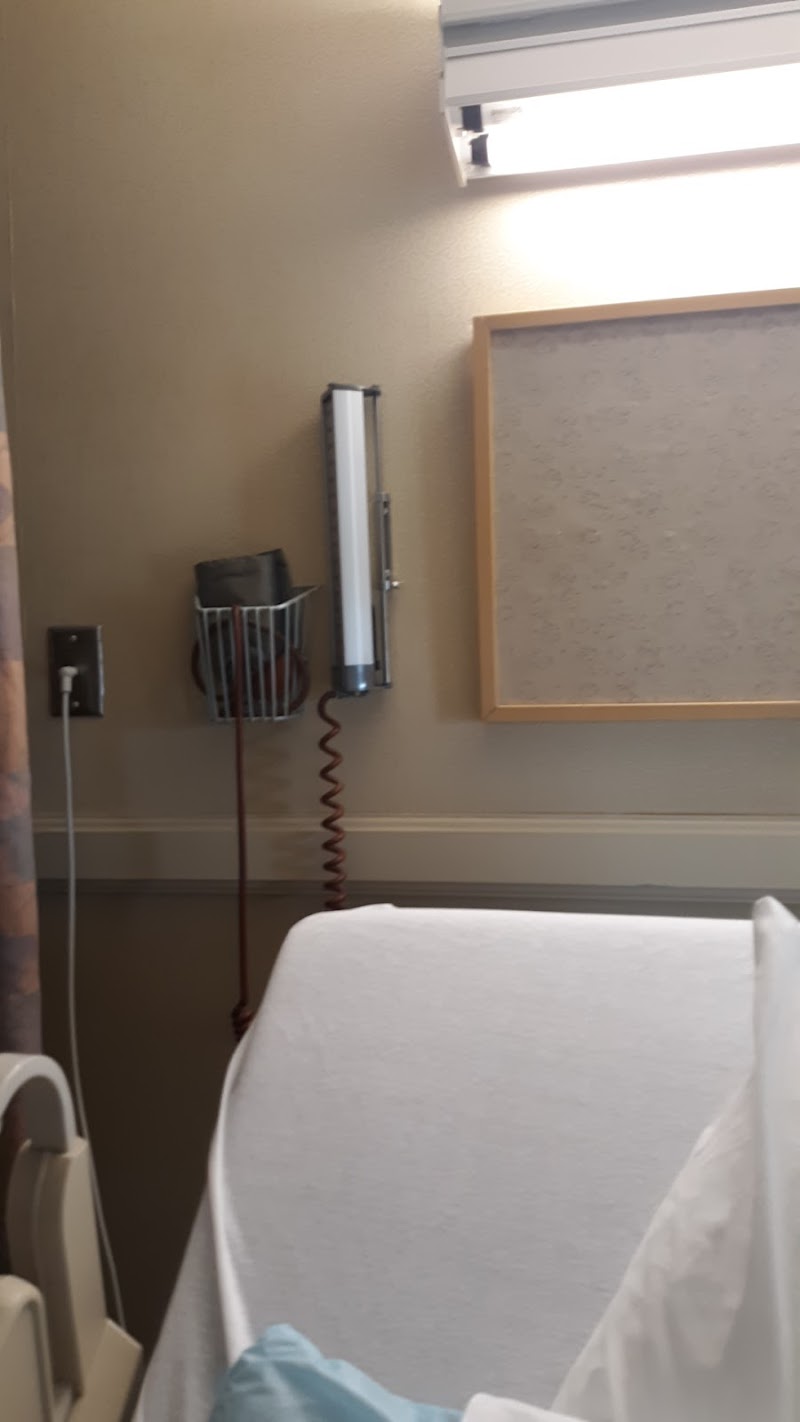
How Does Devonshire Compare to Other California Nursing Homes?

Compared to the 100 nursing homes in California, DEVONSHIRE CARE CENTER's overall rating (1 stars) is below the state average of 3.1, staff turnover (62%) is significantly higher than the state average of 46%, and health inspection rating (1 stars) is much below the national benchmark.

What Should Families Ask When Visiting Devonshire?

Based on this facility's data, families visiting should ask: "What changes have been made since the serious inspection findings, and how are you preventing similar issues?" "How do you ensure continuity of care given staff turnover, and what is your staff retention strategy?" "Can you walk me through typical staffing levels on day, evening, and night shifts?" "Can I visit during a mealtime to observe dining assistance and food quality?" These questions are particularly relevant given the facility's Immediate Jeopardy citations, the facility's high staff turnover rate, and the below-average staffing rating.

Is Devonshire Safe?

Based on CMS inspection data, DEVONSHIRE CARE CENTER has documented safety concerns. Inspectors have issued 1 Immediate Jeopardy citation (the most serious violation level indicating risk of serious injury or death). The facility has a 1-star overall rating and ranks #100 of 100 nursing homes in California. Families considering this facility should ask detailed questions about what corrective actions have been taken since these incidents.

Do Nurses at Devonshire Stick Around?

Staff turnover at DEVONSHIRE CARE CENTER is high. At 62%, the facility is 15 percentage points above the California average of 46%. Registered Nurse turnover is particularly concerning at 75%. RNs handle complex medical decisions and coordinate care — frequent RN changes can directly impact care quality. High turnover means new staff may not know residents' individual needs, medications, or preferences. It can also be disorienting for residents, especially those with dementia who rely on familiar faces. Families should ask: What is causing the turnover? What retention programs are in place? How do you ensure care continuity during staff transitions?

Was Devonshire Ever Fined?

DEVONSHIRE CARE CENTER has been fined $10,364 across 1 penalty action. This is below the California average of $33,183. While any fine indicates a compliance issue, fines under $50,000 are relatively common and typically reflect isolated problems that were subsequently corrected. Families should ask what specific issues led to these fines and confirm they've been resolved.

Is Devonshire on Any Federal Watch List?

DEVONSHIRE CARE CENTER is not on any federal watch list. The most significant is the Special Focus Facility (SFF) program, which identifies the bottom 1% of nursing homes nationally based on persistent, serious quality problems. Not being on this list means the facility has avoided the pattern of deficiencies that triggers enhanced federal oversight. This is a positive indicator, though families should still review the facility's inspection history directly.