HEMET VALLEY HEALTHCARE CENTER
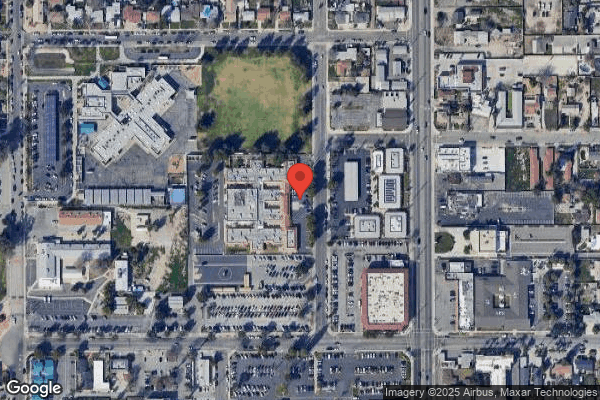
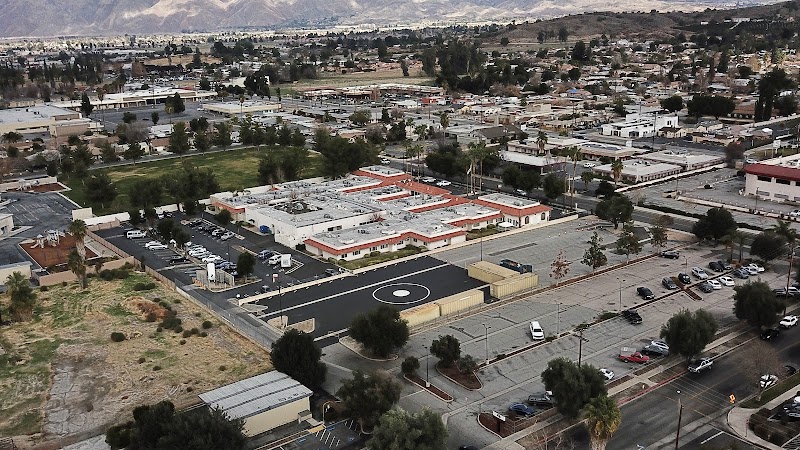
371 NORTH WESTON PL, HEMET, CA 92543 (951) 766-1199
For profit - Corporation 113 Beds Independent Data: November 2025 1 Immediate Jeopardy citation
Trust Grade
13/100
#1038 of 1155 in CA
Last Inspection: July 2024

Within standard 12-15 month inspection cycle. Federal law requires annual inspections.

Overview

Hemet Valley Healthcare Center has received a Trust Grade of F, indicating poor quality and significant concerns about care. It ranks #1038 out of 1155 facilities in California, placing it in the bottom half, and is #50 out of 53 in Riverside County, meaning there are only a few local options that perform better. The facility is showing signs of improvement, having reduced issues from 11 in 2024 to 3 in 2025, but it still faces serious problems, including a critical incident where it failed to report a COVID-19 outbreak, potentially risking further infections. Staffing is a relative strength with a turnover rate of 0%, which is well below the state average, and they have good RN coverage, but the facility incurred fines totaling $56,303, higher than 81% of California facilities, indicating ongoing compliance issues. Overall, while there are some strengths in staffing, the facility's serious shortcomings in care and compliance could be concerning for families considering it for their loved ones.

Trust Score
F
13/100
In California
#1038/1155
Bottom 11%
Safety Record
High Risk
Review needed
Inspections
Getting Better
11 → 3 violations
Staff Stability
○ Average
Turnover data not reported for this facility.
Penalties
⚠ Watch
$56,303 in fines. Higher than 82% of California facilities, suggesting repeated compliance issues.
Skilled Nurses
✓ Good
Each resident gets 78 minutes of Registered Nurse (RN) attention daily — more than 97% of California nursing homes. RNs are the most trained staff who catch health problems before they become serious.
Violations
⚠ Watch
34 deficiencies on record. Higher than average. Multiple issues found across inspections.
★☆☆☆☆
1.0
Overall Rating
★☆☆☆☆
1.0
Staff Levels
★★☆☆☆
2.0
Care Quality
★★☆☆☆
2.0
Inspection Score
Stable
2024: 11 issues
2025: 3 issues

The Good

  • Full Sprinkler Coverage · Fire safety systems throughout facility
  • No fines on record

Facility shows strength in fire safety.

The Bad

1-Star Overall Rating

Below California average (3.1)

Significant quality concerns identified by CMS

Federal Fines: $56,303

Above median ($33,413)

Moderate penalties - review what triggered them

The Ugly 34 deficiencies on record

1 life-threatening 1 actual harm
Feb 2025 3 deficiencies 1 IJ (1 affecting multiple)
CRITICAL (K) 📢 Someone Reported This

A family member, employee, or ombudsman was alarmed enough to file a formal complaint

Immediate Jeopardy (IJ) - the most serious Medicare violation

Infection Control (Tag F0880)

Someone could have died · This affected multiple residents

**NOTE- TERMS IN BRACKETS HAVE BEEN EDITED TO PROTECT CONFIDENTIALITY** Based on observation, interview, and record review, the facility failed to ensure infection control practices were observed, and...

Read full inspector narrative →
**NOTE- TERMS IN BRACKETS HAVE BEEN EDITED TO PROTECT CONFIDENTIALITY** Based on observation, interview, and record review, the facility failed to ensure infection control practices were observed, and the facility policies and procedures related to infection control were implemented when: 1. The facility did not report to the California Department of Public Health (CDPH- state agency responsible for public health in California, enforcing some of the laws affecting healthcare facilities) of a COVID 19 (coronavirus - a contagious respiratory infection) outbreak when the facility had one COVID-19 positive staff and four COVID-19 positive residents on February 5, 2025. This failure resulted in the state agency being unaware of the presence of a COVID-19 outbreak in the facility and had the potential of delayed implementation of infection control measures to address COVID-19; and 2. The facility did not implement Enhanced Barrier Precautions (EBP - a strategy recommending the use of gown and gloves during provision of high-contact resident care activities (dressing, bathing, transferring, providing hygiene, linen change, assisting with toileting, indwelling device [a medical device that remains inside the body] care, and wound care) to the residents with wounds, indwelling devices, and colonized (the presence of microorganisms [such as bacteria, viruses, or fungi] on or in a person's body without causing any apparent symptoms or disease) MDRO [multidrug resistant organisms -germ that is resistant to many antibiotics] infection to reduce the spread of MDRO transmission), according to Centers for Disease and Prevention Control (CDC) guidelines, for 17 of 21 residents (17 residents had indwelling medical devices [Residents 4, 5, 6, 7, 8, 9, 10, 11, 12, 14, 15, 16, 17, 18, 19, 20, and 21], five of 17 residents [Residents 5, 15, 17, 18, 21] had colonized (the presence and multiplication of microorganisms (such as bacteria, viruses, or fungi) on or in a body surface without causing any apparent signs or symptoms of infection) MDRO infection, and one of 17 residents (Resident 11) had pressure injuries [bed sores]). In addition, the facility did not have a policy and procedure with the use of EBP. On February 20, 2025, at 8 p.m., the Director of Nursing (DON) and the Quality Assurance Officer (QA) were verbally notified of the Immediate Jeopardy (IJ - situation in which the provider's noncompliance with one or more requirements of participation has caused or is likely to cause serious injury, harm, impairment, or death to a resident), due to the facility's failure of not implementing Enhanced Barrier Precautions while providing high contact care activities to 17 residents (Residents 4, 5, 6, 7, 8, 9, 10, 11, 12, 14, 15, 16, 17, 18, 19, 20, and 21) with indwelling devices. The facility's failure to implement EBP during provision of high contact resident care activities had the potential to result in the spread of MDROs to the immunocompromised residents, and could cause serious harm, and aggravate the already vulnerable and compromised health conditions of the residents. On February 21, 2025, at 4:38 p.m., the QA and the DON presented an acceptable removal plan which included the following: - Members of the Governing Board and MEC (Medical Executive Committee) were notified immediately of the findings by the COO (Chief Operating Officer); - On February 20, 2025, the DON identified all residents with colonized MDROs, those at increased risk to acquire MDRO infection, and those that require high contact care activities for which EBP should be used; - On February 21, 2025, the DON validated the facility had appropriate and adequate levels of PPE (Personal Protective Equipment - protective clothing or equipment worn by healthcare workers to minimize exposure to hazards and prevent illnesses) to use for EBP. The DON contacted central supply to ensure levels were justified and supplies were available at all times; - On February 21, 2025, all residents currently on the unit were evaluated by the DON to ensure no adverse effects occurred. EBP was implemented immediately for all residents if applicable by the DON/designee; - On February 21, 2025, appropriate signage for EBP was created by the DON and placed by the room entrances of residents for whom EBP should be used to aid in identifying and reminding staff to use EBP when providing high contact care activities to the residents; - On February 21, 2025, the DON rounded on all resident's' rooms to ensure the appropriate signage for EBP is in place as per facility policy. Any missing signage was immediately placed in applicable rooms; - On February 21, 2025, the Medical Director (MD) of the subacute unit was notified of the IJ and was advised of the findings. The MD will continue to collaborate with the leadership team to create and implement the appropriate infection control measure; - On February 21, 2025, the resident and/or resident representatives of all residents impacted by the deficiency were notified of the incident via phone by the DON/designee; - On February 21, 2025, the DON/RN Charge Nurse immediately started staff education on EBP and hand hygiene using 1:1 education and group education during huddles. The staff will receive the education before the start of their next shift; - On February 21, 2025, providers for the residents impacted by this deficiency were contacted and orders obtained to include the use of EBP. The care plans of the affected residents impacted by this deficiency were updated by the DON/RN to include the use EBP; - On February 21, 2025, the DON reviewed the policy on EBP and revised it to ensure compliance with current regulations and best practices. The policy reviewed and approved by the Medical Director of the subacute unit and Medical Director of infection control; - On February 21, 2025, all staff present were educated on the revised EBP policy by the DON/designee. Staff not present will be educated on the revised policy before the start of their next shift. All staff will be educated to the policy by February 23, 2025. On February 25, 2024, at 4:26 p.m., the immediate jeopardy was removed in the presence of the DON, upon onsite verification of the implementation of the plan of actions. Findings: On February 20, 2025, at 9:05 a.m., an unannounced visit was conducted at the facility to investigate a complaint regarding infection control. 1.On February 20, 2025, at 12:53 p.m., during an interview with the Infection Preventionist (IP), the IP stated there was a COVID-19 outbreak in the facility which began on February 5, 2025, with one COVID-19 positive staff and four COVID-19 positive residents. On February 20, 2025, a review of the facility's COVID-19-line listing indicated Residents 2, 14, 16, and 17, and Certified Nursing Assistant (CNA) 7 were tested positive on February 5, 2025. The IP stated she reported the outbreak to the county public health officer but not to CDPH. The IP further stated the COVID-19 outbreak should have been reported to the CPDH. On February 21, 2025, Residents 2, 14, 16, and 17 records were reviewed. The record review indicated the following: a. Resident 2 was admitted to the facility on [DATE], with diagnoses which included respiratory failure (lung failure). Resident 2's Progress Note Inquiry, dated February 5, 2025, at 11:04 p.m., indicated, .Resident tested positive for Covid . b. Resident 14 was admitted to the facility on [DATE], with diagnoses which included respiratory failure. Resident 14's Progress Note Inquiry, dated February 5, 2025, at 10:51 p.m., indicated, .Resident tested positive for Covid . c. Resident 16 was admitted to the facility on [DATE], with diagnoses which included kidney failure. Resident 16's Progress Note Inquiry, dated February 5, 2025, at 9:24 p.m., indicated, .Resident tested positive for Covid . d. Resident 17 was admitted to the facility on [DATE], with diagnoses which included respiratory failure. Resident 17's Progress Note Inquiry, dated February 5, 2025, at 9:59 p.m., indicated, .Resident tested positive for Covid . A review of the facility's policy and procedure titled, Outbreak Investigation and Management, revised December 2022, indicated, .to control the spread of infection or disease and to identify factors that contributed to the outbreak in order to develop and implement measures to prevent similar outbreaks in the future .The Infection Prevention Committee (IPC) shall have the responsibility for investigating outbreaks .Any suspected outbreak shall be reported to the (name of county) Department of Public Health and the appropriate Public Health licensing and certification department . A review of AFL (All Facilities Letter- a CDPH communication letter to all facility types including Skilled Nursing Facilities [Nursing Homes]) 23-08, dated January 18, 2023, indicated, .This AFL reminds providers of the requirements to report outbreaks and unusual infectious disease occurrences to the local public health officer and the California Department of Public Health (CDPH) and provides definitions and updated examples of reportable incidents .Health facilities licensed by CDPH Licensing and Certification (L&C) are required to report outbreaks (occurrence of cases of a disease or condition above the expected or baseline level, usually over a given period of time, in a geographic area or facility, or in a specific population group) and unusual infectious disease occurrences to the local public health officer and their respective District Office (DO) .Examples of Reportable Incidents .Facility outbreak of COVID-19, influenza (lung infection caused by influenza viruses), pneumonia (bacterial lung infection), other respiratory viral pathogen (e.g., respiratory syncytial virus), or gastroenteritis (e.g., norovirus- virus causing abdominal symptoms) . A review of the Council for Outbreak Response: Healthcare-Associated Infections and Antimicrobial-Resistant Pathogens (CORHA) and the Council of State and Territorial Epidemiologists' (CSTE) article titled Proposed Investigation/Reporting Thresholds and Outbreak Definitions for COVID-19 in Healthcare Settings, dated January 2, 2024, indicated thresholds for reporting to Public Health for Long Term Care Facilities (LTCFs- includes nursing homes) is two or more cases of probable or confirmed COVID-19 among residents identified within seven days, OR two or more cases of suspect, probable, or confirmed COVID-19 among health care providers (facility staff) and one or more case of probable or confirmed COVID-19 among residents . 2. On February 20, 2025, beginning at 9:50 a.m., an observation of the facility from Rooms 401 to 410 was conducted. The following were observed: - Residents 5 and 6 were both observed to have tracheostomies (a procedure to help air and oxygen reach the lungs by creating an opening into the trachea (windpipe) from outside the neck). Respiratory Therapist 1 was observed providing respiratory care at bedside to Resident 5 while wearing a surgical mask and gloves, no gown was in use. There was no EBP sign outside Residents 5 and 6's room; - Concurrently, one female staff was observed moving around Resident 6's bed through the privacy curtain. After rendering care, the female staff drew the curtain halfway open and upon coming through the curtains, staff was observed not wearing a mask or gown, and proceeded to remove and discard her gloves in the trash can; - Residents 1, 2, 3, and 13's rooms were observed to have a sign outside the door indicating Contact Precautions (infection control measures used to prevent the spread of infectious diseases that are transmitted through direct contact with the patient or their contaminated environment requiring use of PPE such as mask, gown, gloves), and instructions to wear specific PPE. - There was no sign for EBP by the door of Residents 4, 7, 8, 9, 10, 11, 12, 14, 15, 16, 17, 18, 19, 20, and 21's rooms. - Residents 4, 5, 6, 7, 8, 9, 10, 11, 12, 14, 15, 16, 17, 18, 19, 20, and 21, were observed to have indwelling devices such as tracheostomies and gastrostomy (GT - tube that is inserted into the stomach through the abdominal wall to provide nutrition, hydration, or medicine). Residents 11 and 15 had an indwelling catheter (a thin, flexible tube inserted into the urinary bladder to collect and drain urine). On February 20, 2025, at 10:03 a.m., during an interview with the IP, she stated the following residents were placed on contact precautions due to the presence of MDRO infection: - Resident 1; CRPA (carbapenem-resistant pseudomonas aeruginosa - a type of bacterial infection that is resistant to many antibiotics) in the sputum; - Resident 2; CRPA in the urine; - Resident 3; CRPA in the wound; - Resident 13; MRSA (methicillin-resistant staphylococcus aureus - a type of bacteria resistant to several antibiotics) in the wound. The IP further stated there were no residents placed on EBP. On February 20, 2025, at 11:01 a.m., Certified Nursing Assistant (CNA)1 was interviewed. CNA 1 stated she did not know what EBP was and had never heard of it before. On February 20, 2025, at 11:18 a.m., CNA 2 was interviewed. CNA 2 stated she had no awareness of what EBP was. On February 20,2025, at 12:53 p.m., a follow up interview was conducted with the IP. The IP stated there were no residents in the facility who were placed on EBP. On February 20, 2025, at 3:21 p.m., Licensed Vocational Nurse (LVN) 1 was interviewed. LVN 1 stated he was not aware what EBP was and had never cared for any residents who were placed on EBP in the unit. LVN 1 further stated he never received any in-services regarding EBP, but always wore gloves and masks for any kind of patient care since all the residents were trached (had tracheostomies). LVN 1 could not articulate what type of PPEs were to be used when a resident was placed on EBP. On February 20, 2025, beginning at 4:10 p.m., the following were observed: - There were still no EBP signs by the door of the rooms not placed on contact isolation; - LVN 2 entered Residents 17 and 18's room and provided care to the residents. LVN 2 was observed wearing only gloves, did not put on a gown or mask prior to entering and while providing care to Residents 17 and 18; - CNA 3 entered Residents 17 and 18's room wearing a mask, but did not put on any gown or gloves prior to entering and was observed to change the linens of the residents; - At 4:34 p.m., CNA 2 entered Residents 17 and 18's room and observed wearing gloves, but did not put on any gown or mask while assisting CNA 3 with resident care and turning the residents. On February 20, 2025, at 4:35 p.m., CNA 3 was interviewed. CNA 3 stated the facility only used EBP during COVID-19 outbreaks. On February 20, 2025, at 4:57 p.m., LVN 2 was interviewed. LVN 2 stated she was not sure what EBP referred to and had never heard of EBP. On February 20, 2025, at 5:13 p.m., the IP was interviewed. The IP stated the staff should use gloves or gowns when providing care to residents. The IP further stated gowns were optional when doing perineal care or turning a patient when staff needed to create a barrier between staff and the resident. The IP stated they did not put EBP signs on the resident's door because all residents should be using EBP. On February 20, 2025, at 5:44 p.m., the DON was interviewed. The DON stated EBP was a new practice, and not a lot of people knew about it yet, and EBP was not being practiced at the facility. The DON stated the staff was to wear the appropriate PPEs, such as gown, gloves, when providing care to residents placed on EBP. The DON stated, the hospital doesn't understand it, and the facility staff would not know what EBP was because she had not trained them on it. The DON stated if EBP or other infection precautions were not to be followed, there would be a potential risk for spread of infections such as MDROs among the residents. The DON further stated the facility did not have a policy on EBP. On February 20, 2025, a review of residents' records indicated the following; a. A review of Resident 4's Patient Information, indicated Resident 4 was admitted to the facility on [DATE], with diagnoses which included sepsis (body's extreme response to an infection, a life-threatening medical emergency). A review of Resident 4's History and Physical, dated February 6, 2025, indicated PEG placement (percutaneous endoscopic gastrostomy- a type of feeding tube), tracheostomy, and right frontal ventricular drain (a catheter inserted into the brain through the skull to monitor and drain cerebrospinal fluid) placement. Further review of Resident 4's record did not include a physician's order and care plan for Resident 4 to be placed on EBP. b. A review of Resident 5's Patient Information, indicated Resident 5 was admitted to the facility on [DATE], with diagnoses which included chronic (persisting for a long time) respiratory failure. A review of Resident 5's Patient Medication Profile, dated January 31, 2025, indicated administration of medications via feeding tube/GT. A review of Resident 5's Patient Care Summary, included physician's orders for tracheostomy therapy and nutritional formula feeding via GT, as well as care and maintenance orders for the feeding tube. Further review of Resident 5's record did not include a physician's order and care plan for Resident 5 to be placed on EBP. c. A review of Resident 6's Patient Information, indicated Resident 6 was admitted to the facility on [DATE], with diagnoses which included respiratory failure and anoxic (oxygen deficient) brain injury. A review of Resident 6's Patient Medication Profile, dated January 31, 2025, indicated administration of medications via feeding tube. A review of Resident 6's Patient Care Summary, dated January 31, 2025, included physician's orders for tracheostomy care and treatment. The orders also included care and maintenance orders for the feeding tube. Further review of Resident 6's record did not include a physician's order and care plan for Resident 6 to be placed on EBP. d. A review of Resident 7's Patient Information, indicated Resident 7 was admitted to the facility on [DATE], with diagnoses which included chronic respiratory failure s/p (status post) trach (tracheostomy) and PEG. A review of Resident 7's Patient Medication Profile, dated January 31, 2025, indicated administration of medications via feeding tube. A review of Resident 7's Patient Care Summary, dated January 31, 2025, included a physician's orders for tracheostomy care and treatment and nutritional formula feeding via J-tube (a type of GT surgically inserted into the small intestine to deliver food and medicine), as well as care and maintenance orders for the feeding tube. Further review of Resident 7's record did not include a physician's order and care plan for Resident 7 to be placed on EBP. e. A review of Resident 8's Patient Information, indicated Resident 8 was admitted to the facility on [DATE], with diagnoses which included respiratory failure. A review of Resident 8's Patient Medication Profile, dated January 31, 2025, indicated administration of medications via feeding tube. A review of Resident 8's Patient Care Summary, dated January 31, 2025, included a physician's orders for tracheostomy care and treatment and nutritional formula feeding via GT, as well as care and maintenance orders for the feeding tube. Further review of Resident 8's record did not include a physician's order and care plan for Resident 8 to be placed on EBP. f. A review of Resident 9's Patient Information, indicated Resident 9 was admitted to the facility on [DATE], with diagnoses which included cardiopulmonary arrest (heart attack). A review of Resident 9's Patient Medication Profile, dated January 31, 2025, indicated administration of medications via feeding tube. A review of Resident 9's Patient Care Summary, dated January 31, 2025, included physician's orders for tracheostomy care and treatment and nutritional formula feeding via GT, as well as care and maintenance orders for the feeding tube. Further review of Resident 9's record did not include a physician's order and care plan for Resident 9 to be placed on EBP. g. A review of Resident 10's Patient Information, indicated Resident 10 was admitted to the facility on [DATE], with diagnoses which included respiratory failure. A review of Resident 10's Patient Medication Profile, dated January 31, 2025, indicated administration of medications via feeding tube. A review of Resident 10's Patient Care Summary, dated January 31, 2025, included physician's orders for tracheostomy care and treatment and nutritional formula feeding via GT, as well as care and maintenance orders for the feeding tube. Further review of Resident 10's record did not include a physician's order and care plan for Resident 10 to be placed on EBP. h. A review of Resident 11's Patient Information, indicated Resident 11 was admitted to the facility on [DATE], with diagnoses which included acute (begins and worsens quickly) respiratory failure and acute encephalopathy (group of conditions that cause brain dysfunction). A review of Resident 11's Patient Medication Profile, dated January 31, 2025, indicated administration of medications via feeding tube. A review of Resident 11's Patient Care Summary, dated January 31, 2025, included physician's orders for tracheostomy care, urinary catheter care and treatment, and nutritional formula feeding via GT. Further review of Resident 11's record did not include a physician's order and care plan for Resident 11 to be placed on EBP. i. A review of Resident 12's Patient Information, indicated Resident 12 was admitted to the facility on [DATE], with diagnoses which included acute respiratory failure, cardiac arrest, and anoxic brain injury. A review of Resident 12's Patient Medication Profile, dated January 31, 2025, indicated administration of medications via feeding tube. A review of Resident 12's Patient Care Summary, dated January 31, 2025, included physician's orders for tracheostomy care and treatment, nutritional formula feeding via GT, as well as care and maintenance orders for the feeding tube. Further review of Resident 12's record did not include a physician's order and care plan for Resident 12 to be placed on EBP. j. A review of Resident 14's Patient Information, indicated Resident 14 was admitted to the facility on [DATE], with diagnoses which included respiratory failure and chronic heart failure. A review of Resident 14's Patient Medication Profile, dated January 31, 2025, indicated administration of medications via feeding tube. A review of Resident 14's Patient Care Summary, dated January 31, 2025, included physician's orders for tracheostomy care and treatment and maintenance orders for the feeding tube. Further review of Resident 14's record did not include a physician's order and care plan for Resident 14 to be placed on EBP. k. A review of Resident 15's Patient Information, indicated Resident 15 was admitted to the facility on [DATE], with diagnoses which included chronic respiratory failure, and anoxic quadriplegia (paralysis of all four limbs). A review of Resident 15's Patient Medication Profile, dated January 31, 2025, indicated administration of medications via feeding tube. A review of Resident 15's Patient Care Summary, dated January 31, 2025, included physician's orders for tracheostomy care and treatment, nutritional formula feeding via GT, care and maintenance orders for the feeding tube, and urinary catheter change. Further review of Resident 15's record did not include a physician's order and care plan for Resident 15 to be placed on EBP. l. A review of Resident 16's Patient Information, indicated Resident 16 was admitted to the facility on [DATE], with diagnoses which included kidney failure. A review of Resident 16's Patient Medication Profile, dated January 31, 2025, indicated administration of medications via feeding tube. A review of Resident 16's Patient Care Summary, dated January 31, 2025, included physician's orders for tracheostomy care and treatment, nutritional formula feeding via GT, and care and maintenance orders for the feeding tube. Further review of Resident 16's record did not include a physician's order and care plan for Resident 16 to be placed on EBP. m. A review of Resident 16's Patient Information, indicated Resident 17 was admitted to the facility on [DATE], with diagnoses which included acute respiratory failure and acute encephalopathy. A review of Resident 17's Patient Medication Profile, dated January 31, 2025, indicated administration of medications via feeding tube/GT. A review of Resident 17's Patient Care Summary, included physician's orders for tracheostomy care and treatment, nutritional formula feeding via GT, and care and maintenance orders for the feeding tube. Further review of Resident 17's record did not include a physician's order and care plan for Resident 17 to be placed on EBP. n. A review of Resident 18's Patient Information, indicated Resident 18 was admitted to the facility on [DATE]. A review of Resident 18's History and Physical, dated May 29, 2024, indicated the physician's impression (clinical assessment) of anoxic brain injury, decubiti (pressure injury-bed sore), GT, and tracheostomy. A review of Resident 18's Patient Medication Profile, dated January 31, 2025, indicated administration of medications via feeding tube. A review of Resident 18's Patient Care Summary, dated January 31, 2025, included physician's orders for tracheostomy care and treatment, nutritional formula feeding via feeding tube, and care and maintenance orders for the feeding tube. Further review of Resident 18's record did not include a physician's order and care plan for Resident 18 to be placed on EBP. o. A review of Resident 19's Patient Information, indicated Resident 19 was admitted to the facility on [DATE], with diagnoses which included respiratory failure. A review of Resident 19's Patient Medication Profile, dated January 31, 2025, indicated administration of medications via feeding tube. A review of Resident 19's Patient Care Summary, dated January 31, 2025, included physician's orders for tracheostomy care and treatment, and care and maintenance orders for the feeding tube. Further review of Resident 19's record did not include a physician's order and care plan for Resident 19 to be placed on EBP. p. A review of Resident 20's Patient Information, indicated Resident 20 was admitted to the facility on [DATE], with diagnoses which included chronic respiratory failure, sepsis, and pneumonia (bacterial lung infection). A review of Resident 20's History and Physical, dated November 5, 2024, indicated diagnoses of tracheostomy and PEG. A review of Resident 20's Patient Care Summary, dated January 31, 2025, included physician's orders for secretion suctioning and tracheostomy care and treatment, PICC line dressing changes (peripherally inserted central catheter- a thin, flexible tube inserted into a vein in the upper arm and threaded into a large vein near the heart), nutritional formula feeding via feeding tube, and care and maintenance orders for the feeding tube. Further review of Resident 20's record did not include a physician's order and care plan for Resident 20 to be placed on EBP. q. A review of Resident 21's Patient Information, indicated Resident 21 was admitted to the facility on [DATE], with diagnoses which included acute respiratory failure. A review of Resident 21's History and Physical, dated September 1, 2020, indicated secondary diagnoses of chronic tracheostomy and PEG status. A review of Resident 21's Patient Care Summary, dated January 31, 2025, included physician's orders for tracheostomy care and treatment, nutritional formula feeding via GT, and maintenance orders for the feeding tube. Further review of Resident 21's record did not include a physician's order and care plan for Resident 21 to be placed on EBP. A review of the facility's policy and procedure titled, .Category: Infection Control .Enhanced Standard Precautions (ESP) for Long-Term Care Facilities, created April 2016, indicated the absence of updated guidance regarding Enhanced Barrier Precautions. A review of the CDPH's Enhanced Standard Precautions for Skilled Nursing Facilities (SNF), revised September 2022, indicated, .Since the publication of Enhanced Standard Precautions for Skilled Nursing Facilities, 2019, the epidemiology of multidrug-resistant organisms (MDRO) in California skilled nursing facilities (SNF) has changed considerably, in part due to healthcare challenges related to the COVID-19 pandemic .In addition, large, sustained, regional outbreaks of previously novel or rare MDRO, including Candida auris and NDM-producing Acinetobacter baumannii have occurred in SNF and high-acuity long-term care facilities such as ventilator-equipped skilled nursing facilities .Both C. auris and A. baumannii are easily transmissible among residents and particularly persistent in the healthcare environment; once identified in a healthcare facility, they can be difficult to contain. CDPH has adopted a comprehensive strategy to prevent, contain, and mitigate these MDRO in California SNF and other healthcare settings. Enhanced Standard Precautions (ESP) is a core component of this strategy, both during the prevention and mitigation phases. Increased MDRO prevalence and outbreaks in California highlight the role of ESP as a prevention strategy before transmission and outbreaks occur, as well as a need for new guidance included in this update for transitioning from Contact Precautions to ESP as part of long-term outbreak mitigation and management .To simplify and facilitate implementation of CDPH's ESP, we have consolidated the risk factors for identifying residents at high risk for MDRO colonization and transmission to include unhealed wounds and medical devices, in alignment with CDC's EBP . A review of QSO 23-08-NH (a memorandum from the Centers for Medicare and Medicaid Services' Quality, Safety and Oversight Group), dated March 20,2024, indicated, .Multidrug-resistant organism (MDRO) transmission is common in long term care (LTC) facilities (i.e., nursing homes), contributing to substantial resident morbidity and mortality and increased healthcare costs. Many residents in nursing homes are at increased risk of becoming colonized and developing infections with MDROs .In 2019, CDC introduced a new approach to the use of personal protective equipment (PPE) called Enhanced Barrier Precautions (EBP) as a strategy in nursing homes to decrease transmission of CDC-targeted and epidemiologically important MDROs when contact precautions do not apply. The approach recommended gown and glove use for certain residents during specific high-[TRUNCATED]
CONCERN (D) 📢 Someone Reported This

A family member, employee, or ombudsman was alarmed enough to file a formal complaint

Potential for Harm - no one hurt, but risky conditions existed

Safe Environment (Tag F0584)

Could have caused harm · This affected 1 resident

**NOTE- TERMS IN BRACKETS HAVE BEEN EDITED TO PROTECT CONFIDENTIALITY** Based on observation, interview, and record review, the facility failed to provide a homelike environment, for one of 21 residen...

Read full inspector narrative →
**NOTE- TERMS IN BRACKETS HAVE BEEN EDITED TO PROTECT CONFIDENTIALITY** Based on observation, interview, and record review, the facility failed to provide a homelike environment, for one of 21 residents (Resident 4), when Resident 4 was placed in the activity room when the resident was re-admitted back to the facility for five days. This failure had the potential to negatively affect the resident's emotional and social well-being. Findings: On February 20, 2025, at 09:05 a.m., an unannounced visit to the facility was conducted to investigate a complaint regarding infection control. On February 20, 2025, Resident 4's record was reviewed. Resident 4 was re-admitted to the facility on [DATE], with diagnoses which included acute - on chronic respiratory failure (condition that occurs when the lungs cannot get enough oxygen into the blood or eliminate enough carbon dioxide from the body), hydrocephalus (abnormal accumulation of cerebrospinal fluid in the brain), psychosis (a mental disorder where there is a severe loss of contact with reality), and tracheostomy (a hole surgically created in the windpipe to relieve an obstruction to breathing). A review of Resident 4's Progress Note Inquiry, indicated Resident 4 was placed in the activity room on the following dates; - February 6, 2025, at 8:30 p.m., indicated, .Resident admitted to room [ROOM NUMBER]A but actually placed in activity room . - February 7, 2025, at 12:55 p.m., .Morning rounds completed, awake and watching TV (television) in activity room .Transferred back to Subacute .resident was placed in activity room at this time . - February 8, 2025, at 11;13 a.m., .Resident is temporarily in Activity room . - February 9, 2025, at 10;58 a.m., .resting comfortably on her bed in lowest position in the activity room . A review of Resident 4's Minimum Data Set (MDS - a resident assessment tool), recorddated February 13, 2025, indicated Resident 4 have unclear speech but could understand others. On February 20, 2025, at 12:53 p.m., the Infection Preventionist (IP) was interviewed. The IP stated the facility had a Covid -19 (coronavirus - a contagious respiratory diseases) outbreak on February 5, 2025. The IP stated the residents were moved to different rooms to allow cohorting (grouping) of Covid positive residents. The IP stated that Resident 4 was re-admitted to the facility and was placed in the activity room for about two to three days because there was no available female room. The IP stated all the furnitures in the activity room were moved to the other side of the room. On February 20, 2025, at 3:30 p.m., Licensed Vocational Nurse (LVN 1) was interviewed. LVN 1 stated Resident 4 stayed in the activity room during the Covid outbreak because another resident occupied her room. On February 20, 2025, at 5:30 p.m., a follow up interview was conducted with the IP. The IP stated Resident 4 was transferred out to the acute hospital on January 28, 2025. The IP stated another resident was moved to Resident 4's room during the outbreak while Resident 4 was on bed hold (a resident's right to keep a bed vacant and available for seven days after their transfer to the hospital in anticipation of their return to the facility). The IP stated Resident 4's bed hold ended on February 4, 2025. The IP confirmed Resident 4 was re-admitted back to the facility and was placed in the activity room on February 6, 2025, and was placed back to her previous room on February 11, 2025 (five days later). On February 20, 2025, at 5:50 p.m., during an interview with the Director of Nursing (DON), the DON confirmed Resident 4's physician kept asking for Resident 4 to be admitted back to facility. The DON stated residents were admitted to the activity room for a short period of time during the pandemic. The DON stated she approved the admission of Resident 4 to the activity room because it was safe. On February 21, 2025, at 10:25 a.m., Respiratory Therapist (RT) 2 was interviewed inside the activity room. RT 2 stated he cared for Resident 4 when she was admitted to the activity room. RT 2 stated that Resident 4 was alert but nonverbal but can communicate basic needs by nodding or shaking her head to a yes or no questions. RT 2 stated that all large pieces of furniture stayed in the activity room with Resident 4 for five days. The activity room was observed to have the following inside: - Two long and heavy wooden tables with metal legs; - Five large black office chairs; - Four blue plastic chairs with metal legs; - A black metal standing fan with dust-colored particles on the stand; - Three to four black and metal multi leveled carts with television monitors placed on top; - Stacks of bins piled on top of each other at the back left corner which contained art and crafts supplies; - Pink cabinets were mounted to the wall back wall and contained many arts and crafts supplies; and - Several emergency oxygen tanks (long and heavy metal tanks containing oxygen) by the window side. RT 2 stated staff had to go to the activity room if needed to get items for activities even if Resident 4 was inside the activity room. RT 2 stated all the items observed inside the activity room were present in the activity room while Resident 4 was in there, they were just moved to the side. RT 2 stated there was no privacy curtains placed while Resident 4 was inside the activity room. RT 2 stated there was no urgent need for Resident 4 to be admitted back to the facility. On February 21, 2025, at 1:10 p.m., a follow up interview was conducted with the DON. The DON stated she was not aware all the large furnitures, chairs, and tables remained in the room while Resident 4 stayed in the activity room. The DON stated she also did not know that Resident 4 stayed in the room for five days, stated that was too long. The DON stated with all the clutter in the activity room, and staff coming in and out of the activity room, the facility failed to provide a home-like environment for Resident 4. The DON stated she could understand the frustration if she were to put herself in the patient's shoes. The DON stated although Resident 4 could not fully communicate her frustration or needs, she was alert and was aware of her surroundings. The DON stated there was no urgent need for the resident to be admitted back to the facility and they could have asked the hospital to wait until the outbreak was over or facilitate another transfer to another sub-acute unit. A review of facility's policy and procedure titled Residents Rights, revised March 2024, indicated, .The resident has the right .To a dignified existence, self-determination .inside and outside the facility .To be treated with consideration, respect and full recognition of his or her dignity and individuality .To be provided by the facility with a safe, clean, comfortable, and homelike environment, allowing the resident to use his or her personal belongings to the extent possible .To reside and receive services in the facility with reasonable accommodation of individual needs and preferences .
CONCERN (E) 📢 Someone Reported This

A family member, employee, or ombudsman was alarmed enough to file a formal complaint

Potential for Harm - no one hurt, but risky conditions existed

Comprehensive Care Plan (Tag F0656)

Could have caused harm · This affected multiple residents

**NOTE- TERMS IN BRACKETS HAVE BEEN EDITED TO PROTECT CONFIDENTIALITY** Based on interview and record review, the facility failed to ensure a care plan (a detailed written document that outlines a res...

Read full inspector narrative →
**NOTE- TERMS IN BRACKETS HAVE BEEN EDITED TO PROTECT CONFIDENTIALITY** Based on interview and record review, the facility failed to ensure a care plan (a detailed written document that outlines a resident's healthcare needs, goals, and treatment strategies) was developed, for four of four residents (Residents 2, 14, 16, and 17) , when the residents had COVID -19 (coronavirus - a contagious respiratory infection) infection. This failure had the potential for the staff not to be aware of the appropriate interventions needed to be implemented to address the resident's changes in health condition. Findings: On February 20, 2025, at 09:05 a.m., an unannounced visit to the facility was conducted to investigate a complaint regarding infection control and nursing services. On February 20, 2025, at 12:43 p.m., the Infection Preventionist (IP) was interviewed. The IP stated the facility had a Covid outbreak on the evening shift of February 5, 2025. The IP stated Residents 2, 14, 16, and 17, were positive for COVID-19 on February 5, 2025. On February 20, 2025, at 3:30 p.m., Licensed Vocational Nurse (LVN 1) was interviewed. LVN 1 stated that care plans were being updated by the Registered Nurse (RN). LVN 1 stated he was unsure when care plans get updated. On February 21, 2025, Residents 2, 14, 16, and 17 records were reviewed. The record review indicated the following: a. Resident 2 was admitted to the facility on [DATE], with diagnoses which included respiratory failure (lung failure). Resident 2's Progress Note Inquiry, dated February 5, 2025, at 11:04 p.m., indicated, .Resident tested positive for Covid . b. Resident 14 was admitted to the facility on [DATE], with diagnoses which included respiratory failure. Resident 14's Progress Note Inquiry, dated February 5, 2025, at 10:51 p.m., indicated, .Resident tested positive for Covid . c. Resident 16 was admitted to the facility on [DATE], with diagnoses which included kidney failure. Resident 16's Progress Note Inquiry, dated February 5, 2025, at 9:24 p.m., indicated, .Resident tested positive for Covid . d. Resident 17 was admitted to the facility on [DATE], with diagnoses which included respiratory failure. Resident 17's Progress Note Inquiry, dated February 5, 2025, at 9:59 p.m., indicated, .Resident tested positive for Covid . Further review of Residents 2, 14, 16, and 17's record indicated no care plan was developed to address Covid infection. On February 21, 2025, at 4:24 p.m., during an interview with the IP, the IP stated the RN was the one responsible to update the care plan upon admission and when there is a resident's change of condition. The IP stated that they would update the care plans using the backside of the sheet. The IP stated she was not very familiar with care plans. On February 21, 2025, at 4: 28 p.m., during an interview with RN 1, RN 1 stated the care plan was to be updated on a regular basis. RN 1 stated care plans were to be developed when there was a new admit, any new diagnosis, and any change of condition. RN 1 stated four residents tested positive for Covid-19 on February 5, 2025. RN 1 stated she did not do the care plan for any of the four COVID positive residents. RN 1 stated she should have developed a care plan for Residents 2, 14, 16, and 17 to address COVID-19 infection. A review of the facility's policy and procedure titled Resident Care Plan, revised March 2024, indicated, .provide an individual plan of care for each Sub-Acute resident that is updated .at the time of admission, after the nursing assessment is completed . Plan of care will be initiated within 24 hours and documented on the Care Plan form. This .will be reviewed weekly by nursing staff, quarterly in care conference or as dictated by the resident's condition and nursing diagnosis. Any changes to the plan may be made by any member of the interdisciplinary team including: Physician, nursing staff, physical therapy, occupational therapy, social service, respiratory therapy, pharmacists, case management, speech therapy, and dietician .
Jul 2024 9 deficiencies
CONCERN (D)

Potential for Harm - no one hurt, but risky conditions existed

Quality of Care (Tag F0684)

Could have caused harm · This affected 1 resident

**NOTE- TERMS IN BRACKETS HAVE BEEN EDITED TO PROTECT CONFIDENTIALITY** Based on interview and record review, for one of 18 residents, the facility failed to ensure interventions were placed to addres...

Read full inspector narrative →
**NOTE- TERMS IN BRACKETS HAVE BEEN EDITED TO PROTECT CONFIDENTIALITY** Based on interview and record review, for one of 18 residents, the facility failed to ensure interventions were placed to address Resident 4's frequent shower refusals . This failure had a potential to result in a delay in the care and treatment of Resident 4's skin conditions and to develop new skin conditions. Findings: On July 29, 2024, at 2:33 p.m., Resident 4's record was reviewed. Resident 4 was admitted to the facility on [DATE] with a diagnosis of chronic respiratory failure (not enough oxygen in the blood) and diabetes mellitus (abnormal blood sugars). The Minimum Data Set (MDS - an assessment tool), dated May 5, 2024, indicated Resident 4 had a BIMS score of zero, indicating severely cognitive function. The Medication Administration Record (MAR), included physician's orders for Nystatin (an antifungal- medication to prevent fungal growth) powder to the following areas: - Inflamed skin under left axillary (armpit) area; - Inflamed skin under left breast; - Inflamed skin under right breast; - Inflamed skin on left axilla; and - Inflamed skin on right axilla. The MAR, included physician's orders for Nystatin-Triamcinolone cream (combination antifungal and antibacterial medication) to the following areas: - Redness on left groin; and - Redness on right groin. On July 31, 2024 at 9:30 a.m., a concurrent interview and review of Resident 4's record was conducted with the Infection Preventionist (IP). The IP stated she also performed Treatment Nurse responsibilities during the week from Monday to Friday in the facility. The IP was asked regarding any current skin issues Resident 4 had which required treatments. The IP stated Resident 4 frequently refused showers, so she usually presented with redness to her underarms, under her breasts or groin, for which she had orders for Nsytatin to be applied to the affected areas. The IP stated bed bath would be offered to the resident if the resident would refuse showers. Resident 4's Progress Notes, were reviewed with the IP and the IP stated there was one bed bath offered and completed on May 6, 2024 and on June 17, 2024, Resident 4 had a shower. Resident 4's care plans were reviewed with the IP and indicated medication treatments for multiple areas in the resident's body were included. The care plans did not include any interventions to address Resident 4's frequent refusals for showers or bed bath. On July 31, 2024, at 5:01 p.m. the Director of Nursing (DON) was interviewed. The DON stated there should have been a plan of care or interventions developed to address Resident 4's skin issues in relation to her shower refusals. The DON stated, At one point in time, it should have been identified why the issues keep happening so it can be addressed accordingly. A review of the facility's policy and procedure titled, INTERDISCIPLINARY CARE PLANS, dated March 2024, indicated, .an individualized plan of care for the resident .should be initiated when a resident is admitted and may be adjusted in response to identified problems throughout the hospital stay .Each implemented Care Plan must be addressed by Nursing at least once every 7 days in weekly summary until the problem has been resolved .Documentation in the resident's medical record by licensed Health Care Team members will identify each Care Plan by number and will include an evaluation of the progress or lack of progress towards the goal .
CONCERN (D)

Potential for Harm - no one hurt, but risky conditions existed

Drug Regimen Review (Tag F0756)

Could have caused harm · This affected 1 resident

Based on interview and record review, the facility failed to develop policies and procedures for the monthly drug regimen review. This failure had the potential for delayed identification of harmful d...

Read full inspector narrative →
Based on interview and record review, the facility failed to develop policies and procedures for the monthly drug regimen review. This failure had the potential for delayed identification of harmful drug interactions, side effects, and inadequate monitoring that could negatively impact residents' physical, mental, and psychosocial well-being. Findings: On July 31, 2024 at 11:30 a.m., during a concurrent interview and record review with the Director of Pharmacy (DOP), the facility's policies and procedures (P&P) were reviewed. There was no documented evidence the facility had developed and implemented written policies and procedures for monthly drug regimen reviews by a pharmacist. On July 31, 2024 at 1:26 p.m., during an interview with the DOP, the DOP stated there was no current policy addressing monthly drug regimen review.
CONCERN (D)

Potential for Harm - no one hurt, but risky conditions existed

Unnecessary Medications (Tag F0759)

Could have caused harm · This affected 1 resident

Based on observation, interview, and record review, the facility had a medication error rate of 9.68% when three medication errors occurred out of 31 opportunities during medication administration, fo...

Read full inspector narrative →
Based on observation, interview, and record review, the facility had a medication error rate of 9.68% when three medication errors occurred out of 31 opportunities during medication administration, for two out of four residents (Residents 2 and 5). This failure resulted in medications not given according to the prescriber's orders and/or manufacturer's specifications and had the potential for residents to not receive the full therapeutic effects of medications. Findings: 1a. During a medication pass observation on July 30, 2024 at 9:34 a.m., Licensed Vocational Nurse (LVN) 1 was observed preparing and administering nine medications to Resident 2. The medications included tobramycin (to treat eye infections) 0.3% eye drops. During an observation on July 30, 2024 at 10:03 a.m. in Resident 2's room, LVN 1 administered one drop of tobramycin into Resident 2's left eye and then one drop into the right eye. During a review of Resident 2's electronic medical record, the record indicated a physician's order dated June 3, 2024 for tobramycin sulfate 0.3% eye drops, to be administered as one drop every 12 hours for red right eye. During a concurrent interview and record review on July 30, 2024 at 11:19 a.m. with LVN 1, Resident 2's physician's orders were reviewed. LVN 1 stated she gave Resident 2 one drop of tobramycin in each eye. When asked to read the physician's orders dated June 3, 2024 for tobramycin eye drops, LVN 1 stated she accidently gave Resident 2 a drop into the left eye. During an interview on July 31, 2024 at 4:19 p.m. with Director of Nursing (DON) regarding Resident 2's tobramycin eye drops given to both eyes, DON stated her expectation is that Resident 2 only gets tobramycin in the right eye as the physician ordered. 1b. During the same medication pass observation on July 30, 2024 at 9:34 a.m., LVN 1 was observed preparing and administering nine medications to Resident 2. LVN 1 had an additional medication, fludrocortisone (to treat low blood pressure) set aside. LVN 1 stated the fludrocortisone would be held because Resident 2's blood pressure (BP) was 107/68 (BP result consists of two numbers: the top number or systolic blood pressure [SBP] and the bottom number or diastolic blood pressure [DBP]). During a review of Resident 2's electronic medical record, the record indicated a physician's order dated June 3, 2024 for fludrocortisone 0.1 milligrams (mg), to be administered via feeding tube (a tube inserted through the abdomen that delivers nutrition and medications directly to the stomach or small intestine) twice a day, hold for SBP greater than 110. During a concurrent interview and record review on July 30, 2024 at 11:19 a.m. with LVN 1, Resident 2's physician's orders were reviewed. LVN 1 stated to hold the fludrocortisone for SBP less than 110. When asked to re-read the physician's orders dated June 3, 2024 for fludrocortisone, LVN 1 acknowledged that the orders indicated to hold for SBP greater than 110 and stated she would clarify the orders. During an interview on July 30, 2024 at 11:31 a.m. with LVN 1, LVN 1 stated she was supposed to give fludrocortisone to Resident 2 this morning because the blood pressure was lower than the hold parameters. During an interview on July 31, 2024 at 4:19 p.m. with the Director of Nursing (DON) regarding Resident 2's fludrocortisone, the DON stated her expectation is nursing staff give medications if the parameters are met as ordered by the physician. The DON stated Resident 2's fludrocortisone should have been given with SBP reading of 107. 2. During a medication pass observation on July 31, 2024 at 8:24 a.m., registered nurse (RN) 1 was observed preparing and administering ten medications to Resident 5. The medications included two packets of Phos-NaK (supplement with sodium, potassium, and phosphorous) powder. RN 1 poured the two packets into a cup and diluted with water. RN 1 stated she added about 30 milliliters (ml) of water to the powder before giving to Resident 5 via feeding tube. During a review of Resident 5's electronic medical record, the record indicated there was a physician's order dated November 13, 2023 for Phos-NaK, two packets to be administered via feeding tube every 12 hours. During a review of Resident 5's Phos-NaK package labeling, undated, each packet indicated, .Directions: Mix contents of 1 packet with 2.5 ounces (75 ml) of water or juice. Stir well . During a review of Lexicomp Online (a nationally recognized drug information resource), updated May 9, 2024, the Phos-NaK monograph (a document that describes a medication's uses, dosing, and administration) indicated, .Each packet must be diluted in 75 mL of water or juice prior to administration; stir well . During an interview on July 31, 2024 at 10:20 a.m. with RN 1, RN 1 stated she gave 40 ml of water with Resident 5's Phos-NaK. When shown the Phos-NaK labeling indicating to add 75 ml of water to each packet, RN 1 stated she would need to check the directions with someone. RN 1 stated she did not receive any training on how to dilute Phos-NaK for feeding tube administration. During an interview on July 31, 2024 at 4:19 p.m. with DON, regarding Resident 5's Phos-NaK, DON stated the expectation is for the nurse to follow the dilution directions or check with the pharmacy if directions are not specified in the orders. During a review of the facility's policy and procedure (P&P) titled, Medication Administration, dated, March 2024, the P&P indicated, Medication is considered to be given in error if any of the following conditions are present .Wrong dose .Omission of a dose .
CONCERN (D)

Potential for Harm - no one hurt, but risky conditions existed

Safe Environment (Tag F0921)

Could have caused harm · This affected 1 resident

**NOTE- TERMS IN BRACKETS HAVE BEEN EDITED TO PROTECT CONFIDENTIALITY** Based on observation, interview, and record review the facility failed to ensure a safe and sanitary environment was provided, w...

Read full inspector narrative →
**NOTE- TERMS IN BRACKETS HAVE BEEN EDITED TO PROTECT CONFIDENTIALITY** Based on observation, interview, and record review the facility failed to ensure a safe and sanitary environment was provided, when two (2) air vents above Resident 17 and 107's beds were found to be stained with dark colored dust particles. This failure had the potential to cause and/or worsen medical conditions of the residents who have respiratory conditions which could lead to respiratory distress. Findings: On July 30, 2024, at 10:30 a.m., a concurrent observation and interview was conducted with the Director of Nursing DON) and the Deputy Regional Director (DRD) confirmed that there was staining and dark colored dust particles coming for the air vents above bed of 409A and 410A and that these particles could cause harm to the residents. On July 30, 2024 Resident 17 record was reviewed. Resident 17 was admitted to the facility on [DATE] with a diagnosis of chronic respiratory failure (not enough oxygen in the blood). On July 30, 2024 Resident 170 record was reviewed. Resident 170 was admitted to the facility on [DATE], with a diagnosis of respiratory failure. On July 30, 2024, at 10:55 a.m., an interview was conducted with the Director of Facility (DOF). The DOF stated, We are planning to place new covers on the vents.'' A review of the policy and procedure titled, Environment of Care, revised March 2021, indicated, .Hazards that are identified are expected to be resolved within a reasonable timeframe .Hazards that pose an imminent danger to life or property must be corrected immediately .
CONCERN (E)

Potential for Harm - no one hurt, but risky conditions existed

Deficiency F0578 (Tag F0578)

Could have caused harm · This affected multiple residents

**NOTE- TERMS IN BRACKETS HAVE BEEN EDITED TO PROTECT CONFIDENTIALITY** Based on interview and record review, the facility failed to ensure: 1. Information regarding formulation of Advanced Directive...

Read full inspector narrative →
**NOTE- TERMS IN BRACKETS HAVE BEEN EDITED TO PROTECT CONFIDENTIALITY** Based on interview and record review, the facility failed to ensure: 1. Information regarding formulation of Advanced Directive (AD- a written document that indicates a resident's medical wishes) was provided to the Residents' Representatives (RR), for two of 14 residents reviewed for AD (Residents 18 and 7); and 2. Resident 11's AD was not readily available in the resident's medical record. These failures had the potential for the resident/resident representative's current wishes for medical care not to be honored. Findings: 1. On July 29, 2024, Resident 18's record was reviewed. Resident 18 was admitted to the facility on [DATE]. Resident 18's Resident Representative (RR- makes decisions for the resident due to the resident not having mental capacity to make medical decisions) was his family member (FM). Resident 18's History and Physical, dated July 10, 2024, indicated a history of alcohol and cocaine use, post assault, stroke, status post craniotomy (opening in the skull to access the brain for surgery), chronic respiratory failure requiring tracheostomy (opening into the wind pipe from outside the neck to allow air and oxygen to reach the lungs). Resident 18 required high complexity medical decision making. Resident 18's Minimum Data Set (MDS- an assessment tool), dated July 16, 2024, indicated Resident 18 had severe cognitive impairment. Resident 18's Physician's Order for Life Sustaining Treatment (POLST), signed by the RR on July 22, 2024, did not indicate the presence of an AD. There was no documented evidence information on formulating an advance directive was provided to or received by Resident 18's RR. On July 31, 2024, at 11:43 a.m. the Infection Preventionist (IP) was interviewed. The IP stated upon a resident's admission to the facility, the POLST was to be given to the resident and/or RR and the form was to be filled up to indicate their medical wishes, then the resident and/or RR and the physician would sign the form. The IP stated if the resident had an AD, a copy would be requested and be filed in the resident's chart. She further stated if there was none, the Social Services Liaison (SSL) would work with the resident and/or RR, as well as the Ombudsman, to formulate one. On July 31, 2024, at 11:50 a.m., the SSL was interviewed. The SSL stated she would talk to the RR for residents who were not alert and oriented, provide them the pamphlet regarding AD, they could fill them out, then the Ombudsman would come to the facility to witness it. She stated if the resident was not oriented, the Ombudsman would not sign off on the AD, then she would talk to the RR about considering applying for conservatorship for the resident. On July 31, 2024, at 3:07 p.m., a concurrent interview and record review was conducted with the Director of Nursing (DON) and the SSL. The DON and SSL confirmed there was no documentation information regarding AD formulation was offered to Resident 18's RR. The SSL further stated, there was no discussion with the RR until today, regarding ADs, since she was unable to get a hold of the RR beforehand. On July 31, 2024, at 4:07 p.m., the DON was further interviewed and stated, information regarding AD formulation should have been provided to the RR when Resident 18 was admitted . 2. On July 29, 2023, at 3:42 p.m. Resident 7's record was reviewed. Resident 7 was admitted to the facility on [DATE]. Resident 7's RR was her family member (FM). The History and Physical, dated January 20, 2024, indicated a chief complaint of chronic respiratory failure, as well as a history of cardiac arrest and anoxic brain injury (brain is deprived of oxygen leading to brain cell death after four minutes), currently unresponsive and unconscious. The POLST,' signed by Resident 7's RR on August 11, 2023, did not indicate the presence of an AD for Resident 7. The Progress Notes, indicated Resident 7's RR declined to complete an AD on July 19, 2019. There was no documented evidence recent attempts were made by the facility to provide information on formulating an advance directive to Resident 7's RR. On July 31, 2024 at 3:07 p.m., a concurrent interview and record review was conducted with the DON and SSL. When asked how often the facility provided follow ups with RR's regarding AD formulation, the DON and SSL were unable to state any frequency per facility protocol. The DON and SSL confirmed there were no recent attempts made to discuss or provide information to Resident 7's RR regarding AD formulation. 3. On July 30, 2024, at 10:48 a.m., Resident 11's record was reviewed. Resident 11 was admitted to the facility on [DATE], and was self-responsible. The POLST, signed by Resident 11 on May 31, 2022, did not indicate the presence of an AD. The History and Physical, dated June 9, 2024, indicated Resident 11 was alert and oriented. There was no documented evidence information on formulating an advance directive was provided to or received by Resident 11. There was no evidence there was an AD filed in Resident 11's record. On July 31, 2024 at 3:07 p.m., a concurrent interview and record review was conducted with the DON and SSL. The SSL stated Resident 11 was initially admitted from the acute side on May 30, 2024, and had an AD in her chart so she left it alone, nor did she write any notes regarding the AD since it was already there. The SSL attempted to locate the AD in the paper record in the unit, as well as electronic record but was unable to do so. The DON attempted to locate Resident 11's electronic records outside of the unit but within the hospital system. The DON was able to locate the POLST while Resident 11 was in the Direct Observation Unit (DOU) indicating yes to and AD, but was unable to locate an actual scanned copy of the AD. The DON stated Resident 11's AD should have been available in the current record. A review of the facility's policy and procedure titled, ADVANCE DIRECTIVE, dated March 2024, indicated, .It is the policy of (name of facility) and the Patient Access Department that every adult receiving medical care is interviewed and the appropriate responses be noted and/or the requested information be provided at the time of registration excluding routine laboratory, radiology services, concerning the patient's individual rights under state law to make decisions regarding his or her medical care. The patient's legally completed Advanced Health Care Directive (AHCD/AD) Information is to be documented in the patient's visit as well as scanned in the patient's Medical Record for future reference as needed for patient care decisions to be administered as necessary .On or before every registration, even for patients who are frequently readmitted .Patient Access staff will inquire about the status of any existing Advanced Health Care Directive .Upon completion of he questions and entry into the computer system the patient will be provided any requested Advance Directive information in order to review or discuss with the appropriate person, such as the social Workers or Nursing Staff during time of admission and patient care .
CONCERN (E)

Potential for Harm - no one hurt, but risky conditions existed

Medication Errors (Tag F0758)

Could have caused harm · This affected multiple residents

**NOTE- TERMS IN BRACKETS HAVE BEEN EDITED TO PROTECT CONFIDENTIALITY** Based on interview and record review, the facility failed to ensure two of five residents reviewed for unnecessary medication (R...

Read full inspector narrative →
**NOTE- TERMS IN BRACKETS HAVE BEEN EDITED TO PROTECT CONFIDENTIALITY** Based on interview and record review, the facility failed to ensure two of five residents reviewed for unnecessary medication (Residents 17 and 18) were free from unnecessary psychotropic (drug that affects brain activities associated with mental processes and behavior) medications when: 1. For Resident 17, the facility did not have the prescriber-documented rationale for extended use of the as-needed (PRN) lorazepam (a psychotropic medication for anxiety) beyond 14 days; 2. For Resident 18, the facility did not monitor the effectiveness of the antipsychotic (quetiapine - medication to treat mental illness). These failures had the potential to result in unnecessary use of medications. Findings: 1. During a concurrent interview and record review on July 31, 2024 at 2:50 p.m., with staff pharmacist (RPH) 1 and Licensed Vocational Nurse (LVN) 1, Resident 17's electronic medical record was reviewed. The record indicated a physician's order, dated June 27, 2024, for lorazepam 0.5 milligrams (mg - unit of measurement), to be administered via feeding tube every six hours as needed for anxiety manifested by verbalization of feeling anxious, stop on July 4, 2024 (seven days). The record indicated an identical order for lorazepam dated July 4, 2024 to stop on July 18, 2024 (14 days). The record indicated an additional identical order for lorazepam dated July 20, 2024 to stop on July 27, 2024 (seven days). The record indicated a final identical order for lorazepam dated July 27, 2024 to stop on August 10, 2024 (14 days). RPH 1 and LVN 1 each stated they were unable to find any documentation for the extended use of the as-needed lorazepam. During an interview on July 31, 2024 at 4:29 p.m. with Director of Nursing (DON), DON stated the expectation is for the physician to evaluate the resident when extending orders for as-needed psychotropic medications. DON stated the expectation is the physician will document the need for the extension. DON stated there should be documentation of the rationale for extension for Resident 17. During a review of the facility's policy and procedure (P&P) titled, Chemical Restraints, dated, March 2024, the P&P indicated: Chemical restraints [antipsychotic/psychotropic medications] are used in the lowest possible dose and are discontinued when no longer required . 2. During a review of Resident 18's medical records on July 31, 2024, included the following: - .was admitted to the facility on [DATE], with diagnoses that included history of alcohol and cocaine abuse, multiple injuries from assault, CVA (cerebrovascular accident, stroke), craniotomy (temporary removal of part of skull to work on the brain), and chronic respiratory failure on tracheotomy tube (a tube inserted to windpipe to help with breathing) .; There was a physician order on July 13, 2024, for Seroquel (quetiapine, an antipsychotic medication to treat various mental and thought disorder including altered sense of reality) 25 mg to be given to the resident by feeding tube every 8 hours for psychosis manifested by pulling at tubes, trach(eostomy) and G-Tube (gastrostomy tube, a feeding tube); The facility's Care Plan titled, Antipsychotic Drug Use, initiated, July 13, 2024, was reviewed and it indicated: .Will have decreased episodes of pulling at tubes lines trach (tracheotomy) .Monitor episodes report increase or decrease in episodes to MD (physician) and adjust medications as needed . The electronic documentation for behavior monitoring in the resident's medical record for Seroquel indicated the documentation was not consistently done as indicated by two, or sometimes one, or sometimes no documentation of behavior monitoring each day. During an interview on July 31, 2024, at 11:30 a.m., the Clinical Nurse Educator (CNE) and the Infection Preventionist (IP) stated there were two nursing shifts per day and each day nursing staff would document behavior monitoring at the end of their shifts. They both agreed there were less than two behavior documentation in some of the days. During an interview on July 31, 2024, at 4:50 p.m., the DON stated the behavior documentation should be consistent to reflect the effective of the medication. The DON stated there had been some issues with nursing staff regarding documentation in the residents' medical records. The facility's policy and procedure titled, Interdisciplinary Care Plan, dated, March 2024, was reviewed, and it indicated, .To outline the correct use and completion of an individual multidisciplinary Care Plan that is directed toward achieving and maintaining a resident's optimal physical, psychosocial and functional status .Care Plans serve as the plan of care for the resident. They address the quality of care the resident will receive from the staff .Staff are to choose desired and measurable goals that are appropriate for the resident to attain .
CONCERN (E)

Potential for Harm - no one hurt, but risky conditions existed

Food Safety (Tag F0812)

Could have caused harm · This affected multiple residents

Based on observation, interview, and record review, the facility failed to ensure food safety requirements for food storage and sanitary food preparation were followed in the kitchen when: 1. Multiple...

Read full inspector narrative →
Based on observation, interview, and record review, the facility failed to ensure food safety requirements for food storage and sanitary food preparation were followed in the kitchen when: 1. Multiple items in the walk-in refrigerator, freezer, and dry storage area were not labeled and/or left open to air; 2. Multiple kitchen equipment and areas in the kitchen were not clean; 3. Cooking pans were stacked wet with puddle of water at the bootom of each pot; and 4. Freezers 2 and 3 had ice buildup on the floors. This failure had the potential to place the residents at risk for foodborne illness or to receive an incorrect food or outdated food items. Findings: On July 28, 2024, at 9:50 a.m. an initial tour of the kitchen was conducted with the weekend Dietary Aide (DA), Dietary Supervisor (DS) , and the Deputy Regional Director (DRD). The following were observed: - In walk in refrigerator 4 (four), 4 bags of red grapes and 8 heads of green leafy lettuce stored in plastic containers without a lid, open to air. Dietary Aide 1 (DA1) stated the food should never be stored open to air.'' - In walk in refrigerator 1, 1 (one) gallon of lime juice opened, not labeled with open date. The DS confirmed the juice did not have a label with open date; - In walk in refrigerator 1, 1 (one) gallon of lime juice with an expiration date of July 22, 2024. The DS confirmed that the lime juice was expired risking food borne illness. - In freezer 2, 1 (one) large vacuum sealed pork was not labeled or dated. The DS and DRD confirmed that the pork was not labeled or dated risking food borne illness; - In kitchen, on shelf above sink, 4 (four) large containers of spices being used, not labeled with open date. The DA, DS, and DRD all confirmed the spices should all be labeled; - In dry storage area on shelf, a 5-pound (lb - a unit of measurement) bag of Cinnamon Strudel Topping Mix not labeled, left open to air. The DS confirmed that the Strudel Topping Mix was not labeled and open to air risking food borne illness; - On shelf outside of dry storage area, 7 stainless steel pans stacked upright and wet. The DS confirmed it was not appropriate to stack wet cooking equipment that it risks cross contamination and risk of food borne illness. The DS stated this could collect particles of debris and store bacteria.; - One used black rubber glove left on a cooking prep table across from one of the warming ovens. The Prep [NAME] stated, the glove should not be laying there risking cross contamination. - On rack above table between ovens, 2 oven mitts observed hanging, tattered with batting exposed. The DS and DRD agreed the oven mitts risked material falling into food which is a risk of harm to residents; - The stainless steel shelf above one oven was observed to have peeling plastic and small loose white particles. The DRD agreed the peeling plastic and small loose particles could put residents at harm; and - Freezer 3 was observed to have thick patches of ice on the freezer floor. The DRD stated the ice build up is unacceptable and would be fixed. On July 28, 2024, at 10:51 AM an interview was conducted with the DS who stated the kitchen staff should always label the food items showing the date received and the date opened on all the items to prevent food borne illness or harm to the residents. On July 30, 2024, at 11:17 a.m., Freezer 3 was still observed with ice build up on the floor. The facility had contacted an engineer to resolve the problem. On July 30, 2024, at 11:17 a.m., A review of the policy and procedure titled, Food Storage, revised May 2024, indicated, .Manufacturer's expiration,use by, or sell by dates must be adhered to .Dry food which is opened or removed from original packaging, should be stored properly covered, in food grade containers and clearly labeled .spices, extracts, and or seasonings may be labeled with opened date and are to be used within the natural shelf life .Frozen meats are to be discarded 3 months from received date . A review of the policy and procedure titled, Preventing Transmission of Disease,revised May 2024, indicated, .all food and nutrition service employees are educated as to the relationship between personal hygiene and food safety to include the association of hand hygiene/contact, personal habits and behaviors, and food employee health to foodborne illnesses . A review of the policy and procedure titled, FNS Cleaning and Sanitation Program revised 05/2024, indicated . Food Service Director develops cleaning schedules for all department services wares, equipment, walls, ceilings, floors, storage racks, and vents .it is the responsibility of the Food and Nutrition Services General Manager to ensure this work is performed on a routine basis .
CONCERN (E)

Potential for Harm - no one hurt, but risky conditions existed

Infection Control (Tag F0880)

Could have caused harm · This affected multiple residents

**NOTE- TERMS IN BRACKETS HAVE BEEN EDITED TO PROTECT CONFIDENTIALITY** Based on observation, interview, and record review, the facility failed to implement infection control practices when: 1. One o...

Read full inspector narrative →
**NOTE- TERMS IN BRACKETS HAVE BEEN EDITED TO PROTECT CONFIDENTIALITY** Based on observation, interview, and record review, the facility failed to implement infection control practices when: 1. One out of four licensed nurses used her finger to check the water temperature before use for diluting medications and flushing the feeding tube (a tube inserted through the abdomen that delivers nutrition and medications directly to the stomach or small intestine) for Resident 2; 2. Two out of four nurses did not perform hand hygiene before administering eye drops to Residents 2 and 5; and 3. One suction canister was found not labeled or dated. These failures had the potential to spread infections between residents and staff. Findings: 1. During a medication pass observation on July 30, 2024 at 9:34 a.m., Licensed Vocational Nurse (LVN) 1 was observed putting on a pair of gloves and preparing nine medications, including feeding tube medications and eye drops, for Resident 2 outside the resident's room. Wearing the same gloves, LVN 1 entered the room and filled up the water pitcher at the sink. LVN 1 then put her gloved finger in the water inside the water pitcher and stated she wanted to make sure the water was warm enough for the resident. LVN 1 stated the water is used to dilute the medications and was observed pouring the water from the pitcher to dilute Resident 2's medications for administration. The same water was used to flush out Resident 2's feeding tube between each medication given. During an interview on July 30, 2024 at 11:26 a.m., with LVN 1, LVN 1 verified she used her finger to check the temperature of the pitcher water. LVN 1 stated she did this to make sure the water was not too hot for the resident or too cold for diluting the medications. During an interview on July 31, 2024 at 11:08 a.m. with the Infection Preventionist (IP), the IP stated it was not acceptable for a nurse to put their finger in the water pitcher. The IP stated this was an infection control issue and the nurse contaminated the water. During an interview on July 31, 2024 at 4:36 p.m., the Director of Nursing (DON), the DON stated the nurse should not have put her finger in the water pitcher. The DON stated this practice was an infection control issue. 2a. During the same medication pass observation on July 30, 2024 at 9:34 a.m. for Resident 2, LVN 1 was observed putting on a pair of gloves and preparing nine medications, including feeding tube medications and eye drops, for Resident 2 outside the resident's room. Wearing the same gloves, LVN 1 entered the room and filled up the water pitcher at the sink. LVN 1 proceeded to administer feeding tube medications to Resident 2. LVN 1 then administered the eye drops as one drop into each of Resident 2's eyes, all without changing gloves or performing hand hygiene. During an interview on July 30, 2024 at 10:11 a.m. with LVN 1, LVN 1 stated she put on one pair of gloves before entering Resident 2's room and discarded the same pair of gloves after medication pass was complete. LVN 1 stated there were no gloves in Resident 2's room so she couldn't change her gloves and stated she was supposed to change gloves between residents. During an interview on July 30, 2024 at 11:31 a.m. with LVN 1, LVN 1 stated she was supposed to change her gloves after giving feeding tube medications and before giving eye drops to Resident 2. 2b. During a medication pass observation on July 31, 2024 at 8:24 a.m., registered nurse (RN) 1 was observed preparing and administering ten medications to Resident 5, including feeding tube medications and eye drops. RN 1 administered the last feeding tube medication wearing gloves. RN 1 then removed her gloves and immediately put on a new pair of gloves without performing hand hygiene. RN 1 then administered the eye drops as one drop into each of Resident 5's eyes. During an interview on July 31, 2024 at 10:20 a.m. with RN 1, RN 1 stated nurses are supposed to wash or sanitize hands before taking care of a patient and when hands are soiled. RN 1 stated she did not perform hand hygiene during Resident 5's medication pass because her hands were not soiled. RN 1 verified she did not need to wash her hands after changing gloves unless her hands were soiled. During an interview on July 31, 2024 at 11:08 a.m. with the IP, the IP stated the expectation is nurses perform hand hygiene by either washing or sanitizing their hands before administering eye drops. The IP stated after giving feeding tube medications, the nurse was supposed to remove gloves, wash or sanitize hands, put on new gloves, and then give eye drops. During an interview on July 31, 2024 at 4:36 p.m., with the DON, the DON stated the expectation was after giving feeding tube medications, the nurses removed their gloves, used hand sanitizer, put on new gloves, and then administer the eye drops. The DON stated there was a risk of transferring infections to eyes. During a review of the facility's policy and procedure (P&P) titled, Hand Hygiene Five Moments, dated, April 2024, the P&P indicated:, .5 Moments for HAND HYGIENE for Healthcare Providers Before clean/aseptic procedure .After body fluid exposure risk .Gloves should not be worn in the place of hand hygiene . 3.On July 28, 2024 at 11:12 a.m., Resident 15 was observed lying in bed, with trach (to allow air to fill the lungs patent and intact attached to oygen. There was a suction canister at the wall of the back of the bed which was not labeled or dated. On July 28, 2024, Resident 15's record was reviewed. Resident 15 was admitted to the facility on [DATE] with a diagnosis of respiratory failure (a condition where you don't get enough oxygen). On July 28, 2024, at 12:40 p.m., an interview was conducted with the Respiratory Therapist (RT). The RT confirmed the suction cannister of Resident 15 did not have a label and was not dated. The RT stated the suction cannisters should have a label and date to know when to change them. The suction cannisters are to be changed every two weeks and as needed. A review of the policy and procedure titled, Resident Equipment Change revised on March 3, 2024, indicated, .supplies will be labeled .suction canisters are changed every other week or when 2/3 (two third) full or PRN (as needed) .
CONCERN (F)

Potential for Harm - no one hurt, but risky conditions existed

Staffing Data (Tag F0851)

Could have caused harm · This affected most or all residents

Based on interview and record review, the facility failed to electronically submit staffing information based on payroll data to the Federal (Center for Medicare & Medicaid Services- CMS) database for...

Read full inspector narrative →
Based on interview and record review, the facility failed to electronically submit staffing information based on payroll data to the Federal (Center for Medicare & Medicaid Services- CMS) database for the second Fiscal Quarter (FQ) of the year. This failure had the potential to result in inaccuracy of numbers of Direct Care Staff needed to provide care to residents. This failure also prevented the provision of complete and accurate direct care staffing information to the public. Findings: A review of the CMS PBJ (pay roll based journal) Staffing Data Report CASPER (Certification and Survey Provider Enhanced Report) FY (fiscal year) Quarter 2 (January 1- March 31) indicated, .Failed to submit Data for the Quarter . During an interview on with the Director of Nursing Services (DON) on July 30, 2024, at 2:30 p.m., the DON stated the Infection Preventionist (IP) was also was responsible for submitting the report to CMS. However, during the said reporting period, the facility was having several issues with staffing and she and the IP were still transitioning in their roles, hence the data was not submitted timely. The DON stated the data should have been submitted timely. A review of CMS' Electronic Staffing Data Submission Payroll-Based Journal: Long-Term Care Facility Policy Manual, Version 2.6., dated June 2022, indicated, .Direct care staffing and census data will be collected quarterly, and is required to be timely and accurate . Staffing and census data will be collected for each fiscal quarter (FQ 1 is from October 1-December 31; FQ 2 is from January 1-March 31; FQ 3 is from April 1-June 30; FQ4 is from July 1-September 30) . Submissions must be received by the end of the 45th calendar day (11:59 PM Eastern Time) after the last day in each fiscal quarter in order to be considered timely .
Apr 2024 2 deficiencies 1 Harm
SERIOUS (G) 📢 Someone Reported This

A family member, employee, or ombudsman was alarmed enough to file a formal complaint

Actual Harm - a resident was hurt due to facility failures

Quality of Care (Tag F0684)

A resident was harmed · This affected 1 resident

**NOTE- TERMS IN BRACKETS HAVE BEEN EDITED TO PROTECT CONFIDENTIALITY** Based on interview and record review, the facility failed to ensure, for one of three sampled residents (Resident A): 1. Proper ...

Read full inspector narrative →
**NOTE- TERMS IN BRACKETS HAVE BEEN EDITED TO PROTECT CONFIDENTIALITY** Based on interview and record review, the facility failed to ensure, for one of three sampled residents (Resident A): 1. Proper positioning of a female resident with lower extremity (legs and feet) contractures (a condition of shortening and hardening of muscles, tendons, or other tissue, often leading to deformity and rigidity of joints) was implemented during urine sample collection with the use of a straight catheter (a flexible tube inserted into the urethra [where urine passes out of the body]). Resident A's hip and leg/thigh were lifted up six inches from the mattress for urine collection. In addition, the licensed nurse continued to collect a urine sample from Resident A despite hearing an abnormal sound from Resident A's hip area. This failure resulted in Resident A to sustain a left hip fracture (broken bone) and was subsequently transferred to the acute hospital for surgical procedure; and 2. Resident A's bluish discoloration to the left eyelid was assessed, monitored, evaluated, and referred to the physician for appropriate treatment. This failure resulted in delayed provision of treatment to address Resident A ' s bluish discoloration to the left eyelid and could potentially compromise the resident ' s overall health condition. Findings: On March 28, 2024, at 3:10 p.m., an announced visit to the facility was conducted to investigate a facility reported incident and complaints regarding quality of care. 1. On March 28, 2024, at 3:43 p.m., an interview was conducted with Registered Nurse (RN) 1, RN 1 stated she worked as a charge nurse on the morning shift on March 13, 2024. RN 1 stated Resident A's had change of condition, and the physician ordered for urinalysis. She stated she instructed Licensed Vocational Nurse (LVN) 1 to collect urine from Resident A, and LVN 1 reported hearing a pop while trying to collect urine from Resident A. She stated the physician ordered x-ray (a photographic or digital image of the internal composition of something, especially a part of the body). She stated Resident A's x-ray indicated a fracture on the femur (hip) and Resident A was subsequently transferred to the acute care hospital. On March 28, 2024, at 4:02 p.m., an interview was conducted with Certified Nursing Assistant (CNA) 2. CNA 2 stated she assisted LVN 1 in collecting urine from Resident A on March 13, 2024. CNA 2 stated she was at the left side of Resident A and CNA 1 was at the right side of Resident A. CNA 2 stated they (CNA 1, CNA 2, AND LVN 1) heard a pop when she lifted the resident's left leg. CNA 2 was asked to demonstrate how she lifted Resident A's leg, and CNA 2 was observed placing both hands under the resident's left leg and lifted it about six inches up from the mattress and CNA 2 stated that was the moment they heard the popping sound from Resident A's left thigh/hip area. She further stated LVN 1 reported to RN 1 that a popping sound was heard from Resident A's left hip and LVN 1 was instructed by RN 1 to still try to get the urine sample. On March 28, 2024, at 4:36 p.m., an interview with Certified Nursing Assistant (CNA) 1 was conducted. CNA 1 stated LVN 1 had asked her and CNA 2 for assistance in getting a urine sample from Resident A on March 13, 2024, at around 11:30 a.m. CNA 1 stated Resident A was very contracted on her upper and lower extremities with her hip towards the left side and the upper body was towards the right side. CNA 1 stated she and CNA 2 lifted (few inches above the mattress) Resident A ' s hip slightly to spread her legs so that LVN 1 could insert the catheter in her perineal area (area of the body between the anus and the vagina) to collect the urine sample, then they heard a pop. CNA 1 stated the popping sound came from Resident A's left hip. She stated LVN 1 left the room to report the incident to RN 1 and upon return to the room told CNAs 1 and 2 that the charge nurse instructed her (LVN 1) to collect the urine sample. She stated, during the second attempt to collect the urine sample, they lifted Resident A the same way and spread the resident's legs open while another LVN inserted the catheter on Resident A and finally got the urine sample. CNA 1 stated during the second attempt, RN 1 was present. Resident A's admission record was reviewed. Resident A was admitted to the facility on [DATE], with diagnoses which included chronic respiratory failure (lung failure), status post tracheostomy (a surgical procedure to cut an opening on the neck to aid in breathing), and persistent vegetable state (a person who has loss of awareness of their surroundings). A review of Resident A's History and Physical, dated January 27, 2024, indicated, .NEUROMUSCULAR .Restrictive ROM (range of motion [the extent or limit to which a part of the body can be moved around a joint or a fixed point]) . A review of Resident A's Care Plan, dated January 27, 2024, indicated, .Immobility .Contractured Extremities .Position for comfort . A review of Resident A's Progress Notes, indicated the following: - March 13, 3024, at 11:15 a.m.; .MD (physician) ordered a UA (urinalysis - urine test) d/t (due to) residents (sic) change in mental status while straight cath (catheter), x (times) 2 (two) CNAs assist writer and the x (times) 2 (two) CNAs heard a pop noise that came from residents (sic) lip (sic) hip .writer and cnas stopped and and assessed residents left leg and left hip for any changes . - March 13, 2024, at 11:35 a.m.; .Notified by LVN performing the urine collection that she heard a POP from the left hip while trying to collect the urine .MD ordered a (sic) X RAY left .Urine was collected and sent to lab . - March 13, 2024, at 6:10 p.m.; .After sending left hip X-ray result to MD an order was received to transfer resident to DOU (Direct Observation Unit) under (name of doctor), due to left femur (thigh bone) fracture . On April 18, 2024, at 3:42 p.m., an interview with RN 1 was conducted. She stated on March 13, 2024, between 10 a.m. to 11 a.m., LVN 1 reported that when the CNAs lifted Resident A ' s legs while she was attempting to collect the urine sample, she heard a pop that came from Resident A's left hip. She stated LVN 1 reported that she did not feel comfortable in continuing to collect the urine sample. RN 1 stated she then asked another LVN to help. RN 1 stated she observed CNAs 1 and 2 lift the resident by the hip on each side with one hand on the hip and the other hand on her upper leg in which Resident A ' s lower part of the body was completely suspended several inches from the bed. RN 1 stated she realized that she should not have continued getting the urine sample after hearing the report from LVN 1 about the popping sound heard during the first attempt of urine collection. She also stated she should have stopped the CNAs when they lifted the resident from the hip and legs as she realized that this was probably not the safest positioning of the resident when the urine sample was collected. She further stated that they should have attempted to place the resident at side-lying position to prevent the fracture. On April 18, 2024, at 4:02 p.m., an interview with LVN 1 was conducted. LVN 1 stated Resident A ' s legs were very contracted. She described Resident A ' s legs on both sides to be internally rotated (knee and foot twist toward the midline of the body) with both knees almost touching each other. She further stated Resident A ' s legs on both sides could not be spread apart since there was resistance due to her contractures. LVN 1 stated on March 13, 2024, while CNAs 1 and 2 were helping her collect the urine sample for Resident A, using straight catheter, she heard a popping noise when the two CNAs lifted the resident from the hip on both sides. She stated she immediately told the CNAs to stop and bring Resident A back down in bed. She stated she reported to RN 1 the popping noise while positioning the resident during urine sample collection but was told that urine sample was still needed. She further stated she told RN 1 she did not feel comfortable collecting the sample. She stated, RN 1 brought another LVN to Resident A ' s room who eventually was able to collect the urine sample using straight catheter. LVN 1 stated she observed the CNAs lifting Resident A ' s hip on both sides when the other LVN collected the urine sample, which was the same procedure they did on the first attempt. LVN 1 stated after further discussion of the incident, she realized the positioning of Resident A when the urine sample was collected was probably not the safest to prevent injuries. On April 18, 2024, at 4:19 p.m., an interview with CNA 2 was conducted. She stated Resident A ' s legs on both sides could not be spread apart due to her contractures. She stated on March 13, 2024, CNA 2, and CNA 1 assisted LVN 1 in collecting the urine sample from Resident A. CNA 2 stated Resident A was lying in bed on her back with both of her knees slightly bent at the knees. CNA 2 stated she was on the left side of the bed while CNA 2 was on the opposite side. CNA 2 stated they (CNA 1 and CNA 2) lifted Resident A from her hip on each side with one hand on the hip and other hand right below the upper leg. She stated Resident A ' s lower part of the body was completely suspended in the air about several inches above the bed while LVN 1 attempted to collect the urine sample. She stated while LVN 1 was attempting to collect the urine sample, they heard a pop that came from resident ' s left hip and immediately placed resident ' s lower body back in bed. She stated LVN 1 left the room to report the popping sound from Resident A's left hip to RN 1. She stated LVN 1 came back with RN 1 and another LVN to continue with collecting the urine sample. CNA 2 stated they used the same positioning by lifting Resident A ' s hip and leg as they did on the first attempt. On April 18, 2024, at 4:56 p.m., an interview was conducted with the Medical Doctor (MD). The MD stated she was aware of the incident that occurred on March 13, 2024, for Resident A. The MD stated the staff reported that the resident sustained a fracture on her left hip after the staff attempted to collect the urine sample. She stated she was not aware the CNAs who assisted with collecting the urine sample had lifted the resident by the hip and legs. She stated due to the resident's lower legs contracture, other position like side-lying would have been the safest way to collect the urine sample from Resident A. She stated Resident A ' s left hip fracture was likely caused by improper positioning of the resident when the urine sample was collected by the staff. She further stated if the staff reported that they heard a pop on the first attempt to collect urine, she would not have them continue collecting urine sample from Resident A. She stated due to improper positioning by the staff, the resident had to go to the hospital for a surgical procedure. On April 18, 2024, at 5:27 p.m., an interview with the DON was conducted. She stated she was not aware the CNAs who assisted with collecting the urine sample from Resident A had lifted resident from the hip and legs while suspended in the air. She stated this was not the proper positioning to collect the urine sample since she was aware of Resident A ' s contractures. She was surprised how the resident was positioned considering the weight of the resident and the LVN who collected the urine sample was able to insert the catheter without spreading her legs apart. She stated the staff who was involved during the time of the incident should have attempted to place resident in side-lying position instead of being lifted by the hip and legs to prevent injuries to the resident. She also stated RN 1 should not have instructed the LVN to continue with urine sample collection after hearing the report from LVN 1 about the popping noise that was heard after the first attempt. The DON further stated the cause of the fracture was likely due to improper positioning of the resident by her staff, considering the location of the fracture. The DON stated the facility did not have a policy and procedure related to the urine collection through straight catheter. A review of a web article titled Urinary Catheters- Clinical Procedures for Safer Patient Care, published on 2015, by Glunda [NAME] and [NAME] McCutheon, indicated, .Positioning of patient depends on gender .Patients should be comfortable, with perineum (an area between the anus and vagina) or penis exposed, for ease and safety in completing the procedure .Female patient: On back with knees flexed and thighs relaxed so that hips rotate to expose perineal area. Alternatively, if patient cannot abduct leg at the hip, patient can be side lying with upper leg flexed at knee and hip, supported by pillows . A review of the facility ' s policy and procedure titled General Restorative & Supportive Nursing Care, dated April 4, 2021, indicated, .It is the policy of this facility that each resident will be provided with an individualized restorative and supportive plan of care to allow the resident the highest degree of independence possible within their physical and mental capabilities .Restorative and supportive care shall include .Maintaining good body alignment and proper positioning of bedfast and dependent residents . A review of Resident A's (name of hospital) Discharge Summary, dated March 21, 2024, indicated, .admission DIAGNOSES: Left hip fracture .HOSPITAL COURSE: The patient .was getting a urinalysis when the nurse heard a popping sound on the left hip. X-ray was done showing a left hip fracture .The patient with left hip fracture, status post repair with ORIF (Open reduction and internal fixation [a type of surgery used to stabilize and heal a broken bone]) by (name of doctor) . 2. On March 28, 2024, at 3:18 p.m., an interview was conducted with the Director of Nursing (DON). She stated Resident A ' s family member notified the staff on December 25, 2023, that they had noticed bruising on her left eye which she thought occurred when the resident was showered by the staff. The DON stated when she assessed Resident A on December 25, 2023, she observed Resident A with slight brown and yellowish discoloration on her left eyelid. The DON stated it looked like it was an old bruise that was healing. The DON stated she conducted interviews of the CNAs who showered resident on December 8, 2023, and denied ever noticing any discoloration to Resident A ' s left eyelid and that there was no incident that occurred during the shower on December 8, 2023. The DON stated after further review of Resident A ' s medical records, she noted a short-term care plan was initiated to monitor the resident's discoloration to her left eyelid on December 14, 2023. The DON further stated there was no further assessment, evaluation, and monitoring done to address resident ' s discoloration on her left eyelid after it was identified on December 14, 2023. Resident A ' s record was reviewed. Resident A was admitted on [DATE], with diagnoses which included chronic respiratory failure, status post tracheostomy, and persistent vegetable state (a person who has loss of awareness of their surroundings). A review of Resident A's Care plan, dated July 9, 2020, indicated, .Resident has an increased potential for bleeding secondary to use of anticoagulant (a type of medication to thin the blood to prevent blot clot) .Resident will be free from signs and symptoms of bleeding daily .Monitor for S/S (sign and symptoms) of excessive anticoagulant .bruises .notify MD (doctor) . A review of the Short Term Care Plan for the following dates indicated: - December 14, 2023 - .Bruise on left eyelid .monitor bruise on eyelid q (every) shift x (times) 3 (three) days then reassess on 12/19/2023 (December 19, 2023) . - December 19, 2023- .Bruise on left eyelid .monitor bruise on L (left) eyelid q shift x 7 days then reassess on 12/26/2023 (December 26, 2023) . In further review of Resident A ' s Progress Notes, there was no documented evidence Resident A ' s discoloration to the left eyelid was assessed, monitored, evaluated, and referred to the physician after it was identified on December 14, 2023. A review of Resident A's Progress Notes, indicated a Head to toe assessment was conducted for the following dates: December 14, 15, 17, 19, 25, and 26, of 2023. There was no documented evidence the discoloration on left eyelid was noted for Resident A. A review of the Progress Notes dated December 25, 2023, at 4:40 p.m., indicated, .Patients (sic) (family member) was in to visit patient and realized that patient has a bruise on her left eye . (Family member) and patient stated that she received the bruise from when she was given a shower . On April 17, 2024, at 1:15 p.m., an interview with the DON was conducted. The DON stated when Resident A was hospitalized on [DATE], the family member had reported to the hospital staff that Resident A received a bruise during shower that occurred back in December of 2023. She stated that this was the same incident that was investigated on December 25, 2023, and did not find any issues with her staff providing rough care for Resident A. However, the DON stated the RN who had documented the bruise on Resident A ' s left eye lid on December 14, 2023, did not document in detail about the bruise on the left eyelid that was noted. In addition, the DON stated there was no documentation of any reassessment and/or reevaluation of the bruise, as well as notifying the physician after it was initially identified on December 14, 2023. The DON stated the family member should have been notified of the bruise on December 14, 2023. The facility ' s policy and procedure titled Change of Resident Condition dated April 2021, was reviewed. The policy indicated, .It is the policy of this facility that all changes in resident condition will be communicated to the physician .All symptoms and unusual signs will be communicated to the physician promptly. Routine changes are minor change in physical .that are not life threatening .The nurse in change is responsible for notification of the physician prior to end of assigned shift when a routine change in a resident ' s condition noted .Document resident change of condition and response in Nursing Progress Notes . The facility ' s policy and procedure titled BODY ASSESSMENT FOR SKIN dated April 2024, was reviewed. The policy indicated, .To provide an ongoing system for monitoring resident skin condition and to implement interventions, when needed, to prevent complications .It is the policy of this facility to monitor the resident ' s skin condition and provide documented licensed nurse assessments on an as needed and weekly basis .Nursing assistants will check resident ' s skin check according to weekly summary schedule .Licensed nurse will notify physician for orders and follow-up of treatment. Notify resident or family of changes in the resident ' s skin status .Licensed nurse will document findings in the weekly summary .
CONCERN (D) 📢 Someone Reported This

A family member, employee, or ombudsman was alarmed enough to file a formal complaint

Potential for Harm - no one hurt, but risky conditions existed

Report Alleged Abuse (Tag F0609)

Could have caused harm · This affected 1 resident

**NOTE- TERMS IN BRACKETS HAVE BEEN EDITED TO PROTECT CONFIDENTIALITY** Based on observation, interview, and record review, the facility failed to ensure, for one of three sampled residents (Resident...

Read full inspector narrative →
**NOTE- TERMS IN BRACKETS HAVE BEEN EDITED TO PROTECT CONFIDENTIALITY** Based on observation, interview, and record review, the facility failed to ensure, for one of three sampled residents (Resident A), an injury of unknown origin was reported to the California Department of Public Health (CDPH) immediately, or not later than two hours, when Resident A was found to have a bluish discoloration on the side of the eye. This failure had the potential to result in a delay of the implementation of appropriate action and the provision of protection for Resident A and placed other residents at risk for further abuse. Findings: On March 28, 2024, at 3:10 p.m., an announced visit to the facility was conducted to investigate a facility reported incident regarding injury of unknown origin. On March 28, 2024, at 3:18 p.m., an interview was conducted with the Director of Nursing (DON). She stated Resident A's family notified the staff that they had noticed bruising on Resident A's left eyelid which the family member thought occurred when she was showered by the staff on December 25, 2023. The DON stated when she assessed the resident on December 25, 2023, she observed Resident A with slight brown and yellowish discoloration on the left eyelid. The DON stated it looked like it was an old bruise that was healing. The DON stated she investigated but the resident nor the staff were not able to identify how and when the discoloration occurred. The DON stated on December 14, 2023, it was documented by the licensed nurse that Resident A had a bruise on the left eyelid. Resident A's record was reviewed, and indicated the resident was admitted on [DATE], with diagnoses which included chronic respiratory failure, status post tracheostomy, and persistent vegetable state (a person who has loss of awareness of their surroundings). A review of the care plan dated July 9, 2020, indicated, .Resident has an increased potential for bleeding secondary to use of anticoagulant (a type of medication to thin the blood to prevent blot clot) .Resident will be free from signs and symptoms of bleeding daily .Monitor for S/S (sign and symptoms) of excessive anticoagulant .bruises .notify MD (doctor) . A review of the Short Term Care Plan, for the following dates indicated: - December 14, 2023- .Bruise on left eyelid .monitor bruise on eyelid q (every) shift x (times) 3 (three) days then reassess on 12/19/2023 . - December 19, 2023- .Bruise on left eyelid .monitor bruise on L (left) eyelid q shift x 7 days then reassess on 12/26/2023 . A review of the Progress Notes dated December 25, 2023, at 4:40 p.m., indicated, .Patients (sic) daughter was in to visit patient and realized that patient has a bruise on her left eye .Sister and patient stated that she received the bruise from when she was given a shower . Further review of Resident A's record indicated no documented evidence Resident A's discoloration to the left eyelid was reported to CDPH after it was initially identified on December 14, 2023. On April 17, 2024, at 1:15 p.m., an interview with the DON was conducted. The DON stated when Resident A was hospitalized on [DATE], the family member had reported Resident A sustained a bruise on the left eyelid during shower which occurred back in December of 2023. She stated this was the same incident that was investigated back on December 25, 2023 (11 days from the time it was initially identified on December 14, 2023) but was not reported to CDPH. The DON stated this was considered an injury of unknown origin since Resident A and/or the staff was not able to identify the cause of the discoloration on the left eyelid. Therefore, she stated it should have been reported to CDPH within 2 hours after the injury was initially identified on December 14, 2023. She stated Resident A's bruise on the left eyelid was reported to CDPH on March 15, 2024 (81 days from the first time it was initially identified). The facility's policy and procedure titled PREVENTION OF ABUSE, dated April 4, 2021, was reviewed. The policy indicated, .IDENTIFYING SUSPECTED OR KNOWN DEPENDENT ADULT OR ELDERLY ABUSE .Complaints, observations of indicators, described below or others, of abuse (of suspicious or unknown origin), suspicious, or reporting of incident .bruises .will be investigated to rule out abuse .Indicators of Physical Abuse .bruises .REPORTING PROCEDURES/RESPONSES TO ALLEGATIONS OF ABUSE .Cases of suspected or known abuse will be given priority, investigated thoroughly, and reported immediately to the appropriate agency .designee shall make a telephone report to the local law enforcement immediately or as soon as possible and shall make a written report to the Department of Public Health, local law enforcement and the long-term care Ombudsman within 2 hours .
Jun 2022 6 deficiencies
CONCERN (E)

Potential for Harm - no one hurt, but risky conditions existed

Deficiency F0578 (Tag F0578)

Could have caused harm · This affected multiple residents

**NOTE- TERMS IN BRACKETS HAVE BEEN EDITED TO PROTECT CONFIDENTIALITY** Based on interview and record review, the facility failed to ensure; 1. The residents and/or resident's representative (RR) was ...

Read full inspector narrative →
**NOTE- TERMS IN BRACKETS HAVE BEEN EDITED TO PROTECT CONFIDENTIALITY** Based on interview and record review, the facility failed to ensure; 1. The residents and/or resident's representative (RR) was provided a written information regarding formulating an Advance Directive (AD - a written instruction such as a living will, relating to the provision of treatment and services when the individual is unable to make decisions), for four of 13 residents reviewed for AD (Resident 1, 29, 238 and 240); and 2. A follow up with the resident was conducted regarding obtaining a copy of the resident's AD, for one of 13 residents reviewed (Resident 10). These failures had the potential to result in not determining and/or following the residents' wishes related to the provision of medical treatment and health care services when the residents become unable to make decisions for themselves. Findings: On June 20, 2022, Residents 1, 10, 29, 238, and 240's record review were reviewed. 1a. Resident 1 was admitted to the facility on [DATE], with diagnosis which included cellulitis (skin infection). The Minimum Data Set (MDS - an assessment tool), dated May 29, 2022, indicated Resident 1 had a BIMS (Brief Interview for Mental Status - cognitive assessment) score of 14 (cognitively intact). 1b. Resident 29 was admitted to the facility on [DATE], with diagnosis which included diabetes (high sugar in the blood). The MDS, dated [DATE], indicated Resident 29 had a BIMS score of 15 (cognitively intact); 1c. Resident 238 was admitted to the facility on [DATE], with diagnosis which included osteoarthritis (bone disease). The MDS, dated [DATE], indicated Resident 238 had a BIMS score of 15 (cognitively intact); and 1d. Resident 240 was admitted to the facility on [DATE], with diagnosis which included altered level of consciousness (change in mental status). The MDS, dated [DATE], indicated Resident 240 had a BIMS score of 12 (moderately impaired). There was no documented evidence the facility provided information on formulating an AD to Residents 1, 29, 238, and 240. 2. Resident 10 was admitted to the facility on [DATE], with diagnosis which included sepsis (infection in the blood). The MDS, dated [DATE], indicated Resident 10 had a BIMS score of 14 (cognitively intact). On June 21, 2022, at 4:08 p.m., a concurrent interview and record review was conducted with the Social Service Designee (SSD). She stated the facility's process was to offer information regarding formulating an AD to the resident upon admission. She stated a copy of an AD should be placed in the resident's record if the resident had formulated an AD. She stated discussion about AD should be documented in the resident's record. The SSD stated there was no documentation information regarding formulating an AD was provided to Residents 1, 29, 238, and 240. She stated information regarding formulating an AD should have been provided to the residents. The SSD stated the progress notes, dated April 7, 2022, indicated Resident 10 had an AD. The SSD was not able to provide a copy of Resident 10's AD. She stated she was not sure if the facility made attempts to obtain a copy of the resident's AD since April 7, 2022. She stated the facility should have followed up with the resident to obtain a copy of his AD and be included in the resident's record. The facility's policy and procedure titled, Advance Health Care Directives, dated March 2021, was reviewed. The policy indicated, .To maintain a patient's right to make health care decisions on their own behalf and to honor those wishes according to regulations/statues through Advance Health Care Directives .facilities shall provide each adult individual, at the time of admission .written information describing .an individual's rights under the California Statues and Court decisions to accept or refuse medical or surgical treatment and to formulate Advance Health Care Directives .The facility's policy regarding these rights to make health care decisions and to formulate Advance Health Care Directives, and the way such decisions and Directives will be implemented .Facility shall document in the individual's medical record whether or not the individual has executed an Advance Health Care Directives .The patient shall be encouraged to provide a copy of their Advance Health Care Directive to be placed in the chart by the caregiver at the time of admisssion .
CONCERN (E)

Potential for Harm - no one hurt, but risky conditions existed

Deficiency F0761 (Tag F0761)

Could have caused harm · This affected multiple residents

**NOTE- TERMS IN BRACKETS HAVE BEEN EDITED TO PROTECT CONFIDENTIALITY** Based on observation, interview, and record review, the facility failed to ensure the medical supplies were dated, and expired m...

Read full inspector narrative →
**NOTE- TERMS IN BRACKETS HAVE BEEN EDITED TO PROTECT CONFIDENTIALITY** Based on observation, interview, and record review, the facility failed to ensure the medical supplies were dated, and expired medical supplies were removed from storage and not readily available for use. These failures increased the potential for the residents in an already vulnerable state to receive expired medical supplies with less accuracy and effectiveness. Findings: On [DATE], beginning at 9:53 a.m., during the medication storage area inspection in the sub-acute unit was conducted with Registered Nurse (RN) 1, the following medical supplies were observed to be undated and expired, and were readily available for use: 1. Two Accu-Chek Inform II control solutions (used to calibrate the Accu-Chek Inform II machine [machine that measures the sugar in the blood]) were found with no label indicating when it was opened or used by date; 2. Two Accu-Chek Inform II control solutions were found with a used by date of [DATE]; In a concurrent interview with RN 1, she stated the Accu-Check solution should have been dated when opened to know when the control solution should have been discarded. She stated the Accu-Chek control solutions should have been discarded after 60 days upon opening the bottle. The facility policy and procedure titled, BLOOD GLUCOSE MONITORING, revised [DATE], was reviewed. The policy indicated, .An on-going system for monitoring and evaluating Quality Control testing is conducted for each area where blood glucose testing is performed .Accu-Chek Inform II Control Solutions .are stable for 60 days after opening or until the manufacturer's expiration date printed on the label, whichever comes first. Expiration date other than the manufacturer's, must be clearly written on both bottles . 3. Four specimen collection swabs were found with an expiration date of [DATE]; 4. One plastic container of saline solution 0.9% (sterile water) 200 ml/milliliter (ml-unit of measurement) was found with an expiration date of [DATE]; and 5. Four plastic containers of sterile water for inhalation (500 ml) were found with expiration dates of [DATE], [DATE], [DATE], and [DATE]. In a concurrent interview with RN 1, she stated the specimen swabs, one plastic container of 0.9% saline solution, and four plastic containers of sterile water for inhalation were expired and should have been discarded. On [DATE], at 10:06 a.m., the medication storage area in the skilled nursing unit was inspected with RN 2. Seven bio patches (medicated dressing) with expiration dates of [DATE] and [DATE]. In a concurrent interview with RN 2, she stated the expired bio patches should have been discarded and not readily available for use. The facility policy and procedure titled, CENTRAL SUPPLY - GENERAL ORGANIZATION, dated [DATE], was reviewed. The policy indicated, .It is the responsibility of the Director/Manager of Materiel [sic]Management and the department's personnel staff to ensure that the proper rotation of all supply items is maintained . The facility policy and procedure titled, Medication Management, dated [DATE], was reviewed. The policy indicated, .Expired, damaged and/or contaminated medications - Unusable medication are segregated and stored in a locked location until they are removed from the facility .
CONCERN (E)

Potential for Harm - no one hurt, but risky conditions existed

Deficiency F0800 (Tag F0800)

Could have caused harm · This affected multiple residents

Based on observation, interview, and review of facility documents, the facility failed to provide food and nutrition services according to professional standard of food service safety for 19 of 19 sam...

Read full inspector narrative →
Based on observation, interview, and review of facility documents, the facility failed to provide food and nutrition services according to professional standard of food service safety for 19 of 19 sampled residents, when the fresh salad and the fruit cocktail served to all residents were not covered. This failure had the potential for food contamination and foodborne illnesses. Findings: On June 20, 2022, at 12:16 p.m., during lunch meal observation in the skilled nursing facility. Registered Nurse (RN) 2 was observed checking all the residents' tray to verify the diet orders. The fresh salad in the styrofoam cups and fruit cocktail placed in the small cups were observed not covered on all the meal trays. The meal trays were served to the 19 residents. In a concurrent interview with RN 2, she stated the fresh salad and the fruit cocktail should have been covered. On June 20, 2022, at 12:42 p.m., an interview was conducted with Resident 87, she stated there were times she had received food not covered, like salad or desert. On June 22, 2022, at 1:36 p.m., an interview was conducted with the Director of Food and Nutrition Service (DFNS). She stated all the food items coming from the kitchen should be covered when being served to all residents. The facility's policy and procedure titled, FOOD PREPARATION AND PRODUCTION GUIDELINES, dated October 2020, was reviewed. The policy did not include information on covering food when serving to resident.
CONCERN (E)

Potential for Harm - no one hurt, but risky conditions existed

Infection Control (Tag F0880)

Could have caused harm · This affected multiple residents

**NOTE- TERMS IN BRACKETS HAVE BEEN EDITED TO PROTECT CONFIDENTIALITY** Based on observation, interview, and record review, the facility failed to ensure proper infection control measures were impleme...

Read full inspector narrative →
**NOTE- TERMS IN BRACKETS HAVE BEEN EDITED TO PROTECT CONFIDENTIALITY** Based on observation, interview, and record review, the facility failed to ensure proper infection control measures were implemented when multiple facility staff did not wear the proper PPE (Personal Protective Equipment - mask, gown, gloves, face shield or goggles) while providing care or working inside the PUI Unit (Person Under Investigation - a resident suspected of having or exposed to COVID-19 [coronavirus-an illness caused by a virus that can spread from person to person]), when: 1. One facility staff was observed wearing N95 mask (a mask to filter airborne particles) over a surgical mask while cleaning inside the resident's room in the PUI unit, located in the Skilled Nursing Facility (SNF); and 2. Facility staff in the Sub Acute Unit (SA) were observed not wearing a face shield or goggles while providing direct patient care to the PUI residents. In addition, one facility staff was observed wearing an N95 mask over a long facial hair. These failures had the potential to result in the transmission of infection to the vulnerable residents residing in the facility. Findings: 1. On June 20, 2022, at 11:45 a.m., The Housekeeper (HS) was observed exiting room [ROOM NUMBER] (a PUI room) in the SNF unit, wearing an N95 mask over a surgical mask. In a concurrent interview with the HS, she stated she finished cleaning room [ROOM NUMBER]. The HS stated she liked to have the surgical mask underneath the N95 mask because it added extra protection. She further stated there were no instructions given to her not to wear the N95 mask over a surgical mask. On June 22, 2022, at 4:39 p.m., the Director of Nursing (DON) was interviewed. She stated double masking was not allowed. She stated the N95 mask should not be worn with any surgical mask underneath or over the N95 mask. She stated wearing a surgical mask underneath the N95 mask would compromise the seal around the face and the mask itself. According to the web article published Centers for Disease Control and Prevention (CDC) titled, Types of Mask and Respirators, updated January 28, 2022, .NIOSH (National Institute for Occupational Safety and Health - a government agency for the prevention of work-related injury and illness)-Approved Respirators .NIOSH approves many types of filtering respirators. The most widely available are N95 respirators .Do NOT wear NIOSH approved respirators .With other masks or respirators . 2. On June 22, 2022, at 11:14 a.m., a Certified Nursing Assistant (CNA) 1 was observed changing the linens inside room [ROOM NUMBER] (a PUI room) wearing N95 mask, gown, and gloves. CNA 1 was observed without a face shield. A sign was posted by the door at room [ROOM NUMBER] which indicated to wear N95 mask, gown, gloves, and face shield during direct patient care. On June 22, 2022, at 11:16 a.m., CNA 2 was observed inside room [ROOM NUMBER] (PUI room) providing snacks to the resident who was sitting on the bed. CNA 2 was observed standing beside the bed talking to the resident. He was observed wearing gown, gloves, and N95 mask. He was observed not wearing face shield while providing care to the resident. There was a sign by the door indicating the PPE to use when providing care to the residents (gown, gloves, N95, and face shield). On June 22, 2022, at 11:18 a.m., CNA 2 was observed wearing BYD DE2322 (a brand of N95), over a long beard (about three inches long). The N95 was observed to not have a tight seal on the chin as the beard was thick and long. In a concurrent interview with CNA 2, he stated he was fit tested for the N95 mask he was wearing. CNA 2 stated he was assigned to rooms [ROOM NUMBERS] (PUI rooms). He stated he provided snacks and water for the resident in room [ROOM NUMBER]. He stated he would know what PPE to use as it was posted by the door in the resident's room. He stated room [ROOM NUMBER] had a sign posted to use full PPE such as gown, gloves, N95 mask, and face shield when providing care. He further stated he was not wearing face shield when he provided care to the residents in the PUI rooms. On June 22, 2022, at 11:27 a.m., CNA 1 was observed wearing N95 mask. In a concurrent interview with CNA 1, she stated she was assigned to room [ROOM NUMBER] (a PUI room). She stated the resident in room [ROOM NUMBER]B required total care. She stated she was not wearing a face shield when she provided care to the residents in the PUI rooms. On June 22, 2022, at 4:39 p.m., an interview with the Infection Preventionist (IP) was conducted. He stated, all staff must wear proper PPEs while working in the PUI unit which includes, gloves, gowns, N95 mask, face shield or goggles. He stated N95 mask must not be worn with any other mask (i.e., surgical mask). On June 22, 2022, at 11:36 a.m., the Registered Nurse Supervisor (RNS) was interviewed. She stated they have 17 residents in the sub acute unit and all were considered PUI residents. She stated the sign on the door by the resident's room indicated the PPE to use when providing direct care to the PUI residents (gown, gloves, N95, and face shield). She stated direct care to the residents were cleaning residents, medication administration, repositioning, feeding, or any care provided less than six feet apart. She stated face shield was not mandatory to use during resident care, It's just a preference, we need to update the sign. On June 22, 2022, at 11:46 a.m., the Infection Preventionist (IP/SA) in the subacute unit was interviewed. She stated the staff did not need to wear a face shield when providing care to the PUI residents. The policy or the guidelines used by the facility which indicated face shield was not required to be used in the PUI rooms. On June 22, 2022, at 12:07 p.m., an observation of medication administration was conducted with the IP/SA. She was observed to administer medication through the Gtube (gastrostomy tube - used to give food and medicine to the stomach) without wearing a face shield. On June 22, 2022, at 12:45 p.m., the RNS was interviewed. She stated the facility followed CDC (Centers for Disease Control and Prevention) guidelines regarding the use of PPE. She stated based on the CDC guidelines, health care personnel should be wearing eye protection while providing care to PUI residents. She stated the facility staff have not been wearing face shield or goggles when providing care to their residents. On June 22, 2022, at 4:50 p.m., an interview with the DON was conducted. She stated all staff working in the PUI unit should wear the following PPEs: gown, gloves, N95 mask and face shield or googles when providing direct patient care. She stated any facial hair should be trimmed or cut as it compromises the seal of the N95 mask. She further stated they follow CAL OSHA guidance (a government agency for the prevention of work-related injury and illness) for fit testing of the N95 mask. On June 23, 2022, at 11:05 a.m., an interview with the Employee Health Nurse ([NAME]) was conducted. She stated she performed fit testing for all employees. She stated CNA 2 completed his N95 mask fit testing and passed with his facial hair. She further stated she followed CAL OSHA's guidance for N95 fit testing. According to the web article published by the U.S. Department of Health and Human Services on Centers for Disease Control and Prevention (CDC) titled, Interim Infection Prevention and Control Recommendations for Healthcare Personnel During the Coronavirus Disease 2019 (COVID-19) Pandemic, dated February 2, 2022, .HCP who enter the room of a patient with suspected or confirmed SARS-CoV-2 infection should adhere to Standard Precautions and use NIOSH-approved N95 .gown, gloves, and eye protection (i.e., goggles or a face shield that covers the front and sides of the face . According to the CAL OSHA guidance, titled, Respiratory Protection in the Workplace, dated April 1, 2021, indicated, .The employer shall select and provide an appropriate respirator based on the respiratory hazard(s) to which the worker is exposed and workplace and user factors that affect respirator and reliability .fit testing. This subsection requires that, before an employee may be required to use any respirator with a negative or positive pressure tight-fitting facepiece, the employee must be fit tested with the same make, model, style, and size of respirator that will be used. This subsection specifies the kinds of fit tests allowed the procedures for conducting them, and how the results of the fit tests must be used .Facepiece seal protection .The employer shall not permit respirators with tight-fitting face piece to be worn by employees who have: facial hair that comes between the sealing surface of the facepiece and the face or that intervenes with valve function; or any condition that interferes with the face-to-facepiece seal or valve function .
CONCERN (F)

Potential for Harm - no one hurt, but risky conditions existed

Food Safety (Tag F0812)

Could have caused harm · This affected most or all residents

Based on observation, interview, and record review, the facility failed to ensure food safety requirements for food storage and preparation were followed when: 1. Multiple food items stored in the wa...

Read full inspector narrative →
Based on observation, interview, and record review, the facility failed to ensure food safety requirements for food storage and preparation were followed when: 1. Multiple food items stored in the walk-in refrigerator and walk-in freezer were not labeled with the name of the food item, the date open, prepared date or use-by date; 2. Open food items stored in the dry storage area were not labeled with the name of the food item, the opened date, or use-by date; 3. The kitchen can opener had an accumulation of a thick brown substance on and around the blade; and 4. One dented can in the dry storage area was readily available for use. These failures had the potential to place the residents of the facility at risk for foodborne illness, or to receive an incorrect food, or outdated food items. Findings: On June 20, 2022, beginning at 9:25 a.m., during the kitchen tour with the Director of Food and Nutrition Service (DFNS) in the skilled nursing facility, the following items were observed stored in the walk-in refrigerator: - 22 Styrofoam cups of fresh salad, were not labeled with the name of the food item, prepared date, or use-by date; - Eight Styrofoam boxes containing food, were not labeled with the name of the food item, prepared date, or use-by date; - One dark brown frozen meat for thawing, was not labeled with the name of the food item, and the start and end date of thawing; - One box of frozen sausage link for thawing, was not labeled with the start and end date of thawing; and - One box of frozen smoked bacon for thawing, was not labeled with the start and end date of thawing. The following opened food items were observed stored in the dry food storage area not labeled with the name of the food item, the opened date, or use-by date; - One container of uncooked pasta; and - One bag of quinoa. In a concurrent interview with the DFNS, she confirmed the food items in the walk-in refrigerator were not labeled with the name of the food item, prepared date or use-by date. The DFNS stated the food items for thawing should have been labeled with the start and end date of thawing. The DFNS stated all food items in the walk-in refrigerator and dry food storage area should have been labeled and dated. On June 20, 2022, at 9:40 a.m., during a kitchen observation in the skilled nursing facility, the can opener attached to the table in the food preparation area was observed with a thick brown substance on and around the blade. In a concurrent interview with the Director of Food and Nutrition Service (DFNS), she confirmed there was a thick brown substance on and around the blade of the can opener. The DFNS took the can opener to the sink and stated to the kitchen staff, It needs to be washed. The DFNS stated the can opener should have been cleaned after each use. An undated facility document titled, PRACTICE FOR SHARPS - CAN OPENER, KNIVES, was reviewed. The document indicated, .Can opener and knives are washed after each use . On June 20, 2022, beginning at 9:55 a.m., during the kitchen tour with the Executive Chef in the sub-acute unit, the following items were observed stored in the walk-in refrigerator: - One plate of tuna salad was not labeled with the name of the food item, prepared date, or use-by date; - One package of shredded jack cheese was opened and not labeled with the date opened, or use-by date; - One container of Glucerna Carb Steady (milk - meal replacement suppliment drink for diabetics [person with abnormal blood sugar]) with a use-by date of June 1, 2022; - One box of potato salad with a use-by date of June 18, 2022; - One tub of plain yogurt with a use-by date of May 20, 2022; - One package of grated parmesan cheese with a use-by date of June 18, 2022. One dented can of Campbell's soup was observed in the dry food storage area readily available for use. In a concurrent interview with the Executive Chef, she stated the above food items in the walk-in refrigerator were not labeled with the name of the food item, prepared date or use-by date. She stated the above opened food items in the walk-in refrigerator should have been labeled with an open and use-by date. The Executive Chef stated the food items that were outdated should have been removed and discarded. She stated the dented can should have been removed. The facility's policy and procedure titled, Food and Nutrition-Expired/Recalled Products, dated October 2019, was reviewed. The policy indicated, .Outdated and recalled products will not be provided to patients .Food and Nutrition employees will .Check expiration dates on a daily basis .Discard outdated or recalled products immediately . The facility's policy and procedure titled, Food and Nutrition - Food Storage, dated October 2020, was reviewed. The policy indicated, .Date all products to ensure first in-first out procedure .Products must be checked to detect unacceptable items, i.e., dented, swollen or rusted cans .Manufacture's expiration, use by .dates must be adhered .Dry food, which is opened or removed from original packaging, should be .clearly labeled .All foods prepared in operation must be covered and labeled as to contents and date of preparation prior to storage in refrigerators and freezers .All foods set up for service must be protected by sneezeguards or otherwise covered to prevent contamination .Frozen meats are pulled 3 days prior to preparation and cooked on the 3rd day as a standard practice .All items will be labeled, covered and dated when placed in refrigerators or freezers using an established labeling rule .Prepared foods are discarded after 3 days if not used . 2.
CONCERN (F)

Potential for Harm - no one hurt, but risky conditions existed

Garbage Disposal (Tag F0814)

Could have caused harm · This affected most or all residents

Based on observation, interview, and facility document review, the facility failed to ensure a clean environment for the residents and visitors was provided when one dumpster was observed without a li...

Read full inspector narrative →
Based on observation, interview, and facility document review, the facility failed to ensure a clean environment for the residents and visitors was provided when one dumpster was observed without a lid and the lids of two dumpsters were not securely closed. This failure had the potential to attract pests, insects, and vermin which could create an unsanitary environment for vulnerable residents residing in the facility. Findings: On June 23, 2022, at 10:35 a.m., three dumpsters were observed outside the facility. One dumpster was observed without a lid and contained garbage trash. The lides of two dumpsters (one with garbage trash and one with cardboard boxes) were observed to be wide open (not securely closed). On June 23, 2022, at 10:38 a.m., an interview was conducted with the Dietary Manager (DM). The DM stated one dumpster was missing a cover lid and the two dumpsters lids were wide open. He stated the dumpster lids should have been completely closed. The facility's policy and procedure titled, Medical Waste Management Plan, dated June 23, 2022, was reviewed. The policy indicated, .Regular waste will be stored in a secured area inside the lidded containers and ensure the lid remains closed at all times .To prevent rodents and vectors from entering the facility . According to Federal Food Code 2017, published by the United States Food & Drug Administration, .Proper storage and disposal of garbage and refuse are necessary to minimize the development of odors, prevent such waste from becoming an attractant and harborage or breeding place for insects and rodents, and prevent the soiling of food preparation and food service areas .Outside receptacles must be constructed with tight-fitting lids or covers to prevent scattering of the garbage or refuse by birds, the breeding of flies, or the entry of rodents .
Aug 2019 14 deficiencies
CONCERN (D)

Potential for Harm - no one hurt, but risky conditions existed

Deficiency F0578 (Tag F0578)

Could have caused harm · This affected 1 resident

**NOTE- TERMS IN BRACKETS HAVE BEEN EDITED TO PROTECT CONFIDENTIALITY** Based on interview and record review, the facility failed to ensure written information on advanced directive (AD, a legal docum...

Read full inspector narrative →
**NOTE- TERMS IN BRACKETS HAVE BEEN EDITED TO PROTECT CONFIDENTIALITY** Based on interview and record review, the facility failed to ensure written information on advanced directive (AD, a legal document in which a person specified what actions should be taken for his/her health if he/she was no longer able to make decisions for themselves) was provided to the resident and/or resident's representative for one of four residents reviewed for AD (Resident 17). This failure had the potential for Resident 17 and/or Resident 17's representative to not be informed of Resident 17's right to refuse medical or surgical treatment. Findings: On [DATE], at 09:21 a.m., Resident 17's record was reviewed. Resident 17 was admitted to the facility on [DATE], with diagnoses which included chronic respiratory failure (inability to breathe) and persistent vegetative state (coma). The Provider Orders for Life-Sustaining Treatment (POLST- order form that documented the patient's treatment wishes; not an AD), dated [DATE], signed by Resident 17's family member, was reviewed. The POLST form indicated, .Attempt Resuscitation/ CPR (cardiopulmonary resuscitation - manual chest compressions and mouth-to-mouth breathing; this meant to prolong a person's life by all medically effective means). Section D of the POLST form, which included the discussion of AD with the resident or the resident representative and if the resident had an AD or not, was not completed. There was no documented evidence a written information on AD was provided to Resident 17 and/or Resident 17's representative. On [DATE], at 2:50 p.m., an interview and concurrent review of Resident 17's records were conducted with the Registered Nurse Supervisor (RNS). The RNS stated there was no documentation a written information on AD was provided to Resident 17 and/or Resident 17's representative. The facility policy titled, Advance Health Care Directives, revised [DATE], indicated, .Purpose: To maintain a patient's right to make health care decisions on their own behalf and to honor those wishes according to regulations/statutes through Advance Health Care Directives .For Patients/ Residents With Decision-Making Capacity .(name of facility) shall provide each adult individual, at the time of admission as an inpatient, written information describing .An individual's rights under California statues and Court decisions to accept or refuse medical or surgical treatment and to formulate Advance Health care Directives .For Patients Who Lack Capacity .the facility shall document in the patient's medical record all efforts made to contact any agent, Surrogate, or a family member or other person the hospital reasonably believes has the authority to make health care decisions on behalf of the patient . The policy did not include the process for providing written information on AD when the resident has no decision-making capacity.
CONCERN (D)

Potential for Harm - no one hurt, but risky conditions existed

Notification of Changes (Tag F0580)

Could have caused harm · This affected 1 resident

**NOTE- TERMS IN BRACKETS HAVE BEEN EDITED TO PROTECT CONFIDENTIALITY** Based on interview and record review, the facility failed to ensure the physician was notified of a change of condition, for one...

Read full inspector narrative →
**NOTE- TERMS IN BRACKETS HAVE BEEN EDITED TO PROTECT CONFIDENTIALITY** Based on interview and record review, the facility failed to ensure the physician was notified of a change of condition, for one of 16 residents reviewed (Resident 45), when Resident 45's blood sugar was above 400 mg/dl (milligram/deciliter - unit of measurement). This failure had the potential to result in a delay of care and treatment for Resident 45. Findings: On August 20, 2019, Resident 45's record was reviewed. Resident 45 was admitted to the facility on [DATE]. The facility document titled, Cumulative Diagnosis List, dated August 2, 2019, indicated Resident 45 had diagnoses which included diabetes mellitus (abnormal blood sugar). The facility document titled, PHYSICIAN ADMITTING ORDERS, dated August 2, 2019, indicated, Insuline (sic) Lispro (medication to lower blood sugar) .glucose (blood sugar) level in mg/dl .351-400 mg/dl = 11 units (of Lispro to be administered to the resident if the blood sugar was at this level) .Greater than 400 mg/dl .notify physician . The untitled facility document, dated August 2019, indicated Resident 45's blood sugar on August 9, 2019, at 4:30 p.m., was 438 mg/dl. The document indicated Resident 45 received 11 units of Insulin Lispro on August 9, 2019, at 4:30 p.m. There was no documented evidence the physician was notified of Resident 45's blood sugar of 438 mg/dl. On August 21, 2019, at 11:39 a.m., a concurrent interview and record review was conducted with Registered Nurse (RN) 2. RN 2 stated Resident 45's blood sugar on August 9, 2019, at 4:30 p.m., was 438 mg/dl. RN 2 stated there was no documentation the physician was notified of Resident 45's blood sugar which was greater than 400 mg/dl. RN 2 stated the physician should have been notified of Resident 45's blood sugar when it was greater than 400 mg/dl on August 9, 2019. On August 21, 2019, at 3:54 p.m., a concurrent interview and record review was conducted with Licensed Vocational Nurse (LVN) 1. LVN 1 stated Resident 45's blood sugar on August 9, 2019, at 4:30 p.m., was 438 mg/dl. LVN 1 stated she did not notify the physician of Resident 45's blood sugar of 438 mg/dl on August 9, 2019. LVN 1 further stated the physician should have been notified of Resident 45's blood sugar when it was greater than 400 mg/dl. The facility policy and procedure titled, .Change in Condition, revised April 2016, was reviewed. The policy indicated, .It is the policy of this facility that all changes in resident condition will be communicated to the physician .A Change of Condition is defined as any change in the resident's physical, mental, or emotional health .
CONCERN (D)

Potential for Harm - no one hurt, but risky conditions existed

Report Alleged Abuse (Tag F0609)

Could have caused harm · This affected 1 resident

**NOTE- TERMS IN BRACKETS HAVE BEEN EDITED TO PROTECT CONFIDENTIALITY** Based on observation, interview, and record review, the facility failed to ensure an allegation of abuse was reported to the sta...

Read full inspector narrative →
**NOTE- TERMS IN BRACKETS HAVE BEEN EDITED TO PROTECT CONFIDENTIALITY** Based on observation, interview, and record review, the facility failed to ensure an allegation of abuse was reported to the state agency California Department of Public Health (CDPH) immediately, but not later than two hours, for one of one resident reviewed for abuse (Resident 21). This failure had the potential to place the residents in the facility at risk for harm from abuse. Findings: On August 18, 2019, at 1:40 p.m., Resident 21 was observed awake and lying in bed. During a concurrent interview, Resident 21 stated on August 18, 2019, between 1:30 a.m. and 2:30 a.m., he pressed his call light. Resident 21 stated a nursing assistant (NA) answered his call light. Resident 21 stated, The NA jumped on me, told me why did you press your call light, quit pushing your call button, press the light here. Resident 21 stated he was surprised when the NA hollered and treated me with an attitude, rude. On August 19, 2019, at 9:20 a.m., Resident 21's family member (FM) was interviewed. The FM stated on August 18, 2019, she visited Resident 21 between 9 to 9:30 a.m. The FM stated Resident 21 told her about the NA who answered his call light after midnight on August 18, 2019. The FM stated Resident 21 told her the NA said, Quit pushing your call light over and over, something like that, press the call light on your bed. The FM stated, That was rude. The FM stated she reported the incident to Registered Nurse (RN) 3 on August 18, 2019, at approximately 10 a.m. During a concurrent interview with Resident 21, Resident 21 stated, I was shocked and mad. On August 20, 2019, at 2:48 p.m., RN 3 was interviewed. RN 3 stated on August 18, 2019, she received a change of shift report from the night shift supervisor the FM of Resident 21 was upset with the NA who answered Resident 21's call light and told Resident 21, Why are you pushing the light, the bed control is on the bedrail (RN 3's shift started at 7 a.m., approximately four to five hours from the time of the incident). RN 3 stated she did not have a communication with Resident 21's FM about the incident. RN 3 stated she did not report the incident to anybody after she received the report. RN 3 stated I believe the abuse allegation should be reported to your office within 24 hours. On August 21, 2019, Resident 21's record was reviewed. Resident 21 was admitted to the facility on [DATE]. There was no documented evidence the alleged incident between the NA and Resident 21 on August 18, 2019, was reported to CDPH. On August 21, 2019, CDPH received a facility reported incident report regarding an allegation of abuse involving Resident 21. On August 21, 2019, at 2:51 p.m., the Quality Director (QD) was interviewed. The QD stated the allegation of abuse should have been reported sooner to CDPH. The facility policy titled, ABUSE, PROHIBITION OF; TRAINING, INVESTIGATING AND REPORTING, dated October 2018, was reviewed. The policy indicated, .To provide a method for the prevention of any type of dependent adult or elderly abuse/neglect/exploitation and to identify and appropriately report any actual or suspected dependent adult or elderly abuse/neglect/exploitation .If the suspected or alleged incident does not involve serious bodily injury, the Chief Hospital Executive Officer/Chief Nursing Officer or designee shall make a telephone report .immediately or as soon as possible and shall make a written report to the Department of Public Health .within 2 (two) hours .
CONCERN (D)

Potential for Harm - no one hurt, but risky conditions existed

Deficiency F0657 (Tag F0657)

Could have caused harm · This affected 1 resident

**NOTE- TERMS IN BRACKETS HAVE BEEN EDITED TO PROTECT CONFIDENTIALITY** Based on observation, interview, and record review, the facility failed to ensure the plan of care was developed, for one of 16 ...

Read full inspector narrative →
**NOTE- TERMS IN BRACKETS HAVE BEEN EDITED TO PROTECT CONFIDENTIALITY** Based on observation, interview, and record review, the facility failed to ensure the plan of care was developed, for one of 16 residents reviewed (Resident 45), when Resident 45 sustained a fall on August 9, 2019. This failure had the potential for facility staff to be unaware of Resident 45's fall incident and for delay of necessary care to prevent further incidents of fall for Resident 45. Findings: On August 19, 2019, at 3:41 p.m., Resident 45 was observed lying in bed and watching TV. In a concurrent interview, Resident 45 stated she fell this morning. Resident 45 stated she had fallen before while in the facility and was unable to remember when it was. On August 20, 2019, Resident 45's record was reviewed. Resident 45 was admitted to the facility on [DATE], with diagnoses which included muscle weakness and neuropathy (nerve disease which caused weakness and numbness). The facility document titled, NURSING NOTES, dated August 9, 2019, at 5:30 p.m., indicated, .Late entry .when arrived to room pt (patient/resident) was still up with arms hanging on walker, suddenly gave up and slide self to floor . There was no documented evidence a plan of care was developed to address Resident 45's fall on August 9, 2019. On August 21, 2019, at 10:56 a.m., a concurrent interview and record review was conducted with Registered Nurse (RN) 2. RN 2 stated there was no documentation a plan of care was developed to address Resident 45's fall incident on August 9, 2019. RN 2 stated there should have been a plan of care to address Resident 45's fall incident on August 9, 2019. The facility policy and procedure titled, Fall/Found on the Floor, revised April 2016, was reviewed. The policy indicated, .Include the following in documentation .CARE PLAN .Date incident occurred .State type of incident and cause or possible cause .add goal will have no further incident of fall .Under approaches write approaches based on cause of incident .
CONCERN (D)

Potential for Harm - no one hurt, but risky conditions existed

Tube Feeding (Tag F0693)

Could have caused harm · This affected 1 resident

**NOTE- TERMS IN BRACKETS HAVE BEEN EDITED TO PROTECT CONFIDENTIALITY** 2. On August 21, 2019, starting at 8:24 a.m., medication administration observation was conducted with Licensed Vocational Nurse...

Read full inspector narrative →
**NOTE- TERMS IN BRACKETS HAVE BEEN EDITED TO PROTECT CONFIDENTIALITY** 2. On August 21, 2019, starting at 8:24 a.m., medication administration observation was conducted with Licensed Vocational Nurse (LVN) 2. LVN 2 was observed to pour TF formula from a bottled labeled Vital AF Advance Formula (type of TF formula) into a 250 milliliter (ml- unit of measurement) cup. The TF bottle was concurrently reviewed and indicated an open date of August 20, 2019. LVN 2 was observed to administer the full cup of Vital AF Advance Formula through Resident 198's gastrostomy tubing (GT). On August 21, 2019, Resident 198's record was reviewed. Resident 198 was admitted to the facility on [DATE]. The History and Physical, dated August 15, 2019, indicated Resident 198 was admitted with diagnoses which included throat cancer and cerebrovascular accident (stroke). The facility document titled, PHYSICIAN'S TELEPHONE ORDERS, dated August 15, 2019, indicated, .bolus feeding TID (three times a day) of Isosource 1.5 cal (calories) 250 cc (cubic centimeters, equivalent to ml - unit of measurement) . The untitled facility document, dated August 4, 2019, indicated bolus feeding of 250 cc of Isosource 1.5 was administered to Resident 198 from August 16, 2019 to August 21, 2019. On August 21, 2019, at 10:13 a.m., a concurrent interview and record review was conducted with LVN 2. LVN 2 stated Resident 198 had an order for bolus feeding of 250 ml of Isosource (type of TF formula) 1.5 cal TID. LVN 2 showed the bottle of TF formula she used for Resident 198. The bottle of TF formula was labeled Vital AF Advance Formula 1.2. LVN 2 stated the kitchen staff gave her the TF formula bottle and the bottle was started on August 20, 2019. LVN 2 stated the kitchen staff told her Vital AF 1.2 was comparable with Isosource 1.5. LVN 2 stated she should have clarified with the dietary manager if Vital AF 1.2 was comparable to Isosource 1.5. On August 21, 2019, at 2:34 p.m., the Clinical Nutrition Manager/Registered Dietitian (CNM/RD) was interviewed. The CNM/RD stated the dietary staff provided TF formula to the licensed nurses. On August 21, 2019, at 2:44 p.m., a concurrent interview and record review was conducted with the CNM/RD. The CNM/RD stated Resident 198 had an order for bolus feeding of Isosource 1.5. The CNM/RD stated the facility document titled, ENTERAL NUTRITION FORMULARY GUIDE, dated May 2018, indicated the Isosource 1.2 was comparable to Jevity 1.2 (product the facility uses). The CNM/RD stated the facility should have used Jevity 1.5 for Isosource 1.5. A subsequent interview and record review with the CNM/RD was conducted. The CNM/RD stated the nutritional values for Isosource 1.5 and Vital AF 1.2 were different. The CNM/RD stated the order for Isosource 1.5 should have been clarified before any TF formula was administered to Resident 198. The facility policy and procedure titled, Physician's prescriptions (Orders), revised April 2016, was reviewed. The policy indicated, .Physician's prescriptions which .in the nurse's judgment should not be accomplished without further review or clarification, will not be implemented until clarification has been provided . Based on observation, interview, and record review, the facility failed to ensure tube feeding (TF) formula/e (liquid nutrition administered through a tube) were administered according to the physician's orders and facility policy and procedure, for two of three residents reviewed for TF (Residents 27 and 198) when: 1. For Resident 27, the TF formula administered was not labeled with the resident's name, and the date and time the TF formula bottle was opened and hung (connecting the bottle to the tubing and connecting the tubing to the resident's G tube- a tube in the stomach for liquid nutrition). This failure had the potential for the staff to not be able to monitor the amount of infused TF formula accurately and may cause gastrointestinal (relating to the stomach and intestines) distress or infection due to the administration of tube feeding that was no longer good for use. 2. For Resident 198, the TF formula administered on August 21, 2019, was not the TF formula ordered by the physician. This failure had the potential for Resident 198 to not receive adequate nutrition. Findings: 1. On August 18, 2019, Resident 27's record was reviewed. Resident 27's record indicated she was admitted to the facility on [DATE], with diagnoses including respiratory failure (inability to breathe), brain damage, nausea with vomiting, gastrostomy (G tube), tracheostomy (airway tube), and dependence on a ventilator (breathing machine). On August 18, 2019, at 12:30 p.m., Resident 27 was observed in bed with a TF formula infusing through a G tube. The bottle of TF formula was observed to be not labeled with Resident 27's name, nor the date and time it was opened and started to be administered to Resident 27. Concurrently, RN 1 was requested to come into Resident 27's room to look at the bottle of TF formula currently hanging and infusing into Resident 27. During a concurrent interview, RN 1 stated the bottle of TF formula was not labeled with Resident 27's name, nor the date and time the formula bottle was hung. RN 1 stated, It should have been labeled. On August 21, 2019, at 9:45 a.m., an interview was conducted with the Registered Nurse Supervisor (RNS). The RNS confirmed Resident 27's bottle of TF formula should have been labeled with Resident 27's name and the date and time it was opened and hung. The RNS stated there was no documentation indicating when Resident 27's bottle of TF formula was opened and hung. On August 21, 2019, the facility policy and procedure titled, Monitoring for Residents with Continuous Gastrostomy/Tube Feeding, revised March 2016, was reviewed. The policy indicated, .Feeding tube and bottle should be changed every 24 hours and marked with resident's name, room number and date .Chart time .and .other pertinent information.
CONCERN (D)

Potential for Harm - no one hurt, but risky conditions existed

Respiratory Care (Tag F0695)

Could have caused harm · This affected 1 resident

**NOTE- TERMS IN BRACKETS HAVE BEEN EDITED TO PROTECT CONFIDENTIALITY** Based on observation, interview, and record review, the facility failed to ensure the nebulizer (machine used to administer brea...

Read full inspector narrative →
**NOTE- TERMS IN BRACKETS HAVE BEEN EDITED TO PROTECT CONFIDENTIALITY** Based on observation, interview, and record review, the facility failed to ensure the nebulizer (machine used to administer breathing treatment) dispenser set (tubing and a medication container) and the storage bag were changed and labeled with a date according to facility policy, for one of one resident reviewed for respiratory infection (Resident 31). This failure may cause Resident 31 to have respiratory infection. Findings: On August 18, 2019, at 11:56 a.m., Resident 31 was observed awake and lying in bed. A nebulizer machine was observed on top of Resident 31's night stand. A breathing treatment dispenser set was observed attached to the nebulizer machine and was stored inside a plastic bag. The plastic storage bag was observed to have a date labeled 7/21 (July 21). The breathing treatment dispenser set was observed to not be labeled with a date (of when it should be changed or when it was started to be used). During a concurrent interview with Resident 31, he stated he was receiving breathing treatments daily. Resident 31 stated he did not know when the breathing treatment dispenser set and the storage bag were changed. On August 18, 2019, at 12:05 p.m., Licensed Vocational Nurse (LVN) 3 was observed to come into Resident 31's room. In a concurrent interview with LVN 3, LVN 3 stated the breathing treatment dispenser set and storage bag should have been changed weekly to prevent infection. On August 21, 2019, the record of Resident 31 was reviewed. Resident 31 was admitted to the facility on [DATE]. The History and Physical, dated July 23, 2019, indicated Resident 31 had diagnoses which included chronic obstructive pulmonary disease and asthma (lung diseases which may have difficulty of breathing). The PHYSICIAN'S TELEPHONE ORDERS, dated July 21, 2019, indicated, Change nebulizer treatments to q AM (every morning) & (and) @ (at) 1800 (4 p.m.) q day for SOB (short of breath)/wheezing. The facility policy titled, Schedule of Resident Equipment Change, dated April 2016, was reviewed. The policy indicated, .To Decrease the risk of infection .All equipment used by residents will be changed regularly .nebulizer .change weekly .
CONCERN (D)

Potential for Harm - no one hurt, but risky conditions existed

Deficiency F0698 (Tag F0698)

Could have caused harm · This affected 1 resident

**NOTE- TERMS IN BRACKETS HAVE BEEN EDITED TO PROTECT CONFIDENTIALITY** Based on observation, interview, and record review, the facility failed to ensure the resident's need for fluid restriction was ...

Read full inspector narrative →
**NOTE- TERMS IN BRACKETS HAVE BEEN EDITED TO PROTECT CONFIDENTIALITY** Based on observation, interview, and record review, the facility failed to ensure the resident's need for fluid restriction was assessed and implemented, for two of two residents reviewed for dialysis (hemodialysis - process of removing excess water and toxins from the blood) (Residents 196 and 40) when: 1. For Resident 196, the facility failed to coordinate with the dialysis center of the need for fluid restrtriction (need to limit the amount of liquids the resident can have each day); and 2. For Resident 40, the facility failed to follow the fluid restriction as ordered by the physician. These failures had the potential for Residents 196 and 40 to develop complications such as fluid overload (too much fluid in the blood). Findings: 1. On August 18, 2019, at 11:40 a.m., Resident 196 was observed sitting at the edge of the bed in her room. Resident 196's over bed table was observed to have a water pitcher (approximately 32 ounces [840 milliliter {ml}]) at bed side. During a concurrent interview, Resident 196 stated she had dialysis every Tuesday, Thursday, and Saturday. Resident 196 stated she was on fluid restriction but did not know how much. Resident 196 stated she usually drank half of the water pitcher, the fluids served during meals, and a cup-size (approximately 240 ml) of hot tea in the morning. On August 20, 2019, at 12:11 p.m., Resident 196's pitcher and a plastic cup was observed at the bedside. The pitcher was observed to have approximately 200 ml of water. The plastic cup with a straw was observed to be half-filled with water. On August 21, 2019, Resident 196's record was reviewed. Resident 196 was admitted to the facility on [DATE]. The History and Physical, dated August 9, 2019, indicated Resident 196 had diagnoses which included end-stage renal disease (ESRD - kidney disease in which the kidneys are not functioning well) and pleural effusion (fluids in the lung/s). The facility document titled, PHYSICIAN ADMITTING ORDERS, dated August 9, 2019, indicated, .Dialysis T (Tuesday), TH (Thursday), Sat (Saturday) @ (at) (name of dialysis center) . There was no documented evidence Resident 196's need for fluid restriction was determined. There was no documented evidence the facility coordinated with the dialysis center nor with the physician regarding Resident 196's need for fluid restriction. The Daily Assessment Inquiry, dcumented by the Clinical Nutritional Manager/Registered Dietitian (CNM/RD) on August 15, 2019, was reviewed. There was no documented evidence the CNM/RD reviewed the need to limit Resident 196's fluid intake to a certain amount. The facility document titled, INTAKE AND OUTPUT RECORD (I & O), dated August 9 to 22, 2019, indicated Resident 196 had fluid intake of 990 ml to 2690 ml daily (Resident 196 received an average of 1700 ml fluids a day). On August 22, 2019, at 10:48 a.m., a concurrent interview and record review was conducted with the Assistant Director of Nursing (ADON). The ADON stated Resident 196 did not have an order for fluid restriction. The ADON stated Resident 196 was evaluated by the facility RD on August 15, 2019. The facility document titled, Daily Assessment Inquiry, dated August 16, 2019, was reviewed with the ADON. The document indicated, .Dietitian Recommendation(s) to Physician .Continue with Renal Dialysis diet and monitor intake for need for supplementation . The ADON was concurrently observed to call the dialysis center and spoke with the dialysis RD. The ADON stated the dialysis RD told her Resident 196 should be on fluid restriction of 1000 ml a day. On August 22, 2019, at 10:56 a.m., a concurrent interview and review of Resident 196's record was conducted with with the facility RD. The facility RD stated she did not communicate with the dialysis RD regarding Resident 196. The facility RD stated she should have communicated with the dialysis RD regarding any changes in the diet order or need for fluid restriction. On August 22, 2019, at 12:31 p.m., the ADON provided a copy of a document titled, Nutrition Profile Report (Monthly), from the dialysis center. During a concurrent interview, the ADON stated she requested the document from the dialysis center on August 22, 2019, at 10:48 a.m. The document was reviewed concurrently. The document included a diet order, dated March 13, 2019, which indicated, .Fluid cc (ml) / (over) 24 hr (hour) .1200 . The ADON stated Resident 196 should have been on fluid restriction of 1200 ml daily to prevent fluid overload. The ADON stated the facility should have coordinated with the dialysis center for the need for fluid restriction for Resident 196. 2. On August 18, 2019, at 11:23 a.m., Resident 40 was observed awake and lying in bed in her room. A water pitcher was observed on top of Resident 40's bedside table. The water pitcher was observed to be half filled with melting ice. During a concurrent interview, Resident 40 stated the staff provided the water pitcher for ice. On August 21, 2019, at 11:17 a.m., the Licensed Vocational Nurse (LVN) 3 was interviewed. LVN 3 stated Resident 40 was on 1000 ml per day fluid restriction per day. LVN 3 stated Resident 40 should not have a water pitcher at the bedside. LVN 3 stated the certified nursing assistant (CNA) should ask the nurse before giving ice or water to Resident 40. On August 21, 2019, at 12:27 p.m., CNA 1 was interviewed. CNA 1 stated he was assigned to Resident 40 and he was not aware Resident 40 had a water pitcher in his room. CNA 1 was aware Resident 40 was on fluid restriction. CNA 1 stated Resident 40 should not have a pitcher with water at the bedside. CNA 1 was concurrently observed to go inside Resident 40's room and removed Resident 40's water pitcher from the room. On August 22, 2019, at 11:55 a.m., LVN 4 was interviewed. LVN 4 stated Resident 40 was on fluid restriction and Resident 40 should not have a water pitcher at the bedside to prevent fluid overload (excessive fluid in the blood). On August 22, 2019, the record of Resident 40 was reviewed. Resident 40 was admitted to the facility on [DATE]. The History and Physical, dated July 30, 2019, indicated Resident 40 had diagnoses which included ESRD on hemodialyis. Resident 40's record included a document titled, PHYSICIAN ADMITTING ORDERS, dated July 26, 2019. The document indicated, . Fluid Restriction 1000 ml/day ESRD . According to the article titled, Hemodialysis Facts Sheet, dated 2013, published by the American Nephrology Nurses' Association, .Nutritional Management: Typical Recommendations .Fluids limited to 1-1.5 liters (1000 to 1500 ml) plus urine output per day . The facility policy titled, Fluid Restrictions, dated April 2016, indicated .PURPOSE: To ensure that the correct fluid allowance is provided .Physician orders for fluid restrictions will be implemented in collaboration with Nursing .The distribution of daily fluid allowance will be determined by Nursing .
CONCERN (D)

Potential for Harm - no one hurt, but risky conditions existed

Deficiency F0761 (Tag F0761)

Could have caused harm · This affected 1 resident

Based on observation, interview, and record review, the facility failed to ensure discontinued medications and expired food supplements were not readily available for use. These failures had the poten...

Read full inspector narrative →
Based on observation, interview, and record review, the facility failed to ensure discontinued medications and expired food supplements were not readily available for use. These failures had the potential for the residents to receive expired food supplements and to receive discontinued medications. Findings: On August 20, 2019, starting at 9:17 a.m., the Medication Room (MR) at the skilled nursing facility was inspected with the Assistant Director of Nursing (ADON). The following were found inside the MR: - Two cartons of 11 fluid ounces of protein drink with an expiration date of March 11, 2019 (five months from the time of inspection), readily available for use; and - Eight syringes of Lovenox (medication to treat blood clots) 80 milligrams (mg, unit of measurement) in a box labeled with Resident 207's name was found with the house supply medications. The box of Lovenox was delivered to the facility on August 26, 2018. In a concurrent interview with the ADON, she stated the protein drink was expired and should have been discarded. The ADON stated Resident 207 was discharged from the facility on September 9, 2018. The ADON stated Resident 207's Lovenox should have been discarded when Resident 207 was discharged from the facility on September 9, 2018, and should not be readily available for use. The facility policy and procedure titled, MEDICATION DESTRUCTION, revised June 2016, was reviewed. The policy indicated, .Discontinued medications and medications left in the facility after a resident's discharge are destroyed . The facility policy and procedure titled, .Floor Supplies, dated May 2018, was reviewed. The policy indicated, .To develop and maintain a mechanism to deliver safe and accurate floor stock items for patient use .Foods are discarded according to the expiration/pull date .
CONCERN (D)

Potential for Harm - no one hurt, but risky conditions existed

Laboratory Services (Tag F0770)

Could have caused harm · This affected 1 resident

**NOTE- TERMS IN BRACKETS HAVE BEEN EDITED TO PROTECT CONFIDENTIALITY** Based on interview and record review, the facility failed to ensure the physician's order for Complete Blood Count (CBC - blood ...

Read full inspector narrative →
**NOTE- TERMS IN BRACKETS HAVE BEEN EDITED TO PROTECT CONFIDENTIALITY** Based on interview and record review, the facility failed to ensure the physician's order for Complete Blood Count (CBC - blood test for blood cells and anemia), Complete Metabolic Panel (CMP - blood test that measured the levels of sugar and electrolytes in the body and kidney function), and Magnesium level (blood test that measured magnesium -an electrolyte important in the heart and nervous function) were completed as ordered by the physician, for one of 16 residents reviewed (Resident 199). This failure had the potential for medical condition/s to not be identified timely and/or a delay in the care and treatment for Resident 199. Findings: On August 20, 2019, Resident 199's record was reviewed. Resident 199 was admitted to the facility on [DATE]. The History and Physical, dated August 13, 2019, indicated Resident 199 had diagnoses which included heart failure (heart condition) and pressure ulcer (bed sore). The facility document titled, PHYSICIAN'S TELEPHONE ORDER, dated August 13, 2019, indicated, .check CBC, CMP, Magnesium 8/13/19 (August 13, 2019) . There was no documented evidence CBC, CMP, and Magnesium levels were completed on August 13, 2019. On August 20, 2019, at 12:34 p.m., a concurrent interview and record review was conducted with Registered Nurse (RN) 3. RN 3 stated Resident 199 had an order for CBC, CMP, and Magnesium levels to be drawn on August 13, 2019. RN 3 stated there were no results in Resident 199's record of the CBC, CMP, and Magnesium levels which were ordered to be done on August 13, 2019. RN 3 stated the laboratory request was placed in the computer on August 13, 2019, at 4:20 p.m., and it was cancelled because it was past the blood draw time of 6 a.m. RN 3 stated the laboratory requests on August 13, 2019, was not carried over on August 14, 2019. RN 3 stated the laboratory request for Resident 199 on August 13, 2019, should have been completed the following day (August 14, 2019). RN 3 stated she was not able to explain why Resident 199's laboratory request was missed on August 13, 2019, or on August 14, 2019. The facility policy and procedure titled, .Laboratory Work Flow, revised January 2019, was reviewed. The policy indicated, .The Phlebotomy team begins morning rounds at 0400 (4 a.m.) daily. All orders on Electrolytes .CBCs .chemistry profiles and panels .that have been ordered between the afternoons on the previous day to 0400 on the current day will be drawn on morning rounds .
CONCERN (E)

Potential for Harm - no one hurt, but risky conditions existed

Quality of Care (Tag F0684)

Could have caused harm · This affected multiple residents

**NOTE- TERMS IN BRACKETS HAVE BEEN EDITED TO PROTECT CONFIDENTIALITY** Based on observation, interview, and record review, for two of 16 residents reviewed (Residents 197 and 29), the facility failed...

Read full inspector narrative →
**NOTE- TERMS IN BRACKETS HAVE BEEN EDITED TO PROTECT CONFIDENTIALITY** Based on observation, interview, and record review, for two of 16 residents reviewed (Residents 197 and 29), the facility failed to ensure: 1. Assessment, monitoring, care, and treatment were provided for Resident 197's edema on both lower extremities (legs and feet). This failure had the potential to result in a delay of care and treatment for Resident 197; and 2. Resident 29 was turned and repositioned every two hours and the hand splints (device to prevent contractures [joint stiffening] from developing or worsening) were applied as ordered by the physician. These failures had the potential for Resident 29 to develop pressure ulcer (a wound caused by pressure and/or friction) and worsening of hand contractures. Findings: 1. On August 18, 2019, at 12:09 p.m., Resident was observed lying in bed watching TV. Resident 197 was observed to have her lower extremities elevated on pillows. Resident 197 consented to have the blankets on her lower extremities removed. Resident 197's lower extremities were observed to be swollen from the calf to the toes. In a concurrent interview, Resident 197 stated her lower extremities were swollen. Resident 197 stated she was not aware of what care the facility was providing for the swelling of her lower extremities. On August 22, 2019, Resident 197's record was reviewed. Resident 197 was admitted to the facility on [DATE]. The facility document titled, Cumulative Diagnosis List, dated August 9, 2019, indicated Resident 197 had diagnoses which included deep vein thrombosis (blood clot) in the left knee. The facility document titled, RESIDENT DATA COLLECTION .admission NOTES, dated August 9, 2019, indicated Resident 197 had edema on both lower extremities. The facility document titled, DAILY SKILLED NURSE'S NOTE, dated August 10, and 11, 2019, indicated, .Edema .No . The DAILY SKILLED NURSES'S NOTE, dated August 12, 2019, indicated, .Edema .Yes . The document did not indicate the location and characteristic of the edema. There was no documented evidence the edema on Resident 197's lower extremities was assessed and monitored. On August 22, 2019, at 11:36 a.m., the Minimum Data Set (MDS - an assessment tool) Nurse (MDSN) was interviewed. The MDSN stated a resident with edema may be at risk for fluid overload (excessive fluid in the blood), and breathing and skin issues. The MDSN stated there was no documentation of an assessment and monitoring of Resident 197's edema on both lower extremities. The MDSN stated there should have been a comprehensive assessment of Resident 197's edema on both lower extremities so the facility would be able to monitor if Resident 197's swelling was improving or worsening. On August 22, 2019, at 11:50 a.m., Resident 197 was observed with the Assistant Director of Nursing (ADON). Resident 197 was observed to have non-pitting edema (swelling of the skin that does not result in persistent indentation when skin was pressed) from the calf to the toes. During a concurrent interview with the ADON, the ADON stated the licensed nurse should not have missed Resident 197's edema on both lower extremities because it ws very apparent due to its visible appearance. The ADON stated Resident 197's edema on both lower extremities should have been assessed and monitored. The facility policy and procedure regarding edema assessment, care, and management was requested from the ADON. On August 22, 2019, at 3:35 p.m., the ADON was interviewed. The ADON stated the facility did not have a policy regarding the assessment, care, and management of edema. 2. On August 18, 2019, Resident 29's record was reviewed. The record indicated Resident 29 was re-admitted to the facility on [DATE], with diagnoses including sacral decubiti (pressure sore/ injury- a wound by the tailbone caused by pressure and/or friction), respiratory failure (inability to breathe), and anoxic encephalopathy (loss of brain function due to lack of oxygen). a. On August 18, 2019, at 11:40 a.m., Resident 29 was observed in her room in bed. Resident 29's hands were noted to be contracted in a partial fist shape and bent towards her body. Resident 29's hands were observed to not have hand splints on. On August 20, 2019, at 10:18 a.m., an interview was conducted with Resident 29's family member (FM). The FM stated he did not think the facility staff was applying the hand splints and her hands are like fists now. On August 20, 2019, at 3:30 p.m., an interview was conducted with RNA 1. RNA 1 stated she was supposed to apply hand splints to Resident 29's hands on Monday through Friday each week. RNA 1 stated she was supposed to apply the hand splints for two hours and take them off for two hours throughout her shift from 7 a.m. to 7 p.m. RNA 1 stated she would take the hand splints off Resident 29 at the end of her shift and apply them on the following day when her shift started. RNA 1 stated the days she worked on the floor (as a Certified Nurse Assistant) she did not provide RNA services to Resident 29. RNA 1 stated she was the only RNA in the unit. On August 20, 2019, at 4 p.m., an interview and concurrent review of Resident 29's record was conducted with the Registered Nurse Supervisor (RNS). The RNS stated there was no documentation the RNA applied hand splints to Resident 29 on July 10, 16, and 17, and August 8, and 13, 2019. The RNS stated the physician order to apply the hand splints to Resident 29's hands was for Monday through Friday. The RNS stated Resident 29 should have had hand splints applied, as ordered, on July 10, 16, and 17, and August 8 and 13, 2019. On August 22, 2019, Resident 29's record was reviewed. The record included a document titled, Progress Note , dated February 5, 2019. The document indicated, .Physical Therapist here to assess. Recommends bilat (bilateral - both right and left) hand splints for contracture . The document titled, Patient Care Summary ., included a physician's order which indicated, .Start Date .07/08/2019 (July 8, 2019) .Frequency .MTWTF (Monday, Tuesday, Wednesday, Thursday, and Friday) .RNA to Apply Resting Hand Splints . There was no documentated evidence hand splints were applied to Resident 29 on July 10, 16, and 17, and August 8, and 13, 2019. The facility policy and procedure titled, Orthotic (an artificial support or brace) Devices, revised March 2016, was reviewed. The policy indicated, .It is the policy of this facility that orthotic devices be applied .per physician's orders . b. On August 21, 2019, Resident 29's record was reviewed. The document titled, Progress Note Inquiry, dated June 7, 2019, was reviewed. The document indicated, .WOUND CARE DEPARTMENT .COCCYX (tailbone) .PRESSURE INJURY STAGE 3 (extended into the tissue below the skin) .PRESSURE INJURY PREVENTION, TURN PATIENT FROM SIDE TO SIDE EVERY TWO HOURS TO REDISTRIBUTE PRESSURE . The document titled, INTERDISCIPLINARY CARE PLAN, dated July 7, 2019, was reviewed. The document indicated, .At risk for impaired Skin integrity related to impaired mobility and disease process .Turn and reposition patient (Resident 29)every 2 (two) hrs (hours) . An untitled care plan document, dated July 7, 2019, was reviewed. The document indicated, .Sacral decubitus Wound Infection .Reposition side to side q (every) 2 (hours) and PRN (as needed) . The document titled, Daily .Activities, dated July 7, 2019, to August 21, 2019, was reviewed. There was no documented evidence Resident 29 was turned every two hours on multiple days. On August 21, 2019, at 3:30 p.m., an interview and concurrent review of Resident 29's record were conducted with the RNS. The RNS stated the certified nurse assistants (CNA's) were supposed to turn Resident 29 every two hours on both day and night shifts every day. The RNS stated there was no documentation Resident 29 was turned every two hours on July 8, 11, 13, 18, 20, 21, 22, 24, 25, 26, 27, 31, and August 1, 2, 3, 4, 5, 7, 8, 9, 10, 12, 14, 16, 17, 18, and 19. The RNS confirmed if Resident 29 was not turned every two hours, it could contribute to the development or worsening of pressure ulcers. The RNS confirmed Resident 29 should have been turned every two hours every day and there should have been documentation indicating that it was done. The publication titled, Prevention and Treatment of Pressure Ulcers: Repositioning and Mobilization - an extract from the Clinical Practice Guideline, published by the National Pressure Ulcer Advisory Panel, European Pressure Ulcer Advisory Panel, and Pan Pacific, dated 2014, was reviewed. The publication indicated, .Repositioning and mobilizing individuals is an important component in the prevention of pressure ulcers .by definition pressure ulcers cannot form without loading, or pressure, on tissue. Extended periods of lying or sitting on a particular part of the body and failure to redistribute the pressure on the body surface can result in sustained deformation of soft tissues and, ultimately, in ischemia (loss of oxygen) and inevitable tissue damage .Reposition all individuals at risk of, or with existing pressure ulcers .Repositioning of an individual is undertaken to reduce the duration and magnitude of pressure over vulnerable areas of the body .When planning an individual' s repositioning schedule, it is important to first assess his or her risk of pressure ulcers, paying particular attention to level of activity and mobility, as those with reduced activity and mobility are more prone to pressure ulcer damage .
CONCERN (E)

Potential for Harm - no one hurt, but risky conditions existed

Unnecessary Medications (Tag F0759)

Could have caused harm · This affected multiple residents

**NOTE- TERMS IN BRACKETS HAVE BEEN EDITED TO PROTECT CONFIDENTIALITY** Based on observation, interview, and record review, the facility failed to ensure medication error rate was less than five perce...

Read full inspector narrative →
**NOTE- TERMS IN BRACKETS HAVE BEEN EDITED TO PROTECT CONFIDENTIALITY** Based on observation, interview, and record review, the facility failed to ensure medication error rate was less than five percent when: 1. For Resident 18, the Aspirin (medication for pain and blood thinning) 81 mg (milligram, unit of measurement) EC (enteric coated- coated to protect the medication from stomach acids) was crushed and administered by mouth; 2. For Residents 7 and 10, multiple medications were crushed and administered together through the gastrostomy tube (GT - tube in the stomach for liquid nutrition or medication administration); and 3. For Resident 198, the buspirone (medication to treat anxiety) was not administered as ordered. These failures resulted in a medication error rate of 28.9 percent (11 errors out of 38 opportunities; each medication which was crushed and administered together was calculated in the error rate). Findings: On August 21, 2019, medication administration observation was conducted with Registered Nurse (RN) 1. The following were observed: 1. At 8:09 a.m., RN 1 was observed to prepare medications for Resident 18, which included Aspirin EC 81 mg, one tablet. RN 1 was observed to place the Aspirin EC with the other medications in a single plastic pouch and crushed them all together. RN 1 was observed to pour all crushed medications into a medicine cup and mixed them with apple sauce. RN 1 was observed to administer the crushed medications to Resident 18 by mouth. On August 21, at 10:45 a.m., Resident 18's record was reviewed with RN 1. Resident 18 was admitted to the facility on [DATE]. The Medication Administration Record, dated July, 2019, included a physician order which indicated, Aspirin [81 MG] TABLET, DELAYED RELEASE (DR/EC) ORAL EVERY DAY . The facility document titled, Oral Dosage Forms That Should Not Be Crushed 2015, published by ISMP (Institute for Safe Medication Practices- the gold standard for medication safety information) was reviewed with RN 1. The document indicated Aspirin enteric-coated was in the list of medications which should not be crushed. In a concurrent interview with RN 1, RN 1 stated Aspirin EC was on the Do Not Crush List. RN 1 stated Aspirin EC should not have been crushed. The facility policy titled, Medication Crushing Guidelines, dated 2012, was reviewed. The policy indicated, .MEDICATIONS THAT SHOULD NOT BE CRUSHED OR CHEWED The solid dosage forms of many medications should not be crushed or chewed for a variety of reasons .The rationale for not crushing medications includes .Enteric Coated Tablets are designed to pass through the stomach whole and then dissolve in the intestinal tract. Reasons for this type of formulation include .to prevent the destruction of the medication by stomach acid .to prevent the medication from irritating the stomach lining, and .to achieve a prolonged action from the medication . 2a. At 8:50 a.m., RN 1 was observed to prepare the medications for Resident 10 which included: - Amlodipine (blood pressure medication) 10 mg, one tablet; - Vitamin C (vitamin supplement) 500 mg, one tablet; - Multivitamin, one tablet; - Aspirin 81 mg, one tablet; and - Escitalopram (anti-depressant) 10 mg, one tablet. RN 1 was observed to put all five medications together in a plastic pouch. RN 1 was observed to crush the five medications in the plastic pouch together. RN 1 was observed to pour all crushed medications from the plastic pouch into one medicine cup. RN 1 was observed to mix the crushed medications with 30 milliliters (ml - unit of measure) of water. RN 1 was observed to administer the crushed medications all together to Resident 10 through Resident 10's G-tube. During a concurrent interview with RN 1, RN 1 stated it was ok to crush medications and mix them together. On August 21, 2019, Resident 10's record was reviewed. The facesheet indicated Resident 10 was admitted to the facility on [DATE], with diagnoses that included respiratory failure (failure to breathe). 2b. At 9:20 a.m., RN 1 was observed to prepare medications for Resident 7 which included: - Vitamin C 500 mg, one tablet; - Multivitamin (a supplement), one tablet; - Tizanidine (muscle relaxant) four (4) mg, one tablet; and - Famotidine (used to treat heartburn) 20 mg, one tablet. RN 1 was observed to put the five medications in one plastic pouch. RN 1 was observed to crush the five medications together in a plastic pouch. RN 1 was observed to pour all crushed medications from the plastic pouch into one medicine cup. RN 1 was observed to mix the crushed medications with 30 ml of water. RN 1 was observed to administer the crushed medications together to Resident 7 through Resident 7's G-tube. On August 21, 2019, Resident 7's record was reviewed. Resident 7 was admitted to the facility on [DATE]. The History and Physical, dated June 10, 2019, indicated Resident 7 had diagnoses that included vegetative state (coma). On August 21, 2019, at 5:54 p.m., RN 1 was interviewed. RN 1 confirmed that she crushed Resident 10 and 7's medications together and administered the medications all at once through the Residents 10 and 7's G-tubes. RN 1 further stated this was how she administered medications through the G-tube. On August 21, 2019, at 5:52 p.m., the Registered Nurse Supervisor (RNS) was interviewed. The RNS stated RN 1 should not have crushed the medications together nor have administered the crushed medications together when administering through a G-tube. The RNS further stated medication administered through the G-tube should have been given one at a time. According to the ISMP article, Preventing Errors when Administering Drugs Via an Enteral Feeding Tube, dated May 6, 2010, .the most common improper administration techniques include mixing multiple drugs together to give at once .mixing two or more drugs together, whether solid or liquid forms, creates a brand new, unknown entity with an unpredictable mechanism of release and bioavailability . Safe Practice Recommendations .Prepare separately. Each medication should be prepared individually so it can be administered separately .Administer separately. Each medication should be administered separately through the feeding tube . The facility policy titled, Enteral Tube Medication Administration, revised June 2016, indicated .the facility assures the safe and effective administration of enteral formulas and medications via enteral tubes . 3. On August 21, 2019, at 8:40 a.m., medication administration observation for Resident 198 was conducted with Licensed Vocational Nurse (LVN) 2. LVN 2 was observed to administer the following medications to Resident 198: - Mirtazapine (medication for depression) 30 mg, one tablet; - Prednisone (steriod medication) 20 mg, one tablet; - Symbicort (inhaler) 160 - 4.5 microgram (mcg), two puffs; - Tudorza Pres (inhaler) 400 mcg, one puff; - Magnesium oxide (supplement) 400 mg, one tablet; - Finasteride (medication to treat enlarged prostate) 5 mg, one tablet; - Nicotine TD (medication for smoking cessation) 21 mg / 24 hour, one patch; - Daliresp (medication to treat lung disease) 500 mcg, one tab; and - Subutex (pain medication) 8 mg, one tablet On August 21, 2019, Resident 198's record was reviewed. Resident 198 was admitted to the facility on [DATE]. The Cumulative Diagnosis List, dated August 14, 2019, indicated Resident 198 had diagnoses which included anxiety (mood disorder). The facility document titled, PHYSICIAN ADMITTING ORDERS, dated August 14, 2019, indicated, .Buspiron (medication to treat anxiety) 10 mg PO (by mouth) BID (twice a day) . LVN 2 was observed to not administer buspiron to Resident 198 during the medication administration observation on August 21, 2019 at 8:40 a.m. On August 21, 2019, at 9:47 a.m., a concurrent interview and record review with LVN 2 was conducted. LVN 2 stated Resident 198 had an order for buspiron 10 mg to be given at 9 a.m. LVN 2 stated she did not give the buspiron to Resident 198. LVN 2 stated, I missed it. The facility policy and procedure titled, .Medication Administration, revised April 2016, was reviewed. The policy indicated, .Medication will be administered upon the order of a physician .Medication errors .Medication is considered to be given in error if any of the following conditions are present .omission (not given) of a dose .
CONCERN (E)

Potential for Harm - no one hurt, but risky conditions existed

Deficiency F0760 (Tag F0760)

Could have caused harm · This affected multiple residents

**NOTE- TERMS IN BRACKETS HAVE BEEN EDITED TO PROTECT CONFIDENTIALITY** Based on observation, interview, and record review, the facility failed to ensure insulin (medication to treat abnormal blood su...

Read full inspector narrative →
**NOTE- TERMS IN BRACKETS HAVE BEEN EDITED TO PROTECT CONFIDENTIALITY** Based on observation, interview, and record review, the facility failed to ensure insulin (medication to treat abnormal blood sugar) was administered as ordered by the physician, for one of 16 residents reviewed (Resident 45). This failure had a potential to result in a delay in treatment and in complications of abnormal blood sugar for Resident 45. Findings: On August 19, 2019, at 3:35 p.m., Resident 45 was observed lying in bed watching TV in her room. In a concurrent interview, Resident 45 stated she had an infection of the wound on her back and groin. On August 20, 2019, Resident 45's record was reviewed. Resident 45 was admitted to the facility on [DATE]. The Cumulative Diagnosis List, dated August 2, 2019, indicated Resident 45 had diagnoses which included sacral abscess (infected wound at the lower back) and diabetes mellitus (abnormal blood sugar). The facility document titled, PHYSICIAN ADMITTING ORDERS, dated August 2, 2019, indicated the following insulin orders: - .Insuline (sic) Lispro (rapid-acting insulin to lower blood sugar) 100 unit/ml (milliliter - unit of measurement) .subcutaneous (S/Q - injection into the fat layer between skin and muscle) AC (before meals)/ (and) HS (bedtime) .150 - 200 mg (milligram)/deciliter (blood sugar level) = (give) 3 (three) units; 201-250 mg/dl = 5 units; 251 - 300 mg/dl = 7 units; 301 - 350 mg/dl = 9 units; 351 - 400 mg/dl = 11 units; Greater than 400 mg/dl = units Notify physician .; - .Insulin Detemir Sol. (Levemir - insulin to treat increase in blood sugar when rapid acting insulin had stopped working) 20 unit/0.2 ml Subcutaneous at HS . The facility document titled, PHYSICIAN'S TELEPHONE ORDERS, dated August 4, 2019, indicated, .Increase Levemir to 25 units S/Q daily . The PHYSICIAN'S TELEPHONE ORDERS, dated August 14, 2019, indicated, .Levemir 35 units .add 5 units to sliding scale .Fax me BS (blood sugar) reading every 5 (five) day (sic) . The physician's order was noted by the licensed nurse on August 14, 2019, at 6 p.m. The untitled facility document, for August 2019, indicated the following: - On August 14, 2019, at 4:30 p.m., Resident 45's blood sugar was 493 mg/dl. 11 units of the insulin Lispro was administered to Resident 45; - On August 14, 2019, at 5 p.m., 25 units of Levemir was administered to Resident 45; and - On August 14, 2019, at 6 p.m., 35 units of Levemir and additional five units of insulin Lispro were administered to Resident 45 (a total of 60 units of Levemir was administered to Resident 45). There was no documented evidence five units of insulin Lispro was added to the sliding scale coverage from August 14, 2019 at 9 p.m. and thereafter, as ordered by the physician. There was no documented evidence 35 units of Levemir, as ordered by the physician, was administered to Resident 45 daily from August 15, 2019 and thereafter. There was no documented evidence the physician was notified of Resident 45's blood sugar every five days, as ordered by the physician. On August 21, 2019, at 11:39 a.m., a concurrent interview and record review was conducted with Registered Nurse (RN) 2 and the Assistant Director of Nursing (ADON). The ADON stated the physician ordered Levemir to increase from 25 units to 35 units. The ADON stated an additional five units of insulin Lispro should have been added to the sliding scale coverage for Resident 45. RN 2 stated the physician's order on August 14, 2019, was confusing. RN 2 stated the order should have been clarified with the physician. On August 21, 2019, at 11:42 a.m., RN 2 was observed to place a telephone call to the Attending Physician (AP) who wrote the insulin order on August 14, 2019. During a concurrent interview, RN 2 stated according to the AP, the Levemir was to be increased to 35 units once a day from August 14, 2019 and thereafter (not 60 units of Levemir as was administered to Resident 45 on August 14, 2019). RN 2 stated according to the AP, five units of insulin Lispro was to be added to each of the sliding scale insulin coverage from August 14, 2019, and thereafter. RN 2 stated 25 units of Levemir was administered to Resident 45 from August 14, 2019 to August 21, 2019. RN 2 stated Resident 45 should have received Levemir 35 units from August 14, 2019, to August 21, 2019. RN 2 stated the five units of insulin Lispro to be added to each of the sliding scale coverage was not carried out from August 14, 2019, from 5 p.m., and thereafter. RN 2 stated there was no documentation of the physician being notified of Resident 45's blood sugar readings on August 19, 2019 (five days after the supposed changes of the insulin were ordered), as ordered by the physician on August 14, 2019. RN 2 stated the physician should have been notified of Resident 45's blood sugar readings on August 19, 2019. On August 21, 2019, at 3:54 p.m., a concurrent interview and record review with LVN 1 were conducted. LVN 1 stated Resident 45's blood sugar on August 14, 2019, at 4:30 p.m., was 493 mg/dl. LVN 1 stated she administered 11 units of the insulin lispro to Resident 45 on August 14, 2019, at 4:30 p.m. LVN 1 stated she administered 25 units of Levemir to Resident 45 on August 14, 2019, at 5 p.m. LVN 1 stated she notified the physician during his visit to the facility on August 14, 2019, at 5:30 p.m. and the physician ordered 35 units of Levemir and to add five units of insulin lispro to be given only on August 14, 2019. LVN 1 stated she administered five units of insulin lispro and Levemir 35 units on top of the 25 units of Levemir she initially administered on August 14, 2019, at 4:30 p.m. (total of 60 units of Levemir, 25 units more than what should have been administered). On August 22, 2019, at 9:03 a.m., the attending physician (AP) was interviewed regarding the blood sugar of Resident 45. The MD stated during his visit to the facility on August 14, 2019 at around 5 p.m., LVN 1 notified him of Resident 45's blood sugar above 400 mg/dl. The AP stated he reviewed Resident 45's blood sugar. The AP stated Resident 45's blood sugars were uncontrolled. The AP stated he wrote an order to increase Levemir to 35 units, to add five units of insulin Lispro to each sliding scale coverage, and to fax Resident 45's blood sugar readings to him every five days. The AP stated he notified LVN 1 of the new orders. The AP stated the Levemir 35 units should have been given every day after he ordered it on August 14, 2019 and thereafter to Resident 45. The AP stated five units of insulin Lispro should have been added to each of the sliding scale coverage after he ordered it on August 14, 2019 and thereafter to Resident 45. The AP stated if the order for the Levemir and the insulin Lispro were not clear, the licensed nurse should have clarified with him. The AP stated he was not aware a total of 60 units Levemir was administered to Resident 45 on August 14, 2019, at 6 p.m. The AP stated, That's why the blood glucose was around 76 on the labs drawn the following day. The AP stated Resident 45 could have gone to hypoglycemia (low blood sugar) because of the additional 35 units of Levemir administered to Resident 45 on August 14, 2019. The AP further stated if Resident 45's blood sugar was not controlled, Resident 45 could have complications such as infections, delayed wound healing, or other body organ damage. On August 22, 2019, at 9:07 a.m., the ADON was interviewed. The ADON stated the order on August 14, 2019 should have been clarified with the AP. The ADON stated the physician's order on August 14, 2019 for Resident 45's change in Levemir and sliding scale coverage was not faxed to the pharmacy for review. The ADON stated the new order of Levemir and insulin lispro should have been faxed to the pharmacy for review. The facility policy and procedure titled, .Physician's Prescriptions (Orders), revised April 2016, was reviewed. The policy indicated, .Physician's prescriptions which cannot be deciphered (be read or understood), or are incomplete, or which, in the nurse's judgment should not be accomplished without further review or clarification, will not be implemented until clarification has been provided .
CONCERN (E)

Potential for Harm - no one hurt, but risky conditions existed

Food Safety (Tag F0812)

Could have caused harm · This affected multiple residents

2. On August 20, 2019, starting at 8:35 a.m., a follow up visit in the skilled facility kitchen was conducted with [NAME] 1 and the Dietary Manager (DM). [NAME] 1 was observed to test the quaternary a...

Read full inspector narrative →
2. On August 20, 2019, starting at 8:35 a.m., a follow up visit in the skilled facility kitchen was conducted with [NAME] 1 and the Dietary Manager (DM). [NAME] 1 was observed to test the quaternary ammonium solution. The label on the test strip that was used by [NAME] 1 was reviewed. The test strip indicated an expiration date of July 15, 2019. During a concurrent interview with [NAME] 1, [NAME] 1 stated she was not aware the test strip was expired. In a concurrent interview with the DM, the DM stated the test strip should not have been used when it was expired. The facility policy titled, DISHWASHING, dated May 2018, was reviewed. The policy indicated, .Ensure adequate sanitation of dishes, pots, pans an utensils .using test strips to ensure proper concentration is used . Based on observation, interview, and record review, the facility failed to ensure food was stored and handled in a safe manner when, 1. During the initial kitchen observation on August 18, 2019, the following were observed: a. In the dry storage room was a plastic container with a food item inside a blue bag. The container was not labeled with the date the food item was received, what the food item was, or the date it was opened; b. In refrigerator number four, there were two pans of jello labeled with a use by date of August 17, 2019, readily available for use; and c. In refrigerator number one, there was one nine pound block of feta cheese labeled with a use by date of July 5, 2019, readily available for use. 2. The quaternary ammonium test strip (Quat - a sanitizing agent used to test the chemical concentration of the solution) used on August 20, 2019, was expired and readily available for use. These failures had the potential to cause residents to be exposed to contaminated food. Findings: 1. On August 18, 2019, at 10 a.m., a tour of the subacute kitchen was conducted with the Executive Chef (EC). The following were observed: a. In the dry storage room, a plastic container, with a food item inside a blue bag in it, was observed. There was no label indicating the date the food item was received, what the food item was, or the date it was opened; b. In refrigerator number 4, two pans of prepared jello were observed with a use by date of August 17, 2019, readily available for use; and c. In refrigerator number 1, one nine pound block of feta cheese was observed with a use by date of July 5, 2019, readily available for use. In a concurrent interview with the EC, he confirmed there was no label on the plastic container in the dry storage room. The EC stated the container should have been labeled with the name of the food item, the date it was received, and the date it was opened. The EC also stated the two pans of jello and the feta cheese were past the use by dates and should not have been available for use. The policy and procedure titled, Food Storage, revised May 2016, was reviewed. The policy indicated, .PURPOSE .To safety (sic) store food and prevent contamination .Upon receiving .Date all products .Manufacturer's expiration, 'use by' .dates must be adhered to .Dry food, which is opened or removed from original packaging, should be .clearly labeled .Prepared foods are discarded after 3 (three) days if not used .
CONCERN (E)

Potential for Harm - no one hurt, but risky conditions existed

Infection Control (Tag F0880)

Could have caused harm · This affected multiple residents

**NOTE- TERMS IN BRACKETS HAVE BEEN EDITED TO PROTECT CONFIDENTIALITY** Based on observation, interview, and record review, the facility failed to ensure infection prevention measures were implemented...

Read full inspector narrative →
**NOTE- TERMS IN BRACKETS HAVE BEEN EDITED TO PROTECT CONFIDENTIALITY** Based on observation, interview, and record review, the facility failed to ensure infection prevention measures were implemented for three of three residents reviewed for infections (Residents 45, 199, and 197) when: 1. For Resident 45, the peripherally inserted central catheter (PICC - long catheter inserted through the vein of the arms and legs to provide intravenous treatment) dressing was not changed according to the facility policy and procedure; 2. For Resident 199, the midline (longer catheter used in the vein) dressing was not changed according to the facility policy and procedure; and 3. For Resident 197, the site of the peripheral intravenous (IV) line was not changed according to the facility policy and procedure. These failures had the potential for Residents 45, 199, and 197 to develop skin and blood infections. Findings: 1. On August 19, 2019, at 3:35 p.m., Resident 45 was observed lying in bed. Resident 45 was observed to have an IV line at her upper arm with a dressing labeled with a date of August 9, 2019. In a concurrent interview, Resident 45 stated the IV was used for IV antibiotic (medication to treat infection). Resident 45 stated the IV line dressing was changed more than a week ago. On August 19, 2019, Resident 45's record was reviewed. Resident 45 was admitted to the facility on [DATE], with diagnoses which included septic shock (severe body reaction to an infection). The facility document titled, INTRAVENOUS THERAPY MEDICATION RECORD (IVR), for August 2019, indicated, .PICC .Central Dsg (dressing) Change: Q (every) Wed (Wednesday) NOC (night shift) & (and) PRN (as needed) . The IVR indicated Resident 45's PICC line dressing was changed on August 9, 2019. There was no documented evidence the PICC line dressing was changed after August 9, 2019. The facility document titled, Care Plan Peripheral IV Therapy, dated August 3, 2019, indicated, .Potential for infection related to direct IV access to the blood .Change sterile and transparent dressings . There was no documented evidence of a physician's order for IV care and management. On August 19, 2019, at 3:57 p.m., a concurrent interview and record review was conducted with Registered Nurse (RN) 2. RN 2 stated there was no physician's order for the care and management of Resident 45's IV access site. RN 2 stated there should have been a physician's order for the care and management of the IV access site. RN 2 stated Resident 45's PICC line dressing was changed on August 9, 2019. RN 2 stated PICC line dressing was to be changed once a week every Wednesday to prevent the development of infections on the IV site. RN 2 stated Resident 45's PICC line dressing should have been changed on August 16, 2019. 2. On August 19, 2019, at 11:26 a.m., Resident 199 was observed to be lying in bed. Resident 199 was observed to have an IV access site at the right upper arm with a dressing labeled with a date of August 7, 2019. In a concurrent interview, Resident 199 stated she had completed the IV therapy. Resident 199 stated the IV access had not been used. On August 20, 2019, Resident 199's record was reviewed. Resident 199 was admitted to the facility on [DATE], with diagnoses which included pressure ulcer on the left heel (open wounds caused by pressure). The facility document titled, INTRAVENOUS THERAPY MEDICATION RECORD (IVR), for August 2019, indicated Resident 199 had a midline at the right upper arm. The document did not indicate when the midline IV site or dressing was changed. The facility document titled, Care Plan Peripheral IV Therapy, dated August 3, 2019, indicated, .Potential for infection related to direct IV access to the blood .Change sterile and transparent dressings . There was no documented evidence of a physician's order for IV care and management. On August 20, 2019, at 2:53 p.m., a concurrent interview and record review was conducted with RN 2. RN 2 stated Resident 199 had a midline catheter. RN 2 stated the midline catheter site was changed on August 7, 2019. RN 2 stated there was no physician's order for the care and management of Resident 199's IV access site. RN 2 stated the hydration (IV fluids were infused using the IV catheter) for Resident 199 ended on August 13, 2019. RN 2 stated the IV access site should have been discontinued if not being used. RN 2 was observed to go into Resident 199's room. In a concurrent interview, RN 2 stated Resident 199's IV access site dressing was dated August 7, 2019. RN 2 stated the IV access site dressing should have been changed every week according to facility protocol. 3. On August 18, 2019, at 12:15 p.m., Resident 197 was observed lying in bed. Resident 197 was observed to have an IV access site at the right wrist. The IV access site dressing was observed to not be labeled with a date of when it was inserted or changed. In a concurrent interview, Resident 197 stated she remembered the IV site at her right wrist was inserted before she got admitted to the facility. On August 18, 2019, at 12:29 p.m., a concurrent observation of Resident 197 and interview with RN 3 was conducted. RN 3 stated Resident 197's peripheral IV line was not dated. RN 3 stated she remembered Resident 197 had the IV line at the right wrist when she was admitted to the facility on [DATE]. RN 3 stated the IV access site should have been changed every three days because of the potential for infection or complication. On August 22, 2019, Resident 197's record was reviewed. Resident 197 was admitted to the facility on [DATE]. The Cumulative Diagnosis List, dated August 9, 2019, indicated Resident 197 had diagnoses which included deep vein thrombosis (blood clot) and neurogenic bladder (bladder control was lacking due to nerve or brain injury). The facility document titled, PHYSICIAN'S TELEPHONE ORDER, dated August 13, 2019, indicated, .Rocephin (antibiotic to treat infection) 1 (one) gm (gram) IV daily until 8-17-19 (August 17, 2019) for UTI (urinary tract infection) . There was no documented evidence of a physician's order for IV care and management for Resident 197. There was no documented evidence the IV site was changed after August 9, 2019. The facility policy and procedure titled, .Management of Intravascular Access Devices, revised March 2016, indicated, .Dressing Change .PICC .weekly . The facility policy and procedure titled, .Intravenous Policy, revised March 2016, indicated, .all individual infusions must be on the specific order of a physicians (sic) .The date, time .and the initials of the nurse doing the procedure must be documented on the IV/MAR (Medication Administration Record) and on the tape at the insertion site .Peripheral I.V. sites shall be changed to a new site every forty-eight to seventy-two (48-72) hours .
Understanding Severity Codes (click to expand)
Life-Threatening (Immediate Jeopardy)
J - Isolated K - Pattern L - Widespread
Actual Harm
G - Isolated H - Pattern I - Widespread
Potential for Harm
D - Isolated E - Pattern F - Widespread
No Harm (Minor)
A - Isolated B - Pattern C - Widespread

Questions to Ask on Your Visit

  • "What changes have you made since the serious inspection findings?"
  • "Can I speak with families of current residents?"
  • "What's your RN coverage like on weekends and overnight?"

Our Honest Assessment

Strengths
  • • Licensed and certified facility. Meets minimum state requirements.
Concerns
  • • Multiple safety concerns identified: 1 life-threatening violation(s), 1 harm violation(s), $56,303 in fines. Review inspection reports carefully.
  • • 34 deficiencies on record, including 1 critical (life-threatening) violation. These warrant careful review before choosing this facility.
  • • $56,303 in fines. Extremely high, among the most fined facilities in California. Major compliance failures.
  • • Grade F (13/100). Below average facility with significant concerns.
Bottom line: Trust Score of 13/100 indicates significant concerns. Thoroughly evaluate alternatives.

About This Facility

What is Hemet Valley Healthcare Center's CMS Rating?

CMS assigns HEMET VALLEY HEALTHCARE CENTER an overall rating of 1 out of 5 stars, which is considered much below average nationally. Within California, this rating places the facility higher than 0% of the state's 100 nursing homes. A rating at this level reflects concerns identified through health inspections, staffing assessments, or quality measures that families should carefully consider.

How is Hemet Valley Healthcare Center Staffed?

CMS rates HEMET VALLEY HEALTHCARE CENTER's staffing level at 1 out of 5 stars, which is much below average compared to other nursing homes.

What Have Inspectors Found at Hemet Valley Healthcare Center?

State health inspectors documented 34 deficiencies at HEMET VALLEY HEALTHCARE CENTER during 2019 to 2025. These included: 1 Immediate Jeopardy (the most serious level, indicating potential for serious harm or death), 1 that caused actual resident harm, and 32 with potential for harm. Immediate Jeopardy findings are rare and represent the most serious regulatory concerns. They require immediate corrective action.
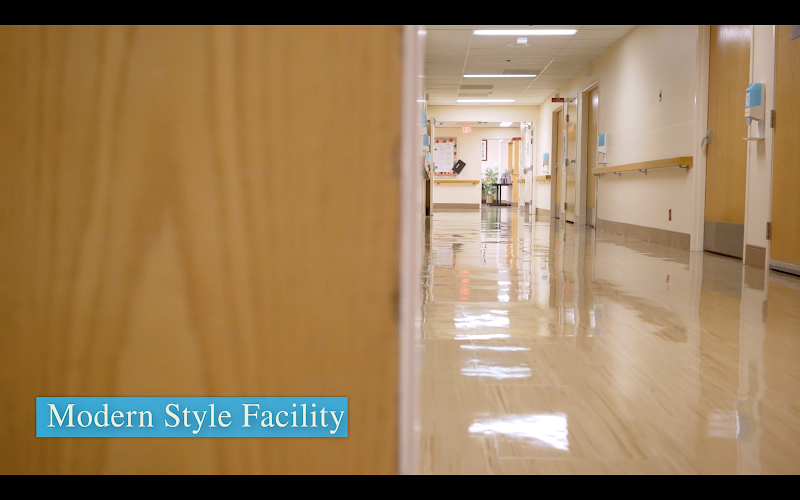
Who Owns and Operates Hemet Valley Healthcare Center?

HEMET VALLEY HEALTHCARE CENTER is owned by a for-profit company. For-profit facilities operate as businesses with obligations to shareholders or private owners. The facility operates independently rather than as part of a larger chain. With 113 certified beds and approximately 21 residents (about 19% occupancy), it is a mid-sized facility located in HEMET, California.
How Does Hemet Valley Healthcare Center Compare to Other California Nursing Homes?

Compared to the 100 nursing homes in California, HEMET VALLEY HEALTHCARE CENTER's overall rating (1 stars) is below the state average of 3.1 and health inspection rating (2 stars) is below the national benchmark.

What Should Families Ask When Visiting Hemet Valley Healthcare Center?

Based on this facility's data, families visiting should ask: "What changes have been made since the serious inspection findings, and how are you preventing similar issues?" "Can you walk me through typical staffing levels on day, evening, and night shifts?" "Can I visit during a mealtime to observe dining assistance and food quality?" "How do you handle medical emergencies, and what is your hospital transfer rate?" These questions are particularly relevant given the facility's Immediate Jeopardy citations and the below-average staffing rating.

Is Hemet Valley Healthcare Center Safe?

Based on CMS inspection data, HEMET VALLEY HEALTHCARE CENTER has documented safety concerns. Inspectors have issued 1 Immediate Jeopardy citation (the most serious violation level indicating risk of serious injury or death). The facility has a 1-star overall rating and ranks #100 of 100 nursing homes in California. Families considering this facility should ask detailed questions about what corrective actions have been taken since these incidents.

Do Nurses at Hemet Valley Healthcare Center Stick Around?

HEMET VALLEY HEALTHCARE CENTER has not reported staff turnover data to CMS. Staff turnover matters because consistent caregivers learn residents' individual needs, medications, and preferences. When staff frequently change, this institutional knowledge is lost. Families should ask the facility directly about their staff retention rates and average employee tenure.

Was Hemet Valley Healthcare Center Ever Fined?

HEMET VALLEY HEALTHCARE CENTER has been fined $56,303 across 4 penalty actions. This is above the California average of $33,642. Fines in this range indicate compliance issues significant enough for CMS to impose meaningful financial consequences. Common causes include delayed correction of deficiencies, repeat violations, or care failures affecting resident safety. Families should ask facility leadership what changes have been made since these penalties.

Is Hemet Valley Healthcare Center on Any Federal Watch List?

HEMET VALLEY HEALTHCARE CENTER is not on any federal watch list. The most significant is the Special Focus Facility (SFF) program, which identifies the bottom 1% of nursing homes nationally based on persistent, serious quality problems. Not being on this list means the facility has avoided the pattern of deficiencies that triggers enhanced federal oversight. This is a positive indicator, though families should still review the facility's inspection history directly.