DESERT MOUNTAIN CARE CENTER
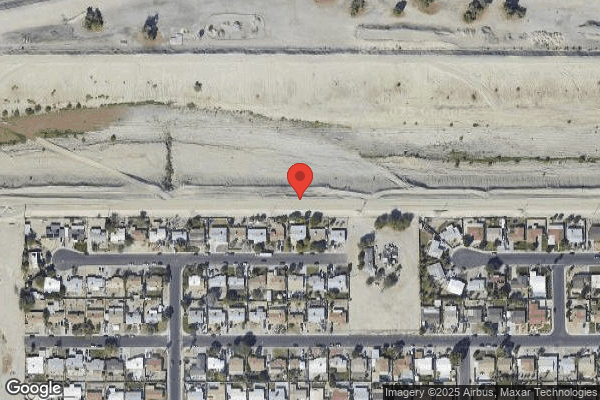
47-763 MONROE AVENUE, INDIO, CA 92201 (760) 347-0750
For profit - Limited Liability company 99 Beds THE ENSIGN GROUP Data: November 2025
Trust Grade
43/100
#785 of 1155 in CA
Last Inspection: June 2025

Inspected within the last 6 months. Data reflects current conditions.

Overview

Desert Mountain Care Center in Indio, California, has a Trust Grade of D, indicating below-average performance with some concerns. It ranks #785 out of 1155 facilities in the state, placing it in the bottom half of California nursing homes, and #34 out of 53 in Riverside County, meaning only 19 local options are rated worse. The facility's performance is worsening, with issues increasing from 8 in 2024 to 14 in 2025. Staffing is a significant weakness, earning only 1 out of 5 stars, and with a turnover rate of 47%, which is higher than the state average. Notably, there have been serious concerns, including a resident developing a Stage 4 pressure ulcer due to inadequate skin monitoring, discontinued medications remaining available for use, and unsafe food storage practices that could lead to food-borne illnesses. While the quality of care measures received a better rating of 4 out of 5 stars, these significant issues highlight the need for careful consideration when choosing this facility.

Trust Score
D
43/100
In California
#785/1155
Bottom 33%
Safety Record
Moderate
Needs review
Inspections
Getting Worse
8 → 14 violations
Staff Stability
⚠ Watch
47% turnover. Above average. Higher turnover means staff may not know residents' routines.
Penalties
⚠ Watch
$7,443 in fines. Higher than 88% of California facilities, suggesting repeated compliance issues.
Skilled Nurses
○ Average
Each resident gets 40 minutes of Registered Nurse (RN) attention daily — about average for California. RNs are the most trained staff who monitor for health changes.
Violations
⚠ Watch
45 deficiencies on record. Higher than average. Multiple issues found across inspections.
★★☆☆☆
2.0
Overall Rating
★☆☆☆☆
1.0
Staff Levels
★★★★☆
4.0
Care Quality
★★★☆☆
3.0
Inspection Score
Stable
2024: 8 issues
2025: 14 issues

The Good

  • 4-Star Quality Measures · Strong clinical quality outcomes
  • Full Sprinkler Coverage · Fire safety systems throughout facility
  • No fines on record

Facility shows strength in quality measures, fire safety.

The Bad

2-Star Overall Rating

Below California average (3.1)

Below average - review inspection findings carefully

Staff Turnover: 47%

Near California avg (46%)

Higher turnover may affect care consistency

Federal Fines: $7,443

Below median ($33,413)

Minor penalties assessed

Chain: THE ENSIGN GROUP

Part of a multi-facility chain

Ask about local staffing decisions and management

The Ugly 45 deficiencies on record

1 actual harm
Jun 2025 8 deficiencies
CONCERN (D)

Potential for Harm - no one hurt, but risky conditions existed

Deficiency F0554 (Tag F0554)

Could have caused harm · This affected 1 resident

**NOTE- TERMS IN BRACKETS HAVE BEEN EDITED TO PROTECT CONFIDENTIALITY** Based on observation, interview, and record review, the facility failed to ensure an assessment for safe self-administration of ...

Read full inspector narrative →
**NOTE- TERMS IN BRACKETS HAVE BEEN EDITED TO PROTECT CONFIDENTIALITY** Based on observation, interview, and record review, the facility failed to ensure an assessment for safe self-administration of medication was conducted, for one of one resident reviewed (Resident 44), when two open white plastic containers of topical ointment was found on the overbed table. This facility failure increased the potential for unsafe self-administration of medication. Findings: On June 23, 2025, at 3:08 p.m., during a concurrent observation and interview with Resident 44 in her room, two white plastic containers of topical ointment were observed on top of her over bed table. Resident 44 stated she applied the topical ointment to her lower legs when she felt itchy. Resident 44 further stated she would put more ointment if she wanted to. The two plastic containers were observed to have a label which indicated, .Oxide de Zinc 25% (zinc oxide). On June 23, 2025, Resident 44's admission RECORD, was reviewed. Resident 44 was admitted on [DATE], with diagnoses which included personal history of infectious and parasitic (organism that lives on a host) diseases. A review of Resident 44's HISTORY AND PHYSICAL, dated August 14, 2024, indicated Resident 44 was mentally capable to make decisions. Further review of Resident 44's medical record indicated there was no documented evidence a self-administration assessment was conducted. On June 23, 2025, at 3:14 p.m., a concurrent interview and review of Resident 44's medical record was conducted with Registered Nurse (RN) 1. RN 1 stated Resident 44 had two open white plastic containers of medication on top of the overbed table. RN 1 stated there was no assessment conducted for self-administration of medications for Resident 44. RN 1 stated Resident 44 should not have been allowed to self-administer the ointment without a proper assessment for self-administration. RN 1 further stated it was not safe for Resident 44 to have medications at the bedside, and an assessment for self-administration of medication should have been conducted for Resident 44. On June 25, 2025, at 9:02 a.m., during an interview with the Assistant Director of Nursing (ADON), the ADON stated she expected the licensed nurses to follow the policy and procedure regarding self-administration assessment and administration of medications for all residents. The ADON further stated if the policy and procedures were not followed, there was a potential for the residents to not receive medications according to the physician's order, and to not be monitored for any adverse (negative) effects. A review of the facility's policy and procedure titled, SELF ADMINISTRATION OF MEDICATIONS, dated February 2025, indicated, .It is the policy of this facility to respect the wishes of alert, competent residents to self-administer prescribed medication choosing to and capable of self-administration .To determine the ability of alert residents to participate in self-administration of medications .the interdisciplinary team will assess and periodically re-evaluate . A review of the facility's policy and procedure titled, MEDICATION ADMINISTRATION-GENERAL GUIDELINES, dated November 2021, indicated, .Medications are administered as prescribed in accordance with good nursing principles and practices and only by persons legally authorized to do so .Residents are allowed to self-administer medications when specifically authorized by the attending physician and in accordance with procedures for self-administration of medications .
CONCERN (D)

Potential for Harm - no one hurt, but risky conditions existed

Deficiency F0761 (Tag F0761)

Could have caused harm · This affected 1 resident

Based on observation, interview, and document review, the facility failed to ensure medications were labeled with the name of the resident for whom they were intended to be administered. This failure ...

Read full inspector narrative →
Based on observation, interview, and document review, the facility failed to ensure medications were labeled with the name of the resident for whom they were intended to be administered. This failure had the potential for medications to be shared by multiple residents. Findings: On June 23, 2025, at 2:25 p.m., during an inspection of Medication Cart Rx 2 with LVN 1, there was one Saline Nasal Spray, not labeled with the name or room number of the resident. In a concurrent interview with LVN 1, LVN 1 confirmed there was no name or room number on the spray bottle or the spray bottle's manufacturer box. LVN 1 stated the spray bottle needed to be labeled with the resident's name. LVN 1 stated she would not know who the medication was for without the name on the medication box. The facility's policy and procedure titled, Labeling and Storage, last revised, February 2025, was reviewed, and indicated, .Each prescription medication label includes .Resident's name . The facility's polity and procedure titled, Medication Administration - General Guidelines, updated November 2021, was reviewed, and indicated, .Medications supplied for one resident are never administered to another resident .
CONCERN (D)

Potential for Harm - no one hurt, but risky conditions existed

Deficiency F0790 (Tag F0790)

Could have caused harm · This affected 1 resident

**NOTE- TERMS IN BRACKETS HAVE BEEN EDITED TO PROTECT CONFIDENTIALITY** Based on observation, interview, and record review, the facility failed to follow up the dental needs of a resident, for one res...

Read full inspector narrative →
**NOTE- TERMS IN BRACKETS HAVE BEEN EDITED TO PROTECT CONFIDENTIALITY** Based on observation, interview, and record review, the facility failed to follow up the dental needs of a resident, for one resident reviewed for dental services (Residents 15) . This failure has the potential to place Resident 15 at high risk for complications related to dental and nutritional needs due to the delay in providing dental services. Findings: On June 24, 2025, at 9:15 a.m., during a concurrent observation and interview with Resident 15 in her room, Resident 15 was observed with missing partial upper teeth. Resident 15 stated she wanted to have dentures so she requested to be seen by the facility dentist, but no one updated her if she would receive the dental service or not. On June 24, 2025, Resident 15's record was reviewed. Resident 15 was admitted to the facility on [DATE], with diagnoses which included tracheostomy status (an opening surgically created through the neck into the trachea [windpipe] to allow air to fill the lungs). A review of Resident 15's Initial admission Record, dated February 2, 2022, the oral assessment indicated Resident 15's natural teeth were missing, and was unable to function without natural teeth and dentures. A review of Resident 15's History and Physical Note, dated January 18, 2025, indicated Resident 15 had the capacity to understand and make decisions. A review of Resident 15's Nutrition/Hydration Risk Evaluation, dated February 4, 2025, indicated Resident 15 had several missing teeth. A review of Resident 15's Order Summary Report, dated June 25, 2025, included a physician's order for low concentrated sweets diet (a type of diabetic diet), regular consistency. A review of Resident 15's dentist notes titled, Impressions Mobile Dentistry, indicated Resident 15 had multiple upper missing teeth and had recommendations as follows: - On October 23, 2024, Resident 15 wanted to have upper dentures, and eligibility for full upper denture (FUD) would be checked; and - On April 10, 2025, Resident 15 wanted to have a dentures on the upper arch and eligibility would be checked for FUD. Further review of Resident 15's medical record indicated there was no documented evidence a follow up was made by the Social Services and Nursing Department regarding Resident 15's eligibility for FUD. On June 25, 2025, at 7:53 a.m., a concurrent interview and review of Resident 15's record was conducted with Registered Nurse (RN) 2. RN 2 stated Resident 15 had dental consultations on October 23, 2024 and April 10, 2025, with a note from the dentist that Resident 15 expressed she wanted to have an upper denture. RN 2 stated, Resident 15's dental request should have been followed up. RN 2 further stated if Resident 15's dental requests were not followed up, there would be a delay of dental care services which could lead to nutritional health issues such as weight loss due to poor oral intake. On June 25, 2025, at 8:09 a.m., during an interview with the Social Service Director (SSD), the SSD stated she did not do a follow up regarding Resident 15's need for dental services. The SSD stated there should have been a follow up with the dentist for Resident 15 to have dentures. The SSD stated if dental services were not followed up, a delay of dental care could worsen Resident 15's health status. On June 25, 2025, at 8:50 am, during an interview with the Director of Nursing (DON), the DON stated the Social Services Department was responsible for the dental needs of the residents, and Resident 15's dental care should have been followed up. The DON further stated if Resident 15 did not receive dental services, she could not eat food properly and this could lead to weight loss. A review of the facility's policy and procedure titled, Dental Services, dated January 2022, indicated, .It is the policy of this Facility to ensure that its residents who require dental services on a routine or emergency basis have access to such services without barrier .For Medicare and private pay residents, the Facility will ensure that the needed dental services are available . A review of the facility's policy and procedure titled, Social Services, Provision of Medically-Related, dated February 2025, indicated, .It is the policy of this facility to provide medically-related social service to attain or maintain the highest practicable physical, mental, or psychosocial well-being of each resident .Social service is responsible for providing for medically related social service needs of each resident .Examples of these services may include but are not limited to .Scheduling appointments .
CONCERN (D)

Potential for Harm - no one hurt, but risky conditions existed

Deficiency F0806 (Tag F0806)

Could have caused harm · This affected 1 resident

**NOTE- TERMS IN BRACKETS HAVE BEEN EDITED TO PROTECT CONFIDENTIALITY** 2. On June 23, 2025, at 12:10 p.m., Resident 64 was observed eating lunch in his room. Resident 64 was eating one of two burrito...

Read full inspector narrative →
**NOTE- TERMS IN BRACKETS HAVE BEEN EDITED TO PROTECT CONFIDENTIALITY** 2. On June 23, 2025, at 12:10 p.m., Resident 64 was observed eating lunch in his room. Resident 64 was eating one of two burritos served on a separate plate from the main entree, which contained a piece of meat, parslied rice, and braised cabbage. When asked if he did not like the main dish served for lunch, Resident 64 stated, I don't like pork, so he asked for burritos instead. Resident 64 further stated he disliked pork, but I get it always. Resident 64's meal ticket was reviewed, which indicated, LCS (low calorie sweeteners) Diet .Regular Consistency .GARLIC HERB PORK CHOP 1-EACH .Dislikes: PORK . On June 23, 2025, at 12:30 p.m., Licensed Vocational Nurse (LVN) 2 was interviewed. LVN 2 stated Resident 64 should not have been served pork since that was his dislike, and kitchen staff should follow what it says on the diet slip. A review of Resident 64's record indicated Resident 64 was admitted to the facility on [DATE], with diagnoses which included end-stage renal disease (a condition in which kidneys cannot filter waste from the blood) and diabetes (abnormal blood sugars). Resident 64's MDS indicated a BIMS score of 15 (cognitively intact). On June 24, 2025, at 10:27 a.m., an interview was conducted with the Registered Dietician (RD). The RD stated the residents were interviewed by the Dietary Supervisor (DS) on admission, quarterly, and as needed for allergies, preferences, and dislikes. The RD stated the preferences, dislikes, and allergies were printed on the dietary meal ticket, which would guide the cook and dietary aides during the process of plating the correct therapeutic diet, preferences, and to avoid the chance of allergy food being included by mistake. The RD stated Residents 64 and 76 should not have been served pork for their meals as they had a dislike for pork. The RD stated the goal was to provide a satisfying, nutrient filled meal that can be enjoyed by the residents. The RD further stated food intake may be inadequate by not making reasonable efforts to adjust to the residents' food plan and preferences. A review of the facility's policy and procedure titled, Alternates on the Menu & Meal Substitution, dated January 2018, indicated, .Patient food preferences shall be adhered .the DFNS keep tray card updated with dislikes .the cook keeps tallies of diets and dislikes .provides alternate menu item as dictated by the resident's food dislikes . Based on observation, interview, and record review, the facility failed to ensure food preferences were honored, for two of 15 sampled residents (Residents 64 and 76), when the residents were served pork during the lunch meal service on June 23, 2025. This failure had the potential for Residents 64 and 76's dietary intake to be inadequate, by not making reasonable efforts to adjust to the residents' food plan and preferences. Findings: 1. On June 23, 2025, at 11:55 a.m., an observation of Resident 76 was conducted in the dining room. Resident 76's plate contained chopped pork meat, parslied rice, chopped braised cabbage, cornbread with margarine, peach crisp and a beverage. Resident 76 ate his food without assistance and ate the contents of the plate with only a few bites of the pork meat consumed. A concurrent interview with Resident 76 was conducted. Resident 76 stated he liked most of the food, but had a dislike for pork. A review of Resident 76's lunch ticket indicated REGULAR Diet Mech Soft/Grnd (mechanical soft/ground- food prepared to be easily chewed and swallowed by grinding or chopping) Texture .GARLIC HERB PORK CHOP 1-EACH .Dislikes: PORK . A review of Resident 76's record indicated Resident 76 was admitted to the facility on [DATE], with diagnoses which included dysphagia (difficulty or discomfort swallowing). A review of Resident 76's Minimum Data Set (MDS- a clinical assessment tool), dated May 16, 2025, indicated a Brief Interview for Mental Status (BIMS) score of 15 (cognitively intact).
CONCERN (D)

Potential for Harm - no one hurt, but risky conditions existed

Infection Control (Tag F0880)

Could have caused harm · This affected 1 resident

**NOTE- TERMS IN BRACKETS HAVE BEEN EDITED TO PROTECT CONFIDENTIALITY** Based on observation, interview, and record review, the facility failed to ensure infection control practices were implemented, ...

Read full inspector narrative →
**NOTE- TERMS IN BRACKETS HAVE BEEN EDITED TO PROTECT CONFIDENTIALITY** Based on observation, interview, and record review, the facility failed to ensure infection control practices were implemented, when: 1. For Resident 47, a black stand fan in the resident's room was observed with dust accumulated on the front and back guard covers; and 2. For Resident 287, one used plastic urinal was found inside the resident's personal belonging's storage closet. These failures had the potential to increase the spread of pathogens (germs) and infections to residents which could lead to serious illness. Findings: 1. On June 23, 2025, at 10:55 a.m., during a concurrent observation and interview with Certified Nursing Assistant (CNA) 1 in Resident 47's room, a black stand fan was observed with black and gray debris accumulated on the front and back guard covers. CNA 1 stated it was dust, and the fan should have been cleaned. On June 25, 2025, Resident 47's record was reviewed. Resident 47 was admitted to the facility on [DATE], with diagnoses which included respiratory failure with tracheostomy (trach-an opening in the neck, directly into the trachea [windpipe], to facilitate breathing). A review of Resident 47's HISTORY AND PHYSICAL, dated January 25, 2024, indicated Resident 47 was mentally incapable of understanding. A review of Resident 47's Minimum Data Set (MDS- a resident assessment tool), dated March 31, 2025, indicated Resident 47 had tracheostomy care treatment. A review of Resident 47's Care Plan Report, dated January 30, 2024, indicated, .Tracheostomy care per facility protocol . A review of Resident 47's Order Summary Report, dated June 25, 2025, indicated Resident 47 was on enhanced barrier precaution due to gastric tube (a tube inserted directly into the stomach) and trach. On June 23, 2025, at 11 a.m., during a concurrent observation and interview with the Respiratory Therapist (RT), the RT stated the stand fan was dusty and it should have been cleaned. The RT further stated the dust from the fan could potentially fly through the air and go to Resident 47's mouth or trach site, and could cause respiratory infection. On June 25, 2025, at 2:47 p.m., during an interview with the Infection Preventionist (IP), the IP stated the stand fan and other equipment used for residents must be free from dust. The IP further stated dust accumulated in the fan could cause the spread of germs and result in respiratory infection. On June 25, 2025, at 3:10 p.m., during an interview with the Assistant Director of Nursing (ADON), the ADON stated she expected the staff to clean equipment surfaces, and these should be free from dust. The ADON further stated any accumulated dust that floats through the air and goes to the resident's trach, could cause respiratory infection. A review of the facility's policy and procedure titled, Rooms, Cleaning Residents, dated February 2025, indicated, .It is the policy of this facility to provide a clean, comfortable, homelike and sanitary living area .Damp wipe surfaces .with germicidal solution . A review of the facility's policy and procedure titled, Infection Control, dated February 2025, indicated, .The infection prevention and control program as a facility-wide effort involving all disciplines and individuals and is an integral part of the quality assurance and performance improvement program .Recognize infection control practices while providing care .Effective cleaning and disinfecting equipment as needed . 2. On June 23, 2025, at 10:10 a.m., during a concurrent observation and interview with CNA 1, one used plastic urinal was found inside Resident 287's personal belonging's storage closet. CNA 1 stated it should not be placed on top of the storage closet shelves and should be placed in urinal holder. CNA 1 further stated It should not be placed anywhere. On June 25, 2025, Resident 287's record was reviewed. Resident 287 was admitted to the facility on [DATE], with diagnoses which included kidney failure (kidney disease), malignant melanoma of skin (skin cancer). A review of Resident 287's HISTORY AND PHYSICAL, dated June 19, 2025, indicated Resident 287 was mentally capable of understanding. A review of Resident 287's Order Summary, dated June 19, 2025, indicated Resident 287 had abdominal surgical dehiscence (the separation of a surgical incision in the abdomen, exposing underlying tissues or organs) and had a trach in neck area. On June 23, 2025, at 10:15 a.m., during a concurrent observation and interview with Licensed Vocational Nurse (LVN) 3, LVN 3 stated used urinal should be placed in urinal holder and or should be discarded if Resident 287 did not use it. LVN 3 stated proper storage of urinal should have been implemented to prevent spread of germs. LVN 3 further stated It is infection control issue. On June 25, 2025, at 2:46 p.m., during an interview with the IP, the IP stated plastic urinals should be placed in urinal holder when not in used and should not be stored anywhere. The IP further stated if not properly stored, it would result to surface contamination and would spread of infection. On June 25, 2025, at 3:10 p.m., during an interview with the Director of Nursing (DON), the DON stated she expected the nurses to follow proper storage of urinals and follow the facility's policy and procedure in infection control. The DON further stated if proper storage of urinals would not follow, it would result to cross contamination and would spread infection. A review of the facility's policy and procedure titled, Infection Control, dated February 2025, indicated, .The infection prevention and control program is comprehensive in that it addresses detection, prevention and control of infections among residents and personnel .Safe use of disposable and single use supplies and equipment . A review of the facility's policy and procedure titled, Bedpan and Urinal, Cleaning and Storage, dated February 2025, indicated, .It is the policy of this facility to provide clean and sanitary bedpans and urinals as well as store them for residents .urinal will be labeled with resident's name .Place the urinal in the urinal holder by the bed side .
CONCERN (D)

Potential for Harm - no one hurt, but risky conditions existed

Room Equipment (Tag F0908)

Could have caused harm · This affected 1 resident

**NOTE- TERMS IN BRACKETS HAVE BEEN EDITED TO PROTECT CONFIDENTIALITY** Based on observation, interview, and record review, the facility failed to ensure resident's wheelchairs were maintained in a sa...

Read full inspector narrative →
**NOTE- TERMS IN BRACKETS HAVE BEEN EDITED TO PROTECT CONFIDENTIALITY** Based on observation, interview, and record review, the facility failed to ensure resident's wheelchairs were maintained in a safe operating condition, for two of 15 residents (Residents 45 and 70). These failures had the potential to result in injury to the residents. Findings: 1. On June 24, 2025, at 1 p.m., a record review for Resident 45 was admitted to the facility on [DATE], with diagnoses which included spinal stenosis (the spaces inside the bone become too small), aftercare following joint replacement surgery and diabetic neuropathy (type of nerve damage that occurs with diabetes). A review of Resident 45's Minimum Data Set (MDS - a resident assessment tool), dated June 3, 2025, included a Brief Interview for Mental Status (BIMS) score of 15 (cognitive intact). On June 24, 2025, at 1:58 p.m., an interview and concurrent observation with Resident 45 was conducted. Resident 45 stated the wheelchair he was using was broken including the left-hand break which does not lock up, the left-hand armrest was loose, and wobbles when the chair was being used, and the right-hand wheel had a metal hand rim which was missing part of the rim leaving sharp edges easily available to the resident's hand. Resident 45 stated this was dangerous and someone could be hurt. On June 24, 2025, at 2 p.m., an interview and concurrent observation with Plant Director (PD) was conducted in Resident 45's room. The PD assessed Resident 45's wheelchair and acknowledged the need for parts replacement. The PD stated he had not known the wheelchairs had broken parts. The PD stated the cracked upholstery was an infection control issue and could cause cross-contamination leading to illness of the residents and the broken metal and inoperative brake were a risk for resident injury. On June 24, 2025, at 2:34 p.m., an interview with Physical Therapy Assistant (PTA) was conducted. The PTA stated he had assisted with Resident 45's wheelchair problem. The PTA stated he had looked for a working/new wheelchair but was unable to find another more appropriate replacement. The PTA stated Resident 45's current wheelchair had a metal piece that needed to be replaced and the resident agreed to be careful and would refused another exchange. The PTA stated he had sent a work request to maintenance for repair of wheelchair in PCC, describing the issue. The PTA stated he had completed the following process for Resident 45's broken wheelchair: - Replace the broken equipment for the resident; - Send a work order in the computer system noting the repair needed; and - Remove the broken equipment and place it in the workshop with a note attached documenting the repair needed. 2. On June 24, 2025, at 1 p.m., a record review of Resident 70's record indicated Resident 70 was admitted to the facility on [DATE], with diagnoses which included unilateral primary osteo arthritis (occurs when cartilage wears down on joint bone ends), right knee pain, hemiplegia (paralysis or extreme weakness on one side of the body). A review of Resident 70's MDS, dated April 13, 2025, included a BIMS score of 15 (cognitive intact). On June 24, 2025, at 11:50 a.m., an interview and concurrent observation with Resident 70 was conducted. Resident 70 stated his wheelchair had been fixed once though the wheelchair remained shaky and the armrest still had cracked and peeling upholstery. Resident 70 stated the left wheel of the wheelchair was loose and Resident 70 have reported the issue. Resident 70 stated the left armrest's upholstery and padding was cracked and peeling with holes for the padding to stick out. On June 24, 2025, at 2 p.m., and interview and concurrent observation with the PD was conducted. The PD assessed Resident 70's wheelchair and acknowledged the need for parts replacement. The PD stated he had not known the wheelchairs had broken parts. The DP stated the cracked upholstery is a infection control issue and could cause cross-contamination leading to illness of the residents and loose wheel were a risk for resident injury. A review of the facility's policy and procedure titled, Physical Environment - Equipment Maintenance, dated February 2025, indicated, .to ensure equipment remains in good working order for resident and staff safety . A review of the facility's policy and procedure titled, Resident's Rights - Accommodation of Needs, dated February 2025, indicated, .the facility to be aware of the importance of accommodation of needs for each resident .nursing staff will communicate .any specific accommodation of a particular resident .
CONCERN (E)

Potential for Harm - no one hurt, but risky conditions existed

Pharmacy Services (Tag F0755)

Could have caused harm · This affected multiple residents

**NOTE- TERMS IN BRACKETS HAVE BEEN EDITED TO PROTECT CONFIDENTIALITY** Based on observation, interview, and record review, the facility failed to ensure provision of pharmacy services to meet the nee...

Read full inspector narrative →
**NOTE- TERMS IN BRACKETS HAVE BEEN EDITED TO PROTECT CONFIDENTIALITY** Based on observation, interview, and record review, the facility failed to ensure provision of pharmacy services to meet the needs of the residents, when: 1. Four discontinued bags of large volume fluid for injections containing normal saline (electrolyte supplement in water) 0.45% remained stored in the medication room available for use; 2. One discontinued bag for IV (intravenous, into vein) infusion containing vancomycin (antibiotic for infection) 1 gram in 250 ml (milliliter, unit of measurement) remained stored in the medication refrigerator available for use; 3. One discontinued blister card containing ondansetron (medication for nausea and/or vomiting [N/V]) 4 mg (milligram, a unit of measurement) tablets remained in the medication cart available for use for Resident 55; 4. One discontinued blister card containing generic Norco (hydrocodone/acetaminophen, opioid pain medication) 5-325 mg tablets remained in the medication cart available for use for Resident 62; 5. Midodrine (medication to raise blood pressure)10 mg (milligram, unit of measurement) doses were not given according to the parameters ordered by the physician for Resident 16; and 6. A laboratory test to measure the effectiveness of diabetes medications was not performed consistently according to the physician order for Resident 15. These failures had the potential for medications errors due to inadvertent administration from discontinued medications and, ineffective medication treatment by not following the physician orders. Findings: 1. On June 23, 2025, at 11:30 a.m., during an inspection of the medication room with the Assistant Director of Nursing (ADON), there were four 1-liter bags of 0.45% normal saline for injection without a pharmacy label. The manufacturer labeling of the product indicated it was, Rx (prescription) only. In a concurrent interview, the ADON stated those 1-liter bags were no longer needed for the resident for whom they were ordered and should have been discarded. On June 26, 2025, at 9:30 a.m., during an interview with the ADON, the ADON confirmed the 1-liter bags were not stored in the medication room as house supplies. The facility's policy and procedure titled, Discontinued Medications, last updated, August 2019, was reviewed, and indicated, .If a medication expires, or a prescriber discontinues a medication, the discontinued drug container shall be marked or otherwise identified and shall be stored in a separate location designated solely for this purpose .Medications are removed from the medication cart immediately upon receipt of an order to discontinue (to avoid inadvertent administration) . The facility's policy and procedure titled, House-Supplied (Floor Stock) Medications, last updated, August 2020, was reviewed, and indicated, .The facility maintains a supply of commonly used over-the-counter medications considered as floor stock or house medications (not resident-specific) .Floor stock medications are labeled as floor stock or house supply and kept in the original manufacturer's container . 2. On June 23, 2025, at 12:05 a.m., during an inspection of the medication room with the ADON, one IV piggyback (IVPB, a method of administering medication through an existing intravenous line) bag containing vancomycin 1 gram in 250 ml normal saline Resident 85 for a resident labeled with the direction to infuse 1 gram vancomycin every 12 hours for 3 days with the stop date of June 20, 2025. On June 23, 2025, at 1:50 p.m., during an interview with the ADON, the ADON stated Resident 85 completed the IV therapy and the vancomycin bag should have been discarded. The facility's policy and procedure titled, Discontinued Medications, last updated, August 2019, was reviewed, and indicated, .If a medication expires, or a prescriber discontinues a medication, the discontinued drug container shall be marked or otherwise identified and shall be stored in a separate location designated solely for this purpose .Medications are removed from the medication cart immediately upon receipt of an order to discontinue (to avoid inadvertent administration) . 3. On June 23, 2025, at 2:25 p.m., during an inspection of Medication Cart Rx 2 with Licensed Vocational Nurse (LVN) 1, there was one blister card containing ondansetron 4 mg (milligram, a unit of measurement) for Resident 55. In a concurrent interview, LVN 1 stated the medication was discontinued. On June 23, 2025, a review of Resident 55's medical record indicated there was a physician order to discontinue ondansetron 4 mg via PEG ( percutaneous endoscopic gastrostomy tube, a feeding tube inserted through the abdominal wall into the stomach stomach) every 8 hours as needed for N/V, on June 3, 2025. The facility's policy and procedure titled, Discontinued Medications, last updated, August 2019, was reviewed, and indicated, .If a medication expires, or a prescriber discontinues a medication, the discontinued drug container shall be marked or otherwise identified and shall be stored in a separate location designated solely for this purpose .Medications are removed from the medication cart immediately upon receipt of an order to discontinue (to avoid inadvertent administration) . 4. On June 23, 2025, at 3 p.m., during an inspection of Medication Cart Rx 2 with LVN 1, there was one blister card containing generic Norco (hydrocodone/acetaminophen, an opioid pain medication) 5-325 mg tablets for Resident 62. In a concurrent interview, LVN 1 stated the medication was discontinued. LVN 1 stated when the blister cards containing controlled substances were discontinued and identified, the blister cards needed to be removed, counted, and given to the DON. On June 23, 2025, a review of Resident 62's medical record indicated there was a physician order to discontinue generic Norco 3-325 mg via G-Tube (gastrostomy tube, feeding tube inserted into stomach) every 8 hours as needed for moderate to severe pain 4-10 for 30 days, on May 5, 2025. The facility's policy and procedure titled, Discontinued Medications, last updated, August 2019, was reviewed, and indicated, .If a medication expires, or a prescriber discontinues a medication, the discontinued drug container shall be marked or otherwise identified and shall be stored in a separate location designated solely for this purpose .Medications are removed from the medication cart immediately upon receipt of an order to discontinue (to avoid inadvertent administration) . 5. On June 25, 2025, Resident 16's medical record was reviewed. Resident 16 was admitted to the facility on [DATE], with diagnoses which included heart failure, severe chronic kidney disease on dialysis (a medical procedure that helps remove waste products and excess fluid from the blood when the kidneys are unable to perform this function naturally), and hypertension (high blood pressure); A review of Resident 16's physician order, dated June 18, 2025, indicated for midodrine (medication to raise blood pressure)10 mg (milligram, unit of measurement) to be given to Resident 16 three times a day for hypotension (low blood pressure) with the parameter to hold the dose if systolic blood pressure (SBP, top number in a blood pressure reading, representing the pressure in your arteries when your heart beats) is greater than 120 mmHg (millimeter Mercury, unit of measurement of pressure). A review of Resident 16's Medication Administration Record (MAR), indicated midodrine was administered to Resident 16 when the SBP was above 120 on the following dates & times: - June 19, 2025, 12 p.m., SBP of 121; and - June 21, 2025, at 12 p.m., SBP of 123. On June 25, 2025, at 11:45 a.m., during an interview with the ADON, the ADON stated the 12 p.m. doses on June 19 and 21, 2025 were not held and should not have been given to Resident 16 due to SBP being above 120. The facility's policy and procedure titled, Medication Administration - General Guidelines, last updated, November 2021, was reviewed, and indicated, .Medications are administered as prescribed in accordance with good nursing principles and practices .Medications are administered in accordance with written orders of the attending physician . 6. On June 25, 2025, Resident 15's medical record was reviewed. Resident 15 was admitted to the facility on [DATE], with diagnoses which included, adult-onset diabetes mellitus (T2DM, high blood sugar levels resulting from the body's inability to effectively use the insulin it produces). A review of Resident 15's physician indicated the resident was receiving the following medications for T2DM: - Lantus 10 units by injection; - Ozempic 0.5 mg by injection; and - Humulin R by injection per sliding scale parameters. A review of Resident 15's physician order, date ordered on February 1, 2022, indicated to obtain Hgb A1c (hemoglobin A1c, blood test that provides an average blood sugar level over the past 2 to 3 months, a key tool for managing diabetes) test, every three months; and A review of Resident 15's Hgb A1c test results indicated there was no Hgb A1C test completed between May 2, 2024, and February 5, 2025 (August 2024 and November 2024). On June 25, 2025, at 11:50 a.m., during an interview with the ADON, the ADON stated there were some months that were missed, and the test results were not obtained every three months. The facility's policy and procedure titled, Diagnostic Test Results Notification, last reviewed, February 2025, was reviewed, and indicated, .It is the policy of this facility to obtain laboratory and radiology services when ordered by a Physician .Laboratory .services will be arranged as ordered .Notification of test results will be documented in the resident's clinical record .
CONCERN (E)

Potential for Harm - no one hurt, but risky conditions existed

Food Safety (Tag F0812)

Could have caused harm · This affected multiple residents

Based on observation, interview, and record review, the facility failed to ensure safe, sanitary food preparation and storage practices were followed in the kitchen when wooden storage shelves in the ...

Read full inspector narrative →
Based on observation, interview, and record review, the facility failed to ensure safe, sanitary food preparation and storage practices were followed in the kitchen when wooden storage shelves in the dry supply area were observed to be chipped, splintered and the lacquered varnish peeled off. This failure had the potential to cause food-borne illness in a highly susceptible resident population. Findings: On June 23, 2025, at 9:52 a.m., an observation with the Dietary Supervisor (DS), was conducted in the dry goods supply room. The wooden shelving was observed to have bare chipped, splintered wood, and the lacquered varnish had peeled off in many places. In a concurrent interview with the DS, the DS stated the staff always use gloves before reaching into the shelves for food items, to avoid splinters from the wood. The DS stated the staff safety related to splinters was a risk. On June 23, 2025, at 10:30 a.m., an interview and observation with Plant Director (PD) was conducted. The PD stated the wooden shelves should not be chipped, splintered or unsealed because of possibility of staff injury and cross-contamination of resident food. On June 24, 2025, at 10:27 a.m., an interview with the Registered Dietician (RD) was conducted. The RD stated she was aware of the state of the damaged shelving in the dry goods supply room and had notified both the PD and the Administrator at different times through this year. The RD stated the wooden shelves should not have opened, unsealed, chipped wood as it was possible for staff injury and cross-contamination leading to possible illness in the vulnerable resident population. A review of the facility's policy and procedure titled, Food Storage, dated February 2025, indicated, .All food .items purchased for the Food & Nutrition Services Department should be properly stored .all food items .shall be stored .on shelves .which facilitate thorough cleaning .
Jun 2025 1 deficiency
CONCERN (D) 📢 Someone Reported This

A family member, employee, or ombudsman was alarmed enough to file a formal complaint

Potential for Harm - no one hurt, but risky conditions existed

Quality of Care (Tag F0684)

Could have caused harm · This affected 1 resident

**NOTE- TERMS IN BRACKETS HAVE BEEN EDITED TO PROTECT CONFIDENTIALITY** Based on interview and record review, the facility failed to ensure care and treatment was provided timely, for one of five resi...

Read full inspector narrative →
**NOTE- TERMS IN BRACKETS HAVE BEEN EDITED TO PROTECT CONFIDENTIALITY** Based on interview and record review, the facility failed to ensure care and treatment was provided timely, for one of five residents reviewed (Resident 1), when Resident 1 had an elevated pulse rate (heart beat per minute {BPM}) and decreased oxygen saturation ({O2 Sat} - the amount of hemoglobin carrying oxygen within the blood). The failure had the potential for a delay in the care and treatment and affect the resident's overall health condition of Resident 1. Findings: On May 22, 2025, at 1210 p.m., an unannounced visit was conducted to the facility to investigate a complaint regarding quality of care. A review of Resident 1 ' s medical records titled, Resident Information, dated May 23, 2025, indicated Resident 1 was admitted to the facility on [DATE], with a diagnosis of respiratory failure (respiratory system is unable to adequately provide oxygen to the body) with hypoxia (low blood oxygen). A review of Resident 1 ' s Progress Notes, dated December 26, 2024, at 1:48 a.m., by Licensed Vocational Nurse (LVN) 1, indicated, . (Resident 1) found unresponsive. Upon assessment .oxygen level at 65% (normal values 95 -100%) on room air (no added oxygen). PT (Resident) placed on oxygen via nasal canula (nostrils) 5L (liters) ineffective .Pulse 132 (elevated, normal values 60 -100 beats per minute); O2 (sats): 73% (low) via nasal cannula. RN (Registered Nurse) made aware . Further review of Resident 1's record indicated the physician was not notified of Resident 1 ' s elevated pulse and low oxygen level. A review of Resident 1 ' s Progress Notes, dated December 26, 2024, at 2:12 a.m., by RN 1, indicated, . (Resident 1) Resting in bed with eyes closed, known to staff (resident) is fine .skin is cold to touch .(Pulse) 126 (elevated) . (Resident agree(s) if get(s) worse will go to hospital . Further review of Resident 1's record indicated the physician was not notified of Resident 1 ' s elevated pulse and rate. A review of Resident 1's Progress Notes, dated December 26, 2024, at 7:52 a.m., by Respiratory Therapy (RT), indicated, .Pt (Resident 1) refusing to wear oxygen mask .(O2 sat) 87% (low), (Pulse) 143 (elevated) .explained to the (resident) he was in need of oxygen .(resident) .said no .RN and LVN notified at this time . Further review of Resident 1's record indicated the physician was not notified of Resident 1 ' s elevated pulse rate and low O2 sats. A review of Resident 1 ' s documented pulse and O2 sats, dated December 26, 2024, indicated resident ' s values were not closely monitored between the hours of 01:58 a.m. and 10:28 a.m.: - 1:48 a.m.; P (pulse) 132 (elevated); O2 Sat 65 - 73% (low), - 1:58 a.m.; P 132; O2 Sat 73%, - 2:12 a.m.; P 126 (elevated); no documented O2 Sat noted, - 5:11 a.m.; Pulse 107 (elevated); O2 sats 90% (low), - 7:52 a.m.; P 143 (elevated); O2 sat 87% (low), and - 10:28 a.m.; O2 Sats 84-86%, no Pulse noted. A review of Resident 1 ' s, Progress Notes, dated, December 26, 2024, at 10:28 a.m., by RN 2, indicated, . RT did not made (sic) aware (resident) was refusing Oxygen mask, upon arrival found (resident) in bed .(Oxygen) mask on the left side of the bed (not on resident) .O2 (Sats) ranges from 84-86 (%-low) .(Resident 1) is refusing the oxygen .keeps refusing oxygen, and (resident) stated he's aware but still refuses .Called Dr .and made aware (resident) is refusing to go to the ER (Emergency Room) to get evaluated and refusing oxygen. (Dr) stated he is making rounds in another facility, but he will come to evaluate (Resident 1) today as soon as he can .(resident representative) is requesting (Resident 1) to be sent to the ER. Dr (physician) .said sent (sic) to ER per (representative) request . A review of Resident 1 ' s, Progress Notes, dated December 26, 2024, at 11:41 a.m., by RN 2, indicated, . Called 911 to transfer (resident) out (to ER) for low oxygen level 84% .(Resident 1) refused to go to the ER .DR . stated he will be here (facility) in person to evaluate .(resident) . Further review of Resident 1's record indicated the physician did not come to the facility on December 26, 2024 to evaluate Resident 1 and there was no follow up to the physician when he would present to the facility. A review of Resident 1 ' s, COC,, dated, December 27, 2024, at 1050 a.m., by RN 3, indicated, . Abnormal vital signs .started on (December 27, 2024) . morning .Pulse 163 (elevated); O2 Sats 91%; Blood Pressure 76/66 (low, normal values 90/60 to 130/80); Temperature 98.0 (normal value); Respirations (Breaths per minute) 11 (low, normal values 12 - 20) .Decreased level of consciousness (sleepy, lethargic) .Gradual change in level of consciousness .(physician notified, December 27, 2024) at 10:55 (a.m.) .Recommendations of (Dr): Send to (GACH-General Acute Care Hospital) for evaluation . A review of Resident 1 ' s, Progress Notes, dated, December 27, 2024, at 11:10 a.m., by RN 3, indicated, 911 was called. Paramedics arrived . approximately (at) 1100 a.m. (Resident 1) left the facility approximately (at) 1115 a.m. A review of Resident 1 ' s, Progress Notes, by the physician (MD), dated December 27, 2024, at 8:42 p.m., indicated, .(Resident 1) in bed, very drowsy but responds to commands only to dose off again; alert upon evaluation, per nursing staff (resident) had similar episode yesterday (December 26, 2024) including hypoxic (low O2 Sats) episodes but refused (oxygen); (Resident 1) refused to be taken to the ED yesterday .(Resident) agreed to go to the ED today .Physical Exam: (Pulse) 163; (O2 Sats) 91% .Cardiovascular (heart rate) .irregular .DIAGNOSIS: CHANGE IN MENTAL STATUS/ (RULE OUT) SEPSIS (Infection that has traveled to the blood stream)/CARDIAC ARRHYTHMIA (Irregular heart beat)/SEPTIC SHOCK (A life threatening, severe infection, causing organ failure) .PLAN: transfer to (Emergency Room) for further evaluation and treatment . A review of Resident 1 ' s GACH, ER notes, dated, June 3, 2025, at 2:10 p.m., indicated Resident 1 was admitted to the ER on [DATE], at 11:21 a.m., with a chief diagnosis of, . (Altered Level of Consciousness), with (low blood pressure) and (Elevated Pulse rate) . Further review indicated, Resident 1 was diagnosed in the ER with, . 1: Septic Shock; 2. Atrial fibrillation (Irregular Heart Beat, usually rapid) with RVR (fast heartbeat of lower chambers, affecting blood flow); 3: Pneumonia . On May 27, 2025, at 12:58 p.m., an interview was conducted with the Assistant Director of Nursing (ADON). The ADON stated the nursing staff should perform a detailed assessment on the resident, notify the physician, and complete a COC documentation, when a resident ' s vital signs were outside of normal range. The ADON further stated completing a COC would trigger nursing staff to monitor and document on condition every shift. The ADON further stated she would expect staff to recheck resident ' s vital signs multiple times. On May 27, 2025, at 1:06 p.m., an interview was conducted with RN 1. RN 1 stated she would notify the physician, follow-up with the physician's orders, and complete a COC, when a resident ' s vital signs (pulse, O2 sats) were outside of normal values. RN 1 further stated she would monitor and document the resident ' s vital signs every 15 minutes, until resident ' s condition improves or become stable. RN 1 verified a pulse rate of 126 was outside of normal values, and the physician should have been notified. On May 27, 2025, at 1:50 p.m., a concurrent interview and record review was conducted with the Director of Nursing (DON). The DON stated the staff should immediately assess the resident, call for help, and call 911, when a resident was found unresponsive. The DON stated it is expected of the nursing staff to reassess the resident, including vital signs, notify the physician, closely monitor the resident at their bedside to assess for any other COCs, at least until the resident returns to stable condition, document a COC, progress note, and physician ' s notifications, if the resident becomes responsive and refuses to go to the hospital for further evaluation. The DON further stated the physician should have been notified, the nurse should follow the physician ' s orders, and monitor the resident ' s vital signs every 10 – 15 minutes, until resident ' s heart rate went down (to normal values), when Resident 1 started to have a COC on December 26, 2024, at 01:48, and onwards. The DON stated the nursing staff should have called 911 when Resident 1 ' s O2 sats were 84% and pulse rate of 143, on December 26, 2024, at 7:52 a.m. The DON further stated she expected the nursing staff to be proactive and follow up with the physician to evaluate the resident at the facility as the physician indicated to the licensed nurse, on December 26, 2024, at 11:41 a.m. On May 28, 2025, at 9:22 a.m., an interview was conducted with RN 2. RN 2 stated she would notify the physician, and the physician would give orders, interventions and expectations to monitor the resident when a resident has a low O2 saturation. RN 2 further stated interventions were provided for the resident according to the physician ' s orders. RN 2 verified, the physician was notified on December 26, 2024, at 11:41 a.m., of Resident 1's refusal to go to the hospital due to low O2 sats and was informed by the physician that he would come to facility to assess and talk to resident, to find out why Resident 1 was refusing treatment (oxygen & transfer to ER). RN 2 stated she was not sure if the physician came to the facility on December 26, 2024. RN 2 further stated, she should have assess Resident 1's vital signs every 15 minutes, and should have followed up with the physician that he needed to evaluate Resident 1 as previously discussed. On May 28, 2025, at 11:41 a.m., a follow up interview was conducted with the ADON. The ADON stated there was no documentation the physician came to evaluate Resident 1 on December 26, 2024. The ADON stated there was no documentation the nursing staff followed up with the physician to evaluate Resident 1. The ADON stated she expected the physician to come to the facility to evaluate the resident if the physician stated he would be coming to evaluate the resident. The ADON stated she expected the licensed nurses and respiratory therapist to check the resident's vital signs every 15 minutes. On May 28, 2025, at 5:48 p.m. an interview was conducted with the MD (physician). The MD stated the on call physician should have been notified, when Resident 1 was found to have abnormally high pulse rates, and low O2 saturations, on December 26, 2024, between the hours of 1:48 – 7:52 a.m. The MD stated, if he was the on-call physcian, he would have given the nursing staff orders to place Resident 1 on O2 and send to the ER for further evaluation. The MD further stated, he could not remember if he presented at facility to assess Resident 1 in person on December 26, 2024. A review of the facility's policy and procedure titled, Change of Condition, revised December 2023, indicated, . Policy: It is the policy of this facility to ensure each resident receives quality of care and services to attain and maintain the highest practicable physical mental and psychosocial well-being . Procedure .If, at any time, it is recognized by any one of the team members that the condition or care needs of the resident have changed, the Licensed Nurse or Nurse Supervisor should be made aware. Examples would be the following (but not limited to) .Change or a trending change in vital signs, to include temperature, pulse, blood pressure, heart rate, and oxygen saturation .Change in ability or decline in physical function .Change in medical condition .The nurse will perform and document an assessment of the resident and identify need for additional interventions, considering implementation of existing orders or nursing interventions or through communication with the resident ' s provider using SBAR or similar process to obtain new orders or interventions .The resident will then be placed on the 24 Hour Report and Nursing will provide no less than three (3) days of observation, documentation, and response to any interventions. An attempt to identify the cause for decline, when it occurs, needed assist and resident behavior/acceptance of increased need of assistance will be monitored .There will be certain circumstances where immediate attention will be warranted and nursing will be responsible for notifying the appropriate department for evaluation. The nurse shall use he/her clinical judgement and shall contact the physician based on the urgency of the situation .The nurse will transcribe the treatment and plan of care relative to the change of condition on the resident(s) electronic Medical Record (EMR) . Based on interview and record review, the facility failed to ensure care and treatment was provided timely, for one of five residents reviewed (Resident 1), when Resident 1 had an elevated pulse rate (heart beat per minute {BPM}) and decreased oxygen saturation ({O2 Sat} - the amount of hemoglobin carrying oxygen within the blood). The failure had the potential for a delay in the care and treatment and affect the resident's overall health condition of Resident 1. Findings: On May 22, 2025, at 1210 p.m., an unannounced visit was conducted to the facility to investigate a complaint regarding quality of care. A review of Resident 1's medical records titled, Resident Information, dated May 23, 2025, indicated Resident 1 was admitted to the facility on [DATE], with a diagnosis of respiratory failure (respiratory system is unable to adequately provide oxygen to the body) with hypoxia (low blood oxygen). A review of Resident 1's Progress Notes, dated December 26, 2024, at 1:48 a.m., by Licensed Vocational Nurse (LVN) 1, indicated, . (Resident 1) found unresponsive. Upon assessment .oxygen level at 65% (normal values 95 -100%) on room air (no added oxygen). PT (Resident) placed on oxygen via nasal canula (nostrils) 5L (liters) ineffective .Pulse 132 (elevated, normal values 60 -100 beats per minute); O2 (sats): 73% (low) via nasal cannula. RN (Registered Nurse) made aware . Further review of Resident 1's record indicated the physician was not notified of Resident 1's elevated pulse and low oxygen level. A review of Resident 1's Progress Notes, dated December 26, 2024, at 2:12 a.m., by RN 1, indicated, . (Resident 1) Resting in bed with eyes closed, known to staff (resident) is fine .skin is cold to touch .(Pulse) 126 (elevated) . (Resident agree(s) if get(s) worse will go to hospital . Further review of Resident 1's record indicated the physician was not notified of Resident 1's elevated pulse and rate. A review of Resident 1s Progress Notes, dated December 26, 2024, at 7:52 a.m., by Respiratory Therapy (RT), indicated, .Pt (Resident 1) refusing to wear oxygen mask .(O2 sat) 87% (low), (Pulse) 143 (elevated) .explained to the (resident) he was in need of oxygen .(resident) .said no .RN and LVN notified at this time . Further review of Resident 1's record indicated the physician was not notified of Resident 1's elevated pulse rate and low O2 sats. A review of Resident 1's documented pulse and O2 sats, dated December 26, 2024, indicated resident's values were not closely monitored between the hours of 01:58 a.m. and 10:28 a.m.: - 1:48 a.m.; P (pulse) 132 (elevated); O2 Sat 65 - 73% (low), - 1:58 a.m.; P 132; O2 Sat 73%, - 2:12 a.m.; P 126 (elevated); no documented O2 Sat noted, - 5:11 a.m.; Pulse 107 (elevated); O2 sats 90% (low), - 7:52 a.m.; P 143 (elevated); O2 sat 87% (low), and - 10:28 a.m.; O2 Sats 84-86%, no Pulse noted. A review of Resident 1's, Progress Notes, dated, December 26, 2024, at 10:28 a.m., by RN 2, indicated, . RT did not made (sic) aware (resident) was refusing Oxygen mask, upon arrival found (resident) in bed .(Oxygen) mask on the left side of the bed (not on resident) .O2 (Sats) ranges from 84-86 (%-low) .(Resident 1) is refusing the oxygen .keeps refusing oxygen, and (resident) stated he's aware but still refuses .Called Dr .and made aware (resident) is refusing to go to the ER (Emergency Room) to get evaluated and refusing oxygen. (Dr) stated he is making rounds in another facility, but he will come to evaluate (Resident 1) today as soon as he can .(resident representative) is requesting (Resident 1) to be sent to the ER. Dr (physician) .said sent (sic) to ER per (representative) request . A review of Resident 1's, Progress Notes, dated December 26, 2024, at 11:41 a.m., by RN 2, indicated, . Called 911 to transfer (resident) out (to ER) for low oxygen level 84% .(Resident 1) refused to go to the ER .DR . stated he will be here (facility) in person to evaluate .(resident) . Further review of Resident 1's record indicated the physician did not come to the facility on December 26, 2024 to evaluate Resident 1 and there was no follow up to the physician when he would present to the facility. A review of Resident 1's, COC, dated, December 27, 2024, at 1050 a.m., by RN 3, indicated, . Abnormal vital signs .started on (December 27, 2024) . morning .Pulse 163 (elevated); O2 Sats 91%; Blood Pressure 76/66 (low, normal values 90/60 to 130/80); Temperature 98.0 (normal value); Respirations (Breaths per minute) 11 (low, normal values 12 - 20) .Decreased level of consciousness (sleepy, lethargic) .Gradual change in level of consciousness . (physician notified, December 27, 2024) at 10:55 (a.m.) .Recommendations of (Dr): Send to (GACH-General Acute Care Hospital) for evaluation . A review of Resident 1's, Progress Notes, dated, December 27, 2024, at 11:10 a.m., by RN 3, indicated, 911 was called. Paramedics arrived . approximately (at) 1100 a.m. (Resident 1) left the facility approximately (at) 1115 a.m. A review of Resident 1's, Progress note, by Dr, dated, December 27, 2024, at 8:42 p.m., indicated, .(Resident 1) in bed, very drowsy but responds to commands only to dose off again; alert upon evaluation, per nursing staff (resident) had similar episode yesterday (December 26, 2024) including hypoxic (low O2 Sats) episodes but refused (oxygen); (Resident 1) refused to be taken to the ED yesterday .(Resident) agreed to go to the ED today .Physical Exam: (Pulse) 163; (O2 Sats) 91% .Cardiovascular (heart rate) .irregular .DIAGNOSIS: CHANGE IN MENTAL STATUS/ (RULE OUT) SEPSIS (Infection that has traveled to the blood stream)/CARDIAC ARHYTHMIA (Irregular heart beat)/SEPTIC SHOCK (A life threatening, severe infection, causing organ failure) .PLAN: transfer to (Emergency Room) for further evaluation and treatment . A review of Resident 1's GACH, ER notes, dated, June 3, 2025, at 2:10 p.m., indicated Resident 1 was admitted to the ER on [DATE], at 11:21 a.m., with a chief diagnosis of, . (Altered Level of Consciousness), with (low blood pressure) and (Elevated Pulse rate) . Further review indicated, Resident 1 was diagnosed in the ER with, . 1: Septic Shock; 2. Atrial fibrillation (Irregular Heart Beat, usually rapid) with RVR (fast heartbeat of lower chambers, affecting blood flow); 3: Pneumonia . On May 27, 2025, at 12:58 p.m., an interview was conducted with the Assistant Director of Nursing (ADON). The ADON stated the nursing staff should perform a detailed assessment on the resident, notify the physician, and complete a COC documentation, when a resident's vital signs were outside of normal range. The ADON further stated completing a COC would trigger nursing staff to monitor and document on condition every shift. The ADON further stated she would expect staff to recheck resident's vital signs multiple times. On May 27, 2025, at 1:06 p.m., an interview was conducted with RN 1. RN 1 stated she would notify the physician, follow-up with the physician's orders, and complete a COC, when a resident's vital signs (pulse, O2 sats) were outside of normal values. RN 1 further stated she would monitor and document the resident's vital signs every 15 minutes, until resident's condition improves or become stable. RN 1 verified a pulse rate of 126 was outside of normal values, and the physician should have been notified. On May 27, 2025, at 1:50 p.m., a concurrent interview and record review was conducted with the Director of Nursing (DON). The DON stated the staff should immediately assess the resident, call for help, and call 911, when a resident was found unresponsive. The DON stated it is expected of the nursing staff to reassess the resident, including vital signs, notify the physician, closely monitor the resident at their bedside to assess for any other COCs, at least until the resident returns to stable condition, document a COC, progress note, and physician's notifications, if the resident becomes responsive and refuses to go to the hospital for further evaluation. The DON further stated the physician should have been notified, the nurse should follow the physician's orders, and monitor the resident's vital signs every 10 – 15 minutes, until resident's heart rate went down (to normal values), when Resident 1 started to have a COC on December 26, 2024, at 01:48, and onwards. The DON stated the nursing staff should have called 911 when Resident 1's O2 sats were 84% and pulse rate of 143, on December 26, 2024, at 7:52 a.m. The DON further stated she expected the nursing staff to be proactive and follow up with the physician to evaluate the resident at the facility as the physician indicated to the licensed nurse, on December 26, 2024, at 11:41 a.m. On May 28, 2025, at 9:22 a.m., an interview was conducted with RN 2. RN 2 stated she would notify the physician, and the physician would give orders, interventions and expectations to monitor the resident when a resident has a low O2 saturation. RN 2 further stated interventions were provided for the resident according to the physician's orders. RN 2 verified, the physician was notified on December 26, 2024, at 11:41 a.m., of Resident 1's refusal to go to the hospital due to low O2 sats and was informed by the physician that he would come to facility to assess and talk to resident, to find out why Resident 1 was refusing treatment (oxygen & transfer to ER). RN 2 stated she was not sure if the physician came to the facility on December 26, 2024. RN 2 further stated, she should have assess Resident 1's vital signs every 15 minutes, and should have followed up with the physician that he needed to evaluate Resident 1 as previously discussed. On May 28, 2025, at 11:41 a.m., a follow up interview was conducted with the ADON. The ADON stated there was no documentation the physician came to evaluate Resident 1 on December 26, 2024. The ADON stated there was no documentation the nursing staff followed up with the physician to evaluate Resident 1. The ADON stated she expected the physician to come to the facility to evaluate the resident if the physician stated he would be coming to evaluate the resident. The ADON stated she expected the licensed nurses and respiratory therapist to check the resident's vital signs every 15 minutes. On May 28, 2025, at 5:48 p.m. an interview was conducted with the MD (physician). The MD stated the on call physician should have been notified, when Resident 1 was found to have abnormally high pulse rates, and low O2 saturations, on December 26, 2024, between the hours of 1:48 – 7:52 a.m. The MD stated, if he was the on-call physcian, he would have given the nursing staff orders to place Resident 1 on O2 and send to the ER for further evaluation. The MD further stated, he could not remember if he presented at facility to assess Resident 1 in person on December 26, 2024. A review of the facility's policy and procedure titled, Change of Condition, revised December 2023, indicated, . Policy: It is the policy of this facility to ensure each resident receives quality of care and services to attain and maintain the highest practicable physical mental and psychosocial well-being . Procedure .If, at any time, it is recognized by any one of the team members that the condition or care needs of the resident have changed, the Licensed Nurse or Nurse Supervisor should be made aware. Examples would be the following (but not limited to) .Change or a trending change in vital signs, to include temperature, pulse, blood pressure, heart rate, and oxygen saturation .Change in ability or decline in physical function .Change in medical condition .The nurse will perform and document an assessment of the resident and identify need for additional interventions, considering implementation of existing orders or nursing interventions or through communication with the resident's provider using SBAR or similar process to obtain new orders or interventions .The resident will then be placed on the 24 Hour Report and Nursing will provide no less than three (3) days of observation, documentation, and response to any interventions. An attempt to identify the cause for decline, when it occurs, needed assist and resident behavior/acceptance of increased need of assistance will be monitored .There will be certain circumstances where immediate attention will be warranted and nursing will be responsible for notifying the appropriate department for evaluation. The nurse shall use he/her clinical judgement and shall contact the physician based on the urgency of the situation .The nurse will transcribe the treatment and plan of care relative to the change of condition on the resident(s) electronic Medical Record (EMR) .
Apr 2025 3 deficiencies
CONCERN (D) 📢 Someone Reported This

A family member, employee, or ombudsman was alarmed enough to file a formal complaint

Potential for Harm - no one hurt, but risky conditions existed

Accident Prevention (Tag F0689)

Could have caused harm · This affected 1 resident

**NOTE- TERMS IN BRACKETS HAVE BEEN EDITED TO PROTECT CONFIDENTIALITY** Based on interview and record review, the facility failed to ensure one on one (1:1) supervision was provided according to the p...

Read full inspector narrative →
**NOTE- TERMS IN BRACKETS HAVE BEEN EDITED TO PROTECT CONFIDENTIALITY** Based on interview and record review, the facility failed to ensure one on one (1:1) supervision was provided according to the physician's order and plan of care, for one of four residents reviewed (Resident 4) when there was no assigned sitter (staff to supervise the resident's whereabouts) to monitor Resident 4's wandering behavior. This failure had the potential to result in Resident 4 wandering out of the facility, leading to potential physical or psychosocial harm. Findings: On April 22, 2025, at 9:35 a.m., an unannounced visit to the facility was conducted to investigate complaints regarding quality of care. On April 22, 2025, at 12 p.m., during an interview with Certified Nursing Assistant (CNA) 2, CNA 2 stated there were situations where there was not a sitter for Resident 4 which was reflected as blank in the assignment sheet. CNA 2 further stated administration would ask staff to keep an eye on Resident 4 until someone was able to come in and sit with Resident 4. CNA 2 stated keep an eye on a resident meant that Resident 4 would not have a 1:1 sitter, instead, all the nurses and CNAs were responsible for monitoring the resident for any harmful behaviors while attending to their own assigned residents. CNA 2 stated it should not happen because someone should only be responsible for taking care of the one resident who required a sitter, because you do not want something to happen to the resident. On April 22, 2025, at 12:15 p.m., during an interview with CNA 3, CNA 3 stated Resident 4 had a wandering behavior due to dementia (memory loss). CNA 3 stated if the box on the staffing assignment sheet for the assigned sitter for Resident 4 was blank, it would indicate to staff that there was either no assigned sitter and it was everyone ' s job to keep an eye on the resident until they could get a CNA to come in, or a housekeeper was the assigned sitter for the resident. CNA 3 stated she found Resident 4 wandering in the hallway about three weeks ago. CNA 3 stated this incident happened when a housekeeper was assigned to Resident 4. During a concurrent record review with CNA 3 the staff assignment sheet for April 4 to April 6, 2025, indicated a blank box for the assigned sitter for Resident 4 on the staff assignment sheet for those dates. CNA 3 stated the blank on the assignment sheet indicated that either a housekeeper was the assigned sitter for Resident 4, or they were attempting to find a CNA to come in and be the sitter for Resident 4. On April 22, 2025, at 3:50 p.m., an interview and concurrent record review with the Director of Staff Development (DSD) was conducted. A review of the facility document titled, Sitter Schedule, for the month of April 2025 was conducted. The DSD stated the assigned sitter signed their name for every hour they monitored Resident 4. The facility document indicated there were no staff signatures for the following date and times: - April 1, 2025, 8 a.m. to 2 p.m., and 11:00 p.m.; - April 2, 2025, 12 a.m. to 6 a.m.; - April 4, 2025, 4 a.m. to 6 a.m.; - April 7, 2025 a.m., 12 a.m.- 5 a.m.; - April 8, 2025, 12 a.m. to 5 a.m.; - April 11, 2025, 7 a.m. to 3 p.m.; - April 12, 2025, 12 a.m. to 6 a.m.; - April 13, 2025, 7 a.m. to 2 p.m.; - April 14, 2025, 1 a.m. to 6 a.m., and 8 a.m. to 9 a.m.; and - April 16, 2025 1 p.m. to 2 p.m., 12 a.m. to 6 a.m. In a concurrent interview with the DSD, she stated there were occasions where there was no assigned sitter for Resident 4, so all the staff would keep an eye on the resident. The DSD confirmed the blank spaces indicated Resident 4 did not have an assigned 1:1 sitter assigned to monitor him. On April 22, 2025, Resident 4 ' s record was reviewed. Resident 4 was admitted to the facility on [DATE], with a diagnoses which included unspecified psychosis (a state where a person's perception of reality becomes distorted, leading to difficulties distinguishing between real and imagined experiences) not due to a substance or known physiological condition, altered mental status unspecified, impulse disorder (mood disorder), and dementia. A review of Resident 4's Minimum Data Set (MDS - a resident assessment tool), dated April 17, 2025, indicated Resident 4 had a Brief Interview for Mental Status (BIMS) score of 03 out of 15 (severely impaired cognition). A review of Resident 4 ' s care plan indicated, .Focus .Elopement (when a patient leaves a healthcare facility against medical advice) risk/wanderer r/t (related to) Resident wanders aimlessly .Has episodes of wandering around .Goal .Safety will be maintained through the review date .Interventions/Tasks .1:1 sitter as ordered r/t Resident wanders aimlessly ., date Initiated, November 5, 2024 . A review of Resident 4's physician ' s orders, dated November 4, 2024, indicated, 1:1 sitter d/t wandering r/t dementia dx (diagnosis). On April 22, 2025, at 5 p.m., an interview with the Director of Nursing (DON) was conducted. The DON stated Resident 4 should not have gone without a sitter, at any time that the order for a sitter was in place as this could place the resident at risk for wandering. The DON further stated the facility did not have a policy for managing residents who require a sitter. A review of the facility's policy and procedure titled, Elopement/Unsafe Wandering, dated June 2018, indicated, .The facility is committed to promoting resident autonomy by providing an environment that remains as free of accident hazards as possible. Each resident is assisted in attaining or maintaining their highest practicable level of function through providing the resident adequate supervision and diversional programs to prevent unsafe wandering while maintaining the least restrictive environment for those at risk for elopement .Wandering is defined as random or repetitive locomotion and can be either goal directed or non-goal directed/aimless. Elopement is when a resident leaves the facility premised or a safe area without authorization .and/or any necessary supervision to do so .Residents with high risk factors identified on an elopement/wandering evaluation are considered at risk and will have an individualized care plan developed that includes measurable objectives and time frames .These interventions will address the individualized level of supervision needed to prevent elopement/unsafe wandering .
CONCERN (D) 📢 Someone Reported This

A family member, employee, or ombudsman was alarmed enough to file a formal complaint

Potential for Harm - no one hurt, but risky conditions existed

Infection Control (Tag F0880)

Could have caused harm · This affected 1 resident

**NOTE- TERMS IN BRACKETS HAVE BEEN EDITED TO PROTECT CONFIDENTIALITY** Based on observation, interview, and record review, the facility failed to ensure infection prevention and control practices wer...

Read full inspector narrative →
**NOTE- TERMS IN BRACKETS HAVE BEEN EDITED TO PROTECT CONFIDENTIALITY** Based on observation, interview, and record review, the facility failed to ensure infection prevention and control practices were implemented when Certified Nursing Assistant (CNA) 1 did not perform hand hygiene after provision of care to a resident and after touching the linen cart. These failures had the potential to spread infection among the vulnerable residents of the facility. Findings: On April 22, 2025, at 9:35 a.m. an unannounced visit was conducted to investigate a infectious disease outbreak. On April 22, 2025, at 9:50 a.m. CNA 1 was observed exiting room [ROOM NUMBER] (resident's room). CNA 1 was observed to remove her gloves outside of room [ROOM NUMBER], then touched the linen cart in the hallway outside of room [ROOM NUMBER]. CNA 1 did not perform hand hygiene when she exited the resident's room. CNA 1 entered room [ROOM NUMBER] again without performing hand hygiene. In a concurrent interview, CNA 1 stated, Sorry, I should have used the hand sanitizer to prevent spreading germs. On April 22, 2025, at 12:15 p.m., during an interview with CNA 3, she stated it was important to perform hand hygiene before and after entering a resident ' s room. On April 22, 2025, at 3:15 p.m., during an interview with the Infection Prevention Nurse (IP), she stated CNA 1 should have performed hand hygiene before entering and after leaving the resident ' s room and before and after touching anything outside the room, specially they have an infectious disease outbreak. On April 22, 2025, at 5 p.m., during an interview with the Director of Nursing (DON), she stated the staff were supposed to perform hand hygiene before and after entering a resident ' s room. A review of the facility's undated policy and procedure titled, Infection Prevention and Control Program, indicated, .prevention of spread of infections is accomplished by use of Standard Precautions [ according to the Centers for Disease Control and Prevention, Standard Precautions include hand hygiene] .The hand hygiene procedures will be followed by staff involved in direct resident contact . According to the web article published by Centers for Disease Prevention and Control, titled Clinical Safety: Hand Hygiene for Healthcare Workers, dated February 27, 2024, indicated, .Hand hygiene protects both healthcare personnel and patients. Hand hygiene means cleaning your hands with .Handwashing with water and soap .Antiseptic hand rub (alcohol -based foam or gel hand sanitizer .Cleaning your hands reduces .The potential spread of deadly germs to patients .The spread of germs .The risk of healthcare personnel colonization or infection caused by germs received from the patient .When to clean your hands .Immediately before touching a patient .before performing an aseptic task such as placing an indwelling device or handling invasive medical devices .After touching a patient or patient's surroundings .After contact with blood, body fluids, or contaminated surfaces .Immediately after glove removal .
CONCERN (E) 📢 Someone Reported This

A family member, employee, or ombudsman was alarmed enough to file a formal complaint

Potential for Harm - no one hurt, but risky conditions existed

Deficiency F0741 (Tag F0741)

Could have caused harm · This affected multiple residents

**NOTE- TERMS IN BRACKETS HAVE BEEN EDITED TO PROTECT CONFIDENTIALITY** Based an observation, interview, and record review, the facility failed to ensure trained staff were utilized to provide one on ...

Read full inspector narrative →
**NOTE- TERMS IN BRACKETS HAVE BEEN EDITED TO PROTECT CONFIDENTIALITY** Based an observation, interview, and record review, the facility failed to ensure trained staff were utilized to provide one on one (1:1) supervision of a resident with wandering behavior, for one of four sampled residents (Resident 4). This failure resulted to untrained staff providing 1:1 supervision to Resident 4 and had the potential for wandering residents to experience physical and psychosocial harm due to lack of training to handle residents with wandering behavior. Findings: On April 22, 2025, at 9:35 a.m., an unannounced visit to the facility was conducted to investigate complaints regarding quality of care. On April 22, 2025, at 12:15 p.m., an interview was conducted with Certified Nursing Assistant (CNA) 3. CNA 3 stated the housekeeping staff began to be utilized to provide 1:1 supervision to Resident 4 in April 2025. CNA 3 further stated she believe the housekeeping staff did not have training how to handle at-risk residents or provide 1:1 supervision (sitter) or residents. CNA 3 further stated utilizing the housekeeping staff to be sitters for residents placed both the residents and the housekeepers at harm because they were not trained to handle residents at risk for behaviors. On April 22, 2025, at 3:50 p.m., an interview and concurrent record review was conducted with the Director of Staff Development. The DSD stated housekeepers (HK) were utilized as sitters for Resident 4 in April 2025. During a concurrent review of the hourly sitter log (document where the sitter signs hourly to show they were monitoring the resident), the DSD confirmed that the following housekeepers were utilized throughout April 2025: - HK 1 on April 4, 9, and 15, 2025; - HK 2 on April 4, 5, and 12, 2025; - HK 3 on April 8, 2025; - HK 4 on April 5, and 7, 2025; - HK 5 on April 6, and 14, 2025; and - HK 6 on April 7, 2025. In a concurrent interview with the DSD, she stated housekeeping staff were not trained to manage provide 1:1 supervision for a resident with behaviors prior to being a sitter to Resident 4. On April 22, 2025, at 5 p.m., during an interview with the Director of Nursing (DON), the DON stated that housekeeping should have had proper training on one-to-one sitting duties, prior to being utilized as a sitter. The DON further stated the facility did not have a policy for managing residents who required a sitter. On April 22, 2025, Resident 4 ' s record was reviewed. Resident 4 was admitted to the facility on [DATE], with diagnoses which included unspecified psychosis (a state where a person's perception of reality becomes distorted, leading to difficulties distinguishing between real and imagined experiences) not due to a substance or known physiological condition, altered mental status unspecified, impulse disorder, unspecified, unspecified dementia (memory loss). A review of Resident 4's Minimum Data Set (MDS - a resident assessment tool), dated April 17, 2025, indicated Resident 4 had a Brief Interview for Mental Status (BIMS) score of 03 out of 15 (severely impaired cognition). A review of Resident 4's physician ' s orders, dated November 4, 2024, indicated, .1:1 sitter d/t (due to) wandering r/t (related to) dementia dx (diagnosis) . A review of Resident 4 ' s care plan indicated, .Focus .Elopement (when a patient leaves a healthcare facility against medical advice) risk/wanderer r/t (related to) Resident wanders aimlessly .Has episodes of wandering around . Goal .Safety will be maintained through the review date .Interventions/Tasks .1:1 sitter as ordered .r/t Resident wanders aimlessly ., date initiated, November 5, 2024. On May 1, 2025, at 11:57 a.m., a telephone interview was conducted with HK 1. HK 1 stated she was a sitter for Resident 4 for multiple days in April 2025. HK 1 stated she had not received any training on how to provide one-to-one sitter services for a resident with behaviors prior to being a sitter for Resident 4. A review of a facility document titled, Inservice Lesson Plan, dated April 22, 2025, indicated, .Topic: sitter/watcher for dementia patients .Educational Objective At the end of this in-service, the student will be able to: 1. Know what to do when patients trying to leave the building. 2. Know who to call when pt is in danger or trying to hurt themselves. 3. Not try to stop when patient is combative, but yell for help call the CNAs or license nurses who are more experience in handling dementia patients .
Apr 2025 1 deficiency
CONCERN (D) 📢 Someone Reported This

A family member, employee, or ombudsman was alarmed enough to file a formal complaint

Potential for Harm - no one hurt, but risky conditions existed

Quality of Care (Tag F0684)

Could have caused harm · This affected 1 resident

**NOTE- TERMS IN BRACKETS HAVE BEEN EDITED TO PROTECT CONFIDENTIALITY** Based on observation, interview, and record review the facility failed to ensure physician's orders were followed, for one out o...

Read full inspector narrative →
**NOTE- TERMS IN BRACKETS HAVE BEEN EDITED TO PROTECT CONFIDENTIALITY** Based on observation, interview, and record review the facility failed to ensure physician's orders were followed, for one out of four residents (Resident 4) when Resident 4's blood sugar of 403 mg/dl (milligram/decilitier - unit of measurement) was not reported to the physician according to Resident 4's physician's order. This failure had the potential for Resident 4 to have abnormal blood sugar not controlled or managed and could affect the resident's overlal health condittion. Findings: On March 3, 2025, at 11 a.m., an unannounced visit was conducted at the facility to investigate a complaint regarding quality of care. On March 3, 2025, at 1 p.m., Resident 4 was observed sitting on the edge of the bed. In a concurrent interview with Resident 4, he stated he was unhappy with his care. On March 3, 2025, at 1:05 p.m., Resident 4's record was reviewed. indicated Resident 4's admission Record, indicated Resident 4 was admitted to the facility on [DATE], with diagnoses which included diabetes mellitus (abnormal blood sugar). A review of Resident 4's Medication Administration Record (MAR), for the month of January 2025, included a physician's order, dated January 11, 2025, which indicated, FSBS (finger-stick blood sugar) before meals and at bedtime .Call MD (physician) if less than 60 OR greater than 400 . A review of Resident 4 MAR, for the month of January 2025, indicated on January 22, 2025, at 8 p.m., Resident 4's bedtime blood sugar was 403. There was no documented evidence the physician was notified when Resident 4 had a blood sugar of 403 (above 400) on January 22, 2025, at 8 p.m. On March 3, 2025, at 5:30 p.m., a concurrent interview and review of Resident 4's record was conducted with the Assistant Director of Nursing (ADON). The ADON stated Resident 4 had a blood sugar level of 403 on January 22, 2025, at 8 p.m. The ADON stated there was no documentation the physician was notified when Resident 4's blood sugar was above 400 on January 22, 2025, at 8 p.m. as indicated in the resident's physician order. The ADON stated the licensed nurse should have notified the physician when Resident 4's blood sugar was 403 on January 22, 2025, at 8 p.m. A review of the facility's policy and procedure titled, Physician Services .Physician's orders, dated January 2023, indicated, .When noting orders, if the licensed staff member is not able to implement the order .then the following procedure is followed to ensure follow-up and timely implementation of the order .the time frame cannot exceed 48 hours for the physician to respond .The physician does not respond within 48 hours, the physician is contacted by telephone or fax indicating he/she has 24 hours to respond .If the physician does not respond within 24 hours, the licensed staff will notify the Director of Nursing who will involve the Administrator and/or Medical Director to ensure a response from the physician .
Jan 2025 1 deficiency
CONCERN (E) 📢 Someone Reported This

A family member, employee, or ombudsman was alarmed enough to file a formal complaint

Potential for Harm - no one hurt, but risky conditions existed

Infection Control (Tag F0880)

Could have caused harm · This affected multiple residents

Based on observation, interview, and record review the facility failed to ensure proper infection prevention and control standards were followed, when three direct care staff members were noted to hav...

Read full inspector narrative →
Based on observation, interview, and record review the facility failed to ensure proper infection prevention and control standards were followed, when three direct care staff members were noted to have artificial nails. This failure had the potential to result in the transmission of healthcare-associated infections to the vulnerable immunocompromised residents. Findings: On January 7, 2025, at 9:30 a.m., an unannounced visit was made to the facility to investigate a complaint of quality of care and infection control and one facility reported incident of gastrointestinal outbreak. On January 7, 2025, at 1:10 p.m., a concurrent observation and interview was conducted with Certified Nursing Assistant (CNA) 1. CNA 1 was observed coming out of a resident's room and had long decorative artificial nails. CNA 1 stated the staff were not allowed to have long artificial nails. CNA 1 stated she should not wear artificial nails because of infection control reasons. On January 7, 2025, at 1:15 p.m., a concurrent observation and interview was conducted with Licensed Vocational Nurse (LVN) 1. LVN 1 was noted to have long artificial nails. LVN 1 stated she had on artificial nails, and should not be wearing them, as the artificial nails could collect bacteria and she could pass it on to a resident during care. On January 7, 2025, at 1:35 p.m., a concurrent observation and interview was conducted with LVN 2. LVN 2 stated she usually a charge or medication nurse but was asked to work as a sitter today. LVN 2 was observed to have on artificial nails. LVN 2 stated she should not be wearing artificial nails, as it could pick up bacteria. On January 7, 2025, at 4:45 p.m., an interview was conducted with the Infection Preventionist (IP). The IP stated any staff members who performs direct patient care should not have any type of artificial nails, as this can cause an infection control problem. A review of the facility's undated policy and procedure titled Infection Prevention and Control Plan, indicated, .to develop a comprehensive Infection Control Policy that establishes a facility-wide system for the prevention, identification, investigation and control of infections of residents .best practices and regulatory compliance for the goal of quality systems for care .facility's Infection Prevention and Control Program (IPCP) .follows national standards and guidelines to prevent, recognize, and control the onset and spread of infection .surveillance .reporting .standard and transmission-based precautions to be followed to prevent the spread of infections .Hand Hygiene to be followed by staff with direct care, handling resident care equipment and the environment .Resident Infection Cases are managed by the IP (infection preventionist) . A review of the facility's undated policy and procedure titled Infection Prevention-Hand Hygiene, indicated, .hand hygiene the primary means to prevent the spread of infections personnel shall be trained and regularly in-serviced on the importance of hand hygiene in preventing the transmission of healthcare-associated infections .wearing artificial fingernails is strongly discouraged among staff members with direct resident-care responsibilities, and is prohibited among those caring for severely ill or immunocompromised residents .they present an unusual infection control risk .
Nov 2024 1 deficiency
CONCERN (D) 📢 Someone Reported This

A family member, employee, or ombudsman was alarmed enough to file a formal complaint

Potential for Harm - no one hurt, but risky conditions existed

Accident Prevention (Tag F0689)

Could have caused harm · This affected 1 resident

**NOTE- TERMS IN BRACKETS HAVE BEEN EDITED TO PROTECT CONFIDENTIALITY** Based on observation, interview, and record review, the facility failed to ensure an environment free of accident hazard was pro...

Read full inspector narrative →
**NOTE- TERMS IN BRACKETS HAVE BEEN EDITED TO PROTECT CONFIDENTIALITY** Based on observation, interview, and record review, the facility failed to ensure an environment free of accident hazard was provided, for one of three residents (Resident 1) reviewed for elopement (resident leaves the facility without authorization or supervision necessary for his safety) when the door alarm was not activated. This failure had the potential for Resident 1 to be able to leave the facility undetected, which could lead to repeated elopement and have subsequently result in accidents, injuries or even death to the resident. Findings: On November 5, 2024, at 9 a.m., an unannounced visit was conducted at the facility to investigate an incident of elopement. On November 5, 2024, at 9:30 a.m., during a concurrent observation and interview with the Director of Staff Development (DSD) in hallway 200, the exit door was observed with a red alarm equipment attached to the inner side of the door. The door alarm was tested by opening the door and did not hear any alarm sound come off. The DSD stated the door alarm was off and should have been turned on. The DSD further stated she forgot to activate the alarm this morning when she used to enter the facility. The DSD stateed the alarm on the exit door in hallway 200 should have been checked and the alarm should be turned on. The DSD stated if the alarm was not armed, it could result to the resident to go out without staff noticing them, and could lead to accident or injuries. On November 5, 2024, at 9:37 a.m., during an interview with Registered Nurse (RN) 1. RN 1 stated the door in hallway 200 was used for emergency door for paramedics and for staff as well. RN 1 stated the door alarm should had been turn on whether it was use as entrance or exit by the staff. RN 1 further stated if the door alarm was off, there was a potential for resident to get off the door and could leave the facility undetected. On November 5, 2024, at 9:50 a.m., during a concurrent observation and interview with Resident 1. Resident 1 was sitting in a folding chair outside his room with a sitter beside him. Resident 1 stated he loved to walk around, and he wants to look for the door to go out to see and feed his dog. Resident 1 further stated I could probably use that door. On November 5, 2024, Resident 1 ' s admission RECORD, was reviewed. Resident 1 was admitted on [DATE], with diagnoses which included altered mental status, unspecified psychosis (mental illness). A review of Resident 1 ' s Elopement/Wandering Evaluation, dated November 4, 2024, indicated, .Yes, wandering (walk) is aimless w/ potential to go outside, active exit seeking behavior .category: High risk . A review of Resident 1 ' s eINTERACT Change in Condition Evaluation, dated November 4, 2024, indicated, .Patient was wandering outside with staff and patient ran off, yelling I ' m going home! Staff lost sight of the patient. Patient was found and returned to the facility . On November 5, 2024, at 11:10 a.m., an interview with the Maintenance Supervisor (MS) was conducted. The MS stated the door alarm was activated early in the morning around 7:45 a.m. The MS stated the staff used the back door to enter and forgot to switch on the alarm. The MS stated licensed nurses were responsible in monitoring the door alarm because he was not in the building all the time. The MS further stated whether they use it as entrance or exit, staff should switch on the door alarm and make sure it was armed. On November 5, 2024, at 1:20 p.m., an interview with the Assistant Director of Nursing (ADON) was conducted. The ADON stated her expectation to all staff were to follow facility ' s policy to provide safe environment that was free of accidents for those residents at risks for elopement. The ADON further stated the door alarm should have been kept armed or turned on whether they use it as an entrance or exit. The ADON further stated if the door alarm was not activated, it could lead to a repeat incident of elopement which could result to accidents or injuries of a resident. A review of the facility ' s policy and procedure titled, Elopement/ Unsafe Wandering, dated June 2028, indicated, .The Facility is committed to promoting resident autonomy by providing an environment that remains as free of accident hazards as possible .It is the policy of this facility to provide a safe environment for all residents through appropriate assessment and interventions to prevent accidents related to unsafe wandering or elopement . A review of the facility ' s undated policy and procedure titled, Equipment Maintenance, indicated, .It is the policy of this facility to establish procedures for routine and non-routine care equipment and to ensure that equipment remains in good working order for resident and staff safety .Electrical .equipment will be inspected by the Maintenance Supervisor or Designee .on a routine basis to ensure that equipment is working properly .
Aug 2024 1 deficiency
CONCERN (D) 📢 Someone Reported This

A family member, employee, or ombudsman was alarmed enough to file a formal complaint

Potential for Harm - no one hurt, but risky conditions existed

Report Alleged Abuse (Tag F0609)

Could have caused harm · This affected 1 resident

Deficiency Text Not Available

Read full inspector narrative →
Deficiency Text Not Available
Jul 2024 2 deficiencies
CONCERN (D) 📢 Someone Reported This

A family member, employee, or ombudsman was alarmed enough to file a formal complaint

Potential for Harm - no one hurt, but risky conditions existed

ADL Care (Tag F0677)

Could have caused harm · This affected 1 resident

**NOTE- TERMS IN BRACKETS HAVE BEEN EDITED TO PROTECT CONFIDENTIALITY** Based on observation, interview, and record review, the facility failed to provide incontinent care, for two of twelve residents...

Read full inspector narrative →
**NOTE- TERMS IN BRACKETS HAVE BEEN EDITED TO PROTECT CONFIDENTIALITY** Based on observation, interview, and record review, the facility failed to provide incontinent care, for two of twelve residents reviewed, (Residents 11 and 12), when the residents was left in their soiled diaper for a long period of time. This failure resulted in a delay of care needs and had the potential of a negative impact on their self-esteem. Findings: On July 26, 2024, at 10:55 a.m., a concurrent observation and interview with Resident 11 was conducted. Resident 11 was observed lying in bed watching television. Resident 11 stated she had been at the facility for two weeks and she was left wet for over 10 minutes last week until someone finally came to assist her. Resident 11's facility medical record was reviewed. Resident 11 was admitted on [DATE], with diagnoses which included myocardial infarction (blockage of blood flow to the heart), pneumonia (infection that inflames the air sacs of the lungs), cirrhosis of the liver (chronic liver damage), hear failure (chronic condition which the heart don't pump blood well), hypertension (high blood pressure), and anxiety (feelings of fear and uneasiness). Resident 11's MDS, dated July 22, 2024, indicated Resident 11 had a BIMS (Brief Interview for Mental Status) score of 14 (cognitively intact). Review of Resident 11's History and Physical, dated July 19, 2024, indicated Resident 11 had the capacity to make decision. On July 26, 2024, at 11:00 a.m. a concurrent observation and interview with Resident 12 was conducted. Resident 12 was observed sitting in the middle of her bed wearing a diaper and a top, with call light on. Resident 12 stated in the past staff took 30 minutes to an hour to change her brief. Resident 12 stated she was currently waiting to get changed and had pressed the call light 15 minutes earlier. Observed the call light was not answered by 11:20 a.m. Resident 12's facility medical record was reviewed. Resident 12 was admitted on [DATE], with diagnoses including Wernicke's Encephalopathy (syndrome of unusual memory disorder), dysphonia (having abnormal voice). Resident 12's History and Physical, dated July 1, 2024, indicated Resident 12 had the capacity to make decisions. Resident 12's care plan initiated on January 27, 2024, indicated, .Activities of Daily Living (ADL) self-care performance deficit related to severe sepsis, generalized weakness, Wernicke's Encephalopathy, incontinent of B&B (Bowel and Bladder). Resident 12 MDS indicated the resident was incontinent of bladder and required extensive assistance in toileting. On July 26, 2024, at 12:49 p.m., an interview with Certified Nursing Assistant (CNA) 2 was conducted. CNA 2 stated she was assigned to Resident 12 today. She stated she was with another client when Resident 12 called for assistance. She stated she informed the nursing staff, however when she finished assisting the other client, she noticed resident 12's call light was still on. On July 26, 2024, at 1:17 p.m., an interview with the Director of Nursing (DON), was conducted. The DON stated the facility had a call system in the nursing station that triggers and turns red when a resident calls for assistance. The DON stated it's the responsibility of everyone to assist the residents when needed. Stated she was not aware that Resident 12 was waiting over 30 minutes for care. Stated Resident 12 has never complained to her that she was left in soiled clothing or line. A review of the facility's policy and procedure titled Care and Treatment- Resident Care, Monitoring of, revised May 2007, indicated .each resident .receives or is provided the necessary care and services enabling him/her to attain or maintain the highest practicable physical mental, and psychosocial well-being, in accordance with the comprehensive assessment and care plan. A review of the facility's policy and procedure titled Quality of Care- ADL Care, revised November 2021, indicated .it is the policy of this facility that residents are given treatment and services to maintain or improve his/her abilities .Residents who are unable to carry out activities of daily living (ADL) will receive assistance as needed .
CONCERN (E) 📢 Someone Reported This

A family member, employee, or ombudsman was alarmed enough to file a formal complaint

Potential for Harm - no one hurt, but risky conditions existed

Safe Environment (Tag F0584)

Could have caused harm · This affected multiple residents

**NOTE- TERMS IN BRACKETS HAVE BEEN EDITED TO PROTECT CONFIDENTIALITY** Based on observation, interview, and record review, the facility failed to ensure a comfortable and home like environment was pr...

Read full inspector narrative →
**NOTE- TERMS IN BRACKETS HAVE BEEN EDITED TO PROTECT CONFIDENTIALITY** Based on observation, interview, and record review, the facility failed to ensure a comfortable and home like environment was provided when: 1. The room and hallway temperatures exceeded 81degrees Fahrenheit (F), for five of seven sampled resident (Resident 1, 2, 3, 4, and 7). In addition, the facility failed to report an unusual occurrence of disruption of services when the facility's airconditioning unit was not working. This failure resulted in discomfort and had the potential to for the resident to experience dehydration (loss of body fluids), heat stress (condition where the body is under stress from overheating), and heat stroke (when the body cannot control its temperature); and 2. The carpets in the resident's hallways and through-out the facility were observed to be dirty with multiple areas of dark black circular stains. This failure had to potential to affect resident's physical and emotional condition. Findings: On July 25, 2024, at 2:20 p.m., an unannounced visit was conducted to investigate a complaint related to the facility's physical environment. 1. On July 25, 2024, at 2:30 p.m., the thermostat temperature in the nursing station was observed to register at 83 degrees F. On July 25, 2024, at 2:50 p.m. an observation and concurrent interview was conducted with Resident 1. Resident 1 was observed sitting in her wheelchair outside her room. Resident 1 stated it was too hot and she has been sleeping with her bra off because it has been too hot. Resident 1 stated it was horrible. Resident 1 stated she had told maintenance, and they brought her a portable fan five days ago. Resident 1's facility medical record was reviewed. Resident 1 was admitted [DATE], with diagnoses which included hemiplegia (paralysis of one side of the body), hemiparesis (partial weakness). Resident 1's Minimum Data Set, (MDS - an assessment tool), dated June 3, 2024, indicated Resident 1 had a BIMS (Brief Interview for Mental Status) score of 15 was cognitively intact. On July 25, 2024, at 3 p.m., an observation and concurrent interview was conducted with Resident 2. Resident 2 was observed lying in bed with a sheet covering and floor fans blowing. Resident 2 stated hot when he was asked how he was doing. Resident 2 stated he was told the facility was working on the aircon. Resident 2 stated the facility brought him a fan but it blew hot air and did not work for him. Resident 2's facility medical record was reviewed. Resident 2 was admitted on [DATE], with diagnoses which included intracerebral hemorrhage (ruptured blood vessels causes bleeding in the brain), dysphagia (difficulty swallowing), chronic obstructive pulmonary disease (group of lung disease that blocks air flow). Resident 2's MDS, dated July 10, 2024, indicated Resident 2 had a BIMS score of 15 (cognitively intact). Review of Resident 2's History and Physical, dated April 20, 2024, indicated Resident 2 had the capacity to understand and make decisions. On July 25, 2024, at 3:15 p.m., an observation and concurrent interview was conducted with Resident 3. Resident 3 was observed sitting up on the side of his bed watching television. Resident 3 stated his room environment was good except for the darn heat. Resident 3 stated the heat is brutal. He stated he told maintenance, and they brought him a fan. He stated the fan just blew hot air and he was not comfortable. Resident 3's facility medical record was reviewed. Resident 3 was admitted on [DATE] with diagnoses which included cauda equina syndrome (when a bundle of nerves at the end of the spinal cord is damaged), dorsalgia (lower and mid back pain), and asthma (spasm in the lungs making it difficult to breathe). Resident 3's MDS, dated May 30, 2024, indicated Resident 3 had a BIMS (brief interview for mental status) score of 15 (cognitively intact). Review of Resident 3's History and Physical, dated September 9, 2023, indicated Resident 3 had the capacity to make decision. On July 25, 2024, at 3:23 p.m. an observation and concurrent interview was conducted with Resident 4. Resident 4 was observed lying in bed wearing only a brief with a sheet covering him. Resident 4 stated he was hot. Resident 4 stated the nurse brought him a fan, but it was still hot. Resident 4's facility medical record was reviewed. Resident 4 was admitted on [DATE], with diagnoses which included cerebral infarction (lack of oxygen to the tissues of the brain), and atrial fibrillation (irregular rapid heart rate). Resident 4's MDS, dated July16, 2024, indicated Resident 4 had a BIMS score of 15 (cognitively intact). Review of Resident 4's History and Physical, dated July 8, 2024, indicated Resident 4 had the capacity to make decision fluctuates. On July 25, 2024, at 4 p.m. an observation and concurrent interview was conducted with Resident 7. Resident 7 was observed sitting in her wheelchair at the side of her bed watching television. Resident 7 stated the last few nights she slept with a light sheet because the heat was uncomfortable. Resident 7 stated she told the nurse and the nurse was complaining too. Resident 7 stated she asked for a fan about three to four days and she had not gotten it yet. Resident 7's facility medical record was reviewed. Resident 7 was admitted on [DATE], with diagnoses which included hypertension (high blood pressure), cerebral infarction (lack of oxygen to the tissues of the brain), and right femur fracture (a broken thigh bone). Resident 7's MDS, dated June 26, 2024, indicated Resident 7 had a BIMS score of 14 (cognitively intact). Review of Resident 7's History and Physical, dated June 22, 2024, indicated Resident 7 had fluctuating capacity to make decision. On July 25, 2024, at 4:16 p.m., a concurrent observation and interview was conducted with the Plant Director (PD). The PD stated he and the Maintenance Assistant (MA) provided maintenance for the air conditioners (AC). The PD stated the AC units were working off and on for about 3 weeks and finally stopped working about a week and half ago. Th PD stated the two units affecting the resident rooms in unit 100 and unit 300 were not working. The PD stated floor fans and portable ac units was provided to the residents. The PD stated the internal temperature should be between 71 to 81 degrees Fahrenheit. The PD was observed to check eight resident's room, and the common hallway area with the infrared handheld thermometer gun with the following results: - Nursing station; 83 F; - room [ROOM NUMBER]; 84 F; - room [ROOM NUMBER]; 86 F; - room [ROOM NUMBER]; 84 F; - room [ROOM NUMBER]; 87 F; - room [ROOM NUMBER]; 86 F; and - Hallways; 83 F. On July 25, 2024, at 5:00 p.m., an interview was conducted with the Staffing Coordinator (SC). The SC stated she received complaints from the residents about the heat. The SC stated the AC unit had been out this week. She stated the facility provided floor fans, and portable AC units. She stated some of the risk resident could suffer due to the excessive heat is dehydration or the resident could become sick. On July 26, 2024, at 2:45 p.m., an interview with the Administrator (ADM) was conducted. The ADM state he became aware of the AC issues around July 15 or July 16, 2024, when the residents began to complain about the heat in the rooms. The ADM stated the PD reported the AC compressor was broken. He stated ideally the average temperature in the resident's room should be 71 -81 F. He stated the facility did not call the California Department of Public Health because they thought it was cool enough after providing portable AC units and floor fans. The ADM stated the risks for resident could include their comfort and possible heat rashes. On July 30, 2024, at 11:45 a.m., the ADM was interviewed. The ADM acknowledged it is an unusual occurrence when the AC was broken and not functioning as expected. He stated the facility should have reported the unusual occurrence to the CDPH. A review of the facility's policy and procedure titled Quality of Life; Temperature, Excessive, revised May 2007, indicated, .To provide air condition if possible. Facilities initially certified for Medicare or Medicaid after October1, 1990, must maintain a temperature range of 71º - 81º F . A review of the facility's policy and procedure titled Unusual Occurrence-CA, revised July 2007, indicated, .that an unusual occurrence will be reported accurately and completely on a timely basis reported .the unusual occurrence shall be reported by the facility within twenty-four (24) hours either by telephone or telegraph to the local health officer and the Department .Unusual Occurrences .Occurrences which threaten the welfare, safety or health of patients, personnel, or visitors . 2. On July 25, 2024, at 2:30 p.m., during the facility tour, the carpet at the entrance, the nurse's station, resident's hallway in Unit 100 and resident's hallway in Unit 300 were observed dirty, with areas of black circular stains. On July 25, 2024, at 3:33 p.m., Resident 5's family member (FM) was observed visiting Resident 5. Resident 5's FM stated when she entered the facility, the carpet was dirty and that it was not acceptable. On July 25, 2024, at 4:16 p.m., a concurrent observation and interview with the Plant Director (PD) was conducted. The PD stated he did the carpets himself and the carpets were done a week ago. Stated the stains always come back within a week of cleaning them. Stated he has cleaned the carpets once a week for the last year and this has been his process. The PD stated an outside agency cleaned the carpets a couple of months ago, but the stains continue to come back. The PD stated the carpets did not look good, stated it was not acceptable. Stated the facility is in the process of installing new flooring. On July 26, 2024, at 9:00 a.m., a telephone interview was conducted with the complainant. The complainant stated when she would come to the facility to visit her relative it was always dirty. She stated the carpets and rooms were just dirty. She stated the carpets were very, very dirty. On July 26, 2024, 9:25 a.m., a concurrent observation and interview with the Maintenance Assistant, (MA) was conducted. The carpet in the hallways outside of resident's rooms and the adjacent nurse's station were observe to be stained and dirty, which the MA acknowledged. The MA stated the carpets were cleaned but the stains did not go away. The MA stated it's not acceptable. On July 26, 2024, at 2:45 p.m., an interview with the ADM was conducted. The ADM stated maintenance on the carpet outside the resident's rooms was done in May by an outside company. He stated the PD cleans the carpets weekly. The ADM stated the carpets were horrible and they were bad. A review of the facility's policy and procedures titled Physical Environment-Environmental Conditions | Environmental Rounds, revised November 2019, indicated .It is the policy of this facility that the facility must provide a safe, functional, sanitary, and comfortable environment for residents, staff, and the public .
Jun 2024 1 deficiency
CONCERN (E) 📢 Someone Reported This

A family member, employee, or ombudsman was alarmed enough to file a formal complaint

Potential for Harm - no one hurt, but risky conditions existed

Deficiency F0925 (Tag F0925)

Could have caused harm · This affected multiple residents

**NOTE- TERMS IN BRACKETS HAVE BEEN EDITED TO PROTECT CONFIDENTIALITY** Based on observation, interview and record review, the facility failed to maintain environmental conditions that could keep inse...

Read full inspector narrative →
**NOTE- TERMS IN BRACKETS HAVE BEEN EDITED TO PROTECT CONFIDENTIALITY** Based on observation, interview and record review, the facility failed to maintain environmental conditions that could keep insects from entering the building, as evidenced by one window screen was missing, other screens were observed to have tears and gaps, and the entrance and exit doors also had gaps large enough for a fly or other insect to enter the facility. This failure could result in insects coming in to the resident's rooms and other areas of the facility frequented by the residents which could potentially cause health problems to vulnerable residents. Findings: On June 3, 2024, at 8:15 a.m., an unannounced visit was made to the facility for a Quality-of-care issue. On June 3, 2024, at 11:00 a.m., an interview was conducted with the Maintenance Supervisor (MS), the MS stated he tours the outside of the facility once a month, to ensure all doors latch and close entirely with no visible gaps or openings. On June 3, 2024, at 11:05 a.m., a concurrent observation of the front door, and interview with the MS was conducted. The MS verified, the front door was not completely closed or latched, and a large gap was present on the top left corner. The MS stated, the front door was still locked, and that was the reason the door did not close all the way. The MS further stated, the front door must not have been unlocked by the charge nurse that morning. On July 3, 2024, at 11:10 a.m., a concurrent observation of the front door, and interview with the Director of Nursing (DON) was conducted. The DON verified the front lobby door was not completely closed, as it was still locked. The DON further verified the door had a gap at the top corner, large enough for a fly or insect to enter the facility. The DON stated, the procedure for the front door is for it to be locked at 5:00 p.m., and unlocked at 7:00 a.m., by the Charge Nurse on duty. On June 3, 2024, at 11:19 a.m., an interview was conducted with the DON. The DON stated her expectations were for the facility window screens to be fully intact with no holes or gaps. The DON further stated, it is the facility ' s policy for all screen to be intact. On June 4, 2024, at 11:35 a.m., a concurrent observation of the facility windows and doors, and interview was conducted with the DON. The DON verified the following observations: - Lunch staff lounge: Window screen with large gap. - Small dining room: No screen on the window. A fly noted on the inside (facility side) of the window. - rooms [ROOM NUMBERS] from outside: Window screens with holes. - Hall window across from dining room: Window screen with large gap. - 100, 200, 300 hallway exit doors: Gaps observed bottom of the doors, left and right top corners. A review of the facility Policy & Procedure, titled, Environmental Conditions/Environmental Rounds, revised, December 2019, indicated, .It is the policy of this facility that the facility must provide a safe, functional, sanitary, and comfortable environment for residents . The following environmental conditions shall be included in the Monthly Environmental Rounds . Keep window screens in good shape to prevent insect, bugs, critters, etc. from coming into the building . Doors must be properly functioning. Doors must be able to fully close and latch. No day light should be visible on the door frame .
Apr 2024 1 deficiency
CONCERN (D) 📢 Someone Reported This

A family member, employee, or ombudsman was alarmed enough to file a formal complaint

Potential for Harm - no one hurt, but risky conditions existed

Quality of Care (Tag F0684)

Could have caused harm · This affected 1 resident

**NOTE- TERMS IN BRACKETS HAVE BEEN EDITED TO PROTECT CONFIDENTIALITY** Based on interview and record review, the facility failed to ensure treatments were provided upon admission for one of three sam...

Read full inspector narrative →
**NOTE- TERMS IN BRACKETS HAVE BEEN EDITED TO PROTECT CONFIDENTIALITY** Based on interview and record review, the facility failed to ensure treatments were provided upon admission for one of three sampled residents' (Resident 1) wounds located on the right lower extremity (back of the right leg) and left achilles. This failure has the potential to result in worsening of the wounds, which could negatively affect the health status of Resident 1. Findings: A review of Resident 1's admission record indicated the resident was admitted to the facility on [DATE], and discharged on March 18, 2024, with diagnoses that included non-traumatic intracerebral hemorrhage (bleeding in the brain), diabetes mellitus (inability to control blood sugars), and end stage renal disease. A review of Resident 1's admission skin assessment dated [DATE], indicated under the section labeled Skin Integrity, (signed by Wound Nurse 2 on March 16, 2024), Patient admitted into facility with the following: -Unstageable pressure injury to sacrococcyx (tail bone) 13.0x10.0xUTD (measurements). Light serosanguineous (a mixture of blood and clear to yellowish fluid body fluid) exudate noted. Edges well defined. Wound is 20% slough 80% eschar (blackish substance that forms over pressure wounds). Foul smell noted. -Surgical incision to sternum 20.0x0.1xSF with 39 intact staples. No exudate noted. Edges well approximated. Peri wound (around the wound) intact. -5 scabs to upper abdomen. No exudate noted. -Multiple discolorations to BUE (bilateral upper extremities-both arms). -AV (Arterioventricular- irregular connection between an artery and a vein) shunt to LUA (Left upper arm). -1.5x1.5xUTD diabetic ulcer to left achilles. Scant serosanguineous exudate. Edges well defined. -Diabetic ulcer to posterior right lower extremity (back of right leg). 100% eschar (dead tissue that forms over healthy skin and then, over time, falls off (sheds). Edges well defined. Scant serosanguineous exudate noted. A review of the physician orders for March 2024, indicated the following: - March 16, 2024 (2 days after admission), Povidine-iodine External Swab 10%(Povidine-Iodine) Apply to left achilles topically everyday shift for diabetic ulcer for 14 days. Cleanse diabetic ulcer to left achilles with NS (normal saline) pat dry, paint with betadine, leave open to air. -March 16, 2024 (2 days after admission), Povidine -Iodine External Swab 10% (Povidine-Iodine) Apply to posterior RLE (right lower extremity) topically everyday shift for diabetic ulcer for 14 days Cleanse diabetic ulcer to posterior right lower extremity with NS, [NAME] dry, apply povidine iodine soaked gauze, cover with abd (abdominal) pad, wrap with kerlix and secure with tape. A review of the Treatment Administration Record, for March 2024, indicated the treatment for the diabetic ulcers on the left achilles and the right lower extremity were initiated on March 16, 2024, two days after admission. On March 28, 2024, at 12:38 p.m., during an interview with Licensed Vocational Nurse (LVN1), she stated admission skin assessments are done within 24 hours of admission. She stated medications and treatments are done by the next day and medications typically arrive by first medication pass because there are several deliveries throughout the day. She stated any treatments are done by the next day. On March 28, 2024, at 12:53 p.m., during a concurrent interview and record review with the Wound Nurse (WN1), she stated skin assessments are done at admission. She stated the admitting nursewould document any skin issues with measurements. She stated the treatment nurse would do their assessment within 24 hours of admission and provide treatment if there were wounds. She stated within 24 hours, orders and treatments should be in place. She reviewed the records for Resident 1 and confirmed the resident was admitted without measurements of his wounds. She confirmed the wound nurse ' s measurements were done on day 3. Reviewed MD progress note on the resident's second day in the facility. She confirmed the resident had treatment orders on day 3. She stated the physician needed measurements to order treatment for the wounds. She stated the consequences of the delayed measurements and orders is a delay in treatment of the resident's wounds. On March 28, 2024, at 3:30 p.m., during an interview with LVN 2, she stated admission assessments would include a general skin assessment. She stated she believes admission assessments were to be completed within 24 hours. She further stated if a resident was admitted on [DATE]th, she would expect the admission assessment to be completed by March 15th. She stated an admission assessment completed on March 16th is not appropriate. She stated that would be 48 hours after admission. On March 28, 2024, at 4:30 p.m., during a concurrent interview and record review with the Director of Nursing (DON), she stated the facility's practice regarding admission assessment timeframes is that they are completed within 24 hours. She stated it is the facility's policy to complete the admission assessment within 24 hours. She stated if wounds were present on admission, the admission nurse would note the wounds, but the treatment nurse would assess and measure the wounds within 24 hours. Regarding Resident 1, she stated the treatment nurse assessed the resident's wounds within 24 hours. She reviewed the skin portion of the resident's admission assessment indicating the portion was locked on March 16, 2024. She stated it was completed prior to March 16, 2024, but could not provide proof that it was done. On March 28, 2024, at 4:58 p.m., during an interview with WN 2, he stated the admitting nurse would complete the admission assessment and, if a wound was present, he would do his wound assessment the following day. He stated he would document any bruises, rashes or wounds. He further stated he would document the size, description of the wound bed, drainage, and the peri-wound area. He stated he did the resident's assessment on March 15, 2024, but locked the assessment on March 16, 2024. He stated there was an order received on March 15, 2024, but he clarified the order on March 16, 2024. He could not explain why the order was not clarified on March 15, 2024. Reviewed the physician order for Resident 1's wound dated March 15, 2024, and stated the order was not complete. He stated the wound order would usually specify the steps involved for treating the wound. He could not state if the physician order was carried out appropriately. Reviewed the 1's progress notes indicating the physician was onsite on March 15, 2024. The WN 2 was asked why the order was not clarified on March 15, 2024, and he stated the physician needed the wound's measurements to prescribe treatment. A review of the facility's policy and procedure titled Skin and Wound Assessment revised January 2022 indicated, The nurse responsible for assessing and evaluating the resident's condition on admission and readmission is expected to take the following actions: A. Complete comprehensive admission assessment/evaluation and Braden Scale to identify risk and to identify any alterations in skin integrity noted at that time .A licensed nurse (which may be the Wound Nurse) must assess/evaluate a resident's skin on admission .A licensed nurse (which may be the Wound Nurse) must assess/evaluate each wound that exists on the resident. This assessment/evaluation should include but not be limited to: measuring the wound, staging the wound, describing the nature of the wound (e.g., pressure, stasis, surgical wound), describing the location of the wound, describing the characteristics of the wound .Once the wound has been identified, assessed, and documented, nursing shall administer treatment to each affected area as per the Physician's order .
Feb 2024 1 deficiency
CONCERN (E) 📢 Someone Reported This

A family member, employee, or ombudsman was alarmed enough to file a formal complaint

Potential for Harm - no one hurt, but risky conditions existed

Pharmacy Services (Tag F0755)

Could have caused harm · This affected multiple residents

**NOTE- TERMS IN BRACKETS HAVE BEEN EDITED TO PROTECT CONFIDENTIALITY** Based on observation, interview, and record review, the facility failed to ensure the following: 1. A multidose bottle of oxycod...

Read full inspector narrative →
**NOTE- TERMS IN BRACKETS HAVE BEEN EDITED TO PROTECT CONFIDENTIALITY** Based on observation, interview, and record review, the facility failed to ensure the following: 1. A multidose bottle of oxycodone (controlled narcotic medication) was dispensed in a readily accountable container. This failure increased the risk for diversion of a controlled medication. 2. A routine fentanyl patch (medication used in the management and treatment of chronic pain) was made available for one of three sampled residents (Resident 2). This failure has the potential to negatively affect the resident's pain management. Findings: 1. On January 16, 2024, at 10:55 a.m., during a concurrent observation and interview with Licensed Vocational Nurse (LVN1), at the medication cart for the subacute unit, observed a multidose bottle of oxycodone (a controlled narcotic pain medication) liquid solution 100mg (milligram- a unit of measure)/5ml (milliliters- a unit of measure) with an expiration date of March 2026. The bottle was nontransparent with no graduations noted on the sides of the bottle to verify amount stored. LVN 1 stated the pharmacy would usually send the liquid multidose narcotics in a clear bottle. She stated she would telephone the pharmacy to get another bottle. She stated each time there is a count, the entire contents of the bottle is emptied into a measured medication cup to verify the amount. She stated there is a possibility of spilling the medication. On January 16, 2024, at 11:40 a.m., during an interview with the Director of Nursing (DON), she stated multidose liquid controlled medications should be stored in a graduated bottle so that the contents can be verified. DON informed of the non-transparent non-graduated bottle of multidose oxycodone. She stated it should be stored in a graduated bottle and she will address the issue with the pharmacy. She stated there is a possibility of losing some of the medication. On January 17, 2024, at 3:00 p.m., during an interview with the Pharmacist, she stated multidose controlled solutions for oral administration are sent to the facility in amber bottles to protect the medication from light. She stated there are markers on the side of the bottle to show amount in the bottle. She stated ideally the facility should be withdrawing only the amount needed from the bottle. She stated for the solid bottle lacking markers the facility should have called the pharmacy to notify the pharmacists. She stated the bottle would've been destroyed and a new bottle would have been sent. She stated the amount in a solid bottle means you cannot ensure the amount in the bottle. She stated it possible the bottle could be mislabeled. She stated there is potential to affect the stability of the solution. According to Lexicomp (nationally recognized pharmaceutical reference) oxycodone is classified as a level II-controlled substance. A review of the facility's policy and procedure titled Controlled Medications-Storage and Reconciliation revised December 2019 indicated, Medications listed in Schedules II, III, IV, and V are dispensed by the pharmacy in readily accountable quantities and containers designed for easy counting of contents. 2. On January 10, 2024, at 1:22 p.m., during an interview with Resident 2, she stated she had difficulty having her pain patch available for administration. She stated she went for a week or more without the patch and experienced pain. She stated the facility offered her Tylenol. She stated Tylenol is not enough to manage her pain. A review of Resident 2's admission record indicated the resident was admitted to the facility on [DATE], with diagnoses that included paraplegia (inability to voluntarily move lower limbs), diabetes (inability to control blood sugar), and angina pectoris (chest pain). The record further indicated the resident is her own representative. A review of Resident 2's physician orders indicated an order for Fentanyl (a narcotic) Patch 72 Hour 75 mcg (micrograms- a unit of measure)/hr (hour) apply 1 patch transdermally (through the skin) every 72 hours for pain remove if temp >100.1 and notify md and remove per schedule dated October 19, 2023. A review of Resident 2's December 2023 Medication Administration Record (MAR) indicated the resident did not receive her Fentanyl patch 72 hour 75 mcg/hr on December 21, 24, and 27, 2023 (72 hour intervals). On January 17, 2024, at 12:00 p.m., during an interview with the Licensed Vocational Nurse (LVN 1), she stated there might be a delay in getting a narcotic medication because the pharmacist will need to get approval from the physician and a code is needed to get the medication from the automated medication dispensing system. On January 17, 2024, at 12:06 p.m., during an interview with LVN 2, she stated the only issue with receiving medications from the pharmacy is the communication between the physician and the pharmacy. On January 17, 2024, at 3:00 p.m., during an interview with the Pharmacist, she stated there was a request for additional fentanyl patches for Resident 2 on December 19, 2023. She stated the pharmacy attempted to reach the physician several times for authorization but did not get authorization until December 26, 2023. She stated the pharmacy sent 10 fentanyl patches to the facility on December 27, 2023. On January 17, 2024, at 3:10 p.m., during an interview with the Director of Nursing (DON), she stated the facility practice for acquiring narcotics from the facility's pharmacy consists of getting a physician's order for the medication. It is then sent to the pharmacy and the physician needs to sign the authorization for the medication. She stated pharmacy will contact the physician for the authorization for the medication. She stated it can be difficult to reach the physician depending on the time. She stated the typical turnaround window for medication refills from the pharmacy is 3 hours. She stated she was aware of the fentanyl doses not administered to Resident 2. She stated the resident could have experienced withdrawals, increased pain, and the potential to affect the resident's vital signs. A review of the facility's policy and procedure titled, Medication Administration revised August 2021 indicated, It is the policy of this facility that medications shall be administered as prescribed by the attending physician .Medications must be administered in accordance with the written orders of the attending physician.
Jan 2024 1 deficiency
CONCERN (D) 📢 Someone Reported This

A family member, employee, or ombudsman was alarmed enough to file a formal complaint

Potential for Harm - no one hurt, but risky conditions existed

Infection Control (Tag F0880)

Could have caused harm · This affected 1 resident

**NOTE- TERMS IN BRACKETS HAVE BEEN EDITED TO PROTECT CONFIDENTIALITY** Based on interview and record review, the facility failed to ensure medications to treat scabies (contagious skin infestation ca...

Read full inspector narrative →
**NOTE- TERMS IN BRACKETS HAVE BEEN EDITED TO PROTECT CONFIDENTIALITY** Based on interview and record review, the facility failed to ensure medications to treat scabies (contagious skin infestation caused by an itch mite) were administered according to the physician's orders, for two of eight residents (Residents 1 and 2), when: 1. The oral medication Ivermectin (medication given by mouth to treat scabies) was not administered to Resident 1 on December 18 and 19, 2023; and 2. The medication Elimite topical cream (brand name for permethrin- medication applied to the skin to treat scabies) was not administered timely for Resident 2. These failures had the potential to result in insufficient and/or ineffective treatment of scabies for Residents 1 and 2. Findings: 1. On January 2, 2024, at 10:42 a.m., an unannounced visit was conducted at the facility for a facility reported incident regarding a scabies outbreak. On January 2, 2024, beginning at 10:57 a.m., the infection Preventionist (IP) was interviewed. The IP stated Resident 1 had a rash in October 2023 and received treatments for the rash, which appeared to be resolving. She stated the rash reappeared after a week when the treatment ended, and to physician ordered for the treatment to be given for another two weeks. She stated the treatment ended and the rash was still there, so the physician ordered a skin scraping with a positive result for scabies on December 8, 2023. On January 2, 2024, Resident 1' s record was reviewed. The resident was admitted to the facility on [DATE]. A review of Resident 1's Lab Results Report, dated December 7, 2023, indicated Resident 1 was positive for scabies. A review of the document titled, (name of wound care medical group) Wound Assessment, dated December 7, 2023, indicated Resident 1 had a general body rash as a parasitic infection, as well as the instructions .Ivermectin 12 mg (milligram- unit of measurement) PO (by mouth) QD (daily) on day 1,2 . A review of the document titled, (name of wound care medical group) Wound Assessment, dated December 14, 2023, indicated a re-evaluation of the general body rash, as well as the instructions .continue ivermectin 12 mg po day 8,9 .then 15,22,29, f/u (follow up) next week . A review of Resident 1's Medication Administration Record (MAR), for December 2023, included a physician ' s order for .Ivermectin Tablet 3 MG .Give 12 mg by mouth everyday shift for positive scabies for 2 days . The administration dates for Ivermectin on December 15 and 16, 2023 were initialed by the licensed nurse and coded 7, indicating there were progress notes for reference. A review of Resident 1's Progress Notes, dated December 15, 2023, by the licensed nurse indicated, .Medication not available will start on 12/18/23 (December 18, 2023) . A review of Resident 1's Progress Notes, dated December 16, 2023, by the licensed nurse indicated, .Medication to be started on Monday 12/18/23 (December 18, 2023) . There was no documented evidence the Ivermectin was administered on December 18 and 19, 2023. On January 19, 2024, at 10:25 a.m., the Director of Nursing (DON) was interviewed. The DON stated the Ivermectin was not administered to Resident 1 on December 18 and 19, 2023. The DON stated if the physician ordered the medication to be given on certain days, then the order should be followed to ensure proper treatment of scabies was implemented and to control the outbreak. 2. On January 2, 2024, beginning at 10:57 a.m., the IP was interviewed. The IP stated after two residents tested positive for scabies, they did a skin sweep (skin assessment of all residents), and decided to give treatments, following doctors ' orders, to those who had a rash and were suspected of scabies. The RASH OUTBREAK LOG, dated December 8, 2023, was concurrently reviewed with the IP. The document indicated Resident 2 was suspected of scabies on December 15, 2023, when she developed a rash to her back and had itching. On January 2, 2024, Resident 2 ' s record was reviewed. On January 9, 2024, Resident 2 ' s record was reviewed. Resident 2 was admitted to the facility on [DATE]. A review of Resident 2's physician order, dated December 15, 2023, indicated, Elimite External Cream 5% .Apply to ENTIRE BODY topically one time a day .for one day . A review of Resident 2's Treatment Administration Record, for December 2023, did not indicate Elimite was administered to Resident 2 from December 15 to 31, 2023. On January 19, 2024, at 10:25 a.m, the DON was interviewed. The DON stated she did not see any Elimite treatment given to Resident 2 for December 2023, and should have been administered to Resident 2 as soon as she was suspected for scabies. The DON further stated once they identify a resident is positive or suspected for scabies and get the order for the medication, they send the order to the pharmacy and expect the medication to come in within 24 hours, and expects the treatment to be administered within the next 24 hours. On January 29, 2024, the DON was further interviewed, the DON stated the first dose of Elimite was given to Resident 2 on December 25, 2023 (10 days after Resident 2 developed rashes and was suspected for scabies on December 15, 2023). The facility ' s policy and procedure titled, Medication Administration, revised August 2021, was reviewed. The policy indicated, It is the policy of this facility that medications shall be administered as prescribed by the attending physician .
Nov 2023 1 deficiency
CONCERN (D) 📢 Someone Reported This

A family member, employee, or ombudsman was alarmed enough to file a formal complaint

Potential for Harm - no one hurt, but risky conditions existed

Report Alleged Abuse (Tag F0609)

Could have caused harm · This affected 1 resident

**NOTE- TERMS IN BRACKETS HAVE BEEN EDITED TO PROTECT CONFIDENTIALITY** Based on observation, interview, and record review, the facility failed to ensure an allegation of abuse was reported to the Sta...

Read full inspector narrative →
**NOTE- TERMS IN BRACKETS HAVE BEEN EDITED TO PROTECT CONFIDENTIALITY** Based on observation, interview, and record review, the facility failed to ensure an allegation of abuse was reported to the State Survey Agency (CDPH-California Department of Public Health) within two hours or immediately after the facility was aware of the abuse allegation, for one of three sampled residents (Resident 1). This failure had the potential to delay the identification and implementation of appropriate actions and place Resident 1 at risk for further injury. Findings: On October 13, 2023, at 10:00 a.m., an unannounced visit was conducted to the facility to investigate an allegation of abuse. On October 13, 2023, Resident 1's record was reviewed. Resident 1 was admitted to the facility on [DATE], with diagnoses which includes anxiety disorder (persistent and excessive worry that interferes with daily activities), schizophrenia (a mental health condition), bipolar disorder (unusual shifts in a person ' s mood, energy and concentration), and major depressive disorder (loss of interest in activities). Resident 1's Minimum Data Set (MDS - an assessment tool), dated September 25, 2023, indicated Resident 1 had a Brief Interview for Mental Status (BIMS) score of 15 (no memory impairment). An IDT (Interdisciplinary Team - a group of healthcare professionals) note, dated October 9, 2023, at 12:40 p.m., indicated Resident 1 had an unwitnessed fall sitting at the foot of her bed. Resident 1 sustained a bump to her head and a skin tear to the right hand. Resident 1 stated she was going to the nurses station to report her roommate who was using foul language, accusing her of stealing cigarettes and further stating her roommate threw a knife at her head. Resident 1's Progress Notes, dated October 10, 2023, at 10:20 a.m., indicated, .LE (Late Entry) 10/8 (October 8) at 0128 (1:28 a.m.) .I found her sitting on the floor next to her bed .she stated I was going to the nurses' station to report my roommate for cursing at me and throwing utensils at me. She keeps accusing me of stealing her cigarettes . On October 13, 2023, at 10:24 a.m. an interview was conducted with the Director of Nursing (DON). The DON stated the resident-to-resident altercation between Residents 1 and 2 happened on October 8, 2023, at 1:28 a.m. and was not reported to her not until October 9, 2023, at around 10 a.m. The DON stated the facility did not report the altercation incident between Residents 1 and 2 to CDPH immediately or within two hours from the time the facility was made aware of the abuse allegation. On October 13, 2023, at 11:14 a.m. an interview was conducted with Resident 1. Resident 1 stated her roommate (Resident 2) started to yell at her, threw a knife, hit her pillow and bounced onto the floor. She stated Resident 2 also threw apple juice at her. A record review for Resident 2 was conducted on October 13, 2023. Resident 2 was admitted to the facility on [DATE], with diagnoses which includes alcohol abuse (drinking at a level that causes harm to your health), panic disorder (sudden attacks of panic or fear), and anxiety disorder. The Minimum Data Set, dated October 9, 2023, indicated Resident 2 had a BIMS score of 0 indicating severe cognitive impairment. On October 13, 2023, at 11:43 a.m., an interview was conducted with Resident 2. Resident 2 was unable to answer simple questions. On October 13, 2023, at 12:27 p.m., an interview via phone call was conducted with Licensed Vocational Nurse (LVN 1). LVN 1 stated he did not notify the DON of the altercation incident between Residents 1 and 2 not until October 9, 2023, during the day (32 hours after the incident happened). On October 13, 2023, at 3:13 p.m., an interview via phone call was conducted with Registered Nurse (RN 1). RN 1 stated, I know I failed to report the incident to the DON, I should have reported the incident to the state agency also. A review of the facility policy and procedure, Abuse: Prevention of and Prohibition Against, revised November 28, 2017, indicated, .Reporting .all allegations of abuse, neglect, misappropriation of resident property, or exploitation should be reported immediately to the Administrator .Allegations of abuse, neglect, misappropriation of resident property, or exploitation will be reported outside the Facility and to the appropriate State or Federal agencies in the applicable timeframes, as per this policy and applicable regulations .
Sept 2023 1 deficiency
CONCERN (D) 📢 Someone Reported This

A family member, employee, or ombudsman was alarmed enough to file a formal complaint

Potential for Harm - no one hurt, but risky conditions existed

Report Alleged Abuse (Tag F0609)

Could have caused harm · This affected 1 resident

**NOTE- TERMS IN BRACKETS HAVE BEEN EDITED TO PROTECT CONFIDENTIALITY** Based on observation, interview, and record review, the facility failed to ensure a final report for investigation of an injury ...

Read full inspector narrative →
**NOTE- TERMS IN BRACKETS HAVE BEEN EDITED TO PROTECT CONFIDENTIALITY** Based on observation, interview, and record review, the facility failed to ensure a final report for investigation of an injury of an unknown origin was provided to the California Department of Public Health (CDPH), within five working days from the time injury was identified, for one of three residents (Resident A) reviewed for abuse. This failure had the potential to result in a delay of the implementation of the appropriate action and the provision of protection to the residents of the facility and placed Resident A at risk for further abuse. Findings: On August 7, 2023, at 1 p.m., an unannounced visit to the facility was conducted to investigate a facility reported incident of an injury of unknown origin. On August 7, 2023, at 1:10 p.m., an interview was conducted with the Director of Nursing (DON). She stated a facility staff observed Resident A with swelling to her left ankle and reported it to the licensed nurse on July 19, 2023. She stated an x-ray (a digital picture taken inside the body) was ordered by the physician and completed on July 20, 2023, which indicated Resident A had a fracture (broken bone) of the left ankle. She stated Resident A was non-verbal with impaired cognitive status, in which she was not able to describe what happened to her left ankle. She also stated the facility conducted investigation which included interviews of staff that have taken care of Resident and denied any unusual occurrence occurred during care. The DON stated the facility was not able to determine the cause of the fracture for Resident A and therefore, incident was considered an injury of unknown origin. On July 7, 2023, at 1:25 p.m., Resident A was observed in bed sleeping and with a tracheostomy (an incision into the windpipe to assist with breathing). Resident A was observed with a white bandage wrapped around her left ankle. On July 7, 2023, Resident A's record was reviewed. Resident A was admitted to the facility on [DATE], with diagnoses which included metabolic encephalopathy (malfunction of the brain), tracheostomy status, Alzheimer's disease (brain disorder), muscle weakness and osteoporosis (fragile bone). The Minimum Data Set (MDS - an assessment tool), dated July 17, 2023, indicated, .Cognitive Skills for Daily Decision Making .Severely impaired . A review of Resident A's Progress Notes, indicated the following: - July 19, 2023, at 1:37 p.m., .Edema .(name of physician) notified . - July 20, 2023, at 5;31 p.m., .Notified (name of physician) of patient x-ray results to left Ankle .Bones are osteopenic (brittle bones). Probable mid calcaneal fracture (broken heel bone) . - July 20, 2023, 8:42 p.m., .Received orders to send patient to (name of hospital) for probable mid calcaneal fractureto left ankle . - July 21, 2023, at 4:33 p.m., indicated, .met to discuss incident of unknown origin reported on 7/20/2023 (July 20, 2023) .On 7/19 (July 19, 2023) CNA (Certified Nursing Assistant) reported to RN (Registered Nurse) swelling of the left ankle .X-ray of (sic) LLE (left lower extremities) ordered by physician. Result of x-ray reported on 7/21/2023 (July 31, 2023): bones are osteopenic (bones weaker than normal). Probable mid calcaneal (heel bone) fracture .transferred to ER (Emergency Room) where soft cast (a semi-rigid material to support soft tissue injuries) was applied . On August 14, 2023, at 3:40 p.m., an interview was conducted with the Interim Administrator (IADM). He stated a final investigation report was not done since the facility determined the incident of unknown origin for Resident A was not considered an abuse. After reviewing the guidelines with IADM, he stated any incident of injuries of unknown origin should be considered as a potential abuse when the facility and/or resident involved was not able to determine the cause of the injury. He stated therefore, a final report detailing the outcome of the investigation should be submitted to CDPH within five working days from the time injury of unknown origin was identified by the facility. On August 16, 2023, at 5:05 p.m., an interview was conducted with the DON. She stated any injury of unknown origin must be considered a potential incident of abuse, especially when the facility was unable to determine the cause of the injury and or the resident unable to verbalized what happened. She stated a final investigation report must be provided to the CDPH within five working days. She stated the final investigation report was not sent to CDPH within five working days, per facility's protocol for abuse reporting. The facility's policy and procedure titled, Abuse: Prevention of and Prohibition Against, dated October 2021, was reviewed. The document indicated, .abuse .will be reported outside the facility and to the appropriate State or Federal agencies in the applicable timeframes, as per this policy and applicable regulations .
Feb 2023 2 deficiencies
CONCERN (D)

Potential for Harm - no one hurt, but risky conditions existed

Infection Control (Tag F0880)

Could have caused harm · This affected 1 resident

**NOTE- TERMS IN BRACKETS HAVE BEEN EDITED TO PROTECT CONFIDENTIALITY** Based on observation, interview, and record review, the facility failed to implement infection control practices when: 1. One st...

Read full inspector narrative →
**NOTE- TERMS IN BRACKETS HAVE BEEN EDITED TO PROTECT CONFIDENTIALITY** Based on observation, interview, and record review, the facility failed to implement infection control practices when: 1. One staff was not observed to perform hand hygiene in between care provided to a resident. This failure had the potential to cause cross contamination causing infection to vulnerable population; and 2. One opened bottle of the enteral feeding (a method of supplying nutrients directly in the stomach) was not discarded according to the facility's policy and procedure. In addition, the disconnected enteral feeding tube was hanging with the tip of the feeding tube uncapped. This failure had the potential for the staff to hang the enteral feeding past the recommended time frame and could cause food borne illness to Resident 1. Findings: 1. On February 8, 2023, at 10:25 a.m., Certified Nursing Assistant (CNA) 1 was observed leaving a resident's room, and holding a trash bag with ungloved hand. The trash bag was observed to contain a used adult brief. CNA 1 entered the resident's room, picked up the resident's empty water pitcher, and left the room. CNA 1 was observed to open the central supply door and put water in the pitcher, returned to the resident's room and placed the pitcher at resident's bedside. CNA 1 was not observed to perform hand hygiene in between tasks. On February 8, 2023, at 10:32 a.m., CNA 1 was interviewed. He stated he should have performed hand hygiene before and after performing a task. On February 8, 2023, at 2:35 p.m., the Infection Preventionist (IP) was interviewed. She stated the staff should have donned gloves when holding trash. The IP stated the staff should have performed hand hygiene in between tasks. A review of the undated facility's policy and procedure titled, INFECTION PREVENTION - HAND HYGIENE, indicated, .This facility considers hand hygiene the primary means to prevent the spread of infection .Use an alcohol-based hand rub containing at least 62% alcohol; or, alternatively soap .and water for the following situations .before and after direct contact with residents .before handling clean or soiled dressings, gauze pads, etc. (etcetera) .before handling used dressings, contaminated equipment . 2. On February 8, 2023, at 9:13 a.m., an enteral feeding bottle was observed hanging at Resident 1's bedside and the tip of the enteral tubing connected to the bottle was uncapped. The enteral feeding bottle was observed to have a label dated February 3, 2023 (five days opened). On February 8, 2023, at 2:10 p.m., during a concurrent observation and interview with Licensed Vocational Nurse (LVN) 1, she stated the enteral feeding bottle for Resident 1 was dated February 3, 2023, and the feeding tube was uncapped. LVN 1 stated the enteral feeding was hanged five days ago and should have been thrown away. LVN 1 stated the practice was to discard the left-over enteral feeding and tubing 24 hours after it was opened. On February 8, 2023, at 2:50 p.m., the IP was interviewed. The IP stated the enteral feeding should have been discarded 24 hours after it was opened and the tip of the enteral feeding should be capped. On February 8, 2023, Resident 1's record was reviewed. Resident 1 was admitted to the facility on [DATE], with diagnoses which included dysphagia (difficulty in swallowing). Resident 1's document titled, Medication Review Report, for the month of February 2023, included a physician's order, dated February 2, 2023, indicated, .Enteral Feed Order one time a day .Jevity 1.2 FORMULA (type of feeding formula) .AT 85CC/HR (cubic centimeter per hour) X (for) 10 HRS (hours) . A review of the facility policy and procedure titled, Enteral Nutrition, dated November 2020, indicated, .Administration Set Handling .Feeding bags, administration sets and syringes should be changed every twenty four (24) hours .
CONCERN (E)

Potential for Harm - no one hurt, but risky conditions existed

Deficiency F0886 (Tag F0886)

Could have caused harm · This affected multiple residents

Based on interview and record review, the facility failed to ensure contact tracing (process of identifying individuals who have been exposed to an infected person) and testing for COVID-19 infection ...

Read full inspector narrative →
Based on interview and record review, the facility failed to ensure contact tracing (process of identifying individuals who have been exposed to an infected person) and testing for COVID-19 infection (a respiratory illness caused by a virus that spreads from person to person) was conducted when a staff who rendered direct care to residents was tested positive for COVID-19. This failure had the potential to result in a delay for the facility to not be able to identify, monitor, and notify residents and staff who had been exposed to COVID-19 from the staff. Findings: On February 8, 2023, at 2:44 p.m., the Director of Nursing (DON) was interviewed. She stated the facility had a staff who tested positive for COVID-19 on February 6, 2023. On February 8, 2023, at 2:52 p.m., the Infection Preventionist (IP) was interviewed. She stated she was informed the staff (Restorative Nursing Assistant [RNA] 1) was sick and tested positive for COVID-19 on February 6, 2023. On February 8, 2023, at 3 p.m., the Scheduler was interviewed. She stated RNA 1 called the facility on February 6, 2023) and informed her he was sick and positive for COVID-19. The Scheduler stated RNA 1 worked in the facility on February 4, 2023 (two days before testing positive for COVID-19), and performed direct care to the residents. On February 8, 2023, at 3:30 p.m., a follow up interview was conducted with the IP. She stated she did not conduct contract tracing on the residents and staff when RNA 1 was tested positive on February 6, 2023. The IP stated staff and residents, who RNA 1 was in close contact with, were not tested. On February 8, 2023, at 4:33 p.m., the DON was interviewed. The DON stated the practice of the facility was to contact the employee who was tested positive for COVID-19, conduct contact tracing of residents and staff who had close contact with RNA 1, and perform COVID-19 testing of exposed residents and staff. The DON stated the residents should be monitored for signs and symptoms of COVID-19. A review of the facility policy and procedure titled, COVID-19 TESTING PLAN, dated October 17, 2022, indicated, .Post-Exposure and Response Testing .The facility will investigate a potential outbreak when one (or more) COVID-19 positive individuals (resident or HCP [healthcare personnel]) is identified in a facility. The facility will perform contact tracing to identify any HCP who have had a higher-risk exposure or residents who may have had high-risk close contact with the individual with SARS-CoV-2 infection .All HCP who have had a higher-risk exposure and residents who have had close contacts, regardless of vaccination status, should be tested promptly (but not earlier than 24 hours after the exposure) and, if negative, again at 3 (three) days and at 5 (five) days after the exposure . According to the web article titled, Interim Infection Prevention and Control Recommendations for Healthcare Personnel During the Coronavirus Disease 2019 (COVID-19) Pandemic, published by Centers for Disease Control and Prevention (CDC), dated September 23, 2022, .Nursing Homes .Responding to a newly identified SARS-CoV-2-infected HCP (healthcare personnel) or resident .A single new care of SARS-CoV-2 infection in any HCP or resident should be evaluated to determine if others in the facility could have been exposed .The approach to an outbreak investigation could involve either contact tracing or broad-based approach .Perform testing for all residents and HCP identified as close contacts .Testing is recommended immediately (but not earlier than 24 hours after the exposure) and, if negative, again 48 hours after the first negative test and, if negative, again 48 hours after the second negative test. This will be typically be at day 1 (where day of exposure is day 0), day 3, and day 5 .
Jan 2023 1 deficiency
CONCERN (D) 📢 Someone Reported This

A family member, employee, or ombudsman was alarmed enough to file a formal complaint

Potential for Harm - no one hurt, but risky conditions existed

Free from Abuse/Neglect (Tag F0600)

Could have caused harm · This affected 1 resident

**NOTE- TERMS IN BRACKETS HAVE BEEN EDITED TO PROTECT CONFIDENTIALITY** Based on observation, interview, and record review, for one of one resident (Resident 1), the facility failed to ensure one on o...

Read full inspector narrative →
**NOTE- TERMS IN BRACKETS HAVE BEEN EDITED TO PROTECT CONFIDENTIALITY** Based on observation, interview, and record review, for one of one resident (Resident 1), the facility failed to ensure one on one (1:1) supervision was provided to Resident 1 according to the plan of care to address resident's impulsvie and hitting behavior. This failure resulted to Resident 1 slapping Resident 2 and sustained redness on the left side of the face. In addition, this failure had the potential to result in further altercations with other residents. Findings: On August 18, 2022, at 9:15 a.m., an unannounced visit was conducted at the facility to investigate a facility reported incident of abuse. On August 18, 2022, at 9:45 a.m., Resident 1 was observed in her room with a staff member from Inland Regional Center (agency who provides services to person with developmental disabilities). Resident 1 did not respond to greetings or questions. On August 18, 2022, Resident 1's record was reviewed. Resident 1 was admitted to the facility on [DATE], with diagnoses which included Down syndrome (severe intellectual disabilities), chronic respiratory failure, schizophrenia, (serious mental disorder), and anxiety (nervousness). The Minimum Data Set (MDS - an assessment tool), dated August 3, 2022, indicated Resident 1 had a BIMS (Brief Interview of Mental Status) score of 0 (severe cognitive status). The care plan, initiated on July 21, 2022, indicated, .Focus .Actively demonstrates behaviors of uncooperative, disruptive & (and) impatience, impulsive r/t (related to) Downs syndrome scratched another resident 7/20/22 (July 20, 2022) .Goal .Will not injure others through the review date .Interventions .1:1 supervision .Date Inititated: 08/03/2022 (August 3, 2022) . The IDT (Interdisciplinary Team - a group of healthcare professionals) - Care Plan Review, dated August 5, 2022, indicated, .patient has poor safety awareness. continues to wander. staff is to maintain a frequent visual on paient trough out day/night. increase activities, and not leave resident alone with other patients. redirect patient when appropriate . The Progress Notes, dated August 14, 2022, at 6:30 a.m., indicated, .was informed by charge nurse saw patient in room pat and went in to room and slapped patient in the and (sic) left cheek of the face. charge nurse pulled patient out of the room. Pt (patient) presents with more redness to the left of face . The Progress Notes, dated August 16, 2022, at 6:54 a.m., indicated, .On 08/14 (August 14) @ (at) 0635 (6:35 a.m) THE RN SUPERVISOR REPORTED THAT THE RESIDENT HAD GONE INTO ANOTHER RESIDENT ROOM AND HIT THE RESIDENT. DURING MY INVESTIGATION THE LVN (Licensed Vocational Nurse) CHARGE NURSE REPORT THAT WHILE PREPARING A PRN (as needed) MEDICATIION (name of Resident 1) WAS LOCATED IN THE ROOM TO HER LEFT WITHIN EYES SITE (sic). AS SHE WENT TO REMOVE (name of Resident 1) FROM THE ROOM (name of Resident 1) QUICKLY HIT THE RESIDENT IN 202A ON THE LEFT SIDE OF THE FACE. THE RESIDENT WAS REMOVED FROM THE ROOM AND TAKEN TO THE RN SUPERVISOR FOR FURTHER MONITORING. RESIDENT IN 202A LEFT SIDE OF FACE WAS RED FOLLOWING ENCOUNTER . On August 18, 2022, at 12:30 p.m., Certified Nursing Assistant (CNA) 1 was interviewed. He stated he was involved in providing report when Resident 1 went into another resident's room and slapped Resident 2's face. She stated after that incident, the staff were re-inserviced regarding providing 1:1 monitoring to never leave Resident 1 alone and to have another staff member with the resident when leaving. On August 18, 2022, at 1 p.m., the Assistant Administrator (AA) was interviewed. She stated the Director of Nursing (DON) had re-inserviced all staff on 1:1 supervision to Resident 1 after the altercation incident with Resident 2. She stated the staff should have a replacement before leaving Resident 1. She also stated the DON re-in-service staff on one-to-one resident monitoring after Resident 1 slapped Resident 2. The staff must have a replacement before leaving Resident 1. On January 11, 2023, at 3:22 p.m., the DON stated Resident 1 was placed on 1:1 supervision starting August 2, 2022, after an altercation incident with another resident. She stated the staff should only focus on Resident 1 and not to do other things that could distract them from monitoring Resident 1. She stated the altercation incident could have been prevented if the LN was not distracted with other things or should have handed off Resident 1 to another staff to supervise her. The facility policy and procedure titled, Abuse: Prevention of and Prohibition Against, revised January 2021, was reviewed. The policy indicated, .It is the policy of this Facility that each resident has the right to be free from abuse .The Facility will provide oversight and monitoring to ensure that its staff, who are agents of the Facility, deliver care and services in a way that promotes and respects the rights of the resident to be (sic) from abuse The Facility will take action to protect and prevent abuse and neglect from occurring within the Facility by .Identifying, assessing, care planning for appropriate interventions, and monitoring of residents with needs and behaviors which might lead to conflict .such as .Physically aggressive behavior .Wandering into other's rooms/space . The facility policy and procedure titled, One on one Supervision for Behaviorally challenging residents, revised January 2023, was reviewed. The policy indicated, .Residents may need one on one supervision when thy exhibit behaviors that represent safety risk, danger to self or others. These residents will be supervised by staff members and monitored for safety .Assess resident for potential safety risk, or danger to self or others. If assessed to be at risk, obtain order for one on one supervision .Enusre staff member .is exclusively assigned to resident .Staff member must remain with resident at all times .
Jan 2023 1 deficiency 1 Harm
SERIOUS (G) 📢 Someone Reported This

A family member, employee, or ombudsman was alarmed enough to file a formal complaint

Actual Harm - a resident was hurt due to facility failures

Pressure Ulcer Prevention (Tag F0686)

A resident was harmed · This affected 1 resident

**NOTE- TERMS IN BRACKETS HAVE BEEN EDITED TO PROTECT CONFIDENTIALITY** Based on observation, interview and record review, the facility failed to assess and monitor the skin integrity underneath the r...

Read full inspector narrative →
**NOTE- TERMS IN BRACKETS HAVE BEEN EDITED TO PROTECT CONFIDENTIALITY** Based on observation, interview and record review, the facility failed to assess and monitor the skin integrity underneath the right arm sling immobilizer (a device used to support and keep still an injured part of the body), for one of three residents reviewed (Resident A) for pressure injury (the breakdown of skin integrity due to pressure). This failure to assess and monitor skin integrity resulted in the development of a Stage 4 pressure ulcer (a full thickness tissue loss with exposed bone, tendon, or muscle) on Resident A ' s right elbow area, during admission at the skilled nursing facility. Findings: On November 9, 2022, at 9:20 a.m., an unannounced visit was conducted at the facility to investigate an allegation related to quality care issue. On November 9, 2022, a review of Resident A ' s clinical record indicated the resident was admitted to the facility on [DATE], with diagnoses that included fracture (broken bone) of the upper end of the right humerus (a long bone in the arm), fracture of the right femur (a long bone in the thigh) status-post nailing (a surgical procedure), and dementia (memory loss). Resident A was alert and oriented, with occasional forgetfulness, and able to make needs known. The history and physical indicated Resident A did not have the capacity to understand and make decisions. A review of the Progress Notes upon admission, dated September 26 and 27, 2022, indicated a humeral (referring to the humerus bone) fracture brace to the right arm. A review of the Physician Order Summary Report dated October 2, 2022, indicated an order to monitor the honeycomb dressing (a type of dressing pad that allows direct visibility of the wound through the dressing) to the right hip. The Physician Order did not include an order to assess and monitor the skin integrity underneath the right arm humeral fracture brace. A review of the Weekly Skin Evaluation for October 11, 2022, and October 19, 2022, did not document an assessment was conducted on the right elbow. A review of the Treatment Administration Record (TAR) dated October 1 to 31, 2022, documented the monitoring of the honeycomb dressing to the right hip. However, the TAR did not document any monitoring of the skin integrity underneath the right humeral fracture brace. A review of the Braden Scale for Predicting Pressure Sore Risk (an assessment tool), dated October 25, 2022, indicated a score of 14 (moderate risk). A review of the Discharge Summary and Post-Discharge Plan of Care, dated October 25, 2022, did not document any skin problem in the body, nor indicated if the skin underneath the right arm brace was assessed prior to discharge. A review of Resident A ' s minimum data set (MDS- a comprehensive assessment tool) upon discharge, dated October 25, 2022, indicated no pressure injury. On November 9, 2022, at 10:25 a.m., during an interview, Licensed Vocational Nurse (LVN) 1 stated Resident A was admitted to the facility with a right arm sling immobilizer made of hard plastic. LVN 1 stated there was no doctor ' s order to monitor the skin integrity on the resident ' s right arm. LVN 1 stated there should have been an assessment and monitoring of the skin integrity underneath the sling immobilizer. LVN 1 stated she was not aware of any skin integrity issue on the right elbow of Resident A. LVN 1 confirmed the discharge summary did not document any skin issues. On November 9, 2022, at 10:41 a.m., during interview, LVN/Treatment Nurse (LVN/TN) 2 stated if a resident is admitted to the facility with an arm sling immobilizer, the facility staff should have obtained a doctor ' s order to check the skin integrity of the skin underneath the sling immobilizer. LVN/TN 2 stated there was no documented evidence the skin integrity of the resident ' s right arm had been assessed or monitored for any skin injury from the arm sling immobilizer. On November 9, 2022, at 12:45 p.m. Resident A was visited at the board and care facility where he was transferred on October 25, 2022. Resident A was observed eating lunch, with the right arm sling immobilizer removed. A bandaged dressing was observed in the right elbow area. During a concurrent interview, the Board and Care Administrator (BCA) stated, Resident A was transferred at the Board and Care facility on October 25, 2022. The BCA stated that on October 26, 2022 (one day after discharge from the skilled nursing facility), the facility staff provided the resident a bed bath, and upon removal of the right arm immobilizer, they observed a foul-smelling pressure inury on the right elbow of Resident A. The BCA took a picture of the pressure injury, and informed the home health nurse about their finding. A review of the OASIS (Outcome and Assessment Information Set, a home health assessment tool) comprehensive assessment upon admission, dated October 28, 2022 (three days after discharge from the skilled nursing facility), indicated a Stage 4 pressure ulcer on the right elbow, measuring 3.20 cm (centimeter- a unit of measurement) in length X (by) 2.70 cm in width X 0.30 cm in depth. On December 12, 2022, at 11:43 a.m., a telephone interview was conducted with the Director of Nursing (DON). The DON stated there was no documented evidence the facility had assessed and monitored the skin integrity underneath the resident ' s right arm sling immobilizer. The DON stated there should have been a physician order, obtained by the nurse, to assess or monitor the skin integrity underneath the right arm sling immobilizer of Resident A. The DON stated the facility was unaware that a pressure ulcer had developed on the right elbow of Resident A. The facility policy and procedure titled, Skin and Wound Monitoring and Management, dated January 2022, was reviewed. The policy indicated, A resident who enters the facility without pressure injury does not develop pressure injury .The facility provides care and services to promote interventions that prevent pressure injury development .Procedure: a. Resident Assessment: The nurse responsible for assessing and evaluating the resident's condition on admission and readmission is expected to take the following actions: a. Complete Initial admission Record and Braden Scale to identify the risk and to identify any alterations in skin integrity noted at that time .c. Identify risk factors which relate to the possibility of skin breakdown and/or the development of pressure injury which include, but are not limited to: Impaired/decreased mobility and decreased functional ability .6. Monitoring .Skin Inspection on Showering * On shower days, CNAs (Certified Nursing Assistant) to observe resident skin. * Identify any areas of skin breakdown, discoloration, tears or redness . d. Weekly skin conducted by a licensed nurse * All residents will have a head to toe skin check performed at least weekly by a licensed nurse .e. Weekly for those residents admitted with a dressing to a wound or cast/ splint to an extremity or who receive a dressing to a wound or cast/ splint to an extremity during the course of the facility admission. * When a resident is admitted .with, a dressed wound or a cast/splint that is being managed outside the facility, nursing staff shall assess and evaluate the dressed/casted/splinted area at least weekly to check the status of the skin. Factors to consider under these circumstances include .2. Whether there is a smell coming from the area underneath or around the dressing/cast/splint .4. Whether there is any abnormality or condition which requires attention in the area .
Nov 2022 1 deficiency
CONCERN (E) 📢 Someone Reported This

A family member, employee, or ombudsman was alarmed enough to file a formal complaint

Potential for Harm - no one hurt, but risky conditions existed

Accident Prevention (Tag F0689)

Could have caused harm · This affected multiple residents

**NOTE- TERMS IN BRACKETS HAVE BEEN EDITED TO PROTECT CONFIDENTIALITY** Based on observation, interview, and record review, the facility failed to ensure provision of safety was provided, for one of t...

Read full inspector narrative →
**NOTE- TERMS IN BRACKETS HAVE BEEN EDITED TO PROTECT CONFIDENTIALITY** Based on observation, interview, and record review, the facility failed to ensure provision of safety was provided, for one of three residents reviewed for accidents and supervision (Resident A), when: 1. Resident A was not supervised and monitored closely while inside the dining room with other residents on July 20, 2022, according to the plan of care; 2. A wandering assessment was not conducted after an altercation incident when Resident A wandered to another resident's room on July 3, 2022; and 3. The care plan to address Resident A's wandering behavior was not updated to include additional interventions of close supervision/monitoring as recommended by the Interdisciplinary Team (IDT- a group of healthcare professionals) on July 6, 2022. These failures resulted in an altercation between Residents A and B where Resident B sustained a skin tear. In addition, these failures could potentially place Resident A for future altercations with other residents and can result in further injuries to Resident A and/or other residents. Findings: On August 2, 2022, at 9:30 a.m., an unannounced visit to the facility was conducted to investigate a facility reported incident. On August 2, 2022, 9:35 a.m., an interview with the Director of Nursing was conducted. She stated Residents A and B were both in the dining room on July 20, 2022, at approximately 12 p.m. She stated Resident A tried to grab Resident B's TV (television) remote control and scratched Resident B on the left leg. The DON stated Resident A had poor safety awareness related to the diagnosis of Down syndrome (mental disability). She further stated Resident A had behavior of wandering in the facility and intrusive behavior towards other residents. She stated Resident A must be closely monitored/supervised and be within eyesight from the staff at all times. She stated the Dietary Supervisor (DS) was the staff present in the dining room when the altercation between Residents A and B happened. On August 2, 2022, at 10:45 a.m., an interview with the DS was conducted. She stated on July 20, 2022, around 12 p.m., she heard a loud noise in the dining room while she was in her office. She stated she went to the dining room to check and saw Resident A reaching out for Resident B's TV remote control that he had on his lap. She stated Resident B resisted and Resident A scratched Resident B on the leg during the process. The DS stated the residents in the dining room were not visible for her to see from her office. She stated Residents A and B were the only residents in the dining room went she came out of her office to assess the incident and there were no staff around when the incident happened. She further stated Certificated Nursing Assistant (CNA) 1 who was assigned to Resident A came afterwards to help with the incident. On August 2, 2022, at 11:10 a.m., an interview with the Social Services Director (SSD) was conducted. She stated Resident A should not have been left unattended in the dining room at any given time without staff supervision due to her intrusive and aggressive behavior. On August 2, 2022, at 11:20 a.m., an interview with Certified Nursing Assistant (CNA) 1 was conducted. He stated he was the assigned CNA for Residents A and B on July 20, 2022. He stated around 12 p.m., he brought Resident A and Resident B to the dining room for lunch. He stated he went to the Director of Staff Development (DSD) office and forgot to notify the other staff to watch Resident A and B in the dining room. He stated both residents were left unattended in the dining room when he went to the DSD office. CNA 1 stated he was aware of Resident A's intrusive behavior and aggressive behavior when she is around other residents. He stated Resident A needed to be monitored and supervised closely. He stated he should not have left Resident A in the dining room unattended with Resident B. On August 2, 2022, Resident A's record was reviewed. Resident A was admitted to the facility on [DATE], with diagnoses which included down syndrome, severe intellectual (learning) disabilities, schizophrenia (mental health condition), restlessness and agitation. A review of the Minimum Data Set (MDS - an assessment tool), dated May 5, 2022, indicated Resident A had a BIMS (Brief Interview of Mental Status) score of 0 (severely impaired). The Progress Notes, were reviewed as follow: - July 3, 2022, at 8:01 p.m.; .STAFF REPORTED TO RN (Registered Nurse) SCRATCHED ANOTHER RESIDENT. INTERVIEWED RESIDENT THAT WAS SCRATCHED .SHE WAS AWAKE, SLEEPING ON HER LEFT SIDE SHE SAW RESIDENT R. CAME IN TO HER ROOM AND WALKED TOWARDS HER AND SCRATCHED THE LEFT SIDE OF HER CHEEK SHE SCREAMED AND PUSHED HER ARM AWAY . - July 6, 2022, at 9 a.m.; .IDT .WENT INTO ANOTHER RESIDENT ROOM AND SCRATCHED THE LEFT SIDE OF HER FACE. RT (Resident A) HAS A HX (history) OF SCRATCHING RESIDENTS AS THIS HAS OCCURRED PREVIOUSLY .PT RECEIVES 3HRS/DAY (three hours per day) OF RESPITE CARE AND MAY NEED MORE HOURS 1:1 SUPERVISION .STAFF TO MAINTAIN VISUAL MONITORING WHEN AWAKE . The Care Plan, dated July 3, 2022, was reviewed. The document indicated .demonstrate behaviors of uncooperative, disruptive & (and) impatience, impulsive r/t (related to) Downs syndrome . There was no documented evidence in the care plan of any intervention to include staff to maintain visual monitoring when awake for Resident A, as recommended on the IDT meeting conducted on July 6, 2022. The facility documents titled Elopement/Wandering Evaluation, forms were reviewed. There was no documented evidence an evaluation for wandering was done for Resident A, after the last incident on July 3, 2022. The last Elopement/Wandering Evaluation for Resident A was completed on May 5, 2022. The Change in Condition Progress Notes, dated July 20, 2022, at 1:28 p.m., indicated .change in condition behavioral symptom (e.g. [example] agitation, psychosis) aggressive behavior- scratched another resident below the left knee . On August 18, 2022, at 2:29 p.m., a follow up interview with the DON was conducted. She stated a wandering assessment for a resident was to be completed upon admission and whenever there was an incident of wandering behavior. She stated a change in the wandering assessment could have an impact in the plan of care for residents with wandering behavior. The DON stated Resident A had wandered to other resident's room and scratched her on the face on July 3, 2022. She stated there was no wandering assessment completed after Resident A wandered into another resident's room and caused injury on the resident. She stated a wandering assessment should have been completed after the incident on July 3, 2022, and the care plan should have been updated. The DON stated an IDT meeting was conducted on July 6, 2022, to address the incident on July 3, 2022. She stated the IDT recommended for staff to provide close monitoring and supervision for Resident A. She stated the care plan was not updated to include recommendation of close supervision and monitoring from the IDT meeting, not until after the altercation incident involving Residents A and B on July 20, 2022. The DON stated Resident A should not have been left unattended in the dining room by CNA 1 on July 20, 2022, since Resident A required close supervision and monitoring from the staff. The facility's policy and procedure titled, Elopement/Wandering, dated June 6, 2018, was reviewed. The policy indicated, .It is the policy of this facility to provide a safe environment for all residents through appropriate assessment and interventions to prevent accidents related to unsafe wandering .The care plan will be updated and include interventions to address the possible need for the increased level of supervision .
Aug 2021 16 deficiencies
CONCERN (D)

Potential for Harm - no one hurt, but risky conditions existed

Deficiency F0558 (Tag F0558)

Could have caused harm · This affected 1 resident

**NOTE- TERMS IN BRACKETS HAVE BEEN EDITED TO PROTECT CONFIDENTIALITY** Based on observation, interview, and record review, the facility failed to ensure the call light was within reach, for one of 23...

Read full inspector narrative →
**NOTE- TERMS IN BRACKETS HAVE BEEN EDITED TO PROTECT CONFIDENTIALITY** Based on observation, interview, and record review, the facility failed to ensure the call light was within reach, for one of 23 residents reviewed (Resident 8). This failure had the potential for Resident 8 to not receive timely care and assistance from staff. Findings: On August 24, 2021, at 9:14 a.m., and 11:41 a.m., Resident 8 was observed lying on a geri-chair (large padded chairs with wheeled bases used to assist resident with limited mobility). The geri-chair was observed on the right side of the bed and the call light was observed on the left side of the bed not within Resident 8's reach. On August 24, 2021, at 11:41 a.m., during an interview with Resident 8, she stated she would press the call light button when she needed assistance. When Resident 8 was asked to call for staff assistance, she stated she could not find the call light. On August 24, 2021, Resident 8's record was reviewed. Resident 8 was admitted to the facility on [DATE], with the diagnoses which included history of fall and fracture (broken bone) of the superior rim of right pubis (part of pelvis bone). On August 21, 2021, at 11:48 a.m., a concurrent observation and interview was conducted with Licensed Vocational Nurse (LVN) 1. She stated Resident 8's call light was not within reach. LVN 1 was observed to place the call light within reach of Resident 8. Resident 8 was then observed to be able to use the call light. LVN 1 stated the resident's call light should be within reach. The facility was unable to provide a policy on call light to be within reach of the residents.
CONCERN (D)

Potential for Harm - no one hurt, but risky conditions existed

Deficiency F0578 (Tag F0578)

Could have caused harm · This affected 1 resident

**NOTE- TERMS IN BRACKETS HAVE BEEN EDITED TO PROTECT CONFIDENTIALITY** Based on interview and record review, for three of six residents reviewed for Advance Directives (AD - a written instruction reg...

Read full inspector narrative →
**NOTE- TERMS IN BRACKETS HAVE BEEN EDITED TO PROTECT CONFIDENTIALITY** Based on interview and record review, for three of six residents reviewed for Advance Directives (AD - a written instruction regarding the provision of health care when the individual is incapacitated) (Residents 6, 43, and 48), the facility failed ensure: 1. For Resident's 6 and 43, written information regarding formulating an AD were provided to the resident and/or the resident's representative (RR); and 2. For Resident 48, a follow up with the RR was conducted regarding obtaining a copy of the resident's AD. These failures had the potential to result in not determining and/or following the residents' wishes related to the provision of medical treatment and health care services when the residents become unable to make decisions for themselves. Findings: 1a. On August 24, 2021, Resident 43's record was reviewed. Resident 43 was initially admitted to the facility on [DATE], with diagnoses which included atrial fibrillation (an irregular and often rapid heart rate). The Advance Directive/DPAHC (Durable Power of Attorney for Healthcare) Questionnaire and Referral, dated August 15, 2019, indicated, .I do not have an Advance Directive/DPAHC at this time but would like to further discuss the options available to me . The Minimum Data Set (MDS - an assessment tool), dated July 20, 2021, indicated a BIMS (Brief Interview of Mental Status) score of 15 (cognitively intact). The IDT (Interdisciplinary Team - a group of healthcare professionals who work together for the common goal of the resident) Care Conference, dated August 8, 2021, indicated the verification of advance directive information was discussed with Resident 43. There was no documented evidence information regarding formulating an AD was discussed and provided to Resident 43 during the IDT meeting on August 8, 2021. There was no documented evidence Resident 43's wish to discuss the options available in order to formulate an AD was followed up by the facility.2. On August 24, 2021, Resident 48's record was reviewed. Resident 48 was admitted to the facility on [DATE], with diagnoses which included colon cancer (cancer of the intestines). The Advance Directive/DPAHC Questionnaire and Referral, dated July 20, 2021, signed by Resident 48, indicated Resident 48 did not have an AD and did not want to initiate the steps to create an AD. The Minimum Data Set (MDS - an assessment tool, dated July 26, 2021, included a BIMS score of nine (moderately impaired cognitive status). The Physician Orders for Life Sustaining Treatment (POLST), dated August 6, 2021, indicated Resident 48 had an AD and the healthcare agent named in the AD was a family member. There was no documented evidence a copy of Resident 48's AD was placed in the resident's record. On August 25, 2021, at 3:18 p.m., a concurrent interview and record review was conducted with the SSD. She stated the POLST, dated August 6, 2021, indicated Resident 48 had an AD with the resident's family member. She stated Resident 48's face sheet (demographic information) indicated the family member had a DPOA (Durable Power of Attorney - a written authorization to represent or act on another's behalf) for Resident 48. She stated she was not aware Resident 48's family member had a DPOA for the resident. She stated the AD form should have been updated. On August 26, 2021, at 9:22 a.m., a follow up interview was conducted with the SSD. She stated the AD should have been followed up with Resident 48's representative/DPOA. The facility's policy and procedure titled, Advance Directives, dated November 2016, was reviewed. The policy indicated, .It is the policy of this facility to comply with state and federal law regarding the development and implementation of a resident's advanced directives. The facility will provide written information to residents and/or their representative, should they desire, on formulation of an advanced directive with respect to advance directives and applicable State law .Upon admission or as soon as practicable thereafter, the resident and/or his/her legal representative or surrogate decision maker will be provided with information regarding preferred intensity of care and/or advanced directives .If there is an advanced directive or individual healthcare instruction(s) documented by a healthcare worker, then this information shall be placed in the clinical record when provided by the resident or their representative .This document will be filed in the resident's clinical record in a place that is easily accessible in the event of an emergency . 1b. On August 25, 2021, the record of Resident 6 was reviewed. Resident 6 was admitted to the facility on [DATE], with diagnoses which included heart failure. The document titled, Advance Directives/DPAHC Questionnaire and Referral, dated June 14, 2019, indicated, .I do not have an Advance Directive/DPAHC at this time but would like to further discuss the options available to me . There was no documented evidence the facility provided a written information regarding formulating an AD to the resident or the RR. On August 25, 2021, at 10:50 a.m., the Social Service Director (SSD) was interviewed. The SSD stated the facility provided the resident with the questionnaire for AD if the resident was capable of making decision. The RR was provided the questionnaire for AD if the resident was not capable of making decisions upon admission. The resident or the RR would indicate in the questionnaire form whether there was an AD in place, wanted to discuss other options available, or did not want to initiate the steps to create an AD. The SSD stated a written information regarding formulating an AD was not being provided to the resident and/or the RR unless a copy was requested. The SSD further stated the facility did not provide written information regarding formulating an advance directives to Resident 43 and Resident 6's representative.
CONCERN (D)

Potential for Harm - no one hurt, but risky conditions existed

Deficiency F0635 (Tag F0635)

Could have caused harm · This affected 1 resident

**NOTE- TERMS IN BRACKETS HAVE BEEN EDITED TO PROTECT CONFIDENTIALITY** Based on interview, and record review, the facility failed to ensure timely coordination with the resident and/or the family mem...

Read full inspector narrative →
**NOTE- TERMS IN BRACKETS HAVE BEEN EDITED TO PROTECT CONFIDENTIALITY** Based on interview, and record review, the facility failed to ensure timely coordination with the resident and/or the family member (FM) to obtain the list of home medications upon admission, for one of one resident reviewed (Resident 273). This failure resulted in the delay of Resident 273's administration of her home medications necessary for the continuity of care in the facility. Findings: On August 24, 2021, at 2:43 p.m., an interview with Resident 273 and her FM was conducted. She stated she was admitted to the facility on [DATE]. Resident 273 stated she had not received her home medications since admission. Resident 273's FM provided the list of home medications for Resident 273. The following were Resident 273's home medications: - Levothyroxine (medication to treat an underactive thyroid) 100 mcg (microgram -unit of measurement); - Oxybutynin chloride (medication to treat symptoms of overactive bladder) 5 mg (milligram -unit of measurement); - Amlodipine 5 mg (medication to treat high blood pressure); - Cimetidine 300 mg (medication to treat acid reflux [reflux- backward flow through a valve in the body]); - Gabapentin 300 mg (medication that can be used to treat nerve pain); - Etodolac 400 mg (medication to treat pain); - Methotrexate sodium 2.5 mg (medication to reduce inflammation); and - Hydrochlorothiazide 25 mg (medication to treat high blood pressure) The FM stated the facility staff did not contact her to obtain Resident 273's list of home medications. On August 24, 2021, Resident 273's record was reviewed. Resident 273 was admitted to the facility on [DATE], with diagnoses which included urinary tract infection (an infection in any parts of the urinary system) and hypertension (high blood pressure). The physician's initial visit note, dated August 20, 2021, included the following active medications upon admission: - .levothyroxine 100 mcg tablet take 1 (one) tablet (100 MCG) by oral (by mouth) route every day .; - .oxybutynin chloride 5 (five) mg tablet take 1 (one) tablet by oral route 3 (three) times every day .; - .amlodipine 5 (five) mg tablet take 1 (one) tablet by oral route every day .; - .cimetidine 300 mg tablet take 1 (one) tablet by oral route every day .; - .gabapentin 300 mg capsule take 3 (three) capsules by oral route every day .; - .etodolac 400 mg tablet 1 (one) TAB (tablet) PO (by mouth) BID (twice a day) .; - .methotrexate sodium 2.5 mg tablet TAKE 6 (six) TAB (tablet) PO EVERY WEEK (ALL AT ONCE) .; and - .hydrochlorothiazide 25 mg tablet take 1 (one) tablet daily for HTN (hypertension) . There was no documented evidence the above home medications were initiated and/or administered to Resident 273 after admission. There was no documented evidence the facility made attempts to contact Resident 273's FM and/or the physician to obtain and verify the list of home medications. On August 26, 2021, at 8:57 a.m., an interview with Licensed Vocational Nurse (LVN) 2 was conducted. LVN 2 stated Resident 273 was admitted to the facility on [DATE]. She stated there were no records of Resident 273's home mediations upon admission. She stated Resident 273's FM was to provide the facility with the list of her home medications. She stated if the facility did not have a list of home medications for a resident upon admission, the licensed nurse (LN) assigned to the resident should attempt to contact the FM and the physician, and should be documented in the resident's record. She stated this process was not done. On August 27, 2021, at 8:46 a.m., an interview with the Director of Nursing (DON) was conducted. The DON stated the LN in charge of admitting the resident should verify all medication orders, including home medications with the primary physician. He stated in the event the facility was unable to obtain the resident's home medication orders from the primary physician, the LN should obtain the list from the family representative. The DON stated there were no follow up attempts documented in the system the facility contacted Resident 273's FM or the physician to obtain the resident's list of home medications. The DON acknowledged Resident 273 did not receive her home medications until August 25, 2021 (6 days after admission). The facility's policy and procedure titled, admission to the Facility, dated December 2009, was reviewed. The policy indicated, .facility receives appropriate medical .records prior to or upon the resident's admission .
CONCERN (D)

Potential for Harm - no one hurt, but risky conditions existed

Comprehensive Care Plan (Tag F0656)

Could have caused harm · This affected 1 resident

**NOTE- TERMS IN BRACKETS HAVE BEEN EDITED TO PROTECT CONFIDENTIALITY** Based on observation, interview, and record review, the facility failed to develop a plan of care (POC) when the resident (Resid...

Read full inspector narrative →
**NOTE- TERMS IN BRACKETS HAVE BEEN EDITED TO PROTECT CONFIDENTIALITY** Based on observation, interview, and record review, the facility failed to develop a plan of care (POC) when the resident (Resident 1) was assessed to have limitations of his lower and upper extremities, for one of six residents reviewed for range of motion (ROM- movement of joints) and restorative nursing care. This failure had the potential for Resident 1 to not receive timely treatment and interventions which could result in further decline with mobility and range of motion. Findings: On August 23, 2021, at 3:37 p.m., Resident 1 was observed lying in bed, not verbally responsive. Resident 1 was observed to have contractures (tightening of the muscles and skin leading to a deformity and rigidity of joints) on the right hand. On August 26, 2021, the record of Resident 1 was reviewed. Resident 1 was readmitted to the facility on [DATE], with diagnoses which included quadriplegia (weakness or paralysis of both arms and legs). The Minimum Data Set (MDS-assessment tool), dated March 15, 2021, indicated, . Functional Limitation in Range of Motion .Impairment of both sides .Upper extremity (shoulder, elbow, wrist, hand) .Lower extremity (hip, knee, ankle, foot) . The MDS dated , June 14, 2021, indicated, .Functional Limitation in Range of Motion . Impairment on both sides . There was no documented evidence a care plan was developed for Resident 1's limitations of ROM for upper and lower extremities. On August 26, 2021, at 4:01 p.m., an interview and record review were conducted with the Minimum Data Set Nurse (MDSN) 1. MDSN 1 stated there was no documentation a plan of care was developed for Resident 1's limitation with ROM for upper and lower extremities. MDSN 1 stated a POC for Resident 1 should have been developed for the limited ROM. On August 27, 2021, at 11:41 a.m., an interview and record review were conducted with the Director of Nursing (DON). The DON stated a POC should have been developed for Resident 1's limited ROM of upper and lower extremities. The facility's policy and procedure titled, Care Planning- Interdisciplinary Team, dated December 2008, indicated, .Our facility's Care Planning/Interdisciplinary Team is responsible for the development of an individualized comprehensive care plan for each resident .A comprehensive care plan for each resident is developed within seven (7) days of completion of the resident assessment (MDS) .
CONCERN (D)

Potential for Harm - no one hurt, but risky conditions existed

Deficiency F0657 (Tag F0657)

Could have caused harm · This affected 1 resident

**NOTE- TERMS IN BRACKETS HAVE BEEN EDITED TO PROTECT CONFIDENTIALITY** Based on observation, interview, and record review, the facility failed to ensure the plan of care (POC) was updated or revised,...

Read full inspector narrative →
**NOTE- TERMS IN BRACKETS HAVE BEEN EDITED TO PROTECT CONFIDENTIALITY** Based on observation, interview, and record review, the facility failed to ensure the plan of care (POC) was updated or revised, for one of 23 residents reviewed (Resident 58), when the resident had a physician's order perform range of motion exercises. This failure had the potential to result in a delay of the implementation of appropriate interventions to address the care and treatment for Resident 58. Findings: On August 24, 2021, at 9:49 a.m., Resident 58 was observed in bed in a semi-sitting position and unable to move his right upper and lower extremities. In a concurrent interview with Resident 58, he stated he did not receive any exercises for the weakness in his right side of the body. He stated he wanted to receive exercises for his right-sided body weakness. On August 26, 2021, Resident 58's record was reviewed. Resident 58 was admitted to the facility on [DATE], with diagnoses which included cerebrovascular accident (stroke) with right-sided weakness. The Order Summary Report, dated August 26, 2021, included a physician's order, dated April 15, 2021, which indicated, RNA (Restorative Nursing Assistant) ROM (range of motion - movement of joints) 5x (times)/wk (week) AROM (Assistive ROM) BUE (bilateral upper extremities)/BLE (bilateral lower extremities) as tolerated . There was no documented evidence the plan of care to address impaired physical mobility was updated to reflect the RNA ROM exercises ordered by the physician. On August 26, 2021, at 3:03 p.m., a concurrent interview and record review was conducted with the Director of Nursing (DON). He stated Resident 58 had a physician's order for RNA ROM exercises and the plan of care was not updated to reflect the physician's order for RNA ROM exercises. He stated the plan of care should have been updated. The facility was unable to provide a policy and procedure regarding updating the plan of care.
CONCERN (D)

Potential for Harm - no one hurt, but risky conditions existed

Deficiency F0658 (Tag F0658)

Could have caused harm · This affected 1 resident

**NOTE- TERMS IN BRACKETS HAVE BEEN EDITED TO PROTECT CONFIDENTIALITY** Based on observation, interview, and record review, the facility failed to ensure the medication was administered as ordered by ...

Read full inspector narrative →
**NOTE- TERMS IN BRACKETS HAVE BEEN EDITED TO PROTECT CONFIDENTIALITY** Based on observation, interview, and record review, the facility failed to ensure the medication was administered as ordered by the physician, for one of four residents reviewed during medication administration observation (Resident 19). This failure had the potential for Resident 19 to not receive the intended therapeutic effect of the medication. Findings: On August 25, 2021, at 8:50 a.m., an observation of medication administration was conducted with Licensed Vocational Nurse (LVN) 1 for Resident 19. LVN 1 was observed administering one tab of Oyster 500 mg (milligram - unit of measurement) to Resident 19. On August 25, 2021, a review of Resident 19's record indicated he was admitted to the facility on [DATE], with diagnoses which included, muscles weakness and vitamin D deficiency (low vitamin D level). The Order Summary Report, dated October 1, 2020, indicated, .Oyster Shell Calcium/Vitamin D Tablet 500-200 MG-UNIT (supplement) .Give 1 tablet by mouth two times a day for /Vitamin D deficiency . On August 25, 2021, at 2:55 p.m., in a concurrent observation and interview with LVN 1, she stated the Oyster medication she gave to the resident was missing 200 units of vitamin D. She stated she should have followed the physician's order. The facility's policy and procedure titled, Administering Medications, dated December 9, 2009, indicated, .Medication shall be administered in a safe and timely manner, and as prescribed .Medications must be administered in accordance with the orders, including any required time frame .the individual administering the medication must check the label THREE (3) times to verify the right medication, the right dosage, right time and right method (route) of administration before giving the medication .
CONCERN (D)

Potential for Harm - no one hurt, but risky conditions existed

Quality of Care (Tag F0684)

Could have caused harm · This affected 1 resident

**NOTE- TERMS IN BRACKETS HAVE BEEN EDITED TO PROTECT CONFIDENTIALITY** 2. On August 23, 2021, at 12:52 p.m., an observation was conducted with Resident 5. Resident 5 was observed awake and lying in b...

Read full inspector narrative →
**NOTE- TERMS IN BRACKETS HAVE BEEN EDITED TO PROTECT CONFIDENTIALITY** 2. On August 23, 2021, at 12:52 p.m., an observation was conducted with Resident 5. Resident 5 was observed awake and lying in bed. In a concurrent interview with Resident 5, she stated there were many times when she would refuse to eat meals. She stated diabetic injections were administered to her daily. She stated her blood sugar levels were not always checked. On August 25, 2021, Resident 5's record was reviewed. Resident 5 was admitted to the facility on [DATE], with diagnoses which included diabetes mellitus (DM - abnormal blood sugar). The plan of care, dated October 27, 2017, indicated, Focus .At risk for hyper/hypoglycemia due to dx of diabetes insulin dependent .Goal .Will be free from s/s of hyper/hypoglycemia daily through next review .Observe for s/sx (signs and symptoms) of hypoglycemia and report to MD timely .Check blood sugar as ordered .Diet as ordered .Provide bedtime snack as ordered . The Order Summary Report, dated August 25, 2021, indicated the following physician's orders: - Levemir Solution (insulin- injectable medication to treat diabetes) 100 UNIT/ML (milliliters - unit of measurement) (Insulin Detemir), Inject 88 unit subcutaneously (under the skin) one time a day for DM .; date ordered March 29, 2019; and - Victoza Solution Pen-injector (injectable medication to treat diabetes) 18 MG/3ML (Liraglutide) Inject 1.8 mg subcutaneously one time a day for diabetes .; date ordered June 11, 2019. The Medication Administration Record (MAR), for the month of July 2021, indicated, Resident 5's blood sugar levels were checked twice daily related to the use of regular insulin (fast-acting insulin) from July 1 to July 21, 2021. The Weights and Vitals Summary, indicated Resident 5's BS (blood sugar levels) were checked on the following days after July 21, 2021: - July 31, 2021, at 7:15 a.m.; BS level - 111 mg/dl (milligrams per deciliter - unit of measurement); - August 7, 2021, at 8:02 a.m.; BS level - 108 mg/dL; - August 8, 2021, at 7:22 a.m.; BS level - 104 mg/dL; and - August 19, 2021, at 8:12 a.m.; BS level - 96 mg/dL. The Documentation Survey Report, for August 2021, indicated Resident 5 frequently refused meals during lunch and dinner, as well as meal substitute. There was no documented evidence Resident 5's BS levels were checked consistently after the order to check the blood sugar level prior to insulin administration was discontinued on July 21, 2021. On August 25, 2021 at 3:35 p.m., a concurrent interview and record review was conducted with Licensed Vocational Nurse (LVN) 5. LVN 5 stated the licensed nurses would perform blood sugar monitoring per physician's orders. He stated Resident 5's blood sugar level was not being checked consistently prior to insulin administration. On August 25, 2021, at 3:50 p.m., a concurrent interview and record review was conducted with the Director of Nursing (DON). The DON stated diabetic residents' BS levels were monitored per physician's orders. The DON stated all diabetic residents were monitored per physician's orders. The DON stated resident 5's blood sugar levels should have been monitored since she was taking two diabetic medications. The DON stated, The only real way to monitor a diabetic was by checking the blood sugar levels. According to the web article titled, Manage Blood Sugar, published by the Centers for Disease Control and Prevention (CDC), dated April 28, 2021, .It's important to keep your blood sugar levels in your target range .to help prevent or delay long-term, serious health problems, such as heart disease, vision loss, and kidney disease .use a blood sugar meter (also called a glucometer) .a blood sugar meter measures the amount of sugar in a small sample of blood . Based on observation, interview and record review, the facility failed to provide care and treatment per professional standards of practice, for two of 23 residents reviewed (Residents 22 and Resident 5) when: 1. For Resident 22, the multiple discolorations on both hands and forearms were not assessed and monitored. This failure had the potential for a delay in the necessary care and treatment for Resident 22; and 2. For resident 5, there was no consistent blood sugar monitoring when the resident was receiving diabetic medications and had frequent episodes of refusing meals. This failure had the potential for a delay in the identification of abnormal blood sugar levels which could lead to a compromised health condition. Findings: 1. On August 23, 2021, at 11:25 a.m., Resident 22 was observed in the hallway sitting in the wheelchair. Resident 22 was observed to have purplish skin discolorations on top of both hands and forearms. On August 24, 2021, at 10:55 a.m., a concurrent observation and interview was conducted with Resident 22. Resident 22 was observed in bed, with multiple purplish skin discolorations on top of both hands and forearms. Resident 22 was not able to explain how he got the skin discolorations. On August 25, 2021, Resident 22's record was reviewed. Resident 22 was admitted to the facility on [DATE], with diagnoses which included cerebral infarction (stroke - damage to the brain from interruption of its blood supply). The Order Summary Report, for the month of August 2021, included a physician's order, dated June 17, 2021, which indicated, .Aspirin (blood thinner medication) Tablet Chewable 81 MG (milligram - a unit of measurement) Give 1 tablet by mouth one time a day for CVA (cerebrovascular accident - medical term for stroke) . Clopidogrel Bisulfate (blood thinner medication) tablet 75MG Give 1 tablet by mouth one time a day for CVA . On August 25, 2021, at 3:55 p.m., an interview was conducted with the Infection Preventionist (IP). The IP stated the CNA (Certified Nurse Assistant) should document any skin impairment observed during shower in the facility document titled, Skin Monitoring: Comprehensive CNA Shower Review. She stated the document would be submitted to the licensed nurse (LN) to further assess the resident and notify the physician for appropriate action. She stated the resident's assessment and notification of the physician should be documented in the resident's health record. On August 22, 2021, at 4:10 p.m., Resident 22 was concurrently observed with the IP. Resident 22 was observed to have multiple purplish discolorations on both hands and forearms. The IP stated, the discolorations look recent because of the color. Resident 22's record was concurrently reviewed with the IP. She stated there was no documentation the multiple purplish discolorations on Resident 22's hands and forearms were identified and assessed. She stated Resident 22's multiple purplish discolorations on the hands and forearms should have been identified, assessed, and referred to the physician for appropriate action. The facility's document titled, Wound Care Suggestions and Documentation, dated November 2020, indicated, .PREVENTATIVE SKIN CARE PROGRAM .All residents will have a complete skin assessment performed by licensed staff a minimum of weekly and charted on the weekly summary .Skin inspection is done by the CNA on his/her assigned residents with routine care and during bathing of the resident. Any impairment of skin integrity shall be immediately reported to the licensed nurse .
CONCERN (D)

Potential for Harm - no one hurt, but risky conditions existed

Pharmacy Services (Tag F0755)

Could have caused harm · This affected 1 resident

Based on interview and record review, the facility failed to ensure the emergency kits (e-kit- an emergency storage box containing a small quantity of critical medications used in emergent situations)...

Read full inspector narrative →
Based on interview and record review, the facility failed to ensure the emergency kits (e-kit- an emergency storage box containing a small quantity of critical medications used in emergent situations) were replaced within seventy-two hours according to the facility's policy and procedure. This failure had the potential to result in a delay in the administration of medications. Findings: On August 26, 2021, at 9:30 a.m., during the medication room inspection with Registered Nurse (RN) 1, one intramuscular (IM - injection through the muscle) e-kit was observed with red zip ties. The IM e-kit included a document which indicated it was opened on August 21, 2021. In a concurrent interview, RN 1 stated the red zip ties on the e-kit indicated it was opened and medications were removed from the opened e-kit. RN 1 stated the pharmacy should have been notified for a replacement of the opened e-kit as soon as possible. On August 26, 2021, at 10:54 a.m., an interview with the Director of Nursing (DON) was conducted. The DON stated the facility should have called the pharmacy to replace opened e-kits no later than 72 hours. On August 26, 2021, at 2:46 p.m., an interview with the Pharmacy Manager (PM) was conducted. The PM stated the IM e-kit was called in for replacement on August 21, 2021, at 7:52 p.m. The Pharmacy Manager was not able to explain why the e-kit was not replaced immediately. The facility's document titled, EMERGENCY PHARMACY SERVICE AND EMERGENCY KITS, dated January 01, 2020, indicated, .Emergency needs for medication are met by using the facility's approved emergency medication supply or by special order from the provider pharmacy. An emergency supply of medications, including emergency drugs, antibiotics, controlled substances and products for infusion is supplied by the provider pharmacy in limited quantities in portable, sealed containers, in compliance with applicable state regulations .When an emergency or starter dose of a medication is needed, the nurse unlocks the container and breaks the container seal and removes the required medication after informing the pharmacy about the facility's intention to use the emergency kit .the facility informs pharmacy about replacement of the kit/dose and flags the kit with a color-coded lock to indicate need for replacement of kit/dose .If exchanging kits, opened kits are replaced with sealed kits within 72 hours of opening .
CONCERN (D)

Potential for Harm - no one hurt, but risky conditions existed

Drug Regimen Review (Tag F0756)

Could have caused harm · This affected 1 resident

**NOTE- TERMS IN BRACKETS HAVE BEEN EDITED TO PROTECT CONFIDENTIALITY** Based on interview and record review, the facility failed to ensure the Medication Regimen Review (MRR - process by which a cons...

Read full inspector narrative →
**NOTE- TERMS IN BRACKETS HAVE BEEN EDITED TO PROTECT CONFIDENTIALITY** Based on interview and record review, the facility failed to ensure the Medication Regimen Review (MRR - process by which a consultant pharmacist reviews all medications the resident is currently using in order to identify any potential adverse effects and drug reactions, including ineffective drug therapy, significant side effects, significant drug interactions, duplicate drug therapy, and noncompliance with drug therapy) recommendations were acted upon timely, for one of five residents reviewed for unnecessary medications (Resident 58), when the recommendation to recheck the potassium (electrolyte which helps the nerves to function and muscles to contract) level was not referred to the physician. This failure had the potential to result in the delay with the provision of treatment and the monitoring of the potassium level for Resident 58. Findings: On August 26, 2021, Resident 58's record was reviewed. Resident 58 was admitted to the facility on [DATE], with diagnoses which included hypertension (elevated blood pressure). The Order Summary Report, dated August 26, 2021, included the following physician's orders: - Potassium Chloride ER (extended release [medication to treat low potassium level]) Capsule Extended Release 10 MEQ (milliequivalent - unit of measurement) Give 1 (one) capsule by mouth two times a day .; date ordered on March 2, 2021; and - Bumetanide (diuretic - medication to treat fluid retention) Tablet 1 MG (milligram - unit of measurement) Give 1.5 (one and a half) tablet by mouth one time a day .; date ordered on May 6, 2021. The plan of care, dated March 3, 2021, indicated, .Potential for fluid/electrolyte imbalance r/t (related to) diuretic use .Labs as ordered .Monitor for signs and symptoms of hypo/hyperkalemia (low/high potassium level) .Notify physician of adverse findings . The Lab Results Report, dated July 23, 2021, indicated, .Potassium 3.3 (normal level = 3.5-5.5) . The Consultant Pharmacist's Medication Regimen Review, dated August 15, 2021, indicated, .Recheck potassium . There was no documented evidence the pharmacy consultant's recommendation to check the potassium level was referred to the physician. On August 26, 2021, at 4:12 p.m., a concurrent interview and record review was conducted with the Director of Nursing (DON). He stated on August 15, 2021, the pharmacy consultant recommended to recheck Resident 58's potassium level. He stated the medication regimen review indicated a check mark on the recommendation to recheck potassium level. He stated the check mark on the medication regimen review indicated the facility had addressed the pharmacy consultant's recommendations. He stated there was no documentation the physician was notified of the recommendation and a repeat potassium level was done after August 15, 2021. He stated the pharmacy consultant's recommendation for Resident 58 should have been referred to the physician for appropriate action. The facility's policy and procedure titled, Consultant Pharmacist Responsibilities, dated February 23, 2015, was reviewed. The policy indicated, .DRUG REGIMEN REVIEWS AND REPORTS .The consultant pharmacist reviews the drug regimen for every skilled nursing facility patient at least monthly .The reports are given to the director of nursing and administrator for follow-up .
CONCERN (D)

Potential for Harm - no one hurt, but risky conditions existed

Medication Errors (Tag F0758)

Could have caused harm · This affected 1 resident

**NOTE- TERMS IN BRACKETS HAVE BEEN EDITED TO PROTECT CONFIDENTIALITY** 2. On August 27, 2021, at 10:47 a.m., a review of Resident 8's record was conducted. Resident 8 was admitted to the facility on ...

Read full inspector narrative →
**NOTE- TERMS IN BRACKETS HAVE BEEN EDITED TO PROTECT CONFIDENTIALITY** 2. On August 27, 2021, at 10:47 a.m., a review of Resident 8's record was conducted. Resident 8 was admitted to the facility on [DATE], with diagnoses which included major depressive disorder (mood disorder). A physician's order, dated March 5, 2021, indicated, .Sertraline HCL tablet 25MG (milligram- unit of measurement) Give 1 (one) tablet by mouth one time a day for depression M/B (manifested by) statements of sadness R/t (related to) decline in health . The MAR, for the month of August 2021, indicated Resident 8 did not have episodes of sadness from August 1, 2021, to August 27, 2021. There was no documented evidence periodic behavioral assessments were completed to justify the continued use of sertraline since the resident's admission to the facility. There was no documented evidence the plan of care was initiated for the use of sertaline for Resident 8. On August 27, 2021, at 10:47 a.m., during a concurrent interview and record review with Minimum Data Set Nurse (MDSN) 1, she stated Resident 8 was on sertraline and a plan of care should have been initiated. MDSN 1 stated the purpose of the care plan for sertaline was to monitor the effectiveness of the medication and the resident's behavior. On August 27, 2021, at 11:56 a.m., during a concurrent interview and record review with the DON, he stated there was no psychiatric assessment done for Resident 8. He stated a behavioral assessment should have been done before continuation of the psychotropic medication to avoid unnecessary psychotropic medication for Resident 8. The facility's policy and procedure titled, Psychoactive Medications, dated November 2016, was reviewed. The policy indicated, .It is the policy of the facility that resident on psychoactive medication/chemical restraints are assessed at least quarterly for the effectiveness of intervention .It is the policy of this facility to not use psychoactive medications as chemical restraints for the purpose of discipline or convenience and that chemical restraints are only initiated to treat a resident's medical symptoms and improve quality of life .Findings and assessments will be documented in the progress notes in accordance with the documentation policy and resident will have documented plan of care on the long-term care plan that addresses the behavior problem(s) with goals and intervention appropriate to the behavior(s). The care plan shall also include a list of potential side effects .The IDT will check the physician orders for the medication includes the name of the medication, dose, route, times and behavior(s) for which the medications is being administered. The order shall also include monitoring requirements for the behavior(s) . Based on observation, interview, and record review, the facility failed to ensure psychotropic medications (medications to manage mood disorders) were necessary in managing mental and mood disorders, for two of five residents reviewed for unnecessary medications (Residents 60 and 8) when: 1. For Resident 60, the physician or psychiatrist (specializes on mental illness) did not evaluate the resident prior to the use of duloxetine (a medication to treat mood disorder). There was no behavior monitoring for the use of duloxetine. In addition, the facility did not follow through with the physician's recommendation for psychiatric evaluation for Resident 60; and 2. For Resident 8, a periodic evaluation for the continued use of sertraline (medication to treat mood disorder) was not completed by a physician or health care practitioner. In addition, there was also no plan of care developed for the use of sertraline. These failures had the potential for Residents 60 and 8 to receive unnecessary psychotropic medications. Findings: 1. On August 24, 2021, at 9:39 a.m., Resident 60 was observed sitting in a wheelchair. Resident 60 was concurrently interviewed by nodding his head for a yes or shake his head for no. Resident 60 was observed to shake his head when asked if he liked the food. On August 26, 2021, Resident 60's record was reviewed. Resident 60 was admitted to the facility on [DATE], with diagnoses which included cerebral infarction (stroke - disrupted blood flow to the brain). The Order Summary Report, included a physician's order, dated June 9, 2021, which indicated, .DULoxetine HCl Capsule Delayed Release Particles 20 MG (milligram - unit of measurement) Give 1 (one) capsule by mouth one time a day for depression . The Progress Notes, dated June 9, 2021, at 3:48 p.m., indicated, .Pt (patient) beginning to refuse meals. Daughter saw him and believes he's very depressed. Per SW (social worker) psych (psychiatrist) can't see him for 2-3 weeks. Daughter is asking for anti-depressant to be started . The Progress Notes, dated June 9, 2021, at 4:20 p.m., indicated, .SW faxed referral for psych consult, (name of physician) responded back and ordered Duloxetine 20 mg PO q (every) am (a.m.) for pt for depression in meantime . The physician's progress notes, dated June 11, 2021, indicated, .psych eval (evaluation) . There was no documented evidence of a targeted behavior with the use of duloxetine to monitor and evaluate its effectiveness. There was no documented evidence the physician's recommendation for psychiatry evaluation was completed for Resident 60. On August 27, 2021, at 10:41 a.m., a concurrent interview and record review was conducted with the Director of Nursing (DON). He stated the DON, Social Service Director (SSD), and psychiatrist would meet monthly to discuss the residents on psychotropic medications and their targeted behaviors. He stated the psychiatrist needed to evaluate the resident before a psychotropic medication was to be initiated. The DON stated the psychotropic medication would need to have a specific behavior to be monitored and the episodes would be documented in the Medication Administration Record (MAR). He stated the episodes of the behavior would be tallied at the end of the month and the monthly summary of behavior episodes would be discussed during their monthly meeting. He stated Resident 60's duloxetine did not have a targeted behavior to be monitored. He stated the use of duloxetine for Resident 60 should have a specific behavior to be monitored to evaluate the effectiveness of the medication. The DON stated the primary physician recommended on June 11, 2021, for Resident 60 to have psychiatry evaluation. He stated there was no documentation Resident 60 was evaluated by the psychiatrist. On August 27, 2021, at 12:59 p.m., the SSD was interviewed. She stated Resident 60 was not seen by the psychiatrist since June 11, 2021, after the primary physician recommended it. She stated Resident 60 should have been seen by the psychiatrist for assessment of behavior and the continued use of the medication. The facility's policy and procedure titled, Behavior Management, dated November 2017, was reviewed. The policy indicated, .It is the goal of this facility to understand resident behaviors and provide non-drug interventions .When a resident has a behavior, the following areas must be reviewed and considered by the Interdisciplinary Team .Medical Causal Factors .Environmental .Psychosocial .The IDT will identify possible interventions for the medical, environmental, and psychosocial possible causal factors .
CONCERN (D)

Potential for Harm - no one hurt, but risky conditions existed

Deficiency F0773 (Tag F0773)

Could have caused harm · This affected 1 resident

**NOTE- TERMS IN BRACKETS HAVE BEEN EDITED TO PROTECT CONFIDENTIALITY** Based on interview and record review, the facility failed to ensure the physician was notified of the abnormal laboratory test r...

Read full inspector narrative →
**NOTE- TERMS IN BRACKETS HAVE BEEN EDITED TO PROTECT CONFIDENTIALITY** Based on interview and record review, the facility failed to ensure the physician was notified of the abnormal laboratory test results for potassium (electrolyte which helps the nerves to function and muscles to contract) and platelets (blood cells which help form clots to stop bleeding), for one of 23 residents reviewed (Resident 58). This failure had the potential for a delay in the care and treatment for Resident 58. Findings: On August 26, 2021, Resident 58's record was reviewed. Resident 58 was admitted to the facility on [DATE], with diagnoses which included hypertension (elevated blood pressure) and atrial fibrillation (irregular heartbeat). The Order Summary Report, dated August 26, 2021, included the following physician's orders: - Potassium Chloride ER (extended release [medication to treat low potassium level]) Capsule Extended Release 10 MEQ (milliequivalent - unit of measurement) Give 1 (one) capsule by mouth two times a day .; date ordered on March 2, 2021; - Bumetanide (diuretic - medication to treat fluid retention) Tablet 1 MG (milligram - unit of measurement) Give 1.5 (one and a half) tablet by mouth one time a day .; date ordered on May 6, 2021; - CBC (complete blood count - a laboratory test which measures white blood cells, red blood cells, and platelets) on 8/17/20 (sic [August 17, 2021]); date ordered on August 17, 2021 . The plan of care, dated March 3, 2021, indicated, .Potential for fluid/electrolyte imbalance r/t (related to) diuretic use .Labs as ordered .Monitor for signs and symptoms of hypo/hyperkalemia (low/high potassium level) .Notify physician of adverse findings . The plan of care, dated March 3, 2021, indicated, .Potential for bleeding d/t (due to) anticoagulant (medication to prevent blood clots) . Resident will not have significant episodes of avoidable bleeding . Labs as ordered . Notify MD (physician) signs of bleeding or bruising . The Lab Results Report, dated July 23, 2021, indicated, .Potassium 3.3 (normal level = 3.5-5.5) . The Lab Results Report, dated August 17, 2021, indicated, .Platelets 109 (normal level = 150 - 400) . There was no documented evidence the low potassium level on July 23, 2021, and the low platelet level on August 17, 2021, were reported to the physician. On August 26, 2021, at 4:12 p.m., a concurrent interview and record review was conducted with the Director of Nursing (DON). He stated the low potassium level on July 23, 2021, and low platelet level on August 17, 2021, were not reported to the physician. He stated the low potassium and platelet levels should have been reported to the physician for appropriate action. The facility's policy and procedure titled, Laboratory Services, dated June 2021, was reviewed. The policy indicated, .Laboratory services shall be provided in an accurate and timely manner to meet the needs of residents . Reporting Laboratory Results . The nurse shall report results of all laboratory results to the physician according to the following guidelines . Results abnormal - telephone/page physician and fax to physician with date and time noted on results. If no response from physician within 1 (one) hour, call again. If no response after 2 (two) hours, notify Nursing supervisor of status and call again. If no response within 4 (four) hours from attending Physician/designee, call the Medical Director for direction .
CONCERN (D)

Potential for Harm - no one hurt, but risky conditions existed

Deficiency F0776 (Tag F0776)

Could have caused harm · This affected 1 resident

**NOTE- TERMS IN BRACKETS HAVE BEEN EDITED TO PROTECT CONFIDENTIALITY** Based on observation, interview, and record review, the facility failed to ensure a diagnostic procedure was provided in a timel...

Read full inspector narrative →
**NOTE- TERMS IN BRACKETS HAVE BEEN EDITED TO PROTECT CONFIDENTIALITY** Based on observation, interview, and record review, the facility failed to ensure a diagnostic procedure was provided in a timely manner, for one of 23 residents reviewed (Resident 48), when a CT (computer tomography - a radiologic procedure to get detailed images of the body) scan was not completed as ordered by the physician. This failure had the potential for the delay in the treatment and management of Resident 48's pain. Findings: On August 24, 2021, at 9:13 a.m., Resident 48 was observed sitting in a wheelchair. In a concurrent interview with Resident 48, he stated he had pain on his shoulder and neck. Resident 48 was observed to be unable to lift both arms above his shoulders. He stated there was pain and stiffness. On August 25, 2021, at 9:10 a.m., Resident 48 was observed sitting in a wheelchair. In a concurrent interview with Resident 48, he stated both shoulders still hurt. On August 26, 2021, Resident 48's record was reviewed. Resident 48 was admitted to the facility on [DATE], with diagnoses which included cervical disc degeneration (when one or more of the cushioning discs in the cervical spine starts to break down due to wear and tear, causing neck and arm pain). The Radiology Results Report, dated July 26, 2021, indicated, .Abnormal humeral (shoulder) head and glenohumeral joint (located where the rounded head of the shoulder meets the shoulder blade). CT scan is recommended . The physician's telephone order, dated July 27, 2021, indicated, .Patient to have CT of Left Shoulder without contrast R/t (related to) pain . The physician's telephone order, dated July 27, 2021, indicated, .pt (patient) scheduled to (name of radiologic clinic) on 7/29/21 (July 29, 2021) @ (at) 745am (7:45 a.m.) . The physician's telephone order, dated July 28, 2021, indicated, .X-ray (radiologic test) of Left Shoulder D/T (due to ) Pain . The physician assistant's (PA) progress notes, dated July 29, 2021, indicated, .seen today lying in bed, he c/o (complained of) having pains in his left shoulder area and left side of neck, hurts with movement of neck. Patient had x-ray of the left shoulder which showed abnormal humeral head and glenohumeral joint, recommended CT scan . The PA's progress notes, dated August 6, 2021, indicated, .he c/o having pains in both his shoulders .Pain left shoulder .ordered CT of the left shoulder without contrast, to be scheduled . The PA's progress notes, dated August 10, 2021, indicated, .Patient still having pain in his shoulders .ordered CT of the left shoulder without contrast, to be scheduled . There was no documented evidence if Resident 48's CT scan scheduled on July 29, 2021, was completed as ordered by the physician. There was no documented evidence the scheduled CT scan order was followed up by facility staff. On August 26, 2021, at 10:20 a.m., the PA was interviewed. He stated he ordered the x-ray of the shoulder because of the resident's complaint of pain. He stated he ordered the CT scan of the shoulder after the result of the x-ray of the shoulder was completed. He stated he was not aware the CT scan of the shoulder was not completed on Resident 48. He stated there was no follow up with the orthopedic physician if the CT scan was still necessary to be completed for Resident 48. He stated a follow up should have been done with the orthopedic physician if the CT scan of the shoulder was to be done for Resident 48. On August 26, 2021, at 3:09 p.m., a concurrent interview and record review with the Director of Nursing (DON) was conducted. He stated if a diagnostic procedure was not completed as ordered by the physician, he should be notified for it to be followed up. He stated he was not aware the CT scan of the shoulder for Resident 48 was not completed. He stated the order for CT scan of the shoulder for Resident 48 should have been followed up. The facility's policy and procedure titled, Diagnostic Services, dated August 27, 2021, was reviewed. The policy indicated, .The facility provides radiology and other diagnostic services as ordered by the physician to meet the needs of the resident. The facility contracts with outside services to provide clinical laboratory, radiological and other diagnostic services based on the needs and services required by the residents .The facility is responsible for the quality and timeliness of services .The facility will assist the residents to make transportation arrangements to and from the source of services, if the residents need assistance .
CONCERN (D)

Potential for Harm - no one hurt, but risky conditions existed

Deficiency F0777 (Tag F0777)

Could have caused harm · This affected 1 resident

**NOTE- TERMS IN BRACKETS HAVE BEEN EDITED TO PROTECT CONFIDENTIALITY** Based on interview and record review, the facility failed to ensure the result of an electrocardiogram (EKG/ECG - a test to chec...

Read full inspector narrative →
**NOTE- TERMS IN BRACKETS HAVE BEEN EDITED TO PROTECT CONFIDENTIALITY** Based on interview and record review, the facility failed to ensure the result of an electrocardiogram (EKG/ECG - a test to check the electrical activity of the heart) was reported to the physician, for one of 23 residents reviewed (Resident 48). This failure resulted in the delay in the identification and notification to the physician of an abnormal EKG result. In addition, this failure had the potential for a delay in the initiation of appropriate treatment for Resident 48. Findings: On August 26, 2021, Resident 48's record was reviewed. Resident 48 was admitted to the facility on [DATE], with diagnoses which included hypertension (elevated blood pressure). The physician's progress notes, dated August 17, 2021, indicated, .Doing patient exam today it was noted that he is having ectopic beats (irregular heart beat) in his heart rhythm. Patient denies having any chest pain, will order EKG . The physician's order, dated August 17, 2021, indicated, EKG. The EKG result, dated August 19, 2021, indicated, ABN (abnormal), Sinus (heart rhythm), LAD (left axis deviation - abnormal), IRB (incomplete right bundle block - abnormal), LA (left anterior block - abnormal), OA (anterior myocardial infarction - heart attack) . There was no documented evidence the abnormal results of the EKG was reported to the physician. On August 27, 2021, at 8:41 a.m., a concurrent interview and record review was conducted with Minimum Data Set Nurse (MDSN) 1. She stated an EKG was ordered for Resident 48 on August 17, 2021 by the physician assistant (PA) of the resident's insurance medical group related to the presence of abnormal beats during the physical examination. She stated the EKG was conducted on Resident 48 on August 19, 2021. She stated there was no documentation the PA was notified of the abnormal EKG results. On August 27, 2021, at 9:47 a.m., the PA was interviewed. He stated he reviewed the EKG result last week and plan to refer back to the primary physician from the facility for appropriate action. He stated the EKG result was significant but he did not follow up because of the change in the resident's insurance status. He stated the primary physician from the facility should follow up Resident 48's care. On August 27, 2021, at 9:53 a.m., the Case Manager (CM) from Resident 48's insurance medical group was interviewed. She stated Resident 48 transitioned from skilled to long term care on August 8, 2021. She stated once Resident 48 became a long-term care resident, the primary physician from the facility should follow up. She stated the abnormal EKG result of Resident 48 should have been referred to the primary physician. On August 27, 2021, at 10:04 a.m., a concurrent interview and record review was conducted with Licensed Vocational Nurse (LVN) 3. He stated there was no documentation the primary physician was notified of Resident 48's abnormal EKG result. He stated the abnormal EKG result should have been referred to the primary physician. The facility's policy and procedure titled, Diagnostic Services, dated August 27, 2021, was reviewed. The policy indicated, .The facility provides radiology and other diagnostic services as ordered by a physician to meet the needs of the resident .The physician shall be notified promptly of test results and the facility shall document that the results were provided to the physician .
CONCERN (E)

Potential for Harm - no one hurt, but risky conditions existed

Deficiency F0688 (Tag F0688)

Could have caused harm · This affected multiple residents

**NOTE- TERMS IN BRACKETS HAVE BEEN EDITED TO PROTECT CONFIDENTIALITY** 4. On August 24, 2021, a review of Resident 36's record was conducted. Resident 36 was admitted to the facility on [DATE], with ...

Read full inspector narrative →
**NOTE- TERMS IN BRACKETS HAVE BEEN EDITED TO PROTECT CONFIDENTIALITY** 4. On August 24, 2021, a review of Resident 36's record was conducted. Resident 36 was admitted to the facility on [DATE], with diagnoses which included osteoarthritis (wearing down of the protective tissue at the ends of the bone) and muscle weakness. The MDS, dated July 14, 2021, indicated Resident 36 had impairment on both lower extremities. The IDT Care Plan Conference, dated July 13, 2021, indicated, .Goal/plan of care after therapy stopped .RNA is contraindicated. Patient has severe contractures . There was no documented evidence an assessment/screening was completed before determining the contraindication to the RNA program. On August 24, 2021, at 2:52 p.m., an interview with the PT was conducted. He stated the last therapy assessment for Resident 36 was done on July 23, 2020. He stated there was no documentation Resident 36 was screened by the therapy department after July 23, 2020. On August 27, 2021, at 11:44 a.m., a concurrent interview and record review with the DON was conducted. He stated after the residents were screened by the therapist, the physician should be notified of their recommendation. The DON stated Resident 36 was not screened by the therapist related to the resident's contracture on the lower extremities after July 23, 2020. The facility's policy and procedure titled, Joint Mobility Assessment, date reviewed June 2021, indicated, .any noted changes in range of motion limitation will be noted in the clinical record either in the IDT or nursing notes and referred to the proper discipline. The change will also be communicated to the appropriate individual per policy . Based on observation, interview, and record review, the facility failed to ensure treatment and services to maintain or improve range of motion (ROM - the full movement potential of a joint) and mobility were provided for five of six residents reviewed for limited range of motion (Residents 58, 48, 60, 1, and 36) when: 1. The ROM exercises were not provided to Resident 58 as ordered by the physician; 2. The recommendations from the rehabilitation department to provide ROM exercises to Residents 48 and 60 were not carried out; 3. The facility did not refer Resident 1 to the rehabilitation department for evaluation and the use of a splint (used to support and immobilize) as recommended by the IDT (Interdisciplinary Team - a group of professionals); and 4. There was no follow-up assessment conducted on Resident 36's severe contractures (a condition of shortening and hardening of muscles, tendons, or other tissue, often leading to deformity and rigidity of joints) on the bilateral lower extremities. These failures had the potential to result in the decline with the resident's functional abilities and/or the development or worsening of contractures. Findings: 1. On August 24, 2021, at 9:49 a.m., Resident 58 was observed in bed in a semi-sitting position. Resident 58 was observed to be unable to move his right upper and lower extremities. In a concurrent interview, he stated he received therapy treatments previously and had stopped for about two months. He stated he was no longer receiving exercises from the staff. On August 26, 2021, Resident 58's record was reviewed. Resident 58 was admitted to the facility on [DATE], with diagnoses which included cerebral infarction (stroke) with right-sided hemiplegia (weakness). The Minimum Data Set (MDS - an assessment tool), dated June 9, 2021, indicated Resident 58 had a BIMS (Brief Interview for Mental Status) score of 15 (cognitively intact). The MDS indicated Resident 58 required total assistance with bed mobility, transfer, locomotion on/off unit, dressing, toilet use, personal hygiene, and bathing. The document indicated Resident 58 was not steady and unable to stabilize without staff assistance. The Order Summary Report, dated August 26, 2021, included a physician's order, dated April 15, 2021, which indicated, .RNA (Restorative Nursing Assistant) ROM 5x (times)/wk (week) AROM (Active ROM - exercises which a resident could perform independently) BUE (bilateral upper extremities)/BLE (bilateral lower extremities) as tolerated . There was no documented evidence AROM exercises were provided by the RNA to Resident 58 since it was ordered on April 15, 2021. On August 26, 2021, at 10:58 a.m., a concurrent interview and record review was conducted with the Physical Therapist (PT). He stated Resident 58 received therapy/treatments from March 3, 2021 to April 8, 2021. He stated he recommended for RNA AROM exercises to the resident's left upper and lower extremities and PROM (Passive ROM - exercises which a resident could not perform independently but with staff assistance) to the right upper and lower extremities. On August 26, 2021, at 12:15 p.m., a follow up interview and record review was conducted with the PT. He stated Resident 58 had an order for RNA AROM exercises to both upper and lower extremities. He stated he should have recommended to do AROM exercises to the left upper and lower extremities and PROM exercises to the right upper and lower extremities. On August 26, 2021, at 12:50 p.m., a concurrent interview and record review was conducted with RNA 1. She stated Resident 58 was not receiving ROM exercises from the RNAs. She stated she was not aware Resident 58 had an order for RNA ROM exercises to BUE/BLE and the resident was not provided the ROM exercises as ordered by the physician since April 15, 2021. On August 26, 2021, at 1:02 p.m., a concurrent interview and record review was conducted with the Infection Preventionist (IP). She stated she was the Director of Staff Development (DSD) before and handled the RNA program. She stated when there was an order for RNA exercises, the RNA would be notified and exercises would be provided to the resident. She stated Resident 58 had an order for RNA AROM exercises on April 15, 2021, and the order was not placed in the Task tab for the RNA to be informed and document the resident's response to the exercises. She stated the RNA AROM exercises were not provided to Resident 58 since April 15, 2021. She stated the AROM exercises should have been carried out as ordered by the physician. On August 26, 2021, at 3:03 p.m., a concurrent interview and record review was conducted with the Director of Nursing (DON). He stated rehab recommendations should be carried out as ordered by the physician. He stated the plan of care was not updated to reflect the order for the RNA program to address Resident 58's impaired mobility. He stated the plan of care should have been updated. 2a. On August 24, 2021, at 9:13 a.m., Resident 48 was observed sitting in a wheelchair. In a concurrent interview with Resident 48, he stated he previously received assistance with exercises for his arms and legs. He stated he was using the bicycle before and would like to be able to use it again. On August 26, 2021, Resident 48's record was reviewed. Resident 48 was admitted to the facility on [DATE], with diagnoses which included generalized muscle weakness. The MDS assessment, dated July 26, 2021, indicated Resident 48 had a BIMS score of 9 (moderately impaired cognitive status). The document indicated Resident 48 required extensive assistance with bed mobility, transfer, locomotion off unit, dressing, toilet use, personal hygiene, and bathing. The document indicated Resident 48 was not steady and needed staff assistance in stabilizing himself. The RNP (Restorative Nursing Program) Range of Motion (ROM) Care Plan, dated August 11, 2021, indicated, .At risk for decline in ROM of Upper / Lower Extremity .Approaches .Lower Extremity Range of Motion Program .Right .Left .AROM .Omnicycle (a motorized therapeutic exercise system) x 10 min (minutes) .Upper Extremity Range of Motion Program .Right .Left .AROM . The Order Summary Report, dated August 26, 2021, included a physician's order, dated August 12, 2021, which indicated, .RNA-AROM to BUEs and BLEs 3x/week as tolerated . The PT-Therapist Progress & (and) Discharge Summary, dated August 23, 2021, indicated, .Patient discharged to same SNF (Skilled Nursing Facility) with recommendations including RNA . On August 26, 2021, at 10:36 a.m., a concurrent interview and record review was conducted with the PT. He stated Resident 48 was recommended for Omnicycle and AROM exercises three times a week on August 12, 2021. He stated he gave the rehab recommendation to the nursing department through a form he completed, indicating the RNA recommendations to be implemented. On August 26, 2021, at 11:46 a.m., a concurrent interview and record review was conducted with RNA 2. She stated the DSD would receive the recommendation from rehab department for RNA program and would place the order in the electronic health record for the RNAs to be notified. She stated they were also notified of the RNA orders through the RNA Schedule. The facility document titled, RNA Schedule, was reviewed with RNA 2. She stated the schedule would include residents who had orders for RNA exercises. She stated Resident 48 had an R on the schedule every Tuesday, Thursday, and Saturday. She stated the R meant Resident 48 had an order for ROM exercises. She stated Resident 48 was not provided the Omnicycle exercise. On August 26, 2021, at 12:01 p.m., a concurrent interview and record review was conducted with the DSD. She stated once she receives the recommendation for RNA program from the rehab department, she would place the order in the resident's electronic health record for the RNA to implement. She stated Resident 48 was recommended for RNA AROM exercises and Omnicycle three times a week on August 11, 2021. She stated there was no order for the Omnicycle exercises for Resident 48. She stated the rehab recommendation for Resident 48 to use the Omnicycle should have been carried out. 2b. On August 24, 2021, at 9:39 a.m., Resident 60 was observed sitting in a wheelchair with right-sided weakness. He was observed unable to move the right upper and lower extremities, the right hand was resting on his right lap with his palm open. Resident 60 was able to answer questions with a nod for yes and shake his head for no. In a concurrent interview, Resident 60 shook his head to answer no for exercises received. On August 26, 2021, Resident 60's record was reviewed. Resident 60 was admitted to the facility on [DATE], with diagnoses which included cerebral infarction (stroke) and generalized muscle weakness. The MDS, dated [DATE], indicated Resident 60 required total assistance with bed mobility, transfer, locomotion on and off unit, dressing, toilet use, and bathing. The document indicated Resident 60 was unsteady and needed staff assistance to stabilize when moving from one surface to another. The document indicated Resident 60 had impairment on one side of the upper and lower extremities. There was no physician's order for RNA ROM exercises. On August 26, 2021, at 11:01 a.m., a concurrent interview and record review was conducted with the PT. He stated Resident 60 received rehab therapy from May 20, 2021 to June 23, 2021, due to weakness on the right side of the body. He stated he recommended RNA ROM exercises (AROM to left side of the body and PROM to the right side of the body) and gave the form to the nursing department to implement. On August 26, 2021, at 11:46 a.m., a concurrent interview and record review was conducted with RNA 2. She stated the RNA Schedule did not have ROM exercises to be performed by the RNA to Resident 60. On August 26, 2021, at 12:01 p.m., a concurrent interview and record review was conducted with the DSD. She stated Resident 60 did not have RNA orders. She stated she was unable to find the recommendation given by the rehab department for RNA ROM exercises. On August 26, 2021, at 3:03 p.m., the Director of Nursing (DON) was interviewed. He stated all rehab recommendations should be carried out to be implemented on the residents requiring RNA services.3. On August 23, 2021, at 3:37 p.m., Resident 1 was observed lying in bed, not verbally responsive. Resident 1 was observed to have contractures on his right hand. On August 26, 2021, the record of Resident 1 was reviewed. Resident 1 was readmitted to the facility on [DATE], with diagnoses which included quadriplegia (weakness of arms and legs). The MDS, dated March 15, 2021, indicated, .Functional Limitation in Range of Motion .Impairment of both sides .Upper extremity (shoulder, elbow, wrist, hand) .Lower extremity (hip, knee, ankle, foot) . The quarterly MDS, dated [DATE], indicated, .Functional Limitation in Range of Motion .Impairment on both sides . A physician's order dated, August 28, 2020, indicated, .Continue gentle ROM . A document titled, IDT (Interdisciplinary Team) Care Plan Conference, dated June 22, 2021, indicated, .No RNA (restorative nursing assistant) at this time, will refer to therapy for eval (evaluation) and splint recommendations . There was no documented evidence the physician was notified for Resident 1's need for therapy evaluation for ROM and/or splint. On August 27, 2021, at 9:25 a.m., RNA 2 was interviewed. She stated Resident 1 was not receiving RNA exercises. RNA 2 stated there should be a physician's order before the resident can start RNA exercises. RNA 2 stated Resident 1 used to be on RNA exercises but it was stopped, I don't know what happened. On August 27, 2021, at 11:41 a.m., an interview and record review with the DON was conducted. He stated there was no physician's order for restorative exercises program for Resident 1. He stated there should be a physician's order for RNA exercise program. The facility's policy and procedure titled, RNA Services, dated October 2017, was reviewed. The policy indicated, .It is the policy of this facility to provide range of motion and other activities during routine ADL care and upon order for a resident in the RNA program. It is the policy of this facility to transition residents from therapy to RNA programs if indicated and pursuant to physician orders .RNA services will be per physician orders .For ROM, orders should include what joints to be exercised and whether or not the activity is active or passive and the frequency .any devices to be used may be included in the order in addition to the frequency of the activity .
CONCERN (E)

Potential for Harm - no one hurt, but risky conditions existed

Deficiency F0761 (Tag F0761)

Could have caused harm · This affected multiple residents

Based on observation, interview, and record review the facility failed to ensure medications were properly stored and disposed when: 1. One licensed nurse (LN) was observed disposing the sorbitol liq...

Read full inspector narrative →
Based on observation, interview, and record review the facility failed to ensure medications were properly stored and disposed when: 1. One licensed nurse (LN) was observed disposing the sorbitol liquid medication (medicine to treat constipation) in a regular trash bin inside the resident's room. 2. Multiple non-controlled medications were observed not properly disposed or placed in authorized collection receptacles for proper destruction. These failures had the potential for accidental poisoning or possible environmental contamination to occur. 3. Expired medications were stored in the treatment cart and medication storage room readily available for use. This failure had the potential for residents to receive expired medication with less potency and efficacy. Findings: 1. On August 25, 2021, at 8:32 a.m., during a medication administration observation with Licensed Vocational Nurse (LVN) 3, LVN 3 was observed disposing 30 ml (milliliter- unit of measurement) of sorbitol in the trash can in the resident's room. In a concurrent interview with LVN 3, he verified he disposed the sorbitol in the trash can. On August 25, 2021, at 8:53 a.m., during a concurrent interview and record review with LVN 3, he stated sorbitol should have been disposed of in the Drug Buster Container (DBC- drug waste gallon containing chemicals) in the medication room. 2. On August 26, 2021, at 10:22 a.m., during a medication storage observation with Registered Nurse (RN) 1, three unlabeled open containers lined with red plastic bags were observed with the following medications: - One unopened vial of insulin 70/30 (injectable medication to control blood sugar level) labeled for Resident 29; - Six unopened prefilled 0.5 ml (milliliter - unit of measurement) syringes of Lovenox (blood thinner medication) labeled for Resident 275; - Five opened bottles of acidophilus (combination of live beneficial bacteria) tablets; - One unopened bottle of acidophilus tablets; - One opened bottle of latanoprost (eyedrop - used to treat eye disorder) with left over solution labeled for Resident 24; and - Used multiple bags of intravenous (IV - through a vein) antibiotics containing leftover liquid medication labeled for multiple residents. The abovementioned medications were observed in the uncovered containers/bins mixed with non-medical waste. On August 26, 2021, at 10:22 a.m., during a concurrent observation and interview with Registered Nurse (RN) 1, he stated the above medications should not have been thrown in the open bin. RN 1 stated each medication should have been discarded appropriately in the designated disposal container/area. He stated insulin 70/30 medication should have been taken out from the vial and discarded into the DBC. He stated the insulin vial should have been discarded in the closed biohazard bin. He stated six unopened prefilled 0.5 ml Lovenox syringes should have been taken out from the package and disposed into the DBC. He stated Lovenox syringes should have been disposed in the sharps disposal container. He stated the acidophilus medication tablets should have been taken out form the bottle and discarded into the DBC and the empty bottle could be discarded into the trash can. He stated latanoprost medication should have been taken out from the bottle and discarded into the DBC. He stated the eyedrop bottle should have been discarded into the closed trash bin. He stated the left over medication from the multiple IV bags should have been taken out from the tubing and discarded into the DBC. He stated the IV tubing should have been discarded into the closed biohazard bin. He stated all labels with the resident identifiers for the above medications should have been removed from the medication containers before disposing the medication into the designated medication destruction bin. On August 26, 2021, at 10:54 a.m., Director of Nursing (DON) was interviewed. He stated non-controlled medication (not regulated by law which included over the counter and medications that were prescribed) should not have been disposed in an open bin. He stated if there was any resident identifier in the medication containers, it should have been taken out for shredding. The DON stated empty syringes with needle attached should have been discarded into the sharp disposal bin. The facility policy and procedure titled, DISPOSAL OF MEDICATION AND MEDICATION-RELATED SUPPLIES, dated February 23, 2015, indicated, .Discontinued medication and medication left in the facility after a resident's discharge, which do not qualify for return to the pharmacy for credit, are destroyed .Ointments, cream, and similar substances are to be returned to the pharmacy or to be destroyed by the certified medication destruction company. Tablets, capsules and liquids are returned to the pharmacy or to be destroyed by a certified medication destruction company. The provider pharmacy is contacted if the facility is unsure of proper disposal methods for a medication. Medication should not be flushed down the toilet .Non- controlled medication destruction occurs only in the presence of two individuals, including two licensed nurses or one licensed nurse . 3. On August 26, 2021, at 10:17 a.m., during a treatment cart inspection with RN 1, one empty bottle of antifungal powder was observed with an expiration date of March 20, 2021, and had an open label date of June 20, 2021, stored in the treatment cart. In a concurrent interview, RN 1 stated the antifungal medication was expired and should not have been readily available for use in the treatment cart. On August 26, 2021, at 12:25 p.m., during a medication storage room inspection with LVN 4, one unopened bottle of anti-fungal powder with an expiration date of April 20, 2020, was observed stored and readily available for use. In a concurrent interview with LVN 4, she stated the medication was expired and should have been discarded. The facility's policy and procedure, titled, Medication Storage in the Facility, dated February 23, 2015, was reviewed. The policy indicated, .Outdated, contaminated, deteriorated medication and those in containers that are cracked, soiled, or without secure closures are immediately removed from stock, disposed of according to procedure for medication disposal .
CONCERN (E)

Potential for Harm - no one hurt, but risky conditions existed

Infection Control (Tag F0880)

Could have caused harm · This affected multiple residents

**NOTE- TERMS IN BRACKETS HAVE BEEN EDITED TO PROTECT CONFIDENTIALITY** 2d. On August 23, 2021, at 12:04 p.m., an observation was conducted with Resident 35. Resident 35 was observed with eyes closed ...

Read full inspector narrative →
**NOTE- TERMS IN BRACKETS HAVE BEEN EDITED TO PROTECT CONFIDENTIALITY** 2d. On August 23, 2021, at 12:04 p.m., an observation was conducted with Resident 35. Resident 35 was observed with eyes closed lying on his back in bed. Resident 35 was nonverbal and ventilator dependent (relying on a machine to breath for him). The [NAME] tubing was observed connected to the tracheostomy and the bottom end did not have a protective cap. On August 23, 2021, at 1:05 p.m., and 3:10 p.m., Resident 35's [NAME] tubing was observed without a protective cap. On August 23, 2021 at 3:39 p.m., an interview was conducted with Respiratory Therapist (RT) 1. RT 1 stated the residents who use the [NAME] closed suction tubing system should have a protective cap at the end of the tubing when not connected to the suction machine. He stated the cap was to be used to protect it from exposure to bacteria. On August 24, 2021 Resident 35's record was reviewed. Residents 35 was admitted to the facility on [DATE], with a diagnosis which included respiratory failure. The plan of care, dated October 24, 2018, indicated, Suctioning .Resident will not have any adverse side effects such as bleeding . infections .Maintain closed system if ventilator dependent . On August 24, 2021, at 9:46 a.m., an interview was conducted with Respiratory Therapist (RT) 2. RT 2 stated the end of the [NAME] tubing was not always connected to the suction machine. She stated the protective cap should be placed at the end of the [NAME] tubing when not connected to the suction machine to prevent contamination. On August 25, 2021 at 3:05 p.m., an interview was conducted with the Respiratory Therapy Director (RTD). The RTD stated there could be a potential risk for exposure to contamination of the [NAME] tubing when there were no protective caps placed on the end of the tubing. The RTD stated the use of a closed suction catheter system was to help improve overall respiratory status as well as reduce the introduction of bacteria. On August 25, 2021, at 4:16 p.m., an interview with the Infection Preventionist (IP) was conducted. The IP stated a protective cap should have been in place at the end of the [NAME] tubing when not connected to the suction machine to prevent contamination. According to the web article titled Closed Suctioning system reduces cross-contamination between bronchial system and gastric juices, published by the International Anesthesia Research Society 2004, indicated .One of the problems is the suctioning procedure, through which secretions of the patient may cause a high risk of contamination .contamination may occur during the procedure by allowing direct communication between room air and the patient .closed suctioning system (CS) allows introduction of the suctioning catheter into the airways without disconnecting the patient from the ventilator . Based on observation, interview, and record review, the facility failed to implement proper infection control practices in preventing transmission of the corona virus infection (Covid-19 - virus causing respiratory symptoms) and/ or other infections, when: 1. Two facility staff were observed not wearing an N95 mask (a filtering facepiece mask capable of filtering ninety five percent of airborne particles) while providing care to a resident in the PUI (patient under investigation for possible infection and or exposure to COVID-19; or newly admitted residents without COVID-19 vaccination) isolation room. In addition, one staff was observed in the isolation/ PUI room not wearing proper personal protective equipment (PPE- equipment designed to protect the wearer from infection or illness) and did not perform hand hygiene prior to donning (putting on) PPE. This failure had the potential to result in the spread of Covid-19 infection to residents and staff in the facility. 2. For Residents 6, 14, 65, and 35, the tip of the suction adapter valve of the [NAME] tubings (closed system suction tube) were observed without protective cap barriers when not connected to the suctionining machines. This failures had the potential to result in the contamination of the closed suction system and increased the risk for respiratory infection to occur in high-risk residents. Findings: 1. On August 23, 2021, at 12:34 p.m., Certified Nursing Assistant (CNA) 1 was observed in room [ROOM NUMBER] (isolation/ PUI room) wearing a surgical mask, isolation gown, gloves, and face shield while providing care to Resident 223. On August 23, 2021, at 12:38 p.m., an interview with CNA 1 was conducted. CNA 1 stated the facility staff was required to use an isolation gown, gloves, face shield and regular surgical mask (not N95 mask) while providing care to residents in the PUI room. On August 23, 2021, at 3:34 p.m., the Occupational Therapist (OT) was observed in room [ROOM NUMBER] wearing a surgical mask and face shield while providing care to Resident 223. The OT was observed not wearing an isolation gown and gloves while providing care to Resident 223. While the OT was providing care to Resident 223, another staff was observed to inform him regarding the resident requiring isolation precautions. The OT immediately went to the isolation cart and donned an isolation gown without performing hand hygiene. On August 23, 2021, at 3:53 p.m., an interview with the OT was conducted. The OT stated prior to entering room [ROOM NUMBER], he did not see the sign posted for isolation precaution at the door. He stated the staff should wear N95 mask, face shield, isolation gown and gloves when providing care to a PUI resident. He sated he was wearing a surgical mask and he should have worn an N95 mask, isolation gown and gloves. He also stated he should have performed hand hygiene before donning the isolation gown. On August 25, 2021, at 4:49 p.m., an interview with the Infection Preventionist (IP) was conducted. She stated room [ROOM NUMBER] was a PUI room, which required the use of the appropriate PPE (N95 mask, isolation gowns, face shield and gloves) when entering the room to provide care to the resident. She further stated the staff should perform hand hygiene prior to donning PPEs. The facility's policy and procedure titled PPE Usage for COVID-19, dated June 2021, was reviewed. The policy indicated (facility name) will enforce the use of PPE according to CDC guidelines and recommendation for COVID-19 .Staff caring for any PUI .will follow Droplet Precautions in addition to Contact Precautions .PPE for PUI .will constitute of N95 respirator, Gown, Gloves, and Eye Protection . According to the web article titled, Use Personal Protective Equipment (PPE) when Caring for Patients with Confirmed or Suspected COVID-19, dated June 3, 2020, indicated .Donning (putting on the gear) .perform hand hygiene using hand sanitizer .2a. On August 23, 2021, at 9:36 a.m., Resident 6 was observed to be awake, lying in bed and not verbally responsive. Resident 6 was observed to have a tracheostomy (surgical opening created at the front of neck to help a person breathe). Resident 6 was observed to be connected to a ventilator (a machine that provides ventilation by moving breathable air into and out of the lungs) through the tracheostomy. A [NAME] tubing of approximately one and a half feet long was observed to be connected to the tracheostomy tube. The bottom end of the suction valve of the [NAME] tubing was observed to not have a protective cap. On August 25, 2021, the record of Resident 6 was reviewed. Resident 6 was admitted to the facility on [DATE], with diagnoses which included respiratory failure (lung failure). The Order Summary Report, for August 2021, included a physician's order, dated March 7, 2018, which indicated, .Suction PRN (as needed) for retained or increased secretions . 2b. On August 24, 2021, at 9:30 a.m., Resident 14 was observed lying in bed, not verbally responsive. Resident 14 was observed to have a tracheostomy. A [NAME] tubing of approximately one and a half feet long was observed to be connected to Resident 14's tracheostomy. The bottom end of the suction valve of the [NAME] tubing was observed to not have a protective cap. On August 26, 2021, the record of Resident 14 was reviewed. Resident 14 was admitted to the facility on [DATE], with diagnoses which included respiratory failure. The Order Summary Report, for August 2021, included a physician's order, dated April 17, 2012., which indicated, .Suction PRN for retained or increased secretions . 2c. On August 23, 2021, at 2:30 p.m., Resident 65 was observed lying in bed, not verbally responsive. Resident 65 was observed to have a tracheostomy. A [NAME] tube approximately one and a half feet long tube was observed to be connected to Resident 65's tracheostomy. The bottom end of the [NAME] tubing was observed to not have a protective cap. On August 26, 2021, the record of Resident 65 was reviewed. Resident 65 was admitted to the facility on [DATE], with diagnoses which included chronic respiratory failure.
Understanding Severity Codes (click to expand)
Life-Threatening (Immediate Jeopardy)
J - Isolated K - Pattern L - Widespread
Actual Harm
G - Isolated H - Pattern I - Widespread
Potential for Harm
D - Isolated E - Pattern F - Widespread
No Harm (Minor)
A - Isolated B - Pattern C - Widespread

Questions to Ask on Your Visit

  • "Can I speak with families of current residents?"
  • "What's your RN coverage like on weekends and overnight?"

Our Honest Assessment

Strengths
  • • Licensed and certified facility. Meets minimum state requirements.
Concerns
  • • 45 deficiencies on record, including 1 serious (caused harm) violation. Ask about corrective actions taken.
  • • Grade D (43/100). Below average facility with significant concerns.
Bottom line: Trust Score of 43/100 indicates significant concerns. Thoroughly evaluate alternatives.

About This Facility

What is Desert Mountain's CMS Rating?

CMS assigns DESERT MOUNTAIN CARE CENTER an overall rating of 2 out of 5 stars, which is considered below average nationally. Within California, this rating places the facility higher than 0% of the state's 100 nursing homes. A rating at this level reflects concerns identified through health inspections, staffing assessments, or quality measures that families should carefully consider.
How is Desert Mountain Staffed?

CMS rates DESERT MOUNTAIN CARE CENTER's staffing level at 1 out of 5 stars, which is much below average compared to other nursing homes. Staff turnover is 47%, compared to the California average of 46%. RN turnover specifically is 56%, which is notably high. RNs provide skilled clinical oversight, so turnover in this role can affect medical care quality.

What Have Inspectors Found at Desert Mountain?

State health inspectors documented 45 deficiencies at DESERT MOUNTAIN CARE CENTER during 2021 to 2025. These included: 1 that caused actual resident harm and 44 with potential for harm. Deficiencies causing actual harm indicate documented cases where residents experienced negative health consequences.
Who Owns and Operates Desert Mountain?

DESERT MOUNTAIN CARE CENTER is owned by a for-profit company. For-profit facilities operate as businesses with obligations to shareholders or private owners. The facility is operated by THE ENSIGN GROUP, a chain that manages multiple nursing homes. With 99 certified beds and approximately 90 residents (about 91% occupancy), it is a smaller facility located in INDIO, California.
How Does Desert Mountain Compare to Other California Nursing Homes?

Compared to the 100 nursing homes in California, DESERT MOUNTAIN CARE CENTER's overall rating (2 stars) is below the state average of 3.1, staff turnover (47%) is near the state average of 46%, and health inspection rating (3 stars) is at the national benchmark.

What Should Families Ask When Visiting Desert Mountain?

Based on this facility's data, families visiting should ask: "Can you walk me through typical staffing levels on day, evening, and night shifts?" "Can I visit during a mealtime to observe dining assistance and food quality?" "How do you handle medical emergencies, and what is your hospital transfer rate?" "Can I speak with family members of current residents about their experience?" These questions are particularly relevant given the below-average staffing rating.

Is Desert Mountain Safe?

Based on CMS inspection data, DESERT MOUNTAIN CARE CENTER has a clean safety record: no substantiated abuse findings (meaning no confirmed cases of resident harm), no Immediate Jeopardy citations (the most serious violation level indicating risk of serious injury or death), and is not on the Special Focus Facility watch list (a federal program monitoring the lowest-performing 1% of nursing homes). The facility has a 2-star overall rating and ranks #100 of 100 nursing homes in California. While no facility is perfect, families should still ask about staff-to-resident ratios and recent inspection results during their visit.

Do Nurses at Desert Mountain Stick Around?

DESERT MOUNTAIN CARE CENTER has a staff turnover rate of 47%, which is about average for California nursing homes (state average: 46%). Moderate turnover is common in nursing homes, but families should still ask about staff tenure and how the facility maintains care continuity when employees leave.

Was Desert Mountain Ever Fined?

DESERT MOUNTAIN CARE CENTER has been fined $7,443 across 1 penalty action. This is below the California average of $33,153. While any fine indicates a compliance issue, fines under $50,000 are relatively common and typically reflect isolated problems that were subsequently corrected. Families should ask what specific issues led to these fines and confirm they've been resolved.

Is Desert Mountain on Any Federal Watch List?

DESERT MOUNTAIN CARE CENTER is not on any federal watch list. The most significant is the Special Focus Facility (SFF) program, which identifies the bottom 1% of nursing homes nationally based on persistent, serious quality problems. Not being on this list means the facility has avoided the pattern of deficiencies that triggers enhanced federal oversight. This is a positive indicator, though families should still review the facility's inspection history directly.