REGENTS POINT - WINDCREST

19191 HARVARD AVENUE, IRVINE, CA 92612 (949) 509-2274
Non profit - Corporation 59 Beds HUMANGOOD Data: November 2025
Trust Grade
76/100
#177 of 1155 in CA
Last Inspection: May 2025

Inspected within the last 6 months. Data reflects current conditions.

Overview

Regents Point - Windcrest has a Trust Grade of B, indicating it is a good choice, with solid overall performance. It ranks #177 out of 1155 facilities in California, placing it in the top half and #13 out of 72 in Orange County, meaning there are only a few better local options. However, the facility is trending worse, with reported issues increasing from 6 in 2024 to 14 in 2025. Staffing is a strong point, earning 5 out of 5 stars with a turnover rate of 26%, significantly lower than the state average, which means staff members are likely to remain familiar with residents. Despite these strengths, there are some areas of concern; the facility has faced $12,929 in fines, which is average, but it indicates some compliance issues. Additionally, there are troubling incidents reported, such as a resident experiencing significant weight loss without proper intervention or communication with their physician, and sanitation failures in the kitchen that could lead to foodborne illnesses. Overall, while there are positive aspects like excellent staffing and rankings, families should weigh these against the recent trend of increasing issues and specific care failures.

Trust Score
B
76/100
In California
#177/1155
Top 15%
Safety Record
Moderate
Needs review
Inspections
Getting Worse
6 → 14 violations
Staff Stability
✓ Good
26% annual turnover. Excellent stability, 22 points below California's 48% average. Staff who stay learn residents' needs.
Penalties
○ Average
$12,929 in fines. Higher than 69% of California facilities. Some compliance issues.
Skilled Nurses
✓ Good
Each resident gets 55 minutes of Registered Nurse (RN) attention daily — more than average for California. RNs are trained to catch health problems early.
Violations
⚠ Watch
34 deficiencies on record. Higher than average. Multiple issues found across inspections.
★★★★★
5.0
Overall Rating
★★★★★
5.0
Staff Levels
★★★★★
5.0
Care Quality
★★★★☆
4.0
Inspection Score
Stable
2024: 6 issues
2025: 14 issues

The Good

  • 5-Star Staffing Rating · Excellent nurse staffing levels
  • 5-Star Quality Measures · Strong clinical quality outcomes
  • Low Staff Turnover (26%) · Staff stability means consistent care
  • Full Sprinkler Coverage · Fire safety systems throughout facility
  • No fines on record
  • Staff turnover is low (26%)

    22 points below California average of 48%

Facility shows strength in staffing levels, quality measures, staff retention, fire safety.

The Bad

Federal Fines: $12,929

Below median ($33,413)

Minor penalties assessed

Chain: HUMANGOOD

Part of a multi-facility chain

Ask about local staffing decisions and management

The Ugly 34 deficiencies on record

1 actual harm
May 2025 14 deficiencies
CONCERN (D)

Potential for Harm - no one hurt, but risky conditions existed

Deficiency F0578 (Tag F0578)

Could have caused harm · This affected 1 resident

**NOTE- TERMS IN BRACKETS HAVE BEEN EDITED TO PROTECT CONFIDENTIALITY** Based on interview, medical record review, and facility P&P review, the facility failed to provide written information regarding...

Read full inspector narrative →
**NOTE- TERMS IN BRACKETS HAVE BEEN EDITED TO PROTECT CONFIDENTIALITY** Based on interview, medical record review, and facility P&P review, the facility failed to provide written information regarding the right to formulate advance healthcare directives for one of 13 final sampled residents (Resident 19) and one nonsampled resident (Resident 298) reviewed for formulation of advance healthcare directives. This failure had the potential for the residents' decisions regarding their healthcare and treatment options not being honored. Findings: Review of the facility's P&P titled Advanced Directives revised September 2022 showed the following: - Prior to admission of a resident, the social services director or designee inquires of the resident, his/her family members and/or his or her legal representative, about the existence of any written advanced directives. - The resident or representative is provided with written information concerning the right to accept or refuse medical or surgical treatment, and to formulate an advanced directive if he or she choose to do so. - Written information about the right to accept or refuse medical or surgical treatment, and the right to formulate an advance directive is provided in a manner that is easily understood by the resident or representative. - If the resident or representative indicates that he or she had not established advance directives, the facility staff will offer assistance in establishing advance directives. - If the resident or the resident representative has executed one or more advance directive(s), or executes one upon admission, copies of these documents are obtained and maintained in the same section of the residents medical record and are readily retrievable by any facility staff. 1. Medical record review for Resident 298 was initiated on 5/13/25. Resident 298 was admitted to the facility on [DATE]. Review of Resident 298's H&P examination dated 4/30/25, showed Resident 298 had the capacity to exercise the rights and sign necessary documents. Review of Resident 298's POLST dated 4/30/25, showed under Section D Information and Signatures, Resident 298 had no advance directive. Review of Resident 298's Advance Directive Acknowledgment Form dated 4/29/25, showed the box for I have executed an Advance Directive was checked off. The form showed a signature for the resident/representative; however, there was no facility staff signature. Further review of Resident 298's medical record failed to show documented evidence Resident 298 was provided with the written information regarding advance directives. On 5/15/25 at 0944 hours, an interview and concurrent medical record review for Resident 298 was conducted with the Case Manager. The Case Manager stated she was responsible for the gathering of the advance directives when a resident was admitted to the facility. The Case Manager stated she would ask the resident or resident's family member if they had a copy and if so, requested a copy of the advance directive. The Case Manager stated she assisted the residents or family members to formulate the advance directive and complete the Advance Directive Acknowledgement form if they did not have an advance directive. The Case Manager stated she remembered talking to Resident 298 and his family member about the advance directive and Resident 298's family member informed her that Resident 298 had executed an advance directive. The Case Manager was asked if she requested a copy of Resident 298's advance directive and if she documented the conversation with Resident 298 and his family member. The Case Manager reviewed the progress notes and was unable to show documentation about Resident 298's advance directive. The Case Manager verified and acknowledged the findings. On 5/15/25 at 1045 hours, an interview and concurrent medical record review for Resident 298 was conducted with the DON. The DON stated she expected the case manager would complete the advance directive acknowledgement form for the residents when they admitted to the facility. The DON was informed and verified the findings. 2. Medical record review for Resident 19 was initiated on 5/12/25. Resident 19 was readmitted to the facility on [DATE]. Review of Resident 19's MDS assessment dated [DATE], showed Resident 19's BIMS score was zero, indicating severe cognitive impairment. Review of Resident 19's POLST, undated, failed to show the completion of section D for advanced directive. Review of Resident 19's Advance Directive Acknowledgement dated 12/6/24, showed Resident 19 wished to execute an advance directive. On 5/12/25 at 1051 hours, an interview and concurrent medical record review for Resident 19 was conducted with the DSD. The DSD reviewed Resident 19's POLST and verified the incomplete of section D for Advance Directive. On 5/14/25 at 1104 hours, an interview and concurrent medical record review for Resident 19 was conducted with the SSD. The SSD reviewed Resident 19's POLST and verified it did not show completion of section D for Advance Directive. The SSD stated Resident 19 was not able to execute an advance directive and offered resources to Family Member 2. The SSD verified there was no documentation of resources or follow up provided to Family Member 2. The SSD stated there was no advance directive available in Resident 19's medical record and verified the above findings. The SSD stated the process in executing an advance directive was initiated by the admitting nurse, and the SSD would follow up the next day. If the resident did not have an advance directive, the SSD would offer the resident or responsible party the information on how to obtain conservatorship when the resident was incapable of making medical decisions. Furthermore, the SSD stated the process and resources provided in executing an advance directive to the resident and responsible party must be document in the medical record. The SSD stated if it was not documented, it meant it was not completed. On 5/15/25 at 1505 hours, an interview was conducted with the DON. The DON was asked the facility's process in completing the POLST and obtaining the advance directive. The DON stated upon the resident's admit to the facility, the admitting nurse must complete the POLST. The DON further stated the SSD was responsible to check for completion of the POLST and follow up on the advance directive. Furthermore, the DON stated any follow up with the resident and responsible party must be documented in the medical record. The DON and Administrator were informed and acknowledged the above findings.
CONCERN (D)

Potential for Harm - no one hurt, but risky conditions existed

Accident Prevention (Tag F0689)

Could have caused harm · This affected 1 resident

**NOTE- TERMS IN BRACKETS HAVE BEEN EDITED TO PROTECT CONFIDENTIALITY** Based on observation, interview, medical record review, and facility P&P review, the facility failed to ensure one of 13 final s...

Read full inspector narrative →
**NOTE- TERMS IN BRACKETS HAVE BEEN EDITED TO PROTECT CONFIDENTIALITY** Based on observation, interview, medical record review, and facility P&P review, the facility failed to ensure one of 13 final sampled residents (Resident 34) was free from accident hazards. The facility failed to implement floor mattress as ordered by the physician as a fall risk precaution for Resident 34. This failure had the potential for serious injury to the resident. Findings: Review of the facility's untitled P&P revised 11/29/22, showed bed safety, for the residents who try to get out of the bed unsafely when alone should be evaluated for a low bed and floor mat. On 5/13/25 at 0926 hours, during an observation, Resident 34 was lying in bed and no floor mattress was placed by the bed. Instead, the floor mattress was leaned against the wall. Medical record review for Resident 34 was initiated on 5/12/25. Resident 34 was admitted to the facility on [DATE]. Review of Resident 34's care plan report showed a care plan focus dated 10/11/24, to address a high risk for falls related to Alzheimer's and dementia with poor safety awareness. The interventions included the application of floor mattress at bedside for safety. Review of Resident 34's Quarterly MDS assessment dated [DATE], showed Resident 34 had severe cognitive impairment. Section GG of the assessment showed Resident 34 had impairment to both upper and lower extremities. Review of Resident 34's H&P examination dated 4/10/25, showed Resident 34 had no capacity to exercise the rights and sign the necessary documents; therefore, the resident's family member would be informed of the medical condition and/or plan of treatment. Review of Resident 34's Order Summary Report dated 5/12/25, showed a physician's order dated 2/7/25, for floor mattress at the bedside for safety. On 5/13/25 at 1409 hours, an interview was conducted with CNA 7. CNA 7 stated she recalled Resident 34 had attempted to get out of bed and floor mattress was used for safety. On 5/13/25 at 0936 hours, an observation with a concurrent interview was conducted with LVN 2. LVN 2 verified the above findings and stated Resident 34 had a fall incident in the past and the floor mattress should be in placed at all times when the resident was in bed.
CONCERN (D)

Potential for Harm - no one hurt, but risky conditions existed

Deficiency F0694 (Tag F0694)

Could have caused harm · This affected 1 resident

**NOTE- TERMS IN BRACKETS HAVE BEEN EDITED TO PROTECT CONFIDENTIALITY** Based on observation, interview, medical record review, and facility P&P review, the facility failed to provide the necessary ca...

Read full inspector narrative →
**NOTE- TERMS IN BRACKETS HAVE BEEN EDITED TO PROTECT CONFIDENTIALITY** Based on observation, interview, medical record review, and facility P&P review, the facility failed to provide the necessary care and services to maintain the IV access for one nonsampled resident (Resident 299). * The facility failed to ensure the PICC line catheter measurements were obtained and documented. In addition, the facility failed to ensure the PICC line plan of care included the measurements of the length of the external catheter and arm circumference. These failures had the potential to delay the identification of IV catheter related complications for Resident 299. Findings: Review of the facility's P&P titled Central Venous Catheter Care and Dressing Changes dated 10/2024 showed the dressing of the central venous catheter is routinely changed at least every seven days or as needed when the dressing becomes damp, loosened or visibly soiled. The licensed nurse would measure the length of the external central vascular access device with each dressing change or if dislodgement is suspected then compare with length documented at insertion. Also to measure the arm circumference and compare to baseline when clinically indicated to assess for possible complications. Medical record review for Resident 299 was initiated on 5/13/25. Resident 299 was admitted to the facility on [DATE]. On 5/12/25 at 0939 hours, an observation and concurrent interview was conducted with Resident 299. Resident 299 was sitting in her wheelchair with a PICC line on her left upper arm. The PICC line had a transparent dressing dated 5/5/25. Resident 299 stated the PICC line was placed in the facility. Review of Resident 299's Order Summary Report dated 5/13/25, showed a physician's order dated 5/6/25, to change the dressing on the central line once a week and as needed. However, further review of the physician's order failed to show documented evidence of a physician's order to measure the length of the PICC line external catheter and the arm circumference. Review of Resident 299's care plan for PICC use dated 5/6/25, failed to include the measurements of the length of the external catheter and the arm circumference of Resident 299. Review of Resident 299's TAR for May 2025 showed on 5/11/25, the PICC line dressing was changed by the licensed nurse. However, there was no documented evidence the licensed nurse obtained the measurements of the length of the external catheter and arm circumference of Resident 299 during the dressing change. On 5/14/25 at 0821 hours, an interview and concurrent medical record review for Resident 299 was conducted with LVN 1. LVN 1 verified Resident 299 had a PICC line on the left upper arm. LVN 1 stated they would make sure the PICC line was clean and there were no signs and symptoms of infection. LVN 1 stated the RNs were responsible for the care and maintenance of the residents' central lines. On 5/14/25 at 0905 hours, an interview and concurrent medical record review for Resident 299 was conducted with RN 1. RN 1 stated the RNs were responsible for the care and maintenance of the central lines including the assessment and administration of the IV medications. RN 1 stated the assessment included the monitoring of the PICC line insertion site for any signs and symptoms of infection and documentation on the IV MAR and TAR. RN 1 stated Resident 299's PICC line on the left upper arm was placed in the facility by the contracted provider for IV antibiotic medication administration. RN 1 stated the dressing change for Resident 299's PICC line was done every seven days. RN 1 was asked if the assessment of the PICC line placement would include the measurements of the length of the external catheter of the PICC line and arm circumference, RN 1 stated yes, during dressing change. RN 1 verified and acknowledged the PICC line assessment did not include the measurements of the length of the external catheter and the arm circumference. Also, RN 1 verified there was no physician's order obtained for Resident 299's PICC line for the measurements of the length of the external catheter and arm circumference and not included in the care plan interventions. On 5/14/25 at 0936 hours, an interview and concurrent medical record review for Resident 299 was conducted with the DON. The DON was informed and verified the above findings.
CONCERN (D)

Potential for Harm - no one hurt, but risky conditions existed

Respiratory Care (Tag F0695)

Could have caused harm · This affected 1 resident

**NOTE- TERMS IN BRACKETS HAVE BEEN EDITED TO PROTECT CONFIDENTIALITY** 2. Review of the facility's P&P titled CPAP/BiPAP Support revised 3/2015 showed to review the physician's order to determine the...

Read full inspector narrative →
**NOTE- TERMS IN BRACKETS HAVE BEEN EDITED TO PROTECT CONFIDENTIALITY** 2. Review of the facility's P&P titled CPAP/BiPAP Support revised 3/2015 showed to review the physician's order to determine the oxygen concentration and flow, and the PEEP pressure for the machine. Review and follow manufacturer's instruction for CPAP machine setup and oxygen delivery. Under the general guidelines for cleaning showed the following: - Machine cleaning: to wipe the machine with soapy water and rinse at least once a week and as needed. - Humidifier (if used): use clean, distilled water only in the humidifier chamber; to clean the humidifier weekly and air dry; and to disinfect using vinegar-water solution (1:3) in the clean humidifier. To soak for 30 minutes and rinse thoroughly. - Filter cleaning: to rinse the washable filter under running water once a week to remove dust and debris. - Mask and nasal pillows: to wipe with isopropyl alcohol daily after use. - Tubings and headgear (strap): to wash with soapy water, rinse, and air dry weekly. Review of the ResMed AirSence 10 (CPAP machine) user guide (undated) showed under the caring for the device section, to regularly clean the tubing assembly, water tub, and mask to prevent the growth of the germs that can adversely affect the health; and clean the device weekly as directed. On 5/12/25 at 1022 hours, an observation and concurrent interview was conducted with Resident 297. Resident 297 was in bed awake and the CPAP machine was placed on top of the bedside drawer. Resident 297 verified the CPAP machine was her machine, and stated she cleaned and maintained the machine with the assistance of her family member. Resident 297 stated the facility staff did not do anything about the CPAP machine. Resident 297 stated she placed it on herself at night and took it off when she woke up. Medical record review for Resident 297 was initiated on 5/13/25. Resident 297 was admitted to the facility on [DATE]. Review of Resident 297's medical record failed to show documented evidence a physician's order was obtained for the use of CPAP machine, a care plan was formulated, care and maintenance and monitoring of the device was completed. On 5/13/25 at 1412 hours, an interview was conducted with CNA 1. CNA 1 stated she was aware of Resident 297's CPAP machine at the bedside and had not seen Resident 297 using the device. CNA 1 stated she was responsible for making sure the CPAP machine was in a safe place, and the mask and tubing were placed in a clear plastic bag. On 5/13/25 at 1226 hours, an interview and concurrent medical record review for Resident 297 was conducted with LVN 2. LVN 2 stated the night nurses were responsible for applying the CPAP machine and taking it off from the residents. LVN 2 verified Resident 297's used the CPAP machine. LVN 2 stated the licensed nurses documented the care and maintenance of the CPAP machine in the TAR. LVN 2 reviewed Resident 297's medical record and verified there was no documented evidence of the CPAP machine care and maintenance. LVN 2 verified and acknowledged Resident 297's CPAP machine did not have a physician's order, care plan, and no care or maintenance of the device. On 5/15/25 at 1040 hours, an interview and concurrent medical record review for Resident 297 was conducted with the DON. The DON stated the residents who have a CPAP machine, the licensed nurses would obtain a physician's order for the use, care and maintenance per the manufacturer's guidelines of the device, formulate a care plan, and monitor the residents for the use of the device. The DON was informed and verified the above findings. Based on observation, interview, medical record review, and facility P&P review, the facility failed to provide the necessary respiratory care and services for three of 13 final sampled residents (Residents 19, 40, and 397) and one nonsampled resident (Resident 297) reviewed for oxygen therapy. * The facility failed to ensure Resident 19 was properly receiving oxygen when the nasal cannula delivering oxygen was found on the floor. * The facility failed to ensure Resident 40 was administered oxygen as ordered by the physician. * The facility failed to ensure Resident 297's CPAP machine was cleaned as per the manufacturer's guidelines and failed to obtain a physician's order, formulate a care plan, and monitor for the use of the CPAP machine. These failures had the risk for equipment contamination and respiratory complications, which might adversely affect the health and well-being of Resident 297. * The facility failed to follow the physician's order for Resident 397's oxygen therapy. In addition, the facility failed to ensure Resident 397's oxygen signage was posted on the door. These failures had the potential for the residents to not receive the appropriate care and may negatively impact on the residents' medical conditions. Findings: 1. Review of the facility's P&P titled Oxygen Administration revised date 10/2010 showed to verify if there is a physician's order for this procedure and to review the physician's orders or facility protocol for oxygen administration. Place an Oxygen in Use sign on the outside of the room entrance door. Medical record review for Resident 397 was initiated on 5/12/25. Resident 397 was admitted to the facility on [DATE]. Review of Resident 397's H&P examination dated 5/7/25, showed Resident 397 had the capacity to make decisions. Review of Resident 397's Care Plan Report dated 5/12/25, showed a care plan focus addressing the resident's pneumonia. The interventions included to administer the oxygen as needed as ordered for SOB and to keep the oxygen saturation level greater than 92%. Review of Resident 397's Order Summary Report dated 5/14/25, showed a physician's order dated 5/12/25, to administer oxygen at two LPM via nasal cannula every shift to keep the oxygen saturation level greater than 92%. On 5/13/25 at 0901 hours, during an observation, Resident 397 was lying in bed with the oxygen on via nasal cannula which was attached to the oxygen concentrator machine and set at two LPM. In addition, during the observation, the oxygen tubing was labeled and dated; however, there was no oxygen signage posted on the door. On 5/13/25 at 1007 hours, an observation and concurrent interview was conducted with LVN 2. LVN 2 verified there was no oxygen signage on the resident's door and stated there should have been a signage for No Smoking, Oxygen in Use for safety and awareness. On 5/14/25 at 0829 hours, during an observation, Resident 397 was lying in bed with the oxygen on via nasal cannula which was attached to the oxygen concentrator machine and set at one LPM. On 5/14/25 at 0834 hours, an interview and concurrent medical record review was conducted with RN 3. RN 3 verified the above findings and stated she would adjust the oxygen setting to two LPM and the physician's order for the oxygen administration for Resident 397 should have been followed. 3. Medical record review for Resident 19 was initiated on 5/12/25. Resident 19 was readmitted to the facility on [DATE]. Review of Resident 19's MDS assessment dated [DATE], showed Resident 19's BIMS score was zero, indicating severe cognitive impairment. Review of Resident 19's Order Summary Report showed the physician's order dated 2/27/25, to administer oxygen at two LPM via nasal cannula to keep oxygen saturation level above 92% as needed for hypoxemia (a condition characterized by abnormally low levels of oxygen in the blood). On 5/13/25 at 0831 hours, an observation of Resident 19 and concurrent interview was conducted with LVN 5. Resident 19 was lying in bed and asleep. Resident 19's oxygen concentrator was turned on and set at two LPM. However, the nasal cannula tubing was on the floor and not on Resident 19. LVN 4 verified the findings, removed the oxygen tubing from the floor, and replaced it with a new nasal cannula. LVN 4 stated the nasal cannula tubing was not supposed to be on the floor. On 5/15/25 at 1505 hours, an interview was conducted with the DON. The DON was asked about the facility's policy of oxygen tubing care and storage. The DON stated the oxygen tubing should not be on the floor and must be kept in the bag if it was not in use or administered on the resident when in use. The DON and Administrator were informed and acknowledged the above findings. 4. Review of the facility's P&P titled Oxygen Administration dated 10/2010 showed the following: - Verify and review the physician's orders for oxygen administration. - After completing the oxygen setup or adjustment, the rate of oxygen flow, route, and rationale should be recorded in the medical record. On 5/12/25 at 1007 hours, during the initial tour of the facility, Resident 40 was in bed receiving four LPM of oxygen via nasal cannula. On 5/15/25 at 1104 hours, during an observation, Resident 40 was sitting up in a chair receiving four LPM of oxygen via nasal cannula. Medical record review for Resident 40 was initiated on 5/15/25. Resident 40 was admitted to the facility on [DATE]/25. Review of Resident 40's Order Summary Report dated 5/15/25, showed a physician's order dated 4/10/25, to administer oxygen at two LPM per nasal cannula every shift. On 5/15/25 at 1111 hours, an interview and concurrent medical record review for Resident 40 was conducted with LVN 2. LVN 2 verified Resident 40 was receiving four liters of oxygen. LVN 2 reviewed Resident 40's orders and verified the physician's orders showed an order for the oxygen to be administered at two LPM per nasal cannula. LVN 2 verified there was no order allowing the licensed staff to adjust the oxygen settings. LVN 2 also verified the licensed staff was incorrectly selecting yes when the system prompted them to verify Resident 40 was receiving oxygen at two LPM each shift.
CONCERN (D)

Potential for Harm - no one hurt, but risky conditions existed

Pharmacy Services (Tag F0755)

Could have caused harm · This affected 1 resident

**NOTE- TERMS IN BRACKETS HAVE BEEN EDITED TO PROTECT CONFIDENTIALITY** 2. Review of the facility's P&P titled Medication Administration Subcutaneous dated 2007 showed the licensed nurses to administe...

Read full inspector narrative →
**NOTE- TERMS IN BRACKETS HAVE BEEN EDITED TO PROTECT CONFIDENTIALITY** 2. Review of the facility's P&P titled Medication Administration Subcutaneous dated 2007 showed the licensed nurses to administer medications via the subcutaneous route in a safe, accurate and effective manner. The procedures included the following: - To check the last injection sites and select a new appropriate site for injection. - To document the injection on the MAR along with the site. Medical record review for Resident 597 was initiated on 5/13/25. Resident 597 was admitted to the facility on [DATE]. On 5/14/25 at 1410 hours, an observation and concurrent interview was conducted with Resident 597. Resident 597 was in his wheelchair awake with bluish to greenish discoloration on the posterior right upper arm. Resident 597 stated the nurse gave his injection medication for blood clot on the back of his arm. Review of Resident 597's Order Summary Report dated 5/14/25, showed a physician's order dated 4/29/25, to administer enoxaparin sodium injection 40 mg subcutaneously one time a day for DVT prophylaxis for 21 days. Review of Resident 597's Location of Administration Report for April and May 2025 for Resident 597's enoxaparin injection showed the injection sites were not rotated on the following dates and times: - on 4/26/25 at 0849 hours, the enoxaparin medication was administered to the left rear of the upper arm. - on 4/27/25 at 0943 hours, the enoxaparin medication was administered to the left rear of the upper arm. - on 4/29/25 at 0844 hours, the enoxaparin medication was administered to the left rear of the upper arm. - on 4/30/25 at 0828 hours, the enoxaparin medication was administered to the left rear of the upper arm. - on 5/1/25 at 0925 hours, the enoxaparin medication was administered to the left rear of the upper arm. - on 5/2/25 at 0842 hours, the enoxaparin medication was administered to the left rear of the upper arm. - on 5/11/25 at 1005 hours, the enoxaparin medication was administered to the right rear of the upper arm. - on 5/11/25 at 1010 hours, the enoxaparin medication was administered to the right rear of the upper arm. - on 5/12/25 at 1042 hours, the enoxaparin medication was administered to the right rear of the upper arm. Further review of Resident 597's medical record failed to show documented evidence Resident 597's skin discoloration on the right upper arm was assessed, monitored, and the physician and family representative were notified. On 5/14/25 at 1435 hours, an interview and concurrent medical record review for Resident 597 was conducted with LVN 1. LVN 1 verified Resident 597 was on anticoagulant medication for DVT prophylaxis and monitored for any signs and symptoms for bleeding. LVN 1 was asked if she administered the anticoagulant medication injection to Resident 597's dose for the day. LVN 1 verified and stated she administered the anticoagulant medication injection to Resident 597's left upper arm. LVN 1 was asked if she observed any skin discoloration to Resident 597's right upper arm. LVN 1 denied observation of any skin discoloration of Resident 597. LVN 1 was asked at Resident 597 bedside and assessed the skin discoloration of the resident. LVN 1 verified the skin discoloration on the right upper arm of Resident 597. On 5/15/25 at 0908 hours, an interview and concurrent medical record review for Resident 597 was conducted with RN 1. RN 1 was asked at Resident 597's bedside and verified the skin discoloration on the resident's right upper arm. RN 1 stated she was not aware and did not receive any report about the skin discoloration of Resident 597. RN 1 verified Resident 597 was on anticoagulant medication which was administered via injection subcutaneously. RN 1 was asked how the licensed nurse would know where the last injection sites of the anticoagulant medication was administered. RN 1 stated the licensed nurse documented the injection sites in the MAR under the Location of Administration Report included the date and time of administration of the medication. RN 1 was asked to review the MAR under the Location of Administration Report for the administration of enoxaparin. RN 1 verified and acknowledged the injection sites for enoxaparin injection medication were not rotated on several days when the anticoagulant medication was administered. RN 1 stated the injection sites for the anticoagulant medication should have been rotated to different sites to prevent any adverse effects. On 5/15/25 at 1105 hours, an interview and concurrent medical record review for Resident 597 was conducted with the DON. The DON stated she expected the licensed nurses would follow the facility's P&P on administering medications. The DON was informed of the findings and verified the above findings. Based on observation, interview, medical record review, facility document review, and facility P&P, the facility failed to provide pharmaceutical services to meet the resident's needs for one of 13 final sampled residents (Resident 597). * The facility failed to ensure Resident 597's oxycodone HCl IR (narcotic) was accurately reconciled. Resident 597's oxycodone HCl was documented as administered on the Controlled Drug Record but not on the electronic MAR. This failure had the potential for diversion of controlled medications. * The facility failed to ensure Resident 597's enoxaparin (anticoagulant medication) injection sites were rotated. This failure had the potential for poor health outcome for Resident 597. Findings: 1. Review of the facility's P&P titled Controlled Substances dated 2007 showed to administer the controlled medication and document the dose administration on the MAR. On 5/12/25 at 1109 hours, a concurrent observation of Station 1's Medication Cart, interview, medical record review for Resident 597 and facility document review was conducted with LVN 1. Review of Resident 597's Controlled Drug Record - Individual Patient's Narcotic Record showed one tablet of oxycodone HCl was removed from the bubble pack on 5/3/25 at 2200 hours. Resident 597's oxycodone HCl bubble pack showed eight tablets remaining, which matched the number of oxycodone HCl tablets in Resident 597's Controlled Drug Record. Review of Resident 597's MAR failed to show the oxycodone HCl medication was administered to the resident on 5/3/25 at 2200 hours. LVN 1 acknowledged and verified the oxycodone HCl medication was removed from the bubble pack on 5/3/25, and documented in Resident 597's Controlled Drug Record but not in the MAR. LVN 1 stated the medication should have been documented in the MAR right after it was administered. Medical record review for Resident 597 was initiated on 5/12/25. Resident 597 was admitted to the facility on [DATE]. Review of Resident 597's H&P examination dated 4/26/25, showed Resident 597 had no capacity to exercise rights and sign necessary documents. Review of Resident 597's Order Summary Report dated 4/30/25, showed a physician's order dated 4/23/25, to administer Oxycodone HCl one tablet by mouth every six hours as needed for moderate pain. On 5/14/25 at 1043 hours, a telephone interview was conducted with RN 1. RN 1 verified she worked in the facility on 5/3/25, during the evening shift. RN 1 stated she administered Resident 597's medications during her shift. RN 1 stated Resident 597 complained of pain, so she gave the oxycodone HCl medication to Resident 597 after popping it out of the bubble pack. RN 1 stated she was not sure what happened and was sure she signed it as administered on the MAR. When asked about the process of administering the controlled medications, RN 1 stated, I signed Resident 597's Controlled Drug Record right after I removed the oxycodone HCl medication and signed the MAR after I administered the medication. RN 1 further stated, I should have double checked if I signed the MAR. On 5/14/25 at 1026 hours, a concurrent medical record review for Resident 597, facility document review, and interview was conducted with the DON. The DON verified the findings. On 5/15/25 at 1445 hours, an interview was conducted with the Administrator and DON. The Administrator and DON were informed and verified the above findings.
CONCERN (D)

Potential for Harm - no one hurt, but risky conditions existed

Unnecessary Medications (Tag F0759)

Could have caused harm · This affected 1 resident

**NOTE- TERMS IN BRACKETS HAVE BEEN EDITED TO PROTECT CONFIDENTIALITY** Based on observation, interview, and medical record review, the facility failed to ensure the medication error rate was below 5%...

Read full inspector narrative →
**NOTE- TERMS IN BRACKETS HAVE BEEN EDITED TO PROTECT CONFIDENTIALITY** Based on observation, interview, and medical record review, the facility failed to ensure the medication error rate was below 5%. The facility's medication error rate was 6.45%. One of two licensed nurses (LVN 1) observed during the medication administration was found to have made errors. * LVN 1 failed to ensure metformin medication (antidiabetic) was administered to Resident 26 with meal as per the physician's orders. * LVN 1 failed to ensure Resident 697 received calcium citrate (supplement) on time following admission to the facility. These failures created the risk for the residents to have potential side effects or complications related to the medications. Findings: 1. Review of the facility's P&P titled Administering Medications dated 4/2019 showed the following: - Medications are administered in accordance with prescriber orders, including any required time frame - Medications are administered within one (1) hour of their prescribed time, unless otherwise specified (for example, before and after meal orders). On 5/13/25 at 0908 hours, a medication administration observation for Resident 26 was conducted with LVN 1. LVN 1 prepared one tablet of metformin 1000 mg medication. LVN 1 administered the metformin tablet medication to Resident 26 at 0922 hours. Resident 26 stated she ate breakfast at 0800 hours. Medical record review for Resident 26 was initiated on 5/13/25. Resident 26 was admitted to the facility on [DATE]. Review of Resident 26's Order Summary Report showed a physician's order dated 4/8/25, for metformin HCl oral tablet 1000 mg one tablet by mouth two times a day for DM. Take with meals. On 5/13/25 at 1408 hours, an interview and concurrent medical record review was conducted with LVN 1. LVN 1 verified she did not administer the metformin medication to Resident 26 with her meal. 2. Review of the facility's P&P titled Administering Medications dated 4/2019 showed the following: - Medications and related products are received from the provider pharmacy on a timely basis. The nursing care center maintains accurate records of medication order and receipt. - New medications, except for emergency or stat medications, are ordered as follows: - If the first dose of medication is scheduled to be given before the next regularly scheduled pharmacy delivery, please telephone or transmit the medication orders to the pharmacy immediately upon receipt. Inform the pharmacy of the need for prompt delivery. - Timely delivery of new orders is required so that mediation administration is not delayed. On 5/13/25 at 0853 hours, a medication administration observation for Resident 697 was conducted with LVN 1. LVN 1 was unable to administer the calcium citrate to Resident 697 as the pharmacy had not delivered the medication since admission. Medical record review for Resident 697 was initiated on 5/13/25. Resident 697 was admitted to the facility on [DATE]. Review of Resident 697's Order Summary Report showed a physician's order dated 4/8/25, for calcium citrate oral tablet 950 mg (200 Ca) one tablet by mouth one time a day for supplement. On 5/13/25 at 1000 hours, an interview and concurrent medical record review was conducted with LVN 3. LVN 3 verified Resident 697 was admitted to the facility on [DATE] at 1410 hours. On 5/13/25 at 1402 hours, an interview and concurrent medical record review was conducted with LVN 1. LVN 1 stated as soon as a resident was admitted , all medication orders were sent to the pharmacy, and the medications were usually delivered within the same day. LVN 1 verified the calcium citrate medication had not yet been delivered.
CONCERN (D)

Potential for Harm - no one hurt, but risky conditions existed

Deficiency F0838 (Tag F0838)

Could have caused harm · This affected 1 resident

**NOTE- TERMS IN BRACKETS HAVE BEEN EDITED TO PROTECT CONFIDENTIALITY** Based on interview and facility document review, the facility failed to ensure the Facility Assessment addressed or included the...

Read full inspector narrative →
**NOTE- TERMS IN BRACKETS HAVE BEEN EDITED TO PROTECT CONFIDENTIALITY** Based on interview and facility document review, the facility failed to ensure the Facility Assessment addressed or included the following: 1. Active involvement of required individuals in developing the Facility Assessment;and 2. A contingency plan for staffing needs. This failure had the potential not to meet the residents' care needs if the assessed population's needs and resources were not comprehensively identified and addressed. Findings: According to the CMS QSO-24-13-NH dated 6/18/24, with an implementation date of 8/8/24, the CMS issued revised guidance for long-term care facility assessment requirement. The Facility Assessment should address and included the active involvement of the direct care staff in developing the Facility Assessment. There should also be a contingency plan for staffing needs for events so as not to activate the facility's emergency plan. Review of the Facility's assessment dated [DATE], did not show the direct care staff members, direct care representatives, residents, residents' representatives, and residents' family members were actively involved in developing the Facility Assessment. Additionally, the Facility Assessment did not show resources necessary to care for the residents including a contingency plan for the staffing needs. On 5/15/25 at 1019 hours, an interview and concurrent facility document review of the Facility Assessment was conducted with the Administrator. The Administrator verified the Facility Assessment was dated 3/12/25, and acknowledged she was aware of the new update of the Facility Assessment from the CMS. The Administrator verified there were no direct care staff, direct care representatives, residents, resident representatives, and family members actively involved in developing the Facility Assessment. The Administrator further verified there were no contingency plan for the staffing needs. The Administrator verified and acknowledged the Facility Assessment was not updated based on the latest update from the CMS.
CONCERN (D)

Potential for Harm - no one hurt, but risky conditions existed

Infection Control (Tag F0880)

Could have caused harm · This affected 1 resident

3. Review of the facility's P&P titled Bedpan/ Urinal Offering/ Removing dated 2/2018 showed store the bedpan or urinal as per facility policy. Review of the facility's P&P titled Handwashing/ Hygiene...

Read full inspector narrative →
3. Review of the facility's P&P titled Bedpan/ Urinal Offering/ Removing dated 2/2018 showed store the bedpan or urinal as per facility policy. Review of the facility's P&P titled Handwashing/ Hygiene dated 8/2019 showed the use of an alcohol-based hand rub at least 62% alcohol or alternatively, soap (antimicrobial or non- antimicrobial) and water: after handling contaminated equipment. On 5/12/25 at 1242 hours, an observation in Resident 597's room and concurrent interview was conducted with CNA 5. Resident 597's urinal containing urine was observed on top of the overbed table near uncovered cups of water and cranberry juice. CNA 5 entered the room, put on gloves, removed the urinal, and discarded the urine to the toilet, rinsed the urinal, and placed the urinal back to Resident 597's overbed table near the uncovered cups of water and cranberry juice. CNA 5 used the same gloves previously used to discarding the contents of the urinal, to move the overbed table and put on socks to Resident 597's feet. CNA 5 acknowledged the urinal was on top of the over bed table and verified he should not have placed the urinal back to the overbed table. CNA 5 further stated the urinal should be kept away from food or drinks. CNA 5 acknowledged and verified he did not remove the gloves he wore when he discarded the urine from the urinal and continued with what he was doing. CNA 5 was asked if using the same contaminated gloves in moving the table or putting on resident's socks were acceptable, CNA 5 stated No, I should have changed my gloves and washed my hands. On 5/12/25 at 1246 hours, an observation and concurrent interview was conducted with the IP. The IP observed the urinal on top of the overbed table and verified the urinal should not be on top of the overbed table. The IP verified the above findings. On 5/15/25 at 1100 hours, an observation and concurrent interview was conducted with the DON. The DON verified the findings and stated the facility's policy required the urinals be placed in the designated urinal holders at bedside and should not be placed on the over bed table or the nightstand. On 5/15/25 at 1445 hours, an interview was conducted with the Administrator and DON. The Administrator and DON verified all of the above findings. Based on observation, interview, medical record review, facility document review, and facility P&P review, the facility failed to maintain the infection control program designed to help prevent the development and transmission of diseases and infections. * The facility failed to ensure the staff's personal belongings were not stored with the clean linen. * The facility failed to ensure LVN 6 performed hand hygiene when providing wound care treatment to Resident 19. * CNA 5 placed Resident 597's urinal near the cups of beverages and failed to perform hand hygiene after handling a urinal. These failures posed the risk for not identifying infections and controlling the transmission of communicable disease to other residents throughout the facility. Findings: 1. Review of the facility's P&P titled Laundry Infection Control revised on 11/2023 showed the following: - Clean linen shall be handled, transported, and stored by methods that will ensure its cleanliness. Review of the facility's P&P titled Laundry Supplies Storage revised on 11/2023 showed the supply area must be neat organized and locked at all times. On 5/14/25 at 1115 hours, during the initial tour, the black backpack and jacket were stored with the clean linen in the clean linen room. On 5/14/25 at 1118 hours, an observation and concurrent interview was conducted with the Laundry Aide and the Housekeeping Supervisor. The Laundry Aide and the Housekeeping Supervisor verified the above findings. The Laundry Aide stated the black backpack and jacket stored with the clean linen were his personal belongings. In addition, the Laundry Aide stated his personal belongings were not supposed to be stored with the clean linen. On 5/15/25 at 1505 hours, an interview was conducted with the Administrator. The Administrator was asked about the facility's policy in storing employee's belongings in the laundry clean area. The Administrator stated the employee's personal belongings should not to be stored with the clean linens. Furthermore, the Administrator stated the laundry's clean linen area must be always kept clean. 2. Review of the facility's P&P titled Handwashing and Hand Hygiene revised on 8/2019 showed the following: - All personnel staff follow the handwashing/hand hygiene procedures to help prevent the spread of infections to other personnel, residents, and visitors; - Wash hands with soap (antimicrobial or non-antimicrobial) and water for the following situations like when hands are visibly soiled and after contact with a resident with infectious diarrhea including but not limited to infections caused by norovirus (a group of viruses that causes severe vomiting and diarrhea), salmonella (bacteria that causes diarrhea, fever and stomach pains), shigella (are bacteria (germs) that cause diarrhea), and C. difficile (a bacterial infection that can cause diarrhea and other symptoms, including colitis, which is inflammation of the colon); - Use an alcohol-based hand rub containing at least 62% alcohol or alternatively soap and water for the following situations like before and after direct contact with residents, before performing any non-surgical invasive procedures, before handling clean or soiled dressings or gauze, after contact with resident's intact skin and after removing gloves; and - The use of gloves does not replace hand washing or hand hygiene. Integration of glove use along with routine and hygiene is recognized as the best practice for preventing healthcare-associated infections. On 5/13/25 at 0936 hours, a wound care observation for Resident 19 and a concurrent interview was conducted with LVN 5. LVN 5 stated Resident 19 had a sacrococcyx pressure injury (localized skin damage caused by prolonged or intense pressure, often over bony prominences). The following was observed: - LVN 5 was performed hand hygiene with an alcohol-based hand rub, then donned clean gloves and explained the procedure to the resident; - LVN 5 touched Resident 19's right thigh after picking up the trash can with the same gloves without performing hand hygiene; - LVN 5 removed the gloves, donned clean gloves, and removed Resident 19's dressing on the sacrococcyx without performing hand hygiene; - LVN 5 cleaned Resident 19's sacrococcyx pressure injury with a gauze soaked with normal saline, patted dry with dry gauze, applied Collagen powder (a topical wound treatment, particularly for promoting healing in stalled or chronic wounds, and can be an effective adjunctive therapy) and calcium alginate (a naturally derived, highly absorbent wound dressing material made from seaweed to treat various wounds), and covered with a foam dressing without changing gloves and performing hand hygiene; and - LVN 5 removed the gloves and washed her hands after the wound care treatment. On 5/13/25 at 0956 hours, a follow-up interview was conducted with LVN 5. When asked about performing a hand hygiene during wound care treatment, LVN 5 stated infection control practices like handwashing and hand hygiene must be performed to prevent the spread of infection to Resident 19 especially after touching a dirty trash receptacle. LVN 5 verified the above findings. Review of Resident 19's Order Summary Report showed physician's order dated 5/12/25, showed to cleanse the sacrococcyx pressure injury with normal saline, pat dry, apply Collagen powder and Calcium alginate then cover with a foam dressing daily and as needed for soiling for 14 days. On 5/15/25 at 1505 hours, an interview was conducted with the DON. The DON was asked about the facility's infection control policy, especially during wound care treatment. The DON stated the licensed nurse or treatment nurse must remove the gloves after touching any dirty surfaces, perform handwashing, and don new gloves to prevent the spread of infection. The DON and Administrator were informed and acknowledged the above findings.
CONCERN (E)

Potential for Harm - no one hurt, but risky conditions existed

Deficiency F0700 (Tag F0700)

Could have caused harm · This affected multiple residents

**NOTE- TERMS IN BRACKETS HAVE BEEN EDITED TO PROTECT CONFIDENTIALITY** 5. On 5/12/25 at 1036 hours, during the initial tour of the facility, Resident 15 was asleep in bed with the bilateral half side...

Read full inspector narrative →
**NOTE- TERMS IN BRACKETS HAVE BEEN EDITED TO PROTECT CONFIDENTIALITY** 5. On 5/12/25 at 1036 hours, during the initial tour of the facility, Resident 15 was asleep in bed with the bilateral half side rails elevated at the head of the bed. On 5/13/25 at 0923 hours, Resident 15 was observed lying in bed with the bilateral half side rails elevated. Medical record review for Resident 15 was initiated on 5/12/25. Resident 15 was admitted to the facility on [DATE]. Review of Resident 15's Order Summary Report dated 5/13/25, failed to show a physician's order for the use of bilateral half side rails in bed. Review of Resident 15's H&P examination dated 4/11/24, showed Resident 15 had a diagnosis of failure to thrive, T12 compression fracture (a break in the twelfth thoracic vertebra (T12) located in the mid-back), and osteoporosis (a disease that weakens bones, making them more likely to break). Review of Resident 15's Annual MDS assessment dated [DATE], showed a BIMS score of 9 (scores of 8 to 12 suggest moderate cognitive impairment). On 5/14/25 at 1319 hours, an interview and concurrent record review was conducted with RN 3. RN 3 verified the above findings and stated a physician's order should be in place for the used of bilateral half side rails. On 5/15/25 at 0805 hours, an interview and concurrent record review was conducted with RN 1. RN 1 acknowledged the above findings and stated there should be a physician's order, informed consent, entrapment assessment, and bed rail assessment prior to the used of side rails to ensure residents' safety, to prevent injuries and the risk of entrapment. 6. On 5/13/25 at 0926 hours, during an observation, Resident 34 was asleep in bed with the bilateral half side rails elevated at the head of the bed. On 5/14/25 at 1359 hours, Resident 34 was observed lying in bed with the bilateral half side rails elevated. Medical record review for Resident 34 was initiated on 5/12/25. Resident 34 was admitted to the facility on [DATE]. Review of Resident 34's Order Summary Report dated 5/13/25, failed to show a physician's order for the use of bilateral half side rails in bed. Review of Resident 34's H&P examination dated 4/10/25, showed Resident 34 was a high risk for falls and had no capacity to exercise rights and sign necessary documents; therefore, the family would be informed of medical condition and/or plan of treatment. Review of Resident 34's Quarterly MDS assessment dated [DATE], showed Resident 34 had severe cognitive impairment. Section GG of the assessment showed Resident 34 had impairment to both upper and lower extremities. On 5/14/25 at 1333 hours, an interview and concurrent record review was conducted with RN 3. RN 3 verified the above findings and stated a physician's order should be in place for the use of bilateral half side rails. On 5/15/25 at 0805 hours, an interview and concurrent record review was conducted with RN 1. RN 1 acknowledged the above findings and stated there should be a physician's order, informed consent, entrapment assessment, and bed rail assessment prior to the used of side rails to ensure the residents' safety and to prevent injuries and the risk of entrapment. 7. On 5/13/25 at 0942 hours, during an observation, Resident 40 was awake in bed with the bilateral half side rails elevated at the head of the bed. Medical record review for Resident 40 was initiated on 5/13/25. Resident 40 was admitted to the facility on [DATE]. Review of Resident 40's medical records failed to show the informed consent for the used of bilateral upper side rails. Review of Resident 40's H&P examination dated 4/11/25, showed Resident 40 had fluctuating capacity to make decisions. Review of Resident 40's admission MDS dated [DATE], showed a BIMS score of 10 (scores of 8 to 12 suggest moderate cognitive impairment). Review of Resident 40's Order Summary Report dated 5/13/25, failed to show a physician's order for the use of bilateral half side rails in bed. On 5/14/25 at 1554 hours, an interview and concurrent record review was conducted with LVN 1. LVN 1 verified the above findings and stated there should be a physician's order prior to the used of bilateral half side rails. On 5/15/25 at 0805 hours, an interview and concurrent record review was conducted with RN 1. RN 1 acknowledged the above findings and stated there should be a physician's order, informed consent, entrapment assessment, and bed rail assessment prior to the used of side rails to ensure residents' safety and to prevent injuries and the risk of entrapment. 8. On 5/14/25 at 1127 hours, during a wound care observation, Resident 397 was awake in bed with the bilateral half side rails elevated at the head of the bed. Medical record review for Resident 397 was initiated on 5/12/25. Resident 397 was admitted to the facility on [DATE]. Review of Resident 397's H&P examination dated 5/7/25, showed Resident 397 had the capacity to make decisions. Review of Resident 397's admission MDS dated [DATE], showed a BIMS score of 15 (score of 13-15 suggests intact cognition). Review of Resident 397's Order Summary Report dated 5/13/25, failed to show a physician's order for the use of bilateral half side rails in bed. Review of Resident 397's medical record failed to show the informed consent for the used of bilateral upper side rails. On 5/14/25 at 1347 hours, an interview and concurrent record review was conducted with RN 3. RN 3 verified the above findings and stated a physician's order should be in place for the use of bilateral half side rails. On 5/15/25 at 0805 hours, an interview and concurrent record review was conducted with RN 1. RN 1 acknowledged the above findings and stated there should be a physician's order, informed consent, entrapment assessment, bed rail assessment, and care plan prior to the used of side rails to ensure residents' safety, to prevent injuries and the risk of entrapment. Based on observation, interview, medical record review, and facility P&P review, the facility failed to ensure nine of nine final sampled residents (Residents 1, 2, 12, 15, 18, 19, 34, 40, and 397) and one nonsampled resident (Resident 16) reviewed for the side rail use remained free from the accident hazards associated with the use of the elevated side rails. * The facility failed to obtain a physician's order and informed consent for the use of the bilateral upper side rails for Residents 1, 2, 16, 19, 40, and 397. In addition, the facility failed to ensure the side rails assessment was completed accurately for Resident 1. * The facility failed to ensure the IDT meeting and determination for side rails was complete. Additionally, the facility failed to have the physician's order for side rails, side rail consent, and evaluation for Residents 12 and 18. * The facility failed to obtain a physician's order for the use of the bilateral upper side rails for Residents 15 and 34. These failures had the potential to put the residents at risk for entrapment and serious injuries. Findings: The FDA issued a Safety Alert titled Entrapment Hazards with Hospital Bed Side Rails (1995), which showed the residents most at risk for entrapment are those who are frail or elderly or those who have conditions such as agitation, delirium, confusion, pain, uncontrolled body movement, hypoxia, fecal impaction, acute urinary retention, etc., that may cause them to move about the bed or try to exit from the bed. Entrapment may occur when a resident is caught between the mattress and bed rail or in the bed rail itself. Inappropriate positioning or other care related activities could contribute to the risk of entrapment. Review of the facility's P&P titled Bed Safety and Bed Rails revised on 8/2022 showed the following: - The use of bed rails or side rails (including temporarily raising the side rails for episodic use during care) is prohibited unless the criteria for use of bed rails have been met, including attempts to use alternatives, interdisciplinary evaluation, resident assessment, and informed consent; - If attempted alternatives do not adequately meet the resident's needs, the resident may be evaluated for the use of bed rails. This interdisciplinary evaluation includes an evaluation of the alternatives to bed rails which were attempted and how these alternatives failed to meet the resident's needs, resident's risk associated with the use of bed rails, input from the resident and/or representative and consultation with the attending physician; and - Before using bed rails for any reason, the staff shall inform the resident or representative about the benefits and potential hazards associated with bed rails and obtain informed consent. 1. On 5/12/25 at 0847 hours, during the initial tour, Resident 1 was observed lying in bed awake, was oriented to name and verbally responsive. Resident 1's bed had elevated bilateral side rails. Resident 1 stated she did not use her side rails. On 5/12/25 at 0856 hours, an observation and concurrent interview was conducted with CNA 2. Resident 1 was lying in bed with elevated bilateral upper side rails. CNA 2 stated Resident 1 used the bilateral upper side rails for repositioning while in bed. CNA 2 verified the above findings. Medical record review for Resident 1 was initiated on 5/14/25. Resident 1 was admitted to the facility on [DATE]. Review of Resident 1's H&P examination dated 4/15/25, showed Resident 1 had no capacity to understand and make decisions. Review of Resident 1's MDS assessment dated [DATE], showed Resident 1's cognitive skills for daily decision-making score was 3, indicating severely impaired. Review of Resident 1's Order Summary Report for 4/2025 failed to show for a physician's order for the bilateral upper side rails. Further review of Resident 1's medical records failed to show for an informed consent for use of bilateral upper side rails. On 5/14/25 at 0909 hours, an interview was conducted with LVN 3. LVN 3 stated Resident 1 currently uses the bilateral upper side rails for turning in bed. LVN 3 was asked about the process prior to applying side rails, the LVN stated there must be a side rail assessment, order, consent and care plan. Furthermore, LVN 3 was asked who completed the entrapment assessment. LVN 3 stated she had not heard or seen an entrapment assessment. On 5/14/25 at 0939 hours, an interview and concurrent medical record review was conducted with RN 1. RN 1 verified Resident 1's medical record failed to show the side rails evaluation, entrapment assessments, order, and informed consent. 2. On 5/12/25 at 0902 hours, during the initial tour, Resident 2 was lying in bed asleep. Resident 2's bed had the elevated bilateral side rails. On 5/12/25 at 0905 hours, an observation and concurrent interview was conducted with CNA 2. Resident 1 was lying in bed with bilateral upper side rails elevated. CNA 2 stated Resident 2 used the bilateral upper side rails for repositioning while in bed. CNA 2 verified the above findings. On 5/13/25 at 0837 hours, an observation and concurrent interview was conducted with LVN 4. Resident 2 was sitting up in bed and eating her breakfast. Resident 2's bed had the elevated bilateral upper side rails. LVN 4 verified the above findings. Medical record review for Resident 2 was initiated on 5/14/25. Resident 2 was readmitted to the facility on [DATE]. Review of Resident 2's MDS assessment dated [DATE], showed Resident 2's cognitive skills for daily decision-making score was 3, indicating severely impaired. Review of Resident 2's Order Summary Report dated 5/14/25, failed to show the physician's order for the bilateral upper side rails. Reviewed Resident 2's Side Rail Evaluation Quarterly dated 3/28/25, showed the Side Rails/Assist bar were not indicated at this time. Review of Resident 2's medical record failed to show the consent was obtained for the use of bilateral upper side rails. On 5/14/25 at 1028 hours, an interview and concurrent medical record review was conducted with RN 1. RN 1 verified Resident 2's medical record failed to show there was a physician's order and informed consent from the resident's responsible party for the use of the side rails. 3. Medical record review for Resident 16 was initiated on 5/14/25. Resident 16 was readmitted to the facility on [DATE]. Review of Resident 16's H&P examination dated 9/22/23, showed Resident 16 had the capacity to understand and make decisions. Review of Resident 16's MDS assessment dated [DATE], showed Resident 16's BIMS score was 15, indicating cognitively intact. On 5/14/25 at 0900 hours, an observation and concurrent inteview was conducted with Resident 16. Resident 16 was in bed, awake, alert, and verbally responsive. Resident 16's bed had the elevated bilateral upper side rails. Resident 16 stated he used the side rails for bed mobility and during transfers. Review of Resident 16's Order Summary Report dated 5/14/25, failed to show there was a physician's order for the use of the bilateral upper side rails. Further review of Resident 16's medical record failed to show an informed for the use of bilateral upper side rails. On 5/14/25 at 0915 hours, an interview and concurrent medical record review was conducted with LVN 3. LVN 3 reviewed the resident's medical record and verified the findings. LVN 3 stated when the resident had the side rails, they should have a physician's order and an informed consent. 4. On 5/12/25 at 0858 hours, an initial tour observation and concurrent interview was conducted with CNA 2. Resident 19 was lying in bed, awake, alert, and eating her breakfast. Resident 19's bed had the elevated bilateral upper side rails. CNA 2 verified the above findings. CNA 2 stated Resident 19 used the bilateral upper side rails to reposition in bed. Medical record review for Resident 19 was initiated on 5/14/25. Resident 19 was readmitted to the facility on [DATE]. Review of Resident 19's MDS assessment dated [DATE], showed Resident 19's BIMS score was zero, indicating severe cognitive impairment Reviewed Resident 19's Side Rail Evaluation Quarterly dated 4/23/25, showed the Side Rails/Assist bar were not indicated at this time. Review of Resident 19's Order Summary Report dated 4/2025 failed to show the physician's order to apply the bilateral upper side rails. Review of Resident 19's medical record failed to show an informed consent for the use of bilateral upper side rails. On 5/14/25 at 0939 hours, an interview was conducted with RN 1. RN 1 was asked about the facility's process prior to applying side rails. RN 1 stated the residents must be assessed for the side rails' indication, and they need to obtain physician's order and informed consent from the resident or responsible party. RN 1 stated an entrapment assessment must be included prior to applying the side rails. RN 1 stated the Maintenance Supervisor was responsible for the bed inspection, and the Safety Alarms/Bedrail use/Entrapment Risk Evaluations were completed by the admission nurse and IDT. RN 1 stated the side rails and devices used without appropriate assessments, the order and consent would be considered physical restraint and could cause injury to the residents. On 5/14/25 at 1010 hours, a follow-up interview and concurrent medical record review was conducted with RN 1. RN 1 verified the above findings. On 5/15/25 at 1505 hours, an interview was conducted with the DON and Administrator. The DON was asked for the facility's process prior to side rail use. The DON stated she was responsible for the monthly check of the side rail's assessments and consents completion and accuracy. The DON stated each time a resident needed the side rails, the licensed nurse must assess for appropriateness, obtain the physician's order and consent from the resident or responsible party, develop a care plan, complete the entrapment assessment, and apply the side rails. The DON stated if the side rails were applied to the resident's bed and used by the resident; however, there were no assessments, physician's order, consent, and care plan, then the side rails should not be applied and would be considered a restraint. The DON and Administrator were informed and acknowledged the above findings. 9. On 5/12/25 at 1054 hours and on 5/14/25 at 0835 hours, Resident 12 was observed in bed with elevated bilateral upper side rails. Medical record review for Resident 12 was initiated on 5/14/25. Resident 12 was admitted to the facility on [DATE]. Review of Resident 12's Safety Alarms/Bedrail Use/And Entrapment Risk Evaluation dated 9/17/24, showed the IDT Determination for bedrails was left blank. Further review of Resident 12's Entrapment Risk Evaluation showed only one signature from the nursing department for the IDT meeting, resulting in an incomplete IDT meeting Review of Resident 12's Informed Consent for Bedrail Use dated 9/19/24, showed no indications were specified for the use of side rails. Review of Resident 12's medical record did not show the Side Rail Evaluation was completed in conjunction with the 9/19/24 consent. Review of Resident 12's Side Rail Evaluation - Quarterly/Annual dated 3/13/25, showed the side rails/assist bar were not indicated at this time; however the facility entered a new Side Rail Evaluation on 5/14/25, which showed the side rails/assist bar were indicated and served as an enabler to promote independence. Review of Resident 12's Order Summary Report dated 5/14/25, did not show a physician's order for the use of the side rails. Further review of the Order Summary Report showed a new order dated 5/14/25, for side rails, quarter. There was no indication listed for the use of side rails. On 5/14/25 at 1401 hours, an interview and concurrent medical record review for Resident 12 was conducted with LVN 3. LVN 3 verified the IDT determination for bedrails section was blank. LVN 3 verified the IDT meeting was incomplete because the IDT meeting should consist of members of the care team like the physician and social worker. LVN 3 was unable to locate the physician's order for side rails prior to 5/14/25. LVN 3 verified the physician's order dated 5/14/25, was incomplete because the orders for the side rails need to have an indication. LVN 3 verified the consent dated 9/19/24, was incomplete because there were no indications for side rails listed and stated indications were necessary because the side rails were considered an assistive device, and could be considered a restraint. LVN 3 was unable to locate an assessment associated with the consent dated 9/19/24. LVN 3 verified the side rails should not have been in use for Resident 12 because the evaluation dated 3/13/25, showed side rails were not indicated. 10. On 5/12/25 at 1045 hours and on 5/14/25 at 0835 hours, Resident 18 was observed in bed with elevated bilateral upper side rails. Medical record review for Resident 18 was initiated on 5/14/25. Resident 18 was admitted to the facility on [DATE]. Review of Resident 18's Safety Alarms/Bedrail Use/And Entrapment Risk Evaluation dated 2/5/25, showed the sections for the Bedrail Evaluation Summary and IDT Determination for bedrails were left blank. Further review of Resident 18's Entrapment Risk Evaluation showed only one signature from the nursing department for the IDT meeting, resulting in an incomplete IDT meeting Review of Resident 18's Informed Consent for Bedrail Use dated 3/1/25, showed no indications were specified for the use of side rails. Review of Resident 18's Side Rail Evaluation dated 3/27/25, showed the side rails/assist bar were not indicated at this time. Review of Resident 18's Order Summary Report dated 5/14/25, did not show an order for side rails. On 5/14/25 at 1401 hours, an interview and concurrent medical record review for Resident 18 was conducted with LVN 3. LVN 3 verified the bedrail evaluation summary and the IDT Determination were incomplete because there was no documentation. LVN 3 verified the IDT meeting was incomplete because the IDT meeting should consist of members of the care team like the physician and the social worker. LVN 3 was unable to locate a physician's order for side rails prior to 5/14/25. LVN 3 verified the consent dated 3/1/25, was incomplete because there were no indications for the side rails listed and stated the indications were necessary because the side rails were considered an assistive device and could be considered as a restraint. LVN 3 verified the side rails should not have been in use for Resident 18 because the evaluation dated 3/27/25, showed the side rails were not indicated.
CONCERN (E)

Potential for Harm - no one hurt, but risky conditions existed

Deficiency F0804 (Tag F0804)

Could have caused harm · This affected multiple residents

Based on observation, interview, facility document review, and facility P&P review, the facility failed to ensure the food items were served in appetizing temperatures: * The temperature was not maint...

Read full inspector narrative →
Based on observation, interview, facility document review, and facility P&P review, the facility failed to ensure the food items were served in appetizing temperatures: * The temperature was not maintained at the acceptable range for cold beverages. This failure posed the risk for not providing palatable and appetizing food for the residents receiving a meal tray from the kitchen. Findings: Review of the facility's Diet Type Report dated 5/12/25, showed 45 of 45 residents consumed the food prepared in the kitchen. Review of the facility's P&P titled Cold Holding and Storage revised date 12/1/22, showed cold TCS (Time/Temperature Control for Safety) food must be held at proper temperatures to prevent harmful bacterial growth and/ or toxin production that can occur if it remains in the temperature danger zone too long. Cold TCS foods must be maintained at 41 degrees Fahrenheit or below during holding, display, service, and transport. On 5/13/25 at 1140 hours, a tray line observation and concurrent interview was conducted with the CDM. The CDM checked and verified the following temperatures: - cranberry juice - 42.6 degrees Fahrenheit; - another cranberry juice - 43.8 degrees Fahrenheit; - orange juice - 42.8 degrees Fahrenheit; and - mixed cranberry and orange juice - 43.6 degrees Fahrenheit. The CDM verified the temperature of the cranberry juice, orange juice, and mixed cranberry juice were not holding the cold beverage temperature. The CDM stated the holding temperatures for the cold beverages should be 41 degrees Fahrenheit and below. The CDM acknowledged the beverage temperatures varying from 42.6 to 43.8 degrees Fahrenheit were above the recommended temperatures for cold food. The pitcher of beverages was placed in bucket of ice to keep beverages cold prior to serving the residents' lunch.
CONCERN (E)

Potential for Harm - no one hurt, but risky conditions existed

Food Safety (Tag F0812)

Could have caused harm · This affected multiple residents

Based on observation, interview, facility document review, and facility P&P review, the facility failed to ensure the sanitary requirements were met in the kitchen as evidenced by: * The facility fai...

Read full inspector narrative →
Based on observation, interview, facility document review, and facility P&P review, the facility failed to ensure the sanitary requirements were met in the kitchen as evidenced by: * The facility failed to ensure the sanitary condition of the hood over the stove was maintained. * The facility failed to ensure the kitchen utensils had a smooth cleanable surface and in good condition. * The facility failed to ensure the kitchenware and kitchen utensils were clean and free of food particles or residue. * The facility failed to ensure the cutting boards were kept in a sanitary condition and with cleanable surface. * The facility failed to ensure the heavy-duty blenders used for puree preparation were dried and clean prior to storing. These failures had the potential for cross contamination and foodborne illnesses to the residents consuming the food prepared in the facility's kitchen. Findings: Review of the facility's Diet Type Report dated 5/12/25, showed 45 of 45 residents consumed the food prepared in the kitchen. 1. Review of the facility's P&P titled Sanitation and Infection Prevention/ Control, Area and Equipment Cleaning revised date 1/2025 showed the facility's Maintenance Department is scheduled to clean equipment that requires special training and equipment, such as the ice maker, refrigeration coils and exhaust hood. Review of the facility's P&P titled Equipment Condition and Management dated 10/1/22, showed the equipment must be maintained in a state of good repair and condition, in compliance with applicable local, state, and federal, statutes, regulations, and ordinances. According to the USDA Food Code 2022 Section 4-204.11 Ventilation Hood Systems, Drip Prevention. The dripping of grease or condensation onto food constitutes adulteration and may involve contamination of the food with pathogenic organisms. Equipment, utensils, linens, and single service and single use articles that are subjected to such drippage are no longer clean. On 5/12/25 at 0836 hours, during the initial kitchen tour, an observation and concurrent interview was conducted with the Dietary Aide. The kitchen hood over the stove had black, dirt residue. The Dietary Aide acknowledged the findings. 2. Review of the facility's P&P titled Sanitation and Infection Prevention/ Control, Cleaning of Food and Nonfood Contact Surfaces revised date 1/2025 showed discard any food contact surfaces with chips, nicks or broken pieces, such as fryer baskets or skimmers that have damaged, loose or broken wires, strainers, pans, skillets, and knives, which cannot be cleaned properly. Nonfood contact surfaces of utensils and equipment must be made of materials that are safe, corrosion resistant, nonabsorbent, smooth and easily cleanable, and maintained in good condition. Review of the facility's P&P titled Equipment Condition and Management dated 10/1/22, showed the equipment and utensils must be designed and constructed to be safe and to prevent the migration of harmful substances, colors, odor or tastes to food. Also under normal use conditions, materials that are used in the construction of utensils and food-contact surfaces of equipment must be smooth and free of breaks, open seams, cracks, chips, inclusions, pits, and similar imperfections. Durable, corrosion-resistant, and non-absorbent. Finished to have a smooth, easily cleanable surface. Resistant to pitting, chipping, scratching, scoring, distortion, and decomposition. Free of sharp internal angles, corners, and crevices. Finished to have smooth welds and joints. According to the USDA Food Code 2022 Section 4-502.11 Good Repair and Calibration, (A) Utensils shall be maintained in a state of repair and condition that complies with the requirements specified under Parts 4-1 and 4-2 or shall be discarded. According to the USDA Food Code 2022, Section 4-101.11, Multiuse, Characteristics, materials that are used in the construction of the utensils and food contact surfaces of equipment may not allow the migration of deleterious substances or impart colors, odors, or tastes to food and under normal use conditions shall be durable, corrosion-resistant, nonabsorbent, finished to have a smooth, easily cleanable surface, and resistant to pitting, chipping, crazing, scratching, scoring, distortion, and decomposition. On 5/12/25 at 0836 hours, during the initial kitchen tour, an observation and concurrent interview was conducted with the Dietary Aide. The following was observed and verified by the Dietary Aide: - One Ninja blender stored at a countertop shelf was old and worn out and cracked at the base of the blender. The lid was cracked and the rubber portion worn out and discolored. - One stainless steel serving spoon with black handle was partially melted. - One stainless steel spatula with black handle was deformed at the edges and handle partially melted. - One plastic black spoon was partially melted at the edges. - Two rubber spatulas with red handle were chipped/cracked at the edges. - One rubber spatula with brown handle was discolored, chipped/cracked at the edges. - One stainless steel serving scoop with a black handle partially melted. - Two stainless steel slotted serving scoops with black handles were partially melted. - One stainless steel serving spoon with black handle was partially melted. - One stainless steel spatula with brown handle was chipped at the edges and handle was discolored and partially melted. - One stainless steel ice cream scoop old, worn out, and discolored. - One cutting dough with cream handle was discolored and partially melted. 3. Review of the facility's P&P titled Sanitation and Infection Prevention/ Control, Cleaning of Food and Nonfood Contact Surfaces revised date 1/2025 showed the food contact surfaces are in good condition, made of non-toxic materials and are easily cleanable. The food-contact surfaces of all the cooking equipment shall be kept free of encrusted grease deposits and other accumulated soil. Review of the facility's P&P titled Equipment Condition and Management dated 10/1/22, showed the equipment and utensils must be designed and constructed to be safe and to prevent the migration of harmful substances, colors, odor or tastes to food. Also under normal use conditions, the materials that are used in the construction of the utensils and food-contact surfaces of the equipment must be durable, corrosion-resistant, and non-absorbent. According to the USDA Food Code 2022, 4-601.11 Equipment, Food - Contact Surfaces, Nonfood Contact Surface, and Utensils, the equipment food-contact surfaces and utensils shall be clean to sight and touch, the food-contact surfaces of cooking equipment and pans shall be kept free of encrusted grease deposits and other soil accumulations; and the nonfood- contact surface of equipment shall be kept free of an accumulation of dust, dirt, food residue, and other debris. According to the USDA Food Code 2017, 4-602.13, Non- Contact Surfaces, nonfood-contact surfaces of the equipment shall be cleaned at a frequency necessary to preclude accumulation of soil residues. On 5/12/25 at 0836 hours, during the initial kitchen tour, an observation and concurrent interview was conducted with the Dietary Aide. The following was observed and verified by the Dietary Aide: - Robot coupe blender at a countertop shelf with blade had dry, orange residue, rubber portion of the lid was dirty and had yellow discoloration. - Four stainless steel serving scoops with green handles were stored in the clear container for clean spoodles and utensils were dirty with dry fuzzy film, watermarks and crusted residue. - Two stainless steel serving scoops with blue handles were stored in the clear container for clean spoodles and the utensils were dirty with dry watermarks and crusted residue. - Two stainless steel serving scoops with cream handles were stored in the clear container for clean spoodles and the utensils were dirty with dry watermarks and crusted residue. - One stainless steel serving scoop with black handle was stored in the clear container for clean spoodles and the utensil was dirty and had dry crusted residue. - Two stainless steel serving spoons with black handles were stored in the clear container for clean spoodles and the utensils were dirty, had dry watermarks and crusted residue. - Two stainless steel serving slotted scoops with black handles were stored in the clear container for clean spoodles and the utensils were dirty, had dry fuzzy film and crusted residue. - One stainless steel slotted serving spoon was stored in the clear container for clean spoodles and the utensil was dirty with crusted residue. - One stainless steel scoop with a blue handle used for food portioning was stored in the clear container for clean spoodles and the utensil was dirty and had crusted residue. - One stainless steel scoop with gray handle used for food portioning was stored in the clear container for clean spoodles and the utensil was dirty and had crusted residue. - One stainless steel serving scoop with black handle was stored in the clear container for clean spoodles and the utensils was dirty and had dry crusted residue. - Two stainless steel slotted serving scoops with black handles were stored in the clear container for clean spoodles and the utensils were dirty and had dry crusted residue. - One stainless steel serving spoon with black handle was stored in the clear container for clean spoodles and the utensil was dirty with dry watermarks. 4. Review of the facility's P&P titled Equipment Condition and Management dated 10/1/22, showed surfaces such as the cutting blocks and boards that are subject to scratching and scoring must be resurfaced if they can no longer be effectively cleaned and sanitized or discarded if they are not capable of being resurfaced. According to the USDA Food Code 2022, Section 4-501.12, Cutting Surfaces, for surfaces such as the cutting boards and blocks that become scratched and scored may be difficult to clean and sanitize. As a result, pathogenic microorganisms transmissible through food may build up or accumulate. These microorganisms may be transferred to the foods that are prepared on such surfaces. On 5/12/25 at 0836 hours, an initial tour observation and concurrent interview was conducted with the Dietary Aide. The white, green, and red cutting boards were observed fuzzy, discolored, heavily marred and had deep groves. The Dietary Aide verified the findings, and stated the cutting boards were ordered by the Chef, and was unsure how often. 5. Review of the facility's P&P titled Dish Machine Usage and Testing dated 10/1/22, showed for air dry: place the equipment or utensils onto a clean surface to air dry. Do not dry with a towel or other method. According to the USDA Food Code 2022, 4-901.11, Equipment and Utensils, Air-Drying Required, that after cleaning and sanitizing, the equipment, and utensils shall be air-dried or used after adequate draining before getting in contact with food. According to the USDA Food Code 2022, 4-903.11 Equipment, Utensils, Linens, and Single-Service and Single-Use Articles, the cleaned equipment and utensils shall be stored in a self-draining position that allows air drying. On 5/12/25 at 0836 hours, an initial tour observation and concurrent interview was conducted with the Dietary Aide. Two heavy-duty blenders stored at a countertop shelf were still wet with water dripped from the blender lid and visible water inside. The Dietary Aide acknowledged the above findings. The Director of Dining Services was informed and acknowledged all the above findings. The Director of Dining Services stated all the utensils should have been washed properly to prevent bacteria growth and for infection control purposes. The blenders should have been air dried to prevent mold and bacteria growth. The cutting boards should have been replaced for infection control purposes. The hood over the stove should be free from grease or dirt for fire hazard prevention.
CONCERN (E)

Potential for Harm - no one hurt, but risky conditions existed

Deficiency F0909 (Tag F0909)

Could have caused harm · This affected multiple residents

**NOTE- TERMS IN BRACKETS HAVE BEEN EDITED TO PROTECT CONFIDENTIALITY** Based on observation, interview, medical record review, facility document review, and facility P&P review, the facility failed t...

Read full inspector narrative →
**NOTE- TERMS IN BRACKETS HAVE BEEN EDITED TO PROTECT CONFIDENTIALITY** Based on observation, interview, medical record review, facility document review, and facility P&P review, the facility failed to ensure the residents' entrapment assessments were accurately completed for nine of 13 final sampled residents (Residents 1, 2, 12, 15, 18, 19, 34, 40, and 397) and one nonsampled resident (Resident 16). This failure had the potential to negatively impact the residents, resulting in possible entrapment, serious injury, and death. Findings: According to the Hospital Bed System Dimensional and Assessment Guidance to Reduce Entrapment, the term entrapment describes an event in which a patient/resident is caught, trapped, or entangled in the space in or about the bed rail, mattress, or hospital bed frame. Patient entrapments may result in deaths and serious injuries. These entrapment events have occurred in openings within the bed rails, between the bed rails and mattresses, under bed rails, between split rails, and between the bed rails and head or foot boards. The population most vulnerable to entrapment are elderly patients and residents, especially those who are frail, confused, restless, or who have uncontrolled body movement. The seven areas in the bed system where there is a potential for entrapment are: - Zone 1: within the rail; - Zone 2: under the rail, between the rail supports or next to a single rail support; - Zone 3: between the rail and the mattress; - Zone 4: under the rail, at the ends of the rail; - Zone 5: between split bed rails; - Zone 6: between the end of the rail and the side edge of the head or foot board; and - Zone 7: between the head or foot board and the mattress end. Review of the facility's P&P titled Bed Safety and Bed Rails revised date 8/2022 showed the resident beds meet the safety specifications established by the Hospital Bed Safety Workgroup. The use of bed rails is prohibited unless the criteria for use of bed rails have been met. Consideration is given to the resident's safety, medical conditions, comfort, and freedom of movement, as well as input from the resident and family regarding previous sleeping habits and bed environment. Bed frames, mattresses and bed rails are checked for compatibility and size prior to use. Bed dimensions are appropriate for the resident's size. Maintenance staff routinely inspects all beds and related equipment to identify risks and problems including potential entrapment risks. Review of the facility's Bed System Measurement Device Test Results Worksheet (undated) failed to show Zones 6 and 7 were reflected and recorded on the form and assessed for entrapment. For example: 1. On 5/12/25 at 1036 hours, during the initial tour of the facility, Resident 15 was asleep in bed with the bilateral half side rails elevated at the head of the bed. On 5/13/25 at 0923 hours, Resident 15 was observed lying in bed with the bilateral half side rails elevated. Medical record review for Resident 15 was initiated on 5/12/25. Resident 15 was admitted to the facility on [DATE]. Review of Resident 15's H&P examination dated 4/11/24, showed Resident 15 had a diagnosis of failure to thrive, T12 compression fracture (a break in the twelfth thoracic vertebra (T12) located in the mid-back), and osteoporosis (a disease that weakens bones, making them more likely to break). Review of Resident 15's Annual MDS assessment dated [DATE], showed a BIMS score of 9 (scores of 8 to 12 suggest moderate cognitive impairment). Review of Bed System Measurement Device Test Results Worksheet dated 5/1/25, failed to show Zones 6 and 7 were reflected and recorded on the form and assessed for the entrapment. Cross reference to F700, example #5. 2. On 5/13/25 at 0926 hours, during an observation, Resident 34 was asleep in bed with the bilateral half side rails elevated at the head of the bed. On 5/14/25 at 1359 hours, Resident 34 was observed lying in bed with the bilateral half side rails elevated. Medical record review for Resident 34 was initiated on 5/12/25. Resident 34 was admitted to the facility on [DATE]. Review of Resident 34's Quarterly MDS assessment dated [DATE], showed Resident 34 had severe cognitive impairment. Section GG of the assessment showed Resident 34 had impairment to both the upper and lower extremities. Review of Resident 34's H&P examination dated 4/10/25, showed Resident 34 is high risk for falls and had no capacity to exercise rights and sign necessary documents therefore, family will be informed of medical condition and/ or plan of treatment. Review of Bed System Measurement Device Test Results Worksheet dated 5/1/25, failed to show Zones 6 and 7 were reflected and recorded on the form and assessed for the entrapment. Cross reference to F700, example #6. 3. On 5/13/25 at 0942 hours, during an observation, Resident 40 was awake in bed with the bilateral half side rails elevated at the head of the bed. Medical record review for Resident 40 was initiated on 5/13/25. Resident 40 was admitted to the facility on [DATE]. Review of Resident 40's H&P examination dated 4/11/25, showed Resident 40 had fluctuating capacity to make decisions. Review of Resident 40's admission MDS assessment dated [DATE], showed a BIMS score of 10 (scores of 8 to 12 suggest moderate cognitive impairment). Review of Bed System Measurement Device Test Results Worksheet dated 5/1/25, failed to show Zones 6 and 7 were reflected and recorded on the form and assessed for the entrapment. Cross reference to F700, example #7. 4. On 5/14/25 at 1127 hours, during a wound care observation, Resident 397 was awake in bed with the bilateral half side rails elevated at the head of the bed. Medical record review for Resident 397 was initiated on 5/12/25. Resident 397 was admitted to the facility on [DATE]. Review of Resident 397's H&P examination dated 5/7/25, showed Resident 397 had the capacity to make decisions. Review of Resident 397's admission MDS assessment dated [DATE], showed a BIMS score of 15 (score of 13-15 suggests intact cognition). Review of Bed System Measurement Device Test Results Worksheet dated 5/1/25, failed to show Zones 6 and 7 were reflected and recorded on the form and assessed for the entrapment. On 5/15/25 at 0945 hours, an interview and concurrent record review for Residents 15, 34, 40, and 397, was conducted with the Maintenance Supervisor. The Maintenance Supervisor acknowledged the above findings and stated Zones 6 and 7 were not reflected on the Bed System Measurement Device Test Results Worksheet form; therefore, the entrapment zones were inaccurately assessed. Cross reference to F700, example #8. 5. On 5/12/25 at 0847 hours, during the initial tour, Resident 1 was lying in bed awake, oriented to name and verbally responsive. Resident 1's bed had elevated bilateral side rails. Resident 1 stated she did not use her side rails. Medical record review for Resident 1 was initiated on 5/14/25. Resident 1 was admitted to the facility on [DATE]. Review of Resident 1's H&P examination dated 4/15/25, showed Resident 1 had no capacity to understand and make decisions. Review of Resident 1's MDS assessment dated [DATE], showed Resident 1's cognitive skills for daily decision-making score was 3, indicating severely impaired. On 5/12/25 at 0856 hours, an observation and concurrent interview was conducted with CNA 2. Resident 1 was lying in bed with elevated bilateral upper side rails. CNA 2 stated Resident 1 used the bilateral upper side rails for repositioning while in bed. CNA 2 verified the above findings. Review of Resident 1's Bed System Measurement Device Test Results Worksheet dated 5/1/25, showed the entrapment assessment was completed and passed for Zones 1 to 4, however, there was no documented evidence to show the facility assessed for Zones 6 and 7. Review of Resident 1's medical record failed to show for the informed consent and care plan for the use of the bilateral upper side rails. On 5/14/25 at 0909 hours, an interview was conducted with LVN 3. LVN 3 was asked who completed the entrapment assessment. LVN 3 stated she had not heard or seen an entrapment assessment. Cross reference to F700, example #1. 6. On 5/12/25 at 0902 hours, during the initial tour, Resident 2 was lying in bed asleep. Resident 2's bed had elevated bilateral side rails. Medical record review for Resident 2 was initiated on 5/14/25. Resident 2 was readmitted to the facility on [DATE]. Review of Resident 2's MDS assessment dated [DATE], showed Resident 2's cognitive skills for daily decision-making score was 3, indicating severely impaired. Review of Resident 2's Bed System Measurement Device Test Results Worksheet dated 5/1/25, showed the entrapment assessment was completed and passed for Zones 1 to 4, however, there was no documented evidence to show the facility assessed for Zones 6 and 7. On 5/12/25 at 0905 hours, an observation and concurrent interview was conducted with CNA 2. Resident 1 was observed lying in bed with bilateral upper side rails elevated. CNA 2 stated Resident 2 used the bilateral upper side rails for repositioning while in bed. CNA 2 verified the above findings. On 5/13/25 at 0837 hours, an observation and concurrent interview was conducted with LVN 5. Resident 2 was observed sitting up in bed and eating her breakfast. Resident 2's bed had elevated bilateral upper side rails. LVN 5 verified the above findings. Cross reference to F700, example #2. 7. On 5/14/25 at 0900 hours, an observation and concurrent interview was conducted with Resident 16. Resident 16 was in bed, awake, alert, and verbally responsive. Resident 16's bed had elevated bilateral upper side rails. Resident 16 stated he used the side rails for bed mobility and during transfers. Medical record review for Resident 16 was initiated on 5/14/25. Resident 16 was readmitted to the facility on [DATE]. Review of Resident 16's H&P examination dated 9/22/23, showed Resident 16 had the capacity to understand and make decisions. Review of Resident 16's MDS assessment dated [DATE], showed Resident 16's BIMS score was 15, indicating cognitively intact. Review of Resident 16's Bed System Measurement Device Test Results Worksheet dated 5/1/25, showed the entrapment assessment was completed and passed for Zones 1 to 4; however, there was no documented evidence to show the facility had assessed for Zones 6 and 7. Cross reference to F700, example #3. 8. On 5/12/25 at 0858 hours, an initial tour observation and concurrent interview was conducted with CNA 2. Resident 19 was lying in bed, awake, alert, and eating her breakfast. Resident 19's bed had the elevated bilateral upper side rails. CNA 2 verified the above findings. CNA 2 stated Resident 16 used the bilateral upper side rails to reposition in bed. Medical record review for Resident 19 was initiated on 5/14/25. Resident 19 was readmitted to the facility on [DATE]. Review of Resident 19's MDS assessment dated [DATE], showed Resident 19's BIMS score was zero, indicating severe cognitive impairment. Review of Resident 19's Bed System Measurement Device Test Results Worksheet dated 5/1/25, showed the entrapment assessment was completed and passed for Zones 1 to 4; however, there was no documented evidence to show the facility assessed for Zones 6 and 7. On 5/15/25 at 1009 hours, an interview, and concurrent facility document review for Residents 1, 2, 12, 16, 18, and 19 was conducted with the Maintenance Supervisor. The Maintenance Supervisor was asked about the facility's process of their bed inspection and entrapment assessment. The Maintenance Supervisor stated any maintenance staff could assess for entrapment using a measuring tape and document on the Bed System Measurement Device Test Results Worksheet. Review of the Bed System Measurement Device Test Results Worksheet for Residents 1, 2, 12, 16, 18, and 19 dated 5/1/25, showed the entrapment assessment was completed and passed for Zones 1 to 4; however, there was no documented evidence the facility assessed for Zones 6 and 7. The Maintenance Supervisor verified the above findings. Furthermore, the Maintenance Supervisor stated he would rectify and update the Bed System Measurement Device Test Results Worksheet immediately to show Zones 6 and 7. On 5/15/25 at 1505 hours, an interview was conducted with the DON and Administrator. The DON and Administrator were informed and acknowledged the above findings. Cross reference to F700, example #4. 9. On 5/12/25 at 1054 hours and 5/14/25 at 0835 hours, Resident 12 was observed in bed with elevated bilateral upper side rails. Medical record review for Resident 12 was initiated on 5/14/25. Resident 12 was admitted to the facility on [DATE]. Review of Resident 12's H&P examination dated 9/18/25, showed Resident 12 had no capacity to understand and make decisions. Review of Resident 12's Bed System Measurement Device Test Results Worksheet dated 5/1/25, showed the entrapment assessment was completed and passed for Zones 1 to 4; however, there was no documented evidence to show the facility assessed for Zones 6 and 7. Cross reference to F700, example #9. 10. On 5/12/25 at 1045 hours and on 5/14/25 at 0835 hours, Resident 18 was observed in bed with elevated bilateral upper side rails. Medical record review for Resident 18 was initiated on 5/14/25. Resident 18 was admitted to the facility on [DATE]. Review of Resident 18's H&P examination dated 2/8/25, showed Resident 18 did not have the capacity to understand and make decisions. On 5/15/25 at 1050 hours, an interview and concurrent observation was conducted with CNA 6. CNA 6 verified Resident 18 used the side rails for mobility but did not always need them. Review of Resident 18's Bed System Measurement Device Test Results Worksheet dated 5/1/25, showed entrapment assessment was completed and passed for Zones 1 to 4; however, there was no documented evidence to show the facility assessed for Zones 6 and 7. Cross reference to F700, example #10
MINOR (B)

Minor Issue - procedural, no safety impact

Deficiency F0557 (Tag F0557)

Minor procedural issue · This affected multiple residents

**NOTE- TERMS IN BRACKETS HAVE BEEN EDITED TO PROTECT CONFIDENTIALITY** Based on observation, interview, and medical record review, the facility failed to ensure the dignity was maintained for one non...

Read full inspector narrative →
**NOTE- TERMS IN BRACKETS HAVE BEEN EDITED TO PROTECT CONFIDENTIALITY** Based on observation, interview, and medical record review, the facility failed to ensure the dignity was maintained for one nonsampled resident (Resident 298) reviewed for urinary catheter care. * The facility failed to ensure the Resident 298's urinary catheter drainage bag was covered. This failure created the potential to affect the residents' well-being. Findings: Review of the facility's P&P titled Dignity dated 2/2021 showed all the residents should be cared for in a manner that promotes and enhances his or her sense of wellbeing. Facility staff should promote, maintain and protect resident privacy, including bodily privacy during assistance with personal care and during treatment procedures. On 5/12/25 at 0911 hours, Resident 298 was observed in bed with an uncovered urinary catheter drainage bag at the side of the bed. On 5/12/25 at 1038 hours, Resident 298 was observed up in his wheelchair and the uncovered urinary catheter drainage bag was placed under the wheelchair. On 5/13/25 at 0942 hours, Resident 298 was again observed in bed with an uncovered urinary catheter drainage bag at the side of the bed. Medical record review for Resident 298 was initiated on 5/13/25. Resident 298 was admitted to the facility on [DATE]. Review of Resident 298's MDS assessment dated [DATE], showed Resident 298 had mild cognitive impairment. The resident had an indwelling urinary catheter and needed total assistance from the staff for urinary catheter care. Review of Resident 298's Order Summary Report dated 5/13/25, showed a physician's order dated 5/11/25, for a urinary catheter care every shift and to change the urinary catheter bag as needed. Review of Resident 298's care plan for urinary retention dated 5/2/25, showed interventions including position the urinary catheter bag and tubing below the level of the bladder and away from the entrance door. However, there no intervention to place the urinary catheter drainage bag in a privacy bag. On 5/13/25 at 1414 hours, an observation and concurrent interview for Resident 298 was conducted with CNA 1. CNA 1 stated Resident 298 had a urinary drainage bag and it needed to be measured for the amount of urine and emptied at the end of her shift. CNA 1 stated she placed the urinary catheter drainage bag under the wheelchair and at the side of the bed. CNA 1 verified Resident 298's urinary catheter drainage bag was not covered with a privacy bag. CNA 1 stated the urinary catheter drainage bag should have been covered with a privacy bag. On 5/13/25 at 1441 hours, an interview and concurrent medical record review for Resident 298 was conducted with LVN 2. LVN 2 verified the physician's order for Resident 298's indwelling urinary catheter connected to the urinary catheter drainage bag. LVN 2 was informed of the observation about Resident 298's urinary catheter drainage bag was not covered with a privacy bag. LVN 2 stated CNA 1 informed her of Resident 298's urinary catheter drainage bag not covered with a privacy bag. LVN 2 further stated she provided CNA 1 with a privacy bag and instructed to place it on Resident 298's urinary catheter drainage bag. On 5/15/25 at 1045 hours, an interview and concurrent medical record review for Resident 298 was conducted with the DON. The DON stated she expected the nurses to provide a privacy bag to the resident's urinary catheter drainage bag to provide dignity to the residents. The DON was informed and verified the findings.
MINOR (B)

Minor Issue - procedural, no safety impact

Medical Records (Tag F0842)

Minor procedural issue · This affected multiple residents

**NOTE- TERMS IN BRACKETS HAVE BEEN EDITED TO PROTECT CONFIDENTIALITY** Based on interview, medical record review and facility P&P review, the facility failed to ensure the medical record for one of 1...

Read full inspector narrative →
**NOTE- TERMS IN BRACKETS HAVE BEEN EDITED TO PROTECT CONFIDENTIALITY** Based on interview, medical record review and facility P&P review, the facility failed to ensure the medical record for one of 13 final sampled residents (Resident 298) was complete and accurate. This failure had the potential for Resident 298's care needs not being met as the medical record was inaccurate. Findings: Review of the facility's P&P on Output Measuring and Recording dated October 2010 showed the following: - Purpose: to accurately determine the amount of urine a resident excretes in a 24-hour period; - Documentation: the amount of urine output in ml should be recorded in the resident's medical record. Medical record review for Resident 298 was initiated on 5/15/25. Resident 298 was admitted on [DATE]. Review of Resident 298's Order Summary Report dated 5/15/25, showed the following orders: - dated 4/29/25, for intake and output every shift; - dated 5/11/25, for urinary catheter 18 Fr with 10 cc bulb every shift; and - dated 5/11/25, to drain catheter every shift. Review of Resident 298's TAR failed to show the urine output recorded on the following dates and shifts: - 5/3/25, for both day and night shifts. - 5/7/25, for the night shift. - 5/8/25, for the evening shift. - 5/9/25, for the night shift. - 5/11/25, for the evening. On 5/15/25 at 0940 hours, a telephone interview and concurrent medical record review was conducted with RN 1 and the DON. RN 1 confirmed Resident 298 had an indwelling urinary catheter in place. RN 1 verified the incomplete entries and stated the output measured should have been recorded with the actual amount of urine. The DON verified the above findings and stated the nurses were responsible for checking the output and documenting in the TAR. On 5/15/25 1445 hours, an interview was conducted with the Administrator and DON. The Administrator and DON verified the above findings.
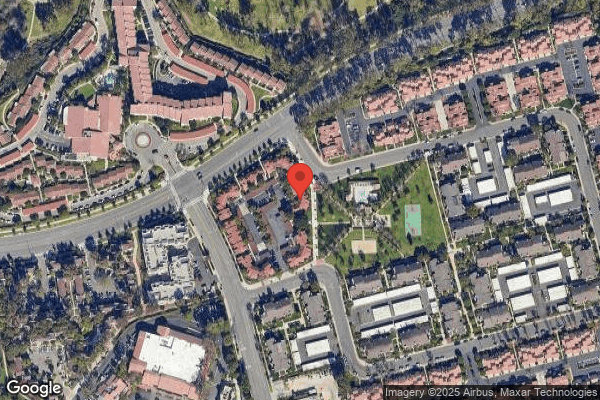
Nov 2024 1 deficiency
MINOR (B) 📢 Someone Reported This

A family member, employee, or ombudsman was alarmed enough to file a formal complaint

Minor Issue - procedural, no safety impact

Comprehensive Care Plan (Tag F0656)

Minor procedural issue · This affected multiple residents

**NOTE- TERMS IN BRACKETS HAVE BEEN EDITED TO PROTECT CONFIDENTIALITY** Based on interview and medical record review, the facility failed to monitor the resident's psychosocial wellness as per the car...

Read full inspector narrative →
**NOTE- TERMS IN BRACKETS HAVE BEEN EDITED TO PROTECT CONFIDENTIALITY** Based on interview and medical record review, the facility failed to monitor the resident's psychosocial wellness as per the care plan interventions for one of two sampled residents (Resident 1) after the allegation of the financial abuse. This failure had the potential to negatively impact Resident 1's mental and emotional well-being. Findings: On 11/7/24, the CDPH Licensing and Certification program received a report from the facility regarding Resident 1 allegedly being financially abused by the friend. Medical record review of Resident 1 was initiated on 11/22/24. Resident 1 was admitted to the facility on [DATE]. Review of Resident 1's care plan for the alleged financial abuse dated 11/6/24, showed the following interventions: - for three days monitoring by the nursing staff - for three days psychosocial monitoring by the social services staff - to assist the resident in developing a program of activities that is meaningful and of interest to encourage and provide opportunities for exercise and physical activity - to notify the Ombudsman and/or local law enforcement - to notify the provider of the incident - to notify the resident's responsible party - to observe the resident for any signs and symptoms of depression, including: hopelessness, anxiety, sadness, insomnia, anorexia, verbalizing, negative statement, repetitive anxious or health-related complaints and tearfulness; and - for psychological or psychiatric evaluation as needed. Review of Resident 1's progress notes failed to show the nursing and social services staff had monitored Resident 1 for the psychosocial effects for 72 hours after the reported incident of an allegation of the financial abuse. The psychosocial monitoring notes were missing from the social services staff on 11/7 and 11/8/24. In addition, there was no nursing progress note for the monitoring on 11/8/24, addressing the resident's safety and wellbeing. On 11/22/24 at 1445 hours, a concurrent interview and medical record review was conducted with the DSD. The DSD verified the above findings and stated Resident 1 should have been monitored for the psychosocial effects for 72 hours from the nursing and social services staff as shown in the care plan.
May 2024 5 deficiencies
CONCERN (D)

Potential for Harm - no one hurt, but risky conditions existed

Assessment Accuracy (Tag F0641)

Could have caused harm · This affected 1 resident

**NOTE- TERMS IN BRACKETS HAVE BEEN EDITED TO PROTECT CONFIDENTIALITY** Based on record reviews, interviews, and document review, the facility failed to ensure the Minimum Data Set (MDS) assessments w...

Read full inspector narrative →
**NOTE- TERMS IN BRACKETS HAVE BEEN EDITED TO PROTECT CONFIDENTIALITY** Based on record reviews, interviews, and document review, the facility failed to ensure the Minimum Data Set (MDS) assessments were accurate for 2 (Resident #3 and Resident #34) of 12 sampled residents. Specifically, the facility incorrectly coded Resident #3 as not being considered by the state level I preadmission screening and resident review (PASARR) process to have a serious mental illness and Resident #34 as not receiving hospice care. Findings included: 1. A review of the Centers for Medicare & Medicaid [NAME] Long-Term Care Facility Resident Assessment Instrument 3.0 User's Manual, dated October 2023, revealed Code residents identified as being in a hospice care program for terminally ill persons where an array of services is provided for the palliation and management of terminal illness and related conditions. A review of Resident #34's Profile Face Sheet revealed the facility admitted the resident on 03/10/2023, with diagnoses that included chronic obstructive pulmonary disease, atherosclerotic heart disease, history of transient ischemic attack and cerebral infarction, and malignant neoplasm of skin/right ear and external auric (ear) canal. A review of Resident #34's physician orders, revealed an order dated 12/13/2023, which specified the resident was admitted to hospice care. A review of Resident #34's care plan, with a start date of 12/13/2023, revealed the resident received hospice care. A review of Resident #34's quarterly Minimum Data Set (MDS), with an Assessment Reference Date (ARD) of 03/20/2024, revealed the MDS did not indicate the resident received hospice care. During an interview on 05/03/2024 at 11:57 AM, MDS Coordinator #2 stated if a resident received hospice care, it should be marked on their MDS assessment. MDS Coordinator #2 reviewed Resident #34's MDS with an ARD of 03/20/2024 and stated hospice should have been selected on the assessment. According to MDS Coordinator #2, this was overlooked and needed to be corrected. During an interview on 05/03/2024 at 12:13 PM, the Director of Nursing (DON) reviewed Resident #34's MDS with an ARD of 03/20/2024 and stated the section for hospice should have been checked and was not. The DON stated the MDS was not accurate. During an interview on 05/03/2024 at 12:19 PM, the Administrator reviewed Resident #34's MDS with an ARD of 03/20/2024 and stated the MDS should have been coded for hospice. The Administrator stated Resident #34's MDS was not an accurate MDS assessment. 2. A review of Section A1500, titled Preadmission Screening and Resident Review of the Centers for Medicare & Medicaid [NAME] Long-Term Care Facility Resident Assessment Instrument 3.0 User's Manual, dated October 2023, revealed Code 1, yes: if [PASARR] Level II screening determined that the resident has a serious mental illness and/or ID/DD or related condition. A review of Resident #3's Profile Face Sheet revealed the facility admitted the resident on 06/09/2023, with diagnoses to include psychosis, major depressive disorder, generalized anxiety disorder, and dementia with psychotic disturbance. A review of Resident #3's annual Minimum Data Set (MDS), with an Assessment Reference Date (ARD) of 08/29/2023, revealed the resident had a Brief Interview for Mental Status (BIMS) score of 6, which indicated the resident had severe cognitive impairment. Per the MDS, Resident #3 was not considered by the state level II PASARR process to have a serious mental illness and/or intellectual disability or related condition. A review of a letter from the State of California-Health and Human Services Agency Department of Health Care Services, dated 06/09/2023, revealed Resident #3 had a positive level I screening and a level II mental health evaluation was required. A review of a letter from the State of California-Health and Human Services Agency Department of Health Care Services, dated 06/20/2023, revealed the level II evaluation conducted on 06/16/2023 determined that specialized services were recommended due to Resident #3's mental illness diagnoses. During an interview on 05/03/2024 at 12:24 PM, MDS Coordinator #2 stated she was ultimately responsible for the accuracy of the MDS assessment. During an interview on 05/03/2024 at 2:23 PM, the Director of Nursing stated the MDS should be accurate because it reflected the care that was being provided to the resident. During an interview on 05/03/2024 at 2:31 PM, the Administrator stated the MDS should be accurate because it affected their quality measures, payment, and it reflected the care that was provided to the resident.
CONCERN (D)

Potential for Harm - no one hurt, but risky conditions existed

PASARR Coordination (Tag F0644)

Could have caused harm · This affected 1 resident

Based on interviews, record review, and document review, the facility failed to ensure a preadmission screening and resident review (PASARR) evaluation was completed after 1 (Resident #43) of 2 sample...

Read full inspector narrative →
Based on interviews, record review, and document review, the facility failed to ensure a preadmission screening and resident review (PASARR) evaluation was completed after 1 (Resident #43) of 2 sampled residents reviewed for PASARR received a newly evident possible or serious medical illness. Findings included: A review of a document provided by the facility titled, Preadmission Screening and Resident Review, with a copyright date of 2024, revealed Level I Screening The Screening is submitted online by the facility and is a tool that helps identify possible SMI [serious mental illness] and/or ID/DD/RC [intellectual disability/developmental disability/related condition]. Level II Evaluation If the Screening is positive for possible SMI and/or ID/DD/RC, then a Level II Evaluation will be performed. The Level II Evaluation helps determine placement and specialized services. A review of Resident #43's Profile Face Sheet revealed the facility admitted the resident on 03/20/2024, with diagnoses to include major depressive disorder and dementia. A review of Resident #43's quarterly Minimum Data Set (MDS), with an Assessment Reference Date (ARD) of 03/15/2024, revealed the resident had a Staff Assessment for Mental Status (SAMS) that indicated the resident was severely impaired in cognitive skills for daily decision making and had long and short-term memory problems. The MDS revealed the resident had an active diagnosis to include schizophrenia. A review of Resident #43's undated care plan, revealed the resident required psychotropic medications to manager their mood and/or behavior issues. A review of Resident #43's physician's order, revealed an order dated 03/23/2024, for Risperdal (an antipsychotic medication) 1 milligram by mouth at bedtime for schizophrenia manifested by auditory hallucinations and talking to self. A review of Resident #43's medical record revealed no evidence to indicate a PASARR evaluation was completed after the resident received a newly evident possible or serious medical illness diagnosis of schizophrenia. During an interview on 05/03/2024 at 12:24 PM, MDS Coordinator #2 stated when Resident #43 was started on the Risperdal with a psychiatric diagnosis, a new level I should have been done to determine if the resident would qualify for additional services. During an interview on 05/03/2024 at 2:23 PM, the Director of Nursing stated a new PASARR should have been completed for Resident #43 when the facility received the order for the antipsychotic medication to see if the resident would benefit from additional services. During an interview on 05/03/2024 at 2:31PM, the Administrator stated if a resident was started on a psychotropic medication, then the nurse who received the order should have notified the MDS Coordinator to submit a new PASARR to see if the resident would benefit from services.
CONCERN (D)

Potential for Harm - no one hurt, but risky conditions existed

Quality of Care (Tag F0684)

Could have caused harm · This affected 1 resident

Based on record review, interviews, and facility policy review, the facility failed to ensure staff followed the physician's order to notify the physician when a resident's blood glucose level was abo...

Read full inspector narrative →
Based on record review, interviews, and facility policy review, the facility failed to ensure staff followed the physician's order to notify the physician when a resident's blood glucose level was above 300 milligrams per deciliter (mg/dL) and failed to hold a medication when the resident's systolic blood pressure (SBP) was greater than 140 milligrams of mercy (mmHg) for 1 (Resident #107) of 5 sampled residents reviewed for unnecessary medications. Findings included: A review of the facility policy titled, Non-controlled Medication Orders, dated January 2023, revealed Medications are administered only upon the receipt of a clear, complete and signed order by a person lawfully authorized to prescribe. A review of Resident #107's Profile Face Sheet revealed the facility admitted the resident on 04/24/2024, with diagnoses to include type 2 diabetes mellitus, hypotension, long term use of insulin, and need for assistance with personal care. A review of Resident #107's Interim Care Plan, initiated on 04/24/2024, revealed the resident was admitted with a diagnosis of diabetes and needed monitoring for hypoglycemia (low blood sugar level) and/or hyperglycemia (high blood sugar level). Interventions directed the staff to monitor the resident's blood glucose level through capillary checks per the physician order and administer insulin per the physician's order. A review of Resident #107's physician's orders, revealed an order dated 04/26/2024 for midodrine 5 milligram (mg) tablet by mouth twice daily for hypotension. Instructions directed the staff to hold the medication if the resident's SBP was greater than 140 mmHg. The resident also had an order dated 04/28/2024 for insulin lispro 100 units per milliliter, subcutaneous four times a day for diabetes mellitus. The order directed staff to notify the physician if Resident #107's blood glucose level was greater than 300 mg/dL or less than 70 mg/dL. This order had a stop date of 04/30/2024. A review of Resident #107's medication record for April 2024, revealed Licensed Vocational Nurse (LVN) #1 documented the resident received midodrine 5 mg at 8:00 AM on 04/29/2024 and the resident's SBP was listed as 148 mmHg. The medication record also revealed, LVN #1 documented the resident's blood glucose level during lunch on 04/30/2o24 was 347 mg/dL. A review of Resident #107's Interdisciplinary Notes for the timeframe 04/24/2024 to 05/02/224, revealed no evidence to indicate the physician was notified of the resident's elevated blood glucose level that was recorded on 04/30/2024. During an interview on 05/01/2024 at 10:36 AM, LVN #1 stated she did not recall administering midodrine 5 mg to Resident #107 when the resident's SBP was outside of the physician-ordered parameter. LVN #1 confirmed she did not notify the physician of Resident #107's elevated blood level. During an interview on 05/01/2024 at 11:16 AM, the Medical Doctor (MD) stated she had no concerns about the midodrine being given to Resident #107 because of the medication's short half-life, but expected nursing staff to be more careful to follow the physician orders when they administered medications to residents. The MD acknowledged she was not notified of Resident #107's elevated blood glucose level and stated the nursing staff should have notified her when Resident #107's had an elevated blood glucose level. During an interview on 05/03/2024 at 2:49 PM, the Administrator stated she expected the nursing staff to follow the physician's orders. During an interview on 05/03/2024 at 2:54 PM, the Director of Nursing stated she expected the nursing staff to follow the physician's orders.
CONCERN (D)

Potential for Harm - no one hurt, but risky conditions existed

Infection Control (Tag F0880)

Could have caused harm · This affected 1 resident

Based on observations, interviews, record review, document review, and facility policy review, the facility failed to ensure staff changed their gloves during the provision of catheter care for 1 (Res...

Read full inspector narrative →
Based on observations, interviews, record review, document review, and facility policy review, the facility failed to ensure staff changed their gloves during the provision of catheter care for 1 (Resident #33) of 2 sampled residents reviewed for urinary catheters. The facility also failed to ensure staff disinfected a glucometer after use for 2 (Resident #16 and Resident #110) of 6 residents observed for medication administration. Findings included: 1. A review of the facility policy titled, Handwashing/Hand Hygiene, revised in October 2023, revealed this facility considers hand hygiene the primary means to prevent the spread of healthcare-association infections. The policy specified, Indications for Hand Hygiene 1. Hand hygiene is indicated: a. immediately before touching a resident; b. before performing an aseptic task; c. after contact with blood, body fluids, or contaminated surfaces; d. after touching a resident; e. after touching the resident's environment; f. before moving from work on a soiled body site to a clean body site on the same resident; and g. immediately after glove removal. A review of Resident #33's Profile Face Sheet revealed the facility admitted the resident on 03/22/2024, with diagnoses to include severe sepsis with septic shock. Per the Profile Face Sheet, the resident received diagnoses of chronic kidney disease and benign prostatic hyperplasia with lower urinary tract symptoms on 04/12/2024. A review of Resident #33's Care Plan, with a start date of 04/12/2024, revealed the resident had alteration in bladder elimination with an indwelling catheter. A review of Resident #33's physician orders, revealed an order dated 04/12/2024, that directed staff to provide indwelling catheter care every shift. During a concurrent observation and interview on 05/02/2024 at 3:44 PM, the surveyor observed as Certified Nure Assistant (CNA) #4 provided catheter care for Resident #33. After CNA #4 completed catheter care, he placed a new incontinence brief on the resident, changed the resident's bed pad, replaced the resident's pillows on their bed, and touched the resident's bed remote all while wearing the same pair of gloves. CNA #4 acknowledged he only changed his gloves after he gathered up the trash. According to CNA #4, he should have changed his gloves after he completed catheter care. T During an interview on 05/02/2024 at 4:13 PM, the Director of Nursing stated gloves should be changed after care was provided and before a clean incontinence brief was placed on the resident. During an interview on 05/03/2024 at 12:24 PM, the Administrator stated staff should change their gloves when they went from a dirty to a clean task. During an interview on 05/03/2024 at 2:19 PM, Licensed Vocational Nurse #5, who also served as the Infection Preventionist, stated staff should change their gloves and perform hand hygiene when they moved from a dirty to clean task. 2. A review of the undated Quality Assurance / Quality Control Reference Manual, for the blood glucose monitoring system used by the facility, revealed The meter should be cleaned and disinfected after use on each patient. The cleaning procedure is needed to clean dirt, blood and other bodily fluids off the exterior of the meter before performing the disinfecting procedure. The disinfecting procedure is needed to prevent the transmission of blood-borne pathogens. During a medication administration observation on 05/02/2024 at 11:32 AM, Registered Nurse (RN) #7 entered Resident #110's room with a glucometer to obtain the resident's blood glucose level. RN #7 pricked the first finger on the resident's left hand to obtain a blood sample to check the resident's blood glucose level. After the resident's blood sample was obtained, RN #7 did not clean the glucometer and placed it back on the medication cart. At 11:52 AM, RN #7 entered Resident #16's room with a glucometer to obtain the resident's blood glucose level. RN #7 pricked the first finger on the resident's left hand to obtain a blood sample to check the resident's blood glucose level. After the resident's blood sample was obtained, RN #7 did not clean the glucometer and placed it back on the medication cart. During an interview on 05/02/2024 at 12:01 PM, RN #7 stated the night shift nurse calibrated and cleaned the glucometer on their shift. RN #7 stated she did not know what the glucometer was cleaned with because it was done on night shift. During an interview on 05/02/2024 at 1:05 PM, the Director of Staff Development stated the glucometer should be cleaned after each use with a germicidal wipe and allowed to dry before it was used again. During an interview on 05/02/2024 at 1:07 PM, the Director of Nursing stated the glucometer should be cleaned after each use with the purple top wipes and allowed to sit for two minutes before use again to prevent cross contamination. During an interview on 05/03/2024 at 2:31 PM, the Administrator stated glucometers should be disinfected after each use with the purple top wipes.
CONCERN (D)

Potential for Harm - no one hurt, but risky conditions existed

Deficiency F0883 (Tag F0883)

Could have caused harm · This affected 1 resident

Based on record review, interviews, and facility policy review, the facility failed to ensure a pneumococcal vaccine was administered once consent was received for 1 (Resident #25) of 5 sampled reside...

Read full inspector narrative →
Based on record review, interviews, and facility policy review, the facility failed to ensure a pneumococcal vaccine was administered once consent was received for 1 (Resident #25) of 5 sampled residents reviewed for immunizations. Findings included: A review of the facility policy titled, Pneumococcal Vaccine, revised in March 2022, revealed, All residents are offered pneumococcal vaccines to aid in preventing pneumonia/pneumococcal infections. Per the policy, 4. Pneumococcal vaccinations are administered to residents per our facility's physician-approved vaccination protocol. A review of Resident #25's Profile Face Sheet revealed the facility admitted the resident on 05/02/2023, with diagnoses to include pneumonitis due to inhalation of food and vomit, permanent atrial fibrillation, and rheumatoid arthritis. A review of Resident #25's Immunization Report for Residents, dated 07/18/2017 - 05/03/2024, revealed the resident received a pneumococcal vaccine on 07/18/2017. A review of Resident #25's medical record to indicate the resident received a follow-up pneumococcal vaccine after 07/18/2017. A review of Resident #25's Pneumococcal / Influenza / COVID-19 Vaccine Consent revealed the resident's representative consented on 10/16/2021 for the resident to receive the pneumococcal vaccine. During an interview on 05/03/2024 at 2:33 PM, Licensed Vocational Nurse (LVN) #1 and the Director of Staff Development/LVN #6 stated they were unaware why Resident #25 did not receive the pneumococcal vaccine when consent was received. During an interview on 05/03/2024 at 2:49 PM, the Administrator stated she was not sure how the staff allowed it to slip through that Resident #25 did not receive their pneumococcal vaccine after consent was received. The Administrator stated Resident #25 should have received the pneumococcal vaccine. During an interview on 05/03/2024 at 2:54 PM, the Director of Nursing stated if consent was received for the resident to be administered a vaccine, the resident should receive it.
Dec 2023 1 deficiency
CONCERN (E) 📢 Someone Reported This

A family member, employee, or ombudsman was alarmed enough to file a formal complaint

Potential for Harm - no one hurt, but risky conditions existed

Infection Control (Tag F0880)

Could have caused harm · This affected multiple residents

Based on observation, interview, facility P&P review, and medical record review, the facility failed to implement the infection control practices designed to provide a safe and sanitary environment an...

Read full inspector narrative →
Based on observation, interview, facility P&P review, and medical record review, the facility failed to implement the infection control practices designed to provide a safe and sanitary environment and help prevent the development and transmission of diseases and infections for 16 nonsampled residents on Station 2. * The facility failed to ensure the CNA followed the contact precautions to wear not only N95 and face shield but also gown and gloves before entering the Covid-19 isolation rooms. * The facility failed to ensure the Housekeeper followed the contact precautions for Covid-19 isolation room regarding the use and disposal of a gown. * The facility failed to ensure the licensed nurse followed the contact precautions to wear not only N95, gown, and gloves, but also face shield when passing the medications to the residents who were on Covid-19 isolation in Station 2. These failures posed the risk for the transmission of disease-causing microorganisms. Findings: According to CDC, Coronavirus 2019 (COVID-19) Factsheet, to use PPE when caring for patients with confirmed or suspected Covid-19. The factsheet also showed the following: - The preferred PPE to use are: N95 or higher respirator, face shield or goggles, one pair of clean, non-sterile gloves, and isolation gown. According to CDC, for droplet precautions, everyone must clean their hands, including before entering and when leaving the room. Make sure the eyes, nose and mouth are fully covered before room entry, and remove face protection before room exit. According to CDC, for contact precautions, everyone must clean their hands, including before entering and when leaving the room. Providers and staff must also put on gloves before room entry. Discard gloves before room exit. Put on gown before room entry. Discard gown before room exit. Use dedicated or disposable equipment. Clean and disinfect reusable equipment before use on another person. Review of the facility ' s P&P titled Coronavirus Disease (Covid-19) – Identification and Management of Ill Residents revised 9/2022, under the Personal Protective Equipment section, showed the staff who enter the room of a resident with suspected or confirmed SARS-CoV-2 infection will adhere to standard precautions and use a NIOSH-approved particulate respirator with N95 filters or higher, gown, gloves, and eye protection (such as goggles or face shield that covers the front and sides of the face). Review of the facility census form dated 11/28/23, showed there were 16 residents who were actively on isolation for Covid-19 in Nursing Station 2. Review of the staffing schedule dated 11/29/23, showed LVN 2 was assigned to Nursing Station 2 where Residents A, B, C, D, E, F, G, H, I, J, K, L, M, N, O, and P were. Further review of the staffing schedule dated 11/29/23, showed CNA 2 was assigned to Rooms A, B, C, and D. 1.a. On 11/29/23 at 1218 hours, the CDC droplet and contact precautions signs were observed posted outside of Room B, alerting everyone to don a mask, face shield, gloves, and gown prior to entering the room. An isolation cart containing gloves and gown was observed near the entrance door. CNA 2 was observed inside the room and assisting Resident E with the lunch tray. CNA 2 was observed wearing N95, and her face shield was observed worn on top of her head and not fully covering her face. CNA 2 was not observed wearing gown nor gloves. Then CNA 2 was observed exiting the room and using the alcohol-based hand rub. b. On 11/29/23 at 1222 hours, CNA 2 was observed entering Room B and went to Resident F to deliver the resident ' s lunch tray. CNA 2 was observed wearing N95, and her face shield was observed on top of her head and not fully covering her face. CNA 2 was observed not wearing gown nor gloves. Then, CNA 2 was observed exiting the room and using the alcohol-based hand rub. c. On 11/29/22 at 1224 hours, the CDC droplet and contact precautions signs were observed posted outside of Room A, alerting everyone to don a mask, face shield, gloves, and gown prior to entering the room. An isolation cart containing gloves and gown was observed near the entrance door. CNA 2 was observed entering Room A, with a lunch tray. CNA 2 was observed wearing the N95 and face shield. CNA 2 was observed not wearing gown nor gloves. Then, CNA 2 was observed exiting the room and using the alcohol-based hand rub. On 11/29/22 at 1225 hours, CNA 2 was observed entering Room A again. CNA 2 was observed wearing N95 and face shield. CNA 2 was observed not wearing gown nor gloves. Then, CNA 2 was observed exiting the room and using the alcohol-based hand rub. d. On 11/29/22 at 1228 hours, the CDC droplet and contact precautions signs were observed posted outside of Room C, alerting everyone to don a mask, face shield, gloves, and gown prior to entering the room. An isolation cart containing gloves and gown was observed near the entrance door. CNA 2 was observed entering Room C. CNA 2 was observed wearing the N95 and face shield. CNA 2 was observed not wearing gown nor gloves. e. On 11/29/22 at 1230 hours, the CDC droplet and contact precautions signs were observed posted outside of Room D, alerting everyone to don a mask, face shield, gloves, and gown prior to entering the room. An isolation cart containing gloves and gown was observed near the entrance door. CNA 2 was observed entering Room D. CNA 2 was observed wearing the N95 and face shield. CNA 2 was observed not wearing gown nor gloves. On 11/29/22 at 1310 hours, an interview was conducted with CNA 2. CNA 2 was observed wearing N95 below her nose and face shield. CNA 2 verified the above findings. CNA 2 verified she was wearing the N95 mask below her nose. CNA 2 stated she was assigned to eight residents who were on Covid-19 isolation rooms. CNA 2 verified there were droplet and contact precautions posted by the residents ' doors. CNA 2 verified she only wore the N95 and face shieldwhen entering the residents ' rooms on Covid-19 isolation. CNA 2 stated she only wore the N95 and face shield because she only delivered the residents ' lunch tray and did not touch the residents. 2. On 11/29/22 at 1229 hours, the CDC droplet and contact precautions signs were observed posted outside of Room C, alerting everyone to don a mask, face shield, gloves, and gown prior to entering the room. An isolation cart containing gloves and gown was observed near the entrance door. The Housekeeper was observed coming out of Room C wearing the N95, face shield and gown. The Housekeeper was observed getting a broom from the housekeeping cart which was parked in the hallway, across the residents ' room. On 11/29/22 at 1232 hours, the Housekeeper was observed coming out of Room C wearing N95, face shieldand gown. The Housekeeper was observed doffing the isolation gown in the hallway, in front of the housekeeping cart. On 11/29/33 at 1233 hours, an interview was conducted with the Housekeeper. The Housekeeper verified the above findings. The Housekeeper stated she wore and doffed the isolation gown outside the room because she saw the CNAs doing it and she thought that was okay to do. 3. On 11/29/23 at 1321 hours, an observation for the residents in Nursing Station 2 and concurrent interview was conducted with LVN 2. LVN 2 verified there were 16 residents in Nursing Station 2 who were on isolation for Covid-19. LVN 2 verified the contact and droplet precaution signs were posted outside the rooms of Residents A, B, C, D, E, F, G, H, I, J, K, L, M, N, O, and P. When asked what PPE should be worn when providing care to the residents who were on isolation for Covid-19, LVN 2 stated the staff should wear the N95, gloves, and gown. When asked about wearing a face shield, LVN 2 answered, I think so. But I do not have one. We do not have face shields in the facility. When asked what PPE she used when administering medications and providing care to the residents on isolation for Covid-19, LVN 2 answered, I have been passing medications to the residents without a face shield. LVN 2 stated the staff should wear the full PPE or N95, face shield, gloves, and gown, even when they were just going inside the room. On 11/29/23 at 1352 hours, an observation and concurrent interview was conducted with the IP. The IP verified the above findings. The IP stated the staff should have worn the N95, face shield, gown and gloves when entering the rooms of residents on Covid-19 isolation. When asked to show the face shields to be used by the staff, the IP was able to show the face shieldsavailable in the facility. When asked when the staff should remove the PPE, the IP stated the staff should remove the PPE including the gown before exiting the Covid-19 isolation room.
Sept 2023 1 deficiency
CONCERN (D) 📢 Someone Reported This

A family member, employee, or ombudsman was alarmed enough to file a formal complaint

Potential for Harm - no one hurt, but risky conditions existed

Quality of Care (Tag F0684)

Could have caused harm · This affected 1 resident

**NOTE- TERMS IN BRACKETS HAVE BEEN EDITED TO PROTECT CONFIDENTIALITY** Based on interview and medical record review, the facility failed to ensure one of two sampled residents (Resident 1) was provid...

Read full inspector narrative →
**NOTE- TERMS IN BRACKETS HAVE BEEN EDITED TO PROTECT CONFIDENTIALITY** Based on interview and medical record review, the facility failed to ensure one of two sampled residents (Resident 1) was provided the necessary care and services after a fall. * Resident 1 fell while the resident was being transferred by two staff members from the shower chair to the bed. The nursing staff did not conduct a post fall assessment and monitor the resident for any change in condition after the fall. This failure had the potential for Resident 1 not receiving appropriate care in a timely manner. Findings: On 9/7/23, medical record review for Resident 1 was initiated. Resident 1 was readmitted to the facility on [DATE]. Review of Resident 1 ' s History and Physical Examination dated 6/10/23, showed Resident 1 did not have capacity to understand or make decisions. Resident 1 had a diagnosis of osteopenia. Review of the fall risk assessment dated [DATE], showed Resident 1 was a low risk for falls. Review of the MDS Quarterly assessment dated [DATE], showed Resident 1 was totally dependent on two or more staff for transfers to or from the bed. Review of the Interdisciplinary Notes dated 8/31/23, showed on 8/21/23, while two staff members were in the process of transferring Resident 1 from the shower chair to the bed, Resident 1 began grabbing at the staff members arms and clothing causing all three of them to lose their balance. The two staff members lowered Resident 1 to the ground. The fall was not reported at that time. On 8/29/23, the resident exhibited severe pain during a brief change and an x-ray of the right lower extremity was ordered. The x-ray result showed a distal femur fracture, and the resident was sent to the emergency room for evaluation. However, further review of the medical record showed no documented evidence of the fall on 8/21/23. There was no documented evidence of the post fall assessment and monitoring for changes in condition after sustaining the fall on 8/21/23. On 9/7/23 at 1521 hours, an interview was conducted with RNA 1. When asked about Resident 1 ' s fall on 8/21/23, RNA 1 stated she and CNA 1 attempted to transfer Resident 1 from a shower chair to the bed by placing their (CNA 1 and RNA 1) arms underneath Resident 1 ' s armpits. According to RNA 1, Resident 1 held on to RNA 1 ' s shirt so RNA 1 and CNA 1 then placed Resident 1 on the floor because Resident 1 was sliding downwards. When asked about using a gait belt to transfer Resident 1, RNA 1 verbalized she did not use a gait belt to transfer Resident 1 from the shower chair to the resident ' s bed. According to RNA 1, she reported this incident to LVN 1. On 9/8/23 at 1318 hours, an interview with CNA 1 was conducted. When asked about Resident 1 ' s fall, CNA 1 stated she and RNA 1 attempted to transfer Resident 1 from the shower chair to the bed by placing their (CNA 1 and RNA 1) arms underneath Resident 1 ' s armpits. According to CNA 1, Resident 1 was holding on to their (CNA 1 and RNA 1) hands and clothing, so both CNA 1 and RNA 1 placed Resident 1 on the floor because they were unable to hold the resident. When asked if the facility provided staff education on how to transfer the residents, CNA 1 replied the staff were instructed to use the gait belts for transfer. When asked if she used a gait belt, CNA 1 stated she did not use a gait belt to transfer Resident 1 from the shower chair to the bed. On 9/12/23, at 1558 hours, an interview was conducted with LVN 2. When asked about Resident 1 ' s fall sustained on 8/21/23, LVN 2 stated she did not document or report about Resident 1 ' s fall because at that time, she did not identify Resident 1 ' s fall as a fall. On 9/12/23 at 1620 hours, an interview was conducted with the DON. The DON stated the staff did not report Resident 1 ' s fall to her until 8/30/23, after Resident 1 ' s x-ray result was received. The DON acknowledged thestaff should have reported and documented about Resident 1 ' s fall on 8/21/23.
Jan 2023 12 deficiencies 1 Harm
SERIOUS (G)

Actual Harm - a resident was hurt due to facility failures

Deficiency F0692 (Tag F0692)

A resident was harmed · This affected 1 resident

**NOTE- TERMS IN BRACKETS HAVE BEEN EDITED TO PROTECT CONFIDENTIALITY** Based on observation, interview, medical record review, and facility P&P review, the facility failed to ensure one of 14 final s...

Read full inspector narrative →
**NOTE- TERMS IN BRACKETS HAVE BEEN EDITED TO PROTECT CONFIDENTIALITY** Based on observation, interview, medical record review, and facility P&P review, the facility failed to ensure one of 14 final sampled residents (Resident 13) maintained acceptable parameters of nutritional status when: 1. The facility failed to implement interventions to maintain Resident 13's nutritional status when Resident 13 experienced the following weight loss: - a significant unplanned monthly weight loss of 9.2 lbs (5.3%) from 8/15/22 to 9/15/22 - a significant unplanned monthly weight loss of 8.8 lbs (5.4%) from 11/3/22 to 12/8/22 - a severe unplanned three-month weight loss of 13.1 lbs (7.8%) from 9/8/22 to 12/8/22 - a severe unplanned six-month weight loss of 19.5 lbs (11%) from readmission weight on 8/15/22 to 12/8/22 2. The facility failed to provide documentation showing the physician was notified of Resident 13's unplanned significant monthly weight loss of 9.2 lbs (5.3%) from 8/15/22 to 9/15/22. 3. The facility failed to provide documentation Resident 13's RP was notified of the following changes in condition for Resident 13: - significant unplanned monthly weight loss of 9.2 lbs (5.3%) from 8/15/22 to 9/15/22 - significant unplanned monthly weight loss of 8.8 lbs (5.4%) from 11/3/22 to 12/8/22 - severe unplanned three-month weight loss of 13.1 lbs (7.8%) from 9/8/22 to 12/8/22 - severe unplanned six-month weight loss of 19.5 lbs (11%) from readmission weight on 8/15/22 to 12/8/22 4. The facility failed to revise the resident centered plan of care for Resident 13 for the following changes in condition: - significant unplanned monthly weight loss of 9.2 lbs (5.3%) from 8/15/22 to 9/15/22 - significant unplanned monthly weight loss of 8.8 lbs (5.4%) from 11/3/22 to 12/8/22 - severe unplanned three-month weight loss of 13.1 lbs (7.8%) from 9/8/22 to 12/8/22 - severe unplanned six-month weight loss of 19.5 lbs (11%) from readmission weight on 8/15/22 to 12/8/22 Findings: A professional reference review of American Academy of Family Physicians Journal titled, Unintentional Weight Loss in Older Adults, dated 2014 showed, Unintentional weight loss (i.e., more than a 5% reduction in body weight within six to 12 months) occurs in 15% to 20% of older adults and is associated with increased morbidity and mortality. In this population, unintentional weight loss can lead to functional decline in activities of daily living, increased in-hospital morbidity, increased risk of hip fracture in women, and increased overall mortality. Further, cachexia (loss of muscle mass with or without loss of fat) has been associated with negative effects such as increased infections, pressure ulcers, and failure to respond to medical treatments . https://www.aafp.org/afp/2014/0501/p718.html - afp20140501p718-b1. A professional reference review of the National Library of Medicine titled Pressure Ulcer and Nutrition dated 2018 showed, Unplanned weight loss is a major risk factor for malnutrition and pressure ulcer development. Suboptimal nutrition interferes with the function of the immune system, collagen synthesis, and tensile strength. https://www.ncbi.nlm.nih.gov/pmc/articles/PMC5930532/#: A professional reference review of Dietetics in Healthcare Communities, a dietetic practice group of the American Dietetic Association titled Unintended Weight Loss in Older Adults: ADA Evidence Based Practice Guidelines dated 2011 showed, Most reference tables do not include elderly individuals in their subject pool, and thus these tables are not age adjusted. Standard height and weight tables and BMI tables are therefore not valid for use in older adults. https://higherlogicdownload.s3.amazonaws.com/THEACADEMY/4556f4af-bcea-4fd9-8fc9-5647e0d15658/UploadedImages/DHCC/Documents_/UWL.pdf 1. Review of the facility's P&P titled Nutrition (Impaired)/ Unplanned Weight Loss- Clinical Protocol revised 9/2017 showed in part, the section for Assessment and Recognition 2. The staff and Physician will define the individual's current nutritional status (weight, food/fluid intake, and pertinent laboratory values) and identify individuals with anorexia, weight loss or gain, and significant risk for impaired nutrition .4. The staff will report to the Physician significant weight gains or losses or any abrupt or persistent change from baseline appetite or food intake. For the section titled Treatment/Management showed 2. The staff and Physician will identify pertinent interventions based on identified causes and overall resident condition, prognosis and wishes. For the section titled Monitoring showed 1. The Physician and staff will monitor nutritional status, an individual's response to interventions . Medical record review for Resident 13 was initiated on 1/24/23. Resident 13 was readmitted to the facility on [DATE], with diagnoses which included Muscle Wasting and Atrophy (wasting or thinning of muscle tissue), Muscle Weakness, Peripheral Vascular Disease (circulatory condition which narrowed blood vessels reduce blood flow to the limbs), Dysphagia (difficulty swallowing), and Unspecified Dementia (progressive loss of intellectual functioning). Review of Resident 13's Discharge MDS dated [DATE], showed under Section K, Resident 13 weighed 184 lbs and had not experienced a 5% weight loss or gain in the past month or 10% weight loss or gain in the past six months. Review of Resident 13's History and Physical Examination dated 8/16/22, showed Resident 13 was readmitted from the hospital with urosepsis (infection in the blood caused by infections of the urinary tract), with intravenous (administered into a vein) antibiotics. The Physician noted Resident 13 was stable in the last month with no new event. Review of Resident 13's Physician's Order dated 8/18/22, showed the following orders: - 8/18/22, a mechanical soft ground diet - 8/23/22, four ounces of cranberry juice TID (three times a day) - 8/30/22, four-ounce health shake with meals - 8/31/22, MVI (multi-vitamin) - 10/29/22, Zinc Sulfate (a mineral for wound healing) 220 mg daily - 30 cc prostat (protein supplement). Review of the facility document titled Resident Weight Tracking System Report from 8/14/22 through 1/25/23, showed the following weights and comparisons for Resident 13: * On 8/15/22 = 173.8 lbs, -10.2 lbs, a 5.5% significant weight loss since previous admission [comparison weight on 8/7/22, 184 lbs], * On 9/15/22 = 164.6 lbs, -9.2 lbs, a 5.3% significant weight loss in one month [comparison weight on 8/15/22, 173.8 lbs], * On 12/8/22 = 154.3 lbs, -8.8 lbs, a 5.4% significant weight loss in one month [comparison weight on 11/3/22, 163.1 lbs]; -13.1 lbs, a 7.83% severe weight loss in three months [comparison weight on 9/8/22, 167.4 lbs]; and -19.5 lbs, an 11% severe weight loss since readmission [comparison weight on 8/15/22, 173.8 lbs]. Review of the facility document titled Dietary Assessment completed by the RD on 8/15/22, showed Resident 13 was 68 inches and weighed 173.8 lbs. Resident 13 was confused and had a poor appetite and intake, 25-50% on a regular texture diet. Resident 13 was noted with coughing and choking with meals. Resident 13's skin was intact. The RD noted Resident 13 had weight loss of six lbs in the acute care hospital. The RD recommended to downgrade the diet to mechanical soft with ground meat, offer snacks, and encourage fluid between meals. Resident 13 was at risk for unintended weight loss and dehydration due to poor appetite and intake, infection, HTN (hypertension), dementia and needed assistance with meals. Resident 13 was at risk for pressure ulcer due to limited mobility. The RD documented for MDS triggers, Resident 13 was on IV treatment for infection and hydration. BMI was elevated, but the intake was poor, and no goal was identified for the resident's weight loss at this time. Review of Resident 13's IDT notes written by the RD dated 8/23/22, showed no recent weight, new DTI on heel, and poor intake. The IDT recommended to add cranberry juice with meals for fluid, vitamin C, and calories. Review of Resident 13's IDT notes written by the RD dated 8/30/22, showed current weight was not available, DTI on heel, and poor intake; and recommended to add health shake with meals, evaluate for MVI (multivitamin) supplement. Review of Resident 13's IDT notes written by the RD dated 9/14/22, showed current weight was 167.4 lbs, weight loss of 6.4 lbs in three weeks. The resident's heel was debrided now unstageable. No new recommendations noted. Review of Resident 13's IDT notes written by the RD dated 9/21/22, showed current weight was 164.6 lbs, weight loss of 2 lbs in a week. Intake was variable. No new recommendations were noted. Review of the facility document titled Dietary Assessment completed by the RD on 11/3/22, showed a significant change for Resident 13. Resident 13 was on a mechanical soft ground diet, appetite was poor, and intake was 25-50%. Resident 13 was confused with swallowing difficulty and high risk for pressure ulcer. Resident 13 had a stage 4 pressure ulcer located on the right heel. Lab data dated 10/31/22, showed, BUN (blood urea nitrogen) 11 ok. Current weight was 163 lbs, with weight loss of 19.6 lbs which was 10.7% in three months between admissions. Under the section titled Care Plan showed weight goal of 163 lbs +/- 3% per month x 90 days. Review of Resident 13's MDS dated [DATE], showed under Section A0310, 4. Significant change in condition. The MDS showed a BIMS score of 12 indicating Resident 13 was mostly interviewable but with some confusion. Section K of the MDS indicated Resident 13's weight was 163 lbs, and Resident 13 had experienced a 5% or more weight loss in the past month or 10% or more weight loss in the past six months and was not on a physician-prescribed weight-loss regimen. Review of Resident 13's IDT notes written by the RD dated 11/8/22, showed current weight was 163.1 lbs, weight loss of 1.3 lbs in a month. The resident's right heel was open and debrided. The document showed a recommendation for magic cup (a fortified ice cream) at lunch. Review of Resident 13's IDT notes written by the RD dated 12/6/22, showed current weight was 157.7 lbs, 3.4 lbs weight loss in a month; (elevated BMI) acceptable weight loss due to overweight. Resident 13 had a pressure ulcer to the right heel and poor intake. The document showed no interventions due to showing positive results from treatment. Review of Resident 13's IDT notes written by the RD dated 12/13/22, showed current weight was 154.3 lbs, a 3.4 lbs weight loss in a week; (elevated BMI) acceptable weight loss due to overweight. Resident 13 had the right heel Stage 4 pressure ulcer and poor intake. The document showed no new interventions, continue current treatment, and to review next week. Review of Resident 13's IDT notes written by the RD dated 12/27/22, showed the current weight was 152.6 lbs, a 2.9 lbs weight loss in a week. The document showed the resident's right heel Stage 4- nursing report improving, and heel protectors were helping. Intake was decreasing. The Social Service staff reported Resident 13 was not as alert as she used to be. The document showed need to encourage better intake, continue current treatment, and review next week. Review of Resident 13's Physician Progress Notes from 8/16/22 to 10/27/22, showed Resident 13 was stable in the last month, no new event noted. The section where to record the resident's body weight was blank. Review of Resident 13's Physician Progress Note dated 11/22/22, showed Resident 13 was stable in the last month, no new event noted. Resident 13's weight was recorded as 161 lbs. There was no documentation of weight loss. Review of Resident 13's Physician Progress Note dated 12/25/22, showed Resident 13 was stable in the last month. Resident 13's weight was recorded as 153 lbs. The progress note further showed, weight loss secondary to? will start on Remeron (an antidepressant used to enhance appetite). On 1/24/23 at 0841 hours, an observation of the breakfast meal and concurrent interview was conducted with Resident 13. Resident 13 stated she did not want to eat any of her breakfast meal and preferred only to drink the four-ounce health shake (a nutritional supplement). On 1/24/23 at 1300 hours, an observation of the lunch meal and concurrent interview was conducted with Resident 13 with CNA 1 present. Resident 13 was propped up in bed with CNA 1 assisting Resident 13 with her lunch meal. Resident 13 stated she did not like any of the food. CNA 1 stated Resident 13 did not eat solid foods and preferred liquids only, specifically health shakes. CNA 1 stated they encouraged Resident 13 to eat but she refused. On 1/25/23 at 0821 hours, an interview was conducted with the DON. The DON stated the protocol when a resident experienced a significant weight loss was to notify the physician and have a meeting with the IDT to discuss the resident's weight loss and implement interventions. On 1/26/23 at 1113 hours, an interview and concurrent medical record review of the initial skin assessment dated [DATE], for Resident 13 was conducted with RN 2. RN 2 stated the initial skin assessment showed Resident 13's skin was intact with a skin tear to the right calf. The skin evaluation form dated 8/21/22, for Resident 13 was reviewed with RN 2. The skin evaluation form showed a DTI which measured 4.0 centimeters (cm) in length and 7.0 cm in width, UTD (undetermined) depth. Resident 13's wound assessment form dated 10/27/22, completed by the Surgical and Wound Care Physician (SWCP) was reviewed with RN 2. The wound assessment form showed Resident 13's right heel had a Stage 4 wound, measuring 4.0 cm in length, 6.0 cm in width and .4 cm in depth. The wound assessment form showed the right heel wound was deteriorating and positive for cellulitis (a common, potentially serious bacterial skin infection). The SWCP recommended Augmentin (an antibiotic) for 10 days. On 1/26/23 at 1159 hours, an interview was conducted with the DON. The DON confirmed weight loss was not indicated in a resident with a Stage 4 wound. On 1/26/23 at 1447 hours, an interview was conducted with CNA 1. CNA 1 was asked how she documented the percentage of the health shake taken for Resident 13. CNA 1 stated the health shake was included in the total meal intake. If Resident 13 drank the health shake and magic cup but not other food, the intake was 25-50%. On 1/26/23 at 1500 hours, a medical record review for Resident 13 and concurrent interview was conducted with the RD. The Dietary Assessment completed by the RD, dated 8/15/22, and the discharge MDS dated [DATE] were reviewed. The RD confirmed she was responsible for Section K of the MDS. The RD stated she did not complete Section K of the discharge MDS dated [DATE], for Resident 13. The RD acknowledged the weight for Resident 13 was 184 lbs on 8/7/22, as per the discharge MDS. The RD confirmed Resident 13 had lost close to ten pounds in the hospital and that the weight loss was significant. The RD stated she could not remember what weight she used to compare Resident 13's admission weight of 173.8 lbs to, but that Resident 13's usual body weight prior to discharge was 180 lbs. The RD confirmed Resident 13 was at risk for unintended weight loss, dehydration, and pressure ulcer development. The RD confirmed Resident 13's skin was intact; intake was poor; the goal for Resident 13 was to keep weight stable at the admission weight of 173.8 lbs; and weight loss was not a goal. The RD confirmed she recommended to downgrade the diet to mechanical soft and offer snacks. The IDT progress notes written by the RD dated 8/23/22 and 8/30/22, were reviewed with the RD. The RD stated Resident 13 was followed by the IDT due to an acquired DTI to the right heel and poor intake. The RD confirmed there was no recent weight noted on the IDT notes dated 8/23/22 or 8/30/22. The RD confirmed cranberry juice was added with meals at the family request and health shakes with meals and MVI (multivitamin) were recommended. The IDT notes written by the RD dated 9/14/22 and 9/21/22, were reviewed with the RD. The RD confirmed Resident 13's weight on 9/8/22 was 167.4 lbs. which was a 6.4 lb. weight loss since admission, a three-week time frame. The RD confirmed Resident 13's weight on 9/15/22, was 164.6 lbs, a 2 lbs weight loss in a week. The resident's right heel was debrided and now unstageable. The RD confirmed Resident 13's intake remained poor. The RD confirmed no interventions were implemented. The IDT progress notes failed to document Resident 13 experienced a significant unplanned weight loss of 9.2 lbs, 5.2% from 8/14/22-9/15/22, a one-month time frame. When asked why no interventions were implemented at this time, the RD stated the weight loss of 6.4 lbs on 9/8/22, was not significant, and Resident 13 was already on health shake with meals. The COC (change of condition) MDS completed by the RD dated 11/4/22, and corresponding Dietary Assessment marked significant change completed by the RD dated 11/3/22, were reviewed with the RD. The RD stated the Dietary Assessment marked significant change was completed for Resident 13 because she had a decline which included weight loss and a Stage 4 wound. The RD confirmed Resident 13 had a poor appetite with meal intake 25-50%. The RD confirmed the current weight was 163 lbs, a significant unplanned weight loss of 19.6 lbs, 10.7% in three months. The RD confirmed the section titled Care Plan showed weight goal of 163 +/- 3% per month x 90 days. The RD confirmed no interventions were recommended. When asked why Resident 13's weight goal had been reduced to 163 lbs, compared to the 173.8 lbs weight goal on 8/15/22, the RD stated she did not want Resident 13 to gain or lose weight. The RD stated Resident 13's average weight had changed and that was how she determined the new goal weight. The RD confirmed the COC MDS showed Resident 13 had experienced a significant unplanned weight loss of 5% or more in the past month or 10% or more in the past six months and was not on a physician-prescribed weight-loss regimen. The IDT notes written by the RD dated 11/8/22, were reviewed with the RD. The RD confirmed Resident 13 weighed 163.1 lbs, a 1.3 lbs weight loss in a month. The resident's heel wound was open and debrided. The IDT agreed to add magic cup (a fortified ice cream) at lunch. The RD was asked how she assessed if the interventions were working. The RD stated Resident 13's intake was poor, so they added the magic cup. The IDT notes written by the RD dated 12/6/22 and 12/13/22, were reviewed with the RD. Although Resident 13 had experienced a significant unplanned weight loss of 8.8 lbs, 5.4% in a month from 11/3/22-12/8/22; a severe weight loss of 13.1 lbs, 7.83% in three months from 9/8/22-12/8/22; and a severe weight loss of 19.5 lbs., 11% since readmission on [DATE], the RD confirmed the significant weight losses were not mentioned and that Resident 13's current weight was 157.7 lbs on 12/6/22, a 3.4 lbs weight loss in a month; and 154.3 lbs. on 12/13/22, a 3.4 lbs weight loss in a week. The RD confirmed Resident 13 had poor intake and a Stage 4 wound on the right heel. The RD confirmed she documented the weight loss was acceptable due to an elevated BMI. When asked why the IDT did not recommend an intervention at this point, despite the continued significant unplanned weight loss, the RD stated even though Resident 13 lost weight, the IDT could not figure out what else to do since Resident 13 was already on health shakes with meals and magic cup at lunch. The RD was not sure Resident 13 would eat any more and the wound treatment was improving so the IDT did not recommend any interventions. The RD confirmed it was not appropriate for Resident 13 to lose weight with a Stage 4 wound and added she didn't want Resident 13 to gain any weight. On 1/26/23 at 1604 hours, an interview was conducted with the DON and ADON. The DON stated he returned from leave on 1/9/23, so it was difficult for him to speak about the IDT meetings since he was not present. The DON confirmed if a resident continued to experience unplanned weight loss, the facility must keep trying new interventions. The ADON stated weight loss for Resident 13 was not putting the resident in an unhealthy BMI range. When asked if the ADON was qualified to determine that statement, the ADON agreed the physician should determine if weight loss was indicated for a resident. 2. Review of the facility's P&P titled Nutrition (Impaired)/ Unplanned Weight Loss- Clinical Protocol revised 9/2017 showed the section titled, Assessment and Recognition .4. The staff will report to the Physician significant weight gains or losses or any abrupt or persistent change from baseline appetite or food intake. Review of the facility document titled Resident Weight Tracking System Report from 8/14/22 through 1/25/23, showed the following weights and comparisons for Resident 13: * On 9/15/22, 164.6 lbs, -9.2 lbs, a 5.3% significant weight loss in one month [comparison weight 8/15/22, 173.8 lbs]. On 1/25/23 at 0821 hours, an interview was conducted with the DON. The DON stated the protocol when a resident experienced a significant weight loss was to notify the physician and have a meeting with the IDT to discuss the resident's weight loss and implement interventions. On 1/25/23 at 1059 hours, an interview and concurrent medical record review of Resident 13's electronic Resident Weight Tracking System Report (RWTSR) was conducted with Desk Nurse 2. Desk Nurse 2 stated the nurses were responsible to notify the physician of significant weight changes. Desk Nurse 2 further stated the RNA obtained the resident weights and the LVN entered the weight in the computer system. The RWTSR calculated significant weight changes, and significant weight loss was coded in red. The physician would be notified of any significant weight changes and the LVN would document this in the resident's electronic record. According to the RWTSR, Resident 13 experienced a significant weight loss on 9/15/22 of 9.2 lbs, 5.3%. Desk Nurse 2 was unable to verify if the physician had been notified of Resident 13's significant weight loss. Cross reference to F580. 3. Review of the facility's P&P titled Weight Assessment and Intervention revised 9/2008 showed care planning for weight loss or impaired nutrition will be a multidisciplinary effort and will include the physician, nursing staff, dietitian, and the resident or resident's legal surrogate. Review of the facility document titled Resident Weight Tracking System Report from 8/14/22 through 1/25/23, showed the following weights and comparisons for Resident 13: * On 8/15/22, 173.8 lbs, -10.2 lbs., a 5.5% significant weight loss since previous admission [comparison weight on 8/7/22, 184 lbs.], * On 9/15/22, 164.6 lbs, -9.2 lbs., a 5.3% significant weight loss in one month [comparison weight on 8/15/22, 173.8 lbs.], * On 12/8/22, 154.3 lbs., -8.8 lbs., a 5.4% significant weight loss in one month [comparison weight on 11/3/22, 163.1 lbs.]; -13.1 lbs, a 7.83% severe weight loss in three months [comparison weight on 9/8/22, 167.4 lbs.]; and -19.5 lbs, a 14.6% severe weight loss since readmission [comparison weight on 8/15/22, 173.8 lbs.]. On 1/26/23 at 1055 hours, a review of Resident 13's electronic RWTSR and concurrent interview was conducted with DN 3. DN 3 was asked who was notified of resident significant weight changes. DN 3 stated everyone was notified: the physician, family, and RD. DN 3 confirmed Resident 13 experienced a significant weight loss on 9/15/22 of 9.2 lbs, 5.3%; on 12/8/22, a significant weight loss of 8.8 lbs, 5.4% in a month; 13.1 lbs, 7.83% severe weight loss in three months; and 19.5 lbs, 14.6% a severe weight loss since admission on [DATE]; but was unable to verify if Resident 13's RP was notified. On 1/26/23 at 0917 hours, a telephone interview was conducted with Resident 13's RP. Resident 13's RP confirmed she had not been contacted by the facility regarding Resident 13's significant weight losses. On 1/26/23 at 1159 hours, an interview was conducted with the DON. The DON confirmed the RP should be contacted regarding significant weight changes. Cross reference to F580. 4. Review of the facility's P&P titled Weight Assessment and Intervention, dated 2001 showed, the multidisciplinary team will strive to prevent, monitor, and intervene for undesirable weight loss for our residents . Care planning: 2. Individualized care plans shall address to the extent possible: a. The identified causes of weight loss; b. Goals and benchmarks for improvement; and c. Time frames and parameters for monitoring and reassessment. Review of Resident 13's plan of care dated 1/3/23, showed a care plan problem was developed to address Resident 13's nutrition with a goal weight of 153.6 lbs. The care plan failed to address Resident 13's current and continued significant and severe unplanned weight losses. On 1/25/23 at 1059 hours, review of Resident 13's electronic Resident Weight Tracking System Report (RWTSR) and concurrent interview was conducted with Desk Nurse 2. Desk Nurse 2 confirmed Resident 13 had experienced a significant weight loss on 9/15/22 of 9.2 lbs, 5.3%; on 12/8/22 a significant weight loss of 8.8 lbs, 5.4% in a month; 13.1 lbs, 7.83% severe weight loss in three months; and 19.5 lbs, 11% a severe weight loss since admission on [DATE]. Desk Nurse 2 was asked if the plan of care should reflect these changes in weight. Desk Nurse 2 stated the plan of care should reflect significant weight changes but was not sure if that was the desk nurses' responsibility. Desk Nurse 2 confirmed Resident 13's plan of care did not reflect the significant and severe weight losses. On 1/26/23 at 1500 hours, an interview was conducted with the RD. The RD confirmed she was responsible to update the resident's nutritional plan of care. The RD was asked why Resident 13's plan of care did not reflect the significant and severe weight losses. The RD stated she usually updated the care plan but did not know why she did not update Resident 13's care plan. The RD further stated she did not use the word significant on care plans. When asked why the word significant was not used, she stated she did not know why. The RD confirmed the weight losses for Resident 13 were a problem. The RD confirmed the weight goal documented on the care plan for Resident 13 was now 153.6 lbs which was 20.2 lbs. less than the goal weight established on admission and 30.4 lbs. less than Resident 13's last previous admission weight. The RD stated it was not appropriate for Resident 13 to lose that much weight but that she did not want Resident 13 to gain any weight. Cross reference to F657.
CONCERN (D)

Potential for Harm - no one hurt, but risky conditions existed

Deficiency F0578 (Tag F0578)

Could have caused harm · This affected 1 resident

**NOTE- TERMS IN BRACKETS HAVE BEEN EDITED TO PROTECT CONFIDENTIALITY** Based on interview, medical record review, and facility P&P review, the facility failed to ensure a copy of the advance directiv...

Read full inspector narrative →
**NOTE- TERMS IN BRACKETS HAVE BEEN EDITED TO PROTECT CONFIDENTIALITY** Based on interview, medical record review, and facility P&P review, the facility failed to ensure a copy of the advance directive was valid prior to being placed in the resident's medical record for one of 12 final sampled residents (Resident 28). This failure posed the risk of the resident not being able to legally choose a health care agent before becoming incapacitated . Findings: Review of the facility's P&P titled Advance Directives revised December 2016 showed the information about whether or not a resident has an advance directive shall be displayed prominently in the medical record. The plan of care for each resident will be consistent with his or her documented treatment preferences and/or advance directive. Medical record review for Resident 28 was initiated on 1/24/23. Resident 28 was readmitted to the facility on [DATE]. Review of Resident 28's MDS dated [DATE], showed the resident was cognitively intact. Review of Resident 28's Physician Orders for Life Sustaining Treatment (POLST) dated 12/27/22, showed the resident had an advanced directive. Review of Resident 28's Advance Directive document dated 8/24/17, showed Resident 28 had selected a responsible person to make the health care decisions should Resident 28 become incapable of making their own decisions. The document showed it must be signed by two witnesses, notarized or, be witnessed by the local Ombudsman to be validated. However, review of the document failed to show it was signed by witnesses, notarized or signed by the local Ombudsman. On 1/27/23 at 1003 hours, an interview and concurrent medical record review was conducted with the Social Services staff. The Social Services staff stated their process was upon admission to determine if a resident would like to formulate an advance directive or if they already had one formulated. If a resident had a current advance directive, the Social Services would ensure it was complete and matched the POLST, and would place it in the resident's medical record. The Social Services staff reviewed Resident 28's advance directive and verified it did not have the required witness signatures/notary and was invalid. On 1/27/23 at 1034 hours, an interview was conducted with Resident 28. Resident 28 stated they had previously formulated an advance directive and provided a copy to the facility. Resident 28 was not aware of the document missing the needed signatures and not valid.
CONCERN (D)

Potential for Harm - no one hurt, but risky conditions existed

Notification of Changes (Tag F0580)

Could have caused harm · This affected 1 resident

**NOTE- TERMS IN BRACKETS HAVE BEEN EDITED TO PROTECT CONFIDENTIALITY** Based on interview, medical record review, and facility P&P review, the facility failed to ensure the physician and resident's R...

Read full inspector narrative →
**NOTE- TERMS IN BRACKETS HAVE BEEN EDITED TO PROTECT CONFIDENTIALITY** Based on interview, medical record review, and facility P&P review, the facility failed to ensure the physician and resident's RP were notified of a change in the resident's condition for one of 12 final sampled residents (Resident 13). * The facility failed to notify Resident 13's physician and RP of significant and continued weight losses. This failure had the potential for the resident to have a delay in care and treatment. Findings: Review of the facility's P&P titled Nutrition (Impaired)/Unplanned Weight Loss - Clinical Protocol revised 9/2017 showed the staff will report to the physician significant weight gains or losses or any abrupt or persistent change from baseline appetite or food intake. Review of the facility's P&P titled Weight Assessment and Intervention revised 9/2008 showed care planning for weight loss or impaired nutrition will be a multidisciplinary effort and will include the physician, nursing staff, dietitian, and resident or resident's legal surrogate. Medical record review for Resident 13 was initiated on 1/25/23. Resident 13 was readmitted to the facility on [DATE]. Review of the Dietary assessment dated [DATE], showed Resident 13 was 68 in height (5 feet 8 inches tall) and her usual body weight was 180 pounds. The RD documented the resident's weight goal was 174 lbs +/- 3% per month (plus or minus three percent per month). Her most recent weight was 173.8 lbs. Review of the Resident Weight Tracking System Report showed Resident 13's initial/baseline weight obtained on 8/15/22, showed 173.8 lbs. * On 9/21/22, an IDT Nutrition Alert note showed Resident 13's weight was 164.6 lbs, a loss of 9.2 lbs/5.3% in one month. The RD documented the resident had a DTI on her heel, poor intake, and currently received health shakes with meals and a multivitamin for healing. There was no documentation of Resident 13's responsible party or physician being notified of the significant weight loss in one month on 9/21/22. Review of the Resident Weight Tracking System Report showed Resident 13's weight obtained on 11/3/22, showed 163.1 lbs. * On 11/8/22, an IDT Nutrition Alert note showed Resident 13 weighed 163.1 lbs, a loss of 8.8/5.4% lbs in one months. The RD documented the resident had a Stage 4 pressure ulcer on her right heel and poor intake. The resident was currently receiving Prostat (protein supplement), Zinc (vitamin supplement), and a multivitamin (supplement). There was no documentation of Resident 13's responsible party being notified of the significant weight loss in one month on 11/8/22. Review of the Resident Weight Tracking System Report showed Resident 13's weight obtained on 12/8/22, showing 154.3 lbs. * On 12/13/22, an IDT Nutrition Alert note showed Resident 13 weighed 154.3 lbs, a loss of 13.1 lbs/7.8% in three months and a severed unplanned weight loss of 19.5 lbs/11% in six months. The RD documented the weight loss was acceptable due to the resident being overweight. The RD documented the resident had a Stage 4 pressure ulcer on her right heel and poor intake. The resident was currently receiving Prostat, Zinc, a multivitamin, and Magic Cup at lunch as supplements. The RD documented no new interventions. There was no documentation of Resident 13's RP being notified of the significant weight loss in three months on 12/13/22. Review of the physician's progress note showed Resident 13 was examined by her PCP on 12/25/22. The PCP noted Resident 13 had a weight of 153 lbs and weight loss. The PCP did not note the exact weight loss and ordered Remeron (antidepressant medication). On 1/25/23 at 0900 hours, a concurrent interview and medical record review was conducted with Desk Nurse 1. Desk Nurse 1 stated the RNAs took the weights and the desk nurses documented the weights in the clinical records. Desk Nurse 1 stated the MD was to be notified if there were significant weight changes. Desk Nurse 1 verified there was no documentation showing Resident 13's RP or physician was notified of the above significant weight changes. On 1/26/23 at 0917 hours, a telephone interview was conducted with the RP. The RP stated she had not been notified regarding any significant weight losses for the months of August to December 2022 for Resident 13. On 1/26/23 at 1058 hours, a concurrent interview and medical record review was conducted with Desk Nurse 2. Desk Nurse 2 stated the RP, IDT, and physician were notified for significant weight changes. Desk Nurse 2 verified there was no documentation showing Resident 13's RP or physician was notified of the above significant weight changes. Cross reference to F692, examples #2 and #3.
CONCERN (D)

Potential for Harm - no one hurt, but risky conditions existed

Deficiency F0657 (Tag F0657)

Could have caused harm · This affected 1 resident

**NOTE- TERMS IN BRACKETS HAVE BEEN EDITED TO PROTECT CONFIDENTIALITY** Based on interview and medical record review, the facility failed to ensure the plan of care for one of 12 final sampled residen...

Read full inspector narrative →
**NOTE- TERMS IN BRACKETS HAVE BEEN EDITED TO PROTECT CONFIDENTIALITY** Based on interview and medical record review, the facility failed to ensure the plan of care for one of 12 final sampled residents (Resident 13) was revised to reflect the resident's current condition and assessments. * The facility failed to revise Resident 13's care plan to reflect the resident's weight loss. This failure placed the resident at risk of not being provided appropriate, consistent, and individualized care. Findings: Medical record review for Resident 13 was initiated on 1/25/23. Resident 13 was readmitted to the facility on [DATE]. Review of the medical record showed Resident 13 had continued significant unplanned weight loss from August to December 2022. Review of the plan of care showed a care plan problem was developed to address Resident 13's nutrition dated 1/3/23. The care plan failed to address Resident 13's current and continued significant unplanned weight loss. On 1/25/23 at 0900 hours, a concurrent interview and medical record review was conducted with Desk Nurse 1. Desk Nurse 1 stated he was not sure about who should be updating the care plans. Desk Nurse 1 reviewed the medical record and verified the above findings. On 1/26/23 at 1500 hours, a concurrent interview and medical record review was conducted with the RD. The RD verified the care plans regarding the resident's weight loss had not been updated with the current and continued significant weight losses. Cross reference to F692, example #4.
CONCERN (D)

Potential for Harm - no one hurt, but risky conditions existed

Accident Prevention (Tag F0689)

Could have caused harm · This affected 1 resident

**NOTE- TERMS IN BRACKETS HAVE BEEN EDITED TO PROTECT CONFIDENTIALITY** Based on interview, medical record review, and facility document review, the facility failed to ensure the post-fall neurologica...

Read full inspector narrative →
**NOTE- TERMS IN BRACKETS HAVE BEEN EDITED TO PROTECT CONFIDENTIALITY** Based on interview, medical record review, and facility document review, the facility failed to ensure the post-fall neurological assessments were completed timely for one of 12 final sampled residents (Resident 27). This failure had the potential to delay the detection and response to changes in neurological status post fall for the residents. Findings: Review of the facility's P&P titled Assessing Falls and Their Causes revised March 2018 showed after a fall, the resident will be observed for delayed complications of a fall for approximately 48 hours. Review of the facility's P&P titled Neurocheck revised 4/2021 showed each resident will be assessed for 48 hours following suspected head injury. The assessment will be documented on the Neuro-check List as follows: -Every 30 minutes for two assessments, -Every hour for the next two assessments, -Every two hours for the next three assessments, -Every four hours for the next four assessments, and -Every eight hours until 48 hours post fall. Medical record review for Resident 27 was initiated on 1/27/23. Resident 27 was readmitted to the facility on [DATE]. Review of Resident 27's Interdisciplinary Note dated 11/12/22 at 0651 hours, showed Resident 27 was heard calling out for help and was found on the floor in her room. Review of Resident 27's Interdisciplinary Note dated 11/22/22 at 1252 hours, showed Resident 27 fell on [DATE] at 0300 hours. Review of Resident 27's 48 Hours Neuro-Checklist showed the log was initiated on 11/12/22 at 0515 hours (approximately two hours post fall). The log failed to showed the scheduled neurological assessments were done on the following: -On 11/12/22 at 0330 and 0400 hours, for both of the 30 minute post fall assessments. -On 11/12/22 at 1845 and 2245 hours, and 11/13/22 at 0245 hours, for two of the three scheduled every four hour assessments. Review of Resident 27's medical record failed to show a post-fall neurological assessment was completed prior to the assessment on 11/12/22 at 0515 hours. On 1/27/23 at 0826 hours, an interview and concurrent medical record review were conducted with the DON. The DON stated for all unwitnessed falls, a post-fall neuro-checklist should be completed per the log schedule. The DON reviewed Resident 27's Interdisciplinary Notes and verified Resident 27 had an unwitnessed fall on 11/12/22 at 0300 hours. The DON verified Resident 27's 48 Hours Neuro-Checklist was initiated more than two hours late and had missing entries.
CONCERN (D)

Potential for Harm - no one hurt, but risky conditions existed

Respiratory Care (Tag F0695)

Could have caused harm · This affected 1 resident

**NOTE- TERMS IN BRACKETS HAVE BEEN EDITED TO PROTECT CONFIDENTIALITY** Based on observation, interview, medical record review, and facility P&P review, the facility failed to ensure one of 12 final s...

Read full inspector narrative →
**NOTE- TERMS IN BRACKETS HAVE BEEN EDITED TO PROTECT CONFIDENTIALITY** Based on observation, interview, medical record review, and facility P&P review, the facility failed to ensure one of 12 final sampled residents (Resident 10) was provided respiratory care with a physician's order. This failure had the potential to negatively affect the resident's health and well-being. Findings: Review of the facility's P&P titled Oxygen Administration revised October 2010 showed the residents should have a physician's order for safe oxygen administration. Medical record review for Resident 10 was initiated on 01/24/22. Resident 10 was admitted to the facility on [DATE], with the diagnosis including Obstructive Sleep Apnea. On 1/24/23 at 0954 hours, Resident 10 was observed in her room with a nasal cannula (a device used to administer oxygen to a person) on and attached to an oxygen device running at 1 lpm of oxygen flow. On 1/25/23 at 1110 hours, Resident 10 was observed in her room with a nasal cannula on and attached to an oxygen device running at 2 lpm of oxygen flow. On 1/27/23 at 0900 hours, Resident 10 was observed in her room with a nasal cannula on and attached to an oxygen device running at 2 lpm of oxygen flow. Review of Resident 10's Physician's Order Reconciliation dated 1/27/23, showed no order for oxygen administration. On 1/26/23 at 1408 hours, an interview and concurrent medical record review was conducted with LVN 1. LVN 1 stated Resident 10 had been on oxygen therapy since her readmission on [DATE]. When asked if Resident 10 had an order for oxygen, LVN 1 stated she did not see an oxygen order in Resident 10's medical record. On 1/26/23 at 1407 hours, an interview was conducted with RN 1. RN 1 stated the residents receiving oxygen should have an order for oxygen. On 1/27/23 at 0917 hours, the DON verified there should be a physician's order for oxygen administration for any resident receiving oxygen therapy. On 1/27/23 at 1530 hours, the Administrator and DON were informed and acknowledged the above findings.
CONCERN (D)

Potential for Harm - no one hurt, but risky conditions existed

Pharmacy Services (Tag F0755)

Could have caused harm · This affected 1 resident

**NOTE- TERMS IN BRACKETS HAVE BEEN EDITED TO PROTECT CONFIDENTIALITY** Based on observation, interview, medical record review, and facility P&P review, the facility failed to ensure one nonsampled re...

Read full inspector narrative →
**NOTE- TERMS IN BRACKETS HAVE BEEN EDITED TO PROTECT CONFIDENTIALITY** Based on observation, interview, medical record review, and facility P&P review, the facility failed to ensure one nonsampled residents (Resident 39) was provided an accurate dose of insulin (a medication used to lower blood sugar) during the medication administration observation. This failure had the potential to negatively affect Resident 39's health. Findings: Review of the facility's P&P titled Insulin Administration revised September 2014 showed the insulin syringes must match the unit dose of insulin. Medical record review for Resident 39 was initiated on 1/24/23. Resident 39 was admitted to the facility on [DATE]. On 1/26/23 at 0808 hours, during medication administration observation, LVN 1 drew up five units of insulin in a 100 unit/ml insulin syringe. The insulin syringe was marked in increments of two units per line. LVN 1 drew up five units of insulin in between lines four and six. Review of Resident 39's Physician's Order Reconciliation dated 1/27/23, showed an order for five units of insulin aspart to be administered subcutaneously (under the skin) three times a day for diabetes. Review of Resident 39's Medication Record for 01/2023 showed Resident 39 received insulin three times a day since 1/1/23. On 1/26/23 at 1113 hours, an interview was conducted with LVN 1. When asked what syringe was used to administer Resident 39's insulin, LVN 1 stated she used a 100 unit/ml syringe. LVN 1 further stated she drew up five units of insulin in between lines four and six of the syringe because there were no lines to demarcate five units. On 1/26/23 at 1401 hours, an interview was conducted with RN 1. When asked what types of insulin syringes were available for use, RN 1 stated the facility had only provided 100 unit/ml insulin syringes. RN 1 verified the lines on the 100 unit/ml syringe were two units each. When asked how five units of insulin would be measured on that syringe, RN 1 stated the nurses must estimate the amount of medication by drawing up insulin in between two of the marked lines. RN 1 further stated that procedure was not an accurate way to prepare insulin. On 1/27/23 at 1046 hours, an interview was conducted with the facility's pharmacy consultant. The pharmacy consultant stated the nurses should not be estimating insulin when using a 100 units/ml syringe to draw up five units of insulin because it could affect the medication's therapeutic dose. The pharmacy consultant stated it would be best for the nurses to use a smaller syringe marked with one unit per line when drawing up five units of insulin. On 1/27/23 at 1530 hours, the Administrator and DON were informed and acknowledged the above findings.
CONCERN (D)

Potential for Harm - no one hurt, but risky conditions existed

Medication Errors (Tag F0758)

Could have caused harm · This affected 1 resident

**NOTE- TERMS IN BRACKETS HAVE BEEN EDITED TO PROTECT CONFIDENTIALITY** Based on medical record review and interview, the facility failed to ensure two of 12 final sampled residents (Residents 5 and 1...

Read full inspector narrative →
**NOTE- TERMS IN BRACKETS HAVE BEEN EDITED TO PROTECT CONFIDENTIALITY** Based on medical record review and interview, the facility failed to ensure two of 12 final sampled residents (Residents 5 and 13) remained free of unnecessary medications as evidenced by: * Resident 13 was ordered and received an antibiotic that the microorganism was not sensitive to. This had the potential to negatively impact Resident 13's well-being. * There was no documented evidence of the rational for the use of Seroquel with black box warning for Resident 5. This failure had the potential for Resident 5 to have unnecessary side effects. Findings: 1. Medical record review for Resident 13 was initiated on 1/24/23. Review of Resident 13's physician's order showed an order dated 11/22/22, for Keflex (antibiotic) 500 mg every 12 hours for cellulitis of Resident 13's foot and an order dated 12/1/22, for ampicillin (antibiotic) 1.5 gram to inject intramuscular every six hours for Resident 13's foot. Review of Resident 13's wound culture for the resident's foot dated 11/23/22, showed Resident 13's wound was not sensitive to Keflex. However, there was no documented evidence for the change of medication until 12/1/22. On 1/27/23 at 1027 hours, the DON was informed and verified the above findings. 2. Medical record review for Resident 5 was initiated on 1/24/23. Resident 5 was admitted to the facility on [DATE]. Review of Resident 5's Psychiatry Initial Visit Note dated 10/6/22, showed Resident 5 was diagnosed with dementia with psychosis. Further review of this note showed Resident 5 was ordered Seroquel (antipsychotic) 25 mg at bedtime for psychosis. Review of Resident 5's Note to Attending Physician/Prescriber dated 10/12/22, showed the facility's pharmacist informed the prescriber of Resident 5's Seroquel medication use for resident's with dementia had a black box warning (highest safety-related warning that medications can have assigned by the Food and Drug Administration). Further review of the this note failed to show the section for the prescriber to document rationale for ordering the Seroquel was completed. On 01/27/23 at 0915 hours, a telephone interview was conducted with the Psychiatry Consultant. When asked about Resident 5's diagnosis of dementia with psychosis and order for Seroquel, the Psychiatry Consultant stated he ordered the Seroquel for Resident 5's psychosis but was not responsible for treating Resident 5's dementia. On 1/27/23 at 1027 hours, the DON verified there was no follow up in regards to the use of resident's Seroquel.
CONCERN (E)

Potential for Harm - no one hurt, but risky conditions existed

Infection Control (Tag F0880)

Could have caused harm · This affected multiple residents

**NOTE- TERMS IN BRACKETS HAVE BEEN EDITED TO PROTECT CONFIDENTIALITY** 2. Review of the facility's P&P titled Cleaning and Disinfection of Resident-Care Items and Equipment revised July 2014 showed m...

Read full inspector narrative →
**NOTE- TERMS IN BRACKETS HAVE BEEN EDITED TO PROTECT CONFIDENTIALITY** 2. Review of the facility's P&P titled Cleaning and Disinfection of Resident-Care Items and Equipment revised July 2014 showed medical equipment and resident-care equipment will be cleaned and disinfected per the CDC's recommendation. Review of the CDC's guidelines titled Guideline for Disinfection and Sterilization in Healthcare Facilities reviewed 2019 showed noncritical medical devices (e.g. blood pressure cuff) must be disinfected with an United States Environmental Protection Agency (EPA) registered hospital disinfectant using the label's safety precautions and directions as required by law. Medical record review for Resident 28 was initiated on 1/24/23. Resident 28 was admitted to the facility on [DATE]. On 1/26/23 at 0808 hours, a medication administration observation was conducted with LVN 1. LVN 1 cleaned Resident 28's blood pressure cuff with a wipe labeled PDI Sani-Hands -Instant Hand Sanitizing Wipes. When asked what disinfectant was used to clean medical devices, LVN 1 stated she should not have used the PDI Sani-Hands - Instant Hand Sanitizing Wipe to clean Resident 28's blood pressure cuff. LVN 1 further stated she should have used a disinfectant wipe. Review of the PDI Sani-Hands - Instant Hand Sanitizing Wipe label showed no contact time (amount of time a surface must stay wet with a disinfectant to kill bacteria and viruses) listed. On 1/26/23 at 0949 hours, an interview was conducted with the DON. When asked what the process was for disinfecting medical equipment, the DON stated the staff should use the facility's provided chemical disinfectants. The DON provided a list of facility disinfectants, which did not include PDI Sani-Hands - Instant Hand Sanitizing Wipes. The DON further stated for equipment to be properly cleaned, the staff should follow the manufacture's contact time for disinfection. On 1/27/23 at 1530 hours, the Administrator and DON were informed and acknowledged the above findings. Based on observation, interview, and facility P&P review, the facility failed to follow the infection control guidelines for two nonsampled residents (Residents 34 and 36) and one of 12 final sampled residents (Resident 28). * During the medication administration observation, the RN failed to properly disinfect the vital sign equipment while providing care to Residents 34 and 36. * During the medication administration observation, LVN 1 failed to disinfect the blood pressure equipment while obtaining vital signs for Resident 28. These failures had the potential to cause the risk of transmission of disease causing microorganisms. Findings: 1. Review of the facility's P&P titled Cleaning and Disinfection of Resident-Care Items and Equipment revised July 2014 showed reusable items are cleaned and disinfected between residents. On 1/26/23 at 0827 hours, a medication administration observation was conducted with RN 1. RN 1 stated she had just checked Resident 36's vital signs. RN 1 was observed disinfecting a wrist worn blood pressure monitoring device with a PDI Sani-Hand wipe. The blood pressure reading device had a wrist strap covered in a cloth-like material. On 1/26/23 at 0839 hours, after completing Resident 36's medication administration, RN went into Resident 34's room and took the resident's blood pressure with the same blood pressure monitoring device, a forehead thermometer, and a portable pulse oximeter (a device placed on the finger to measure oxygen saturation and pulse rate). After obtaining the resident's vital signs, RN 1 used PDI Sani-Hand wipes to disinfect all three devices. Review of the PDI Sani-Hands label showed the wipes are instant hand sanitizing wipes to be used to hand hygiene. The label failed to show it was designed to be used on patient care equipment. On 1/26/23 at 1110 hours, RN 1 stated she usually used the PDI Sani-Hand to clean her vital sign equipment between resident use and believed it was appropriate for both hand hygiene and equipment disinfection but would double check. On 1/26/23 at 1318 hours, RN 1 stated they should not have used the PDI Sani-Wipes to disinfect resident care equipment. On 1/26/23 at 1451 hours, RN 1 stated she took the vital signs that morning for all of her residents. Review of the Daily Nursing Staffing for 1/26/23, showed RN 1 was assigned to all residents on Station 2. On 1/27/23 at 1024 hours, an interview was conducted with the DON. The DON stated Station 2 assignment on 1/26/23, were rooms 910, 912-916, 920, and 922-932.
CONCERN (E)

Potential for Harm - no one hurt, but risky conditions existed

Room Equipment (Tag F0908)

Could have caused harm · This affected multiple residents

**NOTE- TERMS IN BRACKETS HAVE BEEN EDITED TO PROTECT CONFIDENTIALITY** 2. Medical record review for Resident 8 was initiated on 01/24/23. Resident 8 was admitted to the facility on [DATE], with the d...

Read full inspector narrative →
**NOTE- TERMS IN BRACKETS HAVE BEEN EDITED TO PROTECT CONFIDENTIALITY** 2. Medical record review for Resident 8 was initiated on 01/24/23. Resident 8 was admitted to the facility on [DATE], with the diagnosis of hypertensive (high blood pressure) heart disease with heart failure. Review of Resident 8's Physician's Order Reconciliation for the date of 01/27/23, showed Resident 8 had an order for an antihypertensive (a medication to lower blood pressure) with instructions to obtain Resident 8's blood pressure twice a day. On 1/26/23 at 0808 hours, during medication administration observation, LVN 1 used a small hand-sized wrist style blood pressure device to take Resident 8's blood pressure. LVN 1 stated the wrist blood pressure device used on Resident 8 was her device brought from home. When asked if the facility provided her a blood pressure machine to use on the residents, she stated yes. However, LVN 1 further stated the facility's blood pressure machines were broken or were in use. LVN 1 stated her personal wrist blood pressure machine was not always accurate and it would be best to use the facility's blood pressure machine. On 1/26/23 at 1102 hours, an interview was conducted with the DON. When asked what the process was for staff to bring in personal equipment, he stated there was no process for checking the equipment. On 1/27/23 at 1530 hours, the Administrator and DON were informed and acknowledged the above findings. Based on observation, interview, facility document review, and facility P&P review, the facility failed to ensure the resident care equipment was monitored and deemed appropriate for resident care. * RN 1 used their own equipment brought from home to monitor her residents' vital signs. * LVN 1 used a device brought from home to obtain Resident 8's blood pressure prior to administering a blood pressure medication. These failures had the potential for inaccurate vital sign results and care interventions. Findings: Review of the facility's Medical Equipment Management Plan revised date March 2020 showed: - All equipment is tested for performance and safety prior to initial use on the residents. - The frequency of planned maintenance is based on manufacturer recommendation. 1. Review of the Daily Nursing Staffing showed the resident assignment was split between RN 1 and another nurse. The census was 41. On 1/26/23 at 0839 hours, during a medication administration observation with RN 1, RN 1 was observed checking Resident 34's blood pressure with a wrist band style portable monitor prior to administering the blood pressure medication. RN 1 also checked Resident 34's blood oxygen saturation and pulse with a small portable finger clamp style pulse oximeter and well as the resident's temperature with a digital forehead thermometer. The thermometer showed a reading of 94 degrees Fahrenheit. On 1/26/23 at 1029 hours, a interview was conducted with RN 1. RN 1 stated the wrist blood pressure monitor, digital thermometer, and pulse oximeter used were her own equipment brought from home. RN 1 stated she did not have the manufactures instructions with her for the devices. On 1/26/23 at 1409 hours, an interview was conducted with the Maintenance Supervisor. The Maintenance Supervisor stated he was not responsible for the maintenance or oversight of the patient care equipment brought in by the nursing staff. The Maintenance Supervisor stated the biomedical testing for the patient care equipment was performed by an outside vendor overseen by the Administrator. The Maintenance Supervisor reviewed the biomedical testing records dated 4/1/22, and verified two Direct Supply vital sign machines and one [NAME] electronic tympanic thermometer were tested. The Maintenance Supervisor verified no nurses' own vital sign equipment was listed. On 1/26/23 at 1417 hours, an interview was conducted with the Administrator. The Administrator stated the staff should only be using the facility provided vital sign equipment, and not their own equipment brought in from home. The Administrator stated all patient care equipment should be maintained and monitored for quality control. On 1/26/23 at 1451 hours, a follow-up interview was conducted with RN 1. RN 1 stated the nurses took the residents' vital signs and obtained all her residents' with her own vital sign equipment.
CONCERN (F)

Potential for Harm - no one hurt, but risky conditions existed

Food Safety (Tag F0812)

Could have caused harm · This affected most or all residents

Based on observation and interview, the facility failed to ensure the sanitary requirements were met in the kitchen. * The facility failed to ensure the cutting boards were in sanitary condition. * Th...

Read full inspector narrative →
Based on observation and interview, the facility failed to ensure the sanitary requirements were met in the kitchen. * The facility failed to ensure the cutting boards were in sanitary condition. * The facility failed to ensure the kitchen equipment was clean. * The facility failed to ensure the food items in the storage bins were properly labeled and dated. * The facility failed to ensure the food items in the residents' refrigerator were properly labeled and dated. * The facility failed to ensure the expired food items in the resident nourishment refrigerator were properly disposed. These failures had the potential to cause foodborne illness in a medically vulnerable resident population who consumed food prepared in the kitchen. Findings: Review of the CMS 672 Resident Census and Conditions of Residents completed by the facility dated 1/24/23, showed 42 of 42 residents in the facility received food prepared in the kitchen. 1. According to the USDA Food Code 2022, Section 5-401.12, Cutting Surfaces, cutting surfaces such as cutting boards and blocks that become scratched and scored may be difficult to clean and sanitize. As a result, pathogenic microorganisms transmissible through food may build up or accumulate. These microorganisms may be transferred to foods that are prepared on such surfaces. On 1/24/23 at 0820 hours, a concurrent observation and interview was conducted with the RD. Two cutting boards were observed to be heavily marred with knife marks. The RD verified the cutting boards needed to be replaced. 2. According to the USDA Food Code 2022, Section 4-601.11, Equipment, Food-Contact Surfaces, Nonfood-Contact Surfaces, and Utensils: (A) Equipment food-contact surfaces and utensils shall be clean to sight and touch. (B) The food-contact surfaces of cooking equipment and pans shall be kept free of encrusted grease deposits and other soil accumulations. (C) Nonfood-contact surfaces of equipment shall be kept free of an accumulation of dust, dirt, food residue, and other debris. On 1/24/23 at 0831 hours, a concurrent observation and interview was conducted with the RD. Two medium-sized frying pans were observed to have blackened residue on the inside surface. The RD verified the pans should have been replaced. 3. According to the USDA Food Code 2022, Section 3-302.12, Food Storage Containers, Identified with Common Name of Food, except for containers holding food that can be readily and unmistakably recognized such as dry pasta, working containers holding food or food ingredients that are removed from their original packages for use in the food establishment, such as cooking oils, flour, herbs, potato flakes, salt, spices, and sugar shall be identified with the common name of the food. On 1/24/23 at 0845 hours, a concurrent observation and interview was conducted with the RD and Dietary [NAME] 1. An unlabeled and undated container with white granules was observed on a shelf. The RD stated the container had thickener inside. Dietary [NAME] 1 stated the container had sugar inside. The RD verified the container should have been labeled. 4. On 1/24/23 at 0911 hours, two unlabeled and undated chocolate health shakes were observed in the resident nourishment refrigerator. On 1/24/23 at 1457 hours, a concurrent observation and interview was conducted with the DON. The DON verified the above findings and stated the health shakes should have been labeled. 5. On 1/24/23 at 0911 hours, four pudding cups labeled, Use by 1/22/23, were observed in the resident nourishment refrigerator. On 1/24/23 at 1457 hours, a concurrent observation and interview was conducted with the DON. The DON verified the above findings and stated the pudding cups should have been thrown away.
MINOR (B)

Minor Issue - procedural, no safety impact

Medical Records (Tag F0842)

Minor procedural issue · This affected multiple residents

Based on observation, interview, and facility document review, the facility failed to protect resident identifiable information. * The facility's survey results binder for public viewing included ten...

Read full inspector narrative →
Based on observation, interview, and facility document review, the facility failed to protect resident identifiable information. * The facility's survey results binder for public viewing included ten confidential resident rosters. This failure had the potentail to result in confidential resident information being accessible to the public. Findings: On 1/27/23 at 1150 hours, the facility's survey results binder labeled Survey Results was observed located in a wall file pocket next to the resident room, across from the Nurses' Station for public view. Review of the survey binder included ten Confidential Resident Rosters (a list which identified the names of the residents by their identifiers given during survey, to protect the residents' identities) for the following surveys: - An abbreviated survey completed on 3/9/18, with four resident names and their identifiers. - An abbreviated survey completed on 2/25/19, with five resident names and their identifiers. - An abbreviated survey completed on 5/2/19, with nine resident names and their identifiers. - An abbreviated survey completed on 9/30/19, with two resident names and their identifiers. - A COVID-19 Mitigation Plan and Infection Control survey completed on 6/22/20, with two resident names and their identifiers. - A COVID-19 Mitigation Plan survey completed on 8/20/20, with two resident names and their identifiers. - An abbreviated survey completed on 10/15/20, with two resident names and their identifiers. - A COVID-19 Mitigation Plan survey completed on 10/20/20, with three resident names and their identifiers. - A Focused Infection Control survey completed on 12/20/20, with five resident names and their identifiers. - A COVID-19 Mitigation Plan survey completed on 2/4/21, with two resident names and their identifiers. On 1/27/23 at 1154 hours, an interview and concurrent facility document review was conducted with the Administrator. The Administrator stated they placed the survey results with the attached confidential resident rosters and verified the confidential rosters should not be located in the binder.
Understanding Severity Codes (click to expand)
Life-Threatening (Immediate Jeopardy)
J - Isolated K - Pattern L - Widespread
Actual Harm
G - Isolated H - Pattern I - Widespread
Potential for Harm
D - Isolated E - Pattern F - Widespread
No Harm (Minor)
A - Isolated B - Pattern C - Widespread

Questions to Ask on Your Visit

  • "Can I speak with families of current residents?"
  • "What's your RN coverage like on weekends and overnight?"

Our Honest Assessment

Strengths
  • • 26% annual turnover. Excellent stability, 22 points below California's 48% average. Staff who stay learn residents' needs.
Concerns
  • • 34 deficiencies on record, including 1 serious (caused harm) violation. Ask about corrective actions taken.
  • • $12,929 in fines. Above average for California. Some compliance problems on record.
Bottom line: Generally positive indicators. Standard due diligence and a personal visit recommended.

About This Facility

What is Regents Point - Windcrest's CMS Rating?

CMS assigns REGENTS POINT - WINDCREST an overall rating of 5 out of 5 stars, which is considered much above average nationally. Within California, this rating places the facility higher than 99% of the state's 100 nursing homes. This rating reflects solid performance across the metrics CMS uses to evaluate nursing home quality.

How is Regents Point - Windcrest Staffed?

CMS rates REGENTS POINT - WINDCREST's staffing level at 5 out of 5 stars, which is much above average compared to other nursing homes. Staff turnover is 26%, compared to the California average of 46%. This relatively stable workforce can support continuity of care.

What Have Inspectors Found at Regents Point - Windcrest?

State health inspectors documented 34 deficiencies at REGENTS POINT - WINDCREST during 2023 to 2025. These included: 1 that caused actual resident harm, 29 with potential for harm, and 4 minor or isolated issues. Deficiencies causing actual harm indicate documented cases where residents experienced negative health consequences.

Who Owns and Operates Regents Point - Windcrest?

REGENTS POINT - WINDCREST is owned by a non-profit organization. Non-profit facilities reinvest revenue into operations rather than distributing to shareholders. The facility is operated by HUMANGOOD, a chain that manages multiple nursing homes. With 59 certified beds and approximately 47 residents (about 80% occupancy), it is a smaller facility located in IRVINE, California.

How Does Regents Point - Windcrest Compare to Other California Nursing Homes?

Compared to the 100 nursing homes in California, REGENTS POINT - WINDCREST's overall rating (5 stars) is above the state average of 3.2, staff turnover (26%) is significantly lower than the state average of 46%, and health inspection rating (4 stars) is above the national benchmark.

What Should Families Ask When Visiting Regents Point - Windcrest?

Based on this facility's data, families visiting should ask: "Can I visit during a mealtime to observe dining assistance and food quality?" "How do you handle medical emergencies, and what is your hospital transfer rate?" "Can I speak with family members of current residents about their experience?"

Is Regents Point - Windcrest Safe?

Based on CMS inspection data, REGENTS POINT - WINDCREST has a clean safety record: no substantiated abuse findings (meaning no confirmed cases of resident harm), no Immediate Jeopardy citations (the most serious violation level indicating risk of serious injury or death), and is not on the Special Focus Facility watch list (a federal program monitoring the lowest-performing 1% of nursing homes). The facility has a 5-star overall rating and ranks #1 of 100 nursing homes in California. While no facility is perfect, families should still ask about staff-to-resident ratios and recent inspection results during their visit.

Do Nurses at Regents Point - Windcrest Stick Around?

Staff at REGENTS POINT - WINDCREST tend to stick around. With a turnover rate of 26%, the facility is 20 percentage points below the California average of 46%. Low turnover is a positive sign. It means caregivers have time to learn each resident's needs, medications, and personal preferences. Consistent staff also notice subtle changes in a resident's condition more quickly.

Was Regents Point - Windcrest Ever Fined?

REGENTS POINT - WINDCREST has been fined $12,929 across 1 penalty action. This is below the California average of $33,208. While any fine indicates a compliance issue, fines under $50,000 are relatively common and typically reflect isolated problems that were subsequently corrected. Families should ask what specific issues led to these fines and confirm they've been resolved.

Is Regents Point - Windcrest on Any Federal Watch List?

REGENTS POINT - WINDCREST is not on any federal watch list. The most significant is the Special Focus Facility (SFF) program, which identifies the bottom 1% of nursing homes nationally based on persistent, serious quality problems. Not being on this list means the facility has avoided the pattern of deficiencies that triggers enhanced federal oversight. This is a positive indicator, though families should still review the facility's inspection history directly.