VISTA PACIFICA CENTER
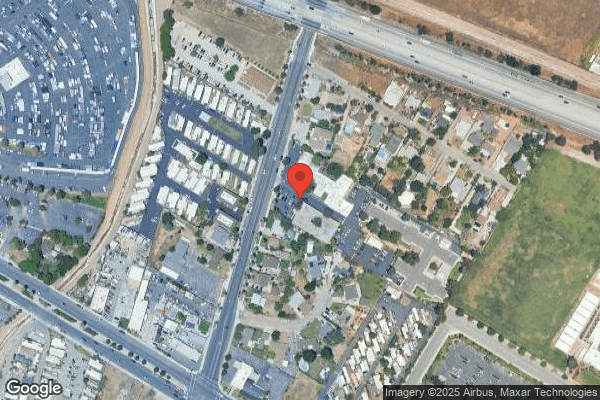

3674 PACIFIC AVENUE, JURUPA VALLEY, CA 92509 (951) 682-4833
For profit - Corporation 108 Beds Independent Data: November 2025
Trust Grade
73/100
#501 of 1155 in CA
Last Inspection: May 2025

Inspected within the last 6 months. Data reflects current conditions.

Overview

Vista Pacifica Center, located in Jurupa Valley, California, has received a Trust Grade of B, indicating it is a good choice among nursing homes. It ranks #501 out of 1155 in California, placing it in the top half of facilities in the state, and #18 out of 53 in Riverside County, meaning only 17 local options are better. However, the facility is experiencing a worsening trend, with issues increasing from 4 in 2024 to 11 in 2025. Staffing is a strength; it holds a rating of 4 out of 5 stars with a turnover rate of 27%, which is below the state average. Although there have been no fines, recent inspections revealed concerns, such as dietary staff not following proper sanitization procedures, which could lead to foodborne illnesses, and the presence of improperly maintained cutting boards that could harbor germs. While there are strengths in staff stability and good overall care, potential issues in food safety practices are a significant concern for families considering this facility.

Trust Score
B
73/100
In California
#501/1155
Top 43%
Safety Record
Low Risk
No red flags
Inspections
Getting Worse
4 → 11 violations
Staff Stability
✓ Good
27% annual turnover. Excellent stability, 21 points below California's 48% average. Staff who stay learn residents' needs.
Penalties
✓ Good
No fines on record. Clean compliance history, better than most California facilities.
Skilled Nurses
⚠ Watch
Each resident gets only 15 minutes of Registered Nurse (RN) attention daily — below average for California. Fewer RN minutes means fewer trained eyes watching for problems.
Violations
⚠ Watch
29 deficiencies on record. Higher than average. Multiple issues found across inspections.
★★★★☆
4.0
Overall Rating
★★★★☆
4.0
Staff Levels
★★★★★
5.0
Care Quality
★★★☆☆
3.0
Inspection Score
Stable
2024: 4 issues
2025: 11 issues

The Good

  • 4-Star Staffing Rating · Above-average nurse staffing levels
  • 5-Star Quality Measures · Strong clinical quality outcomes
  • Low Staff Turnover (27%) · Staff stability means consistent care
  • Full Sprinkler Coverage · Fire safety systems throughout facility
  • No fines on record
  • Staff turnover is low (27%)

    21 points below California average of 48%

Facility shows strength in staffing levels, quality measures, staff retention, fire safety.

The Bad

No Significant Concerns Identified

This facility shows no red flags. Among California's 100 nursing homes, only 1% achieve this.

The Ugly 29 deficiencies on record

May 2025 7 deficiencies
CONCERN (D)

Potential for Harm - no one hurt, but risky conditions existed

Accident Prevention (Tag F0689)

Could have caused harm · This affected 1 resident

**NOTE- TERMS IN BRACKETS HAVE BEEN EDITED TO PROTECT CONFIDENTIALITY** Based on observation, interview, and record review, the facility failed to provide a safe accident-free environment when the fac...

Read full inspector narrative →
**NOTE- TERMS IN BRACKETS HAVE BEEN EDITED TO PROTECT CONFIDENTIALITY** Based on observation, interview, and record review, the facility failed to provide a safe accident-free environment when the facility did not offer a smoking apron during smoking break for one of two residents (Resident 10). This failure had increased the potential for the resident to experience accidents and injury while smoking. Findings: A review of Resident 10's admission Record indicated, Resident 10 was admitted to the facility on [DATE], with diagnoses which included schizoaffective disorder (a mental disorder), legal blindness, acquired absence of upper limb below elbow. A review of Resident 10's Minimum Data Set (an assessment tool), dated April 9, 2025, indicated a Brief Interview of Mental Status (a short, structured test used to assess cognitive status) score of 4 (cognitively impaired). A review of Resident 10's SMOKING ASSESSMENT, dated April 28, 2025, indicated, .SAFETY .RESIDENT NEED FOR ADAPTIVE EQUIPMENT .Smoking apron .Team Decision .Safe to smoke with supervision .Uses smoking apron . A review of Resident 10's Care Plan, revised dated August 19, 2021, indicated, .Risk for injury r/t (related to) smoking .Intervention .Offer smoking apron during smoking breaks . On April 30, 2025, at 8:30 a.m., during a smoking observation on the North smoking patio, Mental Health Counselor (MHC) 1 lit a cigarette for Resident 10. Resident 10 was not wearing a smoking apron and not offered one. On April 30, 2025, at 8:45 a.m., during an interview with MHC 1, MHC 1 stated, Resident 10 had not been offered a smoking apron. MHC 1 stated an apron should have been offered and further stated, the use of a smoking apron can help prevent accidental burns or injuries while smoking. A review of the facility policy and procedure titled, Resident Smoking, dated April 2024, indicated, To provide the safest means known for residents who smoke .Smoking Aprons .when appropriate .
CONCERN (D)

Potential for Harm - no one hurt, but risky conditions existed

Pharmacy Services (Tag F0755)

Could have caused harm · This affected 1 resident

**NOTE- TERMS IN BRACKETS HAVE BEEN EDITED TO PROTECT CONFIDENTIALITY** Based on observation, interview, and record review, the facility failed to ensure medications were administered as prescribed an...

Read full inspector narrative →
**NOTE- TERMS IN BRACKETS HAVE BEEN EDITED TO PROTECT CONFIDENTIALITY** Based on observation, interview, and record review, the facility failed to ensure medications were administered as prescribed and used appropriately to meet the needs of the resident when: 1. One injectable antipsychotic medication (used to manage schizophrenia symptoms such as delusions, hallucinations, paranoia, and/or altered sense of reality) was not administered every 28 days as prescribed by the physician and per manufacturer's prescribing information. 2. One Oral Emergency Ekit did not have an accurate expiration date on the outside of the kit. These failures had the potential for residents to receive ineffective or excessive medication therapy. Findings: 1. On May 1, 2025, Resident 46's medical record was reviewed, and the following was noted: Resident 46 was a [AGE] year-old, who was admitted to the facility on [DATE], with diagnoses that included schizophrenia (thought disorder that includes hallucination, delusion, paranoia, and altered sense of reality). There were physician orders for Invega Sustenna (long-acting injectable antipsychotic medication to manage symptoms of schizophrenia), and Haldol Decanoate (long-acting injectable antipsychotic medication to manage symptoms of schizophrenia) as follows: Invega Sustenna Prefilled Syringe 234 mg/1.5 ml (milligram per milliliter - unit of measurement) with the direction to inject intramuscularly (into muscle tissue) once on the 23rd day of every month for delusions/hallucinations related to schizophrenia, ordered on September 23, 2024, and discontinued on February 25, 2025; Invega Sustenna Prefilled Syringe 234 mg/1.5 ml with the direction to inject intramuscularly once every 28 days for delusions/hallucinations related to schizophrenia, ordered March 16, 2025, and discontinued on March 18, 2025; Invega Sustenna Prefilled Syringe 234 mg/1.5 ml with the direction to inject intramuscularly once every 28 days for delusions/hallucinations related to schizophrenia, ordered on April 7, 2025, and currently active; Haldol Decanoate 150 mg/ml with the direction to inject intramuscularly once every 28 days for delusions/hallucinations related to schizophrenia, ordered on September 9, 2024, and currently active; and Resident 46's medication administration record (MAR) indicated one dose of Invega Sustenna was given on February 23, 2025, March 16, 2025, and April 7, 2025. The March dose of Invega Sustenna was given 21 days after the February dose (7 days earlier than prescribed by the physician). The April dose of Invega Sustenna was given 22 days after the March dose (6 days earlier than prescribed by the physician). On May 5, 2025, at 10:40 a.m., during an interview, the pharmacist from the dispensing pharmacy (RPH 1) stated, after reviewing Resident 46's record, agreed the medication was administered earlier than prescribed. RPH 1 stated the Invega Sustenna doses were administered sooner than recommended by the manufacturer. On May 5, 2025, at 11:30 a.m., during an interview, the Director of Nursing (DON) stated Resident 46 was on two long-acting injectable antipsychotics ([NAME] APs) and the physician wanted to stagger the [NAME] APs two weeks apart over the period of few doses. On May 5, 2025, at 1 p.m., during an interview, the Medical Director (MD) stated the reason for two [NAME] APs to be spaced two weeks apart could be to potentially prevent wearing off of the [NAME] APs to towards the last few days of the dosing interval if given together and by staggering one [NAME] AP would still provide steady dosing effect even if the effect from the other [NAME] AP wore off. However, the MD stated the staggering of two [NAME] APs two weeks apart did not make a significant difference. The MD stated it would not be okay to extend and/or shorten the dosing interval of two [NAME] APs over a period in the attempt to stagger the two drugs two week apart. On May 5, 2025, review of Resident 46's medical record indicated there was a physician order to administer two [NAME] APs two weeks apart. On May 5, 2025, at 1:30 p.m., during an interview, the Consultant Pharmacist (CP) stated there was no published data which supported the use of two [NAME] APs in such a way that they were administered two weeks apart from each other. The prescribing information for Invega Sustenna, provided by the facility, indicated: .After the recommended initiation regimen of Invega Sustenna, the third and subsequent injections are recommended to be given monthly. To avoid a missed monthly dose, patients may be given the injection upto 7 days before or after the monthly time point. However, this does not imply that the dosing interval can be changed to 3 or 5-week cycle There are no data from clinical trials to support the routine administration of Invega Sustenna maintenance doses at intervals shorter or longer than 4 weeks . The facility's policy and procedure titled, Administration of Medications and Treatments, last revised, April 18, 2024, was reviewed, and it indicated: .Medications and treatments shall be administered as prescribed . 2. On April 29, 2025, at 9:30 a.m., during an inspection of Emergency Kits (a sealed container of various medications for use in emergencies) located in the Northside Nursing Station, it was noted the expiration written on the outside of the Oral Emergency Kit was July 2025. The inspection of the content of the Oral Emergency Kit indicated there were four tablets of doxycycline (antibiotic for infection) 100 mg with the expiration date of June 2025. During a concurrent interview, LVN 10 confirmed the expiration date of doxycycline 100 mg tablets and agreed the expiration date on the outside of the Oral Emergency Kit was not correct. The facility's policy and procedure titled, Emergency Pharmacy and Emergency Kits, undated, was reviewed, and it indicated: .The [Emergency] Kits are inventoried by the provider pharmacy at monthly for completeness and expiration dating of the contents. The date of earliest expiring medication is noted on the outside of the kit .
CONCERN (D)

Potential for Harm - no one hurt, but risky conditions existed

Deficiency F0761 (Tag F0761)

Could have caused harm · This affected 1 resident

Based on observation, interview, and document review, the facility failed to ensure proper storage of one medication in accordance with manufacturer's specifications by not protecting it from light. T...

Read full inspector narrative →
Based on observation, interview, and document review, the facility failed to ensure proper storage of one medication in accordance with manufacturer's specifications by not protecting it from light. This failure had the potential for one resident to receive ineffective medication therapy. Findings: On April 30, 2025, at 10:25 a.m., during an inspection of the Medication Cart A located in Southside Nursing Station, it was noted there were four ipratropium/albuterol (medication used to open airways in lungs to help breathing) 0.5/3 mg (milligram - unit of measurement) unit dose inhalation solution vials, which belonged to Resident 47, stored outside the original manufacturer's foil pouch. During a concurrent interview and review of the manufacturer's storage instruction, LVN 11 acknowledged the unit dose vials should have remained in the foil pouch to protect from light. The manufacturer of ipratropium/albuterol 0.5/3 mg indicated, Protect from light. Unit-dose vials should remain stored in the protective foil pouch at all times. Once removed from the foil pouch, the individual vials should be used within one week . The facility's policy and procedure titled, Storage of Medications, last revised, January 2018, was reviewed, and it indicated: .Medications and biologicals are stored safely, securely, and properly, following manufacturer's recommendations .
CONCERN (D)

Potential for Harm - no one hurt, but risky conditions existed

Deficiency F0806 (Tag F0806)

Could have caused harm · This affected 1 resident

**NOTE- TERMS IN BRACKETS HAVE BEEN EDITED TO PROTECT CONFIDENTIALITY** Based on interview and record review, the facility failed to ensure the resident's food preference was honored for one of three ...

Read full inspector narrative →
**NOTE- TERMS IN BRACKETS HAVE BEEN EDITED TO PROTECT CONFIDENTIALITY** Based on interview and record review, the facility failed to ensure the resident's food preference was honored for one of three residents reviewed for nutrition (Resident 22). This failure had the potential to result in the resident refusing meals and experiencing decreased nutritional intake. Findings: During an interview on April 29, 2025, at 9:55 a.m., with Resident 22, Resident 22 stated, she had informed the dietitian of her food preference for cottage cheese but had only been receiving fruit cups. A review of Resident 22's admission Record, dated May 5, 2025, indicated Resident 22 was admitted on [DATE]. A review of Resident 22's History and Physical, dated March 23, 2025, the indicated Resident 22 was admitted with a diagnoses which included unspecified severe protein-calorie malnutrition (a form of undernutrition caused by a deficiency in both protein and total caloric intake) and type 2 diabetes mellitus (a condition in which the body has trouble controlling blood sugar) without complications. A review of Resident 22's Minimum Data Set (an assessment tool), dated March 24, 2025, indicated Resident 22 had a Brief Interview of Mental Status (a tool to assess cognitive function of an individual) score of 15 (intact cognitive response). A review of Resident 22's Nutritional assessment dated [DATE], indicated, .FOOD PREFERENCE DATE .Food requests .lowfat cottage cheese for HS (bedtime) snack . A review of Resident 22's care plan, dated March 20, 2025, indicated, .one half cup soft canned fruit TID (three times a day) between meals . A review of Resident 22's snack labels, undated, indicated, .one half cup soft canned fruit . During a concurrent interview and record review of Resident 22's Nutritional Assessment, care plan, and snack labels, with the Dietary Manager (DM) on May 1, 2025 at 11:27 a.m., the DM stated, cottage cheese was listed as a food request and should have been provided to the resident. The DM stated, the resident should have received cottage cheese, instead of fruit cups. The DM stated all snack labels for Resident 22 indicated one-half cup of soft canned fruit, and there were no labels for cottage cheese. The DM stated Resident 22's food request was not followed and further stated, Resident 22's food preference had not been honored. A review of Resident 22's diet order, dated March 18, 2025, indicated, .CCHO (Consistent Carbohydrate - consistent amount of carbohydrates at each meal and snack) diet, Regular texture . During a concurrent interview and review of Resident 22's diet order with the RD, on May 1, 2025 at 3:23 p.m., the RD stated, there were no contraindications with Resident 22 receiving cottage cheese and the resident should have received it. The RD stated resident's preferences should have been honored. During an interview on May 5, 2025 at 2:15 p.m. with the Director of Nursing (DON), the DON stated if the dietician did not indicate any contraindications for the resident to have cottage cheese, the resident's food preference should have been honored. A review of the facility's policy and procedure titled, Resident Food Preferences, dated November 2008, indicated, .the staff and physician will strive to .accommodate those preferences .resident's clinical record ( .care plan .) will document the resident's likes .
CONCERN (D)

Potential for Harm - no one hurt, but risky conditions existed

Safe Environment (Tag F0921)

Could have caused harm · This affected 1 resident

Based on observation, interview, and record review, the facility failed to provide a safe environment when the Laundry Aide (LA) did not clean the lint trap in the dryer resulting in the lint accumula...

Read full inspector narrative →
Based on observation, interview, and record review, the facility failed to provide a safe environment when the Laundry Aide (LA) did not clean the lint trap in the dryer resulting in the lint accumulation. This failure had the potential to result in a fire hazard, putting residents at risk. Findings: On May 1, 2025, at 9 a.m., during a concurrent observation and interview in the laundry room, the Laundry Aide (LA) stated, she cleaned the dryer lint trap every two hours. Dryer # 3 lint trap was checked and observed to have a thick layer of lint covering the entire trap. A review of the facility document titled, Laundry Lint Cleaning Log, undated, indicated the following: .Lint must be cleaned every two hours . Further review of the Laundry Lint Cleaning Log, dated May 1, 2025, indicated: - 7:30 a.m. - signed with initials; - 9 :30 a.m. - signed with initials; - 11:30 a.m. - signed with initials; and - 1:30 p.m. - signed with initials. An additional review of the log indicated that it had been signed ahead of the scheduled times. On May 1, 2025, at 9:18 a.m., during a concurrent interview and record review of the Laundry Lint Cleaning Log with the Laundry Aide, the LA stated, the log should have been completed accurately. The LA stated, the log should reflect the actual time the lint was cleaned and the signature should only be entered once the task was truly completed. On May 1, 2025, at 9:21 a.m., during an interview with LA, LA stated the lint in Dryer # 3 was quite a bit and if not removed , the lint could become a fire hazard. On May 1, 2025, at 9:51 a.m., during an interview with the House Keeping Supervisor, he stated the L.A. should have followed the policy, which requires cleaning the lint trap every two hours. A review of the facility policy and procedure titled, House Keeping/Laundry, dated March 8, 2013, indicated .Remove all lint from dryer every 2 hours and at the end of each shift .
CONCERN (F)

Potential for Harm - no one hurt, but risky conditions existed

Deficiency F0802 (Tag F0802)

Could have caused harm · This affected most or all residents

Based on observation, interview, and record review, the facility failed to ensure dietary staff were able to carry out the functions of food and nutrition services safely and effectively when: 1. Two ...

Read full inspector narrative →
Based on observation, interview, and record review, the facility failed to ensure dietary staff were able to carry out the functions of food and nutrition services safely and effectively when: 1. Two Dietary staff were unable to demonstrate the correct concentration for the red bucket sanitizer solution. 2. One Dietary staff did not wear gloves while sanitizing the food preparation table. 3. Four Dietary Staff could not demonstrate the proper procedure for testing dish sanitization. These failures had the potential to cause food borne illness (stomach illness acquired from ingesting contaminated food) to the residents in the facility. Findings: 1. On April 29, 2025, at 1:12 p.m., a concurrent observation and interview were conducted with the [NAME] (CK). The CK was observed demonstrating how to prepare the bleach sanitizer solution for the red bucket. The CK placed water in the red bucket, and stated the ratio was approximately two quarts of water to one tablespoon of bleach. The CK pointed inside the red bucket and stated it contained two quarts. The red bucket was observed halfway filled with water, and it did not contain the required one gallon of water. On May 1, 2025, at 9:25 a.m., a concurrent observation and interview were conducted with Dietary Aide 4 (DA 4). DA 4 was observed demonstrating how to prepare the bleach sanitizer solution in the red bucket. DA 4 poured water into the red bucket and stated the correct ratio is one gallon of water to one tablespoon of bleach. DA 4 pointed to the inside of the bucket, indicating that it contained one gallon of water. The red bucket was observed filled to approximately three-quarters full and did not contain the required one gallon. On May 5, 2025, at 1:21 p.m., an interview was conducted with the Registered Dietitian (RD). The RD stated, the proper concentration for the red bucket sanitizer is one gallon of water to one tablespoon of bleach. The RD further stated, if the sanitizing solution was not prepared at the correct concentration, it could result in foodborne illness among residents. A review of the Red Sanitizer Bucket Log Checklist, indicated, .check concentration every 3 hours per shift .acceptable PPM (parts per million) range: 200 PPM .1T to 1 gallon of water . A review of U.S. FDA (Food and Drug Administration) Food Code 2022, Section 4-501.114 Manual and Mechanical Ware washing Equipment, Chemical Sanitization - Temperature, pH, Concentration, and Hardness, indicated, .The effectiveness of chemical sanitizers can be directly affected by the temperature, pH, concentration of the sanitizer solution used, and hardness of the water . 2. On May 1, 2025, at 3:41 p.m., during a concurrent observation and interview with [NAME] Aide 1 (CA 1), CA 1 was observed demonstrating how to sanitize the preparation table using the green and red bucket solutions without wearing gloves. CA 1 stated he had forgotten to wear gloves and that he should have worn them for safety and to avoid contaminating the preparation table. On May 5, 2025, at 2:01 PM, during an interview with the Director of Dietary Services (DDS), the DDS stated that it is best practice for the staff to wear gloves when wiping down the preparation table with the bleach solution. He further stated this was for safety reasons as bleach can be absorbed through the skin and enter the bloodstream. 3. On April 29, 2025, at 8:50 a.m., a concurrent observation and interview regarding the dish machine were conducted with DA 1 and DDS. DA 1 and DDS dipped a test strip into the water compartment to test the chlorine sanitization level. Both stated this was the correct location to check the concentration of the sanitizer in the dish machine. On May 1, 2025, at 9:10 a.m., a concurrent observation and interview regarding the dish machine were conducted with DA 2. DA 2 dipped a test strip into the water compartment to test the chlorine sanitization level and stated this was the proper procedure to check for dish sanitization. On May 1, 2025, at 11:05 a.m., a concurrent observation and interview regarding the dish machine were conducted with DA 3. DA 3 dipped a test strip into the water compartment to test the chlorine sanitization level and stated this was the correct procedure to check for dish sanitization. On May 5, 2025, at 2:01 p.m., an interview was conducted with the DDS. The DDS stated the proper procedure for checking dish sanitization involved dipping the test strip both into the water compartment and onto the surface of a glass that had just been cleaned. The DDS further stated that he could not provide a written policy indicating that testing in the water compartment alone was acceptable. A review of the facility owner manual titled, CMA Dish machine Owner's manual, undated, indicated, .Low Temperatures chemical sanitizing dish machines must not exceed 6% sodium hypochlorite solution (beach) as the sanitizing agent .Follow the direction precisely that are on the litmus paper vial and test the water on the surface of the bottom of the glasses .
CONCERN (F)

Potential for Harm - no one hurt, but risky conditions existed

Food Safety (Tag F0812)

Could have caused harm · This affected most or all residents

Based on observation, interview, and record reviews, the facility failed to maintain a sanitary environment, prepare, and serve food in accordance with professional standards for food service safety w...

Read full inspector narrative →
Based on observation, interview, and record reviews, the facility failed to maintain a sanitary environment, prepare, and serve food in accordance with professional standards for food service safety when three cutting boards with deep indentations were found in the kitchen. This failure had the potential to cause foodborne illness (stomach illness acquired from ingesting contaminated food) among the residents in the facility. Findings: On May 5, 2025, at 2:01 p.m., a concurrent observation and interview was conducted with the Director of Dietary Services (DDS) in the kitchen. Three cutting boards (brown, green and red color measuring at 24 inches [(a unit measurement of length)] in width and 18 inches in length) were observed with deep indentations and rough surfaces. The DDS stated, the cutting boards had indentations and should have had smooth surfaces to prevent microorganisms (germs) from growing in the grooves, which could lead to foodborne ilness among residents. A review of the U.S FDA Food Code 2022, Section 4-501.12 Cutting Surfaces, indicated, .Cutting surfaces such as cutting boards and blocks that become scratched and scored may be difficult to clean and sanitize. As a result, pathogenic microorganisms transmissible through food may build up or accumulate. These microorganisms may be transferred to foods that are prepared on such surfaces .
Apr 2025 2 deficiencies
CONCERN (D) 📢 Someone Reported This

A family member, employee, or ombudsman was alarmed enough to file a formal complaint

Potential for Harm - no one hurt, but risky conditions existed

Notification of Changes (Tag F0580)

Could have caused harm · This affected 1 resident

**NOTE- TERMS IN BRACKETS HAVE BEEN EDITED TO PROTECT CONFIDENTIALITY** Based on interview and record review, the facility failed, for one of five sampled residents (Resident 1) to notify Resident 1's...

Read full inspector narrative →
**NOTE- TERMS IN BRACKETS HAVE BEEN EDITED TO PROTECT CONFIDENTIALITY** Based on interview and record review, the facility failed, for one of five sampled residents (Resident 1) to notify Resident 1's representative (conservator) following an incident involving contraband ( a metal fork) found in the resident's room. This failure had the potential to exclude the resident's representative from being involved in the care planning and decision-making regarding resident's safety and psychosocial status. Findings: A review of Resident 1's medical records, titled, Resident Information, dated, April 8, 2025, at 9:38 p.m., indicated, resident was admitted to the facility on [DATE], with a diagnosis of unspecified Schizophrenia (a mental health disorder that affects thoughts, feelings and behaviors, characterized by a disconnection from reality, including delusions, hallucinations). A review of Resident 1's Minimum Data Set (an assessment tool) indicated, Resident 1 had a Brief Interview of Mental Status (cognitive assessment) score of 09 out of 15 (moderate cognitive impairment). A review of Resident 1's Progress notes, dated, April 2, 2025, at 8:50 a.m., by Program Counselor (PC) 1, indicated, . At approximately 8:30 A.M. staff conducting a routine room check found a metal fork in (Resident 1's) room, which is considered contraband per unit policy. Staff retrieved the (fork) . (resident) was informed of the unit rules regarding (no) unauthorized items (on the unit). (PC 2) to follow up with 1:1 (one to one) counseling to reinforce unit expectations and discuss appropriate alternatives . A further review of Resident 1's progress notes, indicated, there was no documentation that Resident 1's representative had been notified of the incident. On April 8, 2025, at 1:57 p.m., an interview was conducted with PC 1, who stated, the PC were expected to notify the resident's representative when contraband was found. PC 1 stated, she did not make the notification, believing PC 2 would notify the resident's representative. A review of Resident 1's Progress notes, dated, April 2, 2025, at 9:20 a.m., by PC 2, indicated, . PC met with the resident to discuss the report of the resident hiding a metal fork under his mattress. When asked about the report, (Resident 1) stated, I forgot I had it . PC encouraged (resident) to seek staff assistance when he feels unsafe . PC will continue to monitor (behavior), and interventions as needed . On April 9, 2025, at 1:10 p.m., an interview was conducted with PC 2, who stated, he spoke with Resident 1 about the incident where a contraband was found in the resident's room. PC 2 stated he did not notify the resident's representative and he should have done so. On April 9, 2025, at 1:35 p.m., a concurrent interview and record review was conducted with the Director of Nursing (DON), the DON stated, the facility policy required staff to notify the resident's representative when contraband was found. The DON stated, Resident 1's representative was not notified after the incident on April 2, 2025. On April 9, 2025, at 2:55 p.m., an interview was conducted with Licensed Vocational Nurse (LVN) 1, who stated, when a resident was found with contraband, LVN was to notify the resident's representative. LVN 1 stated, she was the charge nurse on April 2, 2025, when she was informed by PC 1, resident was found with contraband. LVN 1 stated, she did not notify Resident 1's representative, because she thought this was an on-going issue, and did not realize the incident had just happened. LVN 1 stated, she should have notified Resident 1's representative. A facility policy, titled, Change in a Resident's Condition or Status, revised, December 2008, indicated, . Policy Statement: Our facility shall promptly notify the resident . representative . of changes in the resident's medical/mental condition and/or status (e.g., changes in level of care . resident rights, etc.). Policy Interpretation and Implementation . 2. A significant change' of condition is a decline . in the resident's status that: a. Will not normally resolve itself without intervention by staff . c. Requires interdisciplinary review and/or revision to the care plan . 3. Unless otherwise instructed by the resident, the (Facility) will notify the resident's family or representative . when: . b. There is a significant change in the resident's physical, mental, or psychosocial status .
CONCERN (D) 📢 Someone Reported This

A family member, employee, or ombudsman was alarmed enough to file a formal complaint

Potential for Harm - no one hurt, but risky conditions existed

Deficiency F0657 (Tag F0657)

Could have caused harm · This affected 1 resident

**NOTE- TERMS IN BRACKETS HAVE BEEN EDITED TO PROTECT CONFIDENTIALITY** Based on interview and record review, the facility failed to revise the care plan and implement appropriate interventions for on...

Read full inspector narrative →
**NOTE- TERMS IN BRACKETS HAVE BEEN EDITED TO PROTECT CONFIDENTIALITY** Based on interview and record review, the facility failed to revise the care plan and implement appropriate interventions for one of five sampled residents (Resident 1) after the resident was found with contraband (a metal fork) under his mattress. This failure had the potential for Resident 1 to retain or collect additional contraband without staff knowledge, placing the resident and others at risk for harm. Findings: A review of Resident 1's medical records, titled, Resident Information, dated, April 8, 2025, at 9:38 p.m., indicated, resident was admitted to the facility on [DATE], with a diagnosis of unspecified Schizophrenia (a mental health disorder that affects thoughts, feelings and behaviors, characterized by a disconnection from reality, including delusions, hallucinations). Further review indicated a Brief Interview of Mental Status ({BIMS}-cognitive assessment) score of 09 out of 15 (moderate cognitive impairment). A review of Resident 1's progress notes, dated April 2, 2025, at 8:50 a.m., by Program Counselor (PC) 1, indicated, . At approximately 8:30 A.M. staff conducting a routine room check found a metal fork in (Resident 1's) room, which is considered contraband per unit policy. Staff retrieved the (fork) . (resident) was informed of the unit rules regarding (no) unauthorized items (on the unit). (PC 2) to follow up with 1:1 (one to one) counseling to reinforce unit expectations and discuss appropriate alternatives . A review of Resident 1's care plan titled, Inappropriate Behavior . as evidenced by . (Resident 1) taking a metal fork from dining and leaving it in his room . initiated April 2, 2025, by PC 1, indicated, no behavioral interventions to help prevent resident from taking contraband out of the dining room. On April 8, 2025, at 1:57 p.m., an interview was conducted with PC 1, who stated, when a resident is found with contraband in their room a care plan is updated and/or initiated. PC 1 stated, on (April 2, 2025, at approximately 8:30 a.m.) she was notified by unit staff, a fork was found under Resident 1's mattress, during room checks. PC stated, staff removed the fork from resident's room, PC followed-up with Resident 1, and resident stated he did not remember how the fork got under his mattress. PC stated, she reviewed the unit rules of no contraband with resident, notified Resident 1's assigned Program Counselor (PC 2), other appropriate staff and documented the incident in resident's progress notes. PC stated, she and unit staff discussed starting the new intervention of checking Resident 1 for contraband after meals/prior to leaving the dining room. PC 1 verified, she did update Resident 1's care plan, titled, Inappropriate Behaviors, on April 2, 2025, . As Evidenced by (Resident 1) taking a fork from dining and leaving in his room . PC 1 verified, she did not add the intervention to check Resident 1 for contraband after meals, because she was not Resident 1's assigned PC, stating (PC 2) is (Resident 1's) assigned PC and responsible to add interventions to (resident's) care plan. On April 8, 2025, at 2:10 p.m., a concurrent interview and record review, the Director of Nursing (DON) stated that no new interventions were added to Resident 1's care plan following the incident, and they should have been. The DON stated, appropriate interventions would include using plastic utensils and searching the resident for contraband after meals. The DON verified, new behavioral interventions to help prevent Resident 1 from taking contraband out of the dining room was not included in Resident 1's care plan, and should have been added by a PC or Nurse. On April 8, 2025, at 2:40 p.m., an interview was conducted with Mental Health Worker (MHW) 1, who stated, she was aware Resident 1 was using plastic utensils but was not aware that the resident should be searched for contraband after meals. On April 8, 2025, at 2:45 p.m., an interview was conducted with MHW 2, who stated, he did not know Resident 1 was to be searched for contraband, prior to leaving the dining room. A facility policy, titled, Care Plans - Comprehensive, revised, August 2007, indicated, . Policy Statement: An individualized Comprehensive Care Plan that includes measurable objectives and timetables to meet the resident's medical, nursing, mental and psychological needs is developed for each resident. Police Interpretation and Implementation: 1. Our facility's Care Planning/Interdisciplinary Team, in coordination with the resident, his/her family or representative (sponsor), develops and maintains a comprehensive care plan for each resident that identifies the highest level of functioning the resident may be expected to attain. 3. Each resident's . Care Plan has been designed to: a. Incorporate identified problem areas: b. Incorporate risk factors associated with identified problems; . d. Reflect treatment goals and objectives in measurable outcomes; . f. Aid in preventing or reducing declines in the resident's functional status and/or functional levels . 5. Care plans are revised as changes in the resident's condition dictate .
Mar 2025 2 deficiencies
CONCERN (D) 📢 Someone Reported This

A family member, employee, or ombudsman was alarmed enough to file a formal complaint

Potential for Harm - no one hurt, but risky conditions existed

Resident Rights (Tag F0550)

Could have caused harm · This affected 1 resident

**NOTE- TERMS IN BRACKETS HAVE BEEN EDITED TO PROTECT CONFIDENTIALITY** Based on interview and record review, facility failed to ensure the resident was treated with dignity and respect for one of thr...

Read full inspector narrative →
**NOTE- TERMS IN BRACKETS HAVE BEEN EDITED TO PROTECT CONFIDENTIALITY** Based on interview and record review, facility failed to ensure the resident was treated with dignity and respect for one of three sampled residents (Resident 1), when Mental Health Worker (MHW 1) did not assist the resident after he fell from his wheelchair and failed to provide support when the resident dropped his cigarette. This failure resulted in Resident 1 becoming angry and agitated with staff member. Findings: A review of Resident 1's record indicated, Resident 1 was admitted to the facility on [DATE], with diagnoses which included schizoaffective disorder (mental health condition with symptoms of schizophrenia [thoughts or experiences that seem out of touch with reality, disorganized speech or behavior] and a mood disorder [intense and persistent changes in mood, energy, and behavior]) and osteoarthritis (tissues in the joint break down over time) of knee. A review of Resident 1's Progress Notes, dated February 15, 2025, indicated, .Incident Note .Approximately at 1950 (7:50 p.m.), res (Resident 1) was at the patio for smoke break, then res (resident) was noted arguing with a male staff .res accidentally dropped his cigarette on the floor then the male staff that the res doesn't want to touch his cigarette was seen pulling res wheelchair backward and res fell on his knees and hands, then the male staff left res on the floor and walked away, so, another staff helped res to get back on his wheelchair, the res turn around and attempted to pick another cigarette that was on the floor, so the same male staff then kicked the cigarette out of the way . On February 27, 2025, at 10:50 a.m., an interview was conducted with the Administrator (Admin) who stated, on February 15, 2025, at approximately 7:55 p.m., Resident 1 was on the patio during a smoke break with MHW 1. The Admin stated, Resident 1 dropped a cigarette and reached for it when MHW 1 kicked it out of reach, causing Resident 1 to fall from his wheelchair. The Admin stated, MHW 1 did not assist Resident 1 back into the wheelchair or offer another cigarette. The Admin stated, the staff were expected to help residents with tasks they could not perform themselves. On February 27, 2025, at 3:01 p.m., an interview was conducted with MHW 2. MHW 2 stated, on February 15, 2025, at approximately 7:55 p.m., he was inside the facility when he heard Resident 1 outside on the patio, cursing and yelling at MHW 1. MHW 2 stated, he went outside, Resident 1 argued that the cigarette MHW 1 offered was not his. MHW 2 stated, MHW 1 insisted it was and did not attempt to calm the resident. MHW 2 stated, he retrieved the cigarette, which settled the issue. MHW 2 stated, after returning inside, he saw Resident 1 on the ground in front of his wheelchair. MHW 2 stated, MHW 1 stood behind the wheelchair, watching but not assisting. MHW 2 stated, he went outside and helped Resident 1 back into his wheelchair. MHW 2 stated, as the smoke break ended, Resident 1 leaned forward to grab a cigarette from the ground, MHW 1 kicked it away. MHW 2 stated, Resident 1 became upset, stood up, raised his fists. MHW 2 stated, he stepped in between them to prevent a confrontation and escorted Resident 1 inside to calm down. MHW 2 stated, MHW 1 was unprofessional and did not assist Resident 1. MHW 2 stated, he reported the incident to Licensed Vocational Nurse (LVN) 1 immediately. On February 27, 2025, at 3:23 p.m., an interview was conducted with LVN 1, who stated, on February 15, 2025, at approximately 8:00 p.m., MHW 2 told her to review the security cameras due to an incident between MHW 1 and Resident 1 on the patio. LVN 1 stated, she reviewed the footage and saw MHW 1 appearing to antagonize Resident 1 by holding a cigarette in his hand but not giving it to the resident. LVN 1 stated, she saw MHW 2 come outside and hand Resident 1 a cigarette. LVN 1 stated, she then saw Resident 1 drop his cigarette on the ground and reached for it, MHW 1 then Stomped, on the cigarette and swept it out of resident's reach with his foot, resulting in Resident 1 falling out of his wheelchair while reaching for the cigarette. LVN 1 stated, after resident fell out of his wheelchair, MHW 1 was observed walking away from resident, and did not assist resident back into his wheelchair. LVN 1 stated, MHW 2 came out to the patio and assisted Resident 1 back into his wheelchair. LVN 1 further stated, MHW 1 did not treat Resident 1 with respect and dignity, as MHW 1 did not assist resident with his needs. LVN 1 stated, she reported the incident immediately to the Director of Nursing (DON), who instructed her to send MHW 1 home pending investigation. On February 27, 2025, at 5:52 p.m., an interview was conducted with the DON, who stated, she expected staff to treat residents with dignity and respect. The DON stated, on February 15, 2025, at approximately 8:40 p.m., LVN 1 reported, an incident had occurred between Resident 1 and MHW 1 on the patio at approximately 7:55 p.m. The DON stated, she reviewed the cameras and observed Resident 1 dropped his cigarette on the ground, at which time, MHW 1, Kicked and Kicked the cigarette out of resident's reach, causing Resident 1 to slide out of his wheelchair, on to the ground, his hands and knees. The DON stated, when resident slid out of his wheelchair, his pants had partially fallen, exposing half of his buttocks in the presence of other residents. The DON stated, this incident appeared to violate Resident 1's rights as he was not being treated with dignity and respect by MHW 1. The DON stated, the situation (on the patio) was not handled appropriately by MHW 1. The DON stated, she would expect MHW 1 to have handed Resident 1 another cigarette and help resident back into his wheelchair. The DON stated she instructed LVN 1 to send MHW 1 home immediately pending investigation. The DON verified, MHW 1's employment was terminated on February 18, 2025 due to unacceptable conduct and behavior. A review of the facility's Policy & Procedure, titled, Resident Rights, undated, indicated, . Employees shall treat all residents with kindness, respect and dignity . 3. Our facility will make every effort to assist each resident in exercising his/her rights to assure that the resident is always treated with respect, kindness, and dignity .
CONCERN (D) 📢 Someone Reported This

A family member, employee, or ombudsman was alarmed enough to file a formal complaint

Potential for Harm - no one hurt, but risky conditions existed

Report Alleged Abuse (Tag F0609)

Could have caused harm · This affected 1 resident

**NOTE- TERMS IN BRACKETS HAVE BEEN EDITED TO PROTECT CONFIDENTIALITY** Based on interview and record review, the facility failed to report the neglect for one of three sampled residents (Resident 1) ...

Read full inspector narrative →
**NOTE- TERMS IN BRACKETS HAVE BEEN EDITED TO PROTECT CONFIDENTIALITY** Based on interview and record review, the facility failed to report the neglect for one of three sampled residents (Resident 1) to the California Department of Public Health (CDPH) within 2-hours. Resident 1 was denied a cigarette and left without assistance back into his wheelchair by Mental Health Worker (MHW) 1. This failure had the potential to result in Resident 1 to remain at risk of further harm and emotional distress. Findings: On February 27, 2025, at 10:50 a.m., an interview was conducted with the Administrator (Admin), who stated, he was the facility's abuse coordinator and that staff were expected to report all witnessed or suspected abuse or neglect within two hours to CDPH and other agencies. A review of Resident 1's record indicated, Resident 1 was admitted to the facility on [DATE], with diagnoses which included schizoaffective disorder (mental health condition with symptoms of schizophrenia [thoughts or experiences that seem out of touch with reality, disorganized speech or behavior] and a mood disorder [intense and persistent changes in mood, energy, and behavior]) and osteoarthritis (tissues in the joint break down over time) of knee. A review of Resident 1's Progress Notes, dated February 15, 2025, indicated, .Incident Note .Approximately at 1950 (7:50 p.m.), res (Resident 1) was at the patio for smoke break, then res (resident) was noted arguing with a male staff .res accidentally dropped his cigarette on the floor then the male staff that the res doesn't want to touch his cigarette was seen pulling res wheelchair backward and res fell on his knees and hands, then the male staff left res on the floor and walked away, so, another staff helped res to get back on his wheelchair, the res turn around and attempted to pick another cigarette that was on the floor, so the same male staff then kicked the cigarette out of the way . On February 27, 2025, at 3:23 p.m., an interview with Licensed Vocational Nurse (LVN) 1, was conducted. LVN 1 stated, that facility policy required reporting neglect to CDPH and other agencies within two hours. LVN 1 stated, on February 15, 2025, at approximately 8:05 p.m., while reviewing security footage, she observed MHW 1 and Resident 1 on the patio during a smoke break at approximately 7:55 p.m. LVN 1 stated, she saw MHW 1 antagonizing Resident 1 by withholding a cigarette and later sweeping a cigarette away with his foot when Resident 1 reached for it, causing Resident 1 to fall out of his wheelchair. LVN 1 stated, MHW 1 walked away, leaving Resident 1 on the ground, while MHW 2 assisted the resident back into his wheelchair. LVN 1 further stated, she reported the incident to the Director of Nursing (DON) at approximately 8:50 p.m. LVN 1 stated, the DON instructed her to send MHW 1 home pending and investigation, which she did immediately. LVN 1 stated, she informed the Director of Staff Development (DSD) and asked for assistance in reporting the incident to CDPH and other agencies. On February 27, 2025, at 4:04 p.m., a concurrent interview with the DSD and review of CDPH and other agency reporting times was conducted. The DSD stated, per facility policy , abuse or neglect must be reported to CDPH and other agencies within two hours. The DSD stated, on February 15, 2025, at approximately 9:30 p.m., LVN 1 reported that MHW 1 left Resident 1 on the ground after he slid from his wheelchair and did not assist him. The DSD stated, MHW 2 helped Resident 1 back into his wheelchair . The DSD stated, it was neglect and basic care was not provided. The DSD stated, she was informed of the incident at 9:30 p.m. and knew it had occurred at 7:55 p.m. The DSD stated, she did not report it to CDPH and other agencies until 11:20 p.m. (3 hours later). The DSD stated, she had completed paperwork before making the report making the report and stated I should have called first and then done the paperwork. On February 27, 2025, at 5:52 p.m., a concurrent interview with the DON and review of intake reporting times was conducted. The DON stated, facility policy required staff to report suspected neglect to CDPH and other authorities within two hours. The DON stated, an incident of neglect involving Resident 1 and MHW 1 had occurred on the smoking patio at 7:55 p.m. but was not reported to CDPH via telephone until 11:20 p.m. The DON stated the report had not been made within the required two-hour timeframe. A facility Policy & Procedure, titled, Reporting Abuse & Unlawful conduct to State Agencies and Other Entities/Individuals, undated, indicated, . All suspected violations and all substantiated incidents of abuse will be promptly reported to appropriate state agencies and other entities or individuals as may be required by law. Allegations of abuse, including injuries of unknown source or causing serious bodily injury must be reported as soon as possible or no later than 2 hours from the time the facility is made aware . 3. The Administrator or his designee will notify the State Licensing/Certification agency of any injuries of unknown injury or incidents of abuse that result in serious bodily injury as soon as possible and no later than 2 hours .
Oct 2024 2 deficiencies
CONCERN (D) 📢 Someone Reported This

A family member, employee, or ombudsman was alarmed enough to file a formal complaint

Potential for Harm - no one hurt, but risky conditions existed

Deficiency F0882 (Tag F0882)

Could have caused harm · This affected 1 resident

Based on interview and record review, the facility failed to ensure the designated Infection Preventionist (IP - professional who ensures healthcare workers and patients are doing all the things they ...

Read full inspector narrative →
Based on interview and record review, the facility failed to ensure the designated Infection Preventionist (IP - professional who ensures healthcare workers and patients are doing all the things they should to prevent infections) completed the required specialized training for the IP certification program. This failure resulted in the Infection Control and Prevention Program of the facility not having the benefit of a fully qualified and competent IP having the potential to negatively affect the quality of care provided to all the residents. Findings: On September 4, 2024, at 10:50 a.m. an unannounced visit was made to the facility. On September 4, 2024, at 1:10 p.m., an interview with the designated Infection Preventionist (IP) was conducted. The designated IP stated she did not have IP certification at this time. On September 4, 2024, at 2:52 p.m., an interview with Director of Nursing (DON) was conducted. The DON stated the designated IP was not certified. The DON stated the designated IP did not have to be certified to be in the position if in the process of certification. The DON stated she was not overseeing the designated IP and did not know who was. On September 4, 2024, at 7 p.m. an interview with the Administrator (ADM) was conducted. The ADM stated he and the DON were overseeing the IP. The ADM stated the designated IP was not certified and was waiting to finish her certification class. Stated the DON had previous experience as an IP but she was not certified. A review of the facility's document titled Job Description /Job Title: Infection Preventionist, indicated, .The Infection Preventionist plans, organizes, develops and manages the Infection Prevention and Control Program (IPCP) for the facility in accordance with current regulatory requirements .must be qualified by education, training, experience, or certification .must have completed specialized training in infection prevention control . A review of the All Facilities Letter (AFL- a letter from the Center for Health Care Quality (CHCQ), licensing and Certification (L&C) Program to health facilities that are licensed or certified by L&C) provided by the DON as the facility ' s policy, indicated, .The IP must have primary professional training as a licensed nurse, medical technologist, microbiologist, epidemiologist, public health professional, or other health related. The Ip must be qualified by education, training, clinical or health care experience, or certification, and must have completed specialized training in infection prevention and control. A review of the facility ' s policy and procedures titled Infection Prevention and Control Program, revised March 4, 2022, indicated, .the IP must be qualified by education, training, experience, or certification, .and have completed specialized training in infection prevention and control .
CONCERN (E) 📢 Someone Reported This

A family member, employee, or ombudsman was alarmed enough to file a formal complaint

Potential for Harm - no one hurt, but risky conditions existed

Infection Control (Tag F0880)

Could have caused harm · This affected multiple residents

**NOTE- TERMS IN BRACKETS HAVE BEEN EDITED TO PROTECT CONFIDENTIALITY** Based on observation, interview, and record review, the facility failed to develop and implement ongoing infection surveillance ...

Read full inspector narrative →
**NOTE- TERMS IN BRACKETS HAVE BEEN EDITED TO PROTECT CONFIDENTIALITY** Based on observation, interview, and record review, the facility failed to develop and implement ongoing infection surveillance monitoring for suspected scabies (a highly contagious skin condition caused by mites that burrow into the skin), for six of six residents (Resident 1, 2, 3, 4, 5, and 6). This deficient practice had the potential for a delay in the care and treatment and possible spread of infection throughout the facility. Findings: On September 4, 2024, at 10:50 a.m., an unannounced visit was conducted to investigate infection control issues. On September 4, 2024, at 11:14 a m., a concurrent observation and interview was conducted with Resident 1. Resident 1 was observed to be sitting up in bed with legs exposed. Resident 1's lower extremities were observed to be red with rash alll over. In a concurrent interview, Resident 1 stated he had scabies for a month, and the facility was just treating him now. Resident 1 stated the physician saw him on September 1, 2024, and told him he had scabies. Resident 1 stated he was treated with some lotion and was given a pill for internal treatment. On September 4, 2024, a review of Resident 1 ' s admission Record, indicated Resident 1 was admitted on [DATE], with diagnoses of schizophrenia (mental condition of a type involving a breakdown in the relation between thought, emotions, and behavior), and hypothyroidism (when the thyroid gland does not produce enough thyroid hormone). Resident 1 ' s Minimum Data Set (MDS - an assessment tool), dated June 20, 2024, indicated Resident 1 had a BIMS (Brief Interview for Mental Status - mandatory tool used to screen and identify the cognitive condition of residents upon admission into long term care facility) score was 15, indicated cognitively intact. A review of Resident 1's care plan, dated August 1, 2024, indicated a care plan for potential/actual impairment to skin integrity to torso. A review of Resident 1 ' s progress notes indicated the following: - August 1, 2024, at 9:13 p.m., indicated resident monitored for bilateral hand redness and rash, no complain of pain or itching doctor notified and no new orders; - August 8, 2024, at 6:01 p.m., indicated resident remained on monitoring for redness/rash to hands and body. Resident 1 refused topical treatment ordered; - August 31, 2024, at 12:31 a.m., indicated order for Ivermectin (medication to treat scabies) tablet 15 mg (milligram - unit of measurement) for possible scabies and repeat dose again in one week; and - September 1, 2024, at 9:24 a.m., indicated physician ' s visit with order for Elimite (topical cream to treat scabies) External Cream 5% until September 8, 2024. On September 4, 2024, at 11:19 a.m., a concurrent observation and interview was conducted with Resident 2. Resident 2 was observed sitting up at bedside. Resident 2 stated he had not been itching and did not have rash. On September 4, 2024, a Resident 2's record was reviewd. Resident 2's admission Record, indicated Resident 2 was admitted on [DATE], with diagnoses which included schizophrenia (mental condition of a type involving a breakdown in the relation between thought, emotions, and behavior), and hypertension (high blood pressure). A review of Resident 2 ' s MDS, dated , indicated Resident 2 had a BIMs score of 9, (moderate cognitive impairment). A review of Resident 2's care plan dated August 30, 2024, indicated a care plan for rash and excoriation. A review of Resident 2 ' s Progress Notes, indicated the following: - August 30, 2024, at 3:03 p.m., indicated Resident 2 had redness and rash to the inner thighs, scrotum, left leg and inner arms; - August 31, 2024, at 12:16 a.m., indicated a telephone order for Lotrimin (topical cream to treat rashes) to apply to skin areas; - August 31, 2024, at 1:30 p.m., indicated resident was on monitoring for rash/excoriation to inner thighs around scrotum, left leg and left inner arm. Treatment applied as ordered; and - September 1, 2024, at 09:16 a.m., indicated physician ' s visit with order for Elimite External Cream 5% until September 2, 2024. On September 4, 2024, at 11:22 a.m., a concurrent interview and record review was conducted with Resident 3. Resident 3 was observed walking around in his room. In a concurrent interview, Resident 3 stated he did not have a rash and no itching. A review of Resident 3 ' s electronic medical record (EMR) indicated Resident 3 was admitted on [DATE], with diagnoses of Schizophrenia (mental condition of a type involving a breakdown in the relation between thought, emotions, and behavior), and hypothyroidism (when the thyroid gland does not produce enough thyroid hormone). Resident 3 ' s Brief Interview for Mental Status, (BMI- mandatory tool used to screen and identify the cognitive condition of residents upon admission into long term care facility) was 14, indicated cognitively intact. A review of Resident 3's care plan dated August 29, 2024, indicated a care plan for rash to bilateral feet. A review of Resident 3 ' s progress notes indicated the following: - August 29, 2024, at 6:15 p.m., noted a change of condition charting for rash on Resident 3 ' s bilateral feet; - August 30, 2024, 1:04 p.m., indicated Resident 3 was on monitoring for to bilateral feet rash, possible fungal/athletes ' feet; - September 1, 2024, at 4:12 a.m., indicated Resident 3 was on monitoring for bilateral feet rash. Resident 3 receiving prophylactic medication for scabies; - September 1, 2024, at 4:31 a.m., indicated resident was on monitoring for bilateral feet rash. Resident 3 remains on contact isolation; and - September 1, 2024, at 9:30 a.m., indicated physician ' s visit with order for Elimite External Cream 5% until September 2, 2024. A review of Resident 4 ' s electronic medical record (EMR) indicated Resident 4 was admitted on [DATE], with Bipolar (disorder associated with episodes of mood swings from depressive lows to manic highs), and seizures (uncontrolled electrical activity in the brain cells causes abnormality in muscle tone). Resident 4 ' s Brief Interview for Mental Status, (BMI- mandatory tool used to screen and identify the cognitive condition of residents upon admission into long term care facility) was 15, indicated, cognitively intact. A review of Resident 4's care plan, dated August 30, 2024, indicated prophylaxis treatment to prevent rash. Review of Resident 4 ' s progress notes indicated the following: - August 31, 2024, at 13:18 p.m., indicated a Skin/Wound note indicated resident was on continuous monitoring for prophylactic treatment to prevent rash, isolation precautions. No rashes; - August 31, 2024, at 12:40 a.m., indicated new doctor ' s orders for Ivermectin 15 mg prophylaxis for scabies; and - September 1, 2024, 9:41 a.m., order note indicated new orders for Elimite External Cream 5% to apply to the whole body. A review of Resident 5 ' s electronic medical record (EMR) indicated Resident 5 was admitted on [DATE], with diagnoses of Schizophrenia (mental condition of a type involving a breakdown in the relation between thought, emotions, and behavior), and hypothyroidism (condition where thyroid gland doesn ' t produce enough thyroid hormone). Resident 5 ' s Brief Interview for Mental Status, (BMI- mandatory tool used to screen and identify the cognitive condition of residents upon admission into long term care facility) was 15, indicated, cognitively intact. Review of Resident 5 ' s progress notes indicated the following: - August 30, 2024, at 1 p.m., skin/wound note indicated resident on continuous monitoring for prophylactic treatment to prevent rash, isolation precautions, no rash noted; - August 31, 2024, 12:44 a.m., order note indicated Ivermectin 15mg prophylaxis for scabies; - September 1, 2024, at 9:45 a.m., new telephone order for Elimite External Cream 5%; and - September 1, 2024, at 1:03 p.m., continued monitoring for prophylactic treatment to prevent rash. A review of Resident 5's care plan, dated September 3, 2024, indicated prophylactic treatment to prevent rash. A review of Resident 6 ' s electronic medical record (EMR) indicated Resident 6 was admitted on [DATE], with diagnoses of schizoaffective disorder (mental health illness that causes dramatic changes in thoughts, moods, and behavior) and hypertension (high blood pressure). Resident 6 ' s Brief Interview for Mental Status, (BMI- mandatory tool used to screen and identify the cognitive condition of residents upon admission into long term care facility) was 15, indicated cognitively intact. A review of Resident 6's care plan, dated August 30, 2024, indicated prophylactic treatment to prevent rash. A review of Resident 6 ' s progress notes indicated the following: - August 30, 2024, at 12:47 p.m., skin/wound note indicated, late entry: monitoring for prophylactic treatment to prevent rash, isolation precautions, with no rash at this time; - August 31, 2024, at 12:43 a.m., indicated order note for Elimite 5% cream for rash; - September 1, 2024, at 9:38 a.m., indicated order note for Ivermetin prophylaxis for scabies; - September 2, 2024, at 12:57 p.m. indicated late entry: continue monitoring for prophylactic treatment to prevent rash, on isolation precautions. Resident 6 completed oral and external cream medication and has been cleared by doctor the doctor. On September 4, 2024, at 1:10 p.m., an interview with the designated Infection Preventionist (IP) was conducted. The designated IP stated she became aware of residents being treated for scabies on September 2, 2024, by a mental health worker. The designated IP stated at that point she initiated contact isolation. The IP stated no other residents have been assessed for possible exposure. The IP stated she was not able to provide or describe the facility ' s surveillance process for scabies. The designated IP stated no tracing or surveillance to track other residents in the facility who may have been affected with the rashes was done. On September 4, 2024, at 2:52 p.m., an interview with the Director of Nursing (DON) was conducted. The DON stated she was made aware on September 3, 2024, of residents with possible scabies. The DON stated Residents 1, 2, 3, 4, 5, and 6 did not have a confirmed diagnoses of scabies but were treated prophylactically. The DON stated the residents were placed on contact isolation. On September 4, 2024, at 3:50 p.m., a follow up interview with the DON was conducted. The DON stated she did not know the facility ' s identified process for surveillance for prevention and control of scabies. The DON stated, that means I will have to ask each resident if they have any signs and symptoms of scabies. The DON further stated, there was no system in place to verify, assess, monitor, or track if other residents were affected by scabies. On September 4, 2024, at 7:22 p.m., an interview with the Administrator (ADM) was conducted. The ADM stated he was not aware of a current facility ' s process of surveillance for contact precaution for scabies. The ADM stated the facility should have a process to track residents who develop rashes and evaluate for possible scabies. A review of the facility's policy and procedure titled Surveillance of Infections, revised March 15, 2022, indicated, .It is the policy of this facility to scrutnize various aspects of the occurrence and spread of infection and to monitor and investigated the cause of infections via a routine surveillance program . A review of the facility's policy and procedure titled Infection Prevention and Control Program, revised March 4, 2022, indicated, .The elements of our Infection Prevention and Control Program include .A system of surveillance designed to identify possible communicable diseases or infections before they spread to other persons in the facility .
Sept 2024 1 deficiency
CONCERN (D) 📢 Someone Reported This

A family member, employee, or ombudsman was alarmed enough to file a formal complaint

Potential for Harm - no one hurt, but risky conditions existed

Quality of Care (Tag F0684)

Could have caused harm · This affected 1 resident

**NOTE- TERMS IN BRACKETS HAVE BEEN EDITED TO PROTECT CONFIDENTIALITY** Based on interview and record review, the facility failed to ensure, for one of three residents sampled (Resident A) did not rec...

Read full inspector narrative →
**NOTE- TERMS IN BRACKETS HAVE BEEN EDITED TO PROTECT CONFIDENTIALITY** Based on interview and record review, the facility failed to ensure, for one of three residents sampled (Resident A) did not receive candy infused with cannabis (dried leaves and flowering tops of the Cannabis sativa or Cannabis indica plant which contains active chemicals that cause drug-like effects all through the body) while at facility. This failure had the potential to cause untoward effects of the cannabis to Resident A's overall health and mental condition. Findings: On August 13, 2024, at 11:00 a.m., an unannounced investigation was conducted at the facility for a complaint of resident abuse and quality of care. On August 13, 2024, at 1:30 p.m., an interview was conducted with Program Counselor (PC) 1. PC 1 stated staff donate candy to the facility on a regular basis, the counseling program would collect the candies, and would give out the candy as a reward to the residents. PC 1 stated some canabis infused candies which contained THC (the substance primarily responsible for the effects of marijuana on a person's mental state and gives a high) were mixed in with the regular candies about two weeks ago. PC 1 stated Resident A came to the counselor ' s department, after he received his candy, and Resident A told them that he felt loose, odd. PC 1 stated Resident A did not have drug seeking behaviors and had no history of drug use. PC 1 stated Resident A was the resident who got the candy with cannabis in it. PC 1 stated once we were aware there was candy with cannabis in it, we contacted the Program Director (PD) and the Director of Nursing (DON) and threw away the entire batch of candy to ensure, no one else got the cannabis infused candy. On August 13, 2024, at 1:55 p.m. an interview was conducted with Resident A. Resident A stated he did get candy that made him sick, it was a candy gummy which contained cannabis, and it made him feel weird. Resident A stated he knew the candy had cannabis in it because the label on the package stated it contained cannabis,. Resident A stated never had cannabis before eating the candy, he ate half of the candy in the bag, and it tasted a little weird. Resident A stated the counselors would give out candy to all the residents who turn in the attendance sheets for group each week, and could pick the candy they wanted. Resident A stated he told PC 1 about the candy, another counselor told Resident A he did not have to attend groups the rest of the day. Resident A stated after he ate the candy no one evaluated him. Resident A stated he was nauseous and felt he might throw up, felt mostly sweaty, and went to his room to lay down. On August 13, 2024, at 2:40 p.m., an interview was conducted with PC 2. PC 2 stated the counselors give candy out to the residents for participating in group activities, their attendance, and answering questions. PC 2 stated counselors bring in candy and donate it, someone received candy with cannabis in it. PC 2 stated Resident A came to the counselors and stated the candy Resident A received had cannabis in it. PC 2 stated label on the package stated the candy had cannabis in it. PC 2 stated one of the counselors on the unit had brought in the cannabis infused candy. PC 2 stated he spoke with Resident A and Resident A said he did not share the candies with other residents. PC 2 stated we informed our Assistant Program Director (APD) and Program Director (PD) what had happened and a full unit search was conducted and did not find anything. PC 2 stated it was recommended for Resident A to go to his room and rest. PC 2 stated Resident A was not sent out for an evaluation. On August 13, 2023, at 3:02 p.m., an interview was conducted with the Assistant Program Director (APD). The APD stated there was no policy regarding outside candy being brought into the facility. The APD stated there was absolutely no tolerance for bringing in outside drugs, and the staff was aware of this. On August 13, 2023, at 3:25 p.m., an interview was conducted with PC 3. PC 3 stated she was not aware the candies she had brought in from home contained cannabis. PC 3 stated her partner had put the candy in a bag, she took the candy to work, and put them in the candy bowl for the resident to take as a reward. PC 3 stated Resident A came to her and told her about the candy with cannabis and gave her the package, she reviewed the candy label and it stated there was 600 mg (milligrams-a unit of measure) total of cannabis in the bag. PC 3 stated the bag contained six candies, making each candy containe 100 mg each of cannabis. PC 3 stated Resident A took four of the cannabis infused candies as there was still two candies left in the package. On August 13, 2024, at 6:10 p.m., an inerview was conducted with the Program Director (PD). The PD stated after the incident occurred, PC 3 came to her office and told her about the candy with cannabis in it. The PD stated she went to the DON, and both of them went to the Administrator ' s (Admin) office and explained the situation. On August 13, 2024, a review of Resident A ' s medical record was conducted. Resident A's admission Record, indicated Resident A was admitted to the facility on [DATE], with a diagnosis of schizophrenia (a mental and behavioral disorder). Resident A ' s Order Summary Report, included physician's order for multiple medications for hallucinations (false thoughts of experience affecting your senses) and delusions (a false belief about external reality). Further review of Resident A ' s medical record did not provide any documentation regarding an incident in which Resident A ate cannabis infused candy, nor monitoring of Resident A after eating the cannabis infused candy, brought in by a staff member. On August 14, 2024, at 9:18 a.m., an interview was conducted with the Director of Nursing (DON). The DON stated one of the counselors brought in some candy with cannabis in it, a resident took it, and self-reported. The DON stated the nurses took vital signs (temperature, pulse rate, blood pressure and respiratory count) on Resident A and were normal. The DON stated Resident A had no obvious complication from the ingestion of the cannabis candy. The DON stated all unusual occurrences should be reported to the state, a staff member bringing in cannabis would be considered an unusual occurrence, it was not reported to the state. The DON stated we do not have a protocol when a resident was under the influence of an illegal substance, however we would monitor the resident's vital signs every two hours, and document in the resident's health record. The DON stated there was not an evaluation completed on Resident A, there was no documentation of the incident, no change of condition was written, and there was no incident report done on Resident A. The DON stated Resident A did take cannabis that was not prescribed by the physician, the nurses informed the doctor and should have written a note in the chart. The DON stated Resident A was monitored through the end of the shift, every two hours, for about six hours. The DON stated no testing was required for Resident A if he had cannabis. The DON stated she believed all the staff, have training on how to deal with a resident under the influence of a substance, after she was informed of the incident the nurses took care of the resident, and nothing else after that. A review of the facility ' s policy and procedure titled Resident Drug Testing Procedure, dated December 5, 2017, indicated, .to create and maintain a working environment free from substance abuse that could result in safety and health hazards to the residents .the following residents will receive an in-house urine drug screen: Resident ' s .who are suspected of having used illegal substances . A review of the facility ' s undated policy and procedure titled Report Abuse & Unlawful Conduct to State Agencies and Other Entities/Individuals, indicated .All suspected violations and all substantiated incidents of abuse will be promptly reported to appropriate agencies and other entities or individuals as may be required by law .Should an alleged/suspected violation or substantiated incident .which affects the welfare, safety, or health of resident .notify the following persons or agencies .of such incident .state licensing/certification agency responsible for surveying/licensing the facility . A review of the facility ' s policy and procedure titled Reporting a Change in Condition, dated April 22, 2024, indicated, .A change of condition in a resident can adversely affect his/her medical and psychological status, therefore all significant changes in condition are to be reported .The Director of Nursing will ensure that proper follow up .will be accomplished in a timely manner to ensure the health and safety to all residents .A change of condition will be completed by the charge nurse in the unit when the change of condition was first noted .she will gather .vital signs, do a complete assessment, mental status as well as physical status .document in the medical record the resident ' s change of condition and any new orders received . A review of the facility ' s undated policy and procedure titled Outside Food-Beverage, indicated, .foods and beverages brought from outside facility are to be examined by nurse for quality ( .packaging) to identify potential concerns .
Jan 2024 1 deficiency
CONCERN (E) 📢 Someone Reported This

A family member, employee, or ombudsman was alarmed enough to file a formal complaint

Potential for Harm - no one hurt, but risky conditions existed

Infection Control (Tag F0880)

Could have caused harm · This affected multiple residents

Based on interview and record review, the facility failed to ensure appropriate infection control practices in preventing the transmission of the coronavirus infection (COVID-19 - illness caused by a ...

Read full inspector narrative →
Based on interview and record review, the facility failed to ensure appropriate infection control practices in preventing the transmission of the coronavirus infection (COVID-19 - illness caused by a virus that can be transmitted from person to person) were implemented in accordance with the facility's policy and procedure and Center for Disease Control (CDC) guideline, when the residents and Healthcare Personnels (HCP/staff) were not tested for COVID-19 timely. This failure resulted in a delay in the identification of residents and HCP who were COVID-19 positive, thereby delayed the implementation of infection control measures to prevent further transmission of COVID-19 in the facility. Findings: On January 2, 2024, at 9:18 a.m., an unannounced visit to the facility was conducted for a Focused Infection Control survey and investigation of a Facility Reported Incident. On January 2, 2024, a review of the facility's document titled, (name of facility) - Resident and Employee COVID-19 Tracking (Employees Tested Positive), indicated the HCP were positive for COVID-19 on the following dates: - December 22, 2023; two HCP (with symptoms); - December 24, 2023, two HCP (with symptoms); - December 25, 2023, one HCP (with symptoms); and - December 26, 2023, five HCP 9with symptoms). On January 2, 2024, a review of the facility's document titled (name of facility) - Resident and Employee COVID-19 Tracking (Resident Tested Positive), indicated 33 residents were tested for COVID-19 at the south unit on December 27, 2023. There was no documented evidence the exposed residents and HCP were tested for COVID-19 after the two HCP were positive for COVID-19 on December 22, 2023. On January 2, 2024, at 9:35 a.m., a concurrent interview and record review with the Administrator (ADM). He stated first COVID-19 cases were December 22, 2023, staff testing commenced on December 26, 2023, and the resident testing commenced December 27, 2023. He stated on December 27, 2023, 33 out of 60 residents in the south wing tested positive for COVID-19 and none of 48 residents at the north wing. He stated there was no documentation the exposed staff and residents were tested for COVID-19 after the onset of COVID-19 on December 22, 2023. On January 2, 2024, at 4 p.m., a follow up concurrent interview and record review with the ADM was conducted. He stated the facility did not begin COVID-19 testing on December 23, 24 or 25, 2023, as he could not verify exposure of cases and if they were facility acquired. He further stated facility begun testing the staff on December 26, 2023, and testing the residents on December 27, 2023, related to the increase of staff reported symptoms. The ADM stated after reviewing the guidelines from the Center of Disease Control (CDC) and California Department of Public Health (CDPH) recommendations for the prevention and control of COVID-19, the facility should have begun testing after the initial positive case of COVID-19 on December 22, 2023, and acknowledged testing the residents and staff earlier could control the transmission of COVID-19 among the residents and staff. A review of the facility document titled, Updated Policies/Procedures dated December 2023, .Recommendations for Prevention of Covid-19, Influenza and Other Respiratory Viral Infections - 2023-2024 .Vista Pacifica Center will follow the recommendations for prevention and control of Covid-19, Influenza and other respiratory viral infections outlined and linked in AFL 23-36, dated 12/5/2023 (unless updated by CDPH in referral to new information . According to the California Department of Public Health (CDPH) Healthcare Associated Infections Program All Facilities Letter 23-36 titled, Recommendations for Prevention and Control of COVID-19, Influenza, and Other Respiratory Viral Infections in California Skilled Nursing Facilities 2023-2-24 dated 12.2023 indicated For asymptomatic SARS-Co-V2-exposed residents or HCP: Test for SARS-CoV-2 immedicately9 but not earlier than 24 hours after the exposure) . According to the Center of Disease Control (CDC) guideline titled, Interim Infection Prevention and Control Recommendations for Healthcare Personnel During the Coronavirus Disease 2019 (COVID-19) Pandemic, dated May 8, 2023, indicated, .Responding to a newly identified SARS-CoV-2-infected HCP or resident .A single new case of SARS-CoV-2 infection in any HCP or resident should be evaluated to determine if others in the facility have been exposed .Perform testing for all residents and HCP identified as close contacts or on the affected unit(s) if using a broad approach, regardless of vaccination status. Testing is recommended immediately (but not earlier than 24 hours after exposure) and, if negative, again 48 hours after first negative test and, if negative again, again in 48 hours after the second negative test. This will typically be at day 1 (where day of exposure is day 0), day 3, and day 5 .
Sept 2023 1 deficiency
CONCERN (D) 📢 Someone Reported This

A family member, employee, or ombudsman was alarmed enough to file a formal complaint

Potential for Harm - no one hurt, but risky conditions existed

Report Alleged Abuse (Tag F0609)

Could have caused harm · This affected 1 resident

**NOTE- TERMS IN BRACKETS HAVE BEEN EDITED TO PROTECT CONFIDENTIALITY** Based on interview and record review, the facility failed to ensure an allegation of physical abuse by a resident (Resident A) t...

Read full inspector narrative →
**NOTE- TERMS IN BRACKETS HAVE BEEN EDITED TO PROTECT CONFIDENTIALITY** Based on interview and record review, the facility failed to ensure an allegation of physical abuse by a resident (Resident A) towards another resident (Resident B) was reported to the California Department of Public Health (CDPH) immediately, or not later than two hours after the allegation was made. This failure had the potential to result in a delay of the implementation of appropriate actions, provisions, and protections to the residents and placed the residents at risk for further abuse. Findings: On July 27, 2023, at 9:30 a.m., an unannounced visit to the facility was conducted to investigate an allegation of abuse. On July 27, 2023, at 10:58 a.m., an interview was conducted with the Director of Nursing (DON). She stated she received report in the morning of July 14, 2023, that Resident A and Resident B were involved in an altercation that occurred on July 13, 2023, at around 5 p.m. She stated Resident B spit at Resident A's face and shoved him when Resident A told him to stop spitting on the floor. On July 27, 2023, at 10:10 a.m., an interview was conducted with Resident A. He stated he got into an altercation with Resident B about two weeks ago. He admitted pushing Resident B but denied spitting or shoving him. Resident A could not provide further detail about the incident. On July 27, 2023, at 10:15 a.m., an interview was conducted with Resident B. He stated the incident between him and Resident B happened about 2 weeks ago, while they were in line in the hallway, waiting to go to the dining room for dinner. He stated he told Resident B to stop spitting on the floor, but Resident B got upset and spit at his face and hit him on the chest. He stated Resident B ran and he chased after him until someone stopped him and separated them. He said he told Mental Health Worker (MHW) 1 later that night about the incident between him and Resident B. He further stated he reported the incident it again to another staff the following morning because MHW 1 did not report it to anyone. On July 27, 2023, at 10:35 a.m., an interview was conducted with Resident C. He stated about two weeks ago, while he was in line in the hallway, waiting to go to the dining room, he overheard Resident A called Resident B a bitch. Then, he saw Resident A and B hit each other. He stated Resident B ran after Resident A but he stopped him. He stated later that night of the incident, he told MHW 1 about the altercation between Resident A and Resident B. On July 27, 2023, Resident A's record was reviewed. Resident A was admitted to the facility on [DATE], with diagnoses which included schizophrenia (mental health condition). The Minimum Data Set (MDS - an assessment tool), dated April 21, 2023, indicated Resident A had a BIMS (Brief Interview of Mental Status) of 14 (cognitively intact). The Progress Notes, dated July 14, 2023, at 9:36 a.m., indicated, .This morning at approximately 0845 (8:45 a.m.) resident's peer reported to the primary counselor that resident spit in his face and shoved him while they were standing next to each other in the hall waiting to go to the dining room last evening 7/13/2023 (July 13, 2023) at approximately 5:30 p.m.The (name of state agency) was notified of the altercation . There was no documented evidence an incident of abuse involving Resident A and B was noted in the Progress Notes and or reported to the state agency on the day of the incident on July 13, 2023. On July 27, 2023, Resident B's record was reviewed. Resident B was admitted to the facility on [DATE], with diagnoses which included schizoaffective disorder (mental health condition). The MDS, dated April 17, 2023, indicated Resident B had a BIMS of 11 (cognitively intact). The Progress Notes, dated July 14, 2023, at 10:02 a.m., indicated, .This morning at approximately 0845 (8:45 a.m.) reported to the primary counselor that a peer spit on his face and shoved him while they were standing next to each other in the hall waiting to go to the dining room last evening 7/13/2023 (July 13, 2023) at approximately 5:30 p.m .Resident attempted to retaliate but staff intervened and separated resident and peer .The (name of state agency) (sic) was notified of the altercation at 0930 (9:30 a.m.) this morning . There was no documented evidence an incident of abuse involving Resident A and B was noted in the residents' Progress Notes and or reported to the state agency on the day of the incident on July 13, 2023. On August 1, 2023, at 3:48 p.m., an interview was conducted with MHW 1. He stated he remembered the incident between Resident A and Resident B on July 13, 2023, at approximately around 5:30 p.m. He stated he was in the hallway monitoring the residents while they were lining up to go to the dining room, when he saw Resident B running after Resident A in the hallway. He stated he got in between the residents and separated them. He stated he did not witness any physical contacts made between Resident A and Resident B. However, he stated after the he separated residents, he was informed by Resident B that prior to him intervening, Resident A spit on his face and hit him. He stated he got busy on the night of the incident and did not report it to the Charge Nurse until 9 p.m. He stated any resident-to-resident altercation must be reported immediately to the Charge Nurse on duty. On August 1, 2023, at 4:58 p.m., an interview was conducted with Licensed Vocational Nurse (LVN) 1. She stated she was aware of the altercation between Resident A and Resident B that happened on July 13, 2023, at around 5:30 p.m. She stated on the night of the incident at around 10:30 p.m., MHW 1 told her that he saw Resident B chasing after Resident A in the hallway but he intervened and separated residents before they got into a physical altercation. She was not aware that prior to this, Resident A spit at Resident B's face and hit him until he spoke to Resident B the following morning on July 14, 2023. She further stated Resident B told her that MHW 1 was aware of the physical altercation between him and Resident A that happened on July 13, 2023. LVN 1 stated all abuse incident, including resident to resident physical altercations, must be reported to the State Agency within two hours from the time facility staff was made aware of the incident. She stated this was not done per facility's abuse protocol. On August 2, 2023, at 9:26 a.m., an interview was conducted with the DON. She stated the resident-to-resident altercation between Resident A and Resident B on July 13, 2023, was not reported until the following day, on July 14, 2023. She stated all abuse incidents must be reported to the State Agency within 2 hours form the time facility staff made aware of the incident, per facility's abuse protocol. The facility's policy and procedure titled, (Name of facility) Preventative Abuse and Reporting Policy, undated, was reviewed. The policy indicated, .Any mandated reporter, who, in his or her professional capacity, or within the scope of his or her employment, has observed or has knowledge of an incident that reasonably appears to be physical abuse or is told by .dependent adult that he or she has experienced behavior constituting physical abuse .or reasonably suspects that abuse shall be report the known or suspected instances of abuse by telephone immediately or as soon as practically possible .
Apr 2022 10 deficiencies
CONCERN (D)

Potential for Harm - no one hurt, but risky conditions existed

Comprehensive Care Plan (Tag F0656)

Could have caused harm · This affected 1 resident

**NOTE- TERMS IN BRACKETS HAVE BEEN EDITED TO PROTECT CONFIDENTIALITY** Based on interview and record review, the facility failed to develop a comprehensive care plan to address the use of anticoagula...

Read full inspector narrative →
**NOTE- TERMS IN BRACKETS HAVE BEEN EDITED TO PROTECT CONFIDENTIALITY** Based on interview and record review, the facility failed to develop a comprehensive care plan to address the use of anticoagulant (medication to prevent blood clots) medication, for one of five residents reviewed for unnecessary medications (Resident 58). This failure had the potential for Resident 58 to be at risk of bleeding or adverse reactions from the medication and to not be managed and provide immediate appropriate treatment and interventions. Findings: On April 18, 2022, at 9:39 a.m., during the initial tour of the facility, Resident 58 was interviewed. Resident 58 stated he was on a blood thinner medication. On April 18, 2022, Resident 58's record was reviewed. Resident 58 was admitted to the facility on [DATE], with diagnoses which included hypertension (elevated blood pressure). The Order Summary Report, dated April 21, 2022, included a physician's order, dated February 16, 2022, which indicated, .Xarelto (medication to prevent blood clots) Tablet Give 20 mg (milligram - a unit of measurement) by mouth at bedtime for Prophylaxis (prevention) d/t (due to) hx (history) of hip surgery . There was no documented evidence the facility developed a comprehensive care plan with goals and interventions to address and manage Resident 58's use of anticoagulant medication. On April 22, 2022, at 1:24 p.m., an interview with the Assistant Director of Nursing (ADON) and the Director of Nursing (DON) was conducted. The ADON stated there was no care plan developed for Resident 58's use of anticoagulant medication. Upon request for the facility's policy and procedure regarding the use of anticoagulant therapy, the DON and ADON stated the facility did not have a policy and procedure for the use of anticoagulant medication. The facility policy and procedure titled, Comprehensive Care Plans, revised date November 20, 2015, was reviewed. The policy indicated, .It is the policy of (facility name) to utilize a comprehensive care plan that determines how Nursing and Program staff will conduct, organize and provide the most appropriate, thorough and comprehensive plan of care for the residents .These comprehensive care plans are based on a systematic method of assessing residents' needs, problems and capabilities and providing for ongoing documentation as to how and when these needs, problems and capabilities are being addressed .an interdisciplinary approach to review, update, develop and individualize the resident's plan of care .All current problems care planned and the temporary Care Plan lists MUST be addressed, including medical and dietary problems .
CONCERN (D)

Potential for Harm - no one hurt, but risky conditions existed

Deficiency F0658 (Tag F0658)

Could have caused harm · This affected 1 resident

**NOTE- TERMS IN BRACKETS HAVE BEEN EDITED TO PROTECT CONFIDENTIALITY** Based on observation, interview, and record review, the facility failed to ensure the correct amount of eye drop medication was ...

Read full inspector narrative →
**NOTE- TERMS IN BRACKETS HAVE BEEN EDITED TO PROTECT CONFIDENTIALITY** Based on observation, interview, and record review, the facility failed to ensure the correct amount of eye drop medication was administered according to the physician's order, for one of six residents (Resident 103) observed during medication administration observation. This failure resulted in Resident 103 to not receive the prescribed amount of the eye drop medication and had the potential for complications such as loss of vision and blindness. Findings: On April 21, 2022, at 8:36 a.m., medication administration observation was conducted with Licensed Vocational Nurse (LVN) 1. LVN 1 was observed to prepare Resident 103's Brimonidine eye drop medication (medication to treat eye disorder) and handed the bottle of eye drop medication to Resident 103. Resident 103 was observed to administer and instill one drop of the eye medication into each eye. The medication solution was observed to drop on Resident 103's eye lashes, instead of into the inner lower eyelid. There was no instructions or teaching given to Resident 103 by LVN 1 regarding the number of drops the eye medication was to be instilled in each eye and how to properly administer an eye drop medication. The eye drop medication container included a label which indicated, Brimonidine 0.2% eye drop .Instill 2 (two) drops into both eye . On April 21, 2022, Resident 103's record was reviewed. Resident 103 was admitted to the facility on [DATE], with diagnoses which included glaucoma (an eye condition of increased pressure that can cause vision loss and blindness). The document titled, Order Summary Report, dated April 21, 2022, included a physician's order, dated June 7, 2019, which indicated, Brimonidine Tartrate Solution (medication to treat glaucoma) 0.2% (strength of medication) Instill 2 (two) drop (sic) in both eyes three times . On April 21, 2022, at 9:15 a.m., LVN 1 was interviewed. LVN 1 stated Resident 103 instilled one drop of the eye medication in each eye. She stated Resident 103 should have received two drops of the Brimonidine solution in each eye. She stated the physician order for the Brimonidine eye drop medication was not followed. She further stated she did not instruct the resident to administer two drops of medication in each eye and how to correctly administer the eye drops. The facility policy and procedure titled, Administration of Medications and Treatments, revised September 1, 2016, was reviewed. The policy indicated, .Medications and treatments shall be administered as prescribed .
CONCERN (D)

Potential for Harm - no one hurt, but risky conditions existed

Deficiency F0687 (Tag F0687)

Could have caused harm · This affected 1 resident

**NOTE- TERMS IN BRACKETS HAVE BEEN EDITED TO PROTECT CONFIDENTIALITY** Based on observation, interview, and record review, the facility failed to ensure appropriate foot care and treatment was provid...

Read full inspector narrative →
**NOTE- TERMS IN BRACKETS HAVE BEEN EDITED TO PROTECT CONFIDENTIALITY** Based on observation, interview, and record review, the facility failed to ensure appropriate foot care and treatment was provided, for one of two residents reviewed (Resident 65), when the facility did not provide diabetic shoes with plastic inserts as ordered by the physician. This failure had the potential for Resident 65 to develop complications on the feet related to diabetes mellitus (DM - abnormal blood sugar). Findings: On April 19, 2022, at 10:54 a.m., during the initial tour of the facility, Resident 65 was observed wearing slippers. Resident 65 declined to be interviewed. On April 19, 2022, Resident 65's record was reviewed. Resident 65 was admitted to the facility on [DATE], with diagnoses which included diabetes mellitus. The Order Summary Report, included a physician's order, dated December 14, 2021, which indicated, .Provide Diabetic shoes with plastic Inserts r/t (related to) Type 2 DM . There was no documented evidence Resident 65 received the diabetic shoes the physician ordered. On April 21, 2022, at 2:19 p.m., an interview was conducted with the Social Service Designee (SSD). She stated there was no documentation Resident 65 received the diabetic shoes. She stated she did not receive the physician's order for diabetic shoes. She stated the nurse should have given her the physician's order for the diabetic shoes and plastic inserts to be ordered. On April 21, 2022, at 2:41 p.m., an interview and concurrent record review was conducted with the Director of Nursing (DON). The DON stated the physician ordered diabetic shoes for Resident 65 on December 14, 2021. She stated the nurse should have given the order to the SSD for processing. She stated Resident 65 should have received the diabetic shoes and plastic inserts as ordered by the physician. The facility policy and procedure titled, Tx (treatment) of the IDDM (Insulin Dependent Diabetes Mellitus) Resident, revised date January 16, 2012, was reviewed. The policy indicated, .It is the policy of (name of facility) .to maintain guidelines for the care and treatment of IDDM residents that insures adequate physical health .Encourage good foot care . According to the web article titled, Diabetes & Foot Care, published by the American Diabetes Association, revised date 2022, indicated, .special focus is placed on the impact that diabetes can have on your feet .Protecting your feet and preventing diabetes-related foot complications begins with wearing proper footwear - shoes, inserts, and socks - and wearing them whenever you're standing or walking .
CONCERN (D)

Potential for Harm - no one hurt, but risky conditions existed

Accident Prevention (Tag F0689)

Could have caused harm · This affected 1 resident

Based on observation, interview, and record review, the facility failed to ensure residents who required supervision during smoke break were monitored closely, for one of 97 residents (Resident 16) ob...

Read full inspector narrative →
Based on observation, interview, and record review, the facility failed to ensure residents who required supervision during smoke break were monitored closely, for one of 97 residents (Resident 16) observed for smoking. This failure had the potential to place Resident 16 at risk for injuries and accidents related to smoking. Findings: On April 18, 2022, at 11:45 a.m., Resident 16 was observed at the patio during smoke break. Resident 16 was observed sitting in his wheelchair smoking a cigarette without wearing a smoking apron. Resident 16 was blind and had left upper limb and left lower limb amputations (surgical removal of the limb). In a concurrent interview with Resident 16, resident responded with incoherent speech. While Resident 16 was smoking his cigarette with his right hand, the cigarette ashes fell on his right side and onto the floor, nearly missing his body and clothing. In addition, Resident 16 was not aware the cigarette ashes had fallen. On April 18, 2022, beginning at 4:19 p.m. to 4:25 p.m., Resident 16 was observed at the patio during smoke break. Resident 16 was observed sitting in his wheelchair smoking without wearing a smoking apron. Resident 16 was observed to have red ashes from his cigarette fell on top of his lap. There were no staff near Resident 16 to supervise and help remove the cigarette ashes from the resident's lap. A staff member had to be called to assist with the incident and the staff immediately swept the ashes with her bare hands away from the resident's lap. Resident 16 was observed to be not aware the red ashes from his cigarette had fallen on his lap not until the staff removed it. On April 18, 2022, at 4:26 p.m., an interview was conducted with Mental Healthcare Worker (MHW) 1. She stated Resident 16 was confused and unable to communicate due to his mental status. She also stated she was aware the resident was blind and had limited mobility due to the amputation of his limbs. She further stated resident always refused to wear the smoking apron while smoking. She stated Resident 16 required close supervision and monitoring while smoking. She stated Resident 16 was out of her sight as she was helping another resident when Resident 16's cigarette ashes fell on his lap. She stated she should have been within close proximity to the resident at all times so that she can closely monitor him for any accidents or injuries while smoking. She stated there were three staff members on the patio to supervise residents while smoking and one staff should always be with Resident 16 during smoking break. On April 18, 2022, Resident 16's record was reviewed. Resident 16 was admitted to the facility October 5, 2012, with diagnoses which included blindness, absence of the upper limb below the elbow, and absence of the leg below the knee. The care plan document, dated August 19, 2021, indicated, .Focus .Risk for injury r/t (related to) smoking .blindness .Goal .No injury r/t smoking .Interventions/tasks .offer the smoking apron during smoke breaks .staff to provide supervision of the resident while smoking . The Minimum Data Set (an assessment tool), dated April 7, 2022, indicated Resident 16 had a BIMS (Brief Interview for Mental Status - cognitive assessment) score of 0 (severely impaired). The facility document titled, Smoking Assessment, dated, April 13, 2022, indicated, Resident 16 required a smoking apron and needed supervision. On April 18, 2022, at 5:15 p.m., an interview with the Administrator (ADM) was conducted. He stated Resident 16 required a smoking apron while smoking. He stated Resident 16 required close supervision and resident should be within sight of a staff member at all times to prevent any injuries or accidents while smoking. The facility policy and procedure titled, Smoking, dated October 24, 2017, was reviewed. The policy indicated, .smoking by residents is always under direct supervision of staff .smoking times are outlined on the unit and are to be supervised with a staff person .
CONCERN (D)

Potential for Harm - no one hurt, but risky conditions existed

Laboratory Services (Tag F0770)

Could have caused harm · This affected 1 resident

**NOTE- TERMS IN BRACKETS HAVE BEEN EDITED TO PROTECT CONFIDENTIALITY** Based on interview and record review, the facility failed to ensure the depakene level (laboratory test done to check the depake...

Read full inspector narrative →
**NOTE- TERMS IN BRACKETS HAVE BEEN EDITED TO PROTECT CONFIDENTIALITY** Based on interview and record review, the facility failed to ensure the depakene level (laboratory test done to check the depakene [medication to treat impulse disorder] level in the blood) were completed as ordered by the physician, for one of 26 residents reviewed (Resident 46). This failure had the potential for Resident 46 to not be monitored for the therapeutic level of the depakene medication needed to effectively address his impulse disorder. Findings: On April 20, 2022, Resident 46's record was reviewed. Resident 46 was admitted to the facility on [DATE], with diagnoses which included schizophrenia (a mental disorder). The document titled, Order Summary Report, included the following physician orders: - .Depakene Solution (Valproate Sodium) Give 500 mg (milligrams - unit of measurement) by mouth three times a day for mood swings related to Schizophrenia ., dated September 26, 2021; and - .Fasting Free Valproic Acid .one time a day every 1 (one) month(s) starting on the 2nd .for depakote use ., dated November 2, 2021. There was no documented evidence Resident 46's depakene level was conducted for the month of December 2021. On April 21, 2022, at 3:20 p.m., an interview and concurrent record review was conducted with the Licensed Vocational Nurse (LVN) 2. She stated Resident 46's laboratory order for depakene level was not completed for the month of December 2021. She further stated the laboratory order for the depakene level should have been completed for the month of December 2021 as ordered by the physician. The facility was not able to provide the policy and procedure on laboratory services when requested. According to Lexicomp (drug reference guide), .Advanced Practitioners Physical Assessment/Monitoring .Obtain serum valproate (depakene) levels as clinically indicated . According to the web article titled, Valproic Acid Level, published by Medscape, dated November 20, 2019, indicated, .The therapeutic range for valproic acid is 50-100 mcg/mL (micrograms per milliliters - units of measurement) .The toxic level is > (greater than) 100 mcg/mL .
CONCERN (D)

Potential for Harm - no one hurt, but risky conditions existed

Deficiency F0806 (Tag F0806)

Could have caused harm · This affected 1 resident

**NOTE- TERMS IN BRACKETS HAVE BEEN EDITED TO PROTECT CONFIDENTIALITY** Based on observation, interview, and record review, the facility failed to ensure the resident's food preference was honored, fo...

Read full inspector narrative →
**NOTE- TERMS IN BRACKETS HAVE BEEN EDITED TO PROTECT CONFIDENTIALITY** Based on observation, interview, and record review, the facility failed to ensure the resident's food preference was honored, for one of residents observed during meal observation (Resident 6). This failure had the potential for Resident 6's food intake be affected and could result in weight loss. Findings: On April 18, 2022, at 11:57 a.m., during lunch observation in the dining room, Resident 6 was observed being served with the following food items: - Shredded beef with rice; - Mixed vegetables; - Four oz. (ounce - unit of measurement) of milk; - Four oz. of juice; and - One slice of cake. Resident 6's diet card indicated, No: Milk to drink. In a concurrent interview with Resident 6, he stated he did not drink milk and he did not like it. Resident 6 was observed to not drink the milk. On April 19, 2022, at 12:09 p.m., during lunch observation in the dining room, Resident 6 was observed being served with the following food items: - Breaded chicken cutlet; - Mashed potatoes with gravy; - Mixed vegetables; - Dinner roll with margarine; - Four oz. of milk; - Four oz. of juice; and - One slice lime delight. In a concurrent interview with Resident 6, he stated he did not understand the reason he was always receiving milk, he stated, I don't drink milk. On April 19, 2022, at 12:17 p.m., the Assistant Director of Nursing (ADON) was interviewed. She stated Resident 6 received four oz of milk on April 18 and 19, 2022, during lunch. She stated there should be no milk at Resident 6's lunch meal according to the diet card and Resident 6's preference. She stated the licensed nurse should be checking the resident's diet. On April 22, 2022, Resident 6's record was reviewed. Resident 6 was admitted to the facility on [DATE], with diagnoses which included hypertension (elevated blood pressure) GERD (gastro esophageal reflux disease - stomach acid flows back into food pipe), and ulcerative colitis (inflammation in the digestive tract). The facility policy and procedure titled, Right to Refuse a Diet, dated 2019, was reviewed. The policy indicated, .The individual's food preferences will be kept on file in the food and nutrition department and efforts will be made to provide preferred foods within reason .
CONCERN (E)

Potential for Harm - no one hurt, but risky conditions existed

Deficiency F0578 (Tag F0578)

Could have caused harm · This affected multiple residents

**NOTE- TERMS IN BRACKETS HAVE BEEN EDITED TO PROTECT CONFIDENTIALITY** Based on interview and record review, the facility failed to ensure: 1. The facility's policy and procedure on Advance Directive...

Read full inspector narrative →
**NOTE- TERMS IN BRACKETS HAVE BEEN EDITED TO PROTECT CONFIDENTIALITY** Based on interview and record review, the facility failed to ensure: 1. The facility's policy and procedure on Advance Directive (AD - a written instruction such as a living will, relating to the provision of treatment and services when the individual is unable to make decisions) was followed, for 16 of 26 residents reviewed for AD (Residents 1, 23, 36, 42, 51, 53, 54, 57, 65, 67, 70, 75, 76, 83, 86, and 106) when there was no documentation whether the resident chose to complete or decline to formulate an AD when it was offered; and 2. Information regarding formulating an AD was provided to the resident representative (RR), for one of 26 residents reviewed for AD (Resident 16), who did not have the capacity to understand or make a decision for himself. These failures had the potential for the residents to not exercise their right to complete or not complete an AD. Findings: 1. On April 19, 2022, through April 22, 2022, Residents 1, 23, 36, 42, 51, 53, 54, 57, 65, 67, 70, 75, 76, 83, 86, and 106 records were reviewed. There was no documented evidence these residents chose to formulate or decline to formulate an AD. On April 21, 2022, at 4:16 p.m., the Program Director (PD) was interviewed. The PD stated the AD acknowledgement form did not indicate whether the residents chose to or declined to formulate an AD. She further stated there was no documentation in the resident's records whether resident chose to complete or decline to formulate an AD. She stated it should be clearly documented in the resident's records, under the social services notes. 2. On April 19, 2022, Resident 16's record was reviewed. Resident 16 was admitted to the facility on [DATE]. The Advance Directive Acknowledgement, dated December 28, 2015, indicated Resident 16 refused to sign the acknowledgement form. The Minimum Data Set (MDS - an assessment tool), dated April 7, 2022, indicated Resident 16 had a BIMS (Brief Interview for Mental Status - cognitive assessment) score of 0 (severely impaired). The document titled, Letter of Conservatorship, dated March 11, 2021, indicated, .(name of county) Public Guardian is reappointed conservator (person who was given the rights to make decision on behalf of an individual) of person of (name of resident) .The conservator shall have the right to require the conservatee (person who's rights were given to someone else) to receive treatment related specifically to remedying (improving) or preventing the recurrence of the conservatee's being gravely disabled .The conservatee shall not .have the right to refuse or consent to treatment related to being gravely disabled; have the right to refuse or consent (to sign) to routine medical treatment unrelated to being gravely disabled . There was no documented evidence Resident 16's conservator was provided information regarding formulating an AD. On April 21, 2022, at 12 p.m., the Program Director (PD) was interviewed. The PD stated Resident 16 was under conservatorship and the assigned conservator had the right to make decision on behalf of Resident 16. She stated Resident 16's conservator should have been provided information regarding formulating an AD for the resident. The facility policy and procedure titled, Advance Directives, dated December 1, 2015, was reviewed. The policy indicated, .Advance directives will be respected in accordance with state law and facility policy .Upon admission of a resident to our facility, the Social Service Designee will provide written information to the resident concerning his/her right to make decisions concerning medical care, including .the right to formulate advance directives .Information about whether or not the resident has executed an advance directive shall be displayed prominently (clearly) in the medical record .Depending on State requirements, the legal representative may also have the right to refuse or forego treatment .
CONCERN (E)

Potential for Harm - no one hurt, but risky conditions existed

Menu Adequacy (Tag F0803)

Could have caused harm · This affected multiple residents

Based on observation, interview, and record review, the facility failed to ensure the menu was being followed for the therapeutic diet (a diet that is usually a modification of a regular diet. It is m...

Read full inspector narrative →
Based on observation, interview, and record review, the facility failed to ensure the menu was being followed for the therapeutic diet (a diet that is usually a modification of a regular diet. It is modified or tailored to fit the nutrition needs of a particular person. It could be a part of the treatment of a medical condition and normally prescribed by a physician) for lunch on April 18, 2022, and lunch on April 19, 2022, when: 1. Eight residents (Residents 6, 31, 34, 54, 56, 61, and 66) who were on NAS (no added salt) diet received salt packets with their meals; and 2. Four residents (Residents 39, 69, 75, and 104) who were on fortified (enhanced food addition to increase calories and/or protein) diet received regular mashed potatoes with their meals. These failures had the potential to result in compromising the medical and nutrition status of those 11 residents. Findings: 1. During a dining observation of the lunch meal on April 18, 2022, at 12:05 p.m., Resident 6 was observed to have a diet card which indicated NAS, regular texture diet with large portion on his lunch meal tray. Resident 6 received a salt packet on his meal tray. Resident 6 was observed to open the salt packet and used it on his food. In a concurrent interview with Resident 6, he confirmed he opened the salt packet and used the salt on the food. During an observation of the lunch meal service on April 19, 2022, beginning at 11:26 a.m., it was noted Residents 31, 34, 54, 56, 61, and 66, who were on NAS diet received salt packets with their meals. During an interview with the Dietary Services Director (DS) on April 19, 2022, at 3:14 p.m., the DS stated NAS diet meant no added salt and salt packet should not be provided to the residents with NAS diet. During an interview with the Registered Dietitian (RD) on April 20, 2022, at 2:30 p.m., the RD stated NAS meant no added salt and the residents with NAS diet should not receive salt packets with their meals. A review of a document from the diet manual provided by the facility titled, No Added Salt (3000-5000 Milligrams (mg) Sodium), dated 2018, indicated the NAS diet was to provide a minimal sodium restriction and the salt packet should be omitted with meal. It also indicated one salt packet was equal to approximately 3500-4500 mg sodium. 2. During an observation of lunch meal service on April 19, 2022, beginning at 11:26 a.m., it was noted Residents 39, 69, 75, and 104, who were on fortified diet received regular mashed potato. A concurrent review of a departmental document provided by the facility titled, Daily Menu Guide, Cycle A - Spring, Week 1, Day: Tuesday, dated 2018, indicated residents with fortified diet should have received fortified mashed potatoes. During an interview with the DS on April 19, 2022, at 3:14 p.m., the DS acknowledged few residents with fortified diet received regular mashed potatoes with their lunch meal on April 19, 2022, during the meal service observation. The DS stated those residents with fortified diet should have received fortified mashed potatoes. He stated the [NAME] or dietary aides should follow the menu and the prescribed diets by the physician. During an interview with the RD on April 20, 2022, at 2:30 p.m., the RD stated the staff should follow the menu or spreadsheet and provide the fortified mashed potatoes to the residents with fortified diet. A review of a document from the diet manual provided by the facility, titled, Fortified/Enhanced Foods, dated 2018, indicated fortified diet was modified in nutrients to increase calorie or/and protein. It considered as a treatment for an underlying medical condition which required a physician's order. A review of the undated facility document provided by the facility titled, Job Description, Job Title: Cook, indicated the [NAME] should ensure the proper preparation, portioning and serving of foods as indicated on the spreadsheets. The [NAME] also prepared meal trays for the residents according to their diet orders and preferences. A review of the undated facility document provided by the facility, titled Job Description, Job Title: Dietary Aide, it indicated the dietary aide was required to serve foods accurately that were specified by the menu and/or diet for all meals. The facility's Dietary Manual, dated 2018, was reviewed. The manual indicated, .Fortified/Enhanced Foods .All fortified or enhanced food regimes require a physician's order due to the alteration in nutrients and are considered to be a treatment for an underlying medical condition. Fortified/enhanced foods should be used for RPCs (residents) with reduced oral intake to provide maximum nutrition support. These procedures increase calories and protein without a significant increase in food volume .
CONCERN (E)

Potential for Harm - no one hurt, but risky conditions existed

Infection Control (Tag F0880)

Could have caused harm · This affected multiple residents

Based on observation, interview, and record review, the facility failed to implement infection control precautions to prevent cross-contamination (transfer of bacteria or other contaminants from one s...

Read full inspector narrative →
Based on observation, interview, and record review, the facility failed to implement infection control precautions to prevent cross-contamination (transfer of bacteria or other contaminants from one surface to another), when one facility staff was observed wearing long artificial fingernails while preparing medications for the residents. This failure increased the risk of cross-contamination which could result in the development and transmission of infections to a vulnerable population of 106 residents in the facility. Findings: On April 21, 2022, at 8:36 a.m., medication administration observation was conducted with Licensed Vocational Nurse (LVN) 1. LVN 1 was observed wearing long artificial fingernails (approximately one inch) while preparing the residents' medications. LVN 1 was observed separating a stack of multiple plastic medication cups. LVN 1's long artificial fingernails were observed to touch the inner part of the plastic medication cups. LVN 1 was observed to hand the medication cup to the resident and the resident drank the medication from the medication cup. On April 21, 2022, at 3:10 p.m., the Assistant Director of Nursing (ADON) was interviewed. She stated LVN 1 was wearing long artificial fingernails. The ADON stated the direct care staff should not have long fingernails whether natural or artificial nails. She further stated fingernails should not exceed one fourth inch and should be clean and trimmed. The facility policy and procedure titled, Personal Appearances, dated June 17, 2020, was reviewed. The policy indicated, .Fingernails should be neatly trimmed, and not too long to do your job properly or to be a hazard to residents. For infection control purposes, Direct Care staff must keep fingernails short and clean not to exceed 1/4 (one fourth) inch . According to the web article titled, Hand Hygiene in Healthcare Settings, published by Centers for Disease Control and Prevention (CDC - a leading national public health institute in the United States), dated January 8, 2021, .Fingernail Care .Germs can live under artificial fingernails both before and after using an alcohol-based hand sanitizer and hand washing .It is recommended that healthcare providers do not wear artificial fingernails or extensions when having direct contact with patients .keep natural nail tips less than 1/4 inch long .
CONCERN (F)

Potential for Harm - no one hurt, but risky conditions existed

Food Safety (Tag F0812)

Could have caused harm · This affected most or all residents

Based on observation, interview, and record review, the facility failed to store, prepare, and distribute food in accordance with professional standards for food service safety when: 1. 38 insulated p...

Read full inspector narrative →
Based on observation, interview, and record review, the facility failed to store, prepare, and distribute food in accordance with professional standards for food service safety when: 1. 38 insulated plate covers, seven insulated plate bases, and three full sheet metal pans were stacked and stored wet found in the readily to use storage areas; 2. Two various size of cooking pans had dry and heavy black substance buildups on the cooking surfaces and readily available for use; 3. The ice machine was not clean and sanitized properly per the manufacturer's recommendations; 4. The sanitizer concentration was not at the correct range for the manual ware washing in the three-compartment sink; 5. The kitchen did not have the correct manufacturer's instruction to have correct concentration for the sanitizer solution in the red bucket (red buckets are used as a standard of practice to contain sanitizer solution); and 6. The interior of the microwave was found dirty with dry whitish liquid spill and food debris on the side panel. These failures had the potential to cause food-borne illness in a medically vulnerable resident population who consumed food from the kitchen in the facility. The facility census was 106 residents. Findings: 1. During the kitchen initial tour on April 18, 2022, at 9:27 a.m. and 10:05 a.m., conducted with the Dietary Services Director (DS), there were 38 insulated plate covers, seven insulated plate bases, and three full sheet metal pans were found stacked wet and stored in the storage areas readily available for use. In a concurrent interview with the DS, he stated all dishes, pots and pans should be air dried before stored away. During an interview with the Registered Dietitian (RD) on April 20, 2022, at 2:30 p.m., the RD stated the dishes, pots and pans should be air dried before store away in the designated storage areas. She also stated the wetness would lead to bacterial growth. A review of the departmental policy and procedure provided by the facility titled, Cleaning Dishes/Dish Machine, dated 2019, indicated, .Dishes should be air dried on the dish racks .Inspect for cleanliness and dryness and put dishes away .Dishes should not be nested unless they are completely dry . 2. During the kitchen initial tour on April 18, 2022, at 10:08 a.m., two various size cooking pans were observed to have dry and heavy black substance buildups on the cooking surfaces and were stored at the clean storage areas readily available for use. In a concurrent interview with the DS, he verified those two cooking pans had heavy black substance buildups and were not cleanable. The DS stated those pans should be trashed and needed new ones. During an interview with the RD on April 20, 2022, at 2:30 p.m., the RD stated the heavy buildups on the cooking pans would make them difficult to clean. She stated those pans with heavy black buildups should be thrown away and use the new ones. A review of the departmental policy and procedure provided by the facility titled, Director of Food and Nutrition Services Responsibilities, dated 2019, indicated kitchen equipment and tools should be cleaned and sanitized, and kept in good repair. 3. An observation of the ice machine located in the dining room and a concurrent interview with the Maintenance Supervisor (MS) was conducted on April 18, 2022, at 10:58 a.m. The MS was observe to disassemble the top machinery part of the ice machine and was observed to have a significant amount of white substance buildup and orange red residue on the inside of the water curtain (a plastic cover rests over the ice evaporator where the ice dispenses). The orange red residue could be easily wiped off by the paper towel, however, the white substance buildup could not. There was significant amount of orange red residues found on the top and bottom of the ice evaporator panel (a part where water freezes to produce ice and push out from the panel), and on the base of the evaporator unit. In addition, there was a significant amount of white and black substance buildups found on the top side of the ice storage bin and was not easily wiped off with the paper towel. The MS confirmed the residue found in the ice machine. He stated he was responsible for cleaning the ice machine, and he did deep cleaning per the manufacturer's recommended which was every six months. The MS stated he was aware of the calcium deposit (white substance buildup) was the issue, and he increased the frequency of deep cleaning between every six months. He stated his last deep clean was on December 22, 2021 as documented on the cleaning log. He stated he did deep clean also on February 14, 2022, and March 2022, but he did not document in the cleaning log instead documented on his schedule book. The MS explained the steps of the deep cleaning for the ice machine. He stated he would turn off the ice machine and discard all the ice from the ice storage bin. He stated he would disassemble the components of the machinery part of the ice machine and used cleaning solution, without mixing with water, to clean the detached components. Next would be using sanitizing solution, without mixing with water, to sanitize the components. He stated he would reassemble the components back after cleaning and sanitizing. The MS stated he would run the ice machine with the cleaning cycle with putting the cleaning solution in the water reservoir per the manufacturer's recommendation. He stated he would run the ice machine with the sanitizing cycle and putting the sanitizing solution in the water reservoir per the manufacturer's recommendation. The MS stated for the ice storage bin, he would use the same cleaning solution, without mixing with water, and to clean the bin with a towel. Then he would use water to rinse the bin and use the towel to dry it. Next, he would use the sanitizing solution, without mixing with water, and to sanitize the bin with a towel. He stated the air dried would be the final step. A review of ice machine manufacturer's manual provided by the facility, titled, Section 4 Maintenance: Interior Cleaning and Sanitizing, dated 2006, it indicated the procedure of cleaning and sanitizing the ice machine was different from the MS stated and the sanitizer solution should mix with water per manufacturer's recommendation when sanitizing the components and the ice storage bin. On April 20, 2022, at 2:30 p.m., the RD was interviewed. The RD stated the residue and calcium deposits found on the ice machine were not acceptable. She stated the ice machine should be clean and sanitize per manufacturer's recommendations. A review of departmental policy and procedure provided by facility titled Cleaning Instructions: Ice Machine and Equipment, dated 2019, indicated the ice machine should be cleaned and sanitized and follow the manufacturer's cleaning and sanitizing instructions. 4. An observation of manual dish washing by the three-compartment sink and a concurrent interview with Dietary Aide (DA) 1 on April 18, 2022, at 9:46 a.m. was conducted. DA 1 demonstrated and verbalized the process of the manual dish washing. He stated the sanitizing step was to immerse the dishes or cooking equipment in the sanitizer solution for five minutes, and there were several cooking equipment immersed in the sanitizing solution observed. DA 1 then used the test strip to show the effectiveness of the sanitizer solution, and he stated the concentration should be at 100-200 parts per million (ppm, a measurement of concentration on a weight or volume basis). The test strip with the result of the concentration of 100-200 ppm. In a concurrent interview with the DS, he confirmed the result of 100-200 ppm was incorrect and stated the concentration should be at 200 ppm. On April 20, 2022, at 2:30 p.m., the RD was interviewed. The RD stated the staff should be knowledgeable of the correct concentration of the sanitizer solution and the contact time. A concurrent review of the instructions printed on the sanitizer bottle, and it indicated, Sanitization of food processing equipment, utensils, and other food contact articles .sanitizing by immersing articles .(200-400 ppm active quaternary (a chemical sanitizer to sanitize the dishes) for at least 60 seconds . 5. During the initial kitchen tour on April 18, 2022, at 10:15 a.m., [NAME] (Cook) 1 was observed to make a new sanitizer solution for the red bucket. [NAME] 1 used the test strip to test the concentration of the sanitizer solution, she stated it should read at 100 ppm. In a concurrent interview with the DS, he stated the kitchen using bleach as sanitizer and the correct concentration should be 100 ppm. A concurrent review of instructions printed on the bleach bottle with the DS, and it indicated, .Sanitizing Non-Porous Food Contact Surfaces: Prepare a sanitizing solution by thoroughly mixing 2 Tbsp (tablespoon) (1 fl. Oz. (fluid ounce) of this product with 2 gallons of water to provide approximately 200 ppm available chlorine by weight . The DS stated he was not aware of the concentration needed to be 200 ppm, and he needed to contact the manufacturer to confirm the concentration. During a follow up interview with the DS on April 19, 2022, at 10:57 a.m., he provided a copy of the manufacturer's information about the bleach solution and confirmed the bleach solution concentration should be at 200 ppm, not 100 ppm. 6. During the initial kitchen tour on April 18, 2022, at 10:35 a.m., the interior of the microwave was found dirty with dry whitish sauce spill on the glass rotation plate and some food debris on the side panel of the interior. In a concurrent interview with the DS, he confirmed the microwave was dirty and stated the spill and food debris should be cleaned and sanitized immediately after used and keep clean at all time. During an interview with the RD on April 20, 2022, at 2:30 p.m., she stated the microwave should be kept clean and free from food debris. The RD also stated the spill should be cleaned up immediately. A review of departmental policy and procedure provided by the facility titled, Cleaning Instructions: Microwave Oven, dated 2019, indicated, .The microwave oven will be kept clean, sanitized and odor free .interior should be cleaned after each use as needed, and at minimum, after each meal service .
Jan 2020 3 deficiencies
CONCERN (E)

Potential for Harm - no one hurt, but risky conditions existed

Quality of Care (Tag F0684)

Could have caused harm · This affected multiple residents

**NOTE- TERMS IN BRACKETS HAVE BEEN EDITED TO PROTECT CONFIDENTIALITY** Based on observation, interview, and record review, the facility failed to ensure medications were administered in accordance wi...

Read full inspector narrative →
**NOTE- TERMS IN BRACKETS HAVE BEEN EDITED TO PROTECT CONFIDENTIALITY** Based on observation, interview, and record review, the facility failed to ensure medications were administered in accordance with professional standards of practice when medications were not administered immediately after they were prepared and were not documented as given immediately after they were administered, for nine of nine residents observed during medication pass (Residents 26, 64, 48, 61, 72, 42, 60, 27, and 32). These failures had the potential to result in medication errors. Findings: On January 23, 2020, at 8:35 a.m., Licensed Vocational Nurse (LVN) 1 was interviewed. LVN 1 stated she was done with medication administration scheduled for 9 a.m. LVN 1 stated for medication administration scheduled at 9 a.m., she would start pre-pouring the medications (process of preparing medications in advance and storing them until they were administered to the resident/s) by 7:20 a.m. for all the residents who were scheduled to receive medications at 9 a.m. LVN 1 stated she would start pre-pouring the medications due at 1 p.m. at around 11:30 a.m. LVN 1 stated the pre-poured medications would be administered after resident's lunch, which was after 1 p.m. LVN 1 stated she started administering the medications to the residents after she had pre-poured the residents' medications. LVN 1 stated she would not document the medications were administered until after all of the pre-poured medications for the residents in her unit were administered. On January 23, 2020, at 8:54 a.m., several medicine cups were observed on a tray on top of the medication cart inside the medication room of the south unit. The medicine cups were observed in front of photos with names on them. LVN 2 was concurrently interviewed. LVN 2 stated he had three residents left to administer medications to. LVN 2 stated he would start preparing each residents' medications by pre-pouring them to a medicine cup. LVN 2 stated he would then place the medicine cup on a tray in front of the resident's photo with the name on it. LVN 2 stated he would start administering the medications at around 8 a.m. LVN 2 stated he would not document the medications administered until after all of the pre-poured medications of the residents in his unit were administered. On January 23, 2020, at 11:28 a.m., LVN 1 was observed during medication administration in the north unit medication room. A tray with photos of multiple residents with their names on it was observed on top of the medication cart. LVN 1 was observed to compare Resident 26's medication bubble packs with the electronic medication administration record (E-MAR), poured the medications on the medicine cup, and placed the medicine cup on the tray in front of the resident's photo. The same medication administration process was observed when LVN 1 was preparing the medications for Residents 64, 48, 61, and 72. In a concurrent interview with LVN 1, LVN 1 stated she would continue the same process of pre-pouring the medications for the residents scheduled for the 1 p.m. medication administration in her unit. LVN 1 stated she would start administering the pre-poured medications at around 1 p.m., after the residents' lunch. On January 23, 2020, at 11:50 a.m., the south unit medication room was observed to have two medication carts. One of the medication cart was observed to have a tray with residents' photo and a name on it on top of the medication cart and contained multiple medicine cups with pre-poured medications. LVN 2 was observed in front of the other medication cart. LVN 2 was observed to prepare the medications for Residents 42, 60, 27, and 32, by doing the same process as LVN 1's of pre-pouring the medications. On January 23, 2020, at 12:45 p.m., LVN 2 was observed to get the medicine cup with the pre-poured medications from the tray on top of the medication cart and administered them to the residents. LVN 2 was observed to administer the medications of Residents 42, 60, 27, and 32 at different times. LVN 2 was also observed to administer pre-poured medications to other residents. LVN 2 was observed to not use the E-MAR while administering the residents' pre-poured medications. LVN 2 was observed to not document the medication administred immediately after each residents' medications were given. Concurrently, LVN 3 entered the medication room and was observed to start administering the pre-poured medications on the other medication cart to the residents. On January 23, 2020, at 1:15 p.m., the north unit medication room was observed through a glass window. The medication room was observed to have two medication carts. The top of one of the medication carts was observed to have several clear medicine cups with different amounts of clear liquid in them. The other medication cart was observed to have a tray on top which contained multiple medicine cups in front of photos with names. On January 23, 2020, at 1:30 p.m., LVN 1 arrived and opened the medication room at the north unit. In a concurrent interview, LVN 1 stated she pre-poured the liquid medications and labeled the medicine cups with resident's name. On January 23, 2020, at 1:35 p.m., LVN 1 was observed to start administering the medications to the residents lined up by the medication room door. LVN 1 was observed to get the pre-poured medicine cup from the tray on the med cart, then administered the pre-poured medications to the residents. LVN 1 was observed administering the medications for each resident without checking on the E-MAR. LVN 1 administered the pre-poured medications for Residents 26, 64, 48, 61, and 72 at different times. LVN 1 was observed to not use the E-MAR while administering the residents' pre-poured medications. LVN 1 was observed to not document the medication administered immediately after each residents' medications were given. On January 24, 2020, at 9:44 a.m, the pharmacy manual was requested from LVN 1 who provided a binder. In a concurrent interview, LVN 1 stated the binder contained the pharmacy policy and procedures (P & P) which they followed. On January 24, 2020, at 10:48 a.m., the Director of Nursing (DON) was interviewed. The DON stated the licensed nurses had to pre-pour all the residents' medications before administering to each resident to be able to finish medication administration on time before the residents' smoke break or group therapies. When the DON was asked if the pre-pouring of medications was a safe practice of medication administration, the DON stated, I am not going to answer that question. The pharmacy services policy and procedure manual was concurrently reviewed with the DON. The DON stated the pharmacy P & P was provided by the facility's pharmacy provider. The DON stated the facility only chose what guidelines to implement from the pharmacy P & P manual because the pharmacy policy was skilled nursing facility (SNF) oriented and their facility was not a SNF. According to the article titled, Recommendations to Enhance Accurance of Administration of Medications, published by the National Coordinating Council for Medication Error Reporting and Prevention (NCCMERP), a nationally recognized organization, revised May 1, 2015, .The Council recommends .As one aspect of the overall medication use system, the following checks are to be performed immediately before medication administration: the right medication, in the right dose, to the right person, by the right route, using the right dosage form, at the right time, for the right reason .All persons who administer medications have adequate and appropriate access to patient information - which includes .list of current medications .- as close to the point of use as possible to assess the appropriateness of administering the medication Healthcare professionals only administer medications that are properly labeled, and labels should be read during the following .steps in the administration process .Immediately before administering the medication . According to the article titled, Reducing Medication Errors Associated with At-risk Behaviors by Healthcare Professionals, published by the NCCMERP, revised August 30, 2014, .The National Coordinating Council on Medication Error Reporting and Prevention makes the following recommendation to reduce medication errors associated with at-risk behaviors .Increase awareness of at-risk behaviors .At-risk behaviors may include the following .Not viewing/checking the patient's complete medication profile (or medication administration record [MAR]) prior to prescribing/dispensing/administering medications . According to the Textbook of BASIC NURSING EDITION 9, published by Wolters Kluwer Health/[NAME] & [NAME], copyright 2008, .Administration of Medications .Set up medications for one client at a time. Administer medications as soon as possible after setting them up. RATIONALE: This helps to prevent errors .Administer medication for each client as it is prepared. RATIONALE: This helps to avoid medication errors. It will help you not to mix up medications for various clients .Always document medication administration as soon as medications are given .RATIONALE: The MAR is a legal document. It is used regularly in planning client care. It must be accurate . The facility pharmacy policy and procedure titled, PREPARATION AND GENERAL GUIDELINES .MEDICATION ADMINISTRATION-GENERAL GUIDELINES, dated August 1, 2010, was reviewed. The policy indicated, .Medications are administered as prescribed in accordance with good nursing principles and practices .Administration .Medications are administered at the time they are prepared. Medications are not pre-poured .Documentation .The individual who administers the medication dose records the administration on the resident's MAR directly after the medication is given .
CONCERN (E)

Potential for Harm - no one hurt, but risky conditions existed

Deficiency F0760 (Tag F0760)

Could have caused harm · This affected multiple residents

**NOTE- TERMS IN BRACKETS HAVE BEEN EDITED TO PROTECT CONFIDENTIALITY** 4. On January 24, 2020, Resident 10's records were reviewed. Resident 10 was admitted to the facility on [DATE], with diagnoses ...

Read full inspector narrative →
**NOTE- TERMS IN BRACKETS HAVE BEEN EDITED TO PROTECT CONFIDENTIALITY** 4. On January 24, 2020, Resident 10's records were reviewed. Resident 10 was admitted to the facility on [DATE], with diagnoses which included hypertension and atrial flutter (abnormal heart rhythm). The Order Review Report, dated January 24, 2020, included the physician's orders, dated October 9, 2019, which indicated, Lisinopril Tablet Give 20 mg by mouth one time a day .Hold for SBP 130, HR 60 . The MAR, for December 2019, was reviewed. The document indicated lisinopril was administered to Resident 10 on December 1, 3, 5-9, and 11-12, 2019 (9 times), when Resident 10's SBP readings were below 130. The MAR, for January 2020, was reviewed. The document indicated lisinopril was administered to Resident 10 on January 1-2, 6, 8, 11-13, 15, 17-20, and 23, 2019 (13 times), when Resident 10's SBP readings were below 130. On January 24, 2020, at 9:45 a.m., LVN 3 was interviewed. LVN 3 stated before administering a BP medication, the BP medication parameters should be checked on the physician's orders or the MAR. LVN 3 further stated the BP medication should be held if the SBP readings were below the medication parameters. Resident 10's MAR, for January 2020, were concurrently reviewed with LVN 3. LVN 3 stated for the month of January 2020, lisinopril was administered 13 times to Resident 10 when Resident 10's SBP readings were below 130. LVN 3 stated lisinopril should have been held when Resident 10's SBP readings were below 130. On January 24, 2020, the DON was interviewed. The DON stated she saw Resident 10's records. The DON stated Resident 10's BP medication should have been held by the licensed nurses when Resident 10's SBP readings were below 130. On January 24, 2020, the facility policy titled, Administration of Medications and Treatments, revised September 1, 2016, was reviewed. The policy indicated, .Medications and treatments shall be administered as prescribed . Based on interview and record review, the facility failed to ensure the physician's order to hold anti-hypertensive (medications to treat high blood pressure) medications was followed, for four of eight residents reviewed (Residents 91, 35, 32, and 10). This failure had the potentital to increase the risk of complications for Residents 91,35, 32, and 10, which could result in medical complications. Findings: 1. On January 23, 2020, Resident 91's record was reviewed. Resident 91 was admitted to the facility on [DATE], with diagnoses which included diabetes mellitus (abnormal blood sugar) and hyperlipidemia (high levels of fat in the blood). The facility document titled, Order Review Report, for January 2020, included a physician's order, dated January 21, 2020, which indicated, .Lisinopril (medication to decrease blood pressure [BP]) Tablet 2.5 MG (milligram) Give 1 (one) tablet by mouth one time a day .HOLD (do not give) if SBP (systolic blood pressure- pressure of blood in the arteries when the heart pumps) < (less than) 120 or HR (heart rate) < 60 . The Medication Administration Record (MAR), for January 2020, indicated lisinopril was administered to Resident 91 on the following days: - January 22, 2020, with SBP of 111; and - January 23, 2020, with SBP of 109. On January 23, 2020, at 11:13 a.m., Licensed Vocational Nurse (LVN) 1 was interviewed. LVN 1 stated she would check the resident's blood pressure before she administer the BP medication. LVN 1 stated she would hold the BP medication based on the physician order. Resident 91's record was concurrently reviewed with LVN 1. LVN 1 stated lisinopril was administered to Resident 91 on January 22 and 23, 2020, when Resident 91's SBPs were below 120. LVN 1 stated Resident 91's lisinopril should not have been administered to Resident 91 on January 22 and 23, 2020. On January 23, 2020, at 1:45 p.m., a follow up interview was conducted with LVN 1. LVN 1 stated she was careless and did not check the physician's order on when to hold the BP medication for Resident 91. LVN 1 stated she should have checked the MAR before administering the lisinopril to Resident 91 on January 22 and 23, 2020. On January 24, 2020, at 10:43 a.m., the Director of Nursing (DON) was interviewed. The DON stated the licensed nurse should have checked Resident 91's physician order to hold the BP medication based on the parameters before the BP medication was administered. 2. On January 24, 2020, Resident 35's record was reviewed. Resident 35 was admitted to the facility on [DATE], with diagnoses which included hypertension (high blood pressure). The facility document titled, Order Review Report, for January 2020, included a physician's order, dated October 28, 2019, which indicated, .Lisinopril Tablet Give 5 (five) mg by mouth one time a day .HOLD if SBP < 120 or HR < 60 . The MAR, for December 2019, indicated lisinopril was administered to Resident 35 on December 1, 2, 4, 6, 7, 9, 10, 12, 14, 16-18, 20-22, 24, 26-29, and 31, 2019 (21 times), when Resident 35's SBP was < 120. Resident 35's MAR, for January 2020, indicated lisinopril was administered to Resident 35 on January 1-4, 6-13, 15-16, 18-20, and 23, 2020 (18 times), when Resident 35's SBP was < 120. On January 24, 2020, at 2:16 p.m. a concurrent interview and review of Resident 35's January 2020 MAR were conducted with LVN 1. LVN 1 stated Resident 35 had a physician's order to hold the lisinopril when Resident 35's SBP was less than 120. LVN 1 stated lisinopril was administered 18 times to Resident 35 in January 2020, when the SBP was less than 120. LVN 1 stated lisinopril should not have been administered to Resident 35's when the SBP was less than 120. 3. On January 24, 2020, the record for Resident 32 was reviewed. Resident 32 was admitted to the facility on [DATE], with diagnoses including hypertension and hypothyroidism (low level of thyroid hormone in the blood). The document titled, Order Review Report, for January 2020, included a physician's order, dated July 31, 2018, which indicated, Lopressor (a medication to lower blood pressure) Tablet Give 25 mg by mouth two times a day .Hold if SBP < 100 HR < 60 . The MAR, for December 2019, indicated lopressor was administered to Resident 32 on December 8, 9, and 28, 2019 (three times), when Resident 32 had SBP readings below 100. The MAR, for January 2020, indicated lopressor was administered to Resident 32 on January 1, 3, 4, 15, and 17, 2020 (five times), when Resident 32 had SBP readings below 100. On January 24, 2020, at 1:31 p.m., LVN 2 was interviewed. LVN 2 stated Resident 32's BP should be taken before administering the BP medication to make sure the BP medication parameters on the physician's order or the MAR were followed correctly. LVN 2 stated if Resident 32's BP was lower than the physician ordered BP parameters, the BP medication should have been held. Resident 32's record was concurrently reviewed with LVN 2. LVN 2 stated during the month of January 2020, lopressor was administered five times to Resident 32 when Resident 32's SBP readings were below 100. LVN 2 stated the lopressor should have been held.
CONCERN (E)

Potential for Harm - no one hurt, but risky conditions existed

Menu Adequacy (Tag F0803)

Could have caused harm · This affected multiple residents

Based on observation, interview, and record review, the facility failed to ensure the menu for low fat low cholesterol diet was followed, for 12 of 12 residents who were on low fat low cholesterol die...

Read full inspector narrative →
Based on observation, interview, and record review, the facility failed to ensure the menu for low fat low cholesterol diet was followed, for 12 of 12 residents who were on low fat low cholesterol diet. This failure had the potential for the residents to not receive the appropriate diet which could compromise their nutritional status and may lead to medical complications. Findings: On January 23, 2020, the facility document titled, DAILY MENU GUIDE, was reviewed. The menu indicated, .Low Chol (cholesterol) Low Fat .jelly . On January 23, 2020, between 11:40 a.m. to 12:25 p.m., and between 12:40 p.m. and 1:15 p.m., a tray line observation was conducted with the Dietary Staff (DS). The residents who were on low fat low cholesterol diet were observed to receive margarine instead of jelly. Jelly was observed to not be available during the tray line service. On January 23, 2020, at 1:15 p.m., the Director of Dietary Services (DDS) and the DS were interviewed. The DDS and the DS confirmed there was no jelly available for the residents who were on low fat low cholesterol diet during the tray line service. On January 24, 2020, at 2:50 p.m., the DDS was interviewed. The DDS stated the cook should check the menu before tray line to ensure the menu was being followed. The undated facility policy and procedure titled, Accuracy and Quality of Tray Line Service, was reviewed. The policy indicated, .Tray line positions and set up procedures are planned for an efficient and orderly delivery system. All trays are checked by food service personnel for accuracy .The tray is checked against the spread sheet to ensure that foods are served as listed on the menu .
Understanding Severity Codes (click to expand)
Life-Threatening (Immediate Jeopardy)
J - Isolated K - Pattern L - Widespread
Actual Harm
G - Isolated H - Pattern I - Widespread
Potential for Harm
D - Isolated E - Pattern F - Widespread
No Harm (Minor)
A - Isolated B - Pattern C - Widespread

Questions to Ask on Your Visit

  • "Can I speak with families of current residents?"
  • "What's your RN coverage like on weekends and overnight?"

Our Honest Assessment

Strengths
  • • No major safety red flags. No abuse findings, life-threatening violations, or SFF status.
  • • No fines on record. Clean compliance history, better than most California facilities.
  • • 27% annual turnover. Excellent stability, 21 points below California's 48% average. Staff who stay learn residents' needs.
Concerns
  • • 29 deficiencies on record. Higher than average. Multiple issues found across inspections.
Bottom line: Mixed indicators with Trust Score of 73/100. Visit in person and ask pointed questions.

About This Facility

What is Vista Pacifica Center's CMS Rating?

CMS assigns VISTA PACIFICA CENTER an overall rating of 4 out of 5 stars, which is considered above average nationally. Within California, this rating places the facility higher than 99% of the state's 100 nursing homes. This rating reflects solid performance across the metrics CMS uses to evaluate nursing home quality.

How is Vista Pacifica Center Staffed?

CMS rates VISTA PACIFICA CENTER's staffing level at 4 out of 5 stars, which is above average compared to other nursing homes. Staff turnover is 27%, compared to the California average of 46%. This relatively stable workforce can support continuity of care.

What Have Inspectors Found at Vista Pacifica Center?

State health inspectors documented 29 deficiencies at VISTA PACIFICA CENTER during 2020 to 2025. These included: 29 with potential for harm.

Who Owns and Operates Vista Pacifica Center?

VISTA PACIFICA CENTER is owned by a for-profit company. For-profit facilities operate as businesses with obligations to shareholders or private owners. The facility operates independently rather than as part of a larger chain. With 108 certified beds and approximately 107 residents (about 99% occupancy), it is a mid-sized facility located in JURUPA VALLEY, California.

How Does Vista Pacifica Center Compare to Other California Nursing Homes?

Compared to the 100 nursing homes in California, VISTA PACIFICA CENTER's overall rating (4 stars) is above the state average of 3.2, staff turnover (27%) is significantly lower than the state average of 46%, and health inspection rating (3 stars) is at the national benchmark.

What Should Families Ask When Visiting Vista Pacifica Center?

Based on this facility's data, families visiting should ask: "Can I visit during a mealtime to observe dining assistance and food quality?" "How do you handle medical emergencies, and what is your hospital transfer rate?" "Can I speak with family members of current residents about their experience?"

Is Vista Pacifica Center Safe?

Based on CMS inspection data, VISTA PACIFICA CENTER has a clean safety record: no substantiated abuse findings (meaning no confirmed cases of resident harm), no Immediate Jeopardy citations (the most serious violation level indicating risk of serious injury or death), and is not on the Special Focus Facility watch list (a federal program monitoring the lowest-performing 1% of nursing homes). The facility has a 4-star overall rating and ranks #1 of 100 nursing homes in California. While no facility is perfect, families should still ask about staff-to-resident ratios and recent inspection results during their visit.

Do Nurses at Vista Pacifica Center Stick Around?

Staff at VISTA PACIFICA CENTER tend to stick around. With a turnover rate of 27%, the facility is 18 percentage points below the California average of 46%. Low turnover is a positive sign. It means caregivers have time to learn each resident's needs, medications, and personal preferences. Consistent staff also notice subtle changes in a resident's condition more quickly. Registered Nurse turnover is also low at 29%, meaning experienced RNs are available to handle complex medical needs.

Was Vista Pacifica Center Ever Fined?

VISTA PACIFICA CENTER has no federal fines on record. CMS issues fines when nursing homes fail to meet care standards or don't correct problems found during inspections. The absence of fines suggests the facility has either maintained compliance or corrected any issues before penalties were assessed. This is a positive indicator, though families should still review recent inspection reports for the full picture.

Is Vista Pacifica Center on Any Federal Watch List?

VISTA PACIFICA CENTER is not on any federal watch list. The most significant is the Special Focus Facility (SFF) program, which identifies the bottom 1% of nursing homes nationally based on persistent, serious quality problems. Not being on this list means the facility has avoided the pattern of deficiencies that triggers enhanced federal oversight. This is a positive indicator, though families should still review the facility's inspection history directly.