BONITA HILLS POST ACUTE
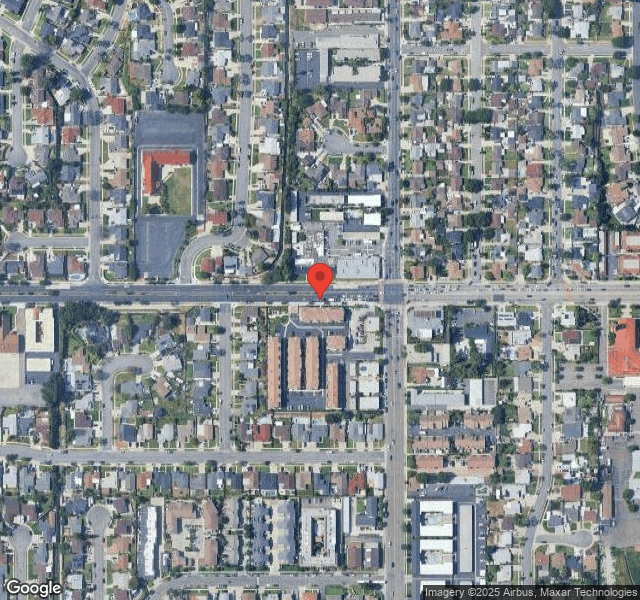

1233 WEST LA HABRA BOULEVARD, LA HABRA, CA 90631 (562) 691-0781
For profit - Corporation 86 Beds DAVID & FRANK JOHNSON Data: November 2025
Trust Grade
70/100
#298 of 1155 in CA
Last Inspection: July 2024

Within standard 12-15 month inspection cycle. Federal law requires annual inspections.

Overview

Bonita Hills Post Acute has a Trust Grade of B, indicating it is a good choice for families seeking care, but there are some areas for improvement. It ranks #298 out of 1155 facilities in California, placing it in the top half statewide and #21 of 72 in Orange County, which means only 20 local options are better. The facility is improving, with issues decreasing from 30 in 2024 to just 4 in 2025. Staffing is rated average with a turnover rate of 41%, which is similar to the state average, and there are no fines, suggesting compliance with regulations. However, there have been some concerning incidents, such as incomplete documentation regarding resident care and failures in food safety practices that could pose risks for residents. Overall, while there are strengths in its ranking and lack of fines, families should consider the noted deficiencies when making their decision.

Trust Score
B
70/100
In California
#298/1155
Top 25%
Safety Record
Low Risk
No red flags
Inspections
Getting Better
30 → 4 violations
Staff Stability
○ Average
41% turnover. Near California's 48% average. Typical for the industry.
Penalties
✓ Good
No fines on record. Clean compliance history, better than most California facilities.
Skilled Nurses
⚠ Watch
Each resident gets only 27 minutes of Registered Nurse (RN) attention daily — below average for California. Fewer RN minutes means fewer trained eyes watching for problems.
Violations
⚠ Watch
77 deficiencies on record. Higher than average. Multiple issues found across inspections.
★★★★☆
4.0
Overall Rating
★★★☆☆
3.0
Staff Levels
★★★★★
5.0
Care Quality
★★★☆☆
3.0
Inspection Score
Stable
2024: 30 issues
2025: 4 issues

The Good

  • 5-Star Quality Measures · Strong clinical quality outcomes
  • Full Sprinkler Coverage · Fire safety systems throughout facility
  • No fines on record
  • Staff turnover below average (41%)

    7 points below California average of 48%

Facility shows strength in quality measures, fire safety.

The Bad

Staff Turnover: 41%

Near California avg (46%)

Typical for the industry

Chain: DAVID & FRANK JOHNSON

Part of a multi-facility chain

Ask about local staffing decisions and management

The Ugly 77 deficiencies on record

Jul 2025 1 deficiency
CONCERN (D) 📢 Someone Reported This

A family member, employee, or ombudsman was alarmed enough to file a formal complaint

Potential for Harm - no one hurt, but risky conditions existed

Deficiency F0657 (Tag F0657)

Could have caused harm · This affected 1 resident

**NOTE- TERMS IN BRACKETS HAVE BEEN EDITED TO PROTECT CONFIDENTIALITY** Based on interview, medical record review, facility document review, and facility P&P review, the facility failed to ensure the ...

Read full inspector narrative →
**NOTE- TERMS IN BRACKETS HAVE BEEN EDITED TO PROTECT CONFIDENTIALITY** Based on interview, medical record review, facility document review, and facility P&P review, the facility failed to ensure the comprehensive plan of care interventions were implemented for a suspected allegation of financial abuse for one of three sampled residents (Resident 1). This failure had the potential for not providing care and services to meet the residents' needs. Findings: Review of the facility's P&P titled Care Plan Revisions Upon Status Change revised 12/2022 showed the following: 1. The comprehensive care plan will be reviewed, and revised as necessary, when a resident experiences a status change. 2. Procedure for reviewing and revising the care plan when a resident experiences a status change: a. upon identification of a change in status, the nurse will notify the MDS coordinator, the physician, and the resident representative, if applicable. b. the MDS coordinator and the interdisciplinary team will discuss the resident condition and collaborate on intervention options. c. the team meeting discussion will be documented in the nursing progress notes. d. the care plan will be updated with the new or modified interventions. e. staff involved in the care of the resident will report resident response to new of modified interventions. f. the unit manager or other designated staff member will communicate care plan interventions to all staff involved in the resident's care. g. the unit manager or other designated staff member will conduct an audit on all residents experiencing a change in status, at the time the change in status is identified, to ensure care plans have been updated to reflect current resident needs. Review of the facility's P&P titled Abuse, Neglect and Exploitation revised 12/2022 showed the facility will make efforts to ensure all the residents are protected from physical and psychosocial harm, as well as additional abuse, during and after the investigation. Examples include but are not limited to: a. responding immediately to protect the alleged victim and integrity of the investigation; b. examining the alleged victim for any sign of injury, including a physical examination or psychosocial assessment if needed; c. increased supervision of the alleged victim and residents; d. room or staffing changes, if necessary, to protect the resident(s) from the alleged perpetrator; e. protection from retaliation; f. providing emotional support and counseling to the resident during and after the investigation, as needed; and g. revision of the resident's care plan if the resident's medical, nursing, physical, mental, or psychosocial needs or preferences change as a result of the incident of abuse. Medical record review for Resident 1 was initiated on 7/1/25. Resident 1 was admitted to the facility on [DATE]. On 6/24/25 at 1435 hours, the CDPH, L&C Program received a complaint alleging Resident 1 had been financially abused by Family Member 1. Review of Resident 1's Care Plan Report dated 6/23/25, showed suspected financial abuse, assessment reveals suspected abuse and/or neglect or factors that may increase susceptibility to abuse/neglect included psychosocial distress and disturbed functioning. The Care Plan Report showed the following interventions included: - assure the resident he is in a safe and secure environment with caring professionals. Explain that psychosocial adjustment is often facilitated by developing a trusting relationship with another person (i.e., social worker, nurse, CNA, peer) and by verbalizing thoughts, needs and feelings; - assure the resident the staff members are available to help and department heads maintain an open door policy; - establish guidelines regarding visiting if the persons interested in visiting have a history of inappropriate and/or maladaptive behavior towards the resident. Provide supervision during visits, as necessary; - observe the resident for signs of fear and insecurity during delivery of care. Take steps to calm the resident and help the resident to feel safe; and - review the assessment information. Emphasize treatment of the causal factors and/or interventions designed to moderate/reduce symptoms (make treatment of compulsive behavior, substance abuse, anger and mental health issues available to the resident, as indicated). Review of the facility's document titled Visitors Log (undated) showed Family Member 1 visited the facility on three separate occasions between 6/24 to 6/30/25. On 7/1/25 at 1325 hours, an interview was conducted with the SSD. The SSD stated Resident 1 wanted to continue to allow Family Member 1 to visit him in the facility. When asked how the facility protected Resident 1 from further financial abuse by Family Member 1, the SSD stated he was notified when Family Member 1 visited, and went in the room to visit Resident 1. When asked if the SSD assessed and monitored Resident 1 regarding the suspected financial abuse, the SSD stated, I didn't for this one. and I should have done it for this one. On 7/1/25 at 1352 hours, an interview was conducted with CNA 1. CNA 1 stated Family Member 1 visited Resident 1 over the weekend between 6/28 to 6/29/25. When asked if she was instructed to provide additional monitoring when Resident 1 had a visitor, CNA 1 stated no. CNA 1 stated she was not aware of the allegation until 7/1/25, and stated everyone should be made aware so Resident 1 could be monitored. On 7/1/25 at 1559 hours, an interview was conducted with LVN 1. LVN 1 stated her first day back was on 7/1/25, after being off for a medical leave. LVN 1 stated she was not informed of Resident 1's allegation until 7/1/25. LVN 1 stated Resident 1 should be monitored after an abuse allegation for a minimum of 72 hours and longer if necessary and monitored when Resident 1 had a visitor to ensure he was not receiving documents to sign. On 7/1/25 at 1432 an interview was conducted with the Administrator. The Administrator stated the process to prevent Resident 1 from further financial abuse by Family Member 1 when she visited, Resident 1 would be to have all eyes on her and ensure they were meeting in a public area within the facility. On 7/1/25 at 1534 hours, an interview and concurrent medical record review was conducted with the DON. The DON stated the assessments, change in condition documentation, post monitoring, and social services assessment and monitoring should have been implemented. The DON verified there were no assessments, physicians' notification, social services assessments, and the care plan interventions were not implemented. On 7/1/25 at 1622 hours, the Administrator and the DON acknowledged the above findings.
Jun 2025 1 deficiency
MINOR (B) 📢 Someone Reported This

A family member, employee, or ombudsman was alarmed enough to file a formal complaint

Minor Issue - procedural, no safety impact

Medical Records (Tag F0842)

Minor procedural issue · This affected multiple residents

**NOTE- TERMS IN BRACKETS HAVE BEEN EDITED TO PROTECT CONFIDENTIALITY** Based on observation, interview, medical record review, and facility P&P review, the facility failed to ensure the Dialysis Comm...

Read full inspector narrative →
**NOTE- TERMS IN BRACKETS HAVE BEEN EDITED TO PROTECT CONFIDENTIALITY** Based on observation, interview, medical record review, and facility P&P review, the facility failed to ensure the Dialysis Communication Form was completed for two of four sampled residents (Residents 1 and 4). * Residents 1 and 4's pre and post-dialysis information sections on the Dialysis Communication Form were not completed by the licensed staff. Additionally, there was no documentation of the status of the dialysis access and general condition of the residents upon returning from the dialysis center. These failures had the potential to not provide the necessary care and services to these residents as their medical information was incomplete. Findings: Review of the facility's P&P titled Hemodialysis revised 6/5/23,showed the facility will provide the necessary care and treatment consistent with professional standards of practice, physician's orders, comprehensive person-centered care plan, and resident goals and preferences to meet the special medical, nursing, mental, and psychosocial needs of residents receiving hemodialysis. - The facility will monitor for and identify changes in the resident's behavior that may impact the safe administration of the dialysis before and after treatment and will inform the attending practitioner and dialysis facility of the changes. - The licensed nurse will communicate to the dialysis facility via telephonic communication or written format, such as a dialysis communication form or other form. - The nurse will monitor and document the status of the resident's access site(s) upon return from the dialysis treatment to observe for bleeding or other complications. - The nurse will ensure that the dialysis access site (e.g. AV shunt or graft) is checked before and after dialysis treatments and every shift for patency by auscultating for a bruit and palpating for a thrill. If absent, the nurse will immediately notify the attending physician, dialysis facility and/or nephrologist. 1. Medical record review for Resident 1 was initiated on 5/29/25. Resident 1 was admitted to the facility on [DATE] with diagnoses including ESRD. Review of Resident 1's Order Summary Report showed the following physician orders: - dated 5/8/25, for hemodialysis treatments on Tuesday, Thursday, and Saturday at the dialysis center. - dated 5/8/25, to monitor the RUA AVF every shift for bruit and thrill. Review of Resident 1's Dialysis Communication Form dated 5/10/25, failed to show an entry for the shunt location/status under pre-dialysis information section. Review of Resident 1's Dialysis Communication Form dated 5/13/25, failed to show an entry for the shunt location/status, medications administered prior to dialysis, and additional information under the pre-dialysis information section. 2. Medical record review for Resident 4 was initiated on 6/5/25. Resident 4 was admitted to the facility on [DATE], and readmitted on [DATE] with diagnoses including ESRD. Review of Resident 4's Order Summary Report showed the following physician orders: - dated 4/16/25, for hemodialysis treatments on Monday, Wednesday and Friday at the dialysis center. - dated 4/16/25, to monitor the right upper chest perma-cath access site every shift. Review of Resident 4's Dialysis Communication Form dated 5/12/25, failed to show an entry for the catheter status in the pre-dialysis information section. The form further failed to show an entry for the general condition of resident in post-dialysis information section. Review of Resident 4's Dialysis Communication Form dated 5/14/25, failed to show an entry for the entire pre-dialysis information section. Review of Resident 4's Dialysis Communication Form dated 5/15/25, failed to show an entry for the catheter status in the pre-dialysis information section and the general condition of resident was left blank in post-dialysis information section. Review of Resident 4's Dialysis Communication Form dated 5/19/25, failed to show an entry for the catheter status in the pre-dialysis information section. The form further failed to show an entry for the general condition of resident in post-dialysis information section. On 6/5/25 at 1605 hours, an interview and concurrent medical record review for Residents 1 and 4 was conducted with RN 1. RN 1 acknowledged the findings and stated that it was important to conduct pre and post dialysis assessments with the residents to evaluate the residents' condition and status of the dialysis access to ensure appropriate care and interventions were provided timely as needed. RN 1 further stated the completed documentation of the Dialysis Communication Forms also validated the services and care were rendered accordingly. On 6/5/25 at 1620 hours, during an interview, the DON was informed and acknowledged the above findings.
Jan 2025 2 deficiencies
CONCERN (D) 📢 Someone Reported This

A family member, employee, or ombudsman was alarmed enough to file a formal complaint

Potential for Harm - no one hurt, but risky conditions existed

Deficiency F0625 (Tag F0625)

Could have caused harm · This affected 1 resident

**NOTE- TERMS IN BRACKETS HAVE BEEN EDITED TO PROTECT CONFIDENTIALITY** Based on interview, medical record review, facility document, and facility P&P review, the facility failed to ensure Resident 1 ...

Read full inspector narrative →
**NOTE- TERMS IN BRACKETS HAVE BEEN EDITED TO PROTECT CONFIDENTIALITY** Based on interview, medical record review, facility document, and facility P&P review, the facility failed to ensure Resident 1 was provided a bed hold for up to seven days when Resident 1 returned to a different room and bed upon readmission to the facility on 1/2/25. In addition, the facility failed to provide Resident 1 and/or the resident's representative a written bed hold policy upon transfer to an acute care hospital. These failures had the potential for Resident 1 and/or the resident's representative to be not informed of their rights to return to the facility following hospitalization. Findings: Medical record review for Resident 1 was initiated on 1/17/25. Resident 1 was admitted to the facility on [DATE], and readmitted on [DATE]. Review of Resident 1's MDS dated [DATE], showed Resident 1 had a BIMS score of two, indicating severe cognitive impairment. Review of Resident 1's eInteract Transfer Form dated 1/1/25, showed Resident 1 was transferred to the acute care hospital on [DATE]. 1. Review of the facility's document titled Bed-Hold Notice (form provided to the residents/representative) showed current regulations require that each long-term facility provide a bed-hold for up to seven days when a resident is transferred for hospitalization. Review of Resident 1's Order Summary Report showed a physician's order dated 1/2/25, to admit Resident 1 to the facility. Review of the facility's Daily Census Roster dated 12/30/24, showed Resident 1 had a bed hold for Room A. Review of the facility's Daily Census Roster dated 1/2/25, showed Resident 1 was in Room B (three bedroom). On 1/17/25 at 1528 hours, an interview and concurrent medical review was conducted with the DON and RN Consultant. When the DON and RN Consultant were asked about the facility's bed capacity, the RN Consultant stated the facility's bed capacity was 86. The DON and RN Consultant were asked why Resident 1 was not readmitted to the same bed in Room A when the facility had six beds (equivalent to two or three rooms) available. The DON and RN were not able to provide an answer. 2. Review of the facility's P&P titled Bed Hold Prior to Transfer revised 12/19/22, showed it is the policy of this facility to provide written information to the resident and/or the resident representative regarding bed hold policies prior to transferring a resident to the hospital or the resident goes on therapeutic leave. The facility will have a process in place to ensure the residents and/or their representatives are made aware of the facility's bed-hold and reserve bed payment policy well in advance of being transferred to the hospital. Review of the facility's P&P titled Bed Hold Notice Upon Transfer revised 12/19/22, showed at the time of transfer for hospitalization or therapeutic leave, the facility will provide to the resident and or the resident representative written notice which specifies the duration of the bed-hold policy and addresses information explaining the return of the resident. Review of Resident 1's Notice of Transfer/discharge date d 12/30/24, showed Resident 1 was transferred to the acute care hospital because the transfer/discharge was necessary for the resident's welfare and the resident's needs could not be met in the facility. Further review of Resident 1's medical record failed to show Resident 1 and/or the resident's representative were informed of the facility's bed hold policy before transferring to the acute care hospital on [DATE]. On 1/17/25 at 1528 hours, an interview and concurrent medical record review was conducted with the DON and RN Consultant. The DON and RN Consultant verified there was no bed hold information was provided to Resident 1 and/or the resident's representative prior to Resident 1 transferring to the acute care hospital on [DATE]. On 1/17/25 at 1640 hours, the Administrator was informed and acknowledged the above findings.
CONCERN (D) 📢 Someone Reported This

A family member, employee, or ombudsman was alarmed enough to file a formal complaint

Potential for Harm - no one hurt, but risky conditions existed

Infection Control (Tag F0880)

Could have caused harm · This affected 1 resident

**NOTE- TERMS IN BRACKETS HAVE BEEN EDITED TO PROTECT CONFIDENTIALITY** Based on observation, interview, medical record review, and facility P&P review, the facility failed to implement infection cont...

Read full inspector narrative →
**NOTE- TERMS IN BRACKETS HAVE BEEN EDITED TO PROTECT CONFIDENTIALITY** Based on observation, interview, medical record review, and facility P&P review, the facility failed to implement infection control practices designed to provide a safe and sanitary environment and help prevent the development and transmission of disease and infections. * Resident 2 who had salmonella was cohorted with Resident 1 who did not have salmonella. * RN 1 failed to perform hand hygiene and don the gloves and gown on while providing care for Resident 2 who was on contact isolation precautions. * The facility failed to ensure a visitor donned the gloves and gown on while sitting on Resident 2's bed. * The facility failed to ensure Caregiver 1 donned a gown on while feeding Resident 1 who was inside an isolation room for a contact precaution. Findings: 1. Review of the facility's P&P titled Transmission-Based (Isolation) Precautions revised 7/18/23, showed it is the policy to take appropriate precautions to prevent transmission of pathogens, based on pathogens' modes of transmission. Contact precautions refer to measures that are intended to prevent transmission of infectious agents which are spread by direct or indirect contact with the resident or the resident's environment. Transmission-based precautions (Isolation Precautions) refer to actions (precautions) implemented in addition to standard precautions that are based upon the means of transmission (airborne, contact, and droplet) in order to prevent or control infections. When implementing transmission-based precaution, the facility will consider the following: cohorting residents with the same pathogen; and sharing a room with a roommate with limited risk factors (example, without indwelling or invasive devices, without open wounds, and not immunocompromised) as appropriate based on the pathogen and method of transmission. a. Medical record review for Resident 1 was initiated on 1/17/25. Resident was admitted to the facility on [DATE], and readmitted on [DATE]. Review of Resident 1's MDS dated [DATE], showed Resident 1 had a BIMS score of two, indicating severe cognitive impairment. Review of Resident 1's MAR for January 2025 showed Resident 1's medications were administered via G tube. Review of Resident 1' s TAR for January 2025 showed wound treatments were provided to Resident 1's abdominal area for the stoma/G tube, coccygeal, right forehand, and scrotal skin tear. Further review of Resident 1's medical record failed to show Resident 1 required a contact isolation precautions and/or had salmonella infection. b. Medical record review for Resident 2 was initiated on 1/17/25. Resident was admitted to the facility on [DATE], and readmitted on [DATE]. Review of Resident 2's MDS dated [DATE], showed Resident 2 had a BIMS score of three, indicating severe cognitive impairment. Review of Resident 2's Order Summary Report showed a physician's order dated 1/8/25, for contact isolation related to salmonella. On 1/17/25 at 1238 hours, an interview was conducted with LVN 1. LVN 1 stated Residents 1 and 2 were both totally dependent on the staff for their care and both residents had G tubes. LVN 1 verified Resident 2 was on contact isolation precaution and stated Resident 1 should not be cohorted with Resident 2 because of the high risk for contamination for Resident 1. On 1/17/25 at 1330 hours, an interview and concurrent medical review was conducted with RN 1. RN 1 verified Resident 1 should not be cohorted with Resident 2 because Resident 1 was not infected with salmonella. RN 1 stated both Residents 1 and 2 shared the same bathroom with only one sink to use so there was a high risk for contamination for Resident 1. On 1/17/25 at 1528 hours, an interview and concurrent medical review was conducted with the DON and RN Consultant. The DON verified Resident 1 should not be cohorted with Resident 2 because of the high risk for contamination for Resident 1. 2. Review of the facility's P&P titled Standard Precautions Infection Control revised 12/19/22, showed all the staff members are to assume that all the residents are potentially infected or colonized with an organism that could be transmitted during the course of providing resident care services. Therefore, all the staff members shall adhere to Standard Precautions to prevent the spread of infection to residents, staff and visitors. Under the Policy Explanation and Compliance Guidelines section, showed the following: 1. Hand hygiene: (a) during the delivery of resident care services, avoid unnecessary touching of surfaces in close proximity to the resident to prevent both contamination of clean hands from environmental surfaces and transmission of pathogens from contaminated hands to surfaces. (b) Perform hand hygiene. 2. Using personal protective equipment (PPE): all staff who have contact with residents and/or their environments must wear personal protective equipment as appropriate during resident care activities and at other times in which exposure to blood, body fluids, or potentially infectious materials is likely. On 1/17/25 at 1220 hours, an observation was conducted on Room C. At the entrance of the room, a contact precaution sign was posted. The sign showed the following: -Everyone must clean their hands, including before entering and when leaving the room. -Providers and staff must also put on gloves before room entry. -Discard gloves before room exit. -Put on gown before room entry. -Discard gown before room exit. a. On 1/17/25 at 1223 hours, an observation and concurrent interview was conducted with RN 1. RN 1 was observed not performing hand hygiene before entering and leaving Room C. Furthermore, RN 1 was observed without gloves and gown while touching the enteral pump button of Resident 2 inside Room C. RN 1 verified the above findings and stated it was important to perform hand hygiene and don the proper PPE when going into a contact precaution room for infection control. b. On 1/17/25, at 1520 hours, an observation was conducted on Room C. Resident 2's visitor was observed sitting on the resident's bed without gloves and gown. LVN 1 verified the above findings. c. On 1/17/25 at 1230 hours, an observation and concurrent interview was conducted with Caregiver 1 inside Room C. Caregiver 1 was observed wearing a mask and gloves while feeding Resident 1. When asked, Caregiver 1 stated she did not know a gown should be worn while inside a contact precaution room. Caregiver 1 further stated the facility did not provide her training or education regarding contact precaution. On 1/17/25 at 1640 hours, the Administrator, DON, and RN Consultant were informed and acknowledged the above findings. Based on observation, interview, medical record review, and facility P&P review, the facility failed to implement infection control practices designed to provide a safe and sanitary environment and help prevent the development and transmission of disease and infections. * Resident 2 who had salmonella was cohorted with Resident 1 who did not have salmonella. * RN 1 failed to perform hand hygiene and don the gloves and gown on while providing care for Resident 2 who was on contact isolation precautions. * The facility failed to ensure a visitor donned the gloves and gown on while sitting on Resident 2's bed. * The facility failed to ensure Caregiver 1 donned a gown on while feeding Resident 1 who was inside an isolation room for a contact precaution. Findings: 1. Review of the facility's P&P titled Transmission-Based (Isolation) Precautions revised 7/18/23, showed it is the policy to take appropriate precautions to prevent transmission of pathogens, based on pathogens' modes of transmission. Contact precautions refer to measures that are intended to prevent transmission of infectious agents which are spread by direct or indirect contact with the resident or the resident's environment. Transmission-based precautions (Isolation Precautions) refer to actions (precautions) implemented in addition to standard precautions that are based upon the means of transmission (airborne, contact, and droplet) in order to prevent or control infections. When implementing transmission-based precaution, the facility will consider the following: cohorting residents with the same pathogen; and sharing a room with a roommate with limited risk factors (example, without indwelling or invasive devices, without open wounds, and not immunocompromised) as appropriate based on the pathogen and method of transmission. a. Medical record review for Resident 1 was initiated on 1/17/25. Resident was admitted to the facility on [DATE], and readmitted on [DATE]. Review of Resident 1's MDS dated [DATE], showed Resident 1 had a BIMS score of two, indicating severe cognitive impairment. Review of Resident 1's MAR for January 2025 showed Resident 1's medications were administered via G tube. Review of Resident 1' s TAR for January 2025 showed wound treatments were provided to Resident 1's abdominal area for the stoma/G tube, coccygeal, right forehand, and scrotal skin tear. Further review of Resident 1's medical record failed to show Resident 1 required a contact isolation precautions and/or had salmonella infection. b. Medical record review for Resident 2 was initiated on 1/17/25. Resident was admitted to the facility on [DATE], and readmitted on [DATE]. Review of Resident 2's MDS dated [DATE], showed Resident 2 had a BIMS score of three, indicating severe cognitive impairment. Review of Resident 2's Order Summary Report showed a physician's order dated 1/8/25, for contact isolation related to salmonella. On 1/17/25 at 1238 hours, an interview was conducted with LVN 1. LVN 1 stated Residents 1 and 2 were both totally dependent on the staff for their care and both residents had G tubes. LVN 1 verified Resident 2 was on contact isolation precaution and stated Resident 1 should not be cohorted with Resident 2 because of the high risk for contamination for Resident 1. On 1/17/25 at 1330 hours, an interview and concurrent medical review was conducted with RN 1. RN 1 verified Resident 1 should not be cohorted with Resident 2 because Resident 1 was not infected with salmonella. RN 1 stated both Residents 1 and 2 shared the same bathroom with only one sink to use so there was a high risk for contamination for Resident 1. On 1/17/25 at 1528 hours, an interview and concurrent medical review was conducted with the DON and RN Consultant. The DON verified Resident 1 should not be cohorted with Resident 2 because of the high risk for contamination for Resident 1. 2. Review of the facility's P&P titled Standard Precautions Infection Control revised 12/19/22, showed all the staff members are to assume that all the residents are potentially infected or colonized with an organism that could be transmitted during the course of providing resident care services. Therefore, all the staff members shall adhere to Standard Precautions to prevent the spread of infection to residents, staff and visitors. Under the Policy Explanation and Compliance Guidelines section, showed the following: 1. Hand hygiene: (a) during the delivery of resident care services, avoid unnecessary touching of surfaces in close proximity to the resident to prevent both contamination of clean hands from environmental surfaces and transmission of pathogens from contaminated hands to surfaces. (b) Perform hand hygiene. 2. Using personal protective equipment (PPE): all staff who have contact with residents and/or their environments must wear personal protective equipment as appropriate during resident care activities and at other times in which exposure to blood, body fluids, or potentially infectious materials is likely. On 1/17/25 at 1220 hours, an observation was conducted on Room C. At the entrance of the room, a contactprecaution sign was posted. The sign showed the following: -Everyone must clean their hands, including before entering and when leaving the room. -Providers and staff must also put on gloves before room entry. -Discard gloves before room exit. -Put on gown before room entry. -Discard gown before room exit. a. On 1/17/25 at 1223 hours, an observation and concurrent interview was conducted with RN 1. RN 1 was observed not performing hand hygiene before entering and leaving Room C. Furthermore, RN 1 was observed without gloves and gown while touching the enteral pump button of Resident 2 inside Room C. RN 1 verified the above findings and stated it was important to perform hand hygiene and don the proper PPE when going into a contact precaution room for infection control. b. On 1/17/25, at 1520 hours, an observation was conducted on Room C. Resident 2's visitor was observed sitting on the resident's bed without gloves and gown. LVN 1 verified the above findings. c. On 1/17/25 at 1230 hours, an observation and concurrent interview was conducted with Caregiver 1 inside Room C. Caregiver 1 was observed wearing a mask and gloves while feeding Resident 1. When asked, Caregiver 1 stated she did not know a gown should be worn while inside a contact precaution room. Caregiver 1 further stated the facility did not provide her training or education regarding contact precaution. On 1/17/25 at 1640 hours, the Administrator, DON, and RN Consultant were informed and acknowledged the above findings.
Nov 2024 1 deficiency
CONCERN (D) 📢 Someone Reported This

A family member, employee, or ombudsman was alarmed enough to file a formal complaint

Potential for Harm - no one hurt, but risky conditions existed

Quality of Care (Tag F0684)

Could have caused harm · This affected 1 resident

**NOTE- TERMS IN BRACKETS HAVE BEEN EDITED TO PROTECT CONFIDENTIALITY** Based on interview, medical record review, facility document review, and facility P&P review, the facility failed to provide the...

Read full inspector narrative →
**NOTE- TERMS IN BRACKETS HAVE BEEN EDITED TO PROTECT CONFIDENTIALITY** Based on interview, medical record review, facility document review, and facility P&P review, the facility failed to provide the necessary care and services for one of five sampled residents (Resident 3). * The facility failed to monitor Resident 3's wound separation for the forehead area and skin breakdown for the left and right arm area every shift as ordered. * The facility failed to notify the physician of the changes in Resident 3's wound separation for the forehead area and skin breakdown for the left and right arm area as documented on the TAR. These failures had the potential to negatively impact Resident 3's well-being. Findings: Review of the facility's P&P titled Skin Assessment revised 12/19/22,showed a full body, or head to toe, skin assessment will be conducted by a licensed or registered nurse upon admission/re-admission, and weekly thereafter. The assessment may also be performed after a change of condition. Medical record review for Resident 3 was initiated on 11/14/24. Resident 3 was admitted to the facility on [DATE], and readmitted on [DATE]. Review of Resident 3's SBAR Communication Form showed Resident 3 had an unwitnessed fall on 10/28/24. The form further showed Resident 3 sustained a small laceration (a cut or tear in the skin) to the forehead related to the fall. a. Review of Resident 3's Order Summary Report showed a physician's order dated 11/1/24, to monitor the following area every shift: - for the forehead area laceration with bond/glue, to monitor the wound separation. - for the left arm area, to monitor for further skin breakdown; and - for the right arm area, to monitor for further skin breakdown. Review of Resident 3's TAR for November 2024 showed the 3-11 shift assessments for the following areas and dates were left blank: - for the forehead area on 11/4, 11/5, 11/10, 11/11, 11/12, and 11/13/24. - for the left and right arm area on 11/4/,11/5,11/10,11/11, 11/12, 11/13 and 11/18/24. b. Furthermore, review of Resident 3's TAR for November 2024, showed Y was documented for the following areas, dates, and shifts: - for the forehead area on 11/2/24 for the 7-3 shift and 3-11 shift, and 11/13/24 for the 7- 3 shift - for the left arm area on11/2/24 for the 7-3 shift and 3-11 shift, and 11/13/24 for the 7-3 shift - for the right arm area on 11/2/24 for the 7-3 shift and 3-11 shift, 11/11/24 for the 11-7 shift, and 11/13/24 for the 7-3 shift. On 11/20/24 at 0903 hours, a concurrent interview and medical record review was conducted with LVN 4. LVN 4 was asked what Y meant in Resident 3's TAR for November 2024 monitoring of the forehead, left and right arm area. LVN 4 stated if it was a Y documented, it meant there was a breakdown in the skin and the physician should be notified. However, the progress notes showed no documented evidence of the skin breakdown and physician notification for those dates and time when the licensed nursed documented Y on the TAR. LVN 4 also verified the 3-11 shift had not monitored Resident 3's forehead, left and right am area on certain days in November 2024 as they were left blank. On 11/20/24 at 1140 hours, a concurrent interview and medical record review was conducted with the DON. The DON verifiedthere were Y documentedin Resident 3's TAR for November 2024, indicating a skin breakdown. The DON stated the physician should have been notified. The DON was unable to show documentation nor the physician notification of any skin breakdown. The DON also verified the 3-11 shift failed to monitor Resident 3's forehead, left and right arm as the above dates in the November 2024 TAR were left blank. The DON stated there was no documentation why it was not monitored.
Oct 2024 3 deficiencies
CONCERN (D) 📢 Someone Reported This

A family member, employee, or ombudsman was alarmed enough to file a formal complaint

Potential for Harm - no one hurt, but risky conditions existed

Quality of Care (Tag F0684)

Could have caused harm · This affected 1 resident

**NOTE- TERMS IN BRACKETS HAVE BEEN EDITED TO PROTECT CONFIDENTIALITY** Based on interview and medical record review, the facility failed to ensure the ST had evaluated the resident with an order for ...

Read full inspector narrative →
**NOTE- TERMS IN BRACKETS HAVE BEEN EDITED TO PROTECT CONFIDENTIALITY** Based on interview and medical record review, the facility failed to ensure the ST had evaluated the resident with an order for thicken liquid as per the facility's P&P for one of five sampled residents (Resident 2). This failure had the potential for not providing necessary care and services to the resident. Findings: Review of the facility's P&P titled Thickened Liquids date implemented 12/2022, showed the thickened liquids are provided when ordered by a physician/practitioner or when ordered by a dietitian or speech-language pathologist who has been delegated to write diet orders, to the extent allowed by state law. The use of thickened liquids will be based on the resident's individual needs as determined by the resident's assessment and will be in accordance with the resident's goals and preferences. The reason for thickened liquids is to be documented in the medical record and/or indicated on the resident's comprehensive plan of care. Residents with swallowing difficulties or orders for thickened liquids are to be referred to speech-language pathologist for screening and evaluated as indicated. The need for thickened liquids may be re-evaluated periodically, by the speech therapist. Thickened liquids - individual diet orders may include a specific level for liquid consistency to be served, including water. The three liquid consistencies are nectar, honey, and pudding. Medical record review for Resident 2 was initiated on 10/9/24. Resident 2 was admitted to the facility on [DATE]. Review of Resident 2's H&P examination dated 5/17/24, showed Resident 2 did not have the capacity to understand and make decisions. Review of Resident 2's Order Summary Report for October 2024 showed the following orders: - an order dated 5/17/24, for regular diet- regular texture, nectar consistency for nutrition - an order dated 5/17/24, for aspiration precautions (strict supervision), bite size/sit up for meals. Review of Resident 2's plans of care failed to show a care plan was developed for nectar thick consistency of beverages. Further review of Resident 2's medical record failed to show the resident was evaluated or seen by the ST as per the facility's P&P. On 10/9/24 at 1444 hours, an interview was conducted with the RD. The RD stated she did not perform any functional ability evaluation for resident. The RD stated once it was recommended for the resident to receive modified liquid such as nectar, the ST would follow up for evaluation of the resident. The RD further stated the ST did the evaluation for liquid consistency and food texture especially when it was to be upgraded. On 10/10/24 at 1510 hours, a follow-up interview was conducted with the RD. The RD stated if the resident would have a special need for modified liquid, a plan of care should be initiated, and she would also inform the care plan team. On 10/10/24 at 1530 hours, a concurrent interview and medical record review was conducted with RNs 1 and 2. RNs 1 and 2 stated if the resident had needs for modified liquids, it should have been addressed in the plan of care. RNs 1 and 2 stated Resident 2 was on nectar thickened liquids. RNs 1 and 2 verified the need for modified thickened liquids was not addressed in the resident's plan of care. On 10/10/24 at 1614 hours, a concurrent interview and medical record review was conducted with the ST. The ST stated she assessed the resident's swallowing function and part of her assessment to evaluate the type of liquid consistency the resident could have. The ST verified Resident 2 was not evaluated by the ST.
CONCERN (D) 📢 Someone Reported This

A family member, employee, or ombudsman was alarmed enough to file a formal complaint

Potential for Harm - no one hurt, but risky conditions existed

Accident Prevention (Tag F0689)

Could have caused harm · This affected 1 resident

**NOTE- TERMS IN BRACKETS HAVE BEEN EDITED TO PROTECT CONFIDENTIALITY** Based on interview, medical record review, and facility P&P review, the facility failed to ensure five of five sampled residents...

Read full inspector narrative →
**NOTE- TERMS IN BRACKETS HAVE BEEN EDITED TO PROTECT CONFIDENTIALITY** Based on interview, medical record review, and facility P&P review, the facility failed to ensure five of five sampled residents (Residents 1, 2, 3, 4, and 5) remained free from the accident hazards. * The facility failed to assess the residents' ability to handle the containers and consume the hot beverages as per the facility's P&P for Residents 1, 2, 3, 4, and 5. Resident 1 spilled a cup of hot chocolate on her chest, causing redness and blisters to Resident 1's right side of chest. Resident 2 also spilled coffee on his lap. These failures posed the risk of injury to the residents who were consuming hot liquids in the facility. Findings: Review of the facility's P&P titled Hot Liquid Safety (undated) showed all residents are assessed for their ability to handle the containers and consume hot liquids. Residents with difficulties will receive the appropriate supervision and use of the assistive devices to drink hot liquids. Interventions will be individualized and noted on the resident's plan of care. Interventions include, but are not limited to: a. Wide based cups; b. Cups with lids and handles; c. Aprons; and d. Disallow hot liquids while lying in bed. General safety precautions when serving hot liquids include, but are not limited to: a. Make sure resident is alert and in proper positioning to consume hot liquids; b. Use cups, mugs, or other containers that are appropriate for hot beverages; c. Do not overfill containers; d. Regulate temperature of hot liquids to which residents have direct access; e. Place filled containers directly on table. Do not hand them directly to residents; f. Keep hot liquids away from the edges of the table; and g. Do not refill containers while the resident is holding the container. Review of the facility's P&P titled Accidents and Supervision revised 12/19/22, showed the resident environment will remain as free of accident hazards as possible. Each resident will receive adequate supervision and assistive devices to prevent accidents. This includes identifying hazards and risks and implementing interventions to reduce hazards and risks. Supervision is an intervention and a means of mitigating accident risk. The facility will provide adequate supervision to prevent accidents. Adequacy of supervision is based on the individual resident's needs. 1. Review of the facility's Letter to CDPH, L&C dated 9/25/24, showed an incident when Resident 1 spilled the hot chocolate on her chest. The letter showed Resident 1 appeared visibly distressed, crying, and noted with redness with blistering on her right side of the chest. The letter further showed Resident 1 was transferred to the acute hospital where she was diagnosed with second degree burn. Medical record review for Resident 1 was initiated on 10/3/24. Resident 1 was readmitted to the facility on [DATE], and discharged on 10/2/24. Review of Resident 1's H&P examination dated 4/23/24, showed Resident 1 could make needs known by nodding yes/no but could not make medical decisions. Review of Resident 1's MDS dated [DATE], showed Resident 1 was never or rarely understood. The section for Cognitive Patterns showed Resident 1 had a long and short term memory problems and severely impaired cognition skills for daily decision making. The section for Functional Abilities and Goals showed Resident 1 needed partial/moderate assistance (helper does less than half the effort, helper lifts, holds, or supports trunk or limbs, but provides less than half the effort) for eating. Review of Resident 1's Care Plan revised 10/26/22, showed a care plan addressing Resident 1's impaired cognitive ability/impaired thought processes related to impaired decision making, long term memory loss, and short-term memory loss. The interventions included cue, reorienting, and supervision as needed. Review of Resident 1's Care Plan revised on 4/18/24, showed a care plan problem addressing Resident 1's ADL self-care performance deficits related to activity intolerance, disease process, hemiplegia, and limited mobility. The interventions for eating included Resident 1 was limited assist with one staff. Review of Resident 1's Nurse's Progress Note dated 9/25/24 at 0845 hours, showed Resident 1 burned herself by spilling hot chocolate this morning at 0740 hours, Further review of Resident 1's medical record failed to show documented evidence the assessment was completed for Resident 1's ability to handle containers and consume hot liquids. On 10/4/24 at 1041 hours, an interview was conducted with RN 1. RN 1 was asked to describe Resident 1's burn incident on 9/25/24. RN 1 stated he was in the room with the other resident when the incident happened, then he heard Resident 1 cried and CNA 5 told him that the resident spilled the hot chocolate. When asked where the cup was, RN 1 stated he could not remember. RN 1 stated Resident 1 was crying and RN 1 saw redness on the chest and more on the right side and right arm. RN 1 stated this was the first time he heard that Resident 1 was getting hot chocolate. RN 1 further stated it could have been prevented if CNA 5 had asked him or the LVN if Resident 1 could have hot liquids. On 10/4/24 at 1334 hours, a telephone interview was conducted with CNA 5. CNA 5 stated she was mostly assigned to Resident 1. CNA 5 was asked to describe Resident 1's burn incident on 9/25/24. CNA 5 stated she offered Resident 1 a chocolate or coffee. Resident 1 nodded her head to indicate yes to the hot chocolate. CNA 5 went in and left the Resident 1 the breakfast tray on the over bed table and the resident went to grab the hot cholate over her bed. CNA 5 stated she told Resident 1, Be careful, it's hot. CNA 5 stated Resident 1 was sitting on the bed and was ready to eat her breakfast. CNA 5 stated she left the room and after almost 10 minutes, she went back to check Resident 1 and she found the Resident 1 spilled the hot chocolate all over her chest. CNA 5 stated she used to give the resident a hot chocolate before, and the resident was able to handle it. CNA 5 stated Resident 1 was a picky eater, and she knew the Resident 1 liked the hot chocolate, so she gave it to the Resident 1 every time she worked. CNA 5 stated Resident 1 was sitting upright, and the resident was able to move her bed up and down. When asked if she would give hot beverage to the residents with severe impaired cognition, CNA 5 stated no. On 10/4/24 at 1351 hours, an interview and concurrent medical record review was conducted with the Rehab Director. The Rehab Director stated she normally did not assess the residents for their ability to handle containers with hot liquids, and if the nursing had a concern regarding that then they could always reach out. The Rehab Director further stated she did not assess Resident 1 specific to her ability to handle containers and hot liquids. On 10/4/24 at 1407 hours, a concurrent interview and medical record review was conducted with RN 2. RN 2 stated the facility did the assessment for handling hot liquids. RN 2 was asked if she could show the documentation of Resident 1's assessment for the ability to handle hot liquids. RN 2 reviewed the medical record and stated she was not able to find if Resident 1 was assessed for her ability to handle containers with hot liquids. 2. Medical record review for Resident 2 was initiated on 10/9/24. Resident 2 was admitted to the facility on [DATE]. Review of Resident 2's H&P examination dated 5/17/24, showed Resident 2 did not have the capacity to understand and make decisions. Review of Resident 2's MDS dated [DATE], showed Resident 2 had a BIMS score of 00 (severe cognitive impairment). Further review of the MDS showed Resident 2 needed supervision or touching assistance (Helper provided verbal cues and/or touching/steadying and/or contact guard assistance as resident completed activity and assistance may be provided throughout the activity or intermittently) for eating. Review of Resident 1's Care Pan revised on 8/29/24, showed a care plan problem addressing Resident 2's impaired cognitive function and impaired thought processes related to diagnosis of encephalopathy. The interventions included cue, reorienting, and supervision as needed. Further of Resident 2's medical record failed to show documented evidence the assessment was done for Resident 2's ability to handle containers and consume hot liquids. On 10/9/24 at 1256 hours, an interview was conducted with CNA 8. CNA 8 verified Resident 1 spilled his coffee to himself. CNA 8 stated Resident 1 was able to wheel himself around the facility. CNA 8 stated if Resident 1 was in the wheelchair, she would not give the Resident 1 a cup of hot coffee because the resident was not stable. CNA 8 further stated she was not the only one who was giving coffee to Resident 1. On 10/9/24 at 1310 hours, an interview was conducted with LVN 4. LVN 4 stated she was familiar with Resident 2. LVN 4 stated Resident 2 liked hot coffee and the resident had a descent control of drinking liquids. LVN 4 stated the nurses would just do a straightforward assessment for eating and drinking but not the ability to handle or consume hot beverage. LVN 4 stated she had never given Resident 1 coffee while he was in wheelchair because it was not safe. On 10/9/24 at 1337 hours, a concurrent interview and medical record review was conducted with RN 2. RN 2 stated Resident 2 was not assessed for the ability to handle container and consume hot liquids because they did not perform the specific assessment. 3. Medical records reviews for Residents 3, 4, and 5 was initiated on 10/8/24. The medical records showed the following: a. Resident 3 was admitted to the facility on [DATE], and readmitted on [DATE]. Review of Resident 3's H&P examination dated 1/11/24, showed Resident 3 had the capacity to understand and make decisions. Further review of Resident 3's medical record showed no documented evidence Resident 3 was assessed for the ability to handle containers and consume hot liquid. b. Resident 4 was admitted to the facility on [DATE]. Review of Resident 4's H&P examination dated 5/1/24, showed Resident 4 had the capacity to understand and make decisions. Further review of Resident 4's medical record showed no documented evidence Resident 4 was assessed for the ability to handle containers and consume hot liquid. c. Resident 5 was admitted to the facility on [DATE] and readmitted on [DATE]. Review Resident 5's H&P examination dated 4/21/24, showed Resident 5 had the capacity to understand and make decisions. Further review of Resident 5's medical record showed no documented evidence Resident 5 was assessed for the ability to handle containers and consume hot liquid. On 10/10/24 at 1250 hours, a concurrent interview and medical record review was conducted with RN 2. RN 2 verified there was no assessment performed for the ability to handle containers and consume hot liquids for Residents 3, 4, and 5 as per the facility's P&P. On 10/10/24 at 1641 hours, a concurrent interview and medical record review was conducted with the DON. The DON was informed of the above findings. The DON stated the facility had not done a specific assessment to assess the ability of the resident to consume hot beverage.
CONCERN (D) 📢 Someone Reported This

A family member, employee, or ombudsman was alarmed enough to file a formal complaint

Potential for Harm - no one hurt, but risky conditions existed

Deficiency F0805 (Tag F0805)

Could have caused harm · This affected 1 resident

**NOTE- TERMS IN BRACKETS HAVE BEEN EDITED TO PROTECT CONFIDENTIALITY** Based on interview, medical record review, and facility P&P review, the facility to ensure the food was prepared in a form to me...

Read full inspector narrative →
**NOTE- TERMS IN BRACKETS HAVE BEEN EDITED TO PROTECT CONFIDENTIALITY** Based on interview, medical record review, and facility P&P review, the facility to ensure the food was prepared in a form to meet the resident's needs for one of five sampled residents (Resident 2). * Resident 2 did not receive thickened liquids as ordered. * The facility staff who were serving the hot beverage lacked knowledge in preparing a thickened liquid. These failures placed Resident 2 at risk for aspiration (when food or liquids are breathed into the lungs). Findings: Review of the facility's P&P titled Serving a Meal revised 12/2022 showed diets should be served in accordance with the physician's order. The P&P showed to use thickened liquids as provided by the dietary department. a. On 10/3/24 at 1140 hours, a concurrent observation and interview was conducted with Resident 2. Resident 2 was observed in his room sitting in a wheelchair and using his right leg to move the wheelchair. A maroon-colored cup was observed with regular consistency light brown colored liquid at the resident's overbed table. Resident 2 stated it was his coffee with creamer. Resident 2 stated he drank it and every day, the staff brought it to him. On 10/3/24 at 1400 hours, an interview was conducted with CNA 8. CNA 8 stated she was familiar with Resident 2. CNA 8 stated the resident drank coffee every day and for her shift, he drank coffee during breakfast and lunch. On 10/9/24 at 1240 hours, a follow-up concurrent observation and interview was conducted with Resident 2. Resident 2 was observed in the hallway holding a maroon-colored cup with his right hand slightly slanted towards himself. The cup was filled with black coffee with thin consistency. Medical record review for Resident 2 was initiated on 10/9/24. Resident 2 was admitted to the facility on [DATE]. Review of Resident 2's H&P dated 5/17/24, showed Resident 2 did not have the capacity to understand and make decisions. Review of Resident 2's Order Summary Report for October 2024, showed the following orders: - an order dated 5/17/24, for regular diet- regular texture, nectar consistency for nutrition - an order dated 5/17/24, for aspiration precautions (strict supervision), bite size/sit up for meals. On 10/9/24 at 1330 hours, an interview was conducted with CNA 8. CNA 8 stated Resident 2 needed thickened liquid and further verified Resident 2's coffee was not nectar-thick consistency. On 10/9/24 at 1422 hours, a concurrent observation and interview was conducted with the Assistant Dietary Manager. The Assistant Dietary Manager was requested to make a nectar consistent coffee with creamer. The Assistant Dietary Manager made a half-filled cup of coffee in nectar consistency. The Assistant Dietary Manager stated when the meal ticket was printed, it would indicate what type of beverage for the resident. The Assistant Dietary Manager verified Resident 2's liquid consistency showed nectar thick. The Assistant Dietary Manager stated the thickener used for hot beverage was usually placed in the hot beverage carts delivered to the stations. The Assistant Dietary Manager further stated the CNAs and nurses were the ones who would prepare the hot beverage thickened when they served it to the resident who required thickened liquids. b. Review of the manufacturer's instructions located on the side of the Simply Thick thickener's plastic container, showed to dispense the appropriate amount of gel into the beverage and stir briskly for 30 seconds: - Slightly thick, 1 stroke for 180 ml; - Mildly thick, Nectar thick, 1 stroke for 120 ml; 2 strokes for 240 ml; - Moderately thick, Honey thick, 2 strokes for 120 ml; 4 strokes for 240 ml; and - Extremely thick, Pudding thick, 4 strokes for 120 ml; 8 strokes for 240 ml. Review of the manufacturer's instruction from the Sysco website of the Sysco Imperial Instant Food Thickener, showed the manufacturer's instruction indicated recommended usage for four fluid ounces (120 ml) serving of hot coffee or tea: - Mildly thick-nectar consistency, 1-1/2 tablespoon; - Moderately thick-honey consistency, 1 tablespoon + 2 teaspoons; and - Extremely Thick, 2 tablespoons On 10/9/26 at 1330 hours, an interview was conducted with CNA 8. CNA 8 stated Resident 2 was on thickened liquids. CNA 8 stated they prepared beverages with the thickener provided on the beverage cart for the residents who needed thickened liquids. CNA 8 stated they used the gel thickener. CNA 8 stated Resident 2 had nectar thickened liquids and she would add one pump of the thickener with his hot coffee. On 10/9/24 at 1406 hours, an interview was conducted with CNA 9. CNA 9 stated he was familiar with Resident 2. CNA 9 stated Resident 2 liked to drink coffee. CNA 9 stated he believed Resident 2 could have either nectar or honey thickened. CNA 9 stated they used either the powder or liquid as thickener and he was not sure how much to add. On 10/9/24 at 1607 hours, an interview was conducted with CNA 10. CNA 10 stated when the resident needed a thickener for the coffee, she would go to the kitchen to get the powder. CNA 10 stated she did not know how much thickener to use when it needed to be nectar or honey thickened. CNA 10 further stated she would ask the charge nurse if the resident needed a thickened coffee. On 10/9/24 at 1700 hours, an interview was conducted with CNA 11. CNA 11 stated when he needed a thickener to add to his resident's coffee, he would get it from the kitchen. CNA 11 stated he was not sure how much thickener to add but the pump one had an instruction. On 10/9/24 at 1115 hours, an interview was conducted with CNA 12. CNA 12 stated the thickener powder was included in the hot beverage cart and if it did not have, he would get it from the kitchen. CNA 12 stated he would pour 75% of hot liquid in the cup by estimating it and not filled the cup then he would add the powder thickener using the white disposable spoon. CNA 12 further stated he did not fill the spoon totally and the powder was leveled flat in the spoon when asked how he prepared a nectar and honey thickened hot beverage. CNA 12 stated he did not get an in-service how to prepare a nectar, honey or pudding thickened hot beverage. On 10/9/24 at 1200 hours, an interview was conducted with CNA 13. CNA 13 stated the thickener used to mix with the hot beverage was usually in the hot beverage cart and if there was none, they would get it from the kitchen. CNA 13 stated for the nectar or honey thickened hot beverage, she would first fill the cup up to 50-60% of the liquid, then add one teaspoon of the powder. CNA 13 stated the powder was in a canned canister and the instruction was on the can. CNA 13 stated if she used the liquid thickener, she would add two pumps for the beverage to be nectar thickened. CNA 13 further stated there was an instruction in the bottle of the liquid thickener. CNA 13 stated she had received an in-service training last week regarding how to mix the thickener in the hot beverage. On 10/10/24 at 1250 hours, an interview was conducted with RN 2. RN 2 stated the thickener used for the hot beverage was usually in the beverage cart and if it was not available, they could get it in the kitchen. RN 2 stated they had the powder thickener which came in a can and it had a scoop. RN 12 stated she did not know exactly how much thickener to add to the hot beverage to be nectar, honey, or pureed thickened. RN 2 stated the residents might aspirate if the liquid was not thickened enough to meet the need of the residents. RN 2 stated she had not received an in-service training regarding proper preparation of beverage for it to be nectar, honey, or pudding thickened. On 10/10/24 at 1510 hours, an interview was conducted with the RD and Dietary Manager. The Dietary Manager stated as of today, they had six residents on modified liquid. The Dietary Manager stated the cup they used for the hot beverage could hold a 240 ml of liquid. The Dietary Manager brought in the gel thickener but stated he ran out of the powder thickener, and they threw the can away already. The Dietary Manager showed the powder thickener they used on his cellphone. The Dietary Manager further stated the CNAs, nurses, and kitchen staff could refer to the instructions on the container and can for the correct measurement of thickener to be added for a nectar, honey or pudding consistency. The RD stated if the liquid was not in the right consistency, there would be a concern regarding the resident aspirating. The RD stated she conducted in-service trainings mainly for the kitchen department and believed the DSD was the one providing it for the nursing staff. The RD further stated the nursing staff could always reach out to her or the kitchen department if they needed assistance with preparing the beverage for the residents on modified liquid. On 10/10/24 at 1641 hours, a concurrent interview and medical record review was conducted with the DON. The DON stated the CNAs could check with the nurses or kitchen what type of liquid consistency that the resident could have if they were not sure. The DON stated the residents' rooms also had a blue dot beside the name of the resident indicating the resident was on thickened liquids. The DON stated the type of liquid each resident had was also indicated in the meal ticket. The DON verified Resident 2's plan of care did not show the need and indication for thickened liquids was initiated. The DON stated the CNAs and nurses received an in-service training for how to prepare and mix the correct amount of thickener used by the facility to the hot beverage being served to the residents. The DON stated the DSD had the in-service training when requested for it and she did not have access to the DSD's file. The DON was informed a request had been made for the two most recent in-service training related to the topic. The DON was informed of the findings. On 10/11/24 at 1448 hours, an in-service training titled Diet and Fluid Changes/Updates dated 9/25/24 at 1330 to 1630 hours, was received from the facility via email. Reviewed of the in-service training's lesson plan and clinical reference provided did not show the staff was educated regarding the proper or correct way of mixing the correct amount of the two types of thickener used for the beverage to become nectar, honey, or pudding thickened. The DSD was informed of the findings via email.
Sept 2024 8 deficiencies
CONCERN (D) 📢 Someone Reported This

A family member, employee, or ombudsman was alarmed enough to file a formal complaint

Potential for Harm - no one hurt, but risky conditions existed

Investigate Abuse (Tag F0610)

Could have caused harm · This affected 1 resident

**NOTE- TERMS IN BRACKETS HAVE BEEN EDITED TO PROTECT CONFIDENTIALITY** Based on interview, medical record review, and facility P&P review, the facility failed to ensure an allegation of staff to resi...

Read full inspector narrative →
**NOTE- TERMS IN BRACKETS HAVE BEEN EDITED TO PROTECT CONFIDENTIALITY** Based on interview, medical record review, and facility P&P review, the facility failed to ensure an allegation of staff to resident abuse was reported to the State Agency and failed to investigate an allegation of staff to resident abuse for one of five sampled residents (Resident 1). * The facility was informed by Resident 1's family that Resident 1 allegedly felt intimidated by the care a CNA provided to Resident 1. However, the facility failed to report the allegation to the State Agency, failed to investigate the allegation, and failed to report the results of the investigation to the State Agency within 5 working days of the alleged incident, in accordance with the facility's Abuse, Neglect and Exploitation P&P. This failure resulted in the State Agency not being notified of the resident's allegation of abuse, which posed the risk for inhibiting the State Agency from determining whether resident abuse occurred and thus ensuring the safety of the residents. Additionally, the facility's failure to investigate an allegation of staff to resident abuse posed the risk for actual incidents of resident abuse not being identified. This had the potential for further actual incidents of resident abuse to occur. Findings: Review of the facility's P&P titled Abuse, Neglect and Exploitation revised 12/19/22, showed it is the policy of this facility to provide protections for the health, welfare, and rights of each resident, by developing and implementing written policies and procedures that prohibit and prevent abuse. Abuse means the willful infliction of injury, unreasonable confinement, intimidation, or punishment with resulting physical harm, pain, or mental anguish. Possible indicators of abuse include family report of abuse. An immediate investigation is warranted when reports of abuse occur. Identifying and interviewing all involved persons, including the alleged victim, alleged perpetrator, witnesses, and others who might have knowledge of the allegation. Providing complete and thorough documentation of the investigation. Reporting of all alleged violations to the stage agency within specified timeframes: Immediately, but not later than 2 hours after the allegation is made, if the events that cause the allegation involve abuse. The Administrator will follow up with government agencies to confirm the initial report was received, and to report the results of the investigation when final within 5 working days of the incident, as required by state agencies. Closed medical record review for Resident 1 was initiated on 9/17/24. Resident 1 was admitted to the facility on [DATE]. Review of Resident 1's H&P examination dated 5/31/24, showed Resident 1 had the capacity to understand and make decisions. On 9/16/24 at 1456 hours, an interview was conducted with Family Member 2. Family Member 2 stated Resident 1 informed her that she (Resident 1) felt threatened, scared, and intimidated by CNA 1. Family Member 2 stated Resident 1 informed her of the allegation in early August 2024. Family Member 2 stated she informed the DON of Resident 1's allegation. On 9/17/24 at 1344 hours, an interview was conducted with the DON. The DON was asked if she was aware of a staff to resident abuse allegation involving CNA 1 and Resident 1. The DON stated on 8/8/24, Resident 1 sustained a witnessed fall. The DON stated a day or two after the fall, Family Member 2 informed the DON that Resident 1 felt intimidated by the care CNA 1 provided to Resident 1. The DON was asked if Resident 1 having felt intimidated by the care CNA 1 provided, was considered an allegation of abuse, in accordance with the facility's abuse P&P. The DON stated no. On 9/17/24 at 1523 hours, a concurrent interview and facility P&P review was conducted with Administrator 1. Administrator 1 stated she was aware Family Member 2 had informed the DON Resident 1 felt intimidated by the care CNA 1 provided to Resident 1. Administrator 1 stated she was aware of this allegation on 8/8/24. Administrator 1 was asked if the facility reported to the State Agency the allegation Resident 1 felt intimidated by the care CNA 1 provided to Resident 1, in accordance with the facility's Abuse, Neglect and Exploitation P&P. Administrator 1 stated the facility failed to report the allegation to the State Agency. Administrator 1 was asked if the facility conducted an investigation specific to the allegation, Resident 1 felt intimidated by the care CNA 1 provided to Resident 1, in accordance with the facility's Abuse, Neglect and Exploitation P&P. Administrator 1 stated the facility failed to conduct an investigation. Administrator 1 reviewed the facility's Abuse, Neglect and Exploitation P&P revised 12/19/22, and stated the facility should have reported the allegation to the State Agency, conducted an investigation, and reported the results of the investigation to the State Agency within 5 working days of the alleged incident, in accordance with the facility's Abuse, Neglect and Exploitation P&P.
CONCERN (D) 📢 Someone Reported This

A family member, employee, or ombudsman was alarmed enough to file a formal complaint

Potential for Harm - no one hurt, but risky conditions existed

Transfer Requirements (Tag F0622)

Could have caused harm · This affected 1 resident

**NOTE- TERMS IN BRACKETS HAVE BEEN EDITED TO PROTECT CONFIDENTIALITY** Based on interview, medical record review, and facility P&P review, the facility failed to ensure the resident's right to remain...

Read full inspector narrative →
**NOTE- TERMS IN BRACKETS HAVE BEEN EDITED TO PROTECT CONFIDENTIALITY** Based on interview, medical record review, and facility P&P review, the facility failed to ensure the resident's right to remain in the facility was permitted. The facility initiated a transfer/discharge of the resident without having first met the regulatory requirements, specific to a facility-initiated transfer/discharge for one of five sampled residents (Resident 1). * After Resident 1 exceeded her ordered out-on-pass time and missed her scheduled medications, the facility obtained a discharge against medical advice order. However, Resident 1 returned to the facility and wanted to enter the facility, at which time the facility did not allow Resident 1 to enter the facility. The facility failed to notify Resident 1's physician that Resident 1 had returned to the facility. The facility failed to conduct an assessment of Resident 1 upon her return to the facility. The facility failed to coordinate transition of care with a receiving facility. The facility failed to provide Resident 1 or her family with necessary information (advance directive information, list of Resident 1's current medications, comprehensive care plans, a copy of the Resident's 1's discharge summary, and contact information of the practitioner responsible for the care of Resident 1) to ensure a safe transition of care to the receiving facility. The facility's refusal to allow Resident 1 to enter the facility resulted in Resident 1's Family Member 1 having to transport Resident 1 to the acute care hospital emergency department to be assessed by the health care professionals and attempt to attain Resident 1's medications she had missed while out on pass (which included the blood pressure and blood thinner medications). These failures resulted in Resident 1 having to wait in the acute care hospital emergency room for hours. Resident 1's spouse stated while waiting in the emergency room, Resident 1 complained of a headache, was nervous, and wanted to go back to the facility. Resident 1's Family Member 1 stated Resident 1 was crying and thought she did something wrong because she could not return to the facility. Upon assessment by the acute care hospital physician Resident 1's blood pressure was 174/90 mmHg (normal range: 120/80 mmHg) and her oxygen saturation level was 74% (normal range: 95-100%). Resident 1 was also noted with some mild abdominal pain. Findings: Review of the facility's P&P titled Transfer and Discharge (including AMA) revised 12/19/22, showed it is the policy of this facility to permit each resident to remain in the facility, and not initiate transfer or discharge for the resident from the facility, except in limited circumstances. Facility-initiated transfer or discharge is a transfer or discharge which the resident objects to or did not originate through a resident's verbal or written request, and/or is not in alignment with the resident's stated goals for care and preferences. Once admitted , the resident has the right to remain at the facility unless their transfer or discharge meets one of the following specified exemptions: (1) The transfer or discharge is necessary for the resident's welfare and the resident's needs cannot be met in the facility. (2) The transfer or discharge is appropriate because the resident's health has improved sufficiently so that the resident no longer needs the services provided by the facility. (3) The safety of individuals in the facility is endangered due to the clinical or behavioral status of the resident. (4) The health of individuals in the facility would otherwise be endangered. (5) The resident has failed, after reasonable and appropriate notice, to pay or have paid under Medicare or Medicaid for his or her stay at the facility. (6) The facility ceases to operate. When a resident exercises his or her right to appeal a transfer or discharge, the facility will not transfer or discharge the resident while the appeal is pending, unless the failure to discharge or transfer would endanger the health or safety of the resident or other individuals in the facility. Under no circumstances will the facility force, pressure, or intimidate a resident into leaving Against Medical Advice (AMA). The resident and family/legal representative should be informed of the risks involved, the benefits of staying at the facility, and the alternatives to both. The physician should be notified of the intended AMA discharge and be encouraged to speak with the resident to encourage them to stay at the facility. Notify Adult Protective Services, or other entity, as appropriate if self-neglect is suspected. Document accordingly. Closed medical record review for Resident 1 was initiated on 9/17/24. Resident 1 was admitted to the facility on [DATE]. Review of Resident 1's H&P examination dated 5/31/24, showed Resident 1 had the capacity to understand and make decisions. Review of Resident 1's physician's order dated 8/19/24, showed Resident 1 may have out on pass for four hours. On 9/16/24 at 1615 hours, an interview was conducted with Resident 1's spouse (Family Member 1). Family Member 1 stated on 8/21/24, he took his wife out on pass to a medical appointment and after the appointment, he took Resident 1 to their home. Family Member 1 stated he received a phone call from the facility instructing him to return Resident 1 to the facility. Family Member 1 stated he then drove Resident 1 back to the facility at approximately 1400 hours. Family Member 1 stated he arrived at the facility and parked his car in the facility parking lot. Family Member 1 stated he was in the process of assisting Resident 1 out of the car and onto her wheelchair when he was approached by the facility's Social Worker. Family Member 1 stated the Social Worker told him and Resident 1 that Resident 1 could not enter the facility and Family Member 1 had to take Resident 1 to the emergency department. Family Member 1 stated he told the Social Worker if the facility would not allow the resident to return to her bed inside the facility, Resident 1 needed her medications, a printout of Resident 1's current medications, and Resident 1's personal property. Family Member 1 stated the Social Worker told him no and instructed Family Member 1 to have the emergency department doctor contact the facility for Resident 1's current medications. Family Member 1 stated the facility did not provide him with any paperwork and did not inform him which hospital to take Resident 1 to. Family Member 1 stated he drove Resident 1 to Acute Care Hospital 2. Family Member 1 stated he and Resident 1 had to wait in the Acute Care Hospital 2 emergency room for hours. Family Member 1 stated Resident 1 needed her blood pressure and blood thinner medications. Family Member 1 stated Resident 1 complained of a headache, was nervous, and wanted to go back to the facility. Family Member 1 stated Acute Care Hospital 2 provided Resident 1 with a four-day supply of medications. Family Member 1 stated he then hurried to obtain a doctor's appointment to obtain Resident 1's prescriptions to ensure Resident 1 had her medications after the four-day supply ran out. Family Member 1 stated he and Resident 1 were not informed previously that Resident 1 would not be allowed to return to the facility. Family Member 1 stated he was extremely upset and asked why the facility did not tell him they would not allow Resident 1 to enter the facility before he drove Resident 1 back to the facility. Family Member 1 stated at least the facility could have provided him with a list of Resident 1's medications to allow her to obtain refills. Review of Resident 1's Acute Care Hospital 2 Emergency Department Provider Notes dated 8/24/24 at 1450 hours, showed Physician 2 documented Resident 1's Family Member 1 took her to a doctor's appointment, but when he was taking Resident 1 back to the facility, they were refusing to take her back and would not give the medications or medication list to Resident 1. Resident 1 needed the medication refills for all her medications. Physician 2 documented he spoke with the facility Social Worker who expressed Resident 1 was picked up by her family members at 0730 hours yesterday and was not brought back within the four-hour period and reportedly brought back at 2030 hours. Given Resident 1 missed her medications and apparently ate food that fell outside of her dietary restrictions, decision was made to label Resident 1 as AMA and have her be evaluated in the emergency department to receive her medications. The Social Worker at this facility said they destroyed the medications, and Resident 1 would not be allowed to access back into the facility. Resident 1 did not know which medications she took. Per speaking with the facility, family, and Resident 1, the stories were corroborated by one another. Having multiple conversations with the family and informing them that they would not be able to return to the facility, the decision was made to prescribe Resident 1 very short course of select antihypertensive, anticoagulant, and seizure medications. Physician 2 reviewed prior facility medication list note that was remarkable for the medication list. Upon assessment by Physician 2, Resident 1's blood pressure was 174/90 mmHg and her oxygen saturation level was 74%. Resident 1 was also noted with some mild abdominal pain. Review of Resident 1's Social Services Progress Note dated 8/21/24 at 1523 hours, showed Resident 1 went out on pass at 0730 hours. Resident 1 had an order for four-hours out on pass, there had been multiple occasions that Resident 1 had surpassed the out on pass order of six hours as well. Resident 1 had missed all her morning medications today, the family stated when it was brought to their attention, they did not care nor think it was a big deal. Also, while speaking to the family, they stated Resident 1 had not eaten lunch. This information was mentioned by Family Member 2 at 1415 hours in a care plan meeting. After Family Member 2's response, Resident 1's physician was made aware of the risks and noncompliance of family/Resident 1. AMA order was given. Family Member 2 was provided with the Ombudsman's number. The Social Worker informed Family Member 2 that he would be involving the Adult Protective Services. Resident 1's Family Member 1 and Resident 1 showed up to the facility and was aggressive after the situation was explained. On 9/18/24 at 1053 hours, a concurrent interview and closed medical record review was conducted with the Social Worker. The Social Worker was asked if he informed Resident 1 and Family Member 1, upon having arrived at the facility on 8/21/24, that Resident 1 was not allowed to enter the facility. The Social Worker stated on 8/21/24, Family Member 1 picked up Resident 1 from the facility and took Resident 1 to an appointment. After the appointment Resident 1 was brought home instead of back to the facility. The Social Worker stated after Resident 1 had exceeded the four-hours out on pass order, the facility contacted Family Member 2 and informed Family Member 2 that the facility was concerned about Resident 1 having missed her morning medications and Resident 1 needed to be evaluated at an acute care hospital emergency department. The Social Worker stated Family Member 2 was not agreeable to the four-hours out on pass order and Family Member 2 refused to take Resident 1 to the acute care hospital. Family Member 2 stated Resident 1 would return to the facility at 2000 hours. The Social Worker stated the facility had contacted Resident 1's physician (Physician 1) and informed Physician 1 that Resident 1 had missed her morning medications (which included antihypertensive, anticoagulant, and antiseizure medications) and had exceeded her four-hours out on pass order. Additionally, Resident 1's family wanted to return Resident 1 to the facility at 2000 hours. The Social Worker stated Physician 1 gave a DC AMA (Discharge Against Medical Advice) order and for Resident 1 to go to an acute care hospital emergency department for evaluation. Review of Resident 1's Order Summary Report showed a physician's order dated 8/21/24, for DC AMA. The Social Worker was asked to describe his understanding of the physician's order to DC AMA. The Social Worker stated the physician's DC AMA order indicated Against Medical Advice; Resident 1 missed her prescribed medications and exceeded her four-hours out on pass order. The Social Worker stated Family Member 1 and Resident 1 arrived back at the facility on 8/21/24 (sometime before 1523 hours). Family Member 1 had driven Resident 1 back to the facility. The Social Worker stated he alone without any other staff contacted Resident 1 and Family Member 1. The Social Worker stated he observed Resident 1 sitting in the car. Social Worker 1 stated Family Member 1 told him he wanted his wife to return to the facility. The Social Worker stated he spoke with Resident 1 and Family Member 1 and advised them Resident 1 could not come back inside the facility and explained there was a DC AMA order, and Physician 1 wanted Resident 1 brought to the acute care hospital emergency department to be evaluated for having missed her prescribed medications. The Social Worker was asked if Physician 1 had ordered for Resident 1 not to be allowed to enter the facility if she returned to the facility, to which the Social Worker replied no. The Social Worker was asked if he notified Physician 1 that Resident 1 had returned to the facility, to which he replied he had not. The Social Worker was asked if Resident 1 no longer desired to reside in and receive care at the facility. The Social Worker stated Resident 1 wished to return to the facility. The Social Worker was asked if the licensed nursing staff assessed Resident 1 upon Resident 1 having returned to the facility, to which the Social Worker replied they had not. The Social Worker was asked if he provided Resident 1 or Family Member 1 with the following information: a written transfer/discharge notice containing Resident 1's appeal rights; the location to which Resident 1 was to be discharged ; information to be provided to the receiving provider (contact information of the practitioner responsible for the care of Resident 1, advance directive information; list of Resident 1's current medications, comprehensive care plans, a copy of the Resident's 1's discharge summary) to ensure a safe transition of care. The Social Worker stated the facility did not provide Resident 1 or Family Member 1 with any paperwork. The Social worker stated Resident 1 and Family Member 1 were not informed what acute care hospital emergency department Resident 1 was to be transferred or discharged to. The Social Worker stated the facility did not coordinate Resident 1's transfer or discharge with a receiving provider or transportation company. The Social Worker stated he contacted APS to report neglect as evidenced by Resident 1 having missed her scheduled medications, Resident 1 having exceeded her ordered out on pass time, and Family Member 2 having refused to take Resident 1 to the acute care hospital emergency department to be evaluated. The Social Worker was asked upon Resident 1's return to the facility if he felt it was safe to allow Resident 1 to remain with the individuals he reported to the APS for alleged neglect versus taking custody of Resident 1 and allowing her to return to the facility. The Social Worker stated yes, it was safe because he reported the individuals to the APS and they were under investigation. On 9/18/24 at 1346 hours, an interview was conducted with Resident 1's physician (Physician 1). Physician 1 stated he was informed by the facility that Resident 1 had exceeded her out on pass time with increased frequency. Physician 1 stated the facility expressed concerns specific to noncompliance with scheduled medications, missed meals, and participation in care. Physician 1 stated on 8/21/24, he was contacted by the facility and informed that Resident 1 had exceeded her out on pass time, had not returned to the facility, had not received her scheduled medications, and may have missed meals, and the facility subsequently obtained a DC AMA order. Physician 1 was asked if the facility informed him that Resident 1 had returned to the facility after having obtained the DC AMA order on 8/21/24. Physician 1 stated he was not informed when Resident 1 had returned to the facility. Physician 1 was asked if he ordered or informed the facility not to allow Resident 1 to enter the facility, if she was to return to the facility, to which Physician 1 replied, no. Physician 1 stated Resident 1 had the right to be cared for by the facility staff when Resident 1 returned to the facility. Physician 1 stated when Resident 1 returned to the facility, his expectation would be for the nursing staff to perform an assessment of Resident 1 to determine Resident 1's condition and then inform him of Resident 1's condition. Physician 1 stated if Resident 1 required care at the acute care hospital, the facility would then coordinate the transfer to the acute care hospital. On 9/23/24 at 1503 hours, an interview was conducted with LVN 1. LVN 1 stated she was assigned to care for Resident 1 on 8/21/24. LVN 1 stated Resident 1 had an out on pass order for four hours on 8/21/24. LVN 1 stated Resident 1 was picked up by her family at approximately 0730 hours. LVN 1 stated Resident 1's family brought Resident 1 to an appointment scheduled the morning of 8/21/24. LVN 1 stated after four hours had passed, Resident 1 had not returned to the facility and missed her scheduled morning medications. LVN 1 stated the Social Worker contacted Resident 1's family and re-educated Resident 1's family that the allotted out on pass time was four hours. LVN 1 stated Resident 1's family indicated they would bring Resident 1 back to the facility at 2030 hours. LVN 1 stated Resident 1 having exceeded her ordered out on pass time and having not received her scheduled medications constituted Against Medical Advice, specific to the out on pass order and ordered medications. LVN 1 stated if she had been aware Resident 1 had returned to the facility, she would have performed an assessment of Resident 1 and obtained Resident 1's vital signs to determine Resident 1's clinical status. LVN 1 stated she would have then contacted Resident 1's physician and informed him of her assessment findings and inquired as to whether to administer the mediations that Resident 1 missed or to administer Resident 1's medications at the next scheduled time. LVN 1 stated she had no knowledge that Resident 1 desired to be discharged from the facility without the authority of and against the advice of her physician (Physician 1) and therefore, Resident 1 would still be a resident of the facility when she returned to the facility. On 9/23/24 at 1059 hours, an interview was conducted with RN 1. RN 1 verified she was assigned to care for Resident 1 on 8/21/24. RN 1 stated Resident 1's family picked up Resident 1 from the facility early in the morning to transport Resident 1 to her appointment. RN 1 stated she was not informed Resident 1 had returned to the facility on 8/21/24, after having gone out on pass. RN 1 was asked if Resident 1 had returned to the facility late from being out on pass and had missed her scheduled medications, what her actions would have consisted of. RN 1 stated she would have conducted a physical assessment and obtained Resident 1's vital signs to determine Resident 1's clinical status. RN 1 stated she would also have notified the physician Resident 1 had returned to the facility and informed the physician of Resident 1's clinical status. RN 1 stated she would have asked the physician if Resident 1 was to receive her missed medications and if needed to coordinate a transfer to the acute care hospital. On 9/18/24 at 1536 hours, a concurrent interview, closed medical record review, and facility P&P review was conducted with Administrator 1. Administrator 1 stated Family Member 1 picked up Resident 1 from the facility on 8/21/24, at approximately 0730 hours. Family Member 1 then drove Resident 1 to an appointment. Administrator 1 stated Resident 1 had an out on pass order for 4 hours. Administrator 1 stated after Resident 1 had exceeded four hours out on pass, an IDT meeting was conducted with Resident 1's family (Family Member 2) via phone. Administrator 1 explained to Family Member 2 that Resident 1 had missed her medications and exceeded the out on pass order time. Administrator 1 stated Physician 1 was contacted and informed Resident 1 had exceeded her ordered out on pass time and missed her scheduled morning medications. Administrator 1 stated Physician 1 recommended Resident 1's family to take Resident 1 to an acute care hospital emergency department to be evaluated, being Resident 1 missed her scheduled medications and exceeded the ordered time allowed out of the facility. Administrator 1 stated the Social Worker contacted Family Member 2 and informed her to take Resident 1 to an acute care hospital emergency department to be evaluated. Administrator 1 stated Family member 2 stated she would not bring Resident 1 to the emergency department. Administrator 1 stated Family Member 1 then drove Resident 1 back to the facility sometime before 1530 hours. Administrator 1 stated when they arrived, the Social Worker informed Family Member 1 and Resident 1 that Resident 1 could not come into the facility due to an AMA order even though Resident 1 desired to return to the facility. Administrator 1 reviewed the facility's P&P titled Transfer and Discharge (including AMA) revised 12/19/22, and verified in accordance with the P&P, a facility-initiated transfer/discharge of Resident 1 could only occur if Resident 1 met one of the following exemptions: (1) The transfer or discharge is necessary for the resident's welfare and the resident's needs cannot be met in the facility. (2) The transfer or discharge is appropriate because the resident's health has improved sufficiently so that the resident no longer needs the services provided by the facility. (3) The safety of individuals in the facility is endangered due to the clinical or behavioral status of the resident. (4) The health of individuals in the facility would otherwise be endangered. (5) The resident has failed, after reasonable and appropriate notice, to pay or have paid under Medicare or Medicaid for his or her stay at the facility. (6) The facility ceases to operate. After reviewing the exemptions, Administrator 1 stated Resident 1 had not met any of the exemptions to allow the facility to initiate a transfer or discharge. Furthermore, Administrator 1 stated Resident 1's physician (Physician 1) should have been notified of Resident 1's return to the facility. Administrator 1 stated Resident 1 should have been assessed by the licensed nursing staff to determine Resident 1's clinical condition, and based on the assessment findings, a determination could be made as to whether Resident 1 needed to be transferred to the acute care hospital for further evaluation. Administrator 1 stated if Resident 1 needed to be transferred to the acute care hospital (after having arrived at the facility), the facility should have coordinated the transfer and provided the necessary information (advance directive information, list of Resident 1's current medications, comprehensive care plans, a copy of the Resident's 1's discharge summary, and contact information of the practitioner responsible for the care of Resident 1) to ensure a safe transition of care to the receiving facility. Administrator 1 reviewed Resident 1's medical record and stated there was no documentation Resident 1's Physician (Physician 1) had ordered that Resident 1 would not be allowed inside the facility, if Resident 1 had returned to the facility, after exceeding her ordered out on pass time. Administrator 1 further reviewed Resident 1 medical record and stated there was no documentation Resident 1 wished to be discharged from the facility Against Medical Advice of her physician(s).
CONCERN (D) 📢 Someone Reported This

A family member, employee, or ombudsman was alarmed enough to file a formal complaint

Potential for Harm - no one hurt, but risky conditions existed

Transfer Notice (Tag F0623)

Could have caused harm · This affected 1 resident

**NOTE- TERMS IN BRACKETS HAVE BEEN EDITED TO PROTECT CONFIDENTIALITY** Based on interview, medical record review, and facility P&P review, the facility failed to provide a notice of transfer/discharg...

Read full inspector narrative →
**NOTE- TERMS IN BRACKETS HAVE BEEN EDITED TO PROTECT CONFIDENTIALITY** Based on interview, medical record review, and facility P&P review, the facility failed to provide a notice of transfer/discharge to the resident and resident's representative, before the facility initiated a transfer/discharge for one of five sampled residents (Resident 1). This failure posed the risk for Resident 1 and Resident 1's representative not being aware of their appeal rights and potentially jeopardizing the appeal process in the event Resident 1 and/or Resident 1's representative felt the facility-initiated transfer or discharge from the facility was inappropriate and involuntary. Findings: Review of the facility's P&P titled Transfer and Discharge (including AMA) revised 12/19/22, showed the facility's transfer/discharge notice will be provided to the resident and the residents representative in a language and manner in which they can understand. The notice will include all of the following (information) at the time it is provided: the specific reason and basis for the transfer or discharge. The effective date of transfer or discharge. The specific location (such as the name of the new provider) to which the resident is to be transferred or discharged . An explanation of the right to appeal the transfer or discharge to the State. The name, address and telephone number of the State entity which receives such appeal hearing requests. Information on how to obtain an appeal form. Information on obtaining assistance in completing and submitting the appeal hearing request. The name, address, and phone number of the representative of the Office of the State Long-Term Care Ombudsman. When a resident exercises his or her right to appeal a transfer or discharge, the facility will not transfer or discharge the resident while the appeal is pending, unless the failure to discharge or transfer would endanger the health or safety of the resident or other individuals at the facility. Generally, the notice must be provided at least 30 days prior to a facility-initiated transfer of discharge of the resident. Closed medical record review for Resident 1 was initiated on 9/17/24. Resident 1 was admitted to the facility on [DATE]. Review of Resident 1's H&P examination dated 5/31/24, showed Resident 1 had the capacity to understand and make decisions. Review of Resident 1's physician's order dated 8/19/24, showed Resident 1 may have out on pass for four hours. On 9/18/24 at 1053 hours, a concurrent interview and closed medical record review was conducted with the Social Worker. Review of Resident 1's Order Summary Report showed a physician's order dated 8/21/24, to DC AMA (Discharge Against Medical Advice). The Social Worker stated Family Member 1 and Resident 1 arrived back at the facility (after having exceeded the ordered out on pass allotted time) on 8/21/24. Family Member 1 had driven Resident 1 back to the facility. The Social Worker stated he alone without any other staff contacted Resident 1 and Family Member 1. The Social Worker stated he observed Resident 1 sitting in the car. Social Worker 1 stated Family Member 1 told him that he wanted his wife to return to the facility. The Social Worker stated he spoke with Resident 1 and Family Member 1 and advised them that Resident 1 could not come back inside the facility and explained there was a DC AMA order, and Physician 1 wanted Resident 1 brought to the hospital emergency room to be evaluated for having missed her prescribed medications. The Social worker stated Resident 1 and Family Member 1 were not informed what hospital emergency room Resident 1 was to be transferred or discharged to. The Social Worker stated the facility did not coordinate Resident 1's transfer or discharge with a receiving provider or transportation company. The Social Worker was asked if he provided Resident 1 or Family Member 1 with a written transfer/discharge notice containing Resident 1's appeal rights. The Social Worker stated the facility did not provide Resident 1 or Family Member 1 with any paperwork. On 9/18/24 at 1536 hours, a concurrent interview and facility P&P review was conducted with Administrator 1. Administrator 1 reviewed Resident 1's medical record and verified the facility failed to provide Resident 1 and/or Resident 1's family with the facility's transfer/discharge notice, in accordance with the facility's P&P titled Transfer and Discharge (including AMA) revised 12/19/22. Administrator 1 verified the notice would have provided the following information to Resident 1 and Resident 1's family: The specific reason and basis for the transfer or discharge. The effective date of transfer or discharge. The specific location (such as the name of the new provider) to which the resident is to be transferred or discharge. An explanation of the right to appeal the transfer or discharge to the State. The name, address and telephone number of the State entity which receives such appeal hearing requests. Information on how to obtain an appeal form. Information on obtaining assistance in completing and submitting the appeal hearing request. The name, address, and phone number of the representative of the Office of the State Long-Term Care Ombudsman. Administrator 1 verified the facility's P&P titled Transfer and Discharge (including AMA) revised 12/19/22, showed when a resident exercises his or her right to appeal a transfer or discharge, the facility will not transfer or discharge the resident while the appeal is pending, unless the failure to discharge or transfer would endanger the health or safety of the resident or other individuals at the facility. Cross reference to F622.
CONCERN (D) 📢 Someone Reported This

A family member, employee, or ombudsman was alarmed enough to file a formal complaint

Potential for Harm - no one hurt, but risky conditions existed

Quality of Care (Tag F0684)

Could have caused harm · This affected 1 resident

**NOTE- TERMS IN BRACKETS HAVE BEEN EDITED TO PROTECT CONFIDENTIALITY** Based on interview, medical record review, and facility P&P review, the facility failed to ensure one of five sampled residents ...

Read full inspector narrative →
**NOTE- TERMS IN BRACKETS HAVE BEEN EDITED TO PROTECT CONFIDENTIALITY** Based on interview, medical record review, and facility P&P review, the facility failed to ensure one of five sampled residents (Residents 4) received care and services to address their pain and skin condition. * Resident 4 complained of pain; however, the resident's pain was not comprehensively assessed for location, timing, frequency, duration of pain, pattern, radiation of pain. There were no nonpharmacological interventions offered before the pain medication administration. Resident 4 complained of moderate pain but was given a pain medication prescribed for severe pain. In addition, the physician was not informed of the resident's moderate pain. * Resident 4 was admitted with multiple skin issues; however, the resident's skin was not comprehensively assessed for description of size, location, drainage, pain, odor, type of tissue in wound bed, the extend of redness, and skin discoloration. These failures had the potential for not providing necessary care and services to meet the care needs for this resident. Findings: 1. Review of the facility's P&P titled Pain Management dated 12/19/22, showed in part, identifying key characteristics of the pain: duration of pain, frequency, location, timing, pattern (e.g. constant or intermittent), radiation of pain; and obtaining descriptors of the pain (e.g. stabbing, aching, pressure, spasms). Pain Management and Treatment: non-pharmacological interventions will include but are not limited to: environmental comfort measures ( e.g., adjusting room temperature, smoothing linens, comfortable seating, assistive devices or pressure redistributing mattress and positioning), loosening any constrictive bandage, clothing or device, applying splinting ( e.g., pillow or folded blanket), physical modalities (e.g., cold compress, warm shower/bath, massage, turning and repositioning), exercises to address stiffness and prevent contractures as well as restorative nursing programs to maintain joint mobility, cognitive/behavioral interventions (e.g., music, relaxation techniques, activities, diversions, spiritual and comfort support, teaching the resident coping techniques and education about pain). Closed medical record review of Resident 4 was initiated on 9/18/24. Resident 4 was admitted to the facility on [DATE]. Review of the Order Summary Report dated 9/18/24, showed the following physician's orders: - acetaminophen oral tablet 325 mg (acetaminophen) two tablets by mouth every four hours as needed for mild pain (for pain levels of 1-3, on a 0-10 pain scale, 0 = no pain and 10 = worst), not to exceed 3 grams/24 hours. - hydromorphone hydrochloride 4 mg one tablet orally every four hours as needed for severe pain (for pain levels of 8-10). Review of the MAR for September 2024 showed the entry for hydromorphone hydrochloride 4 mg one tablet orally every four hours as needed for severe pain (for pain levels of 8-10). On 9/12/24 at 0458 hours and 9/13/24 at 0240 hours, the pain level was documented 7 and hydromorphone hydrochloride was given. On 9/19/24 at 0850 hours, an interview and concurrent closed medical record review was conducted with the Quality Assurance staff. The Quality Assurance staff was asked if the nurse informed the physician regarding the resident's pain level of 7 on 9/12 and 9/13/24. The Quality Assurance staff acknowledged the nurse should have called the physician to get an order for pain medication for moderate pain since the hydromorphone hydrochloride oral one tablet 4 mg was ordered for severe pain. The Quality Assurance staff verified the findings. On 9/24/24 at 1000 hours, an interview was conducted with RN 2. RN 2 was asked if Resident 4 had complained of pain upon admission on [DATE]. RN 2 stated the resident did complain of pain level of 7 around the resident's penis area. RN 2 stated she informed the LVN about it. RN 2 was asked if there is any documentation regarding the resident's pain. RN 2 stated she did not document it. On 9/24/24 at 1115 hours, an interview and concurrent closed medical record review was conducted with LVN 2. LVN 2 was asked if Resident 4 had complained of pain during the admission. LVN 2 stated she remembered Resident 4 had complained of pain. LVN 2 stated Resident 4 complained of pain level of 6 or 7 around the penis area. LVN 2 stated she offered Tylenol and cold compress, but the resident had refused. When asked if LVN 2 documented the pain and intervention. LVN 2 verified the findings. On 9/24/24 at 1620 hours, an interview and concurrent closed medical record review was conducted with the Infection Preventionist. The Infection Preventionist was asked to show the care plan to address the problem of pain. The Infection Preventionist was unable to show the documentation. The Infection Preventionist was asked if the resident was assessed for the location, timing, frequency, duration of pain, pattern, radiation of pain when the patient complained of pain and nonpharmacological was offered. The Infection Preventionist was unable to provide the documentation. The Infection Preventionist verified the findings. 2. Review of the facility's P&P titled Skin assessment dated [DATE], showed the following related to documentation of the skin assessment: a. Include date and time of the assessment, your name, and position title. b. Document observations (e.g. skin conditions, how the resident tolerated the procedure, etc.). c. Document type of wound. d. Describe wound (measurements, color, type of tissue in wound bed, drainage, odor, pain). e. Document if resident refused assessment and why. f. Document other information as indicated or appropriate. Review of Resident 4's Clinical admission dated 9/6/24, showed under the skin section, no skin issues were documented. However, review of the Order Summary Report dated 9/18/24, showed the following physician's orders for wound care: - dated 9/7/24, for the left lower leg area, to cleanse with normal saline, pat dry, apply with vitamin A and D ointment topically, then leave open to air, every day shift for scattered skin open lesions with hyper dark skin pigmentation for 21 Days. - dated 9/7/24, for the right heel area, to cleanse with normal saline pat dry apply with skin prep, cover with a foam dressing every day shift for DM (Diabetes Mellitus) ulcer for 21 Days. - dated 9/7/24, for the right lower leg area, to cleanse with normal saline pat dry apply with vitamin A and D ointment topically, then leave open to air every day shift for scattered open lesions with hyper dark skin pigmentation for 21 Days. Review of the Skin Only Evaluation dated 9/7/24, showed the resident's skin was warm and dry, skin color was WNL (within normal limit), and skin turgor was normal. However, the evaluation of the resident's skin failed to show documented evidence the resident's above skin issues, including the description of size, drainage, pain, odor, type of tissue in wound bed, the extend of redness, and skin discoloration. On 9/22/24 at 1100 hours, an interview and concurrent medical record review was conducted with LVN 3. LVN 3 was asked if she did the assessment for Resident 4 on 9/7/24. LVN 3 stated she assessed the resident's skin for heel, scattered lesion on both legs, and penis. LVN 3 was asked to provide the documentation for the resident's skin assessment upon admission and weekly. LVN 3 was unable to provide the documentation. LVN 3 stated the skin assessment should be completed during admission and weekly. LVN 3 verified the findings. On 9/24/24 at 1000 hours, an interview was conducted with RN 2. RN 2 was asked if she assessed the skin during admission. RN 2 stated the resident had refused to be touched or assessed. RN 2 was asked for the documentation showing the resident had refused the assessment and the reason for refusal, RN 2stated she forget to document it. RN 2 stated the next day, RN 2 informed LVN 3 regarding the skin assessment was not done. On 9/24/24 at 1620 hours, an interview and concurrent medical record review was conducted with the Infection Preventionist and LVN 3. The Infection Preventionist was asked if a care plan was developed to address the resident's skin issues. The Infection Preventionist was unable to provide the documentation. The Infection Preventionist verified the findings.
CONCERN (D) 📢 Someone Reported This

A family member, employee, or ombudsman was alarmed enough to file a formal complaint

Potential for Harm - no one hurt, but risky conditions existed

Accident Prevention (Tag F0689)

Could have caused harm · This affected 1 resident

**NOTE- TERMS IN BRACKETS HAVE BEEN EDITED TO PROTECT CONFIDENTIALITY** Based on interview, medical record review, and facility P&P review, the facility failed to ensure one of five sampled residents ...

Read full inspector narrative →
**NOTE- TERMS IN BRACKETS HAVE BEEN EDITED TO PROTECT CONFIDENTIALITY** Based on interview, medical record review, and facility P&P review, the facility failed to ensure one of five sampled residents (Resident 5) remained free from accident hazards. * While residing at the facility, Resident 5 sustained five falls. On 9/19/24 at 1340 hours, Resident 5 informed the CNA she needed to use the bathroom; however, the CNA failed to provide the resident with assistance; and at 1430 hours (per the medical record), Resident 5 was found lying on the floor in the bathroom and sustained a fractured right humerus after she attempted to transfer herself to the toilet. This failure resulted in the resident sustaining a fracture to the right humerus and hospitalization. Findings: Review of the facility's P&P titled Accidents and Supervision revised 12/19/22, showed the resident environment will remain as free of accident hazards as possible. Each resident will receive adequate supervision and assistive devices to prevent accidents. This includes identifying hazards and risks and implementing interventions to reduce hazards and risks. Supervision is an intervention and a means of mitigating accident risk. The facility will provide adequate supervision to prevent accidents. Adequacy of supervision is based on the individual resident's needs. Review of the facility's P&P titled Fall Prevention Program revised 12/28/23, showed each resident will be assessed for fall risk and will receive care and services in accordance with their individualized level of risk to minimize the likelihood of falls. Review of the facility's P&P titled Fall Risk Assessment revised 12/19/22, showed it is the policy of this facility to provide an environment that is free from accident hazards over which the facility has control, and provides supervision and assistive devices to each resident to prevent avoidable accidents. The fall care plan will include interventions, including adequate supervision. Review of the facility's P&P titled Helping a Resident with Toileting Needs revised 12/19/22, showed it is the practice of this facility to assist residents with toileting needs in order to maintain the resident's dignity as well as proper hygiene. Policy explanation and compliance guidelines include helping the resident to the bedside commode or to the bathroom. Medical record review for Resident 5 was initiated on 9/17/24. Resident 5 was admitted to the facility on [DATE]. Review of Resident 5's care plan focus revised 2/27/24, showed Resident 5 had impaired cognition. The interventions included cue, reorienting, and supervision as needed. Review of Resident 5's care plan focus revised 2/27/24, showed Resident 5 was incontinent of bowel. The interventions included to check Resident 5 at least every two hours and assist with toileting as needed. Review of Resident 5's care plan focus revised 3/19/24, showed Resident 5 was at risk for falls related to gait/balance problems and impaired mobility. The interventions included to anticipate and meet Resident 5's needs. The care plan showed Resident 5 had actual falls on 11/26/23, and 12/19/23. Review of Resident 5 care plan focus revised 7/17/24, showed Resident 5 sustained falls on 3/11 and 3/13/24. Review of Resident 5's Fall Risk dated 4/27/24, showed Resident 5 was at risk for falls. Resident 5's fall risks included a history of falls and being chair bound with assistance required for elimination. Review of Resident 5's Nurse's Progress Note dated 9/19/24 at 1527 hours, showed Resident 5 had an unwitnessed fall at 1430 hours. The staff was in Room A assisting another resident when the staff heard a loud sound coming from the restroom. When approaching the restroom, Resident 5 was seen lying on the restroom floor. Upon assessment, Resident 5 exhibited shoulder pain. Resident 5's physician was notified, and the physician ordered Resident 5 to be transferred to Acute Care Hospital 1. On 9/25/24 at 1114 hours, an interview was conducted with CNA 2. CNA 2 was asked to describe Resident 5's fall incident which occurred on 9/19/24. CNA 2 stated Resident 5 could make her needs known and would inform staff when she needed to use the bathroom. CNA 2 stated Resident 5 would use the bathroom two to three times during the eight-hours shifts. CNA 2 stated Resident 5 could not walk and utilized a wheelchair. CNA 2 stated Resident 5 could not stand by herself and had unsteady gait, which contributed to her risk for falls. CNA 2 stated Resident 5 required assistance when using the bathroom. CNA 2 stated Resident 5 needed assistance with transferring from her wheelchair to the toilet. CNA 2 stated at approximately 1340 hours, before the fall incident, CNA 2 saw Resident 5 sitting in her wheelchair in front of the nursing station, at which time Resident 5 told CNA 2 she needed to use the bathroom. CNA 2 stated she was not assigned to care for Resident 5 and was on her way to assist another resident. CNA 2 stated she then notified the CNA Team Lead (CNA 3) that Resident 5 needed to use the bathroom and asked CNA 3 to inform the CNA assigned to care for Resident 5 (CNA 4) to assist Resident 5 with using the bathroom. CNA 2 was asked if she followed up to ensure a CNA assisted Resident 5 with using the restroom. CNA 2 stated she did not follow up to ensure Resident 5 received assistance. CNA 2 stated at the time Resident 5 sustained her fall, she was assisting another resident in Room A. CNA 2 stated at approximately 1400 hours, she recalled hearing a scream for help. CNA 2 stated she then opened the Room A bathroom door and observed Resident 5 lying on the floor while complaining of the right shoulder pain. On 9/25/24 at 1430 hours, an interview was conducted with the CNA Team Lead (CNA 3). CNA 3 was asked to describe Resident 5's fall incident which occurred on 9/19/24. CNA 3 stated Resident 5 could make her needs known and would inform the staff when she needed to use the bathroom. CNA 3 stated Resident 5 would request to use the restroom three to four times per shift. CNA 3 stated Resident 5 required staff assistance when using the bathroom and transferring from her wheelchair to the toilet. CNA 3 was asked if CNA 2 had informed her on 9/19/24, that Resident 5 needed to use the bathroom before Resident 5 sustained a fall in the bathroom. CNA 3 stated yes, she was assisting CNA 2 reposition a resident in Room A, at which time CNA 2 informed her that Resident 5 needed to use the restroom. CNA 3 stated after assisting CNA 2 reposition the resident, she (CNA 3) utilized the facility wide audible staff paging system and requested CNA to Room B (Resident 5 lived in Room B). CNA 3 was asked if she followed-up after having utilized the paging system, to ensure a CNA assisted Resident 5 with using the restroom. CNA 3 stated she did not follow up, because the treatment nurse requested her assistance, and she then assisted the treatment nurse. On 9/25/24 at 1147 hours, an interview was conducted with CNA 4 (the CNA assigned to care for Resident 5 at the time of Resident 5's fall). CNA 4 was asked to describe Resident 5's fall incident which occurred on 9/19/24. CNA 4 stated at the time of Resident 5's fall on 9/19/24, she was assigned to care for Resident 5. CNA 4 stated Resident 5 could make her needs known. CNA 4 stated Resident 5 required assistance with using the bathroom, requiring staff assistance when transferring from her wheelchair to the toilet. CNA 4 stated Resident 5 could not be left unattended when needing to use the bathroom, as Resident 5 was a fall risk. CNA 4 stated she assisted Resident 5 use the toilet three times during her shift on 9/19/24. CNA 4 stated at approximately 1330 hours, before Resident 5 fell, she observed Resident 5 in the lobby watching television. CNA 4 was asked at any time from 1330 hours until the time Resident 5 fell, if she was informed Resident 5 needed assistance using the bathroom, to which CNA 4 replied, no. CNA 4 stated she first became aware Resident 5 had sustained a fall in the bathroom after a staff had notified her. On 9/25/24 at 1041 hours, an interview was conducted with LVN 4. LVN 4 was asked to describe Resident 5's fall incident which occurred on 9/19/24. LVN 4 stated she was assigned to care for Resident 5 on 9/19/24, at the time Resident 5 fell in the bathroom. LVN 4 stated on 9/19/24 at approximately 1430 hours, she arrived at the Room B resident bathroom. LVN 4 stated she observed Resident 5 lying on the ground in the Room B resident bathroom. LVN 4 stated Resident 5 complained of pain to her right shoulder. LVN 4 stated she contacted Resident 5's physician and obtained an order to transfer Resident 5 to Acute Care Hospital 1. LVN 4 stated Resident 5 told her that she attempted to transfer herself from her wheelchair to the toilet and fell. A concurrent review of the facility's investigative report and interview with the DON was conducted on 9/25/24 at 1126 hours. The investigative report showed the resident attempted to use the restroom on her own and lost balance. Review of Resident 5's Acute Care Hospital 1 admission History and Physical dated 9/20/24, showed Resident 5 underwent a workup in the emergency department and was found to have a nondisplaced fracture in the right humerus. The facility staff failed to assist Resident 5 to the restroom when the resident requested. The resident attempted to transfer herself and fell to the floor resulting in a fracture to the right humerus.
CONCERN (D) 📢 Someone Reported This

A family member, employee, or ombudsman was alarmed enough to file a formal complaint

Potential for Harm - no one hurt, but risky conditions existed

Incontinence Care (Tag F0690)

Could have caused harm · This affected 1 resident

**NOTE- TERMS IN BRACKETS HAVE BEEN EDITED TO PROTECT CONFIDENTIALITY** Based on observation, interview, medical record review, and facility P&P review, the facility failed to provide the necessary ca...

Read full inspector narrative →
**NOTE- TERMS IN BRACKETS HAVE BEEN EDITED TO PROTECT CONFIDENTIALITY** Based on observation, interview, medical record review, and facility P&P review, the facility failed to provide the necessary care and services for the indwelling urinary catheter care to restore as much normal bladder function as possible for one of five sampled residents (Resident 4). * The catheter care was not provided in accordance with the facility's P&P for Resident 4. This failure posed the risk for the development of infection. Findings: Review of the facility's P&P titled Appropriate Use of Indwelling Catheters dated 12/19/22, showed each resident will be assessed at admission regarding continence status and whenever there is a change in urinary tract function (such as admitted continent of urine and subsequently becomes incontinent). Staff completing the assessment should consider the following: - patterns of fluid intake, such as amounts, time of day, alterations and potential complications, such as decreased or increased urine output, - documentation to support decision making will be included in the medical record, including but not limited to: assessment of psychosocial and functional factors affecting urinary continence status, services provided to restore normal bladder function to the extent possible. The plan of care will address the use of an indwelling urinary catheter, including strategies to prevent complications. Review of the facility's P&P titled Catheter Care dated 12/19/22, showed the catheter care will be performed every shift and as needed by nursing personnel. Closed medical record review of Resident 4 was initiated on 9/18/24. Resident 4 was admitted to the facility on [DATE]. Review of the Skilled Evaluation dated 9/9 and 9/10/24, showed under the genitourinary section, the bladder (urine) catheter, size, complaints, care provided for perianal, and catheter was blank. Review of the Skilled Evaluation dated 9/14/24, showed under the genitourinary section, care provided for peri and catheter was blank. Review of the TAR for 9/2024 showed the following entries: - lidocaine hydrochloride external gel 3 % apply to penile base topically every day shift for prior to wound care. - mupirocin external ointment 2 % apply to penile area topically every day shift for open wound for 21 days. However, the further review of the TAR failed to show documented evidence the indwelling urinary catheter care was performed every shift. On 9/23/24 at 1715 hours, an interview and concurrent closed medical review was conducted with LVN 3. LVN 3 stated she had performed the urinary catheter care when she administered the medication treatment, but she did not document it. LVN 3 stated the indwelling urinary catheter care should be given every shift but there was no documentation. LVN 3 further stated the nurse should clarify the order for indwelling urinary catheter care every shift with the resident's physician. LVN 3 was asked about the care plan to address the use of the indwelling urinary catheter. LVN 3 was unable to provide the documentation for the indwelling urinary catheter care and care plan. LVN 3 was asked about the assessment of the indwelling urinary catheter care on 9/9 and 9/10/24. LVN 3 stated the nurse should complete the assessment for the indwelling urinary catheter. LVN 3 verified the findings. On 9/24/24 at 1620 hours, an interview and concurrent closed medical record review was conducted with the Infection Preventionist. The Infection Preventionist was asked to show the care plan to address the use of the resident's indwelling urinary catheter and care. The Infection Preventionist was unable to provide the documentation. The Infection Preventionist verified the above finding.
MINOR (B) 📢 Someone Reported This

A family member, employee, or ombudsman was alarmed enough to file a formal complaint

Minor Issue - procedural, no safety impact

Deficiency F0557 (Tag F0557)

Minor procedural issue · This affected multiple residents

**NOTE- TERMS IN BRACKETS HAVE BEEN EDITED TO PROTECT CONFIDENTIALITY** Based on interview, medical record review, and facility P&P review, the facility failed to offer a copy of the inventory of the ...

Read full inspector narrative →
**NOTE- TERMS IN BRACKETS HAVE BEEN EDITED TO PROTECT CONFIDENTIALITY** Based on interview, medical record review, and facility P&P review, the facility failed to offer a copy of the inventory of the resident's personal belonging and follow up with the resident's family regarding the personal belongings for Resident 4. This failure had the potential to affect the ability of the resident or resident's responsible party to be informed of their belonging. Findings Review of the facility's P&P titled Resident Personal Belonging dated [DATE], showed the inventories of all the items are to be reviewed and examined by social services designee and the resident's representative. Recipients of such personal items at the time of discharge or death shall sign off their legal signature acknowledging receipt of all personal belonging presented. Notification of deceased resident's family or responsible agent will be accomplished by means of a certified letter-Return Receipt requested which shall be sent as soon as possible after the death, indicating, and containing: a copy of the resident belonging inventory and disposition offering alternative methods of disposing of all the resident's personal possessions pick up, mail, documentation, donation, and destruction. Closed medical record review of Resident 4 was initiated on [DATE]. Resident 4 was admitted to the facility on [DATE]. Review of Resident 4's closed medical record showed the resident's inventory list to be provided to the resident's representative or family member was still in the resident's medical record. There was no documented evidence the resident's family member was notified how the resident's belongings would be disposed or offered methods of disposing per the facility's P&P, since the resident had expired. On [DATE] at 1200 hours, an interview and concurrent medical record review was conducted with the Social Worker. The Social Worker was asked if he had followed up with Resident 4's family member regarding the resident's personal belonging. The Social Worker stated he had not followed up with them. On [DATE] at 0900 hours, an interview and concurrent medical record review was conducted with the Director of Medical Record. The Director of Medical Record acknowledged one copy of the inventory list should be given to the resident or resident's responsible party. The Director of Medical Record verified the findings.
MINOR (B) 📢 Someone Reported This

A family member, employee, or ombudsman was alarmed enough to file a formal complaint

Minor Issue - procedural, no safety impact

Safe Environment (Tag F0584)

Minor procedural issue · This affected multiple residents

**NOTE- TERMS IN BRACKETS HAVE BEEN EDITED TO PROTECT CONFIDENTIALITY** Based on observation and interview, the facility failed to maintain a clean, safe, and homelike environment for one nonsampled r...

Read full inspector narrative →
**NOTE- TERMS IN BRACKETS HAVE BEEN EDITED TO PROTECT CONFIDENTIALITY** Based on observation and interview, the facility failed to maintain a clean, safe, and homelike environment for one nonsampled residents (Resident C). This failure posed the negatively effects on Resident C's well-being. Findings: Medical record review of Resident C was initiated on 9/18/24. Resident C was admitted to the facility on [DATE], and readmitted on [DATE]. On 9/18/24 at 1545 hours, the frame of Resident C's bedside commode was observed rusty and corrosive. Resident C stated she felt gross to see her bedside commode rusty and had informed the staff, but it had not been replaced yet. On 9/18/24 at 1600 hours, an interview was conducted with DON. The DON was informed regarding the bedside commode of Resident C. The DON stated she would inform the maintenance to replace it. On 9/23/24 at 1200 hours, an interview was conducted with Resident C. Resident C stated they had not replaced the bedside commode. The DSD was summoned to the room, the bedside commode of resident C was observed rusty and corrosive. The DSD verified the findings.
Aug 2024 1 deficiency
MINOR (B) 📢 Someone Reported This

A family member, employee, or ombudsman was alarmed enough to file a formal complaint

Minor Issue - procedural, no safety impact

Deficiency F0912 (Tag F0912)

Minor procedural issue · This affected multiple residents

Based on observation, interview and facility document review, the facility failed to obtain the approval for the room sizes that were not meeting the required square footage. This failure had the pote...

Read full inspector narrative →
Based on observation, interview and facility document review, the facility failed to obtain the approval for the room sizes that were not meeting the required square footage. This failure had the potential for not compliance with the requirement. Findings: On 8/29/24 at 0830 hours, a concurrent interview and facility document review was conducted with the Administrator. The Administrator was asked to provide a waiver for the list of rooms with less than the required square footage of 80 square feet per resident. Review of the facility's waiver for room variance dated 1/15/19, showed Rooms 1, 3, 5, 6, 7, 9, 11, 12, 14, 15, 17, 18, 19, 20, 21, and 23 with less than a minimum of 80 square feet per resident in multi-patient rooms were approved for a waiver; however, there was no approved waivers for 2023 and 2024. The Administrator provided the list of rooms not compliant with the required measurements. The Administrator verified the above findings and stated she was not aware of the room variance waiver and did not receive the endorsement from the previous administrator. On 8/29/24 at 0910 hours, an observation of multiple rooms was conducted with the Maintenance Director. The Maintenance Director verified there were 16 rooms not compliant with the required square footage of 80 square feet per resident.
Jul 2024 16 deficiencies
CONCERN (D)

Potential for Harm - no one hurt, but risky conditions existed

Deficiency F0554 (Tag F0554)

Could have caused harm · This affected 1 resident

**NOTE- TERMS IN BRACKETS HAVE BEEN EDITED TO PROTECT CONFIDENTIALITY** 3. On 7/09/24 at 0937 hours, during an initial tour of the facility, Resident 9 was observed sitting up in the wheelchair, and a...

Read full inspector narrative →
**NOTE- TERMS IN BRACKETS HAVE BEEN EDITED TO PROTECT CONFIDENTIALITY** 3. On 7/09/24 at 0937 hours, during an initial tour of the facility, Resident 9 was observed sitting up in the wheelchair, and a bottle of antifungal powder (used to treat skin itching, burning and irritations related fungal infections) medication was observed on the bedside table in Resident 9's room. There was no licensed staff inside the room. Resident 9 stated she bought the antifungal powder medication online and would apply it on the folds behind her legs. On 7/09/24 at 1006 hours, an observation and concurrent interview was conducted with the IP. Resident 9 was observed with the antifungal powder on the bedside table in her room. The IP verified the above finding. The IP stated the medication was supposed to be stored in the treatment cart and should have a physician's order to self-administer the medication. Medical record review for Resident 9 was initiated on 7/9/24. Resident 9 was admitted to the facility on [DATE]. Review of Resident 9's H&P examination dated 9/28/23, showed Resident 9 had the capacity to understand and make decisions. Review of Resident 9's Order Summary Report did not show a physician's order for Resident 9's antifungal medication and/or to self-administer the medication. Review of Resident 9's plan of care did not show a care plan problem to address Resident 9's self-administration of medications. Further review of Resident 9's medical record failed to show an assessment was completed for Resident 9 to safely self-administer medications. On 7/11/24 at 0844 hours, an interview and concurrent medical record review for Resident 9 was conducted with the Treatment Nurse. The Treatment Nurse verified the above findings. The Treatment Nurse verified Resident 9 did not have a physician's order, assessment, and care plan for the self-administration of medications. On 7/11/24 at 1445 hours, an interview was conducted with the Administrator and DON. The Administrator and DON were informed and acknowledged the above findings. Based on observation, interview, medical record review, and facility P&P review, the facility failed to determine if it was safe for two of 18 final sampled residents (Residents 59 and 72) and one nonsampled resident (Resident 9) to self-administer the medications. * Resident 59 was observed with a bottle of Lung Cleansing Spray Fast Absorption Active Antibacterial Action (used to thin out mucus in the airways) at bedside. Resident 59 did not have the assessment, physician's order, and care plan addressing the resident's self administration of medications. * Resident 72 was observed with two packets of hydrocortisone acetate (used to treat skin swelling, itching and redness) 1% cream and a tube of Pain-A-[NAME] (used to treat muscle pain) pain relieving cream at bedside. Resident 72 did not have the assessment, physician's orders, and care plan addressing the resident's self administration of medications. * Resident 9 was observed with the medication at bedside. Resident 9 did not have the physician's order, assessment, and care plan for the self-administration of medication. These failures had the potential for the residents to administer the medications inaccurately. Findings: Review of the facility's P&P titled Resident Self Administration of Medication revised 12/19/22, showed a resident may only self -administer medications after the facility's interdisciplinary team has determined which medications may be self administered safely. 1. Resident's preference so self- administer medications will be documented on the appropriate form and placed in the medical record. 2. When determining if self administration is clinically appropriate for a resident, the interdisciplinary team should at a minimum consider the following: a. The medications appropriate and safe for self administration. b. The resident's physical capacity to: swallow without difficulty, open medication bottles, administer injections. c. The resident's cognitive status, including their ability to correctly name their medications and know what conditions they are taken for. d. The resident's capability to follow directions and tell time to know when medications need to be taken. e. The resident's comprehension of instructions for the medications they are taking, including the dose, timing and signs of side effects and when to report to facility staff. f. The resident's ability to understand what refusal of medication is and appropriate steps taken by staff to educate when this occurs. g. The resident's ability to ensure that medication is stored safely and securely. 3. The results of the interdisciplinary team assessment are recorded on the electronic health record. 1. On 7/9/24 at 0852 hours, during the initial tour of the facility, Resident 59 was observed lying in bed, and a bottle of Lung Cleansing Spray Fast Absorption Active Antibacterial Action was observed on top of Resident 59's bedside table. Medical record review for Resident 59 was initiated on 7/9/24. Resident 59 was admitted to the facility on [DATE]. Review of Resident 59's MDS dated [DATE], showed Resident 59 was cognitively intact and had no impairment to her bilateral upper extremities. Review of Resident 59's H&P examination dated 12/1/23, showed Resident 59 had the capacity to understand and make decisions. Review of Resident 59's medical record failed to show the physician's orders for the above medication and to self-administer the medication, nor an assessment was completed for Resident 59 to safely self-administer medications. Review of Resident 59's plan of care failed to show a care plan problem addressing Resident 59's self-administration of medications. On 7/9/24 at 1150 hours, an observation, interview, and concurrent medical record review was conducted with LVN 2 for Resident 59. LVN 2 verified the above finding. LVN 2 stated the medication should have a physician's order, not be left unattended, and stored in the medication cart. LVN 2 verified the bottle of the Lung Cleansing Spray Fast Absorption Active Antibacterial Action did not have a physician's order, and/or a physician's order for Resident 59 to self-administer the medication. LVN 2 also verified Resident 59 did not have an assessment and care plan for self-administration of medications. Resident 59 stated she bought the medication online and administered the medication by herself. On 7/12/24 at 1450 hours, an interview was conducted with the IP. The IP stated Resident 59 should have an assessment, care plan, and physician's order for self-administration medications. 2. On 7/9/24 at 0915 hours, during the initial tour of the facility, two packets of hydrocortisone acetate 1% cream and a tube of Pain-A-[NAME] pain relieving cream were observed on top of Resident 72's bedside table. Medical Record Review for Resident 72 was initiated on 7/9/24. Resident 72 was admitted to the facility on [DATE]. Review of Resident 72's MDS dated [DATE], showed Resident 72 had moderate cognitive impairment and no impairment to her bilateral upper extremities. Review of Resident 72's H&P examination dated 6/10/24, showed Resident 72 could make needs known but could not make medical decisions. Review of the Resident 72's medical record failed to show the physician's orders for the above medications and to self-administer the medications, nor an assessment was completed for Resident 72 to safely self-administer medications. Review of Resident 72's plan of care failed to show a care plan problem was developed to address Resident 72 self-administration of the medications. On 7/9/24 at 0924 hours an observation, interview, and concurrent medical record review was conducted with LVN 1 for Resident 72. LVN 1 stated the medications needed a physician's order and should not be left unattended. LVN 1 verified there was no physician's order for self-administration of medications, assessment, and careplan for the self-administration of medications. Resident 72 stated the Pain-A-[NAME] medication was brought in by her family and she administered the above medications by herself. On 7/12/24 at 1450 hours, an interview was conducted with the IP. The IP stated Resident 72 should have an assessment, care plan, and physician's order for self-administration medications.
CONCERN (D)

Potential for Harm - no one hurt, but risky conditions existed

Deficiency F0578 (Tag F0578)

Could have caused harm · This affected 1 resident

**NOTE- TERMS IN BRACKETS HAVE BEEN EDITED TO PROTECT CONFIDENTIALITY** Based on interview, medical record review, and facility P&P review, the facility failed to ensure two of three final sampled res...

Read full inspector narrative →
**NOTE- TERMS IN BRACKETS HAVE BEEN EDITED TO PROTECT CONFIDENTIALITY** Based on interview, medical record review, and facility P&P review, the facility failed to ensure two of three final sampled residents (Residents 62 and 476) reviewed for ADs were assisted in formulating the ADs. This failure had the potential for the facility to provide treatment and services against the resident's wishes. Findings: Review of the facility's P&P titled Residents' Rights Regarding Treatment and Advance Directives revised on 12/2022 showed the facility is to support and facilitate a resident's right to request, refuse and/or discontinue medical or surgical treatment and to formulate an advance directive. The P&P defines an AD as a written instruction, such as a living will or durable power of attorney for health care, recognized under State law (weather statutory or as recognized by the courts of the State), relating to the provision of healthcare when the individual is incapacitated. The P&P further showed on admission, the facility will determine if the resident has executed an AD, and if not, determine whether the resident, if cognitively able to, would like to formulate an AD. In the event the resident is unable to formulate an AD, the facility will provide information and education to the resident representative. The facility will provide the resident or resident representative information in a manner that is easy to understand, about the right to refuse medical or surgical treatment and formulate an AD. The P&P also showed upon admission, should the resident have an advance directive, copies will be made and placed on the chart as well as communicated to the staff. 1. Medical record review for Resident 62 was initiated on 7/9/24. Resident 62 was admitted to the facility on [DATE]. Review of Resident 62's H&P examination dated 6/10/24, showed Resident 62 had the capacity to understand and make decisions. Review of the facility's document titled Social Service Assessment V3 dated 8/28/23, showed Resident 62 had an advance healthcare directive in place and a copy was requested. Review of Resident 62's POLST dated 10/14/23, showed Resident 62 had no AD. 2. Medical record review for Resident 476 was initiated on 7/9/24. Resident 476 was admitted to the facility on [DATE]. Review of Resident 476's admission MDS dated [DATE], showed Resident 476 had severely impaired cognitive skills. Review of the facility's document titled Social Service Assessment V3 dated 6/26/24, showed Resident 476's family member was interested in formulating an AD. Review of Resident 476's POLST dated 7/6/24, showed Resident 476 had no AD. On 7/11/24 at 1045 hours, a concurrent interview and facility document review was conducted with the QA Nurse. The QA Nurse verified Resident 62 and Resident 476's POLSTs showed no AD. The QA Nurse stated the AD was a directive of the resident's healthcare wishes in the event they were unable to make decisions or incapacitated. On 7/11/24 at 1150 hours, a concurrent interview and facility document review was conducted with the SSD. The SSD stated the residents were asked about the AD upon admission and quarterly and the AD was used to indicate the resident's healthcare wishes. The SSD stated he requested a copy of the AD from Resident 62; however, he did not follow up with Resident 62 for the copy. The SSD stated he should have followed up with Resident 62 for a copy of AD at least quarterly. The SSD acknowledged he last requested for the copy on 8/28/23, as indicated on the Social Service Assessment V3 dated 8/28/23. Furthermore, the SSD also verified Resident 476 had no AD. The SSD stated Resident 476's family member requested for an AD to be formulated for the resident. The SSD acknowledged he did not follow up with the family member in assisting with the formulation of Resident 476's AD. The SSD stated he should have followed up with the family member to ensure Resident 476 could have an AD. On 7/12/24 at 1600 hours, an interview with the Administrator and DON was conducted. The Administrator and DON acknowledged above findings.
CONCERN (D)

Potential for Harm - no one hurt, but risky conditions existed

Transfer Requirements (Tag F0622)

Could have caused harm · This affected 1 resident

**NOTE- TERMS IN BRACKETS HAVE BEEN EDITED TO PROTECT CONFIDENTIALITY** Based on interview, medical record review, and facility P&P review, the facility failed to ensure the notice of transfer/dischar...

Read full inspector narrative →
**NOTE- TERMS IN BRACKETS HAVE BEEN EDITED TO PROTECT CONFIDENTIALITY** Based on interview, medical record review, and facility P&P review, the facility failed to ensure the notice of transfer/discharge information and notification of Ombudsman regarding transfer/discharge were completed for one of three closed medical records (Resident 33) reviewed. * The facility failed to document Resident 33's notice of transfer/discharge information in the medical record and provide documentation the Ombudsman was notified. This failure had the potential of miscommunication of information and not providing necessary care and services for this resident. Findings: Review of the facility's P&P titled Transfer and Discharge (including AMA) revised 12/19/22, showed the facility's transfer/discharge notice will be provided to the resident and the resident' s representative in a language and manner in which they can understand. The notice will include all of the following at the time provided: a. The specific reason and basis for transfer or discharge. b. The effective date of transfer or discharge c. the specific location (such as the name of the new provider or description and/or address if the location is a residence) to which the resident is to be transferred or discharged . d. An explanation of the right to appeal the transfer or discharge to the State. e. The name, address(mailing and email) and phone number of the representative of the Office of the State Long Term Care Ombudsman. On 7/12/24 at 0937 hours, a closed medical record review was initiated for Resident 33. Resident 33 was admitted on [DATE], and transferred to an acute care hospital on 7/1/24. Review of Resident 33's closed medical record showed no documented evidence of the following: - Notice of transfer/discharge - Faxed information or any evidence that Ombudsman was notified. On 7/12/24 at 1343 hours, medical record review for Resident 33 and concurrent interview with the SSD was conducted. The SSD verified there was no documentation of the notice of transfer/discharge and no documented evidence the Ombudsman was notified. On 7/12/24 at 1455 hours, the Medical Records Director acknowledged and verified there was no documentation of the notice of transfer/discharge on the closed medical records (paper and electronic in the PCC, PointClickCare, a cloud-based healthcare software used in healthcare facilities).
CONCERN (D)

Potential for Harm - no one hurt, but risky conditions existed

PASARR Coordination (Tag F0644)

Could have caused harm · This affected 1 resident

**NOTE- TERMS IN BRACKETS HAVE BEEN EDITED TO PROTECT CONFIDENTIALITY** 2. Medical record review for Resident 18 was initiated on 7/9/24. Resident 18 was admitted to the facility on [DATE]. Review of ...

Read full inspector narrative →
**NOTE- TERMS IN BRACKETS HAVE BEEN EDITED TO PROTECT CONFIDENTIALITY** 2. Medical record review for Resident 18 was initiated on 7/9/24. Resident 18 was admitted to the facility on [DATE]. Review of Resident 18's level 1 PASSR evaluation dated 4/22/22, showed Resident 18 had a positive level I screening. Further review of Resident 18's medical record did not show documented evidence of coordination for a level II assessment. On 7/11/24 at 1420 hours, an interview and concurrent medical record review was conducted with the QA Nurse. The QA Nurse verified Resident 18 needed to have the PASRR level II evaluation. When asked if the level II mental health evaluation was performed, the QA Nurse verified and acknowledged it was not done. Based on interview, medical record review, and facility P&P review, the facility failed to coordinate an assessment with the PASRR program for two of 18 final sampled residents (Residents 13 and18) reviewed for PASRR as evidenced by: * The facility failed to update Resident 13's PASRR when the resident had a new diagnosis of mental disorder, for the PASRR level II review. * Resident 18's initial Level 1 PASSR screening conducted on 4/22/22, was positive for mental illness and no Level II mental health evaluation was performed. These failures posed the risk for Residents 13 and 18 not receiving the necessary specialized services specific to treat mental illness and had the potential for inappropriate placement in a skilled nursing facility. Findings: Review of the facility's P&P titled Resident Assessment - Coordination with PASRR Program revised 12/2023 showed the facility coordinates assessments with the preadmission screening and resident review (PASRR) program under Medicaid to ensure that individuals with a mental disorder, intellectual disability, or a related condition receives care and services in the most integrated setting appropriate to their needs. The P&P further showed any resident who exhibits a newly evident or possible serious mental disorder, intellectual disability, or a related condition will be referred promptly tot the state mental health or intellectual disability authority for a Level II resident review. Examples include the following: a. A resident who exhibits behavioral, psychiatric, or mood related symptoms suggesting the presence of a mental disorder where dementia is not the primary diagnosis b. A resident whose intellectual disability or related condition as not previously identified and evaluated through PASRR. c. A resident transferred, admitted , or readmitted to the facility following an inpatient psychiatric stay or equal intensive treatment. 1. Medical record review for Resident 13 was initiated on 7/9/24. Resident 13 was admitted to the facility on [DATE]. Review of Resident 13's H&P examination dated 6/10/24, showed Resident 13 had the capacity to understand and make decisions. Review of Resident 13's Physician's Orders for July 2024 showed the following physician's orders: - dated 1/22/24, to administer Haldol Decanoate (antipsychotic medication) 50 mg/ml one ml intramuscularly one time a day every four weeks on Monday for schizophrenia (a mental disorder characterized by disruptions in thought processes, perceptions, emotional responsiveness, and social interactions) manifested by paranoia delusion related to schizophrenia. - dated 6/21/24, to administer Remeron (mood medication) 7.5 mg one tablet by mouth at bedtime related to major depression disorder (mood disorder characterized by loss of interest and feelings of sadness). - dated 1/3/24, to administer Zyprexa (antipsychotic medication) 5 mg one tablet by mouth at bedtime for schizophrenia m/b paranoid delusions m/b verbalizing that someone is putting something in food. On 7/11/24 at 1419 hours, an interview and concurrent medical record review was conducted with the QA Nurse. The QA Nurse stated the PASRR offered the residents with mental health disorders who qualified under Level II services additional assistance and services. The QA Nurse stated a PASRR was completed for the new residents upon admission if the acute care hospital did not provide one, and with new mental health diagnosis. The QA Nurse verified Resident 13 was admitted to the facility on [DATE], with no diagnosis of mental health; however, Resident 13 was diagnosed with schizophrenia on 2/27/24, psychosis on 2/16/24, and depression and anxiety on 2/16/24. The QA Nurse further verified the facility should have submitted a new PASRR for Resident 13 to update the resident's medical condition. On 7/12/24 at 1600 hours, an interview with the Administrator and DON was conducted. The Administrator and DON acknowledged the above findings.
CONCERN (D)

Potential for Harm - no one hurt, but risky conditions existed

Quality of Care (Tag F0684)

Could have caused harm · This affected 1 resident

**NOTE- TERMS IN BRACKETS HAVE BEEN EDITED TO PROTECT CONFIDENTIALITY** Based on observation, interview, and medical record review, the facility failed to provide the necessary care and services for o...

Read full inspector narrative →
**NOTE- TERMS IN BRACKETS HAVE BEEN EDITED TO PROTECT CONFIDENTIALITY** Based on observation, interview, and medical record review, the facility failed to provide the necessary care and services for one of 18 final sampled residents ( Resident 57) to ensure the resident maintained their highest physical well-being. * The facility failed to follow Resident 57's physician's order to provide the winged LALM (a special mattress designed to distribute the resident's body weight to prevent skin breakdown). This failure had the potential for Resident 57 to not receive the appropriate care and services needed. Findings: Medical record review for Resident 57 was initiated on 7/9/24. Resident 57 was admitted to the facility on [DATE], and readmitted on [DATE]. Review of Resident 57's H&P examination dated 3/10/24, showed Resident 57 could make needs known but could not make medical decisions due to Alzheimer's disease (a progressive disease that destroys memory and other important mental functions). Review of Resident 57's physician's order dated 6/14/24, showed to provide winged LALM, check setting by the resident's weight and comfort, every shift for skin management. On 7/9/24 at 1312 hours, an observation on Resident 57's low air loss mattress was conducted with the Treatment Nurse. Resident 57's LALM had no wing (bolster) as per the physician's order. The Treatment Nurse verified there was an order for winged LALM but there was no implementation of the winged LALM as ordered. The QA nurse also verified there was no wing on the resident's LALM. The Treatment Nurse was asked what the purpose of the winged LALM was. The Treatment Nurse stated the LALM was for skin maintenance and Resident 57 may roll out of bed if no winged LALM.
CONCERN (D)

Potential for Harm - no one hurt, but risky conditions existed

Respiratory Care (Tag F0695)

Could have caused harm · This affected 1 resident

**NOTE- TERMS IN BRACKETS HAVE BEEN EDITED TO PROTECT CONFIDENTIALITY** 3. On 7/09/24 at 0946 hours, during the initial tour of the facility, Resident 726 was observed lying in bed with the head of th...

Read full inspector narrative →
**NOTE- TERMS IN BRACKETS HAVE BEEN EDITED TO PROTECT CONFIDENTIALITY** 3. On 7/09/24 at 0946 hours, during the initial tour of the facility, Resident 726 was observed lying in bed with the head of the bed elevated. An incentive spirometer was observed on Resident 726's bedside table and not stored in a bag. On 7/09/24 at 1006 hours, an observation and concurrent interview was conducted with the IP at Resident 726's bedside. The IP verified Resident 726's incentive spirometer was on the bedside table and not stored in a bag. Medical record review for Resident 726 was initiated on 7/9/24. Resident 726 was admitted to the facility on [DATE]. Review of Resident 726's Order Summary Report showed no physician's order for the incentive spirometer usage and frequency. Review of Resident 726's plan of care failed to show a care plan problem addressing Resident 726's incentive spirometer use. On 7/10/24 at 1132 hours, an interview and concurrent medical record review was conducted with LVN 3. LVN 3 was asked to show the physician's order regarding the current use of incentive spirometer for Resident 726. LVN 3 verified Resident 726 did not have a physician's order for the current use of incentive spirometer and stated there should be a physician's order. In addition, LVN 3 verified there was no care plan developed to address Resident 726's incentive spirometer use. On 7/11/24 at 1445 hours, an interview was conducted with the Administrator and DON. The Administrator and DON were informed and acknowledged the above findings. Based on observation, interview, medical record review, and facility P&P review, the facility failed to provide the necessary respiratory care and services for three of five final sampled residents (Residents 57, 62, and 726) reviewed for respiratory care. * The facility failed to ensure Resident 57 was administered oxygen as ordered by the physician. * The facility failed to ensure Resident 62's continuous oxygen was administered as ordered. * The facility failed to ensure Resident 726's incentive spirometer was stored in a bag when not in use and the use of incentive spirometer addressed in the plan of care. These failures had the potential to negatively affect the respiratory health and well-being of the residents in the facility. Findings: Review of the facility's P&P titled Oxygen Administration revised 5/20/24, showed oxygen is administered to residents who need it, consistent with professional standards of practice, the comprehensive person-centered care plans, and the resident's goal and preferences. Oxygen Therapy is the administration of oxygen at concentrations greater than that in ambient air (20.9%) with the intent of treating or preventing the symptoms and manifestations of hypoxia. Under the Policy Explanation and Compliance Guidance section, the policy showed the following: 1. Oxygen is administered under the orders of a physician, except in the case of emergency. In such case, oxygen is administered and orders for oxygen are obtained as soon as practicable when the situation is under control. 2. Personnel authorized to initiate oxygen therapy include physicians, RNs, LPNs, Rehab and Respiratory therapists. 3. The resident's care plan shall identify the interventions for oxygen therapy, based upon the resident's assessment and orders, such as, but not limited to: a. The type of oxygen delivery system b. When to administer, such as continuous or intermittent and/or when to discontinue. c. equipment setting for the prescribed flow rates. 1. On 7/10/24 at 1048 hours, Resident 57 was observed lying in bed with the oxygen concentrator machine (machine to provide continuous flow of oxygen) on at three liters per minute. The nasal cannula was observed on the floor, not connected to the resident and the oxygen concentrator machine. Medical record review for Resident 57 was initiated on 7/9/24. Resident 57 was readmitted to the facility on [DATE]. Review of Resident 57's H&P examination showed dated 3/10/24, showed Resident 57 could make needs known but could not make medical decisions. Review of Resident 57's Order Summary Report showed a physician's order dated 6/17/24, to administer oxygen at three liters per minute via nasal cannula for SOB continuously. Further review of Resident 57's medical record showed Resident 57 had chronic obstructive pulmonary disease, acute respiratory failure with hypoxia, and acute congestive heart failure. On 7/10/24 at 1105 hours, an observation and concurrent interview was conducted with the QA Nurse and LVN 4 for Resident 57. The QA Nurse and LVN 4 verified Resident 57's nasal cannula was on the floor, not connected to Resident 57 and the oxygen concentrator machine. The QA Nurse checked Resident 57's oxygen saturation level which showed 59%. LVN 4 was observed replacing the nasal cannula and applying it into Resident 57's nostrils. LVN 4 was then observed rechecking Resident 57's oxygen saturation level which showed 94%. 2. Medical record review for Resident 62 was initiated on 7/9/24. Resident 62 was admitted to the facility on [DATE]. Review of Resident 62's H&P examination dated 6/10/24, showed Resident 62 had the capacity to understand and make decisions. Review of Resident 62's Physician's Orders for July 2024 showed a physician's order dated 4/8/24, to administer continuous oxygen via nasal cannula at 2 LPM. On 7/9/24 at 0909 hours, an initial observation of the facility was conducted. Resident 62 was observed wearing an oxygen nasal cannula attached to an oxygen concentrator machine with a setting of 3.5 LPM. When Resident 62 was asked how much oxygen he received, Resident 62 stated he was on continuous oxygen, usually at 2 LPM. On 7/9/24 at 0917 hours, an observation, medical record review and concurrent interview was conducted with the IP. The IP verified Resident 62's oxygen concentrator was observed setting at 3.5 LPM. The IP further verified Resident 62's physician's order for oxygen was ordered for continuously at 2 LPM. The IP stated the physician's orders should be followed. On 7/12/24 at 1600 hours, an interview was conducted with the Administrator and DON. The Administrator and DON acknowledged the above findings.
CONCERN (D)

Potential for Harm - no one hurt, but risky conditions existed

Deficiency F0698 (Tag F0698)

Could have caused harm · This affected 1 resident

**NOTE- TERMS IN BRACKETS HAVE BEEN EDITED TO PROTECT CONFIDENTIALITY** Based on observation, interview, facility document review, and facility P&P review, the facility failed to ensure the ongoing as...

Read full inspector narrative →
**NOTE- TERMS IN BRACKETS HAVE BEEN EDITED TO PROTECT CONFIDENTIALITY** Based on observation, interview, facility document review, and facility P&P review, the facility failed to ensure the ongoing assessment before, during, and after dialysis treatments for one of two final sampled residents (Resident 476) reviewed for dialysis services was accurate. This failure had the potential of not identifying negative outcomes for the dialysis resident (Resident 476). Findings: Review of the facility's P&P titled Hemodialysis revised 9/2022 showed ongoing assessment and oversight of the resident before, during and after dialysis treatments, including monitoring of the resident's condition during treatments, monitoring for complications, implementation of appropriate interventions, and using appropriate infection control practices. The P&P also showed the nurse will monitor and document the status of the resident's access site(s) upon return from the dialysis treatment to observe for bleeding or other complications. Medical record review for Resident 476 was initiated on 7/9/24. Resident 476 was admitted to the facility on [DATE]. Review of Resident 476's dialysis care plan dated 6/24/24, showed an intervention to monitor the resident's hemodialysis access site, permacath located on the right upper chest. Review of Resident 476's physician's order dated 7/2/24, showed Resident 476 had dialysis scheduled on Mondays, Wednesdays, and Fridays. Further review of Resident 476's dialysis communication form titled Pre and Post Dialysis Assessments showed inaccurate documentation of Resident 476's access site on the following dates: - dated 7/12/24, the pre dialysis assessment access site was marked as bruit and thrill present; - dated 7/10/24, the pre and post dialysis assessment access site was marked as bruit and thrill present; - dated 7/8/24, the post dialysis assessment access site was marked as bruit and thrill present; - dated 7/5/24, the pre and post dialysis assessment access site was marked as bruit and thrill present; - dated 7/3/24, the pre and post dialysis assessment access site was marked as bruit and thrill present; and - dated 7/1/24, the pre dialysis assessment access site was marked as bruit and thrill present. On 7/12/24 at 1120 hours, a concurrent interview and medical record review with the QA Nurse was conducted. The QA Nurse verified Resident 476 received hemodialysis on Mondays, Wednesdays, and Fridays and had a permacath access site to the right upper chest. The QA Nurse further verified Resident 476's pre and post dialysis assessments dated from 7/1/24 to 7/12/24, showed the bruit and thrill were present. The QA Nurse stated the bruit and thrill were checked for the dialysis residents with an AV fistula to ensure the dialysis access site was functioning. Furthermore, the QA Nurse stated the bruit and thrill were not assessed for the dialysis residents with permacath and stated marking for the presence of bruit and thrill was an inaccurate assessment. On 7/12/24 at 1357 hours, a concurrent interview and medical record review with LVN 1 was conducted. LVN 1 stated the pre and post dialysis assessments were completed by the charge nurses prior to the resident going to the dialysis and upon return from the dialysis. LVN 1 further stated the facility must ensure accurate assessments for the residents on dialysis with a permacath to ensure proper care was provided. On 7/12/24 at 1600 hours, an interview with the Administrator and DON was conducted. The Administrator and DON acknowledged the above findings.
CONCERN (D)

Potential for Harm - no one hurt, but risky conditions existed

Deficiency F0761 (Tag F0761)

Could have caused harm · This affected 1 resident

**NOTE- TERMS IN BRACKETS HAVE BEEN EDITED TO PROTECT CONFIDENTIALITY** Based on observation, interview, medical record review, facility document review, and facility P&P review, the facility failed t...

Read full inspector narrative →
**NOTE- TERMS IN BRACKETS HAVE BEEN EDITED TO PROTECT CONFIDENTIALITY** Based on observation, interview, medical record review, facility document review, and facility P&P review, the facility failed to ensure the proper storage, and disposal of medications. * The facility failed to dispose of the expired medications including three pieces of Bisacodyl (laxative) 10 mg suppositories which were stored together with Goodsense Clearlax Polyethylene Glycol 3350 Powder for Solution Osmotic Laxative (oral medication house supply). * The facility failed to dispose of the wasted narcotic medication stored in Medication Cart A. These failures had the potential for the medications to be accidentally administered and/or diverted. Findings: 1. Review of the facility's P&P titled Medication Storage revised 12/19/22, showed the facility ensures all medications on their premises will be stored in the pharmacy and/or medication rooms according to the manufacturer's recommendations and sufficient to ensure proper sanitation, temperature, light, ventilation, moisture control, segregation and security. Internal Products: Medications to be administered by mouth are stored separately from other formulations. Unused Medications: The pharmacy and all medication rooms are routinely inspected by the consultant pharmacist for discontinued, outdated, defective or deteriorated medications with worn, illegible or missing labels. These medications are destroyed in accordance with facility policy. On 7/10/24 at 1045 hours, inspection of Medication Room A and concurrent interview with the IP was conducted. Three pieces of Bisacodyl 10 mg suppository with an expiration date of 8/2022 was observed being stored in Medication Room A together with Goodsense Clearlax Polyethylene Glycol 3350 Powder for Solution Osmotic Laxative, an oral medication house supply. The IP verified the expired medication should have been disposed and the oral medications should not be stored together with the rectal medications. 2. Review of the facility's P&P titled Disposal of Medications and Medication-related supplies revised 1/2013 showed the medications included in the Drug enforcement Administration (DEA) classification as controlled substances are subject to special handling , storage, disposal, and recordkeeping in the facility in accordance with Federal and State laws and regulations. The DON and consultant pharmacist are responsible for the facility's compliance with federal and state laws and regulations in the handling of controlled medications. Only authorized licensed nursing and pharmacy personnel have access to controlled medications. When a dose of a controlled medication is removed from the container for administration but refused by the resident or not given for any reason, it is not placed back in the container. It is destroyed in the presence of two licensed nurses, and the disposal is documented on the accountability record on the line representing the dose. The same process applies to the disposal of unused partial tablets and unused portions of single dose ampules and doses of controlled substances wasted for any reason. On 7/10/24 at 1237 hours , an inspection of Medication Cart A, medical record review, and concurrent interview was conducted with LVN 3. A medication was labeled with handwritten black marker showing Resident 726's name, oxy 10 mg ½ tablet dated 7/1/24, and 1230 PM in a small plastic transparent Silent Knight bag stored in a divider box in the locked narcotic drawer. LVN 3 stated she did not know it was there, and it was a wasted narcotic and verified it should have been given to the DON since last 7/1/24, for disposal. Medical record review for Resident 726 was initiated on 7/10/24. Resident 726 was admitted to the facility on [DATE]. Review of Resident 726's MDS dated [DATE], showed Resident 726 was with BIMS score of 15 (score of 15 means the resident was cognitively intact) and had no impairment to the bilateral upper extremities. Review of Resident 726's H&P examination dated 12/1/23, showed Resident 726 had the capacity to understand and make decisions. Review of the Resident 726's medical record showed the physician's order dated 7/1/24, for oxycodone HCl opioid narcotic analgesic) oral tablet 15 mg one tablet by mouth every six hours as needed for severe pain level (levels 8-10), not to exceed 3 gm/24 hours. Review of Resident 726's Antibiotic or Controlled Record for oxycodone HCL 10 mg tablet showed with handwritten date and time, 7/1/24 at 1230, staff signature and with documentation, 0.5 wasted oxycodone HCL 10 mg one tablet by mouth every eight hours as needed for severe pain. On 7/12/24 at 1519 hours, an interview was conducted with the DON. The DON verified the wasted controlled medications should be immediately given to her by the licensed nurses for proper disposal.
CONCERN (D)

Potential for Harm - no one hurt, but risky conditions existed

Deficiency F0813 (Tag F0813)

Could have caused harm · This affected 1 resident

Based on interview and facility P&P review, the facility failed to ensure the use and storage of food brought to the facility by the family members or visitors with safe food handling practices. This ...

Read full inspector narrative →
Based on interview and facility P&P review, the facility failed to ensure the use and storage of food brought to the facility by the family members or visitors with safe food handling practices. This failure had the potential for unsafe food handling which could lead to food borne illness. Findings: Review of the facility's P&P titled Food: Safe Handling for Foods from Visitors dated (unknown) showed it is the center's policy to assist residents in properly storing and safely consuming foods brought into the center for residents by visitors. When bringing food items intended for later consumption, the responsible staff member will: - Ensure that foods are in a sealed container to prevent cross contamination. - Label foods with resident name and the current date. - Determine whether food items are shelf stable and can be stored in the resident room or properly stored under refrigeration. On 7/10/24 at 0845 hours, an observation and concurrent interview was conducted with LVN 1. LVN 1 stated the facility did not have a designated refrigerator for the residents' food brought by the family members or visitors. LVN 1 stated any food brought by the family members or visitors were marked with the resident's name and date when it was received and stored in the employee's refrigerator located inside the employee breakroom. An observation of the employee breakroom was conducted with LVN 1. The designated employee refrigerator was observed with a posted signage showing No resident's food should be stored in here. When LVN 1 was asked about the signage and the facility's policy when a resident wanted to store their perishable food items brought by the visitors, LVN 1 stated he would have to ask the DON or the dietary staff. LVN 1 was observed speaking with the DON. LVN 1 then stated the facility could not keep or store the residents' food brought in by the family members or visitors inside the designated employee refrigerator and the residents must eat the food right away. On 7/10/24 at 0855 hours, an interview was conducted with the DON. The DON stated any leftover from the resident's food brought by the family members or visitors were thrown away. The DON stated the family members were advised to bring in food within two hours of the resident's consumption. On 7/10/24 at 0901 hours, an interview was conducted with the RD and Dietary Supervisor. The RD and Dietary Supervisor stated the facility did not have a refrigerator to store the residents' perishable food brought by the family members or visitors. On 7/10/24 at 1120 hours, an interview was conducted with CNA 5. When asked about where the facility would store the residents' perishable food brought by the family member or visitors, CNA 5 stated she was not aware if the residents' had a designated refrigerator. On 7/11/24 at 1445 hours, an interview was conducted with the RD, Dietary Supervisor, Administrator and DON. The RD, Dietary Supervisor, Administrator, and DON were informed and acknowledged the above findings.
CONCERN (D)

Potential for Harm - no one hurt, but risky conditions existed

Infection Control (Tag F0880)

Could have caused harm · This affected 1 resident

2. Review of the facility's P&P titled Infection Prevention and Control Program dated 9/2/22, showed the facility has established and maintains an infection prevention and control program designed to ...

Read full inspector narrative →
2. Review of the facility's P&P titled Infection Prevention and Control Program dated 9/2/22, showed the facility has established and maintains an infection prevention and control program designed to provide a safe and comfortable environment and to help prevent the development and transmission of disease and infections as per accepted national standard and guidelines. Linens: soiled linens should not be kept in the resident's room or bathroom. On 7/9/24 at 0922 hours, during the initial tour, a soiled cloth pad was observed on top of the toilet tank in the adjoining bathrooom of Rooms A and C. On 7/9/24 at 0929 hours, an observation and concurrent interview were conducted with CNA 3. CNA 3 verified the soiled cloth pad was on top of the toilet tank in the adjoining bathrooom of Rooms A and C. CNA 3 stated it should not be there and was observed removing the soiled cloth pad and placed it in the dirty linen bin. On 7/10/24 at 1124 hours, an interview and concurrent record review was conducted with the IP. When asked, the IP stated the dirty linens should be placed in the dirty laundry bin. 3. On 7/9/24 at 0952 hours, CNA 4 was observed stopping in front of Room A while transporting Resident 55 in a shower chair in Station 1 hallway towards the shower room. CNA 4 was observed not sanitize her hands and walked in to Room A directly to Resident 53's bedside and provided care to Resident 53. CNA 4 was observed assisting with rearranging Resident 53's pillow and blankets while searching for a TV remote control in Resident 53's bed. CNA 4 left Room A without sanitizing her hands and transported Resident 55 to the shower room. CNA 4 was asked if the CNA was supposed to sanitize her hand and don gloves before providing care to Resident 53, CNA 4 stated she forgot and should have washed her hands and used gloves for infection control. When asked if CNA 4 should have sanitized her hands prior to leaving Room A and prior to resuming care to Resident 55, she stated yes, she forgot and had gloves in her pocket. On 7/10/24 at 1110 hours, an interview was conducted with the DON. When asked about the facility's standard practice for hand hygiene, the DON stated the staff were supposed to sanitize and wash their hands if their hands were soiled and after each resident care for infection control. On 7/10/24 1124 hours, an interview and concurrent record review of the facility's P&P on Handwashing/Hand Hygiene was conducted with the IP. The IP was asked about the facility's standard practice for hand hygiene as to when the staff should sanitize or wash their hands. The IP stated before and after assisting a resident and before and after leaving the room. The IP verified the facility's P&P on Handwashing/Hand Hygiene showed all the staff to wash their hands before and after the resident contact. The IP stated CNA 4 told him today that she forgot to sanitize her hands before and after helping Residents 53 and 55. Based on observation, interview, medical record review, and facility document review, the facility failed to implement their infection control program when: * CNA 2 failed to wear the proper PPE when performing the high-contact care for one nonsampled resident (Resident 579) who was on Enhanced Barrier Precautions. * A soiled cloth pad was placed on top of the toilet tank of adjoining bathroom of Rooms A and C. * CNA 4 did not sanitize her hands before and after providing care for one of 18 final sampled residents (Resident 55) and one nonsampled resident (Resident 53). These failures posed the risk for transmission of communicable diseases to other residents in the facility. Findings: 1. Review of the facility's guideline Titled Enhanced Barrier Protection in Nursing Homes (undated) showed a quiz form showing Question #2. Enhanced Barrier Precautions include the use of gowns and gloves during which high contact care activities? The provided key answers include: A. Bathing/showering; C. Providing Hygiene; D. Changing briefs or assisting with toileting; E. Device care or use: central line, urinary catheter, feeding tube, tracheostomy/ventilator; and F. Wound care; any of skin opening requiring dressing. On 7/9/24 at 1035 hours, an observation and concurrent interview was conducted with CNA 2. CNA 2 was observed getting in and out of Resident 579's room with posted Enhance Barrier Precaution outside of the room. CNA 2 stayed for more than 10 minutes providing the care to Resident 579, without wearing a gown. CNA 2 was asked the meaning of the sign in front of the room. CNA 2 stated the resident had to be protected from infection and he should also be wearing gown when he was providing the resident's care because the Enhanced Barrier Precaution signage posted outside the resident's room showed to wear gloves and a gown for the high contact resident care activities. On 7/9/24 at 1054 hours, an interview was conducted with the DON. The DON verified the findings and stated CNA 2 should be wearing gown when providing Resident 579's care. On 7/9/24 at 1548 hours, Resident 579's medical record review was initiated. Resident 579's diagnosis included Enhanced Barrier Precaution due to dialysis.
CONCERN (D)

Potential for Harm - no one hurt, but risky conditions existed

Room Equipment (Tag F0908)

Could have caused harm · This affected 1 resident

Based on observation, interview, facility document review, and facility P&P review, the facility failed to maintain the essential equipment in safe operating condition when: * The ice machine was not...

Read full inspector narrative →
Based on observation, interview, facility document review, and facility P&P review, the facility failed to maintain the essential equipment in safe operating condition when: * The ice machine was not cleaned and sanitized as per the manufacturer's instructions. This failure had the potential for the essential equipment not functioning in the way they were intended and in turn cause contamination of food, leading to illnesses for the residents. Findings: Review of the USDA Food Code 2022, 4-501.11, Good Repair and Proper Adjustment showed equipment shall be maintained in a state of repair and condition. Review of the facility's P&P titled Ice Machine Cleaning Procedures showed dated 2020 showed the ice machine needs to be cleaned and sanitized monthly, the internal components are cleaned monthly or per the manufacturer's recommendations; and information about the operation, cleaning and care of the ice machine can be obtained from owner's manual, the manufacturer and/or in the directional panel on the side of the ice machine. Review of the Scotsman Ice System Installation and User's manual dated 10/2014, under Ice Storage Bin, showed the following: 1. Remove and discard all ice. 2. Mix a solution of 7 ounces of Scotsman Clear 1 ice machine scale remover in 84 ounces of potable water and wash all interior surfaces of the ice storage bin to remove any mineral scale build up. Pour excess cleaner solution into the bin's drain. On 7/10/24 at 0904 hours, an interview and concurrent facility document review was conducted with the Maintenance Supervisor. When the Maintenance Supervisor was asked about the cleaning of the ice machine, the Maintenance Supervisor stated he only cleaned the ice machine bin and the outside of the ice machine once a week. The Maintenance Supervisors stated an outside company was responsible to clean the internal parts of the ice machine every three months. The Maintenance Supervisor stated he used bleach spray to clean the ice storage bin. The Maintenance Supervisor verified the findings and verified he did not use Scotsman Clear 1 solution to clean ice storage as per the manufacturer's instructions. On 7/11/24 at 1445 hours, an interview was conducted with the RD, Dietary Supervisor, Administrator, and DON. The RD, Dietary Supervisor, Administrator, and DON were informed and acknowledged the above findings.
CONCERN (D)

Potential for Harm - no one hurt, but risky conditions existed

Deficiency F0909 (Tag F0909)

Could have caused harm · This affected 1 resident

**NOTE- TERMS IN BRACKETS HAVE BEEN EDITED TO PROTECT CONFIDENTIALITY** Based on observation, interview, medical record review, facility document review, and facility P&P review, the facility failed t...

Read full inspector narrative →
**NOTE- TERMS IN BRACKETS HAVE BEEN EDITED TO PROTECT CONFIDENTIALITY** Based on observation, interview, medical record review, facility document review, and facility P&P review, the facility failed to ensure the residents' entrapment assessments were complete and the measurements were recorded during the bed inspection when identifying areas of possible entrapment with the use of side rails for two of 18 final residents (Residents 17 and 62) and one nonsampled resident (Resident 726) reviewed for the side rails use. * The facility failed to ensure Residents17, 62, and 726's entrapment assessments were completed and included the assessments for Zones 6 and 7. These failures had the potential to negatively impact the residents resulting in possible entrapment, serious injury, and death. Findings: According to the Hospital Bed System Dimensional and Assessment Guidance to Reduce Entrapment, the term entrapment describes an event in which a patient/resident is caught, trapped, or entangled in the space in or about the bed rail, mattress, or hospital bed frame. Patient entrapments may result in deaths and serious injuries. These entrapment events have occurred in openings within the bed rails, between the bed rails and mattresses, under bed rails, between split rails, and between the bed rails and head or foot boards. The population most vulnerable to entrapment are elderly patients and residents, especially those who are frail, confused, restless, or who have uncontrolled body movement. The seven areas in the bed system where there is a potential for entrapment are: - Zone 1: within the rail; - Zone 2: under the rail, between the rail supports or next to a single rail support; - Zone 3: between the rail and the mattress; - Zone 4: under the rail, at the ends of the rail; - Zone 5: between split bed rails; - Zone 6: between the end of the rail and the side edge of the head or foot board; and - Zone 7: between the head or foot board and the mattress end. Review of the facility's P&P titled Proper Use of Bed Rails revised 12/19/22, showed the following: - Bed rails are adjustable metal or rigid plastic bars that are attached to the bed. They are available in a variety of types, shapes, and sizes ranging from full to one-half, one-quarter, or one-eight lengths. Also, some bed rails are not designed as part of the bed by the manufacturer and may be installed on or used along the side of a bed. Examples of bed rails include, but are not limited to side rails, bed side rails, grab bars and assist bars; - Entrapment is an event in which a resident is caught, trapped, or entangled in the space in or about the bed rail; - Assessment should assess resident's risk of entrapment between mattress and bed rail or in the bed rail itself; - The facility will assure the correct installation and maintenance of bed rails, prior to use. This includes: (a) checking with the manufacturer(s) to make sure the bed rails, mattress, and bed frame are compatible. Rails should be selected and placed to discourage climbing over rails, (b) ensuring that the bed's dimensions are appropriate for the resident by confirming that the bed rails are appropriate for the size and weight of the resident using the bed, ensuring that the bed's dimensions are appropriate for the resident by, installing bed rails using the manufacturer's instructions and specifications to ensure a proper fit, inspecting and regularly checking the mattress and bed rails for areas of possible entrapment, and ensuring the bed frame, bed rail and mattress do not leave a gap wide enough to entrap a resident's head or body, regardless of mattress width, length, and/or depth, (c) observing ongoing precautions such as following manufacturer's equipment alerts and recalls and increasing resident supervision, especially with the use of air-filled mattresses or therapeutic air-filled beds that may present a different entrapment risk than rail entrapment, (d) conducting routine preventative maintenance of beds and bed rails to ensure they meet current safety standards and are not in need of repair. During a concurrent observation, medical record review, and facility document review for Residents 17, 62, and 726 showed the residents' bed entrapment assessments were not completed or the bed inspection gap measurements for Zones 6 and 7 were not documented. For example: 1. On 7/9/24 at 0946 hours, during the initial tour of the facility, Resident 726 was observed lying in bed with the bilateral side rails elevated. Resident 726 stated she used the side rails when she repositioned to her side. Medical record review for Resident 726 was initiated on 7/10/24. Resident 726 was admitted to the facility on [DATE]. Review of Resident 726's H&P examination dated 6/27/24, showed Resident 726 had the capacity to understand and make medical decisions. Review of Resident 726's Order Summary Report showed a physician's order dated 6/27/24, for bilateral ¾ side rails as an enabler for assistance for bed mobility, transfers, repositioning, and ADL care. Review of Resident 726's Bed System Measurement Device Test Results Worksheet dated 7/3/24, failed to show the bed assessment result of pass or not pass. The worksheet showed, P was circled for Zones 2 and 4. The worksheet failed to show the assessments of the entrapment for Zones 6 and 7 applicable for Resident 726's side rails. On 7/10/24 at 1510 hours, an observation and concurrent interview was conducted with the Treatment Nurse. The Treatment Nurse verified Resident 726's bilateral side rails were elevated. On 6/20/24 at 0834 hours, a concurrent interview and document review was conducted with the Maintenance Supervisor. The Maintenance Supervisor verified he documented the entrapment assessment on the Bed System Measurement Device Test Results Worksheet. When asked about the assessments of the entrapment, the Maintenance Director verified the bed entrapment assessments for Zones 6 and 7 were incomplete. The Maintenance Supervisor verified the above findings. On 7/11/24 at 1445 hours, an interview was conducted with the Administrator and DON. The Administrator and DON were informed and acknowledged the above findings. 2. Medical record review for Resident 17 was initiated on 7/9/24. Resident 17 was admitted to the facility on [DATE], and readmitted on [DATE]. Review of Resident 17's H&P examination dated 11/6/23, showed Resident 17 had the capacity to understand and make decisions. Review of Resident 17's Physician's Orders for July 2024 showed a physician's order dated 5/7/24, for bilateral ¾ side rails as enabler for assistance with bed mobility, transfers, repositioning, and ADL care as enabler and not as a restraint. The order also showed a consent obtained by the physician, and consent signed and obtained from the responsible party, and pros and cons discussed with the responsible party. Review of the facility's document titled Bed System Measurement Device Test Results Worksheet dated 10/18/23, showed no documented evidence Zones 6 or 7 measurements were assessed. Further review of the facility's document showed no documented evidence showing the overall bed assessment of entrapment zones passed or failed. 3. Medical record review for Resident 62 were initiated on 7/9/24. Resident 62 was admitted to the facility on [DATE]. Review of Resident 62's H&P examination dated 6/10/24, showed Resident 62 had the capacity to understand and make decisions. Review of Resident 62's Physician's Orders for July 2024 showed a physician's order dated 5/7/24, for bilateral ¾ side rails as enabler for assistance with bed mobility, transfers, repositioning, and ADL care as enabler and not as a restraint. The order also showed a consent obtained by the physician, consent signed and obtained from the responsible party, and pros and cons discussed with the responsible party. Review of the facility's document titled Bed System Measurement Device Test Results Worksheet dated 1/3/24, showed no documented evidence Zones 6 or 7 measurements were assessed. Further review of the facility's document showed no documented evidence showing the overall bed assessment of entrapment zones passed or failed. On 7/11/24 at 0832 hours, a concurrent interview and facility document review with the Maintenance Supervisor was conducted. The Maintenance Supervisor verified Residents 17 and 62 had side rails and the facility's entrapment assessment titled Bed System Measurement Device Test Results Worksheet did not assess for Zones 6 and 7. The Maintenance Supervisor stated the assessment of bed entrapment should have also included Zones 6 and 7. The Maintenance Supervisor further verified the facility document did not show documented evidence Resident 17 or 62's bed assessments were passed or failed. The Maintenance Supervisor stated the assessments of the bed zones and the assessment for the risk of entrapment were to ensure the residents did not get trapped between the side rails or cause injury. On 7/12/24 at 1600 hours, an interview with the Administrator and DON was conducted. The Administrator and DON acknowledged the above findings.
CONCERN (E)

Potential for Harm - no one hurt, but risky conditions existed

Food Safety (Tag F0812)

Could have caused harm · This affected multiple residents

Based on observation, interview, facility document review and facility P&P review, the facility failed to ensure the food safety and sanitation guidelines were followed when: 1. The kitchen equipment...

Read full inspector narrative →
Based on observation, interview, facility document review and facility P&P review, the facility failed to ensure the food safety and sanitation guidelines were followed when: 1. The kitchen equipment were not air dried before storage. 2. The cutting boards were not kept in sanitary condition and with cleanable surfaces. 3. A thawing process was not followed for meats. 4. The ice machine ice storage bin's splash guard and outside left area of ice machine were not clean. These failures posed the risk for food borne illnesses in highly susceptible resident population of 75 facility residents who received food prepared in the kitchen. Findings: Review of the facility matrix showed 75 of 77 residents consumed food prepared in the kitchen. 1. Review of the facility's P&P titled Dish and Utensil Procedure dated 3/03/20, showed dishes, trays, and utensils shall be air dried before storage. Do not towel dry. On 7/09/24 at 0742 hours, during the initial tour of the kitchen with the Dietary Supervisor, the following items were observed stored wet: - two clear containers stored on top of each other; and - two metal pans stored on top of each other. The Dietary Supervisor verified the findings. 2. According to the USDA Food Code 2022, 4-501.12, Cutting Surfaces, surfaces such as cutting boards and blocks that become scratched and scored may be difficult to clean and sanitize. As a result, pathogenic microorganisms transmissible through food may build up or accumulate. These microorganisms may be transferred to foods that are prepared on such surfaces. According to the USDA Food Code 2022, Section 4-101.11, Multiuse, Characteristics, materials that are used in the construction of utensils and food contact surfaces of equipment may not allow the migration of deleterious substances or impart colors, odors, or tastes to food and under normal use conditions shall be durable, corrosion-resistant, nonabsorbent, finished to have a smooth, easily cleanable surface, and resistant to pitting, chipping, crazing, scratching, scoring, distortion, and decomposition. On 7/09/24 at 0742 hours, during the initial tour of the kitchen with the Dietary Supervisor, two white cutting boards were observed to be heavily marred with knife marks, and frayed laminate material. The Dietary Supervisor verified the cutting boards had knife marks and frayed laminate material were not cleanable surfaces and needed to be replaced. 3. According to the USDA Food Code 2022 Annex 6 Food Processing Criteria, (F) Recommendations for Safe Curing of Meat and Poultry, (3) HACCP (Hazard Analysis and Critical Control Point: food safety management system that aims to reduce the risk of foodborne illness by identifying and controlling potential problems before they occur), (b) Raw Material Handling, (i) Thawing must be monitored and controlled to ensure thoroughness and to prevent temperature abuse. Improperly thawed meat could cause insufficient cure penetration. Temperature abuse can cause spoilage or growth of pathogens. On 7/09/24 at 0817 hours, during initial tour of the kitchen with the Dietary Supervisor, one container of completely thawed bacon with a pulled date of 7/8/24 was observed inside the walk-in refrigerator. Review of the facility's document titled Thawing Log failed to show the entry for bacon with a pulled date of 7/8/24. The Dietary Supervisor verified the finding. On 7/10/24 at 0810 hours, a follow-up interview was conducted with the Dietary Supervisor. The Dietary Supervisor stated the bacon were delivered and stored frozen. The Dietary Supervisor stated the thawed bacon in the walk-in refrigerator were removed from the freezer and placed in the walk-in refrigerator by the weekend dietary staff. The Dietary Supervisor stated the bacon should have been documented on the Thawing Log. 4. According to the USDA Food Code 2022, Section 4-601.11 Food Contact Surfaces, Nonfood Contact Surfaces, and Utensils, (A) Equipment, food contact surfaces and utensils shall be clean to sight and touch and (C) Nonfood contact surfaces of equipment shall be kept free of an accumulation of dust, dirt, food residue and other debris. Review of the facility's P&P titled Ice Machine Cleaning Procedures dated 2020 showed the ice machine needs to be cleaned and sanitized monthly, the internal components cleaned monthly or per manufacture's recommendations, and the date recorded when cleaned, the maintenance supervisor can keep this record or it can be posted on the ice machine. Be sure special attention is paid to cleaning the door molding and the lid of the machine. On 7/09/24 at 1147 hours, an observation of the ice machine was conducted with Treatment Nurse inside Nurse Station 1's utility room. The following was observed: - the ice machine splash guard had a black residue when wiped with a paper towel; - the outside panel, on the left side of the ice machine, had multiple streaks of white hard residue; and - the outside seal on the left side, which separated ice machine motor cover and ice bin had brown/orange and white hard residue. The Treatment Nurse verified the above findings and stated facility had only one ice machine. On 7/9/24 at 1156 hours, an observation and concurrent interview was conducted with the Maintenance Supervisor. The Maintenance Supervisor was informed and verified the above findings. On 7/11/24 at 1445 hours, an interview was conducted with the RD, Dietary Supervisor, Administrator, and DON. The RD, Dietary Supervisor, Administrator, and DON were informed and acknowledged the above findings.
MINOR (B)

Minor Issue - procedural, no safety impact

Deficiency F0657 (Tag F0657)

Minor procedural issue · This affected multiple residents

**NOTE- TERMS IN BRACKETS HAVE BEEN EDITED TO PROTECT CONFIDENTIALITY** Based on interview and medical record review, the facility failed to ensure the comprehensive plan of care for one nonsampled re...

Read full inspector narrative →
**NOTE- TERMS IN BRACKETS HAVE BEEN EDITED TO PROTECT CONFIDENTIALITY** Based on interview and medical record review, the facility failed to ensure the comprehensive plan of care for one nonsampled resident (Resident 21) was revised to reflect the current care needs and interventions. * Resident 21's plan of care was not accurately updated to reflect the resident's DNR status. This failure had the potential for not providing care and services to meet the resident's needs. Findings: Medical record review for Resident 21 was initiated on [DATE]. Resident 21 was admitted to the facility on [DATE]. Review of Resident 21's Physician Orders for Life Sustaining Treatment (POLST) form dated [DATE], showed DNR, OK for hospitalization, no artificial means of nutrition, including feeding tubes, and was signed by a physician and Resident 21 on [DATE]. Review of Resident 21's H&P examination dated [DATE], showed Resident 21 had the capacity to understand and make decisions. Review of Resident 21's current care plan for [DATE] showed the resident's POLST showing attempt CPR, full treatment, and no artificial means of nutrition. The goal was to honor Resident 21's POLST and the interventions included a full code. On [DATE] at 1330 hours, an interview and concurrent medical record review was conducted with RN 2. When asked to read and confirm Resident 21's POLST form, RN 2 stated it showed DNR. RN 2 reviewed the current plan of care for [DATE] and stated it showed to attempt CPR and the resident decided to remain a full code. When asked why it was important to follow the POLST and resident's wishes, RN 2 stated to know what action to take, to give CPR or not, and the care plan should have reflected the POLST. On [DATE] at 1340 hours, an interview and concurrent record review of Resident 21's medical record was conducted with the DON. The DON verified Resident 21's POLST showing DNR and the plan of care showed attempt CPR. The DON stated, I will change the care plan right now. When asked what the reason was for revising the care plan, the DON stated it was important to match the POLST, resident's wishes, with the current care plan for accuracy and correct documentation.
MINOR (B)

Minor Issue - procedural, no safety impact

Garbage Disposal (Tag F0814)

Minor procedural issue · This affected multiple residents

Based on observation, interview, and facility P&P review, the facility failed to ensure two of two compost bins were overflowing with lids not properly closed. This failure had the potential to attrac...

Read full inspector narrative →
Based on observation, interview, and facility P&P review, the facility failed to ensure two of two compost bins were overflowing with lids not properly closed. This failure had the potential to attract pests/rodents that carry diseases. Findings: According to the USDA Food Code 2022, 5-501.15, Outside Receptacles, for receptacles and waste handling units for refuse, recyclables, and returnables used with materials containing food residue and used outside the food establishment shall be designed and constructed to have tight-fitting lids, doors, or covers. According to USDA Food Code 2022, 5-501.113 Covering Receptacles and waste handling units for refuse, recyclables, and returnable shall be kept covered: (b) with tight-fitting lids or doors if kept outside the food establishment. Review of the facility's P&P titled Garbage and Trashcans revised 5/20/20, under the section for Sanitation of Equipment, showed all food waste must be placed in covered garbage and trash cans and the dumpster area must be free from debris on the ground and the lid must be closed. On 7/10/24 at 0826 hours, an observation of the garbage disposal was conducted. Two of two compost bins were observed overflowing with trash and lids not completely covering the compost bins. Multiple insects and flies were observed on and flying around the overflowing trash and compost lids. The Maintenance Supervisor verified the findings. The Maintenance Supervisor stated the compost bins were used for the food scraps from the kitchen. On 7/11/24 at 1445 hours, an interview was conducted with the Administrator and DON. The Administrator and DON were informed and acknowledged the above findings.
MINOR (B)

Minor Issue - procedural, no safety impact

Medical Records (Tag F0842)

Minor procedural issue · This affected multiple residents

**NOTE- TERMS IN BRACKETS HAVE BEEN EDITED TO PROTECT CONFIDENTIALITY** Based on interview, medical record review, and facility P&P review, the facility failed to ensure the medical records for two of...

Read full inspector narrative →
**NOTE- TERMS IN BRACKETS HAVE BEEN EDITED TO PROTECT CONFIDENTIALITY** Based on interview, medical record review, and facility P&P review, the facility failed to ensure the medical records for two of 18 final sampled residents ( Residents 18 and 72) were complete. * Resident 18's MAR was incomplete for monitoring signs and symptoms of bleeding and bruising related to anticoagulant therapy, monitoring for bipolar disorder manifested by angry outburst for no apparent reason, and monitoring of pain levels. * Resident 72's MAR was incomplete and accurate for the monitoring for the resident's body temperature and oxygen saturation level every shift for suspected/confirmed Covid 19 and the pain evaluation every shift. These failures had the potential for the residents' care needs not being met. Findings: Review of the facility's P&P titled Documentation on Medical Record revised 12/19/22, showed each resident's medical record shall contain a representation of the experiences of the resident and include enough information to provide a picture of the resident's progress. The licensed staff and interdisciplinary team members shall document all assessments, observations and services provided in the resident's medical record in accordance with state law and facility policy. Documentation can be completed at the time of service, but no later than the shift in which the assessment, observation, or care service occurred. Documentation shall be accurate, relevant and complete, containing sufficient details about the resident's care and/or responses to care. 1. Medical record review for Resident 18 was initiated on 7/9/24. Resident 18 was admitted to the facility on [DATE]. Review of Resident 18's MAR showed the following entries: - Monitoring of the signs and symptoms of bleeding and bruising (tarry stools, bleeding gums, hematuria, coffee ground emesis) related to anticoagulation therapy. - For Seroquel (antipsychotic medication), to monitor for bipolar disorder manifested by angry outburst for no apparent reason every shift. - Monitoring the resident's level of pain every shift by using the pain scale as follows: no pain = 0, mild pain = 1-3, moderate pain = 4-6, severe pain = 7-10. However, the MAR showed missing documentation as follows: - There was no monitoring for bleeding and bruising on 6/15/24, for the 7-3 shift; and 6/27/24, for the 3-11 shift. - There was no monitoring for bipolar disorder manifested by angry outburst on 6/20/24, for the 3-11 shift. - There was no pain level monitoring on 6/15/24, for the 7-3 shift. On 7/12/24 at 1448 hours, medical record review and concurrent interview was conducted with the Medical Records Director. The Medical Records Director verified the above findings. 2. Medical Record Review for Resident 72 was initiated on 7/9/24. Resident 72 was admitted to the facility on [DATE]. Review of Resident 72's MAR showed the following entries: - Monitoring of the resident's body temperature and oxygen saturation every shift for suspected/confirmed Covid 19 - Pain evaluation every shift However, the MAR showed missing documentation as follows: - There was no documentation of monitoring for the resident's body temperature and oxygen saturation level on 6/15/24, for the 7-3 shift. - There was no pain evaluation on 6/15/24, for the 7-3 shift. On 7/12/24 at 1455 hours, medical record review and concurrent interview was conducted with the Medical Records Director. The Medical Records Director verified the above findings. On 7/12/24 at 1515 hours, the IP verified all the missing documentation of Residents 18 and 72's MARs.
Mar 2024 1 deficiency
CONCERN (D) 📢 Someone Reported This

A family member, employee, or ombudsman was alarmed enough to file a formal complaint

Potential for Harm - no one hurt, but risky conditions existed

Quality of Care (Tag F0684)

Could have caused harm · This affected 1 resident

**NOTE- TERMS IN BRACKETS HAVE BEEN EDITED TO PROTECT CONFIDENTIALITY** Based on interview, medical record review, and facility P&P review, the facility failed to provide the necessary care and servic...

Read full inspector narrative →
**NOTE- TERMS IN BRACKETS HAVE BEEN EDITED TO PROTECT CONFIDENTIALITY** Based on interview, medical record review, and facility P&P review, the facility failed to provide the necessary care and services to attain or maintain the highest practicable well- being for one of three sampled residents (Resident 2). * The licensed nurse did not follow the physician's order to hold the antihypertensive medication when the resident's blood pressures were below the prescribed parameter for Resident 2. This failure had the potential for Resident 2 to experience adverse effects. Findings: Review of the facility's P&P titled Medication Administration-General Guidelines dated 10/2017 showed the medications are administered in accordance with the attending physician's written orders. Medical record review for Resident 2 was initiated on 3/5/24. Resident 2 was admitted to the facility on [DATE]. Review of Resident 2's MDS dated [DATE], showed Resident 2 had a diagnosis of hypertension (high blood pressure). Review of Resident 2's Order Summary Report for February 2024 showed a physician's order dated 2/19/24, to administer hydralazine (antihypertensive medication) 25 mg one tablet via G-tube every eight hours for hypertension and to hold if the SBP was less than 110 mmHg. Review of Resident 2's MAR for February 2024 showed the following: - Resident 2 was administered with hydralazine medication on 2/21/24 at 2200 hours, when the blood pressure was 104/88 mmHg and on 2/26/24 at 0600 hours, when the blood pressure was 108/76 mmHg. On 3/5/24 at 1632 hours, an interview and concurrent medical record review for Resident 2 was conducted with the DON. The DON was informed and verified the above findings. The DON stated the blood pressure medication should not have been administered to Resident 2 and the staff should have followed the physician's order for the prescribed blood pressure parameters. The DON also stated administration of the blood pressure medication when the resident's blood pressures below the set parameter may cause the resident's blood pressures to drop.
Sept 2023 1 deficiency
CONCERN (D) 📢 Someone Reported This

A family member, employee, or ombudsman was alarmed enough to file a formal complaint

Potential for Harm - no one hurt, but risky conditions existed

Deficiency F0698 (Tag F0698)

Could have caused harm · This affected 1 resident

**NOTE- TERMS IN BRACKETS HAVE BEEN EDITED TO PROTECT CONFIDENTIALITY** Based on interview, medical record review, and facility P&P review, the facility failed to ensure the necessary care and service...

Read full inspector narrative →
**NOTE- TERMS IN BRACKETS HAVE BEEN EDITED TO PROTECT CONFIDENTIALITY** Based on interview, medical record review, and facility P&P review, the facility failed to ensure the necessary care and services were provided to one of three sampled residents (Resident 1). * The facility failed to notify Resident 1's primary care physician regarding a missed dialysis (a process of removing excess water, solutes, and toxins from the blood in people whose kidneys can no longer perform these functions naturally) appointment. * The facility failed to document and notify Resident 1's primary care physician regarding significant weight changes. These failures had the potential for the primary care physician to not be aware of changes in Resident 1's care and needs. Findings: Review of the facility's P&P titled Hemodialysis dated 12/19/22, showed the facility will communicate with the dialysis facility, attending physician and/or nephrologist of any significant weight changes. In addition, thefacility will communicate with the attending physician, dialysis facility and/or nephrologist of any canceled or postponed dialysis treatments and document any responses to the changes in treatment in the medical record. Review of the facility's P&P titled Weight Management Policy dated October 2022 showed under documentation that the physician should be informed of a significant change in weight. Medical record review for Resident 1 was initiated on 9/5/23. Resident 1 was admitted to the facility on [DATE], and transferred to the acute care hospital on 8/31/23, for a diagnosis of critical laboratory results. Review of Resident 1's Order Summary Report for August 2023 showed a physician's order dated 8/1/23, for Resident 1 to receive dialysis every Monday, Wednesday, and Friday at the dialysis center. a. Review of Resident 1's Progress Notes dated 8/28/23, showed the resident missed dialysis due to the unavailability oftransportation. Review of the medical record failed to show documentation Resident 1's primary care physician was informed of the resident's missed dialysis appointment on 8/28/23. On 9/5/23 at 1315 hours, a concurrent interview and medical record review was conducted with the DON. The DON verified there was no documentation available in Resident 1's medical record to show Resident 1's primary care physician was informed of the resident's missed dialysis appointment on 8/28/23. The DON stated a significant weight change would be a 3% of weight gain or loss in a week. b. Review of Resident 1's Dialysis Forms showed Resident 1's post dialysis weights taken at the dialysis unit on 8/16/23, was 67 kilograms (unit used to measure weight). Review of Resident 1's Dialysis Forms showed Resident 1's post dialysis weights taken at the dialysis unit on 8/23/23, was 72 kg. Review of the medical record failed to show documentation Resident 1's primary care physician was informed of the resident's significant weight change of 5 kg from 8/16/23 to 8/23/23. On 9/7/23 at 1012 hours, a concurrent interview and medical record review was conducted with the DON. The DON verified these findings were not discussed with the primary care physician or documented.
Aug 2023 1 deficiency
MINOR (B) 📢 Someone Reported This

A family member, employee, or ombudsman was alarmed enough to file a formal complaint

Minor Issue - procedural, no safety impact

Deficiency F0583 (Tag F0583)

Minor procedural issue · This affected multiple residents

Based on observation, interview, and facility document review, the facility failed to ensure the residents' identifying information was not made available to the public when the confidential facility ...

Read full inspector narrative →
Based on observation, interview, and facility document review, the facility failed to ensure the residents' identifying information was not made available to the public when the confidential facility census containing the resident names was observed under the dumpster in the parking lot of the facility. This failure had the potential to violate the residents' rights to privacy. Findings: Review of the facility's P&P titled Confidentiality of Personal and Medical Records revised 12/2023 showed this facility honors the resident's right to secure and confidential personal and medical records. This includes the right to confidentiality of all information contained in a resident's records regardless of the form of storage or location of the record. On 8/24/23 at 0940 hours, an observation and concurrent interview was conducted with the facility's Maintenance Supervisor. During an observation of the facility's trash dumpster, the facility census dated 8/22/23, was observed under the dumpster. The document listed the first and last names of 82 Residents at the facility. The Maintenance Supervisor acknowledged the document should not have been in the trash due to resident privacy. On 8/24/23 at 1000 hours, an interview was conducted with the Administrator. The Administrator stated the document should not have been thrown out in the dumpster due to HIPAA concerns. The Administrator further stated the document should have been discarded in one of the facility's confidential document waste bins.
Mar 2023 1 deficiency
CONCERN (D) 📢 Someone Reported This

A family member, employee, or ombudsman was alarmed enough to file a formal complaint

Potential for Harm - no one hurt, but risky conditions existed

Accident Prevention (Tag F0689)

Could have caused harm · This affected 1 resident

**NOTE- TERMS IN BRACKETS HAVE BEEN EDITED TO PROTECT CONFIDENTIALITY** Based on observation, interview, and medical record review, the facility failed to ensure one of two sampled residents (Resident...

Read full inspector narrative →
**NOTE- TERMS IN BRACKETS HAVE BEEN EDITED TO PROTECT CONFIDENTIALITY** Based on observation, interview, and medical record review, the facility failed to ensure one of two sampled residents (Resident 1) remained free from accident hazards. * The facility failed to implement the floor mats as per the physician's order for Resident 1. This failure had the potential to place the resident at risk for serious injury. Findings: Medical record review for Resident 1 was initiated on 3/9/23. Resident 1 was admitted to the facility on [DATE], and readmitted on [DATE]. Review of Resident 1's MDS dated [DATE], showed Resident 1 was dependent on staff for mobility and activities of daily living. Review of Resident 1's nurses' note dated 1/28/23 at 1540 hours, showed Resident 1 fell from the bed and sustained a cut along with a bump on the head. Review of Resident 1's Physician Order Report showed a physician's order dated 1/29/23, for floor pads. Review of the IDT note dated 1/30/23 at 1030 hours,showed the recommendations for floor pads on the sides of the bed. On 3/9/23 at 1120 hours, an observation of Resident 1 was conducted. Resident 1 was observed lying in bed with one floor mat in place to the left side of the resident's bed. On 6/21/22 at 0811 hours, an observation and concurrent interview was conducted with RN 1. RN 1 stated Resident 1 had a history of falls. RN 1 verified Resident 1 had a physician's order for floor mats; however, only one side of Resident 1's bed had a floor mat in place.
Jan 2022 23 deficiencies
CONCERN (D)

Potential for Harm - no one hurt, but risky conditions existed

Deficiency F0558 (Tag F0558)

Could have caused harm · This affected 1 resident

**NOTE- TERMS IN BRACKETS HAVE BEEN EDITED TO PROTECT CONFIDENTIALITY** Based on observation, interview, and medical record review, the facility failed to ensure the call light was provided for one of...

Read full inspector narrative →
**NOTE- TERMS IN BRACKETS HAVE BEEN EDITED TO PROTECT CONFIDENTIALITY** Based on observation, interview, and medical record review, the facility failed to ensure the call light was provided for one of twelve final sampled residents (Resident 47). * Resident 47 was not provided a call light system in order to call for assistance when needed. This has the potential for the resident's needs not being met promptly. Findings: Medical record review for Resident 47 was initiated on 1/10/22. Resident 47 was admitted to the facility on [DATE]. Review of the MDS dated [DATE], showed Resident 47 had severe cognitive impairment. Resident 47 had a history of falls prior to admission. On 1/10/22 at 0959 hours, during an initial tour in the Yellow Zone, Resident 47 was observed being asleep in bed. Resident 47 did not have a call light within her reach. There was no call light observed attaching to Resident 47's call light terminal. On 1/10/22 at 1045 hours, a concurrent observation and interview was conducted with LVN 3. LVN 3 verified Resident 47 did not have a call light. LVN 3 stated Resident 47 was not provided a call light for her to use. LVN 3 stated Resident 47 used to have a call light but she was observed wrapping the call light cord in her arms. When asked if an alternative means of communication was provided to Resident 47, LVN 3 stated she would just check on the resident. On 1/10/22 at 1200 hours, a concurrent observation and interview was conducted with DON. The DON verified Resident 47 did not have a call light in place. The DON stated the call light was removed because Resident 47 had episodes of confusion and would wrap her call light in her arms. When asked how Resident 47 was able to call for assistance, the DON acknowledged there was no alternative means of communication provided to Resident 47.
CONCERN (D)

Potential for Harm - no one hurt, but risky conditions existed

Deficiency F0604 (Tag F0604)

Could have caused harm · This affected 1 resident

**NOTE- TERMS IN BRACKETS HAVE BEEN EDITED TO PROTECT CONFIDENTIALITY** Based on observation, interview, medical record review, and facility P&P review, the facility failed to ensure one of 12 final s...

Read full inspector narrative →
**NOTE- TERMS IN BRACKETS HAVE BEEN EDITED TO PROTECT CONFIDENTIALITY** Based on observation, interview, medical record review, and facility P&P review, the facility failed to ensure one of 12 final sampled residents (Resident 47) was free from a physical restraint. * The facility placed another bed next to Resident 47's bed to prevent the resident from falling. In addition, the facility failed to ensure the least restrictive measures were attempted, the assessment was completed, and the informed consent was obtained from the resident or resident's authorized representative prior to placing an additional bed which restricted Resident 47's movement. These failures had the potential to result in injury and compromising Resident 47's psychological well-being. Findings: According to the facility's P&P titled Physical Restraint Utilization (undated) showed the Interdisciplinary Team (IDT) will assess the need for physical restraints and make recommendations to the physician and family. The charge nurse will obtain a physician's order that includes the specific type of restraint, its specific use and the medical symptoms that warrant the use of the restraint. The IDT will identify in the care plan specific interventions that minimize potential adverse effect of the restraint. On 1/10/22 at 1029, 1045, and 1200 hours, Resident 47 was observed lying in bed. Resident 47's bed was placed side by side with a vacant bed. Review of the MDS dated [DATE], showed Resident 47 had severe cognitive impairment. Resident 47 had a history of falls prior to admission. Review of the Fall Risk assessment dated [DATE], showed Resident 47 had a fall risk score of 24. For fall risk score of 10 and higher, fall interventions had to be in place. Review of the plan of care showed a care plan problem dated 12/13/21, addressing Resident 47's risk for falls. The interventions did not include placing another bed next to Resident 47's bed to prevent her from falling. Further review of Resident 47's medical record did not show the assessment, physician's order, and consent regarding the use of a bed to prevent Resident 47 from falling. On 1/13/22 at 1219 hours, a concurrent observation and interview was conducted with CNA 1, CNA 1 verified Resident 47's bed was placed side by side with another bed. CNA 1 stated Resident 47 had episodes of getting out of her bed and was at risk for falling. On 1/10/22 at 1045 hours, a concurrent observation and interview was conducted with LVN 3. LVN 3 stated Resident 47 had episodes of confusion and had attempted to get out of the bed. LVN 3 acknowledged Resident 47's bed was placed side by side with another bed to prevent her from getting out of bed. On 1/13/22 at 1223 hours, an interview was conducted with the MDS Coordinator. The MDS Coordinator stated Resident 47 was a high risk for falls. The MDS Coordinator verified that Resident 47's bed was placed side by side with another bed to prevent her from falling. When asked if placing Resident 47's bed side by side with another bed limited Resident 47's movement, the MDS Coordinator stated yes. The MDS Coordinator acknowledged the bed was a restraint. When asked if a restraint assessment was conducted prior to putting Resident 47's bed side by side with another bed, the MDS Coordinator stated there was none. The MDS Coordinator verified there was no consent obtained from the family member related to placing Resident 47's bed side by side with another bed. The MDS Coordinator acknowledged the care plan was not updated to reflect the use of the bed to prevent Resident 47 from falling. On 1/13/22 at 1625 hours, an interview was conducted with DON. The DON acknowledged the staff had placed Resident 47's bed side by side with another bed to prevent the resident from falling. The DON acknowledged the use of the bed prevented Resident 47 from getting out of her own bed. The DON stated the bed was being used as a restraint and had to be addressed in the Resident 47's care plan. The DON acknowledged a restraint assessment was not conducted prior to putting Resident 47's bed side by side with another bed.
CONCERN (D)

Potential for Harm - no one hurt, but risky conditions existed

Deficiency F0688 (Tag F0688)

Could have caused harm · This affected 1 resident

**NOTE- TERMS IN BRACKETS HAVE BEEN EDITED TO PROTECT CONFIDENTIALITY** Based on interview, medical record review, and facility document review, the facility failed to ensure the necessary treatment a...

Read full inspector narrative →
**NOTE- TERMS IN BRACKETS HAVE BEEN EDITED TO PROTECT CONFIDENTIALITY** Based on interview, medical record review, and facility document review, the facility failed to ensure the necessary treatment and services were provided to maintain, improve or prevent further decline in ROM functions for two of 12 final sampled residents (Residents 5 and 17) and one nonsampled resident (Resident 33). * The facility failed to apply a left hand resting splint (a splint to treat moderate flexion contractures of wrist/hand/thumb) seven times per week as ordered for Resident 17. * The facility failed to apply the PRAFO (Pressure Relief Ankle Foot Orthosis-a device worn on the calf and foot similar to a boot often used for patients to prevent bedsores or ulcers from developing on the back of the heel) splint on BLE (bilateral lower extremities) seven times per week as ordered for Resident 33. * The facility failed to apply the Possey palm grip (a device used for patients at risk for hand contractures and/or skin breakdown on fingers and palm) as ordered for Resident 5. These had the potential for the residents to develop a decline in their ROM functions, due to complications from immobility. Findings: 1. Medical record review for Resident 33 was initiated on 1/10/22. Resident 33 was admitted to the facility on [DATE], and readmitted on [DATE]. Review of Resident 33's MDS dated [DATE], showed Resident 33 was cognitively intact. Resident 33 was totally dependent on one person for bathing. Resident 33 required extensive assistance of one person for bed mobility, transfer, walking, dressing, toileting, and personal hygiene. Review of Resident 33's Order Summary Report showed the physician's order dated 11/9/21, for RNA to apply left resting hand splint seven times per week for three months; Review of the Restorative Records and the Documentation Survey Reports for December 2021, and January 2022 showed the left resting hand splint was not consistently applied to Resident 33. For example Resident 33's splint was only applied on the following dates: -12/7, 12/8, 12/9, 12/10, 12/19, 12/20, 12/21, 12/23 ,12/24/22, 12/25/21, 12/26/21, and 12/29/21 -1/4, 1/5, 1/7, 1/11, 1/12/22, and 1/13/22. Resident 33 left resting hand splint was not applied daily as ordered by the physician. On 1/14/22 at 1300 hours, Resident 33 was observed in her room. Resident 33 was not wearing a splint on her left hand. On 1/14/22 at 1324 hours, an observation and concurrent interview was conducted Resident 33. Resident 33 was observed in her room without a splint on her left hand. When asked about the hand splint, Resident 33 stated the splint was not applied everyday. 2. Medical record review for Resident 17 was initiated on 1/10/22. Resident 17 was initially admitted to the facility on [DATE], and readmitted on [DATE]. Review of the MDS stated 11/25/21, showed Resident 17 was cognitively intact and need extensive to total assistance from two facility staff with his ADL care. Review of Resident 17's Order Summary Report showed the physician's orders dated 11/21/21, for RNA to perform BLE PRAFO splinting up to three to four hours as tolerated seven times per week for 12 weeks. Review of the Restorative Records for December 2021 and January 2022, showed the PRAFO splints were not consistently applied on Resident 17's bilateral lower extremities. For example, Resident 17's PRAFO splints were only applied on the following dates: - 12/7, 12/8, 12/9,12/19, 12/20, and 12/24/21. - 1/5, 1/6, 1/7, and 1/12/22. Resident 17's PRAFO splints on the bilateral lower extremities were not applied daily as ordered by the physician. On 1/11/22 at 1444 hours, and 1/12/22 at 1450 hours, Resident 17 was observed being awake and lying in bed. Resident 17 was observed not wearing with the PRAFO splints on her lower extremities. On 1/12/22 at 1456 hours, an observation of Resident 17 and concurrent interview and medical record review was conducted with RNA 1. Resident 17 was observed being awake and lying in bed. Resident 17 was observed not wearing the PRAFO splints on her lower extremities. RNA 1 stated he worked as a RNA today and applied the PRAFO splints to Resident 17 lower extremities and took them off after. When asked where they documented the RNA services provided, RNA 1 showed Resident 17's Restorative Record. RNA 1 verified Resident 17 was provided RNA services for nine days in December and four days in January. RNA 1 stated he worked as a RNA but was reassigned to work as a CNA. RNA 1 verified the RNA treatments were not done when he was reassigned to work as a CNA. On 1/13/22 at 1256 hours, an observation and concurrent interview was conducted with Resident 17. Resident 17 was observed being awake and lying in bed. Resident 17 was observed to have the PRAFO on both lower extremities. When asked if the PRAFO was applied daily, Resident 17 stated it was not applied daily. On 1/13/22 at 1248 hours, an interview and concurrent medical record review was conducted with the MDS Director. The MDS Director verified the above findings. The MDS Director stated Resident 17 would decline further not only with her legs but her overall mobility if RNA services were not done as ordered by the physician. On 1/14/22 at 1351 hours, a follow-up interview and concurrent medical record review for Residents 17 and 33 was conducted with RNA 1. RNA 1 verified the above findings. Review of the Restorative Records for December 2021 and January 2022, RNA 1 stated there were not enough CNAs, therefore, the RNA staff was reassigned to work as CNAs. RNA 1 verified if the RNA documentation was missing, it meant the RNA services were not done. On 1/14/22 at 1447 hours, an interview was conducted with the Rehabilitation Manager. The Rehabilitation Manager stated the RNA staff was sometimes reassigned to work as the CNAs. The Rehabilitation Manager stated the frequency of RNA services were decreased from five to three times per week to accommodate the staffing. There were no residents who had a decline in functional abilities, but there was a potential decline if the residents did not receive the RNA services as ordered by the physician. 3. Medical record review for Resident 5 was initiated on 1/10/22 . Resident 5 was admitted to the facility on [DATE], and readmitted on [DATE]. Review of the Order Summary Report showed a physician's orders dated: - 11/16/21, for Possey palm grip, RNA to apply to the resident's right hand at all times when not eating. Please apply to right hand to help prevent any further contractures of the right hand every shift. Review of the plan of care showed a care plan dated 11/16/21, addressing Resident 5's functional goal due to limited physical mobility related to weakness to prevent contracture to the right hand. The interventions included to apply Resident 5's possey palm grip on the right hand at all times Review of Resident 5's Restorative Record for January 2022 did not show any documentation for the application of Resident 5's palm grip. On 01/11/22 at 1404 hours and on 1/12/22 at 0820 hours, Resident 5 was observed sitting on the bed with no Possey palm grip applied. On 01/12/22 at 0940 and 0956 hours, a concurrent interview and medical record review was conducted with RNAs 1, 2, and CNA 4. When asked to show the documentation for the application of the Possey palm grip. RNAs 1 and 2 were not able to find one. When asked who was responsible for applying Resident 5's Possey palm grip, RNAs 1 and 2 stated both of them and the CNAs should be able to apply it. When asked if they aware of the physician order to apply the Possey palm grip on Resident 5's right hand, RNAs 1 and 2 stated no. RNA 1 stated the physician's order was not listed in the RNA book. RNA 1 stated the nurse should print the physician's order and and put it in the RNA book. RNA 1 stated they did not have access to the physician's order. RNAs 1 and 2 verified they did not apply the Possey palm grip to Resident 5' right hand.
CONCERN (D)

Potential for Harm - no one hurt, but risky conditions existed

Accident Prevention (Tag F0689)

Could have caused harm · This affected 1 resident

**NOTE- TERMS IN BRACKETS HAVE BEEN EDITED TO PROTECT CONFIDENTIALITY** Based on observation, interview, and medical record review, the facility failed to ensure one of 12 sampled residents (Resident ...

Read full inspector narrative →
**NOTE- TERMS IN BRACKETS HAVE BEEN EDITED TO PROTECT CONFIDENTIALITY** Based on observation, interview, and medical record review, the facility failed to ensure one of 12 sampled residents (Resident 15) was provided a safe and accident free environment when Resident 15's bed was left unsupervised in a high waist-level position. This failure had the potential to result in Resident 15 experiencing an accident and injury. Findings: According to the facility's P&P titled Fall Management reviewed on 8/2/21, showed to promote patient safety and reduce patient falls by proactively identifying, care planning and monitoring of patient's fall indicators, implement interventions .consistent with the resident's needs, goals, care plan, and current professional standards of practice in order to eliminate or reduce the risk of an accident . Medical record review for Resident 15 was initiated on 1/10/22. Resident 15 was admitted to the facility on [DATE]. Review of the MDS dated [DATE], showed Resident 15 had severe cognitive impairment. Resident 15 required extensive to total assistance from staff for her ADL care. Review of the initial fall assessment dated [DATE], showed Resident 15 was a fall risk and fall precaution interventions should be initiated. Review of Resident 15's care plans dated 7/21/21, showed a care plan problem addressing Resident 15' risk for falls related to impaired balance and poor safety awareness. The interventions included to provide a safe environment and place the bed in the lowest position. During an observation on 1/10/22 at 0947 hours, Resident 15 was observed being awake and lying in bed. The bed was positioned at the waist level. During a concurrent observation and interview with LVN 3 on 1/10/22 at 1051 hours, Resident 15 was observed being awake and lying in bed which was elevated to the waist level. LVN 3 verified Resident 15's bed was positioned high at the waist level. During an interview with the DON on 1/10/22 at 1127 hours, the DON stated Resident 15's bed elevation was appropriate because Resident 15 was alert. During a subsequent interview with the DON on 1/12/22 at 0900 hours, the DON stated Resident 15's bed should not be positioned high. The DON further stated the bed should be in the lowest position for safety.
CONCERN (D)

Potential for Harm - no one hurt, but risky conditions existed

Respiratory Care (Tag F0695)

Could have caused harm · This affected 1 resident

**NOTE- TERMS IN BRACKETS HAVE BEEN EDITED TO PROTECT CONFIDENTIALITY** Based on observation, interview, medical record review, and facility P&P review, the facility failed to provide the proper respi...

Read full inspector narrative →
**NOTE- TERMS IN BRACKETS HAVE BEEN EDITED TO PROTECT CONFIDENTIALITY** Based on observation, interview, medical record review, and facility P&P review, the facility failed to provide the proper respiratory care for two of 12 final sampled residents (Residents 19 and 17). * The facility failed to ensure Resident 19 was administered oxygen as ordered by the physician. Resident 19's nasal cannula (a small, flexible tubing with two open prongs placed in the nostrils to deliver supplemental oxygen) was dated 11/29/21. * Resident 17's humidifier bottle (aids in preventing a patients airways from becoming dry while using an oxygen) and nasal cannula were not labeled to show when it was last changed. These failures had the potential for increased risk of infection. Findings: According to the facility's P&P titled Oxygen Administration/Safety/Storage/Maintenance revised on 8/2/2021, showed the facility will assure oxygen is administered and stored safely within the healthcare centers or in an outside storage area. Under the section Infection Control, showed to change oxygen supplies weekly and when visibly soiled. Equipment should be labeled with patient's name and dated when setup or changed out and humidifier/aerosol bottles should be dated and replaced every 7 days regardless of the water level. 1. Medical record review for Resident 19 was initiated on 1/10/22. Resident 19 was admitted to the facility on [DATE]. Review of Resident 19's Order Summary Report showed a physician's order dated 8/27/21, to administer oxygen at two liters per minute via nasal cannula continuously. Review of Resident 19's plan of care showed the care plan problem addressing oxygen therapy related to ineffective gas exchange, which included the interventions to administer two liters of oxygen per minute. On 1/10/22 at 1005 and 1252 hours, Resident 19 was observed being in bed and receiving supplemental oxygen via the nasal cannula at 3 liters per min. Resident 19's oxygen humidifier bottle was not dated, while the nasal cannula was observed to be slightly yellowish and dated 11/29/21. On 1/10/22 at 1430 hours, an interview was conducted with LVN 2. When asked how often Resident 19's oxygen tubing and humidifier were changed, LVN 2 stated it should be changed weekly during the night shift. LVN 2 verified the oxygen humidifier should be dated and verified that the plastic bag and nasal cannula was dated 11/29/2021. On 1/11/22 at 1210 hours, a concurrent observation, interview, and medical record review was conducted with LVN 2 for Resident 19. Resident 19 was observed sitting in bed with oxygen at 5.5 liters per minute. When asked about her oxygen settings, Resident 19 stated she thought it had to be a three liters per minute. Resident 19 stated the nurse was responsible in changing the oxygen settings. LVN 2 verified Resident 19's oxygen was set at 5.5 liters per minute and changed it to three liters per minute. When asked what the physician's order was for Resident 19's oxygen therapy, LVN 2 checked the electronic medical record and acknowledged it should have been set at two liters per minute only. 2. On 1/10/22 at 0943 and 1237 hours, Resident 17 was observed lying in bed. Resident 17 had the undated nasal cannula, humidifier bottle, and oxygen concentrator at her bedside. When asked if she was still using oxygen, Resident 17 stated she used it at night. When asked when she had oxygen therapy last time, Resident 17 stated about four days ago. Medical record review for Resident 17 was initiated 1/10/22. Resident 17 was readmitted to the facility on [DATE]. Review of Resident 17's Order Summary Report showed a physician's order dated 12/20/21, to administer oxygen at three liters/minute as necessary to keep her oxygen saturation level (amount of oxygen traveling through the body) greater than 92%. Review of the Oxygen Saturation Summary showed Resident 17 used supplemental oxygen on the following dates: 12/14, 12/16, 12/17, 12/19, 12/21, 12/24/21, 1/2, 1/8, and 1/9/22. On 1/10/22 at 1455 hour, a concurrent observation and interview was conducted with LVN 2. LVN 2 verified Resident 17's oxygen humidifier and nasal cannula were not dated. LVN 2 stated she could not say when it was last changed since there was no date. LVN 2 stated Resident 17's nasal cannula and humidifier should be changed weekly,
CONCERN (D)

Potential for Harm - no one hurt, but risky conditions existed

Pharmacy Services (Tag F0755)

Could have caused harm · This affected 1 resident

**NOTE- TERMS IN BRACKETS HAVE BEEN EDITED TO PROTECT CONFIDENTIALITY** 2. On 1/13/22 at 0852 hours, a medication administration observation for Resident 26 was conducted with the DON. The DON prepare...

Read full inspector narrative →
**NOTE- TERMS IN BRACKETS HAVE BEEN EDITED TO PROTECT CONFIDENTIALITY** 2. On 1/13/22 at 0852 hours, a medication administration observation for Resident 26 was conducted with the DON. The DON prepared and administered Resident 26's medications. The DON did not administer Resident 26's famotidine. Medical record review was initiated for Resident 26 on 1/13/22. Resident 26 was admitted to the facility on [DATE]. Review of Resident 26's Order Summary showed a physician's order dated 5/3/21, to administer famotidine tablet 20 mg one time a day. Review of Resident 26's Medication Administration Record dated January 2022, showed the famotidine medication was not administered. Review of Resident 26's progress notes dated 1/13/22 at 0900 hours, the DON wrote a comment for not administering the famotidine medication due to the medication not available. On 1/13/22 at 1625 hours, an interview was conducted with the DON. The DON verified Resident 26's famotidine was not administered on 1/13/22, because the medication was not available. Based on observation, interview, and medical record review, the facility failed to ensure the residents were provided the medications as ordered by the physician for two nonsampled residents (Residents 26 and 41). * The facility to ensure Resident 41's pregabalin ( pain medication ) was administered as ordered by the physician. * Resident's 26's famotidine (medication to treat indigestion) medication was not available to be administered as ordered by the physician. These failures had the potential of not meeting the residents' needs. Findings: 1. On 1/12/22 at 0935 hours, a medication administration observation for Resident 41 was conducted with LVN 2. LVN 2 prepared and administered Resident 41's medications and withheld the resident's pregabalin 75 mg medication. When asked why she did not administer Resident 41's pregabalin, LVN 2 stated she had to clarify the medication with the physician. Medical record review for Resident 41 was initiated on 1/12/22. Resident 41 was admitted to the facility on [DATE]. Review of the MDS dated [DATE], showed Resident 41 had moderate cognitive impairment. Review of Resident 41's medication bubble pack for pregabalin showed a refill date of 12/31/21. The medication bubble was labeled as pregabalin 50 mg one tablet via GT (a tube inserted through the wall of the abdomen directly into the stomach) three times daily. Review of the Proof of Delivery from the pharmacy for Resident 41's medications showed pregabalin 50 mg was shipped to the facility on [DATE], and received on 10/10/21. Another batch of pregabalin 50 mg was delivered and received 12/31/21. The proof of delivery did not show pregabalin 75 mg tablets was delivered for Resident 41. Review of the Medication Administration Record dated October 2021, showed a physican's order dated 6/20/21 to administer pregabalin 50 mg one tablet and was discontinued on 10/8/21. A physician's order dated 10/8/21, showed to administer pregabalin 75 mg one tablet three times a day via GT. Resident 41's pregabalin dose was increased from 50 mg three times a day to 75 mg three times a day. The Medication Administration Record showed Resident 41 was receiving pregabalin 75 mg. However, there was no documentation to show for Resident 41's pregabalin 75 mg was delivered to the facility. Review of the Resident 41's Medication Administration Records for November, December 2021 and January 2021, showed an order dated 10/8/21, to administer pregabalin 75 mg one tablet three times via GT. The Medication Administration Records showed Resident 41 was receiving 75 mg of pregabalin. However, pregabalin 75 mg medication dose was not delivered by the pharmacy for Resident 41 since the physician's order was changed from 50 mg to 75 mg on 10/8/21. On 1/13/22 at 0843 hours, a telephone interview was conducted with Pharmacy Staff 1. When asked about Resident 41's order for pregabalin 75 mg, Pharmacy Staff 1 sated there was nothing in their system to show Resident 41 had an order for pregabalin 75 mg. Pharmacy Staff 1 stated Resident 41's pregabalin 50 was delivered on 12/31/22. On 1/13/22 at 0910 hours, a concurrent interview and facility document review was conducted with LVN 2. LVN 2 verified Resident 41 had an order for pregabalin 75 mg. LVN 2 acknowledged pregabalin 75 was not ordered through the pharmacy for Resident 41. LVN 2 verified the pharmacy proof of delivery showed only pregabalin 50 mg was delivered for Resident 41. On 1/13/22 at 1625 hours, a concurrent interview and medical record review was conducted with the DON. The DON went through the Medication Administration Records from October 2021 thru January 2022 and verified the staff had signed for the Resident 41's pregabalin 75 mg dose. The DON acknowledged only pregabalin 50 mg was delivered for Resident 41. The DON stated there was an error with the nurses not verifying Resident 41's pregabalin dose and the pharmacy did not change the dose. The DON stated once the physician's order was written in the electronic medical record, the pharmacy should have reviewed the new orders.
CONCERN (D)

Potential for Harm - no one hurt, but risky conditions existed

Drug Regimen Review (Tag F0756)

Could have caused harm · This affected 1 resident

**NOTE- TERMS IN BRACKETS HAVE BEEN EDITED TO PROTECT CONFIDENTIALITY** Based on interview and medical record review, the facility failed to ensure the pharmacy consultant's recommendations were acted...

Read full inspector narrative →
**NOTE- TERMS IN BRACKETS HAVE BEEN EDITED TO PROTECT CONFIDENTIALITY** Based on interview and medical record review, the facility failed to ensure the pharmacy consultant's recommendations were acted upon for one nonsampled resident (Resident 33). * The pharmacy consultant recommended for Resident 33's PRN (as needed) orders for non-antipsychotic psychotropic (any drug that affects brain activity) drugs be limited to 14 days unless the prescriber documented the diagnosed specific condition being treated, rationale for the extended time period, and duration for the PRN (as necessary) order. The facility's failure to act upon the pharmacy consultant's recommendations had the potential to put Resident 33 at risk for adverse consequences related to the medication. Findings: Medical record review for Resident 33 was initiated on 1/10/22. Resident 33 was initially admitted to the facility on [DATE], and readmitted on [DATE]. Review of Resident 33's Physician Order Report showed a physician's order dated 6/25/21, to administer alprazolam (antianxiety medication) 0.5 mg one tablet by mouth every 12 hours as needed for verbalization of feeling anxious. Review of the Consultation Report from the pharmacy for Resident 33 dated 11/22/21, showed Resident 33 has a PRN order for an anxiolytic without a stop order: alprazolam. This has been an ongoing PRN order since 4/16/21. There needs to be documentation from the physician of the rationale for the extended time. On 1/14/22 at 1330 hours, an interview and concurrent medical record review for Resident 15 was conducted with the DON. The DON stated the physician was informed of the pharmacy consultant's recommendation. The DON stated if the physician agreed to the recommendation, then the licensed nurses would carry it out and mark the consultation report with done, and their signature. The DON verified the pharmacy consultant's recommendation was not acted upon. On 1/14/22 at 1654 hours, a follow-up interview was conducted with the DON. When asked how soon the facility should follow-up on the Pharmacy Consultant's recommendations, the DON stated as soon as they received the consultation reports. Cross reference to F758.
CONCERN (D)

Potential for Harm - no one hurt, but risky conditions existed

Medication Errors (Tag F0758)

Could have caused harm · This affected 1 resident

**NOTE- TERMS IN BRACKETS HAVE BEEN EDITED TO PROTECT CONFIDENTIALITY** Based on interview and medical record review, the facility failed to ensure one nonsampled residents (Resident 33) was free from...

Read full inspector narrative →
**NOTE- TERMS IN BRACKETS HAVE BEEN EDITED TO PROTECT CONFIDENTIALITY** Based on interview and medical record review, the facility failed to ensure one nonsampled residents (Resident 33) was free from an unnecessary psychotropic drug (any drug that affects brain activity). The facility failed to ensure Resident 33's prescription for alprazolam (antianxiety medication) PRN (as needed) had a duration when the physician extended the order beyond 14 days. This had the potential to negatively impact the resident's well-being. Findings: Medical record review for Resident 33 was initiated on 1/10/22. Resident 33 was initially admitted to the facility on [DATE], and readmitted on [DATE]. Review of Resident 21's Physician Order Report showed a physician's order dated 6/25/21, to administer alprazolam (antianxiety medication) 0.5 mg one tablet by mouth every 12 hours as needed for verbalization of feeling anxious. Review of the physician's progress note dated 9/17/21, showed to continue Xanax (alprazolam) 0.5 mg every 24 hours PRN for 90 days then re-evaluate. The progress notes also showed the physician declined the recommendation for GDR (gradual dose reduction) or limit PRN Xanax to 14 days at this time for this resident. A GDR or limit attempt would likely to impair the patient's function or cause psychiatric instability. There was no physician's order to show Resident 41's alprazolam was to be given only for 90 days and needed to be reevaluated. Review of the Medication Administration Records for December 2021 and January 2022 showed Resident 33 received alprazolam 0.5 mg on 12/13, 12/14, 12/18, 12/19, 12/22, 12/24, 12/26, 12/30, 12/31/21, 1/2, 1/4, 1/6, 1/7, 1/10, and 1/12/22. Resident 41 continued to receive alprazolam even after the 90 day period written in the physician progress note dated 9/17/21. Review of the Nurse's Notes dated 11/18/21, showed, to continue alprazolam 0.5 mg PO (by mouth, orally) every 12 hours PRN for anxiety. GDR not recommended at this time. The document showed four signatures at the bottom of the notes. On 1/14/22 at 1330 and 1610 hours, an interview and concurrent medical record was conducted with the DON. When asked if Resident 33's physician's order for Xanax had a duration of use or a specified number of days for the use of the medication, the DON verified there was no duration of use for the alprazolam medication. The DON verified the physician's progress notes dated 9/17/21, showed to continue Xanax 0.5 mg every 24 hours PRN for 90 days then re-evaluate. The DON verified the frequency and duration of use for alprazolam was not reflected in the physician's order for alprazolam.
CONCERN (D)

Potential for Harm - no one hurt, but risky conditions existed

Deficiency F0802 (Tag F0802)

Could have caused harm · This affected 1 resident

Based on observation, interview, facility document review, and facility P&P review, the facility failed to ensure the kitchen staff had the appropriate skill set to safely perform the daily operation ...

Read full inspector narrative →
Based on observation, interview, facility document review, and facility P&P review, the facility failed to ensure the kitchen staff had the appropriate skill set to safely perform the daily operation of the Food and Nutrition Services Department. * Cooks 1 and 2 were unable to properly demonstrate the process to verify the correct thermometer calibration. * Dietary Aide 1 was unable to correctly describe how to manually wash dishes in an emergency and was unable to correctly test the chemical concentration measured in parts per million of quaternary sanitizing solution used to sanitize food contact surfaces. These unsafe food practices had the potential to lead to foodborne illnesses in a highly susceptible population of residents who received food from the kitchen. Findings: Review of the CMS 672 Resident Census and Conditions of Residents completed by the facility dated 1/13/22, showed 41 of 44 residents in the facility received food prepared in the kitchen 1. According to the USDA Food Code 2017, 4-502.11 Good repair and calibration, food temperature measuring devices shall be calibrated in accordance with manufacturer's specifications as necessary to ensure their accuracy. According to the facility's P&P titled Safe Food Handling dated 10/7/19, the food thermometer is calibrated at least weekly or more often if needed. According to the facility's P&P titled Proper Use and Maintenance of a Food Thermometer (undated), under how to calibrate a food thermometer on ice point calibration section, to submerge the thermometer sensor in a 50/50 slush of ice and water for at least three minutes, and adjust the thermometer needle until it is at 32 degrees F. On 1/11/22 at 1145 hours, Cooks 1 and 2 were asked to demonstrate the process to verify the correct thermometer calibration. [NAME] 2 had a whole pitcher filled with water and some pieces of ice. Cooks 1 and 2 were asked to bring a cup of slush of water and ice. During the process, Cooks 1 and 2 placed their thermometers into a cup with slush ice and water, with the thermometer tips touching the bottom of the glass. When asked what temperature reading should be reached to ensure the accurate calibration was done, Cooks 1 and 2 stated they were not sure. The RD and CDM both verified the findings. On 1/12/22 at 1455 hours, an interview was conducted with the CDM. The CDM stated the staff had not received any inservice trainings on thermometer calibration. 2. According to the USDA Food Code 2017, 4-301.12, Manual Ware washing, sink compartment requirements, alternative manual ware washing equipment must provide accomplishment of the application of cleaners and the removal of soil, removal of any abrasive and removal or dilution of cleaning chemicals and sanitation. According to the facility's P&P titled Sanitation and Maintenance revised date 1/11/2019, under the manual ware washing section, sinks are filled as wash with detergent for washing, rinse with clean water to remove all soap residue and sanitize with appropriate sanitizer using guidelines noted by manufacturer. According to the facility's P&P titled Sanitizer Use Concentrations for Food and Service and Food Production Facilities (undated), sanitation buckets must be established with appropriate sanitizing solution, generally for bleach, 50-100 ppm or quaternary solution, 200 ppm, however, follow manufacturer's recommended directions. Dietary should change these buckets at least three times a day and test with appropriate litmus strips each time the solution is changed to assure accurate levels of sanitizer. Review of the product specification document for Oasis 146 multi-quat sanitizer, under the restaurant and bar rinse - sanitizing eating and drinking utensils section (undated), showed to immerse all utensils for at least one minute, drain and air dry. Prepare a fresh sanitizing solution as soon as it becomes diluted or soiled. Do not mix anything but water Do not mix anything but water. Review of Dietary Aide Job description showed a dietary aide must able to assist in daily cleaning duties including dishwashing. Review of Dietary Aide 1's inservices training showed Dietary 1 received an inservice on temperature control - food, dishmachine, PPM, and red bucket on 4/27/21; and received an inservice training on sanitizer concentration on 5/25/21. a. On 1/12/22 at 0850 hours, an observation and interview was conducted with Dietary Aide 1. Dietary Aide 1 was asked to describe the process of manual dishwashing. When asked how long equipment or dishes were to be sanitized, Dietary Aide 1 stated five minutes. Dietary Aide 1 stated after washing, rinsing, and sanitizing, she would place the sanitized dishes or equipment on the rack, then would spray the sanitized dishes or equipment with water, and then air-dry. The RD and CDM verified the findings. The RD stated the dietary staff did not need to spray the dishes or equipment with water after sanitizing them. b. On 1/12/22 at 0900 hours, an observation and concurrent interview was conducted with Dietary Aide 1, with the CDM and RD present. Dietary Aide 1 was asked to demonstrate how to check the sanitizing solution. Dietary Aide 1 obtained the chlorine testing strips and dipped the strip into a red bucket filled with the sanitizer. The testing strip did not change in color. Dietary Aide 1 repeated the steps and proceeded to change the sanitizer in the red bucket. The testing strip still did not change color. The CDM verified the findings. The CDM verified Dietary Aide 1 used the wrong test strips to check the sanitizing solution in the bucket. When asked what was used as a sanitizing solution, the CDM stated sometimes they mixed bleach into the sanitizing solution. The RD verified the findings. The RD stated bleach should never be mixed into the sanitizing solution. The RD stated the multi-quat sanitizer solution should be used. When asked why the testing strip did not change color when dipped into the red bucket filled with the sanitizer, the RD stated Dietary Aide 1 did not use the correct test strip and did not wait for the chemical dispenser to dispense the multi-quat sanitizer into the bucket.
CONCERN (D)

Potential for Harm - no one hurt, but risky conditions existed

Menu Adequacy (Tag F0803)

Could have caused harm · This affected 1 resident

Based on observation, interview, facility document review, and facility P&P review, the facility failed to ensure 12 of 44 residents received the proper amount of pureed food items when the incorrect ...

Read full inspector narrative →
Based on observation, interview, facility document review, and facility P&P review, the facility failed to ensure 12 of 44 residents received the proper amount of pureed food items when the incorrect portion size were used to served the residents who were on a pureed diet. This failure resulted in the residents on a pureed diet not receiving the nutrition as planned. Findings: According to the facility's P&P titled Menus revised date 1/9/19, menus are planned in advance and are followed as written in order to meet the nutritional needs of the residents in accordance with established national guidelines. According to the facility's P&P titled Food Preparation revised date 1/9/19, menu items are prepared according to the menu, production sheets, and recipes. Review of the facility's document titled 2021 FW LCC Menu #3 - SW (diet spreadsheet) showed the following under pureed diet: - pureed chicken served with #12 (1/3 cup) scoop size; - pureed beets served with #8 (1/2 cup) scoop size; - pureed bread served with #16 (1/4 cup) scoop size; and - pureed beans served with #8 (1/2 cup) scoop size. On 1/11/22 at 1240 hours, an observation of the lunch tray line was conducted with [NAME] 1. [NAME] 1 was observed using the following scoop sizes to serve the pureed food items: - pureed chicken was served with #16 (1/4 cup) scoop size; - pureed beets was served with #16 (1/4 cup) scoop size; - pureed bread was served with #12 (1/3 cup) scoop size; and - pureed beans was served with #16 (1/4 cup) scoop size. The RD verified the findings. The RD stated there were 12 residents who were on pureed diet. The RD stated the dietary staff should follow the correct scoop size as stated on the menu spreadsheet to meet the residents' nutritional needs.
CONCERN (D)

Potential for Harm - no one hurt, but risky conditions existed

Deficiency F0810 (Tag F0810)

Could have caused harm · This affected 1 resident

**NOTE- TERMS IN BRACKETS HAVE BEEN EDITED TO PROTECT CONFIDENTIALITY** Based on observation, interview, and medical record review, the facility failed to ensure the special eating equipment and utens...

Read full inspector narrative →
**NOTE- TERMS IN BRACKETS HAVE BEEN EDITED TO PROTECT CONFIDENTIALITY** Based on observation, interview, and medical record review, the facility failed to ensure the special eating equipment and utensils were provided to one of 12 final sampled residents (Resident 5) during mealtime. * Resident 5 was provided with the regular utensils during meals when she was assessed to need the built up utensils ( a multi-purpose handle easily to create a larger gripping surface) and inner lip plate (a plate designed to assist children, the elderly, people with limited muscle control and individuals with the use of only one hand to keep food from sliding off the plate). This failure had the potential for the resident to not maintain or improve independence in self-feeding skills when consuming meals and snacks. Findings: Medical record review for Resident 5 was initiated on 1/10/22 . Resident 5 was admitted to the facility on [DATE] and readmitted to the facility on [DATE]. Review of the MDS dated [DATE],.showed Resident 5 had severe cognitive impairment and and needed extensive assistance from a facility staff during feeding. Review of the Rehabilitation Services Multidisciplinary screening tool dated 1/19/22, showed the occupational therapist screened Resident 5 based on adaptive equipment needs to facilitate independence with self feeding ADL. The occupational therapist spoke with dietary service to provide the built up utensil and inner plate to Resident 5 to facilitate independence with self feeding. On 1/10/22 at 1245 hours, and 1/11/22 at 0840 hours, showed Resident 5 was served with the regular plate and utensil. On 1/11/22 at 1233 hours, during an observation, Resident 5 was observed eating lunch. The regular utensil and plate were observed on Resident 5's meal tray. Resident 5 had tremors and had a hard time to spoon the pureed diet. Resident 5's spilled food on herself and the meal tray. Review of Resident 5's diet card on the meal tray showed to provide the build up utensils and inner lip plate. Review of Resident 5's plan of care showed a care plan problem dated 12/21/21, to address Resident 5's weight loss or decline in nutritional status unavoidable due to poor intake. Interventions included an Occupational Therapy screen and to provide adaptive equipment for feeding as needed. Provide Resident 5 a special eating equipment ( inner lip plate) to encourage independence eating. Review of the Occupational Therapy Evaluation and Plan of Treatment dated 9/15/20, showed a goal for Resident 5 to safely perform self feeding tasks with the use of foam padded utensils and lip plate with 50 % verbal cues for safe and efficient use of adaptive equipment in order to decrease risk of malnutrition, increase amount of intake at each meal, and increase independence in self feeding. On 1/11/22 at 1240 hours, an interview was conducted with RNA 2. RNA 2 was observed standing next to Resident 5. When asked if Resident 5 used the regular utensils when eating, RNA 2 stated yes, but she was not sure. RNA 2 read Resident 5's diet card and stated a different type of utensils should be provided . RNA 2 stated she did not know why the tray from kitchen did not have the built up utensil and plate. RNA 2 verified there was no build up utensil and inner lip plate provided to Resident 5. On 1/11/22 at 1300 hours, an interview was conducted with the CDM. When asked if Resident 5 needed to use the built up utensils and inner lip plate, the CDM stated Resident 5 only had the regular utensil and plate.
CONCERN (D)

Potential for Harm - no one hurt, but risky conditions existed

Deficiency F0813 (Tag F0813)

Could have caused harm · This affected 1 resident

Based on observation, interview, and facility P&P review, the facility failed to implement their P&P to ensure proper storage of food in the residents' refrigerator. The facility failed to ensure prop...

Read full inspector narrative →
Based on observation, interview, and facility P&P review, the facility failed to implement their P&P to ensure proper storage of food in the residents' refrigerator. The facility failed to ensure proper labeling and dating of food items in the refrigerator used for the residents' food brought in by visitors. This had the potential to result in foodborne illnesses in a highly susceptible resident population. Findings: According to the facility's P&P titled Food Brought in by Visitors revised on 11/17/17, showed any potentially hazardous food not eaten within four hours should be discarded if not stored properly in the refrigerator. Food is stored, prepared, and distributed in accordance with professional standards for food safety. Review of the Staff Development Inservices Attendance Record for resident refrigerator temperature logs and logging all food items even they are sealed, dated 1/11/21, showed all food items placed in the refrigerator needs to have the date on when it was placed in the refrigerator. All items need to be labeled individually. On 1/1122 at 0820 hours, during an inspection of the residents' refrigerator and concurrent interview with the DON, the following food items were observed to be unlabeled with the residents' names and room numbers, and no received date: - six tortillas wrapped in plastic - a brown bag containing an orange fruit and a burger - an open container of mashed potato - an open container of thickened lemon-flavored water - a cup of yogurt - a cup of unopened vanilla gelatin - two cups of strawberry gelatin The DON verified the findings and stated the nursing staff were to label the food items with the name, room number, and received date. The DON stated the opened food items needed to be discarded after three days. The DON stated the nursing staff checked the food items inside the residents' refrigerator and monitor the temperature of the refrigerator daily.
CONCERN (D)

Potential for Harm - no one hurt, but risky conditions existed

Garbage Disposal (Tag F0814)

Could have caused harm · This affected 1 resident

Based on observation, interview, and facility P&P review, the facility failed to dispose and store trash in a sanitary manner. This failure posed a threat for pest contamination. Findings: According t...

Read full inspector narrative →
Based on observation, interview, and facility P&P review, the facility failed to dispose and store trash in a sanitary manner. This failure posed a threat for pest contamination. Findings: According to the US Food Code 2013, 5-501.113, covering Receptacles, receptacle units for refuse shall be kept covered with tight fitting lids after they are filled. Review of the facility's P&P titled Sanitation and Maintenance revised 1/11/19, under disposal of garbage and refuse, showed garbage and refuse will be disposed of properly and per federal, state, and local requirements. All waste is properly contained in the dumpsters or compactors and are covered appropriately. 1. On 1/12/22 at 1040 hours, an observation of trash disposal and concurrent interview with the RD and CDM was conducted. A large plastic bag containing trash and a broom and dustpan with food particles were observed on the ground adjacent to the kitchen. The RD and CDM verified the findings. The CDM stated the pies were spilled on the floor in the dry storage area which had to be cleaned. The RD was observed picking up the trash and throwing it into the dumpster. 2. On 1/13/22 at 0700 hours, a facility tour was conducted with RN 1. A linen bin overflowing with garbage bags filled with trash was observed at the back area of the facility. Three boxes filled with the medical supplies were observed on the floor by the container van parked behind the facility. RN 1 stated the staff should have thrown the garbage bags in the dumpster and not left them exposed in the linen bins to prevent pests.
CONCERN (D)

Potential for Harm - no one hurt, but risky conditions existed

Antibiotic Stewardship (Tag F0881)

Could have caused harm · This affected 1 resident

Based on interview and facility document review, the facility failed to establish an infection control program which included an antibiotic stewardship program designed to monitor antibiotic use. * Th...

Read full inspector narrative →
Based on interview and facility document review, the facility failed to establish an infection control program which included an antibiotic stewardship program designed to monitor antibiotic use. * The facility failed to ensure the assessment of the residents' signs and symptoms was reviewed and documented for appropriateness of antibiotic use in the Infection Control Surveillance log for the months of November and December 2021. This failure posed the risk of inappropriate antibiotic usage and inaccuracy of data. Findings: According to the CDC article titled Antibiotic Prescribing and Use dated 8/23/21, anytime antibiotics are used, they can cause side effects and contribute to antibiotic resistance. Antibiotic resistance happens when the germs no longer respond to the antibiotics designed to kill them. Unnecessary antibiotic use happens when a person is prescribed antibiotics when they're not needed. Review of the facility's P&P titled Antibiotic Stewardship revised on 9/20/21, and reviewed on 12/27/21, under the core elements of antibiotic stewardship: tracking, showed the process measures for tracking antibiotic stewardship and track how and why antibiotics are prescribed. Process measures include review of SBAR's and other clinical documentation during clinical meetings and ongoing reviews of the completeness of prescribing documentation to include dose, route, duration and indication for use. Measures of antibiotic use track how often and how many antibiotics are prescribed. Measures of antibiotic use include tracking the proportion of residents receiving antibiotics during a given time period, the rate of new antibiotic starts initiated in a nursing home, and antibiotic days of therapy. Review of the Infection Control Summary for the months of September and October 2021 showed a list of the residents who were on antibiotic and whether the residents' signs and symptoms of HAI met or did not meet the McGeer's criteria (a set of criteria used in long term care facilities to determine if signs and symptoms constitute a true infection). There was no log for the months of November and December 2021. On 1/13/22 at 0948 hours, an interview and concurrent facility record review was conducted with the IP nurse. The IP nurse acknowledged and verified there were no surveillance logs for the months of November and December 2021. The IP nurse stated he took off from work and the DON took over. On 1/13/22 at 1523 hours, an interview and concurrent facility record review was conducted with the DON. When was asked to provide data for the resident's who were prescribed antibiotics and the review of their signs and symptoms to determine for appropriateness of its use for the months of November and December 2021, the DON was unable to provide data. The DON stated she was not able to complete the surveillance log.
CONCERN (D)

Potential for Harm - no one hurt, but risky conditions existed

Deficiency F0883 (Tag F0883)

Could have caused harm · This affected 1 resident

**NOTE- TERMS IN BRACKETS HAVE BEEN EDITED TO PROTECT CONFIDENTIALITY** Based on interview, medical record review, and facility P&P review, the facility failed to ensure the influenza and pneumococcal...

Read full inspector narrative →
**NOTE- TERMS IN BRACKETS HAVE BEEN EDITED TO PROTECT CONFIDENTIALITY** Based on interview, medical record review, and facility P&P review, the facility failed to ensure the influenza and pneumococcal immunizations were provided for one of 12 final sampled residents (Residents 498). This failure had the potential for the residents acquiring, transmitting, or experiencing complications from influenza and pneumonia. Findings: According to the facility's P&P titled Influenza Vaccine and Pneumococcal Vaccine Policy for Residents revised on 10/4/21 and reviewed 12/31/21, under federal regulations, showed the following: - Each resident is offered an influenza immunization from October 1 through March 31 annually, unless the immunization is medically contraindicated, or the resident has already been immunized during this time period. - The resident's medical record includes documentation that indicates, at a minimum, the following: that the resident or resident's representative was provided education regarding the benefits and potential side effects of influenza immunization and that the resident either received the influenza immunization or did not receive the influenza immunization due to medical contraindications or refusal. - Each resident is offered a pneumococcal immunization unless the immunization is medically contraindicated, or the resident has already been immunized. Medical record review for Resident 498 was initiated on 1/13/22. Resident 498 was readmitted to the facility on [DATE]. On 1/13/22 at 0948 hours, an interview and concurrent medical record review was conducted with the IP nurse. The IP nurse was asked to provide documentation of Resident 498's influenza and pneumococcal vaccination status. The IP nurse was unable to find documentation when Resident 498 received the influenza and pneumococcal vaccines. The IP nurse was asked to provide documentation Resident 498 or Resident 498's representative was offered the influenza and pneumococcal vaccines; however, the IP nurse was unable to find documentation. The IP nurse verified Resident 498's influenza and pneumococcal vaccination status was not reviewed and the vaccines were not offered.
CONCERN (D)

Potential for Harm - no one hurt, but risky conditions existed

Room Equipment (Tag F0908)

Could have caused harm · This affected 1 resident

Based on observation, interview, facility document review, and facility P&P review, the facility failed to maintain the essential equipment used to prepare, serve, and store food in the facility. * T...

Read full inspector narrative →
Based on observation, interview, facility document review, and facility P&P review, the facility failed to maintain the essential equipment used to prepare, serve, and store food in the facility. * The facility failed to ensure no ice buildup in the freezer of the refrigerator used to store the resident's food bought from outside sources. * The facility failed to ensure the Robot Coupe was in good condition. * The facility failed to ensure the plate dispensing Lowerator was functioning. These failures had the potential for equipment not functioning in the way they were intended and in turn cause contamination of food and medication, leading to illnesses for the residents. Findings: Review of the CMS 672 Resident Census and Conditions of Residents completed by the facility dated 1/13/22, showed 41 of 44 residents in the facility received food prepared in the kitchen. Review of the USDA Food Code 2017, Section 4-501.11, Good Repair and Proper Adjustment, showed equipment shall be maintained in a state of repair and condition. Review of the facility's P&P titled Sanitation and Maintenance revised on 1/11/19, showed equipment of the type and in the amount necessary for the proper preparation, serving and storing of food and for proper dishwashing are provided and maintained in good working order. Fixed and mobile equipment in the food service area will be located to assure sanitary and safe operation, and will be sufficient size to handle the needs of the facility. 1. On 1/11/22 at 0820 hours, an inspection of the residents' refrigerator located in the lobby by the nursing station was conducted with the DON. The surrounding area of the freezer compartment of the residents' refrigerator was observed with ice buildup. The DON verified the findings and stated the facility was equipped with only one refrigerator for the residents. The DON stated the nurses checked the refrigerator daily and the housekeeping was in charge of cleaning the residents' refrigerator. 2. On 1/11/22 at 0931 hours, an observation of pureed diet preparation and concurrent interview was conducted with [NAME] 1, with the RD and the CDM present. During the process, the pureed food item was observed spilling out of the Robot Coupe blender. [NAME] 1 was also observed holding the lid down. When asked why she had to hold the lid down, [NAME] 1 stated one of the two locks on the lid were broken. The RD and CDM verified the findings. 3. On 1/11/22 at 1145 hours, during the trayline observation, the Lowerator (plate dispensing machine) was observed with several plates but was unplugged. [NAME] 1 was observed placing the plates from the Lowerator to the oven. [NAME] 1 stated she had to place the plates inside the oven to warm them up for the trayline because the Lowerator was not working. The RD and CDM verified the findings. On 1/13/22 at 1530 hours, a follow-up interview was conducted with the CDM. The CDM stated she was not aware about the broken lock of the Robot Coupe lid. The CDM stated the Lowerator was broken for a long time. The CDM stated they reported any equipment needed to be fixed to the maintenance. When asked about any documentation of the kitchen equipment inspection by the maintenance, the CDM could not provide documentation.
CONCERN (D)

Potential for Harm - no one hurt, but risky conditions existed

Deficiency F0912 (Tag F0912)

Could have caused harm · This affected 1 resident

Based on interview and facility document review, the facility failed to obtain the approval for the room sizes not meeting the required square footage, creating the risk for being in compliance with t...

Read full inspector narrative →
Based on interview and facility document review, the facility failed to obtain the approval for the room sizes not meeting the required square footage, creating the risk for being in compliance with the requirement. Findings: On 1/11/22 at 0755 hours, the Administrator was asked to provide a waiver for the list of rooms with less than the required square footage of 80 square feet per resident. Review of the facility's waiver for room variance dated 1/15/19, showed Rooms 1, 3, 5, 6, 7, 9, 11, 12, 14, 15, 17, 18, 19, 20, 21, and 23 with less than a minimum of 80 square feet per resident in multi-patient rooms were approved for a waiver; however, there was no approved waiver for 2020, 2021, and 2022. The Administrator verified the above findings and stated she was not aware of the room variance waiver and did not receive the endorsement from the previous administrator. On 1/14/22 at 1553 hours, a follow-up interview was conducted with the Administrator regarding the facility document dated 1/15/19, for room size waiver. The Administrator stated the only waiver they had was the one dated 1/15/19, and proceeded to file a request to extend the waiver for room variance.
CONCERN (D)

Potential for Harm - no one hurt, but risky conditions existed

Safe Environment (Tag F0921)

Could have caused harm · This affected 1 resident

Based on observation and interview, the facility failed to ensure a safe environment for residents, staff, and visitors. * A linen was tied around the lock bar mechanism of the fire exit door located...

Read full inspector narrative →
Based on observation and interview, the facility failed to ensure a safe environment for residents, staff, and visitors. * A linen was tied around the lock bar mechanism of the fire exit door located a the end of the hallway by the kitchen area, which prevented the door from locking automatically. This failure had the potential for not maintaining a safe environment for the residents, staff, and visitors. Findings: On 1/13/22 at 0647 hours, during rounds in the hallway by the kitchen, a white linen was observed tied around the lock bar of the fire exit door. The fire exit door was observed to be unlocked. There were five occupied resident rooms observed in the hallway. The residents were inside their rooms sleeping. There was no staff observed in the hallway. On 1/13/22 at 0700 hours, a concurrent observation and interview was conducted with RN 1. RN 1 stated she came from the night shift. RN 1 verified the linen (a pillow case) was tied around the lock bar of the fire exit door. RN 1 was able to push the door open without activating the lock bar mechanism, then closed it. RN 1 verified the lock bar did not automatically lock the door since it was tied down by the linen. RN 1 acknowledged the linen tied around the handle bar prevented the bar from locking the fire exit door. RN 1 stated the fire exit door should be locked due to safety issues. RN 1 stated the residents could get out and be accessible by people from the outside.
CONCERN (E)

Potential for Harm - no one hurt, but risky conditions existed

Deficiency F0761 (Tag F0761)

Could have caused harm · This affected multiple residents

Based on observation, interview, and facility P&P review, the facility failed to store the drugs and biologicals in a safe manner. * An expired bottle of lorazepam oral concentrate (medication for an...

Read full inspector narrative →
Based on observation, interview, and facility P&P review, the facility failed to store the drugs and biologicals in a safe manner. * An expired bottle of lorazepam oral concentrate (medication for anxiety) was observed in Medication Cart 1. In addition, a bottle of lorazepam oral solution was stored in the medication drawer and not refrigerated as per the manufacturer's instruction. * Multiple expired, unlabeled medications with no open dates were observed in Treatment Cart 1. * Multiple expired medications were observed in Medication Cart 2. In addition, Medication Cart 2 was observed being unlocked and unattended on multiple occasions. * IV/Crash Cart 1 had an expired medication and was left unlocked. These failures had the potential to result in unsafe administration and diversion of medications. Findings: According to the facility's P&P titled,Storage and Expiration, Dating of Medications, Biologicals, Syringes and Needles revised on 10/29/2019, under the section Procedure, showed the facility should ensure the medications and biologicals that expired are stored separately until destroyed or returned to the pharmacy supplier. The facility should destroy and reorder the medications and biologicals with soiled, illegible, worn, makeshift, incomplete, damaged or missing labels or cautionary instructions. 1. According to the production information for lorazepam oral concentrate, under the section for Protect from Light, lorazepam has to be stored at 2 degrees to 8 degrees centigrade (36-46 degrees Fahrenheit. On 1/11/22 1438 hours, an inspection of Medication Cart 1 was conducted with LVN 2. The following medication were observed: - Resident 5's lorazepam oral concentrate 2 mg/ml had an expiration date of 12/21. - Resident 8's lorazepam oral concentrate 2 mg/ml label showed to refrigerate the medication at 2 degrees to 8 degrees centigrade. Resident 8's lorazepam oral concentrate was stored in the medication cart drawer, not refrigerated. LVN 2 verified the findings and acknowledged Resident 8's lorazepam oral concentrate should have been refrigerated. 2. On 1/12/22 at 0749 hours, an inspection of Treatment Cart 1 was conducted with LVN 2. The following medications were not labeled with the resident names and had no open dates: -one tube of Santyl 250 u/g, (medication to treat wounds) ointment -one tube of mupirocin 2% (medication to treat skin infections) ointment -one tube of DuoDerm hydro active gel (medication to hydrate wounds) -two tubes of betamethasone valerate USP, 0.1% (medication for skin conditions) cream The following medications had no open dates: - one bottle of betadine (skin antiseptic) solution - one bottle of hydrogen peroxide (skin antiseptic) solution - one tube of 1% Silver Sulfadiazine (medication to prevent skin infection) cream - one tube of Lidocaine 4% (medication that is used to numb the skin) ointment - one tube Sunmark hemorrhoidal ointment (medication for hemorrhoids) LVN 2 verified the findings. When asked how the prescription ointments were not labeled with the resident names, LVN 2 did not respond. 3. On 1/13/22 at 0710 hours, an inspection of Medication Cart 2 was conducted with RN 1. The following expired medications were found: - one medication bubble pack of Clonidine (medication used to treat high blood pressure) 0.1 mg with an expiration date of 3/31/21. - one medication bubble pack of tamsulosin hcl (medication used to treat an enlarged prostate (A gland in the male reproductive system)) 0.4 mg with an expiration date of 11/30/21. - one medication bubble pack of estradiol ( medication for hormone imbalance) 0.5 mg tab with an expiration date of 11/30/21. - one medication bubble pack of primidone (medication used to treat seizures) 50 mg with an expiration date of 10/31/21. - nine medication bubble packs of primidone 50 mg with an expiration date of 12/31/21. RN 1 verified the findings. 4. On 1/12/22 at 0705 hours, IV/Crash Cart 1 was observed to be unlocked and unattended parked by Nursing Station A. The facility staff and residents were observed passing by the unlocked medication cart. 1/12/22 at 0745 hours, a concurrent observation and interview was conducted with RN 1. RN 1 verified IV/Crash Cart 1 was left unlocked and unattended. RN 1 stated the medication cart was used as a crash cart for emergency use. Inspection of the IV/Crash Cart 1 with RN 1 showed the following: - a vial of sterile water (a solution used to dilute powdered injectable medications) with an expiration date of July 2021. - two open IV start kits - multiple prefilled normal saline syringes used for IV medication administration. RN 1 verified the findings. RN 1 stated IV/Crash Cart 1 should have been locked. RN 1 then left without locking IV/Crash Cart 1. On 1/12/22 at 0801 hours, IV/Crash Cart 1 was observed still being unlocked. LVN 2 verified the findings and stated IV/Crash Cart 1 had to be locked. On 1/13/22 at 1625 hours, an interview was conducted with the DON. The DON was informed about the findings. The DON stated Resident 8's lorazepam oral solution should have been refrigerated as per the manufacturer's instruction. When asked about the unlabeled tubes of creams and ointments in Treatment Cart 1, the DON stated the medication cart was ignored when the treatment nurse left. When asked about the IV/Crash cart left unlocked, the DON stated it should been kept locked. 5. On 1/13/22 at 0852 hours, a medication administration observation was conducted with the DON. The DON went to the resident's room to take vitals signs and left Medication Cart 2 unlocked and unattended. The facility staff and residents were observed in the hallway. On 1/13/22 at 0856 hours, a concurrent observation and interview was conducted with RN 2. RN 2 acknowledged Medication Cart 2 was left unlocked and unattended. RN 2 locked Medication Cart 2. On 1/13/22 at 0905 hours, Medication Cart 2 was once again observed to be unlocked and unattended.
CONCERN (E)

Potential for Harm - no one hurt, but risky conditions existed

Infection Control (Tag F0880)

Could have caused harm · This affected multiple residents

Based on observation, interview, facility P&P review, and facility document review, the facility failed to establish and maintain the infection control practices designed to provide a safe and sanitar...

Read full inspector narrative →
Based on observation, interview, facility P&P review, and facility document review, the facility failed to establish and maintain the infection control practices designed to provide a safe and sanitary environment and help prevent the development and transmission of diseases and infections. * There were no contact precaution signs posted outside Rooms A, B, C, D, and E in the facility's Yellow zone. * The facility failed to ensure the staff donned the necessary PPE prior to entering the contact precaution rooms. In addition, CNA 1 failed to don a gown when providing ADL care to Resident 498 who was on contact precaution. * Maintenance Supervisor 1 entered a resident's room in the Yellow zone without donning the proper PPE. Maintenance Supervisor 1 was not wearing the N95 (a particulate-filtering Facetime respirator) properly. * LVN 1 crossed the Red zone plastic barrier to enter the Yellow zone. * LVN 1 failed to correctly don the N95 mask. These failures had the potential for the spread of infections in the facility. Findings: Review of the the facility's document titled Covid-19 Mitigation Plan revised on 12/1/21, under the section for Designation of Space, showed the facility will have an isolation unit called yellow zone for the following: a. Admissions/readmissions of the residents who had not been fully vaccinated over two weeks. b. Admissions/readmissions of the residents who are vaccinated over two weeks but had prolonged contacts with someone who is COVID 19 positive. c. Persons under investigation- exposed with test pending, with signs and symptoms of COVID 19 and test result is pending. d. Other possible cohorts to be assessed on individual case by case basis (residents with frequent external appointments like dialysis, unless fully vaccinated for more than two weeks and recovery as required by public health after COVID 19 result). The isolation/yellow zone will be set up with isolation for contact and droplet precautions. Under the section for Personal Protective Equipment(PPE) showed for observation/isolation in the yellow zone, the PPE required includes: an N95 respirator, face shields or goggles, gown, gloves when providing treatment to residents. According to the CDC article titled COVID 19 How to Use Your N 95 Respiratory dated 1/25/22, the N95 respirator has two straps, pull the top strap over the head placing it near the crown, then, pull the bottom strap over and place it as the back of the neck, below the ears. 1. On 1/10/22 at 1000 hours, an observation was conducted in the yellow zone. Rooms A, B, C, D, and E in the yellow zone were occupied by the residents. Rooms A, B, D, and E did not have the isolation signs posted by the rooms. There were no isolation carts observed outside of Rooms A, B, C, D, and E in the yellow zone. The doors of Rooms A, B, C, D, and E were left wide open. On 1/10/22 at 1030 hours, a concurrent observation in the yellow zone and interview was conducted with LVN 3. LVN 3 stated Room C was on contact precautions in the yellow zone. LVN 3 stated Rooms A, B, D, and E did not require contact precautions. When asked what PPE had to be used prior to entering the rooms, LVN 3 stated the staff had to only wear an N 95 respirator and face shields since Rooms A, B, D, and E were not on contact precautions. On 1/10/22 at 1127 and 1233 hours, an interview was conducted with the DON. The DON stated Rooms A, B, C, D, and E located in the yellow zone were on contact precautions. The DON stated the residents in the yellow zone were exposed to one facility staff who turned out to be positive for the COVID 19 virus. When asked what PPE should be worn by the staff when entering the rooms in the yellow zone, the DON stated the staff had to don an N95 respirator, face shields, gowns, and gloves when entering the rooms. When asked if there were signs posted outside the rooms in the yellow zone, the DON acknowledged there was none. The DON stated the signs had to be posted outside the rooms in the yellow zone to make sure the staff would know which PPE to wear when giving care. 2.a. On 1/10/22 at 1051 hours, a concurrent observation and interview was conducted with CNA 1. A contact precaution sign was observed outside Resident 498's room. The signed showed to don the N95 respirator, face shields, gown, and gloves when providing care to the residents in Room C. CNA 1 entered Room C and provided ADL care to Resident 498. CNA 1 was observed wearing the N95 respirator, face shield, and gloves only. When asked what PPE should be worn when providing care to Resident 498, CNA 1 acknowledged Resident 498 was on contact precautions, and the gown, gloves, N95 mask and face shields had to be worn. b. On 1/10/22 at 1055 hours, Maintenance Supervisor 1 entered Resident 498's room in the yellow zone wearing only the face shield and N95 respirator with one strap attached to back of head and the other strap hanging below the mask. When asked what PPE was to be worn when entering Resident 498's room, Maintenance Supervisor 1 verified the contact precaution sign posted outside the room and stated the staff should wear the mask, face shield, gloves, and gown. When asked about the proper use of N95 respirator, Maintenance Supervisor 1 stated both straps should be placed at the back of the head to ensure proper use.3. Review of the OCHCA guidance on COVID-19 in SNFs dated 8/5/21, titled In the Setting of a COVID Case or Outbreak, under the section for Red unit for COVID positive showed the following: - Should have closed the fire doors or plastic barriers to prevent staff or residents from moving between units; however, if plastic barriers used, need to post signs on the plastic barriers that indicate Tear Down In Case of Emergency, Emergency Exit as well as other requirements of the fire Marshall. - Staff should not pass through the closed separation doors or plastic to move from one section of the facility to another, zippers, if present, should be closed, preferably taped shut (unless in case of fire). On 1/12/22 at 0740 hours, a zipped plastic barrier was observed separating the facility's Red and Yellow zones. LVN 1 who was assigned in the Red zone unzipped the plastic barrier and crossed to the Yellow zone while still wearing the faceshield, N95 mask, gloves and disposable gown. LVN 1 stated he started his shift at 0700 hours, in the Red zone, then he received a message from DON to transfer to the Yellow zone. LVN 1 stated he was instructed to cross the zipped barrier to enter the Yellow zone. LVN 1 stated it was acceptable to go through the zipped plastic barrier when moving between the Yellow and the Red zones as long as hand hygiene and PPE changes were performed. On 1/12/22 at 0820 hours, an interview was conducted with the DON. The DON stated according to the Local Public Health (LPH) Liaison, during extreme critical shortage of nurses, the nurses assigned to the Red zone might moved to the Yellow zone as long as the staff changed PPE and and performed hand hygiene. The DON stated it was acceptable to cross the plastic barrier between the Red and Yellow zones as long as it was not unzipped all the way. On 1/12/22 at 0847 hours, an interview was conducted with the LPH Liaison. The LPH Liaison recommended to have the designated staff for the different zones (Red, Yellow and Green). The LPH stated during extreme staff shortage, the staff may be shared between the zones but will have to start from cleanest to dirtiest zones (Yellow to Red zones). The LPH liaison stated the staff may not cross the zipped plastic barrier unless there was an emergency. The LPH Liaison stated the staff had to get out of the zone using the designated entrance and exit. On 1/12/22 at 1002 hours, a follow-up interview was conducted with the DON. The DON verified the above findings. The DON stated LVN 1 should have used the designated exit prior to entering the Yellow zone. 4. Review of the CDC document titled Proper N95 Respirator Use for Respiratory Protection Preparedness dated 3/16/2020, under the section for Filtration, Fit and Proper use, showed three key criteria are required for a respirator to be effective: - The respirator filter needs to be highly effective at capturing particles that pass through it. - The respirator must fit the user's face snugly (create a seal) to minimize the number of particles that bypass the filter through the user's skin and the respirator seal. - The respirator must be put on and taken off correctly before and worn throughout the exposure. Review of the OCHCA guidance on COVID-19 in SNFs dated 8/5/21, titled In the Setting of a COVID Case or Outbreak, under the section Yellow Zone/Unit (PUIs, Close Contacts of COVID+ and Convalescing COVID+) showed PPE: Fit-tested N95 or higher level of respiratory protection at all times. On 1/14/22 at 0945 hours, an observation and concurrent interview was conducted with LVN 1. LVN 1 was observed wearing a surgical mask under his N95 mask in the Yellow zone in front of Medication Cart 3. When LVN 1 was asked about wearing the surgical mask under the N95 mask, LVN 1 stated he sneezed earlier this morning and was afraid that he would contaminate his N95 mask if he sneezed again. LVN 1 added, he thought it would be easier to remove and throw away the surgical mask instead of the N95 mask. On 1/14/22 at 1001 hours, an interview was conducted with the IP. When asked if a surgical mask could be worn under an N95 mask, the IP stated no because it defeated the purpose of the fit-tested N95 mask and decreased the effectiveness of the N95 mask. On 1/14/22 at 1252 hours, an interview was conducted with the DON. The DON verified the above findings and stated it was not good to wear a surgical mask under the N95 mask because it broke the seal of the N95 mask.
CONCERN (F)

Potential for Harm - no one hurt, but risky conditions existed

Food Safety (Tag F0812)

Could have caused harm · This affected most or all residents

13. According to the facility's Policy and Procedure labeled Food Safety dated 11/28/2017, showed pre-packaged food is placed in a leak-proof, pest proof, non-absorbent, sanitary container with a tigh...

Read full inspector narrative →
13. According to the facility's Policy and Procedure labeled Food Safety dated 11/28/2017, showed pre-packaged food is placed in a leak-proof, pest proof, non-absorbent, sanitary container with a tight-fitting lid. The container is labeled with the name of the contents and date (when the item is transferred to the new container). The use by date is noted on the label or product when applicable. The 'use by date' guide is easily accessible to all associated involved with resident food storage. Review of the facility's document labeled Labeling Food Items from Chapter 1, Food Safety and Infection Control. Food and Nutrition Services In-service Training Manual, showed any item that is not in its original container with a label that identifies the contents must be labeled with the type of food item and dated. a. On 1/10/22 at 0740 hours, during the initial kitchen tour with the CDM, the following items were observed on the dried goods storage shelves unlabeled and with no open dates: - an open container of Imperial instant food thickener - an open bottle of Sysco thickened apple juice from concentrate - an open box of House recipe quick oats - an open box butter milk biscuit mix - two open packs of yellow cake mix - an open bag of brownie mix - an open box of corn starch - a bin filled with rice cereal (removed from the original container) - a bin filled with a yellow colored round shaped cereal (removed from the original container) - an open bag of pasta noodle - an open box of Jell-O gelatin mix - an open box of Jell-O cheesecake mix - an open box of muffin mix - an open box of cornbread mix. - a bin filled with corn cereals with an open date of 7/2/20. b. The following open foods items in the walk-in refrigerator did not show the open dates: - a gallon of fat free Alta Dena milk - a bag of frozen sausage patties - a box of left over manicotti - a bag of bacon - a box of soy milk - a box of apple juice concentrate. - a plastic bag containing the kitchen staff's personal food items were observed inside the walk in refrigerator. - a box of Sysco chocolate shake with no thaw date. The package showed the shake was only good for 14 days once thawed. c. The following items were observed on the shelves of the reach in refrigerator with no open dates and used by dates: - a container filled with apple sauce - an open jar of mayonnaise - an open jar of Casa Solone salsa - an open box of cranberry cocktail juice - an open container of Arrezzio parmesan cheese - an open bottle of Sweet Baby Rays BBQ sauce - a black meal bag and a bin filled with the kitchen staff's personal food items were observed in the reach in refrigerator. The CDM verified the above findings. Based on observation, interview, and facility P&P review, the facility failed to ensure the sanitary requirements were met in the kitchen. * The facility failed to ensure proper labeling and dating of food items in the kitchen, dry storage, and refrigerator. * The facility failed to ensure proper storage of the employees' food in the kitchen. * The facility failed to ensure the kitchen equipment and utensils were clean. * The facility failed to ensure the cutting boards were in sanitary condition. * The facility failed to ensure the resident dishware had a smooth cleanable surface. * The facility failed to air dry the dietary equipment. * The facility failed to ensure the employee personal items were not stored in the food preparation area. * The facility failed to provide a thermometer inside the dry storage area to ensure the food items were stored in adequate storage conditions between 50-70 degrees F. * The facility failed to ensure the proper use of sanitizing solution. * The facility failed to ensure the chlorine test strips were not expired * The facility failed to accurately and consistently document the result of the dish washing machine chemical sanitizing rinse to achieve and maintain 50-100 PPM of chlorine. * The facility failed to consistently document the result of the sanitizing solution in the sanitization buckets, and maintain 200 ppm of quaternary solution. * The facility failed to ensure the water filter was changed per the manufacturer's recommendations. These failures had the potential to cause foodborne illnesses in a medically vulnerable resident population who consumed food prepared in the kitchen. Findings: Review of the CMS 672 Resident Census and Conditions of Residents completed by the facility dated 1/13/22, showed 41 of 44 residents in the facility received food prepared in the kitchen. 1. Review of the facility's P&P titled Labelling Food Items (undated) showed any items that is not in its original container with a label that identifies the contents must be labeled with the type of food item and today's date. Once the name of the food item is written on the label, the date that the item was opened also is written there. Use the recorded date to ensure that leftover food is used within the appropriate amount of time. a. On 1/11/22 at 1000 hours, the following food items were observed to be opened and undated: - a container of Italian seasoning - a container of parsley flakes - a container of ground cinnamon - a container of ground black pepper - a container of granulated garlic - a container of Montreal steak seasoning - two boxes of iodized salt. b. On 1/11/22 at 1020 hours, the following food items stored in the dry storage area were observed to be opened and undated: - a bag of butter milk - a container of mashed potatoes - a container of chicken-flavored base with illegible date c. On 1/12/22 at 0935 hours, the following food items stored in the refrigerator were observed to be opened and undated: - a container of salsa - a jar of mayonnaise - a bottle of barbecue sauce - a container of parmesan cheese - a bottle of sweet and sour sauce. d. On 1/12/22 at 1045 hours, the following food items stored in the dry storage were observed opened and undated: - a plastic bin containing cereal - a plastic bin containing cornflakes - a plastic bin containing Cheerios - a plastic bin containing raisin bran The RD verified the above findings and stated the food items should have been properly labeled and dated with the received and open dates. 2. According to the USDA Food Code 2017, 4-601.11 Equipment, Food- Contact Surfaces, Nonfood Contact Surface, and Utensils, the food- contact surfaces of cooking equipment and pans shall be kept free of encrusted grease deposits and other soil accumulations; Nonfood- contact surface of equipment shall be kept free of an accumulation of dust, dirt, food residue, and other debris. According to the USDA Food Code 2017, 4-602.13, Non- Contact Surfaces, nonfood-contact surfaces of equipment shall be cleaned at a frequency necessary to preclude accumulation of soil residues. According to the USDA Food Code 2017, 4-502-11, Good Repair and Calibration, utensils shall be maintained in a state of repair or condition, or shall be discarded. On 1/12/22 at 0930 hours, an observation and concurrent interview was conducted with the RD. The following was identified: - two containers containing several kitchen utensils were observed with dried food particles. - a rubber spatula had cracks and chips on the side. The RD verified the above findings and stated they should have been properly cleaned, sanitized, or replaced. 3. According to the USDA Food Code 2017, 4-501.12, Cutting Surfaces, surfaces such as cutting blocks that are subject to scratching and scoring shall be resurfaced if they can no longer be effectively cleaned and sanitized, or discarded if they are not capable of being resurfaced. On 1/12/22 at 0930 hours, one cutting board was observed to be heavily marred with knife marks, and frayed laminate material. The RD verified the cutting board with knife marks and frayed laminate material was not a cleanable surface, and needed to be replaced. 4. According to the USDA Food Code 2017, Section 4-101.11, Multiuse, Characteristics, materials that are used in the construction of utensils and food contact surfaces of equipment may not allow the migration of deleterious substances or impart colors, odors, or tastes to food and under normal use conditions shall be durable, corrosion-resistant, nonabsorbent, finished to have a smooth, easily cleanable surface, and resistant to pitting, chipping, crazing, scratching, scoring, distortion and decomposition. On 1/12/22 at 0930 hours, an observation of resident dishware and concurrent interview was conducted with the RD. The glaze inside the plastic bowls was observed to be worn off. The RD verified the findings. The RD acknowledged the findings. 5. According to the USDA Food Code 2017, 4-901.11, Equipment and Utensils, Air- Drying Required, items must be allowed to drain and air dry before being stacked or stored. Stacking wet items such as pans prevents them from drying and may allow an environment where microorganism can begin to grow. Cloth drying of equipment and utensils is prohibited to prevent the possible transfer of microorganisms. Review of the facility's P&P titled Sanitation and Maintenance revised date 1/11/19, under the manual ware washing section, showed all items are air dried before storage. On 1/12/22 at 0920 hours, 10 plastic cups and four small bowls were observed being stored wet. The CDM acknowledged the cups and bowls should be air dried. 6. According to the USDA Food Code 2017, Section 6-305.11, Dressing Areas and Lockers, lockers or other suitable facilities shall be provided for the orderly storage of employees' clothing and other possessions. On 1/12/22 at 0920 hours, an observation and concurrent interview was conducted the CDM. The bag and plastic water container were observed being stored on the cabinet shelf where the cups were also stored. Dietary Aide 1 stated she owned the bag and plastic water container. The CDM verified the above findings. The CDM stated all personal items should be in the employee lounge. 7. Review of the Proper Storage Temperatures for USDA Commodities dated 9/16/21, under the dry storage section, showed many items such as canned goods, baking supplies, grains, and cereal may be held safely in dry storage. The guidelines should be followed: To store dry foods at 50 degrees F for maximum shelf life. However, 70 degrees F is adequate for dry storage of most products. Place a thermometer on the wall in the dry storage area. Check the temperature of the storeroom daily. On 1/12/22 at 1045 hours, an observation and concurrent interview was conducted with the CDM and RD. Inside the dry storage area, the following items were observed with a label to store at room temperature: - 12 containers of thick dairy drink - 23 containers of med plus vanilla - 22 containers of thickened lemon-flavored water; and - Six containers of thickened apple juice from concentrate When asked to show the temperature inside the dry storage area, the CDM stated there was no thermometer inside the dry storage area. The CDM stated they did not check the temperature inside the dry storage area. 8. Review of the facility's P&P titled Sanitation and Maintenance revised date 1/11/19, under the manual ware washing section, showed sinks are filled as wash with detergent for washing, rinse with clean water to remove all soap residue and sanitize with appropriate sanitizer using guidelines noted by manufacturer. Review of the product specification document for Oasis 146 multi-quat sanitizer, under restaurant and bar rinse - sanitizing eating and drinking utensils (undated), showed to prepare a fresh sanitizing solution as soon as it becomes diluted or soiled. Do not mix anything but water. On 1/12/22 at 0900 hours, an observation and concurrent interview was conducted with Dietary Aide 1, with the CDM and RD present. Dietary Aide 1 was asked to demonstrate how to check the sanitizing solution. Dietary Aide 1 obtained the chlorine testing strips and dipped the strip into a red bucket filled with the sanitizer. The testing strip did not turn color. Dietary Aide 1 repeated the steps several times and proceeded to change the sanitizer in the red bucket. The testing strip still did not change color. The CDM verified the findings. The CDM verified Dietary Aide 1 used the wrong test strips to check the sanitizing solution in the bucket. When asked what was used as a sanitizing solution, the CDM stated sometimes they mixed bleach into the sanitizing solution. The CDM was observed pouring bleach into the red bucket filled with the sanitizer. The RD verified the findings. The RD stated they did not use bleach, and bleach should never be mixed into the sanitizing solution. When asked what the correct process was, the RD stated they used the multi-quat sanitizer solution through the chemical dispenser. The RD stated Dietary Aide 1 did not use the correct test strip and did not wait for the chemical dispenser to dispense the multi-quat sanitizer into the bucket. Cross reference to F802, example #2. 9. Review of the specification sheet for Micro Essential Laboratory Hydrion pH and Sanitizer Test Kits (Ecolab) dated 7/6/18, showed the chlorine test paper measures the concentration of free available chlorine in sanitizing solutions. The shelf life is two years from the date of manufacture. The applicable expiration date is printed at the top of the chart. Once opened, return cap to vial and store at normal room temperature and control condition. a. On 1/12/22 at 0912 hours, an observation and concurrent interview was conducted with Dietary Aide 1, with the CDM present. Dietary Aide 1 checked the concentration of the sanitizer using a piece of chlorine test paper strip. The chlorine test paper strip container had an expiration date of 6/15/21. The CDM verified the chlorine test strip container was expired. b. On 1/12/22 at 0915 hours, an observation and concurrent interview was conducted with Dietary Aide 1, with the CDM present. Dietary Aide 1 checked the concentration of the dishwasher sanitizer using a piece of chlorine test paper strip from another container of chlorine test paper strip. The chlorine test paper strip container had an expiration date of 10/1/21. The CDM verified the chlorine test strip container was expired. 10. Review of the facility's P&P titled Sanitation and Maintenance under Mechanical Warewashing (dishmachine), revised date 1/11/19, showed the temperature and ppm of the sanitizer will be recorded on a low temperature dish machine using the Dishmachine Log a minimum of three times per day (50-100 ppm for chlorine). Review of the Dishmachine Temperature Log for December 2021 showed the temperature and ppm of the sanitizer were not checked on 12/17, 12/24, and 12/25/21, for lunch; and 12/22 and 12/25/21 for breakfast. Review of the Dishmachine Temperature Log for January 2021, showed the temperature and ppm of the sanitizer were not checked on 1/1 and 1/2/22 for breakfast; and 1/7/22 for lunch and dinner; and 1/8 and 1/9/22 for breakfast, lunch, and dinner. On 1/12/22 at 0915 hours, an interview and concurrent facility document review was conducted with the CDM. The CDM verified the above findings. The CDM stated she did not know why the dietary staff did not document when they checked the temperature and PPM of the dishwasher sanitizer. 11. Review of the facility's P&P titled Sanitizer Use Concentrations for Food and Service and Food Production Facilities (undated) showed sanitation buckets must be established with appropriate sanitizing solution, generally for bleach, 50-100 ppm or quaternary solution, 200 ppm, however, follow manufacturer's recommended directions. Dietary should change these buckets at least three times a day and test with appropriate litmus strips each time the solution is changed to assure accurate levels of sanitizer. Review of the Pot and Pan Sink Sanitizer Concentration Logs for December 2021 and January 2022, showed the sanitizer used was bleach, and the sanitizer concentration recorded was 200 ppm. The log also showed the sanitizing solution in the sanitization buckets were not checked on the following dates: - 12/25 and 12/28/21, for breakfast - 1/1 and 1/12/22, for breakfast - 1/7/22, for lunch and dinner -1/ 2, 1/8, and 1/9/22, for breakfast, lunch and dinner On 1/12/22 at 0910 hours, an interview and concurrent facility document review was conducted with the CDM. The CDM verified the above findings. The CDM verified the staff documented the sanitizer used was bleach. The CDM stated sometimes they used bleach as sanitizer. The CDM stated she did not know why the dietary staff did not document when they checked the sanitizing solution in the sanitization buckets. On 1/13/22 at 1602 hours, an interview and concurrent facility document review was conducted with the RD. The RD verified the above findings. The RD stated they did not use bleach as sanitizer. The RD stated they would only used bleach as a back-up when they did not have any sanitizer available. 12. Review of the specification sheet for 3M Water Filtration Cartridge (undated), under the product details section, showed built-in scale inhibition helps to protect against the harmful effects of scale build-up on equipment. Review of the specification sheet for 3M Water Filtration Commercial Foodservice Replacement Cartridge (undated), under when to replace a 3M foodservice water filter cartridge showed overall cartridge interval change out timelines (six or 12 months for most 3M filters). On 1/11/22 at 1015 hours, an observation of the water filter and concurrent interview was conducted with the RD. The coffee water filter was observed dated 8/2020. The RD verified the date was when the water filter was changed. The RD stated the water filter should be changed yearly.
CONCERN (F)

Potential for Harm - no one hurt, but risky conditions existed

Medical Records (Tag F0842)

Could have caused harm · This affected most or all residents

**NOTE- TERMS IN BRACKETS HAVE BEEN EDITED TO PROTECT CONFIDENTIALITY** q. Review of the medical record for Resident 6 was initiated on 1/14/22. Resident 6 was admitted to the facility on [DATE]. Revi...

Read full inspector narrative →
**NOTE- TERMS IN BRACKETS HAVE BEEN EDITED TO PROTECT CONFIDENTIALITY** q. Review of the medical record for Resident 6 was initiated on 1/14/22. Resident 6 was admitted to the facility on [DATE]. Review of Resident 6's Order Summary Report showed a physician order dated 1/6/22, for the RNA to ambulate the resident with a FWW as tolerated 3 times per week for 12 weeks. Review of Resident 6's RNA flow sheets for December 2021 showed only the following entries: 12/8, 12/9, 12/19, 12/20, 12/21, 12/23, and 12/29/21. Review of Resident 6's electronic RNA charting for November, December 2021, and January 2022, showed only the entries for the following dates: -11/3, 11/8, and 11/12/21 -12/20, 12/24, and 12/29/21 - 1/5, 1/7, and 1/12/22 Resident 6's RNA records were incomplete. r. Review of the medical record for Resident 11 was initiated on 1/14/22. Resident 11 was admitted to the facility on [DATE]. Review of Resident 11's Order Summary Report showed a physician order dated 7/19/21, for the RNA to ambulate the resident using a FWW as tolerated 3 times per week for 12 weeks. Review of Resident 11's RNA flow sheets for November and December 2021 showed only the entries on the following dates: - one RNA weekly summary dated 11/3/2021 - 12/7, 12/8, 12/10, 12/15, 12/19, 12/20, 12/21, 12/23, 12/24, 12/28, and 12/29/21 - one RNA weekly summary dated 12/23/21 Review of Resident 11's electronic RNA charting for November, December 2021, and January 2022 showed only the documentation on the following dates: - 11/2, 11/11, 11/23, and 11/25/21 - 12/21, 12/23, and 12/25/21 - 1/4/22 There were missing RNA services documentation for November, December 2021, and January 2022. The entries reflected in the RNA flow sheets did not match the entries in the electronic RNA charting for Resident 11. s. Review of the medical records for Resident 24 was initiated on 1/14/22. Resident 24 was readmitted to the facility on [DATE]. Review of Resident 24's Order Summary Report showed a physician order dated 11/8/21, for the RNA to assist in AAROM exercises to the left and right lower extremities 3 times per week for 3 months. Review of Resident 24's RNA flow sheets for the months of November, December 2021, and January 2022 showed only the following entries: - one RNA weekly summary dated 11/14/21, - the entries on 12/7, 12/9, 12/20, 12/21, 12/23, 12/24, and 12/29/21 - RNA weekly summaries dated 12/19 and 12/29/21 - the entries dated 1/4, 1/5, and 1/7/22 Review of Resident 24's electronic RNA charting for the months of November, December 2021, and January 2022 showed only the entries for the following dates: - 11/3, 11/8, 11/11, 11/20, and 11/25/21 - 12/19, 12/20, 12/21, 12/23, and 12/29/21 - 1/5, 1/12, and 1/13/22. There were missing RNA services documentation for the months of November, December 2021, and January 2022. The entries reflected in the RNA flow sheets did not match the entries in the electronic RNA charting for Resident 24. t. Review of the medical record for Resident 19 was initiated on 1/14/22. Resident 19 was admitted to the facility on [DATE]. Review of Resident 19's Order Summary Report showed a physician order dated 12/13/21, for bilateral upper extremities, to provide active ROM exercises 5 times per week for 12 weeks. Another physician order dated 12/27/21, showed for RNA to ambulate the resident with a FWW 5 times per week for 12 weeks as tolerated. Review of Resident 19's RNA flow sheets for the months of December 2021 and January 2022 showed the entries on the following dates: - 12/19, 12/20, 12/21, 12/23, 12/24, and 12/29/21 - RNA weekly summaries dated 12/24 and 12/31/21 - 1/7 and 1/11/22 Review of Resident 19's electronic RNA charting for the months of December 2021 and January 2022 showed the following entries dates: - 12/19, 12/20, and 12/21/21 - 1/7 and 1/11/22. There were missing RNA services documentation for December 2021 and January 2022. The entries reflected in the RNA flow sheets did not match the entries in the electronic RNA charting for Resident 19. u. Review of the medical records for Resident 23 was initiated on 1/14/22. Resident 23 was admitted to the facility on [DATE]. Review of Resident 23's Order Summary Report showed a physician order dated 11/8/21, for the RNA to provide the following: - active assistive ROM exercises to the left lower extremity 3 times per week for 3 months, - assistive ROM exercises to the right lower extremity 3 times per week for 3 months, - active assistive ROM exercise to the left upper extremity 3 times per week for 3 months, - active assistive ROM exercise to the right upper extremity 3 times per week for 3 months, and - sit to stand exercises as tolerated 3 times per week for 3 months. Review of Resident 23's RNA flow sheets for the months of November, December 2021, and January 2022 showed RNA services were documented only on the the following dates: - one RNA weekly summary dated 11/14/21, - 12/8, 12/20, 12/19, 12/20, 12/21, 12/23, and 12/28/21 - RNA weekly summaries dated 12/19 and 12/26/21, - 1/4, 1/5, 1/7, and 1/11/22. Review of Resident 23's electronic RNA charting for the months of November, December 2021 and January 2022 showed RNA services were documented only on the the following dates: - 11/3, 11/8, 11/20, and 11/25/21 - 12/19, 12/20, 12/021, 12/23, 12/24, and 12/29/21 - 1/4, 1/7, 1/12, and 1/13/22. There were missing RNA services documentation for the months of November, December 2021, and January 2022. The entries reflected in the RNA flow sheets did not match the entries in the electronic RNA charting for Resident 23. v. Medical record review for Resident 2 was initiated on 1/14/22. Resident 2 was admitted to the facility on [DATE]. Review of Resident 2's Order Summary Reports showed a physician's order dated 1/6/22, for RNA to perform AAROM exercises to the right lower extremities 3 times a week x 3 months everyday shift for 3 months. Review of Resident 2's RNA flow sheets showed only one week summary dated 12/20/21. There were no other RNA weekly summaries written for Resident 2. Review of Resident 2's electronic Documentation Survey Report showed Resident 2's RNA services were documented only on the following dates: - 11/1, 11/3, and 11/8/21 - 12/24 and 12/29/21 - 1/5, 1/7, and 1/12/22 Review of Resident 2's Restorative Record showed Resident 2's RNA services were documented only on 12/7, 12/9, 12/19, 12/20, 12/21, 12/24, 12/26, and 12/29/21. There were missing RNA services documentation for the months of November, December 2021, and January 2022. The entries reflected in the RNA flow sheets did not match the entries in the electronic RNA charting for Resident 2. w. Medical record review for Resident 27 was initiated on 1/14/22. Resident 27 was admitted to the facility on readmitted to the facility on [DATE]. Review of Resident 27's Order Summary Reports showed a physician's order dated 11/19/21, for the RNA to ambulate the resident using a FWW as tolerated three times a week. Review of Resident 27's RNA flow sheets showed only the following weekly summaries dated: - 11/12 and 11/19/21 - 12/24 and 12/31/21 Review of Resident 27's electronic Documentation Survey Report showed Resident 27's RNA services were documented only on the following dates: - 11/1, 11/2, 11/3, 11/8, 11/11, 11/12, 11/16, 11/20, 11/23, and 11/25/21 - 12/21, 12/23, 12/24, 12/25, 12/26, and 12/29/21 - 1/4, 1/5, 1/7, 1/11, 1/12, and 1/13/22 Review of Resident 27's Restorative Record showed Resident 27's RNA services were documented only on the following dates: - 12/7, 12/9, 12/15, 12/19, 12/20, 12/21, 12/23, and 12/29/21 There were missing RNA services documentation for the months of November, December 2021, and January 2022 for Resident 27. x. Medical record review for Resident 16 was initiated on 1/14/22. Resident 16 was admitted to the facility on [DATE]. Review of Resident 16's Order Summary Reports showed a physician's order dated 11/8/21, for RNA to ambulate the resident using a hemi-walker as tolerated 3 x week, one time for 3 months. Review of Resident 16's RNA flow sheets showed RNA weekly summaries written only for the following dates: - 11/2, 11/16, and 11/23/21 - 12/20/21 Review of Resident 16's electronic Documentation Survey Report showed Resident 16's RNA services were documented only on the following dates: - 11/1, 11/2, 11/3, 11/8, 11/11, 11/12, 11/14, 11/16, 11/20, 11/23, and 11/25/21 - 12/19, 12/20, 12/21, 12/23, 12/24, 12/26, and 12/29/21 - 1/4, 1/5, 1/7, 1/11, 1/12, and 1/13/22 Review of Resident 16's Restorative Record showed Resident 16's RNA services were documented only on the following dates: - 12/7, 12/9, 12/15, 12/19, 12/20, 12/21, 12/23, and 12/29/21 There were missing RNA services documentation for the months of November, December 2021, and January 2022 for Resident 16. y. Medical record review for Resident 34 was initiated on 1/14/22. Resident 34 was admitted to the facility on [DATE]. Review of Resident 34's Order Summary Reports showed a physician's order dated 1/6/22, for RNA to perform exercise to the resident's right upper and lower extremities three times a week x 3 months. Review of Resident 34's RNA flow sheets showed the following RNA weekly summaries: - 11/2, 11/16, and 11/23/21 - 12/15 and 12/29/21 Review of Resident 34's electronic Documentation Survey Report showed Resident 34's RNA services were documented only on the following dates: - 11/1, 11/2, 11/3, 11/8, 11/16, 11/20, 11/23, and 11/25/21 - 12/21/21 Review of Resident 34's Restorative Record showed Resident 34's RNA services were documented only on the following dates: - 12/7, 12/9, 12/10, 12/19, 12/20, 12/21, and 12/24/21 - 1/6, 1/7, and 1/12/22 There were missing RNA services documentation for the months of November, December 2021, and January 2022 for Resident 34. z. Medical record review for Resident 43 was initiated on 1/14/22. Resident 43 was admitted to the facility on [DATE]. Review of Resident 43's Order Summary Reports showed a physician's order dated 1/6/22, for the RNA to ambulate the resident with a FWW as tolerated three times a week for 12 weeks. Review of Resident 43's RNA flow sheets showed the weekly summaries for the following dates: - 11/11, 11/16, and 11/25/21 - 12/24 and 12/31/21. Review of Resident 43's electronic Documentation Survey Report showed Resident 43's RNA services were documented only on the following dates and no entry for January 2022: - 11/1, 11/2, 11/3, 11/8, 11/16, 11/20, 11/23, and 11/25/21 - 12/21/21 Review of Resident 43's Restorative Record showed Resident 43's RNA services were documented only on the following dates: - 12/7, 12/8, 12/10, 12/15, 12/19, 12/20, 12/21, 12/23, 12/24, 12/29/21 - 1/4, 1/6, 1/11, and 1/12/22 There were missing RNA services documentation for the months of November, December 2021, and January 2022 for Resident 43.Based on observation, interview, and medical record review, the facility failed to ensure the medical records for four of 12 final sampled residents (Residents 2, 18, 19, and 45) and 25 nonsampled residents (Residents 3, 6, 7, 9, 10, 11, 13, 15, 16, 20, 21, 22, 23, 24, 25, 26, 27, 30, 31, 32, 34, 35, 36, 42 and 43) were complete. * The facility failed to ensure RNA treatment records were complete and accurate for Residents 2, 3, 6, 7, 9, 10, 11, 13, 15, 16, 18, 19, 20, 21, 22, 23, 24, 25, 26, 27, 30, 31, 32, 34, 35, 36, 42, 43, and 45 receiving RNA services for the months of November, December 2021, and January 2022. These failures had the potential for the residents receiving inappropriate care due to incomplete and inaccurate documentation in their medical records. * The facility failed to ensure the route for insulin administration for Resident 45 was accurate. This had the potential for the resident care needs not being met as his medication administration was inaccurate. Findings: 1. Review of the facility's P&P titled Restorative Nursing revised on 8/7/21, under the section for Procedure, showed the trained CNA will document provided techniques per the restorative care plan in the medical record. Review of the facility's P&P titled Nursing Documentation reviewed on 5/7/21, under the section for medical records, showed the medical record must also reflect the resident's condition and the care and services provided across all disciplines to ensure information is available to facilitate communication among the interdisciplinary team. The medical record must contain an accurate representation of the actual experiences of the resident and include enough information to provide a picture of the resident's progress, including his/her response to treatments and/or services, and changes in his/her condition, plan of care goals, objectives and/or interventions. a. Medical record review for Resident 7 was initiated on 1/14/22. Resident 7 was admitted to the facility on [DATE]. Review of Resident 7's Order Summary Reports showed a physician's order dated 1/6/22, for RNA to perform PROM exercises to the resident's BUE and BLE three times per week for three months Review of Resident 7's Restorative Record showed the weekly summaries were documented only on 11/2, 11/16, and 11/23/21. Review of Resident 7's Documentation Survey Report showed Resident 7's RNA services were documented only on the following dates: - 11/7, 11/9, 11/19, 11/20, 11/21, 11/24, and 11/29/21. - 12/7, 12/10, 12/19, 12/20, 12/21, and 12/29/21. - 1/6, 1/7, 1/11, and 1/12/22. Review of Resident 7's Restorative Record showed Resident 7's RNA services were documented only on the following dates: - November 2021: 11/20 - December 2021: 12/21 - January 2022: 1/13 There were missing RNA services documentation for the months of November, December 2021, and January 2022. The entries reflected in the RNA flow sheets did not match the entries in the electronic RNA charting for Resident 7. b. Medical record review for Resident 13 was initiated on 1/14/22. Resident 13 was admitted to the facility on [DATE]. Review of Resident 13's Order Summary Reports showed a physician's order dated 1/6/22, for RNA to perform AAROM exercises to the resident's BUE three times per week for three months and PROM exercises to the resident's BLE three times per week for three months. Review of Resident 13's Restorative Record showed the weekly summaries were documented only on the following dates: - November 2021: 11/3 - December 2021: 12/23 - January 2022: 1/5 and 1/12 Review of Resident 13's Documentation Survey Report showed Resident 13's RNA services were documented only on the following dates: - November 2021: 11/2, 11/3, 11/8, 11/12, and 11/25 - December 2021: 12/21, 12/24, 12/26, and 12/29 - January 2022: 1/5, 1/7, 1/11, 1/12, and 1/13 Review of Resident 13's Restorative Record showed Resident 13's RNA services were documented only on the following dates: - December 2021: 12/7, 12/9, 12/15, 12/19, and 12/20 - January 2022: 1/6, 1/7, and 1/12 There were missing RNA services documentation for the months of November, December 2021 and January 2022. The entries in the RNA flow sheets did not match the entries in the electronic RNA charting for Resident 13. c. Medical record review for Resident 18 was initiated on 1/11/22. Resident 18 was admitted to the facility on [DATE]. Review of Resident 18's Order Summary Reports showed a physician's order dated 10/26/21, for RNA to ambulate the resident with a FWW as tolerated three times per week every day shift for 12 weeks. Review of Resident 18's Restorative Record showed the weekly summaries were documented only on the following dates: - November 2021: 11/13 and 11/20 - December 2021: 12/24 and 12/31 Review of Resident 18's electronic Documentation Survey Report showed Resident 18's RNA services were documented only on the following dates: - November 2021: 11/8 - December 2021: 2/20, 12/24, and 12/29 Review of Resident 18's Restorative Record showed Resident 18's RNA services were documented only on the following dates: - December 2021: 12/7, 12/9, 12/20, and 12/21 There were missing RNA services documentation for the months of November, December 2021, and January 2022. The entries reflected in the RNA flow sheets did not match the entries in the electronic RNA charting for Resident 18. d. Medical record review for Resident 20 was initiated on 1/14/22. Resident 20 was admitted to the facility on [DATE]. Review of Resident 20's Order Summary Reports showed a physician's order dated 1/6/22, for RNA to perform PROM exercises to all extremities three times per week for 3 months Review of Resident 20's Restorative Record showed the weekly summaries were documented only on the following dates: - November 2021: 11/3 - December 2021: 12/23 - January 2022: 1/12 Review of Resident 20's electronic Documentation Survey Report showed Resident 20 's RNA services were documented only on the following dates: - November 2021: 11/2, 11/3, 11/8, 11/12, and 11/25 - December 2021: 12/21, 12/24, and 12/29 - January 2022: 1/5, 1/7, 1/12, and 1/13 Review of Resident 20's Restorative Record showed Resident 20's RNA services were documented only on the following dates: - December 2021: 12/7, 12/9, 12/15, 12/19, 12/20, 12/21, 12/24, and 12/29 - January 2022: 1/6, 1/7, and 1/12 There were missing RNA services documentation for the months of November, December 2021, and January 2022. The entries reflected in the RNA flow sheets did not match the entries in the electronic RNA charting for Resident 20. e. Medical record review for Resident 22 was initiated on 1/14/22. Resident 22 was admitted to the facility on [DATE]. Review of Resident 22's Order Summary Reports showed a physician's order dated 10/21/21, for RNA to ambulate the resident with a FWW as tolerated three times per week for 12 weeks. Review of Resident 22's electronic Documentation Survey Report showed Resident 22's RNA services were documented only on the following dates: - December 2021: 12/19, 12/20, 12/21, 12/24, and 12/26 - January 2022: 1/7 Review of Resident 22's Restorative Record showed Resident 22's RNA services were documented only on the following dates: - December 2021: 12/7, 12/10, 12/19, 12/20, 12/21, and 12/29 - January 2022: 1/5 There were missing RNA services documentation for the months December 2021 and January 2022. The entries reflected in the RNA flow sheets did not match the entries in the electronic RNA charting for Resident 22. f. Medical record review for Resident 32 was initiated on 1/14/22. Resident 32 was admitted to the facility on [DATE]. Review of Resident 32's Order Summary Reports showed a physician's order dated 11/8/22, for RNA to ambulate the resident with a FWW with CGA as tolerated. Review of Resident 32's Restorative Record showed weekly summaries were documented only on the following dates: - November 2021: 11/3 - December 2021: 12/15 and 12/29 Review of Resident 32's electronic Documentation Survey Report showed Resident 32's RNA services were documented only on the following dates: - November 2021: 11/2, 11/8, 11/16, 11/12, 11/16, and 11/20 - December 2021: 12/19, 12/20, 12/21, 12/24, and 12/26 - January 2022: 1/7 Review of Resident 32's Restorative Record showed Resident 32's RNA services were documented only on the following dates: - December 2021: 12/7, 12/10, 12/19, 12/20, 12/21,12/24, and 12/29 - January 2022: 1/7, 1/8, 1/11, and 1/12 There were missing RNA services documentation for the months of November, December 2021 and January 2022. The entries reflected in the RNA flow sheets did not match the entries in the electronic RNA charting for Resident 32. g. Medical record review for Resident 36 was initiated on 1/14/22. Resident 36 was admitted to the facility on [DATE]. Review of Resident 36's Order Summary Reports showed a physician's order dated 11/8/21, for RNA to ambulate the resident with a FWW as tolerated three times per week for three months and one time only for three months. Review of Resident 36's Restorative Record showed weekly summaries were were documented only for the following dates: - November 2021: 11/12 and 11/19 - December 2021: 12/24 and 12/31 Review of Resident 36's electronic Documentation Survey Report showed Resident 36's RNA services were documented only on the following dates: - November 2021: 11/3, 11/8, 11/11, 11/20, 11/23, and 11/25 - December 2021: 12/19, 12/20, 12/23, and 12/26 - January 2022: 1/5, 1/11, 1/12, and 1/13 Review of Resident 36's Restorative Record showed Resident 36's RNA services were documented only on the following dates: - December 2021: 12/8, 12/9, 12/11, 12/19, 12/20, 12/23, and 12/29 There were missing RNA services documentation for the months of November, December 2021 and January 2022. The entries reflected in the RNA flow sheets did not match the entries in the electronic RNA charting for Resident 36. On 1/14/22 at 1351 hours, an interview and concurrent medical record review was conducted with RNA 1. RNA 1 acknowledged and verified multiple missing entries for the months of November, December 2021, and January 2022 on the RNA records for the residents who received RNA services. l. Medical record review for Resident 15 was initiated on 1/13/22. Resident 15 was admitted to the facility on [DATE]. Review of the Physician's Order dated 11/9/21, showed for the RNA to ambulate Resident 15 as tolerated 3 times/week for 3 months. Review of Resident 15's Restorative Record for December 2021 showed the entries for 12/7, 12/8, 12/19 to 12/21, and 12/23/21. There were no documented entries from 12/1 to 12/6, 12/9 to 12/18, 12/22, and 12/24 to 12/31/21. Review of Resident 15's electronic RNA record for December 2021 showed Resident 15 received RNA services on 12/2, 12/7, 12/9, 12/14, 12/19, 12/21, 12/23, 12/24, and 12/25/21. The documented entries on the electronic record did not completely match the entries recorded in the RNA binder. Review of Resident 15's Restorative Record for January 2022 showed the entries for 1/6, 1/7, and 1/11/22. There were no documented entries from 1/1 to 1/5, 1/8 to 1/10, and 1/12 to 1/14/22. Review of Resident 15's electronic RNA record for January 2022 showed Resident 15 received RNA services on 1/1, 1/4, 1/6, 1/7, 1/8, 1/11, 1/12, and 1/13/22. The documented entries on the electronic record did not completely match the entries recorded in the RNA binder. m. Medical record review for Resident 31 was initiated on 1/13/22. Resident 31 was admitted to the facility on [DATE]. Review of the Physician's Order dated 1/6/22, showed for the RNA to perform PROM exercises to the resident's BUE and BLE 3 times/week for 3 months for Resident 31. Review of Resident 31's Physician's Orders dated 7/8/21, showed for the RNA to perform PROM exercises to the resident's LLE, LUE, RLE, and RUE three times/week for three months. Review of Resident 31's Restorative Record for December 2021 showed the entries for 12/8, 12/9, 12/15, 12/19 to 12/21, 12/24, and 12/29/21. There were no documented entries from 12/1 to 12/7, 12/10 to 12/14, 12/16 to 12/18, 12/22 to 12/23, 12/25 to 12/28, and 12/30 to 12/31/21. Review of Resident 31's electronic RNA record for December 2021 showed Resident 31 received RNA services on 12/21, 12/23 to 12/26, and 12/29/21. The documented entries on the electronic record did not completely match the entries recorded in the RNA binder. Review of Resident 31's Restorative Record for January 2022 showed the entries for 1/5, 1/7, and 1/12/22. There were no documented entries from 1/1 to 1/4, 1/6, 1/8 to 1/11, and 1/13 to 1/14/22. Review of Resident 31's electronic RNA record for January 2022 indicated Resident 31 received RNA services on 1/4, 1/5, 1/7, 1/12, and 1/13/22. The documented entries on the electronic record did not completely match the entries recorded in the RNA binder. n. Medical record review for Resident 21 was initiated on 1/13/22. Resident 21 was admitted to the facility on [DATE]. Review of Resident 21's Physician's Order revised 1/7/22, showed for the RNA to ambulate Resident 21 three times/week for 3 months. Review of Resident 21's Restorative Record for December 2021, showed the entries for 12/7 to 12/10, 12/15, 12/19 to 12/21, 12/23, and 12/29/21. There were no documented entries from 12/1 to 12/6, 12/11 to 12/14, 12/16 to 12/18, 12/22, 12/24 to 12/28, and 12/30 to 12/31/21. Review of Resident 21's electronic RNA record for December 2021, showed Resident 21 received RNA services on 12/1, 12/4, 12/7, 12/11, 12/14, 12/16, 12/18, 12/21, 12/23, 12/25, 12/18, and 12/30/21. The documented entries on the electronic record did not completely match the entries recorded in the RNA binder. Review of Resident 21's Restorative Record for January 2022, showed the entries for 1/4, 1/6 to 1/7, and 1/12/22. There were no documented entries from 1/1 to 1/3, 1/5, 1/8 to 1/10, and 1/13 to 1/14/22. Review of Resident 21's electronic RNA record for January 2022, showed Resident 21 received RNA services on 1/1, 1/4, 1/6, 1/8, 1/11, and 1/13/22. The documented entries on the electronic record did not completely match the entries recorded in the RNA binder. o. Medical record review for Resident 42 was initiated on 1/13/22. Resident 42 was admitted to the facility on [DATE]. Review of Resident 42's Physician's Order revised on 1/6/22, showed for the RNA to perform PROM exercises to all extremities 3 time/week x 3 months. Review of Resident 42's Restorative Record, showed no documented evidence of entries recorded for the month of January 2022. Review of Resident 42's electronic RNA record for January 2022, showed Resident 42 received RNA services on 1/5/22, 1/7/22 and 1/12/22. There were no documented entries from 1/1/22 to 1/4/22, 1/6/22, 1/8/22 to 1/11/22 and 1/13/22 to 1/14/22. The electronic record did not completely match the entries recorded in the RNA binder. p. Medical record review for Resident 26 was initiated on 1/13/22. Resident 26 was admitted to the facility on [DATE]. Review of Resident 26's Physician's Order dated 11/8/21, showed the RNA to ambulate the resident as tolerated 3 times/week for 3 months. Review of Resident 26's Restorative Record for December 2021 showed entries for 12/7 to 12/9, 12/19 to 12/21, and 12/23 to 12/24/21. There were no documented entries from 12/1 to 12/6, 12/10 to 12/18, 12/22, 12/25 to 12/28 and 12/30 to 12/31/21. Review of Resident 26's electronic RNA record for December 2021,showed Resident 26 received RNA services on 12/13, 12/19 to 12/21, 12/23 to 12/26, and 12/29/21. The documented entries on the electronic record did not completely match the entries recorded in the RNA binder. Review of Resident 26's Restorative Record had no entries recorded for the month of January 2022. Review of Resident 26's electronic RNA record for January 2022, showed Resident 26 received RNA services on 1/4, 1/5, 1/7 and 1/11 to 1/13/22. There were no documented entries from 1/1 to 1/3, 1/6, 1/8 to 1/10, and 1/14/22. The electronic record did not completely match the entries recorded in the RNA binder. In an interview with the RNA 1 on 1/14/22 at 1351 hours., RNA 1 stated they used both the RNA binder and electronic RNA record to document services provided. RNA 1 further stated the RNA binder was the primary method to record services. aa. Medical record review for Resident 10 was initiated on 1/10/22. Resident 10 was admitted to the facility on [DATE]. Review of Resident 10's Order Summary Reports showed the following physician's orders: - On 9/9/21, for RNA to ambulate the resident as tolerated with HHA (hand held assistance) three times per week for three months; and - On 1/6/22, for RNA to ambulate the resident as tolerated with HHA three times per week for three months. Review of Resident 10's Restorative Record for November 2021 showed one weekly summary dated 11/14/21. Review of Resident 10's electronic Documentation Survey Report for November, December 2021 and January 2022 showed only the following entries: - 11/3 and 11/8/21 - 12/8 and 12/29/21 - 1/5, 1/7, and 1/12/22. Review of Resident 10's Restorative Record for December 2021 and January 2022 showed only the entries on the following dates: - 12/8, 12/9, 12/10, 12/19, 12/20, 12/23, and 12/24/21 - 1/4, 1/7, 1/11, and 1/12/22. There were missing RNA services documentation for the months of November, December 2021, and January 2022. The entries reflected in the RNA flow sheets did not match the entries in the electronic RNA charting for Resident 10. bb. Medical record review for Resident 9 was initiated on 1/10/22. Resident 9 was admitted to the facility on [DATE]. Review of Resident 9's Order Summary Reports showed the following physician's orders: - On 9/9/21, for RNA to ambulate the resident as tolerated with HHA three times per week for three months; and - On 1/6/22, for RNA to ambulate the resident as tolerated with HHA three times per week for three months; Review of Resident 9's RNA flow sheets for November 2021 showed one weekly summary dated 11/14/21. Review of Resident 9's electronic Documentation Survey Report for November, December 2021, and January 2022 showed only the entries on the following dates: - 11/8, 11/11, 11/12, and 11/23/21 - 12/8, 12/23, 12/24, 12/25, 12/26, and 12/29/21 - 1/4, 1/5, 1/7, 1/11, 1/12, and 1/13/22 Review of Resident 9's Restorative Record for for December 2021 and January 2022 showed only the entries on the following dates: - 12/7, 12/8, 12/10, 12/15, 12/19, 12/20, 12/21, 12/23, 12/26 and 12/29/21. - 1/4, 1/5, 1/7, 1/11, and 1/12/22. There were missing RNA services documentation for the months of November, December 2021, and January 2022. The entries reflected in the RNA flow sheets did not match the entries in the electronic RNA charting for Resident 9. cc. Medical record review for Resident 45 was initiated on 1/11/22. Resident 45 was admitted to the facility on [DATE]. Review of Resident 45's Order Summary report showed a physician's order dated 11/8/21, for RNA to ambulate the resident with a FWW as tolerated three times per week. Review of Resident 45's Restorative Record for December 2021 and January 2022 showed only the entries on the following dates: - 12/7, 12/8, 12/19, 12/20, 12/21, 12/23, 12/24, and 12/29/21 - 1/4, 1/5, 1/7, and 1/11/22 Review of Resident 45's Documentation Survey Report for December 2021 and January 2022 showed only the entries on the following dates: - 12/19, 12/20, 12/21, 12/23, 12/24, 12/26, and 12/29/21. - 1/4, 1/5, 1/7, 1/11, 1/12, and 1/13/22. There were missing RNA services documentation for the months of November, December 2021, and January 2022. The entries reflected in the RNA flow sheets did not match the entries in the electronic RNA charting for Resident 45. On 1/14/22 at 1351 hours, a follow-up interview and concurrent medical record review was conducted with RNA 1. Review of the Restorative Records for November, December 2021, and January 2022, and Documentation Survey Reports for November, December 2021, and January 2022 for the residents receiving RNA services was conducted with RNA 1. RNA 1 verified there were missing entries of the RNA services for the residents for the months of November, December 2021, and January 2022. On 1/14/22 at 1447 hours, an interview was conducted with the Rehabilitation Manager. The Rehabilitation Manager verified there were missing entries on the restorative records for the residents
MINOR (B)

Minor Issue - procedural, no safety impact

Staffing Information (Tag F0732)

Minor procedural issue · This affected multiple residents

Based on observation, interview, and facility document review, the facility failed to ensure the nurse staffing information was posted in a prominent place accessible to residents and visitors. This h...

Read full inspector narrative →
Based on observation, interview, and facility document review, the facility failed to ensure the nurse staffing information was posted in a prominent place accessible to residents and visitors. This had potential of not having the staffing information be available to the residents and the public to determine if sufficient staff were available to care for residents. Findings: On 1/13/22 at 1250 hours, an interview and concurrent facility document review was conducted with the DSD. When asked to show where the nurse staffing information was posted, the DSD stated the Daily Nurse Staffing Information was posted in the facility's lobby to show the number of licensed nurses, CNAs, and RNAs on duty for the day, evening, and night shifts. When asked to show the nurse staffing information from December through January 11, 2022, the DSD stated there was none from December through January 11, 2022. DSD stated he was sick and no one was doing the daily posting. On 1/13/22 at 1530 hours, an interview and document review was conducted with the DON. The DON stated there was no documentation for the nurse staffing information daily posting from December 2021 through January 11, 2022.
Dec 2019 17 deficiencies
CONCERN (D)

Potential for Harm - no one hurt, but risky conditions existed

Deficiency F0558 (Tag F0558)

Could have caused harm · This affected 1 resident

3. On 12/3/19 at 1345 hours, an observation and concurrent interview was conducted with Resident 51. Resident 51 was observed in bed, awake. Resident 51's call light was observed on top of his night s...

Read full inspector narrative →
3. On 12/3/19 at 1345 hours, an observation and concurrent interview was conducted with Resident 51. Resident 51 was observed in bed, awake. Resident 51's call light was observed on top of his night stand located on the left side of his bed. Resident 51 was asked if he could reach his call light on top of his night stand. Resident 51 stated he could not reach that far. On 12/3/19 at 1416 hours, an interview was conducted with CNA 4. CNA 4 stated she placed the call light on the night stand. CNA 4 verified the call light was out of Resident 51's reach. Based on observation, interview, and medical record review, the facility failed to provide reasonable accommodation of individual needs for one final sampled resident (Resident 45) and two nonsampled residents (Residents 51 and 415). * The facility failed to ensure the call lights for Residents 45, 51, and 415 were kept within the residents' reach. This had the potential of the residents' care needs not being met. Findings: 1. On 12/3/19 at 1348 hours, Resident 45 was observed in bed, awake. Resident 45 gestured for the call light button. Resident 45's call light was observed at the back of the bed. On 12/3/19 at 1351 hours, when asked about Resident 45's call light, CNA 2 was observed reaching for the call light at the back of the bed. CNA 2 verified the call light was not within the resident's reach. CNA 2 stated she just provided incontinence care for Resident 45 and forgot to place the call light button within the resident's reach because she was in a hurry. 2. On 12/3/19 at 1430 hours, Resident 415 was observed in bed, awake. Resident 415 stated she needed earplugs. Resident 415's call light was observed clipped to the resident's bedside drawer. Resident 415's call light was not within the resident's reach. On 12/3/19 at 1432 hours, when asked about Resident 415's call light, CNA 3 acknowledged the call light was clipped to the resident's bedside drawer. CNA 3 verified the call light was not within Resident 415's reach.
CONCERN (D)

Potential for Harm - no one hurt, but risky conditions existed

Report Alleged Abuse (Tag F0609)

Could have caused harm · This affected 1 resident

**NOTE- TERMS IN BRACKETS HAVE BEEN EDITED TO PROTECT CONFIDENTIALITY** Based on interview and medical record review, the facility failed to report the alleged resident-to-resident abuse between two o...

Read full inspector narrative →
**NOTE- TERMS IN BRACKETS HAVE BEEN EDITED TO PROTECT CONFIDENTIALITY** Based on interview and medical record review, the facility failed to report the alleged resident-to-resident abuse between two of 18 final sampled residents (Residents 5 and 60) to the law enforcement agency, CDPH L&C Program, and Ombudsman (an advocate for long term care residents). This resulted in the abuse going unreported and uninvestigated, putting Resident 60 at risk of continued abuse. Findings: The Welfare and Institutions Code showed abuse not resulting in serious bodily injury must be reported to the law enforcement agency, CDPH L&C Program, and Ombudsman within 24 hours. Medical record review for Resident 5 was initiated on 12/3/19. Resident 5 was readmitted to the facility on [DATE]. Review of Resident 5's MDS dated [DATE], showed Resident 5 was cognitively intact. Medical record review for Resident 60 was initiated on 12/3/19. Resident 60 was admitted to the facility on [DATE]. Review of Resident 60's MDS dated [DATE], showed Resident 60 had severe cognitive impairment. On 12/3/19 at 1343 hours, an observation of Room K was conducted. The signage on the wall outside the room's doorway showed Residents 5 and 60 and a third resident resided in room K. Review of Resident 60's Progress Notes showed an entry dated 2/19/19 at 0950 hours, showing Resident 5 yelled at Resident 60 and hit Resident 60 on the arm. On 12/4/19 at 1046 hours, an interview was conducted with the Administrator. The Administrator stated they did not recall being informed of the alleged abuse and was unable to find documentation to show the abuse was reported to the local law enforcement, CDPH L&C Program, and Ombudsman. On 12/6/19 at 0744 hours, an interview was conducted with LVN 1. LVN 1 stated they were the nurse who witnessed the altercation between Residents 5 and 60. LVN 1 stated she responded to yelling in Room K and Resident 5 was upset to find Resident 60 in Resident 5's bed. LVN 1 stated Resident 5 struck out at Resident 60 hitting the resident in the arm, with no apparent injury. LVN 1 stated she reported the incident immediately to the former DON and was told to report the incident to the residents' responsible parties and their physicians and to submit an incident report. Cross reference to F610.
CONCERN (D)

Potential for Harm - no one hurt, but risky conditions existed

Investigate Abuse (Tag F0610)

Could have caused harm · This affected 1 resident

**NOTE- TERMS IN BRACKETS HAVE BEEN EDITED TO PROTECT CONFIDENTIALITY** Based on interview, medical record review, and facility P&P review, the facility failed to investigate the alleged resident-to-r...

Read full inspector narrative →
**NOTE- TERMS IN BRACKETS HAVE BEEN EDITED TO PROTECT CONFIDENTIALITY** Based on interview, medical record review, and facility P&P review, the facility failed to investigate the alleged resident-to-resident abuse between two of 18 final sampled residents (Residents 5 and 60) and failed to prevent further potential of abuse during the investigation process. This had the potential to put the residents at risk of continued abuse. Findings: Review of the facility's P&P titled Protection of Residents: Reducing the Threat of Abuse and Neglect revised 1/21/19, showed reports of abuse will be promptly and thoroughly investigated. The investigation's written summary will include an interview with the persons reporting the incident, resident interview, review of the resident's medical record, other roommates as well as the circumstances surrounding the incident. The P&P also showed if the abuser is another resident, the residents must be separated while the investigation is being conducted. Medical record review for Resident 60 was initiated on 12/3/19. Resident 60 was admitted to the facility on [DATE]. Review of Resident 60's Progress Notes dated 2/19/19 at 0950 hours, showed Resident 5 found Resident 60 in Resident 5's bed. Resident 5 yelled at Resident 60. The nurse intervened and assisted Resident 60 to her own bed. However, while walking past Resident 5, Resident 5 struck out at Resident 60 and hit Resident 60 on the arm. No apparent injury was noted. On 12/4/19 at 1046 hours, an interview was conducted with the Administrator. The Administrator stated they did not recall being informed of the abuse and was unable to find documentation to show an investigation was conducted. On 12/6/19 at 0744 hours, an interview was conducted with LVN 1. When asked if she reported the incident, LVN 1 stated she reported the incident immediately to the former DON and was told to report the incident to the residents' responsible parties, physicians and to submit an incident report. LVN 1 stated once resident 60 was dressed and ready, the staff took Resident 60 to the activity room, but no room changes were made and the residents continued to reside in the same room.
CONCERN (D)

Potential for Harm - no one hurt, but risky conditions existed

Accident Prevention (Tag F0689)

Could have caused harm · This affected 1 resident

**NOTE- TERMS IN BRACKETS HAVE BEEN EDITED TO PROTECT CONFIDENTIALITY** Based on interview and medical record review, the facility failed to provide adequate supervision for one of 18 final sampled re...

Read full inspector narrative →
**NOTE- TERMS IN BRACKETS HAVE BEEN EDITED TO PROTECT CONFIDENTIALITY** Based on interview and medical record review, the facility failed to provide adequate supervision for one of 18 final sampled residents (Resident 57). * The facility failed to supervise Resident 57 as ordered by the physician when she had thin liquids. This failure put Resident 57 at risk for aspiration. Findings: Medical record review for Resident 57 was initiated on 12/3/19. Resident 57 was readmitted to the facility on [DATE]. Review of Resident 57's Order Summary Report showed an order dated 11/4/18, for Resident 57 to have a sippy cup for drinking thin liquids with meals. Resident to have supervision at all times with thin liquids. Remove liquids when finished. Review of Resident 57's SLP (Speech and Language Pathology/Pathologist) Evaluation and Treatment dated 8/19/19, showed Resident 57 presented with dysphagia which impacted safety with oral intake. One to one supervision was recommended for thin liquids to prevent aspiration. On 12/4/19, Resident 57 was observed unsupervised with a sippy cup filled with liquid on multiple occasions as follows: - At 1057 hours, Resident 57 was in her wheelchair in the hallway with a sippy cup sitting next to her on the handrail. There was no staff present. - At 1115 and 1148 hours, Resident 57 remained in the hallway unsupervised with the sippy cup filled with liquid. - At 1222, 1258, and 1609 hours, Resident 57 was observed sitting in her room alone with the sippy cup filled with liquid within her reach. On 12/4/19 at 1629 hours, an observation, interview, and concurrent medical record review was conducted with LVN 4 at Resident 57's bedside. LVN 4 verified Resident 57 had a sippy cup with thin liquid at the bedside with no staff present. LVN 4 reviewed Resident 57's physician's orders and stated Resident 57 should not be unsupervised while she had the sippy cup. On 12/5/19 at 0854 hours, an interview and concurrent medical record review was conducted with the SLP. The SLP was asked about Resident 57. The SLP stated Resident 57 was allowed to have thin liquids but required supervision due to her dysphagia. The SLP stated Resident 57 was at high risk for aspiration.
CONCERN (D)

Potential for Harm - no one hurt, but risky conditions existed

Deficiency F0700 (Tag F0700)

Could have caused harm · This affected 1 resident

**NOTE- TERMS IN BRACKETS HAVE BEEN EDITED TO PROTECT CONFIDENTIALITY** Based on observation, interview, and medical record review, the facility failed to ensure the appropriate/proper use of side rai...

Read full inspector narrative →
**NOTE- TERMS IN BRACKETS HAVE BEEN EDITED TO PROTECT CONFIDENTIALITY** Based on observation, interview, and medical record review, the facility failed to ensure the appropriate/proper use of side rails for one of 18 final sampled residents (Resident 8). * Resident 8 was observed on multiple occasions with bilateral side rails elevated; however, Resident 8 was unable to use the side rails without staff assistance. Failure to appropriately/properly use the side rails put Resident 8 at risk for serious harm or death. Findings: According to the FDA, potential risks of bedrails include strangling, suffocation, serious bodily injury or death when residents or parts of their bodies are caught between rails, the openings of the rails, or between the bedrails and the mattress. Bedrails may create negative psychological effects such as contributing to resident isolation and incontinence. Those most at risk for entrapment include the frail and elderly. On 12/3/19 at 1619 hours, Resident 8 was observed in bed with bilateral side rails elevated. When asked about the side rails, Resident 8 stated she was unable to reach them and did not use them when staff was not present. Medical record review for Resident 8 was initiated on 12/3/19. Resident 8 was readmitted to the facility on [DATE]. Review of Resident 8's MDS dated [DATE], showed Resident 8 had impairment of the bilateral upper and lower extremities and required extensive assistance from two persons for bed mobility (how the resident moves to and from the lying position, turns side to side, and positions their body while in bed) and was totally dependent on two persons for transfers (how the resident moves between surfaces including to or from the bed). Review of Resident 8's Evaluation for Use of Bed Rails dated 11/25/19, showed Resident 8 requested side rails and they were used as an enabler (for mobility). On 12/4/19 at 1607 hours, Resident 8 was observed in bed with bilateral side rails elevated. On 12/5/19 at 0840 hours, Resident 8 was again observed in bed with bilateral side rails elevated. On 12/5/19 at 0842 hours, an observation and concurrent interview was conducted with CNA 5. CNA 5 was asked about the level of assistance Resident 8 required. CNA 5 stated Resident 8 required total assistance and could not turn herself in bed. CNA 5 stated Resident 8 was unable to grab the side rails without staff assistance. CNA 5 verified bilateral side rails were elevated while Resident 8 was in bed.
CONCERN (D)

Potential for Harm - no one hurt, but risky conditions existed

QAPI Program (Tag F0867)

Could have caused harm · This affected 1 resident

Based on interview and facility document review, the facility failed to implement their POC dated 12/29/18. There was no documentation to show the facility was monitoring the results of audits to the ...

Read full inspector narrative →
Based on interview and facility document review, the facility failed to implement their POC dated 12/29/18. There was no documentation to show the facility was monitoring the results of audits to the QAPI committee meetings to identify if they had achieved substantial compliance for repeated deficient practices cited at F637 in accordance with their POC for the recertification survey dated 12/5/18. This had the potential to affect the quality of care for all the residents in the facility. Findings: On 12/6/19 at 1327 hours, an interview and concurrent facility document review was conducted with the Administrator. Review of the POC submitted by the facility for the recertification survey completed on 12/5/19, showed a deficient practice cited at F637 related to the facility's failure to ensure significant changes in status assessments were completed in a timely manner. The POC included the following; * The IDT and MDS Coordinator were provided in-service education by the DON on resident assessment regulations on timely completion and submission of the MDS, * The facility must develop a plan for ensuring the correction was achieved and sustained for the completion of significant changes in status assessments. Review of the QAPI plan report for the month of January 2019 showed the goal or measure of success and date was 100% compliance, and sustained compliance will be reflected in the next three months to ensure the comprehensive assessments after significant changes were completed in a timely manner. However, the facility failed to show documentation of a sustained compliance in the following three months. The Administrator acknowledged the above findings and stated she could not provide documentation for the succeeding months to show a sustained compliance to ensure the comprehensive assessments after significant changes were completed in a timely manner. The Administrator stated sustained compliance would mean 100% compliance and the audits would only be removed after three consecutive months of substantial compliance. The Administrator was asked to show documentation about the in-service education regarding resident assessment regulations on the timely completion and submission of the MDSs. The Administrator stated the DON provided the in-service education; however, the Administrator failed to provide documentation to show in-service education was provided regarding resident assessment regulations on timely completion and submission of the MDSs.
CONCERN (D)

Potential for Harm - no one hurt, but risky conditions existed

Infection Control (Tag F0880)

Could have caused harm · This affected 1 resident

Based on observation and interview, the facility failed to ensure the porous padding on four of four residents' side rails (Residents 10, 31, 41, and 61) were free from tears, holes, and uncleanable s...

Read full inspector narrative →
Based on observation and interview, the facility failed to ensure the porous padding on four of four residents' side rails (Residents 10, 31, 41, and 61) were free from tears, holes, and uncleanable surfaces. This failure had the potential to cause the growth and spread of bacteria. Findings: On 12/4/19 at 1511 hours, an observation and concurrent interview was conducted with the Regional Plant Operations Director and the Maintenance Supervisor. Residents 10, 31, 41, and 61 were observed with padded side rails. The padding on the side rails were soft and porous. Residents 10 and 31's side rails were observed with tears and holes. The Maintenance Supervisor verified the pads were made of soft, porous material. The Regional Plant Operations Director stated the pads on the side rails were insulation purchased from a home repair/improvement store and were cleaned daily by housekeeping with a bleach germicidal cleaner. When asked to show the bottle of the cleaner, the directions on the label showed to apply the product on hard, non-porous surfaces. When shown the directions on the label of the cleaner with the directions showing the cleaner was to be used on non-porous surfaces, the Regional Plant Operations Director verified the padding was not being cleaned appropriately. The Regional Plant Operations Director stated he needed to replace the padding on the side rails with something cleanable.
CONCERN (D)

Potential for Harm - no one hurt, but risky conditions existed

Deficiency F0883 (Tag F0883)

Could have caused harm · This affected 1 resident

**NOTE- TERMS IN BRACKETS HAVE BEEN EDITED TO PROTECT CONFIDENTIALITY** Based on interview, medical record review, and facility P&P review, the facility failed to ensure the pneumococcal immunization ...

Read full inspector narrative →
**NOTE- TERMS IN BRACKETS HAVE BEEN EDITED TO PROTECT CONFIDENTIALITY** Based on interview, medical record review, and facility P&P review, the facility failed to ensure the pneumococcal immunization was provided for two of 18 final sampled residents (Residents 57 and 45). This failure had the potential for the residents acquiring, transmitting, or experiencing complications from pneumonia. Findings: Review of the facility's P&P titled Influenza Vaccine, Pneumococcal Vaccine and Flu Outbreak Management dated 7/30/19, showed the following: - Adults [AGE] years of age or older who have not previously received the pneumococcal vaccine or whose previous vaccination history is unknown should receive one dose of the vaccine, followed six to 12 months later with a second dose of the vaccine. - Residents [AGE] years of age or older who have not received the pneumococcal vaccine within five years should receive another dose of vaccine. 1. Medical record review for Resident 57 was initiated on 12/3/19. Resident 57 was readmitted to the facility on [DATE]. Review of Resident 57's Informed Consent for Pneumococcal Vaccine dated 8/12/19, showed Resident 57's Responsible Party gave consent for Resident 57 to receive the vaccine. Review of the facility document titled 2019 Resident PNA (Pneumococcal) Vaccinations failed to show the date when Resident 57 received the vaccine. Resident 57's vaccine status was listed as historical. On 12/6/19 at 1007 hours, an interview and concurrent medical record review was conducted with the DSD. The DSD was asked to provide documentation Resident 57 was offered the pneumococcal vaccine. The DSD was unable to find documentation when Resident 57 received the pneumococcal vaccine. The DSD verified Resident 57's responsible party gave consent to administer the pneumococcal vaccine on 8/12/19, however Resident 57 was not given the vaccine. 2. Medical record review for Resident 45 was initiated on 12/3/19. Resident 45 was readmitted to the facility on [DATE]. Review of Resident 45's immunization history showed Resident 45 received Pneumovax Dose 1 on 2/8/13. On 12/6/19 at 1007 hours, an interview and concurrent medical record review was conducted with the DSD. The DSD was asked to provide documentation Resident 45 was offered the pneumococcal vaccine. The DSD stated Resident 45 received the pneumococcal vaccine on 2/8/13. The DSD was unable to find documentation the second dose of pneumococcal vaccine was offered to Resident 45. The DSD stated Resident 45 should have been offered another dose of the pneumococcal vaccine.
CONCERN (D)

Potential for Harm - no one hurt, but risky conditions existed

Room Equipment (Tag F0908)

Could have caused harm · This affected 1 resident

Based on observation and interview, the facility failed to ensure the patient care equipment was maintained in safe operating condition for one nonsampled resident (Resident 41). The commode in Reside...

Read full inspector narrative →
Based on observation and interview, the facility failed to ensure the patient care equipment was maintained in safe operating condition for one nonsampled resident (Resident 41). The commode in Resident 41's bathroom was broken causing it to be loose and creating a hazard. Findings: On 12/4/19 at 1055 hours, an observation and concurrent interview was conducted with Resident 41. Resident 41 stated the toilet seat in her room was loose. Resident 41 stated she was worried she would fall. Observation of the toilet seat in the bathroom showed the seat was not secured to the frame and moved freely from side to side. Resident 41 stated the seat had been broken for a long time and she had informed CNA 1 in the morning. On 12/4/19 at 1120 hours, an observation and concurrent interview was conducted with CNA 1. CNA 1 stated she noticed the toilet seat in Resident 41's bathroom was loose this morning and she informed another staff member who told her he would inform maintenance. On 12/4/19 at 1134 hours, an observation and concurrent interview was conducted with the Regional Plant Operations Manager. The Regional Plant Operations Manager was asked how he is made aware of maintenance requirements at the facility. The Regional Plant Operations Manager stated the staff was to write on the communication log if something needed to be fixed. Review of the maintenance log failed to show the broken toilet seat was reported. The Regional Plant Operations Manager stated he was not made aware of the broken toilet seat. The Regional Plant Operations Manager inspected the seat and stated it was broken and needed to be replaced.
CONCERN (E)

Potential for Harm - no one hurt, but risky conditions existed

Food Safety (Tag F0812)

Could have caused harm · This affected multiple residents

Based on observation, interview, and facility P&P review, the facility failed to ensure the food safety and sanitation requirements were met in the kitchen. * A food item was stored beyond the use by...

Read full inspector narrative →
Based on observation, interview, and facility P&P review, the facility failed to ensure the food safety and sanitation requirements were met in the kitchen. * A food item was stored beyond the use by date. A food item was stored with a brown liquid substance. In addition, a frozen food item was not dated when it was thawed in the refrigerator. * The beard restraints were not worn by two persons in the kitchen. * The plumbing for the ice machine in the facility did not have an air gap. These failures posed the risk for food borne illnesses in a highly susceptible population of 76 residents who consumed food prepared in the kitchen. Findings: Review of the CMS 672 Resident Census and Conditions of Residents completed by the facility dated 12/3/19, showed 76 of 78 residents residing in the facility received food prepared in the kitchen. 1. During an initial tour of the kitchen on 12/3/19 at 1324 hours, an observation of the reach-in and walk-in refrigerator was conducted with the RD. The following were identified: - Three iceberg lettuce heads were stored with a brown, liquid substance. - A bin of 4-ounce strawberry health shakes did not show a date when they were were taken out of the freezer; - A bin of whipped margarine cups showed a use by date of 11/30. The RD verified the above findings and stated the health shakes should have been dated when they were taken out of the freezer due to its short shelf life when thawed. 2. According to the USDA Food Code 2017 under section 2-402.11 titled Hair Restraints, showed food employees shall wear hair restraints such as hats, hair coverings or nets, beard restraints and clothing that covers body hair, that are designed and worn to effectively keep their hair from contacting exposed food, clean equipment, utensils and linens. Review of the facility's policy titled Food and Nutrition Services, under section Personal Hygiene dated 2/27/19, showed all facial hair including moustaches and beards should be covered. On 12/3/19 at 1336 hours, during an initial tour of the kitchen conducted with the RD, a technician with a beard was observed entering the kitchen and delivering food items without a beard restraint. On 12/3/19 at 1337 hours, the Administrator in Training was observed in the kitchen not wearing a beard restraint. On 12/4/19 at 1553 hours, an interview was conducted with the RD. The RD verified the above findings. The RD stated everyone who enters the kitchen was expected to wear hair and beard restraints. 3. According to the USDA Food Code 2017 under section 5-202.13 titled Backflow Prevention, Air Gap, showed an air gap between the water supply inlet (pipe inlet) and the flood level rim of the plumbing fixture or equipment shall be at least twice the diameter of the water supply inlet and may not be less than one inch. The food code showed, if a connection exists between the system and a source of contaminated water during times of negative pressure, contaminated water may be drawn into and foul the whole system. On 12/5/19 at 1044 hours, an inspection of the ice machine was conducted with the Maintenance Supervisor and Regional Plant Operations Director. A pipe draining water from the ice machine was observed below the flood level of the floor drain. The Maintenance Supervisor and Regional Plant Operations Director verified the finding.
MINOR (B)

Minor Issue - procedural, no safety impact

Deficiency F0637 (Tag F0637)

Minor procedural issue · This affected multiple residents

**NOTE- TERMS IN BRACKETS HAVE BEEN EDITED TO PROTECT CONFIDENTIALITY** Based on interview and medical record review, the facility failed to ensure a significant change of status assessment (SCSA) was...

Read full inspector narrative →
**NOTE- TERMS IN BRACKETS HAVE BEEN EDITED TO PROTECT CONFIDENTIALITY** Based on interview and medical record review, the facility failed to ensure a significant change of status assessment (SCSA) was completed within 14 days after a significant change in the resident's physical or mental condition had been determined for one of 18 final sampled residents (Resident 26). This had the potential of not providing the appropriate care and services to Resident 26 based on the resident's current status. Findings: Medical record review for Resident 26 was initiated on 12/4/19. Resident 26 was admitted to the facility on [DATE]. Review of Resident 26's Order Summary Report showed an order dated 11/12/19, to admit the resident to hospice. Review of the MDS RAI Manual v1.17 dated October 2019, under Comprehensive Assessments, showed the facility was required to complete the SCSA when a resident elected the hospice benefit. Review of Resident 26's MDS showed the last assessment completed was the Quarterly Review dated 9/18/19, and showed Resident 26 was not receiving hospice care. There was no SCSA completed to reflect the start of Resident 26's hospice care. On 12/6/19 at 0913 hours, an interview and concurrent medical record review was conducted with the MDS Coordinator. The MDS Coordinator stated a SCSA was required within 14 days from when a resident elected the hospice benefit. The MDS Coordinator verified Resident 26 was admitted to hospice on 11/12/19, however, there was no SCSA completed. The MDS Coordinator stated the SCSA must have been missed.
MINOR (B)

Minor Issue - procedural, no safety impact

Deficiency F0642 (Tag F0642)

Minor procedural issue · This affected multiple residents

**NOTE- TERMS IN BRACKETS HAVE BEEN EDITED TO PROTECT CONFIDENTIALITY** Based on interview and medical record review, the facility failed to ensure one of three closed record sampled residents' (Resid...

Read full inspector narrative →
**NOTE- TERMS IN BRACKETS HAVE BEEN EDITED TO PROTECT CONFIDENTIALITY** Based on interview and medical record review, the facility failed to ensure one of three closed record sampled residents' (Resident 66) MDS was accurately coded. Findings: Medical record review for Resident 66 was initiated on 12/6/19. Resident 66's admission Record showed the resident was readmitted to the facility on [DATE], and was discharged home on 9/15/19. Review of Resident 66's Progress Notes dated 9/15/19 at 1330 hours, showed a discharge summary note to show Resident 66 was discharged home. Review of Resident 66's MDS discharge assessment dated [DATE], showed the resident was discharged to an acute care hospital. On 12/6/19 at 0920 hours, an interview and concurrent medical record review was initiated with the MDS Coordinator. The MDS Coordinator reviewed Resident 66's discharge MDS and verified the MDS showed the resident was discharged to an acute care hospital. The MDS Coordinator reviewed the resident's progress notes and stated the resident was discharged to their home and the MDS was coded incorrectly.
MINOR (B)

Minor Issue - procedural, no safety impact

Pharmacy Services (Tag F0755)

Minor procedural issue · This affected multiple residents

**NOTE- TERMS IN BRACKETS HAVE BEEN EDITED TO PROTECT CONFIDENTIALITY** Based on observation, interview, medical record review, and facility P&P review, the facility failed to provide pharmacy service...

Read full inspector narrative →
**NOTE- TERMS IN BRACKETS HAVE BEEN EDITED TO PROTECT CONFIDENTIALITY** Based on observation, interview, medical record review, and facility P&P review, the facility failed to provide pharmacy services for one nonsampled resident (Residents 10). * The licensed nurse failed to document the administration of a controlled pain medication on the Medication Administration Record for Resident 10. This posed the risk of the resident receiving an overdose of pain medication and presented the potential for the diversion of the controlled substance. Findings: Review of the facility's P&P titled General Dose Preparation and Medication Administration with a revision date of 1/1/13, showed to document necessary medication administration information when the medications are given. Medical record review for Resident 10 was initiated on 12/4/19. Resident 10 was admitted to the facility on [DATE]. On 12/4/19 at 1411 hours, a concurrent medication cart observation, interview, and medical record review was conducted with LVN 2. Review of Resident 10's Controlled or Antibiotic Drug Record form showed Tramadol (controlled pain medication) 50 mg was signed out on 11/2/19 at 1540 hours, by a licensed nurse. Review of Resident 10's Medication Administration Record dated November 2019 failed to show documentation the licensed nurse administered the Tramadol to Resident 10. LVN 2 verified the above findings.
MINOR (B)

Minor Issue - procedural, no safety impact

Deficiency F0761 (Tag F0761)

Minor procedural issue · This affected multiple residents

Based on observation, interview, and facility P&P review, the facility failed to ensure the medications were properly stored in one of three medication storage carts. * A levalbuterol (used to preven...

Read full inspector narrative →
Based on observation, interview, and facility P&P review, the facility failed to ensure the medications were properly stored in one of three medication storage carts. * A levalbuterol (used to prevent and treat wheezing and shortness of breath caused by breathing problems) was not removed from the medication cart after two weeks from the date the foil pouch was opened. This posed the risk for unsafe medication storage with a potential of harm to residents receiving the medications. Findings: Review of the facility's P&P titled Storage and Expiration of Medications, Biologicals, Syringes, and Needles with a revision date of 10/31/16, showed once any medication package is opened, the facility should follow the manufacturer or the supplier's guidelines with respect to expiration dates for opened medication. According to Lexi-comp, a drug reference for healthcare professionals, levalbuterol vials should be used within two weeks after opening the protective pouch. On 12/3/19 at 1416 hours, a concurrent medication cart inspection and interview was conducted with LVN 1. During the inspection, a foil pouch of levalbuterol 0.63 mg/3 ml was labeled 11/13/19. The pouch was observed to contain one unopened plastic vial. LVN 1 verified the findings and acknowledged 11/13/19, was the date when the foil pouch of levalbuterol was opened. Review of the storage directions on the box of levalbuterol with LVN 1, showed the vials should be used within two weeks once the foil pouch was opened. LVN 1 was asked if she was aware of the storage directions for levalbuterol. LVN 1 stated no.
MINOR (B)

Minor Issue - procedural, no safety impact

Menu Adequacy (Tag F0803)

Minor procedural issue · This affected multiple residents

Based on observation, interview, facility record review, and facility P&P review, the facility failed to ensure 14 of 14 residents on a puree textured diet were served the correct amount of pureed bre...

Read full inspector narrative →
Based on observation, interview, facility record review, and facility P&P review, the facility failed to ensure 14 of 14 residents on a puree textured diet were served the correct amount of pureed bread as written on the diet spreadsheet. This failure posed the risk of the residents' nutritional needs not being met. Findings: Review of the facility's P&P titled Menus dated 1/9/19, showed the menus are followed as written to meet the nutritional needs of the residents. Review of the facility's Diet Type Report dated 12/4/19, showed 14 residents were on a puree textured diet. Review of the Diet Spreadsheet for Lunch Week 1, Day 4 showed the pureed wheat rolls should be served with a #12 scoop (2 ½ to 3 ounces). On 12/4/19 at 1201 hours, an observation of tray line was conducted. The [NAME] was observed serving pureed wheat rolls with a #16 scoop (2 to 2 ¼ ounces). Residents on a puree textured diet received ½ to ¾ ounces less than what was written on the diet spreadsheet. On 12/4/19 at 1256 hours, an interview was conducted with the Cook. The [NAME] verified he used a #16 scoop to serve the pureed wheat rolls to all residents on a puree textured diets. The [NAME] stated he made a mistake. On 12/4/19 at 1553 hours, an interview was conducted with the RD. The RD stated the staff was expected to follow the menu and the diet spreadsheet at all times.
MINOR (B)

Minor Issue - procedural, no safety impact

Deficiency F0806 (Tag F0806)

Minor procedural issue · This affected multiple residents

Based on observation, interview, and facility P&P review, the facility failed to ensure the food preferences were honored for two of 18 final sampled residents (Residents 8 and 15). * Resident 15 was...

Read full inspector narrative →
Based on observation, interview, and facility P&P review, the facility failed to ensure the food preferences were honored for two of 18 final sampled residents (Residents 8 and 15). * Resident 15 was served a pancake when pancakes were listed as a dislike on the resident's tray card. * Resident 8 was served oatmeal when oatmeal was listed as a dislike on the resident's tray card. These failures had the potential to negatively impact the residents' well-being and nutritional status. Findings: Review of the facility's P&P titled Food Preferences dated 10/4/19, showed the menus must honor individual food preferences to enhance the resident's satisfaction with food and dining. Dislikes and/or allergies are noted on the tray card and addressed on the serving line before the tray leaves the dietary department. 1. On 12/3/19 at 1629 hours, an interview was conducted with Resident 15. Resident 15 was asked how she liked the food at the facility. Resident 15 stated the menu was not always followed and her likes and dislikes were not being followed. On 12/5/19 at 0755 hours, an observation and concurrent interview was conducted with Resident 15. Resident 15 was in bed eating breakfast. An uneaten pancake was observed on Resident 15's breakfast tray. Resident 15 stated she did not like pancakes. Observation of Resident 15's tray card dated 12/5/19, showed pancakes listed as an allergy/dislike. On 12/5/19 at 0758 hours, an observation and concurrent interview was conducted with RN 1 at Resident 15's bedside. RN 1 verified Resident 15 had a pancake on her tray although her tray card showed pancakes as a dislike. 2. On 12/3/19 at 1613 hours, an interview was conducted with Resident 8. Resident 8 was asked about the food in the facility. Resident 8 stated she often received food she disliked. On 12/6/19 at 0745 hours, an observation and concurrent interview was conducted with Resident 8. Resident 8 was observed in bed with her breakfast tray on the bedside table. An unopened bowl of oatmeal was observed on the breakfast tray. Observation of Resident 8's tray card dated 12/6/19, showed oatmeal as a dislike. Resident 8 stated she did not like oatmeal. On 12/6/19 at 0749 hours, an observation and concurrent interview was conducted at Resident 8's bedside with LVN 3. LVN 3 verified Resident 8's tray card showed Resident 8 did not like oatmeal; however, oatmeal was on the tray. On 12/6/19 at 0753 hours, an interview was conducted with the Cook. The [NAME] reviewed Resident 8's tray card and verified Resident 8 had oatmeal listed as a dislike and should not have been served oatmeal.
MINOR (B)

Minor Issue - procedural, no safety impact

Deficiency F0912 (Tag F0912)

Minor procedural issue · This affected multiple residents

Based on interview and facility document review, the facility failed to ensure the room sizes met the required square footage. Findings: On 12/5/19 at 1139 hours, an interview and concurrent facility ...

Read full inspector narrative →
Based on interview and facility document review, the facility failed to ensure the room sizes met the required square footage. Findings: On 12/5/19 at 1139 hours, an interview and concurrent facility document review was conducted with the Administrator. Review of the waiver request for variations of patient room size dated 11/9/19, showed Rooms A-P had less than the required square footage of 80 square feet per resident. The documentation showed the following: * Room A measured 72.83 square feet with three residents, * Room B measured 73.79 square feet with three residents, * Rooms C, H, I, L, M, and N measured 72 square feet with three residents, * Room D measured 74 square feet with two residents, and * Rooms E, F, G, J, K, O, and P measured 73 square feet with three residents. The Administrator verified the above findings.
Understanding Severity Codes (click to expand)
Life-Threatening (Immediate Jeopardy)
J - Isolated K - Pattern L - Widespread
Actual Harm
G - Isolated H - Pattern I - Widespread
Potential for Harm
D - Isolated E - Pattern F - Widespread
No Harm (Minor)
A - Isolated B - Pattern C - Widespread

Questions to Ask on Your Visit

  • "Can I speak with families of current residents?"
  • "What's your RN coverage like on weekends and overnight?"

Our Honest Assessment

Strengths
  • • No major safety red flags. No abuse findings, life-threatening violations, or SFF status.
  • • No fines on record. Clean compliance history, better than most California facilities.
  • • 41% turnover. Below California's 48% average. Good staff retention means consistent care.
Concerns
  • • 77 deficiencies on record. Higher than average. Multiple issues found across inspections.
Bottom line: Mixed indicators with Trust Score of 70/100. Visit in person and ask pointed questions.

About This Facility

What is Bonita Hills Post Acute's CMS Rating?

CMS assigns BONITA HILLS POST ACUTE an overall rating of 4 out of 5 stars, which is considered above average nationally. Within California, this rating places the facility higher than 99% of the state's 100 nursing homes. This rating reflects solid performance across the metrics CMS uses to evaluate nursing home quality.
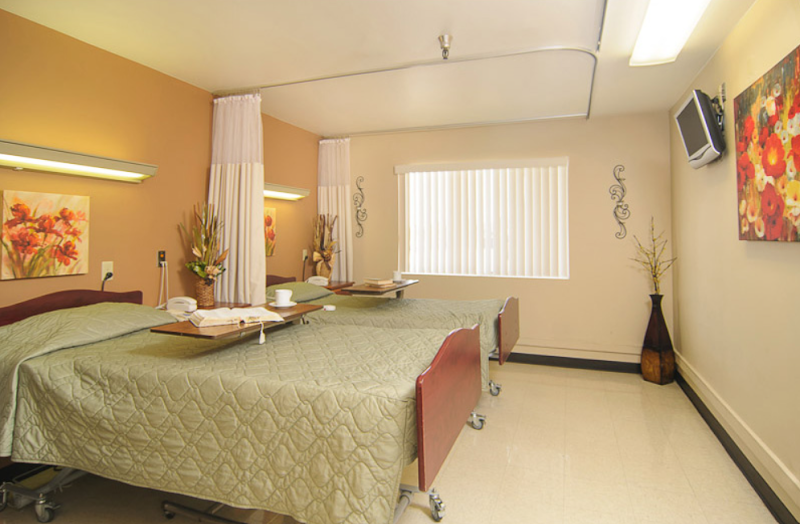
How is Bonita Hills Post Acute Staffed?

CMS rates BONITA HILLS POST ACUTE's staffing level at 3 out of 5 stars, which is average compared to other nursing homes. Staff turnover is 41%, compared to the California average of 46%. This relatively stable workforce can support continuity of care.

What Have Inspectors Found at Bonita Hills Post Acute?

State health inspectors documented 77 deficiencies at BONITA HILLS POST ACUTE during 2019 to 2025. These included: 61 with potential for harm and 16 minor or isolated issues. While no single deficiency reached the most serious levels, the total volume warrants attention from prospective families.
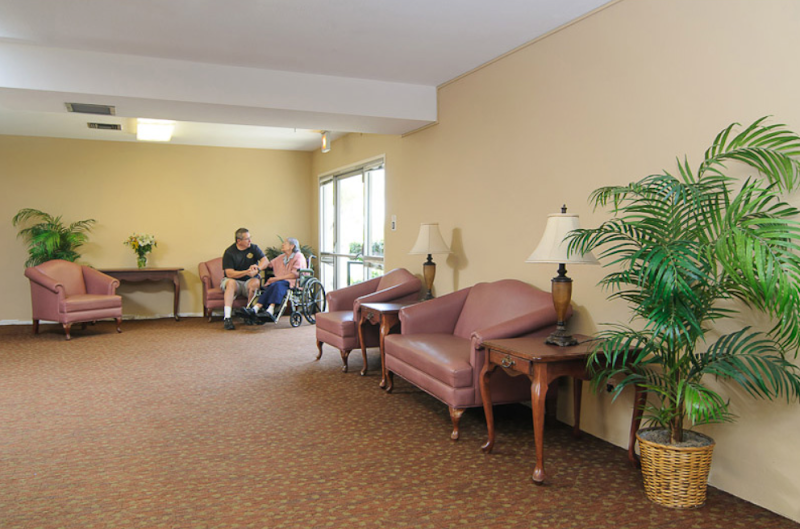
Who Owns and Operates Bonita Hills Post Acute?

BONITA HILLS POST ACUTE is owned by a for-profit company. For-profit facilities operate as businesses with obligations to shareholders or private owners. The facility is operated by DAVID & FRANK JOHNSON, a chain that manages multiple nursing homes. With 86 certified beds and approximately 75 residents (about 87% occupancy), it is a smaller facility located in LA HABRA, California.
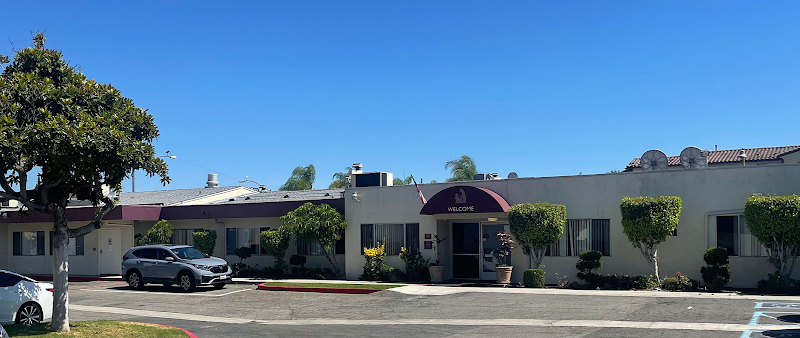
How Does Bonita Hills Post Acute Compare to Other California Nursing Homes?

Compared to the 100 nursing homes in California, BONITA HILLS POST ACUTE's overall rating (4 stars) is above the state average of 3.2, staff turnover (41%) is near the state average of 46%, and health inspection rating (3 stars) is at the national benchmark.

What Should Families Ask When Visiting Bonita Hills Post Acute?

Based on this facility's data, families visiting should ask: "Can I visit during a mealtime to observe dining assistance and food quality?" "How do you handle medical emergencies, and what is your hospital transfer rate?" "Can I speak with family members of current residents about their experience?"

Is Bonita Hills Post Acute Safe?

Based on CMS inspection data, BONITA HILLS POST ACUTE has a clean safety record: no substantiated abuse findings (meaning no confirmed cases of resident harm), no Immediate Jeopardy citations (the most serious violation level indicating risk of serious injury or death), and is not on the Special Focus Facility watch list (a federal program monitoring the lowest-performing 1% of nursing homes). The facility has a 4-star overall rating and ranks #1 of 100 nursing homes in California. While no facility is perfect, families should still ask about staff-to-resident ratios and recent inspection results during their visit.

Do Nurses at Bonita Hills Post Acute Stick Around?

BONITA HILLS POST ACUTE has a staff turnover rate of 41%, which is about average for California nursing homes (state average: 46%). Moderate turnover is common in nursing homes, but families should still ask about staff tenure and how the facility maintains care continuity when employees leave.

Was Bonita Hills Post Acute Ever Fined?

BONITA HILLS POST ACUTE has no federal fines on record. CMS issues fines when nursing homes fail to meet care standards or don't correct problems found during inspections. The absence of fines suggests the facility has either maintained compliance or corrected any issues before penalties were assessed. This is a positive indicator, though families should still review recent inspection reports for the full picture.

Is Bonita Hills Post Acute on Any Federal Watch List?

BONITA HILLS POST ACUTE is not on any federal watch list. The most significant is the Special Focus Facility (SFF) program, which identifies the bottom 1% of nursing homes nationally based on persistent, serious quality problems. Not being on this list means the facility has avoided the pattern of deficiencies that triggers enhanced federal oversight. This is a positive indicator, though families should still review the facility's inspection history directly.