LA JOLLA NURSING AND REHABILITATION CENTER
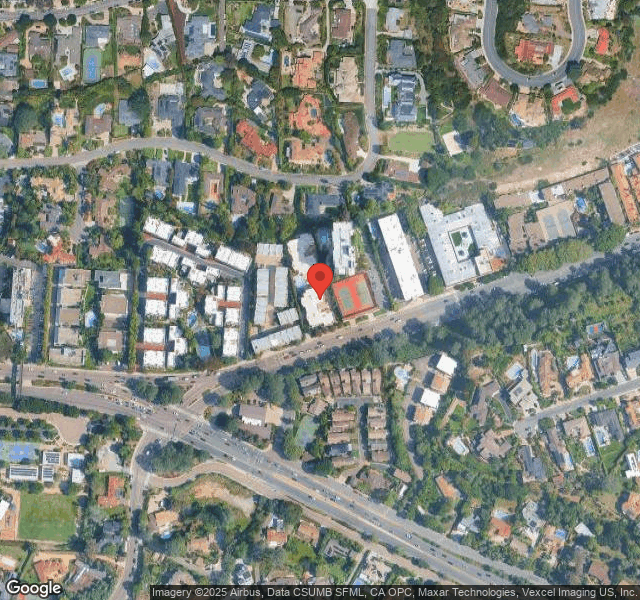
2552 TORREY PINES RD, LA JOLLA, CA 92037 (858) 453-5810
For profit - Corporation 161 Beds COVENANT CARE Data: November 2025
Trust Grade
60/100
#610 of 1155 in CA
Last Inspection: April 2025

Within standard 12-15 month inspection cycle. Federal law requires annual inspections.

Overview

La Jolla Nursing and Rehabilitation Center has a Trust Grade of C+, which means it is slightly above average but still has room for improvement. The facility ranks #610 out of 1155 in California, placing it in the bottom half, and #63 out of 81 in San Diego County, indicating there are better local options available. The facility's trend is worsening, with issues increasing from 5 in 2024 to 8 in 2025. Staffing is average with a turnover rate of 48%, which is similar to the state average, and there have been no fines, which is a positive sign. However, there are some concerning incidents, such as medications being left unsecured at residents' bedsides, posing a risk of incorrect dosages, and the dumpster area not being properly maintained, which could affect the health and safety of all residents.

Trust Score
C+
60/100
In California
#610/1155
Bottom 48%
Safety Record
Low Risk
No red flags
Inspections
Getting Worse
5 → 8 violations
Staff Stability
⚠ Watch
48% turnover. Above average. Higher turnover means staff may not know residents' routines.
Penalties
✓ Good
No fines on record. Clean compliance history, better than most California facilities.
Skilled Nurses
○ Average
Each resident gets 32 minutes of Registered Nurse (RN) attention daily — about average for California. RNs are the most trained staff who monitor for health changes.
Violations
⚠ Watch
51 deficiencies on record. Higher than average. Multiple issues found across inspections.
★★★☆☆
3.0
Overall Rating
★★★☆☆
3.0
Staff Levels
★★★☆☆
3.0
Care Quality
★★★☆☆
3.0
Inspection Score
Stable
2024: 5 issues
2025: 8 issues

The Good

  • Full Sprinkler Coverage · Fire safety systems throughout facility
  • No fines on record

Facility shows strength in fire safety.

The Bad

3-Star Overall Rating

Near California average (3.1)

Meets federal standards, typical of most facilities

Staff Turnover: 48%

Near California avg (46%)

Higher turnover may affect care consistency

Chain: COVENANT CARE

Part of a multi-facility chain

Ask about local staffing decisions and management

The Ugly 51 deficiencies on record

Apr 2025 7 deficiencies
CONCERN (D)

Potential for Harm - no one hurt, but risky conditions existed

Comprehensive Assessments (Tag F0636)

Could have caused harm · This affected 1 resident

Based on interview, record review, document review, and facility policy review, the facility failed to complete an annual Minimum Data Set (MDS) for 1 (Resident #33) of 11 sampled residents reviewed f...

Read full inspector narrative →
Based on interview, record review, document review, and facility policy review, the facility failed to complete an annual Minimum Data Set (MDS) for 1 (Resident #33) of 11 sampled residents reviewed for resident assessment. Findings included: A facility policy titled, MDS Standard of Practice, dated 01/2024, revealed, MDSs are transmitted within the timeframes set forth in the CMS [Centers for Medicare & Medicaid] RAI [Resident Assessment Instrument] MDS 3.0 Manual. The Centers for Medicare & Medicaid Services Long-Term Care Facility Resident Assessment Instrument 3.0 User's Manual, dated 10/2024, revealed The Annual assessment is a comprehensive assessment for a resident that must be completed on an annual basis (at least every 366 days) unless an SCSA [Significant Change in Status Assessment] or an SCPA [Significant Correction to Prior Comprehensive Assessment] has been completed since the most recent comprehensive assessment was completed. Its completion dates depend on the most recent comprehensive and past assessments' ARDs [Assessment Reference Date] and completion dates. * The ARD must be set within 366 days after the ARD of the previous OBRA [Omnibus Budget Reconciliation Act] comprehensive assessment. * The MDS completion date must be no later than 14 days after the ARD. An admission Record revealed the facility admitted Resident #33 on 03/09/2022. According to the admission Record, the resident had a medical history that included diagnoses of type 2 diabetes and chronic kidney disease. An annual MDS, with an ARD of 03/05/2025, revealed the MDS was not signed or dated to indicate the assessment was complete. During an interview with MDS Coordinator #1 and MDS Coordinator #2 o on 04/24/2025 at 8:59 AM, it was reported there were some MDSs that had not been submitted. They both reported the MDS should be signed as being completed 14 days after the ARD and from day 15 forward the MDS was considered late. It was reported the expectation was that all assessments are submitted on time. MDS Coordinator #1 stated Resident #33's annual MDS with an ARD of 03/05/2025 had not been submitted and was late. During an interview on 04/24/2025 at 10:50 AM, the Director of Nursing stated it was her expectation that MDS assessments were completed and submitted within the required timeframe. During an interview on 04/24/2025 at 10:58 AM, the Executive Director (ED) stated the facility had deadlines to complete, submit, and transmit MDS assessments. The ED stated it was his expectation that all MDS assessments were completed and submitted within the required timeframe.
CONCERN (D)

Potential for Harm - no one hurt, but risky conditions existed

Assessment Accuracy (Tag F0641)

Could have caused harm · This affected 1 resident

Based on interview, record review, and facility policy review, the facility failed to ensure the accuracy of the Minimum Data Set (MDS) for 2 residents (Resident #55 and Resident #71) of 27 sampled re...

Read full inspector narrative →
Based on interview, record review, and facility policy review, the facility failed to ensure the accuracy of the Minimum Data Set (MDS) for 2 residents (Resident #55 and Resident #71) of 27 sampled residents. Findings included: A facility policy titled, MDS Standard of Practice, dated 01/2024, revealed, It is the practice of this facility to conduct accurate coding and delivery of services provided to capture accurate assessment of each resident's functional capacity and health status as per CMS [Centers for Medicare & Medicaid] RAI [Resident Assessment Instrument] MDS 3.0 Manual guidelines. 1. An admission Record indicated the facility admitted Resident #55 on 12/14/2023. According to the admission Record, the resident had a medical history that included diagnoses of schizoaffective disorder and anxiety disorder. An annual MDS, with an Assessment Reference Date (ARD) of 12/07/2024, revealed Resident #55 had a Brief Interview for Mental Status (BIMS) score of 11, which indicated the resident had moderate cognitive impairment. The MDS indicated Resident #55 was not currently considered by the state level II preadmission screening and resident review (PASARR) process to have a serious mental illness or related condition. The MDS indicated Resident #55 had active diagnoses that included anxiety disorder and schizophrenia. During an interview with MDS Coordinator #1 and MDS Coordinator #2 on 04/24/2025 at 8:59 AM, it was reported that Resident #55 had a positive level II PASARR and it should have reflected on their annual MDS with an ARD of 12/07/2024. 2. An admission Record indicated the facility admitted Resident #107 on 02/17/2024. According to the admission Record, the resident had a medical history that included diagnoses of end stage renal disease, dependence on renal dialysis, dysphagia, and attention to gastrostomy. and. A quarterly MDS, with an Assessment Reference Date (ARD) of 01/12/2025, revealed Resident #107 had a Brief Interview for Mental Status (BIMS) score of 9, which indicated the resident had moderate cognitive impairment. The MDS indicated Resident #107 did not have a feeding tube or receive dialysis while they were a resident of the facility. Resident #107's Care Plan Report included a focus area initiated 05/09/2024, that indicated the resident required hemodialysis related to a diagnosis of end stage renal failure. The Care Plan Report included a focus area initiated 02/19/2024, that indicated the resident required tube feeing related to a diagnosis of dysphagia. During an interview with MDS Coordinator #1 and MDS Coordinator #2 on 04/24/2025 at 8:59 AM, it was reported that Resident #107 was a dialysis and it should have been reflected on the resident's quarterly MDS with an ARD of 01/12/2025. They also stated the resident's MDS should have indicated the resident received a tube feeding. Resident #107's Order Summary Report, with active orders as of 01/12/2025, revealed an order dated 12/31/2024, for enteral feeding every eight hours and an order dated 01/02/2025, for dialysis treatment every Tuesday, Thursday, and Saturday. In an interview on 04/24/2025 at 10:50 AM, the Director of Nursing stated she expected a resident's MDS to be accurate and confirmed tube feeding and dialysis should have been coded on Resident #107's quarterly MDS. In an interview on 04/24/2025 at 10:59 AM, the Executive Director stated he expected a resident's MDS to be accurate.
CONCERN (D)

Potential for Harm - no one hurt, but risky conditions existed

Deficiency F0645 (Tag F0645)

Could have caused harm · This affected 1 resident

Based on interview, record review, and facility policy review, the facility failed to ensure a Level I preadmission screening and resident review (PASRR) was timely resubmitted after a resident remain...

Read full inspector narrative →
Based on interview, record review, and facility policy review, the facility failed to ensure a Level I preadmission screening and resident review (PASRR) was timely resubmitted after a resident remained in the facility longer than 30 days for 2 (Resident #120) of 6 sampled residents reviewed for PASRR. The facility further failed to ensure the accuracy of the Level I PASRR for 1 (Resident #108) of 6 sampled residents reviewed for PASRR. Findings included: A facility policy titled, Admission, Transfer, Discharge and Bed-Holds dated 12/2016, revealed, The facility, in compliance with the Omnibus Budget Reconciliation Act of 1987, requires individuals diagnosed with major mental illness, mental retardation, or developmental disabilities to be screened prior to admission and throughout stay in accordance with PASRR requirements. 1. An admission Record revealed the facility admitted Resident #120 on 02/04/2025. According to the admission Record, the resident had a medical history that included diagnoses of bipolar disorder, schizoaffective disorder, anxiety disorder, major depressive disorder, and post-traumatic stress disorder. A letter from the California Department of Health Care Services dated 01/30/2025, revealed If the individual [Resident #120] remains in the NF [nursing facility] longer than 30 days, the facility must resubmit a new Level I Screening as a Resident Review on the 31st day. Resident #120's Care Plan Report included a focus area initiated 02/10/2025, that indicated the resident was a long-term stay in the facility for rehabilitation. Resident #120's medical record revealed no evidence to indicate a new Level I Screening was submitted when the resident remained in the facility after 30 days. During an interview with MDS Coordinator #1 and MDS Coordinator #2 on 04/23/2025 at 10:49 AM, both stated they were unable to articulate the process for residents admitted to the facility under a hospital discharge exemption for a PASRR. MDS Coordinator #2 stated he would investigate to see if another Level I was resubmitted. During an interview on 04/23/2025 at 12:01 PM, MDS Coordinator #2 stated the facility overlooked the resubmission of Resident #120's Level I when the resident remained in the facility. MDS Coordinator #2 confirmed the new Level I was not completed or submitted within the specified timeframe. During an interview on 04/24/2025 at 10:36 AM, the Director of Nursing stated it was her expectation that the Level 1 be submitted within the required timeframe. During an interview on 04/24/2025 at 10:58 AM, the Executive Director stated he expected a resident's Level I should be resubmitted within 30 days for any resident who remained in the facility longer than the anticipated 30 days. 2. An admission Record revealed the facility admitted Resident #108 on 09/26/2023. According to the admission Record, Resident #108 had a medical history that included diagnosis of depression and schizophrenia. A quarterly Minimum Data Set (MDS), with an Assessment Reference Date (ARD) of 01/31/2025, revealed Resident #108 had a Brief Interview for Mental Status (BIMS) score of 9, which indicated the resident had moderate cognitive impairment. The MDS indicated that the resident had active diagnoses to include depression and schizophrenia. Resident #108's Care Plan Report included a focus area initiated 02/10/2025, that indicated the resident had depression. The Care Plan Report included a focus area initiated 02/10/2025 and revised 04/24/2025, that indicated the resident had a psychosocial wellbeing problem related to a diagnosis of schizophrenia. Resident #108's Preadmission Screening and Resident Review Level 1 Screening dated 09/26/2023, revealed the resident did not have a serious diagnoses mental disorder such as depressive disorder, anxiety disorder, panic disorder, schizophrenia/schizoaffective disorder, or symptoms of psychosis, delusions, and/or mood disorder. During an interview on 04/23/2025 at 2:29 PM, MDS Coordinator #2 stated Resident #108's Level I Screening was inaccurate and he should have reviewed it for accuracy. During an interview on 04/24/2025 at 10:52 AM, the Director of Nursing stated it was her expectation that a Level I Screening be resubmitted if it was not correct. During an interview on 04/24/2025 at 11:00 AM, the Executive Director stated his expectation was for the Level I Screening be accurate.
CONCERN (D)

Potential for Harm - no one hurt, but risky conditions existed

Pharmacy Services (Tag F0755)

Could have caused harm · This affected 1 resident

Based on observation, interview, record review, and facility policy review, the facility failed to properly dispose of medication for 1 (Resident #71) of 27 sampled residents. Findings included: A fa...

Read full inspector narrative →
Based on observation, interview, record review, and facility policy review, the facility failed to properly dispose of medication for 1 (Resident #71) of 27 sampled residents. Findings included: A facility policy titled, Disposal of Medications and Medication-Related Supplies, updated 08/2019, indicated, Discontinued medications and medications left in the facility after a resident's discharge are destroyed. Destruction methods comply with federal and state laws and regulations, including the Office of National Drug Control Policy (ONDCP) guidelines for medication destruction. An admission Record indicated the facility admitted Resident #71 on 04/07/2021. According to the admission Record, the resident had a medical history that included a diagnosis of overactive bladder. A quarterly Minimum Data Set (MDS), with an Assessment Reference Date (ARD) of 01/08/2025, revealed Resident #71 had a Brief Interview for Mental Status (BIMS) score of 13, which indicated the resident had intact cognition. Resident #71's Order Summary Report that contained active orders as of 04/22/2025, revealed an order dated 04/07/2021, for desmopressin acetate tablet 0.1 milligram, give one table by mouth two times a day for overactive bladder. During an observation of the dumpster on 04/21/2025 at 8:51 AM, the surveyor noted a bubble pack card of desmopressin tablets on the ground with Resident #71's name on it that contained four tablets. During a concurrent interview and observation of the dumpster on 04/22/2025 at 9:00 AM, the surveyor noted a bubble pack card of desmopressin tablets on the ground with Resident #71's name on it that contained four tablets. The Dietary Manager (DM) stated she would have to ask nursing about the medication on the ground, as it was not her department. During an interview on 04/22/2025 at 9:10 AM, Registered Nurse (RN) #3 stated the facility disposed on medications in a bucket in the medication room. RN #3 stated the facility did not throw medication outside by the dumpster because it could be a danger to anyone as they could access the medication. According to RN #3, when medications are disposed of, the resident's name was removed and shredded and any remaining pills/tablets were popped out and placed in the destruction bucket for destruction/disposal. During an interview on 04/22/2025 at 9:30 AM, the Director of Nursing stated medications should be disposed of by placing the medication in the destruction receptable. During an interview on 04/23/2025 at 11:31 AM, RN #4 stated medications are placed in a discard bin for destruction/disposal. During an interview on 04/24/2025 at 10:27 AM, the Executive Director stated staff should follow the facility protocol for medication destruction and not place medications in the dumpster.
CONCERN (D)

Potential for Harm - no one hurt, but risky conditions existed

Deficiency F0761 (Tag F0761)

Could have caused harm · This affected 1 resident

Based on observation, interview, record review, and facility policy review, the facility failed to ensure medications were not left at the bedside of 2 (Resident #55 and Resident #71) of 27 sampled re...

Read full inspector narrative →
Based on observation, interview, record review, and facility policy review, the facility failed to ensure medications were not left at the bedside of 2 (Resident #55 and Resident #71) of 27 sampled residents Findings included: A facility policy titled, Medication Storage in the Facility, updated 08/2019, indicated, Medications and biologicals are stored safely, securely, and properly, following manufacturer's recommendations or those of the supplier. 1. An admission Record indicated the facility admitted Resident #71 on 04/07/2021. According to the admission Record, the resident had a medical history that included diagnoses protein-calorie malnutrition and disorders of bone density and structure. A quarterly Minimum Data Set (MDS), with an Assessment Reference Date (ARD) of 01/08/2025, revealed Resident #71 had a Brief Interview for Mental Status (BIMS) score of 13, which indicated the resident had intact cognition. Resident #71's Care Plan Report with an admission date of 04/07/2021, revealed no care plan to indicate the resident could self-administer their medications. Resident #71's Order Summary Report that contained active orders as of 04/22/2025, revealed an order dated 04/07/2021, for albuterol sulfate hydrofluoroalkane (HFA) aerosol solution, inhale two puffs orally every four hours as needed for wheezing and shortness of breath and calcium carbonate tablet chewable, give two tablets by mouth one time a day for supplement. There was also an order dated 08/23/2024, for calcium citrate-vitamin D oral tablet, give two tablets by mouth one time a day for supplement. There was no order to indicate the resident could self-administer their medications. During an observation on 04/21/2025 at 10:14 AM, the surveyor noted an albuterol inhaler, Coricidin D (an over-the-counter oral cough suppressant medication), and calcium supplement at the bedside of Resident #71. In an interview on 04/22/2025 at 9:10 AM, Registered Nurse (RN) #3 stated Resident #71 did not self-administer their medications and the resident's albuterol inhaler should be stored in the medication cart. In an interview on 04/23/2025 at 11:31 AM, RN #4 stated staff should not leave medications at a resident's bedside. 2. An admission Record indicated the facility admitted Resident #55 on 12/14/2023. According to the admission Record, the resident had a medical history that included a diagnosis of congestive heart failure. An annual Minimum Data Set (MDS), with an Assessment Reference Date (ARD) of 12/07/2024, revealed Resident #55 had a Brief Interview for Mental Status (BIMS) score of 11, which indicated the resident had moderate cognitive impairment. Resident #55's Care Plan Report with an admission date of 12/14/2023, revealed no care plan to indicate the resident could self-administer their medications. Resident #55's Order Summary Report that contained active orders as of 04/22/2025, revealed no physician's order for Coricidin high blood pressure (HBP), an over-the-counter oral cough suppressant medication. During a concurrent interview and observation on 04/21/2025 at 2:24 PM, the surveyor noted Coricidin HBP on Resident #55's overbed table. Resident #55 stated they was waiting to get the physician's approval for the Coricidin HBP. During an interview on 04/23/2025 at 11:31 AM, Registered Nurse #4 stated staff should not leave medications at a resident's bedside. In an interview on 04/23/2025 at 2:06 PM, the Director of Staff Development stated medications should not be left at the resident's bedside unless it was care planned and in a locked container. During an interview on 04/24/2025 at 10:27 AM, the Executive Director stated medications were only allowed to be stored at a resident's bedside when there was a physician's order to do so. During an interview on 04/24/2025 at 10:50 AM, the Director of Nursing stated medications could only be left at a resident's bedside when a resident had been assessed to self-administer their medications and there was a physician's order to do so.
CONCERN (E)

Potential for Harm - no one hurt, but risky conditions existed

Deficiency F0638 (Tag F0638)

Could have caused harm · This affected multiple residents

6. An admission Record indicated the facility admitted Resident #24 on 11/25/2020. According to the admission Record, the resident had a medical history that included diagnoses of age-related osteopor...

Read full inspector narrative →
6. An admission Record indicated the facility admitted Resident #24 on 11/25/2020. According to the admission Record, the resident had a medical history that included diagnoses of age-related osteoporosis and atherosclerotic heart disease. Resident #24's quarterly MDS, with an ARD of 03/04/2025, revealed the MDS was not signed or dated to indicate the assessment was complete. 7. An admission Record indicated the facility admitted Resident #27 on 12/06/2022. According to the admission Record, the resident had a medical history that included diagnoses of chronic obstructive pulmonary disease and type 2 diabetes mellitus. Resident #27's quarterly MDS, with an ARD of 03/03/2025, revealed the MDS was not signed or dated to indicate the assessment was complete. 8. An admission Record indicated the facility admitted Resident #55 on 12/14/2023. According to the admission Record, the resident had a medical history that included diagnoses of congestive heart failure and chronic kidney disease. Resident #55's quarterly MDS, with an ARD of 03/09/2025, revealed the MDS was not signed or dated to indicate the assessment was complete. 9. An admission Record indicated the facility admitted Resident #83 on 04/19/2022. According to the admission Record, the resident had a medical history that included diagnoses of hypertensive chronic kidney disease and anemia. Resident #83's quarterly MDS, with an ARD of 03/09/2025, revealed the MDS was not signed or dated to indicate the assessment was complete. 10. An admission Record indicated the facility admitted Resident #94 on 09/01/2022. According to the admission Record, the resident had a medical history that included diagnoses of type 2 diabetes mellitus and hypothyroidism. Resident #94'sA quarterly MDS, with an ARD of 03/04/2025, revealed the MDS was not signed or dated to indicate the assessment was complete. During an interview with MDS Coordinator #1 and MDS Coordinator #2 o on 04/24/2025 at 8:59 AM, it was reported there were some MDSs that had not been submitted. They both reported the MDS should be signed as being completed 14 days after the ARD and from day 15 forward the MDS was considered late. It was reported the expectation was that all assessments are submitted on time. MDS Coordinator #1 stated the quarterly MDS for Residents #7, #21, #24, #27, #44, #55, #83, #94, #102, and #130 had not been submitted and was late. During an interview on 04/24/2025 at 10:50 AM, the Director of Nursing stated it was her expectation that MDS assessments were completed and submitted within the required timeframe. During an interview on 04/24/2025 at 10:58 AM, the Executive Director (ED) stated the facility had deadlines to complete, submit, and transmit MDS assessments. The ED stated it was his expectation that all MDS assessments were completed and submitted within the required timeframe. Based on interview, record review, document review, and facility policy review, the facility failed to complete a quarterly Minimum Data Set (MDS) for 10 (Residents #7, #21, #24, #27, #44, #55, #83, #94, #102, and #130) of 11 sampled residents reviewed for resident assessment. Findings included: A facility policy titled, MDS Standard of Practice, dated 01/2024, revealed, MDSs are transmitted within the timeframe's set forth in the CMS [Centers for Medicare & Medicaid] RAI [Resident Assessment Instrument] MDS 3.0 Manual. The Centers for Medicare & Medicaid Services Long-Term Care Facility Resident Assessment Instrument 3.0 User's Manual, dated 10/2024, revealed The Quarterly assessment is an OBRA [Omnibus Budget Reconciliation Act] non-comprehensive assessment for a resident that must be completed at least every 92 days following the previous OBRA assessment of any type. It is used to track a resident's status between comprehensive assessments to ensure critical indicators of gradual change in a resident's status are monitored. The manual specified, The MDS completion date must be no later than 14 days after the ARD [Assessment Reference Date]. 1. An admission Record revealed the facility admitted Resident #21 on 12/09/2018. According to the admission Record, the resident had a medical history that included diagnoses of chronic obstructive pulmonary disease and atherosclerotic heart disease. Resident #21's quarterly MDS, with an ARD of 03/15/2025, revealed the MDS was not signed or dated to indicate the assessment was complete. 2. An admission Record revealed the facility admitted Resident #44 on 06/08/2024. According to the admission Record, the resident had a medical history that included diagnoses of heart failure and acute respiratory failure. Resident #44's quarterly MDS, with an ARD of 03/08/2025, revealed the MDS was not signed or dated to indicate the assessment was complete. 3. An admission Record revealed the facility admitted Resident #102 on 03/01/2023. According to the admission Record, the resident had a medical history that included diagnoses of chronic obstructive pulmonary disease and emphysema. Resident #102's quarterly MDS, with an ARD of 03/08/2025, revealed the MDS was not signed or dated to indicate the assessment was complete. 4. An admission Record revealed the facility admitted Resident #7 on 11/07/2024. According to the admission Record, the resident had a medical history that included diagnoses of chronic obstructive pulmonary disease and chronic respiratory failure with hypoxia. Resident #7's quarterly MDS, with an ARD of 02/28/2025, revealed the MDS was not signed or dated to indicate the assessment was complete. 5. An admission Record revealed the facility admitted Resident #130 on 08/29/2024. According to the admission Record, the resident had a medical history that included diagnoses of type 2 diabetes mellitus with foot ulcer and essential hypertension. Resident #130's quarterly MDS, with an ARD of 02/25/2025, revealed the MDS was not signed or dated to indicate the assessment was complete.
CONCERN (F)

Potential for Harm - no one hurt, but risky conditions existed

Garbage Disposal (Tag F0814)

Could have caused harm · This affected most or all residents

Based on observation, interview, and facility policy review, the facility failed to ensure the dumpster area was clean and the dumpster lid was closed. This had the potential to affect all 140 residen...

Read full inspector narrative →
Based on observation, interview, and facility policy review, the facility failed to ensure the dumpster area was clean and the dumpster lid was closed. This had the potential to affect all 140 residents who resided in the facility. Findings included: A facility policy titled, Environmental Maintenance - Grounds Maintenance effective 08/2014, indicated Purpose To define the procedure for inspecting the grounds and performing corrective maintenance as needed. The policy specified, 5. Visually inspect dumpster areas for any unsafe or unsanitary conditions. 6. Visually inspect for trash, debris, pests or rodents. During an observation of the dumpster on 04/21/2025 at 8:51 AM, the surveyor noted the dumpster was opened and there were disposable gloves, aluminum foil, and food packaging on the ground. During an observation of the dumpster on 04/22/2025 at 8:52 AM, the surveyor noted the dumpster was full, the dumpster lid was opened and could not close due to overflowing bags, and empty boxes were on the ground around the dumpster. During a concurrent interview and observation of the dumpster on 04/22/2025 at 9:00 AM, the surveyor noted the dumpster was full, the lid was opened and could not close due to overflowing bags, and empty boxes were on the ground around the dumpster. The Dietary Manager (DM) stated the dumpsters were full. During an interview on 04/23/2025 at 10:47 AM, the Director of Environmental Services (DES) stated he and the janitors were responsible for keeping the dumpster area clean. The DES stated there should be no papers or trash on the ground around the dumpsters and the dumpster lid should be closed. During a follow-up interview on 04/23/2025 at 1:01 PM, the DM stated maintenance made sure that everything was cleaned around the dumpster and the lids were closed. During an interview on 04/23/2025 at 1:05 PM, the Registered Dietician stated the dumpster area should be clean and the lids should be closed. During an interview on 04/24/2025 at 10:27 AM, the Executive Director stated he expected the dumpster area to be clean and there should be nothing on the ground around the dumpster. During an interview on 04/24/2025 at 10:50 AM, the Director of Nursing stated the expectation was that the dumpster lid should be closed and all debris should be picked up around the dumpster.
Mar 2025 1 deficiency
CONCERN (D) 📢 Someone Reported This

A family member, employee, or ombudsman was alarmed enough to file a formal complaint

Potential for Harm - no one hurt, but risky conditions existed

Deficiency F0578 (Tag F0578)

Could have caused harm · This affected 1 resident

**NOTE- TERMS IN BRACKETS HAVE BEEN EDITED TO PROTECT CONFIDENTIALITY** Based on interview and record review, the facility failed to ensure POLST (Physician Orders for Life-Sustaining Treatment- a med...

Read full inspector narrative →
**NOTE- TERMS IN BRACKETS HAVE BEEN EDITED TO PROTECT CONFIDENTIALITY** Based on interview and record review, the facility failed to ensure POLST (Physician Orders for Life-Sustaining Treatment- a medical order that outlines a patient's preferences for end-of-life care) was correctly documented into Resident 1's medical record. As a result, Resident 1's POLST signed by the physician to a full code status was changed to a Do Not Resuscitate (DNR) status. This failure had the potential for Resident 1 to not receive the full medical treatment in the event of a medical emergency. Findings: Resident 1 was admitted to the facility on [DATE], with diagnoses which included multiple fractures of the pelvis (break of the ring of bones that connect your spine to the hips), per the facility's admission Record Form. On [DATE], an unannounced visit to the facility was conducted related to an alleged complaint that the facility changed the order of the resident's wishes listed in the POLST form from a full resuscitation to do not resuscitate , in case of medical emergency. A review of Resident 1's POLST form indicated, the POLST form was signed by the resident's wife on [DATE], and the physician signed the POLST on [DATE]. The POLST indicated, Resident 1 wished to be resuscitated if the resident had no pulse or was not breathing and full treatment if resident was found to have pulse and/or was breathing. A review of Resident 1's IDT admission Assessment documentation, dated [DATE] indicated, under the Advanced Directive Resident 1 was a Full Code, Full Treatment. A review of Resident 1's Order Summary Report dated [DATE], indicated an order for Full Cardiopulmonary Resuscitation (CPR). A new order was changed to Do Not Resuscitate (DNR) dated [DATE]. During a concurrent record review and interview on [DATE] at 1:16 P.M., with the Licensed Nurse (LN) 1, LN 1 stated Resident 1's Full Code status was ordered on [DATE] according to Resident 1's POLST form. LN 1 further stated the physician signed the POLST form on [DATE]. LN1 acknowledged that the order for [DATE] for DNR was incorrect. During an interview on [DATE] at 3:31 P.M., with LN 3, LN 3 stated Resident 1's DNR code status was entered incorrectly during the audit process. LN 3 acknowledged that she entered Resident 1's code status incorrectly. LN 3 further stated that Resident 1's code status should be Full Code and not DNR. During an interview on [DATE] at 3:45 P.M., with the Administrator (ADM) and the Director of Nursing (DON), the ADM stated it's important for the staff to enter the code status correctly to ensure residents' wishes were honored. A review of the facility's policy and procedure, titled, Promoting the Right of Self-Determination for Healthcare Decisions and Advanced Healthcare Directives, dated [DATE], indicated . Each resident will receive the necessary care and services to attain or maintain the highest practice physical, mental, and psychosocial wellbeing, in accordance with comprehensive assessments and plan of care. Each resident and/or legal healthcare decision maker will be provided a mechanism for reaching decisions concerning preferred intensity of care, including the right to forego or withdraw life sustaining treatment.
Apr 2024 2 deficiencies
CONCERN (D) 📢 Someone Reported This

A family member, employee, or ombudsman was alarmed enough to file a formal complaint

Potential for Harm - no one hurt, but risky conditions existed

Pharmacy Services (Tag F0755)

Could have caused harm · This affected 1 resident

**NOTE- TERMS IN BRACKETS HAVE BEEN EDITED TO PROTECT CONFIDENTIALITY** Based on interview and record review, the facility failed to ensure one of four residents' (Resident 3) routine medication was a...

Read full inspector narrative →
**NOTE- TERMS IN BRACKETS HAVE BEEN EDITED TO PROTECT CONFIDENTIALITY** Based on interview and record review, the facility failed to ensure one of four residents' (Resident 3) routine medication was available to be administered to the resident. As a result, Resident 3 was not consistently administered her daily thyroid medication. Findings: A review of Resident 3's admission Record indicated the resident was admitted to the facility on [DATE] with diagnoses to include hypothyroidism (low thyroid hormones). A review of Resident 3's physician order dated 10/2/23, indicated the resident was to receive levothyroxine (thyroid medication) 125 micrograms, two tablets daily, that was scheduled to be given at 6:30 A.M. On 4/16/24 at 3:26 P.M., a telephone interview was conducted with Resident 3. Resident 3 stated, The pharmacy here's not good, refills and deliveries don't get done. Resident 3 stated during the first week of April (2024) there were four days she did not receive her levothyroxine. Resident 3 stated when she asked about the availability of her levothyroxine, the licensed nurse (LN) told her there was none. On 4/17/24 at 2:25 P.M., a joint interview and record review was conducted with LN 5. LN 5 stated he worked on 4/8/24 and went to administer Resident 3's levothyroxine at 6:30 A.M., and the medication had been unavailable. LN 5 stated he informed Resident 3 that her medication was unavailable, and the resident told him that she had not received her levothyroxine for four days. LN 5 reviewed Resident 3's medication administration record (MAR) and stated he documented by mistake that Resident 3's levothyroxine had been administered on 4/8/24. LN 5 stated Resident 3's medication had not been available to administer to the resident and the pharmacy had not delivered it yet. LN 5 stated Resident 3 should have received her levothyroxine as ordered. A review of the pharmacy receipts titled Consolidated Delivery Sheets indicated Resident 3's levothyroxine refill (a 30-day supply) had been delivered to the facility on 4/9/24. Resident 3's previous levothyroxine refill (30-day supply) had been delivered on 2/27/24. On 4/17/24 at 3:30 P.M., an interview was conducted with the director of nursing (DON). The DON stated Resident 3's levothyroxine should have been available and administered to the resident as ordered. A review of the facility's policy titled Medication Orders updated August 2019, did not provide guidance related to availability of medications and administration as ordered.
CONCERN (E) 📢 Someone Reported This

A family member, employee, or ombudsman was alarmed enough to file a formal complaint

Potential for Harm - no one hurt, but risky conditions existed

Deficiency F0761 (Tag F0761)

Could have caused harm · This affected multiple residents

**NOTE- TERMS IN BRACKETS HAVE BEEN EDITED TO PROTECT CONFIDENTIALITY** Based on observation, interview, and record review, the facility failed to ensure three of six residents' (Resident 1, 2, and 3)...

Read full inspector narrative →
**NOTE- TERMS IN BRACKETS HAVE BEEN EDITED TO PROTECT CONFIDENTIALITY** Based on observation, interview, and record review, the facility failed to ensure three of six residents' (Resident 1, 2, and 3) medications were stored securely when: -Resident 1's medications were observed at the resident's bedside. -Resident 2 and 3 reported their medications were left at their bedsides. These failures had the potential for residents to receive the wrong medication and/or incorrect dosage which may cause clinically significant adverse consequences. Findings: A review of Resident 1's admission Record indicated the resident was admitted to the facility on [DATE]. A review of Resident 2's admission Record indicated the resident was readmitted to the facility on [DATE]. A review of Resident 3's admission Record indicated the resident was admitted to the facility on [DATE]. On 4/16/24 at 3:26 P.M., a telephone interview was conducted with Resident 3. Resident 3 stated her morning thyroid medication was often left at her bedside around 5 A.M., to take later when she woke up. On 4/17/24 at 10:27 A.M., an observation and interview was conducted with Resident 1 while inside the resident's room. There were four pills in a medicine cup on Resident 1's bedside table. Resident 1 stated the licensed nurse (LN) left the medications at his bedside this morning because he takes the pills slowly. On 4/17/24 at 11:09 A.M., an interview was conducted with Resident 2. Resident 2 stated there were times when her morning medications were left on her bedside table for her to take when she woke up. On 4/17/24 at 11:42 A.M., a joint observation in Resident 1's room and interview was conducted with LN 5. LN 5 observed the medications left at Resident 1's bedside. There were three pills inside Resident 1's medication cup: one round white pill, one oblong white pill marked ATV 40, and one yellow capsule marked 138 138. LN 5 stated the pills looked like vitamin C, atorvastatin (cholesterol lowering medication), and gabapentin (medication for pain). LN 5 stated atorvastatin was a medication given at night. LN 5 stated medications should not have been unsecured and left at the resident's bedside. LN5 further stated Resident 1 could have double dosed or missed a dose of medication. A review of Resident 1's April 2024 medication administration record (MAR) indicated the resident's atorvastatin 40 mg was scheduled to be given at 9 P.M. The same MAR indicated Resident 1's atorvastatin had been administered on 4/1/24 and 4/8/24 and coded as refused 4/2/24 through 4/7/24 and 4/9/24 through 4/16/24. On 4/17/24 at 3:30 P.M., an interview was conducted with the director of nursing (DON). The DON stated medications should not have been left unattended at the residents' bedsides. The DON stated residents could have experienced adverse medication reactions, taken too much medication, not enough medication, or incorrectly administered the medication to themselves. A review of the facility's policy titled Medication Storage in the Facility updated August 2019, indicated, Medications and biologicals are stored safely, securely, and properly
Apr 2024 2 deficiencies
CONCERN (D) 📢 Someone Reported This

A family member, employee, or ombudsman was alarmed enough to file a formal complaint

Potential for Harm - no one hurt, but risky conditions existed

Quality of Care (Tag F0684)

Could have caused harm · This affected 1 resident

**NOTE- TERMS IN BRACKETS HAVE BEEN EDITED TO PROTECT CONFIDENTIALITY** Based on observation, interview, and record review, the facility failed to supply a physician prescribed condom catheter (an ext...

Read full inspector narrative →
**NOTE- TERMS IN BRACKETS HAVE BEEN EDITED TO PROTECT CONFIDENTIALITY** Based on observation, interview, and record review, the facility failed to supply a physician prescribed condom catheter (an external apparatus that fits on the outside of the penis and drains urine into an external bag) for one of one resident (Resident 1). As a result, the facility placed an indwelling catheter (sterile flexible tube placed inside the penis, to drain urine from the bladder into an external bag). When the indwelling urinary catheter was removed, Resident 1 experienced pain, bleeding, and verbalized fear of possible future indwelling urinary catheter placements. Findings: An unannounced visit was made to the facility on [DATE], in response to a complaint which involved an indwelling urinary catheter. Resident 1 was admitted to the facility on [DATE], with diagnoses of quadriplegia (inability to move arms/legs with paralysis from the neck down, per the facility ' s admission Record. On [DATE] an interview was conducted with Resident 1, in his room. Resident 1 stated he no longer had anyone to care for him at home and was admitted to the hospital for long-term care placement. Resident 1 stated he has been a quadriplegic since 2007, following a motor vehicle accident. Resident 1 stated since 2007, he had been using condom catheters due to urinary incontinence (inability to control bladder). Resident 1 continued, stating when he arrived at the skilled nursing facility, he was told the facility ' s current supply of condom catheters were expired and a new box would need to be ordered. Since the condom catheters were unavailable, Licensed Nurse 1 (LN 1) placed Resident 1 in disposable underwear, designed to absorb urine referred to as incontinence briefs. Resident 1 stated he began to develop redness and skin irritation to his buttocks and the staff wanted him to have an indwelling urinary catheter, to give his skin a chance to heal until the condom catheters arrived. Resident 1 stated he was initially resistant, but eventually agreed to have the indwelling urinary catheter inserted. Resident 1 stated LN 1 inserted the urinary catheter. Resident 1 stated the following day, he realized he was having minimal urine output, so he requested LN 1 to remove the catheter. Once the catheter was removed, Resident 1 saw lots of bright red blood coming from his penis and he got scared. Resident 1 stated LN 1 was trying to stop the bleeding by applying paper towels to his penis, then she left to get the charge nurse for help. Resident 1 stated the charge nurse decided to send him to the hospital for evaluation. Resident 1 stated the emergency room physician said the catheter most likely had not been placed properly, which caused the bleeding. Resident 1 stated the emergency room staff placed a condom catheter on him and he was sent back to the long-term care facility with extra condom catheters. Resident 1 was told he needed to see a urologist for urethral scoping (allows a physician to see the inside of the urethra and bladder by using a small scope-like camera), in a week to see if there was any long-term damage inside his urethral. Resident 1 stated he was so worried the facility might run out of condom catheters again, and they would try to put another internal urinary catheter in him. Resident 1 stated the internal catheter really, freaked me out, and he never wanted to go through that again. On [DATE], Resident 1 ' s clinical record was reviewed. The admission Minimal Data Set (MDS-a clinical assessment tool), dated [DATE], listed a cognitive score of 12, indicting cognition was intact. The functional abilities indicated Resident 1 was dependent with transferring from bed to chair, showers, toiletry, but he could assist staff with rolling from side to side. The bladder and bowel section indicated Resident 1 was always incontinence of bowel and bladder. According to the facility ' s document, titled Skin & Wound Evaluation, dated [DATE], Moisture Associated Skin Damage (MASD) . right gluteal fold (right buttocks) . edge appears flush with wound bed or a sloping edge . Per the physician ' s order, dated [DATE], Right buttock, MASD: wash with soap and water, apply barrier cream at brief changes every day and evening shift for skin maintenance and, Patient agrees to have foley (brand name) catheter. There was no documented evidence of a physician ' s order for discontinuing the urinary catheter. Per the care plan, undated, titled Resident is incontinent (unable to control bowel and bladder discharge) related to quadriplegia, listed interventions such as: Check and change during personal care, house barrier ointment/cream, clean with each incontinence episode. There was no documented evidence a care plan was developed for indwelling or condom catheter. On [DATE] at 12:05 P.M., an interview and record review was conducted with the Director of Staff Development (DSD). The DSD stated she started on [DATE], and could not find any documented evidence urinary catheters care in-services were provided to LNs or certified nursing assistants (CNAs) since she started. LN 1 ' s employee record was reviewed. LN 1 started working at the facility on [DATE]. Included, LN 1 ' s employee file was a 5-page document, titled Job Description/Performance Evaluation, both dated and signed by LN 1 on [DATE]. The first page, titled IV. Key/Essential Duties listed 32 job functions and at the end of each job functions were columns listed as: Great Performance (GP), Good Performance (G), Must Improve (MI). All the columns were blank with no checks or comments from an evaluator or supervisor. There was no documented evidence a supervisor or evaluator observed, documented, or reviewed LN 1 ' s knowledge or skills, and no other signatures except LN 1 ' s were present on the document. The DSD stated she had not conducted any annual competence skills evaluation with LNs since she took over the position. The DSD stated ideally nurses should have their skills and performances evaluated upon hire and annually to identify each staff members strengths and weakness. On [DATE] at 12:36 P.M., an interview was conducted with LN 1. LN 1 stated she had not performed any skills or performance checks when hired. LN 1 stated she had not received any in-services related to urinary catheter insertion or care while at this facility. LN 1 stated she graduated from nursing school in 2021 and received some urinary catheter training while in school. LN 1 stated she has inserted 6-7 catheters since nursing school and has never had any problems except for this last time, involving Resident 1. LN 1 continued, stating the facility had condom catheters size #25, but they were expired. More condom catheters were ordered, but central supply (Person who orders supplies for the facility) stated it would take about a week to receive more. LN 1 stated Resident 1 was placed in incontinence briefs until the condom catheters arrived. LN 1 stated on [DATE], she noticed moisture skin damage on Resident 1 ' s buttocks and suggested a urinary catheter. LN 1 stated Resident 1 was very resistant, but finally agreed to let her insert one. LN 1 stated while she was inserting the catheter, Resident 1 yelled that it hurt and asked her to stop. LN 1 stated she got a flash of urine in the tube, so she assumed the tip of the catheter was in the bladder. LN 1 stated she started to inflate the 10 cubic centimeter (cc) balloon with saline (a clear sterile solution to inflate the balloon, so it stays in place in the bladder), but she was getting a lot of resistance and was only able to insert 4-5 cc in the balloon. LN 1 stated the balloon usually holds 10 cc of saline, but she was getting lots of resistance at 4-5 cc. LN 1 denied gently pulling or pushing on the catheter after the balloon was inflated. LN 1 stated the resistance was strange, and she never experienced anything like that before and could not figure out what was going on. LN 1 continued, stating the next day Resident 1 told her he wanted the urinary catheter removed, because he felt something was wrong and he was not putting out as much urine as he usually did. Resident 1 stated he wanted to go back to the incontinent briefs until the condom catheters arrived. LN 1 agreed to remove the catheter. LN 1 stated she deflated the balloon and began to pull out the catheter, when she noticed Lots of red blood coming from his penis. LN 1 stated she ran to get some paper towels to apply pressure, but the resident continued bleeding. LN 1 stated she left Residents 1 ' s room to inform her charge nurse and to get an ice pack to apply to Resident 1 ' s groin area. LN 1 stated this had never happened to her before and she was not sure what was going on. LN 1 stated the physician was informed and Resident 1 was sent to the hospital for an evaluation. LN 1 could not estimate the blood amount that was lost. LN 1 continued, stating she returned to work the following day and Resident 1 informed her the physician said the urinary catheter was not placed in the bladder, as it should have been and was inflated in the urethra (a stricture that allows urine to drain from the bladder out the penis). LN 1 stated she was so upset, and she does not want to ever insert a urinary catheter again. On [DATE] at 12:51 P.M., an interview was conducted with the Charge Licensed Nurse (C-LN) on duty [DATE]. C-LN stated LN 1 said she was removing a urinary catheter from Resident 1, when he suddenly started to bleed from the penis. C-LN stated he went into the resident ' s room and noticed bright red blood on several paper towels, covering the residents groin area. C-LN stated he asked LN 1 how long the catheter had been in, and she replied one day. C-LN stated he instructed LN 1 to call the physician, while he completed a Change of Condition form. C-LN stated Resident 1 continued to bleed bright red blood slowly from the penis, so he was sent to the hospital for evaluation. C-LN stated he informed the Director of Nursing that Resident 1 was being sent out, but did not know what the cause of the bleeding was from. On [DATE] at 1:06 P.M., an interview was conducted with LN 2. LN 2 stated when inserting a urinary catheter, you will see a flash of urine in the clear flexible tubing. LN 2 stated before inflating the balloon, the LN should insert the tubing 1-2 inches more, to ensure the catheter was in the bladder. LN 2 stated if you got resistance with the balloon inflation, you probably were still in the urethra and should delated the balloon immediately, and insert the tubing further in. LN 2 stated if a nurse inflates the balloon in the urethra and not the bladder, you could cause damage to the urethral tissue and pain to the patient. On [DATE], the Director of Nursing (DON) was unavailable. On [DATE] at 1:20 P.M. an interview was conducted with the Assistant Director of Nursing (ADON). The ADON stated she expected all LNs to have competency reviews upon hire and annual, to ensure they had the skills required to perform each nursing task. On [DATE], the hospital medical record were reviewed. According to the emergency room record, Resident 1 arrived in the emergency room on [DATE] at 3:58 P.M., with bleeding controlled. Resident 1 was seen by a urologist (a doctor who specializes in the urinary tract system) and cleared to return to the facility on [DATE], with condom catheters supplied. Resident 1 was to follow up the urologist in one week. On [DATE] at 3:16 p.m., an interview was conducted with the Urologist Nurse Practitioner (U-NP). The U-NP stated Resident 1 was seen on [DATE] for a follow-up of hematuria (blood in the urine). The U-NP stated Resident 1 had on a condom catheter, was urinating clear urine and had no pain, so a ureteroscopy (looking in the urethra via a scope) was not required or performed. The C-NP stated Resident 1 was told to return if there were any problems or concerns in the future. The U-NP stated she could not say what the bleeding was caused from, because she was not there when the urinary catheter was inserted or removed. On [DATE] at 1:41 P.M., an interview was conducted with the facility ' s central supply staff (CS 1). The CS 1 stated when Resident 1 was admitted ([DATE]) they had condom catheters, but not his size, which was #25. The CS 1 stated they had sizes that were larger and smaller, but not the #25 size. The CS 1 stated if you put on a larger size, it would just fall off, and a smaller size would not be comfortable. The CS 1 stated she ordered more and expected them to be delivered the following Monday ([DATE]). The CS 1 stated she informed staff and they said Resident 1 would be alright and could wait until they arrived. The CS 1 stated if something was urgent, she could have gotten additional condom catheters from one of their two sister facilities. The CS 1 also stated if they needed them stat (urgently) she could have ordered them over night on Amazon (an on-line delivery service), after getting the Administrator ' s permission, but the staff told her it was okay to wait and have them delivered. On [DATE] at 2:16 P.M., a follow-up interview was conducted with Resident 1. Resident 1 stated he has had a total of four urinary catheters placed since his 2007 accident. The first was immediately after the accident and he was in a coma. The second was a straight in and out catheter. The third was while he was recovering in a skilled nursing facility, and he was later told the catheter caused scar tissue damage to his urethra. Since the 3rd catheterization, he had a tissue prolapse (tissue coming out of the penis) which doctors refer to now as a skin tag. Resident 1 stated this last catheterization with the blood, freaked him out. He said he is better now and will never consent to a urinary catheter again, if he is given the choice. According to the facility ' s policy, titled Catheter (Indwelling) Insertion and Removal (Female and Male), undated, .11. DO NOT FORCE WATER INTO THE BALLOON. IF RESISTANCE IS ENCOUNTERED OR THE RESIDENT COMPLAINS OF PAIN, DEFLATE BALLOON, ADVANCE FARTHER INTO THE BLADDER AND INFLATE. 12. Tug gently on catheter until you feel resistance .
CONCERN (D) 📢 Someone Reported This

A family member, employee, or ombudsman was alarmed enough to file a formal complaint

Potential for Harm - no one hurt, but risky conditions existed

Deficiency F0726 (Tag F0726)

Could have caused harm · This affected 1 resident

Based on interview and record review, the facility failed to ensure staff were competent upon hire for Licensed Nursing (LN) skills, such as the insertion of a urinary catheter for one of one staff re...

Read full inspector narrative →
Based on interview and record review, the facility failed to ensure staff were competent upon hire for Licensed Nursing (LN) skills, such as the insertion of a urinary catheter for one of one staff reviewed (LN 1) for nursing competency. As a result, an indwelling urinary catheter (a sterile flexible tube placed inside the penis, to drain urine from the bladder into an external bag), was improperly inserted into Resident 1, resulting in bleeding when the catheter was removed the following day. (Cross reference F-684 Findings: An unannounced visit was made to the facility on 3/14/24, in response to a complaint received by California Department of Public Health involving the insertion of an indwelling urinary catheter. On 3/14/24 at 12:05 P.M., an interview and record review was conducted with the Director of Staff Development (DSD). The DSD stated she started working at the facility on 3/31/22. The DSD reviewed all the past in-services and stated she could not find any documented evidence urinary catheters care training was provided to LNs, reviewing in-service documents back to 2021. On 3/14/24, LN 1 ' s employee record was reviewed. LN 1 started working at the facility on 8/15/22. Inside LN 1 ' s employee file was a 5-page document, titled Job Description/Performance Evaluation, both dated and signed by LN 1 on 8/15/22. The first page, titled IV. Key/Essential Duties listed 32 job functions and at the end of each job functions were column boxes listed as: Great Performance (GP), Good Performance (G), Must Improve (MI). All the columns were blank with no checks or comments from an evaluator or supervisor. The remaining pages had sections uncompleted with titles such as Performance Accountabilities, Annual Review of Key Leadership Actions, Professional Growth, Documentation for Areas of Must Approve, and Performance Evaluation Acknowledgement. There was no documented evidence a supervisor or evaluator observed, documented, or reviewed LN 1 ' s knowledge or skills and no other signatures or dates were written on the document. The DSD stated she had not conducted any annual competence skills evaluation with LNs since she took over the position and believed the document titled, Job Description/Performance Evaluation was providing the LNs with their job description. The DSD stated ideally nurses should have their skills and performances evaluated upon hire and annually to identify each staff members strengths and weakness. The DSD stated LN 1 did not have any skill evaluations performed by an evaluator, so the facility was unaware of any additional training that should have been provided to improve her skills. On 3/14/24 at 12:36 P.M., an interview was conducted with LN 1. LN 1 stated she had not performed any skills or performance checks when hired. LN 1 stated she had not received any in-services related to urinary catheter insertion or care while at this facility. LN 1 stated she graduated from nursing school in 2021 and received some urinary catheter training while in school. LN 1 stated she had inserted 6-7 catheters since nursing school and has never had any problems before, except for this last time involving Resident 1. On 3/14/24, the Director of Nurses (DON) was unavailable for an interview. On 3/14/24 at 1:20 P.M., an interview and record review was conducted with the Assistant Director of Nursing (ADON). The ADON stated competency assessments should be perform on all staff upon hire. The ADON stated competency assessments were important to know the employees ' strengths and weaknesses, and to identify areas where additional training was required. The ADON stated without competency assessments, there would be no baseline to know how the employees grow and enrich their skills. The ADON stated annually competencies were also expected to be evaluated in order to refresh staff with the current standards of nursing practices. According to the facility ' s policy, titled Competency Evaluations, dated October 2022, .3. Initial competency is evaluated during the orientation process. An employee remains on orientation until all the competencies are verified. 4. Subsequent and/or annual competency is evaluated at a frequency determined by the facility assessment, evaluation of the training program, and/or job performance evaluations .6. Checklist are used to document training and competency evaluations. 7. Only designated individuals may verify competency: a. Staff Development Coordinator, b. Orientation preceptor, c. Department head/Administrator, d. Higher level employee/professional who has demonstrated competency, e. Consultant expert, f. Physician .
Jan 2024 1 deficiency
CONCERN (E) 📢 Someone Reported This

A family member, employee, or ombudsman was alarmed enough to file a formal complaint

Potential for Harm - no one hurt, but risky conditions existed

Infection Control (Tag F0880)

Could have caused harm · This affected multiple residents

**NOTE- TERMS IN BRACKETS HAVE BEEN EDITED TO PROTECT CONFIDENTIALITY** Based on observation, interview, and record review the facility failed to follow infection control standards of practices when: ...

Read full inspector narrative →
**NOTE- TERMS IN BRACKETS HAVE BEEN EDITED TO PROTECT CONFIDENTIALITY** Based on observation, interview, and record review the facility failed to follow infection control standards of practices when: 1. The Treatment nurse 1 (Tx LN 1) did not disinfect hands after removing gloves three out of six times while providing wound care for Resident 6. 2. Tx LN 1 did not disinfect scissors for two of two wound dressing changes for Resident 6. 3. One of three common resident shower rooms (shower between Station 1 and Station 2) was not cleaned after use. 4. Oxygen tubing was undated and was in contact with the floor for one of one resident (Resident 7). 5. A breathing treatment mouthpiece was exposed to the environment while lying on a tabletop for one of one resident (Resident 7). As a result, there was the potential for cross contamination and the spread of infection. Findings: 1. Resident 6 was admitted to the facility on [DATE] with diagnoses that included surgical aftercare following surgery on the digestive system, per the facility ' s admission Record. On 12/29/23 at 10:42 A.M., an observation was conducted of Tx LN 1, while performing two abdominal wound dressing changes in Resident 6 ' s room. Tx LN 1 removed the old mid-abdominal dressing and used alcohol-based hand rub (ABHR), before applying new gloves. Tx LN 1 cleaned the wound with normal saline (NS), removed his gloves and put on a new pair of gloves without using ABHR or washing hands. TX LN 1 placed a new dressing, removed his gloves and placed on a new pair of gloves, without using ABHR or washing hands. On 12/29/23 at 10:45 A.M., Tx LN 1 continued by removing the second dressing located near the left groin area of Resident 6. Tx LN 1 removed his gloves and used alcohol-based hand rub (ABHR), before applying new gloves. Tx LN 1 cleaned the groin wound with NS, removed his gloves and put on a new pair of gloves without using ABHR or washing hands. TX LN 1 placed a new dressing, removed his gloves and placed on a new pair of gloves, without using ABHR or washing hands. 2. On 12/29/23 at 10:42 A.M., an observation was conducted of Tx LN 1, while performing two abdominal wound dressing changes in Resident 6 ' s room. While preparing the new dressing for the mid-abdominal wound, Tx LN 1 used scissors removed from the treatment cart to cut the Xerofoam (a medicated, non-adhesive dressing) package to obtain a smaller dressing to apply to the wound. Tx LN 1 was not seen disinfecting the scissors before removed from the treatment cart or after use cutting the Xeroform package. On 12/29/23 at 10:45 A.M., Tx LN 1 used the same scissors, previously removed from the treatment cart and used to cut the mid-abdominal wound to cut a second package of Xerofoam dressing. The interior Xeroform dressing was applied the smaller wound in the left groin area. Tx LN 1 was not seen disinfecting the scissors before or after use. On 12/29/23 at 10:50 A.M., Tx LN 1 returned the scissors to a drawer in the treatment cart without disinfecting the scissors. On 12/29/23 at 10:52 A.M., an interview was conducted with Tx LN 1. Tx LN 1 stated he was unaware he was supposed to use ABHR or wash hands between all glove changes, and thought he only needed to disinfect his hands when he touched something dirty. Tx LN 1 stated he never thought about disinfecting the scissors between use, but it made sense, since the scissors were touching the contaminated outside packaging and then touching the sterile dressing inside. Tx LN 1 stated by not using ABHR with all glove changes and not disinfecting the scissors between use, he could have caused cross contamination from one wound to the other. On 12/29/23 at 11:29 A.M., an interview was conducted with Tx LN 2. Tx LN 2 stated ABHR or hand washing needed to be completed each time gloves were removed. Tx LN 2 stated it was important to keep the wounds as clean as possible and by using ABHR, you minimized the risk of cross contamination. Tx LN 2 continued, stating if scissors were used during wound treatments such as customizing the new dressings, the scissors needed to be disinfected before and after each use, to ensure they were clean and to prevent cross contamination. 3. At 12/29/23 at 11:11 A.M., an observation was conducted of a common shower room, located between Station 1 and Station 2. The shower room was unlocked and had a foul smell when entered. The room contained three shower stalls on the right side. The first stall appeared recently used and had water droplets on the floor. The second stall contained a shower chair, with a brown substance on the shower floor. The second shower stall was dry and a used dry towel was hanging from the curtain rod. On 12/29/23 at 11:15 A.M. an observation and interview was conducted with certified nursing assistant (CNA 1), of the shower room located between Station 1 and Station 2. CNA 1 observed shower stall #2 and stated, It looks like poop, and it should have been cleaned up. CNA 1 stated the feces on the floor was an infection control issue and should have been cleaned up with disinfectant wipes, which were kept in the shower room for cleaning purposes. CNA stated it appeared the towel hanging on the curtain rod appeared dirty and it also should have been removed after the shower was used. CNA 1 stated the CAN ' s were responsible for cleaning and disinfecting the shower stalls after each resident. On 12/29/23 at 11:18 A.M., an observation and interview was conducted with licensed nurse (LN 3), of the shower room located between Station 1 and Station 2. LN 3 observed the feces on the floor inside shower stall 2 and the soiled towel hanging on the curtain rod. LN 3 stated the shower stall was dirty and should have been cleaned immediately after use. LN 3 stated the shower stall was an infection control issues and could cause cross contamination to others. LN 3 stated the housekeepers were responsible for checking and cleaning the showers. 4. Resident 7 was admitted to the facility on [DATE], with diagnoses which included chronic obstructive pulmonary disease (COPD-a progressive and irreversible lung disease) with acute exacerbation (sudden worsening), per the facility ' s admission Record. On 12/29/23 at 11:05 A.M., an observation was made of Resident 7, while she sat up in bed. Resident 7 was wearing an oxygen cannula (a two-prong plastic tube, that delivers oxygen to the nose). The oxygen tubing was connected to an oxygen condenser (a machine that delivers oxygen), that was next to the right side of the bed. The oxygen tubing was undated, and it was in contact with the floor between the oxygen condenser and Resident 7. 5. On 12/29/23 at 11:05 A.M., an observation was conducted inside Resident 7 ' s room. On the bedside table to the left was an aerosol machine (a small machine that helps deliver a fine mist of medication to the respiratory system to assist in opening the airways). The undated oxygen tubing was connected to the machine and to a mouthpiece (attached to the mouthpiece was a container where the breathing medication was placed). The mouthpiece was resting on the end of the table, exposed to the environment and was not covered or inside its original package of a clear plastic bag. On 12/29/23 at 11:09 A.M., an interview was conducted with LN 2 in the hallway outside Resident 7 ' s room. LN 2 stated oxygen tubing was changed and dated every 7 days, to ensure condensation and bacteria was not gathering within the tubing. LN 2 stated oxygen tubing should never be in contact with the floor, because bacteria could travel from the floor to the lungs and cause an infection. LN 2 stated mouthpieces for breathing treatments should always be placed back in their plastic bags to protect them from being exposed to contaminates. On 12/29/23 at 11:20 A.M., an observation and interview was conducted with LN 3 inside Resident 7 ' s room. LN 3 observed the oxygen tubing on the floor and stating the tubing should never be in contact with the floor because it could lead to cross contamination. LN 3 stated the oxygen tubing was not dated and since Resident 7 was admitted yesterday, her oxygen tubing should have been changed and dated upon admission, since they had no idea how long the hospital placed tubing had been in used. LN 3 observed the mouthpiece and the resident ' s breathing machine on a table top to the left of the bed. LN 3 stated the mouthpiece was exposed to the environment and was not placed back in the plastic bag, so it should be considered contaminated and should not be used again. LN 3 stated he needed to throw the mouthpiece away and get a new one, so the resident ' s airway was protected against cross contamination. On 12/29/23 The Infection Control Nurse (ICN) and the Director of Staff Development (DSD) were unavailable for interviews. On 12/29/23 at 11:35 A.M., an interview was conducted with the DSD assistant (DSD-A). The DSD-A stated handwashing or hand disinfectant should be performed right after any gloves were removed to prevent cross contamination. The DSD-A stated the CNAs were expected to clean and disinfect the shower room after each use. The DSD-A stated oxygen tubing should never be on the floor and the tubing needed to be changed and dated every seven-days, per the facility ' s policy. The DSD-A stated any breathing device needed to be secured in a container between use, because it could become infected, and the bacteria or infection could travel to the residents ' lungs. On 12/29/23 at 12:20 P.M., an interview was conducted with the Director of Nursing (DON). The DON stated she expected all staff, especially treatment nurses to disinfect their hands between glove changes. The DON stated all scissors and other equipment repeatedly used needed to be disinfected between use, to prevent germs and cross-contamination. The DON stated CNAs were expected to clean and disinfect showers after each use. The DON stated feces and dirty towels in the shower rooms was an infection control issue and did not present a homelike environment. The DON stated oxygen tubing should never be in contact with the floor and any breathing mouth pieces had the potential to gather bacteria, so they should always be contained and secured for protection. On 1/8/23 at 1:06 P.M., an interview was conducted with the ICN. The ICN stated she expected all staff to use ABHR or perform handwashing anytime gloves were removed or put on. The ICN stated showers should always be clean and ready for use and oxygen tubing should never touch the floor. The ICN stated all the infection control issues identified had the potential for cross-contamination and residents could have been infected, causing harm. According to the facility ' s policy, titled Infection Prevention and Control Program, copyright 2023, .4. Standard Precautions: a. All staff shall assume that all residents are potentially infected or colonized with an organism that could be transmitted during the course of providing resident care services. B. Hand hygiene shall be performed in accordance with our facility ' s established hand hygiene procedure. e. Environmental cleaning and disinfection shall be performed according to the facility policy. All staff have the responsibilities related to the cleanliness of the facility .10. Equipment Protocol: a. All reusable items and equipment requiring special cleaning, disinfection or sterilization shall be cleaned in accordance with our current procedure . According to the facility ' s policy, titled Routine Cleaning and Disinfection, copyright 2023, .Policy Explanation and Compliance Guidelines: 1. Routine cleaning and disinfection of frequently touched or visibly soiled surfaces will be performed in common areas . According to the facility ' s policy, titled Oxygen Administration, copyright 2023, .5. Staff shall perform hand hygiene and don (to put on) gloves when administering oxygen or when in contact with oxygen equipment. Other infection control measures include b. Change oxygen tubing and mask/cannula weekly and as needed if it becomes soiled or contaminated .7. Cleaning and care of equipment shall be in accordance with t facility ' s policies for such equipment .
Oct 2023 2 deficiencies
CONCERN (D) 📢 Someone Reported This

A family member, employee, or ombudsman was alarmed enough to file a formal complaint

Potential for Harm - no one hurt, but risky conditions existed

Quality of Care (Tag F0684)

Could have caused harm · This affected 1 resident

**NOTE- TERMS IN BRACKETS HAVE BEEN EDITED TO PROTECT CONFIDENTIALITY** Based on observation, interview, and record review, the facility failed to consistently provide wound treatments as ordered by t...

Read full inspector narrative →
**NOTE- TERMS IN BRACKETS HAVE BEEN EDITED TO PROTECT CONFIDENTIALITY** Based on observation, interview, and record review, the facility failed to consistently provide wound treatments as ordered by the physician for two of three residents (Resident 1 and Resident 3) reviewed for Quality of Care. As a result, Residents 1 and 3 had the potential for delayed healing and worsening of wounds. Findings: 1. Resident 1 was admitted to the facility on [DATE], with diagnoses which included peripheral vascular disease (a low, progressive circulation disorder), and diabetes (abnormal blood sugar levels), per the facility's admission Record. On 9/12/23 at 10:18 A.M., an observation and interview was conducted with Resident 1. Resident 1 was lying in bed on a LAL mattress (low air loss-a mattress designed to prevent skin injuries), with green padded-protection boots on both feet and both ankles. Resident 1's legs were propped up on a pillow. Resident 1 stated she was not doing well today and had, necrotic feet (dying tissue in her feet). On 9/12/23, Resident 1's clinical record was reviewed. According to the Minimum Data Set, (MDS-a clinical assessment tool), dated 8/31/23, a cognitive score of 13 was listed, which indicated cognition was intact. The functional status indicated Resident 1 was bedridden and did not get out of bed. The skin condition listed venous and arterial ulcers. According to the Physician's Order, dated 4/17/23, .Treatment: bilateral buttocks, sacrum (lower spine) and coccyx (bottom of spine): Cleanse with normal saline, pat dry, apply barrier cream .every shift . According to the Treatment Administration Record (TAR) for 8/1/23 through 9/10/23, of the bilateral buttocks, sacrum, and coccyx, the treatments were completed 105 times out of 123 opportunities. According to the facility's Care Plan, titled Diabetic ulcers; Requires assistance with turning and repositioning: listed interventions of Low Air Loss mattress and Treatment as Ordered. 2. Resident 3 was admitted to the facility on [DATE], with diagnoses which included cerebral palsy (a disease that affect a person's ability to move independently), and diabetes, per the facility's admission Records. On 9/12/23 at 11:12 A.M., Resident 3 was observed in bed, lying on a LAL mattress. On 9/12/23, Resident 3's clinical record was reviewed. According to the MDS, dated [DATE], a cognitive score of 15 was listed, indicating cognition was intact. The functional status indicated Resident 3 required 2 person staff assist for transfers and bed mobility. According to the Physician's Order, dated 4/26/23, .Treatment: Bilateral groin and abdominal folds: Cleanse with normal saline, apply barrier cream .every shift . According to the Treatment Administration Record (TAR) for 8/1/23 through 9/10/23, for the bilateral groin and abdominal folds, the treatments were conducted 106 times out of 123 opportunities. According to the facility's Care Plan, titled Actual Pressure Ulcer, coccyx (bottom of the spine), Requires turning and repositioning, dated 7/22/23, listed interventions of Low Air Loss mattress and Treatment as Ordered. On 9/12/23 at 12:55 P.M., an interview was conducted with Licensed Nurse 1 (LN 1). LN 1 stated skin and wound treatments needed to be done as instructed by the physician. LN 1 stated if the treatments were not completed, the skin or wounds could worsen. On 9/12/23 at 12:59 P.M., an interview was conducted with the treatment nurse (Tx LN). The Tx LN stated wound treatments needed to be performed consistent, so the skin could heal faster. The TX LN stated if wound treatments were not documented, then they were not done. The Tx LN stated if treatments were missed, residents were at risk of having the treatment areas worsen and possible infection. On 9/12/23 at 1:14 P.M., an interview was conducted with the Director of Nursing (DON). The DON stated if wound treatments were not documented, then they were not done. The DON stated she expected all treatments to be performed according to the physician's order, or else wounds could worsen and become infected. According to the facility's policy, title Wound Treatment Management, dated October 2022, .1. Wound treatments will be provided in accordance with physician orders, including the cleansing. method, type of dressing, and frequency of dressing change . 7. Treatments will be documented on the Treatment Administration Record or in the electronic health record .
CONCERN (E) 📢 Someone Reported This

A family member, employee, or ombudsman was alarmed enough to file a formal complaint

Potential for Harm - no one hurt, but risky conditions existed

Comprehensive Care Plan (Tag F0656)

Could have caused harm · This affected multiple residents

**NOTE- TERMS IN BRACKETS HAVE BEEN EDITED TO PROTECT CONFIDENTIALITY** Based on observation, interview and record review, the facility failed to consistently monitor and document a low air loss (LAL-...

Read full inspector narrative →
**NOTE- TERMS IN BRACKETS HAVE BEEN EDITED TO PROTECT CONFIDENTIALITY** Based on observation, interview and record review, the facility failed to consistently monitor and document a low air loss (LAL-a mattress designed to prevent and treat skin issues) mattress, for prevention of skin injuries as ordered by the physician and listed as an intervention in the care plans for three of three residents (Resident 1, 2, and 3), reviewed for plan of care in order to maintain skin integrity. As a result, Residents 1, 2, and 3 had the potential for worsening skin injuries. Findings: 1. Resident 1 was admitted to the facility on [DATE], with diagnoses which included peripheral vascular disease (a low, progressive circulation disorder), and diabetes (abnormal blood sugar levels), per the facility's admission Record. On 9/12/23 at 10:18 A.M., an observation and interview was conducted with Resident 1. Resident 1 was lying in bed on a LAL mattress with green padded-protection boots on both feet and both ankles were propped up on a pillow. Resident 1 stated she was not doing well today and had necrotic feet (dying tissue in her feet). On 9/12/23, Resident 1's clinical record was reviewed. According to the Minimum Data Set, (MDS-a clinical assessment tool), dated 8/31/23, a cognitive score of 13 was listed, indicating cognition was intact. The functional status indicated Resident 1 was bedridden and did not get out of bed. According to the Physician's Order, dated 6/19/23, .Check LAL Mattress . (maintain skin integrity) Check functionality & mode/setting every shift . According to the Treatment Administration Record (TAR) for 8/1/23 through 9/10/23, the LAL mattress settings were checked 105 times out of 123 opportunities. According to the facility's Care Plan, titled Diabetic ulcers, undated, listed an intervention of low air loss mattress. 2. Resident 2 was admitted to the facility on [DATE], with diagnoses which included pressure ulcer (injuries to skin and underlying tissue resulting from prolonged pressure) and diabetes, per the facility's admission Record. On 9/12/23 at 11:53 A.M., an observation and interview was conducted with Resident 2. Resident 2 was lying in a bariatric bed (a bed wider than a standard hospital bed which is reinforced to support a higher weight capacity), with a LAL mattress. Resident 2 stated she fell at home and could get up, resulting in a Stage 4 pressure ulcer (a break in the skin from prolonged pressure which extends down to the muscle and bone). On 9/12/23, Resident 2's clinical record was reviewed. According to the MDS, dated [DATE], a cognitive score of 15 was listed, indicating cognition was intact. The functional status indicated Resident 2 was bedridden and did not get out of bed. According to the Physician's Order, dated 6/19/23, .Check LAL Mattress . (maintain skin integrity) Check functionality & mode/setting every shift . According to the Treatment Administration Record (TAR) for 8/1/23 through 9/10/23, the LAL mattress settings were checked 106 times out of 123 opportunities. According to the facility's Care Plan, titled Actual Pressure Ulcer left lateral thigh (Stage 4), undated, listed an intervention of low air loss mattress. 3. Resident 3 was admitted to the facility on [DATE], with diagnoses which included cerebral palsy (a disease that affect a person's ability to move independently), and diabetes, per the facility's admission Records. On 9/12/23 at 11:12 A.M., Resident 3 was observed in bed, lying on a LAL mattress. On 9/12/23, Resident 3's clinical record was reviewed. According to the MDS, dated [DATE], a cognitive score of 15 was listed, indicating cognition was intact. The functional status indicated Resident 3 required 2 persona staff assist for transfers and bed mobility. According to the Physician's Order, dated 6/19/23, .Check LAL Mattress . (maintain skin integrity) Check functionality & mode/setting every shift . According to the Treatment Administration Record (TAR) for 8/1/23 through 9/10/23, the LAL mattress settings were checked 102 times out of 123 opportunities. According to the facility's Care Plan, titled Actual Pressure Ulcer, coccyx (bottom of the spine), dated 7/22/23, listed an intervention of low air loss mattress. On 9/12/23 at 12:55 P.M., an interview was conducted with Licensed Nurse 1 (LN 1). LN 1 stated if LAL mattresses were not routinely checked for proper settings, the mattress could be too firm, which would add pressure to the wound. If under inflated the mattresses would not properly support the wound. LN 1 stated with over or under mattress inflation, the wound could worsen and become larger. On 9/12/23 at 12:59 P.M., an interview was conducted with the treatment nurse (Tx LN). The Tx LN stated LAL mattresses needed to be checked regularly to ensure they were operational and programed at the proper settings. The Tx LN stated if the LAL monitoring was not documented on the TAR, then it was not done. The Tx LN stated mattress settings were very important for wound healing and to prevent the wound from worsening. On 9/12/23 at 1:14 P.M., an interview was conducted with the Director of Nursing (DON). The DON stated LAL mattresses were set according to the resident's weight and needed to be monitored by staff to ensure the correct settings applied. The DON stated if LAL mattresses were not checked as ordered and documented, resident wounds could worsen and become infected. According to the facility's policy, titled Pressure Ulcer, Prevention of, dated 2006, .7. Use appropriate support surface in the resident's bed or chair. 8. Use pressure reducing or relieving devices as necessary .Documentation Guidelines: Date, time, approached to prevent pressure ulcer development, preventative equipment used . According to the facility's policy, title Use of Support Services, undated, .3. Support surfaces will be chosen by matching the potential therapeutic benefit with the resident's specific situation. Considerations for utilizing specialized support surfaces: a. Medical condition, b. Size and weight. c. Mobility and activity levels .e. Presence of pressure injuries, including severity and location . A schedule for inspection and replacement will be established accordingly .
Apr 2023 2 deficiencies
CONCERN (D) 📢 Someone Reported This

A family member, employee, or ombudsman was alarmed enough to file a formal complaint

Potential for Harm - no one hurt, but risky conditions existed

Comprehensive Care Plan (Tag F0656)

Could have caused harm · This affected 1 resident

**NOTE- TERMS IN BRACKETS HAVE BEEN EDITED TO PROTECT CONFIDENTIALITY** Based on observation, interviews, and record reviews, the facility failed to develop a care plan (detailed plan with information...

Read full inspector narrative →
**NOTE- TERMS IN BRACKETS HAVE BEEN EDITED TO PROTECT CONFIDENTIALITY** Based on observation, interviews, and record reviews, the facility failed to develop a care plan (detailed plan with information about a patient's treatment, goal, and interventions) for one of three sampled residents (Resident 1) with a skin breakdown on the contracted (stiffening of joints) right hand. As a result, Resident 1 developed infection on the contracted right hand and delay in receiving treatment. Findings: On 2/23/23, an unannounced visit to the facility was conducted. Resident 1 was readmitted to the facility on [DATE], per the facility's admission Record. A review of Resident 1's minimum data set (MDS - an assessment tool) dated, 12/23/22 indicated, Resident 1 had a brief interview for mental status (BIMS - an interview to determine the resident's mental status) score of 3/15 which meant Resident 1 had impaired cognition. On 2/23/23 at 3:39 P.M., a joint observation of Resident 1 and an interview of Resident 1's family member (FM 1) was conducted. Resident 1 was sitting in a wheelchair by the activity area with a stiff/curled right hand inward. Resident 1 just looked at the writer when asked and did not respond to questions. FM 1 stated on 2/11/23 (Saturday), she came to the facility and visited Resident 1, and noticed Resident 1's contracted right hand. FM 1 stated on 2/13/23, another FM (FM 2) came to visit Resident 1. Per FM 1, FM 2 checked Resident 1's right hand together with the treatment nurse/Licensed Nurse (LN 2). Per FM 1, FM 2 and LN 2 took a black shaded colored gauze from Resident 1's contracted hand. FM 1 stated, It was gross. We don't know how long it had been there. FM 1 stated she took Resident 1 to his primary care physician (PCP) and an x-ray and a swab was done on Resident 1's contracted right hand. On 2/23/23 at 5:04 P.M., a joint review of Resident 1's clinical record and an interview was conducted with LN 2. LN 2 stated she worked on 2/13/23 (Monday) and was notified by FM 2 about the gauze on Resident 1's contracted right hand. LN 2 stated she took out the black shaded colored gauze from Resident 1's contracted hand. LN 2 stated she did not know how long the gauze had been there in Resident 1's contracted hand. LN 2 stated there was a foul smell and discharges coming out of the skin of Resident 1. LN stated there was no care plan developed for Resident 1's skin breakdown and contracted right hand. LN 2 stated a care plan should have been developed so staff could monitor the contracted right hand and skin, and document Resident 1's progress. On 4/3/23 at 1:17 P.M., a telephone interview with the Director of Nursing (DON) was conducted. The DON stated a care plan should have been developed to address Resident 1's contracted hand and skin impairment because the care plan provided Resident 1's assessments, interventions, and goal of treatment so staff could monitor the contracted hand and to be free from foul smell and possible infection. A review of the facility's policy titled, Baseline Care Plan, revised 5/20/22, indicated, .The facility will develop and implement a baseline care plan for each resident that includes the instructions needed to provide effective and person-centered care of the resident that meet professional standards of quality care .1. The baseline care plan will . b. Interventions shall be initiated that address the resident's current needs including: 1. Any health and safety concerns to prevent decline or injury .
CONCERN (D) 📢 Someone Reported This

A family member, employee, or ombudsman was alarmed enough to file a formal complaint

Potential for Harm - no one hurt, but risky conditions existed

Quality of Care (Tag F0684)

Could have caused harm · This affected 1 resident

**NOTE- TERMS IN BRACKETS HAVE BEEN EDITED TO PROTECT CONFIDENTIALITY** Based on observation, interview, and record review, the facility failed to ensure a licensed nurse (LN 3) notified the physician...

Read full inspector narrative →
**NOTE- TERMS IN BRACKETS HAVE BEEN EDITED TO PROTECT CONFIDENTIALITY** Based on observation, interview, and record review, the facility failed to ensure a licensed nurse (LN 3) notified the physician immediately after the resident's family member (FM) reported redness in resident's right stump (the extremity of a limb left after a surgical procedure) for one of three sampled residents (Resident 1) and a gauze left in Resident 1's contracted (stiffening of joints) right hand. This deficient practice resulted in a delay of receiving treatment to prevent the onset of infection and placed Resident 1's health at risk. Findings: On 2/17/23, the Department received a complaint related to a delay of notifying the physician related to a redness in a resident's stump. On 2/23/23, an unannounced visit to the facility was conducted. Resident 1 was readmitted to the facility on [DATE], with diagnoses which included high blood sugar and right above the knee amputation (surgical removal of a limb), per the facility's admission Record. A review of Resident 1's minimum data set (MDS - an assessment tool), dated 12/23/22, indicated Resident 1 had a brief interview for mental status (BIMS - an interview to determine the resident's mental status) score of 3/15 which meant Resident 1 had impaired cognition. a. On 2/23/23 at 3:39 P.M., a joint observation of Resident 1 and an interview of Resident 1's family member (FM) 1 was conducted. Resident 1 was sitting in a wheelchair by the activity area with a blanket on his lap, and a bandage on his right stump. Resident 1 just looked at the writer when asked and did not respond to questions. FM 1 stated on 2/11/23 (Saturday), she came to the facility and visited Resident 1. FM 1 stated she reported the soreness and redness on Resident 1's right stump to LN 3. FM 1 stated on 2/13/23, another FM (FM 2) came to visit the resident. Per FM 1, FM 2 checked the resident's right stump and noted some pus (a whitish-yellow, yellow, or brown- yellow protein-rich fluid that accumulates at the site of an infection) in it and requested to talk to the doctor. Per FM 1, the doctor was not notified about the redness in Resident 1's stump and a blister (an area of skin covered by a raised, fluid-filled bubble). FM 1 stated no one addressed the issue to the doctor. FM 1 stated because of the infection, Resident 1 will have to undergo another surgery of his right stump. FM 1 stated Resident 1 had some discomfort when his stump was touched. On 2/23/23 at 5:04 P.M., a joint review of Resident 1's clinical record and an interview was conducted with LN 2. LN 2 stated she worked on 2/13/23 (Monday) and was notified that Resident 1 had some redness and soreness on his right stump. LN 2 stated she noted a pus discharge and redness on the resident's right stump. LN 2 stated it could be an indication of infection. LN 2 stated she informed the attending physician on 2/13/23 and the physician ordered oral antibiotic treatment for Resident 1. LN 2 stated Resident 1's attending physician was surprised because of not being informed about it Resident 1's condition. LN 2 stated there was a delay in Resident 1's treatment due to his allergy to the initial oral antibiotics ordered by the the physician. LN 2 stated the new order was started on 2/20/23. LN 2 stated LN 3 was working on 2/11/23 and should have notified the attending physician right away because a delay of treatment could lead to an infection. On 3/13/23 at 2:01 P.M., a telephone interview was conducted with LN 3. LN 3 stated he was the nurse supervisor on 2/11/23 (Saturday). LN 3 stated Resident 1's FM reported that Resident 1 had some redness on his right stump. LN 3 stated an ointment and dressing was applied on Resident 1's right stump but forgot to notify the physician about the redness on Resident 1's right stump. LN 3 stated he should have notified the physician immediately to prevent the delay of treatment. On 4/3/23 at 1:17 P.M., a telephone interview was conducted with the Director of Nursing (DON). The DON stated the LN should have notified Resident 1's physician as soon as it was reported to him so treatment could have been initiated promptly, to prevent possible skin infection on resident's stump. A review of the facility's policy titled Notification of Changes, revised 10/16/22, indicated, .The purpose of this policy is to ensure the facility promptly informs the resident, consults the resident's physician; and notifies, consistent with his or her authority . when there is a change requiring notification .Circumstances requiring notification include . 2. Significant change in the resident's physical .condition such as .Clinical complications. b. On 2/23/23 at 3:39 P.M., a joint observation of Resident 1 and an interview of Resident 1's FM (1) was conducted. Resident 1 was sitting in a wheelchair by the activity area with curled right hand inward. FM 1 stated on 2/13/23, FM 2 came to the facility and visited the resident. LN 2 checked Resident 1's right hand and took a black shaded colored gauze out from Resident 1's contracted hand. FM 1 stated, It was gross. We don't know how long it had been there. FM 1 stated Resident 1 was taken to his to his primary care physician (PCP) and an x-ray and a swab was done on his contracted right hand. On 2/23/23 at 5:04 P.M., a joint review of Resident 1's clinical record and an interview was conducted with LN 2. LN 2 stated she worked on 2/13/23 (Monday) and was notified by FM 2 about the black shaded colored gauze taken out from Resident 1's contracted hand. LN 2 stated she did not know how long the gauze was left on Resident 1's contracted hand. LN 2 stated there was a foul smell and discharges coming out of Resident 1's contracted hand. LN 2 stated when staff did exercises to Resident 1, nursing staff should have placed a small towel, not a gauze. LN 2 stated the staff should have checked the right hand and removed the gauze to prevent moisture build up, bacteria growth, and infection. On 4/3/23 at 1:17 P.M., a telephone interview was conducted with the Director of Nursing (DON). The DON stated staff should have inspected Resident 1's contracted hand daily, cleaned it, and ensure there was no gauze to prevent skin breakdown and possible infection. A review of the facility's policy titled, Skin Assessment, revised 2/23/22, indicated, .It is our policy to perform a full body skin assessment as part of our systematic approach to pressure injury prevention and management. This policy includes the following procedural guidelines in performing the full body skin assessment .
Mar 2023 1 deficiency
CONCERN (D) 📢 Someone Reported This

A family member, employee, or ombudsman was alarmed enough to file a formal complaint

Potential for Harm - no one hurt, but risky conditions existed

Quality of Care (Tag F0684)

Could have caused harm · This affected 1 resident

**NOTE- TERMS IN BRACKETS HAVE BEEN EDITED TO PROTECT CONFIDENTIALITY** Based on interview and record review, the facility failed to consistently provide skin care as ordered by the physician for one ...

Read full inspector narrative →
**NOTE- TERMS IN BRACKETS HAVE BEEN EDITED TO PROTECT CONFIDENTIALITY** Based on interview and record review, the facility failed to consistently provide skin care as ordered by the physician for one of three residents, (Resident 1), reviewed for Quality of Care. As a result, there was the potential for Resident 1's skin integrity to worsen and for new skin injuries to occur. Findings: Resident 1 was admitted to the facility on [DATE], with diagnoses which included wedge compression fracture of the fourth lumbar (fracture of the spine in the lower back) and multiple sclerosis (a progressive, debilitating disease of the central nervous system), per the facility's admission Record. On 3/8/23, Resident 1's clinical record was reviewed. Resident 1 was sent to the hospital on 2/27/23 for a change of condition and returned to the facility on 3/7/23. According to the quarterly Minimum Data Assessment (MDS-a clinical assessment tool), dated 12/19/22, Resident 1 had a cognitive score of 11, indicating cognition was moderately impaired. The functional status indicated Resident 1 required two staff for assistance with bed mobility, personal hygiene, toileting, and dressing. Section H, titled Bladder and Bowel, indicated Resident 1 was always incontinent of urine and bowel According to the physician's order, dated 1/15/23, Nystatin External Powder 100000 unit/gram nystatin Topical (medication to prevention fungal or yeast infection and applied to the outer skin for absorption). Apply to rash topically every day and evening and discontinue 2/22/23. According to the treatment administration record (TAR), dated 2/1/23 through 2/21/23, Resident 1 received the treatment 37 times out of 42 opportunities. According to the physician's order, dated 1/16/23, Skin Folds-cleanse skin gently, apply miconazole (used to treat fungal or yeast infection) powder to skin folds every shift and discontinue on 2/22/23. According to the TAR, dated 2/1/23 through 2/21/23, Resident 1 received the treatment 48 times out of 63 opportunities. According to the physician's order dated. 1/16/23, MASD (moisture associated skin damage), Buttocks and Thigh-cleanse gently, apply miconazole powder to buttocks and thigh, apply triad skin paste to areas exposed to urine and stool every shift and discontinue on 2/22/23. According to the TAR, dated 2/1/23 through 2/21/22, Resident 1 received the treatment 48 times out of 63 opportunities. According to the care plan, titled Actual impairment of skin integrity to 1. Sacrum, coccyx (lower spine), inner thighs, buttocks MASD/incontinence dermatitis (infection of the skin) 2. Left great toes abrasion, 3. Bilateral under breast redness, 4. All skin folds including axilla (arm pits) redness, initiated 1/4/17 and revised 3/8/23, listed interventions of good peri-care every shift, treatment as ordered. According to the care plan, titled Self-Care deficit: Needs assistance with activities of daily living, dated 7/19/19, list interventions of Bed Mobility, Transfers-Two-person physical assistance required. On 3/8/23 at 1:58 P.M., an interview was conducted with the treatment nurse (LN 2). LN 2 stated she worked Mondays through Saturdays and was the only full-time treatment nurse. The LN 2 stated if she was off or called in sick, the medication nurses were required to do the treatments and to document them. LN 2 stated she has come in on some Mondays and realized the wound treatments were not done while she was off. LN 2 stated if treatments were not completed as ordered, the residents were at risk for a worsening injury, prolonged recovery, and possibly an infection. On 3/8/23 at 2:10 P.M., an interview was conducted with License Nurse 1 (LN 1). LN 1 stated wound treatments were important for skin integrity and to check the wound site routinely to ensure it was healing properly. LN 1 stated if the physician ordered a treatment, it should always be carried out as ordered. LN 1 stated by not consistently providing skin care, the skin issues could worsen, or infection could occur. On 3/8/23 at 2:17 P.M., an interview was conducted with the Interim Director of Nursing (I-DON). The I-DON stated they were working on getting another full-time Treatment Nurse. The I-DON stated the treatments needed to be completed as ordered by the physician. The I-DON stated if the treatments were not being performed consistently, the resident's skin issues could worsen or other complications could occur, such as infection. The facility's job description for Treatment Nurse, undated, list duties and responsibilities as, Identifies, manages and treats specific skin conditions .Provide .care on assigned residents, in accordance with the physician orders . According to then policy, titled Wound Treatment Management, dated October 2022, .1. treatments will be provided in accordance with physician orders .7. Treatments will be documented on the Treatment Administration Record .8. The effectiveness of treatments will be monitored through ongoing assessments of the wound .
Feb 2023 2 deficiencies
CONCERN (D) 📢 Someone Reported This

A family member, employee, or ombudsman was alarmed enough to file a formal complaint

Potential for Harm - no one hurt, but risky conditions existed

Investigate Abuse (Tag F0610)

Could have caused harm · This affected 1 resident

Based on interview and record review, the facility failed to ensure abuse investigation summary was received by State Survey Agency within five working days of the alleged incident on 1/18/23 as noted...

Read full inspector narrative →
Based on interview and record review, the facility failed to ensure abuse investigation summary was received by State Survey Agency within five working days of the alleged incident on 1/18/23 as noted on the facility ' s abuse policy. The failure had the potential to cause delay in the investigation of an alleged abuse. Findings: A review of Resident 1 ' s record was conducted. A nursing progress note was completed by the Acting Director of Nursing (DON) (1/19/23 at 01:39) which indicated the following information: · Around 8:00 P.M., 01/18/23, Resident 1 ' s son notified Acting DON for concern of abuse by Certified Nursing Assistant (CNA) 1. · Acting DON then interviewed Resident 1, his roommate, and staff present. · Acting DON instructed staff involved in complaint to no longer care for Resident 1. · Acting DON called the police department to report incident. · Acting DON reported the alleged incident to CDPH and the Ombudsman. An interview with the Acting DON and Administrator (ADM) 1 was conducted on 2/2/23 at 1:00 P.M. The Acting DON and ADM 1 both stated they were unable to locate the investigation summary. The Acting DON stated the summary was to be completed by ADM 2, who was the acting as administrator at the time of incident. A review of the abuse investigation summary dated, 1/19/23 completed by ADM 2, was received by the Department by fax on 2/3/23. The investigation summary document indicated, After investigation, I do not believe our CNA was abusive towards [Resident 1]. A telephone interview was conducted with Licensed Nurse (LN) 3 on 2/6/23 at 11:30 A.M. LN 3 stated the delay in the investigation process, including submission of investigative findings, may compromise patient safety. LN 3 stated the facility did not follow their abuse policy. A review of the facility ' s policy titled Facility Abuse Prevention, Intervention, Investigation & Crime Reporting Policy, Revised November 2016, was conducted. The policy indicated Report the results of all investigations to the administrator or his or her designated representative and to other officials in accordance with State law, including the State Survey Agency, within 5 working days of the incident.
CONCERN (E) 📢 Someone Reported This

A family member, employee, or ombudsman was alarmed enough to file a formal complaint

Potential for Harm - no one hurt, but risky conditions existed

Abuse Prevention Policies (Tag F0607)

Could have caused harm · This affected multiple residents

Based on observation, interviews, and record review, the facility failed to follow their own Policy & Procedure when a Certified nursing assistant (CNA) 1 was allowed to remain in the unit to care for...

Read full inspector narrative →
Based on observation, interviews, and record review, the facility failed to follow their own Policy & Procedure when a Certified nursing assistant (CNA) 1 was allowed to remain in the unit to care for residents after an alleged abuse was reported. In addition, the facility did not submit the summary of their abuse investigation to the Department within 5 working days of the alleged incident. This failure had the potential risk from pychosocial harm and possible abuse of all residents in the facility. Findings: During an observation, on 2/2/23 at 9:07 A.M. Resident 1 was in the lounge across from nurses ' station, sitting in his wheelchair with headphones on while watching television. When asked about the alleged abuse incident on 1/18/23, Resident 1 stated CNA 1 was abruptly rough with him during toileting care and was using too much force to clean him. Resident 1 stated he did not know CNA 1 ' s name. Resident 1 further stated younger staff in the facility needed more training to take care of these residents. Resident 1 stated he instructed CNA 1 to leave his room and called his son to report the incident. Resident 1 stated his son immediately called the Acting DON to report the incident. On 2/2/23 at 9:20 A.M., an interview with licensed nurses (LN) 1 was conducted. LN 1 stated Resident 1 reported no concerns regarding his care after the alleged incident on 1/18/23. On 2/2/23 at 9:22 A.M., an interview with LN 2 was conducted. LN 2 stated residents should be provided a safe environment after an abuse allegation and to do that, the alleged perpetrator should be sent home. On 2/2/23 at 10:00 A.M., an interview was conducted with the Acting DON. The Acting DON stated CNA 1 was not sent home after incident but instead, was moved to another resident care area. The Acting DON stated CNA 1 should have been sent home after the allegation of abuse to protect other residents from potential abuse. The Acting DON stated the facility policy and procedure on Abuse was not followed as written. The Acting DON stated CNA 1 should have been sent home immediately after the alleged incident but was instead, was moved to another resident care area. A telephone interview was conducted with LN 3 on 2/6/23 at 11:30 A.M. LN 3 stated the delay in the investigation process, including submission of investigative findings, may compromise patient safety. LN 3 stated the facility did not follow their abuse policy. A review of the facility policy and procedure titled, Abuse Prevention, Intervention, Investigation & Crime Reporting Policy, revised on November 2016, was conducted. The policy indicated, that the facility is responsible for assuring resident safety by prohibiting verbal, mental, sexual, or physical abuse corporal punishment or involuntary seclusion & ensuring that residents are free from physical or chemical restraints imposed for purposes of discipline or convenience & that are required to treat the residents medical symptoms & under Protection to protect resident & employees from harm or retaliation during an investigation, the facility shall; take prompt measures to remove any resident from immediate harm or danger, suspend staff member(s) believed to be involved, pending the outcome of an investigation.
Nov 2022 3 deficiencies
CONCERN (D) 📢 Someone Reported This

A family member, employee, or ombudsman was alarmed enough to file a formal complaint

Potential for Harm - no one hurt, but risky conditions existed

Deficiency F0694 (Tag F0694)

Could have caused harm · This affected 1 resident

**NOTE- TERMS IN BRACKETS HAVE BEEN EDITED TO PROTECT CONFIDENTIALITY** Based on observation, interview, and record review, the facility failed to follow the standard of practice for intravenous (IV) ...

Read full inspector narrative →
**NOTE- TERMS IN BRACKETS HAVE BEEN EDITED TO PROTECT CONFIDENTIALITY** Based on observation, interview, and record review, the facility failed to follow the standard of practice for intravenous (IV) infusion when licensed nurse (LN 1) did not prime (fill sterile tubing attached to sterile solution until no air was seen in tubing) the IV tubing prior to administering the IV fluid for one of three sampled residents (2). This failure had the potential for complication of air embolism (air bubbles enter a vein or artery and block the passage of blood) which may harm Resident 2. Findings: On 10/28/22, the Department received a complaint related to quality of care. On 11/3/22, an unannounced onsite to the facility was conducted. Resident 2 was admitted to the facility on [DATE], with diagnoses which included kidney transplant, heart transplant, sepsis (infection of the blood stream), and urinary tract infection (UTI), per the facility's admission Record. According to Resident 2's physician orders dated, 11/2/22 indicated an order for Resident 2 to receive an IV fluid, daily for infection. An observation on 11/3/22 at 11:46 A.M., was conducted with LN 1. LN 1 put on a pair of gloves, primed the IV tubing, connected the tubing to Resident 2's PICC (peripherally inserted central catheter- a thin, flexible tube that is inserted into a vein in the upper arm and guided (threaded) into a large vein above the right side of the heart) line to start an IV medication. The IV tubing below the IV pump (infusion pump- devise used to deliver medications, into a patient's body in controlled amounts, will alarm when it detects air) had approximately 12 inches of air and bubbles. On 11/3/22 at 11:52 A.M., a joint review of Resident 2 ' s electronic record and an interview was conducted with LN 1. LN 1 stated Resident 2 received an IV antibiotics (used to treat infection). LN 1 stated she connected the tubing to Resident 2 ' s PICC line without checking the middle part of the tubing and did not see the air. LN 1 stated she should have primed the tubing until the air was removed for resident ' s safety. On 11/3/22 at 1:17 P.M., an interview with the Director of Nursing (DON) was conducted. The DON stated the expectations for the LNs prior to starting an IV to a resident was to prime the IV tubing, check the tubing to ensure there was no air in the tubing prior to starting an IV treatment. The DON stated air in the tubing could enter directly to the PICC line, and direct to the heart that could cause harm to the resident. The DON stated LN 1 should have ensure the tubing was primed and no air in the tubing prior to starting an IV treatment for resident ' s safety. A review of the facility ' s policy titled, Administration of an Intermittent Infusion, revised 5/1/15, indicated, .13. Prime medication/ solution through entire administration set purging .
CONCERN (D) 📢 Someone Reported This

A family member, employee, or ombudsman was alarmed enough to file a formal complaint

Potential for Harm - no one hurt, but risky conditions existed

Deficiency F0726 (Tag F0726)

Could have caused harm · This affected 1 resident

**NOTE- TERMS IN BRACKETS HAVE BEEN EDITED TO PROTECT CONFIDENTIALITY** Based on observation, interview, and record review, the facility failed to ensure a Licensed Nurse (LN 1) administered the intra...

Read full inspector narrative →
**NOTE- TERMS IN BRACKETS HAVE BEEN EDITED TO PROTECT CONFIDENTIALITY** Based on observation, interview, and record review, the facility failed to ensure a Licensed Nurse (LN 1) administered the intravenous (IV) medication safely when Resident 2's IV contained air and bubbles in the tubing. This failure had the potential to introduce air to Resident 2's bloodstream and could cause complication. Findings: On 10/28/22, the Department received a complaint related to quality of care. On 11/3/22, an unannounced onsite to the facility was conducted. Resident 2 was admitted to the facility on [DATE], with diagnoses which included kidney transplant, heart transplant, sepsis (infection of the blood stream), and urinary tract infection (UTI), per the facility's admission Record. Resident 2's physician orders dated, 11/2/22 indicated an order for Resident 2 to receive an IV medication daily for infection. An observation on 11/3/22 at 11:46 A.M. was conducted with LN 1. LN 1 put on a pair of gloves, primed the IV tubing, connected the tubing to Resident 2 ' s right arm PICC (peripherally inserted central catheter - a thin, flexible tube that is inserted into a vein in the upper arm and guided (threaded) into a large vein above the right side of the heart) line to start the IV medication. The IV tubing below the IV pump (infusion pump- devise used to deliver medications, into a patient's body in controlled amounts, will alarm when it detects air) had approximately 12 inches of air and bubbles. LN 1 then connected the IV tubing to Resident 2. When LN 1 noticed the air in the IV tubing, LN 1 disconnected the tubing from the resident, took the trash can, re-primed the tubing and wasted the IV fluid in the trash can. On 11/3/22 at 11:52 A.M., a joint review of Resident 2 ' s electronic record and an interview with LN 1 was conducted. LN 1 stated Resident 2 was receiving an IV antibiotics (used to treat infection) treatment for an infection. LN 1 stated she connected the tubing to Resident 2 ' s PICC line without checking the middle part of the tubing and did not see the air. LN 1 stated she should have primed the tubing until the air was removed for resident ' s safety. LN 1 stated there was no training provided to her for the IV infusion. LN 1 stated the only training she had was, when she was at school. LN 1 stated when she was hired in the facility, she followed and observed LNs when administering the IV infusion. On 11/3/22 at 1:17 P.M., an interview with the Director of Nursing (DON) was conducted. The DON stated the expectations was for the LNs to prime the IV tubing, check the tubing to ensure there was no air prior to administering the IV infusion, for resident's safety. The DON stated air could enter directly to the PICC line and direct to the heart that could cause harm to the resident. A review of the facility ' s policy titled, Administration of an Intermittent Infusion, revised 5/1/15, indicated, .The nurse is responsible and accountable for obtaining and maintaining competence with infusion therapy within his or her scope of practice .Considerations .2. Licensed nurses caring for patients receiving infusion therapies are expected to follow infection control .13. Prime medication/ solution through entire administration set purging .16. Maintaining asepsis, attach flush syringe to needleless connector .17. Vigorously cleanse needleless connector with alcohol .
CONCERN (D) 📢 Someone Reported This

A family member, employee, or ombudsman was alarmed enough to file a formal complaint

Potential for Harm - no one hurt, but risky conditions existed

Infection Control (Tag F0880)

Could have caused harm · This affected 1 resident

**NOTE- TERMS IN BRACKETS HAVE BEEN EDITED TO PROTECT CONFIDENTIALITY** Based on observation, interview, and record review, the Licensed Nurse (LN) 1 did not follow the facility ' s infection control ...

Read full inspector narrative →
**NOTE- TERMS IN BRACKETS HAVE BEEN EDITED TO PROTECT CONFIDENTIALITY** Based on observation, interview, and record review, the Licensed Nurse (LN) 1 did not follow the facility ' s infection control practices during an intravenous (IV) infusion of medications for one of three sampled residents (2). This failure had the potential for cross contamination that could affect Resident 2 ' s health and well-being. Findings: On 10/28/22, the Department received a complaint related to quality of care. On 11/3/22, an unannounced onsite to the facility was conducted. Resident 2 was admitted to the facility on [DATE], with diagnoses which included kidney transplant, heart transplant, sepsis (infection of the blood stream), and urinary tract infection (UTI), per the facility's admission Record. According to Resident 2's physician orders dated, 11/2/22 indicated an order for Resident 2 to receive an IV medication daily, for infection. An observation on 11/3/22 at 11:46 A.M. was conducted with LN 1. LN 1 put on a pair of gloves, primed (fill sterile tubing attached to sterile solution until no air was seen in tubing) the IV tubing, and connected the IV tubing to Resident 2 ' s PICC (peripherally inserted central catheter (PICC- a thin, flexible tube that is inserted into a vein in the upper arm and guided (threaded) into a large vein above the right side of the heart) line with a syringe of prefilled normal saline (NS). While LN 1 was flushing Resident 2 ' s PICC line, the syringe fell off the linen. LN 1 picked the syringe up, connected it back to Resident 2 ' s PICC line, and flushed the PICC line with the same syringe without wiping the port or changing the syringe. LN 1 then connected the IV tubing to Resident 2. When LN 1 noticed the air in the IV tubing, LN 1 disconnected the tubing from the resident, took the trash can and reprimed the tubing into the trash can, and connected back the tubing to Resident 2 ' s PICC line without changing her gloves. LN 1 only used one pair of gloves during the entire procedure. On 11/3/22 at 11:52 A.M., a joint review of Resident 2 ' s electronic record and an interview with LN 1 was conducted. LN 1 stated Resident 2 was receiving an IV antibiotics (used to treat infection) for an infection. LN 1 stated the syringe of prefilled normal saline fell off and she connected it back to Resident 2. LN 1 stated she should have wiped the ports of Resident 2 ' s PICC line and should have used a new prefilled NS syringe. LN 1 stated she should have performed hand hygiene and changed her gloves after she held the trash can. LN 1 stated the trash can was considered dirty. On 11/3/22 at 1:17 P.M., an interview with the Director of Nursing (DON) was conducted. The DON stated LN 1 should have performed hand hygiene, have not used the same saline flush, and should have changed her gloves after touching the trash can. The DON stated LN 1 should have followed the infection control practices for Resident 2 ' s safety. A review of the facility ' s policy titled, Administration of an Intermittent Infusion, revised 5/1/15, indicated, .Considerations .2. Licensed nurses caring for patients receiving infusion therapies are expected to follow infection control .16. Maintaining asepsis, attach flush syringe to needleless connector .17. Vigorously cleanse needleless connector with alcohol .
Apr 2022 17 deficiencies
CONCERN (D)

Potential for Harm - no one hurt, but risky conditions existed

Deficiency F0573 (Tag F0573)

Could have caused harm · This affected 1 resident

Based on interview, and record review, the facility failed to ensure policy and procedures to access resident records included verbal requests for one of twenty-three residents, Resident 15. This fail...

Read full inspector narrative →
Based on interview, and record review, the facility failed to ensure policy and procedures to access resident records included verbal requests for one of twenty-three residents, Resident 15. This failure has the potential for Resident 15 to not have access to her records. Findings: During an initial tour observation on 4/5/22, Resident 15 produced a written request for a medical records release of information for herself for her belonging sheet. Resident 15 stated she had lost some clothing items and wanted them replaced. Resident 15 stated she was told by the facility staff to request her belongings sheet (her record of personal belongings) by completing a record request in writing. Resident 15 stated she should not have had to do that (request in writing). On 4/5/22 at 4:04 P.M., the Social Services Director stated the process for residents to see their own medical record involved the facility needing to have a written medical record release. On 4/6/22 at 8 A.M., the Medical Records Director (MRD) was interviewed. The MRD stated that it was company's policy that any request by a resident to see or get copies of their own medical records needed to be in writing. The MRD stated once they received the request in writing they usually got the record to the resident in 24 hours. On 4/7/22 at 1:30 P.M., the Regional Director of Clinical Operations stated the company wanted a paper record of patient request for any resident request to view or get copies of their own record. The facility policy Access to Phi Policy, last reviewed October 15, 2019, Policy 1. Covenant care provides patients access to and copies of their own PHI contained in a designated record set. This includes correspondence files or system notes containing decision making information on a patient (i. e. Patient or claims notes, case or appeals files). Procedure Receipt of Request A. Any resident or residence personal representative shall be entitled to inspect or request copies or summary of resident records upon presenting to the facility a written request for those records unless otherwise prohibited by law. B. All individual requests for inspection, copies, or summaries of records must be provided by written request . D. Verify that the written request for access to records includes: a. Resident name, approximate date of treatment, date of birth , types of access requested (inspection, copies, or summary), signature of resident or resident's representative, and the date. Notification of Request A. Notify the following upon receipt of requests to inspect or copy records: a. Covenant Care Legal Department b. Administrator/Executive Director c. Director of Nurses d. Attending Physician B. Notify physician by telephone end with a follow-up letter (see forms and letters in requested documentation). The physician must notify the facility immediately if denial is recommended; otherwise, access will be permitted open (see definitions, Summary Alternatives). Acknowledge Request A. physical inspection a. Upon receipt, telephone resident/representative acknowledging requests for inspection; b. send a follow up letter if the resident requests access at a time later than 24 hours. c. Prepare desired records for physical inspection and make available within 24 hours, or as agreed. a.[sic] charge for any copies requested at the time of inspection; Otherwise, there is no charge for record inspection period treat requests for copies as a new request [i.e., new authorization].
CONCERN (D)

Potential for Harm - no one hurt, but risky conditions existed

Deficiency F0583 (Tag F0583)

Could have caused harm · This affected 1 resident

**NOTE- TERMS IN BRACKETS HAVE BEEN EDITED TO PROTECT CONFIDENTIALITY** Based on observation, interview, and record review, the facility failed to protect a resident's confidential medical information...

Read full inspector narrative →
**NOTE- TERMS IN BRACKETS HAVE BEEN EDITED TO PROTECT CONFIDENTIALITY** Based on observation, interview, and record review, the facility failed to protect a resident's confidential medical information for one of 23 sampled residents (80). This failure had the potential for residents' confidential medical information to be visible to unauthorized people. Findings: Resident 80 was admitted to the facility on [DATE] with diagnoses which included diabetes (abnormal blood sugar in the body) per the facility's admission record. During the initial tour of the facility on 4/5/21, Resident 80's profile and list of medications were visible on the nurse station's computer to others. There were residents sitting across the nurse station and staff walking past the nurse station. On 4/5/22 at 10:46 A.M., an interview was conducted with LN 1. LN 1 stated she should have logged off the computer because of Health Insurance Portability and Accountability Act (HIPAA, a federal law that protect sensitive health information). On 4/5/22 at 11:55 A.M., an interview was conducted with LN 2. LN 2 stated the computer screen that had resident's medical information should not be visible and unattended because of HIPAA violation. During the tour of the facility on 4/7/22 at Station 1, an unattended computer was observed to have a list of resident's names, room number, admission date, and insurance information. On 4/7/22 ay 8:17 A.M., a concurrent interview and observation was conducted with LN 3 at the nurse's station. LN 3 acknowledged that the computer was visible with the resident's information then stated, The screen should have been minimized for HIPAA purposes. On 4/7/22 at 8:22 A.M., a concurrent interview and observation was conducted with LN 4 at the nurse's station. LN 4 stated she left the computer screen visible with residents' information. LN 4 further stated, I'm sorry, I should close the computer screen to protect the residents' information. During the Quality Assurance and Performance Improvement (QAPI) meeting on 4/8/22, the DON stated it was expected for staff to close their computers and hide any resident information if they were away from the computer. Per the facility's undated document titled [Corporate Name] - General Orientation Program Resident's Rights, . Residents have the right . in exercising their rights, which include . 8. Privacy & confidentiality .
CONCERN (D)

Potential for Harm - no one hurt, but risky conditions existed

Comprehensive Care Plan (Tag F0656)

Could have caused harm · This affected 1 resident

**NOTE- TERMS IN BRACKETS HAVE BEEN EDITED TO PROTECT CONFIDENTIALITY** Based on observation, interview, and record review, the facility failed to develop and implement a comprehensive person-centered...

Read full inspector narrative →
**NOTE- TERMS IN BRACKETS HAVE BEEN EDITED TO PROTECT CONFIDENTIALITY** Based on observation, interview, and record review, the facility failed to develop and implement a comprehensive person-centered care plan for one of 23 sampled residents (15). This failure had the potential to not meet the goals of the treatment and the needs of Resident 15. Findings: Resident 15 was admitted to the facility on [DATE] with diagnoses that included aphasia following cerebral infarction (language disorder caused by brain damage) per facility's admission Record. Per Resident 15's Dietary profile, dated 10/8/21, indicated Resident 15's diet preference was vegetarian (plant based diet). Per Resident 15's Care plan titled, Altered nutrition and hydration risk ., revision date 11/15/21, indicated the intervention was to honor food and fluid preferences. No vegetarian preference was included in this care plan. On 4/8/22 at 12:58 P.M., an interview with the Registered Dietitian (RD) was conducted. The RD stated she would have included the vegetarian preference in Resident 15's care plan. She further stated, generalized care plan here. On 4/8/22 at 3:18 P.M., an interview with the Director of Nursing (DON) was conducted. The DON stated residents' care plan should be specific to the residents' needs. The DON stated Resident 15's care plan was broad and should had included vegetarian preference in the care plan. Per the facility's policy and procedure titled, Care Plan, Comprehensive dated December 2017, indicated .1. Care Plans are individualized through the identification of resident concerns, unique characteristics, strength and individual needs . Per the facility's policy and procedure titled, Care Plan, Comprehensive dated December 2017, indicated .1. Care Plans are individualized through the identification of resident concerns, unique characteristics, strength and individual needs .
CONCERN (D)

Potential for Harm - no one hurt, but risky conditions existed

Deficiency F0658 (Tag F0658)

Could have caused harm · This affected 1 resident

**NOTE- TERMS IN BRACKETS HAVE BEEN EDITED TO PROTECT CONFIDENTIALITY** Based on observation, interview, and record review, the facility failed to follow a physician's dialysis (a treatment for people...

Read full inspector narrative →
**NOTE- TERMS IN BRACKETS HAVE BEEN EDITED TO PROTECT CONFIDENTIALITY** Based on observation, interview, and record review, the facility failed to follow a physician's dialysis (a treatment for people whose kidneys are failing) order for fluid restriction for one of two sampled residents (63). This failure had the potential for Resident 63 to have fluid overload (a condition of having more fluids than what a dialysis patient can tolerate). Findings: Resident 63 was admitted to the facility on [DATE], with diagnoses that included End Stage Renal Disease (A disease that makes the kidneys unable to clean the blood of toxins and excrete excess fluids), Retention of Urine (Unable to completely empty the bladder of urine), and Dependence on Renal Dialysis per the facility's Resident Face Sheet. Per Resident 63's Order Listing Report, dated 3/10/22, the physician wrote an order for fluid restriction of 1500 ml.(milliliters)/day. (1,500 ml. = 6.34 cups). On 4/7/22 at 3:13 P.M., a concurrent interview and record review of Resident 63's medical record was conducted with the Director of Staff Development (DSD). The DSD stated no records of fluid intake and output (I&O) was found in the Medication Administration Record (MAR), or in the Treatment Administration Record (TAR). The DSD stated, since the physician's order was not followed, this had the potential for Resident 63 to go over the 1500 ml./day fluid intake limit. The DSD stated the excess fluids had the potential to cause Resident 63 to have fluid overload. On 4/7/22 at 3:36 P.M., a concurrent interview and record review of Resident 63's medical record was conducted with Licensed Nurse (LN) 12. LN 12 verified there were no records for fluid intake and output for Resident 63. LN 12 acknowledged the physician's order was not followed to keep track of the 1500ml./day fluid restriction. LN 12 further stated Resident 63 had the potential to have fluid overload. On 4/7/22 at 4:33 P.M., a concurrent interview and record review of Resident 63's medical record was conducted with the Director of Nursing (DON). The DON stated the fluid intake and output of Resident 63 should have been entered in the Medication Administration Record (MAR) to track the fluid consumption accurately by the nurses. The DON stated her expectation of the nurses were to follow the physician's order. The DON acknowledged this had the potential for Resident 63 to have fluid overload. Per the facility's policy, dated September 2007, titled, Hemodialysis Care, indicated, .While at the skilled facility: This facility has direct responsibility for the care of the resident .including: .d. Providing and monitoring fluid restrictions when ordered by the physician . Per the facility's policy, dated August 2014, titled, Fluid Restriction, indicated, .Procedure: .6. Nursing records the fluids on the Intake and Output Record (I&O) every shift and calculates the 24 hour totals .
CONCERN (D)

Potential for Harm - no one hurt, but risky conditions existed

Quality of Care (Tag F0684)

Could have caused harm · This affected 1 resident

**NOTE- TERMS IN BRACKETS HAVE BEEN EDITED TO PROTECT CONFIDENTIALITY** Based on observation, interview, and record review the facility failed to communicate with hospice (end of life) services provid...

Read full inspector narrative →
**NOTE- TERMS IN BRACKETS HAVE BEEN EDITED TO PROTECT CONFIDENTIALITY** Based on observation, interview, and record review the facility failed to communicate with hospice (end of life) services provided for two of 23 sampled residents (27,80). This failure had the potential to prevent residents from receiving coordinated hospice care. Findings: A. Resident 27 was admitted on [DATE] with diagnoses which included Chronic Pulmonary Obstructive Disease(COPD, lung disease), Asthma (a condition in which your airways narrow and swell and may produce extra mucus), Dependence on Supplemental Oxygen (dependence on extra oxygen use), Cerebral Atherscleroisis(a disease of the arteries characterized by the deposition of plaques of fatty material on their inner wall in arteries of the brain), and Malnutrition (A condition caused by not getting enough calories or the right amount of key nutrients, such as vitamins and minerals, that are needed for health). A record review conducted on 4/12/22 of Resident 27's physician's orders, dated 11/22/2020, read Admit to the hospice, dx: Cerebral Atherosclerosis. On 4/08/22 at 9:20 A.M. a concurrent interview and record review of Resident 27's hospice binder on was conducted with Certified Nurse Assistant (CNA) 14. CNA 14 stated that the facility CNAs provided the majority of the care, and the hospice health aides came to bathe or shower hospice residents weekly. CNA 14 stated, the hospice nurse only checked the resident if she was not feeling well. CNA 14 found the hospice staff attendance log, but was only able to find one Visit Summary report dated 4/25/21. CNA 14 stated she expected the hospice staff to give a verbal report and to leave the visit summary in the binder. CNA 14 stated it was important to let the facility staff know what was done during the hospice visit. On 4/8/22 at 9:30 A.M., a concurrent interview and record review of Resident 27's hospice binder with Licensed Nurse (LN) 5 was conducted. LN 5 stated she had not seen hospice nurses this week, and she did not receive report for Resident 27's hospice care. LN 5 found only one visit summary on 4/25/21 in the Resident 27's hospice binder. Last scheduled visit for the hospice nurse was dated 4/5/22, but no signature from the hospice nurse was found in the attendance log. LN 5 stated her expectation was that the hospice nurse would give report and leave a visit summary paper work in the hospice binder. LN 5 stated it was important to let the facility staff know what was done during the hospice visit. On 4/8/22 at 9:55 A.M., a concurrent interview and record review of Resident 27's hospice binder with the Social Services Director (SSD) was conducted. The SSD stated there was no hospice nurse signature on the attendance log for 4/5/22. The SSD stated she was not able to locate the communication between the facility nurse and the hospice nurse on the computer. The SSD stated she expected the nurses to document the communication and it was important in coordinating the care with hospice. On 4/8/22 at 10:22 A.M., a concurrent interview and record review of Resident 27's hospice binder with DON was conducted. The DON confirmed there was no record of hospice visits from 4/25/21 to the present. The DON stated there should have been a documentation of each visitation from the hospice nurse. A record review of Resident 27's Care Plan was conducted. The document indicated, .Hospice Staff and nursing home staff will collaborate to provide comfort care for resident through next review . 2. Instruct and collaborate with nursing home staff regarding roles and responsibilities r/t Hospice Plan and which provider is responsible for which tasks, 3. Updates will be provided to the nursing home in a timely manner, 4. Hospice Staff will attend nursing home plan of care meetings to integrate information . B. Resident 80 was admitted to the facility on [DATE] with diagnoses which included diabetes (abnormal blood sugar in the body) per the facility's admission record. Resident 80's clinical record was reviewed on 4/8/22. Per the physician's progress notes signed 10/25/21, Resident 80, Was being followed by hospice. Resident 80's hospice binder contained a visit schedule calendar for the month of April 2022 which was faxed to the facility on 4/7/22. The hospice binder did not have any progress notes from the hospice nurse, CNA, or any other hospice staff that provided care to Resident 80. On 4/8/22 at 9:43 A.M., a joint interview and record review of Resident 80's hospice binder was conducted with the Medical Records Director (MRD). The MRD acknowledged that the dates and months on the visit description log was inconsistent. The MRD stated he did not see any nursing progress notes from any hospice nurse that came and provided care to Resident 80. The MRD stated that he did not know that the hospice agency was not providing any copies of the progress notes until this day. The MRD further stated that he did not know if the administrator (ADM) knew about hospice progress notes not being given to the facility. Per the facility's policy and procedure titled, Coordination of Hospice Services ,dated 12/22, indicated .4. The facility will communicate with hospice, and identify, communicate, follow and document all interventions put into place by hospice and the facility .6. The facility will maintain communication with hospice as it relates to the resident's plan of care and services to ensure each entity is aware of their responsibilities .10. The facility will immediately contact and communicate with the hospice staff, attending physician/ practitioner and family resident representative regarding any significant changes in resident status, clinical complications or emergent situations .
CONCERN (D)

Potential for Harm - no one hurt, but risky conditions existed

Deficiency F0685 (Tag F0685)

Could have caused harm · This affected 1 resident

**NOTE- TERMS IN BRACKETS HAVE BEEN EDITED TO PROTECT CONFIDENTIALITY** Based on observation, interview, and record review, the facility failed to follow up on an optometrist appointment for one of on...

Read full inspector narrative →
**NOTE- TERMS IN BRACKETS HAVE BEEN EDITED TO PROTECT CONFIDENTIALITY** Based on observation, interview, and record review, the facility failed to follow up on an optometrist appointment for one of one sampled resident (80). As a result, Resident 80 wore broken eyeglasses since admission to the facility. Findings: Resident 80 was admitted to the facility on [DATE] with diagnoses which included diabetes (abnormal blood sugar in the body) per the facility's admission record. During the initial tour of the facility on 4/5/22, Resident 80 was observed wearing eyeglasses with a white piece of tape in the middle holding the frames together. Resident 80's clinical record was reviewed. On 12/7/21 at 16:46 (4:46 P.M.) social services documented, Will fax referral to an eye MD (Medical Doctor). There was no other documentation found about any follow up done in Resident 80's clinical record. On 4/6/22 at 2:03 P.M., Resident 80 was observed in the dining room playing cards. Resident 80 was observed placing the card directly in front of his eyeglasses staring at the card, then placed it down on the table. On 4/7/22 at 1:40 P.M., Resident 80 was observed in the patio wheeling himself. Resident 80 opened the door and bumped his wheelchair two times on the side of the door frame before he got inside the facility. Resident 80 proceeded to go to his room and bumped his wheelchair against the door leading to his room. On 4/7/22 at 1:44 P.M., an interview was conducted with Resident 80. Resident 80 stated his eyes bothered him a lot especially when he woke up in the morning when he had to wash his eyes several times to see better. Resident 80 stated, I am not seeing clear, and I don't hear very well. Resident 80 stated his eyeglasses were broken since he came to the facility. Resident 80 stated he placed the tape on his eyeglasses because the lens kept popping out of the frame. Resident 80 stated he spoke to a staff about getting an eye doctor appointment, but no one came by and talked to him. On 4/7/22 at 2:07 P.M., an interview was conducted with the SSD. The SSD stated the eye doctors came in the facility when a referral was made. The SSD stated when there was a referral made, social services did a follow up within a week. The SSD reviewed Resident 80's clinical record then stated, I did not document that there was a follow up done for the eye doctor referral. The SSD further stated that she saw Resident 80 a couple of days ago and that was the time when she noticed the taped eyeglasses.
CONCERN (D)

Potential for Harm - no one hurt, but risky conditions existed

Accident Prevention (Tag F0689)

Could have caused harm · This affected 1 resident

**NOTE- TERMS IN BRACKETS HAVE BEEN EDITED TO PROTECT CONFIDENTIALITY** Based on observation, interview and record review, the facility failed to provide assistance device to 1 of 23 residents (Reside...

Read full inspector narrative →
**NOTE- TERMS IN BRACKETS HAVE BEEN EDITED TO PROTECT CONFIDENTIALITY** Based on observation, interview and record review, the facility failed to provide assistance device to 1 of 23 residents (Resident 28) when a grab bar (a safety assistive device to hold in the bathroom) was not provided in Resident 28's bathroom for safety. This failure had the potential for Resident 28 to have accident and fall that could lead to injury. FINDINGS: Resident 28 was admitted on [DATE] for diagnoses that include pain in left hip, shortness of breath, hypotension (a low or a fall in blood pressure) per undated Facesheet. On 4/7/2022 at 9:41 A.M., an observation and interview was conducted with Resident 28. Resident 28 was seated on the wheelchair and was using a nasal cannula connected to an oxygen concentrator. Resident 28 stated that he was handicapped and moved around the facility using the wheelchair. Resident 28 stated that he transferred from wheelchair to the toilet seat with assistance from staff. Resident 28 stated that his bathroom did not have a grab bar. Resident 28 stated that without a grab bar, he did not feel safe and that he could fall. A review of Resident 28's Physical Therapy Evaluation and Plan of Treatment, dated 3/17/2022 indicated, .Fall Risk Assessment: . Does Patient feel unsteady when standing? - Yes; Does Patient worry about falling? -Yes . A review of Resident 28's Physical Therapy Encounter Notes, dated from 3/17/2022 to 4/7/2022 indicated, Precautions: Fall Risk . A review of Resident 28's Occupation Therapy Evaluation and Plan of Treatment, dated 3/17/2022 indicated, .Fall Risk Assessment: Has patient fallen in past year? = Y; .Toilet transfer: Partial to moderate assistance; .Remaining impairments: balance, general strength, pain A review of Resident 28's Care Plan date initiated 1/16/2022 indicated, At risk for falls and injuries . On 4/7/2022 at 3:27 P.M., a joint observation and interview was conducted with Licensed Nurse (LN) 41. LN 41 stated the bathroom did not have a grab bar. LN 41 stated that Resident 28 was a fall risk resident due to his hip pain. LN 41 stated Resident 28 needed a grab bar in the bathroom to prevent fall accidents. On 4/7/2022 at 3:32 P.M., an observation and interview was conducted with the Maintenance Supervisor (MS). The MS stated that the bathroom did not have a grab bar for Resident 28 to use. The MS stated Resident 28's bathroom grab bar was missed when the room was converted to a resident room. The MS stated a grab bar was important for safety purposes and to prevent accidents and falls. On 4/8/22 at 1:21 P.M., an interview was conducted with Physical Therapy (PT) 1. PT 1 stated Resident 28 was a fall risk due to his left hip pain and required minimal to contact assist on transfers from wheelchair to the toilet seat. PT 1 stated a grab bar in the bathroom was a safety device that Resident 28 should use to prevent accidents and falls. On 4/8/2022 at 1:28 P.M., an interview was conducted with the Director of Nursing (DON). The DON stated that Resident 28 was a high risk for fall. The DON stated Resident 28 needed assistance with transfer from wheelchair to the toilet seat. The DON stated that a grab bar was a safety device and a safety intervention that Resident 28 could benefit on to prevent accidents and falls. A review of provided Policy and Procedure entitled Accommodation of Needs Positive Practice copyright February 2016 indicated .The facility will ensure that the physical environment will aid residents to maintain independent functioning which includes promoting mobility, and good body alignment by providing supportive and adaptive furniture and equipment, arm support, grab bars . and furniture designed for the handicapped .
CONCERN (D)

Potential for Harm - no one hurt, but risky conditions existed

Respiratory Care (Tag F0695)

Could have caused harm · This affected 1 resident

**NOTE- TERMS IN BRACKETS HAVE BEEN EDITED TO PROTECT CONFIDENTIALITY** E. Resident 14 was admitted to the facility on [DATE] with diagnoses that included Asthma and Chronic Obstructive Pulmonary Dise...

Read full inspector narrative →
**NOTE- TERMS IN BRACKETS HAVE BEEN EDITED TO PROTECT CONFIDENTIALITY** E. Resident 14 was admitted to the facility on [DATE] with diagnoses that included Asthma and Chronic Obstructive Pulmonary Disease (COPD) per Minimum Data Set (MDS-an assessment tool) dated 1/4/2022. On 4/5/2022 at 11:30 A.M., an observation and interview was conducted with Resident 14. Resident 14 was observed laying on the bed and was wearing nasal cannula connected to the humidifier of the oxygen concentrator at 6L. Resident 14's oxygen tubing did not have date and time. Resident 14 stated that she did not know if the oxygen tubing was changed. A review of Resident 14's Physician orders dated 2/6/2022 indicated Change oxygen tubing monthly as needed for when visibly soiled. And every night shift every 29 day(s). F. Resident 28 was admitted to the facility on [DATE] with a diagnoses that include Chronic Obstructive Pulmonary Disease (COPD) and Respiratory Failure per undated Facesheet. On 4/5/2022 at 9:30 A.M., an observation and interview was conducted with Resident 28. Resident 28 was observed seated on the wheelchair and was wearing nasal cannula and connected to the oxygen concentrator. Resident 28's oxygen tubing touched the floor and did not have date and time. Resident 28 stated he could not remember if the the oxygen tubing was changed since his admission. A review of Resident 28's Physician orders dated 3/16/2022 indicated Change oxygen tubing monthly as needed for when visibly soiled. And every night shift every 29 day(s). G. Resident 41 was admitted to the facility on [DATE] with diagnoses that include Asthma, and Chronic Obstructive Pulmonary Disease (COPD) per Minimum Data Set (MDS) dated [DATE]. On 4/5/2022 at 10:10 A.M., an observation and interview was conducted with Resident 41. Resident 41 was observed sitting on the side of the bed and was wearing a nasal cannula connected to an oxygen concentrator. Resident 41's tubing did not have date and time. Resident 41 stated that staff has not changed her oxygen tubing since her admission. A review of Resident 41's Physician orders dated 4/7/2022 indicated Change oxygen tubing monthly as needed for when visibly soiled. And every night shift every 29 day(s). Per the facility's policy titled Oxygen Administration dated 12/2021, . b. Change oxygen tubing mask/cannula weekly and as needed if it becomes soiled or contaminated. c. Change humidifier bottle when empty, every 72 hours or per facility policy . The facility's policy did not address labeling or putting the date on the oxygen nasal cannula tubing when it was changed. C. Resident 5 was admitted on the 12/23/21 for diagnoses which include Chronic Obstructive Pulmonary Disease (COPD -a condition involving constriction of the airways and difficulty or discomfort in breathing), acute and chronic respiratory failure with hypoxia (Having low oxygen levels in body tissues), and history of Covid 19 (the disease caused by SARS-CoV-2). On 4/5/22 at 9:40 A.M., an observation of Resident 5 was conducted. Resident 5 was on Oxygen via nasal cannula with humidification. It was observed that neither tubing or humidification was labeled. There was a bag on the side of the Oxygen machine labeled 3/28/22. On 4/6/22 at 9:50 A.M., an observation of Resident 5 was conducted. Resident 5's oxygen tubing and humidification bottle were not labeled with a date. On 4/7/22 at 8:25 A.M., a concurrent observation and interview with LN 5 was conducted. LN 5 stated she was not sure when the oxygen tubing was changed. LN 5 stated the expectation would be to change the tubing according to the facility policy, but was unsure of the policy. LN 5 stated the importance of labeling the tubing and the humidification bottle was to prevent infection. Resident 5's clinical record was reviewed on 4/8/22. On 4/12/21, the physician wrote an order, Change oxygen tubing monthly as needed for when visibly soiled. AND every shift every 28 day(s) Oxygen: Rinse and replace intake filter every week, every night shift every Sun (Sunday). Per Resident 5's Care Plan for COPD, read .Identify and eliminate sources of respiratory infection . D. Resident 27 was admitted to the facility on [DATE] with diagnoses with include Chronic Pulmonary Obstructive Disease(COPD), Asthma (a condition in which your airways narrow and swell and may produce extra mucus), Shortness of Breath, and Dependence on Supplemental Oxygen. Per Resident 27's physician's orders, dated 2/29/20, indicated Change oxygen tubing monthly as needed for when visibly soiled. AND every night shift for every 28 days. A record review conducted on 4/12/22 per facility policy entitled Oxygen Administration dated December 2021 , reads .5b. Change oxygen tubing and mask/cannula weekly and as needed if it becomes soiled or contaminated. 5c. Change humidifier bottle when empty, every 72 hours or per facility policy and as needed if they become soiled or contaminated. On 4/5/22 at 12:30 P.M., an observation of Resident 27 was conducted. Resident 27's oxygen nasal cannula was not in her nostrils and the tubing was not labeled with a date. On 4/6/22 at 9:45 A.M., an observation of Resident 27 was conducted. Resident 27's oxygen nasal tubing and humidification bottle were not labeled with a date. On 4/7/22 at 8:30 A.M., a concurrent observation and interview with LN 5 was conducted. LN 5 stated she was not sure when the oxygen tubing was changed. LN 5 stated the expectation would be to change the tubing according to the facility policy, but was unsure of the policy. LN 5 stated the importance of labeling the tubing and the humidification bottle was to prevent infection. On 4/8/22 at 2:30 P.M., a concurrent interview and record review of the facility oxygen policy and physician's orders for the sampled residents was conducted during Quality Assurance and Performance Improvement (QAPI) meeting. The facility's oxygen policy indicated to change the oxygen tubing weekly. However, the physician's order for all sampled residents for oxygen tubing was to be changed every 28 days. The DON stated the policy did not specify to label the tubing or humidification bottles. The DON was not able to specify how the nurses knew when the oxygen tubing was changed. Based on observation, interview, and record review, the facility failed to ensure an oxygen nasal cannula (device used to deliver oxygen to a person) was changed per the facility's oxygen policy on seven of 23 sampled residents 5,14,27,28,41,60, 64) reviewed for oxygen use. This failure had the potential for residents to be placed at risk for infection. Findings: A. Resident 60 was admitted to the facility on [DATE] with diagnoses which included chronic obstructive pulmonary disease (COPD - a breathing and lung disease) and hypoxemia (low oxygen in the blood) per the facility's admission Record. On 4/7/22 at 8:08 A.M., Resident 60 was observed eating breakfast in bed. Resident 60 was wearing a nasal cannula attached to an oxygen concentrator machine. The oxygen nasal cannula did not have a date or label. On 4/7/22 at 8:22 A.M., an interview was conducted with LN 5. LN 5 stated oxygen tubing were usually changed either weekly or monthly. LN 5 stated it was important to put the date it was changed so staff would know when to change it because, Bacteria could grow. On 4/7/22 at 8:25 A.M., an interview was conducted with LN 4. LN 4 stated that night shift staff changed the oxygen cannula tubing, but did not knew how often it was done. LN 4 further stated staff should had labeled the tubing with the date when they changed the cannula, so that they knew how long it had been used. Resident 60's clinical record was reviewed on 4/8/22. On 3/12/22, the physician wrote an order, .Oxygen: Rinse and replace intake filter every week, every night shift every Sun (Sunday). On 4/7/22, the physician wrote an order, Change oxygen tubing monthly as needed for when visibly soiled. AND every shift every 28 day(s). B. Resident 64 was admitted to the facility on [DATE] with diagnoses which included acute and chronic respiratory failure and upper respiratory (breathing) infection per the facility's admission record. On 4/7/22 at 8:02 A.M., Resident 64 was observed laying on her bed. On the floor was an oxygen tubing attached to an oxygen concentrator machine with a humidifier bottle. The bottle contained a clear liquid halfway inside. The oxygen tubing on the floor did not have a date or label. Resident 64 stated she did not have her oxygen on since last night. Resident 64's clinical record was reviewed on 4/8/22. On 12/22/21, the physician wrote an order, Change oxygen tubing monthly as needed for when visibly soiled. AND every shift every 28 day(s) Oxygen: Rinse and replace intake filter every week, every night shift every Sun (Sunday).
CONCERN (D)

Potential for Harm - no one hurt, but risky conditions existed

Staffing Information (Tag F0732)

Could have caused harm · This affected 1 resident

Based on interview and record review, the facility failed to post their actual staffing hours when the facility only posted anticipated staffing for the day. As a result, the staffing information may ...

Read full inspector narrative →
Based on interview and record review, the facility failed to post their actual staffing hours when the facility only posted anticipated staffing for the day. As a result, the staffing information may not have been accurate. Findings: The facility provided daily staffing information titled, Today's Staffing, from 4/1/22 to 4/7/22. The facility provided a single sheet for each day, which included the patient census, the number of Registered Nurse (RN), the number of Licensed Nurse (LN), and the number of Assistants/Techs. These numbers were broken down to hours and full time employees (FTE). On 4/8/22 at 8:20 A.M., a concurrent interview and record review of the document titled Today's Staffing was conducted with the Administrator (ADM). The projected Per Patient Day (PPD-staffing ratio) value was 4.18 versus the actual PPD value was 3.58. The ADM said these numbers were the projected staffing for the day, and not the actual staffing for the day. The actual staffing information was not going to be available for several days and was provided by the Payroll Department. The Admin acknowledged there was a big difference between projected PPD and the actual PPD values. Per the facility's policy dated, revised 5/5/21, titled, DHPPD Staffing Policies - California, indicated, .Nursing Department Staffing Practices and Procedures: .11. Daily staffing hours (total and CNA) and facility census will be reconciled (for the previous day) and total hours actualized on CDPH 612 form. The Administrator, DON, or designee will review final nursing hours, census changes, and hours not reflected in payroll records to verify the information is true and correct .
CONCERN (D)

Potential for Harm - no one hurt, but risky conditions existed

Drug Regimen Review (Tag F0756)

Could have caused harm · This affected 1 resident

Based on interview and record review, the facility failed to ensure the monthly MRR was completed, and the pharmacist recommendations were acted upon monthly. This failure had the potential for medic...

Read full inspector narrative →
Based on interview and record review, the facility failed to ensure the monthly MRR was completed, and the pharmacist recommendations were acted upon monthly. This failure had the potential for medications to be continued unnecessarily. Findings: On 4/7/22, the DON presented the team with the MRR binder. The MRR binder contained all the MRR for a year, except it was missing November, December 2021, January, and February 2022. The DON was unable to produce any of the pharmacist recommendations for those four months. The March 2022 MRRs included a pharmacist recommendation dated 1/12/22, the recommendation was to reduce a trazadone dose with the end goal of discontinuing it. This recommendation was not acted upon by the Physician until 3/21/22. A pharmacist recommendation dated 2/9/22, recommending a gradual dose reduction was not acted upon by the physician until 3/21/22. A pharmacist recommendation dated 2/10/22, to discontinue PRN lorazepam was not acted upon by the physician until 3/21/22. The DON was interviewed on 4/7/22 at 1:30 P.M. The DON stated she had the email version of the missing MRRs, but did not have any MRRs with pharmacy recommendations that had been acted upon by the physician. The DON stated that psychiatrist did not come to the facility monthly to act upon the MRRs, the Psychiatrist only came to the facility quarterly. The pharmacist was interviewed on 4/8/22 at 1:46 PM. The pharmacist stated he emailed the monthly MRR's to the DON, they all should be in the MRR binder. The pharmacist said he was not aware there was a delay in his recommendations being acted upon. His expectation was they would be presented to the physician monthly.
CONCERN (D)

Potential for Harm - no one hurt, but risky conditions existed

Medication Errors (Tag F0758)

Could have caused harm · This affected 1 resident

**NOTE- TERMS IN BRACKETS HAVE BEEN EDITED TO PROTECT CONFIDENTIALITY** Based on observation, interview, and record review, the facility failed to ensure appropriate indication for a psychotropic medi...

Read full inspector narrative →
**NOTE- TERMS IN BRACKETS HAVE BEEN EDITED TO PROTECT CONFIDENTIALITY** Based on observation, interview, and record review, the facility failed to ensure appropriate indication for a psychotropic medication (A drug that affects emotions, mental processes, and behavior) for one of five sampled residents (27). This failure put Resident 27 at risk for receiving unnecessary medication. Findings: Resident 27 was admitted to the facility on [DATE], with diagnoses that included Unspecified Dementia without Behavioral Disturbance (A decline in mental ability that affects daily living), per the facility's admission Record. On 4/8/22 at 9:54 A.M., a medical record review of Resident 27 was conducted. A behavior summary dated 2/27/22, indicated Resident 27 was given Risperidone (A medication for treating mental disorders) 1 mg. (milligram) at bedtime. This medication was ordered on 1/16/22. The behavior summary on January and February 2022, indicated a total number of behavior and/or mood episodes were none. On 4/8/22 at 10:32 A.M., a concurrent observation and interview was conducted with Resident 27. Resident 27 was awake and lying in bed. Resident 27 was smiling and stated she was fine. No aggressive behavior was observed. On 4/8/22 at 10:58 A.M., an interview with a Certified Nurse Assistant (CNA) 14 was conducted. CNA 14 stated Resident 27 was quiet and said yes to everything. CNA 14 stated Resident 27 did not express any mean behavior and was nice. On 4/8/22 at 1:23 P.M., a concurrent interview and record review of Resident 27's medical records was conducted with the Director of Nursing (DON). The DON was unsure why Risperidone was prescribed by the hospice doctor. The DON stated it was important to know the indication for starting a new medication, Risperidone. The DON acknowledged the facility did not have a good communication between the hospice doctors and the facility. The DON stated it was important for the facility to coordinate with the hospice provider when initiating new orders order to prevent confusion. On 4/8/22 at 1:47 P.M., a concurrent phone interview and record review of Resident 27's medical record was conducted with the Pharmacy Consultant (PC). The PC stated there was no medical indication or targeted behavior for Resperidone to be started on Resident 27. Per the facility's policy, dated November 2017, titled, Psychotropic Medication Management, indicated, .Procedural Guidelines: .3. When psychoactive medications are prescribed, the clinical record should reflect the diagnosis and specific condition, or targeted behavior being treated .
CONCERN (D)

Potential for Harm - no one hurt, but risky conditions existed

Deficiency F0761 (Tag F0761)

Could have caused harm · This affected 1 resident

**NOTE- TERMS IN BRACKETS HAVE BEEN EDITED TO PROTECT CONFIDENTIALITY** Based on observation, interview, and record review, the facility failed to ensure; 1. The disposal of two opened vials of antibi...

Read full inspector narrative →
**NOTE- TERMS IN BRACKETS HAVE BEEN EDITED TO PROTECT CONFIDENTIALITY** Based on observation, interview, and record review, the facility failed to ensure; 1. The disposal of two opened vials of antibiotics (medication to treat infection) per facility policy and, 2. Medication storage room was locked. These failures had the potential for all residents to receive ineffective medications and access by unauthorized personnel to medications. Findings: A medication cart inspection was conducted on [DATE] with the DON in Station 1. In the first drawer of the intravenous (IV [medication through the vein]) medication cart were 2 vials of unsealed medications with a white powdery substance inside. One vial was labeled, Meropenem (antibiotic) 1 gm (gram)/vial and the other was Vancomycin (antibiotic) 1 gm. On [DATE] at 4 P.M., an interview was conducted with the DON. The DON stated that unsealed vials of medications should not be stored in the IV cart. The DON stated the nurse should waste the medication in the incinerator bin inside the medication room if not used. On [DATE] at 4:05 P.M., a concurrent observation and interview was conducted with the DON. The door of Station 1's medication storage room was observed open. There were 5 people at the nurse station. The DON stated that the door in the medication room should be kept closed and locked at all times to prevent unauthorized staff from going in. On [DATE] at 4:11 P.M., a concurrent observation and interview of Station 2' medication storage room was conducted with the DON. A big purse and a small sling purse were hanging on the wall, inside the medication room. The DON stated that the purses looked like, A staff's personal belonging. The DON stated that the medication room storage should not be used as a storage for staff's personal belongings. The DON further stated that the room was only supposed to be used as a storage for medications. On [DATE] at 1:50 P.M., a telephone interview was conducted with the facility's Pharmacy Consultant (PC). The PC stated the medication room should always be locked to prevent residents and unauthorized staff to have access to the medications, and unsealed vials of medication should be discarded and not be stored in the IV cart. Per the facility's policy titled Disposal/Destruction of Expired or Discontinued Medication dated [DATE], . 4. Facility should place all discontinued or out-dated medications in a designated, secure location which is solely for discontinued medications or marked to identify the medications are discontinued and subject to destruction .
CONCERN (D)

Potential for Harm - no one hurt, but risky conditions existed

Menu Adequacy (Tag F0803)

Could have caused harm · This affected 1 resident

Based on observation, interview, and record review, the facility failed to ensure the menus were followed when: 1. Consistent Carbohydrate (CCHO) diets were not followed for two of two residents (15,...

Read full inspector narrative →
Based on observation, interview, and record review, the facility failed to ensure the menus were followed when: 1. Consistent Carbohydrate (CCHO) diets were not followed for two of two residents (15,51). 2. Large portion diets were not followed for three of three residents (52,53, 54). These failures had the potential for 112 residents receiving food prepared in the kitchen to not meet their nutritional needs. Findings: 1. On 4/5/22 at 12:08 P.M., an observation of the noon meal in the assisted dining room was conducted. Resident 15's meal ticket read regular CCHO. The lunch meal included one cup of spaghetti noodles, half a cup of seasoned cabbage, small cup of cottage cheese. Unsampled resident 51's meal ticket read Regular CCHO fortified. The lunch meal included 3 ounces of spaghetti with meat sauce, half a cup of seasoned cabbage, and one garlic wheat roll. A review of the facility document titled Diet Spreadsheet X-format (a spreadsheet with portion sizes for all foods and diets) dated 4/5/22, showed CCHO diets should have received a full size chocolate chip cookie. On 4/5/22 at 12:08 P.M., an interview was conducted with the Dietary Manager (DM). The DM stated unsampled resident 51 and resident 15 should have received full sized cookie. The DM brought half sized cookie to unsampled resident 51 and a facility staff brought full sized cookie to resident 15. 2. During a lunch tray line observation on 4/7/22 at 12:06 P.M., unsampled resident (UR) 52,53,54's meal tray ticket indicated Large PT. UR 52 and 54's meal tray contained 5 oz of chicken, half a cup of garden rice, half a cup of beets, one wheat roll, half a cup of peaches. UR 53's meal tray contained 5 oz of chicken, half a cup of rice, half a cup of beets, 2.5 ounce of wheat roll and peaches. On 4/7/22 at 12:39 P.M., a concurrent observation and interview of the meal tray of UR 52,53 and 54 was conducted with the DM and the [NAME] (CK) 2. The DM stated Large PT meant large portion. The DM confirmed UR 52,53, and 54's meal trays were not large portions. The DM instructed CK 2 to add the appropriate amount of food to UR 52,53, and 54's meal tray to reflect large portions. CK 2 stated that was so much food and added an extra roll and half a cup of rice to UR 52,53, and 54's meal trays. A review of the facility document titled Diet Spreadsheet X-format (a spreadsheet with portion sizes for all foods and diets) dated 4/6/22, showed large portion diets should have received six ounces of chicken, one cup of garden rice, and two wheat rolls for the noon meal. On 4/7/22 at 10:52 A.M., an interview with the Registered Dietitian (RD) was conducted. The RD stated the menu spreadsheet should had been followed.
CONCERN (D)

Potential for Harm - no one hurt, but risky conditions existed

Deficiency F0806 (Tag F0806)

Could have caused harm · This affected 1 resident

**NOTE- TERMS IN BRACKETS HAVE BEEN EDITED TO PROTECT CONFIDENTIALITY** Based on observation, interview, and record review, the facility failed to ensure residents' food preferences were followed for ...

Read full inspector narrative →
**NOTE- TERMS IN BRACKETS HAVE BEEN EDITED TO PROTECT CONFIDENTIALITY** Based on observation, interview, and record review, the facility failed to ensure residents' food preferences were followed for 3 of 23 final sampled residents (7, 11, 15). This failure caused the resident to not receive food they preferred. Findings: Resident 7 was admitted to the facility on [DATE] with diagnosis that included malnutrition (lack of proper nutrition) per the admission Record. On 4/5/22 at 12:10 P.M., Resident 7 received her lunch of spaghetti with meat sauce. Residents 7's meal ticket indicated her dislikes were ground meats. Resident 7 stated she would have preferred to have spaghetti sauce without meat in it. Resident 7 said she requested spaghetti sauce with no meat in the past, and was told by dietary they only served one type of meal for everyone, and they couldn't make meatless spaghetti sauce. Resident 7 stated she would rather not eat anything than eat the spaghetti with meat sauce. The dietitian was interviewed on 4/8/22 at P.M., the dietitian stated she was unclear if Resident 7 disliked ground beef in spaghetti sauce. The dietitian stated she would speak to Resident 7 and clarify this issue.A. On 4/5/22 at 12:08 P.M., an observation of the lunch meal and concurrent interview was conducted with Resident 11. Resident 11's meal ticket read regular Consistent Carbohydrate (CCHO) with preferences of small fruit plate. The lunch meal did not include a fruit plate. Resident 11 stated she did not receive the fruit plate that she requested. On 4/5/22 at 12:09 P.M. a concurrent observation and interview of Resident 11's meal ticket was conducted with the Dietary Manager (DM). The DM confirmed Resident 11's meal ticked showed fruit plate under the preferences. The DM stated she would get a fruit plate for Resident 11. On 4/5/22 at 12:08 P.M., an observation of the lunch meal and concurrent interview was conducted with Resident 15. Resident 15's meal ticket read regular CCHO with preferences of vegetarian diet. The lunch meal included one cup of plain spaghetti noodles, half a cup of seasoned cabbage, small cup of cottage cheese. Resident 15 stated she did not like the food on the meal tray and was still hungry. On 4/5/22 at 12:21 P.M., an interview with the Dietary Manager (DM) was conducted. The DM confirmed Resident 15 preferred vegetarian diet and she would request for a cheese quesadilla. On 4/6/22 at 12:52 P.M., a second observation of the lunch meal and concurrent interview was conducted with Resident 15 in her room. The lunch meal included half a cup of peaches, small cup of cottage cheese, half a cup of beets, scoop of chocolate ice cream, and bean and cheese burrito. Resident 15 stated she received burrito all the time and wanted something else. A review of facility document for vegetarian menu titled Spring/Summer Menu for [facility name], week 1, no date, was conducted. On 4/5/22, the menu included spaghetti with cheesy marinara sauce, seasoned cabbage, garlic wheat roll, chocolate chip cookie. On 4/6/22, the menu included fruit salad with yogurt, wheat roll, and spiced peaches. On 4/7/22 at 2:10 P.M. an interview with the DM was conducted. The DM stated there was one or two vegetarian residents in the facility. She further stated it was difficult to buy a variety of vegetarian food because it was only for one person and received items in bulks. On 4/7/22 at 2:38 P.M., a follow up interview was conducted with Resident 15. Resident 15 stated she felt the facility was not honoring her diet preferences.
CONCERN (D)

Potential for Harm - no one hurt, but risky conditions existed

Food Safety (Tag F0812)

Could have caused harm · This affected 1 resident

Based on observation, interview, and record review, the facility failed to ensure the sanitary requirements were followed in the kitchen: a. The inside of the ice machine was not clean, and manufactu...

Read full inspector narrative →
Based on observation, interview, and record review, the facility failed to ensure the sanitary requirements were followed in the kitchen: a. The inside of the ice machine was not clean, and manufacturer's instructions were not followed for the ice machine cleaning and sanitizing b. A cutting board surface was heavily marred. c. Brooms and mop were stored on the floor. d. The inside of the dining bowls was not clean. e. The ice machine and three compartment sink drain did not have an air gap. f. Kitchen equipment were not air dried. These deficient practices had the potential to cause food borne illnesses for 112 residents. Findings: a. On 4/5/22 at 10:04 A.M., the following observations were made with the Maintenance Supervisor (MS): - A yellow discoloration with roughness was felt on the ice machine's white evaporator cover. - A white residue was observed on the metal splash guard. - Multiple black residues were observed on the corner of the water drip tray. When the water drip tray was wiped with white paper towel, the black residue came off onto the paper towel. On 4/5/22 at 10:04 A.M., an interview with MS was conducted. MS confirmed there should not be any residue inside the ice machine. MS stated he cleaned the ice machine every month and he last cleaned on 3/12/22. The MS stated he followed the instruction on the ice machine door. The MS stated when he cleaned the ice machine, he used a cleaner and bleach. On 4/5/22 at 11:34 A.M., a concurrent observation and interview of the ice machine manufacture guidelines on the ice machine door was conducted with MS. During a review of the ice machine manufacture's guidelines, it indicated .Caution: Only use [BRAND NAME] approved ice machine cleaner and sanitizer for this application . The MS verified the cleaner was not the manufacture's cleaner. On 4/7/22 at 10:52 A.M., an interview with the Registered Dietitian (RD) was conducted. The RD stated she did not inspect the inside of the ice machine. The RD verified the ice machine should not have any reside in the inside. The RD further stated her expectation of the facility was to follow the manufacture's guideline to clean the ice machine. According to the facility's policy and procedure titled, Ice Machine Sanitation effective February 2009, .Maintain sanitary and clean ice machine and ensure proper service of ice . According to the USDA 2017 Food Code, Section 4-601.11, Equipment, Food-Contact Surfaces, Nonfood Contact Surfaces, and Utensils (A): Equipment food-contact surfaces and utensils shall be clean to sight and touch. b. On 4/5/22 at 7:59 A.M., a concurrent observation and interview of the facility's cutting boards was conducted with the Dietary Manager (DM). One red cutting board was observed to be heavily marred. The DM stated this cutting board needed to be replaced. According to the USDA 2017 Food Code, Section 4-501.12, Cutting surfaces such as cutting boards and blocks that become scratched and scored may be difficult to clean and sanitize. As a result, pathogenic microorganisms transmissible through food may build up or accumulate . c. On 4/5/22 at 8:52 A.M., a concurrent observation and interview of the Janitor's closet was conducted with the DM. Two brooms and one dirty mop was stored on the floor. The DM stated the brooms and mop should not had been stored on the floor. On 4/7/22 at 2:23 P.M., a follow up interview with the DM was conducted. The DM stated the mop heads should had been put in the dirty bin after each use. According to the facility's policy and procedure titled, Equipment Cleaning Procedures, no date, . 2. Store brooms hanging rather than standing on their bristles . d. On 4/5/22 at 3:57 P.M., a concurrent observation and interview of the dining bowls were conducted with the [NAME] (CK)1. Three red dining bowls had dried food residue inside of the bowl. CK 1 stated the observed red dining bowls were not clean. On 4/7/22 at 10:52 A.M., an interview with the Registered Dietitian (RD) was conducted. The RD agreed the observed dining bowls needed to be cleaned. According to the USDA Food Code 2017, Section 4-601.11, Equipment, Food- Contact Surfaces, Nonfood Contact Surface, and Utensils, the food- contact surfaces of cooking equipment and pans shall be kept free of encrusted grease deposits and other soil accumulations; Nonfood- contact surface of equipment shall be kept free of an accumulation of dust, dirt, food residue, and other debris. e. On 4/5/22 at 11:34 A.M., a concurrent observation and interview of the ice machine drainpipe was conducted with the Maintenance Supervisor (MS). The ice machine drainpipe was observed on the floor drain. The MS confirmed there was not an air gap on the ice machine drainpipe. On 4/6/22 at 9:53 A.M., a concurrent observation and interview of the three-compartment sink's drainpipe was conducted with the MS. The drainpipe was observed to be directly plumbed into the main drain. The MS confirmed there was not an air gap under the three-compartment sink's drainpipe. On 4/7/22 at 10:52 A.M., an interview with the Registered Dietitian (RD) was conducted. The RD stated there should have been an air gap under the ice machine and the three-compartment sink. According to the USDA 2017 Food Code, Section 5-202.13, Backflow Prevention, Air Gap, an air gap between the water supply inlet and the flood level rim of the plumbing fixture, equipment, or nonfood equipment, shall be at least twice the diameter of the water supply inlet and may not be less than 25 mm (1 inch). f. On 4/5/22 at 8:16 A.M., a concurrent observation and interview was conducted with the Dietary Manager (DM). Two silver half pans were observed stacked on top of each other, and were observed to be wet on the kitchen rack. The DM confirmed the findings and stated the pans needed to be air dried. On 4/6/22 at 9:28 A.M., a concurrent observation and interview was conducted with the cook (CK)1. Multiple dome lids were observed stacked on top of each other, and were observed to be wet. CK 1 stated she air dried the lids but had a lot, and did not have a drying rack for the lids. On 4/6/22 at 10:18 A.M., an interview was conducted with the DM. The DM stated the rack for the lids were rusted and was stored outside. On 4/7/22 at 10:52 A.M., an interview with the Registered Dietitian (RD) was conducted. The RD stated the pans and lids needed to be air dried. According to the USDA Food Code 2017, Section 4-901.11, Equipment and Utensils, Air-Drying Required, items must be allowed to drain and to air-dry before being stacked or stored. Stacking wet items prevents them from drying and may allow an environment where microorganism can begin to grow.
CONCERN (D)

Potential for Harm - no one hurt, but risky conditions existed

Medical Records (Tag F0842)

Could have caused harm · This affected 1 resident

**NOTE- TERMS IN BRACKETS HAVE BEEN EDITED TO PROTECT CONFIDENTIALITY** Based on interview and record review the facility failed to ensure that two of 23 sampled residents (7, 48) had a completed POLS...

Read full inspector narrative →
**NOTE- TERMS IN BRACKETS HAVE BEEN EDITED TO PROTECT CONFIDENTIALITY** Based on interview and record review the facility failed to ensure that two of 23 sampled residents (7, 48) had a completed POLST in their clinical record. The failure had the potential the residents end of life wishes may not have accurately been followed in an emergency. Findings: On 4/5/22, the clinical record of Resident 7 was reviewed. Resident 7 was admitted to the facility on [DATE], per the admission Record. There was no POLST found in the residence clinical record. On 4/8/22, the DON produced a POLST for Resident 7 dated 4/7/22. This POLST was not signed by the physician. The DON had no explanation for the delay. On 4/5/22, the clinical record of resident 48 was reviewed. Resident 48 was admitted to the facility on [DATE], per the admission Record. Resident 48 had a POLST that was signed by the resident and dated 3/17/20, this POLST was never signed by the physician. On 4/8/22 at 1:30 P.M., the DON stated Resident 48's POLST had no physician's signature and had no explanation.
CONCERN (E)

Potential for Harm - no one hurt, but risky conditions existed

Infection Control (Tag F0880)

Could have caused harm · This affected multiple residents

**NOTE- TERMS IN BRACKETS HAVE BEEN EDITED TO PROTECT CONFIDENTIALITY** Based on observation, interview, and record review, the facility failed to consistently implement their infection control progra...

Read full inspector narrative →
**NOTE- TERMS IN BRACKETS HAVE BEEN EDITED TO PROTECT CONFIDENTIALITY** Based on observation, interview, and record review, the facility failed to consistently implement their infection control program when: 1. Certified Nursing Assistant (CNA) 41 did not perform hand hygiene in between residents. 2. Certified Nursing Assistant (CNA) 41 did not clean and disinfect the Blood Pressure (BP) cuff in between resident use. 3. Laundry Staff (LS) 41 and LS 42 did not follow hand hygiene and gloving policy during collection of soiled linens. 4. Certified Nursing Assistant (CNA) 42 did not wear Personal Protective Equipment (PPE) in a Clostridium Difficile (C-Diff - a spore forming bacterium causing intestinal inflammation and infectious diarrhea. C- Diff infection can spread from person to person on a contaminated equipment and by contaminated hands of healthcare workers) isolation room and did not perform handwashing after contact with Resident # 265's environment. These failures had the potential for cross contamination and spread of infection to residents, resident family and visitors and staff in the facility. Findings: 1. On 4/5/2022 at 9:45 A.M., an observation was conducted with Certified Nursing Assistant (CNA) 41. CNA 41 was observed walking in the hallway and was wearing gloves and entered room [ROOM NUMBER]. CNA 41 did not remove the gloves and did not perform hand hygiene before entering room [ROOM NUMBER]. On 4/7/2022 at 7:55 A.M. until 8:24 A.M., an observation was conducted with CNA 41. The following were observed: CNA 41 came out of room [ROOM NUMBER] carrying a food tray without wearing gloves. CNA 41 placed the food tray in the food cart, went to the medication nurse and opened and closed the 3 drawers in the medication cart, opened the clean linen cart, went to the table in the activity room, removed the food cover from the table and placed the food cover in the food cart. CNA 41 entered room [ROOM NUMBER] without performing hand hygiene. CNA 41 entered room [ROOM NUMBER], without performing hand hygiene. CNA 41 put on the gloves, checked the blood pressure, temperature and oxygen saturation (how efficiently blood is carrying oxygen to the extremities furthest from your heart, including your arms and legs) of the resident in 21A. CNA 41 removed his gloves, exited the room and did not perform hand hygiene. CNA 41 entered room [ROOM NUMBER], without performing hand hygiene. CNA 41 put on the gloves, checked the blood pressure, temperature and oxygen of the resident in 23A. CNA 41 removed his gloves, exited the room and did not perform hand hygiene. CNA 41 entered room [ROOM NUMBER], without performing hand hygiene. CNA 41 put on the gloves, checked the blood pressure, temperature and oxygen of the resident in room [ROOM NUMBER]. CNA 41 removed his gloves, exited the room and did not perform hand hygiene. CNA 41 entered room [ROOM NUMBER], without performing hand hygiene. CNA 41 put on the gloves, checked the blood pressure, temperature and oxygen of the resident in 25A. CNA 41 removed his gloves and did not perform hand hygiene. CNA 41 put on the gloves, checked the blood pressure, temperature and oxygen of the resident in 25B. CNA 41 removed his gloves, exited the room and did not perform hand hygiene. CNA 41 entered room [ROOM NUMBER], without performing hand hygiene. CNA 41 put on the gloves, checked the blood pressure, temperature and oxygen of the resident in room [ROOM NUMBER]C. CNA 41 removed his gloves, exited the room and did not perform hand hygiene. On 4/7/2022 at 8:36 A.M., an interview was conducted with CNA 41. CNA 41 stated he needed to sanitize his hands before entering the room and after exiting the room. CNA 41 stated hand hygiene was important to prevent the spread of infection. On 4/7/2022 at 8:51 A.M., an interview was conducted with the Director of Staff Development/Infection Prevention (DSD/IP). The DSD stated hand hygiene must be performed when entering and leaving the resident's room, and when changing the gloves. On 4/7/2022 at 9:09 A.M., an interview was conducted with the Director of Nursing (DON). The DON stated that hand hygiene should be performed before and after interaction of staff with residents, and before donning gloves and after doffing of gloves. On 4/8/2022 at 1:39 P.M., an interview was conducted with the DON. The DON stated it was important for staff to perform hand hygiene as the hands directly contacts the surface and the residents and could be the source of transmission of microorganisms and infection to residents. A review of facility's Policy and Procedure on Hand Hygiene copyright 2012 ICP Associates, Inc. indicated Handwashing/hand hygiene is generally considered the most important single procedure for preventing healthcare associated infections . 2. On 4/5/2022 at 9:20 A.M., an observation was conducted with CNA 41. CNA 41 went out of room [ROOM NUMBER] with a reusable blood pressure (BP) cuff. CNA 41 handed to the medication nurse an uncleaned and undisinfected reusable BP cuff. The Licensed Nurse (LN) immediately placed the uncleaned and undisinfected BP cuff in one of the drawers of the medication cart. On 4/7/2022 at 8:02 until 8:24 A.M., an observation was conducted with CNA 41. The following were observed: CNA 41 entered room [ROOM NUMBER], placed the reusable blood pressure (BP) cuff in the resident's arms, and checked the blood pressure, temperature, and oxygen saturation (how efficiently blood is carrying oxygen to the extremities furthest from your heart, including your arms and legs) of the resident in 21A. CNA 41 did not clean and disinfected the reusable BP cuff, the no touch thermometer, and the pulse oximeter after use and exited the room. CNA 41 entered room [ROOM NUMBER], placed the reusable blood pressure (BP) cuff in the resident's arms, and checked the blood pressure, temperature, and oxygen saturation of the resident in 23A. CNA 41 did not clean and disinfected the reusable BP cuff, the no touch thermometer, and the pulse oximeter after use and exited the room. CNA 41 entered room [ROOM NUMBER], placed the reusable blood pressure (BP) cuff in the resident's arms, and checked the blood pressure, temperature, and oxygen saturation of resident in 20C. CNA 41 did not clean and disinfected the reusable BP cuff, the no touch thermometer, and the pulse oximeter after use and exited the room. CNA 41 entered room [ROOM NUMBER], placed the reusable blood pressure (BP) cuff in the resident's arms, and checked the blood pressure, temperature, and oxygen saturation of the resident in bed 25A. CNA 41 did not clean and disinfected the reusable BP cuff, the no touch thermometer, and the pulse oximeter after use. CNA 41 placed the reusable blood pressure (BP) cuff in the resident's arms, and checked the blood pressure, temperature, and oxygen saturation of the resident in bed 25B. CNA 41 did not clean and disinfected the reusable BP cuff, the no touch thermometer, and the pulse oximeter after use. CNA 41 entered room [ROOM NUMBER], placed the reusable Blood Pressure (BP) cuff in the resident's arms, and checked the Blood Pressure, temperature, and Oxygen Saturation of the resident in 24C. CNA 41 did not clean and disinfected the reusable BP cuff, the no touch thermometer, and the pulse oximeter after use and exited the room. On 4/7/2022 at 8:36 A.M., an interview was conducted with CNA 41. CNA 41 stated he needed to clean and disinfect the reusable resident care equipment such BP cuff, no touch thermometer and pulse oximeter only after all the resident's vital signs were taken. CNA 41 stated it was important to sanitize the reusable resident care equipment to disinfect the germs, as it contacts the resident's skin. On 4/7/2022 at 8:51 A.M., an interview was conducted with the Director of Staff Development/Infection Control (DSD/IP). The DSD/IP stated the staff were expected to clean and disinfect or sanitize the equipments used to check the vital signs of the resident such as BP cuff. The DSD/IP stated that it was important to sanitize the BP cuff, as it touches the resident's skin and the resident could have skin infections. On 4/8/2022 at 1:39 P.M., an interview with the Director of Nursing (DON) was conducted. The DON stated that resident care equipment needed to be sanitized when used in between residents and after use. The DON stated that resident care equipment could be a mode of transmission of microorganism and infection. A review of Policy and Procedure on Cleaning and Disinfection of Resident-Care Equipment indicated Resident-care equipment can be a source of indirect transmission of pathogens. Reusable resident-care equipment will be cleaned and disinfected in accordance with current CDC recommendations in order to break the chain of infection . 3. Staff shall follow established infection control principles for cleaning and disinfecting reusable, non-critical equipment . b. Each user is responsible for routine cleaning and disinfection of multi-resident items after each use, particularly before use for another resident .d. Multiple-resident use equipment shall be cleaned and disinfected after each use. 3. On 4/5/2022 at 10:33 A.M., an observation was conducted with Laundry Staff (LS) 41. LS 41 was observed with a gloved right hand and without a glove on her left hand, while pushing with both hands the yellow bin labeled soiled linen. LS 41 was observed opening the door knob of the soiled room with her left hand. LS 41 entered the soiled linen room, removed the cover of the yellow bins labeled soiled linen with her non-gloved left hand, removed the soiled linens, transferred the soiled linens to the portable yellow bin with the gloved right hand. LS 41 pushed the yellow bin with both gloved and non-gloved hands. LS 1 did not remove the glove and did not perform hand hygiene. On 4/8/2022 at 1:39 P.M., an interview was conducted with the Director of Nursing (DON). The DON stated that Laundry Staff (LS) 1 and LS 2 should have followed hand hygiene and gloving policy and in-services provided. The DON stated that hand hygiene should be followed particularly when touching soiled linen to prevent spread of infection. A review of facility's Policy and Procedure on Hand Hygiene copyright 2012 ICP Associates, Inc. indicated Handwashing/hand hygiene is generally considered the most important single procedure for preventing healthcare associated infections . I. Handwashing: When hands are visibly dirty or contaminated with proteinaceous material, are visibly soiled with blood or other body fluids . perform hand hygiene with either a non-antimicrobial soap and water or an antimicrobial soap and water. 4. On 4/7/2022 at 8:25 A.M., an observation and interview was conducted with Certified Nursing Assistant (CNA) 42. CNA 42 was observed in a Clostridium Difficile (C-Diff) isolation room holding the meal tray without PPE. CNA 42 placed the food tray in the food cart and performed hand hygiene using hand sanitizer. CNA 42 stated that the resident in room [ROOM NUMBER] was in isolation for C-Diff and should have worn the required PPE that included a gown, gloves, and mask upon entering the room. CNA 42 stated it was important to wear the PPE to protect the resident and staff from the spread of infection. On 4/7/2022 at 9:09 A.M., an interview was conducted with the Director of Nursing (DON). The DON stated the staff were expected to follow the required PPE for a resident on C-Diff contact isolation. The DON stated that staff should wear a gown, gloves, mask and face shield. The DON stated that staff should not use hand sanitizer but use water and soap for hand hygiene. A review of facility's Policy and Procedure on Transmission-Based Precautions copyright 2021 indicated .c. Healthcare personnel caring for residents on Contact Precaution s wear a gown and gloves for all interactions that may involve contact with the resident or potentially contaminated areas in the resident's environment. d. Donning personal protective equipment (PPE) upon room entry and discarding before exiting the room is done to contain pathogens, especially those that have been implicated in transmission through environmental contamination . A review of facility's Policy and Procedure on Hand Hygiene copyright 2012 ICP Associates, Inc. indicated I. Handwashing: .and after providing care to a resident with a spore-forming organism (e.g., C-difficile), perform hand hygiene with either a non-antimicrobial soap and water or an antimicrobial soap and water.
Aug 2019 11 deficiencies
CONCERN (D)

Potential for Harm - no one hurt, but risky conditions existed

Deficiency F0554 (Tag F0554)

Could have caused harm · This affected 1 resident

**NOTE- TERMS IN BRACKETS HAVE BEEN EDITED TO PROTECT CONFIDENTIALITY** Based on observation, interview, and record review, the facility failed to assess one of 29 sampled residents (52), for safe sel...

Read full inspector narrative →
**NOTE- TERMS IN BRACKETS HAVE BEEN EDITED TO PROTECT CONFIDENTIALITY** Based on observation, interview, and record review, the facility failed to assess one of 29 sampled residents (52), for safe self-administration of medication. This failure had the potential to put Resident 52 at risk for improper medication administration, and did not ensure safe storage of the self-administered medication. Findings: Resident 52 was admitted to the facility on [DATE] with diagnoses, which included chronic obstructive pulmonary disease (lung disease), generalized muscle weakness, and essential tremor (shaking), per the facility's admission Record. On 8/6/19 at 10:50 A.M., Resident 52 was observed sitting up in bed with oxygen (O2) on at three liters per minute by nasal cannula (a flexible tubing that rests in the nostrils to deliver O2), on the resident's bedside table sat a nebulizer (a machine that administers medication in a mist form to the lungs). During an interview, Resident 52 stated she did her own breathing treatments. Resident 52 picked up a plastic ampule (sealed container containing a liquid medication) lying on the table next to her nebulizer. Resident 52 stated the LN left the medication on the table so the resident could give herself a breathing treatment if she needed it. According to Resident 52's physician's orders, dated 7/27/19, the resident received a bronchodilator medication (medicines that when inhaled open the lungs' airways) every two hours as needed for shortness of breath or wheezing via nebulizer. On 8/6/19 at 3:42 P.M., Resident 52 stated she needed her nebulizer treatment when she was short of breath and could not wait for the LN to get her the medication. The resident stated she was given a backup ampule of medicine to use when she needed it. Resident 52 demonstrated opening the ampule and pouring the medicine into the nebulizer and started the treatment. During an interview with LN 1 on 8/6/19 at 3:51 P.M., LN 1 stated a physician's order was required for a resident to have any medication by their bedside. LN 1 stated she was unsure if there was an assessment required for a resident to self-administer their medication. During an interview with the ADON on 8/6/19 at 4:08 P.M., the ADON stated when a resident requested to self-administer a medication, the interdisciplinary team (IDT) needed to assess the resident's understanding of their medication and their ability to safely administer the medicine. The ADON stated once the resident was assessed and a physician's order for medication self-administration was received, the resident would have been given a lock-box with a key, so the resident had access to the medication, but no other resident did. According to Resident 52's physician's order, dated 7/27/19, May self administer medication(s) . On 8/6/19 at 4:10 P.M., the ADON stated Resident 52 should not have had medication at the bedside without an assessment. Upon record review the ADON stated Resident 52 had a physician's order, but no assessment for self-administration of her medication. During an interview on 8/7/19 at 9:40 A.M., the ADON stated Resident 52 should have been assessed for her ability to self-administer her medication prior to leaving the medication at the bedside, and to ensure the medication was secured for other resident's safety. During an interview on 8/9/19 at 3:03 P.M., the DON stated the facility was to ensure a resident could safely administer their own medication. The DON stated Resident 52 was not assessed prior to allowing her to self-administer her medication. The DON further stated Resident 52's self-administration of medication should have been implemented per the facility's policy. A review of the facility's policy titled, Self-Administration of Medication, dated 2008, indicated, .Procedure: .2. If the resident expresses a desire to self-administer their medications, or a physician orders self-administration, the facility will not allow the resident to self-administer meds (medications) until the following procedures are done: a. A Licensed Nurse will complete the Self-Administration Assessment Review which includes the resident's physical and cognitive ability to safely administer and store their medication(s). b. The assessment will then be routed to the Director of Nursing/designee to review with the Interdisciplinary Team (IDT) for approval . 4. If the IDT approves self-administration, the following steps will be taken before self-administration can begin: . b. Bedside storage that prevents other resident's from accessing the medication will be put in place .
CONCERN (D)

Potential for Harm - no one hurt, but risky conditions existed

Comprehensive Care Plan (Tag F0656)

Could have caused harm · This affected 1 resident

**NOTE- TERMS IN BRACKETS HAVE BEEN EDITED TO PROTECT CONFIDENTIALITY** 2. A. Resident 36 was admitted to the facility on [DATE], with diagnoses to include dementia (impaired memory) per the facility'...

Read full inspector narrative →
**NOTE- TERMS IN BRACKETS HAVE BEEN EDITED TO PROTECT CONFIDENTIALITY** 2. A. Resident 36 was admitted to the facility on [DATE], with diagnoses to include dementia (impaired memory) per the facility's admission Record. According to Resident 36's H & P, dated 2/13/19, Resident 36 did not have the capacity to understand and make decisions due to the dementia. A review of Resident 36's weights were as follows: 2/3/19 - 170 lbs. 3/2/19 - 161.4 lbs. 4/7/19 - 155 lbs. 5/5/19 - 155 lbs. 6/2/19 - 156.4 lbs. 7/7/19 - 150.4 lbs. 8/4/19 - 148 lbs. A review of Resident 36's care plan revised on 7/16/19, indicated, Significant weight variances (differences) x 3 months, resident lost 21.6 lbs /12.55% / 6 months. one of the interventions was to monitor weight weekly On 8/8/19 at 11:35 A.M., an interview with CNA 16 was conducted. CNA 16 stated Resident 36's diet was pureed foods. CNA 16 stated she was not aware Resident 36 had been losing weight. On 8/8/19 at 12:05 P.M., a joint interview and record review with LN 16 was conducted. LN 16 stated he was unaware that Resident 36 had been losing weight. LN 16 reviewed the record and stated, Resident 36 had lost 10 % in 3 months (22 lbs). LN 16 stated he only found monthly weights for Resident 36. LN 16 stated Resident 36's weekly weight monitoring in the care plan was not implemented. LN 16 stated it was a very important piece of information and it should have been there to monitor resident's weight variances. On 8/9/19 at 1:43 P.M., a concurrent interview and record review with the ADON was conducted. The ADON stated there was no weekly weight monitoring of Resident 36. The ADON stated the care plan should have been implemented to monitor Resident 36's weight variances and to see if the care plan was effective. Based on observation, interview, and record review, the facility failed to: 1. Notify the physician of a high blood sugar reading for one of 14 sampled residents (39) receiving insulin (a medication to control high blood sugar); and, 2. Ensure three of six sampled residents (36, 49, 1) with identified nutritional concerns and weight loss were monitored with weekly weights as indicated by their care plans. As a result, Resident 39 may not have received treatment for high blood sugar, and there was the potential for Resident's 36, 49, and Resident 1 to be at risk of further weight loss. Findings: 1. Per the facility's admission Record, Resident 39 was admitted to the facility on [DATE], with diagnoses to include type 2 diabetes (unstable blood sugar). A review was conducted of Resident 39's EMR. Resident 39 had an order to check her blood sugar at bed time, and to notify the physician if the blood sugar reading was greater than 400. Resident 39's blood sugar reading was 495 on 7/28/19 and 425 on 8/4/19 . There were no progress notes to indicate the physician was notified on 7/28/19 or 8/4/19. On 8/8/19 at 3:56 P.M., a concurrent interview and record review was conducted with LN 6. LN 6 stated, she had to call the physician for a blood sugar reading greater than 400, and would have documented it under change in condition. There was no documentation for Resident 39 under change in condition to indicate the physician was notified of a high blood sugar reading on 7/28/19 or 8/4/19 On 8/8/19 at 4:22 P.M., an interview was conducted with LN 7. LN 7 stated, they had to call the physician for a high blood sugar reading based on the physician's order parameters, and it would have been documented under change in condition. On 8/9/19 at 8:38 A.M., an interview was conducted with the ADON. The ADON stated, nurses had to call the physician for a high blood sugar reading based on the ordered parameters, and it could be documented in a progress note or as a change in condition. Per the facility's policy, titled Change of Condition, dated 2016, . If the change in condition does not require an immediate 911 transfer the following steps may be followed: 1. Document assessment findings and communications as soon as practical 2. Notify physician and responsible party of assessment findings . 3. Resident 49 was admitted to the facility on [DATE] with diagnoses, which included dementia (a loss of mental abilities that leads to impairments in memory, reasoning, planning, and behavior) and multiple sclerosis (a central nervous system disease), per the facility's admission Record. According to Resident 49's MDS (a resident assessment tool) assessment, dated 12/11/18, the resident experienced weight loss of 5 percent (%) or more in the previous month. During an interview with CNA 5 on 8/7/19 at 3:07 P.M., CNA 5 stated Resident 49 ate in the dining room and was able to feed herself. CNA 5 stated, She (the resident) has been losing a little weight. According to Resident 49's care plan titled Altered Nutrition, one intervention, dated 5/24/19, indicated, .Monitor Weight: weekly weight . According to Resident 49's Weights and Vitals Summary, the resident was only weighed monthly between 6/2 and 8/4/19. Resident 49's weights were as follows: 6/2/19 = 168.8 lbs; 7/7/19 = 165.6 lbs; and 8/4/19 = 1638 lbs. [pic] On 8/9/19 at 1:26 P.M., RD 1 was concurrently interviewed and reviewed Resident 49's medical record. RD 1 stated Resident 49 did have a weight loss between the Nutritional Assessment, dated 3/4/19, when she weighed 173 lbs and the Nutritional Assessment, dated 6/4/19, when she weighed 168.8 lbs. RD 1 stated the weight on 8/4/19 was missing the decimal and the resident most likely weighed 163.8 lbs. RD 1 stated Resident 49's care plan indicated the resident was to have weekly weights, but that was not implemented. 4. Resident 1 was admitted to the facility on [DATE] with diagnoses, which included dementia (a loss of mental abilities that leads to impairments in memory, reasoning, planning, and behavior), dysphagia (difficulty in swallowing), gastrostomy (surgical placement of a tube in the stomach), and failure to thrive (a state of decline which may be caused by chronic diseases and functional impairments), per the facility's admission Record. According to Resident 1's MDS assessment, dated 7/24/19, the resident experienced weight loss of 5 percent (%) or more in the previous month. According to Resident 1's care plan titled Altered Nutrition, initiated on 6/20/17, the resident had a history of weight fluctuations. One intervention on this care plan, dated 5/24/19, indicated, .Weekly weight . According to Resident 1's Weight Change Note, dated 7/16/19, the resident was to be weighed weekly. According to Resident 1's Weights and Vitals Summary, the resident was only weighed monthly between 6/2 and 8/4/19. Resident 1's weights were as follows: 6/2/19 = 112.8 lbs. 7/7/19 = 107 lbs. 8/4/19 = 105.6 lbs. On 8/9/19 at 1:26 P.M., RD 1 was concurrently interviewed and reviewed Resident 1's medical record. RD 1 stated when residents lost weight they were started on weekly weights. RD 1 stated Resident 1 should have been started on weekly weights as soon as weight loss was identified. RD 1 stated Resident 1's care plan indicated the resident was to have weekly weights, but that was not implemented. According to the facility's policy titled, Weight Management, dated 8/14, . Procedure: .6. Weekly weight monitoring may be appropriate for: .Significant unplanned weight loss . According to the facility's policy titled, Care Plan, Comprehensive, dated 12/17, .Procedure . 3. Care Plans become a comprehensive tool for the IDT to utilize as a reference for identified concerns and approaches to established guidance for meeting resident individual needs .
CONCERN (D)

Potential for Harm - no one hurt, but risky conditions existed

Deficiency F0657 (Tag F0657)

Could have caused harm · This affected 1 resident

**NOTE- TERMS IN BRACKETS HAVE BEEN EDITED TO PROTECT CONFIDENTIALITY** Based on interview and record review the facility failed to ensure a resident's care plan was revised after falls for one of 29 ...

Read full inspector narrative →
**NOTE- TERMS IN BRACKETS HAVE BEEN EDITED TO PROTECT CONFIDENTIALITY** Based on interview and record review the facility failed to ensure a resident's care plan was revised after falls for one of 29 sampled residents (16). This failure had the potential to put Resident 16 at increased risk for further falls or injury. Findings: Resident 16 was admitted to the facility on [DATE] with diagnoses, which included dementia (a loss of mental abilities that leads to impairments in memory, reasoning, planning, and behaviors), and repeated falls, per the facility's admission Record. According to a review of Resident 16's medical record, the resident had witnessed falls on six separate occasions between 1/16 and 6/17/19. A review of Resident 16's Care Plan titled, At Risk for Falls and Injuries, indicated the last revision of the care plan was on 9/21/18. During an interview with LN 2 on 8/9/19 at 1:20 P.M., LN 2 stated resident care plans needed to be updated with new interventions after a resident had a fall. During an interview with LN 8 on 8/9/19 at 1:22 P.M., LN 8 stated the IDT reviewed residents with falls to address issues of potential causes and contributing factors of the resident's fall and updated the care plans accordingly. During an interview with the MDS nurse on 8/9/19 at 2:44 P.M., the MDS nurse stated she was part of the IDT for resident falls. The MDS nurse stated the IDT met after a resident had a fall to determine the cause and add new interventions to prevent further falls. On 8/9/19 at 2:49 P.M., the MDS nurse was interviewed and reviewed Resident 16's care plan for falls. The MDS nurse stated Resident 16's care plan had not been revised since 9/18 and should have been updated after each fall. The MDS nurse stated revising the care plan with new interventions were important to maximize the facility's effort to minimize Resident 16's risk for more falls and prevent injury. During an interview with the DON on 8/9/19 at 3:03 P.M., the DON stated the IDT met to discuss each resident after they had a fall. The DON stated the IDT conducted a cause analysis for each fall and reviewed and updated the resident's care plans. The DON stated Resident 16's care plan should have been revised after each fall. According to the facility's policy titled, Fall Management, dated 8/14, .Fall Prevention Procedure: .3. Review, revise, and evaluate care plan effectiveness at minimizing falls and injuries during IDT walking rounds and as needed . According to the facility's policy titled Comprehensive Care Plan, dated 12/17, .Policy: .Plans are reviewed and revised by the IDT at least quarterly, following completion of the MDS assessment or following an assessment for a significant change of condition . Procedure: .3. Care Plans become a comprehensive tool for the IDT to utilize as a reference for identified concerns and approaches to establish guidance for meeting resident individual needs. 4. Resident progress is regularly evaluated, and approaches revised or updated as appropriate .
CONCERN (D)

Potential for Harm - no one hurt, but risky conditions existed

Deficiency F0692 (Tag F0692)

Could have caused harm · This affected 1 resident

**NOTE- TERMS IN BRACKETS HAVE BEEN EDITED TO PROTECT CONFIDENTIALITY** Based on observation, interview, and record review, the facility failed to ensure nutritional recommendations by the registered ...

Read full inspector narrative →
**NOTE- TERMS IN BRACKETS HAVE BEEN EDITED TO PROTECT CONFIDENTIALITY** Based on observation, interview, and record review, the facility failed to ensure nutritional recommendations by the registered dietician were not implemented for one of six sampled residents (1) with identified nutritional concerns and weight loss. This failure had the potential to contribute to further weight loss for the resident. Findings: Resident 1 was admitted to the facility on [DATE] with diagnoses, which included dementia (a loss of mental abilities that leads to impairments in memory, reasoning, planning, and behavior), dysphagia (difficulty in swallowing), gastrostomy (surgical placement of a tube in the stomach), and failure to thrive (a state of decline which may be caused by chronic diseases and functional impairments), per the facility's admission Record. According to Resident 1's Physician Progress Notes, dated 3/29/19, the resident has been dependent on gastrostomy tube (g-tube) for nutritional needs since 2017. Resident 1 was observed in bed, with Glucerna 1.5 infusing at 55 cubic centimeters per hour (cc/hr) on 8/6/19 at 9:59 A.M., 8/7/19 at 9 A.M., 8/8/19 at 10:33 A.M., and on 8/9/19 at 7:54 A.M. According to Resident 1's physician's orders, dated 7/18/19, the resident was to receive Glucerna 1.5 to infuse at 55 cc/hr for 20 hours. According to Resident 1's Weight Change Note, dated 7/16/19, RD 1 recommended Glucerna 1.2 at 70 cc/hr. On 8/9/19 at 1:26 P.M., RD 1 was concurrently interviewed and reviewed Resident 1's medical record. RD 1 stated the LN had contacted the physician and received an order for Glucerna 1.5 at 55 cc/hr, but could not find a note in the record that explained why they did not follow the RD's recommendation. RD 1 stated if the order was different from her recommendation she should have been informed so she was aware of the change. RD 1 stated, The RD role is to determine the nutritional needs of residents. During an interview with the DON on 8/9/19 at 3:03 P.M., the DON stated any changes from the RD recommendations should have been communicated to the RD. The DON stated the RDs were the nutritional experts and the facility relied on them to ensure residents nutritional needs were met. According to the facility's policy titled Weight Management, dated 8/14, .Procedure: .8. Dietary Services Manager/designee will complete weight review and determine significant changes . 10. License nurse, IDT (Interdisciplinary Team) and/or RD complete an assessment . Residents experiencing weight loss will be managed . as directed by the DON/RD/Dietary Service Manager and interdisciplinary team .
CONCERN (D)

Potential for Harm - no one hurt, but risky conditions existed

Deficiency F0694 (Tag F0694)

Could have caused harm · This affected 1 resident

**NOTE- TERMS IN BRACKETS HAVE BEEN EDITED TO PROTECT CONFIDENTIALITY** Based on observation, interview, and record review, the facility failed to ensure one of two residents (308) with a peripherally...

Read full inspector narrative →
**NOTE- TERMS IN BRACKETS HAVE BEEN EDITED TO PROTECT CONFIDENTIALITY** Based on observation, interview, and record review, the facility failed to ensure one of two residents (308) with a peripherally inserted central catheter (PICC line- to provide access to a large vein for administration of medication for long-term use), was monitored per the physician's order. This failure had the potential to affect Resident 308's care and delay the identification of catheter-related complications. Findings: Resident 308 was admitted to the facility on [DATE] with diagnoses, which included methicillin-resistant staphylococcus aureus infection (MRSA- bacteria not killed by some common antibiotics), and urinary tract infection (UTI), per the facility's admission Record. On 8/6/19 at 11 A.M., a PICC line was observed in Resident 308's left upper arm. A dressing was secured over the insertion site and dated 8/2/19. According to Resident 308's physician's orders, dated 7/21/19, the resident's catheter site dressing was to be changed every week and as needed for complications. In addition, the external catheter length and arm circumference was to be measured and documented weekly and as necessary. During an interview with LN 3 on 8/7/19 at 2:19 P.M., LN 3 stated Resident 308's PICC line dressing was changed weekly. LN 3 stated during the dressing changes the length of the PICC line was measured from the insertion site to ensure the line had not moved and was in the proper place for medication administration. On 8/7/19 at 2:44 P.M., LN 3 was concurrently interviewed and reviewed Resident 308's MAR for the months of 7/19 and 8/19. LN 3 stated the resident's MAR indicated the PICC line dressing was changed on 7/27 and 8/2/19. LN 3 stated the MAR indicated the catheter and Resident 308's arm circumference was not measured on 8/2/19. During an interview with the DON on 8/9/19 at 3:03 P.M., the DON stated staff were expected to follow physician's orders and the facility's protocol was to measure the resident's PICC line catheter and arm circumference, to ensure any complications related to the line were identified. According to the facility's policy titled, Central Vascular Access Device (CVAD) Dressing Change, dated 5/16, .Considerations: 1. Central vascular access devices (CVADs) include: 1.1 Peripherally Inserted Central Catheter (PICC) . Guidance: .7. Length of external catheter is obtained: .7.2. During dressing changes . 8. For PICCs, upper arm circumference . is obtained: .8.2 . weekly . 8.4. Compare to baseline measurement to detect possible catheter-associated venous thrombosis (blood clot); a 3-cm (centimeter) increase in arm circumference and edema (swelling) were associated with upper-arm deep vein thrombosis .
CONCERN (D)

Potential for Harm - no one hurt, but risky conditions existed

Unnecessary Medications (Tag F0759)

Could have caused harm · This affected 1 resident

Based on observation, interview, and record review, the facility failed to ensure the medication error rate was less than five percent. Thirteen medication errors out of 28 opportunities were identifi...

Read full inspector narrative →
Based on observation, interview, and record review, the facility failed to ensure the medication error rate was less than five percent. Thirteen medication errors out of 28 opportunities were identified during medication administration, when nursing: 1. Administered nine crushed medications via PEG (Percutaneous endoscopic gastrostomy tube - a tube that is placed directly into the stomach through an abdominal wall incision for administration of food, fluids, and medications) at the same time to Resident 87. 2. Omitted one medication for Resident 87. 3. Administered the incorrect form of a medication to Resident 87. 4. Administered the incorrect form of a medication to Resident 74. 5. Omitted one oral medication for Resident 38. 6. Omitted one topical medication for Resident 38. This failure resulted in the medication error rate of 46.43%. Findings: 1. On 8/8/19 at 7:42 A.M., an observation of medication administration was conducted with LN 18. LN 18 placed nine medications in one medicine cup, transferred to a small plastic bag, then crushed all nine medications together in a pill crusher and administered the medications to Resident 87 via PEG tube. On 8/8/19 at 3:31 P.M., a concurrent interview and record review was conducted with LN 18. LN 18 stated he crushed all the medications in one plastic bag and administered them to Resident 87. On 8/9/19 at 1:52 P.M., an interview was conducted with the ADON. The ADON stated LN 18 did not follow the facility's policy. The ADON stated crushing the medication and administering all medications via PEG tube could have caused the tubing to clog. Per the facility's policy titled, Medication Administered Through an Enteral Tube, dated 10/31/16, indicated, .Procedure . 6. Facility should administer each medication separately and flush the tubing between each medication administered . 2. On 8/8/19 at 7:42 A.M., an observation of medication administration to Resident 87 was conducted with LN 18. On 8/8/19 at 10:30 A.M., a reconciliation was conducted comparing the electronic physician's order with medications administered to Resident 87. One medication listed on the physician's order was not administered to Resident 87 during the morning medication administration. Per the physician's order, dated 3/26/19, Levetiracetam (medication for seizures) solution 500 mg /5 ml - 5 ml via PEG tube was to be administered two times a day, at 9 A.M., and 5 P.M. On 8/8/19 at 3:31 P.M., a concurrent interview and record review was conducted with LN 18. LN 18 stated he did not give any liquid medication to Resident 87. LN 18 stated he forgot to give the Levetiracetam solution to Resident 87. On 8/9/19 at 1:52 P.M., an interview was conducted with the ADON. The ADON stated LN 18 should have followed the physician's order. A review was conducted of the facility's policy titled, General Dose Preparation and Medication Administration, revised 1/1/13, the policy did not give guidance regarding the omission of medication. 3. On 8/8/19 at 7:42 A.M., an observation of medication administration for Resident 87 was conducted with LN 18. LN 18 crushed an enteric coated (A coating to delay the dissolving of a medication) medication prior to administering to Resident 87 via peg-tube. On 8/8/19 at 3:31 P.M., an interview was conducted with LN 18. LN 18 further stated he should not have crushed the enteric coated medication. LN 18 stated he should not have administered the enteric coated tablet to Resident 87 On 8/9/19 at 1:52 P.M., an interview was conducted with the ADON. The ADON stated LN 18 should have followed the facility's policy on administering medications. The ADON further stated LN 18 should have followed the five rights of medication administration (which included correct medication). Per the facility's policy titled, General Dose Preparation and Medication Administration, revised 1/1/13, indicated, .Procedure .3.8 Facility staff should crush oral medications only in accordance with pharmacy guidelines . 4. Prior to administration of medication, facility staff should .4.1.1 Verify each time a medication is administered that it is the correct medication . Per the facility's policy titled, Medication Administered Through an Enteral Tube, dated 10/31/16, indicated, .Procedure . 1. Medications are administered as prescribed in accordance with standard nursing principles and practices . 6.4. Enteric coated medications . should not be administered through an enteral tube . 4. On 8/8/19 at 8:16 A.M., an observation of medication administration was conducted with LN 18. LN 18 administered seven types of medications to Resident 74. On 8/8/19 at 10:45 A.M., a reconciliation was conducted comparing the electronic physician's order with medications administered to Resident 74. One of the seven medications administered was enteric coated aspirin. Per the physician's order dated 6/27/19, aspirin chewable tablet was to be administered one time a day. On 8/8/19 at 3:31 P.M., an interview was conducted with LN 18. LN 18 stated they did not have aspirin chewable tablet. LN 18 stated he did not follow the physician's order. LN 18 further stated he should have called the physician and asked for the order to have been changed. On 8/9/19 at 1:52 P.M., an interview was conducted with the ADON. The ADON stated LN 18 should have followed the physician's order and should have followed the facility's policy in administering medications. The ADON further stated LN 18 should have followed the five rights of medication administration (which included correct medication). Per the facility's policy titled, General Dose Preparation and Medication Administration, revised 1/1/13, indicated, .Procedure .4. Prior to administration of medication, facility staff should .4.1.1 Verify each time a medication is administered that it is the correct medication . 5. On 8/9/19 at 8:50 A.M., an observation of medication administration was conducted with LN 19. LN 19 administered nine medications to Resident 38. On 8/9/19 at 10:41 A.M., a reconciliation was conducted comparing the electronic physician's order with medications administered to Resident 38. Per the physician's order, dated 7/6/19, Polyethylene Glycol Powder 1450 (used to treat constipation) was to be administered once a day. On 8/9/19 at 9:43 A.M., a concurrent interview and record review was conducted with LN 19. LN 19 stated Polyethylene glycol 1450 was not administered to Resident 38 because it was unavailable. LN 19 stated she should have checked the availability of the medications and placed an order if the medication was not available. 6. On 8/9/19 at 8:50 A.M., an observation of medication administration was conducted with LN 19. LN 19 administered nine medications to Resident 38. On 8/9/19 at 10:41 A.M., a reconciliation was conducted comparing the electronic physician's order with medications administered to Resident 38. Per the physician's order, dated 3/18/19, Lidocaine menthol patch 4-1% (patch for pain) was to be administered once a day. On 8/9/19 at 9:43 A.M., a concurrent interview and record review was conducted with LN 19. LN 19 stated the lidocaine patch was not administered to Resident 38 because it was unavailable. LN 19 stated she should have checked the availability of the medication and placed an order if the medications were not available. On 8/9/19 at 1:52 P.M., an interview was conducted with the ADON. The ADON stated the LNs should have double-checked the availability of the medication prior to when it was due. The LNs should have communicated if the medications were not available. A review of the facility's policy titled, General Dose Preparation and Medication Administration, revised 1/1/13, was conducted. The policy did not provide instructions or guidance related to ensuring the availability of medications prior to medication administration.
CONCERN (D)

Potential for Harm - no one hurt, but risky conditions existed

Deficiency F0761 (Tag F0761)

Could have caused harm · This affected 1 resident

Based on observation, interview and record review, the facility failed to ensure; 1. Medications were stored properly. 2. Expired biological's were discarded in two of four medication carts and, 3. Me...

Read full inspector narrative →
Based on observation, interview and record review, the facility failed to ensure; 1. Medications were stored properly. 2. Expired biological's were discarded in two of four medication carts and, 3. Medication Refrigerator temperatures were monitored for two of two medication refrigerators. This failure had the potential for unsafe storage and administration of resident medication. Findings: 1. On 8/8/19 at 3:38 P.M., a joint observation and interview was conducted with LN 20. LN 20 stated the medication cart she had was labeled as Medication cart 1. The suppositories and nebulizer (breathing medication) medications were stored in the same drawer with oral medication. LN 20 stated the suppositories and the nebulizer should have been kept in separate drawers. LN 20 stated the medications should have been placed where they belonged so they were not administered via the wrong route. In addition, one hydrocortisone cream 1 % (used to treat a variety of skin conditions), and one topical ketoprofen 10% cream (pain-killing topical) were stored in the same drawer with the oral medications. LN 20 stated the medication creams looked like paste and gel which should not have been stored with the oral medications. 2. On 8/9/19 at 8:02 A.M., a joint observation and interview was conducted with LN 21. LN 21 stated the treatment cart he was responsible for was Treatment cart 1. Two packs of chlorhexidine 2% gluconate cloth (an antiseptic that helps reduce bacteria that can cause infection) were found with an expiration date of 12/30/18. LN 21 stated the antiseptic cloths should have been discarded on the expiration date to maintain potency and effectiveness. In addition, an opened normal saline (NS) bottle did not indicate when it was opened. LN 21 was unsure when the NS bottle had been opened and if it had expired. 3. On 8/8/19 at 4:09 P.M., a joint observation, interview and record review was conducted with LN 22. In the medication room on station one was a refrigerator that contained E-kits (emergency medications), PPD (purified protein derivative, a skin test for Tuberculosis- infectious disease that usually affects the lungs), and Pneumonia (disease of the lungs and respiratory system) vaccines. LN 22 stated the temperature of the refrigerator in the medication rooms, should have been monitored twice a day. According to the Station 1 medication room refrigerator log, from 1/1/19 through 7/7/19, there were 60 missing entries across both shifts. January 2019 PM shifts - 1/1, 1/5- 1/6, 1/11- 1/12, 1/15-1/18, 1/23- 1/24, 1/26, 1/29-1/30 February 2019 AM shifts- 2/14, 2/22 PM shifts- 2/4-2/5, 2/7-2/11, 2/14-2/15, 2/20-2/28 March 2019 AM shifts- 3/28 PM shifts- 3/19, 3/24-3/25, 3/29-3/31 April 2019 PM shifts- 4/9-4/17, 4/27-4/28, 4/30 May 2019 PM shifts - 5/14, 5/21, 5/23, 5/28 June 2019 AM shifts- 6/30 PM shifts- 6/22 July 2019 PM shifts- 7/7 On 8/9/19 at 2:14 P.M., an interview was conducted with the ADON. The ADON stated the medications should have been stored in separate drawers in the medication cart to avoid medication errors. The ADON stated opened normal saline bottles should have been dated when opened and expired medications should have been discarded. The ADON stated medication refrigerator temperatures should have been checked to ensure medication potency was not affected by changes in temperatures. The ADON further stated the temperature logs indicated that LNs had not consistently checked the temperature of the medication refrigerators. A review of the facility's policy titled, Storage and Expiration of Medications, Biologicals, Syringes and Needles, revised 10/31/16, indicated, .Procedure .3. General Storage Procedure .3.2 Facility should ensure that external use medications and biologicals are stored separately from internal use medications and biologicals .3.5 Topical (external) use medications or other medications should be stored separately from oral medications .4. Facility should ensure that medications and biologicals that (1) have an expired date on the label .11. Facility should ensure the medications and biologicals are stored at their appropriate temperatures .Facility should monitor the temperature of vaccines twice a day .
CONCERN (D)

Potential for Harm - no one hurt, but risky conditions existed

Food Safety (Tag F0812)

Could have caused harm · This affected 1 resident

Based on observation, interview, and record review, the facility failed to ensure food production was implemented in a manner that mitigated the risk for food borne illness by the lack of an air gap i...

Read full inspector narrative →
Based on observation, interview, and record review, the facility failed to ensure food production was implemented in a manner that mitigated the risk for food borne illness by the lack of an air gap in the food preparation (prep) sink. This failure had the potential to place residents at risk for food borne illnesses, which could have resulted in gastrointestinal distress and weight loss. Findings: During a general observation in the kitchen on 8/8/19 at 9:39 A.M., the two compartment food prep sink was plumbed directly to the wastewater system. On 8/8/19 at 9:40 A.M., RD 1 stated the food prep sink should have had an air gap to prevent any back flow of water into the sink where food was washed. On 8/8/19 at 11:12 A.M., kitchen staff were observed washing cucumbers in the food prep sink. On 8/8/19 at 12:30 P.M., the MS was concurrently interviewed while the pipe under the food prep sink in the kitchen was observed. The MS stated it looked like there was no device on the plumbing to prevent back flow into the food prep sink. The standard of practice in the food industry would be to ensure the installation of an air gap on food preparation sinks and equipment that provides a distance of twice the diameter of a sink drain discharge and the lip of the floor drain. This provides sufficient space to prevent unsanitary water from flowing back into the sink, thereby contaminating the sink and future contents (Food Code, 2017).
CONCERN (D)

Potential for Harm - no one hurt, but risky conditions existed

Deficiency F0849 (Tag F0849)

Could have caused harm · This affected 1 resident

**NOTE- TERMS IN BRACKETS HAVE BEEN EDITED TO PROTECT CONFIDENTIALITY** Based on interview and record review, the facility failed to ensure hospice documentation and the hospice plan of care were up t...

Read full inspector narrative →
**NOTE- TERMS IN BRACKETS HAVE BEEN EDITED TO PROTECT CONFIDENTIALITY** Based on interview and record review, the facility failed to ensure hospice documentation and the hospice plan of care were up to date for one of three sampled residents on hospice services (12). As a result, the facility did not have a record of the current care the hospice agency was providing to the resident. Findings: Per the facility's admission Record, Resident 12 was admitted to the facility on [DATE] with diagnoses to include dementia (a progressive mental and physical decline). On 8/8/19, a review was conducted of Resident 12's hospice binder. Resident 12 was admitted to the hospice agency on 8/26/17 with diagnoses to include Alzheimer's disease (a progressive mental and physical decline). The most recent documentation of a nursing visit was on 6/22/19 (six weeks and five days prior). The most recent Plan of Care was dated 9/24/18 (10 months and 15 days prior). On 8/8/19 at 10:38 A.M., an interview was conducted with LN 8. LN 8 stated, all hospice documentation was kept in the hospice binder. On 8/8/19 at 11:10 A.M., an interview was conducted with the DON. The DON stated, hospice nurses had to leave documentation in the hospice binder after every visit, and had to update the hospice plan of care if there were any major changes. On 8/9/19 at 8:38 A.M., an interview was conducted with the ADON. The ADON stated, the plan of care in the hospice binder should have been current. On 8/9/19 at 9:34 A.M., a concurrent interview and record review was conducted with the HID. The HID was unable to locate more recent hospice documentation for Resident 12. Per the Hospice and Nursing Facility Collaborative Care agreement, dated 8/17/17, .12. Medical Records . Each clinical record shall contain the following items . 6. Documentation of all services and events (including . progress notes) . B. All services performed directly by the hospice or under arrangement by the facility shall be promptly entered in its respective clinical record . D . The hospice will place appropriate hospice documentation in the facility clinical record . 15. Nursing Services. A. The hospice shall provide a licensed nurse (the 'Hospice Nurse') to make visits a minimum of once every week . Per the facility's policy, titled End of Life, dated November 2017, .Careplans must be combined and illustrate that the two groups are working together on each careplan need identified.
CONCERN (E)

Potential for Harm - no one hurt, but risky conditions existed

Deficiency F0698 (Tag F0698)

Could have caused harm · This affected multiple residents

**NOTE- TERMS IN BRACKETS HAVE BEEN EDITED TO PROTECT CONFIDENTIALITY** 4. Resident 64 was admitted to the facility on [DATE], with diagnoses that included ESRD, per the facility's admission Record. A...

Read full inspector narrative →
**NOTE- TERMS IN BRACKETS HAVE BEEN EDITED TO PROTECT CONFIDENTIALITY** 4. Resident 64 was admitted to the facility on [DATE], with diagnoses that included ESRD, per the facility's admission Record. According to Resident 64's H&P, dated 2/26/19, Resident 64 had the capacity to understand and make decisions. This document also indicated the resident had a central venous catheter in her right upper chest. On 8/6/19 at 10:03 A.M., an observation and interview was conducted with Resident 64. Resident 64 stated her dialysis schedule was Mondays, Wednesdays, and Fridays. Resident 64 showed her dialysis access on her right chest. Resident 64 stated she had a central venous catheter (CVC - a type of access used for dialysis, and are placed under the skin and into a large central vein). Resident 64 stated the staff did not do anything about her dialysis access. A review of Resident 64's MAR indicated right upper chest access site for bruit (whoosh-whoosh sound) and thrill (a buzzing vibration) was checked daily on all nursing shifts from 8/1 to 8/8/19. On 8/9/19 at 10:49 A.M., an interview was conducted with LN 2. LN 2 stated Resident 64 had been on dialysis and had an AV shunt. LN 2 stated he checked the bruit and thrill of Resident 64's AV shunt. On 8/9/19 at 11:12 A.M., a joint interview and record review was conducted with LN 2. LN 2 stated he did not know Resident 64 had a central line and not an AV shunt. When LN 2 discovered Resident 64 had a central line, LN 2 stated that a bruit and thrill would not have been audible and palpable in central line access. On 8/9/19 at 1:31 P.M., an interview was conducted with the ADON. The ADON stated Resident 64 had a central line and therefore there were no bruit and thrill to check. The ADON stated the assessment done by the LNs were inaccurate. The ADON further stated there was no facility policy on dialysis. 2. Per the facility's admission Record, Resident 39 was admitted to the facility on [DATE], with diagnoses to include chronic kidney disease (kidney disease). On 8/8/19, a review was conducted of Resident 39's Dialysis Care Communication/Coordination forms. Under pre-dialysis, there were places to document the date, significant changes since last dialysis treatment, vital signs, and the signature of LN completing the form. Under post-dialysis, there were places to document time returned, vital signs, reviewed dialysis clinic report, access site check / dressing inspection, date, and the signature of the LN completing the form. Eight of nine forms reviewed did not indicate the dialysis access site was assessed on 7/12, 7/19, 7/20, 7/22, 7/24, 7/29, 7/31, and 8/2/19. Five of nine forms reviewed were missing vital sign documentation and on: 7/31/19: The form contained no documentation under pre-dialysis. 7/24/19: The form did not contain documentation of vital signs under post-dialysis. 7/22/19: The form contained no documentation under post-dialysis. 7/20/19: The form was uploaded on 7/26/19 and the effective date was 7/20/19. A date was not listed on the form, and it contained no documentation under post-dialysis. 7/12/19: The form contained no documentation under post-dialysis. Upon further review, the progress notes for the dates of 7/12, 7/20, 7/22, 7/24, and 7/31 did not have evidence of why the forms were incomplete. On 8/8/19 at 9:31 A.M., an interview was conducted with LN 8. LN 8 stated, the nurses completed the Dialysis Care Communication/Coordination form before a resident went to dialysis, by filling out the date and using the most recent vital signs if they were obtained within two hours. LN 8 further stated, nurses completed the Dialysis Care Communication/Coordination form after a resident returned from dialysis by checking the vital signs, and checking the box to indicate they assessed the dialysis access site. On 8/9/19 at 8:09 A.M., an interview was conducted with Resident 39. Resident 39 stated, nurses did not check her dialysis access site when she returned from dialysis, and they did not consistently take her vital signs before or after dialysis. On 8/9/19 at 8:27 A.M., an interview was conducted with the DSD. The DSD stated, when nurses were completing the Dialysis Care Communication/Coordination form before a resident left for dialysis, they had to obtain vital signs close to the time the resident was leaving, but was unsure of an exact time frame. The DSD further stated, when nurses were completing the form after a resident returned from dialysis, they had to check the dialysis access site and obtain vital signs. 3. Per the facility's admission Record, Resident 32 was admitted to the facility on [DATE] with diagnoses to include chronic kidney disease. On 8/8/19 a review was conducted of Resident 32's Dialysis Care Communication/Coordination forms. Under pre-dialysis, there were places to document the date, significant changes since last dialysis treatment, vital signs, and the signature of LN completing the form. Under post-dialysis, there were places to document time returned, vital signs, reviewed dialysis clinic report, access site check / dressing inspection, date, and the signature of the LN completing the form. The following nine of ten forms reviewed did not indicate the dialysis access site was assessed: 7/16, 7/18, 7/20, 7/23, 7/25, 7/27, 7/30, and 8/1/19. The following three of ten forms dated: 7/20/19 The form contained no documentation under post-dialysis. 7/23/19 The form contained no documentation under post-dialysis. 7/16/19 The form contained no documentation under post-dialysis. On 8/8/19 at 3:56 P.M., an interview was conducted with LN 6. LN 6 stated, when a resident returned from dialysis, she had to take the resident's vital signs, and assess the dialysis access site. On 8/8/19 at 4:22 P.M., an interview was conducted with LN 7. LN 7 stated, when a resident left for dialysis, nursing had to complete the Dialysis Care Communication/Coordination form, and obtain vital signs within 30 minutes of the resident leaving. LN 7 further stated, when a resident returned from dialysis, nursing had to check vital signs again, assess the dialysis access site, and document them on the form. On 8/9/19 at 8:38 A.M., an interview was conducted with the ADON. The ADON stated, when nurses were completing the Dialysis Care Communication/Coordination form before a resident left for dialysis, they had to obtain vital signs within an hour of the resident leaving. The ADON further stated, when nurses were completing the form after a resident returned from dialysis, they had to assess the dialysis access site, and take vital signs. The ADON stated the facility did not have a dialysis policy. Based on observation, interview, and record review, the facility failed to ensure dialysis (a process to remove waste from the blood for residents with kidney disease) assessments were consistently and accurately completed for four of four sampled dialysis residents (97, 32, 39, 64). These failures had the potential for miscommunication between the facility and dialysis center and to affect the continuity and quality of care of these residents. Findings: 1. Resident 97 was admitted to the facility on [DATE] with diagnoses, which included end stage renal disease (kidney failure) and dependence on renal dialysis, per the facility's admission Record. According to Resident 97's MDS, dated [DATE], the resident had a brief interview for mental status score of 15 (on a scale of 0 to 15, with 15 being the most cognitively intact). According to Resident 97's physician's orders, dated 9/7/17, the resident went to dialysis every Monday, Wednesday, and Friday. These orders also indicated the resident's dialysis access site was to be assessed every shift. According to a review of Resident 97's record titled, Dialysis Care Communication/Coordination, on seven separate occasions between 7/19 and 8/7/19, there were no indications the resident's access site was assessed when he returned to the facility from dialysis. On 8/8/19 at 3:23 P.M., the facility's policy for care of residents on dialysis was requested. The DON stated the facility did not have a policy related to dialysis or care for a resident who received dialysis. The DON stated the staff went by the Standards, but was unsure of which standards were used. During an interview on 8/9/19 at 7:56 A.M., Resident 97 stated the nurses did not always check his dialysis access site when he returned from the dialysis center. Resident 97 stated when he returned to the facility from dialysis, they only checked his access site about one out of three times a week. During an interview with LN 2 on 8/9/19 at 9:31 A.M., LN 2 stated residents on dialysis required an assessment of their access site prior to leaving for dialysis and again once they returned. LN 2 stated these assessments were to be documented on the communication sheets that were sent with the resident to the dialysis center. LN 2 stated the site assessment documented on the MAR was an assessment that was done daily each shift. During an interview with the ADON on 8/9/19 at 11:29 A.M., the ADON stated the facility did not have a policy related to dialysis. The ADON stated their procedures followed the standards, but was not able to cite specific standards used by the facility. The ADON stated the facility's procedure was to assess each dialysis resident prior to leaving and upon return to the facility after dialysis treatments. The ADON stated these assessments included checking vital signs and assessing the dialysis access site. The ADON stated these pre- and post-dialysis assessments were documented on the facility's Dialysis Care Communication/Coordination form. On 8/9/19 at 11:30 A.M., the ADON was concurrently interviewed and reviewed Resident 97's medical record. The ADON acknowledged it was unclear from the dialysis communication forms, dated 7/19 to 8/7/19, if Resident 97's access site had been assessed. During an interview with the DON on 8/9/19 at 3:03 P.M., the DON stated the LNs were expected to assess residents prior to dialysis and upon return to the facility. The DON stated these assessments should have included current vital signs and accurate assessments of their access sites, and been documented on the dialysis communication forms. The DON stated these assessments were important to ensure dialysis residents did not have complications related to dialysis treatments.
CONCERN (E)

Potential for Harm - no one hurt, but risky conditions existed

Infection Control (Tag F0880)

Could have caused harm · This affected multiple residents

Based on observation, interview, and record review, the facility failed to consistently implement their infection control program when the ice scoop was not stored in a sanitary manner. This failure h...

Read full inspector narrative →
Based on observation, interview, and record review, the facility failed to consistently implement their infection control program when the ice scoop was not stored in a sanitary manner. This failure had the potential to increase the risk of infection and illness to residents in the facility. Findings: On 8/8/19 at 12:24 P.M., RD 1 was concurrently interviewed as a brief inspection of the ice machine was observed. The scoop to dispense the ice was observed to be lying on top of the ice in the bin. RD 1 stated to avoid contamination, the ice scoop should have been stored in a sanitary manner outside the bin of the ice machine. During an interview with CNA 4 on 8/9/19 at 10:03 A.M., CNA 4 stated they filled up an ice chest for the nursing station from the ice machine using a scoop. CNA 4 stated the scoop had a storage area on the wall next to the ice machine. CNA 4 stated the scoop should not be left in the ice bin. During an interview with the ICN on 8/9/19 at 11:40 A.M., the ICN stated when getting ice from the ice machine, the staff needed to ensure the handle of the scoop did not touch the ice. The ICN stated if the scoop was left in the ice bin it could cross-contaminate (unintentional transfer of germs from one substance or object to another) the ice and increase the risk of illness for residents. During an interview with the DON on 8/9/19 at 3:03 P.M., the DON stated leaving the scoop in the ice machine bin created infection control issues. According to a review of the facility's policy titled, Infection Prevention Program, dated 2012, I. Goals: The goals of the infection prevention program are to: A. Decrease the risk of infection to residents and personnel . C. Identify and correct problems related to infection prevention practices .
Understanding Severity Codes (click to expand)
Life-Threatening (Immediate Jeopardy)
J - Isolated K - Pattern L - Widespread
Actual Harm
G - Isolated H - Pattern I - Widespread
Potential for Harm
D - Isolated E - Pattern F - Widespread
No Harm (Minor)
A - Isolated B - Pattern C - Widespread

Questions to Ask on Your Visit

  • "Can I speak with families of current residents?"
  • "What's your RN coverage like on weekends and overnight?"

Our Honest Assessment

Strengths
  • • No major safety red flags. No abuse findings, life-threatening violations, or SFF status.
  • • No fines on record. Clean compliance history, better than most California facilities.
Concerns
  • • 51 deficiencies on record. Higher than average. Multiple issues found across inspections.
Bottom line: Mixed indicators with Trust Score of 60/100. Visit in person and ask pointed questions.

About This Facility

What is La Jolla's CMS Rating?

CMS assigns LA JOLLA NURSING AND REHABILITATION CENTER an overall rating of 3 out of 5 stars, which is considered average nationally. Within California, this rating places the facility higher than 0% of the state's 100 nursing homes. This mid-range rating indicates the facility meets federal standards but may have areas for improvement.

How is La Jolla Staffed?

CMS rates LA JOLLA NURSING AND REHABILITATION CENTER's staffing level at 3 out of 5 stars, which is average compared to other nursing homes. Staff turnover is 48%, compared to the California average of 46%. RN turnover specifically is 64%, which is notably high. RNs provide skilled clinical oversight, so turnover in this role can affect medical care quality.

What Have Inspectors Found at La Jolla?

State health inspectors documented 51 deficiencies at LA JOLLA NURSING AND REHABILITATION CENTER during 2019 to 2025. These included: 51 with potential for harm. While no single deficiency reached the most serious levels, the total volume warrants attention from prospective families.
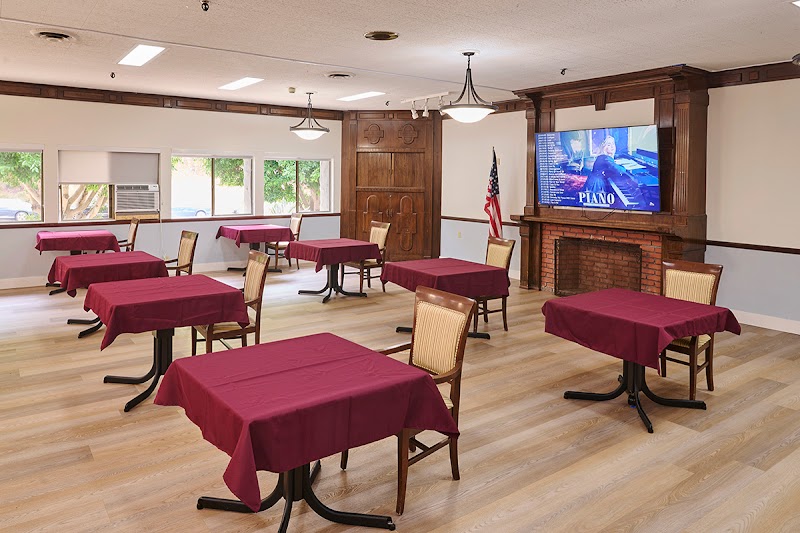
Who Owns and Operates La Jolla?

LA JOLLA NURSING AND REHABILITATION CENTER is owned by a for-profit company. For-profit facilities operate as businesses with obligations to shareholders or private owners. The facility is operated by COVENANT CARE, a chain that manages multiple nursing homes. With 161 certified beds and approximately 137 residents (about 85% occupancy), it is a mid-sized facility located in LA JOLLA, California.
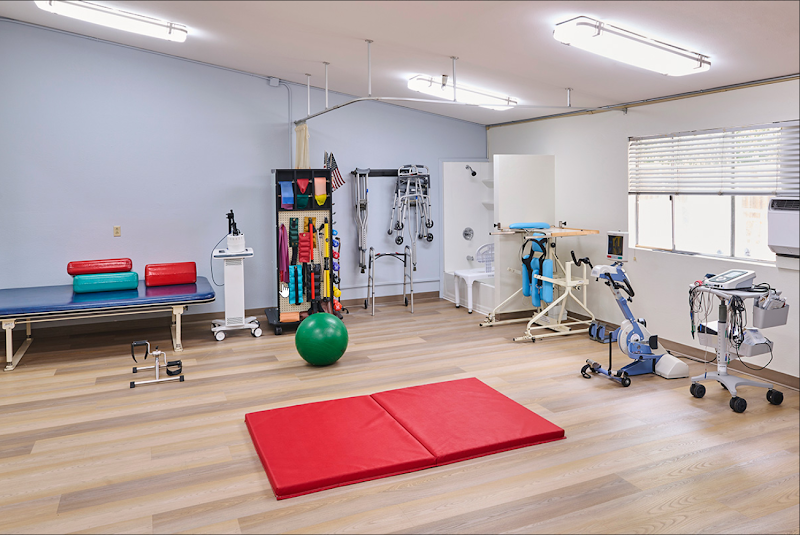
How Does La Jolla Compare to Other California Nursing Homes?

Compared to the 100 nursing homes in California, LA JOLLA NURSING AND REHABILITATION CENTER's overall rating (3 stars) is below the state average of 3.1, staff turnover (48%) is near the state average of 46%, and health inspection rating (3 stars) is at the national benchmark.

What Should Families Ask When Visiting La Jolla?

Based on this facility's data, families visiting should ask: "Can I visit during a mealtime to observe dining assistance and food quality?" "How do you handle medical emergencies, and what is your hospital transfer rate?" "Can I speak with family members of current residents about their experience?"

Is La Jolla Safe?

Based on CMS inspection data, LA JOLLA NURSING AND REHABILITATION CENTER has a clean safety record: no substantiated abuse findings (meaning no confirmed cases of resident harm), no Immediate Jeopardy citations (the most serious violation level indicating risk of serious injury or death), and is not on the Special Focus Facility watch list (a federal program monitoring the lowest-performing 1% of nursing homes). The facility has a 3-star overall rating and ranks #100 of 100 nursing homes in California. While no facility is perfect, families should still ask about staff-to-resident ratios and recent inspection results during their visit.

Do Nurses at La Jolla Stick Around?

LA JOLLA NURSING AND REHABILITATION CENTER has a staff turnover rate of 48%, which is about average for California nursing homes (state average: 46%). Moderate turnover is common in nursing homes, but families should still ask about staff tenure and how the facility maintains care continuity when employees leave.

Was La Jolla Ever Fined?

LA JOLLA NURSING AND REHABILITATION CENTER has no federal fines on record. CMS issues fines when nursing homes fail to meet care standards or don't correct problems found during inspections. The absence of fines suggests the facility has either maintained compliance or corrected any issues before penalties were assessed. This is a positive indicator, though families should still review recent inspection reports for the full picture.

Is La Jolla on Any Federal Watch List?

LA JOLLA NURSING AND REHABILITATION CENTER is not on any federal watch list. The most significant is the Special Focus Facility (SFF) program, which identifies the bottom 1% of nursing homes nationally based on persistent, serious quality problems. Not being on this list means the facility has avoided the pattern of deficiencies that triggers enhanced federal oversight. This is a positive indicator, though families should still review the facility's inspection history directly.