THE COVE AT LA JOLLA


7160 FAY AVENUE, LA JOLLA, CA 92037 (858) 459-4361
For profit - Corporation 59 Beds THE ENSIGN GROUP Data: November 2025
Trust Grade
70/100
#221 of 1155 in CA
Last Inspection: May 2025

Inspected within the last 6 months. Data reflects current conditions.

Overview

The Cove at La Jolla has a Trust Grade of B, indicating it is a good option for families looking for a nursing home. It ranks #221 out of 1,155 facilities in California, placing it in the top half of all state facilities, and #27 out of 81 in San Diego County, meaning only a few local facilities are rated higher. The facility's trend is stable, with 7 issues reported in both 2024 and 2025, suggesting no significant improvement or decline. Staffing is a concern, with a 3 out of 5 rating and a high turnover rate of 71%, which is above the California average of 38%. On a positive note, there are no fines on record, and the facility boasts better RN coverage than 91% of California facilities, ensuring closer monitoring of residents’ health. However, there are some specific concerns to note. The facility failed to properly maintain kitchen equipment, which could lead to foodborne illnesses. Additionally, necessary fall mats were not placed correctly for a resident at risk of falls, and there were issues with food quality, as many residents reported receiving cold or inadequate meals. Overall, while The Cove at La Jolla has some strengths, families should weigh these concerns carefully.

Trust Score
B
70/100
In California
#221/1155
Top 19%
Safety Record
Low Risk
No red flags
Inspections
Holding Steady
7 → 7 violations
Staff Stability
⚠ Watch
71% turnover. Very high, 23 points above average. Constant new faces learning your loved one's needs.
Penalties
✓ Good
No fines on record. Clean compliance history, better than most California facilities.
Skilled Nurses
✓ Good
Each resident gets 65 minutes of Registered Nurse (RN) attention daily — more than 97% of California nursing homes. RNs are the most trained staff who catch health problems before they become serious.
Violations
⚠ Watch
21 deficiencies on record. Higher than average. Multiple issues found across inspections.
★★★★★
5.0
Overall Rating
★★★☆☆
3.0
Staff Levels
★★★★★
5.0
Care Quality
★★★★☆
4.0
Inspection Score
Stable
2024: 7 issues
2025: 7 issues

The Good

  • 5-Star Quality Measures · Strong clinical quality outcomes
  • Full Sprinkler Coverage · Fire safety systems throughout facility
  • No fines on record

Facility shows strength in quality measures, fire safety.

The Bad

Staff Turnover: 71%

25pts above California avg (46%)

Frequent staff changes - ask about care continuity

Chain: THE ENSIGN GROUP

Part of a multi-facility chain

Ask about local staffing decisions and management

Staff turnover is very high (71%)

23 points above California average of 48%

The Ugly 21 deficiencies on record

May 2025 7 deficiencies
CONCERN (D)

Potential for Harm - no one hurt, but risky conditions existed

Resident Rights (Tag F0550)

Could have caused harm · This affected 1 resident

**NOTE- TERMS IN BRACKETS HAVE BEEN EDITED TO PROTECT CONFIDENTIALITY** Based on observation, interview and record review, the facility failed to honor two (Resident 1, 16) of 14 sampled residents rev...

Read full inspector narrative →
**NOTE- TERMS IN BRACKETS HAVE BEEN EDITED TO PROTECT CONFIDENTIALITY** Based on observation, interview and record review, the facility failed to honor two (Resident 1, 16) of 14 sampled residents reviewed for resident rights when: 1. The facility did not honor Resident 1's request not to have eggs for breakfast; 2. The facility did not honor Resident 16's request to have a sandwich during dialysis appointments. These failures resulted in not allowing residents to make a choice regarding their care. Findings: 1. Resident 1 was admitted to the facility on [DATE] with diagnoses including hemiplegia (total or partial paralysis of one side of the body) and hemiparesis (muscle weakness on one side of the body) involving unspecified cerebrovascular disease (a condition affecting blood flow and blood vessels in the brain) according to the facility's admission Record. During an observation and interview on 5/13/25 at 8:43 A.M. with Resident 1, Resident 1 stated she disliked eggs but received eggs for breakfast. Resident 1 showed an omelette on the breakfast tray and a meal ticket which indicated dislikes: eggs, plain yogurt, sausage and cooked spinach. An interview on 5/16/25 at 7:56 A.M. was conducted with Certified Nurse Assistant (CNA) 1. CNA 1 stated when meal trays arrived, the Licensed Nurse (LN) checked the meals for the correct diet and residents' food likes and dislikes against a diet list. An interview on 5/16/25 at 9 A.M. was conducted with LN 1. LN 1 stated residents' meals were checked against a diet order list with the meal ticket from the kitchen then the food on the plate. LN 1 stated the meals were checked for texture, liquid consistency and the resident's food preferences. During an interview and concurrent record review on 5/16/25 at 9:30 A.M. with the Registered Dietician (RD), the RD stated the Dietary Manager interviewed residents for food preferences. The RD reviewed Resident 1's meal ticket which indicated dislikes for plain yogurt, sausage, eggs and cooked spinach. The RD stated it was important to know residents' food dislikes so they will not get it. An interview on 5/16/25 at 10 A.M. with the Director of Nursing (DON) was conducted. The DON stated residents' meal trays were checked in the kitchen, then the LN compared residents' meal slips with the meal tray that was served to the resident. The DON stated it was important to check for the correct diet, texture and to ensure residents' preferences were honored. During a review of the facility's undated admission document titled, ATTACHMENT F, the document indicated, Patients shall have the right .to be encouraged and assisted throughout the period of stay to exercise rights as a patient .the right to .reside and receive services in the facility with reasonable accommodation of your needs and preferences. A review of the facility's policy and procedure (P&P) titled, Resident allergies, Preferences and Substitutes, dated 10/2024 was conducted. The P&P indicated, It is the policy of this facility to ensure resident allergies, preferences and substitutes will be adhered to .Resident food trays will be checked by the Dietary department and verified by Nursing to ensure accuracy, prior to delivery. 2. Resident 16 was admitted to the facility on [DATE] with diagnoses including protein-calorie malnutrition (inadequate intake of nutrients to meet the body's needs) according to the facility's admission Record. An interview on 5/13/25 at 8:18 A.M. was conducted with Resident 16. Resident 16 stated he had dialysis (procedure done by a trained professional to remove wastes and excess fluids from the body) appointments three times a week and the facility gave him three cups of puree food to take to dialysis. Resident 16 stated he had requested from multiple staff including the dietician to give him a sandwich, Nepro (a protein supplement) and three napkins. Resident 16 stated nobody had listened to his requests. An interview on 5/14/25 at 3:03 P.M. was conducted with the Registered Dietician (RD). The RD stated Resident 16 requested last week a sandwich to take to Resident 16's dialysis appointments. The RD stated she did not document Resident 16's request. The RD stated she referred Resident 16's request to the Speech Therapist who recommended to continue with puree consistency. The RD stated Resident 16's request had not been discussed with the interdisciplinary team (IDT- team members with various areas of expertise who work together toward the goals of their residents). The RD further stated Resident 16 had the right to choose what diet texture he preferred. During an interview on 5/15/25 at 10:20 A.M. with Resident 16, Resident 16 stated he received three cups of puree food again to take to dialysis yesterday, 5/14/25. Resident 16 stated he threw them away and only had the Nepro for lunch at dialysis. An interview with the Director of Nursing (DON) was conducted on 5/16/25 at 8:34 A.M. The DON stated Resident 16's request should have been addressed as soon as possible. The DON stated she would have felt frustrated if she had a request that was not addressed right away. During a review of the facility's undated admission document titled, ATTACHMENT F, the document indicated, Patients shall have the right .to be encouraged and assisted throughout the period of stay to exercise rights as a patient .the right to .reside and receive services in the facility with reasonable accommodation of your needs and preferences.
CONCERN (D)

Potential for Harm - no one hurt, but risky conditions existed

Comprehensive Care Plan (Tag F0656)

Could have caused harm · This affected 1 resident

**NOTE- TERMS IN BRACKETS HAVE BEEN EDITED TO PROTECT CONFIDENTIALITY** Based on observation, interview, and record review, the facility failed to develop and/or implement a patient centered care plan...

Read full inspector narrative →
**NOTE- TERMS IN BRACKETS HAVE BEEN EDITED TO PROTECT CONFIDENTIALITY** Based on observation, interview, and record review, the facility failed to develop and/or implement a patient centered care plan for one of 14 residents reviewed for care plan. (Resident 209) Cross reference F695 This failure had the potential for Resident 209 to not receive appropriate care, treatment, and interventions for the use of a continuous positive airway pressure machine (CPAP-a machine that delivers mild air pressure through the nose to keep breathing airways open while asleep). Findings: Resident 209 was admitted to the facility on [DATE] with diagnoses including obstructive sleep apnea (OSA- a problem in which breathing pauses during sleep due to blocked airways) according to the facility's admission Record. An observation and interview was conducted on 5/13/25 at 11:42 A.M. with Resident 209. Resident 209 had a white machine on the bedside drawer. Resident 209 stated the machine was a BIPAP [Bilevel positive airway pressure machine used as breathing support and administered through a face mask or nasal mask] machine. Resident 209 stated she cleaned the machine and added water to the machine when needed. An interview and joint record review was conducted on 5/14/25 at 8:57 A.M. with Licensed Nurse (LN) 2. LN 2 reviewed Resident 209's electronic medical record (EMR). LN 2 stated there was no care plan for a BIPAP or CPAP machine. During an interview and joint record review on 5/15/25 at 3:27 P.M. with the Minimum Data Set Nurse (MDSN- a nurse who assessed and evaluated the quality of care being given to residents), the MDSN stated the hospital history and physical, dated 5/10/25 indicated Resident 209 used a CPAP machine. The MDSN stated there was no care plan for the CPAP machine until 5/14/25. An interview on 5/16/25 at 8:26 A.M. with the Director of Nursing (DON) was conducted. The DON stated there should have been a care plan for the CPAP machine to ensure that Resident 209's condition was treated, education was provided to Resident 209 and for staff to know how to clean the machine for infection control. A review of the facility's policy and procedure (P&P) titled, Comprehensive Person-Centered Care Planning, dated 10/2024 was conducted. The P&P indicated, .the interdisciplinary team (IDT)[team members with various areas of expertise who work together toward the goals of their residents] shall develop a comprehensive person-centered care plan for each resident .to meet a resident's medical, nursing, mental and psychological need.
CONCERN (D)

Potential for Harm - no one hurt, but risky conditions existed

Respiratory Care (Tag F0695)

Could have caused harm · This affected 1 resident

**NOTE- TERMS IN BRACKETS HAVE BEEN EDITED TO PROTECT CONFIDENTIALITY** Based on observation, interview and record review, the facility failed to provide respiratory care services for one of one resid...

Read full inspector narrative →
**NOTE- TERMS IN BRACKETS HAVE BEEN EDITED TO PROTECT CONFIDENTIALITY** Based on observation, interview and record review, the facility failed to provide respiratory care services for one of one resident who used a continuous positive airway pressure machine (CPAP-a machine that delivers mild air pressure through the nose to keep breathing airways open while asleep) when Resident 209 used a CPAP machine but did not have a physician's order. In addition, Licensed nurses did not know how to clean the CPAP machine. This failure had the potential for Resident 209 to receive inappropriate care and treatment to address Resident 209's respiratory problems. Cross reference F656 Findings: Resident 209 was admitted to the facility on [DATE] with diagnoses including obstructive sleep apnea (OSA- a problem in which breathing pauses during sleep due to blocked airways) according to the facility's admission Record. An observation and interview was conducted on 5/13/25 at 11:42 A.M. with Resident 209. Resident 209 had a white machine on the bedside drawer. Resident 209 stated the machine was a BIPAP [Bilevel positive airway pressure machine used as breathing support and administered through a face mask or nasal mask] machine. Resident 209 stated she cleaned the machine and added water to the machine when needed. An interview and joint record review was conducted on 5/14/25 at 8:57 A.M. with Licensed Nurse (LN) 2. LN 2 reviewed Resident 209's electronic medical record (EMR). LN 2 stated there was no physician's order for a BIPAP or a CPAP machine. During an interview on 5/15/25 at 2:03 P.M. with LN 4, LN 4 stated she was aware that Resident 209 had a CPAP machine. LN 4 stated she needed to check with the Director of Nursing (DON) regarding the facility's policy for CPAP machine cleaning. During an interview on 5/15/25 at 2:23 P.M. with LN 3, LN 3 stated she did not know how to clean a CPAP machine. During an interview and joint record review on 5/15/25 at 3:27 P.M. with the Minimum Data Set Nurse (MDSN- a nurse who assessed and evaluated the quality of care being given to residents), the MDSN stated the hospital history and physical, dated 5/10/25 indicated Resident 209 used a CPAP machine. The MDSN stated there was no physician's order for the CPAP machine until 5/14/25. An interview on 5/16/25 at 8:26 A.M. with the Director of Nursing (DON) was conducted. The DON stated there should have been a physician's order for the CPAP machine to ensure that Resident 209's condition was treated, education was provided to Resident 209 and for staff to know how to clean the machine for infection control. A review of the facility's undated policy and procedure (P&P) titled, CPAP/BIPAP Monitoring and Management was conducted. The P&P indicated, It is the policy of this facility that: 1. BIPAP/CPAP devices be administered as ordered by the physician for conditions such as .Sleep Apnea .Interventions are implemented to minimize risks associated with BIPAP/CPAP.
CONCERN (D)

Potential for Harm - no one hurt, but risky conditions existed

Deficiency F0806 (Tag F0806)

Could have caused harm · This affected 1 resident

**NOTE- TERMS IN BRACKETS HAVE BEEN EDITED TO PROTECT CONFIDENTIALITY** Based on observation, interview, and record review, the facility failed to provide residents with a diet free of food they were ...

Read full inspector narrative →
**NOTE- TERMS IN BRACKETS HAVE BEEN EDITED TO PROTECT CONFIDENTIALITY** Based on observation, interview, and record review, the facility failed to provide residents with a diet free of food they were allergic to for one of 14 sampled residents (6). This failure placed Resident 6 at an increased risk of allergic reaction. Findings: Per the facility's admission Record, Resident 6 was admitted to the facility on [DATE]. Per the facility's Allergy Report, dated 5/15/25, Resident 6 had an allergy to Broccoli, documented on 1/19/25. On 5/15/25 AT 9:40 A.M., an interview was conducted with Resident 6. Resident 6 stated, a Certified Nursing Assistant (CNA) brought her broccoli on 5/14/25 at dinnertime. On 5/15/25 at 1:38 P.M., an interview was conducted with CNA 4. CNA 4 stated, when she brought the dinner meal tray to Resident 6 on 5/14/25, Resident 6 complained to her that there was Broccoli on her plate. CNA 4 further stated, she was supposed to check the meal tray to see if it matched her diet, but she missed that one. On 5/15/25 at 1:52 P.M., an interview was conducted with Licensed Nurse (LN) 5. LN 5 stated, she checked the meal trays for accuracy before the CNAs delivered them to the residents. LN 5 further stated, she checked Resident 6's dinner tray on 5/14/25, but she did not remember seeing broccoli on her tray. On 5/16/25 at 9:59 A.M., an interview was conducted with the Director of Nursing (DON). The DON stated, there should have been three staff checking to ensure Resident 6's diet was followed. The DON further stated, the broccoli should have been identified by the kitchen staff, the LN who checked the tray, and the CNA who delivered the tray. Per the facility's policy, titled Food Preferences, dated 2023, .Resident's food preferences will be adhered to within reason . Per the facility's policy titled, Resident allergies, Preferences and Substitutes, reviewed 10/24, Resident food trays will be checked by the Dietary department and verified by Nursing, to ensure accuracy, prior to delivery.
CONCERN (E)

Potential for Harm - no one hurt, but risky conditions existed

Accident Prevention (Tag F0689)

Could have caused harm · This affected multiple residents

**NOTE- TERMS IN BRACKETS HAVE BEEN EDITED TO PROTECT CONFIDENTIALITY** Based on observation, interview, and record review, the facility failed to ensure fall mats were placed appropriately for one of...

Read full inspector narrative →
**NOTE- TERMS IN BRACKETS HAVE BEEN EDITED TO PROTECT CONFIDENTIALITY** Based on observation, interview, and record review, the facility failed to ensure fall mats were placed appropriately for one of 14 sampled residents (40), and ensure loose flooring was identified for three of three hallways. These failures placed residents at increased risk of injury. Findings: 1. Per the facility's admission Record, Resident 40 was admitted to the facility on [DATE] with diagnosis of difficulty walking. Per the facility's undated Care Plan Report, Resident 40 was at risk for falls related to impaired mobility, weakness, and a history of falls. The Care Plan Report had an intervention to add floor mats to both sides of Resident 40's bed to prevent injury due to a previous fall on 4/30/25. On 5/15/25 at 2:59 P.M., an observation of Resident 40 and interview was conducted with Licensed Nurse (LN) 5. There was a floor mat one side of Resident 40's bed, and the floor mat on the other side of his bed was stood up against the wall. LN 5 stated, staff moved the floor mat out of the way while transferring Resident 40, but it looked like they forgot to put the fall mat back down after the transfer. LN 5 further stated, the floor mat would not have been effective while placed up against the wall instead of being on the floor. On 5/16/25 at 10 A.M., an interview was conducted with the Director of Nursing (DON). The DON stated, Resident 40's floor mat should have been returned to the floor next to his bed. Per the facility's policy titled, Fall Management System, revised June 2018, It is the policy of this facility to provide each resident with appropriate assessment and interventions to prevent falls. 2. On 5/15/25 at 11:14 A.M., a concurrent observation of facility flooring and interview with the Director of Environmental Services (DES) was conducted. The DES confirmed flooring was loose . The DES stated that the flooring was water damaged and bubbling up in many of the hallways. The following areas had water damage with loose flooring: 1. The beginning of the center hallway; four areas with three inch diameter bubbles extended upward from the floor, directly under the hand railing, 2. Near room [ROOM NUMBER], beneath the handrail, three areas of one inch bubbles extended upward from the floor, adjacent to a recently repaired area, 3. Near room [ROOM NUMBER] in the hallway, two areas with one inch bubbles extended upward from the floor 4. Near room [ROOM NUMBER] one area with a three inch bubble, the floor was separated at the seam creating a two-inch-high area where flooring was warping upward, beneath the hand railing. The DES stated that the loose flooring could have been a tripping hazard for residents, staff, and visitors. On 5/16/25 at 10 A.M. an interview was conducted with the Administrator (ADM). The ADM stated that the expectation was that hallways should have been free from any tripping hazards. The ADM stated that the importance of a safe environment was for the comfort and safety of the residents, staff, and the visitors of the facility. Review of the facility policy titled PHYSICAL ENVIRONMENT, undated, indicated .It is the policy of this facility that the facility must provide a safe, functional, sanitary, comfortable, and home-like environment for residents, staff and public through monthly environmental rounds .The following should be included in Monthly Environmental Rounds .8. Hallways free of potential environmental hazards .
CONCERN (E)

Potential for Harm - no one hurt, but risky conditions existed

Deficiency F0804 (Tag F0804)

Could have caused harm · This affected multiple residents

Based on observation, interview, and record review the facility failed to ensure that palatable food was served to fifteen of fifty-one sampled residents. This failure had the potential to prevent res...

Read full inspector narrative →
Based on observation, interview, and record review the facility failed to ensure that palatable food was served to fifteen of fifty-one sampled residents. This failure had the potential to prevent residents from eating their meals and not receiving their daily nutrition. Cross reference F550 Findings: On 5/13/25 from 7:30 A.M. to 4:30 P.M., resident interviews were conducted during the initial tour of the facility. The following represents residents' statements about food during the initial tour: Resident 8 stated I received cereal with no milk .the combinations are ridiculous like yesterday I got cold sausage with brussels sprouts .food is usually lukewarm, not enough food .I had two meals that I couldn't figure out what it was, it looked like fried mush, and I didn't' t eat it . the orange juice is terrible, doesn't taste like orange . Resident 159 stated .The food is always cold, dry eggs, scrambled, and hard . Resident 15 stated .Food barely adequate, not very good, always cold .Canned vegetables, lettuce not fresh. Portions too big to finish . Resident 31 stated .Food not good, lunch and dinner are not up to expectations, always cold, not cooked very well, chicken is tough . I only eat breakfast .They don't season and tastes just plain . Resident 17 stated .Food cold, unhealthy, bad flavor . Resident 16 stated .Concerned with not sending requested sandwich for dialysis appointments . Resident 10 stated .Food was terrible, no flavor, bad presentation .meal ticket it did not specify what he was receiving . Resident 209 stated .Food content not good .seemed like food from prior day . Resident 210 stated .Food was unidentifiable . Resident 6 stated .The food was often cold .she did not always get what was on the menu .she was looking forward to getting sauerkraut, but they gave her carrots instead. She was tired of carrots because she got them every day .she was brought green beans, but could not have green beans because she was allergic . Resident 24 stated .The food was terrible, it was cold, and had no flavor . On 5/14/25 at 10:02 A.M., a Resident Council Meeting was held with eight residents. Five of eight anonymous residents had food complaints. The complaints were as follows: .Pancakes like rubber . .Food was bad . .Sometimes good, sometimes not . .She had lost weight . .People do not like to eat same food for days . .Have been trying to get menu for weeks . .Did not know what to expect. At times did not know what they will receive . .Menu was posted in hallway .Menu was tiny and pale .postings were too tall, difficult to read . On 5/14/25 between 12 P.M. and 1:25 P.M. an observation of the tray line was conducted. The last tray was completed and sent out of the kitchen at 1:24 P.M. The last tray served to the last resident of the last unit was completed at 1:30 P.M. On 5/14/25 At 1:30 P.M., a concurrent sampling of a test tray was conducted with the Dietary Manager (DM) and Registered Dietician (RD), on 5/14/25 at 1:30 P.M. Temperatures and palatability were as follows: Milk-43 F, Juice 46 F- not tasted Pureed tray: Pureed Meatloaf-127 F, warm, bland,needed seasoning Mashed Potatoes- 140 F, warm, bland, needed seasoning Pureed Spinach Au Gratin, 126 F, warm, bland, needed seasoning, no cheese flavor Regular tray: Meatloaf 135 F, warm, bland, needed seasoning Spinach Au gratin, 126 F, warm, bland, needed seasoning, no cheese flavor The RD stated that the facility standard for hot food was to be at least 120 F, and for beverages to be lower than 45 F. On 5/16/25 at 10 A.M., an interview with the RD was conducted. The RD stated that the expectation for assessing residents' preferences and dislikes was to review the monthly menu with each resident, document resident's dislikes, and provide alternatives for foods that they disliked. The RD stated the importance of providing palatable food to residents was to provide adequate nutrition for nourishment of the residents during their stay and to promote healing. Record review of the facility policy titled FOOD PREFERENCE, dated 2023 indicated .Resident's food preferences will be adhered to within reason. Substitutes for dislike will be given from appropriate food groups. Condiments such as salt, pepper, and sugar are available at each meal unless contraindicated by the diet order .
CONCERN (E)

Potential for Harm - no one hurt, but risky conditions existed

Food Safety (Tag F0812)

Could have caused harm · This affected multiple residents

Based on observation, interview and record review the facility failed to ensure that one kitchen staff wore a beard restraint during breakfast tray line. This failure had the potential to contaminate...

Read full inspector narrative →
Based on observation, interview and record review the facility failed to ensure that one kitchen staff wore a beard restraint during breakfast tray line. This failure had the potential to contaminate all residents' food with staff's facial hair and promote foodborne illness. Findings: On 5/13/25 at 7:45 A.M., an observation of the breakfast tray line and an interview with the Dietary Supervisor (DS) was conducted. The DS was observed with an uncovered beard and mustache plating breakfast food. The DS stated that the policy was that he could serve food without a beard restraint if the beard and mustache were trimmed and groomed. The Registered Dietician(RD) was asked to review policy for facial hair for kitchen staff. Record review of the facility policy titled DRESS CODE, dated 2023, indicated that .8. If applicable, beards and mustaches (any facial hair) must wear beard restraint . On 5/16/25 at 10 A.M., an interview with the Registered Dietician (RD) was conducted. The RD stated that the expectation was for any staff with facial hair needed to cover it with beard restraint. The RD stated that the importance of covering facial hair was to prevent contamination of residents' food from staff facial hair.
Jun 2024 6 deficiencies
CONCERN (D)

Potential for Harm - no one hurt, but risky conditions existed

Deficiency F0558 (Tag F0558)

Could have caused harm · This affected 1 resident

**NOTE- TERMS IN BRACKETS HAVE BEEN EDITED TO PROTECT CONFIDENTIALITY** Based on interview and record review, the facility failed to ensure call lights were answered in a timely manner for six of 56 r...

Read full inspector narrative →
**NOTE- TERMS IN BRACKETS HAVE BEEN EDITED TO PROTECT CONFIDENTIALITY** Based on interview and record review, the facility failed to ensure call lights were answered in a timely manner for six of 56 residents (Residents 10, 4, 24,15,19,7) reviewed for call lights response. This failure had the potential for resident needs to go unmet and at risk for safety. Findings. On 6/3/24 a review of the past three Resident Council (when residents meet once a month to discuss facility concerns) meeting minutes was reviewed. Resident Council minutes dated 3/5/24, 4/2/24, and 5/14/24 indicated slow call light responses. The ADM response to the concerns was documented as, Noted. 1. A review of Resident 10's admission Record indicated, Resident 10 was admitted to the facility on [DATE] with diagnoses that included acute (sudden) cystitis (an infection of the bladder). An interview on 6/3/24 at 10:30 A.M., with Resident 10 was conducted. Resident 10 stated he knew the facility was understaffed, due to call lights not being answered timely and it would take more than 20 minutes or more to get a response. During State run Resident Council meeting on 6/4/24 at 10 A.M., Resident 10 stated call light responses were worse after meals when staff were on break. Resident 10 stated he was incontinent (no control) of both bowel and bladder and had to wait for twenty minutes or more for staff to changed him. Resident 10 stated night shift was worst because they had less staff working. A record review of Resident 10's Minimum Data Set (MDS- a clinical assessment tool), dated 3/18/24, indicated Resident 10 had a Brief Interview for Mental Status (BIMS-a cognitive score) score of 14, which indicated cognition was intact. 2. Resident 4 was admitted to the facility on [DATE], with diagnoses which included congestive heart failure (when the heart pumps ineffectively), per the admission Record. An interview on 6/3/24 at 11:00 A.M., with Resident 4 was conducted. Resident 4 stated, response to call lights was dependent on the time of day, which was usually on nights and weekends. Resident 4 stated the CNAs answered call lights in 15 or 20 minutes. Resident 4 stated she required assistance in going to bed and used of the bathroom before bedtime and in the middle of the night. A record review on 6/5/24 of Resident 4's MDS dated [DATE], listed a BIMS score of 13, indicating cognition was intact. 3. Resident 24 was admitted to the facility on [DATE], with diagnoses which included cellulitis of right lower limb (infection of the soft tissue in the leg), per the facility's admission Record. An interview on 6/3/24 at 11:15 A.M., with Resident 24 was conducted. Resident 24 stated the facility was short of staff on weekends and it took time for the call lights to get answered. A record review on 6/5/24 of Resident 24's MDS listed a BIMS score, dated 4/10/2024 of 15, indicating cognition was intact. 3. Resident 15 was admitted to the facility on [DATE], with diagnoses which included chronic obstructive pulmonary disease, (ineffective gas exchange in the lungs), per the facility's admission Record. An interview on 6/3/24 at 3:07 P.M., with Resident 15 was conducted. Resident 15 stated he does not have any issues or concerns with the facility, except the call lights. Resident 15 stated the call lights was worst at nighttime, and it took a while for staff to respond which was around 30 minutes or even more. A record review on 6/5/24 of Resident 15's MDS dated [DATE], listed Resident 15's BIMS score was 15, indicating cognition was intact. 4. Resident 19 was admitted to the facility on [DATE], with diagnoses which included acute (sudden) respiratory failure, per the facility's admission Record. An interview on 6/4/24 at 11:30 A.M., with Resident 19 was conducted. Resident 19 stated he had a stroke three times and was on a heart monitor. Resident 19 stated he needed bathroom assistance at times, so he would use his call light. Resident 19 stated it would take a while for his call light to get answered. Resident 19 stated the facility was short of help on the evenings, night shifts, and on the weekends. A record review on 6/5/24 of Resident 19's MDS listed a BIMS score was 14, indicating cognition was intact. 5. Resident 7 was admitted on [DATE], with diagnoses which included hemiplegia (stroke, weakness on one side of the body) affecting the right dominant side, per the facility's admission Record. An interview on 6/5/24 at 12:08 P.M., with Resident 7 was conducted. Resident 7 stated when he used the call light, sometimes it took 30 minutes for staff to respond. Resident 7 stated, the staff were busy, and he thought less people were working, especially in the evening and at night. A record review on 6/5/24 of Resident 7's MDS dated [DATE], listed a BIMS score of 9, indicating cognition was moderately impaired. An interview on 6/5/24 at 3:36 P.M., with CNA 1 was conducted. CNA 1 stated residents call lights needed to be answered as soon as possible to meet residents needs and ensure residents safety. CNA 1 stated call lights should be answered in less than five minutes and not any longer. An interview on 6/5/24 3:48 P.M., with CNA 2 was conducted. CNA 2 stated, call lights needed to be answered within five to ten minutes to meet resident needs and to ensure residents were safe. An interview on 6/5/24 at 3:50 P.M., with CNA 3 was conducted. CNA 3 stated call lights should be answered in five minutes, not ten minutes. CNA 3 stated they should answer to call lights promptly to ensure resident needs were met and ensure their safety. An interview on 6/5/24 at 4 P.M., with LN 1 was conducted. LN 1 stated call lights were important to be answered promptly within at least five minutes to meet residents needs and ensure resident safety. An interview on 6/5/24 at 4:16 P.M., with the DON was conducted. DON stated call lights were important to get answered in a timely manner, at least within five minutes, to make sure the resident needs are met promptly and ensure safety. A review of the facility's Policy & Procedure - entitled Nursing Clinical Subject: Call light / Bell undated, .Procedures: 1. Answer the light/ bell within a reasonable time .3. Listen to the resident's request /need .
CONCERN (D)

Potential for Harm - no one hurt, but risky conditions existed

Comprehensive Care Plan (Tag F0656)

Could have caused harm · This affected 1 resident

**NOTE- TERMS IN BRACKETS HAVE BEEN EDITED TO PROTECT CONFIDENTIALITY** Based on interview and record review, the facility failed to create a person centered care plan related to pain management invol...

Read full inspector narrative →
**NOTE- TERMS IN BRACKETS HAVE BEEN EDITED TO PROTECT CONFIDENTIALITY** Based on interview and record review, the facility failed to create a person centered care plan related to pain management involving non-pharmacological interventions for one of five residents (Resident 2), reviewed for pain management. This outcome had the potential for Resident 2's pain to be managed only through pharmacological interventions. Findings: Resident 2 was admitted to the facility on [DATE], with diagnoses that included displaced oblique fracture of shaft of left femur (an angled break in the long bone of the thigh) and fracture of the lower end of the left femur (a break in the long bone of the thigh near the knee), per the admission Record. On 6/3/24 at 3:14 P.M., an interview was conducted with Resident 2 who stated her, Hip pain can get very bad. Resident 2 stated her pain was managed by the facility only with medication and repositioning. On 6/5/24 at 9:15 A.M., a record review of Resident 2's was conducted. According to the physician orders, dated 5/31/24, methadone 12.5 milligrams (a synthetic pain reliever similar to morphine) every eight hours for pain management and non-pharmacological interventions for pain 1 = repositioning, 2 = dim light/ quiet environment, 3 = relaxation 4 = distraction, 5 = music, 6 = massage. A review of care plan titled Pain, undated, listed only one intervention which was repositioning. According to the Medication administration Record (MAR) for May 2024, the MAR only listed repositioning as an attempted non-pharmacological intervention. On 6/05/24 at 9:50 A.M., an interview was conducted with Resident 2. Resident 2 stated no staff have offered any other pain management interventions other than repositioning. On 6/05/24 at 9:53 A.M. an interview and concurrent record review was conducted with the DON. The DON stated, I don't see any non-pharmacological suggestions in the care plan except repositioning. (Resident 2's) preferences for interventions are not reflected in the care plan and they should be. A review of the facility policy entitled Comprehensive Person-Centered Care Planning, undated, It is the policy of this facility that the interdisciplinary team (IDT-when department heads meet to discuss resident care) shall develop a comprehensive person-centered care plan for each resident .
CONCERN (D)

Potential for Harm - no one hurt, but risky conditions existed

Medical Records (Tag F0842)

Could have caused harm · This affected 1 resident

**NOTE- TERMS IN BRACKETS HAVE BEEN EDITED TO PROTECT CONFIDENTIALITY** Based on observation, interview, and record review, the facility failed to accurately calculate the fluid intake and urinary out...

Read full inspector narrative →
**NOTE- TERMS IN BRACKETS HAVE BEEN EDITED TO PROTECT CONFIDENTIALITY** Based on observation, interview, and record review, the facility failed to accurately calculate the fluid intake and urinary output (measurement of urine daily), for one of one resident (Resident 106), reviewed for accurate documentation. As a result, Resident 106's clinical record was not correct, which had the potential to affect his care for fluid balance. Findings: Resident 103 was admitted to the facility on [DATE], with diagnoses which included urinary tract infection (an infection in part of the urinary system), per the facility's admission Record. On 6/3/24 at 9:01 A.M., an observation was conducted of Resident 103, as he laid in bed. A urinary catheter (a flexible tube inserted into the bladder, in order to drain urine to an external collection bag) bag was attached to the left lower bed frame, which was covered in a blue dignity bag (a bag that covers the urine collection bag to protect a person's dignity). The urine in the tubing was dark yellow and cloudy looking. An interview was conducted with CNA 11 on 6/5/24 at 1:13 P.M. CNA 11 stated urinary catheter bags needed to be emptied at least once a shift. CNA 11 stated if input/output measurements were ordered by the physician, the urine was measured in a cylinder measuring container, after the catheter bag was emptied. CNA 11 stated she would write down the amount of urine removed and then inform the licensed nurse, so the amount could be documented and calculated on a 24-hour basis. An interview was conducted with LN 12 on 6/5/24 at 1:17 P.M. LN 12 stated the CNAs measured the urine when removed from a urinary collection bag and reported the amount to the licensed nurses. LN 12 stated input/output orders were important for physicians and staff, to ensure adequate fluid balance were occurring and residents were not fluid overloaded or dehydrated. On 6/5/24, Resident 106's clinical record was reviewed: According to the physician's order, dated 5/29/24, .Indwelling catheter #16 F (size) .Monitor intake and output every shift .Calculate total 24 hours intake and output every evening shift . Resident 106's Medication Administration Record (MAR) was reviewed from 5/29/24 through 6/4/24. The intake (oral fluid intake) and output (catheter urine output) for the day shift (7 A.M.-3:30 P.M.), evening shift (3 P.M.-11:30 P.M.) and night shift (11 P.M.-7:30 A.M.) on 5/31/24 was documented as: Day shift: (in) 800 milliliters (ml) , (out) x 2 Evening: (in) 450 ml, (out) 350 ml Night: (in) 200 ml, (out) 500 ml The calculated total for 24-hour input and output on 5/31/24 was documented as: Total in: 1050 ml Correct calculation for input was 1450 ml Total out: 1650 ml Correct calculation for output was 850 ml The documented input and output for 6/1/24 was documented as: Day shift: (in) 500 ml, (out) x 2 Evening : (in) 480 ml, (out) 350 ml Night: (in) 120 ml, (out) 600 ml The calculated total for 24-hour input and output on 6/1/24 was documented as: Total in: 1180 ml Correct calculation for input was 1100 ml Total out: 1200 ml Correct calculation for output was 950 ml The documented input and output for 6/2/24 was documented as: Day shift: (in) 700 ml, (out) x 2 Evening : (in) 480 ml, (out) 500 ml Night: (in) 200 ml, (out) 450 ml The calculated total for 24-hour input and output on 6/2/24 was documented as: Total in: 1300 ml Correct calculation for input was 1380 ml Total out: 2000 ml Correct calculation for output was 950 ml The documented input and output for 6/4/24 was documented as: Day shift: (in) 660 ml, (out) 400 ml Evening : (in) 240 ml, (out) 300 ml Night: (in) 240 ml, (out) 300 ml The calculated total for 24-hour input and output on 6/4/24 was documented as: Total in: 1240 ml Correct calculation for input was 1140 ml Total out: x 5 Correct calculation for output was 1000 ml According to the care plan, titled Indwelling Catheter, undated, listed interventions such as: Monitor and document intake and output as per facility policy. On 6/5/24 at 1:39 P.M., an interview and record review was conducted with LN 11 of Resident 106's MAR. LN 11 stated monitoring I&Os (input and output) was important for early detection of fluid imbalances or potential problems. LN 11 stated the CNAs were expected to measure the urine output from a urinary catheter and report the amount to the licensed nurse for documentation. LN 11 reviewed Resident 106's MAR, listing the output as x 2 and x 5. LN 11 stated there should not be any x 2 or x 5 listed on the output, because a measurable numerical number was expected, especially with a urinary catheter. LN 11 stated the totals for the end of the 24-hour period should be an accurately balanced, because the physicians and nurses were analyzing the data. LN 11 stated if the input and output was not accurately documented, you could not tell if the resident's fluid status was safe or not. On 6/5/24 at 10:44 A.M., an interview and record review was conducted with the DON of Resident 106's MAR. The DON stated Resident 106's MAR was inaccurate, because x 2 and x 5 were not numerical numbers. The DON stated the 24-hour totals did not match with the shift totals for input and output. The DON stated accurate documentation was required in order to provide quality of care. The DON stated the I&O numerical values did not balance out, so everyone was unaware of what Resident 106's true fluid balance was on a daily basis. According to the facility's policy titled Charting and Documentation, undated, The resident's clinical record is a concise account of treatment, care, response to care, signs, symptoms and progress of the resident's treatment .Importance and Use of the Records: .3. To the physician, it guides him in his treatment, use and effects of drugs and plan for care .
CONCERN (D)

Potential for Harm - no one hurt, but risky conditions existed

Deficiency F0865 (Tag F0865)

Could have caused harm · This affected 1 resident

Based on interview and record review, the facility failed to make a good faith attempt to address root cause issues brought forth by the resident council meeting in their Quality Assurance Performance...

Read full inspector narrative →
Based on interview and record review, the facility failed to make a good faith attempt to address root cause issues brought forth by the resident council meeting in their Quality Assurance Performance Improvement (QAPI) committee meetings, related to timely call light responses. (Cross Reference F-558) This failure had the potential to affect the care provided to residents. Findings: An interview was conducted with the ADM on 6/6/24 at 10:25 A.M. The ADM stated call light responses were added to their QAPI plan in March 2024, after the March Resident Council identified the issue during their monthly meeting. The ADM stated call light responses were identified again as an issue in the April and May 2024, Resident Council meetings. The ADM stated the staff were immediately in-serviced on call light responses and call light responses were included as a question during the morning Angel Rounds (when department heads are assigned to a specific rooms, to meet with resident every morning in order to identify concerns). The ADM stated the Angel Round responses were not documented, but were verbally brought to the team every morning during their stand-up (department heads meet to discuss issues that occurred during the night or morning). The ADM stated call light response audits had previous been started in January 2024, via their computerized call light response system, which tracks the length of time a call light is on, before answered and deactivated. The ADM stated the QAPI compliance goal was divided into three sections: under 5 minute, over 5 minutes, and 30 minute responses. The ADM stated sometimes they reached the compliance goal and other times they did not. The ADM stated the staff in-services did not include leaving the call lights on, until the resident's needs were met. The ADM stated during the call light audit, she had not divided and analyzed into staff shifts (days, evenings, and night shifts) or nursing units, but bunched all the time responses together to get the current data. The ADM stated they were aware the delayed call light responses were still a problem and they were not getting to the root of the problem, based on their ongoing audits and Angel Rounds. According to the facility's policy titled Quality Assurance and Performance Improvement, dated January 2022, The facility will establish and implement a Quality Assessment and Assurance committee .and implement Performance Improvement Projects (PIPs) through a data driven and proactive approach .6.The facility may utilize the following established Performance Improvement tools/Processes: A. Plan-Do-Study-Act (PDSA cycles). B. The Five Why's to identify root cause .
CONCERN (E)

Potential for Harm - no one hurt, but risky conditions existed

Assessment Accuracy (Tag F0641)

Could have caused harm · This affected multiple residents

**NOTE- TERMS IN BRACKETS HAVE BEEN EDITED TO PROTECT CONFIDENTIALITY** Based on observation, interview, and record review, the facility failed to accurately assess and code the Minimum Data Set (MDS-...

Read full inspector narrative →
**NOTE- TERMS IN BRACKETS HAVE BEEN EDITED TO PROTECT CONFIDENTIALITY** Based on observation, interview, and record review, the facility failed to accurately assess and code the Minimum Data Set (MDS-a clinical assessment tool) for three of four residents (1, 5, 103) reviewed for wander guards (a wrist band worn by residents that alarms and alerts staff when the resident get near or exit a specific area). As a result, the Centers for Medicare and Medicaid Services (CMS) was unaware of Resident 1, 5, and 103's current health status and wandering behavior. Findings: a. Resident 1 was admitted to the facility on [DATE], with diagnoses which included encephalopathy (a disease of the brain which affects daily function), per the facility's admission Record. On 6/5/24, Resident 1's clinical record was reviewed: According to the physician's order, dated 2/21/24, .WanderGuard wrist band to LEFT Wrist . According to the quarterly Elopement/Wandering Evaluation, dated 4/2/24, Resident 1 was categorized as a high risk for elopement. The care plan titled At Risk for Elopement, undated, listed interventions such as: Monitor Wander guard placement (left wrist). According to the nurses' notes, dated 10/8/23 at 3:16 P.M., the family approved of the use of a wander guard. The quarterly MDS, dated [DATE], Section P-Restraints and Alarms was coded 0, indicating a Wander/elopement alarm was not in use. b. Resident 5 was admitted to the facility on [DATE], with diagnoses which included dementia (progressive memory loss), per the facility's admission Record. On 6/5/24, Resident 5's clinical record was reviewed: According to the physician's order, dated 9/15/23, .WanderGuard wrist band to LEFT Wrist . According to the quarterly Elopement/Wandering Evaluation, dated 5/2/24, Resident 5 was categorized as a high risk for elopement. The care plan titled At Risk for Elopement/wandering related to Dementia, dated 7/8/23, listed interventions such as: Monitor Wander guard placement (left wrist). According to the nurses' notes, dated 7/8/23 at 9:18 P.M., the family approved of the wander guard placement. The quarterly MDS, dated [DATE], Section P-Restraints and Alarms was coded 0, indicating a Wander/elopement alarm was not in use. c. Resident 103 was admitted to facility on 5/15/24, with diagnoses which included encephalopathy (a disease of the brain which affects daily function), per the facility's admission Record. According to the physician's order, dated 5/17/24, .WanderGuard wrist band to (L. Wrist) . According to the admission Elopement/Wandering Evaluation, dated 5/17/24, Resident 103 was categorized as a high risk for elopement. The care plan, titled Wander guard to L. wrist related to intermittent confusion, undated, listed interventions such as: Monitor Wander guard placement (left wrist). According to the nurses' notes, dated 5/17/24 at 10:56 A.M., Resident and emergency contact agree with wanderguard plan. The admission MDS, dated [DATE], Section P-Restraints and Alarms was coded 0, indicating a Wander/elopement alarm was not in use. On 6/5/24 at 9:36 A.M., an interview and record review was conducted with the Minimum Data Set Nurse (MDSN). The MDSN stated when preparing quarterly or annual MDS evaluations, she reviewed the physician orders, nurses' notes, and visually checked the resident. The MDSN reviewed Resident 1, physician orders and verified the wander guard orders and then checked the MDS Section P-Restraints and Alarms coding. The MDSN stated I missed it. The MDSN stated because the MDS was not coded accurately, CMS was unaware of the resident's current status. The MDSN reviewed Resident 5 and 103 physician's order and coding for MDS Section P-Restraints and Alarms coding. The MDSN stated my assistant missed Resident 5's and Resident 103's coding. The MDSN stated she would need to correct these immediately, so CMS was aware of the residents' wandering behavior. On 6/05/24 at 10:44 A.M., an interview was conducted with the DON. The DON stated elopement and wandering behavior was a safety issue and needed to be monitored. The DON stated she expected the MDS to identify the residents at risk for elopement and what efforts were put in place to prevent the risk. The DON stated she expected all residents to be assessed and coded properly, so CMS was aware of the residents' current status. According to the Resident Assessment Instrument Tool 3.0 Manual, dated October 2019, Section P: Restraints and Alarms, P0200: Alarms, . Identify all alarms that were used at any time (day or night) during the 7-day look-back period. Code the frequency of use: .Code 0, Not used .Code 2, used daily .
CONCERN (E)

Potential for Harm - no one hurt, but risky conditions existed

Food Safety (Tag F0812)

Could have caused harm · This affected multiple residents

Based on observation, interview, and record review, the facility failed to follow professional standards for food safety when: 1. Dishware was not properly stored; and 2. Date on powdered thickener di...

Read full inspector narrative →
Based on observation, interview, and record review, the facility failed to follow professional standards for food safety when: 1. Dishware was not properly stored; and 2. Date on powdered thickener did not indicate open, discard, or preparation date; and 3. Gloves were not changed and hand hygiene was not conducted during food service. This failure had the potential to cause food-borne illness to all residents in the facility. Findings: 1. On 6/3/24 at 8:15 A.M., during an initial tour of the kitchen with the Certified Dietary Manager (CDM), an observation of [NAME] 1 (CK 1) was conducted. CK 1 was observed removing wet dishware from the dish machine and immediately stacking them on a nearby metal rack, without allowing them to air dry first. The CDM stated, Dishes shouldn't be stored wet, because there's a risk of bacterial growth that could effect everyone who eats food from our kitchen. A review of the facility policy titled Dish Washing dated 2018, .Dishes are to be air dried in racks before stacking and storing . 2. On 6/3/24 at 8:24 A.M., during an initial tour of the dry storage room with the CDM, tubs of powdered thickener were observed in two clear, plastic bins, located on a storage rack. The two clear bins were labeled on the outside with, 5/28/24. The CDM stated the thickener label did not indicate what the date referred to. The CDM stated, It's probably the received date, but no one would know. There should be three dates: received, opened, and use by. 3. On 6/04/24 at 12:12 P.M., an observation and interview was conducted with the CDM during lunch trayline. CK 1 was observed wearing gloves while plating food for lunch. CK 1 held food scoops with his gloved hand then placed his left thumb on the food surface of numerous plates. CK 1 wore the same gloves and made a sandwich, cut the sandwich and was touching other surfaces without removing his gloves, or performing hand hygiene. The CDM stated, That is a cross-contamination risk. Gloves should be changed between activities and hand hygiene performed. A review of the facility policy titled Sanitation, dated 2018 indicated, .Dishes are to be handled on the rim of plates . hands must not contact the food surface . On 6/6/24 at 11 A.M., an interview was conducted with the RD. The RD stated the dishes should always be air dried. The RD stated best practice should be to include three dates. One date was the date received, one date would be the date the product was opened, the the third date would be the date to use the item by. The RD stated touching food surfaces caused contamination.
Jan 2024 1 deficiency
CONCERN (D) 📢 Someone Reported This

A family member, employee, or ombudsman was alarmed enough to file a formal complaint

Potential for Harm - no one hurt, but risky conditions existed

Deficiency F0773 (Tag F0773)

Could have caused harm · This affected 1 resident

**NOTE- TERMS IN BRACKETS HAVE BEEN EDITED TO PROTECT CONFIDENTIALITY** Based on interview and record review, the facility failed to notify the physician of a laboratory (lab) test not being completed...

Read full inspector narrative →
**NOTE- TERMS IN BRACKETS HAVE BEEN EDITED TO PROTECT CONFIDENTIALITY** Based on interview and record review, the facility failed to notify the physician of a laboratory (lab) test not being completed due to an expired specimen container for one of two sampled residents (1). As a result, there was an increased risk of Resident 1 not receiving the appropriate care and services they needed. Findings: Per the facility ' s admission Record, Resident 1 was admitted to the facility on [DATE] with diagnoses to include malnutrition. Per the facility ' s Lab Results Patient Report, dated [DATE], the results read, .Test nor performed. Specimen submitted in expired/outdated collection device .expire date 2022-07-31 . The form had a space to indicate who reviewed the form, but the space was blank. On [DATE] at 12:23 P.M., a telephone interview was conducted with the Director of Nursing (DON). The DON stated, if a specimen container had an expiration date then the nurse should have checked it. The DON further stated, when Resident 1 ' s lab results arrived on [DATE] and indicated that the test was not completed, the nurse should have notified the physician, but the DON was unable to find documentation that anyone notified the physician. The facility did not have a policy which required staff to notify the practitioner of lab results.
Sept 2023 1 deficiency
CONCERN (D) 📢 Someone Reported This

A family member, employee, or ombudsman was alarmed enough to file a formal complaint

Potential for Harm - no one hurt, but risky conditions existed

Abuse Prevention Policies (Tag F0607)

Could have caused harm · This affected 1 resident

**NOTE- TERMS IN BRACKETS HAVE BEEN EDITED TO PROTECT CONFIDENTIALITY** Based on observation, interview and record review, the facility failed to follow and implement policies and procedures for an al...

Read full inspector narrative →
**NOTE- TERMS IN BRACKETS HAVE BEEN EDITED TO PROTECT CONFIDENTIALITY** Based on observation, interview and record review, the facility failed to follow and implement policies and procedures for an allegation of abuse when: the alleged perpetrator returned to work and continued to enter the alleged victim's (Resident 5) room. This failure had the potential for Resident 5 to be vulnerable and exposed to the alleged perpetrator. Findings: Resident 5 was admitted to the facility on [DATE] with diagnoses including aphasia (language disorder affecting how to communicate) following other cerebrovascular disease (group of conditions affecting blood flow and blood vessels in the brain) and need for assistance with personal care according to the facility's admission Record. An interview was conducted on 9/25/23, at 10:24 A.M. with Resident 5. Resident 5 was sitting in a wheelchair in her room and nodded when asked if she had any concerns with the facility staff. Resident 5 frowned and stated in a loud voice, A man, terrible person, grabbed . Resident 5 had difficulty completing sentences but kept repeating he was a terrible person. Resident 5 stated she screamed and yelled when she saw the man. During a review of Resident 5's clinical record titled Progress Notes (PN) dated 9/18/23, the PN indicated a licensed nurse (LN) documented Resident 5 complained about a nurse who stood in between Resident 5's bed and her roommate (Resident 1) on 9/17/23. The PN indicated, Resident told the nurse to move away and leave the room .resident explained sticking her left arm out towards nurse to move away and the resident claims the nurse hit her left arm 2 separate times. An interview was conducted with LN 2 on 9/25/23, at 4:31 P.M. LN 2 stated he did not work 9/18/23 and 9/19/23. LN 2 stated he returned to work on 9/20/23 and was assigned to Resident 5's roommate in bed B (Resident 1). On 9/20/23 evening shift, LN 2 stated Resident 5 and Resident 1 was heard yelling at each other. LN 2 stated he went into the room to ask Resident 1 what happened, then LN 2 and another CNA separated the beds further away. LN 2 further stated Resident 5 saw him at the other room and told him to go away. An interview was conducted with the Administrator (Admin) on 9/26/23, at 11:07 A.M. The Admin stated she was not aware of LN 2 being assigned in Resident 5's room. The Admin stated she would not have assigned LN 2 in Resident 5's room because this would upset Resident 5. During a review of the facility's Investigative Summary, dated 9/22/23, the Investigative Summary indicated LN 2 as the suspected abuser and was suspended pending investigation was returned to work on 9/20/23. A review of the facility's undated policy and procedure (P&P) titled, Resident Rights Abuse: Prevention of and Prohibition Against was conducted. The P&P indicated, .G. Protection 1. If an allegation of abuse . is reported, discovered or suspected, the Facility will take the following steps to protect all residents from physical and psychosocial harm during and after the investigation .Make room or staffing changes . to protect the resident (s) from the alleged perpetrator .
Aug 2023 1 deficiency
CONCERN (D) 📢 Someone Reported This

A family member, employee, or ombudsman was alarmed enough to file a formal complaint

Potential for Harm - no one hurt, but risky conditions existed

Comprehensive Care Plan (Tag F0656)

Could have caused harm · This affected 1 resident

**NOTE- TERMS IN BRACKETS HAVE BEEN EDITED TO PROTECT CONFIDENTIALITY** Based on observation, interview, and record review, the facility failed to develop patient centered care plans regarding a new d...

Read full inspector narrative →
**NOTE- TERMS IN BRACKETS HAVE BEEN EDITED TO PROTECT CONFIDENTIALITY** Based on observation, interview, and record review, the facility failed to develop patient centered care plans regarding a new diagnosis of urinary tract infection (UTI-an infection affecting the kidneys, bladder or urethra) for 2 residents (Resident 6 and 8) reviewed for care plans. This failure had the potential for residents to not receive the care needed to meet their needs and prevent UTI related complications. Findings: Resident 6 was re-admitted to the facility on [DATE] with diagnoses which included UTI according to the facility's admission Record. Resident 8 was admitted to the facility on [DATE] with the diagnoses which included Parkinson's Disease (brain disorder that causes uncontrollable movements and difficulty with balance and coordination) according to the facility's admission Record. A review of Resident 6's physician's order was conducted. Resident 6's Order Summary Report, dated 8/14/23 indicated {Brand Name} 100mg (milligram) .Give 1 capsule by mouth two times a day for UTI for 5 days. The physician's order further indicated to change {Brand Name} on 8/16/23 to, {Brand Name} (a different antibiotic) Oral (by mouth) Tablet 500-125 MG .Give 1 tablet by mouth two times a day for UTI for 5 Days. During an interview and concurrent record review on 8/29/23, at 1:15 P.M., with Licensed Nurse 2 (LN), LN 2 stated Resident 6 had a UTI, but the resident already completed the antibiotic. Upon review of Resident 6's progress notes dated 8/14/23, LN 2 stated the urinalysis (urine test) result was sent to the physician and an antibiotic was prescribed for UTI. LN 2 reviewed Resident 6's care plans and did not find a plan of care for the diagnosis of UTI. LN 2 stated there should be a care plan because it was a change of condition. LN 2 further stated a care plan was a source of information for Licensed Nurses to identify resident problems and to update the interventions as needed. On 8/29/23 at 1:43 P.M., the Director of Nursing (DON) was interviewed. The DON stated it was important to have a care plan in order for staff to know how to monitor the resident and know the interventions for the UTI. During an interview and concurrent record review on 8/29/23, at 2:13 P.M., with the DON, the DON stated Resident 8 had a physician's order for {Brand Name} (an antibiotic) 500mg three times a day for UTI. Upon review of Resident 8's progress notes, the DON stated Resident 8 was sent to the hospital for Foley (brand name for a urinary catheter) re-insertion. The DON stated Resident 8 returned to the facility with a new order for an antibiotic for UTI. During a review of Resident 8's care plans, the DON stated there was no care plan completed to address Resident 8's diagnosis of UTI. The DON further stated there should have been a care plan developed. A review of the facility's policy and procedure (P&P) titled, Significant Change in Condition, Monitoring for, dated 6/2019, the P&P indicated, .It is the policy of this facility to ensure each resident receives quality of care and services .in accordance with the interdisciplinary comprehensive assessment and plan of care .The IDT shall collaborate with the Attending Physician, Resident, and/or Resident Representative to review risk indicators and the plan of care .
Dec 2021 5 deficiencies
CONCERN (D)

Potential for Harm - no one hurt, but risky conditions existed

Deficiency F0920 (Tag F0920)

Could have caused harm · This affected 1 resident

**NOTE- TERMS IN BRACKETS HAVE BEEN EDITED TO PROTECT CONFIDENTIALITY** Based on observation, interview, and record review the facility failed to ensure the dining room space was able to safely accomm...

Read full inspector narrative →
**NOTE- TERMS IN BRACKETS HAVE BEEN EDITED TO PROTECT CONFIDENTIALITY** Based on observation, interview, and record review the facility failed to ensure the dining room space was able to safely accommodate non-feeding assistance residents who wanted to consume meals in the designated dining room space. This failure had the potential to lead to poor food intake among residents who want to eat meals in a communal dining room. Cross reference F804 Findings: On 12/6/21 at 12:16 P.M., an observation of the lunch meal service was conducted in the dining room. Four residents were seated two per table to eat their meal. There was one empty table in the dining room without any residents seated. On 12/7/21 at 12:48 P.M., an observation was conducted of the dining room. Five residents were seated in the dining room with two at one table and three at another table. There were two Rehabilitative Nursing Assistants (RNA) at each table to assist with feeding their assigned resident. There was one empty table without any residents seated. On 12/7/21, a review of Resident 48's admission Record face sheet was conducted. Per the facility's admission record, Resident 48 was admitted on [DATE] with diagnoses to include difficulty walking, type 2 diabetes mellitus (poor management of blood sugar), and protein calorie malnutrition (not enough protein to meet the body's needs). On 12/7/21 at 12:46 P.M., during the dining room observation, Resident 48 was seen in the hallway being pushed by her family member responsible party (RP) to the dining room to eat lunch. Resident 48 was stopped by the facility staff who told her to return to her room to eat lunch because the dining room was full. On 12/7/21 at 12:52 P.M., an interview was conducted with Resident 48's RP. The RP stated her mother wanted to eat in the dining room, but the facility staff told her she had to eat in her room because she was not on the list to eat in the dining room. On 12/8/21 at 9:53 A.M., an interview was conducted with the RD about resident dining. The RD stated residents could eat in the dining room if they choose or wanted too. The RD stated she was unaware of a dining list the residents had to sign up on. On 12/8/21 at 10:10 A.M., an interview was conducted with the RNA. The RNA stated the residents who ate in the dining room were on the feeding assistance list which came from physician and speech therapist referrals. The RNA stated residents who don't require feeding assistance sometime eat outside in the courtyard area and some eat in their rooms. However, the RNA stated they can all eat in the dining room if they choose to, if there is space due to covid-19 precautions. The RNA stated the room could safely seat five to six residents during meals. On 12/8/21, a review of Resident 43's admission Record face sheet was conducted. Per the facility's admission Record, Resident 43 was admitted on [DATE] with diagnoses to include Gastro-esophageal reflux disease (GERD) and protein-calorie malnutrition (not enough protein to meet the body's needs). On 12/8/21 at 10:30 A.M., an interview was conduceted with Resident 43. Resident 43 stated she eats her meals in her room and sometimes outside. She stated she does not need assistance with feeding and did not know she had to be on a list to eat in the dining room. On 12/8/21 at 2:25 P.M., an interview was conducted with the ADM. The ADM stated all residents can eat in the dining room if they choose to because they follow covid-19 prevention safety precautions for the residents. The ADM further stated it was important for residents to have an enjoyable eating experience while at the facility. Per the Centers for Disease Control and Prevention (CDC) SARS-CoV-2, guidance document dated September 10, 2021, titled Interim Infection Prevention and Control Recommendations to Prevent SARS-CoV-2 Spread in Nursing Homes in Nursing Homes & Long-Term Care Facilities and revised Quality Services Organization (QSO) 20-39 NH indicated .fully vaccinated residents who are not in isolation or quarantine may eat in the same room without physical distancing .if any unvaccinated residents are dining in a communal area (e.g., dining room) all residents should use source control when not eating and unvaccinated patients/residents should continue to remain at least 6 feet from others (e.g., limited number of people at each table and with at least six feet between each person) . A facility policy on dining was requested but was not provided.
CONCERN (E)

Potential for Harm - no one hurt, but risky conditions existed

Deficiency F0802 (Tag F0802)

Could have caused harm · This affected multiple residents

Based on observation, interview and document review the facility did not ensure food and nutrition service staff were able to competently carry out their job duties when: 1. A Dietary employee did not...

Read full inspector narrative →
Based on observation, interview and document review the facility did not ensure food and nutrition service staff were able to competently carry out their job duties when: 1. A Dietary employee did not air-dry clean dishes and stacked them wet. 2. A Dietary employee did not correctly label and date TCS (time controlled for food safety) foods in the kitchen. 3. A Dietary employee did not allow the dish machine to reach correct wash temperature while washing the dishes. As a result, this could have led to foodborne illnesses at the facility. Cross Reference F812 and F908 Findings: 1. On 12/06/21 at 7:56 A.M., a kitchen observation was conducted. Next to the juice machine there was a large plastic bin with 4 oz. cups stacked wet on top of each other with water dripping down inside the cups. On 12/06/21 at 8:04 A.M., an interview and observation were conducted during the dish washing process with [NAME] 1. Observed [NAME] 1 unloading wet dishes from dish racks after they came out of the dish washing machine and stacked the dishes on top of each other wet on a storage shelf next to the dishwashing machine counter. [NAME] 1 stated they did not have room in the kitchen to air dry dishes before putting them away. [NAME] 1 stated the staff normally just stacks dishes on the racks wet because there was no room in kitchen. On 12/06/21 at 9:06 A.M., an interview and observation were conducted during the dishwashing process with the facility's Food & Nutrition Services Director (FANSD). The FANSD observed [NAME] 1 stacking wet dishes from dishwashing machine rack to the storage shelf next to the dishwashing machine counter. The FANSD interjected and explained to [NAME] 1 that the dishes must air dry before they are put away. The FANSD stated the dishes shouldn't be stored wet because that could produce bacterial growth on the dishes. The FANSD stated the dishes should be air dried before they are put away. A facility document review was conducted on 12/8/21. The document titled Dish Washing dated 2018 indicated, .5. Dishes are to be air dried in racks before stacking and storing . According to the 2017 Federal Food and Drug Administration (FDA) Food Code, Section 4-901.11 Equipment and Utensils, Air-Drying Required, After cleaning and sanitizing, equipment and utensils: shall be air-dried . 2. On 12/06/21 at 8:04 A.M., an interview and observation were conducted in the kitchen with [NAME] 1. [NAME] 1 was asked what the OD date meant that was labeled on the outside of the food containers. [NAME] 1 stated he was unsure what the OD date was on the outside of the food containers. On 12/06/21 at 9:06 A.M., an interview was conducted in the kitchen with the facility's Food and Nutrition Services Director (FANSD). The FANSD stated OD next to a date on the food containers and food was the Open Date and is used to calculate when the food would expire. The FANSD stated the food containers should also have a use by date label on the container as well. According to the 2017 Federal FDA Food Code, Section 3-501.17 (B) titled Labeling and Dating, .For commercially prepared, refrigerated, ready-to-eat TCS food, the food is to be marked with the time the container is opened. If the food will be held for more than 24 hours, it is to indicate the date or day it will be consumed or discarded. A facility document review was conducted on 12/8/21. The document titled Labeling and Dating of Foods dated 2020 indicated, .Newly opened food items will need to be closed and dated with an open date and used by date that follows the guidelines . 3. On 12/06/21 at 8:04 A.M., an observation of the dishwashing process was conducted. Observed [NAME] 1 unloading wet dishes from dish racks after they came out of the dish washing machine and stacked the dishes on top of each other wet on a storage shelf next to the dishwashing machine counter. On 12/06/21 at 8:04 A.M., an interview and observation were conducted in the kitchen with [NAME] 1. [NAME] 1 stated they do not have room in the kitchen to air dry dishes before putting them away. [NAME] 1 stated the staff normally just stacks dishes on the racks wet because there is no room in kitchen. [NAME] 1 stated the dishwashing machine temperature needs to reach a temperature of 110 degrees to clean the dishes properly. Observation of temperature gauge on dishwasher while running read 115 degrees. On 12/06/21 at 9:06 A.M., an interview and observation were conducted during the dishwashing process with the facility's Food & Nutrition Services Director (FANSD). The FANSD stated the dishwashing machine temperature requirement for proper cleaning of the dishes was 120 degrees. The FANSD stated they have been told by maintenance that they must run dishwashing machine two or three times in the beginning of washing to get the dishwasher temperature up to 120 degrees. Observed the dishwashing machine go through 3 cycles and the temperature gauge only reached 118 degrees. According to the 2017 Federal FDA Food Code, Section 4-501.110 titled Mechanical Warewashing Equipment, Wash Solution Temperature, .(B) The temperature of the wash solution in spray-type warewashers that use chemicals to sanitize may not be less than .120 degrees F. According to the 2017 Federal FDA Food Code, Section 4-501.11, titled Equipment, Good Repair and Proper Adjustment .Proper maintenance of equipment to manufacturer specifications helps ensure that it will continue to operate as designed. Failure to properly maintain equipment could lead to violations of the associated requirements of the Code that place the health of the consumer at risk. For example, refrigeration units in disrepair may no longer be capable of properly cooling or holding time/temperature control for safety foods at safe temperatures. A facility document review was conducted on 12/8/21. The document titled Dish Washing dated 2018 indicated, . Low-temperature machine: Use the machine at a range of 120-140 (degree symbol) F .
CONCERN (E)

Potential for Harm - no one hurt, but risky conditions existed

Deficiency F0804 (Tag F0804)

Could have caused harm · This affected multiple residents

Based on observation, interview and document review the facility did not ensure that food was served at an appetizing and palatable temperature for 10 sampled residents. As a result, the 10 sampled r...

Read full inspector narrative →
Based on observation, interview and document review the facility did not ensure that food was served at an appetizing and palatable temperature for 10 sampled residents. As a result, the 10 sampled residents were at risk for decreased food intake and the potential for nutritional deficits. In addition, this could have potentially affected all residents that receive meal trays from the kitchen at the facility. Cross reference F920 Findings: On 12/06/21 at 9:22 A.M., Resident 40 stated the food was bad and her breakfast was cold. On 12/06/21 at 9:29 A.M., Resident 17 stated the food at the facility was cold, like ice. On 12/06/21 at 9:37 A.M., Resident 11 stated the food is ok but cold. Resident 11 stated breakfast was cold, but the staff will heat it up. On 12/06/21 at 9:56 A.M., Resident 47 stated food is awful!. Resident 47 stated the food is cold, but they will heat it up. On 12/06/21 at 10:11 A.M., Resident 49 stated the food is not very good and cold. On 12/06/21 at 10:12 A.M., Resident 8 stated the food is not good at all. Resident 8 stated the food comes cold. On 12/07/21 at 10:00 A.M., interviews were conducted in the resident council meeting. Four confidential residents stated the food at the facility is served too cold. On 12/07/21 at 1:01P.M., an interview and observation were conducted with the facility's Registered Dietitian (RD) and the Food and Nutrition Services Director (FANSD) evaluating a meal tray. The facility's RD agreed the milk was warm and not at an appropriate temperature for food safety and the regular meal entrée temperature was below 120 degrees F, which did not meet the facility's policy for food delivery temperatures served to residents. The RD stated the food was a little cooler than it should be for palatability purposes. The FANSD agreed with the RD that the food was a little cool. On 12/08/21 at 2:24 P.M., an interview was conducted with the facility's Administrator (ADM). The ADM stated it was her expectation that the facility's food should be served palatable to the residents. A facility document review was conducted. The document titled Resident Council dated 11/8/2021 indicated, .Dietary: One resident felt her coffee can be too cold in the morning .One resident felt that some meals are not served warm enough . A facility document review was conducted. The document titled Meal Service dated 2018 indicated, .7. Temperature of the food when the resident receives it is based on palatability. The goal is to serve cold food cold and hot food hot .recommended temp at delivery to resident .hot entrée >= 120 degrees F .
CONCERN (E)

Potential for Harm - no one hurt, but risky conditions existed

Food Safety (Tag F0812)

Could have caused harm · This affected multiple residents

Based on observation, interview and document review the facility did not maintain sanitary conditions for food safety in the kitchen according to standards of practice when: 1. The ice machine was no...

Read full inspector narrative →
Based on observation, interview and document review the facility did not maintain sanitary conditions for food safety in the kitchen according to standards of practice when: 1. The ice machine was not cleaned per manufacturer's guidelines. 2. The juice machine was not cleaned per manufacturer's guidelines. 3. The food was not dated per facility policy. 4. The food in 2 refrigerators and a dry storage room were expired. 5. The dietary staff did not follow proper cleaning and sanitizing of surfaces per facility policy. 6. The dietary staff did not air-dry clean dishes before stacking them and storing them. 7. Two staff members removed ice from ice machine in the kitchen without performing hand hygiene. 8. The refrigerators and freezer had food debris on bottom shelves and there were brown stains on the outside of one refrigerator. 9. The kitchen stove had caked on debris on burner racks, gas lines to oven were covered in caked on black debris, floor had black areas over floor repair work and over various areas of the the laminate floor. 10. The counter on clean side of dishwasher had food debris under clean dishes and clean dish racks. 11. The dishwasher did not reach required wash temperature per the manufacturer's guidelines of 120 degrees Fahrenheit when washing dishes. As a result, this could have led to foodborne illnesses at the facility. Cross Reference F802 and F908 Findings: 1. On 12/06/21 at 10:03 A.M., an interview was conducted with the facility Maintenance Direct (MD) in the kitchen. The MD stated he uses 1 part water and ten parts bleach to clean the ice machine monthly. A document review was conducted on 12/06/21. The document titled Hoshizaki Instruction Manual with a revision date of 10/15/2021 indicated, .1. Cleaning Solution Dilute 9.6 fl.oz. (0.29 l) of Hoshizaki Scale Away with 1.6 gal. (6.0 l) of warm water .Sanitizing Solution Dilute 2.5 fl. Oz. (74 ml or 5 tbs) of 5.25% sodium hypochlorite solution (chlorine bleach) with 5 gal. (10 l) of warm water . On 12/06/21 at 12:40 P.M. an interview and observation were conducted with the MD in the facility's maintenance closet outside the facility. The MD presented the bleach bottle he uses to clean the ice machine with that had written on the outside of the bottle, Active Ingredient: Sodium Hypochlorite of 8.25% . The MD stated he does not use the recommended descaler product per the manufacturer's instructions when cleaning the ice machine. MD stated he just uses the diluted bleach of 10 % bleach and 90% water. According to the 2017 Federal Food and Drug Administration (FDA) Food Code, Section 4-501.11, titled Equipment, Good Repair and Proper Adjustment .Proper maintenance of equipment to manufacturer specifications helps ensure that it will continue to operate as designed. Failure to properly maintain equipment could lead to violations of the associated requirements of the Code that place the health of the consumer at risk. For example, refrigeration units in disrepair may no longer be capable of properly cooling or holding time/temperature control for safety foods at safe temperatures. 2. On 12/06/21 at 7:59 A.M., a kitchen observation was conducted. Observed 2 juice machine sprayers that had black and tan colored build-up inside the clear sprayer handset gun. On 12/06/21 at 09:06 A.M. an interview and observation were conducted with the facility's Food and Nutrition Services Director (FANSD) in the kitchen. The FANSD observed both juice machine sprayer handsets guns and acknowledged that there was black and tan discoloration inside the clear handset guns. The FANSD stated the juice machine company cleans the juice gun tubing once a week but is unsure if they clean the inside of the handset guns. The FANSD stated the kitchen staff cleans the outside of the handset, tubing and machine once a day. A document review was conducted on 12/06/21. The undated document titled Eagle Beverage Cleaning Procedures .indicated, .Proper Care and Maintenance .the dispenser can be soaked in warm water daily, which we recommend to keep the juice gun clean . Daily Cleaning .5. Place juice gun in sanitizing solution for 10 minutes (or per directions on sanitizer), remove gun and air dry . According to the 2017 Federal Food and Drug Administration (FDA) Food Code, Section 4-501.11, titled Equipment, Good Repair and Proper Adjustment .Proper maintenance of equipment to manufacturer specifications helps ensure that it will continue to operate as designed. Failure to properly maintain equipment could lead to violations of the associated requirements of the Code that place the health of the consumer at risk. For example, refrigeration units in disrepair may no longer be capable of properly cooling or holding time/temperature control for safety foods at safe temperatures. 3. On 12/06/21 at 7:59 A.M., a kitchen observation was conducted. Observed items in the dairy refrigerator. Observed white shredded cheese that was in a plastic bag that had a written date of 11/24/21 on the bag. Observed orange shredded cheese in a plastic bag with just a received date of 12/2/21 label on the bag. On 12/06/21 at 7:59 A.M. An observation and interview were conducted in the kitchen with [NAME] 1. Observed a parsley container that was labeled O.D. 8-31-21. [NAME] 1 stated he was unsure of what O.D. (open date) stood for on the container. Did not observe any other date on the container of parsley. On 12/06/21 at 9:06 A.M., an interview and observation were conducted in the kitchen with the facility's Food and Nutrition Services Director (FANSD). The FANSD stated OD next to a date on the food containers and food was the Open Date and is used to calculate when the food would expire. The FANSD stated the food containers should also have a use by date (UD) label on the container as well. The FANSD stated there was no date opened (DO) labels on both the shredded orange cheese or the white shredded cheese bags. The FANSD stated there was no date open (DO) labels or use by date (UD) on both, the shredded white a cheddar cheese bags. The FANSD stated he was unsure of what the written date of 11/24/21 was on the white shredded cheese bag. The FANSD stated both the white and orange shredded cheeses should have a received date label (RD), an opened date (OD) label and a use by date (UD) label on the outside of the plastic bags. A facility document review was conducted on 12/06/21. The document titled Label and Dating of Foods dated 2020 indicated, .All food items in the storeroom, refrigerator, and freezer need to be labeled and dated .Food delivered to the facility needs to be marked with a received date .Newly opened food items will need to be closed and labeled with an open date and a use by date that follows the guidelines . 4. On 12/06/21 at 7:59 A.M., a kitchen observation was conducted. Observed in the dairy refrigerator a container of Thick and Easy dairy beverage with an opened date on it of 11/22/21. Manufacturer's instructions outside of carton says product expires 3 days after opening. Observed in the daily refrigerator a second container of Thick and Easy dairy beverage in the that had been opened but could not locate on carton an open date label or a use by date label. Observed in the dairy refrigerator a plastic bag with white creamy like substance in it with no label dates or identification of what the item is on the outside of the bag. On 12/06/21 at 9:06 A.M., an observation and interview were conducted in the kitchen with the facility's Food and Nutrition Services Director (FANSD). Observed 1 package of flour tortillas in the storage room that had a written date of 11/23/21. The FANSD stated tortillas are good for 7 days after opening. The FANSD stated the tortillas were expired. The FANSD stated container of Thick and Easy dairy beverage with an opened date on it of 11/22/21 that was located in the dairy refrigerator was expired and the 2nd opened carton of Thick and Easy dairy beverage would need to be disposed of too because it did not have an open date or use by date on the carton. The FANSD stated he was unaware that the manufacturer's instructions on outside of Thick and Easy dairy beverage carton said product expires 3 days after opening. The FANSD stated the unlabeled and undated plastic bag with white creamy substance in the dairy refrigerator was whipped cream. The FANSD stated the whipped cream would be disposed of because it was not labeled appropriately. On 12/06/21 at 12:04 P.M., an observation and interview were conducted in the break room where the resident refrigerator is located. Observed 2 expired sandwiches located in the crisper drawer of the refrigerator. One sandwich was tuna with an expiration date of 11/27/21 and the second sandwich was peanut butter and jelly with an expiration date of 11/30/21. The Food and Nutrition Services Director (FANSD) stated the food in the resident refrigerator is only kept for 3 days and should have been thrown out. The FANSD acknowledged the 2 sandwiches were expired. A facility document review was conducted on 12/06/21. The document titled Label and Dating of Foods dated 2020 indicated, .All food items in the storeroom, refrigerator, and freezer need to be labeled and dated .Food delivered to the facility needs to be marked with a received date .Newly opened food items will need to be closed and labeled with an open date and a use by date that follows the guidelines . 5. On 12/07/21 at 8:45 A.M., On observation and interview were conducted in the kitchen with Dietary Aide (DA) 1. DA 1 demonstrated how she would clean and sanitize counters in the kitchen while working. DA 1 stated she just uses the red sanitizing bucket that has the sanitizing solution to clean and sanitize surfaces after food preparation. DA 1 stated sometimes she just uses the One Step RTU (disinfectant solution) spray bottle to clean counters after food preparation if the red bucket is not in the area. DA 1 stated they kitchen staff only uses the red bucket with the sanitizing agent in it to clean and sanitize surfaces in the kitchen. DA 1 stated they do not use a separate bucket or cloth to clean off surfaces first before sanitizing the surfaces. On 12/7/21 at 9:03 A.M., AN interview was conducted with the facility's Food and Nutrition Services Director (FANSD). The FANSD stated he trains all kitchen staff when they are newly hired and does monthly in-services for the kitchen staff. The FANSD stated the kitchen only uses a red bucket with sanitizing solution in it to clean and sanitize counters and other surfaces in the kitchen. The FANSD stated they do not use a separate bucket or cloth to clean surfaces before they sanitize. The FANSD stated he was unaware of the process of using a separate bucket (i.e. green) and cloth to clean surfaces and counters with a cleaning solution first before using the sanitizing bucket (red) and cloth with sanitizing solution to sanitize the surfaces and counters after it has been cleaned. The FANSD stated we just use the red bucket for both cleaning and sanitizing. A facility document review was conducted. The document titled Shelves Counter and Other Surfaces Including Hand Washing Sink dated 2018 indicated, 1. Wash surface with warm detergent solution following manufacturers instructions .2. Rinse with clear water using a clean sponge or cloth. Wipe dry with a clean cloth. 3. Spray with a sanitizer. Read sanitizer directions to learn how long surface is to remain wet. Use enough sanitizer to meet this time period. Do not rinse. A facility document review was conducted. The document titled Equipment and Supplies dated 2018 indicated, . Have the correct detergent for cleaning assignment .thoroughly rinse the .surface after cleaning .A sanitizer is recommended for .surfaces which have direct contact with food .Recommend bucket with separate compartments labeled for wash and rinse solutions .two separate containers are necessary . According to the 2017 Federal Food and Drug Administration (FDA) Food Code, Section 4-601.11, Equipment .Food-contact surfaces (C ) .food-contact surfaces shall be effectively washed to remove or completely loosen soils by using .manual .means necessary such as the application of detergents .rinsed .and sanitized after cleaning .; Inability to effectively wash, rinse, and sanitize the surfaces of food equipment and food contact surfaces may lead to buildup of pathogenic organisms transmissible through food . 6. On 12/06/21 at 7:56 A.M., a kitchen observation was conducted. Next to the juice machine there was a large plastic bin with 4 oz. cups stacked wet on top of each other with water dripping down inside the cups. On 12/06/21 at 8:04 A.M., an interview and observation were conducted during the dish washing process with [NAME] 1. Observed [NAME] 1 unloading wet dishes from dish racks after they came out of the dish washing machine and stacked the dishes on top of each other wet on a storage shelf next to the dishwashing machine counter. [NAME] 1 stated they did not have room in the kitchen to air dry dishes before putting them away. [NAME] 1 stated the staff normally just stacks dishes on the racks wet because there was no room in kitchen. On 12/06/21 at 9:06 A.M., an interview and observation were conducted during the dishwashing process with the facility's Food and Nutrition Services Director (FANSD). The FANSD observed [NAME] 1 stacking wet dishes from dishwashing machine rack to the storage shelf next to the dishwashing machine counter. The FANSD interjected and explained to [NAME] 1 that the dishes must air dry before they are put away. The FANSD stated the dishes shouldn't be stored wet because that could produce bacterial growth on the dishes. The FANSD stated the dishes should be air dried before they are put away. A facility document review was conducted on 12/8/21. The document titled Dish Washing dated 2018 indicated, .5. Dishes are to be air dried in racks before stacking and storing . According to the 2017 Federal Food and Drug Administration (FDA) Food Code, Section 4-901.11 Equipment and Utensils, Air-Drying Required, After cleaning and sanitizing, equipment and utensils: shall be air-dried . 7. On 12/07/21 at 9:16 A.M., an observation was done in the presence of the Food and Nutrition Services Director (FANSD). Observed CNA 1 enter the kitchen through a door from the patient care area, place her personal cup into the clean hand washing sink, then removed ice from the kitchen's ice machine to fill her cup in the hand washing since. CNA 1 did not complete hand hygiene after entering the kitchen or before removing ice from the kitchen's ice machine. On 12/07/21 at 9:33 A.M., an observation and interview were conducted in the kitchen with the facility's Food and Nutrition Services Director (FANSD). Observed a staff member enter the kitchen from the facility's break room door, removed ice directly from the kitchen's ice machine and placed the ice in a white cup. Staff member did not complete hand hygiene after entering the kitchen or before removing ice from the kitchen's ice machine. The FANSD stated the staff member should have washed their hands before removing the ice from the ice machine. The FANSD stated the facility does not have a policy for the ice machine. On 12/07/21 at 11:17 A.M., an interview was conducted with CNA 1 in the kitchen. CNA 1 stated it was not okay to put her personal cup in the clean hand washing sink in the kitchen to fill it up with ice. CNA 1 stated the kitchen hand washing sink is to be kept clean. CNA 1 stated she was educated that she must wash her hands in the kitchen's handwashing sink before removing ice from the ice machine. CNA 1 stated she did not do hand hygiene or wash her hands in the hand washing sink before she removed the ice to fill her personal cup. A facility document review was conducted 12/14/21. The document titled Hand Washing Procedure dated 2018 indicated, .When Hands Need To Be Washed: 1. Before starting work in the kitchen . A facility document review was conducted 12/14/21. The document titled Food Handling dated 2018 indicted, .All Food & Nutrition service personnel will wash their hands prior to handling food . A facility document review was conducted 12/14/21. The undated document titled Policy/Procedure-Nursing Clinical indicated, .It is the policy of this facility to cleanse hands to prevent transmission of possible infectious material and to provide clean, healthy environment for residents and staff . 8. On 12/06/21 at 7:56 A.M., a kitchen observation was conducted. Observed a side-by-side freezer and refrigerator that had food debris and large food pieces on the bottom shelves. Observed a large amount of tan colored caked on substance on the outside of the dairy refrigerator. On 12/06/21 at 9:06 A.M., an observation and interview were conducted in the kitchen with the facility's Food and Nutrition Services Director (FANSD ). The FANSD stated the outside of the refrigerators and freezers are cleaned daily and the inside is cleaned once a week by the dietary staff. The FANSD stated the outside of the dairy refrigerator does not look clean. The FANSD stated the refrigerator and freezer did not look clean inside and acknowledged that there was food debris on the bottom shelves. The FANSD stated It looks like they have not been deep cleaned. when observing the refrigerator and freezer. On 12/06/21 at 12:04 P.M., an observation and interview were conducted in the break room where the resident refrigerator is located with the facility's Food and Nutrition Services Director (FANSD ). Observed the inside of the refrigerator that did not look clean and had food particles on shelves and crisper drawers. The FANSD stated the kitchen staff cleans the refrigerator weekly and the last time it was cleaned per the cleaning log was Thursday. The FANSD stated the refrigerator currently does not look clean. The FANSD stated he will have the kitchen staff clean the refrigerator now. A facility document review was conducted. The document titled Shelves Counter and Other Surfaces Including Hand Washing Sink dated 2018 indicated, 1. Wash surface with warm detergent solution following manufacturers instructions .2. Rinse with clear water using a clean sponge or cloth. Wipe dry with a clean cloth. 3. Spray with a sanitizer. Read sanitizer directions to learn how long surface is to remain wet. Use enough sanitizer to meet this time period. Do not rinse. A facility document review was conducted. The document titled Equipment and Supplies dated 2018 indicated, . Have the correct detergent for cleaning assignment .thoroughly rinse the .surface after cleaning .A sanitizer is recommended for .surfaces which have direct contact with food .Recommend bucket with separate compartments labeled for wash and rinse solutions .two separate containers are necessary . According to the 2017 Federal Food and Drug Administration (FDA) Food Code, Section 4-601.11 Equipment .Food-Contact Surfaces . (A) EQUIPMENT FOOD-CONTACT SURFACES .shall be clean .sight and touch . 9. On 12/06/21 at 8:04 A.M., an observation in the kitchen was conducted. Observed black debris over floor repair work and over various areas of the laminate floor that was uneven. Observed large amount of caked on black debris on burners and burner racks on stove top. Observed gas line going to stove from wall had caked on greasy tan and brown debris over them. On 12/06/21 at 9:06 A.M., an observation and interview were conducted in the kitchen with the facility's Food and Nutrition Services Director (FANSD) ). The FANSD stated the kitchen floors are swept and mopped daily and the maintenance department deep cleans the floors in the kitchen monthly. The FANSD stated the top of the stove gets cleaned once a week by the kitchen staff. The FANSD acknowledged there was black debris over floor repair work and over various areas of the laminate floor. The FANSD acknowledged there was caked on black debris on burners and burner racks on stove top. The FANSD acknowledged the gas lines going to stove from wall had caked on greasy tan and brown debris over them. According to the 2017 Federal Food and Drug Administration (FDA) Food Code, Section, 2017 4-601.11 Equipment .Non-food contact surfaces .Non-food contact surfaces of equipment shall be kept free from accumulation of dust, dirt, food residue, and other debris. Additionally, the presence of food debris or dirt on nonfood contact surfaces may provide a suitable environment for the growth of microorganisms which employees may inadvertently transfer to food . A facility document review was conducted. The document titled Shelves Counter and Other Surfaces Including Hand Washing Sink dated 2018 indicated, 1. Wash surface with warm detergent solution following manufacturers instructions .2. Rinse with clear water using a clean sponge or cloth. Wipe dry with a clean cloth. 3. Spray with a sanitizer. Read sanitizer directions to learn how long surface is to remain wet. Use enough sanitizer to meet this time period. Do not rinse. A facility document review was conducted. The document titled Equipment and Supplies dated 2018 indicated, . Have the correct detergent for cleaning assignment .thoroughly rinse the .surface after cleaning .A sanitizer is recommended for .surfaces which have direct contact with food .Recommend bucket with separate compartments labeled for wash and rinse solutions .two separate containers are necessary . 10. On 12/06/21 at 8:04 A.M., an interview and observation were conducted during the dish washing process with [NAME] 1. Observed counter on the clean side of dishwasher had food debris under clean dishes and clean dish racks. [NAME] 1 stated the food must be coming off dishes after they have been washed. On 12/07/21 8:51 A.M., an observation and interview were conducted with the facility's Registered Dietitian (RD) and the Food and Nutrition Services Director (FANSD). Observed food particles (a cube of meat, pieces of what appeared to be carrots) again on the clean side of dishwasher counter under gray dish racks that contain clean dishes in them. The FANSD stated there should not be any food on the clean side of the dishwasher counter. The FANSD and RD acknowledged that the food particles on clean side of counter underneath the clean racks of clean dishes could pose a health risk to the residents if the dishes became contaminated. According to the 2017 Federal Food and Drug Administration (FDA) Food Code, Section 4-501.14 Warewashing Equipment, Cleaning Frequency A warewashing machine; the compartments of .basins, or other receptacles .and drainboards .shall be clean . A facility document review was conducted. The document titled Shelves Counter and Other Surfaces Including Hand Washing Sink dated 2018 indicated, 1. Wash surface with warm detergent solution following manufacturers instructions .2. Rinse with clear water using a clean sponge or cloth. Wipe dry with a clean cloth. 3. Spray with a sanitizer. Read sanitizer directions to learn how long surface is to remain wet. Use enough sanitizer to meet this time period. Do not rinse. A facility document review was conducted. The document titled Equipment and Supplies dated 2018 indicated, . Have the correct detergent for cleaning assignment .thoroughly rinse the .surface after cleaning .A sanitizer is recommended for .surfaces which have direct contact with food .Recommend bucket with separate compartments labeled for wash and rinse solutions .two separate containers are necessary . According to the 2017 Federal Food and Drug Administration (FDA) Food Code, Section, 2017 4-601.11) Equipment .Non-food contact surfaces .Non-food contact surfaces of equipment shall be kept free from accumulation of dust, dirt, food residue, and other debris. Additionally, the presence of food debris or dirt on nonfood contact surfaces may provide a suitable environment for the growth of microorganisms which employees may inadvertently transfer to food . 11. On 12/06/21 at 8:04 A.M., an observation of the dishwashing process was conducted. Observed [NAME] 1 unloading wet dishes from dish racks after they came out of the dish washing machine and stacked the dishes on top of each other wet on a storage shelf next to the dishwashing machine counter. On 12/06/21 at 8:04 A.M., an interview and observation were conducted in the kitchen with [NAME] 1. [NAME] 1 stated they do not have room in the kitchen to air dry dishes before putting them away. [NAME] 1 stated the staff normally just stacks dishes on the racks wet because there is no room in kitchen. [NAME] 1 stated the dishwashing machine temperature needs to reach a temperature of 110 degrees to clean the dishes properly. Observation of temperature gauge on dishwasher while running read 115 degrees. On 12/06/21 at 9:06 A.M., an interview and observation were conducted during the dishwashing process with the facility's Food and Nutrtion Services Director (FANSD). The FANSD stated the dishwashing machine temperature requirement for proper cleaning of the dishes was 120 degrees. The FANSD stated they have been told by maintenance that they must run dishwashing machine two or three times in the beginning of washing to get the dishwasher temperature up to 120 degrees. Observed the dishwashing machine go through 3 cycles and the temperature gauge only reached 118 degrees. On 12/08/21 at 2:24 P.M., an interview was conducted with the facility's Administrator (ADM). The ADM stated it was her expectation that the kitchen staff will report all equipment failures to the maintenance department and that all repairs will be carried out by either the maintenance department or the appropriate contracted company. The ADM stated that it was also her expectation that any equipment repairs done in the kitchen would be verified for completion to ensure the equipment is functioning properly after the repairs. According to the 2017 Federal Food and Drug Administration (FDA) Food Code, Section 4-501.110 titled Mechanical Warewashing Equipment, Wash Solution Temperature, .(B) The temperature of the wash solution in spray-type warewashers that use chemicals to sanitize may not be less than .120 degrees F. According to the 2017 Federal FDA Food Code, Section 4-501.11, titled Equipment, Good Repair and Proper Adjustment .Proper maintenance of equipment to manufacturer specifications helps ensure that it will continue to operate as designed. Failure to properly maintain equipment could lead to violations of the associated requirements of the Code that place the health of the consumer at risk. For example, refrigeration units in disrepair may no longer be capable of properly cooling or holding time/temperature control for safety foods at safe temperatures. A facility document review was conducted on 12/8/21. The document titled Dish Washing dated 2018 indicated, . Low-temperature machine: Use the machine at a range of 120-140 (degree symbol) F .
CONCERN (F)

Potential for Harm - no one hurt, but risky conditions existed

Room Equipment (Tag F0908)

Could have caused harm · This affected most or all residents

Based on observations, interviews, and record reviews the facility failed to ensure essential kitchen equipment was maintained for the dish machine and a reach-in freezer according to food safety and ...

Read full inspector narrative →
Based on observations, interviews, and record reviews the facility failed to ensure essential kitchen equipment was maintained for the dish machine and a reach-in freezer according to food safety and sanitation standards of practice and facility policy. This failure had the potential to expose residents to contaminants that could cause foodborne illness. Cross reference F802 and F812 Findings: 1. On 12/6/21 at 8:04 A.M., an observation of the dish machine and interview with a [NAME] (CK 1) was conducted. CK 1 stated the dishmachine was a low-temperature machine and the wash temperature needed to reach a temperature of 110 degrees to clean the dishes properly. An observation of the temperature gauge on dishwasher while running read 115 degrees. CK 1 stated the dish machine had to run a few times before it reached right temperature of 120 degrees Fahrenheit (F). On 12/06/21 at 9:06 A.M., an observation and interview were conducted at the dishmachine with the Food and Nutrition Services Director (FANSD). The FANSD stated the wash temperature requirement for proper dishmachine cleaning was 120 degrees F. The FANSD stated the machine had to run at least three times before it reached the 120 degrees F temperature. The dish machine ran through 3 cycles and the temperature gauge only reached 118 degrees F. The FANSD acknowledged the temperature gauge reached 118 degrees on the third time. On 12/7/21 at 9:24 A.M., an observation and interview were conducted with CK 2. CK 2 stated he had to run the dish machine a few cycles before he used it to make sure it reached 120 degrees F. CK 2 stated the dish machine has been like this for a while. On 12/8/21, a document review of the 2021 monthly kitchen Sanitation and Food Safety reports completed by the RD was conducted. The September 2021 report indicated the dish machine had to be ran 3 times before it reached 120 degrees F. According to the 2017 Federal FDA Food Code, section 4-501.110, titled Mechanical Warewashing Equipment, Wash Solution Temperature, .The temperature of the wash solution in .ware washers that use chemicals to sanitize may not be less than .120 degrees F. A facility document review was conducted on 12/8/21. The document titled Dish Washing dated 2018 indicated, . Low-temperature machine: Use the machine at a range of 120-140 degrees F . 2. During the initial kitchen tour on 12/6/21 at 7:59 A.M., an observation of reach-in freezer #2 was conducted. The freezer had condensation ice build-up on the door handle, frost collection inside the left corner of the door handle, and ice droplets in the ceiling. On 12/6/21 at 8:02 A.M., an interview was conducted with the FANSD. The FANSD acknowledged the condensation build-up and ice droplets and stated it should not be present. On 12/7/21 at 3:40 P.M., an interview was conducted with the RD. The RD stated the freezer should not have condensation because it could affect the food stored in it. On 12/8/21 at 8:55 A.M., an interview was conducted with the maintenance director (MTD). The MTD stated he was not informed the freezer had condensation but it was important for equipment to work correctly. On 12/8/21 at 2:24 P.M., during an interview with the ADM, the ADM stated the expectation was for maintenence repairs to be completed and important for facility equipment to work correctly. On 12/8/21, a facility policy for maintenance repairs was requested but not provided. According to the 2017 Federal FDA Food Code, Section 4-501.111, titled Equipment, Good Repair and Proper Adjustment .Proper maintenance of equipment to manufacturer specifications helps ensure that it will continue to operate as designed. Failure to properly maintain equipment could lead to violations of the associated requirements of the Code that place the health of the consumer at risk. For example, refrigeration units in disrepair may no longer be capable of properly cooling or holding time/temperature control for safety foods at safe temperatures.
Understanding Severity Codes (click to expand)
Life-Threatening (Immediate Jeopardy)
J - Isolated K - Pattern L - Widespread
Actual Harm
G - Isolated H - Pattern I - Widespread
Potential for Harm
D - Isolated E - Pattern F - Widespread
No Harm (Minor)
A - Isolated B - Pattern C - Widespread

Questions to Ask on Your Visit

  • "Why is there high staff turnover? How do you retain staff?"
  • "Can I speak with families of current residents?"
  • "What's your RN coverage like on weekends and overnight?"

Our Honest Assessment

Strengths
  • • No major safety red flags. No abuse findings, life-threatening violations, or SFF status.
  • • No fines on record. Clean compliance history, better than most California facilities.
Concerns
  • • 21 deficiencies on record. Higher than average. Multiple issues found across inspections.
  • • 71% turnover. Very high, 23 points above average. Constant new faces learning your loved one's needs.
Bottom line: Mixed indicators with Trust Score of 70/100. Visit in person and ask pointed questions.

About This Facility

What is The Cove At La Jolla's CMS Rating?

CMS assigns THE COVE AT LA JOLLA an overall rating of 5 out of 5 stars, which is considered much above average nationally. Within California, this rating places the facility higher than 99% of the state's 100 nursing homes. This rating reflects solid performance across the metrics CMS uses to evaluate nursing home quality.

How is The Cove At La Jolla Staffed?

CMS rates THE COVE AT LA JOLLA's staffing level at 3 out of 5 stars, which is average compared to other nursing homes. Staff turnover is 71%, which is 25 percentage points above the California average of 46%. High turnover can affect care consistency as new staff learn residents' individual needs. RN turnover specifically is 71%, which is notably high. RNs provide skilled clinical oversight, so turnover in this role can affect medical care quality.

What Have Inspectors Found at The Cove At La Jolla?

State health inspectors documented 21 deficiencies at THE COVE AT LA JOLLA during 2021 to 2025. These included: 21 with potential for harm.
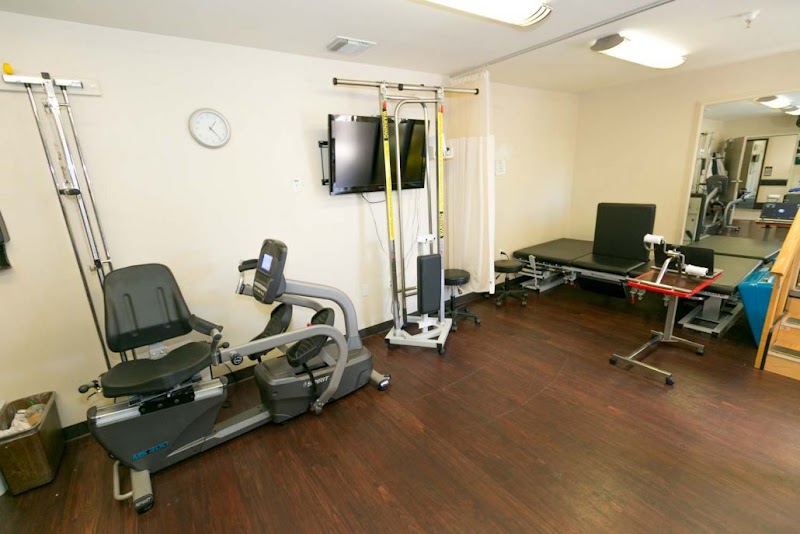
Who Owns and Operates The Cove At La Jolla?

THE COVE AT LA JOLLA is owned by a for-profit company. For-profit facilities operate as businesses with obligations to shareholders or private owners. The facility is operated by THE ENSIGN GROUP, a chain that manages multiple nursing homes. With 59 certified beds and approximately 51 residents (about 86% occupancy), it is a smaller facility located in LA JOLLA, California.

How Does The Cove At La Jolla Compare to Other California Nursing Homes?

Compared to the 100 nursing homes in California, THE COVE AT LA JOLLA's overall rating (5 stars) is above the state average of 3.2, staff turnover (71%) is significantly higher than the state average of 46%, and health inspection rating (4 stars) is above the national benchmark.

What Should Families Ask When Visiting The Cove At La Jolla?

Based on this facility's data, families visiting should ask: "How do you ensure continuity of care given staff turnover, and what is your staff retention strategy?" "Can I visit during a mealtime to observe dining assistance and food quality?" "How do you handle medical emergencies, and what is your hospital transfer rate?" "Can I speak with family members of current residents about their experience?" These questions are particularly relevant given the facility's high staff turnover rate.

Is The Cove At La Jolla Safe?

Based on CMS inspection data, THE COVE AT LA JOLLA has a clean safety record: no substantiated abuse findings (meaning no confirmed cases of resident harm), no Immediate Jeopardy citations (the most serious violation level indicating risk of serious injury or death), and is not on the Special Focus Facility watch list (a federal program monitoring the lowest-performing 1% of nursing homes). The facility has a 5-star overall rating and ranks #1 of 100 nursing homes in California. While no facility is perfect, families should still ask about staff-to-resident ratios and recent inspection results during their visit.

Do Nurses at The Cove At La Jolla Stick Around?

Staff turnover at THE COVE AT LA JOLLA is high. At 71%, the facility is 25 percentage points above the California average of 46%. Registered Nurse turnover is particularly concerning at 71%. RNs handle complex medical decisions and coordinate care — frequent RN changes can directly impact care quality. High turnover means new staff may not know residents' individual needs, medications, or preferences. It can also be disorienting for residents, especially those with dementia who rely on familiar faces. Families should ask: What is causing the turnover? What retention programs are in place? How do you ensure care continuity during staff transitions?

Was The Cove At La Jolla Ever Fined?

THE COVE AT LA JOLLA has no federal fines on record. CMS issues fines when nursing homes fail to meet care standards or don't correct problems found during inspections. The absence of fines suggests the facility has either maintained compliance or corrected any issues before penalties were assessed. This is a positive indicator, though families should still review recent inspection reports for the full picture.

Is The Cove At La Jolla on Any Federal Watch List?

THE COVE AT LA JOLLA is not on any federal watch list. The most significant is the Special Focus Facility (SFF) program, which identifies the bottom 1% of nursing homes nationally based on persistent, serious quality problems. Not being on this list means the facility has avoided the pattern of deficiencies that triggers enhanced federal oversight. This is a positive indicator, though families should still review the facility's inspection history directly.