ARBOR HILLS NURSING CENTER
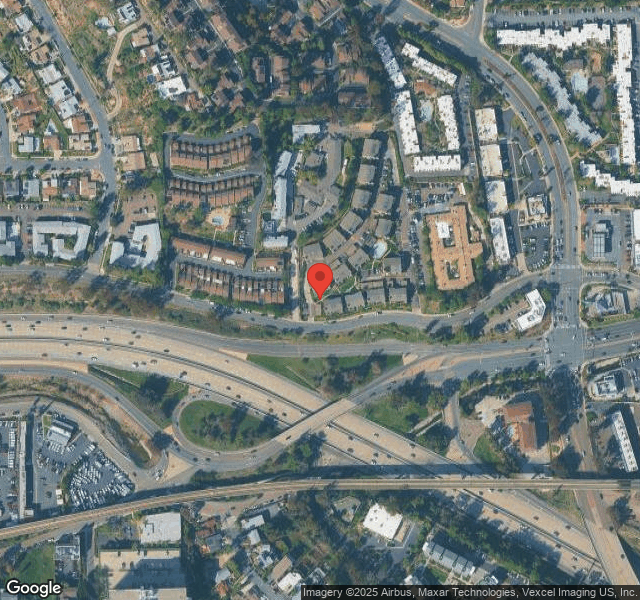
7800 PARKWAY DRIVE, LA MESA, CA 91942 (619) 460-2330
For profit - Limited Liability company 100 Beds GENERATIONS HEALTHCARE Data: November 2025
Trust Grade
53/100
#524 of 1155 in CA
Last Inspection: November 2024

Within standard 12-15 month inspection cycle. Federal law requires annual inspections.

Overview

When researching Arbor Hills Nursing Center in La Mesa, California, families will find a Trust Grade of C, indicating it is average and in the middle of the pack among facilities. It ranks #524 out of 1,155 in the state, placing it in the top half, and #57 out of 81 in San Diego County, meaning only one local option is better. The facility is showing improvement, with issues dropping from 20 in 2024 to just 2 in 2025. Staffing is rated average with a 50% turnover rate, which is concerning compared to the state average of 38%. However, the facility has received fines totaling $12,831, which is average but suggests some compliance issues. While it has more RN coverage than most facilities, there have been serious concerns, such as failing to address a decline in a resident's range of motion, impacting their ability to perform daily tasks. Additionally, residents have reported dissatisfaction with food quality, noting it is often cold and unappetizing, which could lead to weight loss and decreased meal intake. Overall, while there are strengths in the quality measures and RN coverage, families should be aware of the concerns around staffing, food quality, and specific incidents that could affect resident care.

Trust Score
C
53/100
In California
#524/1155
Top 45%
Safety Record
Moderate
Needs review
Inspections
Getting Better
20 → 2 violations
Staff Stability
⚠ Watch
50% turnover. Above average. Higher turnover means staff may not know residents' routines.
Penalties
✓ Good
$12,831 in fines. Lower than most California facilities. Relatively clean record.
Skilled Nurses
○ Average
Each resident gets 33 minutes of Registered Nurse (RN) attention daily — about average for California. RNs are the most trained staff who monitor for health changes.
Violations
⚠ Watch
36 deficiencies on record. Higher than average. Multiple issues found across inspections.
★★★☆☆
3.0
Overall Rating
★★★☆☆
3.0
Staff Levels
★★★★★
5.0
Care Quality
★★☆☆☆
2.0
Inspection Score
Stable
2024: 20 issues
2025: 2 issues

The Good

  • 5-Star Quality Measures · Strong clinical quality outcomes
  • Full Sprinkler Coverage · Fire safety systems throughout facility
  • No fines on record

Facility shows strength in quality measures, fire safety.

The Bad

3-Star Overall Rating

Near California average (3.1)

Meets federal standards, typical of most facilities

Staff Turnover: 50%

Near California avg (46%)

Higher turnover may affect care consistency

Federal Fines: $12,831

Below median ($33,413)

Minor penalties assessed

Chain: GENERATIONS HEALTHCARE

Part of a multi-facility chain

Ask about local staffing decisions and management

The Ugly 36 deficiencies on record

1 actual harm
Apr 2025 1 deficiency
CONCERN (D) 📢 Someone Reported This

A family member, employee, or ombudsman was alarmed enough to file a formal complaint

Potential for Harm - no one hurt, but risky conditions existed

Deficiency F0740 (Tag F0740)

Could have caused harm · This affected 1 resident

**NOTE- TERMS IN BRACKETS HAVE BEEN EDITED TO PROTECT CONFIDENTIALITY** Based on interviews and record review, the facility failed to communicate among staff members to refer a resident (Resident 1) t...

Read full inspector narrative →
**NOTE- TERMS IN BRACKETS HAVE BEEN EDITED TO PROTECT CONFIDENTIALITY** Based on interviews and record review, the facility failed to communicate among staff members to refer a resident (Resident 1) to a psychiatrist (psych, a medical doctor who can diagnose and treat mental health conditions) or psychologist (psych, scientific discipline that studies mental states and processes and behavior in humans) who had a behavioral manifestation for one of three sampled residents reviewed for behavioral assessment. This failure had the potential for Resident 1 to become aggressive to other residents and staff. Findings: Resident 1 was readmitted to the facility on [DATE], with diagnoses which included Major Depressive Disorder (MDD, a mood disorder that causes a persistent feeling of sadness and loss of interest), per the facility's admission Record. A record review was conducted of Resident 1. Resident 1's History and Physical (H & P), dated 8/4/24, indicated the attending physician (AP) documented Resident 1 needed further evaluation to determine his mental capacity. Per H&P, Resident 1 had impaired memory and judgment. The H&P indicated, Psychiatric .mood problems . A record review was conducted of Resident 1. Resident 1's minimum data set (MDS - a federally mandated resident assessment tool), dated 2/7/25, indicated Resident 1's brief interview for mental status (BIMS, ability to recall) score was 14/15 (a score of 13 to 15 suggests the patient is cognitively [process of acquiring knowledge and understanding] intact). A review of Resident 1's psychiatry notes dated 10/8/24 indicated Resident 1 had fluctuating decision making capacity. The psychiatry notes instructed the facility staff to call psychiatry when Resident 1 had any behavioral issues. A review of Resident 1's social services notes on 2/2/25 completed by Social Services Assistant (SSA) was conducted. The SSA notes indicated Resident 1 expressed to wanting to live with a family member, attempted to elope (leave the facility without notice), twice. There was no documentation Resident 1 was referred to the psychiatry. A review of Resident 1's care plan titled, Elopement did not reflect Resident 1 had behavioral issues of attempting to leave the facility on 2/2/25. The care plan did not reflect Resident 1's aggressive behavior towards staff. A review of Resident 1's social services notes on 3/9/25 completed by SSA was conducted. The SSA notes indicated Resident 1 attempted to elope multiple times, became physically aggressive to the SSA and rolled his (Resident 1) wheelchair to another staff member. There was no documentation Resident 1 was referred to a psychiatrist for his aggressive behaviors. A review of Resident 1's social services notes on 3/31/25 completed by Social Services Director (SSD) was conducted. The SSD notes indicated Resident 1 was physically aggressive with another resident. On 4/10/25 at 10:40 A.M., an interview was conducted with Certified Nursing Assistant (CNA) 1. CNA 1 stated she was familiar with Resident 1. CNA 1 stated Resident 1 had aggressive behaviors towards staff. CNA 1 stated Sometimes he runs to people. We don't know what to expect of him. In a day, he will start his day right, then all of a sudden, he will flip, we have to make sure to keep on our toes most of the time. CNA 1 stated Resident 1 attempted to elope several times and run over a staff. CNA 1 stated Resident 1 had a lot of agitation and did not take any explanation that he easily snapped. On 4/10/25 at 10:56 A.M., a joint review of Resident 1's social services notes and an interview was conducted with the SSD. The SSD stated she was not informed of Resident 1's behavior in February 2025. The SSD stated there was no documentation from SSA that Resident 1's behavior was communicated to the charge nurse on 2/2/25. The SSD stated there was no documentation of psych referral for Resident 1 related to Resident 1's aggressive behavior on 2/2/25 and 3/9/25. The SSD stated the process was when residents exhibited behavioral issues, the SS department refer the residents for psych evaluation. The SSD stated she did not see any psych referral for Resident 1. The SSD stated, With his behavior, if he was seen by psychiatrist, it can lessen his behavior but depends on the residents how they will take or if they will take the provider's advice. We won't know since he was not seen or referred. No paper trail that an intervention was done when identified he has behavioral issues early in February. He could have been referred to the psych. On 4/10/25 at 11:56 A.M., an interview was conducted with the Assistant Director of Nursing (ADON). The ADON stated Resident 1 had aggressive behaviors towards staff and other residents. The ADON stated SSA should have communicated that Resident 1 had behavioral manifestation to ensure safety for all residents. The ADON stated Resident 1 should have been referred to the psych. A review of the facility's policy titled, Behavioral Difficulties and Patterns, revised 4/2018, indicated, The facility ensures residents not assessed with a mental or psychosocial adjustment difficulty .does not develop patterns of .increased .angry behaviors while resident in the facility .1. Facility personnel monitor residents closely for .b. Assess and plan care for concerns identified .d. Share concerns with the interdisciplinary team (IDT, collaboration of group of professionals for increase patient outcomes) to determine underlying causes .e. Ensure appropriate follow-up assessment .
Mar 2025 1 deficiency
CONCERN (D) 📢 Someone Reported This

A family member, employee, or ombudsman was alarmed enough to file a formal complaint

Potential for Harm - no one hurt, but risky conditions existed

Accident Prevention (Tag F0689)

Could have caused harm · This affected 1 resident

**NOTE- TERMS IN BRACKETS HAVE BEEN EDITED TO PROTECT CONFIDENTIALITY** Based on observation, interview and record review, the facility failed to follow Resident 1's plan of care of having two-person ...

Read full inspector narrative →
**NOTE- TERMS IN BRACKETS HAVE BEEN EDITED TO PROTECT CONFIDENTIALITY** Based on observation, interview and record review, the facility failed to follow Resident 1's plan of care of having two-person assistance when one-person assistance provided during care. As a result, Resident 1 had a witnessed fall and sustained a traumatic hematoma of the forehead (closed wound with blood collection following the fall. Findings: Resident 1 was admitted to the facility on [DATE] with diagnoses to include hemiplegia and hemiparesis following cerebral infarction affecting right dominant (complete weakness of one side of the body and weakness on one part of the body following a stroke), dysphagia (difficulty of swallowing) following a stroke and epilepsy per the facility admission Record. A review of Resident 1's physician history and physical examination (H&P) on 1/23/24 indicated Resident 1 did not have the capacity to understand and make decisions. A review of the fall risk evaluation indicated: 10/25/2025 indicated a score of 24 which meant a high risk of fall 1/30/25 indicated a score of 24 which meant a high risk of fall. A review of interdisciplinary team review and recommendations (IDT) on 1/22/2025 indicated on 1//20/2025 around 9:46 P.M. during night shift, Resident 1 had a witnessed fall from bed. According to the assigned certified nurse assistant (CNA), when Resident 1 was being changed and when turning her to the left side, Resident 1 rolled out of bed. Therapy and IDT recommendations included two- person assist for patient care. A review of the care plan related to activities of daily living (ADL) self-care needs on 10/24/2022 indicated Resident 1 required one staff to provide bathing, showering, dressing, eating, personal hygiene, oral care and toilet use, while Resident 2 required two-person assist on bed mobility, transfer and toileting hygiene. A review of the hospital notes on 1/20/2025 indicated diagnoses fall, initial encounter and traumatic hematoma of forehead, initial encounter. CT scan (computed tomography, imaging device) indicated large frontal scalp soft tissue hematoma. A review of the MDS (a federally required assessment tool) indicated Section GG: 7/25/2024: Resident 1 was coded with impairment of one side for upper and lower extremities, depended on most ADLs. 10/25/2024: Resident 1 was coded impairment on side for upper extremity and impairment of both sides for lower extremities and depended on most ADLs. 1/20/2025: Resident 1 was coded impairment on side for upper extremity and impairment of both sides for lower extremities and depended on most ADLs. On 2/5/2025 at 12::39 P.M., an observation and interview were conducted with Resident 1 and Director of Nursing (DON) present. Resident 1 was observed in bed with bruising and rounded mass on the forehead. The DON stated Resident 1 was send out to the hospital and came back with a skin tear in the forehead and bruising around both eyes, left nasal and upper lip area, going to the neck and later showed in the shoulder. On 2/5/2025 at 12:50 P.M., an interview was conducted with CNA 1. CNA 1 stated she was providing care with Resident 1 during the evening shift. CNA 1 stated she was providing care by herself with no other CNA. CNA 1 stated Resident 1 was falling, and she was trying to stop the fall but Resident 1 fell. CNA 1 stated Resident 1 was a two-person assistance and should have called another person to assist. On 2/25/2025 at 1:40 P.M., an interview was conducted with LN 1. LN 1 stated Resident 1's fall incident happened on 1/20/2025. LN1 stated she received message to go Resident 1's room. LN 1 stated CNA 1 was providing care to Resident 1 and Resident 1 rolled out of bed in the left side of her bed. LN 1 stated when she came into the room, Resident 1 was on the floor, LN 1 stated Resident 1 required two -person assist when providing care. LN 1 stated CNA 1 should have asked another person to assist because Resident 1 was a total assist with right sided weakness. On 2/25/2025 at 1:38 P.M., an interview and record review were conducted with LN 2. LN 2 stated MDS Section GG on 10/25/2024, Resident 1 was dependent transfer, bed mobility was total care and was coded two-person assistance. LN 2 stated MDS Section GG described dependent as helper did all of the effort and resident did none of the effort to complete the activity or the assistance of two or more helpers was required to resident to complete the activity. On 2/5/2025 at 2:28 P.M., an interview and record review were conducted with the DON and LN 2. The DON stated her expectation was staff to follow Resident 1's plan of care. Per the facility policy entitled Activities of Daily Living (ADL), revision date March 2028, indicated .Residents will be provided with care, treatment and services as appropriate to maintain or improve their ability to carry out activities of daily living (ADLs) .
Nov 2024 17 deficiencies 1 Harm
SERIOUS (G)

Actual Harm - a resident was hurt due to facility failures

Deficiency F0688 (Tag F0688)

A resident was harmed · This affected 1 resident

**NOTE- TERMS IN BRACKETS HAVE BEEN EDITED TO PROTECT CONFIDENTIALITY** Based on observation, interviews, and record review the facility failed to identify and address a decline in range of motion (RO...

Read full inspector narrative →
**NOTE- TERMS IN BRACKETS HAVE BEEN EDITED TO PROTECT CONFIDENTIALITY** Based on observation, interviews, and record review the facility failed to identify and address a decline in range of motion (ROM - how far a joint can move or stretch) for one of two residents (Resident 27) reviewed for limited range of motion. This failure resulted in a decline Resident 27's full movement potential of his hands (such as fully closing his hands to grasp or make a fist), which made it difficult for Resident 27 to cut up food items and fully grasp utensils during meals. In addition, this failure had the potential for Resident 27 to independently complete all other activities of daily living such as grooming, dressing and personal hygiene. Findings: A review of Resident 27's undated admission Record indicated that Resident 27 was admitted to the facility on [DATE] with diagnoses including osteoporosis (condition in which bones become weak and brittle). During an initial tour of the facility on 10/29/24 at 9:40 A.M., an observation and interview of Resident 27 was conducted. Resident 27 was observed lying in bed in his room with a blanket. Resident 27 stated the facility staff Did not help me cut up my pancakes. Resident 27 stated he needed assistance cutting up food. During the interview, Resident 27's hands were observed. The resident's fingers on both hands were bent at a 90-degree angle and when asked to demonstrate, the resident was unable to fully extend and straighten his fingers. An interview was conducted on 10/30/24 at 4:32 P.M. with certified nurse assistant (CNA) 1. CNA 1 stated he worked at the facility for ten years and knew Resident 27 very well. CNA 1 stated Resident 27 was able to feed himself, however Resident 27 could not fully open both hands and at times required feeding assistance. CNA 1 stated Resident 27's fingers were bent. CNA 1 further stated that Resident 27 had bent fingers and had not been able to open his hands fully for approximately three years. During an interview on 10/31/24 at 8:54 A.M. with CNA 3, CNA 3 stated a change in a resident's condition should be reported to a licensed nurse. CNA 3 stated skin changes, refusal of care, a resident who was not eating and a change in ROM should be reported to a nurse. During an interview on 10/31/24 at 9:07 A.M. with CNA 4, CNA 4 stated a change in resident's condition should be reported to a nurse. CNA 4 stated a resident who was not eating, refusing shower, refusing therapy, a resident who was weak or unable move arms or legs were considered a change in condition. During an interview and joint record review on 10/31/24 at 3:25 P.M. with licensed nurse (LN) 3, LN 3 was asked if she had seen Resident 27's hands. LN 3 replied, No. A joint observation on 10/31/24 at 3:25 P.M. of Resident 27 was conducted in Resident 27's room. Resident 27 showed LN 3 his hands. Resident 27 was not able to fully open both hands and had difficulty spreading his fingers. LN 3 stated Resident 27's hands were contracted (a permanent tightening of joints preventing normal movement). LN 3 stated Resident 27 should have a hand brace or a washcloth to maintain Resident 27's mobility. LN 3 reviewed Resident 27's care plans and stated there was no care plan regarding Resident 27's hands or resident's risk for a decline in range of motion. LN 3 further reviewed physician orders for Resident 27 and stated there was no order for rehab or restorative nursing assistant (RNA- a CNA who work alongside rehab staff to provide exercises for residents with limited mobility). An interview was conducted on 10/31/24 at 4:04 P.M. with CNA 6. CNA 6 stated Resident 27 required assistance using a spoon during meals. CNA 6 stated Resident 27 needed assistance because it was difficult for Resident 27 to hold a spoon and would eat very slow. CNA 6 stated Resident 27 did not have problems holding a spoon before but Resident 27's hands had worsened. CNA 6 stated he was unsure when Resident 27 started having difficulty holding a spoon. An interview was conducted on 11/1/24 at 8:04 A.M. with LN 5. The LN 5 stated nursing staff referred the residents to their attending physicians when a resident had trouble walking, difficulty with exercises or experienced ROM stiffness. LN 5 stated physical therapists will then assess the resident if appropriate for therapy or RNA. LN 5 further stated she was unsure of Resident 27's problems with his hands but Resident 27 was referred to rehab on 11/1/24 due to hand stiffness. An interview was conducted on 11/1/24 at 8:09 A.M. with the physical therapist (PT- focuses on improving a resident's ability to move their body) assistant (PTA). The PTA stated residents were referred to rehab on admission and from nursing report of resident change in condition. The PTA further stated all residents were screened by physical therapy on a quarterly basis for any change in condition. During an interview on 11/1/24 at 8:13 A.M. with the Director of Rehabilitation (DOR), the DOR stated a calendar was provided by the Minimum Data Set Nurse (MDSN- a nurse who assessed and evaluated the quality of care being given to residents) for quarterly screening of residents. The DOR stated he will ask the MDSN for Resident 27's last quarterly rehab screen. The DOR stated Resident 27 was scheduled for physical therapy (PT) and occupational therapy (OT) evaluation on 11/1/24 for Potential wrist contracture referred by the nursing staff. A joint observation of Resident 27's hands was conducted with the Director of Nurses (DON) on 11/1/24 at 8:50 A.M. The DON held Resident 27's hands and Resident 27's fingers were bent at a 90-degree angle and Resident 27 was not able to fully close both hands. Resident 27 stated his hands have been in that condition for a few months. A joint observation and interview of Resident 27 was conducted with occupational therapist (OT- a healthcare provider who helps people learn or regain skills of daily living) 1 and OT 2 on 11/1/24 at 8:55 A.M. The DON was present during the observation and interview. OT 1 attempted to straighten Resident 27's left fingers up and Resident 27 stated, Ow. OT 1 attempted to straighten Resident 27's right fingers up and Resident 27 was not able to straighten his fingers to fully open his hand. OT 2 asked Resident 27 if he had arthritis and Resident stated, No. OT 2 asked Resident 27 how long his hands had been in the condition it was in and Resident 27 stated, A long time. OT 2 attempted to straighten Resident 27's fingers from a bent position and was unsuccessful. Resident 27 was also not able to spread his fingers or move the thumb up. OT 2 stated Resident 27's hand limitations were not recent, and Resident 27 must have had the limitations for a long period of time. During an interview on 11/1/24 at 9:56 A.M. with the DOR, the DOR stated he was not able to find quarterly rehab screens for Resident 27. A call was made on 11/1/24 at 10:19 A.M. to Resident 27's attending physician to discuss Resident 27's health status. The answering service for the attending physician stated a Nurse Practitioner was covering for the physician and should return the call. During an interview on 11/1/24 at 11:10 A.M. with the DON, the DON stated Resident 27's hand limitations were identified on 10/31/24 by the MDSN. During a joint record review and interview with the MDSN on 11/1/24 at 11:50 A.M., the MDSN stated an Interdisciplinary (IDT- team members with various areas of expertise who work together toward the goals of their residents) GG (the functional abilities and goals section of the MDS) meeting was conducted quarterly to discuss all residents' status. The MDSN stated on 7/24/24 a form titled, IDT: Functional Abilities and Goals was completed and indicated no impairment of Resident 27's range of motion. The MDSN stated there was no other documentation to show Resident 27's ROM status. The MDSN stated she was not aware of Resident 27's hand limitations because she had not assessed the resident. A telephone call was made by this writer on 11/1/24 at 12:57 P.M. to Resident 27's daughter who was an emergency contact according to Resident 27's admission Record. A message was left to return call to discuss Resident 27's health status. During joint record review and interview with OT 2 on 11/1/24 at 3:11 P.M., OT 2 stated she completed an evaluation of Resident 27's hands. OT 2 stated Resident 27's joints in his hands were fixed in flexed position and they were considered impaired. Passive ROM during evaluation caused resident to have pain and the resident was not able to perform active ROM of both hands. OT 2 stated Resident 27's carpal metacarpal joints (CMC-base of thumb where it meets the hand) on both hands were flexed at 90 degrees and could not extend. OT 2 stated Resident 27's proximal interphalangeal (PIP-joints in the finger connecting the first two bones) joints on both hands and the distal interphalangeal (DIP-hinge joints at tip of fingers) joints on both hands were in extension. OT 2 stated Resident 27 was not able to flex (bend) the joints. OT 2 further stated occupational therapy treatment for Resident 27 will be for prevention to prevent further flexion only. A review of the occupational therapy evaluation for Resident 27 titled, OT Evaluation & Plan of Treatment, dated 11/1/24, was conducted. The evaluation indicated, .Eating .Long-Term Goals .Pt will tolerate wearing resting hand splint three hours per day .to improve digit [fingers] extension for functional engagement in ADL [activity of daily living] tasks .Musculoskeletal System Assessment .Contracture .Functional Limitations Present due to Contracture= Yes; Functional Limitations as Result of Contracture(s): limited functional ability to perform ADLs; pt baseline receive [sic] assistance for ADL tasks from CAN staff . A review of Resident 27's MDS assessments dated 1/26/24, 4/25/24 and 7/24/24 was conducted. MDS Section GG0115 for all three MDS assessments titled, Functional Limitation in Range of Motion indicated .0 [no impairment] .Upper extremity [shoulder, elbow, wrist, hand] . During an interview on 11/1/24 at 3:55 P.M. with the DON, the DON stated it was her expectation for a CNA to report a resident's change in condition to the licensed nurse. The DON stated the IDT will assess and formulate a plan of care. The DON stated it was important to identify a change in resident's condition timely to formulate a care plan with an intervention to address the change in condition. During an interview on 11/1/24 at 4:20 P.M. at the Quality Assessment and Improvement Plan (QAPI-a plan to improve the overall quality of life and quality of care and services delivered to nursing home residents) meeting with the DON, the DON stated she was not aware of the four disciplines (CNA, licensed nurse, MDS nurse and rehab staff) who missed assessing Resident 27's decline in ROM. The DON acknowledged Resident 27's decline in range in range of motion was not identified until 10/31/24. A review of the facility's policy and procedure (P&P) titled, Resident Mobility and Range of Motion, dated July 2017 was conducted. The P&P indicated, .Residents will not experience an avoidable reduction in range of motion [ROM] .Residents with limited range of motion will receive treatment and services to increase and/or prevent further decrease in ROM .
CONCERN (D)

Potential for Harm - no one hurt, but risky conditions existed

Comprehensive Care Plan (Tag F0656)

Could have caused harm · This affected 1 resident

**NOTE- TERMS IN BRACKETS HAVE BEEN EDITED TO PROTECT CONFIDENTIALITY** 2. A review of Resident 294's admission Record indicated the resident was admitted to the facility on [DATE] with diagnoses that...

Read full inspector narrative →
**NOTE- TERMS IN BRACKETS HAVE BEEN EDITED TO PROTECT CONFIDENTIALITY** 2. A review of Resident 294's admission Record indicated the resident was admitted to the facility on [DATE] with diagnoses that included PTSD (PTSD, a disorder in which a person has difficulty recovering after experiencing a terrifying event), depression, and alcohol use. A review of Resident 294's written care plan for PTSD dated 10/29/24 did not include Resident 294's triggers (situation that causes a person to remember a traumatizing event) for PTSD. On 10/30/24 at 11:28 A.M., a joint interview and record review was conducted with the Social Services Director (SSD). The SSD stated Resident 294 did not have interventions specific to PTSD and addressed his triggers. The SSD stated it was important to know Resident 294's triggers .because we want to prevent the resident from experiencing triggers. We want them to feel comfortable here, to feel safe . On 11/1/24 at 3:34 P.M., an interview was conducted with the Director of Nursing (DON). The DON stated, .it's important to avoid distress for the resident .if the resident has a trigger then they could experience psychological distress .a care plan is important so [nurses and CNA's] know how to take care of the patient. It's important to give trauma-informed care . A review of the facility policy titled, Care Plans, Comprehensive Person-Centered, revised March 2022 indicated, .Services provided for or arranged by the facility and outlined in the comprehensive care plan are .trauma-informed . A review of the facility policy titled, Trauma-Informed and Culturally Competent Care Level 3, revised August 2023, indicated, .Develop individualized care plans that address past trauma in collaboration with the resident .Identify and decrease exposure to triggers that may re-traumatize the resident . Based on observation, interviews, and record review, the facility did not develop and implement resident specific care plans related to PTSD (PTSD-an anxiety disorder that comes from a traumatic event) and limited range of motion (ROM) for 2 of 18 residents reviewed for care planning. (Resident 27 and Resident 294) Cross reference F688 and F699 As a result, Resident 27 did not receive care to address the decline in ROM in Resident 27's hands. In addition, Resident 294 had the potential to be retraumatized. Findings: 1.Resident 27 was admitted to the facility on [DATE] with diagnoses including osteoporosis (condition in which bones become weak and brittle) according to the facility's admission Record. During an initial tour of the facility on 10/29/24 at 9:40 A.M., an observation and interview of Resident 27 was conducted. Resident 27 was observed lying in bed in his room with a blanket. Resident 27 stated the facility staff Did not help me cut up my pancakes. Resident 27 stated he needed assistance cutting up food. During the interview, Resident 27's hands were observed. The resident's fingers on both hands were bent at a 90-degree angle and when asked to demonstrate, the resident was unable to fully extend and straighten his fingers. An interview was conducted on 10/30/24 at 4:32 P.M. with certified nurse assistant (CNA) 1. CNA 1 stated he worked at the facility for ten years and knew Resident 27 very well. CNA 1 stated Resident 27 was able to feed himself, however Resident 27 could not fully open both hands and at times required feeding assistance. CNA 1 stated Resident 27's fingers were not bent. CNA 1 further stated that Resident 27 had bent fingers and had not been able to open his hands fully for approximately three years. During a review of Resident 27's care plans, there was no care plan regarding Resident 27's limited ROM. During an interview and joint record review on 10/31/24 at 3:25 P.M. with licensed nurse (LN) 3, LN 3 was asked if she had seen Resident 27's hands. LN 3 replied, No. A joint observation on 10/31/24 at 3:25 P.M. of Resident 27 was conducted in Resident 27's room. Resident 27 showed LN 3 his hands. Resident 27 was not able to fully open both hands and had difficulty spreading his fingers. LN 3 stated Resident 27's hands were contracted (a permanent tightening of joints preventing normal movement). LN 3 stated Resident 27 should have a hand brace or a washcloth to maintain Resident 27's mobility. LN 3 reviewed Resident 27's care plans and stated there was no care plan regarding Resident 27's hands or resident's risk for a decline in range of motion. An interview was conducted on 10/31/24 at 4:04 P.M. with CNA 6. CNA 6 stated Resident 27 required assistance using a spoon during meals. CNA 6 stated Resident 27 needed assistance because it was difficult for Resident 27 to hold a spoon and would eat very slow. CNA 6 stated Resident 27 did not have problems holding a spoon before but Resident 27's hands had worsened. CNA 6 stated he was unsure when Resident 27 started having difficulty holding a spoon. During an interview on 11/1/24 at 3:55 P.M. with the DON, the DON stated it was her expectation for a CNA to report a resident's change in condition to the licensed nurse. The DON stated the IDT will assess and formulate a plan of care. The DON stated it was important to identify a change in resident's condition timely to formulate a care plan with an intervention to address the change in condition. A review of the facility's policy and procedure (P&P) titled, Care Plans, Comprehensive Person-Centered, dated March 2022 was conducted. The P&P indicated, . A comprehensive, person-centered care plan that includes measurable objectives and timetables to meet the resident's physical, psychosocial and functional needs is developed and implemented for each resident . Assessments of residents are ongoing and care plans are revised as information about the residents and the residents' condition change .
CONCERN (D)

Potential for Harm - no one hurt, but risky conditions existed

Deficiency F0657 (Tag F0657)

Could have caused harm · This affected 1 resident

**NOTE- TERMS IN BRACKETS HAVE BEEN EDITED TO PROTECT CONFIDENTIALITY** Based on interview and record review, the facility failed to ensure a comprehensive care plan was revised and updated for one of...

Read full inspector narrative →
**NOTE- TERMS IN BRACKETS HAVE BEEN EDITED TO PROTECT CONFIDENTIALITY** Based on interview and record review, the facility failed to ensure a comprehensive care plan was revised and updated for one of five residents (Resident 15) reviewed for nutrition. As a result, the resident had the potential for further weight loss and health decline. Findings: According to the admission Record, Resident 15 was admitted on [DATE] with diagnoses that included protein-calorie malnutrition (not enough protein or calories eaten to meet nutritional needs). A review of Resident 15's Interdisciplinary (IDT) Note indicated Resident 15 had a significant, unplanned weight loss of 18.3 pounds in one month. On 10/31/24 at 2:59 P.M. an interview was conducted with the Registered Dietitian (RD). The RD stated Resident 15's weight loss .was not an intentional weight loss .She had sudden significant weight loss .its not desirable, it means you are not meeting [Resident 15's] nutritional needs. The RD acknowledged that Resident 15's nutritional care plan was not updated to reflect the recent weight loss. A review of Resident 15's Care Plan indicated there were no revisions or interventions related to the weight loss. On 11/1/24 at 3:34 P.M., an interview was conducted with the Director of Nursing (DON). The DON stated it was her expectation that a plan of care was updated for Resident 15. The DON stated .she's already at risk for weight loss. We don't want her to deteriorate. A review of the facility's policy and procedure titled Weight Assessment and Intervention revised March 2022 indicated, Care planning for weight loss .is a multidisciplinary effort .care plans shall address .the identified causes of weight loss; goals and benchmarks for improvement; and .time frames and parameters for monitoring and reassessment . A review of the facility's policy titled Care Plans, Comprehensive Person-Centered revised March 2022 indicated, .Assessments of residents are ongoing and care plans are revised as information about the residents and the residents' conditions change .
CONCERN (D) 📢 Someone Reported This

A family member, employee, or ombudsman was alarmed enough to file a formal complaint

Potential for Harm - no one hurt, but risky conditions existed

Quality of Care (Tag F0684)

Could have caused harm · This affected 1 resident

**NOTE- TERMS IN BRACKETS HAVE BEEN EDITED TO PROTECT CONFIDENTIALITY** Based on observations, interviews, and record reviews, the facility failed to provide interventions (care) according to the comp...

Read full inspector narrative →
**NOTE- TERMS IN BRACKETS HAVE BEEN EDITED TO PROTECT CONFIDENTIALITY** Based on observations, interviews, and record reviews, the facility failed to provide interventions (care) according to the comprehensive care plan to prevent foot injury for one of 12 residents (Resident 42) reviewed with diabetes (DM-a disorder characterized by difficulty in blood sugar control and poor wound healing). As a result, Resident 42 was hospitalized with a left foot swelling (buildup of fluid in the tissues caused by the body's defense response to injury or infection) due to abrasions with the potential for diabetic foot complications. Findings: A review of Resident 42's admission Record indicated Resident 42 was admitted to the facility on [DATE] with diagnoses which included a history of diabetes and gangrene (death of body tissue due to a lack of blood flow or a serious bacterial infection) on the left second toe. A record review of Resident 42's MDS (Minimum data set: nursing facility assessment tool) dated 8/31/24 indicated that Resident 42 was rarely or unable to understand others or make self-understood and had severe cognitive (the mental processes that take place in the brain, including thinking, attention, language, learning, memory, and perception) deficits to make decisions. A record review of Resident 42's Medical Doctor (MD) progress note dated 12/8/23, indicated, .Discussed with [MD NAME] the management of 2nd left toe dry gangrene .high risk of poor healing and further gangrene . According to the web article titled YOUR FEET AND DIABETES, published by Centers for Disease Control (CDC), dated May 15, 2024, .Diabetes can reduce blood flow and damage nerves, making a wound more likely to get infected and harder to heal, and increasing the risk of amputation .Tips for healthy feet .Wear shoes that fit well . On 10/30/24 at 9:11 A.M., a joint interview, and record review was conducted with LN 31. LN 31 stated Resident 42 had a history of gangrene to his second left toe which was auto-amputated (fell off by itself) and resolved on 9/6/24. LN 31 stated that the new abrasions on Resident 42's left great toe and left third toe were discovered on 10/26/24. LN 31 stated that she initiated a change of condition (COC) note dated 10/26/24, indicated, .up in wheelchair and wheels himself .Resident noted with abrasion on Left great toe and left 3rd toe .Resident also noted with +2 edema [swelling] on left foot .LN 31 stated on 10/26/24 she had spoken to Resident 42's family member because they were concerned why Resident 42's shoes were not on when he was in his wheelchair and had new wounds on Resident 42's left great toe and left third toe. LN 31 stated that Resident 42 was on his wheelchair and that Resident 42 would wheel himself to move around but was not wearing shoes that day. LN 31 stated there was a care plan with an intervention that indicated, dm shoes on bilateral lower extremities but was not included in the new care plan she had initiated on 10/26/24 for the left great toe and left third toe. LN 31 stated Resident 42 owned shoes and should have been wearing his shoes when he was on the wheelchair. LN 31 stated it was important for Resident 42 to wear well-fitted shoes for protection because of his prior history of gangrene on his second left toe as complicated by poor circulation of DM. A record review of Resident 42's MD orders dated 10/26/24 indicated, .Cleanse abrasion on left 3rd toe with normal saline. Pat dry, Apply bacitracin then cover with dry dressing Daily for 21 days .Cleanse abrasion on left great toe with normal saline. Apply bacitracin then cover with dry dressing Daily for 21 days . A record review of Resident 42's progress note on 10/28/24 at 10:05 P.M. indicated, Resident was transferred to [Acute Hospital Name] .due to concern of resident's swollen left foot . A record review of Resident 42's clinical record indicated a care plan undated indicated, Scratch on top of left hand r/t scratching .Will develop clean and intact skin by the review date .DM shoes on bilateral extremities . A requested care plan with initiated and revised dates from medical records (MR) was received on 10/30/24 indicated care plan was initiated on 10/22/24 and revised 10/24/24 with intervention .DM shoes on bilateral extremities . was omitted (removed). A record review of Resident 42's clinical record was conducted. There was no documentation for DM shoes on bilateral lower extremities was monitored or applied. On 10/31/24 at 2:31 P.M., an interview was conducted with the Director of Nursing (DON). The DON stated the plan of care was for Resident 42 to be wearing shoes, then it should have been performed to provide foot care protection and prevent complications. A review of the facility's policy and procedure titled FOOT CARE dated November 2017, indicated . Provide foot care and treatment, in accordance with professional standards of practice, including, preventing complications from the resident's medical condition(s) .
CONCERN (D)

Potential for Harm - no one hurt, but risky conditions existed

Deficiency F0697 (Tag F0697)

Could have caused harm · This affected 1 resident

**NOTE- TERMS IN BRACKETS HAVE BEEN EDITED TO PROTECT CONFIDENTIALITY** Based on interview and record review the facility failed to ensure one of three resident's (Resident 86) pain medication order w...

Read full inspector narrative →
**NOTE- TERMS IN BRACKETS HAVE BEEN EDITED TO PROTECT CONFIDENTIALITY** Based on interview and record review the facility failed to ensure one of three resident's (Resident 86) pain medication order was clarified to include parameters (how much medication to give based on the residents stated pain level on a 0-10 scale) and frequency of administration. This failure had the potential for Resident 86 to have uncontrolled pain or to be over medicated. Findings: According to the admission record, Resident 86 was admitted to the facility on [DATE] with diagnoses including post laminectomy (back surgery). During a record review of Resident 86's Medication Administration Record (MAR), Resident 86 had an order for Norco Oral Tablet 5-325 mg (Hydrocodone-Acetaminophen) give 1 tablet by mouth as needed for Twice daily as needed for pain management. 2x daily as needed for pain. Start date 10/24/2024 0900. During an interview on 11/1/2024 at 9:50 A.M., with the Infection Preventionist (IP), IP stated a pain medication order needed to have the medication name, dose, route, frequency, length, reason, and pain parameters. The IP stated it was her expectation that the order would have been clarified because it was missing the frequency and the parameters for giving the medication. The IP stated the nurse should have called the physician for clarification. The IP stated without any clarification, the licensed nurse could overdose the resident. During an interview on 11/1/2024 at 10:20 A.M., with Licensed Nurse 2 (LN 2), LN 2 stated that a PRN (as needed) medication order needed to be very specific. LN 2 stated it needed to have a time frequency for how often it could be given. LN 2 stated this order should have been clarified as soon as it was received and no one should have given the medication without clarification. LN 2 further stated Resident 86 could get too much medication. During an interview on 11/1/2024 at 2:35 P.M., with the Director of Nursing (DON), the DON stated PRN pain medication orders needed the name of the medication, the dose, the route, frequency and reason. The DON stated this order was missing the parameters for time and for pain levels. The DON stated licensed nurses should have clarified Resident 86's Norco order dated 10/24/24 with the doctor. During a review of the facility's policy titled Pain-Clinical Protocol revision dated October 2022, the policy did not provide guidance related to clarifying pain medication orders.
CONCERN (D)

Potential for Harm - no one hurt, but risky conditions existed

Deficiency F0699 (Tag F0699)

Could have caused harm · This affected 1 resident

**NOTE- TERMS IN BRACKETS HAVE BEEN EDITED TO PROTECT CONFIDENTIALITY** Based on interview and record review, the facility failed to provide trauma-informed care (care that involves recognizing and re...

Read full inspector narrative →
**NOTE- TERMS IN BRACKETS HAVE BEEN EDITED TO PROTECT CONFIDENTIALITY** Based on interview and record review, the facility failed to provide trauma-informed care (care that involves recognizing and responding to the effects of all types of traumas) to one of six sampled residents (Resident 294). This deficient practice had the potential for Resident 294 to experience re-traumatization that could lead to severe psychosocial harm and affect the resident's quality of life. Findings: A review of Resident 294's admission Record indicated the resident was admitted to the facility on [DATE] with diagnoses that included PTSD (PTSD, a disorder in which a person has difficulty recovering after experiencing a terrifying event), depression, and alcohol use. A review of Resident 294's Minimum Data Set (MDS, an assessment tool) dated 10/16/24 indicated Resident 294 had intact cognitive skills (the ability to think, remember, and reason). On 10/29/24 at 11:04 A.M., an interview was conducted with Resident 294. Resident 294 stated he was a military veteran and had been stationed in Iraq. Resident 294 stated he was diagnosed with PTSD. Resident 294 stated his trigger (something that causes a person to remember a previous traumatic event) was .anything wartime battle related .I freak out . On 10/30/24 at 9:32 A.M., an interview was conducted with CNA 21. CNA 21 stated she was Resident 294's assigned CNA. CNA 21 stated she was unaware Resident 294 had a diagnosis for PTSD. CNA 21 stated, .whatever trauma they had in their lives have triggers .we need to be aware of any triggers they may have. It could remind them of that traumatic experience . On 10/31/24 at 8:20 A.M., an interview was conducted with CNA 22. CNA 22 stated she had been Resident 294's assigned CNA .more than once since he was admitted . and was not aware of a PTSD diagnosis. According to CNA 22, it was important to know Resident 294's triggers, .because multiple things can happen .it could be dangerous for us. He could be physical, hands on if he gets triggered, depending on what his PTSD was . On 11/1/24 at 3:13 P.M., an interview was conducted with the Director of Nursing (DON). The DON stated it was important for staff to be informed of Resident 294's PTSD diagnosis. The DON stated .its important to avoid distress for the resident. If the resident experiences their trigger then they could experience psychological distress . The DON stated it was her expectation that staff provided trauma-informed care to residents. A review of the facility policy titled Trauma-Informed and Culturally Competent Care Level 3 revised August 2022 indicated its purpose was, .To guide staff in providing care that is culturally competent and trauma-informed in accordance with professional standards of practice. To address the needs of trauma survivors by minimizing triggers and/or re-traumatization .
CONCERN (D)

Potential for Harm - no one hurt, but risky conditions existed

Pharmacy Services (Tag F0755)

Could have caused harm · This affected 1 resident

**NOTE- TERMS IN BRACKETS HAVE BEEN EDITED TO PROTECT CONFIDENTIALITY** Based on interview and record review, the facility failed to ensure controlled medications (medications with high abuse potentia...

Read full inspector narrative →
**NOTE- TERMS IN BRACKETS HAVE BEEN EDITED TO PROTECT CONFIDENTIALITY** Based on interview and record review, the facility failed to ensure controlled medications (medications with high abuse potential) reconciled with the medication administration record (MAR) for one of three residents (Resident 86). This failure had the potential for drug diversion (the transfer of any legally prescribed controlled substance from the individual for whom it was prescribed to another person for any illicit use). Findings: According to the admission record, Resident 86 was admitted to the facility on [DATE]. During a record review of Resident 86's Medication Administration Record (MAR), Resident 86 had an order for: Norco Oral Tablet 5-325 mg (Hydrocodone-Acetaminophen) give 1 tablet by mouth two times a day for pain management Start Date 09/11/2024 0900 [9 A.M.] (D/C Date (ending date) 10/23/2024 2046 [8:46 P.M.]. This same order was then restarted on 10/23/2024 at 2100 [9 P.M.] and D/C [discontinued] date of 10/24/2024 0857 [8:57 A.M.] when it was replaced with the order Norco Oral Tablet 5-325 mg (Hydrocodone-Acetaminophen) give 1 tablet by mouth as needed for Twice daily as needed for pain management. twice daily as needed for pain. Start date 10/24/2024 0900 [9 A.M.]. The MAR further indicated that the only medication given on 10/24/2024 was at 8:27 P.M. During a record review of Resident 86's Controlled Drug Record (a document where a licensed nurse signs, dates, and times when a narcotic is given to a resident), dated 10/8/2024, there was a dose signed out on 10/24/2024 at 9:00 A.M During an interview and concurrent record review on 11/1/2024 at 10:20 A.M., with Licensed Nurse 2 (LN 2), LN 2 stated the procedure for giving a controlled medication would be to check the MAR, the orders, the resident's pain level, enter it in the controlled drug record and the MAR. LN 2 stated Resident 86's MAR was blank on 10/24/24 at 9 A.M. LN 2 stated if it was not documented, then it could not be verified it was given to Resident 86. LN 2 reviewed Resident 86's progress notes and stated there was no documentation to indicate where the medication had gone. During an interview on 11/01/2024 at 2:35 P.M., with the Director of Nursing (DON), the DON stated after a medication was given it was documented in the MAR and signed off in the controlled drug record. The DON stated there was one missing dose on the morning of 10/24/24. The DON stated all doses must be accounted for and the records justified. During a review of the facility's policy titled, Controlled Substances revised November 2022, the policy indicated that .3. Nursing staff count controlled medication inventory at the end of each shift, using these records (Records of personal access and usage; Medication administration records; Declining inventory records, Destruction, waste and return to pharmacy records) to reconcile the inventory count. 4. The nurse coming on duty and the nurse going off duty make the count together and document and report any discrepancies to the director of nursing services .
CONCERN (D)

Potential for Harm - no one hurt, but risky conditions existed

Medication Errors (Tag F0758)

Could have caused harm · This affected 1 resident

**NOTE- TERMS IN BRACKETS HAVE BEEN EDITED TO PROTECT CONFIDENTIALITY** Based on interview and record review, the facility failed to ensure one resident (Resident 68) who received a psychotropic medic...

Read full inspector narrative →
**NOTE- TERMS IN BRACKETS HAVE BEEN EDITED TO PROTECT CONFIDENTIALITY** Based on interview and record review, the facility failed to ensure one resident (Resident 68) who received a psychotropic medication (a medication that affects brain activity associated with mental processes and behavior) had accurate monitoring for use of the medication. As a result of inaccurate monitoring, there was a potential the facility would not be able to determine if the medicine was effective or if a gradual dose reduction was beneficial which put Resident 68 at risk for receiving unnecessary psychotropic medication. Findings: According to the admission record, Resident 68 was admitted on [DATE]. Resident 68's admitting diagnosis was unspecified intracapsular fracture of right femur, subsequent encounter for closed fracture routine healing (a break in the hip joint that did not require surgery to heal). Resident 68 had a diagnosis of dementia (a long term condition that causes a decrease in brain function) and a diagnosis of depression (a mental health condition that impacts how a person feels, thinks, and functions). During a record review of the Order Summary Report dated 11/1/2024, the report indicated that Resident 68 was prescribed on 5/12/23, Trazodone HCL [antidepressant medication] oral Tablet 50 MG (Trazodone HCL): Give one tablet by mouth at bedtime for Major Depressive Disorder AEB [as evidenced by] Sleep Disturbances. The report further indicated that Resident 68 was on behavioral monitoring (sleep disturbances) for the use of Trazodone every shift starting on 9/17/24. During a record review of the October 2024 Antidepressant Monitoring Record for the use of Trazodone, Resident 68 was documented as having had sleep disturbances during the day shift (7 A.M. to 3 P.M.) 22 days and for 29 days on the P.M. shift (3 P.M to 11 P.M.). The record further indicated Resident 68 had no sleep disturbances during the night shift (11 P.M to 7 A.M.). During an interview on 11/1/2024 at 10:28 A.M., with Certified Nursing Assistant (CNA 11), CNA 11 stated the night shift reported that Resident 68 was up three to four nights a week. CNA 11 stated Resident 68 had memory issues but did not sleep during the day. CNA 11 stated Resident 68 was up and active during the daytime and participated in most everything. During an interview on 11/1/2024 at 10:35 A.M., with Resident 65 (Resident 68's roommate), Resident 65 stated, Resident 68 seems confused at night, sometimes staff comes in and talks to her. Sometimes they take her out in her wheelchair. Resident 65 further stated she had asked for a room change due to Resident 68 being awake at night. During a joint interview and record review on 11/1/2024 at 10:42 A.M., with Licensed Nurse (LN 11), LN 11 stated Resident 68 was up, alert, and awake in the daytime. LN 11 stated, I really don't see any sleeping during the day. LN 11 stated there were outbursts of crying and wanting to go home sometimes. LN 11 stated the behavior monitoring for Resident 68 was for sleep disturbance and not for signs of depression. LN 11 stated he should have answered, no sleep disturbance for day shift on the Antidepressant Monitoring Record. LN 11 stated Resident 68's monitoring for sleep disturbances was inaccurate. During an interview on 11/1/2024 at 11:15 A.M., with LN 2, LN 2 stated the monitoring record was used for each shift to see if a resident was having a certain behavior or issue. LN 2 stated for Resident 68, the monitoring was for sleep disturbances. LN 2 stated a yes would mean the staff saw a sleep disturbance and a no meant that they did not. LN 2 stated We would expect to see them [sleep disturbances] at night and not during the day. Maybe some during PM shift, but the record is opposite of that. That makes me believe the record is not accurate. LN 2 stated doctors use the record when they evaluate the medications, so if the data was not accurate then there was the potential for unnecessary medication. LN 2 stated The pharmacist uses the record too; the data is used to establish gradual dose reductions. If it is not accurate the resident might be getting an unnecessary medication or too much medication. During an interview on 11/1/2024 at 2:35 P.M., with the Director of Nursing (DON), the DON stated residents were monitored for the effects of medications and symptoms of concern. The DON stated a yes on the Antidepressant Monitoring Record would indicate they were showing sleep disturbances, a no would indicate that they were not. The DON stated monitoring should have been clear, so everyone saw the same thing. The DON stated the record helped the physician to determine if the medication was effective, so it needed to be accurate to prevent unnecessary medications. During a review of the facility policy titled, Psychotropic Medication Use revised July 2022, the policy indicated that .8. Consideration of the use of any psychotropic medication is based on comprehensive review of the resident. This includes evaluation of the resident's signs and symptoms in order to identify underlying causes .10. Non-pharmacological approaches are used (unless contraindicated) to minimize the need for medications, permit the lowest possible dose, and allow for discontinuation of medications when possible 11. Residents on psychotropic medications receive gradual dose reductions (coupled with non-pharmacological interventions) unless clinically contraindicated, in an effort to discontinue these medications .
CONCERN (D)

Potential for Harm - no one hurt, but risky conditions existed

Garbage Disposal (Tag F0814)

Could have caused harm · This affected 1 resident

Based on observation, interview, and record review, the facility failed to ensure outdoor facility garbage and refuse (recyclable and non-recyclable trash) was not overflowing and was secure with the ...

Read full inspector narrative →
Based on observation, interview, and record review, the facility failed to ensure outdoor facility garbage and refuse (recyclable and non-recyclable trash) was not overflowing and was secure with the dumpster's lids closed, for one of three facility dumpsters located outside the kitchen by the parking lots. This had the potential for an unsafe environment for the residents and visitors due to possible pest infestation and spread of diseases in the facility. Findings: On 10/29/24 at 9:30 A.M., an observation and interview was conducted with the Dietary Supervisor (DS). Dietary Aide (DA) 2 was observed pushing a blue wheeled kitchen trash barrel with no lid outside the kitchen towards the facility's garbage and refuse area. The three blue facility dumpsters were located by the parking lot area outside of the kitchen. The first dumpster did not have one of the two lids securely closed and the third dumpster had several bags of trash overflowing to the top of the dumpster that prevented the lids to fully close and secured. The DS stated DA 2 should have had a lid on the kitchen trash barrel while wheeling it to the dumpster. The DS stated that the third dumpster should not be overflowing because it won't be able to fully close all the way and that all the lids for the dumpsters should be closed and secured. The DS stated it was important to secure the dumpsters because this can attract pests and be a problem for the facility. A review of the facility's policy and procedure titled DISPOSE OF GARBAGE AND REFUSE dated November 2017, indicated .Garbage and refuse containers are maintained in good condition (no leaks) and waste is properly contained in dumpsters or compactors with lids covered . According to the 2022 Food and Drug Administration Food Code, section 5-501.15 titled Outside Receptacles, .Receptacles and waste handling units for REFUSE, recyclables, and returnables used with materials containing FOOD residue and used outside the FOOD ESTABLISHMENT shall be designed and constructed to have tight-fitting lids, doors, or covers .
CONCERN (D)

Potential for Harm - no one hurt, but risky conditions existed

Medical Records (Tag F0842)

Could have caused harm · This affected 1 resident

**NOTE- TERMS IN BRACKETS HAVE BEEN EDITED TO PROTECT CONFIDENTIALITY** Based on interview and record review, the facility failed to ensure one of five residents (Resident 15) reviewed for weight loss...

Read full inspector narrative →
**NOTE- TERMS IN BRACKETS HAVE BEEN EDITED TO PROTECT CONFIDENTIALITY** Based on interview and record review, the facility failed to ensure one of five residents (Resident 15) reviewed for weight loss had a completed Interdisciplinary Note and SBAR (Situation, Background, Assessment, and Recommendations) Communication Form in the resident's electronic health record (EHR). This deficient practice had the potential for Resident 15's condition not to be communicated to all healthcare providers. Findings: According to the admission Record, Resident 15 was admitted on [DATE] with diagnoses that included protein-calorie malnutrition and type 2 diabetes. On 10/29/24, a review of Resident 15's EHR was conducted. Resident 15's Interdisciplinary (IDT) Note indicated resident had an unplanned weight loss of 18.3 pounds in one month. The IDT note indicated an effective date of 10/4/24. The IDT note indicated Late Entry and was entered into Resident 15's chart on 10/29/24. On 10/31/24 at 2:41 P.M., an interview was conducted with the Registered Dietitian (RD). The RD stated Resident 15's weight loss was considered a significant weight loss. The RD stated the IDT note .should have been entered [into Resident 15's records] as soon as possible, for greater communication and access . The RD stated it was important to update Resident 15's medical record timely .so the weight change could be reviewed by the team .to prevent more weight loss to occur . On 11/1/24 at 2:52 P.M., an interview was conducted with the Assistant Director of Nursing (ADON). The ADON stated the IDT note was late, and it should have been entered into Resident 15's chart the day of the IDT meeting. The ADON further stated there should have been an SBAR Communication note because Resident 15's weight loss was a change in condition. The ADON stated, There should have been an SBAR because of the weight loss .we have to be more proactive with that .she's at risk . On 11/1/24 at 3:34 P.M. an interview was conducted with the Director of Nursing (DON). The DON stated her expectation was for staff to document as soon as possible. The DON stated, .it's important to document in a timely fashion because its evidence that you did something for the resident. If its not documented then its not done . A review of the facility's policy titled Change in a Resident's Condition or Status dated February 2021 indicated, .The nurse will record in the resident's medical record information relative to changes in the resident's medical/mental condition or status .
CONCERN (D)

Potential for Harm - no one hurt, but risky conditions existed

Deficiency F0847 (Tag F0847)

Could have caused harm · This affected 1 resident

**NOTE- TERMS IN BRACKETS HAVE BEEN EDITED TO PROTECT CONFIDENTIALITY** Based on observations, interviews, and record reviews, the facility failed to assure the full understanding of an arbitration ag...

Read full inspector narrative →
**NOTE- TERMS IN BRACKETS HAVE BEEN EDITED TO PROTECT CONFIDENTIALITY** Based on observations, interviews, and record reviews, the facility failed to assure the full understanding of an arbitration agreement was explained to three reviewed residents (Resident 68, Resident 72, and Resident 34) when: 1. Resident 68 entered into a legal agreement when they did not have the capacity to understand what they were signing. 2. Resident 72's family member who was not the responsible party (RP) or legal representative signed the agreement without explaining to Resident 72 what the agreement was about. 3. Resident 34 was not given a copy of the signed arbitration agreement and did not fully understand that they had 30 days from the date they signed to cancel the agreement. As a result, the residents (Resident 68, Resident 72 and Resident 34) entered into a legal agreement when they did not fully understand what they were signing and posed the risk for the residents to give up their judicial (judgments made in a court) rights for any medical malpractice. Findings: 1. A review of Resident 68's admission Record indicated Resident 68 was admitted to the facility on [DATE] with diagnoses which included a history of dementia (a progressive state of decline in mental abilities). A record review of Resident 68's Minimum Data Set (MDS- a nursing assessment tool that is used to develop a plan of care) dated 8/8/24, indicated a Brief Interview for Mental Status (BIMS- developed by reviewing the resident's status during the prior seven-day period) score of 7 points out of 15 possible points which indicated Resident 68 had severe cognitive (pertaining to memory, judgement and reasoning ability) deficits. A record review of Resident 68's electronic clinical chart (ECC) under the MISC (miscellaneous) tab titled, Comprehensive assessment dated [DATE] completed by Resident 68's medical doctor (MD) indicated .This resident does NOT have the capacity to understand and make decisions . and was checked under conservatorship (when a judge appoints another person to act or make decisions for the person who needs help). A record review of Resident 68's document titled, Arbitration Agreement indicated resident signed the document on 5/10/23. On 11/1/24 at 8:40 A.M., a concurrent interview, and record review was conducted with admission Coordinator (AC) 1. AC 1 stated that their process with new admissions was to have residents sign all admissions paperwork within 72 hours to include the Arbitration Agreement as part of the admission's packet and was a basis to be admitted . AC 1 stated she did not have a clinical background to determine if Resident 68 was completely there or had the capacity to make decisions given her diagnosis of dementia. AC 1 conducted a record review on Resident 68's ECC and confirmed that Resident 68 had a diagnosis of Dementia and that an MD Comprehensive Assessment was signed on 6/1/23 that indicated Resident 68 did not have the capacity to understand and make decisions. AC 1 stated Resident 68's conservator should have been notified regarding the Arbitration Agreement in order for them to cancel the agreement within 30 days and found no documentation to support notifying or giving Resident 68 or conservator a copy of the Arbitration Agreement. AC 1 stated that an Arbitration Agreement if it was signed means that any complaints or issues from the facility that they need to work out with the facility and prevents them from taking the facility to court. On 11/1/24 at 8:40 A.M., a concurrent interview, and record review was conducted with the Admissions Director (AD). The AD stated, normally they [The Facility] we ask them [Hospital admission's team] who is able to make decisions. The AD conducted a record review on Resident 68's ECC and was unable to find documentation from the hospital of what was discussed. The AD stated for cognitively (mental process to understand and process information) impaired residents they would call family members or look at the Physicians Orders for Life Sustaining (POLST) to determine if it was signed. The AD stated she was not clinical but acknowledged that a MDS was conducted on 5/8/23 that determined Resident 68 had an impaired cognitive deficit two days before Resident 68 signed the agreement on 5/10/23. The AD conducted a record review on Resident 68's ECC that indicated Resident 68 had a diagnosis of dementia and that a MD Comprehensive Assessment on 6/1/23 determined that Resident 68 did not have the capacity to understand and make decisions. The AD stated normally we only do once from my understanding we would never had to re-do an arbitration. Once they sign the arbitration agreement, they opt out of filing legal action against the facility. The AD stated that her expectations was for the admissions team to wait for a family member or conservator to sign the Arbitration Agreement. The AD stated there was no documentation to support that an Arbitration Agreement was given to Resident 68 or the conservator notified. On 11/1/24 at 11:46 A.M., an interview, and record review was conducted with the Director of Nursing (DON), in the DON's office. The DON conducted a record review on Resident 68's ECC that indicated Resident 68's first MDS was conducted on 5/8/23 with a BIMS score of 7/15 points that had not changed from the most current MDS on 8/8/24 that indicated she had severe cognitive impairments since being admitted to the facility. The DON stated the admission coordinators should have checked with the licensed nurses (LN) to determine if Resident 68 had the capacity to understand the Arbitration Agreement prior to having Resident 68 sign the document on 5/10/24 which was supported by the MD Comprehensive Assessment on 6/1/23 that determined Resident 68 did not have the capacity to consent. The facility did not provide a policy and procedure for Arbitration Agreements. 2. A review of Resident 72's admission Record indicated Resident 72 was admitted to the facility on [DATE] with diagnoses which included a history of heart failure (a heart disorder which causes the heart to not pump the blood efficiently, sometimes resulting in leg swelling). A record review of Resident 72's Minimum Data Set (MDS- a nursing assessment tool that is used to develop a plan of care) dated 7/30/24, indicated a Brief Interview for Mental Status (BIMS- developed by reviewing the resident's status during the prior seven-day period) score of 12 points out of 15 possible points which indicated Resident 72 had minimal cognitive (pertaining to memory, judgement and reasoning ability) deficits. On 10/30/24 at 10:09 A.M., an interview was conducted with Resident 72, in the dining room during a resident council meeting. Resident 72 stated when he got to the facility the admission coordinators had a family member who was not Resident 72's responsible party (RP: someone appointed to make health care decisions) or power of attorney (POA: a legal document signed to act on behalf of a resident) sign documents during his admission to the facility. Resident 72 stated he was his own RP and concerned if an Arbitration Agreement was signed this would not have represented his decision to sign the document. Resident 72 stated the Arbitration Agreement was never explained to him and was not given a copy to know that he was able to cancel the Arbitration Agreement within 30 days. On 11/1/24 at 8:51 A.M., an interview and record review was conducted with the Admissions Coordinator (AC) 1. AC 1 stated that Resident 72's arbitration agreement was signed on 10/27/23 by a family member. AC 1 stated that Resident 72 was his own RP and was unsure if a copy was given to him. AC 1 stated that there was no documented evidence the Arbitration Agreement was explained to Resident 72 or a copy of the agreement was provided. On 11/1/24 at 9:10 A.M., an interview and record review was conducted with the Admissions Director (AD). The AD stated normally we only do once from my understanding we would never had to re-do an arbitration. Once they [residents] sign the arbitration agreement, they opt out of filing legal action against the facility. The AD stated unless a resident did not have the capacity to sign the agreement then a family member would need to be contacted on behalf of the resident to sign the agreement. The AD stated there was no documentation that an Arbitration agreement was explained or that a duplicate copy was given to Resident 72. The facility did not provide a policy and procedure for Arbitration Agreements. 3. A review of Resident 34's admission Record indicated Resident 34 was admitted to the facility on [DATE] with diagnoses which included a history of spinal stenosis (is the narrowing of the spine which puts pressure on the spinal cord & nerves & can cause pain). A record review of Resident 34's Minimum Data Set (MDS- a nursing assessment tool that is used to develop a plan of care) dated 8/8/24, indicated a Brief Interview for Mental Status (BIMS- developed by reviewing the resident's status during the prior seven-day period) score of 15 points out of 15 possible points which indicated Resident 34 had no cognitive (pertaining to memory, judgement and reasoning ability) deficits. On 10/30/24 at 10:09 A.M., an interview was conducted with Resident 34, in the dining room during a resident council meeting. Resident 34 stated she did not fully understand what an Arbitration Agreement was and was not given a copy of the agreement to thoroughly read it. Resident 34 stated she had filled out many forms for admissions and may have been out of it when she signed the Arbitration Agreement. Resident 34 stated if she had received a copy of the Arbitration Agreement that she would have had time to read through it and have a better understanding to cancel the agreement within 30 days of her signing the agreement. Resident 34 stated if she fully understood what she was signing that she would not have signed the Arbitration Agreement to give up her legal rights to go to court against the facility. On 11/1/24 at 8:51 A.M., an interview and record review was conducted with the Admissions Coordinator (AC) 1. AC 1 stated that Resident 34's arbitration agreement was signed on 8/25/22 by Resident 34. AC 1 stated that Resident 34 was her own RP. AC 1 stated that there was no documented evidence the Arbitration Agreement was explained to Resident 34 or a copy of the agreement was provided. On 11/1/24 at 9:10 A.M., an interview and record review was conducted with the Admissions Director (AD). The AD stated normally we only do once from my understanding we would never had to re-do an arbitration. Once they [residents] sign the arbitration agreement, they opt out of filing legal action against the facility. The AD stated unless a resident did not have the capacity to sign the agreement then a family member would need to be contacted on behalf of the resident to sign the agreement. The AD stated there was no documentation that an Arbitration agreement was explained or that a duplicate copy was given to Resident 34. The facility did not provide a policy and procedure for Arbitration Agreements.
CONCERN (D)

Potential for Harm - no one hurt, but risky conditions existed

QAPI Program (Tag F0867)

Could have caused harm · This affected 1 resident

Based on interview and record review the facility's Quality Assessment and Assurance Committee (QAA-facility group that monitors concerning trends in a facility) failed to identify areas of improvemen...

Read full inspector narrative →
Based on interview and record review the facility's Quality Assessment and Assurance Committee (QAA-facility group that monitors concerning trends in a facility) failed to identify areas of improvement and include in the facility's Quality Assurance Performance Improvement plan (QAPI-plan developed by QAA to help improve conditions in the facility), complaints identified in resident council meetings and by surveyors during the recertification survey concerning food served to the residents. Cross reference F804 and F806 This failure resulted in unresolved issues affecting the residents' quality of life. Findings: On 11/1/24 at 4:20 P.M. an interview with the Director of Nurses (DON) and a review of the QAPI program was conducted. The DON stated the issues discussed in the QAPI meetings were falls, diabetic care, inaccurate orders from the hospital, unsafe discharges, and weight loss. The DON stated the issues in the resident council meetings pertaining to food from the months of May, June, July, August, and September 2024 were not addressed in the QAPI meetings. The DON stated she reviewed the minutes form resident council meetings and the Administrator distributed resident concerns to the assigned disciplines. The DON stated the food issues should have been brought up in the QAPI meetings. During a review of the facility's undated policy and procedure (P&P) titled, Quality Assessment & Assurance, the P&P indicated .The committee must . coordinate and evaluate activities under the QAPI program, such as identifying issues with respect to which quality assessment and assurance activities, including performance improvement projects required under the QAPI program .Develop and implement appropriated plans of action to correct identified quality deficiencies .
CONCERN (D)

Potential for Harm - no one hurt, but risky conditions existed

Infection Control (Tag F0880)

Could have caused harm · This affected 1 resident

Based on observation, interview, and record review the facility failed to ensure infection control procedures were followed when: 1. Certified Nursing Assistant (CAN) 11 provided care to a resident, R...

Read full inspector narrative →
Based on observation, interview, and record review the facility failed to ensure infection control procedures were followed when: 1. Certified Nursing Assistant (CAN) 11 provided care to a resident, Resident 65, who was on Enhanced Barrier Precautions (EBP-stronger infection control requirements requiring gowns and masks in addition to gloves) without wearing appropriate personal protective equipment (PPE-clothing and equipment that is worn or used to provide protection against hazardous substances and/or environments). 2. Licensed Nurse (LN) 4 did not perform hand hygiene (the practice of cleaning hands to remove germs, dirt, or other harmful substances) consistently after removing her gloves. In addition, LN 4 wore bandages on both hands and fingertips which prevented her hands from being fully cleaned. These failures had the potential to result in the spread of infection among residents, staff, and visitors. FINDINGS: 1. During an observation on 11/1/2024, at 10:25 A.M. in the hallway outside of room A, CAN 11 was observed transferring (assisting a patient with movement) Resident 65 from bed to wheelchair. The sign outside of Resident 65's room indicated that Resident 65 was on EBP. CAN 11 was observed not wearing a gown or mask during the transfer. During an interview on 11/1/2024 at 10:28 A.M., with CAN 11, CAN 11 stated Resident 65 just came back from a shower and he dressed the resident. CAN 11 stated, I should have worn a gown. The sign outside Resident 65's room was observed with CAN 11, it indicated EBP must be used with transfers. CAN 11 stated, The staff member could get sick, or they could get other residents sick. During an interview on 11/1/2024 at 10:43 A.M., with the Infection Preventionist (IP), the IP stated staff have been in-serviced on EBP. The IP stated if touching Resident 65, the staff must wear EBP and that was not done to my expectation. During an interview on 11/1/2024 at 2:35 P.M., with the Director of Nursing (DON), the DON stated there were signs and supplies outside of the rooms with EBP requirements. The DON stated every staff member should be aware of the expectations and the potential of spreading infections to the staff and other residents. The DON stated it was not acceptable for any staff member not to follow EBP. During a review of the facility's policy titled, Enhanced Barrier Precautions dated August 2022, the policy indicated Enhanced barrier precautions (EBP's) are utilized to prevent the spread of multi-drug resistant organisms (MDROs) to residents .3. Examples of high-contact resident care activities requiring the use of gown and gloves for EBP's include: a. dressing b. bathing/showering c. transferring 2. During a medication pass observation on 10/31/2024, at 8 A.M., Licensed Nurse 4 (LN 4) was observed preparing medications for Resident 57 who was on EBP. LN 4 was observed performing hand hygiene (washing hands) with adhesive bandages on both hands and fingertips. LN 4 then put on gloves and prepared Resident 57's medications for administration via G-tube (GT- tube inserted in abdominal wall in the stomach). LN 4 did not perform hand hygiene between several glove changes that occurred during medication preparation. After preparing medications, LN 4 removed the gloves and washed hands with soap and water. LN 4 put on another pair of gloves to give Resident 57 the medications. After giving the medications, LN 4 removed the gloves and washed hands using soap and water. LN 4 then proceeded to the next resident's room to give medications without removing her wet bandages. During an interview on 10/31/2024 at 2:33 P.M., with LN 4, LN 4 stated My hands are cracked from the gel sanitizer. That's why I have the band-aids on them. LN 4 stated she washed her hands at the beginning and at the end of care. LN 4 stated she should have also performed hand hygiene each time she removed her gloves. LN 4 stated the band aids get wet and can carry infection and it was not good infection control. During an interview on 10/31/2024 at 2:50 P.M., with the Infection Preventionist (IP), the IP stated the expectation was to use the gel sanitizer when not washing with soap and water. The IP stated band aids cannot be used because they would harbor bacteria and the skin would become macerated (wet skin). The IP stated the expectation was to wash hands before and after glove use to reduce potential cross contamination. During an interview on 10/31/2024 at 3:55 P.M., with the Director of Nursing (DON), the DON stated staff must glove and do hand hygiene using the gel sanitizer. The DON stated staff who could not use the gel, must wash with soap and water. The DON stated staff should not have band aids on their hands. The DON stated wet band aids would be a source for infection. The DON stated all staff should be following the hand hygiene policy. During a review of the facility's policy titled, Handwashing/Hand Hygiene revised on October 2023. The policy indicated .1. Hand hygiene is indicated .g. immediately after glove removal .5. The use of gloves does not replace hand washing/hand hygiene.
CONCERN (E)

Potential for Harm - no one hurt, but risky conditions existed

Deficiency F0804 (Tag F0804)

Could have caused harm · This affected multiple residents

**NOTE- TERMS IN BRACKETS HAVE BEEN EDITED TO PROTECT CONFIDENTIALITY** Based on observation, interview and record review, the facility failed to ensure food served was in a palatable (pleasant and ap...

Read full inspector narrative →
**NOTE- TERMS IN BRACKETS HAVE BEEN EDITED TO PROTECT CONFIDENTIALITY** Based on observation, interview and record review, the facility failed to ensure food served was in a palatable (pleasant and appealing), flavorful manner that maintained the nutritional value of the menu items served. This failure had the potential to decrease residents' meal intake and contribute to weight loss. The facility census was 86. Cross-Reference F867 Findings: During a dining observation on 10/29/24 the following confidential resident food concerns occurred: - 8:26 A.M., did not like the food, bad taste. - 9 A.M., did not like food: processed meat, cold food, mashed vegetables, spicy dinner last night .lost weight per preference but also due to not liking the food . - 9:16 A.M., breakfast always scrambled eggs, cold food. - 9:21 A.M., food was always cold. - 9:32 A.M., food not good, no taste, sometimes cold. - 9:52 A.M., food had been cold. - 10:01 A.M., I can't identify it, I won't eat it. - 10:01 A.M., Food dried out, cooked twice, not up to temperature. - 10:46 A.M., food taste was not good. - 11:59 A.M., Food is always cold. - 11:59 A.M., food is terrible. - 11:59 A.M., Sometimes the meat is too salty. - 12:32 P.M., the food is kind of spicy and they know I don't like spicy, but they gave it to me anyway. - 3:59 P.M., provided thumbs down when asked about food. - 4:07 P.M., food tasteless. During a dining observation on 10/30/24 the following confidential resident food concerns occurred: -12:32 P.M., sauce tasted like plain tomato sauce. - 4:32 P.M., most of them complained about food. During a dining observation on 10/31/24 the following confidential resident food concerns occurred: - 8:57 A.M., My tray is always the last served and in fact one time they forgot my dinner and didn't eat till 11 P.M .Lunch the food was cold yesterday and its cold so often. Yesterday's meal looked like a few days or more. The day before they sprinkled chilli powder on my pasta it should be cooked with it not served as a condiment. The food yesterday was forgettable. - 12:04 P.M., Doesn't like the food. Maybe that's why I'm loosing weight. No alternatives. Never. Review of the facility's Resident Council meeting minutes dated May 2024, June 2024, July 2024 August 2024 and September 2024 the following dietary concerns were identified: - 5/23/24: less chicken, healthier options. - 6/6/24: too much chicken and dry, not liking food. - 7/5/24: Same complaint as in August with PB&J [peanut butter and jelly ] and certain juice. - 8/1/24: Wanted different food items PB&J. - 9/5/24: Complaints regarding food. During an interview on 10/30/24 at 10:09 A.M., a group interview was conducted with the resident council president and members, in the activities dining room. The food concerns included: - doesn't want eggs and always gets them. - no consistency the meal is not the same day to day sometimes good then bad. - Food is delivered very late. - Food looks like skippy dog food. - Menu's are not followed. - No choice of the food get what you get. - can't identify what the food is most of the time. A review of the facility's lunch menu on 10/30/24 indicated Beef cubes with Mushrooms, Egg noodles, Seasoned Spinach, Tossed [NAME] Salad and Spiced Applesauce cake. A review of the facility's document titled [Facility Name] Meal Times indicated, the last meal cart to be delivered for lunch was at 12:55 P.M., at the West 2 residential rooms (40-52) of the facility. During a test tray observation on 10/30/24 at 1:20 P.M., was conducted with the Registered Dietician (RD) and Dietary Supervisor (DS) after the last delivered lunch tray to room [ROOM NUMBER]. The pureed plate was observed with two similar colored light-yellow mashed food with one side covered with glossy yellow gravy, dark green mashed vegetable and a mashed brown meat covered with tomato like-red sauce. Both the RD and the DS stated the plate did not have separation to look palatable. The Regular textured meal contained noodles covered with a watered-down sauce-like consistency of chopped meat with mushroom and dark green watery spinach. The RD and DS stated that the pureed spinach tasted better than the regular texture meal. Lastly, the dessert tasted like a churro per the DS rather than an applesauce cake. During an interview on 11/1/24 at 10:20 A.M., was conducted with the DS. The DS stated that her expectations were that resident's meal trays to be delivered in a timely manner because the food quality could start to go down and temperatures could get colder. The DS stated consistency should be maintained and original as possible. The DS stated that she does not have a formal process to track down the test trays and that the pureed textured meals need to be more appealing. The DS stated they use already cooked meals at times as to why they do not add additional seasoning but stated recipes could be tweaked to taste better. The DS stated if residents are complaining about the taste of the food they could get upset and loose their appetite not to eat that could lead to weight loss. During an interview on 11/1/24 at 10:37 A.M., was conducted with the RD. The RD stated they follow their recipes but can't alter their recipes too much. The RD stated he conducts test trays monthly, but it would be subjective (own opinion). The RD stated, I think there could always be improvements without actually altering the menus and recipes by making small changes such as offering salt substitutes to their likings or preference. The RD stated that presentation for quality lead to decreased meal intake and therefore lead to decreased nutritional status, weight loss, and malnutrition (poor nutrition). The RD further stated his expectations was to have the resident food trays delivered on time and could affect the resident's appetite because of the inconsistency for the meal to come on time. The facility did not provide a policy and procedure for Test Trays/Meal Rounds. A review of the facility's policy and procedure titled STORAGE OF FOOD AND SUPPLIES dated 2023, indicated .Prepared food will be sampled .Poorly prepared food will not be served-such food is to either be improved, prepared again, or replaced with an appropriate substitution. Note that increased amounts of herbs and spices (not salt) may be added, since potency of products may vary .
CONCERN (E)

Potential for Harm - no one hurt, but risky conditions existed

Deficiency F0806 (Tag F0806)

Could have caused harm · This affected multiple residents

**NOTE- TERMS IN BRACKETS HAVE BEEN EDITED TO PROTECT CONFIDENTIALITY** Based on observations, interviews, and record reviews, the facility failed to provide food that accommodates resident's preferen...

Read full inspector narrative →
**NOTE- TERMS IN BRACKETS HAVE BEEN EDITED TO PROTECT CONFIDENTIALITY** Based on observations, interviews, and record reviews, the facility failed to provide food that accommodates resident's preferences for one of 20 residents (Resident 72) sampled. This failure had the potential for Resident 72 to experience poor meal intake and weight loss due to foods they do not like or tolerate. Findings: A review of Resident 72's admission Record indicated Resident 72 was admitted to the facility on [DATE] with diagnoses which included a history of heart failure (a heart disorder which causes the heart to not pump the blood efficiently, sometimes resulting in leg swelling). A record review of Resident 72's Minimum Data Set (MDS- a nursing assessment tool that is used to develop a plan of care) dated 7/30/24, indicated a Brief Interview for Mental Status (BIMS- developed by reviewing the resident's status during the prior seven day period) score of 12 points out of 15 possible points which indicated Resident 72 had minimal cognitive (pertaining to memory, judgement and reasoning ability) deficits. On 10/29/24 at 12:32 P.M., an observation and interview was conducted with Resident 72, in the dining room. Resident 72 had a plate with chopped chicken. Resident 72 stated the food is kind of spicy and they know I don't like spicy but they gave it to me anyway. Menu ticket did not indicate meats to be chopped. On 10/31/24 at 12:13 P.M., an observation and interview was conducted with Resident 72, in the dining room. Resident 72 had a plate with meat and gravy on the side in a small condiment plastic container. Resident 72 stated I don't like gravy, it says it on my dislikes. A review was conducted on 10/31/24 of Resident 72's ticket menu. Resident 72's ticket menu listed texture as Regular with no indication for chopped meats. Resident 72's dislikes listed gravy. On 11/1/24 at 10:11 A.M., an interview was conducted with the Dietary Supervisor (DS). The DS stated Resident 72 should not have received a meal tray with the gravy because it was stated on his ticket menu. The DS also stated if the resident preferences are not being followed that this could lead to a resident to become upset and could lose weight from poor meal intake. On 11/1/24 at 10:37 A.M., an interview was conducted with the Registered Dietician (RD). The RD stated they (the facility) try to offer substitutes to a resident's liking or preference but can continue to improve and adapt to our residents. The RD further stated that it was important to make sure preference were being followed according to their likings to promote a better meal intake. The facility did not provide a policy and procedure for Menus.
CONCERN (E)

Potential for Harm - no one hurt, but risky conditions existed

Food Safety (Tag F0812)

Could have caused harm · This affected multiple residents

Based on observation, interview, and record review, the facility failed to ensure food safety and sanitation practices in dietary services were maintained according to standards of practice when: 1. T...

Read full inspector narrative →
Based on observation, interview, and record review, the facility failed to ensure food safety and sanitation practices in dietary services were maintained according to standards of practice when: 1. Two individual sized cereal containers were found on the floor under the food shelves of the dry pantry storage. 2. One large food can item was dented. 3. Food boxes stored above the red line (18 inch) mark from the ceiling from fire sprinkler clearance. 4. Five food seasonings was previously used without an opened date. 5. One dish machine did not have a proper air gap system to adequately prevent backflow of contaminated fluids. 6. A red sanitation bucket was placed on top of a food production table. These failures had the potential to cause widespread food borne illness among all 86 residents who receive food from the kitchen. Findings: 1. During the initial kitchen tour on 10/29/24 at 8:38 A.M., an observation was conducted with the Dietary Supervisor (DS). Upon entry there were two shelves on the left of the dry storage food pantry with brown boxes on the top shelf and food items stored on each shelf. In the middle of the two shelves there were two red empty crates on the floor flipped upside down. Between the middle shelves by the red crates on the floor was an individual sized cereal container. To the center of the dry food pantry at one arms width away from the middle shelves was the canned food shelf. Below the canned food shelf a second individual sized cereal container was seen on the floor. During an interview on 10/29/24 at 8:56 AM with the DS. The DS stated that the two cereal containers should not be on the floor. The DS stated food items should be stored on the shelves and not the floor to prevent contamination and prevent pest infestation (large number of animals and insects that carry disease). A review of the facility's policy and procedure titled STORAGE OF FOOD AND SUPPLIES dated 2023, indicated .All food and food containers are to be stored 6 (inches) off the floor and on clean surfaces in a manner that protects from contamination . 2. During an observation and interview on 10/29/24 at 8:53 A.M., with the Dietary Supervisor (DS) in the kitchen dry storage food pantry, a large six lb (pound) 15 oz (ounce) tomato paste was seen dented on the side of the front label stored on the shelf with the other canned goods. The DS supervisor stated dented cans should not be stored with the other canned goods and should be discarded. The DS stated dented cans should not be used because of the health risk of botulism (a rare but serious illness caused by a toxin that attacks the body's nerves). A review of the facility's policy and procedure titled FOOD STORAGE-DENTED CANS dated 2023, indicated .cans with side seam dents, rim dents or swells shall not be retained or used by the facility. 3. During an observation and interview on 10/29/24 at 8:58 A.M., with the Dietary Supervisor (DS) in the dry storage food pantry, multiple brown boxes were stacked on top of the food shelves which was above the red line marked on the walls of the food pantry. Above the tallest box was a fire sprinkler which measured about two hands vertically apart from each other. The DS stated the brown boxes contained food and that the boxes should not have passed the red line mark and stored properly. The DS stated that it was a fire hazard and that the sprinkler would not work efficiently because of the boxes to close to it. During an interview on 10/30/24 at 12:09 P.M., with the Registered Dietician (RD), the RD reviewed the photos of the stacked brown boxes in the dry storage food pantry. The RD agreed that the boxes should not be stacked passed the red line and close to the fire sprinkler. The RD stated it was important not to pass the red line since this marked the 18 inch range of the ceiling to pose a fire risk from the sprinkler that could potentially damage food items in the dry storage food pantry. A review of the facility's policy and procedure titled STORAGE OF FOOD AND SUPPLIES dated 2023, indicated .Store all food and supplies at least 18 from the ceiling for the fire sprinkler clearance .Remove foods from the packaging boxes upon delivery. This is to minimize pests . According to the California Building code 2019 Title 24, section 315.3.1 Ceiling clearance, Storage shall be maintained 2 feet (610 mm) or more below the ceiling in nonsprinklered areas of buildings or not less than 18 inches (457 mm) below sprinkler head deflectors in sprinklered areas of buildings. 4. During an observation and interview on 10/29/24 at 8:53 A.M., with the Dietary Supervisor (DS) in the dry storage food pantry there were five food seasonings that were previously used without an opened date. The food seasonings included: - Table grind pepper: contained approximately 75% used seasoning - Whole basil leaves: contained approximately 25% used seasoning - Ground white pepper: contained approximately 20% used seasoning - Tarragon leaves: contained approximately 25% used seasoning - Lemon pepper: approximately 30% used seasoning The DS agreed that the five seasonings were used because there was no protective seal inside the inspected seasoning when the caps were flipped and that the seasonings were not fully filled. The DS stated opened dates should be labeled for the five seasonings. The DS stated the five seasonings needed to be labeled properly with an opened date because the shelf life of an unopened seasoning versus an opened seasoning could overtime loose the efficiency and taste. A review of the facility's policy and procedure titled STORAGE OF FOOD AND SUPPLIES dated 2023, indicated .Bins/Containers are to be labeled, covered and dated . 5. During a kitchen observation and interview on 10/29/24 at 9:14 A.M., with the Maintenance Assistant (MTA) and the Dietary Supervisor (DS) the low temperature dishwashing machine was piped directly through a food production sink pipe underneath the low temperature dishwashing machine conveyor. The MTA stated the black polyvinyl (PVC: made of plastic or vinyl) pipe from the low temperature dishwashing machine did not have an air gap and was pushed down into the floor sink drain. The MTA stated an air gap between the PVC and the floor sink drain needed to be raised to prevent back flow. The MTA stated it was important to have an air gap to prevent contamination from the water to spread all over the floor in the kitchen. The DS stated it was important to have an air gap to prevent the backflow of contaminated water. During an interview on 10/30/24 on 12:09 P.M., with the Registered Dietician (RD), the RD reviewed the photos of air gaps by the low temperature dish washing machine. The RD stated it was important to have an air gap space between the floor sink drain and the pipes to prevent the backflow of contaminated sewage and prevent contamination of kitchen surfaces. A review of the facility's policy and procedure titled ACCIDENT PREVENTION-SAFETY PRECAUTIONS dated 2023, indicated .An air gap between the water supply inlet (drainpipe) and the flood level rim of the plumbing fixture (floor sink drain), equipment or non-food equipment shall be at least twice the diameter of the water supply inlet and may not be less than one inch. According to the 2022 Federal FDA Food Code, section 5-202.13 titled Backflow Prevention, Air, .An air gap between the water supply inlet and the flood level rim of the PLUMBING FIXTURE, EQUIPMENT, Or nonfood EQUIPMENT shall be at least twice the diameter of the water supply inlet and may not be less than 25 mm (1 inch). 6. During a kitchen observation and interview on 10/29/24 at 9:24 A.M. was conducted with the Dietary Assistant (DA) 1 and the Dietary Supervisor (DS) by the food preparation area. During the interview with DA 1 the DS translated in Spanish regarding the observation of a red sanitizer bucket on top of the food preparation table between a toaster oven and the steam table. DA 1 stated she had put the red sanitizer bucket on top of the food preparation table to clean the area in preparation for lunch trays. DA 1 stated it should not be on top of the table because it can contaminate the food that gets prepared on the table. The DS stated the chemicals in the red sanitation bucket can cross-contaminate with the chemicals on to the food and should not be placed in areas where food are prepared to prevent food-borne illnesses. A review of the facility's policy and procedure titled STORAGE OF FOOD AND SUPPLIES dated 2023, indicated .Do not use cleaning products or sanitizer in the food preparation or food storage areas in a way that could result in contamination of exposed food items .
MINOR (B)

Minor Issue - procedural, no safety impact

Comprehensive Assessments (Tag F0636)

Minor procedural issue · This affected multiple residents

**NOTE- TERMS IN BRACKETS HAVE BEEN EDITED TO PROTECT CONFIDENTIALITY** Based on interview and record review, the facility failed to complete an admission Comprehensive Assessment according to the Min...

Read full inspector narrative →
**NOTE- TERMS IN BRACKETS HAVE BEEN EDITED TO PROTECT CONFIDENTIALITY** Based on interview and record review, the facility failed to complete an admission Comprehensive Assessment according to the Minimum Data Set (MDS-A clinical assessment tool), a Federal requirement by Centers for Medicare and Medicaid Services (CMS) for one of 16 resident's (Resident 109) reviewed during a re-visit for Resident Assessments. This failure had the potential for Resident 109 not to be completely assessed for potential health issues and for CMS to be unaware of the resident current health status or location. Findings: According to the facility's admission Record, dated 11/14/24, Resident 109 was admitted to the facility with diagnoses that included falls and fractures left femur (left thigh). On 12/12/24 Resident 109's clinical record was reviewed: The admission MDS, dated [DATE], indicated the comprehensive assessment was, in progress. An interview and record review was conducted with the Assistant Director of Nursing (ADON) on 12/12/24 at 3:44 P.M., of Resident 109's MDS admission comprehensive assessment. The ADON stated their Minimum Data Set Nurse (MDSN) quit on 11/20/24, and they have just hired a replacement. The ADON stated The admission Comprehensive assessments were mandated to be complete 14 days after admission. The ADON reviewed Resident 109's MDS, dated [DATE], listed as , in progress, and stated the comprehensive assessment was never completed and it should have been on 11/28/24, because it was now overdue. The ADON stated by not completing the admission comprehensive assessment, CMS was not informed and there was not a clear picture of the resident's admission health status. An interview was conducted with the Director of Nursing (DON) on 12/12/24 at 3:47 P.M. The DON stated the admission MDS should have been completed, and she was unaware if was not. An interview was conducted with the Administrator (ADM) on 12/12/24 at 3:54 P.M. The ADM stated when the former MDSN left, he assumed all the MDS assessments were completed. The ADM stated Resident 109's MDS should have been completely in a timely manner and it was not. According to the Resident Assessment Instrument (a federal tool used to develop the MDS to assess the residents' needs, strengths, and preferences), dated October 2019, .Coding Instructions for A0310E, is the first of these assessments since the most recent admission/reentry, .within 14 days of admission .
Aug 2024 1 deficiency
CONCERN (D) 📢 Someone Reported This

A family member, employee, or ombudsman was alarmed enough to file a formal complaint

Potential for Harm - no one hurt, but risky conditions existed

Comprehensive Care Plan (Tag F0656)

Could have caused harm · This affected 1 resident

**NOTE- TERMS IN BRACKETS HAVE BEEN EDITED TO PROTECT CONFIDENTIALITY** Based on interview and record review, the facility failed to clarify a physician ' s order for a medication for one of two resid...

Read full inspector narrative →
**NOTE- TERMS IN BRACKETS HAVE BEEN EDITED TO PROTECT CONFIDENTIALITY** Based on interview and record review, the facility failed to clarify a physician ' s order for a medication for one of two residents reviewed for plan of care (Resident 1). This failure resulted in Resident 1 not receiving the medication for 12 days, with the potential for blood clots or other complications. Findings: Resident 1 was admitted to the facility on [DATE] with diagnoses to include atherosclerosis of coronary artery bypass graft (a build-up of plaque in the arteries of the heart, which can cause blockage, or heart attack), per the facility admission Record. On 8/12/24 at 3:45 P.M., an interview was conducted with the Director of Nursing (DON). Per the DON, Resident 1 went out of the facility to many types of doctor appointments. The DON stated the process for communicating with the doctors was for the doctor to write any prescriptions or progress notes to send back from their office to the facility. The facility Licensed Nurse (LN) who received the orders should document the order in the Transportation Log book for the date received, then the following business day, the charge nurse would review and follow up on the new order. On 8/12/24 at 3:55 P.M., a concurrent interview and record review was conducted with the DON. The DON reviewed the Transportation Log book entry for 719/24. A note was written at the bottom of the page, indicating to follow up with Neurologist (a doctor who specialized in the brain) if Resident 1 needed a blood thinner for an appointment for a computerized tomography scan (CT, a specialized x-ray). The note was not signed and did not indicate the time it was written. The DON identified LN 1 as the author of the note. Resident 1 ' s physician ' s orders indicated Resident 1 received the first dose of the blood thinner on 7/31/24, 12 days after the transportation log note was written. During record review, no progress note was found regarding discussion with the neurologist. The DON stated the request to call the neurologist should have been discussed during Stand Up (a team meeting) on 7/22/24. Per the DON, the charge nurse would be responsible for leading the discussion and following up with the physician on the blood thinner. The DON stated she would expect a progress note from the charge nurse with the final disposition of the medication. Per the DON, waiting three days for a medication to be discussed was too long, and could prevent the resident from receiving a medication the physician wanted him to have. On 8/12/24 at 4:30 P.M., an interview was conducted with LN 1. LN 1 stated she had written the note regarding the blood thinner on the Transportation Log. LN 1 stated the note would have been discussed the following Monday, three days later, during Stand Up. LN 1 stated the LN who followed up would then write a progress note with the physician ' s decision about the blood thinner. On 8/13/24 at 10:35 A.M., an interview was conducted with LN 2. LN 2 stated she was the charge nurse on Monday 7/22/24. LN 2 stated she did not recall whether the blood thinner for Resident 1 was discussed during the Stand Up meeting. LN 2 stated the facility process was to write requests on the transportation log, then discuss at the next Stand Up meeting, and then document the discussion on a progress note. LN 2 stated she was unable to find a progress note regarding the blood thinner. Per LN 2, waiting three days between the request for a call to the neurologist and an actual call was too long. LN 2 stated Resident 1 did not receive the blood thinner until 12 days after the request to clarify with the neurologist. Per LN 2, not having the blood thinner could have caused Resident 1 to have a blood clot, stroke, or other complication. The facility was unable to provide a policy regarding following physician ' s orders for medications.
Jun 2024 1 deficiency
CONCERN (D) 📢 Someone Reported This

A family member, employee, or ombudsman was alarmed enough to file a formal complaint

Potential for Harm - no one hurt, but risky conditions existed

Resident Rights (Tag F0550)

Could have caused harm · This affected 1 resident

**NOTE- TERMS IN BRACKETS HAVE BEEN EDITED TO PROTECT CONFIDENTIALITY** Based on observation, interview and record review, the facility failed to provide communication in the native language of one re...

Read full inspector narrative →
**NOTE- TERMS IN BRACKETS HAVE BEEN EDITED TO PROTECT CONFIDENTIALITY** Based on observation, interview and record review, the facility failed to provide communication in the native language of one resident, Resident 1, in his native Arabic dialect when: 1. The facility had a policy for communication which was not implemented A review of the facility policy entitled Facility Services - Translation and/ or Interpretation dated 7/1/20 indicated, This facility's language access program will ensure that individuals with limited English proficiency (LEP) shall have meaningful access to information and services provided by the facility.6. Competent oral translation of vital information that is not available in written translation, and non-vital information shall be provided in a timely manner and at no cost to the resident through the following means (as available to the facility): a. A staff member who is trained and competent in the skill of interpreting; b. A staff interpreter who is trained and competent in the skill of interpreting; c. Contracted interpreter service; d. Voluntary community interpreters who are trained and competent in the skill of interpreting; e. Telephone interpretation service. 2. Staff utilized hand gestures and Google translate to communicate with Resident 1 which was not in accordance with the facility communication policy. 3. Staff relied on a family member to translate. As a result, Resident 1 had the potential to not have consistent, accurate communication with Staff. Findings: Resident 1 was admitted to the facility on [DATE] with diagnoses that included moderate dementia with psychotic disturbance (a mental state when someone is not sure what is real or unreal) and recurrent MDD (Major Depressive Disorder, a mood disorder that causes a persistent feeling of sadness). On 5/30/24 at 1:30 P.M., a telephone interview with the complainant was conducted. The complainant stated, The Facility calls me to translate. (Resident 1's) dialect was not understood. On 5/8/24 at 4:30 P.M., a joint interview and concurrent record review were conducted with the Director of Nursing (DON) and Social Services Director (SSD). The SSD stated, I speak Arabic but I'm the only one here. I only work the day shift five days a week. Staff mostly use hand gestures, some use Google translate on their phones . On 6/13/24 at 12:26 P.M., an interview was conducted with Certified Nursing Assistant (CNA) 1 who stated, I don't know the name of his language. I use body language. I didn't use the language line, the facility has not told me that we have one. There's no one here that I know who speaks the language he speaks . On 6/13/24 at 12:32 P.M., an interview was conducted with Licensed Nurse (LN) 1 who stated, I don't use the language line, I use Google translate for a lot of my patients who don't speak English . On 6/13/24 at 2 P.M., an interview was conducted with the DON who stated, We use the language line, our staff know how to use it, we did an in-service. The DON stated the facility used telephone translation services for Resident 1. A review of in-service documentation indicated CNA 1 and LN 1 did not receive training regarding use of translation services. Evidence of use of telephonic translation services used specifically for Resident 1 was requested but not received during the on-site investigation or afterward.
Apr 2024 1 deficiency
CONCERN (D) 📢 Someone Reported This

A family member, employee, or ombudsman was alarmed enough to file a formal complaint

Potential for Harm - no one hurt, but risky conditions existed

Infection Control (Tag F0880)

Could have caused harm · This affected 1 resident

Based on observations, interviews, and record reviews, the facility failed to implement their infection control program when two staff members did not wear proper full personal protective equipment (P...

Read full inspector narrative →
Based on observations, interviews, and record reviews, the facility failed to implement their infection control program when two staff members did not wear proper full personal protective equipment (PPE- consisted of gown, gloves, N-95 [highly particulate-filtering facepiece] mask, and face shield/goggles) while providing care to residents who were tested with COVID-19 (highly infectious disease), and one staff member failed to properly discard used N95 mask. These failures had the potential for contamination of supplies and spread of infection among staff and residents. Findings: On 4/4/24, the Department received a facility reported incident related to infection control. On 4/9/24, an unannounced onsite to the facility was conducted. During an observation on 4/9/24 at 9:26 A.M. in the east hall was conducted. There was a poster on the wall indicated, all staff should be wearing full PPE: gown, gloves, N-95 mask, a face shield or goggles while inside the residents' rooms. Outside the residents' room, there were PPE carts (cart which contained the PPE supplies for the staff to wear before entering a resident's room). Two Certified Nursing Assistants (CNA) 1 and 2 were inside a COVID positive residents' room. CNA 1 opened the door, held a plastic bag with used clothing/ linens and placed them in a barrel. CNA 1 and CNA 2 were not wearing face shield/ goggles. During an observation on 4/9/24 at 9:40 A.M., CNA 1 entered another COVID positive resident's room. CNA 1, prior to entering, changed her N95 mask and placed the used mask on top of the PPE cart. CNA 1 then went into the residents' room without face shield/ goggles. During an interview on 4/9/24 at 9:43 A.M. with CNA 1, CNA 1 stated she and CNA 2 provided care to the COVID positive residents in the east hall. CNA 1 stated she and CNA 2 changed the resident's incontinence brief and emptied his urinal. CNA 1 stated she and CNA 2 did not wear face shield/ goggles while providing care to the resident. During an interview on 4/9/24 at 10:12 A.M. with CNA 2, CNA 2 stated she and CNA 1 were designated to provide care to the COVID positive residents in the east hall. CNA 2 stated the PPEs used during provision of care to residents who were tested positive with COVID included face shield, N95 mask, gown and gloves, CNA 2 stated she and CNA 1 did not wear face shield/ goggles while providing care to the resident. CNA 2 stated she forgot to wear the face shield because there was no available face shield in the PPE cart. CNA 2 stated it was important to wear face shield to protect their eyes from splashes while providing resident care. During a joint observation and an interview on 4/9/24 at 9:50 A.M. with Licensed Nurse (LN) 1, LN 1 stated the expectation was for the staff to discard the used N95 mask properly to prevent contamination of clean supplies. LN 1 stated the staff were also expected to wear full PPE while providing care to residents with COVID for their protection and the residents to prevent spread of infection.
Apr 2022 9 deficiencies
CONCERN (D)

Potential for Harm - no one hurt, but risky conditions existed

Deficiency F0578 (Tag F0578)

Could have caused harm · This affected 1 resident

**NOTE- TERMS IN BRACKETS HAVE BEEN EDITED TO PROTECT CONFIDENTIALITY** Based on interview and record review, the facility failed to ensure one of 19 sampled resident's (Resident 13) Physician Orders ...

Read full inspector narrative →
**NOTE- TERMS IN BRACKETS HAVE BEEN EDITED TO PROTECT CONFIDENTIALITY** Based on interview and record review, the facility failed to ensure one of 19 sampled resident's (Resident 13) Physician Orders for Life-Sustaining Treatment (POSLT- end of life medical care decisions) was consistent with other physician orders, and updated after a change of condition. This failure had the potential to cause confusion amongst the healthcare providers and may have resulted in end-of-life treatments that were against Resident 13's wishes. Findings: Resident 13 was admitted to the facility on [DATE], with diagnoses including malignant neoplasm (cancer) of the left breast and secondary malignant neoplasm of bone, per the facility's admission Record. A review of Resident 13's POLST, dated [DATE], the resident's end-of-life wishes included do not attempt resuscitation (DNR), selective treatment, and a trial period of artificial nutrition, including feeding tubes. A review of Resident 13's progress notes dated 2/1, 3/1, and [DATE], .Code Status: The patient states that in the event of experiencing cardiopulmonary arrest, and found with no pulse and is not breathing, the patient wants attempted resuscitation and CPR (cardiopulmonary resuscitation). She does not want to go to the ICU (Intensive Care Unit) or be intubated (breathing tube to assist with breathing) but would approve selective treatment. She would allow a trial period of artificial nutrition . During an interview with licensed nurse (LN 25) on [DATE] at 9:02 A.M., LN 25 stated a resident's POLST was completed or updated on admission, with a change of condition or if the resident's code preferences changed. During a concurrent interview and record review with LN 25 on [DATE] at 9:23 A.M., LN 25 stated Resident 13's POLST dated [DATE] conflicted with multiple physician progress notes from February and [DATE]. LN 25 stated that code status was usually written as an active physician order, but there was no mention of code status upon reviewing Resident 13's current orders. LN 25 further stated they needed to revisit Resident 13's POLST and obtain clarification from the physician. LN 25 stated the staff needed to know the resident's wishes regarding resuscitation, .Ethically, we cannot go against the resident wishes . During an interview with the director of nursing (DON) on [DATE] at 12:16 P.M., the DON stated they needed to meet with Resident 13 and update the POLST and the resident's code preferences. In addition, the DON stated there should have been an active physician's order to reflect Resident 13's code status. The DON further stated they wanted to ensure that the staff appropriately followed the resident's plan of care regarding end-of-life preferences as the situation warranted. A review of the facility's policy titled Physician Orders for Life Sustaining Treatment (POLST) ., dated 1/14, .Guidelines: .3. Physician Orders for Life Sustaining Treatment (POLST) - This form: .h. Shall be reviewed whenever there is a transfer from one care setting or care level to another, or substantial change in the person's health status, or the person's treatment preferences change .
CONCERN (D)

Potential for Harm - no one hurt, but risky conditions existed

Deficiency F0657 (Tag F0657)

Could have caused harm · This affected 1 resident

**NOTE- TERMS IN BRACKETS HAVE BEEN EDITED TO PROTECT CONFIDENTIALITY** Based on observation, interview, and record review, the facility failed to ensure written care plans were revised for two of 19 ...

Read full inspector narrative →
**NOTE- TERMS IN BRACKETS HAVE BEEN EDITED TO PROTECT CONFIDENTIALITY** Based on observation, interview, and record review, the facility failed to ensure written care plans were revised for two of 19 residents (Resident 18 and 26). This failure had the potential for residents' current care needs to not be accurately reflected in the written plan of care. Findings: 1. A review of Resident 18's admission Record indicated the resident was admitted to the facility on [DATE]. A review of Resident 18's written plan of care for risk of transmitting an infection dated 4/16/21, indicated, .Approaches droplet precautions [required masking, gown and gloves to enter the room] . On 4/12/22 at 10:51 A.M., an observation was conducted with Resident 18 inside the resident's room. Resident 18's room was not observed to be on any isolation precautions (requiring interventions to contain infectious organisms such as wearing personal protective equipment inside the room). A review of Resident 18's written plan of care for smoking dated 5/3/21 and revised on 1/6/22, indicated, . Approaches . The resident can smoke unsupervised. The resident is able to: .keep lighter at bedside . On 4/14/22 at 9:02 A.M., a joint observation and interview was conducted with certified nursing assistant (CNA) 4. CNA 4 stated she was the daytime smoking attendant Mondays through Fridays. CNA 4 stated residents were not allowed to to smoke unsupervised and were not permitted to keep smoking materials (lighters and cigarettes) in their personal possession. CNA 4 went to the nurses' station and brought out the smoking box. The residents' cigarettes and lighters were observed to have been kept inside the smoking box. On 4/14/22 at 9:23 A.M., a joint interview and record review was conducted with licensed nurse (LN) 3. LN 3 stated active care plans should reflect current resident care needs. LN 3 reviewed Resident 18's written plans of care and stated residents were not allowed to smoke unsupervised at any time and were never allowed to keep lighters at the bedside. LN 3 stated Resident 18's care plan for smoking needed to be revised. LN 3 reviewed Resident 18's care plan for transmitting an infection and stated Resident 18 did not have an active infection and the care plan was vague. LN 3 stated Resident 18's written care plans needed revision to include discontinuing the care plan for transmitting an infection. 2. A review of Resident 26's admission Record indicated the resident was admitted to the facility on [DATE]. A review of Resident 26's written plan of care for nutritional problem or potential nutrition problem dated 12/7/21, indicated the resident was receiving med pass (supplement) three times a day and health shakes twice a day between meals. The same care plan also indicated med pass was to be given four times a day. On 4/14/22 at 4:38 P.M., a joint interview and record review was conducted with LN 3. LN 3 reviewed Resident 26's clinical record and stated the resident did not currently have active physician orders for health shakes and med pass. LN 3 stated Resident 26's nutritional care plan dated 12/7/21 did not reflect current care and treatment and needed to be revised. On 4/15/22 at 11:28 A.M., an interview was conducted with the director of nursing (DON). The DON stated residents' written care plans needed to be revised 14 days after admission and as needed to reflect current care needs. The DON stated Resident 18's smoking and infection care plans should have been revised. The DON further stated Resident 26's nutritional care plan should have been revised. A review of the facility's policy titled Comprehensive Care Plans-Timing revised March 2018, indicated, .Each resident shall have a person-centered, comprehensive care plan developed, reviewed and revised by the facility interdisciplinary team
CONCERN (D)

Potential for Harm - no one hurt, but risky conditions existed

Deficiency F0694 (Tag F0694)

Could have caused harm · This affected 1 resident

**NOTE- TERMS IN BRACKETS HAVE BEEN EDITED TO PROTECT CONFIDENTIALITY** Based on observation, interview, and record review, the facility failed to ensure one of four residents (Resident 110) Periphera...

Read full inspector narrative →
**NOTE- TERMS IN BRACKETS HAVE BEEN EDITED TO PROTECT CONFIDENTIALITY** Based on observation, interview, and record review, the facility failed to ensure one of four residents (Resident 110) Peripheral Intravenous Catheter (PIVC- a catheter placed into a peripheral vein for venous access to administer intravenous therapy such as medication fluids) was dated in accordance to the facility's policy. As a result, Resident 110 was put at risk for infection. Findings: Resident 110 was admitted on [DATE] with diagnoses including, dysphasia (deficiency in the generation of speech and comprehension due to brain disease or damage) following cerebral infarction (occurs as a result of disrupted blood flow to the brain). On 4/14/22 at 9:15 A.M., a concurrent observation of Resident 110's PIVC and interview with LN 11 was conducted. The saline lock (the part of the PIVC inserted through the skin and into a vein) was observed to have a transparent dressing over it. The transparent dressing appeared loosened where the saline lock exited from beneath the occlusive dressing. The dressing did not have a label indicating the date when the dressing was done or when the saline lock was inserted. LN 11 stated, The resident was admitted with the PIVC in his arm. LN 11 stated, I don't know when the saline lock was inserted or when the dressing was done. There should be a date on the dressing. On 4/15/22 at 1:45 PM, LN 3 said she was the LN who admitted Resident 110 on 4/8/22 and recalled that the resident was admitted with the PIVC in his arm. A joint review of the resident's Discharge Summary from the acute hospital dated, 4/8/22 indicated, there was no PIVC start date. LN 3 stated, The PIVC start date was not documented and was not mentioned during report. On 4/15/22 at 1:48 PM, a joint interview and record review was conducted with the infection preventionist (IP) and the Director of Staff Development (DSD). The IP stated the PIVC should have a date written on the dressing to determine when it should be changed. The IP stated there was no documentation in Resident 110's clinical record of when the PIVC was inserted. The DSD stated, Its important to know when the PIVC was inserted as residents can develop infection. On 4/15/22 at 1:55 PM, a joint review of the facility's undated policy titled Administering Fluids and Medications was conducted with the DON. Review of the undated facility's policy titled, Administering Fluids and Medications, .S. INFUSION THERAPY PROCEDURES SUMMARY . transparent membrane dressing peripheral with site change .Peripheral IV Catheter .Minimum frequency .q 48-72 hr . The US Centers for Disease Control guidelines recommend replacement of peripheral intravenous catheter (PIVC) no more frequently than every 72 to 96 hours. Routine replacement is thought to reduce the risk of phlebitis (inflammation of a vein) and bloodstream infection.
CONCERN (D)

Potential for Harm - no one hurt, but risky conditions existed

Pharmacy Services (Tag F0755)

Could have caused harm · This affected 1 resident

Based on observation, interview, and record review, the facility failed to implement safe and/or effective pharmaceutical services procedures to meet the needs of a universe of 75 residents. This occu...

Read full inspector narrative →
Based on observation, interview, and record review, the facility failed to implement safe and/or effective pharmaceutical services procedures to meet the needs of a universe of 75 residents. This occurred when three of three expired medications were available for use. This failure had the potential for residents to receive ineffective or expired medications. Findings: During a concurrent observation and interview on 4/12/22 at 10:15 A.M. of medication storage room located at the [NAME] Wing with licensed nurse (LN) 11, an opened Northera (medication used for dizziness and/or lightheadedness) bottle with manufacturer expiration date of 2/2022, vitamin d3 (a vitamin that helps the body with absorption of nutrients from food) bottle with manufacturer expiration date of 2/2022, and nicotine patches (a medication used to help people stop smoking cigarettes) manufacturer expiration date 1/2022. LN 11 acknowledged the medications and read the expiration dates. LN 11 stated all medications should be properly disposed of when they were expired. LN 11 explained that giving expired medication to residents could cause adverse reactions and change in conditions. Review of the facility's Policy and Procedure (P&P) titled, Disposal of medications and medication related supplies, dated 11/2016, indicated, Unused, unwanted and non-returnable medications should be removed from their storage area and secured until destroyed. During a concurrent interview and record review with the Director of Nursing (DON) on 4/14/22 at 11:09 A.M., the DON explained when medications were identified as expired, the licensed nursing staff was supposed to immediately remove them and disposed of them. The DON stated the facility policy titled Disposal of medications and medication related supplies, dated 11/2016, provides the procedure for nurses to follow for removal and destruction of expired medications. The DON explained that if a resident received expired medications, it increases the risk of adverse effects and change in condition.
CONCERN (D)

Potential for Harm - no one hurt, but risky conditions existed

Deficiency F0760 (Tag F0760)

Could have caused harm · This affected 1 resident

**NOTE- TERMS IN BRACKETS HAVE BEEN EDITED TO PROTECT CONFIDENTIALITY** Based on observation, interview, and record review, the facility failed to ensure one of two sampled residents (Resident 27) was...

Read full inspector narrative →
**NOTE- TERMS IN BRACKETS HAVE BEEN EDITED TO PROTECT CONFIDENTIALITY** Based on observation, interview, and record review, the facility failed to ensure one of two sampled residents (Resident 27) was free from significant medication errors, when Resident 27's olanzapine (an antipsychotic medication used for psychosis; a condition that affects the way the brain processes the environment) was not administered in accordance with physician's orders for eight doses. This failure had the potential for Resident 27 to experience serious adverse health outcomes. Findings: Review of Resident 27 clinical record indicated that he was [AGE] years old and admitted to the facility on [DATE]. Resident 27 had multiple diagnosis, such as but not limited to, dementia (a disease which cause loss of memory, language, problem solving and other thinking abilities), psychotic disorder (a condition that affects the way the brain processes the environment), and chronic kidney disease (a disease that affects the ability of kidneys to filter blood). During a concurrent observation and interview on 4/13/22 at 9:45 A.M. with licensed nurse (LN) 26, LN 26 was observed to administer olanzapine 5 mg (milligram is a unit of measurement for dose) 1 tablet by mouth to resident 27. LN 26 acknowledged the medication packaging instructions were to administer olanzapine 5 mg 1 tablet by mouth two times per day. During a record review on 4/13/22 at 2:15 P.M., a review of Resident 27 electronic health record (EHR) indicated the current physician order for olanzapine 5 mg as half tablet (2.5 mg) by mouth daily for psychosis started on 1/22/22. During a record review on 4/13/22 at 2:15 P.M., Resident 27's medication administration record (MAR) indicated, olanzapine 5 mg 1 tablet given by mouth once a day from 4/6/2022 - 4/13/2022. During a concurrent interview and record review with RN 1 on 4/13/22 at 4:45 P.M., LN 26 acknowledged the MAR read olanzapine 5 mg half tablet (2.5 mg) by mouth daily, and Resident 27 had been receiving 1 tablet (5 mg) by mouth daily. LN 26 confirmed the printed instructions on medication container label read olanzapine 5 mg 1 tablet by mouth two times per day. LN 26 stated whenever a licensed staff noticed a difference in MAR and printed instructions on medication container label, they are supposed to report to the DON and physician immediately. LN 26 explained it was important that residents receive medications as ordered to prevent adverse side effects and prevent change in conditions. During a record review on 4/13/22 at 4:15 P.M., a review of Resident 27 physician progress note, dated 3/25/22, read stable on olanzapine 2.5 mg daily. Review of the facility's policy and procedure (P&P) titled, Adverse Consequences and Medication Errors, dated 7/1/2020, indicated, A 'medication error' is defined as the preparation or administration of drugs or biological which is not in accordance with physician's orders . The attending Physician is notified promptly of any significant error . Review of the facility's P&P titled, Administering Medications, dated 7/1/2020, indicated, Medications must be administered in accordance with the orders . The individual administering the medication must check the label 3 times to verify .the right dosage . Lexicomp (an online medication data base) indicated side effects for olanzapine include, but not limited to, low blood pressure, increased cholesterol, increased triglycerides, high sugar blood levels, insulin (a substance in the body that regulates sugar levels) resistance and death. Antipsychotics have a boxed warning which is the strongest warning that the Federal Drug Administration (FDA) requires. The warning includes INCREASED MORTALITY IN ELDERLY PATIENTS WITH DEMENTIA-RELATED PSYCHOSIS. Elderly patients with dementia-related psychosis treated with antipsychotic drugs are at an increased risk of death. During a concurrent interview and record review with the Pharmacy Consultant (PC) on 4/15/22 at 12:48 PM, the PC explained on April 5th the contracted pharmacy switched software which caused dispensing issues. The PC indicated the most recent medication regimen review dated 2/2022 indicated Resident 27 was supposed to receive olanzapine 2.5 mg daily by mouth. The PC stated it was important for resident to receive correct doses of medications to prevent adverse effects and unwanted change in condition. During a concurrent interview and record review with the Director of Nursing (DON) on 4/14/22 at 3:30 P.M., the DON confirmed the policy Adverse Consequences and Medication Errors, dated 7/1/2020, indicated medication errors were supposed to be reported to the DON/Assistant DON or Hospital Administrator immediately. The DON explained that there was a computer software issue on about 4/6/22 at the contracted pharmacy that caused the error to occur. The DON confirmed that Resident 27 had received the 5 mg 1 tablet dose from 4/6/2022 - 4/13/2022. The DON stated it was important for resident to receive medications as ordered for disease management as part of the care plan and quality of life.
CONCERN (D)

Potential for Harm - no one hurt, but risky conditions existed

Deficiency F0761 (Tag F0761)

Could have caused harm · This affected 1 resident

Based on observation, interview, and record review, the facility failed to ensure improperly labeled medications/biologicals were not available for use. This occurred when four of four medications wer...

Read full inspector narrative →
Based on observation, interview, and record review, the facility failed to ensure improperly labeled medications/biologicals were not available for use. This occurred when four of four medications were observed without open dates in accordance with current standards of practice, expiration dates when applicable, and/or resident identification tags in accordance with facility policy for a universe of 75 residents. These failures placed residents at risk for receiving ineffective or expired medications and had the potential of exposing residents to infections due to cross contamination. Findings: During a concurrent observation and interview on 04/12/22 at 9:53 A.M. of medication storage room located at the East Wing with licensed nurse (LN) 11, an opened tuberculin (a medication that is used for diagnosis of tuberculosis - a highly contagious bacterial infection that primarily affects the lungs) vial without labeled beyond use date or date opened information in the medication refrigerator. LN 11 acknowledged the presence of the vial without any label to indicate when the vial should be discarded. LN 11 read the side of vial with manufacturer's instructions 'discard open product after 30 days' and disposed of vial. LN 11 stated that using the potentially expired medication could cause the resident to have inaccurate testing results and cause preventable side effects. Review of the facility's policy and procedure (P&P) titled, Labeling of Medication Containers, dated 7/1/2020, indicated, Labels for each floor's stock medications shall include all necessary information, such as .the expiration date when applicable . During a concurrent observation and interview on 04/12/22 at 9:53 A.M. of medication storage room located at the East Wing with LN 11, observed an unopened latanoprost (Brand Name Xalatan - eye medication for glaucoma - a condition where there is increased eye pressure). LN 11 confirmed the observation by verbally identifying the unlabeled bottle of medication. LN 11 stated all medications are supposed to be properly labeled with at least resident identifier and beyond use date once removed from the fridge. Review of the manufacturer monograph (a written document that reflects the government approved information of a medication), in the section How Should I store latanoprost, read store unopened bottles in the refrigerator. Do not freeze. Store opened bottles at room temperature, Throw away any part not used after 6 weeks. Review of the facility's (P&P) titled, Labeling of Medication Containers, dated 7/1/2020, indicated, Labels for individual drug containers shall include all necessary information, such as: resident's name .prescription number .expiration date when applicable . During a concurrent observation and interview on 04/13/22 at 12:05 P.M. of medication cart #2 located on the [NAME] Wing with LN 26, an opened albuterol (medication given for improving breathing) inhaler packaging for Resident 52 that did not have a resident identification tag on inhaler. LN 26 stated devices are supposed to be labeled properly per policy. LN 26 explained it was important to ensure medications are properly labeled with resident specific labels to help prevent the spread of infection. Review of the medication administration record (MAR) for Resident 52 indicated resident had received the albuterol 4 times a day as ordered by physician from 4/1/2022 thru 4/16/2022. Review of the facility's (P&P) titled, Labeling of Medication Containers, dated 7/1/2020, indicated, Labels for individual drug containers shall include all necessary information, such as: resident's name .prescription number .expiration date when applicable . During a concurrent observation and interview on 4/13/22 at 12:05 P.M. of medication cart #2 located on the [NAME] Wing with LN 26, an opened albuterol (medication given for improving breathing) inhaler packaging for Resident 5 did not have a resident identification tag on inhaler. LN 26 acknowledged the unlabeled inhaler and stated devices are supposed to be labeled properly per policy. LN 26 explained it was important to ensure medications are properly labeled with resident specific labels to help prevent the spread of infection. Review of the facility's (P&P) titled, Labeling of Medication Containers, dated 7/1/2020, indicated, Labels for individual drug containers shall include all necessary information, such as: resident's name .prescription number .expiration date when applicable . During a concurrent interview and record review with the Director of Nursing (DON) on 4/14/22 at 11:09 AM, the DON explained that when a resident specific inhaler was opened it should have proper labeling including a resident identification tag, prescription information, and expiration date. The DON stated that all medications should have proper labeling per Labeling of Medication Containers, dated 7/1/2020, policy including resident identification and expiration dates when applicable. The DON stated that when a nurse found a medication without proper labeling, they should not use it and follow policy for replacing, labeling, and disposition. The DON indicated the facility policy was not to utilize inhalers and eye drops for multiple residents. The DON explained proper labels and dating ensure residents receive the right medication and prevent cross contamination and infections.
CONCERN (D)

Potential for Harm - no one hurt, but risky conditions existed

Deficiency F0806 (Tag F0806)

Could have caused harm · This affected 1 resident

**NOTE- TERMS IN BRACKETS HAVE BEEN EDITED TO PROTECT CONFIDENTIALITY** Based on observation, interview, and record review, the facility failed to ensure one of 19 resident's (Resident 161) meal prefe...

Read full inspector narrative →
**NOTE- TERMS IN BRACKETS HAVE BEEN EDITED TO PROTECT CONFIDENTIALITY** Based on observation, interview, and record review, the facility failed to ensure one of 19 resident's (Resident 161) meal preferences (food likes/dislikes) were honored. This failure had the potential for Resident 161 to not eat food that she disliked which could contribute to inadequate food intake and possible weight loss. Findings: A review of Resident 161's admission Record indicated the resident was admitted to the facility on [DATE]. On 4/12/22 at 4:34 P.M., an interview was conducted with Resident 161. Resident 161 stated the facility frequently did not honor her food preferences. Resident 161 stated she did not like eggs, but would eat an egg if it was hard boiled. Resident 161 stated several times a week she was served scrambled eggs for breakfast. Resident 161 stated she made her dislike food known and had it recorded on her meal ticket for no eggs except a hard boiled egg. On 4/13/22 at 8:43 A.M., a joint observation, interview, and record review was conducted with Resident 161 inside the resident's room. The resident's meal tray was located on the overbed table adjacent to the resident's bed. Resident 161 stated the facility served her scrambled eggs for breakfast again today. Scrambled eggs were observed on the resident's plate. Resident 161's meal ticket was reviewed: .Wed [Wednesday] Apr. [April] 13/22 Breakfast .Dislikes: .Eggs (eggs-only hard cooked egg) On 4/15/22 at 8:15 A.M., an interview was conducted with licensed nurse (LN) 3. LN 3 stated a resident's food preferences such as food dislikes or likes should be honored. LN 3 stated serving a resident food they do not like and will not eat could lead to a resident losing weight. On 4/15/22 at 8:55 A.M., a joint interview and record review was conducted with the director of dietetic services (DDS). The DDS stated honoring a resident's food preferences was very important. The DDS reviewed Resident 161's meal ticket for 4/13/22 and stated the resident should not have been served scrambled eggs when she would only eat hard boiled eggs. The DDS stated, We made a mistake. On 4/15/22 at 11:28 A.M., an interview was conducted with the director of nursing (DON). The DON stated residents' food preferences should be honored. The DON stated Resident 161 should not have been served food she disliked. A review of the facility's policy titled Food and Drink- Allergies and Preferences, dated November 2017, indicated, .Each resident shall receive food that accommodates resident allergies, intolerances, and preferences
CONCERN (D)

Potential for Harm - no one hurt, but risky conditions existed

Deficiency F0849 (Tag F0849)

Could have caused harm · This affected 1 resident

**NOTE- TERMS IN BRACKETS HAVE BEEN EDITED TO PROTECT CONFIDENTIALITY** Based on interview and record review, the facility failed to ensure a comprehensive care plan was developed for one of three sam...

Read full inspector narrative →
**NOTE- TERMS IN BRACKETS HAVE BEEN EDITED TO PROTECT CONFIDENTIALITY** Based on interview and record review, the facility failed to ensure a comprehensive care plan was developed for one of three sampled residents on hospice (Resident 13). This failure had the potential to affect the coordination and continuity of care for Resident 13. Findings: Resident 13 was admitted to the facility on [DATE], with diagnoses including malignant neoplasm (cancer) of the left breast and secondary malignant neoplasm of bone, per the facility's admission Record. A review of Resident 13's medical record, the resident was referred to hospice on 3/18/22 and began hospice services on 3/30/22. During an interview with licensed nurse (LN 25) on 4/15/22 at 9: 02 A.M., LN 25 stated that when a resident received a hospice referral, a resident interdisciplinary team met for a care conference, which included the development of a new plan of care. During a concurrent interview and record review with LN 25 on 4/15/22 at 9:09 A.M., LN 25 stated Resident 13's record did not have a note regarding a care conference or a comprehensive care plan for hospice. LN 25 further stated a comprehensive care plan described the coordination of care between the facility and hospice. LN 25 stated coordinating care for a resident was essential to ensure all disciplines were doing what was best for the resident. During an interview with the director of nursing (DON) on 4/15/22 at 12:14 P.M., the DON stated nursing should have developed a comprehensive care plan for Resident 13 within 14 days of beginning hospice services. The DON stated it was important for hospice and nursing to coordinate Resident 13's plan of care, which should be specific to the resident's condition. According to a review of the facility's undated policy titled Hospice Program, .Policy Interpretation & Implementation: .12. Coordinated care plans for residents receiving hospice services will include the most recent hospice plan of care as well as the care and services provided by our facility (including the responsible provider and discipline assigned to specific tasks) in order to maintain the resident's highest practicable physical, mental and psychosocial well-being.
CONCERN (E)

Potential for Harm - no one hurt, but risky conditions existed

ADL Care (Tag F0677)

Could have caused harm · This affected multiple residents

**NOTE- TERMS IN BRACKETS HAVE BEEN EDITED TO PROTECT CONFIDENTIALITY** Based on observation, interview, and record review, the facility failed to ensure residents who required assistance with toileti...

Read full inspector narrative →
**NOTE- TERMS IN BRACKETS HAVE BEEN EDITED TO PROTECT CONFIDENTIALITY** Based on observation, interview, and record review, the facility failed to ensure residents who required assistance with toileting, were provided assistance when requested and in a timely manner for six residents (Residents 39, 163, 162, 20, 10 and 8) and for six out of seven confidential residents (CR). This failure had the potential for residents to not have their toileting needs met and to experience a health decline or to lose the ability to control bowel and or bladder. Findings: 1. A review of Resident 39's admission Record indicated the resident was admitted to the facility on [DATE] with diagnoses to include traumatic subdural hemorrhage with loss of consciousness (bleeding in or around the brain), fall from bed, and abnormalities of gait and mobility. A review of Resident 39's MDS assessment (minimum data set, an assessment tool) dated 2/16/22, indicated the resident required extensive assistance from two or more staff for toileting. On 4/12/22 at 12:41 P.M., an interview was conducted with Resident 39's family member (FM). The FM stated bathroom help was not always provided to Resident 39 timely. The FM stated Resident 39 had some accidents (urine and/or feces) while waiting for staff assistance to the bathroom. 2. A review of Resident 162's admission Record indicated the resident was admitted to the facility on [DATE] with diagnoses to include surgical aftercare and abnormalities of gait and mobility. A review of Resident 162's MDS assessment dated [DATE], indicated the resident required extensive assistance from one staff for toileting. On 4/12/22 at 4:34 P.M., an interview was conducted with Resident 162. Resident 162 stated at night it took too long to get help to the bathroom after help was requested. 3. A review of Resident 8's admission Record indicated the resident was admitted to the facility on [DATE]. A review of Resident 8's MDS assessment dated [DATE], indicated the resident required total assistance from two or more staff for toileting. On 4/12/22 at 11:10 A.M. an interview was conducted with Resident 8 via a staff translator. Resident 8 stated it took a long time to get staff assistance at night. Resident 8 stated she usually had to wait about 30 minutes for staff to come in and change her soiled brief. Resident 8 stated one night this week she had a bowel movement and had to wait until the morning staff came to get changed. Resident 8 stated this made her feel bad. Resident 8 stated she told the certified nursing assistant (CNA) who changed her that morning about waiting a long time for a brief change. 4. A review of Resident 163's admission Record indicated the resident was admitted to the facility on [DATE] with diagnoses to include hip fracture, fall, and abnormalities of gait and mobility. A review of Resident 163's MDS assessment (minimum data set, and assessment tool) dated 2/11/22, and required extensive assistance from two or more staff for toileting. On 4/12/22 at 4:02 P.M., an interview was conducted with Resident 163. Resident 163 stated it was difficult getting her brief changed at night because help was not provided right away. 5. A review of Resident 10's admission Record indicated the resident was admitted to the facility on [DATE]. A review of Resident 10's MDS assessment (minimum data set, and assessment tool) dated 1/8/22, and required extensive assistance from two or more staff for toileting. On 4/13/22 at 8:45 A.M., an interview was conducted with Resident 10. Resident 10 stated he would like to be able to take himself to the toilet when he had the urge to use the bathroom. Resident 10 stated, .Instead I go in my diaper and sit in it for an hour before they can clean me. I don't like sitting in my excrement. 6. On 4/13/22 at 10:07 A.M., a group interview was conducted with confidential residents (CR 1, 2, 3, 4, 5, 6, and 7). CR 3 stated getting help at night was delayed. CR 7 stated there were times it took about 2 hours waiting for staff assistance at night. CR 7 stated when using the call light at night, a staff would come in and turn it off saying they would get the assigned staff member but then no one came back to help. CR 1 stated she had to wait almost four hours at night to receive assistance with toileting. Six of seven CRs stated they were not provided with timely assistance to the bathroom at night. The CRs stated they did not address this issue during monthly resident meetings because they were not comfortable discussing the concern with the facility. 7. A review of Resident 20's admission Record indicated the resident was readmitted to the facility on [DATE] with diagnoses to include Alzheimer's disease (progressive disease that destroys memory and other mental functions), left sided hemiparesis and hemiplegia (weakness and paralysis). A review of Resident 20's MDS assessment dated [DATE], indicated the resident required extensive assistance from one staff for toileting. On 4/15/22 at 5:04 A.M., an observation was conducted. Resident 20 was observed standing in the doorway of her room. Resident 20 was wearing a facility gown and was calling out for staff assistance. At 5:05 A.M., Licensed nurse (LN) 1 was observed going to Resident 20 in the doorway of her room and telling the resident to go back to bed. Resident 20 told LN 1 that she needed to go to the bathroom. LN 1 assisted Resident 20 back to bed. Resident 20 told LN 1, But I have to pee [urinate] and no one will help. LN 1 then went down the hall to find the CNA assigned to Resident 20 and told them Resident 20 needed help to the bathroom. LN 1 was then observed to review a record on the computer screen, walk to the nurses' station, and then fill up a water pitcher with water. Resident 20 was heard calling out from bed twice, Help. No one's here to help. At 5:10 A.M., CNA 2 was observed going into Resident 20's room. CNA 2 guided Resident 20 by the resident's right elbow as the resident ambulated to the bathroom. Resident 20 was heard telling CNA 2, Hurry, I have to pee. At 5:13 A.M., CNA 2 was observed bringing Resident 20 out of the bathroom and assisting the resident back to bed. On 4/15/22 at 5:17 A.M., an interview was conducted with CNA 2. CNA 2 stated Resident 20 was not assigned to her and that she had heard the resident calling out and had gone to help the resident. CNA 2 stated Resident 20 did urinate when brought to the bathroom. CNA 2 stated Resident 20 was a fall risk and would get back up if not taken to the bathroom when she requested help. CNA 2 stated Resident 20 was confused and did not know how to use the call light but she would call out for help when she needed assistance. CNA 2 stated Resident 20 required the assistance of one staff to toilet. CNA 2 further stated there were some LNs would help CNAs toilet the residents, but there were some LNs who would not. On 4/15/22 at 6:57 A.M., an interview was conducted with LN 1. LN 1 stated LNs were also responsible to take residents to the bathroom. LN 1 stated he had not been assisting another resident at the time Resident 20 had asked for help to the bathroom. LN 1 stated, I should have helped her [Resident 20] to the bathroom. LN 1 stated Resident 20 was a fall risk and the resident could have decided not to stay in bed and tried to self-toilet. LN 1 stated the resident may have lost bladder control while waiting for assistance. LN 1 stated Resident 20 should not have had to wait for an available CNA in order to use the toilet. A review of Resident 20's care plan titled ADL (activities of daily living) self care needs, revised 1/31/22, indicated, .Approaches .Toilet use: The resident requires extensive assistance by (1) staff for toileting On 4/15/22 at 8:15 A.M., an interview was conducted with LN 3. LN 3 stated residents should be helped to the bathroom when help was requested. LN 3 stated LN 1 should have assisted Resident 20 to the bathroom. LN 3 stated Resident 20 should not have had to wait for a CNA when the LN was available to help. On 4/15/22 at 11:28 A.M., an interview was conducted with the director of nursing (DON). The DON stated it was her expectation that residents received assistance with toileting needs when help was requested and in a timely manner. The DON stated Resident 20 should not have had to wait for a CNA to assist her to the bathroom when the LN was available. A review of the facility's job description for RN (registered nurse) Charge Nurse, dated 2003, indicated, .RN Charge Nurse Functions . assist in completing and performing nursing patient care tasks A review of the facility's policy titled ADL Care Provided for Dependent Residents, revised March 2018, indicated, . A resident who is unable to carry out activities of daily living receives the necessary services to maintain good nutrition, grooming, and personal and oral hygiene. Definitions: 'Unable to carry out ADLs' means those residents who need extensive or total assistance with maintenance of nutrition, grooming, and personal and oral hygiene, receive this assistance from the facility . 2. Facility staff will assist each resident with bathing, grooming, eating, dressing, transferring and other activities of daily living as necessary
Dec 2019 5 deficiencies
CONCERN (D)

Potential for Harm - no one hurt, but risky conditions existed

Comprehensive Care Plan (Tag F0656)

Could have caused harm · This affected 1 resident

**NOTE- TERMS IN BRACKETS HAVE BEEN EDITED TO PROTECT CONFIDENTIALITY** 2. Resident 174 was admitted to the facility on [DATE] per the facility's admission Record. On 12/2/19 at 9:01 A.M., an observa...

Read full inspector narrative →
**NOTE- TERMS IN BRACKETS HAVE BEEN EDITED TO PROTECT CONFIDENTIALITY** 2. Resident 174 was admitted to the facility on [DATE] per the facility's admission Record. On 12/2/19 at 9:01 A.M., an observation of Resident 174 was conducted. Resident 174 was noted to have purplish discolorations on her left and right arm, partially covered by gauze dressing. Resident 174 stated the injuries were caused by a fall from her bed at the facility. On 12/4/19 at 3:35 P.M., a concurrent interview and record review of Resident 174's medical records were conducted with the DON. A physician order dated 11/27/19 indicated to clean and monitor Resident 174's injuries on her right lower arm and left lower arm for signs and symptoms of infection for 14 days and then re-assess. The DON confirmed there was no documentation on Resident 174's records this order was carried out. The DON also stated if it was not documented, then it did not happen. The DON was unable to locate a care plan for management of Resident 174's injuries. The DON stated a care plan should have been developed for Resident 174's injuries. Per a facility policy, revised October 2017 and titled Care And Services-Care Plan, .The facility strives to develop an individualized plan of care for each resident .and updates individual care plan as necessary. Based on interview and record review, the facility failed to: 1. implement care for two of three residents reviewed for non-pressure related skin conditions (18, 174), and 2. develop a care plan for treatment of a skin tear for one of three residents reviewed for non-pressure related skin conditions (174). As a result, Residents 18 and 174's clinical records did not reflect development of a care plan or interventions provided to the residents. Findings: 1. Resident 18 was admitted to the facility on [DATE] with diagnoses which included falls, per the admission Record. On 12/2/19 at 10:48 A.M., an observation and interview was conducted with Resident 18. Resident 18 had a bandage-type dressing on her left wrist, inside her left elbow, the back of her left elbow, and her left forearm. Resident 18 stated she had fallen and had skin tears on her left arm trying to get to the bathroom at the facility. On 12/5/19, a record review was conducted. Resident 18 had a physician's order, dated 11/19/19, to cleanse the four skin tears and apply dressings as needed for 14 days. A care plan, dated 11/19/19 indicated the four skin tears were to be treated as ordered, and observed for infection for 14 days, through 12/2/19. On 12/5/19 at 9:52 A.M., a concurrent interview and record review was conducted with LN 6. LN 6 stated Resident 18 had fallen in her room, and had skin tears from the fall. LN 6 opened Resident 18's electronic medical record (EMR) and searched for a treatment administration record (TAR), but was unable to locate the TAR for the skin tears. On 12/5/19 at 9:57 A.M., an interview was conducted with LN 7. LN 7 stated she was the nurse who took the orders for treatment of the skin tears. LN 7 stated she had written the order from the doctor, but the order did not generate into a TAR. LN 7 stated, There could be a complication if we don't ensure the order for treatment gets on the TAR. On 12/5/19 at 12:29 P.M., a concurrent interview and record review was conducted with the DON. The DON stated, Looking at the TAR, the record does not show it (care of the wound) was completed.
CONCERN (D)

Potential for Harm - no one hurt, but risky conditions existed

Incontinence Care (Tag F0690)

Could have caused harm · This affected 1 resident

**NOTE- TERMS IN BRACKETS HAVE BEEN EDITED TO PROTECT CONFIDENTIALITY** Based on interview and record review the facility failed to provide services to maintain continance for one of 19 sampled reside...

Read full inspector narrative →
**NOTE- TERMS IN BRACKETS HAVE BEEN EDITED TO PROTECT CONFIDENTIALITY** Based on interview and record review the facility failed to provide services to maintain continance for one of 19 sampled residents. As a result Resident 223 was not assisted to the bathroom. Findings: Resident 223's record was reviewed: According to the facility's admission record, Resident 223 was admitted to the facility on [DATE] with a diagnosis of a broken hip. According to Resident 223's medical record, a BIMS (an assessment tool to measure cognition) was conducted on 11/29/19. Resident 223's BIMS score was 15, which indicated the resident had full mental function. On 12/2/19 at 7:51 A.M., an interview was conducted with Resident 223. Resident 223 stated she was able to use the toilet to have a bowel movement; however, the resident stated she was told by a nurse she needed to use a diaper for bowel movements. Resident 223 stated the nurse told her there was no staff strong enough to help her to the bathroom. Resident 223 stated she had never been incontinent of stool and was able to tell when she needed to have a bowel movement. Resident 223 stated she did not like having to use a diaper for a bowel movement. On 12/3/19, Resident 223's record was reviewed. According to Resident 223's physician's orders, weight bearing [able to support her own weight while standing] as tolerated. Resident 223's record indicated she was within a normal weight range (128.6 pounds). Resident 223's History and Physical documented her judgement/insight intact and stated she has capacity to understand her medical condition. Resident 223's care plan for physical functioning, dated 11/25/19, indicated assistance in use of bedpan or toilet was needed. On 12/3/19 at 2:47 P.M., an interview was conducted with CNA 12. CNA 12 stated if a resident preferred to use the toilet, they should be given assistance to use it. CNA 12 stated there were several options for a resident who had a recent hip surgery to avoid using a diaper, which included using a bedpan or a bedside commode. On 12/3/19 at 2:56 P.M., an interview was conducted with LN 11. LN 11 stated he had provided care several times for Resident 223. LN 11 stated Resident 223 had full mental capacity. LN 11 stated he was not aware that Resident 223 was continent of bowel. He stated the resident used a diaper for bowel movements. LN 11 stated Resident 223 was listed as incontinent (loss of control of the bowel) according to her bowel and bladder evaluation. LN 11 stated Resident 223 should not have been told to use a diaper if she had been continent. LN 11 stated everyone who is continent should have the option to use the toilet. On 12/3/19, a review of Resident 223's Bowel and Bladder Continence Evaluation, dated 11/29/19, was conducted. The evaluation listed the Resident as Always Incontinent of bowel. It also indicated Resident 223 was not able to make decisions or call for assistance, and Resident 223 was not able to recognize the time and place to defecate (bowel movement). Per the evaluation, Resident is 100% incontinent of bowels and unable to participate/not a candidate for the bowel and bladder program. On 12/3/19 at 4:20 P.M., a telephone interview was conducted with LN 12. LN 12 stated she had completed the Bowel and Bladder Continence Evaluation for Resident 223. LN 12 stated a resident needing extensive assistance to transfer was not a reason for a resident to wear a diaper rather than being assisted to the bathroom. LN 12 stated she was not thorough enough while conducting her assessment of Resident 223 and the Bowel and Blader Continence Evaluation was not correct. On 12/5/19 at 4:20 P.M., an interview with the DON was conducted. The DON stated Resident 223 should have been correctly evaluated for bowel continence.
CONCERN (D)

Potential for Harm - no one hurt, but risky conditions existed

Respiratory Care (Tag F0695)

Could have caused harm · This affected 1 resident

**NOTE- TERMS IN BRACKETS HAVE BEEN EDITED TO PROTECT CONFIDENTIALITY** Based on observation, interview, and record review, the facility failed to obtain an order prior to administration of oxygen for...

Read full inspector narrative →
**NOTE- TERMS IN BRACKETS HAVE BEEN EDITED TO PROTECT CONFIDENTIALITY** Based on observation, interview, and record review, the facility failed to obtain an order prior to administration of oxygen for one of 19 sampled residents (39). This failure had the potential for Resident 39 to have received the incorrect amount of oxygen for his condition. Findings: According to the facility's admission Record, Resident 39 was admitted to the facility on [DATE]. On 12/2/19 at 9:34 A.M., a concurrent observation and interview with Resident 39 was conducted. Resident 39 was wearing a nasal cannula (a plastic tube used to deliver oxygen through the nose). Resident 39 expressed concern that his oxygen machine was not on at this time. Resident 39 stated the oxygen was supposed to be on and the flow of oxygen should have been set at two (LPM-liters per minute). On 12/2/19 at 9:39 A.M., an observation was conducted in Resident 39's room. LN 13 entered the room and checked the gauge on Resident 39's oxygen tank and stated the oxygen was on and set for two liters per minute. On 12/4/19 at 7:58 A.M., a joint interview and record review was conducted with LN 7. LN 7 stated an order for Resident 39 to receive oxygen had been obtained after the oxygen had already been administered. LN 7 stated she had obtained a physician's order on 12/2/19 at 10:10 A.M. to administer oxygen to Resident 39. LN 7 stated they should have obtained an order from Resident 39's physician prior to administering oxygen. On 12/4/19 at 8:08 A.M., an interview was conducted with LN 13. LN 13 stated Resident 39's oxygen had been administered before a physician's order was obtained. LN 13 stated she did not know how long Resident 39 had been receiving the oxygen prior to that time. LN 13 stated, Oxygen is considered a medication and Resident 39's physician should have been notified and orders received before the resident was started on oxygen. The facility policy titled Oxygen Therapy and dated 6/2003 indicated, .It is the policy of this facility that oxygen therapy is administered as ordered by the physician .
CONCERN (D)

Potential for Harm - no one hurt, but risky conditions existed

Deficiency F0698 (Tag F0698)

Could have caused harm · This affected 1 resident

**NOTE- TERMS IN BRACKETS HAVE BEEN EDITED TO PROTECT CONFIDENTIALITY** Based on observation, interview and record review, the facility failed to ensure the staff assessed and monitored the dialysis (...

Read full inspector narrative →
**NOTE- TERMS IN BRACKETS HAVE BEEN EDITED TO PROTECT CONFIDENTIALITY** Based on observation, interview and record review, the facility failed to ensure the staff assessed and monitored the dialysis (a treatment to clean the blood of waste) access for one of two residents reviewed for dialysis (72). As a result, there was the potential to damage the dialysis access. Findings: Resident 72 was admitted to the facility on [DATE] with diagnoses which included end stage renal disease (permanent and irreversible kidney damage which requires dialysis to maintain life) per the facility's admission Record. On 12/2/19 at 11:40 A.M., an observation and interview of Resident 72 was conducted. Resident 72 had a CVC (dialysis access) covered with gauze on the right side of her chest. Resident 72 stated she has dialysis treatments three times a week. On 12/5/19 at 9:25 A.M., a concurrent interview and record review with LN 1 was conducted. LN 1 stated Resident 72 had a CVC access for dialysis. The dialysis communication records indicated Resident 72 had a second dialysis access (AVF) on her left upper arm. On 12/5/19 at 9:35 A.M., a concurrent observation and interview with LN 1 was conducted. LN 1 stated she was not aware Resident 72 had a dialysis access in either arm on this admission. LN 1 checked both Resident 72's upper arms and confirmed there was a palpable thrill (vibration) which indicated a dialysis access on Resident 72's left upper arm. On 12/5/19, Resident 72's record was reviewed. Per the document Dialysis Access History from Resident 72's dialysis center, Resident 72 had a maturing AVF (a type of dialysis access) on her left upper arm in addition to the catheter on her right upper chest. A physician's order dated 11/12/19 indicated for the staff to monitor Resident 72's dialysis access on the right upper chest for color, warmth and edema. There was no order to assess and monitor Resident 72's left upper arm dialysis access. Resident 72's BP summary indicated the staff took Resident 72's BP on her left arm 16 times out of 26 since admission. On 12/5/19 at 10:24 A.M., an interview with CNA 1 was conducted. CNA 1 stated she was not aware Resident 72 had a dialysis access on her left upper arm. CNA 1 stated blood pressure should not be taken on the arm with a dialysis access. On 12/5/19 at 11:50 A.M., an interview with LN 11 was conducted. LN 11 stated he had called the dialysis center that day and confirmed Resident 72 had another dialysis access on her left arm. LN 11 stated the facility was not aware Resident 72 had this additional access prior to confirmation. On 12/5/19 at 11:55 A.M., an interview with the DON was conducted. The DON stated the staff should not have used the BP cuff on Resident 72's access arm because it may clot. On 12/5/19 at 3:11 P.M., an interview with LN 2 was conducted. LN 2 stated she had completed the admission assessment for Resident 72. LN 2 stated she did not know Resident 72 had an AVF in addition to the CVC. LN 2 stated if a resident had a dialysis arm access, it should be assessed, verified and the physician should be notified. An order to monitor the access should also be obtained from the physician. LN 2 stated the staff should not take BP on that arm because the AVF may bleed or clot. Per the facility's policy titled Dialysis Management, dated 11/17, .Procedure .9) Licensed Nurses assess, manage and report changes in bruit or thrill, . Also, per the facility's policy titled Dialysis Care Planning dated 11/17, .9) No blood pressure monitoring, .from the dialysis access arm or site .
CONCERN (D)

Potential for Harm - no one hurt, but risky conditions existed

Infection Control (Tag F0880)

Could have caused harm · This affected 1 resident

3. On 12/5/19 at 12:27 P.M., a joint interview and record review was conducted with the DSD. The DSD identified an order for Resident 42 to receive a TB (an infectious disease of the lungs) skin test....

Read full inspector narrative →
3. On 12/5/19 at 12:27 P.M., a joint interview and record review was conducted with the DSD. The DSD identified an order for Resident 42 to receive a TB (an infectious disease of the lungs) skin test. Resident 42 was to have received a TB skin test injection on 10/1/19. According to the DSD, there should have been an order for the skin test to be read 48-72 hours after it was placed. The DSD stated she had made a mistake and had not placed the order for the TB skin test to be read. There was no documentation the TB skin test had been read. The DSD stated, We have no proof it was read. The DSD stated there was a potential Resident 42 was positive for tuberculosis. On 12/5/19 at 12:34 P.M., a joint interview and record review was conducted with the DSD. The DSD identified an order for Resident 39 to receive a two-step TB skin test. The first skin test was administered on 10/19/19 and read on 10/22/19. The second skin test was administered on 10/26/19. There was no documentation the second skin test was read for Resident 39. The DSD stated the second reading should have been documented. She stated without the documentation, the facility did not know if the resident was positive or negative for TB. On 12/5/19 at 3:33 P.M., an interview was conducted with the DSD. The DSD stated TB was important to monitor closely because it was very contagious. She stated because of that, it was important to have accurate tests for TB performed. On 12/5/19 at 4:40 P.M., an interview was conducted with the DON. The DON stated the TB tests should have been documented correctly. According to the facility's policy titled Tuberculosis Screening-Administration and Interpretation of Tuberculin Skin Tests and dated 6/2003, .The facility will administer and interpret tuberculin skin tests in accordance with recognized guidelines and pertinent regulations . Based on observation, interview and record review, the facility failed to ensure the staff followed proper infection control practices when: 1. a blood pressure apparatus was not disinfected between patients. 2. an IV line was not disinfected prior to connecting an IV antibiotic. 3. tuberculosis surveillance was not documented correctly for two of five residents reviewed for infection control (39, 42). As a result, there was the potential for spread of infection. Findings: 1. On 12/3/19 at 9:16 A.M., during an observation of medication administration, LN 3 was observed taking the BP of Resident 174. LN 3 then placed the BP apparatus inside the medication cart without disinfecting it. LN 3 was then observed using the same BP apparatus to take the blood pressure of Resident 125. On 12/3/19 at 3:01 P.M., an interview with LN 3 was conducted. LN 3 stated she forgot to disinfect the BP apparatus in between patient use. LN 3 stated she should have disinfected it between patients. On 12/4/19 at 7:59 A.M., an interview with the DON was conducted. The DON stated the staff should have disinfected the BP apparatus in between patient use to prevent the spread of infection. Per the facility's policy titled Cleaning and Disinfection of Resident Care Items and Equipment dated 1/12/17, .e. Reusable items are cleaned and disinfected or sterilized between residents . 2. On 12/3/19 at 2:06 P.M., during an observation of IV medication administration, LN 4 was observed to connect an IV antibiotic solution tubing to Resident 126's IV line cap. LN 4 did not disinfect the cap prior to connecting the IV antibiotic. On 12/4/19 at 7:59 A.M., an interview with the DON was conducted. The DON stated not disinfecting the resident's IV line cap could cause an infection. Per the facility's undated policy titled Administering Fluids and Medications, .Procedure .8. Wipe needleless injection cap on patient's catheter with antiseptic wipe. 9. Attach IV tubing to needleless injection cap .
Understanding Severity Codes (click to expand)
Life-Threatening (Immediate Jeopardy)
J - Isolated K - Pattern L - Widespread
Actual Harm
G - Isolated H - Pattern I - Widespread
Potential for Harm
D - Isolated E - Pattern F - Widespread
No Harm (Minor)
A - Isolated B - Pattern C - Widespread

Questions to Ask on Your Visit

  • "Can I speak with families of current residents?"
  • "What's your RN coverage like on weekends and overnight?"

Our Honest Assessment

Strengths
  • • Licensed and certified facility. Meets minimum state requirements.
Concerns
  • • 36 deficiencies on record, including 1 serious (caused harm) violation. Ask about corrective actions taken.
  • • $12,831 in fines. Above average for California. Some compliance problems on record.
  • • Grade C (53/100). Below average facility with significant concerns.
Bottom line: Mixed indicators with Trust Score of 53/100. Visit in person and ask pointed questions.

About This Facility

What is Arbor Hills Nursing Center's CMS Rating?

CMS assigns ARBOR HILLS NURSING CENTER an overall rating of 3 out of 5 stars, which is considered average nationally. Within California, this rating places the facility higher than 0% of the state's 100 nursing homes. This mid-range rating indicates the facility meets federal standards but may have areas for improvement.
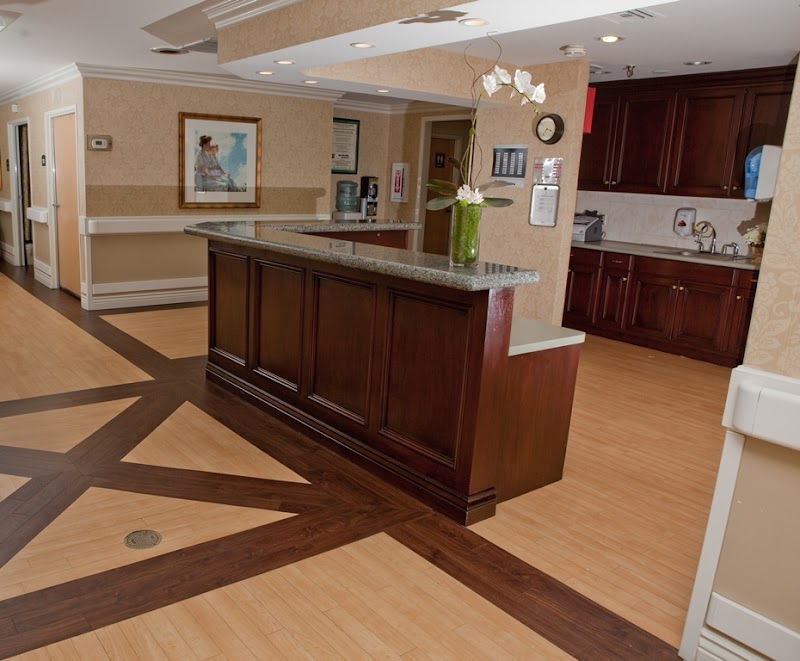
How is Arbor Hills Nursing Center Staffed?

CMS rates ARBOR HILLS NURSING CENTER's staffing level at 3 out of 5 stars, which is average compared to other nursing homes. Staff turnover is 50%, compared to the California average of 46%. RN turnover specifically is 58%, which is notably high. RNs provide skilled clinical oversight, so turnover in this role can affect medical care quality.

What Have Inspectors Found at Arbor Hills Nursing Center?

State health inspectors documented 36 deficiencies at ARBOR HILLS NURSING CENTER during 2019 to 2025. These included: 1 that caused actual resident harm, 34 with potential for harm, and 1 minor or isolated issues. Deficiencies causing actual harm indicate documented cases where residents experienced negative health consequences.

Who Owns and Operates Arbor Hills Nursing Center?

ARBOR HILLS NURSING CENTER is owned by a for-profit company. For-profit facilities operate as businesses with obligations to shareholders or private owners. The facility is operated by GENERATIONS HEALTHCARE, a chain that manages multiple nursing homes. With 100 certified beds and approximately 86 residents (about 86% occupancy), it is a mid-sized facility located in LA MESA, California.

How Does Arbor Hills Nursing Center Compare to Other California Nursing Homes?

Compared to the 100 nursing homes in California, ARBOR HILLS NURSING CENTER's overall rating (3 stars) is below the state average of 3.1, staff turnover (50%) is near the state average of 46%, and health inspection rating (2 stars) is below the national benchmark.

What Should Families Ask When Visiting Arbor Hills Nursing Center?

Based on this facility's data, families visiting should ask: "Can I visit during a mealtime to observe dining assistance and food quality?" "How do you handle medical emergencies, and what is your hospital transfer rate?" "Can I speak with family members of current residents about their experience?"

Is Arbor Hills Nursing Center Safe?

Based on CMS inspection data, ARBOR HILLS NURSING CENTER has a clean safety record: no substantiated abuse findings (meaning no confirmed cases of resident harm), no Immediate Jeopardy citations (the most serious violation level indicating risk of serious injury or death), and is not on the Special Focus Facility watch list (a federal program monitoring the lowest-performing 1% of nursing homes). The facility has a 3-star overall rating and ranks #100 of 100 nursing homes in California. While no facility is perfect, families should still ask about staff-to-resident ratios and recent inspection results during their visit.

Do Nurses at Arbor Hills Nursing Center Stick Around?

ARBOR HILLS NURSING CENTER has a staff turnover rate of 50%, which is about average for California nursing homes (state average: 46%). Moderate turnover is common in nursing homes, but families should still ask about staff tenure and how the facility maintains care continuity when employees leave.

Was Arbor Hills Nursing Center Ever Fined?

ARBOR HILLS NURSING CENTER has been fined $12,831 across 1 penalty action. This is below the California average of $33,207. While any fine indicates a compliance issue, fines under $50,000 are relatively common and typically reflect isolated problems that were subsequently corrected. Families should ask what specific issues led to these fines and confirm they've been resolved.

Is Arbor Hills Nursing Center on Any Federal Watch List?

ARBOR HILLS NURSING CENTER is not on any federal watch list. The most significant is the Special Focus Facility (SFF) program, which identifies the bottom 1% of nursing homes nationally based on persistent, serious quality problems. Not being on this list means the facility has avoided the pattern of deficiencies that triggers enhanced federal oversight. This is a positive indicator, though families should still review the facility's inspection history directly.