COMMUNITY CARE CENTER
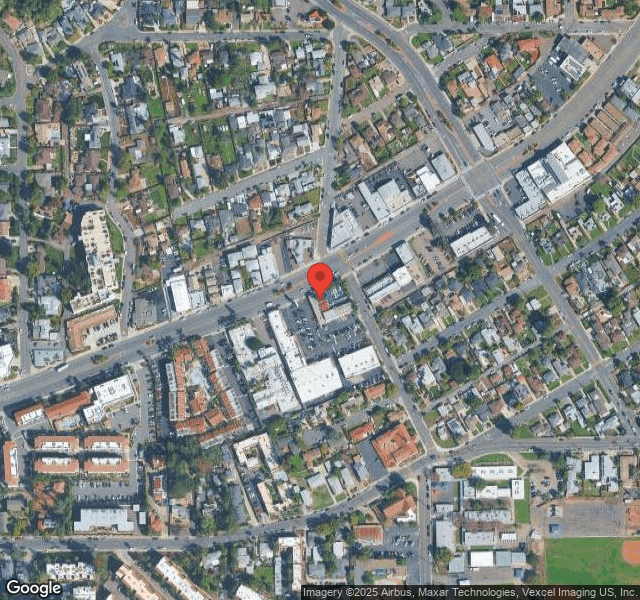
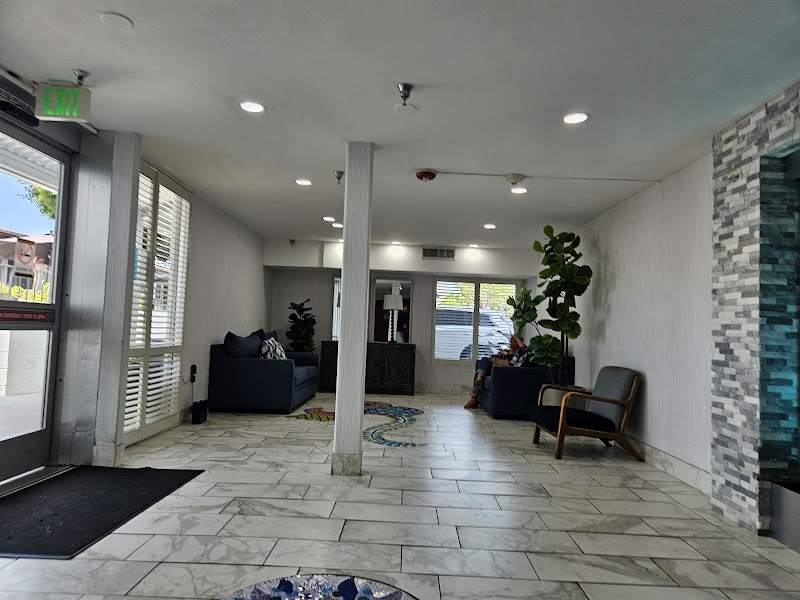
8665 LA MESA BLVD., LA MESA, CA 91942 (619) 465-0702
For profit - Limited Liability company 119 Beds Independent Data: November 2025
Trust Grade
80/100
#51 of 1155 in CA
Last Inspection: February 2025

Within standard 12-15 month inspection cycle. Federal law requires annual inspections.

Overview

Community Care Center in La Mesa, California has a Trust Grade of B+, indicating it is above average and recommended for families considering care options. It ranks #51 out of 1,155 facilities in California and #7 out of 81 in San Diego County, placing it in the top half of both categories. The facility's performance is stable, with 28 issues identified in both 2024 and 2025, but none of these issues were classified as critical or serious. Staffing is a notable weakness, with a rating of 2 out of 5 stars and a turnover rate of 41%, which is around the state average, meaning staff may not be as consistent. While there are no fines recorded, there were concerning incidents, such as failing to regularly reposition residents at risk for pressure injuries, which could lead to worsening skin conditions, and inadequate food safety practices in the kitchen that might expose residents to foodborne illnesses.

Trust Score
B+
80/100
In California
#51/1155
Top 4%
Safety Record
Low Risk
No red flags
Inspections
Holding Steady
8 → 8 violations
Staff Stability
○ Average
41% turnover. Near California's 48% average. Typical for the industry.
Penalties
✓ Good
No fines on record. Clean compliance history, better than most California facilities.
Skilled Nurses
○ Average
Each resident gets 33 minutes of Registered Nurse (RN) attention daily — about average for California. RNs are the most trained staff who monitor for health changes.
Violations
⚠ Watch
28 deficiencies on record. Higher than average. Multiple issues found across inspections.
★★★★★
5.0
Overall Rating
★★☆☆☆
2.0
Staff Levels
★★★★★
5.0
Care Quality
★★★★☆
4.0
Inspection Score
Stable
2024: 8 issues
2025: 8 issues

The Good

  • 5-Star Quality Measures · Strong clinical quality outcomes
  • Full Sprinkler Coverage · Fire safety systems throughout facility
  • No fines on record
  • Staff turnover below average (41%)

    7 points below California average of 48%

Facility shows strength in quality measures, fire safety.

The Bad

Staff Turnover: 41%

Near California avg (46%)

Typical for the industry

The Ugly 28 deficiencies on record

Jul 2025 1 deficiency
CONCERN (D) 📢 Someone Reported This

A family member, employee, or ombudsman was alarmed enough to file a formal complaint

Potential for Harm - no one hurt, but risky conditions existed

Resident Rights (Tag F0550)

Could have caused harm · This affected 1 resident

**NOTE- TERMS IN BRACKETS HAVE BEEN EDITED TO PROTECT CONFIDENTIALITY** Based on interview and record review, the facility's nursing staff failed to maintain the dignity of one sampled resident (Resid...

Read full inspector narrative →
**NOTE- TERMS IN BRACKETS HAVE BEEN EDITED TO PROTECT CONFIDENTIALITY** Based on interview and record review, the facility's nursing staff failed to maintain the dignity of one sampled resident (Resident 1) when Resident 1 arrived to the dialysis center (a facility where patients undergo a procedure to remove toxins from the blood) wearing only briefs and a blanket. This failure had the potential to cause the resident embarrassment and had the potential to lower self-esteem.Findings:During a record review on 6/13/25, the admission Record indicated Resident 1 was admitted to the facility on [DATE] with diagnoses which included end stage renal disease (kidney failure), and dependence on renal dialysis.During a record review on 6/13/25, the Physician's Orders indicated Resident 1 was taken to an outside dialysis center every Monday, Wednesday, and Friday.During a record review on 6/13/25, the Minimum Data Set (MDS- an assessment tool) indicated Resident 1 had a BIMS (Brief Interview for Mental Status- a tool to measure cognition, or mental processes such as memory, perception, decision making) of 00, which indicated his cognitive skills for daily-decision making were severely impaired.During a record review on 6/13/25, the Dialysis Communications form (a form used by the facility and dialysis center to communicate pertinent information about the resident such as vital signs, weight, medications given, etc) dated 6/9/25 indicated, Comments or special instructions post dialysis: .Pt [sic] arrived to clinic without gown [sic] just a blanket and his disposable brief.On 6/13/25 at 9 A.M., a telephone interview was conducted with the Dialysis Licensed Nurse (DLN) 1. DLN 1 stated he was familiar with Resident 1. DLN 1 stated Resident 1 had been a patient at the dialysis center for the past 4 years. DLN 1 stated he was on duty on 6/9/25 during Resident 1's dialysis treatment. DLN 1 stated Resident 1 arrived at the dialysis center wearing only disposable briefs, with a blanket over him. DLN 1 stated, .it's the first time that I witnessed [Resident 1 arriving without clothing]. He had a blanket on him, but its not enough. If that was my father, I'd be very upset. DLN 1 stated when Resident 1 still lived at home, and was transported to the dialysis center, .He always arrived fully dressed: shirt, pants, shoes. We were surprised he arrived like a newborn. There's no dignity in that. He was a [NAME] veteran, someone who served his time. DLN 1 stated dialysis typically lasted 3 to 4 hours. DLN 1 stated the temperature at the dialysis center was cold and he was worried Resident 1's comfort and blood pressure would be affected because he was only wearing briefs.On 6/13/25 at 10:16 A.M., an interview was conducted with Resident 2. Resident 2 stated she received dialysis at an outside dialysis center on Mondays, Wednesdays, and Fridays. Resident 2 stated she preferred to wear her own clothing to dialysis, and she would never go wearing only briefs. Resident 2 stated, .I don't want to go naked. It gets cold there.On 6/13/25 at 10:51 A.M., an interview was conducted with Certified Nursing Assistant (CNA) 1. CNA 1 stated she was Resident 1's assigned CNA on 6/9/25 and got him ready for dialysis. CNA 1 stated on 6/9/25 she did not see any clothes in Resident 1's closet, but the facility had a clothing donation area. CNA 1 stated the clothes in the donation area were collected to use for residents who did not have personal clothing available. CNA 1 stated she did not offer clothing from the donation area to Resident 1. CNA 1 stated she dressed Resident 1 in a gown and disposable briefs to prepare him for dialysis on 6/9/25. CNA 1 stated she does not remember if Resident 1 removed his gown prior to going to dialysis.On 6/13/25 at 10:58 A.M., a concurrent interview and record review was conducted with Licensed Nurse (LN) 3. LN 3 stated prior to 6/9/25, she received reports from CNA's that Resident 1 would have episodes of removing his gown but she had never observed this behavior. LN3 stated she had observed Resident 1 remove his arm out of his gown, but did not know why. LN 3 stated there was no documentation that Resident 1 had a behavior of removing his clothing.On 6/13/25 at 11:44 A.M. a telephone interview was conducted with Resident 1's family member (FM) 1. FM 1 stated the dialysis center called her on [date] to let her know Resident 1 had arrived from the skilled nursing facility without clothes. FM 1 stated, I was [expletive for angry] when I heard about that.I thought, ‘its not right.' FM 1 stated Resident 1 had two pairs of sweaters and two pairs of pants. FM 1 stated she would have brought Resident 1 more clothing if he needed it. FM 1 stated, If he took off the gown, he was probably uncomfortable. FM 1 stated her expectation was for the facility to call her if the resident needed clothing.On 7/11/25 at 11:50 A.M., an interview was conducted with the Director of Nursing (DON). The DON stated clothing from the donation area should have been offered to Resident 1 if he did not have personal clothing available. The DON stated it was important to maintain resident dignity at all times.A review of the facility's policy titled Dignity revised 2/2021indicated, Each resident shall be cared for in a manner that promotes and enhances his or her sense of well-being, level of satisfaction with life, and feelings of self-worth and self-esteem.When assisting with care, residents are supported in exercising their rights. For example, residents are.groomed as they wish to be groomed.encouraged to dress in clothing they prefer.Staff promote, maintain and protect resident privacy, including bodily privacy during assistance with personal care and during treatment procedures.
Feb 2025 5 deficiencies
CONCERN (D)

Potential for Harm - no one hurt, but risky conditions existed

Respiratory Care (Tag F0695)

Could have caused harm · This affected 1 resident

**NOTE- TERMS IN BRACKETS HAVE BEEN EDITED TO PROTECT CONFIDENTIALITY** Based on observation, interview, and record review, the facility failed to administer the correct amount of oxygen, according to...

Read full inspector narrative →
**NOTE- TERMS IN BRACKETS HAVE BEEN EDITED TO PROTECT CONFIDENTIALITY** Based on observation, interview, and record review, the facility failed to administer the correct amount of oxygen, according to the physician's order for one of two residents (Resident 99), reviewed for oxygen therapy. This failure had the potential for too much carbon dioxide to accumulate in the blood, affecting the body's blood pH, respiratory drive, and the blood cells affinity for oxygen. Findings: Resident 99 was admitted to the facility on [DATE], with diagnoses which included chronic (persisting for a long time) respiratory failure with hypoxia (insufficient amount of oxygen in the body's tissues) and encounter for attention to tracheotomy (a surgical procedure that creates an opening in the front of the neck [trachea] in order to provide an airway), per the facility's admission Record. An observation was conducted of Resident 99 on 2/10/25 at 9:01 A.M. as he laid in bed. Resident 99 had a stoma (a surgical opening in the neck that allows a person to breathe without a tube inserted). The stoma was covered with an oxygen mask and tubing, attached to a oxygen concentrator (a medical device that supplies oxygen-enriched air) was on the floor, beside the bed. The oxygen condenser dial was set at 5, indicating it was delivering 5 liters (a unit that expresses flow rate) of oxygen per minute. An observation was conducted of Resident 99, in his room on 2/11/25 at 8:12 A.M. Resident 99's concentrator oxygen concentrator flow rate was set at 5 liters per minutes (LN/min), and an oxygen mask was over his stoma. Resident 99's clinical record was reviewed on 2/11/25: According to the physician's order, dated 1/15/25, .Respiratory: administer oxygen at 2 LN/min via trach mask continuously. Diagnoses: Acute hypercarbic (a serious condition that occurs when there is too much carbon dioxide in the blood), respiratory failure status post laryngectomy (a surgical procedure to remove their larynx [voice box], resulting in a permanent opening in the neck called a stoma through which they breathe), every shift . According to the care plan, titled Oxygen Therapy, dated 1/15/25, listed interventions such as; Oxygen Setting: The resident has O2 (oxygen) via trach mask at 2 L/min continuously. According to the facility's oxygen saturation rates (a measurement of the percentage of hemoglobin in the blood that carry's oxygen), documented from 1/15/25 through 2/10/25, the saturation rates ranged from 97% to 99% on room air (Normal 95% to 100%). An observation, interview, and record review was conducted with Licensed Nurse (LN) 1 of Resident 99's oxygen order and rate on 2/12/25 at 7:19 A.M. LN 1 stated the physician's order indicated Resident 99 was to receive oxygen at 2 L/min via his trach mask, continuously. LN 1 went into Resident 99's room to inspect the oxygen flow rate on the concentrator. LN 1 stated the oxygen was delivering 5 L/min, which was wrong. LN 1 stated by providing more oxygen then ordered, Resident 99 was at risk of having too much carbon dioxide in the blood stream. An interview was conducted with respiratory therapist 1 (RT 1- a licensed health professional who helps residents with breathing problems) on 2/12/25 at 7:45 A.M. RT 1 stated Resident 99 was bypassing his upper airway and breathing through his lower airway. RT 1 stated she expected the licensed nurses to following the physician's order on how much oxygen was being administered. An interview was conducted with the Director of Nursing (DON) on 2/12/25 at 10:46 A.M. The DON stated she expected the licensed nurses to follow the physician's order and to contact the physician if oxygen orders needed to be clarified. The DON stated too much oxygen could cause harm and lead to hypercarbic. According to the facility's policy, titled Oxygen Administration, dated October 2010, .Preparation: 1. Verify that there is a physician's order .Review the physician's order .Documentation: .The following information should be recorded in the resident's medical record .3. The rate of oxygen flow, route, and rationale .
CONCERN (D)

Potential for Harm - no one hurt, but risky conditions existed

Deficiency F0802 (Tag F0802)

Could have caused harm · This affected 1 resident

Based on observation, interview, and record review the facility failed to ensure the kitchen staff competently performed and carried out the functions of the Food and Nutrition Service department when...

Read full inspector narrative →
Based on observation, interview, and record review the facility failed to ensure the kitchen staff competently performed and carried out the functions of the Food and Nutrition Service department when [NAME] 1 could not properly demonstrate how to calibrate a food thermometer, when reviewed for competency. This failure had the potential for food contamination, resulting in food borne illnesses for all residents who consumed food from the kitchen. Findings: During a joint observation and interview on 2/12/25 at 10:52 A.M. with [NAME] 1, [NAME] 1 was asked to demonstrate how to properly calibrate an analog thermometer (device that measures temperature by using mercury or alcohol). [NAME] 1 began to twist the thermometer's probe and stated, .I have to move the line [dial] to 0 [degrees Fahrenheit] then I put it in the water .you don't need to put it in the water if its already on 32 degrees . On 2/13/25 an interview was conducted with the Dietary Supervisor (DS). The DS stated it was his expectation for all kitchen staff to know how to calibrate thermometers properly, whether it is a digital or analog thermometer. The DS stated it was important to use a calibrated food thermometer to obtain an accurate food temperature reading. The DS stated, We use food thermometers to take food temperatures, to make sure nothing is undercooked. We don't want anyone to get sick. A review of the facility policy titled, Thermometer Use and Calibration, dated 2023 indicated, Checking the Accuracy and Calibrating .1. Fill a large class with crushed ice and add clean tap waster until slush is formed. Stir the mixture well .2. Put the thermometer's stem into the ice water so that the sensing area is completely submerged .The thermometer stem or probe must remain in the ice water one minute and during calibration process. 3. If the thermometer does not read 32 degrees Fahrenheit then the thermometer must be calibrated .Bimetal or analog thermometer .turn the face of the dial until the indicator is at 32 degrees .
CONCERN (D)

Potential for Harm - no one hurt, but risky conditions existed

Medical Records (Tag F0842)

Could have caused harm · This affected 1 resident

**NOTE- TERMS IN BRACKETS HAVE BEEN EDITED TO PROTECT CONFIDENTIALITY** Based on observation, interview, ad record review, the facility failed to accurately document antibiotic (drugs which treat infe...

Read full inspector narrative →
**NOTE- TERMS IN BRACKETS HAVE BEEN EDITED TO PROTECT CONFIDENTIALITY** Based on observation, interview, ad record review, the facility failed to accurately document antibiotic (drugs which treat infections) administration in one of two residents (Resident 88) clinical record, when reviewed for Antibiotic Therapy. This failure had the potential for Resident 88's clinical record to be incomplete and inaccurate. Findings: Resident 88 was admitted to the facility on [DATE], with diagnoses which included osteomyelitis (a bone infection) of the thoracic (upper spine) and lumbar (lower spine), region, per the facility's admission Record. An observation was conducted of Resident 88 in his room on 2/10/25 at 10:17 A.M. Resident 88 was asleep in bed and an intravenous (IV-a medication bag which delivers fluid and medication to a vein) bag was infusing via an IV pump (a machine which delivers a certain amount of medication per minute). The exterior door to the resident's room was labeled as Contact precautions (infection control measures used to prevent the transmission of infectious agents that are spread through direct or indirect contact with an infected resident). Resident 88's clinical record was reviewed on 2/11/25: According to the physician's order dated 1/14/25, Contact precautions: related to positive for MRSA (Methicillin-resistant Staphylococcus aureus-a bacteria that is resistant to many antibiotics) and osteomyelitis. An additional physician's order dated 1/25/25, listed medications: Daptomycin (A drug used to treat certain bacterial bloodstream infections) 500 milligrams (mg) IV one time a day until 4/1/25, infuse over 1 hour, and Teflaro (an antibiotic used to treat infections) 600 mg two times a day for osteomyelitis, until 4/1/25, over 60 minutes. According to the Medication Administration Record, (MAR), reviewed from 1/25/25 through 1/31/25, Daptomycin 500 mg was not administered, on 1/28/25, at 6 P.M., and Teflaro was not administered on 1/28/25 for the evening dose (10 p.m.), as ordered. According to the care plan, titled MRSA in/on back, dated 1/14/25, listed interventions such as: Administer medications as ordered and contact isolation. According to the care plan, titled IV antibiotic therapy related to infection, dated 1/10/25, listed interventions such as: Administer medications as ordered (Daptomycin, Teflaro). Observe for possible side effects every shift. An interview and record review was conducted with Licensed Nurse 2 (LN 2) on 2/11/25 at 4:07 P.M. of Resident 88's MAR. LN 2 stated according to the MAR, Resident 88 did not receive his IV antibiotics on 1/25/25, as ordered by the physician. LN 2 stated the LNs should have documented why the medication was not given, and there was no documented notes, such as the medication had not been delivered or the resident was not in the facility. LN 2 stated Resident 88's antibiotic administration needed to be consistently administered, to maintain the medication threshold for fighting the infection. An interview and record review was conducted with LN 1 on 2/12/25 at 8:31 A.M. LN 1 acknowledged the missing IV medication entries in Resident 88's MAR for 1/28/25. LN 1 stated it was important to administer the medication consistently, so the medication was effective. LN 1 stated the facility had a separated IV Administration Record, and asked if she could retrieve it from the Medical Records Department. An interview and record review of the facility's IV Administration Record book for Resident 88 was conducted with LN 1 on 2/12/25 at 8:56 A.M. The handwritten entries indicated Daptomycin was administered on 1/28/25 at 6 P.M., and Teflaro was administered on 1/28/25 at 10 P.M. LN 1 stated it was important for the IV book to match the electronic MAR, so Resident 88's clinical record was accurate. LN 1 stated if someone just looked at the MAR, it appeared the medication was never administered. An interview was conducted with the Director of Nursing (DON) on 2/12/25 at 10:46 A.M. The DON stated she expected the MAR to match the IV Administration book, so the documentation was accurate and complete. According to the facility's policy, titled Charting and Documentation, dated 2020, .2. the following information is to be documented in the resident medical record: .b. Medications administered; c. Treatments or services performed .
CONCERN (E)

Potential for Harm - no one hurt, but risky conditions existed

Pressure Ulcer Prevention (Tag F0686)

Could have caused harm · This affected multiple residents

**NOTE- TERMS IN BRACKETS HAVE BEEN EDITED TO PROTECT CONFIDENTIALITY** Based on observation, interview, and record review, the facility failed to prevent and treat three of five residents (Residents ...

Read full inspector narrative →
**NOTE- TERMS IN BRACKETS HAVE BEEN EDITED TO PROTECT CONFIDENTIALITY** Based on observation, interview, and record review, the facility failed to prevent and treat three of five residents (Residents 99, 11 and 12) who were identified as being at risk of pressure injuries (localized damage to the skin and underlying soft tissue, usually occurring over a bony prominence) when: 1a. Resident 99 was not turned and repositioned every two hours; 1b. Resident 99 had missing entries on his daily wound treatment log; and 2. Resident 11 had missing entries on her daily wound treatment log; and 3. Resident 12 had missing entries on her daily wound treatment log. These failures had the potential for additional or worsening skin injuries to occur. 1a. Resident 99 was admitted to the facility on [DATE], with diagnoses which included pressure ulcer (damage to the skin and tissue caused by prolonged pressure on the skin) of the left heel, Stage 4, (a full-thickness tissue loss that exposes bone, muscle, and/or tendon), per the facility's admission Record. An observation was conducted of Resident 99, in his room on 2/10/25 at 9:04 A.M. Resident 99 was lying in bed, on his back with the head elevated on two pillows. Resident 99's left heel was elevated on a pillow and he was wearing a green padded protective boot. The bed had a regular mattress and a low air loss mattress (LAL-designed to distribute a patient's body weight over a broad surface area and helps prevent skin breakdown), was not present. An observation was conducted of Resident 99, in his room on 2/10/25 at 2:21 P.M. Resident 99 was asleep in bed, lying on his back with the head of the bed elevated at 20 degrees. Additional observations of Resident 99 were conducted on 2/11/25 at 8:12 A.M., 10:15 A.M., 10:58 A.M., 1:36 P.M., and 3:40 P.M. Resident 99 was lying on his back, in bed with the head of the bed slightly elevated. There appeared to be no changes in his position and no use of pillows to elevate pressure from his hips or back. Resident 99's clinical record was reviewed on 2/11/25: According to the facility's Braden Scale (a tool used to predict a patient's risk of developing pressure ulcers), dated 1/15/25, Resident 99 had a score of 13, indicating moderate risk for pressure injuries. A care plan, titled At Risk for Pressure Injury, dated 1/15/25, listed interventions such as: Turn and reposition every 2 hours and as needed. A care plan, titled Unstageable Pressure Injury Stage 4, left heel, revised 2/9/25, also listed interventions such as: Turn and reposition resident at least every 2 hours and as needed. According to the Minimum Data Set, (a clinical assessment tool) Section M-Skin Conditions, dated 1/21/25, Resident 99 was identified for being at risk of developing pressure injuries, with a treatment listed as, Being on a turning/repositioning program. An interview was conducted with Treatment Nurse 1 (Tx LN 1) on 2/12/25 at 8:03 A.M., after a wound treatment had been observed and completed for Resident 99. Tx LN 1 stated Resident 99 should be turned and repositioned ever two hours to prevent additional pressure injuries from occurring. Tx LN 1 stated Resident 99 did not have a LAL mattress and maybe he should have one. An interview and record review was conducted with Certified Nursing Assistant 1 (CNA 1) on 2/12/25 at 8:21 A.M. CNA 1 stated residents should be turned in bed at least every two hours to prevent skin injuries from occurring. CNA 1 stated CNAs documented repositioning residents every two hours in the computer charting system called Point of Care (POC). CNA 1 reviewed Resident 99's POC charting for 2/11/25, which indicated the resident was turned every two hours, starting at 8 A.M. with a yes response, but the system did not have an option for what position the resident was placed in, i.e right side, left side, pillow support etc. An interview was conducted with Licensed Nurse 1 (LN 1) on 2/12/25 at 8:27 A.M. LN 1 stated repositioning residents every two hours was important to prevent skin injuries from developing. LN 1 stated the Treatment Nurses (Tx LNs) could initiate a low air loss mattress request for residents, if they felt it was important and they did not need to wait for a physician's order. An interview was conducted with the Director of Nursing (DON) on 2/12/25 at 10:46 A.M. The DON stated she expected all residents to be turned and repositioned every two hours to prevent skin breakdown. According to the facility's policy, titled Prevention of Pressure Injuries, dated April 2020, .Skin Assessment: .3 e. Reposition resident as indicated on the care plan .Mobility/Repositioning: 1. Reposition all residents with a risk of pressure injuries on an individual schedule .Support Surfaces and pressure Redistribution: 1. Select appropriate support surfaces based on the resident's risk factors . 1b. Resident 99 was admitted to the facility on [DATE], with diagnoses which included pressure ulcer of the left heel, Stage 4, (a full-thickness tissue loss that exposes bone, muscle, and/or tendon), per the facility's admission Record. An observation was conducted of Resident 99, in his room on 2/10/25 at 9:04 A.M. Resident 99 was lying in bed, on his back with his head elevated on two pillows. Resident 99's left heel was elevated on a pillow and he was wearing a green protective boot. Resident 99's clinical record was reviewed on 2/11/25: According to Resident 99's Minimum Data Set, (a clinical assessment tool) Section M-Skin Conditions, dated 1/21/25, Resident 99 was admitted with one Stage 4 pressure ulcer that required dressing changes and ointment/medication, along with pressure injury care. According to Resident 99's physician's order, dated 1/22/25, .cleanse (Stage IV pressure injury) on Left Heel with normal saline, pat dry, apply Santyl (an enzyme/protein that breaks down collagen in damaged or dead skin), alginate (a highly absorbent dressing used for wounds that are draining, bleeding, or infected) and cover with dry dressing every day and as needed . According to Resident 99's care plan, titled Unstageable Pressure Injury Stage 4, left heel, revised 2/9/25, interventions listed: Evaluate skin condition on a daily basis, Treatment/medication as ordered. Heel boot to be worn as ordered, and turn and reposition resident at least every 2 hours and as needed. According to Resident 99's Treatment Administration Record (TAR), dated January 21 through January 31, 2025, Resident 99 had no wound treatments performed for four of 10 days. Resident 99's wound treatments were missed on 1/26/25 (Sunday), 1/27/25 (Monday), 1/29/25 (Wednesday) and 1/30/25 (Thursday). An interview and record review was conducted with The Treatment Nurse 1 (Tx LN 1) on 2/12/25 at 8:03 A.M., after observing Resident 99's daily wound treatment. The Tx LN 1 stated Resident 99's wound was improving, and the wound physician was examining the resident every Wednesday with wound measurements being performed. The Tx LN 1 reviewed Resident 99's January 2025 Treatment Administration Record (TAR), and stated he believed the staff just forgot to check off the treatment as being performed, for those four days. The TX LN 1 stated if the treatment was not documented, then no one knew for sure if the treatment was actually completed. The Tx LN 1 stated daily wound treatments were important to provide consistent care and to inspect the wound for signs of infection or a worsening condition. The TX LN 1 stated wound treatments should always be documented, to ensure they were completed as ordered. An interview was conducted with Licensed Nurse 1 (LN 1) on 2/12/25 at 8:37 A.M. LN 1 stated all wound treatments needed to be documented, so other staff knew it was completed. LN 1 stated daily wound treatments were important to help with healing and to identify early signs of infection. An interview was conducted with the Director of Nursing (DON) on 2/12/25 at 10:46 A.M. The DON stated if a wound treatment was not documented on the TAR, then it was not done, The DON stated she expected all wound treatments to be performed as ordered by the physician. According to the facility's policy, titled Prevention of Pressure Injuries, dated April 2020, .Monitoring: 1. Evaluate, report, and document . According to the facility's policy, titled Charting and Documentation, dated 2020, .2. the following information is to be documented in the resident medical record .c. Treatments or services performed . 2. Resident 11 was admitted to the facility on [DATE] for physical therapy related to difficulty walking per the History and Physical. On 1/22/25, Resident 11 was noted with a right heel ruptured blister, per the wound consult note dated 1/22/25. On 2/10/25, at 8 A.M., an observation was conducted in Resident 11's room. Resident 11 was lying down on the bed and was noted to have a low air loss (LAL) mattress (a mattress designed to help prevent skin breakdown). Resident 11's right foot was noted to be elevated on pillows. A review of Resident 11's clinical record was conducted on 2/11/25. According to Resident 11's physician's order dated 1/30/25, the physician ordered to Paint Deep Tissue Injury (DTI - damage to the tissues underneath the skin, usually caused by prolonged pressure on a bony area) on right heel with Betadine (antiseptic for the treatment of common skin infections and leave open to air dry daily . According to the Treatment Administration Record (TAR), dated February 1 through February 12, 2025, Resident 11 had no wound treatments performed for two of the 12 days. Resident 11's wound treatments were missed on 2/5/25 (Wednesday) and 2/8/25 (Saturday). On 2/12/25, at 2 P.M., a concurrent interview and record review was conducted with Treatment Nurse 1 (Tx LN 1). The Tx LN 1 reviewed Resident 11's February 2025 Treatment Administration Record (TAR), and stated he believed the staff just forgot to check off the treatment as being performed, for those two days. The Tx LN 1 stated if the treatment was not documented, then no one knew for sure if the treatment was actually completed. The Tx LN 1 stated wound treatments should always be documented, to ensure they were completed as ordered. An interview was conducted with the Director of Nursing (DON) on 2/12/25 at 2:30 P.M. The DON stated if a wound treatment was not documented on the TAR, then it was not done. The DON stated she expected all wound treatments to be performed as ordered by the physician. According to the facility's policy, titled Prevention of Pressure Injuries, dated April 2020, .Monitoring: 1. Evaluate, report, and document . According to the facility's policy, titled Charting and Documentation, dated 2020, .2. the following information is to be documented in the resident medical record . Treatments or services performed . 3. Resident 12 had missing entries on her daily wound treatment log. Resident 12 was admitted to the facility on [DATE] with diagnoses that included stage 4 pressure ulcer of the left buttock and stage 4 pressure ulcer of the right hip, per the facility's admission Record. On 2/11/25, a review of Resident 12's clinical record was conducted. According to Resident 12's physician's orders dated 1/15/25, the physician order to 1) cleanse stage 4 pressure injury on left buttock with normal saline .and cover with dry dressing daily . 2) cleanse stage 4 pressure injury on right hip with normal saline .and cover with dry dressing daily . According to Resident 12's Treatment Administration Record (TAR), dated February 1 through February 12, 2025, Resident 12 had no wound treatments performed for three of the 12 days. Resident 12's wound treatments were missed on 2/4/25 (Tuesday), 2/5/25 (Wednesday) and 2/8/25 (Saturday). On 2/12/25, at 2:15 P.M., a concurrent interview and record review was conducted with Treatment Nurse 1 (Tx LN 1). The Tx LN 1 reviewed Resident 12's February 2025 Treatment Administration Record (TAR), and stated he believed the staff just forgot to check off the treatment as being performed, for those two days. The Tx LN 1 stated if the treatment was not documented, then no one knew for sure if the treatment was actually completed. The Tx LN 1 stated wound treatments should always be documented, to ensure they were completed as ordered. An interview was conducted with the Director of Nursing (DON) on 2/12/25 at 2:30 P.M. The DON stated if a wound treatment was not documented on the TAR, then it was not done. The DON stated she expected all wound treatments to be performed as ordered by the physician. According to the facility's policy, titled Prevention of Pressure Injuries, dated April 2020, .Monitoring: 1. Evaluate, report, and document . According to the facility's policy, titled Charting and Documentation, dated 2020, .2. the following information is to be documented in the resident medical record . Treatments or services performed .
CONCERN (E)

Potential for Harm - no one hurt, but risky conditions existed

Food Safety (Tag F0812)

Could have caused harm · This affected multiple residents

Based on observation, interview, and record review, the facility failed to ensure food safety and sanitation practices were met in the kitchen according to standards of practice, when two green cuttin...

Read full inspector narrative →
Based on observation, interview, and record review, the facility failed to ensure food safety and sanitation practices were met in the kitchen according to standards of practice, when two green cutting boards with deep cuts and food stains were stored in the clean area. In addition, one red cutting board and one brown cutting board with deep cuts were also stored in the clean area, when reviewed for food sanitation. This failure exposed residents to contaminated food surfaces and unsanitary practices, which had the potential to place them at risk of developing foodborne illness. Findings: On 2/12/25 at 11:13 A.M. an observation and interview was conducted with Dietary Worker 1 (DW 1). A green chopping board was observed on the kitchen counter, next to the 3-compartment sink. The cutting board had multiple knife cuts and scratches on both sides. There were dark brown colored stains visible in the scratches and on the chopping board surface. DW 1 stated the cutting board had just been washed and was in the drying area. A second green chopping board was observed hanging above the 3-compartment sink, and had brownish stains and knife cuts on both sides. One red chopping board and one brown chopping board, both stored in the clean area, were observed with deep knife cuts. DW 1 stated, This [the green chopping board] needs to be changed. On 2/13/25 at 8:13 A.M., an interview was conducted with the Food Services Director (FSD). The FSD stated, It's important health wise not to use a cutting board that is stained .there's residue on it and in the cuts. We want to avoid contamination . According to the 2022 Federal FDA Food Code, section 4-501.12, Cutting surfaces such as cutting boards and blocks that become scratched and scored may be difficult to clean and sanitize. As a result, pathogenic microorganisms transmissible through food may build up or accumulate. These microorganisms may be transferred to foods that are prepared on such surfaces . A review of the facility policy titled Sanitation, dated 2023 indicated, .11. All utensils, counters, shelves, and equipment shall be kept clean, maintained in good repair and shall be free from breaks, corrosions, open seams, cracks, and chipped areas .2. Plastic ware .that becomes unsightly, unsanitary, or hazardous because of chips, cracks, or loss of glaze shall be discarded. Plastic ware is bleached as necessary to prevent staining .
Feb 2025 2 deficiencies
CONCERN (D) 📢 Someone Reported This

A family member, employee, or ombudsman was alarmed enough to file a formal complaint

Potential for Harm - no one hurt, but risky conditions existed

Medication Errors (Tag F0758)

Could have caused harm · This affected 1 resident

**NOTE- TERMS IN BRACKETS HAVE BEEN EDITED TO PROTECT CONFIDENTIALITY** Based on observation, interview, and record review, the facility failed to ensure one of three sampled residents was free from u...

Read full inspector narrative →
**NOTE- TERMS IN BRACKETS HAVE BEEN EDITED TO PROTECT CONFIDENTIALITY** Based on observation, interview, and record review, the facility failed to ensure one of three sampled residents was free from unnecessary drugs when 1) Resident 1 did not have an appropriate diagnosis for a psychotropic medication. 2) An anti-anxiety medication was administered to Resident 1 past the 14 day limit without reassessment from the physician. These failures had the potential to harm Resident 1 when an unnecessary psychotropic medications was administered. Findings: 1. According to the Face Sheet, Resident 1 was admitted on [DATE] with diagnoses which included respiratory failure and cerebral palsy (a disorder that affects movement, balance, and posture) . According to the Minimum Data Set (MDS-an assessment tool) dated 8/11/21, Resident 1 was never or rarely understood, and was severely cognitively impaired. The MDS also indicated, Resident 1 had No speech- absence of spoken words, was Rarely/never understood and Rarely/never understands others. During a record review on 12/26/24, Resident 1's Physician's Orders dated 8/24/21 indicated, quetiapine (an antipsychotic medication) 25 mg (milligrams) 1 tablet .for schizophrenia . A record review of Resident 1's Progress Notes dated 8/24/21 indicated, .[Medical Doctor (MD)] gave an order to clarify quetiapine to schizophrenia as manifested by restlessness . There was no documentation from MD that indicated Resident 1 was assessed for or met the criteria for schizophrenia. On 1/10/25 at 8:46 A.M. an interview was conducted with Licensed Nurse (LN) 1. LN 1 stated she was familiar with Resident 1. LN 1 stated Resident 1 did not have any behaviors that suggested hallucinations or delusions, symptoms of schizophrenia. LN 1 stated, He makes noises once in a while .he's not a difficult patient . LN 1 stated Resident 1 never appeared to be in emotional distress and, We would talk to him, and he smiles . On 1/22/25 at 2:12 P.M. a telephone interview was conducted with Resident 1's Family Member (FM) 1. FM 1 stated, He didn't have [schizophrenia]! Who said he had that? He couldn't even talk! On 1/24/25 at 1:08 P.M. a telephone interview was conducted with the Psychiatrist (PSYCH) 1 who stated, When [Resident 1] came in [to the facility] based on my recollection, he took [quetiapine]. It seemed to be helping him. I put unspecified schizophrenia .when we use the diagnosis [unspecified schizophrenia] we're trying to justify the continued use of the medication .we don't want to call someone schizophrenic when they might not be . PSYCH 1 stated, In [Resident 1]'s case, its not a confirmed diagnosis .its impossible to diagnose [Resident 1] because he's nonverbal . PSYCH 1 stated he did not discontinue the medication because it helped Resident 1 remain calm. A review of the facility's policy titled Antipsychotic Medication Use revised 7/22 indicated, Residents will not receive medications that are not clinically indicated to treat a specific condition . 2. A review of Resident 1's Physician's Orders dated 10/26/21 indicated, Xanax (alprazolam-a medication used to treat anxiety) 1 tablet PRN (as needed) every 6 hours. For 14 days . On 1/10/25 at 8:56 A.M. a joint interview and record review was conducted with LN 1. LN 1 acknowledged alprazolam was administered to Resident 1 multiple times from 10/26/21 until 12/9/21 and according to the physician order it should only have been given for 14 days. LN 1 stated, the doctor should have given a new order if he wanted to continue to give it .[nursing] probably just forgot to put a stop date . LN 1 stated it was important to reassess the resident to see if he still needed the medication, .because it could sedate him . A review of the facility's policy titled Antipsychotic Medication Use revised 7/22 indicated, .16. PRN orders for antipsychotic medications will not be renewed beyond 14 days unless the healthcare practitioner has evaluated the resident for the appropriateness of that medication and documented the rational for continued use .
CONCERN (D) 📢 Someone Reported This

A family member, employee, or ombudsman was alarmed enough to file a formal complaint

Potential for Harm - no one hurt, but risky conditions existed

Infection Control (Tag F0880)

Could have caused harm · This affected 1 resident

**NOTE- TERMS IN BRACKETS HAVE BEEN EDITED TO PROTECT CONFIDENTIALITY** Based on observation, interview, and record review the facility failed to implement infection control measure when three of nine...

Read full inspector narrative →
**NOTE- TERMS IN BRACKETS HAVE BEEN EDITED TO PROTECT CONFIDENTIALITY** Based on observation, interview, and record review the facility failed to implement infection control measure when three of nine Subacute resident rooms were reviewed. 1) A housekeeper was observed removing Personal Based onProtective Equipment (PPE-gown, gloves, masks) in the hallway outside of an Enhanced Barrier Precaution (EBP--a type of infection control strategy where PPE is worn when providing high-contact care to residents) resident room. 2) A visitor was in an Enhanced Barrier Precaution room providing care without wearing PPE. These failures had the potential to spread infection among staff and visitors. Findings: 1. During a tour of the facility on 1/8/25 at 11:15 A.M. Housekeeper (HK) 1 was observed exiting an Enhanced Barrier Precaution room [resident room [ROOM NUMBER]] wearing PPE. HK 1 was observed removing the PPE in the hallway and discarding it in the housekeeping cart outside the room. On 1/8/25 Resident 1's record was reviewed. According to the Face Sheet, Resident 1 was admitted on [DATE] with diagnosis which included chronic respiratory failure with hypoxia and traumatic brain injury. On 1/8/25 at 11:30 A.M., a joint observation and interview was conducted with the Infection Preventionist (IP). HK 1 was observed exiting [resident room [ROOM NUMBER]] wearing full PPE. room [ROOM NUMBER] had an EBP sign posted on the wall, outside the room. HK 1 was then observed handling a stack of wash cloths, placing it into a clean plastic bag, and placing the bag in the housekeeping cart. HK 1 then doffed (removed) her PPE and discarded it in the housekeeping cart, outside [resident room [ROOM NUMBER]]. On 1/8/25 Resident 2's record was reviewed. According to the Face Sheet, Resident 2 was admitted on [DATE] with diagnosis which included acute and chronic respiratory failure with hypoxia, dependence on a ventilator. The IP stated, [HK 1] should never wear her gown and gloves in the hallway-ever, especially after leaving an EBP room. You don't know what she touched with the dirty gloves . The IP stated HK 1's PPE was considered dirty after she entered the room, and the PPE should have been removed before she exited. The IP stated it was her expectation that PPE be doffed (removed) and discarded prior to exiting the room, to prevent the spread of infection. A review of the facility policy titled Infection Prevention and Control Program dated 10/28 indicated, 11 .a. Important facets of infection prevention include .educating staff and ensuring that they adhere to proper techniques and procedures . 2. According to the Face Sheet, Resident 3 was admitted on [DATE] with diagnoses which included respiratory failure and CRAB (carbapenem resistant Acinetobacter baumannii-a bacteria which is often resistant to nearly all antibiotics). During an observation in the Subacute Unit on 1/10/25 at 10 A.M., room [ROOM NUMBER] was observed with an Enhanced Barrier Precautions sign posted outside the door. A visitor (VIS) 1 was observed inside room [ROOM NUMBER] wearing a surgical mask, but no other PPE. Vis 1 used a white gauze to clean Resident 3's skin around the tracheostomy (an opening in the neck made for tube insertion to allow the patient to breathe) site. On 1/10/25 at 11:40 A.M. an interview was conducted with VIS 1. VIS 1 stated he was not aware that he needed to wear a gown and gloves when providing care to Resident 3. VIS 1 stated, I have a pregnant [family member] at home. I don't want to bring anything home to her. VIS 1 stated he would have donned (put on) PPE if he had known prior to entering the room. On 1/20/25 at 11:56 A.M. an interview was conducted with the IP. The IP stated it was important for anybody entering the room to don (put on) PPE, especially if there was going to be high-contact activities. The IP stated, .we should educate them as much as we can . to keep infection from spreading. A review of the facility policy titled Infection Prevention and Control Program dated 10/28 indicated, 13 .a. The facility has established policies and procedures regarding infection control among employees .visitors .precautions to prevent these individuals from contracting infections .
Dec 2024 1 deficiency
CONCERN (D) 📢 Someone Reported This

A family member, employee, or ombudsman was alarmed enough to file a formal complaint

Potential for Harm - no one hurt, but risky conditions existed

Comprehensive Care Plan (Tag F0656)

Could have caused harm · This affected 1 resident

**NOTE- TERMS IN BRACKETS HAVE BEEN EDITED TO PROTECT CONFIDENTIALITY** Based on interview and record review, the facility failed to follow the physician plan of care related to weekly weights and not...

Read full inspector narrative →
**NOTE- TERMS IN BRACKETS HAVE BEEN EDITED TO PROTECT CONFIDENTIALITY** Based on interview and record review, the facility failed to follow the physician plan of care related to weekly weights and notification of the physician when the vital signs (blood pressure, heart rate, respiratory rate, and temperature) were outside of the parameters set (a measurable limit), for one of three residents (Resident 1), reviewed for care plans. This failure had the potential for the physician to be uninformed of changes, which could have negative consequences on Resident 1's overall health. Findings: Resident 1 was admitted to the facility on [DATE], with diagnoses which included down syndrome (a genetic condition which affects the brain and normal development) and severe constipation (hard, dry stool, that is difficult to pass), per the facility's admission Record. A review of Resident 1's clinical record was reviewed on 12/18/24: According to the admission Minimum Data Set (MDS-a clinical assessment tool), dated 11/11/24, the cognitive assessment score was 00, indicating cognition was severely impaired. The Functional Abilities assessment indicated Resident 1 required maximum assistance with rolling from side to side, transferring, eating, grooming, and sitting. According to the Bladder and Bowel assessment, a urinary catheter (an indwelling rubber, flexible plastic tube that drains urine into an external collection bag), was present, and Resident 1 had bowel in continence. According to the physician's order, dated 11/4/24, Resident 1 was to have weekly weights. According to the facility's Weights and Vitals Summary, Resident 1 had weekly weights performed on 11/4/24 and 11/9/24, by a mechanical lift, (a device that assist staff with moving a resident from one place to another). No additional weights were performed between 11/9/24, until Resident 1's discharge on [DATE]. According to the physician's order, dated 11/4/24, Notify Medical Doctor if the patient has ANY of the following symptoms: Temperature less than 96.8 or greater than 99.0 (normal 98.6). Heart rate greater then 90, respiratory rate greater then 20, systolic (the top number) blood pressure less than 100. Record every shift. A review of the facility's Medication Administration Record (MAR) was conducted. Vital signs recorded from 11/4/24 through 11/22/24 indicated the heart rate was greater the 90 beats per minute, eight times out of 51 opportunities. The systolic blood pressure was below 100, seven times out of 51 opportunities. The nursing progress notes were reviewed for the dates when Resident 1's heart rate was above 90 and the systolic blood pressure was below 100. There was no documented evidence the physician was notified of a change outside of physician ordered vital sign parameters. An interview was conducted with Certified Nursing Assistant 1 (CNA 1) on 12/28/24 at 10:59 A.M. CNA 1 stated CNAs were responsible for performing weights weekly and obtaining vital signs at the beginning of every shift. CNA 1 stated the information of weights and vital signs were then provided to the Licensed Nurses (LNs) for interpretation and documentation. An interview and record review was conducted with LN 1 on 12/18/24 at 11:05 A.M., regarding Resident 1. LN 1 stated if Resident 1's vital signs were outside of the parameters of the physician's orders, then there should be a note in Resident 1's record to indicate the physician was notified. LN 1 reviewed the nurses notes for the dates indicated on the MAR, of when the heart rate was greater than 90 beats per minute and the systolic blood pressure was less than 100. LN 1 stated there were no nurse's notes that indicated the physician had been notified and there should have been documentation the physician was notified. LN 1 stated vital sign parameters in Resident 1's case was important to identify early signs of sepsis (a life-threatening condition that occurs when the body's immune system overreacts to an infection). LN 1 stated weekly weights were important for nutrition and hydration monitoring. LN 1 stated if weights were not completed weekly as ordered by the physician, Resident 1 might be at risk of dehydration or fluid overload. An interview was conducted with LN 2 on 12/18/24 at 11:22 A.M. LN 2 stated if vital signs were outside of the physician's parameters and not reported to the physician, the physician was unaware of what was currently going on with the resident. LN 2 stated weekly weights were important for residents on fluid restrictions to identify if too much or too little fluids was ingested, which could complicate the recovery period. An interview and record review was conducted with the Director of Nursing (DON) on 12/18/24 at 11:23 P.M. The DON stated by not performing weekly weights as ordered by the physician, the resident could have an increase or decrease in weight and staff would be unaware. The DON reviewed Resident 1's weight sheet and stated the weights should have been completed and documented weekly, but they were not. The DON stated she expected staff to follow the physician's orders, related to vital sign parameters and if the vital signs were outside of those parameters, the physician should be notified, and it should be documented. According to the facility's policy, titled Acute Condition Changes-Clinical Protocol, dated March 2018, 1. The physician will help identify' individuals with a significant risk for having acute changes of condition during their stay; for example, an individual with an indwelling urinary catheter .or someone with unstable vital signs .Treatment/Management: 1. The physician will help identify and authorize appropriate treatments . According to the facility's policy, titled Care Plans, Comprehensive Person-Centered, dated March 2022, . 7. The comprehensive, person-centered care plan: a. includes measurable objectives and time frames; b. describes the services that are to be furnished to attain or maintain the resident's highest practicable physician, mental and psychological well-being .
Aug 2024 1 deficiency
CONCERN (D) 📢 Someone Reported This

A family member, employee, or ombudsman was alarmed enough to file a formal complaint

Potential for Harm - no one hurt, but risky conditions existed

Comprehensive Care Plan (Tag F0656)

Could have caused harm · This affected 1 resident

**NOTE- TERMS IN BRACKETS HAVE BEEN EDITED TO PROTECT CONFIDENTIALITY** Based on observation, interview, and record review, the facility failed to implement a care plan for one of three residents (Res...

Read full inspector narrative →
**NOTE- TERMS IN BRACKETS HAVE BEEN EDITED TO PROTECT CONFIDENTIALITY** Based on observation, interview, and record review, the facility failed to implement a care plan for one of three residents (Resident 1) reviewed for foley catheters. This failure placed Resident 1 at risk for complications related to the foley catheter, including infection. Findings: Resident 1 was admitted to the facility on [DATE] with diagnoses which included surgical amputation of the right leg, and stage 4 pressure ulcer of the right buttock, left buttock, and right heel, according to the admission Record. The admission Nursing Assessment, dated 4/13/24, indicated Resident 1 had an indwelling foley catheter (a tube inserted into the bladder which collects urine) present upon admission. On 8/5/24 at 2:21 P.M., a joint interview and record review was conducted with the infection preventionist nurse (IPN). The IPN stated a physician's order for a foley catheter was entered into Resident 1's chart on 4/23/24, but it should have been entered upon admission on [DATE]. The IPN further stated there was no care plan for a foley catheter implemented until 7/24/24. The IPN stated Resident 1 was at higher risk of a urinary tract infections because she had a foley catheter. The IPN stated .It is important for all foley catheters to have an order and care plan because it is a foreign body . and .to make sure the foley is kept clean and monitored to prevent infection. On 8/5/24 at 3 P.M., an interview was conducted with the Director of Nursing (DON). The DON stated a care plan was important because it served as a guide for Resident 1's care. The DON stated a physician's order and care plan for Resident 1's foley catheter should have been implemented when Resident 1 was admitted . The DON stated .the order was missed. A review of the facility's Policy and Procedure titled Catheter Care, Urinary, revised September 2014, indicated, .The purpose of this procedure is to prevent catheter-associated urinary tract infections . and .Review the resident's care plan to assess for any special needs of the resident .
Feb 2024 6 deficiencies
CONCERN (D)

Potential for Harm - no one hurt, but risky conditions existed

Assessment Accuracy (Tag F0641)

Could have caused harm · This affected 1 resident

Based on interviews, record review, and facility policy review, the facility failed to ensure a Minimum Data Set (MDS) assessment was accurate for 1 (Resident #93) of 5 residents reviewed for unnecess...

Read full inspector narrative →
Based on interviews, record review, and facility policy review, the facility failed to ensure a Minimum Data Set (MDS) assessment was accurate for 1 (Resident #93) of 5 residents reviewed for unnecessary medications. Specifically, the facility failed to ensure Resident #93's MDS reflected the resident's diagnosis of schizophrenia. Findings included: A review of facility policy titled, Resident Assessment, revised in March 2022, revealed, All persons who have completed any portion of the MDS resident assessment form must sign the document attesting to the accuracy of such information. A review of an admission Record revealed the facility admitted Resident #93 on 10/26/2023. According to the admission Record, Resident #93 had a medical history that included diagnoses of schizophrenia, depression, and anxiety disorder. A review of Resident #93's comprehensive care plan revealed a Focus area, initiated on 10/26/2023, that indicated the resident had an impaired mood state/depression as evidenced by behavioral manifestations related to diagnoses that included anxiety disorder, schizophrenia, and dementia. A review Resident #93's Physician's Progress Notes, dated 10/29/2023, revealed the resident had a diagnosis of unspecified schizophrenia. A review of Resident #93's quarterly MDS, with an Assessment Reference Date (ARD) of 02/01/2024, revealed the resident had a Brief Interview for Mental Status (BIMS) score of 3, indicating the resident had severe cognitive impairment. According to the MDS, Resident #93 had active diagnoses that included anxiety disorder and depression; however, the resident's diagnosis of schizophrenia was not reflected on the MDS. During an interview on 02/29/2024 at 8:03 AM, Licensed Vocational Nurse (LVN) #11 stated she reviewed residents' medical records, including hospital records and physician's notes, when completing MDS assessments. She stated the MDS should have reflected Resident #93's diagnosis of schizophrenia. During an interview on 02/29/2024 at 8:20 AM, the Director of Nursing (DON) stated she expected MDS assessments to be accurate. During an interview on 02/29/2024 at 9:17 AM, the Administrator stated he expected MDS assessments to be a hundred percent accurate.
CONCERN (D)

Potential for Harm - no one hurt, but risky conditions existed

Deficiency F0645 (Tag F0645)

Could have caused harm · This affected 1 resident

Based on interviews, record review, and facility policy review, the facility failed to ensure the accuracy of a Preadmission Screening and Resident Review (PASRR) Level I Screening for 1 (Resident #93...

Read full inspector narrative →
Based on interviews, record review, and facility policy review, the facility failed to ensure the accuracy of a Preadmission Screening and Resident Review (PASRR) Level I Screening for 1 (Resident #93) of 3 sampled residents reviewed for PASRR requirements. Specifically, the facility failed to ensure Resident #93's PASRR Level I Screening reflected the resident had diagnosed mental disorders, including depression, anxiety disorder, and schizophrenia. Findings included: A review of facility policy titled, admission Criteria, revised in March 2019, revealed, All new admissions and readmission are screened for mental disorders (MD), intellectual disabilities (ID) or related disorders (RD) per the Medicaid Pre-admission Screening and Resident Review process. A review of an admission Record revealed the facility admitted Resident #93 on 10/26/2023. According to the admission Record, Resident #93 had a medical history that included diagnoses of schizophrenia, depression, and anxiety disorder. A review of Resident #93's comprehensive care plan revealed a Focus area, initiated on 10/26/2023, that indicated the resident had an impaired mood state/depression as evidenced by behavioral manifestations related to diagnoses that included anxiety disorder, schizophrenia, and dementia. A review Resident #93's Physician's Progress Notes, dated 10/29/2023, revealed the resident had a diagnosis of unspecified schizophrenia. A review of Resident #93's Order Summary Report, listing active orders as of 02/28/2024, revealed orders dated 10/30/2023 for Risperdal (an anti-psychotic medication), 0.25 milligram (mg) two times a day and at bedtime for schizophrenia as evidenced by paranoia, and trazodone hydrochloride (HCl) (an antidepressant medication), 100 mg at bedtime for depression as evidenced by inability to sleep. A review of Resident #93's Preadmission Screening and Resident Review (PASRR) Level I Screening, dated 10/26/2023, revealed Question #10, Does the resident have a serious diagnosed mental disorder such as Depressive Disorder, Anxiety Disorder, Panic Disorder, Schizophrenia/Schizoaffective Disorder, or symptoms of Psychosis, Delusions, and/or Mood Disturbance? was answered, No. The PASRR Level 1 Screening result was listed as, Negative, and a Level II was not required. During an interview on 02/29/2024 at 8:03 AM, Licensed Vocational Nurse (LVN) #11 stated PASRR screenings were completed when the resident was in the hospital. She stated she reviewed the screenings when the facility received residents' admission paperwork, and if the PASRR screening was not accurate, they completed another screening. LVN #11 stated Resident #93's diagnoses should have been documented on the resident's PASRR Level I Screening. During an interview on 02/29/2024 at 8:20 AM, the Director of Nursing (DON) stated she expected PASRR screenings to be accurate. She stated the facility should verify each screening was accurate by reviewing the resident's diagnoses, medications, and the resident's medical history. During an interview on 02/29/2024 at 9:17 AM, the Administrator stated he expected residents' PASRR screenings to be accurate.
CONCERN (D)

Potential for Harm - no one hurt, but risky conditions existed

Deficiency F0692 (Tag F0692)

Could have caused harm · This affected 1 resident

Based on observations, interviews, record review, and facility policy review, the facility failed to document and monitor the implementation of physician prescribed fluid restrictions for 1 (Resident ...

Read full inspector narrative →
Based on observations, interviews, record review, and facility policy review, the facility failed to document and monitor the implementation of physician prescribed fluid restrictions for 1 (Resident #162) of 1 sampled resident reviewed for dialysis and with a prescribed fluid restriction. Specifically, Resident #162, who received renal dialysis, had a physician's order for a 1500 milliliter (mL) fluid restriction each day, and the facility failed to document and monitor the amount of fluids Resident #162 consumed. Findings included: A review of a facility policy titled, Encouraging and Restricting Fluids, revised in October 2010, revealed the facility should 1. Follow specific instructions concerning fluid intake or restrictions. 2. Be accurate when recording fluid intake. The policy further indicated, 7. When a resident has been placed on restricted fluids, remove the water pitcher and cup from the room. If the resident refuses to have the water pitcher removed, notify the supervisor and in turn, the physician. A review of Resident #162's admission Record revealed the facility admitted the resident on 02/14/2023 with diagnoses that included end stage renal disease and dependence on renal dialysis. A review of Resident #162's admission Minimum Data Set (MDS), with an Assessment Reference Date (ARD) of 02/17/2024, revealed the resident had a Brief Interview for Mental Status (BIMS) score of 15, indicating the resident was cognitively intact. According to the MDS, the resident required supervision or touching assistance for eating and was on a therapeutic diet. A review of Resident #162's comprehensive care plan revealed a Focus area, initiated on 02/15/2024, that indicated the resident was at risk for dehydration related to fluid restriction. The facility developed interventions that directed staff to encourage and offer fluids if not contraindicated and encourage the resident to consume all fluids served on the meal tray and offered between care as long as not contraindicated. Another Focus area, initiated on 02/28/2024, indicated Resident #162 was noncompliant with care manifested by refusing fluid restriction. An intervention dated 02/28/2024 directed staff to explain the benefits of fluid restriction and the risks/consequences of their noncompliance to the resident and the resident's representative. A review of Resident #162's physician's orders revealed an order dated 02/17/2024 for a fluid restriction of 1500 mL of fluids per day. The physician's orders specified 1500 mL was to be divided between the nursing department and the dietary department and indicated the dietary department was to supply the resident with 240 mL of fluids with each meal (breakfast, lunch, and dinner), and the nursing department was to provide 360 mL of fluids during the 7:00 AM to 3:00 PM shift, 360 mL of fluids during the 3:00 PM to 11:00 PM shift, and 60 mL of fluids during the 11:00 PM to 7:00 AM shift. An interview with Resident #162 was held on 02/28/2024 at 2:43 PM. Resident #162 stated they had received dialysis for the last ten months, and they were aware they had an ordered fluid restriction. The resident stated they drank three, 16-ounce bottles (1419 mL) of water per day in addition to fluids served on their meal trays. Resident #162 stated they also had a water pitcher that staff filled every morning. The resident stated that once in a while staff asked what the resident had consumed, but staff did not ask every day or every shift. An observation made in Resident #162's room on 02/29/2024 at 8:45 AM revealed the resident had two full 16-ounce bottles of water (each 16-ounce bottle of water was equivalent to 473 mL) and another 16-ounce bottle of water that was approximately two-thirds of the way empty. The resident also had a 16-ounce insulated cup in their room that was three-quarters of the way empty. A review of the Fluid Intake task for Resident #162 for the timeframe from 02/14/2024 through 02/28/2024, revealed the resident's morning fluid intakes for 02/16/2024, 02/22/2024, and 02/26/2024 were not documented. Fluid intake documentation on 02/15/2024, 02/16/2024, 02/17/2024, 02/18/2024, 02/19/2024, 02/20/2024, 02/21/2024, 02/23/2024, 02/25/2024, 02/26/2024, and 02/27/2024 reflected the resident consumed more than 240 mL of fluids for two of three meals each day. A review of Resident #162's February 2024 Medication Administration Record (MAR) revealed that prior to 02/28/2024 at 11 PM, staff were not documenting the amount of fluids the resident consumed each shift on the resident's MAR. During an interview on 02/28/2024 at 2:28 PM, Certified Nursing Assistant (CNA) #1 said she was assigned to care for Resident #162. CNA #1 stated the nurses alerted staff if a resident was on a fluid restriction; however, according to CNA #1, there were no residents on the CNA's assignment that were on fluid restriction. According to CNA #1, the amount of fluids documented as consumed during meals included coffee, juices, and tea but did not include the amount of water a resident consumed. During an interview on 02/28/2024 at 3:19 PM, Licensed Vocational Nurse (LVN) #2 stated her assignment for the day included Resident #162. LVN #2 stated Resident #162 was on a fluid restriction of 1500 mL per day. LVN #2 stated the CNAs documented the fluids consumed with meals under Tasks in the electronic medical record, and nurses documented the number of fluids given with medications on the MAR. LVN #2 then reviewed the MAR for Resident #162 and stated the order for the fluid restriction was not on the MAR; therefore, there was no option available to record the amount of fluids the resident consumed during medication administration. She stated she was unsure why the ordered fluid restriction was not on the resident's MAR. LVN #2 further stated she was unsure who was responsible for adding the total amount of fluids consumed each day and notifying the physician if the resident exceeded the ordered fluid restriction amount. LVN #2 reviewed the orders for Resident #162 and confirmed the order for a fluid restriction was still active. During an interview on 02/28/2024 at 3:31 PM, LVN #3 stated there was no spot on the MAR or any other record to record the amount of fluid Resident #162 consumed. LVN #3 stated evening shift staff were responsible for calculating the total amount of fluids consumed in 24 hours, and the nurse who conducted the calculation was responsible for calling the physician if the resident exceeded the ordered amount of fluids. LVN #3 stated the danger of exceeding the ordered limit could be fluid overload. LVN #3 stated Resident #162 was alert and oriented and staff could ask the resident what they had consumed each shift but stated without documentation of daily intake there was no accurate way to know what the resident consumed. During an interview on 02/29/2024 at 9:44 AM, LVN #6 said she was assigned to care for Resident #162 but was unaware Resident #162 was on a fluid restriction. During an interview on 02/29/2024 at 8:23 AM, Registered Dietician (RD) #4 stated she was responsible for dividing the total amount of fluids for a resident between the nursing and dietary departments. RD #4 said she communicated the amount of fluid each department should give the resident, and nursing signed off on the recommendations. After the physician verified the recommendations, the nurses entered the fluid restriction order into the electronic medical record for implementation. The RD stated the nurses were responsible for alerting the CNAs about the fluid restriction and the fluid restriction was printed on the resident's tray card that was sent with each meal. She further said if a resident was on fluid restrictions, there should not be a water pitcher at their bedside. The RD stated she expected the nurses to follow the physician's orders and document the amount of fluids the resident consumed. She stated she was not aware until 02/28/2024 that the staff were not documenting the amount of fluids Resident #162 consumed and was not aware until that date that Resident #162's fluid restriction was not being followed. RD #4 further stated Resident #162 was well aware of the fluid restriction but was not always compliant; however, RD #4 said there was no care plan for the resident's noncompliance with fluid restriction prior to 02/28/2024 (after the survey was initiated). A telephone interview was held with RD #5 at 8:47 AM on 02/29/2024. RD #5 worked at the dialysis center where Resident #162 received treatment. RD #5 stated it was imperative for someone on dialysis to maintain a fluid restriction to avoid excess fluid that would affect the pumping of the heart, increase dialysis time, and increase blood pressure. RD #5 stated Resident #162 had just returned to the dialysis clinic after being hospitalized . RD #5 stated Resident #162's post-dialysis weight variance was quite high, which indicated the resident was not adhering to the ordered fluid restriction. RD #5 stated he expected the facility nurses to accurately record the amount of fluid Resident #162 consumed. He stated he was unaware the facility had not been recording the number of fluids the resident consumed. The RD stated if Resident #162 exceeded the ordered fluid amount, he expected to be notified. The Director of Nursing (DON) was interviewed on 02/29/2024 at 8:02 AM. The DON stated fluids given with medications should be entered on the MAR. The DON stated the nurse who entered Resident #162's order for a fluid restriction forgot to push a button that would have populated the order onto the resident's MAR. The DON stated that when a resident was placed on a fluid restriction, the RD divided the amount of fluid the resident could have between the dietary department and the nursing department. The DON stated the fluid restriction information was communicated to the licensed nurses, and the Director of Staff Development (DSD) was the person responsible for conveying the information to the CNAs. The DON stated she was aware Resident #162 had fluid restriction orders but was not aware the fluid restriction was not followed. The DON stated that without the nurses' documentation of fluids provided by nursing, the resident's intake of fluid would not be accurate. The DON stated she expected the staff to follow physician's orders for Resident #162's fluid restriction. The Administrator was interviewed on 02/29/2024 at 9:05 AM. The Administrator stated he expected the nurses to record on the MAR the amount of all fluids residents consumed. The Administrator stated nurses communicated orders to direct care staff every shift. The Administrator stated he was unaware facility staff were not following an order for fluid restriction for Resident #162.
CONCERN (D)

Potential for Harm - no one hurt, but risky conditions existed

Tube Feeding (Tag F0693)

Could have caused harm · This affected 1 resident

Based on observations, interviews, record review, and facility policy review, the facility failed to ensure 2 (Resident #54 and Resident #85) of 2 residents observed receiving medications via feeding ...

Read full inspector narrative →
Based on observations, interviews, record review, and facility policy review, the facility failed to ensure 2 (Resident #54 and Resident #85) of 2 residents observed receiving medications via feeding tubes (gastrostomy or G-tube) received appropriate treatment and services to prevent feeding tube complications. Specifically, the facility failed to follow physician's orders to flush Resident #54 and Resident #85's G-tube between administration of medications. Findings included: A review of a facility policy titled, Administering Medications through an Enteral Tube, revised in November 2018, revealed that staff should 5. Administer each medication separately and flush between medications. 1. A review of Resident #54's admission Record revealed the facility admitted the resident on 08/10/2022 with diagnoses that included dysphagia (difficulty swallowing) following a cerebral infarction (stroke) and encounter for attention to gastrostomy. A review of Resident #54's quarterly Minimum Data Set (MDS), with an Assessment Reference Date (ARD) of 02/10/2024, revealed the resident was in a persistent vegetative state with no discernible consciousness and received nutrition via a feeding tube. A review of Resident #54's comprehensive care plan revealed a Focus area, initiated on 01/24/2024, that indicated the resident required the use of a G-tube related to dysphagia. A review of Resident #54's Order Summary Report, listing active orders as of 02/28/2024, revealed the resident had orders dated 10/22/2023 to flush the resident's G-tube with 10 milliliters (mL) of water between each medication during medication administration and to flush the G-tube with 30 mL of water before and after medication administration. The Order Summary Report also reflected the following: -an order dated 10/23/2023 for baclofen (a muscle relaxer) 10 milligrams (mg), one tablet three times a day; -an order dated 10/22/2023 for cranberry tablet 450 mg, one tablet via G-tube one time a day for supplement; -an order dated 10/23/2023 for doxazosin mesylate 4 mg, one tablet via G-tube one time a day for hypertension; -an order dated 10/23/2023 for glycopyrrolate 2 mg, one tablet three times a day for hypersecretion (excess secretions); -an order dated 02/21/2024 for lacosamide 100 mg, one tablet via G-tube two times a day for seizures; -an order dated 10/23/2023 for levetiracetam 100 mg/mL, give 5 mL (500 mg) via G-tube two times a day for seizures; and -an order dated 10/23/2023 for omeprazole 20 mg, one capsule via G-tube one time a day before tube feeding starts for Gastro intestinal [sic]. Licensed Vocational Nurse (LVN) #7 was observed administering Resident #54's morning medications on 02/28/2024 at 8:25 AM via the resident's G-tube. LVN #7 flushed the resident's G-tube and administered Resident #54's physician-ordered baclofen, cranberry tablet, doxazosin mesylate, glycopyrrolate, lacosamide, levetiracetam, and omeprazole. After administering all the medications, LVN #7 flushed the residents G-tube with 30 mL of water. Observations revealed LVN #7 did not flush the resident's G-tube between administration of each medication as required by facility's policy and as specified by the resident's physician's orders. LVN #7 was interviewed on 02/28/2024 at 1:47 PM. LVN #7 stated he flushed Resident #54's G-tube before and after administering all of the medications. LVN #7 then reviewed the physician's orders for Resident #54, including the order that directed staff to flush the G-tube with 10 mL of water between each medication. LVN #7 stated he had forgotten to flush the G-tube between each medication due to nervousness. The Director of Nursing (DON) was interviewed on 02/28/2024 at 1:55 PM. The DON stated when residents received medications via G-tube she expected the nurses to follow the physician's order for flushing between medications. The Administrator was interviewed on 02/29/2024 at 9:15 AM. The Administrator stated he expected the physician's orders for G-tube flushes between medications to be followed as the physician ordered. 2. A review of Resident #85's admission Record revealed the facility admitted the resident on 06/28/2023 with diagnoses that included anoxic brain injury, unspecified quadriplegia, dysphagia (difficulty swallowing), and the use of a gastrostomy tube. A review of Resident #85's quarterly Minimum Data Set (MDS) with an Assessment Reference Date (ARD) of 01/04/2024 revealed a Staff Assessment for Mental Status (SAMS) determined the resident had short- and long-term memory problems and severely impaired cognitive skills for daily decision making. According to the MDS, the resident had a feeding tube. A review of Resident #85's comprehensive care plan revealed a Focus area, initiated on 10/13/2023, that indicated the resident required the use of a feeding tube due to dysphagia. A review of Resident #85's Order Summary Report, listing active orders as of 02/28/2024, revealed the resident had orders dated 10/21/2023 to flush the resident's G-tube with 10 milliliters (mL) of water between each medication during medication administration and to flush the G-tube with 30 mL of water before and after medication administration. The Order Summary Report also reflected the following: -an order dated 02/27/2024 for pantoprazole delayed release 40 milligrams (mg), one packet dissolved in apple juice via G-tube one time a day for gastroesophageal reflux disease (GERD); and -an order dated 01/30/2024 for vitamin C 500 mg, one tablet via G-tube two times a day for supplement. Registered Nurse (RN) #8 was observed administering Resident #85's morning medications on 02/28/2024 at 8:08 AM via the resident's G-tube. RN #8 flushed the resident's G-tube with 30 mL water, then administered Resident #85's physician-ordered vitamin C and pantoprazole. After administering both medications, RN #8 flushed the residents G-tube with 30 mL of water. Observations revealed RN #8 did not flush the resident's G-tube between administration of each medication as required by facility's policy and as specified by the resident's physician's orders. RN #8 was interviewed on 02/28/2024 at 11:49 AM. RN #8 stated the facility policy directed staff to flush G-tubes between each medication when administering medications. RN #8 stated he normally flushed G-tubes between medications but was nervous and forgot to do so when giving Resident #85 their medication. RN #8 reviewed the order for Resident #85 and stated the resident had an order to flush with 10 mL of water between each medication. The Director of Nursing (DON) was interviewed on 02/28/2024 at 1:55 PM. The DON stated when residents received medications via G-tube she expected the nurses to follow the physician's order for flushing between medications. The Administrator was interviewed on 02/29/2024 at 9:15 AM. The Administrator stated he expected the physician's orders for G-tube flushes between medications to be followed as the physician ordered.
CONCERN (D)

Potential for Harm - no one hurt, but risky conditions existed

Drug Regimen Review (Tag F0756)

Could have caused harm · This affected 1 resident

Based on record review, interview, and document and policy review, the facility failed to ensure the attending physician documented adequate response to pharmacy monthly medication review irregulariti...

Read full inspector narrative →
Based on record review, interview, and document and policy review, the facility failed to ensure the attending physician documented adequate response to pharmacy monthly medication review irregularities for 1 (Resident #53) of 5 residents reviewed for unnecessary medications. Findings included: A review of a facility policy titled, Psychotropic Medication Use, dated July 2023, revealed 12. Psychotropic medications are not prescribed or given on a PRN [pro re nata; as needed] basis unless that medication is necessary to treat a diagnosed specific condition that is documented in the clinical record. a. PRN orders for psychotropic medications are limited to 14 days. (1) For psychotropic medications that are not antipsychotics: If the prescriber or attending physician believes it is appropriate to extend the PRN order beyond 14 days, he or she will document the rationale for extending the use and include the duration for the PRN order. A review of Resident #53's admission Record revealed the facility admitted the resident on 09/28/2022 with diagnoses that included anxiety disorder and unspecified dementia. A review of Resident #53's quarterly Minimum Data Set (MDS), with an Assessment Reference Date (ARD) of 01/04/2024, revealed the resident had severely impaired cognition per a Staff Assessment for Mental Status (SAMS). The MDS indicated Resident #53 had a diagnosis of anxiety. The MDS also revealed the resident had not received any antipsychotic, antianxiety, or antidepressant medications during the last seven days of the assessment period. A review of Resident #53's care plan focus area, initiated 10/13/2023, revealed the resident was taking nine or more medications and there was a potential for adverse drug effects and drug interactions. The facility's goal was for the resident to be free of drug interactions and adverse side effects and to have appropriate diagnoses to support the use of medications. The facility developed interventions that directed staff to administer medications as ordered, to observe for drug related side effects or negative drug reactions, and for the licensed pharmacist to conduct a monthly drug regimen review to recommend reduction or discontinuation of medications. The care plan revealed the pharmacist's recommendations should be forwarded to the physician with medication reduced or discontinued. A review of Resident #53's Order Summary Report revealed an active order that was started on 12/14/2023 for the administration of alprazolam (Xanax; anti-anxiety medication) 0.25 milligram (mg) every four hours as needed for agitation. There was no end date for the alprazolam medication order. A review of Resident #53's Note to Attending Physician/Prescriber, dated 01/28/2024, revealed the pharmacist indicated PRN psychotropic medication orders were limited to 14 days and could not be renewed unless the attending physician or prescribing practitioner evaluated the resident for the appropriateness of the medication. The pharmacist's note revealed the provider should document their rationale in the resident's medical record and indicate the duration for the PRN use of the medication. The note revealed if the medication was not discontinued, nursing staff should transcribe the appropriate rationale to the care plan for reference. Further review of the note revealed that, on 01/30/2024, the physician/prescriber responded, no change per MD [medical doctor]. There was no documented evidence the physician evaluated the appropriateness of the medication, documented the rationale for continued use, or documented the duration for PRN use of the alprazolam. A review of Resident #53's Medication Administration Record [MAR], dated 02/01/2024 to 02/29/2024, revealed the facility administered alprazolam to the resident on 02/02/2024 at 4:45 AM and 1:47 PM, and on 02/20/2024 at 8:45 AM. During an interview with Physician #10 on 02/29/2024 at 10:02 AM, he stated he had reviewed the monthly pharmacy reviews and agreed to take it [Resident #53's alprazolam] down to a PRN medication. He stated he worked with staff regarding psychotropic medications and if he did not agree with recommendations, he had a discussion with staff. Physician #10 stated Resident #53 needed to stay on alprazolam. During an interview with the Medical Director on 02/29/2024 at 12:04 PM, he stated he tried to discontinue PRN medications as soon as possible. He stated if the attending physician did not respond to a pharmacy review, the facility should notify the Medical Director. During an interview on 02/29/2024 at 8:20 AM, the Director of Nursing (DON) revealed Resident #53's PRN alprazolam needed to be reevaluated and, if extended beyond 14 days, needed to have an end date and reason. The DON noted the resident's alprazolam had been decreased from scheduled four times a day to PRN, stating that while the facility did not want the medication to be discontinued, it did need an end date. The DON stated Physician #10 was difficult, noting conversations about the issue had also been held with the resident's nurse practitioner.
CONCERN (D)

Potential for Harm - no one hurt, but risky conditions existed

Medication Errors (Tag F0758)

Could have caused harm · This affected 1 resident

2. A review of Resident #53's admission Record revealed the facility admitted the resident on 09/28/2022. According to the admission Record, the resident had a medical history that included diagnoses ...

Read full inspector narrative →
2. A review of Resident #53's admission Record revealed the facility admitted the resident on 09/28/2022. According to the admission Record, the resident had a medical history that included diagnoses of anxiety disorder and unspecified dementia. A review of Resident #53's quarterly Minimum Data Set (MDS), with an Assessment Reference Date (ARD) of 01/04/2024, revealed a Staff Assessment for Mental Status (SAMS) determined the resident had short- and long-term memory problems and severely impaired cognitive skills for daily decision making. The MDS indicated Resident #53 had active diagnoses that included anxiety disorder. According to the MDS, the resident had not received any antipsychotic, antianxiety, or antidepressant medications during the seven days prior to the assessment. A review of Resident #53's comprehensive care plan revealed a Focus area, initiated 10/13/2023, that indicated the resident had combative and aggressive behaviors as evidenced by hitting their face. The facility developed an intervention that directed staff to administer and monitor for the effectiveness and side effects of medications ordered by the physician. A review of Resident #53's Order Summary Report revealed an active order started on 12/14/2023 for the administration of alprazolam (Xanax; anti-anxiety medication) 0.25 milligram (mg) every four hours as needed for agitation. There was no end date for the alprazolam medication order. A review of Resident #53's Medication Administration Record [MAR] for December 2023 revealed alprazolam was admitted routinely every four hours until 12/14/2023. A review of the January 2024 and February 2024 MARs revealed alprazolam could be administered every four hours as needed. The review revealed the facility administered the medication to Resident #53 on 02/02/2024 at 4:45 AM and 1:47 PM, and on 02/20/2024 at 8:45 AM. During an interview with the Director of Nursing (DON) on 02/29/2024 at 8:20 AM, she stated the facility had decreased Resident #53's alprazolam from scheduled to PRN. The DON confirmed the PRN alprazolam needed to have an end date and should be reevaluated if the medication extended beyond 14 days. During an interview on 02/29/2024 at 9:21 AM, the Administrator stated he did not know the specific regulation related to having a stop date for a PRN psychotropic medication, but stated he expected the resident to have the assessments needed to continue the medication's use. Based on record review, interviews, and facility policy review, the facility failed to ensure orders for as-needed (pro re nata, PRN) psychotropic medications were limited to 14 days and failed to document a rationale for continued use and the intended duration when the medication extended beyond 14 days for 2 (Resident #2 and Resident #53) of 6 sampled residents reviewed for psychotropic medications. Findings included: A review of a facility policy titled, Psychotropic Medication Use, dated July 2022, revealed 12. Psychotropic medications are not prescribed or given on a PRN basis unless that medication is necessary to treat a diagnosed specific condition that is documented in the clinical record. a. PRN orders for psychotropic medications are limited to 14 days. (1) For psychotropic medications that are not antipsychotics: If the prescriber or attending physician believes it is appropriate to extend the PRN order beyond 14 days, he or she will document the rationale for extending the use and include the duration for the PRN order. 1. A review of Resident #2's admission Record revealed the facility admitted the resident on 08/11/2022 with diagnoses that included chronic respiratory failure, encounter for attention to tracheostomy (a surgically created opening in the windpipe providing an alternative airway for breathing), schizophrenia, bipolar disorder, and anxiety disorder. A review of Resident #2's quarterly Minimum Data Set (MDS), with an Assessment Reference Date (ARD) of 11/25/2023, revealed the resident had a Brief Interview for Mental Status (BIMS) score of 15, which indicated the resident was cognitively intact. According to the MDS, the resident received an antianxiety medication during the seven days prior to the assessment, and the MDS indicated an indication of use was noted. A review of Resident #2's comprehensive care plan revealed a Focus area, initiated on 01/12/2024, indicated the resident had increased restlessness during tracheostomy changes related to anxiety. The facility developed interventions that instructed staff to assess the resident for mood/behavior problems, convey an attitude of acceptance toward the resident, encourage the resident to verbalize feelings and fears, clarify misconceptions, identity relationships that the resident can draw on, establish a trusting relationship with the resident, report emergence of signs of isolation, and support appropriate moods/behavior. Interventions did not include the use of medications. A review of Resident #2's Order Summary Report, listing active orders as of 02/28/2024, revealed an order dated 01/10/2024 for lorazepam (a benzodiazepine medication used to treat anxiety) 0.5 milligrams (mg), one tablet by mouth PRN for anxiety as evidenced by agitation during tracheostomy care. The order did not specify a stop date for the medication. A review of Resident #2's January 2024 Medication Administration Record (MAR) revealed the PRN lorazepam was not administered. A review of Resident #2's February 2024 MAR revealed staff coded a 9, for Other/See Progress Notes for the resident's lorazepam on 02/17/2023 at 5:36 AM and on 02/22/2024 at 10:57 AM. A review of nursing Progress Notes dated 02/17/2023 at 5:36 AM revealed Resident #2's lorazepam was administered for anxiety due to agitation during tracheostomy care. A review of Resident #2's Progress Notes dated 02/22/2022 at 10:57 AM revealed Resident #2 requested lorazepam prior to their tracheostomy change and the medication was effective. A review of Resident #2's Medical Professional Progress Notes revealed notes dated 01/26/2024 at 12:08 AM and 02/13/2024 at 1:54 that indicated the provider reviewed the resident's medication orders. The Progress Notes did not reflect the rationale for extending Resident #2's PRN lorazepam beyond 14 days or indicate the intended duration of the PRN medication. During an interview on 02/29/2024 at 8:37 AM, Licensed Vocational Nurse (LVN) #9 stated Resident #2 took the lorazepam when they had to change the resident's tracheostomy equipment monthly. He stated the resident on occasion had to take the medication when they had increased anxiety, but it was not given very often. He stated he was aware that psychotropic medications needed to have a stop date after 14 days but was not sure why Resident #2's lorazepam did not have a stop date. During an interview on 02/29/2024 at 8:57 AM, the Director of Nursing (DON) stated it was her expectation that PRN psychotropic medication had a stop date, and the physician reassessed the resident for continued use. She stated she got resistance from some of the physicians regarding this practice. During an interview on 02/29/2024 at 9:21 AM, the Administrator stated he did not know the specific regulation related to having a stop date for a PRN psychotropic medication but stated that he expected the resident to have the assessments needed to continue the medication's use. During an interview on 02/29/2923 at 11:57 AM, the Medical Director stated he tried to get rid of PRN medications as soon as possible. He stated he did not think a PRN order for an anxiolytic that was being used for tracheostomy changes should need a stop date since it was being used every month. He stated the order should be changed to be a monthly routine order for when the tracheostomy was changed.
Dec 2023 1 deficiency
CONCERN (D) 📢 Someone Reported This

A family member, employee, or ombudsman was alarmed enough to file a formal complaint

Potential for Harm - no one hurt, but risky conditions existed

Deficiency F0849 (Tag F0849)

Could have caused harm · This affected 1 resident

**NOTE- TERMS IN BRACKETS HAVE BEEN EDITED TO PROTECT CONFIDENTIALITY** Based on interview and record review, the facility staff failed to communicate and collaborate with hospice (end of life care) s...

Read full inspector narrative →
**NOTE- TERMS IN BRACKETS HAVE BEEN EDITED TO PROTECT CONFIDENTIALITY** Based on interview and record review, the facility staff failed to communicate and collaborate with hospice (end of life care) staff about Resident 1's, recent fall, and increased level of pain, for one of three residents (Resident 1), reviewed for Falls. This failure resulted in inconsistent nursing services, which put Resident 1 at risk for diminished care and increased pain. Findings: Resident 1 was admitted to the facility on [DATE] with diagnoses which included vascular dementia (memory loss due to a decreased blood supply to the brain) and failure to thrive, per the facility's admission Record. On 11/20/23 Resident 1's clinical record was reviewed: According to the quarterly Minimum Data Set (MDS-a clinical assessment tool), dated 6/17/23, a cognitive score of 6 was listed, which indicated severe impaired cognition. The functional status indicated, total dependence for bathing and two staff required for bed mobility. According to the physician's order, dated 8/8/23, the resident was admitted to hospice. According to the facility's Hospice sign-in sheet, hospice licensed nurses (H-LNs) visited Resident 1 a minimum of twice a month and hospice health aides (HHAs), visited the resident at least twice a week. According to the facility's SBAR (situation-background-assessment-recommendation) Report, dated 10/29/23 at 10:34 P.M. Resident 1 had an unwitnessed fall in her room from a wheelchair to a floor padded landing mat, after declining to be placed back in bed. Resident 1 complained of right hip pain. The SBAR report inf=dicated the physican and the family had been notified of the fall, but did not mention the hospice agnacy. According to the portable x-ray report of both hips and pelvis, conducted after midnight 10/30/23, the x-ray was negative for fracture. According to the physician's order dated 10/30/23, assess for pain every shift, give tramadol (pain medication) 50 milligrams (mg) every 12 hours by mouth for pain 4-6, (pain scale: 0 indicates no pain and 10 indicates severe pain), give morphine sulfate 20 mg by mouth every four hours for severe pain 7-10. According to the facility's Alert Charting, initiated 10/30/23 at 2:19 P.M., LN 1 documented Resident 1 complained of pain to her right hip, with bruising noted at the site. A pain scale of 10 out of 10 was reported and the Resident 1 was provided morphine 5 mg orally on two occasions that shift. According to the Medication Treatment Record (MAR), reviewed from 10/31/23 through 11/11/23, Resident complained of pain five times out of 36 nursing shifts for pain assessment. Resident 1 received morphine sulfate for severe pain six times and received tramadol for moderate pain five times over the 12-day period. According to the nurses note, dated 11/11/2023 12:23, family requested Resident 1 be sent to hospital for MRI (magnetic resonance imaging) due to continued right hip pain. According to the nurses note, dated 11/12/23 at 11:07 A.M., Resident 1 was admitted to the hospital after having surgery for a right hip fracture. During an interview and record review with LN 1 on 11/20/23 at 12:32 P.M., LN 1 stated she initiated the alert charting on Resident 1 due to Resident 1's level of pain and recent fall, so staff were aware and would continue to monitor. LN 1 stated when resident fell, the physician, responsible party (RP) and hospice agency needed to be informed, so everyone knew what was going on. LN 1 stated she did notify the physician and RP at the time of the alert charting, but she did not inform the hospice agency of the resident's increased pain. During an interview with H (hospice) LN 1 on 11/29/23 at 2:15 P.M. H-LN 1 stated she visited Resident 1 for the first time on 11/3/23 at 3:02 P.M. H-LN 1 stated the hospice agency was never informed of Resident 1's having a fall on 10/29/23, and they were never informed of the resident having increased pain after the fall. H-LN 1 stated this would be important for them to know, so they could conduct their own assessment and determine if additional pain medication was required. H-LN 1 stated when she arrived at the facility, she first contacted the charge nurse to see if there had been any changes or increase in pain. H-LN 1 stated she was told by the charge nurse there were no new concerns and no changes in pain. H-LN 1 stated she relies on the nurses to inform her of changes and does not review the facility's MAR or nurses note. H-LN 1 stated Resident 1 did not complain of any pain during her visit. During an interview with Hospice Health Aide (HHA 1) on 11/29/23 at 3:04 P.M., HHA 1 stated he regularly sees Resident 1 twice a week and visits were made to the facility on [DATE], 11/3/23, and 11/7/23. HHA 1 stated he normally assist with bathing and personal care, which he did on those days. HHA 1 stated he was never informed by staff of a recent fall or any pain. HHA 1 stated Resident 1 did not complain of any pain during those visits and stated he had rolled the resident from side to side, with no complaints. HHA 1 stated it would have been important for him to be informed of the fall and increased pain and might have handled the Resident 1 differently. During an interview with H-LN 2 on 11/29/23 at 3:53 P.M. H-LN 2 stated she has cared for Resident 1 several times in the past. H-LN 2 stated she visited Resident 1 on 11/7/23, and she did not complain of any pain. H-LN 2 stated she would contact the facility nurses first before going in to see the resident, and asked if there were any new issues or changes in pain. H-LN 2 stated staff informed her there were no issues or changes. H-LN 2 stated Resident 1 did not complain of any pain and appeared her usual self. H-LN 2 stated if the resident did have a fall prior to her visit, she expected staff to inform her. H-LN 2 stated it was important for the hospice staff and the facility staff to communicate, so the highest level of care for Resident 1 could be provided. During an interview with the Director of Nursing (DON) on 12/1/23 at 11:49 A.M., the DON stated the staff were communicating with the Hospice nurse practitioner (NP) and the NP was aware of the fall and pain, because the NP ordered the x-ray and new pain medications. The DON stated she expected her staff to communicate with all hospice staff if any resident had any changes or new issues. The DON stated communication between entities was important for consistent care. According to the facility's policy, titled Hospice Program, dated July 2017, .9. In general, it is the responsibility of the hospice to manage resident's care .b. Changing the level of services provided when it is deemed appropriate .10. In general, it is the responsibility of the facility to meet the resident's needs . c. Notifying the hospice about the following (1) A significant change in the resident's physical .d. Communicating with the hospice provider (and documenting such communication) to ensure that the needs of the resident are addressed .
Apr 2023 1 deficiency
CONCERN (D) 📢 Someone Reported This

A family member, employee, or ombudsman was alarmed enough to file a formal complaint

Potential for Harm - no one hurt, but risky conditions existed

Deficiency F0687 (Tag F0687)

Could have caused harm · This affected 1 resident

**NOTE- TERMS IN BRACKETS HAVE BEEN EDITED TO PROTECT CONFIDENTIALITY** Based on observation, interview, and record review the facility failed to provide foot care to one of three sampled residents ( ...

Read full inspector narrative →
**NOTE- TERMS IN BRACKETS HAVE BEEN EDITED TO PROTECT CONFIDENTIALITY** Based on observation, interview, and record review the facility failed to provide foot care to one of three sampled residents ( Resident 1). As a result, Resident 1 ' s toenail was long and curled. This failure put Resident 1 at risk for fungal infection and affect her health status. Findings: Resident 1 was admitted to the facility on [DATE] with the diagnoses which included dementia (loss of memory, language, problem-solving and other thinking abilities that are severe enough to interfere with daily life), per the facility ' s Face Sheet. On 3/16/23 at 11:20 A.M., an observation was conducted with Resident 1. Resident 1 was lying on her bed. She was awake and responded verbally but confused. Foot of the bed was slightly elevated. Noted Resident 1 ' s toenails were long and curled. On 3/16/23 at 11:25 A.M., a concurrent observation and interview was conducted with the DON. The DON confirmed that Resident 1 toenails were long and curled. DON stated Resident 1 should have had her toenails trimmed. The DON stated it was important to trim the toenails to prevent infections. On 3/16/23 at 11:55 A.M., an interview was conducted with CNA 1 . CNA 1 stated that she was assigned and familiar with Resident 1 ' s care. She stated that Resident 1 scheduled for shower twice a week. CNA 1 confirmed that Resident 1 ' s toenails were long and curled. CNA 1 stated that licensed nurses were responsible for the residents ' toenails. CNA 1 stated nail care for residents were scheduled every Sunday. On 3/16/23 at 3 P.M., an interview was conducted with CNA 3 . CNA 3 stated , nail care for residents were scheduled every Sunday and CNAs were responsible to trim the residents nail unless the resident was diabetic. CNA 3 stated , trimming of the foot nails were done by the licensed staff or the podiatrist. CNA 3 stated , licensed nurse would get report from the CNAs when residents toenails were long and needed to be trimmed. On 3/16/23 at 3:20 P.M., an interview was conducted with licensed nurse (LN) 1. LN 1 stated every Sunday , residents were checked for their nails and toenails. CNAs would provide nail care for those residents who were not diabetic. Licensed staff would notify Social Services department residents who needed to be seen by podiatrist for their toenails. On 3/16/23 at 3:30 P.M., an interview was conducted with the Administrator (ADM). The ADM stated that Resident 1 was not on the list for the podiatrist to see . The ADM further stated that Social Services did not receive referral from the staff for Podiatrist to see the resident. A review of the facility ' s policy and procedure, titled Fingernails/Toenails, Care of, dated February 2018 indicated .clean the nail bed, to keep nails trimmed , and to prevent infections .
Oct 2021 10 deficiencies
CONCERN (D)

Potential for Harm - no one hurt, but risky conditions existed

Safe Environment (Tag F0584)

Could have caused harm · This affected 1 resident

**NOTE- TERMS IN BRACKETS HAVE BEEN EDITED TO PROTECT CONFIDENTIALITY** Based on observation, interview, and record review, the facility failed to ensure: 1. One of 27 sampled residents' (Resident 83...

Read full inspector narrative →
**NOTE- TERMS IN BRACKETS HAVE BEEN EDITED TO PROTECT CONFIDENTIALITY** Based on observation, interview, and record review, the facility failed to ensure: 1. One of 27 sampled residents' (Resident 83) room was in good working condition and home-like, when: - Resident 83's bedroom window was missing the handle and could not be opened. - Resident 83's closet door hinge was broken and would not close. - Resident 83's toilet handle was stuck in the flushing position and had to be manually raised. - The doorknob to the bathroom for Resident 83 was loose and was falling out of the door. 2. Eight residents had comfortable water temperature for bathing. As a result, 1. Resident 83 was not provided a comfortable environment. In addition, these failures had the potential to affect resident safety. 2. Eight residents experienced discomfort while bathing. Findings: 1. Resident 83 was admitted to the facility on [DATE] per the admission Record. According to Minimum Data Set (MDS - assessment tool), dated 9/21/2021. Resident 83 had a BIMS (Brief Interview of Mental Status - a tool use to determine a person's mental status) score of 15, indicating Intact Cognition. An interview with Resident 83 was conducted on 10/19/21 at 1 P.M. Resident 83 stated the following complaints: - Resident 83's bedroom window was missing the handle and could not be opened. - Resident 83's closet door hinge was broken and would not close. - Resident 83's toilet handle was stuck in the flushing position and had to be manually raised. - The doorknob to the bathroom was loose and was falling out of the door. A review of the maintenance log, located at the nursing station, was conducted on 10/20/21 at 8:50 A.M. The log did not indicate the concerns shared by Resident 83, during the interview on 10/19/21, were identified. A joint observation and interview with CNA 16 was conducted on 10/20/21 at 9:05 A.M. CNA 16 stated If a patient reports something broken, I report it to my charge who will report it to maintenance. Resident 83's room complaints were discussed with CNA 16. CNA 16 observed the concerns that were reported by Resident 83. An Interview with LN 2 was conducted on 10/21/21 at 9:20 AM to determine the facility process of reporting complaints. LN 2 stated If CNA reports resident complaints that are emergency, then I call maintenance directly, if not an emergency I write it on maintenance report/log and they review it on their rounds. An interview with Maintenance Supervisor 18, and Maintenance Assistant 19 was conducted on 10/21/21 at 1 PM. Maintenance Supervisor stated, No one has mentioned room [ROOM NUMBER] until we got the complaints on log today. An interview with CNA 17 was conducted on 10/21/21 at 1:35 PM. CNA 17 stated All their needs need to be filled . Whatever they like, within their reason. If something is broken, it needs to be repaired. Making the patient as comfortable as possible like they would be in their own home. CNA 17 stated Resident 83's room was not homelike. A review of the facility's Policy, titled Quality of Life-Homelike Environment indicated, .1. Staff shall provide person-centered care that emphasizes the residents' comfort, independence, and personal needs and preferences. 2. On 10/18/21 at 9:19 A.M., an interview was conducted with Resident 48. Resident 48 stated it took a long time for the water in the bathroom tap to become a comfortable warm temperature. Resident 48 stated the water was often too cold when the nursing staff provided her peri-care or bed baths. On 10/18/21 at 9:36 A.M., an interview was conducted with Resident 39, who shared a room with Resident 48. Resident 39 stated the water in the bathroom was lukewarm and never became hot. On 10/18/21 at 12:21 P.M., an interview was conducted with Resident 48, who was observed receiving care by her CNA a few minutes earlier. Resident 48 stated her recent care involved using cold water to clean her. Resident 48 stated it was not comfortable. On 10/18/21 at 12:25 P.M., the hot water in Resident 39 and 48's bathroom was tested by touch. The hot water tap ran for 4 minutes and felt lukewarm. It did not feel to be a comfortable temperature for bathing. On 10/19/21 at 10:06 A.M., an interview was conducted with ten anonymous residents. During this interview, six of the ten residents expressed that the water in the facility was sometimes too cold during showers. On 10/19/21 at 1:29 P.M., the hot water temperature in Resident 39 and 48's bathroom was measured by the surveyor's thermometer. Eight minutes into the testing, the water temperature reached 94 degrees Fahrenheit (F), which was the highest temperature reached during this test. The water temperature was tested for 10 minutes total. When the water measured 94 degrees F, it felt lukewarm. On 10/19/21 at 2:26 P.M., a joint observation and interview was conducted with Maintenance Worker (MW) 19. MW 19 stated the hot water in the facility should measure 115 degrees F. When MW19 measured the hot water temperature with the facility's thermometer, the temperature reached 92.1 degrees F. MW 19 stated the water did not feel warm enough for bathing. On 10/21/21 at 1:30 P.M., an interview was conducted with the DON. The DON stated water in the facility should be warm enough for the residents to feel comfortable during bathing. The facility's policy for Water Temperatures, dated December 2009, did not address hot water being too cool for residents' comfort.
CONCERN (D)

Potential for Harm - no one hurt, but risky conditions existed

Assessment Accuracy (Tag F0641)

Could have caused harm · This affected 1 resident

**NOTE- TERMS IN BRACKETS HAVE BEEN EDITED TO PROTECT CONFIDENTIALITY** Based on observation, interview, and record review the facility failed to accurately document an MDS (a clinical assessment) adm...

Read full inspector narrative →
**NOTE- TERMS IN BRACKETS HAVE BEEN EDITED TO PROTECT CONFIDENTIALITY** Based on observation, interview, and record review the facility failed to accurately document an MDS (a clinical assessment) admission assessment, related to smoking and dental needs for one of five resident's (Resident 85) reviewed for Accuracy of Assessment. This failure resulted in Resident 85's needs and condition not being identified and transmitted to the Center of Medicare Medicaid Services (CMS). Findings: Resident 85 was admitted to the facility on [DATE], with diagnoses which included fracture of the left femur (upper leg), per the Resident Face Sheet. On 10/19/21 at 8:18 A.M., Resident 85's clinical record was reviewed. According to the admission Nurses Observation, dated 9/16/21 at 9:30 P.M., Resident 85 was cognitively intact, had missing teeth with no dentures and was a cigarette smoker. The Social Services Observation, dated 9/17/21 at 4:36 P.M., documented a dental referral was recommended. According to the Nutritional Screening, dated 9/19/21 at 3:27 P.M., the resident had a poor dental status with no teeth. The Interdisciplinary Team (IDT) Care Conference, dated 9/28/21 at 11:21 A.M., indicated Resident 85 required an altered textured diet and a Smoking Risk Assessment was completed. A care plan, titled Potential for Safety Hazards related to smoking, dated 9/16/21, listed supervision required while smoking. Resident 85's admission MDS, dated [DATE], Section J-1300 indicated the resident was a non-smoker. Section L-200, indicated the resident had no missing or broken teeth. On 10/19/21 at 8:42 A.M., an observation and interview was conducted with Resident 85 outside in the smoking area. Resident 85 was observed smoking with a staff member present. Resident 85 stated she fell before being admitted to the facility and most of her teeth were knocked out. Resident 85 was observed to have no teeth on the upper jaw, and approximate 4 teeth in the middle of the lower jaw. Resident 85 stated she would like to see a dentist and get dentures, because it was difficult for her to chew certain foods. On 10/19/21 at 2:44 P.M., an interview and record review was conduction with the MDS Nurse Assistant (MDSN-A). The MDSN-A stated when completing an admission MDS record, she reviewed the clinical record, including activities and social services notes. The MDSN-A stated Resident 85's admission MDS, dated [DATE], Section J-1300, indicated the resident was a non-smoker. The MDSN-A stated she was provided a smoking list every week for all resident's that smoked, and she used that for coding purposes. The MDSN-A reviewed the last smoking list provided to her, dated 9/28/21, and confirmed Resident 85's name was on the smoking list. The MDSN-A stated the MDS smoking assessment category should have been modified to indicate the resident was a smoker. The MDSN-A continued by reviewing the admission MDS section L-200, which indicated the resident had no dental issues or needs. The MDS stated if Resident 85 had missing or broken teeth, that should have been coded correctly to reflect her needs. The MDSN-A stated the information provided to CMS was not correct and did not reflect the resident's status. On 10/20/21 at 10:06 A.M., an interview was conducted with the DON. The DON stated she expected all MDS reports to capture the resident's status and the MDSN should be reviewing the resident's clinical record to gather complete information. According to the CMS Resident Assessment Instrument Version 3.0, . provides item-by-item coding instructions for all required sections and items in the comprehensive MDS Version .The goal is to facilitate the accurate coding of the MDS resident assessment and to provide assessors with the rationale and resources to optimize resident care and outcomes.
CONCERN (D)

Potential for Harm - no one hurt, but risky conditions existed

Deficiency F0658 (Tag F0658)

Could have caused harm · This affected 1 resident

**NOTE- TERMS IN BRACKETS HAVE BEEN EDITED TO PROTECT CONFIDENTIALITY** Based on interview and record the review, the facility failed to establish a monitoring plan for weight management for one resid...

Read full inspector narrative →
**NOTE- TERMS IN BRACKETS HAVE BEEN EDITED TO PROTECT CONFIDENTIALITY** Based on interview and record the review, the facility failed to establish a monitoring plan for weight management for one resident (100) when she lost nine pounds in one week. As a result, the facility did not have clinical data to support their determination that Resident 100's weight loss was due to edema or that she received her tube feeding formula as ordered by the MD. Findings: According to the facility face sheet, Resident 100 was admitted on [DATE] with diagnoses including gastrostomy (G-tube, surgical placement of tube into the body for nutritional support or feeding). Resident 100 received all her nutrition and fluid through her G-tube. A record review was conducted of Resident 100's medical chart. On 8/10/21, Resident 100's chart reflected a nine pound weight loss within one week. On 10/19/21 at 2:19 P.M., an interview was conducted with LN 13. LN 13 stated she was a nurse for Resident 100. LN 13 stated staff did not chart the intake of tube feeding formula or output of urine for any G-tube residents. On 10/19/21 at 3:49 P.M., an interview was conducted with LN 11. LN 11 stated staff did not document anywhere in the record the amount of tube feeding that infused for residents. LN 11 stated staff documented the start time and stop time for the infusion, but not the exact amount infused. On 10/20/21 at 6:37 A.M., an interview was conducted with LN 15. LN 15 stated the staff only charted the intake and output for residents if they had a reason to chart it. LN 15 gave examples of weight loss and suspicion of fluid overload as reasons nurses would document exact amounts of tube feeding residents received and how much fluid they put out. On 10/20/21 at 1:18 P.M., a joint interview and record review was conducted with the RD. The RD stated she was very familiar with Resident 100. The RD stated Resident 100 had a 9-pound weight loss in one week in August. The RD stated she was not sure of the reason for the weight loss, but believed it was due to the new pressure wound Resident 100 acquired around that time or to edema (swelling caused by excess fluid trapped in body tissue). The RD stated she could not verify Resident 100's weight loss was due to edema, but assumed it based on her history. The RD stated she did not think the weight loss was due to Resident 100 not receiving enough tube feeding. The RD stated staff did not document the amount of tube feeding formula infused, but she trusted and assumed that it was the amount ordered. The RD stated without documentation of the amount infused she could not be sure how much was infused. The RD stated it would be helpful to have intake and output milliliters documented. The RD stated Resident 100 was already ordered more tube feeding formula than she needed, but recommended increasing her tube feeding amount as a response to the weight loss. The RD stated Resident 100's care plan was not updated to include monitoring her intake and output after her 9-pound weight loss. On 10/21/21 at 8:43 A.M., a joint interview and record review was conducted with LN 16. LN 16 stated she was the charge nurse for Resident 100's unit. LN 16 stated edema was not documented for Resident 100 in the weeks leading up to her weight loss or in the weeks following her weight loss. LN 16 stated intake and output was not documented for Resident 100 prior to her weight loss of 9 pounds or following that weight loss. LN 16 stated urine output was charted in volumes as small, medium, or large, but did not have specifications of the threshold for each. According to her medical chart, Resident 100 did not have a documented change of urine output in the weeks leading up to or following her weight loss. LN 16 stated no updates to Resident 100's care plan included to specifically monitor her intake or output, the doctor did not order it, and a nurse did not request that intervention. On 10/21/21 at 10:15 A.M., a joint interview and record review was conducted with the ADON. The ADON stated Resident 100's tube feeding intake and urine output was not monitored. The ADON stated the amount of tube feeding formula infused was assumed based on pump settings. The ADON stated Resident 100's urine output was not measured or weighed, only documented as medium or large. On 10/21/21 at 1:26 P.M., an interview was conducted with the DON. The DON stated Resident 100's edema should have been documented. According to the facility's policy, titled Care Plans, Comprehensive Person-Centered, revised December 2016, .11. Care plan interventions are chosen only after careful data gathering, proper sequencing of events, careful consideration of the relationship between the resident's problem areas and their causes .a. When possible, interventions address the underlying source(s) of the problem area(s) .
CONCERN (D)

Potential for Harm - no one hurt, but risky conditions existed

Medical Records (Tag F0842)

Could have caused harm · This affected 1 resident

**NOTE- TERMS IN BRACKETS HAVE BEEN EDITED TO PROTECT CONFIDENTIALITY** Based on interview and record review, the facility failed to ensure that medical records were accurate for one of 27 sampled res...

Read full inspector narrative →
**NOTE- TERMS IN BRACKETS HAVE BEEN EDITED TO PROTECT CONFIDENTIALITY** Based on interview and record review, the facility failed to ensure that medical records were accurate for one of 27 sampled residents (59) and one resident reviewed during survey (677) when: 1. Resident 59's medical record did not reflect the notification of the resident's physician related to elevated blood sugar results. 2. Resident 677's medical record indicated an administration of medication that was not administered to the resident. As a result, it was unknown if the physician was aware of Resident 59's high blood sugar readings. In addition, documenting that a medication was administered to Resident 677, when it was not, could cause confusion among the healthcare providers and may negatively affect the continuity of care for the resident. Findings: 1. Per the facility's Resident Face Sheet, Resident 59 was admitted to the facility on [DATE], with diagnoses to include diabetes mellitus (abnormal blood sugars). Per the facility's Prescription Order, dated 9/2/20, an order was written for Resident 59, to notify the physician if a blood sugar reading was greater than or equal to 275. Per the facility's Medication Administration Record, dated 10/1/21 - 10/20/21, Resident 59's blood sugar was 286 on 10/2/21 at 11:30 A.M., and 304 on 10/12/21 at 11:30 A.M. On 10/20/21 at 7:56 A.M., a concurrent interview and record review was conducted with Licensed Nurse (LN) 6. LN 6 stated, when she notified a physician of a high blood sugar reading, she documented it in the progress notes. LN 6 was not able to find documentation which showed she notified the physician of Resident 59's blood sugar reading of 304 on 10/12/21. LN 6 further stated, she did not remember if she called the physician, or why she would not have documented it. On 10/20/21 at 1:15 P.M., an interview was conducted with the DON. The DON stated, when a nurse called a physician for a high blood sugar reading, the nurse should have documented the notification. On 10/21/21 at 9:46 A.M., a concurrent interview and record review was conducted with the Medical Records Director (MRD). The MRD stated, she was not able to find documentation that the physician was notified on 10/2/21 of Resident 59's blood sugar reading of 286. The MRD further stated, when a nurse called a doctor, the LN should have documented it at the time of the call. LN 7 was not available for interview. On 10/21/21 at 2:58 P.M., an interview was conducted with the DON. The DON stated, the medical record should be accurate. Per the facility's policy, titled Charting and Documentation, revised July 2017, .7. Documentation of procedures and treatments will include . f. Notification of family, physician or other staff . 2. Resident 677 was admitted to the facility on [DATE] with diagnoses that included idiopathic peripheral autonomic neuropathy (nerve damage) according to the Resident Face Sheet. A review of Resident 677's physician order report for 1/9/21 - 1/12/21, indicated an order for gabapentin (medication use for nerve pain) 300 mg. two capsules at bedtime. A review of Resident 677's Medication Administration Record for 1/9/21 - 1/12/21, indicated that gabapentin 300 mg two capsules were administered to Resident 677 on 1/9/21 at 9 P.M. A review of the pharmacy delivery report, dated 1/9/21, Resident 677's gabapentin received by the facility, from the pharmacy, on 1/10/21. An interview with the DON was conducted on 10/21/21 at 10:45 A.M. The DON stated the licensed nurse who documented that the gabapentin was administered to Resident 677 on 1/9/21 at 9 P.M. inaccurately documented the administration of the medication. The DON acknowledged that accurate documentation was important to avoid confusion among the healthcare providers. A review of the facility's policy and procedure titled Charting and Documentation, revised on 7/2017, was conducted. The policy indicated, . 3. Documentation in the medical record will be objective (not opinionated or speculative), complete, and accurate.
CONCERN (D)

Potential for Harm - no one hurt, but risky conditions existed

Infection Control (Tag F0880)

Could have caused harm · This affected 1 resident

**NOTE- TERMS IN BRACKETS HAVE BEEN EDITED TO PROTECT CONFIDENTIALITY** Based on observation, interview and record review, the facility failed to implement safe infection control practices when urinar...

Read full inspector narrative →
**NOTE- TERMS IN BRACKETS HAVE BEEN EDITED TO PROTECT CONFIDENTIALITY** Based on observation, interview and record review, the facility failed to implement safe infection control practices when urinary catheter collection bags were touching the floor for two of five residents (Resident 46 and 81) reviewed for Catheter Care. This failure had the potential for Resident's 46 and 81, to develop urinary tract infections (infection in the urine). Findings: 1. Resident 46 was admitted to the facility on [DATE], with diagnoses which included multiple sclerosis, (a disease of the central nervous system), per the facility's Resident Face Sheet. On 10/18/21 at 9:38 A.M., Resident 46 was observed supine in bed with a urinary catheter bag attached to the right side of the bed frame. The bottom of the urinary catheter collection bag was resting on the floor. On 10/18/21, Resident 46's clinical record was reviewed. According to the physician's order, dated 8/24/21, .Catheter: .attach to bedside drainage bag due to neurogenic (lacks control) bladder . On 10/19/21 at 9:33 A.M., and 1:33 P.M., Resident 46's urinary catheter bag was on the right side of the bed and was in contact with the floor. On 10/20/21 at 6:19 A.M., Resident 46's catheter bag was in contact with the floor on the right side of the bed. 2. Resident 81 was readmitted to the facility on [DATE], with diagnoses which included urinary tract infection (infection in the urine), per the Resident's Face Sheet On 10/18/21 at 8:57 A.M., and 3:47 P.M., Resident 81 was observed in bed with a urinary catheter hanging from the left bed frame. The urinary catheter bag was in contact with the floor. On 10/18/21 Resident 81's clinical record was reviewed. According to the physician's order, dated 10/14/21, .Catheter: .attach to bedside drainage bag due to neurogenic bladder . On 10/19/21 at 8:54 A.M. and 1:23 P.M., Resident 81's catheter bag was in contact with the floor and attached to the right side of the bed frame. On 10/20/21 8:04 A.M., an interview was conducted with CNA 1. CNA 1 stated CNAs were responsible for emptying urine from the catheter bag and documenting the amount drained. CNA 1 stated they also reported to the LNs the color and consistency of the urine if there were signs of infection. CNA 1 stated the catheter bags should always be positioned below the bladder for gravity drainage and it should never be in contact with the floor, to prevent infection. On 10/20/21 at 8:36 A.M., an interview was conducted with the DSD. The DSD stated she expected urinary catheters, bags and tubing to be checked frequently for kinks, drainage and to ensure there was no contact with the floor for infection control purposes. On 10/21/21 at 09:10 A.M., an interview was conducted with the ICN. The ICN stated if urine catheter bags were in contact with the floor, there was a potential for infection to travel up the catheter bag and into the resident. The ICN stated catheter bags and the tubing should never be in contact with the floor. On 10/21/21 at 9:27 A.M., an interview was conducted with the DSD. The DSD stated the LNs and CNAs were responsible to ensure urinary catheters never touched the floor, in order to prevent cross contamination. On 10/21/21 9:35 A.M., an interview was conduced with the DON. The DON stated she expected all staff to ensure urinary catheters were never in contact with the floor. According to the facility's policy, titled Catheter Care, Urinary, Dated September 2014, .Infection Control .2. b. Be sure the catheter tubing and drainage bag are kept off the floor .
CONCERN (D)

Potential for Harm - no one hurt, but risky conditions existed

Room Equipment (Tag F0908)

Could have caused harm · This affected 1 resident

**NOTE- TERMS IN BRACKETS HAVE BEEN EDITED TO PROTECT CONFIDENTIALITY** Based on observation, interview, and record review, the facility failed to use electrical equipment in a safe manner for 1 of 27...

Read full inspector narrative →
**NOTE- TERMS IN BRACKETS HAVE BEEN EDITED TO PROTECT CONFIDENTIALITY** Based on observation, interview, and record review, the facility failed to use electrical equipment in a safe manner for 1 of 27 sampled residents (30). As a result, there was the risk of electrical hazards. Findings: Per the facility's Resident Face Sheet, Resident 30 was admitted to the facility on [DATE], with diagnoses to include functional quadriplegia (complete immobility due to severe physical disability or frailty). On 10/20/21 at 6:40 A.M., an interview was conducted with Maintenance 19. Maintenance 19 stated, residents could have power strips in their rooms as long as the power strip was provided by the facility. Maintenance 19 further stated, it was not okay for a power strip to be plugged into another power strip. On 10/20/21 at 6:50 A.M., a concurrent observation and interview was conducted with Maintenance 19 and Resident 30 of Resident 30's room. There was a power strip plugged into the wall, and had 3 other cords, plus the cord of a second power strip plugged into it. The second power strip ran through Resident 30's bed, and had 2 cords plugged into it. Maintenance 19 stated, the first power strip was medical grade, but the power strip plugged into it was not. Maintenance 19 asked Resident 30 where the second power strip came from, but Resident 30 stated he did not know. Maintenance 19 notified Resident 30 that he had to unplug the second power strip for his safety. Per the facility's policy, titled Electrical Safety for Residents, revised January 2011, .9 . c. Use power strips that are adequate for the number and types of devices used .
CONCERN (D)

Potential for Harm - no one hurt, but risky conditions existed

Deficiency F0919 (Tag F0919)

Could have caused harm · This affected 1 resident

**NOTE- TERMS IN BRACKETS HAVE BEEN EDITED TO PROTECT CONFIDENTIALITY** Based on observation, interview, and record review, the facility failed to provide a working call light for one of 27 sampled re...

Read full inspector narrative →
**NOTE- TERMS IN BRACKETS HAVE BEEN EDITED TO PROTECT CONFIDENTIALITY** Based on observation, interview, and record review, the facility failed to provide a working call light for one of 27 sampled residents (39); in addition, the facility failed to keep the call light within reach for two unsampled residents (11, 19). These failures put Residents 11, 19, and 39 at risk for safety. Findings: A) According to the facility's face sheet, Resident 39 was admitted to the facility on [DATE] with diagnoses including epilepsy (a disorder which causes seizures). On 10/18/21 at 9:36 A.M., a joint interview and observation was conducted with Resident 39. Resident 39 stated her call light did not work. Resident 39 stated the facility staff had tried replacing the call light button, but that it had not worked. Resident 39 stated the facility staff told her the problem was with the call light wiring in the wall. Resident 39 stated that although she could walk, if she had an emergency, she was worried she would not be able to call for help. Resident 39 was observed to push the button on her call light. No light or sound related to the call light came on in the resident's room, outside her room, or signaled at the nurse's station. On 10/19/21 at 2:34 P.M., an interview was conducted with CNA 11. CNA 11 stated it was facility policy that every resident should have a working call light. On 10/19/21 at 2:52 P.M., an interview was conducted with CNA 12. CNA 12 stated each resident needed to have a call light. On 10/20/21 at 9:20 A.M., an interview was conducted with LN 11. LN 11 stated all residents needed to have a working call light. LN 11 stated each resident needed some way to call for help. LN 11 stated if a resident's call light did not work, they would be provided with a physical bell to ring for help. On 10/20/21 at 12:18 P.M., an interview was conducted with Resident 39. Resident 39 stated her call light still had not been fixed and she had not been given a bell to ring for help. Resident 39 stated she had no means to call for staff except for going out of her room to get them. B) According to the facility's face sheets, Resident 11 was admitted on [DATE] and Resident 19 was admitted on [DATE]. Residents 11 and 19 shared a room with each other and one other resident. On 10/18/21 at 9:47 A.M., an observation was conducted in Resident 11 and 19's shared room. Both residents' call lights were on the floor, out of reach. On 10/18/21 at 12:02 P.M, an observation was conducted in Resident 11 and 19's shared room. Both residents' call lights were on the floor, out of reach. On 10/18/21 at 3:03 P.M., an observation was conducted in Resident 11 and 19's shared room. Both residents' call lights were on the floor, out of reach. On 10/19/21 at 8:02 A.M., an observation was conducted in Resident 11 and 19's shared room. Both residents' call lights were on the floor, out of reach. On 10/19/21 at 1:19 P.M., an observation was conducted in Resident 11 and 19's shared room. Both residents' call lights were on the floor, out of reach. On 10/19/21 at 2:34 P.M., an interview was conducted with CNA 11. CNA 11 stated it was facility policy that every resident should have a working call light within reach. On 10/19/21 at 2:52 P.M., an interview was conducted with CNA 12. CNA 12 stated each resident needed to have a call light within reach. On 10/20/21 at 5:49 A.M., an observation was conducted in Resident 11 and 19's shared room. Both residents' call lights were on the floor, out of reach. On 10/20/21 at 9:20 A.M., an interview was conducted with LN 11. LN 11 stated all residents needed to have a working call light within reach. On 10/20/21 at 12:10 P.M., an observation was conducted in Resident 11 and 19's shared room. Both residents' call lights were on the floor, out of reach. It did not appear that either call light had been moved since the first observation. On 10/21/21 at 1:30 P.M., an interview was conducted with the DON. The DON stated all residents needed to have working call lights within reach. According to the undated facility policy, titled Call Lights, .Nursing & Care Duties: .2. Insuring that the call light is within the resident's reach when in his/her room .
CONCERN (E)

Potential for Harm - no one hurt, but risky conditions existed

Pressure Ulcer Prevention (Tag F0686)

Could have caused harm · This affected multiple residents

**NOTE- TERMS IN BRACKETS HAVE BEEN EDITED TO PROTECT CONFIDENTIALITY** 2. Resident 95 was admitted to the facility on [DATE] per the Resident Face Sheet. Per the same document, Resident 95 had diagno...

Read full inspector narrative →
**NOTE- TERMS IN BRACKETS HAVE BEEN EDITED TO PROTECT CONFIDENTIALITY** 2. Resident 95 was admitted to the facility on [DATE] per the Resident Face Sheet. Per the same document, Resident 95 had diagnoses that included pressure ulcer (injuries to the skin and underlying tissue, primarily caused by prolonged pressure on the skin) on the right and left buttocks. A record review of Resident 95's Braden Scale (an assessment tool for predicting the risk of pressure ulcers) dated 9/21/21 indicated a score of 13, Moderate risk for developing a pressure ulcer. A record review of Resident 95's care plan titled Skin Risk, dated 9/22/2021, was conducted. According to the care plan, one of the facility's approach to address the resident's risk for skin break was to Turn and position every 2 hours, for pressure redistribution. An observation of Resident 95 was conducted on 10/21/21. The following observations of Resident 95 were noted: At 8:20 A.M. - Resident 95 was on her back, eating breakfast. At 9:20 A.M. - Resident 95 was laying on the right side with a pillow under the resident's left side. At 10:20 A.M. - Resident 95 was laying on the right side with a pillow under the resident's left side. At 11:20 A.M. - Resident 95 was laying on the right side with a pillow under the resident's left side. At 12:45 P.M. - Resident 95 was laying on the right side with a pillow under the resident's left side. At 1:27 P.M. - Resident 95 was on her right side with the head of the bed elevated, eating lunch. An Interview of CNA 20 was conducted on 10/21/21 at 1:30 P.M. CNA 20 stated she turned Resident 95 once during her shift (7-3 shift) because she was busy with other residents. CNA 20 stated Resident 95 should have been turned every two hours. An Interview with TX/LN 1 was conducted on 10/21/21 at 1:35 P.M. TX/LN 1 stated Resident 95 should have been turned every two hours to prevent the deterioration of the resident's pressure ulcer and to prevent the development of new pressure ulcers. Per the facility's policy titled, Prevention of Pressure injuries under INTERVENTIONS are, 3. Residents who are in bed should be on at least every two hour repositioning schedule .4. For residents with a Stage 1 or above pressure ulcer, an every two hour repositioning schedule is inadequate . 2. According to the face sheet, Resident 100 was admitted to the facility on [DATE] with diagnoses including dependence on a ventilator (machine which helps pump oxygen into the body) and congestive heart failure (a condition in which the heart does not pump blood as well as it should). A record review was conducted for Resident 100. Resident 100's face sheet does not list a pressure injury (sore that happens on areas of the skin that are under pressure) as a diagnosis on admission. The History and Physical, dated 3/15/21, does not indicate Resident 100 had any pressure injuries present at that time. According to the wound doctor's notes, Resident 100 began treatment for pressure wounds on her right elbow on 8/12/21. In this note, the doctor labeled the right elbow pressure wound as new. The wound doctor's note, dated 10/14/21 indicated Resident 100 began treatment again that day for right elbow pressure wounds which had reopened. Both notes, dated 8/12/21 and 10/14/21, included orders to keep right elbow offloaded (elevate to distribute pressure to other areas) at all times . A care plan for Resident 100, dated 10/15/21, listed Turn/repositioned every 2 hours and PRN (as needed) as an approach to treat her pressure wounds. On 10/18/21 at 9:14 A.M., an observation of Resident 100 was conducted. Resident 100 was laying on her back. She had a bandage on her right elbow. No support was in place to keep that elbow offloaded. On 10/18/21 at 3:10 P.M., an observation of Resident 100 was conducted. Resident 100 was laying on her back without support in place to keep her right elbow offloaded. On 10/19/21 at 3:06 P.M., an observation of Resident 100 was conducted. Resident 100 was laying on her back without support in place to keep her right elbow offloaded. On 10/20/21 at 7:08 A.M., an observation of Resident 100 was conducted. Resident 100 was laying on her back without support in place to keep her right elbow offloaded. On 10/20/21 at 8:21 A.M., an observation of Resident 100 was conducted. Resident 100 was laying on her back without support in place to keep her right elbow offloaded. On 10/21/21 at 9:45 A.M., an interview was conducted with Resident 100's wound doctor. The wound doctor stated she was treating Resident 100 for stage 3 (wound which has gone through both layers of skin and into the fat tissue) pressure wounds to her right elbow. The wound doctor stated Resident 100 had acquired the pressure wounds because staff at the facility was not being careful about positioning the resident. The wound doctor stated Resident 100 needed pillows to keep her right elbow offloaded. On 10/21/21 at 9:51 A.M., an interview was conducted with LN 13, the wound nurse who treated Resident 100's pressure wounds. LN 13 stated she discovered Resident 100's pressure wounds had reopened when performing a routine follow-up examination. LN 13 stated, I healed her, but it (the wound) came back. It came back because she needed to be positioned off her elbow. According to the facility's policy, titled Repositioning and dated May 2013, .1. Repositioning is a common, effective intervention for preventing skin breakdown .and providing pressure relief .3. Repositioning is critical for a resident who is .dependent on staff for repositioning . The facility failed to implement preventative skin maintenance measures for two of seven residents (46, 95 ) reviewed for pressure ulcers and one unsampled resident (100) when: 1. Resident 46 had the potential for his heel pressure ulcers (injury to the skin and underlying tissue, caused by prolonged pressure) to worsen when his heels were in direct contact with the mattress; 2. Resident 100 did not have her elbow offloaded as ordered by the wound physician, and; 3. Resident 95 was not turned and repositioned every 2 hours. As a result, there was the risk for residents to develop skin issues and have a decline in existing pressure ulcers. Findings: 1. Resident 46 was admitted to the facility on [DATE], with diagnoses which included multiple sclerosis, (a disease of the central nervous system), per the facility's Resident Face Sheet. On 10/18/21 at 11:41 A.M. and 12:24 P.M., Resident 46's was observed in bed and both heels were resting directly on a low air loss (LAL). Resident 46 had no socks on and a large dressing was secured to the left heel. On 10/18/21 Resident 46's clinical record was reviewed. According to the physician's order, dated 8/5/21, .Treatment: Elevate feet with pillows when in bed. Ever shift . and dated 9/23/21, .left heel wound: Cleanse left heel with wound cleaner .apply medi-(a medicated gel) and CA+ (calcium) Alginate (a wound dressing) and cover with dry dressing .once a day . According to the care plan, titled Skin, Left heel pressure sore Stage 3 (full thickness skin loss), dated 10/5/21, listed approaches, .positioning with pillows as needed . On 10/19/21 at 08:17 A.M., 1:12 P.M., and 1:32 P.M., Resident 46 was observed in bed, with no socks and his feet were in direct contact with the mattress. A pillow was positioned under the resident's knees. On 10/20/21 at 5:51 A.M., Resident 46 was observed asleep in bed with both heels resting directly on the mattress and no socks. On 10/20/21 at 11:24 A.M., an observation and interview was conducted. Resident 46's right heel had completely healed and the left heel was getting better. The TxLN 1 stated Resident 46 should have his heels floated (elevated and not having contact with any object) at all times while in bed. The TxLN 1 stated the best way to float heels was to place a pillow under the ankle so they were off the mattress. The TxLN stated by not elevating the heels, Resident 46 was at risk for the right heel to re-open and the left heel wound to worsen On 10/20/21 at 11:49 A.M., an interview was conducted with CNA 2. CNA 2 stated she was assigned to care for Resident 46. CNA 2 stated Resident 46 was suppose to have his heels offloaded to relieve pressure to the heels, since they were in the process of healing. CNA 2 stated to offload or float the heels, the staff would place one or two pillows under the resident's ankles, and feet were up in the air. CNA 2 states she had not elevated Resident 46's heels today. On 10/21/21 9:27 A.M., an interview was conducted with the DON. The DON stated she expected staff to elevate Resident 46's heels whenever the resident was in bed, to promote the healing of his pressure ulcer. On 10/21/21 at 10:45 A.M., an interview was conducted with the Wound MD. The Wound MD stated if a resident had healing pressure wounds to the heels, it was imperative that the heels be offloaded, to prevent the wound from re-opening or worsening. According the the facility's policy, titled Prevention of Pressure Injuries, dated April 2020, .Support Surfaces and Pressure Redistribution: 1. Select appropriate suppose surfaces based on the resident's risk factors, in accordance with current clinical practice .
CONCERN (E)

Potential for Harm - no one hurt, but risky conditions existed

Respiratory Care (Tag F0695)

Could have caused harm · This affected multiple residents

**NOTE- TERMS IN BRACKETS HAVE BEEN EDITED TO PROTECT CONFIDENTIALITY** Based on observation, interview, and record review, the facility failed to administer oxygen (O2), according to the physician's ...

Read full inspector narrative →
**NOTE- TERMS IN BRACKETS HAVE BEEN EDITED TO PROTECT CONFIDENTIALITY** Based on observation, interview, and record review, the facility failed to administer oxygen (O2), according to the physician's order for three of four residents (Residents 5, 54, and 81) reviewed for Oxygen Administration. As a results, Resident's 5, 54, 81 were at risk of respiratory compromise, because no oxygen or too much oxygen was being supplied. Findings: 1. Resident 5 was re-admitted to the facility on [DATE], with diagnoses which included acute respiratory failure and hypoxia (low levels of oxygen in the bloodstream), per the facility's Resident Face Sheet On 10/18/21 at 10:48 A.M., 3:04 P.M. and 3:22 P.M., Resident 5 was observed lying in bed with an oxygen condenser (a knee-high machine that delivers oxygen) at the foot of his bed. A nasal cannula (plastic tubing that connects to the condenser and fits into the resident's nose to deliver oxygen) was observed coiled on the floor, next to the condenser. On 10/18/21, Resident 5's clinical record was reviewed. According to the physician's order, dated 20/27/21, .Oxygen: Administer O2 @ 2L/Min (liters per minute) via NC (nasal cannula) continuously . The care plan, titled Respiratory Care, dated 10/17/21, listed, Administer oxygen as ordered . On 10/19/21 at 9:02 A.M., Resident 5 was observed asleep in bed with the oxygen condenser off and the nasal cannula coiled in a plastic bag, set on top of the condenser. On 10/20/21 at 7:52 A.M., an interview was conducted with LN 1. LN 1 stated oxygen should always be administered according to the physician's order. LN 1 stated if a resident refused the oxygen or did not want to wear the nasal cannula, the physician should be notified and the order might need to be modified to read as needed. LN 1 stated a care plan should also be developed for non-compliance, so other staff were aware. LN 1 stated by not following the physician's order, the resident's oxygen rate could drop, resulting in respiratory distress. On 10/20/21 at 8:14 A.M., an observation and interview was conducted with LN 2. LN 2 reviewed Resident 5's oxygen condenser and stated the oxygen was off and it should not be. LN 2 stated Resident 5 should be on 2 L/min continuously. LN 2 stated Resident 5's physician should have been notified of his unwillingness to wear the cannula and it should have been care planned. LN 2 stated Resident 5 could have experienced difficulty breathing with no oxygen being administered. 2. Resident 54 was readmitted to the facility on [DATE], with diagnoses which included wedge compression fracture of the thoracic vertebra (fractured upper back), per the facility's Resident Face Sheet. On 10/18/21 at 12:08 P.M., 3:08 P.M., and 3:12 P.M., Resident 54 was observed sitting in bed, with an oxygen condenser on the right side of the bed, Resident had a nasal cannula positioned under his nose and the oxygen condenser was delivering 4.5 L of oxygen per minutes. On 10/18/21 Resident 54's clinical record was reviewed. According to the physician's order, dated 10/15/21, .Oxygen: Administer )2 @ 3L/min via NC continuously for PNA (pneumonia) . On 10/19/21 at 8:36 A.M., and 1:26 P.M., Resident 54 was observed in bed with a nasal cannula under his nose and the condenser was delivering 4.5 L of oxygen per minute. On 10/20/21 8:16 A.M., an observation and interview was conducted with LN 2. LN 2 reviewed Resident 54's oxygen condenser. LN 2 stated the oxygen rate was currently set for 3.5 L/min and it should be at 3 L/min. LN 2 stated too much oxygen could be harmful and it should be delivering oxygen according to what the physician ordered. 3. Resident 81 was readmitted to the facility on [DATE] with diagnoses which included chronic obstructive pulmonary disease (poor air flow in the lungs) On 10/18/21 at 8:55 A.M., and 11:30 A.M., Resident 81 was observed in bed with the oxygen condenser on the right side of the bed. Resident 81 had a nasal cannula under her nose and the condenser was delivering 2.5 L of oxygen a minute. On 10/18/21, Resident 81's clinical records was reviewed. According to the physician's order, dated 10/14/21, .Oxygen: Administer O2 @ 2 L/min via NC continuously every shift . On 10/19/21 at 1:23 P.M., Resident 81 was observed asleep in bed and the oxygen condenser was delivering 2.5 L of oxygen per minute. On 10/20/21 at 8:23 A.M., an observation and interview with LN 2 reviewed Resident 81's oxygen condenser. LN 2 stated the oxygen rate was set for 2.5 L/min and it should be at 2L/min. LN 2 stated too much oxygen could be harmful, especially with a resident with obstructive pulmonary disease, because they could not adequately exchange the gases in their lungs. On 10/20/21 at 8:36 A.M., an interview was conducted with the DSD. The DSD stated it was not acceptable for oxygen rates to be delivered at a different rate then what the physician ordered. The DSD too much or too little oxygen could be harmful and the LNs should be observing resident's respiratory status during every interaction. On 10/20/21 at 8:39 A.M., an interview was conducted with the DON. The DON stated oxygen rates should always be administered according to the physician's order. The DON stated if a resident refused the oxygen, she expected LNs to notify the physician and to care plan the issue. According to the facility's policy, titled Oxygen Administration, dated October 2010, .Review the physician's order .Documentation: .3. The rate of oxygen flow .8. If the resident refused .Reporting: 1. Notify supervisor if the resident refuses .
CONCERN (E)

Potential for Harm - no one hurt, but risky conditions existed

Food Safety (Tag F0812)

Could have caused harm · This affected multiple residents

Based on observation, interview and record review, the facility failed to ensure their policy for cooling potentially hazardous foods (PHF) was followed. This failure had the potential to cause food-b...

Read full inspector narrative →
Based on observation, interview and record review, the facility failed to ensure their policy for cooling potentially hazardous foods (PHF) was followed. This failure had the potential to cause food-borne illness in a vulnerable population. Findings: A tour/observation of the facility's kitchen was conducted on 10/21/21 at 8:58 A.M. with the Dietary Services Supervisor (DSS). A review of the facility's Cool-Down Log (a log documenting the cooling process for PHF) was conducted on 10/21/21 at 9:15 A.M. The Cool-Down Log indicated that three PHF items (8/3/21 hard boiled eggs; 8/6/21 hard boiled eggs; and, 9/8/21 cooked rice) on the log did not cool down to 70 degrees Fahrenheit within two hours. A concurrent interview and review of the Cool-Down Log was conducted with the DSS on 10/21/21 at 9:33 A.M. The DSS stated the log indicated the food items did not reach the correct temperature at two hours. The DSS stated, However, we use the 1-step method of cool down according to the directions on the log. The 1-step method only requires the food is cooled to 41 degrees Fahrenheit (F) within 4 hours. A concurrent interview and policy review was conducted with the DSS on 10/21/21 at 9:54 A.M. The DSS stated, The policy calls for the 2 step method. We have been using the 1 step method and staff have been using the 1 step method and we should have been using the 2 step method per our policy; those foods should have been thrown out. An interview was conducted on 10/21/21 at 11:27 A.M. with the cook (cook)1. [NAME] 1 stated, We were using the one step method until today (10/21/21). A joint interview was conducted on 10/21/21 at 12:49 P.M. with the Director of Nursing (DON) and the Registered Dietician (RD). The RD stated, The 2 step method is important because it helps prevent food-borne illness in our vulnerable residents and it is our policy. We had been using the 1 step method until today. In addition, the DON stated, We should have been following the policy. A review of the facility's policy, dated 2020, titled, Cooling and Reheating Potentially Hazardous Foods (PHF), indicated, Policy: Cooked potentially hazardous foods shall be cooled and reheated in a method to ensure food safety .potentially hazard foods include cooked rice .shell eggs . and .Procedure: when potentially hazardous cooked food will not be served right away it must be cooled as quickly as possible. The method is the Two-Step Method: cool cooked food from 140 degrees F to 70 degrees F within 2 hours. Then cool from 70 degrees F to 41 degrees F or less in an additional four hours for a total cooling time of six hours . ;
Understanding Severity Codes (click to expand)
Life-Threatening (Immediate Jeopardy)
J - Isolated K - Pattern L - Widespread
Actual Harm
G - Isolated H - Pattern I - Widespread
Potential for Harm
D - Isolated E - Pattern F - Widespread
No Harm (Minor)
A - Isolated B - Pattern C - Widespread

Questions to Ask on Your Visit

  • "Can I speak with families of current residents?"
  • "What's your RN coverage like on weekends and overnight?"

Our Honest Assessment

Strengths
  • • Grade B+ (80/100). Above average facility, better than most options in California.
  • • No major safety red flags. No abuse findings, life-threatening violations, or SFF status.
  • • No fines on record. Clean compliance history, better than most California facilities.
  • • 41% turnover. Below California's 48% average. Good staff retention means consistent care.
Concerns
  • • 28 deficiencies on record. Higher than average. Multiple issues found across inspections.
Bottom line: Generally positive indicators. Standard due diligence and a personal visit recommended.

About This Facility

What is Community's CMS Rating?

CMS assigns COMMUNITY CARE CENTER an overall rating of 5 out of 5 stars, which is considered much above average nationally. Within California, this rating places the facility higher than 99% of the state's 100 nursing homes. This rating reflects solid performance across the metrics CMS uses to evaluate nursing home quality.
How is Community Staffed?

CMS rates COMMUNITY CARE CENTER's staffing level at 2 out of 5 stars, which is below average compared to other nursing homes. Staff turnover is 41%, compared to the California average of 46%. This relatively stable workforce can support continuity of care.

What Have Inspectors Found at Community?

State health inspectors documented 28 deficiencies at COMMUNITY CARE CENTER during 2021 to 2025. These included: 28 with potential for harm.
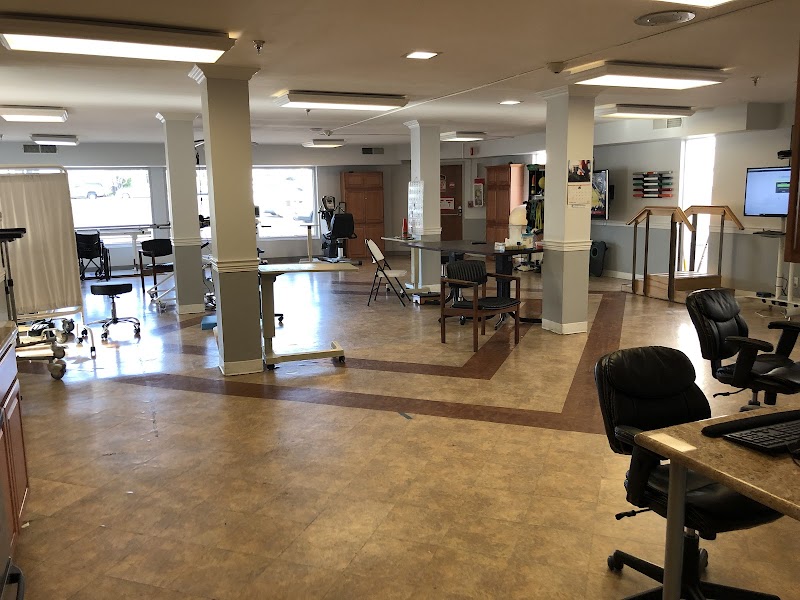
Who Owns and Operates Community?

COMMUNITY CARE CENTER is owned by a for-profit company. For-profit facilities operate as businesses with obligations to shareholders or private owners. The facility operates independently rather than as part of a larger chain. With 119 certified beds and approximately 103 residents (about 87% occupancy), it is a mid-sized facility located in LA MESA, California.
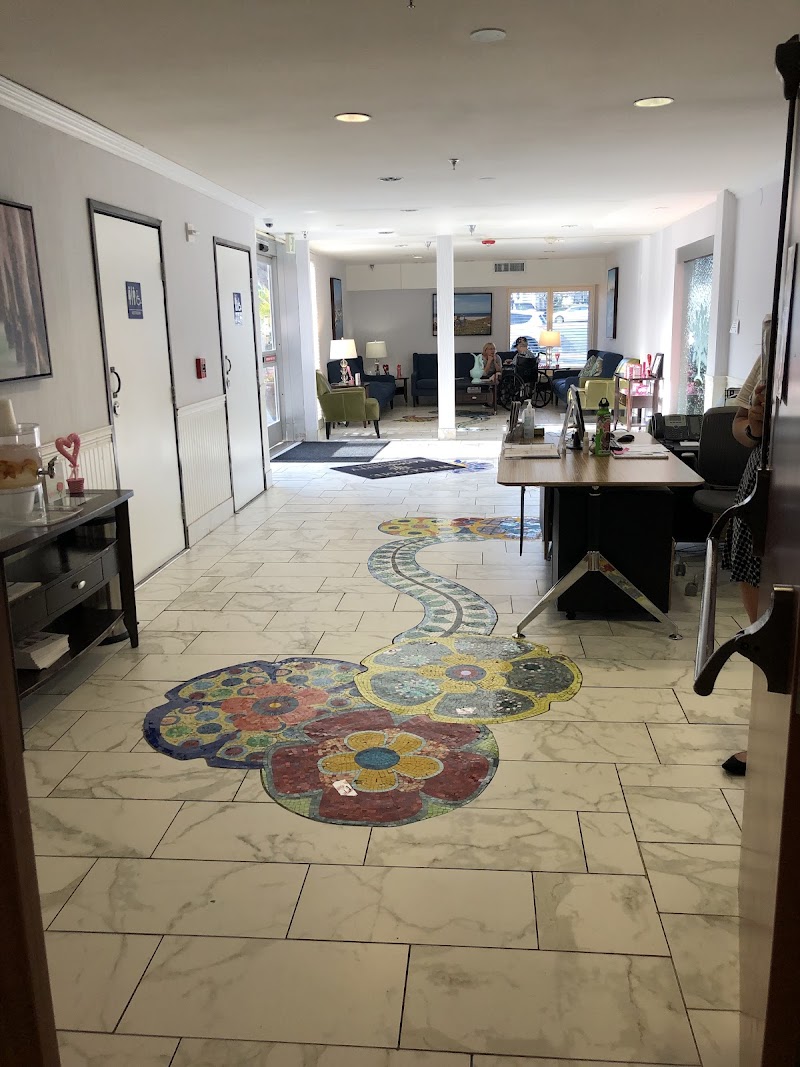
How Does Community Compare to Other California Nursing Homes?

Compared to the 100 nursing homes in California, COMMUNITY CARE CENTER's overall rating (5 stars) is above the state average of 3.2, staff turnover (41%) is near the state average of 46%, and health inspection rating (4 stars) is above the national benchmark.

What Should Families Ask When Visiting Community?

Based on this facility's data, families visiting should ask: "Can you walk me through typical staffing levels on day, evening, and night shifts?" "Can I visit during a mealtime to observe dining assistance and food quality?" "How do you handle medical emergencies, and what is your hospital transfer rate?" "Can I speak with family members of current residents about their experience?" These questions are particularly relevant given the below-average staffing rating.

Is Community Safe?

Based on CMS inspection data, COMMUNITY CARE CENTER has a clean safety record: no substantiated abuse findings (meaning no confirmed cases of resident harm), no Immediate Jeopardy citations (the most serious violation level indicating risk of serious injury or death), and is not on the Special Focus Facility watch list (a federal program monitoring the lowest-performing 1% of nursing homes). The facility has a 5-star overall rating and ranks #1 of 100 nursing homes in California. While no facility is perfect, families should still ask about staff-to-resident ratios and recent inspection results during their visit.

Do Nurses at Community Stick Around?

COMMUNITY CARE CENTER has a staff turnover rate of 41%, which is about average for California nursing homes (state average: 46%). Moderate turnover is common in nursing homes, but families should still ask about staff tenure and how the facility maintains care continuity when employees leave.

Was Community Ever Fined?

COMMUNITY CARE CENTER has no federal fines on record. CMS issues fines when nursing homes fail to meet care standards or don't correct problems found during inspections. The absence of fines suggests the facility has either maintained compliance or corrected any issues before penalties were assessed. This is a positive indicator, though families should still review recent inspection reports for the full picture.

Is Community on Any Federal Watch List?

COMMUNITY CARE CENTER is not on any federal watch list. The most significant is the Special Focus Facility (SFF) program, which identifies the bottom 1% of nursing homes nationally based on persistent, serious quality problems. Not being on this list means the facility has avoided the pattern of deficiencies that triggers enhanced federal oversight. This is a positive indicator, though families should still review the facility's inspection history directly.