COUNTRY MANOR LA MESA HEALTHCARE CENTER
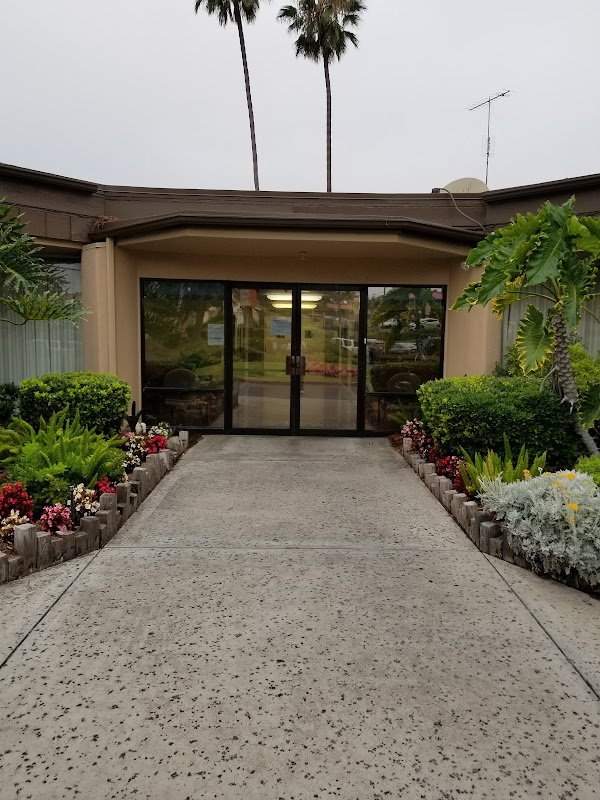
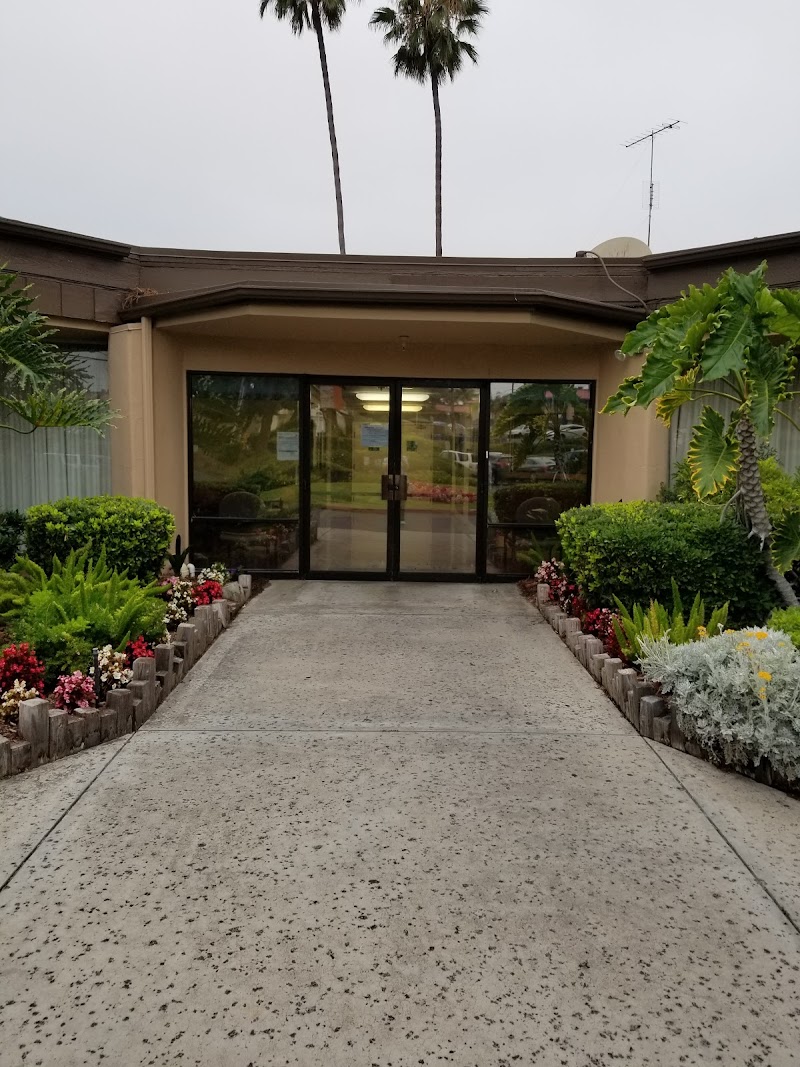
5696 LAKE MURRAY BLVD, LA MESA, CA 91942 (619) 460-7871
For profit - Limited Liability company 99 Beds CAMBRIDGE HEALTHCARE SERVICES Data: November 2025
Trust Grade
70/100
#320 of 1155 in CA
Last Inspection: January 2025

Within standard 12-15 month inspection cycle. Federal law requires annual inspections.

Overview

Country Manor La Mesa Healthcare Center has a Trust Grade of B, indicating it is a solid choice for care, though not without some concerns. It ranks #320 out of 1155 nursing facilities in California, placing it in the top half, and #40 of 81 in San Diego County, meaning only a few local options are better. However, the facility's performance is worsening, with issues increasing from 3 in 2024 to 13 in 2025. Staffing is a strength, with a 4 out of 5-star rating and a turnover rate of 32%, which is lower than the state average, indicating that staff tend to stay and are familiar with residents. Notably, there have been concerns regarding infection control practices and personal care, such as staff failing to wear proper protective equipment during COVID-19 protocols and neglecting to assist residents with grooming needs, which could affect their self-esteem. On a positive note, the facility has not incurred any fines, which suggests compliance with regulations.

Trust Score
B
70/100
In California
#320/1155
Top 27%
Safety Record
Low Risk
No red flags
Inspections
Getting Worse
3 → 13 violations
Staff Stability
○ Average
32% turnover. Near California's 48% average. Typical for the industry.
Penalties
✓ Good
No fines on record. Clean compliance history, better than most California facilities.
Skilled Nurses
○ Average
Each resident gets 30 minutes of Registered Nurse (RN) attention daily — about average for California. RNs are the most trained staff who monitor for health changes.
Violations
⚠ Watch
24 deficiencies on record. Higher than average. Multiple issues found across inspections.
★★★★☆
4.0
Overall Rating
★★★★☆
4.0
Staff Levels
★★★☆☆
3.0
Care Quality
★★★★☆
4.0
Inspection Score
Stable
2024: 3 issues
2025: 13 issues

The Good

  • 4-Star Staffing Rating · Above-average nurse staffing levels
  • Full Sprinkler Coverage · Fire safety systems throughout facility
  • No fines on record
  • Staff turnover below average (32%)

    16 points below California average of 48%

Facility shows strength in staffing levels, fire safety.

The Bad

Staff Turnover: 32%

14pts below California avg (46%)

Typical for the industry

Chain: CAMBRIDGE HEALTHCARE SERVICES

Part of a multi-facility chain

Ask about local staffing decisions and management

The Ugly 24 deficiencies on record

Mar 2025 1 deficiency
CONCERN (D) 📢 Someone Reported This

A family member, employee, or ombudsman was alarmed enough to file a formal complaint

Potential for Harm - no one hurt, but risky conditions existed

Quality of Care (Tag F0684)

Could have caused harm · This affected 1 resident

**NOTE- TERMS IN BRACKETS HAVE BEEN EDITED TO PROTECT CONFIDENTIALITY** Based on observation, interview, and record review, the facility failed to coordinate resident's care needs with the rehabilitat...

Read full inspector narrative →
**NOTE- TERMS IN BRACKETS HAVE BEEN EDITED TO PROTECT CONFIDENTIALITY** Based on observation, interview, and record review, the facility failed to coordinate resident's care needs with the rehabilitation (help residents regain strength and independence) services for one of three sampled residents (1) when Resident 1's weight-bearing status (amount of weight that can be put on an injured body part) was changed from NWB (no weight-bearing, not allowed to put any weight) to WBAT (weight-bearing as tolerated, may put weight on affected injured body parts). As a result, the physical therapist (PT- helps residents regain function and manage pain and disabilities through various treatments) was not able to promptly address Resident 1's needs, which could lead to a slower recovery. Findings: Resident 1 was admitted to the facility on [DATE] with diagnoses that included a fracture (broken bone) of the lower leg, per the admission Record. A review of Resident 1's medical record was conducted. Per the PT Discharge summary, dated [DATE], Resident 1 was discharged from PT service until the weight-bearing status changed. Per the Progress Notes, dated 11/27/24, Licensed Nurse (LN) 1 documented that Resident 1 was seen by the orthopedic doctor (a branch of doctor focused on the musculoskeletal system, including bones, joints, ligaments, tendons, and muscles), with new orders. Per the Order Summary Report, dated 11/27/24, the physician ordered Resident 1 to be on WBAT status in the boot (walking boots - lower extremity boot that provides support, protection, and ankle immobilization). On 3/12/25 at 1:30 P.M., an interview was conducted with the Director of Rehabilitation [Rehab] Services (DRD). The DRD stated Resident 1 was admitted on [DATE] with an order not to put weight on the affected leg. The DRD further stated Resident 1 had rehabilitation services until 11/14/24. The DRD stated Resident 1 would be back on rehabilitation services when weight bearing status was changed. The DRD stated they (rehabilitation services) were unaware that the weight-bearing status had changed on 11/27/24 to weight-bearing as tolerated, and the PT did not see Resident 1 until 1/3/25. On 3/12/25 at 2:52 P.M., an interview was conducted with the Director of Nursing (DON). The DON stated the LN did not inform the PT that the weight-bearing status was changed to as tolerated. The DON further stated that a communication gap had occurred, and the PT had not seen Resident 1 since Resident 1's weight bearing status had changed.
Jan 2025 3 deficiencies
CONCERN (D) 📢 Someone Reported This

A family member, employee, or ombudsman was alarmed enough to file a formal complaint

Potential for Harm - no one hurt, but risky conditions existed

Deficiency F0551 (Tag F0551)

Could have caused harm · This affected 1 resident

**NOTE- TERMS IN BRACKETS HAVE BEEN EDITED TO PROTECT CONFIDENTIALITY** Based on record review and interview, the facility failed to notify one (Resident 8) of four resident ' s representative reviewe...

Read full inspector narrative →
**NOTE- TERMS IN BRACKETS HAVE BEEN EDITED TO PROTECT CONFIDENTIALITY** Based on record review and interview, the facility failed to notify one (Resident 8) of four resident ' s representative reviewed for resident rights when: 1. The resident ' s representative was not notified of new orders for lab and a medication, 2. The resident ' s representative was not notified of a new order for insulin, 3. The resident ' s representative was not notified that the insulin was not administered according to the Nurse Practitioner ' s (NP-a registered nurse with advanced training and education qualified to treat certain medical condition without the direct supervision of a doctor) order, 4. The resident ' s representative was not notified of the NP ' s order for a medication. This failure resulted in the resident ' s representative to not be informed of Resident 8 ' s condition and the plan of care. Findings: Resident 8 was re-admitted to the facility on [DATE] with diagnoses including diabetes mellitus (too much sugar circulating in the blood) according to the facility ' s admission Record. The admission Record further indicated Resident 8 ' s daughter as POA [power of attorney- a legal document that allows someone to act on their behalf]- Care Emergency Contact #1. 1. A concurrent record review and interview was conducted on 12/18/24 at 9:57 A.M. with licensed nurse (LN) 3 at the facility ' s conference room. LN 3 reviewed progress notes for Resident 8. LN 3 stated Resident 8 ' s lab results were reported to the NP and new orders for lab and a medication was received. LN 3 stated there was no documentation that Resident 8 ' s daughter was notified of the new orders. 2. During a concurrent record review and interview on 12/18/24 at 9:57 A.M. with LN 3, LN 3 stated Resident 8 had a change in condition on 4/29/24 at 6:48 A.M. due to Resident 8 ' s blood sugar of 297. LN 3 stated according to Resident 8 ' s progress notes, a message was left for the physician. LN 3 stated the progress notes indicated at 1:43 P.M. Resident 8 asked a LN if the physician gave orders regarding his elevated blood sugar. LN 3 stated the progress notes indicated the assigned LN followed up with the NP only after Resident 8 asked. LN 3 stated the NP gave orders to check Resident 8 ' s blood sugar every meal and at bedtime; insulin per sliding scale (amount of insulin to be given based on blood sugar result). LN 3 stated the progress notes did not indicate Resident 8 ' s daughter was notified of the change in condition and the new orders. 3. During a concurrent record review and interview on 12/18/24 at 9:57 A.M. with LN 3, LN 3 stated Resident 8 ' s progress notes indicated Humalog (a fast-acting insulin) KwikPen (a disposable pre-filled pen containing insulin) was Not available on 4/29/24 at 5:42 P.M. and on 4/29/24 at 9:31 P.M. LN 3 stated the progress notes indicated the medication was On order, waiting for delivery. LN 3 stated there was no documentation to notify Resident 8 ' s representative that the medication was not administered to Resident 8. 4. During a concurrent record review and interview on 12/18/24 at 9:57 A.M. with LN 3, LN 3 stated Resident 8 ' s progress notes indicated Resident 8 ' s lab results were reported to the NP on 5/3/24 at 2:09 P.M. LN 3 stated the NP gave new orders on 5/3/24 at 2:11 P.M. LN 3 stated the progress notes did not indicate what the new orders were Resident 8 ' s representative were not notified. LN 3 further stated it was important for Resident 8 ' s family or responsible party to know what was going with the resident and the treatment plan according to physician ' s orders. An interview was conducted with the Director of Nursing (DON) on 1/9/25 at 3:16 P.M. DON stated Resident 8 ' s family should have been notified of the new physician ' s orders to be fully aware of the Resident 8 ' s care and to advocate for the resident. A review of the facility ' s policy and procedure (P&P) titled, Resident Rights Guidelines for All Nursing Procedures, dated October 2010 was reviewed. The P&P indicated, .Prior to having direct-care responsibilities for residents, staff must have appropriate in-service training on resident rights, including .Resident notification of rights, services, and health/medical condition . During a review of the facility ' s P&P titled, Change in a Resident ' s Condition or Status, dated February 2021, the P&P indicated, .Our facility promptly notifies the resident, his or her attending physician, and the resident representative of changes in the resident ' s medical/mental condition and/or status .
CONCERN (D) 📢 Someone Reported This

A family member, employee, or ombudsman was alarmed enough to file a formal complaint

Potential for Harm - no one hurt, but risky conditions existed

Quality of Care (Tag F0684)

Could have caused harm · This affected 1 resident

**NOTE- TERMS IN BRACKETS HAVE BEEN EDITED TO PROTECT CONFIDENTIALITY** Based on interview and record review the facility failed to provide a medication for an elevated blood sugar for one of four res...

Read full inspector narrative →
**NOTE- TERMS IN BRACKETS HAVE BEEN EDITED TO PROTECT CONFIDENTIALITY** Based on interview and record review the facility failed to provide a medication for an elevated blood sugar for one of four residents (Resident 8) reviewed for quality of care. This failure had the potential for further decline in Resident 8 ' s medical condition. Findings: Resident 8 was re-admitted to the facility on [DATE] with diagnoses including diabetes mellitus (too much sugar circulating in the blood) according to the facility ' s admission Record. A concurrent record review and interview was conducted on 12/18/24 at 9:57 A.M. with licensed nurse (LN) 3 at the facility ' s conference room. LN 3 reviewed progress notes (PN) for Resident 8. LN 3 stated Resident 8 had a change in condition on 4/29/24 at 6:48 A.M. due to Resident 8 ' s blood sugar of 297 and a message was left for the physician. LN 3 stated the PN indicated at 1:43 P.M., Resident 8 asked a LN if the physician gave orders regarding his elevated blood sugar. LN 3 stated the PN indicated the assigned LN followed up with the nurse practitioner (NP) only after Resident 8 asked. LN 3 stated the NP gave orders to check Resident 8 ' s blood sugar every meal and at bedtime; insulin per sliding scale (amount of insulin to be given based on blood sugar result). LN 3 stated there was no follow up documentation to re-check Resident 8 ' s blood sugar. LN 3 stated she expected for the assigned LN to re-check Resident 8 ' s blood sugar and follow up with the physician within an hour or two if he has not called for orders. A review of Resident 8 ' s physician ' s orders for April 2024 was conducted. The physician ' s orders indicated an order date of 4/29/24, 1:35 P.M. The order indicated, Humalog [fast acting insulin] KwikPen [a disposable pre-filled pen containing insulin] Subcutaneous [fatty tissue, just under the skin] Solution Pen-injector .inject as per sliding scale: if 70-130 = 0 units < [less than] 70 call MD .131-180 = 2 units; 181-240 = 4 units; 241- 300 = 6 units; 301 -350 = 8 units; 351 – 400 = 10 units; 401 – 999 = 12 units call MD .before meals and at bedtime for DM [Diabetes Mellitus] . During a concurrent record review and interview on 12/18/24 at 9:57 A.M. with licensed nurse (LN) 3, LN 3 stated the PN for Resident 8 dated 4/29/24 at 5:42 P.M. indicated, HumalOG [sic] KwikPen Subcutaneous .Pen-Injector .Inject as per sliding scale .Medication not available. On order, waiting for delivery LN 3 stated the PN dated 4/29/24 at 9:31 PM indicated, HumalOG [sic] KWIKPen . Medication not available. On order; waiting for delivery . LN 3 stated if the medication was not available, the nurse should have checked the facility ' s emergency kit (E-Kit) and notify Resident 8 ' s attending physician. The Director of Nursing (DON) entered the conference room during the interview with LN 3 and LN 3 asked the DON if there was Humalog in the emergency kit. The DON stated if the medication was not available, the nurse should notify the resident ' s physician. LN 3 checked Resident 8 ' s medication administration record (MAR) for April 2024. LN 3 stated the MAR indicated 10, a blood sugar result of 275 at 4:30 P.M. and 351 at 9 P.M. LN 3 stated 10 meant other, and it was documented in Resident 8 ' s progress notes as medication was not available. LN 3 stated there was no documentation to show that Resident 8 ' s physician or the pharmacy were not notified. A phone interview was conducted with Resident 8 ' s attending physician (MD) on 12/19/24 at 10:22 A.M. The MD stated he was not aware of the facility not having the Humalog KwikPen for Resident 8. The MD stated the facility should have called and notified him or his nurse practitioner first because the facility could have used insulin via a regular syringe. The DON was interviewed on 1/9/25 at 3:16 P.M. DON stated a change in resident ' s condition was endorsed to the next shift and if the physician has not responded, she expected the nurse to call within one hour or two to follow up. The DON stated she expected the nurse to notify the resident ' s physician if a medication was not available so the physician can order an alternate medication that was available for the resident. The facility ' s policy and procedure (P&P) titled, Administering Medications, dated April 2019 was reviewed. The P&P indicated, .Medications are administered in accordance with prescriber orders, including any required time frame . The P&P did not address when a medication was not available.
CONCERN (D) 📢 Someone Reported This

A family member, employee, or ombudsman was alarmed enough to file a formal complaint

Potential for Harm - no one hurt, but risky conditions existed

Deficiency F0692 (Tag F0692)

Could have caused harm · This affected 1 resident

**NOTE- TERMS IN BRACKETS HAVE BEEN EDITED TO PROTECT CONFIDENTIALITY** Based on interview and record review, the facility failed to promptly notify the registered dietitian (RD) and physician when on...

Read full inspector narrative →
**NOTE- TERMS IN BRACKETS HAVE BEEN EDITED TO PROTECT CONFIDENTIALITY** Based on interview and record review, the facility failed to promptly notify the registered dietitian (RD) and physician when one of four residents, (Resident 1), with a compromised medical status, consumed less than 50% of his meals for more than three consecutive days, according to facility policy and standards of practice. This failure led to further decline in Resident 1's nutrition and medical status and contributed to the resident's severe unintentional weight loss of 16 pounds (7.83%) in 16 days. Findings: Record review of Resident 1's facility's admission Record on 12/13/24 indicated the resident was admitted to the facility on [DATE], with diagnoses which included diabetes mellitus (abnormal sugar levels in the blood), chronic kidney disease (CKD 3) (inability of the kidneys to properly filter wastes out the body), hypertension (elevated blood pressure levels) and Parkinson's (a brain disorder that causes nerve cells to die). Review of Resident 1's Weights and Vitals Summary report indicated: 4/20/24 - 204 lbs. (pounds) 4/21/24 - 204 lbs. 4/30/24 - 202 lbs. 5/2/24 - 202 lbs. 5/6/24 - 188 lbs. Resident 1 experienced a 16 pound, 7.84%, severe weight loss in sixteen days from 4/20/24 - 5/6/24. Review of Resident 1's hospital discharge report dated 4/20/24 prior to the nursing home facility admission indicated high laboratory values for blood glucose= 334 mg/dL (normal 70-100 mg/dL), and low EGFR (estimated glomerular filtration rate) = 47 (normal is greater than or equal to 60). (The EGFR is a blood test to measure how well the kidneys filter wastes out). During an interview with Resident 1's FM (family member) on 11/26/24 at 9:30 AM, the FM stated Resident 1 was alert, walking, talking, and eating when he was admitted to the facility. The FM further stated she noticed Resident 1 lost a lot of weight after being in the facility less than two weeks. According to a 2002 American Academy of Family Physicians Journal article, Involuntary weight loss can lead to muscle wasting, decreased immunocompetence, (the ability for the body to develop an immune response) depression and an increased rate of disease complications. Research has shown institutionalized elderly patients who lost 5 percent of their body weight in one month were found to be four times more likely to die within one year. (www.aafp.org/afp) According to a literature review of the Academy of Nutrition & Dietetics, Nutrition Care Manual, dated 2022, .Unintended weight loss is linked to increased mortality (death) among older adults . residents in long-term-care facilities who continue losing weight have a higher mortality rate compared with those who stop losing weight. Weight loss of 5% or more within 30 days is associated with a tenfold increase in the likelihood of death . https://www.nutritioncaremanual.org/ On 11/27/24 at 11:20 A.M., a joint interview and record review was conducted with the Certified Dietary Manager (CDM) and Registered Dietitian (RD). The CDM stated she was full-time, and the RD was part-time. The CDM stated the RD provided her a daily report of residents she completed assessments on based on their medical conditions. The CDM confirmed the April 2024 Medical Nutrition Therapy Assessment Recommendations document completed by the RD, had three residents who received nutrition evaluations and recommendations from 4/20/24 to 4/30/24, but Resident 1 was one of the residents. During an interview with the RD on 12/13/24 at 11:03 AM, the RD stated she conducted initial nutrition assessments on residents when they are admitted to the facility within five to seven days. The RD stated certain residents with high-risk nutrition conditions like tube feeding (use of tubes inserted in the body to obtain liquid nutrition), poor food intake within the last few days, wounds, type 2 diabetes, kidney disease, and cancer, would be assessed typically within two to three days of admission. The RD stated she typically received a phone call or text message from nursing about residents with complicated high risk nutrition conditions within 24 or 48 hours. The RD also stated she did not receive a message from nursing about Resident 1's poor meal intake for three or more days. The RD further stated all new admits and re-admits are weighed weekly then monthly thereafter. Review of Resident 1's initial nutrition assessment completed by the RD, dated 4/25/24, indicated the resident's weight was 204 pounds, desired goal weight: 190-210 pounds, labs: 240-314 BG (blood glucose) times 3 days dated 4/25/24, estimated daily calorie and protein needs: 2318-2782 kcal (calories) and 74 - 93 grams of protein . Recommendations: will continue to monitor nutritional interventions and parameters and intervene as needed. During an interview on 12/20/24 at 10:18 AM with the resident's physician (PHYS), the PHYS stated the resident was admitted to the hospital twice, but the hospital did not provide medical recommendations after he was discharged . The PHYS further stated he was informed the resident was losing weight and had poor intake for several days when he was transferred to the hospital the second time on 5/6/24. The PHYS stated it was important for residents to receive their medications and consume an appropriate diet to stabilize their health while at the facility. Review of Resident 1's history and physical (H&P) report dated 4/23/24 completed by the PHY indicated the resident had no acute distress in general appearance and was at high risk of malnutrition. A review of Resident 1's physician's diet order dated 4/20/24 indicated RCS (reduced concentrated sweets)- refers to low intake of high sugary foods), NAS (no added salt) diet, reg (Regular) texture, thin liquids. A review of Resident 1's Nutrition Care plan initiated on 4/25/24, indicated the GOAL: .The resident will maintain adequate nutrition status as evidenced by maintaining weight with GWR (goal weight range) of 190-210 pounds, no s/sx (signs and symptoms) of malnutrition, and consuming at least 76-100% of meals .INTERVENTIONS: .Monitor/record/report to MD .s/sx of malnutrition: Emaciation (being abnormally weak or thin), muscle wasting, significant weight loss: 3 1bs in 1 week, >5% in 1 month, >7.5% in 3 months, >10% in 6 months .Provide, serve diet as ordered. Monitor intake and record q (every) meal. RD to evaluate and make diet change recommendations PRN (refers to as needed). Weekly weights x 4 weeks- Date Initiated: 05/03/2024 . On 1/8/24 at 9:20 AM, an interview was conducted with Licensed Nurse (LN) 7. LN 7 stated all residents were weighed when admitted and then monthly. LN 7 also stated if a resident had poor eating for three or more days, the nurses would encourage food preferences, alternatives, and snacks to get the resident to eat. And if the resident doesn't eat, then the RD and doctor is notified. LN 7 stated nursing used a calendar in a communication binder to alert the RD and facility's medical doctor, which is found at all nurse's stations. LN 7 further stated there's an alert entered in the resident's electronic medical chart when the resident consumes less than 50% of their meals for more than 3 days. On 1/8/24 at 9:45 AM, an interview was conducted with the Director of Nursing (DON). The DON stated residents are reweighed twice as a method to check the accuracy of the weight and it is compared to prior weight. The DON stated she has never seen a resident lose 16 pounds in four days like Resident 1 experienced from admission to 5/6/24. The DON stated the PHYS and RD should have been informed about Resident 1's poor meal intake of less than 50% for more than three days so they could have re-evaluated the resident and modify nutrition interventions. A review of Resident 1's April 2024 - May 2024 Meal Intake percentage (%) report indicated the resident consumed 26% to 50% of meals from April 27 through April 30 and zero to 25% of meals from May 2 through May 5, 2024, which resulted in the resident receiving an average of 600 fewer calories per day and an average of 40 fewer grams of protein per day to meet his estimated daily nutrition needs. A review of Resident's 1 change of condition document dated 5/2/24 completed by nursing, indicated the resident had general weakness/tiredness and unable to get out of bed when tired. Review of the facility's policy titled Care Plan, Comprehensive Person-Centered, dated March 2022, .A comprehensive, person-centered care plan that includes measurable objectives and timetables to meet the resident's physical, psychosocial and functional needs is developed and implemented for each resident. Review of the facility's policy titled Nutrition (Impaired)/Unplanned Weight loss- Clinical Protocol dated September 2017, indicated .Assessment: 1. The nursing staff will monitor and document the weight and dietary intake of resident . Cause: The physician will review for medical causes of .weight loss before ordering interventions .for example, high risk residents with acute symptoms such as vomiting, diarrhea, fever and infection, or those taking medications that may be causing .weight loss .Treatment decisions should consider an pertinent evidence and relevant issues (e.g., food intake, resident/ patient wishes, overall condition and prognosis, etc.) .The physician, with the help of the multidisciplinary team, will identify conditions and medications that may be causing .weight loss or increasing the risk of weight loss . Review of the facility's policy titled Acute Condition Changes-Clinical Protocol, dated March 2018, indicated .Assessment: .3. Direct care staff, including nursing assistants will be trained in recognizing subtle but significant changes in the resident .and how to communicate these changes to the Nurse.Treatment: The physician will help identify and authorize appropriate treatments . Review of the facility's policy titled Weighing and Measuring the Patient dated March 2011, indicated .The purposes of this procedure are to determine the resident's weight and height, to provide a baseline and an ongoing record of the resident's body weight as an indicator of the nutritional status and medical condition of the resident, and to provide a baseline height in order to determine the ideal weight of the resident . Review of the facility's policy titled Nutritional Assessment, dated 2017, indicated .1. The dietitian, in conjunction with the nursing staff and healthcare practitioners, will conduct a nutritional assessment for each resident upon admission .and as indicated by a change in condition that places the resident at risk for impaired nutrition .4. The multidisciplinary team shall identify, upon admission and upon .change of condition, the following situations that places the resident at increased risk for impaired nutrition .a. Cognitive (related to thinking, reasoning, and remembering) or functional decline .b. Chewing or swallowing abnormalities .f. Increased need for calories and/or protein .g. Poor digestion or absorption . Review of the facility's policy titled Therapeutic Diets dated October 2017, indicated .4. A 'therapeutic diet is considered a diet ordered by a physician, practitioner, or dietitian as part of treatment for a disease or clinical condition, to modify specific nutrients in the diet, or to alter the texture of a diet, for example: diabetic/calorie-controlled diet; low sodium diet; cardiac diet .8. The dietitian and nursing staff will document significant information relating to the resident's response to his/her therapeutic diet in the resident's medical record .
Jan 2025 9 deficiencies
CONCERN (D)

Potential for Harm - no one hurt, but risky conditions existed

Safe Environment (Tag F0584)

Could have caused harm · This affected 1 resident

**NOTE- TERMS IN BRACKETS HAVE BEEN EDITED TO PROTECT CONFIDENTIALITY** Based on observation and interview, the facility failed to maintain a resident's electric fan filled with gray dust for one of 1...

Read full inspector narrative →
**NOTE- TERMS IN BRACKETS HAVE BEEN EDITED TO PROTECT CONFIDENTIALITY** Based on observation and interview, the facility failed to maintain a resident's electric fan filled with gray dust for one of 18 residents reviewed for home like environment. (Resident 57) This failure had the potential to affect the resident's self-esteem living in an unkempt environment and the risk for respiratory issues from inhaling dust from the electric fan. Findings: Resident 57 was admitted to the facility on [DATE] with diagnoses including hemiplegia (total or partial paralysis of one side of the body) and hemiparesis (muscle weakness on one side of the body) following cerebral infarction (stroke) according to the facility's admission Record. During an interview and observation on 1/13/25 at 9:20 A.M., Resident 57 was in bed with a cell phone and speaker on top of the overbed table. A tall and round electric fan on the floor was turned on at the left side of the bed facing Resident 57. The electric fan was observed with thick, gray dust on the blades and on the grill covers. Resident 57 stated nobody had cleaned the electric fan but did not want to complain about it. During a review of Resident 57's Minimum Data Set (MDS-a clinical assessment tool) dated 11/11/24, the MDS indicated a Brief Interview of Mental Status (BIMS) score of 15, cognitively intact. A joint interview and observation on 1/14/25 at 2:06 P.M. with the infection preventionist (IP) was conducted. The electric fan was observed to be on and with thick, gray dust on the blades and on the grill covers. The IP stated the electric fan facing Resident 57 was dirty and needed cleaning. The IP stated the electric fan should be cleaned to prevent Resident 57 from inhaling dirt into Resident 57's lungs. The IP further stated the electric fan should have been checked by housekeeping staff and the nursing staff during daily rounds. An interview with the Maintenance Director (MN) was conducted on 1/16/25 at 9:23 A.M. The MN stated each nursing station had a deep cleaning schedule which included cleaning of bed frames, mattresses, windows, electric fans, vents, TV, and the wall perimeter. The MN stated the cleaning of resident 57's electric fan was missed. The MN stated it was important to clean resident equipment such as an electric fan to provide a sanitary and homelike environment for the resident. During an interview with the Director of Nursing (DON) on 1/16/25 at 2 P.M., the DON stated residents' electric fans should be free of dust, cleaned every week and appropriate for use for a home like environment. A review of the facility's policy and procedure (P&P) titled, Homelike Environment, dated February 2021 was conducted. The P&P indicated, .The facility staff and management maximizes .the characteristics of the facility that reflect a personalized homelike setting. These characteristics include .a. clean, sanitary and orderly environment .
CONCERN (D)

Potential for Harm - no one hurt, but risky conditions existed

Deficiency F0699 (Tag F0699)

Could have caused harm · This affected 1 resident

**NOTE- TERMS IN BRACKETS HAVE BEEN EDITED TO PROTECT CONFIDENTIALITY** Based on observation, interview and record review, the facility failed to ensure two of three residents (Resident 26 and 46) rev...

Read full inspector narrative →
**NOTE- TERMS IN BRACKETS HAVE BEEN EDITED TO PROTECT CONFIDENTIALITY** Based on observation, interview and record review, the facility failed to ensure two of three residents (Resident 26 and 46) reviewed for Trauma Informed Care (TIC - an intervention and organization approach that focuses on how trauma may affect an individual's life and his or her response to behavioral health), received care and services in accordance with professional standards when Resident 26's and 46's diagnosis of PTSD (Post-traumatic stress disorder - a disorder that may occur in people who have experienced or witnessed a traumatic event) were not identified and addressed by the facility. This failure resulted in the facility's inability to identify possible triggers that could result in re-traumatization (the reactivation of trauma symptoms via thoughts, memories, or feelings related to the past traumatic experience) that could lead to severe psychosocial harm and affect the resident's quality of life. Findings: 1. Resident 26 was admitted to the facility on [DATE] with diagnoses including hemiplegia (total or partial paralysis of one side of the body) and hemiparesis (muscle weakness on one side of the body) following cerebral infarction (stroke) and PTSD according to the facility's admission Record. During a review of psychiatry evaluation for Resident 26 dated 4/28/23 indicated diagnoses including depression and PTSD. During an observation and interview on 1/15/25 at 8:37 A.M. Resident 26 was in bed with the head of bed elevated, his left arm on his chest with his left hand closed. Resident 26 stated he was not able to move his left arm and hand. Resident 26's speech was slurred and stated he was in the Vietnam war and had been diagnosed with PTSD. Resident 26 stated he felt stressed when war movies were shown in the activity room. An interview was conducted on 1/15/25 at 8:57 A.M. with Certified Nurse Assistant (CNA) 2. CNA 2 stated Resident 26 knew his name, the place, and his situation. CNA 2 stated she was not sure if Resident 26 had PTSD but knew that Resident 26 was in the Vietnam war because Resident 26 talked about it. During an interview on 1/15/25 at 3:10 P.M. with Licensed Nurse (LN) 2, LN 2 stated he has been the regular afternoon nurse for hall four (which included Resident 26's room) for three years. LN 2, however stated he was not sure which residents in his hall had PTSD. LN 2 stated it was important to know who had PTSD and the triggers for PTSD to prevent residents from getting aggressive. During an interview on 1/15/25 at 3:16 P.M. with CNA 3, CNA 3 stated there were no residents in hall four who had PTSD. CNA 3 stated staff needed to know residents' past experiences to understand residents' behaviors. An interview was conducted on 1/15/25 at 3:24 P.M. with the Social Service Director (SSD). The SSD stated a social service resident assessment was completed prior to care conference or during care conference. The SSD stated information regarding PTSD was documented in the resident's care plan which flowed to the CNA's [NAME] (electronic medical record for CNAs with resident information). The SSD further stated it was expected for all staff to know the triggers for residents with PTSD. A concurrent record review and interview with the Director of Staff Development (DSD- a licensed nurse certified for staff training) was conducted on 1/15/25 at 3:45 P.M. The DSD showed the [NAME] for Resident 26 on a small tablet used by the CNAs. The [NAME] did not list Resident 26 as having a diagnosis of PTSD. The DSD stated it was important for staff to know who had a diagnosis of PTSD to know triggers and understand resident's behaviors. 2. Resident 46 was admitted to the facility on [DATE] with diagnoses including PTSD and major depressive disorder according to the facility's admission Record. During a review of the physician's history and physical (H&P) for Resident 46 dated 11/30/22, the H&P indicated Resident 26 had a diagnosis of PTSD. A review of social service assessment dated [DATE] indicated Resident 46 experienced trauma during active military service in Vietnam, experienced racism in the military and with significant exposure to death and violence. During observation and interview on 1/15/25 at 8:33 A.M., Resident 46 was in bed and stated he just finished breakfast. Resident 46 stated he was in the military and was in the war. An interview was conducted on 1/15/25 at 8:57 A.M. with Certified Nurse Assistant (CNA) 2. CNA 2 stated Resident 46 was independent with activities of daily living (ADL) except for toileting and transfers out of bed. CNA 2 stated Resident 46 was oriented to his name, place, and his situation. CNA 2 stated Resident 46 was a veteran but was unsure if Resident 46 had the diagnosis of PTSD. During an interview on 1/15/25 at 3:10 P.M. with Licensed Nurse (LN) 2, LN 2 stated he has been the regular afternoon nurse for hall four (which included Resident 46's room) for three years. LN 2 however stated he was not sure which residents in his hall had PTSD. LN 2 stated it was important to know who had PTSD and the triggers for PTSD to prevent residents from getting aggressive. During an interview on 1/15/25 at 3:16 P.M. with CNA 3, CNA 3 stated there were no residents in hall four who had PTSD. CNA 3 stated staff needed to know residents' past experiences to understand residents' behaviors. An interview was conducted on 1/15/25 at 3:24 P.M. with the Social Service Director (SSD). The SSD stated a social service resident assessment was completed prior to care conference or during care conference. The SSD stated information regarding PTSD was documented in the resident's care plan which flowed to the CNA's [NAME] (electronic medical record for CNAs with resident information). The SSD further stated it was expected for all staff to know the triggers for residents with PTSD. A concurrent record review and interview with the Director of Staff Development (DSD- a licensed nurse certified for staff training) was conducted on 1/15/25 at 3:45 P.M. The DSD showed the [NAME] for Resident 46 on a small tablet used by the CNAs. The [NAME] did not list Resident 46 as having a diagnosis of PTSD. The DSD stated it was important for staff to know who had a diagnosis of PTSD to know triggers and understand resident's behaviors. An interview was conducted on 1/16/25 at 2 P.M. with the Director of Nursing (DON). The DON stated all staff must be aware of triggering factors for residents with PTSD to avoid past experiences. The DON stated residents with PTSD must be approached in a calm manner and staff must explain procedures prior to care. During a review of the facility's policy and procedure (P&P) titled Trauma Informed Care, dated March 2019, the P&P indicated, .Purpose .To guide staff in appropriate and compassionate care specific to individuals who have experienced trauma .All staff are provided in-service training about trauma, its impact on health, and post-traumatic stress disorder . Trauma-informed care is culturally sensitive and person-centered .Caregivers are taught strategies to help eliminate, mitigate or sensitively address a resident's triggers .Resident-Care Strategies .As part of the comprehensive assessment, identify history of trauma or interpersonal violence .Identify past trauma or adverse experiences .
CONCERN (D)

Potential for Harm - no one hurt, but risky conditions existed

Deficiency F0757 (Tag F0757)

Could have caused harm · This affected 1 resident

**NOTE- TERMS IN BRACKETS HAVE BEEN EDITED TO PROTECT CONFIDENTIALITY** Based on interview and record review, the facility failed to indicate the appropriate indication for the use of anticoagulant (b...

Read full inspector narrative →
**NOTE- TERMS IN BRACKETS HAVE BEEN EDITED TO PROTECT CONFIDENTIALITY** Based on interview and record review, the facility failed to indicate the appropriate indication for the use of anticoagulant (blood thinner) medication for one of three residents (Resident 51) reviewed for unnecessary medications. This failure had the potential for unnecessary medication use and had the potential to negatively impact the resident's well-being. Findings: A review of Resident 51's admission Record indicated Resident 51 was admitted to the facility on [DATE], with diagnoses which included atrial fibrillation (A-fib, irregular and rapid heartbeat). On 1/13/25, a review of Resident 51's physician order dated 9/30/23 indicated the following order: - Apixaban (blood thinner medication) for blood thinner. On 1/15/25 at 11:59 A.M., a concurrent review of Resident 51's clinical record and an interview with Licensed Nurse (LN) 11 was conducted. LN 11 stated there was a physician's order of Apixaban for Resident 51 on 9/30/23 and the indication for its use was for blood thinner. LN 11 stated there should be a clear indication for the use of Apixaban for Resident 51 like A-fib. LN 11 stated the LNs should have verified with the attending physician what was the Apixaban intended for. On 1/15/25 at 3:40 P.M., an interview with the Director of Nursing (DON) was conducted. The DON stated the expectation was for every medication, there should be the right diagnosis and the right indication. A review of the facility's policy titled, Administering Medication, revised April 2019, was conducted. The policy did not indicate verification of indication of the medication.
CONCERN (D)

Potential for Harm - no one hurt, but risky conditions existed

Medication Errors (Tag F0758)

Could have caused harm · This affected 1 resident

**NOTE- TERMS IN BRACKETS HAVE BEEN EDITED TO PROTECT CONFIDENTIALITY** Based on observations, interviews, and record review, the facility failed to indicate the appropriate and measurable target beha...

Read full inspector narrative →
**NOTE- TERMS IN BRACKETS HAVE BEEN EDITED TO PROTECT CONFIDENTIALITY** Based on observations, interviews, and record review, the facility failed to indicate the appropriate and measurable target behavior of antipsychotic (medication used to treat the symptoms of mental illness) medication and psychotropic (mind-altering medications) medication for two of six residents reviewed for unnecessary psychotropic medication use (Resident 6 and Resident 52). This failure had the potential for unnecessary psychotropic medication use, its side effects, and a decline for residents psychological and mental well-being. Findings: 1. A review of Resident 6's admission Record indicated Resident 6 was readmitted to the facility on [DATE] with diagnoses which included psychosis (mental illness). A review of Resident 6's physician order dated 7/9/24 indicated the following order: - Risperidone tablet for psychosis. AEB [sic, as evidenced by]: repetitive health concern. On 1/14/25 at 2:26 P.M., an interview was conducted with Certified Nursing Assistant (CNA) 11, outside Resident 6's room. CNA 11 stated she was familiar with Resident 6. CNA 11 stated Resident 6 was unable to communicate her needs, no behaviors, and no behavioral monitoring that was relayed to the staff to observe. On 1/15/25 at 10:43 A.M., a concurrent review of Resident 6's clinical record and an interview was conducted with Licensed Nurse (LN) 11. LN 11 stated Resident 6 had a period of confusion and forgetfulness. LN 11 stated Resident 6 had a physician's order of risperidone and was indicated for psychosis. LN 11 stated the target behavior indicated for risperidone was to monitor Resident 6' repetitive health concern. LN 11 stated there should be a specific target behavior for the use of risperidone. LN 11 stated the care plan, and the target behavior should match the behavior being monitored for Resident 6. On 1/15/25 at 3:40 P.M., an interview with the Director of Nursing (DON) was conducted. The DON stated the expectation was to indicate the target behavior being monitored for the use of psychotropic medications. The DON stated the target behavior should be measurable and should match what the resident manifested. The DON stated these were important to identify if the resident still needed the medication. A review of the facility's policy, titled Psychotropic Medication Use, revised July 2022, indicated, Residents will not receive medications that are not clinically indicated to treat a specific condition .2. Drugs in the following categories are considered psychotropic medications and are subject to .monitoring, and review requirements specific to psychotropic medications: .a. Anti-psychotics . 2. A review of Resident 52's admission Record indicated Resident 52 was readmitted to the facility on [DATE] with diagnoses which included major depressive disorder (a mood disorder that causes a persistent feeling of sadness and loss of interest). A review of Resident 52's physician order dated 5/15/24 indicated the following order: - Divalproex Sodium 3 capsules one time a day for feeling happy and upbeat to feeling sad and impulsiveness. - Divalproex Sodium 5 capsules at bedtime for feeling happy and upbeat to feeling sad and impulsiveness. - Monitor behaviors of feeling happy and upbeat to feeling sad and impulsiveness every shift. On 1/13/25 at 10:12 A.M., an observation of Resident 52 was conducted in her room. Resident 52 laid in bed and did not respond to her name. On 1/14/25 at 1:49 P.M., a follow up observation and an interview of Resident 52 was conducted in her room. Resident 52 was watching TV, was making incomprehensible sounds and was unable to express herself. On 1/14/25 at 2:32 P.M., an interview was conducted with Certified Nursing Assistant (CNA) 11. CNA 11 stated Resident 52 was unable to converse, and she talked to the television. CNA 11 stated Resident 52 would pinch, grab, and scratch the staff while staff provided care to Resident 52. CNA 11 stated the Licensed Nurses (LNs) measured the number of behaviors the resident exhibited. On 1/15/25 at 12:07 P.M., a concurrent review of Resident 52's clinical record and an interview was conducted with Licensed Nurse (LN) 11. LN 11 stated Resident 52 barely reacted to people and that Resident 52 easily screams. LN 11 stated Resident 52 was on divalproex sodium and the target behavior for the staff to monitor was for feeling happy and upbeat to feeling sad and impulsiveness. LN 11 stated she was confused as to what was the specific behavior Resident 52 exhibited. LN 11 stated there should be specific behavior the resident manifested to indicate if the resident still needed the medication. On 1/15/25 at 3:40 P.M., an interview with the Director of Nursing (DON) was conducted. The DON stated the expectation was to indicate the target behavior being monitored for the use of psychotropic medications. The DON stated the target behavior should be measurable and should match what the resident manifested. The DON stated these were important to identify if the resident still needed the medication. A review of the facility's policy, titled Psychotropic Medication Use, revised July 2022, indicated, Residents will not receive medications that are not clinically indicated to treat a specific condition 1. A psychotropic medication is any medication that affects the brain activity associated with mental processes and behavior .2. Drugs .are considered psychotropic medications and are subject to .monitoring, and review requirements specific to psychotropic medications .
CONCERN (D)

Potential for Harm - no one hurt, but risky conditions existed

Deficiency F0849 (Tag F0849)

Could have caused harm · This affected 1 resident

**NOTE- TERMS IN BRACKETS HAVE BEEN EDITED TO PROTECT CONFIDENTIALITY** Based on observation, interview, and record review the facility failed to ensure provision of hospice services (a special kind o...

Read full inspector narrative →
**NOTE- TERMS IN BRACKETS HAVE BEEN EDITED TO PROTECT CONFIDENTIALITY** Based on observation, interview, and record review the facility failed to ensure provision of hospice services (a special kind of care that focuses on a person's quality of life and dignity as they near the end of their life) for one of two residents (Resident 67) reviewed for hospice when: 1. The facility did not have documentation of hospice staff visits, 2. There was no schedule when a resident will be visited by hospice staff, 3. The facility did not have an agreement with the hospice agency. This failure had the potential to put Resident 67 at risk for uncoordinated medical care between the facility and the hospice agency. In addition, Resident 67's ADL need for grooming was not met. Findings: Resident 67 was admitted to the facility on [DATE] with diagnoses including chronic respiratory failure with hypercapnia (a condition where there is not enough oxygen or too much carbon dioxide in the body) according to the facility's admission Record. 1. During a review of Resident 67's physician's orders for January 2025, the physician's orders indicated, Admit to .Hospice ., dated 11/25/24. An observation and interview was conducted with Resident 67 on 1/13/25 at 10:17 A.M. Resident 67 was observed in bed watching TV. Resident 67 was observed with a thick beard and moustache. Resident 67 stated he needed his shaver adjusted because he would like his beard and moustache trimmed. Resident 67 stated his moustache was growing into his nose, it was uncomfortable, and nobody had offered to trim it. Resident 67 stated he had hospice services, but he was not sure why he was on hospice. A concurrent record review and interview on 1/14/15 at 1:50 P.M. with Licensed Nurses (LN) 1 and LN 2 was conducted. LN 1 showed the hospice binder for Resident 67. LN 1 stated there was a hospice nurse who visited Resident 67 on 1/13/25 but have not seen any home health aides (HHA) or certified nurse assistants. LN 2 stated he had not seen any hospice staff visit Resident 67. LN 1 stated there was no documentation in the hospice binder or the nursing progress notes that a hospice nurse visited Resident 67 on 1/13/25. LN 1 stated there was only a LN documentation for 1/6/24 and a chaplain's visit on 1/9/25. A phone interview was conducted on 1/14/25 at 3:11 P.M. with the Hospice Licensed Nurse (HLN). The HLN stated she was familiar with Resident 67 and had visited Resident 67 yesterday, 1/13/25. The HLN stated a LN and HHA visited Resident 67 twice a week and documented their visits on the hospice electronic medical record (EMR). The HLN stated there were communication sheets with documentation by the LN and/or the HHA in the hospice binder for the facility to review. The HLN stated she did not document on the communication sheet regarding the 1/13/25 visit for Resident 67. The HLN stated documentation was missed if there was no documentation of the visits in Resident 67's hospice binder. The HLN further stated it was important to communicate hospice care provided to Resident 67. 2. During a concurrent record review and interview on 1/14/15 at 1:50 P.M. with Licensed Nurse (LN) 1, LN 1 showed the hospice binder for Resident 67. LN 1 showed a December 2024 calendar which indicated signatures on 12/4/24, 12/17/24, 12/18/24 and 12/25/24. The bottom of the calendar had a handwritten month of January 2025 and signatures for 1/8/25 and 1/9/25. LN 1 stated the signatures indicated the dates hospice staff visited Resident 67. LN 1 stated the calendar only indicated the hospice staff visited once a week or less. During a phone interview on 1/14/25 at 3:11 P.M. with the Hospice Licensed Nurse (HLN), the HLN stated the hospice binder for Resident 67 had a calendar which outlined the expected days hospice staff were going to visit Resident 67. The HLN stated a LN and HHA visited Resident 67 twice a week and documented their visits on the hospice electronic medical record (EMR). The HLN stated for changes in schedule, the hospice staff would communicate to the facility staff and make the change on the calendar. 3. During a review of the survey entrance records for hospice agreements, there was no agreement found for Resident 67's hospice service. During a concurrent record review and interview on 1/14/15 at 1:50 P.M. with Licensed nurse (LN) 1, LN 1 showed the hospice binder for Resident 67 and there was no hospice agreement in the binder. An interview with the Director of Nursing (DON) was conducted on 1/16/25 at 2 P.M. The DON stated it was important to have collaboration of care with hospice services. The DON stated her expectation was to be in on the same page with hospice, collaborate the plan of care and to provide comfort for the resident. The DON stated a schedule of visits on a calendar and documentation of care provided to the resident should be completed. The DON further stated the facility should have an agreement with hospice agreeing to care for the resident, monitor, observe, implement procedures, and follow facility policies. A review of the facility's policy and procedure (P&P) titled, Hospice Program, dated July 2017 was conducted. The P&P indicated, .Hospice providers who contract with this facility .must have a written agreement with the facility outlining [in detail] the responsibilities of the facility and the hospice agency .Our facility has designated [this area was blank] .to coordinate care provided to the resident by our facility staff and the hospice staff .He or she is responsible for .Collaborating with hospice representatives and coordinating facility staff participation in the hospice care planning process for residents receiving these services .Communicating with hospice representatives and other healthcare providers participating in the provision of care .to ensure quality of care for the residents and family .Obtaining the following information from the hospice .The most recent hospice plan of care specific to each resident .
CONCERN (D)

Potential for Harm - no one hurt, but risky conditions existed

Infection Control (Tag F0880)

Could have caused harm · This affected 1 resident

**NOTE- TERMS IN BRACKETS HAVE BEEN EDITED TO PROTECT CONFIDENTIALITY** Based on observations, interview, and record review the facility failed to ensure infection control procedures were followed whe...

Read full inspector narrative →
**NOTE- TERMS IN BRACKETS HAVE BEEN EDITED TO PROTECT CONFIDENTIALITY** Based on observations, interview, and record review the facility failed to ensure infection control procedures were followed when a Licensed Nurse (LN) 12 did not wear a gown for Resident 55 with enhanced barrier precautions (EBP - involves gown and glove use during high-contact resident care activities for residents [example: residents with medical devices]), and perform hand hygiene (the practice of cleaning hands to remove germs, dirt, or other harmful substances) consistently after removing his gloves while passing medication (med/s) during med pass observation. These failures had the potential for cross contamination, spread of infection and Resident 55's decline of health. Findings: A review of Resident 55's admission Record indicated Resident 55 was admitted to the facility on [DATE], with diagnoses which included Resident 55 had a gastrostomy tube (g-tube, a surgical opening fitted with a device to allow feedings/ meds to be administered directly to the stomach common for people with swallowing problems). On 1/15/25 at 8 A.M., an observation and an interview were conducted with Licensed Nurse (LN) 12 while preparing medications for Resident 55. There was an EBP sign attached to Resident 55's door. LN 12 stated he will check Resident 55's vital signs. LN 12 checked Resident 55's vital signs without putting a gown. On 1/15/25 at 8:12 A.M., another observation of LN 12 was conducted. LN 12 went back to Resident 55's room and checked Resident 55's g-tube placement without putting a gown. On 1/15/25 at 8:36 A.M., an observation was conducted of LN 12 while preparing Resident 55's medications. LN 12 put gloves on, removed a gown from the wall, took out the gown from the plastic package, placed the plastic package in the trash bin with his gloves, opened the trash bin with gloved hands, put the gown to himself, moved the trash bin with gloved hand, did not remove his gloves, went to Resident 55's room and proceeded to give the medications to Resident 55. LN 12 instilled medication drops to Resident 55's eyes then gave the medications to Resident 55 via the g-tube. On 1/15/25 at 12:30 P.M., an interview was conducted with LN 12. LN 12 stated when providing care to residents with EBP, staff were required to wear PPE, such as giving meds, checking residents' vital signs and peri care to prevent cross contamination. LN 12 stated any direct contact to residents with EBP required PPE use. LN 12 stated he forgot to wear a gown when he checked Resident 55's vital signs and g-tube placement. LN 12 stated he did not realize he did not perform hand hygiene and changed gloves when he touched the trash bin and gave Resident 55 his medications. LN 12 stated the trash bin was considered dirty. On 1/15/25 at 3:40 P.M., an interview with the Director of Nursing (DON) was conducted. The DON stated the expectation was for the staff to follow the procedures on EBP, to perform hand hygiene and changed gloves when gloves were contaminated to prevent infection because residents were prone to getting an infection. A review of the facility's policy titled, Enhanced Barrier Precautions, revised August 2022, indicated, .1. Enhanced barrier precautions (EBP) are used as an infection prevention and control interventions to reduce the spread of multi-drug resistant organisms (MDROs) to residents. 2. EBPs employ targeted gown and glove use during high contact resident care activities .3. Examples of high-contact resident care activities .include .g. device care or use ( .feeding tube .) . A review of the facility's policy titled, Handwashing/ Hand Hygiene, revised October 2023, indicated, The facility considers hand hygiene the primary means to prevent the spread of healthcare-associated infections .Indications for hand hygiene .e. after touching the resident's environment .
CONCERN (E)

Potential for Harm - no one hurt, but risky conditions existed

ADL Care (Tag F0677)

Could have caused harm · This affected multiple residents

**NOTE- TERMS IN BRACKETS HAVE BEEN EDITED TO PROTECT CONFIDENTIALITY** Based on observation, interview, and record review, the facility failed to ensure three of six residents, who were unable to car...

Read full inspector narrative →
**NOTE- TERMS IN BRACKETS HAVE BEEN EDITED TO PROTECT CONFIDENTIALITY** Based on observation, interview, and record review, the facility failed to ensure three of six residents, who were unable to carry out activities of daily living (ADL-self- care activities such as grooming, bathing, and toileting), received assistance with nail care (cleaning, trimming and/or filing of nails) and shaving. (Resident 21, 57 and 67) This failure resulted in residents having long, dirty fingernails, a thick beard and moustache which had the potential to negatively impact the residents' self-esteem and comfort. Findings: 1. Resident 21 was admitted to the facility on [DATE] with diagnoses including hemiplegia (a total or partial paralysis of one side of the body) and hemiparesis (muscle weakness on one side of the body) following unspecified cerebrovascular disease (stroke) according to the facility's admission Record. An observation and interview was conducted with Resident 21 on 1/13/25 at 9:51 A.M. Resident 21 was in bed and was observed with fingernails that were long. Resident 21 showed both hands with long fingernails and with black debris under the fingernails. Resident 21 stated he would like his fingernails to be trimmed because he was unable to trim them himself. A concurrent observation and interview with licensed nurse (LN) 1 was conducted on 1/14/25 at 2:14 P.M. in Resident 21's room. Resident 21 showed his fingernails to LN 1 and stated they were long, dirty, and needed trimming. LN 1 stated it was her expectation for Certified Nurse Assistants (CNAs) to provide nail care and shaving every Sunday and as needed upon admission to the facility. LN 1 stated Resident 21's fingernails have not been trimmed weekly. LN 1 further stated Resident 21's fingernails should be trimmed and cleaned because Resident 21 used his hands to eat and the dirt may cause infection. During a review of a care plan for Resident 21, the care plan revised on 5/10/24 indicated, .ADL maintenance as manifested by .Personal hygiene [Extensive] with [1] staff .Interventions .assist to wash face, brush teeth, comb hair, shave, apply lotion, etc . 2. Resident 57 was admitted to the facility on [DATE] with diagnoses including hemiplegia (total or partial paralysis of one side of the body) and hemiparesis (muscle weakness on one side of the body) following cerebral infarction (stroke) according to the facility's admission Record. During an interview and observation on 1/13/25 at 9:20 A.M., Resident 57 was in bed with a cell phone and speaker on top of the overbed table. Resident 57 stated he was not able to open his left hand due to a stroke. Resident 57 showed his left hand which was closed and with long fingernails. A concurrent observation and interview was conducted on 1/14/25 at 2:12 P.M. with the Infection Preventionist (IP) in Resident 57's room. Resident 57 showed the IP his long fingernails. The IP stated it was a daily routine for staff to check resident's grooming to promote resident's well-being. The IP stated Resident 57's fingernails were missed for trimming. During a review of a care plan for Resident 57, the care plan revised on 9/22/24 indicated, .Interventions .ADL maintenance as manifested by .personal hygiene [E-extensive] with [1] staff .revision 6/29/21 .encourage increase participation with ADL. Assist as needed .Date initiated 6/13/21 . 3. Resident 67 was admitted to the facility on [DATE] with diagnoses including encounter for palliative care (medical care focused on providing relief from pain and other symptoms of a serious illness) and paraplegia (inability to voluntarily move the lower parts of the body), unspecified according to the facility's admission Record. An observation and interview was conducted with Resident 67 on 1/13/25 at 10:17 A.M. Resident 67 was observed in bed watching TV. Resident 67 was observed with a thick beard and moustache. Resident 67 stated he needed his shaver adjusted because he would like his beard and moustache trimmed. Resident 67 stated his moustache was growing into his nose and it was uncomfortable. An interview and joint observation was conducted with Certified Nurse Assistant (CNA) 1 on 1/14/25 at 2:01 P.M. CNA 1 stated grooming for residents were completed twice a week during showers and as needed. Resident 67 stated his moustache was so long that it was entering his nostrils and showed his fingernails to CNA 1. CNA 1 stated resident should have been assisted with moustache and fingernail trimming. During a review of a care plan for Resident 67, the care plan revised on 11/30/24 indicated, .ADL maintenance as manifested by .personal hygiene [supervision] with [1-] staff .Interventions .assist to wash face, brush teeth, comb hair, shave, apply lotion, etc . An interview was conducted on 1/16/25 at 2 P.M. with the Director of Nursing (DON). The DON stated staff needed to ensure residents' nails were trimmed every Sunday and shaved during shower days. The DON stated it was important to increase residents' self-esteem with the expectation for residents to be presentable and well-groomed. A review of the facility's policy and procedure (P&P) titled, Activities of Daily Living [ADL], Supporting, dated March 2018 was conducted. The P&P indicated, .Residents who are unable to carry out activities of daily living independently will receive the services necessary to maintain good nutrition, grooming and personal and oral hygiene .
CONCERN (E)

Potential for Harm - no one hurt, but risky conditions existed

Food Safety (Tag F0812)

Could have caused harm · This affected multiple residents

Based on observation and interview, the facility failed to ensure the kitchen staff followed a recipe during food preparation. As a result, there was a potential the taste of the food was affected. Fi...

Read full inspector narrative →
Based on observation and interview, the facility failed to ensure the kitchen staff followed a recipe during food preparation. As a result, there was a potential the taste of the food was affected. Findings: On 1/14/25 at 10:53 A.M., a concurrent observation of pureed (liquidized/crushed) food preparation, interview, and recipe review was conducted with [NAME] (CK) 1. A review of the recipe for the lunch menu indicated CK 1 was supposed to add 1/8 teaspoon (tsp) of margarine to the pureed food. CK 1 was observed to have used the ¼ tsp measuring spoon to add the margarine. CK 1 stated she just used less than the ¼ tsp to measure the margarine. CK 1 stated the recipe needed to be followed. On 1/14/25 at 11:09 A.M., an interview with the Dietary Manager (DM) was conducted. The DM stated if the staff did not follow the recipe, it can affect the taste of the food. Per the facility's policy and procedure titled, Standardized Recipes revised April 2007, Policy Statement Standardized recipes shall be .used in the preparation of foods.
CONCERN (E)

Potential for Harm - no one hurt, but risky conditions existed

Deficiency F0865 (Tag F0865)

Could have caused harm · This affected multiple residents

Based on interview and record review the facility's Quality Assessment and Assurance Committee (QAA-facility group that monitors concerning trends in a facility) failed to identify and include in the ...

Read full inspector narrative →
Based on interview and record review the facility's Quality Assessment and Assurance Committee (QAA-facility group that monitors concerning trends in a facility) failed to identify and include in the facility's Quality Assurance Performance Improvement plan (QAPI-plan developed by QAA to help improve conditions in the facility) deficient trends found by surveyors during the recertification survey concerning grooming/hygiene and the management of residents with Post Traumatic Stress Disorder (PTSD- a mental health condition that's caused by an extremely stressful or terrifying event - either being part of it or witnessing it). This failure had the potential for facility to overlook trends in resident care that might have affected residents' health and quality of life. Cross Reference: F677, F699 Findings: On 1/16/25 at 1:32 P.M., a concurrent interview with the Administrator (ADM), the Infection Preventionist (IP) and the Director of Nursing (DON) and a review of QAPI program was conducted. The ADM stated that the main areas that the QAPI team were monitoring were falls, pressure ulcers and infection control monitoring of hand hygiene and PPE usage. During the recertification survey, deficient trends in basic grooming (nailcare and beard care) and the staff's lack of knowledge about caring for Post Traumatic Stress Disorder residents were found. The ADM stated that neither of these trends had been identified by the QAA Committee and/or included in the QAPI plan. On 1/16/25 at 1:40 P.M., an interview with the ADM was conducted. The ADM stated that the expectation was the QAA Committee should have identified the trends that were identified by the surveyors. In addition, the ADM stated the deficient trends should have been included in the QAPI plan. The ADM stated the importance of QAA Committee identifying deficient trends and including them in the QAPI plan was to promote the highest standard of care for their residents. On 1/16/25 at 1:50 P.M., an interview with the DON was conducted. The DON stated that the expectation was that the QAA Committee should have identified the trends identified by surveyors. In addition, the DON stated the deficient trends should have been included in the QAPI plan. The DON stated the importance of QAA Committee identifying trends was to maintain residents' dignity (for grooming/hygiene) and to promote the highest standard of care for their residents with PTSD. Review of facility policy titled Quality Assurance and Performance Improvement dated February 2020 indicated .The objectives of the QAPI Program are to 1. Provide a means to measure current and potential indicators for outcomes of care and quality of life. 2. Provide a means to establish and implement performance improvement projects to correct identified negative or problematic indicators. 3. Reinforce and build effective systems and processes related to the delivery of quality care and services. 4. Establish systems through which to monitor and evaluate corrective actions .The QAPI plan describes the process for identifying and correcting quality deficiencies. Key components of this process include: .C. Identifying and prioritizing quality deficiencies
Sept 2024 3 deficiencies
CONCERN (D) 📢 Someone Reported This

A family member, employee, or ombudsman was alarmed enough to file a formal complaint

Potential for Harm - no one hurt, but risky conditions existed

Deficiency F0658 (Tag F0658)

Could have caused harm · This affected 1 resident

**NOTE- TERMS IN BRACKETS HAVE BEEN EDITED TO PROTECT CONFIDENTIALITY** Based on interview and record review the facility failed to follow the professional nursing standards of practice when: 1. Nursi...

Read full inspector narrative →
**NOTE- TERMS IN BRACKETS HAVE BEEN EDITED TO PROTECT CONFIDENTIALITY** Based on interview and record review the facility failed to follow the professional nursing standards of practice when: 1. Nursing staff failed to notify the physician when a blood sugar (the concentration of glucose in the blood) level was over 250 milligrams per deciliter (mg/dl- normal range is 70 -100 mg/dl), for one of four residents (Resident 1), reviewed for following the physician ' s plan of care; and, 2. Nursing staff did not use standard medical abbreviations to describe specific body sites of where a subcutaneous injection (medication administered into the fatty tissue, just under the skin) of insulin (a hormone our body produces to keep our blood glucose levels within the normal range), for two of four residents (Residents 1 and 2), reviewed for services meeting professional standards of practice. As a result: 1. Resident 1 ' s elevated blood sugar was not immediately reported and treated by the physician, which had the potential for medical complications and delayed healing; and, 2. Medically abbreviated injection sites were not clearly identified, which resulted in repeat injections around the same site, resulting in the potential for decreased absorption, bruising, and pain. Findings: 1. Resident 1 was admitted to the facility on [DATE], with diagnoses which included diabetes mellitus (abnormal sugar levels in the blood), per the facility ' s admission Record. On 8/5/24, Resident 1 ' s clinical record was reviewed: According to the physician ' s order, dated 4/20/24, check random blood sugar via fingerstick (when a finger is pricked to obtain a drop of blood for testing), twice a day (scheduled for 6:30 A.M. and 6:30 P.M.) before meals. Notify medical doctor if less than 70 or greater than 250, two times a day. The facility ' s Medication Administration Record (MAR) was reviewed from April 1 through April 29, 2024, for blood sugar checks twice a day. Six out of 18 blood sugar checks had levels recorded over 250. According to the care plan titled, Risk for hypoglycemia/hyperglycemia (low and high blood sugar) related to Diabetes Mellitus, dated 4/20/24, interventions listed included blood sugar checks as ordered by the physician, random blood sugar checks via fingerstick before meals. Notify medical doctor if less than 70 or greater than 250. The nurses ' progress notes were reviewed on days the blood sugar was recorded to be over 250 (three times on 6:30 A.M., and three times on 6:30 P.M.), and there was no documented evidence the physician was called. An interview was conducted with LN 5 on 8/6/24 at 1:16 P.M. LN 5 stated it was important to follow the physician ' s order for blood sugar checks, because the physician might want the nurse to administer or hold the insulin. LN 5 stated if blood sugar levels were out of the normal range in which the physician was monitoring, the nurse was expected to document that the physician was notified and document any new orders received by the nurse. An interview and record review was conducted with the Director of Nursing (DON) on 8/5/24 at 1:23 P.M. The DON stated she expected the LNs to notify the physician, if the blood sugars were outside of the parameters (normal range) set by the physician. The DON reviewed Resident 1 ' s MAR and nursing progress notes for April 2024, and stated there were no nurses ' notes on 4/21/24, 4/23/24, 4/24/24, and 4/27/24, indicating the physician was notified by staff when the blood sugar levels were over 250. According to the facility ' s policy, titled Nursing Care of the Older Adult with Diabetes Mellitus, dated November 2020, . The provider will order the frequency of glucose monitoring and establish appropriate targets for individual residents .6.Establish provider notifications protocols, for example: a. Call provider immediately if resident is hypoglycemic (<70 mg/dl). b .(2) blood glucose levels are >250 mg/dl . 2. a. Resident 1 was admitted to the facility on [DATE], with diagnoses which included diabetes mellitus (abnormal sugar levels in the blood), per the facility ' s admission Record. On 8/5/24, Resident 1 ' s clinical record was reviewed: According to the physician ' s order, dated 4/20/24, Insulin Glargine Subcutaneous Solution 100 units/milliliters, inject 35 units subcutaneously at bedtime (scheduled for 9 P.M.) According to the care plan, titled Risk Hypoglycemia/Hyperglycemia related to Diabetes Mellitus, dated 4/20/24, listed interventions such as, insulin therapy as ordered. The MAR was reviewed from 4/20/24 through 5/5/24, for Insulin Glargine bedtime injections. Twelve of the 13 nursing entries indicated generalized sites where the injection was given. Only one entry had a medically accepted abbreviation of a specific site RUA indicating the right upper quadrant (right upper abdomen). All other entries were broad with abd (abdomen) del and 35 listed as a site. b. Resident 2 was admitted to the facility on [DATE], with diagnoses which included Type 1 Diabetes Mellitus (insulin dependent), per the facilty ' s admission Record. On 8/5/23, Resident 2 ' s clinical record was reviewed. According to the physican ' s order, dated 2/14/24, Insulin Aspart Injection Solution 100 units/millilitre, Inject 5 units subcuetaneously before meals (scheduled 6:30 A.M., 11:30 A.M., 4:30 P.M.) for diabestes mellitus. Resident 2 ' s MAR was reviewed from 8/1/24 through 8/5/24 for Insulin Aspart before meals. Eight of the 14 entries had unaccceptable medical abbreviations, and documentation where the injection was given. Entry examples were al, a, AUR, AUFL, a, RUL. On 8/5/24 at 12:14 P.M. an interview and record review was conducted with Licensed Nurse 3 (LN 3) after her initials were identified as making five of the entries for the 11:30 A.M. shift of insulin admininstration. LN 3 reviewed Resident 2 ' s August 2024 MAR and stated she had admininstered the insulin and documented the sites used for the infection. LN 3 stated she was not using the standarized medical abreviatons for the sites where the insulin was admininstered. LN 3 stated she should have used medcial standadized abreviations to indicate exactly where the insulin injections were administered, so nurses after her would rotate the injections and give at a different site. On 8/6/24 at 1:16 P.M., an interview was condcuted with LN 5. LN 5 stated it was important to identify specific insulin injections sites, so the sites could be rotated. LN 5 stated if nurses were not documenting correct abbreviation sites, staff could be given the injection in the same area repeatedly. LN 5 stated documneting the specific sites in medical abreviations was a nursing standard of practice and should always be done. On 8/6/24 at 1:29 P.M., an interview and record review was condcuted with the DON. The DON stated nurses should always document injection sites, with medically acceptable abbreviatios. The DON stated it was important for nurses to document the specific injection site, so other nurses would given injections in different areas, so the injection sites could be rotated, to prevent bruises and pain. The DON reviewed Resident 2 ' s MAR for the Insulin Aspart injections for August 2024. The DON stated some of the entries were unacceptable and did not list a specific site, which was very important to know. The DON continued, stating the facility ensured all nurses were trained by the consulting pharmacist, upon hire for medication admininstration. The DON provided proof of an insevice she gave to medication nurses, titled Admininstration of Subcuetaneous Injections, dated 7/27/23. LN 3 ' s name was not listed as attending the inservice for Admininstration of Subcuetaneous Injections. The DON stated the facility used MED PASS as their reference for nursing Standards of Practice. The facility ' s policy, titled Nursing Care of the Older Adult with Diabetes Mellitus, dated November 2020, did not given direction for medical standards of abbreviations for site injections.
CONCERN (D) 📢 Someone Reported This

A family member, employee, or ombudsman was alarmed enough to file a formal complaint

Potential for Harm - no one hurt, but risky conditions existed

Pressure Ulcer Prevention (Tag F0686)

Could have caused harm · This affected 1 resident

**NOTE- TERMS IN BRACKETS HAVE BEEN EDITED TO PROTECT CONFIDENTIALITY** Based on interview and record review, the facility failed to prevent a deep tissue injury (DTI-pressure-related injury of intact...

Read full inspector narrative →
**NOTE- TERMS IN BRACKETS HAVE BEEN EDITED TO PROTECT CONFIDENTIALITY** Based on interview and record review, the facility failed to prevent a deep tissue injury (DTI-pressure-related injury of intact skin with non-blanchable {discoloration of the skin that does not turn white when pressed}, redness in a localized area, usually over a bony prominence), from developing after admission for one of four residents (Resident 1) reviewed for skin-related injuries. OR As a result, Resident 1 developed a DTI, measuring 15 centimeters (cm) in length by 17 cm in width in size, which resulted in delayed healing and a delayed recovery process. Findings: On 8/5/24, an announced visit was made to the facility. A review of Resident 1 ' s admission Record was conducted. Resident 1reviewed. was admitted to the facility on [DATE], with diagnosis which included multiple falls and chronic kidney disease (when the kidneys do not filter toxins from the blood adequately). On 8/5/24, Resident 1 ' s record was reviewed. According to the facility ' s admission Assessment, dated 4/20/24 at 5:38 P.M., Resident 1 ' s skin was intact, except for some bruising identified on the abdomen (stomach). Resident 1 was continent (able to control urine and bowel movements) of bowel and bladder. On 8/5/24, Resident 1 ' s record was reviewed. According to the facility ' s document, titled Braden Scale for Predicting Pressure Sore Risk (an assessment for determining the risk of developing skin injuries), dated 4/20/24 at 6:01 P.M., Resident 1 ' s assessment risk score for developing pressure ulcer was 20, (score of 20 indicates no risk factors). The documented listed the At Risk for developing a pressure ulcer scores to be: Over 18: No Risk, Low Score: 15-18, Moderate Risk: 13-14, High Risk: 10-12, Very High Risk: 10-12, Very, Very High Risk: 9 or below. Resident 1 ' s record was reviewed on 8/5/24. The physician ' s order, dated 4/20/24, Nitrofurantoin Macrocytal (antibiotic to treat urine infection) Oral Capsule 100 milligrams. Give 1 capsule by mouth every 12 hours for urinary tract infection for 5 days. (medication ended on 4/25/24). Resident 1 ' s record was reviewed on 8/5/24. The Nurse Practitioner (NP) note, dated 4/23/24, indicated Resident 1 was examined by the NP and the skin was described as warm and intact, with no rash or skin breakdown. A review of the facility ' s Resident Shower Sheets were conducted on 8/5/24. Resident 1 ' s was provided showers on 4/22/24 and 4/25/24, with documentation, no skin issues were identified. Certified nursing assistant 2 (CNA 2) provided Resident 1 a shower on 4/29/24, and documented new skin condition in the groin and buttocks area. CNA 2 documented the nurse was notified. A review of Resident 1 ' s Change of Condition Evaluation form was conducted on 8/5/24, which was created by Licensed Nurse 2 (LN 2) on 4/29/24 at 2:25 P.M. LN 2 documented moisture associated skin damage (MASD- prolonged exposure to various sources of moisture, including urine or stool, characterized by inflammation of the skin), to right/left groin and to right/left buttocks. The physician and family were notified. Resident 1 ' s record was reviewed on date 8/5/24. The physician ' s order, dated 4/29/24, listed a skin treatment of Nystatin External Powder 100,000 units/gram (an antibiotic powder used primarily to treat fungus). Apply to left/right groin topically (a medication that goes directly on the skin) every day and evening shift for MASD for 21 days with a discontinue date of 5/8/24. Collagenase Powder (an enzyme that breaks down collagen in damaged tissues and helps healthy tissue grow). Apply to left/right buttocks topically every day shift for MASD for 21 days. Cleanse with normal saline, pat dry, apply collagen powder then cover with foam dressing daily for 21 days with a discontinue date of 5/8/24. There was no documented evidence the physician ordered a low air loss mattress (LAL- a mattress designed to distribute weight over a broad surface to prevent skin breakdown). There was no documented evidence a dermatology (physicians ' who specialize in skin disorders) consult was ordered and recommended. A review of Resident 1 ' s care plans were reviewed on 8/5/24. Resident 1 ' s had independent care plans developed on 4/30/23, for each site of MASD, titled Alteration in skin integrity related to: MASD left groin, MASD right groin, MASD left buttocks, MASD right buttocks, which listed interventions such as; assess progress of skin weekly, change clothes and linens daily and as needed, observe/report any skin irritations, eruptions, rashes, redness, itchiness to medical doctor, treatment as ordered, dermatology consult if indicated, keep skin clean and well lubricated. Resident 1 ' s care plan for skin integrity did not list an intervention related to turning and re-positioning every two hours, or hydration or protein needs. On 8/5/25 the facility ' s Treatment Administration Record (TAR-a record for documenting skin and wound treatments) for Resident 1 was reviewed from 4/29/24 through 5/6/25. The skin treatments remained the same from 4/29/24 through 5/6/24, with no updates or changes in the physician ' s orders. A review of Resident 1 ' s record was conducted on 8/5/24. The facility ' s Certified Nursing Assistant (CNA) Task documentation was reviewed from 4/20/25 through 5/6/24. Resident 1 began having incontinence (inability to control bowel and bladder function) of bowel and bladder on 4/24/24, which continued through 5/6/24. The CNA task did not include an area for documenting the CNAs were turning and repositioning every two hours. A review of Resident 1 ' s Weekly Nursing Progress Note, dated 5/2/24 at 3:28 P.M was conducted on 8/5/24. According to the facility ' s Weekly Nursing Progress Note, Resident 1 was awake, alert, and oriented to person and place. Resident 1 ' s skin condition was documented as, new skin condition noted on 4/29/24 with MASD to right/left groin and right/left buttocks. A review of Resident 1 ' s record was conducted on 8/5/24. LN 4 documented a Change of Condition Evaluation, dated 5/2/24 at 4 P.M., Resident 1, demonstrating a notable generalized weakness/tiredness, and not wanting to get out of bed. Resident 1 ' s physician was notified, and the physician ordered blood tests (a sample of blood used to determine medical problems or illness), urine analysis, (a test to determine disease or infection), and an x-ray (a photograph of an internal body part). A review of Resident 1 ' s record was conducted on 8/5/24. The facility ' s Wound Consult (WC LN) examined Resident 1 on 5/3/24 and documented, redness to groin and bottom without openings. The WC LN made no changes to the skin treatment plan. A review of Resident 1 ' s record was conducted on 8/5/24. The facility ' s treatment nurse (Tx LN), documented on Resident 1 ' s Wound Evaluation, dated 5/3/24, Trauma due to MASD in the sacrum (lower mid-back), measuring 10.2 (length) centimeters (cm) x11 cm (width) x 0.2 cm (depth) with 100% granulation (describes the appearance of red, bumpy tissue in the wound bed, as the wound heals), with treatment recommendation of NS (normal saline-clear cleaning solution)/ wound cleanser and apply collagen powder with foam dressing pad. A review of Resident 1 ' s record was conducted on 8/5/24. According to the physician ' s Progress Note, dated 5/3/23, Resident 1 ' s physician (MD 1), documented the resident did not currently have the capacity to understand or make medical decision, with a + decb ulcer (decubitus ulcer, damage to an area of the skin caused by constant pressure). MD 1 wrote an order for Resident 1 to be sent to the emergency room to rule out dehydration (low amount of water in the body), versus urinary tract infection (infection in the urine), versus cerebral vascular accident, (stroke) versus worsening Parkinson ' s disease (progressive disorder that affects the nervous system). A review of Resident 1 ' s emergency room record was reviewed on 8/5/24. According to Resident 1 ' s emergency room records, dated 5/3/24, Resident 1 arrived to the emergency room of the hospital with complaints of generalized weakness. The emergency room physician documented Resident 1 ' s skin was dry with no rashes. Resident 1 was given 500 cc (cubic centimeters) of intravenous (IV-fluid that is administered into a vein) normal saline solution. The emergency room physician ordered and reviewed Resident 1 ' s blood test, urine analysis, and a negative cat scan (a specialized-detailed x-ray). Resident 1 was then sent back to the skilled nursing facility on 5/3/24, with no new orders. Resident 1 ' s skilled nursing facility record was reviewed on 8/5/24. According to the facility ' s nursing Progress Note, dated 5/3/24, Resident 1 returned to the facility at 10 P.M. with no new orders from the emergency room. While in the emergency room Resident 1 received intravenous fluids. The physician and family were notified of the resident ' s return. A Review of Resident 1 ' s nursing facility record was conducted on 8/5/24. The physician (MD 1) added an order on 5/6/24 at 5:43 P.M. for a low air loss (LAL- a mattress designed to distribute weight over a broad surface to prevent skin breakdown) Resident 1. A review of Resident 1 ' s Transfer Form, dated 5/6/34 at 9:30 P.M., was conducted. Resident 1 was sent to the hospital per the physician ' s order for evaluation of being disoriented and not being able to follow simple instructions. The family was notified. A review of Resident 1 ' s medical record for the second hospital examination was conducted on 8/5/24. According to the hospital medical records, Resident 1 arrived in the emergency room on 5/6/24 at 10:10 P.M., for an altered mental status and failure to thrive. Blood test and x-rays were performed. A hospital Wound Assessment was conducted on 5/6/2 a 10:50 P.M., which was documented a moisture related skin breakdown to the sacrum (lower mid back area), defined as an unstageable pressure injury to the sacrococcygeal (pertaining to both the sacrum and coccyx [bottom of spine] to inner buttocks, measuring 15 cm (length) x 17 cm (width) in size. A Braden Skin Assessment Score of 13 was given, indicating Resident 1 was at moderate risk. (At Risk 15-18, Moderate Risk 13-14, High Risk 10-12, Very High Risk 10-12, Very High Risk 9 or below). A continued review of Resident 1 ' s hospital medical records, dated 5/6/24, indicated Resident 1 was admitted to the hospital with diagnosis of metabolic encephalopathy (a problem in the brain caused by a chemical imbalance in the blood), secondary to a urinary tract infection (urine culture showed ESBL-extended spectrum beta-lactamase, an enzyme found in bacteria) and dehydration. An interview was conducted with Restorative Nursing Assistant 1 (RNA 1-a CNA specialized in transferring, ambulating, and range of motion) on 8/5/24 at 10:42 A.M., RNA 1 stated she recalled assisting Resident 1 with transfers and toiletry. RNA 1 stated Resident 1 did well at first, but started to be become more confused each day and no longer wanted to get out of bed, shave, or dress. An interview was conducted with CNA 1 on 8/5/24 at 10:57 A.M. CNA 1 stated Resident 1 preferred to sleep in and eat his breakfast later around 10 A.M. CNA 1 recalled Resident 1 ate good at first, but as time went on, he did not want to eat as much. CNA 1 recalled trying to get Resident 1 to eat a little, even the daughter tried, but he did not seem interested. CNA 1 stated Resident 1 was more dependent after the emergency room visit (5/3/24) then before, and he remained dependent for daily care and hygiene care. An interview and record review was conducted on 8/5/24 at 12:31 P.M., with the Director of Rehabilitation (DOR). The DOR reviewed Resident 1 ' s documentation for physical therapy and occupational therapy. The DOR stated Resident 1 was getting services 5 times a week and started out good. The DOR stated he started walking 75 feet with assistance , but later decreased down to 30 feet, and sometimes refused, saying he was too tired. The DOR stated when the resident was too tired, they worked with him in his room, doing bed mobility and transfers. The last recorded day of service was on 5/2/24 because the resident went out the hospital the next day, and then it was the weekend. On 8/5/24 at 1:32 P.M., an interview and record review was conducted with the Registered Dietician (RD). The RD stated Resident 1 was eating 76-100 % of food the first week he was admitted , with a recorded weight of 202 pounds lbs. The RD noticed the resident ' s food intake had started to decline. The last documented weight was on 5/6/24, at 188 lbs., which triggered her to evaluate him on 5/7/24. The RD stated she planned on re-weighing Resident 1 because the weight documented indicated Resident 1 had lost 14 lbs. in four days (last weight 202 on 5/2/24), which was hard for her to believe. The RD stated when she returned to work on 5/7/24, she learned the resident had been admitted to the hospital the night before. An interview was conducted with LN 4 on 8/5/24 at 2:12 P.M. LN 4 stated Resident 1 was transferring (moving self from bed to chair, to bathroom) and going to the bathroom independently when he first arrived. LN 4 stated as time went on, Resident 1 needed more assistance with using the bathroom and was not eating or drinking as much, as when he first arrived. An interview was conducted with the treatment nurse (Tx LN), on 8/6/24 at 12:30 P.M. The TX LN recalled Resident 1 developed a MASD, which required daily treatments. The TX LN stated she was informed by an unknown Certified Nurse Assistant of Resident 1 developing a reddened area in the buttocks over the weekend on 4/29/24. The Tx LN stated LN 2 informed the physician and LN 2 started the skin treatments on 4/29/24, per the physicians ' order. The TX LN stated the physician ' s order instructed LNs to providing daily and evening care of a cleaning, applying Nystatin powder and collagen powder with a foam dressing. The TX LN stated the MASD was remaining the same, with little improvement, so a Wound Consult was performed 5/3/24, with the same treatment to continue. The Tx LN stated if an DTI occurred after the wound consult, she would consider it as an unavoidable wound, due to the resident ' s declining condition of moving, eating, and drinking. The Tx LN stated the last wound treatment performed on Resident 1 was on 5/6/24 at 3:52 P.M., and the Tx LN, did not identify any changes in wound status, which was still described as MASD. On 8/6/24 at 1P.M. a joint interview and record review of Resident 1 ' s shower sheet dated 4/29/24 was conducted with CNA 2. CNA 2 stated she had assisted Resident 1 with previous showers, but on 4/29/24, she identified a reddened, skin area in the groin and buttocks. CNA 2 stated she informed the charge nurse, who then went to examine the resident. CNA 2 stated she was involved with Resident 1 ' s care at the beginning of his stay because he wanted to shave and have clean clothes every day. As time went on, CNA 2 stated the resident no longer wanted to get out of bed or dress. CNA 2 stated Resident 1 was no longer continent of bowel and bladder, and it required two staff members to clean and change him. An interview was conducted with the Director of Nurses (DON) on 8/6/24 at 1:29 P.M. The DON stated Resident 1 could have developed the DTI while on the ambulance gurney or during the emergency room visit on 5/3/24. The DON stated Resident 1 ' s MASD skin treatment continued between the first emergency room treatment on 5/3/25 and before the hospital admission on [DATE], and the treatment nurse never saw any signs of a deep tissue injury. The DON stated the facility notified the physician and intervened when changes in status were identified. The DON continued, stating the facility had been working diligently on identifying and treating skin issues all year, which was part of their Quality Assurance Performance Improvement (QAPI) plan. The DON provided me with copies of all skin-related in-services provided to staff prior to 5/6/24. 10/12/23- Providing good peri-care, offering/assisting with toileting/care- Attended: 24 CNAs, and 13 LNs 10/2/23- Prevention of Pressure Ulcers/Skin Management-Attended: 13 CNAs with handouts provided. 2/5/24-Wound Staging, Clean dressing changes-Attended: 17 LNs 4/8/24-Using soap and water to clean patients, informing charge nurse-Attended: 26 CNAs, 2 LNs An interview was conducted on 8/7/24 at 11:24 A.M., with the facility ' s wound consultant nurse (WC LN), who examined Resident 1 on 5/3/24. The WC LN stated on the day of her exam, Resident 1 had a MASD which was a moisture related skin disorder, involving partial skin thickness. The WC LN stated MASD ' s were warm to the touch and blanched when touched. The WC LN stated a DPI can develop from force or prolonged pressure which is resembled by a dark purplish dislocation, that is cool to the touch. The WC LN stated medical issues can contribute to DTI such as diabetes, kidney disease, anticoagulant therapy (medication that thins the blood) and not moving. The WC LN stated MASD and DTI were two separate distinctive issues, and one does not cause the other. The WC LN continued, stating DTI develop from prolonged pressure, such as not moving. The WC LN stated based on Resident 1 ' s hospital DTI description from 5/6/24, (15 cm x 17 cm), it took over 24 hours to develop into that size. The WC LN stated DTI do not show up suddenly, and it takes time to develop. The WC LN stated having a MASD, does not cause a DTI, because they are two separate, individual conditions. On 8/7/24 at 11:39 A.M., an interview was conducted with MD 1. MD 1 stated he examined Resident 1 on 5/3/24, after staff notified the resident ' s declining mental status, MD 1 stated his primary concern was ruling out a stroke, dehydration, or something else going on. MD 1 was asked about his documentation on his Progress Note, dated 5/3/24, for skin indicating + decb ulcer. MD 1 stated he was not a wound specialist, and he referred all wound care to the wound consultants. MD 1 stated he documented decub ulcer because he was referring to the MASD and did not see anything other than a moisture-related skin irritation at the time. A record review of the facility ' s policy was conducted on 8/5/24. The policy, titled Pressure Ulcers/Skin Breakdown-Clinical Protocol, dated February 2024, Assessment: 1. The nursing staff and practitioner will assess and document an individual ' s significant risk factor .3. The staff and practitioner will examine the skin of a newly admitted residents .Monitoring: 1. During resident visits, the physician will evaluate and document the progress of wound-healing . A record review of the facility ' s policy was conducted on 8/5/24. The policy, titled Nutrition (Impaired) unplanned Weight Loss-Clinical Protocols, dated September 2017, Assessment: 1. The nursing staff will monitor and document the weight and dietary intake of resident . Cause: The physician will review for medical causes of .anorexia and weight loss before ordering interventions . A record review of the facility ' s policy was conducted on 8/5/24. The policy, titled Acute Condition Changes-Clinical Protocol, dated March 2018Assessment: .3. Direct care staff, including nursing assistants will be trained in recognizing subtle but significant changes in the resident .and how to communicate these changes to the Nurse.Treatment: The physician will help identify and authorize appropriate treatments .
CONCERN (D) 📢 Someone Reported This

A family member, employee, or ombudsman was alarmed enough to file a formal complaint

Potential for Harm - no one hurt, but risky conditions existed

Pharmacy Services (Tag F0755)

Could have caused harm · This affected 1 resident

**NOTE- TERMS IN BRACKETS HAVE BEEN EDITED TO PROTECT CONFIDENTIALITY** Based on interview and record review, the facility failed to ensure insulin injection sites were rotated before administration f...

Read full inspector narrative →
**NOTE- TERMS IN BRACKETS HAVE BEEN EDITED TO PROTECT CONFIDENTIALITY** Based on interview and record review, the facility failed to ensure insulin injection sites were rotated before administration for one of four residents (Resident 1), reviewed for pharmacy services. As a result, there was the potential for Resident 1 to experience increased bruising, pain, and possibly a decreased absorption of medication due to repeatedly used injection sites. Findings: Resident 1 was admitted to the facility on [DATE], with diagnoses which included diabetes mellitus (abnormal sugar levels in the blood), per the facility ' s admission Record. On 8/5/24, Resident 1 ' s clinical record was reviewed: According to the physician ' s order, dated 4/29/24, Humalog Kwik Pen (a pre-loaded injectable insulin pen), Subcutaneous Solution Pen-injector 100 units/milliliter (insulin Lispo). Inject as per sliding scale: 70-130 = 0 units; 131-180 = 2 units; 181-240 = 4 units; 241-300 = 6 units; 301-350 = 8 units; 352-400 = 10 units; if over 400 give 12 units and call medical doctor. Give subcutaneous before meals and at bedtime for diabetes mellitus. According to the care plan, titled Risk Hypoglycemia/Hyperglycemia relayed to Diabetes Mellitus, dated 4/20/24, listed interventions such as, insulin therapy as ordered. Resident 1 ' s Medication Administration Record (MAR) was viewed from 4/29/24 through 5/6/24, for injections sites used for the administration of the Humalog Kwik Pen Subcutaneous Solution Pen-Injector. The same injection site was used on 5/1/24 at 4:30 P.M. and 9 P.M. by the Licensed Nurse 4 (LN 4), with the site documented as LUQ (left upper quadrant, in abdominal area). A repeated injection site was used on 5/2/24 at 4:30 P.M., and 9 P.M. by LN 4 and LN 7, with the site documented as LUQ. The same injection site was used on 5/4/24 at 11:30 A.M., and 4:30 P.M. by LN 8, with the site documented as LLQ. (left lower quadrant) An interview as conducted with LN 5 on 8/6/24 at 1:16 P.M. LN 5 stated she was a medication nurse and regularly worked the night shift from 11 P.M. to 7:30 A.M LN 5 stated it was important to rotate injection sites. LN 5 stated rotating injections sites was a standard of practice to prevent bruising, pain and decreased absorption of the medication being administered. LN 5 stated it was the nurse ' s responsibility to document the site of injection, so the next nurse could see the documented site and rotate to a different site. An interview was conducted with LN 2 on 8/6/24 at 12:49 P.M. LN 2 stated if insulin injection sites in the subcutaneous tissue were not rotated, the resident might not get the full effect the medication it was intended for, due to a decreased absorption from repeated injections. An interview and record review was conducted with the Director of Nursing (DON) on 8/6/24 at 1:29 P.M. The DON stated insulin injection sites should be rotated to prevent infection and increased bruising to the area The DON stated it was a nursing standard to rotate sites and all nurses should know that. The DON reviewed Resident 1 ' s MAR from 4/29/24 through 5/6/24 and stated the injection sites were not routinely rotated and some days Resident 1 was given back-to- back injections at the same site. The DON continued, stating the facility ensured all nurses were trained by the consulting pharmacist, upon hire for medication administration. The DON provided proof of an in-service she provided to medication nurses, titled Principles of Medication Administration Management, dated 3/25/24 and 3/ 27/24, which included instructions of insulin injections. The printed handout included appropriate subcutaneous injections sites and rotating injections site to prevent lipodystrophies (disturbances of fat tissue). Rotate to a different area with each injection. This will help decrease difference in insulin absorption from day to day. A total of 18 nurses attended the in-service. LN 4 and LN 7 were not on the attendance list. An interview was conducted with the Pharmacy Consultant (PC) on 8/21/24 at 8:46 A.M. The PC stated she reviewed all the facility ' s residents ' medications monthly and insulin injection sites would be part of her review. The PC stated in April 2024, she conducted a Medication Regime Review (MRR) before Resident 1 ' s admission date on 4/20/24, so the resident ' s medication record was not reviewed by the time she submitted her report on 4/25/24. The PC stated if insulin injections were given back-to-back in the same site, it could cause discomfort to the resident and the injection site might develop a decreased absorption of insulin. The PC stated it is a standard of practice for injection sites to be rotated. The facility ' s policy, titled Nursing Care of the Older Adult with Diabetes Mellitus, dated November 2020, did not given direction for rotating insulin injection sites.
Nov 2022 1 deficiency
CONCERN (D) 📢 Someone Reported This

A family member, employee, or ombudsman was alarmed enough to file a formal complaint

Potential for Harm - no one hurt, but risky conditions existed

Resident Rights (Tag F0550)

Could have caused harm · This affected 1 resident

**NOTE- TERMS IN BRACKETS HAVE BEEN EDITED TO PROTECT CONFIDENTIALITY** Based on interview and record review, the facility failed to inform the resident representative of 1 of 3 sampled residents with...

Read full inspector narrative →
**NOTE- TERMS IN BRACKETS HAVE BEEN EDITED TO PROTECT CONFIDENTIALITY** Based on interview and record review, the facility failed to inform the resident representative of 1 of 3 sampled residents with impaired decision-making capacity when Resident 1 refused to have blood sugar levels checked. As a result, Resident 1 did not have the benefit of her support person being present to help her accept the Blood Sugar check and the Blood Sugar was not checked as ordered by the physician resulting in prolonged untreated high blood sugars. Findings: Per the admission Records, Resident 1 was admitted on [DATE] with diagnoses including Type 2 Diabetes Mellitus with diabetic nephropathy and Dementia. Review of Resident 1's MDS (Minimum Data Set, a standardized assessment tool that measures health status in nursing home residents) indicated, Resident 1 's BIMS (Brief Interview for Mental Status) was a 4 out of 15 (A score of 13 to 15 suggests the patient is cognitively intact, 8 to 12 suggests moderately impaired and 0 to 7 suggests severe impairments). A review of Resident 1's clinical records indicated, Blood sugars were 500 mg/dL on 11/3/22 383 mg/dL on 11/3/22 357 mg/dL on 11/4/22 293 mg/dL on 11/6/22 379 mg/dL on 11/14/22 515 mg/dL on 11/15/22 307 mg/dL on 11/16/22 355 mg/dL on 11/20/22 344 mg/dL on 11/22/22 On 11/10/22 at 1:30 P.M., an interview with the LN1 was conducted. LN1 stated, [Resident 1] has behavioral symptoms where she refuses finger sticks. She spits and says [no!]. She was recently sent to the hospital due to her behavior. On 11/18/22, 12:30 P.M., The DON was interviewed. DON stated, [Resident 1] refuses her blood sugar in the afternoon then when we check her blood sugar again, it will be high. That's why she has episodes of high blood sugars. DON further stated When [Resident 1]'s representative is here she calms down and tends to be more cooperative. On 11/18/22 a review of Resident 1's Care plan titled, REFUSING PLAN OF CARE as manifested by: Refusing plan of care indicated .Episode of refusing medications including insulin injections with episode of hyperglycemia . Episodes of refusing BS (blood sugar) check, unable to give insulin per SS (sliding scale[an ordered dose of insulin based on the blood sugar level]) .Resident and /or responsible party/daughter will be aware of risk and benefits of refusing plan of care .revised 11/10/22. Review of Resident 1's Physician orders indicated, Insulin Aspart Solution 100 units/ml. 0-60= 0 units, 61 - 89 = 0 units, 89- 120= 0 units .less that 60 or above 290 call MD. Review of Resident 1's History and Physical dated, 7/15/22 indicated, This resident: C. can make needs known but CAN NOT make medical decisions. On 11/18/22 at 3 P.M., Resident 1's Representative (FM) was interviewed. FM stated, The facility has called me only when [Resident 1]'s blood sugar rises above 400. FM further stated, [Resident 1] doesn't understand the importance of having her blood sugar test done. When she refuses, they should call. Review of Resident 1's labs indicated, the result of Resident 1's Hemoglobin A1C test (Average blood glucose [sugar] levels for the last two to three months. For a diabetic, an ideal Hemoglobin A1C is 6.5%) was 9.1% on 9/30/22. On 11/10/22 a repeat Hemoglobin A1C was collected and the result was 9.9%. Review of the policy titled, Notice of Resident Rights and Responsibilities dated March 2017 indicates, .4. Should a resident be adjudicated incompetent or identifed as lacking decision making capacity, the resident's representative (sponsor) shall act in behalf of the resident.
Nov 2021 3 deficiencies
CONCERN (D)

Potential for Harm - no one hurt, but risky conditions existed

Deficiency F0919 (Tag F0919)

Could have caused harm · This affected 1 resident

**NOTE- TERMS IN BRACKETS HAVE BEEN EDITED TO PROTECT CONFIDENTIALITY** Based on observation, interview and record review, the facility failed to ensure 6 out of 78 sampled residents (28, 29, 31, 37, ...

Read full inspector narrative →
**NOTE- TERMS IN BRACKETS HAVE BEEN EDITED TO PROTECT CONFIDENTIALITY** Based on observation, interview and record review, the facility failed to ensure 6 out of 78 sampled residents (28, 29, 31, 37, 68 and 97) had access to their call light button when they were not within reach. As a result, there was a potential to put residents 28, 29, 31, 37, 68 and 97 at risk for injury. Findings: 1. Per the facility's admission record, Resident 37 was admitted on [DATE] with diagnoses which included cerebral palsy (a disorder that effects a person's muscle movement). On 11/16/21 at 8:45 A.M., Resident 37 was observed in bed on her left side. Resident 37's call bell cord (a cord that connects the call button to the facility's communication system) was clipped on the top right side of the mattress, the call button (the part of the call bell which activates the call bell) was on the floor and out of Resident 37's reach. 2. Per the facility's admission record, Resident 29 was admitted on [DATE] with diagnoses including muscle weakness and epilepsy (seizure disorder). On 11/16/21 at 9 A.M., Resident 29 was observed in bed. Resident 29's call bell was observed on the floor out of resident 29's reach. 3. Per the facility's admission record, Resident 68 was admitted on [DATE] with diagnoses including, fracture of the right femur (upper leg bone). On 11/16/21 at 9:01 A.M., Resident 68 was observed in bed on her right side. Resident 68's call bell was hanging off the bed on her left side out of Resident 68's reach. On 11/16/21 at 9:05 A.M., a joint observation and interview of residents 29, 37, and 68 were conducted with CNA 1. CNA 1 stated, These call buttons should not be on the floor. They should be near the residents where they could reach it to call in case they need something. 4. Per the facility's admission record, Resident 28 was admitted on [DATE] with diagnoses which included traumatic subdural hemorrhage (bleeding in the brain). On 11/16/21 at 9:15 A.M., Resident 28 was observed in bed. Resident 28's call button was observed on the floor near the head of the bed out of reach. 5. Per the facility's admission record, Resident 97 was admitted with diagnoses which included COVID. On 11/16/21 at 9:20 A.M., Resident 97 was observed in her room. Resident 97's door was closed. Inside the room, Resident 97 was observed on her left side. Resident 97's call bell was on the floor. During a joint interview and observation with CNA 2, CNA 2 stated, The call button should be within reach in case the resident needs help. 6. Per the facility's admission record, Resident 31 was admitted on [DATE] with diagnoses which included hemiplegia (paralysis of one side of the body) and hemiparesis (weakness on one side of the body). On 11/16/21 at 9:45 A.M., an interview with Resident 31 was conducted. The resident stated, I can't find my call bell. Resident 31 stated, I'm weak on my left side, it takes me a long time to find my call bell sometimes. Resident 31's call bell was observed between the mattress and the siderail and not within reach. Per the facility's policy titled, Answering the Call Light, .Purpose- The purpose of this procedure is to respond to the resident's requests and needs.5. When the resident is in bed or confined to a chair be sure the call light is within easy reach of the resident .
CONCERN (E)

Potential for Harm - no one hurt, but risky conditions existed

Food Safety (Tag F0812)

Could have caused harm · This affected multiple residents

Based on observation and interviews, the facility failed to ensure food was served in a safe manner when [NAME] 1 (C1) did not use appropriate hand hygiene or change gloves between tasks. As a result...

Read full inspector narrative →
Based on observation and interviews, the facility failed to ensure food was served in a safe manner when [NAME] 1 (C1) did not use appropriate hand hygiene or change gloves between tasks. As a result, there was a potential to place residents at risk for food borne illness. Findings: On 11/18/21 at 11:48 A.M., an observation of the facility's tray line was conducted. C1 was observed picking up a plastic bag from the counter behind the tray line. C1 removed a thermometer from a plastic bag and wiped it with an alcohol swab. C1 began taking the temperatures of the food on the tray line. Once finished, she cleaned the thermometer and put it back in the plastic bag but did not change her gloves between these tasks. C1 proceeded to use her gloved hand to pick up a plate. C1 then touched tongs to pick up the meat patty, a ladle to serve pureed meat, another ladle to serve pureed potatoes, another ladle to serve chopped meat, a ladle to serve vegetables, and another ladle to serve gravy. C1 used her gloved hand to pick up the bread roll to put on the plate. C1 used her gloved hand to place a parsley garnish on the plate. At 12:10 P.M., during tray line, C1 picked up a bag of chips and poured them onto a plate then returned the bag to a nearby container using her gloved hand. At 12:11 P.M., C1 touched a drawer handle when she opened the drawer to remove a ladle. At 12:25 P.M., C1 put 2 oven mitts on over her gloved hands to remove a hot container out of the oven and placed it in the steam table. C1 then removed the oven mitts and used her gloved hand to open a drawer to remove a ladle. C1 continued to serve meals from the tray line without changing her gloves or washing her hands. At 12:45 P.M., C1 again used oven mitts to remove a tray of beef patties out of the oven. C1 did not change her gloves or wash her hands. At 12:48 P.M., C1 went to the drawer behind the tray line using her gloved hand to open the drawer to remove a ladle. On 11/18/21 at 1:45 P.M., Dietary Aide (DA1) was interviewed. DA1 said, The cook should have changed her gloves when she left the tray line and touched the drawer handles and put the oven mitts on over her gloves because her gloves could be contaminated. On 11/18/21 at 2 P.M., the Dietary Supervisor (DS) was interviewed. The DS acknowledged the severity of possible cross-contamination when C1's gloves were not changed during tray line. According to the 2017 Federal Food Code, section 2-301.14, titled When to Wash, FOOD EMPLOYEES shall clean their hands and exposed portions of their arms as specified under § 2-301.12 immediately before engaging in FOOD preparation . (H) Before donning gloves to initiate a task that involves working with FOOD; and (I) After engaging in other activities that contaminate the hands.
CONCERN (F)

Potential for Harm - no one hurt, but risky conditions existed

Infection Control (Tag F0880)

Could have caused harm · This affected most or all residents

**NOTE- TERMS IN BRACKETS HAVE BEEN EDITED TO PROTECT CONFIDENTIALITY** Based on observation, interview, and record review, the facility failed to ensure staff and visitors followed the protocol for t...

Read full inspector narrative →
**NOTE- TERMS IN BRACKETS HAVE BEEN EDITED TO PROTECT CONFIDENTIALITY** Based on observation, interview, and record review, the facility failed to ensure staff and visitors followed the protocol for transmission-based precautions for residents under investigation for COVID-19. This failure had the potential to allow COVID-19 to infect staff, visitors, and residents. Findings: On 11/16/21 at 8:04 A.M., an observation was conducted of Station Four. No signs were observed on the unit which denoted transmission-based precautions (measures used to protect individuals from spreading contagious illnesses, such as COVID-19) were in place. Staff was observed to be entering resident rooms without donning gowns or gloves. On 11/16/21 at 9:09 A.M., an observation was conducted of room [ROOM NUMBER]. A staff member and a visitor were both in the room, interacting with the resident in Bed C. Neither the staff member nor the visitor wore a gown or gloves. On 11/16/21 at 12:58 P.M., an observation was conducted of staff delivering trays to residents in Station Four. Multiple staff delivering trays were observed not wearing gloves while in resident rooms. On 11/16/21 at 1:13 P.M., certified nursing assistant (CNA) 6 was observed to enter room [ROOM NUMBER] B (on Station Three) with a tray. CNA 6 was observed to be wearing no gown or gloves. An interview was conducted with CNA 6 at that time. CNA 6 stated it was only necessary to wear a gown and gloves while she performed resident care. CNA 6 stated staff were not required to wear a gown or gloves while they delivered trays to residents. On 11/16/21 at 1:27 P.M., an observation was conducted at the entrance to Station 3. Station 3 had signs posted denoting the area to be a Yellow Zone (an area in which residents are being closely observed because they could be infected with COVID-19). On 11/18/21 at 10:52 A.M., an interview was conducted with the Infection Preventionist (IP). The IP stated all residents in all stations of the facility were considered to be in the Yellow Zone, because the facility had a recent outbreak of COVID-19. The IP stated anyone who entered any resident room was required to wear Personal Protective Equipment (PPE) at all times. The IP stated the PPE required was a gown, gloves, N95 respirator (protective device worn over the mouth and nose to filter out possible germs), and a face shield. The IP stated staff was informed of these precautions during one-on-one training and facility-wide in-service training. On 11/18/21 at 12:11 P.M., a concurrent observation and interview was conducted with the IP and the Director of Nursing (DON). There were no signs which denoted a Yellow Zone or PPE requirements posted at the entrance to Stations 1 or 4, nor were any signs posted outside of any individual resident rooms. The IP stated the signs should be in place. The DON stated staff was expected to wear PPE in every resident room at all times. A record review was conducted of the facility's in-service log. According to the log, staff was provided PPE training on 11/12/21 and 11/15/21. According to the facility's undated COVID-19 Mitigation Plan, .3.5 .Yellow Zone .Healthcare workers should wear full COVID-19 level PPE (gloves, gown, mask [N95], goggle or face shields) when taking care of these residents .
Sept 2019 4 deficiencies
CONCERN (D)

Potential for Harm - no one hurt, but risky conditions existed

Comprehensive Care Plan (Tag F0656)

Could have caused harm · This affected 1 resident

**NOTE- TERMS IN BRACKETS HAVE BEEN EDITED TO PROTECT CONFIDENTIALITY** Based on observation, interview, and record review, the facility failed to develop and implement care plans for two of 25 sample...

Read full inspector narrative →
**NOTE- TERMS IN BRACKETS HAVE BEEN EDITED TO PROTECT CONFIDENTIALITY** Based on observation, interview, and record review, the facility failed to develop and implement care plans for two of 25 sampled residents (54,10). 1. As a result Resident 54's interventions and goals for self administration of medications was not identified or addressed Findings: Resident 54's facility's admission Record was reviewed. Resident 54 was admitted on [DATE]. On 9/17/19 at 8:50 A.M., Resident 54's room located on station 4 was observed. Menthol ointment and antacid medication was observed on Resident 54's bedside table. On 9/17/19 at 8:55 A.M., Resident 54 was interviewed. Resident 54 stated she applied the menthol ointment to her legs and she took the antacid when needed. Resident 54 stated the medication was kept on top of her bedside table. On 9/17/19 at 9:16 A.M., an interview was conducted with LN 20. LN 20 stated she administered medications to all the residents in station 4. LN 20 stated she was not aware of any resident on station 4 who were allowed to self-administer medications. On 9/17/19 at 11:25 A.M., an interview with Resident 54 was conducted. Resident 54 stated she was unsure if she needed to place the menthol ointment in her locked bedside table drawer. Resident 54 stated she remembered staff telling her to lock up the ointment. Resident 54 then locked up the menthol ointment and left the bottle of antacids on top of her bedside table. On 9/17/19 at 12:13 P.M., an observation of Resident 54's bedside table was conducted. A bottle of antacids was on top of Resident 54's bedside table. Resident 54 asked CNA 20 if her bottle of antacids should be locked in her bedside table drawer. On 9/17/19 At 12:20 P.M., an observation between Resident 54 and LN 21 (medication nurse) was conducted. Resident 54 asked LN 21 if it was wrong for her antacid medication to be on top of her bedside table and not locked. LN 21 reminded Resident 54 that she had encouraged her in the past to not leave her medication out and not locked. On 9/17/19 at 12:25 P.M., LN 21 was interviewed. LN 21 stated the facility had put a lock on Resident 54's bedside drawer to ensure Resident 54 would put all her medications into the locked drawer. LN 21 stated Resident 54 ordered a lot of things from the internet and she was unsure what medications were in Resident 54's bedside table. LN 21 stated nurses did not inventory Resident 54's beside table medication and the LN's did not monitor Resident 54's bedside table medications. On 9/19/19 at 10:30 A.M., an interview and record review with the ADON was conducted. The ADON stated Resident 54's menthol ointment and antacids should have been locked up at all times and the LN's should have developed a care plan for Resident 54 to self-administer medications. 2. This failure had the potential to result in further decline in hand contractures for Resident 10. Findings: Resident 10 was admitted to the facility on [DATE] with diagnoses which included contracture (shortening and hardening of muscles and tendons, often leading to deformity and limited movement in the hand) and poliomyelitis (disease that causes temporary or permanent paralysis; inability to move parts of the body), per the facility's admission Record. Resident 10's record was reviewed. Resident 10 did not have the capacity to understand and make decisions, per the history and physical examination dated 7/5/19. Observations were conducted on: 9/17/19 at 9:20 A.M. and 4:55 P.M., 9/18/19 at 6:50 A.M., 9/19/19 at 8:17 A.M., and 4:48 P.M. Resident 10 was lying in bed. Resident 10 did not have a therapeutic hand carrot in either of her hands. A review of Resident 10's record was reviewed. Per the care plan titled, Risk for spontaneous/pathological fracture (bone breaks in an area that was already weakened by another disease or condition), revised 5/1/19 was conducted. This record included an intervention to Apply carrot finger orthosis to bilateral (both) hand at all times . A record review of Resident 10's record was conducted. Per Resident 10's care plan titled, ADL (activities of daily living) maintenance was revised on 6/13/19. This record included an intervention for .carrot finger orthosis to LT (left) and RT (right) hand at all times may remove for hygiene . A concurrent observation and interview was conducted on 9/19/19 at 5:12 P.M. with LN 3. Resident 10 was lying in bed. Resident 10's right hand was closed in a fist. Resident 10's fingers on her left hand were partially bent and closed. Resident 10 was not holding therapeutic hand carrots. LN 3 stated Resident 10's hands were contracted and she needed to check her record to find out if she used anything for the contractures. A concurrent interview and record review of Resident 10's care plans were conducted with LN 1 on 9/19/19 at 5:20 P.M. LN 1 stated the care plan listed the use of hand carrots for Resident 10 as a nursing intervention. An interview was conducted on 9/20/19 at 7:32 A.M. with LN 1. LN 1 stated the hand carrots were supposed to be on Resident 10's hands at all times. An interview was conducted on 9/20/19 at 1:42 P.M. with CNA 2. CNA 2 stated she was familiar with Resident 10's care. CNA 2 stated .sometimes staff might forget to put them (referring to the therapeutic hand carrots) on .but we are all responsible to make sure they're on . An interview was conducted on 9/20/19 at 1:53 P.M. with the DON. The DON acknowledged the hand carrots for Resident 10 should have been on at all times as indicated in Resident 10's nursing care plans. The facility's policy, titled Care Plans - Comprehensive, revised 10/10, indicated, .care plan for each resident .identifies the highest level of functioning .expected to attain .3. Each resident's .care plan is designed to .g. Aid in preventing or reducing declines in .functional status .h. Enhance the optimal functioning .by focusing on a rehabilitative program . The facility's undated policy titled, Rehabilitative Nursing Care, indicated, .1. General rehabilitative nursing care is that which does not require the use of a qualified Professional Therapist to render such care .Our facility has an active program .developed and coordinated through the resident's care plan .care is performed daily .includes .Maintaining good body alignment and proper positioning . Assisting .to use .devices .5. Through the resident care plan .the goals of rehabilitative nursing care are reinforced .
CONCERN (D)

Potential for Harm - no one hurt, but risky conditions existed

Quality of Care (Tag F0684)

Could have caused harm · This affected 1 resident

**NOTE- TERMS IN BRACKETS HAVE BEEN EDITED TO PROTECT CONFIDENTIALITY** 2. Resident 39 was re-admitted to the facility on [DATE] with diagnosis of Type 2 Diabetes Mellitus (a problem with your body th...

Read full inspector narrative →
**NOTE- TERMS IN BRACKETS HAVE BEEN EDITED TO PROTECT CONFIDENTIALITY** 2. Resident 39 was re-admitted to the facility on [DATE] with diagnosis of Type 2 Diabetes Mellitus (a problem with your body that causes blood glucose (sugar) levels to rise higher than normal), Diabetic Neuropathy (nerve damage that is caused by diabetes). and Peripheral Vascular Disease (a disease that causes restricted blood flow to the arms, legs, or other body parts), per the facility's admission Record. Observations of Resident 39 were conducted: On 9/17/19 at 9:26 A.M. On 9/18/19 at 7:19 A.M. On 9/19/19 at 8:30 A.M. On 9/20/19 at 7:25 A.M. Resident 39 was lying in bed without her Z-flex boots on both feet. Observations of Resident 39 sitting in her wheelchair with one z-flex boot on her left foot and none on her right foot. On 9/18/19 at 11:40 A.M On 9/19/19 at 11A.M. On 9/19/19 at 11:30 A.M. an interview and record review were conducted with LN 1. LN 1 stated per the physician's order of 2/6/19, Resident 39 should had had z -flex boots to bilateral foot at all times. LN 1 stated the Care Plan indicated to apply bilateral z-boots at all times. On 9/20/19 at 7:35 A.M. an interview was conducted with CNA 1. CNA 1 stated Resident 39 should have had boots on at all times. CNA 1 stated when Resident 39 was assigned to her, it was her responsibility to apply Resident 39's boots. On 9/20/19 at 10 A.M., an interview was conducted with the DON. The DON stated it was her expectation that all physician orders be followed as written. The DON stated in Resident 39's case it was important to apply the z-flex boots to prevent further skin breakdown. A review of the facility's undated policy, titled Pressure Ulcers/Skin Breakdown - Clinical Protocol, indicated Treatment/Management 1. The physician will order pertinent wound treatments, including pressure ulcer reduction surfaces . Based on observation, interview, and record review, the facility failed to ensure physician's orders related to the use of therapeutic boots (heel boot worn to prevent pressure ulcers by lifting the heel) were followed for two of three residents (10, 39) reviewed for skin integrity/pressure ulcers. This failure had the potential to result in further decline in the Resident 10 and Resident 39's skin integrity. Findings: 1. Resident was admitted to the facility on [DATE] with diagnoses which included poliomyelitis (disease that causes temporary or permanent paralysis; inability to move parts of the body), per the facility's admission Record. Resident 10's record was reviewed. Per the history and physical examination dated 7/5/19, Resident 10 did not have the capacity to understand and make decisions. Observations were conducted on: 9/17/19 at 9:20 A.M. and 4:55 P.M., and 9/18/19 at 6:50 A.M. Resident 10 was lying in bed. Resident 10 was not wearing therapeutic boots. A review of Resident 10's current order summary report was conducted. This record included a physician's order dated 6/22/16 for Resident 10 to wear .Z-flex boots (therapeutic boots) on both foot @ (at) all times . every shift . A review of Resident 10's care plan for skin integrity, revised 5/1/19 was conducted. This record included interventions for Resident 10 to wear .Z-flex boots on both foot @ all times . An interview was conducted on 9/20/19 at 9:26 A.M. with LN 1. LN 1 stated that the z-flex boots were supposed to be on at all times. An interview was conducted on 9/20/19 at 1:42 P.M. with CNA 2. CNA 2 stated she was familiar with Resident 10's care. CNA 2 stated that .sometimes staff might forget to put them (referring to the therapeutic boots) on .but we are all responsible to make sure they're on . An interview was conducted on 9/20/19 at 1:53 P.M. with the Director of Nursing (DON). The DON stated that the z-flex boots were used to prevent skin breakdown on Resident 10's feet, and acknowledged that the boots should have been worn at all times as ordered by the physician. The facility's undated policy titled, Pressure Ulcers/Skin Breakdown - Clinical Protocol, indicated, .staff .will assess and document an individual's .risk factors for developing pressure ulcers .describe and document/report the following .d. current treatments, including support surfaces .Treatment/Management 1. The physician will order pertinent .treatments, including pressure reduction surfaces, .
CONCERN (D)

Potential for Harm - no one hurt, but risky conditions existed

Deficiency F0761 (Tag F0761)

Could have caused harm · This affected 1 resident

**NOTE- TERMS IN BRACKETS HAVE BEEN EDITED TO PROTECT CONFIDENTIALITY** The facility failed to ensure 1 of 25 sampled residents' medications were were not locked in a bedside table drawer. As a resul...

Read full inspector narrative →
**NOTE- TERMS IN BRACKETS HAVE BEEN EDITED TO PROTECT CONFIDENTIALITY** The facility failed to ensure 1 of 25 sampled residents' medications were were not locked in a bedside table drawer. As a result there was potential for theft, diversion, and access by other residents, staff or visitors. Findings: Resident 54's facility's admission Record was reviewed. Resident 54 was admitted on [DATE]. On 9/17/19 at 8:50 A.M., Resident 54's room located on station 4 was observed. Menthol ointment and antacid medication were observed on Resident 54's bedside table. On 9/17/19 at 8:55 A.M., Resident 54 was interviewed. Resident 54 stated she applied the menthol ointment to her legs and she took the antacid medication as needed. Resident 54 stated the medication was kept on top of her bed side table. On 9/17/19 at 11:25 A.M., an interview with Resident 54 was conducted. Resident 54 stated she was unsure if she needed to place the menthol ointment in the locked drawer. Resident 54 stated she remembered staff telling her to lock up the ointment. Resident 54 then locked up the menthol ointment and left the bottle of antacids on top of her bed side table. On 9/17/19 at 12:13 P.M., an observation of Resident 54's medication and interview with Resident 54's nurse was conducted. A bottle of antacids was on top of Resident 54's bedside table. Resident 54 asked CNA 20 if her bottle of antacids should be locked in her bedside drawer. LN 21 entered Resident 54's room and Resident 54 asked LN 21 if it was wrong for her Tums medication to be on top of her bedside table and not locked. LN 21 reminded Resident 54 that she had encouraged her in the past to not leave her medication out and not locked. LN 21 stated the facility had put a lock on Resident 54's bedside drawer to ensure Resident 54 would put all her medications into the locked drawer. On 9/19/19 at 10:30 A.M., an interview with the ADON was conducted. The ADON stated Resident 54's menthol ointment and antacids (medications) should have been locked up at all times. Per the facility's undated policy titled, Storage of Medications, .8. Self-administered medications must be stored in a safe and secure place, which is not accessible by other residents.
CONCERN (D)

Potential for Harm - no one hurt, but risky conditions existed

Deficiency F0806 (Tag F0806)

Could have caused harm · This affected 1 resident

**NOTE- TERMS IN BRACKETS HAVE BEEN EDITED TO PROTECT CONFIDENTIALITY** The facility failed to provide diet preferences for 4 of 25 sampled residents (12,13, 21,77). As a result substitutions of equal...

Read full inspector narrative →
**NOTE- TERMS IN BRACKETS HAVE BEEN EDITED TO PROTECT CONFIDENTIALITY** The facility failed to provide diet preferences for 4 of 25 sampled residents (12,13, 21,77). As a result substitutions of equal nutritive value were not offered to Residents 12, 13, 21, and 77. Findings: Resident 12 was admitted to the facility on [DATE] with diagnosis which included anemia per the facility's admission Record. Resident 13 was admitted to the facility on [DATE] with diagnosis which included hypokalemia, iron deficiency, and dysphagia per the facility's admission Record. Resident 21 was admitted to the facility on [DATE] with diagnosis which included dysphagia per the facility's admission Record. Resident 77 was admitted to the facility on [DATE] per the facility's admission Record. On 9/17/19 at 7:56 A.M., an observation of Resident 21's breakfast food was conducted. Resident 21's breakfast plate was observed to have two pureed food items, one item was light yellow and the other was light brown in color. Resident 21's diet slip listed three pureed food items, p-sausage, p- pancakes, p-eggs. On 9/17/19 at 12:15 P.M., an observation and interview was conducted with Resident 54. Resident 54 stated she had asked staff to not give her pudding, but she kept receiving pudding on her tray. Resident 54's diet slip was on her meal tray and under preferences was listed, no pudding. Yellow pudding was observed on Resident 54's lunch tray. On 9/18/19 at 8:13 A.M., an observation of Resident 13's breakfast food was conducted. Resident 13's breakfast plate was observed to have two pureed items which were yellow and light brown. Resident 13's diet slip listed four pureed food items, p-oatmeal, p-egg of the day, p-sausage patty, p-bread/jelly. On 9/18/19 at 8:20 A.M., an interview was conducted with CNA 21 who was assisting Resident 13 with eating. CNA 21 stated the pureed sausage was missing from the tray and explained the pureed bread/jelly and the pureed egg were the only pureed items on the plate. On 9/18/19 at 8:33 A.M., an observation and interview was conducted with CNA 22. CNA 22 stated there was only two pureed items on Resident 12's plate. CNA 22 stated, Resident 12's meal ticket did not include pureed sausage. CNA 22 stated Resident 12's pureed sausage had not been included in Resident 12's breakfast meal. CNA 22 stated the meal percent she had calculated was not accurate because she had not included the pureed sausage in the total amount of food on Resident 12's plate. On 9/18/19 at 8:35 A.M., an interview was conducted with the DON. The DON stated she had not noticed the missing pureed sausage from Resident 12 and 13's meal tray when she had checked the food on the meal tray with the food listed on Resident 12 and 13's diet slips. On 9/18/19 at 8:41 A.M., an interview with cook 1 was conducted. [NAME] 1 stated he did not provide pureed sausage for Resident 13 because the family had requested no pork. On 9/18/19 at 8:45 A.M., an interview was conducted with the food service manager (FSM). The FSM stated the cook was aware of Resident 13's preference for no pork products but this information was not entered into the computer under diet preferences and therefore would not be captured on Resident 13's diet slip. The FSM stated she should have identified the missing sausage puree on Resident 13's meal tray when she checked the food trays before the meal tray had left the kitchen. On 9/18/19 at 2:25 P.M., an interview was conducted with FSM. FSM stated Resident 12's meal preferences included no hotdog and the cook assumed this to mean no pork products and did not provide the sausage puree on Resident 12's breakfast plate. The FSM stated there was a problem with the accuracy and interpretation of the food preferences. On 9/19/19 at 10:12 A.M., an interview and record review was conducted with LN 1. LN 1 stated Resident 77 took coumadin (an anti-coagulant used to prevent blood clots ). LN 1 stated residents prescribed coumadin were to avoid eating dark green leafy vegetables. LN 1 stated Resident 77's dietary profile did not mention avoidance of dark green leafy vegetables. On 9/19/19 an interview was conducted with LN 22. LN 22 stated possible food interactions with medications were communicated to the kitchen by nursing by completion of a Diet Order Form which listed the food to avoid with certain medications under preferences. On 9/19/19 at 11:50 A.M., an interview was conducted with the RD (Registered Dietician). The RD stated she had included Resident 77's use of coumadin medication in her dietary assessment. The RD stated Resident 77 was not to have Vitamin K rich food such as dark green leafy vegetables. The RD stated the kitchen should have included a list of Vitamin K rich foods under preferences within Resident 77's dietary profile. The RD stated Resident 12, 13 and 21's diet preferences should have been accurate and she was unaware the residents had not received sausage puree on their breakfast trays. The RD stated because she was not aware residents had not received their pureed sausage she was unable to provide a protein substitute. The RD stated when the dietary profile, preferences are accurate in the computer than the meal tray slips will also be accurate.
Understanding Severity Codes (click to expand)
Life-Threatening (Immediate Jeopardy)
J - Isolated K - Pattern L - Widespread
Actual Harm
G - Isolated H - Pattern I - Widespread
Potential for Harm
D - Isolated E - Pattern F - Widespread
No Harm (Minor)
A - Isolated B - Pattern C - Widespread

Questions to Ask on Your Visit

  • "Can I speak with families of current residents?"
  • "What's your RN coverage like on weekends and overnight?"

Our Honest Assessment

Strengths
  • • No major safety red flags. No abuse findings, life-threatening violations, or SFF status.
  • • No fines on record. Clean compliance history, better than most California facilities.
  • • 32% turnover. Below California's 48% average. Good staff retention means consistent care.
Concerns
  • • 24 deficiencies on record. Higher than average. Multiple issues found across inspections.
Bottom line: Mixed indicators with Trust Score of 70/100. Visit in person and ask pointed questions.

About This Facility

What is Country Manor La Mesa Healthcare Center's CMS Rating?

CMS assigns COUNTRY MANOR LA MESA HEALTHCARE CENTER an overall rating of 4 out of 5 stars, which is considered above average nationally. Within California, this rating places the facility higher than 99% of the state's 100 nursing homes. This rating reflects solid performance across the metrics CMS uses to evaluate nursing home quality.

How is Country Manor La Mesa Healthcare Center Staffed?

CMS rates COUNTRY MANOR LA MESA HEALTHCARE CENTER's staffing level at 4 out of 5 stars, which is above average compared to other nursing homes. Staff turnover is 32%, compared to the California average of 46%. This relatively stable workforce can support continuity of care.

What Have Inspectors Found at Country Manor La Mesa Healthcare Center?

State health inspectors documented 24 deficiencies at COUNTRY MANOR LA MESA HEALTHCARE CENTER during 2019 to 2025. These included: 24 with potential for harm.
Who Owns and Operates Country Manor La Mesa Healthcare Center?

COUNTRY MANOR LA MESA HEALTHCARE CENTER is owned by a for-profit company. For-profit facilities operate as businesses with obligations to shareholders or private owners. The facility is operated by CAMBRIDGE HEALTHCARE SERVICES, a chain that manages multiple nursing homes. With 99 certified beds and approximately 90 residents (about 91% occupancy), it is a smaller facility located in LA MESA, California.
How Does Country Manor La Mesa Healthcare Center Compare to Other California Nursing Homes?

Compared to the 100 nursing homes in California, COUNTRY MANOR LA MESA HEALTHCARE CENTER's overall rating (4 stars) is above the state average of 3.2, staff turnover (32%) is significantly lower than the state average of 46%, and health inspection rating (4 stars) is above the national benchmark.

What Should Families Ask When Visiting Country Manor La Mesa Healthcare Center?

Based on this facility's data, families visiting should ask: "Can I visit during a mealtime to observe dining assistance and food quality?" "How do you handle medical emergencies, and what is your hospital transfer rate?" "Can I speak with family members of current residents about their experience?"

Is Country Manor La Mesa Healthcare Center Safe?

Based on CMS inspection data, COUNTRY MANOR LA MESA HEALTHCARE CENTER has a clean safety record: no substantiated abuse findings (meaning no confirmed cases of resident harm), no Immediate Jeopardy citations (the most serious violation level indicating risk of serious injury or death), and is not on the Special Focus Facility watch list (a federal program monitoring the lowest-performing 1% of nursing homes). The facility has a 4-star overall rating and ranks #1 of 100 nursing homes in California. While no facility is perfect, families should still ask about staff-to-resident ratios and recent inspection results during their visit.

Do Nurses at Country Manor La Mesa Healthcare Center Stick Around?

COUNTRY MANOR LA MESA HEALTHCARE CENTER has a staff turnover rate of 32%, which is about average for California nursing homes (state average: 46%). Moderate turnover is common in nursing homes, but families should still ask about staff tenure and how the facility maintains care continuity when employees leave.

Was Country Manor La Mesa Healthcare Center Ever Fined?

COUNTRY MANOR LA MESA HEALTHCARE CENTER has no federal fines on record. CMS issues fines when nursing homes fail to meet care standards or don't correct problems found during inspections. The absence of fines suggests the facility has either maintained compliance or corrected any issues before penalties were assessed. This is a positive indicator, though families should still review recent inspection reports for the full picture.

Is Country Manor La Mesa Healthcare Center on Any Federal Watch List?

COUNTRY MANOR LA MESA HEALTHCARE CENTER is not on any federal watch list. The most significant is the Special Focus Facility (SFF) program, which identifies the bottom 1% of nursing homes nationally based on persistent, serious quality problems. Not being on this list means the facility has avoided the pattern of deficiencies that triggers enhanced federal oversight. This is a positive indicator, though families should still review the facility's inspection history directly.